Feeds:
Posts
Comments

Archive for the ‘Signaling & Cell Circuits’ Category

Preface to Metabolomics as a Discipline in Medicine

Author: Larry H. Bernstein, MD, FCAP


The family of ‘omics fields has rapidly outpaced its siblings over the decade since
the completion of the Human Genome Project.  It has derived much benefit from
the development of Proteomics, which has recently completed a first draft of the
human proteome.  Since genomics, transcriptomics, and proteomics, have matured
considerably, it has become apparent that the search for a driver or drivers of cellular signaling and metabolic pathways could not depend on a full clarity of the genome. There have been unresolved issues, that are not solely comprehended from assumptions about mutations.

The most common diseases affecting mankind are derangements in metabolic
pathways, develop at specific ages periods, and often in adulthood or in the
geriatric period, and are at the intersection of signaling pathways.  Moreover,
the organs involved and systemic features are heavily influenced by physical
activity, and by the air we breathe and the water we drink.

The emergence of the new science is also driven by a large body of work
on protein structure, mechanisms of enzyme action, the modulation of gene
expression, the pH dependent effects on protein binding and conformation.
Beyond what has just been said, a significant portion of DNA has been
designated as “dark matter”. It turns out to have enormous importance in
gene regulation, even though it is not transcriptional, effected in a
modulatory way by “noncoding RNAs.  Metabolomics is the comprehensive
analysis of small molecule metabolites. These might be substrates of
sequenced enzyme reactions, or they might be “inhibiting” RNAs just
mentioned.  In either case, they occur in the substructures of the cell
called organelles, the cytoplasm, and in the cytoskeleton.

The reactions are orchestrated, and they can be modified with respect to
the flow of metabolites based on pH, temperature, membrane structural
modifications, and modulators.  Since most metabolites are generated by
enzymatic proteins that result from gene expression, and metabolites give
organisms their biochemical characteristics, the metabolome links
genotype with phenotype.

Metabolomics is still developing, and the continued development has
relied on two major events. The first is chromatographic separation and
mass  spectroscopy (MS), MS/MS, as well as advances in fluorescence
ultrasensitive optical photonic methods, and the second, as crucial,
is the developments in computational biology. The continuation of
this trend brings expectations of an impact on pharmaceutical and
on neutraceutical developments, which will have an impact on medical
practice. What has lagged behind, and may continue to contribute to the
lag is the failure to develop a suitable electronic medical record to
assist the physician in decisions confronted with so much as yet,
hidden data, the ready availability of which could guide more effective
diagnosis and management of the patient. Put all of this together, and
we can meet series challenges as the research community
interprets and integrates the complex data they are acquiring.

.

Read Full Post »

Metabolomics Summary and Perspective

Metabolomics Summary and Perspective

Author and Curator: Larry H Bernstein, MD, FCAP 


This is the final article in a robust series on metabolism, metabolomics, and  the “-OMICS-“ biological synthesis that is creating a more holistic and interoperable view of natural sciences, including the biological disciplines, climate science, physics, chemistry, toxicology, pharmacology, and pathophysiology with as yet unforeseen consequences.

There have been impressive advances already in the research into developmental biology, plant sciences, microbiology, mycology, and human diseases, most notably, cancer, metabolic , and infectious, as well as neurodegenerative diseases.

Acknowledgements:

I write this article in honor of my first mentor, Harry Maisel, Professor and Emeritus Chairman of Anatomy, Wayne State University, Detroit, MI and to my stimulating mentors, students, fellows, and associates over many years:

Masahiro Chiga, MD, PhD, Averill A Liebow, MD, Nathan O Kaplan, PhD, Johannes Everse, PhD, Norio Shioura, PhD, Abraham Braude, MD, Percy J Russell, PhD, Debby Peters, Walter D Foster, PhD, Herschel Sidransky, MD, Sherman Bloom, MD, Matthew Grisham, PhD, Christos Tsokos, PhD,  IJ Good, PhD, Distinguished Professor, Raool Banagale, MD, Gustavo Reynoso, MD,Gustave Davis, MD, Marguerite M Pinto, MD, Walter Pleban, MD, Marion Feietelson-Winkler, RD, PhD,  John Adan,MD, Joseph Babb, MD, Stuart Zarich, MD,  Inder Mayall, MD, A Qamar, MD, Yves Ingenbleek, MD, PhD, Emeritus Professor, Bette Seamonds, PhD, Larry Kaplan, PhD, Pauline Y Lau, PhD, Gil David, PhD, Ronald Coifman, PhD, Emeritus Professor, Linda Brugler, RD, MBA, James Rucinski, MD, Gitta Pancer, Ester Engelman, Farhana Hoque, Mohammed Alam, Michael Zions, William Fleischman, MD, Salman Haq, MD, Jerard Kneifati-Hayek, Madeleine Schleffer, John F Heitner, MD, Arun Devakonda,MD, Liziamma George,MD, Suhail Raoof, MD, Charles Oribabor,MD, Anthony Tortolani, MD, Prof and Chairman, JRDS Rosalino, PhD, Aviva Lev Ari, PhD, RN, Rosser Rudolph, MD, PhD, Eugene Rypka, PhD, Jay Magidson, PhD, Izaak Mayzlin, PhD, Maurice Bernstein, PhD, Richard Bing, Eli Kaplan, PhD, Maurice Bernstein, PhD.

This article has EIGHT parts, as follows:

Part 1

Metabolomics Continues Auspicious Climb

Part 2

Biologists Find ‘Missing Link’ in the Production of Protein Factories in Cells

Part 3

Neuroscience

Part 4

Cancer Research

Part 5

Metabolic Syndrome

Part 6

Biomarkers

Part 7

Epigenetics and Drug Metabolism

Part 8

Pictorial

genome cartoon

genome cartoon

 iron metabolism

iron metabolism

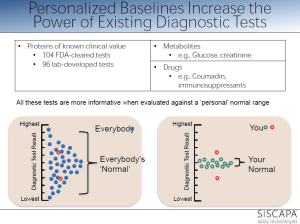
personalized reference range within population range

personalized reference range within population range

Part 1.  MetabolomicsSurge

metagraph  _OMICS

metagraph _OMICS

Metabolomics Continues Auspicious Climb

Jeffery Herman, Ph.D.
GEN May 1, 2012 (Vol. 32, No. 9)

Aberrant biochemical and metabolite signaling plays an important role in

  • the development and progression of diseased tissue.

This concept has been studied by the science community for decades. However, with relatively

  1. recent advances in analytical technology and bioinformatics as well as
  2. the development of the Human Metabolome Database (HMDB),

metabolomics has become an invaluable field of research.

At the “International Conference and Exhibition on Metabolomics & Systems Biology” held recently in San Francisco, researchers and industry leaders discussed how

  • the underlying cellular biochemical/metabolite fingerprint in response to
  1. a specific disease state,
  2. toxin exposure, or
  3. pharmaceutical compound
  • is useful in clinical diagnosis and biomarker discovery and
  • in understanding disease development and progression.

Developed by BASF, MetaMap® Tox is

  • a database that helps identify in vivo systemic effects of a tested compound, including
  1. targeted organs,
  2. mechanism of action, and
  3. adverse events.

Based on 28-day systemic rat toxicity studies, MetaMap Tox is composed of

  • differential plasma metabolite profiles of rats
  • after exposure to a large variety of chemical toxins and pharmaceutical compounds.

“Using the reference data,

  • we have developed more than 110 patterns of metabolite changes, which are
  • specific and predictive for certain toxicological modes of action,”

said Hennicke Kamp, Ph.D., group leader, department of experimental toxicology and ecology at BASF.

With MetaMap Tox, a potential drug candidate

  • can be compared to a similar reference compound
  • using statistical correlation algorithms,
  • which allow for the creation of a toxicity and mechanism of action profile.

“MetaMap Tox, in the context of early pre-clinical safety enablement in pharmaceutical development,” continued Dr. Kamp,

  • has been independently validated “
  • by an industry consortium (Drug Safety Executive Council) of 12 leading biopharmaceutical companies.”

Dr. Kamp added that this technology may prove invaluable

  • allowing for quick and accurate decisions and
  • for high-throughput drug candidate screening, in evaluation
  1. on the safety and efficacy of compounds
  2. during early and preclinical toxicological studies,
  3. by comparing a lead compound to a variety of molecular derivatives, and
  • the rapid identification of the most optimal molecular structure
  • with the best efficacy and safety profiles might be streamlined.
Dynamic Construct of the –Omics

Dynamic Construct of the –Omics

Targeted Tandem Mass Spectrometry

Biocrates Life Sciences focuses on targeted metabolomics, an important approach for

  • the accurate quantification of known metabolites within a biological sample.

Originally used for the clinical screening of inherent metabolic disorders from dried blood-spots of newborn children, Biocrates has developed

  • a tandem mass spectrometry (MS/MS) platform, which allows for
  1. the identification,
  2. quantification, and
  3. mapping of more than 800 metabolites to specific cellular pathways.

It is based on flow injection analysis and high-performance liquid chromatography MS/MS.

Clarification of Pathway-Specific Inhibition by Fourier Transform Ion Cyclotron Resonance.Mass Spectrometry-Based Metabolic Phenotyping Studies F5.large

common drug targets

common drug targets

The MetaDisIDQ® Kit is a

  • “multiparamatic” diagnostic assay designed for the “comprehensive assessment of a person’s metabolic state” and
  • the early determination of pathophysiological events with regards to a specific disease.

MetaDisIDQ is designed to quantify

  • a diverse range of 181 metabolites involved in major metabolic pathways
  • from a small amount of human serum (10 µL) using isotopically labeled internal standards,

This kit has been demonstrated to detect changes in metabolites that are commonly associated with the development of

  • metabolic syndrome, type 2 diabetes, and diabetic nephropathy,

Dr. Dallman reports that data generated with the MetaDisIDQ kit correlates strongly with

  • routine chemical analyses of common metabolites including glucose and creatinine

Biocrates has also developed the MS/MS-based AbsoluteIDQ® kits, which are

  • an “easy-to-use” biomarker analysis tool for laboratory research.

The kit functions on MS machines from a variety of vendors, and allows for the quantification of 150-180 metabolites.

The SteroIDQ® kit is a high-throughput standardized MS/MS diagnostic assay,

  • validated in human serum, for the rapid and accurate clinical determination of 16 known steroids.

Initially focusing on the analysis of steroid ranges for use in hormone replacement therapy, the SteroIDQ Kit is expected to have a wide clinical application.

Hormone-Resistant Breast Cancer

Scientists at Georgetown University have shown that

  • breast cancer cells can functionally coordinate cell-survival and cell-proliferation mechanisms,
  • while maintaining a certain degree of cellular metabolism.

To grow, cells need energy, and energy is a product of cellular metabolism. For nearly a century, it was thought that

  1. the uncoupling of glycolysis from the mitochondria,
  2. leading to the inefficient but rapid metabolism of glucose and
  3. the formation of lactic acid (the Warburg effect), was

the major and only metabolism driving force for unchecked proliferation and tumorigenesis of cancer cells.

Other aspects of metabolism were often overlooked.

“.. we understand now that

  • cellular metabolism is a lot more than just metabolizing glucose,”

said Robert Clarke, Ph.D., professor of oncology and physiology and biophysics at Georgetown University. Dr. Clarke, in collaboration with the Waters Center for Innovation at Georgetown University (led by Albert J. Fornace, Jr., M.D.), obtained

  • the metabolomic profile of hormone-sensitive and -resistant breast cancer cells through the use of UPLC-MS.

They demonstrated that breast cancer cells, through a rather complex and not yet completely understood process,

  1. can functionally coordinate cell-survival and cell-proliferation mechanisms,
  2. while maintaining a certain degree of cellular metabolism.

This is at least partly accomplished through the upregulation of important pro-survival mechanisms; including

  • the unfolded protein response;
  • a regulator of endoplasmic reticulum stress and
  • initiator of autophagy.

Normally, during a stressful situation, a cell may

  • enter a state of quiescence and undergo autophagy,
  • a process by which a cell can recycle organelles
  • in order to maintain enough energy to survive during a stressful situation or,

if the stress is too great,

  • undergo apoptosis.

By integrating cell-survival mechanisms and cellular metabolism

  • advanced ER+ hormone-resistant breast cancer cells
  • can maintain a low level of autophagy
  • to adapt and resist hormone/chemotherapy treatment.

This adaptation allows cells

  • to reallocate important metabolites recovered from organelle degradation and
  • provide enough energy to also promote proliferation.

With further research, we can gain a better understanding of the underlying causes of hormone-resistant breast cancer, with

  • the overall goal of developing effective diagnostic, prognostic, and therapeutic tools.

NMR

Over the last two decades, NMR has established itself as a major tool for metabolomics analysis. It is especially adept at testing biological fluids. [Bruker BioSpin]

Historically, nuclear magnetic resonance spectroscopy (NMR) has been used for structural elucidation of pure molecular compounds. However, in the last two decades, NMR has established itself as a major tool for metabolomics analysis. Since

  • the integral of an NMR signal is directly proportional to
  • the molar concentration throughout the dynamic range of a sample,

“the simultaneous quantification of compounds is possible

  • without the need for specific reference standards or calibration curves,” according to Lea Heintz of Bruker BioSpin.

NMR is adept at testing biological fluids because of

  1.  high reproducibility,
  2. standardized protocols,
  3. low sample manipulation, and
  4. the production of a large subset of data,

Bruker BioSpin is presently involved in a project for the screening of inborn errors of metabolism in newborn children from Turkey, based on their urine NMR profiles. More than 20 clinics are participating to the project that is coordinated by INFAI, a specialist in the transfer of advanced analytical technology into medical diagnostics. The construction of statistical models are being developed

  • for the detection of deviations from normality, as well as
  • automatic quantification methods for indicative metabolites

Bruker BioSpin recently installed high-resolution magic angle spinning NMR (HRMAS-NMR) systems that can rapidly analyze tissue biopsies. The main objective for HRMAS-NMR is to establish a rapid and effective clinical method to assess tumor grade and other important aspects of cancer during surgery.

Combined NMR and Mass Spec

There is increasing interest in combining NMR and MS, two of the main analytical assays in metabolomic research, as a means

  • to improve data sensitivity and to
  • fully elucidate the complex metabolome within a given biological sample.
  •  to realize a potential for cancer biomarker discovery in the realms of diagnosis, prognosis, and treatment.

.

Using combined NMR and MS to measure the levels of nearly 250 separate metabolites in the patient’s blood, Dr. Weljie and other researchers at the University of Calgary were able to rapidly determine the malignancy of a  pancreatic lesion (in 10–15% of the cases, it is difficult to discern between benign and malignant), while avoiding unnecessary surgery in patients with benign lesions.

When performing NMR and MS on a single biological fluid, ultimately “we are,” noted Dr. Weljie,

  1. “splitting up information content, processing, and introducing a lot of background noise and error and
  2. then trying to reintegrate the data…
    It’s like taking a complex item, with multiple pieces, out of an IKEA box and trying to repackage it perfectly into another box.”

By improving the workflow between the initial splitting of the sample, they improved endpoint data integration, proving that

  • a streamlined approach to combined NMR/MS can be achieved,
  • leading to a very strong, robust and precise metabolomics toolset.

Metabolomics Research Picks Up Speed

Field Advances in Quest to Improve Disease Diagnosis and Predict Drug Response

John Morrow Jr., Ph.D.
GEN May 1, 2011 (Vol. 31, No. 9)

As an important discipline within systems biology, metabolomics is being explored by a number of laboratories for

  • its potential in pharmaceutical development.

Studying metabolites can offer insights into the relationships between genotype and phenotype, as well as between genotype and environment. In addition, there is plenty to work with—there are estimated to be some 2,900 detectable metabolites in the human body, of which

  1. 309 have been identified in cerebrospinal fluid,
  2. 1,122 in serum,
  3. 458 in urine, and
  4. roughly 300 in other compartments.

Guowang Xu, Ph.D., a researcher at the Dalian Institute of Chemical Physics.  is investigating the causes of death in China,

  • and how they have been changing over the years as the country has become a more industrialized nation.
  •  the increase in the incidence of metabolic disorders such as diabetes has grown to affect 9.7% of the Chinese population.

Dr. Xu,  collaborating with Rainer Lehman, Ph.D., of the University of Tübingen, Germany, compared urinary metabolites in samples from healthy individuals with samples taken from prediabetic, insulin-resistant subjects. Using mass spectrometry coupled with electrospray ionization in the positive mode, they observed striking dissimilarities in levels of various metabolites in the two groups.

“When we performed a comprehensive two-dimensional gas chromatography, time-of-flight mass spectrometry analysis of our samples, we observed several metabolites, including

  • 2-hydroxybutyric acid in plasma,
  •  as potential diabetes biomarkers,” Dr. Xu explains.

In other, unrelated studies, Dr. Xu and the German researchers used a metabolomics approach to investigate the changes in plasma metabolite profiles immediately after exercise and following a 3-hour and 24-hour period of recovery. They found that

  • medium-chain acylcarnitines were the most distinctive exercise biomarkers, and
  • they are released as intermediates of partial beta oxidation in human myotubes and mouse muscle tissue.

Dr. Xu says. “The traditional approach of assessment based on a singular biomarker is being superseded by the introduction of multiple marker profiles.”

Typical of the studies under way by Dr. Kaddurah-Daouk and her colleaguesat Duke University

  • is a recently published investigation highlighting the role of an SNP variant in
  • the glycine dehydrogenase gene on individual response to antidepressants.
  •  patients who do not respond to the selective serotonin uptake inhibitors citalopram and escitalopram
  • carried a particular single nucleotide polymorphism in the GD gene.

“These results allow us to pinpoint a possible

  • role for glycine in selective serotonin reuptake inhibitor response and
  • illustrate the use of pharmacometabolomics to inform pharmacogenomics.

These discoveries give us the tools for prognostics and diagnostics so that

  • we can predict what conditions will respond to treatment.

“This approach to defining health or disease in terms of metabolic states opens a whole new paradigm.

By screening hundreds of thousands of molecules, we can understand

  • the relationship between human genetic variability and the metabolome.”

Dr. Kaddurah-Daouk talks about statins as a current

  • model of metabolomics investigations.

It is now known that the statins  have widespread effects, altering a range of metabolites. To sort out these changes and develop recommendations for which individuals should be receiving statins will require substantial investments of energy and resources into defining the complex web of biochemical changes that these drugs initiate.
Furthermore, Dr. Kaddurah-Daouk asserts that,

  • “genetics only encodes part of the phenotypic response.

One needs to take into account the

  • net environment contribution in order to determine
  • how both factors guide the changes in our metabolic state that determine the phenotype.”

Interactive Metabolomics

Researchers at the University of Nottingham use diffusion-edited nuclear magnetic resonance spectroscopy to assess the effects of a biological matrix on metabolites. Diffusion-edited NMR experiments provide a way to

  • separate the different compounds in a mixture
  • based on the differing translational diffusion coefficients (which reflect the size and shape of the molecule).

The measurements are carried out by observing

  • the attenuation of the NMR signals during a pulsed field gradient experiment.

Clare Daykin, Ph.D., is a lecturer at the University of Nottingham, U.K. Her field of investigation encompasses “interactive metabolomics,”which she defines as

“the study of the interactions between low molecular weight biochemicals and macromolecules in biological samples ..

  • without preselection of the components of interest.

“Blood plasma is a heterogeneous mixture of molecules that

  1. undergo a variety of interactions including metal complexation,
  2. chemical exchange processes,
  3. micellar compartmentation,
  4. enzyme-mediated biotransformations, and
  5. small molecule–macromolecular binding.”

Many low molecular weight compounds can exist

  • freely in solution,
  • bound to proteins, or
  • within organized aggregates such as lipoprotein complexes.

Therefore, quantitative comparison of plasma composition from

  • diseased individuals compared to matched controls provides an incomplete insight to plasma metabolism.

“It is not simply the concentrations of metabolites that must be investigated,

  • but their interactions with the proteins and lipoproteins within this complex web.

Rather than targeting specific metabolites of interest, Dr. Daykin’s metabolite–protein binding studies aim to study

  • the interactions of all detectable metabolites within the macromolecular sample.

Such activities can be studied through the use of diffusion-edited nuclear magnetic resonance (NMR) spectroscopy, in which one can assess

  • the effects of the biological matrix on the metabolites.

“This can lead to a more relevant and exact interpretation

  • for systems where metabolite–macromolecule interactions occur.”

Diffusion-edited NMR experiments provide a way to separate the different compounds in a mixture based on

  • the differing translational diffusion coefficients (which reflect the size and shape of the molecule).

The measurements are carried out by observing

  • the attenuation of the NMR signals during a pulsed field gradient experiment.

Pushing the Limits

It is widely recognized that many drug candidates fail during development due to ancillary toxicity. Uwe Sauer, Ph.D., professor, and Nicola Zamboni, Ph.D., researcher, both at the Eidgenössische Technische Hochschule, Zürich (ETH Zürich), are applying

  • high-throughput intracellular metabolomics to understand
  • the basis of these unfortunate events and
  • head them off early in the course of drug discovery.

“Since metabolism is at the core of drug toxicity, we developed a platform for

  • measurement of 50–100 targeted metabolites by
  • a high-throughput system consisting of flow injection
  • coupled to tandem mass spectrometry.”

Using this approach, Dr. Sauer’s team focused on

  • the central metabolism of the yeast Saccharomyces cerevisiae, reasoning that
  • this core network would be most susceptible to potential drug toxicity.

Screening approximately 41 drugs that were administered at seven concentrations over three orders of magnitude, they observed changes in metabolome patterns at much lower drug concentrations without attendant physiological toxicity.

The group carried out statistical modeling of about

  • 60 metabolite profiles for each drug they evaluated.

This data allowed the construction of a “profile effect map” in which

  • the influence of each drug on metabolite levels can be followed, including off-target effects, which
  • provide an indirect measure of the possible side effects of the various drugs.

Dr. Sauer says.“We have found that this approach is

  • at least 100 times as fast as other omics screening platforms,”

“Some drugs, including many anticancer agents,

  • disrupt metabolism long before affecting growth.”
killing cancer cells

killing cancer cells

Furthermore, they used the principle of 13C-based flux analysis, in which

  • metabolites labeled with 13C are used to follow the utilization of metabolic pathways in the cell.

These 13C-determined intracellular responses of metabolic fluxes to drug treatment demonstrate

  • the functional performance of the network to be rather robust,
conformational changes leading to substrate efflux.

conformational changes leading to substrate efflux.

leading Dr. Sauer to the conclusion that

  • the phenotypic vigor he observes to drug challenges
  • is achieved by a flexible make up of the metabolome.

Dr. Sauer is confident that it will be possible to expand the scope of these investigations to hundreds of thousands of samples per study. This will allow answers to the questions of

  • how cells establish a stable functioning network in the face of inevitable concentration fluctuations.

Is Now the Hour?

There is great enthusiasm and agitation within the biotech community for

  • metabolomics approaches as a means of reversing the dismal record of drug discovery

that has accumulated in the last decade.

While the concept clearly makes sense and is being widely applied today, there are many reasons why drugs fail in development, and metabolomics will not be a panacea for resolving all of these questions. It is too early at this point to recognize a trend or a track record, and it will take some time to see how this approach can aid in drug discovery and shorten the timeline for the introduction of new pharmaceutical agents.

Degree of binding correlated with function

Degree of binding correlated with function

Diagram_of_a_two-photon_excitation_microscope_

Diagram_of_a_two-photon_excitation_microscope_

Part 2.  Biologists Find ‘Missing Link’ in the Production of Protein Factories in Cells

Biologists at UC San Diego have found

  • the “missing link” in the chemical system that
  • enables animal cells to produce ribosomes

—the thousands of protein “factories” contained within each cell that

  • manufacture all of the proteins needed to build tissue and sustain life.
‘Missing Link’

‘Missing Link’

Their discovery, detailed in the June 23 issue of the journal Genes & Development, will not only force

  • a revision of basic textbooks on molecular biology, but also
  • provide scientists with a better understanding of
  • how to limit uncontrolled cell growth, such as cancer,
  • that might be regulated by controlling the output of ribosomes.

Ribosomes are responsible for the production of the wide variety of proteins that include

  1. enzymes;
  2. structural molecules, such as hair,
  3. skin and bones;
  4. hormones like insulin; and
  5. components of our immune system such as antibodies.

Regarded as life’s most important molecular machine, ribosomes have been intensively studied by scientists (the 2009 Nobel Prize in Chemistry, for example, was awarded for studies of its structure and function). But until now researchers had not uncovered all of the details of how the proteins that are used to construct ribosomes are themselves produced.

In multicellular animals such as humans,

  • ribosomes are made up of about 80 different proteins
    (humans have 79 while some other animals have a slightly different number) as well as
  • four different kinds of RNA molecules.

In 1969, scientists discovered that

  • the synthesis of the ribosomal RNAs is carried out by specialized systems using two key enzymes:
  • RNA polymerase I and RNA polymerase III.

But until now, scientists were unsure if a complementary system was also responsible for

  • the production of the 80 proteins that make up the ribosome.

That’s essentially what the UC San Diego researchers headed by Jim Kadonaga, a professor of biology, set out to examine. What they found was the missing link—the specialized

  • system that allows ribosomal proteins themselves to be synthesized by the cell.

Kadonaga says that he and coworkers found that ribosomal proteins are synthesized via

  • a novel regulatory system with the enzyme RNA polymerase II and
  • a factor termed TRF2,”

“For the production of most proteins,

  1. RNA polymerase II functions with
  2. a factor termed TBP,
  3. but for the synthesis of ribosomal proteins, it uses TRF2.”
  •  this specialized TRF2-based system for ribosome biogenesis
  • provides a new avenue for the study of ribosomes and
  • its control of cell growth, and

“it should lead to a better understanding and potential treatment of diseases such as cancer.”

Coordination of the transcriptome and metabolome

Coordination of the transcriptome and metabolome

the potential advantages conferred by distal-site protein synthesis

the potential advantages conferred by distal-site protein synthesis

Other authors of the paper were UC San Diego biologists Yuan-Liang Wang, Sascha Duttke and George Kassavetis, and Kai Chen, Jeff Johnston, and Julia Zeitlinger of the Stowers Institute for Medical Research in Kansas City, Missouri. Their research was supported by two grants from the National Institutes of Health (1DP2OD004561-01 and R01 GM041249).

Turning Off a Powerful Cancer Protein

Scientists have discovered how to shut down a master regulatory transcription factor that is

  • key to the survival of a majority of aggressive lymphomas,
  • which arise from the B cells of the immune system.

The protein, Bcl6, has long been considered too complex to target with a drug since it is also crucial

  • to the healthy functioning of many immune cells in the body, not just B cells gone bad.

The researchers at Weill Cornell Medical College report that it is possible

  • to shut down Bcl6 in diffuse large B-cell lymphoma (DLBCL)
  • while not affecting its vital function in T cells and macrophages
  • that are needed to support a healthy immune system.

If Bcl6 is completely inhibited, patients might suffer from systemic inflammation and atherosclerosis. The team conducted this new study to help clarify possible risks, as well as to understand

  • how Bcl6 controls the various aspects of the immune system.

The findings in this study were inspired from

  • preclinical testing of two Bcl6-targeting agents that Dr. Melnick and his Weill Cornell colleagues have developed
  • to treat DLBCLs.

These experimental drugs are

  • RI-BPI, a peptide mimic, and
  • the small molecule agent 79-6.

“This means the drugs we have developed against Bcl6 are more likely to be

  • significantly less toxic and safer for patients with this cancer than we realized,”

says Ari Melnick, M.D., professor of hematology/oncology and a hematologist-oncologist at NewYork-Presbyterian Hospital/Weill Cornell Medical Center.

Dr. Melnick says the discovery that

  • a master regulatory transcription factor can be targeted
  • offers implications beyond just treating DLBCL.

Recent studies from Dr. Melnick and others have revealed that

  • Bcl6 plays a key role in the most aggressive forms of acute leukemia, as well as certain solid tumors.

Bcl6 can control the type of immune cell that develops in the bone marrow—playing many roles

  • in the development of B cells, T cells, macrophages, and other cells—including a primary and essential role in
  • enabling B-cells to generate specific antibodies against pathogens.

According to Dr. Melnick, “When cells lose control of Bcl6,

  • lymphomas develop in the immune system.

Lymphomas are ‘addicted’ to Bcl6, and therefore

  • Bcl6 inhibitors powerfully and quickly destroy lymphoma cells,” .

The big surprise in the current study is that rather than functioning as a single molecular machine,

  • Bcl6 functions like a Swiss Army knife,
  • using different tools to control different cell types.

This multifunction paradigm could represent a general model for the functioning of other master regulatory transcription factors.

“In this analogy, the Swiss Army knife, or transcription factor, keeps most of its tools folded,

  • opening only the one it needs in any given cell type,”

He makes the following analogy:

  • “For B cells, it might open and use the knife tool;
  • for T cells, the cork screw;
  • for macrophages, the scissors.”

“this means that you only need to prevent the master regulator from using certain tools to treat cancer. You don’t need to eliminate the whole knife,” . “In fact, we show that taking out the whole knife is harmful since

  • the transcription factor has many other vital functions that other cells in the body need.”

Prior to these study results, it was not known that a master regulator could separate its functions so precisely. Researchers hope this will be a major benefit to the treatment of DLBCL and perhaps other disorders that are influenced by Bcl6 and other master regulatory transcription factors.

The study is published in the journal Nature Immunology, in a paper titled “Lineage-specific functions of Bcl-6 in immunity and inflammation are mediated by distinct biochemical mechanisms”.

Part 3. Neuroscience

Vesicles influence function of nerve cells 
Oct, 06 2014        source: http://feeds.sciencedaily.com

Neurons (blue) which have absorbed exosomes (green) have increased levels of the enzyme catalase (red), which helps protect them against peroxides.

Neurons (blue) which have absorbed exosomes (green) have increased levels of the enzyme catalase (red), which helps protect them against peroxides.

Neurons (blue) which have absorbed exosomes (green) have increased levels of the enzyme catalase (red), which helps protect them against peroxides.

Tiny vesicles containing protective substances

  • which they transmit to nerve cells apparently
  • play an important role in the functioning of neurons.

As cell biologists at Johannes Gutenberg University Mainz (JGU) have discovered,

  • nerve cells can enlist the aid of mini-vesicles of neighboring glial cells
  • to defend themselves against stress and other potentially detrimental factors.

These vesicles, called exosomes, appear to stimulate the neurons on various levels:

  • they influence electrical stimulus conduction,
  • biochemical signal transfer, and
  • gene regulation.

Exosomes are thus multifunctional signal emitters

  • that can have a significant effect in the brain.
Exosome

Exosome

The researchers in Mainz already observed in a previous study that

  • oligodendrocytes release exosomes on exposure to neuronal stimuli.
  • these are absorbed by the neurons and improve neuronal stress tolerance.

Oligodendrocytes, a type of glial cell, form an

  • insulating myelin sheath around the axons of neurons.

The exosomes transport protective proteins such as

  • heat shock proteins,
  • glycolytic enzymes, and
  • enzymes that reduce oxidative stress from one cell type to another,
  • but also transmit genetic information in the form of ribonucleic acids.

“As we have now discovered in cell cultures, exosomes seem to have a whole range of functions,” explained Dr. Eva-Maria Krmer-Albers. By means of their transmission activity, the small bubbles that are the vesicles

  • not only promote electrical activity in the nerve cells, but also
  • influence them on the biochemical and gene regulatory level.

“The extent of activities of the exosomes is impressive,” added Krmer-Albers. The researchers hope that the understanding of these processes will contribute to the development of new strategies for the treatment of neuronal diseases. Their next aim is to uncover how vesicles actually function in the brains of living organisms.

http://labroots.com/user/news/article/id/217438/title/vesicles-influence-function-of-nerve-cells

The above story is based on materials provided by Universitt Mainz.

Universitt Mainz. “Vesicles influence function of nerve cells.” ScienceDaily. ScienceDaily, 6 October 2014. www.sciencedaily.com/releases/2014/10/141006174214.htm

Neuroscientists use snail research to help explain “chemo brain”

10/08/2014
It is estimated that as many as half of patients taking cancer drugs experience a decrease in mental sharpness. While there have been many theories, what causes “chemo brain” has eluded scientists.

In an effort to solve this mystery, neuroscientists at The University of Texas Health Science Center at Houston (UTHealth) conducted an experiment in an animal memory model and their results point to a possible explanation. Findings appeared in The Journal of Neuroscience.

In the study involving a sea snail that shares many of the same memory mechanisms as humans and a drug used to treat a variety of cancers, the scientists identified

  • memory mechanisms blocked by the drug.

Then, they were able to counteract or

  • unblock the mechanisms by administering another agent.

“Our research has implications in the care of people given to cognitive deficits following drug treatment for cancer,” said John H. “Jack” Byrne, Ph.D., senior author, holder of the June and Virgil Waggoner Chair and Chairman of the Department of Neurobiology and Anatomy at the UTHealth Medical School. “There is no satisfactory treatment at this time.”

Byrne’s laboratory is known for its use of a large snail called Aplysia californica to further the understanding of the biochemical signaling among nerve cells (neurons).  The snails have large neurons that relay information much like those in humans.

When Byrne’s team compared cell cultures taken from normal snails to

  • those administered a dose of a cancer drug called doxorubicin,

the investigators pinpointed a neuronal pathway

  • that was no longer passing along information properly.

With the aid of an experimental drug,

  • the scientists were able to reopen the pathway.

Unfortunately, this drug would not be appropriate for humans, Byrne said. “We want to identify other drugs that can rescue these memory mechanisms,” he added.

According the American Cancer Society, some of the distressing mental changes cancer patients experience may last a short time or go on for years.

Byrne’s UT Health research team includes co-lead authors Rong-Yu Liu, Ph.D., and Yili Zhang, Ph.D., as well as Brittany Coughlin and Leonard J. Cleary, Ph.D. All are affiliated with the W.M. Keck Center for the Neurobiology of Learning and Memory.

Byrne and Cleary also are on the faculty of The University of Texas Graduate School of Biomedical Sciences at Houston. Coughlin is a student at the school, which is jointly operated by UT Health and The University of Texas MD Anderson Cancer Center.

The study titled “Doxorubicin Attenuates Serotonin-Induced Long-Term Synaptic Facilitation by Phosphorylation of p38 Mitogen-Activated Protein Kinase” received support from National Institutes of Health grant (NS019895) and the Zilkha Family Discovery Fellowship.

Doxorubicin Attenuates Serotonin-Induced Long-Term Synaptic Facilitation by Phosphorylation of p38 Mitogen-Activated Protein Kinase

Source: Univ. of Texas Health Science Center at Houston

http://www.rdmag.com/news/2014/10/neuroscientists-use-snail-research-help-explain-E2_9_Cchemo-brain

Doxorubicin Attenuates Serotonin-Induced Long-Term Synaptic Facilitation by Phosphorylation of p38 Mitogen-Activated Protein Kinase

Rong-Yu Liu*,  Yili Zhang*,  Brittany L. Coughlin,  Leonard J. Cleary, and  John H. Byrne   +Show Affiliations
The Journal of Neuroscience, 1 Oct 2014, 34(40): 13289-13300;
http://dx.doi.org:/10.1523/JNEUROSCI.0538-14.2014

Doxorubicin (DOX) is an anthracycline used widely for cancer chemotherapy. Its primary mode of action appears to be

  • topoisomerase II inhibition, DNA cleavage, and free radical generation.

However, in non-neuronal cells, DOX also inhibits the expression of

  • dual-specificity phosphatases (also referred to as MAPK phosphatases) and thereby
  1. inhibits the dephosphorylation of extracellular signal-regulated kinase (ERK) and
  2. p38 mitogen-activated protein kinase (p38 MAPK),
  3. two MAPK isoforms important for long-term memory (LTM) formation.

Activation of these kinases by DOX in neurons, if present,

  • could have secondary effects on cognitive functions, such as learning and memory.

The present study used cultures of rat cortical neurons and sensory neurons (SNs) of Aplysia

  • to examine the effects of DOX on levels of phosphorylated ERK (pERK) and
  • phosphorylated p38 (p-p38) MAPK.

In addition, Aplysia neurons were used to examine the effects of DOX on

  • long-term enhanced excitability, long-term synaptic facilitation (LTF), and
  • long-term synaptic depression (LTD).

DOX treatment led to elevated levels of

  • pERK and p-p38 MAPK in SNs and cortical neurons.

In addition, it increased phosphorylation of

  • the downstream transcriptional repressor cAMP response element-binding protein 2 in SNs.

DOX treatment blocked serotonin-induced LTF and enhanced LTD induced by the neuropeptide Phe-Met-Arg-Phe-NH2. The block of LTF appeared to be attributable to

  • overriding inhibitory effects of p-p38 MAPK, because
  • LTF was rescued in the presence of an inhibitor of p38 MAPK
    (SB203580 [4-(4-fluorophenyl)-2-(4-methylsulfinylphenyl)-5-(4-pyridyl)-1H-imidazole]) .

These results suggest that acute application of DOX might impair the formation of LTM via the p38 MAPK pathway.
Terms: Aplysia chemotherapy ERK  p38 MAPK serotonin synaptic plasticity

Technology that controls brain cells with radio waves earns early BRAIN grant

10/08/2014

bright spots = cells with increased calcium after treatment with radio waves,  allows neurons to fire

bright spots = cells with increased calcium after treatment with radio waves, allows neurons to fire

BRAIN control: The new technology uses radio waves to activate or silence cells remotely. The bright spots above represent cells with increased calcium after treatment with radio waves, a change that would allow neurons to fire.

A proposal to develop a new way to

  • remotely control brain cells

from Sarah Stanley, a research associate in Rockefeller University’s Laboratory of Molecular Genetics, headed by Jeffrey M. Friedman, is

  • among the first to receive funding from U.S. President Barack Obama’s BRAIN initiative.

The project will make use of a technique called

  • radiogenetics that combines the use of radio waves or magnetic fields with
  • nanoparticles to turn neurons on or off.

The National Institutes of Health is one of four federal agencies involved in the BRAIN (Brain Research through Advancing Innovative Neurotechnologies) initiative. Following in the ambitious footsteps of the Human Genome Project, the BRAIN initiative seeks

  • to create a dynamic map of the brain in action,

a goal that requires the development of new technologies. The BRAIN initiative working group, which outlined the broad scope of the ambitious project, was co-chaired by Rockefeller’s Cori Bargmann, head of the Laboratory of Neural Circuits and Behavior.

Stanley’s grant, for $1.26 million over three years, is one of 58 projects to get BRAIN grants, the NIH announced. The NIH’s plan for its part of this national project, which has been pitched as “America’s next moonshot,” calls for $4.5 billion in federal funds over 12 years.

The technology Stanley is developing would

  • enable researchers to manipulate the activity of neurons, as well as other cell types,
  • in freely moving animals in order to better understand what these cells do.

Other techniques for controlling selected groups of neurons exist, but her new nanoparticle-based technique has a

  • unique combination of features that may enable new types of experimentation.
  • it would allow researchers to rapidly activate or silence neurons within a small area of the brain or
  • dispersed across a larger region, including those in difficult-to-access locations.

Stanley also plans to explore the potential this method has for use treating patients.

“Francis Collins, director of the NIH, has discussed

  • the need for studying the circuitry of the brain,
  • which is formed by interconnected neurons.

Our remote-control technology may provide a tool with which researchers can ask new questions about the roles of complex circuits in regulating behavior,” Stanley says.
Rockefeller University’s Laboratory of Molecular Genetics
Source: Rockefeller Univ.

Part 4.  Cancer

Two Proteins Found to Block Cancer Metastasis

Why do some cancers spread while others don’t? Scientists have now demonstrated that

  • metastatic incompetent cancers actually “poison the soil”
  • by generating a micro-environment that blocks cancer cells
  • from settling and growing in distant organs.

The “seed and the soil” hypothesis proposed by Stephen Paget in 1889 is now widely accepted to explain how

  • cancer cells (seeds) are able to generate fertile soil (the micro-environment)
  • in distant organs that promotes cancer’s spread.

However, this concept had not explained why some tumors do not spread or metastasize.

The researchers, from Weill Cornell Medical College, found that

  • two key proteins involved in this process work by
  • dramatically suppressing cancer’s spread.

The study offers hope that a drug based on these

  • potentially therapeutic proteins, prosaposin and Thrombospondin 1 (Tsp-1),

might help keep human cancer at bay and from metastasizing.

Scientists don’t understand why some tumors wouldn’t “want” to spread. It goes against their “job description,” says the study’s senior investigator, Vivek Mittal, Ph.D., an associate professor of cell and developmental biology in cardiothoracic surgery and director of the Neuberger Berman Foundation Lung Cancer Laboratory at Weill Cornell Medical College. He theorizes that metastasis occurs when

  • the barriers that the body throws up to protect itself against cancer fail.

But there are some tumors in which some of the barriers may still be intact. “So that suggests

  • those primary tumors will continue to grow, but that
  • an innate protective barrier still exists that prevents them from spreading and invading other organs,”

The researchers found that, like typical tumors,

  • metastasis-incompetent tumors also send out signaling molecules
  • that establish what is known as the “premetastatic niche” in distant organs.

These niches composed of bone marrow cells and various growth factors have been described previously by others including Dr. Mittal as the fertile “soil” that the disseminated cancer cell “seeds” grow in.

Weill Cornell’s Raúl Catena, Ph.D., a postdoctoral fellow in Dr. Mittal’s laboratory, found an important difference between the tumor types. Metastatic-incompetent tumors

  • systemically increased expression of Tsp-1, a molecule known to fight cancer growth.
  • increased Tsp-1 production was found specifically in the bone marrow myeloid cells
  • that comprise the metastatic niche.

These results were striking, because for the first time Dr. Mittal says

  • the bone marrow-derived myeloid cells were implicated as
  • the main producers of Tsp-1,.

In addition, Weill Cornell and Harvard researchers found that

  • prosaposin secreted predominantly by the metastatic-incompetent tumors
  • increased expression of Tsp-1 in the premetastatic lungs.

Thus, Dr. Mittal posits that prosaposin works in combination with Tsp-1

  • to convert pro-metastatic bone marrow myeloid cells in the niche
  • into cells that are not hospitable to cancer cells that spread from a primary tumor.
  • “The very same myeloid cells in the niche that we know can promote metastasis
  • can also be induced under the command of the metastatic incompetent primary tumor to inhibit metastasis,”

The research team found that

  • the Tsp-1–inducing activity of prosaposin
  • was contained in only a 5-amino acid peptide region of the protein, and
  • this peptide alone induced Tsp-1 in the bone marrow cells and
  • effectively suppressed metastatic spread in the lungs
  • in mouse models of breast and prostate cancer.

This 5-amino acid peptide with Tsp-1–inducing activity

  • has the potential to be used as a therapeutic agent against metastatic cancer,

The scientists have begun to test prosaposin in other tumor types or metastatic sites.

Dr. Mittal says that “The clinical implications of the study are:

  • “Not only is it theoretically possible to design a prosaposin-based drug or drugs
  • that induce Tsp-1 to block cancer spread, but
  • you could potentially create noninvasive prognostic tests
  • to predict whether a cancer will metastasize.”

The study was reported in the April 30 issue of Cancer Discovery, in a paper titled “Bone Marrow-Derived Gr1+ Cells Can Generate a Metastasis-Resistant Microenvironment Via Induced Secretion of Thrombospondin-1”.

Disabling Enzyme Cripples Tumors, Cancer Cells

First Step of Metastasis

First Step of Metastasis

Published: Sep 05, 2013  http://www.technologynetworks.com/Metabolomics/news.aspx?id=157138

Knocking out a single enzyme dramatically cripples the ability of aggressive cancer cells to spread and grow tumors.

The paper, published in the journal Proceedings of the National Academy of Sciences, sheds new light on the importance of lipids, a group of molecules that includes fatty acids and cholesterol, in the development of cancer.

Researchers have long known that cancer cells metabolize lipids differently than normal cells. Levels of ether lipids – a class of lipids that are harder to break down – are particularly elevated in highly malignant tumors.

“Cancer cells make and use a lot of fat and lipids, and that makes sense because cancer cells divide and proliferate at an accelerated rate, and to do that,

  • they need lipids, which make up the membranes of the cell,”

said study principal investigator Daniel Nomura, assistant professor in UC Berkeley’s Department of Nutritional Sciences and Toxicology. “Lipids have a variety of uses for cellular structure, but what we’re showing with our study is that

  • lipids can send signals that fuel cancer growth.”

In the study, Nomura and his team tested the effects of reducing ether lipids on human skin cancer cells and primary breast tumors. They targeted an enzyme,

  • alkylglycerone phosphate synthase, or AGPS,
  • known to be critical to the formation of ether lipids.

The researchers confirmed that

  1. AGPS expression increased when normal cells turned cancerous.
  2. inactivating AGPS substantially reduced the aggressiveness of the cancer cells.

“The cancer cells were less able to move and invade,” said Nomura.

The researchers also compared the impact of

  • disabling the AGPS enzyme in mice that had been injected with cancer cells.

Nomura. observes -“Among the mice that had the AGPS enzyme inactivated,

  • the tumors were nonexistent,”

“The mice that did not have this enzyme

  • disabled rapidly developed tumors.”

The researchers determined that

  • inhibiting AGPS expression depleted the cancer cells of ether lipids.
  • AGPS altered levels of other types of lipids important to the ability of the cancer cells to survive and spread, including
    • prostaglandins and acyl phospholipids.

“What makes AGPS stand out as a treatment target is that the enzyme seems to simultaneously

  • regulate multiple aspects of lipid metabolism
  • important for tumor growth and malignancy.”

Future steps include the

  • development of AGPS inhibitors for use in cancer therapy,

“This study sheds considerable light on the important role that AGPS plays in ether lipid metabolism in cancer cells, and it suggests that

  • inhibitors of this enzyme could impair tumor formation,”

said Benjamin Cravatt, Professor and Chair of Chemical Physiology at The Scripps Research Institute, who is not part of the UC.

Agilent Technologies Thought Leader Award Supports Translational Research Program
Published: Mon, March 04, 2013

The award will support Dr DePinho’s research into

  • metabolic reprogramming in the earliest stages of cancer.

Agilent Technologies Inc. announces that Dr. Ronald A. DePinho, a world-renowned oncologist and researcher, has received an Agilent Thought Leader Award.

DePinho is president of the University of Texas MD Anderson Cancer Center. DePinho and his team hope to discover and characterize

  • alterations in metabolic flux during tumor initiation and maintenance, and to identify biomarkers for early detection of pancreatic cancer together with
  • novel therapeutic targets.

Researchers on his team will work with scientists from the university’s newly formed Institute of Applied Cancer Sciences.

The Agilent Thought Leader Award provides funds to support personnel as well as a state-of-the-art Agilent 6550 iFunnel Q-TOF LC/MS system.

“I am extremely pleased to receive this award for metabolomics research, as the survival rates for pancreatic cancer have not significantly improved over the past 20 years,” DePinho said. “This technology will allow us to

  • rapidly identify new targets that drive the formation, progression and maintenance of pancreatic cancer.

Discoveries from this research will also lead to

  • the development of effective early detection biomarkers and novel therapeutic interventions.”

“We are proud to support Dr. DePinho’s exciting translational research program, which will make use of

  • metabolomics and integrated biology workflows and solutions in biomarker discovery,”

said Patrick Kaltenbach, Agilent vice president, general manager of the Liquid Phase Division, and the executive sponsor of this award.

The Agilent Thought Leader Program promotes fundamental scientific advances by support of influential thought leaders in the life sciences and chemical analysis fields.

The covalent modifier Nedd8 is critical for the activation of Smurf1 ubiquitin ligase in tumorigenesis

Ping Xie, Minghua Zhang, Shan He, Kefeng Lu, Yuhan Chen, Guichun Xing, et al.
Nature Communications
  2014; 5(3733).  http://dx.doi.org:/10.1038/ncomms4733

Neddylation, the covalent attachment of ubiquitin-like protein Nedd8, of the Cullin-RING E3 ligase family

  • regulates their ubiquitylation activity.

However, regulation of HECT ligases by neddylation has not been reported to date. Here we show that

  • the C2-WW-HECT ligase Smurf1 is activated by neddylation.

Smurf1 physically interacts with

  1. Nedd8 and Ubc12,
  2. forms a Nedd8-thioester intermediate, and then
  3. catalyses its own neddylation on multiple lysine residues.

Intriguingly, this autoneddylation needs

  • an active site at C426 in the HECT N-lobe.

Neddylation of Smurf1 potently enhances

  • ubiquitin E2 recruitment and
  • augments the ubiquitin ligase activity of Smurf1.

The regulatory role of neddylation

  • is conserved in human Smurf1 and yeast Rsp5.

Furthermore, in human colorectal cancers,

  • the elevated expression of Smurf1, Nedd8, NAE1 and Ubc12
  • correlates with cancer progression and poor prognosis.

These findings provide evidence that

  • neddylation is important in HECT ubiquitin ligase activation and
  • shed new light on the tumour-promoting role of Smurf1.
 Swinging domains in HECT E3

Swinging domains in HECT E3

Subject terms: Biological sciences Cancer Cell biology

Figure 1: Smurf1 expression is elevated in colorectal cancer tissues.

Smurf1 expression is elevated in colorectal cancer tissues.

Smurf1 expression is elevated in colorectal cancer tissues.

(a) Smurf1 expression scores are shown as box plots, with the horizontal lines representing the median; the bottom and top of the boxes representing the 25th and 75th percentiles, respectively; and the vertical bars representing the ra

Figure 2: Positive correlation of Smurf1 expression with Nedd8 and its interacting enzymes in colorectal cancer.

Positive correlation of Smurf1 expression with Nedd8 and its interacting enzymes in colorectal cancer

Positive correlation of Smurf1 expression with Nedd8 and its interacting enzymes in colorectal cancer

(a) Representative images from immunohistochemical staining of Smurf1, Ubc12, NAE1 and Nedd8 in the same colorectal cancer tumour. Scale bars, 100 μm. (bd) The expression scores of Nedd8 (b, n=283 ), NAE1 (c, n=281) and Ubc12 (d, n=19…

Figure 3: Smurf1 interacts with Ubc12.

Smurf1 interacts with Ubc12

Smurf1 interacts with Ubc12

(a) GST pull-down assay of Smurf1 with Ubc12. Both input and pull-down samples were subjected to immunoblotting with anti-His and anti-GST antibodies. Smurf1 interacted with Ubc12 and UbcH5c, but not with Ubc9. (b) Mapping the regions…

Figure 4: Nedd8 is attached to Smurf1through C426-catalysed autoneddylation.

Nedd8 is attached to Smurf1through C426-catalysed autoneddylation

Nedd8 is attached to Smurf1through C426-catalysed autoneddylation

(a) Covalent neddylation of Smurf1 in vitro.Purified His-Smurf1-WT or C699A proteins were incubated with Nedd8 and Nedd8-E1/E2. Reactions were performed as described in the Methods section. Samples were analysed by western blotting wi…

Figure 5: Neddylation of Smurf1 activates its ubiquitin ligase activity.

Neddylation of Smurf1 activates its ubiquitin ligase activity.

Neddylation of Smurf1 activates its ubiquitin ligase activity.

(a) In vivo Smurf1 ubiquitylation assay. Nedd8 was co-expressed with Smurf1 WT or C699A in HCT116 cells (left panels). Twenty-four hours post transfection, cells were treated with MG132 (20 μM, 8 h). HCT116 cells were transfected with…

http://www.nature.com/ncomms/2014/140513/ncomms4733/carousel/ncomms4733-f1.jpg

http://www.nature.com/ncomms/2014/140513/ncomms4733/carousel/ncomms4733-f2.jpg

http://www.nature.com/ncomms/2014/140513/ncomms4733/carousel/ncomms4733-f3.jpg

http://www.nature.com/ncomms/2014/140513/ncomms4733/carousel/ncomms4733-f4.jpg

http://www.nature.com/ncomms/2014/140513/ncomms4733/carousel/ncomms4733-f5.jpg

http://www.nature.com/ncomms/2014/140513/ncomms4733/carousel/ncomms4733-f6.jpg

http://www.nature.com/ncomms/2014/140513/ncomms4733/carousel/ncomms4733-f7.jpg

http://www.nature.com/ncomms/2014/140513/ncomms4733/carousel/ncomms4733-f8.jpg

The deubiquitylase USP33 discriminates between RALB functions in autophagy and innate immune response

M Simicek, S Lievens, M Laga, D Guzenko, VN. Aushev, et al.
Nature Cell Biology 2013; 15, 1220–1230    http://dx.doi.org:/10.1038/ncb2847

The RAS-like GTPase RALB mediates cellular responses to nutrient availability or viral infection by respectively

  • engaging two components of the exocyst complex, EXO84 and SEC5.
  1. RALB employs SEC5 to trigger innate immunity signalling, whereas
  2. RALB–EXO84 interaction induces autophagocytosis.

How this differential interaction is achieved molecularly by the RAL GTPase remains unknown.

We found that whereas GTP binding

  • turns on RALB activity,

ubiquitylation of RALB at Lys 47

  • tunes its activity towards a particular effector.

Specifically, ubiquitylation at Lys 47

  • sterically inhibits RALB binding to EXO84, while
  • facilitating its interaction with SEC5.

Double-stranded RNA promotes

  • RALB ubiquitylation and
  • SEC5–TBK1 complex formation.

In contrast, nutrient starvation

  • induces RALB deubiquitylation
  • by accumulation and relocalization of the deubiquitylase USP33
  • to RALB-positive vesicles.

Deubiquitylated RALB

  • promotes the assembly of the RALB–EXO84–beclin-1 complexes
  • driving autophagosome formation. Thus,
  • ubiquitylation within the effector-binding domain
  • provides the switch for the dual functions of RALB in
    • autophagy and innate immune responses.

Part 5. Metabolic Syndrome

Single Enzyme is Necessary for Development of Diabetes

Published: Aug 20, 2014 http://www.technologynetworks.com/Metabolomics/news.aspx?ID=169416

12-LO enzyme promotes the obesity-induced oxidative stress in the pancreatic cells.

An enzyme called 12-LO promotes the obesity-induced oxidative stress in the pancreatic cells that leads

  • to pre-diabetes, and diabetes.

12-LO’s enzymatic action is the last step in

  • the production of certain small molecules that harm the cell,

according to a team from Indiana University School of Medicine, Indianapolis.

The findings will enable the development of drugs that can interfere with this enzyme, preventing or even reversing diabetes. The research is published ahead of print in the journal Molecular and Cellular Biology.

In earlier studies, these researchers and their collaborators at Eastern Virginia Medical School showed that

  • 12-LO (which stands for 12-lipoxygenase) is present in these cells
  • only in people who become overweight.

The harmful small molecules resulting from 12-LO’s enzymatic action are known as HETEs, short for hydroxyeicosatetraenoic acid.

  1. HETEs harm the mitochondria, which then
  2. fail to produce sufficient energy to enable
  3. the pancreatic cells to manufacture the necessary quantities of insulin.

For the study, the investigators genetically engineered mice that

  • lacked the gene for 12-LO exclusively in their pancreas cells.

Mice were either fed a low-fat or high-fat diet.

Both the control mice and the knockout mice on the high fat diet

  • developed obesity and insulin resistance.

The investigators also examined the pancreatic beta cells of both knockout and control mice, using both microscopic studies and molecular analysis. Those from the knockout mice were intact and healthy, while

  • those from the control mice showed oxidative damage,
  • demonstrating that 12-LO and the resulting HETEs
  • caused the beta cell failure.

Mirmira notes that fatty diet used in the study was the Western Diet, which comprises mostly saturated-“bad”-fats. Based partly on a recent study of related metabolic pathways, he says that

  • the unsaturated and mono-unsaturated fats-which comprise most fats in the healthy,
  • relatively high fat Mediterranean diet-are unlikely to have the same effects.

“Our research is the first to show that 12-LO in the beta cell

  • is the culprit in the development of pre-diabetes, following high fat diets,” says Mirmira.

“Our work also lends important credence to the notion that

  • the beta cell is the primary defective cell in virtually all forms of diabetes and pre-diabetes.”

A New Player in Lipid Metabolism Discovered

Published: Aug18, 2014  http://www.technologynetworks.com/Metabolomics/news.aspx?ID=169356

Specially engineered mice gained no weight, and normal counterparts became obese

  • on the same high-fat, obesity-inducing Western diet.

Specially engineered mice that lacked a particular gene did not gain weight

  • when fed a typical high-fat, obesity-inducing Western diet.

Yet, these mice ate the same amount as their normal counterparts that became obese.

The mice were engineered with fat cells that lacked a gene called SEL1L,

  • known to be involved in the clearance of mis-folded proteins
  • in the cell’s protein making machinery called the endoplasmic reticulum (ER).

When mis-folded proteins are not cleared but accumulate,

  • they destroy the cell and contribute to such diseases as
  1. mad cow disease,
  2. Type 1 diabetes and
  3. cystic fibrosis.

“The million-dollar question is why don’t these mice gain weight? Is this related to its inability to clear mis-folded proteins in the ER?” said Ling Qi, associate professor of molecular and biochemical nutrition and senior author of the study published online July 24 in Cell Metabolism. Haibo Sha, a research associate in Qi’s lab, is the paper’s lead author.

Interestingly, the experimental mice developed a host of other problems, including

  • postprandial hypertriglyceridemia,
  • and fatty livers.

“Although we are yet to find out whether these conditions contribute to the lean phenotype, we found that

  • there was a lipid partitioning defect in the mice lacking SEL1L in fat cells,
  • where fat cells cannot store fat [lipids], and consequently
  • fat goes to the liver.

During the investigation of possible underlying mechanisms, we discovered

  • a novel function for SEL1L as a regulator of lipid metabolism,” said Qi.

Sha said “We were very excited to find that

  • SEL1L is required for the intracellular trafficking of
  • lipoprotein lipase (LPL), acting as a chaperone,” .

and added that “Using several tissue-specific knockout mouse models,

  • we showed that this is a general phenomenon,”

Without LPL, lipids remain in the circulation;

  • fat and muscle cells cannot absorb fat molecules for storage and energy combustion,

People with LPL mutations develop

  • postprandial hypertriglyceridemia similar to
  • conditions found in fat cell-specific SEL1L-deficient mice, said Qi.

Future work will investigate the

  • role of SEL1L in human patients carrying LPL mutations and
  • determine why fat cell-specific SEL1L-deficient mice remain lean under Western diets, said Sha.

Co-authors include researchers from Cedars-Sinai Medical Center in Los Angeles; Wageningen University in the Netherlands; Georgia State University; University of California, Los Angeles; and the Medical College of Soochow University in China.

The study was funded by the U.S. National Institutes of Health, the Netherlands Organization for Health Research and Development National Institutes of Health, the Cedars-Sinai Medical Center, Chinese National Science Foundation, the American Diabetes Association, Cornell’s Center for Vertebrate Genomics and the Howard Hughes Medical Institute.

Part 6. Biomarkers

Biomarkers Take Center Stage

Josh P. Roberts
GEN May 1, 2013 (Vol. 33, No. 9)  http://www.genengnews.com/

While work with biomarkers continues to grow, scientists are also grappling with research-related bottlenecks, such as

  1. affinity reagent development,
  2. platform reproducibility, and
  3. sensitivity.

Biomarkers by definition indicate some state or process that generally occurs

  • at a spatial or temporal distance from the marker itself, and

it would not be an exaggeration to say that biomedicine has become infatuated with them:

  1. where to find them,
  2. when they may appear,
  3. what form they may take, and
  4. how they can be used to diagnose a condition or
  5. predict whether a therapy may be successful.

Biomarkers are on the agenda of many if not most industry gatherings, and in cases such as Oxford Global’s recent “Biomarker Congress” and the GTC “Biomarker Summit”, they hold the naming rights. There, some basic principles were built upon, amended, and sometimes challenged.

In oncology, for example, biomarker discovery is often predicated on the premise that

  • proteins shed from a tumor will traverse to and persist in, and be detectable in, the circulation.

By quantifying these proteins—singularly or as part of a larger “signature”—the hope is

  1. to garner information about the molecular characteristics of the cancer
  2. that will help with cancer detection and
  3. personalization of the treatment strategy.

Yet this approach has not yet turned into the panacea that was hoped for. Bottlenecks exist in

  • affinity reagent development,
  • platform reproducibility, and
  • sensitivity.

There is also a dearth of understanding of some of the

  • fundamental principles of biomarker biology that we need to know the answers to,

said Parag Mallick, Ph.D., whose lab at Stanford University is “working on trying to understand where biomarkers come from.”

There are dogmas saying that

  • circulating biomarkers come solely from secreted proteins.

But Dr. Mallick’s studies indicate that fully

  • 50% of circulating proteins may come from intracellular sources or
  • proteins that are annotated as such.

“We don’t understand the processes governing

  • which tumor-derived proteins end up in the blood.”

Other questions include “how does the size of a tumor affect how much of a given protein will be in the blood?”—perhaps

  • the tumor is necrotic at the center, or
  • it’s hypervascular or hypovascular.

He points out “The problem is that these are highly nonlinear processes at work, and

  • there is a large number of factors that might affect the answer to that question,” .

Their research focuses on using

  1. mass spectrometry and
  2. computational analysis
  • to characterize the biophysical properties of the circulating proteome, and
  • relate these to measurements made of the tumor itself.

Furthermore, he said – “We’ve observed that the proteins that are likely to

  • first show up and persist in the circulation, ..
  • are more stable than proteins that don’t,”
  • “we can quantify how significant the effect is.”

The goal is ultimately to be able to

  1. build rigorous, formal mathematical models that will allow something measured in the blood
  2. to be tied back to the molecular biology taking place in the tumor.

And conversely, to use those models

  • to predict from a tumor what will be found in the circulation.

“Ultimately, the models will allow you to connect the dots between

  • what you measure in the blood and the biology of the tumor.”

Bound for Affinity Arrays

Affinity reagents are the main tools for large-scale protein biomarker discovery. And while this has tended to mean antibodies (or their derivatives), other affinity reagents are demanding a place in the toolbox.

Affimers, a type of affinity reagent being developed by Avacta, consist of

  1. a biologically inert, biophysically stable protein scaffold
  2. containing three variable regions into which
  3. distinct peptides are inserted.

The resulting three-dimensional surface formed by these peptides

  • interacts and binds to proteins and other molecules in solution,
  • much like the antigen-binding site of antibodies.

Unlike antibodies, Affimers are relatively small (13 KDa),

  • non-post-translationally modified proteins
  • that can readily be expressed in bacterial culture.

They may be made to bind surfaces through unique residues

  • engineered onto the opposite face of the Affimer,
  • allowing the binding site to be exposed to the target in solution.

“We don’t seem to see in what we’ve done so far

  • any real loss of activity or functionality of Affimers when bound to surfaces—

they’re very robust,” said CEO Alastair Smith, Ph.D.

Avacta is taking advantage of this stability and its large libraries of Affimers to develop

  • very large affinity microarrays for
  • drug and biomarker discovery.

To date they have printed arrays with around 20–25,000 features, and Dr. Smith is “sure that we can get toward about 50,000 on a slide,” he said. “There’s no real impediment to us doing that other than us expressing the proteins and getting on with it.”

Customers will be provided with these large, complex “naïve” discovery arrays, readable with standard equipment. The plan is for the company to then “support our customers by providing smaller arrays with

  • the Affimers that are binding targets of interest to them,” Dr. Smith foretold.

And since the intellectual property rights are unencumbered,

  • Affimers in those arrays can be licensed to the end users
  • to develop diagnostics that can be validated as time goes on.

Around 20,000-Affimer discovery arrays were recently tested by collaborator Professor Ann Morgan of the University of Leeds with pools of unfractionated serum from patients with symptoms of inflammatory disease. The arrays

  • “rediscovered” elevated C-reactive protein (CRP, the clinical gold standard marker)
  • as well as uncovered an additional 22 candidate biomarkers.
  • other candidates combined with CRP, appear able to distinguish between different diseases such as
  1. rheumatoid arthritis,
  2. psoriatic arthritis,
  3. SLE, or
  4. giant cell arteritis.

Epigenetic Biomarkers

Methylation of adenine

Sometimes biomarkers are used not to find disease but

  • to distinguish healthy human cell types, with
  •  examples being found in flow cytometry and immunohistochemistry.

These widespread applications, however, are difficult to standardize, being

  • subject to arbitrary or subjective gating protocols and other imprecise criteria.

Epiontis instead uses an epigenetic approach. “What we need is a unique marker that is

  • demethylated only in one cell type and
  • methylated in all the other cell types,”

Each cell of the right cell type will have

  • two demethylated copies of a certain gene locus,
  • allowing them to be enumerated by quantitative PCR.

The biggest challenge is finding that unique epigenetic marker. To do so they look through the literature for proteins and genes described as playing a role in the cell type’s biology, and then

  • look at the methylation patterns to see if one can be used as a marker,

They also “use customized Affymetrix chips to look at the

  • differential epigenetic status of different cell types on a genomewide scale.”

explained CBO and founder Ulrich Hoffmueller, Ph.D.

The company currently has a panel of 12 assays for 12 immune cell types. Among these is an assay for

  • regulatory T (Treg) cells that queries the Foxp3 gene—which is uniquely demethylated in Treg
  • even though it is transiently expressed in activated T cells of other subtypes.

Also assayed are Th17 cells, difficult to detect by flow cytometry because

  • “the cells have to be stimulated in vitro,” he pointed out.

Developing New Assays for Cancer Biomarkers

Researchers at Myriad RBM and the Cancer Prevention Research Institute of Texas are collaborating to develop

  • new assays for cancer biomarkers on the Myriad RBM Multi-Analyte Profile (MAP) platform.

The release of OncologyMAP 2.0 expanded Myriad RBM’s biomarker menu to over 250 analytes, which can be measured from a small single sample, according to the company. Using this menu, L. Stephen et al., published a poster, “Analysis of Protein Biomarkers in Prostate and Colorectal Tumor Lysates,” which showed the results of

  • a survey of proteins relevant to colorectal (CRC) and prostate (PC) tumors
  • to identify potential proteins of interest for cancer research.

The study looked at CRC and PC tumor lysates and found that 102 of the 115 proteins showed levels above the lower limit of quantification.

  • Four markers were significantly higher in PC and 10 were greater in CRC.

For most of the analytes, duplicate sections of the tumor were similar, although some analytes did show differences. In four of the CRC analytes, tumor number four showed differences for CEA and tumor number 2 for uPA.

Thirty analytes were shown to be

  • different in CRC tumor compared to its adjacent tissue.
  • Ten of the analytes were higher in adjacent tissue compared to CRC.
  • Eighteen of the markers examined demonstrated  —-

significant correlations of CRC tumor concentration to serum levels.

“This suggests.. that the Oncology MAP 2.0 platform “provides a good method for studying changes in tumor levels because many proteins can be assessed with a very small sample.”

Clinical Test Development with MALDI-ToF

While there have been many attempts to translate results from early discovery work on the serum proteome into clinical practice, few of these efforts have progressed past the discovery phase.

Matrix-assisted laser desorption/ionization-time of flight (MALDI-ToF) mass spectrometry on unfractionated serum/plasma samples offers many practical advantages over alternative techniques, and does not require

  • a shift from discovery to development and commercialization platforms.

Biodesix claims it has been able to develop the technology into

  • a reproducible, high-throughput tool to
  • routinely measure protein abundance from serum/plasma samples.

“.. we improved data-analysis algorithms to

  • reproducibly obtain quantitative measurements of relative protein abundance from MALDI-ToF mass spectra.

Heinrich Röder, CTO points out that the MALDI-ToF measurements

  • are combined with clinical outcome data using
  • modern learning theory techniques
  • to define specific disease states
  • based on a patient’s serum protein content,”

The clinical utility of the identification of these disease states can be investigated through a retrospective analysis of differing sample sets. For example, Biodesix clinically validated its first commercialized serum proteomic test, VeriStrat®, in 85 different retrospective sample sets.

Röder adds that “It is becoming increasingly clear that

  • the patients whose serum is characterized as VeriStrat Poor show
  • consistently poor outcomes irrespective of
  1. tumor type,
  2. histology, or
  3. molecular tumor characteristics,”

MALDI-ToF mass spectrometry, in its standard implementation,

  • allows for the observation of around 100 mostly high-abundant serum proteins.

Further, “while this does not limit the usefulness of tests developed from differential expression of these proteins,

  • the discovery potential would be greatly enhanced
  • if we could probe deeper into the proteome
  • while not giving up the advantages of the MALDI-ToF approach,”

Biodesix reports that its new MALDI approach, Deep MALDI™, can perform

  • simultaneous quantitative measurement of more than 1,000 serum protein features (or peaks) from 10 µL of serum in a high-throughput manner.
  • it increases the observable signal noise ratio from a few hundred to over 50,000,
  • resulting in the observation of many lower-abundance serum proteins.

Breast cancer, a disease now considered to be a collection of many complexes of symptoms and signatures—the dominant ones are labeled Luminal A, Luminal B, Her2, and Basal— which suggests different prognose, and

  • these labels are considered too simplistic for understanding and managing a woman’s cancer.

Studies published in the past year have looked at

  1. somatic mutations,
  2. gene copy number aberrations,
  3. gene expression abnormalities,
  4. protein and miRNA expression, and
  5. DNA methylation,

coming up with a list of significantly mutated genes—hot spots—in different categories of breast cancers. Targeting these will inevitably be the focus of much coming research.

“We’ve been taking these large trials and profiling these on a variety of array or sequence platforms. We think we’ll get

  1. prognostic drivers
  2. predictive markers for taxanes and
  3. monoclonal antibodies and
  4. tamoxifen and aromatase inhibitors,”
    explained Brian Leyland-Jones, Ph.D., director of Edith Sanford Breast Cancer Research. “We will end up with 20–40 different diseases, maybe more.”

Edith Sanford Breast Cancer Research is undertaking a pilot study in collaboration with The Scripps Research Institute, using a variety of tests on 25 patients to see how the information they provide complements each other, the overall flow, and the time required to get and compile results.

Laser-captured tumor samples will be subjected to low passage whole-genome, exome, and RNA sequencing (with targeted resequencing done in parallel), and reverse-phase protein and phosphorylation arrays, with circulating nucleic acids and circulating tumor cells being queried as well. “After that we hope to do a 100- or 150-patient trial when we have some idea of the best techniques,” he said.

Dr. Leyland-Jones predicted that ultimately most tumors will be found

  • to have multiple drivers,
  • with most patients receiving a combination of two, three, or perhaps four different targeted therapies.

Reduce to Practice

According to Randox, the evidence Investigator is a sophisticated semi-automated biochip sys­tem designed for research, clinical, forensic, and veterinary applications.

Once biomarkers that may have an impact on therapy are discovered, it is not always routine to get them into clinical practice. Leaving regulatory and financial, intellectual property and cultural issues aside, developing a diagnostic based on a biomarker often requires expertise or patience that its discoverer may not possess.

Andrew Gribben is a clinical assay and development scientist at Randox Laboratories, based in Northern Ireland, U.K. The company utilizes academic and industrial collaborators together with in-house discovery platforms to identify biomarkers that are

  • augmented or diminished in a particular pathology
  • relative to appropriate control populations.

Biomarkers can be developed to be run individually or

  • combined into panels of immunoassays on its multiplex biochip array technology.

Specificity can also be gained—or lost—by the affinity of reagents in an assay. The diagnostic potential of Heart-type fatty acid binding protein (H-FABP) abundantly expressed in human myocardial cells was recognized by Jan Glatz of Maastricht University, The Netherlands, back in 1988. Levels rise quickly within 30 minutes after a myocardial infarction, peaking at 6–8 hours and return to normal within 24–30 hours. Yet at the time it was not known that H-FABP was a member of a multiprotein family, with which the polyclonal antibodies being used in development of an assay were cross-reacting, Gribben related.

Randox developed monoclonal antibodies specific to H-FABP, funded trials investigating its use alone, and multiplexed with cardiac biomarker assays, and, more than 30 years after the biomarker was identified, in 2011, released a validated assay for H-FABP as a biomarker for early detection of acute myocardial infarction.

Ultrasensitive Immunoassays for Biomarker Development

Research has shown that detection and monitoring of biomarker concentrations can provide

  • insights into disease risk and progression.

Cytokines have become attractive biomarkers and candidates

  • for targeted therapies for a number of autoimmune diseases, including rheumatoid arthritis (RA), Crohn’s disease, and psoriasis, among others.

However, due to the low-abundance of circulating cytokines, such as IL-17A, obtaining robust measurements in clinical samples has been difficult.

Singulex reports that its digital single-molecule counting technology provides

  • increased precision and detection sensitivity over traditional ELISA techniques,
  • helping to shed light on biomarker verification and validation programs.

The company’s Erenna® immunoassay system, which includes optimized immunoassays, offers LLoQ to femtogram levels per mL resolution—even in healthy populations, at an improvement of 1-3 fold over standard ELISAs or any conventional technology and with a dynamic range of up to 4-logs, according to a Singulex official, who adds that

  • this sensitivity improvement helps minimize undetectable samples that
  • could otherwise delay or derail clinical studies.

The official also explains that the Singulex solution includes an array of products and services that are being applied to a number of programs and have enabled the development of clinically relevant biomarkers, allowing translation from discovery to the clinic.

In a poster entitled “Advanced Single Molecule Detection: Accelerating Biomarker Development Utilizing Cytokines through Ultrasensitive Immunoassays,” a case study was presented of work performed by Jeff Greenberg of NYU to show how the use of the Erenna system can provide insights toward

  • improving the clinical utility of biomarkers and
  • accelerating the development of novel therapies for treating inflammatory diseases.

A panel of inflammatory biomarkers was examined in DMARD (disease modifying antirheumatic drugs)-naïve RA (rheumatoid arthritis) vs. knee OA (osteoarthritis) patient cohorts. Markers that exhibited significant differences in plasma concentrations between the two cohorts included

  • CRP, IL-6R alpha, IL-6, IL-1 RA, VEGF, TNF-RII, and IL-17A, IL-17F, and IL-17A/F.

Among the three tested isoforms of IL-17,

  • the magnitude of elevation for IL-17F in RA patients was the highest.

“Singulex provides high-resolution monitoring of baseline IL-17A concentrations that are present at low levels,” concluded the researchers. “The technology also enabled quantification of other IL-17 isoforms in RA patients, which have not been well characterized before.”

The Singulex Erenna System has also been applied to cardiovascular disease research, for which its

  • cardiac troponin I (cTnI) digital assay can be used to measure circulating
  • levels of cTnI undetectable by other commercial assays.

Recently presented data from Brigham and Women’s Hospital and the TIMI-22 study showed that

  • using the Singulex test to serially monitor cTnI helps
  • stratify risk in post-acute coronary syndrome patients and
  • can identify patients with elevated cTnI
  • who have the most to gain from intensive vs. moderate-dose statin therapy,

according to the scientists involved in the research.

The study poster, “Prognostic Performance of Serial High Sensitivity Cardiac Troponin Determination in Stable Ischemic Heart Disease: Analysis From PROVE IT-TIMI 22,” was presented at the 2013 American College of Cardiology (ACC) Annual Scientific Session & Expo by R. O’Malley et al.

Biomarkers Changing Clinical Medicine

Better Diagnosis, Prognosis, and Drug Targeting Are among Potential Benefits

  1. John Morrow Jr., Ph.D.

Researchers at EMD Chemicals are developing biomarker immunoassays

  • to monitor drug-induced toxicity including kidney damage.

The pace of biomarker development is accelerating as investigators report new studies on cancer, diabetes, Alzheimer disease, and other conditions in which the evaluation and isolation of workable markers is prominently featured.

Wei Zheng, Ph.D., leader of the R&D immunoassay group at EMD Chemicals, is overseeing a program to develop biomarker immunoassays to

  • monitor drug-induced toxicity, including kidney damage.

“One of the principle reasons for drugs failing during development is because of organ toxicity,” says Dr. Zheng.
“proteins liberated into the serum and urine can serve as biomarkers of adverse response to drugs, as well as disease states.”

Through collaborative programs with Rules-Based Medicine (RBM), the EMD group has released panels for the profiling of human renal impairment and renal toxicity. These urinary biomarker based products fit the FDA and EMEA guidelines for assessment of drug-induced kidney damage in rats.

The group recently performed a screen for potential protein biomarkers in relation to

  • kidney toxicity/damage on a set of urine and plasma samples
  • from patients with documented renal damage.

Additionally, Dr. Zheng is directing efforts to move forward with the multiplexed analysis of

  • organ and cellular toxicity.

Diseases thought to involve compromised oxidative phosphorylation include

  • diabetes, Parkinson and Alzheimer diseases, cancer, and the aging process itself.

Good biomarkers allow Dr. Zheng to follow the mantra, “fail early, fail fast.” With robust, multiplexible biomarkers, EMD can detect bad drugs early and kill them before they move into costly large animal studies and clinical trials. “Recognizing the severe liability that toxicity presents, we can modify the structure of the candidate molecule and then rapidly reassess its performance.”

Scientists at Oncogene Science a division of Siemens Healthcare Diagnostics, are also focused on biomarkers. “We are working on a number of antibody-based tests for various cancers, including a test for the Ca-9 CAIX protein, also referred to as carbonic anhydrase,” Walter Carney, Ph.D., head of the division, states.

CAIX is a transmembrane protein that is

  • overexpressed in a number of cancers, and, like Herceptin and the Her-2 gene,
  • can serve as an effective and specific marker for both diagnostic and therapeutic purposes.
  • It is liberated into the circulation in proportion to the tumor burden.

Dr. Carney and his colleagues are evaluating patients after tumor removal for the presence of the Ca-9 CAIX protein. If

  • the levels of the protein in serum increase over time,
  • this suggests that not all the tumor cells were removed and the tumor has metastasized.

Dr. Carney and his team have developed both an immuno-histochemistry and an ELISA test that could be used as companion diagnostics in clinical trials of CAIX-targeted drugs.

The ELISA for the Ca-9 CAIX protein will be used in conjunction with Wilex’ Rencarex®, which is currently in a

  • Phase III trial as an adjuvant therapy for non-metastatic clear cell renal cancer.

Additionally, Oncogene Science has in its portfolio an FDA-approved test for the Her-2 marker. Originally approved for Her-2/Neu-positive breast cancer, its indications have been expanded over time, and was approved

  • for the treatment of gastric cancer last year.

It is normally present on breast cancer epithelia but

  • overexpressed in some breast cancer tumors.

“Our products are designed to be used in conjunction with targeted therapies,” says Dr. Carney. “We are working with companies that are developing technology around proteins that are

  • overexpressed in cancerous tissues and can be both diagnostic and therapeutic targets.”

The long-term goal of these studies is to develop individualized therapies, tailored for the patient. Since the therapies are expensive, accurate diagnostics are critical to avoid wasting resources on patients who clearly will not respond (or could be harmed) by the particular drug.

“At this time the rate of response to antibody-based therapies may be very poor, as

  • they are often employed late in the course of the disease, and patients are in such a debilitated state
  • that they lack the capacity to react positively to the treatment,” Dr. Carney explains.

Nanoscale Real-Time Proteomics

Stanford University School of Medicine researchers, working with Cell BioSciences, have developed a

  • nanofluidic proteomic immunoassay that measures protein charge,
  • similar to immunoblots, mass spectrometry, or flow cytometry.
  • unlike these platforms, this approach can measure the amount of individual isoforms,
  • specifically, phosphorylated molecules.

“We have developed a nanoscale device for protein measurement, which I believe could be useful for clinical analysis,” says Dean W. Felsher, M.D., Ph.D., associate professor at Stanford University School of Medicine.

Critical oncogenic transformations involving

  • the activation of the signal-related kinases ERK-1 and ERK-2 can now be followed with ease.

“The fact that we measure nanoquantities with accuracy means that

  • we can interrogate proteomic profiles in clinical patients,

by drawing tiny needle aspirates from tumors over the course of time,” he explains.

“This allows us to observe the evolution of tumor cells and

  • their response to therapy
  • from a baseline of the normal tissue as a standard of comparison.”

According to Dr. Felsher, 20 cells is a large enough sample to obtain a detailed description. The technology is easy to automate, which allows

  • the inclusion of hundreds of assays.

Contrasting this technology platform with proteomic analysis using microarrays, Dr. Felsher notes that the latter is not yet workable for revealing reliable markers.

Dr. Felsher and his group published a description of this technology in Nature Medicine. “We demonstrated that we could take a set of human lymphomas and distinguish them from both normal tissue and other tumor types. We can

  • quantify changes in total protein, protein activation, and relative abundance of specific phospho-isoforms
  • from leukemia and lymphoma patients receiving targeted therapy.

Even with very small numbers of cells, we are able to show that the results are consistent, and

  • our sample is a random profile of the tumor.”

Splice Variant Peptides

“Aberrations in alternative splicing may generate

  • much of the variation we see in cancer cells,”

says Gilbert Omenn, Ph.D., director of the center for computational medicine and bioinformatics at the University of Michigan School of Medicine. Dr. Omenn and his colleague, Rajasree Menon, are

  • using this variability as a key to new biomarker identification.

It is becoming evident that splice variants play a significant role in the properties of cancer cells, including

  • initiation, progression, cell motility, invasiveness, and metastasis.

Alternative splicing occurs through multiple mechanisms

  • when the exons or coding regions of the DNA transcribe mRNA,
  • generating initiation sites and connecting exons in protein products.

Their translation into protein can result in numerous protein isoforms, and

  • these isoforms may reflect a diseased or cancerous state.

Regulatory elements within the DNA are responsible for selecting different alternatives; thus

  • the splice variants are tempting targets for exploitation as biomarkers.
Analyses of the splice-site mutation

Analyses of the splice-site mutation

Despite the many questions raised by these observations, splice variation in tumor material has not been widely studied. Cancer cells are known for their tremendous variability, which allows them to

  • grow rapidly, metastasize, and develop resistance to anticancer drugs.

Dr. Omenn and his collaborators used

  • mass spec data to interrogate a custom-built database of all potential mRNA sequences
  • to find alternative splice variants.

When they compared normal and malignant mammary gland tissue from a mouse model of Her2/Neu human breast cancers, they identified a vast number (608) of splice variant proteins, of which

  • peptides from 216 were found only in the tumor sample.

“These novel and known alternative splice isoforms

  • are detectable both in tumor specimens and in plasma and
  • represent potential biomarker candidates,” Dr. Omenn adds.

Dr. Omenn’s observations and those of his colleague Lewis Cantley, Ph.D., have also

  • shed light on the origins of the classic Warburg effect,
  • the shift to anaerobic glycolysis in tumor cells.

The novel splice variant M2, of muscle pyruvate kinase,

  • is observed in embryonic and tumor tissue.

It is associated with this shift, the result of

  • the expression of a peptide splice variant sequence.

It is remarkable how many different areas of the life sciences are tied into the phenomenon of splice variation. The changes in the genetic material can be much greater than point mutations, which have been traditionally considered to be the prime source of genetic variability.

“We now have powerful methods available to uncover a whole new category of variation,” Dr. Omenn says. “High-throughput RNA sequencing and proteomics will be complementary in discovery studies of splice variants.”

Splice variation may play an important role in rapid evolutionary changes, of the sort discussed by Susumu Ohno and Stephen J. Gould decades ago. They, and other evolutionary biologists, argued that

  • gene duplication, combined with rapid variability, could fuel major evolutionary jumps.

At the time, the molecular mechanisms of variation were poorly understood, but today

  • the tools are available to rigorously evaluate the role of
  • splice variation and other contributors to evolutionary change.

“Biomarkers derived from studies of splice variants, could, in the future, be exploited

  • both for diagnosis and prognosis and
  • for drug targeting of biological networks,
  • in situations such as the Her-2/Neu breast cancers,” Dr. Omenn says.

Aminopeptidase Activities

“By correlating the proteolytic patterns with disease groups and controls, we have shown that

  • exopeptidase activities contribute to the generation of not only cancer-specific
  • but also cancer type specific serum peptides.

according to Paul Tempst, Ph.D., professor and director of the Protein Center at the Memorial Sloan-Kettering Cancer Center.

So there is a direct link between peptide marker profiles of disease and differential protease activity.” For this reason Dr. Tempst argues that “the patterns we describe may have value as surrogate markers for detection and classification of cancer.”

To investigate this avenue, Dr. Tempst and his colleagues have followed

  • the relationship between exopeptidase activities and metastatic disease.

“We monitored controlled, de novo peptide breakdown in large numbers of biological samples using mass spectrometry, with relative quantitation of the metabolites,” Dr. Tempst explains. This entailed the use of magnetic, reverse-phase beads for analyte capture and a MALDI-TOF MS read-out.

“In biomarker discovery programs, functional proteomics is usually not pursued,” says Dr. Tempst. “For putative biomarkers, one may observe no difference in quantitative levels of proteins, while at the same time, there may be substantial differences in enzymatic activity.”

In a preliminary prostate cancer study, the team found a significant difference

  • in activity levels of exopeptidases in serum from patients with metastatic prostate cancer
  • as compared to primary tumor-bearing individuals and normal healthy controls.

However, there were no differences in amounts of the target protein, and this potential biomarker would have been missed if quantitative levels of protein had been the only criterion of selection.

It is frequently stated that “practical fusion energy is 30 years in the future and always will be.” The same might be said of functional, practical biomarkers that can pass muster with the FDA. But splice variation represents a new handle on this vexing problem. It appears that we are seeing the emergence of a new approach that may finally yield definitive diagnostic tests, detectable in serum and urine samples.

Part 7. Epigenetics and Drug Metabolism

DNA Methylation Rules: Studying Epigenetics with New Tools

The tools to unravel the epigenetic control mechanisms that influence how cells control access of transcriptional proteins to DNA are just beginning to emerge.

Patricia Fitzpatrick Dimond, Ph.D.

http://www.genengnews.com/media/images/AnalysisAndInsight/Feb7_2013_24454248_GreenPurpleDNA_EpigeneticsToolsII3576166141.jpg

New tools may help move the field of epigenetic analysis forward and potentially unveil novel biomarkers for cellular development, differentiation, and disease.

DNA sequencing has had the power of technology behind it as novel platforms to produce more sequencing faster and at lower cost have been introduced. But the tools to unravel the epigenetic control mechanisms that influence how cells control access of transcriptional proteins to DNA are just beginning to emerge.

Among these mechanisms, DNA methylation, or the enzymatically mediated addition of a methyl group to cytosine or adenine dinucleotides,

  • serves as an inherited epigenetic modification that
  • stably modifies gene expression in dividing cells.

The unique methylomes are largely maintained in differentiated cell types, making them critical to understanding the differentiation potential of the cell.

In the DNA methylation process, cytosine residues in the genome are enzymatically modified to 5-methylcytosine,

  • which participates in transcriptional repression of genes during development and disease progression.

5-methylcytosine can be further enzymatically modified to 5-hydroxymethylcytosine by the TET family of methylcytosine dioxygenases. DNA methylation affects gene transcription by physically

  • interfering with the binding of proteins involved in gene transcription.

Methylated DNA may be bound by methyl-CpG-binding domain proteins (MBDs) that can

  • then recruit additional proteins. Some of these include histone deacetylases and other chromatin remodeling proteins that modify histones, thereby
  • forming compact, inactive chromatin, or heterochromatin.

While DNA methylation doesn’t change the genetic code,

  • it influences chromosomal stability and gene expression.

Epigenetics and Cancer Biomarkers

multistage chemical carcinogenesis

multistage chemical carcinogenesis

And because of the increasing recognition that DNA methylation changes are involved in human cancers, scientists have suggested that these epigenetic markers may provide biological markers for cancer cells, and eventually point toward new diagnostic and therapeutic targets. Cancer cell genomes display genome-wide abnormalities in DNA methylation patterns,

  • some of which are oncogenic and contribute to genome instability.

In particular, de novo methylation of tumor suppressor gene promoters

  • occurs frequently in cancers, thereby silencing them and promoting transformation.

Cytosine hydroxymethylation (5-hydroxymethylcytosine, or 5hmC), the aforementioned DNA modification resulting from the enzymatic conversion of 5mC into 5-hydroxymethylcytosine by the TET family of oxygenases, has been identified

  • as another key epigenetic modification marking genes important for
  • pluripotency in embryonic stem cells (ES), as well as in cancer cells.

The base 5-hydroxymethylcytosine was recently identified as an oxidation product of 5-methylcytosine in mammalian DNA. In 2011, using sensitive and quantitative methods to assess levels of 5-hydroxymethyl-2′-deoxycytidine (5hmdC) and 5-methyl-2′-deoxycytidine (5mdC) in genomic DNA, scientists at the Department of Cancer Biology, Beckman Research Institute of the City of Hope, Duarte, California investigated

  • whether levels of 5hmC can distinguish normal tissue from tumor tissue.

They showed that in squamous cell lung cancers, levels of 5hmdC showed

  • up to five-fold reduction compared with normal lung tissue.

In brain tumors,5hmdC showed an even more drastic reduction

  • with levels up to more than 30-fold lower than in normal brain,
  • but 5hmdC levels were independent of mutations in isocitrate dehydrogenase-1, the enzyme that converts 5hmC to 5hmdC.

Immunohistochemical analysis indicated that 5hmC is “remarkably depleted” in many types of human cancer.

  • there was an inverse relationship between 5hmC levels and cell proliferation with lack of 5hmC in proliferating cells.

Their data suggest that 5hmdC is strongly depleted in human malignant tumors,

  • a finding that adds another layer of complexity to the aberrant epigenome found in cancer tissue.

In addition, a lack of 5hmC may become a useful biomarker for cancer diagnosis.

Enzymatic Mapping

But according to New England Biolabs’ Sriharsa Pradhan, Ph.D., methods for distinguishing 5mC from 5hmC and analyzing and quantitating the cell’s entire “methylome” and “hydroxymethylome” remain less than optimal.

The protocol for bisulphite conversion to detect methylation remains the “gold standard” for DNA methylation analysis. This method is generally followed by PCR analysis for single nucleotide resolution to determine methylation across the DNA molecule. According to Dr. Pradhan, “.. bisulphite conversion does not distinguish 5mC and 5hmC,”

Recently we found an enzyme, a unique DNA modification-dependent restriction endonuclease, AbaSI, which can

  • decode the hydryoxmethylome of the mammalian genome.

You easily can find out where the hydroxymethyl regions are.”

AbaSI, recognizes 5-glucosylatedmethylcytosine (5gmC) with high specificity when compared to 5mC and 5hmC, and

  • cleaves at narrow range of distances away from the recognized modified cytosine.

By mapping the cleaved ends, the exact 5hmC location can, the investigators reported, be determined.

Dr. Pradhan and his colleagues at NEB; the Department of Biochemistry, Emory University School of Medicine, Atlanta; and the New England Biolabs Shanghai R&D Center described use of this technique in a paper published in Cell Reports this month, in which they described high-resolution enzymatic mapping of genomic hydroxymethylcytosine in mouse ES cells.

In the current report, the authors used the enzyme technology for the genome-wide high-resolution hydroxymethylome, describing simple library construction even with a low amount of input DNA (50 ng) and the ability to readily detect 5hmC sites with low occupancy.

As a result of their studies, they propose that

factors affecting the local 5mC accessibility to TET enzymes play important roles in the 5hmC deposition

  • including include chromatin compaction, nucleosome positioning, or TF binding.
  •  the regularly oscillating 5hmC profile around the CTCF-binding sites, suggests 5hmC ‘‘writers’’ may be sensitive to the nucleosomal environment.
  • some transiently stable 5hmCs may indicate a poised epigenetic state or demethylation intermediate, whereas others may suggest a locally accessible chromosomal environment for the TET enzymatic apparatus.

“We were able to do complete mapping in mouse embryonic cells and are pleased about what this enzyme can do and how it works,” Dr. Pradhan said.

And the availability of novel tools that make analysis of the methylome and hypomethylome more accessible will move the field of epigenetic analysis forward and potentially novel biomarkers for cellular development, differentiation, and disease.

Patricia Fitzpatrick Dimond, Ph.D. (pdimond@genengnews.com), is technical editor at Genetic Engineering & Biotechnology News.

Epigenetic Regulation of ADME-Related Genes: Focus on Drug Metabolism and Transport

Published: Sep 23, 2013

Epigenetic regulation of gene expression refers to heritable factors that are functionally relevant genomic modifications but that do not involve changes in DNA sequence.

Examples of such modifications include

  • DNA methylation, histone modifications, noncoding RNAs, and chromatin architecture.

Epigenetic modifications are crucial for

packaging and interpreting the genome, and they have fundamental functions in regulating gene expression and activity under the influence of physiologic and environmental factors.

In this issue of Drug Metabolism and Disposition, a series of articles is presented to demonstrate the role of epigenetic factors in regulating

  • the expression of genes involved in drug absorption, distribution, metabolism, and excretion in organ development, tissue-specific gene expression, sexual dimorphism, and in the adaptive response to xenobiotic exposure, both therapeutic and toxic.

The articles also demonstrate that, in addition to genetic polymorphisms, epigenetics may also contribute to wide inter-individual variations in drug metabolism and transport. Identification of functionally relevant epigenetic biomarkers in human specimens has the potential to improve prediction of drug responses based on patient’s epigenetic profiles.

http://www.technologynetworks.com/Metabolomics/news.aspx?ID=157804

This study is published online in Drug Metabolism and Disposition

Part 8.  Pictorial Maps

 Prediction of intracellular metabolic states from extracellular metabolomic data

MK Aurich, G Paglia, Ottar Rolfsson, S Hrafnsdottir, M Magnusdottir, MM Stefaniak, BØ Palsson, RMT Fleming &

Ines Thiele

Metabolomics Aug 14, 2014;

http://dx.doi.org:/10.1007/s11306-014-0721-3

http://link.springer.com/article/10.1007/s11306-014-0721-3/fulltext.html#Sec1

http://link.springer.com/static-content/images/404/art%253A10.1007%252Fs11306-014-0721-3/MediaObjects/11306_2014_721_Fig1_HTML.gif

Metabolic models can provide a mechanistic framework

  • to analyze information-rich omics data sets, and are
  • increasingly being used to investigate metabolic alternations in human diseases.

An expression of the altered metabolic pathway utilization is the selection of metabolites consumed and released by cells. However, methods for the

  • inference of intracellular metabolic states from extracellular measurements in the context of metabolic models remain underdeveloped compared to methods for other omics data.

Herein, we describe a workflow for such an integrative analysis

  • emphasizing on extracellular metabolomics data.

We demonstrate,

  • using the lymphoblastic leukemia cell lines Molt-4 and CCRF-CEM,

how our methods can reveal differences in cell metabolism. Our models explain metabolite uptake and secretion by predicting

  • a more glycolytic phenotype for the CCRF-CEM model and
  • a more oxidative phenotype for the Molt-4 model,
  • which was supported by our experimental data.

Gene expression analysis revealed altered expression of gene products at

  • key regulatory steps in those central metabolic pathways, and

literature query emphasized the role of these genes in cancer metabolism.

Moreover, in silico gene knock-outs identified unique

  •  control points for each cell line model, e.g., phosphoglycerate dehydrogenase for the Molt-4 model.

Thus, our workflow is well suited to the characterization of cellular metabolic traits based on

  • -extracellular metabolomic data, and it allows the integration of multiple omics data sets
  • into a cohesive picture based on a defined model context.

Keywords Constraint-based modeling _ Metabolomics _ Multi-omics _ Metabolic network _ Transcriptomics

1 Introduction

Modern high-throughput techniques have increased the pace of biological data generation. Also referred to as the ‘‘omics avalanche’’, this wealth of data provides great opportunities for metabolic discovery. Omics data sets

  • contain a snapshot of almost the entire repertoire of mRNA, protein, or metabolites at a given time point or

under a particular set of experimental conditions. Because of the high complexity of the data sets,

  • computational modeling is essential for their integrative analysis.

Currently, such data analysis is a bottleneck in the research process and methods are needed to facilitate the use of these data sets, e.g., through meta-analysis of data available in public databases [e.g., the human protein atlas (Uhlen et al. 2010) or the gene expression omnibus (Barrett et al.  2011)], and to increase the accessibility of valuable information for the biomedical research community.

Constraint-based modeling and analysis (COBRA) is

  • a computational approach that has been successfully used to
  • investigate and engineer microbial metabolism through the prediction of steady-states (Durot et al.2009).

The basis of COBRA is network reconstruction: networks are assembled in a bottom-up fashion based on

  • genomic data and extensive
  • organism-specific information from the literature.

Metabolic reconstructions capture information on the

  • known biochemical transformations taking place in a target organism
  • to generate a biochemical, genetic and genomic knowledge base (Reed et al. 2006).

Once assembled, a

  • metabolic reconstruction can be converted into a mathematical model (Thiele and Palsson 2010), and
  • model properties can be interrogated using a great variety of methods (Schellenberger et al. 2011).

The ability of COBRA models

  • to represent genotype–phenotype and environment–phenotype relationships arises
  • through the imposition of constraints, which
  • limit the system to a subset of possible network states (Lewis et al. 2012).

Currently, COBRA models exist for more than 100 organisms, including humans (Duarte et al. 2007; Thiele et al. 2013).

Since the first human metabolic reconstruction was described [Recon 1 (Duarte et al. 2007)],

  • biomedical applications of COBRA have increased (Bordbar and Palsson 2012).

One way to contextualize networks is to

  • define their system boundaries according to the metabolic states of the system, e.g., disease or dietary regimes.

The consequences of the applied constraints can

  • then be assessed for the entire network (Sahoo and Thiele 2013).

Additionally, omics data sets have frequently been used

  • to generate cell-type or condition-specific metabolic models.

Models exist for specific cell types, such as

  1. enterocytes (Sahoo and Thiele2013),
  2. macrophages (Bordbar et al. 2010),
  3. adipocytes (Mardinoglu et al. 2013),
  4. even multi-cell assemblies that represent the interactions of brain cells (Lewis et al. 2010).

All of these cell type specific models, except the enterocyte reconstruction

  • were generated based on omics data sets.

Cell-type-specific models have been used to study

  • diverse human disease conditions.

For example, an adipocyte model was generated using

  • transcriptomic, proteomic, and metabolomics data.

This model was subsequently used to investigate metabolic alternations in adipocytes

  • that would allow for the stratification of obese patients (Mardinoglu et al. 2013).

The biomedical applications of COBRA have been

  1. cancer metabolism (Jerby and Ruppin, 2012).
  2. predicting drug targets (Folger et al. 2011; Jerby et al. 2012).

A cancer model was generated using

  • multiple gene expression data sets and subsequently used
  • to predict synthetic lethal gene pairs as potential drug targets
  • selective for the cancer model, but non-toxic to the global model (Recon 1),

a consequence of the reduced redundancy in the cancer specific model (Folger et al. 2011).

In a follow up study, lethal synergy between FH and enzymes of the heme metabolic pathway

  • were experimentally validated and resolved the mechanism by which FH deficient cells,
    e.g., in renal-cell cancer cells survive a non-functional TCA cycle (Frezza et al. 2011).

Contextualized models, which contain only the subset of reactions active in a particular tissue (or cell-) type,

  • can be generated in different ways (Becker and Palsson, 2008; Jerby et al. 2010).

However, the existing algorithms mainly consider

  • gene expression and proteomic data
  • to define the reaction sets that comprise the contextualized metabolic models.

These subset of reactions are usually defined

  • based on the expression or absence of expression of the genes or proteins (present and absent calls),
  • or inferred from expression values or differential gene expression.

Comprehensive reviews of the methods are available (Blazier and Papin, 2012; Hyduke et al. 2013). Only the compilation of a large set of omics data sets

  • can result in a tissue (or cell-type) specific metabolic model, whereas

the representation of one particular experimental condition is achieved

  • through the integration of omics data set generated from one experiment only (condition-specific cell line model).

Recently, metabolomic data sets have become more comprehensive and

  • using these data sets allow direct determination of the metabolic network components (the metabolites).

Additionally, metabolomics has proven to be stable, relatively inexpensive, and highly reproducible (Antonucci et al. 2012). These factors make metabolomic data sets particularly valuable for

  • interrogation of metabolic phenotypes.

Thus, the integration of these data sets is now an active field of research (Li et al. 2013; Mo et al. 2009; Paglia et al. 2012b; Schmidt et al. 2013).

Generally, metabolomic data can be incorporated into metabolic networks as

  • qualitative, quantitative, and thermodynamic constraints (Fleming et al. 2009; Mo et al. 2009).

Mo et al. used metabolites detected in the

  • spent medium of yeast cells to determine intracellular flux states through a sampling analysis (Mo et al. 2009),
  • which allowed unbiased interrogation of the possible network states (Schellenberger and Palsson 2009) and
  • prediction of internal pathway use.
Modes of transcriptional regulation during the YMC

Modes of transcriptional regulation during the YMC

Such analyses have also been used to reveal the effects of

  1. enzymopathies on red blood cells (Price et al. 2004),
  2. to study effects of diet on diabetes (Thiele et al. 2005) and
  3. to define macrophage metabolic states (Bordbar et al. 2010).

This type of analysis is available as a function in the COBRA toolbox (Schellenberger et al. 2011).

In this study, we established a workflow

  • for the generation and analysis of condition-specific metabolic cell line models
  • that can facilitate the interpretation of metabolomic data.

Our modeling yields meaningful predictions regarding

  • metabolic differences between two lymphoblastic leukemia cell lines (Fig. 1A).

Fig. 1

metabol leukem cell lines11306_2014_721_Fig1_HTML

metabol leukem cell lines11306_2014_721_Fig1_HTML

A Combined experimental and computational pipeline to study human metabolism.

  1. Experimental work and omics data analysis steps precede computational modeling.
  2. Model predictions are validated based on targeted experimental data.
  3. Metabolomic and transcriptomic data are used for model refinement and submodel extraction.
  4. Functional analysis methods are used to characterize the metabolism of the cell-line models and compare it to additional experimental data.
  5. The validated models are subsequently used for the prediction of drug targets.

B Uptake and secretion pattern of model metabolites. All metabolite uptakes and secretions that were mapped during model generation are shown.

  • Metabolite uptakes are depicted on the left, and
  • secreted metabolites are shown on the right.
  1. A number of metabolite exchanges mapped to the model were unique to one cell line.
  2. Differences between cell lines were used to set quantitative constraints for the sampling analysis.

C Statistics about the cell line-specific network generation.

D Quantitative constraints.

For the sampling analysis, an additional set of constraints was imposed on the cell line specific models,

  • emphasizing the differences in metabolite uptake and secretion between cell lines.

Higher uptake of a metabolite was allowed

  • in the model of the cell line that consumed more of the metabolite in vitro, whereas
  • the supply was restricted for the model with lower in vitro uptake.

This was done by establishing the same ratio between the models bounds as detected in vitro.

X denotes the factor (slope ratio) that distinguishes the bounds, and

  • which was individual for each metabolite.

(a) The uptake of a metabolite could be x times higher in CCRF-CEM cells,

(b) the metabolite uptake could be x times higher in Molt-4,

(c) metabolite secretion could be x times higher in CCRF-CEM, or

(d) metabolite secretion could be x times higher in Molt-4 cells.LOD limit of detection.

The consequence of the adjustment was, in case of uptake, that one model was constrained to a lower metabolite uptake (A, B), and the difference depended on the ratio detected in vitro. In case of secretion, one model

  • had to secrete more of the metabolite, and again
  • the difference depended on the experimental difference detected between the cell lines

2 Results

We set up a pipeline that could be used to infer intracellular metabolic states

  • from semi-quantitative data regarding metabolites exchanged between cells and their environment.

Our pipeline combined the following four steps:

  1. data acquisition,
  2. data analysis,
  3. metabolic modeling and
  4. experimental validation of the model predictions (Fig. 1A).

We demonstrated the pipeline and the predictive potential to predict metabolic alternations in diseases such as cancer based on

^two lymphoblastic leukemia cell lines.

The resulting Molt-4 and CCRF-CEM condition-specific cell line models could explain

^  metabolite uptake and secretion
^  by predicting the distinct utilization of central metabolic pathways by the two cell lines.
^  the CCRF-CEM model resembled more a glycolytic, commonly referred to as ‘Warburg’ phenotype,
^  our model predicted a more respiratory phenotype for the Molt-4 model.

We found these predictions to be in agreement with measured gene expression differences

  • at key regulatory steps in the central metabolic pathways, and they were also
  • consistent with additional experimental data regarding the energy and redox states of the cells.

After a brief discussion of the data generation and analysis steps, the results derived from model generation and analysis will be described in detail.

2.1 Pipeline for generation of condition-specific metabolic cell line models

integration of exometabolomic (EM) data

integration of exometabolomic (EM) data

2.1.1 Generation of experimental data

We monitored the growth and viability of lymphoblastic leukemia cell lines in serum-free medium (File S2, Fig. S1). Multiple omics data sets were derived from these cells.Extracellular metabolomics (exo-metabolomic) data,

integration of exometabolomic (EM) data

integration of exometabolomic (EM) data

^  comprising measurements of the metabolites in the spent medium of the cell cultures (Paglia et al. 2012a),
^ were collected along with transcriptomic data, and these data sets were used to construct the models.

2.1.4 Condition-specific models for CCRF-CEM and Molt-4 cells

To determine whether we had obtained two distinct models, we evaluated the reactions, metabolites, and genes of the two models. Both the Molt-4 and CCRF-CEM models contained approximately half of the reactions and metabolites present in the global model (Fig. 1C). They were very similar to each other in terms of their reactions, metabolites, and genes (File S1, Table S5A–C).

(1) The Molt-4 model contained seven reactions that were not present in the CCRF-CEM model (Co-A biosynthesis pathway and exchange reactions).
(2) The CCRF-CEM contained 31 unique reactions (arginine and proline metabolism, vitamin B6 metabolism, fatty acid activation, transport, and exchange reactions).
(3) There were 2 and 15 unique metabolites in the Molt-4 and CCRF-CEM models, respectively (File S1, Table S5B).
(4) Approximately three quarters of the global model genes remained in the condition-specific cell line models (Fig. 1C).
(5) The Molt-4 model contained 15 unique genes, and the CCRF-CEM model had 4 unique genes (File S1, Table S5C).
(6) Both models lacked NADH dehydrogenase (complex I of the electron transport chain—ETC), which was determined by the absence of expression of a mandatory subunit (NDUFB3, Entrez gene ID 4709).

Rather, the ETC was fueled by FADH2 originating from succinate dehydrogenase and from fatty acid oxidation, which through flavoprotein electron transfer

FADH2

FADH2

  • could contribute to the same ubiquinone pool as complex I and complex II (succinate dehydrogenase).

Despite their different in vitro growth rates (which differed by 11 %, see File S2, Fig. S1) and
^^^ differences in exo-metabolomic data (Fig. 1B) and transcriptomic data,
^^^ the internal networks were largely conserved in the two condition-specific cell line models.

2.1.5 Condition-specific cell line models predict distinct metabolic strategies

Despite the overall similarity of the metabolic models, differences in their cellular uptake and secretion patterns suggested distinct metabolic states in the two cell lines (Fig. 1B and see “Materials and methods” section for more detail). To interrogate the metabolic differences, we sampled the solution space of each model using an Artificial Centering Hit-and-Run (ACHR) sampler (Thiele et al. 2005). For this analysis, additional constraints were applied, emphasizing the quantitative differences in commonly uptaken and secreted metabolites. The maximum possible uptake and maximum possible secretion flux rates were reduced
^^^ according to the measured relative differences between the cell lines (Fig. 1D, see “Materials and methods” section).

We plotted the number of sample points containing a particular flux rate for each reaction. The resulting binned histograms can be understood as representing the probability that a particular reaction can have a certain flux value.

A comparison of the sample points obtained for the Molt-4 and CCRF-CEM models revealed

  • a considerable shift in the distributions, suggesting a higher utilization of glycolysis by the CCRF-CEM model
    (File S2, Fig. S2).

This result was further supported by differences in medians calculated from sampling points (File S1, Table S6).
The shift persisted throughout all reactions of the pathway and was induced by the higher glucose uptake (34 %) from the extracellular medium in CCRF-CEM cells.

The sampling median for glucose uptake was 34 % higher in the CCRF-CEM model than in Molt-4 model (File S2, Fig. S2).

The usage of the TCA cycle was also distinct in the two condition-specific cell-line models (Fig. 2). Interestingly,
the models used succinate dehydrogenase differently (Figs. 2, 3).

TCA_reactions

TCA_reactions

The Molt-4 model utilized an associated reaction to generate FADH2, whereas

  • in the CCRF-CEM model, the histogram was shifted in the opposite direction,
  • toward the generation of succinate.

Additionally, there was a higher efflux of citrate toward amino acid and lipid metabolism in the CCRF-CEM model (Fig. 2). There was higher flux through anaplerotic and cataplerotic reactions in the CCRF-CEM model than in the Molt-4 model (Fig. 2); these reactions include

(1) the efflux of citrate through ATP-citrate lyase,
(2) uptake of glutamine,
(3) generation of glutamate from glutamine,
(4) transamination of pyruvate and glutamate to alanine and to 2-oxoglutarate,
(5) secretion of nitrogen, and
(6) secretion of alanine.

energetics-of-cellular-respiration

energetics-of-cellular-respiration

The Molt-4 model showed higher utilization of oxidative phosphorylation (Fig. 3), again supported by
elevated median flux through ATP synthase (36 %) and other enzymes, which contributed to higher oxidative metabolism. The sampling analysis therefore revealed different usage of central metabolic pathways by the condition-specific models.

Fig. 2

Differences in the use of  the TCA cycle by the CCRF-CEM model (red) and the Molt-4 model (blue).

Differences in the use of the TCA cycle by the CCRF-CEM model (red) and the Molt-4 model (blue).

Differences in the use of the TCA cycle by the CCRF-CEM model (red) and the Molt-4 model (blue).

The table provides the median values of the sampling results. Negative values in histograms and in the table describe reversible reactions with flux in the reverse direction. There are multiple reversible reactions for the transformation of isocitrate and α-ketoglutarate, malate and fumarate, and succinyl-CoA and succinate. These reactions are unbounded, and therefore histograms are not shown. The details of participating cofactors have been removed.

Figure 3.

Molt-4 has higher median flux through ETC reactions II–IV 11306_2014_721_Fig3_HTML

Molt-4 has higher median flux through ETC reactions II–IV 11306_2014_721_Fig3_HTML

Atp ATP, cit citrate, adp ADP, pi phosphate, oaa oxaloacetate, accoa acetyl-CoA, coa coenzyme-A, icit isocitrate, αkg α-ketoglutarate, succ-coa succinyl-CoA, succ succinate, fumfumarate, mal malate, oxa oxaloacetate,
pyr pyruvate, lac lactate, ala alanine, gln glutamine, ETC electron transport chain

Ingenuity network analysis showing up (red) and downregulation (green) of miRNAs involved in PC and their target genes

Ingenuity network analysis showing up (red) and downregulation (green) of miRNAs involved in PC and their target genes

metabolic pathways 1476-4598-10-70-1

metabolic pathways 1476-4598-10-70-1

Metabolic Systems Research Team fig2

Metabolic Systems Research Team fig2

Metabolic control analysis of respiration in human cancer tissue. fphys-04-00151-g001

Metabolic control analysis of respiration in human cancer tissue. fphys-04-00151-g001

Metabolome Informatics Research fig1

Metabolome Informatics Research fig1

Modelling of Central Metabolism network3

Modelling of Central Metabolism network3

N. gaditana metabolic pathway map ncomms1688-f4

N. gaditana metabolic pathway map ncomms1688-f4

protein changes in biological mechanisms

protein changes in biological mechanisms

Read Full Post »

Development Of Super-Resolved Fluorescence Microscopy


Author and Curator: Larry H. Bernstein, MD, FCAP

CSO, Leaders in Pharmaceutical Business Intelligence

Article ID #153: Development Of Super-Resolved Fluorescence Microscopy. Published on 10/12/2014

WordCloud Image Produced by Adam Tubman

Development Of Super-Resolved Fluorescence Microscopy


Part I. Nobel Prize For Chemistry 2014: Eric Betzig, Stefan W. Hell
and William E. Moerner Honored For Development Of Super-
Resolved Fluorescence Microscopy

The 2014 Nobel Prize in Chemistry was awarded on 10/08/2014 to
Eric Betzig, Stefan W. Hell and William E. Moerner for
“the development of super-resolved fluorescence microscopy.”

The invention of the electron microscope by Max Knoll and Ernst Ruska at the
Berlin Technische Hochschule in 1931 finally overcame the barrier to higher
resolution that had been imposed by the limitations of visible light. Since then
resolution has defined the progress of the technology.

The ultimate goal was atomic resolution – the ability to see atoms – but this would
have to be approached incrementally over the course of decades. The earliest microscopes merely proved the concept: electron beams could, indeed, be tamed
to provide visible images of matter. By the late 1930s electron microscopes with theoretical resolutions of 10 nm were being designed and produced, and by 1944
this was further reduced to 2 nm. (The theoretical resolution of a an optical light microscope is 200 nm.)

Increases in the accelerating voltage of the electron beam accounted for much of
the improvement in resolution. But voltage was not everything. Improvements in electron lens technology minimized aberrations and provided a clearer picture,
which also contributed to improved resolution, as did better vacuum systems and brighter electron guns. So increasing the resolution of electron microscopes was a main driving force throughout the instrument’s development.

With nanoscopy, scientists could observe viruses, proteins and molecules there
are smaller than 0.0000002 metres.

Three researchers won the 2014 Nobel Prize in Chemistry on Wednesday,
October 8, for giving microscopes much sharper vision than was thought possible, letting scientists peer into living cells with unprecedented detail to seek the roots
of disease.  It was awarded to U.S. researchers Eric Betzig and William Moerner
and German scientist Stefan Hell. They found ways to use molecules that glow on demand to overcome what was considered a fundamental limitation for optical microscopes.

Hell, 52, of Germany, is the director at the Max Planck Institute for Biophysical Chemistry and the division head at the German Cancer Research Center in
Heidelberg. He was honored for his work on fluorescence microscopy, a kind
of nano-flashlight where scientists use fluorescent molecules to see parts of a
cell. Later in his career, he developed the STED microscope, which collects light
from “a multitude of small volumes to create a whole.”

Moerner, a 61-year-old professor in chemistry and applied physics at Stanford University in California, is the recipient of the 2008 Wolf Prize in Chemistry, the
2009 Irving Langmuir Award and the 2013 Peter Debye Award. In 1989, he
was the first scientist to be able to measure the light absorption of a single molecule.
This inspired many chemists to begin focusing on single molecules, including Betzig.

Betzig, 54, the group leader at Janelia Farm Research campus at the Howard
Hughes Medical Institute in Virginia, developed new optical imaging tools for
biology. His work involved taking images of the same area multiple times, and illuminating just a few molecules each time. These images were then
superimposed to create a dense super image at the nano level,

The limitation of optical microscopy was thought to have been determined in a calculation published in 1873 that defined the limit of how tiny a detail could be revealed by optical microscopes. Based on experimental evidence and basic principles of physics, Ernst Abbe and Lord Rayleigh defined and formulated
this diffraction-limited resolution in the late 19th century (Abbe, 1873; Rayleigh,
1896
).  However, only cellular structure and objects that were at least 200 to
350 nm apart could be resolved by light microscopy because, the optical resolution
of light microscopy was limited to approximately half of the wavelength of the light used.  Later key innovations—including fluorescence and confocal laser scanning microscopy (CLSM)—made optical microscopy one of the most powerful and
versatile diagnostic tools in modern cell biology. Using highly specific fluorescent labeling techniques such as immunocytochemistry, in situ hybridization, or
fluorescent protein tags, the spatial distribution and dynamics of virtually every subcellular structure, protein, or genomic sequence of interest can be analyzed in chemically fixed or living samples (Conchello and Lichtman, 2005; Giepmans et al., 2006).

The result of their advance is “really a window into the cell which we didn’t have before,” said Catherine Lewis, director of the cell biology and biophysics division
of the National Institute of General Medical Sciences in Bethesda, Maryland.

“You can observe the behavior of individual molecules in living cells in real time.
You can see … molecules moving around inside the cell. You can see them interacting with each other.”

The research of the three men has let scientists study diseases such as
Parkinson’s, Alzheimer’s and Huntington’s at a molecular level, the Royal
Swedish Academy of Sciences said.

Part II. Electron microscopy limitations

Manfred Von Ardenne in Berlin produced the earliest scanning-transmission
electron microscope in 1937. At the University of Toronto in Canada, Cecil Hall, James Hillier, and Albert Prebus, working under the direction of Eli Burton,
produced an advanced 1938 Toronto Model electron microscope that would
later become the basis for Radio Corporation of America’s Model B, the first commercial electron microscope in North America. Ruska at Siemens in
Germany produced the first commercial electron microscope in the world in 938.

Starting in 1939, scientists in Japan gathered to decide on the best way to build
an electron microscope. This group evolved into the Japan Electron Optics Laboratory (JEOL) that would eventually produce more models and varieties
of electron microscopes than any other company. Hitachi and Toshiba in Japan
also played a major role in the early development process.

The 1960s through the 1990s produced many innovative instruments and trends.
The introduction of the first commercial scanning electron microscopes (SEMs)
in 1965 opened up a new world of analysis for materials scientists. Ultrahigh
voltage TEM instruments (up to 3 MeV at CEMES-LOE/CNRS in Toulouse,
France, and at Hitachi in Tokyo, Japan), in the 1960s and 1970s gave electrons higher energy to penetrate more deeply into thick samples. The evolution and incorporation of other detectors (electron microprobes, electron energy loss spectroscopy (EELS), etc.) made the SEM into a true analytical electron
microscope (AEM) beginning in the 1970s. The development of brighter
electron sources, such as the lanthanum hexaboride filament (LAB6) and the
field emission gun in the 1960s, and their commercialization in the 1970s
brought researchers a brighter source of electrons and with it better imaging
and resolution. Tilting specimen stages permitting examination of the specimen
from different angles aided significantly in the determination of crystal structure.
In the late 1980s and throughout the 1990s, the environmental electron
microscopes that allow scientists to examine samples under more natural
conditions of temperature and pressure have dramatically expanded the
types of samples that can be examined.

In medicine, the EM made a unique contribution to diagnostic anatomic
pathology in renal biopsy analysis. However, the small sample had to be
embedded, and in the early days one cut the specimen by breaking glass
for the cutting of the specimen. But even though EM ushered in a new era of molecular pathology, the contribution was limited, despite incremental
improvements.

In the past, the use of microscopes was limited by a physical restriction;
scientists could only see items that were larger than roughly half the
wavelength of light (.2 micrometers)
. However, the groundbreaking work
of the Nobel laureates bypassed the maximum resolution of traditional
microscopes and launched optical microscopy into the nanodimension.

Part III. Super resolution fluorescence microscopy

Bo Huang,1,2 Mark Bates,3 and Xiaowei Zhuang1,2,4
Author information ► Copyright and License information ►
Annu Rev Biochem. 2009; 78: 993–1016.
http://dx.doi.org:/10.1146/annurev.biochem.77.061906.092014
PMCID: PMC2835776  NIHMSID: NIHMS179491

Achieving a spatial resolution that is not limited by the diffraction of
light, recent developments of super-resolution fluorescence microscopy
techniques allow the observation of many biological structures not
resolvable in conventional fluorescence microscopy. New advances
in these techniques now give them the ability to image three-dimensional
(3D) structures, measure interactions by multicolor colocalization, and
record dynamic processes in living cells at the nanometer scale. It is
anticipated that super-resolution fluorescence microscopy will become
a widely used tool for cell and tissue imaging to provide previously
unobserved details of biological structures and processes.

Keywords: Sub-diffraction limit, single-molecule, multicolor imaging,
three-dimensional imaging, live cell imaging, single-particle tracking,
photoswitchable probe

Among the various microscopy techniques, fluorescence microscopy is
one of the most widely used because of its two principal advantages:
Specific cellular components may be observed through molecule-specific
labeling, and light microscopy allows the observation of structures inside
a live sample in real time. Compared to other imaging techniques such
as electron microscopy (EM), however, conventional fluorescence
microscopy is limited by relatively low spatial resolution because of the
diffraction of light. This diffraction limit, about 200–300 nm in the lateral
direction and 500–700 nm in the axial direction, is comparable to or larger
than many subcellular structures, leaving them too small to be observed in
detail. In recent years, a number of “super-resolution” fluorescence microscopy techniques have been invented to overcome the diffraction barrier, including techniques that employ nonlinear effects to sharpen the point-spread function
of the microscope, such as stimulated emission depletion (STED) microscopy
(1, 2), related methods using other reversible saturable optically linear
fluorescence transitions (RESOLFTs) (3), and saturated structured-illumination microscopy (SSIM) (4), as well as techniques that are based on the localization
of individual fluorescent molecules, such as stochastic optical reconstruction microscopy (STORM) (5), photoactivated localization microscopy (PALM) (6),
and fluorescence photoactivation localization microscopy (FPALM) (7). These methods have yielded an order of magnitude improvement in spatial resolution
in all three dimensions over conventional light microscopy.

THE RESOLUTION LIMIT IN OPTICAL MICROSCOPY

Microscopes can be used to visualize fine structures in a sample by providing
a magnified image. However, even an arbitrarily high magnification does not
translate into the ability to see infinitely small details. Instead, the resolution
of light microscopy is limited because light is a wave and is subject to diffraction.

The diffraction limit

An optical microscope can be thought of as a lens system that produces a
magnified image of a small object. In this imaging process, light rays from
each point on the object converge to a single point at the image plane. However,
the diffraction of light prevents exact convergence of the rays, causing a sharp
point on the object to blur into a finite-sized spot in the image. The three-
dimensional (3D) intensity distribution of the image of a point object is called
the point spread function (PSF). The size of the PSF determines the resolution
of the microscope: Two points closer than the full width at half-maximum
(FWHM) of the PSF will be difficult to resolve because their images overlap substantially.

The FWHM of the PSF in the lateral directions (the x–y directions perpendicular
to the optical axis) can be approximated as Δxy ≈ 0.61λ / NA, where λ is the wavelength of the light, and NA is the numerical aperture of the objective
defined as NA = n sinα, with n being the refractive index of the medium and
α being the half-cone angle of the focused light produced by the objective.
The axial width of the PSF is about 2–3 times as large as the lateral width
for ordinary high NA objectives. When imaging with visible light (λ ≈ 550 nm),
the commonly used oil immersion objective with NA = 1.40 yields a PSF with
a lateral size of ~200 nm and an axial size of ~500 nm in a refractive index-
matched medium (Figure 1) (8).

Figure 1

The PSF of a common oil immersion objective with NA = 1.40, showing the
focal spot of 550 nm light in a medium with refractive index n = 1.515. The
intensity distribution in the x-z plane of the focus spot is computed numerically.

PFS of oil immersion microscope

PFS of oil immersion microscope

Because the loss of high-frequency spatial information in optical microscopy
results from the diffraction of light when it propagates through a distance larger
than the wavelength of the light (far field), near-field microscopy is one of the
earliest approaches sought to achieve high spatial resolution. By exciting the fluorophores or detecting the signal through the nonpropagating light near the fluorophore, high-resolution information be retained. Near-field scanning optical microscopy (NSOM) acquires an image by scanning a sharp probe tip across
the sample, typically providing a resolution of 20–50 nm (911). Wide-field
imaging has also been recently demonstrated in the near-field regime using
a super lens with negative refractive index (12, 13). However, the short range
of the near-field region (tens of nanometers) compromises the ability of light microscopy to look into a sample, limiting the application of near-field microscopy
to near-surface features only. This limit highlights the need to develop far-field
high-resolution imaging methods.

Among far-field fluorescence microscopy techniques, confocal and multiphoton microscopy are among the most widely used to moderately enhance the spatial resolution (14, 15). By combining a focused laser for excitation and a pinhole for detection, confocal microscopy can, in principle, have a factor of √2 improvement
in the spatial resolution. In multiphoton microscopy, nonlinear absorption processes reduce the effective size of the excitation PSF. However, this gain in the PSF size
is counteracted by the increased wavelength of the excitation light. Thus, instead
of improving the resolution, the main advantage of confocal and multi-photon microscopy over wide-field microscopy is the reduction of out-of-focus fluorescence background, allowing optical sectioning in 3D imaging.

Two techniques, 4Pi and I5M microscopy, approach this ideal situation by using
two opposing objectives for excitation and/or detection (16, 17). By acquiring
multiple images with illumination patterns of different phases and orientations,
a high-resolution image can be reconstructed. Because the illumination pattern
itself is also limited by the diffraction of light, structured illumination microscopy
(SIM) is only capable of doubling the spatial resolution by combining two diffraction-limited sources of information.  The best achievable result using these methods
would be an isotropic PSF with an additional factor of 2 in resolution improvement. This would correspond to ~100-nm image resolution in all three dimensions, as
has been demonstrated by the I5S technique, which combines I5M and SIM (22). Albeit a significant improvement, this resolution is still fundamentally limited by
the diffraction of light.

SUPER RESOLUTION FLUORESCENCE MICROSCOPY BY SPATIALLY PATTERNED EXCITATION

One approach to attain a resolution far beyond the limit of diffraction, i.e., to
realize super-resolution microscopy, is to introduce sub-diffraction-limit features
in the excitation pattern so that small-length-scale information can be read out.
We refer to this approach, including STED, RESOLFT, and SSIM, as super-
resolution microscopy by spatially patterned excitation or the “patterned excitation” approach.

The concept of STED microscopy was first proposed in 1994 (1) and subsequently demonstrated experimentally (2). Simply speaking, it uses a second laser (STED laser) to suppress the fluorescence emission from the fluorophores located off the center of the excitation. This suppression is achieved through stimulated emission: When an excited-state fluorophores encounters a photon that matches the energy difference between the excited and the ground state, it can be brought back to
the ground state through stimulated emission before spontaneous fluorescence emission occurs. This process effectively depletes excited-state fluorophores
capable of fluorescence emission (Figure 2a,b).

Figure 2

The principle of STED microscopy. (a) The process of stimulated emission. A
ground state (S0) fluorophore can absorb a photon from the excitation light and
jump to the excited state (S1).

STED microsopy

STED microsopy

The pattern of the STED laser is typically generated by inserting a phase mask
into the light path to modulate its phase-spatial distribution (Figure 2b). One such phase mask generates a donut-shaped STED pattern in the xy plane (Figure 2c)
and has provided an xy resolution of ~30 nm (24). STED can also be employed
in 4Pi microscopy (STED-4Pi), resulting in an axial resolution of 30–40 nm (25). STED has been applied to biological samples either immuno-stained with
fluorophore labeled antibodies (26) or genetically tagged with fluorescent
proteins (FPs) (27). Dyes with high photostability under STED conditions and
large stimulated emission cross sections in the visible to near infrared (IR) range
are preferred. Atto 532 and Atto 647N are among the most often used dyes for
STED microscopy.

Stimulated emission is not the only mechanism capable of suppressing
undesired fluorescence emission. A more general scheme using saturable
depletion to achieve super resolution has been formalized with the name
RESOLFT microscopy (3). This scheme employs fluorescent probes that
can be reversibly photoswitched between a fluorescent on state and a dark
off state. The off state can be the ground state of a fluorophores as in the
case of STED, the triplet state as in ground-state-depletion microscopy
(28, 29), or the dark state of a reversibly photoswitchable fluorophore (30).  RESOLFT has been demonstrated using a reversibly photoswitchable
fluorescent protein as FP595 which leads to a resolution better than 100 nm
at a depletion laser intensity of 600 W/cm2(30).

The same concept of employing saturable processes can also be applied
to SIM by introducing sub-diffraction-limit spatial features into the excitation
pattern. SSIM has been demonstrated using the saturation of fluorescence
emission, which occurs when a fluorophore is illuminated by a very high
intensity of excitation light (4). Under this strong excitation, it is immediately
pumped to the excited state each time it returns to the ground state. In SSIM,
where the sample is illuminated with a sinusoidal pattern of strong excitation
light, the peaks of the excitation pattern can be clipped by fluorescence
saturation and become flat, whereas fluorescence emission is still absent
from the zero points in the valleys (Figure 3a). These effects add higher order
spatial frequencies to the excitation pattern. Mixing this excitation pattern with
the high-frequency spatial features in the sample can effectively bring the sub-diffraction-limit spatial features into the detection range of the microscopy
(Figure 3b).

Figure 3

The principle of SSIM. (a) The generation of the illumination pattern. A
diffractive grating in the excitation path splits the light into two beams. Their interference after emerging from the objective and reaching the sample creates
a sinusoidal illumination

SSIM

SSIM

Although the image of a single fluorophore, which resembles the PSF, is a
finite-sized spot, the precision of determining the fluorophores position from
its image can be much higher than the diffraction limit, as long as the image
results from multiple photons emitted from the fluorophore. Fitting an image
consisting of N photons can be viewed as N measurements of the fluorophore position, each with an uncertainty determined by the PSF (8), thus leading to
a localization precision approximated by:

Δloc≈ΔN−−√

where Δloc is the localization precision and Δ is the size of the PSF. This
scaling of the localization precision with the photon number allows super-
resolution microscopy with a resolution not limited by the diffraction of light.

High-precision localization of bright light has reached a precision as high
as ~1 Å (33). Taking advantage of single-molecule detection and imaging
(34, 35), nanometer localization precision has been achieved for single
fluorescent molecules (36).

Using fluorescent probes that can switch between a fluorescent and a dark
state, a recent invention overcomes this barrier by separating in the time
domain the otherwise spatially overlapping fluorescent images. In this approach, molecules within a diffraction limited region can be activated at different time
points so that they can be individually imaged, localized, and subsequently deactivated (Figure 4). Massively parallel localization is achieved through
wide-field imaging, so that the coordinates of many fluorophores can be
mapped and a super-resolution images subsequently reconstructed. This
concept has been independently conceived and implemented by three labs,
and it was given the names STORM (5), PALM (6), and FPALM (7), respectively.

Iterating the activation and imaging process allows the locations of many
fluorophores to be mapped and a super-resolution image to be constructed
from these fluorophore locations. In the following, we refer to this approach
as super-resolution microscopy by single-molecule localization.

Figure 4

The principle of stochastic optical reconstruction microscopy (STORM), photoactivated localization microscopy (PALM), and fluorescence photo-
activation localization microscopy (FPALM). Different fluorescent probes
marking the sample structure are activated.

STORM

STORM

After capturing the images with a digital camera, the point-spread functions
of the individual molecules are localized with high precision based on the
photon output before the probes spontaneously photo-bleach or switch to
a dark state. The positions of localized molecular centers are indicated with
black crosses. The process is repeated in Figures (c) through (e) until all of
the fluorescent probes are exhausted due to photo-bleaching or because the background fluorescence becomes too high. The final super-resolution image
(Figure (f)) is constructed by plotting the measured positions of the fluorescent probes.
http://microscopyu.com/tutorials/flash/superresolution/storm/index.html

The resolution of this technique is limited by the number of photons detected
per photoactivation event, which varies from several hundred for FPs (6) to
several thousand for cyanine dyes such as Cy5 (5, 46). These numbers
theoretically allow more than an order of magnitude improvement in spatial
resolution according to the √N scaling rule. In practice, a lateral resolution
of ~20 nm has been established experimentally using the photoswitchable
cyanine dyes (5, 46). Super-resolution images of biological samples have
been reported with directly labeled DNA structures and immunostained DNA-
protein complexes in vitro (5) as well as with FPtagged or immunostained
cellular structures (6, 44, 46).

Table 1   Photoswitchable fluorophores used in super resolution
fluorescence microscopy

Photoswitchable fluorophores

Photoswitchable fluorophores

Recent advances in super-resolution fluorescence microscopy
(including the capability for 3D, multicolor, live-cell imaging) enable
new applications in biological samples. These technical advances
were made possible through the development of both imaging optics
and fluorescent probes.

  • 3D imaging using the single-molecule localization approach
  • 3D imaging using the patterned excitation approach
  • Multicolor imaging
  • Multicolor imaging using the patterned excitation approach
  • Multicolor imaging using the single-molecule localization approach
  • Live cell imaging

Fluorescence imaging of a live cell has two requirements: specific labeling
of the cell and a time resolution that is high enough to record relevant
dynamics in the cell.  Many fluorescent proteins and organic dyes, including
cyanine dyes (46) and caged dyes, have been shown switchable in live cells.

Because STED has a much smaller PSF than scanning confocal microscopy,
STED would inherently take more time to scan though the same size of image
field. By increasing the scanning speed and limiting the field of view to a few µm, Westphal and coworkers have observed Brownian motion of a dense suspension
of nanoparticles with an impressive rate of 80 frames per second (fps) using
STED microscopy (63). More recently, they have demonstrated video-rate
(28 fps) imaging of live hippocampal neurons and observed the movement of individual synaptic vesicles with 60–80-nm resolution (64).

Sub-diffraction-limit imaging of focal adhesion proteins in live cells has recently
been demonstrated (65). Photoswitchable fluorescent protein, EosFP, was used
to label the focal adhesion protein paxillin. A time resolution of ~25–60 seconds
per frame was obtained, and during this time interval, approximately 103
fluorophores were activated and localized per square micrometer, providing
an effective resolution of 60–70 nm by the Nyquist criterion (65). More recently, super-resolution imaging has also been demonstrated in live bacteria with photoswitchable enhanced yellow fluorescent protein (EYFP), allowing the
MreB structure in the cell to be traced (66).

The optical resolution

Optical resolution is the intrinsic ability of a given method to resolve a structure
and can be defined as the ability to distinguish two point sources in proximity.
For the patterned excitation approaches, such as STED, SSIM, and RESOLFT,
the optical resolution is represented by the size of the effective PSF. For the
single-molecule localization approach, such as STORM/PALM/FPALM, the
precision of determining the positions of individual fluorescent probes is the
principal measure of optical resolution.

By using a spatially patterned excitation profile, this approach achieves super resolution by generating an effective excitation volume with dimensions far
below the diffraction limit. Taking STED as an example, the sharpness of the
PSF results from the saturation of depletion of excited-state fluorophores in
the region neighboring the zero point of the STED laser (which coincide with
the focal point of the excitation laser). With an increasing STED laser power,
the saturated region expands toward the zero point, but fluorophores at the
zero point are not affected by the STED laser if the zero point is strictly kept
at zero intensity. Therefore, a theoretically unlimited gain in spatial resolution
may be achieved if the zero point in the depletion pattern is ideal.

The single-molecule localization approach achieves super resolution through
high precision localization of individual fluorophores. The number of photons
collected from a fluorophore is a principal factor limiting the localization
precision and hence the resolution of the final image.

Several photoswitchable fluorophores have been reported to give thousands
of photons detected per activation event [e.g., 6000 from Cy5 (46)].With the
PSF fitting procedure and the mechanical stability of the system optimized,
the background signal suppressed, and the nonuniformity of camera pixels
corrected, optical resolution of just a few nanometers could potentially be
achieved, reaching the molecular scale. As in the case of the patterned
excitation approach, the optical resolution here is also unlimited, in principle,
given a sufficient number of photons detected from the fluorescent probes.

Part III. A guide to super-resolution fluorescence microscopy

L Schermelleh1R Heintzmann2,3,4, and H Leonhardt1
JCB Jul 19, 2010 // 190(2): 165-175
The Rockefeller University Press,
http://dx.doi.org:/10.1083/jcb.201002018

Based on experimental evidence and basic principles of physics, Ernst Abbe
and Lord Rayleigh defined and formulated this diffraction-limited resolution in
the late 19th century (Abbe, 1873Rayleigh, 1896). Later key innovations—including fluorescence and confocal laser scanning microscopy (CLSM)—made optical microscopy one of the most powerful and versatile diagnostic
tools in modern cell biology.

The optical resolution defines the physical limit of the smallest structure it
can resolve. When imaging a biological sample, the effective resolution is
also affected by several sample-specific factors, including the labeling density,
probe size, and how well the ultrastructures are preserved during sample
preparation.

The diffraction (Abbe) limit of detection

Resolution is often defined as the largest distance at which the image of
two point-like objects seems to amalgamate. Thus, most resolution criteria
(Rayleigh limit,Sparrow limit, full width at half maximum of the PSF) directly
relate to properties of the PSF. These are useful resolution criteria for visible
observation of specimen, but there are several shortcomings of such a definition
of resolution: (1) Knowing that the image is an image of two particles, these
can in fact be discriminated with the help of a computer down to arbitrary
smaller distances. Determining the positions of two adjacent particles thus
becomes a question of experimental precision and most notably photon statistics
rather than being described by the Rayleigh limit. (2) These limits do not
necessarily correspond well to what level of detail can be seen in images or
real world objects; e.g., the Rayleigh limit is defined as the distance from the
center to the first minimum of the point spread function, which can be made
arbitrarily small with the help of ordinary linear optics (e.g., Toraldo-filters),
albeit at the expense of the side lobes becoming much higher than the central
maximum. (3)

Abbe’s formulation of a resolution limit avoids all of the above shortcomings
at the expense of a less direct interpretation. The process of imaging can be
described by a convolution operation. With the help of a Fourier transformation,
every object (whether periodic or not) can uniquely be described as a sum of
sinusoidal curves with different spatial frequencies (where higher frequencies
represent fine object details and lower frequencies represent coarse details).
The rather complex process of convolution can be greatly simplified by looking
at the equivalent operation in Fourier space: The Fourier-transformed object
just needs to be multiplied with the
Fourier-transformed PSF to yield the Fourier-transformed ideal image (without
the noise). Because the Fourier-transformed PSF now describes how well each
spatial frequency of the Fourier-transformed object gets transferred to appear in the
image, this Fourier-transformed PSF is called the optical transfer function, OTF
(right panel). Its strength at each spatial frequency (e.g., measured in oscillations
per meter) conveniently describes the contrast that a sinusoidal object would
achieve in an image.

Abbe limit

Abbe limit

Interestingly, the detection OTF of a microscope has a fixed frequency
border (Abbe limit frequency, right panel). The maximum-to-maximum
distance Λmin of the corresponding sine curve is commonly referred to
as Abbe’s limit (left panel). In other words: The Abbe limit is the smallest
periodicity in a structure, which can be discriminated in its image. As a
point object contains all spatial frequencies, this Abbe limit sine curve
needs to also be present in the PSF. A standard wide-field microscope
creates an image of a point object (e.g., an emitting molecule) by capturing
the light from that molecule at various places of the objective lens, and
processing it with further lenses to then interfere at the image plane.
Conveniently due to the reciprocity principle in optics, the Abbe limit Λmin
along an in-plane direction in fluorescence imaging corresponds to the
maximum-to-maximum distance of the intensity structure one would get by
interfering two waves at extreme angles captured by the objective lens:
where λ/n is the wavelength of light in the medium of refractive index n.
The term NA = n sin(α) conveniently combines the half opening angle α
of the objective and the refractive index n of the embedding medium.

Abbe’s famous resolution limit is so attractive because it simply depends
on the maximal relative angle between different waves leaving the
object and being captured by the objective lens to be sent to the image.
It describes the smallest level of detail that can possibly be imaged with
this PSF “brush”. No periodic object detail smaller than this shortest
wavelength can possibly be transferred to the image.

Confocal laser scanning microscopy employs a redesigned optical
path and specialized hardware. A tightly focused spot of laser light is
used to scan the sample and a small aperture (or pinhole) in the
confocal image plane of the light path allows only light originating
from the nominal focus to pass (Cremer and Cremer, 1978Sheppard
and Wilson, 1981
Brakenhoff et al., 1985). The emitted light is
detected by a photomultiplier tube (PMT) or an avalanche photodiode
(APD) and the image is then constructed by mapping the detected
light in dependence of the position of the scanning spot. CLSM can
achieve a better resolution than wide-field fluorescence microscopy
but, to obtain a significant practical advantage, the pinhole needs to
be closed to an extent where most of the light is discarded
(Heintzmann et al., 2003).

Wide-field deconvolution and CLSM have long been the gold standards
in optical bioimaging, but we are now witnessing a revolution in light
microscopy that will fundamentally expand our perception of the cell.
Recently, several new technologies,collectively termed super-resolution
microscopy or nanoscopy, have been developed that break or bypass
the classical diffraction limit and shift the optical resolution down to
macromolecular or even molecular levels (Table I).

Super-resolution light microscopy methods

super resolution microscopy

super resolution microscopy

http://zeiss-campus.magnet.fsu.edu/articles/superresolution/introduction.html

Conceptually, one can discern near-field from far-field methods and
whether the subdiffraction resolution is based on a linear or nonlinear
response of the sample to its locally illuminating (exciting or depleting) irradiance. The required nonlinearity is currently achieved by using reversible saturable optical fluorescence transitions (RESOLFT) between molecular states (Hofmann et al., 2005Hell, 2007).

Besides these saturable optical fluorescence transitions also other
approaches, e.g., Rabi oscillations, could be used to generate the
required nonlinear response.

Note that each of the novel imaging modes has its individual signal-
to-noise consideration depending on various factors.  A full
discussion of this issue is beyond the scope of this review, but as a
general rule, single-point scanning systems, albeit fundamentally limited
in speed by fluorescence saturation effects, can have better signal-
to-noise performance for thicker samples.

With three-dimensional SIM (3D-SIM), an additional twofold increase
in the axial resolution can be achieved by generating an excitation
light modulation along the z-axis using three-beam interference
(Gustafsson et al., 2008Schermelleh et al.,2008) and processing a
z-stack of images accordingly. Thus, with 3D-SIM an approximately eightfold smaller volume can be resolved in comparison to conventional microscopy (Fig. 2). To computationally reconstruct a three-dimensional dataset of a typical mammalian cell of 8-µm height with a
z-spacing of 125 nm, roughly 1,000 raw images (512 × 512 pixels) are
recorded. Because no special photophysics is needed, virtually all modern fluorescent labels can be used provided they are sufficiently photostable
to accommodate the additional exposure cycles.

Resolvable volumes obtained with current commercial super-resolution microscopes.

A schematic 3D representation of focal volumes is shown for the indicated
emission maxima. The approximate lateral (x,y) and axial (z) resolution
and resolvable volumes are listed. Note that STED/CW-STED and 3D-SIM
can reach up to 20 µm into the sample, whereas PALM/STORM is usually
confined to the evanescent wave field near the sample bottom. It should be
noted that deconvolution approaches can further improve STED resolution.
For comparison the “focal volume” for PALM/STORM was estimated based
on the localization precision in combination with the z-range of TIRF.

Resolvable volumes obtained

Resolvable volumes obtained

Super-resolution microscopy of biological samples.

(A) Conventional wide-field image (left) and 3D-SIM image of a mouse
C2C12 prometaphase cell stained with primary antibodies against
lamin B and tubulin, and secondary antibodies conjugated to Alexa 488
(green) and Alexa 594 (red), respectively. Nuclear chromatin was stained
with DAPI (blue). 3D image stacks were acquired with a DeltaVision OMX
prototype system (Applied Precision). The bottom panel shows the
respective orthogonal cross sections. (B) HeLa cell stained with primary
antibodies against the nuclear pore complex protein Nup153 and
secondary antibodies conjugated with ATTO647N. The image was
acquired with a TCS STED confocal microscope (Leica). (C) TdEosFP-
paxillin expressed in a Hep G2 cell to label adhesion complexes at
the lower surface. The image was acquired on an ELYRA P.1
prototype system (Carl Zeiss, Inc.) using TIRF illumination. Single
molecule positional information was projected from 10,000 frames
recorded at 30 frames per second. On the left, signals were summed
up to generate a TIRF image with conventional wide-field lateral
resolution. Bars: 5 µm (insets, 0.5 µm).

biological images

biological images

APPLICATIONS IN BIOLOGICAL SYSTEMS

The cytoskeleton of mammalian cells, especially microtubules
(Figure 5a) (29444652), is the most commonly used benchmark
structure for super-resolution imaging. Other cytoskeletal structures
imaged so far include actin filaments in the lamellipodium (6),
keratin intermediate filaments (59), neurofilaments (2683) and
MreB in Caulobacter (66).

Figure 5

cytoskeleton. f5.

cytoskeleton. f5.

Examples of super-resolution images of biological samples.
(a) Two-color STORM imaging of immunostained microtubule (green)
and clathrin-coated pits (red) (From Reference 46. Reprinted with
permission from AAAS).

Organelles, such as the endoplasmic reticulum (27), lysosome (6),
endocytic and exocytic vesicles (465264), and mitochondria
(65356), have also been imaged. For example, using the single-molecule localization approach, 3D STORM imaging has clearly
resolved the ~150-nm diameter, hemispherical cage shape of clathrin-coated pits (4652), which only appear as diffraction-limited spots
without any feature in conventional fluorescence microscopy (Figure 5a,b).
Two-color 3D STED has resolved the hollow shape of the mitochondrial
outer membrane (marked by the translocase protein Tom20), enclosing
a matrix protein Hsp60 (56), even though the diameter of mitochondria is
only about 300–500 nm (Figure 5c). The outer membrane structure of
mitochondria and their interactions with microtubules have been resolved
by two-color 3D STORM (53). The transport of synaptic vesicles
has been recorded at video rate using 2D STED (Figure 5d ) (64).

Many plasma membrane proteins or membrane associated protein
complexes have also been studied by super-resolution fluorescence
microscopy. For example, synaptotagmin clusters after exocytosis in
primary cultured hippocampal neurons (84), the donut-shaped
clusters of Drosophila protein Bruchpilot at the neuromuscular
synaptic active zone (85), and the size distribution of syntaxin clusters
have all been imaged (8687). Photoactivation has enabled the tracking
of the influenza protein hemagglutinin and the retroviral protein Gag in
live cells, revealing the membrane microdomains (67) and the spatial
heterogeneity of membrane diffusion (68). The morphology and transport
of the focal adhension complex has also been observed using live-cell
PALM (Figure 5e) (65).

Summary points

  1. Super resolution fluorescence microscopy with a spatial resolution not limited by the diffraction of
    light has been implemented using saturated depletion/excitation or single-molecule localization
    of switchable fluorophores.
  2. Three-dimensional imaging with an optical resolution as high as ~20 nm in the lateral direction
    and 40–50 nm in axial dimension has been achieved.
  3. The resolution of these super-resolution fluorescence microscopy techniques can in principle
    reach molecular scale.
  4. In practice, the resolution of the images are not only limited by the intrinsic optical resolution,
    but also by sample specific factors including the labeling density, probe size and sample preservation.
  5. Multicolor super resolution imaging has been implemented, allowing colocalization measurements
    to be performed at nanometer scale resolution and molecular interaction to be more précisely
    identified in cells.
  6. Super-resolution fluorescence imaging allows dynamic processes to be investigated at the tens of
    nanometer resolution in living cells.
  7. Many cellular structures have been imaged at sub-diffraction-limit resolution.

Future issues

  1. Achieving molecular scale resolution (a few nanometers or less).
  2. Fast super resolution imaging of a large view field by multi-point scanning or high-speed single-molecule switching/localization.
  3. Developing new fluorescent probes that are brighter, more photostable and switchable fluorophores
    that have high on-off contrast and fast switching rate.
  4. Developing fluorescent labeling methods that can stain the target with small molecules at high specificity,
    high density and good ultrastructure preservation.
  5. Application of super resolution microscopy to provide novel biological insights

Acronyms

FP

Fluorescent Protein

FPALM

Fluorescence PhotoActivation Localization Microscopy

I5M

Combination of I2M (Illumination Interference Microscopy) and I3M
(Incoherent Imaging Interference Microscopy)

PALM

PhotoActivated Localization Microscopy

PSF

Point Spread Function

RESOLFT

REversible Saturable Optically Linear Fluorescence Transition

SIM

Structured Illumination Microscopy

SSIM

Saturated Structured Illumination Microscopy

STED

STimulated Emission Depletion

STORM

STochastic Optical Reconstruction Microscopy

glossary

Numerical aperture (NA)

The numerical aperture of an objective characterizes the solid angle
of light collected from a point light source at the focus of the objective.

Stimulated emission

The process that an excited state molecule or atom jumps to the
ground state by emitting another photon that is identical to the incoming
photon. It is the basis of laser.

Fluorescence saturation

At high excitation intensity, the fluorescence lifetime instead of the excitation
rate becomes the rate limiting step of fluorescence emission, causing the
fluorescence signal not to increase proportionally with the excitation intensity.

Nyquist criterion

To determine a structure, the sampling interval needs to be no larger than
half of the feature size.

Mitochondria

Organelles in eukaryotic cells for APT generation, consisting of two
membrane (inner and outer) enclosing the inter membrane space and
the matrix inside the inner membrane.

Clathrin-coated pit

Vesicle forming machinery involved in endocytosis and intracellular
vesicle transport, consisting of clathrin coats, adapter proteins, and
other regulatory proteins.

Focal adhesion

The macromolecular complex serving as the mechanical connection
and signaling hub between a cell and the extracellular matrix or other cells.

Selected references with abstract

Near-Field Optics: Microscopy, Spectroscopy, and Surface
Modification Beyond the Diffraction Limit
Eric Betzig,  Jay K. Trautman
AT&T Bell Laboratories, Murray Hill, NJ 07974
Science 10 Jul 1992; 257(5067) pp. 189-195
http://dx.doi.org:/0.1126/science.257.5067.189

 The near-field optical interaction between a sharp probe and a sample
of interest can be exploited to image, spectroscopically probe, or modify
surfaces at a resolution (down to ∼12 nm) inaccessible by traditional far-field
techniques. Many of the attractive features of conventional optics are
retained, including noninvasiveness, reliability, and low cost. In addition, most
optical contrast mechanisms can be extended to the near-field regime,
resulting in a technique of considerable versatility. This versatility
is demonstrated by several examples, such as the imaging of nanometric-scale features in mammalian tissue sections and the creation of ultrasmall,
magneto-optic domains having implications for high density data storage.
Although the technique may find uses in many diverse fields, two of the
most exciting possibilities are localized optical spectroscopy of semiconductors
and the fluorescence imaging of living cells.

Imaging Intracellular Fluorescent Proteins at Nanometer Resolution

 E Betzig1,2,*,†, GH. Patterson3, R Sougrat3, O.W Lindwasser3,
S Olenych4, JS. Bonifacino3, MW. Davidson4, JL Schwartz3, HF. Hess5,*  1 Howard Hughes Medical Institute, Janelia Farm Research Campus,
Ashburn, VA   2 New Millennium Research, LLC, Okemos, MI.   3 Cell Biology and Metabolism Branch, National Institute of Child Health
and Human Development (NICHD), Bethesda, MD.  4 National High
Magnetic Field Laboratory, Florida State University, Tallahassee, FL.
5 NuQuest Research, LLC, La Jolla, CA.
Science 15 Sep 2006; 313(5793): pp. 1642-1645
http://dx.doi.org:/10.1126/science.1127344

We introduce a method for optically imaging intracellular proteins at
nanometer spatial resolution. Numerous sparse subsets of photo-activatable fluorescent protein molecules were activated, localized
(to ∼2 to 25 nanometers), and then bleached. The
aggregate position information from all subsets was then assembled
into a super-resolution image. We used this method—termed photo-
activated localization microscopy to image specific target proteins
in thin sections of lysosomes and mitochondria; in fixed whole cells,
we imaged vinculin at focal adhesions, actin within a lamellipodium,
and the distribution of the retroviral protein Gag at the plasma
membrane.

Toward fluorescence nanoscopy.

Hell SW.   Author information 
Nat Biotechnol. 2003 Nov; 21(11):1347-55.
http://www.ncbi.nlm.nih.gov/pubmed/14595362

For more than a century, the resolution of focusing light microscopy
has been limited by diffraction to 180 nm in the focal plane and to
500 nm along the optic axis. Recently, microscopes have been
reported that provide three- to seven-fold improved axial
resolution in live cells. Moreover, a family of concepts has emerged
that overcomes the diffraction barrier altogether. Its first exponent,
stimulated emission depletion microscopy, has so far displayed a
resolution down to 28 nm. Relying on saturated optical transitions,
these concepts are limited only by the attainable saturation level.
As strong saturation should be feasible at low light intensities,
nanoscale imaging with focused light may be closer than ever.
PMID: 14595362

Far-field optical nanoscopy.

Hell SW.  Author information 
Science. 2007 May 25;316(5828):1153-8.
http://www.ncbi.nlm.nih.gov/pubmed/17525330

In 1873, Ernst Abbe discovered what was to become a well-known
paradigm: the inability of a lens-based optical microscope to
discern details that are closer together than half of the wavelength
for its most popular imaging mode, fluorescence microscopy, the
diffraction barrier is crumbling. Here, I discuss the physical concepts
that have pushed fluorescence microscopy to the nanoscale, once
the prerogative of electron and scanning probe microscopes. Initial
applications indicate that emergent far-field optical nanoscopy will
have a strong impact in the life sciences and in other areas benefiting
from nanoscale visualization.
PMID:  17525330

Imaging intracellular fluorescent proteins at nanometer resolution.

Betzig E1, Patterson GHSougrat RLindwasser OWOlenych S,
Bonifacino JSDavidson MWLippincott-Schwartz JHess HF.
Author information
Science. 2006 Sep 15;313(5793):1642-5. Epub 2006 Aug 10
http://www.ncbi.nlm.nih.gov/pubmed/16902090

We introduce a method for optically imaging intracellular proteins at
nanometer spatial resolution. Numerous sparse subsets of photo-ctivatable fluorescent protein molecules were activated, localized
(to approximately 2 to 25 nanometers), and then bleached. The
aggregate position information from all subsets was then assembled
into a super-resolution image. We used this method–termed photo-activated localization microscopy–to image specific target proteins in
thin sections of lysosomes and mitochondria; in fixed whole cells,
we imaged vinculin at focal adhesions, actin within a lamellipodium,
and the distribution of the retroviral protein Gag at the plasma
membrane.

Comment in

PMID:  16902090  [PubMed – indexed for MEDLINE]

Illuminating single molecules in condensed matter.

Moerner WE1, Orrit M.  Author information 
Science. 1999 Mar 12;283(5408):1670-6.
http://www.ncbi.nlm.nih.gov/pubmed/10073924

Efficient collection and detection of fluorescence coupled with careful
minimization of background from impurities and Raman scattering
now enable routine optical microscopy and study of single molecules
in complex condensed matter environments. This ultimate method
for unraveling ensemble averages leads to the observation of
new effects and to direct measurements of stochastic fluctuations.
Experiments at cryogenic temperatures open new directions in
molecular spectroscopy, quantum optics, and solid-state dynamics.
Room-emperature investigations apply several techniques
(polarization microscopy, single-molecule imaging, emission time
dependence, energy transfer, lifetime studies, and the like) to a
growing array of biophysical problems where new insight may be
gained from direct observations of hidden static and dynamic
inhomogeneity.  PMID: 10073924

Fluorescence microscopy with super-resolved optical sections.

Egner A1, Hell SW.  Author information 
Trends Cell Biol. 2005 Apr;15(4):207-15.
http://www.ncbi.nlm.nih.gov/pubmed/15817377

The fluorescence microscope, especially its confocal variant, has
become a standard tool in cell biology research for delivering
3D-images of intact cells. However, the resolution of any standard
optical microscope is atleast 3 times poorer along the axis of the
lens that in its focal plane. Here, we review principles and applications
of an emerging family of fluorescence microscopes, such as 4Pi
microscopes, which improve axial resolution by a factor of seven by
employing two opposing lenses. Noninvasive axial sections of 80-160 nm
thickness deliver more faithful 3D-images of subcellular features,
providing a new opportunity to significantly enhance our understanding
of cellular structure and function. PMID: 15817377

4Pi-confocal microscopy provides three-dimensional images of the
microtubule network with 100- to 150-nm resolution.

Nagorni M1, Hell SW.  Author information 
J Struct Biol. 1998 Nov;123(3):236-47.

We show the applicability of 4Pi-confocal microscopy to three-dimensional imaging of the microtubule network in a fixed mouse
fibroblast cell.Comparison with two-photon confocal resolution
reveals a fourfold better axial resolution in the 4Pi-confocal case.
By combining 4Pi-confocal microscopy with Richardson-Lucy
image restoration a further resolution increase is achieved.
Featuring a three-dimensional resolution in the range 100-150 nm,
the 4Pi-confocal (restored) images are intrinsically more detailed
than their confocal counterparts. Our images constitute what
to our knowledge are the best-resolved three-dimensional
images of entangled cellular microtubules obtained with light
to date.  PMID: 9878578

Part IV. Super-resolution microscopy

Super-resolution microscopy is a form of light microscopy. Due
to the diffraction of light, the resolution of conventional light
microscopy is limited as stated by Ernst Abbe in 1873.[1]
A good approximation of the resolution attainable is the full
width at half maximum 
 (FWHM) of the point spread function,
and a precise wide-field microscope with high numerical
aperture
 and visible light usually reaches a resolution of ~250 nm.

Super-resolution techniques allow the capture of images with
a higher resolution than the diffraction limit. They fall into
two broad categories,
“true” super-resolution techniques, which capture information
contained in evanescent waves, and “functional” super-
resolution techniques, which use clever experimental
techniques and known limitations on the matter being
imaged to reconstruct a super-resolution image.[2]

True subwavelength imaging techniques include those that
utilize the Pendry Superlens and near field scanning optical
microscopy
, the 4Pi Microscope and structured illumination
microscopy technologies like SIM and SMI. However, the
majority of techniques of importance in biological imaging
fall into the functional category.

Groups of methods for functional super-resolution microscopy:

  1. Deterministic super-resolution: The most commonly used emitters in biological
    microscopy, fluorophores, show a nonlinear response to excitation, and this
    nonlinear response can be exploited to enhance resolution. These
    methods include STEDGSDRESOLFTand SSIM.
  2. Stochastic super-resolution: The chemical complexity of many molecular
    light sources gives them a complex temporal behaviour, which can be used
    to make several close-by fluorophores emit light at separate times and
    thereby become resolvable in time.  These methods include SOFI and all
    single-molecule localization methods (SMLM) such as SPDM,
    SPDMphymodPALM, FPALM, STORM and dSTORM.

Part V. HIV-1

Conformational dynamics of single HIV-1 envelope
trimers on the surface of native virions

James B. Munro1,*,Jason Gorman2Xiaochu Ma1,
Zhou Zhou3James Arthos4,
Dennis R. Burton5,6, et al.
1Department of Microbial Pathogenesis, Yale University
School of Medicine, New Haven, CT. 2Vaccine Research
Center, National Institute of Allergy and Infectious
Diseases, National Institutes of Health, Bethesda, MD .
3Department of Physiology and Biophysics, Weill
Cornell Medical College of Cornell University, New York, NY .
4Laboratory of Immunoregulation, National Institute of Allergy
and Infectious Diseases, National Institutes of Health, Bethesda,
MD . 5Department of Immunology and Microbial Science, and
IAVI Neutralizing Antibody Center, The Scripps Research
Institute, La Jolla, CA . 6Ragon Institute of MGH, MIT, and
Harvard, Cambridge, MA. 7International AIDS Vaccine Initiative
(IAVI), New York, NY . 8Department of
Chemistry, University of Pennsylvania, Philadelphia, PA.

The HIV-1 envelope (Env) mediates viral entry into host cells.
To enable the direct imaging of conformational dynamics
within Env we introduced fluorophores into variable
regions of the gp120 subunit and measured single-molecule
fluorescence resonance energy transfer (smFRET) within
the context of native trimers on the surface of HIV-1 virions.
Our observations revealed unliganded HIV-1 Env to be
intrinsically dynamic, transitioning between three distinct
pre-fusion conformations, whose relative occupancies
were remodeled by receptor CD4 and antibody binding.
The distinct properties of neutralization-sensitive and
neutralization-resistant HIV-1 isolates support a dynamics-based mechanism of immune evasion and ligand recognition.

Read Full Post »

Metformin, Thyroid-Pituitary Axis, Diabetes Mellitus, and Metabolism

Metformin, Thyroid-Pituitary Axis, Diabetes Mellitus, and Metabolism

Larry H, Bernstein, MD, FCAP, Author and Curator
and Aviva Lev-Ari, PhD, RN

http://pharmaceuticalintelligence.com/9/27/2014/Metformin,_thyroid-pituitary_ axis,_diabetes_mellitus,_and_metabolism

The following article is a review of the central relationship between the action of
metformin as a diabetic medication and its relationship to AMPK, the important and
essential regulator of glucose and lipid metabolism under normal activity, stress, with
its effects on skeletal muscle, the liver, the action of T3 and more.

We start with a case study and a publication in the J Can Med Assoc.  Then we shall look
into key literature on these metabolic relationships.

Part I.  Metformin , Diabetes Mellitus, and Thyroid Function

Hypothyroidism, Insulin resistance and Metformin
May 30, 2012   By Janie Bowthorpe
The following was written by a UK hypothyroid patient’s mother –
Sarah Wilson.

My daughter’s epilepsy is triggered by unstable blood sugars. And since taking
Metformin to control her blood sugar, she has significantly reduced the number of
seizures. I have been doing research and read numerous academic medical journals,
which got me thinking about natural thyroid hormone and Hypothyroidism. My hunch
was that when patients develop hypothyroid symptoms, they are actually becoming
insulin resistant (IR). There are many symptoms in common between women with
polycystic ovaries and hypothyroidism–the hair loss, the weight gain, etc.
(http://insulinhub.hubpages.com/hub/PCOS-and-Hypothyroidism).

A hypothyroid person’s body behaves as if it’s going into starvation mode and so, to
preserve resources and prolong life, the metabolism changes. If hypothyroid is prolonged
or pronounced, then perhaps, chemical preservation mode becomes permanent even
with the reintroduction of thyroid hormones. To get back to normal, they need
a “jump-start” reinitiate a higher rate of metabolism. The kick start is initiated through
AMPK, which is known as the “master metabolic regulating enzyme.”
(http://en.wikipedia.org/wiki/AMP-activated protein kinase).

Guess what? This is exactly what happens to Diabetes patients when Metformin is
introduced. http://en.wikipedia.org/wiki/Metformin
Suggested articles: http://www.springerlink.com/content/r81606gl3r603167/  and
http://onlinelibrary.wiley.com/doi/10.1111/j.1365-2265.2011.04029.x/pdf

Note the following comments/partial statements:
“Hypothyroidism is characterized by decreased insulin responsiveness”;
“the pivotal regulatory role of T3 in major metabolic pathways”.

The community knows that T3/NTH (natural thyroid hormone [Armour]) makes
hypothyroid patients feel better – but the medical establishment is averse to T3/NTH
(treating subclinical hypoT (T3/T4 euthyroid) with natural dessicated thyroid (NDT).
The medical establishment might find an alternative view about impaired metabolism
more if shown real proof that the old NDT **was/is** having the right result –i.e., the
T3 is jump-starting the metabolism by re-activating
 AMPK.

If NDT also can be used for hypothyroidism without the surmised “dangers” of NTH,
then they should consider it. [The reality in the choice is actually recombinant TH
(Synthroid)]. Metformin is cheap, stable and has very few serious side effects. I use the
car engine metaphor, and refer to glucose as our petrol, AMPK as the spark plug and
both T3 and Metformin as the ignition switches. Sometimes if you have flat batteries in
the car, it doesn’t matter how much you turn the ignition switch or pump the petrol
pedal, all it does is flatten the battery and flood the engine.

Dr. Skinner in the UK has been treating “pre-hypothyroidism” the way that some
doctors treat “pre-diabetes”. Those hypothyroid patients who get treated early
might not have had their AMPK pathways altered and the T4-T3 conversion still works.
There seems to be no reason why thyroid hormone replacement therapy shouldn’t
logically be given to ward off a greater problem down the line.

It’s my belief that there is clear and abundant academic evidence that the AMPK/
Metformin research should branch out to also look at thyroid disease.

Point – direct T3 is kicking the closed -down metabolic process back into life,
just like Metformin does for insulin resistance.
http://www.hotthyroidology.com/editorial_79.html
There is serotonin resistance! http://www.ncbi.nlm.nih.gov/pubmed/17250776

Metformin Linked to Risk of Low Levels of Thyroid Hormone

CMAJ (Canadian Medical Association Journal) 09/22/2014

Metformin, the drug commonly for treating type 2 diabetes,

  • is linked to an increased risk of low thyroid-stimulating hormone
    (TSH) levels
  • in patients with underactive thyroids (hypothyroidism),

according to a study in CMAJ (Canadian Medical Association Journal).

Metformin is used to lower blood glucose levels

  • by reducing glucose production in the liver.

previous studies have raised concerns that

  • metformin may lower thyroid-stimulating hormone levels.

Study characteristics:

  1. Retrospective  long-term
  2. 74 300 patient who received metformin and sulfonylurea
  3. 25-year study period.
  4. 5689 had treated hypothyroidism
  5. 59 937 had normal thyroid function.

Metformin and low levels of thyroid-stimulating hormone in
patients with type 2 diabetes mellitus

Jean-Pascal Fournier,  Hui Yin, Oriana Hoi Yun Yu, Laurent Azoulay  +
Centre for Clinical Epidemiology (Fournier, Yin, Yu, Azoulay), Lady Davis Institute,
Jewish General Hospital; Department of Epidemiology, Biostatistics and Occupational
Health (Fournier), McGill University; Division of Endocrinology (Yu), Jewish General
Hospital; Department of Oncology (Azoulay), McGill University, Montréal, Que., Cananda

CMAJ Sep 22, 2014,   http://dx.doi.org:/10.1503/cmaj.140688

Background:

  • metformin may lower thyroid-stimulating hormone (TSH) levels.

Objective:

  • determine whether the use of metformin monotherapy, when compared with
    sulfonylurea monotherapy,
  • is associated with an increased risk of low TSH levels(< 0.4 mIU/L)
  • in patients with type 2 diabetes mellitus.

Methods:

  • Used the Clinical Practice Research Datalink,
  • identified patients who began receiving metformin or sulfonylurea monotherapy
    between Jan. 1, 1988, and Dec. 31, 2012.
  • 2 subcohorts of patients with treated hypothyroidism or euthyroidism,

followed them until Mar. 31, 2013.

  • Used Cox proportional hazards models to evaluate the association of low TSH
    levels with metformin monotherapy, compared with sulfonylurea monotherapy,
    in each subcohort.

Results:

  • 5689 patients with treated hypothyroidism and 59 937 euthyroid patients were
    included in the subcohorts.

For patients with treated hypothyroidism:

  1. 495 events of low TSH levels were observed (incidence rate 0.1197/person-years).
  2. 322 events of low TSH levels were observed (incidence rate 0.0045/person-years)
    in the euthyroid group.
  • metformin monotherapy was associated with a 55% increased risk of low TSH
    levels 
    in patients with treated hypothyroidism (incidence rate 0.0795/person-years
    vs.0.1252/ person-years, adjusted hazard ratio [HR] 1.55, 95% confidence
    interval [CI] 1.09– 1.20), compared with sulfonylurea monotherapy,
  • the highest risk in the 90–180 days after initiation (adjusted HR 2.30, 95% CI
    1.00–5.29).
  • No association was observed in euthyroid patients (adjusted HR 0.97, 95% CI 0.69–1.36).

Interpretation: The clinical consequences of this needs further investigation.


Crude and adjusted hazard ratios for suppressed thyroid-stimulating hormone
levels (< 0.1 mIU/L) associated with the use metformin monotherapy, compared
with sulfonylurea monotherapy, in patients with treated hypothyroidism or
euthyroidism and type 2 diabetes
Variable No. events
suppressed
TSH levels
Person-years of
exposure
Incidence rate,
per 1000 person-years (95% CI)
Crude
HR
Adjusted HR*(95% CI)
Patients with treated hypothyroidism, = 5689
Sulfonylure,
= 762
18 503 35.8
(21.2–56.6)
1.00 1.00
(reference)
Metformin,
= 4927
130 3 633 35.8
(29.9–42.5)
1.05 0.99
(0.57–1.72)
Euthyroid patients, = 59 937
Sulfonylurea,
= 7980
12 8 576 1.4
(0.7–2.4)
1.00 1.00
(reference)
Metformin,
= 51 957
75 63 047 1.2
(0.9–1.5)
0.85 1.03
(0.52–2.03)


Part II. Metabolic Underpinning 
(Source: Wikipedia, AMPK and thyroid)

5′ AMP-activated protein kinase or AMPK or 5′ adenosine monophosphate-activated protein kinase
is an enzyme that plays a role in cellular energy homeostasis.
It consists of three proteins (subunits) that

  1. together make a functional enzyme, conserved from yeast to humans.
  2. It is expressed in a number of tissues, including the liver, brain, and skeletal
    muscle.
  3. The net effect of AMPK activation is stimulation of
    1. hepatic fatty acid oxidation and ketogenesis,
    2. inhibition of cholesterol synthesis,
    3. lipogenesis, and triglyceride synthesis,
    4. inhibition of adipocyte lipolysis and lipogenesis,
    5. stimulation of skeletal muscle fatty acid oxidation and muscle
      glucose uptake, and
    6. modulation of insulin secretion by pancreatic beta-cells.

The heterotrimeric protein AMPK is formed by α, β, and γ subunits. Each of these three
subunits takes on a specific role in both the stability and activity of AMPK.

  • the γ subunit includes four particular Cystathionine beta synthase (CBS) domains
    giving AMPK its ability to sensitively detect shifts in the AMP:ATP ratio.
  • The four CBS domains create two binding sites for AMP commonly referred to as
    Bateman domains. Binding of one AMP to a Bateman domain cooperatively
    increases the binding affinity of the second AMP to the other Bateman domain.
  • As AMP binds both Bateman domains the γ subunit undergoes a conformational
    change which exposes the catalytic domain found on the α subunit.
  • It is in this catalytic domain where AMPK becomes activated when
    phosphorylation takes place at threonine-172by an upstream AMPK kinase
    (AMPKK). The α, β, and γ subunits can also be found in different isoforms.

AMPK acts as a metabolic master switch regulating several intracellular systems

  1. the cellular uptake of glucose,
  2. the β-oxidation of fatty acids and
  3. the biogenesis of glucose transporter 4 (GLUT4) and
  4. mitochondria

The energy-sensing capability of AMPK can be attributed to

  • its ability to detect and react to fluctuations in the AMP:ATP ratio that take
    place during rest and exercise (muscle stimulation).

During muscle stimulation,

  • AMP increases while ATP decreases, which changes AMPK into a good substrate
    for activation.
  • AMPK activity increases while the muscle cell experiences metabolic stress
    brought about by an extreme cellular demand for ATP.
  • Upon activation, AMPK increases cellular energy levels by
    • inhibiting anabolic energy consuming pathways (fatty acid synthesis,
      protein synthesis, etc.) and
    • stimulating energy producing, catabolic pathways (fatty acid oxidation,
      glucose transport, etc.).

A recent JBC paper on mice at Johns Hopkins has shown that when the activity of brain
AMPK was pharmacologically inhibited,

  • the mice ate less and lost weight.

When AMPK activity was pharmacologically raised (AICAR see below)

  • the mice ate more and gained weight.

Research in Britain has shown that the appetite-stimulating hormone ghrelin also
affects AMPK levels.

The antidiabetic drug metformin (Glucophage) acts by stimulating AMPK, leading to

  1. reduced glucose production in the liver and
  2. reduced insulin resistance in the muscle.

(Metformin usually causes weight loss and reduced appetite, not weight gain and
increased appetite, ..opposite of expected from the Johns Hopkins mouse study results.)

Triggering the activation of AMPK can be carried out provided two conditions are met.

First, the γ subunit of AMPK

  • must undergo a conformational change so as to
  • expose the active site(Thr-172) on the α subunit.

The conformational change of the γ subunit of AMPK can be accomplished

  • under increased concentrations of AMP.

Increased concentrations of AMP will

  • give rise to the conformational change on the γ subunit of AMPK
  • as two AMP bind the two Bateman domains located on that subunit.
  • It is this conformational change brought about by increased concentrations
    of  AMP that exposes the active site (Thr-172) on the α subunit.

This critical role of AMP is further substantiated in experiments that demonstrate

  • AMPK activation via an AMP analogue 5-amino-4-imidazolecarboxamide
    ribotide (ZMP) which is derived fromthe familiar
  • 5-amino-4-imidazolecarboxamide riboside (AICAR)

AMPK is a good substrate for activation via an upstream kinase complex, AMPKK
AMPKK is a complex of three proteins,

  1. STE-related adaptor (STRAD),
  2. mouse protein 25 (MO25), and
  3. LKB1 (a serine/threonine kinase).

The second condition that must be met is

  • the phosphorylation/activation of AMPK on its activating loop at
    Thr-172of the α subunit
  • brought about by an upstream kinase (AMPKK).

The complex formed between LKB1 (STK 11), mouse protein 25 (MO25), and the
pseudokinase STE-related adaptor protein (STRAD) has been identified as

  • the major upstream kinase responsible for phosphorylation of AMPK
    on its activating loop at Thr-172

Although AMPK must be phosphorylated by the LKB1/MO25/STRAD complex,

  • it can also be regulated by allosteric modulators which
  • directly increase general AMPK activity and
  • modify AMPK to make it a better substrate for AMPKK
  • and a worse substrate for phosphatases.

It has recently been found that 3-phosphoglycerate (glycolysis intermediate)

  • acts to further pronounce AMPK activation via AMPKK

Muscle contraction is the main method carried out by the body that can provide
the conditions mentioned above needed for AMPK activation

  • As muscles contract, ATP is hydrolyzed, forming ADP.
  • ADP then helps to replenish cellular ATP by donating a phosphate group to
    another ADP,

    • forming an ATP and an AMP.
  • As more AMP is produced during muscle contraction,
    • the AMP:ATP ratio dramatically increases,
  • leading to the allosteric activation of AMPK

For over a decade it has been known that calmodulin-dependent protein kinase
kinase-beta (CaMKKbeta) can phosphorylate and thereby activate AMPK,

  • but it was not the main AMPKK in liver.

CaMKK inhibitors had no effect on 5-aminoimidazole-4-carboxamide-1-beta-4-
ribofuranoside (AICAR) phosphorylation and activation of AMPK.

  • AICAR is taken into the celland converted to ZMP,
  • an AMP analogthat has been shown to activate AMPK.

Recent LKB1 knockout studies have shown that without LKB1,

  • electrical and AICAR stimulation of muscleresults in very little
    phosphorylation of AMPK and of ACC, providing evidence that
  • LKB1-STRAD-MO25 is the major AMPKK in muscle.

Two particular adipokines, adiponectin and leptin, have even been demonstrated
to regulate AMPK. A main functions of leptin in skeletal muscle is

  • the upregulation of fatty acid oxidation.

Leptin works by way of the AMPK signaling pathway, and adiponectin also
stimulates the oxidation of fatty acids via the AMPK pathway, and

  • Adiponectin also stimulates the uptake of glucose in skeletal muscle.

An increase in enzymes which specialize in glucose uptake in cells such as GLUT4
and hexokinase II are thought to be mediated in part by AMPK when it is activated.
Increases in AMPK activity are brought about by increases in the AMP:ATP ratio
during single bouts of exercise and long-term training.

One of the key pathways in AMPK’s regulation of fatty acid oxidation is the

  • phosphorylation and inactivation of acetyl-CoA carboxylase.
  1. Acetyl-CoA carboxylase (ACC) converts acetyl-CoA (ACA) to malonyl-CoA
    (MCA), an inhibitor of carnitine palmitoyltransferase 1 (CPT-1).
  2. CPT-1 transports fatty acids into the mitochondria for oxidation.
  3. Inactivation of ACC results in increased fatty acid transport and oxidation.
  4. the AMPK induced ACC inactivation  and reduced conversion to MCA
    may occur as a result of malonyl-CoA decarboxylase (MCD)
  5. MCD as an antagonist to ACC, decarboxylatesmalonyl-CoA to acetyl-CoA
    (reversal of ACC conversion of ACA to MCA)
  6. This resultsin decreased malonyl-CoA and increased CPT-1 and fatty acid oxidation.

AMPK also plays an important role in lipid metabolism in the liver. It has long been
known that hepatic ACC has been regulated in the liver.

  1. It phosphorylates and inactivates 3-hydroxy-3-methylglutaryl-CoA reductase (HMGCR)
  2. acetyl-CoA(ACA) is converted to mevalonic acid (MVA) by ACC
    with inhibition of CPT-1
  3. HMGR converts 3-hydroxy-3-methylglutaryl-CoA, which is made from MVA
  4. which then travels down several more metabolic steps to become cholesterol.

Insulin facilitates the uptake of glucose into cells via increased expression and
translocation of glucose transporter GLUT-4. In addition, glucose is phosphorylated
by hexokinase wheni iot enters the cell. The phosphorylated form keeps glucose from
leaving the cell,

  • The decreasedthe concentration of glucose molecules creates a gradient for more
    glucose to be transported into the cell.
AMPK and thyroid hormone regulate some similar processes. Knowing these similarities,
Winder and Hardie et al. designed an experiment to see if AMPK was influenced by thyroid
hormone. They found that all of the subunits of AMPK were increased in skeletal muscle,
especially in the soleus and red quadriceps, with thyroid hormone treatment. There was
also an increase in phospho-ACC, a marker of AMPK activity.
  •  Winder WW, Hardie DG (July 1999). “AMP-activated protein kinase,
    a metabolic master switch: possible roles in type 2 diabetes”. J. Physiol. 277
    (1 Pt 1): E1–10. PMID 10409121.
  • Winder WW, Hardie DG (February 1996). “Inactivation of acetyl-CoA
    carboxylase and activation of AMP-activated protein kinase in muscle
    during exercise”. J. Physiol. 270 (2 Pt 1): E299–304. PMID 8779952.
  • Hutber CA, Hardie DG, Winder WW (February 1997). “Electrical stimulation
    inactivates muscle acetyl-CoA carboxylase and increases AMP-activated
    protein kinase”. Am. J. Physiol. 272 (2 Pt 1): E262–6. PMID 9124333
  • Durante PE, Mustard KJ, Park SH, Winder WW, Hardie DG (July 2002).
    “Effects of endurance training on activity and expression of AMP-activated
    protein kinase isoforms in rat muscles”. Am. J. Physiol. Endocrinol.
    Metab. 283 (1): E178–86. doi:10.1152/ajpendo.00404.2001. PMID 12067859
  • Corton JM, Gillespie JG, Hardie DG (April 1994). “Role of the AMP-activated
    protein kinase in the cellular stress response”. Curr. Biol. 4 (4):
    315–24. doi:10.1016/S0960-9822(00)00070-1. PMID 7922340
  • Winder WW (September 2001). “Energy-sensing and signaling by
    AMP-activated protein kinase in skeletal muscle”. J. Appl. Physiol. 91 (3):
    1017–28. PMID 11509493
  • Suter M, Riek U, Tuerk R, Schlattner U, Wallimann T, Neumann D (October
    2006). “Dissecting the role of 5′-AMP for allosteric stimulation, activation,
    and deactivation of AMP-activated protein kinase”.  J. Biol. Chem.
    281 (43): 32207–6. doi:10.1074/jbc.M606357200. PMID 16943194


Part III. Pituitary-thyroid axis and diabetes mellitus
The Interface Between Thyroid and Diabetes Mellitus

Leonidas H. Duntas, Jacques Orgiazzi, Georg Brabant   Clin Endocrinol. 2011;75(1):1-9.
Interaction of Metformin and Thyroid Function

Metformin acts primarily by

  • suppressing hepatic gluconeogenesis via activation of AMPK
  • It has the opposite effects on hypothalamic AMPK,
    • inhibiting activity of the enzyme.
  • the metformin effects on hypothalamic AMPK activity will
    • counteractT3 effects at the hypothalamic level.
  • AMPK therefore represents a direct target for dual regulation
    • in the hypothalamic partitioning of energy homeostasis.
  • metformin crossesthe blood–brain barrier and
    • levels in the pituitary gland are substantially increased.
  • It convincinglysuppresses TSH

A recent study recruiting 66 patients with benign thyroid nodules furthermore
demonstrated that metformin significantly decreases nodule size in patients with
insulin resistance.[76] The effect of metformin, which was produced over a
6-month treatment period, parallelled a fall in TSH concentrations and achieved a
shrinkage amounting to 30% of the initial nodule size when metformin was
administered alone and up to 55% when it was added to ongoing LT4 treatment.

These studies reveal a

  • suppressive effect of metformin on TSH secretion patterns in
    hypothyroid patients, an effect that is apparently
  • independent of T4 treatment and does not alter the TH profile.
  • A rebound of TSH secretion occurs at about 3 months following metformin
    withdrawal.

It appears that recommendations for more frequent testing, on an annual to
biannual basis, seems justified in higher risk groups like patients over 50 or 55,
particularly with suggestive symptoms, raised antibody titres or dylipidaemia.
We thus would support the suggestion of an initial TSH and TPO antibody testing
which, as discussed, will help to predict the development of hypothyroidism in
patients with diabetes.

Hypothalamic AMPK and fatty acid metabolism mediate thyroid
regulation of energy 
balance
M López,  L Varela,  MJ Vázquez,  S Rodríguez-Cuenca, CR González, …, & Vidal-Puig
Nature Medicine  29 Aug 2010; 16: 1001–1008 http://dx.doi.org:/10.1038/nm.2207

Thyroid hormones have widespread cellular effects; however it is unclear whether
their effects on the central nervous system (CNS) contribute to global energy balance.
Here we demonstrate that either

  • whole-body hyperthyroidism or central administration of triiodothyronine
    (T3) decreases

    • the activity of hypothalamic AMP-activated protein kinase (AMPK),
    • increases sympathetic nervous system (SNS) activity and
    • upregulates thermogenic markers in brown adipose tissue (BAT).

Inhibition of the lipogenic pathway in the ventromedial nucleus of the hypothalamus
(VMH) prevents CNS-mediated activation of BAT by thyroid hormone and reverses
the weight loss associated with hyperthyroidism. Similarly, inhibition of thyroid
hormone receptors in the VMH reverses the weight loss associated with hyperthyroidism.

This regulatory mechanism depends on AMPK inactivation, as genetic inhibition of this
enzyme in the VMH of euthyroid rats induces feeding-independent weight loss and
increases expression of thermogenic markers in BAT. These effects are reversed by
pharmacological blockade of the SNS. Thus, thyroid hormone–induced modulation
of AMPK activity and lipid metabolism in the hypothalamus is a major regulator of
whole-body energy homeostasis.

Metabolic Basis for Thyroid Hormone Liver Preconditioning:
Upregulation of AMP-Activated Protein Kinase Signaling
  
LA Videla,1 V Fernández, P Cornejo, and R Vargas
1Molecular and Clinical Pharmacology Program, Institute of Biomedical Sciences,
Faculty of Medicine, University of Chile, 2Faculty of Medicine, Diego Portales University,
Santiago, Chile
Academic Editors: H. M. Abu-Soud and D. Benke
The Scientific World Journal 2012; 2012, ID 475675, 10 pp
http://dx.doi.org/10.1100/2012/475675

The liver is a major organ responsible for most functions of cellular metabolism and

  • a mediator between dietary and endogenous sources of energy for extrahepatic tissues.
  • In this context, adenosine-monophosphate- (AMP-) activated protein kinase (AMPK)
    constitutes an intrahepatic energy sensor
  • regulating physiological energy dynamics by limiting anabolism and stimulating
    catabolism, thus increasing ATP availability.
  • This is achieved by mechanisms involving direct allosteric activation and
    reversible phosphorylation of AMPK, in response to signals such as

    • energy status,
    • serum insulin/glucagon ratio,
    • nutritional stresses,
    • pharmacological and natural compounds, and
    • oxidative stress status.

Reactive oxygen species (ROS) lead to cellular AMPK activation and

  • downstream signaling under several experimental conditions.

Thyroid hormone (L-3,3′,5-triiodothyronine, T3) administration, a condition
that enhances liver ROS generation,

  • triggers the redox upregulation of cytoprotective proteins
    • affording preconditioning against ischemia-reperfusion (IR) liver injury.

Data discussed in this work suggest that T3-induced liver activation of AMPK

  • may be of importance in the promotion of metabolic processes
  • favouring energy supply for the induction and operation of preconditioning
    mechanisms.

These include

  1. antioxidant,
  2. antiapoptotic, and
  3. anti-inflammatory mechanisms,
  4. repair or resynthesis of altered biomolecules,
  5. induction of the homeostatic acute-phase response, and
  6. stimulation of liver cell proliferation,

which are required to cope with the damaging processes set in by IR.

The liver functions as a mediator between dietary and endogenous sources
of energy and extrahepatic organs that continuously require energy, mainly
the brain and erythrocytes, under cycling conditions between fed and fasted states.

In the fed state, where insulin action predominates, digestion-derived glucose is
converted to pyruvate via glycolysis, which is oxidized to produce energy, whereas
fatty acid oxidation is suppressed. Excess glucose can be either stored as hepatic
glycogen or channelled into de novo lipogenesis.

In the fasted state, considerable liver fuel metabolism changes occur due to decreased
serum insulin/glucagon ratio, with higher glucose production as a consequence of
stimulated glycogenolysis and gluconeogenesis (from alanine, lactate, and glycerol).

Major enhancement in fatty acid oxidation also occurs to provide energy for liver
processes and ketogenesis to supply metabolic fuels for extrahepatic tissues. For these
reasons, the liver is considered as the metabolic processing organ of the body, and
alterations in liver functioning affect whole-body metabolism and energy homeostasis.

In this context, adenosine-monophosphate- (AMP-) activated protein kinase (AMPK)
is the downstream component of a protein kinase cascade acting as an

  • intracellular energy sensor regulating physiological energy dynamics by
  • limiting anabolic pathways, to prevent excessive adenosine triphosphate (ATP)
    utilization, and
  • by stimulating catabolic processes, to increase ATP production.

Thus, the understanding of the mechanisms by which liver AMPK coordinates hepatic
energy metabolism represents a crucial point of convergence of regulatory signals
monitoring systemic and cellular energy status

Liver AMPK: Structure and Regulation

AMPK, a serine/threonine kinase, is a heterotrimeric complex comprising

  1. a catalytic subunit α and
  2. two regulatory subunits β and γ .

The α subunit has a threonine residue (Thr172) within the activation loop of the kinase
domain, with the C-terminal region being required for association with β and γ subunits.
The β subunit associates with α and γ by means of its C-terminal region , whereas

  • the γ subunit has four cystathionine β-synthase (CBS) motifs, which
  • bind AMP or ATP in a competitive manner.

75675.fig.001 (not shown)

Figure 1: Regulation of AMP-activated protein kinase (AMPK) by
(A) direct allosteric activation and
(B) reversible phosphorylation and downstream responses maintaining
intracellular energy balance.

Regulation of liver AMPK activity involves both direct allosteric activation and
reversible phosphorylation. AMPK is allosterically activated by AMP through

  • binding to the regulatory subunit-γ, which induces a conformational change in
    the kinase domain of subunit α that protects AMPK from dephosphorylation
    of Thr172, probably by protein phosphatase-2C.

Activation of AMPK requires phosphorylation of Thr172 in its α subunit, which can be
attained by either

(i) tumor suppressor LKB1 kinase following enhancement in the AMP/ATP ratio, a
kinase that plays a crucial role in AMPK-dependent control of liver glucose and
lipid metabolism;

(ii) Ca2+-calmodulin-dependent protein kinase kinase-β (CaMKKβ) that
phosphorylates AMPK in an AMP-independent, Ca2+-dependent manner;

(iii) transforming growth-factor-β-activated kinase-1 (TAK1), an important
kinase in hepatic Toll-like receptor 4 signaling in response to lipopolysaccharide.

Among these kinases, the relevance of CaMKKβ and TAK1 in liver AMPK activation
remains to be established in metabolic stress conditions. Both allosteric and
phosphorylation mechanisms are able to elicit

  • over 1000-fold increase in AMPK activity, thus allowing
  • the liver to respond to small changes in energy status in a highly sensitive fashion.

In addition to rapid AMPK regulation through allosterism and reversible phosphorylation

  • long-term effects of AMPK activation induce changes in hepatic gene expression.

This was demonstrated for

(i) the transcription factor carbohydrate-response element-binding protein (ChREBP),

  • whose Ser568 phosphorylation by activated AMPK
  • blocks its DNA binding capacity and glucose-induced gene transcription
  • under hyperlipidemic conditions;(ii) liver sterol regulatory element-binding
    protein-1c (SREBP-1c), whose mRNA and protein expression and those of
    its target gene for fatty acid synthase (FAS)
  • are reduced by metformin-induced AMPK activation,
  • decreasing lipogenesis and increasing fatty acid oxidation due to
    malonyl-CoA depletion;

(iii) transcriptional coactivator transducer of regulated CREB activity-2 (TORC2),
a crucial component of the hepatic gluconeogenic program, was reported
to be phosphorylated by activated AMPK.

This modification leads to subsequent cytoplasmatic sequestration of TORC2 and
inhibition of gluconeogenic gene expression, a mechanism underlying

  • the plasma glucose-lowering effects of adiponectin and metformin
  • through AMPK activation by upstream LKB1.

Activation of AMPK in the liver is a key regulatory mechanism controlling glucose
and lipid metabolism,

  1. inhibiting anabolic processes, and
  2. enhancing catabolic pathways in response to different signals, including
    1. energy status,
    2. serum insulin/glucagon ratio,
    3. nutritional stresses,
    4. pharmacological and natural compounds, and
    5. oxidative stress status

Reactive Oxygen Species (ROS) and AMPK Activation

The high energy demands required to cope with all the metabolic functions
of the liver are met by

  • fatty acid oxidation under conditions of both normal blood glucose levels and
    hypoglycemia, whereas
  • glucose oxidation is favoured in hyperglycemic states, with consequent
    generation of ROS.

Under normal conditions, ROS occur at relatively low levels due to their fast processing
by antioxidant mechanisms, whereas at acute or prolonged high ROS levels, severe
oxidation of biomolecules and dysregulation of signal transduction and gene expression
is achieved, with consequent cell death through necrotic and/or apoptotic-signaling
pathways.

Thyroid Hormone (L-3,3′,5-Triiodothyronine, T3), Metabolic Regulation,
and ROS Production

T3 is important for the normal function of most mammalian tissues, with major actions
on O2 consumption and metabolic rate, thus

  • determining enhancement in fuel consumption for oxidation processes
  • and ATP repletion.

T3 acts predominantly through nuclear receptors (TR) α and β, forming

  • functional complexes with retinoic X receptor that
  • bind to thyroid hormone response elements (TRE) to activate gene expression.

T3 calorigenesis is primarily due to the

  • induction of enzymes related to mitochondrial electron transport and ATP
    synthesis, catabolism, and
  • some anabolic processes via upregulation of genomic mechanisms.

The net result of T3 action is the enhancement in the rate of O2 consumption of target
tissues such as liver, which may be effected by secondary processes induced by T3

(i) energy expenditure due to higher active cation transport,

(ii) energy loss due to futile cycles coupled to increase in catabolic and anabolic pathways, and

(iii) O2 equivalents used in hepatic ROS generation both in hepatocytes and Kupffer cells

In addition, T3-induced higher rates of mitochondrial oxidative phosphorylation are
likely to induce higher levels of ATP, which are partially balanced by intrinsic uncoupling
afforded by induction of uncoupling proteins by T3. In agreement with this view, the
cytosolic ATP/ADP ratio is decreased in hyperthyroid tissues, due to simultaneous
stimulation of ATP synthesis and consumption.

Regulation of fatty acid oxidation is mainly attained by carnitine palmitoyltransferase Iα (CPT-Iα),

  • catalyzing the transport of fatty acids from cytosol to mitochondria for β-oxidation,
    and acyl-CoA oxidase (ACO),
  • catalyzing the first rate-limiting reaction of peroxisomal β-oxidation, enzymes that are
    induced by both T3 and peroxisome proliferator-activated receptor α (PPAR-α).

Furthermore, PPAR-α-mediated upregulation of CPT-Iα mRNA is enhanced by PPAR-γ
coactivator 1α (PGC-1α), which in turn

  • augments T3 induction of CPT-Iα expression.

Interestingly, PGC-1α is induced by

  1. T3,
  2. AMPK activation, and
  3. ROS,

thus establishing potential links between

  • T3 action, ROS generation, and AMPK activation

with the onset of mitochondrial biogenesis and fatty acid β-oxidation.

Liver ROS generation leads to activation of the transcription factors

  1. nuclear factor-κB (NF-κB),
  2. activating protein 1 (AP-1), and
  3. signal transducer and activator of transcription 3 (STAT3)

at the Kupffer cell level, with upregulation of cytokine expression (TNF-α, IL-1, IL-6),
which upon interaction with specific receptors in hepatocytes trigger the expression of

  1. cytoprotective proteins (Figure 3(A)).

These responses and the promotion of hepatocyte and Kupffer-cell proliferation
represent hormetic effects reestablishing

  1. redox homeostasis,
  2. promoting cell survival, and
  3. protecting the liver against ischemia-reperfusion injury.

T3 liver preconditioning also involves the activation of the

  1. Nrf2-Keap1 defense pathway
  • upregulating antioxidant proteins,
  • phase-2 detoxifying enzymes, and
  • multidrug resistance proteins, members of the ATP binding cassette (ABC)
    superfamily of transporters (Figure 3(B))

In agreement with T3-induced liver preconditioning, T3 or L-thyroxin afford
preconditioning against IR injury in the heart, in association with

  • activation of protein kinase C and
  • attenuation of p38 and
  • c-Jun-N-terminal kinase activation ,

and in the kidney, in association with

  • heme oxygenase-1 upregulation.

475675.fig.002

http://www.hindawi.com/journals/tswj/2012/floats/475675/thumbnails/475675.fig.002_th.jpg

Figure 2: Calorigenic response of thyroid hormone (T3) and its relationship with O2
consumption, reactive oxygen species (ROS) generation, and antioxidant depletion in the liver.
Abbreviations: CYP2E1, cytochrome P450 isoform 2E1; GSH, reduced glutathione; QO2, rate
of O2 consumption; SOD, superoxide dismutase.

475675.fig.003

genomic signaling in T3 calorigenesis and ROS production 475675.fig.003

genomic signaling in T3 calorigenesis and ROS production 475675.fig.003

http://www.hindawi.com/journals/tswj/2012/floats/475675/thumbnails/475675.fig.003_th.jpg

Figure 3: Genomic signaling mechanisms in T3 calorigenesis and liver reactive oxygen
species (ROS) production leading to
(A) upregulation of cytokine expression in Kupffer cells and hepatocyte activation of genes
conferring cytoprotection,
(B) Nrf2 activation controling expression of antioxidant and detoxication proteins, and
(C) activation of the AMPK cascade regulating metabolic functions.Abbreviations: AP-1, activating protein 1; ARE, antioxidant responsive element; CaMKKβ,
Ca2+-calmodulin-dependent kinase kinase-β; CBP, CREB binding protein; CRC, chromatin
remodelling complex; EH, epoxide hydrolase; HO-1, hemoxygenase-1; GC-Ligase,
glutamate cysteine ligase; GPx, glutathione peroxidase; G-S-T, glutathione-S-transferase;
HAT, histone acetyltransferase; HMT, histone arginine methyltransferase; IL1,
interleukin 1; iNOS, inducible nitric oxide synthase; LKB1, tumor suppressor LKB1 kinase;
MnSOD, manganese superoxide dismutase; MRPs, multidrug resistance proteins; NF-κB,
nuclear factor-κB; NQO1, NADPH-quinone oxidoreductase-1; NRF-1, nuclear respiratory
factor-1; Nrf2, nuclear receptor-E2-related factor 2; PCAF, p300/CBP-associated
factor; RXR, retinoic acid receptor; PGC-1, peroxisome proliferator-activated receptor-γ
coactivator-1; QO2, rate of O2 consumption; STAT3, signal transducer and activator
of transcription 3; TAK1, transforming-growth-factor-β-activated kinase-1; TNF-α, tumor
necrosis factor-α; TR, T 3 receptor; TRAP, T3-receptor-associated protein; TRE,  T3 responsive element; UCP, uncoupling proteins; (—), reported mechanisms;
(- - - -), proposed mechanisms.


T3 is a key metabolic regulator coordinating short-term and long-term energy needs,
with major actions on liver metabolism. These include promotion of

(i) gluconeogenesis and hepatic glucose production, and

(ii) fatty acid oxidation coupled to enhanced adipose tissue lipolysis, with

  • higher fatty acid flux to the liver and
  • consequent ROS production (Figure 2) and
  • redox upregulation of cytoprotective proteins

affording liver preconditioning (Figure 3).

Thyroid Hormone and AMPK Activation: Skeletal Muscle and Heart

In skeletal muscle, T3 increases the levels of numerous proteins involved in

  1. glucose uptake (GLUT4),
  2. glycolysis (enolase, pyruvate kinase, triose phosphate isomerase),
  3. fatty acid oxidation (carnitine palmitoyl transferase-1, mitochondrial thioesterase I),
    and uncoupling protein-3,

effects that are achieved through enhanced transcription of TRE-containing genes

Skeletal muscle AMPK activation is characterized by

(i) being a rapid and transient response,

(ii) upstream activation by Ca2+-induced mobilization and CaMKKβ activation,

(iii) upstream upregulation of LKB1 expression, which requires association with STRAD
and MO25 for optimal phosphorylation/activation of AMPK, and

(iv) stimulation of mitochondrial fatty acid β-oxidation.

T3-induced muscle AMPK activation was found to trigger two major downstream

signaling pathways, namely,

(i) peroxisome proliferator-activated receptor-γ coactivator-1α (PGC-1α) mRNA
expression and phosphorylation, a transcriptional regulator for genes related to

  • mitochondrial biogenesis,
  • fatty acid oxidation, and
  • gluconeogenesis and

(ii) cyclic AMP response element binding protein (CREB) phosphorylation, which

  • in turn induces PGC-1α expression in liver tissue, thus
  • reinforcing mechanism (i).

These data indicate that AMPK phosphorylation of PGC-1α initiates many of the
important gene regulatory functions of AMPK in skeletal muscle.

In heart, hyperthyroidism increased glycolysis and sarcolemmal GLUT4 levels by the
combined effects of AMPK activation and insulin stimulation, with concomitant increase
in fatty acid oxidation proportional to enhanced cardiac mass and contractile function.

Thyroid Hormone, AMPK Activation, and Liver Preconditioning

Recent studies by our group revealed that administration of a single dose of 0.1 mg T3/kg
to rats activates liver AMPK (Figure 4; unpublished work).

  1. enhancement in phosphorylated AMPK/nonphosphorylated AMPK ratios in T3-
    treated rats over control values thatis significant in the time period of 1 to 48
    hours after hormone treatment
  2. Administration of a substantially higher dose (0.4 mg T3/kg) resulted in
    decreased liver AMPK activation at 4 h to return to control values at 6 h
    after treatment

Activation of liver AMPK by T3 may be of relevance in terms of

  • promotion of fatty acid oxidation for ATP supply,
  • supporting hepatoprotection against IR injury (Figure 3(C)).

This proposal is based on the high energy demands underlying effective liver
preconditioning for full operation of hepatic

  • antioxidant, antiapoptotic, and anti-inflammatory mechanisms,
  • oxidized biomolecules repair or resynthesis,
  • induction of the homeostatic acute-phase response, and
  • promotion of hepatocyte and Kupffer cell proliferation,

mechanisms that are needed to cope with the damaging processes set in by IR.
T3 liver preconditioning , in addition to that afforded by

  • n-3 long-chain polyunsaturated fatty acids given alone or
  • combined with T3 at lower dosages, or
  • by iron supplementation,

constitutes protective strategies against hepatic IR injury.

Studies on the molecular mechanisms underlying T3-induced liver AMPK
activation (Figure 4) are currently under assessment in our laboratory.

References

Fernández and L. A. Videla, “Kupffer cell-dependent signaling in thyroid hormone
calorigenesis: possible applications for liver preconditioning,” Current Signal
Transduction Therapy 2009; 4(2): 144–151.

Viollet, B. Guigas, J. Leclerc et al., “AMP-activated protein kinase in the regulation
of  hepatic energy metabolism: from physiology to therapeutic perspectives,” Acta
Physiologica 2009; 196(1): 81–98.

Carling, “The AMP-activated protein kinase cascade – A unifying system
for energy control,” Trends in Biochemical Sciences, 2004;. 29(1): 18–24.

E. Kemp, D. Stapleton, D. J. Campbell et al., “AMP-activated protein kinase,
super 
metabolic regulator,” Biochemical Society Transactions 2003; 31(1):
162–168
.

G. Hardie, “AMP-activated protein kinase-an energy sensor that
regulates all ;aspects of cell function,” Genes and Development,
2011; 25(18): 1895–1908.

Woods, P. C. F. Cheung, F. C. Smith et al., “Characterization of AMP-activated
protein kinase βandγ subunits Assembly of the heterotrimeric complex in vitro,”
Journal of Biological Chemistry 1996;271(17): 10282–10290.

Xiao, R. Heath, P. Saiu et al., “Structural basis for AMP binding to mammalian AMP-
activated protein kinase,” Nature 2007; 449(7161): 496–500.

more…

Impact of Metformin and compound C on NIS expression and iodine uptake in vitro and in vivo: a role for CRE in AMPK modulation of thyroid function.
Abdulrahman RM1, Boon MRSips HCGuigas BRensen PCSmit JWHovens GC.
Author information 
Thyroid. 2014 Jan;24(1):78-87.  Epub 2013 Sep 25.  PMID: 23819433
http://dx.doi.org:/10.1089/thy.2013.0041.

Although adenosine monophosphate activated protein kinase (AMPK) plays a crucial role
in energy metabolism, a direct effect of AMPK modulation on thyroid function has only
recently been reported, and much of its function in the thyroid is currently unknown.

The aim of this study was

  1. to investigate the mechanism of AMPK modulation in iodide uptake.
  2. to investigate the potential of the AMPK inhibitor compound C as an enhancer of
    iodide uptake by thyrocytes.

Metformin reduced NIS promoter activity (0.6-fold of control), whereas compound C
stimulated its activity (3.4-fold) after 4 days. This largely coincides with

  • CRE activation (0.6- and 3.0-fold).

These experiments show that AMPK exerts its effects on iodide uptake, at least partly,
through the CRE element in the NIS promoter. Furthermore, we have used AMPK-alpha1
knockout mice to determine the long-term effects of AMPK inhibition without chemical compounds.
These mice have a less active thyroid, as shown by reduced colloid volume and reduced
responsiveness to thyrotropin.

NIS expression and iodine uptake in thyrocytes

  • can be modulated by metformin and compound C.

These compounds exert their effect by

  • modulation of AMPK, which, in turn, regulates
  • the activation of the CRE element in the NIS promoter.

Overall, this suggests that AMPK modulating compounds may be useful for the
enhancement of iodide uptake by thyrocytes, which could be useful for the
treatment of thyroid cancer patients with radioactive iodine.

AMPK: Master Metabolic Regulator

© 1996–2013 themedicalbiochemistrypage.org, LLC | info
@ themedicalbiochemistrypage.org

AMPK-activating drugs metformin or phenformin might provide protection against cancer 1741-7007-11-36-5

AMPK-activating drugs metformin or phenformin might provide protection against cancer 1741-7007-11-36-5


AMPK and AMPK-related kinase (ARK) family 1741-7007-11-36-4

AMPK and AMPK-related kinase (ARK) family 1741-7007-11-36-4


central role of AMPK in the regulation of metabolism


AMP-activated protein kinase (AMPK) was first discovered as an activity that

AMPK induces a cascade of events within cells in response to the ever changing energy
charge of the cell. The role of AMPK in regulating cellular energy charge places this
enzyme at a central control point in maintaining energy homeostasis.

More recent evidence has shown that AMPK activity can also be regulated by physiological stimuli, independent of the energy charge of the cell, including hormones and nutrients.


Once activated, AMPK-mediated phosphorylation events

These events are rapidly initiated and are referred to as

  • short-term regulatory processes.

The activation of AMPK also exerts

  • long-term effects at the level of both gene expression and protein synthesis.

Other important activities attributable to AMPK are

  1. regulation of insulin synthesis and
  2. secretion in pancreatic islet β-cells and
  3. modulation of hypothalamic functions involved in the regulation of satiety.

How these latter two functions impact obesity and diabetes will be discussed below.

Regulation of AMPK

In the presence of AMP the activity of AMPK is increased approximately 5-fold.
However, more importantly is the role of AMP in regulating the level of phosphorylation
of AMPK. An increased AMP to ATP ratio leads to a conformational change in the γ-subunit
leading to increased phosphorylation and decreased dephosphorylation of AMPK.

The phosphorylation of AMPK results in activation by at least 100-fold. AMPK is
phosphorylated by at least three different upstream AMPK kinases (AMPKKs).
Phosphorylation of AMPK occurs in the α subunit at threonine 172 (T172) which

  • lies in the activation loop.

One kinase activator of AMPK is

  • Ca2+-calmodulin-dependent kinase kinase β (CaMKKβ)
  • which phosphorylates and activates AMPK in response to increased calcium.

The distribution of CaMKKβ expression is primarily in the brain with detectable levels
also found in the testes, thymus, and T cells. As described for the Ca2+-mediated
regulation of glycogen metabolism,

  • increased release of intracellular stores of Ca2+ create a subsequent demand for
    ATP.

Activation of AMPK in response to Ca fluxes

  • provides a mechanism for cells to anticipate the increased demand for ATP.

Evidence has also demonstrated that the serine-threonine kinase, LKB1 (also called
serine-threonine kinase 11, STK11) which is encoded by the Peutz-Jeghers syndrome
tumor suppressor gene, is required for activation of AMPK in response to stress.

The active LKB1 kinase is actually a complex of three proteins:

  1. LKB1,
  2. Ste20-related adaptor (STRAD) and
  3. mouse protein 25 (MO25).

Thus, the enzyme complex is often referred to as LKB1-STRAD-MO25. Phosphorylation
of AMPK by LKB1 also occurs on T172. Unlike the limited distribution of CaMKKβ,

  • LKB1 is widely expressed, thus making it the primary AMPK-regulating kinase.

Loss of LKB1 activity in adult mouse liver leads to

  • near complete loss of AMPK activity and
  • is associated with hyperglycemia.

The hyperglycemia is, in part, due to an increase in the transcription of gluconeogenic
genes. Of particular significance is the increased expression of

  • the peroxisome proliferator-activated receptor-γ (PPAR-γ) coactivator 1α
    (PGC-1α), which drives gluconeogenesis.
  • Reduction in PGC-1α activity results in normalized blood glucose levels in
    LKB1-deficient mice.

The third AMPK phosphorylating kinase is transforming growth factor-β-activated
kinase 1 (TAK1). However, the normal physiological conditions under which TAK1
phosphorylates AMPK are currently unclear.

The effects of AMP are two-fold:

  1. a direct allosteric activation and making AMPK a poorer substrate for
    dephosphorylation.

Because AMP affects both
the rate of AMPK phoshorylation in the positive direction and
dephosphorylation in the negative direction,

the cascade is ultrasensitive. This means that

  1. a very small rise in AMP levels can induce a dramatic increase in the activity of
    AMPK.

The activity of adenylate kinase, catalyzing the reaction shown below, ensures that

  • AMPK is highly sensitive to small changes in the intracellular [ATP]/[ADP] ratio.

2 ADP ——> ATP + AMP

Negative allosteric regulation of AMPK also occurs and this effect is exerted by
phosphocreatine. As indicated above, the β subunits of AMPK have a glycogen-binding domain, GBD. In muscle, a high glycogen content

  • represses AMPK activity and
  • this is likely the result of interaction between the GBD and glycogen,
  • the GBD of AMPK allows association of the enzyme with the regulation of glycogen metabolism
  • by placing AMPK in close proximity to one of its substrates glycogen synthase.

AMPK has also been shown to be activated by receptors that are coupled to

  • phospholipase C-β (PLC-β) and by
  • hormones secreted by adipose tissue (termed adipokines) such as leptinand adiponectin (discussed below).

Targets of AMPK

The signaling cascades initiated by the activation of AMPK exert effects on

  • glucose and lipid metabolism,
  • gene expression and
  • protein synthesis.

These effects are most important for regulating metabolic events in the liver, skeletal
muscle, heart, adipose tissue, and pancreas.

Demonstration of the central role of AMPK in the regulation of metabolism in response
to events such as nutrient- or exercise-induced stress. Several of the known physiologic
targets for AMPK are included as well as several pathways whose flux is affected by
AMPK activation. Arrows indicate positive effects of AMPK, whereas, T-lines indicate
the resultant inhibitory effects of AMPK action.

The uptake, by skeletal muscle, accounts for >70% of the glucose removal from the
serum in humans. Therefore, it should be obvious that this event is extremely important
for overall glucose homeostasis, keeping in mind, of course, that glucose uptake by
cardiac muscle and adipocytes cannot be excluded from consideration. An important fact
related to skeletal muscle glucose uptake is that this process is markedly impaired in
individuals with type 2 diabetes.

The uptake of glucose increases dramatically in response to stress (such as ischemia) and
exercise and is stimulated by insulin-induced recruitment of glucose transporters
to the plasma membrane, primarily GLUT4. Insulin-independent recruitment of glucose
transporters also occurs in skeletal muscle in response to contraction (exercise).

The activation of AMPK plays an important, albeit not an exclusive, role in the induction of
GLUT4 recruitment to the plasma membrane. The ability of AMPK to stimulate
GLUT4 translocation to the plasma membrane in skeletal muscle is by a different mechanism
than that stimulated by insulin and insulin and AMPK effects are additive.

Under ischemic/hypoxic conditions in the heart the activation of AMPK leads to the
phosphorylation and activation of the kinase activity of phosphofructokinase-2, PFK-2
(6-phosphofructo-2-kinase). The product of the action of PFK-2 (fructose-2,6-bisphosphate,
F2,6BP) is one of the most potent regulators of the rate of flux through
glycolysis and gluconeogenesis.

In liver the PKA-mediated phosphorylation of PFK-2 results in conversion of the
enzyme from a kinase that generates F2,6BP to a phosphatase that removes the
2-phosphate thus reducing the levels of the potent allosteric activator of the glycolytic
enzyme 6-phosphfructo-1-kinase, PFK-1 and the potent allosteric inhibitor
of the gluconeogenic enzyme fructose-1,6-bisphosphatase (F1,-6BPase).

It is important to note that like many enzymes, there are multiple isoforms of PFK-2
(at least 4) and neither the liver or the skeletal muscle isoforms contain the AMPK
phosphorylation sites found in the cardiac and inducible (iPFK2) isoforms of PFK-2.

Inducible PFK-2 is expressed in the monocyte/macrophage lineage in response to pro-
inflammatory stimuli. The ability to activate the kinase activity by phosphorylation of
PFK-2 in cardiac tissue and macrophages in response to ischemic conditions allows these
cells to continue to have a source of ATP via anaerobic glycolysis. This phenomenon is
recognized as the Pasteur effect: an increased rate of glycolysis in response to hypoxia.

Of pathological significance is the fact that the inducible form of PFK-2 is commonly
expressed in many tumor cells and this may allow AMPK to play an important role in
protecting tumor cells from hypoxic stress. Indeed, techniques for depleting AMPK in
tumor cells have shown that these cells become sensitized to nutritional stress upon loss
of AMPK activity.

Whereas, stress and exercise are powerful inducers of AMPK activity in skeletal muscle,
additional regulators of its activity have been identified.

Insulin-sensitizing drugs of the thiazolidinedione family (activators of PPAR-γ, see
below) as well as the hypoglycemia drug metformin exert a portion of their effects
through regulation of the activity of AMPK.

As indicated above, the activity of the AMPK activating kinase, LKB1, is critical for
regulating gluconeogenic flux and consequent glucose homeostasis. The action of
metformin in reducing blood glucose levels

  • requires the activity of LKB1 in the liver for this function.

Also, several adipokines (hormones secreted by adipocytes) either stimulate or inhibit
AMPK activation:

  1. leptin and adiponectin have been shown to stimulate AMPK activation, whereas,
  2. resistininhibits AMPK activation.

Cardiac effects exerted by activation of AMPK also include

AMPK-mediated phosphorylation of eNOS leads to increased activity and consequent
NO production and provides a link between metabolic stresses and cardiac function.

In platelets, insulin action leads to an increase in eNOS activity that is

  • due to its phosphorylation by AMPK.

Activation of NO production in platelets leads to

  • a decrease in thrombin-induced aggregation, thereby,
  • limiting the pro-coagulant effects of platelet activation.

The response of platelets to insulin function clearly indicates why disruption in insulin
action is a major contributing factor in the development of the metabolic syndrome

Activation of AMPK leads to a reduction in the level of SREBP

  • a transcription factor &regulator of the expression of numerous
    lipogenic enzymes

Another transcription factor reduced in response to AMPK activation is

  • hepatocyte nuclear factor 4α, HNF4α
    • a member of the steroid/thyroid hormone superfamily.
    • HNF4α is known to regulate the expression of several liver and
      pancreatic β-cell genes such as GLUT2, L-PK and preproinsulin.
  • Of clinical significance is that mutations in HNF4α are responsible for
    • maturity-onset diabetes of the young, MODY-1.

Recent evidence indicates that the gene for the carbohydrate-response-element-
binding protein (ChREBP) is a target for AMPK-mediated transcriptional regulation
in the liver. ChREBP is rapidly being recognized as a master regulator of lipid
metabolism in liver, in particular in response to glucose uptake.

The target of the thiazolidinedione (TZD) class of drugs used to treat type 2 diabetes is
the peroxisome proliferator-activated receptor γPPARγ which

  • itself may be a target for the action of AMPK.

The transcription co-activator, p300, is phosphorylated by AMPK

  • which inhibits interaction of p300 with not only PPARγ but also
  • the retinoic acid receptor, retinoid X receptor, and
  • thyroid hormone receptor.

PPARγ is primarily expressed in adipose tissue and thus it was difficult to reconcile how
a drug that was apparently acting only in adipose tissue could lead to improved insulin
sensitivity of other tissues. The answer to this question came when it was discovered that the TZDs stimulated the expression and release of the adipocyte hormone (adipokine),
adiponectin. Adiponectin stimulates glucose uptake and fatty acid oxidation in skeletal
muscle. In addition, adiponectin stimulates fatty acid oxidation in liver while inhibiting
expression of gluconeogenic enzymes in this tissue.

These responses to adiponectin are exerted via activation of AMPK. Another
transcription factor target of AMPK is the forkhead protein, FKHR (now referred to as
FoxO1). FoxO1 is involved in the activation of glucose-6-phosphatase expression and,
therefore, loss of FoxO1 activity in response to AMPK activation will lead to reduced
hepatic output of glucose.

This concludes a very complicated perspective that ties together the thyroid hormone
activity, the hypophysis, diabetes mellitus, and AMPK tegulation of metabolism in the
liver, skeletal muscle, adipose tissue, and heart.  I also note at this time that there
nongenetic points to be made here:

  1. The tissue specificity of isoenzymes
  2. The modulatory role of AMP:ATP ratio in phosphorylation/dephosphorylation
    effects on metabolism tied to AMPK
  3. The tie in of stress or ROS with fast reactions to protect harm to tissues
  4. The relationship of cytokine activation and release to the above metabolic events
  5. The relationship of effective and commonly used diabetes medications to AMPK
    mediated processes
  6. The preceding presentation is notable for the importance of proteomic and
    metabolomic invetigations in elucidation common chronic and nongenetic diseases


Read Full Post »

Somatic, germ-cell, and whole sequence DNA in cell lineage and disease profiling

Curator: Larry H Bernstein, MD, FCAP

In humans, mitochondrial DNA spans about 16,500 DNA building blocks (base pairs), representing a small fraction of the total DNA in cells. Mitochondrial DNA contains 37 genes, essential for normal mitochondrial function and thirteen of them provide instructions for making enzymes involved in inner membrane function. The remaining 24 genes are transcribed into transfer RNA (tRNA) and ribosomal RNA (rRNA), which are needed to transfer amino acids into proteins.

Somatic mutations occur in the DNA of certain cells during a person’s lifetime and typically are not passed to future generations.  They differ from germ-line mutations that have a lineal descent from the maternal parent, and they occur later in life.  Mutations in the sperm DNA are not carried on to future generations, as the sperm mitochondria are destroyed after the egg is fertilized.

There is limited evidence linking somatic mutations in mitochondrial DNA with certain cancers, including breast, colon, stomach, liver, and kidney tumors. These mutations might also be associated with cancer of blood-forming tissue (leukemia) and cancer of immune system cells (lymphoma).  There are many heritable diseases that are related to germ-line mutations, and germ-line mutations have a role in many common diseases.  Mitochondrial DNA is particularly vulnerable to the effects of reactive oxygen species (ROS), and with a limited ability of the mitochondrion to repair itself, ROS easily damage mitochondrial DNA.  The repair mechanism is tied to ubiquitinylation system.  A  list of disorders associated with mitochondrial genes  is provided from Wikipedia.

Inherited changes in mitochondrial DNA may be associated with pathologies in growth and development, and multiorgan system disorders, as mutations disrupt the mitochondria’s ability to generate the cell’s energy. The effects of these conditions are most pronounced in organs and tissues with high energy requirements (such as the heart, brain, and muscles). Although the health consequences of inherited mitochondrial DNA mutations vary widely, some frequently observed features include muscle weakness and wasting, problems with movement, diabetes, kidney failure, heart disease, loss of intellectual functions (dementia), hearing loss, and abnormalities involving the eyes and vision.

A buildup of somatic mutations in mitochondrial DNA has been considered to have a role in or associated with increased risk of certain age-related disorders such as heart disease, Alzheimer disease, and Parkinson disease, and the severity of many mitochondrial disorders is thought to be associated with the percentage of mitochondria affected by a particular genetic change. Consequently, the progressive accumulation of these mutations over a person’s lifetime may play a role in aging.

Mitochondrial DNA is typically diagrammed as a circular structure with genes and regulatory regions labeled.

Mitochondrial DNA

Mitochondrial DNA

http://ghr.nlm.nih.gov/html/images/chromosomeIdeograms/mitochondria/wholeMitochondria.jpg

Additional Resources:

  • Additional NIH Resources – National Institutes of Health

NHGRI Talking Glossary: Mitochondrial DNA

mtDNA : The Eve Gene –  by Stephen Oppenheimer

Mutations are a cumulative dossier of our own maternal prehistory. The main task of DNA is to copy itself to each new generation. We can use these mutations to reconstruct a genetic tree of mtDNA, because each new mtDNA mutation in a prospective mother’s ovum will be transferred in perpetuity to all her descendants down the female line. Each new female line is thus defined by the old mutations as well as the new ones.

By looking at the DNA code in a sample of people alive today, and piecing together the changes in the code that have arisen down the generations, biologists can trace the line of descent back in time to a distant shared ancestor. Because we inherit mtDNA only from our mother, this line of descent is a picture of the female genealogy of the human species.

formation of gene trees

formation of gene trees

The diagram above shows the drawing of gene trees using single mutations

http://www.bradshawfoundation.com/journey/images/gene-diagram3.gif

Not only can we retrace the tree, but by taking into account here the sampled people came from, we can see where certain mutations occurred – for example, whether in Europe, or Asia, or Africa. What’s more, because the changes happen at a statistically consistent (though random) rate, we can approximate the time when they happened.  This has made it possible, during the late 1990s and in the new century, for us to do something that anthropologists of the past could only have dreamt of: we can now trace the migrations of modern humans around our planet.

It turns out that the oldest changes in our mtDNA took place in Africa 150,000 – 190,000 years ago. Then new mutations start to appear in Asia, about 60,000 – 80,000 years ago. This tells us that modern humans evolved in Africa, and that some of us migrated out of Africa into Asia after 80,000 years ago.  A method established in 1996, which dates each branch of the gene tree by averaging the number of new mutations in daughter types of that branch, has stood the test of time.

A final point on the methods of genetic tracking of migrations: it is important to distinguish this new approach to tracing the history of molecules on a DNA tree, known as phylogeography (literally ‘tree-geography’), from the mathematical study of the history of whole human populations, which has been used for decades and is known as classical population genetics.

The two disciplines are based on the same Mendelian biological principles, but have quite different aims and assumptions, and the difference is the source of much misunderstanding and controversy. The simplest way of explaining it is that phylogeography studies the prehistory of individual DNA molecules, while population genetics studies the prehistory of populations. Put another way, each human population contains multiple versions of any particular DNA molecule, each with its own history and different origin.

gene-diagram

gene-diagram

The diagram above shows the tracing of gene spread geographically.
Green disks represent migrant new growth on the tree
http://www.bradshawfoundation.com/journey/images/gene-diagram4.gif

http://www.bradshawfoundation.com/journey/eve.html

David Moskowitz, MD, PhD
Founder and President, GenoMed


Germline genes make the best drug targets

  • They operate earliest in the disease pathway
  • Unlike tissue-expressed genes, which operate years after the disease began
  • But which everybody else is using as drug targets

Variation in germline DNA is where all disease starts

  • Cancer patients overexpress oncogenes and underexpress tumor suppressors

beginning in their germline DNA

  • Mutations in tumor DNA are “private”
  • Each tumor is a “snowflake”

Tumor-expressed genes can be compensatory, not causative

  • “Passengers, not drivers”
  • We have the drivers

Tumorigenesis SNPs

Using a SNPnet™ covering only 1/3 of the genome, we found about

2,500 genes associated with each of 6 different cancers in whites

  • Nobody else has found any yet
  • This will change in 2-3 years

We estimate 10,000 genes per cancer

What cellular program takes up 1/3-1/2 of the genome?

What program takes up >1/3 of the genome?

  • Differentiation…

Does sporadic cancer arise when a tissue stem cell fails to differentiate?

  • In the embryo, the surrounding tissue expresses “fields”

Lent C. Johnson published a “field” based hypothesis of bone tumors that coincides with differentiation at the

  1. METAPHYSIS
  2. HYPOPHYSIS

and the type CELL – chondroblast, osteoblast, giant cell (osteoclast), fibroblast

Orthopedic surgeons use magnetic fields for healing

  • of powerful transcription factors.
  • Not so in adult life: a proliferating tissue stem cell is literally on its own.

Germlines hold the key to effective “differentiation therapy”

  • Ideal for patients with stage 3-4 cancer
  • Examples of differentiation therapy:
  1. 1,25-vitamin D and
  2. retinoic acid

Non-toxic but more effective treatment for late stage disease,

GenoMed’s 2,500 cancer-causing genes:

  • ½ are oncogenes,
  • ½ are tumor suppressors

Design inhibitors to oncogenes

  • Screen 1st for toxicity;
  • genomic epidemiology guarantees clinical efficacy


Jewish Heritage Written in DNA

By Kate Yandell | Sept 9, 2014

Fully sequenced genomes of more than 100 Ashkenazi people clarify the group’s history and provide a reference for researchers and physicians trying to pinpoint disease-associated genes.

A whole-genome sequence study from 128 healthy Jewish people is aimed at identifying disease-associated variants in the jewish population of Ashkenazi ancestry, according to a study published Sept 9 in Nature Communications. The library of sequences confirms earlier conclusions about Ashkenazi history hinted at by more limited DNA sequencing studies. The sequences point to an approximate 350-person bottleneck in the Ashkenazi population as recently as 700 years ago (1400 A.D.), and suggest that the population has a mixture of European and Middle Eastern ancestry.

The study “provides a very nice reference panel for the very unique population of Ashkenazi Jews,” said Alon Keinan, who studies human population genomics at Cornell University in New York. Keinan
is acknowledged in the study but was not involved in the research.

“One might have thought that, after many years of genetic studies relating to Ashkenazi Jews . . . there would be little room for additional insights,” Karl Skorecki of the Rambam Healthcare Campus
in Israel who also was not involved in the study wrote in an e-mail to The Scientist. The study, he added, provides “a powerful further validation and further resolution of the demographic history of
the Ashkenazi Jews in relation to non-Jewish Europeans that is reassuringly consistent with inferences drawn from two decades of studies using uniparental regions . . . and from array-based data.”

Itsik Pe’er, coauthor of the new study and an associate professor of computer science at Columbia University in New York City, recalled that several years ago, he and his colleagues kept running into the same problem as they tried to understand the genetics of disease in Ashkenazi populations. They were comparing their Ashkenazi samples to the only control genomes that were available, which were of largely non-Jewish European origin. The Ashkenazi genomes had variation that was absent in these general European genomes, making it hard to distinguish rare variants in Ashkenazi people.

“Technology is there to tell us everything in that [Ashkenazi] patient’s genome, but the genome was not there to distinguish the variants that are there and to tell us whether they are normal or whether we should get worried,” said Pe’er. Pe’er’s group teamed up with researchers from additional universities and hospitals in the U.S., Belgium, and Israel to sequence a collection of healthy Ashkenazi people’s genomes. The panel of reference sequences performs better than a group of European genomes at filtering out harmless variants from Ashkenazi Jewish genomes, thereby making it easier to identify potentially harmful ones. According to Pe’er, researchers will also be able to use the panel to infer
more complete sequences from partially sequenced genomes by looking for familiar sequences from the reference genomes.

The team also used its data to better understand the history of the Ashkenazi Jewish people through analyzing both level of similarity within Ashkenazi genomes and between Ashkenazi and non-Jewish
European genomes. By analyzing the length of identical DNA sequences that Ashkenazi individuals share, the researchers were able to estimate that 25 to 32 generations ago, the Ashkenazi Jewish population shrunk to just several hundred people, before expanding rapidly to eventually include the millions of Ashkenazi Jews alive today. Further, the researchers concluded that modern Ashkenazi Jews likely have an approximately even mixture of European and Middle Eastern ancestry. This suggests that after the Jewish people migrated from the Middle East to Europe, they recruited people from local European populations.

These results are compatible with those of prior work on mitochondrial DNA (mtDNA), which is passed on maternally. This prior work suggested that Ashkenazi men from the Middle East intermarried with local European women. The Ashkenazi population “hasn’t been likely as isolated as at least some researchers considered,” said Keinan.

Finally, the newly sequenced genomes shed light on the deeper history of Europe, showing that the European and Middle Eastern portions of Ashkenazi ancestry diverged just around 20,000 years ago.

“This is, I think, the first evidence from whole human genomes that the most important wave of settlement from the Near East was most likely shortly after the Last Glacial Maximum  . . . and, notably, before the Neolithic transitionwhich is what researchers working on mitochondrial DNA have been arguing for some years,” Martin Richards, an archeogeneticist at the University of Huddersfield in the U.K., told The Scientist in an e-mail.

Skorecki noted that the new study “demonstrates the utility of sequencing whole genomes in a diverse population… with sufficient numbers of samples, parent population information, and
computational analytic power, we can expect important and surprising utilities for personal genomic and insights in terms of human demographic history from whole genomes.”

  1. Carmi et al., “Sequencing an Ashkenazi reference panel supports population-targeted personal genomics and illuminates Jewish and European origins,” Nature
    Communications,
    http://dx.doi.org:/10.1038/ncomms5835, 2014.

Added Layers of Proteome Complexity

By Anna Azvolinsky | July 17, 2014

Scientists discover a broad spectrum of alternatively spliced human protein variants within a well-studied family of genes.

There may be more to the human proteome than previously thought. Some genes are known to have several different alternatively spliced protein variants, but the Scripps Research Institute’s Paul Schimmel and his colleagues have now uncovered almost 250 protein splice variants of an essential, evolutionarily conserved family of human genes. The results were published today (July 17) in Science.

Focusing on the 20-gene family of aminoacyl tRNA synthetases (AARSs), the team captured AARS transcripts from human tissues—some fetal, some adult—and showed that many of these messenger RNAs (mRNAs) were translated into proteins. Previous studies have identified
several splice variants of these enzymes that have novel functions, but uncovering so many more variants was unexpected, Schimmel said. Most of these new protein products lack the catalytic domain but retain other AARS non-catalytic functional domains. “The main point is that a vast new area of biology, previously missed, has been uncovered,”
said Schimmel.

“This is an incredible study that fundamentally changes how we look at the protein-synthesis machinery,” Michael Ibba, a protein translation researcher at Ohio State University who was not involved in the work, told The Scientist in an e-mail. “The unexpected and potentially vast
expanded functional networks that emerge from this study have the potential to influence virtually any aspect of cell growth.”

The team—including researchers at the Hong Kong University of Science and Technology, Stanford University, and aTyr Pharma, a San Diego-based biotech company that Schimmel co-founded—comprehensively captured and sequenced the AARS mRNAs from six human tissue types using high-throughput deep sequencing. While many of the transcripts were expressed in each of the tissues, there was also some tissue specificity.

Next, the team showed that a proportion of these transcripts, including those missing the catalytic domain, indeed resulted in stable protein products: 48 of these splice variants associated with polysomes. In vitro translation assays and the expression of more than 100 of these variants in cells confirmed that many of these variants could be made into
stable protein products.

The AARS enzymes—of which there’s one for each of the 20 amino acids—bring together an amino acid with its appropriate transfer RNA (tRNA) molecule. This reaction allows a ribosome to add the amino acid to a growing peptide chain during protein translation. AARS
enzymes can be found in all living organisms and are thought to be among the first proteins to have originated on Earth.

To understand whether these non-catalytic proteins had unique biological activities, the researchers expressed and purified recombinant AARS fragments, testing them in cell-based assays for proliferation, cell differentiation, and transcriptional regulation, among other
phenotypes. “We screened through dozens of biological assays and found that these variants operate in many signaling pathways,” said Schimmel.

“This is an interesting finding and fits into the existing paradigm that, in many cases, a single gene is processed in various ways [in the cell] to have alternative functions,” said Steven Brenner, a computational genomics researcher at the University of California, Berkeley.

The team is now investigating the potentially unique roles of these protein splice variants in greater detail—in both human tissue as well as in model organisms. For example, it is not yet clear whether any of these variants directly bind tRNAs.

“I do think [these proteins] will play some biological roles,” said Tao Pan, who studies the functional roles of tRNAs at the University of Chicago. “I am very optimistic that interesting biological functions will come out of future studies on these variants.”

Brenner agreed. “There could be very different biological roles [for some of these proteins]. Biology is very creative that way, [it’s] able to generate highly diverse new functions using combinations of existing protein domains.” However, the low abundance of these variants
is likely to constrain their potential cellular functions, he noted.

Because AARSs are among the oldest proteins, these ancient enzymes were likely subject to plenty of change over time, said Karin Musier-Forsyth, who studies protein translational
at the Ohio State University. According to Musier-Forsyth, synthetases are already known to have non-translational functions and differential localizations. “Like the addition of post-translational modifications, splicing variation has evolved as another way to repurpose protein function,” she said.

One of the protein variants was able to stimulate skeletal muscle fiber formation ex vivo and upregulate genes involved in muscle cell differentiation and metabolism in primary human skeletal myoblasts. “This was really striking,” said Musier-Forsyth. “This suggests
that, perhaps, peptides derived from these splice variants could be used as protein-based therapeutics for a variety of diseases.”

W.S. Lo et al., “Human tRNA synthetase catalytic nulls with diverse functions,” Science, http://dx.doi.org:/10.1126/science.1252943, 2014.

It’s Not Only in DNA’s Hands

By Ilene Schneider  LabRoots   Aug 22, 2014

Blood stem cells have the potential to turn into any type of blood cell, whether it is the oxygen-carrying red blood cells or the immune system’s many types of white blood cells that help fight infection. How exactly is the fate of these stem cells regulated? Preliminary findings from research conducted by scientists from the Weizmann Institute of Science and the Hebrew University are starting to reshape the conventional understanding of the way blood stem cell fate decisions are controlled, thanks to a new technique for epigenetic analysis developed at these institutions. Understanding epigenetic mechanisms (environmental influences other than genetics) of cell fate could lead to the deciphering of the molecular mechanisms of many diseases,
including immunological disorders, anemia, leukemia, and many more. The study of epigenetics also lends strong support to findings that environmental factors and lifestyle play a more prominent
role in shaping our destiny than previously realized.


The process of differentiation – in which a stem cell becomes a specialized mature cell – is controlled by a cascade of events in which specific genes are turned “on” and “off” in a highly regulated and accurate order. The instructions for this process are contained within the DNA itself in short regulatory sequences.

  • These regulatory regions are normally in a “closed” state, masked by special proteins called histones to ensure against unwarranted activation. Therefore, to access and “activate”
    the instructions,
  • this DNA mask needs to be “opened” by epigenetic modifications of the histones so it can be read by the necessary machinery.

In a paper published in Science, Dr. Ido Amit and David Lara-Astiaso of the Weizmann Institute’s Department of Immunology, along with Prof. Nir Friedman and Assaf Weiner of the Hebrew University of Jerusalem, charted – for the first time – histone dynamics during blood development. Thanks to the new technique for epigenetic profiling they developed, in which just a handful of cells – as few as 500 – can be sampled and analyzed accurately, they have identified the exact
DNA sequences, as well as the various regulatory proteins, that are involved in regulating the process of blood stem cell fate.

This research has also yielded unexpected results: As many as

  • 50% of these regulatory sequences are established and opened during intermediate stages of cell development.

The meaning of the research is that epigenetics can be active at stages in which it had been thought that cell destiny was already set. “This changes our whole understanding of the process of blood stem cell fate decisions,” says Lara-Astiaso, “suggesting that the process is more
dynamic and flexible than previously thought.”

Although this research was conducted on mouse blood stem cells, the scientists believe that the mechanism may hold true for other types of cells. “This research creates a lot of excitement in the field, as it sets the groundwork to study these regulatory elements in humans,” says Weiner.

Largest Cancer Genetic Analysis Reveals New Way of Classifying Cancer

http://www.biosciencetechnology.com/news/2014/08/largest-cancer-genetic-analysis-reveals-new-way-classifying-cancer

Thu, 08/07/2014 – 2:24pm

Researchers with The Cancer Genome Atlas (TCGA) Research Network have completed the largest, most diverse tumor genetic analysis ever conducted, revealing a new approach to classifying cancers. The work, led by researchers at the UNC Lineberger Comprehensive
Cancer Center at the University of North Carolina at Chapel Hill and other TCGA sites, not only

  • revamps traditional ideas of how cancers are diagnosed and treated, but could also have
  • a profound impact on the future landscape of drug development.

“We found that one in 10 cancers analyzed in this study would be classified differently using this new approach,” said Chuck Perou, PhD, professor of genetics and pathology, UNC Lineberger member and senior author of the paper, which appears online Aug. 7 in Cell.
“That means that

  • 10 percent of the patients might be better off getting a different therapy—that’s huge.”

Since 2006, much of the research has identified cancer as not a single disease, but many types and subtypes and has defined these disease types based on the tissue—breast, lung, colon, etc.—in which it originated. In this scenario, treatments were tailored to which
tissue was affected, but questions have always existed because some treatments work, and fail for others, even when a single tissue type is tested.

In their work, TCGA researchers analyzed more than 3,500 tumors across 12 different tissue types to see how they compared to one another — the largest data set of tumor genomics ever assembled, explained Katherine Hoadley, PhD, research assistant professor
in genetics and lead author. They found that

  • cancers are more likely to be genetically similar based on the type of cell in which the cancer originated, compared to the type of tissue in which it originated. 

This is fundamental premise of pathology! (Larry Bernstein)  It goes back to Rudolph Virchow. 

“In some cases, the cells in the tissue from which the tumor originates are the same,” said Hoadley. “But in other cases, the tissue in which the cancer originates is made up of multiple types of cells that can each give rise to tumors. Understanding the cell in which the cancer originates appears to be very important in determining the subtype of a tumor
and, in turn, how that tumor behaves and how it should be treated.”

Perou and Hoadley explain that the new approach may also shift how cancer drugs are developed, focusing more on the development of drugs targeting larger groups of cancers with genomic similarities, as opposed to a single tumor type as they are currently developed.

One striking example of the genetic differences within a single tissue type is breast cancer.
The breast, a highly complex organ with multiple types of cells, gives rise to multiple types of breast cancer; luminal A, luminal B, HER2-enriched and basal-like, which was previously known. In this analysis, the basal-like breast cancers looked more like ovarian cancer
and cancers of a squamous-cell type origin, a type of cell that composes the lower-layer of a tissue, rather than other cancers that arise in the breast.

“This latest research further solidifies that basal-like breast cancer is an entirely unique disease and is completely distinct from other types of breast cancer,” said Perou. In addition, bladder cancers were also quite diverse and might represent at least three different disease types that also showed differences in patient survival.

As part of the Alliance for Clinical Trials in Oncology, a national network of researchers conducting clinical trials, UNC researchers are already testing the effectiveness of carboplatin—a common treatment for ovarian cancer—on top of standard of care chemotherapy for triple-negative breast cancer (TNBC) patients, of which 80 percent are the basal-like subtype. The results of this study (called CALGB40603)
were just published on Aug. 6 in the Journal of Clinical Oncology and showed a benefit of carboplatin in TNBC patients. This new clinical trial result suggests that there may be great value in comparing clinical results across tumor types for which this study highlights as having common genomic similarities.

As participants in TCGA, UNC Lineberger scientists have been involved in multiple individual tissue type studies including most recently an analysis of a comprehensive genomic profile of lung adenocarcinoma. Perou’s seminal work in 2000 led to the first discovery of breast
cancer as not one, but in fact, four distinct subtypes of disease.  These most recent findings should continue to lay the groundwork for what could be the next generation of cancer diagnostics.

Source: University of North Carolina at Chapel Hill School of Medicine

New Gene Tied to Breast Cancer Risk

Wed, 08/06/2014

Marilynn Marchione – AP Chief Medical Writer – Associated Press

It’s long been known that faulty BRCA genes greatly raise the risk for breast cancer. Now, scientists say a more recently identified, less common gene can do the same.

Mutations in the gene can make breast cancer up to nine times more likely to develop, an international team of researchers reports in this week’s New England Journal of Medicine.

About 5 to 10 percent of breast cancers are thought to be due to bad BRCA1 or BRCA2 genes. Beyond those, many other genes are thought to play a role but how much each one raises risk has not been known, said Dr. Jeffrey Weitzel, a genetics expert at City of Hope Cancer Center
in Duarte, Calif.

The new study on the gene- called PALB2 – shows “this one is serious,” and probably is the most dangerous in terms of breast cancer after the BRCA genes, said Weitzel, one of leaders of the study.

It involved 362 members of 154 families with PALB2 mutations – the largest study of its kind. The faulty gene seems to give a woman a 14 percent chance of breast cancer by age 50 and 35 percent by age 70 and an even greater risk if she has two or more close relatives with the disease.

That’s nearly as high as the risk from a faulty BRCA2 gene, Dr. Michele Evans of the National Institute on Aging and Dr. Dan Longo of the medical journal staff write in a commentary in the journal.

The PALB2 gene works with BRCA2 as a tumor suppressor, so when it is mutated, cancer can flourish.

How common the mutations are isn’t well known, but it’s “probably more than we thought because people just weren’t testing for it,” Weitzel said. He found three cases among his own breast cancer
patients in the last month alone.

Among breast cancer patients, BRCA mutations are carried by 5 percent of whites and 12 percent of Eastern European (Ashkenazi) Jews. PALB2 mutations have been seen in up to 4 percent of families with a history of breast cancer.

 Men with a faulty PALB2 gene also have a risk for breast cancer that is eight times greater than men in the general population.

Testing for PALB2 often is included in more comprehensive genetic testing, and the new study should give people with the mutation better information on their risk, Weitzel said. Doctors say that people with faulty cancer genes should be offered genetic counseling and may want to consider more frequent screening and prevention options, which can range from hormone-blocking pills to breast removal.

The actress Angelina Jolie had her healthy breasts removed last year after learning she had a defective BRCA1 gene.

The study was funded by many government and cancer groups around the world and was led by Dr. Marc Tischkowitz of the University of Cambridge in England. The authors include Mary-Clare King, the University of Washington scientist who discovered the first breast
cancer predisposition gene, BRCA1.

Study: http://www.nejm.org/doi/full/10.1056/NEJMoa1400382

Gene info: http://ghr.nlm.nih.gov/gene/PALB2

Structure of the DDB1–CRBN E3 ubiquitin ligase in complex with thalidomide

Eric S. Fischer, Kerstin Böhm, John R. Lydeard, Haidi Yang, …, J. Wade Harper, Jeremy L. Jenkins & Nicolas H. Thomä

Nature (07 Aug 2014); 512, 49–53  http://dx.doi.org:/10.1038/nature13527

Published online 16 July 2014

In the 1950s, the drug thalidomide, administered as a sedative to pregnant women, led to the birth of thousands of children with multiple defects. Despite the teratogenicity of thalidomide and its derivatives lenalidomide and pomalidomide,

  • these immunomodulatory drugs (IMiDs) recently emerged as effective treatments for
    multiple myeloma and 5q-deletion-associated dysplasia.
  • IMiDs target the E3 ubiquitin ligase CUL4–RBX1–DDB1–CRBN (known as CRL4CRBN) and
  • promote the ubiquitination of the IKAROS family transcription factors IKZF1 and IKZF3 by CRL4CRBN.

Here we present crystal structures of the DDB1–CRBN complex bound to thalidomide,
lenalidomide and pomalidomide. The structure establishes that

  • CRBN is a substrate receptor within CRL4CRBN and enantioselectively binds IMiDs.

Using an unbiased screen, we identified the

  • homeobox transcription factor MEIS2 as an endogenous substrate of CRL4CRBN.

Our studies suggest that IMiDs block endogenous substrates (MEIS2) from binding to CRL4CRBN while the ligase complex is recruiting IKZF1 or IKZF3 for degradation.

This dual activity implies that

  • small molecules can modulate an E3 ubiquitin ligase and thereby upregulate or downregulate the ubiquitination of proteins.

Curator’s Viewpoint:

The short pieces may not appear to be so closely connected, except for the last subject on the pharmaceutical targeting of an E3 ubiquitin ligase ubiquitination of proteins, but even in that case, we have to keep in mind that protein formation by amino acid transcription, remodeling, and recapture of amino acids are in equilibrium through ubiquitylation. So I put it there.  The DNA in populations ties some mutations to disease that is tied specifically to populations, not only the sephardic population, but in Asia as well.

The next article for consideration is methodological considerations.  The BRCA2 in the sephardic population is one of a number of mutations we can identify, extending to Tay Sachs disease, for instance.  How this might have occurred in the history of the jewish people is not so obvious, except perhaps in the segregation of the jewish population for centuries.  The mutation would be confined within the population with limited marriage outside of the jewish community.  It has been known for some time that there is a Cohen gene that traces back to the priests (Kohanim) of the Holy Temple, the descendents of Aaron (Aharon), the brother of Moses.  The priests would stand at the Ark and bless the congregation in the most holy convocation of Yom Kippur, according to tradition.  Marriages were arranged between the bride and the groom.  Of course, arranged marriages were also the case in other ethnic communities, and between the privileged.

That was dramatically the case during the reign of Queen Victoria of England, with Royal arrangements across Europe.
That would be a factor in the transmission of hemophilia, and in mental disorders in the Royal families. Haemophilia figured prominently in the history of European royalty in the 19th and 20th centuries. Britain’s Queen Victoria, through two of her five daughters (Princess Alice and Princess Beatrice), passed the mutation to various royal houses across the continent, including the royal families of Spain, Germany and Russia. Victoria’s son Prince Leopold, Duke of Albany suffered from the disease.  The Prince Leopold, Duke of Albany KG KT GCSI GCMG GCStJ (Leopold George Duncan Albert; 7 April 1853 – 28 March 1884) was the eighth child and fourth son of Queen Victoria and Prince Albert of Saxe-Coburg and Gotha. Leopold was later created Duke of Albany, Earl of Clarence, and Baron Arklow. He had haemophilia, which led to his death at the age of 30.  The sex-linked X chromosome disorder manifests almost entirely in males, although the gene for the disorder is located on the X chromosome and may be inherited from either mother or father. Expression of the disorder is much more common in males than in females. This is because, although the trait is recessive, males only inherit one X chromosome, from their mothers. Of course, this is classical Mendelian genetics. Victoria appears to have been a spontaneous or de novo mutation and is usually considered the source of the disease in modern cases of haemophilia among royalty. The mutation would probably be assumed today to have occurred at the conception of Princess Alice, as she was the only known carrier among Victoria and Albert’s first seven children. Leopold was a sufferer of haemophilia and her daughters Alice and Beatrice were confirmed carriers of the gene.

Cousin marriage is marriage between people with a common grandparent or other more distant ancestor. In various cultures and legal jurisdictions,  Marriages between first and second cousins account for over 10% of marriages worldwide, and they are common in the Middle East, where in some nations they account for over half of all marriages. Proportions of first-cousin marriage in the United States, Europe and other Western countries like Brazil have declined since the 19th century, though even during that period they were not more than 3.63 percent of all unions in Europe. Cousin marriage is allowed throughout the Middle East for all recorded history, and is used mostly in Syria. It has often been chosen to keep cultural values intact through many generations and preserve familial wealth. In Iraq the right of the cousin has also traditionally been followed and a girl breaking the rule without the consent of the ibn ‘amm could have ended up murdered by him. The Syrian city of Aleppo during the 19th century featured a rate of cousin marriage among the elite of 24% according to one estimate, a figure that masked widespread variation: some leading families had none or only one cousin marriage, while others had rates approaching 70%. Cousin marriage rates were highest among women, merchant families, and older well-established families.  The percentage of Iranian cousin marriages increased from 34 to 44% between the 1940s and 1970s. Cousin marriage among native Middle Eastern Jews is generally far higher than among the European Ashkenazim, who assimilated European marital practices after the diaspora.

The essential elements of the marriage contract were now an offer by the man, an acceptance by the woman, and the performance of such conditions as the payment of dowry. According to anthropologist Ladislav Holý, cousin marriage is not an independent phenomenon but rather one expression of a wider Middle Eastern preference for agnatic solidarity, or solidarity with one’s father’s lineage.

A 2009 study found that many Arab countries display some of the highest rates of consanguineous marriages in the world, and that first cousin marriages which may reach 25-30% of all marriages. Research among Arabs and worldwide has indicated that consanguinity could have an effect on some reproductive health parameters such as postnatal mortality and rates of congenital malformations.

In the terraced streets of Bradford, Yorkshire, a child’s death is anything but rare. At the boy’s inquest, coroner Mark Hinchliffe said Hamza Rehman had died because his Pakistan-born parents (shopkeeper Abdul and housewife Rozina) are first cousins. Muslims have practiced marriages between first cousins in non-prohibited countries since the time of the Quran.

Four years before, Hamza’s older sister, three-month-old Khadeja, had died of the same brain disorder which causes fits, sickness and chest infections. The couple had another baby born with equally devastating neurological problems.

A heartbroken Mr Rehman told the inquest that he and his wife were unsure whether to have any more children. The coroner expressed deep sympathy before saying that Hamza’s death should serve as a warning to others.

I have diverged somewhat onto the genetic risks of consanguinous marriages, which George Darwin, son of Charles Darwin, argues were had a small effect in then English society.  But most importantly, we see the larger factor here of social and familial inheritance, and also the concept of cultural identity.

Insofar as the somatic and mitochondrial mutations are concerned, I call attention to the finding in the GWAS study above discussed that the results were supportive of the conclusions from mtDNA.  This gives some reason to consider whether sufficient information is obtained from the mtDNA, without the more robust GWAS.  One cannot fully consider this without some knowledge of the methodology of specimen preparation.

It is not difficult to prepare mitochondria from cells and obtain a very good preparation before further analysis, whether of the membrane structures, the enzymatic activity, or of the DNA and RNA polynucleotides.  The separation is easily achieved with differential centrifugation.  On the other hand, the finding of the basal layer of epithelium having a different signature than the superficial layer, established by the genomic studies, but known histologically for non-neoplastic tissue, is a matter for cell separation methods that are not easy.  It is from the lower layer of cells that we derive carcinoma in-situ.  These cells were identified in breast, are expected to be found in uterus, and were like the cells in ovarian-cancer, which suggested the use of a common treatment regimen as adjunct in triple negative breast cancer and ovarian cancer.  The importance of a suuficiently prepared cellular specimen as opposed to tissue specimen can’t be taken for granted.


Read Full Post »

Proteomics, Metabolomics, Signaling Pathways, and Cell Regulation: a Compilation of Articles in the Journal http://pharmaceuticalintelligence.com

Compilation of References by Leaders in Pharmaceutical Business Intelligence in the Journal http://pharmaceuticalintelligence.com about
Proteomics, Metabolomics, Signaling Pathways, and Cell Regulation

Curator: Larry H Bernstein, MD, FCAP

Proteomics

  1. The Human Proteome Map Completed

Reporter and Curator: Larry H. Bernstein, MD, FCAP

http://pharmaceuticalintelligence.com/2014/08/28/the-human-proteome-map-completed/

  1. Proteomics – The Pathway to Understanding and Decision-making in Medicine

Author and Curator, Larry H Bernstein, MD, FCAP

http://pharmaceuticalintelligence.com/2014/06/24/proteomics-the-pathway-to-
understanding-and-decision-making-in-medicine/

3. Advances in Separations Technology for the “OMICs” and Clarification of Therapeutic Targets

Author and Curator, Larry H Bernstein, MD, FCAP

http://pharmaceuticalintelligence.com/2012/10/22/advances-in-separations-technology-for-the-omics-and-clarification-         of-therapeutic-targets/

  1. Expanding the Genetic Alphabet and Linking the Genome to the Metabolome

Author and Curator, Larry H Bernstein, MD, FCAP

http://pharmaceuticalintelligence.com/2012/09/24/expanding-the-genetic-alphabet-and-linking-the-genome-to-the-                metabolome/

5. Genomics, Proteomics and standards

Larry H Bernstein, MD, FCAP, Author and Curator

http://pharmaceuticalintelligence.com/2014/07/06/genomics-proteomics-and-standards/

6. Proteins and cellular adaptation to stress

Larry H Bernstein, MD, FCAP, Author and Curator

http://pharmaceuticalintelligence.com/2014/07/08/proteins-and-cellular-adaptation-to-stress/


Metabolomics

  1. Extracellular evaluation of intracellular flux in yeast cells

Larry H. Bernstein, MD, FCAP, Reviewer and Curator

http://pharmaceuticalintelligence.com/2014/08/25/extracellular-evaluation-of-intracellular-flux-in-yeast-cells/

  1. Metabolomic analysis of two leukemia cell lines. I.

Larry H. Bernstein, MD, FCAP, Reviewer and Curator

http://pharmaceuticalintelligence.com/2014/08/23/metabolomic-analysis-of-two-leukemia-cell-lines-_i/

  1. Metabolomic analysis of two leukemia cell lines. II.

Larry H. Bernstein, MD, FCAP, Reviewer and Curator

http://pharmaceuticalintelligence.com/2014/08/24/metabolomic-analysis-of-two-leukemia-cell-lines-ii/

  1. Metabolomics, Metabonomics and Functional Nutrition: the next step in nutritional metabolism and biotherapeutics

Reviewer and Curator, Larry H. Bernstein, MD, FCAP

http://pharmaceuticalintelligence.com/2014/08/22/metabolomics-metabonomics-and-functional-nutrition-the-next-step-          in-nutritional-metabolism-and-biotherapeutics/

  1. Buffering of genetic modules involved in tricarboxylic acid cycle metabolism provides homeomeostatic regulation

Larry H. Bernstein, MD, FCAP, Reviewer and curator

http://pharmaceuticalintelligence.com/2014/08/27/buffering-of-genetic-modules-involved-in-tricarboxylic-acid-cycle-              metabolism-provides-homeomeostatic-regulation/

Metabolic Pathways

  1. Pentose Shunt, Electron Transfer, Galactose, more Lipids in brief

Reviewer and Curator: Larry H. Bernstein, MD, FCAP

http://pharmaceuticalintelligence.com/2014/08/21/pentose-shunt-electron-transfer-galactose-more-lipids-in-brief/

  1. Mitochondria: More than just the “powerhouse of the cell”

Ritu Saxena, PhD

http://pharmaceuticalintelligence.com/2012/07/09/mitochondria-more-than-just-the-powerhouse-of-the-cell/

  1. Mitochondrial fission and fusion: potential therapeutic targets?

Ritu saxena

http://pharmaceuticalintelligence.com/2012/10/31/mitochondrial-fission-and-fusion-potential-therapeutic-target/

4.  Mitochondrial mutation analysis might be “1-step” away

Ritu Saxena

http://pharmaceuticalintelligence.com/2012/08/14/mitochondrial-mutation-analysis-might-be-1-step-away/

  1. Selected References to Signaling and Metabolic Pathways in PharmaceuticalIntelligence.com

Curator: Larry H. Bernstein, MD, FCAP

http://pharmaceuticalintelligence.com/2014/08/14/selected-references-to-signaling-and-metabolic-pathways-in-                     leaders-in-pharmaceutical-intelligence/

  1. Metabolic drivers in aggressive brain tumors

Prabodh Kandal, PhD

http://pharmaceuticalintelligence.com/2012/11/11/metabolic-drivers-in-aggressive-brain-tumors/

  1. Metabolite Identification Combining Genetic and Metabolic Information: Genetic association links unknown metabolites to functionally related genes

Writer and Curator, Aviva Lev-Ari, PhD, RD

http://pharmaceuticalintelligence.com/2012/10/22/metabolite-identification-combining-genetic-and-metabolic-                        information-genetic-association-links-unknown-metabolites-to-functionally-related-genes/

  1. Mitochondria: Origin from oxygen free environment, role in aerobic glycolysis, metabolic adaptation

Larry H Bernstein, MD, FCAP, author and curator

http://pharmaceuticalintelligence.com/2012/09/26/mitochondria-origin-from-oxygen-free-environment-role-in-aerobic-            glycolysis-metabolic-adaptation/

  1. Therapeutic Targets for Diabetes and Related Metabolic Disorders

Reporter, Aviva Lev-Ari, PhD, RD

http://pharmaceuticalintelligence.com/2012/08/20/therapeutic-targets-for-diabetes-and-related-metabolic-disorders/

10.  Buffering of genetic modules involved in tricarboxylic acid cycle metabolism provides homeomeostatic regulation

Larry H. Bernstein, MD, FCAP, Reviewer and curator

http://pharmaceuticalintelligence.com/2014/08/27/buffering-of-genetic-modules-involved-in-tricarboxylic-acid-cycle-              metabolism-provides-homeomeostatic-regulation/

11. The multi-step transfer of phosphate bond and hydrogen exchange energy

Larry H. Bernstein, MD, FCAP, Curator:

http://pharmaceuticalintelligence.com/2014/08/19/the-multi-step-transfer-of-phosphate-bond-and-hydrogen-                          exchange-energy/

12. Studies of Respiration Lead to Acetyl CoA

http://pharmaceuticalintelligence.com/2014/08/18/studies-of-respiration-lead-to-acetyl-coa/

13. Lipid Metabolism

Author and Curator: Larry H. Bernstein, MD, FCAP

http://pharmaceuticalintelligence.com/2014/08/15/lipid-metabolism/

14. Carbohydrate Metabolism

Author and Curator: Larry H. Bernstein, MD, FCAP

http://pharmaceuticalintelligence.com/2014/08/13/carbohydrate-metabolism/

15. Update on mitochondrial function, respiration, and associated disorders

Larry H. Bernstein, MD, FCAP, Author and Curator

http://pharmaceuticalintelligence.com/2014/07/08/update-on-mitochondrial-function-respiration-and-associated-                   disorders/

16. Prologue to Cancer – e-book Volume One – Where are we in this journey?

Author and Curator: Larry H. Bernstein, MD, FCAP

http://pharmaceuticalintelligence.com/2014/04/13/prologue-to-cancer-ebook-4-where-are-we-in-this-journey/

17. Introduction – The Evolution of Cancer Therapy and Cancer Research: How We Got Here?

Author and Curator: Larry H. Bernstein, MD, FCAP

http://pharmaceuticalintelligence.com/2014/04/04/introduction-the-evolution-of-cancer-therapy-and-cancer-research-          how-we-got-here/

18. Inhibition of the Cardiomyocyte-Specific Kinase TNNI3K

Author and Curator: Larry H. Bernstein, MD, FCAP

http://pharmaceuticalintelligence.com/2013/11/01/inhibition-of-the-cardiomyocyte-specific-kinase-tnni3k/

19. The Binding of Oligonucleotides in DNA and 3-D Lattice Structures

Author and Curator: Larry H. Bernstein, MD, FCAP

http://pharmaceuticalintelligence.com/2013/05/15/the-binding-of-oligonucleotides-in-dna-and-3-d-lattice-structures/

20. Mitochondrial Metabolism and Cardiac Function

Author and Curator: Larry H. Bernstein, MD, FCAP

http://pharmaceuticalintelligence.com/2013/04/14/mitochondrial-metabolism-and-cardiac-function/

21. How Methionine Imbalance with Sulfur-Insufficiency Leads to Hyperhomocysteinemia

Curator: Larry H. Bernstein, MD, FCAP

http://pharmaceuticalintelligence.com/2013/04/04/sulfur-deficiency-leads_to_hyperhomocysteinemia/

22. AMPK Is a Negative Regulator of the Warburg Effect and Suppresses Tumor Growth In Vivo

Author and Curator: Stephen J. Williams, PhD

http://pharmaceuticalintelligence.com/2013/03/12/ampk-is-a-negative-regulator-of-the-warburg-effect-and-suppresses-         tumor-growth-in-vivo/

23. A Second Look at the Transthyretin Nutrition Inflammatory Conundrum

Author and Curator: Larry H. Bernstein, MD, FCAP

http://pharmaceuticalintelligence.com/2012/12/03/a-second-look-at-the-transthyretin-nutrition-inflammatory-                         conundrum/

24. Mitochondrial Damage and Repair under Oxidative Stress

Author and Curator: Larry H. Bernstein, MD, FCAP

http://pharmaceuticalintelligence.com/2012/10/28/mitochondrial-damage-and-repair-under-oxidative-stress/

25. Nitric Oxide and Immune Responses: Part 2

Author and Curator: Aviral Vatsa, PhD, MBBS

http://pharmaceuticalintelligence.com/2012/10/28/nitric-oxide-and-immune-responses-part-2/

26. Overview of Posttranslational Modification (PTM)

Writer and Curator: Larry H. Bernstein, MD, FCAP

http://pharmaceuticalintelligence.com/2014/07/29/overview-of-posttranslational-modification-ptm/

27. Malnutrition in India, high newborn death rate and stunting of children age under five years

Writer and Curator: Larry H. Bernstein, MD, FCAP

http://pharmaceuticalintelligence.com/2014/07/15/malnutrition-in-india-high-newborn-death-rate-and-stunting-of-                   children-age-under-five-years/

28. Update on mitochondrial function, respiration, and associated disorders

Writer and Curator: Larry H. Bernstein, MD, FCAP

http://pharmaceuticalintelligence.com/2014/07/08/update-on-mitochondrial-function-respiration-and-associated-                  disorders/

29. Omega-3 fatty acids, depleting the source, and protein insufficiency in renal disease

Larry H. Bernstein, MD, FCAP, Curator

http://pharmaceuticalintelligence.com/2014/07/06/omega-3-fatty-acids-depleting-the-source-and-protein-insufficiency-         in-renal-disease/

30. Introduction to e-Series A: Cardiovascular Diseases, Volume Four Part 2: Regenerative Medicine

Larry H. Bernstein, MD, FCAP, writer, and Aviva Lev- Ari, PhD, RN

http://pharmaceuticalintelligence.com/2014/04/27/larryhbernintroduction_to_cardiovascular_diseases-                                  translational_medicine-part_2/

31. Epilogue: Envisioning New Insights in Cancer Translational Biology
Series C: e-Books on Cancer & Oncology

Author & Curator: Larry H. Bernstein, MD, FCAP, Series C Content Consultant

http://pharmaceuticalintelligence.com/2014/03/29/epilogue-envisioning-new-insights/

32. Ca2+-Stimulated Exocytosis:  The Role of Calmodulin and Protein Kinase C in Ca2+ Regulation of Hormone                         and Neurotransmitter

Writer and Curator: Larry H Bernstein, MD, FCAP and
Curator and Content Editor: Aviva Lev-Ari, PhD, RN

http://pharmaceuticalintelligence.com/2013/12/23/calmodulin-and-protein-kinase-c-drive-the-ca2-regulation-of-                    hormone-and-neurotransmitter-release-that-triggers-ca2-stimulated-exocy

33. Cardiac Contractility & Myocardial Performance: Therapeutic Implications of Ryanopathy (Calcium Release-                           related Contractile Dysfunction) and Catecholamine Responses

Author, and Content Consultant to e-SERIES A: Cardiovascular Diseases: Justin Pearlman, MD, PhD, FACC
Author and Curator: Larry H Bernstein, MD, FCAP
and Article Curator: Aviva Lev-Ari, PhD, RN

http://pharmaceuticalintelligence.com/2013/08/28/cardiac-contractility-myocardium-performance-ventricular-arrhythmias-      and-non-ischemic-heart-failure-therapeutic-implications-for-cardiomyocyte-ryanopathy-calcium-release-related-                    contractile/

34. Role of Calcium, the Actin Skeleton, and Lipid Structures in Signaling and Cell Motility

Author and Curator: Larry H Bernstein, MD, FCAP Author: Stephen Williams, PhD, and Curator: Aviva Lev-Ari, PhD, RN

http://pharmaceuticalintelligence.com/2013/08/26/role-of-calcium-the-actin-skeleton-and-lipid-structures-in-signaling-and-cell-motility/

35. Identification of Biomarkers that are Related to the Actin Cytoskeleton

Larry H Bernstein, MD, FCAP, Author and Curator

http://pharmaceuticalintelligence.com/2012/12/10/identification-of-biomarkers-that-are-related-to-the-actin-                           cytoskeleton/

36. Advanced Topics in Sepsis and the Cardiovascular System at its End Stage

Author: Larry H Bernstein, MD, FCAP

http://pharmaceuticalintelligence.com/2013/08/18/advanced-topics-in-Sepsis-and-the-Cardiovascular-System-at-its-              End-Stage/

37. The Delicate Connection: IDO (Indolamine 2, 3 dehydrogenase) and Cancer Immunology

Demet Sag, PhD, Author and Curator

http://pharmaceuticalintelligence.com/2013/08/04/the-delicate-connection-ido-indolamine-2-3-dehydrogenase-and-               immunology/

38. IDO for Commitment of a Life Time: The Origins and Mechanisms of IDO, indolamine 2, 3-dioxygenase

Demet Sag, PhD, Author and Curator

http://pharmaceuticalintelligence.com/2013/08/04/ido-for-commitment-of-a-life-time-the-origins-and-mechanisms-of-             ido-indolamine-2-3-dioxygenase/

39. Confined Indolamine 2, 3 dioxygenase (IDO) Controls the Homeostasis of Immune Responses for Good and Bad

Curator: Demet Sag, PhD, CRA, GCP

http://pharmaceuticalintelligence.com/2013/07/31/confined-indolamine-2-3-dehydrogenase-controls-the-hemostasis-           of-immune-responses-for-good-and-bad/

40. Signaling Pathway that Makes Young Neurons Connect was discovered @ Scripps Research Institute

Reporter: Aviva Lev-Ari, PhD, RN

http://pharmaceuticalintelligence.com/2013/06/26/signaling-pathway-that-makes-young-neurons-connect-was-                     discovered-scripps-research-institute/

41. Naked Mole Rats Cancer-Free

Writer and Curator: Larry H. Bernstein, MD, FCAP

http://pharmaceuticalintelligence.com/2013/06/20/naked-mole-rats-cancer-free/

42. Late Onset of Alzheimer’s Disease and One-carbon Metabolism

Reporter and Curator: Dr. Sudipta Saha, Ph.D.

http://pharmaceuticalintelligence.com/2013/05/06/alzheimers-disease-and-one-carbon-metabolism/

43. Problems of vegetarianism

Reporter and Curator: Dr. Sudipta Saha, Ph.D.

http://pharmaceuticalintelligence.com/2013/04/22/problems-of-vegetarianism/

44.  Amyloidosis with Cardiomyopathy

Writer and Curator: Larry H. Bernstein, MD, FCAP

http://pharmaceuticalintelligence.com/2013/03/31/amyloidosis-with-cardiomyopathy/

45. Liver endoplasmic reticulum stress and hepatosteatosis

Larry H Bernstein, MD, FACP

http://pharmaceuticalintelligence.com/2013/03/10/liver-endoplasmic-reticulum-stress-and-hepatosteatosis/

46. The Molecular Biology of Renal Disorders: Nitric Oxide – Part III

Curator and Author: Larry H Bernstein, MD, FACP

http://pharmaceuticalintelligence.com/2012/11/26/the-molecular-biology-of-renal-disorders/

47. Nitric Oxide Function in Coagulation – Part II

Curator and Author: Larry H. Bernstein, MD, FCAP

http://pharmaceuticalintelligence.com/2012/11/26/nitric-oxide-function-in-coagulation/

48. Nitric Oxide, Platelets, Endothelium and Hemostasis

Curator and Author: Larry H Bernstein, MD, FACP

http://pharmaceuticalintelligence.com/2012/11/08/nitric-oxide-platelets-endothelium-and-hemostasis/

49. Interaction of Nitric Oxide and Prostacyclin in Vascular Endothelium

Curator and Author: Larry H Bernstein, MD, FACP

http://pharmaceuticalintelligence.com/2012/09/14/interaction-of-nitric-oxide-and-prostacyclin-in-vascular-endothelium/

50. Nitric Oxide and Immune Responses: Part 1

Curator and Author:  Aviral Vatsa PhD, MBBS

http://pharmaceuticalintelligence.com/2012/10/18/nitric-oxide-and-immune-responses-part-1/

51. Nitric Oxide and Immune Responses: Part 2

Curator and Author:  Aviral Vatsa PhD, MBBS

http://pharmaceuticalintelligence.com/2012/10/28/nitric-oxide-and-immune-responses-part-2/

52. Mitochondrial Damage and Repair under Oxidative Stress

Curator and Author: Larry H Bernstein, MD, FACP

http://pharmaceuticalintelligence.com/2012/10/28/mitochondrial-damage-and-repair-under-oxidative-stress/

53. Is the Warburg Effect the cause or the effect of cancer: A 21st Century View?

Curator and Author: Larry H Bernstein, MD, FACP

http://pharmaceuticalintelligence.com/2012/10/17/is-the-warburg-effect-the-cause-or-the-effect-of-cancer-a-21st-                 century-view/

54. Ubiquinin-Proteosome pathway, autophagy, the mitochondrion, proteolysis and cell apoptosis

Curator and Author: Larry H Bernstein, MD, FACP

http://pharmaceuticalintelligence.com/2012/10/30/ubiquinin-proteosome-pathway-autophagy-the-mitochondrion-                  proteolysis-and-cell-apoptosis/

55. Ubiquitin-Proteosome pathway, Autophagy, the Mitochondrion, Proteolysis and Cell Apoptosis: Part III

Curator and Author: Larry H Bernstein, MD, FACP

http://pharmaceuticalintelligence.com/2013/02/14/ubiquinin-proteosome-pathway-autophagy-the-mitochondrion-                   proteolysis-and-cell-apoptosis-reconsidered/

56. Nitric Oxide and iNOS have Key Roles in Kidney Diseases – Part II

Curator and Author: Larry H Bernstein, MD, FACP

http://pharmaceuticalintelligence.com/2012/11/26/nitric-oxide-and-inos-have-key-roles-in-kidney-diseases/

57. New Insights on Nitric Oxide donors – Part IV

Curator and Author: Larry H Bernstein, MD, FACP

http://pharmaceuticalintelligence.com/2012/11/26/new-insights-on-no-donors/

58. Crucial role of Nitric Oxide in Cancer

Curator and Author: Ritu Saxena, Ph.D.

http://pharmaceuticalintelligence.com/2012/10/16/crucial-role-of-nitric-oxide-in-cancer/

59. Nitric Oxide has a ubiquitous role in the regulation of glycolysis -with a concomitant influence on mitochondrial function

Curator and Author: Larry H Bernstein, MD, FACP

http://pharmaceuticalintelligence.com/2012/09/16/nitric-oxide-has-a-ubiquitous-role-in-the-regulation-of-glycolysis-with-         a-concomitant-influence-on-mitochondrial-function/

60. Targeting Mitochondrial-bound Hexokinase for Cancer Therapy

Curator and Author: Ziv Raviv, PhD, RN 04/06/2013

http://pharmaceuticalintelligence.com/2013/04/06/targeting-mitochondrial-bound-hexokinase-for-cancer-therapy/

61. Biochemistry of the Coagulation Cascade and Platelet Aggregation – Part I

Curator and Author: Larry H Bernstein, MD, FACP

http://pharmaceuticalintelligence.com/2012/11/26/biochemistry-of-the-coagulation-cascade-and-platelet-aggregation/

Genomics, Transcriptomics, and Epigenetics

  1. What is the meaning of so many RNAs?

Writer and Curator: Larry H. Bernstein, MD, FCAP

http://pharmaceuticalintelligence.com/2014/08/06/what-is-the-meaning-of-so-many-rnas/

  1. RNA and the transcription the genetic code

Larry H. Bernstein, MD, FCAP, Writer and Curator

http://pharmaceuticalintelligence.com/2014/08/02/rna-and-the-transcription-of-the-genetic-code/

  1. A Primer on DNA and DNA Replication

Writer and Curator: Larry H. Bernstein, MD, FCAP

http://pharmaceuticalintelligence.com/2014/07/29/a_primer_on_dna_and_dna_replication/

4. Synthesizing Synthetic Biology: PLOS Collections

Reporter: Aviva Lev-Ari

http://pharmaceuticalintelligence.com/2012/08/17/synthesizing-synthetic-biology-plos-collections/

5. Pathology Emergence in the 21st Century

Author and Curator: Larry Bernstein, MD, FCAP

http://pharmaceuticalintelligence.com/2014/08/03/pathology-emergence-in-the-21st-century/

6. RNA and the transcription the genetic code

Writer and Curator, Larry H. Bernstein, MD, FCAP

http://pharmaceuticalintelligence.com/2014/08/02/rna-and-the-transcription-of-the-genetic-code/

7. A Great University engaged in Drug Discovery: University of Pittsburgh

Larry H. Bernstein, MD, FCAP, Reporter and Curator

http://pharmaceuticalintelligence.com/2014/07/15/a-great-university-engaged-in-drug-discovery/

8. microRNA called miRNA-142 involved in the process by which the immature cells in the bone  marrow give                              rise to all the types of blood cells, including immune cells and the oxygen-bearing red blood cells

Aviva Lev-Ari, PhD, RN, Author and Curator

http://pharmaceuticalintelligence.com/2014/07/24/microrna-called-mir-142-involved-in-the-process-by-which-the-                   immature-cells-in-the-bone-marrow-give-rise-to-all-the-types-of-blood-cells-including-immune-cells-and-the-oxygen-             bearing-red-blood-cells/

9. Genes, proteomes, and their interaction

Larry H. Bernstein, MD, FCAP, Writer and Curator

http://pharmaceuticalintelligence.com/2014/07/28/genes-proteomes-and-their-interaction/

10. Regulation of somatic stem cell Function

Larry H. Bernstein, MD, FCAP, Writer and Curator    Aviva Lev-Ari, PhD, RN, Curator

http://pharmaceuticalintelligence.com/2014/07/29/regulation-of-somatic-stem-cell-function/

11. Scientists discover that pluripotency factor NANOG is also active in adult organisms

Larry H. Bernstein, MD, FCAP, Reporter

http://pharmaceuticalintelligence.com/2014/07/10/scientists-discover-that-pluripotency-factor-nanog-is-also-active-in-           adult-organisms/

12. Bzzz! Are fruitflies like us?

Larry H Bernstein, MD, FCAP, Author and Curator

http://pharmaceuticalintelligence.com/2014/07/07/bzzz-are-fruitflies-like-us/

13. Long Non-coding RNAs Can Encode Proteins After All

Larry H Bernstein, MD, FCAP, Reporter

http://pharmaceuticalintelligence.com/2014/06/29/long-non-coding-rnas-can-encode-proteins-after-all/

14. Michael Snyder @Stanford University sequenced the lymphoblastoid transcriptomes and developed an
allele-specific full-length transcriptome

Aviva Lev-Ari, PhD, RN, Author and Curator

http://pharmaceuticalintelligence.com/014/06/23/michael-snyder-stanford-university-sequenced-the-lymphoblastoid-            transcriptomes-and-developed-an-allele-specific-full-length-transcriptome/

15. Commentary on Biomarkers for Genetics and Genomics of Cardiovascular Disease: Views by Larry H                                     Bernstein, MD, FCAP

Author: Larry H Bernstein, MD, FCAP

http://pharmaceuticalintelligence.com/2014/07/16/commentary-on-biomarkers-for-genetics-and-genomics-of-                        cardiovascular-disease-views-by-larry-h-bernstein-md-fcap/

16. Observations on Finding the Genetic Links in Common Disease: Whole Genomic Sequencing Studies

Author an curator: Larry H Bernstein, MD, FCAP

http://pharmaceuticalintelligence.com/2013/05/18/observations-on-finding-the-genetic-links/

17. Silencing Cancers with Synthetic siRNAs

Larry H. Bernstein, MD, FCAP, Reviewer and Curator

http://pharmaceuticalintelligence.com/2013/12/09/silencing-cancers-with-synthetic-sirnas/

18. Cardiometabolic Syndrome and the Genetics of Hypertension: The Neuroendocrine Transcriptome Control Points

Reporter: Aviva Lev-Ari, PhD, RN

http://pharmaceuticalintelligence.com/2013/12/12/cardiometabolic-syndrome-and-the-genetics-of-hypertension-the-neuroendocrine-transcriptome-control-points/

19. Developments in the Genomics and Proteomics of Type 2 Diabetes Mellitus and Treatment Targets

Larry H. Bernstein, MD, FCAP, Reviewer and Curator

http://pharmaceuticalintelligence.com/2013/12/08/developments-in-the-genomics-and-proteomics-of-type-2-diabetes-           mellitus-and-treatment-targets/

20. Loss of normal growth regulation

Larry H Bernstein, MD, FCAP, Curator

http://pharmaceuticalintelligence.com/2014/07/06/loss-of-normal-growth-regulation/

21. CT Angiography & TrueVision™ Metabolomics (Genomic Phenotyping) for new Therapeutic Targets to Atherosclerosis

Reporter: Aviva Lev-Ari, PhD, RN

http://pharmaceuticalintelligence.com/2013/11/15/ct-angiography-truevision-metabolomics-genomic-phenotyping-for-           new-therapeutic-targets-to-atherosclerosis/

22.  CRACKING THE CODE OF HUMAN LIFE: The Birth of BioInformatics & Computational Genomics

Genomics Curator, Larry H Bernstein, MD, FCAP

http://pharmaceuticalintelligence.com/2014/08/30/cracking-the-code-of-human-life-the-birth-of-bioinformatics-                      computational-genomics/

23. Big Data in Genomic Medicine

Author and Curator, Larry H Bernstein, MD, FCAP

http://pharmaceuticalintelligence.com/2012/12/17/big-data-in-genomic-medicine/

24. From Genomics of Microorganisms to Translational Medicine

Author and Curator: Demet Sag, PhD

http://pharmaceuticalintelligence.com/2014/03/20/without-the-past-no-future-but-learn-and-move-genomics-of-                      microorganisms-to-translational-medicine/

25. Summary of Genomics and Medicine: Role in Cardiovascular Diseases

Author and Curator, Larry H Bernstein, MD, FCAP

http://pharmaceuticalintelligence.com/2014/01/06/summary-of-genomics-and-medicine-role-in-cardiovascular-diseases/

 26. Genomic Promise for Neurodegenerative Diseases, Dementias, Autism Spectrum, Schizophrenia, and Serious                      Depression

Author and Curator, Larry H Bernstein, MD, FCAP

http://pharmaceuticalintelligence.com/2013/02/19/genomic-promise-for-neurodegenerative-diseases-dementias-autism-        spectrum-schizophrenia-and-serious-depression/

 27.  BRCA1 a tumour suppressor in breast and ovarian cancer – functions in transcription, ubiquitination and DNA repair

Sudipta Saha, PhD

http://pharmaceuticalintelligence.com/2012/12/04/brca1-a-tumour-suppressor-in-breast-and-ovarian-cancer-functions-         in-transcription-ubiquitination-and-dna-repair/

28. Personalized medicine gearing up to tackle cancer

Ritu Saxena, PhD

http://pharmaceuticalintelligence.com/2013/01/07/personalized-medicine-gearing-up-to-tackle-cancer/

29. Differentiation Therapy – Epigenetics Tackles Solid Tumors

Stephen J Williams, PhD

      http://pharmaceuticalintelligence.com/2013/01/03/differentiation-therapy-epigenetics-tackles-solid-tumors/

30. Mechanism involved in Breast Cancer Cell Growth: Function in Early Detection & Treatment

     Aviva Lev-Ari, PhD, RN

http://pharmaceuticalintelligence.com/2013/01/17/mechanism-involved-in-breast-cancer-cell-growth-function-in-early-          detection-treatment/

31. The Molecular pathology of Breast Cancer Progression

Tilde Barliya, PhD

http://pharmaceuticalintelligence.com/2013/01/10/the-molecular-pathology-of-breast-cancer-progression

32. Gastric Cancer: Whole-genome reconstruction and mutational signatures

Aviva Lev-Ari, PhD, RN

http://pharmaceuticalintelligence.com/2012/12/24/gastric-cancer-whole-genome-reconstruction-and-mutational-                   signatures-2/

33. Paradigm Shift in Human Genomics – Predictive Biomarkers and Personalized Medicine –                                                       Part 1 (pharmaceuticalintelligence.com)

Aviva  Lev-Ari, PhD, RN

http://pharmaceuticalntelligence.com/2013/01/13/paradigm-shift-in-human-genomics-predictive-biomarkers-and-personalized-medicine-part-1/

34. LEADERS in Genome Sequencing of Genetic Mutations for Therapeutic Drug Selection in Cancer                                         Personalized Treatment: Part 2

A Lev-Ari, PhD, RN

http://pharmaceuticalintelligence.com/2013/01/13/leaders-in-genome-sequencing-of-genetic-mutations-for-therapeutic-       drug-selection-in-cancer-personalized-treatment-part-2/

35. Personalized Medicine: An Institute Profile – Coriell Institute for Medical Research: Part 3

Aviva Lev-Ari, PhD, RN

http://pharmaceuticalintelligence.com/2013/01/13/personalized-medicine-an-institute-profile-coriell-institute-for-medical-        research-part-3/

36. Harnessing Personalized Medicine for Cancer Management, Prospects of Prevention and Cure: Opinions of                           Cancer Scientific Leaders @http://pharmaceuticalintelligence.com

Aviva Lev-Ari, PhD, RN

http://pharmaceuticalintelligence.com/2013/01/13/7000/Harnessing_Personalized_Medicine_for_ Cancer_Management-      Prospects_of_Prevention_and_Cure/

37.  GSK for Personalized Medicine using Cancer Drugs needs Alacris systems biology model to determine the in silico
effect of the inhibitor in its “virtual clinical trial”

Aviva Lev-Ari, PhD, RN

http://pharmaceuticalintelligence.com/2012/11/14/gsk-for-personalized-medicine-using-cancer-drugs-needs-alacris-             systems-biology-model-to-determine-the-in-silico-effect-of-the-inhibitor-in-its-virtual-clinical-trial/

38. Personalized medicine-based cure for cancer might not be far away

Ritu Saxena, PhD

  http://pharmaceuticalintelligence.com/2012/11/20/personalized-medicine-based-cure-for-cancer-might-not-be-far-away/

39. Human Variome Project: encyclopedic catalog of sequence variants indexed to the human genome sequence

Aviva Lev-Ari, PhD, RN

http://pharmaceuticalintelligence.com/2012/11/24/human-variome-project-encyclopedic-catalog-of-sequence-variants-         indexed-to-the-human-genome-sequence/

40. Inspiration From Dr. Maureen Cronin’s Achievements in Applying Genomic Sequencing to Cancer Diagnostics

Aviva Lev-Ari, PhD, RN

http://pharmaceuticalintelligence.com/2013/01/10/inspiration-from-dr-maureen-cronins-achievements-in-applying-                genomic-sequencing-to-cancer-diagnostics/

41. The “Cancer establishments” examined by James Watson, co-discoverer of DNA w/Crick, 4/1953

Aviva Lev-Ari, PhD, RN

http://pharmaceuticalintelligence.com/2013/01/09/the-cancer-establishments-examined-by-james-watson-co-discover-         of-dna-wcrick-41953/

42. What can we expect of tumor therapeutic response?

Author and curator: Larry H Bernstein, MD, FACP

http://pharmaceuticalintelligence.com/2012/12/05/what-can-we-expect-of-tumor-therapeutic-response/

43. Directions for genomics in personalized medicine

Author and Curator: Larry H. Bernstein, MD, FCAP

http://pharmaceuticalintelligence.com/2013/01/27/directions-for-genomics-in-personalized-medicine/

44. How mobile elements in “Junk” DNA promote cancer. Part 1: Transposon-mediated tumorigenesis.

Stephen J Williams, PhD

http://pharmaceuticalintelligence.com/2012/10/31/how-mobile-elements-in-junk-dna-prote-cancer-part1-transposon-            mediated-tumorigenesis/

45. mRNA interference with cancer expression

Author and Curator, Larry H. Bernstein, MD, FCAP

 http://pharmaceuticalintelligence.com/2012/10/26/mrna-interference-with-cancer-expression/

46. Expanding the Genetic Alphabet and linking the genome to the metabolome

Aviva Lev-Ari, PhD, RD

http://pharmaceuticalintelligence.com/2012/09/24/expanding-the-genetic-alphabet-and-linking-the-genome-to-the-               metabolome/

47. Breast Cancer, drug resistance, and biopharmaceutical targets

Author and Curator: Larry H Bernstein, MD, FCAP

http://pharmaceuticalintelligence.com/2012/09/18/breast-cancer-drug-resistance-and-biopharmaceutical-targets/

48.  Breast Cancer: Genomic profiling to predict Survival: Combination of Histopathology and Gene Expression                            Analysis

Aviva Lev-Ari, PhD, RD

http://pharmaceuticalintelligence.com/2012/12/24/breast-cancer-genomic-profiling-to-predict-survival-combination-of-           histopathology-and-gene-expression-analysis

49. Gastric Cancer: Whole-genome reconstruction and mutational signatures

Aviva  Lev-Ari, PhD, RD

http://pharmaceuticalintelligence.com/2012/12/24/gastric-cancer-whole-genome-reconstruction-and-mutational-                   signatures-2/

50. Genomic Analysis: FLUIDIGM Technology in the Life Science and Agricultural Biotechnology

Aviva Lev-Ari, PhD, RD

http://pharmaceuticalintelligence.com/2012/08/22/genomic-analysis-fluidigm-technology-in-the-life-science-and-                   agricultural-biotechnology/

51. 2013 Genomics: The Era Beyond the Sequencing Human Genome: Francis Collins, Craig Venter, Eric Lander, et al.

Aviva Lev-Ari, PhD, RD

http://pharmaceuticalintelligence.com/2013_Genomics

52. Paradigm Shift in Human Genomics – Predictive Biomarkers and Personalized Medicine – Part 1

Aviva Lev-Ari, PhD, RD

http://pharmaceuticalintelligence.com/Paradigm Shift in Human Genomics_/

Signaling Pathways

  1. Proteins and cellular adaptation to stress

Larry H Bernstein, MD, FCAP, Curator

http://pharmaceuticalintelligence.com/2014/07/08/proteins-and-cellular-adaptation-to-stress/

  1. A Synthesis of the Beauty and Complexity of How We View Cancer:
    Cancer Volume One – Summary

Author and Curator: Larry H. Bernstein, MD, FCAP

http://pharmaceuticalintelligence.com/2014/03/26/a-synthesis-of-the-beauty-and-complexity-of-how-we-view-cancer/

  1. Recurrent somatic mutations in chromatin-remodeling and ubiquitin ligase complex genes in
    serous endometrial tumors

Sudipta Saha, PhD

http://pharmaceuticalintelligence.com/2012/11/19/recurrent-somatic-mutations-in-chromatin-remodeling-ad-ubiquitin-           ligase-complex-genes-in-serous-endometrial-tumors/

4.  Prostate Cancer Cells: Histone Deacetylase Inhibitors Induce Epithelial-to-Mesenchymal Transition

Stephen J Williams, PhD

http://pharmaceuticalintelligence.com/2012/11/30/histone-deacetylase-inhibitors-induce-epithelial-to-mesenchymal-              transition-in-prostate-cancer-cells/

5. Ubiquinin-Proteosome pathway, autophagy, the mitochondrion, proteolysis and cell apoptosis

Author and Curator: Larry H Bernstein, MD, FCAP

http://pharmaceuticalintelligence.com/2012/10/30/ubiquinin-proteosome-pathway-autophagy-the-mitochondrion-                   proteolysis-and-cell-apoptosis/

6. Signaling and Signaling Pathways

Larry H. Bernstein, MD, FCAP, Reporter and Curator

http://pharmaceuticalintelligence.com/2014/08/12/signaling-and-signaling-pathways/

7.  Leptin signaling in mediating the cardiac hypertrophy associated with obesity

Larry H. Bernstein, MD, FCAP, Reporter and Curator

http://pharmaceuticalintelligence.com/2013/11/03/leptin-signaling-in-mediating-the-cardiac-hypertrophy-associated-            with-obesity/

  1. Sensors and Signaling in Oxidative Stress

Larry H. Bernstein, MD, FCAP, Reporter and Curator

http://pharmaceuticalintelligence.com/2013/11/01/sensors-and-signaling-in-oxidative-stress/

  1. The Final Considerations of the Role of Platelets and Platelet Endothelial Reactions in Atherosclerosis and Novel
    Treatments

Larry H. Bernstein, MD, FCAP, Reporter and Curator

http://pharmaceuticalintelligence.com/2013/10/15/the-final-considerations-of-the-role-of-platelets-and-platelet-                      endothelial-reactions-in-atherosclerosis-and-novel-treatments

10.   Platelets in Translational Research – Part 1

Larry H. Bernstein, MD, FCAP, Reporter and Curator

http://pharmaceuticalintelligence.com/2013/10/07/platelets-in-translational-research-1/

11.  Disruption of Calcium Homeostasis: Cardiomyocytes and Vascular Smooth Muscle Cells: The Cardiac and
Cardiovascular Calcium Signaling Mechanism

Author and Curator: Larry H Bernstein, MD, FCAP, Author, and Content Consultant to e-SERIES A:
Cardiovascular Diseases: Justin Pearlman, MD, PhD, FACC and Curator: Aviva Lev-Ari, PhD, RN

http://pharmaceuticalintelligence.com/2013/09/12/disruption-of-calcium-homeostasis-cardiomyocytes-and-vascular-             smooth-muscle-cells-the-cardiac-and-cardiovascular-calcium-signaling-mechanism/

12. The Centrality of Ca(2+) Signaling and Cytoskeleton Involving Calmodulin Kinases and
Ryanodine Receptors in Cardiac Failure, Arterial Smooth Muscle, Post-ischemic Arrhythmia,
Similarities and Differences, and Pharmaceutical Targets

     Author and Curator: Larry H Bernstein, MD, FCAP, Author, and Content Consultant to
e-SERIES A: Cardiovascular Diseases: Justin Pearlman, MD, PhD, FACC and
Curator: Aviva Lev-Ari, PhD, RN

http://pharmaceuticalintelligence.com/2013/09/08/the-centrality-of-ca2-signaling-and-cytoskeleton-involving-calmodulin-       kinases-and-ryanodine-receptors-in-cardiac-failure-arterial-smooth-muscle-post-ischemic-arrhythmia-similarities-and-           differen/

13.  Nitric Oxide Signalling Pathways

Aviral Vatsa, PhD, MBBS

http://pharmaceuticalintelligence.com/2012/08/22/nitric-oxide-signalling-pathways/

14. Immune activation, immunity, antibacterial activity

Larry H. Bernstein, MD, FCAP, Curator

http://pharmaceuticalintelligence.com/2014/07/06/immune-activation-immunity-antibacterial-activity/

15.  Regulation of somatic stem cell Function

Larry H. Bernstein, MD, FCAP, Writer and Curator    Aviva Lev-Ari, PhD, RN, Curator

http://pharmaceuticalintelligence.com/2014/07/29/regulation-of-somatic-stem-cell-function/

16. Scientists discover that pluripotency factor NANOG is also active in adult organisms

Larry H. Bernstein, MD, FCAP, Reporter

http://pharmaceuticalintelligence.com/2014/07/10/scientists-discover-that-pluripotency-factor-nanog-is-also-active-in-adult-organisms/

Read Full Post »

Compilation of References in Leaders in Pharmaceutical Intelligence about proteomics, metabolomics, signaling pathways, and cell regulation

Compilation of References in Leaders in Pharmaceutical Intelligence about
proteomics, metabolomics, signaling pathways, and cell regulation

Curator: Larry H. Bernstein, MD, FCAP


Proteomics

  1. The Human Proteome Map Completed
    Reporter and Curator: Larry H. Bernstein, MD, FCAP
    http://pharmaceuticalintelligence.com/2014/08/28/the-human-proteome-map-completed/
  1. Proteomics – The Pathway to Understanding and Decision-making in Medicine
    Author and Curator, Larry H Bernstein, MD, FCAP
    http://pharmaceuticalintelligence.com/2014/06/24/proteomics-the-pathway-to-understanding-and-decision-making-in-medicine/
  1. Advances in Separations Technology for the “OMICs” and Clarification of Therapeutic Targets
    Author and Curator, Larry H Bernstein, MD, FCAP
    http://pharmaceuticalintelligence.com/2012/10/22/advances-in-separations-technology-for-the-omics-and-clarification-of-therapeutic-targets/
  1. Expanding the Genetic Alphabet and Linking the Genome to the Metabolome
    Author and Curator, Larry H Bernstein, MD, FCAP
    http://pharmaceuticalintelligence.com/2012/09/24/expanding-the-genetic-alphabet-and-linking-the-genome-to-the-metabolome/
  1. Synthesizing Synthetic Biology: PLOS Collections
    Reporter: Aviva Lev-Ari
    http://pharmaceuticalintelligence.com/2012/08/17/synthesizing-synthetic-biology-plos-collections/


Metabolomics

  1. Extracellular evaluation of intracellular flux in yeast cells
    Larry H. Bernstein, MD, FCAP, Reviewer and Curator
    http://pharmaceuticalintelligence.com/2014/08/25/extracellular-evaluation-of-intracellular-flux-in-yeast-cells/ 
  2. Metabolomic analysis of two leukemia cell lines. I.
    Larry H. Bernstein, MD, FCAP, Reviewer and Curator
    http://pharmaceuticalintelligence.com/2014/08/23/metabolomic-analysis-of-two-leukemia-cell-lines-_i/ 
  3. Metabolomic analysis of two leukemia cell lines. II.
    Larry H. Bernstein, MD, FCAP, Reviewer and Curator
    http://pharmaceuticalintelligence.com/2014/08/24/metabolomic-analysis-of-two-leukemia-cell-lines-ii/ 
  4. Metabolomics, Metabonomics and Functional Nutrition: the next step in nutritional metabolism and biotherapeutics
    Reviewer and Curator, Larry H. Bernstein, MD, FCAP
    http://pharmaceuticalintelligence.com/2014/08/22/metabolomics-metabonomics-and-functional-nutrition-the-next-step-in-nutritional-metabolism-and-biotherapeutics/ 
  5. Buffering of genetic modules involved in tricarboxylic acid cycle metabolism provides homeomeostatic regulation
    Larry H. Bernstein, MD, FCAP, Reviewer and curator
    http://pharmaceuticalintelligence.com/2014/08/27/buffering-of-genetic-modules-involved-in-tricarboxylic-acid-cycle-metabolism-provides-homeomeostatic-regulation/


Metabolic Pathways

  1. Pentose Shunt, Electron Transfer, Galactose, more Lipids in brief
    Reviewer and Curator: Larry H. Bernstein, MD, FCAP
    http://pharmaceuticalintelligence.com/2014/08/21/pentose-shunt-electron-transfer-galactose-more-lipids-in-brief/
  2. Mitochondria: More than just the “powerhouse of the cell”
    Reviewer and Curator: Ritu Saxena
    http://pharmaceuticalintelligence.com/2012/07/09/mitochondria-more-than-just-the-powerhouse-of-the-cell/
  3. Mitochondrial fission and fusion: potential therapeutic targets?
    Reviewer and Curator: Ritu saxena
    http://pharmaceuticalintelligence.com/2012/10/31/mitochondrial-fission-and-fusion-potential-therapeutic-target/ 
  4. Mitochondrial mutation analysis might be “1-step” away
    Reviewer and Curator: Ritu Saxena
    http://pharmaceuticalintelligence.com/2012/08/14/mitochondrial-mutation-analysis-might-be-1-step-away/
  5. Selected References to Signaling and Metabolic Pathways in PharmaceuticalIntelligence.com
    Curator: Larry H. Bernstein, MD, FCAP
    http://pharmaceuticalintelligence.com/2014/08/14/selected-references-to-signaling-and-metabolic-pathways-in-leaders-in-pharmaceutical-intelligence/
  6. Metabolic drivers in aggressive brain tumors
    Prabodh Kandal, PhD
    http://pharmaceuticalintelligence.com/2012/11/11/metabolic-drivers-in-aggressive-brain-tumors/ 
  7. Metabolite Identification Combining Genetic and Metabolic Information: Genetic association links unknown metabolites to functionally related genes
    Author and Curator: Aviva Lev-Ari, PhD, RD
    http://pharmaceuticalintelligence.com/2012/10/22/metabolite-identification-combining-genetic-and-metabolic-information-genetic-association-links-unknown-metabolites-to-functionally-related-genes/
  8. Mitochondria: Origin from oxygen free environment, role in aerobic glycolysis, metabolic adaptation
    Author and curator:Larry H Bernstein, MD, FCAP
    http://pharmaceuticalintelligence.com/2012/09/26/mitochondria-origin-from-oxygen-free-environment-role-in-aerobic-glycolysis-metabolic-adaptation/
  9. Therapeutic Targets for Diabetes and Related Metabolic Disorders
    Reporter, Aviva Lev-Ari, PhD, RD
    http://pharmaceuticalintelligence.com/2012/08/20/therapeutic-targets-for-diabetes-and-related-metabolic-disorders/
  10. Buffering of genetic modules involved in tricarboxylic acid cycle metabolism provides homeomeostatic regulation
    Larry H. Bernstein, MD, FCAP, Reviewer and curator
    http://pharmaceuticalintelligence.com/2014/08/27/buffering-of-genetic-modules-involved-in-tricarboxylic-acid-cycle-metabolism-provides-homeomeostatic-regulation/
  11. The multi-step transfer of phosphate bond and hydrogen exchange energy
    Curator:Larry H. Bernstein, MD, FCAP,
    http://pharmaceuticalintelligence.com/2014/08/19/the-multi-step-transfer-of-phosphate-bond-and-hydrogen-exchange-energy/
  12. Studies of Respiration Lead to Acetyl CoA
    Author and Curator: Larry H. Bernstein, MD, FCAP
    http://pharmaceuticalintelligence.com/2014/08/18/studies-of-respiration-lead-to-acetyl-coa/
  13. Lipid Metabolism
    Author and Curator: Larry H. Bernstein, MD, FCAP
    http://pharmaceuticalintelligence.com/2014/08/15/lipid-metabolism/
  14. Carbohydrate Metabolism
    Author and Curator: Larry H. Bernstein, MD, FCAP
    http://pharmaceuticalintelligence.com/2014/08/13/carbohydrate-metabolism/
  15. Prologue to Cancer – e-book Volume One – Where are we in this journey?
    Author and Curator: Larry H. Bernstein, MD, FCAP
    http://pharmaceuticalintelligence.com/2014/04/13/prologue-to-cancer-ebook-4-where-are-we-in-this-journey/
  16. Introduction – The Evolution of Cancer Therapy and Cancer Research: How We Got Here?
    Author and Curator: Larry H. Bernstein, MD, FCAP
    http://pharmaceuticalintelligence.com/2014/04/04/introduction-the-evolution-of-cancer-therapy-and-cancer-research-how-we-got-here/
  17. Inhibition of the Cardiomyocyte-Specific Kinase TNNI3K
    Author and Curator: Larry H. Bernstein, MD, FCAP
    http://pharmaceuticalintelligence.com/2013/11/01/inhibition-of-the-cardiomyocyte-specific-kinase-tnni3k/
  18. The Binding of Oligonucleotides in DNA and 3-D Lattice Structures
    Author and Curator: Larry H. Bernstein, MD, FCAP
    http://pharmaceuticalintelligence.com/2013/05/15/the-binding-of-oligonucleotides-in-dna-and-3-d-lattice-structures/
  19. Mitochondrial Metabolism and Cardiac Function
    Author and Curator: Larry H. Bernstein, MD, FCAP
    http://pharmaceuticalintelligence.com/2013/04/14/mitochondrial-metabolism-and-cardiac-function/
  20. How Methionine Imbalance with Sulfur-Insufficiency Leads to Hyperhomocysteinemia
    Curator: Larry H. Bernstein, MD, FCAP
    http://pharmaceuticalintelligence.com/2013/04/04/sulfur-deficiency-leads_to_hyperhomocysteinemia/
  21. AMPK Is a Negative Regulator of the Warburg Effect and Suppresses Tumor Growth In Vivo
    Author and Curator: SJ. Williams
    http://pharmaceuticalintelligence.com/2013/03/12/ampk-is-a-negative-regulator-of-the-warburg-effect-and-suppresses-tumor-growth-in-vivo/
  22. A Second Look at the Transthyretin Nutrition Inflammatory Conundrum
    Author and Curator: Larry H. Bernstein, MD, FCAP
    http://pharmaceuticalintelligence.com/2012/12/03/a-second-look-at-the-transthyretin-nutrition-inflammatory-conundrum/
  23. Overview of Posttranslational Modification (PTM)
    Writer and Curator: Larry H. Bernstein, MD, FCAP
    http://pharmaceuticalintelligence.com/2014/07/29/overview-of-posttranslational-modification-ptm/
  24. Malnutrition in India, high newborn death rate and stunting of children age under five years
    Writer and Curator: Larry H. Bernstein, MD, FCAP
    http://pharmaceuticalintelligence.com/2014/07/15/malnutrition-in-india-high-newborn-death-rate-and-stunting-of-children-age-under-five-years/
  25. Update on mitochondrial function, respiration, and associated disorders
    Writer and Curator: Larry H. Bernstein, MD, FCAP
    http://pharmaceuticalintelligence.com/2014/07/08/update-on-mitochondrial-function-respiration-and-associated-disorders/
  26. Omega-3 fatty acids, depleting the source, and protein insufficiency in renal disease
    Larry H. Bernstein, MD, FCAP, Curator
    http://pharmaceuticalintelligence.com/2014/07/06/omega-3-fatty-acids-depleting-the-source-and-protein-insufficiency-in-renal-disease/ 
  27. Late Onset of Alzheimer’s Disease and One-carbon Metabolism
    Reporter and Curator: Dr. Sudipta Saha, Ph.D.
    http://pharmaceuticalintelligence.com/2013/05/06/alzheimers-disease-and-one-carbon-metabolism/
  28. Problems of vegetarianism
    Reporter and Curator: Dr. Sudipta Saha, Ph.D.
    http://pharmaceuticalintelligence.com/2013/04/22/problems-of-vegetarianism/


Signaling Pathways

  1. Introduction to e-Series A: Cardiovascular Diseases, Volume Four Part 2: Regenerative Medicine
    Larry H. Bernstein, MD, FCAP, writer, and Aviva Lev- Ari, PhD, RN  http://pharmaceuticalintelligence.com/2014/04/27/larryhbernintroduction_to_cardiovascular_diseases-translational_medicine-part_2/
  2. Epilogue: Envisioning New Insights in Cancer Translational Biology
    Series C: e-Books on Cancer & Oncology
    Author & Curator: Larry H. Bernstein, MD, FCAP, Series C Content Consultant
    http://pharmaceuticalintelligence.com/2014/03/29/epilogue-envisioning-new-insights/
  3. Ca2+-Stimulated Exocytosis:  The Role of Calmodulin and Protein Kinase C in Ca2+ Regulation of Hormone and Neurotransmitter  Writer and Curator: Larry H Bernstein, MD, FCAP and Curator and Content Editor: Aviva Lev-Ari, PhD, RN
    http://pharmaceuticalintelligence.com/2013/12/23/calmodulin-and-protein-kinase-c-drive-the-ca2-regulation-of-hormone-and-neurotransmitter-release-that-triggers-ca2-stimulated-exocy
  4. Cardiac Contractility & Myocardial Performance: Therapeutic Implications of Ryanopathy (Calcium Release-related Contractile Dysfunction) and Catecholamine Responses
    Author, and Content Consultant to e-SERIES A: Cardiovascular Diseases: Justin Pearlman, MD, PhD, FACC
    Author and Curator: Larry H Bernstein, MD, FCAP and Article Curator: Aviva Lev-Ari, PhD, RN
    http://pharmaceuticalintelligence.com/2013/08/28/cardiac-contractility-myocardium-performance-ventricular-arrhythmias-and-non-ischemic-heart-failure-therapeutic-implications-for-cardiomyocyte-ryanopathy-calcium-release-related-contractile/
  5. Role of Calcium, the Actin Skeleton, and Lipid Structures in Signaling and Cell Motility
    Author and Curator: Larry H Bernstein, MD, FCAP Author: Stephen Williams, PhD, and Curator: Aviva Lev-Ari, PhD, RN
    http://pharmaceuticalintelligence.com/2013/08/26/role-of-calcium-the-actin-skeleton-and-lipid-structures-in-signaling-and-cell-motility/
  6. Identification of Biomarkers that are Related to the Actin Cytoskeleton
    Larry H Bernstein, MD, FCAP, Author and Curator
    http://pharmaceuticalintelligence.com/2012/12/10/identification-of-biomarkers-that-are-related-to-the-actin-cytoskeleton/
  7. Advanced Topics in Sepsis and the Cardiovascular System at its End Stage
    Author and Curator: Larry H Bernstein, MD, FCAP
    http://pharmaceuticalintelligence.com/2013/08/18/advanced-topics-in-Sepsis-and-the-Cardiovascular-System-at-its-End-Stage/
  8. The Delicate Connection: IDO (Indolamine 2, 3 dehydrogenase) and Cancer Immunology
    Demet Sag, PhD, Author and Curator
    http://pharmaceuticalintelligence.com/2013/08/04/the-delicate-connection-ido-indolamine-2-3-dehydrogenase-and-immunology/
  9. IDO for Commitment of a Life Time: The Origins and Mechanisms of IDO, indolamine 2, 3-dioxygenase
    Demet Sag, PhD, Author and Curator
    http://pharmaceuticalintelligence.com/2013/08/04/ido-for-commitment-of-a-life-time-the-origins-and-mechanisms-of-ido-indolamine-2-3-dioxygenase/
  10. Confined Indolamine 2, 3 dioxygenase (IDO) Controls the Homeostasis of Immune Responses for Good and Bad
    Author and Curator: Demet Sag, PhD, CRA, GCP
    http://pharmaceuticalintelligence.com/2013/07/31/confined-indolamine-2-3-dehydrogenase-controls-the-hemostasis-of-immune-responses-for-good-and-bad/
  11. Signaling Pathway that Makes Young Neurons Connect was discovered @ Scripps Research Institute
    Reporter: Aviva Lev-Ari, PhD, RN
    http://pharmaceuticalintelligence.com/2013/06/26/signaling-pathway-that-makes-young-neurons-connect-was-discovered-scripps-research-institute/
  12. Naked Mole Rats Cancer-Free
    Writer and Curator: Larry H. Bernstein, MD, FCAP
    http://pharmaceuticalintelligence.com/2013/06/20/naked-mole-rats-cancer-free/
  13. Amyloidosis with Cardiomyopathy
    Writer and Curator: Larry H. Bernstein, MD, FCAP
    http://pharmaceuticalintelligence.com/2013/03/31/amyloidosis-with-cardiomyopathy/
  14. Liver endoplasmic reticulum stress and hepatosteatosis
    Larry H Bernstein, MD, FACP
    http://pharmaceuticalintelligence.com/2013/03/10/liver-endoplasmic-reticulum-stress-and-hepatosteatosis/
  15. The Molecular Biology of Renal Disorders: Nitric Oxide – Part III
    Curator and Author: Larry H Bernstein, MD, FACP
    http://pharmaceuticalintelligence.com/2012/11/26/the-molecular-biology-of-renal-disorders/
  16. Nitric Oxide Function in Coagulation – Part II
    Curator and Author: Larry H. Bernstein, MD, FCAP
    http://pharmaceuticalintelligence.com/2012/11/26/nitric-oxide-function-in-coagulation/
  17. Nitric Oxide, Platelets, Endothelium and Hemostasis
    Curator and Author: Larry H Bernstein, MD, FACP
    http://pharmaceuticalintelligence.com/2012/11/08/nitric-oxide-platelets-endothelium-and-hemostasis/
  18. Interaction of Nitric Oxide and Prostacyclin in Vascular Endothelium
    Curator and Author: Larry H Bernstein, MD, FACP
    http://pharmaceuticalintelligence.com/2012/09/14/interaction-of-nitric-oxide-and-prostacyclin-in-vascular-endothelium/
  19. Nitric Oxide and Immune Responses: Part 1
    Curator and Author:  Aviral Vatsa PhD, MBBS
    http://pharmaceuticalintelligence.com/2012/10/18/nitric-oxide-and-immune-responses-part-1/
  20. Nitric Oxide and Immune Responses: Part 2
    Curator and Author:  Aviral Vatsa PhD, MBBS
    http://pharmaceuticalintelligence.com/2012/10/28/nitric-oxide-and-immune-responses-part-2/
  21. Nitric Oxide and iNOS have Key Roles in Kidney Diseases – Part II
    Curator and Author: Larry H Bernstein, MD, FACP
    http://pharmaceuticalintelligence.com/2012/11/26/nitric-oxide-and-inos-have-key-roles-in-kidney-diseases/
  22. New Insights on Nitric Oxide donors – Part IV
    Curator and Author: Larry H Bernstein, MD, FACP
    http://pharmaceuticalintelligence.com/2012/11/26/new-insights-on-no-donors/
  23. Crucial role of Nitric Oxide in Cancer
    Curator and Author: Ritu Saxena, Ph.D.
    http://pharmaceuticalintelligence.com/2012/10/16/crucial-role-of-nitric-oxide-in-cancer/
  24. Nitric Oxide has a ubiquitous role in the regulation of glycolysis -with a concomitant influence on mitochondrial function
    Curator and Author: Larry H Bernstein, MD, FACP
    http://pharmaceuticalintelligence.com/2012/09/16/nitric-oxide-has-a-ubiquitous-role-in-the-regulation-of-glycolysis-with-a-concomitant-influence-on-mitochondrial-function/
  25. Nitric Oxide and Immune Responses: Part 2
    Author and Curator: Aviral Vatsa, PhD, MBBS
    http://pharmaceuticalintelligence.com/2012/10/28/nitric-oxide-and-immune-responses-part-2/
  26. Mitochondrial Damage and Repair under Oxidative Stress
    Author and Curator: Larry H. Bernstein, MD, FCAP
    http://pharmaceuticalintelligence.com/2012/10/28/mitochondrial-damage-and-repair-under-oxidative-stress/
  27. Is the Warburg Effect the cause or the effect of cancer: A 21st Century View?
    Curator and Author: Larry H Bernstein, MD, FACP
    http://pharmaceuticalintelligence.com/2012/10/17/is-the-warburg-effect-the-cause-or-the-effect-of-cancer-a-21st-century-view/
  28. Targeting Mitochondrial-bound Hexokinase for Cancer Therapy
    Curator and Author: Ziv Raviv, PhD, RN 04/06/2013
    http://pharmaceuticalintelligence.com/2013/04/06/targeting-mitochondrial-bound-hexokinase-for-cancer-therapy/
  29. Ubiquinin-Proteosome pathway, autophagy, the mitochondrion, proteolysis and cell apoptosis
    Curator and Author: Larry H Bernstein, MD, FACP
    http://pharmaceuticalintelligence.com/2012/10/30/ubiquinin-proteosome-pathway-autophagy-the-mitochondrion-proteolysis-and-cell-apoptosis/
  30. Ubiquitin-Proteosome pathway, Autophagy, the Mitochondrion, Proteolysis and Cell Apoptosis: Part III
    Curator and Author: Larry H Bernstein, MD, FACP
    http://pharmaceuticalintelligence.com/2013/02/14/ubiquinin-proteosome-pathway-autophagy-the-mitochondrion-proteolysis-and-cell-apoptosis-reconsidered/
  31. Biochemistry of the Coagulation Cascade and Platelet Aggregation – Part I
    Curator and Author: Larry H Bernstein, MD, FACP
    http://pharmaceuticalintelligence.com/2012/11/26/biochemistry-of-the-coagulation-cascade-and-platelet-aggregation/


Genomics, Transcriptomics, and Epigenetics

  1. What is the meaning of so many RNAs?
    Writer and Curator: Larry H. Bernstein, MD, FCAP
    http://pharmaceuticalintelligence.com/2014/08/06/what-is-the-meaning-of-so-many-rnas/
  2. RNA and the transcription the genetic code
    Larry H. Bernstein, MD, FCAP, Writer and Curator
    http://pharmaceuticalintelligence.com/2014/08/02/rna-and-the-transcription-of-the-genetic-code/
  3. A Primer on DNA and DNA Replication
    Writer and Curator: Larry H. Bernstein, MD, FCAP
    http://pharmaceuticalintelligence.com/2014/07/29/a_primer_on_dna_and_dna_replication/
  4. Pathology Emergence in the 21st Century
    Author and Curator: Larry Bernstein, MD, FCAP
    http://pharmaceuticalintelligence.com/2014/08/03/pathology-emergence-in-the-21st-century/
  5. RNA and the transcription the genetic code
    Writer and Curator, Larry H. Bernstein, MD, FCAP
    http://pharmaceuticalintelligence.com/2014/08/02/rna-and-the-transcription-of-the-genetic-code/
  6. Commentary on Biomarkers for Genetics and Genomics of Cardiovascular Disease: Views by Larry H Bernstein, MD, FCAP
    Author: Larry H Bernstein, MD, FCAP
    http://pharmaceuticalintelligence.com/2014/07/16/commentary-on-biomarkers-for-genetics-and-genomics-of-cardiovascular-disease-views-by-larry-h-bernstein-md-fcap/
  7. Observations on Finding the Genetic Links in Common Disease: Whole Genomic Sequencing Studies
    Author an Curator: Larry H Bernstein, MD, FCAP
    http://pharmaceuticalintelligence.com/2013/05/18/observations-on-finding-the-genetic-links/
  8. Silencing Cancers with Synthetic siRNAs
    Larry H. Bernstein, MD, FCAP, Reviewer and Curator
    http://pharmaceuticalintelligence.com/2013/12/09/silencing-cancers-with-synthetic-sirnas/
  9. Cardiometabolic Syndrome and the Genetics of Hypertension: The Neuroendocrine Transcriptome Control Points
    Reporter: Aviva Lev-Ari, PhD, RN
    http://pharmaceuticalintelligence.com/2013/12/12/cardiometabolic-syndrome-and-the-genetics-of-hypertension-the-neuroendocrine-transcriptome-control-points/
  10. Developments in the Genomics and Proteomics of Type 2 Diabetes Mellitus and Treatment Targets
    Larry H. Bernstein, MD, FCAP, Reviewer and Curator
    http://pharmaceuticalintelligence.com/2013/12/08/developments-in-the-genomics-and-proteomics-of-type-2-diabetes-mellitus-and-treatment-targets/
  11. CT Angiography & TrueVision™ Metabolomics (Genomic Phenotyping) for new Therapeutic Targets to Atherosclerosis
    Reporter: Aviva Lev-Ari, PhD, RN
    http://pharmaceuticalintelligence.com/2013/11/15/ct-angiography-truevision-metabolomics-genomic-phenotyping-for-new-therapeutic-targets-to-atherosclerosis/
  12. CRACKING THE CODE OF HUMAN LIFE: The Birth of BioInformatics & Computational Genomics
    Genomics Curator, Larry H Bernstein, MD, FCAP
    http://pharmaceuticalintelligence.com/2014/08/30/cracking-the-code-of-human-life-the-birth-of-bioinformatics-computational-genomics/
  13. Big Data in Genomic Medicine
    Author and Curator, Larry H Bernstein, MD, FCAP
    http://pharmaceuticalintelligence.com/2012/12/17/big-data-in-genomic-medicine/
  14.  From Genomics of Microorganisms to Translational Medicine
    Author and Curator: Demet Sag, PhD
    http://pharmaceuticalintelligence.com/2014/03/20/without-the-past-no-future-but-learn-and-move-genomics-of-microorganisms-to-translational-medicine/
  15.  Summary of Genomics and Medicine: Role in Cardiovascular Diseases
    Author and Curator, Larry H Bernstein, MD, FCAP
    http://pharmaceuticalintelligence.com/2014/01/06/summary-of-genomics-and-medicine-role-in-cardiovascular-diseases/

Read Full Post »

Cell Research News – What’s to Follow?

Larry H. Bernstein, MD, FCAP, Reporter

Leaders in Pharmaceutical Intelligence

http://pharmaceuticalintelligence.com/2014/08/26/larryhbern/Cell_Research_News_-_What’s_to_Follow?


Stem Cell Research ‘Holy Grail’ Uncovered, Thanks to Zebrafish

By Estel Grace Masangkay

With help from the zebrafish, a team of Australian researchers has uncovered how
hematopoietic stem cells (HSC) renew themselves.

HSCs refers to stem cells present in the blood and bone marrow that are used 
for  the replenishment of the body’s supply of blood and immune cells – 

  • in transplants for leukemia and myeloma.
  • Stem cells have the potential to transform into vital cells

    including muscle, bone, and blood vessels.

Understanding how HSCs form and renew themselves has potential application in the
treatment of

  • spinal cord injuries
  • degenerative disorders
  • diabetes.

Professor Peter Currie, of the Australian Regen Med Institute at Victoria’s Monash
University, led a research team to discover a crucial part of HSC’s development. Using 
a high-resolution microscopy, Prof. Curie’s team 

  • caught zebrafish embyonic SCs on film as they formed. 
  • the researchers were studying muscle mutations in the aquatic animal.

“Zebrafish make ESCs in exactly the same way as humans do, but their embryos and
larvae develop free living, but the larvae are both free swimming and transparent, so one could see every cell in the body forming, including ESCs,” explained Prof. Currie.

The researchers noticed in films that a

  •  ‘buddy cell’ came along to help the ESCs form.

Called endotome cells, 

  • they aided pre-ESCs to turn into ESCs.  

Prof. Currie said that endotome cells act as helper cells for pre-ESCs , 

  • helping them progress to become fully fledged stem cells.

The team not only

  • identified some of the cells and signals 
  • required for ESC formation, but also 
  • pinpointed the genes required 
  • for endotome formation in the first place.

The next step for the researchers is to 

  • locate the signals present in the endotome cells 
  • that trigger ESC formation in the embryo. 

This may provide clues for developing

  • specific blood cells on demand for blood-related disorders. 

Professor Currie also pointed out the discovery’s potential for 

  • correcting genetic defects in the cell and 
  • transplanting them back in the body to treat disorders.

The team’s work was published in the international journal Nature.


Jell-O Like Biomaterial Could Hold Key to Cancer Cell Destruction

by Estel Grace Masangkay

Scientists from Penn State University reported that a biomaterial made of tiny 
molecules was able to attract and destroy cancer cells.

Professor Yong Wang and bioengineering faculty at Penn State, built the 
tissue-like biomaterial to accomplish what chemotherapy could not –

  • kill every cancer cell without leaving
  • the possibility of a recurrence.

Prof. Wang and team built polymers 

  • from tiny molecules called monomers. They
  • then wove the polymers into 3D networks 

called hydrogels. Hydrogel is soft and flexible, 
like Jell-O, and it contains a lot of water, and

  • can be safely put into the body, unlike 

other implants that the body often tries 

  • to get rid of through the immune response.

“We want to make sure the materials we are using are compatible in the body.”

The researchers 

  • attached aptamers to the hydrogels, 
  • which release bio-chemical signal-only molecules 
  • that draw in cancer cells. 

Once attracted, the cancer cells are entrapped in the Jell-O-like substance. 

What happens next is 

  • an oligonucleotide binds to the protein-binding site of the aptamer 
  • and triggers the release of anticancer drugs at the proper time.

“Once we trap the cancer cells, we can deliver anticancer drugs 

  • to that specific location to kill them. 

This technique would help avoid the need for systemic medications that kill not only cancer cells, but normal cells as well. Systemic chemotherapy drugs

  • make patients devastatingly sick and possibly 
  • leave behind cancer cells to wreak havoc another day

If our new technique has any side effects at all, it would be only local side 
effects and not whole-body systemic side effects,” explained Prof. Wang.

The initial results of the research were published by Prof. Wang in the 
Journal of the American Chemical Society in 2012. Prof. Wang also shared 
the latest results of his work at the Society for Biomaterials Meeting &
 Exposition in April this year.


Read Full Post »

Metabolomic analysis of two leukemia cell lines. I.

Larry H. Bernstein, MD, FCAP, Reviewer and Curator

Leaders in Pharmaceutical Intelligence


I have just posted a review of metabolomics.  In the last few weeks, the Human Metabolome was published.  I am hopeful that my decision has taken the right path to prepare my readers adequately if they will have read the articles that preceded this.  I pondered how I would present this massive piece of work, a study using two leukemia cell lines and mapping the features and differences that drive the carcinogenesis pathways, and identify key metabolic signatures in these differentiated cell types and subtypes.  It is a culmination of a large collaborative effort that required cell culture, enzymatic assays, mass spectrometry, the full measure of which I need not present here, and a very superb validation of the model with a description of method limitations or conflicts.  This is a beautiful piece of work carried out by a small group by today’s standards.

I shall begin this by asking a few questions that will be addressed in the article, which I need to beak up into parts, to draw the readers in more effectively.

Q 1. What metabolic pathways do you expect to have the largest role in the study about to be presented?

Q2. What are the largest metabolic differences that one expects to see in compairing the two lymphoblastic cell lines?

Q3. What methods would be used to extract the information based on external metabolites, enzymes, substrates, etc., to create the model for the cell internal metabolome?


Abstract

Metabolic models can provide a mechanistic framework to analyze information-rich omics data sets, and are increasingly being used

  • to investigate metabolic alternations in human diseases.

An expression of the altered metabolic pathway utilization is

  • the selection of metabolites consumed and released by cells.

However, methods for the inference of intracellular metabolic states from extracellular measurements in the context of metabolic models

  • remain underdeveloped compared to methods for other omics data.

Herein, we describe a workflow for such an integrative analysis

  • extracting the information from extracellular metabolomics data.

We demonstrate, using the lymphoblastic leukemia cell lines Molt-4 and CCRF-CEM, how

  • our methods can reveal differences in cell metabolism.

Our models explain metabolite uptake and secretion by

  • predicting a more glycolytic phenotype for the CCRF-CEM model and
  • a more oxidative phenotype for the Molt-4 model, which
  • was supported by our experimental data.

Gene expression analysis revealed altered expression of gene products at

  • key regulatory steps in those central metabolic pathways,

and literature query emphasized

  • the role of these genes in cancer metabolism.

Moreover, in silico gene knock-outs identified

  • unique control points for each cell line model, e.g., phosphoglycerate dehydrogenase for the Molt-4 model.

Thus, our workflow is well suited to the characterization of cellular metabolic traits based on

  • extracellular metabolomic data, and
  • it allows the integration of multiple omics data sets into a cohesive picture based on a defined model context.

Keywords Constraint-based modeling _ Metabolomics _Multi-omics _ Metabolic network _ Transcriptomics


Reviewer Summary:

  1. A model is introduced to demonstrate a lymphocytic integrated data set using to cell lines.
  2. The method is required to integrate extracted data sets from extracellular metabolites to an intracellular picture of cellular metabolism for each cell line.
  3. The method predicts a more glycolytic or a more oxidative metabolic framework for one or the othe cell line.
  4. The genetic phenotypes differ with a unique control point for each cell line.
  5. The model presents an integration of omics data sets into a cohesive picture based on the model context.

Without having seen the full presentation –

  1. Is the method a snapshot of the neoplastic processes described?
  2. Does the model give insight into the cellular metabolism of an initial cell state for either one or both cell lines?
  3. Would one be able to predict a therapeutic strategy based on the model for either or both cell lines?

Before proceeding further into the study, I would conjecture that there is no way of knowing the initial state ( consistent with what is described by Ilya Prigogine for a self-organizing system) because the model is based on the study of cultured cells that had an unknown metabolic control profile in a host proliferating bone marrow that is likely B-cell origin.  So this is a snapshot of a stable state of two incubated cell lines.  Then the question that is raised is whether there is not only a genetic-phenotypic relationship between the cells in culture and the external metabolites produced, but also whether differences can be discerned between the  internal metabolic constructions that would fit into a family tree.


Introduction

Modern high-throughput techniques

  • have increased the pace of biological data generation.

Also referred to as the ‘‘omics avalanche’’, this wealth of data

  • provides great opportunities for metabolic discovery.

Omics data sets contain a snapshot of almost the entire repertoire of

  • mRNA, protein, or metabolites at a given time point or
  • under a particular set of experimental conditions.

Because of the high complexity of the data sets,

  • computational modeling is essential for their integrative analysis.

Currently, such data analysis

  • is a bottleneck in the research process and
  • methods are needed to facilitate the use of these data sets, e.g.,
  1. through meta-analysis of data available in public databases
    [e.g., the human protein atlas (Uhlen et al. 2010)
  2. or the gene expression omnibus (Barrett  et al.  2011)], and
  3. to increase the accessibility of valuable information
    for the biomedical research community.

Constraint-based modeling and analysis (COBRA) is

  • a computational approach that has been successfully used
  • to investigate and engineer microbial metabolism through
    the prediction of steady-states (Durot et al.2009).

The basis of COBRA is network reconstruction: networks are assembled

  1. in a bottom-up fashion based on genomic data and
  2. extensive organism-specific information from the literature.

Metabolic reconstructions

  1. capture information on the known biochemical transformations
    taking place in a target organism
  2. to generate a biochemical, genetic and genomic knowledge base
    (Reed et al. 2006).

Once assembled, a metabolic reconstruction

  • can be converted into a mathematical model
    (Thiele and Palsson 2010), and
  • model properties can be interrogated using a great variety of methods
    (Schellenberger et al. 2011).

The ability of COBRA models to represent

  • genotype–phenotype and environment–phenotype relationships
  • arises through the imposition of constraints,
  • which limit the system to a subset of possible network states
    (Lewis et al. 2012).

Currently, COBRA models exist for more than 100 organisms, including humans
(Duarte et al. 2007; Thiele et al. 2013).

Since the first human metabolic reconstruction was described
[Recon 1 (Duarte et al. 2007)],

  • biomedical applications of COBRA have increased
    (Bordbar and Palsson 2012).

One way to contextualize networks is to

  • define their system boundaries
  • according to the metabolic states of the system,
    e.g., disease or dietary regimes.

The consequences of the applied constraints

  • can then be assessed for the entire network
    (Sahoo and Thiele 2013).

Additionally, omics data sets have frequently been used

  • to generate cell-type or condition-specific metabolic models.

Models exist for specific cell types, such as

  • enterocytes (Sahoo and Thiele2013),
  • macrophages (Bordbar et al. 2010), and
  • adipocytes (Mardinoglu et al. 2013), and
  • even multi-cell assemblies that represent
    the interactions of brain cells (Lewis et al. 2010).

All of these cell type specific models,

  • except the enterocyte reconstruction
  • were generated based on omics data sets.

Cell-type-specific models have been used

  • to study diverse human disease conditions.

For example, an adipocyte model was generated using

  • transcriptomic,
  • proteomic, and
  • metabolomics data.

This model was subsequently used to investigate

  • metabolic alternations in adipocytes
  • that would allow for the stratification of obese patients
    (Mardinoglu et al. 2013).

One highly active field within the biomedical applications of COBRA is

  • cancer metabolism (Jerby and Ruppin, 2012).

Omics-driven large-scale models have been used

  • to predict drug targets (Folger et al. 2011; Jerby et al. 2012).

A cancer model was generated using

  • multiple gene expression data sets and
  • subsequently used to predict synthetic lethal gene pairs
  • as potential drug targets selective for the cancer model,
  • but non-toxic to the global model (Recon 1),
  • a consequence of the reduced redundancy in the
    cancer specific model (Folger et al. 2011).

In a follow up study, lethal synergy between

  • FH and enzymes of the heme metabolic pathway
    were experimentally validated and
  • resolved the mechanism by which FH deficient cells,
    e.g., in renal-cell cancer cells
  • survive a non-functional TCA cycle (Frezza et al. 2011).

Contextualized models, which contain only 

  • the subset of reactions active in 
  • a particular tissue (or cell-) type,
  • can be generated in different ways
    (Becker and Palsson, 2008; Jerby et al. 2010).

However, the existing algorithms mainly consider

  • gene expression and proteomic data to define the reaction sets
  • that comprise the contextualized metabolic models.

These subset of reactions are usually defined based on

  • the expression or absence of expression of the genes or proteins
    (present and absent calls), or
  • inferred from expression values or differential gene expression.

Comprehensive reviews of the methods are available
(Blazier and Papin, 2012; Hyduke et al. 2013).

Only the compilation of a large set of omics data sets

  • can result in a tissue (or cell-type) specific metabolic model, whereas

the representation of one particular experimental condition is achieved through

  • the integration of omics data set generated from one experiment only
    (condition-specific cell line model).

Recently, metabolomic data sets

  • have become more comprehensive and using these data sets allow
  • direct determination of the metabolic network components (the metabolites).

Additionally, metabolomics has proven to be

  1. stable,
  2. relatively inexpensive, and
  3. highly reproducible
    (Antonucci et al. 2012).

These factors make metabolomic data sets

  •  particularly valuable for interrogation of metabolic phenotypes. 

Thus, the integration of these data sets is now an active field of research
(Li et al. 2013; Mo et al. 2009; Paglia et al. 2012b; Schmidt et al. 2013).

Generally, metabolomic data can be incorporated into metabolic networks as

  1. qualitative,
  2. quantitative, and
  3. thermodynamic constraints
    (Fleming et al. 2009; Mo et al. 2009).

Mo et al. used metabolites detected in the spent medium
of yeast cells to determine

  • intracellular flux states through a sampling analysis (Mo et al. 2009),
  • which allowed unbiased interrogation of the possible network states
    (Schellenberger and Palsson 2009)
  • and prediction of internal pathway use.

Such analyses have also been used

  • to reveal the effects of enzymopathies on red blood cells (Price et al. 2004),
  • to study effects of diet on diabetes (Thiele et al. 2005) and
  • to define macrophage metabolic states (Bordbar et al. 2010).

This type of analysis is available as a function in the COBRA toolbox
(Schellenberger et al. 2011).


In this study, we established a workflow for the generation and analysis of

  • condition-specific metabolic cell line models that
  • can facilitate the interpretation of metabolomic data.

Our modeling yields meaningful predictions regarding

  • metabolic differences between two lymphoblastic leukemia cell lines
    (Fig. 1A).
Differences in the use of the TCA cycle by the CCRF-CEM

Differences in the use of the TCA cycle by the CCRF-CEM


http://link.springer.com/static-content/images/404/art%253A10.1007%252
Fs11306-014-0721-3/MediaObjects/11306_2014_721_Fig1_HTML.gif

Fig. 1

A  Combined experimental and computational pipeline to study human metabolism.
Experimental work and omics data analysis steps precede computational modeling. Model

  • predictions are validated based on targeted experimental data.

Metabolomic and transcriptomic data are used for

  • model refinement and submodel extraction.

Functional analysis methods are used to characterize

  • the metabolism of the cell-line models and compare it to additional experimental
    data.

The validated models are subsequently 

  • used for the prediction of drug targets.

B Uptake and secretion pattern of model.
All metabolite uptakes and secretions that were mapped during model
generation are shown.
Metabolite uptakes are depicted on the left, and

  • secreted metabolites are shown on the right.

A number of metabolite exchanges mapped to the model

  • were unique to one cell line.

Differences between cell lines were used to set

  • quantitative constraints for the sampling analysis.

C Statistics about the cell line-specific network generation.

 Quantitative constraints.
For the sampling analysis, an additional

  • set of constraints was imposed on the cell line specific models,
  • emphasizing the differences in metabolite uptake and secretion between cell lines.

Higher uptake of a metabolite was allowed in the model of the cell line

  • that consumed more of the metabolite in vitro, whereas
  • the supply was restricted for the model with lower in vitro uptake.

This was done by establishing the same ratio between the models bounds as detected in vitro.
X denotes the factor(slope ratio) that

  1. distinguishes the bounds, and
  2. which was individual for each metabolite.
  • (a) The uptake of a metabolite could be x times higher in CCRF-CEM cells,
    (b) the metabolite uptake could be x times higher in Molt-4,
    (c) metabolite secretion could be x times higher in CCRF-CEM, or
    (d) metabolite secretion could be x times higher in Molt-4 cells. LOD limit of detection.

The consequence of the adjustment was, in case of uptake, that  one model

  1. was constrained to a lower metabolite uptake (A, B), and the difference
  2. depended on the ratio detected in vitro.

In case of secretion,

  • one model had to secrete more of the metabolite, and again

the difference depended on

  • the experimental difference detected between the cell lines.

Q5. What is your expectation that this type of integrative approach could be used for facilitating medical data interpretations?

The most inventive approach was made years ago by using data constructions from the medical literature by a pioneer in the medical record development, but the technology was  not what it is today, and the cost of data input was high.  Nevertheless, the data acquisition would not be uniform across institutions, except for those that belong to a consolidated network with all of the data in the cloud, and the calculations would be carried out with a separate engine.  However, whether the uniform capture of the massive amount of data needed is not possible in the near foreseeable future.  There is no accurate way of assessing the system cost, and predicting the benefits.  In carrying this model forward there has to be a minimal amount of insufficient data.  The developments in the regulatory sphere have created a high barrier.

This concludes a first portion of this presentation.


Read Full Post »

Pentose Shunt, Electron Transfer, Galactose, more Lipids in brief

Pentose Shunt, Electron Transfer, Galactose, more Lipids in brief

Reviewer and Curator: Larry H. Bernstein, MD, FCAP

Pentose Shunt, Electron Transfer, Galactose, and other Lipids in brief

This is a continuation of the series of articles that spans the horizon of the genetic
code and the progression in complexity from genomics to proteomics, which must
be completed before proceeding to metabolomics and multi-omics.  At this point
we have covered genomics, transcriptomics, signaling, and carbohydrate metabolism
with considerable detail.In carbohydrates. There are two topics that need some attention –
(1) pentose phosphate shunt;
(2) H+ transfer
(3) galactose.
(4) more lipids
Then we are to move on to proteins and proteomics.

Summary of this series:

The outline of what I am presenting in series is as follows:

  1. Signaling and Signaling Pathways
    http://pharmaceuticalintelligence.com/2014/08/12/signaling-and-signaling-pathways/
  2. Signaling transduction tutorial.
    http://pharmaceuticalintelligence.com/2014/08/12/signaling-transduction-tutorial/
  3. Carbohydrate metabolism
    http://pharmaceuticalintelligence.com/2014/08/13/carbohydrate-metabolism/

Selected References to Signaling and Metabolic Pathways published in this Open Access Online Scientific Journal, include the following: 

http://pharmaceuticalintelligence.com/2014/08/14/selected-references-to-signaling-
and-metabolic-pathways-in-leaders-in-pharmaceutical-intelligence/

  1. Lipid metabolism

4.1  Studies of respiration lead to Acetyl CoA
http://pharmaceuticalintelligence.com/2014/08/18/studies-of-respiration-lead-to-acetyl-coa/

4.2 The multi-step transfer of phosphate bond and hydrogen exchange energy
http://pharmaceuticalintelligence.com/2014/08/19/the-multi-step-transfer-of-phosphate-
bond-and-hydrogen-exchange-energy/

5.Pentose shunt, electron transfers, galactose, and other lipids in brief

6. Protein synthesis and degradation

7.  Subcellular structure

8. Impairments in pathological states: endocrine disorders; stress
hypermetabolism; cancer.

Section I. Pentose Shunt

Bernard L. Horecker’s Contributions to Elucidating the Pentose Phosphate Pathway

Nicole Kresge,     Robert D. Simoni and     Robert L. Hill

The Enzymatic Conversion of 6-Phosphogluconate to Ribulose-5-Phosphate
and Ribose-5-Phosphate (Horecker, B. L., Smyrniotis, P. Z., and Seegmiller,
J. E.      J. Biol. Chem. 1951; 193: 383–396

Bernard Horecker

Bernard Leonard Horecker (1914) began his training in enzymology in 1936 as a
graduate student at the University of Chicago in the laboratory of T. R. Hogness.
His initial project involved studying succinic dehydrogenase from beef heart using
the Warburg manometric apparatus. However, when Erwin Hass arrived from Otto
Warburg’s laboratory he asked Horecker to join him in the search for an enzyme
that would catalyze the reduction of cytochrome c by reduced NADP. This marked
the beginning of Horecker’s lifelong involvement with the pentose phosphate pathway.

During World War II, Horecker left Chicago and got a job at the National Institutes of
Health (NIH) in Frederick S. Brackett’s laboratory in the Division of Industrial Hygiene.
As part of the wartime effort, Horecker was assigned the task of developing a method
to determine the carbon monoxide hemoglobin content of the blood of Navy pilots
returning from combat missions. When the war ended, Horecker returned to research
in enzymology and began studying the reduction of cytochrome c by the succinic
dehydrogenase system.

Shortly after he began these investigation changes, Horecker was approached by
future Nobel laureate Arthur Kornberg, who was convinced that enzymes were the
key to understanding intracellular biochemical processes
. Kornberg suggested
they collaborate, and the two began to study the effect of cyanide on the succinic
dehydrogenase system. Cyanide had previously been found to inhibit enzymes
containing a heme group, with the exception of cytochrome c. However, Horecker
and Kornberg found that

  • cyanide did in fact react with cytochrome c and concluded that
  • previous groups had failed to perceive this interaction because
    • the shift in the absorption maximum was too small to be detected by
      visual examination.

Two years later, Kornberg invited Horecker and Leon Heppel to join him in setting up
a new Section on Enzymes in the Laboratory of Physiology at the NIH. Their Section on Enzymes eventually became part of the new Experimental Biology and Medicine
Institute and was later renamed the National Institute of Arthritis and Metabolic
Diseases.

Horecker and Kornberg continued to collaborate, this time on

  • the isolation of DPN and TPN.

By 1948 they had amassed a huge supply of the coenzymes and were able to
present Otto Warburg, the discoverer of TPN, with a gift of 25 mg of the enzyme
when he came to visit. Horecker also collaborated with Heppel on 

  • the isolation of cytochrome c reductase from yeast and 
  • eventually accomplished the first isolation of the flavoprotein from
    mammalian liver.

Along with his lab technician Pauline Smyrniotis, Horecker began to study

  • the enzymes involved in the oxidation of 6-phosphogluconate and the
    metabolic intermediates formed in the pentose phosphate pathway.

Joined by Horecker’s first postdoctoral student, J. E. Seegmiller, they worked
out a new method for the preparation of glucose 6-phosphate and 6-phosphogluconate, 
both of which were not yet commercially available.
As reported in the Journal of Biological Chemistry (JBC) Classic reprinted here, they

  • purified 6-phosphogluconate dehydrogenase from brewer’s yeast (1), and 
  • by coupling the reduction of TPN to its reoxidation by pyruvate in
    the presence of lactic dehydrogenase
    ,
  • they were able to show that the first product of 6-phosphogluconate oxidation,
  • in addition to carbon dioxide, was ribulose 5-phosphte.
  • This pentose ester was then converted to ribose 5-phosphate by a
    pentose-phosphate isomerase.

They were able to separate ribulose 5-phosphate from ribose 5- phosphate and demonstrate their interconversion using a recently developed nucleotide separation
technique called ion-exchange chromatography. Horecker and Seegmiller later
showed that 6-phosphogluconate metabolism by enzymes from mammalian
tissues also produced the same products
.8

Bernard Horecker

Bernard Horecker

http://www.jbc.org/content/280/29/e26/F1.small.gif

Over the next several years, Horecker played a key role in elucidating the

  • remaining steps of the pentose phosphate pathway.

His total contributions included the discovery of three new sugar phosphate esters,
ribulose 5-phosphate, sedoheptulose 7-phosphate, and erythrose 4-phosphate, and
three new enzymes, transketolase, transaldolase, and pentose-phosphate 3-epimerase.
The outline of the complete pentose phosphate cycle was published in 1955
(2). Horecker’s personal account of his work on the pentose phosphate pathway can
be found in his JBC Reflection (3).1

Horecker’s contributions to science were recognized with many awards and honors
including the Washington Academy of Sciences Award for Scientific Achievement in
Biological Sciences (1954) and his election to the National Academy of Sciences in
1961. Horecker also served as president of the American Society of Biological
Chemists (now the American Society for Biochemistry and Molecular Biology) in 1968.

Footnotes

  • 1 All biographical information on Bernard L. Horecker was taken from Ref. 3.
  • The American Society for Biochemistry and Molecular Biology, Inc.

References

  1. ↵Horecker, B. L., and Smyrniotis, P. Z. (1951) Phosphogluconic acid dehydrogenase
    from yeast. J. Biol. Chem. 193, 371–381FREE Full Text
  2. Gunsalus, I. C., Horecker, B. L., and Wood, W. A. (1955) Pathways of carbohydrate
    metabolism in microorganisms. Bacteriol. Rev. 19, 79–128  FREE Full Text
  3. Horecker, B. L. (2002) The pentose phosphate pathway. J. Biol. Chem. 277, 47965–
    47971 FREE Full Text

The Pentose Phosphate Pathway (also called Phosphogluconate Pathway, or Hexose
Monophosphate Shunt) is depicted with structures of intermediates in Fig. 23-25
p. 863 of Biochemistry, by Voet & Voet, 3rd Edition. The linear portion of the pathway
carries out oxidation and decarboxylation of glucose-6-phosphate, producing the
5-C sugar ribulose-5-phosphate.

Glucose-6-phosphate Dehydrogenase catalyzes oxidation of the aldehyde
(hemiacetal), at C1 of glucose-6-phosphate, to a carboxylic acid in ester linkage
(lactone). NADPserves as electron acceptor.

6-Phosphogluconolactonase catalyzes hydrolysis of the ester linkage (lactone)
resulting in ring opening. The product is 6-phosphogluconate. Although ring opening
occurs in the absence of a catalyst, 6-Phosphogluconolactonase speeds up the
reaction, decreasing the lifetime of the highly reactive, and thus potentially
toxic, 6-phosphogluconolactone.

Phosphogluconate Dehydrogenase catalyzes oxidative decarboxylation of
6-phosphogluconate, to yield the 5-C ketose ribulose-5-phosphate. The
hydroxyl at C(C2 of the product) is oxidized to a ketone. This promotes loss
of the carboxyl at C1 as CO2.  NADP+ again serves as oxidant (electron acceptor).

pglucose hd

pglucose hd

https://www.rpi.edu/dept/bcbp/molbiochem/MBWeb/mb2/part1/images/pglucd.gif

Reduction of NADP+ (as with NAD+) involves transfer of 2e- plus 1H+ to the
nicotinamide moiety.

nadp

NADPH, a product of the Pentose Phosphate Pathway, functions as a reductant in
various synthetic (anabolic) pathways, including fatty acid synthesis.

NAD+ serves as electron acceptor in catabolic pathways in which metabolites are
oxidized. The resultant NADH is reoxidized by the respiratory chain, producing ATP.

nadnadp

https://www.rpi.edu/dept/bcbp/molbiochem/MBWeb/mb2/part1/images/nadnadp.gif

Regulation: 
Glucose-6-phosphate Dehydrogenase is the committed step of the Pentose
Phosphate Pathway. This enzyme is regulated by availability of the substrate NADP+.
As NADPH is utilized in reductive synthetic pathways, the increasing concentration of
NADP+ stimulates the Pentose Phosphate Pathway, to replenish NADPH.

The remainder of the Pentose Phosphate Pathway accomplishes conversion of the
5-C ribulose-5-phosphate to the 5-C product ribose-5-phosphate, or to the 3-C
glyceraldehyde -3-phosphate and the 6-C fructose-6-phosphate (reactions 4 to 8
p. 863).

Transketolase utilizes as prosthetic group thiamine pyrophosphate (TPP), a
derivative of vitamin B1.

tpp

tpp

https://www.rpi.edu/dept/bcbp/molbiochem/MBWeb/mb2/part1/images/tpp.gif

Thiamine pyrophosphate binds at the active sites of enzymes in a “V” conformation.The amino group of the aminopyrimidine moiety is close to the dissociable proton,
and serves as the proton acceptor. This proton transfer is promoted by a glutamate
residue adjacent to the pyrimidine ring.

The positively charged N in the thiazole ring acts as an electron sink, promoting
C-C bond cleavage. The 3-C aldose glyceraldehyde-3-phosphate is released.
2-C fragment remains on TPP.

FASEB J. 1996 Mar;10(4):461-70.   http://www.ncbi.nlm.nih.gov/pubmed/8647345

Reviewer

The importance of this pathway can easily be underestimated.  The main source for
energy in respiration was considered to be tied to the

  • high energy phosphate bond in phosphorylation and utilizes NADPH, converting it to NADP+.

glycolysis n skeletal muscle in short term, dependent on muscle glycogen conversion
to glucose, and there is a buildup of lactic acid – used as fuel by the heart.  This
pathway accounts for roughly 5% of metabolic needs, varying between tissues,
depending on there priority for synthetic functions, such as endocrine or nucleic
acid production.

The mature erythrocyte and the ocular lens both are enucleate.  85% of their
metabolic energy needs are by anaerobic glycolysis.  Consider the erythrocyte
somewhat different than the lens because it has iron-based hemoglobin, which
exchanges O2 and CO2 in the pulmonary alveoli, and in that role, is a rapid
regulator of H+ and pH in the circulation (carbonic anhydrase reaction), and also to
a lesser extent in the kidney cortex, where H+ is removed  from the circulation to
the urine, making the blood less acidic, except when there is a reciprocal loss of K+.
This is how we need a nomogram to determine respiratory vs renal acidosis or
alkalosis.  In the case of chronic renal disease, there is substantial loss of
functioning nephrons, loss of countercurrent multiplier, and a reduced capacity to
remove H+.  So there is both a metabolic acidosis and a hyperkalemia, with increased
serum creatinine, but the creatinine is only from muscle mass – not accurately
reflecting total body mass, which includes visceral organs.  The only accurate
measure of lean body mass would be in the linear relationship between circulating
hepatic produced transthyretin (TTR).

The pentose phosphate shunt is essential for

  • the generation of nucleic acids, in regeneration of red cells and lens – requiring NADPH.

Insofar as the red blood cell is engaged in O2 exchange, the lactic dehydrogenase
isoenzyme composition is the same as the heart. What about the lens of and cornea the eye, and platelets?  The explanation does appear to be more complex than
has been proposed and is not discussed here.

Section II. Mitochondrial NADH – NADP+ Transhydrogenase Reaction

There is also another consideration for the balance of di- and tri- phospopyridine
nucleotides in their oxidized and reduced forms.  I have brought this into the
discussion because of the centrality of hydride tranfer to mitochondrial oxidative
phosphorylation and the energetics – for catabolism and synthesis.

The role of transhydrogenase in the energy-linked reduction of TPN 

Fritz HommesRonald W. Estabrook∗∗

The Wenner-Gren Institute, University of Stockholm
Stockholm, Sweden
Biochemical and Biophysical Research Communications 11, (1), 2 Apr 1963, Pp 1–6
http://dx.doi.org:/10.1016/0006-291X(63)90017-2

In 1959, Klingenberg and Slenczka (1) made the important observation that incubation of isolated

  • liver mitochondria with DPN-specific substrates or succinate in the absence of phosphate
    acceptor resulted in a rapid and almost complete reduction of the intramitochondrial TPN.

These and related findings led Klingenberg and co-workers (1-3) to postulate

  • the occurrence of an ATP-controlled transhydrogenase reaction catalyzing the reduction of
    mitochondrial TPN by DPNH. A similar conclusion was reached by Estabrook and Nissley (4).

The present paper describes the demonstration and some properties of an

  • energy-dependent reduction of TPN by DPNH, catalyzed by submitochondrial particles.

Preliminary reports of some of these results have already appeared (5, 6 ) , and a
complete account is being published elsewhere (7).We have studied the energy- dependent reduction of TPN by PNH with submitochondrial particles from both
rat liver and beef heart. Rat liver particles were prepared essentially according to
the method of Kielley and Bronk (8), and beef heart particles by the method of
Low and Vallin (9).

PYRIDINE NUCLEOTIDE TRANSHYDROGENASE  II. DIRECT EVIDENCE FOR
AND MECHANISM OF THE
 TRANSHYDROGENASE REACTION*

BY  NATHAN 0. KAPLAN, SIDNEY P. COLOWICK, AND ELIZABETH F. NEUFELD
(From the McCollum-Pratt Institute, The Johns Hopkins University, Baltimore,
Maryland)  J. Biol. Chem. 1952, 195:107-119.
http://www.jbc.org/content/195/1/107.citation

NO Kaplan

NO Kaplan

Sidney Colowick

Sidney Colowick

Elizabeth Neufeld

Elizabeth Neufeld

Kaplan studied carbohydrate metabolism in the liver under David M. Greenberg at the
University of California, Berkeley medical school. He earned his Ph.D. in 1943. From
1942 to 1944, Kaplan participated in the Manhattan Project. From 1945 to 1949,
Kaplan worked with Fritz Lipmann at Massachusetts General Hospital to study
coenzyme A. He worked at the McCollum-Pratt Institute of Johns Hopkins University
from 1950 to 957. In 1957, he was recruited to head a new graduate program in
biochemistry at Brandeis University. In 1968, Kaplan moved to the University of
California, San Diego
, where he studied the role of lactate dehydrogenase in cancer. He also founded a colony of nude mice, a strain of laboratory mice useful in the study
of cancer and other diseases. [1] He was a member of the National Academy of
Sciences.One of Kaplan’s students at the University of California was genomic
researcher Craig Venter.[2]3]  He was, with Sidney Colowick, a founding editor of the scientific book series Methods
in Enzymology
.[1]

http://books.nap.edu/books/0309049768/xhtml/images/img00009.jpg

Colowick became Carl Cori’s first graduate student and earned his Ph.D. at
Washington University St. Louis in 1942, continuing to work with the Coris (Nobel
Prize jointly) for 10 years. At the age of 21, he published his first paper on the
classical studies of glucose 1-phosphate (2), and a year later he was the sole author on a paper on the synthesis of mannose 1-phosphate and galactose 1-phosphate (3). Both papers were published in the JBC. During his time in the Cori lab,

Colowick was involved in many projects. Along with Herman Kalckar he discovered
myokinase (distinguished from adenylate kinase from liver), which is now known as
adenyl kinase. This discovery proved to be important in understanding transphos-phorylation reactions in yeast and animal cells. Colowick’s interest then turned to
the conversion of glucose to polysaccharides, and he and Earl Sutherland (who
will be featured in an upcoming JBC Classic) published an important paper on the
formation of glycogen from glucose using purified enzymes (4). In 1951, Colowick
and Nathan Kaplan were approached by Kurt Jacoby of Academic Press to do a
series comparable to Methodem der Ferment Forschung. Colowick and Kaplan
planned and edited the first 6 volumes of Methods in Enzymology, launching in 1955
what became a series of well known and useful handbooks. He continued as
Editor of the series until his death in 1985.

http://bioenergetics.jbc.org/highwire/filestream/9/field_highwire_fragment_image_s/0/F1.small.gif

The Structure of NADH: the Work of Sidney P. Colowick

Nicole KresgeRobert D. Simoni and Robert L. Hill

On the Structure of Reduced Diphosphopyridine Nucleotide

(Pullman, M. E., San Pietro, A., and Colowick, S. P. (1954)

J. Biol. Chem. 206, 129–141)

Elizabeth Neufeld
·  Born: September 27, 1928 (age 85), Paris, France
·  EducationQueens College, City University of New YorkUniversity of California,
Berkeley

http://fdb5.ctrl.ucla.edu/biological-chemistry/institution/photo?personnel%5fid=45290&max_width=155&max_height=225

In Paper I (l), indirect evidence was presented for the following transhydrogenase
reaction, catalyzed by an enzyme present in extracts of Pseudomonas
fluorescens:

TPNHz + DPN -+ TPN + DPNHz

The evidence was obtained by coupling TPN-specific dehydrogenases with the
transhydrogenase and observing the reduction of large amounts of diphosphopyridine nucleotide (DPN) in the presence of catalytic amounts of triphosphopyridine
nucleotide (TPN).

In this paper, data will be reported showing the direct

  • interaction between TPNHz and DPN, in thepresence of transhydrogenase alone,
  • to yield products having the propertiesof TPN and DPNHZ.

Information will be given indicating that the reaction involves

  • a transfer of electrons (or hydrogen) rather than a phosphate 

Experiments dealing with the kinetics and reversibility of the reaction, and with the
nature of the products, suggest that the reaction is a complex one, not fully described
by the above formulation.

Materials and Methods [edited]

The TPN and DPN used in these studies were preparations of approximately 75
percent purity and were prepared from sheep liver by the chromatographic procedure
of Kornberg and Horecker (unpublished). Reduced DPN was prepared enzymatically with alcohol dehydrogenase as described elsewhere (2). Reduced TPN was prepared by treating TPN with hydrosulfite. This treated mixture contained 2 pM of TPNHz per ml.
The preparations of desamino DPN and reduced desamino DPN have been
described previously (2, 3). Phosphogluconate was a barium salt which was kindly
supplied by Dr. B. F. Horecker. Cytochrome c was obtained from the Sigma Chemical Company.

Transhydrogenase preparations with an activity of 250 to 7000 units per mg. were
used in these studies. The DPNase was a purified enzyme, which was obtained
from zinc-deficient Neurospora and had an activity of 5500 units per mg. (4). The
alcohol dehydrogenase was a crystalline preparation isolated from yeast according to the procedure of Racker (5).

Phosphogluconate dehydrogenase from yeast and a 10 per cent pure preparation of the TPN-specific cytochrome c reductase from liver (6) were gifts of Dr. B. F.
Horecker.

DPN was assayed with alcohol and crystalline yeast alcohol dehydrogenase. TPN was determined By the specific phosphogluconic acid dehydrogenase from yeast and also by the specific isocitric dehydrogenase from pig heart. Reduced DPN was
determined by the use of acetaldehyde and the yeast alcohol dehydrogenase.
All of the above assays were based on the measurement of optical density changes
at 340 rnp. TPNHz was determined with the TPN-specific cytochrome c reductase system. The assay of the reaction followed increase in optical density at 550 rnp  as a measure of the reduction of the cytochrome c after cytochrome c
reductase was added to initiate the reaction. The changes at 550 rnp are plotted for different concentrations of TPNHz in Fig. 3, a. The method is an extremely sensitive and accurate assay for reduced TPN.

Results
[No Figures or Table shown]

Formation of DPNHz from TPNHz and DPN-Fig. 1, a illustrates the direct reaction between TPNHz and DPN to form DPNHZ. The reaction was carried out by incubating TPNHz with DPN in the presence of the
transhydrogenase, yeast alcohol dehydrogenase, and acetaldehyde. Since the yeast dehydrogenase is specific for DPN,

  • a decrease in absorption at340 rnp can only be due to the formation of reduced DPN. It can
    be seen from the curves in Fig. 1, a that a decrease in optical density occurs only in the
    presence of the complete system.

The Pseudomonas enzyme is essential for the formation of DPNH2. It is noteworthy
that, under the conditions of reaction in Fig. 1, a,

  • approximately 40 per cent of theTPNH, reacted with the DPN.

Fig. 1, a also indicates that magnesium is not required for transhydrogenase activity.  The reaction between TPNHz and DPN takes place in the absence of alcohol
dehydrogenase and acetaldehyde
. This can be demonstrated by incubating the
two pyridine nucleotides with the transhydrogenase for 4 8 12 16 20 24 28 32 36
minutes

FIG. 1. Evidence for enzymatic reaction of TPNHt with DPN.

  • Rate offormation of DPNH2.

(b) DPN disappearance and TPN formation.

(c) Identification of desamino DPNHz as product of reaction of TPNHz with desamino DPN.  (assaying for reduced DPN by the yeast alcohol dehydrogenase technique.

Table I (Experiment 1) summarizes the results of such experiments in which TPNHz was added with varying amounts of DPN.

  • In the absence of DPN, no DPNHz was formed. This eliminates the possibility that TPNH 2 is
    converted to DPNHz
  • by removal ofthe monoester phosphate grouping.

The data also show that the extent of the reaction is

  • dependent on the concentration of DPN.

Even with a large excess of DPN, only approximately 40 per cent of the TPNHzreacts to form reduced DPN. It is of importance to emphasize that in the above
experiments, which were carried out in phosphate buffer, the extent of  the reaction

  • is the same in the presence or absence of acetaldehyde andalcohol dehydrogenase.

With an excess of DPN and different  levels of TPNHZ,

  • the amount of reduced DPN which is formed is
  • dependent on the concentration of TPNHz(Table I, Experiment 2).
  • In all cases, the amount of DPNHz formed is approximately
    40 per cent of the added reduced TPN.

Formation of TPN-The reaction between TPNHz and DPN should yield TPN as well as DPNHz.
The formation of TPN is demonstrated in Table 1. in Fig. 1, b. In this experiment,
TPNHz was allowed to react with DPN in the presence of the transhydrogenase
(PS.), and then alcohol and alcohol dehydrogenase were added . This
would result in reduction of the residual DPN, and the sample incubated with the
transhydrogenase contained less DPN. After the completion of the alcohol
dehydrogenase reaction, phosphogluconate and phosphogluconic dehydrogenase (PGAD) were added to reduce the TPN. The addition of this TPN-specific
dehydrogenase results in an

  • increase inoptical density in the enzymatically treated sample.
  • This change represents the amount of TPN formed.

It is of interest to point out that, after addition of both dehydrogenases,

  • the total optical density change is the same in both

Therefore it is evident that

  • for every mole of DPN disappearing  a mole of TPN appears.

Balance of All Components of Reaction

Table II (Experiment 1) shows that,

  • if measurements for all components of the reaction are made, one can demonstrate
    that there is
  • a mole for mole disappearance of TPNH, and DPN, and
  • a stoichiometric appearance of TPN and DPNH2.
  1. The oxidized forms of the nucleotides were assayed as described
  2. the reduced form of TPN was determined by the TPNHz-specific cytochrome c reductase,
  3. the DPNHz by means of yeast alcohol dehydrogenase plus

This stoichiometric balance is true, however,

  • only when the analyses for the oxidized forms are determined directly on the reaction

When analyses are made after acidification of the incubated reaction mixture,

  • the values found forDPN and TPN are much lower than those obtained by direct analysis.

This discrepancy in the balance when analyses for the oxidized nucleotides are
carried out in acid is indicated in Table II (Experiment 2). The results, when
compared with the findings in Experiment 1, are quite striking.

Reaction of TPNHz with Desamino DPN

Desamino DPN

  • reacts with the transhydrogenase system at the same rate as does DPN (2).

This was of value in establishing the fact that

  • the transhydrogenase catalyzesa transfer of hydrogen rather than a phosphate transfer reaction.

The reaction between desamino DPN and TPNHz can be written in two ways.

TPN f desamino DPNHz

TPNH, + desamino DPN

DPNH2 + desamino TPN

If the reaction involved an electron transfer,

  • desamino DPNHz would be
  • Phosphate transfer would result in the production of reduced

Desamino DPNHz can be distinguished from DPNHz by its

  • slowerrate of reaction with yeast alcohol dehydrogenase (2, 3).

Fig. 1, c illustrates that, when desamino DPN reacts with TPNH2, 

  • the product of the reaction is desamino DPNHZ.

This is indicated by the slow rate of oxidation of the product by yeast alcohol
dehydrogenase and acetaldehyde.

From the above evidence phosphate transfer 

  • has been ruled out as a possible mechanism for the transhydrogenase reaction.

Inhibition by TPN

As mentioned in Paper I and as will be discussed later in this paper,

  • the transhydrogenase reaction does not appear to be readily reversible.

This is surprising, particularly since only approximately 

  • 40 per cent of the TPNHz undergoes reaction with DPN
    under the conditions described above. It was therefore thought that
  • the TPN formed might inhibit further transfer of electrons from TPNH2.

Table III summarizes data showing the

  • strong inhibitory effect of TPN on thereaction between TPNHz and DPN.

It is evident from the data that

  • TPN concentration is a factor in determining the extent of the reaction.

Effect of Removal of TPN on Extent of Reaction

A purified DPNase from Neurospora has been found

  • to cleave the nicotinamide riboside linkagesof the oxidized forms of both TPN and DPN
  • without acting on thereduced forms of both nucleotides (4).

It has been found, however, that

  • the DPNase hydrolyzes desamino DPN at a very slow rate (3).

In the reaction between TPNHz and desamino DPN, TPN and desamino DPNH:,

  • TPNis the only component of this reaction attacked by the Neurospora enzyme
    at an appreciable rate

It was  thought that addition of the DPNase to the TPNHZ-desamino DPN trans-
hydrogenase reaction mixture

  • would split the TPN formed andpermit the reaction to go to completion.

This, indeed, proved to be the case, as indicated in Table IV, where addition of
the DPNase with desamino DPN results in almost

  • a stoichiometric formation of desamino DPNHz
  • and a complete disappearance of TPNH2.

Extent of Reaction in Buffers Other Than Phosphate

All the reactions described above were carried out in phosphate buffer of pH 7.5.
If the transhydrogenase reaction between TPNHz and DPN is run at the same pH
in tris(hydroxymethyl)aminomethane buffer (TRIS buffer)

  • with acetaldehydeand alcohol dehydrogenase present,
  • the reaction proceeds muchfurther toward completion 
  • than is the case under the same conditions ina phosphate medium (Fig. 2, a).

The importance of phosphate concentration in governing the extent of the reaction
is illustrated in Fig. 2, b.

In the presence of TRIS the transfer reaction

  • seems to go further toward completion in the presence of acetaldehyde
    and 
    alcohol dehydrogenase
  • than when these two components are absent.

This is not true of the reaction in phosphate,

  • in which the extent is independent of the alcoholdehydrogenase system.

Removal of one of the products of the reaction (DPNHp) in TRIS thus

  • appears to permit the reaction to approach completion,whereas
  • in phosphate this removal is without effect on the finalcourse of the reaction.

The extent of the reaction in TRIS in the absence of alcohol dehydrogenase
and acetaldehyde
 is

  • somewhat greater than when the reaction is run in phosphate.

TPN also inhibits the reaction of TPNHz with DPN in TRIS medium, but the inhibition

  • is not as marked as when the reaction is carried out in phosphate buffer.

Reversibility of Transhydrogenase Reaction;

Reaction between DPNHz and TPN

In Paper I, it was mentioned that no reversal of the reaction could be achieved in a system containing alcohol, alcohol dehydrogenase, TPN, and catalytic amounts of
DPN.

When DPNH, and TPN are incubated with the purified transhydrogenase, there is
also

  • no evidence for reversibility.

This is indicated in Table V which shows that

  • there is no disappearance of DPNHz in such a system.

It was thought that removal of the TPNHz, which might be formed in the reaction,
could promote the reversal of the reaction. Hence,

  • by using the TPNHe-specific cytochrome c reductase, one could
  1. not only accomplishthe removal of any reduced TPN,
  2. but also follow the course of the reaction.

A system containing DPNH2, TPN, the transhydrogenase, the cytochrome c
reductase, and cytochrome c, however, gives

  • no reduction of the cytochrome

This is true for either TRIS or phosphate buffers.2

Some positive evidence for the reversibility has been obtained by using a system
containing

  • DPNH2, TPNH2, cytochrome c, and the cytochrome creductase in TRIS buffer.

In this case, there is, of course, reduction of cytochrome c by TPNHZ, but,

  • when the transhydrogenase is present.,there is
  • additional reduction over and above that due to the added TPNH2.

This additional reduction suggests that some reversibility of the reaction occurred
under these conditions. Fig. 3, b shows

  • the necessity of DPNHzfor this additional reduction.

Interaction of DPNHz with Desamino DPN-

If desamino DPN and DPNHz are incubated with the purified Pseudomonas enzyme,
there appears

  • to be a transfer of electrons to form desamino DPNHz.

This is illustrated in Fig. 4, a, which shows the

  • decreased rate of oxidation by thealcohol dehydrogenase system
  • after incubation with the transhydrogenase.
  • Incubation of desamino DPNHz with DPN results in the formation of DPNH2,
  • which is detected by the faster rate of oxidation by the alcohol dehydrogenase system
  • after reaction of the pyridine nucleotides with thetranshydrogenase (Fig. 4, b).

It is evident from the above experiments that

the transhydrogenase catalyzes an exchange of hydrogens between

  • the adenylic and inosinic pyridine nucleotides.

However, it is difficult to obtain any quantitative information on the rate or extent of
the reaction by the method used, because

  • desamino DPNHz also reacts with the alcohol dehydrogenase system,
  • although at a much slower rate than does DPNH2.

DISCUSSION

The results of the balance experiments seem to offer convincing evidence that
the transhydrogenase catalyzes the following reaction.

TPNHz + DPN -+ DPNHz + TPN

Since desamino DPNHz is formed from TPNHz and desamino DPN,

  • thereaction appears to involve an electron (or hydrogen) transfer
  • rather thana transfer of the monoester phosphate grouping of TPN.

A number of the findings reported in this paper are not readily understandable in
terms of the above simple formulation of the reaction. It is difficult to understand
the greater extent of the reaction in TRIS than in phosphate when acetaldehyde
and alcohol dehydrogenase are present.

One possibility is that an intermediate may be involved which is more easily converted
to reduced DPN in the TRIS medium. The existence of such an intermediate is also
suggested by the discrepancies noted in balance experiments, in which

  • analyses of the oxidized nucleotides after acidification showed
  • much lower values than those found by direct analysis.

These findings suggest that the reaction may involve

  • a 1 electron ratherthan a 2 electron transfer with
  • the formation of acid-labile free radicals as intermediates.

The transfer of hydrogens from DPNHz to desamino DPN

  • to yield desamino DPNHz and DPN and the reversal of this transfer
  • indicate the unique role of the transhydrogenase
  • in promoting electron exchange between the pyridine nucleotides.

In this connection, it is of interest that alcohol dehydrogenase and lactic
dehydrogenase cannot duplicate this exchange  between the DPN and
the desamino systems.3  If one assumes that desamino DPN behaves
like DPN,

  • one might predict that the transhydrogenase would catalyze an
    exchange of electrons (or hydrogen) 3.

Since alcohol dehydrogenase alone

  • does not catalyze an exchange of electrons between the adenylic
    and inosinic pyridine nucleotides, this rules out the possibility
  • that the dehydrogenase is converted to a reduced intermediate
  • during electron between DPNHz and added DPN.

It is hoped to investigate this possibility with isotopically labeled DPN.
Experiments to test the interaction between TPN and desamino TPN are
also now in progress.

It seems likely that the transhydrogenase will prove capable of

  • catalyzingan exchange between TPN and TPNH2, as well as between DPN and

The observed inhibition by TPN of the reaction between TPNHz and DPN may
therefore

  • be due to a competition between DPN and TPNfor the TPNH2.

SUMMARY

  1. Direct evidence for the following transhydrogenase reaction. catalyzedby an
    enzyme from Pseudomonas fluorescens, is presented.

TPNHz + DPN -+ TPN + DPNHz

Balance experiments have shown that for every mole of TPNHz disappearing
1 mole of TPN appears and that for each mole of DPNHz generated 1 mole of
DPN disappears. The oxidized nucleotides found at the end of the reaction,
however, show anomalous lability toward acid.

  1. The transhydrogenase also promotes the following reaction.

TPNHz + desamino DPN -+ TPN + desamino DPNH,

This rules out the possibility that the transhydrogenase reaction involves a
phosphate transfer and indicates that the

  • enzyme catalyzes a shift of electrons (or hydrogen atoms).

The reaction of TPNHz with DPN in 0.1 M phosphate buffer is strongly
inhibited by TPN; thus

  • it proceeds only to the extent of about40 per cent or less, even
  • when DPNHz is removed continuously by meansof acetaldehyde
    and alcohol dehydrogenase.
  • In other buffers, in whichTPN is less inhibitory, the reaction proceeds
    much further toward completion under these conditions.
  • The reaction in phosphate buffer proceedsto completion when TPN
    is removed as it is formed.
  1. DPNHz does not react with TPN to form TPNHz and DPN in the presence
    of transhydrogenase. Some evidence, however, has been obtained for
    the reversibility by using the following system:
  • DPNHZ, TPNHZ, cytochromec, the TPNHz-specific cytochrome c reductase,
    and the transhydrogenase.
  1. Evidence is cited for the following reversible reaction, which is catalyzed
    by the transhydrogenase.

DPNHz + desamino DPN fi DPN + desamino DPNHz

  1. The results are discussed with respect to the possibility that the
    transhydrogenase reaction may
  • involve a 1 electron transfer with theformation of free radicals as intermediates.


BIBLIOGRAPHY

  1. Coiowick, S. P., Kaplan, N. O., Neufeld, E. F., and Ciotti, M. M., J. Biol. Chem.,196, 95 (1952).
  2. Pullman, 111. E., Colowick, S. P., and Kaplan, N. O., J. Biol. Chem., 194, 593(1952).
  3. Kaplan, N. O., Colowick, S. P., and Ciotti, M. M., J. Biol. Chem., 194, 579 (1952).
  4. Kaplan, N. O., Colowick, S. P., and Nason, A., J. Biol. Chem., 191, 473 (1951).
  5. Racker, E., J. Biol. Chem., 184, 313 (1950).
  6. Horecker, B. F., J. Biol. Chem., 183, 593 (1950).

Section !II. 

Luis_Federico_Leloir_-_young

The Leloir pathway: a mechanistic imperative for three enzymes to change
the stereochemical configuration of a single carbon in galactose.

Frey PA.
FASEB J. 1996 Mar;10(4):461-70.    http://www.fasebj.org/content/10/4/461.full.pdf
PMID:8647345

The biological interconversion of galactose and glucose takes place only by way of
the Leloir pathway and requires the three enzymes galactokinase, galactose-1-P
uridylyltransferase, and UDP-galactose 4-epimerase.
The only biological importance of these enzymes appears to be to

  • provide for the interconversion of galactosyl and glucosyl groups.

Galactose mutarotase also participates by producing the galactokinase substrate
alpha-D-galactose from its beta-anomer. The galacto/gluco configurational change takes place at the level of the nucleotide sugar by an oxidation/reduction
mechanism in the active site of the epimerase NAD+ complex. The nucleotide portion
of UDP-galactose and UDP-glucose participates in the epimerization process in two ways:

1) by serving as a binding anchor that allows epimerization to take place at glycosyl-C-4 through weak binding of the sugar, and

2) by inducing a conformational change in the epimerase that destabilizes NAD+ and
increases its reactivity toward substrates.

Reversible hydride transfer is thereby facilitated between NAD+ and carbon-4
of the weakly bound sugars.

The structure of the enzyme reveals many details of the binding of NAD+ and
inhibitors at the active site
.

The essential roles of the kinase and transferase are to attach the UDP group
to galactose, allowing for its participation in catalysis by the epimerase. The
transferase is a Zn/Fe metalloprotein
, in which the metal ions stabilize the
structure rather than participating in catalysis. The structure is interesting
in that

  • it consists of single beta-sheet with 13 antiparallel strands and 1 parallel strand
    connected by 6 helices.

The mechanism of UMP attachment at the active site of the transferase is a double
displacement
, with the participation of a covalent UMP-His 166-enzyme intermediate
in the Escherichia coli enzyme. The evolution of this mechanism appears to have
been guided by the principle of economy in the evolution of binding sites.

PMID: 8647345 Free full text

Section IV.

More on Lipids – Role of lipids – classification

  • Energy
  • Energy Storage
  • Hormones
  • Vitamins
  • Digestion
  • Insulation
  • Membrane structure: Hydrophobic properties

Lipid types

lipid types

lipid types

nat occuring FAs in mammals

nat occuring FAs in mammals

Read Full Post »

« Newer Posts - Older Posts »