Feeds:
Posts
Comments

Posts Tagged ‘DNA’

In Memoriam: Nobel Laureate James D. Watson, Ph.D. (1928-2025)

Curator: Stephen J. Williams, Ph.D.

On Thursday November 6, 2025, Nobel Laureate Dr. James D. Watson passed away after a reported brief illness.  Although well known for his discovery of the DNA double helix with Francis Crick, Maurice Wilkens using the crystallographic data of Rosalind Franklin, Dr. Watson had contributed other seminal findings to the fields of biology and cancer, as well as his mentoring of young scientists.  Therefore  it is only fitting to curate some of the commentary on his life and passing in the words of the institutions and the renowned scientists he had mentored.

The world of science bids farewell to one of its most brilliant and controversial figures, Dr. James Dewey Watson, who passed away on 6th November 2025 at the age of 97. Best known as one of the co-discoverers of the double-helix structure of DNA, Watson’s name became synonymous with a new era in genetics and molecular biology. His life, filled with intellectual daring, unyielding curiosity, and deep contributions to science and education, forever altered humanity’s understanding of the genetic code that defines life itself.

James Watson and Francis Crick with model of DNA double helix. The model was based on data from Rosalind Franklin and x ray diffraction analysis of Maurice Wilkins.

From Cold Spring Harbor Laboratory, where Dr. Watson spent most of his scientific career:

Jim Watson made many contributions to science, education, public service, and especially Cold Spring Harbor Laboratory (CSHL).

As a scientist, his and Francis Crick’s determination of the structure of DNA, based on data from Rosalind Franklin, Maurice Wilkins and their colleagues at King’s College London, was a pivotal moment in the life sciences. Watson, along with Crick and Wilkins were awarded the 1962 Nobel Prize in Physiology or Medicine. Watson also received the Presidential Medal of Freedom from President Gerald Ford and the National Medal of Science from President Bill Clinton, among many other awards and prizes. While at Cambridge, Watson also carried out pioneering research on the structure of small viruses. At Harvard, Watson’s laboratory demonstrated the existence of mRNA, in parallel with a group at Cambridge, UK, led by Sydney Brenner. His laboratory also discovered important bacterial proteins that control gene expression and contributed to understanding how mRNA is translated into proteins.

As an author, Watson wrote two books at Harvard that were and remain best sellers. The textbook Molecular Biology of the Gene, published in 1965 (7th edition, 2020), changed the nature of science textbooks, and its style was widely emulated. The Double Helix (1968) was a sensation at the time of publication. Watson’s account of the events that resulted in the elucidation of the structure of DNA remains controversial, but still widely read.

As a public servant, Watson successfully guided the first years of the Human Genome Project, persuading scientists to take part and politicians to provide funding. He created the Ethical, Legal and Social Issues (ELSI) program because of his concerns about misuse of the fruits of the project.

Watson’s association with Cold Spring Harbor Laboratory began in 1947 when he came as a graduate student with his supervisor, Salvador Luria. Luria, with Max Delbruck, was teaching the legendary Phage Course. Watson returned repeatedly to CSHL, most notably in 1953 when he gave the first public presentation of the DNA double helix at that year’s annual Symposium. He became a CSHL trustee in 1965.

CSHL was created in 1964 by the merger of two institutes that existed in Cold Spring Harbor since 1890 and 1902, respectively. In 1968, Watson became the second director when he was 40 years old. John Cairns, the first director, had begun to revive the institute but it was still not far short of being destitute when Watson took charge. He immediately showed his great skills in choosing important topics for research, selecting scientists and raising funds.

Also in 1968, Watson married Elizabeth (Liz) Lewis, and they have lived on the CSHL campus their entire lives together. Jim and Liz have two sons, Rufus and Duncan. As with the former Directors, they fostered close relationships with the local Cold Spring Harbor community.

In 1969, Watson focused research at CSHL on cancer, specifically on DNA viruses that cause cancer. The study of these viruses resulted in many fundamental discoveries of important biological processes, including the Nobel prize-winning discovery of RNA splicing. Watson was the first Director of CSHL’s National Cancer Institute-designated Cancer Center, which remains today.

Watson was passionate about science education and promoting research through meetings and courses. Meetings began at CSHL in 1933 with the Symposium series, and the modern advanced courses started with the Phage course in 1945. Watson greatly expanded both programs, making CSHL the leading venue for learning the latest research in the life sciences. Publishing also increased, notably of laboratory manuals, epitomized by Molecular Cloning, and several journals began, led by Genes & Development and later Genome Research. He encouraged the creation of the DNA Learning Center, unique in providing hands-on genetic education for high-school students. There are now DNA Learning Centers throughout the world.

Through a substantial gift to CSHL in 1973 by Charles Robertson, Watson started the Banbury Center on the Robertsons’ 54-acre estate in nearby Lloyd Harbor. Today, this center functions as an important “think tank” for advancing research and policies on many issues related to life and medical sciences.


From the American Association for Cancer Research (AACR) and contributions to cancer research

James D. Watson, PhD

Cold Spring Harbor Laboratory
Cold Spring Harbor, New York

Class of 2013

A renowned molecular biologist, teacher, and author, Dr. Watson is best known as the co-discoverer of the double-helix structure of DNA, for which he won the 1962 Nobel Prize in Physiology or Medicine. First announced in early April 1953 by the director of the Cavendish Laboratory in Cambridge, the discovery went largely unnoticed until a paper reporting it appeared in the April 25, 1953, issue of Nature. Prominent biologists later described the finding as the most important scientific discovery of the 20th century.

Dr. Watson headed the Human Genome Project at the National Institutes of Health from 1990 to 1992. In 2007, he became the second person to publish his personal fully sequenced genome online. Ahead of his time as usual, he said he did so to “encourage the development of an era of personalized medicine”, in which information contained in our genomes can be used to identify and prevent disease and to create individualized medical therapies. – He has written several highly regarded molecular biology textbooks and in 1968 published a personal account in The Double Helix, which became one of Modern Library ‘s 100 Best Nonfiction Books.

Career Highlights

2001 Benjamin Franklin Medal for Distinguished Achievement in the Sciences
2000 The Liberty Medal, National Constitution Center
1999 Honorary Member, AACR
1997 National Medal of Science, National Science Foundation
1994-2004 President, Cold Spring Harbor Laboratory
1993 Copley Medal of the Royal Society of London
1988-1992 Director, Human Genome Project, NIH
1971 John J. Carty Award in Molecular Biology, National Academy of Sciences
1975 Elected Fellow, American Academy of Arts and Sciences
2002 Gairdner Foundation International Award
1962 Nobel Prize in Physiology or Medicine
1960 Albert Lasker Award for Basic Medical Research
1959 Eli Lilly Award in Biological Chemistry
1959 John Collins Warren Prize, Massachusetts General Hospital
1950 PhD, Indiana University, Bloomington

Source: https://www.aacr.org/professionals/membership/aacr-academy/fellows/james-d-watson-phd/?gad_source=5&gad_campaignid=21152407190&gclid=EAIaIQobChMI_JDVpozlkAMVVV1yCh2S3jjEEAAYBSAAEgKgwPD_BwE 

Read a wonderful biography on OncoDaily https://oncodaily.com/history/hall-of-fame/james-watson-and-dna

In the Words of Colleagues who Worked With Dr. James Watson

Philip Sharp

Molecular biologist Phillip Allen Sharp received the 1993 Nobel Prize in physiology or medicine for his discovery of splicing of introns and exons or “split genes.” He found that these genes are the most common type of gene structure in higher organisms, including humans. He shared the prize with Richard John Roberts, who discovered split genes independently of Sharp. The discovery of split genes has been of fundamental importance to basic research in biology as well as medical research on the development of cancer and other diseases. The discovery of split genes led to the prediction of the genetic process of splicing.

Here is a great interview with Nobel Laureate Dr. Philip Sharp and working with Jim Watson at Cold Spring Harbor Labs

Watch Video

These are the parts of the transcript he talk about working with Jim Watson.  Note he also seeked out David Baltimore to do a postdoctoral fellowship at MIT on viruses.

Transcript:

Sharp: So I also wanted to begin to work with human cells. And I wanted to work with viruses that infected human cells, because, again, I could isolate their DNA. And I could understand that DNA. And I got that experience from working with Jerry Vinograd at Caltech, who was also a professor there. And I collaborated with him and Norman once while I was there. So I wanted to learn virology. And I contacted three labs to do a second postdoc for a period of time. Dave Baltimore, who was here at MIT, Howard Temin up at Wisconsin, and Jim Watson at Cold Spring Harbor. And Jim invited me to come to Cold Spring Harbor. I moved there to start working with animal viruses. He had just come down from Harvard to take over Cold Spring Harbor and was expanding the tumor virus program there.So I joined that program and started to work with mammalian cells and DNA tumor viruses that cause tumors in animals. But to me they were a tool as well to begin to look at gene structure and function in the human cells.

INTERVIEWER: So as a humanist, for lack of a better word, you were interested on some level in the potential for the curative powers of biology by studying viruses; but as a chemist you saw viruses as this platform, a window, into the structure of DNA.

SHARP: That’s right, and the structure of cells. How the complex human cell worked. Because in the early 1970s, we really didn’t have the tools to begin to understand the biology, molecular biology, or cell biology of human cells. It was really a totally unexplored at the level of a gene and how it functioned. And I saw this as a chemist as a tool that I could move into that question. And I knew that question was central to human biology. I mean, you can’t understand the biology of an organism without understanding the gene. So it seemed pretty apparent to me. It’s sort of written on the wall, understand what the gene is. And so I, you know, had multiple reasons to begin these studies. Some was, you know, how cancer developed. Others were fundamental. What was a gene.

INTERVIEWER: Most people who’ve understood James Watson by reputation at the time that you went to study with him viewed him as a towering pillar of science who had answered an enormously important question in biology for all time. But when you went to study with him, you were, in fact, seeing it from the other side, that, in fact, Watson’s work was just the beginning of an extremely long journey that we’re still on. How did he understand that we were at the beginning of something, versus how you understood it. And how did that work in your relationship?

SHARP: Jim at that stage, you know, he had done so much. He had discovered the structure of DNA. He’d built the Department of Molecular Biology and Biochemistry at Harvard, the most outstanding department in the country focused on that. Written his text book, The Molecular Biology of the Gene, which was the introduction to students of this fascinating field. And took over Cold Spring Harbor and resurrected from a lab that was not going to survive much longer. He constructed, he understood that DNA was a critical tool in understanding complex biology. And that this subject would lead to increasing insights. He obviously had a much greater vision of all the relationships of, you know, different parts of biology to these questions than I did. And he gathered around him very bright, energetic, interesting people. And he’s sort of chit chatted at the top, left him alone. And when he found something that was interesting that happened in that mix, he would sort of pluck it out and say, “nice work”, you know. “Write that up. Tell other people about that.” And so he played that sort of, you know, very senior mentor and creator of a community. And in that community, I found some really wonderful people, very talented people. Joe Sambrook who I collaborated with. And Ulf Pettersson and Mike Botchan and a whole host of others who are now all leaders around the world. So it was just a very stimulating environment.

INTERVIEWER: Again, this sense of a team of people working at the top of their game, focused in any way they can, using all the disciplines of knowledge at their disposal on the problems that excite them.

SHARP: That’s true, and a team in which there are different disciplines. Jim understood this, that he needed someone with more physical chemistry; and he needed someone with chemistry. And he needed a biologist. And he needed this biochemist. And he sort of, you know, mixed people that would complement one another. And I was the individual who came in with a broad interest in biology, new and physical chemistry, new electron microscopy. And there was a lot of people in the environment that were virologists and cell biologists who needed this sort of tools to do their science. So we complemented each other and stimulated each other.

Sir Richard John Roberts, Ph.D.

Sir Richard John Roberts was co-awarded with Philip Sharp the 1993 Nobel Prize in Physiology or Medicine for their discovery of RNA splicing.  They both worked at Cold Spring Harbor Laboratories.  Dr. Roberts also discovered numerous restriction enzymes which he used to develop DNA sequencing of complex genomes. He also co-founded New England BioLabs. Below is an interesting interview of his quick hiring interview with Jim Watson and his time at Cold Spring Harbor Labs.


Other Notable Scientists Who Have been Mentored and interacted with Dr. Watson

Antonio Giordano, M.D., Ph,D.

Dr. Giordano is the President and Founder of the Sbarro Health Research Organization and Professor in Biology at Temple University and ‘chiara fama’ Professor of Anatomic Pathology in the Department of Medical Biotechnology at the University of Siena, in Siena, Italy.  He discovered the tumor suppressor RBL2/p130 and showed its alteration in multiple tumor types, showing the first molecular evidence that causually linked proliferation and cancer.  In addition he has discovered cyclin dependent kinases CDK9 and CDK10, as well as other regulators and development of new classes of inhibitors of the cell cycle.

Dr. Antonio Giordano with his mentor and colleague Dr. James Watson. Dr. James Dewey Watson discovered the structure of the DNA molecule with Francis Crick and Maurice Wilkens, whom he also received the Nobel Prize for. On the left is a signed copy to Dr. Giordano of Watson’s book the Double Helix.


Other articles of relevance on James Watson and the DNA Helix on this Open Access Journal include:

switching on genes

The Human Genome Gets Fully Sequenced: A Simplistic Take on Century Long Effort

The Search for the Genetic Code

International Award for Human Genome Project

Cracking the Genome – Inside the Race to Unlock Human DNA – quotes in newspapers

The Human Genome Project

Junk DNA and Breast Cancer

A Perspective on Personalized Medicine


Read Full Post »

Reporter: Danielle Smolyar, Research Assistant 3 – Text Analysis for 2.0 LPBI Group’s TNS #1 – 2020/2021 Academic Internship in Medical Test Analysis (MTA) 

Reporting on a Study published on July 6, 2021 by  Oregon Health & Science University

Recently, researchers have found many ways to manipulate and alter gene activity in specific cells. As a result of seeing this alteration, it has caused much development and progress in understanding cancer, brain function, and immunity.

IMAGE SOURCE: 3D-model of DNA. Credit: Michael Ströck/Wikimedia/ GNU Free Documentation Lic

Tissues and Organs are composed of cells that look the same but have different roles. For example, single-cell analysis allows us to research and test the cells within an organ or cancerous tumor. However, the single-cell study has its boundaries and limits in trying a more significant number of cells. This result is not an accurate data and analysis of the cells.

Andrew Adey, Ph.D., the senior author of a paper in Nature Biotechnology, https://www.nature.com/articles/s41587-021-00962-z

Mulqueen, R. M., Pokholok, D., O’Connell, B. L., Thornton, C. A., Zhang, F., O’Roak, B. J., Link, J., Yardımcı, G. G., Sears, R. C., Steemers, F. J., & Adey, A. C. (2021, July 5). High-content single-cell combinatorial indexing. Nature News. https://www.nature.com/articles/s41587-021-00962-z

states that the new method gives us the ability to have a ten-fold improvement in the amount of DNA produced from a single DNA sequence. A DNA sequence is composed of units which are called bases. The sequence puts the bases in chronological order for it to code correctly. 

To understand cancer better, single-cell studies are a crucial factor in doing so. Different cells catch on to other mutations in the DNA sequence in a cancerous tumor, which ultimately alters the DNA sequence. This results in tumor cells with new alterations, which could eventually spread to the rest of the body. 

Adey and his team provided evidence that the method they had created can show DNA alterations that have come from cells present in tumor samples from patients with pancreatic cancer. Adey stated,

quote “For example, you can potentially identify rare cell subtypes within a tumor that are resistant to therapy.” 

Abey and his team have been working with OHSU Knight Cancer Institute, and with them, they are testing a single-cell method to see if patients’ tumors have changed by doing chemo or drug therapy. 

This new method allows itself to create DNA libraries and fragments of DNA that helps analyze the different genes and mutations within the sequence. This method uses something called an enzymatic reaction that attaches primers to the end of each DNA fragment.  For the cells to be analyzed, each primer must be present on both ends of the fragment. 

As a result of this new method, all library fragments present must-have primers on both ends of the fragments. At the same time, it improves efficiency by reducing its sequencing  price overall, that these adapters can be used instead of the regular custom workflows. 

SOURCE

Original article:

Mulqueen, R.M., Pokholok, D., O’Connell, B.L. et al. High-content single-cell combinatorial indexing. Nat Biotechnol (2021). https://doi.org/10.1038/s41587-021-00962-z

Research categories – Cell biology, cancer-general, research, DNA Fragment TAGS- DNA, sequencing, cell fragments, single-cell

Other related articles published on this Open Access Online Scientific Journal include the following: 

Series B: Frontiers in Genomics Research

Series Content Consultant:

Larry H. Bernstein, MD, FCAP, Emeritus CSO, LPBI Group

Volume Content Consultant:

Prof. Marcus W. Feldman

BURNET C. AND MILDRED FINLEY WOHLFORD PROFESSOR IN THE SCHOOL OF HUMANITIES AND SCIENCES

Stanford University, Co-Director, Center for Computational, Evolutionary and Human Genetics (2012 – Present)

Latest in Genomics Methodologies for Therapeutics:

Gene Editing, NGS & BioInformatics,

Simulations and the Genome Ontology

2019

Volume Two

https://www.amazon.com/dp/B08385KF87


Part 4: Single Cell Genomics

Introduction to Part 4: Single Cell Genomics – Voice of Aviva Lev-Ari & Stephen Williams


4.1 The Science

4.1.1   Single-cell biology

Special | 05 July 2017

https://www.nature.com/collections/gbljnzchgg

4.1.2   The race to map the human body — one cell at a time, A host of detailed cell atlases could revolutionize understanding of cancer and other diseases

https://www.nature.com/news/the-race-to-map-the-human-body-one-cell-at-a-time-1.21508

4.1.3   Single-cell Genomics: Directions in Computational and Systems Biology – Contributions of Prof. Aviv Regev @Broad Institute of MIT and Harvard, Cochair, the Human Cell Atlas Organizing Committee with Sarah Teichmann of the Wellcome Trust Sanger Institute

Curator: Aviva Lev-Ari, PhD, RN

4.1.4   Cellular Genetics

https://www.sanger.ac.uk/science/programmes/cellular-genetics

4.1.5   Cellular Genomics

https://www.garvan.org.au/research/cellular-genomics

4.1.6   SINGLE CELL GENOMICS 2019 – sometimes the sum of the parts is greater than the whole, September 24-26, 2019, Djurönäset, Stockholm, Sweden http://www.weizmann.ac.il/conferences/SCG2019/single-cell-genomics-2019

Reporter: Aviva Lev-Ari, PhD, RN

4.1.7   Norwich Single-Cell Symposium 2019, Earlham Institute, single-cell genomics technologies and their application in microbial, plant, animal and human health and disease, October 16-17, 2019, 10AM-5PM

Reporter: Aviva Lev-Ari, PhD, RN

4.1.8   Newly Found Functions of B Cell

Reporter and Curator: Dr. Sudipta Saha, Ph.D.

4.1.9 RESEARCH HIGHLIGHTS: HUMAN CELL ATLAS

https://www.broadinstitute.org/research-highlights-human-cell-atlas

4.2 Technologies and Methodologies

4.2.1   How to build a human cell atlas – Aviv Regev is a maven of hard-core biological analyses. Now she is part of an effort to map every cell in the human body.

Anna Nowogrodzki, 05 July 2017, Article tools

https://www.nature.com/news/how-to-build-a-human-cell-atlas-1.22239

4.2.2   Featuring Computational and Systems Biology Program at Memorial Sloan Kettering Cancer Center, Sloan Kettering Institute (SKI), The Dana Pe’er Lab

Reporter: Aviva Lev-Ari, PhD, RN

4.2.3   Genomic Diagnostics: Three Techniques to Perform Single Cell Gene Expression and Genome Sequencing Single Molecule DNA Sequencing

Curator: Aviva Lev-Ari, PhD, RN

4.2.4   Three Technology Leaders in Single Cell Sequencing: 10X Genomics, Illumina and MissionBio

Reporter: Aviva Lev-Ari, PhD, RN

4.2.5   scPopCorn: A New Computational Method for Subpopulation Detection and their Comparative Analysis Across Single-Cell Experiments

Reporter and Curator: Dr. Sudipta Saha, Ph.D.

4.2.6   Nano-guided cell networks: new methods to detect intracellular signaling and implications

Curator: Stephen J. Williams, PhD

4.3 Clinical Aspects

4.3.1 Using single cell sequencing data to model the evolutionary history of a tumor.

Kim KI, Simon R.

BMC Bioinformatics. 2014 Jan 24;15:27. doi: 10.1186/1471-2105-15-27.

PMID:

4.3.2   eProceedings 2019 Koch Institute Symposium – 18th Annual Cancer Research Symposium – Machine Learning and Cancer, June 14, 2019, 8:00 AM-5:00 PM ET MIT Kresge Auditorium, 48 Massachusetts Ave, Cambridge, MA

Real Time Press Coverage: Aviva Lev-Ari, PhD, RN

4.3.3   The Impact of Heterogeneity on Single-Cell Sequencing

Samantha L. Goldman1,2, Matthew MacKay1,2, Ebrahim Afshinnekoo1,2,3, Ari M. Melnick4, Shuxiu Wu5,6 and Christopher E. Mason1,2,3,7*

https://www.frontiersin.org/articles/10.3389/fgene.2019.00008/full

4.3.4   Single-cell approaches to immune profiling

https://www.nature.com/articles/d41586-018-05214-w

4.3.5   Single-cell sequencing made simple. Data from thousands of single cells can be tricky to analyse, but software advances are making it easier.

by Jeffrey M. Perkel

https://www.nature.com/news/single-cell-sequencing-made-simple-1.22233

4.3.6  Single-cell RNA-seq helps in finding intra-tumoral heterogeneity in pancreatic cancer

Reporter and Curator: Dr. Sudipta Saha, Ph.D.

4.3.7 Cancer Genomics: Multiomic Analysis of Single Cells and Tumor Heterogeneity

Curator: Stephen J. Williams, PhD

4.4 Business and Legal

4.4.1   iBioChips integrate diagnostic assays and cellular engineering into miniaturized chips that achieve cutting-edge sensitivity and high-throughput. We have resolved traditional biotech challenges with innovative biochip approaches

https://ibiochips.com/?gclid=Cj0KCQjwuLPnBRDjARIsACDzGL0wb6u79VHHkftodfApMYs-oxI-5cOZIBUaELdmd2wDOIk3W0OQg2caAqMyEALw_wcB

4.4.2   Targeted Single-Cell Solutions for High Impact Applications – Mission Bio’s Tapestri® Platform is the only technology that provides single-cell targeted DNA sequencing at single-base resolution.

Part 4: Summary – Single Cell Genomics – Voice of Stephen Williams

Read Full Post »

Plant Cells of Different Species Can Swap Organelles

Reporter : Irina Robu, PhD

Farmers have used plant grafts to grow fruit trees and grapevines, but plant grafts also occur in nature when closely related plants that touch each other eventually fuse, or when parasitic plants form connections to their hosts. At the graft site, the plants form a kind of scar or callus, that reestablishes the flow of water and nutrients through vascular tissues across the wound and sometimes gives rise to new shoots. Plant geneticists noticed that two plants that grew together, the cells of each plant showed signs of having picked up substantial amounts of DNA from the other one. They knew that horizontal transfer of genes is not uncommon in bacteria, even animals, fungi and plants but in this case, the transferred DNA seems to be the entire intact genome of chloroplasts.

And in order to understand this, researchers at Max Planck Institute of Molecular Plant Physiology, in Dr. Ralph Bock’s laboratory discovered that not only are cell walls sometimes more porous than was thought, but plants seem to have developed a mechanism that enables whole organelles to crawl through the cell wall into adjacent cells.  The genetic transfer between plants was not only interesting, but a challenging puzzle. The fact that the only openings in cell walls were tiny narrow bridges (0.05 microns) that allow adjacent plant cells to exchange proteins and RNA molecules. The chloroplast, typically about 5 microns in diameter looked like it miraculously showed up in the other cell.

Researchers in Dr. Brock’s lab were determined to see what exactly was going on with the callus at graft site. He was able to observe that the cells had openings larger than previously noticed, up to 1.5 microns across. While seeing live cells in the callus, he noticed that the chloroplasts can migrate. Some of the chloroplasts changed into more primitive, more motile proto-plastids that could get as small as 0.2 microns and the proto-plastids crawled along the inside of the cell membrane positions underneath the fresh discovered holes in the cell wall. Budlike protrusions of the cell membranes then protruded into neighboring cells and transported the organelles. As the tissue organization in the graft reestablished itself, the plastids returned to the normal size for chloroplasts. 

Even though the metamorphosis of the chloroplasts is not understood, it seems that carbon starvation can lead to photosynthesis. And how well transferred plastids function in their new host cells depend on the related the two species are. If the genetic If the genetic mismatch with the nuclear DNA is too extreme, the organelles may fail to work and will eventually be lost. But they could thrive in the cells of close relatives.  Whole-organelle migration can help clarify the observation that the chloroplasts from clumps of different species. They hypothesized that plants move chloroplasts between cells routinely in response to injuries or other events. The researchers point out that once a graft callus starts to produce roots, shoots and flowers, it could give rise to a new species or subspecies.

SOURCE

https://www.quantamagazine.org/plant-cells-of-different-species-can-swap-organelles-20210120/

Read Full Post »

Immunoediting can be a constant defense in the cancer landscape

Immuno-editing can be a constant defense in the cancer landscape, Volume 2 (Volume Two: Latest in Genomics Methodologies for Therapeutics: Gene Editing, NGS and BioInformatics, Simulations and the Genome Ontology), Part 1: Next Generation Sequencing (NGS)

Reporter and Curator: Dr. Sudipta Saha, Ph.D.


There are many considerations in the cancer immunoediting landscape of defense and regulation in the cancer hallmark biology. The cancer hallmark biology in concert with key controls of the HLA compatibility affinity mechanisms are pivotal in architecting a unique patient-centric therapeutic application. Selection of random immune products including neoantigens, antigens, antibodies and other vital immune elements creates a high level of uncertainty and risk of undesirable immune reactions. Immunoediting is a constant process. The human innate and adaptive forces can either trigger favorable or unfavorable immunoediting features. Cancer is a multi-disease entity. There are multi-factorial initiators in a certain disease process. Namely, environmental exposures, viral and / or microbiome exposure disequilibrium, direct harm to DNA, poor immune adaptability, inherent risk and an individual’s own vibration rhythm in life.


When a human single cell is crippled (Deranged DNA) with mixed up molecular behavior that is the initiator of the problem. A once normal cell now transitioned into full threatening molecular time bomb. In the modeling and creation of a tumor it all begins with the singular molecular crisis and crippling of a normal human cell. At this point it is either chop suey (mixed bit responses) or a productive defensive and regulation response and posture of the immune system. Mixed bits of normal DNA, cancer-laden DNA, circulating tumor DNA, circulating normal cells, circulating tumor cells, circulating immune defense cells, circulating immune inflammatory cells forming a moiety of normal and a moiety of mess. The challenge is to scavenge the mess and amplify the normal.


Immunoediting is a primary push-button feature that is definitely required to be hit when it comes to initiating immune defenses against cancer and an adaptation in favor of regression. As mentioned before that the tumor microenvironment is a “mixed bit” moiety, which includes elements of the immune system that can defend against circulating cancer cells and tumor growth. Personalized (Precision-Based) cancer vaccines must become the primary form of treatment in this case. Current treatment regimens in conventional therapy destroy immune defenses and regulation and create more serious complications observed in tumor progression, metastasis and survival. Commonly resistance to chemotherapeutic agents is observed. These personalized treatments will be developed in concert with cancer hallmark analytics and immunocentrics affinity and selection mapping. This mapping will demonstrate molecular pathway interface and HLA compatibility and adaptation with patientcentricity.

References:


https://www.linkedin.com/pulse/immunoediting-cancer-landscape-john-catanzaro/


https://www.cell.com/cell/fulltext/S0092-8674(16)31609-9


https://www.researchgate.net/publication/309432057_Circulating_tumor_cell_clusters_What_we_know_and_what_we_expect_Review


https://www.ncbi.nlm.nih.gov/pmc/articles/PMC4190561/


https://www.ncbi.nlm.nih.gov/pmc/articles/PMC5840207/


https://www.ncbi.nlm.nih.gov/pmc/articles/PMC5593672/


https://www.frontiersin.org/articles/10.3389/fimmu.2018.00414/full


https://www.ncbi.nlm.nih.gov/pmc/articles/PMC5593672/


https://www.ncbi.nlm.nih.gov/pmc/articles/PMC4190561/


https://www.ncbi.nlm.nih.gov/pmc/articles/PMC4388310/


https://www.linkedin.com/pulse/cancer-hallmark-analytics-omics-data-pathway-studio-review-catanzaro/


Read Full Post »

Lesson 1 & 2 Cell Signaling & Motility: Lessons, Curations and Articles of reference as supplemental information: #TUBiol3373

Curator: Stephen J. Williams, Ph.D.

UPDATED 2/05/2019

UPDATED 1/27/2020

Syllabus for Cell Signaling & Motility for 2020

CELL SIGNALING AND MOTILITY (BIOL 3373)

SPRING 2020

Lectures:

Monday 5:00 PM – 8:00 PM

Biology Life Sciences, Room 342

Instructor:

Antonio Giordano, M.D., Ph.D.

Co-Instructor:

Stephen J. Williams, PhD

email: sjwilliamspa@comcast.net or tug83586@temple.edu

on Twitter @StephenJWillia2

Office hours: Biology Life Sciences Building, Room 431.

Friday: 12:00 noon – 2:00 PM. By appointment

(Phone: 215-2049520, or email: giordano@temple.edu).

Prerequisite:

BIO 3096, Cell Structure and Function (Minimum Grade of C- | May not be taken concurrently). 

Description:

The communication among cells is essential for the regulation of the development of an organism and for the control of its physiology and homeostasis. Aberrant cellular signaling events are often associated with human pathological conditions, such as cancer, neurological disorders, cardiovascular diseases and so on. The full characterization of cell signaling systems may provide useful insights into the pathogenesis of several human maladies.

Text:

Molecular Biology of the Cell 6th Edition, Alberts et al. Garland Science. This textbook is available at the Temple Bookstore.

Grading:

The final grade will be based on the score of four examinations that include both group and individuals assignment. Each exam accounts for 25% of the final grade. There will be no make-up tests during the course. If you have a documented medical excuse and you contact me as soon as possible after the emergency, I will arrange a make-up exam. Complaints regarding the grading will not be considered later than two weeks after the test is returned.

Blackboard:

Announcements will be readily posted on Blackboard. It is your responsibility to check Blackboard periodically.

Attendance: Lecture attendance is mandatory. In addition, punctuality is expected.

Disabilities: Students with documented disabilities who need particular accommodation should contact me privately as soon as possible.

Honesty and Civility:

Students must follow the Temple’s Code of Conduct (see http://www.temple.edu/assistance/udc/coc.htm). This Code of Conduct prohibits: 1. Academic dishonesty and impropriety, including plagiarism and cheating. 2. Interfering or attempting to interfere with or disrupting the conduct of classes or any other activity of the University.”

Academic Rights and Responsibilities:

The policy of the University that regulates Student and Faculty Academic Rights and Responsibilities (Policy # 03.70.02) is available at the following web link: http://policies.temple.edu/getdoc.asp?policy_no=03.70.02

This policy sets the parameters for freedom to learn and freedom to teach, which constitute the pillars of academia.


SCHEDULE

This schedule is a general outline, which may be eventually modified. Changes will be announced in advance. Please, always check Blackboard and your email.

Date Topic
Jan 13 Introduction (course overview  and discussion of syllabus). General concepts: Eukaryotic and prokaryotic cell; DNA, RNA  and proteins: Protein synthesis
Jan 20 Martin Luther King, Jr. Day (no classes held)
Jan 27 DNA analysis, RNA analysis; Proteins analysis; Microscopy.
Feb 3 Signaling: general concepts; Introduction to G-proteins; signaling via G-proteins (1)
Feb 10 Exam 1: In class presentation (group assignment)
Feb 17 Signaling via G-proteins (2); tyrosine kinase receptors signaling; Ras-MAPK pathway.
Feb 24 Exam 2: In class presentation (group assignment)
March 2- 8 Spring break
Mar 9


Cytoskeleton:  Intermediate filaments; actin
Mar 16 Cytoskeleton: actin binding proteins; microtubules
Mar 23


Cytoskeleton: microtubules
Mar 30


Exam 3: in class Multiple choice questions (individual assignment)
Apr 6 Extracellular matrix; cell adhesion; coordinated polarization.
Apr  13 Cell motility and Wnt Signal Signaling. 
Apr  20 Medical consequences of aberrant signaling pathways; production of small molecules for protein kinases In cancer therapy.
Study days
May 4 Exam 4: In class presentation (group assignment)


Below is Powerpoint presentations for Lesson 1 and Lesson 2.  Please check for UPDATES on this page for additional supplemental information for these Lessons including articles from this Online Access Journal


cell signaling and motility 1 lesson


cell signaling and motility 2 lesson

The following articles and curations discuss about the new paradigm how we now envision DNA, in particular how we now understand that the important parts of the genome are not just the exons which code for proteins but also the intronic DNA, which contains all the regulatory elements such as promoters, lncDNA, miRNA sequences etc.  These are good reads for your presentations.

The Search for the Genetic Code

Junk DNA codes for valuable miRNAs


And on How the Cell Creates Diversity post the Genetic Code by Use of Post Translational Modifications to Bring Diversity to Protein Structure/Function

Expanding the Genetic Alphabet and Linking the Genome to the Metabolome

Synthetic Biology: On Advanced Genome Interpretation for Gene Variants and Pathways: What is the Genetic Base of Atherosclerosis and Loss of Arterial Elasticity with Aging

Also there is a link to a Blood article using FISH to detect gene amplifications after Gleevec resistance onset here

Novel Mechanisms of Resistance to Novel Agents

Some additional videos on some of the techniques we had covered

Southern Blotting (View Video)

Restriction Fragment  Length Polymorphism (View Video) [RFLP]

Far Western Blotting Procedure 


Other Articles related to the #TUBiol3373 course include:

Lesson 9 Cell Signaling: Curations and Articles of reference as supplemental information for lecture section on WNTs: #TUBioll3373

Curation of selected topics and articles on Role of G-Protein Coupled Receptors in Chronic Disease as supplemental information for #TUBiol3373


Read Full Post »

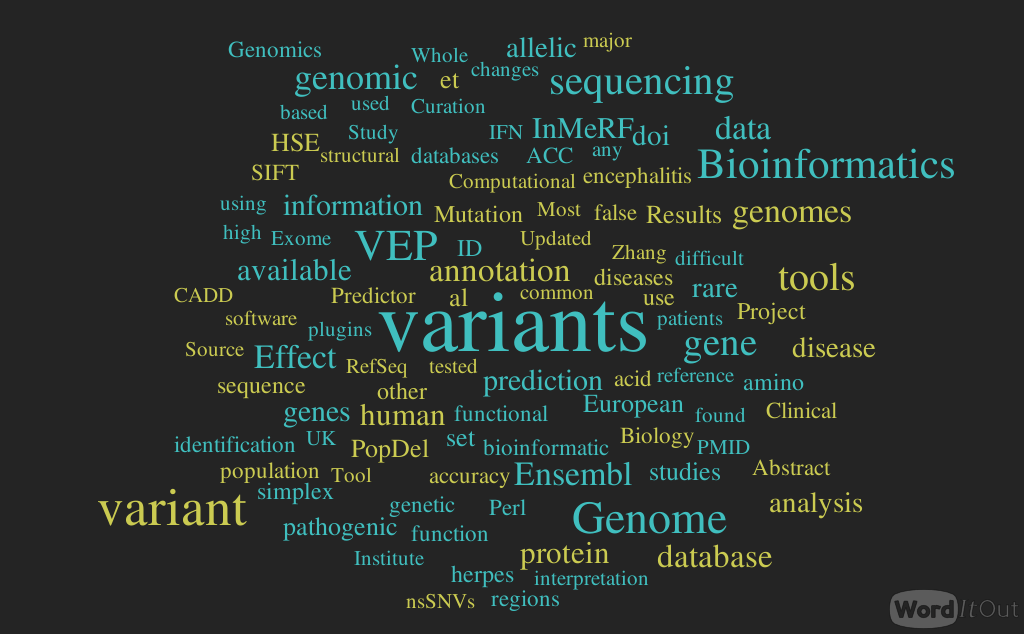
Bioinformatics Tool Review: Genome Variant Analysis Tools, Volume 2 (Volume Two: Latest in Genomics Methodologies for Therapeutics: Gene Editing, NGS and BioInformatics, Simulations and the Genome Ontology), Part 1: Next Generation Sequencing (NGS)

Bioinformatics Tool Review: Genome Variant Analysis Tools

Curator: Stephen J. Williams, Ph.D.

Updated 02/07/2021

Updated 11/15/2018

The following post will be an ongoing curation of reviews of gene variant bioinformatic software.

The Ensembl Variant Effect Predictor.

McLaren W, Gil L, Hunt SE, Riat HS, Ritchie GR, Thormann A, Flicek P, Cunningham F.

Genome Biol. 2016 Jun 6;17(1):122. doi: 10.1186/s13059-016-0974-4.

Author information

1

European Molecular Biology Laboratory, European Bioinformatics Institute, Wellcome Genome Campus, Hinxton, Cambridge, CB10 1SD, UK. wm2@ebi.ac.uk.

2

European Molecular Biology Laboratory, European Bioinformatics Institute, Wellcome Genome Campus, Hinxton, Cambridge, CB10 1SD, UK.

3

European Molecular Biology Laboratory, European Bioinformatics Institute, Wellcome Genome Campus, Hinxton, Cambridge, CB10 1SD, UK. fiona@ebi.ac.uk.

Abstract

The Ensembl Variant Effect Predictor is a powerful toolset for the analysis, annotation, and prioritization of genomic variants in coding and non-coding regions. It provides access to an extensive collection of genomic annotation, with a variety of interfaces to suit different requirements, and simple options for configuring and extending analysis. It is open source, free to use, and supports full reproducibility of results. The Ensembl Variant Effect Predictor can simplify and accelerate variant interpretation in a wide range of study designs.

Rare diseases can be difficult to diagnose due to low incidence and incomplete penetrance of implicated alleles however variant analysis of whole genome sequencing can identify underlying genetic events responsible for the disease (Nature, 2015).  However, a large cohort is required for many WGS association studies in order to produce enough statistical power for interpretation (see post and here).  To this effect major sequencing projects have been initiated worldwide including:

A more thorough curation of sequencing projects can be seen in the following post:

Icelandic Population Genomic Study Results by deCODE Genetics come to Fruition: Curation of Current genomic studies

And although sequencing costs have dramatically been reduced over the years, the costs to determine the functional consequences of such variants remains high, as thorough basic research studies must be conducted to validate the interpretation of variant data with respect to the underlying disease, as only a small fraction of variants from a genome sequencing project will encode for a functional protein.  Correct annotation of sequences and variants, identification of correct corresponding reference genes or transcripts in GENCODE or RefSeq respectively offer compelling challenges to the proper identification of sequenced variants as potential functional variants.

To this effect, the authors developed the Ensembl Variant Effect Predictor (VEP), which is a software suite that performs annotations and analysis of most types of genomic variation in coding and non-coding regions of the genome.

Summary of Features

  • Annotation: VEP can annotate two broad categories of genomic variants
    • Sequence variants with specific and defined changes: indels, base substitutions, SNVs, tandem repeats
    • Larger structural variants > 50 nucleotides
  • Species and assembly/genomic database support: VEP can analyze data from any species with assembled genome sequence and annotated gene set. VEP supports chromosome assemblies such as the latest GRCh38, FASTA, as well as transcripts from RefSeq as well as user-derived sequences
  • Transcript Annotation: VEP includes a wide variety of gene and transcript related information including NCBI Gene ID, Gene Symbol, Transcript ID, NCBI RefSeq ID, exon/intron information, and cross reference to other databases such as UniProt
  • Protein Annotation: Protein-related fields include Protein ID, RefSeq ID, SwissProt, UniParc ID, reference codons and amino acids, SIFT pathogenicity score, protein domains
  • Noncoding Annotation: VEP reports variants in noncoding regions including genomic regulatory regions, intronic regions, transcription binding motifs. Data from ENCODE, BLUEPRINT, and NIH Epigenetics RoadMap are used for primary annotation.  Plugins to the Perl coding are also available to link other databases which annotate noncoding sequence features.
  • Frequency, phenotype, and citation annotation: VEP searches Ensembl databases containing a large amount of germline variant information and checks variants against the dbSNP single nucleotide polymorphism database. VEP integrates with mutational databases such as COSMIC, the Human Gene Mutation Database, and structural and copy number variants from Database of Genomic Variants.  Allele Frequencies are reported from 1000 Genomes and NHLBI and integrates with PubMed for literature annotation.  Phenotype information is from OMIM, Orphanet, GWAS and clinical information of variants from ClinVar.
  • Flexible Input and Output Formats: VEP supports input data format called “variant call format” or VCP, a standard in next-gen sequencing. VEP has the ability to process variant identifiers from other database formats.  Output formats are tab deliminated and give the user choices in presentation of results (HTML or text based)
  • Choice of user interface
    • Online tool (VEP Web): simple point and click; incorporates Instant VEP Functionality and copy and paste features. Results can be stored online in cloud storage on Ensembl.
    • VEP script: VEP is available as a downloadable PERL script (see below for link) and can process large amounts of data rapidly. This interface is powerfully flexible with the ability to integrate multiple plugins available from Ensembl and GitHub.  The ability to alter the PERL code and add plugins and code functions allows the flexibility to modify any feature of VEP.
    • VEP REST API: provides robust computational access to any programming language and returns basic variant annotation. Can make use of external plugins.


Watch Video on VES Instructional Webinar: https://youtu.be/7Fs7MHfXjWk

Watch Video on VES Web Version training on How to Analyze Your Sequence in VEP

Availability of data and materials

The dataset supporting the conclusions of this article is available from Illumina’s Platinum Genomes [93] and using the Ensembl release 75 gene set. Pre-built data sets are available for all Ensembl and Ensembl Genomes species [94]. They can also be downloaded automatically during set up whilst installing the VEP.

References

Large-scale discovery of novel genetic causes of developmental disorders.

Deciphering Developmental Disorders Study.

Nature2015 Mar 12;519(7542):223-8. doi: 10.1038/nature14135. PMID:25533962

Updated 11/15/2018

Research Points to Caution in Use of Variant Effect Prediction Bioinformatic Tools

Although we have the ability to use high throughput sequencing to identify allelic variants occurring in rare disease, correlation of these variants with the underlying disease is often difficult due to a few concerns:

  • For rare sporadic diseases, classical gene/variant association studies have proven difficult to perform (Meyts et al. 2016)
  • As Whole Exome Sequencing (WES) returns a considerable number of variants, how to differentiate the normal allelic variation found in the human population from disease-causing pathogenic alleles
  • For rare diseases, pathogenic allele frequencies are generally low

Therefore, for these rare pathogenic alleles, the use of bioinformatics tools in order to predict the resulting changes in gene function may provide insight into disease etiology when validation of these allelic changes might be experimentally difficult.

In a 2017 Genes & Immunity paper, Line Lykke Andersen and Rune Hartmann tested the reliability of various bioinformatic software to predict the functional consequence of variants of six different genes involved in interferon induction and sixteen allelic variants of the IFNLR1 gene.  These variants were found in cohorts of patients presenting with herpes simplex encephalitis (HSE). Most of the adult population is seropositive for Herpes Simplex Virus (HSV) however a minor fraction (1 in 250,000 individuals per year) of HSV infected individuals will develop HSE (Hjalmarsson et al., 2007).  It has been suggested that HSE occurs in individuals with rare primary immunodeficiencies caused by gene defects affecting innate immunity through reduced production of interferons (IFN) (Zhang et al., Lim et al.).

References

Meyts I, Bosch B, Bolze A, Boisson B, Itan Y, Belkadi A, et al. Exome and genome sequencing for inborn errors of immunity. J Allergy Clin Immunol. 2016;138:957–69.

Hjalmarsson A, Blomqvist P, Skoldenberg B. Herpes simplex encephalitis in Sweden, 1990-2001: incidence, morbidity, and mortality. Clin Infect Dis. 2007;45:875–80.

Zhang SY, Jouanguy E, Ugolini S, Smahi A, Elain G, Romero P, et al. TLR3 deficiency in patients with herpes simplex encephalitis. Science. 2007;317:1522–7.

Lim HK, Seppanen M, Hautala T, Ciancanelli MJ, Itan Y, Lafaille FG, et al. TLR3 deficiency in herpes simplex encephalitis: high allelic heterogeneity and recurrence risk. Neurology. 2014;83:1888–97.

Genes Immun. 2017 Dec 4. doi: 10.1038/s41435-017-0002-z.

Frequently used bioinformatics tools overestimate the damaging effect of allelic variants.

Andersen LL1Terczyńska-Dyla E1Mørk N2Scavenius C1Enghild JJ1Höning K3Hornung V3,4Christiansen M5,6Mogensen TH2,6Hartmann R7.

Abstract

We selected two sets of naturally occurring human missense allelic variants within innate immune genes. The first set represented eleven non-synonymous variants in six different genes involved in interferon (IFN) induction, present in a cohort of patients suffering from herpes simplex encephalitis (HSE) and the second set represented sixteen allelic variants of the IFNLR1 gene. We recreated the variants in vitro and tested their effect on protein function in a HEK293T cell based assay. We then used an array of 14 available bioinformatics tools to predict the effect of these variants upon protein function. To our surprise two of the most commonly used tools, CADD and SIFT, produced a high rate of false positives, whereas SNPs&GO exhibited the lowest rate of false positives in our test. As the problem in our test in general was false positive variants, inclusion of mutation significance cutoff (MSC) did not improve accuracy.

Methodology

  1. Identification of rare variants
  2. Genomes of nineteen Dutch patients with a history of HSE sequenced by WES and identification of novel HSE causing variants determined by filtering the single nucleotide polymorphisms (SNPs) that had a frequency below 1% in the NHBLI Exome Sequencing Project Exome Variant Server and the 1000 Genomes Project and were present within 204 genes involved in the immune response to HSV.
  3. Identified variants (204) manually evaluated for involvement of IFN induction based on IDBase and KEGG pathway database analysis.
  4. In-silico predictions: Variants classified by the in silico variant pathogenicity prediction programs: SIFT, Mutation Assessor, FATHMM, PROVEAN, SNAP2, PolyPhen2, PhD-SNP, SNP&GO, FATHMM-MKL, MutationTaster2, PredictSNP, Condel, MetaSNP, and CADD. Each program returned prediction scores measuring likelihood of a variant either being ‘deleterious’ or ‘neutral’. Prediction accuracy measured as

ACC = (true positive+true negative)/(true positive+true negative+false positive+false negative)

  1. Validation of prediction software/tools

In order to validate the predictive value of the software, HEK293T cells, deficient in IRF3, MAVS, and IKKe/TBK1, were cotransfected with the nine variants of the aforementioned genes and a luciferase reporter under control of the IFN-b promoter and luciferase activity measured as an indicator of IFN signaling function.  Western blot was performed to confirm the expression of the constructs.

Results

Table 2 Summary of the
bioinformatic predictions
HSE variants IFNLR1 variants Overall ACC
TN TP FN FP Total ACC TN TP FN FP Total ACC
Uniform cutoff
SIFT 4 1 0 4 9 0.56 8 1 0 7 16 0.56 0.56
Mutation assessor 6 1 0 2 9 0.78 9 1 0 6 16 0.63 0.68
FATHMM 7 1 0 1 9 0.89 0.89
PROVEAN 8 1 0 0 9 1.00 11 1 0 4 16 0.75 0.84
SNAP2 5 1 0 3 9 0.67 8 0 1 7 16 0.50 0.56
PolyPhen2 6 1 0 2 9 0.78 12 1 0 3 16 0.81 0.80
PhD-SNP 7 1 0 1 9 0.89 11 1 0 4 16 0.75 0.80
SNPs&GO 8 1 0 0 9 1.00 14 1 0 1 16 0.94 0.96
FATHMM MKL 4 1 0 4 9 0.56 13 0 1 2 16 0.81 0.72
MutationTaster2 4 0 1 4 9 0.44 14 0 1 1 16 0.88 0.72
PredictSNP 6 1 0 2 9 0.78 11 1 0 4 16 0.75 0.76
Condel 6 1 0 2 9 0.78 0.78
Meta-SNP 8 1 0 0 9 1.00 11 1 0 4 16 0.75 0.84
CADD 2 1 0 6 9 0.33 8 0 1 7 16 0.50 0.44
MSC 95% cutoff
SIFT 5 1 0 3 9 0.67 8 1 0 8 16 0.50 0.56
PolyPhen2 6 1 0 2 9 0.78 13 1 0 3 16 0.81 0.80
CADD 4 1 0 4 9 0.56 7 0 1 9 16 0.44 0.48

Note: TN: true negative, TP: true positive, FN: false negative, FP: false positive, ACC: accuracy

Functional testing (data obtained from reporter construct experiments) were considered as the correct outcome.

Three prediction tools (PROVEAN, SNP&GO, and MetaSNP correctly predicted the effect of all nine variants tested.

Updated 02/07/2021

InMeRF: prediction of pathogenicity of missense variants by individual modeling for each amino acid substitution
Jun-Ichi Takeda Kentaro Nanatsue Ryosuke Yamagishi Mikako Ito Nobuhiko Haga 2Hiromi Hirata Tomoo Ogi Kinji Ohno in NAR Genomics and  Bioinformatics. 2020 May 26;2(2):lqaa038.doi: 10.1093/nargab/lqaa038. eCollection 2020 Jun.

Abstract

In predicting the pathogenicity of a nonsynonymous single-nucleotide variant (nsSNV), a radical change in amino acid properties is prone to be classified as being pathogenic. However, not all such nsSNVs are associated with human diseases. We generated random forest (RF) models individually for each amino acid substitution to differentiate pathogenic nsSNVs in the Human Gene Mutation Database and common nsSNVs in dbSNP. We named a set of our models ‘Individual Meta RF’ (InMeRF). Ten-fold cross-validation of InMeRF showed that the areas under the curves (AUCs) of receiver operating characteristic (ROC) and precision-recall curves were on average 0.941 and 0.957, respectively. To compare InMeRF with seven other tools, the eight tools were generated using the same training dataset, and were compared using the same three testing datasets. ROC-AUCs of InMeRF were ranked first in the eight tools. We applied InMeRF to 155 pathogenic and 125 common nsSNVs in seven major genes causing congenital myasthenic syndromes, as well as in VANGL1 causing spina bifida, and found that the sensitivity and specificity of InMeRF were 0.942 and 0.848, respectively. We made the InMeRF web service, and also made genome-wide InMeRF scores available online (https://www.med.nagoya-u.ac.jp/neurogenetics/InMeRF/).

Source: https://pubmed.ncbi.nlm.nih.gov/33543123/

ADDRESS: A database of disease-associated human variants incorporating protein structure and folding stabilities
Jaie Woodard Chengxin Zhang Yang Zhang in J Mol Biol. 2021 Feb 1;166840. doi: 10.1016/j.jmb.2021.166840.

Abstract

Numerous human diseases are caused by mutations in genomic sequences. Since amino acid changes affect protein function through mechanisms often predictable from protein structure, the integration of structural and sequence data enables us to estimate with greater accuracy whether and how a given mutation will lead to disease. Publicly available annotated databases enable hypothesis assessment and benchmarking of prediction tools. However, the results are often presented as summary statistics or black box predictors, without providing full descriptive information. We developed a new semi-manually curated human variant database presenting information on the protein contact-map, sequence-to-structure mapping, amino acid identity change, and stability prediction for the popular UniProt database. We found that the profiles of pathogenic and benign missense polymorphisms can be effectively deduced using decision trees and comparative analyses based on the presented dataset. The database is made publicly available through https://zhanglab.ccmb.med.umich.edu/ADDRESS.

Source: https://pubmed.ncbi.nlm.nih.gov/33539887/

PopDel identifies medium-size deletions simultaneously in tens of thousands of genomes

Abstract

Thousands of genomic structural variants (SVs) segregate in the human population and can impact phenotypic traits and diseases. Their identification in whole-genome sequence data of large cohorts is a major computational challenge. Most current approaches identify SVs in single genomes and afterwards merge the identified variants into a joint call set across many genomes. We describe the approach PopDel, which directly identifies deletions of about 500 to at least 10,000 bp in length in data of many genomes jointly, eliminating the need for subsequent variant merging. PopDel scales to tens of thousands of genomes as we demonstrate in evaluations on up to 49,962 genomes. We show that PopDel reliably reports common, rare and de novo deletions. On genomes with available high-confidence reference call sets PopDel shows excellent recall and precision. Genotype inheritance patterns in up to 6794 trios indicate that genotypes predicted by PopDel are more reliable than those of previous SV callers. Furthermore, PopDel’s running time is competitive with the fastest tested previous tools. The demonstrated scalability and accuracy of PopDel enables routine scans for deletions in large-scale sequencing studies.

Source: https://pubmed.ncbi.nlm.nih.gov/33526789/

Other articles related to Genomics and Bioinformatics on this online Open Access Journal Include:

Finding the Genetic Links in Common Disease: Caveats of Whole Genome Sequencing Studies

Large-scale sequencing does not support the idea that lower-frequency variants have a major role in predisposition to type 2 diabetes

US Personalized Cancer Genome Sequencing Market Outlook 2018 –

Icelandic Population Genomic Study Results by deCODE Genetics come to Fruition: Curation of Current genomic studies

Read Full Post »

The Role of Exosomes in Metabolic Regulation

Author: Larry H. Bernstein, MD, FCAP


On 9/25/2017, Aviva Lev-Ari, PhD, RN commissioned Dr. Larry H. Bernstein to write a short article on the following topic reported on 9/22/2017 in sciencemission.com


We are publishing, below the new article created by Larry H. Bernstein, MD, FCAP.


Background

During the period between 9/2015  and 6/2017 the Team at Leaders in Pharmaceutical Business Intelligence (LPBI)  has launched an R&D effort lead by Aviva Lev-Ari, PhD, RN in conjunction with SBH Sciences, Inc. headed by Dr. Raphael Nir.

This effort, also known as, “DrugDiscovery @LPBI Group”  has yielded several publications on EXOSOMES on this Open Access Online Scientific Journal. Among them are included the following:


QIAGEN – International Leader in NGS and RNA Sequencing, 10/08/2017

Reporter: Aviva Lev-Ari, PhD, RN


cell-free DNA (cfDNA) tests could become the ultimate “Molecular Stethoscope” that opens up a whole new way of practicing Medicine, 09/08/2017

Reporter: Aviva Lev-Ari, PhD, RN


Detecting Multiple Types of Cancer With a Single Blood Test (Human Exomes Galore), 07/02/2017

Reporter and Curator: Irina Robu, PhD


Exosomes: Natural Carriers for siRNA Delivery, 04/24/2017

Reporter: Aviva Lev-Ari, PhD, RN


One blood sample can be tested for a comprehensive array of cancer cell biomarkers: R&D at WPI, 01/05/2017

Curator: Marzan Khan, B.Sc


SBI’s Exosome Research Technologies, 12/29/2016

Reporter: Aviva Lev-Ari, PhD, RN


A novel 5-gene pancreatic adenocarcinoma classifier: Meta-analysis of transcriptome data – Clinical Genomics Research @BIDMC, 12/28/2016

Curator: Tilda Barliya, PhD


Liquid Biopsy Chip detects an array of metastatic cancer cell markers in blood – R&D @Worcester Polytechnic Institute, Micro and Nanotechnology Lab, 12/28/2016

Reporters: Tilda Barliya, PhD and Aviva Lev-Ari, PhD, RN


Exosomes – History and Promise, 04/28/2016

Reporter: Aviva Lev-Ari, PhD, RN


Exosomes, 11/17/2015

Curator: Larry H. Bernstein, MD, FCAP


Liquid Biopsy Assay May Predict Drug Resistance, 11/16/2015

Curator: Larry H. Bernstein, MD, FCAP


Glypican-1 identifies cancer exosomes, 10/31/2015

Curator: Larry H. Bernstein, MD, FCAP


Circulating Biomarkers World Congress, March 23-24, 2015, Boston: Exosomes, Microvesicles, Circulating DNA, Circulating RNA, Circulating Tumor Cells, Sample Preparation, 03/24/2015

Reporter: Aviva Lev-Ari, PhD, RN


Cambridge Healthtech Institute’s Second Annual Exosomes and Microvesicles as Biomarkers and Diagnostics Conference, March 16-17, 2015 in Cambridge, MA, 03/17, 2015

Reporter: Aviva Lev-Ari, PhD, RN


The newly created think-piece on the relationship between regulatory functions of Exosomes and Metabolic processes is developed conceptually, below.


The Role of Exosomes in Metabolic Regulation

Author: Larry H. Bernstein, MD, FCAP

We have had more than a half century of research into the genetic code and transcription leading to abundant work on RNA and proteomics. However, more recent work in the last two decades has identified RNA interference in siRNA. These molecules may be found in the circulation, but it has been a challenge to find their use in therapeutics. Exosomes were first discovered in the 1980s, but only recently there has been a huge amount of research into their origin, structure and function. Exosomes are 30–120 nm endocytic membrane-bound extracellular vesicles (EVs)(1-23) , and more specifically multiple vesicle bodies (MVBs) by a budding process from invagination of the outer cell membrane that carry microRNA (miRNA), and have structures composed of protein and lipids (1,23-27 ). EVs are the membrane vesicles secreted by eukaryotic cells for intracellular communication by transferring the proteins, lipids, and RNA under various physiologic conditions as well as during the disease stage. EVs also act as a signalosomes in many biological processes. Inward budding of the plasma membrane forms small vesicles that fuse. Intraluminal vesicles (ILVs) are formed by invagination of the limiting endosomal membrane during the maturation process of early endosome.

EVs are the MVBs secreted that serve in intracellular communication by transferring a cargo consisting of proteins, lipids, and RNA under various physiologic conditions (4, 23). Exosome-mediated miRNA transfer between cells is considered to be necessary for intercellular signaling and exosome-associated miRNAs in biofluids (23). Exosomes carry various molecular constituents of their cell of origin, including proteins, lipids, mRNAs, and microRNAs (miRNAs) (. They are released from many cell types, such as dendritic cells (DCs), lymphocytes, platelets, mast cells, epithelial cells, endothelial cells, and neurons, and can be found in most bodily fluids including blood, urine, saliva, amniotic fluid, breast milk, hydrothoracic fluid, and ascitic fluid, as well as in culture medium of most cell types.Exosomes have also been shown to be involved in noncoding RNA surveillance machinery in generating antibody diversity (24). There are also a vast number of long non-coding RNAs (lncRNAs) and enhancer RNAs (eRNAs) that accumulate R-loop structures upon RNA exosome ablation, thereby, resolving deleterious DNA/RNA hybrids arising from active enhancers and distal divergent eRNA-expressing elements (lncRNA-CSR) engaged in long-range DNA interactions (25). RNA exosomes are large multimeric 3′-5′ exo- and endonucleases representing the central RNA 3′-end processing factor and are implicated in processing, quality control, and turnover of both coding and noncoding RNAs. They are large macromolecular cages that channel RNA to the ribonuclease sites (29). A major interest has been developed to characterize of exosomal cargo, which includes numerous non-randomly packed proteins and nucleic acids (1). Moreover, exosomes play an active role in tumorigenesis, metastasis, and response to therapy through the transfer of oncogenes and onco-miRNAs between cancer cells and the tumor stroma. Blood cells and the vascular endothelium is also exosomal shedding, which has significance for cardiovascular,   neurologicological disorders, stroke, and antiphospholipid syndrome (1). Dysregulation of microRNAs and the affected pathways is seen in numerous pathologies their expression can reflect molecular processes of tumor onset and progression qualifying microRNAs as potential diagnostic and prognostic biomarkers (30).

Exosomes are secreted by many cells like B lymphocytes and dendritic cells of hematopoietic and non-hematopoietic origin viz. platelets, Schwann cells, neurons, mast cells, cytotoxic T cells, oligodendrocytes, intestinal epithelial cells were also found to be releasing exosomes (4). They are engaged in complex functions like persuading immune response as the exosomes secreted by antigen presenting cells activate T cells (4). They all have a common set of proteins e.g. Rab family of GTPases, Alix and ESCRT (required for transport) protein and they maintain their cytoskeleton dynamics and participate in membrane fusion. However, they are involved in retrovirus disease pathology as a result of recruitment of the host`s endosomal compartments in order to generate viral vesicles, and they can either spread or limit an infection based on the type of pathogen and its target cells (5).

Upon further consideration, it is understandable how this growing biological work on exosomes has enormous significance for laboratory diagnostics (1, 3, 5, 6, 11, 14, 15, 17-20, 23,30-41) . They are released from many cell types, such as dendritic cells (DCs), lymphocytes, platelets, mast cells, epithelial cells, endothelial cells, and neurons, and can be found in most bodily fluids including blood, urine, saliva, amniotic fluid, breast milk, thoracic and abdominal effusions, and ascitic fluid (1). The involvement of exosomes in disease is broad, and includes: cancer, autoimmune and infectious disease, hematologic disorders, neurodegenerative diseases, and cardiovascular disease. Proteins frequently identified in exosomes include membrane transporters and fusion proteins (e.g., GTPases, annexins, and flotillin), heat shock proteins (e.g., HSC70), tetraspanins (e.g., CD9, CD63, and CD81), MVB biogenesis proteins (e.g., alix and TSG101), and lipid-related proteins and phospholipases. The exosomal lipid composition has been thoroughly analyzed in exosomes secreted from several cell types including DCs and mast cells, reticulocytes, and B-lymphocytes (1). Dysregulation of microRNAs of pathways observed in numerous pathologies (5, 10, 12, 21, 27, 35, 37) including cancers (30), particularly, colon, pancreas, breast, liver, brain, lung (2, 6, 17-20, 30, 33-36, 38, 39). Following these considerations, it is important that we characterize the content of exosomal cargo to gain clues to their biogenesis, targeting, and cellular effects which may lead to identification of biomarkers for disease diagnosis, prognosis and response to treatment (42).

We might continue in pursuit of a particular noteworthy exosome, the NLRP3 inflammasome, which is activated by a variety of external or host-derived stimuli, thereby, initiating an inflammatory response through caspase-1 activation, resulting in inflammatory cytokine IL-1b maturation and secretion (43).
Inflammasomes are multi-protein signaling complexes that activate the inflammatory caspases and the maturation of interleukin-1b. The NLRP3 inflammasome is linked with human autoinflammatory and autoimmune diseases (44). This makes the NLRP3 inflammasome a promising target for anti-inflammatory therapies. The NLRP3 inflammasome is activated in response to a variety of signals that indicate tissue damage, metabolic stress, and infection (45). Upon activation, the NLRP3 inflammasome serves as a platform for activation of the cysteine protease caspase-1, which leads to the processing and secretion of the proinflammatory cytokines interleukin-1β (IL-1β) and IL-18. Heritable and acquired inflammatory diseases are both characterized by dysregulation of NLRP3 inflammasome activation (45).
Receptors of innate immunity recognize conserved moieties associated with either cellular damage [danger-associated molecular patterns (DAMPs)] or invading organisms [pathogen-associated molecular patterns (PAMPs)](45). Either chronic stimulation or overwhelming tissue damage is injurious and responsible for the pathology seen in a number of autoinflammatory and autoimmune disorders, such as arthritis and diabetes. The nucleotide-binding domain leucine-rich repeat (LRR)-containing receptors (NLRs) are PRRs are found intracellularly and they share a unique domain architecture. It consists of a central nucleotide binding and oligomerization domain called the NACHT domain that is located between an N-terminal effector domain and a C-terminal LRR domain (45). The NLR family members NLRP1, NLRP3, and NLRC4 are capable of forming multiprotein complexes called inflammasomes when activated.

The (NLRP3) inflammasome is important in chronic airway diseases such as asthma and chronic obstructive pulmonary disease because the activation results, in pro-IL-1β processing and the secretion of the proinflammatory cytokine IL-1β (46). It has been proposed that Activation of the NLRP3 inflammasome by invading pathogens may prove cell type-specific in exacerbations of airway inflammation in asthma (46). First, NLRP3 interacts with the adaptor protein ASC by sensing microbial pathogens and self-danger signals. Then pro-caspase-1 is recruited and the large protein complex called the NLRP3 inflammasome is formed. This is followed by autocleavage and activation of caspase-1, after which pro-IL-1β and pro-IL-18 are converted into their mature forms. Ion fluxes disrupt membrane integrity, and also mitochondrial damage both play key roles in NLRP3 inflammasome activation (47). Depletion of mitochondria as well as inhibitors that block mitochondrial respiration and ROS production prevented NLRP3 inflammasome activation. Futhermore, genetic ablation of VDAC channels (namely VDAC1 and VDAC3) that are located on the mitochondrial outer membrane and that are responsible for exchanging ions and metabolites with the cytoplasm, leads to diminished mitochondrial (mt) ROS production and inhibition of NLRP3 inflammasome activation (47). Inflammasome activation not only occurs in immune cells, primarily macrophages and dendritic cells, but also in kidney cells, specifically the renal tubular epithelium. The NLRP3 inflammasome is probably involved in the pathogenesis of acute kidney injury, chronic kidney disease, diabetic nephropathy and crystal-related nephropathy (48). The inflammasome also plays a role in autoimmune kidney disease. IL-1 blockade and two recently identified specific NLRP3 inflammasome blockers, MCC950 and β-hydroxybutyrate, may prove to have value in the treatment of inflammasome-mediated conditions.

Autophagosomes derived from tumor cells are referred to as defective ribosomal products in blebs (DRibbles). DRibbles mediate tumor regression by stimulating potent T-cell responses and, thus, have been used as therapeutic cancer vaccines in multiple preclinical cancer models (49). It has been found that DRibbles could induce a rapid differentiation of monocytes and DC precursor (pre-DC) cells into functional APCs (49). Consequently, DRibbles could potentially induce strong innate immune responses via multiple pattern recognition receptors. This explains why DRibbles might be excellent antigen carriers to induce adaptive immune responses to both tumor cells and viruses. This suggests that isolated autophagosomes (DRibbles) from antigen donor cells activate inflammasomes by providing the necessary signals required for IL-1β production.

The Hsp90 system is characterized by a cohort of co-chaperones that bind to Hsp90 and affect its function (50). The co-chaperones enable Hsp90 to chaperone structurally and functionally diverse client proteins. Sahasrabudhe et al. (50) show that the nature of the client protein dictates the contribution of a co-chaperone to its maturation. The study reveals the general importance of the cochaperone Sgt1 (50). In addition to Hsp90, we have to consider Hsp60. Adult cardiac myocytes release heat shock protein (HSP)60 in exosomes. Extracellular HSP60, when not in exosomes, causes cardiac myocyte apoptosis via the activation of Toll-like receptor 4. the protein content of cardiac exosomes differed significantly from other types of exosomes in the literature and contained cytosolic, sarcomeric, and mitochondrial proteins (21).

A new Protein Organic Solvent Precipitation (PROSPR) method efficiently isolates the EV repertoire from human biological samples. Proteomic profiling of PROSPR-enriched CNS EVs indicated that > 75 % of the proteins identified matched previously reported exosomal and microvesicle cargoes. In addition lipidomic characterization of enriched CNS vesicles identified previously reported EV-specific lipid families and novel lipid isoforms not previously detected in human EVs. The characterization of these structures from central nervous system (CNS) tissues is relevant to current neuroscience, especially to advance the understanding of neurodegeneration in amyotrophic lateral sclerosis (ALS), Parkinson’s disease (PD) and Alzheimer’s disease (AD)(15). In addition, study of EVs in brain will enable characterization of the degenerative posttranslational modifications (DPMs) occurring in those proteins.
Neurodegenerative disease is characterized by dysregulation because of NLRP3 inflammasome activation. Alzheimer’s disease (AD) and Parkinson’s disease (PD), both neurodegenerative diseases are associated with the NLRP3 inflammasome. PD is characterized by accumulation of Lewy bodies (LB) formed by a-synuclein (aSyn) aggregation. A recent study revealed that aSyn induces synthesis of pro-IL-1b by an interaction with TLR2 and activates NLRP3 inflammasome resulting in caspase-1 activation and IL-1b maturation in human primary monocytes (43). In addition mitophagy downregulates NLRP3 inflammasome activation by eliminating damaged mitochondria, blocking NLRP3 inflammasome activating signals. It is notable that in this aberrant activation mitophagy downregulates NLRP3 inflammasome activation by eliminating damaged mitochondria, blocking NLRP3 inflammasome activating signals (43).

REFERENCES

  1. Lin J, Li J, Huang B, Liu J, Chen X. Exosomes: Novel Biomarkers for Clinical Diagnosis. Scie World J 2015; Article ID 657086, 8 pages http://dx.doi.org/10.1155/2015/657086
  2. Kahlert C, Melo SA, Protopopov A, Tang J, Seth S, et al. Identification of Double-stranded Genomic DNA Spanning All Chromosomes with Mutated KRAS and p53 DNA in the Serum Exosomes of Patients with Pancreatic Cancer. J Biol Chem 2014; 289: 3869-3875. doi: 10.1074/jbc.C113.532267.
  3. Lässer C, Eldh M, Lötvall J. Isolation and Characterization of RNA-Containing Exosomes. J. Vis. Exp. 2012; 59, e3037. doi:10.3791/3037(2012).
  4. Kaur A, Leishangthem GD, Bhat P, et al. Role of Exosomes in Pathology – A Review. Journal of Pathology and Toxicology 2014; 1: 07-11
  5. Hosseini HM, Fooladi AAI, Nourani MR and Ghanezadeh F. The Role of Exosomes in Infectious Diseases. Inflammation & Allergy – Drug Targets 2013; 12:29-37.
  6. Ciregia F, Urbani A and Palmisano G. Extracellular Vesicles in Brain Tumors and Neurodegenerative Diseases. Front. Mol. Neurosci. 2017;10:276. doi: 10.3389/fnmol.2017.00276
  7. Zhang B, Yin Y, Lai RC, Lim SK. Immunotherapeutic potential of extracellular vesicles. Front Immunol (2014)
  8. Kowal J, Tkach M, Théry C. Biogenesis and secretion of exosomes. Current Opin in Cell Biol 2014 Aug; 29: 116-125. https://doi.org/10.1016/j.ceb.2014.05.004
  9. McKelvey KJ, Powell KL, Ashton AW, Morris JM and McCracken SA. Exosomes: Mechanisms of Uptake. J Circ Biomark, 2015; 4:7   DOI: 10.5772/61186
  10. Xiao T, Zhang W, Jiao B, Pan C-Z, Liu X and Shen L. The role of exosomes in the pathogenesis of Alzheimer’ disease. Translational Neurodegen 2017; 6:3. DOI 10.1186/s40035-017-0072-x
  11. Gonzales PA, Pisitkun T, Hoffert JD, et al. Large-Scale Proteomics and Phosphoproteomics of Urinary Exosomes. J Am Soc Nephrol 2009; 20: 363–379. doi: 10.1681/ASN.2008040406
  12. Waldenström A, Ronquist G. Role of Exosomes in Myocardial Remodeling. Circ Res. 2014; 114:315-324.
  13. Xin H, Li Y and Chopp M. Exosomes/miRNAs as mediating cell-based therapy of stroke. Front. Cell. Neurosci. 10 Nov, 2014; 8(377) doi: 10.3389/fncel.2014.00377
  14. Wang S, Zhang L, Wan S, Cansiz S, Cui C, et al. Aptasensor with Expanded Nucleotide Using DNA Nanotetrahedra for Electrochemical Detection of Cancerous Exosomes. ACS Nano, 2017; 11(4):3943–3949 DOI: 10.1021/acsnano.7b00373
  15. Gallart-Palau X, Serra A, Sze SK. (2016) Enrichment of extracellular vesicles from tissues of the central nervous system by PROSPR. Mol Neurodegener 11(1):41.
  16. Simpson RJ, Jensen SS, Lim JW. Proteomic profiling of exosomes: current perspectives. Proteomics. 2008 Oct; 8(19):4083-99. doi: 10.1002/pmic.200800109.
  17. Sandfeld-Paulsen R, Aggerholm-Pedersen N, Bæk R, Jakobs KR, et al. Exosomal proteins as prognostic biomarkers in non-small cell lung cancer. Mol Onc 2016 Dec; 10(10):1595-1602.
  18. Li W, Li C, Zhou T, et al. Role of exosomal proteins in cancer diagnosis. Molecular Cancer 2017; 16:145 DOI 10.1186/s12943-017-0706-8
  19. Zhang W, Xia W, Lv Z, Xin Y, Ni C, Yang L. Liquid Biopsy for Cancer: Circulating Tumor Cells, Circulating Free DNA or Exosomes? Cell Physiol Biochem 2017; 41:755-768. DOI: 10.1159/00045873
  20. Thakur BK ,…, Williams C, Rodriguez-Barrueco R, Silva JM, Zhang W, et al. Double-stranded DNA in exosomes: a novel biomarker in cancer detection. Cell Research 2014 June; 24(6):766-769. doi:10.1038/cr.2014.44.
  21. Malik ZA, Kott KS, Poe AJ, Kuo T, Chen L, Ferrara KW, Knowlton AA. Cardiac myocyte exosomes: stability, HSP60, and proteomics. Am J Physiol Heart Circ Physiol 304: H954–H965, 2013. doi:10.1152/ajpheart.00835.2012.
  22. De Toro J, Herschlik L, Waldner C and Mongini C. Emerging roles of exosomes in normal and pathological conditions: new insights for diagnosis and therapeutic applications. Front. Immunol. 2015; 6:203. doi: 10.3389/fimmu.2015.00203
  23. Chevilleta JR, Kanga Q, Rufa IK, Briggs HA, et al. Quantitative and stoichiometric analysis of the microRNA content of exosomes. PNAS 2014 Oct 14; 111(41): 14888–14893. pnas.org/cgi/doi/10.1073/pnas.1408301111
  24. Basu U, Meng F-L, Keim C, Grinstein V, Pefanis E, et al. The RNA Exosome Targets the AID Cytidine Deaminase to Both Strands of Transcribed Duplex DNA Substrates. Cell 2011; 144: 353–363, DOI 10.1016/j.cell.2011.01.001
  25. Pefanis E, Wang J, …, Rabadan R, Basu U. RNA Exosome-Regulated Long Non-Coding RNA Transcription Controls Super-Enhancer Activity. Cell 2015; 161: 774–789. http://dx.doi.org/10.1016/j.cell.2015.04.034
  26. Kilchert C,Wittmann S & Vasiljeva L. The regulation and functions of the nuclear RNA exosome complex. In RNA processing and modifications. Nature Reviews Molecular Cell Biology 17, 227–239 (2016) doi:10.1038/nrm.2015.15
  27. Guay C, Regazzi R. Exosomes as new players in metabolic organ cross-talk. Diabetes Obes Metab. 2017;19(Suppl. 1):137–146. DOI: 10.1111/dom.13027.
  28. Abramowicz A, Widlak P, Pietrowska M. Proteomic analysis of exosomal cargo: the challenge of high purity vesicle isolation. Molecular BioSystems MB-REV-02-2016-000082.R1
  29. Hopfner K-P, Hartung S. The RNA Exosomes. In Nucleic Acids and Molecular Biology. 2011. Ribonucleases pp 223-244. https://link.springer.com/chapter/10.1007/978-3-642-21078-5_9/fulltext.html
  30. Fuessel S, Lohse-Fischer A, Vu Van D, Salomo K, Erdmann K, Wirth MP. (2017) Quantification of MicroRNAs in Urine-Derived Specimens. In Urothelial Carcinoma, Methods Mol Biol 1655:201-226.
  31. Street JM, Barran PE, Mackay CL, Weidt S, et al. Identification and proteomic profiling of exosomes in human cerebrospinal fluid. Journal of Translational Medicine 2012; 10:5. http://www.translational-medicine.com/content/10/1/5
  32. Pisitkun T, Shen R-F, and Knepper MA. Identification and proteomic profiling of exosomes in human urine. PNAS 2004, Sept 7; 101(36): 13368–13373. http://www.pnas.org/cgi/doi/10.1073/pnas.0403453101
  33. Duijvesz D, Burnum-Johnson KE, Gritsenko MA, Hoogland AM, Vredenbregt-van den Berg MS, et al. Proteomic Profiling of Exosomes Leads to the Identification of Novel Biomarkers for Prostate Cancer. PLoS ONE 2013; 8(12): e82589. doi:10.1371/journal.pone.0082589
  34. Welton JL, Khanna S, Giles PJ, Brennan P, et al. Proteomics Analysis of Bladder Cancer Exosomes. Molecular & Cellular Proteomics 2010; 9:1324–1338. DOI 10.1074/mcp.M000063-MCP201
  35. Lee S, Suh G-Y, Ryter SW, and Choi AMK. Regulation and Function of the Nucleotide Binding Domain Leucine-Rich Repeat-Containing Receptor, PyrinDomain-Containing-3 Inflammasome in Lung Disease. Am J Respir Cell Mol Biol 2016 Feb; 54(2):151–160. DOI: 10.1165/rcmb.2015-0231TR.
  36. Zhang X, Yuan X, Shi H, Wu L, Qian H, Xu W. Exosomes in cancer: small particle, big player. J Hematol Oncol (2015)
  37. Zhao X, Wu Y, Duan J, Ma Y, Shen Z, et al. Quantitative Proteomic Analysis of Exosome Protein Content Changes Induced by Hepatitis B Virus in Huh-7 Cells Using SILAC Labeling and LC–MS/MS. J. Proteome Res.; 2014, 13 (12):5391–5402. DOI: 10.1021/pr5008703
  38. Liang B, Peng P, et al. Characterization and proteomic analysis of ovarian cancer-derived exosomes. J Proteomics. 2013 Mar; 80:171-182. https://doi.org/10.1016/j.jprot.2012.12.029
  39. Beckler MD, Higginbotham JN, Franklin JL,…, Li M, Liebler DC, Coffey RJ. Proteomic analysis of exosomes from mutant KRAS colon cancer cells identifies intercellular transfer of mutant KRAS. Mol. Cell Proteomics. 2013 Feb 12; (2). https://edrn.nci.nih.gov/publications/23161513-proteomic-analysis-of-exosomes
  40. Alvarez-Llamas G, Díaz J, Zubiri I. Proteome of Human Urinary Exosomes in Diabetic Nephropathy. In Biomarkers in Kidney Disease. Vinood B. Patel, Ed. Springer Science 2015; pp 1-21. DOI 10.1007/978-94-007-7743-9_22-1
  41. Simpson RJ, Jensen SS, Lim JW. Proteomic profiling of exosomes: current perspectives. Proteomics. 2008 Oct; 8(19):4083-99. doi: 10.1002/pmic.200800109.
  42. Scheya JKL, Luther M, Rose KL. Proteomics characterization of exosome cargo. Methods 2015 Oct; 87(1): 75-82. https://doi.org/10.1016/j.ymeth.2015.03.018
  43. Kim M-J, Yoon J-H & Ryu J-H. Mitophagy: a balance regulator of NLRP3 inflammasome Activation. BMB Rep. 2016; 49(10): 529-535. https://doi.org/10.5483/BMBRep.2016.49.10.115
  44. Eun-Kyeong Jo, Kim JK, Shin D-M and C Sasakawa. Molecular mechanisms regulating NLRP3 inflammasome activation. Cell Molec Immunol 2016; 13: 148–159. doi:10.1038/cmi.2015.95
  45. Leemans JC, Cassel SL, and Sutterwala FS. Sensing damage by the NLRP3 inflammasome. Immunol Rev. 2011 Sept; 243(1): 152–162. doi:10.1111/j.1600-065X.2011.01043.x.
  46. Hirota JA, Im H, Rahman MM, Rumzhum NN, Manetsch M, Pascoe CD, Bunge K, Alkhouri H, Oliver BG, Ammit AJ. The nucleotide-binding domain and leucine-rich repeat protein-3 inflammasome is not activated in airway smooth muscle upon toll-like receptor-2 ligation. Am J Respir Cell Mol Biol. 2013 Oct; 49(4):517-24. doi: 10.1165/rcmb.2013-0047OC.
  47. Zhong Z, Sanchez-Lopez E, Karin M. Autophagy, NLRP3 inflammasome and auto-inflammatory immune diseases. Clin Exp Rheumatol. 2016 Jul-Aug; 34(4 Suppl 98):12-6. Epub 2016 Jul 21.
  48. Hutton HL, Ooi JD, Holdsworth SR, Kitching AR. The NLRP3 inflammasome in kidney disease and autoimmunity. Nephrology (Carlton). 2016 Sep; 21(9):736-44. doi: 10.1111/nep.12785
  49. Xing Y, Cao R and Hu H-M. TLR and NLRP3 inflammasome-dependent innate immune responses to tumor-derived autophagosomes (DRibbles). Cell Death and Disease (2016) 7, e2322; doi:10.1038/cddis.2016.206
  50. Sahasrabudhe P, Rohrberg J, Biebl MM, Rutz DA, Buchner J. The Plasticity of the Hsp90 Co-chaperone System. Molecular Cell 2017 Sept; 67:947–961. http://dx.doi.org/10.1016/j.molcel.2017.08.004


Read Full Post »

How the ACLU Won the Fight Against Patenting Genes: Article and video on  the History of the Issue of Gene Patents

Curator: Stephen J. Williams, PhD


please see the TED talk below on how ACLU took on the Gene Patenting Industry:

Tania Simoncelli – How I took on the gene patent industry — and won – Ted Talks 2016

This fight started with the patenting of the BRCA1/2 gene mutants, which increase the risk of breast/ovarian cancer in women who harbor these mutation as well as their offspring, which would be the basis for genetic testing services offered by Myriad Genetics.

However, as seen below, these patent fights and the patenting of DNA has been around since the mid 1970’s, with the advent of cloning and other molecular biology techniques.

PATENTS IN GENOMICS AND HUMAN GENETICS

Robert Cook-Deegan and Christopher Heaney in Annu Rev Genomics Hum Genet. 2010 Sep 22; 11: 383–425.

In April 2009, the U.S. Patent and Trademark Office (USPTO) granted the 50,000th U.S. patent that entered the DNA Patent Database at Georgetown University. That database includes patents that make claims mentioning terms specific to nucleic acids (e.g., DNA, RNA, nucleotide, plasmid, etc.) (64). The specificity of many terms unique to nucleic acid structures makes it possible to monitor patents that correspond to and arise largely from research in genetics and genomics. Patents have been a part of the story of the rise of genetics and genomics since the 1970s, and not just because they can be counted but also because science and commerce have been deeply intertwined, one chapter in the story of modern biotechnology in medicine, agriculture, energy, environment, and other economic sectors. The first DNA patents were granted in the 1970s, but numbers surged in the mid-1990s as molecular genetic techniques began to produce patentable inventions.

This database (Delphion Patent Database) can be reached at (http://www.delphion.com).

From Cook-Deegan, R. and C. Heany. Annu Rev Genomics Hum Genet. 2010 Sep 22; 11: 383–425.

An external file that holds a picture, illustration, etc. Object name is nihms218000f1.jpg

U.S. Patents: DNA Patents and Patent Applications by Year, 1984–2008. The DNA Patent Database contains patents obtained by searching the Delphion Patent Database (http://www.delphion.com) with an algorithm posted on the DNA Patent Database website that searches for granted U.S. patents (since 1971) and published applications (since 2001) in U.S. patent classes related to genetics and genomics as well as claims that include words specific to nucleic acids, genetics, and genomics. The year 1984 is the first for which more than 100 granted patents are in the DNA Patent Database. Data from Reference 64.

The authors make several points concerning obtaining patents in the genomics field including:

  • Differences in patent practice can be important to scientists working in genetics and genomics. In the United States, a patent goes to the first inventor. If patents or patent applications overlap and the first person to invent is in dispute, then the patent office initiates what’s called an interference proceeding, with intricate rules about deciding priority of invention.
  • Interferences are more than twice as common in biotechnology patents than in any other patent class, six times higher than patents on average (140).
  • The United States also allows a year’s grace period from publication of information pertinent to a patent claim, whereas any public disclosure becomes “prior art” that can defeat patent claims in other jurisdictions.


International harmonization of DNA patents exist including:

  1. 1973 European Patent Convention created the European Patent Office (EPO). EPO can issue a patent valid in signatory countries
  2. 1995 Trade-Related Aspects of Intellectual Property Rights (TRIPS) agreement committed signatory countries to adopt patent standards mainly modeled on the developed-country model of strong patent protection
  3. 1998 Biotechnology Directive: the Directive became an important element of European patent law that binds national governments to comply with it
  4. Both the United States House and Senate of the 111th Congress are considering bills similar to one passed by the House of Representatives (but not the Senate) in the 110th Congress (2007–2008). Two provisions particularly relevant to genetic and genomic inventions are (a) shifting from the current “first to invent” U.S. standard to “first inventor to file,” as in the rest of the world; and (b) establishing a mechanism to challenge patent claims closer to the European opposition process.

top 30 institutions holding patents in the DNA Patent Database. Among them are

  1. Agribusiness and chemical companies (Monsanto and DuPont)
  2. U.S. Government (largely attributable to the large intramural research program at the National Institutes of Health)
  3. Public and private universities (Universities of California and Texas, Johns Hopkins, Harvard, Stanford, MIT, etc.)
  4. Pharmaceutical firms (Novartis, Glaxo SmithKline, Pfizer, Merck, SanofiAventis, Takeda, Bayer, Novo Nordisk, Lilly, etc.)
  5. Established biotechnology firms (Genentech, Amgen, Genzyme, ISIS, etc.)
  6. Firms created to exploit genomic technologies (Incyte, Human Genome Sciences, etc.)
  7. Instrumentation and DNA chip firms (LifeTechnologies, Affymetrix, Becton, Dickinson, etc.)
  8. Academic research institutes (Institut Pasteur, Salk, Scripps, and Ludwig Institutes, Cold Spring Harbor Laboratories, etc.)
  9. Hospitals with research units (e.g., Massachusetts General Hospital)


topUSDNApatentholders

Top U.S. DNA patent holders. The authors compiled a list of assignees with at least 100 patents, combined different names for the same assignee, and updated names to reflect corporate mergers and acquisitions. Patent counts are from the Delphion Patent Database for U.S. patents granted as of October 26, 2009, using the DNA Patent Database algorithm (64). Data from Reference 64. From Cook-Deegan, R. and C. Heany. Annu Rev Genomics Hum Genet. 2010 Sep 22; 11: 383–425.

And an opinion article by Harvard Law School arguing against the patent-ability of natural products such as DNA:

DNA Sequences as Unpatentable Subject Matter

by  Victor Song & Prof. Peter Hutt

How Merck’s attempt to patent Vitamin B12 may have started a precedent:

In addition to Kuehmsted, the case most frequently cited to support the patentability of “purified and isolated” substances is Merck & Company v. Olin Mathieson Chemical Corporation [44] . In 1958, the United States Court of Appeals for the Fourth Circuit addressed the metes and bounds of the product of nature exception in Merck . The invention at the center of Merck was entitled, “Vitamin B(12)-Active Composition and Process of Preparing Same”.

Prior to the discovery claimed by the patent, vitamin B(12) was unknown to man. What had been known was that patients who had pernicious anemia could mitigate the effects of their condition by consuming cow liver. For years the scientific community analyzed cow liver to determine what in cow liver was the therapeutically active compound. For lack of a better term, scientists named this unknown therapeutic agent the “anti-pernicious anemia” compound.

After a considerable amount of chemical analysis, scientists at Merck isolated the “anti-pernicious anemia” compound in cow liver. They also discovered an alternate source of the “anti-pernicious anemia” compound. Merck scientists were able to harvest the “anti-pernicious anemia” compound from the fermenting eluent of certain microorganisms. After isolating and characterizing the structure of the newly found “anti-pernicious anemia” compound, the scientist renamed it vitamin B(12) for its chemical similarities to the vitamin B family.

Having discovered vitamin B(12), Merck filed for and obtained U.S. patent 2,703,302 (‘the ‘302 patent”) covering both the process of making vitamin B(12) and the actual chemical compound for vitamin B(12). Only the product claims were at issue in Merck [45] . A representative product claim reads:

A vitamin B(12)-active composition comprising recovered elaboration products of the fermentation of a vitamin B(12)-activity producing strain of Fungi selected from the class consisting of Schizomycetes, Torula, and Eremothecium, the L.L.D. activity of said composition being at least 440 L.L.D. units per milligram and less than 11 million L.L.D. units per milligram.[46]

Prior to the appeal, the district court had determined that the product claims were invalid as products of nature. The Court of Appeals for the Fourth Circuit reversed. In reversing the District Court, the Fourth Circuit followed a line of reasoning similar to Kuehmsted.The Court of Appeals reasoned that the product of nature was the unpurified fermenting eluent which had no therapeutic value. However, Merck’s purified fermenting eluent had therapeutic value. Thus, the court believed Merck’s purified product, which was essentially vitamin B(12), was a different from unpurified fermenting eluent. Since Merck’s purified product was different from the product of nature, the court reasoned that it could not be a product of nature.

The main weakness in the Merck decision is similar to weakness of the Kuehmsted decision. Can vitamin B(12) be considered “new” if it always existed in cow liver? In addition, is it necessary to grant Merck both product and process claims? Even without the product claims, Merck will still be able to profit handsomely from the process claims alone. In addition, Merck could have applied for a vitamin B(12) use patent. Merck could have patented the therapeutic use of their vitamin B(12) for treating pernicious anemia.

There are two interesting aspects of the courts decision in Merck . First, in coming to its conclusion that the purified fermentate was not a product of nature the court turned to the phrase “new and useful” contained in section 101. This was an appropriate focus of analysis for the court because it is from this phrase that the product of nature exception is derived. However, in interpreting the phrase “new and useful” the court substituted the patent terms “novelty and utility”.[47]

The threshold for meeting the utility requirement for patentability is very low. Nearly all inventions meet the utility requirement. It is the Fourth Circuit’s reliance on the patent requirement of novelty for the term “new” which is more interesting. The court’s reliance of the novelty standard presents an interesting interpretation because the product of nature exception is not premised solely on the novelty requirement.[48] The product of nature doctrine simply states that products of nature are not patentable because they are made by nature, not by man. Furthermore, since products of nature existed in nature prior to man’s discovery of them, they are not new and thus excluded from patentability.

The novelty standard requires a different analysis. Although the issue of novelty also addresses the question as to whether or not an invention is new, the question of novelty is answered by looking at the prior art. Roughly speaking, the prior art exemplifies man’s entire body of scientific knowledge at the time of invention. In order to be novel, an invention must not be recited in one piece of prior art. For example, to demonstrate a lack of novelty, a single scientific journal article must describe how to extract vitamin B(12) from a fungal fermenting eluent.

The problem with using the novelty requirement to interpret “new” with regard to product of nature purposes is that no product of nature would be found in the prior art before it was discovered. In effect, using the novelty standard eviscerates the product of nature exception. The novelty standard also circumvents the purpose of the product of nature doctrine which is to prevent man from claiming “manifestations of [the] laws of nature”.[49]

For illustrative purposes we can use vitamin B(12) as an example. According to the Fourth Circuit, in order for vitamin B(12) to be considered a product of nature it must lack novelty. To lack novelty, vitamin B(12) must be recited in a single prior art source. Before its discovery by Merck, vitamin B(12) was unknown and hence could not be found in any prior art source. However, vitamin B(12) has always existed as a naturally occurring substance in cow liver (i.e. a product of nature). Despite clear evidence that vitamin B(12) is a product of nature, the Fourth Circuit would permit a patent on vitamin B(12).

This approach nullifies the purpose of the product of nature doctrine. By using the novelty standard, the court never asks the question whether or not vitamin B(12) was made by man. The purpose of the product of nature doctrine is to prevent man from patenting what is made by nature and should thus be accessible to everyone. The Fourth Circuit’s novelty analysis does not consider this.

The second interesting point about Merck is the product claim itself. In claim 1 recited above, vitamin B(12) is claimed only as a product of fermentation. Merck did not claim the vitamin B(12)chemical formula. This is a significant distinction because competitors could design around Merck’s product claim if they could manufacture vitamin B(12) without utilizing the fermenting eluent of fungi. For example, a manufacturer who processed cow livers to obtain vitamin B(12) could sell its version of vitamin B(12) product without infringing Merck’s product claims[50] . With cases such as Kuehmsted and Merck on one side of the product of nature debate, there are several cases which fall on the other side of the debate[51] . In addition to Funk Brothers, General Electric Co. v. De Forest Radio Co. [52] is representative of a court decision upholding the product of nature exception. The invention at the center of General Electric was the chemical element tungsten (W). General Electric was assigned U.S. Patent 1,082,933 (the ‘933 patent) for tungsten.

Is DNA Patentable Subject Matter?

As the cases discussed indicate, it is not entirely clear whether or not DNA sequences are patentable subject matter. What is clear is that processes for isolating DNA sequences are permissible as are product claims that use DNA sequences (such as Chakrabarty’s genetically modified micro-organism). In addition, inventors could get patents for the therapeutic uses of their DNA sequence products.

The Supreme Court’s decision in Chakrabarty indicates an intention by the court to expand the scope of patentable subject matter, but the product of nature doctrine still remains. Whether or not the product of nature exception will apply to DNA sequences depends upon how the courts view DNA sequences. If the courts analogize isolated and purified DNA sequences to aspirin or vitamin B(12), then DNA sequences would be moved outside the product of nature exception and into the scope of patentable subject matter. On the other hand, if DNA sequences are comparable to tungsten or “manifestation of laws of nature” then the product of nature exception would apply.

As the law is currently interpreted by patent practitioners, the product of nature exception to patentable subject matter is considered a technical problem related to drafting DNA sequence product claims. For the patent attorney, all that is necessary to get around the product of nature exception is to not claim a DNA in its naturally occurring form. In order to resolve this technical problem, a patent attorney will claim DNA sequences in an “isolated and purified” form. For example, Amgen’s DNA sequence claim to EPO in United States Patent 4,703,008 reads, “A purified and isolated DNA sequence consisting essentially of a DNA sequence encoding human erythropoietin.”[57]

DNA sequences have been described as molecular strands of genetic information.[59] Information which is so fundamental that it is akin to the natural laws of science. This fundamental information, in the words of Funk Brothers , is “part of the storehouse of knowledge of all men. They are manifestations of laws of nature, free to all men and reserved exclusively to none.”[60] As manifestations of the laws of nature, DNA sequences should be free to all men. By unlocking the hidden secrets of the genetic code, scientists will be able to produce new medical therapies to treat a wide range of illnesses. It is these new therapeutic inventions, their uses, and the processes for making them which should be patented, not the DNA sequences used to implement these inventions.

Although DNA sequences have been analogized to long polymer chains[65] and as a result should be treated similarly to synthesized polymers, this is not entirely correct. The analogy fails because an inventor’s ingenuity plays a part in designing a polymer chain. A chemist will manipulate reaction conditions to produce a polymer with certain characteristics such as strength, durability, and flexibility. This is not the case with DNA. The inventor’s ingenuity, once again, plays no part in designing the DNA sequence as this was the work of nature over thousands of years of evolution.

So the Harvard Law School article concludes:

  1. Patentable subject matter is statutorily defined in 35 U.S.C. Section 101 to include new and useful products (machines, manufactures, and compositions of matter) and processes. However, subject matter which fall outside the scope of Section 101 are products of nature.
  2. There are two general arguments for excluding products of nature from patentable subject matter. First, is that products of nature are the “manifestations of laws of nature”. As the building blocks of science, to grant ownership to these fundamental products would do more harm than good to scientific innovation. Second, is the patent system’s purpose in encouraging inventorship. An inherent aspect of inventorship is interaction of human ingenuity with the natural world. Products of nature are excluded from patentability because they would grant ownership rights to the natural world without any element of human ingenuity. These product of nature patents would reward inventors for nature’s work.

Man has played no part in creating DNA. What required man’s ingenuity was isolating, purifying, and sequencing the DNA. These inventions deserve patent protection.

Other articles on this Open Access Journal on Patents, Patent Fights and Intellectual Property include:

Top Twenty Universities on a list of the top 100 worldwide universities that received the most U.S. utility patents in 2014

The Patents for CRISPR, the DNA editing technology as the Biggest Biotech Discovery of the Century

Innovators can exit with an idea: How to Monetizing Patents and ideas: yazamIP.com launches Idea Lab

RNA related IP Patents Awards

Linus Pauling: On Lipoprotein(a) Patents and On Vitamin C

Recent Patents on Biomarkers

Litigation on the Way: Broad Institute Gets Patent on Revolutionary Gene-Editing Method


Read Full Post »

Insulin, Heat from Sugar, and Research on Diabetes for a Cure

Author: Danut Dragoi, PhD

Insulin

Insulin is a complex molecule, discovered in early 1916 by Paulescu. It is a relative large molecule that has a molecular mass of 5807.57 amu, that corresponds to the following chemical formula C257H383N65O77S6 .

Beyond its well known role in human being, insulin have many interesting structural features.

The picture below shows the structure of the molecule of the insulin. The colored spheres represent the atoms C, H, N, O, and S. This arrangements of atoms results from x-ray proteins crystallography of single crystals obtained from pure insulin.

Insulin molec structure

Image SOURCE: http://pdb101.rcsb.org/motm/14

The yellow spheres in the picture correspond to sulfur atoms that somehow are getting in the structure from a certain source, probably from foods like eggs. It is important to mention that if one component atom is missing in our body, for example Sulfur, the pancreas will not produce the insulin molecule we needed.

Next picture below shows single crystals grown in the lab on Earths as well as in outer space.

Insulin crystals NASA

Image SOURCE: http://science.nasa.gov/science-news/science-at-nasa/1998/notebook/msad22jul98_1/

As we see high quality crystals were obtained in low gravity conditions by NASA. The preferred instrument for producing high quality x-ray diffraction measurements is the synchrotron diffractometer, see link in here.

Heat source from sugar

Metabolic processes require an optimal temperature. . At temperatures higher or lower than 37 °C, enzymes will not function optimally. Too high – they denature opens in a new window, too low – they will slow down the rate at which metabolic processes proceed. A rise of just 2 °C will cause disruption to the internal functioning of a human and should the temperature rise between 43 °C and 45 °C, death may occur. Our tolerance to lower temperatures is much greater. The temperature needs to fall below 23 °C to cause death. So it is important to know about the thermal source generator in our body and its estimated environmental temperature.

The idea of calculating the temperature of human body impose serious computational barriers, but measuring it is not a problem. A simplified approach on this topic can be an approximation with reasonable assumptions. Complex biochemical reactions occur every second in our body. An exact consideration of all chemical reactions in human body is a complicated task, but a simplification can be done using the oxidation of sugar reaction.

Assuming an average body of 70 kg and all sugar from the blood, to be about 5 grams in 5 liters of blood, and considering the density of all blood close to 1g/cubic cm, we can consider the reaction of glucose, Equation (1):

342 g ———————–    2870 kJ

C6H12O6 + 6O2 –> 6CO2 + 6H2O + 2870 kJ ————— (1)

70 g ————————       q=?

The numbers above the chemical reaction of sugar (1) are the molecular mass in grams and the energy released in kJ. Below are the actual amount of sugar in a 70 kg human body and the q, the actual heat generated. Knowing the total amount of sugar in our body, which is approximated as 5 g/5kg (in blood)*5 kg (blood) + 5 g/5 kg *65 kg=70 g sugar and the molecular mass of sugar as 342.2965 g/mol, we have the amount of heat reduced from 2870 kJ* 70/342= 587.4 kJ which represents the heat q in Equation (1). An equation for variable q is shown in Equation (2):

q=mc(T-T’) —————————————–(2)

where we describe the thermal energy needed to raise the body temperature from T’ to T (T'<T). For body temperature T=37 C deg, normal temperature of human body,  m=70 kg-0.15*70 kg-0.15*70 kg=49 kg (where the first factor 0.15 represents the bones and second 0.15 is for the fat in which sugar is assumed not to react with Oxygen as in equation (1) and c= 2624 J/kg/C deg is the minimum specific heat of muscles . Since T’, could be the temperature of the environment in which the human body dissipates the thermal energy, is the only unknown in Equation (1), we can solve for T’, and find T’= 32.4 C deg. The value obtained is in a safe range, above room temperature with some C degrees. The modeling captures well the effect of sugar as an important source of energy for human body.

A study on diabetes indicates that heat treatment improves glucose tolerance. The structure of insulin as a protein suggests the link between our DNA programmed to producing specific proteins needed in our body including insulin. This is a promising avenue for future solutions for a cure of diabetes.

Genetics for a Cure

A recent research on converting fatty tissue into mature beta cells, shows that insulin can be produced by newly created beta like cells raising new expectations for cure of the diabetes.

An interesting posting, discusses in detail the findings of scientists at the Swiss Federal Institute of Technology (ETH) in Zurich, where the investigators added a highly complex synthetic network of genes to the stem cells to recreate precisely the key growth factors involved in this maturation process.

Source

https://en.wikipedia.org/wiki/Nicolae_Paulescu

https://pubchem.ncbi.nlm.nih.gov/compound/16132418

http://pdb101.rcsb.org/motm/14

http://science.nasa.gov/science-news/science-at-nasa/1998/notebook/msad22jul98_1/

http://tle.westone.wa.gov.au/content/file/ea6e15c5-fe5e-78a3-fd79-83474fe5d808/1/hum_bio_science_3a.zip/content/003_homeostasis/page_06.htm

http://hypertextbook.com/facts/LenaWong.shtml

http://sciencelearn.org.nz/Contexts/Digestion-Chemistry/Looking-Closer/Mitochondria-cell-powerhouses

http://hyperphysics.phy-astr.gsu.edu/hbase/organic/sugar.html

https://www.google.com/#q=density+of+blood

http://sciencelearn.org.nz/Contexts/Digestion-Chemistry/Looking-Closer/Mitochondria-cell-powerhouses

https://www.google.com/#q=molecular+mass+of+sugar

https://www.google.com/#q=percent+of+weight+bones+in+human+body

http://www.itis.ethz.ch/virtual-population/tissue-properties/database/heat-capacity/

http://www.ncbi.nlm.nih.gov/pmc/articles/PMC2646055/

A New Use for Love Handles, Insulin-Producing Beta Cells


Read Full Post »

DNA change with seeding asbestos molecules in living cells

Author: Danut Dragoi, PhD

As a fact, it is well known that some substances are producing DNA changes in human body. One of those substances is asbestos, see link in here, in which debatable reasons are revisited with less convincing arguments. One important aspect of the interaction of asbestos with living cells is its symmetry which is reflected in its physical and chemical properties. One important feature of substances interacting with DNA structure is to have element symmetry in common. DNA macromolecule is a low symmetry molecule and is expected that DNA’s elements of symmetry to be found in asbestos group symmetry. Looking for crystal structure of asbestos we find the powder diffraction file PDF-21-543 that contains that information, see link in here.

From symmetry point of view, we can distinguish the chirality symmetry of asbestos, which requires an axis “2” of symmetry or a mirror plan “m” that both cross the center of the unit cell, see link in here.

A schematic of chemical make up of asbestos can be seen below, see link in here

Asbestos chemical make up

Image SOURCE: https://pubchem.ncbi.nlm.nih.gov/compound/Chrysotile#section=Top

At first glance we see that the chemical formula in the picture above, H4Mg3O9Si2, corresponds to that of chrysotile, one distinguished form of asbestos. We notice the ionic bond between the Silicon tetrahedrons SiO4 using Mg++ ion between two O- ions. Since the ionic bonds are not too strong, we can imagine that a SiO4 tetrahedron can replace a PO4 tetrahedron in DNA back bone with important consequences on DNA functionality in human body. As a fact, not all asbestos structures produce cancers in human body, therefore the chirality symmetry must play an important role. From this point of view we can state, with some degree of certainty, that asbestos of D-form chirality, that fits the DNA chirality, is the culprit in the asbestos induced cancers.

Looking at the rate of cancers over 50 years we can find that the rate of cancers increased, see link in here. How we explain this? Some reasons are linked with aging, see link in here. However, other factors exists such as silicosis and its role on lung cancer, see link in here.

In the studies considered by IARC (NB-International Agency for Research on Cancer), they reported that lung cancer risk tended to increase with cumulative exposure to RCS (NB- respirable crystalline silica), duration of exposure, peak intensity of exposure, the presence of silicosis and length of follow-up time from diagnosis of silicosis. However, the findings were not consistent, i.e. those that observed a relationship with cumulative exposure did not always observe one with duration of exposure and vice versa. Again, here is the symmetry play, where not all silica is in D-form chirality to produce cancers.

As we have seen before, the presence of silicon tetrahedrons in the asbestos structure suggests that Silica is a major player in producing cancers. The main source of dangerous silica is not only in asbestos, it is in any mining and silicate processing industry, in which cement industry uses large quantities of powdered quartz, sometimes in very fine grain size that could be in the nano-size range. The roads development in the last 100 years, based on cement, is suggesting a correlation with cancers development.

Source

http://www.asbestos.com/news/2013/02/01/health-risk-of-chrysotile/

https://books.google.com/books?id=jnqOAgAAQBAJ&pg=PA98&lpg=PA98&dq=asbestos+space+group&source=bl&ots=0TplLnD9Bb&sig=4qQ6LrGbwcFV1EwcIgZKFOzPEr4&hl=en&sa=X&ved=0ahUKEwiBiI3jqdjLAhVBXGMKHW6ZDg4Q6AEIHDAA#v=onepage&q=asbestos%20space%20group&f=false.

http://www.xtal.iqfr.csic.es/Cristalografia/parte_03-en.html.

https://pubchem.ncbi.nlm.nih.gov/compound/Chrysotile#section=Top

https://pubchem.ncbi.nlm.nih.gov/compound/Chrysotile#section=Top

http://www.who.int/mediacentre/news/releases/2003/pr27/en/http://www.who.int/mediacentre/news/releases/2003/pr27/en/

http://scienceblog.cancerresearchuk.org/2015/02/04/why-are-cancer-rates-increasing/

http://occmed.oxfordjournals.org/content/59/2/89.full

https://pubchem.ncbi.nlm.nih.gov/compound/Chrysotile#section=Top

Read Full Post »

Older Posts »