Feeds:
Posts
Comments

Archive for the ‘Small Molecules in Development of Therapeutic Drugs’ Category

The Payload Revolution: Redefining the Future of Antibody-Drug Conjugates (ADCs)

Curator: Dr. Sudipta Saha, Ph. D.


Antibody-Drug Conjugates (ADCs) are at the forefront of targeted cancer therapy. While much attention has focused on antibody engineering and linker technology, the real breakthrough may lie in the payload—the cytotoxic compound delivered to tumor cells.

Historically, ADC payloads have relied on microtubule inhibitors like MMAE and MMAF, and topoisomerase I inhibitors such as SN-38 and Exatecan. These payloads are potent but limited in diversity, making differentiation difficult in a crowded therapeutic landscape.

The next wave of innovation introduces unconventional payloads with novel mechanisms:

  • ISACs (Immune-Stimulating ADCs) activate the immune system locally.
  • Protein degraders eliminate cancer-critical proteins without inhibiting them directly.
  • Urease-based and membrane-disrupting agents affect the tumor microenvironment.
  • RNA polymerase inhibitors and peptide-based payloads offer precision with reduced systemic toxicity.

This shift also places new demands on linker design. Linkers must now accommodate payloads with diverse chemical properties and release them selectively at the tumor site. A payload–linker mismatch could compromise both safety and efficacy.

Ultimately, the focus is shifting toward payloads not just as cytotoxins, but as precision-guided interventions. This evolution could redefine how ADCs are developed and positioned in treatment regimens, enabling breakthroughs in resistant and heterogeneous cancers. The ADC revolution is payload-powered—and the future belongs to those who can innovate at the molecular level.

References:

https://www.linkedin.com/posts/asmitasinghsharma_%F0%9D%97%A7%F0%9D%97%B5%F0%9D%97%B2-%F0%9D%97%99%F0%9D%98%82%F0%9D%98%81%F0%9D%98%82%F0%9D%97%BF%F0%9D%97%B2-activity-7336738434645901312-wfz1

https://www.nature.com/articles/s41573-022-00590-3

https://www.ncbi.nlm.nih.gov/pmc/articles/PMC10301933

https://www.cell.com/fulltext/S0092-8674(22)01299-7

https://ascopubs.org/doi/full/10.1200/JCO.22.02474

https://www.ncbi.nlm.nih.gov/pmc/articles/PMC8257482

Read Full Post »

Eight Subcellular Pathologies driving Chronic Metabolic Diseases – Methods for Mapping Bioelectronic Adjustable Measurements as potential new Therapeutics: Impact on Pharmaceuticals in Use

Eight Subcellular Pathologies driving Chronic Metabolic Diseases – Methods for Mapping Bioelectronic Adjustable Measurements as potential new Therapeutics: Impact on Pharmaceuticals in Use

Curators:


THE VOICE of Aviva Lev-Ari, PhD, RN

In this curation we wish to present two breaking through goals:

Goal 1:

Exposition of a new direction of research leading to a more comprehensive understanding of Metabolic Dysfunctional Diseases that are implicated in effecting the emergence of the two leading causes of human mortality in the World in 2023: (a) Cardiovascular Diseases, and (b) Cancer

Goal 2:

Development of Methods for Mapping Bioelectronic Adjustable Measurements as potential new Therapeutics for these eight subcellular causes of chronic metabolic diseases. It is anticipated that it will have a potential impact on the future of Pharmaceuticals to be used, a change from the present time current treatment protocols for Metabolic Dysfunctional Diseases.

According to Dr. Robert Lustig, M.D, an American pediatric endocrinologist. He is Professor emeritus of Pediatrics in the Division of Endocrinology at the University of California, San Francisco, where he specialized in neuroendocrinology and childhood obesity, there are eight subcellular pathologies that drive chronic metabolic diseases.

These eight subcellular pathologies can’t be measured at present time.

In this curation we will attempt to explore methods of measurement for each of these eight pathologies by harnessing the promise of the emerging field known as Bioelectronics.

Unmeasurable eight subcellular pathologies that drive chronic metabolic diseases

  1. Glycation
  2. Oxidative Stress
  3. Mitochondrial dysfunction [beta-oxidation Ac CoA malonyl fatty acid]
  4. Insulin resistance/sensitive [more important than BMI], known as a driver to cancer development
  5. Membrane instability
  6. Inflammation in the gut [mucin layer and tight junctions]
  7. Epigenetics/Methylation
  8. Autophagy [AMPKbeta1 improvement in health span]

Diseases that are not Diseases: no drugs for them, only diet modification will help

Image source

Robert Lustig, M.D. on the Subcellular Processes That Belie Chronic Disease

https://www.youtube.com/watch?v=Ee_uoxuQo0I


Exercise will not undo Unhealthy Diet

Image source

Robert Lustig, M.D. on the Subcellular Processes That Belie Chronic Disease

https://www.youtube.com/watch?v=Ee_uoxuQo0I


These eight Subcellular Pathologies driving Chronic Metabolic Diseases are becoming our focus for exploration of the promise of Bioelectronics for two pursuits:

  1. Will Bioelectronics be deemed helpful in measurement of each of the eight pathological processes that underlie and that drive the chronic metabolic syndrome(s) and disease(s)?
  2. IF we will be able to suggest new measurements to currently unmeasurable health harming processes THEN we will attempt to conceptualize new therapeutic targets and new modalities for therapeutics delivery – WE ARE HOPEFUL

In the Bioelecronics domain we are inspired by the work of the following three research sources:

  1. Biological and Biomedical Electrical Engineering (B2E2) at Cornell University, School of Engineering https://www.engineering.cornell.edu/bio-electrical-engineering-0
  2. Bioelectronics Group at MIT https://bioelectronics.mit.edu/
  3. The work of Michael Levin @Tufts, The Levin Lab
Michael Levin is an American developmental and synthetic biologist at Tufts University, where he is the Vannevar Bush Distinguished Professor. Levin is a director of the Allen Discovery Center at Tufts University and Tufts Center for Regenerative and Developmental Biology. Wikipedia
Born: 1969 (age 54 years), Moscow, Russia
Education: Harvard University (1992–1996), Tufts University (1988–1992)
Affiliation: University of Cape Town
Research interests: Allergy, Immunology, Cross Cultural Communication
Awards: Cozzarelli prize (2020)
Doctoral advisor: Clifford Tabin
Most recent 20 Publications by Michael Levin, PhD
SOURCE
SCHOLARLY ARTICLE
The nonlinearity of regulation in biological networks
1 Dec 2023npj Systems Biology and Applications9(1)
Co-authorsManicka S, Johnson K, Levin M
SCHOLARLY ARTICLE
Toward an ethics of autopoietic technology: Stress, care, and intelligence
1 Sep 2023BioSystems231
Co-authorsWitkowski O, Doctor T, Solomonova E
SCHOLARLY ARTICLE
Closing the Loop on Morphogenesis: A Mathematical Model of Morphogenesis by Closed-Loop Reaction-Diffusion
14 Aug 2023Frontiers in Cell and Developmental Biology11:1087650
Co-authorsGrodstein J, McMillen P, Levin M
SCHOLARLY ARTICLE
30 Jul 2023Biochim Biophys Acta Gen Subj1867(10):130440
Co-authorsCervera J, Levin M, Mafe S
SCHOLARLY ARTICLE
Regulative development as a model for origin of life and artificial life studies
1 Jul 2023BioSystems229
Co-authorsFields C, Levin M
SCHOLARLY ARTICLE
The Yin and Yang of Breast Cancer: Ion Channels as Determinants of Left–Right Functional Differences
1 Jul 2023International Journal of Molecular Sciences24(13)
Co-authorsMasuelli S, Real S, McMillen P
SCHOLARLY ARTICLE
Bioelectricidad en agregados multicelulares de células no excitables- modelos biofísicos
Jun 2023Revista Española de Física32(2)
Co-authorsCervera J, Levin M, Mafé S
SCHOLARLY ARTICLE
Bioelectricity: A Multifaceted Discipline, and a Multifaceted Issue!
1 Jun 2023Bioelectricity5(2):75
Co-authorsDjamgoz MBA, Levin M
SCHOLARLY ARTICLE
Control Flow in Active Inference Systems – Part I: Classical and Quantum Formulations of Active Inference
1 Jun 2023IEEE Transactions on Molecular, Biological, and Multi-Scale Communications9(2):235-245
Co-authorsFields C, Fabrocini F, Friston K
SCHOLARLY ARTICLE
Control Flow in Active Inference Systems – Part II: Tensor Networks as General Models of Control Flow
1 Jun 2023IEEE Transactions on Molecular, Biological, and Multi-Scale Communications9(2):246-256
Co-authorsFields C, Fabrocini F, Friston K
SCHOLARLY ARTICLE
Darwin’s agential materials: evolutionary implications of multiscale competency in developmental biology
1 Jun 2023Cellular and Molecular Life Sciences80(6)
Co-authorsLevin M
SCHOLARLY ARTICLE
Morphoceuticals: Perspectives for discovery of drugs targeting anatomical control mechanisms in regenerative medicine, cancer and aging
1 Jun 2023Drug Discovery Today28(6)
Co-authorsPio-Lopez L, Levin M
SCHOLARLY ARTICLE
Cellular signaling pathways as plastic, proto-cognitive systems: Implications for biomedicine
12 May 2023Patterns4(5)
Co-authorsMathews J, Chang A, Devlin L
SCHOLARLY ARTICLE
Making and breaking symmetries in mind and life
14 Apr 2023Interface Focus13(3)
Co-authorsSafron A, Sakthivadivel DAR, Sheikhbahaee Z
SCHOLARLY ARTICLE
The scaling of goals from cellular to anatomical homeostasis: an evolutionary simulation, experiment and analysis
14 Apr 2023Interface Focus13(3)
Co-authorsPio-Lopez L, Bischof J, LaPalme JV
SCHOLARLY ARTICLE
The collective intelligence of evolution and development
Apr 2023Collective Intelligence2(2):263391372311683SAGE Publications
Co-authorsWatson R, Levin M
SCHOLARLY ARTICLE
Bioelectricity of non-excitable cells and multicellular pattern memories: Biophysical modeling
13 Mar 2023Physics Reports1004:1-31
Co-authorsCervera J, Levin M, Mafe S
SCHOLARLY ARTICLE
There’s Plenty of Room Right Here: Biological Systems as Evolved, Overloaded, Multi-Scale Machines
1 Mar 2023Biomimetics8(1)
Co-authorsBongard J, Levin M
SCHOLARLY ARTICLE
Transplantation of fragments from different planaria: A bioelectrical model for head regeneration
7 Feb 2023Journal of Theoretical Biology558
Co-authorsCervera J, Manzanares JA, Levin M
SCHOLARLY ARTICLE
Bioelectric networks: the cognitive glue enabling evolutionary scaling from physiology to mind
1 Jan 2023Animal Cognition
Co-authorsLevin M
SCHOLARLY ARTICLE
Biological Robots: Perspectives on an Emerging Interdisciplinary Field
1 Jan 2023Soft Robotics
Co-authorsBlackiston D, Kriegman S, Bongard J
SCHOLARLY ARTICLE
Cellular Competency during Development Alters Evolutionary Dynamics in an Artificial Embryogeny Model
1 Jan 2023Entropy25(1)
Co-authorsShreesha L, Levin M
5

5 total citations on Dimensions.

Article has an altmetric score of 16
SCHOLARLY ARTICLE
1 Jan 2023BIOLOGICAL JOURNAL OF THE LINNEAN SOCIETY138(1):141
Co-authorsClawson WP, Levin M
SCHOLARLY ARTICLE
Future medicine: from molecular pathways to the collective intelligence of the body
1 Jan 2023Trends in Molecular Medicine
Co-authorsLagasse E, Levin M

THE VOICE of Dr. Justin D. Pearlman, MD, PhD, FACC

PENDING

THE VOICE of  Stephen J. Williams, PhD

Ten TakeAway Points of Dr. Lustig’s talk on role of diet on the incidence of Type II Diabetes


  1. 25% of US children have fatty liver
  2. Type II diabetes can be manifested from fatty live with 151 million  people worldwide affected moving up to 568 million in 7 years
  3. A common myth is diabetes due to overweight condition driving the metabolic disease
  4. There is a trend of ‘lean’ diabetes or diabetes in lean people, therefore body mass index not a reliable biomarker for risk for diabetes
  5. Thirty percent of ‘obese’ people just have high subcutaneous fat.  the visceral fat is more problematic
  6. there are people who are ‘fat’ but insulin sensitive while have growth hormone receptor defects.  Points to other issues related to metabolic state other than insulin and potentially the insulin like growth factors
  7. At any BMI some patients are insulin sensitive while some resistant
  8. Visceral fat accumulation may be more due to chronic stress condition
  9. Fructose can decrease liver mitochondrial function
  10. A methionine and choline deficient diet can lead to rapid NASH development


Read Full Post »

Bacterial multidrug resistance problem solved by a broad-spectrum synthetic antibiotic

Reporter and Curator: Dr. Sudipta Saha, Ph.D.

There is an increasing demand for new antibiotics that effectively treat patients with refractory bacteremia, do not evoke bacterial resistance, and can be readily modified to address current and anticipated patient needs. Recently scientists described a promising compound of COE (conjugated oligo electrolytes) family, COE2-2hexyl, that exhibited broad-spectrum antibacterial activity. COE2-2hexyl effectively-treated mice infected with bacteria derived from sepsis patients with refractory bacteremia, including a CRE K. pneumoniae strain resistant to nearly all clinical antibiotics tested. Notably, this lead compound did not evoke drug resistance in several pathogens tested. COE2-2hexyl has specific effects on multiple membrane-associated functions (e.g., septation, motility, ATP synthesis, respiration, membrane permeability to small molecules) that may act together to abrogate bacterial cell viability and the evolution of drug-resistance. Impeding these bacterial properties may occur through alteration of vital protein–protein or protein-lipid membrane interfaces – a mechanism of action distinct from many membrane disrupting antimicrobials or detergents that destabilize membranes to induce bacterial cell lysis. The diversity and ease of COE design and chemical synthesis have the potential to establish a new standard for drug design and personalized antibiotic treatment.

Recent studies have shown that small molecules can preferentially target bacterial membranes due to significant differences in lipid composition, presence of a cell wall, and the absence of cholesterol. The inner membranes of Gram-negative bacteria are generally more negatively charged at their surface because they contain more anionic lipids such as cardiolipin and phosphatidylglycerol within their outer leaflet compared to mammalian membranes. In contrast, membranes of mammalian cells are largely composed of more-neutral phospholipids, sphingomyelins, as well as cholesterol, which affords membrane rigidity and ability to withstand mechanical stresses; and may stabilize the membrane against structural damage to membrane-disrupting agents such as COEs. Consistent with these studies, COE2-2hexyl was well tolerated in mice, suggesting that COEs are not intrinsically toxic in vivo, which is often a primary concern with membrane-targeting antibiotics. The COE refinement workflow potentially accelerates lead compound optimization by more rapid screening of novel compounds for the iterative directed-design process. It also reduces the time and cost of subsequent biophysical characterization, medicinal chemistry and bioassays, ultimately facilitating the discovery of novel compounds with improved pharmacological properties.

Additionally, COEs provide an approach to gain new insights into microbial physiology, including membrane structure/function and mechanism of drug action/resistance, while also generating a suite of tools that enable the modulation of bacterial and mammalian membranes for scientific or manufacturing uses. Notably, further COE safety and efficacy studies are required to be conducted on a larger scale to ensure adequate understanding of the clinical benefits and risks to assure clinical efficacy and toxicity before COEs can be added to the therapeutic armamentarium. Despite these limitations, the ease of molecular design, synthesis and modular nature of COEs offer many advantages over conventional antimicrobials, making synthesis simple, scalable and affordable. It enables the construction of a spectrum of compounds with the potential for development as a new versatile therapy for the emergence and rapid global spread of pathogens that are resistant to all, or nearly all, existing antimicrobial medicines.

References:

https://www.thelancet.com/journals/ebiom/article/PIIS2352-3964(23)00026-9/fulltext#%20

https://pubmed.ncbi.nlm.nih.gov/36801104/

https://www.sciencedaily.com/releases/2023/02/230216161214.htm

https://www.nature.com/articles/s41586-021-04045-6

https://www.nature.com/articles/d43747-020-00804-y

Read Full Post »

Use of Systems Biology for Design of inhibitor of Galectins as Cancer Therapeutic – Strategy and Software


Curator: Stephen J. Williams, Ph.D.

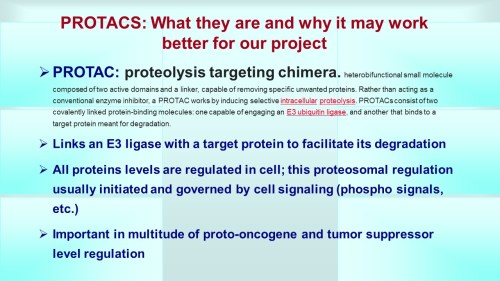
Below is a slide representation of the overall mission 4 to produce a PROTAC to inhibit Galectins 1, 3, and 9.


Using A Priori Knowledge of Galectin Receptor Interaction to Create a BioModel of Galectin 3 Binding


Now after collecting literature from PubMed on “galectin-3” AND “binding” to determine literature containing kinetic data we generate a WordCloud on the articles.


This following file contains the articles needed for BioModels generation.

https://pharmaceuticalintelligence.com/wp-content/uploads/2022/12/Curating-Galectin-articles-for-Biomodels.docx


From the WordCloud we can see that these corpus of articles describe galectin binding to the CRD (carbohydrate recognition domain).  Interestingly there are many articles which describe van Der Waals interactions as well as electrostatic interactions.  Certain carbohydrate modifictions like Lac NAc and Gal 1,4 may be important.  Many articles describe the bonding as well as surface  interactions.  Many studies have been performed with galectin inhibitors like TDGs (thio-digalactosides) like TAZ TDG (3-deoxy-3-(4-[m-fluorophenyl]-1H-1,2,3-triazol-1-yl)-thio-digalactoside).  This led to an interesting article

Dual thio-digalactoside-binding modes of human galectins as the structural basis for the design of potent and selective inhibitors

Affiliations 2016 Jul 15;6:29457.
 doi: 10.1038/srep29457. Free PMC article

Abstract

Human galectins are promising targets for cancer immunotherapeutic and fibrotic disease-related drugs. We report herein the binding interactions of three thio-digalactosides (TDGs) including TDG itself, TD139 (3,3′-deoxy-3,3′-bis-(4-[m-fluorophenyl]-1H-1,2,3-triazol-1-yl)-thio-digalactoside, recently approved for the treatment of idiopathic pulmonary fibrosis), and TAZTDG (3-deoxy-3-(4-[m-fluorophenyl]-1H-1,2,3-triazol-1-yl)-thio-digalactoside) with human galectins-1, -3 and -7 as assessed by X-ray crystallography, isothermal titration calorimetry and NMR spectroscopy. Five binding subsites (A-E) make up the carbohydrate-recognition domains of these galectins. We identified novel interactions between an arginine within subsite E of the galectins and an arene group in the ligands. In addition to the interactions contributed by the galactosyl sugar residues bound at subsites C and D, the fluorophenyl group of TAZTDG preferentially bound to subsite B in galectin-3, whereas the same group favored binding at subsite E in galectins-1 and -7. The characterised dual binding modes demonstrate how binding potency, reported as decreased Kd values of the TDG inhibitors from μM to nM, is improved and also offer insights to development of selective inhibitors for individual galectins.

Figures

Figure 1
 
Figure 2
 
Figure 3


Read Full Post »

Non-toxic antiviral nanoparticles with a broad spectrum of virus inhibition

Curator and Reporter: Dr. Premalata Pati, Ph.D., Postdoc

Infectious diseases account for 20% of global deaths, with viruses accounting for over a third of these deaths (1). Lower respiratory effects and human immunodeficiency viruses (HIV) are among the top ten causes of death worldwide, both of which contribute significantly to health-care costs (2). Every year, new viruses (such as Ebola) increase the mortality toll. Vaccinations are the most effective method of avoiding viral infections, but there are only a few of them, and they are not available in all parts of the world (3). After infection, antiviral medications are the only option; unfortunately, only a limited number of antiviral medications are approved in this condition. Antiviral drugs on a big scale that can influence a wide spectrum of existing and emerging viruses are critical.

The three types of treatments currently available are small molecules (such as nucleoside analogues and peptidomimetics), proteins that stimulate the immune system (such as interferon), and oligonucleotides (for example, fomivirsen). The primary priorities include HIV, hepatitis B and C viruses, Herpes Simplex Virus (HSV), human cytomegalovirus (HCMV), and influenza virus. They work mainly on viral enzymes, which are necessary for viral replication but which differ from other host enzymes to ensure selective function. The specificity of antivirals is far from perfect because viruses rely on the biosynthesis machinery for reproduction of infected cells, which results in a widespread and inherent toxicity associated with such therapy. However, most viruses mutate rapidly due to their improper replicating mechanisms and so often develop resistance (4). Finally, since antiviral substances are targeted at viral proteins, it is challenging to build broad-based antivirals that can act with a wide range of phylogenetic and structurally different virus.

Over the last decade breakthroughs in nanotechnology have led to scientists developing incredibly specialized nanoparticles capable of traveling in specific cells through a human body. A broad spectrum of destructive viruses is being targeted and not only bind to, but also destroy, by modern computer modeling technology.

An international team of researchers led by the University of Illinois at Chicago chemistry professor Petr Kral developed novel anti-viral nanoparticles that bind to a variety of viruses, including herpes simplex virus, human papillomavirus, respiratory syncytial virus, Dengue, and lentiviruses. In contrast to conventional broad-spectrum antivirals, which just prevent viruses from invading cells, the new nanoparticles eradicate viruses. The team’s findings have been published in the journal “Nature Materials.”

A molecular dynamics model showing a nanoparticle binding to the outer envelope of the human papillomavirus. (Credit: Petr Kral) https://today.uic.edu/files/2017/09/viralbindingcropped.png

The goal of this new study was to create a new anti-viral nanoparticle that could exploit the HSPG binding process to not only tightly attach with virus particles but also to destroy them. The work was done by a group of researchers ranging from biochemists to computer modeling experts until the team came up with a successful nanoparticle design that could, in principle, accurately target and kill individual virus particles.

The first step to combat many viruses consists in the attachment of heparin sulfate proteoglycan on cell surfaces to a protein (HSPG). Some of the antiviral medications already in place prevent an infection by imitating HSPG’s connection to the virus. An important constraint of these antivirals is that not only is this antiviral interaction weak, it does not kill the virus.

Kral said

We knew how the nanoparticles should bind on the overall composition of HSPG binding viral domains and the structures of the nanoparticles, but we did not realize why the various nanoparticles act so differently in terms of their both bond strength and viral entry in cells

Kral and colleagues assisted in resolving these challenges and guiding the experimentalists in fine-tuning the nanoparticle design so that it performed better.

The researchers have employed advanced computer modeling techniques to build exact structures of several target viruses and nanoparticles up to the atom’s position. A profound grasp of the interactions between individual atom groupings in viruses and nanoparticles allows the scientists to evaluate the strength and duration of prospective links between these two entities and to forecast how the bond could change over time and eventually kill the virus.


Atomistic MD simulations of an L1 pentamer of HPV capsid protein with the small NP (2.4 nm core, 100 MUP ligands). The NP and the protein are shown by van der Waals (vdW) and ribbon representations respectively. In the protein, the HSPG binding amino acids are displayed by vdW representation.

Kral added

We were capable of providing the design team with the data needed to construct a prototype of an antiviral of high efficiency and security, which may be utilized to save lives

The team has conducted several in vitro experiments following the development of a prototype nanoparticle design which have demonstrated success in binding and eventually destroying a wide spectrum of viruses, including herpes simplex, human papillomaviruses, respiratory syncytial viruses and dengue and lentiviruses.

The research is still in its early phases, and further in vivo animal testing is needed to confirm the nanoparticles’ safety, but this is a promising new road toward efficient antiviral therapies that could save millions of people from devastating virus infections each year.

The National Centers of Competence in Research on Bio-Inspired Materials, the University of Turin, the Ministry of Education, Youth and Sports of the Czech Republic, the Leenards Foundation, National Science Foundation award DMR-1506886, and funding from the University of Texas at El Paso all contributed to this study.

Main Source

Cagno, V., Andreozzi, P., D’Alicarnasso, M., Silva, P. J., Mueller, M., Galloux, M., … & Stellacci, F. (2018). Broad-spectrum non-toxic antiviral nanoparticles with a virucidal inhibition mechanism. Nature materials17(2), 195-203. https://www.nature.com/articles/nmat5053

Other Related Articles published in this Open Access Online Scientific Journal include the following:

Rare earth-doped nanoparticles applications in biological imaging and tumor treatment

Reporter: Irina Robu, PhD

https://pharmaceuticalintelligence.com/2020/10/04/rare-earth-doped-nanoparticles-applications-in-biological-imaging-and-tumor-treatment/

Nanoparticles Could Boost Effectiveness of Allergy Shots

Reporter: Irina Robu, PhD

https://pharmaceuticalintelligence.com/2019/05/25/nanoparticles-could-boost-effectiveness-of-allergy-shots/

Immunoreactivity of Nanoparticles

Author: Tilda Barliya PhD

https://pharmaceuticalintelligence.com/2012/10/27/immunoreactivity-of-nanoparticles/

Nanotechnology and HIV/AIDS Treatment

Author: Tilda Barliya, PhD

https://pharmaceuticalintelligence.com/2012/12/25/nanotechnology-and-hivaids-treatment/

Nanosensors for Protein Recognition, and gene-proteome interaction

Curator: Larry H Bernstein, MD, FCAP

https://pharmaceuticalintelligence.com/2016/01/30/nanosensors-for-protein-recognition-and-gene-proteome-interaction/

Read Full Post »

Thriving Vaccines and Research: Weizmann Institute Coronavirus Research Development

Reporter: Amandeep Kaur, B.Sc., M.Sc.

In early February, Prof. Eran Segal updated in one of his tweets and mentioned that “We say with caution, the magic has started.”

The article reported that this statement by Prof. Segal was due to decreasing cases of COVID-19, severe infection cases and hospitalization of patients by rapid vaccination process throughout Israel. Prof. Segal emphasizes in another tweet to remain cautious over the country and informed that there is a long way to cover and searching for scientific solutions.

A daylong webinar entitled “COVID-19: The epidemic that rattles the world” was a great initiative by Weizmann Institute to share their scientific knowledge about the infection among the Israeli institutions and scientists. Prof. Gideon Schreiber and Dr. Ron Diskin organized the event with the support of the Weizmann Coronavirus Response Fund and Israel Society for Biochemistry and Molecular Biology. The speakers were invited from the Hebrew University of Jerusalem, Tel-Aviv University, the Israel Institute for Biological Research (IIBR), and Kaplan Medical Center who addressed the molecular structure and infection biology of the virus, treatments and medications for COVID-19, and the positive and negative effect of the pandemic.

The article reported that with the emergence of pandemic, the scientists at Weizmann started more than 60 projects to explore the virus from different range of perspectives. With the help of funds raised by communities worldwide for the Weizmann Coronavirus Response Fund supported scientists and investigators to elucidate the chemistry, physics and biology behind SARS-CoV-2 infection.

Prof. Avi Levy, the coordinator of the Weizmann Institute’s coronavirus research efforts, mentioned “The vaccines are here, and they will drastically reduce infection rates. But the coronavirus can mutate, and there are many similar infectious diseases out there to be dealt with. All of this research is critical to understanding all sorts of viruses and to preempting any future pandemics.”

The following are few important projects with recent updates reported in the article.

Mapping a hijacker’s methods

Dr. Noam Stern-Ginossar studied the virus invading strategies into the healthy cells and hijack the cell’s systems to divide and reproduce. The article reported that viruses take over the genetic translation system and mainly the ribosomes to produce viral proteins. Dr. Noam used a novel approach known as ‘ribosome profiling’ as her research objective and create a map to locate the translational events taking place inside the viral genome, which further maps the full repertoire of viral proteins produced inside the host.

She and her team members grouped together with the Weizmann’s de Botton Institute and researchers at IIBR for Protein Profiling and understanding the hijacking instructions of coronavirus and developing tools for treatment and therapies. Scientists generated a high-resolution map of the coding regions in the SARS-CoV-2 genome using ribosome-profiling techniques, which allowed researchers to quantify the expression of vital zones along the virus genome that regulates the translation of viral proteins. The study published in Nature in January, explains the hijacking process and reported that virus produces more instruction in the form of viral mRNA than the host and thus dominates the translation process of the host cell. Researchers also clarified that it is the misconception that virus forced the host cell to translate its viral mRNA more efficiently than the host’s own translation, rather high level of viral translation instructions causes hijacking. This study provides valuable insights for the development of effective vaccines and drugs against the COVID-19 infection.

Like chutzpah, some things don’t translate

Prof. Igor Ulitsky and his team worked on untranslated region of viral genome. The article reported that “Not all the parts of viral transcript is translated into protein- rather play some important role in protein production and infection which is unknown.” This region may affect the molecular environment of the translated zones. The Ulitsky group researched to characterize that how the genetic sequence of regions that do not translate into proteins directly or indirectly affect the stability and efficiency of the translating sequences.

Initially, scientists created the library of about 6,000 regions of untranslated sequences to further study their functions. In collaboration with Dr. Noam Stern-Ginossar’s lab, the researchers of Ulitsky’s team worked on Nsp1 protein and focused on the mechanism that how such regions affect the Nsp1 protein production which in turn enhances the virulence. The researchers generated a new alternative and more authentic protocol after solving some technical difficulties which included infecting cells with variants from initial library. Within few months, the researchers are expecting to obtain a more detailed map of how the stability of Nsp1 protein production is getting affected by specific sequences of the untranslated regions.

The landscape of elimination

The article reported that the body’s immune system consists of two main factors- HLA (Human Leukocyte antigen) molecules and T cells for identifying and fighting infections. HLA molecules are protein molecules present on the cell surface and bring fragments of peptide to the surface from inside the infected cell. These peptide fragments are recognized and destroyed by the T cells of the immune system. Samuels’ group tried to find out the answer to the question that how does the body’s surveillance system recognizes the appropriate peptide derived from virus and destroy it. They isolated and analyzed the ‘HLA peptidome’- the complete set of peptides bound to the HLA proteins from inside the SARS-CoV-2 infected cells.

After the analysis of infected cells, they found 26 class-I and 36 class-II HLA peptides, which are present in 99% of the population around the world. Two peptides from HLA class-I were commonly present on the cell surface and two other peptides were derived from coronavirus rare proteins- which mean that these specific coronavirus peptides were marked for easy detection. Among the identified peptides, two peptides were novel discoveries and seven others were shown to induce an immune response earlier. These results from the study will help to develop new vaccines against new coronavirus mutation variants.

Gearing up ‘chain terminators’ to battle the coronavirus

Prof. Rotem Sorek and his lab discovered a family of enzymes within bacteria that produce novel antiviral molecules. These small molecules manufactured by bacteria act as ‘chain terminators’ to fight against the virus invading the bacteria. The study published in Nature in January which reported that these molecules cause a chemical reaction that halts the virus’s replication ability. These new molecules are modified derivates of nucleotide which integrates at the molecular level in the virus and obstruct the works.

Prof. Sorek and his group hypothesize that these new particles could serve as a potential antiviral drug based on the mechanism of chain termination utilized in antiviral drugs used recently in the clinical treatments. Yeda Research and Development has certified these small novel molecules to a company for testing its antiviral mechanism against SARS-CoV-2 infection. Such novel discoveries provide evidences that bacterial immune system is a potential repository of many natural antiviral particles.

Resolving borderline diagnoses

Currently, Real-time Polymerase chain reaction (RT-PCR) is the only choice and extensively used for diagnosis of COVID-19 patients around the globe. Beside its benefits, there are problems associated with RT-PCR, false negative and false positive results and its limitation in detecting new mutations in the virus and emerging variants in the population worldwide. Prof. Eran Elinavs’ lab and Prof. Ido Amits’ lab are working collaboratively to develop a massively parallel, next-generation sequencing technique that tests more effectively and precisely as compared to RT-PCR. This technique can characterize the emerging mutations in SARS-CoV-2, co-occurring viral, bacterial and fungal infections and response patterns in human.

The scientists identified viral variants and distinctive host signatures that help to differentiate infected individuals from non-infected individuals and patients with mild symptoms and severe symptoms.

In Hadassah-Hebrew University Medical Center, Profs. Elinav and Amit are performing trails of the pipeline to test the accuracy in borderline cases, where RT-PCR shows ambiguous or incorrect results. For proper diagnosis and patient stratification, researchers calibrated their severity-prediction matrix. Collectively, scientists are putting efforts to develop a reliable system that resolves borderline cases of RT-PCR and identify new virus variants with known and new mutations, and uses data from human host to classify patients who are needed of close observation and extensive treatment from those who have mild complications and can be managed conservatively.

Moon shot consortium refining drug options

The ‘Moon shot’ consortium was launched almost a year ago with an initiative to develop a novel antiviral drug against SARS-CoV-2 and was led by Dr. Nir London of the Department of Chemical and Structural Biology at Weizmann, Prof. Frank von Delft of Oxford University and the UK’s Diamond Light Source synchroton facility.

To advance the series of novel molecules from conception to evidence of antiviral activity, the scientists have gathered support, guidance, expertise and resources from researchers around the world within a year. The article reported that researchers have built an alternative template for drug-discovery, full transparency process, which avoids the hindrance of intellectual property and red tape.

The new molecules discovered by scientists inhibit a protease, a SARS-CoV-2 protein playing important role in virus replication. The team collaborated with the Israel Institute of Biological Research and other several labs across the globe to demonstrate the efficacy of molecules not only in-vitro as well as in analysis against live virus.

Further research is performed including assaying of safety and efficacy of these potential drugs in living models. The first trial on mice has been started in March. Beside this, additional drugs are optimized and nominated for preclinical testing as candidate drug.

Source: https://www.weizmann.ac.il/WeizmannCompass/sections/features/the-vaccines-are-here-and-research-abounds

Other related articles were published in this Open Access Online Scientific Journal, including the following:

Identification of Novel genes in human that fight COVID-19 infection

Reporter: Amandeep Kaur, B.Sc., M.Sc. (ept. 5/2021)

https://pharmaceuticalintelligence.com/2021/04/19/identification-of-novel-genes-in-human-that-fight-covid-19-infection/

Fighting Chaos with Care, community trust, engagement must be cornerstones of pandemic response

Reporter: Amandeep Kaur, B.Sc., M.Sc. (ept. 5/2021)

https://pharmaceuticalintelligence.com/2021/04/13/fighting-chaos-with-care/

T cells recognize recent SARS-CoV-2 variants

Reporter: Aviva Lev-Ari, PhD, RN

https://pharmaceuticalintelligence.com/2021/03/30/t-cells-recognize-recent-sars-cov-2-variants/

Need for Global Response to SARS-CoV-2 Viral Variants

Reporter: Aviva Lev-Ari, PhD, RN

https://pharmaceuticalintelligence.com/2021/02/12/need-for-global-response-to-sars-cov-2-viral-variants/

Mechanistic link between SARS-CoV-2 infection and increased risk of stroke using 3D printed models and human endothelial cells

Reporter: Adina Hazan, PhD

https://pharmaceuticalintelligence.com/2020/12/28/mechanistic-link-between-sars-cov-2-infection-and-increased-risk-of-stroke-using-3d-printed-models-and-human-endothelial-cells/

Read Full Post »

Online Event: Vaccine matters: Can we cure coronavirus? An AAAS Webinar on COVID19: 8/12/2020

Reporter: Stephen J. Williams. PhD

Source: Online Event

Top on the world’s want list right now is a coronavirus vaccine. There is plenty of speculation about how and when this might become a reality, but clear answers are scarce.Science/AAAS, the world’s leading scientific organization and publisher of the Science family of journals, brings together experts in the field of coronavirus vaccine research to answer the public’s most pressing questions: What vaccines are being developed? When are we likely to get them? Are they safe? And most importantly, will they work?

link: https://view6.workcast.net/AuditoriumAuthenticator.aspx?cpak=1836435787247718&pak=8073702641735492

Presenters

Presenter
Speaker: Sarah Gilbert, Ph.D.

University of Oxford
Oxford, UK
View Bio

Presenter
Speaker: Kizzmekia Corbett, Ph.D.

National Institute of Allergy and Infectious Diseases, NIH
Bethesda, MD
View Bio

Presenter
Speaker: Kathryn M. Edwards, M.D.

Vanderbilt Vaccine Research Program
Nashville, TN
View Bio

Presenter
Speaker: Jon Cohen

Science/AAAS
San Diego, CA
View Bio

Presenter
Moderator: Sean Sanders, Ph.D.

Science/AAAS
Washington, DC
View Moderator Bio

Read Full Post »

The Castleman Disease Research Network publishes Phase 1 Results of Drug Repurposing Database for COVID-19

Reporter: Stephen J. Williams, PhD.


From CNN at https://www.cnn.com/2020/06/27/health/coronavirus-treatment-fajgenbaum-drug-review-scn-wellness/index.html

Updated 8:17 AM ET, Sat June 27, 2020

(CNN)Every morning, Dr. David Fajgenbaum takes three life-saving pills. He wakes up his 21-month-old daughter Amelia to help feed her. He usually grabs some Greek yogurt to eat quickly before sitting down in his home office. Then he spends most of the next 14 hours leading dozens of fellow researchers and volunteers in a systematic review of all the drugs that physicians and researchers have used so far to treat Covid-19. His team has already pored over more than 8,000 papers on how to treat coronavirus patients.

The 35-year-old associate professor at the University of Pennsylvania Perelman School of Medicine leads the school’s Center for Cytokine Storm Treatment & Laboratory. For the last few years, he has dedicated his life to studying Castleman disease, a rare condition that nearly claimed his life. Against epic odds, he found a drug that saved his own life six years ago, by creating a collaborative method for organizing medical research that could be applicable to thousands of human diseases. But after seeing how the same types of flares of immune-signaling cells, called cytokine storms, kill both Castleman and Covid-19 patients alike, his lab has devoted nearly all of its resources to aiding doctors fighting the pandemic.

A global repository for Covid-19 treatment data

Researchers working with his lab have reviewed published data on more than 150 drugs doctors around the world have to treat nearly 50,000 patients diagnosed with Covid-19. They’ve made their analysis public in a database called the Covid-19 Registry of Off-label & New Agents (or CORONA for short).
It’s a central repository of all available data in scientific journals on all the therapies used so far to curb the pandemic. This information can help doctors treat patients and tell researchers how to build clinical trials.The team’s process resembles that of the coordination Fajgenbaum used as a medical student to discover that he could repurpose Sirolimus, an immunosuppressant drug approved for kidney transplant patients, to prevent his body from producing deadly flares of immune-signaling cells called cytokines.The 13 members of Fajgenbaum’s lab recruited dozens of other scientific colleagues to join their coronavirus effort. And what this group is finding has ramifications for scientists globally.
This effort by Dr. Fajgenbaum’s lab and the resultant collaborative effort shows the power and speed at which a coordinated open science effort can achieve goals. Below is the description of the phased efforts planned and completed from the CORONA website.

CORONA (COvid19 Registry of Off-label & New Agents)

Drug Repurposing for COVID-19

Our overarching vision:  A world where data on all treatments that have been used against COVID19 are maintained in a central repository and analyzed so that physicians currently treating COVID19 patients know what treatments are most likely to help their patients and so that clinical trials can be appropriately prioritized.


Phase 1: COMPLETED

Our team reviewed 2500+ papers & extracted data on over 9,000 COVID19 patients. We found 115 repurposed drugs that have been used to treat COVID19 patients and analyzed data on which ones seem most promising for clinical trials. This data is open source and can be used by physicians to treat patients and prioritize drugs for trials. The CDCN will keep this database updated as a resource for this global fight. Repurposed drugs give us the best chance to help COVID19 as quickly as possible! As disease hunters who have identified and repurposed drugs for Castleman disease, we’re applying our ChasingMyCure approach to COVID19.

Read our systematic literature review published in Infectious Diseases and Therapy at the following link: Treatments Administered to the First 9152 Reported Cases of COVID-19: A Systematic Review

From Fajgenbaum, D.C., Khor, J.S., Gorzewski, A. et al. Treatments Administered to the First 9152 Reported Cases of COVID-19: A Systematic Review. Infect Dis Ther (2020). https://doi.org/10.1007/s40121-020-00303-8

The following is the Abstract and link to the metastudy.  This study was a systematic review of literature with strict inclusion criteria.  Data was curated from these published studies and a total of 9152 patients were evaluated for treatment regimens for COVID19 complications and clinical response was curated for therapies in these curated studies.  Main insights from this study were as follows:

Key Summary Points

Why carry out this study?
  • Data on drugs that have been used to treat COVID-19 worldwide are currently spread throughout disparate publications.
  • We performed a systematic review of the literature to identify drugs that have been tried in COVID-19 patients and to explore clinically meaningful response time.
What was learned from the study?
  • We identified 115 uniquely referenced treatments administered to COVID-19 patients. Antivirals were the most frequently administered class; combination lopinavir/ritonavir was the most frequently used treatment.
  • This study presents the latest status of off-label and experimental treatments for COVID-19. Studies such as this are important for all diseases, especially those that do not currently have definitive evidence from randomized controlled trials or approved therapies.

Treatments Administered to the First 9152 Reported Cases of COVID-19: A Systematic Review

Abstract

The emergence of SARS-CoV-2/2019 novel coronavirus (COVID-19) has created a global pandemic with no approved treatments or vaccines. Many treatments have already been administered to COVID-19 patients but have not been systematically evaluated. We performed a systematic literature review to identify all treatments reported to be administered to COVID-19 patients and to assess time to clinically meaningful response for treatments with sufficient data. We searched PubMed, BioRxiv, MedRxiv, and ChinaXiv for articles reporting treatments for COVID-19 patients published between 1 December 2019 and 27 March 2020. Data were analyzed descriptively. Of the 2706 articles identified, 155 studies met the inclusion criteria, comprising 9152 patients. The cohort was 45.4% female and 98.3% hospitalized, and mean (SD) age was 44.4 years (SD 21.0). The most frequently administered drug classes were antivirals, antibiotics, and corticosteroids, and of the 115 reported drugs, the most frequently administered was combination lopinavir/ritonavir, which was associated with a time to clinically meaningful response (complete symptom resolution or hospital discharge) of 11.7 (1.09) days. There were insufficient data to compare across treatments. Many treatments have been administered to the first 9152 reported cases of COVID-19. These data serve as the basis for an open-source registry of all reported treatments given to COVID-19 patients at www.CDCN.org/CORONA. Further work is needed to prioritize drugs for investigation in well-controlled clinical trials and treatment protocols.

Read the Press Release from PennMedicine at the following link: PennMedicine Press Release

Phase 2: Continue to update CORONA

Our team continues to work diligently to maintain an updated listing of all treatments reported to be used in COVID19 patients from papers in PubMed. We are also re-analyzing publicly available COVID19 single cell transcriptomic data alongside our iMCD data to search for novel insights and therapeutic targets.

You can visit the following link to access a database viewer built and managed by Matt Chadsey, owner of Nonlinear Ventures.

If you are a physician treating COVID19 patients, please visit the FDA’s CURE ID app to report de-identified information about drugs you’ve used to treat COVID19 in just a couple minutes.

For more information on COVID19 on this Open Access Journal please see our Coronavirus Portal at

https://pharmaceuticalintelligence.com/coronavirus-portal/

Read Full Post »

Live Conference Coverage AACR 2020 in Real Time: Monday June 22, 2020 Late Day Sessions


Reporter: Stephen J. Williams, PhD


Follow Live in Real Time using

#AACR20

@pharma_BI

@AACR


Register for FREE at https://www.aacr.org/


AACR VIRTUAL ANNUAL MEETING II


June 22-24: Free Registration for AACR Members, the Cancer Community, and the Public
This virtual meeting will feature more than 120 sessions and 4,000 e-posters, including sessions on cancer health disparities and the impact of COVID-19 on clinical trials


This Virtual Meeting is Part II of the AACR Annual Meeting.  Part I was held online in April and was centered only on clinical findings.  This Part II of the virtual meeting will contain all the Sessions and Abstracts pertaining to basic and translational cancer research as well as clinical trial findings.


REGISTER NOW


Virtual Educational Session

Prevention Research, Science Policy, Epidemiology, Survivorship

Carcinogens at Home: Science and Pathways to Prevention

Chemicals known to cause cancer are used and released to the environment in large volumes, exposing people where they live, work, play, and go to school. The science establishing an important role for such exposures in the development of cancers continues to strengthen, yet cancer prevention researchers are largely unfamiliar with the data drawn upon in identifying carcinogens and making decisions about their use. Characterizing and reducing harmful exposures and accelerating the devel

Julia Brody, Kathryn Z. Guyton, Polly J. Hoppin, Bill Walsh, Mary H. Ward

DETAILS

Monday, June 22

1:30 PM – 3:30 PM EDT

Virtual Educational Session

Tumor Biology, Molecular and Cellular Biology/Genetics, Clinical Research Excluding Trials

EMT Still Matters: Let’s Explore! – Dedicated to the Memory of Isaiah J. Fidler

During carcinoma progression, initially benign epithelial cells acquire the ability to invade locally and disseminate to distant tissues by activating epithelial-mesenchymal transition (EMT). EMT is a cellular process during which epithelial cells lose their epithelial features and acquire mesenchymal phenotypes and behavior. Growing evidence supports the notion that EMT programs during tumor progression are usually activated to various extents and often partial and reversible, thus pr

Jean-Paul Thiery, Heide L Ford, Jing Yang, Geert Berx

DETAILS

Monday, June 22

1:30 PM – 3:00 PM EDT

Virtual Educational Session

Tumor Biology, Experimental and Molecular Therapeutics, Molecular and Cellular Biology/Genetics

One of These Things Is Not Like the Other: The Many Faces of Senescence in Cancer

Cellular senescence is a stable cell growth arrest that is broadly recognized to act as a barrier against tumorigenesis. Senescent cells acquire a senescence-associated secretory phenotype (SASP), a transcriptional response involving the secretion of inflammatory cytokines, immune modulators, and proteases that can shape the tumor microenvironment. The SASP can initially stimulate tumor immune surveillance and reinforce growth arrest. However, if senescent cells are not removed by the

Clemens A Schmitt, Andrea Alimonti, René Bernards

DETAILS

Monday, June 22

1:30 PM – 3:00 PM EDT

Virtual Educational Session

Clinical Research Excluding Trials, Molecular and Cellular Biology/Genetics

Recent Advances in Applications of Cell-Free DNA

The focus of this educational session will be on recent developments in cell-free DNA (cfDNA) analysis that have the potential to impact the care of cancer patients. Tumors continually shed DNA into the circulation, where it can be detected as circulating tumor DNA (ctDNA). Analysis of ctDNA has become a routine part of care for a subset of patients with advanced malignancies. However, there are a number of exciting potential applications that have promising preliminary data but that h

Michael R Speicher, Maximilian Diehn, Aparna Parikh

DETAILS

Monday, June 22

1:30 PM – 3:30 PM EDT

Virtual Methods Workshop

Clinical Research Excluding Trials, Clinical Trials, Experimental and Molecular Therapeutics, Molecular and Cellular Biology/Genetics

Translating Genetics and Genomics to the Clinic and Population

This session will describe how advances in understanding cancer genomes and in genetic testing technologies are being translated to the clinic. The speakers will illustrate the clinical impact of genomic discoveries for diagnostics and treatment of common tumor types in adults and in children. Cutting-edge technologies for characterization of patient and tumor genomes will be described. New insights into the importance of patient factors for cancer risk and outcome, including predispos

Heather L. Hampel, Gordana Raca, Jaclyn Biegel, Jeffrey M Trent

DETAILS

Monday, June 22

1:30 PM – 3:22 PM EDT

Virtual Educational Session

Regulatory Science and Policy, Drug Development, Epidemiology

Under-representation in Clinical Trials and the Implications for Drug Development

The U.S. Food and Drug Administration relies on data from clinical trials to determine whether medical products are safe and effective. Ideally, patients enrolled in those trials are representative of the population in which the product will be used if approved, including people of different ages, races, ethnic groups, and genders. Unfortunately, with few patients enrolling in clinical trials, many groups are not well-represented in clinical trials. This session will explore challenges

Ajay K. Nooka, Nicole J. Gormley, Kenneth C Anderson, Ruben A. Mesa, Daniel J. George, Yelak Biru, RADM Richardae Araojo, Lola A. Fashoyin-Aje

DETAILS

Monday, June 22

3:45 PM – 5:45 PM EDT

Virtual Educational Session

Cancer Chemistry

Targeted Protein Degradation: Target Validation Tools and Therapeutic Opportunity

This educational session will cover the exciting emerging field of targeted protein degradation. Key learning topics will include: 1. an introduction to the technology and its relevance to oncology; 2. PROTACS, degraders, and CELMoDs; 3. enzymology and protein-protein interactions in targeted protein degraders; 4. examples of differentiated biology due to degradation vs. inhibition; 5. how to address questions of specificity; and 6. how the field is approaching challenges in optimizing therapies

George Burslem, Mary Matyskiela, Lyn H. Jones, Stewart L Fisher, Andrew J Phillips

DETAILS

Monday, June 22

3:45 PM – 5:45 PM EDT

Virtual Educational Session

Bioinformatics and Systems Biology, Experimental and Molecular Therapeutics, Drug Development, Molecular and Cellular Biology/Genetics

Obstacles and opportunities for protein degradation drug discovery

Lyn H. Jones
  • PROTACs ubiquitin mediated by E3 ligases;  first discovered by DeShaies and targeted to specific proteins
  • PROTACs used in drug discovery against a host of types of targets including kinases and membrane receptors
  • PROTACs can be modular but lack molecular structural activity relationships
  • can use chemical probes for target validation
  • four requirements: candidate exposure at site of action (for example lipophilicity for candidates needed to cross membranes and accumulate in lysosomes), target engagement (ternary occupancy as measured by FRET), functional pharmacology, relevant phenotype
  • PROTACs hijack the proteosomal degradation system

Proteolysis-targeting chimeras as therapeutics and tools for biological discovery

George Burslem
  • first PROTAC developed to coopt the VHL ubiquitin ligase system which degrades HIF1alpha but now modified for EREalpha
  • in screen for potential PROTACS there were compounds which bound high affinity but no degradation so phenotypic screening very important
  • when look at molecular dynamics can see where PROTAC can add additional protein protein interaction, verifed by site directed mutagenesis
  • able to target bcr-Abl
  • he says this is a rapidly expanding field because of all the new E3 ligase targets being discovered

Expanding the horizons of cereblon modulators

Mary Matyskiela

Translating cellular targeted protein degradation to in vivo models using an enzymology framework

Stewart L Fisher
  • new targeting compounds have an E3 ligase binding domain, a target binding domain and a linker domain
  • in vivo these compounds are very effective; BRD4 degraders good invitro and in vivo with little effect on body weight
  • degraders are essential activators of E3 ligases as these degraders bring targets in close proximity so activates a catalytic cycle of a multistep process (has now high turnover number)
  • in enzymatic pathway the degraders make a productive complex so instead of a kcat think of measuring a kprod or productivity of degraders linked up an E3 ligase
  • the degraders are also affecting the rebound protein synthesis; so Emax never to zero and see a small rebound of protein synthesis


Data-Driven Approaches for Choosing Combinatorial Therapies

Drug combinations remain the gold standard for treating cancer, as they significantly outperform single agents. However, due to the enormous size of drug combination space, it is virtually impossible to interrogate all possible combinations. This session will discuss approaches to identify novel combinations using both experimental and computational approaches. Speakers will discuss i) approaches to drug screening in cell lines, the impact of the microenvironment, and attempts to more

Bence Szalai, James E Korkola, Lisa Tucker-Kellogg, Jeffrey W Tyner

DETAILS

Monday, June 22

3:45 PM – 5:21 PM EDT

Virtual Educational Session

Tumor Biology

Cancer Stem Cells and Therapeutic Resistance

Cancer stem cells are a subpopulation of cells with a high capacity for self-renewal, differentiation and resistance to therapy. In this session, we will define cancer stem cells, discuss cellular plasticity, interactions between cancer stem cells and the tumor microenvironment, and mechanisms that contribute to therapeutic resistance.

Robert S Kerbel, Dolores Hambardzumyan, Jennifer S. Yu

DETAILS

Monday, June 22

3:45 PM – 5:45 PM EDT

Virtual Educational Session

Drug Development, Experimental and Molecular Therapeutics

Molecular Imaging in Cancer Research

This session will cover the fundamentals as well as the major advances made in the field of molecular imaging. Topics covered will include the basics for optical, nuclear, and ultrasound imaging; the pros and cons of each modality; and the recent translational advancements. Learning objectives include the fundamentals of each imaging modality, recent advances in the technology, the processes involved to translate an imaging agent from bench to bedside, and how molecular imaging can gui

Julie Sutcliffe, Summer L Gibbs, Mark D Pagel, Katherine W Ferrara

DETAILS

Monday, June 22

3:45 PM – 5:45 PM EDT

Virtual Educational Session

Tumor Biology, Immunology, Experimental and Molecular Therapeutics, Drug Development

Tumor Endothelium: The Gatekeepers of Tumor Immune Surveillance

Tumor-associated endothelium is a gatekeeper that coordinates the entry and egress of innate and adaptive immune cells within the tumor microenvironment. This is achieved, in part, via the coordinated expression of chemokines and cell adhesion molecules on the endothelial cell surface that attract and retain circulating leukocytes. Crosstalk between adaptive immune cells and the tumor endothelium is therefore essential for tumor immune surveillance and the success of immune-based thera

Dai Fukumura, Maria M Steele, Wen Jiang, Andrew C Dudley

DETAILS

Monday, June 22

3:45 PM – 5:45 PM EDT

Virtual Educational Session

Immunology, Experimental and Molecular Therapeutics

Novel Strategies in Cancer Immunotherapy: The Next Generation of Targets for Anticancer Immunotherapy

T-cell immunotherapy in the form of immune checkpoint blockade or cellular T-cell therapies has been tremendously successful in some types of cancer. This success has opened the door to consider what other modalities or types of immune cells can be harnessed for exert antitumor functions. In this session, experts in their respective fields will discuss topics including novel approaches in immunotherapy, including NK cells, macrophage, and viral oncotherapies.

Evanthia Galanis, Kerry S Campbell, Milan G Chheda, Jennifer L Guerriero

DETAILS

Monday, June 22

3:45 PM – 5:45 PM EDT

Virtual Educational Session

Tumor Biology, Drug Development, Immunology, Clinical Research Excluding Trials

Benign Cells as Drivers of Cancer Progression: Fat and Beyond

Carcinomas develop metastases and resistance to therapy as a result of interaction with tumor microenvironment, composed of various nonmalignant cell types. Understanding the complexity and origins of tumor stromal cells is a prerequisite for development of effective treatments. The link between obesity and cancer progression has revealed the engagement of adipose stromal cells (ASC) and adipocytes from adjacent fat tissue. However, the molecular mechanisms through which they stimulate

Guojun Wu, Matteo Ligorio, Mikhail Kolonin, Maria T Diaz-Meco

DETAILS

Monday, June 22

3:45 PM – 5:45 PM EDT

Virtual Educational Session

Clinical Research Excluding Trials, Experimental and Molecular Therapeutics, Tumor Biology

Dharma Master Jiantai Symposium on Lung Cancer: Know Thy Organ – Lessons Learned from Lung and Pancreatic Cancer Research

The term “cancer” encompasses hundreds of distinct disease entities involving almost every possible site in the human body. Effectively interrogating cancer, either in animals models or human specimens, requires a deep understanding of the involved organ. This includes both the normal cellular constituents of the affected tissue as well as unique aspects of tissue-specific tumorigenesis. It is critical to “Know Thy Organ” when studying cancer. This session will focus on two of the most

Trudy G Oliver, Hossein Borghaei, Laura Delong Wood, Howard C Crawford

DETAILS

Monday, June 22

3:45 PM – 5:45 PM EDT

Virtual Methods Workshop

Clinical Trials

Clinical Trial Design: Part 1: Novel Approaches and Methods in Clinical Trial Design

Good clinical trial design has always had to balance the competing interests of effectively and convincingly answering the question with the limitations imposed by scarce resources, complex logistics, and risks and potential benefits to participants. New targeted therapies, immuno-oncology, and novel combination treatments add new challenges on top of the old ones. This session will introduce these concerns and 1) suggest ways to consider what outcomes are relevant, 2) how we can best

Mary W. Redman, Nolan A. Wages, Susan G Hilsenbeck, Karyn A. Goodman

DETAILS

Monday, June 22

3:45 PM – 5:45 PM EDT

Virtual Methods Workshop

Tumor Biology, Drug Development

High-Throughput Screens for Drivers of Progression and Resistance

The sequencing of human cancers now provides a landscape of the genetic alterations that occur in human cancer, and increasingly knowledge of somatic genetic alterations is becoming part of the evaluation of cancer patients. In some cases, this information leads directly to the selection of particular therapeutic approaches; however, we still lack the ability to decipher the significance of genetic alterations in many cancers. This session will focus on recent developments that permit the identification of molecular targets in specific cancers. This information, coupled with genomic characterization of cancer, will facilitate the development of new therapeutic agents and provide a path to implement precision cancer medicine to all patients.

William C Hahn, Mark A Dawson, Mariella Filbin, Michael Bassik

DETAILS

Monday, June 22

3:45 PM – 5:15 PM EDT

Defining a cancer dependency map

William C Hahn

Introduction

William C Hahn

Genome-scale CRISPR screens in 3D spheroids identify cancer vulnerabilities

Michael Bassik

Utilizing single-cell RNAseq and CRISPR screens to target cancer stem cells in pediatric brain tumors

Mariella Filbin
  • many gliomas are defined by discreet mutational spectra that also discriminates based on age and site as well (for example many cortical tumors have mainly V600E Braf mutations while thalamus will be FGFR1
  • they did single cell RNAseq on needle biopsy from 7 gliomas which gave about 3500 high quality single cells; obtained full length RNA
  • tumors clustered mainly where the patient it came from but had stromal cell contamination probably so did a deconvolution?  Copy number variation showed which were tumor cells and did principle component analysis
  • it seems they used a human glioma model as training set
  • identified a stem cell like glioma cell so concentrated on the genes altered in these for translational studies
  • developed multiple PDX models from patients
  • PDX transcriptome closest to patient transcriptome but organoid grown in serum free very close while organoids grown in serum very distinct transcriptome
  • developed a CRISPR barcoded library to determine genes for survival genes
  • pulled out BMI1  and EZH2 (polycomb complex proteins) as good targets

Virtual Methods Workshop

Prevention Research, Survivorship, Clinical Research Excluding Trials, Epidemiology

Implementation Science Methods for Cancer Prevention and Control in Diverse Populations: Integration of Implementation Science Methods in Care Settings

Through this Education Session we will use examples from ongoing research to provide an overview of implementation science approaches to cancer prevention and control research. We draw on examples to highlight study design approaches, research methods, and real-world solutions when applying implementation science to achieve health equity. Approaches to defining change in the care setting and measuring sustained changes are also emphasized. Using real examples of patient navigation prog

Graham A Colditz, Sanja Percac-Lima, Nathalie Huguet

DETAILS

Monday, June 22

3:45 PM – 5:30 PM EDT

Virtual Educational Session

Regulatory Science and Policy, Epidemiology

COVID-19 and Cancer: Guidance for Clinical Trial Conduct and Considerations for RWE

This session will consider the use of real-world evidence in the context of oncology clinical trials affected by the COVID-19 pandemic. Key aspects of the FDA’s recent “Guidance on Conduct of Clinical Trials of Medical Products of Medical Products during COVID-19 Public Health Emergency” will be discussed, including telemedicine, accounting for missing data, obtaining laboratory tests and images locally, using remote informed consent procedures, and additional considerations for contin

Wendy Rubinstein, Paul G. Kluetz, Amy P. Abernethy, Jonathan Hirsch, C.K. Wang


Read Full Post »

Updates on the Oxford, AstraZeneca COVID-19 Vaccine

Reporter: Stephen J. Williams, PhD

AstraZeneca’s CEO states that their COVID-19 vaccine, codeveloped with Oxford University, should provide protection for a year.

AstraZeneca’s potential coronavirus vaccine is likely to provide protection against contracting Covid-19 for about a year, the company’s chief executive told a Belgian radio station on Tuesday.

The British drugmaker has already begun human trials of the vaccine developed by the University of Oxford, with a phase I trial in Britain due to end soon and a phase III trial already begun, Pascal Soriot told broadcaster Bel RTL.

“We think that it will protect for about a year,” Soriot said.

AstraZeneca said on Saturday that it had signed contracts with France, Germany, Italy and the Netherlands to supply the European Union with up to 400 million doses of the potential vaccine.

It has also agreed deals with Britain and the United States.

“If all goes well, we will have the results of the clinical trials in August/September. We are manufacturing in parallel. We will be ready to deliver from October if all goes well,” Soriot said.

Source: https://www.cnbc.com/2020/06/16/astrazeneca-covid-19-vaccine-likely-to-protect-for-a-year-ceo-says.html


From In The Pipeline (Derek Lowe’s regular column in Science)

Criticism of the Oxford Coronavirus Vaccine

By Derek Lowe 18 May, 2020

This piece at Forbes by Bill Haseltine has set off a lot of comment – it’s a look at the Oxford group’s vaccine candidate as compared to the SinoVac candidate, and you may recall (background here) that these are the two teams that have separately reported that their vaccines appear to protect rhesus monkeys from infection after exposure to the coronavirus. Haseltine has some criticisms of the Oxford data, and as you will see from that link to his name, his opinions deserve to be taken seriously. So what’s going on? Update: here’s the take on this at BioCentury.

Looking at the preprint on the Oxford results, Haseltine has a problem with the claim that the monkeys were protected from infection by a dose of ChAdOx1 nCoV-19. The key data are in the preprint’s Figure 3. The Oxford team checked for viral RNA several different ways. One was using bronchoaveolar lavage (BAL fluid), a sampling technique that involves running a bronchoscope down into the lungs and washing out aveolar spaces – a pretty darn invasive assay, which is why you don’t hear about it all that much compared to the still-not-so-nonivasive nose swabs. BAL fluid of the virus-exposed unvaccinated animals showed coronavirus genomic RNA throughout the study, and viral subgenomic RNA (more indicative of active replication) at days 3 and 5 after exposure. Meanwhile, the vaccinated animals showed the genomic RNA in only two monkeys, and no subgenomic RNA at all.

So far, so good. But both vaccinated and unvaccinated monkeys showed the same amount of viral genomic RNA from nose swab samples (Figure 3c). That’s the test that’s used out in the human population, and that means that the vaccinated animals would still be declared as positive for the coronavirus after being exposed to it. And the other thing that Haseltine notes is that the amount (the “titer”, in the lingo) of neutralizing antibodies in the blood of the vaccinated animals does not appear to be that high. You’d like to be able to dilute the blood antibody samples down by hundreds of times or even a thousandfold and still see antiviral activity in an in vitro assay, but in the Oxford case the activity started disappearing at about fortyfold dilution (Figure 2b).

On the positive side, 2/3 of the unvaccinated animals showed clear evidence of viral pneumonia at autopsy, but none of the vaccinated ones did. The conclusion is that the vaccinated animals were indeed infected – the vaccine did not protect against that – but that the disease was definitely less severe. But these results mean that the virus might well still be transmissible from people who had been so vaccinated, even if the disease course itself was not as deadly. You’d want to do better than that, if you can. Haseltine’s take is “Time will tell if this is the best approach. I wouldn’t bet on it.

Haseltine compares these results to the SinoVac inactivated virus vaccine, and finds that that one looks better – at its highest dose, no viral RNA was recovered from the tissues of the vaccinated animals, for example. This sort of “sterilizing immunity” is what you’d want to aim for – it gives the virus nowhere to go in the human population if you can vaccinate enough people. But it’s worth noting that the SinoVac results were from three doses of their vaccine (versus one of the Oxford candidate), and the viral exposure challenge was about half as strong (total viral particles) as what the Oxford paper used. The Oxford group also inoculated their monkeys in both the upper and lower respiratory tract, while the SinoVac team used a single inoculation in the trachea. So I agree with that tweet linked from AndyBiotech; I don’t think that a head-to-head comparison is fair. But Haseltine’s point stands, that the results as we have them from the ChAdOx1 nCoV-19 vaccine did not actually protect monkeys from infection.

Source: https://blogs.sciencemag.org/pipeline/archives/2020/05/18/criticism-of-the-oxford-coronavirus-vaccine


Please see other Articles on COVID-19 on our Coronavirus Portal Including Late Breaking News at:

https://pharmaceuticalintelligence.com/coronavirus-portal/


Read Full Post »

Older Posts »