Feeds:
Posts
Comments

Archive for the ‘Artificial Intelligence in Medicine – Applications in Therapeutics’ Category

Drug Development Process been Revolutionized by Artificial Intelligence (AI) Technologies

Curators: Stephen J. Williams, PhD and Aviva Lev-Ari, PhD, RN


The Voice of Stephen J. Williams, PhD

LPBI Group, CSO

PENDING

The Voice of Aviva Lev-Ari, PhD, RN

1.0 LPBI Group and 2.0 LPBI Group, Founder

With the advent of AI in the last 5-7 years in our fields: Pharmaceutical, Life Sciences and Medicine, LPBI Group had launched several initiatives to advance the frontier of knowledge by using our own contents repositories of +8 giga bytes for experimenting with Machine Learning (ML) technologies for Medical Text Analysis.

These AI Technologies include

  • Natural Language Processing (NLP): Statistical ML and Deep Learning ML
  • ChatGPT and GPT-4
  • Generative AI
A quote by Brad Power, Co-founder and CEO, Cancer Patient Lab made in January 2024
LPBI Group is in the admirable position of sitting on a treasure trove of medical literature that would be useful input in the current environment of customized ChatGPTs looking for reliable medical content.

In the Drug Development (DD) field, AI technologies are been employed  chiefly, for these tasks:

(a) Generation of molecular information libraries

(b) Explorations and combinatorial experiments on protein structures, and

(c) measurements of biochemical interactions

The A.I. learns from patterns in the data to suggest possible useful drug candidates, as if matching chemical keys to the right protein locks.

Because A.I. for drug development is powered by precise scientific data, toxic “hallucinations” are far less likely than with more broadly trained chatbots. And any potential drug must undergo extensive testing in labs and in clinical trials before it is approved for patients.

“Generative A.I. is transforming the field, but the drug-development process is messy and very human,” said David Baker, a biochemist and director of the Institute for Protein Design at the University of Washington.

As of December 2023,

  • 24 AI-discovered molecules had completed Phase I trials, with 21 of them being successful. This success rate of 80–90% is higher than the historical industry average of 40–65%. 
  • In Phase II trials, the success rate is around 40%, which is similar to the historical average. 

SOURCE

AI Overview

https://www.google.com/search?q=A.I.-developed+drugs+are+in+clinical+trials&oq=A.I.-developed+drugs+are+in+clinical+trials&gs_lcrp=EgZjaHJvbWUyBggAEEUYOTIHCAEQIRigATIHCAIQIRigATIHCAMQIRigAdIBCTIxNzZqMGoxNagCCLACAQ&sourceid=chrome&ie=UTF-8


Examples of drugs developed by AI technologies:

NCI definition of AI Drugs:

AI drug

A drug that blocks the activity of an enzyme called aromatase, which the body uses to make estrogen in the ovaries and other tissues. Blocking aromatase lowers the amount of estrogen made by the body, which may stop the growth of cancer cells that need estrogen to grow. AI drugs are used to treat some types of breast cancer or to keep it from coming back. They may also be used to help prevent breast cancer in some women who are at a high risk of developing it. Examples of AI drugs are anastrozole, letrozole, and exemestane. AI drugs are a type of hormone therapy. Also called aromatase inhibitor.
 

SOURCE

https://www.cancer.gov/publications/dictionaries/cancer-terms/def/ai-drug


More examples of AI Drugs, Drugs developed with AI technologies

#1: 

INS018_055
Developed by Insilico Medicine, a Hong Kong-based biotech startup, to treat idiopathic pulmonary fibrosis (IPF). IPF is a chronic lung disease that causes scarring and can be fatal if left untreated. In January 2023, Insilico Medicine announced positive results from a Phase I safety trial of INS018_055. In February 2023, the FDA granted breakthrough status to a small molecule inhibitor identified by Insilico Medicine’s AI platforms for the drug. As of November 2023, INS018_055 was in mid-stage trials in the US and China, with some results expected in early 2025.
 
The first fully A.I. -generated drug enters clinical trials in human patients. Insilico Medicine, a Hong Kong-based biotech startup with more than $400 million in funding, created the drug as a treatment for idiopathic pulmonary fibrosis, a chronic lung disease.Jun 29, 2023
 
  • Schrödinger’s AI-driven platform
    Uses predictive modeling to optimize the molecular structure of drugs. AI is expected to integrate more advanced simulation techniques, such as quantum computing, to more accurately predict molecular behavior.

Drug discovery software developer Schrodinger Inc. (NASDAQ: SDGR) stock has been trying to recover after plummeting over 80% off its all-time high of $117 in January 2021. Schrodinger’s artificial intelligence (AI) powered software technology platform utilizes physics-based modeling and sophisticated machine learning algorithms to help clients identify the suitable molecules to treat the desired ailments. Its programs can help predict the behavior of molecules and potential outcomes.

This entails finding suitable molecules that effectively target specific cells and proteins, transcend through cell walls, are absorbed and dissolved well without interfering with other drugs or producing bad reactions to other drugs, and are scalable.

Big Name Pharma Customers of Schrödinger, Inc.

Its technology platform allows for the faster and cheaper discovery of novel molecules with a higher success rate than traditional methods. Its clients include the top 20 pharmaceutical companies in the world, including Pfizer Inc. (NYSE: PFE), Merck & Co. Inc. (NYSE: MRK), Takeda, AstraZeneca PLC (NYSE: AZN), and GlaxoSmithKline plc  (NYSE: GSK). It closed new agreements with Eli Lilly & Co. (NYSE: LLY) and Otsuka Pharmaceuticals out of Tokyo, Japan.

SOURCE

Schrodinger is an AI-Powered Drug Discovery Developer to Watch

https://www.nasdaq.com/articles/schrodinger-is-an-ai-powered-drug-discovery-developer-to-watch


Schrodinger’s Pipelines include:

  • SGR-1505 (MALT1)

Hematologic Malignancies

DISCOVERYPRECLINICALPHASE 1
 
  • SGR-2921 (CDC7)

AML/MDS

DISCOVERYPRECLINICALPHASE 1
 
  • SGR-3515 (Wee1/Myt1)

Solid Tumors

DISCOVERYPRECLINICALPHASE 1
 
  • SOS1

Oncology

DISCOVERYPRECLINICALPHASE 1
 
  • PRMT5-MTA

Oncology

DISCOVERYPRECLINICALPHASE 1
 
  • EGFRC797S

Oncology

DISCOVERYPRECLINICALPHASE 1
 
  • NLRP3

Immunology

DISCOVERYPRECLINICALPHASE 1
 
  • LRRK2

Neurology

DISCOVERYPRECLINICALPHASE 1
 
  • Undisclosed Programs

Multiple Areas

SOURCE

https://www.schrodinger.com/pipeline/#Proprietary-Pipeline


In high-tech labs, workers are generating data to train A.I. algorithms to design better medicine, faster. But the transformation is just getting underway.

Terray Therapeutics campus in Monrovia, Calif., June 17, 2024

https://www.nytimes.com/2024/06/17/business/ai-drugs-development-terray.html?smid=nytcore-ios-share&referringSource=articleShare


Five AI drug discovery companies you should know about

  1. Atomwise 
  2. Cradle 
  3. Exscientia 
  4. Iktos 
  5. Insilico Medicine 

According to Grand View Research, the global AI in drug discovery market size was valued at $1.1 billion in 2022, and is expected to expand at a compound annual growth rate (CAGR) of 29.6% from 2023 to 2030. The report states that the growing demand for the discovery and development of novel drug therapies and increasing manufacturing capacities of the life science industry are driving the demand for AI-empowered solutions in the drug discovery processes. 

As this report suggests, AI for drug discovery is clearly a growing field within the biopharma industry. Inevitably, as it grows even larger, we will see more companies come to the forefront of the field, hoping to change the face of drug discovery – and also the biopharma industry as a whole – so that the entire drug development process can become faster, more consistent, more accurate, and more scalable.

SOURCE

https://www.labiotech.eu/best-biotech/ai-drug-discovery-companies/#:~:text=to%20%2433%20million.-,Exscientia,manner%20using%20its%20AI%20technology.


At LPBI Group, Of Note is our Journal PharmaceuticalIntelligence.com

it represents our commitment to AI technologies in the following research categories and How many articles have been written in each of these topics: 

  • A total of x articles have been categorized 511 times among the following Artificial Intelligence research categories

Artificial Intelligence – General

113

An executive’s guide to AI

9

Artificial Intelligence – Breakthroughs in Theories and Technologies

94

Artificial Intelligence Applications in Health Care

81

Artificial Intelligence in CANCER

29

Artificial Intelligence in Health Care – Tools & Innovations

55

Artificial Intelligence in Medicine – Application for Diagnosis

44

Artificial intelligence applications for cardiology

21

AI-assisted Cardiac MRI

9

Artificial Intelligence in Psychiatry

5

Artificial Intelligence in Medicine – Applications in Therapeutics

50


LPBI Group’s involvement in Conceptual Drug Development covers the following two areas:

DrugDiscovery @LPBI Group, 2016 – 2018

Synthetic Biology in Drug Discovery, 2021 – Present


Applications of Artificial Intelligence to Medicine

Artificial Intelligence: Genomics & Cancer, 2021 – Present

Medicine with GPT-4 & ChatGPT, 2023 – Present


LPBI Group commitment to Medical Text Analysis using Machine Learning

2021-2025 Medical Text Analysis (NLP), 2020 – Present

ChatGPT + Wolfram PlugIn, 2023 – Present


LPBI Group Team members published two books on Drug Delivery Technologies

We had covered drug delivery technologies in two of our books. See all the Books: 

https://www.amazon.com/s?k=Aviva+Lev-Ari&i=digital-text&rh=n%3A133140011&ref=nb_sb_noss


  • Series E, Volume Four 

Medical 3D BioPrinting – The Revolution in Medicine, Technologies for Patient-centered Medicine: From R&D in Biologics to New Medical Devices. 

https://www.amazon.com/dp/B078QVDV2W

and

  • Series C, Volume Two 

Cancer Therapies: Metabolic, Genomics, Interventional, Immunotherapy and Nanotechnology in Therapy Delivery (Series C Book 2).

http://www.amazon.com/dp/B071VQ6YYK


The Table of Contents of these two book can be found in our

Spanish-language Edition, as well

  • Serie E, Volumen 4

Bioimpresión médica en 3D: la revolución de la medicina: Tecnologías para una medicina centrada en el paciente: de la I+D en agentes biológicos a los nuevos … en el paciente nº 4) (Spanish Edition) 2023

(Spanish Edition) Kindle Edition

https://www.amazon.com/dp/B0BRNVDB1P $56


  • Serie C, Volumen 2

Tratamientos contra el cáncer: Metabólicos, genómicos, intervencionistas, inmunoterapia y nanotecnología para la administración de tratamientos (Serie … y la oncología nº 2) 2022

(Spanish Edition) Kindle Edition

http://www.amazon.com/dp/B0BQTM44SM $75

Read Full Post »

The Health Care Dossier on Clarivate PLC: How Cortellis Is Changing the Life Sciences Industry

Curator: Stephen J. Williams, Ph.D.

Source: https://en.wikipedia.org/wiki/Clarivate 

Clarivate Plc is a British-American publicly traded analytics company that operates a collection of subscription-based services, in the areas of bibliometrics and scientometrics; business / market intelligence, and competitive profiling for pharmacy and biotech, patents, and regulatory compliance; trademark protection, and domain and brand protection. In the academy and the scientific community, Clarivate is known for being the company that calculates the impact factor,[4] using data from its Web of Science product family, that also includes services/applications such as Publons, EndNote, EndNote Click, and ScholarOne. Its other product families are Cortellis, DRG, CPA Global, Derwent, MarkMonitor, CompuMark, and Darts-ip, [3] and also the various ProQuest products and services.

Clarivate was formed in 2016, following the acquisition of Thomson Reuters‘ Intellectual Property and Science business by Onex Corporation and Baring Private Equity Asia. Clarivate has acquired various companies since then, including, notably, ProQuest in 2021.

Further information: Thomson Scientific

Clarivate (formerly CPA Global) was formerly the Intellectual Property and Science division of Thomson Reuters. Before 2008, it was known as Thomson Scientific. In 2016, Thomson Reuters struck a $3.55 billion deal in which they spun it off as an independent company, and sold it to private-equity firms Onex Corporation and Baring Private Equity Asia.

In May 2019, Clarivate merged with the Churchill Capital Corp SPAC to obtain a public listing on the New York Stock Exchange (NYSE) It currently trades with symbol NYSE:CLVT.

Acquisitions

  • June 1, 2017: Publons, a platform for researchers to share recognition for peer review.
  • April 10, 2018: Kopernio, AI-tech startup providing ability to search for full-text versions of selected scientific journal articles.
  • October 30, 2018: TrademarkVision, provider of Artificial Intelligence (AI) trademark research applications.
  • September 9, 2019: SequenceBase, provider of patent sequence information and search technology to the biotech, pharmaceutical and chemical industries.
  • December 2, 2019: Darts-ip, provider of case law data and analytics for intellectual property (IP) professionals.
  • January 17, 2020: Decision Resources Group (DRG), a leading healthcare research and consulting company, providing high-value healthcare industry analysis and insights.
  • June 22, 2020: CustomersFirst Now, in intellectual property (“IP”) software and tech-enabled services.
  • October 1, 2020: CPA Global, intellectual property (“IP”) software and tech-enabled services.
  • December 1, 2021: ProQuest, software, data and analytics provider to academic, research and national institutions.[27]It was acquired for $5.3 billion from Cambridge Information Group in what was described as a “huge deal in the library and information publishing world”. The company said that the operational concept behind the acquisition was integrating ProQuest’s products and applications with Web of Science. Chairman of ProQuest Andy Snyder became the vice chairman of Clarivate. The Scholarly Publishing and Academic Resources Coalition, an advocacy group for open access to scholarship, voiced antitrust concerns. The acquisition had been delayed mid-year due to a Federal Trade Commission antitrust probe.

Divestments

How Clarivate Has Changed Since 2019

2019 Strategy

From 2019 Manager Discussion Yearly Report

We are a leading global information services and analytics company serving the scientific research, intellectual property and life sciences end-markets. We provide structured information and analytics to facilitate the discovery, protection and commercialization of scientific research, innovations and brands.  Our product porfolio includes well-established market-leading brands such as Web of Science, Derwent Innovation, Life Sciences, CompuMark and MarkMonitor (which they later divested).  We believe that the stron balue proposition of our content, user interfaces, visualization and analytical tools, combined with the integration of our products and services into customers’ daily workflows, leads to our substantial customer loyalty as evidenced by their willingness to renew subscriptions with us.

Our structure, enabling a sharp focus on cross-selling opportunities within markets, is comprised of two product groups:

  • Science Group: consists of Web of Science and Life Science Product Lines
  • Intellectual Property Group: consists of Derwent, CompuMark and MarkMonitor

Corporations, government agencies, universities, law firms depend on our high-value curated content, analytics and services.  Unstructured data has grown exponentially over the last decade.  The trend has resulted in a critical need for unstructured data to be meaningfully filtered, analyzed and curated into relvent information that facilitates key operational and strategic decision making.  Our highly curated, proprietary information created through our sourcing, aggregation, verification, translation, and categorization (ONTOLOGY) of data has resulted in our solutions being embedded in our customers’ workflow and decision-making processes.

Overview of Clarivate PLC five year strategy in 2019. Note that in 2019 the Science Group accounted for 56.2% of revenue! This was driven by their product Cortellis!

Figure.  Overview of Clarivate PLC five year strategy in 2019. Note that in 2019 the Science Group accounted for 56.2% of revenue! This was driven by their product Cortellis!

Also Note nowhere in the M&A Discussion in years before 2023 was anything mentioned concerning AI or Large Language Models.

The Clarivate of Today:  Built for Life Sciences with Cortellis

Clarivate PLC has integrated multiple platforms into their offering Cortellis, which integrated AI and LLM into the structured knowledge bases (see more at https://clarivate.com/products/cortellis-family/)

“Life sciences organizations are tasked, now more than ever, to discover and develop treatments that challenge the status quo, increase ROI, and improve patient lives. However, its become increasingly difficult to find, integrate and analyze the key data your teams need to make critical decisions and get your Cortellis products to patients faster.

The Cortellis solutions help research and development, portfolio strategy and business development, and regulatory and compliance professionals gather and assess the information you need to discover innovative drugs, differentiate your treatments, and increase chances of successful regulatory approval.

Some of Cortellis solutions include:

  1. Cortellis Competitive Intelligence: maximize ROI and improve patient outcomes
  2. Cortellis Deals Intelligence: Portfolio Strategy and Business Development (find best deal)
  3. Cortellis Clinical Intelligence: Clinical Trial Support and Regulatory
  4. Cortellis Digital Health Intelligence: understand digital health ecosystem
  5. Cortellis Drug Discovery: improve drug development speed and efficiency
  6. MetaBase and MetaCore: integrated omics knowledge bases for drug discovery
  7. Cortellis Regulatory: help with filings
  8. Cortellis HTA: health tech compliance (HIPAA)
  9. CMC Intelligence: new drug marketing
  10. Generics Intelligence
  11. Drug Safety Intelligence: both preclinical safety and post marketing pharmacovigilence

Watch Videos on Cortellis for Drug Discovery

Watch Video on Qiagen Site to see how Cortellis Integrates with Qiagen Omics Platform IPA with Clarivate Meta Core to gain more insights into genomic and proteomic data

https://digitalinsights.qiagen.com/products-overview/discovery-insights-portfolio/analysis-and-visualization/qiagen-ipa/?cmpid=QDI_GA_Comp&gad_source=2&gclid=EAIaIQobChMIwu6HtvHGhQMVnZ9aBR1iCgHTEAEYASAAEgJiWPD_BwE

From the Qiagen website on Ingenuity Pathway Analysis: https://digitalinsights.qiagen.com/products-overview/discovery-insights-portfolio/analysis-and-visualization/qiagen-ipa/ 

Understand complex ‘omics data to accelerate your research

Discover why QIAGEN Ingenuity Pathway Analysis (IPA) is the leading pathway analysis application among the life science research community and is cited in tens of thousands of articles for the analysis, integration and interpretation of data derived from ‘omics experiments. Such experiments include:

  • RNA-seq
  • Small RNA-seq
  • Metabolomics
  • Proteomics
  • Microarrays including miRNA and SNP
  • Small-scale experiments

With QIAGEN IPA you can predict downstream effects and identify new targets or candidate biomarkers. QIAGEN Ingenuity Pathway Analysis helps you perform insightful data analysis and interpretation to understand your experimental results within the context of various biological systems.

Articles Relevant to Drug Development, Natural Language Processing in Drug Development, and Clarivate on this Open Access Scientific Journal Include:

The Use of ChatGPT in the World of BioInformatics and Cancer Research and Development of BioGPT by MIT

From High-Throughput Assay to Systems Biology: New Tools for Drug Discovery

Medical Startups – Artificial Intelligence (AI) Startups in Healthcare

New York Academy of Sciences Symposium: The New Wave of AI in Healthcare 2024. May 1-2, 2024 New York City, NY

Clarivate Analytics – a Powerhouse in IP assets and in Pharmaceuticals Informercials

Read Full Post »

Live Notes from JP Morgan Healthcare Conference Virtual Endpoints Preview: January 8-9 2024

Reporter: Stephen J. Williams, Ph.D.

Endpoints at #JPM24 | Primed to unlock biopharma’s next dealmaking wave
Endpoints at JP Morgan Healthcare Conference
January 8-9 | San Francisco, CA80 Mission St, San Francisco, CA

An oasis has emerged in the biopharma money desert as backers look to replenish capital — still, uncertainty remains on whether it’s a mirage or the much needed dealmaking bump the industry needs. Yet spirits run high as JPM24 marks the triumphant return of inking strategic alliances and peering into the industry crystal ball — while keeping an eye out for some major M&A.

We’re back live from San Francisco for JPM Monday and Tuesday — our calendar of can’t-miss panels and fireside chats will feature prominent biopharma leaders to watch. The Endpoints Hub provides the ultimate coworking space with everything you need — 1:1 and group meeting spots plus guest pass capabilities and more. Join us in-person at the Endpoints Hub or watch online to stay plugged into all the action.

8 JAN
Welcome remarks
8:05 AM – 8:25 AM PST
Pfizer vet Mikael Dolsten has some thoughts on Big Pharma R&D

Endpoints News founding editor John Carroll will sit down with longtime Pfizer CSO Mikael Dolsten to talk about Pfizer’s pipeline, what he’s learned on the job about preclinical research and development and what’s ahead for the pharma giant in drug development and deals.

Mikael Dolsten

Chief Scientific Officer, President, Pfizer Research & Development

Pfizer

Pfizer Mikael Dolsten: Pfizer produced a series of AI generated molecules with new properties. Sees rapid adoption of AI in the area of drug discovery and molecular design.


8:25 AM – 9:05 AM PST
What pharma wants: The industry’s dealmakers look ahead at 2024

The drug industry’s appetite for new assets hasn’t slowed down. Top business development execs will give their outlook on the year, what they’re looking for and how they see the market.

Glenn Hunzinger

Pharmaceutical & Life Sciences Consulting Solutions Leader

PwC US

Rachna Khosla

SVP, Head of Business Development

Amgen

James Sabry

Global Head of Pharma Partnering

Roche

Devang Bhuva

SVP, Corporate Development

Gilead Sciences, Inc.

Endpoints News

Dealmaking panel

Glenn Hunzinger: if you do not have a GLP1 will have a tough time getting a good market price for your company; capital markets are not where they want to be; sees a tough deal making climate like last year.  The problem with many biotech companies are they are coming earlier to the venture capital because of greater funding needs and so it is imperative that they articulate the potential of their company in scientific detail

Rachna Khosla:  Make sure your investors are not just CAPITAL PARTNERS but use their expertise and involve them in development issues you may have, especially ones that a young firm will face.  The problem is most investments assume what the future looks like (for example how antibody drug conjugates, once a field left for dead, has been rejuvenated because of advances in chemistry). 

James Sabry: noted that cardiac and metabolic drugs are now at the focus of many investors, especially with the new anti-obesity drugs on market

Devang Bhuva: Most deals we see start as collaborations or partnerships.  You want to involve an alliance management team early in the deal making process.  This process could take years.

 
9:05 AM – 9:20 AM PST
The IPO: How Apogee Therapeutics went public in the most challenging market in years

Not many biotechs went public in 2023. And of those that did, not many have had a great time of it. Apogee is the exception and our panel will offer a behind-the-scenes look at their decision to enter the market and what life is like as a young public company.

Michael Henderson

CEO

Apogee Therapeutics

Kyle LaHucik

MODERATOR

Senior Reporter

Endpoints News

Michael Henderson:  Not many biotech IPOs deals happened in 2023.  Michael feels it is because too many biotechs focused on building platforms, which was a hard sell in 2023.  He felt not many biotechs had clear milestones and investors wanted a clear primary validated target.  He said many biotech startups are in a funding crunch and most need at least $440M on their balance sheet to get to 2026.

9:50 AM – 10:10 AM PST
Top predictions for biotech in 2024

Catalent CEO Alessandro Maselli will be back at the big JPM healthcare confab to talk with Endpoints News founder John Carroll about their top predictions of what’s coming up for the biotech industry in 2024. The stakes couldn’t be higher as the industry grapples with headwinds and new opportunities in a gale of market forces. Two top observers share their thoughts on the year ahead.

Alessandro Maselli

President & CEO

Catalent

10:15 AM – 10:35 AM PST
Innovation at a crossroads: Keys to unlocking the value of science and technology

The industry has long discussed the promise of technology and the acceleration it provides in scientific advancement and across the industry value chain. However, the promise of its impact has yet to fully be realized. This discussion will outline the keys to unleashing this promise and the implications and actions to be taken by the biopharmaceutical companies across the industry.

Ray Pressburger

North America Life Sciences Industry Lead & Global Life Sciences Strategy Lead

Accenture

SPONSORED BY

10:35 AM – 11:05 AM PST
Activism and Investing: In conversation with Elliott Investment Management’s Marc Steinberg

Elliott has been behind many of 2023’s highest-profile healthcare investments, including multiple activist engagements and taking Syneos Health private. What has made large healthcare companies such interesting investment opportunities for firms like Elliott? What’s Elliott’s investing strategy in healthcare? And what should companies expect when an activist calls?

Marc Steinberg

Senior Portfolio Manager

Elliott Investment Management

Andrew Dunn

MODERATOR

Biopharma Correspondent

Endpoints News

11:05 AM – 11:35 AM PST
Creating ROI from AI

AI is predicted to transform the way drugs are made, from discovery to clinical trials to market. But beyond the initial hype and early adoption, where has AI made meaningful contributions to R&D? How does it help drug developers advance science? Endpoints publisher Arsalan Arif is convening a panel of leading experts to discuss the state of AI in the pharmaceutical landscape and the outlook for 2024. How does AI impact the drug pipeline, from the early steps of discovery to reducing trial failure rate?

Thomas Clozel

Co-Founder & CEO

Owkin

Venkat Sethuraman

SVP, Global Biometrics & Data Sciences

Bristol Myers Squibb

Frank O. Nestle

Global Head of Research & Chief Scientific Officer

Sanofi

Matthias Evers

Chief Business Officer

Evotec

Arsalan Arif

MODERATOR

Founder & Publisher

Endpoints News

SPONSORED BY

11:35 AM – 12:00 PM PST
Biopharma’s dealmaker: Behind the scenes with Centerview Partners co-president Eric Tokat

Almost every major biopharma deal in 2023 had Centerview’s name attached to it. And much of the time, Eric Tokat was the banker making those deals happen. Hear his outlook for 2024, how transactions are getting done and what’s placed his firm at the center of so much action.

E. Eric Tokat

Co-President, Investment Banking

Centerview Partners

CenterView Partners Eric Tokat feels dealmaking will improve in 2024, given the recent flurry of dealmaking at end of last year and right before main JPM Healthcare Conference.  He says Centerview wants to help the biotechs they invest in on their strategic path.  This may translate into buyers more actively involved (more than startups want) and buyers now are in the drivers seat as far as the timeline of deals and development.

Is the megamerger dead for this year?  He says it is very hard to see two major mergers happening but there will be many smaller and mid size biotech deals happening, but these deals will be more speculative in nature..  The focus for large pharma is top line growth.  Most of the buyers have an infrastructure and value is more of buying and dropping it in their business so there is now a huge emphasis on due diligence on whether synergies exist or not

 
12:00 PM – 12:30 PM PST
Founder, legend, leader: In conversation with Nobel laureate Carolyn Bertozzi

Carolyn Bertozzi’s discoveries around bioorthogonal chemistry won the Nobel Prize in Chemistry in 2022 and are at the heart of new therapies being tested in patients. Join us as we discuss what inspires her and where she sees the next big advances.

Carolyn Bertozzi

Prof. of Chemistry, Stanford University and Baker Family Director of Sarafan ChEM-H

Stanford University

Nicole DeFeudis

MODERATOR

Editor

Endpoints News

Bioorthogonal chemistry: class of high yielding chemical reactions that proceed rapidly and selectively in biological environments without side reactions toward endogenous functions.  This is also a type of ‘click chemistry’ in biological system where only specifically alter the biomolecule of interest.

Orthogonal: two chemicals not interacting with each other

Dr. Bertozzi noted she has started a new Antibody-Drug-Conjugate (ADC) company which involves designing with biorthogonal chemistry to make new functional molecules with varying properties

She noted hardly any biologists knew anything about glycobiology when she first started.  However now she feels pharma and academia are working very well with each other

Bioorthogonal and Click Chemistry
Curated by Prof. Carolyn R. Bertozzi, 2022 winner of the Nobel Prize in Chemistry

Source: https://pubs.acs.org/page/vi/bioorthogonal-click-chemistry

The 2022 Nobel Prize in Chemistry has been awarded jointly to ACS Central Science Editor-in-Chief, Carolyn R. Bertozzi of Stanford University, Morten Meldal of the University of Copenhagen, and K. Barry Sharpless of Scripps Research, for the development of click chemistry and bioorthogonal chemistry.

To celebrate this remarkable achievement, 2022 Nobel Prize winner Professor Carolyn R. Bertozzi has curated this Bioorthogonal and Click Chemistry Virtual Issue, highlighting papers published across ACS journals that have built upon the foundational work in this exciting area of chemistry.

From Mechanism to Mouse: A Tale of Two Bioorthogonal Reactions

Ellen M. Sletten and Carolyn R. Bertozzi* Acc. Chem. Res. 2011, 44, 9, 666-676 August 15, 2011

Abstract

Bioorthogonal reactions are chemical reactions that neither interact with nor interfere with a biological system. The participating functional groups must be inert to biological moieties, must selectively reactive with each other under biocompatible conditions, and, for in vivo applications, must be nontoxic to cells and organisms. Additionally, it is helpful if one reactive group is small and therefore minimally perturbing of a biomolecule into which it has been introduced either chemically or biosynthetically. Examples from the past decade suggest that a promising strategy for bioorthogonal reaction development begins with an analysis of functional group and reactivity space outside those defined by nature. Issues such as stability of reactants and products (particularly in water), kinetics, and unwanted side reactivity with biofunctionalities must be addressed, ideally guided by detailed mechanistic studies. Finally, the reaction must be tested in a variety of environments, escalating from aqueous media to biomolecule solutions to cultured cells and, for the most optimized transformations, to live organisms.

9 JAN

9:40 AM – 10:10 AM PST

Biotech downturn survival school

Our panelists have seen the worst, and made it through to the other side. Join us for downturn survival school as our panelists talk about what sets apart the ones who make it through tough times.

These panalists think it will be specialist capital year to shine while the general capital is still sitting on the sidelines

JJ Kang

CEO

Appia Bio

“2023 was a tough year while 2020 was a boon year to start a company.  We will continue to see these cycles; many of these new CEOs have never seen a biotech downturn yet and may not know how to preserve capital for the downturn”.

“Doing a partnership with Kite Pharmaceuticals early in our startp allowed us to get work done without risking a lot of capital, even if it means equity and asset dilution.  That makes sense. However even if you are small insist on being an equal partner.”

“There are many investors we talk to who do not want to invest in cell therapy.  Too risky now”

Carl Gordon

Managing Partner

OrbiMed Advisors

There are many macroeconomic factors affecting investment and capital today which will carry on through 2024.   Not raising money when you do not need money is a bad philosophy.  Always bbe raising captial.  This is especially true when you have to rely on hedge funds.  Parnerships howeve are sometimes the only way for small biotechs to leverage their strengths.

Joshua Boger

Executive Chair

Alkeus Pharmaceuticals, Inc.

Boger: Expect volatility for 2024.  This environment feels very different than past downturns.

Even in downturns there is still lots of capital; remember access to human capital is better in a downturn and is easier to access;  however it has become harder to get drug approvals

The panelists agree that access to capital and funding will be as tricky in 2024 than 2023.  They did

suggest that a new funding avenue, private credit, may be a source of capital.  This is discussed below:

When thinking about a private alternative investment asset class, the first thing that springs to mind is private equity. But there’s one more asset class with the word private in its name that has recently gained much attention. We’re talking about private credit. 

Indeed, this once little-known investment strategy is now growing rapidly in popularity, offering private investors worldwide an exciting opportunity to diversify their portfolio with, in theory, less risky investments that yield significant returns. 

  • Private credit investments refer to investors lending money to companies who then repay the loan at a given interest rate within the predetermined period.
  • The private credit market has grown significantly over the past years, rising from $875 million in 2020 to $1.4 trillion at the beginning of 2023. 

Please WATCH VIDEO BY GOLDMAN SACHS ON PRIVATE CREDIT


10:50 AM – 11:20 AM PST

The New Molecule: How breakthrough technologies are actually changing pharma R&D

Join us for a look at how AI, machine learning and generative technologies are actually being applied inside drugmakers’ labs. We’ll explore how new technologies are being used, their implications, how they intersect with regulatory and IP issues and how this fast-changing field is likely to evolve.

Kailash Swarna

Managing Director & Global Life Sciences Clinical Development Lead

Accenture

Artificial Intelligence is making impact in a grand way on biology in three aspects:

  1. Speeding up target validation: now we can get through 300 molecules a day
  2. Predicition like AlphaFold is doing; molecular simulations
  3. Document submission especially with regulatory and IND submissions

Pamela Carroll

COO

Isomorphic Labs formerly of AlphaFold

We were first with Novartis at last year JPM and was one year old but parnering with them in that initial year was very important for sealing the deal.

They are looking now at neurologic diseases like ALS.  She wondered whether ALS is actually multiple diseases and we need to stratify patients like we do in oncology trials.  Their main competion is the whole tech world like Amazon, Google and other Machine Learning companies so being a tech player in the biotech world means you are not just competing with other biotechs but large tech companies as well.

Jorge Conde

General Partner

Andreessen Horowitz

Need is still great for drug discovery; early adopters show AI tools can be used in big pharma. There are lots of applications of AI in managing care; a lot of back office applications including patient triaging.  He does not see big AI mergers with pharma companies –  this will be mainly partnerships not M&A deals

Alicyn Campbell

Chief Scientific Officer

Evinova, a Healthtech Subsidiary of the AstraZeneca Group

There is a need to turn AI for real world example.  For example AI tools were used in clinical trials to determine patient cohorts with pneumonitis.  At Evinova they are determining how AI can hel[p show clinical benefit with respect to efficacy and safety

Joshua Boger at #JPM24 (Brian Benton Photography)

  January 12, 2024 09:06 AM ESTUpdated 10:00 AM PeopleStartups

Vertex founder Joshua Boger on surviving downturns, ‘painful’ partnerships, and the importance of culture: #JPM24

Andrew Dunn

Biopharma Correspondent

Source: https://endpts.com/jpm24-vertex-founder-joshua-boger-on-surviving-downturns-painful-partnerships-and-the-importance-of-culture/

While the JP Morgan Healthcare Conference was full of voices of measured optimism, rooting for the market to bounce back in 2024, one longtime biotech leader warned against setting any firm expectations.

Instead of predicting when the downturn may end, Vertex Pharmaceuticals founder Joshua Boger said he advises biotech leaders to expect — and plan for — volatility. Speaking Tuesday on an Endpoints News panel alongside OrbiMed’s Carl Gordon and Appia Bio CEO JJ Kang, Boger shared lessons learned on surviving downturns, striking pharma deals, and the importance of keeping a company’s culture based on his two decades of founding and leading Vertex as CEO from 1989 to 2009. The 72-year-old is now serving as executive chairman of Alkeus Pharmaceuticals, a startup developing a rare disease drug.

“I never experienced a straight line up,” Boger said. “Everything had its cycles, and it was how you respond to the cycle, not by predicting when the end is going to be, but just by responding to the present situation.”

At Boger’s first appearance at the JP Morgan conference in 1991, he said the conference’s theme was the end of biotech financing. Just a few months later, Regeneron successfully went public, rapidly changing the outlook for the whole field.

“We had no idea we were ever going to take public money,” he said. “When Regeneron did their IPO, we went, ‘Whoa, there’s something happening here,’ and we pivoted quickly.”

Vertex went public later that year. Throughout his 20-year tenure, Boger said no pharma company ever made an acquisition offer for Vertex, which now commands a market value of $110 billion and recently won the first FDA approval for a CRISPR gene editing therapy.

“We had an uber corporate policy to always make ourselves more expensive than anyone would stomach,” Boger said.

However, Vertex did strike a range of partnerships with Big Pharmas, which Boger described as a painful but necessary part of running a biotech startup.

“It’s impossible for a partnership not to slow you down,” he said. “You can and should try as hard as you can not to do that, but just count on it. They’ll slow you down.”

Boger said startups should insist on being equal partners in pharma deals, at least making sure they have a seat at a partner’s development meetings.

“Realize they’re going to be painful, it’s going to be horrible, and you need to do it,” Boger said.

While Vertex suffered through layoffs, stock price plunges, and trial failures, Boger credited a focus on culture as key to its long-term success.

“It’s the most important ingredient for a successful company,” he said. “Technology is acquirable. Culture is not acquirable. There are 10 companies that will fail because of culture for every one that succeeds, and the successful companies in retrospect will almost always have special cultural aspects that kept them through those downtimes.”

JPM24 opens with ADCs the hottest ticket in San Francisco

By Annalee ArmstrongJan 8, 2024 6:30am

Source: https://www.fiercebiotech.com/biotech/jpm24-opens-adcs-hottest-ticket-san-francisco

The overall deal flow in biopharma tapered off in 2023 but the big companies sure know what they want (what they really, really want), according to a new report from J.P. Morgan.

And that’s antibody-drug conjugates, which drove a fourth-quarter spike in licensing deal proceeds and provided a glimmer of hope to an industry battered by outside forces and grim financing prospects.

J.P. Morgan’s annual 2023 Biopharma Licensing and Venture Report arrived on the eve of the firm’s famous conference, which is set to welcome thousands of attendees in San Francisco today—East Coast weather permitting.

2023 was tough, but clinical biotechs still had a lot of opportunities to wheel and deal, according to J.P. Morgan. While licensing deals, venture investments, M&A and IPOs were down overall in the fourth quarter, deal values stayed fairly high thanks to a flurry of late-stage tie ups.

Follow the Fierce team’s coverage of the 2024 J.P. Morgan Healthcare Conference here. 

Biopharma licensing partnerships accounted for $63 billion in total value during the fourth quarter from 108 deals. Just one deal—Merck’s ADC partnership with Daiichi Sankyo—accounted for $22 billion of that. Another huge one was another ADC bet, with Bristol Myers Squibb signing on to work with SystImmune for a total value of $8.4 billion. If you exclude the Merck deal, the total value of these partnerships is still higher than the previous quarter, which ended with $32.1 billion.

The total number of licensing deals compares to 149 in the same quarter a year earlier, 195 for Q4 2021 and 223 for Q4 2022.

As for venture investments, the year closed out with $17 billion total across 250 rounds, thanks to $3.5 billion earned through 79 rounds in the last quarter. Aiolos Bio snagged the title of largest venture round of the quarter with $245 million, which also proved to be the largest series A, too.

There was just one IPO in all of the fourth quarter—Cargo Therapeutics making the plunge for $300 million—and 13 overall for the year. It’s a far cry from the heyday of 2021 and experts are still unsure what 2024 will hold. J.P. Morgan reported $2.5 billion raised from 12 completed biopharma IPOs for the year on Nasdaq and NYSE. Nine out of the 12 companies had clinical programs when they took the leap to the public markets. As of December 13, five of the companies were trading above their IPO price.

As for M&A, December saw a rush of Big Pharmas snapping up companies around Christmas. J.P. Morgan tallied the fourth quarter at $37.6 billion and $128.8 billion across 112 total acquisitions for all of 2023.

AbbVie was the top buyer of the quarter with the two largest acquisitions thanks to the $10 billion outlay for ImmunoGen and $8.7 billion buy of Cerevel Therapeutics.

All of this adds up to 270 total deals in the fourth quarter total, which is lower than the third quarter which exceeded 300.

J.P. Morgan sees some big potential for smaller biopharmas looking for licensing partners, as Big Pharmas have been handing out larger upfront payments for the deals they really want.

Cancer was once again the most in-demand therapeutic areas, reaching a new height of $86.1 billion in 2023. Followed by $21.1 billion for neurological disorders.

For More Articles on Real Time Conference Coverage in this Open Access Scientific Journal see:

Part One: The Process of Real Time Coverage using Social Media

Part Two: List of BioTech Conferences 2013 to Present

https://worldmedicalinnovation.org/

https://pharmaceuticalintelligence.com/2022/05/01/2022-world-medical-innovation-forum-gene-cell-therapy-may-2-4-2022-boston-in-person/


https://event.technologyreview.com/emtech-digital-2022/agenda-overview


Read Full Post »

The Continued Impact and Possibilities of AI in Medical and Pharmaceutical Industry Practices

Reporter: Adam P. Tubman, MSc Biotechnology, Research Associate 3, Computer Graphics and AI in Drug Discovery


Researchers have been able to discover many ways to incorporate AI into the practices of healthcare, both in terms of medical healthcare and also in pharmaceutical drug development. For example, given the situation where a doctor provides an inaccurate diagnosis to a patient because the doctor had an incomplete or inaccurate medical record/history, AI presents a solution that has the potential to rapidly and correctly account for human error and predict the correct diagnosis based on the patterns identified in other patient’s medical history to disease diagnosis indication. In the pharmaceutical industry, companies are changing and expanding approaches to drug discovery and development given the possibilities that AI can offer. One company, Reverie Labs, located in Cambridge, MA, is a pharmaceutical company utilizing AI for application of machine learning and computational chemistry to discover new possible compounds to be used in the development of cancer treatments.

Today, AI uses have had many other applications in medicine including managing healthcare data and performing robotic surgery, both of which transform the in-person patient and doctor experience. AI has even been used to change in-person cancer patient experiences. For example, Freenome, a company in San Francisco, CA uses AI in initial screenings, blood tests and diagnostic tests when a patient is being initially tested for cancer. The hope is that this technology will aide in speeding up cancer diagnoses and lead to new treatment developments.

The future will continue to bring many possibilities of AI, provided an acceptable level of accuracy is still maintained by AI technologies and that the technology remains beneficial. If research continues to focus on diagnosing diseases at a faster rate given the potential human errors in having an inaccurate or incomplete medical record upon diagnosis, AI could provide an improved experience for patients given the quicker diagnosis and treatment combined with less time spent either treating the wrong underlying condition or not knowing what condition to treat when accounting for an incomplete medical record. If this technology is proven to be successful not just in theory, but in practice, technology would then be available and could be beneficially applied to all diagnoses and treatment plans, across the world.

However, the reality regarding AI development is that its evolution depends on how much human effort is involved in its development. Therefore, the world won’t know or see the full benefits of AI until it is developed and actively applied. Similarly, the impact that AI will have in medical and pharmaceutical practices won’t be known until scientists fully develop and apply the technologies. Many possibilities, including a possible drastic lowering of the cost for pharmaceutical drugs across the board once drugs are much more readily discovered and produced, may carry a profound benefit to patients who currently struggle to afford their own treatment plans. Additionally, unforeseen advances in the medicinal and pharmaceutical fields because of AI development will lead to unforeseen effects on the global economy and many other life changing variables for the entire world.

For more information on this topic, please check out the article below.

SOURCE

Daley, S. (2018). Artificial Intelligence in healthcare: 39 examples Improving the Future of Medicine. Built In. https://builtin.com/artificial-intelligence/artificial-intelligence-healthcare

Read Full Post »

Eight Subcellular Pathologies driving Chronic Metabolic Diseases – Methods for Mapping Bioelectronic Adjustable Measurements as potential new Therapeutics: Impact on Pharmaceuticals in Use

Eight Subcellular Pathologies driving Chronic Metabolic Diseases – Methods for Mapping Bioelectronic Adjustable Measurements as potential new Therapeutics: Impact on Pharmaceuticals in Use

Curators:


THE VOICE of Aviva Lev-Ari, PhD, RN

In this curation we wish to present two breaking through goals:

Goal 1:

Exposition of a new direction of research leading to a more comprehensive understanding of Metabolic Dysfunctional Diseases that are implicated in effecting the emergence of the two leading causes of human mortality in the World in 2023: (a) Cardiovascular Diseases, and (b) Cancer

Goal 2:

Development of Methods for Mapping Bioelectronic Adjustable Measurements as potential new Therapeutics for these eight subcellular causes of chronic metabolic diseases. It is anticipated that it will have a potential impact on the future of Pharmaceuticals to be used, a change from the present time current treatment protocols for Metabolic Dysfunctional Diseases.

According to Dr. Robert Lustig, M.D, an American pediatric endocrinologist. He is Professor emeritus of Pediatrics in the Division of Endocrinology at the University of California, San Francisco, where he specialized in neuroendocrinology and childhood obesity, there are eight subcellular pathologies that drive chronic metabolic diseases.

These eight subcellular pathologies can’t be measured at present time.

In this curation we will attempt to explore methods of measurement for each of these eight pathologies by harnessing the promise of the emerging field known as Bioelectronics.

Unmeasurable eight subcellular pathologies that drive chronic metabolic diseases

  1. Glycation
  2. Oxidative Stress
  3. Mitochondrial dysfunction [beta-oxidation Ac CoA malonyl fatty acid]
  4. Insulin resistance/sensitive [more important than BMI], known as a driver to cancer development
  5. Membrane instability
  6. Inflammation in the gut [mucin layer and tight junctions]
  7. Epigenetics/Methylation
  8. Autophagy [AMPKbeta1 improvement in health span]

Diseases that are not Diseases: no drugs for them, only diet modification will help

Image source

Robert Lustig, M.D. on the Subcellular Processes That Belie Chronic Disease

https://www.youtube.com/watch?v=Ee_uoxuQo0I


Exercise will not undo Unhealthy Diet

Image source

Robert Lustig, M.D. on the Subcellular Processes That Belie Chronic Disease

https://www.youtube.com/watch?v=Ee_uoxuQo0I


These eight Subcellular Pathologies driving Chronic Metabolic Diseases are becoming our focus for exploration of the promise of Bioelectronics for two pursuits:

  1. Will Bioelectronics be deemed helpful in measurement of each of the eight pathological processes that underlie and that drive the chronic metabolic syndrome(s) and disease(s)?
  2. IF we will be able to suggest new measurements to currently unmeasurable health harming processes THEN we will attempt to conceptualize new therapeutic targets and new modalities for therapeutics delivery – WE ARE HOPEFUL

In the Bioelecronics domain we are inspired by the work of the following three research sources:

  1. Biological and Biomedical Electrical Engineering (B2E2) at Cornell University, School of Engineering https://www.engineering.cornell.edu/bio-electrical-engineering-0
  2. Bioelectronics Group at MIT https://bioelectronics.mit.edu/
  3. The work of Michael Levin @Tufts, The Levin Lab
Michael Levin is an American developmental and synthetic biologist at Tufts University, where he is the Vannevar Bush Distinguished Professor. Levin is a director of the Allen Discovery Center at Tufts University and Tufts Center for Regenerative and Developmental Biology. Wikipedia
Born: 1969 (age 54 years), Moscow, Russia
Education: Harvard University (1992–1996), Tufts University (1988–1992)
Affiliation: University of Cape Town
Research interests: Allergy, Immunology, Cross Cultural Communication
Awards: Cozzarelli prize (2020)
Doctoral advisor: Clifford Tabin
Most recent 20 Publications by Michael Levin, PhD
SOURCE
SCHOLARLY ARTICLE
The nonlinearity of regulation in biological networks
1 Dec 2023npj Systems Biology and Applications9(1)
Co-authorsManicka S, Johnson K, Levin M…
SCHOLARLY ARTICLE
Toward an ethics of autopoietic technology: Stress, care, and intelligence
1 Sep 2023BioSystems231
Co-authorsWitkowski O, Doctor T, Solomonova E…
SCHOLARLY ARTICLE
Closing the Loop on Morphogenesis: A Mathematical Model of Morphogenesis by Closed-Loop Reaction-Diffusion
14 Aug 2023Frontiers in Cell and Developmental Biology11:1087650
Co-authorsGrodstein J, McMillen P, Levin M
SCHOLARLY ARTICLE
30 Jul 2023Biochim Biophys Acta Gen Subj1867(10):130440
Co-authorsCervera J, Levin M, Mafe S
SCHOLARLY ARTICLE
Regulative development as a model for origin of life and artificial life studies
1 Jul 2023BioSystems229
Co-authorsFields C, Levin M
SCHOLARLY ARTICLE
The Yin and Yang of Breast Cancer: Ion Channels as Determinants of Left–Right Functional Differences
1 Jul 2023International Journal of Molecular Sciences24(13)
Co-authorsMasuelli S, Real S, McMillen P…
SCHOLARLY ARTICLE
Bioelectricidad en agregados multicelulares de células no excitables- modelos biofísicos
Jun 2023Revista Española de Física32(2)
Co-authorsCervera J, Levin M, Mafé S
SCHOLARLY ARTICLE
Bioelectricity: A Multifaceted Discipline, and a Multifaceted Issue!
1 Jun 2023Bioelectricity5(2):75
Co-authorsDjamgoz MBA, Levin M
SCHOLARLY ARTICLE
Control Flow in Active Inference Systems – Part I: Classical and Quantum Formulations of Active Inference
1 Jun 2023IEEE Transactions on Molecular, Biological, and Multi-Scale Communications9(2):235-245
Co-authorsFields C, Fabrocini F, Friston K…
SCHOLARLY ARTICLE
Control Flow in Active Inference Systems – Part II: Tensor Networks as General Models of Control Flow
1 Jun 2023IEEE Transactions on Molecular, Biological, and Multi-Scale Communications9(2):246-256
Co-authorsFields C, Fabrocini F, Friston K…
SCHOLARLY ARTICLE
Darwin’s agential materials: evolutionary implications of multiscale competency in developmental biology
1 Jun 2023Cellular and Molecular Life Sciences80(6)
Co-authorsLevin M
SCHOLARLY ARTICLE
Morphoceuticals: Perspectives for discovery of drugs targeting anatomical control mechanisms in regenerative medicine, cancer and aging
1 Jun 2023Drug Discovery Today28(6)
Co-authorsPio-Lopez L, Levin M
SCHOLARLY ARTICLE
Cellular signaling pathways as plastic, proto-cognitive systems: Implications for biomedicine
12 May 2023Patterns4(5)
Co-authorsMathews J, Chang A, Devlin L…
SCHOLARLY ARTICLE
Making and breaking symmetries in mind and life
14 Apr 2023Interface Focus13(3)
Co-authorsSafron A, Sakthivadivel DAR, Sheikhbahaee Z…
SCHOLARLY ARTICLE
The scaling of goals from cellular to anatomical homeostasis: an evolutionary simulation, experiment and analysis
14 Apr 2023Interface Focus13(3)
Co-authorsPio-Lopez L, Bischof J, LaPalme JV…
SCHOLARLY ARTICLE
The collective intelligence of evolution and development
Apr 2023Collective Intelligence2(2):263391372311683SAGE Publications
Co-authorsWatson R, Levin M
SCHOLARLY ARTICLE
Bioelectricity of non-excitable cells and multicellular pattern memories: Biophysical modeling
13 Mar 2023Physics Reports1004:1-31
Co-authorsCervera J, Levin M, Mafe S
SCHOLARLY ARTICLE
There’s Plenty of Room Right Here: Biological Systems as Evolved, Overloaded, Multi-Scale Machines
1 Mar 2023Biomimetics8(1)
Co-authorsBongard J, Levin M
SCHOLARLY ARTICLE
Transplantation of fragments from different planaria: A bioelectrical model for head regeneration
7 Feb 2023Journal of Theoretical Biology558
Co-authorsCervera J, Manzanares JA, Levin M…
SCHOLARLY ARTICLE
Bioelectric networks: the cognitive glue enabling evolutionary scaling from physiology to mind
1 Jan 2023Animal Cognition
Co-authorsLevin M
SCHOLARLY ARTICLE
Biological Robots: Perspectives on an Emerging Interdisciplinary Field
1 Jan 2023Soft Robotics
Co-authorsBlackiston D, Kriegman S, Bongard J…
SCHOLARLY ARTICLE
Cellular Competency during Development Alters Evolutionary Dynamics in an Artificial Embryogeny Model
1 Jan 2023Entropy25(1)
Co-authorsShreesha L, Levin M
5

5 total citations on Dimensions.

Article has an altmetric score of 16
SCHOLARLY ARTICLE
1 Jan 2023BIOLOGICAL JOURNAL OF THE LINNEAN SOCIETY138(1):141
Co-authorsClawson WP, Levin M
SCHOLARLY ARTICLE
Future medicine: from molecular pathways to the collective intelligence of the body
1 Jan 2023Trends in Molecular Medicine
Co-authorsLagasse E, Levin M

THE VOICE of Dr. Justin D. Pearlman, MD, PhD, FACC

PENDING

THE VOICE of  Stephen J. Williams, PhD

Ten TakeAway Points of Dr. Lustig’s talk on role of diet on the incidence of Type II Diabetes


  1. 25% of US children have fatty liver
  2. Type II diabetes can be manifested from fatty live with 151 million  people worldwide affected moving up to 568 million in 7 years
  3. A common myth is diabetes due to overweight condition driving the metabolic disease
  4. There is a trend of ‘lean’ diabetes or diabetes in lean people, therefore body mass index not a reliable biomarker for risk for diabetes
  5. Thirty percent of ‘obese’ people just have high subcutaneous fat.  the visceral fat is more problematic
  6. there are people who are ‘fat’ but insulin sensitive while have growth hormone receptor defects.  Points to other issues related to metabolic state other than insulin and potentially the insulin like growth factors
  7. At any BMI some patients are insulin sensitive while some resistant
  8. Visceral fat accumulation may be more due to chronic stress condition
  9. Fructose can decrease liver mitochondrial function
  10. A methionine and choline deficient diet can lead to rapid NASH development


Read Full Post »

Artificial Intelligence (AI) Used to Successfully Determine Most Likely Repurposed Antibiotic Against Deadly Superbug Acinetobacter baumanni

Reporter: Stephen J. Williams, Ph.D.

The World Health Organization has identified 3 superbugs, or infective micororganisms displaying resistance to common antibiotics and multidrug resistance, as threats to humanity:

Three bacteria were listed as critical:

  • Acinetobacter baumannii bacteria that are resistant to important antibiotics called carbapenems. Acinetobacter baumannii are highly-drug resistant bacteria that can cause a range of infections for hospitalized patients, including pneumonia, wound, or blood infections.
  • Pseudomonas aeruginosa, which are resistant to carbapenems. Pseudomonas aeruginosa can cause skin rashes and ear infectious in healthy people but also severe blood infections and pneumonia when contracted by sick people in the hospital.
  • Enterobacteriaceae — a family of bacteria that live in the human gut — that are resistant to both carbepenems and another class of antibiotics, cephalosporins.


It has been designated critical need for development of  antibiotics to these pathogens.  Now researchers at Mcmaster University and others in the US had used artificial intelligence (AI) to screen libraries of over 7,000 chemicals to find a drug that could be repurposed to kill off the pathogen.

Liu et. Al. (1) published their results of an AI screen to narrow down potential chemicals that could work against Acinetobacter baumanii in Nature Chemical Biology recently.

Abstract

Acinetobacter baumannii is a nosocomial Gram-negative pathogen that often displays multidrug resistance. Discovering new antibiotics against A. baumannii has proven challenging through conventional screening approaches. Fortunately, machine learning methods allow for the rapid exploration of chemical space, increasing the probability of discovering new antibacterial molecules. Here we screened ~7,500 molecules for those that inhibited the growth of A. baumannii in vitro. We trained a neural network with this growth inhibition dataset and performed in silico predictions for structurally new molecules with activity against A. baumannii. Through this approach, we discovered abaucin, an antibacterial compound with narrow-spectrum activity against A. baumannii. Further investigations revealed that abaucin perturbs lipoprotein trafficking through a mechanism involving LolE. Moreover, abaucin could control an A. baumannii infection in a mouse wound model. This work highlights the utility of machine learning in antibiotic discovery and describes a promising lead with targeted activity against a challenging Gram-negative pathogen.

Schematic workflow for incorporation of AI for antibiotic drug discovery for A. baumannii from 1. Liu, G., Catacutan, D.B., Rathod, K. et al. Deep learning-guided discovery of an antibiotic targeting Acinetobacter baumannii. Nat Chem Biol (2023). https://doi.org/10.1038/s41589-023-01349-8

Figure source: https://www.nature.com/articles/s41589-023-01349-8

Article Source: https://www.nature.com/articles/s41589-023-01349-8

  1. Liu, G., Catacutan, D.B., Rathod, K. et al.Deep learning-guided discovery of an antibiotic targeting Acinetobacter baumannii. Nat Chem Biol (2023). https://doi.org/10.1038/s41589-023-01349-8


For reference to WHO and lists of most pathogenic superbugs see https://www.scientificamerican.com/article/who-releases-list-of-worlds-most-dangerous-superbugs/

The finding was first reported by the BBC.

Source: https://www.bbc.com/news/health-65709834

By James Gallagher

Health and science correspondent

Scientists have used artificial intelligence (AI) to discover a new antibiotic that can kill a deadly species of superbug.

The AI helped narrow down thousands of potential chemicals to a handful that could be tested in the laboratory.

The result was a potent, experimental antibiotic called abaucin, which will need further tests before being used.

The researchers in Canada and the US say AI has the power to massively accelerate the discovery of new drugs.

It is the latest example of how the tools of artificial intelligence can be a revolutionary force in science and medicine.

Stopping the superbugs

Antibiotics kill bacteria. However, there has been a lack of new drugs for decades and bacteria are becoming harder to treat, as they evolve resistance to the ones we have.

More than a million people a year are estimated to die from infections that resist treatment with antibiotics.The researchers focused on one of the most problematic species of bacteria – Acinetobacter baumannii, which can infect wounds and cause pneumonia.

You may not have heard of it, but it is one of the three superbugs the World Health Organization has identified as a “critical” threat.

It is often able to shrug off multiple antibiotics and is a problem in hospitals and care homes, where it can survive on surfaces and medical equipment.

Dr Jonathan Stokes, from McMaster University, describes the bug as “public enemy number one” as it’s “really common” to find cases where it is “resistant to nearly every antibiotic”.


Artificial intelligence

To find a new antibiotic, the researchers first had to train the AI. They took thousands of drugs where the precise chemical structure was known, and manually tested them on Acinetobacter baumannii to see which could slow it down or kill it.

This information was fed into the AI so it could learn the chemical features of drugs that could attack the problematic bacterium.

The AI was then unleashed on a list of 6,680 compounds whose effectiveness was unknown. The results – published in Nature Chemical Biology – showed it took the AI an hour and a half to produce a shortlist.

The researchers tested 240 in the laboratory, and found nine potential antibiotics. One of them was the incredibly potent antibiotic abaucin.

Laboratory experiments showed it could treat infected wounds in mice and was able to kill A. baumannii samples from patients.

However, Dr Stokes told me: “This is when the work starts.”

The next step is to perfect the drug in the laboratory and then perform clinical trials. He expects the first AI antibiotics could take until 2030 until they are available to be prescribed.

Curiously, this experimental antibiotic had no effect on other species of bacteria, and works only on A. baumannii.

Many antibiotics kill bacteria indiscriminately. The researchers believe the precision of abaucin will make it harder for drug-resistance to emerge, and could lead to fewer side-effects.


In principle, the AI could screen tens of millions of potential compounds – something that would be impractical to do manually.

“AI enhances the rate, and in a perfect world decreases the cost, with which we can discover these new classes of antibiotic that we desperately need,” Dr Stokes told me.

The researchers tested the principles of AI-aided antibiotic discovery in E. coli in 2020, but have now used that knowledge to focus on the big nasties. They plan to look at Staphylococcus aureus and Pseudomonas aeruginosa next.

“This finding further supports the premise that AI can significantly accelerate and expand our search for novel antibiotics,” said Prof James Collins, from the Massachusetts Institute of Technology.

He added: “I’m excited that this work shows that we can use AI to help combat problematic pathogens such as A. baumannii.”

Prof Dame Sally Davies, the former chief medical officer for England and government envoy on anti-microbial resistance, told Radio 4’s The World Tonight: “We’re onto a winner.”

She said the idea of using AI was “a big game-changer, I’m thrilled to see the work he (Dr Stokes) is doing, it will save lives”.

Other related articles and books published in this Online Scientific Journal include the following:

Series D: e-Books on BioMedicine – Metabolomics, Immunology, Infectious Diseases, Reproductive Genomic Endocrinology

(3 book series: Volume 1, 2&3, 4)

https://www.amazon.com/gp/product/B08VVWTNR4?ref_=dbs_p_pwh_rwt_anx_b_lnk&storeType=ebooks


  • The Immune System, Stress Signaling, Infectious Diseases and Therapeutic Implications:


  • Series D, VOLUME 2

Infectious Diseases and Therapeutics

and

  • Series D, VOLUME 3

The Immune System and Therapeutics

(Series D: BioMedicine & Immunology) Kindle Edition.

On Amazon.com since September 4, 2017

(English Edition) Kindle Edition – as one Book

https://www.amazon.com/dp/B075CXHY1B $115


Bacterial multidrug resistance problem solved by a broad-spectrum synthetic antibiotic

The Journey of Antibiotic Discovery

FDA cleared Clever Culture Systems’ artificial intelligence tech for automated imaging, analysis and interpretation of microbiology culture plates speeding up Diagnostics

Artificial Intelligence: Genomics & Cancer

Read Full Post »

Reporter and Curator: Dr. Sudipta Saha, Ph.D.

The female reproductive lifespan is regulated by the menstrual cycle. Defined as the interval between the menarche and menopause, it is approximately 35 years in length on average. Based on current average human life expectancy figures, and excluding fertility issues, this means that the female body can bear children for almost half of its lifetime. Thus, within this time span many individuals may consider contraception at some point in their reproductive life. A wide variety of contraceptive methods are now available, which are broadly classified into hormonal and non-hormonal approaches. A normal menstrual cycle is controlled by a delicate interplay of hormones, including estrogen, progesterone, follicle-stimulating hormone (FSH) and luteinizing hormone (LH), among others. These molecules are produced by the various glands in the body that make up the endocrine system.

Hormonal contraceptives – including the contraceptive pill, some intrauterine devices (IUDs) and hormonal implants – utilize exogenous (or synthetic) hormones to block or suppress ovulation, the phase of the menstrual cycle where an egg is released into the uterus. Beyond their use as methods to prevent pregnancy, hormonal contraceptives are also being increasingly used to suppress ovulation as a method for treating premenstrual syndromes. Hormonal contraceptives composed of exogenous estrogen and/or progesterone are commonly administered artificial means of birth control. Despite many benefits, adverse side effects associated with high doses such as thrombosis and myocardial infarction, cause hesitation to usage.

Scientists at the University of the Philippines and Roskilde University are exploring methods to optimize the dosage of exogenous hormones in such contraceptives. Their overall aim is the creation of patient-specific minimizing dosing schemes, to prevent adverse side effects that can be associated with hormonal contraceptive use and empower individuals in their contraceptive journey. Their research data showed evidence that the doses of exogenous hormones in certain contraceptive methods could be reduced, while still ensuring ovulation is suppressed. Reducing the total exogenous hormone dose by 92% in estrogen-only contraceptives, or the total dose by 43% in progesterone-only contraceptives, prevented ovulation according to the model. In contraceptives combining estrogen and progesterone, the doses could be reduced further.

References:

https://www.technologynetworks.com/drug-discovery/news/hormone-doses-in-contraceptives-could-be-reduced-by-as-much-as-92-372088?utm_campaign=NEWSLETTER_TN_Breaking%20Science%20News

https://journals.plos.org/ploscompbiol/article?id=10.1371/journal.pcbi.1010073

https://www.medicalnewstoday.com/articles/birth-control-with-up-to-92-lower-hormone-doses-could-still-be-effective

https://www.ncbi.nlm.nih.gov/books/NBK441576/

https://www.sciencedirect.com/science/article/pii/S0277953621005797

Read Full Post »

Use of Systems Biology for Design of inhibitor of Galectins as Cancer Therapeutic – Strategy and Software


Curator: Stephen J. Williams, Ph.D.

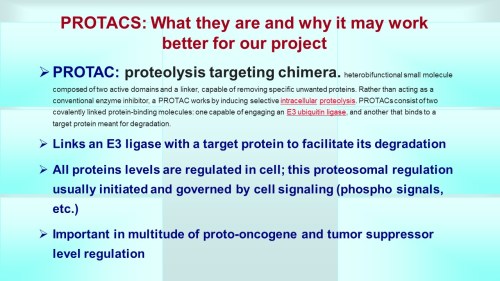
Below is a slide representation of the overall mission 4 to produce a PROTAC to inhibit Galectins 1, 3, and 9.


Using A Priori Knowledge of Galectin Receptor Interaction to Create a BioModel of Galectin 3 Binding


Now after collecting literature from PubMed on “galectin-3” AND “binding” to determine literature containing kinetic data we generate a WordCloud on the articles.


This following file contains the articles needed for BioModels generation.

https://pharmaceuticalintelligence.com/wp-content/uploads/2022/12/Curating-Galectin-articles-for-Biomodels.docx


From the WordCloud we can see that these corpus of articles describe galectin binding to the CRD (carbohydrate recognition domain).  Interestingly there are many articles which describe van Der Waals interactions as well as electrostatic interactions.  Certain carbohydrate modifictions like Lac NAc and Gal 1,4 may be important.  Many articles describe the bonding as well as surface  interactions.  Many studies have been performed with galectin inhibitors like TDGs (thio-digalactosides) like TAZ TDG (3-deoxy-3-(4-[m-fluorophenyl]-1H-1,2,3-triazol-1-yl)-thio-digalactoside).  This led to an interesting article

. 

Dual thio-digalactoside-binding modes of human galectins as the structural basis for the design of potent and selective inhibitors

Affiliations 2016 Jul 15;6:29457.
 doi: 10.1038/srep29457. Free PMC article

Abstract

Human galectins are promising targets for cancer immunotherapeutic and fibrotic disease-related drugs. We report herein the binding interactions of three thio-digalactosides (TDGs) including TDG itself, TD139 (3,3′-deoxy-3,3′-bis-(4-[m-fluorophenyl]-1H-1,2,3-triazol-1-yl)-thio-digalactoside, recently approved for the treatment of idiopathic pulmonary fibrosis), and TAZTDG (3-deoxy-3-(4-[m-fluorophenyl]-1H-1,2,3-triazol-1-yl)-thio-digalactoside) with human galectins-1, -3 and -7 as assessed by X-ray crystallography, isothermal titration calorimetry and NMR spectroscopy. Five binding subsites (A-E) make up the carbohydrate-recognition domains of these galectins. We identified novel interactions between an arginine within subsite E of the galectins and an arene group in the ligands. In addition to the interactions contributed by the galactosyl sugar residues bound at subsites C and D, the fluorophenyl group of TAZTDG preferentially bound to subsite B in galectin-3, whereas the same group favored binding at subsite E in galectins-1 and -7. The characterised dual binding modes demonstrate how binding potency, reported as decreased Kd values of the TDG inhibitors from μM to nM, is improved and also offer insights to development of selective inhibitors for individual galectins.

Figures

Figure 1
 
Figure 2
 
Figure 3


Read Full Post »

Genomic data can predict miscarriage and IVF failure

Reporter and Curator: Dr. Sudipta Saha, Ph.D.

Infertility is a major reproductive health issue that affects about 12% of women of reproductive age in the United States. Aneuploidy in eggs accounts for a significant proportion of early miscarriage and in vitro fertilization failure. Recent studies have shown that genetic variants in several genes affect chromosome segregation fidelity and predispose women to a higher incidence of egg aneuploidy. However, the exact genetic causes of aneuploid egg production remain unclear, making it difficult to diagnose infertility based on individual genetic variants in mother’s genome. Although, age is a predictive factor for aneuploidy, it is not a highly accurate gauge because aneuploidy rates within individuals of the same age can vary dramatically.

Researchers described a technique combining genomic sequencing with machine-learning methods to predict the possibility a woman will undergo a miscarriage because of egg aneuploidy—a term describing a human egg with an abnormal number of chromosomes. The scientists were able to examine genetic samples of patients using a technique called “whole exome sequencing,” which allowed researchers to home in on the protein coding sections of the vast human genome. Then they created software using machine learning, an aspect of artificial intelligence in which programs can learn and make predictions without following specific instructions. To do so, the researchers developed algorithms and statistical models that analyzed and drew inferences from patterns in the genetic data.

As a result, the scientists were able to create a specific risk score based on a woman’s genome. The scientists also identified three genes—MCM5, FGGY and DDX60L—that when mutated and are highly associated with a risk of producing eggs with aneuploidy. So, the report demonstrated that sequencing data can be mined to predict patients’ aneuploidy risk thus improving clinical diagnosis. The candidate genes and pathways that were identified in the present study are promising targets for future aneuploidy studies. Identifying genetic variations with more predictive power will serve women and their treating clinicians with better information.

References:

https://medicalxpress-com.cdn.ampproject.org/c/s/medicalxpress.com/news/2022-06-miscarriage-failure-vitro-fertilization-genomic.amp

https://pubmed.ncbi.nlm.nih.gov/35347416/

https://pubmed.ncbi.nlm.nih.gov/31552087/

https://pubmed.ncbi.nlm.nih.gov/33193747/

https://pubmed.ncbi.nlm.nih.gov/33197264/

Read Full Post »

2022 EmTechDigital @MIT, March 29-30, 2022

Real Time Coverage: Aviva Lev-Ari, PhD, RN 

#EmTechDigital

@AVIVA1950

@pharma_BI

@techreview

SPEAKERS

https://event.technologyreview.com/emtech-digital-2022/speakers

Ali
Alvi

Turing Group Program Manager

Microsoft

Refik
Anadol

CEO, RAS Lab; Lecturer

UCLA

Lauren
Bennett

Group Software Engineering Lead, Spatial Analysis and Data Science

Esri

Elizabeth
Bramson-Boudreau

CEO

MIT Technology Review

Tara
Chklovski

Founder & CEO

Technovation

Sheldon
Fernandez

CEO

DarwinAI

David
Ferrucci

Founder, CEO, & Chief Scientist

Elemental Cognition

Anthony
Green

Podcast Producer

MIT Technology Review

Agrim
Gupta

PhD Student, Stanford Vision and Learning Lab

Stanford University

Mike
Haley

VP of Research

Autodesk

Will Douglas
Heaven

Senior Editor for AI

MIT Technology Review

Natasha
Jaques

Senior Research Scientist

Google Brain

Tony
Jebara

VP of Engineering and Head of Machine Learning

Spotify

Clinton
Johnson

Racial Equity Unified Team Lead

Esri

Danny
Lange

SVP of Artificial Intelligence

Unity Technologies

Julia (Xing)
Li

Deputy General Manager

Baidu USA

Darcy
MacClaren

Senior Vice President, Digital Supply Chain

SAP North America

Haniyeh
Mahmoudian

Global AI Ethicist

DataRobot

Andrew
Moore

GM and VP, Google Cloud AI

Google

Mira
Murati

SVP, Research, Product, & Partnerships

OpenAI

Prem
Natarajan

Vice President Alexa AI, Head of NLU

Amazon

Andrew
Ng

Founder and CEO

Landing AI

Amy
Nordrum

Editorial Director, Special Projects & Operations

MIT Technology Review

Kavitha
Prasad

VP & GM, Datacenter, AI and Cloud Execution and Strategy

Intel Corporation

Bali
Raghavan

Head of Engineering

Forward

Rajiv
Shah

Principal Data Scientist

Snorkel AI

Sameena
Shah

Managing Director, J.P. Morgan AI Research

JP Morgan Chase

David
Simchi-Levi

Director, Data Science Lab

MIT

Jennifer
Strong

Senior Editor for Podcasts and Live Journalism

MIT Technology Review

Fiona
Tan

CTO

Wayfair

Zenna
Tavares

Research Scientist, Columbia University; Co-Founder

Basis

Nicol
Turner Lee

Director, Center for Technology Innovation

Brookings Institution

Raquel
Urtasun

Founder & CEO

Waabi

Oriol
Vinyals

Principal Scientist

DeepMind

MIT Inside Track

David
Cox

IBM Director

MIT-IBM Watson AI Lab

Luba
Elliott

Curator, Producer, and Researcher

Creative AI

Charlotte
Jee

Reporter, News

MIT Technology Review

Naveen
Kamat

Executive Director, Data and AI Services

Kyndryl

Joseph
Lehar

Senior Vice President, R&D Strategy

Owkin

Stefanie
Mueller

Associate Professor

MIT CSAIL

Jianxiong
Xiao

Founder and CEO

AutoX

TUESDAY, MARCH 29


Data-Centric AI

Better Data, Better AI

Data powers AI. Good data can mean the difference between an impactful solution or one that never gets off the ground. Re-assess the foundational AI questions to ensure your data is working for, not against, you.

Innovation to Reality

The challenges of implementing AI are many. Avoid the common pitfalls with real-world case studies from leaders who have successfully turned their AI solutions into reality.

Harness What’s Possible at the Edge

With its potential for near instantaneous decision making, pioneers are moving AI to the edge. We examine the pros and cons of moving AI decisions to the edge, with the experts getting it right.

Generative AI Solutions

The use of generative AI to boost human creativity is breaking boundaries in creative areas previously untouched by AI. We explore the intersection of data and algorithms enabling collaborative AI processes to design and create.

Day 1: Data-Centric AI (9:00 a.m. – 5:20 p.m.)

Day 1: Data-Centric AI (9:00 a.m. – 5:20 p.m.)

9:00 AM

Welcome Remarks

Will Douglas Heaven

Senior Editor for AI, MIT Technology Review

Better Data, Better AI (9:10 a.m. – 10:35 a.m.)

Data powers AI. Good data can mean the difference between an impactful solution or one that never gets off the ground. Re-assess the foundational AI questions to ensure your data is working for, not against, you.

9:10 AM

Empowering Data-Centric AI

Data is the most under-valued and de-glamorized aspect of AI. Learn why shifting the focus from model/algorithm development to quality of the data is the next and most efficient, way to improve the decision-making abilities of AI.

Andrew Ng

Founder and CEO, Landing AI

9:40 AM

The Mechanics of Data-First AI

Data labeling is key to determining the success or failure of AI applications. Learn how to implement a data-first approach that can transform AI inference, resulting in better models that make better decisions.

Rajiv Shah

Principal Data Scientist, Snorkel AI

10:10 AM

Thought Leadership in Responsible AI

Question the status quo. Build stakeholder trust. These are foundational elements of thought leadership in AI. Explore how organizations can use their data and algorithms in ethical and responsible ways while building bigger and more effective systems.

Haniyeh Mahmoudian

Global AI Ethicist, DataRobot

Mainstage Break (10:35 a.m. – 11:05 a.m.)

Networking and refreshments for our live audience and a selection of curated content for those tuning in virtually.

10:35 AM

MIT Inside Track: From AI Startup to Tech “Unicorn” (available online only)

With its next-generation machine learning models fueling precision medicine, French biotech company, Owkin, captured the attention of the pharma industry. Learn how they did it and get tips to navigate the complex task of scaling your innovation.

Joseph Lehar

Senior Vice President, R&D Strategy, Owkin

Networking Break

Networking and refreshments for our live audience.

Innovation to Reality (11:05 a.m. – 12:30 p.m.)

The challenges of implementing AI are many. Avoid the common pitfalls with real-world case studies from leaders who have successfully turned their AI solutions into reality.

11:05 AM

Secrets of Successful AI Deployments

Deploying AI in real-world environments benefits from human input before and during implementation. Get an inside look at how organizations can ensure reliable results with the key questions and competing needs that should be considered when implementing AI solutions.

Andrew Moore

GM and VP, Google Cloud AI, Google

11:35 AM

From Research Lab to Real World

AI is evolving from the research lab into practical real world applications. Learn what issues should be top of mind for businesses, consumers, and researchers as we take a deep dive into AI solutions that increase modern productivity and accelerate intelligence transformation.

Julia (Xing) Li

Deputy General Manager, Baidu USA

12:00 PM

Closing the 20% Performance Gap

Getting AI to work 80% of the time is relatively straightforward, but trustworthy AI requires deployments that work 100% of the time. Unpack some of the biggest challenges that come up when eliminating the 20% gap.

Bali Raghavan

Head of Engineering, Forward

Lunch and Networking Break (12:30 p.m. – 1:30 p.m.)

12:30 PM

Lunch and Networking Break

Lunch served at the MIT Media Lab and a selection of curated content for those tuning in virtually.

Harness What’s Possible at the Edge (1:30 p.m. – 3:15 p.m.)

With its potential for near instantaneous decision making, pioneers are moving AI to the edge. We examine the pros and cons of moving AI decisions to the edge, with the experts getting it right.

1:30 PM

AI Integration Across Industries – Presented by Intel

To create sustainable business impact, AI capabilities need to be tailored and optimized to an industry or organization’s specific requirements and infrastructure model. Hear how customers’ challenges across industries can be addressed in any compute environment from the cloud to the edge with end-to-end hardware and software optimization.

Kavitha Prasad

VP & GM, Datacenter, AI and Cloud Execution and Strategy, Intel Corporation

Elizabeth Bramson-Boudreau

CEO, MIT Technology Review

1:55 PM

Explainability at the Edge

Decision making has moved from the edge to the cloud before settling into a hybrid setup for many AI systems. Through the examination of key use-cases, take a deep dive into understanding the benefits and detractors of operating a machine-learning system at the point of inference.

Sheldon Fernandez

CEO, DarwinAI

2:25 PM

AI Experiences at the Edge

Enable your organization to transform customer experiences through AI at the edge. Learn about the required technologies, including teachable and self-learning AI, that are needed for a successful shift to the edge, and hear how deploying these technologies at scale can unlock richer, more responsive experiences.

Prem Natarajan

Vice President Alexa AI, Head of NLU, Amazon

2:50 PM

The Road Ahead

Reimagine AI solutions as a unified system, instead of individual components. Through the lens of autonomous vehicles, discover the pros and cons of using an all-inclusive AI-first approach that includes AI decision-making at the edge and see how this thinking can be applied across industry.

Raquel Urtasun

Founder & CEO, Waabi

Mainstage Break (3:15 p.m. – 3:45 p.m.)

Networking and refreshments for our live audience and a selection of curated content for those tuning in virtually.

3:15 PM

Networking Break

Networking and refreshments for our live audience.

MIT Inside Track: The Impact of Creative AI (available online only)

Advances in machine learning are enabling artists and creative technologists to think about and use AI in new ways. Discuss the concept of creative AI and look at project examples from London’s art scene that illustrate the various ways creative AI is bridging the gap between the traditional art world and the latest technological innovations.

Luba Elliott

Curator, Producer, and Researcher, Creative AI

Generative AI Solutions (3:45 p.m. – 5:10 p.m.)

The use of generative AI to boost human creativity is breaking boundaries in creative areas previously untouched by AI. We explore the intersection of data and algorithms enabling collaborative AI processes to design and create.

3:45 PM

Enhancing Design through Generative AI

Change the design problem with AI. The creative nature of generative AI enhances design capabilities, finding efficiencies and opportunities that humans alone might not conceive. Explore business applications including project planning, construction, and physical design.

Mike Haley

VP of Research, Autodesk

4:15 PM

Using Synthetic Data and Simulations

Deep learning is data hungry technology. Manually labelled training data has become cost prohibitive and time-consuming. Get a glimpse at how interactive large-scale synthetic data generation can accelerate the AI revolution, unlocking the potential of data-driven artificial intelligence.

Danny Lange

SVP of Artificial Intelligence, Unity Technologies

4:40 PM

The Art of AI

Push beyond the typical uses of AI. Explore the nexus of art, technology, and human creativity through the unique innovation of kinetic data sculptures that use machines to give physical context and shape to data to rethink how we engage with the physical world.

Refik Anadol

CEO, RAS Lab; Lecturer, UCLA

Last Call with the Editors (5:10 p.m. – 5:20 p.m.)

5:10 PM

Last Call with the Editors

Before we wrap day 1, join our last call with all of our editors to get their analysis on the day’s topics, themes, and guests.

Networking Reception (5:20 p.m. – 6:20 p.m.)

WEDNESDAY, MARCH 30

Evolving the Algorithms

What’s Next for Deep Learning

Deep learning algorithms have powered most major AI advances of the last decade. We bring you into the top innovation labs to see how they are advancing their deep learning models to find out just how much more we can get out of these algorithms.

AI in Day-To-Day Business

Many organizations are already using AI internally in their day-to-day operations, in areas like cybersecurity, customer service, finance, and manufacturing. We examine the tools that organizations are using when putting AI to work.

Making AI Work for All

As AI increasingly underpins our lives, businesses, and society, we must ensure that AI must work for everyone – not just those represented in datasets, and not just 80% of the time. Examine the challenges and solutions needed to ensure AI works fairly, for all.

Envisioning the Next AI

Some business problems can’t be solved with current deep learning methods. We look at what’s around the corner at the new approaches and most revolutionary ideas propelling us toward the next stage in AI evolution.

Day 2: Evolving the Algorithms (9:00 a.m. – 5:25 p.m.)

9:00 AM

Welcome Remarks

Will Douglas Heaven

Senior Editor for AI, MIT Technology Review

What’s Next for Deep Learning (9:10 a.m. – 10:25 a.m.)

Deep learning algorithms have powered most major AI advances of the last decade. We bring you into the top innovation labs to see how they are advancing their deep learning models to find out just how much more we can get out of these algorithms.

9:10 AM

Transforming Traditional Algorithms

Transformer-based language models are revolutionizing the way neural networks process natural language. This deep dive looks at how organizations can put their data to work using transformer models. We consider the problems that business may face as these massive models mature, including training needs, managing parallel processing at scale, and countering offensive data.

Ali Alvi

Turing Group Program Manager, Microsoft

9:35 AM

Human-like Problem Solving

Critical thinking may be one step closer for AI by combining large-scale transformers with smart sampling and filtering. Get an early look at how AlphaCode’s entry into competitive programming may lead to a human-like capacity for AI to write original code that solves unforeseen problems.

Oriol Vinyals

Principal Scientist, DeepMind

10:00 AM

Aligning AI Technologies at Scale

As advanced AI systems gain greater capabilities in our search for artificial general intelligence, it’s critical to teach them how to understand human intentions. Look at the latest advancements in AI systems and how to ensure they can be truthful, helpful, and safe.

Mira Murati

SVP, Research, Product, & Partnerships, OpenAI

Mainstage Break (10:25 a.m. – 10:55 a.m.)

Networking and refreshments for our live audience and a selection of curated content for those tuning in virtually.

10:25 AM

Networking Break

Networking and refreshments for our live audience.

Business-Ready Data Holds the Key to AI Democratization – Presented by Kyndryl

Good data is the bedrock of a self-service data consumption model, which in turn unlocks insights, analytics, personalization at scale through AI. Yet many organizations face immense challenges setting up a robust data foundation. Dive into a pragmatic perspective on abstracting the complexity and untangling the conflicts in data management for better AI.

Naveen Kamat

Executive Director, Data and AI Services, Kyndryl

AI in Day-To-Day Business (10:55 a.m. – 12:20 p.m.)

Many organizations are already using AI internally in their day-to-day operations, in areas like cybersecurity, customer service, finance, and manufacturing. We examine the tools that organizations are using when putting AI to work.

10:55 AM

Improving Business Processes with AI

Effectively operationalized AI/ML can unlock untapped potential in your organization. From enhancing internal processes to managing the customer experience, get the pragmatic advice and takeaways leaders need to better understand their internal data to achieve impactful results.

Fiona Tan

CTO, Wayfair

11:25 AM

Accelerating the Supply Chain

Use AI to maximize reliability of supply chains. Learn the dos and don’ts to managing key processes within your supply chain, including workforce management, streamlining and simplification, and reaping the full value of your supply chain solutions.

Darcy MacClaren

Senior Vice President, Digital Supply Chain, SAP North America

David Simchi-Levi

Director, Data Science Lab, MIT

11:55 AM

Putting Recommendation Algorithms to Work

Machine and reinforcement learning enable Spotify to deliver the right content to the right listener at the right time, allowing for personalized listening experiences that facilitate discovery at a global scale. Through user interactions, algorithms suggest new content and creators that keep customers both happy and engaged with the platform. Dive into the details of making better user recommendations.

Tony Jebara

VP of Engineering and Head of Machine Learning, Spotify

Lunch and Networking Break (12:20 p.m. – 1:15 p.m.)

12:20 PM

Lunch and Networking Break

Lunch served at the MIT Media Lab and a selection of curated content for those tuning in virtually.

Making AI Work for All (1:15 p.m. – 2:35 p.m.)

As AI increasingly underpins our lives, businesses, and society, we must ensure that AI must work for everyone – not just those represented in datasets, and not just 80% of the time. Examine the challenges and solutions needed to ensure AI works fairly, for all.

1:15 PM

Mapping Equity

Walk through the practical steps to map and understand the nuances, outliers, and special cases in datasets. Get tips to ensure ethical and trustworthy approaches to training AI systems that grow in scope and scale within a business.

Lauren Bennett

Group Software Engineering Lead, Spatial Analysis and Data Science, Esri

Clinton Johnson

Racial Equity Unified Team Lead, Esri

1:45 PM

Bridging the AI Accessibility Gap

Get an inside look at the long- and short-term benefits of addressing inequities in AI opportunities, ranging from educating the tech youth of the future to a 10,000-foot view on what it will take to ensure that equity top is of mind within society and business alike.

Tara Chklovski

Founder & CEO, Technovation

2:10 PM

The AI Policies We Need

Public policies can help to make AI more equitable and ethical for all. Examine how policies could impact corporations and what it means for building internal policies, regardless of what government adopts. Identify actionable ideas to best move policies forward for the widest benefit to all.

Nicol Turner Lee

Director, Center for Technology Innovation, Brookings Institution

Mainstage Break (2:35 p.m. – 3:05 p.m.)

Networking and refreshments for our live audience and a selection of curated content for those tuning in virtually.

2:35 PM

Networking Break

Networking and refreshments for our live audience.

MIT Inside Track: Accelerating the Advent of Autonomous Driving (available online only)

From the U.S. to China, the global robo-taxi race is gaining traction with consumers and regulators alike. Go behind the scenes with AutoX – a Level 4 driving technology company – and hear how it overcame obstacles while launching the world’s second and China’s first public, fully driverless robo-taxi service.

Jianxiong Xiao

Founder and CEO, AutoX

Envisioning the Next AI (3:05 p.m. – 4:50 p.m.)

Some business problems can’t be solved with current deep learning methods. We look at what’s around the corner at the new approaches and most revolutionary ideas propelling us toward the next stage in AI evolution.

3:05 PM

How AI Is Powering the Future of Financial Services – Presented by JP Morgan Chase

The use of AI in finance is gaining traction as organizations realize the advantages of using algorithms to streamline and improve the accuracy of financial tasks. Step through use cases that examine how AI can be used to minimize financial risk, maximize financial returns, optimize venture capital funding by connecting entrepreneurs to the right investors; and more.

Sameena Shah

Managing Director, J.P. Morgan AI Research, JP Morgan Chase

3:30 PM

Evolution of Mind and Body

In a study of simulated robotic evolution, it was observed that more complex environments and evolutionary changes to the robot’s physical form accelerated the growth of robot intelligence. Examine this cutting-edge research and decipher what this early discovery means for the next generation of AI and robotics.

Agrim Gupta

PhD Student, Stanford Vision and Learning Lab, Stanford University

4:00 PM

A Path to Human-like Common Sense

Understanding human thinking and reasoning processes could lead to more general, flexible and human-like artificial intelligence. Take a close look at the research building AI inspired by human common-sense that could create a new generation of tools for complex decision-making.

Zenna Tavares

Research Scientist, Columbia University; Co-Founder, Basis

4:25 PM

Social Learning Bots

Look under the hood at this innovative approach to AI learning with multi-agent and human-AI interactions. Discover how bots work together and learn together through personal interactions. Recognize the future implications for AI, plus the benefits and obstacles that may come from this new process.

Natasha Jaques

Senior Research Scientist, Google Brain

Closing Segment (4:50 p.m. – 5:25 p.m.)

4:50 PM

Pulling Back the Curtain on AI

David Ferrucci was the principal investigator for the team that led IBM Watson to its landmark Jeopardy success, awakening the world to the possibilities of AI. We pull back the curtain on AI for a wide-ranging discussion on explicable models, and the next generation of human and machine collaboration creating AI thought partners with limitless applications.

David Ferrucci

Founder, CEO, & Chief Scientist, Elemental Cognition

5:15 PM

Closing Remarks

Closing Toast (5:25 p.m. – 5:45 p.m.)

Read Full Post »

« Newer Posts - Older Posts »