Top VC Investors in AI / Health AI in 2026
Reporters: Aviva Lev-Ari, PhD, RN and Grok 4.2
Work-in-Progress


SOURCE and Image Source: Ilyastrebulaev.substack
Posted in An executive's guide to AI, Artificial Intelligence - General, Artificial Intelligence in Medicine - Applications in Therapeutics, Intellectual Property, Intellectual Property, Innovations, Commercialization, Investment in technological breakthrough on May 26, 2026| Leave a Comment »
Reporters: Aviva Lev-Ari, PhD, RN and Grok 4.2
Work-in-Progress
SOURCE and Image Source: Ilyastrebulaev.substack
Posted in An executive's guide to AI, Artificial Intelligence Applications in Health Care, Artificial Intelligence in Health Care - Tools & Innovations, Artificial Intelligence in Medicine - Applications in Therapeutics, Deep Learning, IP Development by LPBI Group Team, LPBI Group, e-Scientific Media, DFP, R&D-M3DP, R&D-Drug Discovery, US Patents: SOPs and Team Management, Machine Learning, Natural Language Processing (NLP) on November 22, 2025| Leave a Comment »
Curator: Aviva Lev-Ari, PhD, RN
We had researched the topic of AI Initiatives in Big Pharma in the following article:
We are publishing a Series of Five articles that demonstrate the Authentic Relevance of Five of the Ten Digital IP Asset Classes in LPBI Group’s Portfolio of IP for AI Initiatives at Big Pharma.
https://pharmaceuticalintelligence.com/portfolio-of-ip-assets/

• IP Asset Class V: 7,500 Biological Images in our Digital Art Media Gallery, as prior art. The Media Gallery resides in WordPress.com Cloud of LPBI Group’s Web site
Expert‑curated healthcare corpus mapped to a living ontology, already packaged for immediate model ingestion and suitable for safe pre-training, evals, fine‑tuning and inference. If healthcare domain data is on your roadmap, this is a rare, defensible asset.
Article conclusions by @Grok
Conclusions and ImplicationsThe article concludes that LPBI’s assets are primed for Big Pharma adoption, enabling AI to evolve from tools to “knowledge amplifiers.” It hints at licensing opportunities without explicit calls to action. Technical Implications: Improves AI precision in complex pharma tasks like rare disease modeling. Business Implications: Accelerates ROI on AI investments (e.g., Pfizer’s $500M push) while ensuring defensible IP. Unique Insight: In an era of open-source AI, curated expert data like this is a “rare moat” for competitive edge.Overall, the piece is insightful for AI-pharma intersections, blending real-world examples with promotional asset positioning. It’s dense with links to LPBI resources (e.g., e-books, podcasts) for deeper dives.
In the series of five articles, as above, we are presenting the key AI Initiatives in Big Pharma as it was created by our prompt to @Grok on 11/18/2025:
@Grok Response:
x.com/i/grok/share/0ol5VOJsEYs11baXq4xkzNb0h
| Generative AI tools that save scientists up to 16,000 hours annually in literature searches and data analysis. |
| Drug Discovery and Development Acceleration Pfizer uses AI, supercomputing, and ML to streamline R&D timelines |
| Clinical Trials and Regulatory Efficiency AI:
-Predictive Regulatory Tools -Decentralize Trials -inventory management |
| Disease Detection and Diagnostics:
– ATTR-CM Initiative – Rare diseases |
| Generative AI and Operational Tools:
– Charlie Platform – Scientific Data Cloud AWS powered ML on centralized data – Amazon’s SageMaker /Bedrock for Manufacturing efficiency – Global Health Grants: Pfizer Foundation’s AI Learning Lab for equitable access to care and tools for community care |
| Partnerships and Education
– Collaborations: IMI Big Picture for 3M – sample disease database – AI in Pharma AIPM Symposium: Drug discovery and Precision Medicine – Webinars of AI for biomedical data integration – Webinar on AI in Manufacturing |
| Strategic Focus:
– $500M R&D reinvestment by 2026 targets AI for Productivity – Part of $7.7B cost savings – Ethical AI, diverse DBs – Global biotech advances: China’s AI in CRISPR |
The Left Column was written @Grok
The Right Column was written by Aviva Lev-Ari, PhD, RN
|
AI Initiative at Big Pharma i.e., Pfizer |
Journal articles N = 6,250 |
| Generative AI tools that save scientists up to 16,000 hours annually in literature searches and data analysis. | Generative AI tools searching LPBI’s Proprietary data in addition to Public Domain data sources
Journal ONTOLOGY used to optimize context classification selected for search |
| Drug Discovery and Development Acceleration Pfizer uses AI, supercomputing, and ML to streamline R&D timelines | – Run prompts by category of research on three dyads
– Run ML across categories of research for these three dyads -Gene-disease -Disease-drug -Gene-drug
|
| Clinical Trials and Regulatory Efficiency AI:
-Predictive Regulatory Tools -Decentralize Trials -inventory management |
content creation across the drug lifecycle, from lab data to regulatory docs |
| Disease Detection and Diagnostics:
– ATTR-CM Initiative – Rare diseases |
Heart Failure Diagnosis by Early detection of transthyretin amyloid cardiomyopathy
– Journal published ~30 curations by Dr. Larry on this subject – Run NLP on this Corpus Rare disease: Journal published 560 articles on Rare diseases – Run ML on this Corpus |
| Generative AI and Operational Tools:
– Charlie Platform – Scientific Data Cloud AWS powered ML on centralized data – Amazon’s SageMaker /Bedrock for Manufacturing efficiency – Global Health Grants: Pfizer Foundation’s AI Learning Lab for equitable access to care and tools for community care |
Content generated in the Journal can become “generated compliant content” if run by the
Charlie Platform. – For REUSE content in context
Entire Corpus of 9 Giga bytes can be ingested to Pfizer Foundation’s AI Learning Lab – Rum prompts against it – Journal’s Content to be used for Internal staff expertise development – Journal’s Content for Leadership development |
| Partnerships and Education
– Collaborations: IMI Big Picture for 3M – sample disease database – AI in Pharma AIPM Symposium: Drug discovery and Precision Medicine – Webinars of AI for biomedical data integration – Webinar on AI in Manufacturing |
The Journal had published 547 articles in Precision Medicine
The Journal had published 1,114 articles in Drug Discovery
The Journal had published 701 articles in Drug Delivery
The Journal had published 3,615 articles on subject matter “Disease”
The Journal had published 738 articles on Biomedical topic
The Journal had published 425 articles in Artificial Intelligence |
| Strategic Focus:
– $500M R&D reinvestment by 2026 targets AI for Productivity – Part of $7.7B cost savings – Ethical AI, diverse DBs – Global biotech advances: China’s AI in CRISPR |
The Journal had published 432 articles on CRISPR
Productivity derived from Journal’s content: – As a result of the fact that ~70% of the Journal’s articles are curations written by Domain Knowledge Experts subjectively expressing theirs clinical interpretations of basic and primary research – the productivity of the knowledge workers at any Big Pharma would increase vastly. – If Grok and Claude would run on LPBI Group’s Corpus – A scientific revolution will emerge – It is not combinatorics applied to molecules with 98% futile results!!! – it is the IQ of Gifted HUMANS, of domain knowledge experts generating content using individual CREATIVITY no Quantum or Super Intelligence which is not in existence YET. – Foundation Models in Healthcare depends on the OUTPUT of the human creative mind. AI takes keyword (classic search) and concepts (semantic search) and run frequency of occurrence, predict the nest word, one after the next one. |
PENDING
@grok Summary of this article:
AI Initiatives in Big Pharma @Grok prompt & Proprietary Training Data and Inference by LPBI Group’s IP Asset Class I: PharmaceuticalIntelligence.com Journal, 2.5MM Views, 6,250 Scientific articles and Live Ontology
Publication Date: November 22, 2025
Overview: This article, part of a series on LPBI Group’s digital IP assets, explores how the group’s proprietary content—particularly IP Asset Class I (PharmaceuticalIntelligence.com Journal)—can serve as high-value training data for AI models in the pharmaceutical industry. It uses a Grok AI prompt to detail Pfizer’s AI efforts and maps them to the journal’s expert-curated content, emphasizing the shift from generic AI to domain-specific, human-enhanced models for drug discovery, clinical trials, and beyond. The piece positions LPBI’s assets as “defensible” resources for pre-training, fine-tuning, and inference in healthcare foundation models, contrasting them with public-domain data.Main Thesis and Key Arguments
AI Initiatives in Big Pharma (Focus on Pfizer)The article leverages a November 18, 2025, Grok prompt (“What are PFIZER’s AI INITIATIVES?”) to outline Pfizer’s efforts, sourced from real-time AI generation. Key highlights include:
|
Initiative Category
|
Description
|
Key Metrics/Examples
|
|---|---|---|
|
Generative AI Tools
|
Automates literature searches, data analysis, and report writing.
|
Saves 16,000 hours annually; integrates with Pfizer’s Charlie Platform for compliant content.
|
|
Drug Discovery Acceleration
|
Uses ML, supercomputing, and AI to identify targets and optimize molecules.
|
Part of $500M R&D reinvestment by 2026; contributes to $7.7B in cost savings.
|
|
Clinical Trials & Regulatory Efficiency
|
Predictive modeling for patient recruitment, decentralized trials, and inventory management.
|
Partnerships like IMI Big Picture; AI for faster FDA submissions.
|
|
Disease Detection & Diagnostics
|
Focus on rare diseases (e.g., ATTR-CM via transthyretin amyloid cardiomyopathy initiative).
|
NLP and ML for early detection; equitable care via AI Learning Lab.
|
|
Operational & Strategic Tools
|
Scientific Data Cloud with AWS ML/SageMaker; ethical AI with diverse datasets.
|
Webinars for education; global expansions (e.g., China’s CRISPR AI).
|
No other pharma companies are deeply covered, but the framework implies applicability to peers like those in prior LPBI articles.Mapping to LPBI’s Proprietary DataA central table links Pfizer’s initiatives to the journal’s content, demonstrating ingestion potential:
|
Pfizer AI Initiative
|
LPBI Journal Alignment
|
Productivity Boost
|
|---|---|---|
|
Generative AI for searches
|
Ontology-optimized semantic searches across 6,250 articles.
|
Enhances accuracy in 425 AI-related articles.
|
|
Drug Discovery ML
|
1,114 articles on discovery; dyad mapping (e.g., gene-drug).
|
Supports ML training on precision medicine (547 articles).
|
|
Clinical Trials Efficiency
|
3,615 “Disease” articles; NLP for trial simulations.
|
Reduces time via expert-curated protocols.
|
|
Rare Disease Diagnostics
|
Content on ATTR-CM and similar (e.g., 432 CRISPR articles).
|
Fine-tuning for targeted inference.
|
|
Operational Platforms
|
Full corpus ingestion for Charlie-like labs.
|
2.5MM views indicate high-engagement data.
|
This shows how the live ontology enables context classification, outperforming frequency-based AI.Methodologies and Frameworks
Conclusions and Implications
Posted in An executive's guide to AI, Artificial Intelligence - Breakthroughs in Theories and Technologies, Artificial Intelligence - General, Artificial Intelligence in Medicine - Applications in Therapeutics, Conference Coverage with Social Media, Deep Learning in Pathology, Machine Learning, Natural Language Processing (NLP), Scientific & Biotech Conferences: Press Coverage on March 28, 2022| Leave a Comment »
Real Time Coverage: Aviva Lev-Ari, PhD, RN

https://event.technologyreview.com/emtech-digital-2022/speakers
Turing Group Program Manager
Microsoft
CEO, RAS Lab; Lecturer
UCLA
Group Software Engineering Lead, Spatial Analysis and Data Science
Esri
CEO
MIT Technology Review
Founder & CEO
Technovation
CEO
DarwinAI
Founder, CEO, & Chief Scientist
Elemental Cognition
Podcast Producer
MIT Technology Review
PhD Student, Stanford Vision and Learning Lab
Stanford University
VP of Research
Autodesk
Senior Editor for AI
MIT Technology Review
Senior Research Scientist
Google Brain
VP of Engineering and Head of Machine Learning
Spotify
Racial Equity Unified Team Lead
Esri
SVP of Artificial Intelligence
Unity Technologies
Deputy General Manager
Baidu USA
Senior Vice President, Digital Supply Chain
SAP North America
Global AI Ethicist
DataRobot
GM and VP, Google Cloud AI
SVP, Research, Product, & Partnerships
OpenAI
Vice President Alexa AI, Head of NLU
Amazon
Founder and CEO
Landing AI
Editorial Director, Special Projects & Operations
MIT Technology Review
VP & GM, Datacenter, AI and Cloud Execution and Strategy
Intel Corporation
Head of Engineering
Forward
Principal Data Scientist
Snorkel AI
Managing Director, J.P. Morgan AI Research
JP Morgan Chase
Director, Data Science Lab
MIT
Senior Editor for Podcasts and Live Journalism
MIT Technology Review
CTO
Wayfair
Research Scientist, Columbia University; Co-Founder
Basis
Director, Center for Technology Innovation
Brookings Institution
Founder & CEO
Waabi
Principal Scientist
DeepMind
IBM Director
MIT-IBM Watson AI Lab
Curator, Producer, and Researcher
Creative AI
Reporter, News
MIT Technology Review
Executive Director, Data and AI Services
Kyndryl
Senior Vice President, R&D Strategy
Owkin
Associate Professor
MIT CSAIL
Founder and CEO
AutoX
Data powers AI. Good data can mean the difference between an impactful solution or one that never gets off the ground. Re-assess the foundational AI questions to ensure your data is working for, not against, you.
The challenges of implementing AI are many. Avoid the common pitfalls with real-world case studies from leaders who have successfully turned their AI solutions into reality.
With its potential for near instantaneous decision making, pioneers are moving AI to the edge. We examine the pros and cons of moving AI decisions to the edge, with the experts getting it right.
The use of generative AI to boost human creativity is breaking boundaries in creative areas previously untouched by AI. We explore the intersection of data and algorithms enabling collaborative AI processes to design and create.
Day 1: Data-Centric AI (9:00 a.m. – 5:20 p.m.)
9:00 AM
Will Douglas Heaven
Senior Editor for AI, MIT Technology Review
Better Data, Better AI (9:10 a.m. – 10:35 a.m.)
Data powers AI. Good data can mean the difference between an impactful solution or one that never gets off the ground. Re-assess the foundational AI questions to ensure your data is working for, not against, you.
9:10 AM
Data is the most under-valued and de-glamorized aspect of AI. Learn why shifting the focus from model/algorithm development to quality of the data is the next and most efficient, way to improve the decision-making abilities of AI.
Andrew Ng
Founder and CEO, Landing AI
9:40 AM
The Mechanics of Data-First AI
Data labeling is key to determining the success or failure of AI applications. Learn how to implement a data-first approach that can transform AI inference, resulting in better models that make better decisions.
Rajiv Shah
Principal Data Scientist, Snorkel AI
10:10 AM
Thought Leadership in Responsible AI
Question the status quo. Build stakeholder trust. These are foundational elements of thought leadership in AI. Explore how organizations can use their data and algorithms in ethical and responsible ways while building bigger and more effective systems.
Haniyeh Mahmoudian
Global AI Ethicist, DataRobot
Mainstage Break (10:35 a.m. – 11:05 a.m.)
Networking and refreshments for our live audience and a selection of curated content for those tuning in virtually.
10:35 AM
MIT Inside Track: From AI Startup to Tech “Unicorn” (available online only)
With its next-generation machine learning models fueling precision medicine, French biotech company, Owkin, captured the attention of the pharma industry. Learn how they did it and get tips to navigate the complex task of scaling your innovation.
Joseph Lehar
Senior Vice President, R&D Strategy, Owkin
Networking and refreshments for our live audience.
Innovation to Reality (11:05 a.m. – 12:30 p.m.)
The challenges of implementing AI are many. Avoid the common pitfalls with real-world case studies from leaders who have successfully turned their AI solutions into reality.
11:05 AM
Secrets of Successful AI Deployments
Deploying AI in real-world environments benefits from human input before and during implementation. Get an inside look at how organizations can ensure reliable results with the key questions and competing needs that should be considered when implementing AI solutions.
Andrew Moore
GM and VP, Google Cloud AI, Google
11:35 AM
From Research Lab to Real World
AI is evolving from the research lab into practical real world applications. Learn what issues should be top of mind for businesses, consumers, and researchers as we take a deep dive into AI solutions that increase modern productivity and accelerate intelligence transformation.
Julia (Xing) Li
Deputy General Manager, Baidu USA
12:00 PM
Closing the 20% Performance Gap
Getting AI to work 80% of the time is relatively straightforward, but trustworthy AI requires deployments that work 100% of the time. Unpack some of the biggest challenges that come up when eliminating the 20% gap.
Bali Raghavan
Head of Engineering, Forward
Lunch and Networking Break (12:30 p.m. – 1:30 p.m.)
12:30 PM
Lunch served at the MIT Media Lab and a selection of curated content for those tuning in virtually.
Harness What’s Possible at the Edge (1:30 p.m. – 3:15 p.m.)
With its potential for near instantaneous decision making, pioneers are moving AI to the edge. We examine the pros and cons of moving AI decisions to the edge, with the experts getting it right.
1:30 PM
AI Integration Across Industries – Presented by Intel
To create sustainable business impact, AI capabilities need to be tailored and optimized to an industry or organization’s specific requirements and infrastructure model. Hear how customers’ challenges across industries can be addressed in any compute environment from the cloud to the edge with end-to-end hardware and software optimization.
Kavitha Prasad
VP & GM, Datacenter, AI and Cloud Execution and Strategy, Intel Corporation
Elizabeth Bramson-Boudreau
CEO, MIT Technology Review
1:55 PM
Decision making has moved from the edge to the cloud before settling into a hybrid setup for many AI systems. Through the examination of key use-cases, take a deep dive into understanding the benefits and detractors of operating a machine-learning system at the point of inference.
Sheldon Fernandez
CEO, DarwinAI
2:25 PM
Enable your organization to transform customer experiences through AI at the edge. Learn about the required technologies, including teachable and self-learning AI, that are needed for a successful shift to the edge, and hear how deploying these technologies at scale can unlock richer, more responsive experiences.
Prem Natarajan
Vice President Alexa AI, Head of NLU, Amazon
2:50 PM
Reimagine AI solutions as a unified system, instead of individual components. Through the lens of autonomous vehicles, discover the pros and cons of using an all-inclusive AI-first approach that includes AI decision-making at the edge and see how this thinking can be applied across industry.
Raquel Urtasun
Founder & CEO, Waabi
Mainstage Break (3:15 p.m. – 3:45 p.m.)
Networking and refreshments for our live audience and a selection of curated content for those tuning in virtually.
3:15 PM
Networking and refreshments for our live audience.
MIT Inside Track: The Impact of Creative AI (available online only)
Advances in machine learning are enabling artists and creative technologists to think about and use AI in new ways. Discuss the concept of creative AI and look at project examples from London’s art scene that illustrate the various ways creative AI is bridging the gap between the traditional art world and the latest technological innovations.
Luba Elliott
Curator, Producer, and Researcher, Creative AI
Generative AI Solutions (3:45 p.m. – 5:10 p.m.)
The use of generative AI to boost human creativity is breaking boundaries in creative areas previously untouched by AI. We explore the intersection of data and algorithms enabling collaborative AI processes to design and create.
3:45 PM
Enhancing Design through Generative AI
Change the design problem with AI. The creative nature of generative AI enhances design capabilities, finding efficiencies and opportunities that humans alone might not conceive. Explore business applications including project planning, construction, and physical design.
Mike Haley
VP of Research, Autodesk
4:15 PM
Using Synthetic Data and Simulations
Deep learning is data hungry technology. Manually labelled training data has become cost prohibitive and time-consuming. Get a glimpse at how interactive large-scale synthetic data generation can accelerate the AI revolution, unlocking the potential of data-driven artificial intelligence.
Danny Lange
SVP of Artificial Intelligence, Unity Technologies
4:40 PM
Push beyond the typical uses of AI. Explore the nexus of art, technology, and human creativity through the unique innovation of kinetic data sculptures that use machines to give physical context and shape to data to rethink how we engage with the physical world.
Refik Anadol
CEO, RAS Lab; Lecturer, UCLA
Last Call with the Editors (5:10 p.m. – 5:20 p.m.)
5:10 PM
Before we wrap day 1, join our last call with all of our editors to get their analysis on the day’s topics, themes, and guests.
Networking Reception (5:20 p.m. – 6:20 p.m.)
Deep learning algorithms have powered most major AI advances of the last decade. We bring you into the top innovation labs to see how they are advancing their deep learning models to find out just how much more we can get out of these algorithms.
Many organizations are already using AI internally in their day-to-day operations, in areas like cybersecurity, customer service, finance, and manufacturing. We examine the tools that organizations are using when putting AI to work.
As AI increasingly underpins our lives, businesses, and society, we must ensure that AI must work for everyone – not just those represented in datasets, and not just 80% of the time. Examine the challenges and solutions needed to ensure AI works fairly, for all.
Some business problems can’t be solved with current deep learning methods. We look at what’s around the corner at the new approaches and most revolutionary ideas propelling us toward the next stage in AI evolution.
9:00 AM
Will Douglas Heaven
Senior Editor for AI, MIT Technology Review
What’s Next for Deep Learning (9:10 a.m. – 10:25 a.m.)
Deep learning algorithms have powered most major AI advances of the last decade. We bring you into the top innovation labs to see how they are advancing their deep learning models to find out just how much more we can get out of these algorithms.
9:10 AM
Transforming Traditional Algorithms
Transformer-based language models are revolutionizing the way neural networks process natural language. This deep dive looks at how organizations can put their data to work using transformer models. We consider the problems that business may face as these massive models mature, including training needs, managing parallel processing at scale, and countering offensive data.
Ali Alvi
Turing Group Program Manager, Microsoft
9:35 AM
Critical thinking may be one step closer for AI by combining large-scale transformers with smart sampling and filtering. Get an early look at how AlphaCode’s entry into competitive programming may lead to a human-like capacity for AI to write original code that solves unforeseen problems.
Oriol Vinyals
Principal Scientist, DeepMind
10:00 AM
Aligning AI Technologies at Scale
As advanced AI systems gain greater capabilities in our search for artificial general intelligence, it’s critical to teach them how to understand human intentions. Look at the latest advancements in AI systems and how to ensure they can be truthful, helpful, and safe.
Mira Murati
SVP, Research, Product, & Partnerships, OpenAI
Mainstage Break (10:25 a.m. – 10:55 a.m.)
Networking and refreshments for our live audience and a selection of curated content for those tuning in virtually.
10:25 AM
Networking and refreshments for our live audience.
Business-Ready Data Holds the Key to AI Democratization – Presented by Kyndryl
Good data is the bedrock of a self-service data consumption model, which in turn unlocks insights, analytics, personalization at scale through AI. Yet many organizations face immense challenges setting up a robust data foundation. Dive into a pragmatic perspective on abstracting the complexity and untangling the conflicts in data management for better AI.
Naveen Kamat
Executive Director, Data and AI Services, Kyndryl
AI in Day-To-Day Business (10:55 a.m. – 12:20 p.m.)
Many organizations are already using AI internally in their day-to-day operations, in areas like cybersecurity, customer service, finance, and manufacturing. We examine the tools that organizations are using when putting AI to work.
10:55 AM
Improving Business Processes with AI
Effectively operationalized AI/ML can unlock untapped potential in your organization. From enhancing internal processes to managing the customer experience, get the pragmatic advice and takeaways leaders need to better understand their internal data to achieve impactful results.
Fiona Tan
CTO, Wayfair
11:25 AM
Use AI to maximize reliability of supply chains. Learn the dos and don’ts to managing key processes within your supply chain, including workforce management, streamlining and simplification, and reaping the full value of your supply chain solutions.
Darcy MacClaren
Senior Vice President, Digital Supply Chain, SAP North America
David Simchi-Levi
Director, Data Science Lab, MIT
11:55 AM
Putting Recommendation Algorithms to Work
Machine and reinforcement learning enable Spotify to deliver the right content to the right listener at the right time, allowing for personalized listening experiences that facilitate discovery at a global scale. Through user interactions, algorithms suggest new content and creators that keep customers both happy and engaged with the platform. Dive into the details of making better user recommendations.
Tony Jebara
VP of Engineering and Head of Machine Learning, Spotify
Lunch and Networking Break (12:20 p.m. – 1:15 p.m.)
12:20 PM
Lunch served at the MIT Media Lab and a selection of curated content for those tuning in virtually.
Making AI Work for All (1:15 p.m. – 2:35 p.m.)
As AI increasingly underpins our lives, businesses, and society, we must ensure that AI must work for everyone – not just those represented in datasets, and not just 80% of the time. Examine the challenges and solutions needed to ensure AI works fairly, for all.
1:15 PM
Walk through the practical steps to map and understand the nuances, outliers, and special cases in datasets. Get tips to ensure ethical and trustworthy approaches to training AI systems that grow in scope and scale within a business.
Lauren Bennett
Group Software Engineering Lead, Spatial Analysis and Data Science, Esri
Clinton Johnson
Racial Equity Unified Team Lead, Esri
1:45 PM
Bridging the AI Accessibility Gap
Get an inside look at the long- and short-term benefits of addressing inequities in AI opportunities, ranging from educating the tech youth of the future to a 10,000-foot view on what it will take to ensure that equity top is of mind within society and business alike.
Tara Chklovski
Founder & CEO, Technovation
2:10 PM
Public policies can help to make AI more equitable and ethical for all. Examine how policies could impact corporations and what it means for building internal policies, regardless of what government adopts. Identify actionable ideas to best move policies forward for the widest benefit to all.
Nicol Turner Lee
Director, Center for Technology Innovation, Brookings Institution
Mainstage Break (2:35 p.m. – 3:05 p.m.)
Networking and refreshments for our live audience and a selection of curated content for those tuning in virtually.
2:35 PM
Networking and refreshments for our live audience.
MIT Inside Track: Accelerating the Advent of Autonomous Driving (available online only)
From the U.S. to China, the global robo-taxi race is gaining traction with consumers and regulators alike. Go behind the scenes with AutoX – a Level 4 driving technology company – and hear how it overcame obstacles while launching the world’s second and China’s first public, fully driverless robo-taxi service.
Jianxiong Xiao
Founder and CEO, AutoX
Envisioning the Next AI (3:05 p.m. – 4:50 p.m.)
Some business problems can’t be solved with current deep learning methods. We look at what’s around the corner at the new approaches and most revolutionary ideas propelling us toward the next stage in AI evolution.
3:05 PM
How AI Is Powering the Future of Financial Services – Presented by JP Morgan Chase
The use of AI in finance is gaining traction as organizations realize the advantages of using algorithms to streamline and improve the accuracy of financial tasks. Step through use cases that examine how AI can be used to minimize financial risk, maximize financial returns, optimize venture capital funding by connecting entrepreneurs to the right investors; and more.
Sameena Shah
Managing Director, J.P. Morgan AI Research, JP Morgan Chase
3:30 PM
In a study of simulated robotic evolution, it was observed that more complex environments and evolutionary changes to the robot’s physical form accelerated the growth of robot intelligence. Examine this cutting-edge research and decipher what this early discovery means for the next generation of AI and robotics.
Agrim Gupta
PhD Student, Stanford Vision and Learning Lab, Stanford University
4:00 PM
A Path to Human-like Common Sense
Understanding human thinking and reasoning processes could lead to more general, flexible and human-like artificial intelligence. Take a close look at the research building AI inspired by human common-sense that could create a new generation of tools for complex decision-making.
Zenna Tavares
Research Scientist, Columbia University; Co-Founder, Basis
4:25 PM
Look under the hood at this innovative approach to AI learning with multi-agent and human-AI interactions. Discover how bots work together and learn together through personal interactions. Recognize the future implications for AI, plus the benefits and obstacles that may come from this new process.
Natasha Jaques
Senior Research Scientist, Google Brain
Closing Segment (4:50 p.m. – 5:25 p.m.)
4:50 PM
Pulling Back the Curtain on AI
David Ferrucci was the principal investigator for the team that led IBM Watson to its landmark Jeopardy success, awakening the world to the possibilities of AI. We pull back the curtain on AI for a wide-ranging discussion on explicable models, and the next generation of human and machine collaboration creating AI thought partners with limitless applications.
David Ferrucci
Founder, CEO, & Chief Scientist, Elemental Cognition
5:15 PM
Closing Remarks
Closing Toast (5:25 p.m. – 5:45 p.m.)
Posted in An executive's guide to AI, Artificial Intelligence - General, Machine Learning on February 2, 2021| Leave a Comment »
Reporter: Aviva Lev-Ari, PhD, RN
Machine Learning Adoption by Country
Results of the survey appear in Figure 1 for the overall sample as well as countries that have 50 or more respondents. Overall, results show that the adoption rate of machine learning methods is 45%. Twenty-one percent of respondents indicate their company is exploring ML methods. Twenty percent of respondents indicate their company does not use ML methods.
Countries that are early adopters of ML methods include:
- Israel (63% adopt ML)
- Netherlands (57%)
- United States (56%)
- UK and Northern Ireland (54%)
- Germany (54%)
- Australia (53%)
- France (52%)
- China (52%)
- Taiwan (51%)
- Greece (49%)
Countries with the lowest adoption rate of ML methods include:
- Nigeria (23% adopt ML)
- Morocco (24%)
- Egypt (31%)
- Philippines (31%)
- Argentina (32%)
Countries with the highest percent of companies exploring ML methods include:
- Chile (36% are exploring ML methods)
- Sweden (35%)
- Malaysia (32%)
- South Korea (31%)
- Peru (29%)
A worldwide survey of data professionals showed that adoption of machine learning methods in their company is 45%. Twenty-one percent of survey respondents said their employer is exploring ML methods. ML adoption rates varied by country with Israel (63%), Netherlands (57%) and the United States (56%) showing the highest and Egypt (31%), Morocco (24%) and Nigeria (23%) showing the lowest adoption rate. ML adoption also varied by company size, with larger companies having higher adoption rates (61%) than medium (45%) and small (33%) companies.
Businesses are leveraging the power of machine learning methods to help them extract better quality information, increase productivity, reduce costs and extract more value from their data. As the amount of data continues to grow along with the processing power of technology, businesses will continue to incorporate ML into their business. Researchers have found different AI / ML adoption rates. In one study, adoption rate of ML Methods was 10%; in a 2020 study by McKinsey, adoption rate of AI was 50%. Still, another study found that 42% of companies were currently using AI and 40% of companies were planning on using AI in the next two years. Another 2020 study found that 59% of enterprises have machine learning initiatives either in production or at a proof-of-concept stage.
Current Analysis on Machine Learning Adoption
Kaggle conducted a worldwide survey in October 2020 of 20,036 data professionals (2020 Kaggle Machine Learning and Data Science Survey). The survey sample consisted of data professionals, including men (~79%) and women (~19%), from a variety of job titles (e.g., data scientist, business analyst, machine learning engineer, software developer) and company sizes. The survey asked a variety of questions, including “Does your current employer incorporate machine learning methods into their business?”
Figure 1. Machine Learning Adoption Rates across Countries. Click image to enlarge.
Figure 2. Adoption of ML Methods Across Company Size
Figures in:
http://businessoverbroadway.com/2021/02/01/machine-learning-adoption-rates-around-the-world/
Machine Learning Adoption by Company Size
We also looked at adoption rates by company size. Those results appear in Figure 2. Supporting prior studies, we found that larger companies have higher adoption rates about ML methods. The largest enterprise companies (10,000+ employees) reported ML adoption rates of 61%. The smallest companies (0-49 employees) reported adoption rates of 33%. Of the smallest companies, a little over a quarter of them (27%) indicate that they are exploring the use of ML methods.
Summary
Survey of data professionals showed that adoption rates of machine learning methods among businesses is 45%. About 21% of respondents indicated that their company is exploring machine learning methods with the hope of putting a model into production one day.
ML adoption rate varies by country and company size. Survey results reveal that early adopters come from large enterprise companies (adoption rate of 61%) and some countries including the United States, Israel, Netherlands and the UK and Northern Ireland.
Machine learning vendors, looking for inroads into businesses, could focus their marketing and sales efforts on small businesses as they have the highest percentage of companies who are exploring the use of ML methods.
SOURCE
http://businessoverbroadway.com/2021/02/01/machine-learning-adoption-rates-around-the-world/
Posted in Advanced Computing Platform, An executive's guide to AI, Artificial Intelligence - Breakthroughs in Theories and Technologies, Artificial Intelligence - General, Artificial Intelligence Applications in Health Care, Artificial Intelligence in CANCER, Artificial Intelligence in Health Care - Tools & Innovations, Artificial Intelligence in Medicine - Application for Diagnosis, Artificial Intelligence in Medicine - Applications in Therapeutics, BioIT: BioInformatics, BioIT: BioInformatics, NGS, Clinical & Translational, Pharmaceutical R&D Informatics, Clinical Genomics, Cancer Informatics, Conference Coverage with Social Media on October 8, 2020| Leave a Comment »
Reporter: Aviva Lev-Ari, PhD, RN
Virtual Conference coverage in Real Time: Aviva Lev-Ari, PhD, RN

Virtual Conference coverage in Real Time: Aviva Lev-Ari, PhD, RN


and 2 others liked your Tweet


out standing panel moderated by
#CRISPR Journal BBC Tagging system superior than Metadata efforts in BioScience

My #BioIT20 talk, “#Bioinformatics in the #Cloud Age,” is tomorrow at 3:30pm. I discuss cloud migration trends in life sciences and #HPC. Join us! A panel with
and
follows the talk.


My team is participating in Bio-IT World Virtual 2020, October 6-8. Join me! Use discount code 20NUA to save 20%! invt.io/1tdbae9s8lp


Join us at
Virtual Conference Plenary Keynote tomorrow Wed 10/7 to learn about AI, Citizen Science, and Gamification solving biomedical data problems and advancing #precisionmedicine! Register free here: lnkd.in/eZcNmYc #BioIT20


Our
CIO Kjiersten Fagnan is part of the #BioIT20 Trends in the Trenches panel! Reserve your complimentary pass by Oct. 2 to hear her and others at the Oct. 6-8
conference: bit.ly/3nahMQL! #datascience #bioinformatics
You won’t want to miss Dr. Philip Payne, the director of the Institute for Informatics
, at #BioIT20. He will present “Accelerating Drug Discovery: In Silico Hypothesis Generation,” on Thursday, Oct. 8 at 10:40 a.m. EST. percayai.com/bioit2020 #AI #DrugRepurposing


#Zogenix is proud to be a sponsor of
‘s #DayofDravet Virtual Workshop! The opportunity to learn and connect is right around the corner. Pre-register by October 14th to attend this free event! bit.ly/3lZVZuv #Dravet
#BioIT20 Plenary Keynote: cutting innovative approach to #Science #Game On: How #AI, #CitizenScience #HumanComputation are facilitating the next leap forward in #Genomics and in #Biology may be in #PrecisionMedicine in the Future
#NIHhealthInitiative #BioItWorld20
Out standing Plenary Keynote on #DataScience
CONNECTED DATA ECOSYSTEM FAIR Foundable, Accessible, Interoperable, reusable
Posted in AI-assisted Cardiac MRI, An executive's guide to AI, Artificial Intelligence - Breakthroughs in Theories and Technologies, Artificial intelligence applications for cardiology, Artificial Intelligence Applications in Health Care, Artificial Intelligence in CANCER, Artificial Intelligence in Health Care - Tools & Innovations, Artificial Intelligence in Medicine - Application for Diagnosis, Artificial Intelligence in Medicine - Applications in Therapeutics, Artificial Intelligence in Psychiatry, Conference Coverage with Social Media, coronavirus, COVID-19, Population Health Management, Population Health Management, Genetics & Pharmaceutical, SARS-CoV-2, Serology tests for coronavirus antibodies, Virus Infective Acute Respiratory Syndrome: SARS-CoV on April 22, 2020| Leave a Comment »
Featuring Clinical, Scientific, Tech, AI and Venture Experts

2020 WMIF | Welcome
34 views1 hour ago2020 WMIF | Disruptive Dozen #1
122 views1 day ago2020 WMIF | Salute to Our Caregivers
12 views1 day ago2021 World Medical Innovation Forum | Gene and Cell Therapy
564 views1 day ago
2020 WMIF | Disruptive Dozen #4
57 views2 days ago
SOURCE
https://www.youtube.com/channel/UCauKpbsS_hUqQaPp8EVGYOg
THIS IS THE EVENT I COVERED on 5/11/2020 BY INVITATION AS MEDIA for Mass General Brigham
From: “Coburn, Christopher Mark” <CMCOBURN@PARTNERS.ORG>
Date: Tuesday, May 12, 2020 at 6:48 AM
To: “Coburn, Christopher Mark” <CMCOBURN@PARTNERS.ORG>
Subject: REGISTRANT RECAP | World Medical Innovation Forum
Dear World Forum Attendee,
On behalf of Mass General Brigham CEO Anne Klibanski MD and Forum co-Chairs Gregg Meyer MD and Ravi Thadhani MD, many thanks for being among the nearly 11,000 registrants representing 93 countries, 46 states and 3200 organizations yesterday. A community was established around many pressing topics that will continue long into the future. We hope you have a chance to examine the attached survey results. There are several revealing items that should be the basis for ongoing discussion. We expect to be in touch regularly during the year. Among the plans is a “First Look” video series highlighting top Mass General Brigham Harvard faculty as well as emerging Harvard investigators. As promised, we wanted to also share visual Forum session summaries. You will be able to access the recordings on the Forum’s YouTube page . The first set will go up this morning
We hope you will join us for the 2021 Forum!
Thanks again, Chris
Mass General Brigham (formerly Partners Healthcare) is pleased to invite media to attend the World Medical Innovation Forum (WMIF) virtual event on Monday, May 11. Our day-long interactive web event features expert discussions of COVID-related infectious disease innovation and the pandemic’s impact on transforming medicine, plus insights on how care may be radically transformed post-COVID. The agenda features nearly 70 executive speakers from the healthcare industry, venture, start-ups, consumer health and the front lines of COVID care, including many of our Harvard Medical School-affiliated researchers and clinicians. The event replaces our annual in-person conference, which we plan to resume in 2021.


Launched on 3/14/2020
Posted in AI-assisted Cardiac MRI, An executive's guide to AI, Artificial Intelligence - Breakthroughs in Theories and Technologies, Artificial Intelligence - General, Artificial intelligence applications for cardiology, Artificial Intelligence Applications in Health Care, Artificial Intelligence in CANCER, Artificial Intelligence in Health Care - Tools & Innovations, Artificial Intelligence in Medicine - Application for Diagnosis, Artificial Intelligence in Medicine - Applications in Therapeutics, Deep Learning in Pathology on January 30, 2020| Leave a Comment »
Updated on 2/10/2020


, influencing clinical practice and strengthening health systems
Curators: Stephen J. Williams, PhD, Dror Nir, PhD and Aviva Lev-Ari, PhD, RN
Series Content Consultant:
Volume Content Consultant:
https://www.youtube.com/watch?v=aT-Jb0lKVT8
BURNET C. AND MILDRED FINLEY WOHLFORD PROFESSOR IN THE SCHOOL OF HUMANITIES AND SCIENCES
Stanford University, Co-Director, Center for Computational, Evolutionary and Human Genetics (2012 – Present)

Product details
and
There is a current consensus that of all specialties in Medicine, Artificial Intelligence technologies will benefit the most the specialty of Radiology.
What AI can do
Of course, there is still a lot AI can do for radiologists. Soonmee Cha, MD, neuroradiologist, has served as a program director at the University of California San Francisco since 2012 and currently oversees 100 radiology trainees, said at RSNA 2019 in Chicago
“we can see a future where AI is improving image quality, decreasing acquisition times, eliminating artifacts, improving patient communication and even decreasing radiation dose.
“If AI can detect when machines are being set up incorrectly and alert us, it’s a win for us and for patients,” she said.
Numerous imaging societies, including the American College of Radiology (ACR) and RSNA, have published a new statement on the ethical use of AI in radiology.
The European Society of Radiology, Society for Imaging Informatics in Medicine, European Society of Medical Imaging Informatics (EuSoMII), Canadian Association of Radiologists and American Association of Physicists in Medicine all also co-authored the statement which is focused on three key areas of AI development: data, algorithms and practice. A condensed summary was shared in the Journal of the American College of Radiology, Radiology, Insights into Imaging and the Canadian Association of Radiologists Journal.
“Radiologists remain ultimately responsible for patient care and will need to acquire new skills to do their best for patients in the new AI ecosystem,” J. Raymond Geis, MD, ACR Data Science Institute senior scientist and one of the document’s leading contributors, said in a prepared statement. “The radiology community needs an ethical framework to help steer technological development, influence how different stakeholders respond to and use AI, and implement these tools to make the best decisions for—and increasingly with—patients.”
“The application of AI tools in radiological practice lies in the hand of the radiologists, which also means that they have to be well-informed not only about the advantages they can offer to improve their services to patients, but also about the potential risks and pitfalls that might occur when implementing them,” Erik R. Ranschaert, MD, PhD, president of EuSoMII. “This paper is therefore an excellent basis to improve their awareness about the potential issues that might arise, and should stimulate them in thinking proactively on how to answer the existing questions.”
Back in September, the Royal Australian and New Zealand College of Radiologists (RANZCR) published its own guidelines on the ethical application of AI in healthcare. The document, “Ethical Principles for Artificial Intelligence in Medicine,” is available on the RANZCR website.
https://www.radiologybusiness.com/topics/artificial-intelligence/radiology-societies-ethics-ai
An academic gold rush, where people are working to apply the latest AI techniques to both existing problems and brand new problems, and it’s all been really great for the field of radiology.
We’re also holding another machine learning competition this year hosted on Kaggle. In previous years, we’ve annotated existing public data that was used for our competition, but this year, we were actually able to acquire high-quality data—more than 25,000 CT examinations that nobody has used or seen before—from four different institutions. The top 10 winning algorithms will also be made public to anyone in the world, which is an amazing way to advance the use of AI in radiology. I think that’s one of the biggest contributions RSNA is making to the academic community this year.
The other exciting part is that our new and improved AI Showcase will include more vendors—more than 100—than any previous year, which shows just how much the market continues to focus on these technologies.
Michael Walter | November 27, 2019 | Medical Imaging
Michael Walter | November 26, 2019 | Medical Imaging
Michael Walter | November 26, 2019 | Business Intelligence
Michael Walter | Medical Imaging Review
Sponsored by vRad, a MEDNAX Company
AI in Healthcare 2020 Leadership Survey Report: 7 Key Findings
Artificial and augmented intelligence are already helping healthcare improve clinically, operationally and financially—and there is extraordinary room for growth. Success starts with leadership, vision and investment and leaders tell us they have all of the above. Here are the top 7 survey findings.
01 C-level healthcare leaders are leading the charge to AI. AI has earned the attention of the C-suite, with 40% of survey respondents saying their strategy is coming from the top down. Chief information officers are most often managing AI across the healthcare enterprise (27%).
02 AI has moved into the mainstream. The future is now. It’s here. Health systems are hiring data scientists and spending on AI and infrastructure. Some 40% of respondents are using AI, with 50% using between one and 10 apps.
03 Health systems are committed to investing in AI. 93% of respondents agree AI is absolutely essential, very important or important to their strategy. There is great willingness to take advantage of intelligent technology and leverage machine intelligence to enhance human intelligence. Administration holds financial responsibility for AI at 43% of facilities, with IT paying the bill at 26% of sites.
04 Fortifying infrastructure is top of mind. 93% of respondents agree AI is absolutely essential, very important or important to their strategy. There is great willingness to take advantage of intelligent technology and leverage machine
intelligence to enhance human intelligence. Administration holds financial responsibility for AI at 43% of facilities, with IT paying the bill at 26% of sites.05 Improving care is AI’s greatest benefit. Improving accuracy, efficiency and workflow are the top benefits leaders see coming from AI. AI helps to highlight key findings from the depths of the EMR, identify declines in patient conditions earlier and improve chronic disease management. Cancer, heart disease and stroke are the disease states survey respondents see AI holding the greatest promise—the 2nd, 1st and 5th leading killer of Americans.
06 Health systems are both buying and developing AI apps. Some 50% of respondents tell us they are both buying and developing AI apps. About 38% are exclusively opting to purchase commercially developed apps while 13% are developing everything in-house.
07 Radiology is blazing the AI trail. AI apps for imaging outnumber all other categories of FDA-approved apps to date. It’s no surprise then that respondents tell us that rad apps top the list of tools they’re using to enhance breast, chest and cardiovascular imaging.
SOURCE
WATCH VIDEO
https://www.dropbox.com/s/xayeu7ss7f7cahp/AI%20Launch%20v2.mp4?dl=0
Like in the past, Dr. Eric Topol is a Tour de Force, again
by Eric Topol (Author)
5.0 out of 5 starsCrystal Ball for the Next Era of Healthcare
March 13, 2019
Format: HardcoverVerified Purchase
Dr. Topol’s new book, Deep Medicine – How Artificial Intelligence Can Make Healthcare Human Again, is an encyclopedia of the emerging Fourth Industrial Age; a crystal ball in what is about happen in the next era of healthcare. I’m impressed by the detailed references and touching personal and family stories.
Centers for Medicare & Medicaid Services (CMS) policy modifications in the past 10 months reveal sweeping changes that fortify Dr. Topol’s vision: May 2018 medical students can document for attending physicians in the health record (MLN MM10412), 2019 ancillary staff members and patients can document the History/medical interview into the health record, 2021 medical providers can document based only on Medical Decision Making or Time (Federal Register Nov, 23, 2018).
Part of making healthcare human is also making it fun. The joy of practicing medicine is about to return to the healthcare delivery as computers will be used to empower humanistic traits, not overburden medical professionals with clerical tasks. For patients, you will be heard, understood and personally treated. Deep Medicine is not a vision of what will happen in 50 years as much will start to reveal within the next 5!
Bravo Dr. Topol!
Michael Warner, DO, CPC, CPCO, CPMA, AAPC Fellow
AUDIT PODCASTS
The perspective of what it truly means to be an AI company and AI platform.
How MaxQ AI is reinventing the diagnostic process with AI in time sensitive, life threatening environments.
How EnvoyAI is working towards a zero-click approach for physicians to feel confident in their findings.
Recognizing the right questions to ask when training algorithms for more accurate results.
The value of having a powerful world-class image processing algorithm running on an extensible interoperable platform.
Join Jeff, Gene, and Kevin next time as they continue the conversation on the future of artificial intelligence in healthcare.
New Northeastern-Gallup poll: People in the US, UK, and Canada want to keep up in the artificial intelligence age. They say employers, educators, and governments are letting them down. – News @ Northeastern

Image Source: https://www.startuphub.ai/multinational-corporations-with-artificial-intelligence-research-and-development-centers-in-israel/
https://hackernoon.com/israels-artificial-intelligence-landscape-2018-83cdd4f04281
VIEW VIDEO
Max Tegmark lecture on Life 3.0 – Being Human in the age of Artificial Intelligence
https://www.youtube.com/watch?v=1MqukDzhlqA
3.1.1 World Medical Innovation Forum, Partners Innovations, ARTIFICIAL INTELLIGENCE | APRIL 8–10, 2019 | Westin, BOSTON
https://worldmedicalinnovation.org/agenda/
Reporter: Aviva Lev-Ari, PhD, RN
3.1.2 LIVE Day Three – World Medical Innovation Forum ARTIFICIAL INTELLIGENCE, Boston, MA USA, Monday, April 10, 2019
Real Time Coverage: Curator: Aviva Lev-Ari, PhD, RN
3.1.3 LIVE Day Two – World Medical Innovation Forum ARTIFICIAL INTELLIGENCE, Boston, MA USA, Monday, April 9, 2019
Real Time Coverage: Curator: Aviva Lev-Ari, PhD, RN
3.1.4 LIVE Day One – World Medical Innovation Forum ARTIFICIAL INTELLIGENCE, Boston, MA USA, Monday, April 8, 2019
Real Time Coverage: Curator: Aviva Lev-Ari, PhD, RN
3.1.5 2018 Annual World Medical Innovation Forum Artificial Intelligence April 23–25, 2018 Boston, Massachusetts | Westin Copley Place https://worldmedicalinnovation.org/
Real Time Coverage: Curator: Aviva Lev-Ari, PhD, RN
3.1.6 Synopsis Days 1,2,3: 2018 Annual World Medical Innovation Forum Artificial Intelligence April 23–25, 2018 Boston, Massachusetts | Westin Copley Place
Real Time Coverage: Curator: Aviva Lev-Ari, PhD, RN
3.1.7 Interview with Systems Immunology Expert Prof. Shai Shen-Orr
Reporter: Aviva Lev-Ari, PhD, RN
https://tmrwedition.com/2018/07/19/interview-with-systems-immunology-expert-prof-shai-shen-orr/
3.1.8 Unique immune-focused AI model creates largest library of inter-cellular communications at CytoReason. Used to predict 335 novel cell-cytokine interactions, new clues for drug development.
Reporter: Aviva Lev-Ari, PhD, RN
https://www.eurekalert.org/pub_releases/2018-06/c-uia061818.php
3.2.1 R&D for Artificial Intelligence Tools & Applications: Google’s Research Efforts in 2018
Reporter: Aviva Lev-Ari, PhD, RN
3.2.2 Can Blockchain Technology and Artificial Intelligence Cure What Ails Biomedical Research and Healthcare
Curator: Stephen J. Williams, Ph.D.
3.2.3 N3xt generation carbon nanotubes
Curator: Larry H. Bernstein, MD, FCAP
https://pharmaceuticalintelligence.com/2015/12/14/n3xt-generation-carbon-nanotubes/
3.2.4 Mindful Discoveries
Curator: Larry H. Bernstein, MD, FCAP
https://pharmaceuticalintelligence.com/2016/01/28/mindful-discoveries/
3.2.5 Novel Discoveries in Molecular Biology and Biomedical Science
Curator: Larry H. Bernstein, MD, FCAP
3.2.6 Imaging of Cancer Cells
Curator: Larry H. Bernstein, MD, FCAP
https://pharmaceuticalintelligence.com/2016/04/20/imaging-of-cancer-cells/
3.2.7 Retrospect on HistoScanning: an AI routinely used in diagnostic imaging for over a decade
Author and Curator: Dror Nir, PhD
3.2.8 Prediction of Cardiovascular Risk by Machine Learning (ML) Algorithm: Best performing algorithm by predictive capacity had area under the ROC curve (AUC) scores: 1st, quadratic discriminant analysis; 2nd, NaiveBayes and 3rd, neural networks, far exceeding the conventional risk-scaling methods in Clinical Use
Reporter: Aviva Lev-Ari, PhD, RN
3.2.9 An Intelligent DNA Nanorobot to Fight Cancer by Targeting HER2 Expression
Reporter and Curator: Dr. Sudipta Saha, Ph.D.
Is AI ready for Medical Applications? – The Debate in August 2019 in Nature
|
Eric Topol (@EricTopol) |
|
|
Why I’ve been writing #AI for medicine is long on promise, short of proof nature.com/articles/s4159… @NatureMedicine status update in this schematic, among many mismatches pic.twitter.com/mpifYFwlp8 |
npj Digital Medicine volume 2, Article number: 77 (2019)
However, “the inconvenient truth” is that at present the algorithms that feature prominently in research literature are in fact not, for the most part, executable at the frontlines of clinical practice. This is for two reasons: first, these AI innovations by themselves do not re-engineer the incentives that support existing ways of working.2 A complex web of ingrained political and economic factors as well as the proximal influence of medical practice norms and commercial interests determine the way healthcare is delivered. Simply adding AI applications to a fragmented system will not create sustainable change. Second, most healthcare organizations lack the data infrastructure required to collect the data needed to optimally train algorithms to (a) “fit” the local population and/or the local practice patterns, a requirement prior to deployment that is rarely highlighted by current AI publications, and (b) interrogate them for bias to guarantee that the algorithms perform consistently across patient cohorts, especially those who may not have been adequately represented in the training cohort.9 For example, an algorithm trained on mostly Caucasian patients is not expected to have the same accuracy when applied to minorities.10 In addition, such rigorous evaluation and re-calibration must continue after implementation to track and capture those patient demographics and practice patterns which inevitably change over time.11 Some of these issues can be addressed through external validation, the importance of which is not unique to AI, and it is timely that existing standards for prediction model reporting are being updated specifically to incorporate standards applicable to this end.12 In the United States, there are islands of aggregated healthcare data in the ICU,13 and in the Veterans Administration.14 These aggregated data sets have predictably catalyzed an acceleration in AI development; but without broader development of data infrastructure outside these islands it will not be possible to generalize these innovations.
3.3.1 9 AI-based initiatives catalyzing immunotherapy in 2018
By Tanima Bose
https://www.prescouter.com/2018/07/9-ai-based-initiatives-catalyzing-immunotherapy-in-2018/
3.3.2 mRNA Data Survival Analysis
Curators: Larry H. Bernstein, MD, FCAP and Aviva Lev-Ari, PhD, RN
https://pharmaceuticalintelligence.com/2016/06/18/mrna-data-survival-analysis/
3.3.3 Medcity Converge 2018 Philadelphia: Live Coverage @pharma_BI
Reporter: Stephen J. Williams
3.3.4 Live Coverage: MedCity Converge 2018 Philadelphia: AI in Cancer and Keynote Address
Reporter: Stephen J. Williams, PhD
3.3.5 VIDEOS: Artificial Intelligence Applications for Cardiology
Reporter: Aviva Lev-Ari, PhD, RN
3.3.6 Artificial Intelligence in Health Care and in Medicine: Diagnosis & Therapeutics
Reporter: Aviva Lev-Ari, PhD, RN
3.3.7 Digital Therapeutics: A Threat or Opportunity to Pharmaceuticals
Reporter and Curator: Dr. Sudipta Saha, Ph.D.
3.3.8 The 3rd STATONC Annual Symposium, April 25-27, 2019, Hilton Hartford, CT, 315 Trumbull St., Hartford, CT 06103
Reporter: Stephen J. Williams, Ph.D.
3.3.9 2019 Biotechnology Sector and Artificial Intelligence in Healthcare
Reporter: Aviva Lev-Ari, PhD, RN
3.3.10 Artificial intelligence can be a useful tool to predict Alzheimer
Reporter: Irina Robu, PhD
3.3.11 Unlocking the Microbiome
Curator: Larry H. Bernstein, MD, FCAP
https://pharmaceuticalintelligence.com/2016/02/07/unlocking-the-microbiome/
3.3.12 Biomarker Development
Curator: Larry H. Bernstein, MD, FCAP
https://pharmaceuticalintelligence.com/2015/11/16/biomarker-development/
3.3.13 AI System Used to Detect Lung Cancer
Reporter: Irina Robu, PhD
https://pharmaceuticalintelligence.com/2019/06/28/ai-system-used-to-detect-lung-cancer/
3.3.14 AI App for People with Digestive Disorders
Reporter: Irina Robu, PhD
https://pharmaceuticalintelligence.com/2019/06/24/ai-app-for-people-with-digestive-disorders/
3.3.15 Sepsis Detection using an Algorithm More Efficient than Standard Methods
Reporter: Irina Robu, PhD
3.3.16 How Might Sleep Apnea Lead to Serious Health Concerns like Cardiac and Cancer?
Author: Larry H Bernstein, MD, FCAP
3.3.17 An Intelligent DNA Nanorobot to Fight Cancer by Targeting HER2 Expression
Reporter and Curator: Dr. Sudipta Saha, Ph.D.
3.3.18 Artificial Intelligence and Cardiovascular Disease
Reporter and Curator: Dr. Sudipta Saha, Ph.D.
3.3.19 Using A.I. to Detect Lung Cancer gets an A!
Reporter: Irina Robu, PhD
https://pharmaceuticalintelligence.com/2019/08/04/using-a-i-to-detect-lung-cancer-gets-an-a/
3.3.20 Complex rearrangements and oncogene amplification revealed by long-read DNA and RNA sequencing of a breast cancer cell line
Reporter: Stephen J. Williams, PhD
3.3.21 Multiple Barriers Identified Which May Hamper Use of Artificial Intelligence in the Clinical Setting
Reporter: Stephen J. Williams, PhD.
3.3.22 Deep Learning–Assisted Diagnosis of Cerebral Aneurysms
Author and Curator: Dror Nir, PhD
3.3.23 Artificial Intelligence Innovations in Cardiac Imaging
Reporter: Aviva Lev-Ari, PhD, RN

Image Source: https://www.linkedin.com/pulse/resources-artificial-intelligence-health-care-note-lev-ari-phd-rn/
3.4.1 McKinsey Top Ten Articles on Artificial Intelligence: 2018’s most popular articles – An executive’s guide to AI
Reporter: Aviva Lev-Ari, PhD, RN
3.4.2 HOTTEST Artificial Intelligence Hub: Israel’s High Tech Industry – Why?
Reporter: Aviva Lev-Ari, PhD, RN
3.4.3 The Regulatory challenge in adopting AI
Author and Curator: Dror Nir, PhD
https://pharmaceuticalintelligence.com/2019/04/07/the-regulatory-challenge-in-adopting-ai/
3.4.4 HealthCare focused AI Startups from the 100 Companies Leading the Way in A.I. Globally
Reporter: Aviva Lev-Ari, PhD, RN
3.4.5 IBM’s Watson Health division – How will the Future look like?
Reporter: Aviva Lev-Ari, PhD, RN
3.4.6 HUBweek 2018, October 8-14, 2018, Greater Boston – “We The Future” – coming together, of breaking down barriers, of convening across disciplinary lines to shape our future
Reporter: Aviva Lev-Ari, PhD, RN
3.4.7 Role of Informatics in Precision Medicine: Notes from Boston Healthcare Webinar: Can It Drive the Next Cost Efficiencies in Oncology Care?
Reporter: Stephen J. Williams, Ph.D.
3.4.8 Healthcare conglomeration to access Big Data and lower costs
Curator: Larry H. Bernstein, MD, FCAP
3.4.9 Linguamatics announces the official launch of its AI self-service text-mining solution for researchers.
Reporter: Aviva Lev-Ari, PhD, RN
3.4.10 Future of Big Data for Societal Transformation
Curator: Larry H. Bernstein, MD, FCAP
https://pharmaceuticalintelligence.com/2015/12/14/future-of-big-data-for-societal-transformation/
3.4.11 Deloitte Analysis 2019 Global Life Sciences Outlook
https://www.cioapplications.com/news/making-a-breakthrough-in-drug-discovery-with-ai-nid-3114.html
3.4.12 OpenAI: $1 Billion to Create Artificial Intelligence Without Profit Motive by Who is Who in the Silicon Valley
Reporter: Aviva Lev-Ari, PhD, RN
3.4.13 The Health Care Benefits of Combining Wearables and AI
Reporter: Gail S. Thornton, M.A.
3.4.14 These twelve artificial intelligence innovations are expected to start impacting clinical care by the end of the decade.
Reporter: Gail S. Thornton, M.A.
3.4.15 Forbes Opinion: 13 Industries Soon To Be Revolutionized By Artificial Intelligence
Reporter: Aviva Lev-Ari, PhD, RN
3.4.16 AI Acquisitions by Big Tech Firms Are Happening at a Blistering Pace: 2019 Recent Data by CBI Insights
Reporter: Stephen J. Williams, Ph.D.
Icahn School of Medicine at Mount Sinai to Establish World Class Center for Artificial Intelligence – Hamilton and Amabel James Center for Artificial Intelligence and Human Health
First center in New York to seamlessly integrate artificial intelligence, data science and genomic screening to advance clinical practice and patient outcomes.
Integrative Omics and Multi-Scale Disease Modeling— Artificial intelligence and machine learning approaches developed at the Icahn Institute have been extensively used for identification of novel pathways, drug targets, and therapies for complex human diseases such as cancer, Alzheimer’s, schizophrenia, obesity, diabetes, inflammatory bowel disease, and cardiovascular disease. Researchers will combine insights in genomics—including state-of-the-art single-cell genomic data—with ‘omics,’ such as epigenomics, pharmacogenomics, and exposomics, and integrate this information with patient health records and data originating from wearable devices in order to model the molecular, cellular, and circuit networks that facilitate disease progression. “Novel data-driven predictions will be tightly integrated with high-throughput experiments to validate the therapeutic potential of each prediction,” said Adam Margolin, PhD, Professor and Chair of the Department of Genetics and Genomic Sciences and Senior Associate Dean of Precision Medicine at Mount Sinai. “Clinical experts in key disease areas will work side-by-side with data scientists to translate the most promising therapies to benefit patients. We have the potential to transform the way care givers deliver cost-effective, high quality health care to their patients, far beyond providing simple diagnoses. Mount Sinai wants to be on the frontlines of discovery.”
Precision Imaging—Researchers will use artificial intelligence to enhance the diagnostic power of imaging technologies—X-ray, MRI, CT, and PET—and molecular imaging, and accelerate the development of therapies. “We see a huge potential in using algorithms to automate the image interpretation and to acquire images much more quickly at high resolution – so that we can better detect disease and make it less burdensome for the patient,” said Zahi Fayad, PhD, Director of the Translational and Molecular Imaging Institute, and Vice Chair for Research for the Department of Radiology, at Mount Sinai. Dr. Fayad plans to broaden the scope of the Translational and Molecular Imaging Institute by recruiting more engineers and scientists who will create new methods to aid in the diagnosis and early detection of disease, treatment protocol development, drug development, and personalized medicine. Dr. Fayad added, “In addition to AI, we envision advance capabilities in two important areas: computer vision and augmented reality, and next generation medical technology enabling development of new medical devices, sensors and robotics.”
A comprehensive overview of ML algorithms applied in health care is presented in the following article:
Survey of Machine Learning Algorithms for Disease Diagnostic
https://www.scirp.org/journal/PaperInformation.aspx?PaperID=73781
3.5.1 Cases in Pathology
3.5.1.1 Deep Learning extracts Histopathological Patterns and accurately discriminates 28 Cancer and 14 Normal Tissue Types: Pan-cancer Computational Histopathology Analysis
Reporter: Aviva Lev-Ari, PhD, RN
3.5.2 Cases in Radiology
3.5.2.1 Cardiac MRI Imaging Breakthrough: The First AI-assisted Cardiac MRI Scan Solution, HeartVista Receives FDA 510(k) Clearance for One Click™ Cardiac MRI Package
Reporter: Aviva Lev-Ari, PhD, RN
3.5.2.2 Disentangling molecular alterations from water-content changes in the aging human brain using quantitative MRI
Reporter: Dror Nir, PhD
3.5.2.3 Showcase: How Deep Learning could help radiologists spend their time more efficiently
Reporter and Curator: Dror Nir, PhD
3.5.2.4 CancerBase.org – The Global HUB for Diagnoses, Genomes, Pathology Images: A Real-time Diagnosis and Therapy Mapping Service for Cancer Patients – Anonymized Medical Records accessible to anyone on Earth
Reporter: Aviva Lev-Ari, PhD, RN
3.5.2.5 Applying AI to Improve Interpretation of Medical Imaging
Author and Curator: Dror Nir, PhD
3.5.2.6 Imaging: seeing or imagining? (Part 2)
Author and Curator: Dror Nir, PhD
https://pharmaceuticalintelligence.com/2019/04/07/imaging-seeing-or-imagining-part-2-2/
3.5.3 Cases in Prediction Cancer Onset
3.5.3.1 A Deep Learning Mammography-based Model for Improved Breast Cancer Risk Prediction
3.5.3.2 Comparison of a Deep Learning Risk Score and Standard Mammographic Density Score for Breast Cancer Risk Prediction
Karin Dembrower , Yue Liu, Hossein Azizpour, Martin Eklund, Kevin Smith, Peter Lindholm, Fredrik Strand
Published Online: Dec 17 2019 https://doi.org/10.1148/radiol.2019190872
Results
A total of 2283 women, 278 of whom were later diagnosed with breast cancer, were evaluated. The age at mammography (mean, 55.7 years vs 54.6 years; P < .001), the dense area (mean, 38.2 cm2 vs 34.2 cm2; P < .001), and the percentage density (mean, 25.6% vs 24.0%; P < .001) were higher among women diagnosed with breast cancer than in those without a breast cancer diagnosis. The odds ratios and areas under the receiver operating characteristic curve (AUCs) were higher for age-adjusted DL risk score than for dense area and percentage density: 1.56 (95% confidence interval [CI]: 1.48, 1.64; AUC, 0.65), 1.31 (95% CI: 1.24, 1.38; AUC, 0.60), and 1.18 (95% CI: 1.11, 1.25; AUC, 0.57), respectively (P < .001 for AUC). The false-negative rate was lower: 31% (95% CI: 29%, 34%), 36% (95% CI: 33%, 39%; P = .006), and 39% (95% CI: 37%, 42%; P < .001); this difference was most pronounced for more aggressive cancers.
Conclusion
Compared with density-based models, a deep neural network can more accurately predict which women are at risk for future breast cancer, with a lower false-negative rate for more aggressive cancers.
Related articles
Radiology2019
Volume: 0Issue: 0
Radiology2019
Volume: 293Issue: 2pp. 246-259
Radiology2019
Volume: 291Issue: 3pp. 582-590
See Introduction to 3.5, above
AI applications in healthcare
The potential of AI to improve the healthcare delivery system is limitless. It offers a unique opportunity to make sense out of clinical data to enable fully integrated healthcare that is more predictive and precise. Getting all aspects of AI-enabled solutions right requires extensive collaboration between clinicians, data scientists, interaction designers, and other experts. Here are four applications of artificial intelligence to transform healthcare delivery:
1. Improve operational efficiency and performance
On a departmental and enterprise level, the ability of AI to sift through large amounts of data can help hospital administrators to optimize performance, drive productivity, and improve the use of existing resources, generating time and cost savings. For example, in a radiology department, AI could make a difference in the management of referrals, patient scheduling, and exam preparations. Improvements here can help to enhance patient experience and will allow a more effective and efficient use of the facilities at examination sites.
2. Aiding clinical decision support
AI-enabled solutions can help to combine large amounts of clinical data to generate a more holistic view of patients. This supports healthcare providers in their decision making, leading to better patient outcomes and improved population health. “The need for insights and for those insights to lead to clinical operations support is tremendous,” says Dr. Smythe. “Whether that is the accuracy of interventions or the effective use of manpower – these are things that physicians struggle with. That is the imperative.”
3. Enabling population health management
Combining clinical decision support systems with patient self-management, population health management can also benefit from AI. Using predictive analytics with patient populations, healthcare providers will be able to take preventative action, reduce health risk, and save unnecessary costs.
As the population ages, so does a desire to age in place when possible, and to maximize not only disease management, but quality of life as we do so. The possibility of aggregating, analyzing and activating health data from millions of consumers will enable hospitals to see how socio-economic, behavioral, genetic and clinical factors correlate and can offer more targeted, preventative healthcare outside the four walls of the hospital.
4. Empowering consumers, improving patient care
As recently as 2015 patients reported physically carrying x-rays, test results, and other critical health data from one healthcare provider’s office to another3. The burden of multiple referrals, explaining symptoms to new physicians and finding out that their medical history has gaps in it were all too real. Patients now are demanding more personalized, sophisticated and convenient healthcare services.
The great motivation behind AI in healthcare is that increasingly, as patients become more engaged with their own healthcare and better understand their own needs, healthcare will have to take steps towards them and meet them where they are, providing them with health services when they need them, not just when they are ill.
SOURCE
Our Summary for AI in Medicine presents to the eReader the results of the 2020 Survey on that topic, all the live links will take the eReader to the report itself. We provided the reference, below
AI in Healthcare 2020 Leadership Survey Report: About the Survey
The AI in Healthcare team embarked on this survey to gain a deeper understanding of the current state of artificial and augmented intelligence in use and being planned across healthcare in the next few years. We polled readers of AI in Healthcare, AIin.Healthcare and sister brand HealthExec.com over 2 months. All data is presented in this report in aggregate, with individual responses remaining anonymous.
The content in this report reflects the input of 1,238 physicians, executives, IT and administrative leaders in healthcare, medical devices and IT and software development from across the globe, with 75 percent based in the United States. The report focuses on the responses of providers and professionals at the helm of healthcare systems, integrated delivery networks, academic medical centers, hospitals, imaging centers and physician groups across the U.S. For a deeper dive into survey demographics, click here.
Some respondents chose to share more specific demographics that help us better get to know our survey base. Those 165 healthcare leaders work for 38 unique health systems, hospitals, physician groups and imaging or surgery centers, across 39 states and the District of Columbia. They are large, small and mid-sized, for profit, not for profit, academic and government owned. Respondents, too, herald from all levels of leadership. Here are some of the interesting titles who chimed in—and we are thankful they did: CEO, CFO, CMO, CIO, chief innovation officer, chief data officer, chief administrative officer, medical director of quality, senior VP of quality and innovation officer, system director of transformation, VP of service line development, and plenty of physicians, directors of ICU, imaging, cath lab and surgery, nurses and technologists.
In this report we unpack current trends in AI and machine learning, drill into data from various perspectives such as the C-suite and the physician leader, and learn how healthcare systems are using and planning to use AI. Turn the page and see where we are and where we’re going.
Author: Mary C. Tierney, MS, Chief Content Officer, AI in Healthcare magazine and AIin.Healthcare
AI in Healthcare 2020 Leadership Survey Report
SOURCE
Posted in An executive's guide to AI, Artificial Intelligence - Breakthroughs in Theories and Technologies, Artificial Intelligence - General, Artificial Intelligence Applications in Health Care, Artificial Intelligence in Medicine - Applications in Therapeutics, Big Data, Intelligent Information Systems, Transformative Technologies in Healthcare, tagged AI, Amazon, Apple, Artificial intelligence, Big data, big tech, early ventures, Facebook, Google, Machine Learning, Mergers and acquisitions, microsoft, startup on December 11, 2019| Leave a Comment »
Reporter: Stephen J. Williams, Ph.D.

3.4.16 AI Acquisitions by Big Tech Firms Are Happening at a Blistering Pace: 2019 Recent Data by CBI Insights, Volume 2 (Volume Two: Latest in Genomics Methodologies for Therapeutics: Gene Editing, NGS and BioInformatics, Simulations and the Genome Ontology), Part 3: AI in Medicine
Recent report from CBI Insights shows the rapid pace at which the biggest tech firms (Google, Apple, Microsoft, Facebook, and Amazon) are acquiring artificial intelligence (AI) startups, potentially confounding the AI talent shortage that exists.
The link to the report and free download is given here at https://www.cbinsights.com/research/top-acquirers-ai-startups-ma-timeline/
Part of the report:
The usual suspects are leading the race for AI: tech giants like Facebook, Amazon, Microsoft, Google, & Apple (FAMGA) have all been aggressively acquiring AI startups in the last decade.
Among the FAMGA companies, Apple leads the way, making 20 total AI acquisitions since 2010. It is followed by Google (the frontrunner from 2012 to 2016) with 14 acquisitions and Microsoft with 10.

Apple’s AI acquisition spree, which has helped it overtake Google in recent years, was essential to the development of new iPhone features. For example, FaceID, the technology that allows users to unlock their iPhone X just by looking at it, stems from Apple’s M&A moves in chips and computer vision, including the acquisition of AI company RealFace.
In fact, many of FAMGA’s prominent products and services came out of acquisitions of AI companies — such as Apple’s Siri, or Google’s contributions to healthcare through DeepMind.
That said, tech giants are far from the only companies snatching up AI startups.
Since 2010, there have been 635 AI acquisitions, as companies aim to build out their AI capabilities and capture sought-after talent (as of 8/31/2019).

The pace of these acquisitions has also been increasing. AI acquisitions saw a more than 6x uptick from 2013 to 2018, including last year’s record of 166 AI acquisitions — up 38% year-over-year.
In 2019, there have already been 140+ acquisitions (as of August), putting the year on track to beat the 2018 record at the current run rate.

Part of this increase in the pace of AI acquisitions can be attributed to a growing diversity in acquirers. Where once AI was the exclusive territory of major tech companies, today, smaller AI startups are becoming acquisition targets for traditional insurance, retail, and healthcare incumbents.
For example, in February 2018, Roche Holding acquired New York-based cancer startup Flatiron Health for $1.9B — one of the largest M&A deals in artificial intelligence. This year, Nike acquired AI-powered inventory management startup Celect, Uber acquired computer vision company Mighty AI, and McDonald’s acquired personalization platform Dynamic Yield.
Despite the increased number of acquirers, however, tech giants are still leading the charge. Acquisitive tech giants have emerged as powerful global corporations with a competitive advantage in artificial intelligence, and startups have played a pivotal role in helping these companies scale their AI initiatives.
Apple, Google, Microsoft, Facebook, Intel, and Amazon are the most active acquirers of AI startups, each acquiring 7+ companies.
To read more on recent Acquisitions in the AI space please see the following articles on this Open Access Online Journal
Posted in An executive's guide to AI, Artificial Intelligence - Breakthroughs in Theories and Technologies, Artificial Intelligence - General on May 26, 2019| Leave a Comment »
Reporter: Aviva Lev-Ari, PhD, RN
SOURCE
For those who like, love or are just interested or want to discover what is Artificial Intelligence, I have built this fine List of 50 Top Contemporary Artificial Intelligence Experts and Researchers. No ranking there, of course!
I’ve done too a “classification” among the AI Topics, but evidently all these leading figures are all, globally, specialists in Machine Learning.
Finally, this list is of course non exhaustive (many others could be there 😉)
Posted in An executive's guide to AI, Artificial Intelligence - Breakthroughs in Theories and Technologies, Artificial Intelligence - General, Artificial intelligence applications for cardiology, Artificial Intelligence Applications in Health Care, Artificial Intelligence in Health Care - Tools & Innovations, Artificial Intelligence in Medicine - Application for Diagnosis, Artificial Intelligence in Medicine - Applications in Therapeutics, CE Mark & Global Regulatory Affairs: process management and strategic planning - GCP, FDA, FDA Regulatory Affairs, FDA, CE Mark & Global Regulatory Affairs: process management and strategic planning - GCP, GLP, ISO 14155, ISO 10993 for Product Registration: FDA & CE Mark for Development of Medical Devices and Diagnostics, Regulated Clinical Trials: Design, Methods, Components and IRB related issues, Uncategorized on April 7, 2019| Leave a Comment »
Author and Curator: Dror Nir, PhD
3.4.3 The Regulatory challenge in adopting AI, Volume 2 (Volume Two: Latest in Genomics Methodologies for Therapeutics: Gene Editing, NGS and BioInformatics, Simulations and the Genome Ontology), Part 2: CRISPR for Gene Editing and DNA Repair
In the last couple of years we are witnessing a surge of AI applications in healthcare. It is clear now, that AI and its wide range of health-applications are about to revolutionize diseases’ pathways and the way the variety of stakeholders in this market interact.
Not surprisingly, the developing surge has waken the regulatory watchdogs who are now debating ways to manage the introduction of such applications to healthcare. Attributing measures to known regulatory checkboxes like safety, and efficacy is proving to be a complex exercise. How to align claims made by manufacturers, use cases, users’ expectations and public expectations is unclear. A recent demonstration of that is the so called “failure” of AI in social-network applications like FaceBook and Twitter in handling harmful materials.
‘Advancing AI in the NHS’ – is a report covering the challenges and opportunities of AI in the NHS. It is a modest contribution to the debate in such a timely and fast-moving field! I bring here the report’s preface and executive summary hoping that whoever is interested in reading the whole 50 pages of it will follow this link: f53ce9_e4e9c4de7f3c446fb1a089615492ba8c

We and Polygeia as a whole are grateful to Dr Dror Nir, Director, RadBee, whose insights
were valuable throughout the research, conceptualisation, and writing phases of this work; and to Dr Giorgio Quer, Senior Research Scientist, Scripps Research Institute; Dr Matt Willis, Oxford Internet Institute, University of Oxford; Professor Eric T. Meyer, Oxford Internet Institute, University of Oxford; Alexander Hitchcock, Senior Researcher, Reform; Windi Hari, Vice President Clinical, Quality & Regulatory, HeartFlow; Jon Holmes, co-founder and Chief Technology Officer, Vivosight; and Claudia Hartman, School of Anthropology & Museum Ethnography, University of Oxford for their advice and support.
Lev Tankelevitch, University of Oxford
Alice Ahn, University of Oxford
Rachel Paterson, University of Oxford
Matthew Reid, University of Oxford
Emily Hilbourne, University of Oxford
Bryan Adriaanse, University of Oxford
Giorgio Quer, Scripps Research Institute
Dror Nir, RadBee
Parth Patel, University of Cambridge
All affiliations are at the time of writing.
Polygeia is an independent, non-party, and non-profit think-tank focusing on health and its intersection with technology, politics, and economics. Our aim is to produce high-quality research on global health issues and policies. With branches in Oxford, Cambridge, London and New York, our work has led to policy reports, peer-reviewed publications, and presentations at the House of Commons and the European Parliament. http://www.polygeia.com @Polygeia © Polygeia 2018. All rights reserved.
Almost every day, as MP for Cambridge, I am told of new innovations and developments that show that we are on the cusp of a technological revolution across the sectors. This technology is capable of revolutionising the way we work; incredible innovations which could increase our accuracy, productivity and efficiency and improve our capacity for creativity and innovation.
But huge change, particularly through adoption of new technology, can be difficult to communicate to the public, and if we do not make sure that we explain carefully the real benefits of such technologies we easily risk a backlash. Despite good intentions, the care.data programme failed to win public trust, with widespread worries that the appropriate safeguards weren’t in place, and a failure to properly explain potential benefits to patients. It is vital that the checks and balances we put in place are robust enough to sooth public anxiety, and prevent problems which could lead to steps back, rather than forwards.
Previous attempts to introduce digital innovation into the NHS also teach us that cross-disciplinary and cross-sector collaboration is essential. Realising this technological revolution in healthcare will require industry, academia and the NHS to work together and share their expertise to ensure that technical innovations are developed and adopted in ways that prioritise patient health, rather than innovation for its own sake. Alongside this, we must make sure that the NHS workforce whose practice will be altered by AI are on side. Consultation and education are key, and this report details well the skills that will be vital to NHS adoption of AI. Technology is only as good as those who use it, and for this, we must listen to the medical and healthcare professionals who will rightly know best the concerns both of patients and their colleagues. The new Centre for Data Ethics and Innovation, the ICO and the National Data Guardian will be key in working alongside the NHS to create both a regulatory framework and the communications which win society’s trust. With this, and with real leadership from the sector and from politicians, focused on the rights and concerns of individuals, AI can be advanced in the NHS to help keep us all healthy.
Daniel Zeichner
MP for Cambridge
Chair, All-Party Parliamentary Group on Data Analytics
Artificial intelligence (AI) has the potential to transform how the NHS delivers care. From enabling patients to self-care and manage long-term conditions, to advancing triage, diagnostics, treatment, research, and resource management, AI can improve patient outcomes and increase efficiency. Achieving this potential, however, requires addressing a number of ethical, social, legal, and technical challenges. This report describes these challenges within the context of healthcare and offers directions forward.
Data governance
AI-assisted healthcare will demand better collection and sharing of health data between NHS, industry and academic stakeholders. This requires a data governance system that ensures ethical management of health data and enables its use for the improvement of healthcare delivery. Data sharing must be supported by patients. The recently launched NHS data opt-out programme is an important starting point, and will require monitoring to ensure that it has the transparency and clarity to avoid exploiting the public’s lack of awareness and understanding. Data sharing must also be streamlined and mutually beneficial. Current NHS data sharing practices are disjointed and difficult to negotiate from both industry and NHS perspectives. This issue is complicated by the increasing integration of ’traditional’ health data with that from commercial apps and wearables. Finding approaches to valuate data, and considering how patients, the NHS and its partners can benefit from data sharing is key to developing a data sharing framework. Finally, data sharing should be underpinned by digital infrastructure that enables cybersecurity and accountability.
Digital infrastructure
Developing and deploying AI-assisted healthcare requires high quantity and quality digital data. This demands effective digitisation of the NHS, especially within secondary care, involving not only the transformation of paper-based records into digital data, but also improvement of quality assurance practices and increased data linkage. Beyond data digitisation, broader IT infrastructure also needs upgrading, including the use of innovations such as wearable technology and interoperability between NHS sectors and institutions. This would not only increase data availability for AI development, but also provide patients with seamless healthcare delivery, putting the NHS at the vanguard of healthcare innovation.
Standards
The recent advances in AI and the surrounding hype has meant that the development of AI-assisted healthcare remains haphazard across the industry, with quality being difficult to determine or varying widely. Without adequate product validation, including in
real-world settings, there is a risk of unexpected or unintended performance, such as sociodemographic biases or errors arising from inappropriate human-AI interaction. There is a need to develop standardised ways to probe training data, to agree upon clinically-relevant performance benchmarks, and to design approaches to enable and evaluate algorithm interpretability for productive human-AI interaction. In all of these areas, standardised does not necessarily mean one-size-fits-all. These issues require addressing the specifics of AI within a healthcare context, with consideration of users’ expertise, their environment, and products’ intended use. This calls for a fundamentally interdisciplinary approach, including experts in AI, medicine, ethics, cognitive science, usability design, and ethnography.
Regulations
Despite the recognition of AI-assisted healthcare products as medical devices, current regulatory efforts by the UK Medicines and Healthcare Products Regulatory Agency and the European Commission have yet to be accompanied by detailed guidelines which address questions concerning AI product classification, validation, and monitoring. This is compounded by the uncertainty surrounding Brexit and the UK’s future relationship with the European Medicines Agency. The absence of regulatory clarity risks compromising patient safety and stalling the development of AI-assisted healthcare. Close working partnerships involving regulators, industry members, healthcare institutions, and independent AI-related bodies (for example, as part of regulatory sandboxes) will be needed to enable innovation while ensuring patient safety.
The workforce
AI will be a tool for the healthcare workforce. Harnessing its utility to improve care requires an expanded workforce with the digital skills necessary for both developing AI capability and for working productively with the technology as it becomes commonplace.
Developing capability for AI will involve finding ways to increase the number of clinician-informaticians who can lead the development, procurement and adoption of AI technology while ensuring that innovation remains tied to the human aspect of healthcare delivery. More broadly, healthcare professionals will need to complement their socio-emotional and cognitive skills with training to appropriately interpret information provided by AI products and communicate it effectively to co-workers and patients.
Although much effort has gone into predicting how many jobs will be affected by AI-driven automation, understanding the impact on the healthcare workforce will require examining how jobs will change, not simply how many will change.
Legal liability
AI-assisted healthcare has implications for the legal liability framework: who should be held responsible in the case of a medical error involving AI? Addressing the question of liability will involve understanding how healthcare professionals’ duty of care will be impacted by use of the technology. This is tied to the lack of training standards for healthcare professionals to safely and effectively work with AI, and to the challenges of algorithm interpretability, with ”black-box” systems forcing healthcare professionals to blindly trust or distrust their output. More broadly, it will be important to examine the legal liability of healthcare professionals, NHS trusts and industry partners, raising questions


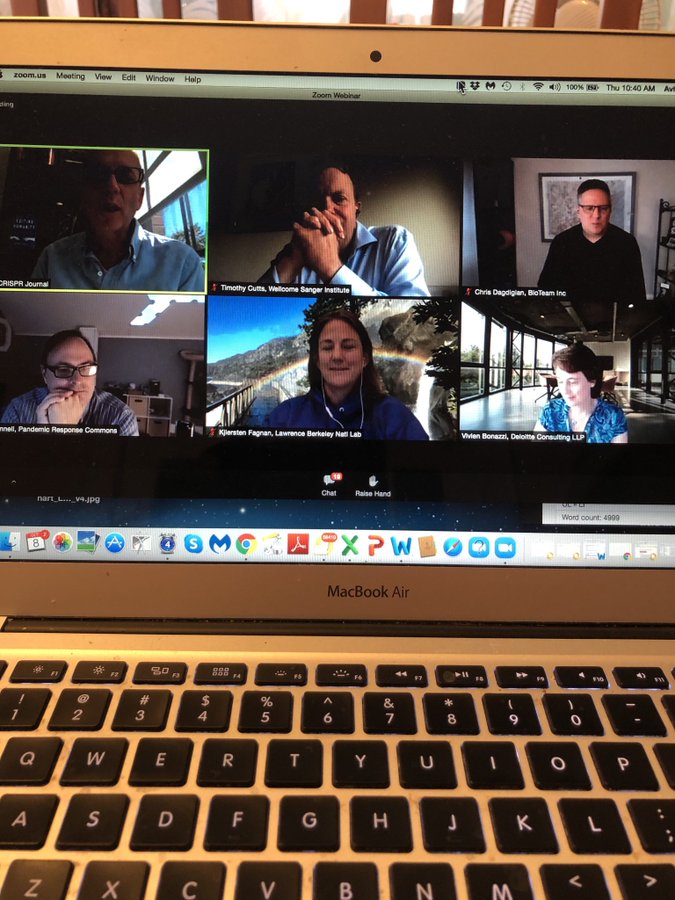

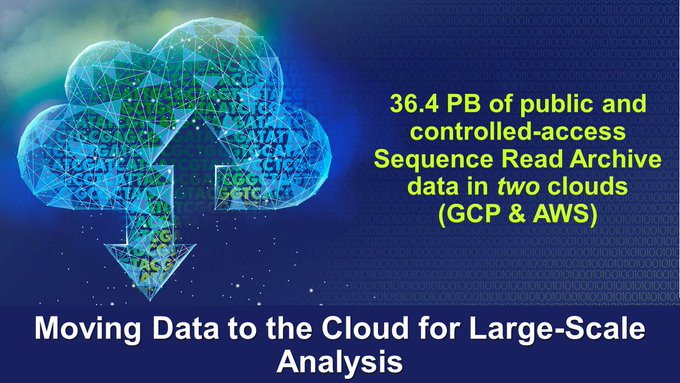

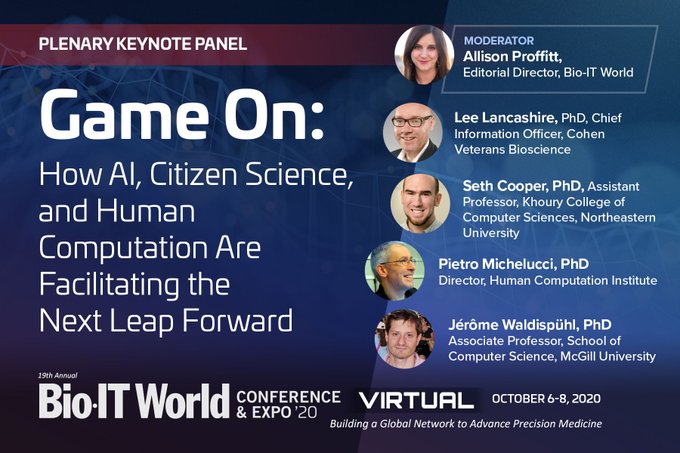

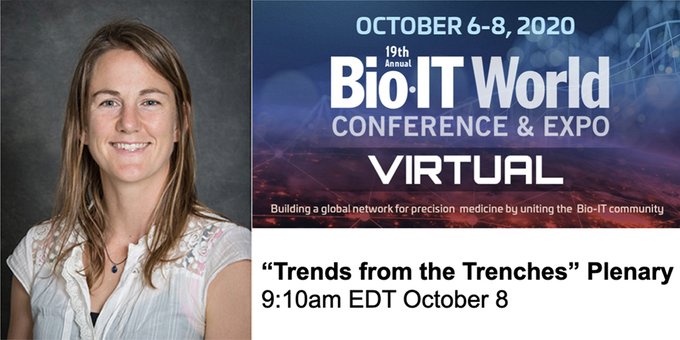


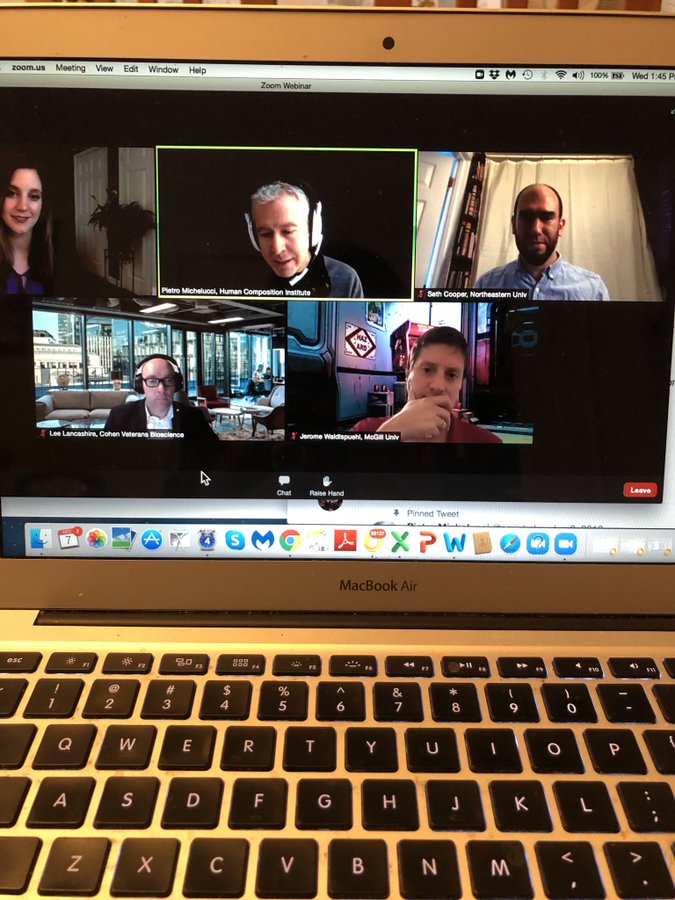
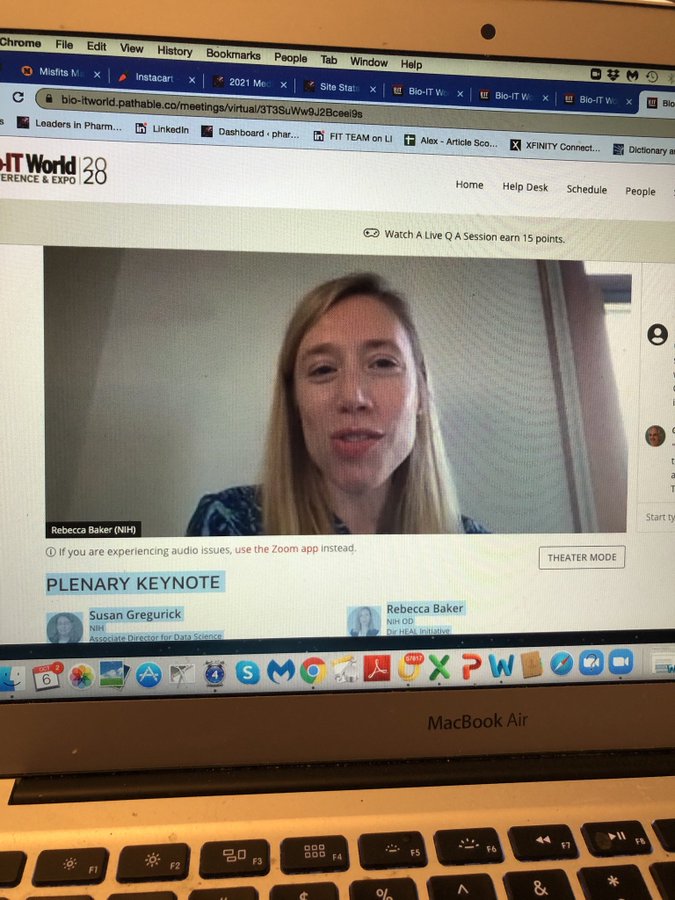


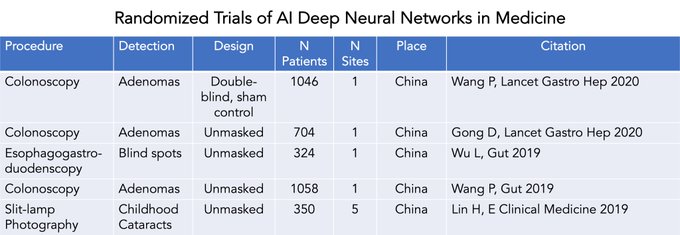


 2012pharmaceutical
 sjwilliamspa
Sequoia is still #1 — but the list looks very different from the US one.
We rank investors by the number of unicorns worldwide they backed before the company reached unicorn status.
The top of the list:
Sequoia Capital — 191
Accel — 167
Andreessen Horowitz — 153
Tiger Global — 152
Goldman Sachs — 148
Kleiner Perkins — 141
SV Angel — 136
Y Combinator — 132
Insight Partners — 122
Bessemer Venture Partners — 117
The most interesting part of the global list is who appears at all.
Temasek, Tencent, SoftBank Investment Advisers, Hillhouse Investment, IDG Capital, Qiming Venture Partners, DST Global, Samsung Electronics — none of these names show up in our US ranking. A whole tier of investors only becomes visible once you step outside the US.
That said, the strongest US investors hold their ground. Sequoia, Y Combinator, Kleiner Perkins, and Bessemer all stay in the top 10 on both lists.
A note on methodology: counts include only pre-unicorn investments in companies that went on to become unicorns, and only investments that are publicly reported. The numbers are conservative for every firm on the list. If you believe a count should be corrected, please reach out.