Feeds:
Posts
Comments

Archive for the ‘Drug Carrier Design’ Category

The Payload Revolution: Redefining the Future of Antibody-Drug Conjugates (ADCs)

Curator: Dr. Sudipta Saha, Ph. D.


Antibody-Drug Conjugates (ADCs) are at the forefront of targeted cancer therapy. While much attention has focused on antibody engineering and linker technology, the real breakthrough may lie in the payload—the cytotoxic compound delivered to tumor cells.

Historically, ADC payloads have relied on microtubule inhibitors like MMAE and MMAF, and topoisomerase I inhibitors such as SN-38 and Exatecan. These payloads are potent but limited in diversity, making differentiation difficult in a crowded therapeutic landscape.

The next wave of innovation introduces unconventional payloads with novel mechanisms:

  • ISACs (Immune-Stimulating ADCs) activate the immune system locally.
  • Protein degraders eliminate cancer-critical proteins without inhibiting them directly.
  • Urease-based and membrane-disrupting agents affect the tumor microenvironment.
  • RNA polymerase inhibitors and peptide-based payloads offer precision with reduced systemic toxicity.

This shift also places new demands on linker design. Linkers must now accommodate payloads with diverse chemical properties and release them selectively at the tumor site. A payload–linker mismatch could compromise both safety and efficacy.

Ultimately, the focus is shifting toward payloads not just as cytotoxins, but as precision-guided interventions. This evolution could redefine how ADCs are developed and positioned in treatment regimens, enabling breakthroughs in resistant and heterogeneous cancers. The ADC revolution is payload-powered—and the future belongs to those who can innovate at the molecular level.

References:

https://www.linkedin.com/posts/asmitasinghsharma_%F0%9D%97%A7%F0%9D%97%B5%F0%9D%97%B2-%F0%9D%97%99%F0%9D%98%82%F0%9D%98%81%F0%9D%98%82%F0%9D%97%BF%F0%9D%97%B2-activity-7336738434645901312-wfz1

https://www.nature.com/articles/s41573-022-00590-3

https://www.ncbi.nlm.nih.gov/pmc/articles/PMC10301933

https://www.cell.com/fulltext/S0092-8674(22)01299-7

https://ascopubs.org/doi/full/10.1200/JCO.22.02474

https://www.ncbi.nlm.nih.gov/pmc/articles/PMC8257482

Read Full Post »

Eight Subcellular Pathologies driving Chronic Metabolic Diseases – Methods for Mapping Bioelectronic Adjustable Measurements as potential new Therapeutics: Impact on Pharmaceuticals in Use

Eight Subcellular Pathologies driving Chronic Metabolic Diseases – Methods for Mapping Bioelectronic Adjustable Measurements as potential new Therapeutics: Impact on Pharmaceuticals in Use

Curators:


THE VOICE of Aviva Lev-Ari, PhD, RN

In this curation we wish to present two breaking through goals:

Goal 1:

Exposition of a new direction of research leading to a more comprehensive understanding of Metabolic Dysfunctional Diseases that are implicated in effecting the emergence of the two leading causes of human mortality in the World in 2023: (a) Cardiovascular Diseases, and (b) Cancer

Goal 2:

Development of Methods for Mapping Bioelectronic Adjustable Measurements as potential new Therapeutics for these eight subcellular causes of chronic metabolic diseases. It is anticipated that it will have a potential impact on the future of Pharmaceuticals to be used, a change from the present time current treatment protocols for Metabolic Dysfunctional Diseases.

According to Dr. Robert Lustig, M.D, an American pediatric endocrinologist. He is Professor emeritus of Pediatrics in the Division of Endocrinology at the University of California, San Francisco, where he specialized in neuroendocrinology and childhood obesity, there are eight subcellular pathologies that drive chronic metabolic diseases.

These eight subcellular pathologies can’t be measured at present time.

In this curation we will attempt to explore methods of measurement for each of these eight pathologies by harnessing the promise of the emerging field known as Bioelectronics.

Unmeasurable eight subcellular pathologies that drive chronic metabolic diseases

  1. Glycation
  2. Oxidative Stress
  3. Mitochondrial dysfunction [beta-oxidation Ac CoA malonyl fatty acid]
  4. Insulin resistance/sensitive [more important than BMI], known as a driver to cancer development
  5. Membrane instability
  6. Inflammation in the gut [mucin layer and tight junctions]
  7. Epigenetics/Methylation
  8. Autophagy [AMPKbeta1 improvement in health span]

Diseases that are not Diseases: no drugs for them, only diet modification will help

Image source

Robert Lustig, M.D. on the Subcellular Processes That Belie Chronic Disease

https://www.youtube.com/watch?v=Ee_uoxuQo0I


Exercise will not undo Unhealthy Diet

Image source

Robert Lustig, M.D. on the Subcellular Processes That Belie Chronic Disease

https://www.youtube.com/watch?v=Ee_uoxuQo0I


These eight Subcellular Pathologies driving Chronic Metabolic Diseases are becoming our focus for exploration of the promise of Bioelectronics for two pursuits:

  1. Will Bioelectronics be deemed helpful in measurement of each of the eight pathological processes that underlie and that drive the chronic metabolic syndrome(s) and disease(s)?
  2. IF we will be able to suggest new measurements to currently unmeasurable health harming processes THEN we will attempt to conceptualize new therapeutic targets and new modalities for therapeutics delivery – WE ARE HOPEFUL

In the Bioelecronics domain we are inspired by the work of the following three research sources:

  1. Biological and Biomedical Electrical Engineering (B2E2) at Cornell University, School of Engineering https://www.engineering.cornell.edu/bio-electrical-engineering-0
  2. Bioelectronics Group at MIT https://bioelectronics.mit.edu/
  3. The work of Michael Levin @Tufts, The Levin Lab
Michael Levin is an American developmental and synthetic biologist at Tufts University, where he is the Vannevar Bush Distinguished Professor. Levin is a director of the Allen Discovery Center at Tufts University and Tufts Center for Regenerative and Developmental Biology. Wikipedia
Born: 1969 (age 54 years), Moscow, Russia
Education: Harvard University (1992–1996), Tufts University (1988–1992)
Affiliation: University of Cape Town
Research interests: Allergy, Immunology, Cross Cultural Communication
Awards: Cozzarelli prize (2020)
Doctoral advisor: Clifford Tabin
Most recent 20 Publications by Michael Levin, PhD
SOURCE
SCHOLARLY ARTICLE
The nonlinearity of regulation in biological networks
1 Dec 2023npj Systems Biology and Applications9(1)
Co-authorsManicka S, Johnson K, Levin M
SCHOLARLY ARTICLE
Toward an ethics of autopoietic technology: Stress, care, and intelligence
1 Sep 2023BioSystems231
Co-authorsWitkowski O, Doctor T, Solomonova E
SCHOLARLY ARTICLE
Closing the Loop on Morphogenesis: A Mathematical Model of Morphogenesis by Closed-Loop Reaction-Diffusion
14 Aug 2023Frontiers in Cell and Developmental Biology11:1087650
Co-authorsGrodstein J, McMillen P, Levin M
SCHOLARLY ARTICLE
30 Jul 2023Biochim Biophys Acta Gen Subj1867(10):130440
Co-authorsCervera J, Levin M, Mafe S
SCHOLARLY ARTICLE
Regulative development as a model for origin of life and artificial life studies
1 Jul 2023BioSystems229
Co-authorsFields C, Levin M
SCHOLARLY ARTICLE
The Yin and Yang of Breast Cancer: Ion Channels as Determinants of Left–Right Functional Differences
1 Jul 2023International Journal of Molecular Sciences24(13)
Co-authorsMasuelli S, Real S, McMillen P
SCHOLARLY ARTICLE
Bioelectricidad en agregados multicelulares de células no excitables- modelos biofísicos
Jun 2023Revista Española de Física32(2)
Co-authorsCervera J, Levin M, Mafé S
SCHOLARLY ARTICLE
Bioelectricity: A Multifaceted Discipline, and a Multifaceted Issue!
1 Jun 2023Bioelectricity5(2):75
Co-authorsDjamgoz MBA, Levin M
SCHOLARLY ARTICLE
Control Flow in Active Inference Systems – Part I: Classical and Quantum Formulations of Active Inference
1 Jun 2023IEEE Transactions on Molecular, Biological, and Multi-Scale Communications9(2):235-245
Co-authorsFields C, Fabrocini F, Friston K
SCHOLARLY ARTICLE
Control Flow in Active Inference Systems – Part II: Tensor Networks as General Models of Control Flow
1 Jun 2023IEEE Transactions on Molecular, Biological, and Multi-Scale Communications9(2):246-256
Co-authorsFields C, Fabrocini F, Friston K
SCHOLARLY ARTICLE
Darwin’s agential materials: evolutionary implications of multiscale competency in developmental biology
1 Jun 2023Cellular and Molecular Life Sciences80(6)
Co-authorsLevin M
SCHOLARLY ARTICLE
Morphoceuticals: Perspectives for discovery of drugs targeting anatomical control mechanisms in regenerative medicine, cancer and aging
1 Jun 2023Drug Discovery Today28(6)
Co-authorsPio-Lopez L, Levin M
SCHOLARLY ARTICLE
Cellular signaling pathways as plastic, proto-cognitive systems: Implications for biomedicine
12 May 2023Patterns4(5)
Co-authorsMathews J, Chang A, Devlin L
SCHOLARLY ARTICLE
Making and breaking symmetries in mind and life
14 Apr 2023Interface Focus13(3)
Co-authorsSafron A, Sakthivadivel DAR, Sheikhbahaee Z
SCHOLARLY ARTICLE
The scaling of goals from cellular to anatomical homeostasis: an evolutionary simulation, experiment and analysis
14 Apr 2023Interface Focus13(3)
Co-authorsPio-Lopez L, Bischof J, LaPalme JV
SCHOLARLY ARTICLE
The collective intelligence of evolution and development
Apr 2023Collective Intelligence2(2):263391372311683SAGE Publications
Co-authorsWatson R, Levin M
SCHOLARLY ARTICLE
Bioelectricity of non-excitable cells and multicellular pattern memories: Biophysical modeling
13 Mar 2023Physics Reports1004:1-31
Co-authorsCervera J, Levin M, Mafe S
SCHOLARLY ARTICLE
There’s Plenty of Room Right Here: Biological Systems as Evolved, Overloaded, Multi-Scale Machines
1 Mar 2023Biomimetics8(1)
Co-authorsBongard J, Levin M
SCHOLARLY ARTICLE
Transplantation of fragments from different planaria: A bioelectrical model for head regeneration
7 Feb 2023Journal of Theoretical Biology558
Co-authorsCervera J, Manzanares JA, Levin M
SCHOLARLY ARTICLE
Bioelectric networks: the cognitive glue enabling evolutionary scaling from physiology to mind
1 Jan 2023Animal Cognition
Co-authorsLevin M
SCHOLARLY ARTICLE
Biological Robots: Perspectives on an Emerging Interdisciplinary Field
1 Jan 2023Soft Robotics
Co-authorsBlackiston D, Kriegman S, Bongard J
SCHOLARLY ARTICLE
Cellular Competency during Development Alters Evolutionary Dynamics in an Artificial Embryogeny Model
1 Jan 2023Entropy25(1)
Co-authorsShreesha L, Levin M
5

5 total citations on Dimensions.

Article has an altmetric score of 16
SCHOLARLY ARTICLE
1 Jan 2023BIOLOGICAL JOURNAL OF THE LINNEAN SOCIETY138(1):141
Co-authorsClawson WP, Levin M
SCHOLARLY ARTICLE
Future medicine: from molecular pathways to the collective intelligence of the body
1 Jan 2023Trends in Molecular Medicine
Co-authorsLagasse E, Levin M

THE VOICE of Dr. Justin D. Pearlman, MD, PhD, FACC

PENDING

THE VOICE of  Stephen J. Williams, PhD

Ten TakeAway Points of Dr. Lustig’s talk on role of diet on the incidence of Type II Diabetes


  1. 25% of US children have fatty liver
  2. Type II diabetes can be manifested from fatty live with 151 million  people worldwide affected moving up to 568 million in 7 years
  3. A common myth is diabetes due to overweight condition driving the metabolic disease
  4. There is a trend of ‘lean’ diabetes or diabetes in lean people, therefore body mass index not a reliable biomarker for risk for diabetes
  5. Thirty percent of ‘obese’ people just have high subcutaneous fat.  the visceral fat is more problematic
  6. there are people who are ‘fat’ but insulin sensitive while have growth hormone receptor defects.  Points to other issues related to metabolic state other than insulin and potentially the insulin like growth factors
  7. At any BMI some patients are insulin sensitive while some resistant
  8. Visceral fat accumulation may be more due to chronic stress condition
  9. Fructose can decrease liver mitochondrial function
  10. A methionine and choline deficient diet can lead to rapid NASH development


Read Full Post »

Bacterial multidrug resistance problem solved by a broad-spectrum synthetic antibiotic

Reporter and Curator: Dr. Sudipta Saha, Ph.D.

There is an increasing demand for new antibiotics that effectively treat patients with refractory bacteremia, do not evoke bacterial resistance, and can be readily modified to address current and anticipated patient needs. Recently scientists described a promising compound of COE (conjugated oligo electrolytes) family, COE2-2hexyl, that exhibited broad-spectrum antibacterial activity. COE2-2hexyl effectively-treated mice infected with bacteria derived from sepsis patients with refractory bacteremia, including a CRE K. pneumoniae strain resistant to nearly all clinical antibiotics tested. Notably, this lead compound did not evoke drug resistance in several pathogens tested. COE2-2hexyl has specific effects on multiple membrane-associated functions (e.g., septation, motility, ATP synthesis, respiration, membrane permeability to small molecules) that may act together to abrogate bacterial cell viability and the evolution of drug-resistance. Impeding these bacterial properties may occur through alteration of vital protein–protein or protein-lipid membrane interfaces – a mechanism of action distinct from many membrane disrupting antimicrobials or detergents that destabilize membranes to induce bacterial cell lysis. The diversity and ease of COE design and chemical synthesis have the potential to establish a new standard for drug design and personalized antibiotic treatment.

Recent studies have shown that small molecules can preferentially target bacterial membranes due to significant differences in lipid composition, presence of a cell wall, and the absence of cholesterol. The inner membranes of Gram-negative bacteria are generally more negatively charged at their surface because they contain more anionic lipids such as cardiolipin and phosphatidylglycerol within their outer leaflet compared to mammalian membranes. In contrast, membranes of mammalian cells are largely composed of more-neutral phospholipids, sphingomyelins, as well as cholesterol, which affords membrane rigidity and ability to withstand mechanical stresses; and may stabilize the membrane against structural damage to membrane-disrupting agents such as COEs. Consistent with these studies, COE2-2hexyl was well tolerated in mice, suggesting that COEs are not intrinsically toxic in vivo, which is often a primary concern with membrane-targeting antibiotics. The COE refinement workflow potentially accelerates lead compound optimization by more rapid screening of novel compounds for the iterative directed-design process. It also reduces the time and cost of subsequent biophysical characterization, medicinal chemistry and bioassays, ultimately facilitating the discovery of novel compounds with improved pharmacological properties.

Additionally, COEs provide an approach to gain new insights into microbial physiology, including membrane structure/function and mechanism of drug action/resistance, while also generating a suite of tools that enable the modulation of bacterial and mammalian membranes for scientific or manufacturing uses. Notably, further COE safety and efficacy studies are required to be conducted on a larger scale to ensure adequate understanding of the clinical benefits and risks to assure clinical efficacy and toxicity before COEs can be added to the therapeutic armamentarium. Despite these limitations, the ease of molecular design, synthesis and modular nature of COEs offer many advantages over conventional antimicrobials, making synthesis simple, scalable and affordable. It enables the construction of a spectrum of compounds with the potential for development as a new versatile therapy for the emergence and rapid global spread of pathogens that are resistant to all, or nearly all, existing antimicrobial medicines.

References:

https://www.thelancet.com/journals/ebiom/article/PIIS2352-3964(23)00026-9/fulltext#%20

https://pubmed.ncbi.nlm.nih.gov/36801104/

https://www.sciencedaily.com/releases/2023/02/230216161214.htm

https://www.nature.com/articles/s41586-021-04045-6

https://www.nature.com/articles/d43747-020-00804-y

Read Full Post »

Gene Therapy could be a Boon to Alzheimer’s disease (AD): A first-in-human clinical trial proposed

Reporter: Dr. Premalata Pati, Ph.D., Postdoc

A recent research work performed by the Researchers at the University of California San Diego School of Medicine has shared their first-in-human Phase I clinical trial to assess the safety and viability of gene therapy to deliver a key protein into the brains of persons with Alzheimer’s Disease (AD) or Mild Cognitive Impairment (MCI), a condition that often precedes full-blown dementia.  

Mark Tuszynski, M.D., Ph.D., Professor of Neuroscience and Director of the Translational Neuroscience Institute at UC San Diego and team predicted that Gene therapy could be a boon to potential treatments for the disorders like AD and MCI.

The study provides an insight into the genetic source of these mental diseases.

The roots of mental disorders have remained an enigma for so many years. Alzheimer’s disease (AD) is an irreversible, progressive brain disorder that slowly destroys memory and thinking skills and, eventually, the ability to carry out the simplest tasks. AD is a neurodegenerative condition. A buildup of plaques and tangles in the brain, along with cell death, causes memory loss and cognitive decline. In most people with the disease, those with the late-onset type – symptoms first appear in their mid-60s. Alzheimer’s disease is the mostly appearing type of dementia in patients.

Drawing comparing a normal aged brain (left) and the brain of a person with Alzheimer’s (right).
Image Source: https://en.wikipedia.org/wiki/Alzheimer%27s_disease

What the study impart?

Despite decades of effort and billions of dollars of research investment, there are just mere two symptomatic treatments for AD. There is no cure or approved way to slow or stop the progression of the neurological disorder that afflicts more than 5 million Americans and is the sixth leading cause of death in the United States.

Prof. Tuszynski said gene therapy has been tested on multiple diseases and conditions, represents a different approach to a disease that requires new ways of thinking about the disease and new attempts at treatments.

The research team found that delivering the BDNF to the part of the brain that is affected earliest in Alzheimer’s disease; the entorhinal cortex and hippocampus – was able to protect from ongoing cell degeneration by reversing the loss of connections. “These trials were observed in aged rats, amyloid mice, and aged monkeys.”

The protein, called Brain-Derived Neurotrophic Factor or BDNF, a family of growth factors found in the Brain and Central Nervous System that support the survival of existing neurons and promote growth and differentiation of new neurons and synapses. BDNF is especially important in brain regions susceptible to degeneration in AD. It is normally produced throughout life in the entorhinal cortex, an important memory center in the brain and one of the first places where the effects of AD typically appear in the form of short-term memory loss. Persons with AD have diminished levels of BDNF.

However, BDNF is a large molecule and cannot pass through the Blood-Brain Barrier. As a solution, researchers will use gene therapy in which a harmless Adeno-Associated Virus (AAV2) is modified to carry the BDNF gene and injected directly into targeted regions of the brain, where researchers hope it will prompt the production of therapeutic BDNF in nearby cells.

Precautions were taken precisely in injecting the patient to avoid exposure to surrounding degenerating neurons since freely circulating BDNF can cause adverse effects, such as seizures or epileptic conditions.

The recent research and study speculate a safe and feasible assessment of the AAV2-BDNF pathway in humans. A previous gene therapy trial from 2001 to 2012 using AAV2 and a different protein called Nerve Growth Factor (NGF) was carried out by Prof. Tuszynski and team where they observed immense growth, axonal sprouting, and activation of functional markers in the brains of participants.

He also shared that “The BDNF gene therapy trial in AD represents an advancement over the earlier NGF trial, BDNF is a more potent growth factor than NGF for neural circuits that degenerate in AD. Besides, new methods for delivering BDNF will more effectively deliver and distribute it into the entorhinal cortex and hippocampus.”

The research team hopes that the three-year-long trial will recruit 12 participants with either diagnosed AD or MCI to receive AAV2-BDNF treatment, with another 12 persons serving as comparative controls over that period.

The researchers have plans to build on recent successes of gene therapy in other diseases, including a breakthrough success in the treatment of congenital weakness in infants (spinal muscular atrophy) and blindness (Leber Hereditary Optic Neuropathy, a form of retinitis pigmentosa).”

Main Source

https://www.universityofcalifornia.edu/news/could-gene-therapy-halt-progression-alzheimers-disease-first-human-clinical-trial-will-seek?utm_source=fiat-lux

Related Articles

https://pharmaceuticalintelligence.com/2016/04/21/alzheimers-disease-and-dm/
https://pharmaceuticalintelligence.com/2016/03/21/role-of-infectious-agent-in-alzheimers-disease/
https://pharmaceuticalintelligence.com/2016/02/15/alzheimers-disease-tau-art-thou-or-amyloid/

Read Full Post »

Happy 80th Birthday: Radioiodine (RAI) Theranostics: Collaboration between Physics and Medicine, the Utilization of Radionuclides to Diagnose and Treat: Radiation Dosimetry by Discoverer Dr. Saul Hertz, the early history of RAI in diagnosing and treating Thyroid diseases and Theranostics


Guest Author: Barbara Hertz

 203-661-0777

htziev@aol.com

Celebrating eighty years of radionuclide therapy and the work of Saul Hertz

First published: 03 February 2021

Both authors contributed to the development, drafting and final editing of this manuscript and are responsible for its content.

Abstract

March 2021 will mark the eightieth anniversary of targeted radionuclide therapy, recognizing the first use of radioactive iodine to treat thyroid disease by Dr. Saul Hertz on March 31, 1941. The breakthrough of Dr. Hertz and collaborator physicist Arthur Roberts was made possible by rapid developments in the fields of physics and medicine in the early twentieth century. Although diseases of the thyroid gland had been described for centuries, the role of iodine in thyroid physiology had been elucidated only in the prior few decades. After the discovery of radioactivity by Henri Becquerel in 1897, rapid advancements in the field, including artificial production of radioactive isotopes, were made in the subsequent decades. Finally, the diagnostic and therapeutic use of radioactive iodine was based on the tracer principal that was developed by George de Hevesy. In the context of these advancements, Hertz was able to conceive the potential of using of radioactive iodine to treat thyroid diseases. Working with Dr. Roberts, he obtained the experimental data and implemented it in the clinical setting. Radioiodine therapy continues to be a mainstay of therapy for hyperthyroidism and thyroid cancer. However, Hertz struggled to gain recognition for his accomplishments and to continue his work and, with his early death in 1950, his contributions have often been overlooked until recently. The work of Hertz and others provided a foundation for the introduction of other radionuclide therapies and for the development of the concept of theranostics.

SOURCE

https://aapm.onlinelibrary.wiley.com/doi/full/10.1002/acm2.13175


SOURCE

https://www.youtube.com/watch?v=34Qhm8CeMuc


http://www.wjnm.org/article.asp?issn=1450-1147;year=…

http://www.wjnm.org/text.asp?2019/18/1/8/250309

Abstract

Dr. Saul Hertz was Director of The Massachusetts General Hospital’s Thyroid Unit, when he heard about the development of artificial radioactivity. He conceived and brought from bench to bedside the successful use of radioiodine (RAI) to diagnose and treat thyroid diseases. Thus was born the science of theragnostics used today for neuroendocrine tumors and prostate cancer. Dr. Hertz’s work set the foundation of targeted precision medicine.

Keywords: Dr. Saul Hertz, nuclear medicine, radioiodine


How to cite this article:
Hertz B. A tribute to Dr. Saul Hertz: The discovery of the medical uses of radioiodine. World J Nucl Med 2019;18:8-12


How to cite this URL:
Hertz B. A tribute to Dr. Saul Hertz: The discovery of the medical uses of radioiodine. World J Nucl Med [serial online] 2019 [cited 2021 Mar 2];18:8-12. Available from: http://www.wjnm.org/text.asp?2019/18/1/8/250309


  • Dr Saul Hertz (1905-1950) discovers the medical uses of radioiodine

Barbara Hertz, Pushan Bharadwaj, Bennett Greenspan»

Abstract » PDF» doi: 10.24911/PJNMed.175-1582813482


SOURCE

http://saulhertzmd.com/home


  • Happy 80th Birthday: Radioiodine (RAI) Theranostics

Thyroid practitioners and patients are acutely aware of the enormous benefit nuclear medicine has made to mankind. This month we celebrate the 80th anniversary of the early use of radioiodine(RAI).

Dr. Saul Hertz predicted that radionuclides “…would hold the key to the larger problem of cancer in general,” and may just be the best hope for diagnosing and treating cancer successfully.  Yes, RAI has been used for decades to diagnose and treat disease.  Today’s “theranostics,” a term that is a combination of “therapy” and “diagnosis” is utilized in the treatment of thyroid disease and cancer. 

            This short note is to celebrate Dr. Saul Hertz who conceived and brought from bench to bedside the medical uses of RAI; then in the form of 25 minute iodine-128.  

On March 31st 1941, Massachusetts General Hospital’s Dr. Saul Hertz (1905-1950) administered the first therapeutic use of Massachusetts Institute of Technology (MIT) cyclotron produced RAI.  This landmark case was the first in Hertz’s clinical studies conducted with MIT, physicist Arthur Roberts, Ph.D.

[Photo – Courtesy of Dr Saul Hertz Archives ]

Dr Saul Hertz demonstrating RAI Uptake Testing

            Dr. Hertz’s research and successful utilization of radionuclides to diagnose and treat diseases and conditions, established the use of radiation dosimetry and the collaboration between physics and medicine and other significant practices.   Sadly, Saul Hertz (a WWII veteran) died at a very young age.  


About Dr. Saul Hertz

Dr. Saul Hertz (1905 – 1950) discovered the medical uses of radionuclides.  His breakthrough work with radioactive iodine (RAI) created a dynamic paradigym change integrating the sciences.  Radioactive iodine (RAI) is the first and Gold Standard of targeted cancer therapies.  Saul Hertz’s research documents Hertz as the first and foremost person to conceive and develop the experimental data on RAI and apply it in the clinical setting.

Dr. Hertz was born to Orthodox Jewish immigrant parents in Cleveland, Ohio on April 20, 1905. He received his A.B. from the University of Michigan in 1925 with Phi Beta Kappa honors. He graduated from Harvard Medical School in 1929 at a time of quotas for outsiders. He fulfilled his internship and residency at Mt. Sinai Hospital in Cleveland. He came back to Boston in 1931 as a volunteer to join The Massachusetts General Hospital serving as the Chief of the Thyroid Unit from 1931 – 1943.

Two years after the discovery of artifically radioactivity, on November 12, 1936 Dr. Karl Compton, president of the Massachusetts Institute of Technology (MIT), spoke at Harvard Medical School.  President Compton’s topic was What Physics can do for Biology and Medicine. After the presentation Dr. Hertz spontaneously asked Dr. Compton this seminal question, “Could iodine be made radioactive artificially?” Dr. Compton responded in writing on December 15, 1936 that in fact “iodine can be made artificially radioactive.”

Shortly thereafter, a collaboration between Dr. Hertz (MGH) and Dr. Arthur Roberts, a physicist of MIT, was established. In late 1937, Hertz and Roberts created and produced animal studies  involving 48 rabbits that demonstrated that the normal thyroid gland concentrated Iodine 128 (non cyclotron produced), and the hyperplastic thyroid gland took up even more Iodine.  This was a GIANT step for Nuclear Medicine.

In early 1941, Dr. Hertz administer the first therapeutic treatment of MIT Markle Cyclotron produced radioactive iodine (RAI) at the Massachusetts General Hospital.  This  led to the first series of twenty-nine patients with hyperthyroidism being treated successfully with RAI. ( see “Research” RADIOACTIVE IODINE IN THE STUDY OF THYROID PHYSIOLOGY VII The use of Radioactive Iodine Therapy in Hyperthyroidism, Saul Hertz and Arthur Roberts, JAMA Vol. 31 Number 2).

In 1937, at the time of the rabbit studies Dr Hertz conceived of RAI in therapeutic treatment of thyroid carsonoma.  In 1942 Dr Hertz gave clinical trials of RAI to patients with thyroid carcinoma.

After serving in the Navy during World War II, Dr. Hertz wrote to the director of the Mass General Hospital in Boston, Dr. Paxon on March 12, 1946, “it is a coincidence that my new research project is in Cancer of the Thyroid, which I believe holds the key to the larger problem of cancer in general.”

Dr. Hertz established the Radioactive Isotope Research Institute, in September, 1946 with a major focus on the use of fission products for the treatment of thyroid cancer, goiter, and other malignant tumors. Dr Samuel Seidlin was the Associate Director and managed the New York City facilities. Hertz also researched the influence of hormones on cancer.

Dr. Hertz’s use of radioactive iodine as a tracer in the diagnostic process, as a treatment for Graves’ disease and in the treatment of cancer of the thyroid remain preferred practices. Saul Hertz is the Father of Theranostics.

Saul Hertz passed at 45 years old from a sudden death heart attack as documented by an autopsy. He leaves an enduring legacy impacting countless generations of patients, numerous institutions worldwide and setting the cornerstone for the field of Nuclear Medicine. A cancer survivor emailed, The cure delivered on the wings of prayer was Dr Saul Hertz’s discovery, the miracle of radioactive iodine. Few can equal such a powerful and precious gift. 

To read and hear more about Dr. Hertz and the early history of RAI in diagnosing and treating thyroid diseases and theranostics see –

http://saulhertzmd.com/home


   References in https://www.wjnm.org/article.asp?issn=1450-1147;year=2019;volume=18;issue=1;spage=8;epage=12;aulast=Hertz


Top


1.
Hertz S, Roberts A. Radioactive iodine in the study of thyroid physiology. VII The use of radioactive iodine therapy in hyperthyroidism. J Am Med Assoc 1946;131:81-6.  Back to cited text no. 1
2.
Hertz S. A plan for analysis of the biologic factors involved in experimental carcinogenesis of the thyroid by means of radioactive isotopes. Bull New Engl Med Cent 1946;8:220-4.  Back to cited text no. 2
3.
Thrall J. The Story of Saul Hertz, Radioiodine and the Origins of Nuclear Medicine. Available from: http://www.youtube.com/watch?v=34Qhm8CeMuc. [Last accessed on 2018 Dec 01].  Back to cited text no. 3
4.
Braverman L. 131 Iodine Therapy: A Brief History. Available from: http://www.am2016.aace.com/presentations/friday/F12/hertz_braverman.pdf. [Last accessed on 2018 Dec 01].  Back to cited text no. 4
5.
Hofman MS, Violet J, Hicks RJ, Ferdinandus J, Thang SP, Akhurst T, et al. [177Lu]-PSMA-617 radionuclide treatment in patients with metastatic castration-resistant prostate cancer (LuPSMA trial): A single-centre, single-arm, phase 2 study. Lancet Oncol 2018;19:825-33.  Back to cited text no. 5
6.
Krolicki L, Morgenstern A, Kunikowska J, Koiziar H, Krolicki B, Jackaniski M, et al. Glioma Tumors Grade II/III-Local Alpha Emitters Targeted Therapy with 213 Bi-DOTA-Substance P, Endocrine Abstracts. Vol. 57. Society of Nuclear Medicine and Molecular Imaging; 2016. p. 632.  Back to cited text no. 6
7.
Baum RP, Kulkarni HP. Duo PRRT of neuroendocrine tumours using concurrent and sequential administration of Y-90- and Lu-177-labeled somatostatin analogues. In: Hubalewska-Dydejczyk A, Signore A, de Jong M, Dierckx RA, Buscombe J, Van de Wiel CJ, editors. Somatostatin Analogues from Research to Clinical Practice. New York: Wiley; 2015.  Back to cited text no. 7


SOURCE

From: htziev@aol.com” <htziev@aol.com>

Reply-To: htziev@aol.com” <htziev@aol.com>

Date: Tuesday, March 2, 2021 at 11:04 AM

To: “Aviva Lev-Ari, PhD, RN” <AvivaLev-Ari@alum.berkeley.edu>

Subject: Dr Saul Hertz : Discovery for the Medical Uses of RADIOIODINE (RAI) MARCH 31ST: 80 Years


Other related articles published in this Open Access Online Scientific Journal include the following:


Experience with Thyroid Cancer

Author: Larry H. Bernstein, MD, FCAP

https://pharmaceuticalintelligence.com/2015/11/23/my-experience-with-thyroid-cancer/


New Guidelines and Meeting Information on Advanced Thyroid Cancer as Reported by Cancer Network (Meeting Highlights)

Reporter: Stephen J. Williams, Ph.D.

https://pharmaceuticalintelligence.com/2015/10/20/new-guidelines-and-meeting-information-on-advanced-thyroid-cancer-as-reported-by-cancer-network-meeting-highlights/

The Experience of a Patient with Thyroid Cancer

Interviewer and Curator: Larry H Bernstein, MD, FCAP

https://pharmaceuticalintelligence.com/2014/07/14/the-experience-of-a-patient-with-thyroid-cancer/


Parathyroids and Bone Metabolism

Writer and Curator: Larry H. Bernstein, MD, FCAP

https://pharmaceuticalintelligence.com/2015/02/10/parathyroids-and-bone-metabolism/


Thyroid Function and Disorders

Writer and Curator: Larry H. Bernstein, MD, FCAP

https://pharmaceuticalintelligence.com/2015/02/05/thyroid-function-and-disorders/

Summary and Perspectives: Impairments in Pathological States: Endocrine Disorders, Stress Hypermetabolism and Cancer

Author and Curator: Larry H. Bernstein, MD, FCAP

https://pharmaceuticalintelligence.com/2014/11/09/summary-and-perspectives-impairments-in-pathological-states-endocrine-disorders-stress-hypermetabolism-cancer/

Introduction to Impairments in Pathological States: Endocrine Disorders, Stress Hypermetabolism and Cancer

Author and Curator: Larry H. Bernstein, MD, FCAP

https://pharmaceuticalintelligence.com/2014/11/08/introduction-to-impairments-in-pathological-states-endocrine-disorders-stress-hypermetabolism-cancer/

Metformin, Thyroid-Pituitary Axis, Diabetes Mellitus, and Metabolism

Larry H, Bernstein, MD, FCAP, Author and Curator
and Aviva Lev-Ari, PhD, RN

http://pharmaceuticalintelligence.com/9/27/2014/Metformin,_thyroid-pituitary_ axis,_diabetes_mellitus,_and_metabolism

Autophagy-Modulating Proteins and Small Molecules Candidate Targets for Cancer Therapy: Commentary of Bioinformatics Approaches

Author and Curator: Larry H Bernstein, MD, FCAP and Article Architect: Aviva Lev-Ari, PhD, RN

https://pharmaceuticalintelligence.com/2014/09/18/autophagy-modulating-proteins-and-small-molecules-candidate-targets-for-cancer-therapy-commentary-of-bioinformatics-approaches/


Neural Activity Regulating Endocrine Response

Writer and Curator: Larry H. Bernstein, MD, FCAP

https://pharmaceuticalintelligence.com/2015/02/13/neural-activity-regulating-endocrine-response/


Pituitary Neuroendocrine Axis

Writer and Curator: Larry H. Bernstein, MD, FCA

https://pharmaceuticalintelligence.com/2015/02/04/pituitary-neuroendocrine-axis/

On the Influence of Hormones on Cancer

VOLUME 4: Human Reproductive System, Genomic Endocrinology and Cancer Types

(Series D: BioMedicine & Immunology) Kindle Edition. On Amazon.com  since February 2, 2021

http://www.amazon.com/dp/B08VTFWVKM

Read Full Post »

Live Conference Coverage AACR 2020 in Real Time: Monday June 22, 2020 Late Day Sessions


Reporter: Stephen J. Williams, PhD


Follow Live in Real Time using

#AACR20

@pharma_BI

@AACR


Register for FREE at https://www.aacr.org/


AACR VIRTUAL ANNUAL MEETING II


June 22-24: Free Registration for AACR Members, the Cancer Community, and the Public
This virtual meeting will feature more than 120 sessions and 4,000 e-posters, including sessions on cancer health disparities and the impact of COVID-19 on clinical trials


This Virtual Meeting is Part II of the AACR Annual Meeting.  Part I was held online in April and was centered only on clinical findings.  This Part II of the virtual meeting will contain all the Sessions and Abstracts pertaining to basic and translational cancer research as well as clinical trial findings.


REGISTER NOW


Virtual Educational Session

Prevention Research, Science Policy, Epidemiology, Survivorship

Carcinogens at Home: Science and Pathways to Prevention

Chemicals known to cause cancer are used and released to the environment in large volumes, exposing people where they live, work, play, and go to school. The science establishing an important role for such exposures in the development of cancers continues to strengthen, yet cancer prevention researchers are largely unfamiliar with the data drawn upon in identifying carcinogens and making decisions about their use. Characterizing and reducing harmful exposures and accelerating the devel

Julia Brody, Kathryn Z. Guyton, Polly J. Hoppin, Bill Walsh, Mary H. Ward

DETAILS

Monday, June 22

1:30 PM – 3:30 PM EDT

Virtual Educational Session

Tumor Biology, Molecular and Cellular Biology/Genetics, Clinical Research Excluding Trials

EMT Still Matters: Let’s Explore! – Dedicated to the Memory of Isaiah J. Fidler

During carcinoma progression, initially benign epithelial cells acquire the ability to invade locally and disseminate to distant tissues by activating epithelial-mesenchymal transition (EMT). EMT is a cellular process during which epithelial cells lose their epithelial features and acquire mesenchymal phenotypes and behavior. Growing evidence supports the notion that EMT programs during tumor progression are usually activated to various extents and often partial and reversible, thus pr

Jean-Paul Thiery, Heide L Ford, Jing Yang, Geert Berx

DETAILS

Monday, June 22

1:30 PM – 3:00 PM EDT

Virtual Educational Session

Tumor Biology, Experimental and Molecular Therapeutics, Molecular and Cellular Biology/Genetics

One of These Things Is Not Like the Other: The Many Faces of Senescence in Cancer

Cellular senescence is a stable cell growth arrest that is broadly recognized to act as a barrier against tumorigenesis. Senescent cells acquire a senescence-associated secretory phenotype (SASP), a transcriptional response involving the secretion of inflammatory cytokines, immune modulators, and proteases that can shape the tumor microenvironment. The SASP can initially stimulate tumor immune surveillance and reinforce growth arrest. However, if senescent cells are not removed by the

Clemens A Schmitt, Andrea Alimonti, René Bernards

DETAILS

Monday, June 22

1:30 PM – 3:00 PM EDT

Virtual Educational Session

Clinical Research Excluding Trials, Molecular and Cellular Biology/Genetics

Recent Advances in Applications of Cell-Free DNA

The focus of this educational session will be on recent developments in cell-free DNA (cfDNA) analysis that have the potential to impact the care of cancer patients. Tumors continually shed DNA into the circulation, where it can be detected as circulating tumor DNA (ctDNA). Analysis of ctDNA has become a routine part of care for a subset of patients with advanced malignancies. However, there are a number of exciting potential applications that have promising preliminary data but that h

Michael R Speicher, Maximilian Diehn, Aparna Parikh

DETAILS

Monday, June 22

1:30 PM – 3:30 PM EDT

Virtual Methods Workshop

Clinical Research Excluding Trials, Clinical Trials, Experimental and Molecular Therapeutics, Molecular and Cellular Biology/Genetics

Translating Genetics and Genomics to the Clinic and Population

This session will describe how advances in understanding cancer genomes and in genetic testing technologies are being translated to the clinic. The speakers will illustrate the clinical impact of genomic discoveries for diagnostics and treatment of common tumor types in adults and in children. Cutting-edge technologies for characterization of patient and tumor genomes will be described. New insights into the importance of patient factors for cancer risk and outcome, including predispos

Heather L. Hampel, Gordana Raca, Jaclyn Biegel, Jeffrey M Trent

DETAILS

Monday, June 22

1:30 PM – 3:22 PM EDT

Virtual Educational Session

Regulatory Science and Policy, Drug Development, Epidemiology

Under-representation in Clinical Trials and the Implications for Drug Development

The U.S. Food and Drug Administration relies on data from clinical trials to determine whether medical products are safe and effective. Ideally, patients enrolled in those trials are representative of the population in which the product will be used if approved, including people of different ages, races, ethnic groups, and genders. Unfortunately, with few patients enrolling in clinical trials, many groups are not well-represented in clinical trials. This session will explore challenges

Ajay K. Nooka, Nicole J. Gormley, Kenneth C Anderson, Ruben A. Mesa, Daniel J. George, Yelak Biru, RADM Richardae Araojo, Lola A. Fashoyin-Aje

DETAILS

Monday, June 22

3:45 PM – 5:45 PM EDT

Virtual Educational Session

Cancer Chemistry

Targeted Protein Degradation: Target Validation Tools and Therapeutic Opportunity

This educational session will cover the exciting emerging field of targeted protein degradation. Key learning topics will include: 1. an introduction to the technology and its relevance to oncology; 2. PROTACS, degraders, and CELMoDs; 3. enzymology and protein-protein interactions in targeted protein degraders; 4. examples of differentiated biology due to degradation vs. inhibition; 5. how to address questions of specificity; and 6. how the field is approaching challenges in optimizing therapies

George Burslem, Mary Matyskiela, Lyn H. Jones, Stewart L Fisher, Andrew J Phillips

DETAILS

Monday, June 22

3:45 PM – 5:45 PM EDT

Virtual Educational Session

Bioinformatics and Systems Biology, Experimental and Molecular Therapeutics, Drug Development, Molecular and Cellular Biology/Genetics

Obstacles and opportunities for protein degradation drug discovery

Lyn H. Jones
  • PROTACs ubiquitin mediated by E3 ligases;  first discovered by DeShaies and targeted to specific proteins
  • PROTACs used in drug discovery against a host of types of targets including kinases and membrane receptors
  • PROTACs can be modular but lack molecular structural activity relationships
  • can use chemical probes for target validation
  • four requirements: candidate exposure at site of action (for example lipophilicity for candidates needed to cross membranes and accumulate in lysosomes), target engagement (ternary occupancy as measured by FRET), functional pharmacology, relevant phenotype
  • PROTACs hijack the proteosomal degradation system

Proteolysis-targeting chimeras as therapeutics and tools for biological discovery

George Burslem
  • first PROTAC developed to coopt the VHL ubiquitin ligase system which degrades HIF1alpha but now modified for EREalpha
  • in screen for potential PROTACS there were compounds which bound high affinity but no degradation so phenotypic screening very important
  • when look at molecular dynamics can see where PROTAC can add additional protein protein interaction, verifed by site directed mutagenesis
  • able to target bcr-Abl
  • he says this is a rapidly expanding field because of all the new E3 ligase targets being discovered

Expanding the horizons of cereblon modulators

Mary Matyskiela

Translating cellular targeted protein degradation to in vivo models using an enzymology framework

Stewart L Fisher
  • new targeting compounds have an E3 ligase binding domain, a target binding domain and a linker domain
  • in vivo these compounds are very effective; BRD4 degraders good invitro and in vivo with little effect on body weight
  • degraders are essential activators of E3 ligases as these degraders bring targets in close proximity so activates a catalytic cycle of a multistep process (has now high turnover number)
  • in enzymatic pathway the degraders make a productive complex so instead of a kcat think of measuring a kprod or productivity of degraders linked up an E3 ligase
  • the degraders are also affecting the rebound protein synthesis; so Emax never to zero and see a small rebound of protein synthesis


Data-Driven Approaches for Choosing Combinatorial Therapies

Drug combinations remain the gold standard for treating cancer, as they significantly outperform single agents. However, due to the enormous size of drug combination space, it is virtually impossible to interrogate all possible combinations. This session will discuss approaches to identify novel combinations using both experimental and computational approaches. Speakers will discuss i) approaches to drug screening in cell lines, the impact of the microenvironment, and attempts to more

Bence Szalai, James E Korkola, Lisa Tucker-Kellogg, Jeffrey W Tyner

DETAILS

Monday, June 22

3:45 PM – 5:21 PM EDT

Virtual Educational Session

Tumor Biology

Cancer Stem Cells and Therapeutic Resistance

Cancer stem cells are a subpopulation of cells with a high capacity for self-renewal, differentiation and resistance to therapy. In this session, we will define cancer stem cells, discuss cellular plasticity, interactions between cancer stem cells and the tumor microenvironment, and mechanisms that contribute to therapeutic resistance.

Robert S Kerbel, Dolores Hambardzumyan, Jennifer S. Yu

DETAILS

Monday, June 22

3:45 PM – 5:45 PM EDT

Virtual Educational Session

Drug Development, Experimental and Molecular Therapeutics

Molecular Imaging in Cancer Research

This session will cover the fundamentals as well as the major advances made in the field of molecular imaging. Topics covered will include the basics for optical, nuclear, and ultrasound imaging; the pros and cons of each modality; and the recent translational advancements. Learning objectives include the fundamentals of each imaging modality, recent advances in the technology, the processes involved to translate an imaging agent from bench to bedside, and how molecular imaging can gui

Julie Sutcliffe, Summer L Gibbs, Mark D Pagel, Katherine W Ferrara

DETAILS

Monday, June 22

3:45 PM – 5:45 PM EDT

Virtual Educational Session

Tumor Biology, Immunology, Experimental and Molecular Therapeutics, Drug Development

Tumor Endothelium: The Gatekeepers of Tumor Immune Surveillance

Tumor-associated endothelium is a gatekeeper that coordinates the entry and egress of innate and adaptive immune cells within the tumor microenvironment. This is achieved, in part, via the coordinated expression of chemokines and cell adhesion molecules on the endothelial cell surface that attract and retain circulating leukocytes. Crosstalk between adaptive immune cells and the tumor endothelium is therefore essential for tumor immune surveillance and the success of immune-based thera

Dai Fukumura, Maria M Steele, Wen Jiang, Andrew C Dudley

DETAILS

Monday, June 22

3:45 PM – 5:45 PM EDT

Virtual Educational Session

Immunology, Experimental and Molecular Therapeutics

Novel Strategies in Cancer Immunotherapy: The Next Generation of Targets for Anticancer Immunotherapy

T-cell immunotherapy in the form of immune checkpoint blockade or cellular T-cell therapies has been tremendously successful in some types of cancer. This success has opened the door to consider what other modalities or types of immune cells can be harnessed for exert antitumor functions. In this session, experts in their respective fields will discuss topics including novel approaches in immunotherapy, including NK cells, macrophage, and viral oncotherapies.

Evanthia Galanis, Kerry S Campbell, Milan G Chheda, Jennifer L Guerriero

DETAILS

Monday, June 22

3:45 PM – 5:45 PM EDT

Virtual Educational Session

Tumor Biology, Drug Development, Immunology, Clinical Research Excluding Trials

Benign Cells as Drivers of Cancer Progression: Fat and Beyond

Carcinomas develop metastases and resistance to therapy as a result of interaction with tumor microenvironment, composed of various nonmalignant cell types. Understanding the complexity and origins of tumor stromal cells is a prerequisite for development of effective treatments. The link between obesity and cancer progression has revealed the engagement of adipose stromal cells (ASC) and adipocytes from adjacent fat tissue. However, the molecular mechanisms through which they stimulate

Guojun Wu, Matteo Ligorio, Mikhail Kolonin, Maria T Diaz-Meco

DETAILS

Monday, June 22

3:45 PM – 5:45 PM EDT

Virtual Educational Session

Clinical Research Excluding Trials, Experimental and Molecular Therapeutics, Tumor Biology

Dharma Master Jiantai Symposium on Lung Cancer: Know Thy Organ – Lessons Learned from Lung and Pancreatic Cancer Research

The term “cancer” encompasses hundreds of distinct disease entities involving almost every possible site in the human body. Effectively interrogating cancer, either in animals models or human specimens, requires a deep understanding of the involved organ. This includes both the normal cellular constituents of the affected tissue as well as unique aspects of tissue-specific tumorigenesis. It is critical to “Know Thy Organ” when studying cancer. This session will focus on two of the most

Trudy G Oliver, Hossein Borghaei, Laura Delong Wood, Howard C Crawford

DETAILS

Monday, June 22

3:45 PM – 5:45 PM EDT

Virtual Methods Workshop

Clinical Trials

Clinical Trial Design: Part 1: Novel Approaches and Methods in Clinical Trial Design

Good clinical trial design has always had to balance the competing interests of effectively and convincingly answering the question with the limitations imposed by scarce resources, complex logistics, and risks and potential benefits to participants. New targeted therapies, immuno-oncology, and novel combination treatments add new challenges on top of the old ones. This session will introduce these concerns and 1) suggest ways to consider what outcomes are relevant, 2) how we can best

Mary W. Redman, Nolan A. Wages, Susan G Hilsenbeck, Karyn A. Goodman

DETAILS

Monday, June 22

3:45 PM – 5:45 PM EDT

Virtual Methods Workshop

Tumor Biology, Drug Development

High-Throughput Screens for Drivers of Progression and Resistance

The sequencing of human cancers now provides a landscape of the genetic alterations that occur in human cancer, and increasingly knowledge of somatic genetic alterations is becoming part of the evaluation of cancer patients. In some cases, this information leads directly to the selection of particular therapeutic approaches; however, we still lack the ability to decipher the significance of genetic alterations in many cancers. This session will focus on recent developments that permit the identification of molecular targets in specific cancers. This information, coupled with genomic characterization of cancer, will facilitate the development of new therapeutic agents and provide a path to implement precision cancer medicine to all patients.

William C Hahn, Mark A Dawson, Mariella Filbin, Michael Bassik

DETAILS

Monday, June 22

3:45 PM – 5:15 PM EDT

Defining a cancer dependency map

William C Hahn

Introduction

William C Hahn

Genome-scale CRISPR screens in 3D spheroids identify cancer vulnerabilities

Michael Bassik

Utilizing single-cell RNAseq and CRISPR screens to target cancer stem cells in pediatric brain tumors

Mariella Filbin
  • many gliomas are defined by discreet mutational spectra that also discriminates based on age and site as well (for example many cortical tumors have mainly V600E Braf mutations while thalamus will be FGFR1
  • they did single cell RNAseq on needle biopsy from 7 gliomas which gave about 3500 high quality single cells; obtained full length RNA
  • tumors clustered mainly where the patient it came from but had stromal cell contamination probably so did a deconvolution?  Copy number variation showed which were tumor cells and did principle component analysis
  • it seems they used a human glioma model as training set
  • identified a stem cell like glioma cell so concentrated on the genes altered in these for translational studies
  • developed multiple PDX models from patients
  • PDX transcriptome closest to patient transcriptome but organoid grown in serum free very close while organoids grown in serum very distinct transcriptome
  • developed a CRISPR barcoded library to determine genes for survival genes
  • pulled out BMI1  and EZH2 (polycomb complex proteins) as good targets

Virtual Methods Workshop

Prevention Research, Survivorship, Clinical Research Excluding Trials, Epidemiology

Implementation Science Methods for Cancer Prevention and Control in Diverse Populations: Integration of Implementation Science Methods in Care Settings

Through this Education Session we will use examples from ongoing research to provide an overview of implementation science approaches to cancer prevention and control research. We draw on examples to highlight study design approaches, research methods, and real-world solutions when applying implementation science to achieve health equity. Approaches to defining change in the care setting and measuring sustained changes are also emphasized. Using real examples of patient navigation prog

Graham A Colditz, Sanja Percac-Lima, Nathalie Huguet

DETAILS

Monday, June 22

3:45 PM – 5:30 PM EDT

Virtual Educational Session

Regulatory Science and Policy, Epidemiology

COVID-19 and Cancer: Guidance for Clinical Trial Conduct and Considerations for RWE

This session will consider the use of real-world evidence in the context of oncology clinical trials affected by the COVID-19 pandemic. Key aspects of the FDA’s recent “Guidance on Conduct of Clinical Trials of Medical Products of Medical Products during COVID-19 Public Health Emergency” will be discussed, including telemedicine, accounting for missing data, obtaining laboratory tests and images locally, using remote informed consent procedures, and additional considerations for contin

Wendy Rubinstein, Paul G. Kluetz, Amy P. Abernethy, Jonathan Hirsch, C.K. Wang


Read Full Post »

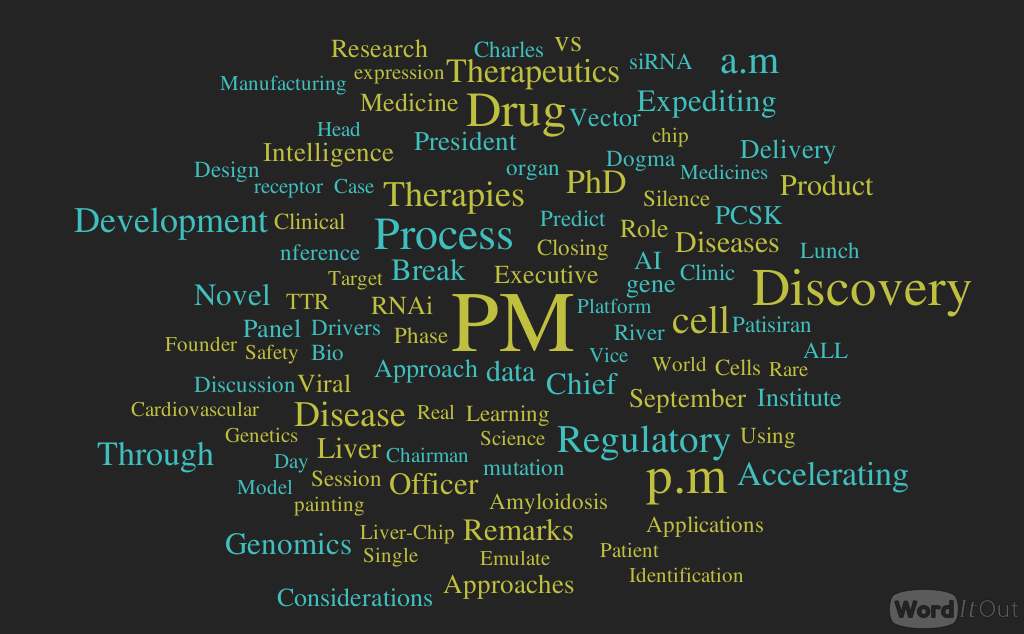
eProceedings – Day 1: Charles River Laboratories – 3rd World Congress, Delivering Therapies to the Clinic Faster, September 23 – 24, 2019, 25 Edwin H. Land Boulevard, Cambridge, MA, Volume 2 (Volume Two: Latest in Genomics Methodologies for Therapeutics: Gene Editing, NGS and BioInformatics, Simulations and the Genome Ontology), Part 1: Next Generation Sequencing (NGS)

eProceedings – Day 1: Charles River Laboratories – 3rd World Congress, Delivering Therapies to the Clinic Faster, September 23 – 24, 2019, 25 Edwin H. Land Boulevard, Cambridge, MA


https://events.criver.com/event/9eab0ee1-982e-42c6-a4cd-fb43f9f2f1d0/confirmation:7c68cf9b-c599-469e-b602-42178c77e4f9


ANNOUNCEMENT


Leaders in Pharmaceutical Business Intelligence (LPBI) Group will cover this event in Real Time for pharmaceuticalintelligence.com 

Confirmation Number: 8ZNCBYNGHCK

In attendance generating in realtime event’s eProceeding and social media coverage by


Aviva Lev-Ari, PhD, RN

Director & Founder

Leaders in Pharmaceutical Business Intelligence (LPBI) Group, Boston

Editor-in-Chief

http://pharmaceuticalintelligence.com 

e-Mail: avivalev-ari@alum.berkeley.edu

(M) 617-775-0451

https://cal.berkeley.edu/AvivaLev-Ari,PhD,RN

SkypeID: HarpPlayer83          LinkedIn Profile        Twitter Profile

#crlworldcon

@CRiverLabs

@pharma_BI

@AVIVA1950


Join us this year as we explore novel approaches to drug development that effectively reduce program timelines and accelerate delivery to the clinic. Using a variety of case studies, our speakers will illustrate methods that successfully cut time to market and highlight how artificial intelligence and genomics are expediting target discovery and drug development. In an agenda that includes presentations, panel discussions, and short technology demonstrations, you will learn how the latest science and regulatory strategies are helping us get drugs to patients faster than ever.

AGENDA

Day One, September 23, 2019

  • Novel approaches to silence disease drivers
  • The role of AI in expediting drug discovery

Monday, September 23

8:30 – 9:00 a.m. Introduction and Welcome Remarks James C. Foster, Chairman of the Board, President, and Chief Executive Officer, Charles River
9:00 – 9:30 a.m. 2019 Award Winner: A Silicon Valley Approach to Understanding and Treating Disease Matt Wilsey, Chairman, President, and Co-Founder, Grace Science Foundation
9:30 – 10:15 a.m. Keynote Session Brian Hubbard, PhD, Chief Executive Officer, Dogma Therapeutics
10:15 – 10:30 a.m. Break
10:30 – 11:15 a.m. Novel Approaches to Silence Disease Drivers Systemic Delivery of Investigational RNAi Therapeutics: Safety Considerations and Clinical Outcomes Peter Smith, PhD, Senior Vice President, Early Development, Alnylam Pharmaceuticals
11:15 a.m. – 12:00 p.m. Novel Approaches to Silence Disease Drivers: Considerations for Viral Vector Manufacturing to Support Product Commercialization Richard Snyder, PhD, Chief Scientific Officer and Founder, Brammer Bio
12:00 – 1:00 p.m. Lunch
1:00 – 1:45 p.m. Accelerating Drug Discovery Through the Power of Microscopy Images Anne E. Carpenter, Ph.D., Institute Scientist, Sr. Director, Imaging Platform, Merkin Institute Fellow, Broad Institute of Harvard and MIT
1:45 – 2:30 p.m. The Role of AI in Expediting Drug Discovery Target Identification for Nonalcoholic Steatohepatitis Using Machine Learning: The Case for nference Tyler Wagner PhD, Head of Cardiovascular Research, nference
2:30 – 2:45 p.m. Break
2:45 – 3:30 p.m. Technobite Sessions with Emulate Bio and University of Pittsburgh Drug Discovery Institute

Kyung Jin H Jang, VP of Bio Product development, Emulate, Inc.

Albert Gough, PhD, U Pittsburg School of Medicine

3:30 – 4:15 p.m. Artificial Intelligence Panel Discussion: Real World Applications from Discovery to Clinic Moderated by Carey Goldberg, WBUR
4:15 – 4:45 p.m. Jack’s Journey Jake and Elizabeth Burke, Cure NF with Jack
4:45 – 5:00 p.m. Closing Remarks
5:00 – 6:00 p.m. Networking Reception


Day Two – September 24, 2019

  • How genomics is expediting drug discovery
  • Accelerating therapies through the regulatory process

Tuesday, September 24

8:45 – 9:00 a.m. Opening Remarks and Recap James C. Foster, Chairman of the Board, President, and Chief Executive Officer, Charles River
9:00 – 9:30 a.m. 2018 Award Winner Update David Hysong, Patient Founder and Chief Executive Officer, Shepherd Therapeutics William Siders, CDO, Shepherd Therapeutics
9:30 – 10:15 a.m. Advances in Human Genetics and Therapeutic Modalities Enable Novel Therapies Eric Green, Vice President of Research and Development, Maze Therapeutics
10:15 – 11:00 a.m. How Genomics is Expediting Drug Discovery Manuel Rivas, Assistant Professor, Department of Biomedical Data Science, Stanford University
11:00 – 11:15 a.m. Break
11:15 a.m. – 12:00 p.m. Genomics Panel Discussion: Signposting Targets That Will Speed the Path to Market Moderated by Martin Mackay, Co-Founder, RallyBio
12:00 – 1:00 p.m. Lunch
1:00 – 1:45 p.m Truly Personalized Medicines for Ultra-rare Diseases: New Opportunities in Genomic Medicine Timothy Yu, Attending Physician, Division of Genetics and Genomics and Assistant Professor in Pediatrics, Boston Children’s Hospital
1:45 – 2:30 p.m. Application of Machine Learning Technology for the Assessment of Bulbar Symptoms in ALS Fernando Vieira, Chief Scientific Officer, ALS Therapy Development Institute
2:30 – 2:45 p.m. Break
2:45 – 3:30 p.m. Accelerating Rare Disease Therapies Through the Regulatory Process Martine Zimmermann, Senior Vice President and Head of Global Regulatory Affairs, Alexion Pharmaceuticals, Inc.
3:30 – 4:00 p.m. Wearing ALL the Hats: From Impossible to Possible Allyson Berent, Chief Operating Officer, GeneTx Biotherapeutics
4:00 – 4:15 p.m. Closing Remarks


jim.jpg
Matt_Wilsey.jpg
  • Find a cause and work with passion
  • CVD increased 53% from 2005 to 2016
  • Cholesterol, LDL receptor and CV disease
  • Genetics  evolution and discovery of PCSK9
  1. A PCSK9 Variant lowers CV risk
  2. complete lack of PCSK9 is safe – protects from CVD
  • LDL receptor
  • Statins do not work on LDL receptor if the mutation exists
  • Antibody and antisense for the PCSK9 mutation – Inexpensive Oral Medications can change Global Diseases
  • Dogma of Drug DIscovery: Approach a Patent vs Approach a Disease
  • Ligands bind within a cryptic binding pocket adjacent to a novel PCSK9 polymorphism

12 years of drug discovery

  1. 2003: PCSK9 mutation discovered
  2. 2005:
  3. 2006:
  4. 2012;
  5. 2012: Dogma Scientists begin
  6. compound found binds to primates
  7. 2015:
  8. 2018: Efficiency DGM-4403 lowers LDL-c by 55% 0ver 14 days
peter smith.jpg
  • 2014 – @Moderna, mRNA
  • 2017 – Alnylam

RNAi – delivery is the most difficult

  • gene silencing changes medicine and diseases
  • Small Interfeering RNA (siRNA) Therapeutics
  • Delivery challenges – stability and targeting
  • RNA Interference (RNAi) – Onpattro (patisiran)
  • GalNAc-siRNA Conjugates – delivery to the hepatocytes
  • N-Acetyl Galactosamine (GalNACc-siRNA conjugates
  • Hepatocyte specific : Liver across species: ASGPR expression
  • Metabolic Stability: Chemistry to Improve siRNA
  • Platform for genetic diseases
  • Evolution of COnjugate Design: GalNAc-siRNA – enhanced stabilization chemistry
  • ALN-TTRSC02 compared to Revusiran
  • ALN-TTRsc02 (advanced) –  – tetrameric protein binds transports serum retinol binding
  • AL Amyloidosis
  • ApoA1 Amyloidosis
  • ATTR Amyloidosis – manufacture in the Liver: Hereditery vs non-hereditary – Wild-Type
  • Patisiran Therapeutic Hypothesis – siRNA targeting TTR formulated
  • Pharmacology of TTR siRNA in Animal Model
  • V30M TTR Transgenic Mouse Model: Patisiran Phase 1 Study to Phase 3 APOLLA Study Design for any TTR mutation – Prior tetramer stabilizer used permitted
  • hATTR Amyloidosis and APOLLO Assessment: Phase 3 is Global – Cardiomyopathy – potential,
  • Patisiran met all secondary Endpoints: Canadian, Japanese approval – US approved indication, European approved
  • Alnylam Investigational RNAi Therapeutics:
  • Pipeline: Genetic medicines
  • Hepatic Infectious diseases
  • CNS & Ocular
  • Cardiovascular
11:15 AM-12:00 PM
richard snyder.jpg
  • Viral-Vector-mediated in vivo Gene Therapy
  • VVS Viral Vector Platforms:
  1. Adenovirus immunogenicity
  2. Lentivirus
  3. Retrovirus
  4. Herpes
  5. Recombinant Adeno-Associated Viral Vectors: Glybera, Luxturna
  6. Zolgenzma
  • Establish the product specifications based on data (CQAs)
  • Is the vector product: parenteral or anciliary material

Considerations:

  • Large scall vs small
  • lot demand vs platform choice
  • Proof of concept
  • Own/License the manufacturing reagents (portability) vs reliance on providers
  • Process and Analytical Design & Development: Cell line: Mamalian, others
  • Raw materials: Viral clearance steps – cell banks generation
  • impurity profiles
  • Cell Substrates
  • Cell clone screening
  • Preclinical/Clinical, Alachua, FL; Phase III/Commercial: Cambridge & Lexington
  • Biologics Upstream Process Flow: Master cell banks
  • Transient Transfection Process (Lenti and AAV)
  • rAAV Proviral cell line
  • Production Vector-based Process (Baculo or HSV)
  • Product purification: Filtration methods, Chromatography, centrifugal separation: Concentration/filtration
  • Formulation
  • Compatibility wiht vial: Glass, CZ, COP: absorption vs Inactivation
  • Single use
  • Frozen storage
  • Storage, Packing and Distribution
  • Technology Transfer: Research vs Mature Process (Qualified cell bank)
  • Plasmids: E.coli MCB backbone
  • Analytics Design & Development: Testing: Nucleic-acid based, protein-based
  1. AAV Vector Lot Release Assays
  2. Lentivirus
  • QA: QA Management System –
  • Analytical Assays
  • FDA Issues SIX New Draft Guidance Documents in 7/2018
  • Process Validation: Life cycle approach: Process caracterizationProcess performance qualification
Anne_Carpenter photo (003).jpg
  • assayGene clusterbased on morphological similarity: Express each gene, gene painting Image analysis, cluster morphological profiles
  • identification of allelle that are not constitutively activating mutants.
  • weakly supervised deep learning to extract features
  • identify similarities and differences among treatments at the same population level
  • Predict many distinct expensive assays on a huge compound library using a single cell painting
  1. Test 5,000 compounds in the assay of interest as well as cell painting
  2. Find combination of iamge-based features that predict in the assay of interest
  3. Predict “hit” from existing 1Million compound cell paining data set
The Role of AI in Expediting Drug Discovery Target Identification for Nonalcoholic Steatohepatitis Using Machine Learning: The Case for nference
Tyler Wagner PhD, Head of Cardiovascular Research, nference
KJ.jpg
DT.jpg
  • Lung-Chip Applications
  • Pulmonary inflammation
  • Intestine-chip Applications
  • Liver-Chip: Building Tissue Complexity: Co-culture, tri-culture, quatro-culture, Transcriptomic Analysis
  • Liver-Chip: Kupffer cells Characterization
  • Stellate Cells
  • parenchymal channel, non-parenchymal channel
  • Liver Chip: Predicting species differences in liver toxicity: Effects of Bosentan on Albumin secretion
  • Acetaminophen Toxicity in Liver-Chip: APAP Metabolism: detected changes in morphology, ATP, GSH – Dosepdependent increase of ROS
  • Steatosis and Stellate Cell Activation: and Species difference in Toxicity Liver chip data correlates with in vivo data
  • Predict Human safety risks with liver chip
Albert Gough, PhD, U Pittsburg School of Medicine
  • Approaches for repurposing drugs:
  1. Integrated, fluidic organ MPD,
  2. cells, 3D structures,
  3. O2 Modulation & Sensing
  4. Biosensors
  5. secretome
  • Higher Biomimetic content Higher throughput
  • regulatory liver-pancreas axis in Type 2 Diabetes model
  • Estradiol-Induced proliferation of mutants in Breast Cancer varies from 2D monoculture to 3D LAMP
  • MPS Models:
  1. celle and organ Structure in MPS
  2. Single organ MPS & Coupled organ
Carey Goldberg.PNG
Carey Goldberg, WBUR
burke family.jpg

September 24, 2019

jim.jpg
david hysong.png
bill siders.png
eric green.jpg
MacArthurD.jpg
mackay_1644931c.jpg
timothy yu.jpg
fernando-vieira.jpg
crop-VOISCHTS-Presenter-ZimmermannM.png
Allyson-Berent.jpg

Read Full Post »

Optimization of CRISPR Gene Editing with Gold Nanoparticles

Reporter: Irina Robu, PhD

The CRISPR-Cas9 gene editing system has been welcomed as a hopeful solution to a range of genetic diseases, but the expertise has proven hard to deliver into cells. One plan is to open the cell membrane using an electric shock, but that can accidentally kill the cell. Another is to use viruses as couriers. Problem is, viruses can cause off-target side effects.

CRISPR-Cas9 is a unique technology that enables geneticists and medical researchers to edit parts of the genome by removing, adding or altering sections of DNA sequence. It is faster, cheaper and more accurate than previous techniques of editing DNA and can have a wide range of potential applications.

The CRISPR-Cas9 system consists of two key molecules that introduce a change into the DNA. One is an enzyme called Cas9 which acts as a pair of molecular scissors that can cut the two strands of DNA at a specific location in the genome where bits of DNA can be added or removed. The other one, is a piece of RNA which consists of a small piece of pre-designed RNA sequence located within a longer RNA scaffold. The scaffold part binds to the DNA and pre-designed sequence which contains Cas9. The RNA sequence is designed to find and locate specific sequence in the DNA. The Cas9 trails the guide RNA to the same location in the DNA sequence and makes a cut across both strands of DNA. At this point the cell distinguishes that the DNA is damaged and tries to repair it.

Researchers at Fred Hutchinson Cancer Research Center published new findings in Nature Materials suggested an alternative delivery method such as gold nanoparticles. The gold nanoparticles are packed with all the CRISPR components necessary to make clean gene edits. When the gold nanoparticles were tested in lab models of inherited blood disorders and HIV, between 10% and 20% of the targeted cells were effectively edited, with no toxic side effects.

The researchers use gold nanoparticles to deliver CRISPR to blood stem cells. Each gold nanoparticle contains four CRISPR components, including the enzyme needed to make the DNA cuts. But Fred Hutchinson researchers chose Cas12a, which they believed would lead to more efficient edits. Plus, Cas12a only needs one molecular guide, while Cas9 requires two.

In one experiment, they sought to disturb the gene CCR5 to make cells resistant to HIV. In the second, they created a gene mutation that can protect against blood disorders, including sickle cell disease. They observed the cells encapsulated the nanoparticles within six hours and began the gene-editing process within 48 hours. In mice, gene editing peaked eight weeks after injection, and the edited cells were still in circulation 22 weeks after the treatment.

Researchers at Fred Hutchinson are now working on improving the efficiency of the gold-based CRISPR delivery system so that 50% or more of the targeted cells are edited and are also looking for a commercial partner to bring the technology to clinical phase in the next few years.

SOURCE

https://www.fiercebiotech.com/research/fred-hutch-team-uses-gold-nanoparticles-to-improve-crispr-gene-editing


Read Full Post »

Digital Therapeutics: A Threat or Opportunity to Pharmaceuticals

Digital Therapeutics: A Threat or Opportunity to Pharmaceuticals

Reporter and Curator: Dr. Sudipta Saha, Ph.D.

3.3.7

3.3.7   Digital Therapeutics: A Threat or Opportunity to Pharmaceuticals, Volume 2 (Volume Two: Latest in Genomics Methodologies for Therapeutics: Gene Editing, NGS and BioInformatics, Simulations and the Genome Ontology), Part 2: CRISPR for Gene Editing and DNA Repair

Digital Therapeutics (DTx) have been defined by the Digital Therapeutics Alliance (DTA) as “delivering evidence based therapeutic interventions to patients, that are driven by software to prevent, manage or treat a medical disorder or disease”. They might come in the form of a smart phone or computer tablet app, or some form of a cloud-based service connected to a wearable device. DTx tend to fall into three groups. Firstly, developers and mental health researchers have built digital solutions which typically provide a form of software delivered Cognitive-Behaviour Therapies (CBT) that help patients change behaviours and develop coping strategies around their condition. Secondly there are the group of Digital Therapeutics which target lifestyle issues, such as diet, exercise and stress, that are associated with chronic conditions, and work by offering personalized support for goal setting and target achievement. Lastly, DTx can be designed to work in combination with existing medication or treatments, helping patients manage their therapies and focus on ensuring the therapy delivers the best outcomes possible.

Pharmaceutical companies are clearly trying to understand what DTx will mean for them. They want to analyze whether it will be a threat or opportunity to their business. For a long time, they have been providing additional support services to patients who take relatively expensive drugs for chronic conditions. A nurse-led service might provide visits and telephone support to diabetics for example who self-inject insulin therapies. But DTx will help broaden the scope of support services because they can be delivered cost-effectively, and importantly have the ability to capture real-world evidence on patient outcomes. They will no-longer be reserved for the most expensive drugs or therapies but could apply to a whole range of common treatments to boost their efficacy. Faced with the arrival of Digital Therapeutics either replacing drugs, or playing an important role alongside therapies, pharmaceutical firms have three options. They can either ignore DTx and focus on developing drug therapies as they have done; they can partner with a growing number of DTx companies to develop software and services complimenting their drugs; or they can start to build their own Digital Therapeutics to work with their products.

Digital Therapeutics will have knock-on effects in health industries, which may be as great as the introduction of therapeutic apps and services themselves. Together with connected health monitoring devices, DTx will offer a near constant stream of data about an individuals’ behavior, real world context around factors affecting their treatment in their everyday lives and emotional and physiological data such as blood pressure and blood sugar levels. Analysis of the resulting data will help create support services tailored to each patient. But who stores and analyses this data is an important question. Strong data governance will be paramount to maintaining trust, and the highly regulated pharmaceutical industry may not be best-placed to handle individual patient data. Meanwhile, the health sector (payers and healthcare providers) is becoming more focused on patient outcomes, and payment for value not volume. The future will say whether pharmaceutical firms enhance the effectiveness of drugs with DTx, or in some cases replace drugs with DTx.

Digital Therapeutics have the potential to change what the pharmaceutical industry sells: rather than a drug it will sell a package of drugs and digital services. But they will also alter who the industry sells to. Pharmaceutical firms have traditionally marketed drugs to doctors, pharmacists and other health professionals, based on the efficacy of a specific product. Soon it could be paid on the outcome of a bundle of digital therapies, medicines and services with a closer connection to both providers and patients. Apart from a notable few, most pharmaceutical firms have taken a cautious approach towards Digital Therapeutics. Now, it is to be observed that how the pharmaceutical companies use DTx to their benefit as well as for the benefit of the general population.

References:

https://eloqua.eyeforpharma.com/LP=23674?utm_campaign=EFP%2007MAR19%20EFP%20Database&utm_medium=email&utm_source=Eloqua&elqTrackId=73e21ae550de49ccabbf65fce72faea0&elq=818d76a54d894491b031fa8d1cc8d05c&elqaid=43259&elqat=1&elqCampaignId=24564

https://www.s3connectedhealth.com/resources/white-papers/digital-therapeutics-pharmas-threat-or-opportunity/

http://www.pharmatimes.com/web_exclusives/digital_therapeutics_will_transform_pharma_and_healthcare_industries_in_2019._heres_how._1273671

https://www.mckinsey.com/industries/pharmaceuticals-and-medical-products/our-insights/exploring-the-potential-of-digital-therapeutics

https://player.fm/series/digital-health-today-2404448/s9-081-scaling-digital-therapeutics-the-opportunities-and-challenges

Read Full Post »

FDA Approves La Jolla’s Angiotensin 2

Reporter: Irina Robu, PhD

In La Jolla Pharmaceutical Company’s new drug application (NDA) for angiotensin 2, the treatment was given priority review status by the FDA, advancing the application process to 6 months. The US Food and Drug Administration has approved an IV agent to treat critically-low blood pressure angiotensin 2 injection (Giapreza) for the treatment of adults with septic or other distributive shock. The intravenous infusion therapy is considered to increase blood pressure in adult patients with hypotension. The condition can cause shock in which the brain, kidneys, and other vital organs are no longer getting the appropriate amount of blood flow to function correctly.

The trial was based on the 321-patient ATHOS-3 trial, in which 69.9% of patients with catecholamine-resistant hypotension treated with angiotensin II upgrading at hour 3 versus 23.4% with placebo. The exploratory therapy was run in combination with conventional treatments used to raise patients’ blood pressure. The treatment was revealed an increase blood pressure, reported safety and tolerability.

Even though the label indicates that the drug can cause thrombosis, concurrent prophylactic treatment should be used. In ATHOS-3, the incidence of arterial and venous thrombotic events was 13%, compared with 5% in the placebo group, mainly driven by deep vein thrombosis.

John A. Kellum, Director of Center for Critical Care Nephrology, University of Pittsburgh, said the treatment is now an additional tool for the critical care community.

SOURCE

https://www.medpagetoday.com/criticalcare/sepsis/70061

Read Full Post »

Older Posts »