Feeds:
Posts
Comments

Archive for the ‘Coagulation Therapy and Internal Bleeding’ Category

Proteomics, Metabolomics, Signaling Pathways, and Cell Regulation: a Compilation of Articles in the Journal http://pharmaceuticalintelligence.com

Compilation of References by Leaders in Pharmaceutical Business Intelligence in the Journal http://pharmaceuticalintelligence.com about
Proteomics, Metabolomics, Signaling Pathways, and Cell Regulation

Curator: Larry H Bernstein, MD, FCAP

Proteomics

  1. The Human Proteome Map Completed

Reporter and Curator: Larry H. Bernstein, MD, FCAP

http://pharmaceuticalintelligence.com/2014/08/28/the-human-proteome-map-completed/

  1. Proteomics – The Pathway to Understanding and Decision-making in Medicine

Author and Curator, Larry H Bernstein, MD, FCAP

http://pharmaceuticalintelligence.com/2014/06/24/proteomics-the-pathway-to-
understanding-and-decision-making-in-medicine/

3. Advances in Separations Technology for the “OMICs” and Clarification of Therapeutic Targets

Author and Curator, Larry H Bernstein, MD, FCAP

http://pharmaceuticalintelligence.com/2012/10/22/advances-in-separations-technology-for-the-omics-and-clarification-         of-therapeutic-targets/

  1. Expanding the Genetic Alphabet and Linking the Genome to the Metabolome

Author and Curator, Larry H Bernstein, MD, FCAP

http://pharmaceuticalintelligence.com/2012/09/24/expanding-the-genetic-alphabet-and-linking-the-genome-to-the-                metabolome/

5. Genomics, Proteomics and standards

Larry H Bernstein, MD, FCAP, Author and Curator

http://pharmaceuticalintelligence.com/2014/07/06/genomics-proteomics-and-standards/

6. Proteins and cellular adaptation to stress

Larry H Bernstein, MD, FCAP, Author and Curator

http://pharmaceuticalintelligence.com/2014/07/08/proteins-and-cellular-adaptation-to-stress/


Metabolomics

  1. Extracellular evaluation of intracellular flux in yeast cells

Larry H. Bernstein, MD, FCAP, Reviewer and Curator

http://pharmaceuticalintelligence.com/2014/08/25/extracellular-evaluation-of-intracellular-flux-in-yeast-cells/

  1. Metabolomic analysis of two leukemia cell lines. I.

Larry H. Bernstein, MD, FCAP, Reviewer and Curator

http://pharmaceuticalintelligence.com/2014/08/23/metabolomic-analysis-of-two-leukemia-cell-lines-_i/

  1. Metabolomic analysis of two leukemia cell lines. II.

Larry H. Bernstein, MD, FCAP, Reviewer and Curator

http://pharmaceuticalintelligence.com/2014/08/24/metabolomic-analysis-of-two-leukemia-cell-lines-ii/

  1. Metabolomics, Metabonomics and Functional Nutrition: the next step in nutritional metabolism and biotherapeutics

Reviewer and Curator, Larry H. Bernstein, MD, FCAP

http://pharmaceuticalintelligence.com/2014/08/22/metabolomics-metabonomics-and-functional-nutrition-the-next-step-          in-nutritional-metabolism-and-biotherapeutics/

  1. Buffering of genetic modules involved in tricarboxylic acid cycle metabolism provides homeomeostatic regulation

Larry H. Bernstein, MD, FCAP, Reviewer and curator

http://pharmaceuticalintelligence.com/2014/08/27/buffering-of-genetic-modules-involved-in-tricarboxylic-acid-cycle-              metabolism-provides-homeomeostatic-regulation/

Metabolic Pathways

  1. Pentose Shunt, Electron Transfer, Galactose, more Lipids in brief

Reviewer and Curator: Larry H. Bernstein, MD, FCAP

http://pharmaceuticalintelligence.com/2014/08/21/pentose-shunt-electron-transfer-galactose-more-lipids-in-brief/

  1. Mitochondria: More than just the “powerhouse of the cell”

Ritu Saxena, PhD

http://pharmaceuticalintelligence.com/2012/07/09/mitochondria-more-than-just-the-powerhouse-of-the-cell/

  1. Mitochondrial fission and fusion: potential therapeutic targets?

Ritu saxena

http://pharmaceuticalintelligence.com/2012/10/31/mitochondrial-fission-and-fusion-potential-therapeutic-target/

4.  Mitochondrial mutation analysis might be “1-step” away

Ritu Saxena

http://pharmaceuticalintelligence.com/2012/08/14/mitochondrial-mutation-analysis-might-be-1-step-away/

  1. Selected References to Signaling and Metabolic Pathways in PharmaceuticalIntelligence.com

Curator: Larry H. Bernstein, MD, FCAP

http://pharmaceuticalintelligence.com/2014/08/14/selected-references-to-signaling-and-metabolic-pathways-in-                     leaders-in-pharmaceutical-intelligence/

  1. Metabolic drivers in aggressive brain tumors

Prabodh Kandal, PhD

http://pharmaceuticalintelligence.com/2012/11/11/metabolic-drivers-in-aggressive-brain-tumors/

  1. Metabolite Identification Combining Genetic and Metabolic Information: Genetic association links unknown metabolites to functionally related genes

Writer and Curator, Aviva Lev-Ari, PhD, RD

http://pharmaceuticalintelligence.com/2012/10/22/metabolite-identification-combining-genetic-and-metabolic-                        information-genetic-association-links-unknown-metabolites-to-functionally-related-genes/

  1. Mitochondria: Origin from oxygen free environment, role in aerobic glycolysis, metabolic adaptation

Larry H Bernstein, MD, FCAP, author and curator

http://pharmaceuticalintelligence.com/2012/09/26/mitochondria-origin-from-oxygen-free-environment-role-in-aerobic-            glycolysis-metabolic-adaptation/

  1. Therapeutic Targets for Diabetes and Related Metabolic Disorders

Reporter, Aviva Lev-Ari, PhD, RD

http://pharmaceuticalintelligence.com/2012/08/20/therapeutic-targets-for-diabetes-and-related-metabolic-disorders/

10.  Buffering of genetic modules involved in tricarboxylic acid cycle metabolism provides homeomeostatic regulation

Larry H. Bernstein, MD, FCAP, Reviewer and curator

http://pharmaceuticalintelligence.com/2014/08/27/buffering-of-genetic-modules-involved-in-tricarboxylic-acid-cycle-              metabolism-provides-homeomeostatic-regulation/

11. The multi-step transfer of phosphate bond and hydrogen exchange energy

Larry H. Bernstein, MD, FCAP, Curator:

http://pharmaceuticalintelligence.com/2014/08/19/the-multi-step-transfer-of-phosphate-bond-and-hydrogen-                          exchange-energy/

12. Studies of Respiration Lead to Acetyl CoA

http://pharmaceuticalintelligence.com/2014/08/18/studies-of-respiration-lead-to-acetyl-coa/

13. Lipid Metabolism

Author and Curator: Larry H. Bernstein, MD, FCAP

http://pharmaceuticalintelligence.com/2014/08/15/lipid-metabolism/

14. Carbohydrate Metabolism

Author and Curator: Larry H. Bernstein, MD, FCAP

http://pharmaceuticalintelligence.com/2014/08/13/carbohydrate-metabolism/

15. Update on mitochondrial function, respiration, and associated disorders

Larry H. Bernstein, MD, FCAP, Author and Curator

http://pharmaceuticalintelligence.com/2014/07/08/update-on-mitochondrial-function-respiration-and-associated-                   disorders/

16. Prologue to Cancer – e-book Volume One – Where are we in this journey?

Author and Curator: Larry H. Bernstein, MD, FCAP

http://pharmaceuticalintelligence.com/2014/04/13/prologue-to-cancer-ebook-4-where-are-we-in-this-journey/

17. Introduction – The Evolution of Cancer Therapy and Cancer Research: How We Got Here?

Author and Curator: Larry H. Bernstein, MD, FCAP

http://pharmaceuticalintelligence.com/2014/04/04/introduction-the-evolution-of-cancer-therapy-and-cancer-research-          how-we-got-here/

18. Inhibition of the Cardiomyocyte-Specific Kinase TNNI3K

Author and Curator: Larry H. Bernstein, MD, FCAP

http://pharmaceuticalintelligence.com/2013/11/01/inhibition-of-the-cardiomyocyte-specific-kinase-tnni3k/

19. The Binding of Oligonucleotides in DNA and 3-D Lattice Structures

Author and Curator: Larry H. Bernstein, MD, FCAP

http://pharmaceuticalintelligence.com/2013/05/15/the-binding-of-oligonucleotides-in-dna-and-3-d-lattice-structures/

20. Mitochondrial Metabolism and Cardiac Function

Author and Curator: Larry H. Bernstein, MD, FCAP

http://pharmaceuticalintelligence.com/2013/04/14/mitochondrial-metabolism-and-cardiac-function/

21. How Methionine Imbalance with Sulfur-Insufficiency Leads to Hyperhomocysteinemia

Curator: Larry H. Bernstein, MD, FCAP

http://pharmaceuticalintelligence.com/2013/04/04/sulfur-deficiency-leads_to_hyperhomocysteinemia/

22. AMPK Is a Negative Regulator of the Warburg Effect and Suppresses Tumor Growth In Vivo

Author and Curator: Stephen J. Williams, PhD

http://pharmaceuticalintelligence.com/2013/03/12/ampk-is-a-negative-regulator-of-the-warburg-effect-and-suppresses-         tumor-growth-in-vivo/

23. A Second Look at the Transthyretin Nutrition Inflammatory Conundrum

Author and Curator: Larry H. Bernstein, MD, FCAP

http://pharmaceuticalintelligence.com/2012/12/03/a-second-look-at-the-transthyretin-nutrition-inflammatory-                         conundrum/

24. Mitochondrial Damage and Repair under Oxidative Stress

Author and Curator: Larry H. Bernstein, MD, FCAP

http://pharmaceuticalintelligence.com/2012/10/28/mitochondrial-damage-and-repair-under-oxidative-stress/

25. Nitric Oxide and Immune Responses: Part 2

Author and Curator: Aviral Vatsa, PhD, MBBS

http://pharmaceuticalintelligence.com/2012/10/28/nitric-oxide-and-immune-responses-part-2/

26. Overview of Posttranslational Modification (PTM)

Writer and Curator: Larry H. Bernstein, MD, FCAP

http://pharmaceuticalintelligence.com/2014/07/29/overview-of-posttranslational-modification-ptm/

27. Malnutrition in India, high newborn death rate and stunting of children age under five years

Writer and Curator: Larry H. Bernstein, MD, FCAP

http://pharmaceuticalintelligence.com/2014/07/15/malnutrition-in-india-high-newborn-death-rate-and-stunting-of-                   children-age-under-five-years/

28. Update on mitochondrial function, respiration, and associated disorders

Writer and Curator: Larry H. Bernstein, MD, FCAP

http://pharmaceuticalintelligence.com/2014/07/08/update-on-mitochondrial-function-respiration-and-associated-                  disorders/

29. Omega-3 fatty acids, depleting the source, and protein insufficiency in renal disease

Larry H. Bernstein, MD, FCAP, Curator

http://pharmaceuticalintelligence.com/2014/07/06/omega-3-fatty-acids-depleting-the-source-and-protein-insufficiency-         in-renal-disease/

30. Introduction to e-Series A: Cardiovascular Diseases, Volume Four Part 2: Regenerative Medicine

Larry H. Bernstein, MD, FCAP, writer, and Aviva Lev- Ari, PhD, RN

http://pharmaceuticalintelligence.com/2014/04/27/larryhbernintroduction_to_cardiovascular_diseases-                                  translational_medicine-part_2/

31. Epilogue: Envisioning New Insights in Cancer Translational Biology
Series C: e-Books on Cancer & Oncology

Author & Curator: Larry H. Bernstein, MD, FCAP, Series C Content Consultant

http://pharmaceuticalintelligence.com/2014/03/29/epilogue-envisioning-new-insights/

32. Ca2+-Stimulated Exocytosis:  The Role of Calmodulin and Protein Kinase C in Ca2+ Regulation of Hormone                         and Neurotransmitter

Writer and Curator: Larry H Bernstein, MD, FCAP and
Curator and Content Editor: Aviva Lev-Ari, PhD, RN

http://pharmaceuticalintelligence.com/2013/12/23/calmodulin-and-protein-kinase-c-drive-the-ca2-regulation-of-                    hormone-and-neurotransmitter-release-that-triggers-ca2-stimulated-exocy

33. Cardiac Contractility & Myocardial Performance: Therapeutic Implications of Ryanopathy (Calcium Release-                           related Contractile Dysfunction) and Catecholamine Responses

Author, and Content Consultant to e-SERIES A: Cardiovascular Diseases: Justin Pearlman, MD, PhD, FACC
Author and Curator: Larry H Bernstein, MD, FCAP
and Article Curator: Aviva Lev-Ari, PhD, RN

http://pharmaceuticalintelligence.com/2013/08/28/cardiac-contractility-myocardium-performance-ventricular-arrhythmias-      and-non-ischemic-heart-failure-therapeutic-implications-for-cardiomyocyte-ryanopathy-calcium-release-related-                    contractile/

34. Role of Calcium, the Actin Skeleton, and Lipid Structures in Signaling and Cell Motility

Author and Curator: Larry H Bernstein, MD, FCAP Author: Stephen Williams, PhD, and Curator: Aviva Lev-Ari, PhD, RN

http://pharmaceuticalintelligence.com/2013/08/26/role-of-calcium-the-actin-skeleton-and-lipid-structures-in-signaling-and-cell-motility/

35. Identification of Biomarkers that are Related to the Actin Cytoskeleton

Larry H Bernstein, MD, FCAP, Author and Curator

http://pharmaceuticalintelligence.com/2012/12/10/identification-of-biomarkers-that-are-related-to-the-actin-                           cytoskeleton/

36. Advanced Topics in Sepsis and the Cardiovascular System at its End Stage

Author: Larry H Bernstein, MD, FCAP

http://pharmaceuticalintelligence.com/2013/08/18/advanced-topics-in-Sepsis-and-the-Cardiovascular-System-at-its-              End-Stage/

37. The Delicate Connection: IDO (Indolamine 2, 3 dehydrogenase) and Cancer Immunology

Demet Sag, PhD, Author and Curator

http://pharmaceuticalintelligence.com/2013/08/04/the-delicate-connection-ido-indolamine-2-3-dehydrogenase-and-               immunology/

38. IDO for Commitment of a Life Time: The Origins and Mechanisms of IDO, indolamine 2, 3-dioxygenase

Demet Sag, PhD, Author and Curator

http://pharmaceuticalintelligence.com/2013/08/04/ido-for-commitment-of-a-life-time-the-origins-and-mechanisms-of-             ido-indolamine-2-3-dioxygenase/

39. Confined Indolamine 2, 3 dioxygenase (IDO) Controls the Homeostasis of Immune Responses for Good and Bad

Curator: Demet Sag, PhD, CRA, GCP

http://pharmaceuticalintelligence.com/2013/07/31/confined-indolamine-2-3-dehydrogenase-controls-the-hemostasis-           of-immune-responses-for-good-and-bad/

40. Signaling Pathway that Makes Young Neurons Connect was discovered @ Scripps Research Institute

Reporter: Aviva Lev-Ari, PhD, RN

http://pharmaceuticalintelligence.com/2013/06/26/signaling-pathway-that-makes-young-neurons-connect-was-                     discovered-scripps-research-institute/

41. Naked Mole Rats Cancer-Free

Writer and Curator: Larry H. Bernstein, MD, FCAP

http://pharmaceuticalintelligence.com/2013/06/20/naked-mole-rats-cancer-free/

42. Late Onset of Alzheimer’s Disease and One-carbon Metabolism

Reporter and Curator: Dr. Sudipta Saha, Ph.D.

http://pharmaceuticalintelligence.com/2013/05/06/alzheimers-disease-and-one-carbon-metabolism/

43. Problems of vegetarianism

Reporter and Curator: Dr. Sudipta Saha, Ph.D.

http://pharmaceuticalintelligence.com/2013/04/22/problems-of-vegetarianism/

44.  Amyloidosis with Cardiomyopathy

Writer and Curator: Larry H. Bernstein, MD, FCAP

http://pharmaceuticalintelligence.com/2013/03/31/amyloidosis-with-cardiomyopathy/

45. Liver endoplasmic reticulum stress and hepatosteatosis

Larry H Bernstein, MD, FACP

http://pharmaceuticalintelligence.com/2013/03/10/liver-endoplasmic-reticulum-stress-and-hepatosteatosis/

46. The Molecular Biology of Renal Disorders: Nitric Oxide – Part III

Curator and Author: Larry H Bernstein, MD, FACP

http://pharmaceuticalintelligence.com/2012/11/26/the-molecular-biology-of-renal-disorders/

47. Nitric Oxide Function in Coagulation – Part II

Curator and Author: Larry H. Bernstein, MD, FCAP

http://pharmaceuticalintelligence.com/2012/11/26/nitric-oxide-function-in-coagulation/

48. Nitric Oxide, Platelets, Endothelium and Hemostasis

Curator and Author: Larry H Bernstein, MD, FACP

http://pharmaceuticalintelligence.com/2012/11/08/nitric-oxide-platelets-endothelium-and-hemostasis/

49. Interaction of Nitric Oxide and Prostacyclin in Vascular Endothelium

Curator and Author: Larry H Bernstein, MD, FACP

http://pharmaceuticalintelligence.com/2012/09/14/interaction-of-nitric-oxide-and-prostacyclin-in-vascular-endothelium/

50. Nitric Oxide and Immune Responses: Part 1

Curator and Author:  Aviral Vatsa PhD, MBBS

http://pharmaceuticalintelligence.com/2012/10/18/nitric-oxide-and-immune-responses-part-1/

51. Nitric Oxide and Immune Responses: Part 2

Curator and Author:  Aviral Vatsa PhD, MBBS

http://pharmaceuticalintelligence.com/2012/10/28/nitric-oxide-and-immune-responses-part-2/

52. Mitochondrial Damage and Repair under Oxidative Stress

Curator and Author: Larry H Bernstein, MD, FACP

http://pharmaceuticalintelligence.com/2012/10/28/mitochondrial-damage-and-repair-under-oxidative-stress/

53. Is the Warburg Effect the cause or the effect of cancer: A 21st Century View?

Curator and Author: Larry H Bernstein, MD, FACP

http://pharmaceuticalintelligence.com/2012/10/17/is-the-warburg-effect-the-cause-or-the-effect-of-cancer-a-21st-                 century-view/

54. Ubiquinin-Proteosome pathway, autophagy, the mitochondrion, proteolysis and cell apoptosis

Curator and Author: Larry H Bernstein, MD, FACP

http://pharmaceuticalintelligence.com/2012/10/30/ubiquinin-proteosome-pathway-autophagy-the-mitochondrion-                  proteolysis-and-cell-apoptosis/

55. Ubiquitin-Proteosome pathway, Autophagy, the Mitochondrion, Proteolysis and Cell Apoptosis: Part III

Curator and Author: Larry H Bernstein, MD, FACP

http://pharmaceuticalintelligence.com/2013/02/14/ubiquinin-proteosome-pathway-autophagy-the-mitochondrion-                   proteolysis-and-cell-apoptosis-reconsidered/

56. Nitric Oxide and iNOS have Key Roles in Kidney Diseases – Part II

Curator and Author: Larry H Bernstein, MD, FACP

http://pharmaceuticalintelligence.com/2012/11/26/nitric-oxide-and-inos-have-key-roles-in-kidney-diseases/

57. New Insights on Nitric Oxide donors – Part IV

Curator and Author: Larry H Bernstein, MD, FACP

http://pharmaceuticalintelligence.com/2012/11/26/new-insights-on-no-donors/

58. Crucial role of Nitric Oxide in Cancer

Curator and Author: Ritu Saxena, Ph.D.

http://pharmaceuticalintelligence.com/2012/10/16/crucial-role-of-nitric-oxide-in-cancer/

59. Nitric Oxide has a ubiquitous role in the regulation of glycolysis -with a concomitant influence on mitochondrial function

Curator and Author: Larry H Bernstein, MD, FACP

http://pharmaceuticalintelligence.com/2012/09/16/nitric-oxide-has-a-ubiquitous-role-in-the-regulation-of-glycolysis-with-         a-concomitant-influence-on-mitochondrial-function/

60. Targeting Mitochondrial-bound Hexokinase for Cancer Therapy

Curator and Author: Ziv Raviv, PhD, RN 04/06/2013

http://pharmaceuticalintelligence.com/2013/04/06/targeting-mitochondrial-bound-hexokinase-for-cancer-therapy/

61. Biochemistry of the Coagulation Cascade and Platelet Aggregation – Part I

Curator and Author: Larry H Bernstein, MD, FACP

http://pharmaceuticalintelligence.com/2012/11/26/biochemistry-of-the-coagulation-cascade-and-platelet-aggregation/

Genomics, Transcriptomics, and Epigenetics

  1. What is the meaning of so many RNAs?

Writer and Curator: Larry H. Bernstein, MD, FCAP

http://pharmaceuticalintelligence.com/2014/08/06/what-is-the-meaning-of-so-many-rnas/

  1. RNA and the transcription the genetic code

Larry H. Bernstein, MD, FCAP, Writer and Curator

http://pharmaceuticalintelligence.com/2014/08/02/rna-and-the-transcription-of-the-genetic-code/

  1. A Primer on DNA and DNA Replication

Writer and Curator: Larry H. Bernstein, MD, FCAP

http://pharmaceuticalintelligence.com/2014/07/29/a_primer_on_dna_and_dna_replication/

4. Synthesizing Synthetic Biology: PLOS Collections

Reporter: Aviva Lev-Ari

http://pharmaceuticalintelligence.com/2012/08/17/synthesizing-synthetic-biology-plos-collections/

5. Pathology Emergence in the 21st Century

Author and Curator: Larry Bernstein, MD, FCAP

http://pharmaceuticalintelligence.com/2014/08/03/pathology-emergence-in-the-21st-century/

6. RNA and the transcription the genetic code

Writer and Curator, Larry H. Bernstein, MD, FCAP

http://pharmaceuticalintelligence.com/2014/08/02/rna-and-the-transcription-of-the-genetic-code/

7. A Great University engaged in Drug Discovery: University of Pittsburgh

Larry H. Bernstein, MD, FCAP, Reporter and Curator

http://pharmaceuticalintelligence.com/2014/07/15/a-great-university-engaged-in-drug-discovery/

8. microRNA called miRNA-142 involved in the process by which the immature cells in the bone  marrow give                              rise to all the types of blood cells, including immune cells and the oxygen-bearing red blood cells

Aviva Lev-Ari, PhD, RN, Author and Curator

http://pharmaceuticalintelligence.com/2014/07/24/microrna-called-mir-142-involved-in-the-process-by-which-the-                   immature-cells-in-the-bone-marrow-give-rise-to-all-the-types-of-blood-cells-including-immune-cells-and-the-oxygen-             bearing-red-blood-cells/

9. Genes, proteomes, and their interaction

Larry H. Bernstein, MD, FCAP, Writer and Curator

http://pharmaceuticalintelligence.com/2014/07/28/genes-proteomes-and-their-interaction/

10. Regulation of somatic stem cell Function

Larry H. Bernstein, MD, FCAP, Writer and Curator    Aviva Lev-Ari, PhD, RN, Curator

http://pharmaceuticalintelligence.com/2014/07/29/regulation-of-somatic-stem-cell-function/

11. Scientists discover that pluripotency factor NANOG is also active in adult organisms

Larry H. Bernstein, MD, FCAP, Reporter

http://pharmaceuticalintelligence.com/2014/07/10/scientists-discover-that-pluripotency-factor-nanog-is-also-active-in-           adult-organisms/

12. Bzzz! Are fruitflies like us?

Larry H Bernstein, MD, FCAP, Author and Curator

http://pharmaceuticalintelligence.com/2014/07/07/bzzz-are-fruitflies-like-us/

13. Long Non-coding RNAs Can Encode Proteins After All

Larry H Bernstein, MD, FCAP, Reporter

http://pharmaceuticalintelligence.com/2014/06/29/long-non-coding-rnas-can-encode-proteins-after-all/

14. Michael Snyder @Stanford University sequenced the lymphoblastoid transcriptomes and developed an
allele-specific full-length transcriptome

Aviva Lev-Ari, PhD, RN, Author and Curator

http://pharmaceuticalintelligence.com/014/06/23/michael-snyder-stanford-university-sequenced-the-lymphoblastoid-            transcriptomes-and-developed-an-allele-specific-full-length-transcriptome/

15. Commentary on Biomarkers for Genetics and Genomics of Cardiovascular Disease: Views by Larry H                                     Bernstein, MD, FCAP

Author: Larry H Bernstein, MD, FCAP

http://pharmaceuticalintelligence.com/2014/07/16/commentary-on-biomarkers-for-genetics-and-genomics-of-                        cardiovascular-disease-views-by-larry-h-bernstein-md-fcap/

16. Observations on Finding the Genetic Links in Common Disease: Whole Genomic Sequencing Studies

Author an curator: Larry H Bernstein, MD, FCAP

http://pharmaceuticalintelligence.com/2013/05/18/observations-on-finding-the-genetic-links/

17. Silencing Cancers with Synthetic siRNAs

Larry H. Bernstein, MD, FCAP, Reviewer and Curator

http://pharmaceuticalintelligence.com/2013/12/09/silencing-cancers-with-synthetic-sirnas/

18. Cardiometabolic Syndrome and the Genetics of Hypertension: The Neuroendocrine Transcriptome Control Points

Reporter: Aviva Lev-Ari, PhD, RN

http://pharmaceuticalintelligence.com/2013/12/12/cardiometabolic-syndrome-and-the-genetics-of-hypertension-the-neuroendocrine-transcriptome-control-points/

19. Developments in the Genomics and Proteomics of Type 2 Diabetes Mellitus and Treatment Targets

Larry H. Bernstein, MD, FCAP, Reviewer and Curator

http://pharmaceuticalintelligence.com/2013/12/08/developments-in-the-genomics-and-proteomics-of-type-2-diabetes-           mellitus-and-treatment-targets/

20. Loss of normal growth regulation

Larry H Bernstein, MD, FCAP, Curator

http://pharmaceuticalintelligence.com/2014/07/06/loss-of-normal-growth-regulation/

21. CT Angiography & TrueVision™ Metabolomics (Genomic Phenotyping) for new Therapeutic Targets to Atherosclerosis

Reporter: Aviva Lev-Ari, PhD, RN

http://pharmaceuticalintelligence.com/2013/11/15/ct-angiography-truevision-metabolomics-genomic-phenotyping-for-           new-therapeutic-targets-to-atherosclerosis/

22.  CRACKING THE CODE OF HUMAN LIFE: The Birth of BioInformatics & Computational Genomics

Genomics Curator, Larry H Bernstein, MD, FCAP

http://pharmaceuticalintelligence.com/2014/08/30/cracking-the-code-of-human-life-the-birth-of-bioinformatics-                      computational-genomics/

23. Big Data in Genomic Medicine

Author and Curator, Larry H Bernstein, MD, FCAP

http://pharmaceuticalintelligence.com/2012/12/17/big-data-in-genomic-medicine/

24. From Genomics of Microorganisms to Translational Medicine

Author and Curator: Demet Sag, PhD

http://pharmaceuticalintelligence.com/2014/03/20/without-the-past-no-future-but-learn-and-move-genomics-of-                      microorganisms-to-translational-medicine/

25. Summary of Genomics and Medicine: Role in Cardiovascular Diseases

Author and Curator, Larry H Bernstein, MD, FCAP

http://pharmaceuticalintelligence.com/2014/01/06/summary-of-genomics-and-medicine-role-in-cardiovascular-diseases/

 26. Genomic Promise for Neurodegenerative Diseases, Dementias, Autism Spectrum, Schizophrenia, and Serious                      Depression

Author and Curator, Larry H Bernstein, MD, FCAP

http://pharmaceuticalintelligence.com/2013/02/19/genomic-promise-for-neurodegenerative-diseases-dementias-autism-        spectrum-schizophrenia-and-serious-depression/

 27.  BRCA1 a tumour suppressor in breast and ovarian cancer – functions in transcription, ubiquitination and DNA repair

Sudipta Saha, PhD

http://pharmaceuticalintelligence.com/2012/12/04/brca1-a-tumour-suppressor-in-breast-and-ovarian-cancer-functions-         in-transcription-ubiquitination-and-dna-repair/

28. Personalized medicine gearing up to tackle cancer

Ritu Saxena, PhD

http://pharmaceuticalintelligence.com/2013/01/07/personalized-medicine-gearing-up-to-tackle-cancer/

29. Differentiation Therapy – Epigenetics Tackles Solid Tumors

Stephen J Williams, PhD

      http://pharmaceuticalintelligence.com/2013/01/03/differentiation-therapy-epigenetics-tackles-solid-tumors/

30. Mechanism involved in Breast Cancer Cell Growth: Function in Early Detection & Treatment

     Aviva Lev-Ari, PhD, RN

http://pharmaceuticalintelligence.com/2013/01/17/mechanism-involved-in-breast-cancer-cell-growth-function-in-early-          detection-treatment/

31. The Molecular pathology of Breast Cancer Progression

Tilde Barliya, PhD

http://pharmaceuticalintelligence.com/2013/01/10/the-molecular-pathology-of-breast-cancer-progression

32. Gastric Cancer: Whole-genome reconstruction and mutational signatures

Aviva Lev-Ari, PhD, RN

http://pharmaceuticalintelligence.com/2012/12/24/gastric-cancer-whole-genome-reconstruction-and-mutational-                   signatures-2/

33. Paradigm Shift in Human Genomics – Predictive Biomarkers and Personalized Medicine –                                                       Part 1 (pharmaceuticalintelligence.com)

Aviva  Lev-Ari, PhD, RN

http://pharmaceuticalntelligence.com/2013/01/13/paradigm-shift-in-human-genomics-predictive-biomarkers-and-personalized-medicine-part-1/

34. LEADERS in Genome Sequencing of Genetic Mutations for Therapeutic Drug Selection in Cancer                                         Personalized Treatment: Part 2

A Lev-Ari, PhD, RN

http://pharmaceuticalintelligence.com/2013/01/13/leaders-in-genome-sequencing-of-genetic-mutations-for-therapeutic-       drug-selection-in-cancer-personalized-treatment-part-2/

35. Personalized Medicine: An Institute Profile – Coriell Institute for Medical Research: Part 3

Aviva Lev-Ari, PhD, RN

http://pharmaceuticalintelligence.com/2013/01/13/personalized-medicine-an-institute-profile-coriell-institute-for-medical-        research-part-3/

36. Harnessing Personalized Medicine for Cancer Management, Prospects of Prevention and Cure: Opinions of                           Cancer Scientific Leaders @http://pharmaceuticalintelligence.com

Aviva Lev-Ari, PhD, RN

http://pharmaceuticalintelligence.com/2013/01/13/7000/Harnessing_Personalized_Medicine_for_ Cancer_Management-      Prospects_of_Prevention_and_Cure/

37.  GSK for Personalized Medicine using Cancer Drugs needs Alacris systems biology model to determine the in silico
effect of the inhibitor in its “virtual clinical trial”

Aviva Lev-Ari, PhD, RN

http://pharmaceuticalintelligence.com/2012/11/14/gsk-for-personalized-medicine-using-cancer-drugs-needs-alacris-             systems-biology-model-to-determine-the-in-silico-effect-of-the-inhibitor-in-its-virtual-clinical-trial/

38. Personalized medicine-based cure for cancer might not be far away

Ritu Saxena, PhD

  http://pharmaceuticalintelligence.com/2012/11/20/personalized-medicine-based-cure-for-cancer-might-not-be-far-away/

39. Human Variome Project: encyclopedic catalog of sequence variants indexed to the human genome sequence

Aviva Lev-Ari, PhD, RN

http://pharmaceuticalintelligence.com/2012/11/24/human-variome-project-encyclopedic-catalog-of-sequence-variants-         indexed-to-the-human-genome-sequence/

40. Inspiration From Dr. Maureen Cronin’s Achievements in Applying Genomic Sequencing to Cancer Diagnostics

Aviva Lev-Ari, PhD, RN

http://pharmaceuticalintelligence.com/2013/01/10/inspiration-from-dr-maureen-cronins-achievements-in-applying-                genomic-sequencing-to-cancer-diagnostics/

41. The “Cancer establishments” examined by James Watson, co-discoverer of DNA w/Crick, 4/1953

Aviva Lev-Ari, PhD, RN

http://pharmaceuticalintelligence.com/2013/01/09/the-cancer-establishments-examined-by-james-watson-co-discover-         of-dna-wcrick-41953/

42. What can we expect of tumor therapeutic response?

Author and curator: Larry H Bernstein, MD, FACP

http://pharmaceuticalintelligence.com/2012/12/05/what-can-we-expect-of-tumor-therapeutic-response/

43. Directions for genomics in personalized medicine

Author and Curator: Larry H. Bernstein, MD, FCAP

http://pharmaceuticalintelligence.com/2013/01/27/directions-for-genomics-in-personalized-medicine/

44. How mobile elements in “Junk” DNA promote cancer. Part 1: Transposon-mediated tumorigenesis.

Stephen J Williams, PhD

http://pharmaceuticalintelligence.com/2012/10/31/how-mobile-elements-in-junk-dna-prote-cancer-part1-transposon-            mediated-tumorigenesis/

45. mRNA interference with cancer expression

Author and Curator, Larry H. Bernstein, MD, FCAP

 http://pharmaceuticalintelligence.com/2012/10/26/mrna-interference-with-cancer-expression/

46. Expanding the Genetic Alphabet and linking the genome to the metabolome

Aviva Lev-Ari, PhD, RD

http://pharmaceuticalintelligence.com/2012/09/24/expanding-the-genetic-alphabet-and-linking-the-genome-to-the-               metabolome/

47. Breast Cancer, drug resistance, and biopharmaceutical targets

Author and Curator: Larry H Bernstein, MD, FCAP

http://pharmaceuticalintelligence.com/2012/09/18/breast-cancer-drug-resistance-and-biopharmaceutical-targets/

48.  Breast Cancer: Genomic profiling to predict Survival: Combination of Histopathology and Gene Expression                            Analysis

Aviva Lev-Ari, PhD, RD

http://pharmaceuticalintelligence.com/2012/12/24/breast-cancer-genomic-profiling-to-predict-survival-combination-of-           histopathology-and-gene-expression-analysis

49. Gastric Cancer: Whole-genome reconstruction and mutational signatures

Aviva  Lev-Ari, PhD, RD

http://pharmaceuticalintelligence.com/2012/12/24/gastric-cancer-whole-genome-reconstruction-and-mutational-                   signatures-2/

50. Genomic Analysis: FLUIDIGM Technology in the Life Science and Agricultural Biotechnology

Aviva Lev-Ari, PhD, RD

http://pharmaceuticalintelligence.com/2012/08/22/genomic-analysis-fluidigm-technology-in-the-life-science-and-                   agricultural-biotechnology/

51. 2013 Genomics: The Era Beyond the Sequencing Human Genome: Francis Collins, Craig Venter, Eric Lander, et al.

Aviva Lev-Ari, PhD, RD

http://pharmaceuticalintelligence.com/2013_Genomics

52. Paradigm Shift in Human Genomics – Predictive Biomarkers and Personalized Medicine – Part 1

Aviva Lev-Ari, PhD, RD

http://pharmaceuticalintelligence.com/Paradigm Shift in Human Genomics_/

Signaling Pathways

  1. Proteins and cellular adaptation to stress

Larry H Bernstein, MD, FCAP, Curator

http://pharmaceuticalintelligence.com/2014/07/08/proteins-and-cellular-adaptation-to-stress/

  1. A Synthesis of the Beauty and Complexity of How We View Cancer:
    Cancer Volume One – Summary

Author and Curator: Larry H. Bernstein, MD, FCAP

http://pharmaceuticalintelligence.com/2014/03/26/a-synthesis-of-the-beauty-and-complexity-of-how-we-view-cancer/

  1. Recurrent somatic mutations in chromatin-remodeling and ubiquitin ligase complex genes in
    serous endometrial tumors

Sudipta Saha, PhD

http://pharmaceuticalintelligence.com/2012/11/19/recurrent-somatic-mutations-in-chromatin-remodeling-ad-ubiquitin-           ligase-complex-genes-in-serous-endometrial-tumors/

4.  Prostate Cancer Cells: Histone Deacetylase Inhibitors Induce Epithelial-to-Mesenchymal Transition

Stephen J Williams, PhD

http://pharmaceuticalintelligence.com/2012/11/30/histone-deacetylase-inhibitors-induce-epithelial-to-mesenchymal-              transition-in-prostate-cancer-cells/

5. Ubiquinin-Proteosome pathway, autophagy, the mitochondrion, proteolysis and cell apoptosis

Author and Curator: Larry H Bernstein, MD, FCAP

http://pharmaceuticalintelligence.com/2012/10/30/ubiquinin-proteosome-pathway-autophagy-the-mitochondrion-                   proteolysis-and-cell-apoptosis/

6. Signaling and Signaling Pathways

Larry H. Bernstein, MD, FCAP, Reporter and Curator

http://pharmaceuticalintelligence.com/2014/08/12/signaling-and-signaling-pathways/

7.  Leptin signaling in mediating the cardiac hypertrophy associated with obesity

Larry H. Bernstein, MD, FCAP, Reporter and Curator

http://pharmaceuticalintelligence.com/2013/11/03/leptin-signaling-in-mediating-the-cardiac-hypertrophy-associated-            with-obesity/

  1. Sensors and Signaling in Oxidative Stress

Larry H. Bernstein, MD, FCAP, Reporter and Curator

http://pharmaceuticalintelligence.com/2013/11/01/sensors-and-signaling-in-oxidative-stress/

  1. The Final Considerations of the Role of Platelets and Platelet Endothelial Reactions in Atherosclerosis and Novel
    Treatments

Larry H. Bernstein, MD, FCAP, Reporter and Curator

http://pharmaceuticalintelligence.com/2013/10/15/the-final-considerations-of-the-role-of-platelets-and-platelet-                      endothelial-reactions-in-atherosclerosis-and-novel-treatments

10.   Platelets in Translational Research – Part 1

Larry H. Bernstein, MD, FCAP, Reporter and Curator

http://pharmaceuticalintelligence.com/2013/10/07/platelets-in-translational-research-1/

11.  Disruption of Calcium Homeostasis: Cardiomyocytes and Vascular Smooth Muscle Cells: The Cardiac and
Cardiovascular Calcium Signaling Mechanism

Author and Curator: Larry H Bernstein, MD, FCAP, Author, and Content Consultant to e-SERIES A:
Cardiovascular Diseases: Justin Pearlman, MD, PhD, FACC and Curator: Aviva Lev-Ari, PhD, RN

http://pharmaceuticalintelligence.com/2013/09/12/disruption-of-calcium-homeostasis-cardiomyocytes-and-vascular-             smooth-muscle-cells-the-cardiac-and-cardiovascular-calcium-signaling-mechanism/

12. The Centrality of Ca(2+) Signaling and Cytoskeleton Involving Calmodulin Kinases and
Ryanodine Receptors in Cardiac Failure, Arterial Smooth Muscle, Post-ischemic Arrhythmia,
Similarities and Differences, and Pharmaceutical Targets

     Author and Curator: Larry H Bernstein, MD, FCAP, Author, and Content Consultant to
e-SERIES A: Cardiovascular Diseases: Justin Pearlman, MD, PhD, FACC and
Curator: Aviva Lev-Ari, PhD, RN

http://pharmaceuticalintelligence.com/2013/09/08/the-centrality-of-ca2-signaling-and-cytoskeleton-involving-calmodulin-       kinases-and-ryanodine-receptors-in-cardiac-failure-arterial-smooth-muscle-post-ischemic-arrhythmia-similarities-and-           differen/

13.  Nitric Oxide Signalling Pathways

Aviral Vatsa, PhD, MBBS

http://pharmaceuticalintelligence.com/2012/08/22/nitric-oxide-signalling-pathways/

14. Immune activation, immunity, antibacterial activity

Larry H. Bernstein, MD, FCAP, Curator

http://pharmaceuticalintelligence.com/2014/07/06/immune-activation-immunity-antibacterial-activity/

15.  Regulation of somatic stem cell Function

Larry H. Bernstein, MD, FCAP, Writer and Curator    Aviva Lev-Ari, PhD, RN, Curator

http://pharmaceuticalintelligence.com/2014/07/29/regulation-of-somatic-stem-cell-function/

16. Scientists discover that pluripotency factor NANOG is also active in adult organisms

Larry H. Bernstein, MD, FCAP, Reporter

http://pharmaceuticalintelligence.com/2014/07/10/scientists-discover-that-pluripotency-factor-nanog-is-also-active-in-adult-organisms/

Read Full Post »

Compilation of References in Leaders in Pharmaceutical Intelligence about proteomics, metabolomics, signaling pathways, and cell regulation

Compilation of References in Leaders in Pharmaceutical Intelligence about
proteomics, metabolomics, signaling pathways, and cell regulation

Curator: Larry H. Bernstein, MD, FCAP


Proteomics

  1. The Human Proteome Map Completed
    Reporter and Curator: Larry H. Bernstein, MD, FCAP
    http://pharmaceuticalintelligence.com/2014/08/28/the-human-proteome-map-completed/
  1. Proteomics – The Pathway to Understanding and Decision-making in Medicine
    Author and Curator, Larry H Bernstein, MD, FCAP
    http://pharmaceuticalintelligence.com/2014/06/24/proteomics-the-pathway-to-understanding-and-decision-making-in-medicine/
  1. Advances in Separations Technology for the “OMICs” and Clarification of Therapeutic Targets
    Author and Curator, Larry H Bernstein, MD, FCAP
    http://pharmaceuticalintelligence.com/2012/10/22/advances-in-separations-technology-for-the-omics-and-clarification-of-therapeutic-targets/
  1. Expanding the Genetic Alphabet and Linking the Genome to the Metabolome
    Author and Curator, Larry H Bernstein, MD, FCAP
    http://pharmaceuticalintelligence.com/2012/09/24/expanding-the-genetic-alphabet-and-linking-the-genome-to-the-metabolome/
  1. Synthesizing Synthetic Biology: PLOS Collections
    Reporter: Aviva Lev-Ari
    http://pharmaceuticalintelligence.com/2012/08/17/synthesizing-synthetic-biology-plos-collections/


Metabolomics

  1. Extracellular evaluation of intracellular flux in yeast cells
    Larry H. Bernstein, MD, FCAP, Reviewer and Curator
    http://pharmaceuticalintelligence.com/2014/08/25/extracellular-evaluation-of-intracellular-flux-in-yeast-cells/ 
  2. Metabolomic analysis of two leukemia cell lines. I.
    Larry H. Bernstein, MD, FCAP, Reviewer and Curator
    http://pharmaceuticalintelligence.com/2014/08/23/metabolomic-analysis-of-two-leukemia-cell-lines-_i/ 
  3. Metabolomic analysis of two leukemia cell lines. II.
    Larry H. Bernstein, MD, FCAP, Reviewer and Curator
    http://pharmaceuticalintelligence.com/2014/08/24/metabolomic-analysis-of-two-leukemia-cell-lines-ii/ 
  4. Metabolomics, Metabonomics and Functional Nutrition: the next step in nutritional metabolism and biotherapeutics
    Reviewer and Curator, Larry H. Bernstein, MD, FCAP
    http://pharmaceuticalintelligence.com/2014/08/22/metabolomics-metabonomics-and-functional-nutrition-the-next-step-in-nutritional-metabolism-and-biotherapeutics/ 
  5. Buffering of genetic modules involved in tricarboxylic acid cycle metabolism provides homeomeostatic regulation
    Larry H. Bernstein, MD, FCAP, Reviewer and curator
    http://pharmaceuticalintelligence.com/2014/08/27/buffering-of-genetic-modules-involved-in-tricarboxylic-acid-cycle-metabolism-provides-homeomeostatic-regulation/


Metabolic Pathways

  1. Pentose Shunt, Electron Transfer, Galactose, more Lipids in brief
    Reviewer and Curator: Larry H. Bernstein, MD, FCAP
    http://pharmaceuticalintelligence.com/2014/08/21/pentose-shunt-electron-transfer-galactose-more-lipids-in-brief/
  2. Mitochondria: More than just the “powerhouse of the cell”
    Reviewer and Curator: Ritu Saxena
    http://pharmaceuticalintelligence.com/2012/07/09/mitochondria-more-than-just-the-powerhouse-of-the-cell/
  3. Mitochondrial fission and fusion: potential therapeutic targets?
    Reviewer and Curator: Ritu saxena
    http://pharmaceuticalintelligence.com/2012/10/31/mitochondrial-fission-and-fusion-potential-therapeutic-target/ 
  4. Mitochondrial mutation analysis might be “1-step” away
    Reviewer and Curator: Ritu Saxena
    http://pharmaceuticalintelligence.com/2012/08/14/mitochondrial-mutation-analysis-might-be-1-step-away/
  5. Selected References to Signaling and Metabolic Pathways in PharmaceuticalIntelligence.com
    Curator: Larry H. Bernstein, MD, FCAP
    http://pharmaceuticalintelligence.com/2014/08/14/selected-references-to-signaling-and-metabolic-pathways-in-leaders-in-pharmaceutical-intelligence/
  6. Metabolic drivers in aggressive brain tumors
    Prabodh Kandal, PhD
    http://pharmaceuticalintelligence.com/2012/11/11/metabolic-drivers-in-aggressive-brain-tumors/ 
  7. Metabolite Identification Combining Genetic and Metabolic Information: Genetic association links unknown metabolites to functionally related genes
    Author and Curator: Aviva Lev-Ari, PhD, RD
    http://pharmaceuticalintelligence.com/2012/10/22/metabolite-identification-combining-genetic-and-metabolic-information-genetic-association-links-unknown-metabolites-to-functionally-related-genes/
  8. Mitochondria: Origin from oxygen free environment, role in aerobic glycolysis, metabolic adaptation
    Author and curator:Larry H Bernstein, MD, FCAP
    http://pharmaceuticalintelligence.com/2012/09/26/mitochondria-origin-from-oxygen-free-environment-role-in-aerobic-glycolysis-metabolic-adaptation/
  9. Therapeutic Targets for Diabetes and Related Metabolic Disorders
    Reporter, Aviva Lev-Ari, PhD, RD
    http://pharmaceuticalintelligence.com/2012/08/20/therapeutic-targets-for-diabetes-and-related-metabolic-disorders/
  10. Buffering of genetic modules involved in tricarboxylic acid cycle metabolism provides homeomeostatic regulation
    Larry H. Bernstein, MD, FCAP, Reviewer and curator
    http://pharmaceuticalintelligence.com/2014/08/27/buffering-of-genetic-modules-involved-in-tricarboxylic-acid-cycle-metabolism-provides-homeomeostatic-regulation/
  11. The multi-step transfer of phosphate bond and hydrogen exchange energy
    Curator:Larry H. Bernstein, MD, FCAP,
    http://pharmaceuticalintelligence.com/2014/08/19/the-multi-step-transfer-of-phosphate-bond-and-hydrogen-exchange-energy/
  12. Studies of Respiration Lead to Acetyl CoA
    Author and Curator: Larry H. Bernstein, MD, FCAP
    http://pharmaceuticalintelligence.com/2014/08/18/studies-of-respiration-lead-to-acetyl-coa/
  13. Lipid Metabolism
    Author and Curator: Larry H. Bernstein, MD, FCAP
    http://pharmaceuticalintelligence.com/2014/08/15/lipid-metabolism/
  14. Carbohydrate Metabolism
    Author and Curator: Larry H. Bernstein, MD, FCAP
    http://pharmaceuticalintelligence.com/2014/08/13/carbohydrate-metabolism/
  15. Prologue to Cancer – e-book Volume One – Where are we in this journey?
    Author and Curator: Larry H. Bernstein, MD, FCAP
    http://pharmaceuticalintelligence.com/2014/04/13/prologue-to-cancer-ebook-4-where-are-we-in-this-journey/
  16. Introduction – The Evolution of Cancer Therapy and Cancer Research: How We Got Here?
    Author and Curator: Larry H. Bernstein, MD, FCAP
    http://pharmaceuticalintelligence.com/2014/04/04/introduction-the-evolution-of-cancer-therapy-and-cancer-research-how-we-got-here/
  17. Inhibition of the Cardiomyocyte-Specific Kinase TNNI3K
    Author and Curator: Larry H. Bernstein, MD, FCAP
    http://pharmaceuticalintelligence.com/2013/11/01/inhibition-of-the-cardiomyocyte-specific-kinase-tnni3k/
  18. The Binding of Oligonucleotides in DNA and 3-D Lattice Structures
    Author and Curator: Larry H. Bernstein, MD, FCAP
    http://pharmaceuticalintelligence.com/2013/05/15/the-binding-of-oligonucleotides-in-dna-and-3-d-lattice-structures/
  19. Mitochondrial Metabolism and Cardiac Function
    Author and Curator: Larry H. Bernstein, MD, FCAP
    http://pharmaceuticalintelligence.com/2013/04/14/mitochondrial-metabolism-and-cardiac-function/
  20. How Methionine Imbalance with Sulfur-Insufficiency Leads to Hyperhomocysteinemia
    Curator: Larry H. Bernstein, MD, FCAP
    http://pharmaceuticalintelligence.com/2013/04/04/sulfur-deficiency-leads_to_hyperhomocysteinemia/
  21. AMPK Is a Negative Regulator of the Warburg Effect and Suppresses Tumor Growth In Vivo
    Author and Curator: SJ. Williams
    http://pharmaceuticalintelligence.com/2013/03/12/ampk-is-a-negative-regulator-of-the-warburg-effect-and-suppresses-tumor-growth-in-vivo/
  22. A Second Look at the Transthyretin Nutrition Inflammatory Conundrum
    Author and Curator: Larry H. Bernstein, MD, FCAP
    http://pharmaceuticalintelligence.com/2012/12/03/a-second-look-at-the-transthyretin-nutrition-inflammatory-conundrum/
  23. Overview of Posttranslational Modification (PTM)
    Writer and Curator: Larry H. Bernstein, MD, FCAP
    http://pharmaceuticalintelligence.com/2014/07/29/overview-of-posttranslational-modification-ptm/
  24. Malnutrition in India, high newborn death rate and stunting of children age under five years
    Writer and Curator: Larry H. Bernstein, MD, FCAP
    http://pharmaceuticalintelligence.com/2014/07/15/malnutrition-in-india-high-newborn-death-rate-and-stunting-of-children-age-under-five-years/
  25. Update on mitochondrial function, respiration, and associated disorders
    Writer and Curator: Larry H. Bernstein, MD, FCAP
    http://pharmaceuticalintelligence.com/2014/07/08/update-on-mitochondrial-function-respiration-and-associated-disorders/
  26. Omega-3 fatty acids, depleting the source, and protein insufficiency in renal disease
    Larry H. Bernstein, MD, FCAP, Curator
    http://pharmaceuticalintelligence.com/2014/07/06/omega-3-fatty-acids-depleting-the-source-and-protein-insufficiency-in-renal-disease/ 
  27. Late Onset of Alzheimer’s Disease and One-carbon Metabolism
    Reporter and Curator: Dr. Sudipta Saha, Ph.D.
    http://pharmaceuticalintelligence.com/2013/05/06/alzheimers-disease-and-one-carbon-metabolism/
  28. Problems of vegetarianism
    Reporter and Curator: Dr. Sudipta Saha, Ph.D.
    http://pharmaceuticalintelligence.com/2013/04/22/problems-of-vegetarianism/


Signaling Pathways

  1. Introduction to e-Series A: Cardiovascular Diseases, Volume Four Part 2: Regenerative Medicine
    Larry H. Bernstein, MD, FCAP, writer, and Aviva Lev- Ari, PhD, RN  http://pharmaceuticalintelligence.com/2014/04/27/larryhbernintroduction_to_cardiovascular_diseases-translational_medicine-part_2/
  2. Epilogue: Envisioning New Insights in Cancer Translational Biology
    Series C: e-Books on Cancer & Oncology
    Author & Curator: Larry H. Bernstein, MD, FCAP, Series C Content Consultant
    http://pharmaceuticalintelligence.com/2014/03/29/epilogue-envisioning-new-insights/
  3. Ca2+-Stimulated Exocytosis:  The Role of Calmodulin and Protein Kinase C in Ca2+ Regulation of Hormone and Neurotransmitter  Writer and Curator: Larry H Bernstein, MD, FCAP and Curator and Content Editor: Aviva Lev-Ari, PhD, RN
    http://pharmaceuticalintelligence.com/2013/12/23/calmodulin-and-protein-kinase-c-drive-the-ca2-regulation-of-hormone-and-neurotransmitter-release-that-triggers-ca2-stimulated-exocy
  4. Cardiac Contractility & Myocardial Performance: Therapeutic Implications of Ryanopathy (Calcium Release-related Contractile Dysfunction) and Catecholamine Responses
    Author, and Content Consultant to e-SERIES A: Cardiovascular Diseases: Justin Pearlman, MD, PhD, FACC
    Author and Curator: Larry H Bernstein, MD, FCAP and Article Curator: Aviva Lev-Ari, PhD, RN
    http://pharmaceuticalintelligence.com/2013/08/28/cardiac-contractility-myocardium-performance-ventricular-arrhythmias-and-non-ischemic-heart-failure-therapeutic-implications-for-cardiomyocyte-ryanopathy-calcium-release-related-contractile/
  5. Role of Calcium, the Actin Skeleton, and Lipid Structures in Signaling and Cell Motility
    Author and Curator: Larry H Bernstein, MD, FCAP Author: Stephen Williams, PhD, and Curator: Aviva Lev-Ari, PhD, RN
    http://pharmaceuticalintelligence.com/2013/08/26/role-of-calcium-the-actin-skeleton-and-lipid-structures-in-signaling-and-cell-motility/
  6. Identification of Biomarkers that are Related to the Actin Cytoskeleton
    Larry H Bernstein, MD, FCAP, Author and Curator
    http://pharmaceuticalintelligence.com/2012/12/10/identification-of-biomarkers-that-are-related-to-the-actin-cytoskeleton/
  7. Advanced Topics in Sepsis and the Cardiovascular System at its End Stage
    Author and Curator: Larry H Bernstein, MD, FCAP
    http://pharmaceuticalintelligence.com/2013/08/18/advanced-topics-in-Sepsis-and-the-Cardiovascular-System-at-its-End-Stage/
  8. The Delicate Connection: IDO (Indolamine 2, 3 dehydrogenase) and Cancer Immunology
    Demet Sag, PhD, Author and Curator
    http://pharmaceuticalintelligence.com/2013/08/04/the-delicate-connection-ido-indolamine-2-3-dehydrogenase-and-immunology/
  9. IDO for Commitment of a Life Time: The Origins and Mechanisms of IDO, indolamine 2, 3-dioxygenase
    Demet Sag, PhD, Author and Curator
    http://pharmaceuticalintelligence.com/2013/08/04/ido-for-commitment-of-a-life-time-the-origins-and-mechanisms-of-ido-indolamine-2-3-dioxygenase/
  10. Confined Indolamine 2, 3 dioxygenase (IDO) Controls the Homeostasis of Immune Responses for Good and Bad
    Author and Curator: Demet Sag, PhD, CRA, GCP
    http://pharmaceuticalintelligence.com/2013/07/31/confined-indolamine-2-3-dehydrogenase-controls-the-hemostasis-of-immune-responses-for-good-and-bad/
  11. Signaling Pathway that Makes Young Neurons Connect was discovered @ Scripps Research Institute
    Reporter: Aviva Lev-Ari, PhD, RN
    http://pharmaceuticalintelligence.com/2013/06/26/signaling-pathway-that-makes-young-neurons-connect-was-discovered-scripps-research-institute/
  12. Naked Mole Rats Cancer-Free
    Writer and Curator: Larry H. Bernstein, MD, FCAP
    http://pharmaceuticalintelligence.com/2013/06/20/naked-mole-rats-cancer-free/
  13. Amyloidosis with Cardiomyopathy
    Writer and Curator: Larry H. Bernstein, MD, FCAP
    http://pharmaceuticalintelligence.com/2013/03/31/amyloidosis-with-cardiomyopathy/
  14. Liver endoplasmic reticulum stress and hepatosteatosis
    Larry H Bernstein, MD, FACP
    http://pharmaceuticalintelligence.com/2013/03/10/liver-endoplasmic-reticulum-stress-and-hepatosteatosis/
  15. The Molecular Biology of Renal Disorders: Nitric Oxide – Part III
    Curator and Author: Larry H Bernstein, MD, FACP
    http://pharmaceuticalintelligence.com/2012/11/26/the-molecular-biology-of-renal-disorders/
  16. Nitric Oxide Function in Coagulation – Part II
    Curator and Author: Larry H. Bernstein, MD, FCAP
    http://pharmaceuticalintelligence.com/2012/11/26/nitric-oxide-function-in-coagulation/
  17. Nitric Oxide, Platelets, Endothelium and Hemostasis
    Curator and Author: Larry H Bernstein, MD, FACP
    http://pharmaceuticalintelligence.com/2012/11/08/nitric-oxide-platelets-endothelium-and-hemostasis/
  18. Interaction of Nitric Oxide and Prostacyclin in Vascular Endothelium
    Curator and Author: Larry H Bernstein, MD, FACP
    http://pharmaceuticalintelligence.com/2012/09/14/interaction-of-nitric-oxide-and-prostacyclin-in-vascular-endothelium/
  19. Nitric Oxide and Immune Responses: Part 1
    Curator and Author:  Aviral Vatsa PhD, MBBS
    http://pharmaceuticalintelligence.com/2012/10/18/nitric-oxide-and-immune-responses-part-1/
  20. Nitric Oxide and Immune Responses: Part 2
    Curator and Author:  Aviral Vatsa PhD, MBBS
    http://pharmaceuticalintelligence.com/2012/10/28/nitric-oxide-and-immune-responses-part-2/
  21. Nitric Oxide and iNOS have Key Roles in Kidney Diseases – Part II
    Curator and Author: Larry H Bernstein, MD, FACP
    http://pharmaceuticalintelligence.com/2012/11/26/nitric-oxide-and-inos-have-key-roles-in-kidney-diseases/
  22. New Insights on Nitric Oxide donors – Part IV
    Curator and Author: Larry H Bernstein, MD, FACP
    http://pharmaceuticalintelligence.com/2012/11/26/new-insights-on-no-donors/
  23. Crucial role of Nitric Oxide in Cancer
    Curator and Author: Ritu Saxena, Ph.D.
    http://pharmaceuticalintelligence.com/2012/10/16/crucial-role-of-nitric-oxide-in-cancer/
  24. Nitric Oxide has a ubiquitous role in the regulation of glycolysis -with a concomitant influence on mitochondrial function
    Curator and Author: Larry H Bernstein, MD, FACP
    http://pharmaceuticalintelligence.com/2012/09/16/nitric-oxide-has-a-ubiquitous-role-in-the-regulation-of-glycolysis-with-a-concomitant-influence-on-mitochondrial-function/
  25. Nitric Oxide and Immune Responses: Part 2
    Author and Curator: Aviral Vatsa, PhD, MBBS
    http://pharmaceuticalintelligence.com/2012/10/28/nitric-oxide-and-immune-responses-part-2/
  26. Mitochondrial Damage and Repair under Oxidative Stress
    Author and Curator: Larry H. Bernstein, MD, FCAP
    http://pharmaceuticalintelligence.com/2012/10/28/mitochondrial-damage-and-repair-under-oxidative-stress/
  27. Is the Warburg Effect the cause or the effect of cancer: A 21st Century View?
    Curator and Author: Larry H Bernstein, MD, FACP
    http://pharmaceuticalintelligence.com/2012/10/17/is-the-warburg-effect-the-cause-or-the-effect-of-cancer-a-21st-century-view/
  28. Targeting Mitochondrial-bound Hexokinase for Cancer Therapy
    Curator and Author: Ziv Raviv, PhD, RN 04/06/2013
    http://pharmaceuticalintelligence.com/2013/04/06/targeting-mitochondrial-bound-hexokinase-for-cancer-therapy/
  29. Ubiquinin-Proteosome pathway, autophagy, the mitochondrion, proteolysis and cell apoptosis
    Curator and Author: Larry H Bernstein, MD, FACP
    http://pharmaceuticalintelligence.com/2012/10/30/ubiquinin-proteosome-pathway-autophagy-the-mitochondrion-proteolysis-and-cell-apoptosis/
  30. Ubiquitin-Proteosome pathway, Autophagy, the Mitochondrion, Proteolysis and Cell Apoptosis: Part III
    Curator and Author: Larry H Bernstein, MD, FACP
    http://pharmaceuticalintelligence.com/2013/02/14/ubiquinin-proteosome-pathway-autophagy-the-mitochondrion-proteolysis-and-cell-apoptosis-reconsidered/
  31. Biochemistry of the Coagulation Cascade and Platelet Aggregation – Part I
    Curator and Author: Larry H Bernstein, MD, FACP
    http://pharmaceuticalintelligence.com/2012/11/26/biochemistry-of-the-coagulation-cascade-and-platelet-aggregation/


Genomics, Transcriptomics, and Epigenetics

  1. What is the meaning of so many RNAs?
    Writer and Curator: Larry H. Bernstein, MD, FCAP
    http://pharmaceuticalintelligence.com/2014/08/06/what-is-the-meaning-of-so-many-rnas/
  2. RNA and the transcription the genetic code
    Larry H. Bernstein, MD, FCAP, Writer and Curator
    http://pharmaceuticalintelligence.com/2014/08/02/rna-and-the-transcription-of-the-genetic-code/
  3. A Primer on DNA and DNA Replication
    Writer and Curator: Larry H. Bernstein, MD, FCAP
    http://pharmaceuticalintelligence.com/2014/07/29/a_primer_on_dna_and_dna_replication/
  4. Pathology Emergence in the 21st Century
    Author and Curator: Larry Bernstein, MD, FCAP
    http://pharmaceuticalintelligence.com/2014/08/03/pathology-emergence-in-the-21st-century/
  5. RNA and the transcription the genetic code
    Writer and Curator, Larry H. Bernstein, MD, FCAP
    http://pharmaceuticalintelligence.com/2014/08/02/rna-and-the-transcription-of-the-genetic-code/
  6. Commentary on Biomarkers for Genetics and Genomics of Cardiovascular Disease: Views by Larry H Bernstein, MD, FCAP
    Author: Larry H Bernstein, MD, FCAP
    http://pharmaceuticalintelligence.com/2014/07/16/commentary-on-biomarkers-for-genetics-and-genomics-of-cardiovascular-disease-views-by-larry-h-bernstein-md-fcap/
  7. Observations on Finding the Genetic Links in Common Disease: Whole Genomic Sequencing Studies
    Author an Curator: Larry H Bernstein, MD, FCAP
    http://pharmaceuticalintelligence.com/2013/05/18/observations-on-finding-the-genetic-links/
  8. Silencing Cancers with Synthetic siRNAs
    Larry H. Bernstein, MD, FCAP, Reviewer and Curator
    http://pharmaceuticalintelligence.com/2013/12/09/silencing-cancers-with-synthetic-sirnas/
  9. Cardiometabolic Syndrome and the Genetics of Hypertension: The Neuroendocrine Transcriptome Control Points
    Reporter: Aviva Lev-Ari, PhD, RN
    http://pharmaceuticalintelligence.com/2013/12/12/cardiometabolic-syndrome-and-the-genetics-of-hypertension-the-neuroendocrine-transcriptome-control-points/
  10. Developments in the Genomics and Proteomics of Type 2 Diabetes Mellitus and Treatment Targets
    Larry H. Bernstein, MD, FCAP, Reviewer and Curator
    http://pharmaceuticalintelligence.com/2013/12/08/developments-in-the-genomics-and-proteomics-of-type-2-diabetes-mellitus-and-treatment-targets/
  11. CT Angiography & TrueVision™ Metabolomics (Genomic Phenotyping) for new Therapeutic Targets to Atherosclerosis
    Reporter: Aviva Lev-Ari, PhD, RN
    http://pharmaceuticalintelligence.com/2013/11/15/ct-angiography-truevision-metabolomics-genomic-phenotyping-for-new-therapeutic-targets-to-atherosclerosis/
  12. CRACKING THE CODE OF HUMAN LIFE: The Birth of BioInformatics & Computational Genomics
    Genomics Curator, Larry H Bernstein, MD, FCAP
    http://pharmaceuticalintelligence.com/2014/08/30/cracking-the-code-of-human-life-the-birth-of-bioinformatics-computational-genomics/
  13. Big Data in Genomic Medicine
    Author and Curator, Larry H Bernstein, MD, FCAP
    http://pharmaceuticalintelligence.com/2012/12/17/big-data-in-genomic-medicine/
  14.  From Genomics of Microorganisms to Translational Medicine
    Author and Curator: Demet Sag, PhD
    http://pharmaceuticalintelligence.com/2014/03/20/without-the-past-no-future-but-learn-and-move-genomics-of-microorganisms-to-translational-medicine/
  15.  Summary of Genomics and Medicine: Role in Cardiovascular Diseases
    Author and Curator, Larry H Bernstein, MD, FCAP
    http://pharmaceuticalintelligence.com/2014/01/06/summary-of-genomics-and-medicine-role-in-cardiovascular-diseases/

Read Full Post »

Studies of Respiration Lead to Acetyl CoA

Curator: Larry H. Bernstein, MD, FCAP

In this series of discussions it has become clear that the studies of carbohydrate metabolism were highlighted by Meyerhof’s work on the glycolytic pathway, and the further elucidation of a tie between Warburg’s studies of impaired respiration for malignant aerobic cells relying on glycolysis, comparanle to Pasteur’s observations 60 years earlier by for yeast.   The mitochondrion was unknown at the time, and it took many years to discover the key role played by oxidative phosphorylation and Fritz Lipmann’s discovery of “acetyl coenzyme A, and the later explanation of electron transport.  This was crucial to understanding cellular energetics, which explains the high energy of fatty acid catabolism from stored adipose tissue.  I shall here embark on a journey to trace these important connected developments.

  1. Signaling and signaling pathways
  2. Signaling transduction tutorial.
  3. Carbohydrate metabolism

3.1  Selected References to Signaling and Metabolic Pathways in Leaders in Pharmaceutical Intelligence

  1. Lipid metabolism

4.1  Studies of respiration lead to Acetyl CoA

  1. Protein synthesis and degradation
  2. Subcellular structure
  3. Impairments in pathological states: endocrine disorders; stress hypermetabolism; cancer.

Phosphorylation

In some reactions, the purpose of phosphorylation is to “activate” or “volatize” a molecule, increasing its energy so it is able to participate in a subsequent reaction with a negative free-energy change. All kinases require a divalent metal ion such as Mg2+ or Mn2+ to be present, which stabilizes the high-energy bonds of the donor molecule (usually ATP or ATP derivative) and allows phosphorylation to occur.This is a major focus of this discussion.

In other reactions, phosphorylation of a protein substrate can inhibit its activity (as when AKT phosphorylates the enzyme GSK-3). When src is phosphorylated on a particular tyrosine, it folds on itself, and thus masks its own kinase domain, and is thus turned “off”. In still other reactions, phosphorylation of a protein causes it to be bound to other proteins which have “recognition domains” for a phosphorylated tyrosine, serine, or threonine motif. In the late 1990s it was recognized that phosphorylation of some proteins causes them to be degraded by the ATP-dependent ubiquitin/proteasome pathway. This is all that needs to be said at this time about proteins.


Oxidative Phosphorylation

ATP is the molecule that supplies energy to metabolism. Almost all aerobic organisms carry out oxidative phosphorylation. This pathway is probably so pervasive because it is a highly efficient way of releasing energy, compared to alternative fermentation processes such as anaerobic glycolysis.

During oxidative phosphorylation, electrons are transferred from electron donors to electron acceptors such as oxygen, in redox reactions. These redox reactions release energy, which is used to form ATP. In eukaryotes, these redox reactions are carried out by a series of protein complexes within the cell’s intermembrane wall mitochondria, whereas, in prokaryotes, these proteins are located in the cells’ intermembrane space.

O t to  W a r b u r g
Nobel Lecture, December 10, 1931

The oxygen-transferring ferment of respiration

The effects of iron are very great, and it follows that oxidation and reduction of the ferment iron must occur extremely rapidly. In fact, almost every molecule of oxygen that comes into contact with an atom of ferment iron reacts with it.  Complex-bound bivalent iron in compounds reacts, in vitro as well as in the cell, with molecular oxygen. tt is not yet possible to reduce in vitro trivalent iron with the cell fuel: it is always necessary to add a substance of unknown composition, a ferment, that activates the combustible material for the attack of the iron. It must, therefore, be concluded that activation of the combustible substance in the breathing cell precedes the attack of the ferment iron; this corresponds with “hydrogen activation” as postulated in the theory of Wieland and Thunberg. According to the results of a joint research with W. Christian, this is a cleavage comparable with those known as fermentation.

It is possible that the interplay of splitting ferment and oxygen-transferring ferment does not fully explain the mechanism of cellular respiration; that the iron that reacts with the molecular oxygen does not directly oxidize the activated combustible substances, but that it exerts its effects indirectly through still other iron compounds – the three non-auto-oxidizable cell hemes of MacMunn, which occur in living cells according to the spectroscopic observations of MacMunn and Keilin, and which are reduced in the cell under exclusion of oxygen. It is still not possible to answer the question whether the MacMunn hemes form part of the normal respiratory cycle, i.e., whether respiration is not a simple iron catalysis but a four-fold one. The available spectroscopic observations are also consistent with the view that the MacMunn hemes in the cell are only reduced when the concentration of activated combustible substance is physiologically above normal. This will suffice to indicate that oxygen transfer by the iron of the oxygen transferring ferment is not the whole story of respiration. Respiration requires not only oxygen-transferring ferment and combustible substance, but oxygen-transferring ferment and the living cell.

Inhibition of cellular respiration by prussic acid was discovered some 50 years ago by Claude Bernard, and has interested both chemists and biologists ever since. It takes place as the result of a reaction between the prussic acid and the oxygen-transferring ferment iron, that is, with the ferment iron in trivalent form. [In the prussic acid reaction] the oxidizing OH-group of the trivalent ferment-iron is replaced by the non-oxidizing CN-group, thus bringing transfer of oxygen to a standstill. Prussic acid inhibits reduction of the ferment iron. Inhibition of respiration by carbon monoxide was discovered only a few years ago. [Given] the initial reaction in respiration, then, in the presence of carbon monoxide, the competing reaction will also occur and, varying with the pressures of the carbon monoxide and of the oxygen, more or less of the ferment iron will be removed from the catalytic process on account of fixation of carbon monoxide to the ferment iron. Unlike prussic acid, therefore, carbon monoxide affects the bivalent iron of the ferment. Carbon monoxide inhibits oxidation of the ferment iron.

Thus inhibition of respiration by carbon monoxide, unlike that by prussic acid, depends upon the partial pressure of oxygen. The toxic action of prussic acid in the human subject is based on its inhibitory action on cellular respiration. The toxic effect of carbon monoxide on man has nothing to do with inhibition of cellular respiration by carbon monoxide but is based on the reaction of carbon monoxide with blood iron. For, the effect of carbon monoxide on blood iron occurs at pressures of carbon monoxide far from the level at which cellular respiration would be inhibited.

If carbon monoxide is added to the oxygen in which living cells breathe, respiration ceases, as has already been mentioned, but if exposure to ultraviolet or visible light is administered, respiration recurs. By alternate illumination and darkness it is possible to cause respiration and cessation of respiration in living, breathing cells in mixtures of carbon monoxide and oxygen. In the dark, the iron of the oxygen-transferring ferment becomes bound to carbon monoxide, whereas in the light the carbon monoxide is split off from the iron which is, thus, liberated for oxygen transfer. This fact was discovered in 1926 in collaboration with Fritz Kubowitz. Photochemical dissociation of iron carbonyl compounds was discovered in 1891 by Mond and Langer, by exposing iron pentacarbonyl. This reaction is specific for carbonyl compounds of iron, most of which appear to dissociate in the presence of light, e.g., carbon-monoxide hemoglobin (John Haldane, 1897) carbon-monoxide hemochromogen (Anson and Mirsky, 1925), carbon-monoxide pyridine hemochromogen (H. A. Krebs, 1928), and carbon-monoxide ferrocysteine (W. Cremer, 1929).

When the photochemical dissociation of iron carbonyl compounds is measured quantitatively (we followed hereby Emil Warburg’s photochemical experiments), by using monochromatic light and comparing the amount of light energy absorbed with the amount of carbon monoxide set free, it is found that Einstein’s law of photochemical equivalence is very exactly fulfilled. The number of FeCO-groups set free is equal to the number of light quanta absorbed, and this is independent of the wavelength employed.

Photochemical dissociation of iron carbonyl compounds can be used to determine the absorption spectrum of a catalytic oxygen-transferring iron compound. One combines the catalyst in the dark with carbon monoxide, and so abolishes the oxygen-transferring power of the iron. If then this is exposed to monochromatic light of various wavelengths and of measured quantum intensity, and the effect of light W measured the increase in the rate of catalysis – it is found that the effects of the light are proportional to the quanta absorbed. The arrangement becomes very simple if the catalyst is present, as is usually the case, in infinitesimally low concentration in the exposed system. Then the thickness of the layers related to the amount of absorption of light can be considered to be infinitely thin, the number of quanta absorbed is proportional to the number of quanta supplied by irradiation.

In collaboration with Erwin Negelein, this principle was employed to measure the relative absorption spectrum of the oxygen-transferring respiratory ferment. The respiration of living cells was inhibited by carbon monoxide which was mixed with the oxygen. We then irradiated with monochromatic light of various wavelengths and of measured quantum intensity, and [measured] the increase of respiration together with the relative absorption spectrum. Only practically colorless cells are suitable for this type of experiment, [which requires] a layer infinitely thin with regard to light absorption.

Imagine living cells whose respiration is inhibited by carbon monoxide. If these are irradiated, respiration does not increase suddenly from the dark to the light-value, but there is a definite, although very short, interval until the combination of carbon monoxide with the ferment is broken down by the light. Even without calculation, it is obvious that the rate of increase in the effect of light must be related to the depth of colour of the ferment. If the ferment absorbs strongly, the -monoxide compound will be rapidly broken down, and vice versa.

The time of increase of the action of light can be measured. The time taken for a given intensity of light to cause dissociation of approximately half the carbon-monoxide compound of the ferment can be measured and, from this time, and from the effective intensity of light, the absolute absorption coefficient of the ferment for every wavelength can be calculated. The absorption capacity of the ferment, measured in accordance with this principle, was found to be of the same order as the power of light absorption of our strongest pigments. If one imagines a ferment solution of molar concentration, a layer of 2 x 10⁻⁶ cm thickness would weaken the blue mercury line 436 µµ up by half. The fact that the ferment in spite of this cannot be seen in the cells is due to its low concentration.

Monochromators and color filters were used to isolate the lines from these sources of light. If the absorption coefficient is entered as a function of the wavelength, the absorption spectrum of the carbon-monoxide compound of the ferment is obtained. The principal absorption-band or y-band lies in the blue.
This is the spectrum of a heme compound, according to the position of the bands, the intensity state of the bands, and the absolute magnitude of the absorption coefficients.

It appeared essential to have a control to ascertain whether heme as an oxidation catalyst of carbon monoxide and prussic acid really behaves like the ferment. If cysteine is dissolved in water containing pyridine, and a trace of heme is added, and this is shaken with air, the cysteine is catalytically oxidized by the oxygen-transferring power of the heme. According to Krebs, the catalysis is inhibited by carbon monoxide in the dark, but the inhibition ceases when the mixture is illuminated. Prussic acid too acts on this model on cellular respiration, inasmuch as it combines with the trivalent heme and inhibits its reduction. Just as in life, inhibition by carbon monoxide is dependent on the oxygen pressure, while inhibition by prussic acid is independent of the oxygen pressure.

In conjunction with Negelein, this model was also used to test the ferment experiments quantitatively. Heme catalysis in the model was inhibited by carbon monoxide in the dark. Then monochromatic light of known quantum intensity was used to irradiate it, and the absorption spectrum of the catalyst calculated from the effect of the light which was known from direct measurements on the pure substance. The calculation gave the absorption spectrum of the heme that had been added as a catalyst, and so the method was verified as a technique for the determination of the ferment spectrum, both the calculation and the measurement method.

The positions of the principal band and a-band of the ferment are:

Principal band            α-band

433 µµ                    590 µµ

These will be referred to as the “ferment bands” because the ferment was the first for which they were determined. Hemes are the complex iron compounds of the porphyrins, in which two valencies of the iron are bound to nitrogen. The porphyrins, of which Hans Fischer determined the chemical structure, are tetrapyrrole compounds in which the four pyrrole nuclei are held together by four interposed methane groups in the cr-position. Green, red, and mixed shades of hemes are known. If magnesium is replaced by iron in chlorophyll, green hemes are obtained. Their color is due to a strong band in the red which is already recognized in chlorophyll. The ferment does not absorb in the red and cannot, therefore, be a green heme. Red hemes are the usual hemes in blood pigment and in its related substances, such as mesoheme and deuteroheme. Coproheme is also a red heme which is an iron compound of the coproporphyrin that H. Fischer recognized in the body. Other red hemes are 20 µµ further from the red than the ferment bands. It follows that the ferment is not a red heme.

The pheoporphyrins are closely related to blood pigment but, as H. Fischer showed, pheoporphyrin a is simply mesoporphyrin in which the one propionic acid has been oxidized so that ring closure with the porphyrin nucleus is made possible. Pheoporphyrin a is a reduction product of chlorophyll a or an oxidation product of blood pigment, and connects together, in an amazingly simple manner, the principal pigments of the organic world the blood pigment and the leaf pigment.

Chlorophyll b has, in general, bands of longer wavelength than chlorophyll a, and for this reason,

  1. Christian and I applied Fischer’s reduction method to it. In this way we obtained pheoheme b, which, when linked with protein, corresponds with the ferment in respect to the position of the principal band. The principal band of the carbon-monoxide compound of pheohemoglobin b is 435 µµ.
  2. However, while the principal band of pheohemoglobin corresponds with the ferment bands within the permitted limits, the α-band shifts so far beyond them because it lies too near the red. It is, nevertheless, interesting that
  3. when ‘chlorophyll b is reduced, one obtains a pheoporphyrin of which the heme of all the pheohemes that have been demonstrated up to the present time is the most like the ferment.


Still nearer the ferment in its spectrum, is a heme occurring in Nature. This is

  • spirographis heme, which has been isolated from chlorocruorin, the blood pigment of the bristle-worm Spirographis,

in collaboration with Negelein and Haas, the bands of spirographis heme, coupled to globin, are :

  • carbon-monoxyhemoglobin of spirographis:  principle band, 434 µµ; α-band, 594 µµ.

Spirographis heme differs from the red hemes by the surplus or ketone oxygen-atom, and is classified as pheoheme. Like Fischer’s pheohemes, spirographis heme is intermediate between chlorophyll and blood pigment in respect of

  • the degree of oxidation of the side-chains.

The two hemes with a spectrum most like that of the ferment – pheoheme b and spirographis heme – possess a remarkable property. If they are dissolved in dilute sodium-hydroxide solution, in the form of ferrous compounds,

  • the absorption bands slowly wander towards the blue, near the bands of blood heme. In this way,
  • mixed-color hemes have been converted into red hemes.

On acidification, the change reverts: the <<blood bands>> disappear and

  • the ferment bands appear.

This experiment shows that

  1. oxidation of the side-chains does not suffice to give rise to the ferment bands, but
  2. some process of the type of anhydride formation must also occur.

The unique intermediate status of the ferment-like hemes demonstrated by these simple experiments suggests

  1. the suspicion that blood pigment and leaf pigments have both arisen from the ferment –
  2. blood pigments by reduction, and leaf pigment by oxidation.
  • For evidently, the ferment existed earlier than hemoglobin and chlorophyll.

The investigations on the oxygen-transferring ferment have been supported from the start by the Notgemeinschaft der deutschen Wissenschaft and the Rockefeller Foundation, without whose help they could not have been carried out. I have to thank both organizations here.

A L B E R T S Z E N T- GY Ö R G Y I      Nobel Lecture, December 11, 1937

Oxidation, energy transfer, and vitamins

A living cell requires energy not only for all its functions, but also

  • for the maintenance of its structure.
  • The source of this energy is the sun’s radiation.

Energy from the sun’s rays is trapped by green plants, and

  • converted into a bound form, invested in a chemical reaction.

When sunlight falls on green-plants, they liberate oxygen from carbon dioxide, and

  1. store up carbon, bound to the elements of water, as carbohydrate.

The radiant energy is now locked up in this carbohydrate molecule. This molecule is our food. When energy is required,

  • the carbohydrate is again combined with oxygen to form carbon dioxide, oxidized, and energy released.

Investigations during the last few decades have brought hydrogen instead of carbon, and instead of CO2 water, the mother of all life, into the foreground. It is becoming increasingly probable that

  1. radiant energy is used primarily to break water down into its elements,
  2. while CO2, serves only to fix the elusive hydrogen thus released.

While this concept of energy fixation was still being developed, the importance of hydrogen in the reversal of this process, whereby energy is liberated by oxidation, had already been confirmed by H. Wieland’s experiments.

Our body really only knowns one fuel, hydrogen. The foodstuff, carbohydrate, is essentially a packet of hydrogen, a hydrogen supplier, a hydrogen donor, and the main event during its combustion is

  • the splitting off of hydrogen.

So the combustion of hydrogen is

  • the real energy-supplying reaction;

To the elucidation of reaction (6), which seems so simple, I have devoted all my energy for the last fifteen years.

When I first ventured into this territory, the foundations had already been laid by the two pioneers H. Wieland and
O. Warburg, and Wieland’s teaching had been applied by Th. Thunberg to the realm of animal physiology.Wieland and Thunberg showed, with regard to foodstuffs, how

  1. the first step in oxidation is the “activation” of hydrogen, whereby
  2. the bonds linking it to the food molecule are loosened, and
  3. hydrogen prepared for splitting off.

But at the same time oxygen is also, as Warburg showed,

  • activated for the reaction by an enzyme.
  • the hydrogen-activating enzymes are called dehydrases or dehydrogenases.

Warburg called his oxygen-activating catalyst, “respiratory enzyme”.These concepts of Wieland and Warburg were apparently contradictory, and

  1. my first task was to show that the two processes are complementary to one another, and that
  2. in muscle cells activated oxygen oxidizes activated hydrogen.

This picture was enriched by the English worker D. Keilin, who showed that

  • activated oxygen does not oxidize activated hydrogen directly, but
  • that a dye, cytochrome, is interposed between them.

In keeping with this function, the “respiratory enzyme” is now also called “cytochrome oxidase”.

About ten years ago, when I tried to construct this system of respiration artificially and added together the respiratory enzyme with cytochrome and some foodstuff together with its dehydrogenase, I could justifiably expect that this system would use up oxygen and oxidize the food. But the system remained inactive. I found that

  • the dehydrogenation of certain donors is linked to the presence of a co-enzyme.

Analysis of this co-enzyme showed it to be a nucleotide, identical with v. Euler’s co-zymase, which H. v. Euler and R. Nilsson had already shown to accelerate the process of dehydration. As a result of Warburg’s investigations,this co-dehydrogenase has recently come very much into the foreground. Warburg showed that

  • it contains a pyridine base, and that it accepts hydrogen directly
    [pyridine nucleotide, triphosphopyridine nucleotide, TPN]

from food when the latter is dehydrogenated. It is therefore, the primary H-acceptor.

While working on the isolation of the co-enzyme with Banga, I found a remarkable dye, which showed clearly by its reversible oxidation that it, too, played a part in the respiration. We called this new dye cytoflav. Later Warburg showed that

  • this substance exercised its function in combination with a protein.

He called this protein complex of the dye, “yellow enzyme”. R. Kuhn, to whom we owe the structural analysis of the dye, called the dye lactoflavin and, with Györgyi and Wagner-Jauregg, showed it to be identical with vitamin B,.But the respiratory system stayed inactive even

  • after the addition of both these new components, codehydrogenase and yellow enzyme.

The C4-dicarboxylic acids and their activators which Thunberg discovered are

  • interposed between cytochrome and the activation of hydrogen as intermediate hydrogen-carriers.

In the case of carbohydrate, hydrogen from the food is first taken up by oxaloacetic acid, which

  • is reacted with the cytoplasmic malic dehydrogenase (and pyridine nucleotide –
    reduced DPN[H])
    , and thereby activated.

By taking up two hydrogen atoms, oxaloacetic acid is changed into malic acid.

  • OAA + NADH – (MDH) – malate + NAD+ + H+

This malic acid now passes on the H-atoms, and thus reverts to oxaloacetic acid,

  • which can again take up new H-atoms.

Malate + NAD+ + H+ — MDH – OAA + NADH

The H-atoms released by malic acid are taken up by fumaric acid, which is similarly

  • activated by the so-called succinic dehydrogenase.

The uptake of two H-atoms

  • converts the fumarate to succinate, to succinic acid.

The two H-atoms of succinic acid are then

  • oxidized away by the cytochrome.

Finally the cytochrome is oxidized by the respiratory enzyme, and

  • the respiratory enzyme by oxygen.

The function of the C4-dicarboxylic acids is not to be pictured as consisting of a certain amount of C4-dicarboxylic acid in the cell which is alternately oxidized and reduced. Fig. 2 corresponds more to the real situation. The protoplasmic surface, which is represented by the semi-circle, has single molecules of oxaloacetate and fumarate attached to it as prosthetic groups. These fused, activated dicarboxylic molecules then temporarily bind the hydrogen from the food. The co-dehydrogenases and the yellow enzymes also take part in this system. I have attempted to add them in at the right place.

This diagram, which will probably still undergo many more modifications, states that the “foodstuff” – H-donor – starts by

  1. passing its hydrogen, which has been activated by dehydrase, to the co-dehydrogenase.
  2. The coenzyme passes it to the oxaloacetic acid*.
  3. The malic acid then passes it on again to a co-enzyme,
  4. which passes the hydrogen to the yellow enzyme.
  5. The yellow enzyme passes the hydrogen to the fumarate.
  6. The succinate so produced is then oxidized by cytochrome,
  7. the cytochrome by respiratory enzyme,
  8. the respiratory enzyme by oxygen.

So the reaction 2H + O – H2O, which seems such a simple one,

  • breaks down into a long series of separate reactions.

With each new step, with each transfer between substances,

  • the hydrogen loses some of its energy,
  • finally combining with oxygen in its lowest-energy compound.

So each hydrogen atom is gradually oxidized in a long series of reactions, and

  • its energy released in stages.

This oxidation of hydrogen in stages seems to be one of the basic principles of biological oxidation. The reason for it is probably mainly that

  • the cell would not be able to harness and transfer to other processes
  • the large amount of energy which would be released by direct oxidation.

The cell needs small change if it is to be able to

  • pay for its functions without losing too much in the process.

So it oxidizes the H-atom by stages, converting the large banknote into small change.

About half of all plants – contain a polyphenol, generally a pyrocatechol derivative, together with an enzyme, polyphenoloxidase, which oxidizes polyphenol with the help of oxygen. The current interpretation of the mode of action of this oxidase was a confused one. I succeeded in showing that the situation was simply this, that

the oxidase oxidizes the polyphenol to quinone with oxygen.

  • In the intact plant the quinone is reduced back again
  • with hydrogen made available from the foodstuff.

Phenol therefore acts as a hydrogen-carrier between oxygen and the H-donor, and we are here again faced with a probably still imperfectly understood system for

  • the stepwise combustion of hydrogen.

——————————————————————————————————————————–

Vitamin C

If benzidine is added to a peroxide in the presence of peroxidase, a deep-blue color appears immediately, which is caused by the oxidation of the benzidine. This reaction does not occur without peroxidase. I simply used some juice which had been squeezed from these plants instead of a purified peroxidase, and added benzidine and peroxide, and the blue pigment appeared, after a small delay of about a second. Analysis of this delay showed that it was due to the presence of a powerful reducing substance, which reduced the oxidized benzidine again, until it had itself been used up. Thanks to the invitation from F. G. Hopkins and the help of the Rockefeller Foundation, I was able ten years ago to transfer my workshop to Cambridge, where for the first time I was able to pay more serious attention to chemistry. Soon I succeeded in isolating the substance in question from adrenals and various plants, and in showing that it corresponded to the formula C6H8O6 and was related to the carbohydrates. This last circumstance induced me to apply to Prof. W. N. Haworth, who immediately recognized the chemical interest of the substance and asked me for a larger quantity to permit analysis of its structure.

The Mayo Foundation and Prof. Kendall came to my help on a large scale, and made it possible for me to work, regardless of expense, on the material from large American slaughter-houses. The result of a year’s

work-was 25 g of a crystalline substance, which was given the name “hexuronic acid”. I shared this amount of the substance with Prof. Haworth. He undertook to investigate the exact structural formula of the substance. I used the other half of my preparation to gain a deeper understanding of the substance’s function. The substance could not replace the adrenals, but caused the disappearance of pigmentation in patients with Addison’s disease.

In 1930 I settled down in my own country at the University of Szeged. I also received a first-rate young American collaborator, J. L. Svirbely, who had experience in vitamin research, but besides this experience brought only the conviction that my hexuronic acid was not identical with vitamin C. In the autumn of 1931 our first experiments were completed, and showed unmistakably that hexuronic acid was power- fully anti-scorbutic, and that the anti-scorbutic acitvity of plant juices corresponded to their hexuronic acid content. We did not publish our results till the following year after repeating our experiments. At this time Tillmans was already directing attention to the connection between the reducing strength and the vitamin activity of plant juices. At the same time King and Waugh also reported crystals obtained from lemon juice, which were active anti-scorbutically and resembled our hexuronic acid.

My town, Szeged, is the centre of the Hungarian paprika industry. Since this fruit travels badly, I had not had the chance of trying it earlier. The sight of this healthy fruit inspired me one evening with a last hope, and that same night investigation revealed that this fruit represented an unbelievably rich source of hexuronic acid, which, with Haworth, I re-baptized ascorbic acid. I also had the privilege of providing my two prize-winning colleagues P. Karrer and W. N. Haworth with abundant material, and making its structural analysis possible for them. I myself produced with Varga the mono-acetone derivative of ascorbic acid, which forms magnificent crystals; from which, after repeated dissolving and recrystallization, ascorbic acid can be separated again with undiminished activity. This was the first proof that ascorbic acid was identical with vitamin C.
————————————————————————————————————————————-

Returning to the processes of oxidation, I now tried to analyse further the system of respiration in plants, in which ascorbic acid and peroxidase played an important part. I had already found in Rochester that the peroxidase plants contain an enzyme which reversibly oxidizes ascorbic acid with two valencies in the presence of oxygen. Further analysis showed that here again a system of respiration was in question, in which hydrogen was oxidized by stages. I would like, in the interests of brevity, to summarize the end result of these experiments, which I carried out with St. Huszák. Ascorbic acid oxidase oxidizes the acid with oxygen to reversible dehydroascorbic acid, whereby the oxygen unites with the two labile H-atoms from the acid to form hydrogen peroxide. This peroxide reacts with peroxidase and oxidizes a second molecule of ascorbic acid. Both these molecules of dehydro-ascorbic acid again take up hydrogen from the foodstuff, possibly by means of SH-groups. But peroxidase does not oxidize ascorbic acid directly. Another substance is interposed between the two, which belongs to the large group of yellow, water-soluble phenol-benzol-r-pyran plant dyes (flavone, flavonol, flavanone). Here the peroxidase oxidizes the phenol group to the quinone, which then oxidizes the ascorbic acid directly, taking up both its H-atoms.

At the time that I had just detected the rich vitamin content of the paprika, I was asked by a colleague of mine for pure vitamin C. This colleague himself suffered from a serious haemorrhagic diathesis. Since I still did not have enough of this crystalline substance at my disposal then, I sent him paprikas. My colleague was cured. But later we tried in vain to obtain the same therapeutic effect with pure vitamin C. Guided by my earlier studies into the peroxidase system, I investigated with my friend St. Rusznyák and his collaborators Armentano and Bentsáth the effect of the other link in the chain, the flavones. Certain members of this group of substances, the flavanone hesperidin (Fig. 5) and the formerly unknown eriodictyolglycoside, a mixture of which we had isolated from lemons and named citrin, now had the same therapeutic effect as paprika itself.

H U G O T H E O R E L L          Nobel Lecture, December 12, 1955

The nature and mode of action of oxidation enzymes


Practically all chemical reactions in living nature are started and directed in their course by enzymes. This being the case, Man has of course since time immemorial seen examples of what we now call enzymatic reactions, e.g. fermentation and decay. It would thus be possible to trace the history of enzymes back to the ancient Greeks, or still further for that matter. But it would be rather pointless, since to observe a phenomenon is not the same thing as to explain it. It is more correct to say that our knowledge of enzymes is essentially a product of twentieth-century research.

Jöns Jacob Berzelius, wrote in his yearbook in 1835: “…The catalytic force appears actually to consist thought herein that through their mere presence, and not through their affinity, bodies are able to arouse affinities which at this temperature are slumbering…”  Enzymes are the catalyzers of the biological world, and Berzelius’ description of catalytic force is surprisingly far-sighted…  if one could once understand the mechanism it would doubtless prove that the forces of ordinary chemistry would suffice to explain also these as yet mysterious reactions.

The year 1926 was a memorable one. The German chemist Richard Willstitter gave a lecture then in Deutsche Chemische Gesellschaft, in which he summarized the experiences gained in his attempts over many years to produce pure enzymes. Willstätter drew the conclusion that the enzymes did not belong to any known class of chemical substances, and that the effects of the enzymes derived from a new natural force, thus taking the view that 90 years earlier Berzelius thought to be improbable. That same year, through an irony of fate, the American researcher J. B. Sumner published a work in which he claimed to have crystallized in pure form an enzyme, urease. In the ensuing years J. H. Northrop and his collaborators crystallized out a further three enzyme preparations, pepsin, trypsin, and chymotrypsin, like urease, hydrolytic enzymes that split linkages by introducing water. If these discoveries had been undisputed from the outset it would probably not have been 20 years before Sumner, together with Northrop and Stanley, received a Nobel Prize.

When in 1933 I went on a Rockefeller fellowship to Otto Warburg’s institute in Berlin, Warburg and Christian had in the previous year produced a yellow-coloured preparation of an oxidation enzyme from yeast. The yellow colour was of particular interest: it faded away on reduction and returned on oxidation with e.g. oxygen, so that it was evident that the yellow pigment had to do with the actual enzymatic process of oxido-reduction. It was possible to free the yellow pigment from the high-molecular carrier substance, whose nature was still unknown, for example by treatment with acid methyl alcohol, whereupon the enzyme effect disappeared. Through simultaneous works by Warburg in Berlin, Kuhn in Heidelberg and Karrer in Zurich the constitution of the yellow pigment (lactoflavin, later riboflavin or vitamin B,) was determined. It was here for the first time possible to localize the enzymatic effect to a definite atomic constellation: hydrogen freed from the substrate (hexose monophosphate) is, with the aid of a special enzyme system (TPN-Zwischenferment) whose nature was elucidated somewhat later, placed on the nitrogen atoms of the flavin (1) and (10), giving rise to the colourless leucoflavin. This is reoxidized by oxygen, hydrogen peroxide being formed, and may afterwards be reduced again, and so forth. This cyclic process then continues until the entire amount of substrate has been deprived of two hydrogen atoms and been transformed into phosphogluconic acid; and a corresponding amount of hydrogen peroxide has been formed. At the end of the process the yellow enzyme is still there in unchanged form, and has thus apparently, as Berzelius expressed himself, aroused a chemical affinity through its mere presence.

The polysaccharides, which constituted 80-90% of the entire weight, were completely removed, together with some inactive colourless proteins. After fractionated precipitations with ammonium sulphate I produced a crystalline preparation which on ultracentrifuging and electrophoresis appeared homogeneous. The enzyme was a protein with the molecular weight 75,000 and strongly yellow-colored by the flavin part. The result of the Flavin analysis was 1 mol flavin per 1 mol protein. With dialysis against diluted hydrochloric acid at low temperature the yellow pigment was separated from the protein, which then became colorless. In the enzyme test the flavin part and the protein separately were inactive, but if the flavin part and the protein were mixed at approximately neutral reaction the enzyme effect returned, and the original effect came back when one mixed them in the molecular proportions 1 : 1. That in this connection a combination between the pigment and the protein came about was obvious, moreover, for other reasons: the green-yellow colour of the flavin part changed to pure yellow,and its strong. yellow fluorescence disappeared with linking to the protein.

In my electrophoretic experiments lactoflavin behaved as a neutral body, while the pigment part separated from the yellow enzyme moved rapidly towards the anode and was thus an acid. An analysis for phosphorus showed 1 P per mol flavin, and when after a time (1934) I succeeded in isolating the natural pigment component this proved to be a lactoflavin phosphoric acid ester, thus a kind of nucleotide, and it was obvious that the phosphoric acid served to link the pigment part to the protein. I will now show some simple experiments with the yellow enzyme, its colored part, which we now generally refer to as FMN (flavin mononucleotide), and the colorless enzyme protein.

  • The ferment-solution is pure yellow, the FMN-solution green-yellow,owing to the 1st that the light-absorption band in the blue of the free FMN is displaced somewhat in the long-wave direction on being linked with the protein component. A reducing agent (Na2S2O4) is now added to the one cuvette, it is indifferent which. The colour disappears in consequence of the formation of leucoflavin. Oxygen-gas is bubbled through the solution: the colour comes back as soon as the excess of reducing agent has been consumed. The experiment demonstrates the reaction cycle of the yellow enzyme: reduction through hydrogen from the substrate side, reoxidation with oxygen-gas.
  • A flask containing FMN-solution so diluted that its yellow color is not descernible to the eye is placed on a lamp giving long-wave ultraviolet light. The solution gives a strong, yellow fluorescence which disappears on reduction and returns on bubbling with oxygen-gas.
  • Two flasks are placed on the fluorescence lamp. The one contains a diluted solution of the free protein in phosphate buffer (pH 7), the other phosphate buffer alone. An equal amount of FMN-solution is dripped into each flask. In the flask with protein the fluorescence is at once extinguished,

but in the flask with buffer-solution alone it remains. The experiment demonstrates the resynthesis of  yellow enzyme, and since the fluorescence is extinguished by the protein, one may draw the conclusion that some group in the protein is in this connection linked to the imino-group NH(3) of the flavin, which according to Kuhn must be free for the fluorescence to appear.

The significance of these investigations on the yellow enzyme may be summarized

as follows.

  1. The reversible splitting of the yellow enzyme to apo-enzyme + coenzyme in the simple molecular relation 1 : 1 proved that we had here to do with a pure enzyme; the experiments would have been incomprehensible if the enzyme itself had been only an impurity.
  2. This enzyme was thus demonstrably a protein. In the sequel all the enzymes which have been isolated have proved to be proteins.
  3. The first coenzyme, FMN, was isolated and found to be a vitamin phosphoric acid ester. This has since proved to be something occurring widely in nature: the vitamins nicotinic acid amide, thiamine and pyridoxine form in an analogous way nucleotide-like coenzymes, which like the nucleic acids

themselves combine reversibly with proteins.

During the past 20 years a large number of flavoproteins with various enzyme effects have been produced. Instead of FMN many of them contain a dinucleotide, FAD, which consists of FMN + adenylic acid.

We constructed a very sensitive apparatus to record changes in the intensity of the fluorescence, and were thus able to follow the rapidity with which the fluorescence diminishes when FMN and protein are combined, or increases when they are split. Under suitable conditions the speed of combination is very high. Thanks to the great sensitivity of the fluorescent method my Norwegian collaborator Agnar Nygaard and I were able to make accurate determinations of the speed-constant simply by working in extremely diluted solutions, where the speed of combination is low because an FMN molecule so seldom happens to collide with a protein-molecule. We then varied the degree of acidity, ionic milieu and temperature, and we treated the protein with a large number of different reagents which affect in a known way different groups in proteins. In this way we succeeded with a rather high degree of certainty in ascertaining that phosphoric acid in FMN is linked to primary amino-groups in the protein, and the imino-group (3) in FMN to the phenolic hydroxyl group in a tyrosine residue, whereby the fluorescence is extinguished.

We still do not quite understand how through its linkage to the coenzyme the enzyme-protein “activates” the latter to a rapid absorption and giving off of hydrogen. But something we do know. The so-called oxido-reduction potential of the enzyme is in any case of great importance, and it is determined by a simple relation to the dissociation constants for the oxidized and for the reduced coenzyme-enzyme complex. The dissociation constants are in their turn functions of the velocity constants for the combination between coenzyme and enzyme and for the reverse process, and these velocity constants we have been able to determine both in the yellow ferment and in a number of enzyme systems. Without going into any details I may mention that the linkage of coenzyme to enzyme was found to have surprisingly big effects upon the potential of the former.

Alcohol dehydrogenase


Alcohol dehydrogenases occur in both the animal and the vegetable kingdoms, e.g. in liver, in yeast, and in peas. They are colourless proteins which together with DPN may either oxidize alcohol to aldehyde, as occurs chiefly in the liver, or conversely reduce aldehyde to alcohol, as occurs in yeast.

The yeast enzyme was crystallized by Negelein & Wulf (1936) in Warburg’s institute, the liver enzyme (from horse liver) by Bonnichsen & Wassén at our institute in Stockholm in 1948. These two enzymes have come to play a certain general rôle in biochemistry on account of the fact that it has been possible to investigate their kinetics more accurately than is the case with other enzyme systems. The liver enzyme especially, we have on repeated occasions studied with particular thoroughness, since especially favourable experimental conditions here presented themselves. For all reactions with DPN-system it is possible to follow the reaction DPN+ + 2H =+ DPNH + H+ spectrophotometrically, since DPNH has an absorption-band in the more long-wave ultraviolet region, at 340 rnp, and thousands of such experiments have been performed all over the world. A couple of years ago, moreover, we began to apply our fluorescence method, which is based on the fact that DPNH but not DPN fluoresces, even if considerably more weakly than the flavins. Asregards the liver enzyme there is a further effect, which proved extremely useful for certain spectrophotometrical determinations of reaction speeds; together with Bonnichsen I found in 1950 that the 340 rnp band of the reduced coenzyme was displaced, on combination with liver alcohol dehydrogenase, to 325 rnp, and together with Britton Chance we were thus able with the help of his extremely refined rapid spectrophotometric methods to determine the velocity constant for this very rapid reaction. This reaction belongs to the 3 bost problem involving the enzyme, the coenzyme, and the substrate, and both the coenzyme and the substrate occur in both oxidized and reduced forms.

It is a curious whim of nature that the same coenzyme which in the yeast makes alcohol by attaching hydrogen to aldehyde also occurs in the liver to remove from alcohol the same hydrogen, so that the alcohol becomes aldehyde again, which is then oxidized further
————————————————————————————————————————————–
Heme proteins

In 1936 we had obtained cytochrome approximately 80% pure, and in 1939 close to 100%.It is a beautiful red, iron-porphyrin-containing protein which functions as a link in the chain of the cell-respiration enzymes, the iron atom now taking up and now giving off an electron, and the iron thus alternating valency between the 3-valent ferri and the 2-valent ferro stages. It is a very pleasant substance to work with, not merely because it is lovely to look at, but also because it is uncommonly stable and durable. From 100 kg horse heart one can produce 3-4 grams of pure cytochrome c. The molecule weighs about 12,000 and contains one mol iron porphyrin per-mol.

Exp. 4. Two cuvettes each contain a solution of ferricytochrome c. The colour is blood-red. To the one are added some grains of sodium hydrosulphite: the color is changed to violet-red (ferrocytochrome). Oxygen is now bubbled through the ferrocytochrome-solution: no visible change occurs. The ferrocyto-chrome can thus not be oxidized by oxygen. A small amount of cytochrome oxidase is now added: the ferricytochrome color returns.

From this experiment we can draw the conclusion that reduced cytochrome c cannot react with molecular oxygen. In a chain of oxidation enzymes it will thus not be able to be next to the oxygen. The incapacity of cytochrome to react with oxygen was a striking fact that required an explanation. Another peculiarity was the extremely firm linkage between the red heme pigment and the protein part; in contradistinction to the majority of other heme protides, the pigment cannot be split off by the addition of acetone acidified with hydrochloric acid. Further, there was a displacement of the light-absorption bands which indicated that the two unsaturated vinyl groups occurring in ordinary protohemin were saturated in the hematin of

the cytochrome. In 1938 we succeeded in showing that the porphyrin part of the cytochrome was linked to the protein by means of two sulphur bridges from cysteine residues in the protein of the porphyrin in such a way that the vinyl groups were saturated and were converted to α-thioether groups. The firmness of the linkage and the displacement of the spectral bands were herewith explained. This was the first time that it had been possible to show the nature of chemical linkages between a “prosthetic” group (in this case iron porphyrin) and the protein part in an enzyme.

The light-absorption bands of the cytochrome showed that it is a so-called hemochromogen, which means that two as a rule nitrogen-containing groups are linked to the iron, in addition to the four pyrrol-nitrogen atoms in the porphyrin. From magnetic measurements that I made at Linus Pauling’s institute in Pasadena and from amino-acid analyses, titration curves and spectrophotometry together with Å. Åkeson it emerged (1941) that the nitrogen-containing, hemochromogen-forming groups in cytochrome c were histidine residues, or to be more specific, their imidazole groups.   Recently we have got a bit farther. Tuppy & Bodo in Vienna began last year with Sanger’s method to elucidate the amino-acid sequence in the hemin-containing peptide fragment that one obtains with the proteolytic breaking down of cytochrome c, and succeeded in determining the sequence of the amino acids nearest the heme. The experiments were continued and supplemented by Tuppy, Paléus & Ehrenberg at our institute in Stockholm with the following result:

The peptide chain 1-12 (“Val”) = the amino acid valine, “Glu” = glutamine,”Lys” = lysine, and so forth) is by means of two cysteine-S-bridges and a linkage histidine-Fe linked to the heme. When in 1954 Linus Pauling delivered his Nobel Lecture in Stockholm he showed a new kind of models for the study of the steric configuration of peptide chains, which as we know may form helices or “pleated sheets” of various kinds. It struck me then that it would be extremely interesting to study the question as to which of these possibilities might be compatible with the sulphur bridges to the hemin part and with the linkage of nitrogen containing groups to the iron. Pauling was kind enough to make me a present of his peptide-model pieces, which I shall show presently. This is thus the second time they figure in a Lecture.

Anders Ehrenberg and I now made a hemin model on the same scale as the peptide pieces and constructed models of hemin peptides with every conceivable variant of hydrogen bonding. It proved that many variants could be definitely excluded on steric grounds, and others were improbable for other reasons. Of the original, at least 20 alternatives, finally only one remained – a left-twisting a-helix with the cysteine residue no. 4 linked to the porphyrin side-chain in 4-position, and cysteine no. 7 to the side-chain in 2-position. The imidazole residue fitted exactly to linkage with the iron atom. The peptide spiral becomes parallel with the plane of the heme disc.

Through calculations on the basis of the known partial specific volume of the cytochrome we now consider it extremely probable that the heme plate in cytochrome c is surrounded by peptide spirals on all sides in such a way that the heme iron is entirely screened off from contact with oxygen; here is the explanation of our experiment in which we were unable to oxidize reduced cytochrome c with oxygen-gas. The oxygen simply cannot get at the iron atom. There is, on the other hand, a possibility for electrons to pass in and out in the iron atom via the imidazole groups.  It strikes us as interesting that even at this stage the special mode of reacting of the cytochrome is beginning to be understood from what we know of its chemical constitution.

F r i t z  L i p m a n n           Nobel Lecture, December 11, 1953

Development of the acetylation problem: a personal account


In my development, the recognition of facts and the rationalization of these facts into a unified picture, have interplayed continuously. After my apprenticeship with Otto Meyerhof, a first interest on my own became the phenomenon we call the Pasteur effect, this peculiar depression of the wasteful fermentation in the respiring cell. By looking for a chemical explanation of this economy measure on the cellular level, I was prompted into a study of the mechanism of pyruvic acid oxidation, since it is at the pyruvic stage where respiration branches off from fermentation. For this study I chose as a promising system a relatively simple looking pyruvic acid oxidation enzyme in a certain strain of Lactobacillus delbrueckii1. The decision to explore this particular reaction started me on a rather continuous journey into partly virgin territory to meet with some unexpected discoveries, but also to encounter quite a few nagging disappointments

The most important event during this whole period, I now feel, was the accidental observation that in the L. delbrueckii system, pyruvic acid oxidation was completely dependent on the presence of inorganic phosphate. This observation was made in the course of attempts to replace oxygen by methylene blue. To measure the methylene blue reduction manometrically, I had to switch to a bicarbonate buffer instead of the otherwise routinely used phosphate. In bicarbonate, to my surprise, as shown in Fig. 1, pyruvate oxidation was very slow, but the addition of a little phosphate caused a  remarkable increase in rate. The next figure, Fig. 2, shows the phosphate effect more drastically, using a preparation from which all phosphate was removed by washing with acetate buffer. Then it appeared that the reaction was really fully dependent on phosphate. In spite of such a phosphate dependence, the phosphate balance measured by the ordinary Fiske-Subbarow procedure did not at first indicate any phosphorylative step. Nevertheless, the suspicion remained that phosphate in some manner was entering into the reaction and that a phosphorylated intermediary was formed. As a first approximation, a coupling of this pyruvate

oxidation with adenylic acid phosphorylation was attempted. And, indeed, addition of adenylic acid to the pyruvic oxidation system brought out a net disappearance of inorganic phosphate, accounted for as adenosine triphosphate (Table 11). In parallel with the then just developing fermentation now concluded that the missing link in the reaction chain was acetyl phosphate. In partial confirmation it was shown that a crude preparation of acetyl phosphate, synthesized by the old method of Kämmerer and Carius2

would transfer phosphate to adenylic acid (Table 2). However, it still took quite some time from then on to identify acetyl phosphate definitely as the initial product of the pyruvic oxidation in this system3,4.

At the time when these observations were made, about a dozen years ago, there was, to say the least, a tendency to believe that phosphorylation was rather specifically coupled with the glycolytic reaction. Here, however, we had found a coupling of phosphorylation with a respiratory system. This observation immediately suggested a rather sweeping biochemical significance, of transformations of electron transfer potential, respiratory or fermentative, to phosphate bond energy and therefrom to a wide range of biosynthetic reactions7.

There was a further unusual feature in this pyruvate oxidation system in that the product emerging from the process not only carried an energy-rich phosphoryl radical such as already known, but the acetyl phosphate was even more impressive through its energy-rich acetyl. It rather naturally became a contender for the role of “active” acetate, for the widespread existence of which the isotope experience had already furnished extensive evidence. I became, therefore, quite attracted by the possibility that acetyl phosphate could serve two rather different purposes, either to transfer its phosphoryl group into the phosphate pool, or to supply its active acetyl for biosynthesis of carbon structures. Thus acetyl phosphate should be able to serve as acetyl donor as well as phosphoryl donor, transferring, as shown in Fig. 3, on either side of the oxygen center, such as indicated by Bentley’s early experiments on cleavage7a of acetyl phosphate in H2 18O.

These two novel aspects of the energy problem, namely

(1) the emergence of an energy-rich phosphate bond from a purely respiratory reaction; and

(2) the presumed derivation of a metabolic building-block through this same there towards a general concept of transfer of activated groupings by carrier as the fundamental reaction in biosynthesis8,9.

Although in the related manner the appearance of acetyl phosphate as a metabolic intermediary first

focussed attention to possible mechanisms for the metabolic elaboration of group activation, it soon turned out that the relationship between acetyl phosphate and acetyl transfer was much more complicated than anticipated. reaction, prompted me to propose

  • not only the generalization of the phosphate bond as a versatile energy distributing system,
  • but also to aim there towards a general concept of transfer of activated groupings by carrier as the fundamental reaction in biosynthesis8,9.

Although in the related manner the appearance of acetyl phosphate as a metabolic intermediary first focussed attention to possible mechanisms for the metabolic elaboration of group activation, it soon turned out that the relationship between acetyl phosphate and acetyl transfer was much more complicated than anticipated.

It appeared that as an energy source the particle bound oxidative phosphorylation of the kind observed first by Herman Kalckar14 could be replaced by ATP, as had first been observed with the acetylation of choline in brain preparations by Nachmansohn and his group15,16. Using ATP and acetate as precursors, it was possible to set up a homogeneous particle-free acetylation system obtained by extraction of acetone pigeon liver. In this extract acetyl phosphate was unable to replace the ATP acetate as acetyl precursor.

In spite of this disappointment with acetyl phosphate, our decision to turn to a study of acetylation started then to be rewarding in another way. During these studies we became aware of the participation of a heat-stable factor which disappeared from our enzyme extracts on aging or dialysis. This cofactor was present in boiled extracts of all organs, as well as in microorganisms and yeast. It could not be replaced by any other known cofactor. Therefore, it was suspected that we were dealing with a new coenzyme. From then on, for a number of years, the isolation and identification of this coenzyme became the prominent task of our laboratory. The problem now increased in volume and I had the very good fortune that a group of exceedingly able people were attracted to the laboratory; first Constance Tuttle, then Nathan O. Kaplan and shortly afterwards, G. David Novelli, and then others.

Early data on the replacement of this heat-stable factor by boiled extracts are shown in the next table (Table 3). The pigeon liver acetylation system proved to be a very convenient assay system for the new coenzyme17 since on aging for 4 hours at room temperature, the cofactor was completely autolyzed.

Fortunately, on the other hand, the enzyme responsible for the decomposition of this factor was quite unstable and faded out during the aging, while the acetylation apoenzymes were unaffected.

The next figure, Fig. 4, shows coenzyme A (CoA) assay curves obtained with acetone pigeon liver extract. Finding pig liver a good source for the coenzyme, we set out to collect a reasonably large quantity of a highly purified preparation and then to concentrate on the chemistry with this material. In this analysis we paid particular attention to the possibility of finding in this obviously novel cofactor one of the vitamins.

The subsequence finding of a B-vitamin in the preparation gave us further confidence that we were dealing here with a key substance. We still felt, however, slightly dissatisfied with the proof for pantothenic acid. Therefore, to liberate the chemically rather unstable pantothenic acid from CoA, we made use of observations on enzymatic cleavage of the coenzyme. Two enzyme preparations, intestinal phosphatase and an enzyme in pigeon liver extract, had caused independent inactivation. It then was found that through combined action of these two enzymes, pantothenic acid was liberated18,19.

The two independent enzymatic cleavages indicated early that in CoA existed two independent sites of attachment to the pantothenic acid molecule. One of these obviously was a phosphate link, linking presumably to one of a hydroxyl group in pantothenic acid. The other moiety attached to pantothenic acid, which, cleaved off by liver enzyme, remained unidentified for a long time. In addition to pantothenic acid, our sample of 40 per cent purity had been found to contain about 2 per cent sulfur by elementary analysis and identified by cyanide-nitroprusside test as a potential SH grouping 20,21. Furthermore, the coenzyme preparation contained large amounts of adenylic acid21.

Units Coenzyme

Fig. 4. Concentration-activity curves for coenzyme A preparations of different purity. The arrow indicates the point of 1 unit on the curve. (o) crude coenzyme, 0.25 unit per mg; (x) purified coenzyme, 130 units per mg.

In the subsequent elaboration of the structure, the indications by enzyme analysis for the two sites of attachment to pantothenic acid have been most helpful. The phosphate link was soon identified as a pyrophosphate bridge22; 5-adenylic acid was identified by Novelli23 as enzymatic split product and by Baddiley 24, through chemical cleavage. At the same time, Novelli made observations which indicated the presence of a third phosphate in addition to the pyrophosphate bridge. These indications were confirmed by analysis of a nearly pure preparation which was obtained by Gregoryas from Streptomyces fradiae in collaboration with the research group at the Upjohn Company26.

It was at this period that we started to pay more and more attention to the sulfur in the coenzyme. As shown in Table 5, our purest preparation contained 4.13 per cent sulfur corresponding to one mole per mole of pantothenate. We also found26 that dephosphorylation of CoA yielded a compound containing pantothenic acid and the sulfur carrying moiety, which we suspected as bound through the carboxyl. Through the work of Snell and his group27, the sulfur-containing moiety proved to be attached to pantothenic acid through a link broken by our liver enzyme. It was identified as thioethanolamine by Snell and his group, linked peptidically to pantothenic acid.

Through analysis and synthesis, Baddiley now identified the point of attachment of the phosphate bridge to pantothenic acid in 4-position24 and Novelli et al.28 completed the structure analysis by enzymatic synthesis of “dephospho-CoA” from pantetheine-4’-phosphates and ATP. Furthermore, the attachment of the third phosphate was identified by Kaplan29 to attach in s-position on the ribose of the 5-adenylic acid (while in triphosphopyridine nucleotide it happens to be in 2-position). Therefore, the structure was now

established, as shown in Fig. 5.

Fig. 5. Structure of coenzyme A


The metabolic function of CoA


Parallel with this slow but steady elaboration of the structure, all the time we explored intensively metabolic mechanisms in the acetylation field. By use of the enzymatic assay, as shown in Tables 6, 7, 8, and 9, CoA was found present in all living cells, animals, plants and microorganisms17. Furthermore,

the finding that all cellular pantothenic acid could be accounted for by CoA17 made it clear that CoA represented the only functional form of this vitamin. The finding of the vitamin furnished great impetus; nevertheless, a temptation to connect the pantothenic acid with the acetyl transfer function has

blinded us for a long time to other possibilities.

The first attempts to further explore the function of CoA were made with pantothenic acid-deficient cells and tissues. A deficiency of pyruvate oxidation in pantothenic acid-deficient Proteus morganii, an early isolated observation by Dorfman30 and Hills31, now fitted rather well into the picture. We soon became quite interested in this effect, taking it as an indication for participation of CoA in citric acid synthesis. A parallel between CoA levels and pyruvate oxidation in Proteus morganii was demonstrated32. Using panto thenic aciddeficient yeast, Novelli et al.33 demonstrated a CoA-dependence of acetate oxidation (Fig. 5a) and Olson and Kaplan34 found with duck liver a striking parallel between CoA content and pyruvic utilization, which is shown in Fig. 6.

But more important information was being gathered on -the enzymatic level. The first example of a generality of function was obtained by comparing the activation of apoenzymes for choline- and sulfonamide-acetylation respectively, using our highly purified preparations9 of CoA. As shown in Fig. 7, similar activation curves obtained for the two respective enzymes. Through these experiments, the heat-stable factor for choline acetylation that had been found by Nachmansohn and Berman35 and by Feldberg and Mann36 was identified with CoA. The next most significant step toward a generalization of CoA function for acetyl transfer was made by demonstrating its functioning in the enzymatic synthesis of acetoacetate. The CoA effect in acetoacetate synthesis was studied by Morris Soodak37, who obtained for this reaction a reactivation curve quite similar to those for enzymatic acetylation, as shown in Fig. 8.

Soon afterwards Stern and Ochoa38 showed a CoA-dependent citrate synthesis with a pigeon liver fraction similar to the one used by Soodak for acetoacetate synthesis. In our laboratory, Novelli et al. confirmed and extended this observation with extracts of Escherichia coli39.

In the course of this work, which more and more clearly defined the acetyl transfer function of CoA, Novelli once more tried acetyl phosphate. To our surprise and satisfaction, it then appeared, as shown in Table 9, that in Escherichia coli extracts in contrast to the animal tissue, acetyl phosphate was more than twice as active as acetyl donor for citrate synthesis than ATP acetate 39. Acetyl phosphate, therefore, functioned as a patent microbial acetyl donor. Acetyl transfer from acetyl phosphate, like that from ATP-acetate, was CoA-dependent, as shown in Table 9. Furthermore, a small amount of “microbial conversion factor”, as we called it first, primed acetyl phosphate for activity with pigeon liver acetylation systems40, as shown in Table 10.

Eventually the microbial conversion factor was identified by Stadtman et al.40 with the transacetylase first encountered by Stadtman and Barker in extracts of Clostridium kluyveri41 and likewise, although not clearly defined as such, in extracts of Escherichia coli and Clostridium butylicum by Lipmann and Tuttle42. The definition of such a function was based on the work of Doudoroff et al.43 on transglucosidation with sucrose phosphorylase. Their imaginative use of isotope exchange for closer definition of enzyme mechanisms has been most influential. Like glucose-I-phosphate with sucrose phosphorylase, acetyl phosphate with these various microbial preparations equilibrates its phosphate rapidly with the inorganic phosphate of the solution. As in Doudoroff et al. experiments, first a covalent substrate enzyme derivative had been proposed 43. However, then Stadtman et al.40, with the new experience of CoA dependent acetyl transfer, could implicate CoA in this equilibration between acetyl- and inorganic phosphate and thus could define the transacetylase as an enzyme equilibrating acetyl between phosphate and CoA:

In the course of these various observations, it became quite clear that there existed in cellular metabolism an acetyl distribution system centering around CoA as the acetyl carrier which was rather similar to the ATP-centered phosphoryl distribution system. The general pattern of group transfer became recognizable, with donor and acceptor enzymes being connected through the CoA —- acetyl CoA shuttle. A clearer definition of the donor-acceptor enzyme scheme was obtained through acetone fractionation of our standard system for acetylation of sulfonamide into two separate enzyme fractions, which were inactive separately but showed the acetylation effect when combined. A fraction, A-40, separating out with 40 per cent acetone, was shown by Chou44 to contain the donor enzyme responsible for the ATP-CoA-acetate reaction, while with more acetone precipitated, the acceptor function, A-60, the acetoarylamine kinase as we propose to call this type of enzyme. The need for a combination of the two for overall acetyl transfer is shown in Fig. 9. This showed that a separate system was responsible for acetyl CoA formation through interaction of ATP, CoA and acetate (cf. below) and that the overall acetylation was a two-step reaction:

These observations crystallized into the definition of a metabolic acetyl transfer territory as pictured in Fig. 10. This picture had developed from the growing understanding of enzymatic interplay involving metabolic generation of acyl CoA and transfer of the active acyl to various acceptor systems. A most important, then still missing link in the picture was supplied through the brilliant work of Feodor Lynen45 who chemically identified acetyl CoA as the thioester of CoA. Therewith the thioester link was introduced as a new energy-rich bond and this discovery added a very novel facet to our understanding of the mechanisms of metabolic energy transformation.

Enzyme Localization In The  Anaerobic Mitochondria Of Ascaris L Umbricoides


Robert S. Rew And Howard J. Saz

From the Department of Biology, University of Notre Dame, Notre Dame, Indiana 46556


Mitochondria from the muscle of the parasitic nematode Ascaris lumbricoides   var. suum function anaerobically in electron transport-associated  phosphorylations under physiological conditions. These helminth organelles have been fractionated into inner and outer membrane, matrix, and intermembrane space fractions. The distributions of enzyme systems were determined and compared with corresponding distributions reported in mammalian mitochondria.  Succinate and pyruvate dehydrogenases as well as NADH  oxidase, Mg++-dependent ATPase, adenylate kinase, citrate synthase, and cytochrome c  reductases  were  determined to be distributed  as  in mammalian mitochondria.  In contrast  with  the  mammalian systems, fumarase and NAD-linked “malic” enzyme were isolated primarily from the intermembrane  space fraction of the worm mitochondria. These enzymes required for the anaerobic  energy-generating system in Ascaris and would be expected to give rise to NADH in the intermembrane space.  The need for and possible mechanism of a proton translocation system to obtain energy generation is suggested.                                Downloaded from jcb.rupress.org


David Keilin’s Respiratory Chain Concept and its Chemiosmotic Consequences

Peter Mitchell              Nobel Lecture, 8 December, 1978

Glynn Research Institute, Bodmin, Cornwall, U. K.
“for his contribution to the understanding of biological energy transfer through the formulation of the chemiosmotic theory”

Peter D. Mitchell (1920-1992) received the Nobel Prize in 1978 for developing the Chemiosmotic Theory to explain ATP synthesis resulting from membrane-associated electron transport [Ubiquinone and the Proton Pump].

Mitchell is the last of the gentleman scientists. He first proposed the chemiosmotic principle in a 1961 Nature article while he was at the University of Edinburgh. Shortly after that, ill health forced him to move to Cornwall where he renovated an old manor house and converted it into a research laboratory. From then on, he and his research colleague, Jennifer Moyle, continued to work on the chemiosmotic theory while being funded by his private research foundation. [Peter Mitchell: Wikipedia]

The Chemiosmotic Theory was controversial in 1978 and it still has not been fully integrated into some biochemistry textbooks in spite of the fact that it is now proven. The main reason for the resistance is that it overthrows much of traditional biochemistry and introduces a new way of thinking. It is a good example of a “paradigm shift” in biology.

Because he was such a private, and eccentric, scientist there are very few photos of Peter Mitchell or his research laboratory at Glynn House . The best description of him is in his biography Wandering in the Gardens of the Mind: Peter Mitchell and the Making of Glynn by John Prebble, and Bruce Weber. A Nature review by E.C. Slater [Metabolic Gardening] gives some of the flavor and mentions some of the controversy.

Wandering_in_the_Gardens_of_the_Mind_Peter_Mitchell

Wandering_in_the_Gardens_of_the_Mind_Peter_Mitchell

Peter_Mitchell

Peter_Mitchell

http://pharmaceuticalintelligence.com/wp-content/uploads/2014/08/44abe-peter_mitchell.jpg

http://pharmaceuticalintelligence.com/wp-content/uploads/2014/08/77938-wandering_in_the_gardens_of_the_mind_peter_mitchell.jpg

Many scientists believe that the Chemiosmotic Theory was the second greatest contribution to biology in the 2oth century (after the discovery of the structure of DNA). Mitchell had to overcome many critics including Hans Krebs. The case is strong.

In the 1960s, ATP was known to be the energy currency of life, but the mechanism by which ATP was created in the mitochondria was assumed to be by substrate-level phosphorylation. Mitchell’s chemiosmotic hypothesis was the basis for understanding the actual process of oxidative phosphorylation. At the time, the biochemical mechanism of ATP synthesis by oxidative phosphorylation was unknown.

Mitchell realised that the movement of ions across an electrochemical potential difference could provide the energy needed to produce ATP. His hypothesis was derived from information that was well known in the 1960s. He knew that living cells had a membrane potential; interior negative to the environment. The movement of charged ions across a membrane is thus affected by the electrical forces (the attraction of positive to negative charges). Their movement is also affected by thermodynamic forces, the tendency of substances to diffuse from regions of higher concentration. He went on to show that ATP synthesis was coupled to this electrochemical gradient.[11]

His hypothesis was confirmed by the discovery of ATP synthase, a membrane-bound protein that uses the potential energy of the electrochemical gradient to make ATP.

Growth, development and metabolism are some of the central phenomena in the study of biological organisms. The role of energy is fundamental to such biological processes. The ability to harness energy from a variety of metabolic pathways is a property of all living organisms. Life is dependent on energy transformations; living organisms survive because of exchange of energy within and without.

In a living organism, chemical bonds are broken and made as part of the exchange and transformation of energy. Energy is available for work (such as mechanical work) or for other processes (such as chemical synthesis and anabolic processes in growth), when weak bonds are broken and stronger bonds are made. The production of stronger bonds allows release of usable energy.

One of the major triumphs of bioenergetics is Peter D. Mitchell‘s chemiosmotic theory of how protons in aqueous solution function in the production of ATP in cell organelles such as mitochondria.[5] This work earned Mitchell the 1978 Nobel Prize for Chemistry. Other cellular sources of ATP such as glycolysis were understood first, but such processes for direct coupling of enzyme activity to ATP production are not the major source of useful chemical energy in most cells. Chemiosmotic coupling is the major energy producing process in most cells, being utilized in chloroplasts and several single celled organisms in addition to mitochondria.

Cotransport

In August 1960, Robert K. Crane presented for the first time his discovery of the sodium-glucose cotransport as the mechanism for intestinal glucose absorption.[2] Crane’s discovery of cotransport was the first ever proposal of flux coupling in biology and was the most important event concerning carbohydrate absorption in the 20th century.[3][4]

The free energy (ΔG) gained or lost in a reaction can be calculated: ΔG = ΔH – TΔS
where G = Gibbs free energy, H = enthalpy, T = temperature, and S = entropy.

How inositol pyrophosphates control cellular phosphate homeostasis?

Adolfo Saiardi*

Cell Biology Unit, Medical Research Council Laboratory for Molecular Cell Biology, Department of Cell and Developmental Biology,

University College London, Gower Street, London WC1E 6BT, United Kingdom

Advances in Biological Regulation 52 (2012) 351–359

Phosphorus in his phosphate PO43_ configuration is an essential constituent of all life forms. Phosphate diesters are at the core of nucleic acid structure, while phosphate monoester transmits information under the control of protein kinases and phosphatases. Due to these fundamental roles in biology it is not a surprise that phosphate cellular homeostasis is under tight control.

Inositol pyrophosphates are organic molecules with the highest proportion of phosphate groups, and they are capable of regulating many biological processes, possibly by controlling energetic metabolism and adenosine triphosphate (ATP) production.

Furthermore, inositol pyrophosphates influence inorganic polyphosphates (polyP) synthesis. The polymer polyP is solely constituted by phosphate groups and beside other known functions, it also plays a role in buffering cellular free phosphate [Pi] levels, an event that is ultimately necessary to generate ATP and inositol pyrophosphate.

Two distinct classes of proteins the inositol hexakisphosphates kinases (IP6Ks) and the diphosphoinositol pentakisphosphate kinases (PP-IP5Ks or IP7Ks) are capable of synthesizing inositol pyrophosphates.

IP6Ks utilize ATP as a phosphate donor to phosphorylate IP6 to IP7, generation the isomer 5PP-IP5 (Fig. 1A), and inositol pentakisphosphate I(1,3,4,5,6)P5 to PP-IP4 (Saiardi et al., 1999, 2000; Losito et al., 2009). Furthermore, at least in vitro, IP6Ks generate more complex molecules containing two or more pyrophosphate moieties, or even three-phosphate species (Draskovic et al., 2008; Saiardi et al., 2001). Three IP6K isoforms referred to as IP6K1, 2, 3 exist in mammal; however, there is a single IP6K in the yeast Saccharomyces cerevisiae called Kcs1.

The PP-IP5Ks enzymes, synthesize inositol pyrophosphate from IP6, but not from IP5, (Losito et al., 2009) generating the isomer 1PP-IP5. Kinetic studies performed in vitro suggested that IP7, the 5PP-IP5 isomer generated by IP6Ks, is the primary substrate of this new enzyme, and this finding was confirmed in vivo by analysing PP-IP5K null yeast (vip1D) that accumulate the un-metabolized substrate IP7 (Azevedo et al., 2009; Onnebo and Saiardi, 2009). Thus PP-IP5K is responsible for IP8,

isomer 1,5PP2-IP4 synthesis (Fig. 1A). Two PP-IP5K isoforms referred to as PP-IP5Ka and b exist in mammal while a single PP-IP5K called Vip1 is present in S. cerevisiae.

Inositol pyrophosphates are hydrolysed by the diphosphoinositol-polyphosphate phosphohydrolases (DIPPs) (Safrany et al., 1998). Four mammalian enzymes DIPP1,2,3,4 have been identified, while only one DIPP protein exists in S. cerevisiae called Ddp1. These phosphatases are promiscuous enzymes able to hydrolyse inositol pyrophosphate as well as nucleotide analogues, such as diadenosine hexaphosphate (Ap6A) (Caffrey et al., 2000; Fisher et al., 2002). More recently, it has been shown that DIPPs also degrade polyP (Lonetti et al., 2011). Inositol pyrophosphates control the most disparate biological processes, from telomere length to vesicular trafficking. It is conceivable that all these function can be focused on the fact that inositol pyrophosphates are controlling cellular energy metabolism and consequently, ATP production. We have recently, demonstrated that inositol pyrophosphates control glycolysis and mitochondrial oxidative phosphorylation by both inhibiting the glycolytic flux and increasing mitochondrial activity (Szijgyarto et al., 2011).

Another important molecule to briefly introduce is polyP (Fig. 1B). The interested reader is encouraged to read the following comprehensive reviews (Kornberg et al., 1999; Rao et al., 2009). The polyP polymer likely represents a phosphate buffer that is synthesized and degraded in function of the phosphate needs of the cells. Furthermore, it also functions as a chelator of metal ions, thereby regulating cellular cation homeostasis. However, polyP also possesses more classical signalling roles.

In bacteria for example, it influences pathogenicity (Brown and Kornberg, 2008) and in mammalian cells it has been proposed to regulate fibrinolysis and platelet aggregation (Caen and Wu, 2010). In prokaryotes, polyP synthesis is carried out by a family of conserved polyP kinases (PPKs), whereas degradation is mediated by several polyP phosphatases (Rao et al., 2009). In higher eukaryotes polyP synthesis remains poorly characterized.

In humans alteration of phosphate metabolism is implicated in several pathological states. Higher serum phosphate leads to vascular calcification and cardiovascular complications. Although only very small amount of phosphate circulates in the serum, its concentration is tightly regulated and it is independent from dietary phosphorus intake (de Boer et al., 2009). Therefore, it is not surprising that intense research efforts are aimed to elucidate phosphate uptake and metabolism. IP6K2 was initially cloned while searching for a novel mammalian intestinal phosphate transporter that the group of Murer identified as PiUS (Phosphate inorganic Uptake Stimulator) (Norbis et al., 1997). Once transfected into Xenopus oocytes, PiUS stimulated the cellular uptake of radioactive phosphate.

Subsequently, two groups discovered that PiUS was capable of converting IP6 to IP7 and rename it to IP6K2 (Saiardi et al., 1999; Schell et al., 1999). The ability of inositol pyrophosphate to control the uptake of phosphate is an evolutionary conserved feature; in fact, kcs1D yeast with undetectable level of IP7 exhibits a reduced uptake of phosphate from the culture medium (Saiardi et al., 2004).

In mammals, regulation of phosphate homeostasis is not restricted to IP6K2, all three mammalian IP6Ks are likely to play a role. A genome-wide study aimed at identifying genetic variations associated with changes of serum phosphorus concentration identified IP6K3 (Kestenbaum et al., 2010). This human genetic study identified two independent single nucleotide polymorphisms (SNP) at locus 6p21.31, which are localised within the first intron of the IP6K3 gene. Interestingly, this study that analysed more than 16,000 humans identified SNP variant in only seven genes. Three of which, the sodium phosphate cotransporter type IIa, the calcium sensing receptor and the fibroblast growth factor 23, are well known regulators of phosphate homeostasis. These evidences support a role for IP6K3 in controlling serum phosphate levels in humans (Kestenbaum et al., 2010).


The hypothesis


Although, inositol pyrophosphate may have acquired unique organism-specific functions, the conserved ability of this class of molecules to regulate phosphate metabolism suggests an evolutionary ancient role. In this last paragraph, I will formulate few hypotheses that I hope will stimulate further research aimed at elucidating the biological link between phosphate, inositol pyrophosphates and polyP.

Inositol pyrophosphates regulate the entry of phosphate into the cells (Norbis et al., 1997), suggesting that they could affect phosphate uptake either directly (by stimulating a transporter, for example) or a indirectly by helping ‘fixing’ free phosphates in organic molecules. The cytosolic concentration of free phosphate [Pi] cannot fluctuate widely. Therefore, cellular entry of phosphates and its utilization may well be coupled. For example, the synthesis of polyP may be linked to phosphate entry in the cell. Inositol pyrophosphate control of energy metabolism (Szijgyarto et al., 2011) affects not only ATP levels but it can also alter the entire cellular balance of adenine nucleotides. Given that phosphate transfer reactions mainly use ATP as a vehicle for the phosphate groups, inositol pyrophosphate could affect phosphate metabolism by regulating the adenylate cellular pool. Moreover, it is tempting to speculate the existence of a feedback mechanism that coordinates the metabolic balance between ATP, phosphate and inositol pyrophosphates.

Inositol pyrophosphates could either contribute to the regulation of polyP synthesis, play a role in polyP degradation, or both. The yeast polyP polymerase has been identified with the subunit four (Vtc4) of the vacuolar membrane transporter chaperone (VTC) complex (Hothorn et al., 2009). Interestingly, pyrophosphates (Pi–Pi) dramatically accelerate the polyP polymerase reaction. It would therefore be interesting to determine whether the pyrophosphate moiety of IP7 can stimulate polyP vacuolar synthesis in a similar fashion. Similarly, it would be interesting to analyse the effect of inositol pyrophosphates on controlling the activity of the actin-like DdIPK2 enzyme. It should be noted however, that the existence even in yeast or Dictyostelium of other enzymes able to synthesize different polyP pools cannot be excluded. Thus, we will be able to validate and fully appreciate the role played by inositol pyrophosphates on polyP synthesis only after the identification of higher eukaryotes polyp synthesizing peptide/s.

The most abundant form of organic phosphate on earth is IP6, or phytic acid, a molecule that is highly abundant in plant seeds from which was originally characterised. In plant seeds, IP6 represents a phosphate storage molecule that it is hydrolysed during germination, releasing phosphates and cations. It will be an astonishing twist of event if inositol pyrophosphates were controlling the levels of their own precursor IP6 (Raboy, 2003), although due to the evolutionary conserved ability of inositol pyrophosphate to control phosphate homeostasis we should not be entirely surprised.

Although it is not yet clear how inositol pyrophosphates regulate cellular metabolism, understanding how inositol pyrophosphates influence phosphates homeostasis will help to clarify this important link.

Auesukaree C, Tochio H, Shirakawa M, Kaneko Y, Harashima S. Plc1p, Arg82p, and Kcs1p, enzymes involved in inositol pyrophosphate synthesis, are essential for phosphate regulation and polyphosphate accumulation in Saccharomyces cerevisiae. J Biol Chem 2005;280:25127–33.

Azevedo C, Burton A, Ruiz-Mateos E, Marsh M, Saiardi A. Inositol pyrophosphate mediated pyrophosphorylation of AP3B1 regulates HIV-1 Gag release. Proc Natl Acad Sci U S A 2009;106:21161–6.

Bennett M, Onnebo SM, Azevedo C, Saiardi A. Inositol pyrophosphates: metabolism and signaling. Cell Mol Life Sci 2006;63:552–64.

Boer VM, Crutchfield CA, Bradley PH, Botstein D, Rabinowitz JD. Growth-limiting intracellular metabolites in yeast growing under diverse nutrient limitations. Mol Biol Cell 2010;21:198–211.

Brown MR, Kornberg A. The long and short of it – polyphosphate, PPK and bacterial survival. Trends Biochem Sci 2008;33:284–90.

Burton A, Hu X, Saiardi A. Are inositol pyrophosphates signalling molecules? J Cell Physiol 2009;220:8–15.

Caen J, Wu Q. Hageman factor, platelets and polyphosphates: early history and recent connection. J Thromb Haemost 2010;8:1670–4.

Caffrey JJ, Safrany ST, Yang X, Shears SB. Discovery of molecular and catalytic diversity among human diphosphoinositol polyphosphate phosphohydrolases. An expanding Nudt family. J Biol Chem 2000;275:12730–6.

A Mitochondrial RNAi Screen Defines Cellular Bioenergetic Determinants and Identifies an Adenylate Kinase as a Key Regulator of ATP Levels

Nathan J. Lanning,1 Brendan D. Looyenga,1,2 Audra L. Kauffman,1 Natalie M. Niemi,1 Jessica Sudderth,3

Ralph J. DeBerardinis,3 and Jeffrey P. MacKeigan1,*

Cell Reports   http://dx.doi.org/10.1016/j.celrep.2014.03.065

Altered cellular bioenergetics and mitochondrial function are major features of several diseases, including cancer, diabetes, and neurodegenerative disorders. Given this important link to human health, we sought to define proteins within mitochondria that are critical for maintaining homeostatic ATP levels.

We screened an RNAi library targeting >1,000 nuclear-encoded genes whose protein products localize to the mitochondria in multiple metabolic conditions in order to examine their effects on cellular ATP levels. We identified a mechanism by which electron transport chain (ETC) perturbation under glycolytic conditions increased ATP production through enhanced glycolytic flux, thereby highlighting the cellular potential for metabolic plasticity.

Additionally, we identified a mitochondrial adenylate kinase (AK4) that regulates cellular ATP levels and AMPK signaling and whose expression significantly correlates with glioma patient survival. This study maps the bioenergetic landscape of >1,000 mitochondrial proteins in the context of varied metabolic substrates and begins to link key metabolic genes with clinical outcome.

Comments to be further addressed by JES Roselino

I will add some observations or at least one single observation.
Just at the beginning, when phosphorylation of proteins is presented, I assume you must mention that some proteins are activated by phosphorylation. This is fundamental in order to present self –organization reflex upon fast regulatory mechanisms. Even from an historical point of view. The first observation arrived from a sample due to be studied on the following day of glycogen synthetase. It was unintended left overnight out of the refrigerator. The result was it has changed from active form of the previous day to a non-active form. The story could have being finished here, if the researcher did not decide to spent this day increasing substrate levels (it could be a simple case of denaturation of proteins that changes its conformation despite the same order of amino acids). He kept on trying and found restoration of maximal activity. This assay was repeated with glycogen phosphorylase and the result was the opposite it increases its activity. This lead to the discovery of cAMP activated protein kinase and the assembly of a very complex system in the glycogen granule that is not a simple carbohydrate polymer. Instead it has several proteins assembled and preserves the capacity to receive from a single event (rise in cAMP) two opposing signals with maximal efficiency, stops glycogen synthesis, as long as levels of glucose 6 phosphate are low and increases glycogen phosphorylation as long as AMP levels are high).
I did everything I was able to do by the end of 1970 in order to repeat this assays with PK I, PKII and PKIII of M. Rouxii and Sutherland route to cAMP failed in this case. I ask Leloir to suggest to my chief (SP) the idea of AA, AB, BB subunits as was observed in lactic dehydrogenase (tetramer) indicating this as his idea. The reason was my “chief”(SP) more than once, have said it to me: “Leave these great ideas for the Houssay, Leloir etc…We must do our career with small things.” However, as she also have a faulty ability for recollection she also uses to arrive some time later, with the very same idea but in that case, as her idea.
Leloir, said to me: I will not offer your interpretation to her as mine. I think it is not phosphorylation, however I think it is glycosylation that explains the changes in the isoenzymes with the same molecular weight preserved. This dialogue explains why during “What is life” reading with him he asked me if from biochemist in exile, to biochemist I talked everything to him. Since I have considered that Schrödinger did not have confronted Darlington & Haldane for being in exile. Also, may explain why Leloir could have answered a bad telephone call from P. Boyer, Editor of The Enzymes in a way that suggest the the pattern could be of covalent changes over a protein. Our FEBS and Eur J. Biochemistry papers on pyruvate kinase of M. Rouxii is wrongly quoted in this way on his review about pyruvate kinase of that year(1971).

Another aspect I think you must call attention, in my opinion, is the following, show in detail with different colors what carbons belongs to CoA a huge molecule, in comparison with the single two carbons of acetate that will produce the enormous jump in energy yield in comparison with anaerobic glycolysis. The idea is how much must have being spent in DNA sequences to build that molecule in order to use only two atoms of carbon. Very limited aspects of biology could be explained in this way. In case we follow an alternative way of thinking, it becomes clearer that proteins were made more stable by interaction with other molecules (great and small). Afterwards, it rather easy to understand how the stability of protein-RNA complexes where transmitted to RNA (vibrational +solvational reactivity stability pair of conformational energy). Latter, millions of years, or as soon as, the information of interaction leading to activity and regulation could be found in RNA, proteins like reverse transcriptase move this information to a more stable form (DNA). In this way it is easier to understand the use of CoA to make two carbon molecules more reactive.

Yours,

JES Roselino

Read Full Post »

Overview of Posttranslational Modification (PTM)

Curator:  Larry H. Bernstein, MD, FCAP

UPDATED on 4/1/2022

Cited in

https://www.beckman.com/resources/sample-type/bio-molecules/post-translational-modification


This is the second discussion of a several part series leading from the genome, to protein synthesis (1), posttranslational modification of proteins (2), examples of protein effects on metabolism and signaling pathways (3), and leading to disruption of signaling pathways in disease (4), and effects leading to mutagenesis.

1.  A Primer on DNAand DNA Replication

2. Overview of translational medicine

3. Genes, proteomes, and their interaction

4. Regulation of somatic stem cell Function

5.  Proteomics – The Pathway to Understanding and Decision-making in Medicine

6.  Genomics, Proteomics and standards

7.  Long Non-coding RNAs Can Encode Proteins After All

8.  Proteins and cellular adaptation to stress

9.  Loss of normal growth regulation


Posttranslational modification is a step in protein biosynthesis. Proteins are created by ribosomes translating mRNA into polypeptide chains. These polypeptide chains undergo
PTM before becoming the mature protein product.

Protein phosphorylation is one type of post-translational modification. Wikipedia

Explore: Phosphorylation

Glycosylation is a form of co-translational and post-translational modification. Wikipedia

Explore: Glycosylation

Acetylation occurs as a co-translational and post-translational modification of proteins, for example, histones, p53, and tubulins.


Post-Translational Modifications
As noted above, the large number of different PTMs precludes a thorough review of all possible protein modifications. Therefore, this overview only touches on a small number of the most common types of PTMs studied in protein research today. Furthermore, greater focus is placed on phosphorylation, glycosylation and ubiquitination, and therefore these PTMs are described in greater detail on pages dedicated to the respective PTM.
PhosphorylationReversible protein phosphorylation, principally on serine, threonine or tyrosine residues, is one of the most important and well-studied post-translational modifications. Phosphorylation plays critical roles in the regulation of many cellular processes including cell cycle, growth, apoptosis and signal transduction pathways.
GlycosylationProtein glycosylation is acknowledged as one of the major post-translational modifications, with significant effects on protein folding, conformation, distribution, stability and activity. Glycosylation encompasses a diverse selection of sugar-moiety additions to proteins that ranges from simple monosaccharide modifications of nuclear transcription factors to highly complex branched polysaccharide changes of cell surface receptors. Carbohydrates in the form of aspargine-linked (N-linked) or serine/threonine-linked (O-linked) oligosaccharides are major structural components of many cell surface and secreted proteins.
UbiquitinationUbiquitin is an 8-kDa polypeptide consisting of 76 amino acids that is appended to lysine in target proteins via the C-terminal glycine of ubiquitin. A ubiquitin polymer is formed after  initial monoubiquitination. Polyubiquitinated proteins are degraded recycling the ubiquitin.
S-NitrosylationNitric oxide (NO) is produced by three isoforms of nitric oxide synthase (NOS) and is a chemical messenger that reacts with free cysteine residues to form S-nitrothiols (SNOs). S-nitrosylation is a critical PTM used by cells to stabilize proteins, regulate gene expression and provide NO donors, and the generation, localization, activation and catabolism of SNOs are tightly regulated.S-nitrosylation is a reversible reaction, and SNOs have a short half life in the cytoplasm because of the host of reducing enzymes, including glutathione (GSH) and thioredoxin, that denitrosylate proteins. Therefore, SNOs are often stored in membranes, vesicles, the interstitial space and lipophilic protein folds to protect them from denitrosylation (5). For example, caspases, which mediate apoptosis, are stored in the mitochondrial intermembrane space as SNOs. In response to extra- or intracellular cues, the caspases are released into the cytoplasm, and the highly reducing environment rapidly denitrosylates the proteins, resulting in caspase activation and the induction of apoptosis.Only specific cysteine residues are S-nitrosylated. Proteins may contain multiple cysteines and due to the labile nature of SNOs, S-nitrosylated cysteines can be difficult to detect and distinguish from non-S-nitrosylated amino acids. The biotin switch assay, developed by Jaffrey et al., is a common method of detecting SNOs, and the steps of the assay are listed below (6):

  • All free cysteines are blocked.
  • All remaining cysteines (presumably only those that are denitrosylated) are denitrosylated.
  • The now-free thiol groups are then biotinylated.
  • Biotinylated proteins are detected by SDS-PAGE and Western blot analysis or mass spectrometry (7).
MethylationThe transfer of one-carbon methyl groups to nitrogen or oxygen (N- and O-methylation, respectively) to amino acid side chains increases the hydrophobicity of the protein and can neutralize a negative amino acid charge when bound to carboxylic acids. Methylation is mediated by methyltransferases, and S-adenosyl methionine (SAM) is the primary methyl group donor.Methylation occurs so often that SAM has been suggested to be the most-used substrate in enzymatic reactions after ATP (4). Additionally, while N-methylation is irreversible, O-methylation is potentially reversible. Methylation is a well-known mechanism of epigenetic regulation, as histone methylation and demethylation influences the availability of DNA for transcription.
N-AcetylationN-acetylation, or the transfer of an acetyl group to nitrogen, occurs in almost all eukaryotic proteins through both irreversible and reversible mechanisms. N-terminal acetylation requires the cleavage of the N-terminal methionine by methionine aminopeptidase (MAP) before replacing the amino acid with an acetyl group from acetyl-CoA by N-acetyltransferase (NAT) enzymes. This type of acetylation is co-translational, in that N-terminus is acetylated on growing polypeptide chains that are still attached to the ribosome.Acetylation at the ε-NH2 of lysine (termed lysine acetylation) on histone N-termini is a common method of regulating gene transcription. Histone acetylation is a reversible event that reduces chromosomal condensation to promote transcription, and the acetylation of these lysine residues is regulated by transcription factors that contain histone acetyletransferase (HAT) activity. While transcription factors with HAT activity act as transcription co-activators, histone deacetylase (HDAC) enzymes are co-repressors that reverse the effects of acetylation by reducing the level of lysine acetylation and increasing chromosomal condensation.Sirtuins (silent information regulator) are a group of NAD-dependent deacetylases that target histones. As their name implies, they maintain gene silencing by hypoacetylating histones and have been reported to aid in maintaining genomic stability (8).Cytoplasmic proteins may also be acetylated, and therefore acetylation seems to play a greater role in cell biology than simply transcriptional regulation (9). Furthermore, crosstalk between acetylation and other post-translational modifications, including phosphorylation, ubiquitination and methylation, can modify the biological function of the acetylated protein (10).
LipidationLipidation is a method to target proteins to membranes in organelles (endoplasmic reticulum [ER], Golgi apparatus, mitochondria), vesicles (endosomes, lysosomes) and the plasma membrane. The four types of lipidation are:

  • C-terminal glycosyl phosphatidylinositol (GPI) anchor
  • N-terminal myristoylation
  • S-myristoylation
  • S-prenylation

Each type of modification gives proteins distinct membrane affinities, although all types of lipidation increase the hydrophobicity of a protein and thus its affinity for membranes. The different types of lipidation are not mutually exclusive, in that two or more lipids can be attached to a given protein.

GPI anchors tether cell surface proteins to the plasma membrane. These hydrophobic moieties are prepared in the ER, where they are then added to the nascent protein en bloc. GPI-anchored proteins are often localized to cholesterol- and sphingolipid-rich lipid rafts, which act as signaling platforms on the plasma membrane.

N-myristoylation
is a method to give proteins a hydrophobic handle for membrane localization. The myristoyl group is a 14-carbon saturated fatty acid (C14), which gives the protein sufficient hydrophobicity and affinity for membranes, but not enough to permanently anchor the protein in the membrane. N-myristoylation can therefore act as a conformational localization switch, in which protein conformational changes influence the availability of the handle for membrane attachment.

N-myristoylation, facilitated specifically by N-myristoyltransferase (NMT), uses myristoyl-CoA to attach the myristoyl group to the N-terminal glycine. This PTM requires methionine cleavage prior to addition of the myristoyl group because methionine is the N-terminal amino acid of all eukaryotic proteins.

 S-palmitoylation adds a C16 palmitoyl group from palmitoyl-CoA to the thiolate side chain of cysteine residues via palmitoyl acyl transferases (PATs). Because of the longer hydrophobic group, this anchor can permanently anchor the protein to the membrane. S-palmitoylation is used as an on/off switch to regulate membrane localization.

S-prenylation covalently adds a farnesyl (C15) or geranylgeranyl (C20) group to specific cysteine residues within 5 amino acids from the C-terminus via farnesyl transferase (FT) or geranylgeranyl transferases (GGT I and II). All members of the Ras superfamily are prenylated. These proteins have specific 4-amino acid motifs at the C-terminus that determine the type of prenylation at single or dual cysteines. Prenylation occurs in the ER and is often part of a stepwise process of PTMs that is followed by proteolytic cleavage by Rce1 and methylation by isoprenyl cysteine methyltransferase (ICMT).

ProteolysisPeptide bonds are indefinitely stable under physiological conditions, and therefore cells require some mechanism to break these bonds. Proteases comprise a family of enzymes that cleave the peptide bonds of proteins and are critical in antigen processing, apoptosis, surface protein shedding and cell signaling.Degradative proteolysis is critical to remove unassembled protein subunits and misfolded proteins and to maintain protein concentrations at homeostatic concentrations.Proteolysis is a thermodynamically favorable and irreversible reaction. Therefore, protease activity is tightly regulated to avoid uncontrolled proteolysis through temporal and/or spatial control mechanisms including regulation by cleavage in cis or trans and compartmentalization (e.g., proteasomes, lysosomes).


The diverse family of proteases can be classified by the site of action, such as aminopeptidases and carboxypeptidase, which cleave at the amino or carboxy terminus of a protein, respectively. Another type of classification is based on the active site groups of a given protease that are involved in proteolysis. Based on this classification strategy, greater than 90% of known proteases fall into one of four categories as follows:

  • Serine proteases
  • Cysteine proteases
  • Aspartic acid proteases
  • Zinc metalloproteases
References
  1. International Human Genome Sequencing Consortium (2004) Finishing the euchromatic sequence of the human genome. Nature. 431, 931-45.
  2. Jensen O. N. (2004) Modification-specific proteomics: Characterization of post-translational modifications by mass spectrometry. Curr Opin Chem Biol. 8, 33-41.
  3. Ayoubi T. A. and Van De Ven W. J. (1996) Regulation of gene expression by alternative promoters. FASEB J. 10, 453-60.
  4. Walsh C. (2006) Posttranslational modification of proteins : Expanding nature’s inventory. Englewood, Colo.: Roberts and Co. Publishers. xxi, 490 p. p.
  5. Gaston B. M. et al. (2003) S-nitrosylation signaling in cell biology. Mol Interv. 3, 253-63.
  6. Jaffrey S. R. and Snyder S. H. (2001) The biotin switch method for the detection of S-nitrosylated proteins. Sci STKE. 2001, pl1.
  7. Han P. and Chen C. (2008) Detergent-free biotin switch combined with liquid chromatography/tandem mass spectrometry in the analysis of S-nitrosylated proteins. Rapid Commun Mass Spectrom. 22, 1137-45.
  8. Imai S. et al. (2000) Transcriptional silencing and longevity protein SIR2 is an NAD-dependent histone deacetylase. Nature. 403, 795-800.
  9. Glozak M. A. et al. (2005) Acetylation and deacetylation of non-histone proteins. Gene. 363, 15-23.
  10. Yang X. J. and Seto E. (2008) Lysine acetylation: Codified crosstalk with other posttranslational modifications. Mol Cell. 31, 449-61


Protein phosphorylation

From Wikipedia, the free encyclopedia

Protein phosphorylation is a post-translational modification of proteins in which a serine, a threonine or a tyrosine residue is phosphorylated by a protein kinase by the addition of a covalently bound phosphate group. Regulation of proteins by phosphorylation is one of the most common modes of regulation of protein function, and is often termed “phosphoregulation”. In almost all cases of phosphoregulation, the protein switches between a phosphorylated and an unphosphorylated form, and one of these two is an active form, while the other one is an inactive form.

Functions of phosphorylation[edit]

In some reactions, the purpose of phosphorylation is to “activate” or “volatize” a molecule, increasing its energy so it is able to participate in a subsequent reaction with a negativefree-energy change. All kinases require a divalent metal ion such as Mg2+ or Mn2+ to be present, which stabilizes the high-energy bonds of the donor molecule (usually ATP or ATP derivative) and allows phosphorylation to occur.

In other reactions, phosphorylation of a protein substrate can inhibit its activity (as when AKT phosphorylates the enzyme GSK-3). One common mechanism for phosphorylation-mediated enzyme inhibition was demonstrated in the tyrosine kinase called “src” (pronounced “sarc”, see: Src (gene)). When src is phosphorylated on a particular tyrosine, it folds on itself, and thus masks its own kinase domain, and is thus turned “off”.

In still other reactions, phosphorylation of a protein causes it to be bound to other proteins which have “recognition domains” for a phosphorylated tyrosineserine, or threoninemotif. As a result of binding a particular protein, a distinct signaling system may be activated or inhibited.

In the late 1990s it was recognized that phosphorylation of some proteins causes them to be degraded by the ATP-dependent ubiquitin/proteasome pathway. These target proteins become substrates for particular E3 ubiquitin ligases only when they are phosphorylated.


Oxidative phosphorylation

From Wikipedia, the free encyclopedia

Oxidative phosphorylation (or OXPHOS in short) is the metabolic pathway in which the mitochondria in cellsuse their structure, enzymes, and energy released by the oxidation of nutrients to reform ATP. Although the many forms of life on earth use a range of different nutrients, ATP is the molecule that supplies energy tometabolism. Almost all aerobic organisms carry out oxidative phosphorylation. This pathway is probably so pervasive because it is a highly efficient way of releasing energy, compared to alternative fermentationprocesses such as anaerobic glycolysis.

During oxidative phosphorylation, electrons are transferred from electron donors to electron acceptors such as oxygen, in redox reactions. These redox reactions release energy, which is used to form ATP. In eukaryotes, these redox reactions are carried out by a series of protein complexes within the cell’s intermembrane wall mitochondria, whereas, in prokaryotes, these proteins are located in the cells’ intermembrane space.

The electron transport chain in the mitochondrion is the site of oxidative phosphorylation in eukaryotes. The NADH and succinate generated in the citric acid cycle are oxidized, releasing energy to power the ATP synthase.

These linked sets of proteins are called electron transport chains. In eukaryotes, five main protein complexes are involved, whereas in prokaryotes many different enzymes are present, using a variety of electron donors and acceptors.

electron transport chain in the mitochondrion

The energy released by electrons flowing through this electron transport chain is used to transport protons across the inner mitochondrial membrane, in a process called electron transport. This generates potential energy in the form of a pH gradient and an electrical potential across this membrane. This store of energy is tapped by allowing protons to flow back across the membrane and down this gradient, through a large enzymecalled ATP synthase; this process is known as chemiosmosis. This enzyme uses this energy to generate ATP from adenosine diphosphate (ADP), in a phosphorylation reaction. This reaction is driven by the proton flow, which forces the rotation of a part of the enzyme; the ATP synthase is a rotary mechanical motor.

Although oxidative phosphorylation is a vital part of metabolism, it produces reactive oxygen species such assuperoxide and hydrogen peroxide, which lead to propagation of free radicals, damaging cells and contributing to disease and, possibly, aging (senescence). The enzymes carrying out this metabolic pathway are also the target of many drugs and poisons that inhibit their activities.

Additional References in Leaders in Pharmaceutical Intelligence

Proteomics and Biomarker Discovery

http://pharmaceuticalintelligence.com/2012/08/21/proteomics-and-biomarker-discovery/

Developments in the Genomics and Proteomics of Type 2 Diabetes Mellitus and Treatment Targets

http://pharmaceuticalintelligence.com/2013/12/08/developments-in-the-genomics-and-proteomics-of-type-2-diabetes-mellitus-and-treatment-targets/

Immune activation, immunity, antibacterial activity

http://pharmaceuticalintelligence.com/2014/07/06/immune-activation-immunity-antibacterial-activity/

Ubiquitin-Proteosome pathway, Autophagy, the Mitochondrion, Proteolysis and Cell Apoptosis: Part III

http://pharmaceuticalintelligence.com/2013/02/14/ubiquinin-proteosome-pathway-autophagy-the-mitochondrion-proteolysis-and-cell-apoptosis-reconsidered/

Ubiquinin-Proteosome pathway, autophagy, the mitochondrion, proteolysis and cell apoptosis

http://pharmaceuticalintelligence.com/2012/10/30/ubiquinin-proteosome-pathway-autophagy-the-mitochondrion-proteolysis-and-cell-apoptosis/

Research on inflammasomes opens therapeutic ways for treatment of rheumatoid arthritis

http://pharmaceuticalintelligence.com/2014/07/12/research-on-inflammasomes-opens-therapeutic-ways-for-treatment-of-rheumatoid-arthritis/

Update on mitochondrial function, respiration, and associated disorders

http://pharmaceuticalintelligence.com/2014/07/08/update-on-mitochondrial-function-respiration-and-associated-disorders/

Insert – on ETC

Overview of energy transfer by chemiosmosis[edit]

Further information: Chemiosmosis and Bioenergetics

Oxidative phosphorylation works by using energy-releasing chemical reactions to drive energy-requiring reactions: The two sets of reactions are said to be coupled. This means one cannot occur without the other. The flow of electrons through the electron transport chain, from electron donors such as NADH to electron acceptors such as oxygen, is anexergonic process – it releases energy, whereas the synthesis of ATP is an endergonic process, which requires an input of energy. Both the electron transport chain and the ATP synthase are embedded in a membrane, and energy is transferred from electron transport chain to the ATP synthase by movements of protons across this membrane, in a process called chemiosmosis.[1] In practice, this is like a simple electric circuit, with a current of protons being driven from the negative N-side of the membrane to the positive P-side by the proton-pumping enzymes of the electron transport chain. These enzymes are like a battery, as they perform work to drive current through the circuit. The movement of protons creates an electrochemical gradient across the membrane, which is often called the proton-motive force. It has two components: a difference in proton concentration (a H+gradient, ΔpH) and a difference in electric potential, with the N-side having a negative charge.[2]

ATP synthase releases this stored energy by completing the circuit and allowing protons to flow down the electrochemical gradient, back to the N-side of the membrane.[3] This kinetic energy drives the rotation of part of the enzymes structure and couples this motion to the synthesis of ATP.

The two components of the proton-motive force are thermodynamically equivalent: In mitochondria, the largest part of energy is provided by the potential; in alkaliphile bacteria the electrical energy even has to compensate for a counteracting inverse pH difference. Inversely, chloroplasts operate mainly on ΔpH. However, they also require a small membrane potential for the kinetics of ATP synthesis. At least in the case of the fusobacterium P. modestum it drives the counter-rotation of subunits a and c of the FO motor of ATP synthase.[2]

The amount of energy released by oxidative phosphorylation is high, compared with the amount produced by anaerobic fermentationGlycolysis produces only 2 ATP molecules, but somewhere between 30 and 36 ATPs are produced by the oxidative phosphorylation of the 10 NADH and 2 succinate molecules made by converting one molecule of glucoseto carbon dioxide and water,[4] while each cycle of beta oxidation of a fatty acid yields about 14 ATPs. These ATP yields are theoretical maximum values; in practice, some protons leak across the membrane, lowering the yield of ATP.[5]

Electron and proton transfer molecules[edit]

Further information: Coenzyme and Cofactor

The electron transport chain carries both protons and electrons, passing electrons from donors to acceptors, and transporting protons across a membrane. These processes use both soluble and protein-bound transfer molecules. In mitochondria, electrons are transferred within the intermembrane space by the water-soluble electron transfer protein cytochrome c.[6] This carries only electrons, and these are transferred by the reduction and oxidation of an iron atom that the protein holds within a heme group in its structure. Cytochrome c is also found in some bacteria, where it is located within the periplasmic space.[7]

Krebs_Cycler_1402785124Overview of The Electron Transport Chain


Reduction of coenzyme Q from itsubiquinone form (Q) to the reduced ubiquinol form (QH2).


Within the inner mitochondrial membrane, the lipid-soluble electron carrier coenzyme Q10 (Q) carries both electrons and protons by a redox cycle.[8] This small benzoquinone molecule is very hydrophobic, so it diffuses freely within the membrane. When Q accepts two electrons and two protons, it becomes reduced to the ubiquinol form (QH2); when QH2 releases two electrons and two protons, it becomes oxidized back to the ubiquinone (Q) form. As a result, if two enzymes are arranged so that Q is reduced on one side of the membrane and QH2 oxidized on the other, ubiquinone will couple these reactions and shuttle protons across the membrane.[9] Some bacterial electron transport chains use different quinones, such as menaquinone, in addition to ubiquinone.[10]

Within proteins, electrons are transferred between flavin cofactors,[3][11] iron–sulfur clusters, and cytochromes. There are several types of iron–sulfur cluster. The simplest kind found in the electron transfer chain consists of two iron atoms joined by two atoms of inorganic sulfur; these are called [2Fe–2S] clusters. The second kind, called [4Fe–4S], contains a cube of four iron atoms and four sulfur atoms. Each iron atom in these clusters is coordinated by an additional amino acid, usually by the sulfur atom of cysteine. Metal ion cofactors undergo redox reactions without binding or releasing protons, so in the electron transport chain they serve solely to transport electrons through proteins. Electrons move quite long distances through proteins by hopping along chains of these cofactors.[12] This occurs by quantum tunnelling, which is rapid over distances of less than 1.4×10⁻⁹ m.[13]

Eukaryotic electron transport chains[edit]

Further information: Electron transport chain and Chemiosmosis

Many catabolic biochemical processes, such as glycolysis, the citric acid cycle, and beta oxidation, produce the reduced coenzyme NADH. This coenzyme contains electrons that have a high transfer potential; in other words, they will release a large amount of energy upon oxidation. However, the cell does not release this energy all at once, as this would be an uncontrollable reaction. Instead, the electrons are removed from NADH and passed to oxygen through a series of enzymes that each release a small amount of the energy. This set of enzymes, consisting of complexes I through IV, is called the electron transport chain and is found in the inner membrane of the mitochondrion. Succinate is also oxidized by the electron transport chain, but feeds into the pathway at a different point.

In eukaryotes, the enzymes in this electron transport system use the energy released from the oxidation of NADH to pump protons across the inner membrane of the mitochondrion. This causes protons to build up in the intermembrane space, and generates an electrochemical gradient across the membrane. The energy stored in this potential is then used by ATP synthase to produce ATP. Oxidative phosphorylation in the eukaryotic mitochondrion is the best-understood example of this process. The mitochondrion is present in almost all eukaryotes, with the exception of anaerobic protozoa such as Trichomonas vaginalis that instead reduce protons to hydrogen in a remnant mitochondrion called a hydrogenosome.[14]


Typical respiratory enzymes and substrates in eukaryotes.
Respiratory enzyme Redox pair Midpoint potential (Volts)
NADH dehydrogenase NAD+ / NADH −0.32[15]
Succinate dehydrogenase FMN or FAD / FMNH2 or FADH2 −0.20[15]
Cytochrome bc1 complex Coenzyme Q10ox / Coenzyme Q10red +0.06[15]
Cytochrome bc1 complex Cytochrome box / Cytochrome bred +0.12[15]
Complex IV Cytochrome cox / Cytochrome cred +0.22[15]
Complex IV Cytochrome aox / Cytochrome ared +0.29[15]
Complex IV O2 / HO +0.82[15]
Conditions: pH = 7[15]


NADH-coenzyme Q oxidoreductase (complex I)[edit]

NADH-coenzyme Q oxidoreductase, also known as NADH dehydrogenase or complex I, is the first protein in the electron transport chain.[16] Complex I is a giant enzyme with the mammalian complex I having 46 subunits and a molecular mass of about 1,000 kilodaltons (kDa).[17] The structure is known in detail only from a bacterium;[18][19]  in most organisms the complex resembles a boot with a large “ball” poking out from the membrane into the mitochondrion.[20][21]

Complex I or NADH-Q oxidoreductase


Complex I or NADH-Q oxidoreductase. The abbreviations are discussed in the text. In all diagrams of respiratory complexes in this article, the matrix is at the bottom, with the intermembrane space above.

The genes that encode the individual proteins are contained in both the cell nucleus and themitochondrial genome, as is the case for many enzymes present in the mitochondrion.

The reaction that is catalyzed by this enzyme is the two electron oxidation of NADH by coenzyme Q10 or ubiquinone(represented as Q in the equation below), a lipid-soluble quinone that is found in the mitochondrion membrane:

The start of the reaction, and indeed of the entire electron chain, is the binding of a NADH molecule to complex I and the donation of two electrons. The electrons enter complex I via a prosthetic group attached to the complex, flavin mononucleotide (FMN). The addition of electrons to FMN converts it to its reduced form, FMNH2. The electrons are then transferred through a series of iron–sulfur clusters: the second kind of prosthetic group present in the complex.[18] There are both [2Fe–2S] and [4Fe–4S] iron–sulfur clusters in complex I.

As the electrons pass through this complex, four protons are pumped from the matrix into the intermembrane space. Exactly how this occurs is unclear, but it seems to involve conformational changes in complex I that cause the protein to bind protons on the N-side of the membrane and release them on the P-side of the membrane.[22] Finally, the electrons are transferred from the chain of iron–sulfur clusters to a ubiquinone molecule in the membrane.[16] Reduction of ubiquinone also contributes to the generation of a proton gradient, as two protons are taken up from the matrix as it is reduced to ubiquinol (QH2).

Succinate-Q oxidoreductase (complex II)[edit]

Succinate-Q oxidoreductase, also known as complex II or succinate dehydrogenase, is a second entry point to the electron transport chain.[23] It is unusual because it is the only enzyme that is part of both the citric acid cycle and the electron transport chain. Complex II consists of four protein subunits and contains a bound flavin adenine dinucleotide (FAD) cofactor, iron–sulfur clusters, and a hemegroup that does not participate in electron transfer to coenzyme Q, but is believed to be important in decreasing production of reactive oxygen species.[24][25]

Complex II


Complex II: Succinate-Q oxidoreductase.

It oxidizes succinate to fumarate and reduces ubiquinone.As this reaction releases less energy than the oxidation of NADH, complex II does not transport protons across the membrane and does not contribute to the proton gradient.

In some eukaryotes, such as the parasitic worm Ascaris suum, an enzyme similar to complex II, fumarate reductase (menaquinol:fumarate oxidoreductase, or QFR), operates in reverse to oxidize ubiquinol and reduce fumarate. This allows the worm to survive in the anaerobic environment of the large intestine, carrying out anaerobic oxidative phosphorylation with fumarate as the electron acceptor.[26] Another unconventional function of complex II is seen in the malaria parasite Plasmodium falciparum. Here, the reversed action of complex II as an oxidase is important in regenerating ubiquinol, which the parasite uses in an unusual form ofpyrimidine biosynthesis.[27]

Electron transfer flavoprotein-Q oxidoreductase[edit]

Electron transfer flavoprotein-ubiquinone oxidoreductase (ETF-Q oxidoreductase), also known as electron transferring-flavoprotein dehydrogenase, is a third entry point to the electron transport chain. It is an enzyme that accepts electrons from electron-transferring flavoprotein in the mitochondrial matrix, and uses these electrons to reduce ubiquinone.[28] This enzyme contains a flavin and a [4Fe–4S] cluster, but, unlike the other respiratory complexes, it attaches to the surface of the membrane and does not cross the lipid bilayer.[29]

In mammals, this metabolic pathway is important in beta oxidation of fatty acids and catabolism of amino acids and choline, as it accepts electrons from multiple acetyl-CoAdehydrogenases.[30][31] In plants, ETF-Q oxidoreductase is also important in the metabolic responses that allow survival in extended periods of darkness.[32]


Q-cytochrome c oxidoreductase (complex III)[edit]

Q-cytochrome c oxidoreductase is also known as cytochrome c reductasecytochrome bc1 complex, or simply complex III.[33][34] In mammals, this enzyme is a dimer, with each subunit complex containing 11 protein subunits, an [2Fe-2S] iron–sulfur cluster and three cytochromes: one cytochrome c1 and two bcytochromes.[35] A cytochrome is a kind of electron-transferring protein that contains at least one hemegroup. The iron atoms inside complex III’s heme groups alternate between a reduced ferrous (+2) and oxidized ferric (+3) state as the electrons are transferred through the protein.

complex III


The two electron transfer steps in complex III: Q-cytochrome c oxidoreductase. After each step, Q (in the upper part of the figure) leaves the enzyme.

The reaction catalyzed by complex III is the oxidation of one molecule of ubiquinol and the reduction of two molecules of cytochrome c, a heme protein loosely associated with the mitochondrion. Unlike coenzyme Q, which carries two electrons, cytochrome c carries only one electron.

As only one of the electrons can be transferred from the QH2 donor to a cytochrome c acceptor at a time, the reaction mechanism of complex III is more elaborate than those of the other respiratory complexes, and occurs in two steps called the Q cycle.[36] In the first step, the enzyme binds three substrates, first, QH2, which is then oxidized, with one electron being passed to the second substrate, cytochrome c. The two protons released from QH2 pass into the intermembrane space. The third substrate is Q, which accepts the second electron from the QH2 and is reduced to Q.-, which is the ubisemiquinone free radical. The first two substrates are released, but this ubisemiquinone intermediate remains bound. In the second step, a second molecule of QH2 is bound and again passes its first electron to a cytochrome c acceptor. The second electron is passed to the bound ubisemiquinone, reducing it to QH2 as it gains two protons from the mitochondrial matrix. This QH2 is then released from the enzyme.[37]

As coenzyme Q is reduced to ubiquinol on the inner side of the membrane and oxidized to ubiquinone on the other, a net transfer of protons across the membrane occurs, adding to the proton gradient.[3] The rather complex two-step mechanism by which this occurs is important, as it increases the efficiency of proton transfer. If, instead of the Q cycle, one molecule of QH2 were used to directly reduce two molecules of cytochrome c, the efficiency would be halved, with only one proton transferred per cytochrome c reduced.[3]


Cytochrome c oxidase (complex IV)[edit]

For more details on this topic, see cytochrome c oxidase.

Cytochrome c oxidase, also known as complex IV, is the final protein complex in the electron transport chain.[38] The mammalian enzyme has an extremely complicated structure and contains 13 subunits, two heme groups, as well as multiple metal ion cofactors – in all, three atoms of copper, one of magnesium and one of zinc.[39]

This enzyme mediates the final reaction in the electron transport chain and transfers electrons to oxygen, while pumping protons across the membrane.[40] The final electron acceptor oxygen, which is also called the terminal electron acceptor, is reduced to water in this step. Both the direct pumping of protons and the consumption of matrix protons in the reduction of oxygen contribute to the proton gradient. The reaction catalyzed is the oxidation of cytochrome c and the reduction of oxygen:

Complex IV


Complex IV: cytochrome c oxidase.

Organization of complexes[edit]

The original model for how the respiratory chain complexes are organized was that they diffuse freely and independently in the mitochondrial membrane.[17] However, recent data suggest that the complexes might form higher-order structures called supercomplexes or “respirasomes.”[49] In this model, the various complexes exist as organized sets of interacting enzymes.[50] These associations might allow channeling of substrates between the various enzyme complexes, increasing the rate and efficiency of electron transfer.[51] Within such mammalian supercomplexes, some components would be present in higher amounts than others, with some data suggesting a ratio between complexes I/II/III/IV and the ATP synthase of approximately 1:1:3:7:4.[52] However, the debate over this supercomplex hypothesis is not completely resolved, as some data do not appear to fit with this model.[17][53]


Reversible protein phosphorylation, principally on serine, threonine or tyrosine residues, is one of the most important and well-studied post-translational modifications. Phosphorylation plays critical roles in the regulation of many cellular processes including cell cycle, growth, apoptosis and signal transduction pathways.

Phosphorylation is the most common mechanism of regulating protein function and transmitting signals throughout the cell. While phosphorylation has been observed in bacterial proteins, it is considerably more pervasive in eukaryotic cells. It is estimated that one-third of the proteins in the human proteome are substrates for phosphorylation at some point (1). Indeed, phosphoproteomics has been established as a branch of proteomics that focuses solely on the identification and characterization of phosphorylated proteins.

Mechanism of Phosphorylation
While phosphorylation is a prevalent post-translational modification (PTM) for regulating protein function, it only occurs at the side chains of three amino acids, serine, threonine and tyrosine, in eukaryotic cells. These amino acids have a nucleophilic (–OH) group that attacks the terminal phosphate group (γ-PO32-) on the universal phosphoryl donor adenosine triphosphate (ATP), resulting in the transfer of the phosphate group to the amino acid side chain. This transfer is facilitated by magnesium (Mg2+), which chelates the γ- and β-phosphate groups to lower the threshold for phosphoryl transfer to the nucleophilic (–OH) group. This reaction is unidirectional because of the large amount of free energy that is released when the phosphate-phosphate bond in ATP is broken to form adenosine diphosphate (ADP).

Serine Phosphorylation


http://www.piercenet.com/media/Serine%20Phosphorylation.jpg

Diagram of serine phosphorylation. Enzyme-catalyzed proton transfer from the (–OH) group on serine stimulates the nucleophilic attack of the γ-phosphate group on ATP, resulting in transfer of the phosphate group to serine to form phosphoserine and ADP. (—B:) indicates the enzyme base that initiates proton transfer.

For a large subset of proteins, phosphorylation is tightly associated with protein activity and is a key point of protein function regulation. Phosphorylation regulates protein function and cell signaling by causing conformational changes in the phosphorylated protein. These changes can affect the protein in two ways. First, conformational changes regulate the catalytic activity of the protein. Thus, a protein can be either activated or inactivated by phosphorylation. Second, phosphorylated proteins recruit neighboring proteins that have structurally conserved domains that recognize and bind to phosphomotifs. These domains show specificity for distinct amino acids. For example, Src homology 2 (SH2) and phosphotyrosine binding (PTB) domains show specificity for phosphotyrosine (pY), although distinctions in these two structures give each domain specificity for distinct phosphotyrosine motifs (2). Phosphoserine (pS) recognition domains include MH2 and the WW domain, while phosphothreonine (pT) is recognized by forkhead-associated (FHA) domains. The ability of phosphoproteins to recruit other proteins is critical for signal transduction, in which downstream effector proteins are recruited to phosphorylated signaling proteins.

Protein phosphorylation is a reversible PTM that is mediated by kinases and phosphatases, which phosphorylate and dephosphorylate substrates, respectively. These two families of enzymes facilitate the dynamic nature of phosphorylated proteins in a cell. Indeed, the size of the phosphoproteome in a given cell is dependent upon the temporal and spatial balance of kinase and phosphatase concentrations in the cell and the catalytic efficiency of a particular phosphorylation site.

Phosphorylation is a reversible PTM that regulates protein function


http://www.piercenet.com/media/Phosphorylation%20Dephosphorylation.jpg

Phosphorylation is a reversible PTM that regulates protein function. Left panel: Protein kinases mediate phosphorylation at serine, threonine and tyrosine side chains, and phosphatases reverse protein phosphorylation by hydrolyzing the phosphate group. Right panel: Phosphorylation causes conformational changes in proteins that either activate (top) or inactivate (bottom) protein function.

Protein Kinases
Kinases are enzymes that facilitate phosphate group transfer to substrates. Greater than 500 kinases have been predicted in the human proteome; this subset of proteins comprises the human kinome (3). Substrates for kinase activity are diverse and include lipids, carbohydrates, nucleotides and proteins.ATP is the cosubstrate for almost all protein kinases, although guanosine triphosphate is used by a small number of kinases. ATP is the ideal structure for the transfer of α-, β- or γ-phosphate groups for nucleotidyl-, pyrophosphoryl- or phosphoryltransfer, respectively (4). While the substrate specificity of kinases varies, the ATP-binding site is generally conserved (5).Protein kinases are categorized into subfamilies that show specificity for distinct catalytic domains and include tyrosine kinases or serine/threonine kinases. Approximately 80% of the mammalian kinome comprises serine/threonine kinases, and >90% of the phosphoproteome consists of pS and pT. Indeed, studies have shown that the relative abundance ratio of pS:pT:pY in a cell is 1800:200:1 (6). Although pY is not as prevalent as pS and pT, global tyrosine phosphorylation is at the forefront of biomedical research because of its relation to human disease via the dysregulation of receptor tyrosine kinases (RTKs).Protein kinase substrate specificity is based not only on the target amino acid but also on consensus sequences that flank it (7). These consensus sequences allow some kinases to phosphorylate single proteins and others to phosphorylate multiple substrates (>300) (5). Additionally, kinases can phosphorylate single or multiple amino acids on an individual protein if the kinase-specific consensus sequences are available.

Kinases have regulatory subunits that function as activating or autoinhibitory domains and have various regulatory substrates. Phosphorylation of these subunits is a common approach to regulating kinase activity (8). Most protein kinases are dephosphorylated and inactive in the basal state and are activated by phosphorylation. A small number of kinases are constitutively active and are made intrinsically inefficient, or inactive, when phosphorylated. Some kinases, such as Src, require a combination of phosphorylation and dephosphorylation to become active, indicating the high regulation of this proto-oncogene. Scaffolding and adaptor proteins can also influence kinase activity by regulating the spatial relationship between kinases and upstream regulators and downstream substrates.

Signal Transduction Cascades
The reversibility of protein phosphorylation makes this type of PTM ideal for signal transduction, which allows cells to rapidly respond to intracellular or extracellular stimuli. Signal transduction cascades are characterized by one or more proteins physically sensing cues, either through ligand binding, cleavage or some other response, that then relay the signal to second messengers and signaling enzymes. In the case of phosphorylation, these receptors activate downstream kinases, which then phosphorylate and activate their cognate downstream substrates, including additional kinases, until the specific response is achieved. Signal transduction cascades can be linear, in which kinase A activates kinase B, which activates kinase C and so forth. Signaling pathways have also been discovered that amplify the initial signal; kinase A activates multiple kinases, which in turn activate additional kinases. With this type of signaling, a single molecule, such as a growth factor, can activate global cellular programs such as proliferation (9).


Signal Transduction Pathways


http://www.piercenet.com/media/Signal%20Transduction%20Pathways.jpg

Signal transduction cascades amplify the signal output. External and internal stimuli induce a wide range of cellular responses through a series of second messengers and enzymes. Linear signal transduction pathways yield the sequential activation of a discrete number of downstream effectors, while other stimuli elicit signal cascades that amplify the initial stimulus for large-scale or global cellular responses.

Protein Phosphatases
The intensity and duration of phosphorylation-dependent signaling is regulated by three mechanisms (5):

  • Removal of the activating ligand
  • Kinase or substrate proteolysis
  • Phosphatase-dependent dephosphorylation

The human proteome is estimated to contain approximately 150 protein phosphatases, which show specificity for pS/pT and pY residues (10,11). While dephosphorylation is the end goal of these two groups of phosphatases, they do it through separate mechanisms. Serine/threonine phosphatases mediate the direct hydrolysis of the phosphorus atom of the phosphate group using a bimetallic (Fe/Zn) center, while tyrosine phosphatases form a covalent thiophosphoryl intermediate that facilitates removal of the tyrosine residue.


Phosphorylation and Ubiquitylation

Almost all aspects of biology are regulated by reversible protein phosphorylation and ubiquitylation. Abnormalities in these pathways cause numerous diseases including cancer, neurodegeneration and inflammation – all conditions under intense scrutiny in our Unit. Deciphering how disruptions in phosphorylation and ubiquitin networks lead to disease will reveal novel drug targets and improved strategies to treat these maladies in the future.

Protein ubiquitylation is analogous to protein phosphorylation except that ubiquitin molecules are attached covalently to Lys residues, as opposed to phosphate groups becoming covalently attached to one or more Ser, Thr or Tyr residues. Like phosphorylation, ubiquitylation can alter protein properties and functions in every conceivable way. Ubiquitylation is likely to be a more versatile control mechanism than phosphorylation, as ubiquitin molecules can not only be linked to one or more amino acid residues on the same protein, but can also form ubiquitin chains.

Moreover, there are also several ubiquitin-like modifiers (ULMs), such as Nedd8, SUMO1, SUMO2, SUMO3, FAT10 and ISG15, which can become attached to proteins in reactions termed Neddylation, SUMOylation, Tenylation and ISGylation, while poly-SUMO chains (involving SUMO2 and SUMO3) are also formed in cells. Recent research has highlighted an exquisite interplay between phosphorylation and ubiquitin pathways that regulate many physiological systems.

phos_deubuiq


http://www.ppu.mrc.ac.uk/overview/images/phos_deubuiq.jpg

Protein ubiquitylation is an even more versatile control mechanism
than protein phosphorylation

This includes pathways of relevance to understanding innate immunity, Parkinson’s disease and cancer, emphasising the importance of integrating phosphorylation and ubiquitylation research, and not considering these separate areas to be studied in isolation.

Phosphorylation Ubiquitylation
Discovered 1955 Discovered 1978
>500 protein kinases ~10 E1s, ~40 E2s
>600 E3 ligases
140 protein phosphatases ~100 deubiquitylases
Nobel Prize 1992 Nobel Prize 2004
First drug approval
2001 (Gleevec)
First drug approval
2003 (Bortezomib)
16 drugs approved,
>150 in clinical trials
15 drugs in Phase I/II
Current sales of
USS$15 billion p.a.
Current sales of
USS$1.5 billion p.a.
30% of Pharma R&D <<1% of Pharma R&D


History of the development of protein phoshorylation and ubiquitylation

The MRC-PPU research focuses on unravelling the roles of protein phosphorylation and ubiquitylation pathways that have strong links to understanding human disease. This is where we can make the best use of our expertise, grasp opportunities emerging from the golden era of genetic analysis of human disease, and make a significant contribution to medical research.

Our Principal Investigators (PIs) deploy a blend of creativity, curiosity, expertise and state-of-the-art technology to tackle their selected projects. Their aim is to uncover fundamentally new knowledge on how biological systems are controlled, hopefully shedding novel insights into the understanding and treatment of disease. Effective translation of our research will also be impossible without robust interactions with drug discovery units such as the MRC Technology Centre for Therapeutics Discovery, the University of Dundee’s Drug Discovery Unit and close collaboration with pharmaceutical companies.

The latter will be greatly enhanced by major collaborations with the six pharmaceutical companies that support the Division of Signal Transduction Therapy. Access to the exceptional support services available within the MRC-PPU and DSTT also helps to maximise the competitiveness of our research groups and reinforce collaborations with our external partners.

Central questions being addressed by our PIs include understanding how ubiquitin and phosphorylation pathways are organised, characterising the interplay between these pathways, determining how they recognise and respond to signals, and uncovering how disruption of these networks causes disease. The expectation is that the data, reagents and expertise emerging from our research and working effectively with clinicians and pharmaceutical industry will enable us to devise new

MIT Scientists on Proteomics: All the Proteins in the Mitochondrial Matrix identified

http://pharmaceuticalintelligence.com/2013/02/03/mit-scientists-on-proteomics-all-the-proteins-in-the-mitochondrial-matrix-identified/

Mitochondrial Damage and Repair under Oxidative Stress

http://pharmaceuticalintelligence.com/2012/10/28/mitochondrial-damage-and-repair-under-oxidative-stress/

Bzzz! Are fruitflies like us?

http://pharmaceuticalintelligence.com/2014/07/07/bzzz-are-fruitflies-like-us/

Discovery of Imigliptin, a Novel Selective DPP-4 Inhibitor for the Treatment of Type 2 Diabetes

http://pharmaceuticalintelligence.com/2014/06/25/discovery-of-imigliptin-a-novel-selective-dpp-4-inhibitor-for-the-treatment-of-type-2-diabetes/

Molecular biology mystery unravelled

http://pharmaceuticalintelligence.com/2014/06/22/molecular-biology-mystery-unravelled/

Gene Switch Takes Blood Cells to Leukemia and Back Again

http://pharmaceuticalintelligence.com/2014/06/20/gene-switch-takes-blood-cells-to-leukemia-and-back-again/

Wound-healing role for microRNAs in colon offer new insight to inflammatory bowel diseases

http://pharmaceuticalintelligence.com/2014/06/19/wound-healing-role-for-micrornas-in-colon-offer-new-insight-to-inflammatory-bowel-diseases/

Targeting a key driver of cancer

http://pharmaceuticalintelligence.com/2014/06/20/targeting-a-key-driver-of-cancer/

Tang Prize for 2014: Immunity and Cancer

http://pharmaceuticalintelligence.com/2014/06/20/tang-prize-for-2014-immunity-and-cancer/

Confined Indolamine 2, 3 dioxygenase (IDO) Controls the Hemeostasis of Immune Responses for Good and Bad                             Demet Sag, PhD

http://pharmaceuticalintelligence.com/2013/07/31/confined-indolamine-2-3-dehydrogenase-controls-the-hemostasis-of-immune-responses-for-good-and-bad/

3:45 – 4:15, 2014, Scott Lowe “Tumor suppressor and tumor maintenance genes”

12:00 – 12:30, 6/13/2014, John Maraganore “Progress in advancement of RNAi therapeutics”

9:30 – 10:00, 6/13/2014, David Bartel “MicroRNAs, poly(A) tails and post-transcriptional gene regulation.”

10:00 – 10:30, 6/13/2014, Joshua Mendell “Novel microRNA functions in mammalian physiology and cancer”

Aviva Lev-Ari, PhD, RN

http://pharmaceuticalintelligence.com/2014/06/04/koch-institute-for-integrative-cancer-research-mit-summer-symposium-2014-rna-biology-cancer-and-therapeutic-implications-june-13-2014-830am-430pm-kresge-auditorium-mit/

Targeted genome editing by lentiviral protein transduction of zinc-finger and TAL-effector nucleases          Aviva Lev-Ari, PhD, RN

http://pharmaceuticalintelligence.com/2014/06/04/targeted-genome-editing-by-lentiviral-protein-transduction-of-zinc-finger-and-tal-effector-nucleases/

Illana Gozes discovered Novel Protein Fragments that have proven Protective Properties for Cognitive Functioning

Aviva Lev-Ari, PhD, RN

http://pharmaceuticalintelligence.com/2014/06/03/prof-illana-gozes-discovered-novel-protein-fragments-that-have-proven-protective-properties-for-cognitive-functioning/


Read Full Post »

PINNACLE Patients: Inappropriate Prasugrel (Effient, Lilly/Daiichi Sankyo) Use in “One in Five”: Prior Stroke or TIA can increase the risk of Bleeding

Reporter: Aviva Lev-Ari, PhD, RN

UPDATED on 7/4/2021

Prasugrel outperforms ticagrelor among PCI patients

Prasugrel is associated with better outcomes than ticagrelor when treating acute coronary syndrome (ACS) patients who undergo percutaneous coronary intervention (PCI), according to new findings published in JAMA Cardiology.

The study’s authors evaluated data from the ISAR-REACT 5 trial, focusing on more than 3,000 patients presenting with ACS and treated with PCI from September 2013 to February 2018. The primary endpoint was a composite of all-cause mortality, myocardial infarction and stroke after one full year. Its safety endpoint was Bleeding Academic Researching Consortium (BARC) type three to five bleeding.

“This analysis is, to our knowledge, the first study to directly compare outcomes between ticagrelor-based and prasugrel-based strategies in patients with ACS who are treated with PCI,” wrote lead author J. J. Coughlan, MB, BCh, a specialist at the Technical University of Munich in Germany, and colleagues. “The PCI procedure for these patients reflected contemporary practice with new-generation drug-eluting stents.”

While 1,676 patients with a mean age of 64.4 years old received ticagrelor, 1,701 patients with a mean age of 64.7 years old received prasugrel. Overall, the study’s primary endpoint occurred in 9.8% of patients from the ticagrelor group and 7.1% of the prasugrel group. Myocardial infarctions were observed in 5.3% of the ticagrelor group and 3.8% of the prasugrel group. The study’s safety endpoint occurred in 5.3% of patients from the ticagrelor group and 4.9% of the prasugrel group.

“Overall, these data support the preference for a prasugrel-based strategy vs a ticagrelor-based strategy in patients presenting with ACS who are treated with PCI,” the authors concluded. “Because these observations are based on a post-randomization subgroup, these findings should be regarded as hypothesis generating, and dedicated randomized clinical trials may be warranted to confirm these findings.”

Click here for the full analysis.

Results of Prior study are:

Prasugrel versus Clopidogrel for Acute Coronary Syndromes without Revascularization

Matthew T. Roe, M.D., M.H.S., Paul W. Armstrong, M.D., Keith A.A. Fox, M.B., Ch.B., Harvey D. White, M.B., Ch.B., D.Sc., Dorairaj Prabhakaran, M.D., D.M., Shaun G. Goodman, M.D., Jan H. Cornel, M.D., Ph.D., Deepak L. Bhatt, M.D., M.P.H., Peter Clemmensen, M.D., D.M.Sc., Felipe Martinez, M.D., Diego Ardissino, M.D., Jose C. Nicolau, M.D., Ph.D., William E. Boden, M.D., Paul A. Gurbel, M.D., Witold Ruzyllo, M.D., Anthony J. Dalby, M.D., Darren K. McGuire, M.D., M.H.Sc., Jose L. Leiva-Pons, M.D., Alexander Parkhomenko, M.D., Ph.D., Shmuel Gottlieb, M.D., Gracita O. Topacio, M.D., Christian Hamm, M.D., Gregory Pavlides, M.D., Assen R. Goudev, M.D., Ali Oto, M.D., Chuen-Den Tseng, M.D., Ph.D., Bela Merkely, M.D., Ph.D., D.Sc., Vladimir Gasparovic, M.D., Ph.D., Ramon Corbalan, M.D., Mircea Cinteză, M.D., Ph.D., R. Craig McLendon, R.N., Kenneth J. Winters, M.D., Eileen B. Brown, Ph.D., Yuliya Lokhnygina, Ph.D., Philip E. Aylward, B.M., B.Ch., Ph.D., Kurt Huber, M.D., Judith S. Hochman, M.D., and E. Magnus Ohman, M.B., Ch.B. for the TRILOGY ACS Investigators

N Engl J Med 2012; 367:1297-1309 October 4, 2012DOI: 10.1056/NEJMoa1205512

BACKGROUND

The effect of intensified platelet inhibition for patients with unstable angina or myocardial infarction without ST-segment elevation who do not undergo revascularization has not been delineated.

METHODS

In this double-blind, randomized trial, in a primary analysis involving 7243 patients under the age of 75 years receiving aspirin, we evaluated up to 30 months of treatment with prasugrel (10 mg daily) versus clopidogrel (75 mg daily). In a secondary analysis involving 2083 patients 75 years of age or older, we evaluated 5 mg of prasugrel versus 75 mg of clopidogrel.

RESULTS

At a median follow-up of 17 months, the primary end point of death from cardiovascular causes, myocardial infarction, or stroke among patients under the age of 75 years occurred in 13.9% of the prasugrel group and 16.0% of the clopidogrel group (hazard ratio in the prasugrel group, 0.91; 95% confidence interval [CI], 0.79 to 1.05; P=0.21). Similar results were observed in the overall population. The prespecified analysis of multiple recurrent ischemic events (all components of the primary end point) suggested a lower risk for prasugrel among patients under the age of 75 years (hazard ratio, 0.85; 95% CI, 0.72 to 1.00; P=0.04). Rates of severe and intracranial bleeding were similar in the two groups in all age groups. There was no significant between-group difference in the frequency of nonhemorrhagic serious adverse events, except for a higher frequency of heart failure in the clopidogrel group.

CONCLUSIONS

Among patients with unstable angina or myocardial infarction without ST-segment elevation, prasugrel did not significantly reduce the frequency of the primary end point, as compared with clopidogrel, and similar risks of bleeding were observed. (Funded by Eli Lilly and Daiichi Sankyo; TRILOGY ACS ClinicalTrials.gov number,NCT00699998.)

SOURCE

http://www.nejm.org/doi/full/10.1056/NEJMoa1205512

Inappropriate Prasugrel Use in One in Five PINNACLE Patients

June 09, 2014

HOUSTON, TX — Nearly one in five patients treated withprasugrel (Effient, Lilly/Daiichi Sankyo) in the PINNACLEregistry is receiving the drug inappropriately or for a nonrecommended indication, according to a new analysis[1].

Among more than 27 500 patients treated with prasugrel at 123 US practices, almost 14% had a documented prior history of stroke or transient ischemic attack (TIA): two conditions singled out in a boxed warning in the drug packaging. According to that labeling, prior stroke or TIA can increase the risk of bleeding.

An additional 4.4% of patients in the analysis were taking prasugrel despite being 75 years of age or older with no diabetes or prior MI, the analysis suggests. Dr Ravi Hira(Baylor College of Medicine, Houston, TX) and colleagues published their findings last month in an online research letter in the Journal of the American College of Cardiology.

Current ACC/AHA guidelines for STEMI and unstable angina/NSTEMI give prasugrel a class I recommendation for use at the time of PCI but advise against its use (class III) in patients with a prior TIA or stroke. In TRILOGY ACS , prasugrel was no better than clopidogrel in reducing CV events in patients with ACS who were not treated invasively, and as such, the drug is not approved for medically managed patients.

In an interview with heartwire , Hira said he and his coinvestigators had their interest piqued after seeing a number of non-ACS patients or patients with a history of stroke/TIA referred to their practices. “That got us thinking, let’s see if we can assess the rate of inappropriate or off-label use” in a larger population, he said.

Practice patterns in inappropriate prasugrel use varied significantly between hospitals across the sample, Hira et al note, although there were no differences seen according to patient age or gender. Inappropriate or off-label prasugrel use was more common in patients with comorbidities, including diabetes, hypertension, dyslipidemia, atrial fibrillation, heart failure, peripheral artery disease (PAD), and CABG, they note.

That hints at the possibility that physicians are opting to use a more potent antiplatelet drug in patients whom they fear are at higher risk of ischemic events, Hira commented.

But clearly not all practitioners have the same concerns with inappropriate use, ranging from 0% to 90% within individual practices. Differences at the practice level mean that two “identical” patients treated at two randomly chosen practices would receive radically different care, with the risk of inappropriate prasugrel treatment being as much as 189% increased at one facility vs another.

A further problem identified by the investigators was use of triple therapy—aspirin, warfarin, and prasugrel. In PINNACLE, triple therapy was seen in 15.4% of the sample, despite the fact that the use of prasugrel on top of warfarin and aspirin has not been studied.

“It’s possible that triple therapy with prasugrel in this group, even when appropriate, may lead to increased rates of major bleeding and offset any anti-ischemic benefit of prasugrel,” the authors write.

PINNACLE is an outpatient registry, so one possibility is that patients are being placed on prasugrel during hospital admission, not by the cardiology practices enrolled in PINNACLE, suggesting “there may be a disconnect between inpatient and outpatient care,” Hira said. He and his colleagues also could not review the reasons underlying a physician’s decision to put a patient on prasugrel instead of clopidogrel or the other newer antiplatelet drug, ticagrelor (Brilinta, AstraZeneca). Moreover, stroke and TIA were self-reported in the study.

Hira points out that there are no warnings against the use of ticagrelor in patients with prior TIA or stroke (although it is contraindicated in patients with a history of intracranial hemorrhage). PINNACLE is now collecting information on ticagrelor use. He and his colleagues hope to analyze this newer data to also assess inappropriate use of ticagrelor as well as the drivers of any decision to use prasugrel over ticagrelor and vice versa.

Hira had no conflicts of interest. Disclosures for the coauthors are listed in the article.

SOURCE

http://www.medscape.com/viewarticle/826397?nlid=58944_2562&src=wnl_edit_medp_card&uac=93761AJ&spon=2

Read Full Post »
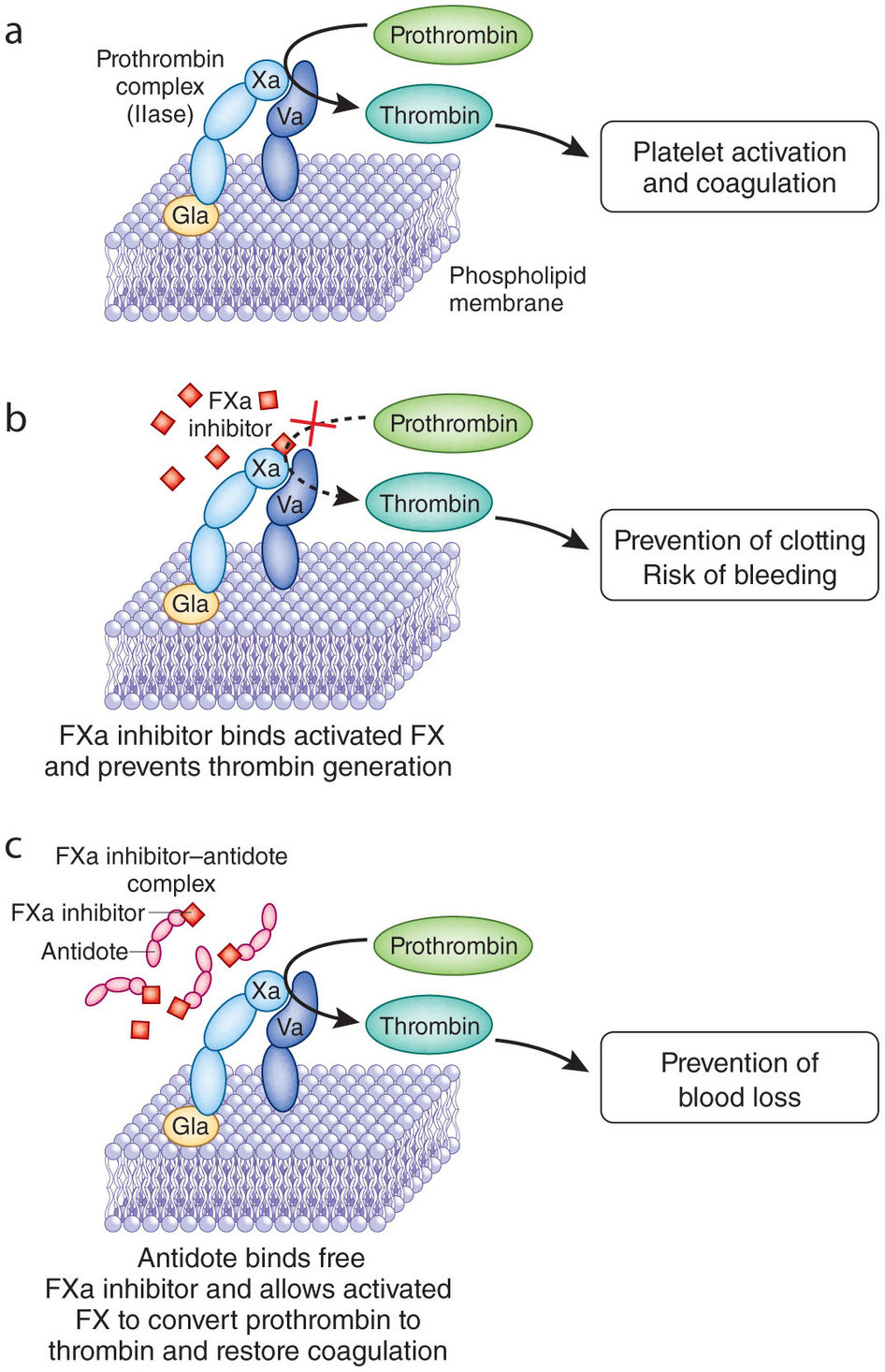
Summary – Volume 4, Part 2: Translational Medicine in Cardiovascular Diseases

Summary – Volume 4, Part 2:  Translational Medicine in Cardiovascular Diseases

Author and Curator: Larry H Bernstein, MD, FCAP


We have covered a large amount of material that involves

  • the development,
  • application, and
  • validation of outcomes of medical and surgical procedures

that are based on translation of science from the laboratory to the bedside, improving the standards of medical practice at an accelerated pace in the last quarter century, and in the last decade.  Encouraging enabling developments have been:

1. The establishment of national and international outcomes databases for procedures by specialist medical societies

Stent Design and Thrombosis: Bifurcation Intervention, Drug Eluting Stents (DES) and Biodegrable Stents
Curator: Aviva Lev-Ari, PhD, RN
http://pharmaceuticalintelligence.com/2013/08/06/stent-design-and-thrombosis-bifurcation-intervention-drug-eluting-stents-des-and-biodegrable-stents/

On Devices and On Algorithms: Prediction of Arrhythmia after Cardiac Surgery and ECG Prediction of an Onset of Paroxysmal Atrial Fibrillation
Author, and Content Consultant to e-SERIES A: Cardiovascular Diseases: Justin Pearlman, MD, PhD, FACC
http://pharmaceuticalintelligence.com/2013/05/07/on-devices-and-on-algorithms-arrhythmia-after-cardiac-surgery-prediction-and-ecg-prediction-of-paroxysmal-atrial-fibrillation-onset/

Mitral Valve Repair: Who is a Patient Candidate for a Non-Ablative Fully Non-Invasive Procedure?
Author, and Content Consultant to e-SERIES A: Cardiovascular Diseases: Justin Pearlman, MD, PhD, FACC and Article Curator: Aviva Lev-Ari, PhD, RN
http://pharmaceuticalintelligence.com/2013/11/04/mitral-valve-repair-who-is-a-candidate-for-a-non-ablative-fully-non-invasive-procedure/

Cardiovascular Complications: Death from Reoperative Sternotomy after prior CABG, MVR, AVR, or Radiation; Complications of PCI; Sepsis from Cardiovascular Interventions
Author, Introduction and Summary: Justin D Pearlman, MD, PhD, FACC and Article Curator: Aviva Lev-Ari, PhD, RN
http://pharmaceuticalintelligence.com/2013/07/23/cardiovascular-complications-of-multiple-etiologies-repeat-sternotomy-post-cabg-or-avr-post-pci-pad-endoscopy-andor-resultant-of-systemic-sepsis/

Survivals Comparison of Coronary Artery Bypass Graft (CABG) and Percutaneous Coronary Intervention (PCI) /Coronary Angioplasty
Larry H. Bernstein, MD, Writer And Aviva Lev-Ari, PhD, RN, Curator
http://pharmaceuticalintelligence.com/2013/06/23/comparison-of-cardiothoracic-bypass-and-percutaneous-interventional-catheterization-survivals/

Revascularization: PCI, Prior History of PCI vs CABG
Curator: Aviva Lev-Ari, PhD, RN
http://pharmaceuticalintelligence.com/2013/04/25/revascularization-pci-prior-history-of-pci-vs-cabg/

Outcomes in High Cardiovascular Risk Patients: Prasugrel (Effient) vs. Clopidogrel (Plavix); Aliskiren (Tekturna) added to ACE or added to ARB
Reporter and Curator: Aviva Lev-Ari, PhD, RN
http://pharmaceuticalintelligence.com/2012/08/27/outcomes-in-high-cardiovascular-risk-patients-prasugrel-effient-vs-clopidogrel-plavix-aliskiren-tekturna-added-to-ace-or-added-to-arb/

Endovascular Lower-extremity Revascularization Effectiveness: Vascular Surgeons (VSs), Interventional Cardiologists (ICs) and Interventional Radiologists (IRs)
Curator: Aviva Lev-Ari, PhD, RN
http://pharmaceuticalintelligence.com/2012/08/13/coronary-artery-disease-medical-devices-solutions-from-first-in-man-stent-implantation-via-medical-ethical-dilemmas-to-drug-eluting-stents/

and more

2. The identification of problem areas, particularly in activation of the prothrombotic pathways, infection control to an extent, and targeting of pathways leading to progression or to arrythmogenic complications.

Cardiovascular Complications: Death from Reoperative Sternotomy after prior CABG, MVR, AVR, or Radiation; Complications of PCI; Sepsis from Cardiovascular Interventions Author, Introduction and Summary: Justin D Pearlman, MD, PhD, FACC and Article Curator: Aviva Lev-Ari, PhD, RN
http://pharmaceuticalintelligence.com/2013/07/23/cardiovascular-complications-of-multiple-etiologies-repeat-sternotomy-post-cabg-or-avr-post-pci-pad-endoscopy-andor-resultant-of-systemic-sepsis/

Anticoagulation genotype guided dosing
Larry H. Bernstein, MD, FCAP, Author and Curator
http://pharmaceuticalintelligence.com/2013/12/08/anticoagulation-genotype-guided-dosing/

Stent Design and Thrombosis: Bifurcation Intervention, Drug Eluting Stents (DES) and Biodegrable Stents
Curator: Aviva Lev-Ari, PhD, RN
http://pharmaceuticalintelligence.com/2013/08/06/stent-design-and-thrombosis-bifurcation-intervention-drug-eluting-stents-des-and-biodegrable-stents/

The Effects of Aprotinin on Endothelial Cell Coagulant Biology
Co-Author (Kamran Baig, MBBS, James Jaggers, MD, Jeffrey H. Lawson, MD, PhD) and Curator
http://pharmaceuticalintelligence.com/2013/07/20/the-effects-of-aprotinin-on-endothelial-cell-coagulant-biology/

Outcomes in High Cardiovascular Risk Patients: Prasugrel (Effient) vs. Clopidogrel (Plavix); Aliskiren (Tekturna) added to ACE or added to ARB
Reporter and Curator: Aviva Lev-Ari, PhD, RN
http://pharmaceuticalintelligence.com/2012/08/27/outcomes-in-high-cardiovascular-risk-patients-prasugrel-effient-vs-clopidogrel-plavix-aliskiren-tekturna-added-to-ace-or-added-to-arb/

Pharmacogenomics – A New Method for Druggability  Author and Curator: Demet Sag, PhD
http://pharmaceuticalintelligence.com/2014/04/28/pharmacogenomics-a-new-method-for-druggability/

Advanced Topics in Sepsis and the Cardiovascular System at its End Stage    Author: Larry H Bernstein, MD, FCAP
http://pharmaceuticalintelligence.com/2013/08/18/advanced-topics-in-Sepsis-and-the-Cardiovascular-System-at-its-End-Stage/

3. Development of procedures that use a safer materials in vascular management.

Stent Design and Thrombosis: Bifurcation Intervention, Drug Eluting Stents (DES) and Biodegrable Stents
Curator: Aviva Lev-Ari, PhD, RN
http://pharmaceuticalintelligence.com/2013/08/06/stent-design-and-thrombosis-bifurcation-intervention-drug-eluting-stents-des-and-biodegrable-stents/

Biomaterials Technology: Models of Tissue Engineering for Reperfusion and Implantable Devices for Revascularization
Author and Curator: Larry H Bernstein, MD, FACP and Curator: Aviva Lev-Ari, PhD, RN
http://pharmaceuticalintelligence.com/2013/05/05/bioengineering-of-vascular-and-tissue-models/

Vascular Repair: Stents and Biologically Active Implants
Author and Curator: Larry H Bernstein, MD, FACP and Curator: Aviva Lev-Ari, RN, PhD
http://pharmaceuticalintelligence.com/2013/05/04/stents-biologically-active-implants-and-vascular-repair/

Drug Eluting Stents: On MIT’s Edelman Lab’s Contributions to Vascular Biology and its Pioneering Research on DES
Author: Larry H Bernstein, MD, FACP and Curator: Aviva Lev-Ari, PhD, RN
http://PharmaceuticalIntelligence.com/2013/04/25/Contributions-to-vascular-biology/

MedTech & Medical Devices for Cardiovascular Repair – Curations by Aviva Lev-Ari, PhD, RN
http://pharmaceuticalintelligence.com/2014/04/17/medtech-medical-devices-for-cardiovascular-repair-curation-by-aviva-lev-ari-phd-rn/

4. Discrimination of cases presenting for treatment based on qualifications for medical versus surgical intervention.

Treatment Options for Left Ventricular Failure – Temporary Circulatory Support: Intra-aortic balloon pump (IABP) – Impella Recover LD/LP 5.0 and 2.5, Pump Catheters (Non-surgical) vs Bridge Therapy: Percutaneous Left Ventricular Assist Devices (pLVADs) and LVADs (Surgical)
Author: Larry H Bernstein, MD, FCAP And Curator: Justin D Pearlman, MD, PhD, FACC
http://pharmaceuticalintelligence.com/2013/07/17/treatment-options-for-left-ventricular-failure-temporary-circulatory-support-intra-aortic-balloon-pump-iabp-impella-recover-ldlp-5-0-and-2-5-pump-catheters-non-surgical-vs-bridge-therapy/

Coronary Reperfusion Therapies: CABG vs PCI – Mayo Clinic preprocedure Risk Score (MCRS) for Prediction of in-Hospital Mortality after CABG or PCI
Writer and Curator: Larry H. Bernstein, MD, FCAP and Curator: Aviva Lev-Ari, PhD, RN
http://pharmaceuticalintelligence.com/2013/06/30/mayo-risk-score-for-percutaneous-coronary-intervention/

ACC/AHA Guidelines for Coronary Artery Bypass Graft Surgery Reporter: Aviva Lev-Ari, PhD, RN
http://pharmaceuticalintelligence.com/2013/11/05/accaha-guidelines-for-coronary-artery-bypass-graft-surgery/

Mitral Valve Repair: Who is a Patient Candidate for a Non-Ablative Fully Non-Invasive Procedure?
Author, and Content Consultant to e-SERIES A: Cardiovascular Diseases: Justin Pearlman, MD, PhD, FACC and Article Curator: Aviva Lev-Ari, PhD, RN
http://pharmaceuticalintelligence.com/2013/11/04/mitral-valve-repair-who-is-a-candidate-for-a-non-ablative-fully-non-invasive-procedure/ 

5.  This has become possible because of the advances in our knowledge of key related pathogenetic mechanisms involving gene expression and cellular regulation of complex mechanisms.

What is the key method to harness Inflammation to close the doors for many complex diseases?
Author and Curator: Larry H Bernstein, MD, FCAP
http://pharmaceuticalintelligence.com/2014/03/21/what-is-the-key-method-to-harness-inflammation-to-close-the-doors-for-many-complex-diseases/

CVD Prevention and Evaluation of Cardiovascular Imaging Modalities: Coronary Calcium Score by CT Scan Screening to justify or not the Use of Statin
Curator: Aviva Lev-Ari, PhD, RN
http://pharmaceuticalintelligence.com/2014/03/03/cvd-prevention-and-evaluation-of-cardiovascular-imaging-modalities-coronary-calcium-score-by-ct-scan-screening-to-justify-or-not-the-use-of-statin/

Richard Lifton, MD, PhD of Yale University and Howard Hughes Medical Institute: Recipient of 2014 Breakthrough Prizes Awarded in Life Sciences for the Discovery of Genes and Biochemical Mechanisms that cause Hypertension
Curator: Aviva Lev-Ari, PhD, RN
http://pharmaceuticalintelligence.com/2014/03/03/richard-lifton-md-phd-of-yale-university-and-howard-hughes-medical-institute-recipient-of-2014-breakthrough-prizes-awarded-in-life-sciences-for-the-discovery-of-genes-and-biochemical-mechanisms-tha/

Pathophysiological Effects of Diabetes on Ischemic-Cardiovascular Disease and on Chronic Obstructive Pulmonary Disease (COPD)
Curator:  Larry H. Bernstein, MD, FCAP
http://pharmaceuticalintelligence.com/2014/01/15/pathophysiological-effects-of-diabetes-on-ischemic-cardiovascular-disease-and-on-chronic-obstructive-pulmonary-disease-copd/

Atherosclerosis Independence: Genetic Polymorphisms of Ion Channels Role in the Pathogenesis of Coronary Microvascular Dysfunction and Myocardial Ischemia (Coronary Artery Disease (CAD))
Reviewer and Co-Curator: Larry H Bernstein, MD, CAP and Curator: Aviva Lev-Ari, PhD, RN
http://pharmaceuticalintelligence.com/2013/12/21/genetic-polymorphisms-of-ion-channels-have-a-role-in-the-pathogenesis-of-coronary-microvascular-dysfunction-and-ischemic-heart-disease/

Notable Contributions to Regenerative Cardiology  Author and Curator: Larry H Bernstein, MD, FCAP and Article Commissioner: Aviva Lev-Ari, PhD, RD
http://pharmaceuticalintelligence.com/2013/10/20/notable-contributions-to-regenerative-cardiology/

As noted in the introduction, any of the material can be found and reviewed by content, and the eTOC is identified in attached:

http://wp.me/p2xfv8-1W


This completes what has been presented in Part 2, Vol 4 , and supporting references for the main points that are found in the Leaders in Pharmaceutical Intelligence Cardiovascular book.  Part 1 was concerned with Posttranslational Modification of Proteins, vital for understanding cellular regulation and dysregulation.  Part 2 was concerned with Translational Medical Therapeutics, the efficacy of medical and surgical decisions based on bringing the knowledge gained from the laboratory, and from clinical trials into the realm opf best practice.  The time for this to occur in practice in the past has been through roughly a generation of physicians.  That was in part related to the busy workload of physicians, and inability to easily access specialty literature as the volume and complexity increased.  This had an effect of making access of a family to a primary care provider through a lifetime less likely than the period post WWII into the 1980s.

However, the growth of knowledge has accelerated in the specialties since the 1980’s so that the use of physician referral in time became a concern about the cost of medical care.  This is not the place for or a matter for discussion here.  It is also true that the scientific advances and improvements in available technology have had a great impact on medical outcomes.  The only unrelated issue is that of healthcare delivery, which is not up to the standard set by serial advances in therapeutics, accompanied by high cost due to development costs, marketing costs, and development of drug resistance.

I shall identify continuing developments in cardiovascular diagnostics, therapeutics, and bioengineering that is and has been emerging.

1. Mechanisms of disease

REPORT: Mapping the Cellular Response to Small Molecules Using Chemogenomic Fitness Signatures 

Science 11 April 2014:
Vol. 344 no. 6180 pp. 208-211
http://dx.doi.org/10.1126/science.1250217

Abstract: Genome-wide characterization of the in vivo cellular response to perturbation is fundamental to understanding how cells survive stress. Identifying the proteins and pathways perturbed by small molecules affects biology and medicine by revealing the mechanisms of drug action. We used a yeast chemogenomics platform that quantifies the requirement for each gene for resistance to a compound in vivo to profile 3250 small molecules in a systematic and unbiased manner. We identified 317 compounds that specifically perturb the function of 121 genes and characterized the mechanism of specific compounds. Global analysis revealed that the cellular response to small molecules is limited and described by a network of 45 major chemogenomic signatures. Our results provide a resource for the discovery of functional interactions among genes, chemicals, and biological processes.

Yeasty HIPHOP

Laura Zahn
Sci. Signal. 15 April 2014; 7(321): ec103.   http://dx.doi.org/10.1126/scisignal.2005362

In order to identify how chemical compounds target genes and affect the physiology of the cell, tests of the perturbations that occur when treated with a range of pharmacological chemicals are required. By examining the haploinsufficiency profiling (HIP) and homozygous profiling (HOP) chemogenomic platforms, Lee et al.(p. 208) analyzed the response of yeast to thousands of different small molecules, with genetic, proteomic, and bioinformatic analyses. Over 300 compounds were identified that targeted 121 genes within 45 cellular response signature networks. These networks were used to extrapolate the likely effects of related chemicals, their impact upon genetic pathways, and to identify putative gene functions

Key Heart Failure Culprit Discovered

A team of cardiovascular researchers from the Cardiovascular Research Center at Icahn School of Medicine at Mount Sinai, Sanford-Burnham Medical Research Institute, and University of California, San Diego have identified a small, but powerful, new player in thIe onset and progression of heart failure. Their findings, published in the journal Nature  on March 12, also show how they successfully blocked the newly discovered culprit.
Investigators identified a tiny piece of RNA called miR-25 that blocks a gene known as SERCA2a, which regulates the flow of calcium within heart muscle cells. Decreased SERCA2a activity is one of the main causes of poor contraction of the heart and enlargement of heart muscle cells leading to heart failure.

Using a functional screening system developed by researchers at Sanford-Burnham, the research team discovered miR-25 acts pathologically in patients suffering from heart failure, delaying proper calcium uptake in heart muscle cells. According to co-lead study authors Christine Wahlquist and Dr. Agustin Rojas Muñoz, developers of the approach and researchers in Mercola’s lab at Sanford-Burnham, they used high-throughput robotics to sift through the entire genome for microRNAs involved in heart muscle dysfunction.

Subsequently, the researchers at the Cardiovascular Research Center at Icahn School of Medicine at Mount Sinai found that injecting a small piece of RNA to inhibit the effects of miR-25 dramatically halted heart failure progression in mice. In addition, it also improved their cardiac function and survival.

“In this study, we have not only identified one of the key cellular processes leading to heart failure, but have also demonstrated the therapeutic potential of blocking this process,” says co-lead study author Dr. Dongtak Jeong, a post-doctoral fellow at the Cardiovascular Research Center at Icahn School of  Medicine at Mount Sinai in the laboratory of the study’s co-senior author Dr. Roger J. Hajjar.

Publication: Inhibition of miR-25 improves cardiac contractility in the failing heart.Christine Wahlquist, Dongtak Jeong, Agustin Rojas-Muñoz, Changwon Kho, Ahyoung Lee, Shinichi Mitsuyama, Alain Van Mil, Woo Jin Park, Joost P. G. Sluijter, Pieter A. F. Doevendans, Roger J. :  Hajjar & Mark Mercola.     Nature (March 2014)    http://www.nature.com/nature/journal/vaop/ncurrent/full/nature13073.html


“Junk” DNA Tied to Heart Failure

Deep RNA Sequencing Reveals Dynamic Regulation of Myocardial Noncoding RNAs in Failing Human Heart and Remodeling With Mechanical Circulatory Support

Yang KC, Yamada KA, Patel AY, Topkara VK, George I, et al.
Circulation 2014;  129(9):1009-21.
http://dx.doi.org/10.1161/CIRCULATIONAHA.113.003863              http://circ.ahajournals.org/…/CIRCULATIONAHA.113.003863.full

The myocardial transcriptome is dynamically regulated in advanced heart failure and after LVAD support. The expression profiles of lncRNAs, but not mRNAs or miRNAs, can discriminate failing hearts of different pathologies and are markedly altered in response to LVAD support. These results suggest an important role for lncRNAs in the pathogenesis of heart failure and in reverse remodeling observed with mechanical support.

Junk DNA was long thought to have no important role in heredity or disease because it doesn’t code for proteins. But emerging research in recent years has revealed that many of these sections of the genome produce noncoding RNA molecules that still have important functions in the body. They come in a variety of forms, some more widely studied than others. Of these, about 90% are called long noncoding RNAs (lncRNAs), and exploration of their roles in health and disease is just beginning.

The Washington University group performed a comprehensive analysis of all RNA molecules expressed in the human heart. The researchers studied nonfailing hearts and failing hearts before and after patients received pump support from left ventricular assist devices (LVAD). The LVADs increased each heart’s pumping capacity while patients waited for heart transplants.

In their study, the researchers found that unlike other RNA molecules, expression patterns of long noncoding RNAs could distinguish between two major types of heart failure and between failing hearts before and after they received LVAD support.

“The myocardial transcriptome is dynamically regulated in advanced heart failure and after LVAD support. The expression profiles of lncRNAs, but not mRNAs or miRNAs, can discriminate failing hearts of different pathologies and are markedly altered in response to LVAD support,” wrote the researchers. “These results suggest an important role for lncRNAs in the pathogenesis of heart failure and in reverse remodeling observed with mechanical support.”

‘Junk’ Genome Regions Linked to Heart Failure

In a recent issue of the journal Circulation, Washington University investigators report results from the first comprehensive analysis of all RNA molecules expressed in the human heart. The researchers studied nonfailing hearts and failing hearts before and after patients received pump support from left ventricular assist devices (LVAD). The LVADs increased each heart’s pumping capacity while patients waited for heart transplants.

“We took an unbiased approach to investigating which types of RNA might be linked to heart failure,” said senior author Jeanne Nerbonne, the Alumni Endowed Professor of Molecular Biology and Pharmacology. “We were surprised to find that long noncoding RNAs stood out.

In the new study, the investigators found that unlike other RNA molecules, expression patterns of long noncoding RNAs could distinguish between two major types of heart failure and between failing hearts before and after they received LVAD support.

“We don’t know whether these changes in long noncoding RNAs are a cause or an effect of heart failure,” Nerbonne said. “But it seems likely they play some role in coordinating the regulation of multiple genes involved in heart function.”

Nerbonne pointed out that all types of RNA molecules they examined could make the obvious distinction: telling the difference between failing and nonfailing hearts. But only expression of the long noncoding RNAs was measurably different between heart failure associated with a heart attack (ischemic) and heart failure without the obvious trigger of blocked arteries (nonischemic). Similarly, only long noncoding RNAs significantly changed expression patterns after implantation of left ventricular assist devices.

Comment

Decoding the noncoding transcripts in human heart failure

Xiao XG, Touma M, Wang Y
Circulation. 2014; 129(9): 958960,  http://dx.doi.org/10.1161/CIRCULATIONAHA.114.007548 

Heart failure is a complex disease with a broad spectrum of pathological features. Despite significant advancement in clinical diagnosis through improved imaging modalities and hemodynamic approaches, reliable molecular signatures for better differential diagnosis and better monitoring of heart failure progression remain elusive. The few known clinical biomarkers for heart failure, such as plasma brain natriuretic peptide and troponin, have been shown to have limited use in defining the cause or prognosis of the disease.1,2 Consequently, current clinical identification and classification of heart failure remain descriptive, mostly based on functional and morphological parameters. Therefore, defining the pathogenic mechanisms for hypertrophic versus dilated or ischemic versus nonischemic cardiomyopathies in the failing heart remain a major challenge to both basic science and clinic researchers. In recent years, mechanical circulatory support using left ventricular assist devices (LVADs) has assumed a growing role in the care of patients with end-stage heart failure.3 During the earlier years of LVAD application as a bridge to transplant, it became evident that some patients exhibit substantial recovery of ventricular function, structure, and electric properties.4 This led to the recognition that reverse remodeling is potentially an achievable therapeutic goal using LVADs. However, the underlying mechanism for the reverse remodeling in the LVAD-treated hearts is unclear, and its discovery would likely hold great promise to halt or even reverse the progression of heart failure.


Efficacy and Safety of Dabigatran Compared With Warfarin in Relation to Baseline Renal Function in Patients With Atrial Fibrillation: A RE-LY (Randomized Evaluation of Long-term Anticoagulation Therapy) Trial Analysis

Circulation. 2014; 129: 951-952     http://dx.doi.org/10.1161/​CIR.0000000000000022

In patients with atrial fibrillation, impaired renal function is associated with a higher risk of thromboembolic events and major bleeding. Oral anticoagulation with vitamin K antagonists reduces thromboembolic events but raises the risk of bleeding. The new oral anticoagulant dabigatran has 80% renal elimination, and its efficacy and safety might, therefore, be related to renal function. In this prespecified analysis from the Randomized Evaluation of Long-Term Anticoagulant Therapy (RELY) trial, outcomes with dabigatran versus warfarin were evaluated in relation to 4 estimates of renal function, that is, equations based on creatinine levels (Cockcroft-Gault, Modification of Diet in Renal Disease (MDRD), Chronic Kidney Disease Epidemiology Collaboration [CKD-EPI]) and cystatin C. The rates of stroke or systemic embolism were lower with dabigatran 150 mg and similar with 110 mg twice daily irrespective of renal function. Rates of major bleeding were lower with dabigatran 110 mg and similar with 150 mg twice daily across the entire range of renal function. However, when the CKD-EPI or MDRD equations were used, there was a significantly greater relative reduction in major bleeding with both doses of dabigatran than with warfarin in patients with estimated glomerular filtration rate ≥80 mL/min. These findings show that dabigatran can be used with the same efficacy and adequate safety in patients with a wide range of renal function and that a more accurate estimate of renal function might be useful for improved tailoring of anticoagulant treatment in patients with atrial fibrillation and an increased risk of stroke.

Aldosterone Regulates MicroRNAs in the Cortical Collecting Duct to Alter Sodium Transport.

Robert S Edinger, Claudia Coronnello, Andrew J Bodnar, William A Laframboise, Panayiotis V Benos, Jacqueline Ho, John P Johnson, Michael B Butterworth

Journal of the American Society of Nephrology (Impact Factor: 8.99). 04/2014;     http://dx. DO.org/I:10.1681/ASN.2013090931

Source: PubMed

ABSTRACT A role for microRNAs (miRs) in the physiologic regulation of sodium transport in the kidney has not been established. In this study, we investigated the potential of aldosterone to alter miR expression in mouse cortical collecting duct (mCCD) epithelial cells. Microarray studies demonstrated the regulation of miR expression by aldosterone in both cultured mCCD and isolated primary distal nephron principal cells.

Aldosterone regulation of the most significantly downregulated miRs, mmu-miR-335-3p, mmu-miR-290-5p, and mmu-miR-1983 was confirmed by quantitative RT-PCR. Reducing the expression of these miRs separately or in combination increased epithelial sodium channel (ENaC)-mediated sodium transport in mCCD cells, without mineralocorticoid supplementation. Artificially increasing the expression of these miRs by transfection with plasmid precursors or miR mimic constructs blunted aldosterone stimulation of ENaC transport.

Using a newly developed computational approach, termed ComiR, we predicted potential gene targets for the aldosterone-regulated miRs and confirmed ankyrin 3 (Ank3) as a novel aldosterone and miR-regulated protein.

A dual-luciferase assay demonstrated direct binding of the miRs with the Ank3-3′ untranslated region. Overexpression of Ank3 increased and depletion of Ank3 decreased ENaC-mediated sodium transport in mCCD cells. These findings implicate miRs as intermediaries in aldosterone signaling in principal cells of the distal kidney nephron.


2. Diagnostic Biomarker Status

A prospective study of the impact of serial troponin measurements on the diagnosis of myocardial infarction and hospital and 6-month mortality in patients admitted to ICU with non-cardiac diagnoses.

Marlies Ostermann, Jessica Lo, Michael Toolan, Emma Tuddenham, Barnaby Sanderson, Katie Lei, John Smith, Anna Griffiths, Ian Webb, James Coutts, John hambers, Paul Collinson, Janet Peacock, David Bennett, David Treacher

Critical care (London, England) (Impact Factor: 4.72). 04/2014; 18(2):R62.   http://dx.doi.org/:10.1186/cc13818

Source: PubMed

ABSTRACT Troponin T (cTnT) elevation is common in patients in the Intensive Care Unit (ICU) and associated with morbidity and mortality. Our aim was to determine the epidemiology of raised cTnT levels and contemporaneous electrocardiogram (ECG) changes suggesting myocardial infarction (MI) in ICU patients admitted for non-cardiac reasons.
cTnT and ECGs were recorded daily during week 1 and on alternate days during week 2 until discharge from ICU or death. ECGs were interpreted independently for the presence of ischaemic changes. Patients were classified into 4 groups: (i) definite MI (cTnT >=15 ng/L and contemporaneous changes of MI on ECG), (ii) possible MI (cTnT >=15 ng/L and contemporaneous ischaemic changes on ECG), (iii) troponin rise alone (cTnT >=15 ng/L), or (iv) normal. Medical notes were screened independently by two ICU clinicians for evidence that the clinical teams had considered a cardiac event.
Data from 144 patients were analysed [42% female; mean age 61.9 (SD 16.9)]. 121 patients (84%) had at least one cTnT level >=15 ng/L. A total of 20 patients (14%) had a definite MI, 27% had a possible MI, 43% had a cTNT rise without contemporaneous ECG changes, and 16% had no cTNT rise. ICU, hospital and 180 day mortality were significantly higher in patients with a definite or possible MI.Only 20% of definite MIs were recognised by the clinical team. There was no significant difference in mortality between recognised and non-recognised events.At time of cTNT rise, 100 patients (70%) were septic and 58% were on vasopressors. Patients who were septic when cTNT was elevated had an ICU mortality of 28% compared to 9% in patients without sepsis. ICU mortality of patients who were on vasopressors at time of cTNT elevation was 37% compared to 1.7% in patients not on vasopressors.
The majority of critically ill patients (84%) had a cTnT rise and 41% met criteria for a possible or definite MI of whom only 20% were recognised clinically. Mortality up to 180 days was higher in patients with a cTnT rise.


Prognostic performance of high-sensitivity cardiac troponin T kinetic changes adjusted for elevated admission values and the GRACE score in an unselected emergency department population.

Moritz BienerMatthias MuellerMehrshad VafaieAllan S JaffeHugo A Katus,Evangelos Giannitsis

Clinica chimica acta; international journal of clinical chemistry (Impact Factor: 2.54). 04/2014;   http://dx.doi.org/10.1016/j.cca.2014.04.007

Source: PubMed

ABSTRACT To test the prognostic performance of rising and falling kinetic changes of high-sensitivity cardiac troponin T (hs-cTnT) and the GRACE score.
Rising and falling hs-cTnT changes in an unselected emergency department population were compared.
635 patients with a hs-cTnT >99th percentile admission value were enrolled. Of these, 572 patients qualified for evaluation with rising patterns (n=254, 44.4%), falling patterns (n=224, 39.2%), or falling patterns following an initial rise (n=94, 16.4%). During 407days of follow-up, we observed 74 deaths, 17 recurrent AMI, and 79 subjects with a composite of death/AMI. Admission values >14ng/L were associated with a higher rate of adverse outcomes (OR, 95%CI:death:12.6, 1.8-92.1, p=0.01, death/AMI:6.7, 1.6-27.9, p=0.01). Neither rising nor falling changes increased the AUC of baseline values (AUC: rising 0.562 vs 0.561, p=ns, falling: 0.533 vs 0.575, p=ns). A GRACE score ≥140 points indicated a higher risk of death (OR, 95%CI: 3.14, 1.84-5.36), AMI (OR,95%CI: 1.56, 0.59-4.17), or death/AMI (OR, 95%CI: 2.49, 1.51-4.11). Hs-cTnT changes did not improve prognostic performance of a GRACE score ≥140 points (AUC, 95%CI: death: 0.635, 0.570-0.701 vs. 0.560, 0.470-0.649 p=ns, AMI: 0.555, 0.418-0.693 vs. 0.603, 0.424-0.782, p=ns, death/AMI: 0.610, 0.545-0.676 vs. 0.538, 0.454-0.622, p=ns). Coronary angiography was performed earlier in patients with rising than with falling kinetics (median, IQR [hours]:13.7, 5.5-28.0 vs. 20.8, 6.3-59.0, p=0.01).
Neither rising nor falling hs-cTnT changes improve prognostic performance of elevated hs-cTnT admission values or the GRACE score. However, rising values are more likely associated with the decision for earlier invasive strategy.


Troponin assays for the diagnosis of myocardial infarction and acute coronary syndrome: where do we stand?

Arie Eisenman

ABSTRACT: Under normal circumstances, most intracellular troponin is part of the muscle contractile apparatus, and only a small percentage (< 2-8%) is free in the cytoplasm. The presence of a cardiac-specific troponin in the circulation at levels above normal is good evidence of damage to cardiac muscle cells, such as myocardial infarction, myocarditis, trauma, unstable angina, cardiac surgery or other cardiac procedures. Troponins are released as complexes leading to various cut-off values depending on the assay used. This makes them very sensitive and specific indicators of cardiac injury. As with other cardiac markers, observation of a rise and fall in troponin levels in the appropriate time-frame increases the diagnostic specificity for acute myocardial infarction. They start to rise approximately 4-6 h after the onset of acute myocardial infarction and peak at approximately 24 h, as is the case with creatine kinase-MB. They remain elevated for 7-10 days giving a longer diagnostic window than creatine kinase. Although the diagnosis of various types of acute coronary syndrome remains a clinical-based diagnosis, the use of troponin levels contributes to their classification. This Editorial elaborates on the nature of troponin, its classification, clinical use and importance, as well as comparing it with other currently available cardiac markers.

Expert Review of Cardiovascular Therapy 07/2006; 4(4):509-14.   http://dx.doi.org/:10.1586/14779072.4.4.509 


Impact of redefining acute myocardial infarction on incidence, management and reimbursement rate of acute coronary syndromes.

Carísi A Polanczyk, Samir Schneid, Betina V Imhof, Mariana Furtado, Carolina Pithan, Luis E Rohde, Jorge P Ribeiro

ABSTRACT: Although redefinition for acute myocardial infarction (AMI) has been proposed few years ago, to date it has not been universally adopted by many institutions. The purpose of this study is to evaluate the diagnostic, prognostic and economical impact of the new diagnostic criteria for AMI. Patients consecutively admitted to the emergency department with suspected acute coronary syndromes were enrolled in this study. Troponin T (cTnT) was measured in samples collected for routine CK-MB analyses and results were not available to physicians. Patients without AMI by traditional criteria and cTnT > or = 0.035 ng/mL were coded as redefined AMI. Clinical outcomes were hospital death, major cardiac events and revascularization procedures. In-hospital management and reimbursement rates were also analyzed. Among 363 patients, 59 (16%) patients had AMI by conventional criteria, whereas additional 75 (21%) had redefined AMI, an increase of 127% in the incidence. Patients with redefined AMI were significantly older, more frequently male, with atypical chest pain and more risk factors. In multivariate analysis, redefined AMI was associated with 3.1 fold higher hospital death (95% CI: 0.6-14) and a 5.6 fold more cardiac events (95% CI: 2.1-15) compared to those without AMI. From hospital perspective, based on DRGs payment system, adoption of AMI redefinition would increase 12% the reimbursement rate [3552 Int dollars per 100 patients evaluated]. The redefined criteria result in a substantial increase in AMI cases, and allow identification of high-risk patients. Efforts should be made to reinforce the adoption of AMI redefinition, which may result in more qualified and efficient management of ACS.

International Journal of Cardiology 03/2006; 107(2):180-7. · 5.51 Impact Factor   http://www.sciencedirect.com/science/article/pii/S0167527305005279


3. Biomedical Engineerin3g

Safety and Efficacy of an Injectable Extracellular Matrix Hydrogel for Treating Myocardial Infarction 

Sonya B. Seif-Naraghi, Jennifer M. Singelyn, Michael A. Salvatore,  et al.
Sci Transl Med 20 February 2013 5:173ra25  http://dx.doi.org/10.1126/scitranslmed.3005503

Acellular biomaterials can stimulate the local environment to repair tissues without the regulatory and scientific challenges of cell-based therapies. A greater understanding of the mechanisms of such endogenous tissue repair is furthering the design and application of these biomaterials. We discuss recent progress in acellular materials for tissue repair, using cartilage and cardiac tissues as examples of application with substantial intrinsic hurdles, but where human translation is now occurring.

 Acellular Biomaterials: An Evolving Alternative to Cell-Based Therapies

J. A. Burdick, R. L. Mauck, J. H. Gorman, R. C. Gorman,
Sci. Transl. Med. 2013; 5, (176): 176 ps4    http://stm.sciencemag.org/content/5/176/176ps4

Acellular biomaterials can stimulate the local environment to repair tissues without the regulatory and scientific challenges of cell-based therapies. A greater understanding of the mechanisms of such endogenous tissue repair is furthering the design and application of these biomaterials. We discuss recent progress in acellular materials for tissue repair, using cartilage and cardiac tissues as examples of applications with substantial intrinsic hurdles, but where human translation is now occurring.


Instructive Nanofiber Scaffolds with VEGF Create a Microenvironment for Arteriogenesis and Cardiac Repair

Yi-Dong Lin, Chwan-Yau Luo, Yu-Ning Hu, Ming-Long Yeh, Ying-Chang Hsueh, Min-Yao Chang, et al.
Sci Transl Med 8 August 2012; 4(146):ra109.   http://dx.doi.org/ 10.1126/scitranslmed.3003841

Angiogenic therapy is a promising approach for tissue repair and regeneration. However, recent clinical trials with protein delivery or gene therapy to promote angiogenesis have failed to provide therapeutic effects. A key factor for achieving effective revascularization is the durability of the microvasculature and the formation of new arterial vessels. Accordingly, we carried out experiments to test whether intramyocardial injection of self-assembling peptide nanofibers (NFs) combined with vascular endothelial growth factor (VEGF) could create an intramyocardial microenvironment with prolonged VEGF release to improve post-infarct neovascularization in rats. Our data showed that when injected with NF, VEGF delivery was sustained within the myocardium for up to 14 days, and the side effects of systemic edema and proteinuria were significantly reduced to the same level as that of control. NF/VEGF injection significantly improved angiogenesis, arteriogenesis, and cardiac performance 28 days after myocardial infarction. NF/VEGF injection not only allowed controlled local delivery but also transformed the injected site into a favorable microenvironment that recruited endogenous myofibroblasts and helped achieve effective revascularization. The engineered vascular niche further attracted a new population of cardiomyocyte-like cells to home to the injected sites, suggesting cardiomyocyte regeneration. Follow-up studies in pigs also revealed healing benefits consistent with observations in rats. In summary, this study demonstrates a new strategy for cardiovascular repair with potential for future clinical translation.

Manufacturing Challenges in Regenerative Medicine

I. Martin, P. J. Simmons, D. F. Williams.
Sci. Transl. Med. 2014; 6(232): fs16.   http://dx.doi.org/10.1126/scitranslmed.3008558

Along with scientific and regulatory issues, the translation of cell and tissue therapies in the routine clinical practice needs to address standardization and cost-effectiveness through the definition of suitable manufacturing paradigms.


Read Full Post »

Zontivity (vorapaxar), Merck’s Cardio Drug Approval by FDA: Will it Challenge existing Oral Anticoagulation drugs: i.e., Apixaban, Dabigatran, Edoxaban, Rivaroxaban

Curator: Aviva Lev-Ari, PhD, RN


UPDATED on 1/15/2019

Rivaroxaban Might Not Add Much to Post-CABG Prevention – Nonsignificant signal for fewer MACE seen in COMPASS substudy

“The number of clinical events in the study was modest, but the overall results were consistent with the main COMPASS study findings in suggesting that rivaroxaban 2.5 mg twice daily plus aspirin compared with aspirin alone will also reduce [MACE] major adverse cardiovascular events.”

  • Guidelines currently recommend antiplatelet therapy after CABG with aspirin or clopidogrel (Plavix) to prevent graft failure and improve clinical outcomes.

COMPASS-CABG was a substudy of patients enrolled into the COMPASS trial within 2 weeks following CABG. Participants were randomized to aspirin 100 mg once daily (n=463) alone or in combination with rivaroxaban 2.5 mg twice daily (n=502), or to rivaroxaban alone at 5 mg twice daily (n=483).

Major bleeding in the first 30 days occurred at similar rates among groups (0.4% for rivaroxaban plus aspirin, 0.2% for rivaroxaban alone, and 1.1% for aspirin alone). None of these serious bleeding complications were fatal or led to reoperation or cardiac tamponade.

SOURCE

Journal of the American College of Cardiology

Rivaroxaban, Aspirin, or Both to Prevent Early Coronary Bypass Graft Occlusion – The COMPASS-CABG Study


UPDATED on 8/16/2016

The presence of any VHD did not influence the comparison of Dabigatran [Pradaxa, Boehringer Ingelheim] with warfarin

It is important to note that similar to RE-LY, 14% of patients in the Rivaroxaban Once Daily Oral Direct Factor Xa Inhibition Compared with Vitamin K Antagonism for Prevention of Stroke and Embolism Trial in Atrial Fibrillation (ROCKET-AF) trial and 26% of patients in the Apixaban for Reduction in Stroke and Other Thromboembolic Events in Atrial Fibrillation (ARISTOTLE) trial had heart-valve disease other than prosthetic valve disease or significant mitral valve stenosis.

Two other post hoc analyses looked at outcomes with rivaroxaban (Xarelto, Bayer/Johnson) vs warfarin in the ROCKET-AF trial and apixaban ( Eliquis, Bristol-Myers Squibb/Pfizer) vs warfarin and in the ARISTOTLE trial—specifically in patients with valvular heart disease.

Taken together, “the evidence regarding the value of NOACs in patients with [valvular heart disease] as defined in the three studies is very strong” and is reflected in the recent European and American guidelines, according to Ezekowitz et al.

This analysis was sponsored by a research grant from Boehringer-Ingelheim Pharmaceuticals. Ezekowitz has served as a consultant for AstraZeneca, Eisai, Pozen, Boehringer Ingelheim, ARYx Therapeutics, Pfizer, Sanofi, Bristol-Myers Squibb, Portola, Daiichi Sankyo, Medtronic, Merck, Johnson & Johnson, Gilead,Janssen Scientific Affairs, and Armetheon. He has received grants from Boehringer Ingelheim, Bayer, Daiichi Sankyo, Pfizer, and Bristol-Myers Squibb. Disclosures for the coauthors are listed in the article.

SOURCE

http://www.medscape.com/viewarticle/867482?nlid=108872_3866&src=WNL_mdplsfeat_160816_mscpedit_card&uac=93761AJ&spon=2&impID=1179558&faf=1

Merck’s Statement


The U.S. Food and Drug Administration today approved Zontivity (vorapaxar) tablets to reduce the risk of heart attack, stroke, cardiovascular death, and need for procedures to restore the blood flow to the heart in patients with a previous heart attack or blockages in the arteries to the legs.

Zontivity is the first in a new class of drug, called a protease-activated receptor-1 (PAR-1) antagonist. It is an anti-platelet agent, designed to decrease the tendency of platelets to clump together to form a blood clot. By decreasing the formation of blood clots, Zontivity decreases the risk of heart attack and stroke.

Like other drugs that inhibit blood clotting, Zontivity increases the risk of bleeding, including life-threatening and fatal bleeding. Bleeding is the most commonly reported adverse reaction in people taking Zontivity. The drug’s prescribing information (label) includes a Boxed Warning to alert health care professionals about this risk.

Zontivity must not be used in people who have had a stroke, transient ischemic attack (TIA), or bleeding in the head, because the risk of bleeding in the head is too great.

“In patients who have had a heart attack or who have peripheral arterial disease, this drug will lower the risk of heart attack, stroke, and cardiovascular death. In the study that supported the drug’s approval, Zontivity lowered this risk from 9.5 percent to 7.9 percent over a 3-year period – about 0.5 percent per year,” said Ellis Unger, M.D., director of the Office of Drug Evaluation I in the FDA’s Center for Drug Evaluation and Research.

Health care professionals should inform patients that they may bleed and bruise more easily when taking Zontivity. Patients should report to their health care professional any unanticipated, prolonged or excessive bleeding, or blood in their stool or urine. Zontivity will be dispensed with an FDA-approved patient Medication Guide that provides instructions for its use and important safety information.

In a clinical trial with over 25,000 participants, Zontivity, added to other anti-platelet agents (generally aspirin and clopidogrel), reduced the rate of a combined endpoint of heart attack, stroke, cardiovascular death, and urgent procedures to improve blood flow to the heart (coronary revascularization) when compared to an inactive pill (placebo).

Zontivity is made by Merck Sharp & Dohme Corp., a subsidiary of Merck & Co., Inc. of Whitehouse Station, N.J.

For more information:


Read more: FDA approves Zontivity to reduce the risk of heart attacks and stroke in high-risk patients – FierceBiotech http://www.fiercebiotech.com/press-releases/fda-approves-zontivity-reduce-risk-heart-attacks-and-stroke-high-risk-patie#ixzz31LoiNGes
Subscribe at FierceBiotech

SOURCE
FDA approves Zontivity to reduce the risk of heart attacks and stroke in high-risk patients – FierceBiotech http://www.fiercebiotech.com/press-releases/fda-approves-zontivity-reduce-risk-heart-attacks-and-stroke-high-risk-patie#ixzz31LmW3uCv


Entrenched Competition to Zontivity (vorapaxar), Merck’s Cardio Drug  Apixaban, Dabigatran, Edoxaban, Rivaroxaban

See the following

Coagulation Therapy: Leading New Drugs – Efficacy Comparison
Curator: Aviva Lev-Ari, PhD, RN
This article consists of a bibliography of Curations and Reporting on this topic by Aviva Lev-Ari, PhD, RN
http://pharmaceuticalintelligence.com/2014/05/10/coagulation-therapy-leading-new-drugs-efficacy-comparison/

Apixaban (Eliquis): Mechanism of Action, Drug Comparison and Additional Indications
Curator: Aviva Lev-Ari, PhD, RN
http://pharmaceuticalintelligence.com/2014/05/10/apixaban-eliquis-mechanism-of-action-drug-comparison-and-additional-indications/

Table 1

<br /><br /> <div><br /><br /> <div id=” />

SOURCE

Merck wins FDA approval for a once-vaunted cardio drug

The pill, to be marketed as Zontivity, is a first-in-class inhibitor of PAR-1, stopping the receptor from interacting with thrombin and thus halting platelets from forming blood clots. The drug is approved to reduce risk of heart attack, stroke and other cardiovascular events in patients who have already endured a heart attack or who have peripheral arterial disease. In its pivotal data submitted to the FDA, vorapaxar lowered stroke risk from 9.5% to 7.9% over three years, the agency said.

However, Merck’s cardio contender carries some serious bleeding risks, and the FDA has slapped a black-box warning on the drug to advise physicians of the potential for fatal episodes. As expected, vorapaxar is contraindicated for patients who have already had strokes or transient ischemic attack, excising a sizable patient population and dampening sales projections.

This 200-page book takes an in-depth look at the biotech industry and the science that drives it. Although the industry itself is constantly changing, these fundamental concepts upon which it is built will remain important for years to come – and decision-makers who understand these fundamentals will be better able to evaluate and predict new trends. Click here to buy today!

The well-traveled treatment was a major factor in Merck’s $41 billion buyout of Schering-Plough back in 2009, singled out as a pill with a blockbuster future with the potential to beat out tried-and-cheap warfarin and notch peak sales of up to $5 billion a year. Within three years, however, serious bleeding risks came to light, leading Merck to leave out stroke patients from its FDA application and thereby trim some of vorapaxar’s potential market.

But the drugmaker remains confident its cardio drug has a bright commercial future. About 7.6 million Americans have suffered a heart attack, Merck has said, and about 190,000 eventually have a recurrent episode, creating a sizable unmet need.

Meanwhile, the Whitehouse Station, NJ, pharma giant is in the midst of an R&D realignment, which includes a renewed focus on cardiovascular therapies. Alongside the Phase III atherosclerosis drug anacetrapib, vorapaxar was the second late-stage pillar in Merck’s thin cardio pipeline, but the drugmaker has since struck up a deal worth up to $2.1 billion with Bayer, signing up to share rights to the pulmonary arterial hypertension treatment Adempas and collaborate on some in-development heart failure candidates.

– read the statement

Related Articles:
Merck pays $1B to buy into Bayer’s cardio future
Merck clears an FDA panel with its clot-fighting vorapaxar
Bleeding risk clouds Merck’s hopes for vorapaxar franchise


SOURCE
Merck wins FDA approval for a once-vaunted cardio drug – FierceBiotech http://www.fiercebiotech.com/story/merck-wins-fda-approval-once-vaunted-cardio-drug/2014-05-08#ixzz31LorKNEw

Read Full Post »
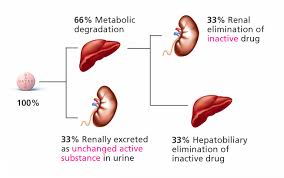
Coagulation Therapy: Leading New Drugs – Efficacy Comparison

Curator: Aviva Lev-Ari, PhD, RN


This article consists of a bibliography of Curations and Reporting on this topic by Aviva Lev-Ari, PhD, RN


Apixaban (Eliquis): Mechanism of Action, Drug Comparison and Additional Indications

Curator: Aviva Lev-Ari, PhD, RN

http://pharmaceuticalintelligence.com/2014/05/10/apixaban-eliquis-mechanism-of-action-drug-comparison-and-additional-indications/


Clinical Trials on Bivalirudin: Questions on Bleeding and Outcomes

Reporter: Aviva Lev-Ari, PhD, RN

http://pharmaceuticalintelligence.com/2014/04/08/acc-2014-clinical-trials-on-bivalirudin-questions-on-bleeding-and-outcomes/


Is Pharmacogenetic-based Dosing of Warfarin Superior for Anticoagulation Control?

Reporter: Aviva Lev-Ari, PhD, RN

http://pharmaceuticalintelligence.com/2014/02/04/is-pharmacogenetic-based-dosing-of-warfarin-superior-for-anticoagulation-control/


Platelet Endothelial Aggregation Receptor-1 (PEAR1) Gene to be most strongly associated with Dual Antiplatelet Therapy Response: Genetic Determinants of Variable Response to Aspirin (alone and in combination with Clopidogrel)

Reporter: Aviva Lev-Ari, PhD, RN

http://pharmaceuticalintelligence.com/2013/12/30/platelet-endothelial-aggregation-receptor-1-pear1-gene-to-be-most-strongly-associated-with-dual-antiplatelet-therapy-response-genetic-determinants-of-variable-response-to-aspirin-alone-and-in-comb/


Genomics of Incident Ischemic Stroke Events, Stroke and Cardiovascular Disease

Reporter: Aviva Lev-Ari, PhD, RN

http://pharmaceuticalintelligence.com/2013/12/30/genomics-of-incident-ischemic-stroke-events-stroke-and-cardiovascular-disease/


Novel Macromolecular IV to Oral Delivery Conversion Pathway: Anti-thrombolytic post-surgical – Catalent OptiGel Bio™ Technology

Reporter: Aviva Lev-Ari, PhD, RN

http://pharmaceuticalintelligence.com/2013/12/12/novel-macromolecular-iv-to-oral-delivery-conversion-pathway-anti-thrombolytic-post-surgical-catalent-optigel-bio-technology/


Do Novel Anticoagulants Affect the PT/INR? The Cases of  XARELTO (rivaroxaban) or PRADAXA (dabigatran)

Curators: Vivek Lal, MBBS, MD, FCIR, Justin D Pearlman, MD, PhD, FACC and Article Curator: Aviva Lev-Ari, PhD, RN

http://pharmaceuticalintelligence.com/2013/09/23/do-novel-anticoagulants-affect-the-ptinr-the-cases-of-xarelto-rivaroxaban-and-pradaxa-dabigatran/


Vascular Surgery: International, Multispecialty Position Statement on Carotid Stenting, 2013 and Contributions of a Vascular Surgeon at Peak Career – Richard Paul Cambria, MD

Author and Curator: Aviva Lev-Ari, PhD, RN

http://pharmaceuticalintelligence.com/2013/07/14/vascular-surgery-position-statement-in-2013-and-contributions-of-a-vascular-surgeon-at-peak-career-richard-paul-cambria-md-chief-division-of-vascular-and-endovascular-surgery-co-director-thoracic/


Heart Transplant (HT) Indication for Heart Failure (HF) – Procedure Outcomes and Research on HF, HT @ Two Nation’s Leading HF & HT Centers:

Center for Heart Failure @Cleveland Clinic, and

Transplant Center @Mayo Clinic

Curator: Aviva Lev-Ari, PhD, RN

http://pharmaceuticalintelligence.com/2013/07/09/research-programs-george-m-linda-h-kaufman-center-for-heart-failure-cleveland-clinic/


Ventricular Assist Device (VAD): A Recommended Approach to the Treatment of Intractable Cardiogenic Shock

Writer: Larry H Bernstein, MD, FCAP and Curator: Aviva Lev-Ari, PhD, RN

http://pharmaceuticalintelligence.com/2013/06/18/a-recommended-approach-to-the-treatmnt-of-intractable-cardiogenic-shock/


Cardiovascular Risk: C-Reactive Protein BioMarker and Plasma Fibrinogen

Curator & Reporter: Aviva Lev-Ari, PhD, RN

http://pharmaceuticalintelligence.com/2013/01/24/cardiovascular-risk-c-reactive-protein-biomarker-and-plasma-fibrinogen/


PCI Outcomes, Increased Ischemic Risk associated with Elevated Plasma Fibrinogen not Platelet Reactivity

Reporter: Aviva Lev-Ari, PhD, RN

http://pharmaceuticalintelligence.com/2013/01/10/pci-outcomes-increased-ischemic-risk-associated-with-elevated-plasma-fibrinogen-not-platelet-reactivity/


The ACUITY-PCI score: Will it Replace Four Established Risk Scores — TIMI, GRACE, SYNTAX, and Clinical SYNTAX

Reporter: Aviva Lev-Ari, PhD, RN

http://pharmaceuticalintelligence.com/2013/01/03/the-acuity-pci-score-will-it-replace-four-established-risk-scores-timi-grace-syntax-and-clinical-syntax/


UPDATED: PLATO Trial on ACS: BRILINTA (ticagrelor) better than Plavix® (clopidogrel bisulfate): Lowering chances of having another heart attack

Reporter: Aviva Lev-Ari, PhD, RN

http://pharmaceuticalintelligence.com/2012/12/28/plato-trial-on-acs-brilinta-ticagrelor-better-than-plavix-clopidogrel-bisulfate-lowering-chances-of-having-another-heart-attack/


Abdominal Aortic Aneurysm: Endovascular repair and open repair resulted in similar long-term survival

Reporter: Aviva Lev-Ari, PhD, RN

http://pharmaceuticalintelligence.com/2012/12/03/abdominal-aortic-aneurysm-endovascular-repair-and-open-repair-resulted-in-similar-long-term-survival/


Read Full Post »
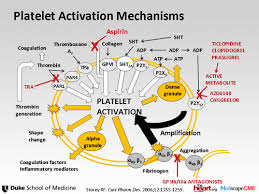
Apixaban (Eliquis): Mechanism of Action, Drug Comparison and Additional Indications

Curator: Aviva Lev-Ari, PhD, RN

WC 5

WordCloud by Zach Day; Article Title: Apixaban (Eliquis): Mechanism of Action, Drug Comparison and Additional Indications

Updated on 9/30/2022

PROACT Xa Trial of Apixaban With On-X Heart Valve Stopped

Megan Brooks, September 29, 2022

Artivion Inc. has halted the PROACT Xa clinical trial that was testing whether patients with an On-X mechanical aortic valve could be safely and effectively managed with the direct oral anticoagulant (DOAC) apixaban (Eliquis) rather than warfarin.

The decision to stop the trial was based on the recommendation of the independent data and safety monitoring board (DSMB), which cited a lack of evidence supporting noninferiority of apixaban over warfarin for valve thrombosis and thromboembolism.

Currently, warfarin is the only approved anticoagulant for patients with mechanical valves.

In the PROACT Xa trial, which began enrollment in April 2020, patients with an On-X mechanical aortic valve were randomly allocated to receive anticoagulation with warfarin or apixaban.

“The DSMB found that blood clots, resulting in stroke, occurred more frequently in patients receiving apixaban and that continuing the trial was unlikely to achieve the primary endpoint while possibly exposing patients to increased risk,” Artivion said in a statement.

“The PROACT Xa trial was designed to determine whether apixaban would yield equivalent safety to the standard anticoagulant, warfarin. Unfortunately, it appears that it does not,” John Alexander, MD, chair of the PROACT Xa trial and professor of medicine/cardiology at Duke University School of Medicine, Durham, North Carolina, said in the statement.

SOURCE

https://www.medscape.com/viewarticle/981644?src=WNL_mdpls_220930_mscpedit_card&uac=93761AJ&spon=2&impID=4698929


@@@@

During the past 20 years, the approval of anticoagulants such as low-molecular-weight heparins (LMWHs), indirect factor Xa inhibitors (eg, fondaparinux), and direct thrombin inhibitors (eg, argatroban, bivalirudin, lepirudin, and desirudin) has signaled a growing interest in antithrombotic compounds that have relatively discrete targets within the coagulation pathway. Although these medications offer several potential advantages over unfractionated heparin, they all require parenteral administration and are substantially more expensive than oral vitamin K antagonists (VKAs). Thus VKAs, despite disadvantages such as variability in dose response, a narrow therapeutic index, and numerous drug and dietary interactions, are the only option for most patients requiring chronic anticoagulation.

http://bloodjournal.hematologylibrary.org/content/115/1/15.full

Eliquis Approval History

Eliquis (apixaban) is a factor Xa inhibitor anticoagulant indicated to reduce the risk of stroke and systemic embolism in patients with nonvalvular atrial fibrillation, and for the prophylaxis of deep vein thrombosis (DVT) in patients who have undergone hip or knee replacement surgery.

FDA Approval History for Eliquis

Date Article
Mar 18, 2014 Approval FDA Approves Eliquis to Reduce Risk of Blood Clots Following Hip Or Knee Replacement Surgery
Jul 11, 2013 Approval FDA Accepts Eliquis (apixaban) Supplemental New Drug Application for Review for Prophylaxis of Deep Vein Thrombosis Following Hip Or Knee Replacement Surgery
Dec 28, 2012 Approval FDA Approves Eliquis to Reduce the Risk of Stroke, Blood Clots in Patients with Non-Valvular Atrial Fibrillation
Sep 26, 2012 FDA Acknowledges Receipt of Resubmission of the Eliquis (apixaban) New Drug Application to Reduce the Risk of Stroke and Systemic Embolism in Patients with Nonvalvular Atrial Fibrillation
Jun 25, 2012 Bristol-Myers Squibb and Pfizer Receive Complete Response Letter From U.S. Food and Drug Administration for Eliquis (Apixaban)
Mar  1, 2012 U.S. Food and Drug Administration Extends Action Date for Eliquis (apixaban) by Three Months
Nov 29, 2011 FDA Accepts Eliquis (apixaban) New Drug Application for Review for the Prevention of Stroke and Systemic Embolism in Patients with Atrial Fibrillation

http://www.drugs.com/history/eliquis.html 

Indirect Comparisons of New Oral Anticoagulant Drugs for Efficacy and Safety When Used for Stroke Prevention in Atrial Fibrillation

Gregory Y.H. Lip, MD?; Torben Bjerregaard Larsen, MD, PhD; Flemming Skjøth, PhD; Lars Hvilsted Rasmussen, MD, PhD

Results  There was a significantly lower risk of stroke and systemic embolism (by 26%) for dabigatran (150 mg BID) compared with rivaroxaban, as well as hemorrhagic stroke and nondisabling stroke. There were no significant differences for apixaban versus dabigatran (both doses) or rivaroxaban; or rivaroxaban versus dabigatran 110 mg BID in preventing stroke and systemic embolism. For ischemic stroke, there were no significant differences between the new OACs. Major bleeding was significantly lower with apixaban compared with dabigatran 150 mg BID (by 26%) and rivaroxaban (by 34%), but not significantly different from dabigatran 110 mg BID. There were no significant differences between apixaban and dabigatran 110 mg BID in safety endpoints. Apixaban also had lower major or clinically relevant bleeding (by 34%) compared with rivaroxaban. When compared with rivaroxaban, dabigatran 110 mg BID was associated with less major bleeding (by 23%) and intracranial bleeding (by 54%). There were no significant differences in myocardial infarction events between the dabigatran (both doses) and apixaban.

Conclusions  Notwithstanding the limitations of an indirect comparison study, we found no profound significant differences in efficacy between apixaban and dabigatran etexilate (both doses) or rivaroxaban. Dabigatran 150 mg BID was superior to rivaroxaban for some efficacy endpoints, whereas major bleeding was significantly lower with dabigatran 110 mg BID or apixaban. Only a head-to-head direct comparison of the different new OACs would fully answer the question of efficacy/safety differences between the new drugs for stroke prevention in AF.

http://content.onlinejacc.org/article.aspx?articleid=1182715

Clinical trials with new oral anticoagulants

Journal: Hämostaseologie
ISSN: 0720-9355
Topic: 57. Jahrestagung der Gesellschaft für Hämostase- und Thromboseforschung e.V.
HÄMOSTASEOLOGIE INTERDISZIPLINÄR
DOI: http://dx.doi.org/10.5482/HAMO-12-11-0021
Issue: Issues of 2013 (Vol. 33): Issue 1 2013 (1-76)
Pages: 62-70

New Eliquis® (apixaban) Post-hoc Subanalysis of the Phase III ARISTOTLE trial Demonstrated that within 30 Days of a Procedure, Stroke or Systemic Embolism and Major Bleeding were Uncommon –

About ARISTOTLE

The ARISTOTLE study was designed to demonstrate the efficacy and safety of Eliquis versus warfarin for the prevention of stroke or systemic embolism. In ARISTOTLE, 18,201 patients were randomized (9,120 patients to Eliquis and 9,081 to warfarin). ARISTOTLE was an active-controlled, randomized, double-blind, multi-national trial in patients with nonvalvular atrial fibrillation or atrial flutter, and at least one additional risk factor for stroke. Patients were randomized to treatment with Eliquis 5 mg orally twice daily (or 2.5 mg twice daily in selected patients, representing 4.7 percent of all patients) or warfarin (target INR range 2.0-3.0), and followed for a median of 1.8 years.

Results presented today at the ESC Congress 2013

“For NVAF patients for whom interruption of anticoagulation for a procedure is required, these findings suggest that using apixaban instead of warfarin, which is more challenging to stop and restart, may simplify the management of peri-operative anticoagulation in NVAF patients.”

The new oral anticoagulants

  1. David Garcia1,
  2. Edward Libby1, and
  3. Mark A. Crowther2
    1. 1University of New Mexico, Albuquerque; and

    2. 2McMaster University, Hamilton, ON

Apixaban

Phase 2 data for apixaban in the prevention and treatment of venous thromboembolism (VTE) suggested that this compound may be a safe and effective anticoagulant over a wide range of doses.16,17 The first phase 3 orthopedic prophylaxis trial (ADVANCE-1) randomized 3195 patients, in double-blind fashion, to either apixaban (2.5 mg orally twice a day) or enoxaparin (30 mg subcutaneously every 12 hours). In both arms, treatments were begun 12 to 24 hours after surgery; all patients underwent venography approximately 2 weeks later. The proportion of patients who reached the primary endpoint (VTE, both symptomatic and venographically detected, or death from any cause) was similar for the apixaban (8.99%) and enoxaparin (8.85%) arms; however, the predetermined noninferiority endpoint was not met.7 It is unclear whether the failure to prove noninferiority can be explained by inaccurately low prestudy estimates of event rates, the dose/timing of apixaban, or some other cause. In any case, the comparable event rates (neither regimen was found superior to the other), along with less clinically relevant bleeding in the apixaban arm, strongly suggest that apixaban is an effective anticoagulant. Results from ADVANCE-2, a randomized double-blind multicenter trial comparing apixaban 2.5 mg orally twice a day with enoxaparin 40 mg subcutaneously once daily for preventing VTE after total knee replacement were presented at the congress of the International Society of Thrombosis and Hemostasis in July 2009. The primary efficacy outcome (all VTE) occurred in 147 of 976 evaluable patients (15.1%) in the apixaban group and 243 of 997 evaluable patients (24.4%) in the enoxaparin group (relative risk = 0.62; 95% confidence interval, 0.51-0.74, 1-sidedP < .001). A nonsignificant trend toward less clinically relevant bleeding also favored apixaban (53 patients, 3.5% vs 72 patients, 4.8%; P = .09).

A phase 3 study (AMPLIFY) of patients with acute VTE (deep vein thrombosis [DVT] and/or pulmonary embolism [PE]) will compare apixaban (10 mg twice daily for 7 days, followed by apixaban 5 mg, twice daily for 6 months) to a standard strategy using enoxaparin followed by VKA. A phase 3 “extension” study will enroll patients for whom there is clinical uncertainty about whether to continue oral anticoagulation after 6 months of routine treatment with a VKA. Participants will be randomly assigned to receive 1 of 3 possible interventions for 12 months: placebo, apixaban 2.5 mg twice daily, or apixaban 5 mg twice daily. In both trials, the primary outcome measure will be a composite of symptomatic, objectively confirmed recurrent VTE or death during the treatment period.

The APPRAISE trial was a phase 2 dose-finding study in which 1700 patients were randomized to receive placebo or 1 of 4 apixaban doses for the 6 months after standard acute therapy for acute coronary syndrome.18 For patients receiving the 2 highest doses of apixaban, the trial was terminated prematurely because of excess bleeding. In this population of patients receiving one or more concomitant antiplatelet agents, the 2 lower-dose apixaban arms had higher rates of the primary endpoint (major bleeding plus clinically relevant nonmajor bleeding) than did the placebo group. The trial was not powered to detect a statistically significant difference in the rates in the composite efficacy endpoint of cardiovascular death, nonfatal heart attack, severe recurrent ischemia, and nonhemorrhagic stroke but showed trends favoring apixaban over placebo for these endpoints. A phase 3 trial (APPRAISE-2) comparing apixaban 5 mg twice daily versus placebo in this clinical setting is under way.

Finally, apixaban is being studied as a stroke prevention strategy for patients with atrial fibrillation (AF). When completed, the ARISTOTLE trial will randomize approximately 18 000 patients with chronic nonvalvular AF to apixaban 5 mg orally twice daily or warfarin, target international normalized ratio (INR) 2.0 to 3.0. This event-driven, double-blind, parallel arm study is designed to show that apixaban is noninferior to well-managed warfarin in the prevention of stroke or systemic embolism. In a different randomized, double-blind study (AVERROES), apixaban (5 mg orally twice daily) is being compared with aspirin (81-324 mg daily) among AF patients who have failed or are unsuitable for VKA treatment. This trial will include 5000 to 6000 patients; follow-up will be up to 36 months.

http://bloodjournal.hematologylibrary.org/content/115/1/15.full

Clinical Studies

Reduction Of Risk Of Stroke And Systemic Embolism In Nonvalvular Atrial Fibrillation

ARISTOTLE

Evidence for the efficacy and safety of ELIQUIS was derived from ARISTOTLE, a multinational, double-blind study in patients with nonvalvular AF comparing the effects of ELIQUIS and warfarin on the risk of stroke and non-central nervous system (CNS) systemic embolism. In ARISTOTLE, patients were randomized to ELIQUIS 5 mg orally twice daily (or 2.5 mg twice daily in subjects with at least 2 of the following characteristics: age ≥ 80 years, body weight ≤ 60 kg, or serum creatinine ≥ 1.5 mg/dL) or to warfarin (targeted to an INR range of 2.0–3.0). Patients had to have one or more of the following additional risk factors for stroke:

The primary objective of ARISTOTLE was to determine whether ELIQUIS 5 mg twice daily (or 2.5 mg twice daily) was effective (noninferior to warfarin) in reducing the risk of stroke (ischemic or hemorrhagic) and systemic embolism. Superiority of ELIQUIS to warfarin was also examined for the primary endpoint (rate of stroke and systemic embolism), major bleeding, and death from any cause.

A total of 18,201 patients were randomized and followed on study treatment for a median of 89 weeks. Forty-three percent of patients were vitamin Kantagonist (VKA) “naive,” defined as having received ≤ 30 consecutive days of treatment with warfarin or another VKA before entering the study. The mean age was 69 years and the mean CHADS2 score (a scale from 0 to 6 used to estimate risk of stroke, with higher scores predicting greater risk) was 2.1. The population was 65% male, 83% Caucasian, 14% Asian, and 1% Black. There was a history of stroke, TIA, or non-CNS systemic embolism in 19% of patients. Concomitant diseases of patients in this study included hypertension 88%, diabetes 25%, congestive heart failure (or left ventricular ejection fraction ≤ 40%) 35%, and prior myocardial infarction14%. Patients treated with warfarin in ARISTOTLE had a mean percentage of time in therapeutic range (INR 2.0–3.0) of 62%.

ELIQUIS was superior to warfarin for the primary endpoint of reducing the risk of stroke and systemic embolism (Table 5 and Figure 4). Superiority to warfarin was primarily attributable to a reduction in hemorrhagic stroke and ischemic strokes with hemorrhagic conversion compared to warfarin. Purely ischemic strokes occurred with similar rates on both drugs.

ELIQUIS also showed significantly fewer major bleeds than warfarin [seeADVERSE REACTIONS].

Table 5: Key Efficacy Outcomes in Patients with Nonvalvular Atrial Fibrillation in ARISTOTLE (Intent-to-Treat Analysis)

  ELIQUIS 
N=9120 
N (%/YEAR)
WARFARIN
N=9081
N (%/YEAR)
HAZARD RATIO (95% CI) P-VALUE
Stroke or systemic embolism 212 (1.27) 265 (1.60) 0.79 (0.66, 0.95) 0.01
  Stroke 199 (1.19) 250 (1.51) 0.79 (0.65, 0.95)
    Ischemic without hemorrhage 140 (0.83) 136 (0.82) 1.02 (0.81, 1.29)
    Ischemic with hemorrhagic conversion 12 (0.07) 20 (0.12) 0.60 (0.29, 1.23)
    Hemorrhagic 40 (0.24) 78 (0.47) 0.51 (0.35, 0.75)
    Unknown 14 (0.08) 21 (0.13) 0.65 (0.33, 1.29)
  Systemic embolism 15 (0.09) 17 (0.10) 0.87 (0.44, 1.75)
The primary endpoint was based on the time to first event (one per subject). Component counts are for subjects with any event, not necessarily the first.

Figure 4: Kaplan-Meier Estimate of Time to First Stroke or Systemic Embolism in ARISTOTLE (Intent-to-Treat Population)

http://www.rxlist.com/eliquis-drug/clinical-pharmacology.htm

Apixaban, a direct factor Xa inhibitor, inhibits tissue-factor induced human platelet aggregation in vitro : Comparison with direct inhibitors of factor VIIa, XIa and thrombin

P. C. Wong (1), X. Jiang (1)

(1) Thrombosis Research, Bristol-Myers Squibb Company, Pennington, New Jersey, USA

Keywords

Tissue factor, platelet aggregation, rivaroxaban, direct factor Xa inhibitor, dabigatran, Apixaban

Summary

Apixaban is an oral, direct and highly selective factor Xa (FXa) inhibitor in late-stage clinical development. This study evaluated the in vitro effect of apixaban on human platelet aggregation induced by thrombin derived via the extrinsic pathway. Direct inhibitors of FXa (rivaroxaban), FVIIa (BMS-593214), thrombin (dabigatran, argatroban) and FXIa (BMS-262084) were included for comparison. Citrated human platelets-rich plasma (PRP) was treated with 50 mg/ml corn trypsin inhibitor (to block the contact factor pathway) and 3 mM H-Gly-Pro-Arg-Pro-OH-AcOH (to prevent fibrin polymerisation). Human tissue factor (TF) (Innovin®; dilution 1:1,000 to 1:1,500) plus 7.5 mM CaCl2 was added to PRP pre-incubated with vehicle or increasing concentrations of inhibitors. The TF-induced platelet aggregation was measured by optical aggregometry. TF produced 85 ± 3% aggregation of human platelets in the vehicle-treated group (n=10). Apixaban and other factor inhibitors, except the FXIa inhibitor, inhibited TF-induced platelet aggregation with IC50 (nM) values as follows: 4 ± 1 (apixaban), 8 ± 2 (rivaroxaban), 13 ± 1 (BMS-593214), 46 ± 1 (dabigatran) and 79 ± 1 (argatroban). BMS-262084 (IC50 = 2.8 nM vs. human FXIa) had no effect on TF-induced platelet aggregation at 10 μM. These inhibitors at 10 μM had no effect on platelet aggregation induced by ADP and collagen, as expected from their mechanism of action. This study demonstrates that inhibition of thrombin generation by blocking upstream proteases (FVIIa and FXa) in the blood coagulation cascade is as effective as direct thrombin inhibition in preventing TF-induced platelet aggregation. Under these experimental conditions, a FXIa inhibitor did not prevent TF-induced platelet aggregation.

http://th.schattauer.de/en/contents/archive/issue/1099/manuscript/13269.html

Mechanism Of Action

Apixaban is a selective inhibitor of FXa. It does not require antithrombin III for antithrombotic activity. Apixaban inhibits free and clot-bound FXa, and prothrombinase activity. Apixaban has no direct effect on platelet aggregation, but indirectly inhibits platelet aggregation induced by thrombin. By inhibiting FXa, apixaban decreases thrombin generation and thrombusdevelopment.

Pharmacodynamics

As a result of FXa inhibition, apixaban prolongs clotting tests such asprothrombin time (PT), INR, and activated partial thromboplastin time (aPTT). Changes observed in these clotting tests at the expected therapeutic dose, however, are small, subject to a high degree of variability, and not useful in monitoring the anticoagulation effect of apixaban.

The Rotachrom® Heparin chromogenic assay was used to measure the effect of apixaban on FXa activity in humans during the apixaban development program. A concentration-dependent increase in anti-FXa activity was observed in the dose range tested and was similar in healthy subjects and patients with AF.

This test is not recommended for assessing the anticoagulant effect of apixaban.

Pharmacodynamic Drug Interaction Studies

Pharmacodynamic drug interaction studies with aspirin, clopidogrel, aspirin and clopidogrel, prasugrel, enoxaparin, and naproxen were conducted. No pharmacodynamic interactions were observed with aspirin, clopidogrel, or prasugrel [see WARNINGS AND PRECAUTIONS]. A 50% to 60% increase in anti-FXa activity was observed when apixaban was coadministered with enoxaparin or naproxen.

Specific Populations

Renal impairment: Anti-FXa activity adjusted for exposure to apixaban was similar across renal function categories.

Hepatic impairment: Changes in anti-FXa activity were similar in patients with mild-tomoderate hepatic impairment and healthy subjects. However, in patients with moderate hepatic impairment, there is no clear understanding of the impact of this degree of hepatic function impairment on the coagulation cascade and its relationship to efficacy and bleeding. Patients with severe hepatic impairment were not studied.

Cardiac Electrophysiology

Apixaban has no effect on the QTc interval in humans at doses up to 50 mg.

Pharmacokinetics

Apixaban demonstrates linear pharmacokinetics with dose-proportional increases in exposure for oral doses up to 10 mg.

The LancetVolume 383, Issue 9921, Pages 955 – 962, 15 March 2014
doi:10.1016/S0140-6736(13)62343-0Cite or Link Using DOI
This article can be found in the following collections: Cardiology & Vascular Medicine (Ischaemic heart diseasePericardial & endocardial disease); Neurology (Cerebrovascular diseaseNeurology-other)
Published Online: 04 December 2013

Comparison of the efficacy and safety of new oral anticoagulants with warfarin in patients with atrial fibrillation: a meta-analysis of randomised trials

Dr Christian T Ruff MD a Corresponding AuthorEmail AddressRobert P Giugliano MD aProf Eugene Braunwald MD aElaine B Hoffman PhD aNaveen Deenadayalu MPH aProf Michael D Ezekowitz MBChB b cProf A John Camm MD dProf Jeffrey I Weitz MD eProf Basil S LewisMD fProf Alexander Parkhomenko MD gProf Takeshi Yamashita MD hProf Elliott M Antman MD a

a Brigham and Women’s Hospital and Harvard Medical School, Boston, MA, USA
b Jefferson Medical College, Philadelphia, PA, USA
c Cardiovascular Research Foundation, New York, NY, USA
d St George’s University, London, UK
e McMaster University and the Thrombosis and Atherosclerosis Research Institute, Hamilton, ON, Canada
f Lady Davis Carmel Medical Center, Haifa, Israel
g Institute of Cardiology, Kiev, Ukraine
h The Cardiovascular Institute, Tokyo, Japan
Corresponding Author Information Correspondence to: Dr Christian T Ruff, Thrombolysis in Myocardial Infarction (TIMI) Study Group, 350 Longwood Avenue, 1st Floor Offices, Boston, MA 02115, USA

Background

Four new oral anticoagulants compare favourably with warfarin for stroke prevention in patients with atrial fibrillation; however, the balance between efficacy and safety in subgroups needs better definition. We aimed to assess the relative benefit of new oral anticoagulants in key subgroups, and the effects on important secondary outcomes.

Methods

We searched Medline from Jan 1, 2009, to Nov 19, 2013, limiting searches to phase 3, randomised trials of patients with atrial fibrillation who were randomised to receive new oral anticoagulants or warfarin, and trials in which both efficacy and safety outcomes were reported. We did a prespecified meta-analysis of all 71 683 participants included in the RE-LY, ROCKET AF, ARISTOTLE, and ENGAGE AF—TIMI 48 trials. The main outcomes were stroke and systemic embolic events, ischaemic stroke, haemorrhagic stroke, all-cause mortality, myocardial infarction, major bleeding, intracranial haemorrhage, and gastrointestinal bleeding. We calculated relative risks (RRs) and 95% CIs for each outcome. We did subgroup analyses to assess whether differences in patient and trial characteristics affected outcomes. We used a random-effects model to compare pooled outcomes and tested for heterogeneity.

Findings

42 411 participants received a new oral anticoagulant and 29 272 participants received warfarin. New oral anticoagulants significantly reduced stroke or systemic embolic events by 19% compared with warfarin (RR 0·81, 95% CI 0·73—0·91; p<0·0001), mainly driven by a reduction in haemorrhagic stroke (0·49, 0·38—0·64; p<0·0001). New oral anticoagulants also significantly reduced all-cause mortality (0·90, 0·85—0·95; p=0·0003) and intracranial haemorrhage (0·48, 0·39—0·59; p<0·0001), but increased gastrointestinal bleeding (1·25, 1·01—1·55; p=0·04). We noted no heterogeneity for stroke or systemic embolic events in important subgroups, but there was a greater relative reduction in major bleeding with new oral anticoagulants when the centre-based time in therapeutic range was less than 66% than when it was 66% or more (0·69, 0·59—0·81 vs 0·93, 0·76—1·13; p for interaction 0·022). Low-dose new oral anticoagulant regimens showed similar overall reductions in stroke or systemic embolic events to warfarin (1·03, 0·84—1·27; p=0·74), and a more favourable bleeding profile (0·65, 0·43—1·00; p=0·05), but significantly more ischaemic strokes (1·28, 1·02—1·60; p=0·045).

Interpretation

This meta-analysis is the first to include data for all four new oral anticoagulants studied in the pivotal phase 3 clinical trials for stroke prevention or systemic embolic events in patients with atrial fibrillation. New oral anticoagulants had a favourable risk—benefit profile, with significant reductions in stroke, intracranial haemorrhage, and mortality, and with similar major bleeding as for warfarin, but increased gastrointestinal bleeding. The relative efficacy and safety of new oral anticoagulants was consistent across a wide range of patients. Our findings offer clinicians a more comprehensive picture of the new oral anticoagulants as a therapeutic option to reduce the risk of stroke in this patient population.

Funding

None.

http://www.thelancet.com/journals/lancet/article/PIIS0140-6736(13)62343-0/abstract

HSR Proc Intensive Care Cardiovasc Anesth. 2013; 5(1): 40–54.
PMCID: PMC3670724

Comparative effectiveness of novel oral anticoagulants for atrial fibrillation: evidence from pair-wise and warfarin-controlled network meta-analyses

Table 1

An external file that holds a picture, illustration, etc.<br /><br /><br /> Object name is hsrp-05-040-g001.jpg

Introduction

Novel oral anticoagulants have been tested against warfarin for atrial fibrillation, yet no direct comparison is available. We thus aimed to perform pair-wise (direct) and warfarin-adjusted network (i.e. indirect) meta-analyses of novel oral anticoagulants for atrial fibrillation.

Methods

Databases were searched for randomized warfarin-controlled trials of novel anticoagulants for non-valvular atrial fibrillation. The primary end-point was long-term stroke/systemic embolism. Odds ratios (95% intervals) were computed with RevMan and WinBUGS.

Results

Seven trials (52701 patients) were included, focusing on apixaban, dabigatran, edoxaban and rivaroxaban. Pair-wise meta-analysis showed that after a weighted average of 23 months these novel anticoagulants lead to significant reductions in the risk of stroke/systemic embolism (odds ratio=0.81 [0.71-0.92], I2=23%) and all cause death (odds ratio=0.88 [0.82-0.95], I2=0%) in comparison to warfarin. Network meta-analysis showed that apixaban and dabigatran proved similarly superior to warfarin in preventing stroke/systemic embolism (odds ratio=0.78 [0.62-0.96] for apixaban vs warfarin; odds ratio=0.66 [0.52-0.84] for high-dose dabigatran vs warfarin; odds ratio for apixaban vs high-dose dabigatran=1.17 [0.85-1.63]), but apixaban was associated with fewer major bleedings (odds ratio=0.73 [0.57-0.93]) and drug discontinuations (odds ratio=0.64 [0.52-0.78]) than dabigatran. Rivaroxaban did not reduce stroke/systemic embolism (odds ratio=0.87 [0.71-1.07]) or major bleedings in comparison to warfarin (odds ratio=0.87 [0.71-1.07]) and was associated with more major bleedings in comparison to apixaban (odds ratio=1.52 [1.19-1.92]). Data for edoxaban were inconclusive.

Conclusions

Novel oral anticoagulants appear as a very promising treatment option for atrial fibrillation.

Keywords: apixaban, atrial fibrillation, dabigatran, meta-analysis, rivaroxaban, systematic review, warfarin
SOURCE

1ec47-9-infeksi-dapat-sebabkan-stroke-dan-penyakit-jantung

Source: Google images

aSource: Google images

Drugs along CoagulationCascade

SOURCE: Google Images

reverse druggingdrugs on Factoe Xa

SOURCE

Google Images

pharmacokinetics

SOURCE

Google Images

Eliquis-3

SOURCE

Google Images

Eliquis-2

SOURCE

Google Images

eliquis-2pt5mg-60slbl

Eliquis - 1

REFERENCES

1.

Additive value of indirect comparisons (network meta-analyses)

Free download of English version

J. Harenberg (1), C. Weiss (2), S. Marx (1), S. Zolfaghari (1)

Phlebologie 2013 42 3: 139-148

http://dx.doi.org/10.12687/phleb2146-3-2013

2.

An indirect comparison analysis

Online Supplementary Material

F. Skjøth (1, 2), T. B. Larsen (1, 2), L. H. Rasmussen (1, 2), G. Y. H. Lip (1, 3)

Thromb Haemost 2014 111 5: 981-988

http://dx.doi.org/10.1160/TH14-02-0118

3.

Ready to be replaced?

J. Steffel (1), T. F. Luscher (1)

Hämostaseologie 2012 32 4: 249-257

http://dx.doi.org/10.5482/ha-12050008

  1. Roskell NS, Lip GY, Noack H et al. Treatments for stroke prevention in atrial fibrillation: a network meta-analysis and indirect comparisons versus dabigatran etexilate. Thromb Haemost 2010; 104: 1106-1115.DOI:10.1160/TH10-10-0642
  2. Hart RG, Pearce LA, Aguilar MI. Adjusted-dose warfarin versus aspirin for preventing stroke in patients with atrial fibrillation. Ann Intern Med 2007; 147: 590-592.
  3. Lip GY, Andreotti F, Fauchier L et al. Bleeding risk assessment and management in atrial fibrillation patients. Thromb Haemost 2011; 106: 997-1011. DOI:10.1160/TH11-10-0690
  4. Ansell J, Hirsh J, Hylek E et al. Pharmacology and management of the vitamin K antagonists: American College of Chest Physicians Evidence-Based Clinical Practice Guidelines (8 th ed). Chest 2008; 133 (6 Suppl): 160S-198S. DOI:10.1378/chest.08-0670
  5. Ogilvie IM, Newton N, Welner SA et al. Underuse of oral anticoagulants in atrial fibrillation: a systematic review. Am J Med 2010; 123: 638-645.DOI:10.1016/j.amjmed.2009.11.025
  6. Tasker A, Harbord R, Bannister GC. Meta-analysis of low molecular weight heparin versus placebo in patients undergoing total hip replacement and post-operative morbidity and mortality since their introduction. Hip Int 2010; 20: 64-74.
  7. Falck-Ytter Y, Francis CW, Johanson NA et al. Prevention of VTE in orthopedic surgery patients: Antithrombotic Therapy and Prevention of Thrombosis, 9 th ed. American College of Chest Physicians Evidence-Based Clinical Practice Guidelines. Chest 2012; 141 (2 Suppl): e278S-325S. DOI:10.1378/chest.11-2404
  8. Linkins LA, Dans AL, Moores LK et al. Treatment and prevention of heparin-induced thrombocytopenia: Antithrombotic Therapy and Prevention of Thrombosis, 9 th ed. American College of Chest Physicians Evidence-Based Clinical Practice Guidelines. Chest 2012; 141 (2 Suppl): e495S-530S. DOI:10.1378/chest.11-2303
  9. Harenberg J, Wehling M. Current and future prospects for anticoagulant therapy: inhibitors of factor Xa and factor IIa. Semin Thromb Hemost 2008; 34: 39-57. DOI:10.1055/s-2008-1066023
  10. Connolly SJ, Ezekowitz MD, Yusuf S et al. Dabigatran versus warfarin in patients with atrial fibrillation. N Engl J Med 2009; 361: 1139-1151.DOI:10.1056/NEJMoa0905561
  11. Connolly SJ, Ezekowitz MD, Yusuf S et al. Newly identified events in the RE-LY trial. N Engl J Med 2010; 363: 1875-1876.DOI:10.1056/NEJMc1007378
  12. Patel MR, Mahaffey KW, Garg J et al. Rivaroxaban versus warfarin in nonvalvular atrial fibrillation. N Engl J Med 2011; 365: 883-891.DOI:10.1056/NEJMoa1009638
  13. Granger CB, Alexander JH, McMurray JJ et al. Apixaban versus warfarin in patients with atrial fibrillation. N Engl J Med 2011; 365: 981-992.DOI:10.1056/NEJMoa1107039
  14. Glenny AM, Altman DG, Song F et al. Indirect comparisons of competing interventions. Health Technol Assess 2005; 9: 1-134.
  15. Lumley T. Network meta-analysis for indirect treatment comparisons. Stat Med 2002; 21: 2313-2324. DOI:10.1002/sim.1201
  16. Ades AE, Madan J, Welton NJ. Indirect and mixed treatment comparisons in arthritis research. Rheumatology 2011; 50 (Suppl 4): iv5-9.DOI:10.1093/rheumatology/ker241
  17. Cooper NJ, Sutton AJ, Morris D et al. Addressing between-study heterogeneity and inconsistency in mixed treatment comparisons: application to stroke prevention treatments in individuals with nonrheumatic atrial fibrillation. Stat Med 2009; 28: 1861-1881.DOI:10.1002/sim.3594
  18. Salanti G, Higgins JP, Ades AE, Ioannidis JP. Evaluation of networks of randomized trials. Stat Methods Med Res 2008; 17: 279-301.DOI:10.1177/0962280207080643
  19. Jansen JP, Fleurence R, Devine B et al. Interpreting indirect treatment comparisons and network meta-analysis for health-care decision making: report of the ISPOR Task Force on Indirect Treatment Comparisons Good Research Practices: part 1. Value Health. 2011; 14: 417-428.DOI:10.1016/j.jval.2011.04.002
  20. Hoaglin DC, Hawkins N, Jansen JP et al. Conducting indirect-treatment-comparison and network-meta-analysis studies: report of the ISPOR Task Force on Indirect Treatment Comparisons Good Research Practices: part 2. Value Health 2011; 14: 429-437. DOI:10.1016/j.jval.2011.01.011
  21. Moher D, Liberati A, Tetzlaff J, Altman DG. Preferred reporting items for systematic reviews and meta-analyses: the PRISMA statement. Ann Intern Med 2009; 151: 264-269.
  22. Harenberg J, Marx S, Diener HC et al. Comparison of efficacy and safety of dabigatran, rivaroxaban and apixaban in patients with atrial fibrillation using network meta-analysis. Int Angiol 2012; 31: 330-339.
  23. Lip GY, Larsen TB, Skjøth F et al. Indirect comparisons of new oral anticoagulant drugs for efficacy and safety when used for stroke prevention in atrial fibrillation. J Am Coll Cardiol 2012; 60: 738-746.DOI:10.1016/j.jacc.2012.03.019
  24. Mantha S, Ansell J. An indirect comparison of dabigatran, rivaroxaban and apixaban for atrial fibrillation. Thromb Haemost 2012; 108: 476-484.DOI:10.1160/TH12-02-0093
  25. Wells GA, Coyle D, Cameron C et al. Safety, effectiveness, and cost-effectiveness of new oral anticoagulants compared with warfarin in preventing stroke and other cardiovascular events in patients with atrial fibrillation. http://www.cadth.ca/media/pdf/NOAC_Therapeutic_Review_final_report.pdf (assessed Dec 22, 2012)
  26. Harenberg J, Marx S, Wehling M. Head-to-head or indirect comparisons of the novel oral anticoagulants in atrial fibrillation: what’s next? Thromb Haemost 2012; 108: 407-409. DOI:10.1160/TH12-07-0463
  27. Schneeweiss S, Gagne JJ, Patrick AR et al. Comparative efficacy and safety of new oral anticoagulants in patients with atrial fibrillation. Circ Cardiovasc Qual Outcomes 2012; 5: 480-486.DOI:10.1161/CIRCOUTCOMES.112.965988
  28. Camm AJ, Kirchhof P, Lip GY et al. Guidelines for the management of atrial fibrillation: The task force for the management of atrial fibrillation of the European Society of Cardiology. Europace 2010; 12: 1360-1420.DOI:10.1093/europace/euq160
  29. You JJ, Singer DE, Howard PA et al. Antithrombotic therapy for atrial fibrillation: Antithrombotic therapy and prevention of thrombosis, 9th ed: American college of chest physicians evidence-based clinical practice guidelines. Chest 2012; 141: e531S-575S. DOI:10.1378/chest.11-2304
  30. Harenberg J, Lip GY. Differences between indirect comparison studies of the oral anticoagulants for stroke prevention in atrial fibrillation: where do we go next? QJM 2013; 106: 95-96. DOI:10.1093/qjmed/hcs224
  31. Testa L, Agnifili M, Latini RA et al. Adjusted indirect comparison of new oral anticoagulants for stroke prevention in atrial fibrillation. QJM 2012; 105: 949-957. DOI:10.1093/qjmed/hcs114
  32. Miller CS, Grandi SM, Shimony A et al. Meta-analysis ofefficacy and safety of new oral anticoagulants (dabigatran, rivaroxaban, apixaban) versus warfarin in patients with atrial fibrillation. Am J Cardiol 2012; 110: 453-460. DOI:10.1016/j.amjcard.2012.03.049
  33. Dentali F, Riva N, Crowther M et al. Efficacy and safety of the novel oral anticoagulants in atrial fibrillation: a systematic review and meta-analysis of the literature. Circulation 2012; 126: 2381-2391.DOI:10.1161/CIRCULATIONAHA.112.115410
  34. Rasmussen LH, Larsen TB, Graungaard T et al. Primary and secondary prevention with new oral anticoagulant drugs for stroke prevention in atrial fibrillation: indirect comparison analysis. BMJ 2012; 345: e7097.DOI:10.1136/bmj.e7097
  35. Alonso-Coello P, Zhou Q, Guyatt G. Home-monitoring of oral anticoagulation vs. dabigatran. An indirect comparison. Thromb Haemost 2012; 108: 647-653. DOI:10.1160/TH12-01-0027
  36. Trkulja V, Kolundzic R. Rivaroxaban vs dabigatran for thromboprophylaxis after joint-replacement surgery: exploratory indirect comparison based on meta-analysis of pivotal clinical trials. Croat Med J 2010; 51: 113-123.DOI:10.3325/cmj.2010.51.113
  37. Lereun C, Wells P, Diamantopoulos A et al. An indirect comparison, via enoxaparin, of rivaroxaban with dabigatran in the prevention of venous thromboembolism after hip or knee replacement. J Med Econ 2011; 14: 238-244. DOI:10.3111/13696998.2011.564699
  38. Loke YK, Kwok CS. Dabigatran and rivaroxaban for prevention of venous thromboembolism–systematic review and adjusted indirect comparison. J Clin Pharm Ther 2011; 36: 111-124. DOI:10.1111/j.1365-2710.2010.01162.x
  39. Cohen A, Drost P, Marchant N et al. The Efficacy and Safety of Pharmacological Prophylaxis of Venous Thromboembolism Following Elective Knee or Hip Replacement: Systematic Review and Network Meta-Analysis. Clin Appl Thromb Hemost 2012; 18: 611-627.DOI:10.1177/1076029612437579
  40. Dahl OE, Quinlan DJ, Bergqvist D et al. A critical appraisal of bleeding events reported in venous thromboembolism prevention trials of patients undergoing hip and knee arthroplasty. J Thromb Haemost 2010; 8: 1966-1975. DOI:10.1111/j.1538-7836.2010.03965.x
  41. Maratea D, Fadda V, Trippoli S, Messori A. Prevention of venous thromboembolism after major orthopedic surgery: indirect comparison of three new oral anticoagulants. J Thromb Haemost 2011; 9: 1868-1870.DOI:10.1111/j.1538-7836.2011.04421.x
  42. Gómez-Outes A, Terleira-Fernández AI, Suárez-Gea ML, Vargas-Castrillón E. Dabigatran, rivaroxaban, or apixaban versus enoxaparin for thromboprophylaxis after total hip or knee replacement: systematic review, meta-analysis, and indirect treatment comparisons. BMJ 2012; 344: e3675. DOI:10.1136/bmj.e3675
  43. Harenberg J, Marx S, Dahl OE et al. Interpretation of endpoints in a network meta-analysis of new oral anticoagulants following total hip or total knee replacement surgery. Thromb Haemost 2012; 108: 903-912.DOI:10.1160/TH12-07-0482
  44. Hamid JS, Meaney C, Crowcroft NS, Granerod J, Beyene J; UK Etiology of Encephalitis Study Group. Cluster analysis for identifying sub-groups and selecting potential discriminatory variables in human encephalitis. BMC Infect Dis 2010; 10: 364-374. DOI:10.1186/1471-2334-10-364
  45. Song EK, Moser DK, Rayens MK, Lennie TA. Symptom clusters predict event-free survival in patients with heart failure. J Cardiovasc Nurs 2010; 25: 284-291.
  46. McLachlan GJ. Cluster analysis and related techniques in medical research. Stat Methods Med Res 1992; 1: 27-48.DOI:10.1177/096228029200100103
  47. Schulman S. Is the network meta-analysis (NETMA) bringing us closer to the truth? Insights from recent antithrombotic drug data. Thromb Haemost 2012; 108: 872-875. DOI:10.1160/TH12-10-0730
  48. Fox BD, Kahn SR, Langleben D et al. Efficacy and safety of novel oral anticoagulants for treatment of acute venous thromboembolism: direct and adjusted indirect meta-analysis of randomised controlled trials. BMJ 2012; 345: e7498. DOI:10.1136/bmj.e7498
  49. Freeman JV, Zhu RP, Owens DK et al. Cost-effectiveness of dabigatran compared with warfarin for stroke prevention in atrial fibrillation. Ann Int Med 2011; 154: 1-11.
  50. Kansal AR, Sorensen SV, Gani R et al. Cost-effectiveness of dabigatran etexilate for the prevention of stroke and systemic embolism in UK patients with atrial fibrillation. Heart 2012; 98: 573-578.DOI:10.1136/heartjnl-2011-300646
  51. Lee S, Anglade MW, Pham D et al. Cost-effectiveness of rivaroxaban compared to warfarin for stroke prevention in atrial fibrillation. Am J Cardiol 2012; 110: 845-851. DOI:10.1016/j.amjcard.2012.05.011
  52. Deitelzweig S, Amin A, Jing Y et al. Medical cost reductions associated with the usage of novel oral anticoagulants vs warfarin among atrial fibrillation patients, based on the RE-LY, ROCKET-AF, and ARISTOTLE trials. J Med Econ 2012; 15: 776-785.DOI:10.3111/13696998.2012.680555
  53. Krejczy M, Harenberg J, Marx S et al. Comparison of cost-effectiveness of anticoagulation with dabigatran, rivaroxaban and apixaban in patients with non-valvular atrial fibrillation across countries. Blood 2012; 120 (Suppl): P1164.

Read Full Post »

Summary of Translational Medicine – e-Series A: Cardiovascular Diseases, Volume Four – Part 1

Summary of Translational Medicine – e-Series A: Cardiovascular Diseases, Volume Four – Part 1

Author and Curator: Larry H Bernstein, MD, FCAP

and

Curator: Aviva Lev-Ari, PhD, RN

Article ID #135: Summary of Translational Medicine – e-Series A: Cardiovascular Diseases, Volume Four – Part 1. Published on 4/28/2014

WordCloud Image Produced by Adam Tubman


Part 1 of Volume 4 in the e-series A: Cardiovascular Diseases and Translational Medicine, provides a foundation for grasping a rapidly developing surging scientific endeavor that is transcending laboratory hypothesis testing and providing guidelines to:

  • Target genomes and multiple nucleotide sequences involved in either coding or in regulation that might have an impact on complex diseases, not necessarily genetic in nature.
  • Target signaling pathways that are demonstrably maladjusted, activated or suppressed in many common and complex diseases, or in their progression.
  • Enable a reduction in failure due to toxicities in the later stages of clinical drug trials as a result of this science-based understanding.
  • Enable a reduction in complications from the improvement of machanical devices that have already had an impact on the practice of interventional procedures in cardiology, cardiac surgery, and radiological imaging, as well as improving laboratory diagnostics at the molecular level.
  • Enable the discovery of new drugs in the continuing emergence of drug resistance.
  • Enable the construction of critical pathways and better guidelines for patient management based on population outcomes data, that will be critically dependent on computational methods and large data-bases.

What has been presented can be essentially viewed in the following Table:


Summary Table for TM - Part 1

Summary Table for TM – Part 1


There are some developments that deserve additional development:

1. The importance of mitochondrial function in the activity state of the mitochondria in cellular work (combustion) is understood, and impairments of function are identified in diseases of muscle, cardiac contraction, nerve conduction, ion transport, water balance, and the cytoskeleton – beyond the disordered metabolism in cancer.  A more detailed explanation of the energetics that was elucidated based on the electron transport chain might also be in order.

2. The processes that are enabling a more full application of technology to a host of problems in the environment we live in and in disease modification is growing rapidly, and will change the face of medicine and its allied health sciences.


Electron Transport and Bioenergetics

Deferred for metabolomics topic

Synthetic Biology

Introduction to Synthetic Biology and Metabolic Engineering

Kristala L. J. Prather: Part-1    <iBiology > iBioSeminars > Biophysics & Chemical Biology >

http://www.ibiology.org Lecturers generously donate their time to prepare these lectures. The project is funded by NSF and NIGMS, and is supported by the ASCB and HHMI.
Dr. Prather explains that synthetic biology involves applying engineering principles to biological systems to build “biological machines”.

Dr. Prather has received numerous awards both for her innovative research and for excellence in teaching.  Learn more about how Kris became a scientist at
Prather 1: Synthetic Biology and Metabolic Engineering  2/6/14IntroductionLecture Overview In the first part of her lecture, Dr. Prather explains that synthetic biology involves applying engineering principles to biological systems to build “biological machines”. The key material in building these machines is synthetic DNA. Synthetic DNA can be added in different combinations to biological hosts, such as bacteria, turning them into chemical factories that can produce small molecules of choice. In Part 2, Prather describes how her lab used design principles to engineer E. coli that produce glucaric acid from glucose. Glucaric acid is not naturally produced in bacteria, so Prather and her colleagues “bioprospected” enzymes from other organisms and expressed them in E. coli to build the needed enzymatic pathway. Prather walks us through the many steps of optimizing the timing, localization and levels of enzyme expression to produce the greatest yield. Speaker Bio: Kristala Jones Prather received her S.B. degree from the Massachusetts Institute of Technology and her PhD at the University of California, Berkeley both in chemical engineering. Upon graduation, Prather joined the Merck Research Labs for 4 years before returning to academia. Prather is now an Associate Professor of Chemical Engineering at MIT and an investigator with the multi-university Synthetic Biology Engineering Reseach Center (SynBERC). Her lab designs and constructs novel synthetic pathways in microorganisms converting them into tiny factories for the production of small molecules. Dr. Prather has received numerous awards both for her innovative research and for excellence in teaching.

VIEW VIDEOS

https://www.youtube.com/watch?feature=player_embedded&v=ndThuqVumAk#t=0

https://www.youtube.com/watch?feature=player_embedded&v=ndThuqVumAk#t=12

https://www.youtube.com/watch?feature=player_embedded&v=ndThuqVumAk#t=74

https://www.youtube.com/watch?feature=player_embedded&v=ndThuqVumAk#t=129

https://www.youtube.com/watch?feature=player_embedded&v=ndThuqVumAk#t=168

https://www.youtube.com/watch?feature=player_embedded&v=ndThuqVumAk


II. Regulatory Effects of Mammalian microRNAs

Calcium Cycling in Synthetic and Contractile Phasic or Tonic Vascular Smooth Muscle Cells

in INTECH
Current Basic and Pathological Approaches to
the Function of Muscle Cells and Tissues – From Molecules to HumansLarissa Lipskaia, Isabelle Limon, Regis Bobe and Roger Hajjar
Additional information is available at the end of the chapter
http://dx.doi.org/10.5772/48240
1. Introduction
Calcium ions (Ca ) are present in low concentrations in the cytosol (~100 nM) and in high concentrations (in mM range) in both the extracellular medium and intracellular stores (mainly sarco/endo/plasmic reticulum, SR). This differential allows the calcium ion messenger that carries information
as diverse as contraction, metabolism, apoptosis, proliferation and/or hypertrophic growth. The mechanisms responsible for generating a Ca signal greatly differ from one cell type to another.
In the different types of vascular smooth muscle cells (VSMC), enormous variations do exist with regard to the mechanisms responsible for generating Ca signal. In each VSMC phenotype (synthetic/proliferating and contractile [1], tonic or phasic), the Ca signaling system is adapted to its particular function and is due to the specific patterns of expression and regulation of Ca.
For instance, in contractile VSMCs, the initiation of contractile events is driven by mem- brane depolarization; and the principal entry-point for extracellular Ca is the voltage-operated L-type calcium channel (LTCC). In contrast, in synthetic/proliferating VSMCs, the principal way-in for extracellular Ca is the store-operated calcium (SOC) channel.
Whatever the cell type, the calcium signal consists of  limited elevations of cytosolic free calcium ions in time and space. The calcium pump, sarco/endoplasmic reticulum Ca ATPase (SERCA), has a critical role in determining the frequency of SR Ca release by upload into the sarcoplasmic
sensitivity of  SR calcium channels, Ryanodin Receptor, RyR and Inositol tri-Phosphate Receptor, IP3R.
Synthetic VSMCs have a fibroblast appearance, proliferate readily, and synthesize increased levels of various extracellular matrix components, particularly fibronectin, collagen types I and III, and tropoelastin [1].
Contractile VSMCs have a muscle-like or spindle-shaped appearance and well-developed contractile apparatus resulting from the expression and intracellular accumulation of thick and thin muscle filaments [1].
Schematic representation of Calcium Cycling in Contractile and Proliferating VSMCs

Schematic representation of Calcium Cycling in Contractile and Proliferating VSMCs


Figure 1. Schematic representation of Calcium Cycling in Contractile and Proliferating VSMCs.

Left panel: schematic representation of calcium cycling in quiescent /contractile VSMCs. Contractile re-sponse is initiated by extracellular Ca influx due to activation of Receptor Operated Ca (through phosphoinositol-coupled receptor) or to activation of L-Type Calcium channels (through an increase in luminal pressure). Small increase of cytosolic due IP3 binding to IP3R (puff) or RyR activation by LTCC or ROC-dependent Ca influx leads to large SR Ca IP3R or RyR clusters (“Ca -induced Ca SR calcium pumps (both SERCA2a and SERCA2b are expressed in quiescent VSMCs), maintaining high concentration of cytosolic Ca and setting the sensitivity of RyR or IP3R for the next spike.
Contraction of VSMCs occurs during oscillatory Ca transient.
Middle panel: schematic representa tion of atherosclerotic vessel wall. Contractile VSMC are located in the media layer, synthetic VSMC are located in sub-endothelial intima.
Right panel: schematic representation of calcium cycling in quiescent /contractile VSMCs. Agonist binding to phosphoinositol-coupled receptor leads to the activation of IP3R resulting in large increase in cytosolic Ca calcium pumps (only SERCA2b, having low turnover and low affinity to Ca depletion leads to translocation of SR Ca sensor STIM1 towards PM, resulting in extracellular Ca influx though opening of Store Operated Channel (CRAC). Resulted steady state Ca transient is critical for activation of proliferation-related transcription factors ‘NFAT).
Abbreviations: PLC – phospholipase C; PM – plasma membrane; PP2B – Ca /calmodulin-activated protein phosphatase 2B (calcineurin); ROC- receptor activated channel; IP3 – inositol-1,4,5-trisphosphate, IP3R – inositol-1,4,5- trisphosphate receptor; RyR – ryanodine receptor; NFAT – nuclear factor of activated T-lymphocytes; VSMC – vascular smooth muscle cells; SERCA – sarco(endo)plasmic reticulum Ca sarcoplasmic reticulum.


Time for New DNA Synthesis and Sequencing Cost Curves

By Rob Carlson

I’ll start with the productivity plot, as this one isn’t new. For a discussion of the substantial performance increase in sequencing compared to Moore’s Law, as well as the difficulty of finding this data, please see this post. If nothing else, keep two features of the plot in mind: 1) the consistency of the pace of Moore’s Law and 2) the inconsistency and pace of sequencing productivity. Illumina appears to be the primary driver, and beneficiary, of improvements in productivity at the moment, especially if you are looking at share prices. It looks like the recently announced NextSeq and Hiseq instruments will provide substantially higher productivities (hand waving, I would say the next datum will come in another order of magnitude higher), but I think I need a bit more data before officially putting another point on the plot.


cost-of-oligo-and-gene-synthesis

cost-of-oligo-and-gene-synthesis

Illumina’s instruments are now responsible for such a high percentage of sequencing output that the company is effectively setting prices for the entire industry. Illumina is being pushed by competition to increase performance, but this does not necessarily translate into lower prices. It doesn’t behoove Illumina to drop prices at this point, and we won’t see any substantial decrease until a serious competitor shows up and starts threatening Illumina’s market share. The absence of real competition is the primary reason sequencing prices have flattened out over the last couple of data points.

Note that the oligo prices above are for column-based synthesis, and that oligos synthesized on arrays are much less expensive. However, array synthesis comes with the usual caveat that the quality is generally lower, unless you are getting your DNA from Agilent, which probably means you are getting your dsDNA from Gen9.

Note also that the distinction between the price of oligos and the price of double-stranded sDNA is becoming less useful. Whether you are ordering from Life/Thermo or from your local academic facility, the cost of producing oligos is now, in most cases, independent of their length. That’s because the cost of capital (including rent, insurance, labor, etc) is now more significant than the cost of goods. Consequently, the price reflects the cost of capital rather than the cost of goods. Moreover, the cost of the columns, reagents, and shipping tubes is certainly more than the cost of the atoms in the sDNA you are ostensibly paying for. Once you get into longer oligos (substantially larger than 50-mers) this relationship breaks down and the sDNA is more expensive. But, at this point in time, most people aren’t going to use longer oligos to assemble genes unless they have a tricky job that doesn’t work using short oligos.

Looking forward, I suspect oligos aren’t going to get much cheaper unless someone sorts out how to either 1) replace the requisite human labor and thereby reduce the cost of capital, or 2) finally replace the phosphoramidite chemistry that the industry relies upon.

IDT’s gBlocks come at prices that are constant across quite substantial ranges in length. Moreover, part of the decrease in price for these products is embedded in the fact that you are buying smaller chunks of DNA that you then must assemble and integrate into your organism of choice.

Someone who has purchased and assembled an absolutely enormous amount of sDNA over the last decade, suggested that if prices fell by another order of magnitude, he could switch completely to outsourced assembly. This is a potentially interesting “tipping point”. However, what this person really needs is sDNA integrated in a particular way into a particular genome operating in a particular host. The integration and testing of the new genome in the host organism is where most of the cost is. Given the wide variety of emerging applications, and the growing array of hosts/chassis, it isn’t clear that any given technology or firm will be able to provide arbitrary synthetic sequences incorporated into arbitrary hosts.

 TrackBack URL: http://www.synthesis.cc/cgi-bin/mt/mt-t.cgi/397


Startup to Strengthen Synthetic Biology and Regenerative Medicine Industries with Cutting Edge Cell Products

28 Nov 2013 | PR Web

Dr. Jon Rowley and Dr. Uplaksh Kumar, Co-Founders of RoosterBio, Inc., a newly formed biotech startup located in Frederick, are paving the way for even more innovation in the rapidly growing fields of Synthetic Biology and Regenerative Medicine. Synthetic Biology combines engineering principles with basic science to build biological products, including regenerative medicines and cellular therapies. Regenerative medicine is a broad definition for innovative medical therapies that will enable the body to repair, replace, restore and regenerate damaged or diseased cells, tissues and organs. Regenerative therapies that are in clinical trials today may enable repair of damaged heart muscle following heart attack, replacement of skin for burn victims, restoration of movement after spinal cord injury, regeneration of pancreatic tissue for insulin production in diabetics and provide new treatments for Parkinson’s and Alzheimer’s diseases, to name just a few applications.

While the potential of the field is promising, the pace of development has been slow. One main reason for this is that the living cells required for these therapies are cost-prohibitive and not supplied at volumes that support many research and product development efforts. RoosterBio will manufacture large quantities of standardized primary cells at high quality and low cost, which will quicken the pace of scientific discovery and translation to the clinic. “Our goal is to accelerate the development of products that incorporate living cells by providing abundant, affordable and high quality materials to researchers that are developing and commercializing these regenerative technologies” says Dr. Rowley


Life at the Speed of Light

http://kcpw.org/?powerpress_pinw=92027-podcast

NHMU Lecture featuring – J. Craig Venter, Ph.D.
Founder, Chairman, and CEO – J. Craig Venter Institute; Co-Founder and CEO, Synthetic Genomics Inc.

J. Craig Venter, Ph.D., is Founder, Chairman, and CEO of the J. Craig Venter Institute (JVCI), a not-for-profit, research organization dedicated to human, microbial, plant, synthetic and environmental research. He is also Co-Founder and CEO of Synthetic Genomics Inc. (SGI), a privately-held company dedicated to commercializing genomic-driven solutions to address global needs.

In 1998, Dr. Venter founded Celera Genomics to sequence the human genome using new tools and techniques he and his team developed.  This research culminated with the February 2001 publication of the human genome in the journal, Science. Dr. Venter and his team at JVCI continue to blaze new trails in genomics.  They have sequenced and a created a bacterial cell constructed with synthetic DNA,  putting humankind at the threshold of a new phase of biological research.  Whereas, we could  previously read the genetic code (sequencing genomes), we can now write the genetic code for designing new species.

The science of synthetic genomics will have a profound impact on society, including new methods for chemical and energy production, human health and medical advances, clean water, and new food and nutritional products. One of the most prolific scientists of the 21st century for his numerous pioneering advances in genomics,  he  guides us through this emerging field, detailing its origins, current challenges, and the potential positive advances.

His work on synthetic biology truly embodies the theme of “pushing the boundaries of life.”  Essentially, Venter is seeking to “write the software of life” to create microbes designed by humans rather than only through evolution. The potential benefits and risks of this new technology are enormous. It also requires us to examine, both scientifically and philosophically, the question of “What is life?”

J Craig Venter wants to digitize DNA and transmit the signal to teleport organisms

http://pharmaceuticalintelligence.com/2013/11/01/j-craig-venter-wants-to-digitize-dna-and-transmit-the-signal-to-teleport-organisms/

2013 Genomics: The Era Beyond the Sequencing of the Human Genome: Francis Collins, Craig Venter, Eric Lander, et al.

http://pharmaceuticalintelligence.com/2013/02/11/2013-genomics-the-era-beyond-the-sequencing-human-genome-francis-collins-craig-venter-eric-lander-et-al/

Human Longevity Inc (HLI) – $70M in Financing of Venter’s New Integrative Omics and Clinical Bioinformatics

http://pharmaceuticalintelligence.com/2014/03/05/human-longevity-inc-hli-70m-in-financing-of-venters-new-integrative-omics-and-clinical-bioinformatics/


Where Will the Century of Biology Lead Us?

By Randall Mayes

A technology trend analyst offers an overview of synthetic biology, its potential applications, obstacles to its development, and prospects for public approval.

  • In addition to boosting the economy, synthetic biology projects currently in development could have profound implications for the future of manufacturing, sustainability, and medicine.
  • Before society can fully reap the benefits of synthetic biology, however, the field requires development and faces a series of hurdles in the process. Do researchers have the scientific know-how and technical capabilities to develop the field?

Biology + Engineering = Synthetic Biology

Bioengineers aim to build synthetic biological systems using compatible standardized parts that behave predictably. Bioengineers synthesize DNA parts—oligonucleotides composed of 50–100 base pairs—which make specialized components that ultimately make a biological system. As biology becomes a true engineering discipline, bioengineers will create genomes using mass-produced modular units similar to the microelectronics and computer industries.

Currently, bioengineering projects cost millions of dollars and take years to develop products. For synthetic biology to become a Schumpeterian revolution, smaller companies will need to be able to afford to use bioengineering concepts for industrial applications. This will require standardized and automated processes.

A major challenge to developing synthetic biology is the complexity of biological systems. When bioengineers assemble synthetic parts, they must prevent cross talk between signals in other biological pathways. Until researchers better understand these undesired interactions that nature has already worked out, applications such as gene therapy will have unwanted side effects. Scientists do not fully understand the effects of environmental and developmental interaction on gene expression. Currently, bioengineers must repeatedly use trial and error to create predictable systems.

Similar to physics, synthetic biology requires the ability to model systems and quantify relationships between variables in biological systems at the molecular level.

The second major challenge to ensuring the success of synthetic biology is the development of enabling technologies. With genomes having billions of nucleotides, this requires fast, powerful, and cost-efficient computers. Moore’s law, named for Intel co-founder Gordon Moore, posits that computing power progresses at a predictable rate and that the number of components in integrated circuits doubles each year until its limits are reached. Since Moore’s prediction, computer power has increased at an exponential rate while pricing has declined.

DNA sequencers and synthesizers are necessary to identify genes and make synthetic DNA sequences. Bioengineer Robert Carlson calculated that the capabilities of DNA sequencers and synthesizers have followed a pattern similar to computing. This pattern, referred to as the Carlson Curve, projects that scientists are approaching the ability to sequence a human genome for $1,000, perhaps in 2020. Carlson calculated that the costs of reading and writing new genes and genomes are falling by a factor of two every 18–24 months. (see recent Carlson comment on requirement to read and write for a variety of limiting  conditions).

Startup to Strengthen Synthetic Biology and Regenerative Medicine Industries with Cutting Edge Cell Products

http://pharmaceuticalintelligence.com/2013/11/28/startup-to-strengthen-synthetic-biology-and-regenerative-medicine-industries-with-cutting-edge-cell-products/

Synthetic Biology: On Advanced Genome Interpretation for Gene Variants and Pathways: What is the Genetic Base of Atherosclerosis and Loss of Arterial Elasticity with Aging

http://pharmaceuticalintelligence.com/2013/05/17/synthetic-biology-on-advanced-genome-interpretation-for-gene-variants-and-pathways-what-is-the-genetic-base-of-atherosclerosis-and-loss-of-arterial-elasticity-with-aging/

Synthesizing Synthetic Biology: PLOS Collections

http://pharmaceuticalintelligence.com/2012/08/17/synthesizing-synthetic-biology-plos-collections/

Capturing ten-color ultrasharp images of synthetic DNA structures resembling numerals 0 to 9

http://pharmaceuticalintelligence.com/2014/02/05/capturing-ten-color-ultrasharp-images-of-synthetic-dna-structures-resembling-numerals-0-to-9/

Silencing Cancers with Synthetic siRNAs

http://pharmaceuticalintelligence.com/2013/12/09/silencing-cancers-with-synthetic-sirnas/

Genomics Now—and Beyond the Bubble

Futurists have touted the twenty-first century as the century of biology based primarily on the promise of genomics. Medical researchers aim to use variations within genes as biomarkers for diseases, personalized treatments, and drug responses. Currently, we are experiencing a genomics bubble, but with advances in understanding biological complexity and the development of enabling technologies, synthetic biology is reviving optimism in many fields, particularly medicine.

BY MICHAEL BROOKS    17 APR, 2014     http://www.newstatesman.com/

Michael Brooks holds a PhD in quantum physics. He writes a weekly science column for the New Statesman, and his most recent book is The Secret Anarchy of Science.

The basic idea is that we take an organism – a bacterium, say – and re-engineer its genome so that it does something different. You might, for instance, make it ingest carbon dioxide from the atmosphere, process it and excrete crude oil.

That project is still under construction, but others, such as using synthesised DNA for data storage, have already been achieved. As evolution has proved, DNA is an extraordinarily stable medium that can preserve information for millions of years. In 2012, the Harvard geneticist George Church proved its potential by taking a book he had written, encoding it in a synthesised strand of DNA, and then making DNA sequencing machines read it back to him.

When we first started achieving such things it was costly and time-consuming and demanded extraordinary resources, such as those available to the millionaire biologist Craig Venter. Venter’s team spent most of the past two decades and tens of millions of dollars creating the first artificial organism, nicknamed “Synthia”. Using computer programs and robots that process the necessary chemicals, the team rebuilt the genome of the bacterium Mycoplasma mycoides from scratch. They also inserted a few watermarks and puzzles into the DNA sequence, partly as an identifying measure for safety’s sake, but mostly as a publicity stunt.

What they didn’t do was redesign the genome to do anything interesting. When the synthetic genome was inserted into an eviscerated bacterial cell, the new organism behaved exactly the same as its natural counterpart. Nevertheless, that Synthia, as Venter put it at the press conference to announce the research in 2010, was “the first self-replicating species we’ve had on the planet whose parent is a computer” made it a standout achievement.

Today, however, we have entered another era in synthetic biology and Venter faces stiff competition. The Steve Jobs to Venter’s Bill Gates is Jef Boeke, who researches yeast genetics at New York University.

Boeke wanted to redesign the yeast genome so that he could strip out various parts to see what they did. Because it took a private company a year to complete just a small part of the task, at a cost of $50,000, he realised he should go open-source. By teaching an undergraduate course on how to build a genome and teaming up with institutions all over the world, he has assembled a skilled workforce that, tinkering together, has made a synthetic chromosome for baker’s yeast.


Stepping into DIYbio and Synthetic Biology at ScienceHack

Posted April 22, 2014 by Heather McGaw and Kyrie Vala-Webb

We got a crash course on genetics and protein pathways, and then set out to design and build our own pathways using both the “Genomikon: Violacein Factory” kit and Synbiota platform. With Synbiota’s software, we dragged and dropped the enzymes to create the sequence that we were then going to build out. After a process of sketching ideas, mocking up pathways, and writing hypotheses, we were ready to start building!

The night stretched long, and at midnight we were forced to vacate the school. Not quite finished, we loaded our delicate bacteria, incubator, and boxes of gloves onto the bus and headed back to complete our bacterial transformation in one of our hotel rooms. Jammed in between the beds and the mini-fridge, we heat-shocked our bacteria in the hotel ice bucket. It was a surreal moment.

While waiting for our bacteria, we held an “unconference” where we explored bioethics, security and risk related to synthetic biology, 3D printing on Mars, patterns in juggling (with live demonstration!), and even did a Google Hangout with Rob Carlson. Every few hours, we would excitedly check in on our bacteria, looking for bacterial colonies and the purple hue characteristic of violacein.

Most impressive was the wildly successful and seamless integration of a diverse set of people: in a matter of hours, we were transformed from individual experts and practitioners in assorted fields into cohesive and passionate teams of DIY biologists and science hackers. The ability of everyone to connect and learn was a powerful experience, and over the course of just one weekend we were able to challenge each other and grow.

Returning to work on Monday, we were hungry for more. We wanted to find a way to bring the excitement and energy from the weekend into the studio and into the projects we’re working on. It struck us that there are strong parallels between design and DIYbio, and we knew there was an opportunity to bring some of the scientific approaches and curiosity into our studio.


Read Full Post »

« Newer Posts - Older Posts »