Feeds:
Posts
Comments

Archive for the ‘Methylation’ Category

Introduction to Metabolomics

Introduction to Metabolomics

Author: Larry H. Bernstein, MD, FCAP


This is the first volume of the Series D: e-Books on BioMedicine – Metabolomics, Immunology, Infectious Diseases.  It is written for comprehension at the third year medical student level, or as a reference for licensing board exams, but it is also written for the education of a first time bachalaureate degree reader in the biological sciences.  Hopefully, it can be read with great interest by the undergraduate student who is undecided in the choice of a career.

In the Preface, I failed to disclose that the term Metabolomics applies to plants, animals, bacteria, and both prokaryotes and eukaryotes.  The metabolome for each organism is unique, but from an evolutionary perspective has metabolic pathways in common, and expressed in concert with the environment that these living creatures exist. The metabolome of each has adaptive accommodation with suppression and activation of pathways that are functional and necessary in balance, for its existence.  Was it William Faulkner who said in his Nobel Prize acceptance that mankind shall not merely exist, but survive? That seems to be the overlying theme for all of life. If life cannot persist, a surviving “remnant” might continue. The history of life may well be etched into the genetic code, some of which is not expressed.

This work is apportioned into chapters in a sequence that is first directed at the major sources for the energy and the structure of life, in the carbohydrates, lipids, and fats, which are sourced from both plants and animals, and depending on their balance, results in an equilibrium, and a disequilibrium we refer to as disease.  There is also a need to consider the nonorganic essentials which are derived from the soil, from water, and from the energy of the sun and the air we breathe, or in the case of water-bound metabolomes, dissolved gases.

In addition to the basic essential nutrients and their metabolic utilization, they are under cellular metabolic regulation that is tied to signaling pathways.  In addition, the genetic expression of the organism is under regulatory control by the interaction of RNAs that interact with the chromatin genetic framework, with exosomes, and with protein modulators.This is referred to as epigenetics, but there are also drivers of metabolism that are shaped by the interactions between enzymes and substartes, and are related to the tertiary structure of a protein.  The framework for diseases in a separate chapter.  Pharmaceutical interventions that are designed to modulate specific metabolic targets are addressed as the pathways are unfolded. Neutraceuticals and plant based nutrition are covered in Chapter 8.

Chapter 1: Metabolic Pathways

Chapter 2. Lipid Metabolism

Chapter 3. Cell Signaling

Chapter 4. Protein Synthesis and Degradation

Chapter 5: Sub-cellular Structure

Chapter 6: Proteomics

Chapter 7: Metabolomics

Chapter 8. Impairments in Pathological States: Endocrine Disorders; Stress Hypermetabolism and Cancer

Read Full Post »

Metabolomics Summary and Perspective

Metabolomics Summary and Perspective

Author and Curator: Larry H Bernstein, MD, FCAP 


This is the final article in a robust series on metabolism, metabolomics, and  the “-OMICS-“ biological synthesis that is creating a more holistic and interoperable view of natural sciences, including the biological disciplines, climate science, physics, chemistry, toxicology, pharmacology, and pathophysiology with as yet unforeseen consequences.

There have been impressive advances already in the research into developmental biology, plant sciences, microbiology, mycology, and human diseases, most notably, cancer, metabolic , and infectious, as well as neurodegenerative diseases.

Acknowledgements:

I write this article in honor of my first mentor, Harry Maisel, Professor and Emeritus Chairman of Anatomy, Wayne State University, Detroit, MI and to my stimulating mentors, students, fellows, and associates over many years:

Masahiro Chiga, MD, PhD, Averill A Liebow, MD, Nathan O Kaplan, PhD, Johannes Everse, PhD, Norio Shioura, PhD, Abraham Braude, MD, Percy J Russell, PhD, Debby Peters, Walter D Foster, PhD, Herschel Sidransky, MD, Sherman Bloom, MD, Matthew Grisham, PhD, Christos Tsokos, PhD,  IJ Good, PhD, Distinguished Professor, Raool Banagale, MD, Gustavo Reynoso, MD,Gustave Davis, MD, Marguerite M Pinto, MD, Walter Pleban, MD, Marion Feietelson-Winkler, RD, PhD,  John Adan,MD, Joseph Babb, MD, Stuart Zarich, MD,  Inder Mayall, MD, A Qamar, MD, Yves Ingenbleek, MD, PhD, Emeritus Professor, Bette Seamonds, PhD, Larry Kaplan, PhD, Pauline Y Lau, PhD, Gil David, PhD, Ronald Coifman, PhD, Emeritus Professor, Linda Brugler, RD, MBA, James Rucinski, MD, Gitta Pancer, Ester Engelman, Farhana Hoque, Mohammed Alam, Michael Zions, William Fleischman, MD, Salman Haq, MD, Jerard Kneifati-Hayek, Madeleine Schleffer, John F Heitner, MD, Arun Devakonda,MD, Liziamma George,MD, Suhail Raoof, MD, Charles Oribabor,MD, Anthony Tortolani, MD, Prof and Chairman, JRDS Rosalino, PhD, Aviva Lev Ari, PhD, RN, Rosser Rudolph, MD, PhD, Eugene Rypka, PhD, Jay Magidson, PhD, Izaak Mayzlin, PhD, Maurice Bernstein, PhD, Richard Bing, Eli Kaplan, PhD, Maurice Bernstein, PhD.

This article has EIGHT parts, as follows:

Part 1

Metabolomics Continues Auspicious Climb

Part 2

Biologists Find ‘Missing Link’ in the Production of Protein Factories in Cells

Part 3

Neuroscience

Part 4

Cancer Research

Part 5

Metabolic Syndrome

Part 6

Biomarkers

Part 7

Epigenetics and Drug Metabolism

Part 8

Pictorial

genome cartoon

genome cartoon

 iron metabolism

iron metabolism

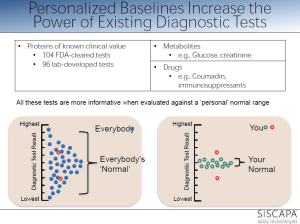
personalized reference range within population range

personalized reference range within population range

Part 1.  MetabolomicsSurge

metagraph  _OMICS

metagraph _OMICS

Metabolomics Continues Auspicious Climb

Jeffery Herman, Ph.D.
GEN May 1, 2012 (Vol. 32, No. 9)

Aberrant biochemical and metabolite signaling plays an important role in

  • the development and progression of diseased tissue.

This concept has been studied by the science community for decades. However, with relatively

  1. recent advances in analytical technology and bioinformatics as well as
  2. the development of the Human Metabolome Database (HMDB),

metabolomics has become an invaluable field of research.

At the “International Conference and Exhibition on Metabolomics & Systems Biology” held recently in San Francisco, researchers and industry leaders discussed how

  • the underlying cellular biochemical/metabolite fingerprint in response to
  1. a specific disease state,
  2. toxin exposure, or
  3. pharmaceutical compound
  • is useful in clinical diagnosis and biomarker discovery and
  • in understanding disease development and progression.

Developed by BASF, MetaMap® Tox is

  • a database that helps identify in vivo systemic effects of a tested compound, including
  1. targeted organs,
  2. mechanism of action, and
  3. adverse events.

Based on 28-day systemic rat toxicity studies, MetaMap Tox is composed of

  • differential plasma metabolite profiles of rats
  • after exposure to a large variety of chemical toxins and pharmaceutical compounds.

“Using the reference data,

  • we have developed more than 110 patterns of metabolite changes, which are
  • specific and predictive for certain toxicological modes of action,”

said Hennicke Kamp, Ph.D., group leader, department of experimental toxicology and ecology at BASF.

With MetaMap Tox, a potential drug candidate

  • can be compared to a similar reference compound
  • using statistical correlation algorithms,
  • which allow for the creation of a toxicity and mechanism of action profile.

“MetaMap Tox, in the context of early pre-clinical safety enablement in pharmaceutical development,” continued Dr. Kamp,

  • has been independently validated “
  • by an industry consortium (Drug Safety Executive Council) of 12 leading biopharmaceutical companies.”

Dr. Kamp added that this technology may prove invaluable

  • allowing for quick and accurate decisions and
  • for high-throughput drug candidate screening, in evaluation
  1. on the safety and efficacy of compounds
  2. during early and preclinical toxicological studies,
  3. by comparing a lead compound to a variety of molecular derivatives, and
  • the rapid identification of the most optimal molecular structure
  • with the best efficacy and safety profiles might be streamlined.
Dynamic Construct of the –Omics

Dynamic Construct of the –Omics

Targeted Tandem Mass Spectrometry

Biocrates Life Sciences focuses on targeted metabolomics, an important approach for

  • the accurate quantification of known metabolites within a biological sample.

Originally used for the clinical screening of inherent metabolic disorders from dried blood-spots of newborn children, Biocrates has developed

  • a tandem mass spectrometry (MS/MS) platform, which allows for
  1. the identification,
  2. quantification, and
  3. mapping of more than 800 metabolites to specific cellular pathways.

It is based on flow injection analysis and high-performance liquid chromatography MS/MS.

Clarification of Pathway-Specific Inhibition by Fourier Transform Ion Cyclotron Resonance.Mass Spectrometry-Based Metabolic Phenotyping Studies F5.large

common drug targets

common drug targets

The MetaDisIDQ® Kit is a

  • “multiparamatic” diagnostic assay designed for the “comprehensive assessment of a person’s metabolic state” and
  • the early determination of pathophysiological events with regards to a specific disease.

MetaDisIDQ is designed to quantify

  • a diverse range of 181 metabolites involved in major metabolic pathways
  • from a small amount of human serum (10 µL) using isotopically labeled internal standards,

This kit has been demonstrated to detect changes in metabolites that are commonly associated with the development of

  • metabolic syndrome, type 2 diabetes, and diabetic nephropathy,

Dr. Dallman reports that data generated with the MetaDisIDQ kit correlates strongly with

  • routine chemical analyses of common metabolites including glucose and creatinine

Biocrates has also developed the MS/MS-based AbsoluteIDQ® kits, which are

  • an “easy-to-use” biomarker analysis tool for laboratory research.

The kit functions on MS machines from a variety of vendors, and allows for the quantification of 150-180 metabolites.

The SteroIDQ® kit is a high-throughput standardized MS/MS diagnostic assay,

  • validated in human serum, for the rapid and accurate clinical determination of 16 known steroids.

Initially focusing on the analysis of steroid ranges for use in hormone replacement therapy, the SteroIDQ Kit is expected to have a wide clinical application.

Hormone-Resistant Breast Cancer

Scientists at Georgetown University have shown that

  • breast cancer cells can functionally coordinate cell-survival and cell-proliferation mechanisms,
  • while maintaining a certain degree of cellular metabolism.

To grow, cells need energy, and energy is a product of cellular metabolism. For nearly a century, it was thought that

  1. the uncoupling of glycolysis from the mitochondria,
  2. leading to the inefficient but rapid metabolism of glucose and
  3. the formation of lactic acid (the Warburg effect), was

the major and only metabolism driving force for unchecked proliferation and tumorigenesis of cancer cells.

Other aspects of metabolism were often overlooked.

“.. we understand now that

  • cellular metabolism is a lot more than just metabolizing glucose,”

said Robert Clarke, Ph.D., professor of oncology and physiology and biophysics at Georgetown University. Dr. Clarke, in collaboration with the Waters Center for Innovation at Georgetown University (led by Albert J. Fornace, Jr., M.D.), obtained

  • the metabolomic profile of hormone-sensitive and -resistant breast cancer cells through the use of UPLC-MS.

They demonstrated that breast cancer cells, through a rather complex and not yet completely understood process,

  1. can functionally coordinate cell-survival and cell-proliferation mechanisms,
  2. while maintaining a certain degree of cellular metabolism.

This is at least partly accomplished through the upregulation of important pro-survival mechanisms; including

  • the unfolded protein response;
  • a regulator of endoplasmic reticulum stress and
  • initiator of autophagy.

Normally, during a stressful situation, a cell may

  • enter a state of quiescence and undergo autophagy,
  • a process by which a cell can recycle organelles
  • in order to maintain enough energy to survive during a stressful situation or,

if the stress is too great,

  • undergo apoptosis.

By integrating cell-survival mechanisms and cellular metabolism

  • advanced ER+ hormone-resistant breast cancer cells
  • can maintain a low level of autophagy
  • to adapt and resist hormone/chemotherapy treatment.

This adaptation allows cells

  • to reallocate important metabolites recovered from organelle degradation and
  • provide enough energy to also promote proliferation.

With further research, we can gain a better understanding of the underlying causes of hormone-resistant breast cancer, with

  • the overall goal of developing effective diagnostic, prognostic, and therapeutic tools.

NMR

Over the last two decades, NMR has established itself as a major tool for metabolomics analysis. It is especially adept at testing biological fluids. [Bruker BioSpin]

Historically, nuclear magnetic resonance spectroscopy (NMR) has been used for structural elucidation of pure molecular compounds. However, in the last two decades, NMR has established itself as a major tool for metabolomics analysis. Since

  • the integral of an NMR signal is directly proportional to
  • the molar concentration throughout the dynamic range of a sample,

“the simultaneous quantification of compounds is possible

  • without the need for specific reference standards or calibration curves,” according to Lea Heintz of Bruker BioSpin.

NMR is adept at testing biological fluids because of

  1.  high reproducibility,
  2. standardized protocols,
  3. low sample manipulation, and
  4. the production of a large subset of data,

Bruker BioSpin is presently involved in a project for the screening of inborn errors of metabolism in newborn children from Turkey, based on their urine NMR profiles. More than 20 clinics are participating to the project that is coordinated by INFAI, a specialist in the transfer of advanced analytical technology into medical diagnostics. The construction of statistical models are being developed

  • for the detection of deviations from normality, as well as
  • automatic quantification methods for indicative metabolites

Bruker BioSpin recently installed high-resolution magic angle spinning NMR (HRMAS-NMR) systems that can rapidly analyze tissue biopsies. The main objective for HRMAS-NMR is to establish a rapid and effective clinical method to assess tumor grade and other important aspects of cancer during surgery.

Combined NMR and Mass Spec

There is increasing interest in combining NMR and MS, two of the main analytical assays in metabolomic research, as a means

  • to improve data sensitivity and to
  • fully elucidate the complex metabolome within a given biological sample.
  •  to realize a potential for cancer biomarker discovery in the realms of diagnosis, prognosis, and treatment.

.

Using combined NMR and MS to measure the levels of nearly 250 separate metabolites in the patient’s blood, Dr. Weljie and other researchers at the University of Calgary were able to rapidly determine the malignancy of a  pancreatic lesion (in 10–15% of the cases, it is difficult to discern between benign and malignant), while avoiding unnecessary surgery in patients with benign lesions.

When performing NMR and MS on a single biological fluid, ultimately “we are,” noted Dr. Weljie,

  1. “splitting up information content, processing, and introducing a lot of background noise and error and
  2. then trying to reintegrate the data…
    It’s like taking a complex item, with multiple pieces, out of an IKEA box and trying to repackage it perfectly into another box.”

By improving the workflow between the initial splitting of the sample, they improved endpoint data integration, proving that

  • a streamlined approach to combined NMR/MS can be achieved,
  • leading to a very strong, robust and precise metabolomics toolset.

Metabolomics Research Picks Up Speed

Field Advances in Quest to Improve Disease Diagnosis and Predict Drug Response

John Morrow Jr., Ph.D.
GEN May 1, 2011 (Vol. 31, No. 9)

As an important discipline within systems biology, metabolomics is being explored by a number of laboratories for

  • its potential in pharmaceutical development.

Studying metabolites can offer insights into the relationships between genotype and phenotype, as well as between genotype and environment. In addition, there is plenty to work with—there are estimated to be some 2,900 detectable metabolites in the human body, of which

  1. 309 have been identified in cerebrospinal fluid,
  2. 1,122 in serum,
  3. 458 in urine, and
  4. roughly 300 in other compartments.

Guowang Xu, Ph.D., a researcher at the Dalian Institute of Chemical Physics.  is investigating the causes of death in China,

  • and how they have been changing over the years as the country has become a more industrialized nation.
  •  the increase in the incidence of metabolic disorders such as diabetes has grown to affect 9.7% of the Chinese population.

Dr. Xu,  collaborating with Rainer Lehman, Ph.D., of the University of Tübingen, Germany, compared urinary metabolites in samples from healthy individuals with samples taken from prediabetic, insulin-resistant subjects. Using mass spectrometry coupled with electrospray ionization in the positive mode, they observed striking dissimilarities in levels of various metabolites in the two groups.

“When we performed a comprehensive two-dimensional gas chromatography, time-of-flight mass spectrometry analysis of our samples, we observed several metabolites, including

  • 2-hydroxybutyric acid in plasma,
  •  as potential diabetes biomarkers,” Dr. Xu explains.

In other, unrelated studies, Dr. Xu and the German researchers used a metabolomics approach to investigate the changes in plasma metabolite profiles immediately after exercise and following a 3-hour and 24-hour period of recovery. They found that

  • medium-chain acylcarnitines were the most distinctive exercise biomarkers, and
  • they are released as intermediates of partial beta oxidation in human myotubes and mouse muscle tissue.

Dr. Xu says. “The traditional approach of assessment based on a singular biomarker is being superseded by the introduction of multiple marker profiles.”

Typical of the studies under way by Dr. Kaddurah-Daouk and her colleaguesat Duke University

  • is a recently published investigation highlighting the role of an SNP variant in
  • the glycine dehydrogenase gene on individual response to antidepressants.
  •  patients who do not respond to the selective serotonin uptake inhibitors citalopram and escitalopram
  • carried a particular single nucleotide polymorphism in the GD gene.

“These results allow us to pinpoint a possible

  • role for glycine in selective serotonin reuptake inhibitor response and
  • illustrate the use of pharmacometabolomics to inform pharmacogenomics.

These discoveries give us the tools for prognostics and diagnostics so that

  • we can predict what conditions will respond to treatment.

“This approach to defining health or disease in terms of metabolic states opens a whole new paradigm.

By screening hundreds of thousands of molecules, we can understand

  • the relationship between human genetic variability and the metabolome.”

Dr. Kaddurah-Daouk talks about statins as a current

  • model of metabolomics investigations.

It is now known that the statins  have widespread effects, altering a range of metabolites. To sort out these changes and develop recommendations for which individuals should be receiving statins will require substantial investments of energy and resources into defining the complex web of biochemical changes that these drugs initiate.
Furthermore, Dr. Kaddurah-Daouk asserts that,

  • “genetics only encodes part of the phenotypic response.

One needs to take into account the

  • net environment contribution in order to determine
  • how both factors guide the changes in our metabolic state that determine the phenotype.”

Interactive Metabolomics

Researchers at the University of Nottingham use diffusion-edited nuclear magnetic resonance spectroscopy to assess the effects of a biological matrix on metabolites. Diffusion-edited NMR experiments provide a way to

  • separate the different compounds in a mixture
  • based on the differing translational diffusion coefficients (which reflect the size and shape of the molecule).

The measurements are carried out by observing

  • the attenuation of the NMR signals during a pulsed field gradient experiment.

Clare Daykin, Ph.D., is a lecturer at the University of Nottingham, U.K. Her field of investigation encompasses “interactive metabolomics,”which she defines as

“the study of the interactions between low molecular weight biochemicals and macromolecules in biological samples ..

  • without preselection of the components of interest.

“Blood plasma is a heterogeneous mixture of molecules that

  1. undergo a variety of interactions including metal complexation,
  2. chemical exchange processes,
  3. micellar compartmentation,
  4. enzyme-mediated biotransformations, and
  5. small molecule–macromolecular binding.”

Many low molecular weight compounds can exist

  • freely in solution,
  • bound to proteins, or
  • within organized aggregates such as lipoprotein complexes.

Therefore, quantitative comparison of plasma composition from

  • diseased individuals compared to matched controls provides an incomplete insight to plasma metabolism.

“It is not simply the concentrations of metabolites that must be investigated,

  • but their interactions with the proteins and lipoproteins within this complex web.

Rather than targeting specific metabolites of interest, Dr. Daykin’s metabolite–protein binding studies aim to study

  • the interactions of all detectable metabolites within the macromolecular sample.

Such activities can be studied through the use of diffusion-edited nuclear magnetic resonance (NMR) spectroscopy, in which one can assess

  • the effects of the biological matrix on the metabolites.

“This can lead to a more relevant and exact interpretation

  • for systems where metabolite–macromolecule interactions occur.”

Diffusion-edited NMR experiments provide a way to separate the different compounds in a mixture based on

  • the differing translational diffusion coefficients (which reflect the size and shape of the molecule).

The measurements are carried out by observing

  • the attenuation of the NMR signals during a pulsed field gradient experiment.

Pushing the Limits

It is widely recognized that many drug candidates fail during development due to ancillary toxicity. Uwe Sauer, Ph.D., professor, and Nicola Zamboni, Ph.D., researcher, both at the Eidgenössische Technische Hochschule, Zürich (ETH Zürich), are applying

  • high-throughput intracellular metabolomics to understand
  • the basis of these unfortunate events and
  • head them off early in the course of drug discovery.

“Since metabolism is at the core of drug toxicity, we developed a platform for

  • measurement of 50–100 targeted metabolites by
  • a high-throughput system consisting of flow injection
  • coupled to tandem mass spectrometry.”

Using this approach, Dr. Sauer’s team focused on

  • the central metabolism of the yeast Saccharomyces cerevisiae, reasoning that
  • this core network would be most susceptible to potential drug toxicity.

Screening approximately 41 drugs that were administered at seven concentrations over three orders of magnitude, they observed changes in metabolome patterns at much lower drug concentrations without attendant physiological toxicity.

The group carried out statistical modeling of about

  • 60 metabolite profiles for each drug they evaluated.

This data allowed the construction of a “profile effect map” in which

  • the influence of each drug on metabolite levels can be followed, including off-target effects, which
  • provide an indirect measure of the possible side effects of the various drugs.

Dr. Sauer says.“We have found that this approach is

  • at least 100 times as fast as other omics screening platforms,”

“Some drugs, including many anticancer agents,

  • disrupt metabolism long before affecting growth.”
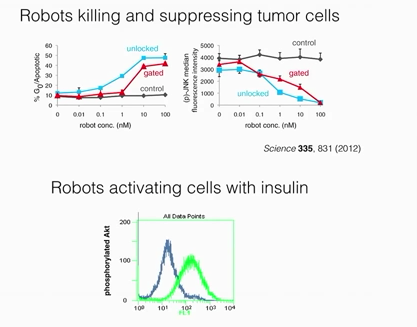
killing cancer cells

killing cancer cells

Furthermore, they used the principle of 13C-based flux analysis, in which

  • metabolites labeled with 13C are used to follow the utilization of metabolic pathways in the cell.

These 13C-determined intracellular responses of metabolic fluxes to drug treatment demonstrate

  • the functional performance of the network to be rather robust,
conformational changes leading to substrate efflux.

conformational changes leading to substrate efflux.

leading Dr. Sauer to the conclusion that

  • the phenotypic vigor he observes to drug challenges
  • is achieved by a flexible make up of the metabolome.

Dr. Sauer is confident that it will be possible to expand the scope of these investigations to hundreds of thousands of samples per study. This will allow answers to the questions of

  • how cells establish a stable functioning network in the face of inevitable concentration fluctuations.

Is Now the Hour?

There is great enthusiasm and agitation within the biotech community for

  • metabolomics approaches as a means of reversing the dismal record of drug discovery

that has accumulated in the last decade.

While the concept clearly makes sense and is being widely applied today, there are many reasons why drugs fail in development, and metabolomics will not be a panacea for resolving all of these questions. It is too early at this point to recognize a trend or a track record, and it will take some time to see how this approach can aid in drug discovery and shorten the timeline for the introduction of new pharmaceutical agents.

Degree of binding correlated with function

Degree of binding correlated with function

Diagram_of_a_two-photon_excitation_microscope_

Diagram_of_a_two-photon_excitation_microscope_

Part 2.  Biologists Find ‘Missing Link’ in the Production of Protein Factories in Cells

Biologists at UC San Diego have found

  • the “missing link” in the chemical system that
  • enables animal cells to produce ribosomes

—the thousands of protein “factories” contained within each cell that

  • manufacture all of the proteins needed to build tissue and sustain life.
‘Missing Link’

‘Missing Link’

Their discovery, detailed in the June 23 issue of the journal Genes & Development, will not only force

  • a revision of basic textbooks on molecular biology, but also
  • provide scientists with a better understanding of
  • how to limit uncontrolled cell growth, such as cancer,
  • that might be regulated by controlling the output of ribosomes.

Ribosomes are responsible for the production of the wide variety of proteins that include

  1. enzymes;
  2. structural molecules, such as hair,
  3. skin and bones;
  4. hormones like insulin; and
  5. components of our immune system such as antibodies.

Regarded as life’s most important molecular machine, ribosomes have been intensively studied by scientists (the 2009 Nobel Prize in Chemistry, for example, was awarded for studies of its structure and function). But until now researchers had not uncovered all of the details of how the proteins that are used to construct ribosomes are themselves produced.

In multicellular animals such as humans,

  • ribosomes are made up of about 80 different proteins
    (humans have 79 while some other animals have a slightly different number) as well as
  • four different kinds of RNA molecules.

In 1969, scientists discovered that

  • the synthesis of the ribosomal RNAs is carried out by specialized systems using two key enzymes:
  • RNA polymerase I and RNA polymerase III.

But until now, scientists were unsure if a complementary system was also responsible for

  • the production of the 80 proteins that make up the ribosome.

That’s essentially what the UC San Diego researchers headed by Jim Kadonaga, a professor of biology, set out to examine. What they found was the missing link—the specialized

  • system that allows ribosomal proteins themselves to be synthesized by the cell.

Kadonaga says that he and coworkers found that ribosomal proteins are synthesized via

  • a novel regulatory system with the enzyme RNA polymerase II and
  • a factor termed TRF2,”

“For the production of most proteins,

  1. RNA polymerase II functions with
  2. a factor termed TBP,
  3. but for the synthesis of ribosomal proteins, it uses TRF2.”
  •  this specialized TRF2-based system for ribosome biogenesis
  • provides a new avenue for the study of ribosomes and
  • its control of cell growth, and

“it should lead to a better understanding and potential treatment of diseases such as cancer.”

Coordination of the transcriptome and metabolome

Coordination of the transcriptome and metabolome

the potential advantages conferred by distal-site protein synthesis

the potential advantages conferred by distal-site protein synthesis

Other authors of the paper were UC San Diego biologists Yuan-Liang Wang, Sascha Duttke and George Kassavetis, and Kai Chen, Jeff Johnston, and Julia Zeitlinger of the Stowers Institute for Medical Research in Kansas City, Missouri. Their research was supported by two grants from the National Institutes of Health (1DP2OD004561-01 and R01 GM041249).

Turning Off a Powerful Cancer Protein

Scientists have discovered how to shut down a master regulatory transcription factor that is

  • key to the survival of a majority of aggressive lymphomas,
  • which arise from the B cells of the immune system.

The protein, Bcl6, has long been considered too complex to target with a drug since it is also crucial

  • to the healthy functioning of many immune cells in the body, not just B cells gone bad.

The researchers at Weill Cornell Medical College report that it is possible

  • to shut down Bcl6 in diffuse large B-cell lymphoma (DLBCL)
  • while not affecting its vital function in T cells and macrophages
  • that are needed to support a healthy immune system.

If Bcl6 is completely inhibited, patients might suffer from systemic inflammation and atherosclerosis. The team conducted this new study to help clarify possible risks, as well as to understand

  • how Bcl6 controls the various aspects of the immune system.

The findings in this study were inspired from

  • preclinical testing of two Bcl6-targeting agents that Dr. Melnick and his Weill Cornell colleagues have developed
  • to treat DLBCLs.

These experimental drugs are

  • RI-BPI, a peptide mimic, and
  • the small molecule agent 79-6.

“This means the drugs we have developed against Bcl6 are more likely to be

  • significantly less toxic and safer for patients with this cancer than we realized,”

says Ari Melnick, M.D., professor of hematology/oncology and a hematologist-oncologist at NewYork-Presbyterian Hospital/Weill Cornell Medical Center.

Dr. Melnick says the discovery that

  • a master regulatory transcription factor can be targeted
  • offers implications beyond just treating DLBCL.

Recent studies from Dr. Melnick and others have revealed that

  • Bcl6 plays a key role in the most aggressive forms of acute leukemia, as well as certain solid tumors.

Bcl6 can control the type of immune cell that develops in the bone marrow—playing many roles

  • in the development of B cells, T cells, macrophages, and other cells—including a primary and essential role in
  • enabling B-cells to generate specific antibodies against pathogens.

According to Dr. Melnick, “When cells lose control of Bcl6,

  • lymphomas develop in the immune system.

Lymphomas are ‘addicted’ to Bcl6, and therefore

  • Bcl6 inhibitors powerfully and quickly destroy lymphoma cells,” .

The big surprise in the current study is that rather than functioning as a single molecular machine,

  • Bcl6 functions like a Swiss Army knife,
  • using different tools to control different cell types.

This multifunction paradigm could represent a general model for the functioning of other master regulatory transcription factors.

“In this analogy, the Swiss Army knife, or transcription factor, keeps most of its tools folded,

  • opening only the one it needs in any given cell type,”

He makes the following analogy:

  • “For B cells, it might open and use the knife tool;
  • for T cells, the cork screw;
  • for macrophages, the scissors.”

“this means that you only need to prevent the master regulator from using certain tools to treat cancer. You don’t need to eliminate the whole knife,” . “In fact, we show that taking out the whole knife is harmful since

  • the transcription factor has many other vital functions that other cells in the body need.”

Prior to these study results, it was not known that a master regulator could separate its functions so precisely. Researchers hope this will be a major benefit to the treatment of DLBCL and perhaps other disorders that are influenced by Bcl6 and other master regulatory transcription factors.

The study is published in the journal Nature Immunology, in a paper titled “Lineage-specific functions of Bcl-6 in immunity and inflammation are mediated by distinct biochemical mechanisms”.

Part 3. Neuroscience

Vesicles influence function of nerve cells 
Oct, 06 2014        source: http://feeds.sciencedaily.com

Neurons (blue) which have absorbed exosomes (green) have increased levels of the enzyme catalase (red), which helps protect them against peroxides.

Neurons (blue) which have absorbed exosomes (green) have increased levels of the enzyme catalase (red), which helps protect them against peroxides.

Neurons (blue) which have absorbed exosomes (green) have increased levels of the enzyme catalase (red), which helps protect them against peroxides.

Tiny vesicles containing protective substances

  • which they transmit to nerve cells apparently
  • play an important role in the functioning of neurons.

As cell biologists at Johannes Gutenberg University Mainz (JGU) have discovered,

  • nerve cells can enlist the aid of mini-vesicles of neighboring glial cells
  • to defend themselves against stress and other potentially detrimental factors.

These vesicles, called exosomes, appear to stimulate the neurons on various levels:

  • they influence electrical stimulus conduction,
  • biochemical signal transfer, and
  • gene regulation.

Exosomes are thus multifunctional signal emitters

  • that can have a significant effect in the brain.
Exosome

Exosome

The researchers in Mainz already observed in a previous study that

  • oligodendrocytes release exosomes on exposure to neuronal stimuli.
  • these are absorbed by the neurons and improve neuronal stress tolerance.

Oligodendrocytes, a type of glial cell, form an

  • insulating myelin sheath around the axons of neurons.

The exosomes transport protective proteins such as

  • heat shock proteins,
  • glycolytic enzymes, and
  • enzymes that reduce oxidative stress from one cell type to another,
  • but also transmit genetic information in the form of ribonucleic acids.

“As we have now discovered in cell cultures, exosomes seem to have a whole range of functions,” explained Dr. Eva-Maria Krmer-Albers. By means of their transmission activity, the small bubbles that are the vesicles

  • not only promote electrical activity in the nerve cells, but also
  • influence them on the biochemical and gene regulatory level.

“The extent of activities of the exosomes is impressive,” added Krmer-Albers. The researchers hope that the understanding of these processes will contribute to the development of new strategies for the treatment of neuronal diseases. Their next aim is to uncover how vesicles actually function in the brains of living organisms.

http://labroots.com/user/news/article/id/217438/title/vesicles-influence-function-of-nerve-cells

The above story is based on materials provided by Universitt Mainz.

Universitt Mainz. “Vesicles influence function of nerve cells.” ScienceDaily. ScienceDaily, 6 October 2014. www.sciencedaily.com/releases/2014/10/141006174214.htm

Neuroscientists use snail research to help explain “chemo brain”

10/08/2014
It is estimated that as many as half of patients taking cancer drugs experience a decrease in mental sharpness. While there have been many theories, what causes “chemo brain” has eluded scientists.

In an effort to solve this mystery, neuroscientists at The University of Texas Health Science Center at Houston (UTHealth) conducted an experiment in an animal memory model and their results point to a possible explanation. Findings appeared in The Journal of Neuroscience.

In the study involving a sea snail that shares many of the same memory mechanisms as humans and a drug used to treat a variety of cancers, the scientists identified

  • memory mechanisms blocked by the drug.

Then, they were able to counteract or

  • unblock the mechanisms by administering another agent.

“Our research has implications in the care of people given to cognitive deficits following drug treatment for cancer,” said John H. “Jack” Byrne, Ph.D., senior author, holder of the June and Virgil Waggoner Chair and Chairman of the Department of Neurobiology and Anatomy at the UTHealth Medical School. “There is no satisfactory treatment at this time.”

Byrne’s laboratory is known for its use of a large snail called Aplysia californica to further the understanding of the biochemical signaling among nerve cells (neurons).  The snails have large neurons that relay information much like those in humans.

When Byrne’s team compared cell cultures taken from normal snails to

  • those administered a dose of a cancer drug called doxorubicin,

the investigators pinpointed a neuronal pathway

  • that was no longer passing along information properly.

With the aid of an experimental drug,

  • the scientists were able to reopen the pathway.

Unfortunately, this drug would not be appropriate for humans, Byrne said. “We want to identify other drugs that can rescue these memory mechanisms,” he added.

According the American Cancer Society, some of the distressing mental changes cancer patients experience may last a short time or go on for years.

Byrne’s UT Health research team includes co-lead authors Rong-Yu Liu, Ph.D., and Yili Zhang, Ph.D., as well as Brittany Coughlin and Leonard J. Cleary, Ph.D. All are affiliated with the W.M. Keck Center for the Neurobiology of Learning and Memory.

Byrne and Cleary also are on the faculty of The University of Texas Graduate School of Biomedical Sciences at Houston. Coughlin is a student at the school, which is jointly operated by UT Health and The University of Texas MD Anderson Cancer Center.

The study titled “Doxorubicin Attenuates Serotonin-Induced Long-Term Synaptic Facilitation by Phosphorylation of p38 Mitogen-Activated Protein Kinase” received support from National Institutes of Health grant (NS019895) and the Zilkha Family Discovery Fellowship.

Doxorubicin Attenuates Serotonin-Induced Long-Term Synaptic Facilitation by Phosphorylation of p38 Mitogen-Activated Protein Kinase

Source: Univ. of Texas Health Science Center at Houston

http://www.rdmag.com/news/2014/10/neuroscientists-use-snail-research-help-explain-E2_9_Cchemo-brain

Doxorubicin Attenuates Serotonin-Induced Long-Term Synaptic Facilitation by Phosphorylation of p38 Mitogen-Activated Protein Kinase

Rong-Yu Liu*,  Yili Zhang*,  Brittany L. Coughlin,  Leonard J. Cleary, and  John H. Byrne   +Show Affiliations
The Journal of Neuroscience, 1 Oct 2014, 34(40): 13289-13300;
http://dx.doi.org:/10.1523/JNEUROSCI.0538-14.2014

Doxorubicin (DOX) is an anthracycline used widely for cancer chemotherapy. Its primary mode of action appears to be

  • topoisomerase II inhibition, DNA cleavage, and free radical generation.

However, in non-neuronal cells, DOX also inhibits the expression of

  • dual-specificity phosphatases (also referred to as MAPK phosphatases) and thereby
  1. inhibits the dephosphorylation of extracellular signal-regulated kinase (ERK) and
  2. p38 mitogen-activated protein kinase (p38 MAPK),
  3. two MAPK isoforms important for long-term memory (LTM) formation.

Activation of these kinases by DOX in neurons, if present,

  • could have secondary effects on cognitive functions, such as learning and memory.

The present study used cultures of rat cortical neurons and sensory neurons (SNs) of Aplysia

  • to examine the effects of DOX on levels of phosphorylated ERK (pERK) and
  • phosphorylated p38 (p-p38) MAPK.

In addition, Aplysia neurons were used to examine the effects of DOX on

  • long-term enhanced excitability, long-term synaptic facilitation (LTF), and
  • long-term synaptic depression (LTD).

DOX treatment led to elevated levels of

  • pERK and p-p38 MAPK in SNs and cortical neurons.

In addition, it increased phosphorylation of

  • the downstream transcriptional repressor cAMP response element-binding protein 2 in SNs.

DOX treatment blocked serotonin-induced LTF and enhanced LTD induced by the neuropeptide Phe-Met-Arg-Phe-NH2. The block of LTF appeared to be attributable to

  • overriding inhibitory effects of p-p38 MAPK, because
  • LTF was rescued in the presence of an inhibitor of p38 MAPK
    (SB203580 [4-(4-fluorophenyl)-2-(4-methylsulfinylphenyl)-5-(4-pyridyl)-1H-imidazole]) .

These results suggest that acute application of DOX might impair the formation of LTM via the p38 MAPK pathway.
Terms: Aplysia chemotherapy ERK  p38 MAPK serotonin synaptic plasticity

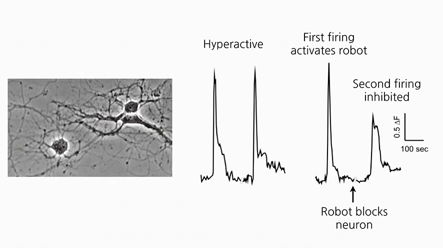
Technology that controls brain cells with radio waves earns early BRAIN grant

10/08/2014

bright spots = cells with increased calcium after treatment with radio waves,  allows neurons to fire

bright spots = cells with increased calcium after treatment with radio waves, allows neurons to fire

BRAIN control: The new technology uses radio waves to activate or silence cells remotely. The bright spots above represent cells with increased calcium after treatment with radio waves, a change that would allow neurons to fire.

A proposal to develop a new way to

  • remotely control brain cells

from Sarah Stanley, a research associate in Rockefeller University’s Laboratory of Molecular Genetics, headed by Jeffrey M. Friedman, is

  • among the first to receive funding from U.S. President Barack Obama’s BRAIN initiative.

The project will make use of a technique called

  • radiogenetics that combines the use of radio waves or magnetic fields with
  • nanoparticles to turn neurons on or off.

The National Institutes of Health is one of four federal agencies involved in the BRAIN (Brain Research through Advancing Innovative Neurotechnologies) initiative. Following in the ambitious footsteps of the Human Genome Project, the BRAIN initiative seeks

  • to create a dynamic map of the brain in action,

a goal that requires the development of new technologies. The BRAIN initiative working group, which outlined the broad scope of the ambitious project, was co-chaired by Rockefeller’s Cori Bargmann, head of the Laboratory of Neural Circuits and Behavior.

Stanley’s grant, for $1.26 million over three years, is one of 58 projects to get BRAIN grants, the NIH announced. The NIH’s plan for its part of this national project, which has been pitched as “America’s next moonshot,” calls for $4.5 billion in federal funds over 12 years.

The technology Stanley is developing would

  • enable researchers to manipulate the activity of neurons, as well as other cell types,
  • in freely moving animals in order to better understand what these cells do.

Other techniques for controlling selected groups of neurons exist, but her new nanoparticle-based technique has a

  • unique combination of features that may enable new types of experimentation.
  • it would allow researchers to rapidly activate or silence neurons within a small area of the brain or
  • dispersed across a larger region, including those in difficult-to-access locations.

Stanley also plans to explore the potential this method has for use treating patients.

“Francis Collins, director of the NIH, has discussed

  • the need for studying the circuitry of the brain,
  • which is formed by interconnected neurons.

Our remote-control technology may provide a tool with which researchers can ask new questions about the roles of complex circuits in regulating behavior,” Stanley says.
Rockefeller University’s Laboratory of Molecular Genetics
Source: Rockefeller Univ.

Part 4.  Cancer

Two Proteins Found to Block Cancer Metastasis

Why do some cancers spread while others don’t? Scientists have now demonstrated that

  • metastatic incompetent cancers actually “poison the soil”
  • by generating a micro-environment that blocks cancer cells
  • from settling and growing in distant organs.

The “seed and the soil” hypothesis proposed by Stephen Paget in 1889 is now widely accepted to explain how

  • cancer cells (seeds) are able to generate fertile soil (the micro-environment)
  • in distant organs that promotes cancer’s spread.

However, this concept had not explained why some tumors do not spread or metastasize.

The researchers, from Weill Cornell Medical College, found that

  • two key proteins involved in this process work by
  • dramatically suppressing cancer’s spread.

The study offers hope that a drug based on these

  • potentially therapeutic proteins, prosaposin and Thrombospondin 1 (Tsp-1),

might help keep human cancer at bay and from metastasizing.

Scientists don’t understand why some tumors wouldn’t “want” to spread. It goes against their “job description,” says the study’s senior investigator, Vivek Mittal, Ph.D., an associate professor of cell and developmental biology in cardiothoracic surgery and director of the Neuberger Berman Foundation Lung Cancer Laboratory at Weill Cornell Medical College. He theorizes that metastasis occurs when

  • the barriers that the body throws up to protect itself against cancer fail.

But there are some tumors in which some of the barriers may still be intact. “So that suggests

  • those primary tumors will continue to grow, but that
  • an innate protective barrier still exists that prevents them from spreading and invading other organs,”

The researchers found that, like typical tumors,

  • metastasis-incompetent tumors also send out signaling molecules
  • that establish what is known as the “premetastatic niche” in distant organs.

These niches composed of bone marrow cells and various growth factors have been described previously by others including Dr. Mittal as the fertile “soil” that the disseminated cancer cell “seeds” grow in.

Weill Cornell’s Raúl Catena, Ph.D., a postdoctoral fellow in Dr. Mittal’s laboratory, found an important difference between the tumor types. Metastatic-incompetent tumors

  • systemically increased expression of Tsp-1, a molecule known to fight cancer growth.
  • increased Tsp-1 production was found specifically in the bone marrow myeloid cells
  • that comprise the metastatic niche.

These results were striking, because for the first time Dr. Mittal says

  • the bone marrow-derived myeloid cells were implicated as
  • the main producers of Tsp-1,.

In addition, Weill Cornell and Harvard researchers found that

  • prosaposin secreted predominantly by the metastatic-incompetent tumors
  • increased expression of Tsp-1 in the premetastatic lungs.

Thus, Dr. Mittal posits that prosaposin works in combination with Tsp-1

  • to convert pro-metastatic bone marrow myeloid cells in the niche
  • into cells that are not hospitable to cancer cells that spread from a primary tumor.
  • “The very same myeloid cells in the niche that we know can promote metastasis
  • can also be induced under the command of the metastatic incompetent primary tumor to inhibit metastasis,”

The research team found that

  • the Tsp-1–inducing activity of prosaposin
  • was contained in only a 5-amino acid peptide region of the protein, and
  • this peptide alone induced Tsp-1 in the bone marrow cells and
  • effectively suppressed metastatic spread in the lungs
  • in mouse models of breast and prostate cancer.

This 5-amino acid peptide with Tsp-1–inducing activity

  • has the potential to be used as a therapeutic agent against metastatic cancer,

The scientists have begun to test prosaposin in other tumor types or metastatic sites.

Dr. Mittal says that “The clinical implications of the study are:

  • “Not only is it theoretically possible to design a prosaposin-based drug or drugs
  • that induce Tsp-1 to block cancer spread, but
  • you could potentially create noninvasive prognostic tests
  • to predict whether a cancer will metastasize.”

The study was reported in the April 30 issue of Cancer Discovery, in a paper titled “Bone Marrow-Derived Gr1+ Cells Can Generate a Metastasis-Resistant Microenvironment Via Induced Secretion of Thrombospondin-1”.

Disabling Enzyme Cripples Tumors, Cancer Cells

First Step of Metastasis

First Step of Metastasis

Published: Sep 05, 2013  http://www.technologynetworks.com/Metabolomics/news.aspx?id=157138

Knocking out a single enzyme dramatically cripples the ability of aggressive cancer cells to spread and grow tumors.

The paper, published in the journal Proceedings of the National Academy of Sciences, sheds new light on the importance of lipids, a group of molecules that includes fatty acids and cholesterol, in the development of cancer.

Researchers have long known that cancer cells metabolize lipids differently than normal cells. Levels of ether lipids – a class of lipids that are harder to break down – are particularly elevated in highly malignant tumors.

“Cancer cells make and use a lot of fat and lipids, and that makes sense because cancer cells divide and proliferate at an accelerated rate, and to do that,

  • they need lipids, which make up the membranes of the cell,”

said study principal investigator Daniel Nomura, assistant professor in UC Berkeley’s Department of Nutritional Sciences and Toxicology. “Lipids have a variety of uses for cellular structure, but what we’re showing with our study is that

  • lipids can send signals that fuel cancer growth.”

In the study, Nomura and his team tested the effects of reducing ether lipids on human skin cancer cells and primary breast tumors. They targeted an enzyme,

  • alkylglycerone phosphate synthase, or AGPS,
  • known to be critical to the formation of ether lipids.

The researchers confirmed that

  1. AGPS expression increased when normal cells turned cancerous.
  2. inactivating AGPS substantially reduced the aggressiveness of the cancer cells.

“The cancer cells were less able to move and invade,” said Nomura.

The researchers also compared the impact of

  • disabling the AGPS enzyme in mice that had been injected with cancer cells.

Nomura. observes -“Among the mice that had the AGPS enzyme inactivated,

  • the tumors were nonexistent,”

“The mice that did not have this enzyme

  • disabled rapidly developed tumors.”

The researchers determined that

  • inhibiting AGPS expression depleted the cancer cells of ether lipids.
  • AGPS altered levels of other types of lipids important to the ability of the cancer cells to survive and spread, including
    • prostaglandins and acyl phospholipids.

“What makes AGPS stand out as a treatment target is that the enzyme seems to simultaneously

  • regulate multiple aspects of lipid metabolism
  • important for tumor growth and malignancy.”

Future steps include the

  • development of AGPS inhibitors for use in cancer therapy,

“This study sheds considerable light on the important role that AGPS plays in ether lipid metabolism in cancer cells, and it suggests that

  • inhibitors of this enzyme could impair tumor formation,”

said Benjamin Cravatt, Professor and Chair of Chemical Physiology at The Scripps Research Institute, who is not part of the UC.

Agilent Technologies Thought Leader Award Supports Translational Research Program
Published: Mon, March 04, 2013

The award will support Dr DePinho’s research into

  • metabolic reprogramming in the earliest stages of cancer.

Agilent Technologies Inc. announces that Dr. Ronald A. DePinho, a world-renowned oncologist and researcher, has received an Agilent Thought Leader Award.

DePinho is president of the University of Texas MD Anderson Cancer Center. DePinho and his team hope to discover and characterize

  • alterations in metabolic flux during tumor initiation and maintenance, and to identify biomarkers for early detection of pancreatic cancer together with
  • novel therapeutic targets.

Researchers on his team will work with scientists from the university’s newly formed Institute of Applied Cancer Sciences.

The Agilent Thought Leader Award provides funds to support personnel as well as a state-of-the-art Agilent 6550 iFunnel Q-TOF LC/MS system.

“I am extremely pleased to receive this award for metabolomics research, as the survival rates for pancreatic cancer have not significantly improved over the past 20 years,” DePinho said. “This technology will allow us to

  • rapidly identify new targets that drive the formation, progression and maintenance of pancreatic cancer.

Discoveries from this research will also lead to

  • the development of effective early detection biomarkers and novel therapeutic interventions.”

“We are proud to support Dr. DePinho’s exciting translational research program, which will make use of

  • metabolomics and integrated biology workflows and solutions in biomarker discovery,”

said Patrick Kaltenbach, Agilent vice president, general manager of the Liquid Phase Division, and the executive sponsor of this award.

The Agilent Thought Leader Program promotes fundamental scientific advances by support of influential thought leaders in the life sciences and chemical analysis fields.

The covalent modifier Nedd8 is critical for the activation of Smurf1 ubiquitin ligase in tumorigenesis

Ping Xie, Minghua Zhang, Shan He, Kefeng Lu, Yuhan Chen, Guichun Xing, et al.
Nature Communications
  2014; 5(3733).  http://dx.doi.org:/10.1038/ncomms4733

Neddylation, the covalent attachment of ubiquitin-like protein Nedd8, of the Cullin-RING E3 ligase family

  • regulates their ubiquitylation activity.

However, regulation of HECT ligases by neddylation has not been reported to date. Here we show that

  • the C2-WW-HECT ligase Smurf1 is activated by neddylation.

Smurf1 physically interacts with

  1. Nedd8 and Ubc12,
  2. forms a Nedd8-thioester intermediate, and then
  3. catalyses its own neddylation on multiple lysine residues.

Intriguingly, this autoneddylation needs

  • an active site at C426 in the HECT N-lobe.

Neddylation of Smurf1 potently enhances

  • ubiquitin E2 recruitment and
  • augments the ubiquitin ligase activity of Smurf1.

The regulatory role of neddylation

  • is conserved in human Smurf1 and yeast Rsp5.

Furthermore, in human colorectal cancers,

  • the elevated expression of Smurf1, Nedd8, NAE1 and Ubc12
  • correlates with cancer progression and poor prognosis.

These findings provide evidence that

  • neddylation is important in HECT ubiquitin ligase activation and
  • shed new light on the tumour-promoting role of Smurf1.
 Swinging domains in HECT E3

Swinging domains in HECT E3

Subject terms: Biological sciences Cancer Cell biology

Figure 1: Smurf1 expression is elevated in colorectal cancer tissues.

Smurf1 expression is elevated in colorectal cancer tissues.

Smurf1 expression is elevated in colorectal cancer tissues.

(a) Smurf1 expression scores are shown as box plots, with the horizontal lines representing the median; the bottom and top of the boxes representing the 25th and 75th percentiles, respectively; and the vertical bars representing the ra

Figure 2: Positive correlation of Smurf1 expression with Nedd8 and its interacting enzymes in colorectal cancer.

Positive correlation of Smurf1 expression with Nedd8 and its interacting enzymes in colorectal cancer

Positive correlation of Smurf1 expression with Nedd8 and its interacting enzymes in colorectal cancer

(a) Representative images from immunohistochemical staining of Smurf1, Ubc12, NAE1 and Nedd8 in the same colorectal cancer tumour. Scale bars, 100 μm. (bd) The expression scores of Nedd8 (b, n=283 ), NAE1 (c, n=281) and Ubc12 (d, n=19…

Figure 3: Smurf1 interacts with Ubc12.

Smurf1 interacts with Ubc12

Smurf1 interacts with Ubc12

(a) GST pull-down assay of Smurf1 with Ubc12. Both input and pull-down samples were subjected to immunoblotting with anti-His and anti-GST antibodies. Smurf1 interacted with Ubc12 and UbcH5c, but not with Ubc9. (b) Mapping the regions…

Figure 4: Nedd8 is attached to Smurf1through C426-catalysed autoneddylation.

Nedd8 is attached to Smurf1through C426-catalysed autoneddylation

Nedd8 is attached to Smurf1through C426-catalysed autoneddylation

(a) Covalent neddylation of Smurf1 in vitro.Purified His-Smurf1-WT or C699A proteins were incubated with Nedd8 and Nedd8-E1/E2. Reactions were performed as described in the Methods section. Samples were analysed by western blotting wi…

Figure 5: Neddylation of Smurf1 activates its ubiquitin ligase activity.

Neddylation of Smurf1 activates its ubiquitin ligase activity.

Neddylation of Smurf1 activates its ubiquitin ligase activity.

(a) In vivo Smurf1 ubiquitylation assay. Nedd8 was co-expressed with Smurf1 WT or C699A in HCT116 cells (left panels). Twenty-four hours post transfection, cells were treated with MG132 (20 μM, 8 h). HCT116 cells were transfected with…

http://www.nature.com/ncomms/2014/140513/ncomms4733/carousel/ncomms4733-f1.jpg

http://www.nature.com/ncomms/2014/140513/ncomms4733/carousel/ncomms4733-f2.jpg

http://www.nature.com/ncomms/2014/140513/ncomms4733/carousel/ncomms4733-f3.jpg

http://www.nature.com/ncomms/2014/140513/ncomms4733/carousel/ncomms4733-f4.jpg

http://www.nature.com/ncomms/2014/140513/ncomms4733/carousel/ncomms4733-f5.jpg

http://www.nature.com/ncomms/2014/140513/ncomms4733/carousel/ncomms4733-f6.jpg

http://www.nature.com/ncomms/2014/140513/ncomms4733/carousel/ncomms4733-f7.jpg

http://www.nature.com/ncomms/2014/140513/ncomms4733/carousel/ncomms4733-f8.jpg

The deubiquitylase USP33 discriminates between RALB functions in autophagy and innate immune response

M Simicek, S Lievens, M Laga, D Guzenko, VN. Aushev, et al.
Nature Cell Biology 2013; 15, 1220–1230    http://dx.doi.org:/10.1038/ncb2847

The RAS-like GTPase RALB mediates cellular responses to nutrient availability or viral infection by respectively

  • engaging two components of the exocyst complex, EXO84 and SEC5.
  1. RALB employs SEC5 to trigger innate immunity signalling, whereas
  2. RALB–EXO84 interaction induces autophagocytosis.

How this differential interaction is achieved molecularly by the RAL GTPase remains unknown.

We found that whereas GTP binding

  • turns on RALB activity,

ubiquitylation of RALB at Lys 47

  • tunes its activity towards a particular effector.

Specifically, ubiquitylation at Lys 47

  • sterically inhibits RALB binding to EXO84, while
  • facilitating its interaction with SEC5.

Double-stranded RNA promotes

  • RALB ubiquitylation and
  • SEC5–TBK1 complex formation.

In contrast, nutrient starvation

  • induces RALB deubiquitylation
  • by accumulation and relocalization of the deubiquitylase USP33
  • to RALB-positive vesicles.

Deubiquitylated RALB

  • promotes the assembly of the RALB–EXO84–beclin-1 complexes
  • driving autophagosome formation. Thus,
  • ubiquitylation within the effector-binding domain
  • provides the switch for the dual functions of RALB in
    • autophagy and innate immune responses.

Part 5. Metabolic Syndrome

Single Enzyme is Necessary for Development of Diabetes

Published: Aug 20, 2014 http://www.technologynetworks.com/Metabolomics/news.aspx?ID=169416

12-LO enzyme promotes the obesity-induced oxidative stress in the pancreatic cells.

An enzyme called 12-LO promotes the obesity-induced oxidative stress in the pancreatic cells that leads

  • to pre-diabetes, and diabetes.

12-LO’s enzymatic action is the last step in

  • the production of certain small molecules that harm the cell,

according to a team from Indiana University School of Medicine, Indianapolis.

The findings will enable the development of drugs that can interfere with this enzyme, preventing or even reversing diabetes. The research is published ahead of print in the journal Molecular and Cellular Biology.

In earlier studies, these researchers and their collaborators at Eastern Virginia Medical School showed that

  • 12-LO (which stands for 12-lipoxygenase) is present in these cells
  • only in people who become overweight.

The harmful small molecules resulting from 12-LO’s enzymatic action are known as HETEs, short for hydroxyeicosatetraenoic acid.

  1. HETEs harm the mitochondria, which then
  2. fail to produce sufficient energy to enable
  3. the pancreatic cells to manufacture the necessary quantities of insulin.

For the study, the investigators genetically engineered mice that

  • lacked the gene for 12-LO exclusively in their pancreas cells.

Mice were either fed a low-fat or high-fat diet.

Both the control mice and the knockout mice on the high fat diet

  • developed obesity and insulin resistance.

The investigators also examined the pancreatic beta cells of both knockout and control mice, using both microscopic studies and molecular analysis. Those from the knockout mice were intact and healthy, while

  • those from the control mice showed oxidative damage,
  • demonstrating that 12-LO and the resulting HETEs
  • caused the beta cell failure.

Mirmira notes that fatty diet used in the study was the Western Diet, which comprises mostly saturated-“bad”-fats. Based partly on a recent study of related metabolic pathways, he says that

  • the unsaturated and mono-unsaturated fats-which comprise most fats in the healthy,
  • relatively high fat Mediterranean diet-are unlikely to have the same effects.

“Our research is the first to show that 12-LO in the beta cell

  • is the culprit in the development of pre-diabetes, following high fat diets,” says Mirmira.

“Our work also lends important credence to the notion that

  • the beta cell is the primary defective cell in virtually all forms of diabetes and pre-diabetes.”

A New Player in Lipid Metabolism Discovered

Published: Aug18, 2014  http://www.technologynetworks.com/Metabolomics/news.aspx?ID=169356

Specially engineered mice gained no weight, and normal counterparts became obese

  • on the same high-fat, obesity-inducing Western diet.

Specially engineered mice that lacked a particular gene did not gain weight

  • when fed a typical high-fat, obesity-inducing Western diet.

Yet, these mice ate the same amount as their normal counterparts that became obese.

The mice were engineered with fat cells that lacked a gene called SEL1L,

  • known to be involved in the clearance of mis-folded proteins
  • in the cell’s protein making machinery called the endoplasmic reticulum (ER).

When mis-folded proteins are not cleared but accumulate,

  • they destroy the cell and contribute to such diseases as
  1. mad cow disease,
  2. Type 1 diabetes and
  3. cystic fibrosis.

“The million-dollar question is why don’t these mice gain weight? Is this related to its inability to clear mis-folded proteins in the ER?” said Ling Qi, associate professor of molecular and biochemical nutrition and senior author of the study published online July 24 in Cell Metabolism. Haibo Sha, a research associate in Qi’s lab, is the paper’s lead author.

Interestingly, the experimental mice developed a host of other problems, including

  • postprandial hypertriglyceridemia,
  • and fatty livers.

“Although we are yet to find out whether these conditions contribute to the lean phenotype, we found that

  • there was a lipid partitioning defect in the mice lacking SEL1L in fat cells,
  • where fat cells cannot store fat [lipids], and consequently
  • fat goes to the liver.

During the investigation of possible underlying mechanisms, we discovered

  • a novel function for SEL1L as a regulator of lipid metabolism,” said Qi.

Sha said “We were very excited to find that

  • SEL1L is required for the intracellular trafficking of
  • lipoprotein lipase (LPL), acting as a chaperone,” .

and added that “Using several tissue-specific knockout mouse models,

  • we showed that this is a general phenomenon,”

Without LPL, lipids remain in the circulation;

  • fat and muscle cells cannot absorb fat molecules for storage and energy combustion,

People with LPL mutations develop

  • postprandial hypertriglyceridemia similar to
  • conditions found in fat cell-specific SEL1L-deficient mice, said Qi.

Future work will investigate the

  • role of SEL1L in human patients carrying LPL mutations and
  • determine why fat cell-specific SEL1L-deficient mice remain lean under Western diets, said Sha.

Co-authors include researchers from Cedars-Sinai Medical Center in Los Angeles; Wageningen University in the Netherlands; Georgia State University; University of California, Los Angeles; and the Medical College of Soochow University in China.

The study was funded by the U.S. National Institutes of Health, the Netherlands Organization for Health Research and Development National Institutes of Health, the Cedars-Sinai Medical Center, Chinese National Science Foundation, the American Diabetes Association, Cornell’s Center for Vertebrate Genomics and the Howard Hughes Medical Institute.

Part 6. Biomarkers

Biomarkers Take Center Stage

Josh P. Roberts
GEN May 1, 2013 (Vol. 33, No. 9)  http://www.genengnews.com/

While work with biomarkers continues to grow, scientists are also grappling with research-related bottlenecks, such as

  1. affinity reagent development,
  2. platform reproducibility, and
  3. sensitivity.

Biomarkers by definition indicate some state or process that generally occurs

  • at a spatial or temporal distance from the marker itself, and

it would not be an exaggeration to say that biomedicine has become infatuated with them:

  1. where to find them,
  2. when they may appear,
  3. what form they may take, and
  4. how they can be used to diagnose a condition or
  5. predict whether a therapy may be successful.

Biomarkers are on the agenda of many if not most industry gatherings, and in cases such as Oxford Global’s recent “Biomarker Congress” and the GTC “Biomarker Summit”, they hold the naming rights. There, some basic principles were built upon, amended, and sometimes challenged.

In oncology, for example, biomarker discovery is often predicated on the premise that

  • proteins shed from a tumor will traverse to and persist in, and be detectable in, the circulation.

By quantifying these proteins—singularly or as part of a larger “signature”—the hope is

  1. to garner information about the molecular characteristics of the cancer
  2. that will help with cancer detection and
  3. personalization of the treatment strategy.

Yet this approach has not yet turned into the panacea that was hoped for. Bottlenecks exist in

  • affinity reagent development,
  • platform reproducibility, and
  • sensitivity.

There is also a dearth of understanding of some of the

  • fundamental principles of biomarker biology that we need to know the answers to,

said Parag Mallick, Ph.D., whose lab at Stanford University is “working on trying to understand where biomarkers come from.”

There are dogmas saying that

  • circulating biomarkers come solely from secreted proteins.

But Dr. Mallick’s studies indicate that fully

  • 50% of circulating proteins may come from intracellular sources or
  • proteins that are annotated as such.

“We don’t understand the processes governing

  • which tumor-derived proteins end up in the blood.”

Other questions include “how does the size of a tumor affect how much of a given protein will be in the blood?”—perhaps

  • the tumor is necrotic at the center, or
  • it’s hypervascular or hypovascular.

He points out “The problem is that these are highly nonlinear processes at work, and

  • there is a large number of factors that might affect the answer to that question,” .

Their research focuses on using

  1. mass spectrometry and
  2. computational analysis
  • to characterize the biophysical properties of the circulating proteome, and
  • relate these to measurements made of the tumor itself.

Furthermore, he said – “We’ve observed that the proteins that are likely to

  • first show up and persist in the circulation, ..
  • are more stable than proteins that don’t,”
  • “we can quantify how significant the effect is.”

The goal is ultimately to be able to

  1. build rigorous, formal mathematical models that will allow something measured in the blood
  2. to be tied back to the molecular biology taking place in the tumor.

And conversely, to use those models

  • to predict from a tumor what will be found in the circulation.

“Ultimately, the models will allow you to connect the dots between

  • what you measure in the blood and the biology of the tumor.”

Bound for Affinity Arrays

Affinity reagents are the main tools for large-scale protein biomarker discovery. And while this has tended to mean antibodies (or their derivatives), other affinity reagents are demanding a place in the toolbox.

Affimers, a type of affinity reagent being developed by Avacta, consist of

  1. a biologically inert, biophysically stable protein scaffold
  2. containing three variable regions into which
  3. distinct peptides are inserted.

The resulting three-dimensional surface formed by these peptides

  • interacts and binds to proteins and other molecules in solution,
  • much like the antigen-binding site of antibodies.

Unlike antibodies, Affimers are relatively small (13 KDa),

  • non-post-translationally modified proteins
  • that can readily be expressed in bacterial culture.

They may be made to bind surfaces through unique residues

  • engineered onto the opposite face of the Affimer,
  • allowing the binding site to be exposed to the target in solution.

“We don’t seem to see in what we’ve done so far

  • any real loss of activity or functionality of Affimers when bound to surfaces—

they’re very robust,” said CEO Alastair Smith, Ph.D.

Avacta is taking advantage of this stability and its large libraries of Affimers to develop

  • very large affinity microarrays for
  • drug and biomarker discovery.

To date they have printed arrays with around 20–25,000 features, and Dr. Smith is “sure that we can get toward about 50,000 on a slide,” he said. “There’s no real impediment to us doing that other than us expressing the proteins and getting on with it.”

Customers will be provided with these large, complex “naïve” discovery arrays, readable with standard equipment. The plan is for the company to then “support our customers by providing smaller arrays with

  • the Affimers that are binding targets of interest to them,” Dr. Smith foretold.

And since the intellectual property rights are unencumbered,

  • Affimers in those arrays can be licensed to the end users
  • to develop diagnostics that can be validated as time goes on.

Around 20,000-Affimer discovery arrays were recently tested by collaborator Professor Ann Morgan of the University of Leeds with pools of unfractionated serum from patients with symptoms of inflammatory disease. The arrays

  • “rediscovered” elevated C-reactive protein (CRP, the clinical gold standard marker)
  • as well as uncovered an additional 22 candidate biomarkers.
  • other candidates combined with CRP, appear able to distinguish between different diseases such as
  1. rheumatoid arthritis,
  2. psoriatic arthritis,
  3. SLE, or
  4. giant cell arteritis.

Epigenetic Biomarkers

Methylation of adenine

Sometimes biomarkers are used not to find disease but

  • to distinguish healthy human cell types, with
  •  examples being found in flow cytometry and immunohistochemistry.

These widespread applications, however, are difficult to standardize, being

  • subject to arbitrary or subjective gating protocols and other imprecise criteria.

Epiontis instead uses an epigenetic approach. “What we need is a unique marker that is

  • demethylated only in one cell type and
  • methylated in all the other cell types,”

Each cell of the right cell type will have

  • two demethylated copies of a certain gene locus,
  • allowing them to be enumerated by quantitative PCR.

The biggest challenge is finding that unique epigenetic marker. To do so they look through the literature for proteins and genes described as playing a role in the cell type’s biology, and then

  • look at the methylation patterns to see if one can be used as a marker,

They also “use customized Affymetrix chips to look at the

  • differential epigenetic status of different cell types on a genomewide scale.”

explained CBO and founder Ulrich Hoffmueller, Ph.D.

The company currently has a panel of 12 assays for 12 immune cell types. Among these is an assay for

  • regulatory T (Treg) cells that queries the Foxp3 gene—which is uniquely demethylated in Treg
  • even though it is transiently expressed in activated T cells of other subtypes.

Also assayed are Th17 cells, difficult to detect by flow cytometry because

  • “the cells have to be stimulated in vitro,” he pointed out.

Developing New Assays for Cancer Biomarkers

Researchers at Myriad RBM and the Cancer Prevention Research Institute of Texas are collaborating to develop

  • new assays for cancer biomarkers on the Myriad RBM Multi-Analyte Profile (MAP) platform.

The release of OncologyMAP 2.0 expanded Myriad RBM’s biomarker menu to over 250 analytes, which can be measured from a small single sample, according to the company. Using this menu, L. Stephen et al., published a poster, “Analysis of Protein Biomarkers in Prostate and Colorectal Tumor Lysates,” which showed the results of

  • a survey of proteins relevant to colorectal (CRC) and prostate (PC) tumors
  • to identify potential proteins of interest for cancer research.

The study looked at CRC and PC tumor lysates and found that 102 of the 115 proteins showed levels above the lower limit of quantification.

  • Four markers were significantly higher in PC and 10 were greater in CRC.

For most of the analytes, duplicate sections of the tumor were similar, although some analytes did show differences. In four of the CRC analytes, tumor number four showed differences for CEA and tumor number 2 for uPA.

Thirty analytes were shown to be

  • different in CRC tumor compared to its adjacent tissue.
  • Ten of the analytes were higher in adjacent tissue compared to CRC.
  • Eighteen of the markers examined demonstrated  —-

significant correlations of CRC tumor concentration to serum levels.

“This suggests.. that the Oncology MAP 2.0 platform “provides a good method for studying changes in tumor levels because many proteins can be assessed with a very small sample.”

Clinical Test Development with MALDI-ToF

While there have been many attempts to translate results from early discovery work on the serum proteome into clinical practice, few of these efforts have progressed past the discovery phase.

Matrix-assisted laser desorption/ionization-time of flight (MALDI-ToF) mass spectrometry on unfractionated serum/plasma samples offers many practical advantages over alternative techniques, and does not require

  • a shift from discovery to development and commercialization platforms.

Biodesix claims it has been able to develop the technology into

  • a reproducible, high-throughput tool to
  • routinely measure protein abundance from serum/plasma samples.

“.. we improved data-analysis algorithms to

  • reproducibly obtain quantitative measurements of relative protein abundance from MALDI-ToF mass spectra.

Heinrich Röder, CTO points out that the MALDI-ToF measurements

  • are combined with clinical outcome data using
  • modern learning theory techniques
  • to define specific disease states
  • based on a patient’s serum protein content,”

The clinical utility of the identification of these disease states can be investigated through a retrospective analysis of differing sample sets. For example, Biodesix clinically validated its first commercialized serum proteomic test, VeriStrat®, in 85 different retrospective sample sets.

Röder adds that “It is becoming increasingly clear that

  • the patients whose serum is characterized as VeriStrat Poor show
  • consistently poor outcomes irrespective of
  1. tumor type,
  2. histology, or
  3. molecular tumor characteristics,”

MALDI-ToF mass spectrometry, in its standard implementation,

  • allows for the observation of around 100 mostly high-abundant serum proteins.

Further, “while this does not limit the usefulness of tests developed from differential expression of these proteins,

  • the discovery potential would be greatly enhanced
  • if we could probe deeper into the proteome
  • while not giving up the advantages of the MALDI-ToF approach,”

Biodesix reports that its new MALDI approach, Deep MALDI™, can perform

  • simultaneous quantitative measurement of more than 1,000 serum protein features (or peaks) from 10 µL of serum in a high-throughput manner.
  • it increases the observable signal noise ratio from a few hundred to over 50,000,
  • resulting in the observation of many lower-abundance serum proteins.

Breast cancer, a disease now considered to be a collection of many complexes of symptoms and signatures—the dominant ones are labeled Luminal A, Luminal B, Her2, and Basal— which suggests different prognose, and

  • these labels are considered too simplistic for understanding and managing a woman’s cancer.

Studies published in the past year have looked at

  1. somatic mutations,
  2. gene copy number aberrations,
  3. gene expression abnormalities,
  4. protein and miRNA expression, and
  5. DNA methylation,

coming up with a list of significantly mutated genes—hot spots—in different categories of breast cancers. Targeting these will inevitably be the focus of much coming research.

“We’ve been taking these large trials and profiling these on a variety of array or sequence platforms. We think we’ll get

  1. prognostic drivers
  2. predictive markers for taxanes and
  3. monoclonal antibodies and
  4. tamoxifen and aromatase inhibitors,”
    explained Brian Leyland-Jones, Ph.D., director of Edith Sanford Breast Cancer Research. “We will end up with 20–40 different diseases, maybe more.”

Edith Sanford Breast Cancer Research is undertaking a pilot study in collaboration with The Scripps Research Institute, using a variety of tests on 25 patients to see how the information they provide complements each other, the overall flow, and the time required to get and compile results.

Laser-captured tumor samples will be subjected to low passage whole-genome, exome, and RNA sequencing (with targeted resequencing done in parallel), and reverse-phase protein and phosphorylation arrays, with circulating nucleic acids and circulating tumor cells being queried as well. “After that we hope to do a 100- or 150-patient trial when we have some idea of the best techniques,” he said.

Dr. Leyland-Jones predicted that ultimately most tumors will be found

  • to have multiple drivers,
  • with most patients receiving a combination of two, three, or perhaps four different targeted therapies.

Reduce to Practice

According to Randox, the evidence Investigator is a sophisticated semi-automated biochip sys­tem designed for research, clinical, forensic, and veterinary applications.

Once biomarkers that may have an impact on therapy are discovered, it is not always routine to get them into clinical practice. Leaving regulatory and financial, intellectual property and cultural issues aside, developing a diagnostic based on a biomarker often requires expertise or patience that its discoverer may not possess.

Andrew Gribben is a clinical assay and development scientist at Randox Laboratories, based in Northern Ireland, U.K. The company utilizes academic and industrial collaborators together with in-house discovery platforms to identify biomarkers that are

  • augmented or diminished in a particular pathology
  • relative to appropriate control populations.

Biomarkers can be developed to be run individually or

  • combined into panels of immunoassays on its multiplex biochip array technology.

Specificity can also be gained—or lost—by the affinity of reagents in an assay. The diagnostic potential of Heart-type fatty acid binding protein (H-FABP) abundantly expressed in human myocardial cells was recognized by Jan Glatz of Maastricht University, The Netherlands, back in 1988. Levels rise quickly within 30 minutes after a myocardial infarction, peaking at 6–8 hours and return to normal within 24–30 hours. Yet at the time it was not known that H-FABP was a member of a multiprotein family, with which the polyclonal antibodies being used in development of an assay were cross-reacting, Gribben related.

Randox developed monoclonal antibodies specific to H-FABP, funded trials investigating its use alone, and multiplexed with cardiac biomarker assays, and, more than 30 years after the biomarker was identified, in 2011, released a validated assay for H-FABP as a biomarker for early detection of acute myocardial infarction.

Ultrasensitive Immunoassays for Biomarker Development

Research has shown that detection and monitoring of biomarker concentrations can provide

  • insights into disease risk and progression.

Cytokines have become attractive biomarkers and candidates

  • for targeted therapies for a number of autoimmune diseases, including rheumatoid arthritis (RA), Crohn’s disease, and psoriasis, among others.

However, due to the low-abundance of circulating cytokines, such as IL-17A, obtaining robust measurements in clinical samples has been difficult.

Singulex reports that its digital single-molecule counting technology provides

  • increased precision and detection sensitivity over traditional ELISA techniques,
  • helping to shed light on biomarker verification and validation programs.

The company’s Erenna® immunoassay system, which includes optimized immunoassays, offers LLoQ to femtogram levels per mL resolution—even in healthy populations, at an improvement of 1-3 fold over standard ELISAs or any conventional technology and with a dynamic range of up to 4-logs, according to a Singulex official, who adds that

  • this sensitivity improvement helps minimize undetectable samples that
  • could otherwise delay or derail clinical studies.

The official also explains that the Singulex solution includes an array of products and services that are being applied to a number of programs and have enabled the development of clinically relevant biomarkers, allowing translation from discovery to the clinic.

In a poster entitled “Advanced Single Molecule Detection: Accelerating Biomarker Development Utilizing Cytokines through Ultrasensitive Immunoassays,” a case study was presented of work performed by Jeff Greenberg of NYU to show how the use of the Erenna system can provide insights toward

  • improving the clinical utility of biomarkers and
  • accelerating the development of novel therapies for treating inflammatory diseases.

A panel of inflammatory biomarkers was examined in DMARD (disease modifying antirheumatic drugs)-naïve RA (rheumatoid arthritis) vs. knee OA (osteoarthritis) patient cohorts. Markers that exhibited significant differences in plasma concentrations between the two cohorts included

  • CRP, IL-6R alpha, IL-6, IL-1 RA, VEGF, TNF-RII, and IL-17A, IL-17F, and IL-17A/F.

Among the three tested isoforms of IL-17,

  • the magnitude of elevation for IL-17F in RA patients was the highest.

“Singulex provides high-resolution monitoring of baseline IL-17A concentrations that are present at low levels,” concluded the researchers. “The technology also enabled quantification of other IL-17 isoforms in RA patients, which have not been well characterized before.”

The Singulex Erenna System has also been applied to cardiovascular disease research, for which its

  • cardiac troponin I (cTnI) digital assay can be used to measure circulating
  • levels of cTnI undetectable by other commercial assays.

Recently presented data from Brigham and Women’s Hospital and the TIMI-22 study showed that

  • using the Singulex test to serially monitor cTnI helps
  • stratify risk in post-acute coronary syndrome patients and
  • can identify patients with elevated cTnI
  • who have the most to gain from intensive vs. moderate-dose statin therapy,

according to the scientists involved in the research.

The study poster, “Prognostic Performance of Serial High Sensitivity Cardiac Troponin Determination in Stable Ischemic Heart Disease: Analysis From PROVE IT-TIMI 22,” was presented at the 2013 American College of Cardiology (ACC) Annual Scientific Session & Expo by R. O’Malley et al.

Biomarkers Changing Clinical Medicine

Better Diagnosis, Prognosis, and Drug Targeting Are among Potential Benefits

  1. John Morrow Jr., Ph.D.

Researchers at EMD Chemicals are developing biomarker immunoassays

  • to monitor drug-induced toxicity including kidney damage.

The pace of biomarker development is accelerating as investigators report new studies on cancer, diabetes, Alzheimer disease, and other conditions in which the evaluation and isolation of workable markers is prominently featured.

Wei Zheng, Ph.D., leader of the R&D immunoassay group at EMD Chemicals, is overseeing a program to develop biomarker immunoassays to

  • monitor drug-induced toxicity, including kidney damage.

“One of the principle reasons for drugs failing during development is because of organ toxicity,” says Dr. Zheng.
“proteins liberated into the serum and urine can serve as biomarkers of adverse response to drugs, as well as disease states.”

Through collaborative programs with Rules-Based Medicine (RBM), the EMD group has released panels for the profiling of human renal impairment and renal toxicity. These urinary biomarker based products fit the FDA and EMEA guidelines for assessment of drug-induced kidney damage in rats.

The group recently performed a screen for potential protein biomarkers in relation to

  • kidney toxicity/damage on a set of urine and plasma samples
  • from patients with documented renal damage.

Additionally, Dr. Zheng is directing efforts to move forward with the multiplexed analysis of

  • organ and cellular toxicity.

Diseases thought to involve compromised oxidative phosphorylation include

  • diabetes, Parkinson and Alzheimer diseases, cancer, and the aging process itself.

Good biomarkers allow Dr. Zheng to follow the mantra, “fail early, fail fast.” With robust, multiplexible biomarkers, EMD can detect bad drugs early and kill them before they move into costly large animal studies and clinical trials. “Recognizing the severe liability that toxicity presents, we can modify the structure of the candidate molecule and then rapidly reassess its performance.”

Scientists at Oncogene Science a division of Siemens Healthcare Diagnostics, are also focused on biomarkers. “We are working on a number of antibody-based tests for various cancers, including a test for the Ca-9 CAIX protein, also referred to as carbonic anhydrase,” Walter Carney, Ph.D., head of the division, states.

CAIX is a transmembrane protein that is

  • overexpressed in a number of cancers, and, like Herceptin and the Her-2 gene,
  • can serve as an effective and specific marker for both diagnostic and therapeutic purposes.
  • It is liberated into the circulation in proportion to the tumor burden.

Dr. Carney and his colleagues are evaluating patients after tumor removal for the presence of the Ca-9 CAIX protein. If

  • the levels of the protein in serum increase over time,
  • this suggests that not all the tumor cells were removed and the tumor has metastasized.

Dr. Carney and his team have developed both an immuno-histochemistry and an ELISA test that could be used as companion diagnostics in clinical trials of CAIX-targeted drugs.

The ELISA for the Ca-9 CAIX protein will be used in conjunction with Wilex’ Rencarex®, which is currently in a

  • Phase III trial as an adjuvant therapy for non-metastatic clear cell renal cancer.

Additionally, Oncogene Science has in its portfolio an FDA-approved test for the Her-2 marker. Originally approved for Her-2/Neu-positive breast cancer, its indications have been expanded over time, and was approved

  • for the treatment of gastric cancer last year.

It is normally present on breast cancer epithelia but

  • overexpressed in some breast cancer tumors.

“Our products are designed to be used in conjunction with targeted therapies,” says Dr. Carney. “We are working with companies that are developing technology around proteins that are

  • overexpressed in cancerous tissues and can be both diagnostic and therapeutic targets.”

The long-term goal of these studies is to develop individualized therapies, tailored for the patient. Since the therapies are expensive, accurate diagnostics are critical to avoid wasting resources on patients who clearly will not respond (or could be harmed) by the particular drug.

“At this time the rate of response to antibody-based therapies may be very poor, as

  • they are often employed late in the course of the disease, and patients are in such a debilitated state
  • that they lack the capacity to react positively to the treatment,” Dr. Carney explains.

Nanoscale Real-Time Proteomics

Stanford University School of Medicine researchers, working with Cell BioSciences, have developed a

  • nanofluidic proteomic immunoassay that measures protein charge,
  • similar to immunoblots, mass spectrometry, or flow cytometry.
  • unlike these platforms, this approach can measure the amount of individual isoforms,
  • specifically, phosphorylated molecules.

“We have developed a nanoscale device for protein measurement, which I believe could be useful for clinical analysis,” says Dean W. Felsher, M.D., Ph.D., associate professor at Stanford University School of Medicine.

Critical oncogenic transformations involving

  • the activation of the signal-related kinases ERK-1 and ERK-2 can now be followed with ease.

“The fact that we measure nanoquantities with accuracy means that

  • we can interrogate proteomic profiles in clinical patients,

by drawing tiny needle aspirates from tumors over the course of time,” he explains.

“This allows us to observe the evolution of tumor cells and

  • their response to therapy
  • from a baseline of the normal tissue as a standard of comparison.”

According to Dr. Felsher, 20 cells is a large enough sample to obtain a detailed description. The technology is easy to automate, which allows

  • the inclusion of hundreds of assays.

Contrasting this technology platform with proteomic analysis using microarrays, Dr. Felsher notes that the latter is not yet workable for revealing reliable markers.

Dr. Felsher and his group published a description of this technology in Nature Medicine. “We demonstrated that we could take a set of human lymphomas and distinguish them from both normal tissue and other tumor types. We can

  • quantify changes in total protein, protein activation, and relative abundance of specific phospho-isoforms
  • from leukemia and lymphoma patients receiving targeted therapy.

Even with very small numbers of cells, we are able to show that the results are consistent, and

  • our sample is a random profile of the tumor.”

Splice Variant Peptides

“Aberrations in alternative splicing may generate

  • much of the variation we see in cancer cells,”

says Gilbert Omenn, Ph.D., director of the center for computational medicine and bioinformatics at the University of Michigan School of Medicine. Dr. Omenn and his colleague, Rajasree Menon, are

  • using this variability as a key to new biomarker identification.

It is becoming evident that splice variants play a significant role in the properties of cancer cells, including

  • initiation, progression, cell motility, invasiveness, and metastasis.

Alternative splicing occurs through multiple mechanisms

  • when the exons or coding regions of the DNA transcribe mRNA,
  • generating initiation sites and connecting exons in protein products.

Their translation into protein can result in numerous protein isoforms, and

  • these isoforms may reflect a diseased or cancerous state.

Regulatory elements within the DNA are responsible for selecting different alternatives; thus

  • the splice variants are tempting targets for exploitation as biomarkers.
Analyses of the splice-site mutation

Analyses of the splice-site mutation

Despite the many questions raised by these observations, splice variation in tumor material has not been widely studied. Cancer cells are known for their tremendous variability, which allows them to

  • grow rapidly, metastasize, and develop resistance to anticancer drugs.

Dr. Omenn and his collaborators used

  • mass spec data to interrogate a custom-built database of all potential mRNA sequences
  • to find alternative splice variants.

When they compared normal and malignant mammary gland tissue from a mouse model of Her2/Neu human breast cancers, they identified a vast number (608) of splice variant proteins, of which

  • peptides from 216 were found only in the tumor sample.

“These novel and known alternative splice isoforms

  • are detectable both in tumor specimens and in plasma and
  • represent potential biomarker candidates,” Dr. Omenn adds.

Dr. Omenn’s observations and those of his colleague Lewis Cantley, Ph.D., have also

  • shed light on the origins of the classic Warburg effect,
  • the shift to anaerobic glycolysis in tumor cells.

The novel splice variant M2, of muscle pyruvate kinase,

  • is observed in embryonic and tumor tissue.

It is associated with this shift, the result of

  • the expression of a peptide splice variant sequence.

It is remarkable how many different areas of the life sciences are tied into the phenomenon of splice variation. The changes in the genetic material can be much greater than point mutations, which have been traditionally considered to be the prime source of genetic variability.

“We now have powerful methods available to uncover a whole new category of variation,” Dr. Omenn says. “High-throughput RNA sequencing and proteomics will be complementary in discovery studies of splice variants.”

Splice variation may play an important role in rapid evolutionary changes, of the sort discussed by Susumu Ohno and Stephen J. Gould decades ago. They, and other evolutionary biologists, argued that

  • gene duplication, combined with rapid variability, could fuel major evolutionary jumps.

At the time, the molecular mechanisms of variation were poorly understood, but today

  • the tools are available to rigorously evaluate the role of
  • splice variation and other contributors to evolutionary change.

“Biomarkers derived from studies of splice variants, could, in the future, be exploited

  • both for diagnosis and prognosis and
  • for drug targeting of biological networks,
  • in situations such as the Her-2/Neu breast cancers,” Dr. Omenn says.

Aminopeptidase Activities

“By correlating the proteolytic patterns with disease groups and controls, we have shown that

  • exopeptidase activities contribute to the generation of not only cancer-specific
  • but also cancer type specific serum peptides.

according to Paul Tempst, Ph.D., professor and director of the Protein Center at the Memorial Sloan-Kettering Cancer Center.

So there is a direct link between peptide marker profiles of disease and differential protease activity.” For this reason Dr. Tempst argues that “the patterns we describe may have value as surrogate markers for detection and classification of cancer.”

To investigate this avenue, Dr. Tempst and his colleagues have followed

  • the relationship between exopeptidase activities and metastatic disease.

“We monitored controlled, de novo peptide breakdown in large numbers of biological samples using mass spectrometry, with relative quantitation of the metabolites,” Dr. Tempst explains. This entailed the use of magnetic, reverse-phase beads for analyte capture and a MALDI-TOF MS read-out.

“In biomarker discovery programs, functional proteomics is usually not pursued,” says Dr. Tempst. “For putative biomarkers, one may observe no difference in quantitative levels of proteins, while at the same time, there may be substantial differences in enzymatic activity.”

In a preliminary prostate cancer study, the team found a significant difference

  • in activity levels of exopeptidases in serum from patients with metastatic prostate cancer
  • as compared to primary tumor-bearing individuals and normal healthy controls.

However, there were no differences in amounts of the target protein, and this potential biomarker would have been missed if quantitative levels of protein had been the only criterion of selection.

It is frequently stated that “practical fusion energy is 30 years in the future and always will be.” The same might be said of functional, practical biomarkers that can pass muster with the FDA. But splice variation represents a new handle on this vexing problem. It appears that we are seeing the emergence of a new approach that may finally yield definitive diagnostic tests, detectable in serum and urine samples.

Part 7. Epigenetics and Drug Metabolism

DNA Methylation Rules: Studying Epigenetics with New Tools

The tools to unravel the epigenetic control mechanisms that influence how cells control access of transcriptional proteins to DNA are just beginning to emerge.

Patricia Fitzpatrick Dimond, Ph.D.

http://www.genengnews.com/media/images/AnalysisAndInsight/Feb7_2013_24454248_GreenPurpleDNA_EpigeneticsToolsII3576166141.jpg

New tools may help move the field of epigenetic analysis forward and potentially unveil novel biomarkers for cellular development, differentiation, and disease.

DNA sequencing has had the power of technology behind it as novel platforms to produce more sequencing faster and at lower cost have been introduced. But the tools to unravel the epigenetic control mechanisms that influence how cells control access of transcriptional proteins to DNA are just beginning to emerge.

Among these mechanisms, DNA methylation, or the enzymatically mediated addition of a methyl group to cytosine or adenine dinucleotides,

  • serves as an inherited epigenetic modification that
  • stably modifies gene expression in dividing cells.

The unique methylomes are largely maintained in differentiated cell types, making them critical to understanding the differentiation potential of the cell.

In the DNA methylation process, cytosine residues in the genome are enzymatically modified to 5-methylcytosine,

  • which participates in transcriptional repression of genes during development and disease progression.

5-methylcytosine can be further enzymatically modified to 5-hydroxymethylcytosine by the TET family of methylcytosine dioxygenases. DNA methylation affects gene transcription by physically

  • interfering with the binding of proteins involved in gene transcription.

Methylated DNA may be bound by methyl-CpG-binding domain proteins (MBDs) that can

  • then recruit additional proteins. Some of these include histone deacetylases and other chromatin remodeling proteins that modify histones, thereby
  • forming compact, inactive chromatin, or heterochromatin.

While DNA methylation doesn’t change the genetic code,

  • it influences chromosomal stability and gene expression.

Epigenetics and Cancer Biomarkers

multistage chemical carcinogenesis

multistage chemical carcinogenesis

And because of the increasing recognition that DNA methylation changes are involved in human cancers, scientists have suggested that these epigenetic markers may provide biological markers for cancer cells, and eventually point toward new diagnostic and therapeutic targets. Cancer cell genomes display genome-wide abnormalities in DNA methylation patterns,

  • some of which are oncogenic and contribute to genome instability.

In particular, de novo methylation of tumor suppressor gene promoters

  • occurs frequently in cancers, thereby silencing them and promoting transformation.

Cytosine hydroxymethylation (5-hydroxymethylcytosine, or 5hmC), the aforementioned DNA modification resulting from the enzymatic conversion of 5mC into 5-hydroxymethylcytosine by the TET family of oxygenases, has been identified

  • as another key epigenetic modification marking genes important for
  • pluripotency in embryonic stem cells (ES), as well as in cancer cells.

The base 5-hydroxymethylcytosine was recently identified as an oxidation product of 5-methylcytosine in mammalian DNA. In 2011, using sensitive and quantitative methods to assess levels of 5-hydroxymethyl-2′-deoxycytidine (5hmdC) and 5-methyl-2′-deoxycytidine (5mdC) in genomic DNA, scientists at the Department of Cancer Biology, Beckman Research Institute of the City of Hope, Duarte, California investigated

  • whether levels of 5hmC can distinguish normal tissue from tumor tissue.

They showed that in squamous cell lung cancers, levels of 5hmdC showed

  • up to five-fold reduction compared with normal lung tissue.

In brain tumors,5hmdC showed an even more drastic reduction

  • with levels up to more than 30-fold lower than in normal brain,
  • but 5hmdC levels were independent of mutations in isocitrate dehydrogenase-1, the enzyme that converts 5hmC to 5hmdC.

Immunohistochemical analysis indicated that 5hmC is “remarkably depleted” in many types of human cancer.

  • there was an inverse relationship between 5hmC levels and cell proliferation with lack of 5hmC in proliferating cells.

Their data suggest that 5hmdC is strongly depleted in human malignant tumors,

  • a finding that adds another layer of complexity to the aberrant epigenome found in cancer tissue.

In addition, a lack of 5hmC may become a useful biomarker for cancer diagnosis.

Enzymatic Mapping

But according to New England Biolabs’ Sriharsa Pradhan, Ph.D., methods for distinguishing 5mC from 5hmC and analyzing and quantitating the cell’s entire “methylome” and “hydroxymethylome” remain less than optimal.

The protocol for bisulphite conversion to detect methylation remains the “gold standard” for DNA methylation analysis. This method is generally followed by PCR analysis for single nucleotide resolution to determine methylation across the DNA molecule. According to Dr. Pradhan, “.. bisulphite conversion does not distinguish 5mC and 5hmC,”

Recently we found an enzyme, a unique DNA modification-dependent restriction endonuclease, AbaSI, which can

  • decode the hydryoxmethylome of the mammalian genome.

You easily can find out where the hydroxymethyl regions are.”

AbaSI, recognizes 5-glucosylatedmethylcytosine (5gmC) with high specificity when compared to 5mC and 5hmC, and

  • cleaves at narrow range of distances away from the recognized modified cytosine.

By mapping the cleaved ends, the exact 5hmC location can, the investigators reported, be determined.

Dr. Pradhan and his colleagues at NEB; the Department of Biochemistry, Emory University School of Medicine, Atlanta; and the New England Biolabs Shanghai R&D Center described use of this technique in a paper published in Cell Reports this month, in which they described high-resolution enzymatic mapping of genomic hydroxymethylcytosine in mouse ES cells.

In the current report, the authors used the enzyme technology for the genome-wide high-resolution hydroxymethylome, describing simple library construction even with a low amount of input DNA (50 ng) and the ability to readily detect 5hmC sites with low occupancy.

As a result of their studies, they propose that

factors affecting the local 5mC accessibility to TET enzymes play important roles in the 5hmC deposition

  • including include chromatin compaction, nucleosome positioning, or TF binding.
  •  the regularly oscillating 5hmC profile around the CTCF-binding sites, suggests 5hmC ‘‘writers’’ may be sensitive to the nucleosomal environment.
  • some transiently stable 5hmCs may indicate a poised epigenetic state or demethylation intermediate, whereas others may suggest a locally accessible chromosomal environment for the TET enzymatic apparatus.

“We were able to do complete mapping in mouse embryonic cells and are pleased about what this enzyme can do and how it works,” Dr. Pradhan said.

And the availability of novel tools that make analysis of the methylome and hypomethylome more accessible will move the field of epigenetic analysis forward and potentially novel biomarkers for cellular development, differentiation, and disease.

Patricia Fitzpatrick Dimond, Ph.D. (pdimond@genengnews.com), is technical editor at Genetic Engineering & Biotechnology News.

Epigenetic Regulation of ADME-Related Genes: Focus on Drug Metabolism and Transport

Published: Sep 23, 2013

Epigenetic regulation of gene expression refers to heritable factors that are functionally relevant genomic modifications but that do not involve changes in DNA sequence.

Examples of such modifications include

  • DNA methylation, histone modifications, noncoding RNAs, and chromatin architecture.

Epigenetic modifications are crucial for

packaging and interpreting the genome, and they have fundamental functions in regulating gene expression and activity under the influence of physiologic and environmental factors.

In this issue of Drug Metabolism and Disposition, a series of articles is presented to demonstrate the role of epigenetic factors in regulating

  • the expression of genes involved in drug absorption, distribution, metabolism, and excretion in organ development, tissue-specific gene expression, sexual dimorphism, and in the adaptive response to xenobiotic exposure, both therapeutic and toxic.

The articles also demonstrate that, in addition to genetic polymorphisms, epigenetics may also contribute to wide inter-individual variations in drug metabolism and transport. Identification of functionally relevant epigenetic biomarkers in human specimens has the potential to improve prediction of drug responses based on patient’s epigenetic profiles.

http://www.technologynetworks.com/Metabolomics/news.aspx?ID=157804

This study is published online in Drug Metabolism and Disposition

Part 8.  Pictorial Maps

 Prediction of intracellular metabolic states from extracellular metabolomic data

MK Aurich, G Paglia, Ottar Rolfsson, S Hrafnsdottir, M Magnusdottir, MM Stefaniak, BØ Palsson, RMT Fleming &

Ines Thiele

Metabolomics Aug 14, 2014;

http://dx.doi.org:/10.1007/s11306-014-0721-3

http://link.springer.com/article/10.1007/s11306-014-0721-3/fulltext.html#Sec1

http://link.springer.com/static-content/images/404/art%253A10.1007%252Fs11306-014-0721-3/MediaObjects/11306_2014_721_Fig1_HTML.gif

Metabolic models can provide a mechanistic framework

  • to analyze information-rich omics data sets, and are
  • increasingly being used to investigate metabolic alternations in human diseases.

An expression of the altered metabolic pathway utilization is the selection of metabolites consumed and released by cells. However, methods for the

  • inference of intracellular metabolic states from extracellular measurements in the context of metabolic models remain underdeveloped compared to methods for other omics data.

Herein, we describe a workflow for such an integrative analysis

  • emphasizing on extracellular metabolomics data.

We demonstrate,

  • using the lymphoblastic leukemia cell lines Molt-4 and CCRF-CEM,

how our methods can reveal differences in cell metabolism. Our models explain metabolite uptake and secretion by predicting

  • a more glycolytic phenotype for the CCRF-CEM model and
  • a more oxidative phenotype for the Molt-4 model,
  • which was supported by our experimental data.

Gene expression analysis revealed altered expression of gene products at

  • key regulatory steps in those central metabolic pathways, and

literature query emphasized the role of these genes in cancer metabolism.

Moreover, in silico gene knock-outs identified unique

  •  control points for each cell line model, e.g., phosphoglycerate dehydrogenase for the Molt-4 model.

Thus, our workflow is well suited to the characterization of cellular metabolic traits based on

  • -extracellular metabolomic data, and it allows the integration of multiple omics data sets
  • into a cohesive picture based on a defined model context.

Keywords Constraint-based modeling _ Metabolomics _ Multi-omics _ Metabolic network _ Transcriptomics

1 Introduction

Modern high-throughput techniques have increased the pace of biological data generation. Also referred to as the ‘‘omics avalanche’’, this wealth of data provides great opportunities for metabolic discovery. Omics data sets

  • contain a snapshot of almost the entire repertoire of mRNA, protein, or metabolites at a given time point or

under a particular set of experimental conditions. Because of the high complexity of the data sets,

  • computational modeling is essential for their integrative analysis.

Currently, such data analysis is a bottleneck in the research process and methods are needed to facilitate the use of these data sets, e.g., through meta-analysis of data available in public databases [e.g., the human protein atlas (Uhlen et al. 2010) or the gene expression omnibus (Barrett et al.  2011)], and to increase the accessibility of valuable information for the biomedical research community.

Constraint-based modeling and analysis (COBRA) is

  • a computational approach that has been successfully used to
  • investigate and engineer microbial metabolism through the prediction of steady-states (Durot et al.2009).

The basis of COBRA is network reconstruction: networks are assembled in a bottom-up fashion based on

  • genomic data and extensive
  • organism-specific information from the literature.

Metabolic reconstructions capture information on the

  • known biochemical transformations taking place in a target organism
  • to generate a biochemical, genetic and genomic knowledge base (Reed et al. 2006).

Once assembled, a

  • metabolic reconstruction can be converted into a mathematical model (Thiele and Palsson 2010), and
  • model properties can be interrogated using a great variety of methods (Schellenberger et al. 2011).

The ability of COBRA models

  • to represent genotype–phenotype and environment–phenotype relationships arises
  • through the imposition of constraints, which
  • limit the system to a subset of possible network states (Lewis et al. 2012).

Currently, COBRA models exist for more than 100 organisms, including humans (Duarte et al. 2007; Thiele et al. 2013).

Since the first human metabolic reconstruction was described [Recon 1 (Duarte et al. 2007)],

  • biomedical applications of COBRA have increased (Bordbar and Palsson 2012).

One way to contextualize networks is to

  • define their system boundaries according to the metabolic states of the system, e.g., disease or dietary regimes.

The consequences of the applied constraints can

  • then be assessed for the entire network (Sahoo and Thiele 2013).

Additionally, omics data sets have frequently been used

  • to generate cell-type or condition-specific metabolic models.

Models exist for specific cell types, such as

  1. enterocytes (Sahoo and Thiele2013),
  2. macrophages (Bordbar et al. 2010),
  3. adipocytes (Mardinoglu et al. 2013),
  4. even multi-cell assemblies that represent the interactions of brain cells (Lewis et al. 2010).

All of these cell type specific models, except the enterocyte reconstruction

  • were generated based on omics data sets.

Cell-type-specific models have been used to study

  • diverse human disease conditions.

For example, an adipocyte model was generated using

  • transcriptomic, proteomic, and metabolomics data.

This model was subsequently used to investigate metabolic alternations in adipocytes

  • that would allow for the stratification of obese patients (Mardinoglu et al. 2013).

The biomedical applications of COBRA have been

  1. cancer metabolism (Jerby and Ruppin, 2012).
  2. predicting drug targets (Folger et al. 2011; Jerby et al. 2012).

A cancer model was generated using

  • multiple gene expression data sets and subsequently used
  • to predict synthetic lethal gene pairs as potential drug targets
  • selective for the cancer model, but non-toxic to the global model (Recon 1),

a consequence of the reduced redundancy in the cancer specific model (Folger et al. 2011).

In a follow up study, lethal synergy between FH and enzymes of the heme metabolic pathway

  • were experimentally validated and resolved the mechanism by which FH deficient cells,
    e.g., in renal-cell cancer cells survive a non-functional TCA cycle (Frezza et al. 2011).

Contextualized models, which contain only the subset of reactions active in a particular tissue (or cell-) type,

  • can be generated in different ways (Becker and Palsson, 2008; Jerby et al. 2010).

However, the existing algorithms mainly consider

  • gene expression and proteomic data
  • to define the reaction sets that comprise the contextualized metabolic models.

These subset of reactions are usually defined

  • based on the expression or absence of expression of the genes or proteins (present and absent calls),
  • or inferred from expression values or differential gene expression.

Comprehensive reviews of the methods are available (Blazier and Papin, 2012; Hyduke et al. 2013). Only the compilation of a large set of omics data sets

  • can result in a tissue (or cell-type) specific metabolic model, whereas

the representation of one particular experimental condition is achieved

  • through the integration of omics data set generated from one experiment only (condition-specific cell line model).

Recently, metabolomic data sets have become more comprehensive and

  • using these data sets allow direct determination of the metabolic network components (the metabolites).

Additionally, metabolomics has proven to be stable, relatively inexpensive, and highly reproducible (Antonucci et al. 2012). These factors make metabolomic data sets particularly valuable for

  • interrogation of metabolic phenotypes.

Thus, the integration of these data sets is now an active field of research (Li et al. 2013; Mo et al. 2009; Paglia et al. 2012b; Schmidt et al. 2013).

Generally, metabolomic data can be incorporated into metabolic networks as

  • qualitative, quantitative, and thermodynamic constraints (Fleming et al. 2009; Mo et al. 2009).

Mo et al. used metabolites detected in the

  • spent medium of yeast cells to determine intracellular flux states through a sampling analysis (Mo et al. 2009),
  • which allowed unbiased interrogation of the possible network states (Schellenberger and Palsson 2009) and
  • prediction of internal pathway use.
Modes of transcriptional regulation during the YMC

Modes of transcriptional regulation during the YMC

Such analyses have also been used to reveal the effects of

  1. enzymopathies on red blood cells (Price et al. 2004),
  2. to study effects of diet on diabetes (Thiele et al. 2005) and
  3. to define macrophage metabolic states (Bordbar et al. 2010).

This type of analysis is available as a function in the COBRA toolbox (Schellenberger et al. 2011).

In this study, we established a workflow

  • for the generation and analysis of condition-specific metabolic cell line models
  • that can facilitate the interpretation of metabolomic data.

Our modeling yields meaningful predictions regarding

  • metabolic differences between two lymphoblastic leukemia cell lines (Fig. 1A).

Fig. 1

metabol leukem cell lines11306_2014_721_Fig1_HTML

metabol leukem cell lines11306_2014_721_Fig1_HTML

A Combined experimental and computational pipeline to study human metabolism.

  1. Experimental work and omics data analysis steps precede computational modeling.
  2. Model predictions are validated based on targeted experimental data.
  3. Metabolomic and transcriptomic data are used for model refinement and submodel extraction.
  4. Functional analysis methods are used to characterize the metabolism of the cell-line models and compare it to additional experimental data.
  5. The validated models are subsequently used for the prediction of drug targets.

B Uptake and secretion pattern of model metabolites. All metabolite uptakes and secretions that were mapped during model generation are shown.

  • Metabolite uptakes are depicted on the left, and
  • secreted metabolites are shown on the right.
  1. A number of metabolite exchanges mapped to the model were unique to one cell line.
  2. Differences between cell lines were used to set quantitative constraints for the sampling analysis.

C Statistics about the cell line-specific network generation.

D Quantitative constraints.

For the sampling analysis, an additional set of constraints was imposed on the cell line specific models,

  • emphasizing the differences in metabolite uptake and secretion between cell lines.

Higher uptake of a metabolite was allowed

  • in the model of the cell line that consumed more of the metabolite in vitro, whereas
  • the supply was restricted for the model with lower in vitro uptake.

This was done by establishing the same ratio between the models bounds as detected in vitro.

X denotes the factor (slope ratio) that distinguishes the bounds, and

  • which was individual for each metabolite.

(a) The uptake of a metabolite could be x times higher in CCRF-CEM cells,

(b) the metabolite uptake could be x times higher in Molt-4,

(c) metabolite secretion could be x times higher in CCRF-CEM, or

(d) metabolite secretion could be x times higher in Molt-4 cells.LOD limit of detection.

The consequence of the adjustment was, in case of uptake, that one model was constrained to a lower metabolite uptake (A, B), and the difference depended on the ratio detected in vitro. In case of secretion, one model

  • had to secrete more of the metabolite, and again
  • the difference depended on the experimental difference detected between the cell lines

2 Results

We set up a pipeline that could be used to infer intracellular metabolic states

  • from semi-quantitative data regarding metabolites exchanged between cells and their environment.

Our pipeline combined the following four steps:

  1. data acquisition,
  2. data analysis,
  3. metabolic modeling and
  4. experimental validation of the model predictions (Fig. 1A).

We demonstrated the pipeline and the predictive potential to predict metabolic alternations in diseases such as cancer based on

^two lymphoblastic leukemia cell lines.

The resulting Molt-4 and CCRF-CEM condition-specific cell line models could explain

^  metabolite uptake and secretion
^  by predicting the distinct utilization of central metabolic pathways by the two cell lines.
^  the CCRF-CEM model resembled more a glycolytic, commonly referred to as ‘Warburg’ phenotype,
^  our model predicted a more respiratory phenotype for the Molt-4 model.

We found these predictions to be in agreement with measured gene expression differences

  • at key regulatory steps in the central metabolic pathways, and they were also
  • consistent with additional experimental data regarding the energy and redox states of the cells.

After a brief discussion of the data generation and analysis steps, the results derived from model generation and analysis will be described in detail.

2.1 Pipeline for generation of condition-specific metabolic cell line models

integration of exometabolomic (EM) data

integration of exometabolomic (EM) data

2.1.1 Generation of experimental data

We monitored the growth and viability of lymphoblastic leukemia cell lines in serum-free medium (File S2, Fig. S1). Multiple omics data sets were derived from these cells.Extracellular metabolomics (exo-metabolomic) data,

integration of exometabolomic (EM) data

integration of exometabolomic (EM) data

^  comprising measurements of the metabolites in the spent medium of the cell cultures (Paglia et al. 2012a),
^ were collected along with transcriptomic data, and these data sets were used to construct the models.

2.1.4 Condition-specific models for CCRF-CEM and Molt-4 cells

To determine whether we had obtained two distinct models, we evaluated the reactions, metabolites, and genes of the two models. Both the Molt-4 and CCRF-CEM models contained approximately half of the reactions and metabolites present in the global model (Fig. 1C). They were very similar to each other in terms of their reactions, metabolites, and genes (File S1, Table S5A–C).

(1) The Molt-4 model contained seven reactions that were not present in the CCRF-CEM model (Co-A biosynthesis pathway and exchange reactions).
(2) The CCRF-CEM contained 31 unique reactions (arginine and proline metabolism, vitamin B6 metabolism, fatty acid activation, transport, and exchange reactions).
(3) There were 2 and 15 unique metabolites in the Molt-4 and CCRF-CEM models, respectively (File S1, Table S5B).
(4) Approximately three quarters of the global model genes remained in the condition-specific cell line models (Fig. 1C).
(5) The Molt-4 model contained 15 unique genes, and the CCRF-CEM model had 4 unique genes (File S1, Table S5C).
(6) Both models lacked NADH dehydrogenase (complex I of the electron transport chain—ETC), which was determined by the absence of expression of a mandatory subunit (NDUFB3, Entrez gene ID 4709).

Rather, the ETC was fueled by FADH2 originating from succinate dehydrogenase and from fatty acid oxidation, which through flavoprotein electron transfer

FADH2

FADH2

  • could contribute to the same ubiquinone pool as complex I and complex II (succinate dehydrogenase).

Despite their different in vitro growth rates (which differed by 11 %, see File S2, Fig. S1) and
^^^ differences in exo-metabolomic data (Fig. 1B) and transcriptomic data,
^^^ the internal networks were largely conserved in the two condition-specific cell line models.

2.1.5 Condition-specific cell line models predict distinct metabolic strategies

Despite the overall similarity of the metabolic models, differences in their cellular uptake and secretion patterns suggested distinct metabolic states in the two cell lines (Fig. 1B and see “Materials and methods” section for more detail). To interrogate the metabolic differences, we sampled the solution space of each model using an Artificial Centering Hit-and-Run (ACHR) sampler (Thiele et al. 2005). For this analysis, additional constraints were applied, emphasizing the quantitative differences in commonly uptaken and secreted metabolites. The maximum possible uptake and maximum possible secretion flux rates were reduced
^^^ according to the measured relative differences between the cell lines (Fig. 1D, see “Materials and methods” section).

We plotted the number of sample points containing a particular flux rate for each reaction. The resulting binned histograms can be understood as representing the probability that a particular reaction can have a certain flux value.

A comparison of the sample points obtained for the Molt-4 and CCRF-CEM models revealed

  • a considerable shift in the distributions, suggesting a higher utilization of glycolysis by the CCRF-CEM model
    (File S2, Fig. S2).

This result was further supported by differences in medians calculated from sampling points (File S1, Table S6).
The shift persisted throughout all reactions of the pathway and was induced by the higher glucose uptake (34 %) from the extracellular medium in CCRF-CEM cells.

The sampling median for glucose uptake was 34 % higher in the CCRF-CEM model than in Molt-4 model (File S2, Fig. S2).

The usage of the TCA cycle was also distinct in the two condition-specific cell-line models (Fig. 2). Interestingly,
the models used succinate dehydrogenase differently (Figs. 2, 3).

TCA_reactions

TCA_reactions

The Molt-4 model utilized an associated reaction to generate FADH2, whereas

  • in the CCRF-CEM model, the histogram was shifted in the opposite direction,
  • toward the generation of succinate.

Additionally, there was a higher efflux of citrate toward amino acid and lipid metabolism in the CCRF-CEM model (Fig. 2). There was higher flux through anaplerotic and cataplerotic reactions in the CCRF-CEM model than in the Molt-4 model (Fig. 2); these reactions include

(1) the efflux of citrate through ATP-citrate lyase,
(2) uptake of glutamine,
(3) generation of glutamate from glutamine,
(4) transamination of pyruvate and glutamate to alanine and to 2-oxoglutarate,
(5) secretion of nitrogen, and
(6) secretion of alanine.

energetics-of-cellular-respiration

energetics-of-cellular-respiration

The Molt-4 model showed higher utilization of oxidative phosphorylation (Fig. 3), again supported by
elevated median flux through ATP synthase (36 %) and other enzymes, which contributed to higher oxidative metabolism. The sampling analysis therefore revealed different usage of central metabolic pathways by the condition-specific models.

Fig. 2

Differences in the use of  the TCA cycle by the CCRF-CEM model (red) and the Molt-4 model (blue).

Differences in the use of the TCA cycle by the CCRF-CEM model (red) and the Molt-4 model (blue).

Differences in the use of the TCA cycle by the CCRF-CEM model (red) and the Molt-4 model (blue).

The table provides the median values of the sampling results. Negative values in histograms and in the table describe reversible reactions with flux in the reverse direction. There are multiple reversible reactions for the transformation of isocitrate and α-ketoglutarate, malate and fumarate, and succinyl-CoA and succinate. These reactions are unbounded, and therefore histograms are not shown. The details of participating cofactors have been removed.

Figure 3.

Molt-4 has higher median flux through ETC reactions II–IV 11306_2014_721_Fig3_HTML

Molt-4 has higher median flux through ETC reactions II–IV 11306_2014_721_Fig3_HTML

Atp ATP, cit citrate, adp ADP, pi phosphate, oaa oxaloacetate, accoa acetyl-CoA, coa coenzyme-A, icit isocitrate, αkg α-ketoglutarate, succ-coa succinyl-CoA, succ succinate, fumfumarate, mal malate, oxa oxaloacetate,
pyr pyruvate, lac lactate, ala alanine, gln glutamine, ETC electron transport chain

Ingenuity network analysis showing up (red) and downregulation (green) of miRNAs involved in PC and their target genes

Ingenuity network analysis showing up (red) and downregulation (green) of miRNAs involved in PC and their target genes

metabolic pathways 1476-4598-10-70-1

metabolic pathways 1476-4598-10-70-1

Metabolic Systems Research Team fig2

Metabolic Systems Research Team fig2

Metabolic control analysis of respiration in human cancer tissue. fphys-04-00151-g001

Metabolic control analysis of respiration in human cancer tissue. fphys-04-00151-g001

Metabolome Informatics Research fig1

Metabolome Informatics Research fig1

Modelling of Central Metabolism network3

Modelling of Central Metabolism network3

N. gaditana metabolic pathway map ncomms1688-f4

N. gaditana metabolic pathway map ncomms1688-f4

protein changes in biological mechanisms

protein changes in biological mechanisms

Read Full Post »

Metabolomic analysis of two leukemia cell lines. II.

Larry H. Bernstein, MD, FCAP, Reviewer and Curator

Leaders in Pharmaceutical Intelligence


In Part I of metabolomics of two leukemia cell lines, we have established a major premise for the study, an insight into the use of an experimental model, and some insight into questions raised.

I here return to examine these before pursuing more detail in the study.

Q1. What strong metabolic pathways come into focus in this study?

Answer – The aerobic and anaerobic glycolytic pathways, with a difference measured in the extent of participation of mitochondrial oxidative phosphorylation.

Q2. Would we expect to also gain insight into the effect, on balance, played by a suppressed ubiquitin pathway?

Answer – lets look into this in Part II.

Q3. Would the synthesis of phospholipid and the maintenance of membrane structures requires availability of NADPH, which would be a reversal of the TCA cycle at the cost of delta G in catabolic energy, be consistent with increased dependence of anaerobic glycolysis  with unchecked replication?

Answer: Part II might show this, as the direction and the difference between the cell lines is consistent with a Warburg (Pasteur) effect.

Recall the observation that the model is based on experimental results from  lymphocytic leukemia cell lines in cell culture.  The internal metabolic state is inferred from measurement of external metabolites.

The classification of the lymphocytic leukemias in humans is based on T-cell and B-cell lineages, but actually uses cell differentiation (CD) markers on the cytoskeleton for recognition.  It is only a conjecture that if the cells line were highly anaplastic, they might not be sustainable in cell culture in perpetuity.
The analogue of these cells to what I would expect to see in humans is the SLL having the characteristic marking: CD5, see http://www.pathologyoutlines.com/topic/lymphomaSLL.html

Micro description
=======================================================

● Effacement of nodal architecture by pale staining pseudofollicles or proliferation centers with ill-defined borders, containing small round mature lymphocytes, prolymphocytes (larger than small lymphocytes, abundant basophilic cytoplasm, prominent nucleoli), paraimmunoblasts (larger cells with distinct nucleoli) and many smudge cells
● Pseudofollicular centers are highlighted by decreasing light through the condenser at low power; cells have pale cytoplasm but resemble soccer balls or smudge cells on peripheral smear (cytoplasm is bubbly in mantle cell lymphoma); may have plasmacytoid features
● May have marginal zone, perifollicular or interfollicular patterns, but these cases also have proliferation centers (Mod Pathol 2000;13:1161)
● Interfollicular pattern: large, reactive germinal centers; resembles follicular lymphoma but germinal centers are bcl2 negative and tumor cells resemble SLL by morphology and immunostains
(Am J Clin Path 2000;114:41)
● Paraimmunoblastic variant: diffuse proliferation of paraimmunoblasts (normally just in pseudoproliferation centers); rare, <30 reported cases; usually multiple lymphadenopathies and rapid disease progression; case report in 69 year old man (Hum Pathol 2002;33:1145); consider as mantile cell lymphoma if t(11;14)(q13;q32) is present; may also represent CD5+ diffuse large B cell lymphoma
Bone marrow: small focal aggregates of variable size with irregular, poorly circumscribed outlines; lymphocytes are well differentiated, small, round with minimal atypia; may have foci of transformation; rarely has granulomas (J Clin Pathol 2005;58:815)
● Marrow infiltrative patterns are also described as diffuse (unmutated IgH genes, ZAP-70+, more aggressive), nodular (associated with IgH hypermutation, ZAP-70 negative) or mixed (variable mutation of IgH, variable ZAP-70, Hum Pathol 2006;37:1153)


Positive stains
=======================================================

● CD5, CD19, CD20 (dim), CD23, surface Ig light chain, surface IgM (dim)
● Also CD43, CD79a, CD79b (dim in 20%, Arch Pathol Lab Med 2003;127:561), bcl2
● Variable CD11c, FMC7 (42%)
Negative stains
=======================================================

● CD10, cyclin D1
Molecular
=======================================================

● Trisomy 12 (30%, associated with atypical CLL and CD79b), deletion 13q14 (25-50%),
deletion of 11q23 (worse prognosis, 10-20%)


Results

We set up a pipeline that could be used to

  • infer intracellular metabolic states from semi-quantitative data
  • regarding metabolites exchanged between cells and their environment.

Our pipeline combined the following four steps:

  1. data acquisition,
  2. data analysis,
  3. metabolic modeling and
  4.  experimental validation of
  • the model predictions (Fig. 1A).

We demonstrated the pipeline and the predictive potential

  • to predict metabolic alternations in diseases such as cancer
  • based on two lymphoblastic leukemia cell lines.

The resulting Molt-4 and CCRF-CEM condition-specific cell line models were able

  • to explain metabolite uptake and secretion
  •  by predicting the distinct utilization of central metabolic pathways by the two cell lines.

Whereas the CCRF-CEM model

  • resembled more a glycolytic, commonly referred to as ‘Warburg’ phenotype,
  • our predictions suggested  a more respiratory phenotype for the Molt-4  model.

We found these predictions to be in agreement with measured gene expression differences

  • at key regulatory steps in the central metabolic pathways, and
  • they were also consistent with  data regarding the energy and redox states of the cells.

After a brief discussion of the data generation and analysis steps, the results

  • derived from model generation and analysis will be described in detail.


2.1 Pipeline for generation of condition-specific metabolic cell line models

2.1.1 Generation of experimental data

We monitored the growth and viability of lymphoblastic leukemia cell lines in
serum- free medium (File S2, Fig. S1). Multiple omics  data sets  were derived  from these cells.

Extracellular metabolomics (exo-metabolomic) data,

  • comprising measurements of the metabolites in the spent medium of the cell cultures
    (Paglia et al. 2012a),
  • were collected along with transcriptomic data, and
  • these data sets were used to construct the models.


2.1.4 Condition-specific models for CCRF-CEM and Molt-4 cells

To determine whether we had obtained two distinct models,

  • we evaluated the reactions, metabolites, and genes of the two models.

Both the Molt-4 and CCRF-CEM models contained approximately

  • half of the reactions and metabolites present in the global model (Fig. 1C).

They were very similar to each other in terms of their

  • reactions,
  • metabolites, and
  • genes (File S1, Table S5A–C).

The Molt– 4 model contained

  • seven reactions that were not present in the CCRF-CEM model
    (Co-A biosynthesis pathway and exchange reactions).

In contrast, the CCRF-CEM  contained

31 unique reactions

  • arginine and proline metabolism,
  • vitamin B6  metabolism,
  • fatty acid activation,
  • transport, and exchange reaction.
  • There  were 2 and 15 unique metabolites in the Molt-4 and CCRF-CEM models,  respectively
    (File S1, Table S5B).
    Approximately three quarters of the global  model  genesremained in the condition-specific cell line models  (Fig. 1C).

The Molt-4 model contained

  • 15 unique genes, and

the CCRF-CEM model had

  • 4 unique genes (File S1, Table S5C).

Both models lacked NADH dehydrogenase
(complex I of the electron transport chain—ETC),

  •  determined by  the  absence of expression of a mandatory subunit
    (NDUFB3, Entrez gene ID 4709).

The ETC was fueled by FADH2 originating from

  1. succinate dehydrogenase and
  2. from fatty acid oxidation, which
  • through flavoprotein electron transfer
  • could contribute to the same ubiquinone pool as
  • complex I and complex II (succinate dehydrogenase).

Despite their different in vitro growth rates
(which differed by 11 %, see File S2, Fig. S1) and

  • differences in exo-metabolomic data (Fig. 1B) and
  • transcriptomic data,
  • the internal networks were largely conserved
  • in the two condition-specific cell line models.


2.1.5 Condition-specific cell line models predict distinct metabolic strategies

Despite the overall similarity of the metabolic models,

  • differences in their cellular uptake and secretion patterns suggested
  • distinct metabolic states in the two cell lines
    (Fig. 1B and see “Materials and methods” section for more detail).

To interrogate the metabolic differences, we sampled the solution space

  • of each model  using an Artificial Centering Hit-and-Run (ACHR) sampler (Thiele et al. 2005).

For this  analysis, additional constraints were applied, emphasizing

  • the  quantitative differences in commonly uptaken and secreted metabolites.

The  maximum possible uptake and maximum possible secretion flux rates were

  • reduced according to the measured relative differences between the cell lines
    (Fig. 1D, see “Materials and methods” section).

We plotted the number of sample points containing a particular flux rate for each reaction. The resulting

  • binned histograms can be understood as representing the probability that
  • a particular reaction can have a certain flux value.

A comparison of the sample points obtained for the Molt-4 and CCRF-CEM models revealed

  • a  considerable shift in the distributions, suggesting
  • a higher utilization of  glycolysis by the CCRF-CEM model (File S2, Fig. S2).

This result  was further  supported by differences

  • in medians calculated from sampling points (File S1,  Table S6).

The shift persisted throughout all reactions of the pathway and

  • was  induced by the higher glucose uptake (35 %) from
  • the extracellular medium in CCRF-CEM cells.

The sampling median for glucose uptake was 34 % higher

  • in the  CCRF-CEM model than in Molt-4 model (File S2, Fig. S2).

The usage of the  TCA cycle was also distinct in the two condition-specific cell-line models (Fig. 2).

  • the models used succinate dehydrogenase differently (Figs. 23).

The Molt-4 model utilized an associated reaction to generate FADH2, whereas

  • in  the CCRF-CEM model, the histogram was shifted in the opposite direction,
  • toward  the generation of succinate.

Additionally, there was a higher efflux of  citrate toward

  • amino acid and lipid metabolism in the CCRF-CEM model (Fig. 2).

There was higher flux through anaplerotic and cataplerotic reactions

  • in the CCRF-CEM model than in the Molt-4 model (Fig. 2);
  • these reactions include the efflux  of citrate through


  1. ATP-citrate lyase,
  2. uptake of glutamine,
  3. generation of  glutamate from glutamine,
  4. transamination of pyruvate and
  5.  glutamate to alanine  and to 2-oxoglutarate,
  6. secretion of nitrogen, and
  7. secretion of alanine.

The Molt-4 model showed higher utilization of oxidative phosphorylation (Fig. 3),

  • supported by elevated median flux through ATP synthase (36 %) and other  enzymes,
  • which contributed to higher oxidative metabolism.

The sampling  analysis therefore revealed different usage of

  • central metabolic pathways by the condition-specific models.


Fig. 2

Differences in the use of the TCA cycle by the CCRF-CEM

Differences in the use of the TCA cycle by the CCRF-CEM

Differences in the use of the TCA cycle by the CCRF-CEM model (red) and the Molt-4 model (blue).
The table provides the median values of the sampling results. Negative values in histograms and Table

  • describe reversible  reactions with flux in the reverse direction.

There are multiple reversible  reactions for the transformation of

  1. isocitrate and α-ketoglutarate,
  2. malate and  fumarate, and
  3. succinyl-CoA and succinate.

These reactions are  unbounded,  and therefore histograms are not shown.
The details of participating cofactors  have been removed.

Atp ATP, cit citrate, adp ADP, pi phosphate, oaa oxaloacetate, accoa acetyl-CoAcoa coenzyme-A,
icit isocitrate, αkg α-ketoglutarate, succcoa succinyl-CoAsucc succinate, fumfumarate, mal malate,
oxa oxaloacetate,  pyr pyruvate, lac lactate, ala alanine, gln glutamine, ETC electron transport  chain.


Electronic supplementary material The online version of this article
http://dx.doi.org:/10.1007/s11306-014-0721-3 
contains supplementary material,  which  is available to authorized users.

  1.  K. Aurich _ G. Paglia _ O ´ . Rolfsson _ S. Hrafnsdo´ ttir _
  2. Magnu´sdo´ ttir _ B. Ø. Palsson _ R. M. T. Fleming _ I. Thiele. Center for Systems Biology,
    University of Iceland, Reykjavik, Iceland
  3.  K. Aurich _ R. M. T. Fleming _ I. Thiele (&). Luxembourg Centre for Systems Biomedicine,
    University of Luxembourg, Campus Belval, Esch-Sur-Alzette, Luxembourg
    e-mail: ines.thiele@uni.lu
  4. M. Stefaniak. School of Health Science, Faculty of Food Science and Nutrition,
    University of Iceland, Reykjavik, Iceland
  5. Ø. Palsson. Department of Bioengineering, University of California San Diego, La Jolla, CA, USA

http://link.springer.com/static-content/images/404/art%253A10.1007%252
Fs11306-014-0721-3/MediaObjects/11306_2014_721_Fig3_HTML.gif


Fig. 3

Fatty acid oxidation and ETC _Fig3

Fatty acid oxidation and ETC _Fig3


Sampling reveals different utilization of oxidative phosphorylation by the

  • generated models.

Different distributions are observed for the CCRF-CEM model (red) and the Molt-4 model (blue).

  • Molt-4 has higher  median  flux through ETC reactions II–IV.

The table provides the median values  of the sampling results. Negative values in the histograms and in the table describe

  • reversible reactions with flux in the reverse direction.

Both models lack Complex I of the ETC because of constraints

  • arising from the mapping of transcriptomic data.

Electron transfer flavoprotein and

  • electron transfer flavoprotein–ubiquinone oxidoreductase
  •  both also carry higher flux in the Molt-4 model


2.1.6 Experimental validation of energy and redox status of CCRF-CEM and Molt-4 cells

Cancer cells have to balance their needs

  •  for energy and biosynthetic precursors, and they have
  • to maintain redox homeostasis to proliferate (Cairns et al. 2011).

We conducted enzymatic assays of cell lysates to measure levels and/or ratios of

  • ATP,
  • NADPH + NADP,
  • NADH + NAD, and
  • glutathione.

These measurements were used to provide support for

  • the in silico predicted metabolic differences (Fig. 4).

Additionally, an Oxygen Radical Absorbance Capacity (ORAC) assay was used

  • to evaluate the cellular antioxidant status (Fig. 4B).

Total concentrations of NADH + NAD, GSH + GSSG, NADPH + NADP and ATP, were higher in Molt-4 cells  (Fig. 4A).

The higher ATP concentration in Molt-4 cells could either result from

  • high production rates, or intracellular  accumulation connected to high or
  • low reactions fluxes (Fig. 4A).

Our simplified view that oxidative Molt-4 produces less ATP and was contradicted by

  • the higher ATP concentrations measured (Fig. 4L).

Yet we want to emphasize that concentrations

  • cannot be compared to flux values,
  • since we are modeling at steady-state.

NADH/NAD+ ratios for both cell lines were shifted toward NADH (Fig. 4D, E), but

  • the shift toward NADH was more pronounced in CCRF-CEM (Fig. 4E),
  • which matched  our expectation based on the higher utilization of
  • glycolysis and 2-oxoglutarate  dehydrogenase in the CCRF-CEM model (Fig. 4L).


Fig. 4 (not shown)

A–K  Experimentally determined ATP, NADH + NAD, NADPH + NADP, and GSH + GSSG concentrations, and ROS detoxification in the CCRF-CEM and Molt-4 cells.

L Expectations for cellular energy and redox states. Expectations are based on predicted metabolic differences of the Molt-4 and CCRF-CEM models

2.1.7 Comparison of network utilization and alteration in gene expression

With the assumption that

  • differential expression of particular genes would cause reaction flux changes,

we determined how the differences in gene expression (between CCRF-CEM and Molt-4)

  • compared to the flux differences observed in the  models.

Specifically, we checked whether the reactions associated with genes upregulated
(significantly more expressed in CCRF-CEM cells compared to Molt-4  cells)

  • were indeed more utilized by the CCRF-CEM model,

and we  checked  whether downregulated genes

  • were associated with reactions more utilized by the Molt-4 model.

The set of downregulated genes was associated with 15 reactions, and

  • the set of 49 upregulated genes was associated with 113 reactions in the models.

Reactions were defined as differently utilized

  • if the difference in flux exceeded 10 % (considering only non-loop reactions).

Of the reactions associated with upregulated genes,

  • 72.57 % were more utilized by the CCRF-CEM model, and
  • 2.65 % were more utilized by the Molt-4 model (File S1, Table S7).

In contrast, all 15 reactions associated with the 12 downregulated genes

  • were more utilized in the CCRF-CEM model (File S1, Table S8).

After this initial analysis, we approached the question from a different angle, asking

  • whether the majority of the reactions associated with each individual gene
  • upregulated in CCRF-CEM were more utilized by the CCRF-CEM model.
  •  this was the case for 77.55 % of the upregulated genes.

The majority of reactions associated with two (16.67 %) downregulated genes

  • were more utilized by the Molt-4 model.

Taken together, our comparisons of the

  • direction of gene expression with the fluxes of the two cancer cell-line models
  • confirmed that reactions associated with upregulated genes in the CCRF-CEM
    cells were generally more utilized by the CCRF-CEM model.

2.1.8 Accumulation of DEGs and AS genes at key metabolic steps

After we confirmed that most reactions associated with upregulated genes

  • were more utilized by the CCRF-CEM model,

we checked the locations of DEGs within the network. In this analysis, we paid special attention to

  • the central metabolic pathways that we had found
  • to be distinctively utilized by the two models.

Several DEGs and AS events were associated with

  • glycolysis,
  • the ETC,
  • pyruvate metabolism, and
  • the PPP (Table 1).


Table 1

DEGs and AS events of central metabolic and cancer-related pathways

Full lists of DEGs and AS are provided in the supplementary material.

Upregulated significantly more expressed in CCRF-CEM compared to Molt-4 cells

PPP pentose phosphate pathway, OxPhos oxidative phosphorylation, Glycolysis/gluconglycolysis/gluconeogenesis, Pyruvate met. pyruvate metabolism

Moreover, in glycolysis, the DEGs and/or AS genes

  • were associated with all three rate-limiting steps, i.e., the steps mediated by
  1. hexokinase,
  2. pyruvate kinase, and
  3. phosphofructokinase.

Of these key enzymes,

  • hexokinase 1 (Entrez Gene ID: 3098) was alternatively spliced,
  • pyruvate kinase (PKM, Entrez gene ID: 5315) was significantly more
    expressed in the CCRF-CEM cells (Table 1),

in agreement with the higher in silico predicted flux.

However, in contrast to the observed

  • higher utilization of glycolysis in the CCRF-CEM model,
  • the gene associated with the rate-limiting glycolysis step, phosphofructokinase (Entrez Gene ID: 5213),
  • was significantly upregulated in Molt-4 cells relative to CCRF-CEM cells.

This higher expression was detected for only a single isozyme, however. Two of
the three genes associated with phosphofructokinase were also subject to
alternative splicing (Table 1). In addition to the key enzymes, fructose
bisphosphate aldolase (Entrez Gene ID: 230) was also significantly

  • upregulated in Molt-4 cells relative to CCRF-CEM cells,
  • in contrast to the predicted higher utilization of glycolysis in the CCRF-CEM model.

Additionally, glucose-6P-dehydrogenase (G6PD), which catalyzes

  • the first reaction and committed step of the PPP,
  • was an AS gene (Table 1).

A second AS gene associated with

  •  the PPP reaction of the deoxyribokinase
  • was RBKS (Entrez Gene ID: 64080).

This gene is also associated with ribokinase, but ribokinase was removed

  • because of the lack of ribose uptake or secretion.

Single AS genes were associated with different complexes of the ETC (Table 1).

Literature query revealed that at least 13 genes associated with alternative

  • splicing events were mentioned previously in connection with both alternative
    splicing and cancer (File S1, Table S14), and
  • 37 genes were associated with cancer, e.g., upregulated, downregulated at the
    level of mRNA or protein, or otherwise
  • connected to cancer metabolism and signaling.

One general observation was that there was a surprising

  • accumulation of metabolite transporters among the AS.

Overall, the high incidence of

  • differential gene expression events at metabolic control points
  • increases the plausibility of the in silico predictions.


2.1.9 Single gene deletion

Analyses of essential genes in metabolic models have been used

  • to predict candidate drug targets for cancer cells (Folger et al. 2011).

Here, we conducted an in silico gene deletion study for all model genes to identify

  • a unique set of knock-out (KO) genes
  • for each condition-specific cell line model.

The analysis yielded 63 shared lethal KO genes and

  • distinct sets of KO genes for the CCRF-CEM model (11 genes) and the Molt-4 model (3 genes).

For three of the unique CCRF-CEM KO genes,

  • the genes were only present in the CCRF-CEM model (File S1, Table S9).


The essential genes for both models were then

  • related to the cell-line-specific differences in metabolite uptake and secretion (Fig. 1B).

The CCRF-CEM model

  1. needed to generate putrescine from ornithine
    (ORNDC, Entrez Gene ID: 4953)
  2. to subsequently produce 5-methylthioadenosine for secretion (Fig. 1B).
  3. S-adenosylmethioninamine produced by adenosylmethionine decarboxylase
    (arginine and proline metabolism, associated with Entrez Gene ID: 262)
  • is a substrate required for generation of 5-methylthioadenosine.

Another example of a KO gene connected to an enforced exchange reaction was

  • glutamic-oxaloacetic transaminase 1 (GOT1, Entrez Gene ID: 2805).

Without GOT1, the CCRF-CEM model was forced to secrete

  • 4-hydroxyphenylpyruvate (Fig. 1B),
  • the second product of tyrosine transaminase,
  • which is produced only by that enzyme.


One KO gene in the Molt-4 model (Entrez Gene ID: 26227) was associated with

  • phosphoglycerate dehydrogenase (PGDH),
  • which catalyzes the conversion of 3-phospho-d-glycerate to 3-phosphohydroxypyruvate
  • while generating NADH from NAD+.

This KO gene is particularly interesting, given

  • the involvement of this reaction in a novel pathway for ATP generation in rapidly proliferating cells
    (Locasale et al. 2011; Vander Heiden 2011; Vazquez et al. 2011).

Reactions associated with unique KO genes were in many cases utilized more by the model, in which

  • the gene KO was lethal,
  • underlining the potential importance of these reactions for the models.

Thus, single gene deletion provided unique sets of lethal genes that could be

  • specifically targeted to kill these cells.


3 Discussion

In the current study, we explored the possibility of

  • semi-quantitatively integrating metabolomic data with
  • the human genome-scale reconstruction to facilitate analysis.

By constructing condition-specific cell line models

  • to provide a structured framework,
  • we derived insights that could not have been obtained from data analysis alone.

We derived condition-specific cell line models

  • for CCRF-CEM and
  • Molt-4 cells

that were able to explain the observed exo-metabolomic differences (Fig. 1B).

Despite the overall similarities between the models, the analysis revealed

  • distinct usage of central metabolic pathways (Figs. 234),
  • which we validated based on experimental data and
  • differential gene expression.

The additional data sufficiently supported

  • metabolic differences in the cell lines,
  • providing confidence in the generated models and the model-based predictions.

We used the validated models

  • to predict unique sets of lethal genes
  • to identify weak links in each model.

These weak links may represent potential drug targets.

Integrating omics data with the human genome-scale reconstruction

  • provides a structured framework (i.e., pathways)
  • that is based on careful consideration of the available biochemical literature
    (Thiele and Palsson2010).

This network context can simplify omics data analysis, and

  • it allows even non-biochemical experts
  • to gain fast and comprehensive insights
  • into the metabolic aspects of omics data sets.

Compared to transcriptomic data,

  • methods for the integration and analysis of metabolomic data
  • in the context of metabolic models are less well established,

although it is an active field of research (Li et al. 2013; Paglia et al. 2012b).
In contrast to other studies, our approach emphasizes

  • the representation of experimental conditions rather than
  • the reconstruction of a generic, cell-line-specific network,
  • which would require the combination of data sets from
  • many experimental conditions and extensive manual curation.

Rather, our way of model construction allowed us to efficiently

  • assess the metabolic characteristics of cells.

Despite the fact, that only a limited number of exchanged metabolites can be

  • measured by available metabolomics platforms and
  • at reasonable time-scale,

and that pathways of measured metabolites might still be unknown to date
(File S1, Tables S2–S3), our methods have the potential

  • to reveal metabolic characteristics of cells
  • which could be useful for biomedicine and personalized health.

The reasons why some cancers respond to certain treatments and not others
remain unclear, and choosing a treatment for a specific patient is often difficult
(Vander Heiden 2011). One potential application of our approach could be the
characterization of cancer phenotypes to explore how cancer cells or other cell
types

  • with particular metabolic characteristics respond to drugs.

The generation of our condition-specific cell line models involved

  • only limited manual curation,
  • making this approach a fast way to place metabolomic data
  • into a network context.

Model building mainly involves

  • the rigid reduction of metabolite exchanges
  • to match the observed metabolite exchange pattern
  • with as few additional metabolite exchanges as possible.

It should be noted that this reduction determines,

  • which pathways can be utilized by the model.

Our approach mostly conserved the internal network redundancy. However, a

  • more significant reduction may be achieved using different data.

Generally, a trade-off exists between the reduction of the internal network and

  • the increasing number of network gaps that need to be curated
  • by using additional omics data, such as transcriptomics and proteomics.

One way to prevent the emergence of network gaps would be

  • to use mapping algorithms that conserve network functionality,
    such as GIMME (Becker and Palsson 2008).

However, several additional methods exist for the integration of
transcriptomic data (Blazier and Papin 2012), and

  • which model-building method is best depends on the available data.

Interestingly, the lack of a significant contribution of our

  • gene expression data to the reduction of network size
  • suggests that the use of transcriptomic data is not necessary
  • to identify distinct metabolic strategies;
  • rather, the integration of exo-metabolomic data alone
    may provide sufficient insight.

However, sampling of the cell line models constrained

  • according to the exo-metabolomic profiles only, or
  • increasing the cutoff for the generation of absent and present calls (p < 0.01),
  • did not yield the same insights as presented herein (File S1, Table S18).

Only recently Gene Inactivation Moderated by Metabolism, Metabolomics and
Expression (GIM(3)E) became available, which

  • enforces minimum turnover of detected metabolites
  • based on intracellular metabolomics data as well as
  • gene expression microarray data (Schmidt et al. 2013).

In contrast to this approach, we emphasized our analysis on the

  • relative differences in the exo-metabolomic data of two cell lines.

GIM(3)E constitutes another integration method when the analysis should be

  • emphasized on intracellular metabolomics data (Schmidt et al. 2013).

The metabolic differences predicted by the models are generally plausible.
Cancers are known to be heterogeneous (Cairns et al. 2011), and

  • the contribution of oxidative phosphorylation to cellular ATP production
    may vary (Zu and Guppy 2004).

Moreover, leukemia cell lines have been shown

  • to depend on glucose, glutamine, and fatty acids to varying extents
  • to support proliferation.

Such dependence may cause the cells to adapt their metabolism

  • to the environmental conditions (Suganuma et al. 2010).

In addition to identifying supporting data in the literature, we performed

  • several analyses to validate the models and model predictions.

Our expectations regarding the levels and ratios of metabolites

  • relevant to energy and redox state were largely met (Fig. 4L).

The more pronounced shift of the NADH/NAD+ ratio

  • toward NADH in the CCRF-CEM cells
  • was in agreement with the predicted Warburg phenotype (Fig. 4),
  • and the higher lactate secretion in the CCRF-CEM cells (File S2, Fig. S2)
  • implies an increase in NADH relative to NAD+
    (Chiarugi et al. 2012; Nikiforov et al. 2011), again
  • matching the known Warburg phenotype.

ROS production is enhanced in certain types of cancer (Droge 2002; Ha et al. 2000), and

  • the generation of ROS is thought to contribute to
  1. mutagenesis,
  2. tumor promotion, and
  3. tumor progression (Dreher and Junod1996; Ha et al. 2000).

However, decreased mitochondrial glucose oxidation and

  • a transition to aerobic glycolysis
  • protect cells against ROS damage during biosynthesis and cell division
    (Brand and Hermfisse1997).

The higher ROS detoxification capability in Molt-4 cells, in combination with

  • higher spermidine dismutase utilization by the Molt-4 model (Fig. 4),
  • provided a consistent picture of the predicted respiratory phenotype (Fig. 4L).

Control of NADPH maintains the redox potential through GSH and

  • protects against oxidative stress, yet
  • changes in the NADPH ratio in response to oxidative damage
  • are not well understood (Ogasawara et al.2009).

Under stress conditions, as assumed for Molt-4 cells,

  • the NADPH/NADP+ ratio is expected to decrease because of
  • the continuous reduction of GSSG (Fig. 4L), and
  • this was confirmed in the Molt-4 cells (Fig. 4).

The higher amounts of GSH found in Molt-4 cells in vitro may demonstrate

  • an additional need for ROS scavengers because of
  • a greater reliance on oxidative metabolism.

Cancer is related to metabolic reprogramming, which results from

  • alterations of gene expression and
  • the expression of specific isoforms or
  • splice forms to support proliferation
    (Cortes-Cros et al. 2013; Marin-Hernandez et al. 2009).

The gene expression differences detected between the two cell lines in this study
supported the existence of

  • metabolic differences in these cell lines, particularly because
  • key steps of the metabolic pathways central to cancer metabolism
  • seemed to be differentially regulated (Table 1).

The detailed analysis of the respective

  • differences on the pathway fluxes exceeds the scope of this study, which was to
  • demonstrate the potential of the integration of exo-metabolomic data into the network context.

We found discrepancies between differential gene regulation and

  • the flux differences between the two models as well as
  • the utilization AS gene-associated reaction.

This is not surprising, since analysis of the detailed system is required

  • to make any further assumptions on the impact that
  • the differential regulation or splicing might have on the reaction flux,
  • given that for many of the concerned enzymes isozymes exist, or
  • only one of multiple subunits of a protein complex was concerned.

Additionally, reaction fluxes are regulated by numerous post-translational factors, e.g.,

  • protein modification,
  • inhibition through proteins or metabolites,
  • alter reaction fluxes (Lenzen 2014),

which are out of the scope of constraint-based steady-state modeling.

Rather, the results of the presented  approach

  • demonstrate how the models can be used to generate
  • informed hypothesis that can guide experimental work.

The combination of our tailored metabolic models and

  • differential gene expression analysis seems well-suited
  • to determine the potential drivers
  • involved in metabolic differences between cells.

Such information could be valuable for drug discovery, especially when more

  • peripheral metabolic pathways are considered.

Statistical comparisons of gene expression data with sampling-derived flux data

  • could be useful in future studies (Mardinoglu et al. 2013).

A single-gene-deletion analysis revealed that PGDH was

  • a lethal KO gene for the Molt-4 model only.

Differences in PGDH protein levels

  • correspond to the amount of glycolytic carbon
  • diverted into glycine biosynthesis.

Rapidly proliferating cells may use an

  • alternative glycolytic pathway for ATP generation,
  • which may provide an advantage in the case of
  • extensive oxidative phosphorylation and proliferation
    (Locasale et al.2011; Vander Heiden 2011; Vazquez et al. 2011).

For breast cancer cell lines, variable dependency on

  • the expression of PGDH has already been demonstrated
    (Locasale et al. 2011).

This example of a unique KO gene demonstrates how

  • in silico gene deletion in metabolomics-driven models
  • can identify the metabolic pathways used by cancer cells.

This approach can provide valuable information for drug discovery.

In conclusion, our contextualization method produced

  • metabolic models that agreed in many ways with the validation data sets.

The analyses described in this study have great potential to reveal

  • the mechanisms of metabolic reprogramming,
  • not only in cancer cells but also in other cells affected by diseases, and
  • for drug discovery in general.


4.3 Analysis of the extracellular metabolome

Mass spectrometry analysis of the exo-metabolome was performed by
Metabolon®, Inc. (Durham, NC, USA) using a standardized analytical platform.
In total, 75 extracellular metabolites were detected in the initial data set for at
least 1 of the 2 cell lines (Paglia et al. 2012a). Of these metabolites, 15 were not
part of our global model and were discarded. Apart from being absent in our
global model, an independent search in HMDB (Wishart et al. 2013) revealed no
pathway information was available for most of these metabolites (File S1, Tables S2–S3).
It should be noted that metabolites e.g.,

  • N-acetylisoleucine,
  • N-acetyl-methionine or pseudouridine,

constitute protein and RNA degradation products, which were out of the scope
of the metabolic network.

Thiamin (Vitamin B1) was part of the minimal medium of essential compounds
supplied to both models.Riboflavin (Vitamin B2) and Trehalose were excluded
since these compounds cannot be produced by human cells. Erythrose and
fructose were also excluded. In contrast 46 metabolites that were part of the
global model. The data set included two different time points, which allowed us
to treat the increase/decrease of a metabolite signal between time points as

  • evidence for uptake or secretion when the change was greater than 5 %
    from what was observed in the control (File S1, Tables S2–S3).

We found 12 metabolites that were taken up by both cell lines and
10 metabolites that were commonly secreted by both cell lines over
the course of the experiment.

Molt-4 cells took up three metabolites not taken up by CCRF-CEM cells, and
secreted one metabolite not secreted by CCRF-CEM cells. Two of the three
uniquely uptaken metabolites were essential amino acids:

  1. valine and
  2. methionine.

It is unlikely that these metabolites were not taken up by the CCRF-CEM cells,
and the CCRF-CEM model was allowed to take up this metabolite. Therefore,
no quantitative constraints were applied for the sampling analysis either.
CCRF-CEM cells had

  • four unique uptaken
  • and seven unique secreted metabolites
    (exchange not detected in Molt-4 cells).


4.4 Network refinement based on exo-metabolic data

Despite its comprehensiveness, the human metabolic reconstruction is

  • not complete with respect to extracellular metabolite transporters
    (Sahoo et al. 2014; Thiele et al. 2013).

Accordingly, we identified metabolite transport systems

  • from the literature for metabolites that were already part of the global model,
  • but whose extracellular transport was not yet accounted for.

Diffusion reactions were included whenever a respective transporter could not be identified.

In total, 34 reactions [11 exchange reactions, 16 transport reactions and 7 demand reactions
(File S1, Table S11)] were added to Recon 2 (Thiele et al. 2013), and 2 additional reactions
were added to the global model (File S1, Table S10).

4.5 Expression profiling

Molt-4 and CCRF-CEM cells were grown in advanced RPMI 1640 and 2 mM
GlutaMax, and the cells were resuspended in medium containing DMSO
(0.67 %) at a concentration of 5 × 105 cells/mL. The cell suspension (2 mL)
was seeded in 12-well plates in triplicate. After 48 h of growth, the cells
were collected by centrifugation at 201×g for 5 min. Cell pellets were snap-frozen
in liquid N2 and kept frozen until RNA extraction and analysis by Aros
(Aarhus, Denmark).

4.6 Analysis of transcriptomic data

We used the Affymetrix GeneChip Human Exon 1.0 ST Array to measure whole
genome exon expression. We generated detection above background (DABG) calls
using ROOT (version 22) and the XPS package for R (version 11.1), with Robust
Multi-array Analysis summarization. Calls for data mapping were assigned based
on p < 0.05 as the cutoff probability to distinguish presence versus absence for
the 1,278 model genes (File S1, Table S12).

Differential gene expression and alternative splicing analyses were performed by
using AltAnalyse software (v2.02beta) with default options on the raw data files
(CEL files). The Homo sapiens Ensemble 65 database was used, probe set filtering
was kept as DABG p < 0.05, and non-log expression < 70 was used for
constitutive probe sets to determine gene expression levels. For the comparison,
CCRF-CEM was the experimental group and Molt-4 was the baseline group. The
set of DEGs between cell lines was identified based on a p < 0.05 FDR cutoff
(File S1, Table S13A–B). Alternative splicing analysis was performed on core probe sets
with a minimum alternative exon score of 2 and a maximum absolute gene
expression change of 3 because alternative splicing is a less critical factor among
highly DEGs (File S1, Table S14). Gene expression data, complete lists of DABG p-values,
DEGs and alternative splicing events have been deposited in the Gene
Expression Omnibus
 (GEO) database (Accession number: GSE53123).


4.7 Deriving cell-type-specific subnetworks

Transcriptomic data were mapped to the model in a manual fashion (COBRA
function: deleteModelGenes). Specifically, reactions dependent on gene products
that were called as “absent” were constrained to zero, such that fluxes through
these reactions were disabled. Submodels were extracted based on the set of
reactions carrying flux (network pruning) by running fastFVA
(Gudmundsson and Thiele 2010) after mapping the metabolomic and
transcriptomic data using the COBRA toolbox (Schellenberger et al. 2011).


…..


Electronic supplementary material

Below is the link to the electronic supplementary material.

File S1. Supplementary material 1 (XLSX 915 kb)

File S2. Supplementary material 2 (DOCX 448 kb)

References

Antonucci, R., Pilloni, M. D., Atzori, L., & Fanos, V. (2012). Pharmaceutical research and metabolomics in the newborn. Journal of Maternal-Fetal and Neonatal Medicine, 25, 22–26.PubMedCrossRef

Barrett, T., Troup, D. B., Wilhite, S. E., Ledoux, P., Evangelista, C., Kim, I. F., et al. (2011). NCBI GEO: archive for functional genomics data sets—10 years on. Nucleic Acids Research, 39, D1005–D1010.PubMedCentralPubMedCrossRef

Beck, M., Schmidt, A., Malmstroem, J., Claassen, M., Ori, A., Szymborska, A., et al. (2011). The quantitative proteome of a human cell line.Molecular Systems Biology, 7, 549.PubMedCentralPubMedCrossRef

Becker, S. A., & Palsson, B. O. (2008). Context-specific metabolic networks are consistent with experiments. PLoS Computational Biology, 4, e1000082.PubMedCentralPubMedCrossRef

Blazier, A. S., & Papin, J. A. (2012). Integration of expression data in genome-scale metabolic network reconstructions. Frontiers in Physiology, 3, 299.PubMedCentralPubMedCrossRef

Bordbar, A., Lewis, N. E., Schellenberger, J., Palsson, B. O., & Jamshidi, N. (2010). Insight into human alveolar macrophage and M. tuberculosisinteractions via metabolic reconstructions. Molecular Systems Biology, 6, 422.PubMedCentralPubMedCrossRef

Bordbar, A., & Palsson, B. O. (2012). Using the reconstructed genome-scale human metabolic network to study physiology and pathology. Journal of Internal Medicine, 271, 131–141.PubMedCentralPubMedCrossRef

Brand, K. A., & Hermfisse, U. (1997). Aerobic glycolysis by proliferating cells: a protective strategy against reactive oxygen species. FASEB Journal, 11, 388–395.PubMed

Cairns, R. A., Harris, I. S., & Mak, T. W. (2011). Regulation of cancer cell metabolism. Nature Reviews Cancer, 11, 85–95.PubMedCrossRef

Chance, B., Sies, H., & Boveris, A. (1979). Hydroperoxide metabolism in mammalian organs. Physiological Reviews, 59, 527–605.PubMed

Chapman, E. H., Kurec, A. S., & Davey, F. R. (1981). Cell volumes of normal and malignant mononuclear cells. Journal of Clinical Pathology, 34, 1083–1090.PubMedCentralPubMedCrossRef

Chiarugi, A., Dolle, C., Felici, R., & Ziegler, M. (2012). The NAD metabolome—a key determinant of cancer cell biology. Nature Reviews Cancer, 12, 741–752.PubMedCrossRef

Cortes-Cros, M., Hemmerlin, C., Ferretti, S., Zhang, J., Gounarides, J. S., Yin, H., et al. (2013). M2 isoform of pyruvate kinase is dispensable for tumor maintenance and growth. Proceedings of the National Academy of Sciences of the United States of America, 110, 489–494.PubMedCentralPubMedCrossRef

Dreher, D., & Junod, A. F. (1996). Role of oxygen free radicals in cancer development. European Journal of Cancer, 32a, 30–38.PubMedCrossRef

Droge, W. (2002). Free radicals in the physiological control of cell function. Physiological Reviews, 82, 47–95.PubMed

Duarte, N. C., Becker, S. A., Jamshidi, N., Thiele, I., Mo, M. L., Vo, T. D., et al. (2007). Global reconstruction of the human metabolic network based on genomic and bibliomic data. Proceedings of the National Academy of Sciences of the United States of America, 104, 1777–1782.PubMedCentralPubMedCrossRef

Durot, M., Bourguignon, P. Y., & Schachter, V. (2009). Genome-scale models of bacterial metabolism: Reconstruction and applications. FEMS Microbiology Reviews, 33, 164–190.PubMedCentralPubMedCrossRef

Fleming, R. M., Thiele, I., & Nasheuer, H. P. (2009). Quantitative assignment of reaction directionality in constraint-based models of metabolism: Application to Escherichia coliBiophysical Chemistry, 145, 47–56.PubMedCentralPubMedCrossRef

Folger, O., Jerby, L., Frezza, C., Gottlieb, E., Ruppin, E., & Shlomi, T. (2011). Predicting selective drug targets in cancer through metabolic networks. Molecular Systems Biology, 7, 501.PubMedCentralPubMedCrossRef

Frezza, C., Zheng, L., Folger, O., Rajagopalan, K. N., MacKenzie, E. D., Jerby, L., et al. (2011). Haem oxygenase is synthetically lethal with the tumour suppressor fumarate hydratase. Nature, 477, 225–228.PubMedCrossRef

Ganske, F., & Dell, E. J. (2006). ORAC assay on the FLUOstar OPTIMA to determine antioxidant capacity. BMG LABTECH.

Gudmundsson, S., & Thiele, I. (2010). Computationally efficient flux variability analysis. BMC Bioinformatics, 11, 489.PubMedCentralPubMedCrossRef

Ha, H. C., Thiagalingam, A., Nelkin, B. D., & Casero, R. A, Jr. (2000). Reactive oxygen species are critical for the growth and differentiation of medullary thyroid carcinoma cells. Clinical Cancer Research, 6, 3783–3787.PubMed

Hyduke, D. R., Lewis, N. E., & Palsson, B. O. (2013). Analysis of omics data with genome-scale models of metabolism. Molecular BioSystems, 9, 167–174.PubMedCentralPubMedCrossRef

Jerby, L., & Ruppin, E. (2012). Predicting drug targets and biomarkers of cancer via genome-scale metabolic modeling. Clinical Cancer Research,18, 5572–5584.PubMedCrossRef

Jerby, L., Shlomi, T., & Ruppin, E. (2010). Computational reconstruction of tissue-specific metabolic models: Application to human liver metabolism.Molecular Systems Biology, 6, 401.PubMedCentralPubMedCrossRef

Jerby, L., Wolf, L., Denkert, C., Stein, G. Y., Hilvo, M., Oresic, M., et al. (2012). Metabolic associations of reduced proliferation and oxidative stress in advanced breast cancer. Cancer Research, 72, 5712–5720.PubMedCrossRef

Lenzen, S. (2014). A fresh view of glycolysis and glucokinase regulation: History and current status. Journal of Biological Chemistry, 289, 12189–12194.PubMedCrossRef

Lewis, N. E., Nagarajan, H., & Palsson, B. O. (2012). Constraining the metabolic genotype–phenotype relationship using a phylogeny of in silico methods. Nature Reviews Microbiology, 10, 291–305.PubMedCentralPubMed

Lewis, N. E., Schramm, G., Bordbar, A., Schellenberger, J., Andersen, M. P., Cheng, J. K., et al. (2010). Large-scale in silico modeling of metabolic interactions between cell types in the human brain. Nature Biotechnology, 28, 1279–1285.PubMedCentralPubMedCrossRef

Li, S., Park, Y., Duraisingham, S., Strobel, F. H., Khan, N., Soltow, Q. A., et al. (2013). Predicting network activity from high throughput metabolomics. PLoS Computational Biology, 9, e1003123.PubMedCentralPubMedCrossRef

Locasale, J. W., Grassian, A. R., Melman, T., Lyssiotis, C. A., Mattaini, K. R., Bass, A. J., et al. (2011). Phosphoglycerate dehydrogenase diverts glycolytic flux and contributes to oncogenesis. Nature Genetics, 43, 869–874.PubMedCentralPubMedCrossRef

Mardinoglu, A., Agren, R., Kampf, C., Asplund, A., Nookaew, I., Jacobson, P., et al. (2013). Integration of clinical data with a genome-scale metabolic model of the human adipocyte. Molecular Systems Biology, 9, 649.PubMedCentralPubMedCrossRef

Marin-Hernandez, A., Gallardo-Perez, J. C., Ralph, S. J., Rodriguez-Enriquez, S., & Moreno-Sanchez, R. (2009). HIF-1alpha modulates energy metabolism in cancer cells by inducing over-expression of specific glycolytic isoforms. Mini Reviews in Medicinal Chemistry, 9, 1084–1101.PubMedCrossRef

Mir, M., Wang, Z., Shen, Z., Bednarz, M., Bashir, R., Golding, I., et al. (2011). Optical measurement of cycle-dependent cell growth. Proceedings of the National Academy of Sciences of the United States of America, 108, 13124–13129.PubMedCentralPubMedCrossRef

Mo, M. L., Palsson, B. O., & Herrgard, M. J. (2009). Connecting extracellular metabolomic measurements to intracellular flux states in yeast. BMC Systems Biology, 3, 37.PubMedCentralPubMedCrossRef

Nikiforov, A., Dolle, C., Niere, M., & Ziegler, M. (2011). Pathways and subcellular compartmentation of NAD biosynthesis in human cells: From entry of extracellular precursors to mitochondrial NAD generation. The Journal of biological chemistry, 286, 21767–21778.PubMedCentralPubMedCrossRef

Ogasawara, Y., Funakoshi, M., & Ishii, K. (2009). Determination of reduced nicotinamide adenine dinucleotide phosphate concentration using high-performance liquid chromatography with fluorescence detection: Ratio of the reduced form as a biomarker of oxidative stress. Biological & Pharmaceutical Bulletin, 32, 1819–1823.CrossRef

Paglia, G., Hrafnsdottir, S., Magnusdottir, M., Fleming, R. M., Thorlacius, S., Palsson, B. O., et al. (2012a). Monitoring metabolites consumption and secretion in cultured cells using ultra-performance liquid chromatography quadrupole-time of flight mass spectrometry (UPLC-Q-ToF-MS).Analytical and Bioanalytical Chemistry, 402, 1183–1198.PubMedCrossRef

Paglia, G., Palsson, B. O., & Sigurjonsson, O. E. (2012b). Systems biology of stored blood cells: Can it help to extend the expiration date? Journal of Proteomics, 76, 163–167.PubMedCrossRef

Price, N. D., Schellenberger, J., & Palsson, B. O. (2004). Uniform sampling of steady-state flux spaces: Means to design experiments and to interpret enzymopathies. Biophysical Journal, 87, 2172–2186.PubMedCentralPubMedCrossRef

Reed, J. L., Famili, I., Thiele, I., & Palsson, B. O. (2006). Towards multidimensional genome annotation. Nature Reviews Genetics, 7, 130–141.PubMedCrossRef

Sahoo, S., Aurich, M. K., Jonsson, J. J., & Thiele, I. (2014). Membrane transporters in a human genome-scale metabolic knowledgebase and their implications for disease. Frontiers in Physiology, 5, 91.PubMedCentralPubMedCrossRef

Sahoo, S., & Thiele, I. (2013). Predicting the impact of diet and enzymopathies on human small intestinal epithelial cells. Human Molecular Genetics, 22, 2705–2722.PubMedCentralPubMedCrossRef

Schellenberger, J., & Palsson, B. O. (2009). Use of randomized sampling for analysis of metabolic networks. The Journal of biological chemistry,284, 5457–5461.PubMedCrossRef

Schellenberger, J., Que, R., Fleming, R. M., Thiele, I., Orth, J. D., Feist, A. M., et al. (2011). Quantitative prediction of cellular metabolism with constraint-based models: The COBRA Toolbox v2.0. Nature Protocols, 6, 1290–1307.PubMedCentralPubMedCrossRef

Schmidt, B. J., Ebrahim, A., Metz, T. O., Adkins, J. N., Palsson, B. O., & Hyduke, D. R. (2013). GIM3E: Condition-specific models of cellular metabolism developed from metabolomics and expression data. Bioinformatics (Oxford, England), 29, 2900–2908.CrossRef

Suganuma, K., Miwa, H., Imai, N., Shikami, M., Gotou, M., Goto, M., et al. (2010). Energy metabolism of leukemia cells: Glycolysis versus oxidative phosphorylation. Leukemia & Lymphoma, 51, 2112–2119.CrossRef

Thiele, I., & Palsson, B. O. (2010). A protocol for generating a high-quality genome-scale metabolic reconstruction. Nature Protocols, 5, 93–121.PubMedCentralPubMedCrossRef

Thiele, I., Price, N. D., Vo, T. D., & Palsson, B. O. (2005). Candidate metabolic network states in human mitochondria. Impact of diabetes, ischemia, and diet. The Journal of biological chemistry, 280, 11683–11695.PubMedCrossRef

Thiele, I., Swainston, N., Fleming, R. M., Hoppe, A., Sahoo, S., Aurich, M. K., et al. (2013). A community-driven global reconstruction of human metabolism. Nature Biotechnology, 31, 419–425.PubMedCrossRef

Uhlen, M., Oksvold, P., Fagerberg, L., Lundberg, E., Jonasson, K., Forsberg, M., et al. (2010). Towards a knowledge-based human protein Atlas.Nature Biotechnology, 28, 1248–1250.PubMedCrossRef

Vander Heiden, M. G. (2011). Targeting cancer metabolism: A therapeutic window opens. Nature Reviews Drug Discovery, 10, 671–684.PubMedCrossRef

Vazquez, A., Markert, E. K., & Oltvai, Z. N. (2011). Serine biosynthesis with one carbon catabolism and the glycine cleavage system represents a novel pathway for ATP generation. PLoS ONE, 6, e25881.PubMedCentralPubMedCrossRef

Wishart, D. S., Jewison, T., Guo, A. C., Wilson, M., Knox, C., Liu, Y., et al. (2013). HMDB 3.0—The human metabolome database in 2013. Nucleic Acids Research, 41, D801–D807.PubMedCentralPubMedCrossRef

Zu, X. L., & Guppy, M. (2004). Cancer metabolism: Facts, fantasy, and fiction. Biochemical and Biophysical Research Communications, 313, 459–465.PubMedCrossRef


Read Full Post »

Metabolomic analysis of two leukemia cell lines. I.

Larry H. Bernstein, MD, FCAP, Reviewer and Curator

Leaders in Pharmaceutical Intelligence


I have just posted a review of metabolomics.  In the last few weeks, the Human Metabolome was published.  I am hopeful that my decision has taken the right path to prepare my readers adequately if they will have read the articles that preceded this.  I pondered how I would present this massive piece of work, a study using two leukemia cell lines and mapping the features and differences that drive the carcinogenesis pathways, and identify key metabolic signatures in these differentiated cell types and subtypes.  It is a culmination of a large collaborative effort that required cell culture, enzymatic assays, mass spectrometry, the full measure of which I need not present here, and a very superb validation of the model with a description of method limitations or conflicts.  This is a beautiful piece of work carried out by a small group by today’s standards.

I shall begin this by asking a few questions that will be addressed in the article, which I need to beak up into parts, to draw the readers in more effectively.

Q 1. What metabolic pathways do you expect to have the largest role in the study about to be presented?

Q2. What are the largest metabolic differences that one expects to see in compairing the two lymphoblastic cell lines?

Q3. What methods would be used to extract the information based on external metabolites, enzymes, substrates, etc., to create the model for the cell internal metabolome?


Abstract

Metabolic models can provide a mechanistic framework to analyze information-rich omics data sets, and are increasingly being used

  • to investigate metabolic alternations in human diseases.

An expression of the altered metabolic pathway utilization is

  • the selection of metabolites consumed and released by cells.

However, methods for the inference of intracellular metabolic states from extracellular measurements in the context of metabolic models

  • remain underdeveloped compared to methods for other omics data.

Herein, we describe a workflow for such an integrative analysis

  • extracting the information from extracellular metabolomics data.

We demonstrate, using the lymphoblastic leukemia cell lines Molt-4 and CCRF-CEM, how

  • our methods can reveal differences in cell metabolism.

Our models explain metabolite uptake and secretion by

  • predicting a more glycolytic phenotype for the CCRF-CEM model and
  • a more oxidative phenotype for the Molt-4 model, which
  • was supported by our experimental data.

Gene expression analysis revealed altered expression of gene products at

  • key regulatory steps in those central metabolic pathways,

and literature query emphasized

  • the role of these genes in cancer metabolism.

Moreover, in silico gene knock-outs identified

  • unique control points for each cell line model, e.g., phosphoglycerate dehydrogenase for the Molt-4 model.

Thus, our workflow is well suited to the characterization of cellular metabolic traits based on

  • extracellular metabolomic data, and
  • it allows the integration of multiple omics data sets into a cohesive picture based on a defined model context.

Keywords Constraint-based modeling _ Metabolomics _Multi-omics _ Metabolic network _ Transcriptomics


Reviewer Summary:

  1. A model is introduced to demonstrate a lymphocytic integrated data set using to cell lines.
  2. The method is required to integrate extracted data sets from extracellular metabolites to an intracellular picture of cellular metabolism for each cell line.
  3. The method predicts a more glycolytic or a more oxidative metabolic framework for one or the othe cell line.
  4. The genetic phenotypes differ with a unique control point for each cell line.
  5. The model presents an integration of omics data sets into a cohesive picture based on the model context.

Without having seen the full presentation –

  1. Is the method a snapshot of the neoplastic processes described?
  2. Does the model give insight into the cellular metabolism of an initial cell state for either one or both cell lines?
  3. Would one be able to predict a therapeutic strategy based on the model for either or both cell lines?

Before proceeding further into the study, I would conjecture that there is no way of knowing the initial state ( consistent with what is described by Ilya Prigogine for a self-organizing system) because the model is based on the study of cultured cells that had an unknown metabolic control profile in a host proliferating bone marrow that is likely B-cell origin.  So this is a snapshot of a stable state of two incubated cell lines.  Then the question that is raised is whether there is not only a genetic-phenotypic relationship between the cells in culture and the external metabolites produced, but also whether differences can be discerned between the  internal metabolic constructions that would fit into a family tree.


Introduction

Modern high-throughput techniques

  • have increased the pace of biological data generation.

Also referred to as the ‘‘omics avalanche’’, this wealth of data

  • provides great opportunities for metabolic discovery.

Omics data sets contain a snapshot of almost the entire repertoire of

  • mRNA, protein, or metabolites at a given time point or
  • under a particular set of experimental conditions.

Because of the high complexity of the data sets,

  • computational modeling is essential for their integrative analysis.

Currently, such data analysis

  • is a bottleneck in the research process and
  • methods are needed to facilitate the use of these data sets, e.g.,
  1. through meta-analysis of data available in public databases
    [e.g., the human protein atlas (Uhlen et al. 2010)
  2. or the gene expression omnibus (Barrett  et al.  2011)], and
  3. to increase the accessibility of valuable information
    for the biomedical research community.

Constraint-based modeling and analysis (COBRA) is

  • a computational approach that has been successfully used
  • to investigate and engineer microbial metabolism through
    the prediction of steady-states (Durot et al.2009).

The basis of COBRA is network reconstruction: networks are assembled

  1. in a bottom-up fashion based on genomic data and
  2. extensive organism-specific information from the literature.

Metabolic reconstructions

  1. capture information on the known biochemical transformations
    taking place in a target organism
  2. to generate a biochemical, genetic and genomic knowledge base
    (Reed et al. 2006).

Once assembled, a metabolic reconstruction

  • can be converted into a mathematical model
    (Thiele and Palsson 2010), and
  • model properties can be interrogated using a great variety of methods
    (Schellenberger et al. 2011).

The ability of COBRA models to represent

  • genotype–phenotype and environment–phenotype relationships
  • arises through the imposition of constraints,
  • which limit the system to a subset of possible network states
    (Lewis et al. 2012).

Currently, COBRA models exist for more than 100 organisms, including humans
(Duarte et al. 2007; Thiele et al. 2013).

Since the first human metabolic reconstruction was described
[Recon 1 (Duarte et al. 2007)],

  • biomedical applications of COBRA have increased
    (Bordbar and Palsson 2012).

One way to contextualize networks is to

  • define their system boundaries
  • according to the metabolic states of the system,
    e.g., disease or dietary regimes.

The consequences of the applied constraints

  • can then be assessed for the entire network
    (Sahoo and Thiele 2013).

Additionally, omics data sets have frequently been used

  • to generate cell-type or condition-specific metabolic models.

Models exist for specific cell types, such as

  • enterocytes (Sahoo and Thiele2013),
  • macrophages (Bordbar et al. 2010), and
  • adipocytes (Mardinoglu et al. 2013), and
  • even multi-cell assemblies that represent
    the interactions of brain cells (Lewis et al. 2010).

All of these cell type specific models,

  • except the enterocyte reconstruction
  • were generated based on omics data sets.

Cell-type-specific models have been used

  • to study diverse human disease conditions.

For example, an adipocyte model was generated using

  • transcriptomic,
  • proteomic, and
  • metabolomics data.

This model was subsequently used to investigate

  • metabolic alternations in adipocytes
  • that would allow for the stratification of obese patients
    (Mardinoglu et al. 2013).

One highly active field within the biomedical applications of COBRA is

  • cancer metabolism (Jerby and Ruppin, 2012).

Omics-driven large-scale models have been used

  • to predict drug targets (Folger et al. 2011; Jerby et al. 2012).

A cancer model was generated using

  • multiple gene expression data sets and
  • subsequently used to predict synthetic lethal gene pairs
  • as potential drug targets selective for the cancer model,
  • but non-toxic to the global model (Recon 1),
  • a consequence of the reduced redundancy in the
    cancer specific model (Folger et al. 2011).

In a follow up study, lethal synergy between

  • FH and enzymes of the heme metabolic pathway
    were experimentally validated and
  • resolved the mechanism by which FH deficient cells,
    e.g., in renal-cell cancer cells
  • survive a non-functional TCA cycle (Frezza et al. 2011).

Contextualized models, which contain only 

  • the subset of reactions active in 
  • a particular tissue (or cell-) type,
  • can be generated in different ways
    (Becker and Palsson, 2008; Jerby et al. 2010).

However, the existing algorithms mainly consider

  • gene expression and proteomic data to define the reaction sets
  • that comprise the contextualized metabolic models.

These subset of reactions are usually defined based on

  • the expression or absence of expression of the genes or proteins
    (present and absent calls), or
  • inferred from expression values or differential gene expression.

Comprehensive reviews of the methods are available
(Blazier and Papin, 2012; Hyduke et al. 2013).

Only the compilation of a large set of omics data sets

  • can result in a tissue (or cell-type) specific metabolic model, whereas

the representation of one particular experimental condition is achieved through

  • the integration of omics data set generated from one experiment only
    (condition-specific cell line model).

Recently, metabolomic data sets

  • have become more comprehensive and using these data sets allow
  • direct determination of the metabolic network components (the metabolites).

Additionally, metabolomics has proven to be

  1. stable,
  2. relatively inexpensive, and
  3. highly reproducible
    (Antonucci et al. 2012).

These factors make metabolomic data sets

  •  particularly valuable for interrogation of metabolic phenotypes. 

Thus, the integration of these data sets is now an active field of research
(Li et al. 2013; Mo et al. 2009; Paglia et al. 2012b; Schmidt et al. 2013).

Generally, metabolomic data can be incorporated into metabolic networks as

  1. qualitative,
  2. quantitative, and
  3. thermodynamic constraints
    (Fleming et al. 2009; Mo et al. 2009).

Mo et al. used metabolites detected in the spent medium
of yeast cells to determine

  • intracellular flux states through a sampling analysis (Mo et al. 2009),
  • which allowed unbiased interrogation of the possible network states
    (Schellenberger and Palsson 2009)
  • and prediction of internal pathway use.

Such analyses have also been used

  • to reveal the effects of enzymopathies on red blood cells (Price et al. 2004),
  • to study effects of diet on diabetes (Thiele et al. 2005) and
  • to define macrophage metabolic states (Bordbar et al. 2010).

This type of analysis is available as a function in the COBRA toolbox
(Schellenberger et al. 2011).


In this study, we established a workflow for the generation and analysis of

  • condition-specific metabolic cell line models that
  • can facilitate the interpretation of metabolomic data.

Our modeling yields meaningful predictions regarding

  • metabolic differences between two lymphoblastic leukemia cell lines
    (Fig. 1A).
Differences in the use of the TCA cycle by the CCRF-CEM

Differences in the use of the TCA cycle by the CCRF-CEM


http://link.springer.com/static-content/images/404/art%253A10.1007%252
Fs11306-014-0721-3/MediaObjects/11306_2014_721_Fig1_HTML.gif

Fig. 1

A  Combined experimental and computational pipeline to study human metabolism.
Experimental work and omics data analysis steps precede computational modeling. Model

  • predictions are validated based on targeted experimental data.

Metabolomic and transcriptomic data are used for

  • model refinement and submodel extraction.

Functional analysis methods are used to characterize

  • the metabolism of the cell-line models and compare it to additional experimental
    data.

The validated models are subsequently 

  • used for the prediction of drug targets.

B Uptake and secretion pattern of model.
All metabolite uptakes and secretions that were mapped during model
generation are shown.
Metabolite uptakes are depicted on the left, and

  • secreted metabolites are shown on the right.

A number of metabolite exchanges mapped to the model

  • were unique to one cell line.

Differences between cell lines were used to set

  • quantitative constraints for the sampling analysis.

C Statistics about the cell line-specific network generation.

 Quantitative constraints.
For the sampling analysis, an additional

  • set of constraints was imposed on the cell line specific models,
  • emphasizing the differences in metabolite uptake and secretion between cell lines.

Higher uptake of a metabolite was allowed in the model of the cell line

  • that consumed more of the metabolite in vitro, whereas
  • the supply was restricted for the model with lower in vitro uptake.

This was done by establishing the same ratio between the models bounds as detected in vitro.
X denotes the factor(slope ratio) that

  1. distinguishes the bounds, and
  2. which was individual for each metabolite.
  • (a) The uptake of a metabolite could be x times higher in CCRF-CEM cells,
    (b) the metabolite uptake could be x times higher in Molt-4,
    (c) metabolite secretion could be x times higher in CCRF-CEM, or
    (d) metabolite secretion could be x times higher in Molt-4 cells. LOD limit of detection.

The consequence of the adjustment was, in case of uptake, that  one model

  1. was constrained to a lower metabolite uptake (A, B), and the difference
  2. depended on the ratio detected in vitro.

In case of secretion,

  • one model had to secrete more of the metabolite, and again

the difference depended on

  • the experimental difference detected between the cell lines.

Q5. What is your expectation that this type of integrative approach could be used for facilitating medical data interpretations?

The most inventive approach was made years ago by using data constructions from the medical literature by a pioneer in the medical record development, but the technology was  not what it is today, and the cost of data input was high.  Nevertheless, the data acquisition would not be uniform across institutions, except for those that belong to a consolidated network with all of the data in the cloud, and the calculations would be carried out with a separate engine.  However, whether the uniform capture of the massive amount of data needed is not possible in the near foreseeable future.  There is no accurate way of assessing the system cost, and predicting the benefits.  In carrying this model forward there has to be a minimal amount of insufficient data.  The developments in the regulatory sphere have created a high barrier.

This concludes a first portion of this presentation.


Read Full Post »

Pathology Emergence in the 21st Century

Author and Curator: Larry Bernstein, MD, FCAP 


This discussion follows the series on DNA and its replication, the code of life, and immediately follows a an up to date survey of RNA, it’s many discovered forms, their function, and the transcription of RNA, intermediate to protein synthesis.  This will comprise a series of articles, including the chemistry, structure, and function of proteins, before turning to the “metabolome”.  This discussion is about the development of the scientific profession of pathology in three notable phases.  The first phase might be considered the gross anatomical discussion developed in Vienna, under Rokitansky, whose greatest student was the Hungarian pathologist, Semelweis, who began the insistence on handwashing prior to visiting the delivery room based on the observation that deliver was safer done by midwifes than by physicians.  This was prior to the great discoveries in microbiology.  The Rokitansky procedure is distinctive in removing organ systems in order to examine postmortem anatomical changes.  His document on the pathology of the organs was monumental.  It was refined by Rudolf Virchow, who removed one organ at a time, but he also had the now developing field of microscopic anatomy (also describing leukemia),


chart1  lymphoma_leukemia


Rudolph Virchow  1821-1902

Rudolph Virchow 1821-1902


that would also be embellished by a generation of histologists who introduced staining techniques.  The most remarkable anatomist to emerge in that period was John Hunter, the Scottish born anatomist and surgeon in London, who taught medical students from England and United States, and who was the physician for Sir David Hume.  When he served in the 30 years war, he pulled wounded soldiers out of the mud to a clearing to care for their wounds.

The 20th century saw the introduction of a new medical school education system under advisement by the Carnegie Commission. [Abraham Flexner Report]  This led to the teaching of basic sciences of anatomy, physiology, pharmacology, pathology, and later genetics and microbiology as prerequisite to clinical teaching.  Moreover, teaching was done by formal systems of disease, which later developed into rotations in Obstetrics and Gynecology, Medicine, and Surgery, Pediatrics, to which endocrinology and neurology and psychiatry were added.  The first great Medical School was actually Johns Hopkins, that paved the groundwork.  Harvard, Cornell, Columbia, and NYU followed, as did the University of California, San Francisco, and the University of Chicago.  This was a period dominated by many important discoveries, and a domination of the Nobel Prizes in Medicine and Physiology, Chemistry and Physics (rivalled only by Germany and United Kingdom).  The Uniqueness of Pathology lies in its placement in the first year of medical school, in preparation for the formal study of medicine, with a foot in both basic sciences and the other in clinical practice.  The pathologist received all tissues removed from surgical procedures, and performed autopsies to determine the cause of death and comorbid conditions.   The development of a substantial knowledge of the kidney gave rise to the specialty of nephrology, and at the same time drew pathologists into a “phase” of molecular biology with the introduction of the electron microscope.  However, the field of immunology developed, and the need for transfusion hastened the emergence of clinical antigen-antibody testing, the crossmatch, blood banking, and later, the emergence of organ transplantation.  In addition, clinical microbiology became a part of clinical pathology, and included fungi and tick-borne diseases, and nemitodes.

We have entered the third phase of pathology with the completion of the human genetic code, and with the development of target pharmaceutical development in the 21st century.


Modern Techniques of Molecular Pathology

A look at clinical laboratory science and its expected progress over the next decade


Molecular Diagnostics    2013; 22 (2), p 35Promising forecasts project great expectations for medical sciences in the year 2013 and beyond. These predictions follow a decade after completion of the Human Genome Project, and are accompanied by immense breakthroughs in computational and applied mathematics. In my view, they are:

  • Genomic and allied -omics technology
  • Innovation in mathematical classification (complexity)
  • Nanotechnology
  • Synthetic chemistry from physics, organic and inorganic chemistry

It is not my intention to go deeply into the exponential group of these advanced and integrative sciences; rather, I want to raise awareness of an emerging new world that will open to the clinical laboratory scientist, and signal the need in the next generation of laboratory personnel to embrace knowledge domains that will be critical for their careers.

All of these breakthroughs are tied together by a search for personalized and integrative medicine. These breakthroughs will reinvent nutritional and pharmaceutical medicine as well as medical devices and restructure clinical laboratory and imaging applications to cardiology, oncology, radiology and anatomical pathology.

Metabolomics

What does metabolomics and metabolic profiling have to do with this? Metabolomics is the measurement of small molecules that interact with membrane receptors1 that are involved with regulation of genomic transcription and cellular regulation and upregulation or downregulation of metabolic processes essential to health. As well, these small molecules may provide targets for disease treatments, and as they are investigated, also provide further “analytes for diagnosis and, moreover, prediction of short-term or long-term outcomes.”2

As a result, the laboratory will become a more significant factor in measuring health and disease and in guiding health or disease maintenance. As our population has reached increased age limits, the laboratory has been a contributor in the public health sphere, and will have a greater role as a result of:

  • Improved tie in with provision of information to not only the healthcare workers, but also the patient
  • Achieve turnaround times for critical results through better workflow
  • Greater control and access to a next generation of point-of-care technology integrated with the laboratory database, and a restructured electronic health record

Despite the hype about the “big data” revolution, this is achievable in the system proposed because there is a published model to achieve this.2

Familiar Methods

Either individually or grouped as a profile, metabolites are detected by nuclear magnetic resonance spectroscopy or mass spectrometry, providing a basis for uses of ­metabolome findings extended to the early detection and diagnosis of cancer and as both a predictive and pharmacodynamics marker of drug effect. We can expect it to become the link between the laboratory and the clinic. The methods used in genomics are microarrays, and for proteomics they are the already familiar chromatographic principles that species migrate at different rates through a column matrix based on their volatility, or carries out a separation as the molecules differ by their adsorption to and elution from a solid matrix, dependent on the binding to the matrix and solubility in the solvent eluate, modified by pH, ionic concentration, and specific conditions needed for recovery. Powerful mathematical tools are used to analyze the data.3

Cardiovascular Disease

Although coronary thrombosis is the final event in acute coronary syndromes, increasing evidence suggests that inflammation also plays a key role in development of atherosclerosis and its clinical manifestations, such as myocardial infarction, stroke and peripheral vascular disease. The inflammatory component was indicated by epidemiological studies of elevated serum levels of high sensitivity C-reactive protein. That eventually led to the demonstration of a benefit from reduction of CRP in individuals without ­characteristic lipidemia in a major clinical trial, which drew a relationship between diabetes, obesity and disordered inflammatory response in the causation of coronary artery disease, aortic valve and artery disease, carotid artery and peripheral vascular disease.

Cancer

Because cancer cells are known to possess a highly unique metabolic phenotype, development of specific biomarkers in oncology is possible and might be used in identifying fingerprints, profiles or signatures to detect the presence of cancer, determine prognosis and/or assess the pharmacodynamic effects of therapy.4

HDM2, a negative regulator of the tumor suppressor p53, is over-expressed in many cancers that retain wild-type p53. Consequently, the effectiveness of chemotherapies that induce p53 might be limited, and inhibitors of the HDM2-p53 interaction are being sought as tumor-selective drugs.5

Coagulation

Blood coagulation plays a key role among numerous mediating systems activated in inflammation. Receptors of the PAR family serve as sensors of serine proteinases of the blood clotting system in the target cells involved in inflammation. Activation of PAR_1 by thrombin and of PAR_2 by factor Xa leads to a rapid expression and exposure on the membrane of endothelial cells of both adhesive proteins that mediate an acute inflammatory reaction and of the tissue factor that initiates the blood coagulation cascade.

The details of evolving methods are avoided in order to build the argument that a very rapid expansion of discovery has been evolving depicting disease, disease mechanisms, disease associations, metabolic biomarkers, study of effects of diet and diet modification, and opportunities for targeted drug development.

  1. Bernstein is CEO of Triplex Medical Science and CSO of Leaders in Pharmaceutical Intelligence. He has been involved in a collaborative project on reducing the noise that exists in complex data and developing a primary evidence-based classification since retiring from a career in pathology supning four decades.

References

1. Bernstein LH. Metabolomics, metabonomics and functional nutrition: The next step in nutritional metabolism and biotherapeutics. Journal of Pharmacy and Nutrition Sciences, 2012;2.

2. David G, Bernstein LH, Coifman RR. Generating evidence-based interpretation of hematology screens via anomaly characterization. The Open Clinical Chemistry Journal 2011;4: 10-16.

3. Grainger DJ. Megavariate statistics meets high data-density analytical methods: The future of medical diagnostics? IRTL Reviews 2003;1:1-6.

4. Spratlin JL, Serkova NJ, Eckhardt SG. Clinical applications of metabolomics in oncology: A review. Clin Cancer Res 2009;15; 15(2): 431-440.

5. Fischer PM, Lane DP. Small molecule inhibitors of thep53 suppressor HDM2: Have protein-protein interactions come of age as drug targets? Trends in Pharm Sci 2004;25(7):343-346.

Directions for Genomics in Personalized Medicine

Author: Larry H. Bernstein, MD, FCAP

Purpose

This discussion will identify the huge expansion of genomic technology in the search for  biopharmacotherapeutic targets that continue to be explored involving different levels and interacting signaling pathways.   There are several methods of analyzing gene expression that will be discussed. Great primary emphasis required investigation of combinations of mutations expressed in different cancer types.


James Watson has proposed a major hypothesis that expresses the need to focus on “central” “driver mutations” that correspond with the regulation of gene expression, cell proliferation, and cell metabolism with a critical rejection of antioxidant benefits.  What hasn’t been know is why drug resistance develops and whether the cellular migration and aerobic glycolysis can be redirected after cell metastasis occurs.  I attempt to bring out the complexities of current efforts.


Introduction

  • This discussion is a continuation of a previous discussion on the role of genomics if discovery of therapeutic targets for cancer, each somewhat different, but all related to:
  • The reversal of carcinoma by targeting a key driver of multiple signaling pathways that activate cell proliferation
  • Pinpointing a stage in a multistage process at which tumor progression links to changes in morphology from basal cells to invasive carcinoma with changes in polarity and loss of glandular architecture
  • Reversal of the carcinoma through using a small molecule that either is covalently bound to a nanoparticle delivery system that blocks or reverses tumor development
  • Synthesis of a small molecule that interacts with the translation of the genome either by substitution of a key driver molecule or by blocking at the mRNA stage of translation
  • Blocking more than one signaling pathway that are links to carcinogenesis and cellular proliferation and invasion

Difficulty of the problem

A problem expressed by James Watson is that the investigations that are ongoing

  • are following a pathway that is not driven by attacking the “primary” driver of carcinogenesis.

He uses the Myc gene as an example, as noted in the previous discussion. The problem may be more complicated than he envisions.

  • The most consistent problem in chemotherapy, irrespective of the design and the target has been cancer remission for a short time followed by recurrence, and then
  • switching to another drug, or combination chemotherapy.

It is common to “clean” the field at the time of resection using radiotherapy before chemotherapy.

  • But the goal is understood to be “palliation”, not cure.

This raises a serious issue in the hypothesis posed by Watson. The issue is

  • whether there is a core locus of genetic regulation that is common to carcinogenesis irrespective of tissue metabolic expression.
  • This is supported by the observation that tissue specific expression is lost in cancer cells by de-differentiation.

Historical Perspective

AEROBIC GLYCOLYSIS

In 1967 Otto Warburg published his view in a paper “The prime cause and prevention of cancer”.
There are primary and secondary causes of all diseases

  • plague – primary: plague bacillus
  • plague – secondary: filth, rats, and fleas

Otto Heinrich Warburg (1883-  )


Otto Heinrich Warburg (Photo credit: Wikipedia)


cancer, above all diseases,

  • has countless seconday causes
  • primary – replacement of respiration of oxygen in normal body tissue by fermentation of glucose with conversion from obligate aerobic to anaerobic, as in bacterial cells

The cornerstone to understanding cancer is in study of the energetics of life

This thinking came out of decades of work in the Dahlem Institute Kaiser Wilhelm pre WWII and Max Planck Institute after WWII, supported by the Rockefeller Foundation.

  • The oxygen- and hydrogen-transferring enzymes were discovered and isolated.
  • The methods were elegant for that time, using a manometer that improved on the method used by Haldane, that did not allow the leakage of O2 or CO2.
  • The interest was initiated by the increased growth of Sea Urchin eggs after fertization, which turned out to be not comparable to the rapid growth of cancer cells.
  • Warburg used both normal and cancer tissue and measured the utilization of O2. He found
    • that the normal tissue did not accumulate lactic acid.
    • Cancer tissue generated lactic acid
    • the rate of O2 consumption the same as normal tissue, but
    • the rate of lactate formation far exceeded any tissue, except the retina.
    • This was a discovery studied by “Pasteur” 60 years earlier (facultative aerobes), which he called thePasteur effect.
    • Hematopoietic cells of bone marrow develop aerobic glycolysis when exposed to a low oxygen condition.

He then followed on an observation by Otto Meyerhoff (Embden-Myerhoff cycle) that in muscle

  • the consumption of one molecule of oxygen generates two molecules of lactate, but in aerobic glycolysis, the relationship disappears.
  • He expressed the effectiveness of respiration by the ‘Meyerhoff quotient’.
  • He found that cancer cells didn’t have a quotient of ’2′

The role of the allosteric enzyme phosphofructokinase (PFK) not then known, would tie together the glycolytic and gluconeogenic pathways.
He used a heavy metal ion chelator ethylcarbylamine to

  • sever the link and turn on aerobic glycolysis.

The explanation for this was provided years later by the work fleshed out by Lynen, Bucher, Lowry, Racker, and Sols.

  • The rate-limiting enzyme, PFK is regulated by the concentrations of ATP, ADP, and inorganic phosphate. The ethylcarbylamide was an ‘uncoupler’ of oxidative phosphorylation.

Warburg understood that when normal cells switched to aerobic glycolysis

  • it is a re-orientation of normal cell expression.
  • this provides the basis for the inference that neoplastic cells become more like each other than their cell of origin.
  • embryonic cells can be transformed into cancer cells under hypoxic conditions
  • re-exposure to higher oxygen did not cause reversion back to normal cells.

Warburg publically expressed the rejected view in 1954 (at age 83) that restriction of chemical wastes, food additives, and air pollution would substantially reduce cancer rates.

His emphasis on the impairment of respiration was inadequate.

  • the prevailing view today is loss of controlled growth of normal cells in cancer cells.

Otto Warburg: Cell Physiologist, Biochemist, and Eccentric. Hans Krebs, in collaboration with Roswitha Schmid. Clarendon Press, Oxford. 1991.ISBN 0-19-858171-8.


A multiphoton fluorescence microscope (MFM) is a specialized optical microscope.

The MFM uses pulsed long-wavelength light to excite fluorophores within the specimen being observed. The fluorophore absorbs the energy from two long-wavelength photons which must arrive simultaneously in order to excite an electron into a higher energy state, from which it can decay, emitting a fluorescence signal. It differs from traditional fluorescence microscopy in which the excitation wavelength is shorter than the emission wavelength, as the summed energies of two long-wavelength exciting photons will produce an emission wavelength shorter than the excitation wavelength.[1]

Multiphoton fluorescence microscopy has similarities to confocal laser scanning microscopy. Both use focused laser beams scanned in a raster pattern to generate images, and both have an optical sectioning effect. Unlike confocal microscopes, multiphoton microscopes do not contain pinhole apertures, which give confocal microscopes their optical sectioning quality. The optical sectioning produced by multiphoton microscopes is a result of the point spread function formed where the pulsed laser beams coincide. The multiphoton point spread function is typically dumbbell-shaped (longer in the x-y plane), compared to the upright rugby-ball shaped point spread function of confocal microscopes. However, in many interesting cases the shape of the spot and its size can be designed to realize specific desired goals.[2]

The longer wavelength, low energy (typically infra-red) excitation lasers of multiphoton microscopes are well-suited to use in imaging live cells as they cause less damage than short-wavelength lasers, so cells may be observed for longer periods with fewer toxic effects. Many researchers are currently working toward better and higher resolution multiphoton imaging developments.

Two-photon excitation microscopy is a fluorescence imaging technique that allows imaging of living tissue up to a very high depth, up to about one millimeter. Being a special variant of the multiphoton fluorescence microscope, it uses red-shifted excitation light which can also excite fluorescent dyes. However, for each excitation, two photons of infrared light are absorbed. Using infrared light minimizes scattering in the tissue. Due to the multiphoton absorption, the background signal is strongly suppressed. Both effects lead to an increased penetration depth for these microscopes. Two-photon excitation can be a superior alternative to confocal microscopy due to its deeper tissue penetration, efficient light detection, and reduced phototoxicity.[1]

Two-photon excitation employs two-photon absorption, a concept first described by Maria Goeppert-Mayer (1906–1972) in her doctoral dissertation in 1931,[2] and first observed in 1961 in a CaF2:Eu2+ crystal using laser excitation by Wolfgang Kaiser.[3] Isaac Abella showed in 1962 in cesium vapor that two-photon excitation of single atoms is possible.[4]

The concept of two-photon excitation is based on the idea that two photons of comparably lower energy than needed for one photon excitation can also excite a fluorophore in one quantum event. Each photon carries approximately half the energy necessary to excite the molecule. An excitation results in the subsequent emission of a fluorescence photon, typically at a higher energy than either of the two excitatory photons. The probability of the near-simultaneous absorption of two photons is extremely low. Therefore a high flux of excitation photons is typically required, usually from a femtosecond laser. The purpose of employing the two-photon effect is that the axial spread of the point-spread-function is substantially lower than for single-photon excitation. As a result, the resolution along the z dimension is improved, allowing for thin optical sections to be cut. In addition, in many interesting cases the shape of the spot and its size can be designed to realize specific desired goals.[5] Two-photon microscopes are less damaging to the sample than a single-photon confocal microscope.

The most commonly used fluorophores have excitation spectra in the 400–500 nm range, whereas the laser used to excite the two-photon fluorescence lies in the ~700–1000 nm (infrared) range. If the fluorophore absorbs two infrared photons simultaneously, it will absorb enough energy to be raised into the excited state. The fluorophore will then emit a single photon with a wavelength that depends on the type of fluorophore used (typically in the visible spectrum). Because two photons are absorbed during the excitation of the fluorophore, the probability for fluorescent emission from the fluorophores increases quadratically with the excitation intensity. Therefore, much more two-photon fluorescence is generated where the laser beam is tightly focused than where it is more diffuse. Effectively, excitation is restricted to the tiny focal volume (~1 femtoliter), resulting in a high degree of rejection of out-of-focus objects. This localization of excitation is the key advantage compared to single-photon excitation microscopes, which need to employ additional elements such as pinholes to reject out-of-focus fluorescence. The fluorescence from the sample is then collected by a high-sensitivity detector, such as a photomultiplier tube. This observed light intensity becomes one pixel in the eventual image; the focal point is scanned throughout a desired region of the sample to form all the pixels of the image. The scan head is typically composed of two mirrors, the angles of which can be rapidly altered with a galvanometer.

.Multiphoton microscopy: a potential “optical biopsy” tool for real-time evaluation of lung tumors without the need for exogenous contrast agents.


Jain M1, Narula N, Aggarwal A, Stiles B, Shevchuk MM, Sterling J, Salamoon B, Chandel V, Webb WW, Altorki NK, Mukherjee S.
From the Departments of Urology (Dr Jain), Pathology and Laboratory Medicine (Drs Narula and Shevchuk), Biochemistry (Drs Aggarwal and Mukherjee, Mr Sterling, and Mr Salamoon), Thoracic Surgery (Drs Stiles and Altorki), and Surgery (Mr Chandel), Weill Cornell Medical College, New York, New York; and the School of Applied and Engineering Physics, Cornell University, Ithaca, New York (Dr Webb). Dr Aggarwal is now with the Department of Science, Borough of Manhattan Community College, New York.
Arch Pathol Lab Med. 2014 Aug;138(8):1037-47.   http://dx.doi.org:/10.5858/arpa.2013-0122-OA. Epub 2013 Nov 7

Context.-Multiphoton microscopy (MPM) is an emerging, nonlinear, optical-biopsy technique, which can generate subcellular-resolution images from unprocessed and unstained tissue in real time.

Objective.-To assess the potential of MPM for lung tumor diagnosis. Design.-Fresh sections from tumor and adjacent nonneoplastic lung were imaged with MPM and then compared with corresponding hematoxylin-eosin slides.

Results.-Alveoli, bronchi, blood vessels, pleura, smokers’ macrophages, and lymphocytes were readily identified with MPM in nonneoplastic tissue. Atypical adenomatous hyperplasia (a preinvasive lesion) was identified in tissue adjacent to the tumor in one case. Of the 25 tumor specimens used for blinded pathologic diagnosis, 23 were diagnosable with MPM. Of these 23 cases, all but one adenocarcinoma (15 of 16; 94%) was correctly diagnosed on MPM, along with their histologic patterns. For squamous cell carcinoma, 4 of 7 specimens (57%) were correctly diagnosed. For the remaining 3 squamous cell carcinoma specimens, the solid pattern was correctly diagnosed in 2 additional cases (29%), but it was not possible to distinguish the squamous cell carcinoma from adenocarcinoma. The other squamous cell carcinoma specimen (1 of 7; 14%) was misdiagnosed as adenocarcinoma because of pseudogland formation. Invasive adenocarcinomas with acinar and solid pattern showed statistically significant increases in collagen. Interobserver agreement for collagen quantification (among 3 observers) was 80%.

Conclusions.-Our pilot study provides a proof of principle that MPM can differentiate neoplastic from nonneoplastic lung tissue and identify tumor subtypes. If confirmed in a future, larger study, we foresee real-time intraoperative applications of MPM, using miniaturized instruments for directing lung biopsies, assessing their adequacy for subsequent histopathologic analysis or banking, and evaluating surgical margins in limited lung resections. PMID: 24199831

Lung cancer is the most common cause of cancer-related mortality worldwide in both men and women, with 226 160 new cases and 160 340 deaths estimated in the United States alone in 2012.1 Lung tumors are currently detected on chest radiography and computed tomography imaging, but definitive diagnosis, especially distinguishing the various subtypes of lung cancer, requires cytologic or histopathologic examination. Although considered the gold standard in establishing diagnosis, histopathology requires time-consuming tissue processing and can sometimes require repeat biopsies if the initial specimen was nondiagnostic. To overcome some of the obstacles associated with histopathologic processing, efforts have been made to develop high-resolution “optical biopsy” imaging techniques.

In this proof-of-principle pilot study, we explored the use of multiphoton microscopy (MPM) as a promising, new optical biopsy tool for the detection and diagnosis of lung tumors in real time.

Multiphoton microscopy relies on the simultaneous absorption of 2 or 3 low-energy (near-infrared) photons to cause a nonlinear excitation, equivalent to that created by a single photon of shorter wavelength light. By using 2-photon excitation in the 700- to 800-nm range, MPM enables both in vivo and ex vivo imaging of fresh, unprocessed, and unstained tissue at histologic resolution via generating intrinsic tissue emissions. Intrinsic tissue emission signals used in this study included autofluorescence and second harmonic generation (SHG).2–4

Twenty-five adult subjects diagnosed with lung cancer and undergoing lobectomies at our institution participated in this Institutional Review Board–approved study.

An Olympus FluoView FV1000MPE imaging system (Olympus America, Center Valley, Pennsylvania) was used for all MPM imaging. For detailed description of MPM imaging conditions, please see Supplementary Methods (supplemental digital content for this article is available at www.archivesofpathology.org in the August 2014 table of contents). Briefly, fresh (unprocessed and unstained) specimens were excited using 780 nm light from a tunable titanium-sapphire laser (Mai Tai DeepSee, Spectra-Physics, Irvine, California). Three distinct intrinsic tissue-emission signals were collected using photomultiplier tubes and were then color coded by using MetaMorph (version 7.0, revision 4, Molecular Devices, Sunnyvale, California) as follows: (1) SHG (360–400 nm, color-coded red), a nonlinear scattering signal originating from tissue collagen; (2) short wavelength autofluorescence (420–490 nm, color-coded green), originating in part from reduced nicotinamide adenine dinucleotide and flavin adenine dinucleotide in normal epithelial, neoplastic, and inflammatory cells, and from elastin in the alveolar septa; and (3) long wavelength autofluorescence (550–650 nm, color-coded blue), originating in part from carbon-laden macrophages.

Arch Path MPM

Arch Path MPM

http://www.archivesofpathology.org/na101/home/literatum/publisher/pinnacle/journals/content/arpa/2014/15432165-138.8/arpa.2013-0122-oa/20140721/images/medium/i1543-2165-138-8-1037-f01.gif

http://www.archivesofpathology.org/na101/home/literatum/publisher/pinnacle/journals/content/arpa/2014/15432165-138.8/arpa.2013-0122-oa/20140721/images/large/i1543-2165-138-8-1037-f01.jpeg

Figure 1. Comparative multiphoton microscopy (MPM) and hematoxylin-eosin images of nonneoplastic and smoker lung. A and B, Low-magnification images show lung parenchyma composed of alveoli (arrows) surrounded by pleura (arrowheads). Inset in MPM shows pleura with collagen (red) and elastin (green) components. C and D, High-magnification images show primarily elastin fibers, with some collagen in the septal wall (arrowheads) of the alveoli (arrows). E and F, Low-magnification images show bronchus (*) with cartilage (arrowheads) and a medium-sized blood vessel (arrows). G and H, High-magnification images show columnar lining of the bronchus (arrows) and underlying connective tissue (arrowheads). I and J, Alveoli filled with carbon-laden macrophages (arrows; blue in MPM) and noncarbon-laden macrophages (arrowheads; green in MPM). K and L, A collection of small lymphocytes (arrowheads and inset), along with smoker’s macrophages (arrows). Some loss and thickening of the alveolar septa is shown (I through L) (MPM, original magnifications ×48 [A and E], ×96 [A inset], ×300 [C, G, I, and K], ×600 [K inset]; hematoxylin-eosin, original magnifications ×40 [B, F] and ×200 [D, H, J, and L]).

To assess the diagnostic potential of MPM, a blinded analysis was conducted. The attending pulmonary pathologist and an attending general surgical pathologist first familiarized themselves to the histologic features seen on MPM images in both nonneoplastic and neoplastic (adenocarcinoma and squamous cell carcinoma [SCC]) lung tissue. Because, in our study, multiple images were acquired from different areas of a given tumor, we used some of those images for the training set and did not include them in the blinded test set. Subsequently, test MPM images from all lung tumor specimens were assessed in a blinded fashion and were categorized according to subtype and pattern using the routine histopathologic criteria.9,10 These diagnoses were then correlated with diagnoses made by the same pathologist, based on the corresponding H&E sections prepared from the same specimens.

Visualizing Lung From Smoker With MPM
Using MPM to Identify Invasive and Preinvasive Adenocarcinoma

Figure 2, A through B, shows an example of a lesion with atypical adenomatous hyperplasia, which was an incidental finding on MPM in “tumor-free” lung tissue. It shows the proliferation of atypical pneumocytes, along the preexisting alveolar wall. Gaps between the cells (discontinuous layer of pneumocytes) support the diagnosis of atypical adenomatous hyperplasia. Adenocarcinoma of lung with lepidic-predominant pattern, in contrast, shows continuous proliferation of tumor cells along the alveolar wall.

Arch Path  progression from atypical lesion to invasive adenocarcinoma

Arch Path progression from atypical lesion to invasive adenocarcinoma

Figure 2. Comparative multiphoton microscopy and hematoxylin-eosin images showing progression from atypical lesion to various patterns of invasive adenocarcinoma of lung. A and B, Images of atypical adenomatous hyperplasia shows a focus of pneumocyte proliferation (cuboidal cells with gaps between them) along the alveolar wall (arrows and insets). C and D, Images of adenocarcinoma of lung with lepidic-predominant pattern (arrows) and a few clusters of free-floating tumor cells (arrowheads). E and F, Images of adenocarcinoma of lung with acinar-predominant pattern (arrows). G and H, Images showing solid pattern (arrows) with suggestion of gland formation (arrowheads). I and J, Images showing papillary pattern (papillae with fibrovascular core; arrows). K and L, Images showing micropapillary pattern, with complete destruction of normal lung parenchyma. The airspace shows small papillary clusters of tumor cells (arrows) lacking true fibrovascular cores (multiphoton microscopy, original magnifications ×300 [A, C, E, G, I, and K] and ×600 [inset]; hematoxylin-eosin, originalmagnifications ×200 [B, D, F, H, J, and L] ×400 [inset]).

Arch Path SCC

Arch Path SCC

http://www.archivesofpathology.org/na101/home/literatum/publisher/pinnacle/journals/content/arpa/2014/15432165-138.8/arpa.2013-0122-oa/20140721/images/medium/i1543-2165-138-8-1037-f02.gif

http://www.archivesofpathology.org/na101/home/literatum/publisher/pinnacle/journals/content/arpa/2014/15432165-138.8/arpa.2013-0122-oa/20140721/images/large/i1543-2165-138-8-1037-f02.jpeg

Adenocarcinoma with a papillary-predominant pattern shows clear papillary projections composed of cuboidal to columnar cells, which line collagen-rich fibrovascular cores (Figure 2, I and J). Micropapillary adenocarcinoma, on the other hand, shows small papillary clusters of malignant cells within the airspace, with no true fibrovascular cores (Figure 2, K and L).

Using MPM to Identify SCC of Lung

Figure 3 shows high-magnification images acquired from the tumor mass in subjects with a diagnosis of SCC. Figure 3, A and B, shows sheets of malignant cells with a complete loss of the normal architecture of the lung parenchyma. These cells are seen as arranged in a pavementlike fashion with a high nuclear to cytoplasmic ratio (indicating a high-grade tumor). Pavementlike arrangement of cells is a characteristic of SCC that helps to differentiate it from the solid-predominant pattern of adenocarcinoma. We also observed an increased amount of stroma and mononuclear inflammatory cells surrounding the tumor (Figure 3, A, inset). These mononuclear inflammatory cells were confirmed as lymphocytes on H&E. This case was correctly diagnosed as SCC on MPM. Figure 3, C and D, shows images from the tumor mass of another subject, also diagnosed with SCC on H&E. However, it was misdiagnosed as adenocarcinoma on MPM, primarily because the central necrosis in the tumor nest was interpreted as gland formation. When the images were reanalyzed with knowledge of the SCC diagnosis, the pavementlike arrangement of cells was identified. We thus expect that, with a larger sample of SCC specimens and more experience, our ability to correctly diagnose SCC will improve significantly. Also, in the future, any specimen with a likely SCC diagnosis will be imaged over a larger area by using image tiling and by taking multiple stacks from various areas in the lesion, so as not to be misled by occasional, spurious, histologic features.

Figure 3. Comparative multiphoton microscopy and hematoxylin-eosin images of squamous cell carcinoma of the lung. A and B, Images of squamous cell carcinoma (SCC) of the lung showing sheets of malignant cells with high nuclear to cytoplasmic ratio (arrows), surrounded by lymphocytes (arrowheads) interspersed in collagen bundles (inset). C and D, Images of SCC of the lung showing pavementlike arrangement of the cells (arrows). Also shown is a nest of squamous cells with focal necrosis (arrowheads) forming pseudoglands, leading to a misdiagnosis of adenocarcinoma (multiphoton microscopy, original magnifications ×300 [A and C] and ×600 [inset]; hematoxylin-eosin, original magnifications ×200 [B and D]).

http://www.archivesofpathology.org/na101/home/literatum/publisher/pinnacle/journals/content/arpa/2014/15432165-138.8/arpa.2013-0122-oa/20140721/images/medium/i1543-2165-138-8-1037-f03.gif

http://www.archivesofpathology.org/na101/home/literatum/publisher/pinnacle/journals/content/arpa/2014/15432165-138.8/arpa.2013-0122-oa/20140721/images/large/i1543-2165-138-8-1037-f03.jpeg

Using MPM to Assess the Degree of Collagen in Lung Carcinoma

Previous studies have reported the amount of collagen as a prognostic factor in small, peripheral lung adenocarcinomas5,6,8 and SCCs.7 In our study, we categorized adenocarcinomas into 3 groups:

(1) well-differentiated, adenocarcinomas with lepidic-predominant patterns;

(2) moderately differentiated, invasive adenocarcinomas with acinar-predominant patterns; and

(3) poorly differentiated, adenocarcinomas with solid-predominant patterns.

A well-preserved lung architecture (Figure 4, A through C), with slight alveolar septal thickening from collagen deposition, was seen in low-magnification images of a well-differentiated adenocarcinoma (with a lepidic-predominant pattern). In contrast, invasive adenocarcinomas with both acinar-predominant (Figure 4, D through F) and solid-predominant (Figure 4, G through I) patterns showed increases in collagen content.

Our proof-of-principle pilot study indicates the potential utility of MPM for differentiating nonneoplastic from neoplastic lung tissue in fresh, ex vivo specimens without the use of exogenous contrast agents. Furthermore, study pathologists successfully identified the histologic subtypes of tumor and recognized inflammatory cells, such as lymphocytes and smoker macrophages. We also performed collagen quantification in adenocarcinomas and demonstrated its correlation with the degree of differentiation.

Indeed, the diagnostic potential of MPM for differentiating malignant from benign/inflammatory lesions has been previously investigated in multiple organ systems in both animal models and human tissues.3,12–19 Specifically, normal and diseased lung have been investigated in both small animals and in ex vivo human tissue using MPM.20–26 However, most studies focused on extracellular matrix remodeling associated with lung pathologies.22,23,25,26 To date, few studies have explored the potential of MPM for differentiating benign lesions from neoplastic ones.

. Our study is the first, to our knowledge, to present not only a detailed histology of normal human lung tissue obtained with MPM but also to show the histologic features that can be used to identify a variety of inflammatory, preneoplastic, and neoplastic lesions, in accordance with World Health Organization10 and International Association for the Study of Lung Cancer9 criteria. Furthermore, we demonstrated the ability of a pulmonary pathologist and a general surgical pathologist to differentiate between lesion subtypes in a blinded fashion with high reliability


The Human Genome Project

j.craigventer


J. Craig Venter (Photo credit: Wikipedia)

The Human Genome Project, driven by Francis Collins at NIH, and by Craig Venterat the Institute for Genome Research (TIGR) had parallel projects to map the human chromosome, completed in 2003. It originally aimed to map the nucleotides contained in a human haploid reference genome (more than three billion). TIGR was the first complete genomic sequencing of a free living organism, Haemophilus influenzae, in 1995. This used a shotgun sequencing technique pioneered earlier, but which had never been used for a whole bacterium.
Venter broke away from the HGP and started Celera in 1998 because of resistance to the shotgun sequency method, and his team completed the genome sequence in three years – seven years’ less time than the HGP timetable (using the gene of Dr. Venter). TIGR eventually sequenced and analyzed more than 50 microbial genomes. Its bioinformatics group developed

  • pioneering software algorithms that were used to analyze these genomes,
  • including the automatic gene finder GLIMMER and
  • the sequence alignment program MUMmer.

In 2002, Venter created and personally funded the J. Craig Venter Institute (JCVI) Joint Technology Center (JTC), which specialized in high throughput sequencing.  The JTC, in the top ranks of scientific institutions worldwide, sequenced nearly 100 million base pairs of DNA per day for its affiliated institutions (JCVI) .

He received his his Ph.D. degree in physiology and pharmacology from the University of California, San Diego in 1975 under biochemist Nathan O. Kaplan. A full professor at the State University of New York at Buffalo, he joined the National Institutes of Health in 1984. There he learned of a technique for rapidly identifying all of the mRNAs present in a cell and began to use it to identify human brain genes. The short cDNA sequence fragments discovered by this method are calledexpressed sequence tags (ESTs), a name coined by Anthony Kerlavage at TIGR.
Venter believed that shotgun sequencing was the fastest and most effective way to get useful human genome data. There was a belief that shotgun sequencing was less accurate than the clone-by-clone method chosen by the HGP, but the technique became widely accepted by the scientific community and is still the de facto standard used today.

References

Shreeve, James (2004). The Genome War: How Craig Venter Tried to Capture the Code of Life and Save the World. Knopf. ISBN 0375406298.
Sulston, John (2002). The Common Thread: A Story of Science, Politics, Ethics and the Human Genome. Joseph Henry Press. ISBN 0309084091.
“The Human Genome Project Race”. Center for Biomolecular Science & Engineering,UC Santa Cruz. Retrieved 20 March 2012.
Venter, J. Craig (2007). A Life Decoded: My Genome: My Life. Viking Adult. ISBN 0670063584.

Use of a Fluorophor Probe

An article has been discussed by Dr.  Tilda Barilya on use of a sensitive fluorescent probe in the near IR spectrum at > 700 nm to identify malignant ovarian cells in-vivo in abdominal exploration

  • by tagging an overexpressed FR-α (folate-FITA)

The author makes the point that:

  • In ovarian cancer, the FR-α appears to constitute a good target because it is overexpressed in 90–95% of malignant tumors, especially serous carcinomas.
  • Targeting ligand, folate, is attractive as it is nontoxic, inexpensive and relatively easily conjugated to a fluorescent dye to create a tumor-specific fluorescent contrast agent.
  • The report is identified as “ the first in-human proof-of-principle of the use of intraoperative tumor-specific fluorescence imaging in staging and debulking surgery for ovarian cancer using the systemically administered targeted fluorescent agent folate-FITC.”

While this does invoke possibilities for prognosis, the decision to perform the surgery,

  • whether laparoscopic or open, is late in the discovery process. However,

it does suggest the possibility that the discovery and the treatment might be combined

  • if the biomarker itself had the fluorescence to identify the overexpression, but
  • it also is combined with a tag to block the overexpession. This hypothetical possibility is now expressed below.

http://pharmaceuticalintelligence.com/2013/01/19/ovarian-cancer-and-fluorescence-guided-surgery-a-report/

Gene Editing

Aviva Lev-Ari, PhD, RD

Aviva Lev-Ari, PhD, RD


Dr. Aviva Lev-Ari reports that a new technique developed at MIT Broad Institute and the Rockefeller University can edit DNA in precise locations

taken from Science News titled Editing Genome With High Precision: New Method to Insert Multiple Genes in Specific Locations, Delete Defective Genes”.

Using this system, scientists can alter

  • several genome sites simultaneously and
  • can achieve much greater control over where new genes are inserted

According to Feng Zhang, this is an improvement beyond splicing the gene in specific locations and

insertion of complexes difficult to assemble known as

transcription activator-like effector nucleases (TALENs).

  • The researchers create DNA-editing complexes
  • using naturally occurring bacterial protein-RNA systems
  • that recognize and snip viral DNA, including
  • a nuclease called Cas9 bound to short RNA sequences.
  • they target specific locations in the genome, and
  • when they encounter a match, Cas9 cuts the DNA.

This approach can be used either to

  • disrupt the function of a gene or
  • to replace it with a new one.
  • To replace the gene, a DNA template for the new gene has to be copied into the genome after the DNA is cut. The method is also very precise –
  • if there is a single base-pair difference between the RNA targeting sequence and the genome sequence, Cas9 is not activated.

In its first iteration, it appears comparable in efficiency to what

zinc finger nucleases and TALENs have to offer.

The research team has deposited the necessary genetic components with a nonprofit called Addgene, and they have also created a website with tips and tools for using this new technique.

The above story is reprinted from materials provided by Massachusetts Institute of Technology.

The original article was written by Anne Trafton. Le Cong, F. Ann Ran, David Cox, Shuailiang Lin, Robert Barretto, Naomi Habib, Patrick D. Hsu, Xuebing Wu, Wenyan Jiang, Luciano Marraffini, and Feng Zhang.

Multiplex Genome Engineering Using CRISPR/Cas Systems.
Science, 3 January 2013   DOI: 10.1126/science.1231143.
http://Science.comEditing genome with high precision: New method to insert multiple genes in specific locations, delete defective genes. ScienceDaily. Retrieved January 20, 2013, from http://www.sciencedaily.com­ /releases/2013/01/130103143205.htm?  goback=%2Egde_4346921_member_205356312.

Dr. Lev-Ari also reports on a study of early detection of breast cancer in “Mechanism involved in Breast Cancer Cell Growth: Function in Early Detection & Treatment“, by Dr. Rotem Karni and PhD student Vered Ben Hur at the Institute for Medical Research Israel-Canada of the Hebrew University.
http://pharmaceuticalintelligence.com/2013/01/17/mechanism-involved-in-breast-cancer-cell-growth-function-in-early-detection-treatment/
These researchers have discovered a new mechanism by which breast cancer cells switch on their aggressive cancerous behavior. The discovery provides a valuable marker for the early diagnosis and follow-up treatment of malignant growths.
The method they use is

  • RNA splicing and insertion.
  • The information needed for the production of a mature protein is encoded in segments called exons .
  • In the splicing process, the non-coding segments of the RNA (introns) are spliced from the pre-mRNA and
  • the exons are joined together.

Alternative splicing is when a specific ”scene” (or exon) is either inserted or deleted from the movie (mRNA), thus changing its meaning.

  • Over 90 percent of the genes in our genome undergo alternative splicing of one or more of their exons, and
  • the resulting changes in the proteins encoded by these different mRNAs are required for normal function.
  • the normal process of alternative splicing is altered in cancer, and
  • ”bad” protein forms are generated that aid cancer cell proliferation and survival.

The researchers reported in online Cell Reports that breast cancer cells

  • change the alternative splicing of an important enzyme, calledS6K1, which is
  • a protein involved in the transmission of information into the cell.
  • when this happens, breast cancer cells start to produce shorter versions of this enzyme and
  • these shorter versions transmit signals ordering the cells to grow, proliferate, survive and invade other tissues (otherwise proliferation is suppressed)

The application to biotherapeutics would be to ”reverse” the alternative splicing of S6K1 in cancer cells back to the normal situation as a novel anti-cancer therapy.


Imaging Mass Cytometry

This literature review shows how researchers used CyTOF mass cytometry to obtain spatial resolution of cell samples.

The authors used mass cytometry to measure heterogeneity in breast cancer tumors using FFPE breast cancer samples. [© Kheng Guan Toh – Fotolia.com]

The integration of mass spectrometry (specifically laser ablation of the sample in combination with inductively coupled plasma mass spectrometry) with flow cytometry instrumentation along with sensitive and rare earth metal labels

  • has enabled multiplexing of up to 32 cell markers (see Assay Drug Dev Technol 2011;9:567 commentary “Flow cytometry goes atomic;” CyTOF system sold by Fluidigm, formerly DVS Sciences).

This process employs typical immunocytochemistry techniques, but the antibodies are tagged with rare earth metal isotopes (predominately lanthanides)

  • that act as specific reporters of cellular proteins.

Comparison of these rare earth–labeled antibodies to typical fluorescent antibody labels supports that

  • these labels do not affect the specificity or sensitivity of the antibodies. In this article the authors* extend this method to obtain spatial resolution of cell samples.


mass cytometry to measure heterogeneity in breast cancer tumors using FFPE

mass cytometry to measure heterogeneity in breast cancer tumors using FFPE


Workflow of imaging mass cytometry.


is correlated with the position of the laser spot as it is scanned across the sample with 1 μm resolution.In the method, the signals from the rare earth reporters following laser ablation of the sample

The limit of detection is determined to be ∼500 molecules. The data can then be plotted based on the position of each ion spot for each rare earth reporter, and these images

  • are then overlaid to create a high-dimensional image that can be analyzed (Figure).

Measurement of a 0.5 mm × 0.5 mm area at 1 μm resolution takes ∼5 h. The system is capable of measuring 100 analytes simultaneously, but only 32 rare earth metal chelates are currently available. The authors applied this method

  • to measure heterogeneity in breast cancer tumors using formalin-fixed, paraffin-embedded (FFPE) breast cancer samples.

A total of 21 FFPE samples were analyzed using 32-plex imaging mass cytometry covering cell markers and phosphoproteins. Differences in expression even within the same tumor sample were noted, and

  • the subpopulations branch points often contained markers used for patient classification. Some exceptions occurred; for example,
  • Her2 was detected and confirmed in one triple-negative case.

This high-dimensional imaging should increase our understanding of tumor biology and pathologies.

*Abstract from Nature Methods 2014, Vol. 11: 403–406

Mass cytometry enables high-dimensional, single-cell analysis of cell type and state. In mass cytometry, rare earth metals are used as reporters on antibodies. Analysis of metal abundances using the mass cytometer

  • allows determination of marker expression in individual cells. Mass cytometry has previously been applied only to cell suspensions.

To gain spatial information, we have coupled

  • immunohistochemical and immunocytochemical methods
  • with high-resolution laser ablation to CyTOF mass cytometry.

This approach enables the simultaneous imaging of 32 proteins and protein modifications at subcellular resolution;

  • with the availability of additional isotopes, measurement of over 100 markers will be possible.

We applied imaging mass cytometry to human breast cancer samples, allowing delineation of cell subpopulations and cell–cell interactions and highlighting tumor heterogeneity. Imaging mass cytometry

  • complements existing imaging approaches.

It will enable basic studies of tissue heterogeneity and function and

  • support the transition of medicine toward individualized molecularly targeted diagnosis and therapies.


Preventing a cellular identity crisis 

http://news.sciencemag.org/sites/default/files/styles/thumb_article_l/public/sn-criticalgenesH.jpg?itok=0wmD-o4a


Staying true.


neural progenitor cells keep their identities

neural progenitor cells keep their identities


Researchers have discovered a molecular signature in the genome that might help cells like these neural progenitor cells keep their identities throughout their lives.

By Mitch Leslie 31 July 2014

Cells rely on different ways to establish who they are and what they do.  A novel mechanism

  • marks the identities of different kinds of cells in the human body—
  • and prevents them from transforming into another type altogether.

Scientists learned decades ago to read the basic genetic code by which cells convert a string of DNA bases into a protein’s amino acids. But for more than 10 years,

  • they’ve been trying to crack what’s known as the histone code, a more complex cipher embedded within organisms’ genomes.

Histones are the proteins that DNA coils around in chromosomes. Chemically tweaking histones in a variety of ways can

  • adjust the activity of genes, turning them up or down. For example,
  • cells shut off genes by attaching three methyl groups to a specific spot on a histone type known as H3.
  • affixing three methyl groups to another H3 location, a modification known as H3K4me3, has a different effect.

Cells typically add the H3K4me3 tags to histones in small sections of the genome, but researchers noticed that

  • sometimes the tag can sprawl across much larger areas,
  • modifying broad swaths of histones.

To find out whether these large blocks of histones carrying H3K4me3 tags convey a message in the histone code, molecular geneticist Anne Brunet of Stanford University in Palo Alto, California, and colleagues

  • traced their occurrence in more than 20 different cell types.

They found that the longest stretches pinpoint different sets of genes in different types of cells. As a result, the researchers realized

  • they could discriminate liver cells from, say, muscle cells or kidney cells
  • based only on the chromosomal locations of the largest H3K4me3 blocks. In addition,
  • they noticed that these stretches tended to mark genes that are crucial for a cell type’s function or
  • that help make it distinct. In embryonic stem cells, for instance,
  • they occur on genes that control the cells’ capacity to specialize.

The researchers further demonstrated that the labels mark cell identity genes by

  • using a technique called RNA interference (RNAi) in adult neural progenitor cells,
  • which can morph into any cell type in the brain.

As the researchers revealed online today in Cell,

  • they applied RNAi to dial down the genes that carried large blocks of H3K4me3 tags and
  • found that it impaired the cells’ ability to reproduce and to spawn neurons. However,
  • the progenitor cells could still divide normally if the researchers quieted genes that had only short sections of H3K4me3 tags or none at all.

The presence of long stretches of H3K4me3 markers

  • might help cells keep their identities for life.
  • “we’ve discovered a new signature,” Brunet says.

Although many other scientists have studied H3K4me3 tags, “the concept that this one mark

  • can distinguish all these cell types
  • the discovery could allow quick identification of cell types,
  • which would be useful in situations such as cancer diagnosis.

Posted in Biology


Gene Deletion Slows Aging and Reduces Cancer Risk

gene deletion

gene deletion


Source: © Gernot Krautberger – Fotolia.com

Scientists at the Wistar Institute say they have discovered that

  • mice lacking a specific protein live longer lives with fewer age-related illnesses.

The mice that lack the TRAP-1 protein, demonstrated less age-related tissue degeneration, obesity, and spontaneous tumor formation when compared to normal mice. Their findings could change how scientists view the metabolic networks within cells. In healthy cells,

TRAP-1 is an important regulator of metabolism and

  •  regulates energy production in mitochondria, organelles that generate chemically useful energy for the cell.

In the mitochondria of cancer cells, TRAP-1 is universally overproduced.

The Wistar team’s report (“Deletion of the Mitochondrial Chaperone TRAP-1 Uncovers Global Reprogramming of Metabolic Networks”), which appears in Cell Reports, shows how ”

  • knockout” mice bred to lack the TRAP-1 protein compensate for this loss by switching to alternative cellular mechanisms for making energy.

“We see this astounding change in TRAP-1 knockout mice, where they show fewer signs of aging and are less likely to develop cancers,” said Dario C. Altieri. M.D.,  director of the Wistar Institute’s National Cancer Institute-designated Cancer Center. “Our findings provide

  • an unexpected explanation for how TRAP-1 and related proteins regulate metabolism within our cells.
  • we didn’t expect to see  healthier mice with fewer tumors.

Dr. Altieri and his colleagues created the TRAP-1 knockout mice as part of their

  • ongoing investigation into the drug Gamitrinib, which targets the protein in the mitochondria of tumor cells.

TRAP-1 is a member of the heat shock 90 (HSP90) protein family, which are

  • chaperone proteins that guide the physical formation of other proteins and
  • serve a regulatory function within mitochondria.
  • Tumors use HSP90 proteins like TRAP-1 to help survive therapeutic attack.

In tumors,

  • the loss of TRAP-1 is devastating, triggering a host of catastrophic defects, including
  • metabolic problems that ultimately result in in death of the tumor cells,, BUT
  • Mice that lack TRAP-1 from the start have three weeks in the womb to compensate for the loss of the protein.”

In the knockout mice, the loss of TRAP-1

  1. causes mitochondrial proteins to misfold, which then
  2. triggers a compensatory response that causes cells to consume more oxygen and metabolize more sugar. which
  3. causes mitochondria in knockout mice to produce deregulated levels of ATP,
  4. the chemical used as an energy source to power all the everyday molecular reactions that allow a cell to function.

This increased mitochondrial activity actually creates a moderate boost in oxidative stress (free radical damage) and the associated DNA damage. While DNA damage may seem counterproductive to longevity and good health,

  • the low level of DNA damage actually reduces cell proliferation—slowing growth down to allow the cell’s natural repair mechanisms to take effect.

“TRAP-1−/− mice are viable and showed reduced incidence of age-associated pathologies including – obesity, inflammatory tissue degeneration, dysplasia, and spontaneous tumor formation,- accompanied by

  • global upregulation of oxidative phosphorylation and glycolysis transcriptomes, causing


  1. deregulated mitochondrial respiration,
  2. oxidative stress,
  3. impaired cell proliferation, and
  4. a switch to glycolytic metabolism in vivo.

These data identify TRAP-1 as

  1. a central regulator of mitochondrial bioenergetics, and
  2. this pathway could contribute to metabolic rewiring in tumors.”

“Our findings strengthen the case

  • for targeting HSP90 in tumor cells, but it
  • may have implications for metabolism and longevity,” explained Dr. Altieri.

GEN News 8-1-2014


The role of the Wnt signaling pathway in cancer stem cells: prospects for drug development

Yong-Mi Kim, Michael Kahn
1Children’s Hospital Los Angeles, Division of Hematology and Oncology, Department of Pediatrics and Pathology, 2Department of Biochemistry and Molecular Biology, Keck School of Medicine of University of Southern California, 3Norris Comprehensive Cancer Research Center, University of Southern California, Los Angeles, CA, USA

Research and Reports in Biochemistry July 2014; 4:1—12
http://dx.doi.org/10.2147/RRBC.S53823

Abstract: Cancer stem cells (CSCs), also known as tumor initiating cells are now considered to be

  • the root cause of most if not all cancers, evading treatment and giving rise to disease relapse.

They have become a central focus in new drug development.

  1. Prospective identification,
  2. understanding the key pathways that maintain CSCs, and
  3. being able to target CSCs, particularly
  • if the normal stem cell population could be spared, could offer an incredible therapeutic advantage.

The Wnt signaling cascade is critically important in stem cell biology, both

  • in homeostatic maintenance of tissues and organs through their respective somatic stem cells and
  • in the CSC/tumor initiating cell population.

Aberrant Wnt signaling is associated with a wide array of tumor types. Therefore, the ability to

  • safely target the Wnt signaling pathway offers enormous promise to target CSCs. However,
  • just like the sword of Damocles, significant risks and concerns regarding targeting such a critical pathway in normal stem cell maintenance and tissue homeostasis remain ever present.

With this in mind, we review recent efforts in modulating the Wnt signaling cascade and critically analyze therapeutic approaches at various stages of development.

Keywords: beta-catenin, CBP, p300, wnt inhibition


A*STAR Scientists Pinpoint Genetic Changes that Spell Cancer: Fruit flies light the way for scientists to uncover genetic changes.

With a new approach, researchers may rapidly distinguish the range of

  • genetic changes that are causally linked to cancer (i.e.“driver” mutations)
  • versus those with limited impact on cancer progression.

This study published in the prestigious journal Genes & Development could pave the way

  • to design more targeted treatment against different cancer types, based on
  • the specific cancer-linked mutations present in the patient,
  • an advance in the development of personalized medicine.

Signaling pathways involved in tumour formation are conserved from fruit flies to humans. In fact, about 75 percent of known human disease genes have a recognizable match in the genome of fruit flies.
Leveraging on their genetic similarities, Dr Hector Herranz, a post-doctorate from the Dr. Stephen Cohen’s team developed an innovative strategy to genetically screen the whole fly genome for “cooperating” cancer genes.

  • These genes appear to have little or no impact on cancer.
  • However, they cooperate with other cancer genes, so that
  • the combination causes aggressive cancer, which
  • neither would cause alone.

In this study, the team was specifically looking for genes that

  • could cooperate withEGFR “driver” mutation,
  • a genetic change commonly associated with breast and lung cancers in humans.
  • SOCS5 (reported in this paper) is one of the several new “cooperating” cancer genes to be identified.

Already, there are indications that levels of SOCS5 expression are

  • reduced in breast cancer, and
  • patients with low levels of SOCS5 have poor prognosis.”

The IMCB team is preparing to explore the use of SOCS5 as a biomarker in diagnosis for cancer.


Probing What Fuels Cancer

http://genes&development.com

‘Altered cellular metabolism is a hallmark of cancer,’ says Dr Patrick Pollard, in the Nuffield Department of Clinical Medicine at Oxford.

Most cancer cells get the energy they need predominantly through

  • a high rate of glycolysis – allowing cancer cells deal with the low oxygen levels that tend to be present in a tumour. But
  • whether dysfunctional metabolism causes cancer, as Warburg believed, or is something that happens afterwards is a different question.
  • In the meantime, gene studies rapidly progressed and indicated that genetic changes occur in cancer.

DNA mutations spring up all the time in the body’s cells, but

  • most are quickly repaired.
  • Alternatively the cell might shut down or be killed off (apoptosis) before any damage is caused. However, the repair machinery is not perfect.
  • If changes occur that bypass parts of the repair machinery or sabotage it,
  • the cell can escape the body’s normal controls on growth and
  • DNA changes can begin to accumulate as the cell becomes cancerous.

Patrick believes certain changes in cells can’t always be accounted for by ‘genetics.’
He is now collaborating with Professor Tomoyoshi Soga’s large lab at Keio University in Japan, which has been at the forefront of developing the technology for metabolomics research over the past couple of decades.

The Japanese lab’s ability to

  • screen samples for thousands of compounds and metabolites at once, and
  • the access to tumour material and cell and animal models of disease
  • enables them to probe the metabolic changes that occur in cancer.

There is reason to believe that

  • dysfunctional cell metabolism is important in cancer.
  • genes with metabolic functions are associated with some cancers
  • changes in the function of a metabolic enzyme have been implicated in the development of gliomas.

These results have led to the idea that

  • some metabolic compounds, or metabolites, when they accumulate in cells, can cause changes to metabolic processes and set cells off on a path towards cancer.

Patrick Pollard and colleagues have now published a perspective article in the journal Frontiers in Molecular and Cellular Oncology that proposes

  • fumarate as such an ‘oncometabolite’. Fumarate is a standard compound involved in cellular metabolism.

The researchers summarize evidence that shows how

  • accumulation of fumarate when an enzyme goes wrong affects various biological pathways in the cell.
  • It shifts the balance of metabolic processes and disrupts the cell in ways that could favour development of cancer.

Patrick and colleagues write in their latest article that the shift in focus of cancer research to include cancer cell metabolism ‘has highlighted how woefully ignorant we are about the complexities and interrelationships of cellular metabolic pathways’.


NATURE GENETICS | BRIEF COMMUNICATION


Recurrent SMARCA4 mutations in small cell carcinoma of the ovary

Nature Genetics (2014); 46: 424–426    http://dx.doi.org:/10.1038/ng.2922


Small cell carcinoma of the ovary, hypercalcemic type (SCCOHT) is a rare, highly aggressive form of ovarian cancer primarily diagnosed in young women. We identified

  • inactivating biallelic SMARCA4 mutations in 100% of the 12 SCCOHT tumors examined.

Protein studies confirmed loss of SMARCA4 expression, suggesting a key role for the SWI/SNF chromatin-remodeling complex in SCCOHT.

At a glance

Figures

Figure 1: SMARCA4 mutations in SCCOHT and TCGA samples.close

SMARCA4 mutations in SCCOHT and TCGA samples.close

SMARCA4 mutations in SCCOHT and TCGA samples.close


(a) Domain structure of the SMARCA4 protein (UniProt, SMCA4_HUMAN) overlaid with the alterations identified in 11 of the 12 SCCOHT cases in this study (case numbers in parentheses; case 103 with exon deletion is not shown). SNF2_N, SNF…

http://www.nature.com/ng/journal/v46/n5/carousel/ng.2922-F1.jpg

Figure 2: Analyses of the splice-site mutation in case 102.close

Analyses of the splice-site mutation in case 102.close

Analyses of the splice-site mutation in case 102.close


(a) Immunoblotting with antibody to the N terminus of SMARCA4. A high-grade serous ovarian cancer cell line (PEO4) and frozen tumor samples from two individuals with high-grade serous ovarian cancer (HGOC) were used as positive control…

http://www.nature.com/ng/journal/v46/n5/carousel/ng.2922-F2.jpg


References


  1. Estel, R., Hackethal, A., Kalder, M. & Munstedt, K.  Gynecol. Obstet.284, 1277–1282(2011).
  2. Young, R.H., Oliva, E. & Scully, R.E.  J. Surg. Pathol.18, 1102–1116 (1994).
  3. Harrison, M.L. et al Oncol.100, 233–238 (2006).
  4. Seidman, J.D.  Oncol.59, 283–287 (1995).
  5. Pautier, P. et al Oncol.18, 1985–1989 (2007).
  6. McCluggage, W.G.  Anat. Pathol.11, 288–296 (2004).
  7. Hendricks, K.B., Shanahan, F. & Lees, E.  Cell. Biol.24, 362–376 (2004).
  8. Napolitano, M.A. et al Cell Sci.120, 2904–2911 (2007).
  9. Kupryjańczyk, J. et al J. Pathol.64, 238–246 (2013).
  10. Longy, M., Toulouse, C., Mage, P., Chauvergne, J. & Trojani, M.  Med. Genet.33, 333–335(1996).
  11. McDonald, J.M. et al Pediatr. Surg.47, 588–592 (2012).
  12. Reisman, D., Glaros, S. & Thompson, E.A. Oncogene28, 1653–1668 (2009).
  13. Wilson, B.G. & Roberts, C.W.  Rev. Cancer11, 481–492 (2011).
  14. Oike, T. et alCancer Res.73, 5508–5518 (2013).
  15. Guan, B., Wang, T.L. & Shih, I.-M. Cancer Res.71, 6718–6727 (2011).
  16. Won, H.H., Scott, S.N., Brannon, A.R., Shah, R.H. & Berger, M.F.  Vis. Exp.80, e50710(2013).
  17. Wagle, N. et alCancer Discov.2, 82–93 (2012).
  18. Li, H. & Durbin, R. Bioinformatics25, 1754–1760 (2009).
  19. DePristo, M.A. et al Genet.43, 491–498 (2011).
  20. Cibulskis, K. et al Biotechnol.31, 213–219 (2013).
  21. Robinson, J.T. et al Biotechnol.29, 24–26 (2011).
  22. Cerami, E. et alCancer Discov.2, 401–404 (2012).
  23. Gao, J. et al Signal.6, pl1 (2013).

Download references

Primary authors


These authors contributed equally to this work.

Petar Jelinic & Jennifer J Mueller, Department of Surgery

Petar Jelinic, Jennifer J Mueller, Narciso Olvera, Fanny Dao & Douglas A Levine
Department of Surgery

Sasinya N Scott, Ronak Shah, Robert A Soslow & Michael F Berger
Department of Pathology,

JianJiong Gao & Nikolaus Schultz
Computational Biology Program,

Mithat Gonen  Department of Epidemiology and Biostatistics, Memorial Sloan-Kettering Cancer Center, New York, New York, USA.

Corresponding author

Douglas A Levine

Supplementary information


Supplementary Figures

  1. Supplementary Figure 1: Sequence analyses forSMARCA4 in SCCOHT cases. (715 KB)

Next-generation sequence coverage demonstrating identified variants (top panels) and validation through Sanger sequencing (bottom panels).

  1. Supplementary Figure 2:SMARCA4 gene expression across TCGA tumors for cases with available mutation and RNA-seq data (RSEM). (366 KB)

A correlation is seen between inactivating SMARCA4 mutations and decreased gene expression across various solid tumors. A two-sided Student’s t test was used to compare samples with non-missense mutations and other samples without mutations or with only missense mutations. For all TCGA samples, the mean RNA-seq RSEM (2,050, s.d. of 1,760) was less in samples with non-missense mutations than in other samples without mutations or with only missense mutations (3,724, s.d. of 1,692; P = 8.7 × 10⁻⁴). For TCGA lung adenocarcinoma samples, the mean RNA-seq RSEM (601, s.d. of 370) was less in samples with non-missense mutations than in other samples without mutations or with only missense mutations (3,330, s.d. of 1,524; P = 2 × 10⁻⁸).

  1. Supplementary Figure 3: Immunohistochemistry for SMARCA4 in SCCOHT cases. (566 KB)

High-grade serous ovarian carcinoma is used as a positive control. Case numbers are indicated in each panel. Immunohistochemistry results are provided in Supplementary Table 1. Note the intense staining of blood vessels and stromal cell nuclei as internal controls.

  1. Supplementary Figure 4: Analysis of homozygous deletion in case 103. (109 KB)

Next-generation sequence coverage demonstrating that exons 25 and 26 are deleted. An electropherogram from Sanger sequencing of cDNA validating that the deletion retains an ORF from exon 24 to exon 27 (Panel A). One-step RT-PCR confirms that tumor tissue yields a single band with primers that span exons 24 and 27 (Panel B; *, nonspecific band). One-step RT-PCR with primers targeting regions upstream and downstream from the deletion site show equal expression, demonstrating continuation of transcription downstream from the deletion (Panel C).

  1. Supplementary Figure 5: Analysis of splice-site variant in case 102. (90 KB)

One-step RT-PCR confirms that the exon-intron band is preferentially expressed over the exon-exon band in tumor tissue (Panel A). One-step RT-PCR with primers targeting regions upstream and downstream from the mutation site show equal expression, demonstrating continuation of transcription downstream from the mutation (Panel B). Immunoblots are shown in Figure 2b. The exon-exon primers detected weaker bands, reflecting loss of expression in tumor tissues compared with normal tissues in cases with splice-site mutations. The exon-intron primers demonstrated equivalent to greater expression of the retained intron in the tumor tissues. As SMARCA4 introns may be retained in non-cancer tissues, some intronic expression is expected in normal tissues. These data taken together indicate preferential intronic expression, as expected, in cDNA sequenced from tumor samples with splice-site mutations.

  1. Supplementary Figure 6: Sequence analyses forSMARCA4 in the H1299 cell line. (134 KB)

An electropherogram from Sanger sequencing of genomic DNA validating a 69-nt deletion in the ORF of this control cell line that results in loss of protein expression, as shown inFigure 2b.

  1. Supplementary Figure 7: SMARCA4 effect on cell proliferation. (131 KB)

SMARCA4 overexpression in H1299 cells. Representative immunoblot from three biologic replicates demonstrates a correlation between increased SMARCA4 and p21 expression (Panel A). Cell growth assessment in H1299 cells overexpressing SMARCA4. Mean cell counts from three biologic replicates (Panel B). Representative immunoblot confirmed SMARCA4 knockdown in 293T cells using shRNA. As a control, shNTC (Non-Targeting Control) was used (Panel C). XTT proliferation assay in 293T cells depleted of SMARCA4. Means represent three independent experiments (Panel D).

  1. Supplementary Figure 8: Overall survival among lung adenocarcinoma TCGA cases based on inactivatingSMARCA4  (174 KB)

Median overall survival was 11.6 months among 6 patients with inactivating SMARCA4mutations compared with 44.6 months for 197 patients without inactivating mutations.

  1. Supplementary Figure 9: Histopathological features of an SCCOHT. (979 KB)

The typical histopathological features of SCCOHT, including a combination of small neoplastic cells forming a pseudofollicular space and larger rhabdoid cells, are visible in a sample obtained from 1 of 12 tumors that were subjected to target capture and massively parallel DNA sequencing (hematoxylin and eosin).

PDF files

  1. Supplementary Text and Figures (5,357 KB)

Supplementary Figures 1–9 and Supplementary Tables 1–5


CRISPR-Cas9 Foundational Technology originated at UC, Berkeley & UCSF, Broad Institute is developing Biotech Applications — Intellectual Property emerging as Legal Potential Dispute

Curator and Reporter: Aviva Lev-Ari, PhD, RN

http://pharmaceuticalintelligence.com/2014/06/18/crispr-cas9-foundational-technology-originated-at-uc-berkeley-ucsf-broad-institute-is-developing-biotech-applications-intellectual-property-emerging-as-legal-potential-dispute/


CRISPR-Cas9 Foundational Technology – The definition of “Prior Art” is at a very high stack, June 2014.

On 6/16/2014 Dr. Aviva Lev-Ari published the following two articles:

Lecture Contents delivered at Koch Institute for Integrative Cancer Research, Summer Symposium 2014: RNA Biology, Cancer and Therapeutic Implications, June 13, 2014 @MIT
http://pharmaceuticalintelligence.com/2014/06/16/lecture-contents-delivered-at-koch-institute-for-integrative-cancer-research-summer-symposium-2014-rna-biology-cancer-and-therapeutic-implications-june-13-2014-mit/
Prediction of the Winner RNA Technology, the FRONTIER of SCIENCE on RNA Biology, Cancer and Therapeutics & The Start Up Landscape in Boston
http://pharmaceuticalintelligence.com/2014/06/16/prediction-of-the-winner-rna-technology-the-frontier-of-science-on-rna-biology-cancer-and-therapeutics-the-start-up-landscape-in-boston/


Other related articles on CRISPR-Cas9 Technology published on this Open Access Online Scientific Journal include the following:

2:15 – 2:45, 6/13/2014, Jennifer Doudna “The biology of CRISPRs: from genome defense to genetic engineering”

http://pharmaceuticalintelligence.com/2014/06/13/215-245-6132014-jennifer-doudna-the-biology-of-crisprs-from-genome-defense-to-genetic-engineering/


Ribozymes and RNA Machines – Work of Jennifer A. Doudna

http://pharmaceuticalintelligence.com/2013/04/15/ribozymes-and-rna-machines-work-of-jennifer-a-doudna/


CRISPR @MIT – Genome Surgery

http://pharmaceuticalintelligence.com/2014/04/21/crispr-mit-genome-surgery/


Gene Therapy and the Genetic Study of Disease: @Berkeley and @UCSF – New DNA-editing technology spawns bold UC initiative as Crispr Goes Global

http://pharmaceuticalintelligence.com/2014/03/27/gene-therapy-and-the-genetic-study-of-disease-berkeley-and-ucsf-new-dna-editing-technology-spawns-bold-uc-initiative-as-crispr-goes-global/

Diagnosing Diseases & Gene Therapy: Precision Genome Editing and Cost-effective microRNA Profiling

http://pharmaceuticalintelligence.com/2013/03/28/diagnosing-diseases-gene-therapy-precision-genome-editing-and-cost-effective-microrna-profiling/

An expanded-DNA Biology from Scripps Research Institute: Beyond A-T and C-G: Applications for new Medicines and Nanotechnology

http://pharmaceuticalintelligence.com/2014/05/11/an-expanded-dna-biology-from-scripps-research-institute-beyond-a-t-and-c-g-applications-for-new-medicines-and-nanotechnology/


Evaluate your Cas9 Gene Editing Vectors: CRISPR/Cas Mediated Genome Engineering – Is your CRISPR gRNA optimized for your cell lines?

http://pharmaceuticalintelligence.com/2014/03/25/evaluate-your-cas9-gene-editing-vectors-crisprcas-mediated-genome-engineering-is-your-crispr-grna-optimized-for-your-cell-lines/


2:15 – 2:45, 6/13/2014,  Jennifer Doudna  “The biology of CRISPRs: from genome defense to genetic engineering” 

http://pharmaceuticalintelligence.com/2014/06/13/215-245-6132014-jennifer-doudna-the-biology-of-crisprs-from-genome-defense-to-genetic-engineering/

About CRISPR “this technology will revolutionize biology in the same way PCR did,” Rudolf Jaenisch introducing Jennifer Doudna

Top CRISPR Related Publications

http://blog.appliedstemcell.com/top-crispr-related-publications/

Capturing key concepts of Prof.  Jennifer Doudna’s Lecture @ KI Symposium:

  • acquired immunity in bacteria
  • three steps:
  1. adaptation
  2. biogenesis
  3. interference


Big Pharma is using its venture cash to outsource early R&D to biotech

July 31, 2014 | By John Carroll

Analysts at Silicon Valley Bank have been crunching the numbers on biotech investing, and they have found that

  • a group of busy corporate venture arms has fundamentally changed the landscape for startups and
  • the entire field of early-stage drug development–
  • with some big implications for the current crop of industry upstarts.

Over the past two years corporate venture funding for biotech companies has surged back to 2008 levels, the bank’s analysts conclude, and

  • it now adds up to a much larger portion of the total amount of investment cash that’s available to biotechs.

Last year these corporate financing arms accounted for slightly

  • more than a third of all the cash that flowed into biotech, according to SVB. And
  • the corporate VCs have a big appetite for investing in early-stage rounds.
Courtesy of Silicon Valley Bank

Courtesy of Silicon Valley Bank


Courtesy of Silicon Valley Bank

“I think we’ve reached a healthy level of funding in the sector right now,” says Jon Norris, the author of the report and managing director at Silicon Valley Bank. He adds that

  • with the IPO window still open to biotechs, a lot of early- or mid-stage companies are now choosing to jump through
  • to the public market rather than make a deal with pharma.

The IPO alternative has also made it possible to drive up the value of biotech assets, which now command record payments.

But that’s a trend that can’t run forever.

“This can’t run out too much longer into 2015,” says Norris. “I can see it starting to close.”

As the window shuts, he adds, you can expect to see the number of M&A deals rise. And the biggest biotech deals will likely be worth more, as big exits–defined as deals with an upfront of $75 million or more–jumped to an average record high of $549 million last year, a 10% spike over 2012.

Courtesy of Silicon Valley Bank 2

Courtesy of Silicon Valley Bank 2


Courtesy of Silicon Valley Bank

In its analysis, Silicon Valley Bank concludes that the early-stage investment gamble now

  • amounts to a strategic move by the top Big Pharma companies to outsource a considerable portion of their early-stage R&D work,
  • priming the cash pump directly through their own venture arms as well as by investing in many of the new venture funds filling up with risk capital. And
  • the change-up is likely to continue to drive partnering as well as Big Pharma
  • forges a new round of development pacts and M&A deals with their venture colleagues involved in biotech.

“We’ve all seen over the last few years the pullback in overall R&D spending by pharma and biotech,” says Norris. “There’s a tendency for these (pharma) folks to outsource their innovation.”

Not surprisingly, experimental

  • cancer drugs are attracting the bulk of Big Pharma’s attention and corporate cash, followed by
  • platform technologies that generate new leads, metabolics, ophthalmology, cardiovascular, CNS, dermatology, GI and inflammation, says SVB.

The leading corporate venture investors in the industry include Novartis ($NVS),Astellas, Pfizer ($PFE), S.R. One ($GSK), Amgen ($AMGN) and J&J Development Corp. ($JNJ). And nearly 90% of top corporate investment deals are directed at Series A or B rounds. More than half of these new investments, says SVB, were in preclinical or Phase I companies.


Extensive Promoter-Centered Chromatin Interactions Provide a Topological Basis for Transcription Regulation
(Li G, Ruan X, Auerbach RK, Sandhu KS, et al.) Cell 2012; 148(1-2): 84-98. http://cell.com

http://FrontiersMolecularCellularOncology.com


Using genome-wide Chromatin Interaction Analysis with Paired-End-Tag sequencing (ChIA-PET),
mapped long-range chromatin interactions associated with RNA polymerase II in human cells
uncovered widespread promoter-centered intragenic, extragenic, and intergenic interactions.

  • These interactions further aggregated into higher-order clusters
  • proximal and distal genes were engaged through promoter-promoter interactions.
  • most genes with promoter-promoter interactions were active and transcribed cooperatively
  • some interacting promoters could influence each other implying combinatorial complexity of transcriptional controls.

Comparative analyses of different cell lines showed that

  • cell-specific chromatin interactions could provide structural frameworks for cell-specific transcription,
  • and suggested significant enrichment of enhancer-promoter interactions for cell-specific functions.
  • genetically-identified disease-associated noncoding elements were spatially engaged with corresponding genes through long-range interactions.

Overall, our study provides insights into transcription regulation by

  • three-dimensional chromatin interactions for both housekeeping and
  • cell-specific genes in human cells.


New Nucleoporin: Regulator of Transcriptional Repression and Beyond.

NJ Sarma and K Willis
Nucleus 2012; 3(6): 1–8;     http://Nucleus.com © 2012 Landes Bioscience


Transcriptional regulation is a complex process that requires the integrated action of many multi-protein complexes.
The way in which a living cell coordinates the action of these complexes in time and space is still poorly understood.

  • nuclear pores, well known for their role in 3′ processing and export of transcripts, also participate in the control of transcriptional initiation.
  • nuclear pores interface with the well-described machinery that regulates initiation.

This work led to the discovery that

  • specific nucleoporins are required for binding of the repressor protein Mig1 to its site in target promoters.
  • Nuclear pores are involved in repressing, as well as activating, transcription.

Here we discuss in detail the main models explaining our result and consider what each implies about the roles that nuclear pores play in the regulation of gene expression.


Computational Design of Targeted Inhibitors of Polo-Like Kinase 1 ( lk1).

(KS Jani and DS Dalafave) Bioinformatics and Biology Insights 2012:6 23–31.
http://dx.doi.org:/10.4137/BBI.S8971

Computational design of small molecule putative inhibitors of Polo-like kinase 1 (Plk1) is presented. Plk1, which regulates the cell cycle, is often over expressed in cancers.

  • Down regulation of Plk1 has been shown to inhibit tumor progression.
  • Most kinase inhibitors interact with the ATP binding site on Plk1, which is highly conserved.
  • This makes the development of Plk1-specific inhibitors challenging, since different kinases have similar ATP sites.

However, Plk1 also contains a unique region called the polo-box domain (PBD), which is absent from other kinases.

  • the PBD site was used as a target for designed Plk1 putative inhibitors.
  • Common structural features of several experimentally known Plk1 ligands were first identified.
  • The findings were used to design small molecules that specifically bonded Plk1.
  • Drug likeness and possible toxicities of the molecules were investigated.
  • Molecules with no implied toxicities and optimal drug likeness values were used for docking studies.
  • Several molecules were identified that made stable complexes only with Plk1 and LYN kinases, but not with other kinases.
  • One molecule was found to bind exclusively the PBD site of Plk1.

Possible utilization of the designed molecules in drugs against cancers with over expressed Plk1 is discussed.

Conclusions

The previous discussions reviewed the status of an evolving personalized medicine multicentered and worldwide enterprise.  It is also clear from these reports that the search for targeted drugs matched to a cancer profile or signature has identified several approaches that show great promise.

  • We know considerably  more about metabolic pathways and linked changes in transcription that occur in neoplastic development.
  • There are several methods used to do highly accurate  insertions in gene sequences that are linked to specific metabolic changes, and
  • some may have significant implications for therapeutics, if
    • the link is a change that is associated with a driver mutation
    • the link can be identified by a fluorescent or other probe
    • the link is tied to a mRNA or peptide product that is a biomarker measured in the circulation
  • We have probes to genetic links to the control of many and interacting signaling pathways.
  • We know more about transcription through mRNA.
  • We are closer to the possibility that metabolic substrates, like ‘fumarate’ (a key intermediate in the TCA cycle), may provide a means to reverse regulate the neoplastic cells.
  • We may also find metabolic channels that drive the cells from proliferation to apoptosis or normal activity.

Summary

This discussion identified the huge expansion of genomic technology in the investigation of biopharmacotherapeutic targets that have been identified involving different levels and interacting signaling pathways.   There are several methods of analyzing gene expression, and a primary emphasis is given to combinations of mutations expressed in different cancer types.  There is a major hypothesis that expresses the need to focus on “central” “driver mutations” that correspond with the regulation of gene expression, cell proliferation, and cell metabolism.  What hasn’t been know is why drug resistance develops and whether the cellular migration and aerobic glycolysis can be redirected after cell metastasis occurs.


mutation in the matched nucleotides

mutation in the matched nucleotides


.

A slight mutation in the matched nucleotides can lead to chromosomal aberrations and unintentional genetic rearrangement. (Photo credit: Wikipedia)


Phosphofructokinase mechanism

Phosphofructokinase mechanism


Deutsch: Regulation der Phosphofructokinase (Photo credit: Wikipedia)

Additional Related articles


Universal Language: The Pistoia Alliance Takes on Indescribable Biology


By Aaron Krol

July 18, 2014 | The Pistoia Alliance, founded after a meeting between members of Pfizer, AstraZeneca, Novartis and GlaxoSmithKline, has come to resemble a United Nations of the life sciences industry. Now in its fifth year, the Alliance’s membership has grown to include nearly all the largest pharma companies (Eli Lilly is the only holdout in the top ten) plus a huge assortment of publishers, IT vendors, small biotechs and academic groups. It makes for a complicated network of business partners and competitors, but they do have some basic needs in common. In particular, the Pistoia Alliance exists to build IT architectures that serve the precompetitive stages of research and development.

“The key to the Pistoia Alliance is that, as time has gone by, most companies have figured out that you can’t go it alone,” says Sergio Rotstein, the Director of Research Business Technologies at Pfizer and a member of the Alliance’s board of directors. “Even the tightest of companies has opened up its walls quite a bit to collaboration… The idea of me asking my buddy from Merck, how did you solve that problem, and by the way would you mind giving me the solution — ten years ago, that would have gotten me laughed out of the room.”

The Pistoia Alliance has previously sponsored new methods for querying databases and the scientific literature, and a more effective algorithm for compressing and sharing genetic sequencing data. Over the past year, another Pistoia project, HELM, has entered the public domain after gradual development by an assortment of Alliance members. An open source language and set of editing tools for working with large biomolecules, HELM has already become a foundational part of research in at least three large pharmaceutical companies.

At the Bio-IT World Best Practices Awards this April, the HELM project won the Pistoia Alliance a top prize in the category of Informatics. These awards recognize advances in information technology and good management strategies at all levels of the biomedical industry. While the Best Practices Awards always seek to highlight programs that could be widely replicated, Bio-IT World rarely has the opportunity to single out a project that has been adopted so quickly across so many organizations as the Pistoia Alliance’s efforts around HELM.

A Loss for Words

HELM addresses a problem at the root level of drug discovery. Pharmaceutical and biotech companies are looking at increasingly complex molecules in the search for new therapeutics, testing out RNA- and peptide-based compounds that tap directly into cellular pathways. The trouble is that these large molecules, which are often hybrids of RNA, amino acids and other chemical structures, are difficult to concisely describe, even when their structures are perfectly known. They are too large and ungainly to represent atom-by-atom, but not uniform enough to be reduced to nucleotides and peptide chains.

“There have been a number of ways to represent small molecules,” says Rotstein. “That’s been the bread and butter of a number of companies for a long time, and that’s the realm of cheminformatics. And there’s been a lot of methodology for dealing with sequence-based entities, like genes and proteins, which is the realm of bioinformatics. The issue is that the types of molecules that we are targeting fall in between these two.”

This isn’t just a semantic issue; not having a standard language for biomolecules has practical consequences. It’s hard to register these molecules in databases, and even harder to conduct searches for them or share their structures with collaborators. The problem has recently come to a head, as growing knowledge of interlocking cellular systems has led researchers to therapies that increasingly resemble the body’s own tangled biology. “It follows the natural progression of science itself,” says Rotstein. “The application of peptides with unnatural amino acids, and the area of antibody -drug conjugates, has been growing a great deal over the past few years. A lot of the companies that traditionally worked in the small molecule space, nowadays are looking for a diverse portfolio.”

In 2008, Rotstein was part of an oligonucleotide unit at Pfizer that set out to build a new language to describe the compounds it was working with. The language would be similar to the small molecule notation SMILES (the Simplified Molecular-Input Line-Entry System), which renders a chemical structure as a continuous string of characters, while using symbols from the ASCII alphabet to resolve properties like where bonds occur and how molecules branch. Instead of using atoms as the smallest units in the chain, however, much larger groups — monomers like nucleotides and amino acids — would receive short, unique IDs that could be strung together into polymers. The amino acid cysteine, for instance, could be represented simply as “C.” New monomers would be registered with new IDs in a central database, and every ID would be linked to a complete description in small molecule notation.

oligonucleotide conplex

oligonucleotide conplex


A complex oligonucleotide peptide conjugate, featuring amino acids, RNA, and other chemical structures. The molecule is rendered as both a monomer graph, and in HELM notation. Reproduced from the Journal of Chemical Information and Modeling with permission of the author

The language was called HELM, the Hierarchical Editing Language for Macromolecules: “hierarchical” because strings of monomers are built into simple polymers, which in turn are joined into complex polymers. HELM was easy to use and unambiguous, and was soon adopted in many more departments at Pfizer. For the first time, it was possible to quickly enter a new macromolecule in Pfizer’s registry, check for uniqueness, and receive a corporate ID to take the project forward.

A Living Language

At the same time that Rotstein’s team was developing HELM at Pfizer, other pharma companies and informatics vendors were struggling with the same problem. The software provider Accelrys (now BIOVIA), for instance, had modified the Molfile chemical table format to deal with hybrid macromolecules, in a system the company called the Self-Contained Sequence Representation (SCSR). There was a danger of proliferating standards, which would not only create redundant work at each company writing its own language, but also threaten the ability of these organizations to share information with each other.

Meanwhile, a member survey at the Pistoia Alliance flagged the representation of complex biomolecules as one of the industry’s top three non-competitive problems. Since Pfizer had already published a paper on HELM and built a software toolkit around the system, the company volunteered to make the entire program open source and continue its development with other members of the Alliance.

“We saw an opportunity for Pfizer,” says Rotstein. “If this did indeed become a standard, and the open source tools continued to evolve through contributions of the whole community, that would help us too.” All told, 24 companies sent volunteers to work on HELM, untangling the code from Pfizer’s internal systems, making it public, and extending the tools that serve the language.

The entire HELM project is now available on GitHub, and uses the permissive MIT open source license, which gives anyone the right to download and modify the code without requiring any contribution back to the project. That should encourage vendors to build commercial software on top of HELM, helping to foster compatibility across the industry.

The basic HELM toolkit includes search functions and uniqueness checks, as well as the HELM Editor, a platform for drawing chemical structures. The HELM Editor lets users plug in or draw monomers, then move up the scale to polymers made from those building blocks. It can be used simply as a translation tool, taking existing structures and giving them names in HELM notation, but Rotstein says it would also be a preferred platform for making new molecules from scratch.


HELM photo of siRNA

HELM photo of siRNA


A screenshot from the HELM Editor, showing a siRNA molecule under construction. Image credit: Pistoia Alliance

Since HELM was released to the public last year, development has continued at various partner organizations. Roche was one of the first adopters, and has been relentlessly adding functionality to the toolkit. “Roche created a custom antibody-drawing capability on top of the HELM Editor, and it’s truly phenomenal,” says Rotstein. “They are now putting the finishing touches on that, and as soon as they’re done, they are pushing it right back out into the open source.”

He adds that Pfizer plans to start using Roche’s antibody drawing tool itself. “That tool alone will probably return our entire investment on externalizing HELM.”

Most recently, this month the Pistoia Alliance released Exchangeable HEL M, another big push for interoperability. While some basic monomers, like the natural amino acids and nucleotides, have universal IDs in HELM, most monomer IDs are unique to each user, stored in an internal database. That’s a necessary feature to make HELM flexible to the needs of every user, but it means that most molecules only make sense in the context of the databases against which they were designed.

Exchangeable HELM provides a file format that includes both the larger HELM sequence of a macromolecule, and separately, the chemical structure of each monomer inside it. That makes it easy for collaborators — say, a large pharma company and a CRO hired for a specific project — to send molecular structures back and forth. Exchangeable HELM also offers a tool to “translate” between databases, if two organizations have different internal IDs for the same monomer.

The Lingua Franca

So far, Pfizer, Roche, and Lundbeck are the largest drug companies to switch their systems over to HELM, and Rotstein says a “robust pipeline of other companies” is preparing to adopt the language. Meanwhile, vendors that serve the drug industry are preparing for a widespread change. NextMove Software and ChemAxon are both working in HELM, and even BIOVIA, which plans to continue using SCSR internally, has made its systems compatible with HELM to more easily share large molecules with clients and partners.

The adoption of HELM will be buoyed by public resources in the life sciences that are turning to the language as the obvious choice for representing complex molecules. One big supporter is the European Bioinformatics Institute, whose ubiquitous ChEMBL database of chemical compounds will include HELM notations in its next release.

Increasingly, says Rotstein, the Pistoia Alliance is speaking of a HELM ecosystem. “We want to have content providers that have structures in HELM format. We want vendors whose software can read and write HELM. We want companies that use HELM as their standard, we want CROs that can use HELM to exchange information with those companies, and next on our list are downstream things like scientific journals and regulatory agencies.” Large publishers and regulators would be especially important adopters, because they are such frequent and public ports of call for companies sending macromolecular structures outside their walls. If the FDA or Nature Publishing Group began accepting HELM structures, it could be a major convenience when applying for clinical trials and publications. “It would be much easier to just send a file that says, ‘here’s exactly what my structure is,’” says Rotstein, “rather than having to verbally explain the structure.”

Having HELM in place as a widely-shared language could also benefit other Pistoia Alliance projects. For example, the Controlled Substance Compliant Services Project is currently building a database of compounds that are regulated or restricted in various countries around the world, so companies can quickly refer to the local legislation affecting compounds they want to work with. If large biomolecules are subject to regulations, HELM would be a convenient way to make those policies searchable.

Like other Pistoia Alliance initiatives, HELM is designed to run smoothly in the background. Defining the structure of macromolecules in a standard format, is not a process that should offer any company an edge in drug discovery, but a basic feature at the foundation of the life sciences. In an ideal world, says Rotstein, “this should be a non-issue. The ability to represent these molecules, and get them in and out of our system so we can store them, search them, and run calculations on them, should be trivial.”


Pathology Practiced Todat

How doctors group non Hodgkin lymphomas

There are many different types of non Hodgkin lymphoma. Doctors estimate that there are more than 60 subtypes. Understanding how the  different types of NHL are grouped, or classified, can be difficult. A variety of systems for classifying lymphomas have been used over the years. The latest is the World Health Organisation classification of 2008. We give a simple description of the groups on this page.

The pathologist will examine the cells to see

Grade of NHL

Doctors put non Hodgkin lymphomas into 2 groups depending on how quickly they are likely to grow and spread

  • Low grade (indolent) – these tend to grow very slowly
  • High grade (aggressive) – these tend to grow more quickly

The different grades of non Hodgkin lymphoma are treated in slightly different ways.

Type of white blood cell

One way of classifying NHL is by the type of white blood cells (lymphocytes) affected – B cells or T cells. Most people with NHL have B cell lymphomas.

What the lymphoma cells look like

Your doctor will be able to give your type of non Hodgkin lymphoma a name depending on the appearance of the lymphoma cells. These names are quite complicated. But they are useful to doctors because the different types can behave differently. Different treatments are used for the different types. So knowing the type helps the doctor know how to treat them. In the laboratory a pathologist looks at the cells to see if they are

  • Large or small
  • Grouped together in structures called follicles (follicular type) or spread out (diffuse type)

Low grade non Hodgkin lymphomas tend to have small cells that are grouped together.

Low grade (slowly growing) NHL

Low grade lymphomas tend to grow very slowly. Doctors call them indolent lymphomas. They include

Small lymphocytic lymphoma

Small lymphocytic lymphoma is also called chronic lymphocytic leukaemia (CLL). It makes up about 6 out of 100 lymphomas in the UK (6%). In theory, lymphoma is an illness that starts in the lymph nodes and leukaemia is an illness of the blood. But leukaemia and lymphoma have many similarities and often affect the body in similar ways. Chronic lymphocytic leukaemia is the term used for this condition if many of the abnormal cells are in the blood. Doctors call it small lymphocytic lymphoma when the disease involves the lymph nodes in particular.

The B-cell lymphomas are types of lymphoma affecting B cells. Lymphomas are “blood cancers” in the lymph glands. They develop more frequently in older adults and in immunocompromised individuals.

B-cell lymphomas include both Hodgkin’s lymphomas and most non-Hodgkins lymphomas. They are often divided into indolent (slow-growing) lymphomas and aggressive lymphomas. Indolent lymphomas respond rapidly to treatment and are kept under control (in remission) with long-term survival of many years, but are not cured. Aggressive lymphomas usually require intensive treatments, but have good prospects for a permanent cure.[1]

Prognosis and treatment depends on the specific type of lymphoma as well as the stage and grade. Treatment includes radiation and chemotherapy. Early-stage indolent B-cell lymphomas can often be treated with radiation alone, with long-term non-reoccurrence. Early-stage aggressive disease is treated with chemotherapy and often radiation, with a 70-90% cure rate.[1] Late-stage indolent lymphomas are sometimes left untreated and monitored until they progress. Late-stage aggressive disease is treated with chemotherapy, with cure rates of over 70%.[1]

Small cell Lymphocytic lymphoma (overlaps with Chronic lymphocytic leukemia)

Indolent NHL. These types of lymphoma grow very slowly. As a result, people with indolent NHL may not need to start treatment when it is first diagnosed. They are followed closely, and treatment is only started when they develop symptoms or the disease begins to change; this is called watchful waiting. When indolent lymphoma is located only in one area (called localized disease, stages I and II; see the Stages section), radiation therapy may eliminate the NHL.


Subtyping

In addition to determining if the NHL is indolent or aggressive and whether it is B-cell, T-cell, of NK-cell lymphoma, it is very important to determine the subtype of NHL because each subtype can behave differently and may require different treatments. There are about 35 subtypes of NHL.

Small lymphocytic lymphoma. This type of lymphoma is very closely related to a disease called B-cell chronic lymphocytic leukemia (CLL), and about 5% of people with NHL have this subtype. It is considered an indolent lymphoma. Patients with small lymphocytic lymphoma may receive a combination of chemotherapy, monoclonal antibodies, and/or radiation therapy, or they may be followed closely with watchful waiting.

Lymphoma – B cell neoplasms

Non-Hodgkin Lymphoma

Cytogenetics
Reviewer: Nikhil Sangle, M.D., University of Utah and ARUP Laboratories (see Reviewers page)
Revised: 17 February 2011, last major update February 2011
Copyright: (c) 2001-2011, PathologyOutlines.com, Inc.

List of translocations
==============================================

Relatively common translocations are listed below
See each topic for more complete lists:

● t(1;14)(p32;q11): SCL (tal-1) and T cell receptor delta/alpha; preT ALL (15-30%)
● deletion of 11q23: CLL (10-20%)
● t(11;14)(q13;q32): bcl1/PRAD1 and IgH; mantle cell lymphoma (90%), B cell prolymphocytic leukemia (20%), myeloma (3%)
● Trisomy 12: B-CLL (30%)
● deletion 13q14: B -CLL (25-50%)
● t(14;19)(q32;q13): IgH and bcl3; B-CLL
● t(16;22);(q23;q11): cmaf and Ig lambda; multiple myeloma
● Trisomy 18: common in marginal zone lymphoma, MALT type


Lymphoma – B cell neoplasms

B cell lymphoma subtypes

Chronic lymphocytic leukemia – features that differ from SLL
Reviewer: Nikhil Sangle, M.D., University of Utah and ARUP Laboratories (see Reviewers page)
Revised: 20 September 2012, last major update February 2011
Copyright: (c) 2001-2012, PathologyOutlines.com, Inc


Terminology
==============================================

  • Leukemic disorder of CD5+ CD23+ tumor cells, usually B cell, that are small, round, low grade, with soccer ball appearance

Terminology
==============================================

  • Called CLL/chronic lymphocytic leukemia if leukemic involvement at diagnosis (5K or more of monoclonal B cell lymphocytosis per microliter)
    ● Less than 5K per microliter is termed monoclonal B lymphocytosis or possibly low stage CLL
    ● CLL with increased prolymphocytes (CLL/prolymphocytic leukemia): 10-55% prolymphocytes
    ● Prolymphocytic leukemia: >55% prolymphocytes


Lymphoma – B cell neoplasms

B cell lymphoma subtypes

Small lymphocytic lymphoma
Reviewer: Nikhil Sangle, M.D., University of Utah and ARUP Laboratories (see Reviewers page)
Revised: 6 February 2012, last major update February 2011
Copyright: (c) 2001-2012, PathologyOutlines.com, Inc


Definition
==============================================

  • Common low grade B cell lymphoma with pseudofollicles composed of mature lymphocytes resembling soccer balls in peripheral blood; cells are CD5+, CD23+

Clinical features
==============================================

  • Usually older patients (median age 60 years), 2/3 male, with disease in bone marrow, lymph nodes, spleen, liver
    ● Often presents with leukemia, although patients may be asymptomatic
    ● SLL may progress to blood (leukemic) involvement, but if so, there is usually less leukocytosis than cases with initial diagnosis of CLL
    ● Almost all cases are B cell origin
    ● Associated with hypogammaglobulinemia, monoclonal immunoglobulin spikes in some, infections; also autoantibodies to red blood cells and platelets causing hemolytic anemia and thrombocytopenia
    ● Median survival 4-6 years; indolent unless it transforms

Poor prognostic factors
==============================================

  • 17p deletions, 11q22-23 deletion, non-mutated immunoglobulin genes, aberrant expression of CD2, CD7, CD10, CD13, CD33 or CD34 (Am J Clin Pathol 2003;119:824)


In 2013, the North American market was valued at $128.9 million and accounted for the largest share of the global digital pathology market, followed by Europe and Asia. The North American market is expected to grow at a healthy growth rate over the next five years. This high growth can be attributed to the favorable reimbursement scenario in the U.S. and the use of digital pathology to improve the quality of cancer diagnosis in Canada. However, lack of FDA approvals for digital pathology to be used for primary diagnosis acts as a major barrier for the North American market.


Other posts related to this discussion were published on this Open Source  Online Scientific Journal from Leaders in Pharmaceutical Business  Intelligence:

Big Data in Genomic Medicine, LHB
http://pharmaceuticalintelligence.com/2012/12/17/big-data-in-genomic-medicine/

A New Therapy for Melanoma, LHB
http://pharmaceuticalintelligence.com/2012/09/15/a-new-therapy-for-melanoma/

BRCA1 a tumour suppressor in breast and ovarian cancer – functions in transcription, ubiquitination and DNA repair,  S Saha
http://pharmaceuticalintelligence.com/2012/12/04/brca1-a-tumour-suppressor-in-breast-and-ovarian-cancer-functions-in-transcription-ubiquitination-and-dna-repair/

Judging ‘Tumor response’-there is more food for thought,  R Saxena
http://pharmaceuticalintelligence.com/2012/12/04/judging-the-tumor-response-there-is-more-food-for-thought/

Computational Genomics Center: New Unification of Computational Technologies at Stanford, A. Lev-Ari
http://pharmaceuticalintelligence.com/2012/12/03/computational-genomics-center-new-unification-of-computational-technologies-at-stanford/

Ovarian Cancer and fluorescence-guided surgery: A report, T.  Barliya
http://pharmaceuticalintelligence.com/2013/01/19/ovarian-cancer-and-fluorescence-guided-surgery-a-report/

Personalized medicine gearing up to tackle cancer ,  R. Saxena
http://pharmaceuticalintelligence.com/2013/01/07/personalized-medicine-gearing-up-to-tackle-cancer/

Exploring the role of vitamin C in Cancer therapy,   R. Saxena
http://pharmaceuticalintelligence.com/2013/01/15/exploring-the-role-of-vitamin-c-in-cancer-therapy/

Differentiation Therapy – Epigenetics Tackles Solid Tumors,    SJ Williams
http://pharmaceuticalintelligence.com/2013/01/03/differentiation-therapy-epigenetics-tackles-solid-tumors/

Mechanism involved in Breast Cancer Cell Growth: Function in Early Detection & Treatment,   A. Lev-Ari
http://pharmaceuticalintelligence.com/2013/01/17/mechanism-involved-in-breast-cancer-cell-growth-function-in-early-detection-treatment/

Personalized Medicine: Cancer Cell Biology and Minimally Invasive Surgery (MIS),  A. Lev-Ari
http://pharmaceuticalintelligence.com/2012/12/01/personalized-medicine-cancer-cell-biology-and-minimally-invasive-surgery-mis/

Role of Primary Cilia in Ovarian Cancer,  A. Awan
http://pharmaceuticalintelligence.com/2013/01/15/role-of-primary-cilia-in-ovarian-cancer-2/

The Molecular Pathology of Breast Cancer Progression,  T. Bailiya`
http://pharmaceuticalintelligence.com/2013/01/10/the-molecular-pathology-of-breast-cancer-progression/

Stanniocalcin: A Cancer Biomarker,   A. Awan
http://pharmaceuticalintelligence.com/2012/12/25/stanniocalcin-a-cancer-biomarker/

Nanotechnology, personalized medicine and DNA sequencing,  T. Barliya
http://pharmaceuticalintelligence.com/2013/01/09/nanotechnology-personalized-medicine-and-dna-sequencing/

Gastric Cancer: Whole-genome reconstruction and mutational signatures,  A. Lev-Ari
http://pharmaceuticalintelligence.com/2012/12/24/gastric-cancer-whole-genome-reconstruction-and-mutational-signatures-2/

Paradigm Shift in Human Genomics – Predictive Biomarkers and Personalized Medicine – Part 1, A. Lev-Ari
http://pharmaceuticalintelligence.com/2013/01/13/paradigm-shift-in-human-genomics-predictive-biomarkers-and-personalized-medicine-part-1/

LEADERS in Genome Sequencing of Genetic Mutations for Therapeutic Drug Selection in Cancer Personalized Treatment: Part 2,  A. Lev-Ari
http://pharmaceuticalintelligence.com/2013/01/13/leaders-in-genome-sequencing-of-genetic-mutations-for-therapeutic-drug-selection-in-cancer-personalized-treatment-part-2/

Personalized Medicine: An Institute Profile – Coriell Institute for Medical Research: Part 3, A. Lev-Ari
http://pharmaceuticalintelligence.com/2013/01/13/personalized-medicine-an-institute-profile-coriell-institute-for-medical-research-part-3/

The Consumer Market for Personal DNA Sequencing: Part 4, A. Lev-Ari

http://pharmaceuticalintelligence.com/2013/01/13/consumer-market-for-personal-dna-sequencing-part-4/

Harnessing Personalized Medicine for Cancer Management, Prospects of Prevention and Cure: Opinions of Cancer Scientific Leaders @http://pharmaceuticalintelligence.com   A. Lev-Ari
http://pharmaceuticalintelligence.com/2013/01/13/7000/

GSK for Personalized Medicine using Cancer Drugs needs Alacris systems biology model to determine the in silico effect of the inhibitor in its “virtual clinical trial”  A Lev-Ari
http://pharmaceuticalintelligence.com/2012/11/14/gsk-for-personalized-medicine-using-cancer-drugs-needs-alacris-systems-biology-model-to-determine-the-in-silico-effect-of-the-inhibitor-in-its-virtual-clinical-trial/

Recurrent somatic mutations in chromatin-remodeling and ubiquitin ligase complex genes in serous endometrial tumors,  S. Saha
http://pharmaceuticalintelligence.com/2012/11/19/recurrent-somatic-mutations-in-chromatin-remodeling-and-ubiquitin-ligase-complex-genes-in-serous-endometrial-tumors/

Metabolic drivers in aggressive brain tumors,  pkandala
http://pharmaceuticalintelligence.com/2012/11/11/metabolic-drivers-in-aggressive-brain-tumors/

Personalized medicine-based cure for cancer might not be far away, R. Saxena
http://pharmaceuticalintelligence.com/2012/11/20/personalized-medicine-based-cure-for-cancer-might-not-be-far-away/

Response to Multiple Cancer Drugs through Regulation of TGF-β Receptor Signaling: a MED12 Control, A. Lev-Ari
http://pharmaceuticalintelligence.com/2012/11/21/response-to-multiple-cancer-drugs-through-regulation-of-tgf-%CE%B2-receptor-signaling-a-med12-control/

Human Variome Project: encyclopedic catalog of sequence variants indexed to the human genome sequence,  A. Lev-Ari
http://pharmaceuticalintelligence.com/2012/11/24/human-variome-project-encyclopedic-catalog-of-sequence-variants-indexed-to-the-human-genome-sequence/

Prostate Cancer Cells: Histone Deacetylase Inhibitors Induce Epithelial-to-Mesenchymal Transition,  SJ Williams
http://pharmaceuticalintelligence.com/2012/11/30/histone-deacetylase-inhibitors-induce-epithelial-to-mesenchymal-transition-in-prostate-cancer-cells/

Tumor Imaging and Targeting: Predicting Tumor Response to Treatment: Where we stand?, R. Saxena
http://pharmaceuticalintelligence.com/2012/12/13/imaging-and-targeting-the-tumor-predicting-tumor-response-where-we-stand/

Nanotechnology: Detecting and Treating metastatic cancer in the lymph node, T. Barliya
http://pharmaceuticalintelligence.com/2012/12/19/nanotechnology-detecting-and-treating-metastatic-cancer-in-the-lymph-node/

Heroes in Medical Research: Barnett Rosenberg and the Discovery of Cisplatin, SJ Williams
http://pharmaceuticalintelligence.com/2013/01/12/heroes-in-medical-research-barnett-rosenberg-and-the-discovery-of-cisplatin/

Inspiration From Dr. Maureen Cronin’s Achievements in Applying Genomic Sequencing to Cancer Diagnostics,  A. Lev-Ari
http://pharmaceuticalintelligence.com/2013/01/10/inspiration-from-dr-maureen-cronins-achievements-in-applying-genomic-sequencing-to-cancer-diagnostics/

The “Cancer establishments” examined by James Watson, co-discoverer of DNA w/Crick, 4/1953,      A. Lev-Ari
http://pharmaceuticalintelligence.com/2013/01/09/the-cancer-establishments-examined-by-james-watson-co-discover-of-dna-wcrick-41953/

Nanotech Therapy for Breast Cancer. T. Barlyia
http://pharmaceuticalintelligence.com/2012/12/09/naotech-therapy-for-breast-cancer/

Dasatinib in Combination With Other Drugs for Advanced, Recurrent Ovarian Cancer,  pkandala
http://pharmaceuticalintelligence.com/2012/12/08/dasatinib-in-combination-with-other-drugs-for-advanced-recurrent-ovarian-cancer/

Squeezing Ovarian Cancer Cells to Predict Metastatic Potential: Cell Stiffness as Possible Biomarker, pkandala
http://pharmaceuticalintelligence.com/2012/12/08/squeezing-ovarian-cancer-cells-to-predict-metastatic-potential-cell-stiffness-as-possible-biomarker/

Hypothesis – following on James Watson,  LHB

http://pharmaceuticalintelligence.com/2013/01/27/novel-cancer-h…ts-are-harmful/

Otto Warburg, A Giant of Modern Cellular Biology, LHB
http://pharmaceuticalintelligence.com/2012/11/02/otto-warburg-a-giant-of-modern-cellular-biology/

Is the Warburg Effect the cause or the effect of cancer: A 21st Century View?  LHB
http://pharmaceuticalintelligence.com/2012/10/17/is-the-warburg-effect-the-cause-or-the-effect-of-cancer-a-21st-century-view/

Remembering a Great Scientist among Mentors,  LHB
http://pharmaceuticalintelligence.com/2013/01/26/remembering-a-great-scientist-among-mentors/

Portrait of a great scientist and mentor: Nathan Oram Kaplan,   LHB
http://pharmaceuticalintelligence.com/2013/01/26/portrait-of-a-great-scientist-and-mentor-nathan-oram-kaplan/

Predicting Tumor Response, Progression, and Time to Recurrence, LHB
http://pharmaceuticalintelligence.com/2012/12/20/predicting-tumor-response-progression-and-time-to-recurrence/

Directions for genomics in personalized medicine,   LHB
http://pharmaceuticalintelligence.com/2013/01/27/directions-for-genomics-in-personalized-medicine/

How mobile elements in “Junk” DNA promote cancer. Part 1: Transposon-mediated tumorigenesis,  Sjwilliams
http://pharmaceuticalintelligence.com/2012/10/31/how-mobile-elements-in-junk-dna-prote-cacner-part1-transposon-mediated-tumorigenesis/

Novel Cancer Hypothesis Suggests Antioxidants Are Harmful, LHB
http://pharmaceuticalintelligence.com/2013/01/27/novel-cancer-hypothesis-suggests-antioxidants-are-harmful/

Mitochondria: Origin from oxygen free environment, role in aerobic glycolysis, metabolic adaptation,  LHB
http://pharmaceuticalintelligence.com/2012/09/26/mitochondria-origin-from-oxygen-free-environment-role-in-aerobic-glycolysis-metabolic-adaptation/

Advances in Separations Technology for the “OMICs” and Clarification of Therapeutic Targets, LHB
http://pharmaceuticalintelligence.com/2012/10/22/advances-in-separations-technology-for-the-omics-and-clarification-of-therapeutic-targets/

Cancer Innovations from across the Web, LHB
http://pharmaceuticalintelligence.com/2012/11/02/cancer-innovations-from-across-the-web/

Mitochondrial Damage and Repair under Oxidative Stress, LHB
http://pharmaceuticalintelligence.com/2012/10/28/mitochondrial-damage-and-repair-under-oxidative-stress/

Mitochondria: More than just the “powerhouse of the cell” R. Saxena
http://pharmaceuticalintelligence.com/2012/07/09/mitochondria-more-than-just-the-powerhouse-of-the-cell/

Mitochondria and Cancer: An overview of mechanisms, R. Saxena
http://pharmaceuticalintelligence.com/2012/09/01/mitochondria-and-cancer-an-overview/

Mitochondrial fission and fusion: potential therapeutic targets?  R. Saxena
http://pharmaceuticalintelligence.com/2012/10/31/mitochondrial-fission-and-fusion-potential-therapeutic-target/

Mitochondrial mutation analysis might be “1-step” away, R. Saxena
http://pharmaceuticalintelligence.com/2012/08/14/mitochondrial-mutation-analysis-might-be-1-step-away/

β Integrin emerges as an important player in mitochondrial dysfunction associated Gastric Cancer,       R. Saxena
http://pharmaceuticalintelligence.com/2012/09/10/%CE%B2-integrin-emerges-as-an-important-player-in-mitochondrial-dysfunction-associated-gastric-cancer/

mRNA interference with cancer expression, LHB
http://pharmaceuticalintelligence.com/2012/10/26/mrna-interference-with-cancer-expression/

What can we expect of tumor therapeutic response?  LHB
http://pharmaceuticalintelligence.com/2012/12/05/what-can-we-expect-of-tumor-therapeutic-response/

Expanding the Genetic Alphabet and linking the genome to the metabolome, LHB
http://pharmaceuticalintelligence.com/2012/09/24/expanding-the-genetic-alphabet-and-linking-the-genome-to-the-metabolome/

Breast Cancer, drug resistance, and biopharmaceutical targets, LHB
http://pharmaceuticalintelligence.com/2012/09/18/breast-cancer-drug-resistance-and-biopharmaceutical-targets/

Breast Cancer: Genomic Profiling to Predict Survival: Combination of Histopathology and Gene Expression Analysis, A. Lev-Ari
http://pharmaceuticalintelligence.com/2012/12/24/breast-cancer-genomic-profiling-to-predict-survival-combination-of-histopathology-and-gene-expression-analysis/

Ubiquinin-Proteosome pathway, autophagy, the mitochondrion, proteolysis and cell apoptosis,   LHB
http://pharmaceuticalintelligence.com/2012/10/30/ubiquinin-proteosome-pathway-autophagy-the-mitochondrion-proteolysis-and-cell-apoptosis/

Identification of Biomarkers that are Related to the Actin Cytoskeleton, LHB
http://pharmaceuticalintelligence.com/2012/12/10/identification-of-biomarkers-that-are-related-to-the-actin-cytoskeleton/

Nitric Oxide has a ubiquitous role in the regulation of glycolysis -with a concomitant influence on mitochondrial function, LHB
http://pharmaceuticalintelligence.com/2012/09/16/nitric-oxide-has-a-ubiquitous-role-in-the-regulation-of-glycolysis-with-a-concomitant-influence-on-mitochondrial-function/

Genomic Analysis: FLUIDIGM Technology in the Life Science and Agricultural Biotechnology,  A. Lev-Ari http://pharmaceuticalintelligence.com/2012/08/22/genomic-analysis-fluidigm-technology-in-the-life-science-and-agricultural-biotechnology/

Nanotechnology: Detecting and Treating metastatic cancer in the lymph node, T. Barliya
http://pharmaceuticalintelligence.com/2012/12/19/nanotechnology-detecting-and-treating-metastatic-cancer-in-the-lymph-node/


Reporter: Aviva Lev-Ari, PhD, RN 

Crohn’s disease driven by inflammation – not genetics, reports study   Aug. 15, 2012

Inflammation — not genetic susceptibility —

  • drives the growth of intestinal bacteria and invasive E. coli linked to Crohn’s disease (CD), reports a new Cornell study.

Scientists have long wondered about the role of bacteria in CD. Recent studies have shown marked changes in the composition of the intestinal bacteria in people

  • with CD, leading researchers to ask: Are microbial abnormalities a direct consequence of genetic abnormalities linked to Crohn’s and precede and initiate inflammation, or does intestinal inflammation bring on the bugs?

This study also reports that a common therapy directed against intestinal inflammation decreases dysbiosis. In addition, the study found that

  • the lack of a receptor that helps recruit T cells, which are needed for cell-mediated immunity, to the gut also decreases inflammation and dysbiosis, offering a new option for therapeutic intervention.Inflammation, in fact,
  • drives microbial imbalances (dysbiosis) and

the proliferation of a specific type of E. coli that is adherent, invasive and found in the ileum, reported Cornell researchers July 31 in PLoS (7[7]).

CD is a chronic debilitating inflammatory bowel disease that involves a complex interaction of

  • host genes,
  • the immune system,
  • the intestinal microbiome and
  • the environment.

To mirror the complex nature of the disease, Simpson’s team designed a study that

  • incorporated inflammatory triggers related to relapse of CD and ileal inflammation.

The team focused on ileal dysbiosis, which is prevalent in 70 percent of CD cases and

  • used a variety of contemporary techniques to generate a comprehensive picture of the composition and spatial distribution of the ileal microbiome.

Particular attention was paid to pinpointing

  1. the number,
  2. pathotype and
  3. location

of E. coli associated with intestinal inflammation in people, dogs and mice.

The findings demonstrate that

  • inflammation drives ileal dysbiosis and proliferation of CD-associated adherent invasive E. coli.
  1. the host genotype and therapeutically blocking inflammation both impact the onset and extent of ileal dysbiosis.

The investigation leveraged the knowledge and resources of researchers in the labs of Erik Denker, Dwight Bowman and Sean McDonough labs. Building on findings in patients with Crohn’s disease evaluated by Dr. Ellen Scherl’s group at Weill Cornell Medical College, this collaboration shed new light on this debilitating disease.

This work was supported by NewYork-Presbyterian Hospital/Weill Cornell Medical Center, the Jill Roberts Center for Inflammatory Bowel Disease and the National Institutes of Health.

http://www.news.cornell.edu/stories/Aug12/Inflammation.html 


Functional Proteomics Related to Energy Metabolism of Synaptosomes

from iTRAQ-Based Quantitative Proteomics Analysis Revealed Alterations of Carbohydrate Metabolism Pathways and Mitochondrial Proteins in a Male Sterile Cybrid Pummelo

Bei-Bei Zheng †, Yan-Ni Fang †, Zhi-Yong Pan †, Li Sun †, Xiu-Xin Deng †, Jude W. Grosser ‡, andWen-Wu Guo *

 Key Laboratory of Horticultural Plant Biology (Ministry of Education), Huazhong Agricultural University, Wuhan 430070, China
 Citrus Research and Education Center, University of Florida, 700 Experiment Station Road, Lake Alfred, Florida 33850, United States

  1. Proteome Res., May 13, 201413(6), pp 2998–3015 http://dx.doi.org:/10.1021/pr500126g


Plant Biochemistry

Comprehensive and quantitative proteomic information on citrus floral bud is significant for understanding

  • male sterility of the cybrid pummelo (G1+HBP) with nuclear genome of HBP and foreign mitochondrial genome of G1.

Scanning electron microscopy and transmission electron microscopy analyses of the anthers showed that

  • the development of pollen wall in G1+HBP was severely defective with a lack of exine and sporopollenin formation.

Proteomic analysis was used to identify the differentially expressed proteins between male sterile G1+HBP and fertile type (HBP)

  • with the aim to clarify their potential roles in another development and male sterility.

On the basis of iTRAQ quantitative proteomics, we identified 2235 high-confidence protein groups, 666 of which showed

  • differentially expressed profiles in one or more stages.

Proteins up- or down-regulated in G1+HBP were mainly involved in

  1. carbohydrate and energy metabolism (e.g., pyruvate dehydrogenase, isocitrate dehydrogenase, ATP synthase, and malate dehydrogenase),
  2. nucleotide binding (RNA-binding proteins),
  3. protein synthesis and degradation (e.g., ribosome proteins and proteasome subunits).

Additionally, the proteins located in mitochondria also showed changed expression patterns. These findings provide a valuable inventory of proteins involved in floral bud development and contribute to elucidate the mechanism of cytoplasmic male sterility in the cybrid pummelo.

Keywords: cybridmale sterilitymitochondriaproteometranscriptomeprimary metabolites


BIMSB Proteomics / Metabolomics

Overview

Within the past decades biochemical data of single processes, metabolic and signaling pathways were collected and advances in technology

  • led to improvements of sensitivity and resolution of bioanalytical techniques.

These achievements build the bases for the so called ‘genome wide biochemistry’. High throughput techniques are the tool for large scale ‘-omics’ studies

  • allowing the obtainment of a nearly complete picture of a determinate cell state, concerning its metabolites, proteins and transcripts.

However, a single level study of a living organism cannot give a complete understanding of the mechanisms regulating biological functions.
The integration of transcriptomics, proteomics and metabolomics data with existing knowledge allows connecting biological processes which were treated as independent so far. In this context the aim of our group is

  1. to apply metabolomics and proteomics techniques for absolute quantification and
  2. to analyze turnover rates of proteins and metabolites using stable isotopes. In addition,
  3. the development of data analysis workflows and integrative strategies are in the focus of our interest.

The central metabolism is the principal source of energy and building blocks for cell growth and survival. It is highly flexible and adjusted to the physiological program of the cell, organ and organism. In a healthy state

  • cellular metabolism is tightly regulated to guarantee physiological function but also efficient usage of available recourses.

Metabolic dys-regulations are cause or response to many diseases. An impaired metabolic activity can lead to

  • the loss of the physiological activity, cell damage or inefficient substrate usage. However,
  • the underlying mechanisms leading to metabolic dys-functions are not well understood.

The regulation of metabolism is complex, because

  • it acts at all biological layers – transcriptional, translational and post-translational.

Thus the metabolic activity of a cell, organ or organism inherits the information of regulatory layers in a multidimensional manner. I guess only the use of integrative mathematical approaches will enable us to decode such complex information.

In this regard, decoding the metabolic composition of biofluids e.g. blood serum

  • may allow to determine a systems status, to identify diseases, predict drug responsiveness and to follow the success of medical treatments. This is a step towards personalized medicine.

http://www.mdc-berlin.de/20902775/en/research/core_facilities/cf_massspectromety_bimsb


Coordination of bacterial proteome with metabolism by cyclic AMP signaling

Conghui You, Hiroyuki Okano, Sheng Hui, Zhongge Zhang, Minsu Kim, et al.

Nature  (15 August 2013);  500, 301–306  http://dx.doi.org:/10.1038/nature12446


The cyclic AMP (cAMP)-dependent catabolite repression effect in Escherichia coli is among the most intensely studied regulatory processes in biology. However,

  • the physiological function(s) of cAMP signalling and its molecular triggers remain elusive.

Here we use a quantitative physiological approach to show that

  • cAMP signalling tightly coordinates the expression of catabolic proteins with biosynthetic and ribosomal proteins,
  • in accordance with the cellular metabolic needs during exponential growth.

The expression of carbon catabolic genes increased linearly

  • with decreasing growth rates upon limitation of carbon influx,
  • but decreased linearly with decreasing growth rate upon limitation of nitrogen or sulphur influx.

In contrast, the expression of biosynthetic genes showed the opposite linear growth-rate dependence as the catabolic genes. A coarse-grained mathematical model provides a quantitative framework for understanding and predicting

  • gene expression responses to catabolic and anabolic limitations.

A scheme of integral feedback control featuring the inhibition of cAMP signalling by metabolic precursors is proposed and validated. These results reveal a key physiological role of

  • cAMP-dependent catabolite repression: to ensure that proteomic resources are spent on distinct metabolic sectors as needed
  • in different nutrient environments.

Our findings underscore the power of quantitative physiology in unravelling the underlying functions of complex molecular signalling networks.


Exosomes from bone marrow mesenchymal stem cells contain a microRNA that promotes dormancy in metastatic breast cancer cells

Makiko Ono1, Nobuyoshi Kosaka1, Naoomi Tominaga1, Yusuke Yoshioka1, Fumitaka Takeshita1,  et al.
Sci. Signal., July 2014;  7(332),  p. ra63    http://dx.doi.org:/10.1126/scisignal.2005231

Breast cancer patients often develop metastatic disease years after resection of the primary tumor. The patients are asymptomatic because the disseminated cells appear to become dormant and are undetectable. Because the proliferation of these cells is slowed, dormant cells are often unresponsive to traditional chemotherapies that exploit the rapid cell cycling of most cancer cells. We generated a bone marrow–metastatic human breast cancer cell line (BM2) by tracking and isolating fluorescent-labeled MDA-MB-231 cells that disseminated to the bone marrow in mice. Coculturing BM2 cells with bone marrow mesenchymal stem cells (BM-MSCs) isolated from human donors revealed that BM-MSCs suppressed the proliferation of BM2 cells, decreased the abundance of stem cell–like surface markers, inhibited their invasion through Matrigel Transwells, and decreased their sensitivity to docetaxel, a common chemotherapy agent. Acquisition of these dormant phenotypes in BM2 cells was also observed by culturing the cells in BM-MSC–conditioned medium or with exosomes isolated from BM-MSC cultures, which were taken up by BM2 cells. Among various microRNAs (miRNAs) increased in BM-MSC–derived exosomes compared with those from adult fibroblasts, overexpression of miR-23b in BM2 cells induced dormant phenotypes through the suppression of a target gene, MARCKS, which encodes a protein that promotes cell cycling and motility. Metastatic breast cancer cells in patient bone marrow had increased miR-23b and decreasedMARCKS expression. Together, these findings suggest that exosomal transfer of miRNAs from the bone marrow may promote breast cancer cell dormancy in a metastatic niche.

Citation:

  1. Ono, N. Kosaka, N. Tominaga, Y. Yoshioka, F. Takeshita, R. Takahashi, M. Yoshida, H. Tsuda, K. Tamura, and T. Ochiya, Exosomes from bone marrow mesenchymal stem cells contain a microRNA that promotes dormancy in metastatic breast cancer cells. Sci. Signal.7, ra63 (2014).


Poly(ADP-ribose) polymerase-dependent energy depletion occurs through inhibition of glycolysis.

Andrabi SA1Umanah GK2Chang C3Stevens DA4Karuppagounder SS2Gagné JP5Poirier GG5Dawson VL6Dawson TM7.

Proc Natl Acad Sci U S A. 2014 Jul 15; 111(28):10209-14. http://dx.doi.org:/10.1073/pnas.1405158111


Excessive poly(ADP-ribose) (PAR) polymerase-1 (PARP-1) activation kills cells via a cell-death process designated “parthanatos” in which PAR induces the mitochondrial release and nuclear translocation of apoptosis-inducing factor to initiate chromatinolysis and cell death. Accompanying the formation of PAR are the reduction of cellular NAD(+) and energetic collapse, which have been thought to be caused by the consumption of cellular NAD(+) by PARP-1. Here we show that the bioenergetic collapse following PARP-1 activation is not dependent on NAD(+) depletion. Instead PARP-1 activation initiates glycolytic defects via PAR-dependent inhibition of hexokinase, which precedes the NAD(+) depletion in N-methyl-N-nitroso-N-nitroguanidine (MNNG)-treated cortical neurons. Mitochondrial defects are observed shortly after PARP-1 activation and are mediated largely through defective glycolysis, because supplementation of the mitochondrial substrates pyruvate and glutamine reverse the PARP-1-mediated mitochondrial dysfunction. Depleting neurons of NAD(+) with FK866, a highly specific noncompetitive inhibitor of nicotinamide phosphoribosyltransferase, does not alter glycolysis or mitochondrial function. Hexokinase, the first regulatory enzyme to initiate glycolysis by converting glucose to glucose-6-phosphate, contains a strong PAR-binding motif. PAR binds to hexokinase and inhibits hexokinase activity in MNNG-treated cortical neurons. Preventing PAR formation with PAR glycohydrolase prevents the PAR-dependent inhibition of hexokinase. These results indicate that bioenergetic collapse induced by overactivation of PARP-1 is caused by PAR-dependent inhibition of glycolysis through inhibition of hexokinase.

PMID:24987120     PMCID: PMC4104885   [Available on 2015/1/15]


Aim24 stabilizes respiratory chain supercomplexes and is required for efficient respiration

Deckers M1Balleininger M1Vukotic M1Römpler K1Bareth B1Juris L1Dudek J2.

FEBS Lett. 2014 Jun 10. pii: S0014-5793(14)00458-X. http://dx.doi.org:/10.1016/j.febslet.2014.06.006


The mitochondrial respiratory chain is essential for the conversion of energy derived from the oxidation of metabolites into the membrane potential, which drives the synthesis of ATP. The electron transporting complexes bc1 complex and the cytochrome c oxidase assemble into large supercomplexes, allowing efficient energy transduction. Currently, we have only limited information about what determines the structure of the supercomplex. Here, we characterize Aim24 in baker’s yeast as a protein, which is integrated in the mitochondrial inner membrane and is required for the structural integrity of the supercomplex. Deletion of AIM24 strongly affects activity of the respiratory chain and induces a growth defect on non-fermentable medium. Our data indicate that Aim24 has a function in stabilizing the respiratory chain supercomplexes.    PMID: 24928273

KEYWORDS: Aim24; Membrane protein; Metabolism; Mitochondria; Respiration; Supercomplex


Read Full Post »

Overview of Posttranslational Modification (PTM)

Curator:  Larry H. Bernstein, MD, FCAP

UPDATED on 4/1/2022

Cited in

https://www.beckman.com/resources/sample-type/bio-molecules/post-translational-modification


This is the second discussion of a several part series leading from the genome, to protein synthesis (1), posttranslational modification of proteins (2), examples of protein effects on metabolism and signaling pathways (3), and leading to disruption of signaling pathways in disease (4), and effects leading to mutagenesis.

1.  A Primer on DNAand DNA Replication

2. Overview of translational medicine

3. Genes, proteomes, and their interaction

4. Regulation of somatic stem cell Function

5.  Proteomics – The Pathway to Understanding and Decision-making in Medicine

6.  Genomics, Proteomics and standards

7.  Long Non-coding RNAs Can Encode Proteins After All

8.  Proteins and cellular adaptation to stress

9.  Loss of normal growth regulation


Posttranslational modification is a step in protein biosynthesis. Proteins are created by ribosomes translating mRNA into polypeptide chains. These polypeptide chains undergo
PTM before becoming the mature protein product.

Protein phosphorylation is one type of post-translational modification. Wikipedia

Explore: Phosphorylation

Glycosylation is a form of co-translational and post-translational modification. Wikipedia

Explore: Glycosylation

Acetylation occurs as a co-translational and post-translational modification of proteins, for example, histones, p53, and tubulins.


Post-Translational Modifications
As noted above, the large number of different PTMs precludes a thorough review of all possible protein modifications. Therefore, this overview only touches on a small number of the most common types of PTMs studied in protein research today. Furthermore, greater focus is placed on phosphorylation, glycosylation and ubiquitination, and therefore these PTMs are described in greater detail on pages dedicated to the respective PTM.
PhosphorylationReversible protein phosphorylation, principally on serine, threonine or tyrosine residues, is one of the most important and well-studied post-translational modifications. Phosphorylation plays critical roles in the regulation of many cellular processes including cell cycle, growth, apoptosis and signal transduction pathways.
GlycosylationProtein glycosylation is acknowledged as one of the major post-translational modifications, with significant effects on protein folding, conformation, distribution, stability and activity. Glycosylation encompasses a diverse selection of sugar-moiety additions to proteins that ranges from simple monosaccharide modifications of nuclear transcription factors to highly complex branched polysaccharide changes of cell surface receptors. Carbohydrates in the form of aspargine-linked (N-linked) or serine/threonine-linked (O-linked) oligosaccharides are major structural components of many cell surface and secreted proteins.
UbiquitinationUbiquitin is an 8-kDa polypeptide consisting of 76 amino acids that is appended to lysine in target proteins via the C-terminal glycine of ubiquitin. A ubiquitin polymer is formed after  initial monoubiquitination. Polyubiquitinated proteins are degraded recycling the ubiquitin.
S-NitrosylationNitric oxide (NO) is produced by three isoforms of nitric oxide synthase (NOS) and is a chemical messenger that reacts with free cysteine residues to form S-nitrothiols (SNOs). S-nitrosylation is a critical PTM used by cells to stabilize proteins, regulate gene expression and provide NO donors, and the generation, localization, activation and catabolism of SNOs are tightly regulated.S-nitrosylation is a reversible reaction, and SNOs have a short half life in the cytoplasm because of the host of reducing enzymes, including glutathione (GSH) and thioredoxin, that denitrosylate proteins. Therefore, SNOs are often stored in membranes, vesicles, the interstitial space and lipophilic protein folds to protect them from denitrosylation (5). For example, caspases, which mediate apoptosis, are stored in the mitochondrial intermembrane space as SNOs. In response to extra- or intracellular cues, the caspases are released into the cytoplasm, and the highly reducing environment rapidly denitrosylates the proteins, resulting in caspase activation and the induction of apoptosis.Only specific cysteine residues are S-nitrosylated. Proteins may contain multiple cysteines and due to the labile nature of SNOs, S-nitrosylated cysteines can be difficult to detect and distinguish from non-S-nitrosylated amino acids. The biotin switch assay, developed by Jaffrey et al., is a common method of detecting SNOs, and the steps of the assay are listed below (6):

  • All free cysteines are blocked.
  • All remaining cysteines (presumably only those that are denitrosylated) are denitrosylated.
  • The now-free thiol groups are then biotinylated.
  • Biotinylated proteins are detected by SDS-PAGE and Western blot analysis or mass spectrometry (7).
MethylationThe transfer of one-carbon methyl groups to nitrogen or oxygen (N- and O-methylation, respectively) to amino acid side chains increases the hydrophobicity of the protein and can neutralize a negative amino acid charge when bound to carboxylic acids. Methylation is mediated by methyltransferases, and S-adenosyl methionine (SAM) is the primary methyl group donor.Methylation occurs so often that SAM has been suggested to be the most-used substrate in enzymatic reactions after ATP (4). Additionally, while N-methylation is irreversible, O-methylation is potentially reversible. Methylation is a well-known mechanism of epigenetic regulation, as histone methylation and demethylation influences the availability of DNA for transcription.
N-AcetylationN-acetylation, or the transfer of an acetyl group to nitrogen, occurs in almost all eukaryotic proteins through both irreversible and reversible mechanisms. N-terminal acetylation requires the cleavage of the N-terminal methionine by methionine aminopeptidase (MAP) before replacing the amino acid with an acetyl group from acetyl-CoA by N-acetyltransferase (NAT) enzymes. This type of acetylation is co-translational, in that N-terminus is acetylated on growing polypeptide chains that are still attached to the ribosome.Acetylation at the ε-NH2 of lysine (termed lysine acetylation) on histone N-termini is a common method of regulating gene transcription. Histone acetylation is a reversible event that reduces chromosomal condensation to promote transcription, and the acetylation of these lysine residues is regulated by transcription factors that contain histone acetyletransferase (HAT) activity. While transcription factors with HAT activity act as transcription co-activators, histone deacetylase (HDAC) enzymes are co-repressors that reverse the effects of acetylation by reducing the level of lysine acetylation and increasing chromosomal condensation.Sirtuins (silent information regulator) are a group of NAD-dependent deacetylases that target histones. As their name implies, they maintain gene silencing by hypoacetylating histones and have been reported to aid in maintaining genomic stability (8).Cytoplasmic proteins may also be acetylated, and therefore acetylation seems to play a greater role in cell biology than simply transcriptional regulation (9). Furthermore, crosstalk between acetylation and other post-translational modifications, including phosphorylation, ubiquitination and methylation, can modify the biological function of the acetylated protein (10).
LipidationLipidation is a method to target proteins to membranes in organelles (endoplasmic reticulum [ER], Golgi apparatus, mitochondria), vesicles (endosomes, lysosomes) and the plasma membrane. The four types of lipidation are:

  • C-terminal glycosyl phosphatidylinositol (GPI) anchor
  • N-terminal myristoylation
  • S-myristoylation
  • S-prenylation

Each type of modification gives proteins distinct membrane affinities, although all types of lipidation increase the hydrophobicity of a protein and thus its affinity for membranes. The different types of lipidation are not mutually exclusive, in that two or more lipids can be attached to a given protein.

GPI anchors tether cell surface proteins to the plasma membrane. These hydrophobic moieties are prepared in the ER, where they are then added to the nascent protein en bloc. GPI-anchored proteins are often localized to cholesterol- and sphingolipid-rich lipid rafts, which act as signaling platforms on the plasma membrane.

N-myristoylation
is a method to give proteins a hydrophobic handle for membrane localization. The myristoyl group is a 14-carbon saturated fatty acid (C14), which gives the protein sufficient hydrophobicity and affinity for membranes, but not enough to permanently anchor the protein in the membrane. N-myristoylation can therefore act as a conformational localization switch, in which protein conformational changes influence the availability of the handle for membrane attachment.

N-myristoylation, facilitated specifically by N-myristoyltransferase (NMT), uses myristoyl-CoA to attach the myristoyl group to the N-terminal glycine. This PTM requires methionine cleavage prior to addition of the myristoyl group because methionine is the N-terminal amino acid of all eukaryotic proteins.

 S-palmitoylation adds a C16 palmitoyl group from palmitoyl-CoA to the thiolate side chain of cysteine residues via palmitoyl acyl transferases (PATs). Because of the longer hydrophobic group, this anchor can permanently anchor the protein to the membrane. S-palmitoylation is used as an on/off switch to regulate membrane localization.

S-prenylation covalently adds a farnesyl (C15) or geranylgeranyl (C20) group to specific cysteine residues within 5 amino acids from the C-terminus via farnesyl transferase (FT) or geranylgeranyl transferases (GGT I and II). All members of the Ras superfamily are prenylated. These proteins have specific 4-amino acid motifs at the C-terminus that determine the type of prenylation at single or dual cysteines. Prenylation occurs in the ER and is often part of a stepwise process of PTMs that is followed by proteolytic cleavage by Rce1 and methylation by isoprenyl cysteine methyltransferase (ICMT).

ProteolysisPeptide bonds are indefinitely stable under physiological conditions, and therefore cells require some mechanism to break these bonds. Proteases comprise a family of enzymes that cleave the peptide bonds of proteins and are critical in antigen processing, apoptosis, surface protein shedding and cell signaling.Degradative proteolysis is critical to remove unassembled protein subunits and misfolded proteins and to maintain protein concentrations at homeostatic concentrations.Proteolysis is a thermodynamically favorable and irreversible reaction. Therefore, protease activity is tightly regulated to avoid uncontrolled proteolysis through temporal and/or spatial control mechanisms including regulation by cleavage in cis or trans and compartmentalization (e.g., proteasomes, lysosomes).


The diverse family of proteases can be classified by the site of action, such as aminopeptidases and carboxypeptidase, which cleave at the amino or carboxy terminus of a protein, respectively. Another type of classification is based on the active site groups of a given protease that are involved in proteolysis. Based on this classification strategy, greater than 90% of known proteases fall into one of four categories as follows:

  • Serine proteases
  • Cysteine proteases
  • Aspartic acid proteases
  • Zinc metalloproteases
References
  1. International Human Genome Sequencing Consortium (2004) Finishing the euchromatic sequence of the human genome. Nature. 431, 931-45.
  2. Jensen O. N. (2004) Modification-specific proteomics: Characterization of post-translational modifications by mass spectrometry. Curr Opin Chem Biol. 8, 33-41.
  3. Ayoubi T. A. and Van De Ven W. J. (1996) Regulation of gene expression by alternative promoters. FASEB J. 10, 453-60.
  4. Walsh C. (2006) Posttranslational modification of proteins : Expanding nature’s inventory. Englewood, Colo.: Roberts and Co. Publishers. xxi, 490 p. p.
  5. Gaston B. M. et al. (2003) S-nitrosylation signaling in cell biology. Mol Interv. 3, 253-63.
  6. Jaffrey S. R. and Snyder S. H. (2001) The biotin switch method for the detection of S-nitrosylated proteins. Sci STKE. 2001, pl1.
  7. Han P. and Chen C. (2008) Detergent-free biotin switch combined with liquid chromatography/tandem mass spectrometry in the analysis of S-nitrosylated proteins. Rapid Commun Mass Spectrom. 22, 1137-45.
  8. Imai S. et al. (2000) Transcriptional silencing and longevity protein SIR2 is an NAD-dependent histone deacetylase. Nature. 403, 795-800.
  9. Glozak M. A. et al. (2005) Acetylation and deacetylation of non-histone proteins. Gene. 363, 15-23.
  10. Yang X. J. and Seto E. (2008) Lysine acetylation: Codified crosstalk with other posttranslational modifications. Mol Cell. 31, 449-61


Protein phosphorylation

From Wikipedia, the free encyclopedia

Protein phosphorylation is a post-translational modification of proteins in which a serine, a threonine or a tyrosine residue is phosphorylated by a protein kinase by the addition of a covalently bound phosphate group. Regulation of proteins by phosphorylation is one of the most common modes of regulation of protein function, and is often termed “phosphoregulation”. In almost all cases of phosphoregulation, the protein switches between a phosphorylated and an unphosphorylated form, and one of these two is an active form, while the other one is an inactive form.

Functions of phosphorylation[edit]

In some reactions, the purpose of phosphorylation is to “activate” or “volatize” a molecule, increasing its energy so it is able to participate in a subsequent reaction with a negativefree-energy change. All kinases require a divalent metal ion such as Mg2+ or Mn2+ to be present, which stabilizes the high-energy bonds of the donor molecule (usually ATP or ATP derivative) and allows phosphorylation to occur.

In other reactions, phosphorylation of a protein substrate can inhibit its activity (as when AKT phosphorylates the enzyme GSK-3). One common mechanism for phosphorylation-mediated enzyme inhibition was demonstrated in the tyrosine kinase called “src” (pronounced “sarc”, see: Src (gene)). When src is phosphorylated on a particular tyrosine, it folds on itself, and thus masks its own kinase domain, and is thus turned “off”.

In still other reactions, phosphorylation of a protein causes it to be bound to other proteins which have “recognition domains” for a phosphorylated tyrosineserine, or threoninemotif. As a result of binding a particular protein, a distinct signaling system may be activated or inhibited.

In the late 1990s it was recognized that phosphorylation of some proteins causes them to be degraded by the ATP-dependent ubiquitin/proteasome pathway. These target proteins become substrates for particular E3 ubiquitin ligases only when they are phosphorylated.


Oxidative phosphorylation

From Wikipedia, the free encyclopedia

Oxidative phosphorylation (or OXPHOS in short) is the metabolic pathway in which the mitochondria in cellsuse their structure, enzymes, and energy released by the oxidation of nutrients to reform ATP. Although the many forms of life on earth use a range of different nutrients, ATP is the molecule that supplies energy tometabolism. Almost all aerobic organisms carry out oxidative phosphorylation. This pathway is probably so pervasive because it is a highly efficient way of releasing energy, compared to alternative fermentationprocesses such as anaerobic glycolysis.

During oxidative phosphorylation, electrons are transferred from electron donors to electron acceptors such as oxygen, in redox reactions. These redox reactions release energy, which is used to form ATP. In eukaryotes, these redox reactions are carried out by a series of protein complexes within the cell’s intermembrane wall mitochondria, whereas, in prokaryotes, these proteins are located in the cells’ intermembrane space.

The electron transport chain in the mitochondrion is the site of oxidative phosphorylation in eukaryotes. The NADH and succinate generated in the citric acid cycle are oxidized, releasing energy to power the ATP synthase.

These linked sets of proteins are called electron transport chains. In eukaryotes, five main protein complexes are involved, whereas in prokaryotes many different enzymes are present, using a variety of electron donors and acceptors.

electron transport chain in the mitochondrion

The energy released by electrons flowing through this electron transport chain is used to transport protons across the inner mitochondrial membrane, in a process called electron transport. This generates potential energy in the form of a pH gradient and an electrical potential across this membrane. This store of energy is tapped by allowing protons to flow back across the membrane and down this gradient, through a large enzymecalled ATP synthase; this process is known as chemiosmosis. This enzyme uses this energy to generate ATP from adenosine diphosphate (ADP), in a phosphorylation reaction. This reaction is driven by the proton flow, which forces the rotation of a part of the enzyme; the ATP synthase is a rotary mechanical motor.

Although oxidative phosphorylation is a vital part of metabolism, it produces reactive oxygen species such assuperoxide and hydrogen peroxide, which lead to propagation of free radicals, damaging cells and contributing to disease and, possibly, aging (senescence). The enzymes carrying out this metabolic pathway are also the target of many drugs and poisons that inhibit their activities.

Additional References in Leaders in Pharmaceutical Intelligence

Proteomics and Biomarker Discovery

http://pharmaceuticalintelligence.com/2012/08/21/proteomics-and-biomarker-discovery/

Developments in the Genomics and Proteomics of Type 2 Diabetes Mellitus and Treatment Targets

http://pharmaceuticalintelligence.com/2013/12/08/developments-in-the-genomics-and-proteomics-of-type-2-diabetes-mellitus-and-treatment-targets/

Immune activation, immunity, antibacterial activity

http://pharmaceuticalintelligence.com/2014/07/06/immune-activation-immunity-antibacterial-activity/

Ubiquitin-Proteosome pathway, Autophagy, the Mitochondrion, Proteolysis and Cell Apoptosis: Part III

http://pharmaceuticalintelligence.com/2013/02/14/ubiquinin-proteosome-pathway-autophagy-the-mitochondrion-proteolysis-and-cell-apoptosis-reconsidered/

Ubiquinin-Proteosome pathway, autophagy, the mitochondrion, proteolysis and cell apoptosis

http://pharmaceuticalintelligence.com/2012/10/30/ubiquinin-proteosome-pathway-autophagy-the-mitochondrion-proteolysis-and-cell-apoptosis/

Research on inflammasomes opens therapeutic ways for treatment of rheumatoid arthritis

http://pharmaceuticalintelligence.com/2014/07/12/research-on-inflammasomes-opens-therapeutic-ways-for-treatment-of-rheumatoid-arthritis/

Update on mitochondrial function, respiration, and associated disorders

http://pharmaceuticalintelligence.com/2014/07/08/update-on-mitochondrial-function-respiration-and-associated-disorders/

Insert – on ETC

Overview of energy transfer by chemiosmosis[edit]

Further information: Chemiosmosis and Bioenergetics

Oxidative phosphorylation works by using energy-releasing chemical reactions to drive energy-requiring reactions: The two sets of reactions are said to be coupled. This means one cannot occur without the other. The flow of electrons through the electron transport chain, from electron donors such as NADH to electron acceptors such as oxygen, is anexergonic process – it releases energy, whereas the synthesis of ATP is an endergonic process, which requires an input of energy. Both the electron transport chain and the ATP synthase are embedded in a membrane, and energy is transferred from electron transport chain to the ATP synthase by movements of protons across this membrane, in a process called chemiosmosis.[1] In practice, this is like a simple electric circuit, with a current of protons being driven from the negative N-side of the membrane to the positive P-side by the proton-pumping enzymes of the electron transport chain. These enzymes are like a battery, as they perform work to drive current through the circuit. The movement of protons creates an electrochemical gradient across the membrane, which is often called the proton-motive force. It has two components: a difference in proton concentration (a H+gradient, ΔpH) and a difference in electric potential, with the N-side having a negative charge.[2]

ATP synthase releases this stored energy by completing the circuit and allowing protons to flow down the electrochemical gradient, back to the N-side of the membrane.[3] This kinetic energy drives the rotation of part of the enzymes structure and couples this motion to the synthesis of ATP.

The two components of the proton-motive force are thermodynamically equivalent: In mitochondria, the largest part of energy is provided by the potential; in alkaliphile bacteria the electrical energy even has to compensate for a counteracting inverse pH difference. Inversely, chloroplasts operate mainly on ΔpH. However, they also require a small membrane potential for the kinetics of ATP synthesis. At least in the case of the fusobacterium P. modestum it drives the counter-rotation of subunits a and c of the FO motor of ATP synthase.[2]

The amount of energy released by oxidative phosphorylation is high, compared with the amount produced by anaerobic fermentationGlycolysis produces only 2 ATP molecules, but somewhere between 30 and 36 ATPs are produced by the oxidative phosphorylation of the 10 NADH and 2 succinate molecules made by converting one molecule of glucoseto carbon dioxide and water,[4] while each cycle of beta oxidation of a fatty acid yields about 14 ATPs. These ATP yields are theoretical maximum values; in practice, some protons leak across the membrane, lowering the yield of ATP.[5]

Electron and proton transfer molecules[edit]

Further information: Coenzyme and Cofactor

The electron transport chain carries both protons and electrons, passing electrons from donors to acceptors, and transporting protons across a membrane. These processes use both soluble and protein-bound transfer molecules. In mitochondria, electrons are transferred within the intermembrane space by the water-soluble electron transfer protein cytochrome c.[6] This carries only electrons, and these are transferred by the reduction and oxidation of an iron atom that the protein holds within a heme group in its structure. Cytochrome c is also found in some bacteria, where it is located within the periplasmic space.[7]

Krebs_Cycler_1402785124Overview of The Electron Transport Chain


Reduction of coenzyme Q from itsubiquinone form (Q) to the reduced ubiquinol form (QH2).


Within the inner mitochondrial membrane, the lipid-soluble electron carrier coenzyme Q10 (Q) carries both electrons and protons by a redox cycle.[8] This small benzoquinone molecule is very hydrophobic, so it diffuses freely within the membrane. When Q accepts two electrons and two protons, it becomes reduced to the ubiquinol form (QH2); when QH2 releases two electrons and two protons, it becomes oxidized back to the ubiquinone (Q) form. As a result, if two enzymes are arranged so that Q is reduced on one side of the membrane and QH2 oxidized on the other, ubiquinone will couple these reactions and shuttle protons across the membrane.[9] Some bacterial electron transport chains use different quinones, such as menaquinone, in addition to ubiquinone.[10]

Within proteins, electrons are transferred between flavin cofactors,[3][11] iron–sulfur clusters, and cytochromes. There are several types of iron–sulfur cluster. The simplest kind found in the electron transfer chain consists of two iron atoms joined by two atoms of inorganic sulfur; these are called [2Fe–2S] clusters. The second kind, called [4Fe–4S], contains a cube of four iron atoms and four sulfur atoms. Each iron atom in these clusters is coordinated by an additional amino acid, usually by the sulfur atom of cysteine. Metal ion cofactors undergo redox reactions without binding or releasing protons, so in the electron transport chain they serve solely to transport electrons through proteins. Electrons move quite long distances through proteins by hopping along chains of these cofactors.[12] This occurs by quantum tunnelling, which is rapid over distances of less than 1.4×10⁻⁹ m.[13]

Eukaryotic electron transport chains[edit]

Further information: Electron transport chain and Chemiosmosis

Many catabolic biochemical processes, such as glycolysis, the citric acid cycle, and beta oxidation, produce the reduced coenzyme NADH. This coenzyme contains electrons that have a high transfer potential; in other words, they will release a large amount of energy upon oxidation. However, the cell does not release this energy all at once, as this would be an uncontrollable reaction. Instead, the electrons are removed from NADH and passed to oxygen through a series of enzymes that each release a small amount of the energy. This set of enzymes, consisting of complexes I through IV, is called the electron transport chain and is found in the inner membrane of the mitochondrion. Succinate is also oxidized by the electron transport chain, but feeds into the pathway at a different point.

In eukaryotes, the enzymes in this electron transport system use the energy released from the oxidation of NADH to pump protons across the inner membrane of the mitochondrion. This causes protons to build up in the intermembrane space, and generates an electrochemical gradient across the membrane. The energy stored in this potential is then used by ATP synthase to produce ATP. Oxidative phosphorylation in the eukaryotic mitochondrion is the best-understood example of this process. The mitochondrion is present in almost all eukaryotes, with the exception of anaerobic protozoa such as Trichomonas vaginalis that instead reduce protons to hydrogen in a remnant mitochondrion called a hydrogenosome.[14]


Typical respiratory enzymes and substrates in eukaryotes.
Respiratory enzyme Redox pair Midpoint potential (Volts)
NADH dehydrogenase NAD+ / NADH −0.32[15]
Succinate dehydrogenase FMN or FAD / FMNH2 or FADH2 −0.20[15]
Cytochrome bc1 complex Coenzyme Q10ox / Coenzyme Q10red +0.06[15]
Cytochrome bc1 complex Cytochrome box / Cytochrome bred +0.12[15]
Complex IV Cytochrome cox / Cytochrome cred +0.22[15]
Complex IV Cytochrome aox / Cytochrome ared +0.29[15]
Complex IV O2 / HO +0.82[15]
Conditions: pH = 7[15]


NADH-coenzyme Q oxidoreductase (complex I)[edit]

NADH-coenzyme Q oxidoreductase, also known as NADH dehydrogenase or complex I, is the first protein in the electron transport chain.[16] Complex I is a giant enzyme with the mammalian complex I having 46 subunits and a molecular mass of about 1,000 kilodaltons (kDa).[17] The structure is known in detail only from a bacterium;[18][19]  in most organisms the complex resembles a boot with a large “ball” poking out from the membrane into the mitochondrion.[20][21]

Complex I or NADH-Q oxidoreductase


Complex I or NADH-Q oxidoreductase. The abbreviations are discussed in the text. In all diagrams of respiratory complexes in this article, the matrix is at the bottom, with the intermembrane space above.

The genes that encode the individual proteins are contained in both the cell nucleus and themitochondrial genome, as is the case for many enzymes present in the mitochondrion.

The reaction that is catalyzed by this enzyme is the two electron oxidation of NADH by coenzyme Q10 or ubiquinone(represented as Q in the equation below), a lipid-soluble quinone that is found in the mitochondrion membrane:

The start of the reaction, and indeed of the entire electron chain, is the binding of a NADH molecule to complex I and the donation of two electrons. The electrons enter complex I via a prosthetic group attached to the complex, flavin mononucleotide (FMN). The addition of electrons to FMN converts it to its reduced form, FMNH2. The electrons are then transferred through a series of iron–sulfur clusters: the second kind of prosthetic group present in the complex.[18] There are both [2Fe–2S] and [4Fe–4S] iron–sulfur clusters in complex I.

As the electrons pass through this complex, four protons are pumped from the matrix into the intermembrane space. Exactly how this occurs is unclear, but it seems to involve conformational changes in complex I that cause the protein to bind protons on the N-side of the membrane and release them on the P-side of the membrane.[22] Finally, the electrons are transferred from the chain of iron–sulfur clusters to a ubiquinone molecule in the membrane.[16] Reduction of ubiquinone also contributes to the generation of a proton gradient, as two protons are taken up from the matrix as it is reduced to ubiquinol (QH2).

Succinate-Q oxidoreductase (complex II)[edit]

Succinate-Q oxidoreductase, also known as complex II or succinate dehydrogenase, is a second entry point to the electron transport chain.[23] It is unusual because it is the only enzyme that is part of both the citric acid cycle and the electron transport chain. Complex II consists of four protein subunits and contains a bound flavin adenine dinucleotide (FAD) cofactor, iron–sulfur clusters, and a hemegroup that does not participate in electron transfer to coenzyme Q, but is believed to be important in decreasing production of reactive oxygen species.[24][25]

Complex II


Complex II: Succinate-Q oxidoreductase.

It oxidizes succinate to fumarate and reduces ubiquinone.As this reaction releases less energy than the oxidation of NADH, complex II does not transport protons across the membrane and does not contribute to the proton gradient.

In some eukaryotes, such as the parasitic worm Ascaris suum, an enzyme similar to complex II, fumarate reductase (menaquinol:fumarate oxidoreductase, or QFR), operates in reverse to oxidize ubiquinol and reduce fumarate. This allows the worm to survive in the anaerobic environment of the large intestine, carrying out anaerobic oxidative phosphorylation with fumarate as the electron acceptor.[26] Another unconventional function of complex II is seen in the malaria parasite Plasmodium falciparum. Here, the reversed action of complex II as an oxidase is important in regenerating ubiquinol, which the parasite uses in an unusual form ofpyrimidine biosynthesis.[27]

Electron transfer flavoprotein-Q oxidoreductase[edit]

Electron transfer flavoprotein-ubiquinone oxidoreductase (ETF-Q oxidoreductase), also known as electron transferring-flavoprotein dehydrogenase, is a third entry point to the electron transport chain. It is an enzyme that accepts electrons from electron-transferring flavoprotein in the mitochondrial matrix, and uses these electrons to reduce ubiquinone.[28] This enzyme contains a flavin and a [4Fe–4S] cluster, but, unlike the other respiratory complexes, it attaches to the surface of the membrane and does not cross the lipid bilayer.[29]

In mammals, this metabolic pathway is important in beta oxidation of fatty acids and catabolism of amino acids and choline, as it accepts electrons from multiple acetyl-CoAdehydrogenases.[30][31] In plants, ETF-Q oxidoreductase is also important in the metabolic responses that allow survival in extended periods of darkness.[32]


Q-cytochrome c oxidoreductase (complex III)[edit]

Q-cytochrome c oxidoreductase is also known as cytochrome c reductasecytochrome bc1 complex, or simply complex III.[33][34] In mammals, this enzyme is a dimer, with each subunit complex containing 11 protein subunits, an [2Fe-2S] iron–sulfur cluster and three cytochromes: one cytochrome c1 and two bcytochromes.[35] A cytochrome is a kind of electron-transferring protein that contains at least one hemegroup. The iron atoms inside complex III’s heme groups alternate between a reduced ferrous (+2) and oxidized ferric (+3) state as the electrons are transferred through the protein.

complex III


The two electron transfer steps in complex III: Q-cytochrome c oxidoreductase. After each step, Q (in the upper part of the figure) leaves the enzyme.

The reaction catalyzed by complex III is the oxidation of one molecule of ubiquinol and the reduction of two molecules of cytochrome c, a heme protein loosely associated with the mitochondrion. Unlike coenzyme Q, which carries two electrons, cytochrome c carries only one electron.

As only one of the electrons can be transferred from the QH2 donor to a cytochrome c acceptor at a time, the reaction mechanism of complex III is more elaborate than those of the other respiratory complexes, and occurs in two steps called the Q cycle.[36] In the first step, the enzyme binds three substrates, first, QH2, which is then oxidized, with one electron being passed to the second substrate, cytochrome c. The two protons released from QH2 pass into the intermembrane space. The third substrate is Q, which accepts the second electron from the QH2 and is reduced to Q.-, which is the ubisemiquinone free radical. The first two substrates are released, but this ubisemiquinone intermediate remains bound. In the second step, a second molecule of QH2 is bound and again passes its first electron to a cytochrome c acceptor. The second electron is passed to the bound ubisemiquinone, reducing it to QH2 as it gains two protons from the mitochondrial matrix. This QH2 is then released from the enzyme.[37]

As coenzyme Q is reduced to ubiquinol on the inner side of the membrane and oxidized to ubiquinone on the other, a net transfer of protons across the membrane occurs, adding to the proton gradient.[3] The rather complex two-step mechanism by which this occurs is important, as it increases the efficiency of proton transfer. If, instead of the Q cycle, one molecule of QH2 were used to directly reduce two molecules of cytochrome c, the efficiency would be halved, with only one proton transferred per cytochrome c reduced.[3]


Cytochrome c oxidase (complex IV)[edit]

For more details on this topic, see cytochrome c oxidase.

Cytochrome c oxidase, also known as complex IV, is the final protein complex in the electron transport chain.[38] The mammalian enzyme has an extremely complicated structure and contains 13 subunits, two heme groups, as well as multiple metal ion cofactors – in all, three atoms of copper, one of magnesium and one of zinc.[39]

This enzyme mediates the final reaction in the electron transport chain and transfers electrons to oxygen, while pumping protons across the membrane.[40] The final electron acceptor oxygen, which is also called the terminal electron acceptor, is reduced to water in this step. Both the direct pumping of protons and the consumption of matrix protons in the reduction of oxygen contribute to the proton gradient. The reaction catalyzed is the oxidation of cytochrome c and the reduction of oxygen:

Complex IV


Complex IV: cytochrome c oxidase.

Organization of complexes[edit]

The original model for how the respiratory chain complexes are organized was that they diffuse freely and independently in the mitochondrial membrane.[17] However, recent data suggest that the complexes might form higher-order structures called supercomplexes or “respirasomes.”[49] In this model, the various complexes exist as organized sets of interacting enzymes.[50] These associations might allow channeling of substrates between the various enzyme complexes, increasing the rate and efficiency of electron transfer.[51] Within such mammalian supercomplexes, some components would be present in higher amounts than others, with some data suggesting a ratio between complexes I/II/III/IV and the ATP synthase of approximately 1:1:3:7:4.[52] However, the debate over this supercomplex hypothesis is not completely resolved, as some data do not appear to fit with this model.[17][53]


Reversible protein phosphorylation, principally on serine, threonine or tyrosine residues, is one of the most important and well-studied post-translational modifications. Phosphorylation plays critical roles in the regulation of many cellular processes including cell cycle, growth, apoptosis and signal transduction pathways.

Phosphorylation is the most common mechanism of regulating protein function and transmitting signals throughout the cell. While phosphorylation has been observed in bacterial proteins, it is considerably more pervasive in eukaryotic cells. It is estimated that one-third of the proteins in the human proteome are substrates for phosphorylation at some point (1). Indeed, phosphoproteomics has been established as a branch of proteomics that focuses solely on the identification and characterization of phosphorylated proteins.

Mechanism of Phosphorylation
While phosphorylation is a prevalent post-translational modification (PTM) for regulating protein function, it only occurs at the side chains of three amino acids, serine, threonine and tyrosine, in eukaryotic cells. These amino acids have a nucleophilic (–OH) group that attacks the terminal phosphate group (γ-PO32-) on the universal phosphoryl donor adenosine triphosphate (ATP), resulting in the transfer of the phosphate group to the amino acid side chain. This transfer is facilitated by magnesium (Mg2+), which chelates the γ- and β-phosphate groups to lower the threshold for phosphoryl transfer to the nucleophilic (–OH) group. This reaction is unidirectional because of the large amount of free energy that is released when the phosphate-phosphate bond in ATP is broken to form adenosine diphosphate (ADP).

Serine Phosphorylation


http://www.piercenet.com/media/Serine%20Phosphorylation.jpg

Diagram of serine phosphorylation. Enzyme-catalyzed proton transfer from the (–OH) group on serine stimulates the nucleophilic attack of the γ-phosphate group on ATP, resulting in transfer of the phosphate group to serine to form phosphoserine and ADP. (—B:) indicates the enzyme base that initiates proton transfer.

For a large subset of proteins, phosphorylation is tightly associated with protein activity and is a key point of protein function regulation. Phosphorylation regulates protein function and cell signaling by causing conformational changes in the phosphorylated protein. These changes can affect the protein in two ways. First, conformational changes regulate the catalytic activity of the protein. Thus, a protein can be either activated or inactivated by phosphorylation. Second, phosphorylated proteins recruit neighboring proteins that have structurally conserved domains that recognize and bind to phosphomotifs. These domains show specificity for distinct amino acids. For example, Src homology 2 (SH2) and phosphotyrosine binding (PTB) domains show specificity for phosphotyrosine (pY), although distinctions in these two structures give each domain specificity for distinct phosphotyrosine motifs (2). Phosphoserine (pS) recognition domains include MH2 and the WW domain, while phosphothreonine (pT) is recognized by forkhead-associated (FHA) domains. The ability of phosphoproteins to recruit other proteins is critical for signal transduction, in which downstream effector proteins are recruited to phosphorylated signaling proteins.

Protein phosphorylation is a reversible PTM that is mediated by kinases and phosphatases, which phosphorylate and dephosphorylate substrates, respectively. These two families of enzymes facilitate the dynamic nature of phosphorylated proteins in a cell. Indeed, the size of the phosphoproteome in a given cell is dependent upon the temporal and spatial balance of kinase and phosphatase concentrations in the cell and the catalytic efficiency of a particular phosphorylation site.

Phosphorylation is a reversible PTM that regulates protein function


http://www.piercenet.com/media/Phosphorylation%20Dephosphorylation.jpg

Phosphorylation is a reversible PTM that regulates protein function. Left panel: Protein kinases mediate phosphorylation at serine, threonine and tyrosine side chains, and phosphatases reverse protein phosphorylation by hydrolyzing the phosphate group. Right panel: Phosphorylation causes conformational changes in proteins that either activate (top) or inactivate (bottom) protein function.

Protein Kinases
Kinases are enzymes that facilitate phosphate group transfer to substrates. Greater than 500 kinases have been predicted in the human proteome; this subset of proteins comprises the human kinome (3). Substrates for kinase activity are diverse and include lipids, carbohydrates, nucleotides and proteins.ATP is the cosubstrate for almost all protein kinases, although guanosine triphosphate is used by a small number of kinases. ATP is the ideal structure for the transfer of α-, β- or γ-phosphate groups for nucleotidyl-, pyrophosphoryl- or phosphoryltransfer, respectively (4). While the substrate specificity of kinases varies, the ATP-binding site is generally conserved (5).Protein kinases are categorized into subfamilies that show specificity for distinct catalytic domains and include tyrosine kinases or serine/threonine kinases. Approximately 80% of the mammalian kinome comprises serine/threonine kinases, and >90% of the phosphoproteome consists of pS and pT. Indeed, studies have shown that the relative abundance ratio of pS:pT:pY in a cell is 1800:200:1 (6). Although pY is not as prevalent as pS and pT, global tyrosine phosphorylation is at the forefront of biomedical research because of its relation to human disease via the dysregulation of receptor tyrosine kinases (RTKs).Protein kinase substrate specificity is based not only on the target amino acid but also on consensus sequences that flank it (7). These consensus sequences allow some kinases to phosphorylate single proteins and others to phosphorylate multiple substrates (>300) (5). Additionally, kinases can phosphorylate single or multiple amino acids on an individual protein if the kinase-specific consensus sequences are available.

Kinases have regulatory subunits that function as activating or autoinhibitory domains and have various regulatory substrates. Phosphorylation of these subunits is a common approach to regulating kinase activity (8). Most protein kinases are dephosphorylated and inactive in the basal state and are activated by phosphorylation. A small number of kinases are constitutively active and are made intrinsically inefficient, or inactive, when phosphorylated. Some kinases, such as Src, require a combination of phosphorylation and dephosphorylation to become active, indicating the high regulation of this proto-oncogene. Scaffolding and adaptor proteins can also influence kinase activity by regulating the spatial relationship between kinases and upstream regulators and downstream substrates.

Signal Transduction Cascades
The reversibility of protein phosphorylation makes this type of PTM ideal for signal transduction, which allows cells to rapidly respond to intracellular or extracellular stimuli. Signal transduction cascades are characterized by one or more proteins physically sensing cues, either through ligand binding, cleavage or some other response, that then relay the signal to second messengers and signaling enzymes. In the case of phosphorylation, these receptors activate downstream kinases, which then phosphorylate and activate their cognate downstream substrates, including additional kinases, until the specific response is achieved. Signal transduction cascades can be linear, in which kinase A activates kinase B, which activates kinase C and so forth. Signaling pathways have also been discovered that amplify the initial signal; kinase A activates multiple kinases, which in turn activate additional kinases. With this type of signaling, a single molecule, such as a growth factor, can activate global cellular programs such as proliferation (9).


Signal Transduction Pathways


http://www.piercenet.com/media/Signal%20Transduction%20Pathways.jpg

Signal transduction cascades amplify the signal output. External and internal stimuli induce a wide range of cellular responses through a series of second messengers and enzymes. Linear signal transduction pathways yield the sequential activation of a discrete number of downstream effectors, while other stimuli elicit signal cascades that amplify the initial stimulus for large-scale or global cellular responses.

Protein Phosphatases
The intensity and duration of phosphorylation-dependent signaling is regulated by three mechanisms (5):

  • Removal of the activating ligand
  • Kinase or substrate proteolysis
  • Phosphatase-dependent dephosphorylation

The human proteome is estimated to contain approximately 150 protein phosphatases, which show specificity for pS/pT and pY residues (10,11). While dephosphorylation is the end goal of these two groups of phosphatases, they do it through separate mechanisms. Serine/threonine phosphatases mediate the direct hydrolysis of the phosphorus atom of the phosphate group using a bimetallic (Fe/Zn) center, while tyrosine phosphatases form a covalent thiophosphoryl intermediate that facilitates removal of the tyrosine residue.


Phosphorylation and Ubiquitylation

Almost all aspects of biology are regulated by reversible protein phosphorylation and ubiquitylation. Abnormalities in these pathways cause numerous diseases including cancer, neurodegeneration and inflammation – all conditions under intense scrutiny in our Unit. Deciphering how disruptions in phosphorylation and ubiquitin networks lead to disease will reveal novel drug targets and improved strategies to treat these maladies in the future.

Protein ubiquitylation is analogous to protein phosphorylation except that ubiquitin molecules are attached covalently to Lys residues, as opposed to phosphate groups becoming covalently attached to one or more Ser, Thr or Tyr residues. Like phosphorylation, ubiquitylation can alter protein properties and functions in every conceivable way. Ubiquitylation is likely to be a more versatile control mechanism than phosphorylation, as ubiquitin molecules can not only be linked to one or more amino acid residues on the same protein, but can also form ubiquitin chains.

Moreover, there are also several ubiquitin-like modifiers (ULMs), such as Nedd8, SUMO1, SUMO2, SUMO3, FAT10 and ISG15, which can become attached to proteins in reactions termed Neddylation, SUMOylation, Tenylation and ISGylation, while poly-SUMO chains (involving SUMO2 and SUMO3) are also formed in cells. Recent research has highlighted an exquisite interplay between phosphorylation and ubiquitin pathways that regulate many physiological systems.

phos_deubuiq


http://www.ppu.mrc.ac.uk/overview/images/phos_deubuiq.jpg

Protein ubiquitylation is an even more versatile control mechanism
than protein phosphorylation

This includes pathways of relevance to understanding innate immunity, Parkinson’s disease and cancer, emphasising the importance of integrating phosphorylation and ubiquitylation research, and not considering these separate areas to be studied in isolation.

Phosphorylation Ubiquitylation
Discovered 1955 Discovered 1978
>500 protein kinases ~10 E1s, ~40 E2s
>600 E3 ligases
140 protein phosphatases ~100 deubiquitylases
Nobel Prize 1992 Nobel Prize 2004
First drug approval
2001 (Gleevec)
First drug approval
2003 (Bortezomib)
16 drugs approved,
>150 in clinical trials
15 drugs in Phase I/II
Current sales of
USS$15 billion p.a.
Current sales of
USS$1.5 billion p.a.
30% of Pharma R&D <<1% of Pharma R&D


History of the development of protein phoshorylation and ubiquitylation

The MRC-PPU research focuses on unravelling the roles of protein phosphorylation and ubiquitylation pathways that have strong links to understanding human disease. This is where we can make the best use of our expertise, grasp opportunities emerging from the golden era of genetic analysis of human disease, and make a significant contribution to medical research.

Our Principal Investigators (PIs) deploy a blend of creativity, curiosity, expertise and state-of-the-art technology to tackle their selected projects. Their aim is to uncover fundamentally new knowledge on how biological systems are controlled, hopefully shedding novel insights into the understanding and treatment of disease. Effective translation of our research will also be impossible without robust interactions with drug discovery units such as the MRC Technology Centre for Therapeutics Discovery, the University of Dundee’s Drug Discovery Unit and close collaboration with pharmaceutical companies.

The latter will be greatly enhanced by major collaborations with the six pharmaceutical companies that support the Division of Signal Transduction Therapy. Access to the exceptional support services available within the MRC-PPU and DSTT also helps to maximise the competitiveness of our research groups and reinforce collaborations with our external partners.

Central questions being addressed by our PIs include understanding how ubiquitin and phosphorylation pathways are organised, characterising the interplay between these pathways, determining how they recognise and respond to signals, and uncovering how disruption of these networks causes disease. The expectation is that the data, reagents and expertise emerging from our research and working effectively with clinicians and pharmaceutical industry will enable us to devise new

MIT Scientists on Proteomics: All the Proteins in the Mitochondrial Matrix identified

http://pharmaceuticalintelligence.com/2013/02/03/mit-scientists-on-proteomics-all-the-proteins-in-the-mitochondrial-matrix-identified/

Mitochondrial Damage and Repair under Oxidative Stress

http://pharmaceuticalintelligence.com/2012/10/28/mitochondrial-damage-and-repair-under-oxidative-stress/

Bzzz! Are fruitflies like us?

http://pharmaceuticalintelligence.com/2014/07/07/bzzz-are-fruitflies-like-us/

Discovery of Imigliptin, a Novel Selective DPP-4 Inhibitor for the Treatment of Type 2 Diabetes

http://pharmaceuticalintelligence.com/2014/06/25/discovery-of-imigliptin-a-novel-selective-dpp-4-inhibitor-for-the-treatment-of-type-2-diabetes/

Molecular biology mystery unravelled

http://pharmaceuticalintelligence.com/2014/06/22/molecular-biology-mystery-unravelled/

Gene Switch Takes Blood Cells to Leukemia and Back Again

http://pharmaceuticalintelligence.com/2014/06/20/gene-switch-takes-blood-cells-to-leukemia-and-back-again/

Wound-healing role for microRNAs in colon offer new insight to inflammatory bowel diseases

http://pharmaceuticalintelligence.com/2014/06/19/wound-healing-role-for-micrornas-in-colon-offer-new-insight-to-inflammatory-bowel-diseases/

Targeting a key driver of cancer

http://pharmaceuticalintelligence.com/2014/06/20/targeting-a-key-driver-of-cancer/

Tang Prize for 2014: Immunity and Cancer

http://pharmaceuticalintelligence.com/2014/06/20/tang-prize-for-2014-immunity-and-cancer/

Confined Indolamine 2, 3 dioxygenase (IDO) Controls the Hemeostasis of Immune Responses for Good and Bad                             Demet Sag, PhD

http://pharmaceuticalintelligence.com/2013/07/31/confined-indolamine-2-3-dehydrogenase-controls-the-hemostasis-of-immune-responses-for-good-and-bad/

3:45 – 4:15, 2014, Scott Lowe “Tumor suppressor and tumor maintenance genes”

12:00 – 12:30, 6/13/2014, John Maraganore “Progress in advancement of RNAi therapeutics”

9:30 – 10:00, 6/13/2014, David Bartel “MicroRNAs, poly(A) tails and post-transcriptional gene regulation.”

10:00 – 10:30, 6/13/2014, Joshua Mendell “Novel microRNA functions in mammalian physiology and cancer”

Aviva Lev-Ari, PhD, RN

http://pharmaceuticalintelligence.com/2014/06/04/koch-institute-for-integrative-cancer-research-mit-summer-symposium-2014-rna-biology-cancer-and-therapeutic-implications-june-13-2014-830am-430pm-kresge-auditorium-mit/

Targeted genome editing by lentiviral protein transduction of zinc-finger and TAL-effector nucleases          Aviva Lev-Ari, PhD, RN

http://pharmaceuticalintelligence.com/2014/06/04/targeted-genome-editing-by-lentiviral-protein-transduction-of-zinc-finger-and-tal-effector-nucleases/

Illana Gozes discovered Novel Protein Fragments that have proven Protective Properties for Cognitive Functioning

Aviva Lev-Ari, PhD, RN

http://pharmaceuticalintelligence.com/2014/06/03/prof-illana-gozes-discovered-novel-protein-fragments-that-have-proven-protective-properties-for-cognitive-functioning/


Read Full Post »

Introduction to Translational Medicine (TM) – Part 1: Translational Medicine

Introduction to Translational Medicine (TM) – Part 1: Translational Medicine

Author and Curator: Larry H Bernstein, MD, FCAP

and

Curator: Aviva Lev-Ari, PhD, RN 

Article ID #134: Introduction to Translational Medicine (TM) – Part 1: Translational Medicine. Published on 4/25/2014

WordCloud Image Produced by Adam Tubman


This document in the Series A: Cardiovascular Diseases e-Series Volume 4: Translational and Regenerative Medicine,  is a measure of the postgenomic and proteomic advances in the laboratory to the practice of clinical medicine.  The Chapters are preceded by several videos by prominent figures in the emergence of this transformative change.  When I was a medical student, a large body of the current language and technology that has extended the practice of medicine did not exist, but a new foundation, predicated on the principles of modern medical education set forth by Abraham Flexner, was sprouting.  The highlights of this evolution were:

  • Requirement for premedical education in biology, organic chemistry, physics, and genetics.
  • Medical education included two years of basic science education in anatomy, physiology, pharmacology, and pathology prior to introduction into the clinical course sequence of the last two years.
  • Post medical graduate education was an internship year followed by residency in pediatrics, OBGyn, internal medicine, general surgery, psychiatry, neurology, neurosurgery, pathology, radiology, and anesthesiology, emergency medicine.
  • Academic teaching centers were developing subspecialty centers in ophthalmology, ENT and head and neck surgery, cardiology and cardiothoracic surgery, and hematology, hematology/oncology, and neurology.
  • The expansion of postgraduate medical programs included significant postgraduate funding for programs by the National Institutes of Health, and the NIH had faculty development support in a system of peer-reviewed research grant programs in medical and allied sciences.

The period after the late 1980s saw a rapid expansion of research in genomics and drug development to treat emerging threats of infectious diseases as US had a large worldwide involvement after the end of the Vietnam War, and drug resistance was increasingly encountered (malaria, tick borne diseases, salmonellosis, pseudomonas aeruginosa, staphylococcus aureus, etc.).

Moreover, the post-millenium found a large, dwindling population of veterans who had served in WWII and Vietnam, and cardiovascular, musculoskeletal,  dementias, and cancer were now more common.  The Human Genome Project was undertaken to realign the existing knowledge of gene structure and genetic regulation with the needs for drug development, which was languishing in development failures due to unexpected toxicities.

A substantial disconnect existed between diagnostics and pharmaceutical development, which had been over-reliant on modification of known organic structures to increase potency and reduce toxicity.  This was about to change with changes in medical curricula, changes in residency programs and physicians cross-training in disciplines, and the emergence of bio-pharma, based on the emerging knowledge of the cell function, and at the same time, the medical profession was developing an evidence-base for therapeutics, and more pressure was placed on informed decision-making.

The great improvement in proteomics came from GCLC/MS-MS and is described in the video interview with Dr. Gyorgy Marko-Varga, Sweden, in video 1 of 3 (Advancing Translational Medicine).  This is a discussion that is focused on functional proteomics role in future diagnostics and therapy, involving a greater degree of accuracy in mass spectrometry (MS) than can be obtained by antibody-ligand binding, and is illustrated below, the last emphasizing the importance of information technology and predictive analytics

Thermo ScientificImmunoassays and LC–MS/MS have emerged as the two main approaches for quantifying peptides and proteins in biological samples. ELISA kits are available for quantification, but inherently lack the discriminative power to resolve isoforms and PTMs.

To address this issue we have developed and applied a mass spectrometry immunoassay–selected reaction monitoring (Thermo Scientific™ MSIA™ SRM technology) research method to quantify PCSK9 (and PTMs), a key player in the regulation of circulating low density lipoprotein cholesterol (LDL-C).

A Day in the (Future) Life of a Predictive Analytics Scientist


By Lars Rinnan, CEO, NextBridge   April 22, 2014

A look into a normal day in the near future, where predictive analytics is everywhere, incorporated in everything from household appliances to wearable computing devices.

During the test drive (of an automobile), the extreme acceleration makes your heart beat so fast that your personal health data sensor triggers an alarm. The health data sensor is integrated into the strap of your wrist watch. This data is transferred to your health insurance company, so you say a prayer that their data scientists are clever enough to exclude these abnormal values from your otherwise impressive health data. Based on such data, your health insurance company’s consulting unit regularly gives you advice about diet, exercise, and sleep. You have followed their advice in the past, and your performance has increased, which automatically reduced your insurance premiums. Win-win, you think to yourself, as you park the car, and decide to buy it.

In the clinical presentation at Harlan Krumholtz’ Yale Symposium, Prof. Robert Califf, Director of the Duke University Translational medicine Clinical Research Institute, defines translational medicine as effective translation of science to clinical medicine in two segments:

  1. Adherence to current standards
  2. Improving the enterprise by translating knowledge

He says that discrepancies between outcomes and medical science will bridge a gap in translation by traversing two parallel systems.

  1. Physician-health organization
  2. Personalized medicine

He emphasizes that the new basis for physician standards will be legitimized in the following:

  1. Comparative effectiveness (Krumholtz)
  2. Accountability

Some of these points are repeated below:

WATCH VIDEOS ON YOUTUBE

https://www.youtube.com/watch?v=JFdJRh9ZPps#t=678  Harlan Krumholtz

https://www.youtube.com/watch?v=JFdJRh9ZPps#t=678  complexity

https://www.youtube.com/watch?v=JFdJRh9ZPps#t=678  integration map

https://www.youtube.com/watch?v=JFdJRh9ZPps#t=678  progression

https://www.youtube.com/watch?v=JFdJRh9ZPps#t=678  informatics

An interesting sidebar to the scientific medical advances is the huge shift in pressure on an insurance system that has coexisted with a public system in Medicare and Medicaid, initially introduced by the health insurance industry for worker benefits (Kaiser, IBM, Rockefeller), and we are undertaking a formidable change in the ACA.

The current reality is that actuarially, the twin system that has existed was unsustainable in the long term because it is necessary to have a very large pool of the population to spread the costs, and in addition, the cost of pharmaceutical development has driven consolidation in the industry, and has relied on the successes from public and privately funded research.

https://www.youtube.com/watch?v=X6J_7PvWoMw#t=57  Corbett Report Nov 2013

(1979 ER Brown)  UCPress  Rockefeller Medicine Men

https://www.youtube.com/watch?v=X6J_7PvWoMw#t=57   Liz Fowler VP of Wellpoint (designed ACA)

I shall digress for a moment and insert a video history of DNA, that hits the high points very well, and is quite explanatory of the genomic revolution in medical science, biology, infectious disease and microbial antibiotic resistance, virology, stem cell biology, and the undeniability of evolution.

DNA History

https://www.youtube.com/watch?v=UUDzN4w8mKI&list=UUoHRSQ0ahscV14hlmPabkVQ

As I have noted above, genomics is necessary, but not sufficient.  The story began as replication of the genetic code, which accounted for variation, but the accounting for regulation of the cell and for metabolic processes was, and remains in the domain of an essential library of proteins. Moreover, the functional activity of proteins, at least but not only if they are catalytic, shows structural variants that is characterized by small differences in some amino acids that allow for separation by net charge and have an effect on protein-protein and other interactions.

Protein chemistry is so different from DNA chemistry that it is quite safe to consider that DNA in the nucleotide sequence does no more than establish the order of amino acids in proteins. On the other hand, proteins that we know so little about their function and regulation, do everything that matters including to set what and when to read something in the DNA.

Jose Eduardo de Salles Roselino

Chapters 2, 3, and 4 sequentially examine:

  • The causes and etiologies of cardiovascular diseases
  • The diagnosis, prognosis and risks determined by – biomarkers in serum, circulating cells, and solid tissue by contrast radiography
  • Treatment of cardiovascular diseases by translation of science from bench to bedside, including interventional cardiology and surgical repair

These are systematically examined within a framework of:

  • Genomics
  • Proteomics
  • Cardiac and Vascular Signaling
  • Platelet and Endothelial Signaling
  • Cell-protein interactions
  • Protein-protein interactions
  • Post-Translational Modifications (PTMs)
  • Epigenetics
  • Noncoding RNAs and regulatory considerations
  • Metabolomics (the metabolome)
  • Mitochondria and oxidative stress


Read Full Post »

Epilogue: Envisioning New Insights in Cancer Translational Biology

Author and Curator: Larry H Bernstein, MD, FCAP


The foregoing  summary leads to a beginning as it is a conclusion.  It concludes a body of work in the e-book series,

Series C: e-Books on Cancer & Oncology

Series C Content Consultant: Larry H. Bernstein, MD, FCAP


VOLUME ONE 

Cancer Biology and Genomics for Disease Diagnosis

2014

Stephen J. Williams, PhD, Senior Editor

sjwilliamspa@comcast.net

Tilda Barliya, PhD, Editor

tildabarliya@gmail.com

Ritu Saxena, PhD, Editor

ritu.uab@gmail.com

Leaders in Pharmaceutical Business Intelligence 

that has been presented by the cancer team of professional experts, e-Book concept was conceived by Aviva Lev-Ari, PhD, RN, e-Series Editor-in-Chief and Founder of Leaders in Pharmaceutical Business Intelligence 

and the Open Access Online Scientific Journal

http://pharmaceuticalintelligence.com

Stephen J. Williams, PhD, Senior Editor, and other notable contributors in  various aspects of cancer research in the emerging fields of targeted  pharmacology,  nanotechnology, cancer imaging, molecular pathology, transcriptional and regulatory ‘OMICS’, metabolism, medical and allied health related sciences, synthetic biology, pharmaceutical discovery, and translational medicine.

This  volume and its content have been conceived and organized to capture the organized events that emerge in embryological development, leading to the major organ systems that we recognize anatomically and physiologically as an integrated being.  We capture the dynamic interactions between the systems under stress  that are elicited by cytokine-driven hormonal responses, long thought to be circulatory and multisystem, that affect the major compartments of  fat and lean body mass, and are as much the drivers of metabolic pathway changes that emerge as epigenetics, without disregarding primary genetic diseases.

The greatest difficulty in organizing such a work is in whether it is to be merely a compilation of cancer expression organized by organ systems, or whether it is to capture developing concepts of underlying stem cell expressed changes that were once referred to as “dedifferentiation”.  In proceeding through the stages of neoplastic transformation, there occur adaptive local changes in cellular utilization of anabolic and catabolic pathways, and a retention or partial retention of functional specificities.

This  effectively results in the same cancer types not all fitting into the same “shoe”. There is a sequential loss of identity associated with cell migration, cell-cell interactions with underlying stroma, and metastasis., but cells may still retain identifying “signatures” in microRNA combinatorial patterns.  The story is still incomplete, with gaps in our knowledge that challenge the imagination.

What we have laid out is a map with substructural ordered concepts forming subsets within the structural maps.  There are the traditional energy pathways with terms aerobic and anaerobic glycolysis, gluconeogenesis, triose phosphate branch chains, pentose shunt, and TCA cycle vs the Lynen cycle, the Cori cycle, glycogenolysis, lipid peroxidation, oxidative stress, autosomy and mitosomy, and genetic transcription, cell degradation and repair, muscle contraction, nerve transmission, and their involved anatomic structures (cytoskeleton, cytoplasm, mitochondria, liposomes and phagosomes, contractile apparatus, synapse.

Then there is beneath this macro-domain the order of signaling pathways that regulate these domains and through mechanisms of cellular regulatory control have pleiotropic inhibitory or activation effects, that are driven by extracellular and intracellular energy modulating conditions through three recognized structures: the mitochondrial inner membrane, the intercellular matrix, and the ion-channels.

What remains to be done?

  1. There is still to be elucidated the differences in patterns within cancer types the distinct phenotypic and genotypic features  that mitigate anaplastic behavior. One leg of this problem lies in the density of mitochondria, that varies between organ types, but might vary also within cell type of a common function.  Another leg of this problem has also appeared to lie in the cell death mechanism that relates to the proeosomal activity acting on both the ribosome and mitochondrion in a coordinated manner.  This is an unsolved mystery of molecular biology.


  1. Then there is a need to elucidate the major differences between tumors of endocrine, sexual, and structural organs, which are distinguished by primarily a synthetic or primarily a catabolic function, and organs that are neither primarily one or the other.  For example, tumors of the thyroid and paratnhyroids, islet cells of pancreas, adrenal cortex, and pituitary glands have the longest 5 year survivals.  They and the sexual organs are in the visceral compartment.  The rest of the visceral compartment would be the liver, pancreas, salivary glands, gastrointestinal tract, and lungs (which are embryologically an outpouching of the gastrointestinal tract), kidneys and lower urinary tract.  Cancers of these organs have a much less favorable survival (brain, breast and prostate, lymphatic, blood forming organ, skin).  The case  is intermediate for breast and prostate between the endocrine organs and GI tract, based on natural history, irrespective of the available treatments.  Just consider the dilemma over what we do about screening for prostate cancer in men over the age of 60 years age who have a 70 percent incident silent carcinoma of the prostate that could be associated with unrelated cause of death.  The very rapid turnover of the gastric and colonic GI epithelium, and of the  subepithelial  B cell mucosal lymphocytic structures  is associated  with a greater aggressiveness of the tumor.


  1. However, we  have to reconsider the observation by NO Kaplan than the synthetic and catabolic functions are highlighted by differences in the expressions of the balance of  the two major pyridine nucleotides – DPN (NAD) and TPN (NADP) – which also might be related to the density of mitochondria  which is associated with both NADP and synthetic activity, and  with efficient aerobic function.  These are in an equilibrium through the “transhydrogenase reaction” co-discovered by Kaplan, in Fritz Lipmann’s laboratory. There does  arise a conundrum involving the regulation of mitochondria in these high turnover epithelial tissues  that rely on aerobic energy, and generate ATP through TPN linked activity, when they undergo carcinogenesis. The cells  replicate and they become utilizers of glycolysis, while at the same time, the cell death pathway is quiescent. The result becomes the introduction of peripheral muscle and liver synthesized protein cannabolization (cancer cachexia) to provide glucose  from proteolytic amino acid sources.


  1. There is also the structural compartment of the lean body mass. This is the heart, skeletal  structures (includes smooth muscle of GI tract, uterus, urinary bladder, brain, bone, bone marrow).  The contractile component is associated with sarcomas.  What is most striking is that the heart, skeletal muscle, and inflammatory cells are highly catabolic, not anabolic.  NO Kaplan referred tp them as DPN (NAD) tissues. This compartment requires high oxygen supply, and has a high mechanical function. But again, we return to the original observations of enrgy requirements at rest being different than at high demand.  At work, skeletal muscle generates lactic acid, but the heart can use lactic acid as fuel,.


  1. The liver is supplied by both the portal vein and the hepatic artery, so it is not prone to local ischemic injury (Zahn infarct). It is exceptional in that it carries out synthesis of all the circulating transport proteins, has a major function in lipid synthesis and in glycogenesis and glycogenolysis, with the added role of drug detoxification through the P450 system.  It is not only the largest organ (except for brain), but is highly active both anabolically and catabolically (by ubiquitilation).
  2. The expected cellular turnover rates for these tissues and their balance of catabolic and anabolic function would have to be taken into account to account for the occurrence and the activities of oncogenesis. This is by no means a static picture, but a dynamic organism constantly in flux imposed by internal and external challenges.  It is also important to note the the organs have a concentration of mitochondria, associated with energy synthetic and catabolic requirements provided by oxygen supply and the electron transport mechanism for oxidative phosphorylation.  For example, tissues that are primarily synthetic do not have intermitent states of resting and high demand, as seen in skeletal muscle, or perhaps myocardium (which is syncytial and uses lactic acid generated from skeletal muscle when there is high demand).
  3. The existence of  lncDNA has been discovered only as a result of the human genome project (HGP). This was previously known only as “dark DNA”.  It has become clear that lncDNA has an important role in cellular regulatory activities centered in the chromatin modeling.  Moreover, just as proteins exhibit functionality in their folding, related to tertiary structure and highly influenced by location of –S-S- bridges and amino acid residue distances (allosteric effects), there is a less studied effect as the chromatin becomes more compressed within the nucleus, that should have a bearing on cellular expression.

According to Jose Eduardo de Salles Roselino , when the Na/Glucose transport system (for a review Silvermann, M. in Annu. Rev. Biochem.60: 757-794(1991)) was  found in kidneys as well as in key absorptive cells of digestive tract, it should be stressed its functional relationship with “internal milieu” and real meaning, homeostasis. It is easy to understand how the major topic was presented as how to prevent diarrheal deaths in infants, while detected in early stages. However, from a biochemical point of view, as presented in Schrödinger´s What is life?, (biochemistry offering a molecular view for two legs of biology, physiology and genetics). Why should it be driven to the sole target of understanding genetics? Why the understanding of physiology in molecular terms should be so neglected?

From a biochemical point of view, here in a single protein. It is found the transport of the cation most directly related to water maintenance, the internal solvent that bath our cells and the hydrocarbon whose concentration is kept under homeostatic control on that solvent. Completely at variance with what is presented in microorganisms as previously mentioned in Moyed and Umbarger revision (Ann. Rev42: 444(1962)) that does not regulates the environment where they live and appears to influence it only as an incidental result of their metabolism.

In case any attempt is made in order to explain why the best leg that supports scientific reasoning from biology for medical purposes was led to atrophy, several possibilities can be raised. However, none of them could be placed strictly in scientific terms. Factors that bare little relationship with scientific progress in general terms must also be taken into account.

One simple possibility of explanation can be found in one review (G. Scatchard – Solutions of Electrolytes Ann. Rev. Physical Chemistry 14: 161-176 (1963)).  A simple reading of it and the sophisticated differences among researchers will discourage one hundred per cent of biologists to keep in touch with this line of research. Biochemists may keep on reading.  However, consider that first: Complexity is not amenable to reductionist vision in all cases. Second, as coupling between scalar flows such as chemical reactions and vector flows such as diffusion flows, heat flows, and electrical current can occur only in anisotropic system…let them with their problems of solvents, ions and etc. and let our biochemical reactions on another basket. At the interface, for instance, at membrane level, we will agree that ATP is converted to ADP because it is far from equilibrium and the continuous replenishment of ATP that maintain relatively constant ATP levels inside the cell and this requires some non-stationary flow.

Our major point must be to understand that our biological limits are far clearer present in our limited ability to regulate the information stored in the DNA than in the amount of information we have in the DNA as the master regulator of the cells.

The amazing revelation that Masahiro Chiga   (discovery of liver adenylate kinase  distinct from that of muscle) taught  me (LHB) is – draw 2 circles  that intersect, one of which represents what we know, the other – what we don’t know.  We don’t teach how much we don’t know!  Even today, as much as 40 years ago, there is a lot we need to get on top of this.


The observation is rather similar to the presentations I  (Jose Eduardo de Salles Rosalino) was previously allowed to make of the conformational energy as made by R Marcus in his Nobel lecture revised (J. of  Electroanalytical Chemistry 438:(1997) p251-259. His description of the energetic coordinates of a landscape of a chemical reaction is only a two-dimensional cut of what in fact is a volcano crater (in three dimensions) ( each one varie but the sum of the two is constant. Solvational+vibrational=100% in ordinate) nuclear coordinates in abcissa. In case we could represent it by research methods that allow us to discriminate in one by one degree of different pairs of energy, we would most likely have 360 other similar representations of the same phenomenon. The real representation would take into account all those 360 representation together. In case our methodology was not that fine, for instance it discriminate only differences of minimal 10 degrees in 360 possible, will have 36 partial representations of something that to be perfectly represented will require all 36 being taken together. Can you reconcile it with ATGC? Yet, when complete genome sequences were presented they were described as we will know everything about this living being. The most important problems in biology will be viewed by limited vision always and the awareness of this limited is something we should acknowledge and teach it. Therefore, our knowledge is made up of partial representations.


Even though we may have complete genome data for the most intricate biological problems, they are not so amenable to this level of reductionism. However, from general views of signals and symptoms we could get to the most detailed molecular view and in this case the genome provides an anchor. This is somehow, what Houssay was saying to me and to Leloir when he pointed out that only in very rare occasions biological phenomena could be described in three terms: Pacco, the dog and the anesthetic (previous e-mail). The non-coding region, to me will be important guiding places for protein interactions.

Read Full Post »

Introduction – The Evolution of Cancer Therapy and Cancer Research: How We Got Here?

Introduction – The Evolution of Cancer Therapy and Cancer Research: How We Got Here?

Author and Curator: Larry H Bernstein, MD, FCAP

The evolution of progress we have achieved in cancer research, diagnosis, and therapeutics has  originated from an emergence of scientific disciplines and the focus on cancer has been recent. We can imagine this from a historical perspective with respect to two observations. The first is that the oldest concepts of medicine lie with the anatomic dissection of animals and the repeated recurrence of war, pestilence, and plague throughout the middle ages, and including the renaissance.  In the awakening, architecture, arts, music, math, architecture and science that accompanied the invention of printing blossomed, a unique collaboration of individuals working in disparate disciplines occurred, and those who were privileged received an education, which led to exploration, and with it, colonialism.  This also led to the need to increasingly, if not without reprisal, questioning long-held church doctrines.

It was in Vienna that Rokitansky developed the discipline of pathology, and his student Semelweis identified an association between then unknown infection and childbirth fever. The extraordinary accomplishments of John Hunter in anatomy and surgery came during the twelve years war, and his student, Edward Jenner, observed the association between cowpox and smallpox resistance. The development of a nursing profession is associated with the work of Florence Nightengale during the Crimean War (at the same time as Leo Tolstoy). These events preceded the work of Pasteur, Metchnikoff, and Koch in developing a germ theory, although Semelweis had committed suicide by infecting himself with syphilis. The first decade of the Nobel Prize was dominated by discoveries in infectious disease and public health (Ronald Ross, Walter Reed) and we know that the Civil War in America saw an epidemic of Yellow Fever, and the Armed Services Medical Museum was endowed with a large repository of osteomyelitis specimens. We also recall that the Russian physician and playwriter, Anton Checkov, wrote about the conditions in prison camps.

But the pharmacopeia was about to open with the discoveries of insulin, antibiotics, vitamins, thyroid action (Mayo brothers pioneered thyroid surgery in the thyroid iodine-deficient midwest), and pitutitary and sex hormones (isolatation, crystal structure, and synthesis years later), and Karl Landsteiner’s discovery of red cell antigenic groups (but he also pioneered in discoveries in meningitis and poliomyelitis, and conceived of the term hapten) with the introduction of transfusion therapy that would lead to transplantation medicine.  The next phase would be heralded by the discovery of cancer, which was highlighted by the identification of leukemia by Rudolph Virchow, who cautioned about the limitations of microscopy. This period is highlighted by the classic work – “Microbe Hunters”.

John Hunter

John Hunter

Walter Reed

Walter Reed

Robert Koch

Robert Koch

goldberger 1916 Pellagra

goldberger 1916 Pellagra

Louis Pasteur

Louis Pasteur

A multidisciplinary approach has led us to a unique multidisciplinary or systems view of cancer, with different fields of study offering their unique expertise, contributions, and viewpoints on the etiology of cancer.  Diverse fields in immunology, biology, biochemistry, toxicology, molecular biology, virology, mathematics, social activism and policy, and engineering have made such important contributions to our understanding of cancer, that without cooperation among these diverse fields our knowledge of cancer would never had evolved as it has. In a series of posts “Heroes in Medical Research:” the work of researchers are highlighted as examples of how disparate scientific disciplines converged to produce seminal discoveries which propelled the cancer field, although, at the time, they seemed like serendipitous findings.  In the post Heroes in Medical Research: Barnett Rosenberg and the Discovery of Cisplatin (Translating Basic Research to the Clinic) discusses the seminal yet serendipitous discoveries by bacteriologist Dr. Barnett Rosenberg, which eventually led to the development of cisplatin, a staple of many chemotherapeutic regimens. Molecular biologist Dr. Robert Ting, working with soon-to-be Nobel Laureate virologist Dr. James Gallo on AIDS research and the associated Karposi’s sarcoma identified one of the first retroviral oncogenes, revolutionizing previous held misconceptions of the origins of cancer (described in Heroes in Medical Research: Dr. Robert Ting, Ph.D. and Retrovirus in AIDS and Cancer).   Located here will be a MONTAGE of PHOTOS of PEOPLE who made seminal discoveries and contributions in every field to cancer   Each of these paths of discovery in cancer research have led to the unique strategies of cancer therapeutics and detection for the purpose of reducing the burden of human cancer.  However, we must recall that this work has come at great cost, while it is indeed cause for celebration. The current failure rate of clinical trials at over 70 percent, has been a cause for disappointment, and has led to serious reconsideration of how we can proceed with greater success. The result of the evolution of the cancer field is evident in the many parts and chapters of this ebook.  Volume 4 contains chapters that are in a predetermined order:

  1. The concepts of neoplasm, malignancy, carcinogenesis,  and metastatic potential, which encompass:

(a)     How cancer cells bathed in an oxygen rich environment rely on anaerobic glycolysis for energy, and the secondary consequences of cachexia and sarcopenia associated with progression

invasion

invasion

ARTS protein and cancer

ARTS protein and cancer

Glycolysis

Glycolysis

Krebs cycle

Krebs cycle

Metabolic control analysis of respiration in human cancer tissue

Metabolic control analysis of respiration in human cancer tissue

akip1-expression-modulates-mitochondrial-function

akip1-expression-modulates-mitochondrial-function

(b)     How advances in genetic analysis, molecular and cellular biology, metabolomics have expanded our basic knowledge of the mechanisms which are involved in cellular transformation to the cancerous state.

nucleotides

nucleotides

Methylation of adenine

Methylation of adenine

ampk-and-ampk-related-kinase-ark-family-

ampk-and-ampk-related-kinase-ark-family-

ubiquitylation

ubiquitylation

(c)  How molecular techniques continue to advance our understanding  of how genetics, epigenetics, and alterations in cellular metabolism contribute to cancer and afford new pathways for therapeutic intervention.

 genomic effects

genomic effects

LKB1AMPK pathway

LKB1AMPK pathway

mutation-frequencies-across-12-cancer-types

mutation-frequencies-across-12-cancer-types

AMPK-activating drugs metformin or phenformin might provide protection against cancer

AMPK-activating drugs metformin or phenformin might provide protection against cancer

pim2-phosphorylates-pkm2-and-promotes-glycolysis-in-cancer-cells

pim2-phosphorylates-pkm2-and-promotes-glycolysis-in-cancer-cells

pim2-phosphorylates-pkm2-and-promotes-glycolysis-in-cancer-cells

pim2-phosphorylates-pkm2-and-promotes-glycolysis-in-cancer-cells

2. The distinct features of cancers of specific tissue sites of origin

3.  The diagnosis of cancer by

(a)     Clinical presentation

(b)     Age of onset and stage of life

(c)     Biomarker features

hairy cell leukemia

hairy cell leukemia

lymphoma leukemia

lymphoma leukemia

(d)     Radiological and ultrasound imaging

  1. Treatments
  2. Prognostic differences within and between cancer types

We have introduced the emergence of a disease of great complexity that has been clouded in more questions than answers until the emergence of molecular biology in the mid 20th century, and then had to await further discoveries going into the 21st century.  What gave the research impetus was the revelation of

1     the mechanism of transcription of the DNA into amino acid sequences

Proteins in Disease

Proteins in Disease

2     the identification of stresses imposed on cellular function

NO beneficial effects

NO beneficial effects

3     the elucidation of the substructure of the cell – cell membrane, mitochondria, ribosomes, lysosomes – and their functions, respectively

pone.0080815.g006  AKIP1 Expression Modulates Mitochondrial Function

AKIP1 Expression Modulates Mitochondrial Function

4     the elucidation of oligonucleotide sequences

nucleotides

nucleotides

dna-replication-unwinding

dna-replication-unwinding

dna-replication-ligation

dna-replication-ligation

dna-replication-primer-removal

dna-replication-primer-removal

dna-replication-leading-strand

dna-replication-leading-strand

dna-replication-lagging-strand

dna-replication-lagging-strand

dna-replication-primer-synthesis

dna-replication-primer-synthesis

dna-replication-termination

dna-replication-termination

5     the further elucidation of functionally relevant noncoding lncDNA

lncRNA-s   A summary of the various functions described for lncRNA

6     the technology to synthesis mRNA and siRNA sequences

RNAi_Q4 Primary research objectives

Figure. RNAi and gene silencing

7     the repeated discovery of isoforms of critical enzymes and their pleiotropic properties

8.     the regulatory pathways involved in signaling

signaling pathjways map

Figure. Signaling Pathways Map

This is a brief outline of the modern progression of advances in our understanding of cancer.  Let us go back to the beginning and check out a sequence of  Nobel Prizes awarded and related discoveries that have a historical relationship to what we know.  The first discovery was the finding by Louis Pasteur that fungi that grew in an oxygen poor environment did not put down filaments.  They did not utilize oxygen and they produced used energy by fermentation.  This was the basis for Otto Warburg sixty years later to make the comparison to cancer cells that grew in the presence of oxygen, but relied on anaerobic glycolysis. He used a manometer to measure respiration in tissue one cell layer thick to measure CO2 production in an adiabatic system.

video width=”1280″ height=”720″ caption=”1741-7007-11-65-s1 Macromolecular juggling by ubiquitylation enzymes.” mp4=”http://pharmaceuticalintelligence.com/wp-content/uploads/2014/04/1741-7007-11-65-s1-macromolecular-juggling-by-ubiquitylation-enzymes.mp4“][/video]

An Introduction to the Warburg Apparatus

http://www.youtube.com/watch?v=M-HYbZwN43o

Lavoisier Antoine-Laurent and Laplace Pierre-Simon (1783) Memoir on heat. Mémoirs de l’Académie des sciences. Translated by Guerlac H, Neale Watson Academic Publications, New York, 1982.

Instrumental background 200 years later:   Gnaiger E (1983) The twin-flow microrespirometer and simultaneous calorimetry. In Gnaiger E, Forstner H, eds. Polarographic Oxygen Sensors. Springer, Heidelberg, Berlin, New York: 134-166.

otto_heinrich_warburg

otto_heinrich_warburg

Warburg apparatus

The Warburg apparatus is a manometric respirometer which was used for decades in biochemistry for measuring oxygen consumption of tissue homogenates or tissue slices.

The Warburg apparatus has its name from the German biochemist Otto Heinrich Warburg (1883-1970) who was awarded the Nobel Prize in physiology or medicine in 1931 for his “discovery of the nature and mode of action of the respiratory enzyme” [1].

The aqueous phase is vigorously shaken to equilibrate with a gas phase, from which oxygen is consumed while the evolved carbon dioxide is trapped, such that the pressure in the constant-volume gas phase drops proportional to oxygen consumption. The Warburg apparatus was introduced to study cell respiration, i.e. the uptake of molecular oxygen and the production of carbon dioxide by cells or tissues. Its applications were extended to the study of fermentation, when gas exchange takes place in the absence of oxygen. Thus the Warburg apparatus became established as an instrument for both aerobic and anaerobic biochemical studies [2, 3].

The respiration chamber was a detachable glass flask (F) equipped with one or more sidearms (S) for additions of chemicals and an open connection to a manometer (M; pressure gauge). A constant temperature was provided by immersion of the Warburg chamber in a constant temperature water bath. At thermal mass transfer equilibrium, an initial reading is obtained on the manometer, and the volume of gas produced or absorbed is determined at specific time intervals. A limited number of ‘titrations’ can be performed by adding the liquid contained in a side arm into the main reaction chamber. A Warburg apparatus may be equipped with more than 10 respiration chambers shaking in a common water bath.   Since temperature has to be controlled very precisely in a manometric approach, the early studies on mammalian tissue respiration were generally carried out at a physiological temperature of 37 °C.

The Warburg apparatus has been replaced by polarographic instruments introduced by Britton Chance in the 1950s. Since Chance and Williams (1955) measured respiration of isolated mitochondria simultaneously with the spectrophotometric determination of cytochrome redox states, a water chacket could not be used, and measurements were carried out at room temperature (or 25 °C). Thus most later studies on isolated mitochondria were shifted to the artifical temperature of 25 °C.

Today, the importance of investigating mitochondrial performance at in vivo temperatures is recognized again in mitochondrial physiology.  Incubation times of 1 hour were typical in experiments with the Warburg apparatus, but were reduced to a few or up to 20 min, following Chance and Williams, due to rapid oxygen depletion in closed, aqueous phase oxygraphs with high sample concentrations.  Today, incubation times of 1 hour are typical again in high-resolution respirometry, with low sample concentrations and the option of reoxygenations.

“The Nobel Prize in Physiology or Medicine 1931”. Nobelprize.org. 27 Dec 2011 www.nobelprize.org/nobel_prizes/medicine/laureates/1931/

  1. Oesper P (1964) The history of the Warburg apparatus: Some reminiscences on its use. J Chem Educ 41: 294.
  2. Koppenol WH, Bounds PL, Dang CV (2011) Otto Warburg’s contributions to current concepts of cancer metabolism. Nature Reviews Cancer 11: 325-337.
  3. Gnaiger E, Kemp RB (1990) Anaerobic metabolism in aerobic mammalian cells: information from the ratio of calorimetric heat flux and respirometric oxygen flux. Biochim Biophys Acta 1016: 328-332. – “At high fructose concen­trations, respiration is inhibited while glycolytic end products accumulate, a phenomenon known as the Crabtree effect. It is commonly believed that this effect is restric­ted to microbial and tumour cells with uniquely high glycolytic capaci­ties (Sussman et al, 1980). How­ever, inhibition of respiration and increase of lactate production are observed under aerobic condi­tions in beating rat heart cell cultures (Frelin et al, 1974) and in isolated rat lung cells (Ayuso-Parrilla et al, 1978). Thus, the same general mechanisms respon­sible for the integra­tion of respiration and glycolysis in tumour cells (Sussman et al, 1980) appear to be operating to some extent in several isolated mammalian cells.”

Mitochondria are sometimes described as “cellular power plants” because they generate most of the cell’s supply of adenosine triphosphate (ATP), used as a source of chemical energy.[2] In addition to supplying cellular energy, mitochondria are involved in other tasks such as signalingcellular differentiationcell death, as well as the control of the cell cycle and cell growth.[3]   The organelle is composed of compartments that carry out specialized functions. These compartments or regions include the outer membrane, the intermembrane space, the inner membrane, and the cristae and matrix. Mitochondrial proteins vary depending on the tissue and the species. In humans, 615 distinct types of proteins have been identified from cardiac mitochondria,[9   Leonor Michaelis discovered that Janus green can be used as a supravital stain for mitochondria in 1900.  Benjamin F. Kingsbury, in 1912, first related them with cell respiration, but almost exclusively based on morphological observations.[13] In 1913 particles from extracts of guinea-pig liver were linked to respiration by Otto Heinrich Warburg, which he called “grana”. Warburg and Heinrich Otto Wieland, who had also postulated a similar particle mechanism, disagreed on the chemical nature of the respiration. It was not until 1925 when David Keilin discovered cytochromes that the respiratory chain was described.[13]    

The Clark Oxygen Sensor

Dr. Leland Clark – inventor of the “Clark Oxygen Sensor” (1954); the Clark type polarographic oxygen sensor remains the gold standard for measuring dissolved oxygen in biomedical, environmental and industrial applications .   ‘The convenience and simplicity of the polarographic ‘oxygen electrode’ technique for measuring rapid changes in the rate of oxygen utilization by cellular and subcellular systems is now leading to its more general application in many laboratories. The types and design of oxygen electrodes vary, depending on the investigator’s ingenuity and specific requirements of the system under investigation.’Estabrook R (1967) Mitochondrial respiratory control and the polarographic measurement of ADP:O ratios. Methods Enzymol. 10: 41-47.   “one approach that is underutilized in whole-cell bioenergetics, and that is accessible as long as cells can be obtained in suspension, is the oxygen electrode, which can obtain more precise information on the bioenergetic status of the in situ mitochondria than more ‘high-tech’ approaches such as fluorescent monitoring of Δψm.” Nicholls DG, Ferguson S (2002) Bioenergetics 3. Academic Press, London.

Great Figures in Cancer

Dr. Elizabeth Blackburn,

Dr. Elizabeth Blackburn,

j_michael_bishop onogene

j_michael_bishop onogene

Harold Varmus

Harold Varmus

Potts and Habener (PTH mRNA, Harvard MIT)  JCI

Potts and Habener (PTH mRNA, Harvard MIT) JCI

JCI Fuller Albright and hPTH AA sequence

JCI Fuller Albright and hPTH AA sequence

Dr. E. Donnall Thomas  Bone Marrow Transplants

Dr. E. Donnall Thomas Bone Marrow Transplants

Dr Haraldzur Hausen  EBV HPV

Dr Haraldzur Hausen EBV HPV

Dr. Craig Mello

Dr. Craig Mello

Dorothy Hodgkin  protein crystallography

Lee Hartwell - Hutchinson Cancer Res Center

Lee Hartwell – Hutchinson Cancer Res Center

Judah Folkman, MD

Judah Folkman, MD

Gertrude B. Elien (1918-1999)

Gertrude B. Elien (1918-1999)

The Nobel Prize in Physiology or Medicine 1922   

Archibald V. Hill, Otto Meyerhof

AV Hill –

“the production of heat in the muscle” Hill started his research work in 1909. It was due to J.N. Langley, Head of the Department of Physiology at that time that Hill took up the study on the nature of muscular contraction. Langley drew his attention to the important (later to become classic) work carried out by Fletcher and Hopkins on the problem of lactic acid in muscle, particularly in relation to the effect of oxygen upon its removal in recovery. In 1919 he took up again his study of the physiology of muscle, and came into close contact with Meyerhof of Kiel who, approaching the problem differently, arrived at results closely analogous to his study. In 1919 Hill’s friend W. Hartree, mathematician and engineer, joined in the myothermic investigations – a cooperation which had rewarding results.

Otto Meyerhof

otto-fritz-meyerhof

otto-fritz-meyerhof

lactic acid production in muscle contraction Under the influence of Otto Warburg, then at Heidelberg, Meyerhof became more and more interested in cell physiology.  In 1923 he was offered a Professorship of Biochemistry in the United States, but Germany was unwilling to lose him.  In 1929 he was he was placed in charge of the newly founded Kaiser Wilhelm Institute for Medical Research at Heidelberg.  From 1938 to 1940 he was Director of Research at the Institut de Biologie physico-chimique at Paris, but in 1940 he moved to the United States, where the post of Research Professor of Physiological Chemistry had been created for him by the University of Pennsylvania and the Rockefeller Foundation.  Meyerhof’s own account states that he was occupied chiefly with oxidation mechanisms in cells and with extending methods of gas analysis through the calorimetric measurement of heat production, and especially the respiratory processes of nitrifying bacteria. The physico-chemical analogy between oxygen respiration and alcoholic fermentation caused him to study both these processes in the same subject, namely, yeast extract. By this work he discovered a co-enzyme of respiration, which could be found in all the cells and tissues up till then investigated. At the same time he also found a co-enzyme of alcoholic fermentation. He also discovered the capacity of the SH-group to transfer oxygen; after Hopkins had isolated from cells the SH bodies concerned, Meyerhof showed that the unsaturated fatty acids in the cell are oxidized with the help of the sulfhydryl group. After studying closer the respiration of muscle, Meyerhof investigated the energy changes in muscle. Considerable progress had been achieved by the English scientists Fletcher and Hopkins by their recognition of the fact that lactic acid formation in the muscle is closely connected with the contraction process. These investigations were the first to throw light upon the highly paradoxical fact, already established by the physiologist Hermann, that the muscle can perform a considerable part of its external function in the complete absence of oxygen.

But it was indisputable that in the last resort the energy for muscle activity comes from oxidation, so the connection between activity and combustion must be an indirect one, and observed that in the absence of oxygen in the muscle, lactic acid appears, slowly in the relaxed state and rapidly in the active state, disappearing in the presence of oxygen. Obviously, then, oxygen is involved when muscle is in the relaxed state. http://upload.wikimedia.org/wikipedia/commons/e/e1/Glycolysis.jpg

The Nobel Prize committee had been receiving nominations intermittently for the previous 14 years (for Eijkman, Funk, Goldberger, Grijns, Hopkins and Suzuki but, strangely, not for McCollum in this period). Tthe Committee for the 1929 awards apparently agreed that it was high time to honor the discoverer(s) of vitamins; but who were they? There was a clear case for Grijns, but he had not been re-nominated for that particular year, and it could be said that he was just taking the relatively obvious next steps along the new trail that had been laid down by Eijkman, who was also now an old man in poor health, but there was no doubt that he had taken the first steps in the use of an animal model to investigate the nutritional basis of a clinical disorder affecting millions. Goldberger had been another important contributor, but his recent death put him out of consideration. The clearest evidence for lack of an unknown “something” in a mammalian diet was presented by Gowland Hopkins in 1912. This Cambridge biochemist was already well known for having isolated the amino acid tryptophan from a protein and demonstrated its essential nature. He fed young rats on an experimental diet, half of them receiving a daily milk supplement, and only those receiving milk grew well, Hopkins suggested that this was analogous to human diseases related to diet, as he had suggested already in a lecture published in 1906. Hopkins, the leader of the “dynamic biochemistry” school in Britain and an influential advocate for the importance of vitamins, was awarded the prize jointly with Eijkman. A door was opened. Recognition of work on the fat-soluble vitamins begun by McCollum. The next award related to vitamins was given in 1934 to George WhippleGeorge Minot and William Murphy “for their discoveries concerning liver therapy in cases of [then incurable pernicious] anemia,” The essential liver factor (cobalamin, or vitamin B12) was isolated in 1948, and Vitamin B12  was absent from plant foods. But William Castle in 1928 had demonstrated that the stomachs of pernicious anemia patients were abnormal in failing to secrete an “intrinsic factor”.

1937   Albert von Szent-Györgyi Nagyrápolt

” the biological combustion processes, with special reference to vitamin C and the catalysis of fumaric acid”

http://www.biocheminfo.org/klotho/html/fumarate.html

structure of fumarate

Szent-Györgyi was a Hungarian biochemist who had worked with Otto Warburg and had a special interest in oxidation-reduction mechanisms. He was invited to Cambridge in England in 1927 after detecting an antioxidant compound in the adrenal cortex, and there, he isolated a compound that he named hexuronic acid. Charles Glen King of the University of Pittsburgh reported success In isolating the anti-scorbutic factor in 1932, and added that his crystals had all the properties reported by Szent-Györgyi for hexuronic acid. But his work on oxidation reactions was also important. Fumarate is an intermediate in the citric acid cycle used by cells to produce energy in the form of adenosine triphosphate (ATP) from food. It is formed by the oxidation of succinate by the enzyme succinate dehydrogenase. Fumarate is then converted by the enzyme fumarase to malate. An enzyme adds water to the fumarate molecule to form malate. The malate is created by adding one hydrogen atom to a carbon atom and then adding a hydroxyl group to a carbon next to a terminal carbonyl group.

In the same year, Norman Haworth from the University of Birmingham in England received a Nobel prize from the Chemistry Committee for having advanced carbohydrate chemistry and, specifically, for having worked out the structure of Szent-Györgyi’s crystals, and then been able to synthesize the vitamin. This was a considerable achievement. The Nobel Prize in Chemistry was shared with the Swiss organic chemist Paul Karrer, cited for his work on the structures of riboflavin and vitamins A and E as well as other biologically interesting compounds. This was followed in 1938 by a further Chemistry award to the German biochemist Richard Kuhn, who had also worked on carotenoids and B-vitamins, including riboflavin and pyridoxine. But Karrer was not permitted to leave Germany at that time by the Nazi regime. However, the American work with radioisotopes at Lawrence Livermore Laboratory, UC Berkeley, was already ushering in a new era of biochemistry that would enrich our studies of metabolic pathways. The importance of work involving vitamins was acknowledged in at least ten awards in the 20th century.

1.   Carpenter, K.J., Beriberi, White Rice and Vitamin B, University of California Press, Berkeley (2000).

2.  Weatherall, M.W. and Kamminga, H., The making of a biochemist: the construction of Frederick Gowland Hopkins’ reputation. Medical History vol.40, pp. 415-436 (1996).

3.  Becker, S.L., Will milk make them grow? An episode in the discovery of the vitamins. In Chemistry and Modern Society (J. Parascandela, editor) pp. 61-83, American Chemical Society,

Washington, D.C. (1983).

4.  Carpenter, K.J., The History of Scurvy and Vitamin C, Cambridge University Press, New York (1986).

Transport and metabolism of exogenous fumarate and 3-phosphoglycerate in vascular smooth muscle.

D R FinderC D Hardin

Molecular and Cellular Biochemistry (Impact Factor: 2.33). 05/1999; 195(1-2):113-21.  http://dx.doi.org/10.1023/A:1006976432578

The keto (linear) form of exogenous fructose 1,6-bisphosphate, a highly charged glycolytic intermediate, may utilize a dicarboxylate transporter to cross the cell membrane, support glycolysis, and produce ATP anaerobically. We tested the hypothesis that fumarate, a dicarboxylate, and 3-phosphoglycerate (3-PG), an intermediate structurally similar to a dicarboxylate, can support contraction in vascular smooth muscle during hypoxia. 3-PG improved maintenance of force (p < 0.05) during the 30-80 min period of hypoxia. Fumarate decreased peak isometric force development by 9.5% (p = 0.008) but modestly improved maintenance of force (p < 0.05) throughout the first 80 min of hypoxia. 13C-NMR on tissue extracts and superfusates revealed 1,2,3,4-(13)C-fumarate (5 mM) metabolism to 1,2,3,4-(13)C-malate under oxygenated and hypoxic conditions suggesting uptake and metabolism of fumarate. In conclusion, exogenous fumarate and 3-PG readily enter vascular smooth muscle cells, presumably by a dicarboxylate transporter, and support energetically important pathways.

Comparison of endogenous and exogenous sources of ATP in fueling Ca2+ uptake in smooth muscle plasma membrane vesicles.

C D HardinL RaeymaekersR J Paul

The Journal of General Physiology (Impact Factor: 4.73). 12/1991; 99(1):21-40.   http://dx.doi.org:/10.1085/jgp.99.1.21

A smooth muscle plasma membrane vesicular fraction (PMV) purified for the (Ca2+/Mg2+)-ATPase has endogenous glycolytic enzyme activity. In the presence of glycolytic substrate (fructose 1,6-diphosphate) and cofactors, PMV produced ATP and lactate and supported calcium uptake. The endogenous glycolytic cascade supports calcium uptake independent of bath [ATP]. A 10-fold dilution of PMV, with the resultant 10-fold dilution of glycolytically produced bath [ATP] did not change glycolytically fueled calcium uptake (nanomoles per milligram protein). Furthermore, the calcium uptake fueled by the endogenous glycolytic cascade persisted in the presence of a hexokinase-based ATP trap which eliminated calcium uptake fueled by exogenously added ATP. Thus, it appears that the endogenous glycolytic cascade fuels calcium uptake in PMV via a membrane-associated pool of ATP and not via an exchange of ATP with the bulk solution. To determine whether ATP produced endogenously was utilized preferentially by the calcium pump, the ATP production rates of the endogenous creatine kinase and pyruvate kinase were matched to that of glycolysis and the calcium uptake fueled by the endogenous sources was compared with that fueled by exogenous ATP added at the same rate. The rate of calcium uptake fueled by endogenous sources of ATP was approximately twice that supported by exogenously added ATP, indicating that the calcium pump preferentially utilizes ATP produced by membrane-bound enzymes.

Evidence for succinate production by reduction of fumarate during hypoxia in isolated adult rat heart cells.

C HohlR OestreichP RösenR WiesnerM Grieshaber

Archives of Biochemistry and Biophysics (Impact Factor: 3.37). 01/1988; 259(2):527-35. http://dx.doi.org:/10.1016/0003-9861(87)90519-4   It has been demonstrated that perfusion of myocardium with glutamic acid or tricarboxylic acid cycle intermediates during hypoxia or ischemia, improves cardiac function, increases ATP levels, and stimulates succinate production. In this study isolated adult rat heart cells were used to investigate the mechanism of anaerobic succinate formation and examine beneficial effects attributed to ATP generated by this pathway. Myocytes incubated for 60 min under hypoxic conditions showed a slight loss of ATP from an initial value of 21 +/- 1 nmol/mg protein, a decline of CP from 42 to 17 nmol/mg protein and a fourfold increase in lactic acid production to 1.8 +/- 0.2 mumol/mg protein/h. These metabolite contents were not altered by the addition of malate and 2-oxoglutarate to the incubation medium nor were differences in cell viability observed; however, succinate release was substantially accelerated to 241 +/- 53 nmol/mg protein. Incubation of cells with [U-14C]malate or [2-U-14C]oxoglutarate indicates that succinate is formed directly from malate but not from 2-oxoglutarate. Moreover, anaerobic succinate formation was rotenone sensitive.

We conclude that malate reduction to succinate occurs via the reverse action of succinate dehydrogenase in a coupled reaction where NADH is oxidized (and FAD reduced) and ADP is phosphorylated. Furthermore, by transaminating with aspartate to produce oxaloacetate, 2-oxoglutarate stimulates cytosolic malic dehydrogenase activity, whereby malate is formed and NADH is oxidized.

In the form of malate, reducing equivalents and substrate are transported into the mitochondria where they are utilized for succinate synthesis.

1953 Hans Adolf Krebs –

 ” discovery of the citric acid cycle” and In the course of the 1920’s and 1930’s great progress was made in the study of the intermediary reactions by which sugar is anaerobically fermented to lactic acid or to ethanol and carbon dioxide. The success was mainly due to the joint efforts of the schools of Meyerhof, Embden, Parnas, von Euler, Warburg and the Coris, who built on the pioneer work of Harden and of Neuberg. This work brought to light the main intermediary steps of anaerobic fermentations.

In contrast, very little was known in the earlier 1930’s about the intermediary stages through which sugar is oxidized in living cells. When, in 1930, I left the laboratory of Otto Warburg (under whose guidance I had worked since 1926 and from whom I have learnt more than from any other single teacher), I was confronted with the question of selecting a major field of study and I felt greatly attracted by the problem of the intermediary pathway of oxidations.

These reactions represent the main energy source in higher organisms, and in view of the importance of energy production to living organisms (whose activities all depend on a continuous supply of energy) the problem seemed well worthwhile studying.   http://www.johnkyrk.com/krebs.html

Interactive Krebs cycle

There are different points where metabolites enter the Krebs’ cycle. Most of the products of protein, carbohydrates and fat metabolism are reduced to the molecule acetyl coenzyme A that enters the Krebs’ cycle. Glucose, the primary fuel in the body, is first metabolized into pyruvic acid and then into acetyl coenzyme A. The breakdown of the glucose molecule forms two molecules of ATP for energy in the Embden Meyerhof pathway process of glycolysis.

On the other hand, amino acids and some chained fatty acids can be metabolized into Krebs intermediates and enter the cycle at several points. When oxygen is unavailable or the Krebs’ cycle is inhibited, the body shifts its energy production from the Krebs’ cycle to the Embden Meyerhof pathway of glycolysis, a very inefficient way of making energy.  

Fritz Albert Lipmann –

 “discovery of co-enzyme A and its importance for intermediary metabolism”.

In my development, the recognition of facts and the rationalization of these facts into a unified picture, have interplayed continuously. After my apprenticeship with Otto Meyerhof, a first interest on my own became the phenomenon we call the Pasteur effect, this peculiar depression of the wasteful fermentation in the respiring cell. By looking for a chemical explanation of this economy measure on the cellular level, I was prompted into a study of the mechanism of pyruvic acid oxidation, since it is at the pyruvic stage where respiration branches off from fermentation.

For this study I chose as a promising system a relatively simple looking pyruvic acid oxidation enzyme in a certain strain of Lactobacillus delbrueckii1.   In 1939, experiments using minced muscle cells demonstrated that one oxygen atom can form two adenosine triphosphate molecules, and, in 1941, the concept of phosphate bonds being a form of energy in cellular metabolism was developed by Fritz Albert Lipmann.

In the following years, the mechanism behind cellular respiration was further elaborated, although its link to the mitochondria was not known.[13]The introduction of tissue fractionation by Albert Claude allowed mitochondria to be isolated from other cell fractions and biochemical analysis to be conducted on them alone. In 1946, he concluded that cytochrome oxidase and other enzymes responsible for the respiratory chain were isolated to the mitchondria. Over time, the fractionation method was tweaked, improving the quality of the mitochondria isolated, and other elements of cell respiration were determined to occur in the mitochondria.[13]

The most important event during this whole period, I now feel, was the accidental observation that in the L. delbrueckii system, pyruvic acid oxidation was completely dependent on the presence of inorganic phosphate. This observation was made in the course of attempts to replace oxygen by methylene blue. To measure the methylene blue reduction manometrically, I had to switch to a bicarbonate buffer instead of the otherwise routinely used phosphate. In bicarbonate, pyruvate oxidation was very slow, but the addition of a little phosphate caused a remarkable increase in rate. The phosphate effect was removed by washing with a phosphate free acetate buffer. Then it appeared that the reaction was really fully dependent on phosphate.

A coupling of this pyruvate oxidation with adenylic acid phosphorylation was attempted. Addition of adenylic acid to the pyruvic oxidation system brought out a net disappearance of inorganic phosphate, accounted for as adenosine triphosphate.   The acetic acid subunit of acetyl CoA is combined with oxaloacetate to form a molecule of citrate. Acetyl coenzyme A acts only as a transporter of acetic acid from one enzyme to another. After Step 1, the coenzyme is released by hydrolysis to combine with another acetic acid molecule and begin the Krebs’ Cycle again.

Hugo Theorell

the nature and effects of oxidation enzymes”

From 1933 until 1935 Theorell held a Rockefeller Fellowship and worked with Otto Warburg at Berlin-Dahlem, and here he became interested in oxidation enzymes. At Berlin-Dahlem he produced, for the first time, the oxidation enzyme called «the yellow ferment» and he succeeded in splitting it reversibly into a coenzyme part, which was found to be flavin mononucleotide, and a colourless protein part. On return to Sweden, he was appointed Head of the newly established Biochemical Department of the Nobel Medical Institute, which was opened in 1937.

Succinate is oxidized by a molecule of FAD (Flavin Adenine Dinucleotide). The FAD removes two hydrogen atoms from the succinate and forms a double bond between the two carbon atoms to create fumarate.

1953

double-stranded-dna

double-stranded-dna

crick-watson-with-their-dna-model.

crick-watson-with-their-dna-model.

Watson & Crick double helix model 

A landmark in this journey

They followed the path that became clear from intense collaborative work in California by George Beadle, by Avery and McCarthy, Max Delbruck, TH Morgan, Max Delbruck and by Chargaff that indicated that genetics would be important.

1965

François Jacob, André Lwoff and Jacques Monod  –

” genetic control of enzyme and virus synthesis”.

In 1958 the remarkable analogy revealed by genetic analysis of lysogeny and that of the induced biosynthesis of ß-galactosidase led François Jacob, with Jacques Monod, to study the mechanisms responsible for the transfer of genetic information as well as the regulatory pathways which, in the bacterial cell, adjust the activity and synthesis of macromolecules. Following this analysis, Jacob and Monod proposed a series of new concepts, those of messenger RNA, regulator genes, operons and allosteric proteins.

Francois Jacob

Having determined the constants of growth in the presence of different carbohydrates, it occurred to me that it would be interesting to determine the same constants in paired mixtures of carbohydrates. From the first experiment on, I noticed that, whereas the growth was kinetically normal in the presence of certain mixtures (that is, it exhibited a single exponential phase), two complete growth cycles could be observed in other carbohydrate mixtures, these cycles consisting of two exponential phases separated by a-complete cessation of growth.

Lwoff, after considering this strange result for a moment, said to me, “That could have something to do with enzyme adaptation.”

“Enzyme adaptation? Never heard of it!” I said.

Lwoff’s only reply was to give me a copy of the then recent work of Marjorie Stephenson, in which a chapter summarized with great insight the still few studies concerning this phenomenon, which had been discovered by Duclaux at the end of the last century.  Studied by Dienert and by Went as early as 1901 and then by Euler and Josephson, it was more or less rediscovered by Karström, who should be credited with giving it a name and attracting attention to its existence.

Lwoff’s intuition was correct. The phenomenon of “diauxy” that I had discovered was indeed closely related to enzyme adaptation, as my experiments, included in the second part of my doctoral dissertation, soon convinced me. It was actually a case of the “glucose effect” discovered by Dienert as early as 1900.   That agents that uncouple oxidative phosphorylation, such as 2,4-dinitrophenol, completely inhibit adaptation to lactose or other carbohydrates suggested that “adaptation” implied an expenditure of chemical potential and therefore probably involved the true synthesis of an enzyme.

With Alice Audureau, I sought to discover the still quite obscure relations between this phenomenon and the one Massini, Lewis, and others had discovered: the appearance and selection of “spontaneous” mutants.   We showed that an apparently spontaneous mutation was allowing these originally “lactose-negative” bacteria to become “lactose-positive”. However, we proved that the original strain (Lac-) and the mutant strain (Lac+) did not differ from each other by the presence of a specific enzyme system, but rather by the ability to produce this system in the presence of lactose.  This mutation involved the selective control of an enzyme by a gene, and the conditions necessary for its expression seemed directly linked to the chemical activity of the system.

1974

Albert Claude, Christian de Duve and George E. Palade –

” the structural and functional organization of the cell”.

I returned to Louvain in March 1947 after a period of working with Theorell in Sweden, the Cori’s, and E Southerland in St. Louis, fortunate in the choice of my mentors, all sticklers for technical excellence and intellectual rigor, those prerequisites of good scientific work. Insulin, together with glucagon which I had helped rediscover, was still my main focus of interest, and our first investigations were accordingly directed on certain enzymatic aspects of carbohydrate metabolism in liver, which were expected to throw light on the broader problem of insulin action. But I became distracted by an accidental finding related to acid phosphatase, drawing most of my collaborators along with me. The studies led to the discovery of the lysosome, and later of the peroxisome.

In 1962, I was appointed a professor at the Rockefeller Institute in New York, now the Rockefeller University, the institution where Albert Claude had made his pioneering studies between 1929 and 1949, and where George Palade had been working since 1946.  In New York, I was able to develop a second flourishing group, which follows the same general lines of research as the Belgian group, but with a program of its own.

1968

Robert W. Holley, Har Gobind Khorana and Marshall W. Nirenberg –

“interpretation of the genetic code and its function in protein synthesis”.

1969

Max Delbrück, Alfred D. Hershey and Salvador E. Luria –

” the replication mechanism and the genetic structure of viruses”.

1975 David Baltimore, Renato Dulbecco and Howard Martin Temin –

” the interaction between tumor viruses and the genetic material of the cell”.

1976

Baruch S. Blumberg and D. Carleton Gajdusek –

” new mechanisms for the origin and dissemination of infectious diseases” The editors of the Nobelprize.org website of the Nobel Foundation have asked me to provide a supplement to the autobiography that I wrote in 1976 and to recount the events that happened after the award. Much of what I will have to say relates to the scientific developments since the last essay. These are described in greater detail in a scientific memoir first published in 2002 (Blumberg, B. S., Hepatitis B. The Hunt for a Killer Virus, Princeton University Press, 2002, 2004).

1980

Baruj Benacerraf, Jean Dausset and George D. Snell 

” genetically determined structures on the cell surface that regulate immunological reactions”.

1992

Edmond H. Fischer and Edwin G. Krebs 

“for their discoveries concerning reversible protein phosphorylation as a biological regulatory mechanism”

1994

Alfred G. Gilman and Martin Rodbell –

“G-proteins and the role of these proteins in signal transduction in cells”

2011

Bruce A. Beutler and Jules A. Hoffmann –

the activation of innate immunity and the other half to Ralph M. Steinman – “the dendritic cell and its role in adaptive immunity”.

Renato L. Baserga, M.D.

Kimmel Cancer Center and Keck School of Medicine

Dr. Baserga’s research focuses on the multiple roles of the type 1 insulin-like growth factor receptor (IGF-IR) in the proliferation of mammalian cells. The IGF-IR activated by its ligands is mitogenic, is required for the establishment and the maintenance of the transformed phenotype, and protects tumor cells from apoptosis. It, therefore, serves as an excellent target for therapeutic interventions aimed at inhibiting abnormal growth. In basic investigations, this group is presently studying the effects that the number of IGF-IRs and specific mutations in the receptor itself have on its ability to protect cells from apoptosis.

This investigation is strictly correlated with IGF-IR signaling, and part of this work tries to elucidate the pathways originating from the IGF-IR that are important for its functional effects. Baserga’s group has recently discovered a new signaling pathway used by the IGF-IR to protect cells from apoptosis, a unique pathway that is not used by other growth factor receptors. This pathway depends on the integrity of serines 1280-1283 in the C-terminus of the receptor, which bind 14.3.3 and cause the mitochondrial translocation of Raf-1.

Another recent discovery of this group has been the identification of a mechanism by which the IGF-IR can actually induce differentiation in certain types of cells. When cells have IRS-1 (a major substrate of the IGF-IR), the IGF-IR sends a proliferative signal; in the absence of IRS-1, the receptor induces cell differentiation. The extinction of IRS-1 expression is usually achieved by DNA methylation.

Janardan Reddy, MD

Northwestern University

The central effort of our research has been on a detailed analysis at the cellular and molecular levels of the pleiotropic responses in liver induced by structurally diverse classes of chemicals that include fibrate class of hypolipidemic drugs, and phthalate ester plasticizers, which we designated hepatic peroxisome proliferators. Our work has been central to the establishment of several principles, namely that hepatic peroxisome proliferation is associated with increases in fatty acid oxidation systems in liver, and that peroxisome proliferators, as a class, are novel nongenotoxic hepatocarcinogens.

We introduced the concept that sustained generation of reactive oxygen species leads to oxidative stress and serves as the basis for peroxisome proliferator-induced liver cancer development. Furthermore, based on the tissue/cell specificity of pleiotropic responses and the coordinated transcriptional regulation of fatty acid oxidation system genes, we postulated that peroxisome proliferators exert their action by a receptor-mediated mechanism. This receptor concept laid the foundation for the discovery of

  • a three member peroxisome proliferator-activated receptor (PPARalpha-, ß-, and gamma) subfamily of nuclear receptors.
  •  PPARalpha is responsible for peroxisome proliferator-induced pleiotropic responses, including
    • hepatocarcinogenesis and energy combustion as it serves as a fatty acid sensor and regulates fatty acid oxidation.

Our current work focuses on the molecular mechanisms responsible for PPAR action and generation of fatty acid oxidation deficient mouse knockout models. Transcription of specific genes by nuclear receptors is a complex process involving the participation of multiprotein complexes composed of transcription coactivators.  

Jose Delgado de Salles Roselino, Ph.D.

Leloir Institute, Brazil

Warburg effect, in reality “Pasteur-effect” was the first example of metabolic regulation described. A decrease in the carbon flux originated at the sugar molecule towards the end metabolic products, ethanol and carbon dioxide that was observed when yeast cells were transferred from anaerobic environmental condition to an aerobic one. In Pasteur´s works, sugar metabolism was measured mainly by the decrease of sugar concentration in the yeast growth media observed after a measured period of time. The decrease of the sugar concentration in the media occurs at great speed in yeast grown in anaerobiosis condition and its speed was greatly reduced by the transfer of the yeast culture to an aerobic condition. This finding was very important for the wine industry of France in Pasteur time, since most of the undesirable outcomes in the industrial use of yeast were perceived when yeasts cells took very long time to create a rather selective anaerobic condition. This selective culture media was led by the carbon dioxide higher levels produced by fast growing yeast cells and by a great alcohol content in the yeast culture media. This finding was required to understand Lavoisier’s results indicating that chemical and biological oxidation of sugars produced the same calorimetric results. This observation requires a control mechanism (metabolic regulation) to avoid burning living cells by fast heat released by the sugar biological oxidative processes (metabolism). In addition, Lavoisier´s results were the first indications that both processes happened inside similar thermodynamics limits.

In much resumed form, these observations indicates the major reasons that led Warburg to test failure in control mechanisms in cancer cells in comparison with the ones observed in normal cells. Biology inside classical thermo dynamics poses some challenges to scientists. For instance, all classical thermodynamics must be measured in reversible thermodynamic conditions. In an isolated system, increase in P (pressure) leads to decrease in V (volume) all this in a condition in which infinitesimal changes in one affects in the same way the other, a continuum response. Not even a quantic amount of energy will stand beyond those parameters. In a reversible system, a decrease in V, under same condition, will led to an increase in P.

In biochemistry, reversible usually indicates a reaction that easily goes from A to B or B to A. This observation confirms the important contribution of E Schrodinger in his What´s Life: “This little book arose from a course of public lectures, delivered by a theoretical physicist to an audience of about four hundred which did not substantially dwindle, though warned at the outset that the subject-matter was a difficult one and that the lectures could not be termed popular, even though the physicist’s most dreaded weapon, mathematical deduction, would hardly be utilized. The reason for this was not that the subject was simple enough to be explained without mathematics, but rather that it was much too involved to be fully accessible to mathematics.”

Hans Krebs describes the cyclic nature of the citrate metabolism. Two major research lines search to understand the mechanism of energy transfer that explains how ADP is converted into ATP. One followed the organic chemistry line of reasoning and therefore, searched how the breakdown of carbon-carbon link could have its energy transferred to ATP synthesis. A major leader of this research line was B. Chance who tried to account for two carbon atoms of acetyl released as carbon dioxide in the series of Krebs cycle reactions. The intermediary could store in a phosphorylated amino acid the energy of carbon-carbon bond breakdown. This activated amino acid could transfer its phosphate group to ADP producing ATP. Alternatively, under the possible influence of the excellent results of Hodgkin and Huxley a second line of research appears.

The work of Hodgkin & Huxley indicated the storage of electrical potential energy in transmembrane ionic asymmetries and presented the explanation for the change from resting to action potential in excitable cells. This second line of research, under the leadership of P Mitchell postulated a mechanism for the transfer of oxide/reductive power of organic molecules oxidation through electron transfer as the key for energetic transfer mechanism required for ATP synthesis. Paul Boyer could present how the energy was transduced by a molecular machine that changes in conformation in a series of 3 steps while rotating in one direction in order to produce ATP and in opposite direction in order to produce ADP plus Pi from ATP (reversibility). Nonetheless, a victorious Peter Mitchell obtained the correct result in the conceptual dispute, over the B. Chance point of view, after he used E. Coli mutants to show H gradients in membrane and its use as energy source.

However, this should not detract from the important work of Chance. B. Chance got the simple and rapid polarographic assay method of oxidative phosphorylation and the idea of control of energy metabolism that bring us back to Pasteur. This second result seems to have been neglected in searching for a single molecular mechanism required for the understanding of the buildup of chemical reserve in our body. In respiring mitochondria the rate of electron transport, and thus the rate of ATP production, is determined primarily by the relative concentrations of ADP, ATP and phosphate in the external media (cytosol) and not by the concentration of respiratory substrate as pyruvate. Therefore, when the yield of ATP is high as is in aerobiosis and the cellular use of ATP is not changed, the oxidation of pyruvate and therefore of glycolysis is quickly (without change in gene expression), throttled down to the resting state. The dependence of respiratory rate on ADP concentration is also seen in intact cells. A muscle at rest and using no ATP has very low respiratory rate.

I have had an ongoing discussion with Jose Eduardo de Salles Roselino, inBrazil. He has made important points that need to be noted.

  1. The constancy of composition which animals maintain in the environment surrounding their cells is one of the dominant features of their physiology. Although this phenomenon, homeostasis, has held the interest of biologists over a long period of time, the elucidation of the molecular basis for complex processes such as temperature control and the maintenance of various substances at constant levels in the blood has not yet been achieved. By comparison, metabolic regulation in microorganisms is much better understood, in part because the microbial physiologist has focused his attention on enzyme-catalyzed reactions and their control, as these are among the few activities of microorganisms amenable to quantitative study. Furthermore, bacteria are characterized by their ability to make rapid and efficient adjustments to extensive variations in most parameters of their environment; therefore, they exhibit a surprising lack of rigid requirements for their environment, and appears to influence it only as an incidental result of their metabolism. Animal cells on the other hand have only a limited capacity for adjustment and therefore require a constant milieu. Maintenance of such constancy appears to be a major goal in their physiology (Regulation of Biosynthetic Pathways H.S. Moyed and H EUmbarger Phys Rev,42 444 (1962)).
  2. A living cell consists in a large part of a concentrated mixture of hundreds of different enzymes, each a highly effective catalyst for one or more chemical reactions involving other components of the cell. The paradox of intense and highly diverse chemical activity on the one hand and strongly poised chemical stability (biological homeostasis) on the other is one of the most challenging problems of biology (Biological feedback Control at the molecular Level D.E. Atkinson Science vol. 150: 851, 1965). Almost nothing is known concerning the actual molecular basis for modulation of an enzyme`s kinetic behavior by interaction with a small molecule. (Biological feedback Control at the molecular Level D.E. Atkinson Science vol. 150: 851, 1965). In the same article, since the core of Atkinson´s thinking seems to be strongly linked with Adenylates as regulatory effectors, the previous phrases seems to indicate a first step towards the conversion of homeostasis to an intracellular phenomenon and therefore, one that contrary to Umbarger´s consideration could be also studied in microorganisms.
  3.  Most biochemical studies using bacteria, were made before the end of the third upper part of log growth phase. Therefore, they could be considered as time-independent as S Luria presented biochemistry in Life an Unfinished Experiment. The sole ingredient on the missing side of the events that led us into the molecular biology construction was to consider that proteins, a macromolecule, would never be affected by small molecules translational kinetic energy. This, despite the fact that in a catalytic environment and its biological implications S Grisolia incorporated A K Balls observation indicating that the word proteins could be related to Proteus an old sea god that changed its form whenever he was subjected to inquiry (Phys Rev v 4,657 (1964).
  1. In D.E. Atkinson´s work (Science vol 150 p 851, 1965), changes in protein synthesis acting together with factors that interfere with enzyme activity will lead to “fine-tuned” regulation better than enzymatic activity regulation alone. Comparison of glycemic regulation in granivorous and carnivorous birds indicate that when no important nutritional source of glucose is available, glycemic levels can be kept constant in fasted and fed birds. The same was found in rats and cats fed on high protein diets. Gluconeogenesis is controlled by pyruvate kinase inhibition. Therefore, the fact that it can discriminate between fasting alone and fasting plus exercise (carbachol) requirement of gluconeogenic activity (correspondent level of pyruvate kinase inhibition) the control of enzyme activity can be made fast and efficient without need for changes in genetic expression (20 minute after stimulus) ( Migliorini,R.H. et al Am J. Physiol.257 (Endocrinol. Met. 20): E486, 1989). Regrettably, this was not discussed in the quoted work. So, when the control is not affected by the absorption of nutritional glucose it can be very fast, less energy intensive and very sensitive mechanism of control despite its action being made in the extracellular medium (homeostasis).

Read Full Post »

A Synthesis of the Beauty and Complexity of How We View Cancer

A Synthesis of the Beauty and Complexity of How We View Cancer

Author: Larry H. Bernstein, MD, FCAP

Cancer Volume One – Summary

A Synthesis of the Beauty and Complexity of How We View Cancer


This document has covered a broad spectrum of the research, translational biology, diagnostics (both laboratory and imaging methodologies), and treatments for a variety of cancers, mainly by organs, and selectively by the most common cancers seen in human populations. A number of observations stand out on review of all the material presented. 1. The most common cancers affecting humans is spread worldwide, with some variation by region. 2. Cancers within geographic regions may be expressed differently in relationship to population migrations, the incidence of specific environmental pollutants, occurrence of insect transmitted and sexually transmitted diseases (HIV, HCV, HPV), and possibly according to age, or relationship to ultraviolet or high dose radiation exposure. 3. Cancers are expressed within generally recognized age timelines. For example, acute lymphocytic leukemia and neuroblastoma in children under 10 years age; malignant giant cell tumor and osteosarcoma in the third and fourth decade; prostate cancer and breast cancer over age 40, and are more aggressive at an earlier age, both having a strong sex hormone dependence. 4. There is dispute about the effectiveness of screening for cancer with respect to what age, excessive risk in treatment modality, and the duration of progression free survival. Despite the evidence of several years potential life extension, a long term survival of 10 years is not the expected outcome. However, the quality of life in the remaining years is a valid point in favor of progress. 5. There has been a significant reduction in toxicity of treatment, but attention has been focused on a patient-centric decision process. 6. There has been a dramatic improvement in surgical approaches, post-surgical surveillance, and in diagnosis by invasive and noninvasive methods, especially in the combination of needle biopsy and imaging techniques. 7. There is significant variation within cancer cell types with respect to disease-free survival.

The work presented has several main components: First, there is the biology and mechanisms involved in carcinogenesis related to (1) mutations; (2) carcinogenesis; (3) cell regulatory mechanisms; (4) cell signaling pathways; (5) apoptosis (6) ubitination (7) mitochondrial dysfunction; (8) cell-cell interactions; (9) cell migration; (10) metastasis. Then there are large portions covering (1) imaging; (2) specific targeted therapy; (3) nanotechology-based therapy; (4) specific organ-type cancers; (5) genomics-based testing; (6) circulating cancer cells; (7) miRNAs; (8) siRNAs; (9) cancer immunology and (10) immunotherapy.

Classically, we refer to cancer development in terms of the germ cell layers – ectoderm, mesoderm, and endoderm. These are formative in embryonic development. The most active development occurs during embryonic development, with a high growth rate of cells and also a high utilization of energy. The cells utilize oxidation for energy in this period characterized by movement of cells in differentiation and organogenesis. This was observed to be unlike the cell metabolism in carcinogenesis, which is characterized by impaired mitochondrial function and reliance on lactate production for energy – termed anaerobic glycolysis, as investigated by Meyerhof, Embden, Warburg, Szent-Gyorgy, H. Krebs, Theorell, AV Hill, B Chance, P Mitchell, P Boyer, F Lippman, and others.

In addition, the body economy has been divided into two major metabolic compartments: fat and lean body mass (LBM), which is further denoted as visceral and structural. This denotes the gut, kidneys, liver, lung, pancreas, sexual organs, endocrines, brain and fat cells in one compartment, and skeletal muscle, bone and cardiovascular in another. LBM is calculated as fat free mass. Further, brown fat is distinguished from white fat. But this was a first layer of construction of the human body. One peels away this layer to find a second layer. For example, the gut viscera have an inner (outer) epithelial layer, a muscularis, and a deep epithelium, which has circulation and fat. There is also an interstitium between the gut epithelium and muscularis. The lung has an epithelium exposed to the airspaces, then capillaries, and then epithelium, designed for exchange of O2 and CO2, the source of heat generation. The pancreas has an endocrine portion in the islets that are embedded in an exocrine secretory organ. The sexual organs have a combination of glandular structures embedded in a mesothelium.

The structural compartment is entirely accounted for by the force of contraction. If this is purely anatomical, that is not really the case when one goes into the functioning substructures of these tissues – cytoplasm, endoplasmic reticulum (ribosomal), mitochondria, liposomes, chromatin apparatus, cell membrane and vesicles. Within and between these structures are the working and interacting mechanisms of the cell in its unique role. What ties these together was first thought to be found in the dogma following the discovery of the genetic code in 1953 that begat DNA to RNA to protein.

This led to many other discoveries that made it clear that it was only a first approximation. It did not account for noncoding DNA, which became unmasked with the culmination of the Human Genome Project and concurrent advances in genomics (mtDNA, mtRNA, siRNA, exosomes, proteomics, synthetic biology, predictive analytics, and regulatory pathways directed by signaling molecules. Here is a list of signaling pathways: 1. JAK-STAT 2. GPCR 3. Endocrine 4. Cytochemical 5. RTK 6. P13K 7. NF-KB 8. MAPK 9. Ubiquitin 10. TGF-beta 11. Stem cell These signaling pathways have become the basis for the discovery of inhibitors of signaling pathways (suppressors), as well as activators, as these have been considered as specific targets for selective therapy. (.See Figure below) Of course, extensive examination of these pathways has required that all such findings are validated based on the STRENGTH of their effect on the target and in the impact of suppression.

inhibitors of signaling pathways-1

http://www.SelleckChem.com


Let us continue this discussion elucidating several major points.  While the early observations that drove the interest in biochemical behavior of cancer cells has been displaced, it has not faded from view.

Bioenergetics of Cancer cells

Michael J. Gonzalez (Bioenergetic_Theory_of_Carcinigenesis. http://www.academia.edu/2224071/ Bioenergetic_Theory_of_Carcinigenesis) maintains that the altered energy metabolism of tumor cells provides a viable target for a non-toxic chemotherapeutic approach.  An increased glucose consumption rate  has been observed in malignant cells. Warburg (NobelLaureate in medicine) postulated that the respiratory process of malignant cells was impaired in the malignant transformation. Szent-Györgyi (Nobel in medicine) also viewed cancer as originating from insufficient oxygen utilization. Oxygen inhibits anaerobic  metabolism (fermentation and lactic acid production). Interestingly, during cell differentiation (where cell energy level is high) there is an increased cellular production of oxidation products that appear to provide physiological stimulation for changes in gene expression that may lead to a terminal differentiated state. The failure to maintain high ATP production (high cell energy levels) may be a consequence of inactivation of key enzymes, especially those related to the Krebs cycle and the electron transport system. A distorted mitochondrial function (transmembrane potential) may result.  This  aspect could be suggestive of an important mitochondrial involvement in the carcinogenic process in addition to presenting it as a possible therapeutic target for cancer. Intermediate metabolic correction of the mitochondria is postulated as a possible non-toxic therapeutic approach for cancer.

Fermentation is the anaerobic metabolic breakdown of glucose without net oxidation. Fermentation does not release all the available energy of glucose or need oxygen as part of its biochemical reactions ;  it merely allows glycolysis  (a process that yields two ATP per mole of glucose) to continue by replenishing reduced coenzymes and yields lactate as its final product. The first step in aerobic and anaerobic energy producing pathways, it occurs in the cytoplasm of cells, not in specialized organelles, and is found in all living organisms.  Cancer cells have a fundamentally different energy metabolism compared to normal cells, that  are obligate aerobes (oxygen-requiring cells)  meeting their energy needs with oxidative metabolic processes., while cancer cells do not  require oxygen for their survival. This increase in glycolytic  flux is a metabolic strategy of tumor cells to ensure growth and    survival  in  environments  with  low   oxygen concentrations.

Radoslav Bozov has commented that the process of genomic evolution cannot be fully revealed through comparative genomicsHe states that DNA would be entropic- favorable stable state going towards absolute ZERO temp. Themodynamics measurement in subnano discrete space would go negative towards negativity. DNA is like a cold melting/growing crystal, quite stable as it appears not due to hydrogen bonding , but due to interference of C-N-O. That force is contradicted via proteins onto which we now know large amount of negative quantum redox state carbon attaches. The more locally one attempts to observe, the more hidden variables would emerge as a consequence of discrete energy spaces opposing continuity of matter/time. But stability emerges out of non-stable states, and never reaches absolute stability, for there would be neither feelings nor freedom.

Membrane potential(Vm)

Membrane potential (Vm), the voltage across the plasma membrane, arises because of the presence of differention channels/transporters with specific ion selectivity and permeability. Vm is a key biophysical signal in non-excitable cells, modulating important cellular activities, such as proliferation and differentiation. Therefore, the multiplicities of various ion channels/transporters expressed on different cells are finely tuned in order to regulate the Vm. (M Yang and WJ Brackenbury.

Membrane potential and cancer progression. Frontiers in Physiol.  2013(4); 185: 1.  http://dx.doi.org/10.3389/fphys.2013.00185)

It is well-established that cancer cells possess distinct bioelectrical properties. Notably, electrophysiological analyses in many cancer cell types have revealed a depolarized Vm that favors cell proliferation. Ion channels/transporters control cell volume and migration, and emerging data also suggest that the level of Vm has functional roles in cancer cell migration. In addition, yperpolarization is necessary for stem cell differentiation. For example, both osteogenesis and adipogenesis are hindered in human mesenchymal stem cells (hMSCs) under depolarizing conditions. Therefore, in the context of cancer, membrane depolarization might be important for the emergence and maintenance of cancer stem cells (CSCs), giving rise to sustained tumor growth. This review aims to provide a broad understanding of the Vm as a bioelectrical signal in cancer cells by examining several key types of ion channels that contribute to its regulation. The mechanisms by which Vm regulates cancer cell proliferation, migration, and differentiation will be discussed. In the long term, Vm might be avaluable clinical marker for tumor detection with prognostic value, and could even be artificially modified in order to inhibit tumor growth and metastasis.

Perspective beyond Cancer Genomics: Bioenergetics of Cancer Stem Cells

Hideshi Ishii, Yuichiro Doki, and Masaki Mori
Yonsei Med J 2010; 51(5):617-621.  http://dx.doi.org/10.3349/ymj.2010.51.5.617   pISSN: 0513-5796, eISSN: 1976-2437

Although the notion that cancer is a disease caused by genetic and epigenetic alterations is now widely accepted, perhaps more emphasis has been given to the fact that cancr is a genetic disease. It should be noted that in the post-genome sequencing project period of the 21st century, the underlined phenomenon nevertheless could not be discarded towards the complete control of cancer disaster as the whole strategy, and in depth investigation of the factors associated with tumorigenesis is required for achieving it. Otto Warburg has won a Nobel Prize in 1931 for the discovery of tumor bioenergetics, which is now commonly used as the basis of positron emission tomography (PET), a highly sensitive noninvasive technique used in cancer diagnosis. Furthermore, the importance of the cancer stem cell (CSC) hypothesis in therapy-related resistance and metastasis has been recognized during the past 2 decades. Accumulating evidence suggests that tumor bioenergetics plays a critical role in CSC regulation; this finding has opened up a new era of cancer medicine, which goes beyond cancer genomics.

Efficient execution of cell death in non-glycolytic cells requires the generation of ROS controlled by the activity of mitochondrial H+-ATP synthase.

Gema Santamaría1,#, Marta Martínez-Diez1,#, Isabel Fabregat2 and José M. Cuezva1,*
Carcinogenesis 2006 27(5):925-935      http://dx.doi.org/10.1093/carcin/bgi315

There is a large body of clinical data documenting that most human carcinomas contain reduced levels of the catalytic subunit of the mitochondrial H+-ATP synthase. In colon and lung cancer this alteration correlates with a poor patient prognosis. Furthermore, recent findings in colon cancer cells indicate that down-regulation of the H+-ATP synthase is linked to the resistance of the cells to chemotherapy. However, the mechanism by which the H+-ATP synthase participates in cancer progression is unknown. In this work, we show that inhibitors of the H+-ATP synthase delay

staurosporine-induced cell death in liver cells that are dependent on oxidative phosphorylation for energy provision whereas it has no effect on glycolytic cells. Efficient execution of cell death requires the generation of reactive oxygen species (ROS) controlled by the activity of the H+-ATP synthase in a process that is concurrent with the rapid disorganization of the cellular mitochondrial network. The generation of ROS after staurosporine treatment is highly dependent on the mitochondrial membrane potential and most likely caused by reverse electron flow to Complex I. The generated ROS promote the carbonylation and covalent modification of cellular and mitochondrial proteins. Inhibition of the activity of the H+-ATP synthase blunted ROS production, prevented the oxidation of cellular proteins and the modification of mitochondrial proteins, delaying the release of cyt c and the execution of cell death. The results in this work establish the down-regulation of the H+-ATP synthase, and thus of oxidative phosphorylation, as part of the molecular strategy adapted by cancer cells to avoid reactive oxygen species-mediated cell death. Furthermore, the results provide a mechanistic explanation to understand chemotherapeutic resistance of cancer cells that rely on glycolysis as main energy provision pathway.

see also –

The tumor suppressor function of mitochondria: Translation into the clinics

José M. CuezvaÁlvaro D. OrtegaImke Willers, et al.  
Biochimica et Biophysica Acta (BBA) – Molecular Basis of Disease  Dec 2009;  1792(12): 1145–1158  http://dx.doi.org/10.1016/j.bbadis.2009.01.006

Recently, the inevitable metabolic reprogramming experienced by cancer cells as a result of the onset of cellular proliferation has been added to the list of hallmarks of the cancer cell phenotype. Proliferation is bound to the synchronous fluctuation of cycles of an increased glycolysis concurrent with a restrained oxidative phosphorylation. Mitochondria are key players in the metabolic cycling experienced during proliferation because of their essential roles in the transduction of biological energy and in defining the life–death fate of the cell. These two activities are molecularly and functionally integrated and are both targets of commonly altered cancer genes. Moreover, energetic metabolism of the cancer cell also affords a target to develop new therapies because the activity of mitochondria has an unquestionable tumor suppressor function. In this review, we summarize most of these findings paying special attention to the opportunity that translation of energetic metabolism into the clinics could afford for the management of cancer patients. More specifically, we emphasize the role that mitochondrial β-F1-ATPase has as a marker for the prognosis of different cancer patients as well as in predicting the tumor response to therapy.

Self-Destructive Behavior in Cells May Hold Key to a Longer Life

Carl Zimmer, MY Times  October 5, 2009

In recent years, scientists have found evidence of autophagy in preventing a much wider range of diseases. Many disorders, like Alzheimer’s disease, are the result of certain kinds of proteins forming clumps. Lysosomes can devour these clumps before they cause damage, slowing the onset of diseases.

Lysosomes may also protect against cancer. As mitochondria get old, they cast off charged molecules that can wreak havoc in a cell and lead to potentially cancerous mutations. By gobbling up defective mitochondria, lysosomes may make cells less likely to damage their DNA. Many scientists suspect it is no coincidence that breast cancer cells are often missing autophagy-related genes. The genes may have been deleted by mistake as a breast cell divided. Unable to clear away defective mitochondria, the cell’s descendants become more vulnerable to mutations.

Unfortunately, as we get older, our cells lose their cannibalistic prowess. The decline of autophagy may be an important factor in the rise of cancer, Alzheimer’s disease and other disorders that become common in old age. Unable to clear away the cellular garbage, our bodies start to fail.

If this hypothesis turns out to be right, then it may be possible to slow the aging process by raising autophagy. It has long been known, for example, that animals that are put on a strict low-calorie diet can live much longer than animals that eat all they can. Recent research has shown that caloric restriction raises autophagy in animals and keeps it high. The animals seem to be responding to their low-calorie diet by feeding on their own cells, as they do during famines. In the process, their cells may also be clearing away more defective molecules, so that the animals age more slowly.

Some scientists are investigating how to manipulate autophagy directly. Dr. Cuervo and her colleagues, for example, have observed that in the livers of old mice, lysosomes produce fewer portals on their surface for taking in defective proteins. So they engineered mice to produce lysosomes with more portals. They found that the altered lysosomes of the old experimental mice could clear away more defective proteins. This change allowed the livers to work better.


Essentiality of pyruvate kinase, oxidation, and phosphorylation

We can move to the next level with greater clarity. Yu et al. reported an important relationship between Pyruvate kinase M2 (PKM2) and the Warburg effect of cancer cells ( M Yu, et al. PIM2 phosphorylates PKM2 and promotes Glycolysis in Cancer Cells. J Biol Chem (PMID: 24142698) http://dx.doi.org10.1074/jbc.M113.508226 ).  They found that PIM2 could directly phosphorylate PKM2 on the Thr454 residue, which resulted in an increase of PKM2 protein levels. PKM2 with a phosphorylation-defective mutation displayed a reduced effect on glycolysis compared to the wild-type, thereby co-activating HIF-1α and β-catenin, and enhanced mitochondria respiration and chemotherapeutic sensitivity of cancer cells. This indicated that PIM2-dependent phosphorylation of PKM2 is critical for regulating the Warburg effect in cancer, highlighting PIM2 as a potential therapeutic target.

In another study of the effect of 3 homoplastic mtDNA mutations on oxidative metabolism of osteosarcoma cells, there was a difference proportional to the magnitude of the defect. (Iommarini L, et al. Different mtDNA mutations modify tumor progression in dependence of the degree of respiratory complex I impairment. Hum Mol Genet. 2013 Nov 11. [Epub ahead of print]; PMID: 24163135 ).   Osteosarcoma cells carrying the most marked impairment of the gene encoding mitochondrial complex I  (CI) of oxidative phosphorylation displayed a reduced tumorigenic potential both in vitro and in vivo, when compared with cells with mild CI dysfunction. The severe CI dysfunction was an energetic defect associated with a compensatory increase in glycolytic metabolism and AMP-activated protein kinase activation.  The result suggested that mtDNA mutations may display diverse impact on tumorigenic potential depending on the type and severity of the resulting oxidative phosphorylation dysfunction. The modulation of tumor growth was independent from reactive oxygen species production but correlated with hypoxia-inducible factor 1α stabilization, indicating that structural and functional integrity of CI and oxidative phosphorylation are required for hypoxic adaptation and tumor progression.

An unrelated finding shares some agreement with what has been identified (Systematic isolation of context-dependent vulnerabilities in NSCLC. Cell, 24 Oct 2013; 155 (3): 552-566, http://dx.doi.org/10.1016/ j.cell.2013.09.041). They report  three distinct target/response-indicator pairings that are represented with significant frequencies (6%–16%) in the patient population. These include NLRP3 mutation/inflammasome activation-dependent FLIP addiction, co-occurring KRAS and LKB1 mutation-driven COPI addiction, and selective sensitivity to a synthetic indolotriazine that is specified by a seven-gene expression signature.   This is depicted in the Figure below.  The authors noted a frequency and diversity of somatic lesions detected among lung tumors can confound efforts to identify these targets.

Print


The forging of a cancer-metabolism link and twists in the chain (Biome 19th April 2013)

Ten years ago, Grahame Hardie and Dario Alessi discovered that the elusive upstream kinase required for the activation of AMP-activated protein kinase (AMPK) by metabolic stress that the Hardie lab had been pursuing in their research on the metabolic regulator AMPK was the tumor suppressor, LKB1, that the neighbouring Alessi lab was working on at the time. This finding represented the first clear link between AMPK and cancer.

The resulting paper [1], published in 2003 in what was then Journal of Biology (now BMC Biology), was one [1] of three [2, 3] connecting these two kinases and that helped to swell of a surge of interest in the metabolism of tumor cells that was just beginning at about that time and is still growing. (LKB1 and AMPK and the cancer-metabolism link – ten years after.  D Grahame Hardie, and Dario R Alessi.  BMC Biology 2013, 11:36.   http://dx doi.org.10.1186/1741-7007-11-36.)


In September 2003, both groups published a joint paper [1] in Journal of Biology (now BMC Biology) that identified the long-sought and elusive upstream kinase acting on AMP-activated protein kinase (AMPK) as a complex containing LKB1, a known tumor suppressor. Similar findings were reported at about the same time by David Carling and Marian Carlson [2] and by Reuben Shaw and Lew Cantley [3]; at the time of writing these three papers have received between them a total of over 2,000 citations. These findings provided a direct link between a protein kinase, AMPK, which at the time was mainly associated with regulation of metabolism, and another protein kinase, LKB1, which was known from genetic studies to be a tumor suppressor. While the idea that cancer is in part a metabolic disorder (first suggested by Warburg in the 1920s [4]) is well recognized today [5], this was not the case in 2003, and our paper perhaps contributed towards its renaissance.

The distinctive metabolic feature of tumor cells that enables them to meet the demands of unrestrained growth is the switch from oxidative generation of ATP to aerobic glycolysis – a phenomenon now well known as the Warburg effect. Operating this switch is one of the central functions of the AMP-activated protein kinase (AMPK) that has long been the focus of research in the Hardie lab. AMPK is an energy sensor that is allosterically tuned by competitive binding of ATP, ADP and AMP to sites on its g regulatory subunit (its portrait here, with AMP bound at two sites, was kindly provided by Bing Xiao and Stephen Gamblin). When phosphorylated by LKB1, AMPK responds to depletion of ATP by turning off anabolic reactions required for growth, and turning on catabolic reactions and oxidative phosphorylation – the reverse of the Warburg effect. In this light, it is not surprising that LKB1  is inactivated in some proportion of many different types of tumors.

AMPK as an energy sensor and metabolic switch

AMPK was discovered as a protein kinase activity that phosphorylated and inactivated two key enzymes of fatty acid and sterol biosynthesis: acetyl-CoA carboxylase (ACC) and 3-hydroxy-3-methylglutaryl-CoA reductase (HMGR). The ACC kinase activity was reported to be activated by 5’-AMP, and the HMGR kinase activity by reversible phosphorylation, but for many years the two activities were thought to be due to distinct enzymes. However, in 1987 the DGH laboratory showed that both were functions of a single protein kinase, which we renamed AMPK after its allosteric activator, 5’-AMP. It was subsequently found that AMPK regulated not only lipid biosynthesis, but also many other metabolic pathways, both by direct phosphorylation of metabolic enzymes, and through longer-term effects mediated by phosphorylation of transcription factors and co-activators. In general, AMPK switches off anabolic pathways that consume ATP and NADPH, while switching on catabolic pathways that generate ATP (Figure 1).


target proteins and metabolic pathways regulated by AMPK 1741-7007-11-36-1_1


Summary of a selection of target proteins and metabolic pathways regulated by AMPK. Anabolic pathways switched off by AMPK are shown in the top half of the ‘wheel’ and catabolic pathways switched on by AMPK in the bottom half. Where a protein target for AMPK responsible for the effect is known, it is shown in the inner wheel; a question mark indicates that it is not yet certain that the protein is directly phosphorylated. For original references see [54].

Key to acronyms: ACC1/ACC2, acetyl-CoA carboxylases-1/-2; HMGR, HMG-CoA reductase; SREBP1c, sterol response element binding protein-1c; CHREBP, carbohydrate response element binding protein; TIF-1A, transcription initiation factor-1A; mTORC1, mechanistic target-of-rapamycin complex-1; PFKFB2/3, 6-phosphofructo-2-kinase, cardiac and inducible isoforms; TBC1D1, TBC1 domain protein-1; SIRT1, sirtuin-1; PGC-1α, PPAR-γ coactivator-1α; ULK1, Unc51-like kinase-1.

Regulation of AMPK  1741-7007-11-36-3


Regulation of AMPK. AMPK can be activated by increases in cellular AMP:ATP or ADP:ATP ratio, or Ca2+ concentration. AMPK is activated >100-fold on conversion from a dephosphorylated form (AMPK) to a form phosphorylated at Thr172 (AMPK-P) catalyzed by at least two upstream kinases: LKB1, which appears to be constitutively active, and CaMKKβ, which is only active when intracellular Ca2+ increases. Increases in AMP or ADP activate AMPK by three mechanisms: (1) binding of AMP or ADP to AMPK, causing a conformational change that promotes phosphorylation by upstream kinases (usually this will be LKB1, unless [Ca2+] is elevated); (2) binding of AMP or ADP, causing a conformational change that inhibits dephosphorylation by protein phosphatases; (3) binding of AMP (and not ADP), causing allosteric activation of AMPK-P. All three effects are antagonized by ATP, allowing AMPK to act as an energy sensor.

AMPK and AMPK-related kinase (ARK) family  1741-7007-11-36-4


Members of the AMPK and AMPK-related kinase (ARK) family. All the kinases named in the figure are phosphorylated and activated by LKB1, although what regulates this phosphorylation is known only for AMPK. Alternative names are shown, where applicable.

AMPK-activating drugs metformin or phenformin might provide protection against cancer 1741-7007-11-36-5


Three possible mechanisms to explain how the AMPK-activating drugs metformin or phenformin might provide protection against cancer. (a) Metformin acts on the liver and other insulin target tissues by activating AMPK (and probably via other targets), normalizing blood glucose; this reduces insulin secretion from pancreatic β cells, reducing the growth-promoting effects of insulin (and high glucose) on tumor cells. Since metformin does not reduce glucose levels in normoglycemic individuals, this mechanism would only operate in insulin-resistant subjects. (b) Metformin or phenformin activates AMPK in pre-neoplastic cells, restraining their growth and proliferation and thus delaying the onset of tumorigenesis; this mechanism would only operate in cells where the LKB1-AMPK pathway was intact. (c) Metformin or phenformin inhibits mitochondrial ATP synthesis in tumor cells, promoting cell death. If the LKB1-AMPK pathway was down-regulated in the tumor cells, they would be more sensitive to cell death induced by the biguanides than surrounding normal cells.

Metformin and phenformin are biguanides that inhibit mitochondrial function and so deplete ATP by inhibiting its production . AMPK is activated by any metabolic stress that depletes ATP, either by inhibiting its production (as do hypoxia, glucose deprivation, and treatment with biguanides) or by accelerating its consumption (as does muscle contraction). By switching off anabolism and other ATP-consuming processes and switching on alternative ATP-producing catabolic pathways, AMPK acts to restore cellular energy homeostasis.

Findings that AMPK is activated in skeletal muscle during exercise and that it increases muscle glucose uptake and fatty acid oxidation led to the suggestion that AMPK-activating drugs might be useful for treating type 2 diabetes. Indeed, it turned out that AMPK is activated by metformin, a drug that had at that time been used to treat type 2 diabetes for over 40 years, and by phenformin , a closely related drug that had been withdrawn for treatment of diabetes due to side effects of lactic acidosis.

If only it were so simple. Effects of metformin on cancer in type 2 diabetics could be secondary to reduction in insulin levels, and although there is evidence for direct effects of AMPK activation on the development of tumors in mice, there is also recent evidence that tumors that become established without down-regulating LKB1 survive metformin better than those that have lost it – probably because metformin poisons the mitochondrial respiratory chain, depressing ATP levels, and cells in which AMPK can still be activated in response to the challenge do better than those in which it can’t.

In their review, Hardie and Alessi chart these  twists and turns, and point to the explosion of further possibilities opened up by the discovery, since their 2003 publication, of at least one other class of kinase upstream of AMPK (the CaM kinases), and at least a dozen other downstream targets of LKB1 (AMPK-related kinases, or ARKs) – not to mention the innumerable downstream targets of AMPK; all which make half their schematic illustrations look like hedgehogs.

Analysis of respiration  in human cancer

Bioenergetic profiling of cancer cells is of great potential because it can bring forward new and effective

Therapeutic  strategies along with early diagnosis. Metabolic Control Analysis (MCA) is a methodology that enables quantification of the flux control exerted by different enzymatic steps in a metabolic network thus assessing their contribution to the system‘s function.

(T Kaambre,V Chekulayev, I Shevchuk, et al. Metabolic control analysis of respiration  in human cancer tissue.  Frontiers Physiol 2013 (4); 151:  1. http://dx.doi.org/10.3389/fphys.2013.00151)

Our main goal is to demonstrate the applicability of MCA for in situ studies of energy

Metabolism in human breast and colorectal cancer cells as well as in normal tissues .We seek to determine the metabolic conditions leading to energy flux redirection in cancer cells. A main result obtained is that the adenine nucleotide translocator exhibits the highest control of respiration in human breast cancer thus becoming a prospective therapeutic target. Additionally, we present evidence suggesting the existence of mitochondrial respiratory supercomplexes that may represent a way by which cancer cells avoid apoptosis. The data obtained show that MCA applied in situ can be insightful in cancer cell energetic research.

Metabolic control analysis of respiration in human cancer tissue. fphys-04-00151-g001

Metabolic control analysis of respiration in human cancer tissue.

Representative traces of change in the rate of oxygen consumption by permeabilized human colorectal cancer (HCC) fibers after their titration with increasing concentrations of mersalyl, an inhibitor of inorganic phosphate carrier (panel A). The values of respiration rate obtained were plotted vs. mersalyl concentration (panel B) and from the plot the corresponding flux control coefficient was calculated. Bars are ±SEM.

Oncologic diseases such as breast and colorectal cancers are still one of the main causes of premature death. The low efficiency of contemporary medicine in the treatment of these malignancies is largely mediated by a poor understanding of the processes involved in metastatic dissemination of cancer cells as well as the unique energetic properties of mitochondria from tumors. Current knowledge supports the idea that human breast and colorectal cancer cells exhibit increased rates of glucose consumption displaying Warburg phenotype,i.e.,elevated glycolysis even in the presence of oxygen (Warburg and Dickens, 1930; Warburg, 1956 ;Izuishietal., 2012). Notwithstanding,  there are some evidences that in these malignancies mitochondrial oxidative phosphorylation (OXPHOS) is the main source of ATP rather than glycolysis. Cancer cells have been classified according to their pattern of metabolic remodeling depending of the relative balance between aerobic glycolysis and OXPHOS (Bellanceetal.,2012). The first type of tumor cells is highly glycolytic, the second OXPHOS deficient and the third type of tumors dislay enhanced OXPHOS. Recent studies strongly sug gest  that cancer cells can utilize lactate, free fatty acids, ketone bodies, butyrate and glutamine as key respiratory substrate selic iting metabolic remodeling of normal surrounding cells toward aerobic glycolysis—“reverse Warburg”effect (Whitaker-Menezes et al.,2011;Salem et al.,2012;Sotgia et al.,2012;Witkiewicz et al., 2012).

In normal cells,the OXPHOS system is usually closely linked to phosphotransfer systems, including various creatine kinase(CK) isotypes,which ensure a safe operation of energetics over a broad functional range of cellular activities (Dzejaand Terzic,2003).  However, our current knowledge about the function of CK/creatine (Cr) system in human breast and colorectal cancer is insufficient. In some malignancies, for example sarcomas the CK/Cr system was shown to be strongly downregulated (Beraetal.,2008;Patraetal.,2008).  Our previous studies showed  that the mitochondrial-bound CK (MtCK) activity was significantly decreased in HL-1 tumor cells (Mongeetal.,2009), as compared to normal parent cardiac cells where the OXPHOS is the main ATP source of and the CK system is a main energy carrier. In the present study,we estimated the role of MtCK in maintaining energy homeostasis in human colorectal cancer cells. Understanding the control and regulation of energy metabolism requires analytical tools that take into account  the existing interactions between individual network components and their impact on systemic network function. Metabolic Control Analysis(MCA) is a theoretical framework relating the properties of metabolic systems to the kinetic characteristics of their individual enzymatic components (Fell,2005). An experimental approach of MCA has been already successfully applied to the studies of OXPHOS in isolated mitochondria (Tageretal.,1983; Kunzetal.,1999; Rossignoletal.,2000)  and in skinned muscle fibers (Kuznetsovetal.,1997;Teppetal.,2010).

Metabolic control analysis of respiration in human cancer tissue

Values of basal (Vo) and maximal respiration rate (Vmax, in the presence of 2 mM ADP) and apparent Michaelis Menten constant (Km) for ADP in permeabilized human breast and colorectal cancer samples as well as health tissue. – See more at: http://journal.frontiersin.org/Journal/10.3389/fphys.2013.00151/full#sthash.VBXPdodj.dpuf

Role of Uncoupling Proteins in Cancer

Adamo Valle, Jordi Oliver and Pilar Roca *
Cancers 2010; 2: 567-591;   http://dx.doi.org/10.3390/cancers2020567

Since Otto Warburg discovered that most cancer cells predominantly produce energy by glycolysis rather than by oxidative phosphorylation in mitochondria, much interest has been focused on the alterations of these organelles in cancer cells. Mitochondria have been shown to be key players in numerous cellular events tightly related with the biology of cancer. Although energy production relies on the glycolytic pathway in cancer cells, these organelles also participate in many other processes essential for cell survival and proliferation such as ROS production, apoptotic and necrotic cell death, modulation of oxygen concentration, calcium and iron homeostasis, and certain metabolic and biosynthetic pathways. Many of these mitochondrial-dependent processes are altered in cancer cells, leading to a phenotype characterized, among others, by higher oxidative stress, inhibition of apoptosis, enhanced cell proliferation, chemoresistance, induction of angiogenic genes and aggressive fatty acid oxidation. Uncoupling proteins, a family of inner mitochondrial membrane proteins specialized in energy-dissipation, has aroused enormous interest in cancer due to their relevant impact on such processes and their potential for the development of novel therapeutic strategies.

Uncoupling proteins (UCPs) are a family of inner mitochondrial membrane proteins whose function is to allow the re-entry of protons to the mitochondrial matrix, by dissipating the proton gradient and, subsequently, decreasing membrane potential and production of reactive oxygen species (ROS). Due to their pivotal role in the intersection between energy efficiency and oxidative stress UCPs are being investigated for a potential role in cancer. In this review we compile the latest evidence showing a link between uncoupling and the carcinogenic process, paying special attention to their involvement in cancer initiation, progression and drug chemoresistance.

The Warburg Effect

Uncoupling the Warburg effect from cancer

A Najafov and DR Alessi
Proc Nat Acad Sci                                      www.pnas.org/cgi/doi/10.1073/pnas.1014047107
A remarkable trademark of most tumors is their ability to break down glucose by glycolysis at a vastly higher rate than in normal tissues, even when oxygen is copious. This phenomenon, known as the Warburg effect, enables rapidly dividing tumor cells to generate essential biosynthetic building blocks such as nucleic acids, amino acids, and lipids from glycolytic intermediates to permit growth and duplication of cellular components during  division (1). An assumption dominating research in this area is that the Warburg effect is specific to cancer. Thus, much of the focus has been on uncovering mechanisms by which cancer-causing mutations influence metabolism to stimulate glycolysis.

This has lead to many exciting discoveries. For example, the p53 tumor suppressor can suppress glycolysis through its ability to control expression of key metabolic genes, such as phosphoglycerate mutase (2), synthesis of cytochrome C oxidase-2 (3), and TP53-induced glycolysis and apoptosis regulator (TIGAR) (4). Many cancer-causing mutations lead to activation of the Akt and mammalian target of rapamycin (mTOR) pathway that profoundly influences metabolism and expression of metabolic enzymes to promoteglycolysis (5).

Strikingly, all cancer cells but not nontransformed cells express a specific splice variant of pyruvate kinase, termed M2-PK, that is less active, leading to the build up of phosphoenolpyruvate (6). Recent work has revealed that reduced activity of M2-PK promotes a unique glycolytic pathway in which phosphoenolpyruvate is converted to pyruvate by a histidine-dependent phosphorylation of phosphoglycerate mutase, promoting assimilation of glycolytic products into biomass (7). However, despite these observations, one might imagine that the Warburg effect need not be specific for cancer and that any normal cell would need to stimulate glycolysis to generate sufficient biosynthetic materials to fuel expansion and division.

Recent work by Salvador Moncada’s group published in PNAS (8) and other recent work from the same group (9, 10) provides exciting evidence supporting the idea that the Warburg effect is also required for the proliferation of noncancer cells.

The key discovery was that the anaphase promoting complex/cyclosome-Cdh1(APC/C-Cdh1), a master regulator of the transition of G1 to S phase of the cell cycle, inhibits glycolysis in proliferating noncancer cells by mediating the degradation of two key metabolic enzymes, namely 6-phosphofructo-2-kinase/ fructose-2,6-bisphosphatase isoform3 (PFKFB3) (9, 10) and glutaminase-(Fig. 1) (8).

Fig. 1. Mechanism by which APC_C-Cdh1 inhibits glycolysis and glutaminolysis to suppress cell proliferation


Fig.  Mechanism by which APC/C-Cdh1 inhibits glycolysis and glutaminolysis to suppress cell proliferation.

APC/C-Cdh1 E3 ligase recognizes KEN-box–containing metabolic enzymes, such as PFKFB3 and glutaminase-1 (GLS1), and ubiquitinates and targets them for proteasomal degradation. This inhibits glycolysis and glutaminolysis, leading to decrease in metabolites that can be assimilated into biomass, thereby suppressing proliferation.

PFKFB3 potently stimulates glycolysis by catalyzing the formation of fructose-2,6-bisphosphate, the allosteric activatorof 6-phosphofructo-1-kinase (11). Glutaminase-1 is the first enzyme in glutaminolysis, converting glutamine to lactate, yielding biosyntheticintermediates required for cell proliferation (12).

APC/C is a cell cycle-regulated E3 ubiquitin ligase that promotes ubiquitination of a distinct set of cell cycle proteins containing either a D-box (destruction box) or a KEN-box, named after the essential Lys-Glu-Asn motif required for APC recognition (13). Among its well-known substrates are crucial cell cycle proteins, such as cyclin B1, securin, and Plk1. By ubiquitinating and targeting its substrates to 26S proteasome-mediated degradation, APC/C regulates processes in late mitotic stage, exit  from mitosis, and several events in G1 (14). The Cdh1 subunit is the KENbox binding adaptor of the APC/C ligase and is essential for G1/S transition.

Importantly, APC/C-Cdh1 is inactivated at the initiation of the S-phase of the cell cycle when DNA and cellular organelles are replicated at the time of the greatest need for generation of biosynthetic materials. APC/C-Cdh1 is reactivated later at the mitosis/G1 phase of the cell cycle when there is a lower requirement for biomassgeneration.

Both PFKFB3 (9, 10) and glutaminase-1 (8) possess a KEN-box and are rapidly degraded in nonneoplastic lymphocytes during the cell cycle when APC/C-Cdh1 is active. Consistent with destruction being mediated by APC-C-Cdh1, ablation of the KEN-box prevents degradation of PFKFB3 (9, 10) and glutaminase-1 (8). Inhibiting the proteasomal-dependent degradation with the MG132 inhibitor

markedly increases levels of ubiquitinated PFKFB3 and glutaminase-1 (8). Moreover, overexpression of Cdh1 to activate APC/C-Cdh1 decreases levels of PFKFB3 as well as glutmaninase-1 and concomitantly inhibited glycolysis, as judged by decrease in lactate production. This effect is also observed when cells were treated with a glutaminase-1 inhibitor (6-diazo-5- oxo-L-norleucine) (8). The final evidence supporting the authors’ hypothesis is that proliferation and glycolysis is inhibited after shRNA-mediated silencing of either PFKFB3 or glutaminase-1 (8).

These results are interesting, because unlike most recent work in this area, Colombo et al. (8) link the Warburg effect to the machinery of the cell cycle that is present in all cells rather than to cancer driving mutations. Further work is required to properly define the overall importance of this pathway, which has thus far only been studied in a limited number of cells. It would also be of value to undertake a more detailed analysis of how the rate of glycolysis and other metabolic pathways vary during the cell cycle of normal and cancer cells…(see full 2 page article) at PNAS.


The Warburg Effect Suppresses Oxidative Stress Induced Apoptosis in a Yeast Model for Cancer

C Ruckenstuhl, S Buttner, D Carmona-Gutierre, et al.
PLoS ONE 2009; 4(2): e4592.  http://dx.doi.org/10.1371/journal.pone.0004592

Colonies of Saccharomyces cerevisiae, suitable for manipulation of mitochondrial respiration and shows mitochondria-mediated cell death, were used as a model. Repression of respiration as well as ROS-scavenging via glutathione inhibited apoptosis, conferred a survival advantage during seeding and early development of this fast proliferating solid cell population. In contrast, enhancement of respiration triggered cell death.

Conclusion/Significance: The Warburg effect might directly contribute to the initiation of cancer formation – not only by enhanced glycolysis – but also via decreased respiration in the presence of oxygen, which suppresses apoptosis.


PIM2 phosphorylates PKM2 and promotes Glycolysis in Cancer Cells
Z Yu, L Huang, T Zhang, et al.
J Biol Chem 2013;                               http://dx.doi.org/10.1074/jbc.M113.508226

http://www.jbc.org/cgi/doi/10.1074/jbc.M113.508226

Serine/threonine protein kinase PIM2, a known oncogene is a binding partner of pyruvate kinase M2 (PKM2), a key player in the Warburg effect of cancer cells.   PIM2 interacts with PKM2 and phosphorylates PKM2 on the Thr454 residue.

The phosphorylation of PKM2 increases glycolysis and proliferation in cancer cells.

The PIM2-dependent phosphoirylation of ZPKM2 is critical for regulating the Warburg effect in cancer.


Genome-Scale Metabolic Modeling Elucidates the Role of Proliferative Adaptation in Causing the Warburg Effect

Shlomi T, Benyamini T, Gottlieb E, Sharan R, Ruppin E
PLoS Comput Biol 2011; 7(3): e1002018.    http://dx.doi.org/10.1371/journal.pcbi.1002018
The Warburg effect – a classical hallmark of cancer metabolism – is a counter-intuitive phenomenon in which rapidly proliferating cancer cells resort to inefficient ATP production via glycolysis leading to lactate secretion, instead of relying primarily on more efficient energy production through mitochondrial oxidative phosphorylation, as most normal cells do.

The causes for the Warburg effect have remained a subject of considerable controversy since its discovery over 80 years ago, with several competing hypotheses. Here, utilizing a genome-scale human metabolic network model accounting for stoichiometric and enzyme solvent capacity considerations, we show that the Warburg effect is a direct consequence of the metabolic adaptation of cancer cells to increase biomass production rate. The analysis is shown to accurately capture a three phase metabolic behavior that is observed experimentally during oncogenic progression, as well as a prominent characteristic of cancer cells involving their preference for glutamine uptake over other amino acids.


The metabolic advantage of tumor cells

Maurice Israël and Laurent Schwartz

Additional article information

Abstract

1- Oncogenes express proteins of “Tyrosine kinase receptor pathways”, a receptor family including insulin or IGF-Growth Hormone receptors. Other oncogenes alter the PP2A phosphatase brake over these kinases.

2- Experiments on pancreatectomized animals; treated with pure insulin or total pancreatic extracts, showed that choline in the extract, preserved them from hepatomas.

Since choline is a methyle donor, and since methylation regulates PP2A, the choline protection may result from PP2A methylation, which then attenuates kinases.

3- Moreover, kinases activated by the boosted signaling pathway inactivate pyruvate kinase and pyruvate dehydrogenase. In addition, demethylated PP2A would no longer dephosphorylate these enzymes. A “bottleneck” between glycolysis and the oxidative-citrate cycle interrupts the glycolytic pyruvate supply now provided via proteolysis and alanine transamination. This pyruvate forms lactate (Warburg effect) and NAD+ for glycolysis. Lipolysis and fatty acids provide acetyl CoA; the citrate condensation increases, unusual oxaloacetate sources are available. ATP citrate lyase follows, supporting aberrant transaminations with glutaminolysis and tumor lipogenesis. Truncated urea cycles, increased polyamine synthesis, consume the methyl donor SAM favoring carcinogenesis.

4- The decrease of butyrate, a histone deacetylase inhibitor, elicits epigenic changes (PETEN, P53, IGFBP decrease; hexokinase, fetal-genes-M2, increase)

5- IGFBP stops binding the IGF – IGFR complex, it is perhaps no longer inherited by a single mitotic daughter cell; leading to two daughter cells with a mitotic capability.

6- An excess of IGF induces a decrease of the major histocompatibility complex MHC1, Natural killer lymphocytes should eliminate such cells that start the tumor, unless the fever prostaglandin PGE2 or inflammation, inhibit them…

Introduction

The metabolic network of biochemical pathways forms a system controlled by a few switches, changing the finality of this system. Specific substrates and hormones control such switches. If for example, glycemia is elevated, the pancreas releases insulin, activating anabolism and oxidative glycolysis, energy being required to form new substance or refill stores. If starvation decreases glycemia, glucagon and epinephrine activate gluconeogenesis and ketogenesis to form nutriments, mobilizing body stores. The different finalities of the system are or oriented by switches sensing the NADH/NAD+, the ATP/AMP, the cAMP/AMP ratios or the O2 supply… We will not describe here these metabolic finalities and their controls found in biochemistry books.

Many of the switches depend of the phosphorylation of key enzymes that are active or not. Evidently, there is some coordination closing or opening the different pathways. Take for example gluconeogenesis, the citrate condensation slows down, sparing OAA, which starts the gluconeogenic pathway. In parallel, one also has to close pyruvate kinase (PK); if not, phosphoenolpyruvate would give back pyruvate, interrupting the pathway. Hence, the properties of key enzymes acting like switches on the pathway specify the finality of the system. Our aim is to show that tumor cells invent a new specific finality, with mixed glycolysis and gluconeogenesis features. This very special metabolism gives to tumor cells a selective advantage over normal cells, helping the tumor to develop at the detriment of the rest of the body.

I Abnormal metabolism of tumors, a selective advantage

The initial observation of Warburg 1956 on tumor glycolysis with lactate production is still a crucial observation [1]. Two fundamental findings complete the metabolic picture: the discovery of the M2 pyruvate kinase (PK) typical of tumors [2] and the implication of tyrosine kinase signals and subsequent phosphorylations in the M2 PK blockade [35].

A typical feature of tumor cells is a glycolysis associated to an inhibition of apoptosis. Tumors over-express the high affinity hexokinase 2, which strongly interacts with the mitochondrial ANT-VDAC-PTP complex. In this position, close to the ATP/ADP exchanger (ANT), the hexokinase receives efficiently its ATP substrate [6,7]. As long as hexokinase occupies this mitochondria site, glycolysis is efficient. However, this has another consequence, hexokinase pushes away from the mitochondria site the permeability transition pore (PTP), which inhibits the release of cytochrome C, the apoptotic trigger [8]. The site also contains a voltage dependent anion channel (VDAC) and other proteins. The repulsion of PTP by hexokinase would reduce the pore size and the release of cytochrome C. Thus, the apoptosome-caspase proteolytic structure does not assemble in the cytoplasm. The liver hexokinase or glucokinase, is different it has less interaction with the site, has a lower affinity for glucose; because of this difference, glucose goes preferentially to the brain.

Further, phosphofructokinase gives fructose 1-6 bis phosphate; glycolysis is stimulated if an allosteric analogue, fructose 2-6 bis phosphate increases in response to a decrease of cAMP. The activation of insulin receptors in tumors has multiple effects, among them; a decrease of cAMP, which will stimulate glycolysis.

Another control point is glyceraldehyde P dehydrogenase that requires NAD+ in the glycolytic direction. If the oxygen supply is normal, the mitochondria malate/aspartate (MAL/ASP) shuttle forms the required NAD+ in the cytosol and NADH in the mitochondria. In hypoxic conditions, the NAD+ will essentially come via lactate dehydrogenase converting pyruvate into lactate. This reaction is prominent in tumor cells; it is the first discovery of Warburg on cancer.

At the last step of glycolysis, pyruvate kinase (PK) converts phosphoenolpyruvate (PEP) into pyruvate, which enters in the mitochondria as acetyl CoA, starting the citric acid cycle and oxidative metabolism. To explain the PK situation in tumors we must recall that PK only works in the glycolytic direction, from PEP to pyruvate, which implies that gluconeogenesis uses other enzymes for converting pyruvate into PEP. In starvation, when cells need glucose, one switches from glycolysis to gluconeogenesis and ketogenesis; PK and pyruvate dehydrogenase (PDH) are off, in a phosphorylated form, presumably following a cAMP-glucagon-adrenergic signal. In parallel, pyruvate carboxylase (Pcarb) becomes active. Moreover, in starvation, much alanine comes from muscle protein proteolysis, and is transaminated into pyruvate. Pyruvate carboxylase first converts pyruvate to OAA and then, PEP carboxykinase converts OAA to PEP etc…, until glucose. The inhibition of PK is necessary, if not one would go back to pyruvate. Phosphorylation of PK, and alanine, inhibit the enzyme.

Well, tumors have a PK and a PDH inhibited by phosphorylation and alanine, like for gluconeogenesis, in spite of an increased glycolysis! Moreover, in tumors, one finds a particular PK, the M2 embryonic enzyme [2,9,10] the dimeric, phosphorylated form is inactive, leading to a “bottleneck “. The M2 PK has to be activated by fructose 1-6 bis P its allosteric activator, whereas the M1 adult enzyme is a constitutive active form. The M2 PK bottleneck between glycolysis and the citric acid cycle is a typical feature of tumor cell glycolysis.

We also know that starvation mobilizes lipid stores from adipocyte to form ketone bodies, they are like glucose, nutriments for cells. Growth hormone, cAMP, AMP, activate a lipase, which provides fatty acids; their β oxidation cuts them into acetyl CoA in mitochondria and in peroxisomes for very long fatty acids; forming ketone bodies. Normally, citrate synthase slows down, to spare acetyl CoA for the ketogenic route, and OAA for the gluconeogenic pathway. Like for starvation, tumors mobilize lipid stores. But here, citrate synthase activity is elevated, condensing acetyl CoA and OAA [1113]; citrate increases, ketone bodies decrease. Consequently, ketone bodies will stop stimulating Pcarb. In tumors, the OAA needed for citrate synthase will presumably come from PEP, via reversible PEP carboxykinase or other sources. The quiescent Pcarb will not process the pyruvate produced by alanine transamination after proteolysis, leaving even more pyruvate to lactate dehydrogenase, increasing the lactate released by the tumor, and the NAD+ required for glycolysis.

Above the bottleneck, the massive entry of glucose accumulates PEP, which converts to OAA via mitochondria PEP carboxykinase, an enzyme requiring biotine-CO2-GDP. This source of OAA is abnormal, since Pcarb, another biotin-requiring enzyme, should have provided OAA. Tumors may indeed contain “morule inclusions” of biotin-enzyme [14] suggesting an inhibition of Pcarb, presumably a consequence of the maintained citrate synthase activity, and decrease of ketone bodies that normally stimulate Pcarb. The OAA coming via PEP carboxykinase and OAA coming from aspartate transamination or via malate dehydrogenase condenses with acetyl CoA, feeding the elevated tumoral citric acid condensation starting the Krebs cycle. Thus, tumors have to find large amounts of acetyl CoA for their condensation reaction; it comes essentially from lipolysis and β oxidation of fatty acids, and enters in the mitochondria via the carnitine transporter. This is the major source of acetyl CoA; since PDH that might have provided acetyl CoA remains in tumors, like PK, in the inactive phosphorylated form. The blockade of PDH [15] was recently reversed by inhibiting its kinase [16,17].

The key question is then to find out why NADH, a natural citrate synthase inhibitor did not switch off the enzyme in tumor cells. Probably, the synthesis of NADH by the dehydrogenases of the Krebs cycle and malate/aspartate shuttle, was too low, or the oxidation of NADH via the respiratory electron transport chain and mitochondrial complex1 (NADH dehydrogenase) was abnormally elevated. Another important point concerns PDH and α ketoglutarate dehydrogenase that are homologous enzymes, they might be regulated in a concerted way; when PDH is off, α ketoglutarate dehydrogenase might be also be slowed. Moreover, this could be associated to an upstream inhibition of aconinase by NO, or more probably to a blockade of isocitrate dehydrogenase, which favors in tumor cells, the citrate efflux from mitochondria, and the ATP citrate lyase route.

Normally, an increase of NADH inhibits the citrate condensation, favoring the ketogenic route associated to gluconeogenesis, which turns off glycolysis. Apparently, this regulation does not occur in tumors, since citrate synthase remains active. Moreover, in tumor cells, the α ketoglutarate not processed by
α ketoglutarate dehydrogenase converts to glutamate, via glutamate dehydrogenase, in this direction the reaction forms NAD+, backing up the LDH production. Other sources of glutamate are glutaminolysis, which increases in tumors [2].

The Figure Figure11 shows how tumors bypass the PK and PDH bottlenecks and evidently, the increase of glucose influx above the bottleneck, favors the supply of substrates to the pentose shunt, as pentose is needed for synthesizing ribonucleotides, RNA and DNA. The Figure Figure11 represents the stop below the citrate condensation. Hence, citrate quits the mitochondria to give via ATP citrate lyase, acetyl CoA and OAA in the cytosol of tumor cells. Acetyl CoA supports the synthesis of fatty acids and the formation of triglycerides. The other product of the ATP citrate lyase reaction, OAA, drives the transaminase cascade (ALAT and GOT transaminases) in a direction that consumes GLU and glutamine and converts in fine alanine into pyruvate and lactate plus NAD+. This consumes protein body stores that provide amino acids and much alanine (like in starvation).

The Figure Figure11 indicates that malate dehydrogenase is a source of NAD+ converting OAA into malate, which backs-up LDH. Part of the malate converts to pyruvate (malic enzyme) and processed by LDH. Moreover, malate enters in mitochondria via the shuttle and gives back OAA to feed the citrate condensation. Glutamine will also provide amino groups for the “de novo” synthesis of purine and pyrimidine bases particularly needed by tumor cells. The Figure Figure11 indicates that ASP shuttled out of the mitochondrial, joins the ASP formed by cytosolic transaminases, to feed the synthesis of pyrimidine bases via ASP transcarbamylase, a process also enhanced in tumor cells. In tumors, this silences the argininosuccinate synthetase step of the urea cycle [1820].

This blockade also limits the supply of fumarate to the Krebs cycle. The latter, utilizes the α ketoglutarate provided by the transaminase reaction, since α ketoglutarate coming via aconitase slows down. Indeed, NO and peroxynitrite increase in tumors and probably block aconitase. The Figure Figure11 indicates the cleavage of arginine into urea and ornithine. In tumors, the ornithine production increases, following the polyamine pathway. Ornithine is decarboxylated into putrescine by ornithine decarboxylase, then it captures the backbone of S adenosyl methionine (SAM) to form polyamines spermine then spermidine, the enzyme controlling the process is SAM decarboxylase. The other reaction product, 5-methlthioribose is then decomposed into methylthioribose and adenine, providing purine bases to the tumor. We shall analyze below the role of SAM in the carcinogenic mechanism, its destruction aggravates the process.

metabolic pathways 1476-4598-10-70-1
Cancer metabolism. Glycolysis is elevated in tumors, but a pyruvate kinase (PK) “bottleneck” interrupts phosphoenol pyruvate (PEP) to pyruvate conversion. Thus, alanine following muscle proteolysis transaminates to pyruvate, feeding lactate dehydrogenase,

In summary, it is like if the mechanism switching from gluconeogenesis to glycolysis was jammed in tumors, PK and PDH are at rest, like for gluconeogenesis, but citrate synthase is on. Thus, citric acid condensation pulls the glucose flux in the glycolytic direction, which needs NAD+; it will come from the pyruvate to lactate conversion by lactate dehydrogenase (LDH) no longer in competition with a quiescent Pcarb. Since the citrate condensation consumes acetyl CoA, ketone bodies do not form; while citrate will support the synthesis of triglycerides via ATP citrate lyase and fatty acid synthesis… The cytosolic OAA drives the transaminases in a direction consuming amino acid. The result of these metabolic changes is that tumors burn glucose while consuming muscle protein and lipid stores of the organism. In a normal physiological situation, one mobilizes stores for making glucose or ketone bodies, but not while burning glucose! Tumor cell metabolism gives them a selective advantage over normal cells. However, one may attack some vulnerable points.

Cancer metabolism. Glycolysis is elevated in tumors, but a pyruvate kinase (PK) “bottleneck” interrupts phosphoenol pyruvate (PEP) to pyruvate conversion. Thus, alanine following muscle proteolysis transaminates to pyruvate, feeding lactate dehydrogenase, converting pyruvate to lactate, (Warburg effect) and NAD+ required for glycolysis. Cytosolic malate dehydrogenase also provides NAD+ (in OAA to MAL direction). Malate moves through the shuttle giving back OAA in the mitochondria. Below the PK-bottleneck, pyruvate dehydrogenase (PDH) is phosphorylated (second bottleneck). However, citrate condensation increases: acetyl-CoA, will thus come from fatty acids β-oxydation and lipolysis, while OAA sources are via PEP carboxy kinase, and malate dehydrogenase, (pyruvate carboxylase is inactive). Citrate quits the mitochondria, (note interrupted Krebs cycle). In the cytosol, ATPcitrate lyase cleaves citrate into acetyl CoA and OAA. Acetyl CoA will make fatty acids-triglycerides. Above all, OAA pushes transaminases in a direction usually associated to gluconeogenesis! This consumes protein stores, providing alanine (ALA); like glutamine, it is essential for tumors. The transaminases output is aspartate (ASP) it joins with ASP from the shuttle and feeds ASP transcarbamylase, starting pyrimidine synthesis. ASP in not processed by argininosuccinate synthetase, which is blocked, interrupting the urea cycle. Arginine gives ornithine via arginase, ornithine is decarboxylated into putrescine by ornithine decarboxylase. Putrescine and SAM form polyamines (spermine spermidine) via SAM decarboxylase. The other product 5-methylthioadenosine provides adenine. Arginine deprivation should affect tumors. The SAM destruction impairs methylations, particularly of PP2A, removing the “signaling kinase brake”, PP2A also fails to dephosphorylate PK and PDH, forming the “bottlenecks”. (Black arrows = interrupted pathways).

 II Starters for cancer metabolic anomaly

1. Lessons from oncogenes

Following the discovery of Rous sarcoma virus transmitting cancer [21], we have to wait the work of Stehelin [22] to realize that this retrovirus only transmitted a gene captured from a previous host. When one finds that the transmitted gene encodes the Src tyrosine kinase, we are back again to the tyrosine kinase signals, similar to those activated by insulin or IGF, which control carbohydrate metabolism, anabolism and mitosis.

An up regulation of the gene product, now under viral control causes tumors. However, the captured viral oncogene (v-oncogene) derives from a normal host gene the proto-oncogene. The virus only perturbs the expression of a cellular gene the proto-oncogene. It may modify its expression, or its regulation, or transmit a mutated form of the proto-oncogene. Independently of any viral infection, a similar tumorigenic process takes place, if the proto-oncogene is translocated in another chromosome; and transcribed under the control of stronger promoters. In this case, the proto-oncogene becomes an oncogene of cellular origin (c-oncogene). The third mode for converting a prot-oncogene into an oncogene occurs if a retrovirus simply inserts its strong promoters in front of the proto-oncogene enhancing its expression.

It is impressive to find that retroviral oncogenes and cellular oncogenes disturb this major signaling pathway: the MAP kinases mitogenic pathways. At the ligand level we find tumors such Wilm’s kidney cancer, resulting from an increased expression of insulin like growth factor; we have also the erbB or V-int-2 oncogenes expressing respectively NGF and FGF growth factor receptors. The receptors for these ligands activate tyrosine kinase signals, similarly to insulin receptors. The Rous sarcoma virus transmits the src tyrosine kinase, which activates these signals, leading to a chicken leukemia. Similarly, in murine leukemia, a virus captures and retransmits the tyrosine kinase abl. Moreover, abl is also stimulated if translocated and expressed with the bcr gene of chromosome 22, as a fusion protein (Philadelphia chromosome). Further, ahead Ras exchanging protein for GTP/GDP, and then the Raf serine-threonine kinases proto-oncogenes are known targets for oncogenes. Finally, at the level of transcription factors activated by MAP kinases, one finds cjun, cfos or cmyc. An avian leucosis virus stimulates cmyc, by inserting its strong viral promoter. The retroviral attacks boost the mitogenic MAP kinases similarly to inflammatory cytokins, or to insulin signals, that control glucose transport and gycolysis.

In addition to the MAP kinase mitogenic pathway, tyrosine kinase receptors activate PI3 kinase pathways; PTEN phosphatase counteracts this effect, thus acting as a tumor suppressor. Recall that a DNA virus, the Epstein-Barr virus of infectious mononucleose, gives also the Burkitt lymphoma; the effect of the virus is to enhance PI3 kinase. Down stream, we find mTOR (the target of rapamycine, an immune-suppressor) mTOR, inhibits PP2A phosphatase, which is also a target for the simian SV40 and Polyoma viruses. Schematically, one may consider that the different steps of MAP kinase pathways are targets for retroviruses, while the different steps of PI3 kinase pathway are targets for DNA viruses. The viral-driven enhanced function of these pathways mimics the effects of their prolonged activation by their usual triggers, such as insulin or IGF; one then expects to find an associated increase of glycolysis. The insulin or IGF actions boost the cellular influx of glucose and glycolysis. However, if the signaling pathway gets out of control, the tyrosine kinase phosphorylations may lead to a parallel PK blockade [35] explaining the tumor bottleneck at the end of glycolysis. Since an activation of enyme kinases may indeed block essential enzymes (PK, PDH and others); in principle, the inactivation of phosphatases may also keep these enzymes in a phosphorylated form and lead to a similar bottleneck and we do know that oncogenes bind and affect PP2A phosphatase. In sum, a perturbed MAP kinase pathway, elicits metabolic features that would give to tumor cells their metabolic advantage.

2. The methylation hypothesis and the role of PP2A phosphatase

In a remarkable comment, Newberne [23] highlights interesting observations on the carcinogenicity of diethanolamine [24] showing that diethanolamine decreased choline derivatives and methyl donors in the liver, like does a choline deficient diet. Such conditions trigger tumors in mice, particularly in the B6C3F1 strain. Again, the historical perspective recalled by Newberne’s comment brings us back to insulin. Indeed, after the discovery of insulin in 1922, Banting and Best were able to keep alive for several months depancreatized dogs, treated with pure insulin. However, these dogs developed a fatty liver and died. Unlike pure insulin, the total pancreatic extract contained a substance that prevented fatty liver: a lipotropic substance identified later as being choline [25]. Like other lipotropes, (methionine, folate, B12) choline supports transmethylation reactions, of a variety of substrates, that would change their cellular fate, or action, after methylation. In the particular case concerned here, the removal of triglycerides from the liver, as very low-density lipoprotein particles (VLDL), requires the synthesis of lecithin, which might decrease if choline and S-adenosyl methionine (SAM) are missing. Hence, a choline deficient diet decreases the removal of triglycerides from the liver; a fatty liver and tumors may then form. In sum, we have seen that pathways exemplified by the insulin-tyrosine kinase signaling pathway, which control anabolic processes, mitosis, growth and cell death, are at each step targets for oncogenes; we now find that insulin may also provoke fatty liver and cancer, when choline is not associated to insulin.

We must now find how the lipotropic methyl donor controls the signaling pathway. We know that after the tyrosine kinase reaction, serine-threonine kinases take over along the signaling route. It is thus highly probable that serine-threonine phosphatases will counteract the kinases and limit the intensity of the insulin or insulin like signals. One of the phosphatases involved is PP2A, itself the target of DNA viral oncogenes (Polyoma or SV40 antigens react with PP2A subunits and cause tumors). We found a possible link between the PP2A phosphatase brake and choline in works on Alzheimer’s disease [26]. Indeed, the catalytic C subunit of PP2A is associated to a structural subunit A. When C receives a methyle, the dimer recruits a regulatory subunit B. The trimer then targets specific proteins that are dephosphorylated [27].

In Alzheimer’s disease, the poor methylation of PP2A is associated to an increase of homocysteine in the blood [26]. The result of the PP2A methylation failure is a hyperphosphorylation of Tau protein and the formation of tangles in the brain. Tau protein is involved in tubulin polymerization, controlling axonal flow but also the mitotic spindle. It is thus possible that choline, via SAM, methylates PP2A, which is targeted toward the serine-threonine kinases that are counteracted along the insulin-signaling pathway. The choline dependent methylation of PP2A is the brake, the “antidote”, which limits “the poison” resulting from an excess of insulin signaling. Moreover, it seems that choline deficiency is involved in the L to M2 transition of PK isoenzymes [28].

3. Cellular distribution of PP2A

In fact, the negative regulation of Ras/MAP kinase signals mediated by PP2A phosphatase seems to be complex. The serine-threonine phosphatase does more than simply counteracting kinases; it binds to the intermediate Shc protein on the signaling cascade, which is inhibited [29]. The targeting of PP2A towards proteins of the signaling pathway depends of the assembly of the different holoenzymes. The carboxyl methylation of C-terminal leucine 309 of the catalytic C unit, permits to a dimeric form made of C and a structural unit A, to recruit one of the many regulatory units B, giving a great diversity of possible enzymes and effects. The different methylated ABC trimers would then find specific targets. It is consequently essential to have more information on methyl transferases and methyl esterases that control the assembly or disassembly of PP2A trimeric forms.

A specific carboxyl methyltransferase for PP2A [30] was purified and shown to be essential for normal progression through mitosis [31]. In addition, a specific methylesterase that demethylates PP2A has been purified [32]. Is seems that the methyl esterase cancels the action of PP2A, on signaling kinases that increase in glioma [33]. Evidently, the cellular localization of the methyl transferase (LCMT-1) and the phosphatase methyl esterase (PME-1) are crucial for controlling PP2A methylation and targeting. Apparently, LCMT-1 mainly localizes to the cytoplasm and not in the nucleus, where PME-1 is present, and the latter harbors a nuclear localization signal [34]. From these observations, one may suggest that PP2A gets its methyles in the cytoplasm and regulates the tyrosine kinase-signaling pathway, attenuating its effects.

A methylation deficit should then decrease the methylation of PP2A and boost the mitotic insulin signals as discussed above for choline deficiency, steatosis and hepatoma. At the nucleus, where PME-1 is present, it will remove the methyl, from PP2A, favoring the formation of dimeric AC species that have different targets, presumably proteins involved in the cell cycle. It is interesting to quote here the structural mechanism associated to the demethylation of PP2A. The crystal structures of PME-1 alone or in complex with PP2A dimeric core was reported [35] PME-1 binds directly to the active site of PP2A and this rearranges the catalytic triad of PME-1 into an active conformation that should demethylate PP2A, but this also seems to evict a manganese required for the phosphatase activity. Hence, demethylation and inactivation would take place in parallel, blocking mitotic actions.

However, another player is here involved, the so-called PTPA protein, which is a PP2A phosphatase activator. Apparently, this activator is a new type of cis/trans of prolyl isomerase, acting on Pro190 of the catalytic C unit isomerized in presence of Mg-ATP [36], which would then cancel the inactivation mediated by PME-1. Following the PTPA action, the demethylated phosphatase would become active again in the nucleus, and stimulate cell cycle proteins [37,38] inducing mitosis. Unfortunately, the ligand of this new prolyl isomerase is still unknown. Moreover, we have to consider that other enzymes such as cytochrome P450 have also demethylation properties.

In spite of deficient methylations and choline dehydrogenase pathway, tumor cells display an enhanced choline kinase activity, associated to a parallel synthesis of lecithin and triglycerides.

The hypothesis to consider is that triglycerides change the fate of methylated PP2A, by targeting it to the nucleus, there a methylesterase demethylates it; the phosphatase attacks new targets such as cell cycle proteins, inducing mitosis. Moreover, the phosphatase action on nuclear membrane proteins may render the nuclear membrane permeable to SAM the general methyl donor; promoters get methylated inducing epigenetic changes.

The relative decrease of methylated PP2A in the cytosol, not only cancels the brake over the signaling kinases, but also favors the inactivation of PK and PDH, which remain phosphorylated, contributing to the metabolic anomaly of tumor cells.

In order to prevent tumors, one should then favor the methylation route rather than the phosphorylation route for choline metabolism. This would decrease triglycerides, promote the methylation of PP2A and keep it in the cytosol, reestablishing the brake over signaling kinases.

Hypoxia is an essential issue to discuss

Many adequate “adult proteins” replace their fetal isoform: muscle proteins utrophine, switches to dystrophine; enzymes such as embryonic M2 PK [39] is replaced by M1. Hypoxic conditions seem to trigger back the expression of the fetal gene packet via HIF1-Von-Hippel signals. The mechanism would depend of a double switch since not all fetal genes become active after hypoxia. First, the histones have to be in an acetylated form, opening the way to transcription factors, this depends either of histone deacetylase (HDAC) inhibition or of histone acetyltransferase (HAT) activation, and represents the main switch. Second, a more specific switch must be open, indicating the adult/fetal gene couple concerned, or more generally the isoform of a given gene that is more adapted to the specific situation. When the adult gene mutates, an unbound ligand may indeed indicate, directly or indirectly, the particular fetal copy gene to reactivate [40]. In anoxia, lactate is more difficult to release against its external gradient, leading to a cytosolic increase of up-stream glycolytic products, 3P glycerate or others. These products may then be a second signal controlling the specific switch for triggering the expression of fetal genes, such as fetal hemoglobin or the embryonic M2 PK; this takes place if histones (main switch) are in an acetylated form.

Growth hormone-IGF actions, the control of asymmetrical mitosis

When IGF – Growth hormone operate, the fatty acid source of acetyl CoA takes over. Indeed, GH stimulates a triglyceride lipase in adipocytes, increasing the release of fatty acids and their β oxidation. In parallel, GH would close the glycolytic source of acetyl CoA, perhaps inhibiting the hexokinase interaction with the mitochondrial ANT site. This effect, which renders apoptosis possible, does not occur in tumor cells. GH mobilizes the fatty acid source of acetyl CoA from adipocytes, which should help the formation of ketone bodies, but since citrate synthase activity is elevated in tumors, ketone bodies do not form.

Compounds for correcting tumor metabolism

The figure figure1 indicates interrupted and enhanced metabolic pathways in tumor cells.

In table table1,1, the numbered pathways represent possible therapeutic targets; they cover several enzymes. When the activity of the pathway is increased, one may give inhibitors; when the activity of the pathway decreases, we propose possible activators

Table - metabolic  targets

Table 1 Mol Cancer. 2011; 10 70. Published online Jun 7, 2011. doi  10.1186_1476-4598-10-70

The origin of Cancers by means of metabolic selection

The disruption of cells by internal or external compounds, releases substrates stimulating the tyrosine kinase signals for anabolism proliferation and stem cell repair, like for most oncogenes. If such signals are not limited, there is a parallel blockade of key metabolic enzymes by activated kinases or inhibited phosphatases. The result is a metabolism typical of tumor cells, which gives them a selective advantage; stabilized by epigenetic changes. A proliferation process, in which the two daughter cells divide, increases the tumor mass at the detriment of the body. Inevitable mutations follow.

Maurice Israël, et al. Mol Cancer. 2011;10:70-70.
Transcriptomics and Regulatory Processes

What are lncRNAs?

It was traditionally thought that the transcriptome would be mostly comprised of mRNAs, however advances in high-throughput RNA sequencing technologies have revealed the complexity of our genome. Non-coding RNA is now known to make up the majority of transcribed RNAs and in addition to those that carry out well-known housekeeping functions (e.g. tRNA, rRNA etc), many different types of regulatory RNAs have been and continue to be discovered.

Long noncoding RNAs (lncRNAs) are a large and diverse class of transcribed RNA molecules with a length of more than 200 nucleotides that do not encode proteins. Their expression is developmentally regulated and lncRNAs can be tissue- and cell-type specific. A significant proportion of lncRNAs are located exclusively in the nucleus. They are comprised of many types of transcripts that can structurally resemble mRNAs, and are sometimes transcribed as whole or partial antisense transcripts to coding genes. LncRNAs are thought to carry out important regulatory functions, adding yet another layer of complexity to our understanding of genomic regulation.

lncRNA-s   A summary of the various functions described for lncRNA


The evolution of genome-scale models of cancer metabolism
The importance of metabolism in cancer is becoming increasingly apparent with the identification of metabolic enzyme mutations and the growing awareness of the influence of metabolism on signaling, epigenetic markers, and transcription. However, the complexity of these processes has challenged our ability to make sense of the metabolic changes in cancer. Fortunately, constraint-based modeling, a systems biology approach, now enables one to study the entirety of cancer metabolism and simulate basic phenotypes. With the newness of this field, there has been a rapid evolution of both the scope of these models and their applications. (NE Lewis and AM.Abdel-Haleem. frontiers physiol  2013;4(237): 1   http://dx.doi.org/10.3389/fphys.2013.00237)

Here we review the various constraint-based models built for cancer metabolism and how their predictions are shedding new light on basic cancer phenotypes, elucidating pathway differences between tumors, and discovering putative anti-cancer targets. As the field continues to evolve, the scope of these genome-scale cancer models must expand beyond central metabolism to address questions related to the diverse processes contributing to tumor development and metastasis.

“One of the goals of cancer research is to ascertain the mechanisms of cancer.”These words, penned by Dulbecco (1986), began a treatise on how a mechanistic understanding of cancer requires a sequenced human genome. Now with the abundance of sequence data, we are finding diverse genetic changes among different cancers (Vogelstein et al.,2013). While we are cataloging these mutations, the associated mechanisms leading to phenotypic changes are often unclear since mutations occur in the context of complex biological networks. For example, mutations to isocitrate dehydrogenase lead to oncometabolite synthesis, which alters DNA methylation and ultimately changes gene expression and the balance of normal cell processes (Sasakietal.,2012). Furthermore, many different combinations of mutations can lead to cancer. Since the genetic heterogeneity between tumors can be large, the biomolecular mechanisms underlying tumor physiology can vary substantially.

This is apparent in metabolism, where tumors can differ in serine metabolism  dependence (Possematoetal., 2011) or TCA cycle function (Frezzaetal., 2011b). In addition, diverse mutations can alter NADPH synthesis by differentially regulat ing  signaling pathways, such as the AMPK pathway (Cairnsetal., 2011; Jeonetal., 2012). The challenges regarding complexity and heterogeneity in cancer metabolism are beginning to be addressed with the COnstraint-Based Reconstruction and Analysis (COBRA) approach (Hernández Patiñoetal., 2012; Sharma and König,  2013), an emerging field in systems biology.Specifically, it accounts for the complexity of the perturbed biochemical processes by using genome-scale metabolic network reconstructions (Duarteetal., 2007; Maetal., 2007;Thieleetal., 2013).

In a reconstruction, the stoichiometric chemical reactions in a cell are carefully annotated and stitched together into a large network, often containing thousands of reactions. Genes and enzymes associated with each reaction are also delineated. The networks are converted into computational models and analyzed using many algorithms (Lewisetal., 2012). COBRA approaches are also beginning to address heterogeneity in cancer by integrating experimental data with the reconstructions (Blazier and Papin, 2012; Hydukeetal., 2013)  to tailor the models to the unique gene expression profiles of general cancer tissue, and even individual cell lines and tumors. Here we describe the recent conceptual evolution that has occurred for constraint-based cancer modeling.

Targeting of  gene expression

Tumor Suppressor Genes and its Implications in Human Cancer

Gain-of-function mutations in oncogenes and loss-of-function mutations in tumor suppressor genes (TSG) lead to cancer. In most human cancers, these mutations occur in somatic tissues. However, hereditary forms of cancer exist for which individuals are heterozygous for a germline mutation in a TSG locus at birth. The second allele is frequently inactivated by gene deletion, point mutation, or promoter methylation in classical TSGs that meet Knudson’s two-hit hypothesis. Conversely, the second allele remains as wild-type, even in tumors in which the gene is haplo-insufficient for tumor suppression. (K Inoue, EA Fry and Pj Taneja. Recent Progress in Mouse Models for Tumor Suppressor Genes and its Implications in Human Cancer. Clinical Medicine Insights: Oncology2013:7 103–122). This article highlights the importance of PTEN, APC, and other tumor suppressors for counteracting aberrant PI3K, β-catenin, and other oncogenic signaling pathways. We discuss the use of gene-engineered mouse models (GEMM) of human cancer focusing on Pten and Apc knockout mice that recapitulate key genetic events involved in initiation and progression of human neoplasia.

Targeting cancer metabolism – aiming at a tumour’s sweet-spot
Neil P. Jones and Almut Schulze
Drug Discovery Today   January 2012

Targeting cancer metabolism has emerged as a hot topic for drug discovery. Most cancers have a high demand for metabolic inputs (i.e. glucose/glutamine), which aid proliferation and survival. Interest in targeting cancer metabolism has been renewed in recent years with the discovery that many cancer related (e.g. oncogenic and tumor suppressor) pathways have a profound effect on metabolism and that many tumors become dependent on specific metabolic processes. Considering the recent increase in our understanding of cancer metabolism and the increasing knowledge of the enzymes and pathways involved, the question arises: could metabolism be cancer’s Achilles heel?
During recent years, interest into the possible therapeutic benefit of targeting metabolic pathways in cancer has increased dramatically with academic and pharmaceutical groups actively pursuing this aspect of tumor physiology. Therefore, what has fuelled this revived interest in targeting cancer metabolism and what are the major advances and potential challenges faced in the race to develop new therapeutics in this area? This review will attempt to answer these questions and illustrate why we, and others, believe that targeting metabolism in cancer presents such a promising therapeutic rationale.

Oncogenes and cancer metabolism
Glycolysis  TCA cycle  Pentose phosphate pathway

 FIGURE 1

Schematic representation of the regulation of cancer metabolism pathways. Metabolic enzymes are regulated by signaling pathways involving oncogenes and tumor suppressors. Complex regulatory mechanisms, key pathway interactions and enzymes are shown along with key metabolic endpoints (shown in purple) necessary for proliferation and survival (biosynthetic intermediates and NADPH). Key oncogenic pathways are shown in green and key tumor suppressor pathways are shown in red. Mutant IDH (mIDH) pathway is listed but is only functional in cancers containing mIDH.

FIGURE 2

Schematic representation of key components of the pentose phosphate pathway (PPP). Key enzymes are shown in blue boxes and key intermediates in purple text/box outline. DNA damage can activate ATM which in turn activates G6PDH to upregulate nucleotide synthesis for DNA repair and NAPDH to combat reactive oxygen species. PPP is also regulated by the tumour suppressor p53. The PPP can function as two separate branches (oxidative and non-oxidative) or be coupled into a recycling pathway – the pentose phosphate shunt – for maximum NADPH production.

Serine biosynthesis

Another branch diverting from glycolysis recently implicated in cancer is the serine biosynthesis pathway which converts the glycolytic intermediate 3-phosphoglycerate into serine (Fig. 3). Serine is an amino acid and an important neurotransmitter but can also provide fuel for the synthesis of other amino acids and nucleotides. The serine biosynthesis pathway also provides another key metabolic intermediate, a-KG, from glutamate breakdown via the action of phosphoserine aminotransferase (PSAT1). This pathway couples glycolysis (via 3-phosphoglycerate) with glutaminolysis (via glutamate), thereby linking two metabolic pathways known to be activated in many cancers.

FIGURE 3

Schematic representation of the serine biosynthesis pathway. Synthesis of serine involves integration of metabolites from glycolysis and  glutaminolysis pathways  and generates a-ketoglutarate, a key biosynthetic intermediate, and serine. Serine has many essential uses in the cell including amino acid, phospholipid and nucleotide synthesis.


Silencing of tumor suppressor genes by recruiting DNA methyltransferase 1 (DNMT1)

Ubiquitin-like containing PHD and Ring finger 1 (UHRF1) contributes to silencing of tumor suppressorgenes by recruiting DNA methyltransferase 1 (DNMT1) to their hemi-methylated promoters. Conversely,demethylation of these promoters has been ascribed to the natural anti-cancer drug, epigallocatechin-3-gallate (EGCG). The aim of the present study was to investigate whether the UHRF1/DNMT1 pair is an important target of EGCG action.  (Mayada Achour, et al. Epigallocatechin-3-gallate up-regulates tumor suppressor gene expression via a reactive oxygen species-dependent down-regulation of UHRF1.  Biochemical and Biophysical Research Communications 430 (2013) 208–212.    http://dx.doi.org/10.1016/j.bbrc.2012.11.087)

Here, we show that EGCG down-regulates UHRF1 and DNMT1 expression in Jurkat cells, with subsequent up-regulation of p73 and p16INK4A genes. The down-regulation of UHRF1 is dependent upon the generation of reactive oxygen species by EGCG. Up-regulation of p16INK4A  is strongly correlated with decreased promoter binding by UHRF1. UHRF1 over-expression counteracted EGCG-induced G1-arrested cells, apoptosis, and up-regulation of p16INK4A and p73. Mutants of the Set and Ring Associated (SRA) domain of UHRF1 were unable to down-regulate p16INK4A and p73, either in the presence or absence of EGCG. Our results show that down-regulation of UHRF1 is upstream to many cellular events, including G1 cell arrest, up-regulation of tumor suppressor genes and apoptosis.

Tumor Suppressor Activity of a Constitutively-Active ErbB4 Mutant

ErbB4 (HER4) is a member of the ErbB family of receptor tyrosine kinases, which includes the Epidermal Growth Factor Receptor (EGFR/ErbB1), ErbB2 (HER2/Neu), and ErbB3 (HER3). Mounting evidence indicates that ErbB4, unlike EGFR or ErbB2, functions as a tumor suppressor in many human malignancies. Previous analyses of the constitutively-dimerized and –active ErbB4 Q646C mutant indicate that ErbB4 kinase activity and phosphorylation of ErbB4 Tyr1056 are both required for the tumor suppressor activity of this mutant in human breast, prostate, and pancreatic cancer cell lines. However, the cytoplasmic region of ErbB4 possesses additional putative functional motifs, and the contributions of these functional motifs to ErbB4 tumor suppressor activity have been largely underexplored.  (Citation: Richard M. Gallo, et al. (2013) Multiple Functional Motifs Are Required for the Tumor Suppressor Activity of a Constitutively-Active ErbB4 Mutant. J Cancer Res Therap Oncol 1: 1-10)

Here we demonstrate that ErbB4 BH3 and LXXLL motifs, which are thought to mediate interactions with Bcl family proteins and steroid hormone receptors, respectively, are required for the tumor suppressor activity of the ErbB4 Q646C mutant. Furthermore, abrogation of the site of ErbB4 cleavage by gamma-secretase also disrupts the tumor suppressor activity of the ErbB4 Q646C mutant. This last result suggests that ErbB4 cleavage and subcellular trafficking of the ErbB4 cytoplasmic domain may be required for the tumor suppressor activity of the ErbB4 Q646C mutant. Indeed, here we demonstrate that mutants that disrupt ErbB4 kinase activity, ErbB4 phosphorylation at Tyr1056, or ErbB4 cleavage by gamma-secretase also disrupt ErbB4 trafficking away from the plasma membrane and to the cytoplasm. This supports a model for ErbB4 function in which ErbB4 tumor suppressor activity is dependent on ErbB4 trafficking away from the plasma membrane and to the cytoplasm, mitochondria, and/or the nucleus.

EGF Receptor

 Initiation of pancreatic ductal adenocarcinoma (PDA) is definitively linked to activating mutations in the KRAS oncogene. However, PDA mouse models show that mutant Kras expression early in development gives rise to a normal pancreas, with tumors forming only after a long latency or pancreatitis induction.

(CM Ardito,BM Gruner. ,EGF Receptor Is Required for KRAS-Induced Pancreatic Tumorigenesis.  http://dx.doi.org/10.1016/j.ccr.2012.07.024)

Here, we show that oncogenic KRAS upregulates endogenous EGFR expression and activation, the latter being dependent on the EGFR ligand sheddase, ADAM17. Genetic ablation or pharmacological inhibition of EGFR or ADAM17 effectively eliminates KRAS-driven tumorigenesis in vivo. Without EGFR activity, active RAS levels are not sufficient to induce robust MEK/ERK activity, a requirement for epithelial transformation

The almost universal lethality of PDA has led to the intense study of genetic mutations responsible for its formation and progression. The most common oncogenic mutations associated with all PDA stages are found in the KRAS gene, suggesting it as the primary initiator of pancreatic neoplasia. However, mutant Kras expression throughout the mouse pancreatic parenchyma shows that the oncogene remains largely indolent until secondary events, such as pancreatitis, unlock its transforming potential. We find KRAS requires an inside-outside-in signaling axis that involves ligand-dependent EGFR activation to initiate the signal transduction and cell biological changes that link PDA and pancreatitis. (Cancer Cell (2012); 22: 304–317).

HER4 (EGFR/ErbB, HER2/Neu, HER3)

 ErbB4 (HER4) is a member of the ErbB family of receptor tyrosine kinases, which includes the Epidermal Growth Factor Receptor (EGFR/ErbB1), ErbB2 (HER2/Neu), and ErbB3 (HER3). Mounting evidence indicates that ErbB4, unlike EGFR or ErbB2, functions as a tumor suppressor in many human malignancies. Previous analyses of the constitutively-dimerized and –active ErbB4 Q646C mutant indicate that ErbB4 kinase activity and phosphorylation of ErbB4 Tyr1056 are both required for the tumor suppressor activity of this mutant in human breast, prostate, and pancreatic cancer cell lines. However, the cytoplasmic region of ErbB4 possesses additional putative functional motifs, and the contributions of these functional motifs to ErbB4 tumor suppressor activity have been largely underexplored.

ErbB4 Possesses Multiple Functional Motifs and Mutations Have Been Engineered to Target These Motifs.

The organization of ErbB4 is as indicated in this schematic. The extracellular ligand-binding motifs reside in the amino-terminal region upstream of amino acid residue 651. The singlepass transmembrane domain consists of amino acid residues 652-675. The cytoplasmic tyrosine kinase domain consists of amino acid residues 713-989. The majority of cytoplasmic sites of tyrosine phosphorylation reside in amino acid residues 990-1308, most notably Tyr1056. Additional putative functional motifs include a TACE cleavage site, a gamma-secretase cleavage site, two LXXLL (steroid hormone receptor binding) motifs, a BH3 domain, three WW domain binding motifs, and a PDZ domain binding motif. Mutations that disrupt these motifs are noted. Finally, note the two locations of alternative transcriptional splicing, resulting in a total of four different splicing isoforms.


Here we demonstrate that ErbB4 BH3 and LXXLL motifs, which are thought to mediate interactions with Bcl family proteins and steroid hormone receptors, respectively, are required for the tumor suppressor activity of the ErbB4 Q646C mutant. Furthermore, abrogation of the site of ErbB4 cleavageby gamma-secretase also disrupts the tumor suppressor activity of the ErbB4 Q646C mutant. This last result suggests that ErbB4 cleavage and subcellular trafficking of the ErbB4 cytoplasmic domain may be required for the tumor suppressor activity of the ErbB4 Q646C mutant. Indeed, here we demonstrate that mutants that disrupt ErbB4 kinase activity, ErbB4 phosphorylation at Tyr1056, or ErbB4 cleavage by gamma-secretase also disrupt ErbB4 trafficking away from the plasma membrane and to the cytoplasm. This supports a model for ErbB4 function in which ErbB4 tumor suppressor activity is dependent on ErbB4 trafficking away from the plasma membrane and to the cytoplasm, mitochondria, and/or the nucleus.

(Richard M. Gallo, et al. (2013) Multiple Functional Motifs Are Required for the Tumor Suppressor Activity of a Constitutively-Active ErbB4 Mutant. J Cancer Res Therap Oncol 1: 1-10)

Resistance to Receptor Tyrosine Kinase Inhibition

Receptor tyrosine kinases (RTKs) are activated by somatic genetic alterations in a subset of cancers, and such cancers are often sensitive to specific inhibitors of the activated kinase. Two well-established examples of this paradigm include lung cancers with either EGFR mutations or ALK translocations. In these cancers, inhibition of the corresponding RTK leads to suppression of key downstream signaling pathways, such as the PI3K (phosphatidylinositol 3-kinase)/AKT and MEK (mitogen-activated protein kinase kinase)/ERK (extracellular signal–regulated kinase) pathways, resulting in cell growth arrest and death. Despite the initial clinical efficacy of ALK (anaplastic lymphoma kinase) and EGFR (epidermal growth factor receptor) inhibitors in these cancers, resistance invariably develops, typically within 1 to 2 years. (MJ Niederst and JA Engelman. Sci Signal, 24 Sep 2013; 6(294), p. re6 .  http://dx.doi.org/10.1126/scisignal.2004652)

Over the past several years, multiple molecular mechanisms of resistance have been identified, and some common themes have emerged. One is the development of resistance mutations in the drug target that prevent the drug from effectively inhibiting the respective RTK. A second is activation of alternative RTKs that maintain the signaling of key downstream pathways despite sustained inhibition of the original drug target. Indeed, several different RTKs have been implicated in promoting resistance to EGFR and ALK inhibitors in both laboratory studies and patient samples. In this mini-review, we summarize the concepts underlying RTK-mediated resistance, the specific examples known to date, and the challenges of applying this knowledge to develop improved therapeutic strategies to prevent or overcome resistance.

The TGF-β Pathway

Aberrations in the enzymes that modify ubiquitin moieties have been observed to cause a myriad of diseases, including cancer. Therefore a better understanding of these enzymes and their substrates will lead to the identification of prospective druggable targets. Here we discuss the role of ubiquitin modifying enzymes in the canonical TGF-β pathway highlighting the ubiquitin regulating enzymes, which may potentially be targeted by small molecule inhibitors. (Pieter Eichhorn. (DE) -Ubiquitination in The TGF-β Pathway. J Cancer Res Therap Oncol 2013; 1: 1-6).

TGF-β is a multifunctional cytokine that plays a key role in embryogenesis and adult tissue homoeostasis. TGF-β is secreted by a myriad of cell types triggering a varied array of cellular functions including apoptosis, proliferation, migration, endothelial and mesenchymal transition, and extracellular matrix production. Downstream TGFβ responses can also be modulated by other signalling pathways (i.e. PI3K, ERK, WNT, etc.) resulting in a complex web of TGF-β pathway activation or repression depending on the nature of the signal and cellular context. Apart from TGF-β mediated cell autonomous effects TGF-β can further play an important function in regulating tumour microenvironments effecting the interaction between stromal fibroblasts and tumour cells.
Due to the central role of TGF-β in cellular processes it is therefore unsurprising that loss of TGF-β pathway integrity is frequently observed in a variety of human diseases, including cancer. However, the TGF-β pathway plays a complex dual role in cancer. In normal epithelial cells and premalignant cells TGF-β acts a potent tumor suppressor eliciting a cytostatic response inhibiting tumor progression. Supporting this notion, inactivating mutations in members of the TGF-βpathway have been observed in a variety of cancers including pancreatic, colorectal, and head and neck cancer.

In contrast, during tumor progression the TGF-β antiproliferative function is lost, and in certain advanced cancers TGF-β becomes an oncogenic factor inducing cellular proliferation, invasion, angiogenesis, and immune suppression. As a consequence, the TGFβ pathway is currently considered a therapeutic target in advanced cancers and several anti- TGF-β agents in clinical trials have shown promising results. However, due to the complex dichotomous role of TGF-β in oncogenesis a detailed understanding of TGF-β biology is required in order to design successful therapeutic strategies to identify patient populations that will benefit most from these compounds.

G protein receptor

 G protein-coupled receptors (GPCRs) modulate a vast array of cellular processes. The current review gives an overview of the general characteristics of GPCRs and their role in physiological conditions. In addition, it describes the current knowledge of the physiological and pathophysiological functions of GPR55, an orphan GPCR, and how it can be exploited as a therapeutic target to combat various cancers.

(D Leyva-Illades, S DeMorrow . Orphan G protein receptor GPR55 as an emerging target in cancer therapy and management.  Cancer Management and Research 2013:5 147–155)

Signal transduction is essential for maintaining cellular homeostasis and to coordinate the activity of cells in all organisms. Proteins localized in the cell membrane serve as the interface between the outside and inside of the cell. G protein-coupled receptors (GPCRs) are the largest and most diverse group of membrane receptors in eukaryotes and are encoded by at least 800 genes in the human genome. GPCRs are also known as seven-transmembrane domain receptors, 7TM receptors, heptahelical receptors, serpentine receptors, and G protein-linked receptors. GPCRs can detect an expansive array of extracellular signals or ligands that include photons, ions, odors, pheromones, hormones, and neurotransmitters. Nonsensory GPCRs (excluding light, odor, and taste receptors) have been classified into four families: class A rhodopsin-like, class B secretin-like, class C metabotropic glutamate/pheromone, and frizzled receptors. They have a peculiar structure that has been highly conserved over the course of evolution and are made up of an amino acid chain, the N-terminal of which is localized outside of the cellular membrane and the C-terminal in the cytoplasm. The amino acid chain spans the cellular membrane seven times and has three intracellular and three extracellular loops.

GPCRs are called that because they exert their actions by associating with a family of heterotrimeric proteins (made up of α, β, and γ subunits) that are capable of binding and hydrolyzing guanosine triphosphate (GTP).To date, 16 different α subunits, five β subunits, and 11 γ subunits have been described in mammalian tissues. When activated, these receptors undergo conformational changes that are mechanically transduced to the G proteins, which then initiate a cycle of activation and inactivationassociated with the binding and hydrolysis of GTP. Activated G proteins can then positively or negatively modulate ion channels (mainly potassium and calcium) or the second messenger generating enzymes (ie, adenylate cyclase and phospholipase C [PLC]) that allow the signal to be propagated to the interior of the cell to ultimately affect cell function.

 Matrix Metalloproteinases

Degradation of extracellular matrix is crucial for malignant tumour growth, invasion, metastasis and angiogenesis. Matrix metalloproteinases (MMPs) are a family of zinc-dependent neutral endopeptidases collectively capable of degrading essentially all  components of the ECM. Elevated levels of distinct MMPs can be detected in tumour tissue or serumof patients with advanced cancer and their role as prognostic indicators in cancer is studied. In addition, therapeutic intervention of tumour growth and invasion based on inhibition of MMP activity is under intensive investigation and several MMP inhibitors are in clinical trials in cancer. In this review, we discuss the current view on the feasibility of MMPs as prognostic markers and as targets for therapeutic intervention in cancer.

(MATRIX METALLOPROTEINASES IN CANCER: PROGNOSTIC MARKERS AND THERAPEUTIC TARGETS.

Pia Vihinen and Veli-Matti Kahari.  Int. J. Cancer 2002;99: 157–166. http://dx.doi.org/10.1002/ijc.10329

Common properties of the MMPs include the requirement of zinc in their catalytic site for activity and their synthesis as inactive zymogens that generally need to be proteolytically cleaved to be active. Normally the MMPs are expressed only when and where needed for tissue remodeling accompanies various processes such as during embryonic development, wound healing, uterine and mammary involution, cartilage-to-bone transition during ossification, and trophoblast invasion into the endometrial stoma during placenta development. However, aberrant expression of various MMPs has been correlated with pathological conditions, such as periodontitis, rheumatoid arthritis, and tumor cell invasion and metastasis .

There are now over 20 members of the MMP family, and they can be subgrouped based on their structures. The minimal domain structure consists of a signal peptide, prodomain, and catalytic domain. The propeptide domain contains a conserved cysteine residue (the “cysteine switch”) that coordinates to the catalytic zinc to maintain inactivity. MMPs with only the minimal domain are referred to as matrilysins (MMP-7 and -26). The most common structures for secreted MMPs, including collagenases and stromelysins, have an additional hemopexin-like domain connected by a hinge region to the catalytic domain (MMP-1, -3, -8, -10, -12, -13, -19, and -20).

Terms: 1FN, fibronectin; 2M, 2-macroglobulin; 1PI, 1-proteinase inhibitor; COMP, cartilage oligomeric matrix protein; ND, not determined; TACE, TNF-converting enzyme; OP, osteopontin

FIGURE 1 – Structure of human matrix metalloproteinases


FIGURE 1 – Structure of human matrix metalloproteinases. The signal peptide directs the proenzyme for secretion. The propeptide contains a conserved sequence (PRCGxPD), in which the cysteine forms a covalent bond (cysteine switch), with the catalytic zinc (Zn2_) to maintain the latency of proMMPs. Catalytic domain contains the highly conserved zinc binding site (HExGHxxGxxHS) in which Zn2_is coordinated by 3 histidines. The proline-rich hinge region links the catalytic domain to the hemopexin domain, which determines the substrate specificity of specific MMPs. The hemopexin domain is absent in matrilysin (MMP-7) and matrilysin-2 (endometase, MMP-26). Gelatinases  A and B (MMP-2 and MMP-9, respectively) contain 3 repeats of the fibronectin-type II domain inserted in the catalytic domain. MT1-, MT2-, MT3- and MT5-MMP contain a transmembrane domain and MT4- and MT6-MMPs contain a glycosylphosphatidylinositol (GPI) anchor in the C-terminus of the molecule, which attach these MMPs to the cell surface. MT-MMPs, MMP-11, MMP-23 and MMP-28 contain a furin cleavage site (RxKR) between the propeptide and catalytic domain, making these proenzymes susceptible to activation by intracellular furin convertases. MMP-23 contains an N-terminal signal anchor, which anchors proMMP-23 to the Golgi complex and has a different C-terminal domain instead of hemopexin-like domain.

The physiologic expression of MMP-13 in vivo is limited to situations, such as fetal bone development and fetal wound repair, in which rapid remodeling of collagenous ECM is required. MMP-13 is expressed in pathologic conditions, such as arthritis, chronic dermal and intestinal ulcers, chronic periodontal inflammation and atherosclerotic plaques. The expression of MMP-13 is detected in vivo in invasive malignant tumours, breast carcinomas, squamous cell carcinomas (SCCs) of the head and neck and vulva, malignant melanomas, chondrosarcomas and urinary bladder carcinomas.

Table I. Human MMPS, their chromosomal localization, substrates, exogenous activators, and activating capacity1
Enzyme Chromosomal location Substrates Activated by Activator of
  • FN, fibronectin; 2M, 2-macroglobulin; 1PI, 1-proteinase inhibitor; COMP, cartilage oligomeric matrix protein; ND, not determined; TACE, TNF-converting enzyme; OP, osteopontin.

    …………..

Collagenases
 Collagenase-1 (MMP-1) 11q22.2-22.3 Collagen I, II, III, VII, VIII, X, aggregan, serpins, 2M MMP-3, -7, -10, plasmin kallikrein, chymase MMP-2
 Collagenase-2 (MMP-8) 11q22.2-22.3 Collagen I, II, III, aggregan, serpins, 2M MMP-3, -10, plasmin ND
 Collagenase-3 (MMP-13) 11q22.2-22.3 Collagen I, II, III, IV, IX, X, XIV, gelatin, FN, laminin, large tenascin aggrecan, fibrillin, osteonectin, serpins MMP-2, -3, -10, -14, -15, plasmin MMP-2, -9
Stromelysins
 Stromelysin-1 (MMP-3) 11q22.2-22.3 Collagen IV, V, IX, X, FN, elastin, gelatin, laminin, aggrecan, nidoge fibrillin*, osteonectin*, 1PI*, myelin basic protein*, OP, E-cadherin Plasmin, kallikrein, chymas tryptase MMP-1, -8, -9, -13
 Stromelysin-2 (MMP-10) 11q22.2-3 As MMP-3, except * Elastase, cathepsin G MMP-1, -7, -8, -9, -13
Stromelysin-like MMPs
 Stromelysin-3 (MMP-11) 22q11.2 Serine proteinase inhibitors, 1PI Furin ND
 Metalloelastase (MMP-12) 11q22.2-22.3 Collagen IV, gelatin, FN, laminin, vitronectin, elastin, fibrillin, 1-PI, myelin basic protein, apolipoprotein A ND ND
Matrilysins
 Matrilysin (MMP-7) 11q22.2-22.3 Elastin, FN, laminin, nidogen, collagen IV, tenascin, versican, 1PI, O E-cadherin, TNF- MMP-3, plasmin MMP-9
 Matrilysin-2 (MMP-26) 11q22.2 Gelatin, 1PI, synthetic MMP-substrates, TACE-substrate ND ND
Gelatinases
 Gelatinase A (MMP-2) 16q13 Gelatin, collagen I, IV, V, VII, X, FN, tenascin, fibrillin, osteonectin, Monocyte chemoattractant protein 3 MMP-1, -13, -14, -15, -16, -tryptase? MMP-9, -13
 Gelatinase B (MMP-9) 20q12-13 Gelatin, collagen IV, V, VII, XI, XIV, elastin, fibrillin, osteonectin 2 MMP-2, -3, 7, -13, plasmin, trypsin, chymotrypsin, cathepsin G ND
Membrane-type MMPs
 MT1-MMP (MMP-14) 14q12.2 Collagen I, II, III, gelatin, FN, laminin, vitronectin, aggrecan, tenasci nidogen, perlecan, fibrillin, 1PI, 2M, fibrin Plasmin, furin MMP-2, -13
 MT2-MMP (MMP-15) 16q12.2 FN, laminin, aggrecan, tenascin, nidogen, perlecan ND MMP-2, -13


MMP expression and activity are regulated at several levels. In most cases, MMPs are not synthesized until needed. Transcription can be induced by various signals including cytokines, growth factors, and mechanical stress. In certain cases, regulation of mRNA stability and translational efficiencyhave been reported. Because most MMPs are secreted as inactive zymogens, they need to be activated, usually by proteolytic cleavage of their NH2-terminal prodomains. Some MMPs are activated by other serine proteases such as plasmin and furin, whereas some of the MMPs can activate other members of their family. The most well characterized is the activation of pro-MMP-2 by MT1-MMP.

A number of MMPs have been strongly implicated in multiple stages of cancer progression including the acquisition of invasive and metastatic properties. Thus, efforts have been made for the past 20 years to develop MMPIs that can be used to halt the spread of cancer, which is what ultimately kills the person. However, initial clinical trials using first generation MMPIs proved to be disappointing . In the ensuing years, much has been learned about the roles of specific MMPs in the different processes of carcinogenesis and more specific MMPIs are being developed and brought to clinical trials.

However, the dosing and scheduling for optimal efficacy is not the same as required for conventional cytotoxic drugs because the MMPIs do not directly kill cancer cells, but instead target such processes as angiogenesis (the development of new blood vessels), invasion, and metastatic spread. (Matrix Metalloproteinases, Angiogenesis, and Cancer. Joyce E. Rundhaug.  Commentary re: A. C. Lockhart et al., Reduction of Wound Angiogenesis in Patients Treated with BMS-275291, a Broad Spectrum Matrix Metalloproteinase Inhibitor. Clin. Cancer Res., 2003; 9551–554).

 Role of p38 MAP Kinase Signal Transduction in Solid Tumors

HK Koul, M Pal, and S Koul. Genes & Cancer  2013 ; 4(9-10) 342–359.  http://dx.doi.org/10.1177/ 1947601913507951

Mitogen-activated protein kinases (MAPKs) mediate a wide variety of cellular behaviors in response to extracellular stimuli. One of the main subgroups, the p38 MAP kinases, has been implicated in a wide range of complex biologic processes, such as cell proliferation, cell differentiation, cell death, cell migration, and invasion. Dysregulation of p38 MAPK levels in patients are associated with advanced stages and short survival in cancer patients (e.g., prostate, breast, bladder, liver, and lung cancer). p38 MAPK plays a dual role as a regulator of cell death, and it can either mediate cell survival or cell death depending not only on the type of stimulus but also in a cell type specific manner. In addition to modulating cell survival, an essential role of p38 MAPK in modulation of cell migration and invasion offers a distinct opportunity to target this pathway with respect to tumor metastasis. The specific function of p38 MAPK appears to depend not only on the cell type but also on the stimuli and/or the isoform that is activated.

Mitogen-activated protein kinase (MAPK) signal transduction pathways are evolutionarily conserved among eukaryotes and have been implicated to play key roles in a number of biological processes, including cell growth, differentiation, apoptosis, inflammation, and responses to environmental stresses.

They are typically organized in 3-tiered architecture consisting of a MAPK, a MAPK activator (MAPK kinase), and a MAPKK activator (MAPKK kinase). The MAPK pathways can be regulated at multiple levels as well as via multiple mechanisms, of which the regulation of mitogen-activated protein kinase kinase kinase (MAPKKK/MAP3K) has been proved to be the most challenging due to the great diversity and versatility between different modules at this level. The complex array of growth factors and other ligands that can initiate intracellular cell signaling requires a very high level of coordination among the different proteins involved.

GTP cyclohydrolase (GCH1)

GTP cyclohydrolase (GCH1) is the key-enzyme to produce the essential enzyme cofactor, tetrahydrobiopterin. The byproduct, neopterin is increased in advanced human cancer and used as cancer-biomarker, suggesting that pathologically increased GCH1 activity may promote tumor growth.

(G Picker, Hee-Young Lim, et al. Inhibition of GTP cyclohydrolase attenuates tumor growth by reducing angiogenesis and M2-like polarization of tumor associated macrophages. Int. J. Cancer 2003; 132: 591–604 (2013)  http://dx.doi.org/10.1002/ijc.27706 )

We found that inhibition or silencing of GCH1 reduced tumor cell proliferation and survival and the tube formation of human umbilical vein endothelial cells, which upon hypoxia increased GCH1 and

endothelial NOS expression, the latter prevented by inhibition of GCH1. In nude mice xenografted with HT29-Luc colon cancer cells GCH1 inhibition reduced tumor growth and angiogenesis, determined by in vivo luciferase and near-infrared imaging of newly formed blood vessels. The treatment with the GCH1 inhibitor shifted the phenotype of tumor associated macrophages from the proangiogenic M2 towards M1, accompanied with a shift of plasma chemokine profiles towards tumor-attacking chemokines including CXCL10 and RANTES. GCH1 expression was increased in mouse AOM/DSS-induced colon tumors and in high grade human colon and skin cancer and oppositely, the growth of GCH1-deficient HT29-Luc tumor cells in mice was strongly reduced. The data suggest that GCH1 inhibition reduces tumor growth by (i) direct killing of tumor cells, (ii) by inhibiting angiogenesis, and (iii) by enhancing the antitumoral immune response.

The Role of Stroma in Tumour-Host Co-Existence

Molnár et al.,  The Role of Stroma in Tumour-Host Co-Existence: Some Perspectives in Stroma-Targeted Therapy of Cancer   Biochem Pharmacol 2013, 2:1    http://dx.doi.org/10.4172/2167-0501.1000107

 Cancer grows at the expense of the host as a parasite or superparasite following the second law of thermodynamics (conservation of energy). When the cancer cell progresses via replication to the special state called “spheroid”, a new phase begins with its intimate interaction and development of responses from the stroma which together assist in the formation of a full blown cancer. Among the processes involved are the development of blood vessels and lymphatic channels which are essential for maintenance and further growth of the cancer mass. In this way the condition of “parasitism” is completed with simultaneous suppression of the immune response of the host to the histo-incompatability of the tumor mass. Stroma/parenchyma promotes cancer invasion by feeding cancer cells and inducing immune tolerance. The dynamic changes in composition of stroma and biological consequences as feeder of cancer cells and immune tolerance can give a perspective for rational drug design in anti-stromal therapy. There are differences between normal and cancer cells at subcellular level such as compartmentalzation and structure of cytoskeleton and energy distribution (that is low generally, but locally high in normal cells). In cancer cannibalism of normal cells, the growing cancer mass is a factor for progression and invasion.

Cancer cells have been shown to kill normal cells and the products of cell death used for progression of growth of the cancer cell. Serum and growth factors produced by tumor stroma also provide the needed nutrients and conditions for further tumor growth. Cancer cannot feed off other cancer cells and therefore grow poorly. Probably, although not yet proven, the inability of cancer to “parasitise” other cancer cell types is probably due to some kind of competition or interference. The tumor is in charge of its own development due to its induction proteinases, lipid mobilization factors and angiogenetic factors as well as its ability to negate immune responses of the host response to what is in essence a foreign body.

In our review co-existence of normal and cancer cells in tumor with the growth promoting factors, and the immune tolerance mediating factors produced in the stromal and cancer cells/tissues will be discussed with perspective of stroma targeted therapy.

The clinical significance of cell cannibalism is well defined and described in a large number of publications. The direction of process of cancer development is defined as the tumor invades the normal tissue which never occurs in the reverse direction. This suggests that the cancer cell strives to achieve the lowest energy level possible. Therefore the first of the development of a full blown cancer can be considered as the 2nd Thermodynamic principle  that explains, describes and drives the invading cancer into normal surrounding tissue.

From the normal living state, under particular conditions such as hypoxia, where ATP synthesis is decreased resulting in a switch to glycolytic pathways, cancer cells are selected from a fraction of the population [4]. Energetically, in the presence of electron transfer, by using high energy from respiration, the proliferating state is more stable than resting cells where a higher degree of protein stabilization occurs such as that needed for maintainance of the cytoskeleton of the cell. It was proposed that tumor-promotion might be controlled or modulated by small electronic currents originating from reactive oxygen species and transported through the cytoskeletal microfilament network of the cancer cell.

Aerobic glycolysis is the main energy producing process in cancer cells. Among many other aspects, recently the mitochondria have also been regarded as potential targets in the therapy of cancer. Several small molecules have been tested to restore their dysfunctional functions either by direct or indirect effects. Because of poorly functioning mitochondria, the electron transfer component of the respiration cycle is inefficient; therefore, cancer cells have smaller Gibbs energy than healthy cells. This means, that these cancer cells exists in a metastable state and are not able maintain normal cell structure.

Therefore, the cytoskeleton system is collapsed and dielectric bilayers are formed as a lower grade of cellular structure with decreased electron conductivity. Consequently, to halt cancer growth, one has to evaluate the process of cancer cell development in situ, where the primary tumor is growing as well as that of the metastatic cell that is invading surrounding or distal tissues. This affords one to suggest that the stroma is formed first during long term repeated oxidative stress, a process that is initially accompanied with inflammation due to an active immune response to the histoincompatability antigens present on the surface of the cancer cell. If the cancer cell evades the activity of killer T cells (Treg cells) by either secreting agents that reduce the response of the Treg cells or the immune system for whatever reason is ineffective (immunosuppressed states such as HIV/AIDS, pregnancy, transplantation  therapy, etc.), the formed cancer cells have the opportunity to initiate tumor development. Because of the limited capacity of its electron transfer cycle, cancer cells are essentially starving cells that require glycolytically useful substrates. These substrates are obtained from the killing of normal cells by agents secreted by the cancer cell and the products yielded from dead normal cells “eaten” (phagocytosed) by the starving cancer cell which is digested by the cancer cells lysosomal system. This autophagic process of cannibalism keeps the cancer cell alive and thriving and is known as cytophagy, i.e., cannibalism of normal cells. This type of autophagocytosis  results in a parasitic co-existence of tumor cells with normal cells and will determine the main pathway of interaction between the growing cancer tissue (tumor) and normal tissue where the cancer tissue gradually destroys normal tissues. This process obeys the second law of thermodynamics-conservation of energy within a defined system.

Treatments for Cancer

 Bosutinib: a SRC–ABL tyrosine kinase inhibitor for treatment of chronic myeloid leukemia. 

FE Rassi, HJ Khoury. Pharmacogenomics and Personalized Medicine  2013:6 57–62.

Bosutinib is one of five tyrosine kinase inhibitors commercially available in the United States for the treatment of chronic myeloid leukemia. This review of bosutinib summarizes the mode of action, pharmacokinetics, efficacy and safety data, as well as the patient-focused perspective through quality-of-life data. Bosutinib has shown considerable and sustained efficacy in chronic myeloid leukemia, especially in the chronic phase, with resistance or intolerance to prior tyrosine kinase inhibitors. Bosutinib has distinct but manageable adverse events. In the absence of T315I and V299L mutations, there are no absolute contraindications for the use of bosutinib in this patient population

Chronic myeloid leukemia (CML) is a clonal myeloproliferative stem cell disorder characterized by the presence of a signature hybrid oncogene, the BCR–ABL. The Philadelphia chromosome (Ph+) results from a reciprocal translocation between chromosome 9 and chromosome 22 that juxtaposes the two genes BCR and ABL and drives the leukemogenesis in CML. The ABL gene encodes for a nonreceptor tyrosine kinase that becomes deregulated and constitutively active after the juxtaposition of BCR. BCR–ABL is central in controlling downstream pathways involved in cell proliferation, regulation of cellular adhesion, and apoptosis.The understanding of the importance of this kinase activity in the pathophysiology of CML led to the development of tyrosine kinase inhibitors (TKI) that specifically target BCR–ABL. These agents became the mainstay of modern therapy in CML. CML has a triphasic clinical course, and the majority of patients (∼80%) are diagnosed during the early phase or the chronic phase (CP). However, and without effective treatment, CML invariably progresses to the advanced phases of the disease – the accelerated phase (AP) and the blast phase (BP). BP CML is a lethal refractory secondary leukemia with a short predicted survival.

Comprehensive molecular portraits of human breast tumors

 The Cancer Genome Atlas Network

Nature. 2012 October 4; 490(7418): 61–70. http://dx.doi.org/10.1038/nature11412.

We analyzed primary breast cancers by genomic DNA copy number arrays, DNA methylation, exome sequencing, mRNA arrays, microRNA sequencing and reverse phase protein arrays. Our ability to integrate information across platforms provided key insights into previously-defined gene expression subtypes and demonstrated the existence of four main breast cancer classes when combining data from five platforms, each of which shows significant molecular heterogeneity.

Somatic mutations in only three genes (TP53, PIK3CA and GATA3) occurred at  > 10% incidence across all breast cancers; however, there were numerous subtype-associated and novel gene mutations including the enrichment of specific mutations in GATA3, PIK3CA and MAP3K1 with the Luminal A subtype. We identified two novel protein expression-defined subgroups, possibly contributed by stromal/microenvironmental elements, and integrated analyses identified specific signaling pathways dominant in each molecular subtype including a HER2/p-HER2/HER1/p-HER1 signature within the HER2-Enriched expression subtype. Comparison of Basal-like breast tumors with high-grade Serous Ovarian tumors showed many molecular commonalities, suggesting a related etiology and similar therapeutic opportunities. The biologic finding of the four main breast cancer subtypes caused by different subsets of genetic and epigenetic abnormalities raises the hypothesis that much of the clinically observable plasticity and heterogeneity occurs within, and not across, these major biologic subtypes of breast cancer.

Most molecular studies of breast cancer have focused on just one or two high information content platforms, most frequently mRNA expression profiling or DNA copy number analysis, and more recently massively parallel sequencing. Supervised clustering of mRNA expression data has reproducibly established that breast cancers encompass several distinct disease entities, often referred to as the intrinsic subtypes of breast cancer. The recent development of additional high information content assays focused on abnormalities in DNA methylation, microRNA expression and protein expression, provide further opportunities to more completely characterize the molecular architecture of breast cancer.

Synbiology contribution and Nanotechnology

Synthetic RNAs Designed to Fight Cancer

Xiaowei Wang and his colleagues at  Washington University School of Medicine in St. Louis have designed synthetic molecules that combine the advantages of two experimental RNA therapies against cancer.  They have designed synthetic molecules that combine the advantages of two experimental RNA therapies against cancer.  RNA plays an important role in how genes are turned on and off in the body. Both siRNAs and microRNAs are snippets of RNA known to modulate a gene’s signal or shut it down entirely. Separately, siRNA and microRNA treatment strategies are in early clinical trials against cancer, but few groups have attempted to marry the two.

“We are trying to merge two largely separate fields of RNA research and harness the advantages of both,” said Xiaowei Wang, assistant professor of radiation oncology and a research member of the Siteman Cancer Center.  The study appears in the December issue of the journal RNA.

“We designed an artificial RNA that is a combination of siRNA and microRNA,” Wang said “our artificial RNA simultaneously inhibits both cell migration and proliferation.”  For therapeutic purposes, “small interfering” RNAs, or siRNAs, are designed and assembled in a lab and can be made to shut down– or interfere with– a single specific gene that drives cancer.  The siRNA molecules work extremely well at silencing a gene target because the siRNA sequence is made to perfectly complement the target sequence, thereby silencing a gene’s expression.

Though siRNAs are great at turning off the gene target, they also have potentially dangerous side effects: siRNAs inadvertently can shut down other genes that need to be expressed to carry out tasks that keep the body healthy.  The siRNAs interfere with off-target genesthat closely complement their “seed region,” a section of the siRNA  that governs binding to a gene target. “In the past, we tried to block the seed region in an attempt to reduce the side effects. Until now, we never tried to replace the seed region completely.”

Wang and his colleagues asked whether they could replace the siRNA’s seed region with the seed region from microRNA. Unlike siRNA, microRNA is a natural part of the body’s gene expression. And it can also shut down genes. As such, the microRNA seed region (with its natural targets) might reduce the toxic side effects caused by the artificial siRNA seed region. Plus, the microRNA seed region would add a new tool to shut down other genes that also may be driving cancer.

Wang’s group started with a bioinformatics approach, using a computer algorithm to design siRNA sequences against a common driver of cancer, a gene called AKT1 that encourages uncontrolled cell division. The program also selected siRNAs against AKT1 that had a seed region highly similar to the seed region of a microRNA known to inhibit a cell’s ability to move, thus potentially reducing the cancer’s ability to spread.

A Neutralizing RNA Aptamer

 Nucleic acid aptamers have been developed as high-affinity ligands that may act as antagonists of disease-associated proteins. Aptamers are non immunogenic and characterised by high specificity and low toxicity thus representing a valid alternative to antibodies or soluble ligand receptor traps/decoys to target specific cancer cell surface proteins in clinical diagnosis and therapy. The epidermal growth factor receptor (EGFR) has been implicated in the development of a wide range of human cancers including breast, glioma and lung. The observation that its inhibition can interfere with the growth of such tumors has led to the design of new drugs including monoclonal antibodies and tyrosine kinase inhibitors currently used in clinic. However, some of these molecules can result in toxicity and acquired resistance, hence the need to develop novel kinds of EGFR-targeting drugs with high specificity and low toxicity.

(CL Esposito, D Passaro, et al. A Neutralizing RNA Aptamer against EGFR Causes Selective Apoptotic Cell Death. PLoS ONE 6(9): e24071. http://dx.doi.org/10.1371/journal.pone.0024071)

Here we generated, by a cell-Systematic Evolution of  Ligands by EXponential enrichment (SELEX) approach, a nuclease resistant RNA-aptamer that specifically binds to EGFR with a binding constant of 10 nM. When applied to EGFR-expressing cancer cells the aptamer inhibits EGFR-mediated signal pathways causing selective cell death. Furthermore, at low doses it induces apoptosis even of cells that are resistant to the most frequently used EGFR-inhibitors, such as gefitinib and cetuximab, and inhibits tumor growth in a mouse xenograft model of human non-small-cell lung cancer (NSCLC). Interestingly, combined treatment with cetuximab and the aptamer shows clear synergy in inducing apoptosis in vitro and in vivo. In conclusion, we demonstrate that this neutralizing RNA aptamer is a promising bio-molecule that can be developed as a more effective alternative to the repertoire of already existing EGFR-inhibitors.

In-Silico Molecular Docking Analysis of Cancer Biomarkers

Currently, in the research scenario for cancer, the identification of anti-cancer drugs using immuno-modulatory proteins and other molecular agents to initiate apoptosis in cancer cells and to inhibit the signaling pathways of cancer biomarkers as a drug targeted therapy, for cancer cell proliferation assays by the researchers. In-Silico analysis is used to recognize anticancer compounds as a future prospective for In-Vitro and In-Vivo analysis. A large number of herbal remedies (e.g. garlic, mistletoe) are used by cancer patients for treating the cancer and/or reducing the toxicities of chemotherapeutic drugs. Some herbal medicines have shown potentially beneficial effects on cancer progression and may ameliorate chemotherapy-induced toxicities.  (K. Gowri Shankar et al., In-Silico Molecular Docking Analysis of Cancer Biomarkers with Bioactive Compounds of Tribulus terrestris. Intl J NOVEL TRENDS PHARMAL SCI. 2013; 3(4).

Tribulus terrestris is mentioned in ancient Indian Ayurvedic medical texts dating back thousands of years. Tribulus terrestris has been widely used in the Ayurvedic system of medicine for the treatment of sexualdysfunction and various urinary disorders. The aim of the present study is to evaluate the interactions of some bioactive compounds of Tribulus terrestris for In-Silico anticancer analysis with cancer biomarkers as targets. The targeted biomarkers for analysis include NSE-Lung cancer, Follistatin-Prostrate cancer, GGT Hepatocellular carcinoma, Human Prostasin-Ovarian cancer.

GC-MS analysis of Tribulus terrestris whole plant methanol extract revealed the existence of the major compound like 3,7,11,15-tetramethylhexadec-2-en-1-ol, 1,2-Benzenedicarboxylic acid, disooctyl ester, 9,12,15-Octadecatrienoic acid, (z,z,z)-, 9,12-Octadecadienoic acid (z,z)-, Hexadecadienoic acid, ethyl ester, n-Hexadecadienoic acid, Octadecanoic acid, Phytol, α-Amyrin are chosen as ligands. Hence, by analyzing the minimum binding energy of the ligand binding complex with the receptors by dockinganalysis using AutoDock tools will show effective nature of inhibition of these receptors by the unique ligands. Based on the results low minimum binding energy ligands are identified and used as a future studies can be done for specific receptors  docking.

Anti-Cancerous Effect of4,4′-Dihydroxychalcone ((2E,2′E)-3,3′-(1,4-Phenylene) Bis (1-(4-hydroxyphenyl) Prop-2-en-1-one)) on T47D Breast Cancer Cell Line

Narges Mahmoodi, T Besharati-Seidani, N Motamed, and NO Mahmoodi*
Annual Research & Review in Biology 2014; 4(12): 2045-2052
SCIENCEDOMAIN international    www.sciencedomain.org

Aims: The majority of human breast tumors are estrogen receptor α (ERα) positive. However, not all of the ERα+ breast cancers respond to anti-estrogens drugs for those women who do respond, initial positive responses can be of short duration. Thus, more effective drugs are needed to enhance the efficacy of anti-estrogens drugs or to be used separately in a period of time. In view of potential cytotoxicity associated with silybin as polyhydroxy compounds a synthetic 4-hydroxychalcones (bis-phenol) was considered to explore its anti-carcinogenic effects in comparison to silybin on ERα+ breast cancer cell line.

Methodology: We have studied the inhibitory effect of 4,4′-dihydroxychalcone on the T47D breast cancer cell line by MTT test and the IC50s were estimated using Pharm PCS.

Results: The 4,4′-dihydroxychalcone showed significant dose- and time-dependent cell growth inhibitory effects on T47D breast cancer cells. The IC50 of 4,4′-dihydroxychalcone on T47D cells after 24 and 48 hours was 160.88+/1 μM, 62.20+/1 μM and for silybin was 373.42+/-1 μM,176.98+/1 μM respectively.

Conclusion: Our results strongly suggests that this premade synthetic 4,4′-dihydroxychalcone can promote anti carcinogenic actions on T47D cell line. All 4,4′-dihydroxychalcone doses had a much larger inhibitory effect on cell viability than silybin doses in T47D cells. The ratio of the IC50 of 4,4′-dihydroxychalcone to silybin after 24 and 48 hours was 1: 2.3 and 1: 2.8 respectively.

Anticancer and multidrug resistance-reversal effects of solanidine analogs synthetized from pregnadienolone acetate.

István Zupkó, Judit Molnár, Borbála Réthy, Renáta Minorics, Eva Frank, et al.
Molecules (Impact Factor: 2.43). 01/2014; 19(2):2061-76.  http://dx.doi.org/10.3390/molecules19022061
Source: PubMed

ABSTRACT A set of solanidine analogs  with antiproliferative properties were recently synthetized from pregnadienolone acetate, which occurs in Nature. The aim of the present study was an in vitro characterization of their antiproliferative action and an investigation of their multidrug resistance-reversal activity on cancer cells. Six of the compounds elicited the accumulation of a hypodiploid population of HeLa cells, indicating their apoptosis-inducing character, and another one caused cell cycle arrest at the G2/M phase. The most effective agents inhibited the activity of topoisomerase I, as evidenced by plasmid supercoil relaxation assays. One of the most potent analogs down-regulated the expression of cell-cycle related genes at the mRNA level, including tumor necrosis factor alpha and S-phase kinase-associated protein 2, and induced growth arrest and DNA damage protein 45 alpha. Some of the investigated compounds inhibited the ABCB1 transporter and caused rhodamine-123 accumulation in murine lymphoma cells transfected by human MDR1 gene, expressing the efflux pump (L5178). One of the most active agents in this aspect potentiated the antiproliferative action of doxorubicin without substantial intrinsic cytostatic capacity. The current results indicate that the modified solanidine skeleton is a suitable substrate for the rational design and synthesis of further innovative drug candidates with anticancer activities.

Nutrition and Cancer

 Ascorbic Acid and Selenium Interaction: Its Relevance in Carcinogenesis

 Michael J. Gonzalez
Journal of Orthomolecular Medicine 1990; 5(2)

Ascorbic acid and selenium are two nutrients that seem to have a preventive potential in the process of carcinogenesis; because of a possible synergistic action that may produce an enhanced anticarcinogenic effect. Interaction between these nutrients have been reported. Results indicate that the protective effect of the inorganic form of selenium (Na Selenite) was nullified by ascorbic acid, whereas the chemopreventive action of the organic form (seleno-DL-methionine) was not affected.

A possibility exists that Selenite is reduced by ascorbic acid to elemental selenium and is therefore not available for tissue uptake. In experiments using Selenite; plasma and erythrocyte glutathione peroxidase enzyme activity was directly related to the level of ascorbic acid fed.

Complementary RNA and Protein Profiling Identifies Iron as a Key Regulator of Mitochondrial Biogenesis

J W. Rensvold, Shao-En On, A Jeevananthan, et al.
Cell Rep. 2013 January 31; 3(1): .   http://dx.doi.org/10.1016/j.celrep.2012.11.029

Mitochondria are centers of metabolism and signaling whose content and function must adapt to
changing cellular environments. The biological signals that initiate mitochondrial restructuring
and the cellular processes that drive this adaptive response are largely obscure. To better define
these systems, we performed matched quantitative genomic and proteomic analyses of mouse
muscle cells as they performed mitochondrial biogenesis. We find that proteins involved in
cellular iron homeostasis are highly coordinated with this process and that depletion of cellular
iron results in a rapid, dose-dependent decrease of select mitochondrial protein levels and
oxidative capacity. We further show that this process is universal across a broad range of cell
types and fully reversed when iron is reintroduced. Collectively, our work reveals that cellular iron
is a key regulator of mitochondrial biogenesis, and provides quantitative data sets that can be
leveraged to explore posttranscriptional and posttranslational processes that are essential for
mitochondrial adaptation.

Avemar outshines new cancer ‘breakthrough’ drug

by Michael Traub
Townsend Letter / Oct, 2010

Many of us in the cancer research community were happy to hear about progress against metastatic melanoma reported this June at the annual meeting of the American Society of Clinical
Oncology (ASCO). since there has not been an improvement in overall survival from chemotherapy in over three decades.
Data from a phase III clinical trial of the experimental monoclonal antibody ipilimumab (pronounced “ep-eh-lim-uemab”) showed that patients with melanoma survived longer if they were taking ipilimumab than if they were not, regardless of whether they also were taking the other drug in the study, an experimental cancer vaccine. (1)

A Closer Look: How Big an Improvement, at What Cost to Patients?

Overall Survival: the ‘Gold Standard’ for Judging Cancer Therapies

Overall survival (OS) is the length of time that a patient actuallysurvives a cancer after treatment. It can also be measured as the percentage of patients surviving a specific time. It is the gold
standard by which the usefulness of a cancer treatment should be determined. Many things can help a patient, but the most important goal of doctors and patients is for the cancer patient to live longer, with a decent quality of life (QOL).

Among patients taking ipilimumab with or without the experimental vaccine, median overall survival was about 10 months. That is compared with 6.4 months’ overall survival among patients receiving the vaccine by itself. About 45.6% of patients taking ipilimumab survived one year, an improvement of some 7% over the 38% seen in some earlier studies. This very modest improvement in survival comes at quite a price.

Severe Side Effects in More Than One in Four Ipilimumab Patients Ipilimumab has some side effects that can be “both severe and long-lasting,” according to the study report. Among patients taking ipilimumab by itself (without the vaccine), 19.1% had side effects requiring hospitalization or invasive intervention, 3.8% died from the effects of the drug, and another 33.8% had life-threatening or disabling side effects. All totaled, 26.7% of the patients taking ipilimumab by itself– more than 1 in 4-had side effects that were severe, very severe, or fatal. Severe side effects included diarrhea, nausea, constipation, vomiting, abdominal pain, fatigue, cough, and headache. Vernon Sondak, MD, of the H. Lee Moffitt Cancer and Research Institute, said that “using the drug requires the medical team to be on guard to manage toxicity at all times.” But even with its severe side effects, the researchers said that the drug should be welcomed because it can increase median survival from 6.4 months to 10.1 months. That is because any lengthening of lives is welcome in a disease that hasn’t seen a new drug that can do that in many years.

Fermented Wheat Germ (Avemar) Improves Melanoma Survival Without Harsh Side Effects

But what if there already were such a treatment available-not a drug, but a safe, natural substance shown in clinical trials to have a remarkably similar ability to lengthen the lives of melanoma patients, without the severe side effects of the new drug?
What if the other substance had no significant side effects at all?
What if, instead of causing severe and sometimes fatal side effects, that other substance actually helped prevent and reduce serious side effects caused by chemotherapy and radiotherapy?
In fact, there is just such a treatment available. It is known as fermented wheat germ extract (FWGE) and by its trade name Avemar. It has been approved as a medical nutriment for cancer
patients in Europe for years and is available in the US as a dietary supplement. It has been compared to dacarbazine (DTIC), standard melanoma therapy, in a clinical trial with longer
follow-up than the ipilimumab trial. And with better results.

In 2008, data were published in the research journal Cancer Biotherapy and Radiopharmaceuticals from seven years’ follow-up on a trial at the N. N. Blokhin Cancer Center in Moscow,
Russia, involving 52 patients who had taken or not taken Avemar while taking dacarbazine for the year following surgical removal of their stage III melanoma tumors. (2) Patients who got only dacarbazine survived 44.7 months. Those who got Avemar along with their dacarbazine survived 66.2 months. This is an improvement in overall survival time of over 48%. In the Russian study,
just as it has in other studies, Avemar reduced side effects of the chemotherapy. Among those taking only dacarbazine, 11 % experienced severe (grade 3 or grade 4) side effects that required hospitalization or invasive intervention. None of the Avemar patients had grade 3 or 4 side effects. Since it is difficult to compare length of survival between the recent ipilimumab study and the Avemar melanoma study, because the ipilimumab study tested mostly stage 4 melanoma patients and the Avemar study tested mostly stage 3 melanoma patients, it is most instructive to look at
the percentage improvement in overall survival from adding either treatment to the regimen. Ipilimumab and Avemar both produced very similar improvements in OS (56% vs. 48%, respectively),

Avemar Ameliorates Conventional Treatment Side Effects

The improvement of survival and the amelioration of chemotherapy side effects by Avemar seen in the Russian melanoma study is typical of Avemar’s effects when used in treating other cancers, including in combination with chemotherapy or radiotherapy. Among 170 colorectal cancer patients in a 2003 study published in the British journal of Cancer, Avemar improved overall survival
and reduced metastasis and recurrences after surgery, chemotherapy, and radiotherapy. (3) Taking Avemar for six months during and after those conventional treatments resulted in a 61.8% reduction in the death rate among those patients, compared with those who received only the conventional treatment. Those taking Avemar experienced lower rates of recurrences and metastases
as well, even though most patients in the Avemar group came into the study with more advanced disease, had more radiation earlier, and had been diagnosed longer. Side effects of Avemar, as in
other Avemar trials., were rare, mild, and transient, with no serious adverse events occurring.

In a 2004 study published in the journal of Pediatric Hematology and Oncology, childhood cancer patients taking Avemar during and after conventional therapies had a 42.8% reduction in the
low white blood cell counts and high fever known as febrile neutropenia, which can be a life-threatening consequence of chemotherapy and radiation. (4) This and similar results with
Avemar in other cancers are consistent with animal studies showing that Avemar helps the immune system recover a full white blood cell count after chemotherapy and radiation faster
than would otherwise happen. This study also demonstrated the safety of Avemar for children.

Why Avemar Works in Many Different Kinds of Cancer

Extensive studies in cells and animals have shown how Avemar works. Perhaps its most important action is to restrict cancer cells’ use of glucose. (5) Cancer cells use up to 50 times more glucose
than normal cells, a phenomenon known as the Warburg effect. (6) They use those enormous amounts of glucose to make ribose, the backbone sugar of DNA, much faster than normal cells can. To
do this, they must use a different series of biochemical reactions (“pathway”) than normal cells. Avemar makes this very difficult for cancer cells to do, because it inhibits the activity of the key enzyme in that pathway, transketolase (TK). (7) With the TK pathway blocked, cancer cells cannot use large amounts of glucose to make DNA fast enough to support the proliferation that makes them so dangerous.(8-10)

In experiments in the US and abroad, scientists have learned that Avemar has these additional effects. It:

* lowers the levels of a DNA repair enzyme known as poly (ADPribose) polymerase (PARP).” With this effect, cancer cells are forced to self-destruct, preventing them from proliferating and
producing a synergistic cancer-cell killing effect when given with chemotherapy, which also works to damage cancer cells’ DNA;
* reduces the number of molecules on cancer cells that identify them as originating within the body (MHC-1 molecules). (12) With cancer cells stripped of that protection, the immune system,
which recognizes the cancer cells as abnormal, no longer gives them the pass given to cells originating in the body. The cancer cells are attacked by the immune system’s natural killer (NK)
cells and destroyed;
* increases levels of molecules called intercellular adhesion molecule-1 (ICAM-1) on the blood vessels of cancer tumors. (13). The increase helps immune system cells pass through the walls of the blood vessels supplying the tumor blood flow, moving directly into the tumor to attack its cancer cells; increases the activity of the primary anticancer cytokine, tumor necrosis factor alpha (TNF-a), and produces a synergistic effect in interaction with other anticancer cytokines. (14) Cytokines are substances produced by cells to act directly on other cells. TNF-a helps force cancer cells into the programmed death known as apoptosis and inhibits tumorigenesis, the process through which new tumors are formed;
* inhibits the activity of ribonucleotide reductase (RR), a key enzyme that cells must have to make new DNA so that each cancer cell can divide to make two more like it. (15) With DNA
production slowed, increases in cancer cell growth and replication are inhibited.

Antimetastatic and Immune-Boosting Effects Are Key to Survival

Because the biochemical changes listed above have consistently been shown in both animal and human studies to be directly linked to reducing cancer’s ability to metastasize and to
improving the immune system’s ability to fight cancer, scientists count them as among the most likely main causes of improved survival seen in cancer patients when Avemar is used alone or,
more often, as an adjuvant in addition to standard-of-care therapies such as chemotherapy, radiotherapy, or the combination of the two. (16-23)

Extending Life: How Long, Exactly, and At What Cost in Quality of Life?

Any improvement in advanced melanoma survival, no matter how small, is certainly an achievement. But ipilimumab had severe side effects requiring hospitalization or invasive intervention in
over one-quarter of patients treated with it. And it increased median survival only by 3-plus months. On the other hand, Avemar added to dacarbazine improved survival very markedly, with no severe side effects. If actually improving overall survival substantially without significant side effects means that a drug should be considered as the new standard of care for first-line therapy, then there is no need to wait for further results. Avemar has already demonstrated very significant improvement in survival over chemotherapy alone and has a safety profile unmatched by
conventional therapies.

Michael Traub, ND, FABNO, is in private practice and serves as a member of Oncology Association of Naturopathic Physicians board of examiners.
Notes
(1.) Hodi FS, O’Day SJ, McDermott DF, et al. Improved survival with ipilimumab in patients with metastatic melanoma. N Engl J Med. 2010 Jun 14.
(2.) Demidov LV. Manziuk LV, Kharkevitch GY, Pirogova NA,  Artamonova EV. Adjuvant fermented wheat germ extract (Avemar) nutraceutical improves survival of high-risk skin
melanoma patients; a randomized, pilot, phase ll clinical study with a 7-year follow-up. Cancer Biother Radiopharm. 2008 Aug. 23(4):477-482. Erratum in: Cancer Biother Radiopharm. 2008
Oct;2315):669.
(3.) Jakab F, Shoenfeld Y, Balogh A. et al. A medical nutriment has supportive value in the treatment of colorectal cancer. Br J Cancer. 2001 Aug 4;89(3):465-9.
(4.) Garami M, Schuler D, Babosa M, et al. Fermented wheat germ extract reduces chemotherapy-induced febrile neutropenia in pediatric cancer patients, J Pediatr Hematol Oncol. 2004
Oct;26(10):631-635.
(5.) Boros I.G, Lapis K, Szende B, et al. Wheat germ extract decreases glucose uptake and RNA ribose formation but increases fatty acid synthesis in MIA pancreatic adenocarcinoma
cells. Pancreas. 2001 Aug:23(2):141-147.
(6.) Warburg, O. On the origin of cancer cells. Science. 1956 Feb 24; 123(31 91):309-314.
(7.) Boros LG, Lee VVN, Go VL., A metabolic hypothesis of cell growth and death in pancreatic cancer, Pancreas. 2002 Jan;
24:(1):26 33.
(8.) Boros LG, Lapis K, Szende B, et al. Op cit.
(9.) Comin-Anduix B, Boros LG, Marin S, et al. Fermented wheat germ extract inhibits glycolysis/pentose cycle enzymes and induces apoptosis through poly(ADP-ribose) polymerase
activation in Jurkat T-cell leukemia tumor cells. J Biol Chem. 2002 Nov 29;277 (48):46408-46414. Epub 2002 Sep 25.
(23.) Garami M, Schuler D, Babosa M, et al. Fermented wheat germ extract reduces chemotherapy-induced febrile neutropenia in pediatric cancer patients. J Pediatr Hematol Oncol. 2004 Oct;
26(10):631-635.

by Michael Traub, ND, FABNO
COPYRIGHT 2010 The Townsend Letter Group
COPYRIGHT 2010 Gale, Cengage Learning

Nanotechnology in Cancer Drug Delivery and Selective Targeting

Nanoparticles are rapidly being developed and trialed to overcome several limitations of traditional drug delivery systems and are coming up as a distinct therapeutics for cancer treatment. Conventional chemotherapeutics possess some serious side effects including damage of the immune system and other organs with rapidly proliferating cells due to nonspecific targeting, lack of solubility, and inability to enter the core of the tumors resulting in impaired treatment with reduced dose and with low survival rate.

Nanotechnology has provided the opportunity to get direct access of the cancerous cells selectively with increased drug localization and cellular uptake. Nanoparticles can be programmed for recognizing the cancerous cells and giving selective and accurate drug delivery avoiding interaction with the healthy cells. This review focuses on cell recognizing ability of nanoparticles by various strategies having unique identifying properties that distinguish them from previous anticancer therapies. It also discusses specific drug delivery by nanoparticles inside the cells illustrating many successful researches and how nanoparticles remove the side effects of conventional therapies with tailored cancer treatment.

(Kumar Bishwajit Sutradhar and Md. Lutful Amin. Hindawi Publ. Corp.  2014, Article ID 939378, 12 pages

http://dx.doi.org/10.1155/2014/939378)

Cancer, the uncontrolled proliferation of cells where apoptosis is greatly disappeared, requires very complex process of treatment. Because of complexity in genetic and phenotypic levels, it shows clinical diversity and therapeutic resistance. A variety of approaches are being practiced for the treatment of cancer each of which has some significant limitations and side effects. Cancer treatment includes surgical removal, chemotherapy, radiation, and hormone therapy. Chemotherapy, a  very common treatment, delivers anticancer drugs systemically to patients for quenching the uncontrolled proliferation of cancerous cells. Unfortunately, due to nonspecific targeting by anticancer agents, many side effects occur and poor drug delivery of those agents cannot bring out the desired outcome in most of the cases. Cancer drug development involves a very complex procedure which is associated with advanced polymer chemistry and electronic engineering.

The main challenge of cancer therapeutics is to differentiate the cancerous cells and the normal body cells. That is why the main objective becomes engineering the drug in such a way as it can identify the cancer cells to diminish their growth and proliferation. Conventional chemotherapy fails to target the cancerous cells selectively without interacting with the normal body cells. Thus they cause serious side effects including organ damage resulting in impaired  treatment with lower dose and ultimately low survival rates.

Nanotechnology is the science that usually deals with the size range from a few nanometers (nm) to several hundrednm, depending on their intended use. It has been the area of interest over the last decade for developing precise drug delivery systems as it offers numerous benefits to overcome the limitations of conventional formulations . It is very promising both in cancer diagnosis and treatment since it can enter the tissues at molecular level.

Cisplatin-incorporated nanoparticles of poly(acrylic acid-co-methyl methacrylate) copolymer

K Dong Lee, Young-Il Jeong,  DH Kim,  Gyun-Taek Lim,  Ki-Choon Choi.  Intl J Nanomedicine 2013:8 2835–2845.

Although cisplatin is extensively used in the clinical field, its intrinsic toxicity limits its clinical use. We investigated nanoparticle formations of poly(acrylic acid-co-methyl methacrylate) (PAA-MMA) incorporating cisplatin and their antitumor activity in vitro and in vivo.

Methods: Cisplatin-incorporated nanoparticles were prepared through the ion-complex for­mation between acrylic acid and cisplatin. The anticancer activity of cisplatin-incorporated nanoparticles was assessed with CT26 colorectal carcinoma cells.

Results: Cisplatin-incorporated nanoparticles have small particle sizes of less than 200 nm with spherical shapes. Drug content was increased according to the increase of the feeding amount of cisplatin and acrylic acid content in the copolymer. The higher acrylic acid content in the copolymer induced increase of particle size and decrease of zeta potential. Cisplatin-incorporated nanoparticles showed a similar growth-inhibitory effect against CT26 tumor cells in vitro. However, cisplatin-incorporated nanoparticles showed improved antitumor activity against an animal tumor xenograft model.

Conclusion: We suggest that PAA-MMA nanoparticles incorporating cisplatin are promising carriers for an antitumor drug-delivery system.

Researchers Say Molecule May Help Overcome Cancer Drug Resistance
By Estel Grace Masangkay

A group of researchers from the University of Delaware has discovered that a deubiquitinase (DUB) complex, USP1-UAF1, may present a key target in helping fight resistance to platinum-based anticancer drugs. The research team’s findings were published online in Nature Chemical Biology.

Zhihao Zhuang, associate professor in the Department of Chemistry and Biochemistry at UD, and his team studied a DNA damage tolerance mechanism called translesion synthesis (TLS). Enzymes known as TLS polymerases synthesize DNA over damaged nucleotide bases, followed by replication after lesion. The enzymes have been linked with building cancer cell resistance to certain cancer drugs including cisplatin. Cisplatin is used in treatment of ovarian, bladder, and testicular cancers which have spread.

“Cancer drugs like cisplatin work by damaging DNA and thereby preventing cancer cells from replicating the genomic DNA and dividing. However, cancer cells quickly develop resistance to cisplatin, and we and other researchers suspect that a polymerase known as Pol η is involved in overcoming cisplatin-induced lesions,” Professor Zhuang said.

The team found that USP1-UAF1 may play a crucial role in regulating DNA damage response. A new molecule ML323 can be used to inhibit processes such as translesion synthesis. Zhuang said, “Using ML323, we studied the cellular response to DNA damage and revealed new insights into the role of deubiquitination in both the TLS pathway and another one called the Fanconi anemia, or FA, pathway. We’re very encouraged by the fact that a single molecule is effective at inhibiting the USP1-UAF1 DUB complex and disrupting two essential DNA damage tolerance pathways.”

A novel small peptide as an epidermal growth factor receptor targeting ligand for nanodelivery in vitro

Cui-yan Han,  Li-ling Yue, Ling-yu Tai,  Li Zhou  et al.  Intl J Nanomedicine 2013:8 1541–1549

The discovery of suitable ligands that bind to cancer cells is important for drug delivery specifically targeted to tumors. Monoclonal antibodies and fragments that serve as ligands have specific targets. Natural ligands have strong mitogenic and neoangiogenic activities. Currently, small pep­tides are pursued as targeting moieties because of their small size, low immunogenicity, and their ability to be incorporated into certain delivery vectors.

The epidermal growth factor receptor (EGFR) serves an important function in the proliferation of tumors in humans and is an effective target for the treatment of cancer. The epidermal growth factor receptor (EGFR) is a transmembrane protein on the cell surface that is overexpressed in a wide variety of human cancers. EGFR is an effective tumor-specific target because of its significant functions in tumor cell growth, differentiation, and migration. EGFR-targeted small molecule peptides such as YHWYGYTPQNVI have been successfully identified using phage display library screening; by contrast, the peptide LARLLT has been generated using computer-assisted design (CAD).

These peptides can be conjugated to the surfaces of liposomes that are then delivered selectively to tumors by the specific and efficient binding of these peptides to cancer cells that express high levels of EGFR.

In this paper, we studied the targeting characteristics of small peptides (AEYLR, EYINQ, and PDYQQD) These small peptides were labeled with fluorescein isothiocyanate (FITC) and used the peptide LARLLT as a positive control, which bound to putative EGFR selected from a virtual peptide library by computer-aided design, and the independent peptide RALEL as a negative control.

Analyses with flow cytometry and an internalization assay using NCI-H1299 and K562 with high EGFR and no EGFR expression, respectively, indicated that FITC-AEYLR had high EGFR targeting activity. Biotin-AEYLR that was specifically bound to human EGFR proteins demonstrated a high affinity for human non-small-cell lung tumors.

We found that AEYLR peptide-conjugated, nanostructured lipid carriers enhanced specific cellular uptake in vitro during a process that was apparently mediated by tumor cells with high-expression EGFR. Analysis of the MTT assay indicated that the AEYLR peptide did not significantly stimulate or inhibit the growth activity of the cells. These findings suggest that, when mediated by EGFR, AEYLR may be a potentially safe and efficient delivery ligand for targeted chemotherapy, radiotherapy, and gene therapy.

Arginine-based cationic liposomes for efficient in vitro plasmid DNA delivery with low cytotoxicity

SR Sarker  Y Aoshima,   R Hokama  T Inoue  et al. Intl J Nanomedicine 2013:8 1361–1375.

Currently available gene delivery vehicles have many limitations such as low gene delivery efficiency and high cytotoxicity. To overcome these drawbacks, we designed and synthesized two cationic lipids comprised of n-tetradecyl alcohol as the hydrophobic moiety, 3-hydrocarbon chain as the spacer, and different counterions (eg, hydrogen chloride [HCl] salt or trifluoroacetic acid [TFA] salt) in the arginine head group.

 Cationic lipids were hydrated in 4-(2-hydroxyethyl)-1-piperazineethanesulfonic acid (HEPES) buffer to prepare cationic liposomes and characterized in terms of their size, zeta potential, phase transition temperature, and morphology. Lipoplexes were then prepared and characterized in terms of their size and zeta potential in the absence or presence of serum. The morphology of the lipoplexes was determined using transmission electron microscopy and atomic force microscopy. The gene delivery efficiency was evaluated in neuronal cells and HeLa cells and compared with that of lysine-based cationic assemblies and Lipofectamine™ 2000. The cytotoxicity level of the cationic lipids was investigated and compared with that of Lipofectamine™ 2000.

 We synthesized arginine-based cationic lipids having different counterions (ie, HCl-salt or TFA-salt) that formed cationic liposomes of around 100 nm in size. In the absence of serum, lipoplexes prepared from the arginine-based cationic liposomes and plasmid (p) DNA formed large aggregates and attained a positive zeta potential. However, in the presence of serum, the lipoplexes were smaller in size and negative in zeta potential. The morphology of the lipoplexes was vesicular.

Arginine-based cationic liposomes with HCl-salt showed the highest transfection efficiency in PC-12 cells. However, arginine-based cationic liposomes with TFA salt showed the highest transfection efficiency in HeLa cells, regardless of the presence of serum, with very low associated cytotoxicity.

The gene delivery efficiency of amino acid-based cationic assemblies is influ­enced by the amino acids (ie, arginine or lysine) present as the hydrophilic head group and their associated counterions.

Molecularly targeted approaches herald a new era of non-small-cell lung cancer treatment

H Kaneda, T Yoshida,  I Okamoto.   Cancer Management and Research 2013:5 91–101.

The discovery of activating mutations in the epidermal growth-factor receptor (EGFR) gene in 2004 opened a new era of personalized treatment for non-small-cell lung cancer (NSCLC). EGFR mutations are associated with a high sensitivity to EGFR tyrosine kinase inhibitors, such as gefitinib and erlotinib. Treatment with these agents in EGFR-mutant NSCLC patients results in dramatically high response rates and prolonged progression-free survival compared with conventional standard chemotherapy. Subsequently, echinoderm microtubule-associated protein-like 4 (EML4)–anaplastic lymphoma kinase (ALK), a novel driver oncogene, has been found in 2007. Crizotinib, the first clinically available ALK tyrosine kinase inhibitor, appeared more effective compared with standard chemotherapy in NSCLC patients harboring EML4-ALK. The identification of EGFR mutations and ALK rearrangement in NSCLC has further accelerated the shift to personalized treatmentbased on the appropriate patient selection according to detailed molecular genetic characterization. This review summarizes these genetic biomarker-based approaches to NSCLC, which allow the instigation of individualized therapy to provide the desired clinical outcome.

Non-small-cell lung cancer (NSCLC) has a poor prognosis and remains the leading cause of death related to cancer worldwide. For most individuals with advanced, metastatic NSCLC, cytotoxic chemotherapy is the mainstay of treatment on the basis of the associated moderate improvement in survival and quality of life. However, the outcome of chemotherapy in such patients has reached a plateau in terms of overall response rate (25%–35%) and overall survival (OS; 8–10 months). This poor outcome, even for patients with advanced NSCLC who respond to such chemotherapy, has motivated a search for new therapeutic approaches.

Recent years have seen rapid progress in the development of new treatment strat­egies for advanced NSCLC, in particular the introduction of molecularly targeted therapiesand appropriate patient selection. First, the most important change has been customization of treatment according to patient selection based on the genetic profile of the tumor. Small-molecule tyrosine kinase inhibitors (TKIs) that target the epidermal growth-factor receptor (EGFR), such as gefitinib and erlotinib, are especially effective in the treatment of NSCLC patients who harbor activating EGFR mutations.

Surgical Nanorobotics using nanorobots made from advanced DNA origami and Synthetic Biology

Ido Bachelet’s moonshot to use nanorobotics for surgery has the potential to change lives globally. But who is the man behind the moonshot?

Ido graduated from the Hebrew University of Jerusalem with a PhD in pharmacology and experimental therapeutics. Afterwards he did two postdocs; one in engineering at MIT and one in synthetic biology in the lab of George Church at the Wyss Institute at Harvard.

Now, his group at Bar-Ilan University designs and studies diverse technologies inspired by nature.

They will deliver enzymes that break down cells via programmable nanoparticles.

Delivering insulin to tell cells to grow and regenerate tissue at the desired location.

Surgery would be performed by putting the programmable nanoparticles into saline and injecting them into the body to seek out remove bad cells and grow new cells and perform other medical work.


http://2.bp.blogspot.com/-bnAE6hL2RIE/Uy0wFB8pYPI/AAAAAAAAubM/BeSpFC4vLu0/s1600/screenshot-by-nimbus+(3).png


Robots killing and suppressing cancer cells


http://1.bp.blogspot.com/-LGsE1msGIrw/Uy0vKGoaQ3I/AAAAAAAAubE/2E1_lcAspao/s1600/screenshot-by-nimbus+(2).png


Robots delivering payload

http://www.youtube.com/watch?feature=player_embedded&v=aA-H0L3eEo0

http://4.bp.blogspot.com/-kkfXlMyPRCI/Uy0wkYPMvBI/AAAAAAAAubU/0AQPpJpM5E4/s1600/screenshot-by-nimbus+(4).png

Molecular building blocks


http://www.youtube.com/watch?feature=player_embedded&v=aA-H0L3eEo0#t=236

http://www.youtube.com/watch?feature=player_embedded&v=aA-H0L3eEo0#t=283

http://www.youtube.com/watch?feature=player_embedded&v=aA-H0L3eEo0#t=287

http://www.youtube.com/watch?feature=player_embedded&v=aA-H0L3eEo0#t=292

http://www.youtube.com/watch?feature=player_embedded&v=aA-H0L3eEo0#t=333

http://www.youtube.com/watch?feature=player_embedded&v=aA-H0L3eEo0#t=397

http://2.bp.blogspot.com/-gCHiyZ2MBHg/Uy0ySRKw_II/AAAAAAAAubg/BeneEQ5bY-U/s1600/screenshot-by-nimbus+(5).png


Robot blocks neuron

http://4.bp.blogspot.com/-cbYNJnN_w7U/Uy0yrqyqebI/AAAAAAAAubo/b42r4WRMr8k/s1600/screenshot-by-nimbus+(6).png


automation of robotic surgery


http://www.youtube.com/watch?feature=player_embedded&v=aA-H0L3eEo0#t=470

Nanoparticles with computational logic has already been done

http://www.youtube.com/watch?feature=player_embedded&v=aA-H0L3eEo0#t=501

http://www.youtube.com/watch?feature=player_embedded&v=aA-H0L3eEo0#t=521

http://1.bp.blogspot.com/-rSyRzo7p50w/Uy0y5teQkDI/AAAAAAAAubw/8cxZ4t0WNHw/s1600/screenshot-by-nimbus+(7).png


 robotic algorithm


Load an ensemble of drugs into many particles for programmed release based on situation that is found in the body

http://1.bp.blogspot.com/-kc99CbOQYLs/Uy0zgUG13KI/AAAAAAAAub4/j6nM7hAVxUg/s1600/screenshot-by-nimbus+(8).png

http://www.youtube.com/watch?feature=player_embedded&v=aA-H0L3eEo0#t=572

http://www.youtube.com/watch?feature=player_embedded&v=aA-H0L3eEo0#t=577


robotic lung cancer Rx


chemotherapy regimen


Chemoprevention in Model Experiments

Effects of Two Disiloxanes ALIS-409 and ALIS-421 on Chemoprevention in Model Experiments

H TOKUDA,…. L AMARAL and J MOLNAR.ANTICANCER RESEARCH 33: 2021-2028 (2013).

ALIS


Figure 1. Chemical structures of ALIS-409 and ALIS-421.

Morpholino-disiloxane (ALIS-409) and piperazinodisiloxane (ALIS-421) compounds were developed as inhibitors of multidrug resistance of various types of cancer cells. In the present study, the effects of ALIS-409 and ALIS-421 compounds were investigated on cancer promotion and on co-existence of

tumor and normal cells. The two compounds were evaluated for their inhibitory effects on Epstein-Barr virus immediate early antigen (EBV-EA) expression induced by tetradecanoylphorbolacetate (TPA) in Raji cell cultures. The method is known as a primary screening test for antitumor effect, below the (IC50) concentration. ALIS-409 was more effective in inhibiting EBV-EA (100 μg/ml) and tumor promotion, than

ALIS-421, in the concentration range up to 1000 μg/ml. However, neither of the compounds were able to reduce tumor promotion significantly, expressed as inhibition of TPA-induced tumor antigen activation. Based on the in vitro results, the two disiloxanes were investigated in vivo for their effects on mouse skin tumors in a two-stage mouse skin carcinogenesis study.


Read Full Post »

« Newer Posts - Older Posts »