Healthcare analytics, AI solutions for biological big data, providing an AI platform for the biotech, life sciences, medical and pharmaceutical industries, as well as for related technological approaches, i.e., curation and text analysis with machine learning and other activities related to AI applications to these industries.
Summary of Translational Medicine – e-Series A: Cardiovascular Diseases, Volume Four – Part 1
Author and Curator: Larry H Bernstein, MD, FCAP
and
Curator: Aviva Lev-Ari, PhD, RN
Article ID #135: Summary of Translational Medicine – e-Series A: Cardiovascular Diseases, Volume Four – Part 1. Published on 4/28/2014
WordCloud Image Produced by Adam Tubman
Part 1 of Volume 4 in the e-series A: Cardiovascular Diseases and Translational Medicine, provides a foundation for grasping a rapidly developing surging scientific endeavor that is transcending laboratory hypothesis testing and providing guidelines to:
Target genomes and multiple nucleotide sequences involved in either coding or in regulation that might have an impact on complex diseases, not necessarily genetic in nature.
Target signaling pathways that are demonstrably maladjusted, activated or suppressed in many common and complex diseases, or in their progression.
Enable a reduction in failure due to toxicities in the later stages of clinical drug trials as a result of this science-based understanding.
Enable a reduction in complications from the improvement of machanical devices that have already had an impact on the practice of interventional procedures in cardiology, cardiac surgery, and radiological imaging, as well as improving laboratory diagnostics at the molecular level.
Enable the discovery of new drugs in the continuing emergence of drug resistance.
Enable the construction of critical pathways and better guidelines for patient management based on population outcomes data, that will be critically dependent on computational methods and large data-bases.
What has been presented can be essentially viewed in the following Table:
Summary Table for TM – Part 1
There are some developments that deserve additional development:
1. The importance of mitochondrial function in the activity state of the mitochondria in cellular work (combustion) is understood, and impairments of function are identified in diseases of muscle, cardiac contraction, nerve conduction, ion transport, water balance, and the cytoskeleton – beyond the disordered metabolism in cancer. A more detailed explanation of the energetics that was elucidated based on the electron transport chain might also be in order.
2. The processes that are enabling a more full application of technology to a host of problems in the environment we live in and in disease modification is growing rapidly, and will change the face of medicine and its allied health sciences.
Electron Transport and Bioenergetics
Deferred for metabolomics topic
Synthetic Biology
Introduction to Synthetic Biology and Metabolic Engineering
http://www.ibiology.org Lecturers generously donate their time to prepare these lectures. The project is funded by NSF and NIGMS, and is supported by the ASCB and HHMI.
Dr. Prather explains that synthetic biology involves applying engineering principles to biological systems to build “biological machines”.
Dr. Prather has received numerous awards both for her innovative research and for excellence in teaching. Learn more about how Kris became a scientist at
Prather 1: Synthetic Biology and Metabolic Engineering 2/6/14IntroductionLecture Overview In the first part of her lecture, Dr. Prather explains that synthetic biology involves applying engineering principles to biological systems to build “biological machines”. The key material in building these machines is synthetic DNA. Synthetic DNA can be added in different combinations to biological hosts, such as bacteria, turning them into chemical factories that can produce small molecules of choice. In Part 2, Prather describes how her lab used design principles to engineer E. coli that produce glucaric acid from glucose. Glucaric acid is not naturally produced in bacteria, so Prather and her colleagues “bioprospected” enzymes from other organisms and expressed them in E. coli to build the needed enzymatic pathway. Prather walks us through the many steps of optimizing the timing, localization and levels of enzyme expression to produce the greatest yield. Speaker Bio: Kristala Jones Prather received her S.B. degree from the Massachusetts Institute of Technology and her PhD at the University of California, Berkeley both in chemical engineering. Upon graduation, Prather joined the Merck Research Labs for 4 years before returning to academia. Prather is now an Associate Professor of Chemical Engineering at MIT and an investigator with the multi-university Synthetic Biology Engineering Reseach Center (SynBERC). Her lab designs and constructs novel synthetic pathways in microorganisms converting them into tiny factories for the production of small molecules. Dr. Prather has received numerous awards both for her innovative research and for excellence in teaching.
Calcium Cycling in Synthetic and Contractile Phasic or Tonic Vascular Smooth Muscle Cells
in INTECH
Current Basic and Pathological Approaches to
the Function of Muscle Cells and Tissues – From Molecules to HumansLarissa Lipskaia, Isabelle Limon, Regis Bobe and Roger Hajjar
Additional information is available at the end of the chapter http://dx.doi.org/10.5772/48240
1. Introduction
Calcium ions (Ca ) are present in low concentrations in the cytosol (~100 nM) and in high concentrations (in mM range) in both the extracellular medium and intracellular stores (mainly sarco/endo/plasmic reticulum, SR). This differential allows the calcium ion messenger that carries information
as diverse as contraction, metabolism, apoptosis, proliferation and/or hypertrophic growth. The mechanisms responsible for generating a Ca signal greatly differ from one cell type to another.
In the different types of vascular smooth muscle cells (VSMC), enormous variations do exist with regard to the mechanisms responsible for generating Ca signal. In each VSMC phenotype (synthetic/proliferating and contractile [1], tonic or phasic), the Ca signaling system is adapted to its particular function and is due to the specific patterns of expression and regulation of Ca.
For instance, in contractile VSMCs, the initiation of contractile events is driven by mem- brane depolarization; and the principal entry-point for extracellular Ca is the voltage-operated L-type calcium channel (LTCC). In contrast, in synthetic/proliferating VSMCs, the principal way-in for extracellular Ca is the store-operated calcium (SOC) channel.
Whatever the cell type, the calcium signal consists of limited elevations of cytosolic free calcium ions in time and space. The calcium pump, sarco/endoplasmic reticulum Ca ATPase (SERCA), has a critical role in determining the frequency of SR Ca release by upload into the sarcoplasmic
sensitivity of SR calcium channels, Ryanodin Receptor, RyR and Inositol tri-Phosphate Receptor, IP3R.
Synthetic VSMCs have a fibroblast appearance, proliferate readily, and synthesize increased levels of various extracellular matrix components, particularly fibronectin, collagen types I and III, and tropoelastin [1].
Contractile VSMCs have a muscle-like or spindle-shaped appearance and well-developed contractile apparatus resulting from the expression and intracellular accumulation of thick and thin muscle filaments [1].
Schematic representation of Calcium Cycling in Contractile and Proliferating VSMCs
Figure 1. Schematic representation of Calcium Cycling in Contractile and Proliferating VSMCs.
Left panel: schematic representation of calcium cycling in quiescent /contractile VSMCs. Contractile re-sponse is initiated by extracellular Ca influx due to activation of Receptor Operated Ca (through phosphoinositol-coupled receptor) or to activation of L-Type Calcium channels (through an increase in luminal pressure). Small increase of cytosolic due IP3 binding to IP3R (puff) or RyR activation by LTCC or ROC-dependent Ca influx leads to large SR Ca IP3R or RyR clusters (“Ca -induced Ca SR calcium pumps (both SERCA2a and SERCA2b are expressed in quiescent VSMCs), maintaining high concentration of cytosolic Ca and setting the sensitivity of RyR or IP3R for the next spike.
Contraction of VSMCs occurs during oscillatory Ca transient.
Middle panel: schematic representa tion of atherosclerotic vessel wall. Contractile VSMC are located in the media layer, synthetic VSMC are located in sub-endothelial intima.
Right panel: schematic representation of calcium cycling in quiescent /contractile VSMCs. Agonist binding to phosphoinositol-coupled receptor leads to the activation of IP3R resulting in large increase in cytosolic Ca calcium pumps (only SERCA2b, having low turnover and low affinity to Ca depletion leads to translocation of SR Ca sensor STIM1 towards PM, resulting in extracellular Ca influx though opening of Store Operated Channel (CRAC). Resulted steady state Ca transient is critical for activation of proliferation-related transcription factors ‘NFAT).
Abbreviations: PLC – phospholipase C; PM – plasma membrane; PP2B – Ca /calmodulin-activated protein phosphatase 2B (calcineurin); ROC- receptor activated channel; IP3 – inositol-1,4,5-trisphosphate, IP3R – inositol-1,4,5- trisphosphate receptor; RyR – ryanodine receptor; NFAT – nuclear factor of activated T-lymphocytes; VSMC – vascular smooth muscle cells; SERCA – sarco(endo)plasmic reticulum Ca sarcoplasmic reticulum.
Time for New DNA Synthesis and Sequencing Cost Curves
By Rob Carlson
I’ll start with the productivity plot, as this one isn’t new. For a discussion of the substantial performance increase in sequencing compared to Moore’s Law, as well as the difficulty of finding this data, please see this post. If nothing else, keep two features of the plot in mind: 1) the consistency of the pace of Moore’s Law and 2) the inconsistency and pace of sequencing productivity. Illumina appears to be the primary driver, and beneficiary, of improvements in productivity at the moment, especially if you are looking at share prices. It looks like the recently announced NextSeq and Hiseq instruments will provide substantially higher productivities (hand waving, I would say the next datum will come in another order of magnitude higher), but I think I need a bit more data before officially putting another point on the plot.
cost-of-oligo-and-gene-synthesis
Illumina’s instruments are now responsible for such a high percentage of sequencing output that the company is effectively setting prices for the entire industry. Illumina is being pushed by competition to increase performance, but this does not necessarily translate into lower prices. It doesn’t behoove Illumina to drop prices at this point, and we won’t see any substantial decrease until a serious competitor shows up and starts threatening Illumina’s market share. The absence of real competition is the primary reason sequencing prices have flattened out over the last couple of data points.
Note that the oligo prices above are for column-based synthesis, and that oligos synthesized on arrays are much less expensive. However, array synthesis comes with the usual caveat that the quality is generally lower, unless you are getting your DNA from Agilent, which probably means you are getting your dsDNA from Gen9.
Note also that the distinction between the price of oligos and the price of double-stranded sDNA is becoming less useful. Whether you are ordering from Life/Thermo or from your local academic facility, the cost of producing oligos is now, in most cases, independent of their length. That’s because the cost of capital (including rent, insurance, labor, etc) is now more significant than the cost of goods. Consequently, the price reflects the cost of capital rather than the cost of goods. Moreover, the cost of the columns, reagents, and shipping tubes is certainly more than the cost of the atoms in the sDNA you are ostensibly paying for. Once you get into longer oligos (substantially larger than 50-mers) this relationship breaks down and the sDNA is more expensive. But, at this point in time, most people aren’t going to use longer oligos to assemble genes unless they have a tricky job that doesn’t work using short oligos.
Looking forward, I suspect oligos aren’t going to get much cheaper unless someone sorts out how to either 1) replace the requisite human labor and thereby reduce the cost of capital, or 2) finally replace the phosphoramidite chemistry that the industry relies upon.
IDT’s gBlocks come at prices that are constant across quite substantial ranges in length. Moreover, part of the decrease in price for these products is embedded in the fact that you are buying smaller chunks of DNA that you then must assemble and integrate into your organism of choice.
Someone who has purchased and assembled an absolutely enormous amount of sDNA over the last decade, suggested that if prices fell by another order of magnitude, he could switch completely to outsourced assembly. This is a potentially interesting “tipping point”. However, what this person really needs is sDNA integrated in a particular way into a particular genome operating in a particular host. The integration and testing of the new genome in the host organism is where most of the cost is. Given the wide variety of emerging applications, and the growing array of hosts/chassis, it isn’t clear that any given technology or firm will be able to provide arbitrary synthetic sequences incorporated into arbitrary hosts.
Dr. Jon Rowley and Dr. Uplaksh Kumar, Co-Founders of RoosterBio, Inc., a newly formed biotech startup located in Frederick, are paving the way for even more innovation in the rapidly growing fields of Synthetic Biology and Regenerative Medicine. Synthetic Biology combines engineering principles with basic science to build biological products, including regenerative medicines and cellular therapies. Regenerative medicine is a broad definition for innovative medical therapies that will enable the body to repair, replace, restore and regenerate damaged or diseased cells, tissues and organs. Regenerative therapies that are in clinical trials today may enable repair of damaged heart muscle following heart attack, replacement of skin for burn victims, restoration of movement after spinal cord injury, regeneration of pancreatic tissue for insulin production in diabetics and provide new treatments for Parkinson’s and Alzheimer’s diseases, to name just a few applications.
While the potential of the field is promising, the pace of development has been slow. One main reason for this is that the living cells required for these therapies are cost-prohibitive and not supplied at volumes that support many research and product development efforts. RoosterBio will manufacture large quantities of standardized primary cells at high quality and low cost, which will quicken the pace of scientific discovery and translation to the clinic. “Our goal is to accelerate the development of products that incorporate living cells by providing abundant, affordable and high quality materials to researchers that are developing and commercializing these regenerative technologies” says Dr. Rowley
NHMU Lecture featuring – J. Craig Venter, Ph.D. Founder, Chairman, and CEO – J. Craig Venter Institute; Co-Founder and CEO, Synthetic Genomics Inc.
J. Craig Venter, Ph.D., is Founder, Chairman, and CEO of the J. Craig Venter Institute (JVCI), a not-for-profit, research organization dedicated to human, microbial, plant, synthetic and environmental research. He is also Co-Founder and CEO of Synthetic Genomics Inc. (SGI), a privately-held company dedicated to commercializing genomic-driven solutions to address global needs.
In 1998, Dr. Venter founded Celera Genomics to sequence the human genome using new tools and techniques he and his team developed. This research culminated with the February 2001 publication of the human genome in the journal, Science. Dr. Venter and his team at JVCI continue to blaze new trails in genomics. They have sequenced and a created a bacterial cell constructed with synthetic DNA, putting humankind at the threshold of a new phase of biological research. Whereas, we could previously read the genetic code (sequencing genomes), we can now write the genetic code for designing new species.
The science of synthetic genomics will have a profound impact on society, including new methods for chemical and energy production, human health and medical advances, clean water, and new food and nutritional products. One of the most prolific scientists of the 21st century for his numerous pioneering advances in genomics, he guides us through this emerging field, detailing its origins, current challenges, and the potential positive advances.
His work on synthetic biology truly embodies the theme of “pushing the boundaries of life.” Essentially, Venter is seeking to “write the software of life” to create microbes designed by humans rather than only through evolution. The potential benefits and risks of this new technology are enormous. It also requires us to examine, both scientifically and philosophically, the question of “What is life?”
J Craig Venter wants to digitize DNA and transmit the signal to teleport organisms
A technology trend analyst offers an overview of synthetic biology, its potential applications, obstacles to its development, and prospects for public approval.
In addition to boosting the economy, synthetic biology projects currently in development could have profound implications for the future of manufacturing, sustainability, and medicine.
Before society can fully reap the benefits of synthetic biology, however, the field requires development and faces a series of hurdles in the process. Do researchers have the scientific know-how and technical capabilities to develop the field?
Biology + Engineering = Synthetic Biology
Bioengineers aim to build synthetic biological systems using compatible standardized parts that behave predictably. Bioengineers synthesize DNA parts—oligonucleotides composed of 50–100 base pairs—which make specialized components that ultimately make a biological system. As biology becomes a true engineering discipline, bioengineers will create genomes using mass-produced modular units similar to the microelectronics and computer industries.
Currently, bioengineering projects cost millions of dollars and take years to develop products. For synthetic biology to become a Schumpeterian revolution, smaller companies will need to be able to afford to use bioengineering concepts for industrial applications. This will require standardized and automated processes.
A major challenge to developing synthetic biology is the complexity of biological systems. When bioengineers assemble synthetic parts, they must prevent cross talk between signals in other biological pathways. Until researchers better understand these undesired interactions that nature has already worked out, applications such as gene therapy will have unwanted side effects. Scientists do not fully understand the effects of environmental and developmental interaction on gene expression. Currently, bioengineers must repeatedly use trial and error to create predictable systems.
Similar to physics, synthetic biology requires the ability to model systems and quantify relationships between variables in biological systems at the molecular level.
The second major challenge to ensuring the success of synthetic biology is the development of enabling technologies. With genomes having billions of nucleotides, this requires fast, powerful, and cost-efficient computers. Moore’s law, named for Intel co-founder Gordon Moore, posits that computing power progresses at a predictable rate and that the number of components in integrated circuits doubles each year until its limits are reached. Since Moore’s prediction, computer power has increased at an exponential rate while pricing has declined.
DNA sequencers and synthesizers are necessary to identify genes and make synthetic DNA sequences. Bioengineer Robert Carlson calculated that the capabilities of DNA sequencers and synthesizers have followed a pattern similar to computing. This pattern, referred to as the Carlson Curve, projects that scientists are approaching the ability to sequence a human genome for $1,000, perhaps in 2020. Carlson calculated that the costs of reading and writing new genes and genomes are falling by a factor of two every 18–24 months. (see recent Carlson comment on requirement to read and write for a variety of limiting conditions).
Startup to Strengthen Synthetic Biology and Regenerative Medicine Industries with Cutting Edge Cell Products
Synthetic Biology: On Advanced Genome Interpretation for Gene Variants and Pathways: What is the Genetic Base of Atherosclerosis and Loss of Arterial Elasticity with Aging
Futurists have touted the twenty-first century as the century of biology based primarily on the promise of genomics. Medical researchers aim to use variations within genes as biomarkers for diseases, personalized treatments, and drug responses. Currently, we are experiencing a genomics bubble, but with advances in understanding biological complexity and the development of enabling technologies, synthetic biology is reviving optimism in many fields, particularly medicine.
Michael Brooks holds a PhD in quantum physics. He writes a weekly science column for the New Statesman,and his most recent book is The Secret Anarchy of Science.
The basic idea is that we take an organism – a bacterium, say – and re-engineer its genome so that it does something different. You might, for instance, make it ingest carbon dioxide from the atmosphere, process it and excrete crude oil.
That project is still under construction, but others, such as using synthesised DNA for data storage, have already been achieved. As evolution has proved, DNA is an extraordinarily stable medium that can preserve information for millions of years. In 2012, the Harvard geneticist George Church proved its potential by taking a book he had written, encoding it in a synthesised strand of DNA, and then making DNA sequencing machines read it back to him.
When we first started achieving such things it was costly and time-consuming and demanded extraordinary resources, such as those available to the millionaire biologist Craig Venter. Venter’s team spent most of the past two decades and tens of millions of dollars creating the first artificial organism, nicknamed “Synthia”. Using computer programs and robots that process the necessary chemicals, the team rebuilt the genome of the bacterium Mycoplasma mycoides from scratch. They also inserted a few watermarks and puzzles into the DNA sequence, partly as an identifying measure for safety’s sake, but mostly as a publicity stunt.
What they didn’t do was redesign the genome to do anything interesting. When the synthetic genome was inserted into an eviscerated bacterial cell, the new organism behaved exactly the same as its natural counterpart. Nevertheless, that Synthia, as Venter put it at the press conference to announce the research in 2010, was “the first self-replicating species we’ve had on the planet whose parent is a computer” made it a standout achievement.
Today, however, we have entered another era in synthetic biology and Venter faces stiff competition. The Steve Jobs to Venter’s Bill Gates is Jef Boeke, who researches yeast genetics at New York University.
Boeke wanted to redesign the yeast genome so that he could strip out various parts to see what they did. Because it took a private company a year to complete just a small part of the task, at a cost of $50,000, he realised he should go open-source. By teaching an undergraduate course on how to build a genome and teaming up with institutions all over the world, he has assembled a skilled workforce that, tinkering together, has made a synthetic chromosome for baker’s yeast.
Stepping into DIYbio and Synthetic Biology at ScienceHack
We got a crash course on genetics and protein pathways, and then set out to design and build our own pathways using both the “Genomikon: Violacein Factory” kit and Synbiota platform. With Synbiota’s software, we dragged and dropped the enzymes to create the sequence that we were then going to build out. After a process of sketching ideas, mocking up pathways, and writing hypotheses, we were ready to start building!
The night stretched long, and at midnight we were forced to vacate the school. Not quite finished, we loaded our delicate bacteria, incubator, and boxes of gloves onto the bus and headed back to complete our bacterial transformation in one of our hotel rooms. Jammed in between the beds and the mini-fridge, we heat-shocked our bacteria in the hotel ice bucket. It was a surreal moment.
While waiting for our bacteria, we held an “unconference” where we explored bioethics, security and risk related to synthetic biology, 3D printing on Mars, patterns in juggling (with live demonstration!), and even did a Google Hangout with Rob Carlson. Every few hours, we would excitedly check in on our bacteria, looking for bacterial colonies and the purple hue characteristic of violacein.
Most impressive was the wildly successful and seamless integration of a diverse set of people: in a matter of hours, we were transformed from individual experts and practitioners in assorted fields into cohesive and passionate teams of DIY biologists and science hackers. The ability of everyone to connect and learn was a powerful experience, and over the course of just one weekend we were able to challenge each other and grow.
Returning to work on Monday, we were hungry for more. We wanted to find a way to bring the excitement and energy from the weekend into the studio and into the projects we’re working on. It struck us that there are strong parallels between design and DIYbio, and we knew there was an opportunity to bring some of the scientific approaches and curiosity into our studio.
Introduction to e-Series A: Cardiovascular Diseases, Volume Four Part 2: Regenerative Medicine
Author and Curator: Larry H Bernstein, MD, FCAP
and
Curator: Aviva Lev-Ari, PhD, RN
This document is entirely devoted to medical and surgical therapies that have made huge strides in
simplification of interventional procedures,
reduced complexity, resulting in procedures previously requiring surgery are now done, circumstances permitting, by medical intervention.
This revolution in cardiovascular interventional therapy is regenerative medicine. It is regenerative because it is largely driven by
the introduction into the impaired vasculature of an induced pleuripotent cell, called a stem cell, although
the level of differentiation may not be a most primitive cell line.
There is also a very closely aligned development in cell biology that extends beyond and including vascular regeneration that is called synthetic biology. These developments have occurred at an accelerated rate in the last 15 years. The methods of interventional cardiology were already well developed in the mid 1980s. This was at the peak of cardiothoracic bypass surgery.
Research on the endothelial cell,
endothelial cell proliferation,
shear flow in small arteries, especially at branch points, and
endothelial-platelet interactions
led to insights about plaque formation and vessel thrombosis.
Much was learned in biomechanics about the shear flow stresses on the luminal surface of the vasculature, and there was also
the concomitant discovery of nitric oxide,
oxidative stress, and
the isoenzymes of nitric oxide synthase (eNOS, iNOS, and nNOS).
It became a fundamental tenet of vascular biology that
atherogenesis is a maladjustment to oxidative stress not only through genetic, but also
non-genetic nutritional factors that could be related to the balance of omega (ω)-3 and omega (ω)-6 fatty acids,
a pro-inflammatory state that elicits inflammatory cytokines, such as, interleukin-6 (IL6) and c-reactive protein(CRP),
insulin resistance with excess carbohydrate associated with type 2 diabetes and beta (β) cell stress,
excess trans- and saturated fats, and perhaps
the now plausible colonic microbial population of the gastrointestinal tract (GIT).
There is also an association of abdominal adiposity,
including the visceral peritoneum, with both T2DM and with arteriosclerotic vessel disease,
which is presenting at a young age, and has ties to
the effects of an adipokine, adiponectin.
Much important work has already been discussed in the domain of cardiac catheterization and research done to
prevent atheroembolization.and beyond that,
research done to implant an endothelial growth matrix.
Even then, dramatic work had already been done on
the platelet structure and metabolism, and
this has transformed our knowledge of platelet biology.
The coagulation process has been discussed in detailed in a previous document. The result was the development of a
new class of platelet aggregation inhibitors designed to block the activation of protein on the platelet surface that
is critical in the coagulation cascade.
In addition, the term long used to describe atherosclerosis, atheroma notwithstanding, is “hardening of the arteries”. This is particularly notable with respect to mid-size arteries and arterioles that feed the heart and kidneys. Whether it is preceded by or develops concurrently with chronic renal insufficiency and lowered glomerular filtration rate is perhaps arguable. However, there is now a body of evidence that points to
a change in the vascular muscularis and vessel stiffness, in addition to the endothelial features already mentioned.
This has provided a basis for
targeted pharmaceutical intervention, and
reduction in salt intake.
So we have a group of metabolic disorders, which may alone or in combination,
lead to and be associated with the long term effects of cardiovascular disease, including
congestive heart failure.
This has been classically broken down into forward and backward failure,
depending on decrease outflow through the aorta (ejection fraction), or
decreased venous return through the vena cava,
which involves increased pulmonary vascular resistance and decreased return into the left atrium.
This also has ties to several causes, which may be cardiac or vascular. This document, as the previous, has four pats. They are broadly:
Stem Cells in Cardiovascular Diseases
Regenerative Cell and Molecular Biology
Therapeutics Levels In Molecular Cardiology
Research Proposals for Endogenous Augmentation of circulating Endothelial Progenitor Cells (cEPCs)
As in the previous section, we start with the biology of the stem cell and the degeneration in cardiovascular diseases, then proceed to regeneration, then therapeutics, and finally – proposals for augmenting therapy with circulating endogenous endothelial progenitor cells (cEPCs).
PCCI’s 7th Annual Roundtable “Crowdfunding for Life Sciences: A Bridge Over Troubled Waters?”
Reporter: Stephen J. Williams, Ph.D.
Article ID #130: PCCI’s 7th Annual Roundtable “Crowdfunding for Life Sciences: A Bridge Over Troubled Waters?” May 12 2014 Embassy Suites Hotel, Chesterbrook PA 6:00-9:30 PM. Published on 4/17/2014
Pharmaceutical Consulting Consortium International Inc. presents their 7th annual Roundtable on Crowdfunding for the Life Sciences and how this funding mechanism applies to early stage life science companies and changes the funding landscape. The conference will examine the types of crowdfunding out there and attempts to answer many questions including:
Which one is right for which new companies at which stage of the funding process?
And how will choosing the right or wrong one influence follow-on funders and funding rounds?
Will the advent of crowdfunding speed up the investment process?
Will it really bridge the yawning “valley of death”?
The panel is made up of notables and practitioners who will be called upon to deal with the pros and cons of crowdfunding in real life and let them discuss how all this is likely to apply to life science entrepreneurs and investors.
The panel includes:
Mark Roderick, Attorney Flaster/Greenberg PC (Moderator)
Valerie Gaydos, President, Capital Growth (represents angel/venture community)
Samuel Wertheimer, Chief Investment Officer, Poliwogg Darrick Mix
Duane Morris, LLP (journalist who covers crowdfunding
Register by clicking on www.rxpcci.com and following directions The event will be webcast.
Leaders in Pharmaceutical Business Intelligence had recently launched a new, real-time based methodology for meeting coverage using social media as a platform to foster discussion and commentary.
This new method was successfully used and curated at the 2nd Annual Sachs Cancer Bio Partnering &Investment Forum at the New York Academy of Sciences and will be featured at the forthcoming Sachs Global Conferences in 2014 and 2015.
Cardiovascular Diseases and Pharmacological Therapy: Curations by Aviva Lev-Ari, PhD, RN, 2006 – 4/2018
+120 articles listed below cover the following topics:
National Trends: Cardiovascular-related Hospital stay, Cost of Treatment & Societal Burden
Introduction to Drug Types: De Novo Brand, Generic, Biologics, Biosimsilars
Anti-Inflammatory & Systemic Inflammatory
Anti-thrombotic Drug Class & Novel Oral Anticoagulants (NOACs)
Pharmaco-Genetics response to Congenital and Spontaneous Mutations: new drugs and new biomarkers for Atherosclerosis, Genetic-related Novel Anti-Cholesterol, Lipids, LDL, HDL, Hypertriglyceridemia Hyperlipidemia
Epigenetics, Gender differences and Life Style: DM, Obesity, Hormonal Markers, Diets, Chrono-therapeutics
MI, Acute Coronary Syndrome (ACS) and Heart Failure (HF)
Calcium &Cardiovascular Diseases: Contractile Dysfunction, Calcium as Neurotransmitter Sensor
Regeneration: Cardiac System (cardiomyogenesis) and Vasculature (angiogenesis)
Vascular Biology, Atherosclerosis and Molecular Cardiology
A new mechanism of action to attack in the treatment of coronary artery disease (CAD), Novartis developed Ilaris (canakinumab), a human monoclonal antibody targeting the interleukin-1beta innate immunity pathway
Acute Coronary Syndrome (ACS): Strategies in Anticoagulant Selection: Diagnostics Approaches – Genetic Testing Aids vs. Biomarkers (Troponin types and BNP)
Cholesterol Lowering Novel PCSK9 drugs: Praluent [Sanofi and Regeneron] vs Repatha [Amgen] – which drug cuts CV risks enough to make it cost-effective?
ODYSSEY Outcomes trial evaluating the effects of a PCSK9 inhibitor, alirocumab, on major cardiovascular events in patients with an acute coronary syndrome to be presented at the American College of Cardiology meeting on March 10.
FDA approval on 12/1/2017 of Amgen’s evolocumb (Repatha) a PCSK9 inhibitor for the prevention of heart attacks, strokes, and coronary revascularizations in patients with established cardiovascular disease
Long-term Canakinumab Treatment Lowering Inflammation Independent of Lipid Levels for Residual Inflammatory Risk Benefit – Personalized Medicine for Recurrent MI, Strokes and Cardiovascular Death
2017 Guideline for the Prevention, Detection, Evaluation and Management of High Blood Pressure in Adults – A REPORT OF THE American College of Cardiology/ American Heart Association Task Force on Clinical Practice Guidelines
In Europe, BigData@Heart aim to improve patient outcomes and reduce societal burden of atrial fibrillation (AF), heart failure (HF) and acute coronary syndrome (ACS).
Expedite Use of Agents in Clinical Trials: New Drug Formulary Created – The NCI Formulary is a public-private partnership between NCI, part of the National Institutes of Health, and pharmaceutical and biotechnology companies
Reversing Heart Disease: Combination of PCSK9 Inhibitors and Statins – Opinion by Steven Nissen, MD, Chairman of Cardiovascular Medicine at Cleveland Clinic
Resveratrol, an antioxidant found in red wine presented since 2003 presented for its potential to lower risk for cardiovascular disease and neurodegeneration by increasing cell survival and slowing aging: 2014 Study – Diet rich in resveratrol offers no health boost
Effectiveness of Anti-arrhythmic Drugs: Amiodarone and Lidocaine, for treating sudden cardiac arrest, increasing likelihood of Patients Surviving Emergency Transport to Hospital
Triglycerides: Is it a Risk Factor or a Risk Marker for Atherosclerosis and Cardiovascular Disease ? The Impact of Genetic Mutations on (ANGPTL4) Gene, encoder of (angiopoietin-like 4) Protein, inhibitor of Lipoprotein Lipase
Reporters, Curators and Authors: Aviva Lev-Ari, PhD, RN and Larry H. Bernstein, MD, FCAP
Cangrelor wins Clopidogrel (Plavix): reduction of Risk of a composite of all-cause mortality, myocardial infarction, ischemia driven revascularization, and stent thrombosis
Sets of co-expressed Genes influence Blood Pressure Regulation: Genome-wide Association and mRNA expression @US National Heart, Lung, and Blood Institute
Intracranial Vascular Stenosis: Comparison of Clinical Trials: Percutaneous Transluminal Angioplasty and Stenting (PTAS) vs. Clot-inhibiting Drugs: Aspirin and Clopidogrel (dual antiplatelet therapy) – more Strokes if Stenting
Cardiovascular Diseases, Volume Two: Cardiovascular Original Research: Cases in Methodology Design for Content Co-Curation. On Amazon.comsince 11/30/2015
Risk of Major Cardiovascular Events by LDL-Cholesterol Level (mg/dL): Among those treated with high-dose statin therapy, more than 40% of patients failed to achieve an LDL-cholesterol target of less than 70 mg/dL.
Boston Heart Diagnostics (BHD) offers Statin Induced Myopathy (SLCO1B1) Genotype test and genetic tests targeting ApoE, Factor V Leiden, prothrombin (Factor II), and CYP2C19
Richard Lifton, MD, PhD of Yale University & Howard Hughes Medical Institute: Recipient of 2014 Breakthrough Prizes Awarded in Life Sciences for the Discovery of Genes and Biochemical Mechanisms that cause Hypertension
Differences in Health Services Utilization and Costs between Antihypertensive Medication Users Versus Nonusers in Adults with Diabetes and Concomitant Hypertension from Medical Expenditure Panel Su…
2014 Epidemiology and Prevention, Nutrition, Physical Activity and Metabolism Conference: San Francisco, Ca. Conference Dates: San Francisco, CA 3/18-21, 2014
Prolonged Wakefulness: Lack of Sufficient Duration of Sleep as a Risk Factor for Cardiovascular Diseases – Indications for Cardiovascular Chrono-therapeutics
Synthetic Biology: On Advanced Genome Interpretation for Gene Variants and Pathways: What is the Genetic Base of Atherosclerosis and Loss of Arterial Elasticity with Aging
Diagnosis of Cardiovascular Disease, Treatment and Prevention: Current & Predicted Cost of Care and the Promise of Individualized Medicine Using Clinical Decision Support Systems
Curators: Justin D. Pearlman, MD, PhD, FACC, Larry H. Bernstein, MD, FCAP and Aviva Lev-Ari, PhD, RN
Economic Toll of Heart Failure in the US: Forecasting the Impact of Heart Failure in the United States – A Policy Statement From the American Heart Association
Hypertriglyceridemia concurrent Hyperlipidemia: Vertical Density Gradient Ultracentrifugation a Better Test to Prevent Undertreatment of High-Risk Cardiac Patients
Fight against Atherosclerotic Cardiovascular Disease: A Biologics not a Small Molecule – Recombinant Human lecithin-cholesterol acyltransferase (rhLCAT) attracted AstraZeneca to acquire AlphaCore
High-Density Lipoprotein (HDL): An Independent Predictor of Endothelial Function & Atherosclerosis, A Modulator, An Agonist, A Biomarker for Cardiovascular Risk
Peroxisome proliferator-activated receptor (PPAR-gamma) Receptors Activation: PPARγ transrepression for Angiogenesis in Cardiovascular Disease and PPARγ transactivation for Treatment of Diabetes
Clinical Trials Results for Endothelin System: Pathophysiological role in Chronic Heart Failure, Acute Coronary Syndromes and MI – Marker of Disease Severity or Genetic Determination?
Sustained Cardiac Atrial Fibrillation: Management Strategies by Director of the Arrhythmia Service and Electrophysiology Lab at The Johns Hopkins Hospital
Inhibition of ET-1, ETA and ETA-ETB, Induction of NO production, stimulation of eNOS and Treatment Regime with PPAR-gamma agonists (TZD): cEPCs Endogenous Augmentation for Cardiovascular Risk Reduction – A Bibliography
Positioning a Therapeutic Concept for Endogenous Augmentation of cEPCs — Therapeutic Indications for Macrovascular Disease: Coronary, Cerebrovascular and Peripheral
Cardiovascular Outcomes: Function of circulating Endothelial Progenitor Cells (cEPCs): Exploring Pharmaco-therapy targeted at Endogenous Augmentation of cEPCs
Vascular Medicine and Biology: Classification of Fast Acting Therapy for Patients at High Risk for Macrovascular Events – Macrovascular Disease – Therapeutic Potential of cEPCs
Lev-Ari, A. Heart Vasculature (2007) Regeneration and Protection of Coronary Artery Endothelium and Smooth Muscle: A Concept-based Pharmacological Therapy of a Combined Three Drug Regimen.
Bouve College of Health Sciences, Northeastern University, Boston, MA 02115
Lev-Ari, A. & Abourjaily, P. (2006a) “An Investigation of the Potential of circulating Endothelial Progenitor Cells (cEPC) as a Therapeutic Target for Pharmacologic Therapy Design for Cardiovascular Risk Reduction.”
Part I: Macrovascular Disease – Therapeutic Potential of cEPCs – Reduction methods for CV risk.
Part II:(2006b) Therapeutic Strategy for cEPCs Endogenous Augmentation: A Concept-based Treatment Protocol for a Combined Three Drug Regimen.
Part III: (2006c)Biomarker for Therapeutic Targets of Cardiovascular Risk Reduction by cEPCs Endogenous Augmentation using New Combination Drug Therapy of Three Drug Classes and Several Drug Indications.
Northeastern University, Boston, MA 02115
Curator: Medical Research – 557 articles in Books
Editorial & Publication of Articles in e-Books by Leaders in Pharmaceutical Business Intelligence: Contributions of Aviva Lev-Ari, PhD, RN
Article ID #126: Methodology for Conference Coverage using Social Media: 2014 MassBio Annual Meeting 4/3 – 4/4 2014, Royal Sonesta Hotel, Cambridge, MA. Published on 4/7/2014
WordCloud Image Produced by Adam Tubman
This article has three Parts:
Part One: Conference Agenda: Intellectual Property of MassBio
MassBio Annual Meeting 2014
Thursday, April 3 – Friday, April 4 2014
Royal Sonesta Hotel, 40 Edwin Land Blvd, Cambridge, MA
FEATURING REMARKS FROM
Senator Elizabeth Warren
Margaret Hamburg, Commissioner, Food & Drug Administration
Dr. Flemming Ornskov, President & CEO, Shire
Dr. George Scangos, CEO, Biogen Idec
Brad Margus, CEO, Genome Bridge
Thursday, April 3
8:00 am – 9:00 am Breakfast and Poster Presentation
9:00 am – 9:30 am Welcome Remarks, Overview of Meeting, and MassBio Board Elections
9:30 am – 10:15 am Opening Keynote: Brad Margus, CEO of Genome Bridge
10:15 am – 10:30 am Coffee Break
10:30 am – 11:30 am Breakout Sessions
Business Track: The Image Problem of the BioPharma Industry
Panelists:
Lisa Adler, Vice President, Corporate Communications, Millennium: The Takeda Oncology Company
Maria Cantor, Senior Vice President, Corporate Affairs and Human Resources, ARIAD
Karen Carolonza, Principal, Strategy, Green Room Communications
Lori Gorski, Director, Corporate Communications, Genzyme
Moderator:
Luke Timmerman, Biotechnology Journalist
Science Track: Clinical Trial Trends
Panelists:
Neil Bodick, Chief Medical Officer & Co-Founder, Flexion Therapeutics
Marc Foster, Co-Founder & COO, Transparency Life Sciences
Amy O’Donnell, Executive Medical Director, Medical and Scientific Affairs, inVentiv Health Clinical
Richard Peters, Vice President & Division Medical Officer, Sanofi Oncology
Moderator:
Mark de Rosch, Vice President of Regulatory Drugs/Biologics and Head of US Operations, Voisin Consulting Life Sciences
11:45 am – 1:30 pm Awards Luncheon
11:45 am – 12:00 pm Awards Luncheon: Lunch is served
12:00 pm – 12:20 pm Leading Impact Award
12:20 pm – 12:45pm 2013 Joshua Boger Innovative School of the Year Award
12:45 pm – 1:30 pm Henri A. Termeer Innovative Leadership Award
Glenn Batchelder, Founder & Board Member, Civitas Therapeutics
Katrine Bosley, Entrepreneur-in-residence, Broad Institute
Skip Irving, Partner and Managing Director, Health Advances
Terry McGuire, Co-Founder & General Partner, Polaris Partners
Moderator:
Rob Weisman, Healthcare Business Writer, The Boston Globe
2:15 pm – 3:15 pm Breakout Sessions
Business Track: Beg, Borrow & Crowdsource? Innovative Ways to Fund Your Early Stage Company
Panelists:
Alex Fair, Co-Founder and CEO, MedStartR
Barbara Fox, CEO & Founder, Avaxia Biologlics, Inc.
Dan Lilly, Government Sales Advisor, Massachusetts Small Business Development Center
Andrew Lo, Professor and Director, MIT Laboratory for Financial Engineering
Brock Reeve, Portfolio Manager, Poliwogg
Moderator:
Margaret Anderson, Executive Director, FasterCures
Science Track: Challenges to Managing Big Data
Panelists:
Bill Crown, Chief Scientific Officer, Optum Labs
Anil Jain, Chief Medical Information Officer, Explorys, Inc.
Iya Khalil, Executive Vice President and Co-Founder, GNS Healthcare
Peter Neumann, Director, Center for the Evaluation of Value and Risk in Health at the Institute for Clinical Research and Health Policy Studies at Tufts Medical Center
Moderator:
Jeff Elton, Managing Director of Life Sciences, Accenture
3:15 pm – 3:30 pm Afternoon Break
3:30 pm – 4:30 pm Breakout Sessions
Business Track: Winning Strategies in Business and Corporate Development:
What are They and How Can We Learn From Them?
Panelists:
Tariq Kassum, Vice President, Business Development and Strategy, Millennium: The Takeda Oncology Company
Tomas Landh, Director, Strategy and Innovation Sourcing, Diabetes, Novo Nordisk
Jason Rhodes, President & CFO, Epizyme
Moderator:
Jay Mohr, Managing Director and Co-Founder, Locust Walk Partners
Science Track: The Second Coming of Molecular Therapies
Panelists:
Philip Astley-Sparke, President US, uniQure
Stéphane Bancel, President and Founding Chief Executive Officer, Moderna
Kevin Bitterman, Interim CEO, Editas Medicine and Principal, Polaris Partners
Nick Leschly, chief bluebird, bluebird bio
Moderator:
Fred Ledley, Professor and Director at Center for Integration of Science and Industry, Bentley University
4:30 – 6:30 pm Reception
Friday, April 4
8:00am – 8:30 am Breakfast
8:30 – 9:30 am Breakout Sessions
Business Track: Addressing Opportunity Cost When We Focus on Rare Disease
Panelists:
Cristina Csimma, CEO, Cydan Development
Laurence Reid, Senior Vice President and Chief Business Officer, Alnylam
Rajeev Shah, Partner, RA Capital Management
Andre Turenne, Vice President & Head of Strategy and Business Development, Genzyme
Moderator:
Barry Werth, Author
Science Track: Mobile Technology and 3D Printing: Technologies Gaining Traction in Biotech and Pharma
Panelists:
Scott DeFelice, President, Oxford Performance Materials
David Kolesky, PhD Candidate, Lewis Research Group, Harvard University
Jacques Kpodonu, Cardiac Surgeon, Beth Israel Deaconess Medical Center
Ravi Kuppuraj, CTO & Co-Founder, InfoBionic
Moderator:
Navjot Singh, Director, McKinsey & Company
9:45 am – 10:45 am Breakout Sessions
Business Track: Converging Relationships Among Biotech, Pharma, Investors, and Academia
Panelists:
Jane Amara, Director (interim),Technology & Innovation Development Office, Boston Children’s Hospital
Kathy Bowdish, Vice President Global R&D and Head of Sunrise
Judith Dunn, Global Head of pRED Clinical Development, Hoffmann-La Roche
Ben Thorner, Associate Vice President, Head of Business Development and Licensing, Boston Innovation Hub, Merck Research Laboratories
James Tobin, Vice President, Cardiovascular and Scientific Innovation, Johnson & Johnson
Moderator:
Jonathan Gertler, Managing Partner and CEO, Back Bay Life Sciences Advisors
Science Track: New Approaches to Treatments for Neurological Disease
Panelists:
Zaven Kaprielian, Director of Neuroscience Research, Amgen
Jeffrey Nye, Vice President Neuroscience Innovation and Scientific Partnership Strategy, Janssen Research and Development, LLC, Johnson and Johnson Innovation
Mark Perrin, CEO, InVivo Therapeutics
Moderator:
Dennis Selkoe, Co-Director, Center for Neurologic Diseases, Brigham and Women’s Hospital at the Harvard Institutes of Medicine
10:45 am – 11:00 am Coffee Break
11:00 am – 12:00 pm Conference Wide Panel: Value Cost Effectiveness: Implications of the Changing Landscape in Reimbursement and Regulations
Panelists:
Chris Coburn, Vice President, Innovation, Partners HealthCare
Geoff MacKay,President & CEO, Organogenesis
Christina Severin, President & CEO, Beth Israel Deaconess Care Organization
12:00 pm – 12:30pm Remarks by FDA Commissioner Margaret Hamburg
Introduction by Senator Elizabeth Warren
12:30 pm – 12:45 pm Lunch is Served
12:45 pm – 1:30 pm Closing Keynote: Flemming Ornskov, CEO of Shire
1:30 pm – 2:00 pm Dessert Buffet in the Ballroom Foyer
TODAY – 10:30 am – 11:30 am Business Track: The Image Problem of the BioPharma Industry – MassBio Annual Meeting 2014, Royal Sonesta Hotel, Cambridge, MA
TODAY – 3:30 pm –4:30 pm Business Track: Winning Strategies in Business and Corporate Development: What are They and How Can We Learn From Them? – MassBio Annual Meeting 2014, Royal Sonesta Hotel, Cambridge, MA
Friday, April 4 8:30 am – 9:30 am Science Track: Mobile Technology and 3D Printing: Technologies Gaining Traction in Biotech and Pharma – MassBio Annual Meeting 2014, Royal Sonesta Hotel, Cambridge, MA
Friday, April 4 9:45 am – 10:45 am Business Track: Converging Relationships Among Biotech, Pharma, Investors, and Academia- MassBio Annual Meeting 2014, Royal Sonesta Hotel, Cambridge, MA
Friday, 11:00 am – 12:00 pm Conference Wide Panel: Value Cost Effectiveness: Implications of the Changing Landscape in Reimbursement and Regulations – MassBio Annual Meeting 2014, Royal Sonesta Hotel, Cambridge, MA
Introduction – The Evolution of Cancer Therapy and Cancer Research: How We Got Here?
Author and Curator: Larry H Bernstein, MD, FCAP
The evolution of progress we have achieved in cancer research, diagnosis, and therapeutics has originated from an emergence of scientific disciplines and the focus on cancer has been recent. We can imagine this from a historical perspective with respect to two observations. The first is that the oldest concepts of medicine lie with the anatomic dissection of animals and the repeated recurrence of war, pestilence, and plague throughout the middle ages, and including the renaissance. In the awakening, architecture, arts, music, math, architecture and science that accompanied the invention of printing blossomed, a unique collaboration of individuals working in disparate disciplines occurred, and those who were privileged received an education, which led to exploration, and with it, colonialism. This also led to the need to increasingly, if not without reprisal, questioning long-held church doctrines.
It was in Vienna that Rokitansky developed the discipline of pathology, and his student Semelweis identified an association between then unknown infection and childbirth fever. The extraordinary accomplishments of John Hunter in anatomy and surgery came during the twelve years war, and his student, Edward Jenner, observed the association between cowpox and smallpox resistance. The development of a nursing profession is associated with the work of Florence Nightengale during the Crimean War (at the same time as Leo Tolstoy). These events preceded the work of Pasteur, Metchnikoff, and Koch in developing a germ theory, although Semelweis had committed suicide by infecting himself with syphilis. The first decade of the Nobel Prize was dominated by discoveries in infectious disease and public health (Ronald Ross, Walter Reed) and we know that the Civil War in America saw an epidemic of Yellow Fever, and the Armed Services Medical Museum was endowed with a large repository of osteomyelitis specimens. We also recall that the Russian physician and playwriter, Anton Checkov, wrote about the conditions in prison camps.
But the pharmacopeia was about to open with the discoveries of insulin, antibiotics, vitamins, thyroid action (Mayo brothers pioneered thyroid surgery in the thyroid iodine-deficient midwest), and pitutitary and sex hormones (isolatation, crystal structure, and synthesis years later), and Karl Landsteiner’s discovery of red cell antigenic groups (but he also pioneered in discoveries in meningitis and poliomyelitis, and conceived of the term hapten) with the introduction of transfusion therapy that would lead to transplantation medicine. The next phase would be heralded by the discovery of cancer, which was highlighted by the identification of leukemia by Rudolph Virchow, who cautioned about the limitations of microscopy. This period is highlighted by the classic work – “Microbe Hunters”.
John Hunter
Walter Reed
Robert Koch
goldberger 1916 Pellagra
Louis Pasteur
A multidisciplinary approach has led us to a unique multidisciplinary or systems view of cancer, with different fields of study offering their unique expertise, contributions, and viewpoints on the etiology of cancer. Diverse fields in immunology, biology, biochemistry, toxicology, molecular biology, virology, mathematics, social activism and policy, and engineering have made such important contributions to our understanding of cancer, that without cooperation among these diverse fields our knowledge of cancer would never had evolved as it has. In a series of posts “Heroes in Medical Research:” the work of researchers are highlighted as examples of how disparate scientific disciplines converged to produce seminal discoveries which propelled the cancer field, although, at the time, they seemed like serendipitous findings. In the post Heroes in Medical Research: Barnett Rosenberg and the Discovery of Cisplatin (Translating Basic Research to the Clinic) discusses the seminal yet serendipitous discoveries by bacteriologist Dr. Barnett Rosenberg, which eventually led to the development of cisplatin, a staple of many chemotherapeutic regimens. Molecular biologist Dr. Robert Ting, working with soon-to-be Nobel Laureate virologist Dr. James Gallo on AIDS research and the associated Karposi’s sarcoma identified one of the first retroviral oncogenes, revolutionizing previous held misconceptions of the origins of cancer (described in Heroes in Medical Research: Dr. Robert Ting, Ph.D. and Retrovirus in AIDS and Cancer). Located here will be a MONTAGE of PHOTOS of PEOPLE who made seminal discoveries and contributions in every field to cancer Each of these paths of discovery in cancer research have led to the unique strategies of cancer therapeutics and detection for the purpose of reducing the burden of human cancer. However, we must recall that this work has come at great cost, while it is indeed cause for celebration. The current failure rate of clinical trials at over 70 percent, has been a cause for disappointment, and has led to serious reconsideration of how we can proceed with greater success. The result of the evolution of the cancer field is evident in the many parts and chapters of this ebook. Volume 4 contains chapters that are in a predetermined order:
The concepts of neoplasm, malignancy, carcinogenesis, and metastatic potential, which encompass:
(a) How cancer cells bathed in an oxygen rich environment rely on anaerobic glycolysis for energy, and the secondary consequences of cachexia and sarcopenia associated with progression
invasion
ARTS protein and cancer
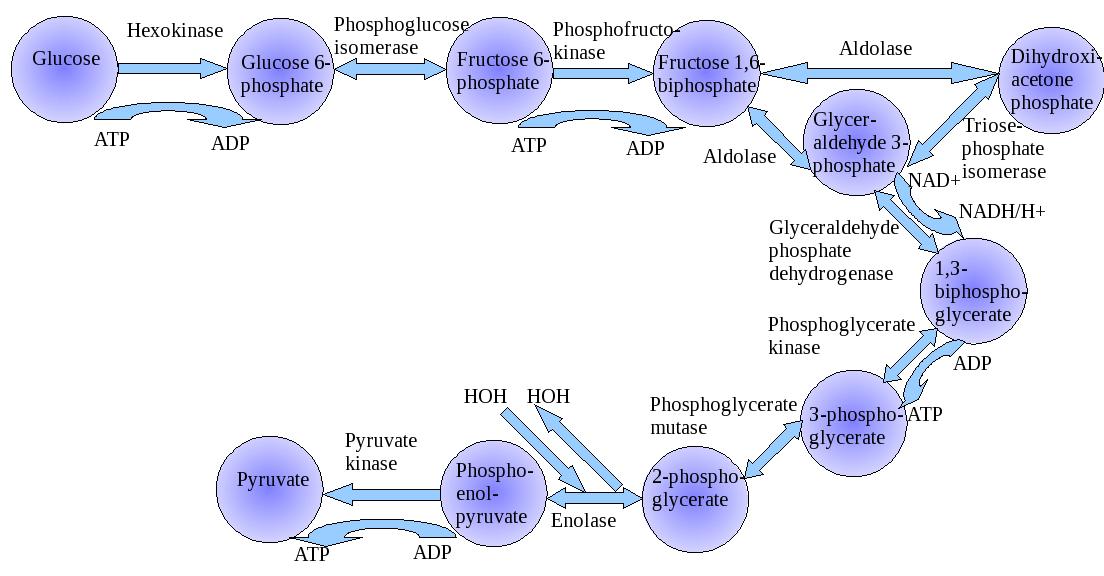
Glycolysis
Krebs cycle
Metabolic control analysis of respiration in human cancer tissue
akip1-expression-modulates-mitochondrial-function
(b) How advances in genetic analysis, molecular and cellular biology, metabolomics have expanded our basic knowledge of the mechanisms which are involved in cellular transformation to the cancerous state.
nucleotides
Methylation of adenine
ampk-and-ampk-related-kinase-ark-family-
ubiquitylation
(c) How molecular techniques continue to advance our understanding of how genetics, epigenetics, and alterations in cellular metabolism contribute to cancer and afford new pathways for therapeutic intervention.
genomic effects
LKB1AMPK pathway
mutation-frequencies-across-12-cancer-types
AMPK-activating drugs metformin or phenformin might provide protection against cancer
2. The distinct features of cancers of specific tissue sites of origin
3. The diagnosis of cancer by
(a) Clinical presentation
(b) Age of onset and stage of life
(c) Biomarker features
hairy cell leukemia
lymphoma leukemia
(d) Radiological and ultrasound imaging
Treatments
Prognostic differences within and between cancer types
We have introduced the emergence of a disease of great complexity that has been clouded in more questions than answers until the emergence of molecular biology in the mid 20th century, and then had to await further discoveries going into the 21st century. What gave the research impetus was the revelation of
1 the mechanism of transcription of the DNA into amino acid sequences
Proteins in Disease
2 the identification of stresses imposed on cellular function
NO beneficial effects
3 the elucidation of the substructure of the cell – cell membrane, mitochondria, ribosomes, lysosomes – and their functions, respectively
AKIP1 Expression Modulates Mitochondrial Function
4 the elucidation of oligonucleotide sequences
nucleotides
dna-replication-unwinding
dna-replication-ligation
dna-replication-primer-removal
dna-replication-leading-strand
dna-replication-lagging-strand
dna-replication-primer-synthesis
dna-replication-termination
5 the further elucidation of functionally relevant noncoding lncDNA
6 the technology to synthesis mRNA and siRNA sequences
Figure. RNAi and gene silencing
7 the repeated discovery of isoforms of critical enzymes and their pleiotropic properties
8. the regulatory pathways involved in signaling
Figure. Signaling Pathways Map
This is a brief outline of the modern progression of advances in our understanding of cancer. Let us go back to the beginning and check out a sequence of Nobel Prizes awarded and related discoveries that have a historical relationship to what we know. The first discovery was the finding by Louis Pasteur that fungi that grew in an oxygen poor environment did not put down filaments. They did not utilize oxygen and they produced used energy by fermentation. This was the basis for Otto Warburg sixty years later to make the comparison to cancer cells that grew in the presence of oxygen, but relied on anaerobic glycolysis. He used a manometer to measure respiration in tissue one cell layer thick to measure CO2 production in an adiabatic system.
Lavoisier Antoine-Laurent and Laplace Pierre-Simon (1783) Memoir on heat. Mémoirs de l’Académie des sciences. Translated by Guerlac H, Neale Watson Academic Publications, New York, 1982.
The Warburg apparatus is a manometric respirometer which was used for decades in biochemistry for measuring oxygen consumption of tissue homogenates or tissue slices.
The aqueous phase is vigorously shaken to equilibrate with a gas phase, from which oxygen is consumed while the evolved carbon dioxide is trapped, such that the pressure in the constant-volume gas phase drops proportional to oxygen consumption. The Warburg apparatus was introduced to study cell respiration, i.e. the uptake of molecular oxygen and the production of carbon dioxide by cells or tissues. Its applications were extended to the study of fermentation, when gas exchange takes place in the absence of oxygen. Thus the Warburg apparatus became established as an instrument for both aerobic and anaerobic biochemical studies [2, 3].
The respiration chamber was a detachable glass flask (F) equipped with one or more sidearms (S) for additions of chemicals and an open connection to a manometer (M; pressure gauge). A constant temperature was provided by immersion of the Warburg chamber in a constant temperature water bath. At thermal mass transfer equilibrium, an initial reading is obtained on the manometer, and the volume of gas produced or absorbed is determined at specific time intervals. A limited number of ‘titrations’ can be performed by adding the liquid contained in a side arm into the main reaction chamber. A Warburg apparatus may be equipped with more than 10 respiration chambers shaking in a common water bath. Since temperature has to be controlled very precisely in a manometric approach, the early studies on mammalian tissue respiration were generally carried out at a physiological temperature of 37 °C.
The Warburg apparatus has been replaced by polarographic instruments introduced by Britton Chance in the 1950s. Since Chance and Williams (1955) measured respiration of isolated mitochondria simultaneously with the spectrophotometric determination of cytochrome redox states, a water chacket could not be used, and measurements were carried out at room temperature (or 25 °C). Thus most later studies on isolated mitochondria were shifted to the artifical temperature of 25 °C.
Today, the importance of investigating mitochondrial performance at in vivo temperatures is recognized again in mitochondrial physiology. Incubation times of 1 hour were typical in experiments with the Warburg apparatus, but were reduced to a few or up to 20 min, following Chance and Williams, due to rapid oxygen depletion in closed, aqueous phase oxygraphs with high sample concentrations. Today, incubation times of 1 hour are typical again in high-resolution respirometry, with low sample concentrations and the option of reoxygenations.
Oesper P (1964) The history of the Warburg apparatus: Some reminiscences on its use. J Chem Educ 41: 294.
Koppenol WH, Bounds PL, Dang CV (2011) Otto Warburg’s contributions to current concepts of cancer metabolism. Nature Reviews Cancer 11: 325-337.
Gnaiger E, Kemp RB (1990) Anaerobic metabolism in aerobic mammalian cells: information from the ratio of calorimetric heat flux and respirometric oxygen flux. Biochim Biophys Acta 1016: 328-332. – “At high fructose concentrations, respiration is inhibited while glycolytic end products accumulate, a phenomenon known as the Crabtree effect. It is commonly believed that this effect is restricted to microbial and tumour cells with uniquely high glycolytic capacities (Sussman et al, 1980). However, inhibition of respiration and increase of lactate production are observed under aerobic conditions in beating rat heart cell cultures (Frelin et al, 1974) and in isolated rat lung cells (Ayuso-Parrilla et al, 1978). Thus, the same general mechanisms responsible for the integration of respiration and glycolysis in tumour cells (Sussman et al, 1980) appear to be operating to some extent in several isolated mammalian cells.”
Mitochondria are sometimes described as “cellular power plants” because they generate most of the cell’s supply of adenosine triphosphate (ATP), used as a source of chemical energy.[2] In addition to supplying cellular energy, mitochondria are involved in other tasks such as signaling, cellular differentiation, cell death, as well as the control of the cell cycle and cell growth.[3] The organelle is composed of compartments that carry out specialized functions. These compartments or regions include the outer membrane, the intermembrane space, the inner membrane, and the cristae and matrix. Mitochondrial proteins vary depending on the tissue and the species. In humans, 615 distinct types of proteins have been identified from cardiac mitochondria,[9Leonor Michaelis discovered that Janus green can be used as a supravital stain for mitochondria in 1900. Benjamin F. Kingsbury, in 1912, first related them with cell respiration, but almost exclusively based on morphological observations.[13] In 1913 particles from extracts of guinea-pig liver were linked to respiration by Otto Heinrich Warburg, which he called “grana”. Warburg and Heinrich Otto Wieland, who had also postulated a similar particle mechanism, disagreed on the chemical nature of the respiration. It was not until 1925 when David Keilin discovered cytochromes that the respiratory chain was described.[13]
The Clark Oxygen Sensor
Dr. Leland Clark – inventor of the “Clark Oxygen Sensor” (1954); the Clark type polarographic oxygen sensor remains the gold standard for measuring dissolved oxygen in biomedical, environmental and industrial applications . ‘The convenience and simplicity of the polarographic ‘oxygen electrode’ technique for measuring rapid changes in the rate of oxygen utilization by cellular and subcellular systems is now leading to its more general application in many laboratories. The types and design of oxygen electrodes vary, depending on the investigator’s ingenuity and specific requirements of the system under investigation.’Estabrook R (1967) Mitochondrial respiratory control and the polarographic measurement of ADP:O ratios. Methods Enzymol. 10: 41-47. “one approach that is underutilized in whole-cell bioenergetics, and that is accessible as long as cells can be obtained in suspension, is the oxygen electrode, which can obtain more precise information on the bioenergetic status of the in situ mitochondria than more ‘high-tech’ approaches such as fluorescent monitoring ofΔψm.” Nicholls DG, Ferguson S (2002) Bioenergetics 3. Academic Press, London.
Great Figures in Cancer
Dr. Elizabeth Blackburn,
j_michael_bishop onogene
Harold Varmus
Potts and Habener (PTH mRNA, Harvard MIT) JCI
JCI Fuller Albright and hPTH AA sequence
Dr. E. Donnall Thomas Bone Marrow Transplants
Dr Haraldzur Hausen EBV HPV
Dr. Craig Mello
Lee Hartwell – Hutchinson Cancer Res Center
Judah Folkman, MD
Gertrude B. Elien (1918-1999)
The Nobel Prize in Physiology or Medicine 1922
Archibald V. Hill, Otto Meyerhof
AV Hill –
“the production of heat in the muscle” Hill started his research work in 1909. It was due to J.N. Langley, Head of the Department of Physiology at that time that Hill took up the study on the nature of muscular contraction. Langley drew his attention to the important (later to become classic) work carried out by Fletcher and Hopkins on the problem of lactic acid in muscle, particularly in relation to the effect of oxygen upon its removal in recovery. In 1919 he took up again his study of the physiology of muscle, and came into close contact with Meyerhof of Kiel who, approaching the problem differently, arrived at results closely analogous to his study. In 1919 Hill’s friend W. Hartree, mathematician and engineer, joined in the myothermic investigations – a cooperation which had rewarding results.
Otto Meyerhof –
otto-fritz-meyerhof
lactic acid production in muscle contraction Under the influence of Otto Warburg, then at Heidelberg, Meyerhof became more and more interested in cell physiology. In 1923 he was offered a Professorship of Biochemistry in the United States, but Germany was unwilling to lose him. In 1929 he was he was placed in charge of the newly founded Kaiser Wilhelm Institute for Medical Research at Heidelberg. From 1938 to 1940 he was Director of Research at the Institut de Biologie physico-chimique at Paris, but in 1940 he moved to the United States, where the post of Research Professor of Physiological Chemistry had been created for him by the University of Pennsylvania and the Rockefeller Foundation. Meyerhof’s own account states that he was occupied chiefly with oxidation mechanisms in cells and with extending methods of gas analysis through the calorimetric measurement of heat production, and especially the respiratory processes of nitrifying bacteria. The physico-chemical analogy between oxygen respiration and alcoholic fermentation caused him to study both these processes in the same subject, namely, yeast extract. By this work he discovered a co-enzyme of respiration, which could be found in all the cells and tissues up till then investigated. At the same time he also found a co-enzyme of alcoholic fermentation. He also discovered the capacity of the SH-group to transfer oxygen; after Hopkins had isolated from cells the SH bodies concerned, Meyerhof showed that the unsaturated fatty acids in the cell are oxidized with the help of the sulfhydryl group. After studying closer the respiration of muscle, Meyerhof investigated the energy changes in muscle. Considerable progress had been achieved by the English scientists Fletcher and Hopkins by their recognition of the fact that lactic acid formation in the muscle is closely connected with the contraction process. These investigations were the first to throw light upon the highly paradoxical fact, already established by the physiologist Hermann, that the muscle can perform a considerable part of its external function in the complete absence of oxygen.
But it was indisputable that in the last resort the energy for muscle activity comes from oxidation, so the connection between activity and combustion must be an indirect one, and observed that in the absence of oxygen in the muscle, lactic acid appears, slowly in the relaxed state and rapidly in the active state, disappearing in the presence of oxygen. Obviously, then, oxygen is involved when muscle is in the relaxed state. http://upload.wikimedia.org/wikipedia/commons/e/e1/Glycolysis.jpg
The Nobel Prize committee had been receiving nominations intermittently for the previous 14 years (for Eijkman, Funk, Goldberger, Grijns, Hopkins and Suzuki but, strangely, not for McCollum in this period). Tthe Committee for the 1929 awards apparently agreed that it was high time to honor the discoverer(s) of vitamins; but who were they? There was a clear case for Grijns, but he had not been re-nominated for that particular year, and it could be said that he was just taking the relatively obvious next steps along the new trail that had been laid down by Eijkman, who was also now an old man in poor health, but there was no doubt that he had taken the first steps in the use of an animal model to investigate the nutritional basis of a clinical disorder affecting millions. Goldberger had been another important contributor, but his recent death put him out of consideration. The clearest evidence for lack of an unknown “something” in a mammalian diet was presented by Gowland Hopkins in 1912. This Cambridge biochemist was already well known for having isolated the amino acid tryptophan from a protein and demonstrated its essential nature. He fed young rats on an experimental diet, half of them receiving a daily milk supplement, and only those receiving milk grew well, Hopkins suggested that this was analogous to human diseases related to diet, as he had suggested already in a lecture published in 1906. Hopkins, the leader of the “dynamic biochemistry” school in Britain and an influential advocate for the importance of vitamins, was awarded the prize jointly with Eijkman. A door was opened. Recognition of work on the fat-soluble vitamins begun by McCollum. The next award related to vitamins was given in 1934 to George Whipple, George Minot and William Murphy “for their discoveries concerning liver therapy in cases of [then incurable pernicious] anemia,” The essential liver factor (cobalamin, or vitamin B12) was isolated in 1948, and Vitamin B12 was absent from plant foods. But William Castle in 1928 had demonstrated that the stomachs of pernicious anemia patients were abnormal in failing to secrete an “intrinsic factor”.
Szent-Györgyi was a Hungarian biochemist who had worked with Otto Warburg and had a special interest in oxidation-reduction mechanisms. He was invited to Cambridge in England in 1927 after detecting an antioxidant compound in the adrenal cortex, and there, he isolated a compound that he named hexuronic acid. Charles Glen King of the University of Pittsburgh reported success In isolating the anti-scorbutic factor in 1932, and added that his crystals had all the properties reported by Szent-Györgyi for hexuronic acid. But his work on oxidation reactions was also important. Fumarate is an intermediate in the citric acid cycle used by cells to produce energy in the form of adenosine triphosphate (ATP) from food. It is formed by the oxidation of succinate by the enzyme succinate dehydrogenase. Fumarate is then converted by the enzyme fumarase to malate. An enzyme adds water to the fumarate molecule to form malate. The malate is created by adding one hydrogen atom to a carbon atom and then adding a hydroxyl group to a carbon next to a terminal carbonyl group.
In the same year, Norman Haworth from the University of Birmingham in England received a Nobel prize from the Chemistry Committee for having advanced carbohydrate chemistry and, specifically, for having worked out the structure of Szent-Györgyi’s crystals, and then been able to synthesize the vitamin. This was a considerable achievement. The Nobel Prize in Chemistry was shared with the Swiss organic chemist Paul Karrer, cited for his work on the structures of riboflavin and vitamins A and E as well as other biologically interesting compounds. This was followed in 1938 by a further Chemistry award to the German biochemist Richard Kuhn, who had also worked on carotenoids and B-vitamins, including riboflavin and pyridoxine. But Karrer was not permitted to leave Germany at that time by the Nazi regime. However, the American work with radioisotopes at Lawrence Livermore Laboratory, UC Berkeley, was already ushering in a new era of biochemistry that would enrich our studies of metabolic pathways. The importance of work involving vitamins was acknowledged in at least ten awards in the 20th century.
1. Carpenter, K.J., Beriberi, White Rice and Vitamin B, University of California Press, Berkeley (2000).
2. Weatherall, M.W. and Kamminga, H., The making of a biochemist: the construction of Frederick Gowland Hopkins’ reputation. Medical History vol.40, pp. 415-436 (1996).
3. Becker, S.L., Will milk make them grow? An episode in the discovery of the vitamins. In Chemistry and Modern Society (J. Parascandela, editor) pp. 61-83, American Chemical Society,
Washington, D.C. (1983).
4. Carpenter, K.J., The History of Scurvy and Vitamin C, Cambridge University Press, New York (1986).
Transport and metabolism of exogenous fumarate and 3-phosphoglycerate in vascular smooth muscle.
The keto (linear) form of exogenous fructose 1,6-bisphosphate, a highly charged glycolytic intermediate, may utilize a dicarboxylate transporter to cross the cell membrane, support glycolysis, and produce ATP anaerobically. We tested the hypothesis that fumarate, a dicarboxylate, and 3-phosphoglycerate (3-PG), an intermediate structurally similar to a dicarboxylate, can support contraction in vascular smooth muscle during hypoxia. 3-PG improved maintenance of force (p < 0.05) during the 30-80 min period of hypoxia. Fumarate decreased peak isometric force development by 9.5% (p = 0.008) but modestly improved maintenance of force (p < 0.05) throughout the first 80 min of hypoxia. 13C-NMR on tissue extracts and superfusates revealed 1,2,3,4-(13)C-fumarate (5 mM) metabolism to 1,2,3,4-(13)C-malate under oxygenated and hypoxic conditions suggesting uptake and metabolism of fumarate. In conclusion, exogenous fumarate and 3-PG readily enter vascular smooth muscle cells, presumably by a dicarboxylate transporter, and support energetically important pathways.
Comparison of endogenous and exogenous sources of ATP in fueling Ca2+ uptake in smooth muscle plasma membrane vesicles.
A smooth muscle plasma membrane vesicular fraction (PMV) purified for the (Ca2+/Mg2+)-ATPase has endogenous glycolytic enzyme activity. In the presence of glycolytic substrate (fructose 1,6-diphosphate) and cofactors, PMV produced ATP and lactate and supported calcium uptake. The endogenous glycolytic cascade supports calcium uptake independent of bath [ATP]. A 10-fold dilution of PMV, with the resultant 10-fold dilution of glycolytically produced bath [ATP] did not change glycolytically fueled calcium uptake (nanomoles per milligram protein). Furthermore, the calcium uptake fueled by the endogenous glycolytic cascade persisted in the presence of a hexokinase-based ATP trap which eliminated calcium uptake fueled by exogenously added ATP. Thus, it appears that the endogenous glycolytic cascade fuels calcium uptake in PMV via a membrane-associated pool of ATP and not via an exchange of ATP with the bulk solution. To determine whether ATP produced endogenously was utilized preferentially by the calcium pump, the ATP production rates of the endogenous creatine kinase and pyruvate kinase were matched to that of glycolysis and the calcium uptake fueled by the endogenous sources was compared with that fueled by exogenous ATP added at the same rate. The rate of calcium uptake fueled by endogenous sources of ATP was approximately twice that supported by exogenously added ATP, indicating that the calcium pump preferentially utilizes ATP produced by membrane-bound enzymes.
Evidence for succinate production by reduction of fumarate during hypoxia in isolated adult rat heart cells.
Archives of Biochemistry and Biophysics (Impact Factor: 3.37). 01/1988; 259(2):527-35. http://dx.doi.org:/10.1016/0003-9861(87)90519-4 It has been demonstrated that perfusion of myocardium with glutamic acid or tricarboxylic acid cycle intermediates during hypoxia or ischemia, improves cardiac function, increases ATP levels, and stimulates succinate production. In this study isolated adult rat heart cells were used to investigate the mechanism of anaerobic succinate formation and examine beneficial effects attributed to ATP generated by this pathway. Myocytes incubated for 60 min under hypoxic conditions showed a slight loss of ATP from an initial value of 21 +/- 1 nmol/mg protein, a decline of CP from 42 to 17 nmol/mg protein and a fourfold increase in lactic acid production to 1.8 +/- 0.2 mumol/mg protein/h. These metabolite contents were not altered by the addition of malate and 2-oxoglutarate to the incubation medium nor were differences in cell viability observed; however, succinate release was substantially accelerated to 241 +/- 53 nmol/mg protein. Incubation of cells with [U-14C]malate or [2-U-14C]oxoglutarate indicates that succinate is formed directly from malate but not from 2-oxoglutarate. Moreover, anaerobic succinate formation was rotenone sensitive.
We conclude that malate reduction to succinate occurs via the reverse action of succinate dehydrogenase in a coupled reaction where NADH is oxidized (and FAD reduced) and ADP is phosphorylated.Furthermore, by transaminating with aspartate to produce oxaloacetate, 2-oxoglutarate stimulates cytosolic malic dehydrogenase activity, whereby malate is formed and NADH is oxidized.
In the form of malate, reducing equivalents and substrate are transported into the mitochondria where they are utilized for succinate synthesis.
1953 Hans Adolf Krebs –
” discovery of the citric acid cycle” and In the course of the 1920’s and 1930’s great progress was made in the study of the intermediary reactions by which sugar is anaerobically fermented to lactic acid or to ethanol and carbon dioxide. The success was mainly due to the joint efforts of the schools of Meyerhof, Embden, Parnas, von Euler, Warburg and the Coris, who built on the pioneer work of Harden and of Neuberg. This work brought to light the main intermediary steps of anaerobic fermentations.
In contrast, very little was known in the earlier 1930’s about the intermediary stages through which sugar is oxidized in living cells. When, in 1930, I left the laboratory of Otto Warburg (under whose guidance I had worked since 1926 and from whom I have learnt more than from any other single teacher), I was confronted with the question of selecting a major field of study and I felt greatly attracted by the problem of the intermediary pathway of oxidations.
These reactions represent the main energy source in higher organisms, and in view of the importance of energy production to living organisms (whose activities all depend on a continuous supply of energy) the problem seemed well worthwhile studying. http://www.johnkyrk.com/krebs.html
Interactive Krebs cycle
There are different points where metabolites enter the Krebs’ cycle. Most of the products of protein, carbohydrates and fat metabolism are reduced to the molecule acetyl coenzyme A that enters the Krebs’ cycle. Glucose, the primary fuel in the body, is first metabolized into pyruvic acid and then into acetyl coenzyme A. The breakdown of the glucose molecule forms two molecules of ATP for energy in the Embden Meyerhof pathway process of glycolysis.
On the other hand, amino acids and some chained fatty acids can be metabolized into Krebs intermediates and enter the cycle at several points. When oxygen is unavailable or the Krebs’ cycle is inhibited, the body shifts its energy production from the Krebs’ cycle to the Embden Meyerhof pathway of glycolysis, a very inefficient way of making energy.
Fritz Albert Lipmann –
“discovery of co-enzyme A and its importance for intermediary metabolism”.
In my development, the recognition of facts and the rationalization of these facts into a unified picture, have interplayed continuously. After my apprenticeship with Otto Meyerhof, a first interest on my own became the phenomenon we call the Pasteur effect, this peculiar depression of the wasteful fermentation in the respiring cell. By looking for a chemical explanation of this economy measure on the cellular level, I was prompted into a study of the mechanism of pyruvic acid oxidation, since it is at the pyruvic stage where respiration branches off from fermentation.
For this study I chose as a promising system a relatively simple looking pyruvic acid oxidation enzyme in a certain strain of Lactobacillus delbrueckii1. In 1939, experiments using minced muscle cells demonstrated that one oxygen atom can form two adenosine triphosphate molecules, and, in 1941, the concept of phosphate bonds being a form of energy in cellular metabolism was developed by Fritz Albert Lipmann.
In the following years, the mechanism behind cellular respiration was further elaborated, although its link to the mitochondria was not known.[13]The introduction of tissue fractionation by Albert Claude allowed mitochondria to be isolated from other cell fractions and biochemical analysis to be conducted on them alone. In 1946, he concluded that cytochrome oxidase and other enzymes responsible for the respiratory chain were isolated to the mitchondria. Over time, the fractionation method was tweaked, improving the quality of the mitochondria isolated, and other elements of cell respiration were determined to occur in the mitochondria.[13]
The most important event during this whole period, I now feel, was the accidental observation that in the L. delbrueckii system, pyruvic acid oxidation was completely dependent on the presence of inorganic phosphate. This observation was made in the course of attempts to replace oxygen by methylene blue. To measure the methylene blue reduction manometrically, I had to switch to a bicarbonate buffer instead of the otherwise routinely used phosphate. In bicarbonate, pyruvate oxidation was very slow, but the addition of a little phosphate caused a remarkable increase in rate. The phosphate effect was removed by washing with a phosphate free acetate buffer. Then it appeared that the reaction was really fully dependent on phosphate.
A coupling of this pyruvate oxidation with adenylic acid phosphorylation was attempted. Addition of adenylic acid to the pyruvic oxidation system brought out a net disappearance of inorganic phosphate, accounted for as adenosine triphosphate. The acetic acid subunit of acetyl CoA is combined with oxaloacetate to form a molecule of citrate. Acetyl coenzyme A acts only as a transporter of acetic acid from one enzyme to another. After Step 1, the coenzyme is released by hydrolysis to combine with another acetic acid molecule and begin the Krebs’ Cycle again.
Hugo Theorell –
“the nature and effects of oxidation enzymes”
From 1933 until 1935 Theorell held a Rockefeller Fellowship and worked with Otto Warburg at Berlin-Dahlem, and here he became interested in oxidation enzymes. At Berlin-Dahlem he produced, for the first time, the oxidation enzyme called «the yellow ferment» and he succeeded in splitting it reversibly into a coenzyme part, which was found to be flavin mononucleotide, and a colourless protein part. On return to Sweden, he was appointed Head of the newly established Biochemical Department of the Nobel Medical Institute, which was opened in 1937.
Succinate is oxidized by a molecule of FAD (Flavin Adenine Dinucleotide). The FAD removes two hydrogen atoms from the succinate and forms a double bond between the two carbon atoms to create fumarate.
They followed the path that became clear from intense collaborative work in California by George Beadle, by Avery and McCarthy, Max Delbruck, TH Morgan, Max Delbruck and by Chargaff that indicated that genetics would be important.
1965
François Jacob, André Lwoff and Jacques Monod –
” genetic control of enzyme and virus synthesis”.
In 1958 the remarkable analogy revealed by genetic analysis of lysogeny and that of the induced biosynthesis of ß-galactosidase led François Jacob, with Jacques Monod, to study the mechanisms responsible for the transfer of genetic information as well as the regulatory pathways which, in the bacterial cell, adjust the activity and synthesis of macromolecules. Following this analysis, Jacob and Monod proposed a series of new concepts, those of messenger RNA, regulator genes, operons and allosteric proteins.
Francois Jacob
Having determined the constants of growth in the presence of different carbohydrates, it occurred to me that it would be interesting to determine the same constants in paired mixtures of carbohydrates. From the first experiment on, I noticed that, whereas the growth was kinetically normal in the presence of certain mixtures (that is, it exhibited a single exponential phase), two complete growth cycles could be observed in other carbohydrate mixtures, these cycles consisting of two exponential phases separated by a-complete cessation of growth.
Lwoff, after considering this strange result for a moment, said to me, “That could have something to do with enzyme adaptation.”
“Enzyme adaptation? Never heard of it!” I said.
Lwoff’s only reply was to give me a copy of the then recent work of Marjorie Stephenson, in which a chapter summarized with great insight the still few studies concerning this phenomenon, which had been discovered by Duclaux at the end of the last century. Studied by Dienert and by Went as early as 1901 and then by Euler and Josephson, it was more or less rediscovered by Karström, who should be credited with giving it a name and attracting attention to its existence.
Lwoff’s intuition was correct. The phenomenon of “diauxy” that I had discovered was indeed closely related to enzyme adaptation, as my experiments, included in the second part of my doctoral dissertation, soon convinced me. It was actually a case of the “glucose effect” discovered by Dienert as early as 1900. That agents that uncouple oxidative phosphorylation, such as 2,4-dinitrophenol, completely inhibit adaptation to lactose or other carbohydrates suggested that “adaptation” implied an expenditure of chemical potential and therefore probably involved the true synthesis of an enzyme.
With Alice Audureau, I sought to discover the still quite obscure relations between this phenomenon and the one Massini, Lewis, and others had discovered: the appearance and selection of “spontaneous” mutants. We showed that an apparently spontaneous mutation was allowing these originally “lactose-negative” bacteria to become “lactose-positive”. However, we proved that the original strain (Lac-) and the mutant strain (Lac+) did not differ from each other by the presence of a specific enzyme system, but rather by the ability to produce this system in the presence of lactose. This mutation involved the selective control of an enzyme by a gene, and the conditions necessary for its expression seemed directly linked to the chemical activity of the system.
1974
Albert Claude, Christian de Duve and George E. Palade –
” the structural and functional organization of the cell”.
I returned to Louvain in March 1947 after a period of working with Theorell in Sweden, the Cori’s, and E Southerland in St. Louis, fortunate in the choice of my mentors, all sticklers for technical excellence and intellectual rigor, those prerequisites of good scientific work. Insulin, together with glucagon which I had helped rediscover, was still my main focus of interest, and our first investigations were accordingly directed on certain enzymatic aspects of carbohydrate metabolism in liver, which were expected to throw light on the broader problem of insulin action. But I became distracted by an accidental finding related to acid phosphatase, drawing most of my collaborators along with me. The studies led to the discovery of the lysosome, and later of the peroxisome.
In 1962, I was appointed a professor at the Rockefeller Institute in New York, now the Rockefeller University, the institution where Albert Claude had made his pioneering studies between 1929 and 1949, and where George Palade had been working since 1946. In New York, I was able to develop a second flourishing group, which follows the same general lines of research as the Belgian group, but with a program of its own.
1968
Robert W. Holley, Har Gobind Khorana and Marshall W. Nirenberg –
“interpretation of the genetic code and its function in protein synthesis”.
1969
Max Delbrück, Alfred D. Hershey and Salvador E. Luria –
” the replication mechanism and the genetic structure of viruses”.
1975 David Baltimore, Renato Dulbecco and Howard Martin Temin –
” the interaction between tumor viruses and the genetic material of the cell”.
1976
Baruch S. Blumberg and D. Carleton Gajdusek –
” new mechanisms for the origin and dissemination of infectious diseases” The editors of the Nobelprize.org website of the Nobel Foundation have asked me to provide a supplement to the autobiography that I wrote in 1976 and to recount the events that happened after the award. Much of what I will have to say relates to the scientific developments since the last essay. These are described in greater detail in a scientific memoir first published in 2002 (Blumberg, B. S., Hepatitis B. The Hunt for a Killer Virus, Princeton University Press, 2002, 2004).
1980
Baruj Benacerraf, Jean Dausset and George D. Snell
” genetically determined structures on the cell surface that regulate immunological reactions”.
1992
Edmond H. Fischer and Edwin G. Krebs
“for their discoveries concerning reversible protein phosphorylation as a biological regulatory mechanism”
1994
Alfred G. Gilman and Martin Rodbell –
“G-proteins and the role of these proteins in signal transduction in cells”
2011
Bruce A. Beutler and Jules A. Hoffmann –
” the activation of innate immunity“and the other half to Ralph M. Steinman – “the dendritic cell and its role in adaptive immunity”.
Renato L. Baserga, M.D.
Kimmel Cancer Center and Keck School of Medicine
Dr. Baserga’s research focuses on the multiple roles of the type 1 insulin-like growth factor receptor (IGF-IR) in the proliferation of mammalian cells. The IGF-IR activated by its ligands is mitogenic, is required for the establishment and the maintenance of the transformed phenotype, and protects tumor cells from apoptosis. It, therefore, serves as an excellent target for therapeutic interventions aimed at inhibiting abnormal growth. In basic investigations, this group is presently studying the effects that the number of IGF-IRs and specific mutations in the receptor itself have on its ability to protect cells from apoptosis.
This investigation is strictly correlated with IGF-IR signaling, and part of this work tries to elucidate the pathways originating from the IGF-IR that are important for its functional effects. Baserga’s group has recently discovered a new signaling pathway used by the IGF-IR to protect cells from apoptosis, a unique pathway that is not used by other growth factor receptors. This pathway depends on the integrity of serines 1280-1283 in the C-terminus of the receptor, which bind 14.3.3 and cause the mitochondrial translocation of Raf-1.
Another recent discovery of this group has been the identification of a mechanism by which the IGF-IR can actually induce differentiation in certain types of cells. When cells have IRS-1 (a major substrate of the IGF-IR), the IGF-IR sends a proliferative signal; in the absence of IRS-1, the receptor induces cell differentiation. The extinction of IRS-1 expression is usually achieved by DNA methylation.
Janardan Reddy, MD
Northwestern University
The central effort of our research has been on a detailed analysis at the cellular and molecular levels of the pleiotropic responses in liver induced by structurally diverse classes of chemicals that include fibrate class of hypolipidemic drugs, and phthalate ester plasticizers, which we designated hepatic peroxisome proliferators. Our work has been central to the establishment of several principles, namely that hepatic peroxisome proliferation is associated with increases in fatty acid oxidation systems in liver, and that peroxisome proliferators, as a class, are novel nongenotoxic hepatocarcinogens.
We introduced the concept that sustained generation of reactive oxygen species leads to oxidative stress and serves as the basis for peroxisome proliferator-induced liver cancer development. Furthermore, based on the tissue/cell specificity of pleiotropic responses and the coordinated transcriptional regulation of fatty acid oxidation system genes, we postulated that peroxisome proliferators exert their action by a receptor-mediated mechanism. This receptor concept laid the foundation for the discovery of
a three member peroxisome proliferator-activated receptor (PPARalpha-, ß-, and gamma) subfamily of nuclear receptors.
PPARalpha is responsible for peroxisome proliferator-induced pleiotropic responses, including
hepatocarcinogenesis and energy combustion as it serves as a fatty acid sensor and regulates fatty acid oxidation.
Our current work focuses on the molecular mechanisms responsible for PPAR action and generation of fatty acid oxidation deficient mouse knockout models. Transcription of specific genes by nuclear receptors is a complex process involving the participation of multiprotein complexes composed of transcription coactivators.
Jose Delgado de Salles Roselino, Ph.D.
Leloir Institute, Brazil
Warburg effect, in reality “Pasteur-effect” was the first example of metabolic regulation described. A decrease in the carbon flux originated at the sugar molecule towards the end metabolic products, ethanol and carbon dioxide that was observed when yeast cells were transferred from anaerobic environmental condition to an aerobic one. In Pasteur´s works, sugar metabolism was measured mainly by the decrease of sugar concentration in the yeast growth media observed after a measured period of time. The decrease of the sugar concentration in the media occurs at great speed in yeast grown in anaerobiosis condition and its speed was greatly reduced by the transfer of the yeast culture to an aerobic condition. This finding was very important for the wine industry of France in Pasteur time, since most of the undesirable outcomes in the industrial use of yeast were perceived when yeasts cells took very long time to create a rather selective anaerobic condition. This selective culture media was led by the carbon dioxide higher levels produced by fast growing yeast cells and by a great alcohol content in the yeast culture media. This finding was required to understand Lavoisier’s results indicating that chemical and biological oxidation of sugars produced the same calorimetric results. This observation requires a control mechanism (metabolic regulation) to avoid burning living cells by fast heat released by the sugar biological oxidative processes (metabolism). In addition, Lavoisier´s results were the first indications that both processes happened inside similar thermodynamics limits.
In much resumed form, these observations indicates the major reasons that led Warburg to test failure in control mechanisms in cancer cells in comparison with the ones observed in normal cells. Biology inside classical thermo dynamics poses some challenges to scientists. For instance, all classical thermodynamics must be measured in reversible thermodynamic conditions. In an isolated system, increase in P (pressure) leads to decrease in V (volume) all this in a condition in which infinitesimal changes in one affects in the same way the other, a continuum response. Not even a quantic amount of energy will stand beyond those parameters. In a reversible system, a decrease in V, under same condition, will led to an increase in P.
In biochemistry, reversible usually indicates a reaction that easily goes from A to B or B to A. This observation confirms the important contribution of E Schrodinger in his What´s Life: “This little book arose from a course of public lectures, delivered by a theoretical physicist to an audience of about four hundred which did not substantially dwindle, though warned at the outset that the subject-matter was a difficult one and that the lectures could not be termed popular, even though the physicist’s most dreaded weapon, mathematical deduction, would hardly be utilized. The reason for this was not that the subject was simple enough to be explained without mathematics, but rather that it was much too involved to be fully accessible to mathematics.”
Hans Krebs describes the cyclic nature of the citrate metabolism. Two major research lines search to understand the mechanism of energy transfer that explains how ADP is converted into ATP. One followed the organic chemistry line of reasoning and therefore, searched how the breakdown of carbon-carbon link could have its energy transferred to ATP synthesis. A major leader of this research line was B. Chance who tried to account for two carbon atoms of acetyl released as carbon dioxide in the series of Krebs cycle reactions. The intermediary could store in a phosphorylated amino acid the energy of carbon-carbon bond breakdown. This activated amino acid could transfer its phosphate group to ADP producing ATP. Alternatively, under the possible influence of the excellent results of Hodgkin and Huxley a second line of research appears.
The work of Hodgkin & Huxley indicated the storage of electrical potential energy in transmembrane ionic asymmetries and presented the explanation for the change from resting to action potential in excitable cells. This second line of research, under the leadership of P Mitchell postulated a mechanism for the transfer of oxide/reductive power of organic molecules oxidation through electron transfer as the key for energetic transfer mechanism required for ATP synthesis. Paul Boyer could present how the energy was transduced by a molecular machine that changes in conformation in a series of 3 steps while rotating in one direction in order to produce ATP and in opposite direction in order to produce ADP plus Pi from ATP (reversibility). Nonetheless, a victorious Peter Mitchell obtained the correct result in the conceptual dispute, over the B. Chance point of view, after he used E. Coli mutants to show H gradients in membrane and its use as energy source.
However, this should not detract from the important work of Chance. B. Chance got the simple and rapid polarographic assay method of oxidative phosphorylation and the idea of control of energy metabolism that bring us back to Pasteur. This second result seems to have been neglected in searching for a single molecular mechanism required for the understanding of the buildup of chemical reserve in our body. In respiring mitochondria the rate of electron transport, and thus the rate of ATP production, is determined primarily by the relative concentrations of ADP, ATP and phosphate in the external media (cytosol) and not by the concentration of respiratory substrate as pyruvate. Therefore, when the yield of ATP is high as is in aerobiosis and the cellular use of ATP is not changed, the oxidation of pyruvate and therefore of glycolysis is quickly (without change in gene expression), throttled down to the resting state. The dependence of respiratory rate on ADP concentration is also seen in intact cells. A muscle at rest and using no ATP has very low respiratory rate.
I have had an ongoing discussion with Jose Eduardo de Salles Roselino, inBrazil. He has made important points that need to be noted.
The constancy of composition which animals maintain in the environment surrounding their cells is one of the dominant features of their physiology. Although this phenomenon, homeostasis, has held the interest of biologists over a long period of time, the elucidation of the molecular basis for complex processes such as temperature control and the maintenance of various substances at constant levels in the blood has not yet been achieved. By comparison, metabolic regulation in microorganisms is much better understood, in part because the microbial physiologist has focused his attention on enzyme-catalyzed reactions and their control, as these are among the few activities of microorganisms amenable to quantitative study. Furthermore, bacteria are characterized by their ability to make rapid and efficient adjustments to extensive variations in most parameters of their environment; therefore, they exhibit a surprising lack of rigid requirements for their environment, and appears to influence it only as an incidental result of their metabolism. Animal cells on the other hand have only a limited capacity for adjustment and therefore require a constant milieu. Maintenance of such constancy appears to be a major goal in their physiology (Regulation of Biosynthetic Pathways H.S. Moyed and H EUmbarger Phys Rev,42 444 (1962)).
A living cell consists in a large part of a concentrated mixture of hundreds of different enzymes, each a highly effective catalyst for one or more chemical reactions involving other components of the cell. The paradox of intense and highly diverse chemical activity on the one hand and strongly poised chemical stability (biological homeostasis) on the other is one of the most challenging problems of biology (Biological feedback Control at the molecular Level D.E. Atkinson Science vol. 150: 851, 1965). Almost nothing is known concerning the actual molecular basis for modulation of an enzyme`s kinetic behavior by interaction with a small molecule. (Biological feedback Control at the molecular Level D.E. Atkinson Science vol. 150: 851, 1965). In the same article, since the core of Atkinson´s thinking seems to be strongly linked with Adenylates as regulatory effectors, the previous phrases seems to indicate a first step towards the conversion of homeostasis to an intracellular phenomenon and therefore, one that contrary to Umbarger´s consideration could be also studied in microorganisms.
Most biochemical studies using bacteria, were made before the end of the third upper part of log growth phase. Therefore, they could be considered as time-independent as S Luria presented biochemistry in Life an Unfinished Experiment. The sole ingredient on the missing side of the events that led us into the molecular biology construction was to consider that proteins, a macromolecule, would never be affected by small molecules translational kinetic energy. This, despite the fact that in a catalytic environment and its biological implications S Grisolia incorporated A K Balls observation indicating that the word proteins could be related to Proteus an old sea god that changed its form whenever he was subjected to inquiry (Phys Rev v 4,657 (1964).
In D.E. Atkinson´s work (Science vol 150 p 851, 1965), changes in protein synthesis acting together with factors that interfere with enzyme activity will lead to “fine-tuned” regulation better than enzymatic activity regulation alone. Comparison of glycemic regulation in granivorous and carnivorous birds indicate that when no important nutritional source of glucose is available, glycemic levels can be kept constant in fasted and fed birds. The same was found in rats and cats fed on high protein diets. Gluconeogenesis is controlled by pyruvate kinase inhibition. Therefore, the fact that it can discriminate between fasting alone and fasting plus exercise (carbachol) requirement of gluconeogenic activity (correspondent level of pyruvate kinase inhibition) the control of enzyme activity can be made fast and efficient without need for changes in genetic expression (20 minute after stimulus) ( Migliorini,R.H. et al Am J. Physiol.257 (Endocrinol. Met. 20): E486, 1989). Regrettably, this was not discussed in the quoted work. So, when the control is not affected by the absorption of nutritional glucose it can be very fast, less energy intensive and very sensitive mechanism of control despite its action being made in the extracellular medium (homeostasis).
Urine Test developed by MIT: A Paper Diagnostics amplifies Signals from Growing Tumors to detect Cancer
Reporter: Aviva Lev-Ari, PhD, RN
A paper diagnostic for cancer
Low-cost urine test developed by MIT engineers amplifies signals from growing tumors to detect disease.
Anne Trafton, MIT News Office
January 6, 2014
The paper test strips, which work similar to a pregnancy test, reveal the presence of proteins associated with cancer. They can also be designed to detect other diseases.
PHOTO: BRYCE VICKMARK
February 24, 2014
Cancer rates in developing nations have climbed sharply in recent years, and now account for 70 percent of cancer mortality worldwide. Early detection has been proven to improve outcomes, but screening approaches such as mammograms and colonoscopy, used in the developed world, are too costly to be implemented in settings with little medical infrastructure.
To address this gap, MIT engineers have developed a simple, cheap, paper test that could improve diagnosis rates and help people get treated earlier. The diagnostic, which works much like a pregnancy test, could reveal within minutes, based on a urine sample, whether a person has cancer. This approach has helped detect infectious diseases, and the new technology allows noncommunicable diseases to be detected using the same strategy.
The technology, developed by MIT professor and Howard Hughes Medical Institute investigator Sangeeta Bhatia, relies on nanoparticles that interact with tumor proteins called proteases, each of which can trigger release of hundreds of biomarkers that are then easily detectable in a patient’s urine.
“When we invented this new class of synthetic biomarker, we used a highly specialized instrument to do the analysis,” says Bhatia, the John and Dorothy Wilson Professor of Health Sciences and Technology and Electrical Engineering and Computer Science. “For the developing world, we thought it would be exciting to adapt it instead to a paper test that could be performed on unprocessed samples in a rural setting, without the need for any specialized equipment. The simple readout could even be transmitted to a remote caregiver by a picture on a mobile phone.”
Bhatia, who is also a member of MIT’s Koch Institute for Integrative Cancer Research and Institute for Medical Engineering and Science, is the senior author of a paper describing the particles in the Proceedings of the National Academy of Sciences the week of Feb. 24. The paper’s lead authors are graduate student Andrew Warren, postdoc Gabriel Kwong, and former postdoc David Wood.
Amplifying cancer signals
In 2012, Bhatia and colleagues introduced the concept of a synthetic biomarker technology to amplify signals from tumor proteins that would be hard to detect on their own. These proteins, known as matrix metalloproteinases (MMPs), help cancer cells escape their original locations by cutting through proteins of the extracellular matrix, which normally holds cells in place.
The MIT nanoparticles are coated with peptides (short protein fragments) targeted by different MMPs. These particles congregate at tumor sites, where MMPs cleave hundreds of peptides, which accumulate in the kidneys and are excreted in the urine.
In the original version of the technology, these peptides were detected using an instrument called a mass spectrometer, which analyzes the molecular makeup of a sample. However, these instruments are not readily available in the developing world, so the researchers adapted the particles so they could be analyzed on paper, using an approach known as a lateral flow assay — the same technology used in pregnancy tests.
To create the test strips, the researchers first coated nitrocellulose paper with antibodies that can capture the peptides. Once the peptides are captured, they flow along the strip and are exposed to several invisible test lines made of other antibodies specific to different tags attached to the peptides. If one of these lines becomes visible, it means the target peptide is present in the sample. The technology can also easily be modified to detect multiple types of peptides released by different types or stages of disease.
“This is a clever and inspired technology to develop new exogenous compounds that can detect clinical conditions with aberrantly high protease concentrations,” says Samuel Sia, an associate professor of biological engineering at Columbia University who was not involved in the research. “Extending this technology to detection by strip tests is a big leap forward in bringing its use to outpatient clinics and decentralized health settings.”
In tests in mice, the researchers were able to accurately identify colon tumors, as well as blood clots. Bhatia says these tests represent the first step toward a diagnostic device that could someday be useful in human patients.
“This is a new idea — to create an excreted biomarker instead of relying on what the body gives you,” she says. “To prove this approach is really going to be a useful diagnostic, the next step is to test it in patient populations.”
Developing diagnostics
To help make that happen, the research team recently won a grant from MIT’s Deshpande Center for Technological Innovation to develop a business plan for a startup that could work on commercializing the technology and performing clinical trials.
Bhatia says the technology would likely first be applied to high-risk populations, such as people who have had cancer previously, or had a family member with the disease. Eventually, she would like to see it used for early detection throughout developing nations.
Such technology might also prove useful in the United States, and other countries where more advanced diagnostics are available, as a simple and inexpensive alternative to imaging. “I think it would be great to bring it back to this setting, where point-of-care, image-free cancer detection, whether it’s in your home or in a pharmacy clinic, could really be transformative,” Bhatia says.
With the current version of the technology, patients would first receive an injection of the nanoparticles, then urinate onto the paper test strip. To make the process more convenient, the researchers are now working on a nanoparticle formulation that could be implanted under the skin for longer-term monitoring.
The team is also working to identify signatures of MMPs that could be exploited as biomarkers for other types of cancer, as well as for tumors that have metastasized.
The research was funded by a National Science Foundation Graduate Research Fellowship, a Mazumdar-Shaw International Oncology Fellowship, the Ruth L. Kirschstein National Research Service Award from the National Institutes of Health, the Burroughs Wellcome Fund, the National Cancer Institute, and the Howard Hughes Medical Institute.
Why should Quality Assurance be difficult and awkward? Take a strategic view on achieving compliance (focus on ISO 13485)
Reporter: Dror Nir, PhD
Converting life-science innovations into useful products involves allocation of significant resources to handling of regulatory processes. A typical approach that makes the management of these processes difficult and awkward is starting your project and later patching it with a QA system. It then becomes a source of sever headaches to many people who need to live and operate according to such patch.
I hope that the following post by Rina will inspire you all.
It is all too easy to dive into the list of requirements contained within the ISO 13485 and achieve compliance by just ticking the boxes: looking at one requirement or one area at a time and making sure you have put in place something to address that requirement. This may easily result in a quality system that feels like a patchwork. Compliant, perhaps, but most certainly awkward and difficult to sustain.
The second most common mistake is to not ask yourself how software tools can help in setting up the quality system. “We already have MS Word, MS Excel, email, and we can always print a document and have it signed.” This is only a solution if you think that the quality system is a one-off activity. In the longer run, the system turns out to be a constant struggle with non-integrated elements that have no cohesion.
A better way to address compliance is to:
Accept the fact that the quality system is a long term commitment and that it is very demanding.
Assume that the right software tools do help.
Think strategically, reviewing the whole standard, and try to identify the different areas, in respect to what type of software would help address those.
Real life example: A company maintains an Excel list of all corrective actions. The date of effectiveness check is filled in manually. A QA engineer needs to review the Excel spreadsheet once a week to identify which effectiveness checks are due. Last audit revealed that in most cases, effectiveness checks were not followed up.
Real life question: Meetings and other events are registered in a calendar and you are reminded when they are due. Wouldn’t it be easier if effectiveness checks due dates were also linked to a calendar? Putting those dates in Excel does not make more sense than putting your meetings in Excel…..
What follows is how we can divide the ISO-13485:2003 in regard to the type of software features which can help us. You do not need to be an IT expert to follow the logic or the explanation – if you know the standard and see my examples hopefully you will get the idea.
In any case, I put here the complete mapping of the ISO into the different categories I describe. I also mention the main Atlassian tools we use to address each area. In future posts we will dive deeper into each of those categories and provide more details on exactly how we achieve easy and sustainable, compliance.
So, as promised, these are the various categories that appear in the ISO 13485:2003:
Document management: These are the various requirements relating to the procedures, manuals, and device related documents you need to have, and how they should be handled within the organization. The ISO elaborates in quite a detailed manner about how the controlled documents needs to be approved, who should access them, etc. Confluence is the key tool we use to handle all these requirements.
Procedures and records are the evidence that the organization lives up to its quality system: The various procedures and work instructions should be followed consistently on a daily basis, forms or other records should be collected as evidence. Some examples (with reference to the standard section):
Training( 6.2.2).
Customer complaints: (8.5.1).
Corrective and preventive actions: (8.5.2, 8.5.3)
Subcontractor approvals( 7.4.1)
Purchasing forms( 7.4.1).
Those records may be created as electronic or physical paper forms which need to be completed by the authorized person. However, a much better way is to implement an automatic workflow that makes it easier for the team to create, follow, and document all the various tasks they need to do. Such a workflow can automatically schedule tasks, remind and alert, thus triggering better compliance to the quality system and at the same time automatically creating the required records. This is a double win. JIRA® is our tool of choice and it provides a state-of-the-art solution to everything related to forms and workflows.
Design control: Some of the issues covered by section 7 of the ISO 13485 require quite advanced control along several phases of design and development. The risk mitigation measures and the product requirements should be, for example, verified in the product verification stage. This verification, or the test file, could be written as a simple Word or Excel document, but a far better implementation is to create it within JIRA. The advantage of JIRA here is the various reporting that it allows once the data is in and the fact that it can connect directly into the work scheduling of the various team members. JIRA is the principal tool we use for design control. Confluence can be used in some advanced implementations. If the medical device involves software, then the development suite from Atlassian can be implemented to provide a complete software life cycle management suite.
Manufacturing and product traceability: Some requirements relate to your manufacturing setup. Depending on the scale and type of manufacturing, specialized ERP may be the best option. When manufacturing is more basic and does not call for a full blown manufacturing facility, JIRA can handle the requirements of the standard.
Monitoring and improving: A key theme of the standard is the need of the organization to measure and improve (for example, section 8.2.3). The nice thing is that the framework we have put in place to support the other categories, if done correctly, should provide us with the reports, alerts, and statistics we need. Indeed, all the processes we have implemented in JIRA, as well as the various elements we have implemented in Confluence, may easily be collected and displayed in practically endless variations of reports and dashboards.
Requirement (Article)
Requirement type
4.Quality management system – 1.General requirements
Non specific
4.Quality management system – 2.Documentation requirements – 1.General
Document management
4.Quality management system – 2.Documentation requirements – 2.Quality manual
Document management
4.Quality management system – 2.Documentation requirements – 3.Control of documents
Document management
4.Quality management system – 2.Documentation requirements – 4.Control of records
6.Resource management – 2.Human resources – 2.Competence, awareness and training
Procedures and records
6.Resource management – 3.Infrastructure
Manufacturing and product traceability
6.Resource management – 4.Work environment
Non specific
7.Product realization – 1.Planning of product realization
Design control
7.Product realization – 2.Customer-related processes – 1.Determination of requirements related to the product
Design control
7.Product realization – 2.Customer-related processes – 2.Review of requirements related to the product
Design control
7.Product realization – 2.Customer-related processes – 3.Customer communication
Design control
7.Product realization – 3.Design and development – 1.Design and development planning
Design control
7.Product realization – 3.Design and development – 1.Design and development input
Design control
7.Product realization – 3.Design and development – 3.Design and development outputs
Design control
7.Product realization – 3.Design and development – 4.Design and development review
Design control
7.Product realization – 3.Design and development – 5.Design and development verification
Design control
7.Product realization – 3.Design and development – 6.Design and development validation
Design control
7.Product realization – 3.Design and development – 7.Control of design and development changes
Design control
7.Product realization – 4.Purchasing – 1.Purchasing process
Procedures and records
7.Product realization – 4.Purchasing – 2.Purchasing information
Procedures and records
7.Product realization – 4.Purchasing – 3.Verification of purchased product
Procedures and records
7.Product realization – 5.Production and service provision – 1.Control of production and service provision – 1.General requirements
Procedures and records
7.Product realization – 5.Production and service provision – 1.Control of production and service provision – 2.Control of production and service provision: Specific requirements – 1.Cleanliness of product and contamination control
Manufacturing and product traceability
7.Product realization – 5.Production and service provision – 1.Control of production and service provision – 2.Control of production and service provision: Specific requirements – 2.Installation ativities
Procedures and records
7.Product realization – 5.Production and service provision – 1.Control of production and service provision – 2. – 3.Servicing activities
Procedures and records
7.Product realization – 5.Production and service provision – 1.Control of production and service provision – 3.Particular requirements for sterile medical devices
Manufacturing and product traceability
7.Product realization – 5.Production and service provision – 2.Validation of processes for production and service provision – 1.General requirements
Manufacturing and product traceability
7.Product realization – 5.Production and service provision – 2.Validation of processes for production and service provision – 2.Particular requirements for sterile medical devices
Manufacturing and product traceability
7.Product realization – 5.Production and service provision – 3. Identification and traceability – 1.Identification
Manufacturing and product traceability
7.Product realization – 5.Production and service provision – 3. Identification and traceability – 2.Traceability – 1.General
Manufacturing and product traceability
7.Product realization – 5.Production and service provision – 3. Identification and traceability – 2.Particular requirements for active implantable medical devices and implantable medical devices
Manufacturing and product traceability
7.Product realization – 5.Production and service provision – 3. Identification and traceability – 3.Status identification
Manufacturing and product traceability
7.Product realization – 5.Production and service provision – 4.Customer property
Non specific
7.Product realization – 5.Production and service provision – 5.Preservation of product
Procedures and records
7.Product realization – 6.Control of monitoring and measuring devices
Manufacturing and product traceability
8.Measurement, analysis and improvement – 1.General
Monitoring and ongoing improvement
8.Measurement, analysis and improvement – 2.Monitoring and measurement – 1.Feedback
Monitoring and ongoing improvement
8.Measurement, analysis and improvement – 2.Monitoring and measurement – 2.Internal audit
Procedures and records
8.Measurement, analysis and improvement – 2.Monitoring and measurement – 3.Monitoring and measurement of processes
Monitoring and ongoing improvement
8.Measurement, analysis and improvement – 2.Monitoring and measurement – 4.Monitoring and measurement of product – 1. General requirements
Design control
8.Measurement, analysis and improvement – 2.Monitoring and measurement – 4.Monitoring and measurement of product – 2.Particular requirement for active implantable medical devices and implantable medical devices
Procedures and records
8.Measurement, analysis and improvement – 3.Control of nonconforming product
Procedures and records
8.Measurement, analysis and improvement – 4.Aalysis of data
Monitoring and ongoing improvement
8.Measurement, analysis and improvement – 5.Improvement – 1.General
Monitoring and ongoing improvement
8.Measurement, analysis and improvement – 5.Improvement – 2.Corrective action
Procedures and records
8.Measurement, analysis and improvement – 5.Improvement – 3.Preventive action
The Role of Medical Imaging in Personalized Medicine
Writer & reporter: Dror Nir, PhD
The future of personalized medicine comprise quantifiable diagnosis and tailored treatments; i.e. delivering the right treatment at the right time. To achieve standardized definition of what “right” means, the designated treatment location and lesion size are important factors. This is unrelated to whether the treatment is focused to a location or general. The role of medical imaging is and will continue to be vital in that respect: Patients’ stratification based on imaging biomarkers can help identify individuals suited for preventive intervention and can improve disease staging. In vivo visualization of loco-regional physiological, biochemical and biological processes using molecular imaging can detect diseases in pre-symptomatic phases or facilitate individualized drug delivery. Furthermore, as mentioned in most of my previous posts, imaging is essential to patient-tailored therapy planning, therapy monitoring, quantification of response-to-treatment and follow-up disease progression. Especially with the rise of companion diagnostics/theranostics (therapeutics & diagnostics), imaging and treatment will have to be synchronized in real-time to achieve the best control/guidance of the treatment.
It is worthwhile noting that the new RECIST 1.1 criteria (used in oncological therapy monitoring) have been expanded to include the use of PET (in addition to lymph-node evaluation).
In this post I would like to highlight the potential contribution of medical imaging to development of companion diagnostics. I do that through the story on co-development of Vintafolide (EC145) and etarfolatide (Endocyte/Merck). Etarfolatide is a folate-targeted molecular radiodiagnostic imaging agent that identifies tumors that overexpress the folate receptor. The folate receptor, a glycosylphosphatidylinositol anchored cell surface receptor, is overexpressed on the vast majority of cancer tissues, while its expression is limited in healthy tissues and organs. Folate receptors are highly expressed in epithelial, ovarian, cervical, breast, lung, kidney, colorectal, and brain tumors. When expressed in normal tissue, folate receptors are restricted to the lungs, kidneys, placenta, and choroid plexus. In these tissues, the receptors are limited to the apical surface of polarized epithelia. Folate, also known as pteroylglutamate, is a non-immunogenic water-soluble B vitamin that is critical to DNA synthesis, methylation, and repair (folate is used to synthesize thymine).
Vintafolide (EC145) delivers a very potent vinca chemotherapy directly to cancer cells by targeting the folate receptor expressed on cancer cells. Approximately 80-90 percent of ovarian and lung cancers express the receptor, as do many other types of cancer. Clinical data have shown that patients with metastases that are all positive for the folate receptor, identified by etarfolatide, benefited the most from the treatment with vintafolide, the corresponding folate-targeted small molecule drug conjugate.
Having both drug and imaging agent rely on folate receptors within the patients body Endocyte’s strategy was to develop the imaging agent and to use it to accelerate R&D and regulation. Endocyte and Merck entered into a partnership for vintafolide in April 2012. Under this partnership Merck was granted an exclusive license to develop, manufacture and commercialize vintafolide. Endocyte is responsible for conducting the PROCEED Phase 3 clinical study in women with platinum resistant ovarian cancer and the Phase 2b second line NSCLC (non-small cell lung cancer) study named TARGET. Merck is responsible for further clinical studies in additional indications. This Co-development of a diagnostic and therapeutic agent, was conducted according to the FDA guidance on personalized medicine and resulted with vintafolide gaining, already in 2012, status of orphan drug in EMA.
The following is an extract from a post by Phillip H. Kuo, MD, PhD, associate professor of medical imaging, medicine, and biomedical engineering; section chief of nuclear medicine; and director of PET/CT at the University of Arizona Cancer Center.
Figure 1 — Targeted Radioimaging Diagnostic and Small Molecule Drug Conjugate
Etarfolatide is comprised of the targeting ligand folic acid (yellow), which has a high folate receptor binding affinity, and a Technetium-99m–based radioimaging agent (turquoise). Etarfolatide identifies metastases that express the folate receptor protein in real time (A). The folic acid-targeting ligand is identical to that found on vintafolide, the corresponding therapeutic small molecule drug conjugate, which also contains a linker system (blue) and a potent chemotherapeutic drug (red) (B).
Figure 2 — Whole-Body Scan With 111In-DTPA-Folate
Diagnostic images of whole-body scans obtained following administration of the targeted radioimaging agent 111In-DTPA-folate, which is constructed with the same folic acid ligand as that engineered in etarfolatide. The healthy patient image on the left shows no folate receptor-positive abdominal tumor. Instead, only healthy kidneys (involved in excretion) are revealed. The patient on the right shows folate receptor-positive tumors in the abdomen and pelvis. Patients with metastases, identified with the companion imaging diagnostic etarfolatide as folate receptor-positive are most likely to respond to treatment with the corresponding small molecular drug conjugate vintafolide. Note: Vintafolide currently is being evaluated in a phase 3 clinical trial for platinum-resistant ovarian cancer and a phase 2 trial for non–small-cell lung cancer. Both studies also are using etarfolatide.
Figure 3 — Vintafolide’s Mechanism of Action
Folate is required for cell division, and rapidly dividing cancer cells often express folate receptors to capture enough folate to support rapid cell growth. Elevated expression of the folate receptor occurs in many human malignancies, especially when associated with aggressively growing cancers. The folate-targeted small molecule drug conjugate vintafolide binds to the folate receptor (A) and subsequently is internalized by a natural endocytosis process (B). Once inside the cell, vintafolide’s serum-stable linker selectively releases a potent vinca alkaloid compound (C) to arrest cell division and induce cell death.
Epilog
I think that those of you who reached this point in my post deserve a special bonus! So here it is: A medical-imaging initiative that is as ambitious and complex as the initiative to send humans into deep-space.
The European Population Imaging Infrastructure closely cooperates with the European Biomedical Imaging Infrastructure Project EURO-BioImaging which is currently being developed.
The ultimate aim of the infrastructure is to help the development and implementation of strategies to prevent or effectively treat disease. It supports imaging in large, prospective epidemiological studies on the population level. Image specific markers of pre-symptomatic diseases can be used to investigate causes of pathological alterations and for the early identification of people at risk.


 @pharma_BI
  Genentech




 2012pharmaceutical
 sjwilliamspa