Healthcare analytics, AI solutions for biological big data, providing an AI platform for the biotech, life sciences, medical and pharmaceutical industries, as well as for related technological approaches, i.e., curation and text analysis with machine learning and other activities related to AI applications to these industries.
Developing Machine Learning Models for Prediction of Onset of Type-2 Diabetes
Reporter: Amandeep Kaur, B.Sc., M.Sc.
A recent study reports the development of an advanced AI algorithm which predicts up to five years in advance the starting of type 2 diabetes by utilizing regularly collected medical data. Researchers described their AI model as notable and distinctive based on the specific design which perform assessments at the population level.
The first author Mathieu Ravaut, M.Sc. of the University of Toronto and other team members stated that “The main purpose of our model was to inform population health planning and management for the prevention of diabetes that incorporates health equity. It was not our goal for this model to be applied in the context of individual patient care.”
Research group collected data from 2006 to 2016 of approximately 2.1 million patients treated at the same healthcare system in Ontario, Canada. Even though the patients were belonged to the same area, the authors highlighted that Ontario encompasses a diverse and large population.
The newly developed algorithm was instructed with data of approximately 1.6 million patients, validated with data of about 243,000 patients and evaluated with more than 236,000 patient’s data. The data used to improve the algorithm included the medical history of each patient from previous two years- prescriptions, medications, lab tests and demographic information.
When predicting the onset of type 2 diabetes within five years, the algorithm model reached a test area under the ROC curve of 80.26.
The authors reported that “Our model showed consistent calibration across sex, immigration status, racial/ethnic and material deprivation, and a low to moderate number of events in the health care history of the patient. The cohort was representative of the whole population of Ontario, which is itself among the most diverse in the world. The model was well calibrated, and its discrimination, although with a slightly different end goal, was competitive with results reported in the literature for other machine learning–based studies that used more granular clinical data from electronic medical records without any modifications to the original test set distribution.”
This model could potentially improve the healthcare system of countries equipped with thorough administrative databases and aim towards specific cohorts that may encounter the faulty outcomes.
Research group stated that “Because our machine learning model included social determinants of health that are known to contribute to diabetes risk, our population-wide approach to risk assessment may represent a tool for addressing health disparities.”
Ravaut M, Harish V, Sadeghi H, et al. Development and Validation of a Machine Learning Model Using Administrative Health Data to Predict Onset of Type 2 Diabetes. JAMA Netw Open. 2021;4(5):e2111315. doi:10.1001/jamanetworkopen.2021.11315 https://jamanetwork.com/journals/jamanetworkopen/fullarticle/2780137
Other related articles were published in this Open Access Online Scientific Journal, including the following:
AI in Drug Discovery: Data Science and Core Biology @Merck &Co, Inc., @GNS Healthcare, @QuartzBio, @Benevolent AI and Nuritas
Reporters: Aviva Lev-Ari, PhD, RN and Irina Robu, PhD
Tweet Collection by @pharma_BI and @AVIVA1950 and Re-Tweets for e-Proceedings 14th Annual BioPharma & Healthcare Summit, Friday, September 4, 2020, 8 AM EST to 3-30 PM EST – Virtual Edition
#USAIC20 Dr. Hal Barron, Chief Scientific Officer and President R&D, GlaxoSmithKline GWAS not easy to find which gene drives the association Functional Genomics gene by gene with phenotypes using machine learning significant help
#USAIC20 Dr. Hal Barron, Chief Scientific Officer and President R&D, GSK GWAS not easy to find which gene drives the association Functional Genomics gene by gene with phenotypes using machine learning significant help
#USAIC20 Arpa Garay, President, Global Pharmaceuticals, Commercial Analytics, Merck & Co. Data on Patients and identification who will benefit fro which therapy cultural bias risk aversion
#USAIC20 Dr. Najat Khan, Chief Operating Officer, Janssen R&D Data Sciences, Johnson & Johnson Data Validation Deployment of algorithms embed data by type early on in the crisis to understand the disease
#USAIC20 Dr. Maya Said, Chief Executive Officer, Outcomes4Me Cancer patients taking change of their care Digital Health – consumerization of Health, patient demand to be part of the decision, part the information FDA launched a Program Project Patient Voice
We’re taking a quick break at #USAIC20 before our next panel on rare diseases starts at 12:20pm EDT. USAIC would like to thank our Sponsors and Partners for supporting this year’s digital event.
#USAIC20 Dr. Roy Vagelos, Chairman of the Board, Regeneron HIV-AIDS: reverse transcriptase converted a lethal disease to a chronic disease, tried hard to make vaccine – the science was not there
#USAIC20 Dr. Roy Vagelos, Chairman of the Board, Regeneron Pharmaceuticals Congratulates Big Pharma for taking the challenge on COVID-19 Vaccine, Antibody and anti-viral Government funding Merck was independent from Government – to be able to set the price
Christopher Viehbacher, Gurnet Point Capital touches very sensitive topic at #USAIC20 He claims that we are never going to have real innovation out of big pharma! Well this isn’t new but not entirely true either… any more thoughts?
#USAIC20 Christopher Viehbacher, Managing Partner, Gurnet Point Capital Dream of every Biotech – get Big Pharma coming to acquire and pay a lot Morph and adapt
talks about various philosophies and key reasons why certain projects/molecules are killed early. My counter questions- What are chances of losing hope little early? Do small #biopharma publish negative results to aid to the knowledge pool? #USAIC20
#USAIC20 Dr. Laurie Glimcher, President & CEO, Dana-Farber Cancer Institute COlonorectal cancer is increasing immuno therapy 5 drugs marketed 30% cancer patients are treated early detection key vs metastatic 10% of cancer are inherited treatment early
#USAIC20 Rehan Verjee, President, EMD Serono Charities funding cancer research – were impacted and resources will come later and in decreased amount New opportunities support access to Medicine improve investment across the board
#USAIC20 Dr. Philip Larsen, Global Head of Research, Bayer AG Repurposing drugs as antiviral from drug screening innovating methods Cytokine storm in OCVID-19 – kinase inhibitors may be antiviral data of tested positive allows research of pathway in new ways
#USAIC20 Dr. Laurie Glimcher, President & CEO, Dana-Farber 3,000 Telemedicine session in the first week of the Pandemic vs 300 before – patient come back visits patient happy with Telemedicine team virtually need be reimbursed same rate working remotely
#USAIC20 Rehan Verjee, President, EMD Serono entire volume of clinical trials at Roche went down same at EMD delay of 6 month, some were to be initiated but was put on hold Charities funding cancer research were impacted and resources will come later smaller
#USAIC20 Dr. Laurie Glimcher, President & CEO, Dana-Farber Cancer Institute Dana Farber saw impact of COVID-19 on immunosuppressed patients coming in for Cancer Tx – switch from IV Tx to Oral 96% decrease in screenings due to Pandemic – increase with Cancer
#USAIC20 Kenneth Frazier, Chairman of the Board and Chief Executive Officer, Merck & Co. Pharma’s obligation for next generations requires investment in R&D vs Politicians running for 4 years Patients must come first vs shareholders vs R&D investment in 2011
#USAIC20 Kenneth Frazier, Chairman of the Board and Chief Executive Officer, Merck & Co. Antibiotic research at Merck – no market incentives on pricing for Merck to invest in antibiotics people will die from bacterial resistance next pandemic be bacterial
#USAIC20 Kenneth Frazier, Chairman of the Board and Chief Executive Officer, Merck & Co. Strategies of Merck = “Medicine is for the People not for Profit” – Ketruda in India is not reembureable in India and million are in need it Partnership are encouraged
Chairman Stelios Papadopoulos asks #KennethFrazier if wealthy nations will try to secure large proportion of #COVID19 drugs/vaccines. #KennethFrazie rightly mentions: pharma industry’s responsibility to balance the access to diff countries during pandemic. #USAIC20
Almost 60% participants at #USAIC20 feel that MNCs are more likely to run their #clinicalTrials in #INDIA seeing changing environment here, reveals the poll. Exciting time ahead for scientific fraternity as this can substantially increase the speed of #DrugDevelopment globally
#USAIC20 Dr. Barry Bloom, Professor & former Dean, Harvard School of Public Health Vaccine in clinical trials, public need to return for 2nd shot, hesitancy Who will get the Vaccine first in the US most vulnerable of those causing transmission Pharma’s risk
#USAIC20 Dr. Barry Bloom, Professor & former Dean, Harvard School of Public Health Testing – PCR expensive does not enable quick testing is expensive result come transmission occurred Antibody testing CRISPR test based Vaccine in clinical trials
#USAIC20 Dr Andrew Plump, President of R&D, Takeda Pharmaceuticals COllaboration effort around the Globe in the Pandemic therapy solutions including Vaccines
Systems Biology analysis of Transcription Networks, Artificial Intelligence, and High-End Computing Coming to Fruition in Personalized Oncology
Curator: Stephen J. Williams, Ph.D.
In the June 2020 issue of the journal Science, writer Roxanne Khamsi has an interesting article “Computing Cancer’s Weak Spots; An algorithm to unmask tumors’ molecular linchpins is tested in patients”[1], describing some early successes in the incorporation of cancer genome sequencing in conjunction with artificial intelligence algorithms toward a personalized clinical treatment decision for various tumor types. In 2016, oncologists Amy Tiersten collaborated with systems biologist Andrea Califano and cell biologist Jose Silva at Mount Sinai Hospital to develop a systems biology approach to determine that the drug ruxolitinib, a STAT3 inhibitor, would be effective for one of her patient’s aggressively recurring, Herceptin-resistant breast tumor. Dr. Califano, instead of defining networks of driver mutations, focused on identifying a few transcription factors that act as ‘linchpins’ or master controllers of transcriptional networks withing tumor cells, and in doing so hoping to, in essence, ‘bottleneck’ the transcriptional machinery of potential oncogenic products. As Dr. Castilano states
“targeting those master regulators and you will stop cancer in its tracks, no matter what mutation initially caused it.”
It is important to note that this approach also relies on the ability to sequence tumors by RNA-seq to determine the underlying mutations which alter which master regulators are pertinent in any one tumor. And given the wide tumor heterogeneity in tumor samples, this sequencing effort may have to involve multiple biopsies (as discussed in earlier posts on tumor heterogeneity in renal cancer).
As stated in the article, Califano co-founded a company called Darwin-Health in 2015 to guide doctors by identifying the key transcription factors in a patient’s tumor and suggesting personalized therapeutics to those identified molecular targets (OncoTarget™). He had collaborated with the Jackson Laboratory and most recently Columbia University to conduct a $15 million 3000 patient clinical trial. This was a bit of a stretch from his initial training as a physicist and, in 1986, IBM hired him for some artificial intelligence projects. He then landed in 2003 at Columbia and has been working on identifying these transcriptional nodes that govern cancer survival and tumorigenicity. Dr. Califano had figured that the number of genetic mutations which potentially could be drivers were too vast:
A 2018 study which analyzed more than 9000 tumor samples reported over 1.5 million mutations[2]
and impossible to develop therapeutics against. He reasoned that you would just have to identify the common connections between these pathways or transcriptional nodes and termed them master regulators.
A Pan-Cancer Analysis of Enhancer Expression in Nearly 9000 Patient Samples
Chen H, Li C, Peng X, et al. Cell. 2018;173(2):386-399.e12.
Abstract
The role of enhancers, a key class of non-coding regulatory DNA elements, in cancer development has increasingly been appreciated. Here, we present the detection and characterization of a large number of expressed enhancers in a genome-wide analysis of 8928 tumor samples across 33 cancer types using TCGA RNA-seq data. Compared with matched normal tissues, global enhancer activation was observed in most cancers. Across cancer types, global enhancer activity was positively associated with aneuploidy, but not mutation load, suggesting a hypothesis centered on “chromatin-state” to explain their interplay. Integrating eQTL, mRNA co-expression, and Hi-C data analysis, we developed a computational method to infer causal enhancer-gene interactions, revealing enhancers of clinically actionable genes. Having identified an enhancer ∼140 kb downstream of PD-L1, a major immunotherapy target, we validated it experimentally. This study provides a systematic view of enhancer activity in diverse tumor contexts and suggests the clinical implications of enhancers.
A diagram of how concentrating on these transcriptional linchpins or nodes may be more therapeutically advantageous as only one pharmacologic agent is needed versus multiple agents to inhibit the various upstream pathways:
VIPER Algorithm (Virtual Inference of Protein activity by Enriched Regulon Analysis)
The algorithm that Califano and DarwinHealth developed is a systems biology approach using a tumor’s RNASeq data to determine controlling nodes of transcription. They have recently used the VIPER algorithm to look at RNA-Seq data from more than 10,000 tumor samples from TCGA and identified 407 transcription factor genes that acted as these linchpins across all tumor types. Only 20 to 25 of them were implicated in just one tumor type so these potential nodes are common in many forms of cancer.
Other institutions like the Cold Spring Harbor Laboratories have been using VIPER in their patient tumor analysis. Linchpins for other tumor types have been found. For instance, VIPER identified transcription factors IKZF1 and IKF3 as linchpins in multiple myeloma. But currently approved therapeutics are hard to come by for targets with are transcription factors, as most pharma has concentrated on inhibiting an easier target like kinases and their associated activity. In general, developing transcription factor inhibitors in more difficult an undertaking for multiple reasons.
Identifying the multiple dysregulated oncoproteins that contribute to tumorigenesis in a given patient is crucial for developing personalized treatment plans. However, accurate inference of aberrant protein activity in biological samples is still challenging as genetic alterations are only partially predictive and direct measurements of protein activity are generally not feasible. To address this problem we introduce and experimentally validate a new algorithm, VIPER (Virtual Inference of Protein-activity by Enriched Regulon analysis), for the accurate assessment of protein activity from gene expression data. We use VIPER to evaluate the functional relevance of genetic alterations in regulatory proteins across all TCGA samples. In addition to accurately inferring aberrant protein activity induced by established mutations, we also identify a significant fraction of tumors with aberrant activity of druggable oncoproteins—despite a lack of mutations, and vice-versa. In vitro assays confirmed that VIPER-inferred protein activity outperforms mutational analysis in predicting sensitivity to targeted inhibitors.
Schematic overview of the VIPER algorithm From: Alvarez MJ, Shen Y, Giorgi FM, Lachmann A, Ding BB, Ye BH, Califano A: Functional characterization of somatic mutations in cancer using network-based inference of protein activity. Nature genetics 2016, 48(8):838-847.
(a) Molecular layers profiled by different technologies. Transcriptomics measures steady-state mRNA levels; Proteomics quantifies protein levels, including some defined post-translational isoforms; VIPER infers protein activity based on the protein’s regulon, reflecting the abundance of the active protein isoform, including post-translational modifications, proper subcellular localization and interaction with co-factors. (b) Representation of VIPER workflow. A regulatory model is generated from ARACNe-inferred context-specific interactome and Mode of Regulation computed from the correlation between regulator and target genes. Single-sample gene expression signatures are computed from genome-wide expression data, and transformed into regulatory protein activity profiles by the aREA algorithm. (c) Three possible scenarios for the aREA analysis, including increased, decreased or no change in protein activity. The gene expression signature and its absolute value (|GES|) are indicated by color scale bars, induced and repressed target genes according to the regulatory model are indicated by blue and red vertical lines. (d) Pleiotropy Correction is performed by evaluating whether the enrichment of a given regulon (R4) is driven by genes co-regulated by a second regulator (R4∩R1). (e) Benchmark results for VIPER analysis based on multiple-samples gene expression signatures (msVIPER) and single-sample gene expression signatures (VIPER). Boxplots show the accuracy (relative rank for the silenced protein), and the specificity (fraction of proteins inferred as differentially active at p < 0.05) for the 6 benchmark experiments (see Table 2). Different colors indicate different implementations of the aREA algorithm, including 2-tail (2T) and 3-tail (3T), Interaction Confidence (IC) and Pleiotropy Correction (PC).
Other articles from Andrea Califano on VIPER algorithm in cancer include:
Echeverria GV, Ge Z, Seth S, Zhang X, Jeter-Jones S, Zhou X, Cai S, Tu Y, McCoy A, Peoples M, Sun Y, Qiu H, Chang Q, Bristow C, Carugo A, Shao J, Ma X, Harris A, Mundi P, Lau R, Ramamoorthy V, Wu Y, Alvarez MJ, Califano A, Moulder SL, Symmans WF, Marszalek JR, Heffernan TP, Chang JT, Piwnica-Worms H.Sci Transl Med. 2019 Apr 17;11(488):eaav0936. doi: 10.1126/scitranslmed.aav0936.PMID: 30996079
Chen H, Li C, Peng X, Zhou Z, Weinstein JN, Liang H: A Pan-Cancer Analysis of Enhancer Expression in Nearly 9000 Patient Samples. Cell 2018, 173(2):386-399 e312.
Alvarez MJ, Shen Y, Giorgi FM, Lachmann A, Ding BB, Ye BH, Califano A: Functional characterization of somatic mutations in cancer using network-based inference of protein activity. Nature genetics 2016, 48(8):838-847.
Other articles of Note on this Open Access Online Journal Include:
This session will provide information regarding methodologic and computational aspects of proteogenomic analysis of tumor samples, particularly in the context of clinical trials. Availability of comprehensive proteomic and matching genomic data for tumor samples characterized by the National Cancer Institute’s Clinical Proteomic Tumor Analysis Consortium (CPTAC) and The Cancer Genome Atlas (TCGA) program will be described, including data access procedures and informatic tools under development. Recent advances on mass spectrometry-based targeted assays for inclusion in clinical trials will also be discussed.
Amanda G Paulovich, Shankha Satpathy, Meenakshi Anurag, Bing Zhang, Steven A Carr
Methods and tools for comprehensive proteogenomic characterization of bulk tumor to needle core biopsies
Shankha Satpathy
TCGA has 11,000 cancers with >20,000 somatic alterations but only 128 proteins as proteomics was still young field
CPTAC is NCI proteomic effort
Chemical labeling approach now method of choice for quantitative proteomics
Looked at ovarian and breast cancers: to measure PTM like phosphorylated the sample preparation is critical
Data access and informatics tools for proteogenomics analysis
Bing Zhang
Raw and processed data (raw MS data) with linked clinical data can be extracted in CPTAC
Python scripts are available for bioinformatic programming
Pathways to clinical translation of mass spectrometry-based assays
Meenakshi Anurag
· Using kinase inhibitor pulldown (KIP) assay to identify unique kinome profiles
· Found single strand break repair defects in endometrial luminal cases, especially with immune checkpoint prognostic tumors
· Paper: JNCI 2019 analyzed 20,000 genes correlated with ET resistant in luminal B cases (selected for a list of 30 genes)
· Validated in METABRIC dataset
· KIP assay uses magnetic beads to pull out kinases to determine druggable kinases
· Looked in xenografts and was able to pull out differential kinomes
· Matched with PDX data so good clinical correlation
· Were able to detect ESR1 fusion correlated with ER+ tumors
The adoption of omic technologies in the cancer clinic is giving rise to an increasing number of large-scale high-dimensional datasets recording multiple aspects of the disease. This creates the need for frameworks for translatable discovery and learning from such data. Like artificial intelligence (AI) and machine learning (ML) for the cancer lab, methods for the clinic need to (i) compare and integrate different data types; (ii) scale with data sizes; (iii) prove interpretable in terms of the known biology and batch effects underlying the data; and (iv) predict previously unknown experimentally verifiable mechanisms. Methods for the clinic, beyond the lab, also need to (v) produce accurate actionable recommendations; (vi) prove relevant to patient populations based upon small cohorts; and (vii) be validated in clinical trials. In this educational session we will present recent studies that demonstrate AI and ML translated to the cancer clinic, from prognosis and diagnosis to therapy.
NOTE: Dr. Fish’s talk is not eligible for CME credit to permit the free flow of information of the commercial interest employee participating.
Ron C. Anafi, Rick L. Stevens, Orly Alter, Guy Fish
Overview of AI approaches in cancer research and patient care
Rick L. Stevens
Deep learning is less likely to saturate as data increases
Deep learning attempts to learn multiple layers of information
The ultimate goal is prediction but this will be the greatest challenge for ML
ML models can integrate data validation and cross database validation
What limits the performance of cross validation is the internal noise of data (reproducibility)
Learning curves: not the more data but more reproducible data is important
Neural networks can outperform classical methods
Important to measure validation accuracy in training set. Class weighting can assist in development of data set for training set especially for unbalanced data sets
Discovering genome-scale predictors of survival and response to treatment with multi-tensor decompositions
Orly Alter
Finding patterns using SVD component analysis. Gene and SVD patterns match 1:1
Comparative spectral decompositions can be used for global datasets
Validation of CNV data using this strategy
Found Ras, Shh and Notch pathways with altered CNV in glioblastoma which correlated with prognosis
These predictors was significantly better than independent prognostic indicator like age of diagnosis
Identifying targets for cancer chronotherapy with unsupervised machine learning
Ron C. Anafi
Many clinicians have noticed that some patients do better when chemo is given at certain times of the day and felt there may be a circadian rhythm or chronotherapeutic effect with respect to side effects or with outcomes
ML used to determine if there is indeed this chronotherapy effect or can we use unstructured data to determine molecular rhythms?
Found a circadian transcription in human lung
Most dataset in cancer from one clinical trial so there might need to be more trials conducted to take into consideration circadian rhythms
Stratifying patients by live-cell biomarkers with random-forest decision trees
Stratifying patients by live-cell biomarkers with random-forest decision trees
Guy Fish CEO Cellanyx Diagnostics
Some clinicians feel we may be overdiagnosing and overtreating certain cancers, especially the indolent disease
This educational session focuses on the chronic wound healing, fibrosis, and cancer “triad.” It emphasizes the similarities and differences seen in these conditions and attempts to clarify why sustained fibrosis commonly supports tumorigenesis. Importance will be placed on cancer-associated fibroblasts (CAFs), vascularity, extracellular matrix (ECM), and chronic conditions like aging. Dr. Dvorak will provide an historical insight into the triad field focusing on the importance of vascular permeability. Dr. Stewart will explain how chronic inflammatory conditions, such as the aging tumor microenvironment (TME), drive cancer progression. The session will close with a review by Dr. Cukierman of the roles that CAFs and self-produced ECMs play in enabling the signaling reciprocity observed between fibrosis and cancer in solid epithelial cancers, such as pancreatic ductal adenocarcinoma.
Harold F Dvorak, Sheila A Stewart, Edna Cukierman
The importance of vascular permeability in tumor stroma generation and wound healing
Harold F Dvorak
Aging in the driver’s seat: Tumor progression and beyond
Sheila A Stewart
Why won’t CAFs stay normal?
Edna Cukierman
Tuesday, June 23
3:00 PM – 5:00 PM EDT
Other Articles on this Open Access Online Journal on Cancer Conferences and Conference Coverage in Real Time Include
Improving diagnostic yield in pediatric cancer precision medicine
Elaine R Mardis
Advent of genomics have revolutionized how we diagnose and treat lung cancer
We are currently needing to understand the driver mutations and variants where we can personalize therapy
PD-L1 and other checkpoint therapy have not really been used in pediatric cancers even though CAR-T have been successful
The incidence rates and mortality rates of pediatric cancers are rising
Large scale study of over 700 pediatric cancers show cancers driven by epigenetic drivers or fusion proteins. Need for transcriptomics. Also study demonstrated that we have underestimated germ line mutations and hereditary factors.
They put together a database to nominate patients on their IGM Cancer protocol. Involves genetic counseling and obtaining germ line samples to determine hereditary factors. RNA and protein are evaluated as well as exome sequencing. RNASeq and Archer Dx test to identify driver fusions
PECAN curated database from St. Jude used to determine driver mutations. They use multiple databases and overlap within these databases and knowledge base to determine or weed out false positives
They have used these studies to understand the immune infiltrate into recurrent cancers (CytoCure)
They found 40 germline cancer predisposition genes, 47 driver somatic fusion proteins, 81 potential actionable targets, 106 CNV, 196 meaningful somatic driver mutations
They are functioning well at NCI with respect to grant reviews, research, and general functions in spite of the COVID pandemic and the massive demonstrations on also focusing on the disparities which occur in cancer research field and cancer care
There are ongoing efforts at NCI to make a positive difference in racial injustice, diversity in the cancer workforce, and for patients as well
Need a diverse workforce across the cancer research and care spectrum
Data show that areas where the clinicians are successful in putting African Americans on clinical trials are areas (geographic and site specific) where health disparities are narrowing
Grants through NCI new SeroNet for COVID-19 serologic testing funded by two RFAs through NIAD (RFA-CA-30-038 and RFA-CA-20-039) and will close on July 22, 2020
Tuesday, June 23
12:45 PM – 1:46 PM EDT
Virtual Educational Session
Immunology, Tumor Biology, Experimental and Molecular Therapeutics, Molecular and Cellular Biology/Genetics
This educational session will update cancer researchers and clinicians about the latest developments in the detailed understanding of the types and roles of immune cells in tumors. It will summarize current knowledge about the types of T cells, natural killer cells, B cells, and myeloid cells in tumors and discuss current knowledge about the roles these cells play in the antitumor immune response. The session will feature some of the most promising up-and-coming cancer immunologists who will inform about their latest strategies to harness the immune system to promote more effective therapies.
Judith A Varner, Yuliya Pylayeva-Gupta
Introduction
Judith A Varner
New techniques reveal critical roles of myeloid cells in tumor development and progression
Different type of cells are becoming targets for immune checkpoint like myeloid cells
In T cell excluded or desert tumors T cells are held at periphery so myeloid cells can infiltrate though so macrophages might be effective in these immune t cell naïve tumors, macrophages are most abundant types of immune cells in tumors
CXCLs are potential targets
PI3K delta inhibitors,
Reduce the infiltrate of myeloid tumor suppressor cells like macrophages
When should we give myeloid or T cell therapy is the issue
Judith A Varner
Novel strategies to harness T-cell biology for cancer therapy
Positive and negative roles of B cells in cancer
Yuliya Pylayeva-Gupta
New approaches in cancer immunotherapy: Programming bacteria to induce systemic antitumor immunity
There are numerous examples of highly successful covalent drugs such as aspirin and penicillin that have been in use for a long period of time. Despite historical success, there was a period of reluctance among many to purse covalent drugs based on concerns about toxicity. With advances in understanding features of a well-designed covalent drug, new techniques to discover and characterize covalent inhibitors, and clinical success of new covalent cancer drugs in recent years, there is renewed interest in covalent compounds. This session will provide a broad look at covalent probe compounds and drug development, including a historical perspective, examination of warheads and electrophilic amino acids, the role of chemoproteomics, and case studies.
Benjamin F Cravatt, Richard A. Ward, Sara J Buhrlage
Discovering and optimizing covalent small-molecule ligands by chemical proteomics
Benjamin F Cravatt
Multiple approaches are being investigated to find new covalent inhibitors such as: 1) cysteine reactivity mapping, 2) mapping cysteine ligandability, 3) and functional screening in phenotypic assays for electrophilic compounds
Using fluorescent activity probes in proteomic screens; have broad useability in the proteome but can be specific
They screened quiescent versus stimulated T cells to determine reactive cysteines in a phenotypic screen and analyzed by MS proteomics (cysteine reactivity profiling); can quantitate 15000 to 20,000 reactive cysteines
Isocitrate dehydrogenase 1 and adapter protein LCP-1 are two examples of changes in reactive cysteines they have seen using this method
They use scout molecules to target ligands or proteins with reactive cysteines
For phenotypic screens they first use a cytotoxic assay to screen out toxic compounds which just kill cells without causing T cell activation (like IL10 secretion)
INTERESTINGLY coupling these MS reactive cysteine screens with phenotypic screens you can find NONCANONICAL mechanisms of many of these target proteins (many of the compounds found targets which were not predicted or known)
Electrophilic warheads and nucleophilic amino acids: A chemical and computational perspective on covalent modifier
The covalent targeting of cysteine residues in drug discovery and its application to the discovery of Osimertinib
Richard A. Ward
Cysteine activation: thiolate form of cysteine is a strong nucleophile
Thiolate form preferred in polar environment
Activation can be assisted by neighboring residues; pKA will have an effect on deprotonation
pKas of cysteine vary in EGFR
cysteine that are too reactive give toxicity while not reactive enough are ineffective
Accelerating drug discovery with lysine-targeted covalent probes
This Educational Session aims to guide discussion on the heterogeneous cells and metabolism in the tumor microenvironment. It is now clear that the diversity of cells in tumors each require distinct metabolic programs to survive and proliferate. Tumors, however, are genetically programmed for high rates of metabolism and can present a metabolically hostile environment in which nutrient competition and hypoxia can limit antitumor immunity.
Jeffrey C Rathmell, Lydia Lynch, Mara H Sherman, Greg M Delgoffe
T-cell metabolism and metabolic reprogramming antitumor immunity
Jeffrey C Rathmell
Introduction
Jeffrey C Rathmell
Metabolic functions of cancer-associated fibroblasts
Mara H Sherman
Tumor microenvironment metabolism and its effects on antitumor immunity and immunotherapeutic response
Greg M Delgoffe
Multiple metabolites, reactive oxygen species within the tumor microenvironment; is there heterogeneity within the TME metabolome which can predict their ability to be immunosensitive
Took melanoma cells and looked at metabolism using Seahorse (glycolysis): and there was vast heterogeneity in melanoma tumor cells; some just do oxphos and no glycolytic metabolism (inverse Warburg)
As they profiled whole tumors they could separate out the metabolism of each cell type within the tumor and could look at T cells versus stromal CAFs or tumor cells and characterized cells as indolent or metabolic
T cells from hyerglycolytic tumors were fine but from high glycolysis the T cells were more indolent
When knock down glucose transporter the cells become more glycolytic
If patient had high oxidative metabolism had low PDL1 sensitivity
Showed this result in head and neck cancer as well
Metformin a complex 1 inhibitor which is not as toxic as most mito oxphos inhibitors the T cells have less hypoxia and can remodel the TME and stimulate the immune response
Metformin now in clinical trials
T cells though seem metabolically restricted; T cells that infiltrate tumors are low mitochondrial phosph cells
T cells from tumors have defective mitochondria or little respiratory capacity
They have some preliminary findings that metabolic inhibitors may help with CAR-T therapy
Obesity, lipids and suppression of anti-tumor immunity
Lydia Lynch
Hypothesis: obesity causes issues with anti tumor immunity
Less NK cells in obese people; also produce less IFN gamma
RNASeq on NOD mice; granzymes and perforins at top of list of obese downregulated
Upregulated genes that were upregulated involved in lipid metabolism
All were PPAR target genes
NK cells from obese patients takes up palmitate and this reduces their glycolysis but OXPHOS also reduced; they think increased FFA basically overloads mitochondria
Long recognized for their role in cancer diagnosis and prognostication, pathologists are beginning to leverage a variety of digital imaging technologies and computational tools to improve both clinical practice and cancer research. Remarkably, the emergence of artificial intelligence (AI) and machine learning algorithms for analyzing pathology specimens is poised to not only augment the resolution and accuracy of clinical diagnosis, but also fundamentally transform the role of the pathologist in cancer science and precision oncology. This session will discuss what pathologists are currently able to achieve with these new technologies, present their challenges and barriers, and overview their future possibilities in cancer diagnosis and research. The session will also include discussions of what is practical and doable in the clinic for diagnostic and clinical oncology in comparison to technologies and approaches primarily utilized to accelerate cancer research.
Jorge S Reis-Filho, Thomas J Fuchs, David L Rimm, Jayanta Debnath
Using old methods and new methods; so cell counting you use to find the cells then phenotype; with quantification like with Aqua use densitometry of positive signal to determine a threshold to determine presence of a cell for counting
Hiplex versus multiplex imaging where you have ten channels to measure by cycling of flour on antibody (can get up to 20plex)
Hiplex can be coupled with Mass spectrometry (Imaging Mass spectrometry, based on heavy metal tags on mAbs)
However it will still take a trained pathologist to define regions of interest or field of desired view
Introduction
Jayanta Debnath
Challenges and barriers of implementing AI tools for cancer diagnostics
Jorge S Reis-Filho
Implementing robust digital pathology workflows into clinical practice and cancer research
Jayanta Debnath
Invited Speaker
Thomas J Fuchs
Founder of spinout of Memorial Sloan Kettering
Separates AI from computational algothimic
Dealing with not just machines but integrating human intelligence
Making decision for the patients must involve human decision making as well
How do we get experts to do these decisions faster
AI in pathology: what is difficult? =è sandbox scenarios where machines are great,; curated datasets; human decision support systems or maps; or try to predict nature
1) learn rules made by humans; human to human scenario 2)constrained nature 3)unconstrained nature like images and or behavior 4) predict nature response to nature response to itself
In sandbox scenario the rules are set in stone and machines are great like chess playing
In second scenario can train computer to predict what a human would predict
So third scenario is like driving cars
System on constrained nature or constrained dataset will take a long time for commuter to get to decision
Fourth category is long term data collection project
He is finding it is still finding it is still is difficult to predict nature so going from clinical finding to prognosis still does not have good predictability with AI alone; need for human involvement
End to end partnering (EPL) is a new way where humans can get more involved with the algorithm and assist with the problem of constrained data
An example of a workflow for pathology would be as follows from Campanella et al 2019 Nature Medicine: obtain digital images (they digitized a million slides), train a massive data set with highthroughput computing (needed a lot of time and big software developing effort), and then train it using input be the best expert pathologists (nature to human and unconstrained because no data curation done)
Led to first clinically grade machine learning system (Camelyon16 was the challenge for detecting metastatic cells in lymph tissue; tested on 12,000 patients from 45 countries)
The first big hurdle was moving from manually annotated slides (which was a big bottleneck) to automatically extracted data from path reports).
Now problem is in prediction: How can we bridge the gap from predicting humans to predicting nature?
With an AI system pathologist drastically improved the ability to detect very small lesions
Incidence rates of several cancers (e.g., colorectal, pancreatic, and breast cancers) are rising in younger populations, which contrasts with either declining or more slowly rising incidence in older populations. Early-onset cancers are also more aggressive and have different tumor characteristics than those in older populations. Evidence on risk factors and contributors to early-onset cancers is emerging. In this Educational Session, the trends and burden, potential causes, risk factors, and tumor characteristics of early-onset cancers will be covered. Presenters will focus on colorectal and breast cancer, which are among the most common causes of cancer deaths in younger people. Potential mechanisms of early-onset cancers and racial/ethnic differences will also be discussed.
Stacey A. Fedewa, Xavier Llor, Pepper Jo Schedin, Yin Cao
Cancers that are and are not increasing in younger populations
Stacey A. Fedewa
Early onset cancers, pediatric cancers and colon cancers are increasing in younger adults
Younger people are more likely to be uninsured and these are there most productive years so it is a horrible life event for a young adult to be diagnosed with cancer. They will have more financial hardship and most (70%) of the young adults with cancer have had financial difficulties. It is very hard for women as they are on their childbearing years so additional stress
Types of early onset cancer varies by age as well as geographic locations. For example in 20s thyroid cancer is more common but in 30s it is breast cancer. Colorectal and testicular most common in US.
SCC is decreasing by adenocarcinoma of the cervix is increasing in women’s 40s, potentially due to changing sexual behaviors
Breast cancer is increasing in younger women: maybe etiologic distinct like triple negative and larger racial disparities in younger African American women
Increased obesity among younger people is becoming a factor in this increasing incidence of early onset cancers
Other Articles on this Open Access Online Journal on Cancer Conferences and Conference Coverage in Real Time Include
IBM Releases Novel AI-Powered Technologies to Help Health and Research Community Accelerate the Discovery of Medical Insights and Treatments for COVID-19
IBM Research has been actively developing new cloud and AI-powered technologies that can help researchers across a variety of scientific disciplines accelerate the process of discovery. As the COVID-19 pandemic unfolds, we continue to ask how these technologies and our scientific knowledge can help in the global battle against coronavirus.
Today, we are making available multiple novel, free resources from across IBM to help healthcare researchers, doctors and scientists around the world accelerate COVID-19 drug discovery: from gathering insights, to applying the latest virus genomic information and identifying potential targets for treatments, to creating new drug molecule candidates.
Though some of the resources are still in exploratory stages, IBM is making them available to qualifying researchers at no charge to aid the international scientific investigation of COVID-19.
Healthcare agencies and governments around the world have quickly amassed medical and other relevant data about the pandemic. And, there are already vast troves of medical research that could prove relevant to COVID-19. Yet, as with any large volume of disparate data sources, it is difficult to efficiently aggregate and analyze that data in ways that can yield scientific insights.
To help researchers access structured and unstructured data quickly, we are offering a cloud-based AI research resource that has been trained on a corpus of thousands of scientific papers contained in the COVID-19 Open Research Dataset (CORD-19), prepared by the White House and a coalition of research groups, and licensed databases from the DrugBank, Clinicaltrials.gov and GenBank. This tool uses our advanced AI and allows researchers to pose specific queries to the collections of papers and to extract critical COVID-19 knowledge quickly. Please note, access to this resource will be granted only to qualified researchers. To learn more and request access, please click here.
Aiding the Hunt for Treatments
The traditional drug discovery pipeline relies on a library of compounds that are screened, improved, and tested to determine safety and efficacy. In dealing with new pathogens such as SARS-CoV-2, there is the potential to enhance the compound libraries with additional novel compounds. To help address this need, IBM Research has recently created a new, AI-generative framework which can rapidly identify novel peptides, proteins, drug candidates and materials.
We have applied this AI technology against three COVID-19 targets to identify 3,000 new small molecules as potential COVID-19 therapeutic candidates. IBM is releasing these molecules under an open license, and researchers can study them via a new interactive molecular explorer tool to understand their characteristics and relationship to COVID-19 and identify candidates that might have desirable properties to be further pursued in drug development.
To streamline efforts to identify new treatments for COVID-19, we are also making the IBM Functional Genomics Platform available for free for the duration of the pandemic. Built to discover the molecular features in viral and bacterial genomes, this cloud-based repository and research tool includes genes, proteins and other molecular targets from sequenced viral and bacterial organisms in one place with connections pre-computed to help accelerate discovery of molecular targets required for drug design, test development and treatment.
Select IBM collaborators from government agencies, academic institutions and other organizations already use this platform for bacterial genomic study. And now, those working on COVID-19 can request the IBM Functional Genomics Platform interface to explore the genomic features of the virus. Access to the IBM Functional Genomics Platform will be prioritized for those conducting COVID-19 research. To learn more and request access, please click here.
Drug and Disease Information
Clinicians and healthcare professionals on the frontlines of care will also have free access to hundreds of pieces of evidence-based, curated COVID-19 and infectious disease content from IBM Micromedex and EBSCO DynaMed. Using these two rich decision support solutions, users will have access to drug and disease information in a single and comprehensive search. Clinicians can also provide patients with consumer-friendly patient education handouts with relevant, actionable medical information. IBM Micromedex is one of the largest online reference databases for medication information and is used by more than 4,500 hospitals and health systems worldwide. EBSCO DynaMed provides peer-reviewed clinical content, including systematic literature reviews in 28 specialties for comprehensive disease topics, health conditions and abnormal findings, to highly focused topics on evaluation, differential diagnosis and management.
The scientific community is working hard to make important new discoveries relevant to the treatment of COVID-19, and we’re hopeful that releasing these novel tools will help accelerate this global effort. This work also outlines our long-term vision for the future of accelerated discovery, where multi-disciplinary scientists and clinicians work together to rapidly and effectively create next generation therapeutics, aided by novel AI-powered technologies.
Grant will allow company to accelerate access to its AI solutions and use of ultrasound in COVID-19 emergency settings
TEL AVIV, Israel, May 12, 2020 /PRNewswire-PRWeb/ — DiA Imaging Analysis, a leading provider of AI based ultrasound analysis solutions, today announced that it has received a government grant from the Israel Innovation Authority (IIA) to develop solutions for ultrasound imaging analysis of COVID-19 patients using Artificial Intelligence (AI).Using ultrasound in point of care emergency settings has gained momentum since the outbreak of COVID-19 pandemic. In these settings, which include makeshift hospital COVID-19 departments and triage “tents,” portable ultrasound offers clinicians diagnostic decision support, with the added advantage of being easier to disinfect and eliminating the need to transport patients from one room to another.However, analyzing ultrasound images is a process that it is still mostly done visually, leading to a growing market need for automated solutions and decision support.As the leading provider of AI solutions for ultrasound analysis and backed by Connecticut Innovations, DiA makes ultrasound analysis smarter and accessible to both new and expert ultrasound users with various levels of experience. The company’s flagship LVivo Cardio Toolbox for AI-based cardiac ultrasound analysis enables clinicians to automatically generate objective clinical analysis, with increased accuracy and efficiency to support decisions about patient treatment and care.
The IIA grant provides a budget of millions NIS to increase access to DiA’s solutions for users in Israel and globally, and accelerate R&D with a focus on new AI solutions for COVID-19 patient management. DiA solutions are vendor-neutral and platform agnostic, as well as powered to run in low processing, mobile environments like handheld ultrasound.Recent data highlights the importance of looking at the heart during the progression of COVID-19, with one study citing 20% of patients hospitalized with COVID-19 showing signs of heart damage and increased mortality rates in those patients. DiA’s LVivo cardiac analysis solutions automatically generate objective, quantified cardiac ultrasound results to enable point-of-care clinicians to assess cardiac function on the spot, near patients’ bedside.
According to Dr. Ami Applebaum, the Chairman of the Board of the IIA, “The purpose of IIA’s call was to bring solutions to global markets for fighting COVID-19, with an emphasis on relevancy, fast time to market and collaborations promising continuity of the Israeli economy. DiA meets these requirements with AI innovation for ultrasound.”DiA has received several FDA/CE clearances and established distribution partnerships with industry leading companies including GE Healthcare, IBM Watson and Konica Minolta, currently serving thousands of end users worldwide.”We see growing use of ultrasound in point of care settings, and an urgent need for automated, objective solutions that provide decision support in real time,” said Hila Goldman-Aslan, CEO and Co-founder of DiA Imaging Analysis, “Our AI solutions meet this need by immediately helping clinicians on the frontlines to quickly and easily assess COVID-19 patients’ hearts to help guide care delivery.”
About DiA Imaging Analysis:
DiA Imaging Analysis provides advanced AI-based ultrasound analysis technology that makes ultrasound accessible to all. DiA’s automated tools deliver fast and accurate clinical indications to support the decision-making process and offer better patient care. DiA’s AI-based technology uses advanced pattern recognition and machine-learning algorithms to automatically imitate the way the human eye detects image borders and identifies motion. Using DiA’s tools provides automated and objective AI tools, helps reduce variability among users, and increases efficiency. It allows clinicians with various levels of experience to quickly and easily analyze ultrasound images.
Live Notes, Real Time Conference Coverage 2020 AACR Virtual Meeting April 27, 2020 Minisymposium on AACR Project Genie & Bioinformatics 4:00 PM – 6:00 PM
April 27, 2020, 4:00 PM – 6:00 PM
Virtual Meeting: All Session Times Are U.S. EDT
Session Type
Virtual Minisymposium
Track(s)
Bioinformatics and Systems Biology
17 Presentations
4:00 PM – 6:00 PM
– Chairperson Gregory J. Riely. Memorial Sloan Kettering Cancer Center, New York, NY
4:00 PM – 4:01 PM
– Introduction Gregory J. Riely. Memorial Sloan Kettering Cancer Center, New York, NY
Precision medicine requires an end-to-end learning healthcare system, wherein the treatment decisions for patients are informed by the prior experiences of similar patients. Oncology is currently leading the way in precision medicine because the genomic and other molecular characteristics of patients and their tumors are routinely collected at scale. A major challenge to realizing the promise of precision medicine is that no single institution is able to sequence and treat sufficient numbers of patients to improve clinical-decision making independently. To overcome this challenge, the AACR launched Project GENIE (Genomics Evidence Neoplasia Information Exchange).
AACR Project GENIE is a publicly accessible international cancer registry of real-world data assembled through data sharing between 19 of the leading cancer centers in the world. Through the efforts of strategic partners Sage Bionetworks (https://sagebionetworks.org) and cBioPortal (www.cbioportal.org), the registry aggregates, harmonizes, and links clinical-grade, next-generation cancer genomic sequencing data with clinical outcomes obtained during routine medical practice from cancer patients treated at these institutions. The consortium and its activities are driven by openness, transparency, and inclusion, ensuring that the project output remains accessible to the global cancer research community for the benefit of all patients.AACR Project GENIE fulfills an unmet need in oncology by providing the statistical power necessary to improve clinical decision-making, particularly in the case of rare cancers and rare variants in common cancers. Additionally, the registry can power novel clinical and translational research.
Because we collect data from nearly every patient sequenced at participating institutions and have committed to sharing only clinical-grade data, the GENIE registry contains enough high-quality data to power decision making on rare cancers or rare variants in common cancers. We see the GENIE data providing another knowledge turn in the virtuous cycle of research, accelerating the pace of drug discovery, improving the clinical trial design, and ultimately benefiting cancer patients globally.
The first set of cancer genomic data aggregated through AACR Project Genomics Evidence Neoplasia Information Exchange (GENIE) was available to the global community in January 2017. The seventh data set, GENIE 7.0-public, was released in January 2020 adding more than 9,000 records to the database. The combined data set now includes nearly 80,000 de-identified genomic records collected from patients who were treated at each of the consortium’s participating institutions, making it among the largest fully public cancer genomic data sets released to date. These data will be released to the public every six months. The public release of the eighth data set, GENIE 8.0-public, will take place in July 2020.
The combined data set now includes data for over 80 major cancer types, including data from greater than 12,500 patients with lung cancer, nearly 11,000 patients with breast cancer, and nearly 8,000 patients with colorectal cancer.
For more details about the data, analyses, and summaries of the data attributes from this release, GENIE 7.0-public, consult the data guide.
Users can access the data directly via cbioportal, or download the data directly from Sage Bionetworks. Users will need to create an account for either site and agree to the terms of access.
For frequently asked questions, visit our FAQ page.
In fall of 2019 AACR announced the Bio Collaborative which collected pan cancer data in conjuction and collaboration and support by a host of big pharma and biotech companies
they have a goal to expand to more than 6 cancer types and more than 50,000 records including smoking habits, lifestyle data etc
They have started with NSCLC have have done mutational analysis on these
included is tumor mutational burden and using cbioportal able to explore genomic data even further
treatment data is included as well
need to collect highly CURATED data with PRISM backbone to get more than outcome data, like progression data
they might look to incorporate digital pathology but they are not there yet; will need good artificial intelligence systems
4:01 PM – 4:15 PM
– Invited Speaker Gregory J. Riely. Memorial Sloan Kettering Cancer Center, New York, NY
4:15 PM – 4:20 PM
– Discussion
4:20 PM – 4:30 PM
1092 – A systematic analysis of BRAF mutations and their sensitivity to different BRAF inhibitors: Zohar Barbash, Dikla Haham, Liat Hafzadi, Ron Zipor, Shaul Barth, Arie Aizenman, Lior Zimmerman, Gabi Tarcic. Novellusdx, Jerusalem, Israel
Abstract: The MAPK-ERK signaling cascade is among the most frequently mutated pathways in human cancer, with the BRAF V600 mutation being the most common alteration. FDA-approved BRAF inhibitors as well as combination therapies of BRAF and MEK inhibitors are available and provide survival benefits to patients with a BRAF V600 mutation in several indications. Yet non-V600 BRAF mutations are found in many cancers and are even more prevalent than V600 mutations in certain tumor types. As the use of NGS profiling in precision oncology is becoming more common, novel alterations in BRAF are being uncovered. This has led to the classification of BRAF mutations, which is dependent on its biochemical properties and affects it sensitivity to inhibitors. Therefore, annotation of these novel variants is crucial for assigning correct treatment. Using a high throughput method for functional annotation of MAPK activity, we profiled 151 different BRAF mutations identified in the AACR Project GENIE dataset, and their response to 4 different BRAF inhibitors- vemurafenib and 3 different exploratory 2nd generation inhibitors. The system is based on rapid synthesis of the mutations and expression of the mutated protein together with fluorescently labeled reporters in a cell-based assay. Our results show that from the 151 different BRAF mutations, ~25% were found to activate the MAPK pathway. All of the class 1 and 2 mutations tested were found to be active, providing positive validation for the method. Additionally, many novel activating mutations were identified, some outside of the known domains. When testing the response of the active mutations to different classes of BRAF inhibitors, we show that while vemurafenib efficiently inhibited V600 mutations, other types of mutations and specifically BRAF fusions were not inhibited by this drug. Alternatively, the second-generation experimental inhibitors were effective against both V600 as well as non-V600 mutations.Using this large-scale approach to characterize BRAF mutations, we were able to functionally annotate the largest number of BRAF mutations to date. Our results show that the number of activating variants is large and that they possess differential sensitivity to different types of direct inhibitors. This data can serve as a basis for rational drug design as well as more accurate treatment options for patients.
Molecular profiling is becoming imperative for successful targeted therapies
500 unique mutations in BRAF so need to use bioinformatic pipeline; start with NGS panels then cluster according to different subtypes or class specific patterns
certain mutation like V600E mutations have distinct clustering in tumor types
25% of mutations occur with other mutations; mutations may not be functional; they used highthruput system to analyze other V600 braf mutations to determine if functional
active yet uncharacterized BRAF mutations seen in a major proportion of human tumors
using genomic drug data found that many inhibitors like verafanib are specific to a specific mutation but other inhibitors that are not specific to a cleft can inhibit other BRAF mutants
40% of 135 mutants were functionally active
USE of Functional Profiling instead of just genomic profiling
Q?: They have already used this platform and analysis for RTKs and other genes as well successfully
Q? how do you deal with co reccuring mutations: platform is able to do RTK plus signaling protiens
4:30 PM – 4:35 PM
– Discussion
4:35 PM – 4:45 PM
1093 – Calibration Tool for Genomic Aggregates (CTGA): A deep learning framework for calibrating somatic mutation profiling data from conventional gene panel data. Jordan Anaya, Craig Cummings, Jocelyn Lee, Alexander Baras. Johns Hopkins Sidney Kimmel Comprehensive Cancer Center, MD, Genentech, Inc., CA, AACR, Philadelphia, PA
Abstract: It has been suggested that aggregate genomic measures such as mutational burden can be associated with response to immunotherapy. Arguably, the gold standard for deriving such aggregate genomic measures (AGMs) would be from exome level sequencing. While many clinical trials run exome level sequencing, the vast majority of routine genomic testing performed today, as seen in AACR Project GENIE, is targeted / gene-panel based sequencing.
Despite the smaller size of these gene panels focused on clinically targetable alterations, it has been shown they can estimate, to some degree, exomic mutational burden; usually by normalizing mutation count by the relevant size of the panels. These smaller gene panels exhibit significant variability both in terms of accuracy relative to exomic measures and in comparison to other gene panels. While many genes are common to the panels in AACR Project GENIE, hundreds are not. These differences in extent of coverage and genomic loci examined can result in biases that may negatively impact panel to panel comparability.
To address these issues we developed a deep learning framework to model exomic AGMs, such as mutational burden, from gene panel data as seen in AACR Project GENIE. This framework can leverage any available sample and variant level information, in which variants are featurized to effectively re-weight their importance when estimating a given AGM, such as mutational burden, through the use of multiple instance learning techniques in this form of weakly supervised data.
Using TCGA data in conjunction with AACR Project GENIE gene panel definitions, as a proof of concept, we first applied this framework to learn expected variant features such as codons and genomic position from mutational data (greater than 99.9% accuracy observed). Having established the validity of the approach, we then applied this framework to somatic mutation profiling data in which we show that data from gene panels can be calibrated to exomic TMB and thereby improve panel to panel compatibility. We observed approximately 25% improvements in mean squared error and R-squared metrics when using our framework over conventional approaches to estimate TMB from gene panel data across the 9 tumors types examined (spanning melanoma, lung cancer, colon cancer, and others). This work highlights the application of sophisticated machine learning approaches towards the development of needed calibration techniques across seemingly disparate gene panel assays used clinically today.
4:45 PM – 4:50 PM
– Discussion
4:50 PM – 5:00 PM
1094 – Genetic determinants of EGFR-driven lung cancer growth and therapeutic response in vivoGiorgia Foggetti, Chuan Li, Hongchen Cai, Wen-Yang Lin, Deborah Ayeni, Katherine Hastings, Laura Andrejka, Dylan Maghini, Robert Homer, Dmitri A. Petrov, Monte M. Winslow, Katerina Politi. Yale School of Medicine, New Haven, CT, Stanford University School of Medicine, Stanford, CA, Stanford University School of Medicine, Stanford, CA, Yale School of Medicine, New Haven, CT, Stanford University School of Medicine, Stanford, CA, Yale School of Medicine, New Haven, CT
5:00 PM – 5:05 PM
– Discussion
5:05 PM – 5:15 PM
1095 – Comprehensive pan-cancer analyses of RAS genomic diversityRobert Scharpf, Gregory Riely, Mark Awad, Michele Lenoue-Newton, Biagio Ricciuti, Julia Rudolph, Leon Raskin, Andrew Park, Jocelyn Lee, Christine Lovly, Valsamo Anagnostou. Johns Hopkins Sidney Kimmel Comprehensive Cancer Center, Baltimore, MD, Memorial Sloan Kettering Cancer Center, New York, NY, Dana-Farber Cancer Institute, Boston, MA, Vanderbilt-Ingram Cancer Center, Nashville, TN, Amgen, Inc., Thousand Oaks, CA, AACR, Philadelphia, PA
5:15 PM – 5:20 PM
– Discussion
5:20 PM – 5:30 PM
1096 – Harmonization standards from the Variant Interpretation for Cancer Consortium. Alex H. Wagner, Reece K. Hart, Larry Babb, Robert R. Freimuth, Adam Coffman, Yonghao Liang, Beth Pitel, Angshumoy Roy, Matthew Brush, Jennifer Lee, Anna Lu, Thomas Coard, Shruti Rao, Deborah Ritter, Brian Walsh, Susan Mockus, Peter Horak, Ian King, Dmitriy Sonkin, Subha Madhavan, Gordana Raca, Debyani Chakravarty, Malachi Griffith, Obi L. Griffith. Washington University School of Medicine, Saint Louis, MO, Reece Hart Consulting, CA, Broad Institute, Boston, MA, Mayo Clinic, Rochester, MN, Washington University School of Medicine, Saint Louis, MO, Washington University School of Medicine, Saint Louis, MO, Baylor College of Medicine, Houston, TX, Oregon Health and Science University, Portland, OR, National Cancer Institute, Bethesda, MD, Georgetown University, Washington, DC, The Jackson Laboratory for Genomic Medicine, Farmington, CT, National Center for Tumor Diseases, Heidelberg, Germany, University of Toronto, Toronto, ON, Canada, University of Southern California, Los Angeles, CA, Memorial Sloan Kettering Cancer Center, New York, NY
Abstract: The use of clinical gene sequencing is now commonplace, and genome analysts and molecular pathologists are often tasked with the labor-intensive process of interpreting the clinical significance of large numbers of tumor variants. Numerous independent knowledge bases have been constructed to alleviate this manual burden, however these knowledgebases are non-interoperable. As a result, the analyst is left with a difficult tradeoff: for each knowledgebase used the analyst must understand the nuances particular to that resource and integrate its evidence accordingly when generating the clinical report, but for each knowledgebase omitted there is increased potential for missed findings of clinical significance.The Variant Interpretation for Cancer Consortium (VICC; cancervariants.org) was formed as a driver project of the Global Alliance for Genomics and Health (GA4GH; ga4gh.org) to address this concern. VICC members include representatives from several major somatic interpretation knowledgebases including CIViC, OncoKB, Jax-CKB, the Weill Cornell PMKB, the IRB-Barcelona Cancer Biomarkers Database, and others. Previously, the VICC built and reported on a harmonized meta-knowledgebase of 19,551 biomarker associations of harmonized variants, diseases, drugs, and evidence across the constituent resources.In that study, we analyzed the frequency with which the tumor samples from the AACR Project GENIE cohort would match to harmonized associations. Variant matches increased dramatically from 57% to 86% when broader matching to regions describing categorical variants were allowed. Unlike precise sequence variants with specified alternate alleles, categorical variants describe a collection of potential variants with a common feature, such as “V600” (non-valine alleles at the 600 residue), “Exon 20 mutations” (all non-silent mutations in exon 20), or “Gain-of-function” (hypermorphic alterations that activate or amplify gene activity). However, matching observed sequence variants to categorical variants is challenging, as the latter are typically only described as unstructured text. Here we describe the expressive and computational GA4GH Variation Representation specification (vr-spec.readthedocs.io), which we co-developed as members of the GA4GH Genomic Knowledge Standards work stream. This specification provides a schema for common, precise forms of variation (e.g. SNVs and Indels) and the method for computing identifiers from these objects. We highlight key aspects of the specification and our work to apply it to the characterization of categorical variation, showcasing the variant terminology and classification tools developed by the VICC to support this effort. These standards and tools are free, open-source, and extensible, overcoming barriers to standardized variant knowledge sharing and search.
store information from different databases by curating them and classifying them then harmonizing them into values
harmonize each variant across their knowledgebase; at any level of evidence
had 29% of patients variants that matched when compare across many knowledgebase databases versus only 13% when using individual databases
they are also trying to curate the database so a variant will have one code instead of various refseq codes or protein codes
VIC is an open consortium
5:30 PM – 5:35 PM
– Discussion
5:35 PM – 5:45 PM
1097 – FGFR2 in-frame indels: A novel targetable alteration in intrahepatic cholangiocarcinoma. Yvonne Y. Li, James M. Cleary, Srivatsan Raghavan, Liam F. Spurr, Qibiao Wu, Lei Shi, Lauren K. Brais, Maureen Loftus, Lipika Goyal, Anuj K. Patel, Atul B. Shinagare, Thomas E. Clancy, Geoffrey Shapiro, Ethan Cerami, William R. Sellers, William C. Hahn, Matthew Meyerson, Nabeel Bardeesy, Andrew D. Cherniack, Brian M. Wolpin. Dana-Farber Cancer Institute, Boston, MA, Dana-Farber Cancer Institute, Boston, MA, Massachusetts General Hospital, Boston, MA, Brigham and Women’s Hospital, Boston, MA, Dana-Farber Cancer Institute, Boston, MA, Dana-Farber Cancer Institute, Boston, MA, Broad Institute of MIT and Harvard, Cambridge, MA, Massachusetts General Hospital, Boston, MA
5:45 PM – 5:50 PM
– Discussion
5:50 PM – 6:00 PM
– Closing RemarksGregory J. Riely. Memorial Sloan Kettering Cancer Center, New York, NY
Personalized Medicine, Omics, and Health Disparities in Cancer: Can Personalized Medicine Help Reduce the Disparity Problem?
Curator: Stephen J. Williams, PhD
UPDATED: 5/24/2026
Europe’s Medicine Access Crisis: What the Latest Data Means for Lung Cancer
This week, EFPIA published its annual WAIT Report. It tracks how quickly medicines approved by the European Medicines Agency reach people across EU member states. The 2025 data, covering 168 medicines approved between 2021 and 2024, makes for difficult reading.
Nearly half of those medicines, 49%, are not available to people in Europe. That figure has risen from 46% in 2019. The share of medicines fully available on public reimbursement lists has fallen from 42% in 2019 to 28% in 2025. A further 17% are only available under restricted conditions, up from 6% six years ago.
The median time from European marketing authorisation to availability across the continent is 532 days. In Germany, the median wait is 56 days. In Romania, it is 1,201 days. That is a difference of more than three years, for the same medicines, approved by the same regulatory body, for people living on the same continent.
For oncology, the trend is moving in the wrong direction. The average time to availability for cancer medicines has increased year on year. EFPIA’s analysis also flags a declining trend in the number of FDA-approved medicines subsequently approved by the EMA, with a particularly steep drop since October 2025.
These are system-level statistics. But behind every number is a person whose treatment options are shaped not by what science has made possible, but by where in Europe they happen to live.
What this means for lung cancer
Lung cancer is the leading cause of cancer-related death in Europe. It is also one of the most rapidly evolving areas of oncology. New treatment options, particularly in molecularly defined subtypes, have transformed outcomes for some groups over the past decade. The pipeline continues to produce results that would have been unimaginable ten years ago.
Yet the treatments that reach people in countries with faster, better-resourced reimbursement systems are the same treatments that remain unavailable or restricted for years in others. EFPIA’s data shows that Germany had 156 of the 168 tracked medicines available. Malta had 22. The gap between the best and worst performing countries in terms of availability was 88%.
This is not a question of what medicine can offer. It is a question of whether health systems, reimbursement frameworks, and pricing negotiations are structured in a way that gets treatments to the people who need them. As Lung Cancer Europe President Debra Montague wrote in her 2025-2026 Annual Report, “it has become clearer that these advancements are not reaching everyone equally.”
What people impacted by lung cancer are telling us
Access to approved medicines is one dimension of a broader picture. Lung Cancer Europe’s own research, drawn from surveys of more than 2,000 people impacted by lung cancer across 34 European countries, consistently shows that the challenges people face extend well beyond whether a medicine has been reimbursed.
Our 9th Report, published in November 2024, found that 40% of respondents did not receive enough information about their diagnosis, treatment, and care. Half received no information about alternative treatment options at all. Nearly nine in ten sought information outside the healthcare system, and one in four either could not find what they needed or encountered information that was inaccurate or unproven. Complex information was identified as the single biggest barrier to meaningful participation in treatment decisions.
Our 11th Report, launched in March 2026, focused on mental health. An average of 89.3% of all respondents experienced significant emotional difficulties following diagnosis. 31% received no mental health support at any point during their care. The burden falls unevenly. People living with small cell lung cancer reported the highest levels of distress, with 66.2% reporting a negative impact on their mental health. 74.3% were never referred to a patient organisation by their healthcare provider. People who had not undergone biomarker testing reported the poorest mental health outcomes of any group surveyed.
There is also a clear geographic dimension to mental health outcomes, one that maps closely onto the geographic inequality in treatment access that the EFPIA data describes. Respondents in Italy, Switzerland, and Denmark reported higher mental health scores. Those in Slovenia, Ukraine, and Greece reported the greatest negative psychological impact.
The pattern is consistent. Where people live in Europe determines not only which medicines are available to them, but the quality of information they receive, the extent to which they are involved in decisions about their own care, and the likelihood that their psychological wellbeing will be supported throughout the course of their illness.
What needs to change
The EFPIA report identifies the causes of these delays as multifactorial: slow regulatory processes, misalignment on evidence requirements, insufficient budgets in member states, and commercial decisions about where and when to launch. There is no single lever to pull. But the trend lines are moving in a direction that demands urgent attention from policymakers, health systems, and all stakeholders with a role in how medicines reach people.
Lung Cancer Europe calls on policymakers and healthcare providers across Europe to treat equitable access to treatment as a priority, not an aspiration. This means faster and more consistent reimbursement processes across member states, a commitment to closing the information gap that leaves too many people without the knowledge to understand and advocate for their own care, and the integration of psychological support as a standard component of the lung cancer care pathway.
The pipeline itself is also under pressure. New data published alongside the WAIT report shows a declining trend in the number of medicines approved by the US Food and Drug Administration that subsequently receive approval from the European Medicines Agency, with a particularly steep drop recorded since October 2025. For people living with lung cancer, where so many treatment advances in molecularly defined subtypes have originated from the global pipeline, a narrowing of what reaches European regulators at all would compound the access inequalities this data already describes.
The medicines exist. The evidence base is growing. The responsibility now is to ensure that what is possible for some becomes available to all.
In a Science Perspectives article by Timothy Rebbeck, health disparities, specifically cancer disparities existing in the sub-Saharan African (SSA) nations, highlighting the cancer incidence disparities which exist compared with cancer incidence in high income areas of the world [1]. The sub-Saharan African nations display a much higher incidence of prostate, breast, and cervix cancer and these cancers are predicted to double within the next twenty years, according to IARC[2]. Most importantly,
the histopathologic and demographic features of these tumors differ from those in high-income countries
meaning that the differences seen in incidence may reflect a true health disparity as increases rates in these cancers are not seen in high income countries (HIC).
Most frequent male cancers in SSA include prostate, lung, liver, leukemia, non-Hodgkin’s lymphoma, and Kaposi’s sarcoma (a cancer frequently seen in HIV infected patients [3]). In SSA women, breast and cervical cancer are the most common and these display higher rates than seen in high income countries. In fact, liver cancer is seen in SSA females at twice the rate, and in SSA males almost three times the rate as in high income countries.
Reasons for cancer disparity in SSA
Patients with cancer are often diagnosed at a late stage in SSA countries. This contrasts with patients from high income countries, which have their cancers usually diagnosed at an earlier stage, and with many cancers, like breast[4], ovarian[5, 6], and colon, detecting the tumor in the early stages is critical for a favorable outcome and prognosis[7-10]. In addition, late diagnosis also limits many therapeutic options for the cancer patient and diseases at later stages are much harder to manage, especially with respect to unresponsiveness and/or resistance of many therapies. In addition, treatments have to be performed in low-resource settings in SSA, and availability of clinical lab work and imaging technologies may be limited.
Molecular differences in SSA versus HIC cancers which may account for disparities
Emerging evidence suggests that there are distinct molecular signatures with SSA tumors with respect to histotype and pathology. For example Dr. Rebbeck mentions that Nigerian breast cancers were defined by increased mutational signatures associated with deficiency of the homologous recombination DNA repair pathway, pervasive mutations in the tumor suppressor gene TP53, mutations in GATA binding protein 3 (GATA3), and greater mutational burden, compared with breast tumors from African Americans or Caucasians[11]. However more research will be required to understand the etiology and causal factors related to this molecular distinction in mutational spectra.
It is believed that there is a higher rate of hereditary cancers in SSA. And many SSA cancers exhibit the more aggressive phenotype than in other parts of the world. For example breast tumors in SSA black cases are twice as likely than SSA Caucasian cases to be of the triple negative phenotype, which is generally more aggressive and tougher to detect and treat, as triple negative cancers are HER2 negative and therefore are not a candidate for Herceptin. Also BRCA1/2 mutations are more frequent in black SSA cases than in Caucasian SSA cases [12, 13].
Initiatives to Combat Health Disparities in SSA
Multiple initiatives are being proposed or in action to bring personalized medicine to the sub-Saharan African nations. These include:
H3Africa empowers African researchers to be competitive in genomic sciences, establishes and nurtures effective collaborations among African researchers on the African continent, and generates unique data that could be used to improve both African and global health.
There is currently a global effort to apply genomic science and associated technologies to further the understanding of health and disease in diverse populations. These efforts work to identify individuals and populations who are at risk for developing specific diseases, and to better understand underlying genetic and environmental contributions to that risk. Given the large amount of genetic diversity on the African continent, there exists an enormous opportunity to utilize such approaches to benefit African populations and to inform global health.
The Human Heredity and Health in Africa (H3Africa) consortium facilitates fundamental research into diseases on the African continent while also developing infrastructure, resources, training, and ethical guidelines to support a sustainable African research enterprise – led by African scientists, for the African people. The initiative consists of 51 African projects that include population-based genomic studies of common, non-communicable disorders such as heart and renal disease, as well as communicable diseases such as tuberculosis. These studies are led by African scientists and use genetic, clinical, and epidemiologic methods to identify hereditary and environmental contributions to health and disease. To establish a foundation for African scientists to continue this essential work into the future work, the consortium also supports many crucial capacity building elements, such as: ethical, legal, and social implications research; training and capacity building for bioinformatics; capacity for biobanking; and coordination and networking.
Advancing precision medicine in a way that is equitable and beneficial to society means ensuring that healthcare systems can adopt the most scientifically and technologically appropriate approaches to a more targeted and personalized way of diagnosing and treating disease. In certain instances, countries or institutions may be able to bypass, or “leapfrog”, legacy systems or approaches that prevail in developed country contexts.
The World Economic Forum’s Leapfrogging with Precision Medicine project will develop a set of tools and case studies demonstrating how a precision medicine approach in countries with greenfield policy spaces can potentially transform their healthcare delivery and outcomes. Policies and governance mechanisms that enable leapfrogging will be iterated and scaled up to other projects.
Successes in personalized genomic research in SSA
As Dr. Rebbeck states:
Because of the underlying genetic and genomic relationships between Africans and members of the African diaspora (primarily in North America and Europe), knowledge gained from research in SSA can be used to address health disparities that are prevalent in members of the African diaspora.
For example members of the West African heritage and genomic ancestry has been reported to confer the highest genomic risk for prostate cancer in any worldwide population [14].
Science 03 Jan 2020:
Vol. 367, Issue 6473, pp. 27-28
DOI: 10.1126/science.aay474
Summary/Abstract
Cancer is an increasing global public health burden. This is especially the case in sub-Saharan Africa (SSA); high rates of cancer—particularly of the prostate, breast, and cervix—characterize cancer in most countries in SSA. The number of these cancers in SSA is predicted to more than double in the next 20 years (1). Both the explanations for these increasing rates and the solutions to address this cancer epidemic require SSA-specific data and approaches. The histopathologic and demographic features of these tumors differ from those in high-income countries (HICs). Basic knowledge of the epidemiology, clinical features, and molecular characteristics of cancers in SSA is needed to build prevention and treatment tools that will address the future cancer burden. The distinct distribution and determinants of cancer in SSA provide an opportunity to generate knowledge about cancer risk factors, genomics, and opportunities for prevention and treatment globally, not only in Africa.
Parkin DM, Ferlay J, Jemal A, Borok M, Manraj S, N’Da G, Ogunbiyi F, Liu B, Bray F: Cancer in Sub-Saharan Africa: International Agency for Research on Cancer; 2018.
Chinula L, Moses A, Gopal S: HIV-associated malignancies in sub-Saharan Africa: progress, challenges, and opportunities. Current opinion in HIV and AIDS 2017, 12(1):89-95.
Colditz GA: Epidemiology of breast cancer. Findings from the nurses’ health study. Cancer 1993, 71(4 Suppl):1480-1489.
Hamilton TC, Penault-Llorca F, Dauplat J: [Natural history of ovarian adenocarcinomas: from epidemiology to experimentation]. Contracept Fertil Sex 1998, 26(11):800-804.
Garner EI: Advances in the early detection of ovarian carcinoma. J Reprod Med 2005, 50(6):447-453.
Brockbank EC, Harry V, Kolomainen D, Mukhopadhyay D, Sohaib A, Bridges JE, Nobbenhuis MA, Shepherd JH, Ind TE, Barton DP: Laparoscopic staging for apparent early stage ovarian or fallopian tube cancer. First case series from a UK cancer centre and systematic literature review. European journal of surgical oncology : the journal of the European Society of Surgical Oncology and the British Association of Surgical Oncology 2013, 39(8):912-917.
Kolligs FT: Diagnostics and Epidemiology of Colorectal Cancer. Visceral medicine 2016, 32(3):158-164.
Rocken C, Neumann U, Ebert MP: [New approaches to early detection, estimation of prognosis and therapy for malignant tumours of the gastrointestinal tract]. Zeitschrift fur Gastroenterologie 2008, 46(2):216-222.
Srivastava S, Verma M, Henson DE: Biomarkers for early detection of colon cancer. Clinical cancer research : an official journal of the American Association for Cancer Research 2001, 7(5):1118-1126.
Pitt JJ, Riester M, Zheng Y, Yoshimatsu TF, Sanni A, Oluwasola O, Veloso A, Labrot E, Wang S, Odetunde A et al: Characterization of Nigerian breast cancer reveals prevalent homologous recombination deficiency and aggressive molecular features. Nature communications 2018, 9(1):4181.
Zheng Y, Walsh T, Gulsuner S, Casadei S, Lee MK, Ogundiran TO, Ademola A, Falusi AG, Adebamowo CA, Oluwasola AO et al: Inherited Breast Cancer in Nigerian Women. Journal of clinical oncology : official journal of the American Society of Clinical Oncology 2018, 36(28):2820-2825.
Rebbeck TR, Friebel TM, Friedman E, Hamann U, Huo D, Kwong A, Olah E, Olopade OI, Solano AR, Teo SH et al: Mutational spectrum in a worldwide study of 29,700 families with BRCA1 or BRCA2 mutations. Human mutation 2018, 39(5):593-620.
Lachance J, Berens AJ, Hansen MEB, Teng AK, Tishkoff SA, Rebbeck TR: Genetic Hitchhiking and Population Bottlenecks Contribute to Prostate Cancer Disparities in Men of African Descent. Cancer research 2018, 78(9):2432-2443.
Other articles on Cancer Health Disparities and Genomics on this Online Open Access Journal Include:
AI Acquisitions by Big Tech Firms Are Happening at a Blistering Pace: 2019 Recent Data by CBI Insights
Reporter: Stephen J. Williams, Ph.D.
3.4.16 AI Acquisitions by Big Tech Firms Are Happening at a Blistering Pace: 2019 Recent Data by CBI Insights, Volume 2 (Volume Two: Latest in Genomics Methodologies for Therapeutics: Gene Editing, NGS and BioInformatics, Simulations and the Genome Ontology), Part 3: AI in Medicine
Recent report from CBI Insights shows the rapid pace at which the biggest tech firms (Google, Apple, Microsoft, Facebook, and Amazon) are acquiring artificial intelligence (AI) startups, potentially confounding the AI talent shortage that exists.
The usual suspects are leading the race for AI: tech giants like Facebook, Amazon, Microsoft, Google, & Apple (FAMGA) have all been aggressively acquiring AI startups in the last decade.
Among the FAMGA companies, Apple leads the way, making 20 total AI acquisitions since 2010. It is followed by Google (the frontrunner from 2012 to 2016) with 14 acquisitions and Microsoft with 10.
Apple’s AI acquisition spree, which has helped it overtake Google in recent years, was essential to the development of new iPhone features. For example, FaceID, the technology that allows users to unlock their iPhone X just by looking at it, stems from Apple’s M&A moves in chips and computer vision, including the acquisition of AI company RealFace.
In fact, many of FAMGA’s prominent products and services came out of acquisitions of AI companies — such as Apple’s Siri, or Google’s contributions to healthcare through DeepMind.
That said, tech giants are far from the only companies snatching up AI startups.
Since 2010, there have been 635 AI acquisitions, as companies aim to build out their AI capabilities and capture sought-after talent (as of 8/31/2019).
The pace of these acquisitions has also been increasing. AI acquisitions saw a more than 6x uptick from 2013 to 2018, including last year’s record of 166 AI acquisitions — up 38% year-over-year.
In 2019, there have already been 140+ acquisitions (as of August), putting the year on track to beat the 2018 record at the current run rate.
Part of this increase in the pace of AI acquisitions can be attributed to a growing diversity in acquirers. Where once AI was the exclusive territory of major tech companies, today, smaller AI startups are becoming acquisition targets for traditional insurance, retail, and healthcare incumbents.
For example, in February 2018, Roche Holding acquired New York-based cancer startup Flatiron Health for $1.9B — one of the largest M&A deals in artificial intelligence.This year, Nike acquired AI-powered inventory management startup Celect, Uber acquired computer vision company Mighty AI, and McDonald’s acquired personalization platform Dynamic Yield.
Despite the increased number of acquirers, however, tech giants are still leading the charge. Acquisitive tech giants have emerged as powerful global corporations with a competitive advantage in artificial intelligence, and startups have played a pivotal role in helping these companies scale their AI initiatives.
Apple, Google, Microsoft, Facebook, Intel, and Amazon are the most active acquirers of AI startups, each acquiring 7+companies.
To read more on recent Acquisitions in the AI space please see the following articles on this Open Access Online Journal
Core member and chair of the faculty, Broad Institute of MIT and Harvard; director, Klarman Cell Observatory, Broad Institute of MIT and Harvard; professor of biology, MIT; investigator, Howard Hughes Medical Institute; founding co-chair, Human Cell Atlas.
millions of genome variants, tens of thousands of disease-associated genes, thousands of cell types and an almost unimaginable number of ways they can combine, we had to approximate a best starting point—choose one target, guess the cell, simplify the experiment.
In 2020, advances in polygenic risk scores, in understanding the cell and modules of action of genes through genome-wide association studies (GWAS), and in predicting the impact of combinations of interventions.
we need algorithms to make better computational predictions of experiments we have never performed in the lab or in clinical trials.
Human Cell Atlas and the International Common Disease Alliance—and in new experimental platforms: data platforms and algorithms. But we also need a broader ecosystem of partnerships in medicine that engages interaction between clinical experts and mathematicians, computer scientists and engineers
Feng Zhang, PhD
investigator, Howard Hughes Medical Institute; core member, Broad Institute of MIT and Harvard; James and Patricia Poitras Professor of Neuroscience, McGovern Institute for Brain Research, MIT.
fundamental shift in medicine away from treating symptoms of disease and toward treating disease at its genetic roots.
Gene therapy with clinical feasibility, improved delivery methods and the development of robust molecular technologies for gene editing in human cells, affordable genome sequencing has accelerated our ability to identify the genetic causes of disease.
1,000 clinical trials testing gene therapies are ongoing, and the pace of clinical development is likely to accelerate.
refine molecular technologies for gene editing, to push our understanding of gene function in health and disease forward, and to engage with all members of society
Elizabeth Jaffee, PhD
Dana and Albert “Cubby” Broccoli Professor of Oncology, Johns Hopkins School of Medicine; deputy director, Sidney Kimmel Comprehensive Cancer Center at Johns Hopkins.
a single blood test could inform individuals of the diseases they are at risk of (diabetes, cancer, heart disease, etc.) and that safe interventions will be available.
developing cancer vaccines. Vaccines targeting the causative agents of cervical and hepatocellular cancers have already proven to be effective. With these technologies and the wealth of data that will become available as precision medicine becomes more routine, new discoveries identifying the earliest genetic and inflammatory changes occurring within a cell as it transitions into a pre-cancer can be expected. With these discoveries, the opportunities to develop vaccine approaches preventing cancers development will grow.
shape how the culture of research will develop over the next 25 years, a culture that cares more about what is achieved than how it is achieved.
building a creative, inclusive and open research culture will unleash greater discoveries with greater impact.
John Nkengasong, PhD
Director, Africa Centres for Disease Control and Prevention.
To meet its health challenges by 2050, the continent will have to be innovative in order to leapfrog toward solutions in public health.
Precision medicine will need to take center stage in a new public health order— whereby a more precise and targeted approach to screening, diagnosis, treatment and, potentially, cure is based on each patient’s unique genetic and biologic make-up.
Eric Topol, MD
Executive vice-president, Scripps Research Institute; founder and director, Scripps Research Translational Institute.
In 2045, a planetary health infrastructure based on deep, longitudinal, multimodal human data, ideally collected from and accessible to as many as possible of the 9+ billion people projected to then inhabit the Earth.
enhanced capabilities to perform functions that are not feasible now.
AI machines’ ability to ingest and process biomedical text at scale—such as the corpus of the up-to-date medical literature—will be used routinely by physicians and patients.
the concept of a learning health system will be redefined by AI.
Linda Partridge, PhD
Professor, Max Planck Institute for Biology of Ageing.
Geroprotective drugs, which target the underlying molecular mechanisms of ageing, are coming over the scientific and clinical horizons, and may help to prevent the most intractable age-related disease, dementia.
Trevor Mundel, MD
President of Global Health, Bill & Melinda Gates Foundation.
finding new ways to share clinical data that are as open as possible and as closed as necessary.
moving beyond drug donations toward a new era of corporate social responsibility that encourages biotechnology and pharmaceutical companies to offer their best minds and their most promising platforms.
working with governments and multilateral organizations much earlier in the product life cycle to finance the introduction of new interventions and to ensure the sustainable development of the health systems that will deliver them.
deliver on the promise of global health equity.
Josep Tabernero, MD, PhD
Vall d’Hebron Institute of Oncology (VHIO); president, European Society for Medical Oncology (2018–2019).
genomic-driven analysis will continue to broaden the impact of personalized medicine in healthcare globally.
Precision medicine will continue to deliver its new paradigm in cancer care and reach more patients.
Immunotherapy will deliver on its promise to dismantle cancer’s armory across tumor types.
AI will help guide the development of individually matched
genetic patient screenings
the promise of liquid biopsy policing of disease?
Pardis Sabeti, PhD
Professor, Harvard University & Harvard T.H. Chan School of Public Health and Broad Institute of MIT and Harvard; investigator, Howard Hughes Medical Institute.
the development and integration of tools into an early-warning system embedded into healthcare systems around the world could revolutionize infectious disease detection and response.
But this will only happen with a commitment from the global community.
Els Toreele, PhD
Executive director, Médecins Sans Frontières Access Campaign
we need a paradigm shift such that medicines are no longer lucrative market commodities but are global public health goods—available to all those who need them.
This will require members of the scientific community to go beyond their role as researchers and actively engage in R&D policy reform mandating health research in the public interest and ensuring that the results of their work benefit many more people.
The global research community can lead the way toward public-interest driven health innovation, by undertaking collaborative open science and piloting not-for-profit R&D strategies that positively impact people’s lives globally.


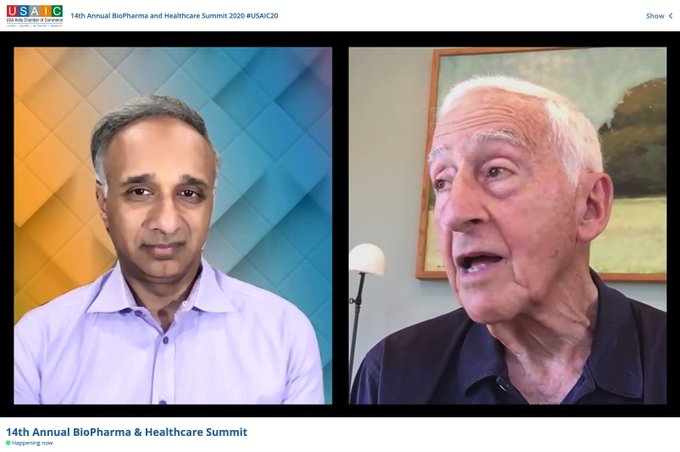



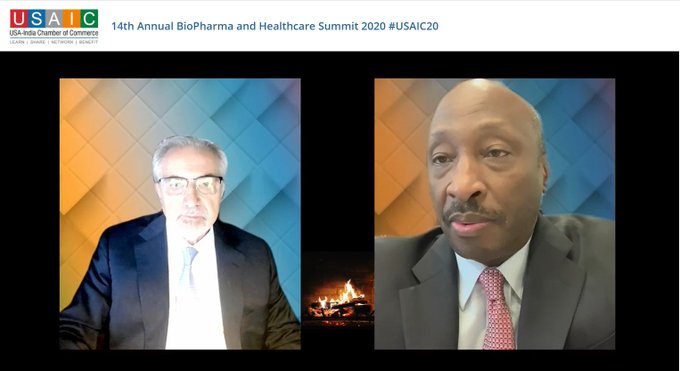

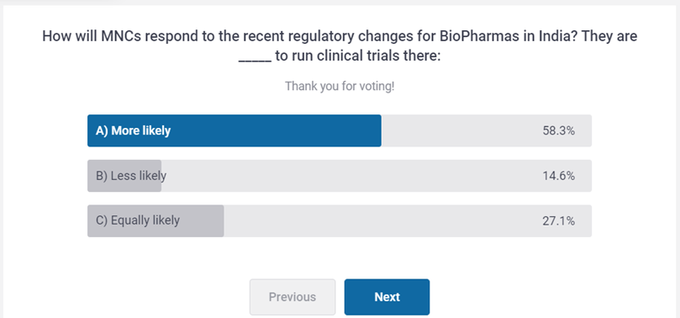

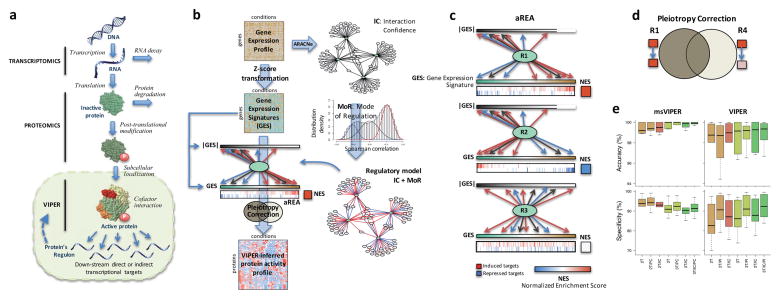


 2012pharmaceutical
 sjwilliamspa