Feeds:
Posts
Comments

Posts Tagged ‘gene expression’

Heroes in Medical Research: Developing Models for Cancer Research

Author, Curator: Stephen J. Williams, Ph.D.


The current rapid progress in cancer research would have never come about if not for the dedication of past researchers who had developed many of the scientific tools we use today. In this issue of Heroes in Medical Research I would like to give tribute to the researchers who had developed the some of the in-vivo and in-vitro models which are critical for cancer research.


The Animal Modelers in Cancer Research

Helen Dean King, Ph.D. (1869-1955)

Helen Dean King

Helen Dean King, Ph.D. from www.ExplorePAhistory.com; photo Courtesy of the Wistar Institute Archive Collection, Philadelphia, PA


The work of Dr. Helen Dean King on rat inbreeding led to development of strains of laboratory animals. Dr. King taught at Bryn Mawr College, then worked at University of Pennsylvania and the Wistar Institute under famed geneticist Thomas Hunt Morgan, researching if inbreeding would produce harmful genetic traits.   At University of Pennsylvania she examined environmental and genetic factors on gender determination.


Important papers include [1-6]as well as the following contributions:

“Studies in Inbreeding”, “Life Processes in Gray Norway Rats During Fourteen Years in Captivity”, doctoral thesis on embryologic development in toads (1899)


Milestones include:


1909    started albino rat breeding and bred 20 female and male from same litter (King colony) to 25

successive generations (inbreeding did not cause harmful traits)


1919     started to domesticate the wild Norwegian rats that ran thru Philadelphia (six pairs Norway rats

thru 28 generations)

A good reference for definitions of rat inbreeding versus line generation including a history of Dr. King’s work can be found at the site: Munificent Mischief Rattery and a brief history here.[7] In addition, Dr. King had investigated using rat strains as a possible recipient for tumor cells. The work was an important advent to the use of immunodeficient models for cancer research.


As shown below Philadelphia became a hotbed for research into embryology, development, genetics, and animal model development.


Beatrice Mintz, Ph.D.

(Beatrice Minz, Ph.D.; photo credit Fox Chase Cancer Center, www.pubweb.fccc.edu) Mintz

Dr. Mintz, an embryologist and cancer researcher from Fox Chase Cancer Center in Philadelphia, PA, contributed some of the most seminal discoveries leading to our current understanding of genetics, embryo development, cellular differentiation, and oncogenesis, especially melanoma, while pioneering techniques which allowed the development of genetically modified mice.

If you get the privilege of hearing her talk, take advantage of it. Dr. Mintz is one of those brilliant scientists who have the ability to look at a clinical problem from the viewpoint of a basic biological question and, at the same time, has the ability to approach the well-thought out questions with equally well thought out experimental design. For example, Dr. Mintz asked if a cell’s developmental fate was affected by location in the embryo. This led to her work by showing teratocarcinoma tumor cells in the developing embryo could revert to a more normal phenotype, essentially proving two important concepts in development and tumor biology:

  1. The existence of pluripotent stem cells
  2. That tumor cells are affected by their environment (which led to future concepts of the importance of tumor microenvironment on tumor growth

Other seminal discoveries included:

  • Development of the first mouse chimeras using novel cell fusion techniques
  • With Rudolf Jaenisch in 1974, showed integration of viral DNA from SV40, could be integrated into the DNA of developing mice and persist into adulthood somatic cells, the first transgenesis in mice which led ultimately to:
  • Development of the first genetically modified mouse model of human melanoma in 1993

Her current work, seen on the faculty webpage here, is developing mice with predisposition to melanoma to uncover risk factors associated with the early development of melanoma.

In keeping with the Philadelphia tradition another major mouse model which became seminal to cancer drug discovery was co-developed in the same city, same institute and described in the next section.

It is interesting to note that the first cloning of an animal, a frog, had taken place at the Institute for Cancer Research, later becoming Fox Chase Cancer Center, which was performed by Drs. Robert Briggs and Thomas J. King and reported in the 152 PNAS paper Transplantation of Living Nuclei From Blastula Cells into Enucleated Frogs’ Eggs.[8]


 The Immunodeficient Animal as a Model System for Cancer Research – Dr. Mel Bosma, Ph.D.


Bosma

Melvin J. Bosma, Ph.D.; photo credit Fox Chase Cancer Center

In the summer of 1980 at Fox Chase Cancer Center, Dr. Melvin J. Bosma and his co-researcher wife Gayle discovered mice with deficiencies in common circulating antibodies and since, these mice were littermates, realized they had found a genetic defect which rendered the mice immunodeficient (upon further investigation these mice were unable to produce mature B and T cells). These mice were the first scid (severe combined immunodeficiency) colony. The scid phenotype was later found to be a result of a spontaneous mutation in the enzyme Prkdc {protein kinase, DNA activated, catalytic polypeptide} involved in DNA repair, and ultimately led to a defect in V(D)J recombination of immunoglobulins.

The emergence of this scid mouse was not only crucial for AIDS research but was another turning point in cancer research , as researchers now had a robust in-vivo recipient for human tumor cells. The orthotopic xenograft of human tumor cells now allowed for studies on genetic and microenvironmental factors affecting tumorigenicity, as well as providing a model for chemotherapeutic drug development (see Suggitt for review and references)[9]. A discussion of the pros and cons of the xenograft system for cancer drug discovery would be too voluminous for this post and would warrant a full review by itself. But before the advent of such scid mouse systems researchers relied on spontaneous and syngeneic mouse tumor models such as the B16 mouse melanoma and Lewis lung tumor model.

Other scid systems have been developed such as in the dog, horse, and pig. Please see the following post on this site The SCID Pig: How Pigs are becoming a Great Alternate Model for Cancer Research. The athymic (nude) mouse (nu/nu) also is a popular immunodeficient mouse model used for cancer research

Two other in-vivo tumor models: Patient Derived Xenografts (PDX) and Genetically Engineered Mouse models (GEM) deserve their own separate discussion however the success of these new models can be attributed to the hard work of the aforementioned investigators. Therefore I will post separately and curate PDX and GEM models of cancer and highlight some new models which are having great impact on cancer drug development.


References

1.         Loeb L, King HD: Transplantation and Individuality Differential in Strains of Inbred Rats. The American journal of pathology 1927, 3(2):143-167.

2.         Lewis MR, Aptekman PM, King HD: Retarding action of adrenal gland on growth of sarcoma grafts in rats. J Immunol 1949, 61(4):315-319.

3.         Aptekman PM, Lewis MR, King HD: Tumor-immunity induced in rats by subcutaneous injection of tumor extract. J Immunol 1949, 63(4):435-440.

4.         Lewis MR, Aptekman PM, King HD: Inactivation of malignant tissue in tumor-immune rats. J Immunol 1949, 61(4):321-326.

5.         Lewis MR, King HD, et al.: Further studies on oncolysis and tumor immunity in rats. J Immunol 1948, 60(4):517-528.

6.         Aptekman PM, Lewis MR, King HD: A method of producing in inbred albino rats a high percentage of immunity from tumors native in their strain. J Immunol 1946, 52:77-86.

7.         Ogilvie MB: Inbreeding, eugenics, and Helen Dean King (1869-1955). Journal of the history of biology 2007, 40(3):467-507.

8.         Briggs R, King TJ: Transplantation of Living Nuclei From Blastula Cells into Enucleated Frogs’ Eggs. Proceedings of the National Academy of Sciences of the United States of America 1952, 38(5):455-463.

9.         Suggitt M, Bibby MC: 50 years of preclinical anticancer drug screening: empirical to target-driven approaches. Clinical cancer research : an official journal of the American Association for Cancer Research 2005, 11(3):971-981.


Other posts on this site about Cancer, Animal Models of Disease, and other articles in this series include:

The SCID Pig: How Pigs are becoming a Great Alternate Model for Cancer Research

A Synthesis of the Beauty and Complexity of How We View Cancer

Guidelines for the welfare and use of animals in cancer research

Importance of Funding Replication Studies: NIH on Credibility of Basic Biomedical Studies

FDA Guidelines For Developmental and Reproductive Toxicology (DART) Studies for Small Molecules

Report on the Fall Mid-Atlantic Society of Toxicology Meeting “Reproductive Toxicology of Biologics: Challenges and Considerations:

What`s new in pancreatic cancer research and treatment?

Heroes in Medical Research: Dr. Carmine Paul Bianchi Pharmacologist, Leader, and Mentor

Heroes in Medical Research: Dr. Robert Ting, Ph.D. and Retrovirus in AIDS and Cancer

Heroes in Medical Research: Barnett Rosenberg and the Discovery of Cisplatin

Richard Lifton, MD, PhD of Yale University and Howard Hughes Medical Institute: Recipient of 2014 Breakthrough Prizes Awarded in Life Sciences for the Discovery of Genes and Biochemical Mechanisms that cause Hypertension

Reuben Shaw, Ph.D., a geneticist and researcher at the Salk Institute: Metabolism Influences Cancer


Read Full Post »

Introduction – The Evolution of Cancer Therapy and Cancer Research: How We Got Here?

Introduction – The Evolution of Cancer Therapy and Cancer Research: How We Got Here?

Author and Curator: Larry H Bernstein, MD, FCAP

The evolution of progress we have achieved in cancer research, diagnosis, and therapeutics has  originated from an emergence of scientific disciplines and the focus on cancer has been recent. We can imagine this from a historical perspective with respect to two observations. The first is that the oldest concepts of medicine lie with the anatomic dissection of animals and the repeated recurrence of war, pestilence, and plague throughout the middle ages, and including the renaissance.  In the awakening, architecture, arts, music, math, architecture and science that accompanied the invention of printing blossomed, a unique collaboration of individuals working in disparate disciplines occurred, and those who were privileged received an education, which led to exploration, and with it, colonialism.  This also led to the need to increasingly, if not without reprisal, questioning long-held church doctrines.

It was in Vienna that Rokitansky developed the discipline of pathology, and his student Semelweis identified an association between then unknown infection and childbirth fever. The extraordinary accomplishments of John Hunter in anatomy and surgery came during the twelve years war, and his student, Edward Jenner, observed the association between cowpox and smallpox resistance. The development of a nursing profession is associated with the work of Florence Nightengale during the Crimean War (at the same time as Leo Tolstoy). These events preceded the work of Pasteur, Metchnikoff, and Koch in developing a germ theory, although Semelweis had committed suicide by infecting himself with syphilis. The first decade of the Nobel Prize was dominated by discoveries in infectious disease and public health (Ronald Ross, Walter Reed) and we know that the Civil War in America saw an epidemic of Yellow Fever, and the Armed Services Medical Museum was endowed with a large repository of osteomyelitis specimens. We also recall that the Russian physician and playwriter, Anton Checkov, wrote about the conditions in prison camps.

But the pharmacopeia was about to open with the discoveries of insulin, antibiotics, vitamins, thyroid action (Mayo brothers pioneered thyroid surgery in the thyroid iodine-deficient midwest), and pitutitary and sex hormones (isolatation, crystal structure, and synthesis years later), and Karl Landsteiner’s discovery of red cell antigenic groups (but he also pioneered in discoveries in meningitis and poliomyelitis, and conceived of the term hapten) with the introduction of transfusion therapy that would lead to transplantation medicine.  The next phase would be heralded by the discovery of cancer, which was highlighted by the identification of leukemia by Rudolph Virchow, who cautioned about the limitations of microscopy. This period is highlighted by the classic work – “Microbe Hunters”.

John Hunter

John Hunter

Walter Reed

Walter Reed

Robert Koch

Robert Koch

goldberger 1916 Pellagra

goldberger 1916 Pellagra

Louis Pasteur

Louis Pasteur

A multidisciplinary approach has led us to a unique multidisciplinary or systems view of cancer, with different fields of study offering their unique expertise, contributions, and viewpoints on the etiology of cancer.  Diverse fields in immunology, biology, biochemistry, toxicology, molecular biology, virology, mathematics, social activism and policy, and engineering have made such important contributions to our understanding of cancer, that without cooperation among these diverse fields our knowledge of cancer would never had evolved as it has. In a series of posts “Heroes in Medical Research:” the work of researchers are highlighted as examples of how disparate scientific disciplines converged to produce seminal discoveries which propelled the cancer field, although, at the time, they seemed like serendipitous findings.  In the post Heroes in Medical Research: Barnett Rosenberg and the Discovery of Cisplatin (Translating Basic Research to the Clinic) discusses the seminal yet serendipitous discoveries by bacteriologist Dr. Barnett Rosenberg, which eventually led to the development of cisplatin, a staple of many chemotherapeutic regimens. Molecular biologist Dr. Robert Ting, working with soon-to-be Nobel Laureate virologist Dr. James Gallo on AIDS research and the associated Karposi’s sarcoma identified one of the first retroviral oncogenes, revolutionizing previous held misconceptions of the origins of cancer (described in Heroes in Medical Research: Dr. Robert Ting, Ph.D. and Retrovirus in AIDS and Cancer).   Located here will be a MONTAGE of PHOTOS of PEOPLE who made seminal discoveries and contributions in every field to cancer   Each of these paths of discovery in cancer research have led to the unique strategies of cancer therapeutics and detection for the purpose of reducing the burden of human cancer.  However, we must recall that this work has come at great cost, while it is indeed cause for celebration. The current failure rate of clinical trials at over 70 percent, has been a cause for disappointment, and has led to serious reconsideration of how we can proceed with greater success. The result of the evolution of the cancer field is evident in the many parts and chapters of this ebook.  Volume 4 contains chapters that are in a predetermined order:

  1. The concepts of neoplasm, malignancy, carcinogenesis,  and metastatic potential, which encompass:

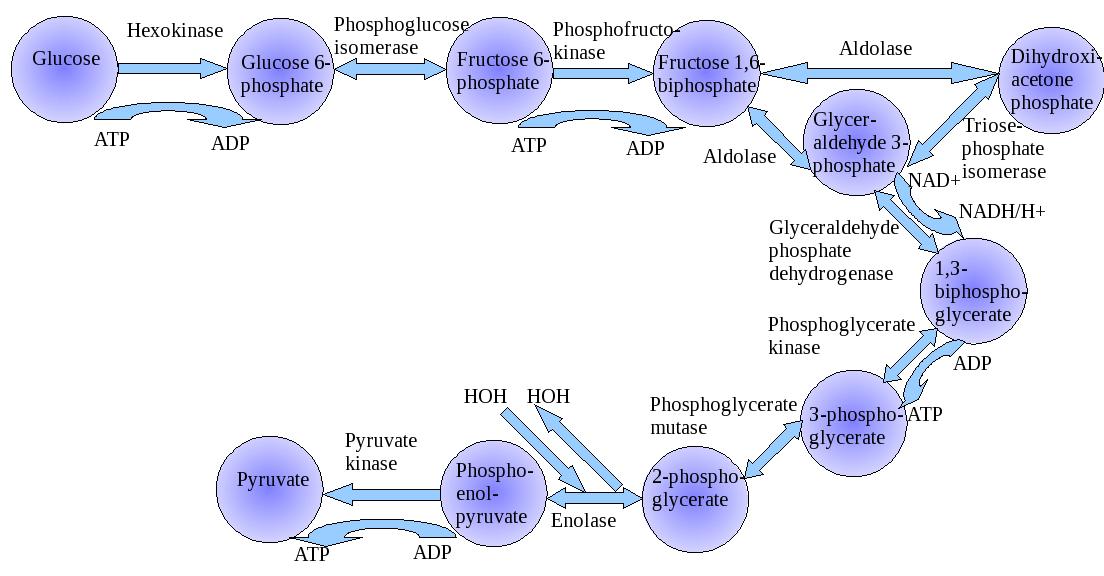
(a)     How cancer cells bathed in an oxygen rich environment rely on anaerobic glycolysis for energy, and the secondary consequences of cachexia and sarcopenia associated with progression

invasion

invasion

ARTS protein and cancer

ARTS protein and cancer

Glycolysis

Glycolysis

Krebs cycle

Krebs cycle

Metabolic control analysis of respiration in human cancer tissue

Metabolic control analysis of respiration in human cancer tissue

akip1-expression-modulates-mitochondrial-function

akip1-expression-modulates-mitochondrial-function

(b)     How advances in genetic analysis, molecular and cellular biology, metabolomics have expanded our basic knowledge of the mechanisms which are involved in cellular transformation to the cancerous state.

nucleotides

nucleotides

Methylation of adenine

Methylation of adenine

ampk-and-ampk-related-kinase-ark-family-

ampk-and-ampk-related-kinase-ark-family-

ubiquitylation

ubiquitylation

(c)  How molecular techniques continue to advance our understanding  of how genetics, epigenetics, and alterations in cellular metabolism contribute to cancer and afford new pathways for therapeutic intervention.

 genomic effects

genomic effects

LKB1AMPK pathway

LKB1AMPK pathway

mutation-frequencies-across-12-cancer-types

mutation-frequencies-across-12-cancer-types

AMPK-activating drugs metformin or phenformin might provide protection against cancer

AMPK-activating drugs metformin or phenformin might provide protection against cancer

pim2-phosphorylates-pkm2-and-promotes-glycolysis-in-cancer-cells

pim2-phosphorylates-pkm2-and-promotes-glycolysis-in-cancer-cells

pim2-phosphorylates-pkm2-and-promotes-glycolysis-in-cancer-cells

pim2-phosphorylates-pkm2-and-promotes-glycolysis-in-cancer-cells

2. The distinct features of cancers of specific tissue sites of origin

3.  The diagnosis of cancer by

(a)     Clinical presentation

(b)     Age of onset and stage of life

(c)     Biomarker features

hairy cell leukemia

hairy cell leukemia

lymphoma leukemia

lymphoma leukemia

(d)     Radiological and ultrasound imaging

  1. Treatments
  2. Prognostic differences within and between cancer types

We have introduced the emergence of a disease of great complexity that has been clouded in more questions than answers until the emergence of molecular biology in the mid 20th century, and then had to await further discoveries going into the 21st century.  What gave the research impetus was the revelation of

1     the mechanism of transcription of the DNA into amino acid sequences

Proteins in Disease

Proteins in Disease

2     the identification of stresses imposed on cellular function

NO beneficial effects

NO beneficial effects

3     the elucidation of the substructure of the cell – cell membrane, mitochondria, ribosomes, lysosomes – and their functions, respectively

pone.0080815.g006  AKIP1 Expression Modulates Mitochondrial Function

AKIP1 Expression Modulates Mitochondrial Function

4     the elucidation of oligonucleotide sequences

nucleotides

nucleotides

dna-replication-unwinding

dna-replication-unwinding

dna-replication-ligation

dna-replication-ligation

dna-replication-primer-removal

dna-replication-primer-removal

dna-replication-leading-strand

dna-replication-leading-strand

dna-replication-lagging-strand

dna-replication-lagging-strand

dna-replication-primer-synthesis

dna-replication-primer-synthesis

dna-replication-termination

dna-replication-termination

5     the further elucidation of functionally relevant noncoding lncDNA

lncRNA-s   A summary of the various functions described for lncRNA

6     the technology to synthesis mRNA and siRNA sequences

RNAi_Q4 Primary research objectives

Figure. RNAi and gene silencing

7     the repeated discovery of isoforms of critical enzymes and their pleiotropic properties

8.     the regulatory pathways involved in signaling

signaling pathjways map

Figure. Signaling Pathways Map

This is a brief outline of the modern progression of advances in our understanding of cancer.  Let us go back to the beginning and check out a sequence of  Nobel Prizes awarded and related discoveries that have a historical relationship to what we know.  The first discovery was the finding by Louis Pasteur that fungi that grew in an oxygen poor environment did not put down filaments.  They did not utilize oxygen and they produced used energy by fermentation.  This was the basis for Otto Warburg sixty years later to make the comparison to cancer cells that grew in the presence of oxygen, but relied on anaerobic glycolysis. He used a manometer to measure respiration in tissue one cell layer thick to measure CO2 production in an adiabatic system.

video width=”1280″ height=”720″ caption=”1741-7007-11-65-s1 Macromolecular juggling by ubiquitylation enzymes.” mp4=”http://pharmaceuticalintelligence.com/wp-content/uploads/2014/04/1741-7007-11-65-s1-macromolecular-juggling-by-ubiquitylation-enzymes.mp4“][/video]

An Introduction to the Warburg Apparatus

http://www.youtube.com/watch?v=M-HYbZwN43o

Lavoisier Antoine-Laurent and Laplace Pierre-Simon (1783) Memoir on heat. Mémoirs de l’Académie des sciences. Translated by Guerlac H, Neale Watson Academic Publications, New York, 1982.

Instrumental background 200 years later:   Gnaiger E (1983) The twin-flow microrespirometer and simultaneous calorimetry. In Gnaiger E, Forstner H, eds. Polarographic Oxygen Sensors. Springer, Heidelberg, Berlin, New York: 134-166.

otto_heinrich_warburg

otto_heinrich_warburg

Warburg apparatus

The Warburg apparatus is a manometric respirometer which was used for decades in biochemistry for measuring oxygen consumption of tissue homogenates or tissue slices.

The Warburg apparatus has its name from the German biochemist Otto Heinrich Warburg (1883-1970) who was awarded the Nobel Prize in physiology or medicine in 1931 for his “discovery of the nature and mode of action of the respiratory enzyme” [1].

The aqueous phase is vigorously shaken to equilibrate with a gas phase, from which oxygen is consumed while the evolved carbon dioxide is trapped, such that the pressure in the constant-volume gas phase drops proportional to oxygen consumption. The Warburg apparatus was introduced to study cell respiration, i.e. the uptake of molecular oxygen and the production of carbon dioxide by cells or tissues. Its applications were extended to the study of fermentation, when gas exchange takes place in the absence of oxygen. Thus the Warburg apparatus became established as an instrument for both aerobic and anaerobic biochemical studies [2, 3].

The respiration chamber was a detachable glass flask (F) equipped with one or more sidearms (S) for additions of chemicals and an open connection to a manometer (M; pressure gauge). A constant temperature was provided by immersion of the Warburg chamber in a constant temperature water bath. At thermal mass transfer equilibrium, an initial reading is obtained on the manometer, and the volume of gas produced or absorbed is determined at specific time intervals. A limited number of ‘titrations’ can be performed by adding the liquid contained in a side arm into the main reaction chamber. A Warburg apparatus may be equipped with more than 10 respiration chambers shaking in a common water bath.   Since temperature has to be controlled very precisely in a manometric approach, the early studies on mammalian tissue respiration were generally carried out at a physiological temperature of 37 °C.

The Warburg apparatus has been replaced by polarographic instruments introduced by Britton Chance in the 1950s. Since Chance and Williams (1955) measured respiration of isolated mitochondria simultaneously with the spectrophotometric determination of cytochrome redox states, a water chacket could not be used, and measurements were carried out at room temperature (or 25 °C). Thus most later studies on isolated mitochondria were shifted to the artifical temperature of 25 °C.

Today, the importance of investigating mitochondrial performance at in vivo temperatures is recognized again in mitochondrial physiology.  Incubation times of 1 hour were typical in experiments with the Warburg apparatus, but were reduced to a few or up to 20 min, following Chance and Williams, due to rapid oxygen depletion in closed, aqueous phase oxygraphs with high sample concentrations.  Today, incubation times of 1 hour are typical again in high-resolution respirometry, with low sample concentrations and the option of reoxygenations.

“The Nobel Prize in Physiology or Medicine 1931”. Nobelprize.org. 27 Dec 2011 www.nobelprize.org/nobel_prizes/medicine/laureates/1931/

  1. Oesper P (1964) The history of the Warburg apparatus: Some reminiscences on its use. J Chem Educ 41: 294.
  2. Koppenol WH, Bounds PL, Dang CV (2011) Otto Warburg’s contributions to current concepts of cancer metabolism. Nature Reviews Cancer 11: 325-337.
  3. Gnaiger E, Kemp RB (1990) Anaerobic metabolism in aerobic mammalian cells: information from the ratio of calorimetric heat flux and respirometric oxygen flux. Biochim Biophys Acta 1016: 328-332. – “At high fructose concen­trations, respiration is inhibited while glycolytic end products accumulate, a phenomenon known as the Crabtree effect. It is commonly believed that this effect is restric­ted to microbial and tumour cells with uniquely high glycolytic capaci­ties (Sussman et al, 1980). How­ever, inhibition of respiration and increase of lactate production are observed under aerobic condi­tions in beating rat heart cell cultures (Frelin et al, 1974) and in isolated rat lung cells (Ayuso-Parrilla et al, 1978). Thus, the same general mechanisms respon­sible for the integra­tion of respiration and glycolysis in tumour cells (Sussman et al, 1980) appear to be operating to some extent in several isolated mammalian cells.”

Mitochondria are sometimes described as “cellular power plants” because they generate most of the cell’s supply of adenosine triphosphate (ATP), used as a source of chemical energy.[2] In addition to supplying cellular energy, mitochondria are involved in other tasks such as signalingcellular differentiationcell death, as well as the control of the cell cycle and cell growth.[3]   The organelle is composed of compartments that carry out specialized functions. These compartments or regions include the outer membrane, the intermembrane space, the inner membrane, and the cristae and matrix. Mitochondrial proteins vary depending on the tissue and the species. In humans, 615 distinct types of proteins have been identified from cardiac mitochondria,[9   Leonor Michaelis discovered that Janus green can be used as a supravital stain for mitochondria in 1900.  Benjamin F. Kingsbury, in 1912, first related them with cell respiration, but almost exclusively based on morphological observations.[13] In 1913 particles from extracts of guinea-pig liver were linked to respiration by Otto Heinrich Warburg, which he called “grana”. Warburg and Heinrich Otto Wieland, who had also postulated a similar particle mechanism, disagreed on the chemical nature of the respiration. It was not until 1925 when David Keilin discovered cytochromes that the respiratory chain was described.[13]    

The Clark Oxygen Sensor

Dr. Leland Clark – inventor of the “Clark Oxygen Sensor” (1954); the Clark type polarographic oxygen sensor remains the gold standard for measuring dissolved oxygen in biomedical, environmental and industrial applications .   ‘The convenience and simplicity of the polarographic ‘oxygen electrode’ technique for measuring rapid changes in the rate of oxygen utilization by cellular and subcellular systems is now leading to its more general application in many laboratories. The types and design of oxygen electrodes vary, depending on the investigator’s ingenuity and specific requirements of the system under investigation.’Estabrook R (1967) Mitochondrial respiratory control and the polarographic measurement of ADP:O ratios. Methods Enzymol. 10: 41-47.   “one approach that is underutilized in whole-cell bioenergetics, and that is accessible as long as cells can be obtained in suspension, is the oxygen electrode, which can obtain more precise information on the bioenergetic status of the in situ mitochondria than more ‘high-tech’ approaches such as fluorescent monitoring of Δψm.” Nicholls DG, Ferguson S (2002) Bioenergetics 3. Academic Press, London.

Great Figures in Cancer

Dr. Elizabeth Blackburn,

Dr. Elizabeth Blackburn,

j_michael_bishop onogene

j_michael_bishop onogene

Harold Varmus

Harold Varmus

Potts and Habener (PTH mRNA, Harvard MIT)  JCI

Potts and Habener (PTH mRNA, Harvard MIT) JCI

JCI Fuller Albright and hPTH AA sequence

JCI Fuller Albright and hPTH AA sequence

Dr. E. Donnall Thomas  Bone Marrow Transplants

Dr. E. Donnall Thomas Bone Marrow Transplants

Dr Haraldzur Hausen  EBV HPV

Dr Haraldzur Hausen EBV HPV

Dr. Craig Mello

Dr. Craig Mello

Dorothy Hodgkin  protein crystallography

Lee Hartwell - Hutchinson Cancer Res Center

Lee Hartwell – Hutchinson Cancer Res Center

Judah Folkman, MD

Judah Folkman, MD

Gertrude B. Elien (1918-1999)

Gertrude B. Elien (1918-1999)

The Nobel Prize in Physiology or Medicine 1922   

Archibald V. Hill, Otto Meyerhof

AV Hill –

“the production of heat in the muscle” Hill started his research work in 1909. It was due to J.N. Langley, Head of the Department of Physiology at that time that Hill took up the study on the nature of muscular contraction. Langley drew his attention to the important (later to become classic) work carried out by Fletcher and Hopkins on the problem of lactic acid in muscle, particularly in relation to the effect of oxygen upon its removal in recovery. In 1919 he took up again his study of the physiology of muscle, and came into close contact with Meyerhof of Kiel who, approaching the problem differently, arrived at results closely analogous to his study. In 1919 Hill’s friend W. Hartree, mathematician and engineer, joined in the myothermic investigations – a cooperation which had rewarding results.

Otto Meyerhof

otto-fritz-meyerhof

otto-fritz-meyerhof

lactic acid production in muscle contraction Under the influence of Otto Warburg, then at Heidelberg, Meyerhof became more and more interested in cell physiology.  In 1923 he was offered a Professorship of Biochemistry in the United States, but Germany was unwilling to lose him.  In 1929 he was he was placed in charge of the newly founded Kaiser Wilhelm Institute for Medical Research at Heidelberg.  From 1938 to 1940 he was Director of Research at the Institut de Biologie physico-chimique at Paris, but in 1940 he moved to the United States, where the post of Research Professor of Physiological Chemistry had been created for him by the University of Pennsylvania and the Rockefeller Foundation.  Meyerhof’s own account states that he was occupied chiefly with oxidation mechanisms in cells and with extending methods of gas analysis through the calorimetric measurement of heat production, and especially the respiratory processes of nitrifying bacteria. The physico-chemical analogy between oxygen respiration and alcoholic fermentation caused him to study both these processes in the same subject, namely, yeast extract. By this work he discovered a co-enzyme of respiration, which could be found in all the cells and tissues up till then investigated. At the same time he also found a co-enzyme of alcoholic fermentation. He also discovered the capacity of the SH-group to transfer oxygen; after Hopkins had isolated from cells the SH bodies concerned, Meyerhof showed that the unsaturated fatty acids in the cell are oxidized with the help of the sulfhydryl group. After studying closer the respiration of muscle, Meyerhof investigated the energy changes in muscle. Considerable progress had been achieved by the English scientists Fletcher and Hopkins by their recognition of the fact that lactic acid formation in the muscle is closely connected with the contraction process. These investigations were the first to throw light upon the highly paradoxical fact, already established by the physiologist Hermann, that the muscle can perform a considerable part of its external function in the complete absence of oxygen.

But it was indisputable that in the last resort the energy for muscle activity comes from oxidation, so the connection between activity and combustion must be an indirect one, and observed that in the absence of oxygen in the muscle, lactic acid appears, slowly in the relaxed state and rapidly in the active state, disappearing in the presence of oxygen. Obviously, then, oxygen is involved when muscle is in the relaxed state. http://upload.wikimedia.org/wikipedia/commons/e/e1/Glycolysis.jpg

The Nobel Prize committee had been receiving nominations intermittently for the previous 14 years (for Eijkman, Funk, Goldberger, Grijns, Hopkins and Suzuki but, strangely, not for McCollum in this period). Tthe Committee for the 1929 awards apparently agreed that it was high time to honor the discoverer(s) of vitamins; but who were they? There was a clear case for Grijns, but he had not been re-nominated for that particular year, and it could be said that he was just taking the relatively obvious next steps along the new trail that had been laid down by Eijkman, who was also now an old man in poor health, but there was no doubt that he had taken the first steps in the use of an animal model to investigate the nutritional basis of a clinical disorder affecting millions. Goldberger had been another important contributor, but his recent death put him out of consideration. The clearest evidence for lack of an unknown “something” in a mammalian diet was presented by Gowland Hopkins in 1912. This Cambridge biochemist was already well known for having isolated the amino acid tryptophan from a protein and demonstrated its essential nature. He fed young rats on an experimental diet, half of them receiving a daily milk supplement, and only those receiving milk grew well, Hopkins suggested that this was analogous to human diseases related to diet, as he had suggested already in a lecture published in 1906. Hopkins, the leader of the “dynamic biochemistry” school in Britain and an influential advocate for the importance of vitamins, was awarded the prize jointly with Eijkman. A door was opened. Recognition of work on the fat-soluble vitamins begun by McCollum. The next award related to vitamins was given in 1934 to George WhippleGeorge Minot and William Murphy “for their discoveries concerning liver therapy in cases of [then incurable pernicious] anemia,” The essential liver factor (cobalamin, or vitamin B12) was isolated in 1948, and Vitamin B12  was absent from plant foods. But William Castle in 1928 had demonstrated that the stomachs of pernicious anemia patients were abnormal in failing to secrete an “intrinsic factor”.

1937   Albert von Szent-Györgyi Nagyrápolt

” the biological combustion processes, with special reference to vitamin C and the catalysis of fumaric acid”

http://www.biocheminfo.org/klotho/html/fumarate.html

structure of fumarate

Szent-Györgyi was a Hungarian biochemist who had worked with Otto Warburg and had a special interest in oxidation-reduction mechanisms. He was invited to Cambridge in England in 1927 after detecting an antioxidant compound in the adrenal cortex, and there, he isolated a compound that he named hexuronic acid. Charles Glen King of the University of Pittsburgh reported success In isolating the anti-scorbutic factor in 1932, and added that his crystals had all the properties reported by Szent-Györgyi for hexuronic acid. But his work on oxidation reactions was also important. Fumarate is an intermediate in the citric acid cycle used by cells to produce energy in the form of adenosine triphosphate (ATP) from food. It is formed by the oxidation of succinate by the enzyme succinate dehydrogenase. Fumarate is then converted by the enzyme fumarase to malate. An enzyme adds water to the fumarate molecule to form malate. The malate is created by adding one hydrogen atom to a carbon atom and then adding a hydroxyl group to a carbon next to a terminal carbonyl group.

In the same year, Norman Haworth from the University of Birmingham in England received a Nobel prize from the Chemistry Committee for having advanced carbohydrate chemistry and, specifically, for having worked out the structure of Szent-Györgyi’s crystals, and then been able to synthesize the vitamin. This was a considerable achievement. The Nobel Prize in Chemistry was shared with the Swiss organic chemist Paul Karrer, cited for his work on the structures of riboflavin and vitamins A and E as well as other biologically interesting compounds. This was followed in 1938 by a further Chemistry award to the German biochemist Richard Kuhn, who had also worked on carotenoids and B-vitamins, including riboflavin and pyridoxine. But Karrer was not permitted to leave Germany at that time by the Nazi regime. However, the American work with radioisotopes at Lawrence Livermore Laboratory, UC Berkeley, was already ushering in a new era of biochemistry that would enrich our studies of metabolic pathways. The importance of work involving vitamins was acknowledged in at least ten awards in the 20th century.

1.   Carpenter, K.J., Beriberi, White Rice and Vitamin B, University of California Press, Berkeley (2000).

2.  Weatherall, M.W. and Kamminga, H., The making of a biochemist: the construction of Frederick Gowland Hopkins’ reputation. Medical History vol.40, pp. 415-436 (1996).

3.  Becker, S.L., Will milk make them grow? An episode in the discovery of the vitamins. In Chemistry and Modern Society (J. Parascandela, editor) pp. 61-83, American Chemical Society,

Washington, D.C. (1983).

4.  Carpenter, K.J., The History of Scurvy and Vitamin C, Cambridge University Press, New York (1986).

Transport and metabolism of exogenous fumarate and 3-phosphoglycerate in vascular smooth muscle.

D R FinderC D Hardin

Molecular and Cellular Biochemistry (Impact Factor: 2.33). 05/1999; 195(1-2):113-21.  http://dx.doi.org/10.1023/A:1006976432578

The keto (linear) form of exogenous fructose 1,6-bisphosphate, a highly charged glycolytic intermediate, may utilize a dicarboxylate transporter to cross the cell membrane, support glycolysis, and produce ATP anaerobically. We tested the hypothesis that fumarate, a dicarboxylate, and 3-phosphoglycerate (3-PG), an intermediate structurally similar to a dicarboxylate, can support contraction in vascular smooth muscle during hypoxia. 3-PG improved maintenance of force (p < 0.05) during the 30-80 min period of hypoxia. Fumarate decreased peak isometric force development by 9.5% (p = 0.008) but modestly improved maintenance of force (p < 0.05) throughout the first 80 min of hypoxia. 13C-NMR on tissue extracts and superfusates revealed 1,2,3,4-(13)C-fumarate (5 mM) metabolism to 1,2,3,4-(13)C-malate under oxygenated and hypoxic conditions suggesting uptake and metabolism of fumarate. In conclusion, exogenous fumarate and 3-PG readily enter vascular smooth muscle cells, presumably by a dicarboxylate transporter, and support energetically important pathways.

Comparison of endogenous and exogenous sources of ATP in fueling Ca2+ uptake in smooth muscle plasma membrane vesicles.

C D HardinL RaeymaekersR J Paul

The Journal of General Physiology (Impact Factor: 4.73). 12/1991; 99(1):21-40.   http://dx.doi.org:/10.1085/jgp.99.1.21

A smooth muscle plasma membrane vesicular fraction (PMV) purified for the (Ca2+/Mg2+)-ATPase has endogenous glycolytic enzyme activity. In the presence of glycolytic substrate (fructose 1,6-diphosphate) and cofactors, PMV produced ATP and lactate and supported calcium uptake. The endogenous glycolytic cascade supports calcium uptake independent of bath [ATP]. A 10-fold dilution of PMV, with the resultant 10-fold dilution of glycolytically produced bath [ATP] did not change glycolytically fueled calcium uptake (nanomoles per milligram protein). Furthermore, the calcium uptake fueled by the endogenous glycolytic cascade persisted in the presence of a hexokinase-based ATP trap which eliminated calcium uptake fueled by exogenously added ATP. Thus, it appears that the endogenous glycolytic cascade fuels calcium uptake in PMV via a membrane-associated pool of ATP and not via an exchange of ATP with the bulk solution. To determine whether ATP produced endogenously was utilized preferentially by the calcium pump, the ATP production rates of the endogenous creatine kinase and pyruvate kinase were matched to that of glycolysis and the calcium uptake fueled by the endogenous sources was compared with that fueled by exogenous ATP added at the same rate. The rate of calcium uptake fueled by endogenous sources of ATP was approximately twice that supported by exogenously added ATP, indicating that the calcium pump preferentially utilizes ATP produced by membrane-bound enzymes.

Evidence for succinate production by reduction of fumarate during hypoxia in isolated adult rat heart cells.

C HohlR OestreichP RösenR WiesnerM Grieshaber

Archives of Biochemistry and Biophysics (Impact Factor: 3.37). 01/1988; 259(2):527-35. http://dx.doi.org:/10.1016/0003-9861(87)90519-4   It has been demonstrated that perfusion of myocardium with glutamic acid or tricarboxylic acid cycle intermediates during hypoxia or ischemia, improves cardiac function, increases ATP levels, and stimulates succinate production. In this study isolated adult rat heart cells were used to investigate the mechanism of anaerobic succinate formation and examine beneficial effects attributed to ATP generated by this pathway. Myocytes incubated for 60 min under hypoxic conditions showed a slight loss of ATP from an initial value of 21 +/- 1 nmol/mg protein, a decline of CP from 42 to 17 nmol/mg protein and a fourfold increase in lactic acid production to 1.8 +/- 0.2 mumol/mg protein/h. These metabolite contents were not altered by the addition of malate and 2-oxoglutarate to the incubation medium nor were differences in cell viability observed; however, succinate release was substantially accelerated to 241 +/- 53 nmol/mg protein. Incubation of cells with [U-14C]malate or [2-U-14C]oxoglutarate indicates that succinate is formed directly from malate but not from 2-oxoglutarate. Moreover, anaerobic succinate formation was rotenone sensitive.

We conclude that malate reduction to succinate occurs via the reverse action of succinate dehydrogenase in a coupled reaction where NADH is oxidized (and FAD reduced) and ADP is phosphorylated. Furthermore, by transaminating with aspartate to produce oxaloacetate, 2-oxoglutarate stimulates cytosolic malic dehydrogenase activity, whereby malate is formed and NADH is oxidized.

In the form of malate, reducing equivalents and substrate are transported into the mitochondria where they are utilized for succinate synthesis.

1953 Hans Adolf Krebs –

 ” discovery of the citric acid cycle” and In the course of the 1920’s and 1930’s great progress was made in the study of the intermediary reactions by which sugar is anaerobically fermented to lactic acid or to ethanol and carbon dioxide. The success was mainly due to the joint efforts of the schools of Meyerhof, Embden, Parnas, von Euler, Warburg and the Coris, who built on the pioneer work of Harden and of Neuberg. This work brought to light the main intermediary steps of anaerobic fermentations.

In contrast, very little was known in the earlier 1930’s about the intermediary stages through which sugar is oxidized in living cells. When, in 1930, I left the laboratory of Otto Warburg (under whose guidance I had worked since 1926 and from whom I have learnt more than from any other single teacher), I was confronted with the question of selecting a major field of study and I felt greatly attracted by the problem of the intermediary pathway of oxidations.

These reactions represent the main energy source in higher organisms, and in view of the importance of energy production to living organisms (whose activities all depend on a continuous supply of energy) the problem seemed well worthwhile studying.   http://www.johnkyrk.com/krebs.html

Interactive Krebs cycle

There are different points where metabolites enter the Krebs’ cycle. Most of the products of protein, carbohydrates and fat metabolism are reduced to the molecule acetyl coenzyme A that enters the Krebs’ cycle. Glucose, the primary fuel in the body, is first metabolized into pyruvic acid and then into acetyl coenzyme A. The breakdown of the glucose molecule forms two molecules of ATP for energy in the Embden Meyerhof pathway process of glycolysis.

On the other hand, amino acids and some chained fatty acids can be metabolized into Krebs intermediates and enter the cycle at several points. When oxygen is unavailable or the Krebs’ cycle is inhibited, the body shifts its energy production from the Krebs’ cycle to the Embden Meyerhof pathway of glycolysis, a very inefficient way of making energy.  

Fritz Albert Lipmann –

 “discovery of co-enzyme A and its importance for intermediary metabolism”.

In my development, the recognition of facts and the rationalization of these facts into a unified picture, have interplayed continuously. After my apprenticeship with Otto Meyerhof, a first interest on my own became the phenomenon we call the Pasteur effect, this peculiar depression of the wasteful fermentation in the respiring cell. By looking for a chemical explanation of this economy measure on the cellular level, I was prompted into a study of the mechanism of pyruvic acid oxidation, since it is at the pyruvic stage where respiration branches off from fermentation.

For this study I chose as a promising system a relatively simple looking pyruvic acid oxidation enzyme in a certain strain of Lactobacillus delbrueckii1.   In 1939, experiments using minced muscle cells demonstrated that one oxygen atom can form two adenosine triphosphate molecules, and, in 1941, the concept of phosphate bonds being a form of energy in cellular metabolism was developed by Fritz Albert Lipmann.

In the following years, the mechanism behind cellular respiration was further elaborated, although its link to the mitochondria was not known.[13]The introduction of tissue fractionation by Albert Claude allowed mitochondria to be isolated from other cell fractions and biochemical analysis to be conducted on them alone. In 1946, he concluded that cytochrome oxidase and other enzymes responsible for the respiratory chain were isolated to the mitchondria. Over time, the fractionation method was tweaked, improving the quality of the mitochondria isolated, and other elements of cell respiration were determined to occur in the mitochondria.[13]

The most important event during this whole period, I now feel, was the accidental observation that in the L. delbrueckii system, pyruvic acid oxidation was completely dependent on the presence of inorganic phosphate. This observation was made in the course of attempts to replace oxygen by methylene blue. To measure the methylene blue reduction manometrically, I had to switch to a bicarbonate buffer instead of the otherwise routinely used phosphate. In bicarbonate, pyruvate oxidation was very slow, but the addition of a little phosphate caused a remarkable increase in rate. The phosphate effect was removed by washing with a phosphate free acetate buffer. Then it appeared that the reaction was really fully dependent on phosphate.

A coupling of this pyruvate oxidation with adenylic acid phosphorylation was attempted. Addition of adenylic acid to the pyruvic oxidation system brought out a net disappearance of inorganic phosphate, accounted for as adenosine triphosphate.   The acetic acid subunit of acetyl CoA is combined with oxaloacetate to form a molecule of citrate. Acetyl coenzyme A acts only as a transporter of acetic acid from one enzyme to another. After Step 1, the coenzyme is released by hydrolysis to combine with another acetic acid molecule and begin the Krebs’ Cycle again.

Hugo Theorell

the nature and effects of oxidation enzymes”

From 1933 until 1935 Theorell held a Rockefeller Fellowship and worked with Otto Warburg at Berlin-Dahlem, and here he became interested in oxidation enzymes. At Berlin-Dahlem he produced, for the first time, the oxidation enzyme called «the yellow ferment» and he succeeded in splitting it reversibly into a coenzyme part, which was found to be flavin mononucleotide, and a colourless protein part. On return to Sweden, he was appointed Head of the newly established Biochemical Department of the Nobel Medical Institute, which was opened in 1937.

Succinate is oxidized by a molecule of FAD (Flavin Adenine Dinucleotide). The FAD removes two hydrogen atoms from the succinate and forms a double bond between the two carbon atoms to create fumarate.

1953

double-stranded-dna

double-stranded-dna

crick-watson-with-their-dna-model.

crick-watson-with-their-dna-model.

Watson & Crick double helix model 

A landmark in this journey

They followed the path that became clear from intense collaborative work in California by George Beadle, by Avery and McCarthy, Max Delbruck, TH Morgan, Max Delbruck and by Chargaff that indicated that genetics would be important.

1965

François Jacob, André Lwoff and Jacques Monod  –

” genetic control of enzyme and virus synthesis”.

In 1958 the remarkable analogy revealed by genetic analysis of lysogeny and that of the induced biosynthesis of ß-galactosidase led François Jacob, with Jacques Monod, to study the mechanisms responsible for the transfer of genetic information as well as the regulatory pathways which, in the bacterial cell, adjust the activity and synthesis of macromolecules. Following this analysis, Jacob and Monod proposed a series of new concepts, those of messenger RNA, regulator genes, operons and allosteric proteins.

Francois Jacob

Having determined the constants of growth in the presence of different carbohydrates, it occurred to me that it would be interesting to determine the same constants in paired mixtures of carbohydrates. From the first experiment on, I noticed that, whereas the growth was kinetically normal in the presence of certain mixtures (that is, it exhibited a single exponential phase), two complete growth cycles could be observed in other carbohydrate mixtures, these cycles consisting of two exponential phases separated by a-complete cessation of growth.

Lwoff, after considering this strange result for a moment, said to me, “That could have something to do with enzyme adaptation.”

“Enzyme adaptation? Never heard of it!” I said.

Lwoff’s only reply was to give me a copy of the then recent work of Marjorie Stephenson, in which a chapter summarized with great insight the still few studies concerning this phenomenon, which had been discovered by Duclaux at the end of the last century.  Studied by Dienert and by Went as early as 1901 and then by Euler and Josephson, it was more or less rediscovered by Karström, who should be credited with giving it a name and attracting attention to its existence.

Lwoff’s intuition was correct. The phenomenon of “diauxy” that I had discovered was indeed closely related to enzyme adaptation, as my experiments, included in the second part of my doctoral dissertation, soon convinced me. It was actually a case of the “glucose effect” discovered by Dienert as early as 1900.   That agents that uncouple oxidative phosphorylation, such as 2,4-dinitrophenol, completely inhibit adaptation to lactose or other carbohydrates suggested that “adaptation” implied an expenditure of chemical potential and therefore probably involved the true synthesis of an enzyme.

With Alice Audureau, I sought to discover the still quite obscure relations between this phenomenon and the one Massini, Lewis, and others had discovered: the appearance and selection of “spontaneous” mutants.   We showed that an apparently spontaneous mutation was allowing these originally “lactose-negative” bacteria to become “lactose-positive”. However, we proved that the original strain (Lac-) and the mutant strain (Lac+) did not differ from each other by the presence of a specific enzyme system, but rather by the ability to produce this system in the presence of lactose.  This mutation involved the selective control of an enzyme by a gene, and the conditions necessary for its expression seemed directly linked to the chemical activity of the system.

1974

Albert Claude, Christian de Duve and George E. Palade –

” the structural and functional organization of the cell”.

I returned to Louvain in March 1947 after a period of working with Theorell in Sweden, the Cori’s, and E Southerland in St. Louis, fortunate in the choice of my mentors, all sticklers for technical excellence and intellectual rigor, those prerequisites of good scientific work. Insulin, together with glucagon which I had helped rediscover, was still my main focus of interest, and our first investigations were accordingly directed on certain enzymatic aspects of carbohydrate metabolism in liver, which were expected to throw light on the broader problem of insulin action. But I became distracted by an accidental finding related to acid phosphatase, drawing most of my collaborators along with me. The studies led to the discovery of the lysosome, and later of the peroxisome.

In 1962, I was appointed a professor at the Rockefeller Institute in New York, now the Rockefeller University, the institution where Albert Claude had made his pioneering studies between 1929 and 1949, and where George Palade had been working since 1946.  In New York, I was able to develop a second flourishing group, which follows the same general lines of research as the Belgian group, but with a program of its own.

1968

Robert W. Holley, Har Gobind Khorana and Marshall W. Nirenberg –

“interpretation of the genetic code and its function in protein synthesis”.

1969

Max Delbrück, Alfred D. Hershey and Salvador E. Luria –

” the replication mechanism and the genetic structure of viruses”.

1975 David Baltimore, Renato Dulbecco and Howard Martin Temin –

” the interaction between tumor viruses and the genetic material of the cell”.

1976

Baruch S. Blumberg and D. Carleton Gajdusek –

” new mechanisms for the origin and dissemination of infectious diseases” The editors of the Nobelprize.org website of the Nobel Foundation have asked me to provide a supplement to the autobiography that I wrote in 1976 and to recount the events that happened after the award. Much of what I will have to say relates to the scientific developments since the last essay. These are described in greater detail in a scientific memoir first published in 2002 (Blumberg, B. S., Hepatitis B. The Hunt for a Killer Virus, Princeton University Press, 2002, 2004).

1980

Baruj Benacerraf, Jean Dausset and George D. Snell 

” genetically determined structures on the cell surface that regulate immunological reactions”.

1992

Edmond H. Fischer and Edwin G. Krebs 

“for their discoveries concerning reversible protein phosphorylation as a biological regulatory mechanism”

1994

Alfred G. Gilman and Martin Rodbell –

“G-proteins and the role of these proteins in signal transduction in cells”

2011

Bruce A. Beutler and Jules A. Hoffmann –

the activation of innate immunity and the other half to Ralph M. Steinman – “the dendritic cell and its role in adaptive immunity”.

Renato L. Baserga, M.D.

Kimmel Cancer Center and Keck School of Medicine

Dr. Baserga’s research focuses on the multiple roles of the type 1 insulin-like growth factor receptor (IGF-IR) in the proliferation of mammalian cells. The IGF-IR activated by its ligands is mitogenic, is required for the establishment and the maintenance of the transformed phenotype, and protects tumor cells from apoptosis. It, therefore, serves as an excellent target for therapeutic interventions aimed at inhibiting abnormal growth. In basic investigations, this group is presently studying the effects that the number of IGF-IRs and specific mutations in the receptor itself have on its ability to protect cells from apoptosis.

This investigation is strictly correlated with IGF-IR signaling, and part of this work tries to elucidate the pathways originating from the IGF-IR that are important for its functional effects. Baserga’s group has recently discovered a new signaling pathway used by the IGF-IR to protect cells from apoptosis, a unique pathway that is not used by other growth factor receptors. This pathway depends on the integrity of serines 1280-1283 in the C-terminus of the receptor, which bind 14.3.3 and cause the mitochondrial translocation of Raf-1.

Another recent discovery of this group has been the identification of a mechanism by which the IGF-IR can actually induce differentiation in certain types of cells. When cells have IRS-1 (a major substrate of the IGF-IR), the IGF-IR sends a proliferative signal; in the absence of IRS-1, the receptor induces cell differentiation. The extinction of IRS-1 expression is usually achieved by DNA methylation.

Janardan Reddy, MD

Northwestern University

The central effort of our research has been on a detailed analysis at the cellular and molecular levels of the pleiotropic responses in liver induced by structurally diverse classes of chemicals that include fibrate class of hypolipidemic drugs, and phthalate ester plasticizers, which we designated hepatic peroxisome proliferators. Our work has been central to the establishment of several principles, namely that hepatic peroxisome proliferation is associated with increases in fatty acid oxidation systems in liver, and that peroxisome proliferators, as a class, are novel nongenotoxic hepatocarcinogens.

We introduced the concept that sustained generation of reactive oxygen species leads to oxidative stress and serves as the basis for peroxisome proliferator-induced liver cancer development. Furthermore, based on the tissue/cell specificity of pleiotropic responses and the coordinated transcriptional regulation of fatty acid oxidation system genes, we postulated that peroxisome proliferators exert their action by a receptor-mediated mechanism. This receptor concept laid the foundation for the discovery of

  • a three member peroxisome proliferator-activated receptor (PPARalpha-, ß-, and gamma) subfamily of nuclear receptors.
  •  PPARalpha is responsible for peroxisome proliferator-induced pleiotropic responses, including
    • hepatocarcinogenesis and energy combustion as it serves as a fatty acid sensor and regulates fatty acid oxidation.

Our current work focuses on the molecular mechanisms responsible for PPAR action and generation of fatty acid oxidation deficient mouse knockout models. Transcription of specific genes by nuclear receptors is a complex process involving the participation of multiprotein complexes composed of transcription coactivators.  

Jose Delgado de Salles Roselino, Ph.D.

Leloir Institute, Brazil

Warburg effect, in reality “Pasteur-effect” was the first example of metabolic regulation described. A decrease in the carbon flux originated at the sugar molecule towards the end metabolic products, ethanol and carbon dioxide that was observed when yeast cells were transferred from anaerobic environmental condition to an aerobic one. In Pasteur´s works, sugar metabolism was measured mainly by the decrease of sugar concentration in the yeast growth media observed after a measured period of time. The decrease of the sugar concentration in the media occurs at great speed in yeast grown in anaerobiosis condition and its speed was greatly reduced by the transfer of the yeast culture to an aerobic condition. This finding was very important for the wine industry of France in Pasteur time, since most of the undesirable outcomes in the industrial use of yeast were perceived when yeasts cells took very long time to create a rather selective anaerobic condition. This selective culture media was led by the carbon dioxide higher levels produced by fast growing yeast cells and by a great alcohol content in the yeast culture media. This finding was required to understand Lavoisier’s results indicating that chemical and biological oxidation of sugars produced the same calorimetric results. This observation requires a control mechanism (metabolic regulation) to avoid burning living cells by fast heat released by the sugar biological oxidative processes (metabolism). In addition, Lavoisier´s results were the first indications that both processes happened inside similar thermodynamics limits.

In much resumed form, these observations indicates the major reasons that led Warburg to test failure in control mechanisms in cancer cells in comparison with the ones observed in normal cells. Biology inside classical thermo dynamics poses some challenges to scientists. For instance, all classical thermodynamics must be measured in reversible thermodynamic conditions. In an isolated system, increase in P (pressure) leads to decrease in V (volume) all this in a condition in which infinitesimal changes in one affects in the same way the other, a continuum response. Not even a quantic amount of energy will stand beyond those parameters. In a reversible system, a decrease in V, under same condition, will led to an increase in P.

In biochemistry, reversible usually indicates a reaction that easily goes from A to B or B to A. This observation confirms the important contribution of E Schrodinger in his What´s Life: “This little book arose from a course of public lectures, delivered by a theoretical physicist to an audience of about four hundred which did not substantially dwindle, though warned at the outset that the subject-matter was a difficult one and that the lectures could not be termed popular, even though the physicist’s most dreaded weapon, mathematical deduction, would hardly be utilized. The reason for this was not that the subject was simple enough to be explained without mathematics, but rather that it was much too involved to be fully accessible to mathematics.”

Hans Krebs describes the cyclic nature of the citrate metabolism. Two major research lines search to understand the mechanism of energy transfer that explains how ADP is converted into ATP. One followed the organic chemistry line of reasoning and therefore, searched how the breakdown of carbon-carbon link could have its energy transferred to ATP synthesis. A major leader of this research line was B. Chance who tried to account for two carbon atoms of acetyl released as carbon dioxide in the series of Krebs cycle reactions. The intermediary could store in a phosphorylated amino acid the energy of carbon-carbon bond breakdown. This activated amino acid could transfer its phosphate group to ADP producing ATP. Alternatively, under the possible influence of the excellent results of Hodgkin and Huxley a second line of research appears.

The work of Hodgkin & Huxley indicated the storage of electrical potential energy in transmembrane ionic asymmetries and presented the explanation for the change from resting to action potential in excitable cells. This second line of research, under the leadership of P Mitchell postulated a mechanism for the transfer of oxide/reductive power of organic molecules oxidation through electron transfer as the key for energetic transfer mechanism required for ATP synthesis. Paul Boyer could present how the energy was transduced by a molecular machine that changes in conformation in a series of 3 steps while rotating in one direction in order to produce ATP and in opposite direction in order to produce ADP plus Pi from ATP (reversibility). Nonetheless, a victorious Peter Mitchell obtained the correct result in the conceptual dispute, over the B. Chance point of view, after he used E. Coli mutants to show H gradients in membrane and its use as energy source.

However, this should not detract from the important work of Chance. B. Chance got the simple and rapid polarographic assay method of oxidative phosphorylation and the idea of control of energy metabolism that bring us back to Pasteur. This second result seems to have been neglected in searching for a single molecular mechanism required for the understanding of the buildup of chemical reserve in our body. In respiring mitochondria the rate of electron transport, and thus the rate of ATP production, is determined primarily by the relative concentrations of ADP, ATP and phosphate in the external media (cytosol) and not by the concentration of respiratory substrate as pyruvate. Therefore, when the yield of ATP is high as is in aerobiosis and the cellular use of ATP is not changed, the oxidation of pyruvate and therefore of glycolysis is quickly (without change in gene expression), throttled down to the resting state. The dependence of respiratory rate on ADP concentration is also seen in intact cells. A muscle at rest and using no ATP has very low respiratory rate.

I have had an ongoing discussion with Jose Eduardo de Salles Roselino, inBrazil. He has made important points that need to be noted.

  1. The constancy of composition which animals maintain in the environment surrounding their cells is one of the dominant features of their physiology. Although this phenomenon, homeostasis, has held the interest of biologists over a long period of time, the elucidation of the molecular basis for complex processes such as temperature control and the maintenance of various substances at constant levels in the blood has not yet been achieved. By comparison, metabolic regulation in microorganisms is much better understood, in part because the microbial physiologist has focused his attention on enzyme-catalyzed reactions and their control, as these are among the few activities of microorganisms amenable to quantitative study. Furthermore, bacteria are characterized by their ability to make rapid and efficient adjustments to extensive variations in most parameters of their environment; therefore, they exhibit a surprising lack of rigid requirements for their environment, and appears to influence it only as an incidental result of their metabolism. Animal cells on the other hand have only a limited capacity for adjustment and therefore require a constant milieu. Maintenance of such constancy appears to be a major goal in their physiology (Regulation of Biosynthetic Pathways H.S. Moyed and H EUmbarger Phys Rev,42 444 (1962)).
  2. A living cell consists in a large part of a concentrated mixture of hundreds of different enzymes, each a highly effective catalyst for one or more chemical reactions involving other components of the cell. The paradox of intense and highly diverse chemical activity on the one hand and strongly poised chemical stability (biological homeostasis) on the other is one of the most challenging problems of biology (Biological feedback Control at the molecular Level D.E. Atkinson Science vol. 150: 851, 1965). Almost nothing is known concerning the actual molecular basis for modulation of an enzyme`s kinetic behavior by interaction with a small molecule. (Biological feedback Control at the molecular Level D.E. Atkinson Science vol. 150: 851, 1965). In the same article, since the core of Atkinson´s thinking seems to be strongly linked with Adenylates as regulatory effectors, the previous phrases seems to indicate a first step towards the conversion of homeostasis to an intracellular phenomenon and therefore, one that contrary to Umbarger´s consideration could be also studied in microorganisms.
  3.  Most biochemical studies using bacteria, were made before the end of the third upper part of log growth phase. Therefore, they could be considered as time-independent as S Luria presented biochemistry in Life an Unfinished Experiment. The sole ingredient on the missing side of the events that led us into the molecular biology construction was to consider that proteins, a macromolecule, would never be affected by small molecules translational kinetic energy. This, despite the fact that in a catalytic environment and its biological implications S Grisolia incorporated A K Balls observation indicating that the word proteins could be related to Proteus an old sea god that changed its form whenever he was subjected to inquiry (Phys Rev v 4,657 (1964).
  1. In D.E. Atkinson´s work (Science vol 150 p 851, 1965), changes in protein synthesis acting together with factors that interfere with enzyme activity will lead to “fine-tuned” regulation better than enzymatic activity regulation alone. Comparison of glycemic regulation in granivorous and carnivorous birds indicate that when no important nutritional source of glucose is available, glycemic levels can be kept constant in fasted and fed birds. The same was found in rats and cats fed on high protein diets. Gluconeogenesis is controlled by pyruvate kinase inhibition. Therefore, the fact that it can discriminate between fasting alone and fasting plus exercise (carbachol) requirement of gluconeogenic activity (correspondent level of pyruvate kinase inhibition) the control of enzyme activity can be made fast and efficient without need for changes in genetic expression (20 minute after stimulus) ( Migliorini,R.H. et al Am J. Physiol.257 (Endocrinol. Met. 20): E486, 1989). Regrettably, this was not discussed in the quoted work. So, when the control is not affected by the absorption of nutritional glucose it can be very fast, less energy intensive and very sensitive mechanism of control despite its action being made in the extracellular medium (homeostasis).

Read Full Post »

The Cost to Value Conundrum in Cardiovascular Healthcare Provision

The Cost to Value Conundrum in Cardiovascular Healthcare Provision

Author: Larry H. Bernstein, MD, FCAP

Article ID #98: The Cost to Value Conundrum in Cardiovascular Healthcare Provision. Published on 1/1/2014

WordCloud Image Produced by Adam Tubman

I write this introduction to Volume 2 of the e-series on Cardiovascular Diseases, which curates the basic structure and physiology of the heart, the vasculature, and related structures, e.g., the kidney, with respect to:

1. Pathogenesis
2. Diagnosis
3. Treatment

Curation is an introductory portion to Volume Two, which is necessary to introduce the methodological design used to create the following articles. More needs not to be discussed about the methodology, which will become clear, if only that the content curated is changing based on success or failure of both diagnostic and treatment technology availability, as well as the systems needed to support the ongoing advances.  Curation requires:

  • meaningful selection,
  • enrichment, and
  • sharing combining sources and
  • creation of new synnthesis

Curators have to create a new perspective or idea on top of the existing media which supports the content in the original. The curator has to select from the myriad upon myriad options available, to re-share and critically view the work. A search can be overwhelming in size of the output, but the curator has to successfully pluck the best material straight out of that noise.

Part 1 is a highly important treatment that is not technological, but about the system now outdated to support our healthcare system, the most technolog-ically advanced in the world, with major problems in the availability of care related to economic disparities.  It is not about technology, per se, but about how we allocate healthcare resources, about individuals’ roles in a not full list of lifestyle maintenance options for self-care, and about the important advances emerging out of the Affordable Care Act (ACA), impacting enormously on Medicaid, which depends on state-level acceptance, on community hospital, ambulatory, and home-care or hospice restructuring, which includes the reduction of management overhead by the formation of regional healthcare alliances, the incorporation of physicians into hospital-based practices (with the hospital collecting and distributing the Part B reimbursement to the physician, with “performance-based” targets for privileges and payment – essential to the success of an Accountable Care Organization (AC)).  One problem that ACA has definitively address is the elimination of the exclusion of patients based on preconditions.  One problem that has been left unresolved is the continuing existence of private policies that meet financial capabilities of the contract to provide, but which provide little value to the “purchaser” of care.  This is a holdout that persists in for-profit managed care as an option.  A physician response to the new system of care, largely fostered by a refusal to accept Medicaid, is the formation of direct physician-patient contracted care without an intermediary.

In this respect, the problem is not simple, but is resolvable.  A proposal for improved economic stability has been prepared by Edward Ingram. A concern for American families and businesses is substantially addressed in a macroeconomic design concept, so that financial services like housing, government, and business finance, savings and pensions, boosting confidence at every level giving everyone a better chance of success in planning their personal savings and lifetime and business finances.

http://macro-economic-design.blogspot.com/p/book.html

Part 2 is a collection of scientific articles on the current advances in cardiac care by the best trained physicians the world has known, with mastery of the most advanced vascular instrumentation for medical or surgical interventions, the latest diagnostic ultrasound and imaging tools that are becoming outdated before the useful lifetime of the capital investment has been completed.  If we tie together Part 1 and Part 2, there is ample room for considering  clinical outcomes based on individual and organizational factors for best performance. This can really only be realized with considerable improvement in information infrastructure, which has miles to go.  Why should this be?  Because for generations of IT support systems, they are historically focused on billing and have made insignificant inroads into the front-end needs of the clinical staff.

Read Full Post »

Silencing Cancers with Synthetic siRNAs

Larry H. Bernstein, MD, FCAP, Reviewer and Curator

Article ID #91: Silencing Cancers with Synthetic siRNAs. Published on 12/9/2013

WordCloud Image Produced by Adam Tubman

http://pharmaceuticalinnovation.com/2012-12-09/larryhbern/Silencing Cancers with Synthetic siRNAs

The challenge of cancer drug development has been marker by less than a century of development of major insights into the know of biochemical pathways and the changes in those pathways in a dramatic shift in enrgy utilization and organ development, and the changes in those pathways with the development of malignant neoplasia.  The first notable change is the Warburg Effect (attributed to the 1860 obsevation by Pasteur that yeast cells use glycolysis under anaerobic conditions).  Warburg also referred to earlier work by Meyerhoff, in a ratio of CO2 release to O2 consumption, a Meyerhoff ratio.  Much more was elucidated after the discovery of the pyridine nucleotides, which gave understanding of glycolysis and lactate production with a key two enzyme separation at the forward LDH reaction and the back reentry to the TCA cycle.  But the TCA cycle could be used for oxidative energy utilization in the mitochondria by oxidative phosphorylation elucidated by Peter Mitchell, or it can alternatively be used for syntheses, like proteins and lipid membrane structures.

A brilliant student in Leloir’s laboratory in Brazil undertook a study of isoenzyme structure in 1971, at a time that I was working under Nathan O. Kaplan on the mechanism of inhibition of mitochondrial malate dehydrogenase. In his descripton, taking into account the effect of substrates upon protein stability (FEBS) could be, in a prebiotic system, the form required in order to select protein and RNA in parallel or in tandem in a way that generates the genetic code (3 bases for one amino acid). Later, other proteins like reverse transcriptase, could transcribe it into the more stable DNA. Leloir had just finished ( a few years before 1971 but, not published by these days yet) a somehow similar reasoning about metabolic regions rich in A or in C or .. G or T.  He later spent time in London to study the early events in the transition of growing cells linked to ion fluxes, which he was attracted to by the idea that life is so strongly associated with the K (potassium) and Na (sodium) asymmetry.   Moreover, he notes that while DNA is the same no matter the cell is dead or alive,  and therefore,  it is a huge mistake to call DNA the molecule of life. In all life forms, you will find K reach inside and Na rich outside its membrane. On his return to Brazil, he accepted a request to collaborate with the Surgery department in energetic metabolism of tissues submitted to ischemia and reperfusion. This led me back to Pasteur and Warburg effects and like in Leloir´s time, he worked with a dimorphic yeast/mold that was considered a morphogenetic presentation of the Pasteur Effect.  His findings were as follows. In absence of glucose, a condition that prevents the yeast like cell morphology, which led to the study of an enzyme “half reaction”. The reaction that on the half, “seen in our experimental conditions did not followed classical thermodynamics” (According to Collowick & Kaplan (of your personal knowledge) vol. I See Utter and Kurahashi in it). This somehow contributed to a way of seeing biochemistry with modesty. The second and more strongly related to the Pasteur Effect was the use an entirely designed and produced in our Medical School Coulometer spirometer that measures oxygen consumption in a condition of constant oxygen supply. At variance with Warburg apparatus and Clark´s electrode, this oxymeters uses decrease in partial oxygen pressure and decrease electrical signal of oxygen polarography to measure it (Leite, J.V.P. Research in Physiol. Kao, Koissumi, Vassali eds Aulo Gaggi Bologna, 673-80-1971). “With this, I was able to measure the same mycelium in low and high “cell density” inside the same culture media. The result shows, high density one stops mitochondrial function while low density continues to consume oxygen (the internal increase or decrease in glycogen levels shows which one does or does not do it). Translation for today: The same genome in the same chemical environment behave differently mostly likely by its interaction differences. This previous experience fits well with what  I have to read by that time of my work with surgeons.  Submitted to total ischemia tissues mitochondrial function is stopped when they already have enough oxyhemoglobin (1) Epstein, Balaban and Ross Am J Physiol.243, F356-63 (1982) 2) Bashford , C. L, Biological membranes a practical approach Oxford Was. P 219-239 (1987).”

Of course, the world of medical and pharmaceutical engagement with this problem, though changed in focus, has benefitted hugely from “The Human Genome Project”, and the events since the millenium, because of technology advances in instrumental analysis, and in bioinformatics and computational biology.  This has lead to recent advances in regenerative biology with stem cell “models”, to advances in resorbable matrices, and so on.  We proceed to an interesting work that applies synthetic work with nucleic acid signaling to pharmacotherapy of cancer.

Synthetic RNAs Designed to Fight Cancer

Fri, 12/06/2013 Biosci Technology
Xiaowei Wang and his colleagues have designed synthetic molecules that combine the advantages of two experimental RNA therapies against cancer. (Source: WUSTL/Robert J. Boston)In search of better cancer treatments, researchers at Washington University School of Medicine in St. Louis have designed synthetic molecules that combine the advantages of two experimental RNA therapies.  The study appears in the December issue of the journal RNA.
 RNAs play an important role in how genes are turned on and off in the body. Both siRNAs and microRNAs are snippets of RNA known to modulate a gene’s signal or shut it down entirely. Separately, siRNA and microRNA treatment strategies are in early clinical trials against cancer, but few groups have attempted to marry the two.   “These are preliminary findings, but we have shown that the concept is worth pursuing,” said Xiaowei Wang, assistant professor of radiation oncology at the School of Medicine and a member of the Siteman Cancer Center. “We are trying to merge two largely separate fields of RNA research and harness the advantages of both.”
 “We designed an artificial RNA that is a combination of siRNA and microRNA, The showed that the artificial RNA combines the functions of the two separate molecules, simultaneously inhibiting both cell migration and proliferation. They designed and assembled small interfering” RNAs, or siRNAs,  made to shut down– or interfere with– a single specific gene that drives cancer.  The siRNA molecules work extremely well at silencing a gene target because the siRNA sequence is made to perfectly complement the target sequence, thereby
  • silencing a gene’s expression.
Though siRNAs are great at turning off the gene target, they also have potentially dangerous side effects:
  • siRNAs inadvertently can shut down other genes that need to be expressed to carry out tasks that keep the body healthy.
 According to Wang and his colleagues, siRNAs interfere with off-target genes that closely complement their “seed region,” a short but important
  • section of the siRNA sequence that governs binding to a gene target.
 “We can never predict all of the toxic side effects that we might see with a particular siRNA,” said Wang. “In the past, we tried to block the seed region in an attempt to reduce the side effects. Until now,
  • we never tried to replace the seed region completely.”
 Wang and his colleagues asked whether
  • they could replace the siRNA’s seed region with the seed region from microRNA.
Unlike siRNA, microRNA is a natural part of the body’s gene expression. And it can also shut down genes. As such, the microRNA seed region (with its natural targets) might reduce
  • the toxic side effects caused by the artificial siRNA seed region. Plus,
  • the microRNA seed region would add a new tool to shut down other genes that also may be driving cancer.
 Wang’s group started with a bioinformatics approach, using a computer algorithm to design
  • siRNA sequences against a common driver of cancer,
  • a gene called AKT1 that encourages uncontrolled cell division.
They used the program to select siRNAs against AKT1 that also had a seed region highly similar to the seed region of a microRNA known to inhibit a cell’s ability to move, thus
  • potentially reducing the cancer’s ability to spread.
In theory, replacing the siRNA seed region with the microRNA seed region also would combine their functions
  • reducing cell division and
  • movement with a single RNA molecule.
 Of more than 1,000 siRNAs that can target AKT1,
  • they found only three that each had a seed region remarkably similar to the seed region of the microRNA that reduces cell movement.
 They then took the microRNA seed region and
  • used it to replace the seed region in the three siRNAs that target AKT1.
The close similarity between the two seed regions is required because
  • changing the original siRNA sequence too much would make it less effective at shutting down AKT1.
 They dubbed the resulting combination RNA molecule “artificial interfering” RNA, or aiRNA. Once they arrived at these three sequences using computer models,
  1. they assembled the aiRNAs and
  2. tested them in cancer cells.
 One of the three artificial RNAs that they built in the lab
  • combined the advantages of the original siRNA and the microRNA seed region that was transplanted into it.
This aiRNA greatly reduced both
  1. cell division (like the siRNA) and
  2. movement (like the microRNA).
And to further show proof-of-concept, they also did the reverse, designing an aiRNA that
  1. both resists chemotherapy and
  2. promotes movement of the cancer cells.
 “Obviously, we would not increase cell survival and movement for cancer therapy, but we wanted to show how flexible this technology can be, potentially expanding it to treat diseases other than cancer,” Wang said.
Source: WUSTL

Read Full Post »

Larry H Bernstein, MD, FCAP, Reviewer and Curator

http://pharmaceuticalintelligence.com/2013-12-08/larryhbern/Developments-in-the-Genomics-and-Proteomics-of-Type-2-Diabetes-Mellitus-and-Treatment-Targets

Researchers Solve a Mystery about Type 2 Diabetes Drug

AB SCIEX TripleTOF® and QTRAP® technologies support breakthrough medical study.
Published: Friday, November 22, 2013
Researchers from St. Vincent’s Institute of Medical Research in Melbourne, Australia, in collaboration with researchers at McMaster University in Canada, are reportedly the first to discover how the type 2 diabetes drug metformin actually works, providing a molecular understanding that could lead to the development of more effective therapies. Mass spectrometry technologies from AB SCIEX played a critical role in the analysis that led to this breakthrough finding.  The research is published in this month’s issue of the journal Nature Medicine.
Doctors have known for decades that metformin helps treat type 2 diabetes.  However, questions had lingered for more than 50 years whether this drug, which is available as a generic drug,
  • worked to lower blood glucose in patients by directly working on the glucose.
People with type 2 diabetes have high blood sugar levels and have trouble converting sugar in their blood into energy because of low levels of insulin. For treating this condition, metformin is considered the most widely prescribed anti-diabetic drug in the world.
Until now, no one had been able to explain adequately how this drug lowers blood sugar. According to this new study, the drug works by reducing harmful fat in the liver. People who take metformin reportedly often have a fatty liver, which is frequently caused by obesity.
“Fat is likely a key trigger for pre-diabetes in humans,” said Professor Bruce Kemp, PhD, the Head of Protein Chemistry and Metabolism at St. Vincent’s Institute of Medical Research.  “Our study indicates that
  • metformin doesn’t directly reduce sugar metabolism, as previously suspected, but instead
  •  reduces fat in the liver, which in turn allows insulin to work effectively.”
The breakthrough in pinning down how the drug functions began with the researchers making
  • genetic mutations to the genes of two enzymes, ACC1 and ACC2,
in mice, so they could no longer be controlled.  What happened next surprised the researchers:
  • the mice didn’t get fat as expected,
but Associate Professor Gregory Steinberg, PhD at McMaster University noticed that
  • the mice had fatty livers and a pre-diabetic condition.
Then the researchers put the mice on
  • a high fat diet and they became fat, while metformin
  • did not lower the blood sugar levels of the mutant mice.
The findings are expected to help researchers better directly target the condition, which affects over 100 million people around the world, according to published reports. It is also believed that with the mystery of metformin solved, the application of the drug could go beyond just diabetes and potentially be used to treat other medical conditions.
“AB SCIEX mass spectrometry solutions help researchers explore big questions and conduct breakthrough studies, such as this remarkable type 2 diabetes study,” said Rainer Blair, President of AB SCIEX.   “In order to understand disease at the molecular level, researchers need the sensitive detection and reproducible quantitation provided by AB SCIEX tools. We enable the research community to solve biological mysteries and rethink the possibilities to transform health.
For the research conducted by the Australian and Canadian researchers, the analysis at the molecular level was optimized on AB SCIEX instrumentation, including the AB SCIEX TripleTOF® 5600 and the AB SCIEX QTRAP® 5500 system.
The TripleTOF system, with its high-speed, high-quality MS/MS capabilities,
  • was used for the discovery of key proteins and phosphopeptides.
The QTRAP system, with its high sensitivity MRM (multiple reaction monitoring) capabilities,
  • was used for quantitation of metabolites, including nucleotides and malonyl-CoA. 

Bardoxolone Methyl in Type 2 Diabetes and Stage 4 Chronic Kidney Disease

D de Zeeuw, T Akizawa, P Audhya, GL Bakris, M Chin, ….,and GM Chertow, for the BEACON Trial Investigators
Type 2 diabetes mellitus is the most important cause of progressive chronic kidney disease in the developed and developing worlds. Various therapeutic approaches to slow progression, including
  • restriction of dietary protein,
  • glycemic control, and
  • control of hypertension,
have yielded mixed results.1-3 Several randomized clinical trials have shown that
  • inhibitors of the renin–angiotensin–aldosterone system significantly reduce the risk of progression,4-6 although
  • the residual risk remains high.7
None of the new agents tested during the past decade have proved effective in late-stage clinical trials.8-12
Oxidative stress and impaired antioxidant capacity intensify 
  • with the progression of chronic kidney disease.13
In animals with chronic kidney disease,
  • oxidative stress and inflammation
  • are associated with impaired activity of the nuclear 1 factor (erythroid-derived 2)–related factor 2 (Nrf2) transcription factor.
The synthetic triterpenoid bardoxolone methyl and its analogues are the most potent known activators of the Nrf2 pathway. Studies involving humans,14 including persons with type 2 diabetes mellitus and stage 3b or 4 chronic kidney disease, have shown that
  • bardoxolone methyl can reduce the serum creatinine concentration for up to 52 weeks.15
We designed the Bardoxolone Methyl Evaluation in Patients with Chronic Kidney Disease and Type 2 Diabetes Mellitus: the Occurrence of Renal Events (BEACON) trial to test the hypothesis that
  • treatment with bardoxolone methyl reduces the risk of end-stage renal disease (ESRD) or death from cardiovascular causes
among patients with type 2 diabetes mellitus and stage 4 chronic kidney disease.

Methods

Study Design and Oversight

The BEACON trial was a phase 3, randomized, double-blind, parallel-group, international, multicenter trial of
  • once-daily administration of bardoxolone methyl (at a dose of 20 mg in an amorphous spray-dried dispersion formulation), as compared with placebo.
Participants were receiving background conventional therapy that included 
  • inhibitors of the renin–angiotensin–aldosterone system,
  • insulin or other hypoglycemic agents, and, when appropriate,
  • other cardiovascular medications.
The trial design and the characteristics of the trial participants at baseline have been described previously.16,17
Reata Pharmaceuticals sponsored the trial. The trial was jointly designed by employees of the sponsor and the academic investigators who were members of the steering committee. The steering committee, which was led by the academic investigators and included members who were employees of the sponsor, supervised the trial design and operation. An independent data and safety monitoring committee reviewed interim safety data every 90 days or on an ad hoc basis on request. The sponsor collected the trial data and transferred them to independent statisticians at Statistics Collaborative. The sponsor also contracted a second independent statistical group (Axio Research) to support the independent data and safety monitoring committee. The trial protocol was approved by the institutional review board at each participating study site. The protocol and amendments are available with the full text of this article at NEJM.org. The steering committee takes full responsibility for the integrity of the data and the interpretation of the trial results and for the fidelity of the study to the protocol. The first and last authors wrote the first draft of the manuscript. All the members of the steering committee made the decision to submit the manuscript for publication.

Study Population

Briefly, we included adults with 
  • type 2 diabetes mellitus and
  • an estimated glomerular filtration rate (GFR) of 15 to <30 ml per minute per 1.73 m2 BSA.
  1. Persons with poor glycemic control,
  2. uncontrolled hypertension, or
  3. a recent cardiovascular event (≤12 weeks before randomization) or
  4. New York Heart Association class III or IV heart failure were excluded.
Additional inclusion and exclusion criteria are listed in Table S1 in the Supplementary Appendix, available at NEJM.org. All the patients provided written informed consent.

Randomization and Intervention

 Randomization was stratified according to study site with the use of variable-sized blocks. The steering committee, sponsor, investigators, and trial participants were unaware of the group assignments. After randomization,
  • patients received either bardoxolone methyl or placebo.
The prescription of all other medications was at the discretion of treating physicians, who were encouraged to adhere to published clinical-practice guidelines. Patients underwent event ascertainment and laboratory testing according to the study schema shown in Figure S1 in the Supplementary Appendix. Ambulatory blood-pressure monitoring was performed in a substudy that included 174 patients (8%).
The statistical analysis plan defined the study period as the number of days from randomization to a common study-termination date. In the case of patients who were still receiving the study drug on the termination date, data on vital events were collected for an additional 30 days.
Outcomes
 The primary composite outcome was ESRD or death from cardiovascular causes. We defined ESRD as
  • the need for maintenance dialysis for 12 weeks or more or kidney transplantation.
If a patient died before undergoing dialysis for 12 weeks, the independent events-adjudication committee adjudicated whether the need for dialysis represented ESRD or acute renal failure. Patients who declined dialysis and who subsequently died were categorized as having had ESRD. All ESRD events were adjudicated. Death from cardiovascular causes was defined as death due to either cardiovascular or unknown causes.
The trial had three prespecified secondary outcomes —
  1. first, the change in estimated GFR as calculated with the use of the four-variable Modification of Diet in Renal Disease study equation, with serum creatinine levels calibrated to an isotope-dilution standard for mass spectrometry;
  2. second, hospitalization for heart failure or death due to heart failure; and
  3. third, a composite outcome of nonfatal myocardial infarction, nonfatal stroke, hospitalization for heart failure, or death from cardiovascular causes.

The events-adjudication committee, whose members were unaware of the study assignments, evaluated whether

  • ESRD events,
  • cardiovascular events,
  • neurologic events, and
  • deaths
met the prespecified criteria for primary and secondary outcomes (described in detail in the Supplementary Appendix).
Statistical Analysis
We calculated that we needed to enroll 2000 patients on the basis of the following assumptions:

  • a two-sided type I error rate of 5%, an event rate of 24% for the primary composite outcome in the placebo group during the first 2 years of the study,
  • a hazard ratio of 0.68 (bardoxolone methyl vs. placebo) for the primary composite outcome,
  • discontinuation of the study drug by 13.5% of the patients in the bardoxolone methyl group each year, and
  • a 2.5% annual loss to follow-up in each group.

Under these assumptions, if 300 patients had a primary composite outcome, the statistical power would be 85%.

We collected and analyzed all outcome data in accordance with the intention-to-treat principle. We calculated Kaplan–Meier product-limit estimates of
  • the cumulative incidence of the primary composite outcome.
We computed hazard ratios and 95% confidence intervals with the use of Cox proportional-hazards regression models with adjustment for

  • the baseline estimated GFR and urinary albumin-to-creatinine ratio.

We performed analogous analyses for secondary time-to-event outcomes. Given the abundance of early adverse events, we also report discrete cumulative incidences at 4 weeks and 52 weeks.

For longitudinal analyses of estimated GFR, we performed mixed-effects regression analyses using

  1. study group,
  2. time,
  3. the interaction of study group with time,
  4. estimated GFR at baseline,
  5. the interaction of baseline estimated GFR with time, and
  6. urinary albumin-to-creatinine ratio as covariates, and
  7. we compared the means between the bardoxolone methyl group and the placebo group.
We adopted similar approaches when examining the effects of treatment on other continuous measures assessed at multiple visits. Since the between-group difference in the primary composite outcome was not significant,
secondary and other outcomes with P values of less than 0.05 were considered to be nominally significant.
Statistical analyses were performed with the use of SAS software, version 9.3 (SAS Institute). Additional details of the statistical analysis are provided in the Supplementary Appendix.

Results

Patients

From June 2011 through September 2012, a total of 2185 patients underwent randomization, including 1545 (71%) in the United States, 334 (15%) in the European Union, 133 (6%) in Australia, 87 (4%) in Canada, 46 (2%) in Israel, and 40 (2%) in Mexico. Figure S2 in the Supplementary Appendix shows the disposition of the study participants.
As shown in Table 1Table 1Baseline Characteristics of the Patients in the Intention-to-Treat Population., the patients were diverse with respect to age, sex, race or ethnic group, and region of origin;
  • diabetic retinopathy and neuropathy were common conditions among the patients,
  • as was overt cardiovascular disease.
See Table S2 in the Supplementary Appendix for a more detailed description of the characteristics of the patients at baseline; Figure S3 in the Supplementary Appendix shows the distribution of baseline estimated GFR and urinary albumin-to-creatinine ratio.
Drug Exposure
The median duration of exposure to the study drug was 7 months (interquartile range, 3 to 11) among patients randomly assigned to bardoxolone methyl and
  • 8 months (interquartile range, 5 to 11) among those randomly assigned to placebo.
Figure S4 in the Supplementary Appendix shows the time to discontinuation of the study drug. Table S3 in the Supplementary Appendix shows the reasons that patients discontinued the study drug and the reasons that patients discontinued the study.
  • The median duration of follow-up was 9 months in both groups.

Outcomes

Primary Composite Outcome
A total of 69 of 1088 patients (6%) randomly assigned to bardoxolone methyl and 69 of 1097 (6%) randomly assigned to placebo had a primary composite outcome (hazard ratio in the bardoxolone methyl group vs. the placebo group, 0.98; 95% confidence interval [CI], 0.70 to 1.37; P=0.92) (Figure 1AFigure 1Kaplan–Meier Plots of the Time to the First Event of the Primary Outcome and Its Components.).
  • Death from cardiovascular causes occurred in 27 patients randomly assigned to bardoxolone methyl and in 19 randomly assigned to placebo (hazard ratio, 1.44; 95% CI, 0.80 to 2.59; P=0.23) (Figure 1B).
  • ESRD developed in 43 patients randomly assigned to bardoxolone methyl and in 51 randomly assigned to placebo (hazard ratio, 0.82; 95% CI, 0.55 to 1.24; P=0.35) (Figure 1C).

One patient in each group died from cardiovascular causes after the development of ESRD. The mean (±SD) estimated GFR

  • before the development of ESRD was 18.1±8.3 ml per minute per 1.73 m^2 in the bardoxolone methyl group and
  • 14.9±4.0 ml per minute per 1.73 m2 in the placebo group.
Secondary Outcomes
During the study period, 96 patients in the bardoxolone methyl group had heart-failure events (93 patients with at least one hospitalization due to heart failure and 3 patients who died from heart failure without hospitalization),
  • as compared with 55 in the placebo group (55 patients with at least one hospitalization due to heart failure and
  • no patients who died from heart failure without hospitalization) (hazard ratio, 1.83; 95% CI, 1.32 to 2.55; P<0.001) (Figure 2AFigure 2Kaplan–Meier Plots of the Time to the First Event of the Discrete Secondary Outcomes.).
A total of 139 patients in the bardoxolone methyl group, as compared with 86 in the placebo group, had
  • a composite outcome event of nonfatal myocardial infarction, nonfatal stroke, hospitalization for heart failure, or death from cardiovascular causes (hazard ratio, 1.71; 95% CI, 1.31 to 2.24; P<0.001) (Figure 2B).
Incidences of Composite Outcomes and Rates of Death from Any Cause
The cumulative incidences of the primary composite outcome and of the two secondary composite outcomes at 4 weeks and at 52 weeks are shown in Table S4 in the Supplementary Appendix. The rates of death from any cause are shown in Figure S5 in the Supplementary Appendix. From the time of randomization to the end of follow-up, 75 patients died: 44 patients in the bardoxolone methyl group and 31 in the placebo group (hazard ratio, 1.47; 95% CI, 0.93 to 2.32; P=0.10). The causes of death are listed in Table S5 in the Supplementary Appendix.

Estimated GFR

Patients randomly assigned to placebo had a significant mean decline in the estimated GFR from the baseline value (−0.9 ml per minute per 1.73 m2; 95% CI, −1.2 to −0.5), whereas those randomly assigned to bardoxolone methyl had a significant mean increase from the baseline value (5.5 ml per minute per 1.73 m2; 95% CI, 5.2 to 5.9). The difference between the two groups was 6.4 ml per minute per 1.73 m2 (95% CI, 5.9 to 6.9; P<0.001) (Figure 3AFigure 3Estimated Glomerular Filtration Rate (GFR), Body Weight, and Urinary Albumin-to-Creatinine Ratio.).
Physiological Variables
Physiological variables are shown in Table S6 in the Supplementary Appendix. The mean body weight remained stable in the placebo group
  • but declined steadily and substantially in the bardoxolone methyl group (Figure 3B).
There was a significantly smaller decrease from baseline in mean systolic blood pressure in the bardoxolone methyl group than in the placebo group (between-group difference, 1.5 mm Hg [95% CI, 0.5 to 2.5]), and
  • the mean diastolic blood pressure increased from baseline in the bardoxolone methyl group whereas it decreased in the placebo group (between-group difference, 2.1 mm Hg [95% CI, 1.6 to 2.6]).
Blood-pressure results from the substudy in which ambulatory blood-pressure monitoring was performed were similar in direction but were more pronounced (between-group difference of 7.9 mm Hg [95% CI, 3.8 to 12.0] in systolic blood pressure and 3.2 mm Hg [95% CI, 1.3 to 5.2] in diastolic blood pressure).
  • Heart rate also increased significantly in the bardoxolone methyl group, as compared with the placebo group (between-group difference, 3.8 beats per minute; 95% CI, 3.2 to 4.4).
Other Laboratory Variables
Data on laboratory variables are shown in Table S7 in the Supplementary Appendix.
  • The urinary albumin-to-creatinine ratio increased significantly in the bardoxolone methyl group, as compared with the placebo group (Figure 3C).
  • Serum magnesium, albumin, hemoglobin, and glycated hemoglobin levels decreased significantly in the bardoxolone methyl group, as compared with the placebo group.
  • The level of B-type natriuretic peptide increased significantly by week 24 in the bardoxolone methyl group, as compared with the placebo group.
Adverse Events
The rates of serious adverse events are summarized in Table 2Table 2Most Commonly Reported Serious Adverse Events in the Intention-to-Treat Population. Serious adverse events occurred more frequently in the bardoxolone methyl group than in the placebo group (717 events in 363 patients vs. 557 events in 295 patients). There were 11 neoplastic events in the bardoxolone methyl group and 10 in placebo group. The most commonly reported adverse events are summarized in Table S8 in the Supplementary Appendix.

Discussion

The current trial was designed to determine whether bardoxolone methyl, an activator of the cytoprotective Nrf2 pathway, would reduce the risk of ESRD
  • among patients with type 2 diabetes mellitus and stage 4 chronic kidney disease
  • who were receiving guideline-based conventional therapy.
The trial was terminated early because of safety concerns, driven primarily by an increase in cardiovascular events in the bardoxolone methyl group. Bardoxolone methyl did not lower the risk of ESRD or of death from cardiovascular causes, although too few events occurred during the trial to reliably determine the true effect of the drug on the primary composite outcome.
Given the truncated duration of the trial and the number of adjudicated events (46% of the events planned), and assuming no change in any of the original assumptions, we estimated the conditional power of the trial to be less than 40%. Although patients treated with bardoxolone methyl had a significant increase in the estimated GFR, as compared with those who received placebo,
  • there was a significantly higher incidence of heart failure and of the composite outcome of nonfatal myocardial infarction, nonfatal stroke, hospitalization for heart failure, or death from cardiovascular causes in the bardoxolone methyl group.
  • There were numerically more deaths from any cause among patients treated with bardoxolone methyl than among those in the placebo group.
Bardoxolone methyl is among the first orally available antioxidant Nrf2 activators. A small previous study showed that bardoxolone methyl
  • reduced inflammation and oxidative stress13 and
  • induced a decline in the serum creatinine level.
In the 52-Week Bardoxolone Methyl Treatment: Renal Function in CKD/Type 2 Diabetes (BEAM) trial,15 227 patients with type 2 diabetes mellitus and an estimated GFR of 20 to 45 ml per minute per 1.73 m2
  • had a significant increase in the estimated GFR (mean change, 8.2 to 11.4 ml per minute per 1.73 m2, depending on the dose group)
  • that was sustained over the entire trial period.
Muscle spasms and hypomagnesemia were the most common adverse events;
  • there was no increase in the rate of heart failure or other cardiovascular events.
The current trial was designed to determine whether the change in estimated GFR that we anticipated on the basis of the results of the BEAM trial would translate into a slower progression toward ESRD. Although in the current trial ESRD developed in fewer patients in the bardoxolone methyl group than in the placebo group, the early termination of the trial precludes conclusion of the effect on ESRD events.
The mechanism linking bardoxolone methyl to heart failure is unknown. Since an excess in heart-failure events was unanticipated, echocardiography was not performed routinely before randomization. Although weight declined significantly in the bardoxolone methyl group, we were unable to determine whether there was loss of body fat, intracellular (skeletal muscle) water, or extracellular (interstitial) water.
The fall in serum albumin and hemoglobin levels may reflect hemodilution caused by fluid retention.
Bardoxolone methyl also increased blood pressure.
An increase in preload due to volume expansion and an increase in afterload (as reflected by increased blood pressure),
  • coupled with an increase in heart rate,
  • constitute a potentially potent combination of factors that are likely to precipitate heart failure in an at-risk population.
The rise in the level of B-type natriuretic peptide with bardoxolone methyl
  • is consistent with an increase in left ventricular wall stress owing to one or more of these mediators or to unrecognized factors such as
  • impaired diastolic filling of the left ventricle.
After recognizing the initial increase in heart-failure events, the independent data and safety monitoring committee tried to identify
  • clinical characteristics that were associated with patients who were at elevated risk for heart failure
  • after the initiation of bardoxolone methyl therapy (with the possibility of modifying eligibility criteria or otherwise altering the trial),
but the committee was unable to do so. Other, noncardiovascular adverse events were also observed more frequently among patients exposed to bardoxolone methyl than among those who received placebo. Whether the effects of Nrf2 activation, or one or more counterregulatory responses, rendered this particular population vulnerable, is unknown. Zoja et al.18 found an increase in albuminuria and blood pressure along with weight loss in Zucker diabetic fatty rats treated with an analogue of bardoxolone methyl; these effects were not observed in other studies in Zucker diabetic fatty rats or other rodent models or in 1-year toxicologic studies in monkeys.19-21
Why were these adverse effects identified in the current trial and not in the BEAM trial?
  1. First, the number of patient-months of drug exposure in the current trial was roughly 10 times that in the BEAM trial.
  2. Second, the population in the present trial had more severe chronic kidney disease than did the population in the BEAM trial.
Observational studies have shown significantly higher rates of death and cardiovascular events, including heart failure,
  • among patients with stage 4 chronic kidney disease than among patients with stage 3 chronic kidney disease.22
Finally, our trial used an amorphous spray-dried dispersion formulation of bardoxolone methyl at a fixed dose rather than at an adjusted dose. We chose the 20-mg dose and the specific formulation used in the BEACON trial
  1. on the basis of four phase 2 studies of chronic kidney disease (three studies used the crystalline formulation, and one used the amorphous formulation),
  2. a crossover pharmacokinetics study involving humans that used both formulations, and
  3. several studies in animals that used both formulations (Meyer C: personal communication),
to provide an activity and safety profile that was similar to that observed with 75 mg of the crystalline formulation, which was one of the dose levels tested in the BEAM trial.
In conclusion, among patients with type 2 diabetes mellitus and stage 4 chronic kidney disease, bardoxolone methyl did not reduce the risk of the primary composite outcome of ESRD or death from cardiovascular causes. Significantly increased risks of heart failure and of the composite cardiovascular outcome (nonfatal myocardial infarction, nonfatal stroke, hospitalization for heart failure, or death from cardiovascular causes) prompted termination of the trial.
Alto, CA 93034, or at gchertow@stanford.edu.
Investigators in the Bardoxolone Methyl Evaluation in Patients with Chronic Kidney Disease and Type 2 Diabetes Mellitus: the Occurrence of Renal Events (BEACON) trial are listed in the Supplementary Appendix, available at NEJM.org.
Table 1. Baseline Characteristics of the Patients in the Intention-to-Treat Population.

Fig 1. Kaplan–Meier Plots of the Time to the First Event of the Primary Outcome and Its Components.

nejmoa1303154_f1   Kaplan–Meier Plot of Cumulative Probabilities of the Primary and Secondary End Points and Death.

Fig 2. Kaplan–Meier Plots of the Time to the First Event of the Discrete Secondary Outcomes

nejmoa1303154_f2  Kaplan–Meier Plot of Cumulative Probabilities of Acute Kidney Injury and Hyperkalemia
Fig 3.  Estimated Glomerular Filtration Rate (GFR), Body Weight, and Urinary Albumin-to-Creatinine Ratio
Table 2  Most Commonly Reported Serious Adverse Events in the Intention-to-Treat Population

References

    1  Klahr S, Levey AS, Beck GJ, et al. The effects of dietary protein restriction and blood-pressure control on the progression of chronic renal disease. N Engl J Med 1994;330:877-884
    2  The ADVANCE Collaborative Group. Intensive blood glucose control and vascular outcomes in patients with type 2 diabetes. N Engl J Med 2008;358:2560-2572
    3  Parving HH, Andersen AR, Smidt UM, Svendsen PA. Early aggressive antihypertensive treatment reduces rate of decline in kidney function in diabetic nephropathy. Lancet 1983;1:1175-1179
    4  Brenner BM, Cooper ME, de Zeeuw D, et al. Effects of losartan on renal and cardiovascular outcomes in patients with type 2 diabetes and nephropathy. N Engl J Med 2001;345:861-869
    5 Lewis EJ, Hunsicker LG, Clarke WR, et al. Renoprotective effect of the angiotensin-receptor antagonist irbesartan in patients with nephropathy due to type 2 diabetes. N Engl J Med 2001;345:851-860
   6  Parving HH, Lehnert H, Brochner-Mortensen J, Gomis R, Andersen S, Arner P. The effect of irbesartan on the development of diabetic nephropathy in patients with type 2 diabetes. N Engl J Med 2001;345:870-878
    7  Heerspink HJ, de Zeeuw D. The kidney in type 2 diabetes therapy. Rev Diabet Stud 2011;8:392-402
    8  Pfeffer MA, Burdmann EA, Chen CY, et al. A trial of darbepoetin alfa in type 2 diabetes and chronic kidney disease. N Engl J Med 2009;361:2019-2032
    9   Parving HH, Brenner BM, McMurray JJ, et al. Cardiorenal end points in a trial of aliskiren for type 2 diabetes. N Engl J Med 2012;367:2204-2213
    10   Packham DK, Wolfe R, Reutens AT, et al. Sulodexide fails to demonstrate renoprotection in overt type 2 diabetic nephropathy. J Am Soc Nephrol 2012;23:123-130
Combined Angiotensin Inhibition for the Treatment of Diabetic Nephropathy
Linda F. Fried, M.D., M.P.H., Nicholas Emanuele, M.D., Jane H. Zhang, Ph.D., Mary Brophy, M.D., Todd A. Conner, Pharm.D., William Duckworth, M.D., David J. Leehey, M.D., Peter A. McCullough, M.D., M.P.H., Theresa O’Connor, Ph.D., Paul M. Palevsky, M.D., Robert F. Reilly, M.D., Stephen L. Seliger, M.D., Stuart R. Warren, J.D., Pharm.D., Suzanne Watnick, M.D., Peter Peduzzi, Ph.D., and Peter Guarino, M.P.H., Ph.D. for the VA NEPHRON-D Investigators
N Engl J Med 2013; 369:1892-1903November 14, 2013DOI: 10.1056/NEJMoa1303154
Share:
Background
Combination therapy with angiotensin-converting–enzyme (ACE) inhibitors and angiotensin-receptor blockers (ARBs) decreases proteinuria; however, its safety and effect on the progression of kidney disease are uncertain.
Methods
We provided losartan (at a dose of 100 mg per day) to patients with type 2 diabetes, a urinary albumin-to-creatinine ratio (with albumin measured in milligrams and creatinine measured in grams) of at least 300, and an estimated glomerular filtration rate (GFR) of 30.0 to 89.9 ml per minute per 1.73 m2 of body-surface area and then randomly assigned them to receive lisinopril (at a dose of 10 to 40 mg per day) or placebo. The primary end point was the first occurrence of a change in the estimated GFR (a decline of ≥30 ml per minute per 1.73 m2 if the initial estimated GFR was ≥60 ml per minute per 1.73 m2 or a decline of ≥50% if the initial estimated GFR was <60 ml per minute per 1.73 m2), end-stage renal disease (ESRD), or death. The secondary renal end point was the first occurrence of a decline in the estimated GFR or ESRD. Safety outcomes included mortality, hyperkalemia, and acute kidney injury.
Results
The study was stopped early owing to safety concerns. Among 1448 randomly assigned patients with a median follow-up of 2.2 years, there were 152 primary end-point events in the monotherapy group and 132 in the combination-therapy group (hazard ratio with combination therapy, 0.88; 95% confidence interval [CI], 0.70 to 1.12; P=0.30). A trend toward a benefit from combination therapy with respect to the secondary end point (hazard ratio, 0.78; 95% CI, 0.58 to 1.05; P=0.10) decreased with time (P=0.02 for nonproportionality). There was no benefit with respect to mortality (hazard ratio for death, 1.04; 95% CI, 0.73 to 1.49; P=0.75) or cardiovascular events. Combination therapy increased the risk of hyperkalemia (6.3 events per 100 person-years, vs. 2.6 events per 100 person-years with monotherapy; P<0.001) and acute kidney injury (12.2 vs. 6.7 events per 100 person-years, P<0.001).
Conclusions
Combination therapy with an ACE inhibitor and an ARB was associated with an increased risk of adverse events among patients with diabetic nephropathy. (Funded by the Cooperative Studies Program of the Department of Veterans Affairs Office of Research and Development; VA NEPHRON-D ClinicalTrials.gov number, NCT00555217.)
A complete list of investigators in the Veterans Affairs Nephropathy in Diabetes (VA NEPHRON-D) study is provided in the Supplementary Appendix, available at NEJM.org.
Figure 1  Kaplan–Meier Plot of Cumulative Probabilities of the Primary and Secondary End Points and Death.
Figure 2 Kaplan–Meier Plot of Cumulative Probabilities of Acute Kidney Injury and Hyperkalemia

The End of Dual Therapy with Renin–Angiotensin–Aldosterone System Blockade?

Nov 14, 2013       de Zeeuw D.  (Editorial)
 N Engl J Med 2013; 369:1960-1962
Treatment aimed at multiple risk factors and specific markers such as glucose level, blood pressure, body weight, cholesterol levels, and albuminuria has been the main focus to slow cardiovascular and renal risk among patients with diabetes. Among the agents used, those that interrupt the renin–angiotensin–aldosterone system (RAAS) have shown protection that extends beyond decreasing blood pressure. In part, these additional effects may be explained by a decrease in albuminuria.1 Therefore, angiotensin-converting–enzyme (ACE) inhibitors and angiotensin II–receptor blockers (ARBs) have become first-choice drugs in patients with diabetes. Despite some success, the residual cardiovascular and renal risk among patients with diabetes remains

Diabetes: Mouse Studies Point to Kinase as Treatment Target

Published: Nov 24, 2013
By Kristina Fiore, Staff Writer, MedPage Today

Targeting a pathway that plays a major role in both hepatic glucose production and insulin sensitivity may eventually help treat type 2 diabetes, researchers reported.
In a series of experiments in mice, researchers found that inhibition of the kinase CaMKII — or even some of its downstream components — lowered blood glucose and insulin levels, Ira Tabas, MD, PhD, of Columbia University Medical Center in New York City, and colleagues reported online in Cell Metabolism.
The pathway is activated by glucagon signaling in the liver, and appears to have roles in both insulin resistance as well as hepatic glucose production in the liver.
In an earlier study, Tabas and colleagues showed that inhibiting the CaMKII pathway lowered hepatic glucose production by suppressing p38-mediated FoxO1 nuclear localization.
In the current study, they found CaMKII inhibition suppresses levels of the pseudo-kinase TRB3 to improve Akt-phosphorylation, thereby improving insulin sensitivity.
Thus this single pathway targets “two cardinal features of type 2 diabetes — hyperglycemia and defective insulin signaling,” the researchers wrote.
“When we realized we had one common pathway that was responsible for these two disparate processes that, in essence, comprises all of type 2 diabetes, we though it would be an ideal target for new drug therapy,” Tabas told MedPage Today.
Tabas and colleagues conducted several experiments to evaluate the CaMKII pathway.
In one experiment in obese mice, they found that

  • no matter how CaMKII was knocked out, it led to lower blood glucose levels and lower fasting plasma insulin levels in response to a glucose challenge.

The improvements also occurred

  • when they knocked out downstream processes, including p38 and MAPK-activating protein kinase 2 (MK2).

“Thus liver p38 and MK2, like CaMKII, play an important role in the development of hyperglycemia and hyperinsulinemia in obese mice,” they wrote.
In further analyses, the researchers discovered

  • deleting or inhibiting any of these three elements ultimately improved insulin-induced Akt-phosphorylation in obese mice —
  • an important part of improving insulin sensitivity.

And unlike the effects on hepatic glucose production, these changes didn’t occur through effects on FoxO1.
Instead, inhibiting the CaMKII pathway suppressed levels of the pseudo-kinase TRB3, which likely occurred because of suppression of ATF4

  • all of which led to an increase in Akt-phosphorylation and insulin sensitivity.

Indeed, when mice were made to overexpress TRB3, the improvement in phosphorylation disappeared, “indicating that

  • the suppression of TRB3 by CaMKII deficiency is causally important in the improvement in insulin signaling,” they wrote.

As a result, there “appear to be two separate CaMKII pathways,

  • one involved in CaMKII-p38-FoxO1 dependent hepatic glucose production, and
  • the other involved in defective insulin-induced p-Akt,” they wrote.

The findings suggest the possibility of a drug that can target both hyperglycemia and insulin resistance in type 2 diabetes, they said.

Association Between a Genetic Variant Related to Glutamic Acid Metabolism and Coronary Heart Disease in Individuals With Type 2 Diabetes

Lu Qi; Qibin Qi; S Prudente; C Mendonca; F Andreozzi; et al.
JAMA. 2013;310(8):821-828.     http://dx.doi.org/10.1001/jama.2013.276305.

Importance

Diabetes is associated with an elevated risk of coronary heart disease (CHD). Previous studies have suggested that the genetic factors predisposing to excess cardiovascular risk may be different in diabetic and nondiabetic individuals.

Objective

To identify genetic determinants of CHD that are specific to patients with diabetes.

Design, Setting, and Participants

We studied 5 independent sets of CHD cases and CHD-negative controls from the Nurses’ Health Study (enrolled in 1976 and followed up through 2008), Health Professionals Follow-up Study (enrolled in 1986 and followed up through 2008), Joslin Heart Study (enrolled in 2001-2008), Gargano Heart Study (enrolled in 2001-2008), and Catanzaro Study (enrolled in 2004-2010). Included were a total of 1517 CHD cases and 2671 CHD-negative controls, all with type 2 diabetes. Results in diabetic patients were compared with those in 737 nondiabetic CHD cases and 1637 nondiabetic CHD-negative controls from the Nurses’ Health Study and Health Professionals Follow-up Study cohorts. Exposures included 2 543 016 common genetic variants occurring throughout the genome.

Main Outcomes and Measures

Coronary heart disease—defined as fatal or nonfatal myocardial infarction, coronary artery bypass grafting, percutaneous transluminal coronary angioplasty, or angiographic evidence of significant stenosis of the coronary arteries.

Results

A variant on chromosome 1q25 (rs10911021) was consistently associated with CHD risk among diabetic participants,

  • with risk allele frequencies of 0.733 in cases vs 0.679 in controls (odds ratio, 1.36 [95% CI, 1.22-1.51]; P = 2 × 10−8).

No association between this variant and CHD was detected among nondiabetic participants, with risk allele frequencies of 0.697 in cases vs 0.696 in controls (odds ratio, 0.99 [95% CI, 0.87-1.13]; P = .89),

  • consistent with a significant gene × diabetes interaction on CHD risk (P = 2 × 10−4).

Compared with protective allele homozygotes, rs10911021 risk allele

  • homozygotes were characterized by a 32% decrease in the expression of the neighboring glutamate-ammonia ligase (GLUL) gene in human endothelial cells (P = .0048).
  • A decreased ratio between plasma levels of γ-glutamyl cycle intermediates pyroglutamic and glutamic acid was also shown in risk allele homozygotes (P = .029).

Conclusion and Relevance

A single-nucleotide polymorphism (rs10911021) was identified that was significantly associated with CHD among persons with diabetes but not in those without diabetes and was functionally related to glutamic acid metabolism, suggesting a mechanistic link.

Adipocyte Heme Oxygenase-1 Induction Attenuates Metabolic Syndrome In Both Male And Female Obese Mice

Angela Burgess1,2, Ming Li2, Luca Vanella1, Dong Hyun Kim1, Rita Rezzani4, et al.

1Department of Physiology and Pharmacology, University of Toledo, Toledo, OH 43614
2Department of Pharmacology, New York Medical College, Valhalla, NY 10595
3Department of Medicine, New York Medical College, Valhalla, NY 10595
4Department of Biomedical Sciences and Biotechnology, University of Brescia, Brescia, Italy
5Department of Pediatrics and Center for Applied Genomics, Charles University, Prague, Czech Republic
6The Rockefeller University, New York, New York 10065

Hypertension. 2010 December ; 56(6): 1124–1130.    http://dx.doi.org/10.1161/HYPERTENSIONAHA.110.151423

Abstract

Increases in visceral fat are associated with
  • increased inflammation,
  • dyslipidemia,
  • insulin resistance,
  • glucose intolerance and
  • vascular dysfunction.
We examined the effect of the potent heme oxygenase (HO)-1 inducer, cobalt protoporphyrin (CoPP), on regulation of adiposity and glucose levels in both female and male obese mice. Both lean and obese mice were administered CoPP intraperitoneally, (3mg/kg/once a week) for 6 weeks. Serum levels of
  1. adiponectin,
  2. TNFα,
  3. IL-1β and
  4. IL-6, and
  5. HO-1,
  6. PPARγ,
  7. pAKT, and
  8. pMPK protein expression
were measured in adipocytes and vascular tissue . While female obese mice continued to gain weight at a rate similar to controls, induction of HO-1 slowed the rate of weight gain in male obese mice. HO-1 induction led to lowered blood pressure
levels in obese males and females mice similar to that of lean male and female mice.
HO-1 induction also produced a significant decrease in the plasma levels of IL-6, TNF-α, IL-1β and fasting glucose of obese females compared to untreated female obese mice. HO-1 induction
  • increased the number and
  • decreased the size of adipocytes of obese animals.
HO-1 induction increased adiponectin, pAKT, pAMPK, and PPARγ levels in adipocyte of obese animals. Induction of HO-1, in adipocytes was associated with
  • an increase in adiponectin and
  • a reduction in inflammatory cytokines.
These findings offer the possibility of treating not only hypertension, but also other detrimental metabolic consequences of obesity
  • including insulin resistance and dyslipidemia in obese populations
  • by induction of HO-1 in adipocytes.
Introduction
Moderate to severe obesity is associated with increased risk for cardiovascular complications and insulin resistance in humans1, 2 and animals3, 4. Cardiovascular risk is specifically associated with increased intra-abdominal fat. Women in their reproductive years have a higher BMI than males, which largely reflects increased overall subcutaneous adipose tissue or “gynoid” obesity, this is not associated with increased cardiovascular risk5. However, due to increases in visceral fat with aging, after the age of 60 the fat distribution in females more closely resembles that in males6. Increased androgen levels also often occur after the menopausal transition. These changes in visceral fat content and androgen levels correlate with both central obesity and insulin resistance and are an important determinant of cardiovascular risk7.
Heme oxygenase (HO) catalyzes the breakdown of heme, a potentially harmful pro-oxidant, into its products biliverdin and carbon monoxide, with a concomitant release of iron (reviewed in8). While HO-2 is expressed constitutively, HO-1 is inducible in response to oxidative stress and its induction has been reported to normalize vascular and renal function9–11. Further, induction of HO-1 slows weight gain, decreases levels of TNF-α and IL-6 and increases serum levels of adiponectin in obese rats and obese diabetic mice4, 9, 12.
The association observed between HO-1 and adiponectin has led to the proposal of the existence of a cytoprotective HO-1/adiponectin axis4, 13. Previously, L’Abbate et al,14 have shown that induction of HO-1 is associated with a parallel increase in the serum levels of adiponectin, which has well-documented
  1. insulin-sensitizing,
  2. antiapoptotic,
  3. antioxidative and
  4. anti-inflammatory properties.
Adiponectin is an abundant protein secreted from adipocytes. Once secreted, it mediates its actions by binding to a set of receptors, such as
  • adipoR1 and adipoR2, and also
  • through induction of AMPK signaling pathways15, 16.
In addition, increases in adiponectin play a protective role against TNF mediated endothelial activation17.
In this study, we evaluated the effect of CoPP, a potent inducer of HO-1,
  • on visceral and subcutaneous fat distribution in both female and male obese mice.
We show for the first time a resistance to weight reduction upon administration of CoPP in female obese mice but
  • a significant decrease in inflammatory cytokines.
Despite continued obesity,
  1. CoPP normalized blood pressure levels,
  2. decreased circulating cytokines, and
  3. increased insulin sensitivity in obese females.
CoPP treatment of obese mice
  • increased the number and
  • reduced the size of adipocytes.
CoPP treatment of both male and female obese mice reversed the reduction in adiponectin levels seen in obesity. This study suggests that in spite of continued obesity,
  • HO-1 induction in female obese mice serves a protective role against obesity associated metabolic consequences via expansion of healthy smaller insulin-sensitive adipocytes.

Results

Effect of induction of HO-1 on body weight, appearance, and fat content of female and male obese mice. Previously, we have shown CoPP treatment results in the prevention of weight gain in several male models of obesity including obese and db/db mice and Zucker fat rats4, 12. We extended our studies to examine the effect of CoPP on weight gain in female obese mice. CoPP-treatment prevented weight gain in male obese mice when compared to age-matched male controls (Figure S1). The revention of body weight gain was accompanied by a
reduction in visceral fat in male obese mice. However, female obese mice administered CoPP did not lose weight but continued to gain weight at the same rate as untreated female obese mice (Figure S1). This was in spite of food intake being comparable between the two
groups. CoPP administration decreased subcutaneous fat content in both obese males and females (p<0.05; p<0.05, respectively). CoPP produced a decrease (p<0.05) in visceral fat in male but not in female obese mice when compared to untreated obese mice (Figure S1D).
We examined adipocyte size by haematoxilin-eosin staining in both lean, obese and CoPP treated obese female mice (Figure 1A, upper panel). CoPP treatment resulted in a decrease in adipocyte size (p<0.05) compared to untreated obese animals (Figure 1A, lower left panel). We then examined the number of adipocytes in lean, obese and CoPP-treated obese female mice. The number of adipocytes (mean±SE) in lean, obese and CoPP-treated obese animals was 40.83±3.50, 18.33±1.80 and 32.00±1.67 respectively indicating that CoPP treatment of obese mice increased the number of adipocytes to levels similar to those in lean animals (Figure 1A, lower right panel). Similar results were seen in male animals.
The induction of HO-1 was associated with a reduction in blood pressure (BP). Systolic blood pressure in obese female mice was 142 ± 6.5 mm Hg compared to obese-CoPP treated, 109 ± 8.1 mm Hg, p<0.05. The value in obese female mice treated with CoPP is similar to the blood pressure seen in lean female mice (110 ± 9.6 mm Hg). The systolic blood pressure in obese male mice was 144± 4.5 mm Hg compared to obese-CoPP treated, 104 ± 3.6 mm Hg, p<0.05.
We further examined whether CoPP affects HO-1 expression in adipocyte using immunohistochemistry and western blot analysis. Immunostaining showed increased levels of HO-1 (green staining), located on the surface of adipocytes, after CoPP treatment (p<0.05), compared with female obese mice, Figure 1B. As seen in Figure 1C, HO-1 and

HO-2 levels in adipocyte isolated from lean, untreated female obese mice or female obese mice treated with CoPP. Densitometry analysis showed that HO-1 was increased
significantly in female obese mice treated with CoPP, compared to non-treated female obese mice, p<0.05, which is in agreement with immunohistochemistry results. This pattern of HO expression in obesity occurs in other tissues, including aortas, kidneys and hearts of male obese mice4, 13.
Effect of CoPP on HO-1 expression and HO activity in female and male obese mice
HO-1 protein levels were increased by CoPP treatments in liver and renal tissues similar to that seen in adipocytes. Western blot analysis showed significant differences  (p<0.05) in the ratio of HO-1 to actin in renal of male and female obese and lean mice (Figure S 2A). Obesity decreasd HO-1 levels in both sexes when compared to age matched lean animals.
In addition, HO-1 levels were significantly (p<0.05) lower in obese females compared to obese males (Figure S 2A). This reflects a less active HO system in both male and female
obese animals compared to age matched lean controls. Next, we compared the effect of CoPP on male and female HO-1 gene expression in adipocytes. CoPP increased HO-1
expression in both male and female obese animals compared to untreated obese animals (Figure S 2B, p<0.001 and p<0.001, respectively). Similar results of HO-1 expression were seen in liver tissues (Result not shown).
Effect of CoPP on cytokine levels in female and male obese mice
CoPP administration resulted in a significnt increase in the levels of plasma adiponectin in both female (p<0.001) and male obese (p<0.001) mice (Figure 2A). Untreated female obese animals exhibited a significant (p<0.05) increase in plasma IL-6 levels when compared to age-matched male obese mice (Figure 2B). CoPP decreased plasma IL-6 levels in both female and male obese mice (p<0.05A )p<0.01, respectively) when compared to untreated obese miec. Similar results were observed with plasma TNF-α and IL-1β levels (Figure 2C and 2D). These results indicate that though female obese mice exhibited elevated serum levels of inflammatory cytokines compared to male obese mice, CoPP acts with equal efficacy in both female and male obese animals in reducing inflammation while simultaneously increasing serum adiponectin levels (Figure 2). 

Effect of CoPP on blood glucose and LDL levels in female and male obese mice 

Fasting glucose levels were determined after the development of insulin resistance. CoPP produced a decrease in glucose levels in both fasting female (p<0.05) and male (p<0.001) obese mice when compared to untreated obese control animals (Figure 3A). CoPP reduced LDL levels in both male (p<0.01) and female (p<0.05) obese mice when compared to untreated obese controls (Figure 3B). Treatment with SnMP, increased LDL levels. In separate experiments two weeks apart, glucose levels and insulin sensitivity were determined after development of insulin resistance (Fig. 4A and B). Blood glucose levels in female obese mice were elevated (p<0.01) 30 min after glucose administration and remained elevated. In CoPP-treated female obese mice produced a decrease in glucose but not in the vehicle-treated female obese mice (p<0.01).

Effect of Obesity on Protein Expression Levels of pAKT, pAMPK, and PPARγ levels in female and male obese mice

Western blot analysis of adipocytes harvested from fat tissues,showed significant  differences in basal protein expression levels of pAKT and pAMPK in untreated female obese mice compared to untreated obese male mice. pAMPK levels were higher in obese females compared to obese males (Figure 5A, p< 0.05). This was also the case for pAKT protein levels, where increased levels of pAKT were seen in obese females compared to obese males (Figure 5B, p<0.05). CoPP treatment increased pAMPK and pAKT levels in bothe obese females and obese males. In addition, CoPP administration increased PPARγ levels, in both male (p<0.001) and female (p<0.05) obese mice (Figures 5C).

Discussion

In the current study, we show for the first time that induction of HO-1 regulates adiposity in both male and female animals via an increase in adipocyte HO-1 protein levels. A second novel finding is that induction of HO-1 was associated not only with a decrease in adipocyte cell size but with an increase in adipocyte cell number. Further, induction of HO-1 affects visceral and subcutaneous fat distribution and metabolic function in male obese mice differently than in female obese mice. Despite continued obesity, upregulation of HO-1 induced major improvements in the metabolic profile of female obese mice exhibiting symptoms of Type 2 diabetes including: high plasma levels of proinflammatory cytokines, hyperglycemia, dyslipidemia, and low adiponectin levels. CoPP treatment resulted in increased serum adiponectin levels and decreased blood pressure. Adiponectin is exclusively secreted from adipose tissue, and its expression is higher in subcutaneous rather than invisceral adipose tissue. Increased adiponectin levels reduce adipocyte size and increase adipocyte number12, resulting in smaller, more insulin sensitive adipocytes. Adiponectin has recently attracted much attention because it has insulin-sensitizing properties that enhance fatty acid oxidation, liver insulin action, and glucose uptake and positively affect serum trglyceride levels18–21. Levels of circulating adiponectin are inversely correlated with plasma levels of oxidized LDL in patients with Type 2 diabetes and coronary artery disease, which suggests that low adiponectin levels are associated with an increased oxidative state in the arterial wall22. Thus, increases in adiponectin mediated by upregulation of HO-1 may account for improved insulin sensitivity and reduced levels of LDL and inflammatory cytokines (TNF-α, IL-1β, and IL-6 levels) in both male and female mice.

 Females continued to gain weight in spite of the metabolic improvements. One plausible explanation for this anomaly is the direct effects of HO-1 on adiponectin mediating clonal expansion of pre-adipocytes. This supports the concept that expansion of adipogenesis leads to an increased number of adipocytes of smaller cell size; smaller adipocytes are considered to be healthy, insulin sensitive adipocyte cells that are capable of producing adiponectin23. This hypothesis is supported by the increase in the number of smaller adipocytes seen in
CoPP-treated female obese animals without affecting weight gain when compared to female obese animals. Similar results for the presence were seen in males indicating that this effect is not sex specific.
Upregulation of HO-1 was also associated with increased levels of adipocyte pAKT, and pAMPK and PPARγ levels. Previous studies have indicated that insulin resistance and  impaired PI3K/pAKT signaling can lead to the of endothelial dysfunction24. In the current study, increased HO-1 expression was associated with increases in both AKT and AMPK phosphorylation; these actions may protect renal arterioles from insulin mediated endothelial damage. By this mechanism, increased levels of HO-1 limit oxidative stress and facilitate activation of an adiponectin-pAMPK-pAKT pathway and increased insulin sensitivity. Induction of adiponectin and activation of the pAMPK-AKT pathway has been shown to provide vascular protection25, 26. A reduction in AMPK and AKT levels may also explain why inhibition of HO activity in CoPP-treated obese mice  increased inflammatory cytokine levels while decreasing adiponectin. The action of CoPP in increasing pAKT, pAMPK and PPARγ is associated with improved glucose tolerance and decreased insulin resistant.

Read Full Post »

Third Annual TCGC: The Clinical Genome Conference, San Francisco, June 10-12, 2014 by Bio-IT World and Cambridge Healthtech Institute

Reporter: Aviva Lev-Ari, PhD, RN


UPDATED on 5/1/2014

Register by May 2 for

Hotel Kabuki, San Francisco, CA

June 10 – 12, 2014

FINAL AGENDA

CLINICAL GENOME

conference

THE 3rd ANNUAL

Mining the Genome for Medicine Clinical Genome Conference.com

TCGC

The unstoppable march of genomics into clinical practice continues. In an ideal world, the expanding use of genomic tools will identify disease before the onset of clinical symptoms and determine individualized drug treatment leading to precision medicine. However, many challenges remain or the successful translation of genomic knowledge and technologies into health advances and actionable patient care. Join vital discussions of the applications, questions and solutions surrounding clinical genome analysis.

KEYNOTE SPEAKERS

Atul Butte, M.D., Ph.D.

Division Chief and Associate Professor, Stanford University School of Medicine; Director, Center for Pediatric Bioinformatics, Lucile Packard Children’s Hospital

David Galas, Ph.D.

Principal Scientist, Pacific Northwest Diabetes Research Institute

Gail P. Jarvik, M.D., Ph.D.

Head, Division of Medical Genetics, Arno G. Motulsky Endowed Chair in Medicine and Professor, Medicine and Genome Sciences, University of Washington Medical Center

John Pfeifer, M.D., Ph.D.

Vice Chair, Clinical Affairs, Pathology and Immunology; Professor, Pathology and Immunology, Washington University

John Quackenbush, Ph.D.

Professor, Dana-Farber Cancer Institute and Harvard School of Public Health; Co-Founder and CEO, GenoSpace

Topics Include:

• Working with the Payer Process

• Genome Variation and Clinical Utility

• NGS Is Guiding Therapies

• NGS Is Redefining Genomics

• Interpretation and Translation to the Client

• Integrating Genomic Data into the Clinic

ClinicalGenomeConference.com

Cambridge Healthtech Institute

250 First Avenue, Suite 300

Needham, MA 02494

www.healthtech.com


TUESDAY, JUNE 10

7:30 am Conference Registration and Morning Coffee

Working with the Payer Process

8:30 Chairperson’s Opening Remarks

»»KEYNOTE PRESENTATION

8:45 Case Study on Working through the Payer Process

John Pfeifer, M.D., Ph.D., Vice Chair, Clinical Affairs, Pathology; Professor,

Pathology and Immunology; Professor, Obstetrics and Gynecology, Washington

University School of Medicine

If next-generation sequencing (NGS) is to become a part of patient care in routine clinical practice (whether in the setting of oncology or in the setting of inherited genetic disorders), labs that perform clinical NGS must be reimbursed for the testing they provide. Genomics and Pathology Services at Washington University in St. Louis (GPS@WUSTL) will be used as a case study of a national reference lab that has been successful in achieving high levels of reimbursement for the clinical NGS testing it performs, including from private payers. The reasons for GPS’s success will be discussed, including NGS test design, clinical focus of testing, use of different models for reimbursement and payer education.

9:30 Implementation of Clinical Cancer Genomics within an Integrated

Healthcare System

Lincoln D. Nadauld, M.D., Ph.D., Director, Cancer Genomics, Intermountain Healthcare

Precision cancer medicine involves the detection of tumor-specific DNA alterations followed by treatment with therapeutics that specifically target the actionable mutations. Significant advances in genomic technologies have now rendered extended genomic analyses of human malignancies technologically and financially feasible for clinical adoption. Intermountain Healthcare, an integrated healthcare delivery system, is taking advantage of these advances to programmatically implement genomics into the regular treatment of cancer patients to improve clinical outcomes and reduce treatment costs.

10:00 PANEL DISCUSSION:

Payer’s Dilemma: Evolution vs. Revolution

As falling genome sequencing costs help clinicians refine patient diagnoses and therapeutic approaches, new complexities arise over insurance coverage of such tests, classification by CPT codes and other reimbursement issues. Experts on this panel will discuss payer challenges and changes—both rapid and gradual—occurring alongside these advances in clinical genomics.

Moderator: Katherine Tynan, Ph.D., Business Development & Strategic Consulting for Diagnostics

Companies, Tynan Consulting LLC

Panelists:

Tonya Dowd, MPH, Director, Reimbursement Policy and Market Access, Quorum Consulting

Mike M. Moradian, Ph.D., Director of Operations and Molecular Genetics Scientist, Kaiser

Permanente Southern California Regional Genetics Laboratory

Rina Wolf, Vice President of Commercialization Strategies, Consulting and Industry Affairs, XIFIN

Additional Panelists to be Announced

10:45 Networking Coffee Break

11:15 Beyond Genomics: Preparing for the Avalanche of Post-Genomic

Clinical Findings

Jimmy Lin, M.D., Ph.D., President, Rare Genomics Institute

Whole genomic and exomics sequencing applied clinically is revealing newly discovered genes and syndromes at an astonishing rate. While clinical databases and variant annotation continue to grow, much of the effort needed is functional analysis and clinical correlation. At RGI, we are building a comprehensive functional genomics platform that includes electronic health records, biobanking, data management, scientific idea crowdsourcing and contract research sourcing.

11:45 The MMRF CoMMpass Clinical Trial: A Longitudinal Observational

Trial to Identify Genomic Predictors of Outcome in Multiple Myeloma

Jonathan J. Keats, Ph.D., Assistant Professor, Integrated Cancer Genomics Division, Translational

Genomics Research Institute

12:15 pm Luncheon Presentation: Sponsored by

Big Data & Little Data – From Patient Stratification

to Precision Medicine

Colin Williams, Ph.D., Director, Product Strategy, Thomson Reuters

Molecular data has the power, when unlocked, to transform our understanding of disease to support drug discovery and patient care. The key to unlocking this potential is ‘humanising’ the data, through tools and techniques, to a level that supports interpretation by Life Science professionals. This talk will focus on strategies for extracting insight from ‘big data’ by shrinking it to ‘little data’, with a focus on applications to support patient stratification in drug discovery and for practising precision medicine in a clinical setting.

Genome Variation and Clinical Utility

1:45 Chairperson’s Remarks

»»KEYNOTE PRESENTATION

1:50 Lessons from the Clinical Sequencing Exploratory

Research (CSER) Consortium: Genomic Medicine

Implementation

Gail P. Jarvik, M.D., Ph.D., Head, Division of Medical Genetics, Arno G. Motulsky Endowed Chair in Medicine and Professor, Medicine and Genome

Sciences, University of Washington Medical Center

Recent technologies have led to affordable genomic testing. However, implementation of genomic medicine faces many hurdles. The Clinical Sequencing Exploratory Research (CSER) Consortium, which includes nine genomic medicine projects, was formed to explore these challenges and opportunities. Dr. Jarvik is the PI of a CSER genomic medicine project and of the CSER coordinating center. She will focus on the frequency of exomic incidental findings, including those of the 56 genes recommended for incidental finding return by the ACMG. The CSER group has annotated the putatively pathogenic and novel variants of the Exome Variant Server (EVS) to estimate the rate of these in individuals of European and African ancestry. Experience with consenting and returning incidental findings will also be reviewed.

2:35 Decoding the Patient’s Genome: Clinical Use of Genome-Wide

Sequencing Data

Elizabeth Worthey, Ph.D., Assistant Professor, Pediatrics & Bioinformatics Program, Human & Molecular Genetics Center, Medical College of Wisconsin

Despite significant advances in our understanding of the genetic basis of disease, genomewide identification and subsequent interpretation of the molecular changes that lead to human disease represent the most significant challenges in modern human genetics.

Starting in 2009 at MCW, we have performed clinical WGS and WES to diagnose patients coming from across all clinical specialties. I will discuss findings, pros and cons in approach, challenges remaining and where we go next.

3:05 Analyzing Variants with a DTC Genetics Database

Brian Naughton, Ph.D., Founding Scientist, 23andMe, Inc.

Sequencing a genome results in dozens of potentially disease-causing variants (VUS). I describe some examples of using the 23andMe database, including quick recontact of participants, to determine if a variant is disease-causing.

3:35 Refreshment Break in the Exhibit Hall with Poster Viewing


Genome Interpretation Software Solutions: Software Spotlights

(Sponsorship Opportunities Available)

Obtaining clinical genome data is rapidly becoming a reality, but analyzing and interpreting the data remains a bottleneck. While there are many commercial software solutions and pipelines for managing raw genome sequence data, providing the medical interpretation and delivering a clinical diagnosis will be the critical step in fulfilling the promise of genomic medicine. This session will showcase how genome data analysis companies are streamlining the genomic diagnostic pipeline through:

• Transferring raw sequencing data

• Interpreting genetic variations

• Building new software and cloud-based analysis pipelines

• Investigating the genetic basis of disease or drug response

• Integrating with other clinical data systems

• Creating new medical-grade databases

• Reporting relevant clinical information in a physician-friendly manner

• Continuous learning feedback

4:15 Software Spotlight #1

4:30 Copy Number Variant Detection Using Sponsored by

Next-Generation Sequencing: State of the Art

Alexander Kaplun, Ph.D., Field Applications Scientist, BIOBASE

This talk will provide a short review about the current state of the art in detection of larger variants that have an important role in many diseases such as haplotypes, indels, repeats, copy number variants (CNVs), structural variants (SVs) and fusion genes using NGS methods, and an outlook to their use for pharmacogenomic genotyping.

4:45 Software Spotlight #3

5:00 Software Spotlight #4

5:15 Software Spotlight #5

5:30 Pertinence Metric Enables Hypothesis-Independent Sponsored by

Genome-Phenome Analysis in Seconds

Michael M. Segal, M.D., Ph.D., Chief Scientist, SimulConsult

Genome-phenome analysis combines processing of a genomic variant table and comparison of the patient’s findings to those of known diseases (“phenome”). In a study of 20 trios, accuracy was 100% when using trios with family-aware calling, and close to that if only probands were used. The gene pertinence metric calculated in the analysis was 99.9% for the causal genes. The analysis took seconds and was hypothesis-independent as to form of inheritance or number of causal genes. Similar benefits were found in gene discovery situations.

6:00 Welcome Reception in the Exhibit Hall with Poster Viewing

7:00 Close of Day

WEDNESDAY, JUNE 11

7:30 am Breakfast Presentation (Sponsorship Opportunity Available) or Morning Coffee

NGS Is Guiding Therapies

8:30 Chairperson’s Opening Remarks

8:35 Next-Generation Sequencing Approaches for Identifying Patients

Who May Benefit from PARP Inhibitor Therapy

Mitch Raponi, Ph.D., Senior Director and Head, Molecular Diagnostics, Clovis Oncology

The following questions will be addressed: What biomarkers should we be focusing on to identify appropriate patients who will likely benefit from PARP inhibitors? How can we apply next-generation sequencing technologies to identify all patients who will respond to the PARP inhibitor rucaparib? What regulatory challenges are we faced with for approval of NGS companion diagnostics?

9:05 Whole-Genome and Whole-Transcriptome Sequencing to Guide

Therapy for Patients with Advanced Cancer

Glen J. Weiss, M.D., MBA, Director, Clinical Research, Cancer Treatment Centers of America

Treating advanced cancer with agents that target a single-cell surface receptor, up-regulated or amplified gene product or mutated gene has met with some success; however, eventually the cancer progresses. We used next-generation sequencing technologies (NGS) including whole-genome sequencing (WGS), and where feasible, whole-transcriptome sequencing (WTS) to identify genomic events and associated expression changes in advanced cancer patients. While the initial effort was a slower process than anticipated due to a variety of issues, we demonstrated the feasibility of using NGS in advanced cancer patients so that treatments for patients with progressing tumors may be improved. This lecture will highlight some of these challenges and where we are today in bringing NGS to patients.

9:35 The SmartChip TE™ Target Enrichment System for Sponsored by

Clinical Next-Gen Sequencing

Gianluca Roma, MS MBA, Director, Product Management, WaferGen Biosystems

10:05 Coffee Break in the Exhibit Hall with Poster Viewing

Data Mining

»»KEYNOTE PRESENTATION

10:45 Translating a Trillion Points of Data into

Therapies, Diagnostics and New Insights into Disease

Atul Butte, M.D., Ph.D., Division Chief and Associate Professor, Stanford University School of Medicine; Director, Center for Pediatric Bioinformatics,

Lucile Packard Children’s Hospital; Co-Founder, Personalis and Numedii

There is an urgent need to translate genome-era discoveries into clinical utility, but the difficulties in making bench-to-bedside translations have been well described. The nascent field of translational bioinformatics may help. Dr. Butte’s lab at Stanford builds and applies tools that convert more than a trillion points of molecular, clinical and epidemiological data— measured by researchers and clinicians over the past decade—into diagnostics, therapeutics and new insights into disease. Dr. Butte, a bioinformatician and pediatric endocrinologist, will highlight his lab’s work on using publicly available molecular measurements to find new uses for drugs, including drug repositioning for inflammatory bowel disease, discovering new treatable inflammatory mechanisms of disease in type 2 diabetes and the evaluation of patients presenting with whole genomes sequenced.

11:30 DGIdb – Mining the Druggable Genome

Malachi Griffith, Ph.D., Research Faculty, Genetics, The Genome Institute, Washington University School of Medicine

In the era of high-throughput genomics, investigators are frequently presented with lists of mutated or otherwise altered genes implicated in human disease. Numerous resources exist to generate hypotheses about how such genomic events might be targeted therapeutically or prioritized for drug development. The Drug-Gene Interaction database (DGIdb) mines these resources and provides an interface for searching lists of genes against a compendium of drug-gene interactions and potentially druggable genes. DGIdb can be accessed at dgidb.org.

12:00 pm Sponsored Presentation (Opportunity Available)

12:30 Luncheon Presentation (Sponsorship Opportunity Available)


The unstoppable march of genomics into clinical practice continues. In an ideal world, the expanding use of genomic tools will identify disease before the onset of clinical symptoms and determine individualized drug treatment leading to precision medicine. However, many challenges remain for the successful translation of genomic knowledge and technologies into health advances and clinical practice.

Bio-IT World and Cambridge Healthtech Institute are again proud to host the Third Annual TCGC: The Clinical Genome Conference, inviting stakeholders from all arenas impacting clinical genomics to share new findings and solutions for advancing the application of clinical genome medicine.

TCGC brings together many constituencies for frank and vital discussion of the applications, questions and solutions surrounding clinical genome analysis, including scientists, physicians, diagnosticians, genetic counselors, bioinformaticists, ethicists, regulators, insurers, lawyers and administrators.

Topics addressing successful translation of genomic knowledge and technologies into advancement of clinical utility (medicines and diagnostics) include but are not limited to:

Scientific Investigation and Interpretation

  • Technologies/Platforms
  • WGS/Exome/Single-Cell Sequencing
  • Drug and Diagnostic Targets
  • Interpretation and Analysis Pipelines
  • Case Studies

Clinical Integration and Implementation

  • Mechanisms to Monitor Genomic Medicine
  • Determining Clinical Utility
  • Standardization/Regulation/Certification
  • Reimbursement
  • Data Management
  • Diagnostic Lab Infrastructure
  • HIT/Data Integration
  • Reporting Results to Patients/Physicians

Call for Speakers
For a limited time, we are inviting researchers and clinicians applying genome analysis tools in clinical settings, as well as regulators and administrators implementing genomics into the clinic, to submit proposals for platform presentations. Please note that due to limited speaking slots, preference is given to abstracts from those within pharmaceutical and biopharmaceutical companies, regulators and those from academic centers. Additionally, as per CHI policy, a select number of vendors/consultants who provide products and services to these genomic researchers are offered opportunities for podium presentation slots based on a variety of Corporate Sponsorships.

All proposals are subject to review by the organizers and Scientific Advisory Committee.

Please click here to submit a proposal.

Submission deadline for priority consideration: November 15, 2013

For more details on the conference, please contact:
Mary Ann Brown
Executive Director, Conferences
Cambridge Healthtech Institute
250 First Avenue, Suite 300
Needham, MA 02494
T:  781-972-5497
E:  mabrown@healthtech.com

For exhibit and sponsorship opportunities, please contact:
Jay Mulhern
Manager, Business Development, Conferences & Media
Cambridge Healthtech Institute
250 First Avenue, Suite 300
Needham, MA 02494
T: 781-972-1359
E: jmulhern@healthtech.com

SOURCE

http://www.clinicalgenomeconference.com/


Read Full Post »

Progenitor Cell Transplant for MI and Cardiogenesis  (Part 1

Author and Curator: Larry H. Bernstein, MD, FCAP
and
Curator: Aviva Lev-Ari, PhD, RN
This article is Part I of a review of three perspectives on stem cell transplantation onto a substantial size of infarcted myocardium to generate cardiogenesis in tissue that is composed of both repair fibroblasts and cardiomyocytes, after essentially nontransmural myocardial infarct.

Progenitor Cell Transplant for MI and Cardiogenesis (Part 1)

Larry H. Bernstein, MD, FCAP and Aviva Lev-Ari, PhD, RN

http://pharmaceuticalintelligence.com/2013/10/28/progenitor-cell-transplant-for-mi-and-cardiogenesis/

Source of Stem Cells to Ameliorate Damage Myocardium (Part 2)

Larry H. Bernstein, MD, FCAP and Aviva Lev-Ari, PhD, RN

http://pharmaceuticalintelligence.com/2013-10-29/larryhbern/Source_of_Stem_Cells_to_Ameliorate_ Damaged_Myocardium/

An Acellular 3-Dimensional Collagen Scaffold Induces Neo-angiogenesis
 (Part 3)

Larry H. Bernstein, MD, FCAP and Aviva Lev-Ari, PhD, RN

http://pharmaceuticalintelligence.com/2013-10-29/larryhbern/An_Acellular_3-Dimensional_Collagen_Scaffold _Induces_Neo-angiogenesis/

The same approach is considered for stroke in one of these studies.  These are issues that need to be considered
  1. Adult stem cells
  2. Umbilical cord tissue sourced cells
  3. Sheets of stem cells
  4. Available arterial supply at the margins
  5. Infarct diameter
  6. Depth of ischemic necrosis
  7. Distribution of stroke pressure
  8. Stroke volume
  9. Mean Arterial Pressure (MAP)
  10. Location of infarct
  11. Ratio of myocytes to fibrocytes
  12. Coexisting heart disease and, or
  13. Comorbidities predisposing to cardiovascular disease, hypertension
  14. Inflammatory reaction against the graft

Transplantation of cardiac progenitor cell sheet onto infarcted heart promotes cardiogenesis and improves function

L Zakharova1, D Mastroeni1, N Mutlu1, M Molina1, S Goldman2,3, E Diethrich4, and MA Gaballa1*
1Center for Cardiovascular Research, Banner Sun Health Research Institute, Sun City, AZ; 2Cardiology Section, Southern Arizona VA Health Care System, and 3Department of Internal Medicine, The University of Arizona, Tucson, AZ; and 4Arizona Heart Institute, Phoenix, AZ
Cardiovascular Research (2010) 87, 40–49   http://dx.doi.org/10.1093/cvr/cvq027

Abstract

Aims

Cell-based therapy for myocardial infarction (MI) holds great promise; however, the ideal cell type and delivery system have not been established. Obstacles in the field are the massive cell death after direct injection and the small percentage of surviving cells differentiating into cardiomyocytes. To overcome these challenges we designed a novel study to deliver cardiac progenitor cells as a cell sheet.

Methods and results

Cell sheets composed of rat or human cardiac progenitor cells (cardiospheres), and cardiac stromal cells were transplanted onto the infarcted myocardium after coronary artery ligation in rats. Three weeks later, transplanted cells survived, proliferated, and differentiated into cardiomyocytes (14.6 ± 4.7%). Cell sheet transplantation suppressed cardiac wall thinning and increased capillary density (194 ± 20 vs. 97 ± 24 per mm2, P < 0.05) compared with the untreated MI. Cell migration from the sheet was observed along the necrotic trails within the infarcted area. The migrated cells were located in the vicinity of stromal-derived factor (SDF-1) released from the injured myocardium, and about 20% of these cells expressed CXCR4, suggesting that the SDF-1/CXCR4 axis plays, at least, a role in cell migration. Transplantation of cell sheets resulted in a preservation of cardiac contractile function after MI, as was shown by a greater ejection fraction and lower left ventricular end diastolic pressure compared with untreated MI.

Conclusion

The scaffold-free cardiosphere-derived cell sheet approach seeks to efficiently deliver cells and increase cell survival.These transplanted cells effectively rescue myocardium function after infarction by promoting not only neovascular-ization but also inducing a significant level of cardiomyogenesis
Keywords  Myocardial infarction • Cardiac progenitor cells • Cardiospheres • Cardiac regeneration • Contractility

Introduction

Despite advances in cardiac treatment after myocardial infarction (MI), congestive heart failure remains the number one killer world-wide. MI results in an irreversible loss of functional cardiomyocytes followed by scar tissue formation. To date, heart transplant remains the gold standard for treatment of end-stage heart failure, a procedure which will always be limited by the availability of a donor heart. Hence, developing a new form of therapy is vital.
A number of adult non-cardiac progenitor cells have been tested for myocardial regeneration, including skeletal myoblasts,1 bone-marrow2, and endothelial progenitor cells.3,4 In addition, several cardiac resident stem cell populations have been characterized based on the expression of stem cell marker proteins.5–8 Among these, the c-Kit+ population has been reported to promote myocardial repair.5,9 Recently, an ex vivo method to expand cardiac-derived progenitor cells from human myocardial biopsies and murine hearts was developed.10 Using this approach, undifferentiated cells (or cardiospheres) grow as self-adherent clusters from postnatal atrium or ventricular biopsy specimens.11
To date, the most common technique for cell delivery is direct injection into the infarcted myocardium.12 This approach is inefficient because more than 90% of the delivered cells die by apoptosis and only a small number of the survived cells differentiated into cardiomyocytes.13 An alternative approach to cell delivery is a biodegradable scaffold-based engineered tissue.14,15 This approach has the clear advantage in creating tissue patches of different shapes and sizes and in creating a beating heart by decellularization technology.16 Advances are being made to overcome the issue of small patch thickness and to minimize possible toxicity of the degraded substances from the scaffold.15 Recently, scaffold-free cell sheets were created from fibroblasts, mesenchymal cells, or neonatal myocytes.17,18 Transplantation of these sheets resulted in a limited improvement in cardiac function due to induced neovascularization and angiogenesis through secretion of angiogenic factors.17–19 However, few of those progenitor cells have differentiated into cardiomyocytes.17 The need to improve cardiac contractile function suggests focusing on cells with higher potential to differentiate to cardiomyocytes with an improved delivery method.
In the present study, we report a cell-based therapeutic strategy that surpasses limitation inherent in previously used methodologies. We have created a scaffold-free sheet composed of cardiac progenitor cells (cardiospheres) incorporated into a layer of cardiac stromal cells. The progenitor cells survived when transplanted as a cell sheet onto the infarcted area, improved cardiac contractile functions, and supported recovery of damaged myocardium by promoting not only vascularization but also a significant level of cardiomyogenesis. We also showed that cells from a sheet can be recruited to the site of injury driven, at least partially, by the stromal-derived factor (SDF-1) gradient.

Methods

Detailed methods are provided in the Supplementary Methods

Animals

Three-month-old Sprague Dawley male rats were used. Rats were randomly placed into four groups:
(1) sham-operated rats, n = 12;
(2) MI, n = 12;
(3) MI treated with rat sheet, n = 10; and
(4) MI treated with human sheet, n = 10.

Myocardial infarction

MI was created by the ligation of the left coronary artery.20 Animals were intubated and ventilated using a small animal ventilator (Harvard Apparatus). A left thoracotomy was performed via the third intercostal rib, and the left coronary artery was ligated. The extent of infarct was verified by measuring the area at risk: heart was perfused with PBS containing 4 mg/mL Evans Blue as previously described by our laboratory.20 The area at risk was estimated by recording the size of the under-perfused (pale-colored) area of myocardium (see Supplementary material online, Figure S1). Only animals with an area at risk >30% were used in the present study. Post-mortem infarct size was measured using triphenyl tetrazolium chloride staining as previously described by our laboratory.20

Isolation of cardiosphere-forming cells

Cardiospheres were generated as described10 from atrial tissues obtained from:
(1) human atrial resection samples obtained from patients (aged from 53 to 73 years old) undergoing cardiac bypass surgery at Arizonam Heart Hospital (Phoenix, AZ) in compliance with Institutional Review Board protocol (n = 10),
(2) 3-month-old SD rats (n = 10). Briefly, tissues were cut into 1–2 mm3 pieces and tissue fragments were cultured ‘as explants’ in a complete explants medium for 4 weeks (Supplementary Methods).
Cell sheet preparation, labelling, handling, and transplantation
Cardiosphere-forming cells (CFCs) combined with cardiac stromal cells were seeded on double-coated plates (poly-L-lysine and collagen type IV from human placenta) in cardiosphere growing medium (Supplementary Methods). The sheets created from the same cell donors were divided into two groups,
one for transplantation and the other for characterization by immunostaining and RT–PCR (Supplementary Methods).
Prior to transplantation, rat cell sheets were labelled with 2 mM 1,1-dioctadecyl-3,3,3,3-tetramethylindocarbocyanine, DiI, for tracking transplanted cells in rat host myocardium (Molecular Probes, Eugene, OR). Sheets created using human cells were transplanted unlabelled. Sheets were gently peeled off the collagen-coated plate and folded twice to form four layers. The entire sheet with 200 ml of media was
  • gently aspirated into the pipette tip,
  • transferred to the supporting polycarbonate filter (Costar) and
  • spread off by adding media drops on the sheet (Figure 2A).
Polycarbonate filter was used as a flexible mechanical support for cell sheet to facilitate handling during the transplantation. Immediately after LAD occlusion, the cell sheet was transplanted onto the infarcted area, allowed to adhere to the ventricle for 5–7 min, and the filter was removed before closing the chest (Figure 2A).

Cardiac function

Three weeks after MI, closed-chest in vivo cardiac function was measured using a Millar pressure conductance catheter system (Millar Instruments, Houston, TX) (Supplementary Methods).

Cell sheet survival, engraftment, and cell migration

Rat host myocardium and cell sheet composition after transplantation were characterized by immunostaining (Supplementary Methods). Rat-originated cells were traced by DiI, while human-originated cells were identified by immunostaining with anti-human nuclei or human lamin antibodies.
  1. To assess sheet-originated cardiomyocytes within the host myocardium, the number of cells positive for both human nuclei and myosin heavy chain (MHC) (human sheet); or both DiI and MHC (rat sheet) were counted.
  2. To assess sheet-originated capillaries within the rat host myocardium, the number of cells positive for both human nuclei and von Willebrand factor (vWf) (human sheet); or both DiI and vWf (rat sheet) were counted. Cells were counted in five microscopic fields within cell sheet and area of infarct (n = 5). The number of cells expressing specific markers was normalized to the total number of cells determined by 40,6-diamidino-2-phenylindole staining of the nuclei DNA.
  3. To assess the survival of transplanted cells, sections were stained with Ki-67 antibody followed by fluorescent detection and caspase 3 primary antibodies followed by DAB detection (Supplementary Methods).
  4. To evaluate human sheet engraftment, sections were stained with human lamin antibody followed by fluorescent detection (Supplementary Methods).
  5. Rat host inflammatory response to the transplanted human cell sheet 21 days after transplantation was evaluated by counting tissue mononuclear phagocytes and neutrophils (Supplementary Methods).

Imaging

Images were captured using Olympus IX70 confocal microscope (Olympus Corp, Tokyo, Japan) equipped with argon and krypton lasers or Olympus IX-51 epifluorescence microscope using excitation/emission maximum filters: 490/520 nm, 570 /595 nm, and 355 /465 nm. Images were processed using DP2-BSW software (Olympus Corp).

Statistics

All data are represented as mean ± SE Significance (P < 0.05) was deter-mined using ANOVA (StatView).

Results

Generation of cardiospheres

Cardiospheres were generated from atrial tissue explants. After 7–14 days in culture, a layer of stromal cells arose from the attached explants (Supplementary material online, Figure S2a). CFCs, small phase-bright single cells, emerged from explants and bedded down on the stromal cell layer (Supplementary material online, Figure S2b).
  • After 4 weeks, single CFCs, as well as cardiospheres (spherical colonies generated from CFCs) were observed (Supplementary material online, Figure S2c).
Cellular characteristics of cardiospheres in vitro
Immunocytochemical analysis of dissociated cardiospheres revealed that
  • 30% of cells were c-Kitþ indicating that the CFCs maintain multi-potency. About
  • 22 and 28% of cells expressed a, b-MHC and cardiac troponin I, respectively.
These cells represent an immature cardiomyocyte population because they were smaller (10–15 pm in length vs. 60–80 pm for mature cardiomyocytes) and no organized structure of MHC was detected. Furthermore
  • 17% of the cells expressed a-smooth muscle actin (SMA) and
  • 6% were positive for vimentin,
    • both are mesenchymal cell markers (Supplementary material online, Figure S3a and b).
  • Less then 5% of cells were positive for endothelial cell marker; vWf.
Cell characteristics of human cardiospheres are similar to those from rat tissues (Supplementary material online, Figure S3c).
Cardiospheres were further characterized based on the expression of c-Kit antigen. RT–PCR analysis was performed on both c-Kitþ and c-Kit2 subsets isolated from re-suspended cardiospheres. KDR, kinase domain protein receptor, was recently identified as a marker for cardiovascular lineage progenitors in differentiating embryonic stem cells.21 Here, we found that
  • the c-Kitþ cells were also Nkx2.5 and GATA4-positive, but were low or negative for KDR (Supplementary material online, Figure S3d). In contrast,
  • c-Kit2 cells strongly expressed KDR and GATA4, but were negative for Nkx2.5.
  • Both c-Kitþ and c-Kit2 subsets did not express Isl1, a marker for multipotent secondary heart field progenitors.22
Characteristics of cell sheet prior to transplantation
The cell sheet is a layer of cardiac stromal cells in which the cardiospheres were incorporated at a frequency of 21 ± 0.5 spheres per 100,000 viable cells (Figure 1A). The average diameter of cardiospheres within a sheet was 0.13 ± 0.02 mm and their average area was 0.2 ± 0.06 mm2 (Figure 1A). After sheets were peeled off the plate, it exhibited a heterogeneous thickness ranging from 0.05– 0.1 mm (n 1/4 10), H&E staining (Figure1B) and Masson’s Trichrome staining (Figure 1C) of the sheet sections revealed tissue-like organized structures composed of muscle tissue intertwined with streaks of collagen with no necrotic core. Based on the immunostaining results, sheet compiled of several cell types including
  • SMAþ cardiac stromal cells (50%),
  • MHCþ cardiomyocytes (20%), and
  • vWfþ endothelial cells (10%) (Figure 1D and E).
  • 15% of the sheet-forming cells were c-Kitþ suggesting the cells multipotency (Figure 1E).
  • Cells within the sheet expressed gap-junction protein C43, an indicator of electromechanical coupling between cells (Figure 1D).
  • 40% of cells were positive for the proliferation marker Ki-67 suggesting an active cell cycle state (Figure 1D, middle panel).
Human sheet expressed genes
  1. known to be upregulated in undifferentiated cardiovascular progenitors such as c-Kit and KDR;
  2. cardiac transcription factors Nkx2.5 and GATA4; genes related to adhesion, cell homing, and
  3. migration such as ICAM (intercellular adhesion molecule), CXCR4 (receptor for SDF-1), and
  4. matrix metalloprotease 2 (MMP2).
No expression of Isl1 was detected in human sheet (Figure 1F).
sheet transplant on MI_Image_2
Figure 1 Cell sheet characteristics. (A) Fully formed cell sheet. Arrow indicates integrated cardiosphere. (B) H&E staining; pink colour (arrowhead) indicates cytosol and blue (arrows) indicates nuclear stain. Note that there is no necrotic core within the cell sheet. (C) Masson’s Trichrome staining of sheet section. Arrowhead indicates collagen deposition within the sheet. (D and E) Sheet sections were labelled with antibodies against following markers: (D) vWf (green), Ki-67 (green), C43 (green); (E) c-Kit (green), MHC (red), SMA (red) as indicated on top of each panel. Nuclei were labelled with blue fluorescence of 40,6-diamidino-2-phenylindole (DAPI). (F) Gene expression analysis of the cell sheet. Scale bars, 200 pm (A) or 50 pm (B–E).

Cell sheet survival and proliferation

Two approaches were used to track transplanted cells in the host myocardium.
  • rat cell sheets were labelled with red fluorescent dye, DiI, prior to the transplantation.
  • the sheet created from human cells (human sheet) were identified in rat host myocardium by immunostaining with human nuclei antibodies.
DiI-labelling together with trichrome staining showed engraftment of the cardiosphere-derived cell sheet to the infarcted myocardium (Figure 2B–D). In vivo sheets grew into a stratum with heterogeneous thickness ranging from 0.1–0.5 mm over native tissue. The percentage of Ki-67þ cells within the sheet was 37.5 ± 6.5 (Figure 2F) whereas host tissue was mostly negative (except for the vasculature).
To assess the viability of transplanted cells, the heart sections were stained with the apoptosis marker, caspase 3. A low level of caspase 3 was detected within the sheet, suggesting that the majority of transplanted cells survived after transplantation (Figure 2G).
sheet transplant on MI_Image_3
Figure 2 Transplantation and growth of cell sheet after transplantation.
(A) Sheet transplantation onto infarcted heart. Detached cell sheet on six-well plate (left); cell sheet folded on filter (middle); and transplanted onto left ventricle (right). Scale bar 2 mm. DiI-labelled cell sheets grafted above MI area at day 3
(B) and day 21
(C) after transplantation.
(D) LV section of untreated MI rat at day 21 showing no significant red fluorescence background.
Bottom row (B–D) demonstrates the enlargement of box-selected area of corresponding top panels.
(E) Similar sections stained with Masson’s Trichrome. Section of rat (F) or human (G) sheet treated rat at day 21 after MI.
(F) Section was stained with antibody against Ki-67 (green). Cell sheet was pre-labelled with DiI (red). Nuclei stained with blue fluorescence of DAPI.
(G) Section was double stained with human nuclei (blue) and caspase 3 (brown, arrows) antibodies and counterstained with eosin.
Asterisks (**) indicate cell sheet area. Scale bars 200 mm (B–D, top row), 100 mm (B–D, bottom row, and E) or 50 mm (F, G).
Identification of inflammatory response
Twenty-one days after transplantation of human cell sheet, inflammatory response of rat host was examined. Transplantation of human sheet on infarcted rats reduced the number of mononuclear phagocytes (ED1-like positive cells) compared with untreated MI control (Supplementary material online, Figure S4a–e and l). In addition, the number of neutrophils was similar in both control untreated MI and sheet-treated sections (Supplementary material online, Figure S4f–k and m). These data suggest that at 21 days post transplantation, human cell sheet was not associated with significant infiltration of host immune cells.

Cell sheet engraftment and migration

Development of new vasculature was determined in cardiac tissue sections by co-localization of DiI labelling and vWf staining (Figure 3C). Three weeks after transplantation, the capillary density of ischaemic myocardium in the sheet-treated group significantly increased compared with MI animals (194 ± 20 vs. 97 ± 24 per mm2, P < 0.05, Figure 3A and B). The capillaries originated from the sheet ranged in diameter from 10 to 40 jim (n 1/4 30). A gradient in capillary density was observed with higher density in the sheet area which was decreased towards underlying infarcted myocardium. Mature blood vessels were identified within the sheet area and in the underlying myocardium in close proximity to the sheet evident by vWf and SMA double staining (Figure 3D).
sheet transplant on MI_Image_4
Figure 3 Neovascularization of infarcted wall. (A) Frozen tissue sections stained with vWf antibody (green). LV section of control (sham), infarcted (MI), and MI treated with cell sheet (sheet) rats. Scale bar, 100 jim. (B) Capillary density decreased in the MI compared with sham (*P < 0.05) and improved after cell sheet treatment (#P < 0.05). (C) Neovascularization within cell sheet area was recognized by co-localization of DiI- (red) and vWf (green) staining. Scale bar 100 jim. (D) Mature blood vessels (arrows) were identified by co-localization of SMA (red) and vWf (green) staining. Scale bar 50 jim.
Furthermore, 3 weeks after transplantation, a large number of labelled human nuclei positive or DiI-labelled cells were detected deep within the infarcted area indicating cell migration from the epicardial surface to the infarct (Figure 4A, B, and D). Minor or no migration was detected when the cell sheet was transplanted onto non-infarcted myocardium, sham control (Figure 4C). To evaluate engraftment of sheet-originated cells, sections were labelled with anti-human nuclear lamin antibody. Quantification of engraftment was performed using two approaches: fluorescence intensity and cell counting. Fluorescence intensity of the signal was analysed and compared for different areas of myocardium (Figure 4E–J). Since the transplanted sheets are created by human cells and are stained with human nuclear lamin-labelled with green fluorescence, the signal intensity of the sheet is set to 100% (100% of cells are lamin-positive). Myocardial area with no or limited number of labelled cells had the lowest level of fluorescence signal (13%, or 3.2 ± 1.4% of total number of cells), while
  1. the area where the cell migrated from the sheet to the infarcted myocardium had higher signal intensity (47%, or 11.9 ± 1.7% of total number of cells), indicating a higher number of sheet-originated cells are engrafted in the infarcted area.) (Figure 4K and L).
  2. Migrated cells were positive for KDR (Supplementary material online, Figure S5).
sheet transplant on MI_Image_5
Figure 4 Engraftment quantification of cells migrated from the sheet into the infarcted area of MI. Animals were treated with rat (A) or human (B–F) sheets. Cardiomyocytes were labelled with MHC antibody (A, green or B, red). Rat sheet-originated cells were identified with DiI-labelling, red (A). Arrows indicate the track of migrating cells. Human sheet-originated cells were identified by immunostaining with human nuclei antibody followed by secondary antibodies conjugated with either Alexa 488 (B, E and F, green) or AP (C, D, blue). No migration was detected when the cell sheet was transplanted onto non-infarcted myocardium (C). Heart sections were counterstained with eosin, pink (C–D). Higher magnification of area selected in the box is presented (D, right). Immunofluorescence of sheet (green) grafted to the myocardium surface (E) or cells migrated to the infarction area (F). Fluorescence profiles acrossthe cell sheet itself(G, box 1), area underlying cell sheet (I, box 2) and infarction areawith migrated cells (F, box 3). Mean fluorescence intensityofthe grafted human (K) cells was determined by outlining the region of interest (ROI) and subtracting the background fluorescence for the same region. Fluorescence intensity was normalized to the area of ROI (ii 1/4 6). (L) Percent engraftment was defined as number of lamin-positive cells divided by total number of cells per ROI. ‘M’, myocardium,’S’ sheet, ‘I’ infarction. Scale bars 100 mm (A–C, D, left, E and F), or 50 mm (D, right).
To elucidate a possible mechanism of cell migration, sections were stained to detect SDF1 and its unique receptor CXCR4. The migration patterns of cells from the sheet coincided with SDF-1 expression. Within 3 days after MI, SDF-1 was expressed in the injured myocardium (Figure 5A). At 3 weeks after MI and sheet transplantation, SDF-1 was co-localized with the migrated labelled cells (Figure 5B). PCR analysis revealed CXCR4 expression in cell sheet before transplantation (Figure 1F). However, after transplantation only a fraction of migrated cells expressed CXCR4 (Figure 5C).
sheet transplant on MI_Image_6
Figure 5 Migration of sheet-originated cells into the infarcted area. Confocal images of MI animals treated with sheets from rats (A and B) or human (C). SDF1 (green) was detected at border zone of the infarct at day 3 (A) and day 21 (B). Rat sheet-originated cells were identified with DiI-labelling (red). Note co-localization of DiI-positive sheet-originated cells with SDF1 at 21 days after MI (B). Human cells were identified by immunostaining with human nuclei antibody, red, (C). Note human cells that migrated to the area of infarct express CXCR4 (green) (C). Scale bar, 200 mm (A, B) or 50 mm (C). ‘M’, myocardium, ‘S’ sheet, ‘I’ infarct.

3.7 Cardiac regeneration

The differentiation of migrating cells into cardiomyocytes was evident by the co-localization of MHC staining with either human nuclei (Figure 6A) or DiI (Figure 6B and C). In contrast to the immature cardiomyocyte-like cells within the pre-transplanted cell sheet, the migrated and newly differentiated cells within the myocardium were about 30–50 mm in size and co-expressed C43 (see Supplementary material online, Figure S6). Cardiomyogenesis within the infarcted myocardium was observed in the sheets created from either rat or human cells.
sheet transplant on MI_Image_6
Figure 6 Cardiac regeneration. Sections of MI animals treated with human (A) or rat (B, C) sheets. Human sheet was identified by immunostaining with human nuclei antibody (green). Section was double-stained with MHC (red) antibody. Newly formed cardiomyocytes was identified by co-localization of human nuclei and MHC (yellow, arrow). (B) Rat sheet-originated cells were identified by DiI labelling (red). Section was double-stained with MHC (green) antibody. Newly formed cardiomyocytes were detected by co-localization of DiI with MHC (yellow, arrows). (C) Higher magnification of area selected in the boxes (B). Scale bars 200 mm (B), or 20 mm (A, C). ‘M’, myocardium, ‘S’ sheet, ‘I’ infarct.

Cell sheet improved cardiac contractile function and retarded LV remodelling after MI

Closed-chest in vivo cardiac function was derived from left ventricle (LV) pressure–volume loops (PV loops), which were measured using a solid-state Millar conductance catheter system. MI resulted in a characteristic decline in LV systolic parameters and an increase in diastolic parameters (Table 1). Cell sheet treatment improved both systolic and diastolic parameters (Table 1). Specifically, load-dependent parameters of systolic function: ejection fraction (EF), dP/dTmax, and cardiac index (CI) were decreased in MI rats and increased towards sham control with the cell sheet treatment (Table 1). Diastolic function parameters, dP/dTmin, relaxation constant (Tau), EDV, and EDP were increased in the MI rats and returned towards sham control parameters after sheet treatment (Table 1). However, load-independent systolic function, Emax, was decreased after MI. Treatment with human sheet improved Emax, while treatment with rat sheet had no effect (Table 1). Treatment with either rat or human sheets retarded LV remodelling; as such that it increased the ratio of anteriolateral wall thickness/LV inner diameter (t/Di) and wall thickness/LV outer diameter (t/Do) (see Supplementary material online, Table S3). However, human sheets appear to further improve LV remodelling compared with rat sheets as indicated by increased ratio of wall thickness to ventricular diameter and decreased both EDV and EDP (Table 1 and see Supplementary material online, Table S3).
Table 1 Hemodynamic parameters
Table 1. hemodynamic parameters

Discussion

The majority of the cardiac progenitor cells delivered using our scaffold-free cell sheet survived after transplantation onto the infarcted heart. A significant percentage of transplanted cells migrated from the cell sheet to the site of infarction and differentiated into car-diomyocytes and vasculature leading to improving cardiac contractile function and retarding LV remodelling. Thus, delivery of cardiac progenitor cells together with cardiac mesenchymal cells in a form of scaffold-free cell sheet is an effective approach for cardiac regeneration after MI.
Consistent with previous studies,5,11 here we showed that cardio-spheres are composed of multipotent precursors, which have the capacity to differentiate to cardiomyocytes and other cardiac cell types. When we fractioned cardiospheres based on c-Kit expression, we identified two subsets: Kitþ /KDR2/low/Nkx2.5þ and Kit2/KDRþ/ Nkx2.52(Supplementary material online, Figure S3d), which are likely reflecting cardiac and vascular progenitors.20
In the present study, delivery of cardiac progenitor cells as a cell sheet facilitates cell survival after transplantation. Necrotic cores, commonly observed in tissue engineered patches,23,24 are absent in cardiosphere sheets prior to transplantation (Figure 1B and C). Poor cell survival is caused by multiple processes such as: ischemia from the lack of vasculature and anoikis due to cell detachment from sub-strate.25 A possible mechanism of cell survival within the sheet is the induction of neo-vessels soon after transplantation due to the presence of endothelial cells within the sheet before transplantation (Figure 10). The cell sheet continued to grow in vivo (Figure 2B and C), suppressed cardiac wall thinning, and prevented LV remodelling at 21 days after transplantation (see Supplementary material online, Table S3). This maybe due to the induction of neovascularization (Figure 3), which may prevents ischemia-induced cell death (Figure 2G). Another likely mechanism of cell survival is that the cells within the scaffold-free sheet maintained cell-to-cell adhesion16 as shown by ICAM expression (Figure 1F). The cells also exhibit C43-positive junctions (Figure 10, see Supplementary material online, Figure S6), which may facilitate electromechanical coupling between the transplanted cells and the native myocardium.
We observed cell migration from the sheet to the infarcted myocardium (Figure 4A and B, E and F), which may be facilitated by the strong expression of MMP2 in the cell sheet (Figure 1F). Although, the mechanism of cardiac progenitor cell migration remains unclear, previous observations showed that SDF-1 is upregulated after MI and plays a role in bone-marrow and cardiac stem cell migration.26,27 Our data suggest that SDF-1-CXCR4 axis plays, at least in part, a role in cardiac progenitor cell migration from cell sheet to the infarcted myocardium. This conclusion is based on the following observations: (1) cell sheet expresses CXCR4 prior to transplantation (Figure 1F), (2) migrated cells are located in the vicinity of SDF-1 release (Figure 5A and B), and (3) about 20% of migrated cells expressed CXCR4. Note, not all the migrated cells expressed CXCR4 suggesting other mechanisms are involved in cell migration (Figure 5C).
Here we report that implanting cardiosphere-generated cell sheet onto infarcted myocardium not only improved vascularization but also promoted cardiogenesis within the infarcted area (Figure 6). A larger number of newly formed cardiomyocytes were found deep within the infarct compared with the cell sheet periphery. Notably the transplantation of the cell sheet resulted in a significant improvement of the cardiac contractile function after MI, as was shown by an increase of EF and decrease of LV end diastolic pressure (Table 1).
The beneficial effect of cell sheet is, in part, due to the presence of a large number of activated cardiac mesenchymal stromal cells (myofibroblasts) within the sheet. Myofibroblasts are known to provide a mechanical support for grafted cells, facilitating contraction28 and to induce neovascularization through the release of cytokines.17 In addition, mesenchymal cells are uniquely immunotolerant. In xenograft models unmatched mesenchymal cells transplanted to the heart of immunocompetent rats were shown to suppress host immune response29 presumably due to inhibition of T-cell activation.30 Consistently with previous study from our laboratory,31 here, we demonstrated host tolerance to the cell sheet 21 days after MI. Finally, phase II and III clinical trials are currently undergoing in which allogeneic MSCs are used to treat MI in patients (Osiris Therapeutic, Inc.).
In summary, our results show that cardiac progenitor cells can be delivered as a cell sheet, composed of a layer of cardiac stromal cells impregnated with cardiospheres. After transplantation, cells from the cell sheet migrated to the infarct, partially driven by SDF-1 gradient, and differentiated into cardiomyocytes and vasculature. Transplantation of cell sheet was associated with prevention of LV remodelling, reconstitution of cardiac mass, reversal of wall thinning, and significant improvement in cardiac contractile function after MI. Our data also suggest that strategies, which utilize undigested cells, intact cell–cell interactions, and combined cell types such as our scaffold-free cell sheet should be considered in designing effective cell therapy.

References

Fuchs JR, Nasseri BA, Vacanti JP, Fauza DO. Postnatal myocardial augmentation with skeletal myoblast-based fetal tissue engineering. Surgery 2006;140:100–107.
Orlic D, Kajstura J, Chimenti S, Bodine DM, Leri A, Anversa P. Bone marrow stem cells regenerate infarcted myocardium. Pediatr Transplant 2003;7(Suppl. 3):86–88.
Kawamoto A, Tkebuchava T, Yamaguchi J, Nishimura H, Yoon YS, Milliken C et al. Intramyocardial transplantation of autologous endothelial progenitor cells for therapeutic neovascularization of myocardial ischemia. Circulation 2003;107:461–468.
Iwasaki H, Kawamoto A, Ishikawa M, Oyamada A, Nakamori S, Nishimura H et al. Dose-dependent contribution of CD34-positive cell transplantation to concurrent vasculogenesis and cardiomyogenesis for functional regenerative recovery after myocardial infarction. Circulation 2006;113:1311–1325.
Beltrami AP, Barlucchi L, Torella D, Baker M, Limana F, Chimenti S et al. Adult cardiac stem cells are multipotent and support myocardial regeneration. Cell 2003;114: 763–776.
Oh H, Bradfute SB, Gallardo TD, Nakamura T, Gaussin V, Mishina Y et al. Cardiac progenitor cells from adult myocardium: homing, differentiation, and fusion after infarction. Proc Natl Acad Sci USA 2003;100:12313–12318.
Laugwitz KL, Moretti A, Lam J, Gruber P, Chen Y, Woodard S et al. Postnatal isl1+ cardioblasts enter fully differentiated cardiomyocyte lineages. Nature 2005;433: 647–653.
Pfister O, Mouquet F, Jain M, Summer R, Helmes M, Fine A et al. CD31- but Not CD31+ cardiac side population cells exhibit functional cardiomyogenic differentiation. Circ Res 2005;97:52–61.
Dawn B, Stein AB, Urbanek K, Rota M, Whang B, Rastaldo R et al. Cardiac stem cells delivered intravascularly traverse the vessel barrier, regenerate infarcted myocardium, and improve cardiac function. Proc Natl Acad Sci USA 2005;102:3766–3771.


Read Full Post »

Genetic Analysis of Atrial Fibrillation

Author and Curator: Larry H Bernstein, MD, FCAP  

and 

Curator: Aviva-Lev Ari, PhD, RN

This article is a followup of the wonderful study of the effect of oxidation of a methionine residue in calcium dependent-calmodulin kinase Ox-CaMKII on stabilizing the atrial cardiomyocyte, giving protection from atrial fibrillation.  It is also not so distant from the work reviewed, mostly on the ventricular myocyte and the calcium signaling by initiation of the ryanodyne receptor (RyR2) in calcium sparks and the CaMKII d isoenzyme.

We refer to the following related articles published in pharmaceutical Intelligence:

Oxidized Calcium Calmodulin Kinase and Atrial Fibrillation
Author: Larry H. Bernstein, MD, FCAP and Curator: Aviva Lev-Ari, PhD, RN
http://pharmaceuticalintelligence.com/2013/10/26/oxidized-calcium-calmodulin-kinase-and-atrial-fibrillation/

Jmjd3 and Cardiovascular Differentiation of Embryonic Stem Cells

Author: Larry H. Bernstein, MD, FCAP and Curator: Aviva Lev-Ari, PhD, RN

http://pharmaceuticalintelligence.com/2013/10/26/jmjd3-and-cardiovascular-differentiation-of-embryonic-stem-cells/

Contributions to cardiomyocyte interactions and signaling
Author and Curator: Larry H Bernstein, MD, FCAP  and Curator: Aviva Lev-Ari, PhD, RN
http://pharmaceuticalintelligence.com/2013/10/21/contributions-to-cardiomyocyte-interactions-and-signaling/

Cardiac Contractility & Myocardium Performance: Therapeutic Implications for Ryanopathy (Calcium Release-related Contractile Dysfunction) and Catecholamine Responses
Editor: Justin Pearlman, MD, PhD, FACC, Author and Curator: Larry H Bernstein, MD, FCAP, and Article Curator: Aviva Lev-Ari, PhD, RN
http://pharmaceuticalintelligence.com/2013/08/28/cardiac-contractility-myocardium-performance-ventricular-arrhythmias-and-non-ischemic-heart-failure-therapeutic-implications-for-cardiomyocyte-ryanopathy-calcium-release-related-contractile/

Part I. Identification of Biomarkers that are Related to the Actin Cytoskeleton
Curator and Writer: Larry H Bernstein, MD, FCAP
http://pharmaceuticalintelligence.com/2012/12/10/identification-of-biomarkers-that-are-related-to-the-actin-cytoskeleton/

Part II: Role of Calcium, the Actin Skeleton, and Lipid Structures in Signaling and Cell Motility
Larry H. Bernstein, MD, FCAP, Stephen Williams, PhD and Aviva Lev-Ari, PhD, RN
http://pharmaceuticalintelligence.com/2013/08/26/role-of-calcium-the-actin-skeleton-and-lipid-structures-in-signaling-and-cell-motility/

Part IV: The Centrality of Ca(2+) Signaling and Cytoskeleton Involving Calmodulin Kinases and Ryanodine Receptors in Cardiac Failure, Arterial Smooth Muscle, Post-ischemic Arrhythmia, Similarities and Differences, and Pharmaceutical Targets
Larry H Bernstein, MD, FCAP, Justin Pearlman, MD, PhD, FACC and Aviva Lev-Ari, PhD, RN
http://pharmaceuticalintelligence.com/2013/09/08/the-centrality-of-ca2-signaling-and-cytoskeleton-involving-calmodulin-kinases-and-ryanodine-receptors-in-cardiac-failure-arterial-smooth-muscle-post-ischemic-arrhythmia-similarities-and-differen/

Part VI: Calcium Cycling (ATPase Pump) in Cardiac Gene Therapy: Inhalable Gene Therapy for Pulmonary Arterial Hypertension and Percutaneous Intra-coronary Artery Infusion for Heart Failure: Contributions by Roger J. Hajjar, MD
Aviva Lev-Ari, PhD, RN
http://pharmaceuticalintelligence.com/2013/08/01/calcium-molecule-in-cardiac-gene-therapy-inhalable-gene-therapy-for-pulmonary-arterial-hypertension-and-percutaneous-intra-coronary-artery-infusion-for-heart-failure-contributions-by-roger-j-hajjar/

Part VII: Cardiac Contractility & Myocardium Performance: Ventricular Arrhythmias and Non-ischemic Heart Failure – Therapeutic Implications for Cardiomyocyte Ryanopathy (Calcium Release-related Contractile Dysfunction) and Catecholamine Responses
Justin Pearlman, MD, PhD, FACC, Larry H Bernstein, MD, FCAP and Aviva Lev-Ari, PhD, RN
http://pharmaceuticalintelligence.com/2013/08/28/cardiac-contractility-myocardium-performance-ventricular-arrhythmias-and-non-ischemic-heart-failure-therapeutic-implications-for-cardiomyocyte-ryanopathy-calcium-release-related-contractile/

Part VIII: Disruption of Calcium Homeostasis: Cardiomyocytes and Vascular Smooth Muscle Cells: The Cardiac and Cardiovascular Calcium Signaling Mechanism
Justin Pearlman, MD, PhD, FACC, Larry H Bernstein, MD, FCAP and Aviva Lev-Ari, PhD, RN
http://pharmaceuticalintelligence.com/2013/09/12/disruption-of-calcium-homeostasis-cardiomyocytes-and-vascular-smooth-muscle-cells-the-cardiac-and-cardiovascular-calcium-signaling-mechanism/

Part IX: Calcium-Channel Blockers, Calcium Release-related Contractile Dysfunction (Ryanopathy) and Calcium as Neurotransmitter Sensor
Justin Pearlman, MD, PhD, FACC, Larry H Bernstein, MD, FCAP and Aviva Lev-Ari, PhD, RN
http://pharmaceuticalintelligence.com/2013/09/16/calcium-channel-blocker-calcium-as-neurotransmitter-sensor-and-calcium-release-related-contractile-dysfunction-ryanopathy/

Part X: Synaptotagmin functions as a Calcium Sensor: How Calcium Ions Regulate the fusion of vesicles with cell membranes during Neurotransmission
Larry H Bernstein, MD, FCAP and Aviva Lev-Ari, PhD, RN
http://pharmaceuticalintelligence.com/2013/09/10/synaptotagmin-functions-as-a-calcium-sensor-how-calcium-ions-regulate-the-fusion-of-vesicles-with-cell-membranes-during-neurotransmission/

The material presented is very focused, and cannot be found elsewhere in Pharmaceutical Intelligence with respedt to genetics and heart disease.  However, there are other articles that may be of interest to the reader.

Volume Three: Etiologies of Cardiovascular Diseases – Epigenetics, Genetics & Genomics

Curators: Larry H Bernstein, MD, FCAP and Aviva Lev-Ari, PhD, RN
http://pharmaceuticalintelligence.com/biomed-e-books/series-a-e-books-on-cardiovascular-diseases/volume-three-etiologies-of-cardiovascular-diseases-epigenetics-genetics-genomics/

PART 3.  Determinants of Cardiovascular Diseases: Genetics, Heredity and Genomics Discoveries

3.2 Leading DIAGNOSES of Cardiovascular Diseases covered in Circulation: Cardiovascular Genetics, 3/2010 – 3/2013

The Diagnoses covered include the following – relevant to this discussion

  • MicroRNA in Serum as Bimarker for Cardiovascular Pathologies: acute myocardial infarction, viral myocarditis, diastolic dysfunction, and acute heart failure
  • Genomics of Ventricular arrhythmias, A-Fib, Right Ventricular Dysplasia, Cardiomyopathy
  • Heredity of Cardiovascular Disorders Inheritance

3.2.1: Heredity of Cardiovascular Disorders Inheritance

The implications of heredity extend beyond serving as a platform for genetic analysis, influencing diagnosis,

  1. prognostication, and
  2. treatment of both index cases and relatives, and
  3. enabling rational targeting of genotyping resources.

This review covers acquisition of a family history, evaluation of heritability and inheritance patterns, and the impact of inheritance on subsequent components of the clinical pathway.

SOURCE:   Circulation: Cardiovascular Genetics.2011; 4: 701-709.  http://dx.doi.org/10.1161/CIRCGENETICS.110.959379

3.2.2: Myocardial Damage

3.2.2.1 MicroRNA in Serum as Biomarker for Cardiovascular Pathologies: acute myocardial infarction, viral myocarditis,  diastolic dysfunction, and acute heart failure

Increased MicroRNA-1 and MicroRNA-133a Levels in Serum of Patients With Cardiovascular Disease Indicate Myocardial Damage
Y Kuwabara, Koh Ono, T Horie, H Nishi, K Nagao, et al.
SOURCE:  Circulation: Cardiovascular Genetics. 2011; 4: 446-454   http://dx.doi.org/10.1161/CIRCGENETICS.110.958975

3.2.2.2 Circulating MicroRNA-208b and MicroRNA-499 Reflect Myocardial Damage in Cardiovascular Disease

MF Corsten, R Dennert, S Jochems, T Kuznetsova, Y Devaux, et al.
SOURCE: Circulation: Cardiovascular Genetics. 2010; 3: 499-506.  http://dx.doi.org/10.1161/CIRCGENETICS.110.957415

3.2.4.2 Large-Scale Candidate Gene Analysis in Whites and African Americans Identifies IL6R Polymorphism in Relation to Atrial Fibrillation

The National Heart, Lung, and Blood Institute’s Candidate Gene Association Resource (CARe) Project
RB Schnabel, KF Kerr, SA Lubitz, EL Alkylbekova, et al.
SOURCE:  Circulation: Cardiovascular Genetics.2011; 4: 557-564   http://dx.doi.org/10.1161/CIRCGENETICS.110.959197

 Weighted Gene Coexpression Network Analysis of Human Left Atrial Tissue Identifies Gene Modules Associated With Atrial Fibrillation

N Tan, MK Chung, JD Smith, J Hsu, D Serre, DW Newton, L Castel, E Soltesz, G Pettersson, AM Gillinov, DR Van Wagoner and J Barnard
From the Cleveland Clinic Lerner College of Medicine (N.T.), Department of Cardiovascular Medicine (M.K.C., D.W.N.), and Department of Thoracic & Cardiovascular Surgery (E.S., G.P., A.M.G.); and Department of Cellular & Molecular Medicine (J.D.S., J.H.), Genomic Medicine Institute (D.S.), Department of Molecular Cardiology (L.C.), and Department of Quantitative Health Sciences (J.B.), Cleveland Clinic Lerner Research Institute, Cleveland, OH
Circ Cardiovasc Genet. 2013;6:362-371; http://dx.doi.org/10.1161/CIRCGENETICS.113.000133
http://circgenetics.ahajournals.org/content/6/4/362   The online-only Data Supplement is available at http://circgenetics.ahajournals.org/lookup/suppl/doi:10.1161/CIRCGENETICS.113.000133/-/DC1

Background—Genetic mechanisms of atrial fibrillation (AF) remain incompletely understood. Previous differential expression studies in AF were limited by small sample size and provided limited understanding of global gene networks, prompting the need for larger-scale, network-based analyses.

Methods and Results—Left atrial tissues from Cleveland Clinic patients who underwent cardiac surgery were assayed using Illumina Human HT-12 mRNA microarrays. The data set included 3 groups based on cardiovascular comorbidities: mitral valve (MV) disease without coronary artery disease (n=64), coronary artery disease without MV disease (n=57), and lone AF (n=35). Weighted gene coexpression network analysis was performed in the MV group to detect modules of correlated genes. Module preservation was assessed in the other 2 groups. Module eigengenes were regressed on AF severity or atrial rhythm at surgery. Modules whose eigengenes correlated with either AF phenotype were analyzed for gene content. A total of 14 modules were detected in the MV group; all were preserved in the other 2 groups. One module (124 genes) was associated with AF severity and atrial rhythm across all groups. Its top hub gene, RCAN1, is implicated in calcineurin-dependent signaling and cardiac hypertrophy. Another module (679 genes) was associated with atrial rhythm in the MV and coronary artery disease groups. It was enriched with cell signaling genes and contained cardiovascular developmental genes including TBX5.

Conclusions—Our network-based approach found 2 modules strongly associated with AF. Further analysis of these modules may yield insight into AF pathogenesis by providing novel targets for functional studies. (Circ Cardiovasc Genet. 2013;6:362-371.)

Key Words: arrhythmias, cardiac • atrial fibrillation • bioinformatics • gene coexpression • gene regulatory networks • genetics • microarrays

Introduction

trial fibrillation (AF) is the most common sustained car­diac arrhythmia, with a prevalence of ≈1% to 2% in the general population.1,2 Although AF may be an isolated con­dition (lone AF [LAF]), it often occurs concomitantly with other cardiovascular diseases, such as coronary artery disease (CAD) and valvular heart disease.1 In addition, stroke risk is increased 5-fold among patients with AF, and ischemic strokes attributed to AF are more likely to be fatal.1 Current antiarrhythmic drug therapies are limited in terms of efficacy and safety.1,3,4 Thus, there is a need to develop better risk pre­diction tools as well as mechanistically targeted therapies for AF. Such developments can only come about through a clearer understanding of its pathogenesis.

Family history is an established risk factor for AF. A Danish Twin Registry study estimated AF heritability at 62%, indicating a significant genetic component.5 Substantial progress has been made to elucidate this genetic basis. For example, genome-wide association studies (GWASs) have identified several susceptibil­ity loci and candidate genes linked with AF. Initial studies per­formed in European populations found 3 AF-associated genomic loci.6–9 Of these, the most significant single-nucleotide polymor-phisms (SNPs) mapped to an intergenic region of chromosome 4q25. The closest gene in this region, PITX2, is crucial in left-right asymmetrical development of the heart and thus seems promising as a major player in initiating AF.10,11 A large-scale GWAS meta-analysis discovered 6 additional susceptibility loci, implicating genes involved in cardiopulmonary development, ion transport, and cellular structural integrity.12

Differential expression studies have also provided insight into the pathogenesis of AF. A study by Barth et al13 found that about two-thirds of the genes expressed in the right atrial appendage were downregulated during permanent AF, and that many of these genes were involved in calcium-dependent signaling pathways. In addition, ventricular-predominant genes were upregulated in right atrial appendages of sub­jects with AF.13 Another study showed that inflammatory and transcription-related gene expression was increased in right atrial appendages of subjects with AF versus controls.14 These results highlight the adaptive responses to AF-induced stress and ischemia taking place within the atria.

Despite these advances, much remains to be discovered about the genetic mechanisms of AF. The AF-associated SNPs found thus far only explain a fraction of its heritability15; furthermore, the means by which the putative candidate genes cause AF have not been fully established.9,15,16 Additionally, previous dif­ferential expression studies in human tissue were limited to the right atrial appendage, had small sample sizes, and provided little understanding of global gene interactions.13,14 Weighted gene coexpression network analysis (WGCNA) is a technique to construct gene modules within a network based on correla­tions in gene expression (ie, coexpression).17,18 WGCNA has been used to study genetically complex diseases, such as meta­bolic syndrome,19 schizophrenia,20 and heart failure.21 Here, we obtained mRNA expression profiles from human left atrial appendage tissue and implemented WGCNA to identify gene modules associated with AF phenotypes.

Methods

Subject Recruitment

From 2001 to 2008, patients undergoing cardiac surgery at the Cleveland Clinic were prospectively screened and recruited. Informed consent for research use of discarded atrial tissues was ob­tained from each patient by a study coordinator during the presur­gical visit. Demographic and clinical data were obtained from the Cardiovascular Surgery Information Registry and by chart review. Use of human atrial tissues was approved by the Institutional Review Board of the Cleveland Clinic.

Table S1: Clinical definitions of cardiovascular phenotype groups

Criterion Type Mitral Valve (MV) Disease Coronary Artery Disease (CAD) Lone Atrial Fibrillation (LAF)
Inclusion Criteria Surgical indication – Surgical indication – History of atrial fibrillation
mitral valve repair or replacement coronary artery bypass graft
Surgical indication
– MAZE procedure
Preserved ejection fraction (≥50%)
Exclusion Criteria Significant coronary artery disease: Significant mitral valve disease: Significant
coronary artery
– Significant (≥50%) stenosis – Documented echocardiography disease:
 in at least finding of – Significant
one coronary artery  mitral regurgitation (≥3) or (≥50%) stenosis in
via cardiac catheterization mitral stenosis at least one
– History of revascularization – History of mitral valve coronary artery via
(percutaneous coronary intervention or coronary artery bypass graft surgery)  repair or replacement cardiac catheterization
– History of revascularization
(percutaneous coronary intervention or coronary artery bypass graft surgery)
Significant valvular heart disease:
-Documented echocardiography finding of valvular regurgitation (≥3) or stenosis
-History of valve repair or replacement

RNA Microarray Isolation and Profiling

Left atria appendage specimens were dissected during cardiac surgery and stored frozen at −80°C. Total RNA was extracted using the Trizol technique. RNA samples were processed by the Cleveland Clinic Genomics Core. For each sample, 250-ng RNA was reverse tran­scribed into cRNA and biotin-UTP labeled using the TotalPrep RNA Amplification Kit (Ambion, Austin, TX). cRNA was quantified using a Nanodrop spectrophotometer, and cRNA size distribution was as­sessed on a 1% agarose gel. cRNA was hybridized to Illumina Human HT-12 Expression BeadChip arrays (v.3). Arrays were scanned using a BeadArray reader.

Expression Data Preprocessing

Raw expression data were extracted using the beadarray package in R, and bead-level data were averaged after log base-2 transformation. Background correction was performed by fitting a normal-gamma deconvolution model using the NormalGamma R package.22 Quantile normalization and batch effect adjustment with the ComBat method were performed using R.23 Probes that were not detected (at a P<0.05 threshold) in all samples as well as probes with relatively lower vari­ances (interquartile range ≤log2[1.2]) were excluded.

The WGCNA approach requires that genes be represented as sin­gular nodes in such a network. However, a small proportion of the genes in our data have multiple probe mappings. To facilitate the representation of singular genes within the network, a probe must be selected to represent its associated gene. Hence, for genes that mapped to multiple probes, the probe with the highest mean expres­sion level was selected for analysis (which often selects the splice isoform with the highest expression and signal-to-noise ratio), result­ing in a total of 6168 genes.

Defining Training and Test Sets

Currently, no large external mRNA microarray data from human left atrial tissues are publicly available. To facilitate internal validation of results, we divided our data set into 3 groups based on cardiovascular comorbidities: mitral valve (MV) disease without CAD (MV group; n=64), CAD without MV disease (CAD group; n=57), and LAF (LAF group; n=35). LAF was defined as the presence of AF without concomitant structural heart disease, according to the guidelines set by the European Society of Cardiology.1 The MV group, which was the largest and had the most power for detecting significant modules, served as the training set for module derivation, whereas the other 2 groups were designated test sets for module reproducibility. To mini­mize the effect of population stratification, the data set was limited to white subjects. Differences in clinical characteristics among the groups were assessed using Kruskal–Wallis rank-sum tests for con­tinuous variables and Pearson x2 test for categorical variables.

Weight Gene Coexpression Network Analysis

WGCNA is a systems-biology method to identify and characterize gene modules whose members share strong coexpression. We applied previously validated methodology in this analysis.17 Briefly, pair-wise gene (Pearson) correlations were calculated using the MV group data set. A weighted adjacency matrix was then constructed. I is a soft-thresholding pa­rameter that provides emphasis on stronger correlations over weaker and less meaningful ones while preserving the continuous nature of gene–gene relationships. I=3 was selected in this analysis based on the criterion outlined by Zhang and Horvath17 (see the online-only Data Supplement).

Next, the topological overlap–based dissimilarity matrix was com­puted from the weighted adjacency matrix. The topological overlap, developed by Ravasz et al,24 reflects the relative interconnectedness (ie, shared neighbors) between 2 genes.17 Hence, construction of the net­work dendrogram based on this dissimilarity measure allows for the identification of gene modules whose members share strong intercon-nectivity patterns. The WGCNA cutreeDynamic R function was used to identify a suitable cut height for module identification via an adap­tive cut height selection approach.18 Gene modules, defined as branches of the network dendrogram, were assigned colors for visualization.

Network Preservation Analysis

Module preservation between the MV and CAD groups as well as the MV and LAF groups was assessed using network preservation statis­tics as described in Langfelder et al.25 Module density–based statistics (to assess whether genes in each module remain highly connected in the test set) and connectivity-based statistics (to assess whether con­nectivity patterns between genes in the test set remain similar com­pared with the training set) were considered in this analysis.25 In each comparison, a Z statistic representing a weighted summary of module density and connectivity measures was computed for every module (Zsummary). The Zsummary score was used to evaluate module preserva­tion, with values ≥8 indicating strong preservation, as proposed by Langfelder et al.25 The WGCNA R function network preservation was used to implement this analysis.25

Table S2: Network preservation analysis between the MV and CAD groups – size and Zsummary scores of gene modules detected.

Module Module Size

ZSummary

Black 275 15.52
Blue 964 44.79
Brown 817 12.80
Cyan 119 13.42
Green 349 14.27
Green-Yellow 215 19.31
Magenta 239 15.38
Midnight-Blue 83 15.92
Pink 252 23.31
Purple 224 16.96
Red 278 17.30
Salmon 124 13.84
Tan 679 28.48
Turquoise 1512 44.03


Table S3: Network preservation analysis between the MV and LAF groups – size and Zsummary scores of gene modules detected

Module Module Size ZSummary
Black 275 13.14
Blue 964 39.26
Brown 817 14.98
Cyan 119 11.46
Green 349 14.91
Green-Yellow 215 20.99
Magenta 239 18.58
Midnight-Blue 83 13.87
Pink 252 19.10
Purple 224 8.80
Red 278 16.62
Salmon 124 11.57
Tan 679 28.61
Turquoise 1512 42.07

Clinical Significance of Preserved Modules

Principal component analysis of the expression data for each gene module was performed. The first principal component of each mod­ule, designated the eigengene, was identified for the 3 cardiovascular disease groups; this served as a summary expression measure that explained the largest proportion of the variance of the module.26 Multivariate linear regression was performed with the module ei-gengenes as the outcome variables and AF severity (no AF, parox­ysmal AF, persistent AF, permanent AF) as the predictor of interest (adjusting for age and sex). A similar regression analysis was per­formed with atrial rhythm at surgery (no AF history, AF history in sinus rhythm, AF history in AF rhythm) as the predictor of interest. The false discovery rate method was used to adjust for multiple com­parisons. Modules whose eigengenes associated with AF severity and atrial rhythm were identified for further analysis.

In addition, hierarchical clustering of module eigengenes and se­lected clinical traits (age, sex, hypertension, cholesterol, left atrial size, AF state, and atrial rhythm) was used to identify additional module–trait associations. Clusters of eigengenes/traits were detected based on a dissimilarity measure D, as given by

D=1−cor(Vi,Vj),i≠j                                                                              (3)

where V=the eigengene or clinical trait.

Enrichment Analysis

Gene modules significantly associated with AF severity and atrial rhythm were submitted to Ingenuity Pathway Analysis (IPA) to determine enrichment for functional/disease categories. IPA is an application of gene set over-representation analysis; for each dis-ease/functional category annotation, a P value is calculated (using Fisher exact test) by comparing the number of genes from the mod­ule of interest that participate in the said category against the total number of participating genes in the background set.27 All 6168 genes in the current data set served as the background set for the enrichment analysis.

Hub Gene Analysis

Hub genes are defined as genes that have high intramodular connectivity17,20

Alternatively, they may also be defined as genes with high module membership21,25

Both definitions were used to identify the hub genes of modules associated with AF phenotype.

To confirm that the hub genes identified were themselves associ­ated with AF phenotype, the expression data of the top 10 hub genes (by intramodular connectivity) were regressed on atrial rhythm (ad­justing for age and sex). In addition, eigengenes of AF-associated modules were regressed on their respective (top 10) hub gene expres­sion profiles, and the model R2 indices were computed.

Membership of AF-Associated Candidate Genes From Previous Studies

Previous GWAS studies identified multiple AF-associated SNPs.8,9,12,15,28 We selected candidate genes closest to or containing these SNPs and identified their module locations as well as their clos­est within-module partners (absolute Pearson correlations).

Sensitivity Analysis of Soft-Thresholding Parameter

To verify that the key results obtained from the above analysis were robust with respect to the chosen soft-thresholding parameter (I=3), we repeated the module identification process using I=5. The eigen-genes of the detected modules were computed and regressed on atrial rhythm (adjusting for age and sex). Modules significantly associated with atrial rhythm in ≥2 groups of data set were compared with the AF phenotype–associated modules from the original analysis.

Results

Subject Characteristics

Table 1 describes the clinical characteristics of the cardiac surgery patients who were recruited for the study. Subjects in the LAF group were generally younger and less likely to be a current smoker (P=2.0×10⁻⁴ and 0.032, respectively). Subjects in the MV group had lower body mass indices (P=2.7×10⁻⁶), and a larger proportion had paroxysmal AF compared with the other 2 groups (P=0.033).

Table 1. Clinical Characteristics of Study Subjects

Characteristics

MV Group (n=64)

CAD Group (n=57)

LAF Group (n=35)

P Value*

Age, median y (1st–3rd quartiles)

60 (51.75–67.25)

64 (58.00–70.00)

56 (45.50–60.50)

2.0×10⁻⁴

Sex, female (%) 19 (29.7) 6 (10.5)

7 (20.0)

0.033

BMI, median (1st–3rd quartiles)

25.97 (24.27–28.66)

29.01 (27.06–32.11)

29.71 (26.72–35.10)

2.7×10⁻⁶

Current smoker (%) 29 (45.3) 35 (61.4)

12 (21.1)

0.032

Hypertension (%) 21 (32.8) 39 (68.4)

16 (45.7)

4.4×10⁻⁴

AF severity (%)
No AF 7 (10.9) 7 (12.3)

0 (0.0)

0.033

Paroxysmal 19 (29.7) 10 (17.5)

7 (20.0)

Persistent 30 (46.9) 26 (45.6)

15 (42.9)

Permanent 8 (12.5) 14 (24.6)

13 (37.1)

Atrial rhythm at surgery (%)
No AF history in sinus rhythm 7 (10.9) 7 (12.3)

0 (0)

0.065

AF history in sinus rhythm 28 (43.8) 16 (28.1)

11 (31.4)

AF History in AF rhythm 29 (45.3) 34 (59.6)

24 (68.6)

Gene Coexpression Network Construction and Module Identificationsee document at  http://circgenetics.ahajournals.org/content/6/4/362

A total of 14 modules were detected using the MV group data set (Figure 1), with module sizes ranging from 83 genes to 1512 genes; 38 genes did not share similar coexpression with the other genes in the network and were therefore not included in any of the identified modules

Figure 1. Network dendrogram (top) and colors of identified modules (bottom).

Figure 1. Network dendrogram (top) and colors of identified modules (bottom). The dendrogram was constructed using the topological overlap matrix as the similarity measure. Modules corresponded to branches of the dendrogram and were assigned colors for visualization.

Network Preservation Analysis Revealed Strong Preservation of All Modules Between the Training and Test Sets

All 14 modules showed strong preservation across the CAD and LAF groups in both comparisons, with Z [summary]  scores of >10 in most modules (Figure 2). No major deviations in the Z [summary] score distributions for the 2 comparisons were noted, indicating that modules were preserved to a similar extent across the 2 groups

Figure 2. Preservation of mod-ules between mitral valve (MV) and coronary artery disease

Figure 2. Preservation of mod­ules between mitral valve (MV) and coronary artery disease (CAD) groups (left), and MV and lone atrial fibrillation (LAF) groups (right). A Zsummary sta­tistic was computed for each module as an overall measure of its preservation relating to density and connectivity. All modules showed strong pres­ervation in both comparisons with Zsummary scores >8 (red dot­ted line).

Regression Analysis of Module Eigengene Profiles Identified 2 Modules Associated With AF Severity and Atrial Rhythm

Table IV in the online-only Data Supplement summarizes the proportion of variance explained by the first 3 principal components for each module. On average, the first principal component (ie, the eigengene) explained ≈18% of the total variance of its associated module. For each group, the mod­ule eigengenes were extracted and regressed on AF severity (with age and sex as covariates). The salmon module (124 genes) eigengene was strongly associated with AF severity in the MV and CAD groups (P=1.7×10⁻⁶ and 5.2×10⁻⁴, respec­tively); this association was less significant in the LAF group (P=9.0×10⁻²). Eigengene levels increased with worsening AF severity across all 3 groups, with the greatest stepwise change taking place between the paroxysmal AF and per­sistent AF categories (Figure 3A). When the module eigen-genes were regressed on atrial rhythm, the salmon module eigengene showed significant association in all groups (MV: P=1.1×10⁻¹⁴; CAD: P=1.36×10⁻⁶; LAF: P=2.1×10⁻⁴). Eigen-gene levels were higher in the AF history in AF rhythm cat­egory (Figure 3B).

Table S4: Proportion of variance explained by the principal components for each module.

Dataset
Group

Principal
Component

Black

Blue

Brown

Cyan

Green

Green-
Yellow

Magenta

Mitral

1

20.5% 22.2% 20.1% 21.8% 21.4% 22.8% 19.6%

2

4.1% 3.6% 4.8% 5.7% 4.5% 5.9% 3.9%

3

3.4% 3.1% 3.8% 4.4% 3.9% 3.7% 3.7%

CAD

1

12.5% 18.6% 7.1% 16.8% 12.2% 20.3% 12.8%

2

6.0% 5.5% 5.0% 7.0% 5.5% 6.1% 6.4%

3

4.9% 4.1% 4.4% 6.5% 4.8% 4.4% 4.8%

LAF

1

14.0% 16.6% 11.7% 14.3% 14.7% 20.8% 20.2%

2

8.9% 8.5% 7.6% 9.3% 7.3% 11.1% 6.9%

3

6.5% 6.3% 5.5% 8.2% 6.1% 5.3% 6.2%

Dataset
Group

Principal
Component

Midnight- Blue

Pink

Purple

Red

Salmon

Tan

Turquoise

Mitral

1

28.5% 22.6% 18.7% 20.5% 22.3% 19.0% 25.8%

2

4.6% 6.0% 4.7% 4.1% 6.9% 4.0% 3.5%

3

4.2% 4.2% 4.2% 3.5% 4.0% 3.6% 3.3%

CAD

1

23.4% 17.1% 15.5% 15.0% 18.0% 14.6% 18.2%

2

7.4% 8.6% 6.0% 6.4% 7.2% 5.8% 6.6%

3

5.1% 5.4% 5.3% 5.4% 6.2% 5.1% 4.5%

LAF

1

23.5% 18.4% 12.0% 15.9% 16.9% 13.7% 16.5%

2

7.9% 8.5% 9.8% 9.4% 9.5% 9.1% 9.6%

3

6.7% 7.0% 6.6% 6.0% 6.9% 6.8% 6.3%

Figure 3. Boxplots of salmon module eigengene expression levels with respect to atrial fibrillation (AF) severity (A) and atrial rhythm (B).

Figure 3. Boxplots of salmon module eigengene expression levels with respect to atrial fibrillation (AF) severity (A) and atrial rhythm (B).
A, Eigengene expression correlated positively with AF severity, with the largest stepwise increase between the paroxysmal AF and per­manent AF categories. B, Eigengene expression was highest in the AF history in AF rhythm category in all 3 groups. CAD indicates coro­nary artery disease; LAF, lone AF; and MV, mitral valve.

The regression analysis also revealed statistically significant associations between the tan module (679 genes) eigengene and atrial rhythm in the MV and CAD groups (P=5.8×10⁻⁴ and 3.4×10⁻², respectively). Eigengene levels were lower in the AF history in AF rhythm category compared with the AF history in sinus rhythm category (Figure 4); this trend was also observed in the LAF group, albeit with weaker statistical evidence (P=0.15).

Figure 4. Boxplots of tan module eigengene expression levels with respect to atrial rhythm.

Figure 4. Boxplots of tan module eigengene expression levels with respect to atrial rhythm.
Eigengene expression levels were lower in the atrial fibrillation (AF) history in AF rhythm category compared with the AF history in sinus rhythm category. CAD indicates coronary artery disease; LAF, lone AF; and MV, mitral valve

Hierarchical Clustering of Eigengene Profiles With Clinical Traits

Hierarchical clustering was performed to identify relation­ships between gene modules and selected clinical traits. The salmon module clustered with AF severity and atrial rhythm; in addition, left atrial size was found in the same cluster, sug­gesting a possible relationship between salmon module gene expression and atrial remodeling (Figure 5A). Although the tan module was in a separate cluster from the salmon module, it was negatively correlated with both atrial rhythm and AF severity (Figure 5B).

Figure 5. Dendrogram (A) and correlation heatmap (B) of module eigengenes and clinical traits.

Figure 5. Dendrogram (A) and correlation heatmap (B) of module eigengenes and clinical traits

A, The salmon module eigengene but not the tan module eigengene clustered with atrial fibrillation (AF) severity, atrial rhythm, and left atrial size. B, AF severity and atrial rhythm at surgery correlated positively with the salmon module eigengene and negatively with the tan module eigengene. Arhythm indicates atrial rhythm at surgery; Chol, cholesterol; HTN, hypertension; and LASize, left atrial size.

IPA Enrichment Analysis of Salmon and Tan Modules

The salmon module was enriched in genes involved in cardio­vascular function and development (smallest P=4.4×10⁻⁴) and organ morphology (smallest P=4.4×10⁻⁴). In addition, the top disease categories identified included endocrine system disor­ders (smallest P=4.4×10⁻⁴) and cardiovascular disease (small­est P=2.59×10⁻³).

The tan module was enriched in genes involved in cell-to-cell signaling and interaction (smallest P=8.9×10⁻⁴) and cell death and survival (smallest P=1.5×10⁻³). Enriched disease categories included cancer (smallest P=2.2×10⁻⁴) and cardio­vascular disease (smallest P=4.5×10⁻⁴).

see document at  http://circgenetics.ahajournals.org/content/6/4/362

Hub Gene Analysis of Salmon and Tan Modules

We identified hub genes in the 2 modules based on intramod-ular connectivity and module membership. For the salmon module, the gene RCAN1 exhibited the highest intramodular connectivity and module membership. The top 10 hub genes (by intramodular connectivity) were significantly associated with atrial rhythm, with false discovery rate–adjusted P values ranging from 1.5×10⁻⁵ to 4.2×10⁻¹². These hub genes accounted for 95% of the variation in the salmon module eigengene.

In the tan module, the top hub gene was CPEB3. The top 10 hub genes (by intramodular connectivity) correlated with atrial rhythm as well, although the statistical associations in the lower-ranked hub genes were relatively weaker (false discovery rate–adjusted P values ranging from 1.1×10⁻¹ to 3.4×10⁻⁴). These hub genes explained 94% of the total varia­tion in the tan module eigengene.

The names and connectivity measures of the hub genes found in both modules are presented in Table 2.

Table 2. Top 10 Hub Genes in the Salmon (Left) and Tan (Right) Modules as Defined by Intramodular Connectivity and Module Membership

Salmon Module

Tan Module

Gene

IMC

Gene

MM

Gene

IMC

Gene

MM

RCAN1 8.2

RCAN1

0.81

CPEB3

43.3

CPEB3

0.85
DNAJA4 7.7

DNAJA4

0.81

CPLX3

42.4

CPLX3

0.84
PDE8B 7.7

PDE8B

0.80

NEDD4L

40.8

NEDD4L

0.83
PRKAR1A 6.9

PRKAR1A

0.77

SGSM1

40.7

SGSM1

0.82
PTPN4 6.7

PTPN4

0.75

UCKL1

39.0

UCKL1

0.81
SORBS2 6.0

FHL2

0.69

SOSTDC1

37.2

SOSTDC1

0.79
ADCY6 5.7

ADCY6

0.69

PRDX1

35.5

RCOR2

0.78
FHL2 5.7

SORBS2

0.68

RCOR2

35.4

EEF2K

0.77
BVES 5.4

DHRS9

0.67

NPPB

35.3

PRDX1

0.76
TMEM173 5.3

LAPTM4B

0.65

LRRN3

34.6

MMP11

0.76

A visualiza­tion of the salmon module is shown using the Cytoscape tool (Figure 6). A full list of the genes in the salmon and tan mod­ules is provided in the online-only Data Supplement.

Figure 6. Cytoscape visualization of genes in the salmon module.
Nodes representing genes with high intramodu-lar connectivities, such as RCAN1 and DNAJA4, appear larger in the network. Strong connections are visualized with darker lines, whereas weak connections appear more translucent

Figure 6. Cytoscape visualization of genes in the salmon module.

Membership of AF-Associated Candidate Genes From Previous Studies

The tan module contained MYOZ1, which was identified as a candidate gene from the recent AF meta-analysis. PITX2 was located in the green module (n=349), and ZFHX3 was located in the turquoise module (n=1512). The locations of other can­didate genes (and their closest partners) are reported in the online-only Data Supplement.

Sensitivity Analysis of Key Results

We repeated the WGCNA module identification approach using a different soft-thresholding parameter (β=5). One mod­ule (n=121) was found to be strongly associated with atrial rhythm at surgery across all 3 groups of data set, whereas another module (n=244) was associated with atrial rhythm at surgery in the MV and CAD groups. The first module over­lapped significantly with the salmon module in terms of gene membership, whereas most of the second modules’ genes were contained within the tan module. The top hub genes found in the salmon and tan modules remained present and highly connected in the 2 new modules identified with the dif­ferent soft-thresholding parameter.

Discussion

To our knowledge, our study is the first implementation of an unbiased, network-based analysis in a large sample of human left atrial appendage gene expression profiles. We found 2 modules associated with AF severity and atrial rhythm in 2 to 3 of our cardiovascular comorbidity groups. Functional analy­ses revealed significant enrichment of cardiovascular-related categories for both modules. In addition, several of the hub genes identified are implicated in cardiovascular disease and may play a role in AF initiation and progression.

In our study, WGCNA was used to construct modules based on gene coexpression, thereby reducing the net-work’s dimensionality to a smaller set of elements.17,21 Relating modulewise changes to phenotypic traits allowed statistically significant associations to be detected at a lower false discovery rate compared with traditional differential expression studies. Furthermore, shared functions and path­ways among genes in the modules could be inferred via enrichment analyses.

We divided our data set into 3 groups to verify the repro­ducibility of the modules identified by WGCNA; 14 modules were identified in the MV group in our gene network. All were strongly preserved in the CAD and LAF groups, suggesting that gene coexpression patterns are robust and reproducible despite differences in cardiovascular comorbidities.

The use of module eigengene profiles as representative summary measures has been validated in a number of studies.20,26 Additionally, we found that the eigengenes accounted for a significant proportion (average 18%) of gene expression variability in their respective modules. Regression analysis of the module eigengenes found 2 modules associated with AF severity and atrial rhythm in ≥2 groups of data set. The association between the salmon module eigengene and AF severity was statistically weaker in the LAF group (adjusted P=9.0×10⁻²). This was probably because of its significantly smaller sample size compared with the MV and CAD groups. Despite this weaker association, the relationship between the salmon module eigengene and AF severity remained consistent among the 3 groups (Figure 3A). Similarly, the lack of statistical significance for the association between the tan module eigengene and atrial rhythm at surgery in the LAF group was likely driven by the smaller sample size and (by definition) lack of samples in the no AF category.

A major part of our analysis focused on the identifica­tion of module hub genes. Hubs are connected with a large number of nodes; disruption of hubs therefore leads to wide­spread changes within the network. This concept has powerful applications in the study of biology, genetics, and disease.29,30 Although mutations of peripheral genes can certainly lead to disease, gene network changes are more likely to be motivated by changes in hub genes, making them more biologically inter­esting targets for further study.17,29,31 Indeed,

  • the hub genes of the salmon and tan modules accounted for the vast majority of the variation in their respective module eigengenes, signaling their importance in driving gene module behavior.

The hub genes identified in the salmon and tan modules were significantly associated with AF phenotype overall. It was noted that this association was statistically weaker for the lower-ranked hub genes in the tan module. This highlights an important aspect and strength of WGCNA—to be able to capture module-wide changes with respect to disease despite potentially weaker associations among individual genes.

The implementation of WGCNA necessitated the selection of a soft-thresholding parameter 13. Unlike hard-thresholding (where gene correlations below a certain value are shrunk to zero), the soft-thresholding approach gives greater weight to stronger correlations while maintaining the continuous nature of gene–gene relationships. We selected a 13 value of 3 based on the criteria outlined by Zhang and Horvath.17 His team and other investigators have demonstrated that module identifica­tion is robust with respect to the 13 parameter.17,19–21 In our data, we were also able to reproduce the key findings reported with a different, larger 13 value, thereby verifying the stability of our results relating to 13.

The salmon module (124 genes) was associated with both AF phenotypes; furthermore, IPA analysis of its gene con­tents suggested enrichment in cardiovascular development as well as disease. Its eigengene increased with worsening AF severity, with the largest stepwise change occurring between the paroxysmal AF and persistent AF categories (Figure 3). Hence,

  • the gene expression changes within the salmon mod­ule may reflect the later stages of AF pathophysiology.

The top hub gene of the salmon module was RCAN1 (reg­ulator of calcineurin 1). Calcineurin is a cytoplasmic Ca2+/ calmodulin-dependent protein phosphatase that stimulates cardiac hypertrophy via its interactions with NFAT and L-type Ca2+ channels.32,33 RCAN1 is known to inhibit calcineurin and its associated pathways.32,34 However, some data suggest that RCAN1 may instead function as a calcineurin activator when highly expressed and consequently potentiate hypertrophic signaling.35 Thus,

  • perturbations in RCAN1 levels (attribut­able to genetic variants or mutations) may cause an aberrant switching in function, which in turn triggers atrial remodeling and arrhythmogenesis.

Other hub genes found in the salmon module are also involved in cardiovascular development and function and may be potential targets for further study.

  • DNAJA4 (DnaJ homolog, subfamily A, member 4) regulates the trafficking and matu­ration of KCNH2 potassium channels, which have a promi­nent role in cardiac repolarization and are implicated in the long-QT syndromes.36

FHL2 (four-and-a-half LIM domain protein 2) interacts with numerous cellular components, including

  1. actin cytoskeleton,
  2. transcription machinery, and
  3. ion channels.37

FHL2 was shown to enhance the hypertrophic effects of isoproterenol, indicating that

  • FHL2 may modulate the effect of environmental stress on cardiomyocyte growth.38
  • FHL2 also interacts with several potassium channels in the heart, such as KCNQ1, KCNE1, and KCNA5.37,39

Additionally, blood vessel epicardial substance (BVES) and other members of its family were shown to be highly expressed in cardiac pacemaker cells. BVES knockout mice exhibited sinus nodal dysfunction, suggesting that BVES regulates the development of the cardiac pacemaking and conduction system40 and may therefore be involved in the early phase of AF development.

The tan module (679 genes) eigengene was negatively correlated with atrial rhythm in the MV and CAD groups (Figure 4); this may indicate a general decrease in gene expres­sion of its members in fibrillating atrial tissue. IPA analysis revealed enrichment in genes involved in cell signaling as well as apoptosis. The top-ranked hub gene, cytoplasmic polyade-nylation element binding protein 3 (CPEB3), regulates mRNA translation and has been associated with synaptic plasticity and memory formation.41 The role of CPEB3 in the heart is currently unknown, so further exploration via animal model studies may be warranted.

Natriuretic peptide-precursor B (NPPB), another highly interconnected hub gene, produces a precursor peptide of brain natriuretic peptide, which

  • regulates blood pressure through natriuresis and vasodilation.42

(NPPB) gene variants have been linked with diabetes mellitus, although associations with cardiac phenotypes are less clear.42 TBX5 and GATA4, which play important roles in the embryonic heart development,43 were members of the tan module. Although not hub genes, they may also contribute toward developmental sus­ceptibility of AF. In addition, TBX5 was previously reported to be near an SNP associated with PR interval and AF in separate large-scale GWAS studies.12,28 MYOZ1, another candidate gene identified in the recent AF GWAS meta-analysis, was found to be a member as well; it associates with proteins found in the Z-disc of skeletal and cardiac muscle and may suppress calcineurin-dependent hypertrophic signaling.12

Some, but not all, of the candidate genes found in previous GWAS studies were located in the AF-associated modules. One possible explanation for this could be the difference in sample sizes. The meta-analysis involved thousands of indi­viduals, whereas the current study had <100 in each group of data set, which limited the power to detect significant differ­ences between levels of AF phenotype even with the module-wise approach. Additionally, transcription factors like PITX2 are most highly expressed during the fetal phase of develop­ment. Perturbations in these genes (attributable to genetic variants or mutations) may therefore initiate the development of AF at this stage and play no significant role in adults (when we obtained their tissue samples).

Limitations in Study

We noted several limitations in this study. First, no human left atrial mRNA data set of adequate size currently exists publicly. Hence, we were unable to validate our results with an external, independent data set. However, the network pres­ervation assessment performed within our data set showed strong preservation in all modules, indicating that our findings are robust and reproducible.

Although the module eigengenes captured a significant pro­portion of module variance, a large fraction of variability did remain unaccounted for, which may limit their use as repre­sentative summary measures.

We extracted RNA from human left atrial appendage tis­sue, which consists primarily of cardiomyocytes and fibro­blasts. Atrial fibrosis is known to occur with AF-associated remodeling.44 As such, the cardiomyocyte to fibroblast ratio is likely to change with different levels of AF severity, which in turn influences the amount of RNA extracted from each cell type. Hence, true differences in gene expression (and coexpression) within cardiomyocytes may be confounded by changes in cellular composition attributable to atrial remod­eling. Also, there may be significant regional heterogeneity in the left atrium with respect to structure, cellular composi­tion, and gene expression,45 which may limit the generaliz-ability of our results to other parts of the left atrium.

All subjects in the study were whites to minimize the effects of population stratification. However, it is recognized that the genetic basis of AF may differ among ethnic groups.9 Thus, our results may not be generalizable to other ethnicities.

Finally, it is possible for genes to be involved in multiple processes and functions that require different sets of genes. However, WGCNA does not allow for overlapping modules to be formed. Thus,

  • this limits the method’s ability to character­ize such gene interactions.

Conclusions

In summary, we constructed a weighted gene coexpression network based on RNA expression data from the largest collection of human left atrial appendage tissue specimens to date. We identified 2 gene modules significantly associated with AF severity or atrial rhythm at surgery. Hub genes within these modules may be involved in the initiation or progression of AF and may therefore be candidates for functional stud­ies.

Refererences

1. European Heart Rhythm Association, European Association for Cardio-Thoracic Surgery, Camm AJ, Kirchhof P, Lip GY, Schotten U, et al. Guidelines for the management of atrial fibrillation: the task force for the management of atrial fibrillation of the European Society of Cardiology (ESC). Eur Heart J. 2010;31:2369–2429.

2. Lemmens R, Hermans S, Nuyens D, Thijs V. Genetics of atrial fibrilla­tion and possible implications for ischemic stroke. Stroke Res Treat. 2011;2011:208694.

3. Wann LS, Curtis AB, January CT, Ellenbogen KA, Lowe JE, Estes NA III, et al; ACCF/AHA/HRS. 2011 ACCF/AHA/HRS focused update on the management of patients with atrial fibrillation (Updating the 2006 Guideline): a report of the American College of Cardiology Foundation/ American Heart Association Task Force on Practice Guidelines. J Am Coll Cardiol. 2011;57:223–242.

4. Dobrev D, Carlsson L, Nattel S. Novel molecular targets for atrial fibrilla­tion therapy. Nat Rev Drug Discov. 2012;11:275–291.

5. Christophersen IE, Ravn LS, Budtz-Joergensen E, Skytthe A, Haunsoe S, Svendsen JH, et al. Familial aggregation of atrial fibrillation: a study in Danish twins. Circ Arrhythm Electrophysiol. 2009;2:378–383.

6. Gudbjartsson DF, Arnar DO, Helgadottir A, Gretarsdottir S, Holm H, Sig-urdsson A, et al. Variants conferring risk of atrial fibrillation on chromo­some 4q25. Nature. 2007;448:353–357.

7. Ellinor PT, Lunetta KL, Glazer NL, Pfeufer A, Alonso A, Chung MK, et al. Common variants in KCNN3 are associated with lone atrial fibrillation. Nat Genet. 2010;42:240–244.

8. Benjamin EJ, Rice KM, Arking DE, Pfeufer A, van Noord C, Smith AV, et al. Variants in ZFHX3 are associated with atrial fibrillation in individuals of European ancestry. Nat Genet. 2009;41:879–881.

9. Sinner MF, Ellinor PT, Meitinger T, Benjamin EJ, Kääb S. Genome-wide association studies of atrial fibrillation: past, present, and future. Cardio-vasc Res. 2011;89:701–709.

10. Clauss S, Kääb S. Is Pitx2 growing up? Circ Cardiovasc Genet. 2011;4:105–107.

11. Kirchhof P, Kahr PC, Kaese S, Piccini I, Vokshi I, Scheld HH, et al. PITX2c is expressed in the adult left atrium, and reducing Pitx2c expres­sion promotes atrial fibrillation inducibility and complex changes in gene expression. Circ Cardiovasc Genet. 2011;4:123–133.

12. Ellinor PT, Lunetta KL, Albert CM, Glazer NL, Ritchie MD, Smith AV, et al. Meta-analysis identifies six new susceptibility loci for atrial fibrillation. Nat Genet. 2012;44:670–675.

13. Barth AS, Merk S, Arnoldi E, Zwermann L, Kloos P, Gebauer M, et al. Reprogramming of the human atrial transcriptome in permanent atrial fi­brillation: expression of a ventricular-like genomic signature. Circ Res. 2005;96:1022–1029.

Continues to 45.  see

http://circgenetics.ahajournals.org/content/6/4/362

CLINICAL PERSPECTIVE

Atrial fibrillation is the most common sustained cardiac arrhythmias in the United States. The genetic and molecular mecha­nisms governing its initiation and progression are complex, and our understanding of these mechanisms remains incomplete despite recent advances via genome-wide association studies, animal model experiments, and differential expression studies. In this study, we used weighted gene coexpression network analysis to identify gene modules significantly associated with atrial fibrillation in a large sample of human left atrial appendage tissues. We further identified highly interconnected genes (ie, hub genes) within these gene modules that may be novel candidates for functional studies. The discovery of the atrial fibrillation-associated gene modules and their corresponding hub genes provide novel insight into the gene network changes that occur with atrial fibrillation, and closer study of these findings can lead to more effective targeted therapies for disease management.

Read Full Post »

Gene Expression: Algorithms for Protein Dynamics

Reporter:  Aviva Lev-Ari, PhD, RN

Stanford-developed algorithm reveals complex protein dynamics behind gene expression

BY KRISTA CONGER

Michael Snyder

In yet another coup for a research concept known as “big data,” researchers at the Stanford University School of Medicine have developed a computerized algorithm to understand the complex and rapid choreography of hundreds of proteins that interact in mindboggling combinations to govern how genes are flipped on and off within a cell.

To do so, they coupled findings from 238 DNA-protein-binding experiments performed by the ENCODE project — a massive, multiyear international effort to identify the functional elements of the human genome — with a laboratory-based technique to identify binding patterns among the proteins themselves.

The analysis is sensitive enough to have identified many previously unsuspected, multipartner trysts. It can also be performed quickly and repeatedly to track how a cell responds to environmental changes or crucial developmental signals.

“At a very basic level, we are learning who likes to work with whom to regulate around 20,000 human genes,” said Michael Snyder, PhD, professor and chair of genetics at Stanford. “If you had to look through all possible interactions pair-wise, it would be ridiculously impossible. Here we can look at thousands of combinations in an unbiased manner and pull out important and powerful information. It gives us an unprecedented level of understanding.”

Snyder is the senior author of a paper describing the research published Oct. 24 in Cell. The lead authors are postdoctoral scholars Dan Xie, PhD, Alan Boyle, PhD, and Linfeng Wu, PhD.

Proteins control gene expression by either binding to specific regions of DNA, or by interacting with other DNA-bound proteins to modulate their function. Previously, researchers could only analyze two to three proteins and DNA sequences at a time, and were unable to see the true complexities of the interactions among proteins and DNA that occur in living cells.

The challenge resembled trying to figure out interactions in a crowded mosh pit by studying a few waltzing couples in an otherwise empty ballroom, and it has severely limited what could be learned about the dynamics of gene expression.

The ENCODE, for the Encyclopedia of DNA Elements, project was a five-year collaboration of more than 440 scientists in 32 labs around the world to reveal the complex interplay among regulatory regions, proteins and RNA molecules that governs when and how genes are expressed. The project has been generating a treasure trove of data for researchers to analyze for the last eight years.

In this study, the researchers combined data from genomics (a field devoted to the study of genes) and proteomics (which focuses on proteins and their interactions). They studied 128 proteins, called trans-acting factors, which are known to regulate gene expression by binding to regulatory regions within the genome. Some of the regions control the expression of nearby genes; others affect the expression of genes great distances away.

The researchers used 238 data sets generated by the ENCODE project to study the specific DNA sequences bound by each of the 128 trans-acting factors. But these factors aren’t monogamous; they bind many different sequences in a variety of protein-DNA combinations. Xie, Boyle and Snyder designed a machine-learning algorithm to analyze all the data and identify which trans-acting factors tend to be seen together and which DNA sequences they prefer.

Wu then performed immunoprecipitation experiments, which use antibodies to identify protein interactions in the cell nucleus. In this way, they were able to tell which proteins interacted directly with one another, and which were seen together because their preferred DNA binding sites were adjoining.

“Before our work, only the combination of two or three regulatory proteins were studied, which oversimplified how gene regulators collaborate to find their targets,” Xie said. “With our method we are able to study the combination of more than 100 regulators and see a much more complex structure of collaboration. For example, it had been believed that a key regulator of cell proliferation called FOS typically only works with JUN protein family members. We show, in addition to JUN, FOS has different partners under different circumstances. In fact, we found almost all the canonical combinations of two or three trans-acting factors have many more partners than we previously thought.”

To broaden their analysis, the researchers included data from other sources that explored protein-binding patterns in five cell types. They found that patterns of co-localization among proteins, in which several proteins are found clustered closely on the DNA to govern gene expression, vary according to cell type and the conditions under which the cells are grown. They also found that many of these clusters can be explained through interactions among proteins, and that not every protein bound to DNA directly.

“We’d like to understand how these interactions work together to make different cell types and how they gain their unique identities in development,” Snyder said. “Furthermore, diseased cells will have a very different type of wiring diagram. We hope to understand how these cells go astray.”

Other Stanford co-authors include life science research assistant Jie Zhai and life science research associate Trupti Kawli, PhD.

The research was supported by the National Human Genome Research Institute (grants U54HG004558 and U54HG006996).

Information about Stanford’s Department of Genetics, which also supported the work, is available at http://genetics.stanford.edu.

PRINT MEDIA CONTACT
Krista Conger | Tel (650) 725-5371
kristac@stanford.edu
BROADCAST MEDIA CONTACT
M.A. Malone | Tel (650) 723-6912
mamalone@stanford.edu

Stanford Medicine integrates research, medical education and patient care at its three institutions – Stanford University School of MedicineStanford Hospital & Clinics and Lucile Packard Children’s Hospital. For more information, please visit the Office of Communication & Public Affairs site at

http://mednews.stanford.edu/.http://med.stanford.edu/ism/2013/october/snyder.html?goback=%2Egde_5180384_member_5799368448383397888#sthash%2EhU03LKIX%2Edpuf


Dynamic trans-Acting Factor Colocalization in Human Cells

Cell, Volume 155, Issue 3, 713-724, 24 October 2013
Copyright © 2013 Elsevier Inc. All rights reserved.
10.1016/j.cell.2013.09.043

Authors

    • Highlights
    • Colocalization patterns of 128 TFs in human cells
    • An application of SOMs to study high-dimensional TF colocalization patterns
    • Colocalization patterns are dynamic through stimulation and across cell types
    • Many TF colocalizations can be explained by protein-protein interaction

    Summary

    Different trans-acting factors (TFs) collaborate and act in concert at distinct loci to perform accurate regulation of their target genes. To date, the cobinding of TF pairs has been investigated in a limited context both in terms of the number of factors within a cell type and across cell types and the extent of combinatorial colocalizations. Here, we use an approach to analyze TF colocalization within a cell type and across multiple cell lines at an unprecedented level. We extend this approach with large-scale mass spectrometry analysis of immunoprecipitations of 50 TFs. Our combined approach reveals large numbers of interesting TF-TF associations. We observe extensive change in TF colocalizations both within a cell type exposed to different conditions and across multiple cell types. We show distinct functional annotations and properties of different TF cobinding patterns and provide insights into the complex regulatory landscape of the cell.

    http://www.cell.com/abstract/S0092-8674%2813%2901217-8#!

    Personalized medicine aims to assess medical risks, monitor, diagnose and treat patients according to their specific genetic composition and molecular phenotype. The advent of genome sequencing and the analysis of physiological states has proven to be powerful (Cancer Genome Atlas Research Network, 2011). However, its implementation for the analysis of otherwise healthy individuals for estimation of disease risk and medical interpretation is less clear. Much of the genome is difficult to interpret and many complex diseases, such as diabetes, neurological disorders and cancer, likely involve a large number of different genes and biological pathways (Ashley et al., 2010,Grayson et al., 2011,Li et al., 2011), as well as environmental contributors that can be difficult to assess. As such, the combination of genomic information along with a detailed molecular analysis of samples will be important for predicting, diagnosing and treating diseases as well as for understanding the onset, progression, and prevalence of disease states (Snyder et al., 2009).

    Presently, healthy and diseased states are typically followed using a limited number of assays that analyze a small number of markers of distinct types. With the advancement of many new technologies, it is now possible to analyze upward of 105 molecular constituents. For example, DNA microarrays have allowed the subcategorization of lymphomas and gliomas (Mischel et al., 2003), and RNA sequencing (RNA-Seq) has identified breast cancer transcript isoforms (Li et al., 2011,van der Werf et al., 2007,Wu et al., 2010,Lapuk et al., 2010). Although transcriptome and RNA splicing profiling are powerful and convenient, they provide a partial portrait of an organism’s physiological state. Transcriptomic data, when combined with genomic, proteomic, and metabolomic data are expected to provide a much deeper understanding of normal and diseased states (Snyder et al., 2010). To date, comprehensive integrative omics profiles have been limited and have not been applied to the analysis of generally healthy individuals.

    To obtain a better understanding of: (1) how to generate an integrative personal omics profile (iPOP) and examine as many biological components as possible, (2) how these components change during healthy and diseased states, and (3) how this information can be combined with genomic information to estimate disease risk and gain new insights into diseased states, we performed extensive omics profiling of blood components from a generally healthy individual over a 14 month period (24 months total when including time points with other molecular analyses). We determined the whole-genome sequence (WGS) of the subject, and together with transcriptomic, proteomic, metabolomic, and autoantibody profiles, used this information to generate an iPOP. We analyzed the iPOP of the individual over the course of healthy states and two viral infections (Figure 1A). Our results indicate that disease risk can be estimated by a whole-genome sequence and by regularly monitoring health states with iPOP disease onset may also be observed. The wealth of information provided by detailed longitudinal iPOP revealed unexpected molecular complexity, which exhibited dynamic changes during healthy and diseased states, and provided insight into multiple biological processes. Detailed omics profiling coupled with genome sequencing can provide molecular and physiological information of medical significance. This approach can be generalized for personalized health monitoring and medicine.


    Read Full Post »

    Issues in Personalized Medicine: Discussions of Intratumor Heterogeneity from the Oncology Pharma forum on LinkedIn

    Curator and Writer: Stephen J. Williams, Ph.D.

    Article ID #77: Issues in Personalized Medicine: Discussions of Intratumor Heterogeneity from the Oncology Pharma forum on LinkedIn. Published on 9/4/2013

    WordCloud Image Produced by Adam Tubman

    In an earlier post entitled “Issues in Personalized Medicine in Cancer: Intratumor Heterogeneity and Branched Evolution Revealed by Multiregion Sequencing” the heterogenic nature of solid tumors was discussed.  There resulted an excellent discussion in the Oncology Pharma forum on LinkedIn so I curated the comments (below article) to foster further discussion. To summarize the original post, this was a discussion of Dr. Charles Swanton’s paper[1] in which he and colleagues had noticed that individual biopsies from primary renal tumors displayed a variety of mutations of the same and different tumor suppressor genes (TSG), thereby not only revealing the heterogeneity of individual tumors but also how tumors can evolve.  Thus it was suggested that individual cells of a primary tumor can represent individual clones, each evolving on a distinct pathway to tumorigenicity and metastasis as each clone would have accumulated different passenger mutations.  It is these passenger mutations which have been posited to be responsible for a tumor’s continued growth (as discussed in the following post Rewriting the Mathematics of Tumor Growth; Teams Use Math Models to Sort Drivers from Passengers).  Indeed, as Dr. Swanton mentioned in the posting that it is very likely a solid tumor contains discrete clones with different driver and passenger mutations and possibly different mutated TSG but also this intra-tumor heterogeneity would have great implications for personalized chemotherapeutic strategies, not only against the primary tumor but against resistant outgrowth clones, and to the metastatic disease, as Swanton and colleagues had found that the metastatic disease displayed tremendously increased genomic instability than the underlying primary disease.

    Therefore it may behoove the clinical oncologist to view solid tumors as a collection of multiple clones, each having their own mutagenic spectrum and tumorigenic phenotype.  Each of these clones may acquire further mutations which provide growth advantage over other clones in the early primary tumor.  In addition, branched evolution of a clone most likely depends more on genomic instability and epigenetic factors than on solely somatic mutation.

    This is echoed in a  report in Carcinogenesis back in 2005[3] Lorena Losi, Benedicte Baisse, Hanifa Bouzourene and Jean Benhatter had shown some similar results in colorectal cancer as their abstract described:

    “In primary colorectal cancers (CRCs), intratumoral genetic heterogeneity was more often observed in early than in advanced stages, at 90 and 67%, respectively. All but one of the advanced CRCs were composed of one predominant clone and other minor clones, whereas no predominant clone has been identified in half of the early cancers. A reduction of the intratumoral genetic heterogeneity for point mutations and a relative stability of the heterogeneity for allelic losses indicate that, during the progression of CRC, clonal selection and chromosome instability continue, while an increase cannot be proven.”

    Therefore if a tumor had evolved in time closer to the initial driver mutation multiple therapies may be warranted while tumors which had not yet evolved much from their driver mutation may be tackled with an agent directed against that driver, hence the branched evolution as shown in the following diagram:

    branced chain evolution cancer

    Cancer Sequencing

    Unravels clonal evolution.

    From Carlos Caldas. (2012).

    Nature Biotechnology V.30

    pp 405-410.[2] used with

    permission.


    An article written by Drs. Andrei Krivtsov and Scott Armstron entitled “Can One Cell Influence Cancer Heterogeneity”[4] commented on a study by Friedman-Morvinski[5] in Inder Verma’s laboratory discussed how genetic lesions can revert differentiated neorons and glial cells to an undifferentiated state [an important phenotype in development of glioblastoma multiforme].

    In particular it is discussed that epigenetic state of the transformed cell may contribute to the heterogeneity of the resultant tumor.  Indeed many investigators (initially discovered and proposed by Dr. Beatrice Mintz of the Institute for Cancer Research, later to be named the Fox Chase Cancer Center) show the cellular microenvironment influences transformation and tumor development[6-8].

    Briefly the Friedman-Morvinski study used intra-cerebral ventricular (ICV) injection of lentivirus to introduce oncogenes within the CNS and produced tumors of multiple cell origins including neuronal and glial cell origin (neuroblastoma and glioma).  The important takeaway was differentiated somatic cells which acquire genetic lesions can transform to form multiple tumor types.  As the authors state, “cellular differentiation and specialization are accompanied by gradual changes in epigenetic programs” and that “the cell of origin may influence the epigenetic state of the tumor”.   In essence this means that the success of therapy may depend on the cellular state (whether stem cell, progenitor cell, or differentiated specialized cell) at time of transformation.  In other words tumors arising from cells with an epigenetic state seen in stem cells would be more resistant to therapy unless given an epigenetic therapy, such as azacytididne, retinoic acid or HDAC inhibitors.


    So as the Oncology Pharma forum on LinkedIn was such an excellent discussion I would like to post the comments for curation purposes and foster further discussion.  I would like to thank everyone’s great comments below.  I would especially like to thank Dr. Emanuel Petricoin from George Mason and Dr. David Anderson for supplying extra papers which will be the subject of a future post. I had curated each comment with inserted LIVE LINKS to make it easier to refer to a paper and/or company mentioned in the comment.

    The comments seemed to center on three main themes:

    1. 1.      Clinicians pondering the benefit to mutational spectrum analysis to determine personalized therapy and develop biomarkers of early disease
    2. 2.      A shift in the clinicians paradigm of cancer development, diagnoses, and treatment from strictly histologic evaluation to a genetic and altered cellular pathway view
    3. 3.      Use of proteomics, microarray and epigenetics as an alternative to mutational analysis to determine aberrant cellular networks in various stages of tumor development


    Victor Levenson • Thanks for posting this! To be honest, I am puzzled by the insistence on sequencing as a tool for tumor analysis – we know that expression patterns rather than mutations in a limited number of genes determine tumor physiology (or, even more, physiology of any tissue). Since the AACR-2012 we know that different tumors have similar or even identical mutations, so >functional< rather than >structural< differences are important. Frankly, I’d be much more excited learning about expression pattern heterogeneity in tumors.Granted that is much more challenging than NGS sequencing, but the value of the data would be incomparable, especially in its application to biomarker development.

    Stephen J. Williams, Ph.D. • Dear Dr. Levenson, thanks for your comments. I agree with you and in no way am insisting on the releiance of sequencing mutations in cancer as the sole means for determining therapy. It is extremely true that tumors will show tremendous heterogeneity of mRNA expression. There are a number of studies (one which I will post on pharmaceuticalintelligence.com) that individual tumor cells will have differing expression patterns based on the levels of regional hypoxia within the tumor as well as other microenvironmental factors. I do have two posts on pharmaceuticalintelligence.com on this matter, curating various programs around the world which are using microarray expression analysis of tumors to determine personalized strategies. I believe the reliance on mutational analysis is based on the drugs that have been developed (such as Gleevec and crizotinib) which are based on mutant forms of BCR-Abl and ALK, respectively. However (as per two posts I did based on Mike Martin on our site “Mathematical Models of Driver and Passenger mutations) where he discusses how certain driver mutations will get the senescent cell over the hump to get to fully transformed and contribute to a certain level of growth while subsequent passengers are responsible for the sustained survival and expansion of the tumor.

    Victor Levenson • Dr. Williams, thanks for the comments. Driving a senescent cell into proliferative stage is a tremendous change, which >may< begin with a mutation, but involves dramatic restructuring of transcription patterns that will drive the process. Hypoxia will definitely contribute to variations in the patterns, although will probably not be the main driver of the process. As to whether a mutation or a change in transcription pattern initiate the process, I am not sure we will ever be able to determine <grin>.

    Vanisree Staniforth • Thanks for posting! Certainly a thought provoking article with regard to the future of personalized cancer therapies.


    Dr. Raj Batra • If we follow Dr Levenson’s proposed conceptual approach (which we also published in 2009 and 2010), we are MUCH more likely to significantly impact tumor morbidity and mortality.

    Stephen J. Williams, Ph.D. • Thanks Vanisiree and Dr. Batra for your comments. Hopefully we will see, from the future cancer statistics, how personlized therapy have improved outcomes for the solid tumors, like the hematologic cancers. 26 days ago

    Emanuel Petricoin • The issue about intra and inter tumor heterogeneity is very important however since it is unknown which mutations are true drivers, an explanation of the results found in these studies simply could be the variances are all in the inconsequential mutations and the commonality is the driver mutations. Moreover, at the end of the day, its not the mRNA expression that we really care about but the functional protein signaling -phosphoprotein driven signaling architecture, that we care about since these are the drug targets directly.

    Mohammad Azhar Aziz,PhD • This article addresses the potential complexity of dealing with cancer which is apparently increasing proportionally with the amount of data generated. Intratumor heterogeneity will remain there and even multiple biopsies that are randomly chosen will offer no conclusive solution.Mutations,expression profiles and functional protein signaling (as discussed above) alone can not provide any breakthrough. It will be a composite picture of all these and many other components (e.g. microenvironment, alternative splicing, epigenetics,non-coding RNAs etc.) that will hold the promises in the future. We have made phenomenal advances in understanding each of these aspects separately but definitely lack the tools to integrate all these. Developing tools to integrate all these data may provide some breakthrough in understanding and thus treating cancer.

    Emanuel Petricoin • I agree Mohammad in a systems biology approach however the current compendium of drugs largely are kinase inhibitors or enzymatic inhibitors. Since most studies have shown little correlation between gene mutation and protein levels and phosphoprotein levels, for example, it is no wonder why the recent spate of failed trials (e.g. stratification by PIK3CA mutation or PTEN mutation for AKT-mTOR inhibitors) should come as any shock. We will be publishing work using protein pathway activation mapping coupled to laser dissection of a number of intra and inter tumoral analysis that indicates that the signaling architecture appears much more stable.

    Stephen J. Williams, Ph.D. • Thank you Dr. Pettricoin for your comments. I eagerly await the publication of your results concerning proteomic evaluation of multiple biopsies of a tumor. I am very interested that you found limited intratuoral heterogeneity of signaling pathways given the diversity of intratumoral microenvironmental stresses (changes in regional hypoxia, blood flow, and populations of cancer stem cells). I agree with you and Mohammed that proteomic profiling will be imperative in determining personalized approaches for targeted therapy. Dr. Swanton had informed me that they had used IHC to determine if mTOR signaling had correlated with the mutational spectrum they had seen. In addition he had mentioned that there was enhanced genomic instability in the metastatic disease relative to the primary tumor and it would be very interesting to see how signaling pathways change in cohorts of matched metastatic and primary tumors. A few years ago we were looking at genes which were completely lost upon transformation of ovarian epithelial cells and worked up one of those genes (CRBP1) in cohorts of human ovarian cancer samples, using expression analysis in conjunction with laser capture microdissection and backed up by IHC analysis, and found that the expression pattern of CRBP1 was uniform in a tumor, either there was a complete loss in all cells in a tumor of CRBP1 or all the cells expressed the protein. Therefore I am curious if intratumor heterogeneity is dependent on the cell lineage and evolution of the transformed cell into a full tumor or a function of a discrete population of stem cells with varied genomic instability. Your results might suggest a more clonal evolution rather than a branched evolution which was found in this paper.
    It is interesting that you mention the tough trials with the PTEN/PI3K/AKT axis of inhibitors. In high grade serous ovarian cancer we were never able to find any PI3K, PTEN, nor AKT mutations yet PI3K activity is usually overactive. If feel both your and Mohammed’s assessment that a systems biology approach instead of just relying on DNA mutational analysis will be more important in the future. In addition, there is nice work from Dr. Jefferey Peterson at Fox Chase and the development of a database of kinase inhibitors and activity effects on the kinome, showing the vast amount of crosstalk between once thought linear enzyme systems. If TKI’s will be the brunt of pharma’s development I feel they need to quickly develop as many TKI’s as they can now before we get to a clinical problem (resistance and lack of available therapeutics).

    Emanuel Petricoin • Thanks Steven- yes, we are working with Charlie Swanton and Marco on the renal sets- our other studies are from breast and colon cancers. I think one of the things we do that really no one else is doing, unfortunately, is to laser capture microdissect the tumor cells from these specimens so that we have a more pure and accurate view of the signaling architecture. One confounder from the proteomic stand-point is the fact that pre-analytical variables such as post-excision delay times where the tissue is a hypoxic wound and signaling changes fluctuating as the tissue reacts to the ex-vivo condition can really effect things. When we look at tissue sets where the tissue is biopsied and immediately frozen we really dont see big differences in the signaling – the within tumor architecture is much more similar then between. We use the reverse phase array technology we invented to provide quantitative analysis on hundreds of phosphoproteins at once – so a nice view of the functional protein activation network. Your results of CRBP1 in ovarian tumors and the IHC data are very interesting. We will see how this all plays out. Of course once other confounder with the mutational data is that we really dont know what are the drivers and what are the passengers…
    Yes I know Jeff Peterson’s work- its fantastic. In the end the hope I think- and in my personal opinion- will be rationally combined therapeutics based on the signaling architecture of each individual patient.

    Incidentally, we just published a paper that you may be interested in from a “systems biology” standpoint-

    SYSTEMS ANALYSIS OF THE NCI-60 CANCER CELL LINES BY ALIGNMENT OF PROTEIN PATHWAY ACTIVATION MODULES WITH “-OMIC” DATA FIELDS AND THERAPEUTIC RESPONSE SIGNATURES.

    Federici G, Gao X, Slawek J, Arodz T, Shitaye A, Wulfkuhle JD, De Maria R, Liotta LA, Petricoin EF 3rd. Mol Cancer Res. 2013 May

    also- we published a paper that speaks directly to your point where we compared the signaling network activation of patient-matched primary colorectal cancers and synchronous liver mets. indeed there is huge systemic differences in the liver metastasis compared to the primary. there is no doubt in my mind that we will need to biopsy the metastasis to know how to treat. Looking at the primary tumor as a guide for therapy is a fools errand. here is the paper reference:

    Protein pathway activation mapping of colorectal metastatic progression reveals metastasis-specific network alterations.

    Silvestri A, Calvert V, Belluco C, Lipsky M, De Maria R, Deng J, Colombatti A, De Marchi F, Nitti D, Mammano E, Liotta L, Petricoin E, Pierobon M.

    Clin Exp Metastasis. 2013 Mar;30(3):309-16. doi: 10.1007/s10585-012-9538-5. Epub 2012 Sep 29.

    Center for Applied Proteomics and Molecular Medicine, George Mason University, 10900 University Blvd., Manassas, VA, 20110, USA.

    Abstract

    The mechanism by which tissue microecology influences invasion and metastasis is largely unknown. Recent studies have indicated differences in the molecular architecture of the metastatic lesion compared to the primary tumor, however, systemic analysis of the alterations within the activated protein signaling network has not been described. Using laser capture microdissection, protein microarray technology, and a unique specimen collection of 34 matched primary colorectal cancers (CRC) and synchronous hepatic metastasis, the quantitative measurement of the total and activated/phosphorylated levels of 86 key signaling proteins was performed. Activation of the EGFR-PDGFR-cKIT network, in addition to PI3K/AKT pathway, was found uniquely activated in the hepatic metastatic lesions compared to the matched primary tumors. If validated in larger study sets, these findings may have potential clinical relevance since many of these activated signaling proteins are current targets for molecularly targeted therapeutics. Thus, these findings could lead to liver metastasis specific molecular therapies for CRC.

    Adrian Anghel • I think both patterns (protein phosphorylation and mRNA) should be important in this complicated equation of heterogeneity. Let’s not forget the so-called functional miRNA-mRNA regulatory modules (FMRMs). Also I think we have different patterns of this heterogeneity for different evolutive stages of the tumour.


    Alvin L. Beers, Jr., M.D. • This is a great study, but bad news for attempting to tailor treatment based on molecular markers. Dr. Swanton’s comment: “herterogeneity is likely to complicate matters” is an understatement. Intratumoral heterogeneity, branched, instead of linear, evolution of mutational events portends a nightmare in trying to predict location and volume of biopsies. I am reminded of a series of articles in Nature 491 (22 November 2012) “Physical Scientists take on Cancer”. There is a great comment by Jennie Dusheck: “Cancer researchers now recognize that taming wild cancer cells – populations of cells that evolve, cooperate, and roam freely through the body-demand a wider-angle view than molecular biology has been able to offer. Cross-disciplinary collaborations can approach cancer a greater spatial and temporal scales, using mathematical methods more typical of engineering, physics, ecology and evolutionary biology. The sense of failure so evident five years ago is giving way to the excitement of a productive intellectual partnership.” I’m not certain how well the “productive partnership” is going, but this Swanton study confirms the limitations of molecular biology.

    Stephen J. Williams, Ph.D. • Thanks Dr. Beers for adding in your comment and adding in Jennie’s comment. Certainly it is something to be aware of if a cancer center’s strategy is to rely solely on gene arrays to genotype tumors. I think Dr. Pettricoin’s work on using proteomics might give some resolution to the matter however, in communicating with Dr. Swanton, I did not get the feeling of an “all hope is lost” but just that, in the case of solid tumors like renal, that careful monitoring of tumors after treatment may be warranted and, more interestingly, from a scientific standpoint, is the genetic complexity surrounding the origin of the disease, and not simple mutational spectrum of a single clone.

    Burke Lillian • This is clinically a very important issue. Right now, sequencing or massive approaches such as pan-phosphorylation studies are helpful because, although we know many of the drivers, these studies are actually identifying new genes or new pathways that are activated. After a few (or several years), we truly will know which genes are typically activated and there will be panels to look for these.

    Emanuel Petricoin • yes, I agree. In fact, the company that I co-founded, Theranostics Health, Inc– is launching a CLIA based protein pathway activation mapping test at ASCO that measures actionable drug targets (e.g. phospho HER2, EGFR, HER3, AKT, ERK, JAK, STAT, p70S6) and total HER2, EGFR, HER3 and PTEN. So these tests are coming even now.


    Alvin L. Beers, Jr., M.D. • I do not think that “all hope is lost” nor did I have the impression that Dr. Swanton feels that way with regards to molecular profiling of cancer. I certainly applaud further research into the molecular aspects of cancer biology. But I do not believe that this will be sufficient. Integrating physicial sciences into cancer biology makes perfect sense toward better understanding of this complex disease.

    Eleni Papadopoulos-Bergquist • I have enjoyed reading these comments and different ideas regarding genetic testing and profiling. As a nurse and researcher at heart, this is information that will make a huge impact on drug protocols, therefore allowing the best and most specific treatment to each individual rather than having a standard treatment protocol. Even with the scientific complexity of specifying genotypes of particular cancers, there is still the question of each individuals body responding to treatment. I’d love to have some dialogue regarding immune response.

    Bradford Graves • I too have enjoyed reading this discussion. I am not a clinician but as a drug discovery researcher I have been struck by some parallels to the concept of virus fitness in virology – particularly as applied to HIV. Drug discovery cannot wait for the final answers to the many important questions being addressed in the discussion initiated by Dr. Williams. The best we can do is to pursue a broad range of therapeutics that will give the clinicians the armament they will need to either cure a given cancer or to at least turn it into a chronic as opposed to an acute disease. There has been a measure of success in the HIV field and it seems like it will be achievable for cancer. Obviously, to the extent that the labels of driver and passenger mutations can be correctly applied will help to prioritize the targets we address.

    David W. Anderson • I would suggest that you look at the following publications:

    Horn and Pao, (2009) JCO 26: 4232-4234.

    Bunn and Doebele (2011) JCO:29:1-3

    Boguski et al. (2009) Customized care 2020: how medical sequencing and network biology will enable personalized medicine. F1000 Bio Report 1:7.

    Jones, S et al. (2010). Evolution of an adenocarcinoma in response to selection by targeted kinase inhibitors. Genome Biology. 11:R82. Marco Marra’s group in Toronto.

    Also look at how companies and organizations like Foundation Medicine, Caris, Clarient, and CollabRx who are using genomics and sequencing on a large scale to address cancer from a personalized/individual approach.

    Cancer is/will be a chronic disease requiring individualized/combinatorial therapies in many cases.

    Alvin L. Beers, Jr., M.D. • David. These are excellent articles by Paul Bunn and Mark Boguski regarding integrating molecular markers into diagnostic evaluation, and I’ve seen other papers of similiar elk, and likely there will be more to come. Particularly in NSC lung cancer, the SOC is to use these markers up front. Diagnosis based on histology alone can no longer be recommended. The challenge for the future is how to integrate other aspects of cell biology with these markers. It remains daunting that not only do we see heterogeneity in molecular within tumors at a particularly point in time, but that there is often an evolution of markers over time, ie, a “plasticity” of markers, whether treatment is given or not. We know that targeted agents, TKI’s, enzyme inhibitors are not curative, but do give an improvement in PFS. A great deal of this resistance has to do with this “moving target” aspect of cancer cell biology..


    References:

    1.         Gerlinger M, Rowan AJ, Horswell S, Larkin J, Endesfelder D, Gronroos E, Martinez P, Matthews N, Stewart A, Tarpey P et al: Intratumor heterogeneity and branched evolution revealed by multiregion sequencing. The New England journal of medicine 2012, 366(10):883-892.

    2.         Caldas C: Cancer sequencing unravels clonal evolution. Nature biotechnology 2012, 30(5):408-410.

    3.         Losi L, Baisse B, Bouzourene H, Benhattar J: Evolution of intratumoral genetic heterogeneity during colorectal cancer progression. Carcinogenesis 2005, 26(5):916-922.

    4.         Krivtsov AV, Armstrong SA: Cancer. Can one cell influence cancer heterogeneity? Science 2012, 338(6110):1035-1036.

    5.         Friedmann-Morvinski D, Bushong EA, Ke E, Soda Y, Marumoto T, Singer O, Ellisman MH, Verma IM: Dedifferentiation of neurons and astrocytes by oncogenes can induce gliomas in mice. Science 2012, 338(6110):1080-1084.

    6.         Mintz B, Cronmiller C: Normal blood cells of anemic genotype in teratocarcinoma-derived mosaic mice. Proceedings of the National Academy of Sciences of the United States of America 1978, 75(12):6247-6251.

    7.         Watanabe T, Dewey MJ, Mintz B: Teratocarcinoma cells as vehicles for introducing specific mutant mitochondrial genes into mice. Proceedings of the National Academy of Sciences of the United States of America 1978, 75(10):5113-5117.

    8.         Mintz B, Cronmiller C, Custer RP: Somatic cell origin of teratocarcinomas. Proceedings of the National Academy of Sciences of the United States of America 1978, 75(6):2834-2838.


    Other articles on this site on “PERSONALIZED MEDICINE” and “CANCER” and “OMICS” include:

    Personalized medicine-based diagnostic test for NSCLC

    Personalized medicine and Colon cancer

    Helping Physicians identify Gene-Drug Interactions for Treatment Decisions: New ‘CLIPMERGE’ program – Personalized Medicine @ The Mount Sinai Medical Center

    Systems Diagnostics – Real Personalized Medicine: David de Graaf, PhD, CEO, Selventa Inc.

    Issues in Personalized Medicine in Cancer: Intratumor Heterogeneity and Branched Evolution Revealed by Multiregion Sequencing

    Personalized Medicine: Clinical Aspiration of Microarrays

    Understanding the Role of Personalized Medicine

    Directions for Genomics in Personalized Medicine

    Paradigm Shift in Human Genomics – Predictive Biomarkers and Personalized Medicine – Part 1

    Rewriting the Mathematics of Tumor Growth; Teams Use Math Models to Sort Drivers from Passengers

    Diagnosing Diseases & Gene Therapy: Precision Genome Editing and Cost-effective microRNA Profiling

    Breast Cancer: Genomic profiling to predict Survival: Combination of Histopathology and Gene Expression Analysis

    Proteomics and Biomarker Discovery


     Also please see our upcoming e-book “Genomics Orientations for Individualized Medicine” in our Medical E-book Series at http://pharmaceuticalintelligence.com/biomed-e-books/genomics-orientations-for-personalized-medicine/volume-one-genomics-orientations-for-personalized-medicine/


    Read Full Post »

    « Newer Posts - Older Posts »