Feeds:
Posts
Comments

Archive for the ‘Epigenetics and Environmental Factors’ Category

Ido Sagi – PhD Student @HUJI, 2017 Kaye Innovation Award winner for leading research that yielded the first successful isolation and maintenance of haploid embryonic stem cells in humans.

Reporter: Aviva Lev-Ari, PhD, RN


Ido Sagi – PhD Student, Silberman Institute of Life Sciences, HUJI, Israel

  • Ido Sagi’s research focuses on studying genetic and epigenetic phenomena in human pluripotent stem cells, and his work has been published in leading scientific journals, including NatureNature Genetics and Cell Stem Cell.
  • Ido Sagi received BSc summa cum laude in Life Sciences from the Hebrew University, and currently pursues a PhD at the laboratory of Prof. Nissim Benvenisty at the university’s Department of Genetics in the Alexander Silberman Institute of Life Sciences.

The Kaye Innovation Awards at the Hebrew University of Jerusalem have been awarded annually since 1994. Isaac Kaye of England, a prominent industrialist in the pharmaceutical industry, established the awards to encourage faculty, staff and students of the Hebrew University to develop innovative methods and inventions with good commercial potential, which will benefit the university and society.

Publications – Ido Sagi

Comparable frequencies of coding mutations and loss of imprinting in human pluripotent cells derived by nuclear transfer and defined factors.
Cell Stem Cell 2014 Nov 6;15(5):634-42. Epub 2014 Nov 6.
The New York Stem Cell Foundation Research Institute, New York, NY 10032, USA; Naomi Berrie Diabetes Center & Department of Pediatrics, College of Physicians and Surgeons, Columbia University, New York, NY 10032, USA. Electronic address:

November 2014


Stem cells: Aspiring to naivety.
Nature 2016 12 30;540(7632):211-212. Epub 2016 Nov 30.
The Azrieli Center for Stem Cells and Genetic Research, Department of Genetics, Silberman Institute of Life Sciences, The Hebrew University of Jerusalem, Jerusalem 91904, Israel.
November 2016

Download Full Paper

SOURCE

Other related articles on Genetic and Epigenetic phenomena in human pluripotent stem cells published by LPBI Group can be found in the following e-Books on Amazon.com

e-Books in Medicine

https://www.amazon.com/s/ref=dp_byline_sr_ebooks_9?ie=UTF8&text=Aviva+Lev-Ari&search-alias=digital-text&field-author=Aviva+Lev-Ari&sort=relevancerank

9 results for Kindle Store : “Aviva Lev-Ari”

  • Product Details

    Etiologies of Cardiovascular Diseases: Epigenetics, Genetics and Genomics

    Nov 28, 2015 | Kindle eBook

    by Justin D. Pearlman MD ME PhD MA FACC and Stephen J. Williams PhD
    Subscribers read for free.
    Auto-delivered wirelessly
    Sold by: Amazon Digital Services LLC
  • Product Details

    Cancer Therapies: Metabolic, Genomics, Interventional, Immunotherapy and Nanotechnology in Therapy Delivery (Series C Book 2)

    May 13, 2017 | Kindle eBook

    by Larry H. Bernstein and Demet Sag
    Subscribers read for free.
    Auto-delivered wirelessly
    Sold by: Amazon Digital Services LLC
  • Product Details

    Perspectives on Nitric Oxide in Disease Mechanisms (Biomed e-Books Book 1)

    Jun 20, 2013 | Kindle eBook

    by Margaret Baker PhD and Aviva Lev-Ari PhD RN
    Subscribers read for free.
    Auto-delivered wirelessly
    Sold by: Amazon Digital Services LLC
  • Product Details

    Cancer Biology and Genomics for Disease Diagnosis (Series C: e-Books on Cancer & Oncology Book 1)

    Aug 10, 2015 | Kindle eBook

    by Larry H Bernstein MD FCAP and Prabodh Kumar Kandala PhD
    Subscribers read for free.
    Auto-delivered wirelessly
    Sold by: Amazon Digital Services LLC
  • Product Details

    Genomics Orientations for Personalized Medicine (Frontiers in Genomics Research Book 1)

    Nov 22, 2015 | Kindle eBook

    by Sudipta Saha PhD and Ritu Saxena PhD
    Subscribers read for free.
    Auto-delivered wirelessly
    Sold by: Amazon Digital Services LLC
  • Product Details

    Metabolic Genomics & Pharmaceutics (BioMedicine – Metabolomics, Immunology, Infectious Diseases Book 1)

    Jul 21, 2015 | Kindle eBook

    by Larry H. Bernstein MD FCAP and Prabodah Kandala PhD
    Subscribers read for free.
    Auto-delivered wirelessly
    Sold by: Amazon Digital Services LLC
  • Product Details

    Milestones in Physiology: Discoveries in Medicine, Genomics and Therapeutics (Series E: Patient-Centered Medicine Book 3)

    Dec 26, 2015 | Kindle eBook

    by Larry H. Bernstein MD FACP and Aviva Lev-Ari PhD RN
    Subscribers read for free.
    Auto-delivered wirelessly
    Sold by: Amazon Digital Services LLC
  • Product Details

    Regenerative and Translational Medicine: The Therapeutic Promise for Cardiovascular Diseases

    Dec 26, 2015 | Kindle eBook

    by Justin D. Pearlman MD ME PhD MA FACC and Ritu Saxena PhD
    Subscribers read for free.
    Auto-delivered wirelessly
    Sold by: Amazon Digital Services LLC
  • Product Details

    Cardiovascular Original Research: Cases in Methodology Design for Content Co-Curation: The Art of Scientific & Medical Curation

    Nov 29, 2015 | Kindle eBook

    by Larry H. Bernstein MD FCAP and Aviva Lev-Ari PhD RN
    Subscribers read for free.
    Auto-delivered wirelessly
    Sold by: Amazon Digital Services LLC


Read Full Post »

Reporter and Curator: Dr. Sudipta Saha, Ph.D.

During pregnancy, the baby is mostly protected from harmful microorganisms by the amniotic sac, but recent research suggests the baby could be exposed to small quantities of microbes from the placenta, amniotic fluid, umbilical cord blood and fetal membranes. One theory is that any possible prenatal exposure could ‘pre-seed’ the infant microbiome. In other words, to set the right conditions for the ‘main seeding event’ for founding the infant microbiome.

When a mother gives birth vaginally and if she breastfeeds, she passes on colonies of essential microbes to her baby. This continues a chain of maternal heritage that stretches through female ancestry for thousands of generations, if all have been vaginally born and breastfed. This means a child’s microbiome, that is the trillions of microorganisms that live on and in him or her, will resemble the microbiome of his/her mother, the grandmother, the great-grandmother and so on, if all have been vaginally born and breastfed.

As soon as the mother’s waters break, suddenly the baby is exposed to a wave of the mother’s vaginal microbes that wash over the baby in the birth canal. They coat the baby’s skin, and enter the baby’s eyes, ears, nose and some are swallowed to be sent down into the gut. More microbes form of the mother’s gut microbes join the colonization through contact with the mother’s faecal matter. Many more microbes come from every breath, from every touch including skin-to-skin contact with the mother and of course, from breastfeeding.

With formula feeding, the baby won’t receive the 700 species of microbes found in breast milk. Inside breast milk, there are special sugars called human milk oligosaccharides (HMO’s) that are indigestible by the baby. These sugars are designed to feed the mother’s microbes newly arrived in the baby’s gut. By multiplying quickly, the ‘good’ bacteria crowd out any potentially harmful pathogens. These ‘good’ bacteria help train the baby’s naive immune system, teaching it to identify what is to be tolerated and what is pathogen to be attacked. This leads to the optimal training of the infant immune system resulting in a child’s best possible lifelong health.

With C-section birth and formula feeding, the baby is not likely to acquire the full complement of the mother’s vaginal, gut and breast milk microbes. Therefore, the baby’s microbiome is not likely to closely resemble the mother’s microbiome. A baby born by C-section is likely to have a different microbiome from its mother, its grandmother, its great-grandmother and so on. C-section breaks the chain of maternal heritage and this break can never be restored.

The long term effect of an altered microbiome for a child’s lifelong health is still to be proven, but many studies link C-section with a significantly increased risk for developing asthma, Type 1 diabetes, celiac disease and obesity. Scientists might not yet have all the answers, but the picture that is forming is that C-section and formula feeding could be significantly impacting the health of the next generation. Through the transgenerational aspect to birth, it could even be impacting the health of future generations.

References:

https://blogs.scientificamerican.com/guest-blog/shortchanging-a-babys-microbiome/

https://www.ncbi.nlm.nih.gov/pubmed/23926244

https://www.ncbi.nlm.nih.gov/pubmed/26412384

https://www.ncbi.nlm.nih.gov/pubmed/25290507

https://www.ncbi.nlm.nih.gov/pubmed/25974306

https://www.ncbi.nlm.nih.gov/pubmed/24637604

https://www.ncbi.nlm.nih.gov/pubmed/22911969

https://www.ncbi.nlm.nih.gov/pubmed/25650398

https://www.ncbi.nlm.nih.gov/pubmed/27362264

https://www.ncbi.nlm.nih.gov/pubmed/27306663

http://www.mdpi.com/1099-4300/14/11/2036

https://www.ncbi.nlm.nih.gov/pmc/articles/PMC4464665/

https://www.ncbi.nlm.nih.gov/pubmed/24848255

https://www.ncbi.nlm.nih.gov/pubmed/26412384

https://www.ncbi.nlm.nih.gov/pubmed/28112736

http://ndnr.com/gastrointestinal/the-infant-microbiome-how-environmental-maternal-factors-influence-its-development/

Read Full Post »

Real Time Coverage of the AGENDA for Powering Precision Health (PPH) with Science, 9/26/2016, Cambridge Marriott Hotel, Cambridge, MA

Reporter: Aviva Lev-Ari, PhD, RN

Boston Marriott Cambridge – September 26, 2016

@PPHSUMMIT

7:00-8:15         Coffee & Registration

8:30-9:30         Opening
                         Kevin Hrusovsky
                         PPH Summit Founder and Chair, CEO Quanterix    

LIVE @ Marriott, Cambridge Aviva Lev-Ari streaming live from Powering Precision Health Summit

Apple and Steve Jobs – Returned to Apple after Pixar – Jobs has teamed up with Microsoft.

Innovations @Apple: iPhone, iPad, iPod, TV Apple,

Innovations @High Tech Industry in the World: Uber, Facebook, Robots,

Science – leads the revolution and DISRUPTIVE innovations

Medicine – Cardiology, Neurology, Oncology: INFLAMMATION markers

  • Speakers Affiliations
  • Collaborations
  • Leaders in the field
  • 5% Patient Advocacy; 10% Investors, 20% Providers, SCIENTISTS

PRECISION HEALTH: DIGITAL REVOLUTION AND HEALTH

  • lower costs on HC 40%, shift to prevention, 60% better access
  • Sick care: Japan and France HC more productive – Life expectency is 8 yrs hight than the US
  • Cancer, diabetes, In the US 31 out of 100,ooo reaches +100 yrs of age
  • Cancer Women: BRCA
  • Cancer Men: Prostate Cancer: PSA >10 – riskhigher
  • Sugar consumption in the USA  – 216 Liters/person
  • Obesity and Diabetes
  • Food addiction: Salt, fat, sugar: 2/3 of the populations are obese
  • Omega 6 overload – inflammation
  • Neurological disease:
  1. AD starts at 50 in some cases
  2. Concussions in Sports 5-10% – leading to neurodegenerative diseases
  3. Bicycle accidents at kids: no monitoring
  4. Drug as environmental factor – TOXICITY: depression, Schisophrenia, cardiac Arythmia
  • Digitizing biomarkers & Analytics: extreme specificity and sensitivity of Inflammation markers: Lowest DETECTION marker levels
  • LIQUID BIOPSY – ACCURATE NON-INVASIVE – 20B THE MARKET FOR LIQUID BIOPSY
  • Epigenetics: Twin Studies: Proteins – detections –
  1. Suppression Inflammation Surveilence
  2. Braf mutations – therapy
  3. Cardiology: Mediteranean diet
  4. Troponin-I: Can be seen before symptoms emerges
  5. WEARABLE DEVICES: Detection >> Prevention >> Treatment Sick Care >>> HealthCare
  6. unique opportunity to REVOLUTIONIZE MEDICINE – help patients sooner

Powering Precision Health with Science                          
Compelling technological and scientific advances are fueling a proposition that today’s healthcare can be radically improved and made more effective, accessible and economical by deploying disruptive technologies to carefully guide healthy living.  The potential for shifting our innovation focus from disease diagnostics and treatment (sick care) to early detection and disease prevention (precision healthcare) will be explored in oncology, neurology and cardiology as well as their underlying inflammation pathways.  Mobilizing this transformation requires the democratization of health assessments with digital technology, big data and wellness studies coupled with comprehensive policy and provider reconfiguration that incentivizes healthy living and “accountable” care.  Significant precision health advances are being realized in certain parts of the world and providing a credible blueprint for its potential.   Catalyzing our Precision Health initiative requires scientists, innovators, physicians, providers, regulators, investors and patient advocates to unite and build a collective vision for Precision Health.

Oncology                                         
9:30-10:45
9:30- 9:40       Introductions: Oncology Innovator Panel
                        Kevin Hrusovsky PPH Summit Founder and Chair, CEO Quanterix

 David Walt, PhD, Tufts University

Infectious disease 

  1. Single molecule array (simoa) – digitization of signals beads in Alisas – beads loaded on disc array
  2. Serum Cytokines – IL-10 and IL-8: at sub-femtomolar concentrations

Vaccination study: injection of these Cytokines: Human serum cytokine, baseline – COntrol Healthy Samples

Variation inter subjects in cytokine levels: Day One response evolution of th eImmune response

  • day reported illness
  • cytokine fluctuation
  • cytokine expression levels
  • IgG Simoa sensitivity (secondary infection); IgM (primary infection)

ONCOLOGY: Early Detection of Breast Cancer

Future technology:

  • sensitive detection for BRCA
  • 6-12% false positive in Mamography
  • Breast cancer Biomarkers: Singleplex Simeo assays
  • 8X-1000X improved sensitivity
  • Assay tested in commercial kits
  • SimOa for miRNA detection: 66 patients tested, prior to therapy: Marker 1,2,3

Individual protein assay were multiplexed

  1. Three protein Signature: PLS-DA Classification: 84% precision Health vs BRCA Stage II
  2. Sensitivity/specificity: on Biomarkers in BLOOD: 95.9% accuraccy Health vs. diagnosed BRCA

Protein Biomarkers in serum samples – cells secret, cells are invovled with mutations

  • find binding agents


Robert Weinberg, PhD,  MIT /Whitehead Institute

  •  Early detection in colonoscopy is significant
  • Breast CA – early detection  and effect on mortality: 705 OF WOMEN AT 85 have BRCA
  • response to drugs in Cancer; diagnosis of relapse
  • reduce Cancer Mortality ONLY by reduction of inscidence not early detection which – DX and TX does not change mortality – acquired somatic mutation
  • Circulating tumor Cells & CIrculating DNA – Sequencing is very limited in its applicability for BRCA
  • Genomics data integration iwth gene expression
  • Reincentivise the young  – Pharma and Diagnostics — need to fund Postdocs in Academia

John Houston, PhD
                         Formerly SVP Bristol Myers Squibb   

  • What is real and what is doable
  • Advanced   Melanoma: markable accomplishments
  • why some patients respond and why others do not – Biomarkers
  • Combination drug  therapy in Oncology
  • signature for response and non-response is critical
  • Platform to capture data in retrospect

Phil Stephens, PhD
Foundation Medicine

  1. 10,000 patients with cancer mutations
  2. biomarkers for Target Therapy
  3. combinations need be Target and immuno
  4. Bladder Cancer is example were sequencing did help
  5. RNA and DNA and beyond: making sequencing data on metastatic disease
  6. diagnostic Industry needs regulation – Some Texts are not accurate and do not assists

Discussion Moderator: Kevin   – Biomarkers other Technologies mRNA, Liquid Biopsy                                      
                                                                                                                
9:40-10:00       Keynote Address Oncology:
                         David Walt, PhD
                         Tufts University

Beyond Genomics: Disruptive Approaches to Cancer and Infectious Disease Diagnostics
We have used the single molecule array  technology to screen dozens of potential biomarkers for their ability to diagnose various diseases and predict clinical outcomes.  The single molecule array technology has been used primarily for protein detection but is also applicable to the detection of nucleic acids, including DNA, mRNA, and microRNA, without any amplification.  Ultra-high sensitivity enables the detection of both protein and nucleic acid biomarkers at concentrations previously undetectable in blood. After measuring the candidate biomarkers, we employ classification algorithms to down-select the most informative biomarkers that correlate with the clinical information.  We have employed this approach to discover serum biomarkers for monitoring individuals over extended periods for infectious disease and for early detection of breast cancer.

10:00-10:45     Oncology Innovator Panel Discussion
Revolutionizing Oncology with Disruptive Technologies to Prevent, Detect, and Treat Cancer

10:45-11:15      Coffee break

Neurology                                       
11:15-12:30     Introductions: Neurology Innovator Panel
                      Kevin Hrusovsky
                      PPH Summit Founder and Chair, CEO Quanterix

Robert Stern, PhD
Boston University, School of Medicine, BU Alzheimer’s Disease and CTE Center
                                               

Doug Cole, MD – Neurologist and investor – Flagship Ventures
                                              

  1. no powerful tools to understand AD 20 years ago,
  2. Tools are now available – in 5-20 years tools will allow for Treatment development
  3. Societal issue – leadership at University Presidents, Sports organization – grass root pressure like with No Smoking
  4. commonality needs be explore across diseases to establish syndroms shared that will enable development of disease management and treatment


Jesse M. Cedarbaum, MD – Biogen 
                                                

  1. Neurologist – worked with MS, Parkinson, AD – did not work with CTE
  2. Soccer – Contact with the ball  – effect the structure of exon, synapsis, beta protein
  3. TOOLS: Genetic risk allowing to play short or long durations
  4. Football, soccer, baseball and tennis
  5. WE NEED LARGE POOLS OF NEUROLOGICAL DISEASES IN PATIENTS – BECAUSE  there are common proteins involved and comorbidities vs present participation in clinical trials by diagnosis
  6. all studies for Parkinson are not analysed in the context of AD
  7. PCP needs tool to diagnose AD better than today the diagnosis is done
  8. in Military training vibrations that causes CTE
                                                 

Tim Fox
                                               Former NFL Safety, Sports Commentator                                                  
           Peter Cronin
                                               Former NFL Linebacker                                       

11:15-11:25     Tim Fox
                       Former NFL Safety, Sports Commentator  
                       Personal Perspective on The Impact of Repeated Concussions and CTE                 

11:25-11:45      Keynote Address Neurology:
                        Robert Stern, PhD
                        Boston University, School of Medicine, BU Alzheimer’s Disease and CTE Center

Diagnosing Chronic Traumatic Encephalopathy (CTE) During Life: Potential Fluid and Neuroimaging Biomarkers                           
Chronic Traumatic Encephalopathy (CTE) is a unique neurodegenerative disease associated with a history of repetitive head impacts, including concussive and sub-concussive trauma, such as that experienced by contact sport athletes (e.g., American football players, boxers). Currently CTE can only be diagnosed through postmortem neuropathological examination demonstrating the pathognomonic lesions of perivascular phosphorylated tau (p-tau) at the depths of the cortical sulci. The ability to diagnose CTE during life is critically important to understanding the epidemiology of the disease, as well as the examination of specific risk factors (e.g., head impact exposure, genetics) and the ability to conduct clinical trials for treatment and prevention. This talk will describe recent findings in the development of possible in vivo biomarkers for CTE, including Simoa plasma total tau, plasma exosomal tau, as well as tau PET imaging.

LIVE @PPHSUMMIT 

  • $60Million NIH Grants
  • Awareness, Prevention, Management
  • Repetitive Head Impacts vs Concussions
  1. effect on neuronal functioning
  2. even one season causes cognitive, physiological changes in the brain
  3. Boxing for long time
  4. long time consecquences – Neuropathology
  5. CTE – brain trauma, leads to progressive neuro-degeneration
  • post consussion disease without symptoms of concussion
  • like AD, microtubule-Associated Protein Tau – misfolded hyperphosphorilated form of tau (p-tau): Perivascular and Depth of Solci — >>>> Spread of areas with distruction
  • Why it was not commonly observed ??
  • CTE and Public Health: Contact Sports – REPETITIVE IMPACT
  • Exposure: Severity and type of trauma
  • rest between hits
  • CTE vs PTSD, other injuries
  • Diagnose during life: develop in vivo biomarkers
  • How to create Biomarkers: DETECT Study: 100 NFL players vs Control – no sport involvement
  • All imaging were not specific to Tau detection –
  • Brain PET Tau Imaging developed: Invasive, expensive, we need a blood test
  • Tau deposits
  • Blood based Biomarkers for CTE – high sensitivity — FOllow up blood screening
  • Plasma Exosomal Tau: Exosomes are cell-derived nanovescicles: Blood, saliva, urine
  • generation of Neuronal Exosomes – extracellular space
  • Exosomes isolation required – Measure Tau in Blood
  • Quanterix_ Plasma total Tau – simoa HD-1
  • Results: plasma T-Tau – difference NFL and control – NFL – Extreme T-Tau COncentration
  • How to refine and validate Plasma T-Tau?
  • relevance to AD – modify early predict sympthoms – Using DIgital Biomarkers
  • Precision Health: Prevention and Tx of CTE:
  • Concussions & subconclusive Hits >>> PreClinical, >>> Clinical CTE not dimented >> CTE Dementia= synaptic loss

11:45-11:55        Peter Cronin
Former NFL Linebacker
Personal Perspective on The Urgent Need For Detection and Treatment of CTE

  • concussion with memory loss, mood changes,

11:55-12:30     Neurology Innovator Panel Discussion
Revolutionizing Neurology with Disruptive Technologies: Prevent, Detect and Treat
Concussions/CTE

  • AD – we know what the proteins are, subtype of diseases – tools and technology
  • Advancement when a test will allow to discern


12:30-1:15       Buffet style lunch

1:15-3:30         Scientific Tracks

Track 1 – Neurology – not attended
1:15-1:40         Jessica Gill, PhD, RN                 The Role of Proteomic Biomarkers of Brain Injuries
                         National Institute of Health
1:40-2:05         Danielle Graham, PhD               Accelerating exploratory fluid biomarker assay development in
Biogen                                       Neurodegenerative Disease
2:05-2:25         Alison Joyce, PhD                      Development of a Sensitive Homebrew Simoa Assay to Detect
Pfizer Inc                                    Leucine-Rich Repeat Kinase 2 (LRRK2)
2:25–3:00         Cheryl Wellington, PhD              Toward Precision Medicine in Canada: Two vignettes
                         University of British Columbia                   
3:00-3:25         Miriam Moscovitch-Lopatin       An Ultra-Sensitive Simoa Immunoassay for Quantifying BDNF
                          MGH                                          Levels in CSF in Early Huntington Disease: A Longitudinal PRE-
CELL Biomarker Study

Track 2 – Cardiology, Oncology, Inflammation, Infectious Disease

1:30-2:00         Ralph McDade, PhD      Ex-Luminex    Myriad RBM     

Triphase approach to biomarker pattern discovery for cancer immunotherapy and autoimmune disease

  • Bi-Polar vs Depression – Diagnosis
  • nostics for Depression Kit to determine which anti-depressant drug to prescribe
  • xMAP Technology – immuno-assays
  • 96 well plate
  • robotic liquid handling – assay precision and reproducability
  • proprietary matrix blockers
  • Myriad Genetics is the Parent company
  • Validation Parameters
  • CLIA certified ELISA Amono assay
  • Analyte: TNF-alpha, IFN-gamma (no marker in RA), IL-1 beta, IL-6, IL-17A
  • DIsease state samples – RA – IL-1Betta
  • Multiplexing
                                                             

2:00-2:30         John Yan                                     An Ultrasensitive Assay Format for Detecting PD/Biomarkers in
Takeda Pharmaceutical Co          Cell and Xenograft Tumor

  • ULK1 important Autophage Initiating Kinase
  • mTOR – -/+mTor treated with ULK1

                       
2:30-3:00         Rama Boyanapalli, PhD              The long and winding road to a highly sensitive RANKL Assay
                         Shire Company

  • RANKL IS A PART OF THE NECROTIC FACTOR (TNF)
  • PROTEIN BIOMARKER RANKL AND BONE STRENGTH (bone resorption) and bone formation – Vitamin D PGE@
  • Commercial Kits available:Recombinant and Serum based
  • IMOA technology ultrasensitive
  • Antibody Selection: R&D System DUoSet human RANKL ELISA selection-
  1. Capture Ab sonjugate to beads – MOUSE MONCLONAL
  2. Detector Ab – GOAT POLYCLONAL
  3. tested 12 commercially available Abs
  4. Additional assay optimization
  5. Criteria for QUALIFYING AN ASSAY:
  • ASSAY SPECIFICITY
  • MINIMUM REQUIRED DILUTION
  • PRECISION
  • Calibration curves with varying calibrator levels – for precision studies
  • Comparing Simoa to ELISA Kit: RANKL concentration


3:00-3:30         Bonnie J. Howell, PhD                 Ultrasensitive Detection of Viral p24 Following Reactivation of
Merck                                          Latent HIV

  • HIV Biology
  • tratment
  • reservoir detection
  • HIV — affects t-Cells — AIDS
  • life cycle of HIV-1
  • Viral RNA, recapaged to virom and start another cycle of infection
  • Treatment of ANtiviral therapies (ART)
  • Persistent replication of the virus
  • HIV Vure Means?
  • Sterilization / eradicated of HIV free
  • Remission/Functional
  • get of ART for few years
  • latent vells survuve deceased activation
  • latent reservoir homeostatic proliferation
  • latent cell reactivation
  • reactivation
  • Where do they hide?
  • HIV – CNS, Gut, GI, GU, Bone marrow,
  • Estimation 1 per million resting CD4 – Quantifying the HIV Rservoir
  1. different PCR- and Culture based assays used to measure reservoir
  2. poor correlation between assay
  3. >95% provirus is defective – does not produce Vyron
  4. Quanterix SImoa digital ELISA for ultrasensitive HIV p24 protein detection
  5. serum convert stage – makes measurement of reservoir difficult
  6. Merck optimized ultrasensitive p24 immunoasay
  7. p24 detectd in gnotypically diverse HIV clinical isolates
  8. HIV-1, CPZ, HIV-2, SIV-MM
  9. Virus to kill strategy: IMMUNO-therapy – measuring protein so importent
  10. Shock and kill
  • Cells with latent HIV with
  • cells with activated HIV
  • Induction in ART-suppresant
  • T-cell activation with stimulation Suppresant p24 Increases with reservoir size in most pt.
  • PMA/Ionomycin, CD4+ T-cell Lysate as measured by TILDA
  • HDACi induces p24 Expression in ART Suppressed HIV + Patients CD4+
  • Latency-Reversing Agents
  • Treatment with Multiple doses of Vorinostat
  • Gag RNA – Assay: Baseline vs Post-VOR – HIV pt received 10 doses VOR administared in 72 hours
  • Two doses of Vorinostat
  • Dilution series

SUMMARY

p24 digital ELISA improves assay sensitivity and selectivity

p24 detected in genotypically diverse HIV clinical isolates
                         
3:30-4:00         Coffee Break


Cardiology and Inflammation

                                     
4:00-4:10         Introductions: Cardiology/Inflammation Panel
                         Kevin Hrusovsky
PPH Summit Founder and Chair

                                                  Dennis Ausiello, MD
                                                  Mass General HospitalEmeritus
                                                   Petr Jarolim, MD, PhD
 
Brigham and Women’s HospitalDana Farber Cancer Institute 
Grace Colon, PhD
 InCarda Therapeutics, Inc. and ProterixBio, Inc.                                                            

4:10-4:30        Keynote Address Cardiology/Inflammation
                        Dennis Ausiello, MD
                        Mass General HospitalEmeritus

Mobilizing Precision Health is Within Reach
The data revolution, from genetic to digital, has provided a compelling need to assess wellness and its progression to disease. This is in direct contrast to the long standing approach in medicine of episodic and symptomatic measurement of disease and its progression to morbidity and mortality. Compelling data and science are fueling a proposition that today’s healthcare can be radically improved and made more effective, accessible and economical by deploying disruptive technologies to carefully monitor and guide healthy living.  We will explore the real potential of pre-symptomatic assessment of the human condition independent of time and place, with an improvement in disease prevention. Democratizing health assessments and monitoring with mobile devices, smart phones and community drug stores is an important opportunity for enabling early detection, preventative medicine and precision health.  Establishing disruptive detection technology and sampling strategies across multiple biomarker panels is key to enabling this vision.

4:30 -5:15        Cardiology and Inflammation Innovator Panel Discussion
Revolutionizing Cardiology with Disruptive Technologies: Prevent, Detect and Treat Cardiovascular
Disorders and Diabetes

5:15-5:30         Chair Summary and Summit Close

5:30-7:30         Cocktail Reception

SOURCE

Read Full Post »

Milestones in Physiology & Discoveries in Medicine and Genomics: Request for Book Review Writing on Amazon.com

physiology-cover-seriese-vol-3individualsaddlebrown-page2

Milestones in Physiology

Discoveries in Medicine, Genomics and Therapeutics

Patient-centric Perspective 

http://www.amazon.com/dp/B019VH97LU 

2015


Author, Curator and Editor

Larry H Bernstein, MD, FCAP

Chief Scientific Officer

Leaders in Pharmaceutical Business Intelligence

Larry.bernstein@gmail.com

Preface

Introduction 

Chapter 1: Evolution of the Foundation for Diagnostics and Pharmaceuticals Industries

1.1  Outline of Medical Discoveries between 1880 and 1980

1.2 The History of Infectious Diseases and Epidemiology in the late 19th and 20th Century

1.3 The Classification of Microbiota

1.4 Selected Contributions to Chemistry from 1880 to 1980

1.5 The Evolution of Clinical Chemistry in the 20th Century

1.6 Milestones in the Evolution of Diagnostics in the US HealthCare System: 1920s to Pre-Genomics


Chapter 2. The search for the evolution of function of proteins, enzymes and metal catalysts in life processes

2.1 The life and work of Allan Wilson
2.2  The  evolution of myoglobin and hemoglobin
2.3  More complexity in proteins evolution
2.4  Life on earth is traced to oxygen binding
2.5  The colors of life function
2.6  The colors of respiration and electron transport
2.7  Highlights of a green evolution


Chapter 3. Evolution of New Relationships in Neuroendocrine States
3.1 Pituitary endocrine axis
3.2 Thyroid function
3.3 Sex hormones
3.4 Adrenal Cortex
3.5 Pancreatic Islets
3.6 Parathyroids
3.7 Gastointestinal hormones
3.8 Endocrine action on midbrain
3.9 Neural activity regulating endocrine response

3.10 Genomic Promise for Neurodegenerative Diseases, Dementias, Autism Spectrum, Schizophrenia, and Serious Depression


Chapter 4.  Problems of the Circulation, Altitude, and Immunity

4.1 Innervation of Heart and Heart Rate
4.2 Action of hormones on the circulation
4.3 Allogeneic Transfusion Reactions
4.4 Graft-versus Host reaction
4.5 Unique problems of perinatal period
4.6. High altitude sickness
4.7 Deep water adaptation
4.8 Heart-Lung-and Kidney
4.9 Acute Lung Injury

4.10 Reconstruction of Life Processes requires both Genomics and Metabolomics to explain Phenotypes and Phylogenetics


Chapter 5. Problems of Diets and Lifestyle Changes

5.1 Anorexia nervosa
5.2 Voluntary and Involuntary S-insufficiency
5.3 Diarrheas – bacterial and nonbacterial
5.4 Gluten-free diets
5.5 Diet and cholesterol
5.6 Diet and Type 2 diabetes mellitus
5.7 Diet and exercise
5.8 Anxiety and quality of Life
5.9 Nutritional Supplements


Chapter 6. Advances in Genomics, Therapeutics and Pharmacogenomics

6.1 Natural Products Chemistry

6.2 The Challenge of Antimicrobial Resistance

6.3 Viruses, Vaccines and immunotherapy

6.4 Genomics and Metabolomics Advances in Cancer

6.5 Proteomics – Protein Interaction

6.6 Pharmacogenomics

6.7 Biomarker Guided Therapy

6.8 The Emergence of a Pharmaceutical Industry in the 20th Century: Diagnostics Industry and Drug Development in the Genomics Era: Mid 80s to Present

6.09 The Union of Biomarkers and Drug Development

6.10 Proteomics and Biomarker Discovery

6.11 Epigenomics and Companion Diagnostics


Chapter  7

Integration of Physiology, Genomics and Pharmacotherapy

7.1 Richard Lifton, MD, PhD of Yale University and Howard Hughes Medical Institute: Recipient of 2014 Breakthrough Prizes Awarded in Life Sciences for the Discovery of Genes and Biochemical Mechanisms that cause Hypertension

7.2 Calcium Cycling (ATPase Pump) in Cardiac Gene Therapy: Inhalable Gene Therapy for Pulmonary Arterial Hypertension and Percutaneous Intra-coronary Artery Infusion for Heart Failure: Contributions by Roger J. Hajjar, MD

7.3 Diagnostics and Biomarkers: Novel Genomics Industry Trends vs Present Market Conditions and Historical Scientific Leaders Memoirs

7.4 Synthetic Biology: On Advanced Genome Interpretation for Gene Variants and Pathways: What is the Genetic Base of Atherosclerosis and Loss of Arterial Elasticity with Aging

7.5 Diagnosing Diseases & Gene Therapy: Precision Genome Editing and Cost-effective microRNA Profiling

7.6 Imaging Biomarker for Arterial Stiffness: Pathways in Pharmacotherapy for Hypertension and Hypercholesterolemia Management

7.7 Neuroprotective Therapies: Pharmacogenomics vs Psychotropic drugs and Cholinesterase Inhibitors

7.8 Metabolite Identification Combining Genetic and Metabolic Information: Genetic association links unknown metabolites to functionally related genes

7.9 Preserved vs Reduced Ejection Fraction: Available and Needed Therapies

7.10 Biosimilars: Intellectual Property Creation and Protection by Pioneer and by

7.11 Demonstrate Biosimilarity: New FDA Biosimilar Guidelines


Chapter 7.  Biopharma Today

8.1 A Great University engaged in Drug Discovery: University of Pittsburgh

8.2 Introduction – The Evolution of Cancer Therapy and Cancer Research: How We Got Here?

8.3 Predicting Tumor Response, Progression, and Time to Recurrence

8.4 Targeting Untargetable Proto-Oncogenes

8.5 Innovation: Drug Discovery, Medical Devices and Digital Health

8.6 Cardiotoxicity and Cardiomyopathy Related to Drugs Adverse Effects

8.7 Nanotechnology and Ocular Drug Delivery: Part I

8.8 Transdermal drug delivery (TDD) system and nanotechnology: Part II

8.9 The Delicate Connection: IDO (Indolamine 2, 3 dehydrogenase) and Cancer Immunology

8.10 Natural Drug Target Discovery and Translational Medicine in Human Microbiome

8.11 From Genomics of Microorganisms to Translational Medicine

8.12 Confined Indolamine 2, 3 dioxygenase (IDO) Controls the Homeostasis of Immune Responses for Good and Bad


Chapter 9. BioPharma – Future Trends

9.1 Artificial Intelligence Versus the Scientist: Who Will Win?

9.2 The Vibrant Philly Biotech Scene: Focus on KannaLife Sciences and the Discipline and Potential of Pharmacognosy

9.3 The Vibrant Philly Biotech Scene: Focus on Computer-Aided Drug Design and Gfree Bio, LLC

9.4 Heroes in Medical Research: The Postdoctoral Fellow

9.5 NIH Considers Guidelines for CAR-T therapy: Report from Recombinant DNA Advisory Committee

9.6 1st Pitch Life Science- Philadelphia- What VCs Really Think of your Pitch

9.7 Multiple Lung Cancer Genomic Projects Suggest New Targets, Research Directions for Non-Small Cell Lung Cancer

9.8 Heroes in Medical Research: Green Fluorescent Protein and the Rough Road in Science

9.9 Issues in Personalized Medicine in Cancer: Intratumor Heterogeneity and Branched Evolution Revealed by Multiregion Sequencing

9.10 The SCID Pig II: Researchers Develop Another SCID Pig, And Another Great Model For Cancer Research

Epilogue

Read Full Post »

genomicsinpersonalizedmedicinecovervolumeone

Content Consultant: Larry H Bernstein, MD, FCAP

2.1.5.12

2.1.5.12   Genomics Orientations for Personalized Medicine: Request for Book Review Writing on Amazon.com, Volume 2 (Volume Two: Latest in Genomics Methodologies for Therapeutics: Gene Editing, NGS and BioInformatics, Simulations and the Genome Ontology), Part 2: CRISPR for Gene Editing and DNA Repair

Genomics Orientations for Personalized Medicine

Volume One

http://www.amazon.com/dp/B018DHBUO6

electronic Table of Contents

Chapter 1

1.1 Advances in the Understanding of the Human Genome The Initiation and Growth of Molecular Biology and Genomics – Part I

1.2 CRACKING THE CODE OF HUMAN LIFE: Milestones along the Way – Part IIA

1.3 DNA – The Next-Generation Storage Media for Digital Information

1.4 CRACKING THE CODE OF HUMAN LIFE: Recent Advances in Genomic Analysis and Disease – Part IIC

1.5 Advances in Separations Technology for the “OMICs” and Clarification of Therapeutic Targets

1.6 Genomic Analysis: FLUIDIGM Technology in the Life Science and Agricultural Biotechnology

Chapter 2

2.1 2013 Genomics: The Era Beyond the Sequencing of the Human Genome: Francis Collins, Craig Venter, Eric Lander, et al.

2.2 DNA structure and Oligonucleotides

2.3 Genome-Wide Detection of Single-Nucleotide and Copy-Number Variation of a Single Human Cell 

2.4 Genomics and Evolution

2.5 Protein-folding Simulation: Stanford’s Framework for Testing and Predicting Evolutionary Outcomes in Living Organisms – Work by Marcus Feldman

2.6 The Binding of Oligonucleotides in DNA and 3-D Lattice Structures

2.7 Finding the Genetic Links in Common Disease: Caveats of Whole Genome Sequencing Studies

Chapter 3

3.1 Big Data in Genomic Medicine

3.2 CRACKING THE CODE OF HUMAN LIFE: The Birth of Bioinformatics & Computational Genomics – Part IIB 

3.3 Expanding the Genetic Alphabet and linking the Genome to the Metabolome

3.4 Metabolite Identification Combining Genetic and Metabolic Information: Genetic Association Links Unknown Metabolites to Functionally Related Genes

3.5 MIT Scientists on Proteomics: All the Proteins in the Mitochondrial Matrix identified

3.6 Identification of Biomarkers that are Related to the Actin Cytoskeleton

3.7 Genetic basis of Complex Human Diseases: Dan Koboldt’s Advice to Next-Generation Sequencing Neophytes

3.8 MIT Team Researches Regulatory Motifs and Gene Expression of Erythroleukemia (K562) and Liver Carcinoma (HepG2) Cell Lines

Chapter 4

4.1 ENCODE Findings as Consortium

4.2 ENCODE: The Key to Unlocking the Secrets of Complex Genetic Diseases

4.3 Reveals from ENCODE Project will Invite High Synergistic Collaborations to Discover Specific Targets  

4.4 Human Variome Project: encyclopedic catalog of sequence variants indexed to the human genome sequence

4.5 Human Genome Project – 10th Anniversary: Interview with Kevin Davies, PhD – The $1000 Genome

4.6 Quantum Biology And Computational Medicine

4.7 The Underappreciated EpiGenome

4.8 Unraveling Retrograde Signaling Pathways

4.9  “The SILENCE of the Lambs” Introducing The Power of Uncoded RNA

4.10  DNA: One man’s trash is another man’s treasure, but there is no JUNK after all

Chapter 5

5.1 Paradigm Shift in Human Genomics – Predictive Biomarkers and Personalized Medicine – Part 1 

5.2 Computational Genomics Center: New Unification of Computational Technologies at Stanford

5.3 Personalized Medicine: An Institute Profile – Coriell Institute for Medical Research: Part 3

5.4 Cancer Genomics – Leading the Way by Cancer Genomics Program at UC Santa Cruz

5.5 Genome and Genetics: Resources @Stanford, @MIT, @NIH’s NCBCS

5.6 NGS Market: Trends and Development for Genotype-Phenotype Associations Research

5.7 Speeding Up Genome Analysis: MIT Algorithms for Direct Computation on Compressed Genomic Datasets

5.8  Modeling Targeted Therapy

5.9 Transphosphorylation of E-coli Proteins and Kinase Specificity

5.10 Genomics of Bacterial and Archaeal Viruses

Chapter 6

6.1  Directions for Genomics in Personalized Medicine

6.2 Ubiquinin-Proteosome pathway, Autophagy, the Mitochondrion, Proteolysis and Cell Apoptosis: Part III

6.3 Mitochondrial Damage and Repair under Oxidative Stress

6.4 Mitochondria: More than just the “Powerhouse of the Cell”

6.5 Mechanism of Variegation in Immutans

6.6 Impact of Evolutionary Selection on Functional Regions: The imprint of Evolutionary Selection on ENCODE Regulatory Elements is Manifested between Species and within Human Populations

6.7 Cardiac Ca2+ Signaling: Transcriptional Control

6.8 Unraveling Retrograde Signaling Pathways

6.9 Reprogramming Cell Fate

6.10 How Genes Function

6.11 TALENs and ZFNs

6.12 Zebrafish—Susceptible to Cancer

6.13 RNA Virus Genome as Bacterial Chromosome

6.14 Cloning the Vaccinia Virus Genome as a Bacterial Artificial Chromosome 

6.15 Telling NO to Cardiac Risk- DDAH Says NO to ADMA(1); The DDAH/ADMA/NOS Pathway(2)

6.16  Transphosphorylation of E-coli proteins and kinase specificity

6.17 Genomics of Bacterial and Archaeal Viruses

6.18  Diagnosing Diseases & Gene Therapy: Precision Genome Editing and Cost-effective microRNA Profiling

Chapter 7

7.1 Harnessing Personalized Medicine for Cancer Management, Prospects of Prevention and Cure: Opinions of Cancer Scientific Leaders @ http://pharmaceuticalintelligence.com

7.2 Consumer Market for Personal DNA Sequencing: Part 4

7.3 GSK for Personalized Medicine using Cancer Drugs Needs Alacris Systems Biology Model to Determine the In Silico Effect of the Inhibitor in its “Virtual Clinical Trial”

7.4 Drugging the Epigenome

7.5 Nation’s Biobanks: Academic institutions, Research institutes and Hospitals – vary by Collections Size, Types of Specimens and Applications: Regulations are Needed

7.6 Personalized Medicine: Clinical Aspiration of Microarrays

Chapter 8

8.1 Personalized Medicine as Key Area for Future Pharmaceutical Growth

8.2 Inaugural Genomics in Medicine – The Conference Program, 2/11-12/2013, San Francisco, CA

8.3 The Way With Personalized Medicine: Reporters’ Voice at the 8th Annual Personalized Medicine Conference, 11/28-29, 2012, Harvard Medical School, Boston, MA

8.4 Nanotechnology, Personalized Medicine and DNA Sequencing

8.5 Targeted Nucleases

8.6 Transcript Dynamics of Proinflammatory Genes

8.7 Helping Physicians identify Gene-Drug Interactions for Treatment Decisions: New ‘CLIPMERGE’ program – Personalized Medicine @ The Mount Sinai Medical Center

8.8 Intratumor Heterogeneity and Branched Evolution Revealed by Multiregion Sequencing[1]

8.9 Diagnosing Diseases & Gene Therapy: Precision Genome Editing and Cost-effective microRNA Profiling

Chapter 9

9.1 Personal Tale of JL’s Whole Genome Sequencing

9.2 Inspiration From Dr. Maureen Cronin’s Achievements in Applying Genomic Sequencing to Cancer Diagnostics

9.3 Inform Genomics Developing SNP Test to Predict Side Effects, Help MDs Choose among Chemo Regimens

9.4 SNAP: Predict Effect of Non-synonymous Polymorphisms: How Well Genome Interpretation Tools could Translate to the Clinic

9.5  LEADERS in Genome Sequencing of Genetic Mutations for Therapeutic Drug Selection in Cancer Personalized Treatment: Part 2

9.6 The Initiation and Growth of Molecular Biology and Genomics – Part I

9.7 Personalized Medicine-based Cure for Cancer Might Not Be Far Away

9.8 Personalized Medicine: Cancer Cell Biology and Minimally Invasive Surgery (MIS)

 Chapter 10

10.1 Pfizer’s Kidney Cancer Drug Sutent Effectively caused REMISSION to Adult Acute Lymphoblastic Leukemia (ALL)

10.2 Imatinib (Gleevec) May Help Treat Aggressive Lymphoma: Chronic Lymphocytic Leukemia (CLL)

10.3 Winning Over Cancer Progression: New Oncology Drugs to Suppress Passengers Mutations vs. Driver Mutations

10.4 Treatment for Metastatic HER2 Breast Cancer

10.5 Personalized Medicine in NSCLC

10.6 Gene Sequencing – to the Bedside

10.7 DNA Sequencing Technology

10.8 Nobel Laureate Jack Szostak Previews his Plenary Keynote for Drug Discovery Chemistry

Chapter 11

11.1 mRNA Interference with Cancer Expression

11.2 Angiogenic Disease Research Utilizing microRNA Technology: UCSD and Regulus Therapeutics

11.3 Sunitinib brings Adult acute lymphoblastic leukemia (ALL) to Remission – RNA Sequencing – FLT3 Receptor Blockade

11.4 A microRNA Prognostic Marker Identified in Acute Leukemia 

11.5 MIT Team: Microfluidic-based approach – A Vectorless delivery of Functional siRNAs into Cells.

11.6 Targeted Tumor-Penetrating siRNA Nanocomplexes for Credentialing the Ovarian Cancer Oncogene ID4

11.7 When Clinical Application of miRNAs?

11.8 How mobile elements in “Junk” DNA promote cancer. Part 1: Transposon-mediated tumorigenesis,

11.9 Potential Drug Target: Glycolysis Regulation – Oxidative Stress-responsive microRNA-320

11.10  MicroRNA Molecule May Serve as Biomarker

11.11 What about Circular RNAs?

Chapter 12

12.1 The “Cancer Establishments” Examined by James Watson, Co-discoverer of DNA w/Crick, 4/1953

12.2 Otto Warburg, A Giant of Modern Cellular Biology

12.3 Is the Warburg Effect the Cause or the Effect of Cancer: A 21st Century View?

12.4 Hypothesis – Following on James Watson

12.5 AMPK Is a Negative Regulator of the Warburg Effect and Suppresses Tumor Growth In Vivo

12.6 AKT signaling variable effects

12.7 Rewriting the Mathematics of Tumor Growth; Teams Use Math Models to Sort Drivers from Passengers

12.8 Phosphatidyl-5-Inositol signaling by Pin1

Chapter 13

13.1 Nanotech Therapy for Breast Cancer

13.2 BRCA1 a tumour suppressor in breast and ovarian cancer – functions in transcription, ubiquitination and DNA repair

13.3 Exome sequencing of serous endometrial tumors shows recurrent somatic mutations in chromatin-remodeling and ubiquitin ligase complex genes

13.4 Recurrent somatic mutations in chromatin-remodeling and ubiquitin ligase complex genes in serous endometrial tumors

13.5 Prostate Cancer: Androgen-driven “Pathomechanism” in Early onset Forms of the Disease

13.6 In focus: Melanoma Genetics

13.7 Head and Neck Cancer Studies Suggest Alternative Markers More Prognostically Useful than HPV DNA Testing

13.8 Breast Cancer and Mitochondrial Mutations

13.9  Long noncoding RNA network regulates PTEN transcription

Chapter 14

14.1 HBV and HCV-associated Liver Cancer: Important Insights from the Genome

14.2 Nanotechnology and HIV/AIDS treatment

14.3 IRF-1 Deficiency Skews the Differentiation of Dendritic Cells

14.4 Sepsis, Multi-organ Dysfunction Syndrome, and Septic Shock: A Conundrum of Signaling Pathways Cascading Out of Control

14.5  Five Malaria Genomes Sequenced

14.6 Rheumatoid Arthritis Risk

14.7 Approach to Controlling Pathogenic Inflammation in Arthritis

14.8 RNA Virus Genome as Bacterial Chromosome

14.9 Cloning the Vaccinia Virus Genome as a Bacterial Artificial Chromosome

Chapter 15

15.1 Personalized Cardiovascular Genetic Medicine at Partners HealthCare and Harvard Medical School

15.2 Congestive Heart Failure & Personalized Medicine: Two-gene Test predicts response to Beta Blocker Bucindolol

15.3 DDAH Says NO to ADMA(1); The DDAH/ADMA/NOS Pathway(2)

15.4 Peroxisome Proliferator-Activated Receptor (PPAR-gamma) Receptors Activation: PPARγ Transrepression for Angiogenesis in Cardiovascular Disease and PPARγ Transactivation for Treatment of Diabetes

15.5 BARI 2D Trial Outcomes

15.6 Gene Therapy Into Healthy Heart Muscle: Reprogramming Scar Tissue In Damaged Hearts

15.7 Obstructive coronary artery disease diagnosed by RNA levels of 23 genes – CardioDx, a Pioneer in the Field of Cardiovascular Genomic  Diagnostics

15.8 Ca2+ signaling: transcriptional control

15.9 Lp(a) Gene Variant Association

15.9.1 Two Mutations, in the PCSK9 Gene: Eliminates a Protein involved in Controlling LDL Cholesterol

15.9.2. Genomics & Genetics of Cardiovascular Disease Diagnoses: A Literature Survey of AHA’s Circulation Cardiovascular Genetics, 3/2010 – 3/2013

15.9.3 Synthetic Biology: On Advanced Genome Interpretation for Gene Variants and Pathways: What is the Genetic Base of Atherosclerosis and Loss of Arterial Elasticity with Aging

15.9.4 The Implications of a Newly Discovered CYP2J2 Gene Polymorphism Associated with Coronary Vascular Disease in the Uygur Chinese Population

15.9.5  Gene, Meis1, Regulates the Heart’s Ability to Regenerate after Injuries.

15.10 Genetics of Conduction Disease: Atrioventricular (AV) Conduction Disease (block): Gene Mutations – Transcription, Excitability, and Energy Homeostasis

15.11 How Might Sleep Apnea Lead to Serious Health Concerns like Cardiac and Cancers?

Chapter 16

16.1 Can Resolvins Suppress Acute Lung Injury?

16.2 Lipoxin A4 Regulates Natural Killer Cell in Asthma

16.3 Biological Therapeutics for Asthma

16.4 Genomics of Bronchial Epithelial Dysplasia

16.5 Progression in Bronchial Dysplasia

Chapter 17

17.1 Breakthrough Digestive Disorders Research: Conditions Affecting the Gastrointestinal Tract.

17.2 Liver Endoplasmic Reticulum Stress and Hepatosteatosis

17.3 Biomarkers-identified-for-recurrence-in-hbv-related-hcc-patients-post-surgery

17.4  Usp9x: Promising Therapeutic Target for Pancreatic Cancer

17.5 Battle of Steve Jobs and Ralph Steinman with Pancreatic cancer: How We Lost

Chapter 18

18.1 Ubiquitin Pathway Involved in Neurodegenerative Disease

18.2 Genomic Promise for Neurodegenerative Diseases, Dementias, Autism Spectrum, Schizophrenia, and Serious Depression

18.3 Neuroprotective Therapies: Pharmacogenomics vs Psychotropic Drugs and Cholinesterase Inhibitors

18.4 Ustekinumab New Drug Therapy for Cognitive Decline Resulting from Neuroinflammatory Cytokine Signaling and Alzheimer’s Disease

18.5 Cell Transplantation in Brain Repair

18.6 Alzheimer’s Disease Conundrum – Are We Near the End of the Puzzle?

Chapter 19

19.1 Genetics and Male Endocrinology

19.2 Genomic Endocrinology and its Future

19.3 Commentary on Dr. Baker’s post “Junk DNA Codes for Valuable miRNAs: Non-coding DNA Controls Diabetes”

19.4 Therapeutic Targets for Diabetes and Related Metabolic Disorders

19.5 Secondary Hypertension caused by Aldosterone-producing Adenomas caused by Somatic Mutations in ATP1A1 and ATP2B3 (adrenal cortical; medullary or Organ of Zuckerkandl is pheochromocytoma)

19.6 Personal Recombination Map from Individual’s Sperm Cell and its Importance

19.7 Gene Trap Mutagenesis in Reproductive Research

19.8 Pregnancy with a Leptin-Receptor Mutation

19.9 Whole-genome Sequencing in Probing the Meiotic Recombination and Aneuploidy of Single Sperm Cells

19.10 Reproductive Genetic Testing

Chapter 20

20.1 Genomics & Ethics: DNA Fragments are Products of Nature or Patentable Genes?

20.2 Understanding the Role of Personalized Medicine

20.3 Attitudes of Patients about Personalized Medicine

20.4  Genome Sequencing of the Healthy

20.5   Genomics in Medicine – Tomorrow’s Promise

20.6  The Promise of Personalized Medicine

20.7 Ethical Concerns in Personalized Medicine: BRCA1/2 Testing in Minors and Communication of Breast Cancer Risk

 20.8 Genomic Liberty of Ownership, Genome Medicine and Patenting the Human Genome

Chapter 21

Recent Advances in Gene Editing Technology Adds New Therapeutic Potential for the Genomic Era:  Medical Interpretation of the Genomics Frontier – CRISPR – Cas9

Introduction

21.1 Introducing CRISPR/Cas9 Gene Editing Technology – Works by Jennifer A. Doudna

21.1.1 Ribozymes and RNA Machines – Work of Jennifer A. Doudna

21.1.2 Evaluate your Cas9 gene editing vectors: CRISPR/Cas Mediated Genome Engineering – Is your CRISPR gRNA optimized for your cell lines?

21.1.3 2:15 – 2:45, 6/13/2014, Jennifer Doudna “The biology of CRISPRs: from genome defense to genetic engineering”

21.1.4  Prediction of the Winner RNA Technology, the FRONTIER of SCIENCE on RNA Biology, Cancer and Therapeutics  & The Start Up Landscape in BostonGene Editing – New Technology The Missing link for Gene Therapy?

21.2 CRISPR in Other Labs

21.2.1 CRISPR @MIT – Genome Surgery

21.2.2 The CRISPR-Cas9 System: A Powerful Tool for Genome Engineering and Regulation

Yongmin Yan and Department of Gastroenterology, Hepatology & Nutrition, University of Texas M.D. Anderson Cancer, Houston, USADaoyan Wei*

21.2.3 New Frontiers in Gene Editing: Transitioning From the Lab to the Clinic, February 19-20, 2015 | The InterContinental San Francisco | San Francisco, CA

21.2.4 Gene Therapy and the Genetic Study of Disease: @Berkeley and @UCSF – New DNA-editing technology spawns bold UC initiative as Crispr Goes Global

21.2.5 CRISPR & MAGE @ George Church’s Lab @ Harvard

21.3 Patents Awarded and Pending for CRISPR

21.3.1 Litigation on the Way: Broad Institute Gets Patent on Revolutionary Gene-Editing Method

21.3.2 The Patents for CRISPR, the DNA editing technology as the Biggest Biotech Discovery of the Century

2.4 CRISPR/Cas9 Applications

21.4.1  Inactivation of the human papillomavirus E6 or E7 gene in cervical carcinoma cells using a bacterial CRISPR/Cas 

21.4.2 CRISPR: Applications for Autoimmune Diseases @UCSF

21.4.3 In vivo validated mRNAs

21.4.6 Level of Comfort with Making Changes to the DNA of an Organism

21.4.7 Who will be the the First to IPO: Novartis bought in to Intellia (UC, Berkeley) as well as Caribou (UC, Berkeley) vs Editas (MIT)??

21.4.8 CRISPR/Cas9 Finds Its Way As an Important Tool For Drug Discovery & Development

Summary

Read Full Post »

Etiologies of Cardiovascular Diseases: Epigenetics, Genetics and Genomics: Request for Book Review Writing on Amazon.com, Volume 2 (Volume Two: Latest in Genomics Methodologies for Therapeutics: Gene Editing, NGS and BioInformatics, Simulations and the Genome Ontology), Part 1: Next Generation Sequencing (NGS)

cvd-series-a-volume-iii


Series A: e-Books on Cardiovascular Diseases
 

Series A Content Consultant: Justin D Pearlman, MD, PhD, FACC

VOLUME THREE

Etiologies of Cardiovascular Diseases:

Epigenetics, Genetics and Genomics

http://www.amazon.com/dp/B018PNHJ84


by  

Larry H Bernstein, MD, FCAP, Senior Editor, Author and Curator

and

Aviva Lev-Ari, PhD, RN, Editor and Curator

Introduction to Volume Three 

PART 1
Genomics and Medicine

1.1  Genomics and Medicine: The Physician’s View

1.2  Ribozymes and RNA Machines – Work of Jennifer A. Doudna

1.3  Genomics and Medicine: Contributions of Genetics and Genomics to Cardiovascular Disease Diagnoses

1.4 Genomics Orientations for Individualized Medicine, Volume One

1.4.1 CVD Epidemiology, Ethnic subtypes Classification, and Medication Response Variability: Cardiology, Genomics and Individualized Heart Care: Framingham Heart Study (65 y-o study) & Jackson Heart Study (15 y-o study)

1.4.2 What comes after finishing the Euchromatic Sequence of the Human Genome?

1.5  Genomics in Medicine – Establishing a Patient-Centric View of Genomic Data


PART 2
Epigenetics – Modifiable Factors Causing Cardiovascular Diseases

2.1 Diseases Etiology

2.1.1 Environmental Contributors Implicated as Causing Cardiovascular Diseases

2.1.2 Diet: Solids, Fluid Intake and Nutraceuticals

2.1.3 Physical Activity and Prevention of Cardiovascular Diseases

2.1.4 Psychological Stress and Mental Health: Risk for Cardiovascular Diseases

2.1.5 Correlation between Cancer and Cardiovascular Diseases

2.1.6 Medical Etiologies for Cardiovascular Diseases: Evidence-based Medicine – Leading DIAGNOSES of Cardiovascular Diseases, Risk Biomarkers and Therapies

2.1.7 Signaling Pathways

2.1.8 Proteomics and Metabolomics

2.1.9 Sleep and Cardiovascular Diseases

2.2 Assessing Cardiovascular Disease with Biomarkers

2.2.1 Issues in Genomics of Cardiovascular Diseases

2.2.2 Endothelium, Angiogenesis, and Disordered Coagulation

2.2.3 Hypertension BioMarkers

2.2.4 Inflammatory, Atherosclerotic and Heart Failure Markers

2.2.5 Myocardial Markers

2.3  Therapeutic Implications: Focus on Ca(2+) signaling, platelets, endothelium

2.3.1 The Centrality of Ca(2+) Signaling and Cytoskeleton Involving Calmodulin Kinases and Ryanodine Receptors in Cardiac Failure, Arterial Smooth Muscle, Post-ischemic Arrhythmia, Similarities and Differences, and Pharmaceutical Targets

2.3.2 EMRE in the Mitochondrial Calcium Uniporter Complex

2.3.3 Platelets in Translational Research ­ 2: Discovery of Potential Anti-platelet Targets

2.3.4 The Final Considerations of the Role of Platelets and Platelet Endothelial Reactions in Atherosclerosis and Novel Treatments

2.3.5 Nitric Oxide Synthase Inhibitors (NOS-I)

2.3.6 Resistance to Receptor of Tyrosine Kinase

2.3.7 Oxidized Calcium Calmodulin Kinase and Atrial Fibrillation

2.3.8 Advanced Topics in Sepsis and the Cardiovascular System at its End Stage

2.4 Comorbidity of Diabetes and Aging

2.4.1 Heart and Aging Research in Genomic Epidemiology: 1700 MIs and 2300 coronary heart disease events among about 29 000 eligible patients

2.4.2 Pathophysiological Effects of Diabetes on Ischemic-Cardiovascular Disease and on Chronic Obstructive Pulmonary Disease (COPD)

2.4.3 Risks of Hypoglycemia in Diabetics with Chronic Kidney Disease (CKD)

2.4.4  Mitochondrial Mechanisms of Disease in Diabetes Mellitus

2.4.5 Mitochondria: More than just the “powerhouse of the cell”

2.4.6  Pathophysiology of GLP-1 in Type 2 Diabetes

2.4.7 Developments in the Genomics and Proteomics of Type 2 Diabetes Mellitus and Treatment Targets

2.4.8 CaKMII Inhibition in Obese, Diabetic Mice leads to Lower Blood Glucose Levels

2.4.9 Protein Target for Controlling Diabetes, Fractalkine: Mediator cell-to-cell Adhesion though CX3CR1 Receptor, Released from cells Stimulate Insulin Secretion

2.4.10 Peroxisome proliferator-activated receptor (PPAR-gamma) Receptors Activation: PPARγ transrepression for Angiogenesis in Cardiovascular Disease and PPARγ transactivation for Treatment of Diabetes

2.4.11 CABG or PCI: Patients with Diabetes – CABG Rein Supreme

2.4.12 Reversal of Cardiac Mitochondrial Dysfunction

2.4.13  BARI 2D Trial Outcomes

2.4.14 Overview of new strategy for treatment of T2DM: SGLT2 inhibiting oral antidiabetic agents

2.5 Drug Toxicity and Cardiovascular Diseases

2.5.1 Predicting Drug Toxicity for Acute Cardiac Events

2.5.2 Cardiotoxicity and Cardiomyopathy Related to Drugs Adverse Effects

2.5.3 Decoding myocardial Ca2+ signals across multiple spatial scales: A role for sensitivity analysis

2.5.4. Leveraging Mathematical Models to Understand Population Variability in Response to Cardiac Drugs: Eric Sobie, PhD

2.5.5 Exploiting mathematical models to illuminate electrophysiological variability between individuals.

2.5.6 Clinical Effects and Cardiac Complications of Recreational Drug Use: Blood pressure changes, Myocardial ischemia and infarction, Aortic dissection, Valvular damage, and Endocarditis, Cardiomyopathy, Pulmonary edema and Pulmonary hypertension, Arrhythmias, Pneumothorax and Pneumopericardium


2.6 Male and Female Hormonal Replacement Therapy: The Benefits and the Deleterious Effects on Cardiovascular Diseases

2.6.1  Testosterone Therapy for Idiopathic Hypogonadotrophic Hypogonadism has Beneficial and Deleterious Effects on Cardiovascular Risk Factors

2.6.2 Heart Risks and Hormones (HRT) in Menopause: Contradiction or Clarification?

2.6.3 Calcium Dependent NOS Induction by Sex Hormones: Estrogen

2.6.4 Role of Progesterone in Breast Cancer Progression

PART 3
Determinants of Cardiovascular Diseases Genetics, Heredity and Genomics Discoveries

Introduction

3.1 Why cancer cells contain abnormal numbers of chromosomes (Aneuploidy)

3.1.1 Aneuploidy and Carcinogenesis

3.2 Functional Characterization of Cardiovascular Genomics: Disease Case Studies @ 2013 ASHG

3.3 Leading DIAGNOSES of Cardiovascular Diseases covered in Circulation: Cardiovascular Genetics, 3/2010 – 3/2013

3.3.1: Heredity of Cardiovascular Disorders

3.3.2: Myocardial Damage

3.3.3: Hypertention and Atherosclerosis

3.3.4: Ethnic Variation in Cardiac Structure and Systolic Function

3.3.5: Aging: Heart and Genetics

3.3.6: Genetics of Heart Rhythm

3.3.7: Hyperlipidemia, Hyper Cholesterolemia, Metabolic Syndrome

3.3.8: Stroke and Ischemic Stroke

3.3.9: Genetics and Vascular Pathologies and Platelet Aggregation, Cardiac Troponin T in Serum

3.3.10: Genomics and Valvular Disease

3.4  Commentary on Biomarkers for Genetics and Genomics of Cardiovascular Disease

PART 4
Individualized Medicine Guided by Genetics and Genomics Discoveries

4.1 Preventive Medicine: Cardiovascular Diseases

4.1.1 Personal Genomics for Preventive Cardiology Randomized Trial Design and Challenges

4.2 Gene-Therapy for Cardiovascular Diseases

4.2.1 Genetic Basis of Cardiomyopathy

4.3 Congenital Heart Disease/Defects

4.4 Cardiac Repair: Regenerative Medicine

4.4.1 A Powerful Tool For Repairing Damaged Hearts

4.4.2 Modified RNA Induces Vascular Regeneration After a Heart

4.5 Pharmacogenomics for Cardiovascular Diseases

4.5.1 Blood Pressure Response to Antihypertensives: Hypertension Susceptibility Loci Study

4.5.2 Statin-Induced Low-Density Lipoprotein Cholesterol Reduction: Genetic Determinants in the Response to Rosuvastatin

4.5.3 SNPs in apoE are found to influence statin response significantly. Less frequent variants in PCSK9 and smaller effect sizes in SNPs in HMGCR

4.5.4 Voltage-Gated Calcium Channel and Pharmacogenetic Association with Adverse Cardiovascular Outcomes: Hypertension Treatment with Verapamil SR (CCB) vs Atenolol (BB) or Trandolapril (ACE)

4.5.5 Response to Rosuvastatin in Patients With Acute Myocardial Infarction: Hepatic Metabolism and Transporter Gene Variants Effect

4.5.6 Helping Physicians identify Gene-Drug Interactions for Treatment Decisions: New ‘CLIPMERGE’ program – Personalized Medicine @ The Mount Sinai Medical Center

4.5.7 Is Pharmacogenetic-based Dosing of Warfarin Superior for Anticoagulation Control?

Summary & Epilogue to Volume Three


Read Full Post »

New York Times Articles on Cancer Immunotherapy and Cancer Treatment Options

Curators: Aviva Lev-Ari, PhD, RN, Stephen J Williams, PhD and Tilda Barliya, PhD

The following articles, 

Here are some ways cancer can thwart the new immunotherapy drugs

Laurie McGinley July 13, 2016

https://www.washingtonpost.com/news/to-your-health/wp/2016/07/13/here-are-some-ways-cancer-can-thwart-the-new-immunotherapy-drugs/

and

The list of cancers that can be treated by immunotherapy keeps growing

By Laurie McGinley April 19

https://www.washingtonpost.com/news/to-your-health/wp/2016/04/19/breakthrough-cancer-therapy-shows-growing-promise/?tid=a_inl

were brought to my attention by Tilda Barliya, PhD, on our R&D Team, DrugDiscovery @LPBI Group, it stimulated the following curation in several Parts:

This article has three parts:

  • Part One: LPBI Group: A Key Opinion Leader (KOL) in Cancer and Genomics
  • Part Two: History of Cancer Immunotherapy
  • Part Three: New York Times Articles on Cancer Immunotherapy and Cancer Treatment Options


Part One:

LPBI Group: A Key Opinion Leader (KOL) in Cancer and Genomics


Immune System Stimulants: Articles of Note @pharmaceuticalintelligence.com

Immune-Oncology Molecules In Development & Articles on Topic in @pharmaceuticalintelligence.com

Curators: Stephen J Williams, PhD and Aviva Lev-Ari, PhD, RN

https://pharmaceuticalintelligence.com/2016/01/11/articles-on-immune-oncology-molecules-in-development-pharmaceuticalintelligence-com/

Cancer Biology & Genomics for Disease Diagnosis, on Amazon since 8/11/2015

http://www.amazon.com/dp/B013RVYR2K

Genomics Orientations for Personalized Medicine, on Amazon since 11/23/2015

http://www.amazon.com/dp/B018DHBUO6

Genomics Volume Two: Latest in Genomics Methodologies for Therapeutics: Gene Editing, NGS & BioInformatics, Simulations and the Genome Ontology

https://pharmaceuticalintelligence.com/biomed-e-books/genomics-orientations-for-personalized-medicine/volume-two-genomics-methodologies-ngs-bioinformatics-simulations-and-the-genome-ontology/

Cancer Volume Two: Cancer Therapies: Metabolic, Genomics, Interventional, Immunotherapy and Nanotechnology in Therapy Delivery

https://pharmaceuticalintelligence.com/biomed-e-books/series-c-e-books-on-cancer-oncology/volume-2-immunotherapy-in-oncology/

Part Two:

History of Cancer Immunotherapy

Pioneers of Cancer Cell Therapy:  Turbocharging the Immune System to Battle Cancer Cells — Success in Hematological Cancers vs. Solid Tumors

Curator: Aviva Lev-Ari, PhD, RN

https://pharmaceuticalintelligence.com/2016/08/19/pioneers-of-cancer-cell-therapy-turbocharging-the-immune-system-to-battle-cancer-cells-success-in-hematological-cancers-vs-solid-tumors/

In 1987, researchers identified cytotoxic T-lymphocyte antigen 4, or CTLA-4. Allison found that CTLA-4 prevents T cells from attacking tumor cells. He wondered whether blocking CTLA-4 would allow the immune system to make those attacks. In 1996, Allison showed that antibodies against CTLA-4 allowed the immune system to destroy tumors in mice.[2] In 1999, biotech firm Medarex acquired rights to the antibody. In 2010, Medarex acquirer Bristol-Myers Squibb reported that patients with metastatic melanoma lived an average of 10 months on the antibody, versus 6 months without it. It was the first time any treatment had extended life in advanced melanoma in a randomized trial.[2]

In the early 1990s, a biologist discovered a molecule expressed in dying T cells, which he called programmed death 1, or PD-1 and which he recognized as another disabler of T cells. An antibody that targeted PD-1 was developed and by 2008 produced remission in multiple subjects across multiple cancer types. In 2013, clinicians reported that across 300 patients tumors shrunk by about half or more in 31% of those with melanoma, 29% with kidney cancer and 17% with lung cancer.[2]

In 1997 rituximab, the first antibody treatment for cancer, was approved by the FDA for treatment of follicular lymphoma. Since this approval, 11 other antibodies have been approved for cancer; alemtuzumab (2001), ofatumumab (2009) and ipilimumab (2011).

In 2003 cytokines such as interleukin were administered.[3] The adverse effects of intravenously administered cytokines[4] led to the extraction, in vitro expansion against a tumour antigen and reinjection of the cells[5] with appropriate stimulatory cytokines.

However, with both anti–CTLA-4 and anti–PD-1, some tumors continued to grow before vanishing months later. Some patients kept responding after the antibody had been discontinued. Some patients, developed side effects including inflammation of the colon or of the pituitary gland.[2]

The first cell-based immunotherapy cancer vaccine, sipuleucel-T, was approved in 2010 for the treatment of prostate cancer.[6][7]

After success harvesting T cells from tumors, expanding them in the lab and reinfusing them into patients reduced tumors, in 2010, Steven Rosenberg announced chimeric antigen receptor therapy, or CAR therapy. This technique is a personalized treatment that involves genetically modifying each patient’s T cells to target tumor cells. It produced complete remission in a majority of leukemia patients, although some later relapsed.[2]

By mid 2016 the FDA had approved one PD-L1 inhibitor (atezolizumab) and two PD-1 inhibitors (nivolumab and pembrolizumab).

SOURCE

https://en.wikipedia.org/wiki/Cancer_immunotherapy

Part Three:

New York Times Articles on Cancer Immunotherapy and Cancer Treatment Options


  1. What Is Immunotherapy? The Basics on These Cancer Treatments

    Some of the most promising advances in cancer research in recent years involve treatments known as immunotherapy. These advances are spurring billions of dollars in investment by drug companies, and are leading to hundreds of

  2. Immunotherapy Offers Hope to a Cancer Patient, but No Certainty

    declared him in remission. It was a result that put him at the vanguard of a new generation of cancer treatment called immunotherapy that casts into sharp relief the harshness of how we have long treated cancer and the less grueling

  3. Have You Received Immunotherapy Treatment for Cancer?

    The New York Times would like to hear from doctors and patients who have experience giving or receiving immunotherapy treatment for cancer.

  4. Immunotherapy Drug Fails Lung Cancer Trial

    The hot new field of immunotherapy got a shock on Friday when a best-selling new drug failed as an initial treatment for lung cancer in a clinical trial. Bristol-Myers Squibb said Friday that the drug, Opdivo, had not slowed the

  5. F.D.A. Approves Immunotherapy Drug for Treatment of Bladder Cancer

    The Food and Drug Administration on Wednesday approved a newimmunotherapy drug from Roche to treat bladder cancer, a form of cancer for which there have been no significant new medicines in years. The drug, called Tecentriq, is the

  6. Sean Parker, a Facebook and Napster Pioneer, to Start CancerImmunotherapy Effort

    media as the early president of Facebook. Now he wants to pioneer in a field that is already jumping with activity: cancer immunotherapy. Mr. Parker is announcing Wednesday that he is donating $250 million to a new effort that will

  7. Harnessing the Immune System to Fight Cancer

    Sloan Kettering Cancer Center in New York, recommended an experimental treatment: immunotherapy. Rather than attacking the cancer directly, as chemo does, immunotherapy tries to rally the patient’s own immune

  8. Cancer-Drug Ads vs. Cancer-Drug Reality

    She also took part in a clinical trial at Johns Hopkins for Opdivo, an immunotherapy drug made by the pharmaceutical company Bristol-Myers Squibb. Briefly stated, immunotherapy is a recently developed, highly

  9. Sean Parker on Cancer Research

    Sean Parker discusses his support of immunotherapy research.

  10. Paid Notice: Deaths SPRAYREGEN, NICHOLAS (NICK)

    family and many friends. Contributions in his memory may be made to Memorial Sloan Kettering Cancer Center, Melanoma and Immunotherapy Research under Dr. Jedd Wolchok. 1/3

    11. Paid Notice: Deaths SPRAYREGEN, NICHOLAS (NICK)

    St. and Amsterdam Ave. Contributions in his memory may be made to Memorial Sloan Kettering Cancer Center, Melanoma and Immunotherapy Research under Dr. Jedd Wolchok. 1/3

    12. Setting the Body’s ‘Serial Killers’ Loose on Cancer

    Sloan Kettering Cancer Center. This radical, science-fictionlike therapy differs sharply from the more established type of immunotherapy, developed by other researchers. Those off-the-shelf drugs, known as checkpoint inhibitors,

SOURCE

http://query.nytimes.com/search/sitesearch/?action=click&contentCollection&region=TopBar&WT.nav=searchWidget&module=SearchSubmit&pgtype=Homepage#/immunotherapy/since1851/allresults/2/

 Additional Readings:

More women with cancer in one breast are having double mastectomies

Medicare considers overhaul of doctors’ payments for cancer drugs

Paul Allen announces $100 million gift to expand “frontiers of bioscience”

Life sciences a priority for Sean Parker’s new $600 million foundation

Cornell study finds some people may be genetically programmed to be vegetarians

Mom’s and — surprise! — dad’s pre-pregnancy caffeine intake may affect miscarriage risk, NIH study warns

Read Full Post »

Thriving Three Groups on LinkedIn

Reporter: Aviva Lev-Ari, PhD, RN

Article ID #206: Thriving Three Groups on LinkedIn. Published on 7/20/2016

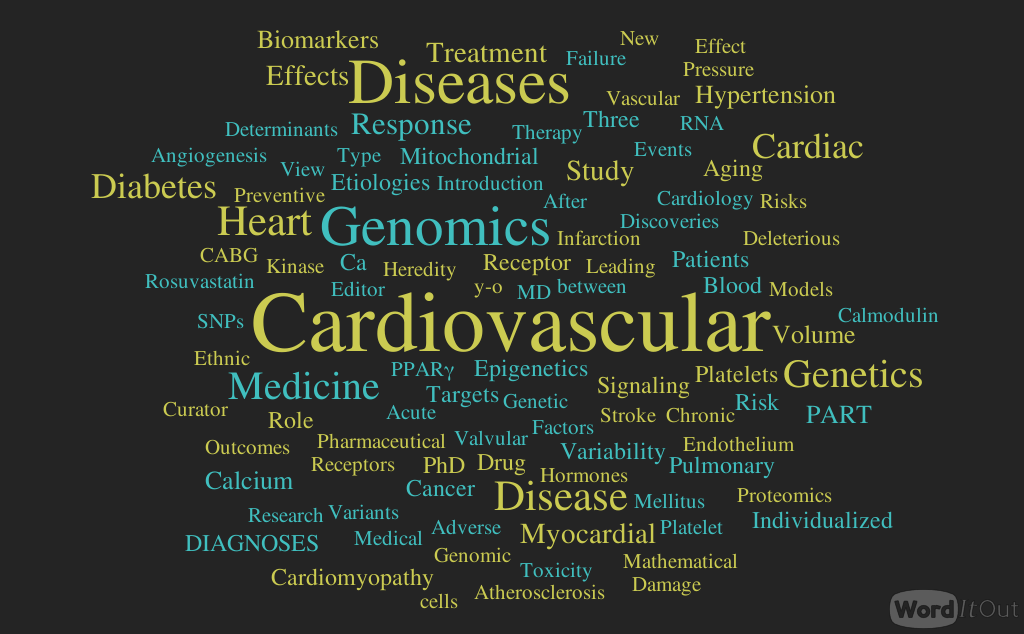
WordCloud Image Produced by Adam Tubman

Groups Launcher and Group Manager: Aviva Lev-Ari, PhD, RN

Cardiovascular Biotech & Pharma UK & US Networking Group

954 members

https://www.linkedin.com/groups/4357927

Leaders in Pharmaceutical Business Intelligence

350 members

https://www.linkedin.com/groups/4346921

Innovation in Israel

205 members

https://www.linkedin.com/groups/2987122

Read Full Post »

Kaiser Permanente collecting patient data for DNA Research Bank

Reporter: Aviva Lev-Ari, PhD, RN


Kaiser Permanente this week launched a new database that enables researchers to examine participants’ DNA in conjunction with environmental and behavioral health.

Sourced through Scoop.it from: www.healthcareitnews.com

See on Scoop.itCardiovascular Disease: PHARMACO-THERAPY

Read Full Post »

Effect of mitochondrial stress on epigenetic modifiers

Larry H. Bernstein, MD, FCAP, Curator

LPBI


Early Mitochondrial Stress Alters Epigenetics, Secures Lifelong Health Benefits

GEN 5/3/2016  http://www.genengnews.com/gen-news-highlights/early-mitochondrial-stress-alters-epigenetics-secures-lifelong-health-benefits/81252685/

A little adversity builds character, or so the saying goes. True or not, the saying does seem an apt description of a developmental phenomenon that shapes gene expression. While it knows nothing of character, the gene expression apparatus appears to respond well to short-term mitochondrial stress that occurs early in development. In fact, transient stress seems to result in lasting benefits. These benefits, which include improved metabolic function and increased longevity, have been observed in both worms and mice, and may even occur—or be made to occur—in humans.

Gene expression is known to be subject to reprogramming by epigenetic modifiers, but such modifiers generally affect metabolism or lifespan, not both. A new set of epigenetic modifiers, however, has been found to trigger changes that do just that—both improve metabolism and extend lifespan.

Scientists based at the University of California, Berkeley, and the École Polytechnique Fédérale de Lausanne (EPFL) have discovered enzymes that are ramped up after mild stress during early development and continue to affect the expression of genes throughout the animal’s life. When the scientists looked at strains of inbred mice that have radically different lifespans, those with the longest lifespans had significantly higher expression of these enzymes than did the short-lived mice.

“Two of the enzymes we discovered are highly, highly correlated with lifespan; it is the biggest genetic correlation that has ever been found for lifespan in mice, and they’re both naturally occurring variants,” said Andrew Dillin, a UC Berkeley professor of molecular and cell biology. “Based on what we see in worms, boosting these enzymes could reprogram your metabolism to create better health, with a possible side effect of altering lifespan.”

Details of the work, which appeared online April 29 in the journal Cell, are presented in a pair of papers. One paper (“Two Conserved Histone Demethylases Regulate Mitochondrial Stress-Induced Longevity”) resulted from an effort led by Dillin and the EPFL’s Johan Auwerx. The other paper (“Mitochondrial Stress Induces Chromatin Reorganization to Promote Longevity and UPRmt”) resulted from an effort led by Dillin and his UC Berkeley colleague Barbara Meyer.

According to these papers, mitochondrial stress activates enzymes in the brain that affect DNA folding, exposing a segment of DNA that contains the 1500 genes involved in the work of the mitochondria. A second set of enzymes then tags these genes, affecting their activation for much or all of the lifetime of the animal and causing permanent changes in how the mitochondria generates energy.

The first set of enzymes—methylases, in particular LIN-65—add methyl groups to the DNA, which can silence promoters and thus suppress gene expression. By also opening up the mitochondrial genes, these methylases set the stage for the second set of enzymes—demethylases, in this case jmjd-1.2 and jmjd-3.1—to ramp up transcription of the mitochondrial genes. When the researchers artificially increased production of the demethylases in worms, all the worms lived longer, a result identical to what is observed after mitochondrial stress.

“By changing the epigenetic state, these enzymes are able to switch genes on and off,” Dillin noted. This happens only in the brain of the worm, however, in areas that sense hunger or satiety. “These genes are expressed in neurons that are sensing the nutritional status of the animal, and these signals emanate out to the periphery to change peripheral metabolism,” he continued.

When the scientists profiled enzymes in short- and long-lived mice, they found upregulation of these genes in the brains of long-lived mice, but not in other tissues or in the brains of short-lived mice. “These genes are expressed in the hypothalamus, exactly where, when you eat, the signals are generated that tell you that you are full. And when you are hungry, signals in that region tell you to go and eat,” Dillin explained said. “These genes are all involved in peripheral feedback.”

Among the mitochondrial genes activated by these enzymes are those involved in the body’s response to proteins that unfold, which is a sign of stress. Increased activity of the proteins that refold other proteins is another hallmark of longer life.

These observations suggest that the reversal of aging by epigenetic enzymes could also take place in humans.

“It seems that, while extreme metabolic stress can lead to problems later in life, mild stress early in development says to the body, ‘Whoa, things are a little bit off-kilter here, let’s try to repair this and make it better.’ These epigenetic switches keep this up for the rest of the animal’s life,” Dillin stated.


Two Conserved Histone Demethylases Regulate Mitochondrial Stress-Induced Longevity

Carsten Merkwirth6, Virginija Jovaisaite6, Jenni Durieux,…., Reuben J. Shaw, Johan Auwerx, Andrew Dillin

Highlights
  • H3K27 demethylases jmjd-1.2 and jmjd-3.1 are required for ETC-mediated longevity
  • jmjd-1.2 and jmjd-3.1 extend lifespan and are sufficient for UPRmt activation
  • UPRmt is required for increased lifespan due to jmjd-1.2 or jmjd-3.1 overexpression
  • JMJD expression is correlated with UPRmt and murine lifespan in inbred BXD lines

Across eukaryotic species, mild mitochondrial stress can have beneficial effects on the lifespan of organisms. Mitochondrial dysfunction activates an unfolded protein response (UPRmt), a stress signaling mechanism designed to ensure mitochondrial homeostasis. Perturbation of mitochondria during larval development in C. elegans not only delays aging but also maintains UPRmt signaling, suggesting an epigenetic mechanism that modulates both longevity and mitochondrial proteostasis throughout life. We identify the conserved histone lysine demethylases jmjd-1.2/PHF8 and jmjd-3.1/JMJD3 as positive regulators of lifespan in response to mitochondrial dysfunction across species. Reduction of function of the demethylases potently suppresses longevity and UPRmt induction, while gain of function is sufficient to extend lifespan in a UPRmt-dependent manner. A systems genetics approach in the BXD mouse reference population further indicates conserved roles of the mammalian orthologs in longevity and UPRmt signaling. These findings illustrate an evolutionary conserved epigenetic mechanism that determines the rate of aging downstream of mitochondrial perturbations.

Figure thumbnail fx1


Mitochondrial Stress Induces Chromatin Reorganization to Promote Longevity and UPRmt
Ye Tian, Gilberto Garcia, Qian Bian, Kristan K. Steffen, Larry Joe, Suzanne Wolff, Barbara J. Meyer, Andrew Dillincorrespondence
http://dx.doi.org/10.1016/j.cell.2016.04.011             Publication stage: In Press Corrected Proof
Highlights
  • LIN-65 accumulates in the nucleus in response to mitochondrial stress
  • Mitochondrial stress-induced chromatin changes depend on MET-2 and LIN-65
  • LIN-65 and DVE-1 exhibit interdependence in nuclear accumulation
  • met-2 and atfs-1 act in parallel to affect mitochondrial stress-induced longevity

Organisms respond to mitochondrial stress through the upregulation of an array of protective genes, often perpetuating an early response to metabolic dysfunction across a lifetime. We find that mitochondrial stress causes widespread changes in chromatin structure through histone H3K9 di-methylation marks traditionally associated with gene silencing. Mitochondrial stress response activation requires the di-methylation of histone H3K9 through the activity of the histone methyltransferase met-2 and the nuclear co-factor lin-65. While globally the chromatin becomes silenced by these marks, remaining portions of the chromatin open up, at which point the binding of canonical stress responsive factors such as DVE-1 occurs. Thus, a metabolic stress response is established and propagated into adulthood of animals through specific epigenetic modifications that allow for selective gene expression and lifespan extension

 Siddharta Mukherjee’s Writing Career Just Got Dealt a Sucker Punch
Author: Theral Timpson

Siddharha Mukherjee won the 2011 Pulitzer Prize in non-fiction for his book, The Emperor of All Maladies.  The book has received widespread acclaim among lay audience, physicians, and scientists alike.  Last year the book was turned into a special PBS series.  But, according to a slew of scientists, we should all be skeptical of his next book scheduled to hit book shelves this month, The Gene, An Intimate History.

Publishing an article on epigenetics in the New Yorker this week–perhaps a selection from his new book–Mukherjee has waltzed into one of the most active scientific debates in all of biology: that of gene regulation, or epigenetics.

Jerry Coyne, the evolutionary biologist known for keeping journalists honest, has published a two part critique of Mukherjee’s New Yorker piece.  The first part–wildly tweeted yesterday–is a list of quotes from Coyne’s colleagues and those who have written in to the New Yorker, including two Nobel prize winners, Wally Gilbert and Sidney Altman, offering some very unfriendly sentences.

Wally Gilbert: “The New Yorker article is so wildly wrong that it defies rational analysis.”

Sidney Altman:  “I am not aware that there is such a thing as an epigenetic code.  It is unfortunate to inflict this article, without proper scientific review, on the audience of the New Yorker.”

The second part is a thorough scientific rebuttal of the Mukherjee piece.  It all serves as a great drama about one of the most contested ideas in biology and also as a cautionary tale to journalists, even experienced writers such as Mukherjee, about the dangers of wading into scientific arguments.  Readers may remember that a few years ago, science writer, David Dobbs, similarly skated into the same topic with his piece, Die, Selfish Gene, Die, and which raised a similar shitstorm, much of it from Coyne.

Mukherjee’s mistake is in giving credence to only one side of a very fierce debate–that the environment causes changes in the genome which can be passed on; another kind of evolution–as though it were settled science.   Either Mukherjee, a physicisan coming off from a successful book and PBS miniseries on cancer, is setting himself up as a scientist, or he has been a truly naive science reporter.   If he got this chapter so wrong, what does it mean about an entire book on the gene?

Coyne quotes one of his colleagues who raised some questions about the New Yorker’s science reporting, one particular question we’ve been asking here at Mendelspod.  How do we know what we know?  Does science now have an edge on any other discipline for being able to create knowledge?

Coyne’s colleague is troubled by science coverage in the New Yorker, and goes so far as to write that the New Yorker has been waging a “war on behalf of cultural critics and literary intellectuals against scientists and technologists.”

From my experience, it’s not quite that tidy.  First of all, the New Yorker is the best writing I read each week.  Period.  Second, I haven’t found their science writing to have the slant claimed in the quote above.  For example, most other mainstream outlets–including the New York Times with the Amy Harmon pieces–have given the anti-GMO crowd an equal say in the mistaken search for a “balance” on whether GMOs are harmful.  (Remember John Stewart’s criticism of Fox News?  That they give a false equivalent between two sides even when there is no equivalent on the other side?)

But the New Yorker has not fallen into this trap on GMOs and most of their pieces on the topic–mainly by Michael Specter–have been decidedly pro science and therefore decided pro GMO.

So what led Mukherjee to play scientist as well as journalist?  There’s no question about whether I enjoy his prose.  His writing beautifully whisks me away so that I don’t feel that I’m really working to understand.  There is a poetic complexity that constantly brings different threads effortlessly together, weaving them into the same light.  At one point he uses the metaphor of a web for the genome, with the epigenome being the stuff that sticks to the web.  He borrows the metaphor from the Hindu notion of “being”, or jaal.

“Genes form the threads of the web; the detritus that adheres to it transforms every web into a singular being.”

There have been a few writers on Twitter defending Mukherjee’s piece.  Tech Review’s Antonio Regalado called Coyne and his colleagues “tedious literalists” who have an “issue with epigenetic poetry.”

At his best, Mukherjee can take us down the sweet alleys of his metaphors and family stories with a new curiosity for the scientific truth.  He can hold a mirror up to scientists, or put the spotlight on their work.   At their worst, Coyne and his scientific colleagues can reek of a fear of language and therefore metaphor.  The always outspoken scientist and author, Richard Dawkins, who made his name by personifying the gene, was quick to personify epigentics in a tweet:   “It’s high time the 15 minutes of underserved fame for “epigenetics” came to an overdue end.”  Dawkins is that rare scientist who has consistently been as comfortable with rhetoric and language as he is with data.

Hats off to Coyne who reminds us that a metaphor–however lovely–does not some science make. If Mukherjee wants to play scientist, let him create and gather data. If it’s the role of science journalist he wants, let him collect all the science he can before he begins to pour it into his poetry.


Same but Different  

How epigenetics can blur the line between nature and nurture.

Annals of Science MAY 2, 2016 ISSUE     BY

http://www.newyorker.com/wp-content/uploads/2016/05/160502_r28072-1200.jpg

The author’s mother (right) and her twin are a study in difference and identity. CREDIT: PHOTOGRAPH BY DAYANITA SINGH FOR THE NEW YORKER

October 6, 1942, my mother was born twice in Delhi. Bulu, her identical twin, came first, placid and beautiful. My mother, Tulu, emerged several minutes later, squirming and squalling. The midwife must have known enough about infants to recognize that the beautiful are often the damned: the quiet twin, on the edge of listlessness, was severely undernourished and had to be swaddled in blankets and revived.

The first few days of my aunt’s life were the most tenuous. She could not suckle at the breast, the story runs, and there were no infant bottles to be found in Delhi in the forties, so she was fed through a cotton wick dipped in milk, and then from a cowrie shell shaped like a spoon. When the breast milk began to run dry, at seven months, my mother was quickly weaned so that her sister could have the last remnants.
Tulu and Bulu grew up looking strikingly similar: they had the same freckled skin, almond-shaped face, and high cheekbones, unusual among Bengalis, and a slight downward tilt of the outer edge of the eye, something that Italian painters used to make Madonnas exude a mysterious empathy. They shared an inner language, as so often happens with twins; they had jokes that only the other twin understood. They even smelled the same: when I was four or five and Bulu came to visit us, my mother, in a bait-and-switch trick that amused her endlessly, would send her sister to put me to bed; eventually, searching in the half-light for identity and difference—for the precise map of freckles on her face—I would realize that I had been fooled.

But the differences were striking, too. My mother was boisterous. She had a mercurial temper that rose fast and died suddenly, like a gust of wind in a tunnel. Bulu was physically timid yet intellectually more adventurous. Her mind was more agile, her tongue sharper, her wit more lancing. Tulu was gregarious. She made friends easily. She was impervious to insults. Bulu was reserved, quieter, and more brittle. Tulu liked theatre and dancing. Bulu was a poet, a writer, a dreamer.

….. more

Why are identical twins alike? In the late nineteen-seventies, a team of scientists in Minnesota set out to determine how much these similarities arose from genes, rather than environments—from “nature,” rather than “nurture.” Scouring thousands of adoption records and news clips, the researchers gleaned a rare cohort of fifty-six identical twins who had been separated at birth. Reared in different families and different cities, often in vastly dissimilar circumstances, these twins shared only their genomes. Yet on tests designed to measure personality, attitudes, temperaments, and anxieties, they converged astonishingly. Social and political attitudes were powerfully correlated: liberals clustered with liberals, and orthodoxy was twinned with orthodoxy. The same went for religiosity (or its absence), even for the ability to be transported by an aesthetic experience. Two brothers, separated by geographic and economic continents, might be brought to tears by the same Chopin nocturne, as if responding to some subtle, common chord struck by their genomes.

One pair of twins both suffered crippling migraines, owned dogs that they had named Toy, married women named Linda, and had sons named James Allan (although one spelled the middle name with a single “l”). Another pair—one brought up Jewish, in Trinidad, and the other Catholic, in Nazi Germany, where he joined the Hitler Youth—wore blue shirts with epaulets and four pockets, and shared peculiar obsessive behaviors, such as flushing the toilet before using it. Both had invented fake sneezes to diffuse tense moments. Two sisters—separated long before the development of language—had invented the same word to describe the way they scrunched up their noses: “squidging.” Another pair confessed that they had been haunted by nightmares of being suffocated by various metallic objects—doorknobs, fishhooks, and the like.

The Minnesota twin study raised questions about the depth and pervasiveness of qualities specified by genes: Where in the genome, exactly, might one find the locus of recurrent nightmares or of fake sneezes? Yet it provoked an equally puzzling converse question: Why are identical twins different? Because, you might answer, fate impinges differently on their bodies. One twin falls down the crumbling stairs of her Calcutta house and breaks her ankle; the other scalds her thigh on a tipped cup of coffee in a European station. Each acquires the wounds, calluses, and memories of chance and fate. But how are these changes recorded, so that they persist over the years? We know that the genome can manufacture identity; the trickier question is how it gives rise to difference.

….. more

But what turns those genes on and off, and keeps them turned on or off? Why doesn’t a liver cell wake up one morning and find itself transformed into a neuron? Allis unpacked the problem further: suppose he could find an organism with two distinct sets of genes—an active set and an inactive set—between which it regularly toggled. If he could identify the molecular switches that maintain one state, or toggle between the two states, he might be able to identify the mechanism responsible for cellular memory. “What I really needed, then, was a cell with these properties,” he recalled when we spoke at his office a few weeks ago. “Two sets of genes, turned ‘on’ or ‘off’ by some signal.”

more…

“Histones had been known as part of the inner scaffold for DNA for decades,” Allis went on. “But most biologists thought of these proteins merely as packaging, or stuffing, for genes.” When Allis gave scientific seminars in the early nineties, he recalled, skeptics asked him why he was so obsessed with the packing material, the stuff in between the DNA.  …. A skein of silk tangled into a ball has very different properties from that same skein extended; might the coiling or uncoiling of DNA change the activity of genes?

In 1996, Allis and his research group deepened this theory with a seminal discovery. “We became interested in the process of histone modification,” he said. “What is the signal that changes the structure of the histone so that DNA can be packed into such radically different states? We finally found a protein that makes a specific chemical change in the histone, possibly forcing the DNA coil to open. And when we studied the properties of this protein it became quite clear that it was also changing the activity of genes.” The coils of DNA seemed to open and close in response to histone modifications—inhaling, exhaling, inhaling, like life.

Allis walked me to his lab, a fluorescent-lit space overlooking the East River, divided by wide, polished-stone benches. A mechanical stirrer, whirring in a corner, clinked on the edge of a glass beaker. “Two features of histone modifications are notable,” Allis said. “First, changing histones can change the activity of a gene without affecting the sequence of the DNA.” It is, in short, formally epi-genetic, just as Waddington had imagined. “And, second, the histone modifications are passed from a parent cell to its daughter cells when cells divide. A cell can thus record ‘memory,’ and not just for itself but for all its daughter cells.”

…..


The New Yorker screws up big time with science: researchers criticize the Mukherjee piece on epigenetics

Jerry Coyne
https://whyevolutionistrue.wordpress.com/2016/05/05/the-new-yorker-screws-up-big-time-with-science-researchers-criticize-the-mukherjee-piece-on-epigenetics/

Abstract: This is a two part-post about a science piece on gene regulation that just appeared in the New Yorker. Today I give quotes from scientists criticizing that piece; tomorrow I’ll present a semi-formal critique of the piece by two experts in the field.

esterday I gave readers an assignment: read the new New Yorkerpiece by Siddhartha Mukherjee about epigenetics. The piece, called “Same but different” (subtitle: “How epigenetics can blur the line between nature and nurture”) was brought to my attention by two readers, both of whom praised it.  Mukherjee, a physician, is well known for writing the Pulitzer-Prize-winning book (2011) The Emperor of All Maladies: A Biography of Cancer. (I haven’t read it yet, but it’s on my list.)  Mukherjee has a new book that will be published in May: The Gene: An Intimate History. As I haven’t seen it, the New Yorker piece may be an excerpt from this book.

Everyone I know who has read The Emperor of All Maladies gives it high praise. I wish I could say the same for Mukherjee’s New Yorker piece. When I read it at the behest of the two readers, I found his analysis of gene regulation incomplete and superficial. Although I’m not an expert in that area, I knew that there was a lot of evidence that regulatory proteins called “transcription factors”, and not “epigenetic markers” (see discussion of this term tomorrow) or modified histones—the factors emphasized by Mukherjee—played hugely important roles in gene regulation. The speculations at the end of the piece about “Lamarckian evolution” via environmentally induced epigenetic changes in the genome were also unfounded, for we have no evidence for that kind of adaptive evolution. Mukherjee does, however, mention that lack of evidence, though I wish he’d done so more strongly given that environmental modification of DNA bases is constantly touted as an important and neglected factor in evolution.

Unbeknownst to me, there was a bit of a kerfuffle going on in the community of scientists who study gene regulation, with many of them finding serious mistakes and omissions in Mukherjee’s piece.  There appears to have been some back-and-forth emailing among them, and several wrote letters to the New Yorker, urging them to correct the misconceptions, omissions, and scientific errors in “Same but different.” As I understand it, both Mukherjee and the New Yorker simply batted these criticisms away, and, as far as I know, will not publish any corrections.  So today and tomorrow I’ll present the criticisms here, just so they’ll be on the record.

Because Mukherjee writes very well, and because even educated laypeople won’t know the story of gene regulation revealed over the last few decades,  they may not see the big lacunae in his piece. It is, then,  important to set matters straight, for at least we should know what science has told us about how genes are turned on and off. The criticism of Mukherjee’s piece, coming from scientists who really are experts in gene regulation, shows a lack of care on the part of Mukherjee and theNew Yorker: both a superficial and misleading treatment of the state of the science, and a failure of the magazine to properly vet this piece (I have no idea whether they had it “refereed” not just by editors but by scientists not mentioned in the piece).

Let me add one thing about science and the New Yorker. I believe I’ve said this before, but the way the New Yorker treats science is symptomatic of the “two cultures” problem. This is summarized in an email sent me a while back by a colleague, which I quote with permission:

The New Yorker is fine with science that either serves a literary purpose (doctors’ portraits of interesting patients) or a political purpose (environmental writing with its implicit critique of modern technology and capitalism). But the subtext of most of its coverage (there are exceptions) is that scientists are just a self-interested tribe with their own narrative and no claim to finding the truth, and that science must concede the supremacy of literary culture when it comes to anything human, and never try to submit human affairs to quantification or consilience with biology. Because the magazine is undoubtedly sophisticated in its writing and editing they don’t flaunt their postmodernism or their literary-intellectual proprietariness, but once you notice it you can make sense of a lot of their material.

. . . Obviously there are exceptions – Atul Gawande is consistently superb – but as soon as you notice it, their guild war on behalf of cultural critics and literary intellectuals against scientists, technologists, and analytic scholars becomes apparent.

…. more

Researchers criticize the Mukherjee piece on epigenetics: Part 2

Trigger warning: Long science post!

Yesterday I provided a bunch of scientists’ reactions—and these were big names in the field of gene regulation—to Siddhartha Mukherjee’s ill-informed piece in The New Yorker, “Same but different” (subtitle: “How epigenetics can blur the line between nature and nurture”). Today, in part 2, I provide a sentence-by-sentence analysis and reaction by two renowned researchers in that area. We’ll start with a set of definitions (provided by the authors) that we need to understand the debate, and then proceed to the critique.

Let me add one thing to avoid confusion: everything below the line, including the definition (except for my one comment at the end) was written by Ptashne and Greally.

by Mark Ptashne and John Greally

Introduction

Ptashne is The Ludwig Professor of Molecular Biology at the Memorial Sloan Kettering Cancer Center in New York. He wrote A Genetic Switch, now in its third edition, which describes the principles of gene regulation and the workings of a ‘switch’; and, with Alex Gann, Genes and Signals, which extends these principles and ideas to higher organisms and to other cellular processes as well.  John Greally is the Director of the Center for Epigenomics at the Albert Einstein College of Medicine in New York.


The New Yorker  (May 2, 2016) published an article entitled “Same But Different” written by Siddhartha Mukherjee.  As readers will have gathered from the letters posted yesterday, there is a concern that the article is misleading, especially for a non-scientific audience. The issue concerns our current understanding of “gene regulation” and how that understanding has been arrived at.

First some definitions/concepts:

Gene regulation refers to the “turning on and off of genes”.  The primary event in turning a gene “on” is to transcribe (copy) it into messenger RNA (mRNA). That mRNA is then decoded, usually, into a specific protein.  Genes are transcribed by the enzyme called RNA polymerase.

Development:  the process in which a fertilized egg (e.g., a human egg) divides many times and eventually forms an organism.  During this process, many of the roughly 23,000 genes of a human are turned “on” or “off” in different combinations, at different times and places in the developing organism. The process produces many different cell types in different organs (e.g. liver and brain), but all retain the original set of genes.

Transcription factors: proteins that bind to specific DNA sequences near specific genes and turn transcription of those genes on and off. A transcriptional ‘activator’, for example, bears two surfaces: one binds a specific sequence in DNA, and the other binds to, and thereby recruits to the gene, protein complexes that include RNA polymerase. It is widely acknowledged that the identity of a cell in the body depends on the array of transcription factors present in the cell, and the cell’s history.  RNA molecules can also recognize specific genomic sequences, and they too sometimes work as regulators.  Neither transcription factors nor these kinds of RNA molecules – the fundamental regulators of gene expression and development – are mentioned in the New Yorker article.

Signals:  these come in many forms (small molecules like estrogen, larger molecules (often proteins such as cytokines) that determine the ability of transcription factors to work.  For example, estrogen binds directly to a transcription factor (the estrogen receptor) and, by changing its shape, permits it to bind DNA and activate transcription.

Memory”:  a dividing cell can (often does) produce daughters that are identical, and that express identical genes as does the mother cell.  This occurs because the transcription factors present in the mother cell are passively transmitted to the daughters as the cell divides, and they go to work in their new contexts as before.  To make two different daughters, the cell must distribute its transcription factors asymmetrically.

Positive Feedback: An activator can maintain its own expression by  positive feedback.  This requires, simply, that a copy of the DNA sequence to which the activator binds is  present  near its own gene. Expression of the activator  then becomes self-perpetuating.  The activator (of which there now are many copies in the cell) activates  other target genes as it maintains its own expression. This kind of ‘memory circuit’, first described  in  bacteria, is found in higher organisms as well.  Positive feedback can explain how a fully differentiated cell (that is, a cell that has reached its developmental endpoint) maintains its identity.

Nucleosomes:  DNA in higher organisms (eukaryotes) is wrapped, like beads on a string, around certain proteins (called histones), to form nucleosomes.  The histones are subject to enzymatic modifications: e.g., acetyl, methyl, phosphate, etc. groups can be added to these structures. In bacteria there are no nucleosomes, and the DNA is more or less ‘naked’.

“Epigenetic modifications: please don’t worry about the word ”epigenetic”; it is misused in any case. What Mukherjee refers to by this term are the histone modifications mentioned above, and a modification to DNA itself: the addition of methyl groups. Keep in mind that the organisms that have taught us the most about development – flies (Drosophila) and worms (C. elegans)—do not have the enzymes required for DNA methylation. That does not mean that DNA methylation cannot do interesting things in humans, for example, but it is obviously not at the heart of gene regulation.

Specificity Development requires the highly specific sequential turning on and off of sets of genes.  Transcription factors and RNA supply this specificity, but   enzymes that impart modifications to histones  cannot: every nucleosome (and hence every gene) appears the same to the enzyme.  Thus such enzymes cannot pick out particular nucleosomes associated with particular genes to modify.  Histone modifications might be imagined to convey ‘memory’ as cells divide – but there are no convincing indications that this happens, nor are there molecular models that might explain why they would have the imputed effects.

Analysis and critique of Mukherjee’s article

The picture we have just sketched has taken the combined efforts of many scientists over 50 years to develop.  So what, then, is the problem with the New Yorker article?

There are two: first, the picture we have just sketched, emphasizing the primary role of transcription factors and RNA, is absent.  Second, that picture is replaced by highly dubious speculations, some of which don’t make sense, and none of which has been shown to work as imagined in the article.

(Quotes from the Mukherjee article are indented and in plain text; they are followed by comments, flush left and in bold, by Ptashne and Greally.)

In 1978, having obtained a Ph.D. in biology at Indiana University, Allis began to tackle a problem that had long troubled geneticists and cell biologists: if all the cells in the body have the same genome, how does one become a nerve cell, say, and another a blood cell, which looks and functions very differently?

The problems referred to were recognized long before 1978.  In fact, these were exactly the problems that the great French scientists François Jacob and Jacques Monod took on in the 1950s-60s.  In a series of brilliant experiments, Jacob and Monod showed that in bacteria, certain genes encode products that regulate (turn on and off) specific other genes.  Those regulatory molecules turned out to be proteins, some of which respond to signals from the environment.  Much of the story of modern biology has been figuring out how these proteins – in bacteria and in higher organisms  – bind to and regulate specific genes.  Of note is that in higher organisms, the regulatory proteins look and act like those in bacteria, despite the fact that eukaryotic DNA is wrapped in nucleosomes  whereas bacterial DNA is not.   We have also learned that certain RNA molecules can play a regulatory role, a phenomenon made possible by the fact that RNA molecules, like regulatory proteins, can recognize specific genomic sequences.

In the nineteen-forties, Conrad Waddington, an English embryologist, had proposed an ingenious answer: cells acquired their identities just as humans do—by letting nurture (environmental signals) modify nature (genes). For that to happen, Waddington concluded, an additional layer of information must exist within a cell—a layer that hovered, ghostlike, above the genome. This layer would carry the “memory” of the cell, recording its past and establishing its future, marking its identity and its destiny but permitting that identity to be changed, if needed. He termed the phenomenon “epigenetics”—“above genetics.”

This description greatly misrepresents the original concept.  Waddington argued that development proceeds not by the loss (or gain) of genes, which would be a “genetic” process, but rather that some genes would be selectively expressed in specific and complex cellular patterns as development proceeds.  He referred to this intersection of embryology (then called “epigenesis”) and genetics as “epigenetic”.We now understand that regulatory proteins work in combinations to turn on and off genes, including their own genes, and that sometimes the regulatory proteins respond to signals sent by other cells.  It should be emphasized that Waddington never proposed any “ghost-like” layer of additional information hovering above the gene.  This is a later misinterpretation of a literal translation of the term epigenetics, with “epi-“ meaning “above/upon” the genetic information encoded in DNA sequence.  Unfortunately, this new and pervasive definition encompasses all of transcriptional regulation and is of no practical value.

…..more

By 2000, Allis and his colleagues around the world had identified a gamut of proteins that could modify histones, and so modulate the activity of genes. Other systems, too, that could scratch different kinds of code on the genome were identified (some of these discoveries predating the identification of histone modifications). One involved the addition of a chemical side chain, called a methyl group, to DNA. The methyl groups hang off the DNA string like Christmas ornaments, and specific proteins add and remove the ornaments, in effect “decorating” the genome. The most heavily methylated parts of the genome tend to be dampened in their activity.

It is true that enzymes that modify histones have been found—lots of them.  A striking problem is that, after all this time, it is not at all clear what the vast majority of these modifications do.  When these enzymatic activities are eliminated by mutation of their active sites (a task substantially easier to accomplish in yeast than in higher organisms) they mostly have little or no effect on transcription.  It is not even clear that histones are the biologically relevant substrates of most of these enzymes.  

 In the ensuing decade, Allis wrote enormous, magisterial papers in which a rich cast of histone-modifying proteins appear and reappear through various roles, mapping out a hatchwork of complexity. . . These protein systems, overlaying information on the genome, interacted with one another, reinforcing or attenuating their signals. Together, they generated the bewildering intricacy necessary for a cell to build a constellation of other cells out of the same genes, and for the cells to add “memories” to their genomes and transmit these memories to their progeny. “There’s an epigenetic code, just like there’s a genetic code,” Allis said. “There are codes to make parts of the genome more active, and codes to make them inactive.”

By ‘epigenetic code’ the author seems to mean specific arrays of nucleosome modifications, imparted over time and cell divisions, marking genes for expression.  This idea has been tested in many experiments and has been found not to hold.

….. and more


Larry H. Bernstein, MD, FCAP

I hope that this piece brings greater clarity to the discussion.  I have heard the use of the term “epigenetics” for over a decade.  The term was never so clear.  I think that the New Yorker article was a reasonable article for the intended audience.  It was not intended to clarify debates about a mechanism for epigenetic based changes in evolutionary science.  I think it actually punctures the “classic model” of the cell depending only on double stranded DNA and transcription, which deflates our concept of the living cell.  The concept of epigenetics was never really formulated as far as I have seen, and I have done serious work in enzymology and proteins at a time that we did not have the technology that exists today.  I have considered with the critics that protein folding, protein misfolding, protein interactions with proximity of polar and nonpolar groups, and the regulatory role of microRNAs that are not involved in translation, and the evolving concept of what is “dark (noncoding) DNA” lend credence to the complexity of this discussion.  Even more interesting is the fact that enzymes (and isoforms of enzymes) have a huge role in cellular metabolic differences and in the function of metabolic pathways.  What is less understood is the extremely fast reactions involved in these cellular reactions.  These reactions are in my view critical drivers.  This is brought out by Erwin Schroedinger in the book What is Life? which infers that there can be no mathematical expression of life processes.


Read Full Post »

« Newer Posts - Older Posts »