Healthcare analytics, AI solutions for biological big data, providing an AI platform for the biotech, life sciences, medical and pharmaceutical industries, as well as for related technological approaches, i.e., curation and text analysis with machine learning and other activities related to AI applications to these industries.
The UK Biobank (UKBB) this week unveiled to scientists the entire genomes of 200,000 people who are part of a long-term British health study.
The trove of genomes, each linked to anonymized medical information, will allow biomedical scientists to scour the full 3 billion base pairs of human DNA for insights into the interplay of genes and health that could not be gleaned from partial sequences or scans of genome markers. “It is thrilling to see the release of this long-awaited resource,” says Stephen Glatt, a psychiatric geneticist at the State University of New York Upstate Medical University.
Other biobanks have also begun to compile vast numbers of whole genomes, 100,000 or more in some cases (see table, below). But UKBB stands out because it offers easy access to the genomic information, according to some of the more than 20,000 researchers in 90 countries who have signed up to use the data. “In terms of availability and data quality, [UKBB] surpasses all others,” says physician and statistician Omar Yaxmehen Bello-Chavolla of the National Institute for Geriatrics in Mexico City.
Enabling your vision to improve public health
Data drives discovery. We have curated a uniquely powerful biomedical database that can be accessed globally for public health research. Explore data from half a million UK Biobank participants to enable new discoveries to improve public health.
This UKBB biobank represents genomes collected from 500,000 middle-age and elderly participants for 2006 to 2010. The genomes are mostly of a European descent. Other large scale genome sequencing ventures like Iceland’s DECODE, which collected over 100,000 genomes, is now a subsidiary of Amgen, and mostly behind IP protection, not Open Access as this database represents.
UK Biobank is a large-scale biomedical database and research resource, containing in-depth genetic and health information from half a million UK participants. The database is regularly augmented with additional data and is globally accessible to approved researchers undertaking vital research into the most common and life-threatening diseases. It is a major contributor to the advancement of modern medicine and treatment and has enabled several scientific discoveries that improve human health.
A summary of some large scale genome sequencing projects are show in the table below:
Biobank
Completed Whole Genomes
Release Information
UK Biobank
200,000
300,000 more in early 2023
TransOmics for Precision Medicien
161,000
NIH requires project specific request
Million Veterans Program
125,000
Non-Veterans Affairs researchers get first access
100,000 Genomes Project
120,000
Researchers must join Genomics England collaboration
All of Us
90,000
NIH expects to release 2022
Other Related Articles on Genome Biobank Projects in this Open Access Online Scientific Journal Include the Following:
#TUBiol5227: Biomarkers & Biotargets: Genetic Testing and Bioethics
Curator: Stephen J. Williams, Ph.D.
The advent of direct to consumer (DTC) genetic testing and the resultant rapid increase in its popularity as well as companies offering such services has created some urgent and unique bioethical challenges surrounding this niche in the marketplace. At first, most DTC companies like 23andMe and Ancestry.com offered non-clinical or non-FDA approved genetic testing as a way for consumers to draw casual inferences from their DNA sequence and existence of known genes that are linked to disease risk, or to get a glimpse of their familial background. However, many issues arose, including legal, privacy, medical, and bioethical issues. Below are some articles which will explain and discuss many of these problems associated with the DTC genetic testing market as well as some alternatives which may exist.
As you can see,this market segment appears to want to expand into the nutritional consulting business as well as targeted biomarkers for specific diseases.
Rising incidence of genetic disorders across the globe will augment the market growth
Increasing prevalence of genetic disorders will propel the demand for direct-to-consumer genetic testing and will augment industry growth over the projected timeline. Increasing cases of genetic diseases such as breast cancer, achondroplasia, colorectal cancer and other diseases have elevated the need for cost-effective and efficient genetic testing avenues in the healthcare market.
For instance, according to the World Cancer Research Fund (WCRF), in 2018, over 2 million new cases of cancer were diagnosed across the globe. Also, breast cancer is stated as the second most commonly occurring cancer. Availability of superior quality and advanced direct-to-consumer genetic testing has drastically reduced the mortality rates in people suffering from cancer by providing vigilant surveillance data even before the onset of the disease. Hence, the aforementioned factors will propel the direct-to-consumer genetic testing market overt the forecast timeline.
Nutrigenomic Testing will provide robust market growth
The nutrigenomic testing segment was valued over USD 220 million market value in 2019 and its market will witness a tremendous growth over 2020-2028. The growth of the market segment is attributed to increasing research activities related to nutritional aspects. Moreover, obesity is another major factor that will boost the demand for direct-to-consumer genetic testing market.
Nutrigenomics testing enables professionals to recommend nutritional guidance and personalized diet to obese people and help them to keep their weight under control while maintaining a healthy lifestyle. Hence, above mentioned factors are anticipated to augment the demand and adoption rate of direct-to-consumer genetic testing through 2028.
Browse key industry insights spread across 161 pages with 126 market data tables & 10 figures & charts from the report, “Direct-To-Consumer Genetic Testing Market Size By Test Type (Carrier Testing, Predictive Testing, Ancestry & Relationship Testing, Nutrigenomics Testing), By Distribution Channel (Online Platforms, Over-the-Counter), By Technology (Targeted Analysis, Single Nucleotide Polymorphism (SNP) Chips, Whole Genome Sequencing (WGS)), Industry Analysis Report, Regional Outlook, Application Potential, Price Trends, Competitive Market Share & Forecast, 2020 – 2028” in detail along with the table of contents: https://www.gminsights.com/industry-analysis/direct-to-consumer-dtc-genetic-testing-market
Targeted analysis techniques will drive the market growth over the foreseeable future
Based on technology, the DTC genetic testing market is segmented into whole genome sequencing (WGS), targeted analysis, and single nucleotide polymorphism (SNP) chips. The targeted analysis market segment is projected to witness around 12% CAGR over the forecast period. The segmental growth is attributed to the recent advancements in genetic testing methods that has revolutionized the detection and characterization of genetic codes.
Targeted analysis is mainly utilized to determine any defects in genes that are responsible for a disorder or a disease. Also, growing demand for personalized medicine amongst the population suffering from genetic diseases will boost the demand for targeted analysis technology. As the technology is relatively cheaper, it is highly preferred method used in direct-to-consumer genetic testing procedures. These advantages of targeted analysis are expected to enhance the market growth over the foreseeable future.
Over-the-counter segment will experience a notable growth over the forecast period
The over-the-counter distribution channel is projected to witness around 11% CAGR through 2028. The segmental growth is attributed to the ease in purchasing a test kit for the consumers living in rural areas of developing countries. Consumers prefer over-the-counter distribution channel as they are directly examined by regulatory agencies making it safer to use, thereby driving the market growth over the forecast timeline.
Favorable regulations provide lucrative growth opportunities for direct-to-consumer genetic testing
Europe direct-to-consumer genetic testing market held around 26% share in 2019 and was valued at around USD 290 million. The regional growth is due to elevated government spending on healthcare to provide easy access to genetic testing avenues. Furthermore, European regulatory bodies are working on improving the regulations set on the direct-to-consumer genetic testing methods. Hence, the above-mentioned factors will play significant role in the market growth.
Focus of market players on introducing innovative direct-to-consumer genetic testing devices will offer several growth opportunities
Few of the eminent players operating in direct-to-consumer genetic testing market share include Ancestry, Color Genomics, Living DNA, Mapmygenome, Easy DNA, FamilytreeDNA (Gene By Gene), Full Genome Corporation, Helix OpCo LLC, Identigene, Karmagenes, MyHeritage, Pathway genomics, Genesis Healthcare, and 23andMe. These market players have undertaken various business strategies to enhance their financial stability and help them evolve as leading companies in the direct-to-consumer genetic testing industry.
For example, in November 2018, Helix launched a new genetic testing product, DNA discovery kit, that allows customer to delve into their ancestry. This development expanded the firm’s product portfolio, thereby propelling industry growth in the market.
The following posts discuss bioethical issues related to genetic testing and personalized medicine from a clinicians and scientisit’s perspective
Question:Each of these articles discusses certain bioethical issues although focuses on personalized medicine and treatment. Given your understanding of the robust process involved in validating clinical biomarkers and the current state of the DTC market, how could DTC testing results misinform patients and create mistrust in the physician-patient relationship?
Question: If you are developing a targeted treatment with a companion diagnostic, what bioethical concerns would you address during the drug development process to ensure fair, equitable and ethical treatment of all patients, in trials as well as post market?
Articles on Genetic Testing, Companion Diagnostics and Regulatory Mechanisms
Question: What type of regulatory concerns should one have during the drug development process in regards to use of biomarker testing?From the last article on Protecting Your IP how important is it, as a drug developer, to involve all payers during the drug development process?
From High-Throughput Assay to Systems Biology: New Tools for Drug Discovery
Curator: Stephen J. Williams, PhD
Marc W. Kirschner*
Department of Systems Biology Harvard Medical School
Boston, Massachusetts 02115
With the new excitement about systems biology, there is understandable interest in a definition. This has proven somewhat difficult. Scientific fields, like species, arise by descent with modification, so in their earliest forms even the founders of great dynasties are only marginally different than their sister fields and species. It is only in retrospect that we can recognize the significant founding events. Before embarking on a definition of systems biology, it may be worth remembering that confusion and controversy surrounded the introduction of the term “molecular biology,” with claims that it hardly differed from biochemistry. Yet in retrospect molecular biology was new and different. It introduced both new subject matter and new technological approaches, in addition to a new style.
As a point of departure for systems biology, consider the quintessential experiment in the founding of molecular biology, the one gene one enzyme hypothesis of Beadle and Tatum. This experiment first connected the genotype directly to the phenotype on a molecular level, although efforts in that direction can certainly be found in the work of Archibald Garrod, Sewell Wright, and others. Here a protein (in this case an enzyme) is seen to be a product of a single gene, and a single function; the completion of a specific step in amino acid biosynthesis is the direct result. It took the next 30 years to fill in the gaps in this process. Yet the one gene one enzyme hypothesis looks very different to us today. What is the function of tubulin, of PI-3 kinase or of rac? Could we accurately predict the phenotype of a nonlethal mutation in these genes in a multicellular organism? Although we can connect structure to the gene, we can no longer infer its larger purpose in the cell or in the organism. There are too many purposes; what the protein does is defined by context. The context also includes a history, either developmental or physiological. Thus the behavior of the Wnt signaling pathway depends on the previous lineage, the “where and when” questions of embryonic development. Similarly the behavior of the immune system depends on previous experience in a variable environment. All of these features stress how inadequate an explanation for function we can achieve solely by trying to identify genes (by annotating them!) and characterizing their transcriptional control circuits.
That we are at a crossroads in how to explore biology is not at all clear to many. Biology is hardly in its dotage; the process of discovery seems to have been perfected, accelerated, and made universally applicable to all fields of biology. With the completion of the human genome and the genomes of other species, we have a glimpse of many more genes than we ever had before to study. We are like naturalists discovering a new continent, enthralled with the diversity itself. But we have also at the same time glimpsed the finiteness of this list of genes, a disturbingly small list. We have seen that the diversity of genes cannot approximate the diversity of functions within an organism. In response, we have argued that combinatorial use of small numbers of components can generate all the diversity that is needed. This has had its recent incarnation in the simplistic view that the rules of cis-regulatory control on DNA can directly lead to an understanding of organisms and their evolution. Yet this assumes that the gene products can be linked together in arbitrary combinations, something that is not assured in chemistry. It also downplays the significant regulatory features that involve interactions between gene products, their localization, binding, posttranslational modification, degradation, etc. The big question to understand in biology is not regulatory linkage but the nature of biological systems that allows them to be linked together in many nonlethal and even useful combinations. More and more we come to realize that understanding the conserved genes and their conserved circuits will require an understanding of their special properties that allow them to function together to generate different phenotypes in different tissues of metazoan organisms. These circuits may have certain robustness, but more important they have adaptability and versatility. The ease of putting conserved processes under regulatory control is an inherent design feature of the processes themselves. Among other things it loads the deck in evolutionary variation and makes it more feasible to generate useful phenotypes upon which selection can act.
Systems biology offers an opportunity to study how the phenotype is generated from the genotype and with it a glimpse of how evolution has crafted the phenotype. One aspect of systems biology is the development of techniques to examine broadly the level of protein, RNA, and DNA on a gene by gene basis and even the posttranslational modification and localization of proteins. In a very short time we have witnessed the development of high-throughput biology, forcing us to consider cellular processes in toto. Even though much of the data is noisy and today partially inconsistent and incomplete, this has been a radical shift in the way we tear apart problems one interaction at a time. When coupled with gene deletions by RNAi and classical methods, and with the use of chemical tools tailored to proteins and protein domains, these high-throughput techniques become still more powerful.
High-throughput biology has opened up another important area of systems biology: it has brought us out into the field again or at least made us aware that there is a world outside our laboratories. Our model systems have been chosen intentionally to be of limited genetic diversity and examined in a highly controlled and reproducible environment. The real world of ecology, evolution, and human disease is a very different place. When genetics separated from the rest of biology in the early part of the 20th century, most geneticists sought to understand heredity and chose to study traits in the organism that could be easily scored and could be used to reveal genetic mechanisms. This was later extended to powerful effect to use genetics to study cell biological and developmental mechanisms. Some geneticists, including a large school in Russia in the early 20th century, continued to study the genetics of natural populations, focusing on traits important for survival. That branch of genetics is coming back strongly with the power of phenotypic assays on the RNA and protein level. As human beings we are most concerned not with using our genetic misfortunes to unravel biology’s complexity (important as that is) but with the role of our genetics in our individual survival. The context for understanding this is still not available, even though the data are now coming in torrents, for many of the genes that will contribute to our survival will have small quantitative effects, partially masked or accentuated by other genetic and environmental conditions. To understand the genetic basis of disease will require not just mapping these genes but an understanding of how the phenotype is created in the first place and the messy interactions between genetic variation and environmental variation.
Extracts and explants are relatively accessible to synthetic manipulation. Next there is the explicit reconstruction of circuits within cells or the deliberate modification of those circuits. This has occurred for a while in biology, but the difference is that now we wish to construct or intervene with the explicit purpose of describing the dynamical features of these synthetic or partially synthetic systems. There are more and more tools to intervene and more and more tools to measure. Although these fall short of total descriptions of cells and organisms, the detailed information will give us a sense of the special life-like processes of circuits, proteins, cells in tissues, and whole organisms in their environment. This meso-scale systems biology will help establish the correspondence between molecules and large-scale physiology.
You are probably running out of patience for some definition of systems biology. In any case, I do not think the explicit definition of systems biology should come from me but should await the words of the first great modern systems biologist. She or he is probably among us now. However, if forced to provide some kind of label for systems biology, I would simply say that systems biology is the study of the behavior of complex biological organization and processes in terms of the molecular constituents. It is built on molecular biology in its special concern for information transfer, on physiology for its special concern with adaptive states of the cell and organism, on developmental biology for the importance of defining a succession of physiological states in that process, and on evolutionary biology and ecology for the appreciation that all aspects of the organism are products of selection, a selection we rarely understand on a molecular level. Systems biology attempts all of this through quantitative measurement, modeling, reconstruction, and theory. Systems biology is not a branch of physics but differs from physics in that the primary task is to understand how biology generates variation. No such imperative to create variation exists in the physical world. It is a new principle that Darwin understood and upon which all of life hinges. That sounds different enough for me to justify a new field and a new name. Furthermore, the success of systems biology is essential if we are to understand life; its success is far from assured—a good field for those seeking risk and adventure.
Biologically active small molecules have a central role in drug development, and as chemical probes and tool compounds to perturb and elucidate biological processes. Small molecules can be rationally designed for a given target, or a library of molecules can be screened against a target or phenotype of interest. Especially in the case of phenotypic screening approaches, a major challenge is to translate the compound-induced phenotype into a well-defined cellular target and mode of action of the hit compound. There is no “one size fits all” approach, and recent years have seen an increase in available target deconvolution strategies, rooted in organic chemistry, proteomics, and genetics. This review provides an overview of advances in target identification and mechanism of action studies, describes the strengths and weaknesses of the different approaches, and illustrates the need for chemical biologists to integrate and expand the existing tools to increase the probability of evolving screen hits to robust chemical probes.
5.1.5. Large-Scale Proteomics
While FITExP is based on protein expression regulation during apoptosis, a study of Ruprecht et al. showed that proteomic changes are induced both by cytotoxic and non-cytotoxic compounds, which can be detected by mass spectrometry to give information on a compound’s mechanism of action. They developed a large-scale proteome-wide mass spectrometry analysis platform for MOA studies, profiling five lung cancer cell lines with over 50 drugs. Aggregation analysis over the different cell lines and the different compounds showed that one-quarter of the drugs changed the abundance of their protein target. This approach allowed target confirmation of molecular degraders such as PROTACs or molecular glues. Finally, this method yielded unexpected off-target mechanisms for the MAP2K1/2 inhibitor PD184352 and the ALK inhibitor ceritinib [97]. While such a mapping approach clearly provides a wealth of information, it might not be easily attainable for groups that are not equipped for high-throughput endeavors.
All-in-all, mass spectrometry methods have gained a lot of traction in recent years and have been successfully applied for target deconvolution and MOA studies of small molecules. As with all high-throughput methods, challenges lie in the accessibility of the instruments (both from a time and cost perspective) and data analysis of complex and extensive data sets.
5.2. Genetic Approaches
Both label-based and mass spectrometry proteomic approaches are based on the physical interaction between a small molecule and a protein target, and focus on the proteome for target deconvolution. It has been long realized that genetics provides an alternative avenue to understand a compound’s action, either through precise modification of protein levels, or by inducing protein mutations. First realized in yeast as a genetically tractable organism over 20 years ago, recent advances in genetic manipulation of mammalian cells have opened up important opportunities for target identification and MOA studies through genetic screening in relevant cell types [98]. Genetic approaches can be roughly divided into two main areas, with the first centering on the identification of mutations that confer compound resistance (Figure 3a), and the second on genome-wide perturbation of gene function and the concomitant changes in sensitivity to the compound (Figure 3b). While both methods can be used to identify or confirm drug targets, the latter category often provides many additional insights in the compound’s mode of action.
Figure 3. Genetic methods for target identification and mode of action studies. Schematic representations of (a) resistance cloning, and (b) chemogenetic interaction screens.
5.2.1. Resistance Cloning
The “gold standard” in drug target confirmation is to identify mutations in the presumed target protein that render it insensitive to drug treatment. Conversely, different groups have sought to use this principle as a target identification method based on the concept that cells grown in the presence of a cytotoxic drug will either die or develop mutations that will make them resistant to the compound. With recent advances in deep sequencing it is now possible to then scan the transcriptome [99] or genome [100] of the cells for resistance-inducing mutations. Genes that are mutated are then hypothesized to encode the protein target. For this approach to be successful, there are two initial requirements: (1) the compound needs to be cytotoxic for resistant clones to arise, and (2) the cell line needs to be genetically unstable for mutations to occur in a reasonable timeframe.
In 2012, the Kapoor group demonstrated in a proof-of-concept study that resistance cloning in mammalian cells, coupled to transcriptome sequencing (RNA-seq), yields the known polo-like kinase 1 (PLK1) target of the small molecule BI 2536. For this, they used the cancer cell line HCT-116, which is deficient in mismatch repair and consequently prone to mutations. They generated and sequenced multiple resistant clones, and clustered the clones based on similarity. PLK1 was the only gene that was mutated in multiple groups. Of note, one of the groups did not contain PLK1 mutations, but rather developed resistance through upregulation of ABCBA1, a drug efflux transporter, which is a general and non-specific resistance mechanism [101]. In a following study, they optimized their pipeline “DrugTargetSeqR”, by counter-screening for these types of multidrug resistance mechanisms so that these clones were excluded from further analysis (Figure 3a). Furthermore, they used CRISPR/Cas9-mediated gene editing to determine which mutations were sufficient to confer drug resistance, and as independent validation of the biochemical relevance of the obtained hits [102].
While HCT-116 cells are a useful model cell line for resistance cloning because of their genomic instability, they may not always be the cell line of choice, depending on the compound and process that is studied. Povedana et al. used CRISPR/Cas9 to engineer mismatch repair deficiencies in Ewing sarcoma cells and small cell lung cancer cells. They found that deletion of MSH2 results in hypermutations in these normally mutationally silent cells, resulting in the formation of resistant clones in the presence of bortezomib, MLN4924, and CD437, which are all cytotoxic compounds [103]. Recently, Neggers et al. reasoned that CRISPR/Cas9-induced non-homologous end-joining repair could be a viable strategy to create a wide variety of functional mutants of essential genes through in-frame mutations. Using a tiled sgRNA library targeting 75 target genes of investigational neoplastic drugs in HAP1 and K562 cells, they generated several KPT-9274 (an anticancer agent with unknown target)-resistant clones, and subsequent deep sequencing showed that the resistant clones were enriched in NAMPT sgRNAs. Direct target engagement was confirmed by co-crystallizing the compound with NAMPT [104]. In addition to these genetic mutation strategies, an alternative method is to grow the cells in the presence of a mutagenic chemical to induce higher mutagenesis rates [105,106].
When there is already a hypothesis on the pathway involved in compound action, the resistance cloning methodology can be extended to non-cytotoxic compounds. Sekine et al. developed a fluorescent reporter model for the integrated stress response, and used this cell line for target deconvolution of a small molecule inhibitor towards this pathway (ISRIB). Reporter cells were chemically mutagenized, and ISRIB-resistant clones were isolated by flow cytometry, yielding clones with various mutations in the delta subunit of guanine nucleotide exchange factor eIF2B [107].
While there are certainly successful examples of resistance cloning yielding a compound’s direct target as discussed above, resistance could also be caused by mutations or copy number alterations in downstream components of a signaling pathway. This is illustrated by clinical examples of acquired resistance to small molecules, nature’s way of “resistance cloning”. For example, resistance mechanisms in Hedgehog pathway-driven cancers towards the Smoothened inhibitor vismodegib include compound-resistant mutations in Smoothened, but also copy number changes in downstream activators SUFU and GLI2 [108]. It is, therefore, essential to conduct follow-up studies to confirm a direct interaction between a compound and the hit protein, as well as a lack of interaction with the mutated protein.
5.2.3. “Chemogenomics”: Examples of Gene-Drug Interaction Screens
When genetic perturbations are combined with small molecule drugs in a chemogenetic interaction screen, the effect of a gene’s perturbation on compound action is studied. Gene perturbation can render the cells resistant to the compound (suppressor interaction), or conversely, result in hypersensitivity and enhanced compound potency (synergistic interaction) [5,117,121]. Typically, cells are treated with the compound at a sublethal dose, to ascertain that both types of interactions can be found in the final dataset, and often it is necessary to use a variety of compound doses (i.e., LD20, LD30, LD50) and timepoints to obtain reliable insights (Figure 3b).
An early example of successful coupling of a phenotypic screen and downstream genetic screening for target identification is the study of Matheny et al. They identified STF-118804 as a compound with antileukemic properties. Treatment of MV411 cells, stably transduced with a high complexity, genome-wide shRNA library, with STF-118804 (4 rounds of increasing concentration) or DMSO control resulted in a marked depletion of cells containing shRNAs against nicotinamide phosphoribosyl transferase (NAMPT) [122].
The Bassik lab subsequently directly compared the performance of shRNA-mediated knockdown versus CRISPR/Cas9-knockout screens for the target elucidation of the antiviral drug GSK983. The data coming out of both screens were complementary, with the shRNA screen resulting in hits leading to the direct compound target and the CRISPR screen giving information on cellular mechanisms of action of the compound. A reason for this is likely the level of protein depletion that is reached by these methods: shRNAs lead to decreased protein levels, which is advantageous when studying essential genes. However, knockdown may not result in a phenotype for non-essential genes, in which case a full CRISPR-mediated knockout is necessary to observe effects [123].
Another NAMPT inhibitor was identified in a CRISPR/Cas9 “haplo-insufficiency (HIP)”-like approach [124]. Haploinsuffiency profiling is a well-established system in yeast which is performed in a ~50% protein background by heterozygous deletions [125]. As there is no control over CRISPR-mediated loss of alleles, compound treatment was performed at several timepoints after addition of the sgRNA library to HCT116 cells stably expressing Cas9, in the hope that editing would be incomplete at early timepoints, resulting in residual protein levels. Indeed, NAMPT was found to be the target of phenotypic hit LB-60-OF61, especially at earlier timepoints, confirming the hypothesis that some level of protein needs to be present to identify a compound’s direct target [124]. This approach was confirmed in another study, thereby showing that direct target identification through CRISPR-knockout screens is indeed possible [126].
An alternative strategy was employed by the Weissman lab, where they combined genome-wide CRISPR-interference and -activation screens to identify the target of the phase 3 drug rigosertib. They focused on hits that had opposite action in both screens, as in sensitizing in one but protective in the other, which were related to microtubule stability. In a next step, they created chemical-genetic profiles of a variety of microtubule destabilizing agents, rationalizing that compounds with the same target will have similar drug-gene interactions. For this, they made a focused library of sgRNAs, based on the most high-ranking hits in the rigosertib genome-wide CRISPRi screen, and compared the focused screen results of the different compounds. The profile for rigosertib clustered well with that of ABT-571, and rigorous target validation studies confirmed rigosertib binding to the colchicine binding site of tubulin—the same site as occupied by ABT-571 [127].
From the above examples, it is clear that genetic screens hold a lot of promise for target identification and MOA studies for small molecules. The CRISPR screening field is rapidly evolving, sgRNA libraries are continuously improving and increasingly commercially available, and new tools for data analysis are being developed [128]. The challenge lies in applying these screens to study compounds that are not cytotoxic, where finding the right dosage regimen will not be trivial.
SYSTEMS BIOLOGY AND CANCER RESEARCH & DRUG DISCOVERY
Integrative Analysis of Next-Generation Sequencing for Next-Generation Cancer Research toward Artificial Intelligence
The rapid improvement of next-generation sequencing (NGS) technologies and their application in large-scale cohorts in cancer research led to common challenges of big data. It opened a new research area incorporating systems biology and machine learning. As large-scale NGS data accumulated, sophisticated data analysis methods became indispensable. In addition, NGS data have been integrated with systems biology to build better predictive models to determine the characteristics of tumors and tumor subtypes. Therefore, various machine learning algorithms were introduced to identify underlying biological mechanisms. In this work, we review novel technologies developed for NGS data analysis, and we describe how these computational methodologies integrate systems biology and omics data. Subsequently, we discuss how deep neural networks outperform other approaches, the potential of graph neural networks (GNN) in systems biology, and the limitations in NGS biomedical research. To reflect on the various challenges and corresponding computational solutions, we will discuss the following three topics: (i) molecular characteristics, (ii) tumor heterogeneity, and (iii) drug discovery. We conclude that machine learning and network-based approaches can add valuable insights and build highly accurate models. However, a well-informed choice of learning algorithm and biological network information is crucial for the success of each specific research question
1. Introduction
The development and widespread use of high-throughput technologies founded the era of big data in biology and medicine. In particular, it led to an accumulation of large-scale data sets that opened a vast amount of possible applications for data-driven methodologies. In cancer, these applications range from fundamental research to clinical applications: molecular characteristics of tumors, tumor heterogeneity, drug discovery and potential treatments strategy. Therefore, data-driven bioinformatics research areas have tailored data mining technologies such as systems biology, machine learning, and deep learning, elaborated in this review paper (see Figure 1 and Figure 2). For example, in systems biology, data-driven approaches are applied to identify vital signaling pathways [1]. This pathway-centric analysis is particularly crucial in cancer research to understand the characteristics and heterogeneity of the tumor and tumor subtypes. Consequently, this high-throughput data-based analysis enables us to explore characteristics of cancers with a systems biology and a systems medicine point of view [2].Combining high-throughput techniques, especially next-generation sequencing (NGS), with appropriate analytical tools has allowed researchers to gain a deeper systematic understanding of cancer at various biological levels, most importantly genomics, transcriptomics, and epigenetics [3,4]. Furthermore, more sophisticated analysis tools based on computational modeling are introduced to decipher underlying molecular mechanisms in various cancer types. The increasing size and complexity of the data required the adaptation of bioinformatics processing pipelines for higher efficiency and sophisticated data mining methodologies, particularly for large-scale, NGS datasets [5]. Nowadays, more and more NGS studies integrate a systems biology approach and combine sequencing data with other types of information, for instance, protein family information, pathway, or protein–protein interaction (PPI) networks, in an integrative analysis. Experimentally validated knowledge in systems biology may enhance analysis models and guides them to uncover novel findings. Such integrated analyses have been useful to extract essential information from high-dimensional NGS data [6,7]. In order to deal with the increasing size and complexity, the application of machine learning, and specifically deep learning methodologies, have become state-of-the-art in NGS data analysis.
Figure 1. Next-generation sequencing data can originate from various experimental and technological conditions. Depending on the purpose of the experiment, one or more of the depicted omics types (Genomics, Transcriptomics, Epigenomics, or Single-Cell Omics) are analyzed. These approaches led to an accumulation of large-scale NGS datasets to solve various challenges of cancer research, molecular characterization, tumor heterogeneity, and drug target discovery. For instance, The Cancer Genome Atlas (TCGA) dataset contains multi-omics data from ten-thousands of patients. This dataset facilitates a variety of cancer researches for decades. Additionally, there are also independent tumor datasets, and, frequently, they are analyzed and compared with the TCGA dataset. As the large scale of omics data accumulated, various machine learning techniques are applied, e.g., graph algorithms and deep neural networks, for dimensionality reduction, clustering, or classification. (Created with BioRender.com.)
Figure 2. (a) A multitude of different types of data is produced by next-generation sequencing, for instance, in the fields of genomics, transcriptomics, and epigenomics. (b) Biological networks for biomarker validation: The in vivo or in vitro experiment results are considered ground truth. Statistical analysis on next-generation sequencing data produces candidate genes. Biological networks can validate these candidate genes and highlight the underlying biological mechanisms (Section 2.1). (c) De novo construction of Biological Networks: Machine learning models that aim to reconstruct biological networks can incorporate prior knowledge from different omics data. Subsequently, the model will predict new unknown interactions based on new omics information (Section 2.2). (d) Network-based machine learning: Machine learning models integrating biological networks as prior knowledge to improve predictive performance when applied to different NGS data (Section 2.3). (Created with BioRender.com).
Therefore, a large number of studies integrate NGS data with machine learning and propose a novel data-driven methodology in systems biology [8]. In particular, many network-based machine learning models have been developed to analyze cancer data and help to understand novel mechanisms in cancer development [9,10]. Moreover, deep neural networks (DNN) applied for large-scale data analysis improved the accuracy of computational models for mutation prediction [11,12], molecular subtyping [13,14], and drug repurposing [15,16].
2. Systems Biology in Cancer Research
Genes and their functions have been classified into gene sets based on experimental data. Our understandings of cancer concentrated into cancer hallmarks that define the characteristics of a tumor. This collective knowledge is used for the functional analysis of unseen data.. Furthermore, the regulatory relationships among genes were investigated, and, based on that, a pathway can be composed. In this manner, the accumulation of public high-throughput sequencing data raised many big-data challenges and opened new opportunities and areas of application for computer science. Two of the most vibrantly evolving areas are systems biology and machine learning which tackle different tasks such as understanding the cancer pathways [9], finding crucial genes in pathways [22,53], or predicting functions of unidentified or understudied genes [54]. Essentially, those models include prior knowledge to develop an analysis and enhance interpretability for high-dimensional data [2]. In addition to understanding cancer pathways with in silico analysis, pathway activity analysis incorporating two different types of data, pathways and omics data, is developed to understand heterogeneous characteristics of the tumor and cancer molecular subtyping. Due to its advantage in interpretability, various pathway-oriented methods are introduced and become a useful tool to understand a complex diseases such as cancer [55,56,57].
In this section, we will discuss how two related research fields, namely, systems biology and machine learning, can be integrated with three different approaches (see Figure 2), namely, biological network analysis for biomarker validation, the use of machine learning with systems biology, and network-based models.
2.1. Biological Network Analysis for Biomarker Validation
The detection of potential biomarkers indicative of specific cancer types or subtypes is a frequent goal of NGS data analysis in cancer research. For instance, a variety of bioinformatics tools and machine learning models aim at identify lists of genes that are significantly altered on a genomic, transcriptomic, or epigenomic level in cancer cells. Typically, statistical and machine learning methods are employed to find an optimal set of biomarkers, such as single nucleotide polymorphisms (SNPs), mutations, or differentially expressed genes crucial in cancer progression. Traditionally, resource-intensive in vitro analysis was required to discover or validate those markers. Therefore, systems biology offers in silico solutions to validate such findings using biological pathways or gene ontology information (Figure 2b) [58]. Subsequently, gene set enrichment analysis (GSEA) [50] or gene set analysis (GSA) [59] can be used to evaluate whether these lists of genes are significantly associated with cancer types and their specific characteristics. GSA, for instance, is available via web services like DAVID [60] and g:Profiler [61]. Moreover, other applications use gene ontology directly [62,63]. In addition to gene-set-based analysis, there are other methods that focuse on the topology of biological networks. These approaches evaluate various network structure parameters and analyze the connectivity of two genes or the size and interconnection of their neighbors [64,65]. According to the underlying idea, the mutated gene will show dysfunction and can affect its neighboring genes. Thus, the goal is to find abnormalities in a specific set of genes linked with an edge in a biological network. For instance, KeyPathwayMiner can extract informative network modules in various omics data [66]. In summary, these approaches aim at predicting the effect of dysfunctional genes among neighbors according to their connectivity or distances from specific genes such as hubs [67,68]. During the past few decades, the focus of cancer systems biology extended towards the analysis of cancer-related pathways since those pathways tend to carry more information than a gene set. Such analysis is called Pathway Enrichment Analysis (PEA) [69,70]. The use of PEA incorporates the topology of biological networks. However, simultaneously, the lack of coverage issue in pathway data needs to be considered. Because pathway data does not cover all known genes yet, an integration analysis on omics data can significantly drop in genes when incorporated with pathways. Genes that can not be mapped to any pathway are called ‘pathway orphan.’ In this manner, Rahmati et al. introduced a possible solution to overcome the ‘pathway orphan’ issue [71]. At the bottom line, regardless of whether researchers consider gene-set or pathway-based enrichment analysis, the performance and accuracy of both methods are highly dependent on the quality of the external gene-set and pathway data [72].
2.2. De Novo Construction of Biological Networks
While the known fraction of existing biological networks barely scratches the surface of the whole system of mechanisms occurring in each organism, machine learning models can improve on known network structures and can guide potential new findings [73,74]. This area of research is called de novo network construction (Figure 2c), and its predictive models can accelerate experimental validation by lowering time costs [75,76]. This interplay between in silico biological networks building and mining contributes to expanding our knowledge in a biological system. For instance, a gene co-expression network helps discover gene modules having similar functions [77]. Because gene co-expression networks are based on expressional changes under specific conditions, commonly, inferring a co-expression network requires many samples. The WGCNA package implements a representative model using weighted correlation for network construction that leads the development of the network biology field [78]. Due to NGS developments, the analysis of gene co-expression networks subsequently moved from microarray-based to RNA-seq based experimental data [79]. However, integration of these two types of data remains tricky. Ballouz et al. compared microarray and NGS-based co-expression networks and found the existence of a bias originating from batch effects between the two technologies [80]. Nevertheless, such approaches are suited to find disease-specific co-expressional gene modules. Thus, various studies based on the TCGA cancer co-expression network discovered characteristics of prognostic genes in the network [81]. Accordingly, a gene co-expression network is a condition-specific network rather than a general network for an organism. Gene regulatory networks can be inferred from the gene co-expression network when various data from different conditions in the same organism are available. Additionally, with various NGS applications, we can obtain multi-modal datasets about regulatory elements and their effects, such as epigenomic mechanisms on transcription and chromatin structure. Consequently, a gene regulatory network can consist of solely protein-coding genes or different regulatory node types such as transcription factors, inhibitors, promoter interactions, DNA methylations, and histone modifications affecting the gene expression system [82,83]. More recently, researchers were able to build networks based on a particular experimental setup. For instance, functional genomics or CRISPR technology enables the high-resolution regulatory networks in an organism [84]. Other than gene co-expression or regulatory networks, drug target, and drug repurposing studies are active research areas focusing on the de novo construction of drug-to-target networks to allow the potential repurposing of drugs [76,85].
2.3. Network Based Machine Learning
A network-based machine learning model directly integrates the insights of biological networks within the algorithm (Figure 2d) to ultimately improve predictive performance concerning cancer subtyping or susceptibility to therapy. Following the establishment of high-quality biological networks based on NGS technologies, these biological networks were suited to be integrated into advanced predictive models. In this manner, Zhang et al., categorized network-based machine learning approaches upon their usage into three groups: (i) model-based integration, (ii) pre-processing integration, and (iii) post-analysis integration [7]. Network-based models map the omics data onto a biological network, and proper algorithms travel the network while considering both values of nodes and edges and network topology. In the pre-processing integration, pathway or other network information is commonly processed based on its topological importance. Meanwhile, in the post-analysis integration, omics data is processed solely before integration with a network. Subsequently, omics data and networks are merged and interpreted. The network-based model has advantages in multi-omics integrative analysis. Due to the different sensitivity and coverage of various omics data types, a multi-omics integrative analysis is challenging. However, focusing on gene-level or protein-level information enables a straightforward integration [86,87]. Consequently, when different machine learning approaches tried to integrate two or more different data types to find novel biological insights, one of the solutions is reducing the search space to gene or protein level and integrated heterogeneous datatypes [25,88].
In summary, using network information opens new possibilities for interpretation. However, as mentioned earlier, several challenges remain, such as the coverage issue. Current databases for biological networks do not cover the entire set of genes, transcripts, and interactions. Therefore, the use of networks can lead to loss of information for gene or transcript orphans. The following section will focus on network-based machine learning models and their application in cancer genomics. We will put network-based machine learning into the perspective of the three main areas of application, namely, molecular characterization, tumor heterogeneity analysis, and cancer drug discovery.
3. Network-Based Learning in Cancer Research
As introduced previously, the integration of machine learning with the insights of biological networks (Figure 2d) ultimately aims at improving predictive performance and interpretability concerning cancer subtyping or treatment susceptibility.
3.1. Molecular Characterization with Network Information
Various network-based algorithms are used in genomics and focus on quantifying the impact of genomic alteration. By employing prior knowledge in biological network algorithms, performance compared to non-network models can be improved. A prominent example is HotNet. The algorithm uses a thermodynamics model on a biological network and identifies driver genes, or prognostic genes, in pan-cancer data [89]. Another study introduced a network-based stratification method to integrate somatic alterations and expression signatures with network information [90]. These approaches use network topology and network-propagation-like algorithms. Network propagation presumes that genomic alterations can affect the function of neighboring genes. Two genes will show an exclusive pattern if two genes complement each other, and the function carried by those two genes is essential to an organism [91]. This unique exclusive pattern among genomic alteration is further investigated in cancer-related pathways. Recently, Ku et al. developed network-centric approaches and tackled robustness issues while studying synthetic lethality [92]. Although synthetic lethality was initially discovered in model organisms of genetics, it helps us to understand cancer-specific mutations and their functions in tumor characteristics [91].
Furthermore, in transcriptome research, network information is used to measure pathway activity and its application in cancer subtyping. For instance, when comparing the data of two or more conditions such as cancer types, GSEA as introduced in Section 2 is a useful approach to get an overview of systematic changes [50]. It is typically used at the beginning of a data evaluation [93]. An experimentally validated gene set can provide information about how different conditions affect molecular systems in an organism. In addition to the gene sets, different approaches integrate complex interaction information into GSEA and build network-based models [70]. In contrast to GSEA, pathway activity analysis considers transcriptome data and other omics data and structural information of a biological network. For example, PARADIGM uses pathway topology and integrates various omics in the analysis to infer a patient-specific status of pathways [94]. A benchmark study with pan-cancer data recently reveals that using network structure can show better performance [57]. In conclusion, while the loss of data is due to the incompleteness of biological networks, their integration improved performance and increased interpretability in many cases.
3.2. Tumor Heterogeneity Study with Network Information
The tumor heterogeneity can originate from two directions, clonal heterogeneity and tumor impurity. Clonal heterogeneity covers genomic alterations within the tumor [95]. While de novo mutations accumulate, the tumor obtains genomic alterations with an exclusive pattern. When these genomic alterations are projected on the pathway, it is possible to observe exclusive relationships among disease-related genes. For instance, the CoMEt and MEMo algorithms examine mutual exclusivity on protein–protein interaction networks [96,97]. Moreover, the relationship between genes can be essential for an organism. Therefore, models analyzing such alterations integrate network-based analysis [98].
In contrast, tumor purity is dependent on the tumor microenvironment, including immune-cell infiltration and stromal cells [99]. In tumor microenvironment studies, network-based models are applied, for instance, to find immune-related gene modules. Although the importance of the interaction between tumors and immune cells is well known, detailed mechanisms are still unclear. Thus, many recent NGS studies employ network-based models to investigate the underlying mechanism in tumor and immune reactions. For example, McGrail et al. identified a relationship between the DNA damage response protein and immune cell infiltration in cancer. The analysis is based on curated interaction pairs in a protein–protein interaction network [100]. Most recently, Darzi et al. discovered a prognostic gene module related to immune cell infiltration by using network-centric approaches [101]. Tu et al. presented a network-centric model for mining subnetworks of genes other than immune cell infiltration by considering tumor purity [102].
3.3. Drug Target Identification with Network Information
In drug target studies, network biology is integrated into pharmacology [103]. For instance, Yamanishi et al. developed novel computational methods to investigate the pharmacological space by integrating a drug-target protein network with genomics and chemical information. The proposed approaches investigated such drug-target network information to identify potential novel drug targets [104]. Since then, the field has continued to develop methods to study drug target and drug response integrating networks with chemical and multi-omic datasets. In a recent survey study by Chen et al., the authors compared 13 computational methods for drug response prediction. It turned out that gene expression profiles are crucial information for drug response prediction [105].
Moreover, drug-target studies are often extended to drug-repurposing studies. In cancer research, drug-repurposing studies aim to find novel interactions between non-cancer drugs and molecular features in cancer. Drug-repurposing (or repositioning) studies apply computational approaches and pathway-based models and aim at discovering potential new cancer drugs with a higher probability than de novo drug design [16,106]. Specifically, drug-repurposing studies can consider various areas of cancer research, such as tumor heterogeneity and synthetic lethality. As an example, Lee et al. found clinically relevant synthetic lethality interactions by integrating multiple screening NGS datasets [107]. This synthetic lethality and related-drug datasets can be integrated for an effective combination of anticancer therapeutic strategy with non-cancer drug repurposing.
4. Deep Learning in Cancer Research
DNN models develop rapidly and become more sophisticated. They have been frequently used in all areas of biomedical research. Initially, its development was facilitated by large-scale imaging and video data. While most data sets in the biomedical field would not typically be considered big data, the rapid data accumulation enabled by NGS made it suitable for the application of DNN models requiring a large amount of training data [108]. For instance, in 2019, Samiei et al. used TCGA-based large-scale cancer data as benchmark datasets for bioinformatics machine learning research such as Image-Net in the computer vision field [109]. Subsequently, large-scale public cancer data sets such as TCGA encouraged the wide usage of DNNs in the cancer domain [110]. Over the last decade, these state-of-the-art machine learning methods have been incorporated in many different biological questions [111].
In addition to public cancer databases such as TCGA, the genetic information of normal tissues is stored in well-curated databases such as GTEx [112] and 1000Genomes [113]. These databases are frequently used as control or baseline training data for deep learning [114]. Moreover, other non-curated large-scale data sources such as GEO (https://www.ncbi.nlm.nih.gov/geo/, accessed on 20 May 2021) can be leveraged to tackle critical aspects in cancer research. They store a large-scale of biological data produced under various experimental setups (Figure 1). Therefore, an integration of GEO data and other data requires careful preprocessing. Overall, an increasing amount of datasets facilitate the development of current deep learning in bioinformatics research [115].
4.1. Challenges for Deep Learning in Cancer Research
Many studies in biology and medicine used NGS and produced large amounts of data during the past few decades, moving the field to the big data era. Nevertheless, researchers still face a lack of data in particular when investigating rare diseases or disease states. Researchers have developed a manifold of potential solutions to overcome this lack of data challenges, such as imputation, augmentation, and transfer learning (Figure 3b). Data imputation aims at handling data sets with missing values [116]. It has been studied on various NGS omics data types to recover missing information [117]. It is known that gene expression levels can be altered by different regulatory elements, such as DNA-binding proteins, epigenomic modifications, and post-transcriptional modifications. Therefore, various models integrating such regulatory schemes have been introduced to impute missing omics data [118,119]. Some DNN-based models aim to predict gene expression changes based on genomics or epigenomics alteration. For instance, TDimpute aims at generating missing RNA-seq data by training a DNN on methylation data. They used TCGA and TARGET (https://ocg.cancer.gov/programs/target/data-matrix, accessed on 20 May 2021) data as proof of concept of the applicability of DNN for data imputation in a multi-omics integration study [120]. Because this integrative model can exploit information in different levels of regulatory mechanisms, it can build a more detailed model and achieve better performance than a model build on a single-omics dataset [117,121]. The generative adversarial network (GAN) is a DNN structure for generating simulated data that is different from the original data but shows the same characteristics [122]. GANs can impute missing omics data from other multi-omics sources. Recently, the GAN algorithm is getting more attention in single-cell transcriptomics because it has been recognized as a complementary technique to overcome the limitation of scRNA-seq [123]. In contrast to data imputation and generation, other machine learning approaches aim to cope with a limited dataset in different ways. Transfer learning or few-shot learning, for instance, aims to reduce the search space with similar but unrelated datasets and guide the model to solve a specific set of problems [124]. These approaches train models with data of similar characteristics and types but different data to the problem set. After pre-training the model, it can be fine-tuned with the dataset of interest [125,126]. Thus, researchers are trying to introduce few-shot learning models and meta-learning approaches to omics and translational medicine. For example, Select-ProtoNet applied the ProtoTypical Network [127] model to TCGA transcriptome data and classified patients into two groups according to their clinical status [128]. AffinityNet predicts kidney and uterus cancer subtypes with gene expression profiles [129].
Figure 3. (a) In various studies, NGS data transformed into different forms. The 2-D transformed form is for the convolution layer. Omics data is transformed into pathway level, GO enrichment score, or Functional spectra. (b) DNN application on different ways to handle lack of data. Imputation for missing data in multi-omics datasets. GAN for data imputation and in silico data simulation. Transfer learning pre-trained the model with other datasets and fine-tune. (c) Various types of information in biology. (d) Graph neural network examples. GCN is applied to aggregate neighbor information. (Created with BioRender.com).
4.2. Molecular Charactization with Network and DNN Model
DNNs have been applied in multiple areas of cancer research. For instance, a DNN model trained on TCGA cancer data can aid molecular characterization by identifying cancer driver genes. At the very early stage, Yuan et al. build DeepGene, a cancer-type classifier. They implemented data sparsity reduction methods and trained the DNN model with somatic point mutations [130]. Lyu et al. [131] and DeepGx [132] embedded a 1-D gene expression profile to a 2-D array by chromosome order to implement the convolution layer (Figure 3a). Other algorithms, such as the deepDriver, use k-nearest neighbors for the convolution layer. A predefined number of neighboring gene mutation profiles was the input for the convolution layer. It employed this convolution layer in a DNN by aggregating mutation information of the k-nearest neighboring genes [11]. Instead of embedding to a 2-D image, DeepCC transformed gene expression data into functional spectra. The resulting model was able to capture molecular characteristics by training cancer subtypes [14].
Another DNN model was trained to infer the origin of tissue from single-nucleotide variant (SNV) information of metastatic tumor. The authors built a model by using the TCGA/ICGC data and analyzed SNV patterns and corresponding pathways to predict the origin of cancer. They discovered that metastatic tumors retained their original cancer’s signature mutation pattern. In this context, their DNN model obtained even better accuracy than a random forest model [133] and, even more important, better accuracy than human pathologists [12].
4.3. Tumor Heterogeneity with Network and DNN Model
As described in Section 4.1, there are several issues because of cancer heterogeneity, e.g., tumor microenvironment. Thus, there are only a few applications of DNN in intratumoral heterogeneity research. For instance, Menden et al. developed ’Scaden’ to deconvolve cell types in bulk-cell sequencing data. ’Scaden’ is a DNN model for the investigation of intratumor heterogeneity. To overcome the lack of training datasets, researchers need to generate in silico simulated bulk-cell sequencing data based on single-cell sequencing data [134]. It is presumed that deconvolving cell types can be achieved by knowing all possible expressional profiles of the cell [36]. However, this information is typically not available. Recently, to tackle this problem, single-cell sequencing-based studies were conducted. Because of technical limitations, we need to handle lots of missing data, noises, and batch effects in single-cell sequencing data [135]. Thus, various machine learning methods were developed to process single-cell sequencing data. They aim at mapping single-cell data onto the latent space. For example, scDeepCluster implemented an autoencoder and trained it on gene-expression levels from single-cell sequencing. During the training phase, the encoder and decoder work as denoiser. At the same time, they can embed high-dimensional gene-expression profiles to lower-dimensional vectors [136]. This autoencoder-based method can produce biologically meaningful feature vectors in various contexts, from tissue cell types [137] to different cancer types [138,139].
4.4. Drug Target Identification with Networks and DNN Models
In addition to NGS datasets, large-scale anticancer drug assays enabled the training train of DNNs. Moreover, non-cancer drug response assay datasets can also be incorporated with cancer genomic data. In cancer research, a multidisciplinary approach was widely applied for repurposing non-oncology drugs to cancer treatment. This drug repurposing is faster than de novo drug discovery. Furthermore, combination therapy with a non-oncology drug can be beneficial to overcome the heterogeneous properties of tumors [85]. The deepDR algorithm integrated ten drug-related networks and trained deep autoencoders. It used a random-walk-based algorithm to represent graph information into feature vectors. This approach integrated network analysis with a DNN model validated with an independent drug-disease dataset [15].
The authors of CDRscan did an integrative analysis of cell-line-based assay datasets and other drug and genomics datasets. It shows that DNN models can enhance the computational model for improved drug sensitivity predictions [140]. Additionally, similar to previous network-based models, the multi-omics application of drug-targeted DNN studies can show higher prediction accuracy than the single-omics method. MOLI integrated genomic data and transcriptomic data to predict the drug responses of TCGA patients [141].
4.5. Graph Neural Network Model
In general, the advantage of using a biological network is that it can produce more comprehensive and interpretable results from high-dimensional omics data. Furthermore, in an integrative multi-omics data analysis, network-based integration can improve interpretability over traditional approaches. Instead of pre-/post-integration of a network, recently developed graph neural networks use biological networks as the base structure for the learning network itself. For instance, various pathways or interactome information can be integrated as a learning structure of a DNN and can be aggregated as heterogeneous information. In a GNN study, a convolution process can be done on the provided network structure of data. Therefore, the convolution on a biological network made it possible for the GNN to focus on the relationship among neighbor genes. In the graph convolution layer, the convolution process integrates information of neighbor genes and learns topological information (Figure 3d). Consequently, this model can aggregate information from far-distant neighbors, and thus can outperform other machine learning models [142].
In the context of the inference problem of gene expression, the main question is whether the gene expression level can be explained by aggregating the neighboring genes. A single gene inference study by Dutil et al. showed that the GNN model outperformed other DNN models [143]. Moreover, in cancer research, such GNN models can identify cancer-related genes with better performance than other network-based models, such as HotNet2 and MutSigCV [144]. A recent GNN study with a multi-omics integrative analysis identified 165 new cancer genes as an interactive partner for known cancer genes [145]. Additionally, in the synthetic lethality area, dual-dropout GNN outperformed previous bioinformatics tools for predicting synthetic lethality in tumors [146]. GNNs were also able to classify cancer subtypes based on pathway activity measures with RNA-seq data. Lee et al. implemented a GNN for cancer subtyping and tested five cancer types. Thus, the informative pathway was selected and used for subtype classification [147]. Furthermore, GNNs are also getting more attention in drug repositioning studies. As described in Section 3.3, drug discovery requires integrating various networks in both chemical and genomic spaces (Figure 3d). Chemical structures, protein structures, pathways, and other multi-omics data were used in drug-target identification and repurposing studies (Figure 3c). Each of the proposed applications has a specialty in the different purposes of drug-related tasks. Sun et al. summarized GNN-based drug discovery studies and categorized them into four classes: molecular property and activity prediction, interaction prediction, synthesis prediction, and de novo drug design. The authors also point out four challenges in the GNN-mediated drug discovery. At first, as we described before, there is a lack of drug-related datasets. Secondly, the current GNN models can not fully represent 3-D structures of chemical molecules and protein structures. The third challenge is integrating heterogeneous network information. Drug discovery usually requires a multi-modal integrative analysis with various networks, and GNNs can improve this integrative analysis. Lastly, although GNNs use graphs, stacked layers still make it hard to interpret the model [148].
4.6. Shortcomings in AI and Revisiting Validity of Biological Networks as Prior Knowledge
The previous sections reviewed a variety of DNN-based approaches that present a good performance on numerous applications. However, it is hardly a panacea for all research questions. In the following, we will discuss potential limitations of the DNN models. In general, DNN models with NGS data have two significant issues: (i) data requirements and (ii) interpretability. Usually, deep learning needs a large proportion of training data for reasonable performance which is more difficult to achieve in biomedical omics data compared to, for instance, image data. Today, there are not many NGS datasets that are well-curated and -annotated for deep learning. This can be an answer to the question of why most DNN studies are in cancer research [110,149]. Moreover, the deep learning models are hard to interpret and are typically considered as black-boxes. Highly stacked layers in the deep learning model make it hard to interpret its decision-making rationale. Although the methodology to understand and interpret deep learning models has been improved, the ambiguity in the DNN models’ decision-making hindered the transition between the deep learning model and translational medicine [149,150].
As described before, biological networks are employed in various computational analyses for cancer research. The studies applying DNNs demonstrated many different approaches to use prior knowledge for systematic analyses. Before discussing GNN application, the validity of biological networks in a DNN model needs to be shown. The LINCS program analyzed data of ’The Connectivity Map (CMap) project’ to understand the regulatory mechanism in gene expression by inferring the whole gene expression profiles from a small set of genes (https://lincsproject.org/, accessed on 20 May 2021) [151,152]. This LINCS program found that the gene expression level is inferrable with only nearly 1000 genes. They called this gene list ’landmark genes’. Subsequently, Chen et al. started with these 978 landmark genes and tried to predict other gene expression levels with DNN models. Integrating public large-scale NGS data showed better performance than the linear regression model. The authors conclude that the performance advantage originates from the DNN’s ability to model non-linear relationships between genes [153].
Following this study, Beltin et al. extensively investigated various biological networks in the same context of the inference of gene expression level. They set up a simplified representation of gene expression status and tried to solve a binary classification task. To show the relevance of a biological network, they compared various gene expression levels inferred from a different set of genes, neighboring genes in PPI, random genes, and all genes. However, in the study incorporating TCGA and GTEx datasets, the random network model outperformed the model build on a known biological network, such as StringDB [154]. While network-based approaches can add valuable insights to analysis, this study shows that it cannot be seen as the panacea, and a careful evaluation is required for each data set and task. In particular, this result may not represent biological complexity because of the oversimplified problem setup, which did not consider the relative gene-expressional changes. Additionally, the incorporated biological networks may not be suitable for inferring gene expression profiles because they consist of expression-regulating interactions, non-expression-regulating interactions, and various in vivo and in vitro interactions.
“ However, although recently sophisticated applications of deep learning showed improved accuracy, it does not reflect a general advancement. Depending on the type of NGS data, the experimental design, and the question to be answered, a proper approach and specific deep learning algorithms need to be considered. Deep learning is not a panacea. In general, to employ machine learning and systems biology methodology for a specific type of NGS data, a certain experimental design, a particular research question, the technology, and network data have to be chosen carefully.”
Hoadley, K.A.; Yau, C.; Wolf, D.M.; Cherniack, A.D.; Tamborero, D.; Ng, S.; Leiserson, M.D.; Niu, B.; McLellan, M.D.; Uzunangelov, V.; et al. Multiplatform analysis of 12 cancer types reveals molecular classification within and across tissues of origin. Cell2014, 158, 929–944. [Google Scholar] [CrossRef] [PubMed]
Hutter, C.; Zenklusen, J.C. The cancer genome atlas: Creating lasting value beyond its data. Cell2018, 173, 283–285. [Google Scholar] [CrossRef]
Chuang, H.Y.; Lee, E.; Liu, Y.T.; Lee, D.; Ideker, T. Network-based classification of breast cancer metastasis. Mol. Syst. Biol.2007, 3, 140. [Google Scholar] [CrossRef]
Zhang, W.; Chien, J.; Yong, J.; Kuang, R. Network-based machine learning and graph theory algorithms for precision oncology. NPJ Precis. Oncol.2017, 1, 25. [Google Scholar] [CrossRef] [PubMed]
Ngiam, K.Y.; Khor, W. Big data and machine learning algorithms for health-care delivery. Lancet Oncol.2019, 20, e262–e273. [Google Scholar] [CrossRef]
Creixell, P.; Reimand, J.; Haider, S.; Wu, G.; Shibata, T.; Vazquez, M.; Mustonen, V.; Gonzalez-Perez, A.; Pearson, J.; Sander, C.; et al. Pathway and network analysis of cancer genomes. Nat. Methods2015, 12, 615. [Google Scholar]
Reyna, M.A.; Haan, D.; Paczkowska, M.; Verbeke, L.P.; Vazquez, M.; Kahraman, A.; Pulido-Tamayo, S.; Barenboim, J.; Wadi, L.; Dhingra, P.; et al. Pathway and network analysis of more than 2500 whole cancer genomes. Nat. Commun.2020, 11, 729. [Google Scholar] [CrossRef]
Luo, P.; Ding, Y.; Lei, X.; Wu, F.X. deepDriver: Predicting cancer driver genes based on somatic mutations using deep convolutional neural networks. Front. Genet.2019, 10, 13. [Google Scholar] [CrossRef]
Jiao, W.; Atwal, G.; Polak, P.; Karlic, R.; Cuppen, E.; Danyi, A.; De Ridder, J.; van Herpen, C.; Lolkema, M.P.; Steeghs, N.; et al. A deep learning system accurately classifies primary and metastatic cancers using passenger mutation patterns. Nat. Commun.2020, 11, 728. [Google Scholar] [CrossRef]
Chaudhary, K.; Poirion, O.B.; Lu, L.; Garmire, L.X. Deep learning–based multi-omics integration robustly predicts survival in liver cancer. Clin. Cancer Res.2018, 24, 1248–1259. [Google Scholar] [CrossRef]
Gao, F.; Wang, W.; Tan, M.; Zhu, L.; Zhang, Y.; Fessler, E.; Vermeulen, L.; Wang, X. DeepCC: A novel deep learning-based framework for cancer molecular subtype classification. Oncogenesis2019, 8, 44. [Google Scholar] [CrossRef]
Zeng, X.; Zhu, S.; Liu, X.; Zhou, Y.; Nussinov, R.; Cheng, F. deepDR: A network-based deep learning approach to in silico drug repositioning. Bioinformatics2019, 35, 5191–5198. [Google Scholar] [CrossRef]
Issa, N.T.; Stathias, V.; Schürer, S.; Dakshanamurthy, S. Machine and deep learning approaches for cancer drug repurposing. In Seminars in Cancer Biology; Elsevier: Amsterdam, The Netherlands, 2020. [Google Scholar]
The ICGC/TCGA Pan-Cancer Analysis of Whole Genomes Consortium. Pan-cancer analysis of whole genomes. Nature2020, 578, 82. [Google Scholar] [CrossRef] [PubMed]
King, M.C.; Marks, J.H.; Mandell, J.B. Breast and ovarian cancer risks due to inherited mutations in BRCA1 and BRCA2. Science2003, 302, 643–646. [Google Scholar] [CrossRef] [PubMed]
Courtney, K.D.; Corcoran, R.B.; Engelman, J.A. The PI3K pathway as drug target in human cancer. J. Clin. Oncol.2010, 28, 1075. [Google Scholar] [CrossRef] [PubMed]
Parker, J.S.; Mullins, M.; Cheang, M.C.; Leung, S.; Voduc, D.; Vickery, T.; Davies, S.; Fauron, C.; He, X.; Hu, Z.; et al. Supervised risk predictor of breast cancer based on intrinsic subtypes. J. Clin. Oncol.2009, 27, 1160. [Google Scholar] [CrossRef]
Yersal, O.; Barutca, S. Biological subtypes of breast cancer: Prognostic and therapeutic implications. World J. Clin. Oncol.2014, 5, 412. [Google Scholar] [CrossRef] [PubMed]
Zhao, L.; Lee, V.H.; Ng, M.K.; Yan, H.; Bijlsma, M.F. Molecular subtyping of cancer: Current status and moving toward clinical applications. Brief. Bioinform.2019, 20, 572–584. [Google Scholar] [CrossRef] [PubMed]
Jones, P.A.; Issa, J.P.J.; Baylin, S. Targeting the cancer epigenome for therapy. Nat. Rev. Genet.2016, 17, 630. [Google Scholar] [CrossRef] [PubMed]
Huang, S.; Chaudhary, K.; Garmire, L.X. More is better: Recent progress in multi-omics data integration methods. Front. Genet.2017, 8, 84. [Google Scholar] [CrossRef]
Chin, L.; Andersen, J.N.; Futreal, P.A. Cancer genomics: From discovery science to personalized medicine. Nat. Med.2011, 17, 297. [Google Scholar] [CrossRef] [PubMed]
Use of Systems Biology in Anti-Microbial Drug Development
Genomics, Computational Biology and Drug Discovery for Mycobacterial Infections: Fighting the Emergence of Resistance. Asma Munir, Sundeep Chaitanya Vedithi, Amanda K. Chaplin and Tom L. Blundell. Front. Genet., 04 September 2020 | https://doi.org/10.3389/fgene.2020.00965
In an earlier review article (Waman et al., 2019), we discussed various computational approaches and experimental strategies for drug target identification and structure-guided drug discovery. In this review we discuss the impact of the era of precision medicine, where the genome sequences of pathogens can give clues about the choice of existing drugs, and repurposing of others. Our focus is directed toward combatting antimicrobial drug resistance with emphasis on tuberculosis and leprosy. We describe structure-guided approaches to understanding the impacts of mutations that give rise to antimycobacterial resistance and the use of this information in the design of new medicines.
Genome Sequences and Proteomic Structural Databases
In recent years, there have been many focused efforts to define the amino-acid sequences of the M. tuberculosis pan-genome and then to define the three-dimensional structures and functional interactions of these gene products. This work has led to essential genes of the bacteria being revealed and to a better understanding of the genetic diversity in different strains that might lead to a selective advantage (Coll et al., 2018). This will help with our understanding of the mode of antibiotic resistance within these strains and aid structure-guided drug discovery. However, only ∼10% of the ∼4128 proteins have structures determined experimentally.
Several databases have been developed to integrate the genomic and/or structural information linked to drug resistance in Mycobacteria (Table 1). These invaluable resources can contribute to better understanding of molecular mechanisms involved in drug resistance and improvement in the selection of potential drug targets.
There is a dearth of information related to structural aspects of proteins from M. leprae and their oligomeric and hetero-oligomeric organization, which has limited the understanding of physiological processes of the bacillus. The structures of only 12 proteins have been solved and deposited in the protein data bank (PDB). However, the high sequence similarity in protein coding genes between M. leprae and M. tuberculosis allows computational methods to be used for comparative modeling of the proteins of M. leprae. Mainly monomeric models using single template modeling have been defined and deposited in the Swiss Model repository (Bienert et al., 2017), in Modbase (Pieper et al., 2014), and in a collection with other infectious disease agents (Sosa et al., 2018). There is a need for multi-template modeling and building homo- and hetero-oligomeric complexes to better understand the interfaces, druggability and impacts of mutations.
We are now exploiting Vivace, a multi-template modeling pipeline developed in our lab for modeling the proteomes of M. tuberculosis (CHOPIN, see above) and M. abscessus [Mabellini Database (Skwark et al., 2019)], to model the proteome of M. leprae. We emphasize the need for understanding the protein interfaces that are critical to function. An example of this is that of the RNA-polymerase holoenzyme complex from M. leprae. We first modeled the structure of this hetero-hexamer complex and later deciphered the binding patterns of rifampin (Vedithi et al., 2018; Figures 1A,B). Rifampin is a known drug to treat tuberculosis and leprosy. Owing to high rifampin resistance in tuberculosis and emerging resistance in leprosy, we used an approach known as “Computational Saturation Mutagenesis”, to identify sites on the protein that are less impacted by mutations. In this study, we were able to understand the association between predicted impacts of mutations on the structure and phenotypic rifampin-resistance outcomes in leprosy.
FIGURE 2
Figure 2.(A) Stability changes predicted by mCSM for systematic mutations in the ß-subunit of RNA polymerase in M. leprae. The maximum destabilizing effect from among all 19 possible mutations at each residue position is considered as a weighting factor for the color map that gradients from red (high destabilizing effects) to white (neutral to stabilizing effects) (Vedithi et al., 2020). (B) One of the known mutations in the ß-subunit of RNA polymerase, the S437H substitution which resulted in a maximum destabilizing effect [-1.701 kcal/mol (mCSM)] among all 19 possibilities this position. In the mutant, histidine (residue in green) forms hydrogen bonds with S434 and Q438, aromatic interactions with F431, and other ring-ring and π interactions with the surrounding residues which can impact the shape of the rifampin binding pocket and rifampin affinity to the ß-subunit [-0.826 log(affinity fold change) (mCSM-lig)]. Orange dotted lines represent weak hydrogen bond interactions. Ring-ring and intergroup interactions are depicted in cyan. Aromatic interactions are represented in sky-blue and carbonyl interactions in pink dotted lines. Green dotted lines represent hydrophobic interactions (Vedithi et al., 2020).
Examples of Understanding and Combatting Resistance
The availability of whole genome sequences in the present era has greatly enhanced the understanding of emergence of drug resistance in infectious diseases like tuberculosis. The data generated by the whole genome sequencing of clinical isolates can be screened for the presence of drug-resistant mutations. A preliminary in silico analysis of mutations can then be used to prioritize experimental work to identify the nature of these mutations.
FIGURE 3
Figure 3.(A) Mechanism of isoniazid activation and INH-NAD adduct formation. (B) Mutations mapped (Munir et al., 2019) on the structure of KatG (PDB ID:1SJ2; Bertrand et al., 2004).
Other articles related to Computational Biology, Systems Biology, and Bioinformatics on this online journal include:
Developing Machine Learning Models for Prediction of Onset of Type-2 Diabetes
Reporter: Amandeep Kaur, B.Sc., M.Sc.
A recent study reports the development of an advanced AI algorithm which predicts up to five years in advance the starting of type 2 diabetes by utilizing regularly collected medical data. Researchers described their AI model as notable and distinctive based on the specific design which perform assessments at the population level.
The first author Mathieu Ravaut, M.Sc. of the University of Toronto and other team members stated that “The main purpose of our model was to inform population health planning and management for the prevention of diabetes that incorporates health equity. It was not our goal for this model to be applied in the context of individual patient care.”
Research group collected data from 2006 to 2016 of approximately 2.1 million patients treated at the same healthcare system in Ontario, Canada. Even though the patients were belonged to the same area, the authors highlighted that Ontario encompasses a diverse and large population.
The newly developed algorithm was instructed with data of approximately 1.6 million patients, validated with data of about 243,000 patients and evaluated with more than 236,000 patient’s data. The data used to improve the algorithm included the medical history of each patient from previous two years- prescriptions, medications, lab tests and demographic information.
When predicting the onset of type 2 diabetes within five years, the algorithm model reached a test area under the ROC curve of 80.26.
The authors reported that “Our model showed consistent calibration across sex, immigration status, racial/ethnic and material deprivation, and a low to moderate number of events in the health care history of the patient. The cohort was representative of the whole population of Ontario, which is itself among the most diverse in the world. The model was well calibrated, and its discrimination, although with a slightly different end goal, was competitive with results reported in the literature for other machine learning–based studies that used more granular clinical data from electronic medical records without any modifications to the original test set distribution.”
This model could potentially improve the healthcare system of countries equipped with thorough administrative databases and aim towards specific cohorts that may encounter the faulty outcomes.
Research group stated that “Because our machine learning model included social determinants of health that are known to contribute to diabetes risk, our population-wide approach to risk assessment may represent a tool for addressing health disparities.”
Ravaut M, Harish V, Sadeghi H, et al. Development and Validation of a Machine Learning Model Using Administrative Health Data to Predict Onset of Type 2 Diabetes. JAMA Netw Open. 2021;4(5):e2111315. doi:10.1001/jamanetworkopen.2021.11315 https://jamanetwork.com/journals/jamanetworkopen/fullarticle/2780137
Other related articles were published in this Open Access Online Scientific Journal, including the following:
AI in Drug Discovery: Data Science and Core Biology @Merck &Co, Inc., @GNS Healthcare, @QuartzBio, @Benevolent AI and Nuritas
Reporters: Aviva Lev-Ari, PhD, RN and Irina Robu, PhD
re:Invent 2020 – Virtual 3 weeks Conference, Nov. 30 – Dec. 18, 2020: How Healthcare & Life Sciences leaders are using AWS to transform their businesses and innovate on behalf of their customers.
Preview the tracks that will be available, along with the general agenda, on the website.
AWS re:Invent routinely fills several Las Vegas venues with standing-room only crowds, but we are bringing it to you with an all-virtual and free event this year. This year’s conference is gearing up to be our biggest yet and we have an exciting program planned with five keynotes, 18 leadership sessions, and over 500 breakout sessions beginning November 30. Hear how AWS experts and inspiring members of the Life Sciences & Genomics industry are using cloud technology to transform their businesses and innovate on the behalf of their customers.For Life Sciences attendees looking to get the most out of their experience, follow these steps:
Take a look at all of the Life Sciences sessions available, as well as lots of other information and additional activities, in our curated Life Sciences Attendee Guide coming soon!
Check back on this post regularly, as we’ll continually update it to reflect the newest information.
Life Sciences at re:Invent 2020
AWS enables pharma and biotech companies to transform every stage of the pharma value chain, with services that enhance data liquidity, operational excellence, and customer engagement. AWS is the trusted technology provider with the cost-effective compute and storage, machine learning capabilities, and customer-centric know how to help companies embrace innovation and bring differentiated therapeutics to market faster.
Dates and Presentation Title
BlockChain Architecture
DEC 1, 2020 | 12:00 AM – 12:20 AM EST
Nestlé brings supply chain transparency with Amazon Managed Blockchain
Chain of origin is the Nestlé answer to complete supply chain transparency, from crop to coffee cup, with technology at its heart. Today, consumers want to know about the quality of their product and know where it is sourced from. Using AWS and Amazon Man
This session demonstrates how to build interactive, trusted, and transparent live virtual experiences using the Amazon Interactive Video Service, Amazon Chime, Amazon QLDB, and Amazon Managed Blockchain to capture cryptographic, immutable, and verifiable records of real-time audience interactions.
Add To Calendar
Architecture Blockchain
DEC 10, 2020 | 11:15 PM – 11:45 PM EST
Trust and transparency in live virtual events
This session demonstrates how to build interactive, trusted, and transparent live virtual experiences using the Amazon Interactive Video Service, Amazon Chime, Amazon QLDB, and Amazon Managed Blockchain to capture cryptographic, immutable, and verifiable records of real-time audience interactions.
Add To Calendar
Architecture Blockchain
Friday, December 11
DEC 11, 2020 | 7:15 AM – 7:45 AM EST
Trust and transparency in live virtual events
This session demonstrates how to build interactive, trusted, and transparent live virtual experiences using the Amazon Interactive Video Service, Amazon Chime, Amazon QLDB, and Amazon Managed Blockchain to capture cryptographic, immutable, and verifiable records of real-time audience interactions.
Add To Calendar
Architecture Blockchain
Tuesday, December 15
DEC 15, 2020 | 4:00 PM – 4:30 PM EST
What’s new in Amazon Managed Blockchain
Amazon Managed Blockchain is a fully managed service that makes it easy for you to create and manage scalable blockchain networks using popular open-source technologies. Blockchain technologies enable groups of organizations to securely transact and
Amazon Managed Blockchain is a fully managed service that makes it easy for you to create and manage scalable blockchain networks using popular open-source technologies. Blockchain technologies enable groups of organizations to securely transact and
Amazon Managed Blockchain is a fully managed service that makes it easy for you to create and manage scalable blockchain networks using popular open-source technologies. Blockchain technologies enable groups of organizations to securely transact and
Building robots to help hospitals become safer and smarter
In hospitals and other healthcare venues, robots increasingly perform contactless delivery and autonomous maintenance services to reduce the risk of exposing patients and medical staff to harmful viruses and bacteria. In this session, see how Solaris JetBrain and M
Transform research environments with Service Workbench on AWS
Reenvison how research environments are spun up by reducing wait times from days to minutes. Service Workbench on AWS promotes repeatability, multi-institutional collaboration, and transparency in the research process. In this session, learn how Harvard Medical School is procuring and deploying domain-specific data, tools, and secure IT environments to accelerate research.
Add To Calendar
Public Sector Healthcare
Wednesday, December 2
DEC 2, 2020 | 1:15 AM – 1:45 AM EST
Transform research environments with Service Workbench on AWS
Reenvison how research environments are spun up by reducing wait times from days to minutes. Service Workbench on AWS promotes repeatability, multi-institutional collaboration, and transparency in the research process. In this session, learn how Harvard Medical School is procuring and deploying domain-specific data, tools, and secure IT environments to accelerate research.
Add To Calendar
Public Sector Healthcare
DEC 2, 2020 | 9:15 AM – 9:45 AM EST
Transform research environments with Service Workbench on AWS
Reenvison how research environments are spun up by reducing wait times from days to minutes. Service Workbench on AWS promotes repeatability, multi-institutional collaboration, and transparency in the research process. In this session, learn how Harvard Medical School is procuring and deploying domain-specific data, tools, and secure IT environments to accelerate research.
Add To Calendar
Public Sector Healthcare
DEC 2, 2020 | 11:00 AM – 11:30 AM EST
Reinventing medical imaging with machine learning on AWS
It is hard to imagine the future of medical imaging without machine learning (ML) as its central innovation engine. Countless researchers, developers, startups, and larger enterprises are engaged in building, training, and deploying ML solutions for medical i
Making healthcare more personal with MetroPlus Health
COVID has made a huge impact across the world, and organizations have had to adapt quickly to changing requirements as a result. Learn how MetroPlus Health, a New York City health plan covering over half a million people, leveraged AWS technology to quickly
Securing protected health information and high-risk datasets
Join this session featuring Jonathan Cook, Chief Technology Officer at Arcadia, for a discussion around securing mission-critical and high-risk datasets such as personal health information (PHI) in the cloud. Learn how Arcadia developed a HITRUST CSF-certified plat
ML and analytics addressing nationwide COVID-19 impact and recovery (sponsored …
In this session, learn how Fractal.AI delivered a platform to help analyze data and make decisions related to COVID-19 progression for the government of Telangana, India, deploying it on AWS in five days. The solution, based on Intel processors, delivered more than 100 dashboards using anonymized government and public datasets with hundreds of thousands of COVID-19 d… Learn More
Add To Calendar
Public Sector Partner Solutions for Business
DEC 2, 2020 | 6:30 PM – 7:00 PM EST
How Vyaire uses AWS analytics to scale ventilator production & save lives
When COVID-19 hit the US, Vyaire Medical, one of the country’s only ventilator manufacturers, knew it would have to scale rapidly while still offering quality machinery. In order to scale to 20 times more than its usual production and gain insights from all its new
Reinventing medical imaging with machine learning on AWS
It is hard to imagine the future of medical imaging without machine learning (ML) as its central innovation engine. Countless researchers, developers, startups, and larger enterprises are engaged in building, training, and deploying ML solutions for medical i
Making healthcare more personal with MetroPlus Health
COVID has made a huge impact across the world, and organizations have had to adapt quickly to changing requirements as a result. Learn how MetroPlus Health, a New York City health plan covering over half a million people, leveraged AWS technology to quickly
Securing protected health information and high-risk datasets
Join this session featuring Jonathan Cook, Chief Technology Officer at Arcadia, for a discussion around securing mission-critical and high-risk datasets such as personal health information (PHI) in the cloud. Learn how Arcadia developed a HITRUST CSF-certified plat
ML and analytics addressing nationwide COVID-19 impact and recovery (sponsored …
In this session, learn how Fractal.AI delivered a platform to help analyze data and make decisions related to COVID-19 progression for the government of Telangana, India, deploying it on AWS in five days. The solution, based on Intel processors, delivered more than 100 dashboards using anonymized government and public datasets with hundreds of thousands of COVID-19 d… Learn More
Add To Calendar
Public Sector Partner Solutions for Business
DEC 3, 2020 | 2:30 AM – 3:00 AM EST
How Vyaire uses AWS analytics to scale ventilator production & save lives
When COVID-19 hit the US, Vyaire Medical, one of the country’s only ventilator manufacturers, knew it would have to scale rapidly while still offering quality machinery. In order to scale to 20 times more than its usual production and gain insights from all its new
Reinventing medical imaging with machine learning on AWS
It is hard to imagine the future of medical imaging without machine learning (ML) as its central innovation engine. Countless researchers, developers, startups, and larger enterprises are engaged in building, training, and deploying ML solutions for medical i
Making healthcare more personal with MetroPlus Health
COVID has made a huge impact across the world, and organizations have had to adapt quickly to changing requirements as a result. Learn how MetroPlus Health, a New York City health plan covering over half a million people, leveraged AWS technology to quickly
Securing protected health information and high-risk datasets
Join this session featuring Jonathan Cook, Chief Technology Officer at Arcadia, for a discussion around securing mission-critical and high-risk datasets such as personal health information (PHI) in the cloud. Learn how Arcadia developed a HITRUST CSF-certified plat
ML and analytics addressing nationwide COVID-19 impact and recovery (sponsored …
In this session, learn how Fractal.AI delivered a platform to help analyze data and make decisions related to COVID-19 progression for the government of Telangana, India, deploying it on AWS in five days. The solution, based on Intel processors, delivered more than 100 dashboards using anonymized government and public datasets with hundreds of thousands of COVID-19 d… Learn More
Add To Calendar
Public Sector Partner Solutions for Business
DEC 3, 2020 | 10:30 AM – 11:00 AM EST
How Vyaire uses AWS analytics to scale ventilator production & save lives
When COVID-19 hit the US, Vyaire Medical, one of the country’s only ventilator manufacturers, knew it would have to scale rapidly while still offering quality machinery. In order to scale to 20 times more than its usual production and gain insights from all its new
Productionizing R workloads using Amazon SageMaker, featuring Siemens
R language and its 16,000+ packages dedicated to statistics and ML are used by statisticians and data scientists in industries such as energy, healthcare, life science, and financial services. Using R, you can run simulations and ML securely and at scale with Amazon S
Accelerating the transition to telehealth with AWS
Learn how AWS is helping healthcare organizations develop and deploy telehealth solutions quickly and at scale. Join speakers from AWS and MedStar Health as they discuss their experience developing and deploying two call centers in less than a week using Amaz
Productionizing R workloads using Amazon SageMaker, featuring Siemens
R language and its 16,000+ packages dedicated to statistics and ML are used by statisticians and data scientists in industries such as energy, healthcare, life science, and financial services. Using R, you can run simulations and ML securely and at scale with Amazon S
Accelerating the transition to telehealth with AWS
Learn how AWS is helping healthcare organizations develop and deploy telehealth solutions quickly and at scale. Join speakers from AWS and MedStar Health as they discuss their experience developing and deploying two call centers in less than a week using Amaz
Productionizing R workloads using Amazon SageMaker, featuring Siemens
R language and its 16,000+ packages dedicated to statistics and ML are used by statisticians and data scientists in industries such as energy, healthcare, life science, and financial services. Using R, you can run simulations and ML securely and at scale with Amazon S
Accelerating the transition to telehealth with AWS
Learn how AWS is helping healthcare organizations develop and deploy telehealth solutions quickly and at scale. Join speakers from AWS and MedStar Health as they discuss their experience developing and deploying two call centers in less than a week using Amaz
How Erickson Living built a COVID-19 outbreak management solution
As innovators in independent living, assisted living, and skilled nursing care, Erickson Living responded to the COVID-19 outbreak by building an infectious disease management system with the AWS Data Lab to prevent the spread of the virus. This session focuses o
Rapidly deploying social services on Amazon Connect
Organizations that respond to disruptive, large-scale events need the ability to rapidly scale and iterate on their contact centers to provide services to their constituents. Amazon Connect can be set up in minutes and scale to handle virtually any number of contact
Improving data liquidity in Roche’s personalized healthcare platform
Roche’s personalized healthcare mission is to accelerate drug discovery and transform the patient journey by using digital technologies and advanced analytics to facilitate greater scientific collaboration and insight sharing. In this session, Roche shares ho
Life Sciences Artificial Intelligence & Machine Learning
DEC 8, 2020 | 10:30 PM – 11:00 PM EST
How Erickson Living built a COVID-19 outbreak management solution
As innovators in independent living, assisted living, and skilled nursing care, Erickson Living responded to the COVID-19 outbreak by building an infectious disease management system with the AWS Data Lab to prevent the spread of the virus. This session focuses o
Rapidly deploying social services on Amazon Connect
Organizations that respond to disruptive, large-scale events need the ability to rapidly scale and iterate on their contact centers to provide services to their constituents. Amazon Connect can be set up in minutes and scale to handle virtually any number of contact
Improving data liquidity in Roche’s personalized healthcare platform
Roche’s personalized healthcare mission is to accelerate drug discovery and transform the patient journey by using digital technologies and advanced analytics to facilitate greater scientific collaboration and insight sharing. In this session, Roche shares ho
Life Sciences Artificial Intelligence & Machine Learning
DEC 9, 2020 | 6:30 AM – 7:00 AM EST
How Erickson Living built a COVID-19 outbreak management solution
As innovators in independent living, assisted living, and skilled nursing care, Erickson Living responded to the COVID-19 outbreak by building an infectious disease management system with the AWS Data Lab to prevent the spread of the virus. This session focuses o
Rapidly deploying social services on Amazon Connect
Organizations that respond to disruptive, large-scale events need the ability to rapidly scale and iterate on their contact centers to provide services to their constituents. Amazon Connect can be set up in minutes and scale to handle virtually any number of contact
Improving data liquidity in Roche’s personalized healthcare platform
Roche’s personalized healthcare mission is to accelerate drug discovery and transform the patient journey by using digital technologies and advanced analytics to facilitate greater scientific collaboration and insight sharing. In this session, Roche shares ho
Life Sciences Artificial Intelligence & Machine Learning
DEC 9, 2020 | 10:30 AM – 11:00 AM EST
BlueJeans’ explosive growth journey with AWS during the pandemic
Global video provider BlueJeans (a Verizon company) supports employees working from home, healthcare providers shifting to telehealth, and educators moving to distance learning. With so many people now working from home, BlueJeans saw explosive gro
Learn how healthcare organizations can harness the power of AI and machine learning to automate clinical workflows, digitize medical information, extract and summarize medical information, protect patient data, and more. Using AWS document understand
As clinical trials increasingly become decentralized and virtual, engaging effectively with patients can be challenging. In this session, hear how Evidation Health architects on AWS to create patient-centric experiences, ingests data from millions of devices in real time
BlueJeans’ explosive growth journey with AWS during the pandemic
Global video provider BlueJeans (a Verizon company) supports employees working from home, healthcare providers shifting to telehealth, and educators moving to distance learning. With so many people now working from home, BlueJeans saw explosive gro
Learn how healthcare organizations can harness the power of AI and machine learning to automate clinical workflows, digitize medical information, extract and summarize medical information, protect patient data, and more. Using AWS document understand
As clinical trials increasingly become decentralized and virtual, engaging effectively with patients can be challenging. In this session, hear how Evidation Health architects on AWS to create patient-centric experiences, ingests data from millions of devices in real time
BlueJeans’ explosive growth journey with AWS during the pandemic
Global video provider BlueJeans (a Verizon company) supports employees working from home, healthcare providers shifting to telehealth, and educators moving to distance learning. With so many people now working from home, BlueJeans saw explosive gro
Learn how healthcare organizations can harness the power of AI and machine learning to automate clinical workflows, digitize medical information, extract and summarize medical information, protect patient data, and more. Using AWS document understand
As clinical trials increasingly become decentralized and virtual, engaging effectively with patients can be challenging. In this session, hear how Evidation Health architects on AWS to create patient-centric experiences, ingests data from millions of devices in real time
Edge computing innovation with AWS Snowcone and AWS Snowball Edge
In this session, learn how the AWS Snow Family can help you run operations in harsh, non-data center environments and in locations where there is a lack of consistent network connectivity. The AWS Snow Family, comprised of AWS Snowcone and AWS Snowball Edge, offers a number of physical devices and capacity points with built-in computing capabilities. This sess… Learn More
Join AWS Healthcare and Life Science Leader Shez Partovi, MD, for a look into how cloud technology can reshape the future of healthcare. In this executive overview, Dr. Partovi shares a vision of a digitally enhanced, data-driven future. Learn how AWS is working
Edge computing innovation with AWS Snowcone and AWS Snowball Edge
In this session, learn how the AWS Snow Family can help you run operations in harsh, non-data center environments and in locations where there is a lack of consistent network connectivity. The AWS Snow Family, comprised of AWS Snowcone and AWS Snowball Edge, offers a number of physical devices and capacity points with built-in computing capabilities. This sess… Learn More
Join AWS Healthcare and Life Science Leader Shez Partovi, MD, for a look into how cloud technology can reshape the future of healthcare. In this executive overview, Dr. Partovi shares a vision of a digitally enhanced, data-driven future. Learn how AWS is worki
Edge computing innovation with AWS Snowcone and AWS Snowball Edge
In this session, learn how the AWS Snow Family can help you run operations in harsh, non-data center environments and in locations where there is a lack of consistent network connectivity. The AWS Snow Family, comprised of AWS Snowcone and AWS Snowball Edge, offers a number of physical devices and capacity points with built-in computing capabilities. This sess… Learn More
Join AWS Healthcare and Life Science Leader Shez Partovi, MD, for a look into how cloud technology can reshape the future of healthcare. In this executive overview, Dr. Partovi shares a vision of a digitally enhanced, data-driven future. Learn how AWS is worki
Intelligent document processing for the insurance industry
Organizations in the insurance industry, both for healthcare and financial services, extract sensitive information such as names, dates, claims, or medical procedures from scanned images and documents to perform their business operations. These organization
This session is open to anyone, but it is intended for current and potential AWS Partners. The COVID-19 pandemic has been a formative event affecting our world physically, emotionally, and economically. Despite the challenges created, AWS Partners have responded quickly and proven their resiliency by enabling digital transformation at unprecedented rates. In this sessi… Learn More
Add To Calendar
Global Partner Summit (GPS) Session
DEC 15, 2020 | 9:00 PM – 9:30 PM EST
Intelligent document processing for the insurance industry
Organizations in the insurance industry, both for healthcare and financial services, extract sensitive information such as names, dates, claims, or medical procedures from scanned images and documents to perform their business operations. These organization
This session is open to anyone, but it is intended for current and potential AWS Partners. The COVID-19 pandemic has been a formative event affecting our world physically, emotionally, and economically. Despite the challenges created, AWS Partners have responded quickly and proven their resiliency by enabling digital transformation at unprecedented rates. In this sessi… Learn More
Add To Calendar
Global Partner Summit (GPS) Session
Wednesday, December 16
DEC 16, 2020 | 5:00 AM – 5:30 AM EST
Intelligent document processing for the insurance industry
Organizations in the insurance industry, both for healthcare and financial services, extract sensitive information such as names, dates, claims, or medical procedures from scanned images and documents to perform their business operations. These organization
This session is open to anyone, but it is intended for current and potential AWS Partners. The COVID-19 pandemic has been a formative event affecting our world physically, emotionally, and economically. Despite the challenges created, AWS Partners have responded quickly and proven their resiliency by enabling digital transformation at unprecedented rates. In this sessi… Learn More
Add To Calendar
Global Partner Summit (GPS) Session
DEC 16, 2020 | 11:45 AM – 12:15 PM EST
Simplify healthcare compliance with third-party solutions
Sensitive health data must be protected to ensure patient privacy, and healthcare organizations need to ensure that IT infrastructure is compliant with changing policies and regulations. In this session, learn how healthcare providers can address compli
An introduction to healthcare interoperability and FHIR Works on AWS
Fast Healthcare Interoperability Resources (FHIR) is gaining popularity around the world as the standard to use for exchanging healthcare data, and it is being increasingly adopted in Europe and Australasia. In the US, it is actually mandated in the 21st Century
Achieving healthcare interoperability with FHIR Works on AWS
The Fast Healthcare Interoperability Resources (FHIR) standard has become increasingly necessary for enabling interoperability between healthcare applications and organizations. Join this session for a deep dive into how the FHIR Works on AWS open-source t
AWS at the edge: Using AWS IoT to optimize Amazon wind farms
AWS IoT and edge computing solutions move data processing and analysis closer to where data is generated to enable customers to innovate and achieve more sustainable operations. In this session, learn how Amazon renewable energy projects use AWS IoT to coll
Simplify healthcare compliance with third-party solutions
Sensitive health data must be protected to ensure patient privacy, and healthcare organizations need to ensure that IT infrastructure is compliant with changing policies and regulations. In this session, learn how healthcare providers can address compli
An introduction to healthcare interoperability and FHIR Works on AWS
Fast Healthcare Interoperability Resources (FHIR) is gaining popularity around the world as the standard to use for exchanging healthcare data, and it is being increasingly adopted in Europe and Australasia. In the US, it is actually mandated in the 21st Century
Achieving healthcare interoperability with FHIR Works on AWS
The Fast Healthcare Interoperability Resources (FHIR) standard has become increasingly necessary for enabling interoperability between healthcare applications and organizations. Join this session for a deep dive into how the FHIR Works on AWS open-source t
AWS at the edge: Using AWS IoT to optimize Amazon wind farms
AWS IoT and edge computing solutions move data processing and analysis closer to where data is generated to enable customers to innovate and achieve more sustainable operations. In this session, learn how Amazon renewable energy projects use AWS IoT to coll
Simplify healthcare compliance with third-party solutions
Sensitive health data must be protected to ensure patient privacy, and healthcare organizations need to ensure that IT infrastructure is compliant with changing policies and regulations. In this session, learn how healthcare providers can address compliance
An introduction to healthcare interoperability and FHIR Works on AWS
Fast Healthcare Interoperability Resources (FHIR) is gaining popularity around the world as the standard to use for exchanging healthcare data, and it is being increasingly adopted in Europe and Australasia. In the US, it is actually mandated in the 21st Century
Achieving healthcare interoperability with FHIR Works on AWS
The Fast Healthcare Interoperability Resources (FHIR) standard has become increasingly necessary for enabling interoperability between healthcare applications and organizations. Join this session for a deep dive into how the FHIR Works on AWS open-source t
AWS at the edge: Using AWS IoT to optimize Amazon wind farms
AWS IoT and edge computing solutions move data processing and analysis closer to where data is generated to enable customers to innovate and achieve more sustainable operations. In this session, learn how Amazon renewable energy projects use AWS IoT to coll
Share information by removing language barriers with Amazon Translate
In this session, see how to use Amazon Translate and Amazon Transcribe to create subtitles for educational videos and translate them to the language of the consumer’s choice. The session includes a demonstration of how this process reduced the time it took for information about COVID-19 to be translated to many languages, thus spreading accurate information quickly.
Share information by removing language barriers with Amazon Translate
In this session, see how to use Amazon Translate and Amazon Transcribe to create subtitles for educational videos and translate them to the language of the consumer’s choice. The session includes a demonstration of how this process reduced the time it took for information about COVID-19 to be translated to many languages, thus spreading accurate information quickly.
Share information by removing language barriers with Amazon Translate
In this session, see how to use Amazon Translate and Amazon Transcribe to create subtitles for educational videos and translate them to the language of the consumer’s choice. The session includes a demonstration of how this process reduced the time it took for information about COVID-19 to be translated to many languages, thus spreading accurate information quickly.
Share information by removing language barriers with Amazon Translate
In this session, see how to use Amazon Translate and Amazon Transcribe to create subtitles for educational videos and translate them to the language of the consumer’s choice. The session includes a demonstration of how this process reduced the time it took for information about COVID-19 to be translated to many languages, thus spreading accurate information quickly.
Bookmark this blog and check back for direct links to each session and add to your re:Invent schedule as soon as the session catalog is released:
LFS201: Life Sciences Industry: Executive Outlook
Learn how AWS technology is helping organizations improve their data liquidity, achieve operational excellence, and enhance customer engagement.
LFS202: Improving data liquidity in Roche’s personalized healthcare platform
Learn how Roche’s personalized healthcare platform is accelerating drug discovery and transforming the patient journey with digital technology.
LFS302: AstraZeneca genomics on AWS: from petabytes to new medicines
Learn how AstraZeneca built an industry leading genomics pipeline on AWS to analyze 2 million genomes in support of precision medicine.
LFS303: Building patient-centric virtualized trials
Learn how Evidation Health architects on AWS to create patient-centric experiences in decentralized and virtual clinical trials.
LFS304: Streamlining manufacturing and supply chain at Novartis
Learn how Novartis is creating real-time analytics and transparency in the pharma manufacturing process and supply chain to bring innovative medicines to market.
LFS305: Accelerating regulatory assessments in life sciences manufacturing
Learn how Merck leveraged Amazon Machine Learning to build an evaluation and recommendation engine for streamlining pharma manufacturing change requests.
Other related sessions of interest:
ENT203: How BMS automates GxP compliance for SAP systems on AWS
HLC203: Securing Personal Health Information and High Risk Data Sets
WPS202: Transform research environments with Service Workbench on AWS
AIM310: Intelligent document processing for healthcare organizations
Healthcare Attendee Guide
AWS re:Invent routinely fills several Las Vegas venues with standing-room only crowds, but we are bringing it to you with an all-virtual and free event this year. This year’s conference is gearing up to be our biggest yet and we have an exciting program planned for the Healthcare industry with five keynotes, 18 leadership sessions, and over 500 breakout sessions beginning November 30. See how AWS experts and talented members of the Healthcare industry are using cloud technology to transform their businesses and innovate on the behalf of their customers.For Healthcare attendees looking to get the most out of their experience, follow these steps:
Take a look at all of the Healthcare sessions available, as well as lots of other information and additional activities, in our curated Healthcare Attendee Guide coming soon!
Check back on this post regularly, as we’ll continually update it to reflect the newest information.
Healthcare at re:Invent 2020
AWS is the trusted technology partner to the global healthcare industry. For over 12 years, AWS has established itself as the most mature, comprehensive, and broadly adopted cloud platform and is trusted by thousands of healthcare customers around the world—including the fastest-growing startups, the largest enterprises, and leading government agencies. The secure and compliant AWS technology enables the highly regulated healthcare industry to improve outcomes and lower costs by providing the tools to unlock the potential of healthcare data, predict healthcare events, and build closer relationships with patients and consumers. The healthcare track at re:Invent 2020 will feature customer-led sessions focused on these each of these critical components, accelerating the transformation of healthcare.
Healthcare sessions
Learn more and bookmark each Healthcare session:
HCL201: Healthcare Executive Outlook: Accelerating Transformation
Learn how AWS is working with industry leaders to increase their pace of innovation, unlock the potential of their healthcare data, help predict patient health events, and personalize the healthcare journey for their patients, consumers, and members.
HLC202: Making Healthcare More Personal with MetroPlus Health
Learn how MetroPlus Health leveraged AWS technology to quickly build and deploy an application that personally and proactively reached out to its members during a time of critical need.
HLC203: Securing Personal Health Information and High Risk Data Sets
Learn how Arcadia developed a HITRUST CSF Certified platform by leveraging AWS technology to enable the secure management of data from over 100 million patients.
HLC204: Accelerating the Transition to Virtual Care with AWS
Learn how MedStar Health developed and deployed two call centers in less than week that are supporting more than 3,500 outpatient telehealth sessions a day.
WPS202: Transform research environments with Service Workbench on AWS
Learn how Harvard Medical School is using AWS to procure and deploy domain-specific data, tools, and secure IT environments to accelerate research.
WPS209: Reinventing medical imaging with machine learning on AWS
Learn how Radboud University Medical Center uses AWS to power its machine learning imaging platform with 45,000+ registered researchers and clinicians from all over the world.
WPS211: An introduction to healthcare interoperability and FHIR Works on AWS
Learn about AWS FHIR Works, an open-source project, designed to accelerate the industries use of the interoperability standard, Fast Healthcare Interoperability Resources (FHIR).
WPS304: Achieving healthcare interoperability with FHIR Works on AWS
Learn how Black Pear Software leveraged AWS to build an integration toolkit to help their customers share healthcare data more effectively.
Extras you won’t want to miss out on!
LFS201: Life Sciences Industry: Executive outlook
LFS202: AstraZeneca genomics on AWS: From petabytes to new medicines
LFS303: Building patient-centric virtualized trials
AIM303: Using AI to automate clinical workflows
AIM310: Intelligent document processing for the insurance industry
INO204: Solving societal challenges with digital innovation on AWS
ZWL208: Using cloud-based genomic research to reduce health care disparities
#BioIT20 Plenary Keynote: cutting innovative approach to #Science#Game On: How #AI, #CitizenScience#HumanComputation are facilitating the next leap forward in #Genomics and in #Biology may be in #PrecisionMedicine in the Future @pharma_BI@AVIVA1950https://pic.twitter.com/L52qktkeYc
#BioIT20 Plenary Keynote: cutting innovative approach to #Science#Game On: How #AI, #CitizenScience#HumanComputation are facilitating the next leap forward in #Genomics and in #Biology may be in #PrecisionMedicine in the Future @pharma_BI@AVIVA1950https://pic.twitter.com/L52qktkeYc
#BioIT20 Plenary Keynote: cutting innovative approach to #Science#Game On: How #AI, #CitizenScience#HumanComputation are facilitating the next leap forward in #Genomics and in #Biology may be in #PrecisionMedicine in the Future @pharma_BI@AVIVA1950https://pic.twitter.com/L52qktkeYc
NIH Office of Data Science Strategy
@NIHDataScience
·
We’ve made progress with #FAIRData, but we still have a ways to go and our future is bright. #BioIT20#NIHData
#CRISPR Journal BBC Tagging system superior than Metadata efforts in BioScience
Rob Lalonde
@HPC_Cloud_Rob
·
My #BioIT20 talk, “#Bioinformatics in the #Cloud Age,” is tomorrow at 3:30pm. I discuss cloud migration trends in life sciences and #HPC. Join us! A panel with
I’m going to Bio-IT World 2020, Oct 6-8, from home! Its a virtual event. Join me!
My team is participating in Bio-IT World Virtual 2020, October 6-8. Join me! Use discount code 20NUA to save 20%! @bioitworld #BioIT20
invt.io
2
2
NIH Office of Data Science Strategy
@NIHDataScience
·
One of the challenges we face today: we need an algorithm that can search across the 36+ PB of Sequence Read Archive (SRA) data now in the cloud. Imagine what we could do! #BioIT20#NIHdata#SRAdata
5
2
NCBI Staff
@NCBI
·
NCBI’s virtual #BioIT20 booth will open in 15 minutes. There, you can watch videos, grab some flyers and even speak with an expert! https://bio-itworld.pathable.co/organizations/xjq6qckzkbMaYvxAY… The booth will close at 4:15 PM, but we’ll be back tomorrow, Oct 7 and Thursday, Oct 8 at 9AM.
Bio-IT World
Welcome to Bio-IT World Virtual
bio-itworld.pathable.co
1
4
6
Show this thread
PERCAYAI
@percayai
·
Happening soon at #BioIT20: Join our faculty inventor Professor Rich Head’s invited talk “CompBio: An Augmented Intelligence System for Comprehensive Interpretation of Biological Data.”
CIO Kjiersten Fagnan is part of the #BioIT20 Trends in the Trenches panel! Reserve your complimentary pass by Oct. 2 to hear her and others at the Oct. 6-8
RT VishakhaSharma_: Excited to speak and moderate a panel on Emerging #AI technologies bioitworld #BioIT20
2
1
Titian Software
@TitianSoftware
·
Meet Titian at #BioIT20 on 6-8th October and discover the latest research, science and solutions for exploring the world of precision medicine and the technologies that are powering it: https://bit.ly/2GjCj4B
‘s #DayofDravet Virtual Workshop! The opportunity to learn and connect is right around the corner. Pre-register by October 14th to attend this free event! https://bit.ly/3lZVZuv#Dravet
PERCAYAI
@percayai
·
Thanks for joining us, Wendy! You’ve done a great job summing up key points from the discussion. #BioIT20
Systems Biology analysis of Transcription Networks, Artificial Intelligence, and High-End Computing Coming to Fruition in Personalized Oncology
Curator: Stephen J. Williams, Ph.D.
In the June 2020 issue of the journal Science, writer Roxanne Khamsi has an interesting article “Computing Cancer’s Weak Spots; An algorithm to unmask tumors’ molecular linchpins is tested in patients”[1], describing some early successes in the incorporation of cancer genome sequencing in conjunction with artificial intelligence algorithms toward a personalized clinical treatment decision for various tumor types. In 2016, oncologists Amy Tiersten collaborated with systems biologist Andrea Califano and cell biologist Jose Silva at Mount Sinai Hospital to develop a systems biology approach to determine that the drug ruxolitinib, a STAT3 inhibitor, would be effective for one of her patient’s aggressively recurring, Herceptin-resistant breast tumor. Dr. Califano, instead of defining networks of driver mutations, focused on identifying a few transcription factors that act as ‘linchpins’ or master controllers of transcriptional networks withing tumor cells, and in doing so hoping to, in essence, ‘bottleneck’ the transcriptional machinery of potential oncogenic products. As Dr. Castilano states
“targeting those master regulators and you will stop cancer in its tracks, no matter what mutation initially caused it.”
It is important to note that this approach also relies on the ability to sequence tumors by RNA-seq to determine the underlying mutations which alter which master regulators are pertinent in any one tumor. And given the wide tumor heterogeneity in tumor samples, this sequencing effort may have to involve multiple biopsies (as discussed in earlier posts on tumor heterogeneity in renal cancer).
As stated in the article, Califano co-founded a company called Darwin-Health in 2015 to guide doctors by identifying the key transcription factors in a patient’s tumor and suggesting personalized therapeutics to those identified molecular targets (OncoTarget™). He had collaborated with the Jackson Laboratory and most recently Columbia University to conduct a $15 million 3000 patient clinical trial. This was a bit of a stretch from his initial training as a physicist and, in 1986, IBM hired him for some artificial intelligence projects. He then landed in 2003 at Columbia and has been working on identifying these transcriptional nodes that govern cancer survival and tumorigenicity. Dr. Califano had figured that the number of genetic mutations which potentially could be drivers were too vast:
A 2018 study which analyzed more than 9000 tumor samples reported over 1.5 million mutations[2]
and impossible to develop therapeutics against. He reasoned that you would just have to identify the common connections between these pathways or transcriptional nodes and termed them master regulators.
A Pan-Cancer Analysis of Enhancer Expression in Nearly 9000 Patient Samples
Chen H, Li C, Peng X, et al. Cell. 2018;173(2):386-399.e12.
Abstract
The role of enhancers, a key class of non-coding regulatory DNA elements, in cancer development has increasingly been appreciated. Here, we present the detection and characterization of a large number of expressed enhancers in a genome-wide analysis of 8928 tumor samples across 33 cancer types using TCGA RNA-seq data. Compared with matched normal tissues, global enhancer activation was observed in most cancers. Across cancer types, global enhancer activity was positively associated with aneuploidy, but not mutation load, suggesting a hypothesis centered on “chromatin-state” to explain their interplay. Integrating eQTL, mRNA co-expression, and Hi-C data analysis, we developed a computational method to infer causal enhancer-gene interactions, revealing enhancers of clinically actionable genes. Having identified an enhancer ∼140 kb downstream of PD-L1, a major immunotherapy target, we validated it experimentally. This study provides a systematic view of enhancer activity in diverse tumor contexts and suggests the clinical implications of enhancers.
A diagram of how concentrating on these transcriptional linchpins or nodes may be more therapeutically advantageous as only one pharmacologic agent is needed versus multiple agents to inhibit the various upstream pathways:
VIPER Algorithm (Virtual Inference of Protein activity by Enriched Regulon Analysis)
The algorithm that Califano and DarwinHealth developed is a systems biology approach using a tumor’s RNASeq data to determine controlling nodes of transcription. They have recently used the VIPER algorithm to look at RNA-Seq data from more than 10,000 tumor samples from TCGA and identified 407 transcription factor genes that acted as these linchpins across all tumor types. Only 20 to 25 of them were implicated in just one tumor type so these potential nodes are common in many forms of cancer.
Other institutions like the Cold Spring Harbor Laboratories have been using VIPER in their patient tumor analysis. Linchpins for other tumor types have been found. For instance, VIPER identified transcription factors IKZF1 and IKF3 as linchpins in multiple myeloma. But currently approved therapeutics are hard to come by for targets with are transcription factors, as most pharma has concentrated on inhibiting an easier target like kinases and their associated activity. In general, developing transcription factor inhibitors in more difficult an undertaking for multiple reasons.
Identifying the multiple dysregulated oncoproteins that contribute to tumorigenesis in a given patient is crucial for developing personalized treatment plans. However, accurate inference of aberrant protein activity in biological samples is still challenging as genetic alterations are only partially predictive and direct measurements of protein activity are generally not feasible. To address this problem we introduce and experimentally validate a new algorithm, VIPER (Virtual Inference of Protein-activity by Enriched Regulon analysis), for the accurate assessment of protein activity from gene expression data. We use VIPER to evaluate the functional relevance of genetic alterations in regulatory proteins across all TCGA samples. In addition to accurately inferring aberrant protein activity induced by established mutations, we also identify a significant fraction of tumors with aberrant activity of druggable oncoproteins—despite a lack of mutations, and vice-versa. In vitro assays confirmed that VIPER-inferred protein activity outperforms mutational analysis in predicting sensitivity to targeted inhibitors.
Schematic overview of the VIPER algorithm From: Alvarez MJ, Shen Y, Giorgi FM, Lachmann A, Ding BB, Ye BH, Califano A: Functional characterization of somatic mutations in cancer using network-based inference of protein activity. Nature genetics 2016, 48(8):838-847.
(a) Molecular layers profiled by different technologies. Transcriptomics measures steady-state mRNA levels; Proteomics quantifies protein levels, including some defined post-translational isoforms; VIPER infers protein activity based on the protein’s regulon, reflecting the abundance of the active protein isoform, including post-translational modifications, proper subcellular localization and interaction with co-factors. (b) Representation of VIPER workflow. A regulatory model is generated from ARACNe-inferred context-specific interactome and Mode of Regulation computed from the correlation between regulator and target genes. Single-sample gene expression signatures are computed from genome-wide expression data, and transformed into regulatory protein activity profiles by the aREA algorithm. (c) Three possible scenarios for the aREA analysis, including increased, decreased or no change in protein activity. The gene expression signature and its absolute value (|GES|) are indicated by color scale bars, induced and repressed target genes according to the regulatory model are indicated by blue and red vertical lines. (d) Pleiotropy Correction is performed by evaluating whether the enrichment of a given regulon (R4) is driven by genes co-regulated by a second regulator (R4∩R1). (e) Benchmark results for VIPER analysis based on multiple-samples gene expression signatures (msVIPER) and single-sample gene expression signatures (VIPER). Boxplots show the accuracy (relative rank for the silenced protein), and the specificity (fraction of proteins inferred as differentially active at p < 0.05) for the 6 benchmark experiments (see Table 2). Different colors indicate different implementations of the aREA algorithm, including 2-tail (2T) and 3-tail (3T), Interaction Confidence (IC) and Pleiotropy Correction (PC).
Other articles from Andrea Califano on VIPER algorithm in cancer include:
Echeverria GV, Ge Z, Seth S, Zhang X, Jeter-Jones S, Zhou X, Cai S, Tu Y, McCoy A, Peoples M, Sun Y, Qiu H, Chang Q, Bristow C, Carugo A, Shao J, Ma X, Harris A, Mundi P, Lau R, Ramamoorthy V, Wu Y, Alvarez MJ, Califano A, Moulder SL, Symmans WF, Marszalek JR, Heffernan TP, Chang JT, Piwnica-Worms H.Sci Transl Med. 2019 Apr 17;11(488):eaav0936. doi: 10.1126/scitranslmed.aav0936.PMID: 30996079
Chen H, Li C, Peng X, Zhou Z, Weinstein JN, Liang H: A Pan-Cancer Analysis of Enhancer Expression in Nearly 9000 Patient Samples. Cell 2018, 173(2):386-399 e312.
Alvarez MJ, Shen Y, Giorgi FM, Lachmann A, Ding BB, Ye BH, Califano A: Functional characterization of somatic mutations in cancer using network-based inference of protein activity. Nature genetics 2016, 48(8):838-847.
Other articles of Note on this Open Access Online Journal Include:
From Cell Press: New Insights on the D614G Strain of COVID: Will a New Mutated Strain Delay Vaccine Development?
Reporter: Stephen J. Williams, PhD
Two recent articles in Cell Press, both peer reviewed, discuss the emergence and potential dominance of a new mutated strain of COVID-19, in which the spike protein harbors a D614G mutation.
In the first article “Making Sense of Mutation: What D614G means for the COVID-19 pandemic Remains Unclear”[1] , authors Drs. Nathan Grubaugh, William Hanage, and Angela Rasmussen discuss the recent findings by Korber et al. 2020 [2] which describe the potential increases in infectivity and mortality of this new mutant compared to the parent strain of SARS-CoV2. For completeness sake I will post this article as to not defer from their interpretations of this important paper by Korber and to offer some counter opinion to some articles which have surfaced this morning in the news.
Making sense of mutation: what D614G means for the COVID-19 pandemic remains unclear
Nathan D. Grubaugh1 *, William P. Hanage2 *, Angela L. Rasmussen3 * 1Department of Epidemiology of Microbial Diseases, Yale School of Public Health, New Haven, CT 06510, USA 2Center for Communicable Disease Dynamics, Department of Epidemiology, Harvard T. H. Chan School of Public Health, Boston, MA 02115, USA 3Center for Infection and Immunity, Columbia Mailman School of Public Health, New York, NY 10032, USA Correspondence: grubaughlab@gmail.com
Abstract: Korber et al. (2020) found that a SARS-CoV-2 variant in the spike protein, D614G, rapidly became dominant around the world. While clinical and in vitro data suggest that D614G changes the virus phenotype, the impact of the mutation on transmission, disease, and vaccine and therapeutic development are largely unknown.
Introduction: Following the emergence of SARS-CoV-2 in China in late 2019, and the rapid expansion of the COVID19 pandemic in 2020, questions about viral evolution have come tumbling after. Did SARS-CoV-2 evolve to become better adapted to humans? More infectious or transmissible? More deadly? Virus mutations can rise in frequency due to natural selection, random genetic drift, or features of recent epidemiology. As these forces can work in tandem, it’s often hard to differentiate when a virus mutation becomes common through fitness or by chance. It is even harder to determine if a single mutation will change the outcome of an infection, or a pandemic. The new study by Korber et al. (2020) sits at the heart of this debate. They present compelling data that an amino acid change in the virus’ spike protein, D614G, emerged early during the pandemic, and viruses containing G614 are now dominant in many places around the world. The crucial questions are whether this is the result of natural selection, and what it means for the COVID-19 pandemic. For viruses like SARS-CoV-2 transmission really is everything – if they don’t get into another host their lineage ends. Korber et al. (2020) hypothesized that the rapid spread of G614 was because it is more infectious than D614. In support of their hypothesis, the authors provided evidence that clinical samples from G614 infections have a higher levels of viral RNA, and produced higher titers in pseudoviruses from in vitro experiments; results that now seem to be corroborated by others [e.g. (Hu et al., 2020; Wagner et al., 2020)]. Still, these data do not prove that G614 is more infectious or transmissible than viruses containing D614. And because of that, many questions remain on the potential impacts, if any, that D614G has on the COVID-19 pandemic.
The authors note that this new G614 variant has become the predominant form over the whole world however in China the predominant form is still the D614 form. As they state
“over the period that G614 became the global majority variant, the number of introductions from China where D614 was still dominant were declining, while those from Europe climbed. This alone might explain the apparent success of G614.”
Grubaugh et al. feel there is not enough evidence that infection with this new variant will lead to higher mortality. Both Korber et al. and the Seattle study (Wagner et al) did not find that the higher viral load of this variant led to a difference in hospitalizations so apparently each variant might be equally as morbid.
In addition, Grubaugh et al. believe this variant would not have much affect on vaccine development as, even though the mutation lies within the spike protein, D614G is not in the receptor binding domain of the spike protein. Korber suggest that there may be changes in glycosylation however these experiments will need to be performed. In addition, antibodies from either D614 or G614 variant infected patients could cross neutralize.
Conclusions: While there has already been much breathless commentary on what this mutation means for the COVID19 pandemic, the global expansion of G614 whether through natural selection or chance means that this variant now is the pandemic. As a result its properties matter. It is clear from the in vitro and clinical data that G614 has a distinct phenotype, but whether this is the result of bonafide adaptation to human ACE2, whether it increases transmissibility, or will have a notable effect, is not clear. The work by Korber et al. (2020) provides an early base for more extensive epidemiological, in vivo experimental, and diverse clinical investigations to fill in the many critical gaps in how D614G impacts the pandemic.
The consistent increase of G614 at regional levels may indicate a fitness advantage
G614 is associated with lower RT PCR Ct’s, suggestive of higher viral loads in patients
The G614 variant grows to higher titers as pseudotyped virions
Summary
A SARS-CoV-2 variant carrying the Spike protein amino acid change D614G has become the most prevalent form in the global pandemic. Dynamic tracking of variant frequencies revealed a recurrent pattern of G614 increase at multiple geographic levels: national, regional and municipal. The shift occurred even in local epidemics where the original D614 form was well established prior to the introduction of the G614 variant. The consistency of this pattern was highly statistically significant, suggesting that the G614 variant may have a fitness advantage. We found that the G614 variant grows to higher titer as pseudotyped virions. In infected individuals G614 is associated with lower RT-PCR cycle thresholds, suggestive of higher upper respiratory tract viral loads, although not with increased disease severity. These findings illuminate changes important for a mechanistic understanding of the virus, and support continuing surveillance of Spike mutations to aid in the development of immunological interventions.
References
Grubaugh, N.D., Hanage, W.P., Rasmussen, A.L., Making sense of mutation: what D614G means for the COVID-19 pandemic remains unclear, Cell (2020), doi: https:// doi.org/10.1016/j.cell.2020.06.040.
Korber, B., Fischer, W.M., Gnanakaran, S., Yoon, H., Theiler, J., Abfalterer, W., Hengartner, N., Giorgi, E.E., Bhattacharya, T., Foley, B., et al. (2020). Tracking changes in SARS-CoV-2 Spike: evidence that D614G increases infectivity of the COVID-19 virus. Cell 182.
Endo, A., Centre for the Mathematical Modelling of Infectious Diseases COVID-19 Working Group, Abbott, S., Kucharski, A.J., and Funk, S. (2020). Estimating the overdispersion in COVID-19 transmission using outbreak sizes outside China. Wellcome Open Res 5, 67.
Hu, J., He, C.-L., Gao, Q.-Z., Zhang, G.-J., Cao, X.-X., Long, Q.-X., Deng, H.-J., Huang, L.-Y., Chen, J., Wang, K., et al. (2020). The D614G mutation of SARS-CoV-2 spike protein enhances viral infectivity and decreases neutralization sensitivity to individual convalescent sera. bioRxiv 2020.06.20.161323.
Wagner, C., Roychoudhury, P., Hadfield, J., Hodcroft, E.B., Lee, J., Moncla, L.H., Müller, N.F., Behrens, C., Huang, M.-L., Mathias, P., et al. (2020). Comparing viral load and clinical outcomes in Washington State across D614G mutation in spike protein of SARS-CoV-2. Https://github.com/blab/ncov-D614G.
Live Notes, Real Time Conference Coverage 2020 AACR Virtual Meeting April 28, 2020 Session on Evaluating Cancer Genomics from Normal Tissues Through Metastatic Disease 3:50 PM
Presenter/Authors
Kelly L. Bolton, Ryan N. Ptashkin, Teng Gao, Lior Braunstein, Sean M. Devlin, Minal Patel, Antonin Berthon, Aijazuddin Syed, Mariko Yabe, Catherine Coombs, Nicole M. Caltabellotta, Mike Walsh, Ken Offit, Zsofia Stadler, Choonsik Lee, Paul Pharoah, Konrad H. Stopsack, Barbara Spitzer, Simon Mantha, James Fagin, Laura Boucai, Christopher J. Gibson, Benjamin Ebert, Andrew L. Young, Todd Druley, Koichi Takahashi, Nancy Gillis, Markus Ball, Eric Padron, David Hyman, Jose Baselga, Larry Norton, Stuart Gardos, Virginia Klimek, Howard Scher, Dean Bajorin, Eder Paraiso, Ryma Benayed, Maria Arcilla, Marc Ladanyi, David Solit, Michael Berger, Martin Tallman, Montserrat Garcia-Closas, Nilanjan Chatterjee, Luis Diaz, Ross Levine, Lindsay Morton, Ahmet Zehir, Elli Papaemmanuil. Memorial Sloan Kettering Cancer Center, New York, NY, University of North Carolina at Chapel Hill, Chapel Hill, NC, University of Cambridge, Cambridge, United Kingdom, Dana-Farber Cancer Institute, Boston, MA, Washington University, St Louis, MO, The University of Texas MD Anderson Cancer Center, Houston, TX, Moffitt Cancer Center, Tampa, FL, National Cancer Institute, Bethesda, MD
Abstract
Recent studies among healthy individuals show evidence of somatic mutations in leukemia-associated genes, referred to as clonal hematopoiesis (CH). To determine the relationship between CH and oncologic therapy we collected sequential blood samples from 525 cancer patients (median sampling interval time = 23 months, range: 6-53 months) of whom 61% received cytotoxic therapy or external beam radiation therapy and 39% received either targeted/immunotherapy or were untreated. Samples were sequenced using deep targeted capture-based platforms. To determine whether CH mutational features were associated with tMN risk, we performed Cox proportional hazards regression on 9,549 cancer patients exposed to oncologic therapy of whom 75 cases developed tMN (median time to transformation=26 months). To further compare the genetic and clonal relationships between tMN and the proceeding CH, we analyzed 35 cases for which paired samples were available. We compared the growth rate of the variant allele fraction (VAF) of CH clones across treatment modalities and in untreated patients. A significant increase in the growth rate of CH mutations was seen in DDR genes among those receiving cytotoxic (p=0.03) or radiation therapy (p=0.02) during the follow-up period compared to patients who did not receive therapy. Similar growth rates among treated and untreated patients were seen for non-DDR CH genes such as DNMT3A. Increasing cumulative exposure to cytotoxic therapy (p=0.01) and external beam radiation therapy (2×10⁻⁸) resulted in higher growth rates for DDR CH mutations. Among 34 subjects with at least two CH mutations in which one mutation was in a DDR gene and one in a non-DDR gene, we studied competing clonal dynamics for multiple gene mutations within the same patient. The risk of tMN was positively associated with CH in a known myeloid neoplasm driver mutation (HR=6.9, p<10-6), and increased with the total number of mutations and clone size. The strongest associations were observed for mutations in TP53 and for CH with mutations in spliceosome genes (SRSF2, U2AF1 and SF3B1). Lower hemoglobin, lower platelet counts, lower neutrophil counts, higher red cell distribution width and higher mean corpuscular volume were all positively associated with increased tMN risk. Among 35 cases for which paired samples were available, in 19 patients (59%), we found evidence of at least one of these mutations at the time of pre-tMN sequencing and in 13 (41%), we identified two or more in the pre-tMN sample. In all cases the dominant clone at tMN transformation was defined by a mutation seen at CH Our serial sampling data provide clear evidence that oncologic therapy strongly selects for clones with mutations in the DDR genes and that these clones have limited competitive fitness, in the absence of cytotoxic or radiation therapy. We further validate the relevance of CH as a predictor and precursor of tMN in cancer patients. We show that CH mutations detected prior to tMN diagnosis were consistently part of the dominant clone at tMN diagnosis and demonstrate that oncologic therapy directly promotes clones with mutations in genes associated with chemo-resistant disease such as TP53.
therapy resulted also in clonal evolution and saw changes in splice variants and spliceosome
therapy promotes current DDR mutations
clonal hematopoeisis due to selective pressures
mutations, variants number all predictive of myeloid disease
deferring adjuvant therapy for breast cancer patients with patients in highest MDS risk group based on biomarkers, greatly reduced their risk for MDS
Presenter/AuthorsOlivia W. Lee, Akash Mitra, Won-Chul Lee, Kazutaka Fukumura, Hannah Beird, Miles Andrews, Grant Fischer, John N. Weinstein, Michael A. Davies, Jason Huse, P. Andrew Futreal. The University of Texas MD Anderson Cancer Center, TX, The University of Texas MD Anderson Cancer Center, TX, Olivia Newton-John Cancer Research Institute and School of Cancer Medicine, La Trobe University, AustraliaDisclosures O.W. Lee: None. A. Mitra: None. W. Lee: None. K. Fukumura: None. H. Beird: None. M. Andrews: ; Merck Sharp and Dohme. G. Fischer: None. J.N. Weinstein: None. M.A. Davies: ; Bristol-Myers Squibb. ; Novartis. ; Array BioPharma. ; Roche and Genentech. ; GlaxoSmithKline. ; Sanofi-Aventis. ; AstraZeneca. ; Myriad Genetics. ; Oncothyreon. J. Huse: None. P. Futreal: None.
Abstract: Brain metastases (BM) occur in 10-30% of patients with cancer. Approximately 200,000 new cases of brain metastases are diagnosed in the United States annually, with median survival after diagnosis ranging from 3 to 27 months. Recently, studies have identified significant genetic differences between BM and their corresponding primary tumors. It has been shown that BM harbor clinically actionable mutations that are distinct from those in the primary tumor samples. Additional genomic profiling of BM will provide deeper understanding of the pathogenesis of BM and suggest new therapeutic approaches.
We performed whole-exome sequencing of BM and matched tumors from 41 patients collected from renal cell carcinoma (RCC), breast cancer, lung cancer, and melanoma, which are known to be more likely to develop BM. We profiled total 126 fresh-frozen tumor samples and performed subsequent analyses of BM in comparison to paired primary tumor and extracranial metastases (ECM). We found that lung cancer shared the largest number of mutations between BM and matched tumors (83%), followed by melanoma (74%), RCC (51%), and Breast (26%), indicating that cancer type with high tumor mutational burden share more mutations with BM. Mutational signatures displayed limited differences, suggesting a lack of mutagenic processes specific to BM. However, point-mutation heterogeneity revealed that BM evolve separately into different subclones from their paired tumors regardless of cancer type, and some cancer driver genes were found in BM-specific subclones. These models and findings suggest that these driver genes may drive prometastatic subclones that lead to BM. 32 curated cancer gene mutations were detected and 71% of them were shared between BM and primary tumors or ECM. 29% of mutations were specific to BM, implying that BM often accumulate additional cancer gene mutations that are not present in primary tumors or ECM. Co-mutation analysis revealed a high frequency of TP53 nonsense mutation in BM, mostly in the DNA binding domain, suggesting TP53 nonsense mutation as a possible prerequisite for the development of BM. Copy number alteration analysis showed statistically significant differences between BM and their paired tumor samples in each cancer type (Wilcoxon test, p < 0.0385 for all). Both copy number gains and losses were consistently higher in BM for breast cancer (Wilcoxon test, p =1.307e-5) and lung cancer (Wilcoxon test, p =1.942e-5), implying greater genomic instability during the evolution of BM.
Our findings highlight that there are more unique mutations in BM, with significantly higher copy number alterations and tumor mutational burden. These genomic analyses could provide an opportunity for more reliable diagnostic decision-making, and these findings will be further tested with additional transcriptomic and epigenetic profiling for better characterization of BM-specific tumor microenvironments.
are there genomic signatures different in brain mets versus non metastatic or normal?
32 genes from curated databases were different between brain mets and primary tumor
frequent nonsense mutations in TP53
divergent clonal evolution of drivers in BMets from primary
they were able to match BM with other mutational signatures like smokers and lung cancer signatures
Presenter/AuthorsPeter Horak, Malachi Griffith, Arpad Danos, Beth A. Pitel, Subha Madhavan, Xuelu Liu, Jennifer Lee, Gordana Raca, Shirley Li, Alex H. Wagner, Shashikant Kulkarni, Obi L. Griffith, Debyani Chakravarty, Dmitriy Sonkin. National Center for Tumor Diseases, Heidelberg, Germany, Washington University School of Medicine, St. Louis, MO, Mayo Clinic, Rochester, MN, Georgetown University Medical Center, Washington, DC, Dana-Farber Cancer Institute, Boston, MA, Frederick National Laboratory for Cancer Research, Rockville, MD, University of Southern California, Los Angeles, CA, Sunquest, Boston, MA, Baylor College of Medicine, Houston, TX, Memorial Sloan Kettering Cancer Center, New York, NY, National Cancer Institute, Rockville, MDDisclosures P. Horak: None. M. Griffith: None. A. Danos: None. B.A. Pitel: None. S. Madhavan: ; Perthera Inc. X. Liu: None. J. Lee: None. G. Raca: None. S. Li: ; Sunquest Information Systems, Inc. A.H. Wagner: None. S. Kulkarni: ; Baylor Genetics. O.L. Griffith: None. D. Chakravarty: None. D. Sonkin: None.AbstractSomatic variants in cancer-relevant genes are interpreted from multiple partially overlapping perspectives. When considered in discovery and translational research endeavors, it is important to determine if a particular variant observed in a gene of interest is oncogenic/pathogenic or not, as such knowledge provides the foundation on which targeted cancer treatment research is based. In contrast, clinical applications are dominated by diagnostic, prognostic, or therapeutic interpretations which in part also depends on underlying variant oncogenicity/pathogenicity. The Association for Molecular Pathology, the American Society of Clinical Oncology, and the College of American Pathologists (AMP/ASCO/CAP) have published structured somatic variant clinical interpretation guidelines which specifically address diagnostic, prognostic, and therapeutic implications. These guidelines have been well-received by the oncology community. Many variant knowledgebases, clinical laboratories/centers have adopted or are in the process of adopting these guidelines. The AMP/ASCO/CAP guidelines also describe different data types which are used to determine oncogenicity/pathogenicity of a variant, such as: population frequency, functional data, computational predictions, segregation, and somatic frequency. A second collaborative effort created the European Society for Medical Oncology (ESMO) Scale for Clinical Actionability of molecular Targets to provide a harmonized vocabulary that provides an evidence-based ranking system of molecular targets that supports their value as clinical targets. However, neither of these clinical guideline systems provide systematic and comprehensive procedures for aggregating population frequency, functional data, computational predictions, segregation, and somatic frequency to consistently interpret variant oncogenicity/pathogenicity, as has been published in the ACMG/AMP guidelines for interpretation of pathogenicity of germline variants. In order to address this unmet need for somatic variant oncogenicity/pathogenicity interpretation procedures, the Variant Interpretation for Cancer Consortium (VICC, a GA4GH driver project) Knowledge Curation and Interpretation Standards (KCIS) working group (WG) has developed a Standard Operating Procedure (SOP) with contributions from members of ClinGen Somatic Clinical Domain WG, and ClinGen Somatic/Germline variant curation WG using an approach similar to the ACMG/AMP germline pathogenicity guidelines to categorize evidence of oncogenicity/pathogenicity as very strong, strong, moderate or supporting. This SOP enables consistent and comprehensive assessment of oncogenicity/pathogenicity of somatic variants and latest version of an SOP can be found at https://cancervariants.org/wg/kcis/.
best to use this SOP for somatic mutations and not rearangements
variants based on oncogenicity as strong to weak
useful variant knowledge on pathogenicity curated from known databases
the recommendations would provide some guideline on curating unknown somatic variants versus known variants of hereditary diseases
they have not curated RB1 mutations or variants (or for other RBs like RB2? p130?)
test has a specificity over 90% and intended to used along with guideline
The Circulating Cell-free Genome Atlas Study (clinical trial NCT02889978) (CCGA) study divided into three substudies: highest performing assay, refining assay, validation of assays
methylation based assays worked better than sequencing (bisulfite sequencing)
used a machine learning algorithm to help refine assay
prediction was >90%; subgroup for high clinical suspicion of cancer
HCS sensitivity was 100% and specificity very high; but sensitivity on training set was 40% and results may have been confounded by including kidney cancer
TOO tissue of origin was predicted in greater than 99% in both training and validation sets
A first-of-its-kind prospective study of a multi-cancer blood test to screen and manage 10,000 women with no history of cancer
DETECT-A study: prospective interventional study; can multi blood test be used prospectively and can lead to a personalized care; can the screen be used to complement current therapy?
10,000 women aged 65-75; these women could not have previous cancer and conducted through Geisinger Health Network; multi test detects DNA and protein and standard of care screening
the study focused on safety so a committee was consulted on each case, and used a diagnostic PET-CT
blood test alone not good but combined with protein and CT scans much higher (5 fold increase) detection for breast cancer
there are mutiple opportunities yet at same time there are still challenges to utilize these cell free tests in therapeutic monitoring, diagnostic, and screening however sensitivities for some cancers are still too low to use in large scale screening however can supplement current screening guidelines
we have to ask about false positive rate and need to concentrate on prospective studies
we must consider how tests will be used, population health studies will need to show improved survival
Phylogenetic tracking and minimal residual disease detection using ctDNA in early-stage NSCLC: A lung TRACERx study Chris Abbosh@ucl
TRACERx study in collaboration with Charles Swanton.
multiplex PCR to track 200 SNVs: correlate tumor tissue biopsy with ctDNA
spike in assay shows very good sensitivity and specificity for SNVs variants tracked, did over 400 TRACERx libraries
sensitivity increases when tracking more variants but specificity does go down a bit
tracking variants can show evidence of subclonal dynamics and evolution and copy number deletion events; they also show neoantigen editing or changing of their neoantigens
this assay can detect low variants in a reproducible manner
The TRACERx (TRAcking Cancer Evolution through therapy (Rx)) lung study is a multi-million pound research project taking place over nine years, which will transform our understanding of non-small cell lung cancer (NSCLC) and take a practical step towards an era of precision medicine. The study will uncover mechanisms of cancer evolution by analysing the intratumour heterogeneity in lung tumours from approximately 850 patients and tracking its evolutionary trajectory from diagnosis through to relapse. At £14 million, it’s the biggest single investment in lung cancer research by Cancer Research UK, and the start of a strategic UK-wide focus on the disease, aimed at making real progress for patients.
Led by Professor Charles Swanton at UCL, the study will bring together a network of experts from different disciplines to help integrate clinical and genomic data and identify patients who could benefit from trials of new, targeted treatments. In addition, it will use a whole suite of cutting edge analytical techniques on these patients’ tumour samples, giving unprecedented insight into the genomic landscape of primary and metastatic tumours and the impact of treatment upon this landscape.
In future, TRACERx will enable us to define how intratumour heterogeneity impacts upon cancer immunity throughout tumour evolution and therapy. Such studies will help define how the clinical evaluation of intratumour heterogeneity can inform patient stratification and the development of combinatorial therapies incorporating conventional, targeted and immune based therapeutics.
Intratumour heterogeneity is increasingly recognised as a major hurdle to achieve improvements in therapeutic outcome and biomarker validation. Intratumour genetic diversity provides a substrate for tumour adaptation and evolution. However, the evolutionary genomic landscape of non-small cell lung cancer (NSCLC) and how it changes through the disease course has not been studied in detail. TRACERx is a prospective observational study with the following objectives:
Primary Objectives
Define the relationship between intratumour heterogeneity and clinical outcome following surgery and adjuvant therapy (including relationships between intratumour heterogeneity and clinical disease stage and histological subtypes of NSCLC).
Establish the impact of adjuvant platinum-containing regimens upon intratumour heterogeneity in relapsed disease compared to primary resected tumour.
Key Secondary Objectives
Develop and validate an intratumour heterogeneity (ITH) ratio index as a prognostic and predictive biomarker in relation to disease-free survival and overall survival.
Infer a complete picture of NSCLC evolutionary dynamics – define drivers of genomic instability, metastatic progression and drug resistance by identifying and tracking the dynamics of somatic mutational heterogeneity, and chromosomal structural and numerical instability present in the primary tumour and at metastatic sites. Individual tumour phylogenetic tree analysis will:
Establish the order of somatic events in relation to genomic instability onset and metastatic progression
Decipher genetic “bottlenecking” events following metastasis and drug therapy
Establish dynamics of tumour evolution during the disease course from early to late stage NSCLC.
Initiate a longitudinal biobank of circulating tumour cells (CTCs) and circulating-free tumour DNA (cfDNA) to develop analytical methods for the early detection and monitoring of tumour evolution over time.
Develop a longitudinal tissue resource to serve as a platform to assess the relationship between genetic intratumour heterogeneity and the host immune response.
Define relationships between intratumour heterogeneity and targeted/cytotoxic therapeutic outcome.
Use a lung cancer specific gene panel in a certified Good Clinical Practice (GCP) laboratory environment to define clonally dominant disease drivers to address the role of clonal driver dominance in targeted therapeutic response and to guide stratification of lung cancer treatment and future clinical study inclusion (paired primary-metastatic site comparisons in at least 270 patients with relapsed disease).
Utility of longitudinal circulating tumor DNA (ctDNA) modeling to predict RECIST-defined progression in first-line patients with epidermal growth factor receptor mutation-positive (EGFRm) advanced non-small cell lung cancer (NSCLC)
Martin Johnson
Impact of the EML4-ALK fusion variant on the efficacy of lorlatinib in patients (pts) with ALK-positive advanced non-small cell lung cancer (NSCLC) Todd Bauer
Lorlatinib, a smallmolecule inhibitor of ALK and ROS1, was granted accelerated U.S. Food and Drug Administration approval in November 2018 for patients with ALK-positive metastatic NSCLC whose disease has progressed on crizotinib and at least one other ALK inhibitor or whose disease has progressed on alectinib or ceritinib as the first ALK inhibitor therapy for metastatic disease. Todd M. Bauer, MD, a medical oncologist and senior investigator at Sarah Cannon Research Institute/Tennessee Oncology, PLLC, in Nashville, has been very involved with the development of lorlatinib since the beginning. In the following interview, Dr. Bauer discusses some of lorlatinib’s unique toxicities, as well as his first-hand experiences with the drug.
BACKGROUND: Lorlatinib is a potent, brain-penetrant, third-generation inhibitor of ALK and ROS1 tyrosine kinases with broad coverage of ALK mutations. In a phase 1 study, activity was seen in patients with ALK-positive non-small-cell lung cancer, most of whom had CNS metastases and progression after ALK-directed therapy. We aimed to analyse the overall and intracranial antitumour activity of lorlatinib in patients with ALK-positive, advanced non-small-cell lung cancer.
METHODS: In this phase 2 study, patients with histologically or cytologically ALK-positive or ROS1-positive, advanced, non-small-cell lung cancer, with or without CNS metastases, with an Eastern Cooperative Oncology Group performance status of 0, 1, or 2, and adequate end-organ function were eligible. Patients were enrolled into six different expansion cohorts (EXP1-6) on the basis of ALK and ROS1 status and previous therapy, and were given lorlatinib 100 mg orally once daily continuously in 21-day cycles. The primary endpoint was overall and intracranial tumour response by independent central review, assessed in pooled subgroups of ALK-positive patients. Analyses of activity and safety were based on the safety analysis set (ie, all patients who received at least one dose of lorlatinib) as assessed by independent central review. Patients with measurable CNS metastases at baseline by independent central review were included in the intracranial activity analyses. In this report, we present lorlatinib activity data for the ALK-positive patients (EXP1-5 only), and safety data for all treated patients (EXP1-6). This study is ongoing and is registered with ClinicalTrials.gov, number NCT01970865.
FINDINGS: Between Sept 15, 2015, and Oct 3, 2016, 276 patients were enrolled: 30 who were ALK positive and treatment naive (EXP1); 59 who were ALK positive and received previous crizotinib without (n=27; EXP2) or with (n=32; EXP3A) previous chemotherapy; 28 who were ALK positive and received one previous non-crizotinib ALK tyrosine kinase inhibitor, with or without chemotherapy (EXP3B); 112 who were ALK positive with two (n=66; EXP4) or three (n=46; EXP5) previous ALK tyrosine kinase inhibitors with or without chemotherapy; and 47 who were ROS1 positive with any previous treatment (EXP6). One patient in EXP4 died before receiving lorlatinib and was excluded from the safety analysis set. In treatment-naive patients (EXP1), an objective response was achieved in 27 (90·0%; 95% CI 73·5-97·9) of 30 patients. Three patients in EXP1 had measurable baseline CNS lesions per independent central review, and objective intracranial responses were observed in two (66·7%; 95% CI 9·4-99·2). In ALK-positive patients with at least one previous ALK tyrosine kinase inhibitor (EXP2-5), objective responses were achieved in 93 (47·0%; 39·9-54·2) of 198 patients and objective intracranial response in those with measurable baseline CNS lesions in 51 (63·0%; 51·5-73·4) of 81 patients. Objective response was achieved in 41 (69·5%; 95% CI 56·1-80·8) of 59 patients who had only received previous crizotinib (EXP2-3A), nine (32·1%; 15·9-52·4) of 28 patients with one previous non-crizotinib ALK tyrosine kinase inhibitor (EXP3B), and 43 (38·7%; 29·6-48·5) of 111 patients with two or more previous ALK tyrosine kinase inhibitors (EXP4-5). Objective intracranial response was achieved in 20 (87·0%; 95% CI 66·4-97·2) of 23 patients with measurable baseline CNS lesions in EXP2-3A, five (55·6%; 21·2-86·3) of nine patients in EXP3B, and 26 (53·1%; 38·3-67·5) of 49 patients in EXP4-5. The most common treatment-related adverse events across all patients were hypercholesterolaemia (224 [81%] of 275 patients overall and 43 [16%] grade 3-4) and hypertriglyceridaemia (166 [60%] overall and 43 [16%] grade 3-4). Serious treatment-related adverse events occurred in 19 (7%) of 275 patients and seven patients (3%) permanently discontinued treatment because of treatment-related adverse events. No treatment-related deaths were reported.
INTERPRETATION: Consistent with its broad ALK mutational coverage and CNS penetration, lorlatinib showed substantial overall and intracranial activity both in treatment-naive patients with ALK-positive non-small-cell lung cancer, and in those who had progressed on crizotinib, second-generation ALK tyrosine kinase inhibitors, or after up to three previous ALK tyrosine kinase inhibitors. Thus, lorlatinib could represent an effective treatment option for patients with ALK-positive non-small-cell lung cancer in first-line or subsequent therapy.
loratinib could be used for crizotanib resistant tumors based on EML4-ALK variants present in ctDNA







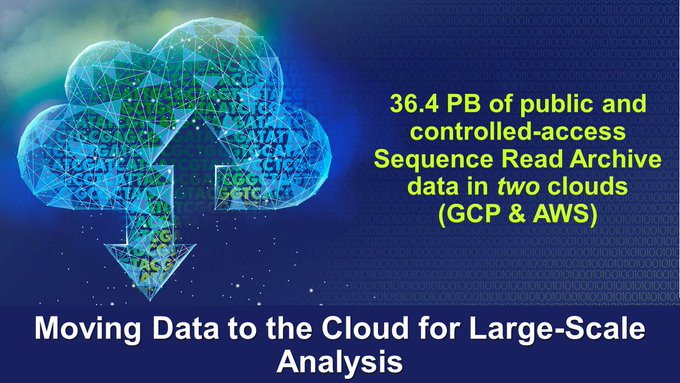








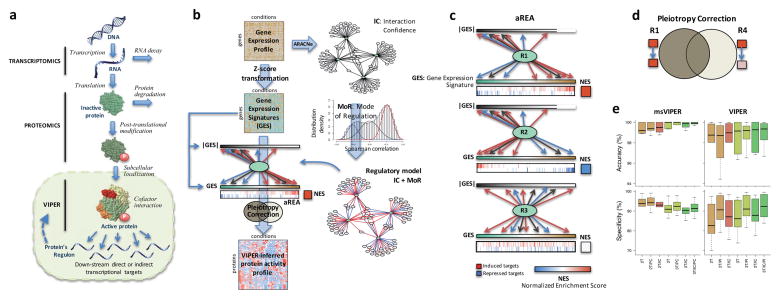

 2012pharmaceutical
 sjwilliamspa