Feeds:
Posts
Comments

Posts Tagged ‘Cancer research’

Prefacing the e-Book Epilogue: Metabolic Genomics and Pharmaceutics

Author and Curator: Larry H. Bernstein, MD, FCAP


Adieu, adieu, adieu …

Sound of Music

Snoopy - Charlie happiness

Snoopy – Charlie happiness

This work has been a coming to terms with my scientific and medical end of career balancing in a difficult time after retiring, but it has been rewarding.  In the clinical laboratories, radiology, anesthesiology, and in pharmacy, there has been some significant progress in support of surgical, gynecological, developmental, medical practices, and even neuroscience directed disciplines, as well as epidemiology over a period of half a century.  Even then, cancer and neurological diseases have been most difficult because the scientific basic research has either not yet uncovered a framework, or because that framework has proved to be multidimensional.  In the clinical laboratory sciences, there has been enormous progress in instrumental analysis, with the recent opening of molecular methods not yet prepared for routine clinical use, which will be a very great challenge to the profession, which has seen the development of large sample volume, multianalite, high-throughput, low-cost support emerging for decades.  The capabilities now underway will also enrrich the the capabilities of the anatomic pathology suite and the capabilities of 3-dimensional radiological examination.  In both pathology and radiology, we have seen the division of the fields into major subspecialties.  The development of the electronic health record had to take lessons from the first developments in the separate developments of laboratory, radiology, and pharmacy health record systems, to which were added, full cardiology monitoring systems.  These have been unintegrated.  This made it difficult to bring forth a suitable patient health record because the information needed to support decision-making by practitioners was in separate “silos”.  The mathematical methods that are being applied to the -OMICS sciences, can be brought to bear on the simplification and amplification of the clinicians’ ability to make decisions with near “errorless” discrimination, still allowing for an element of “art” in carrying out the history, physical examination, and knowledge unique to every patient.

We are at this time opening a very large, complex, study of biology in relationship to the human condition.  This will require sufficient resources to be invested in the development of these for a better society, which I suspect, will go on beyond the life of my grandchildren.  Hopefully, the long-term dangers of climate change will be controlled in that time.  As a society, or as a group of interdependent societies, we have no long term interest in continuing self-destructive behaviors that have predominated in the history of mankind.  I now top off these discussions with some further elucidation of what lies before us.

Metabolomics and systems pharmacology: why and how to model the human metabolic network for drug discovery

Douglas B. Kell and Royston Goodacre
School of Chemistry and Manchester Institute of Biotechnology, The University of Manchester, Manchester, UK
Drug Discovery Today Feb 2014;19(2)  http://dx.doi.org/10.1016/j.drudis.2013.07.014

Metabolism represents the ‘sharp end’ of systems biology,

  • because changes in metabolite concentrations
  • are necessarily amplified relative to
  • changes in the transcriptome, proteome and enzyme activities,
  • which can be modulated by drugs.

To understand such behaviour, we therefore need
(and increasingly have)

  • reliable consensus (community) models of the human metabolic network
  • that include the important transporters.

Small molecule ‘drug’ transporters are in fact metabolite transporters,

  • because drugs bear structural similarities to metabolites known
  • from the network reconstructions and from measurements of the metabolome.

Recon2 represents the present state-of-the-art human metabolic
network reconstruction; it can predict inter alia:

  1. the effects of inborn errors of metabolism;
  2. which metabolites are exometabolites, and
  3. how metabolism varies between tissues and cellular compartments.

Even these qualitative network models are not yet complete. As our
understanding improves so do we recognize more clearly the need for a systems (poly)pharmacology.

Modelling biochemical networks – why we do so
There are at least four types of reasons as to why one would wish to model a biochemical network:

  1. Assessing whether the model is accurate, in the sense that it
    reflects – or can be made to reflect – known experimental facts.
  2. Establishing what changes in the model would improve the
    consistency of its behaviour with experimental observations
    and improved predictability, such as with respect to metabolite
    concentrations or fluxes.
  3. Analyzing the model, typically by some form of sensitivity
    analysis, to understand which parts of the system contribute
    most to some desired functional properties of interest.
  4. Hypothesis generation and testing, enabling one to analyse
    rapidly the effects of manipulating experimental conditions in
    the model without having to perform complex and costly
    experiments (or to restrict the number that are performed).

In particular, it is normally considerably cheaper to perform
studies of metabolic networks in silico before trying a smaller
number of possibilities experimentally; indeed for combinatorial
reasons it is often the only approach possible. Although
our focus here is on drug discovery, similar principles apply to the
modification of biochemical networks for purposes of ‘industrial’
or ‘white’ biotechnology.
Why we choose to model metabolic networks more than

  • transcriptomic or proteomic networks

comes from the recognition – made particularly clear

  • by workers in the field of metabolic control analysis

– that, although changes in the activities of individual enzymes tend to have

  • rather small effects on metabolic fluxes,
  • they can and do have very large effects on metabolite concentrations (i.e. the metabolome).

Modelling biochemical networks – how we do so

Although one could seek to understand the

  1. time-dependent spatial distribution of signalling and metabolic substances within indivi
    dual cellular compartments and
  2. while spatially discriminating analytical methods such as Raman spectroscopy and
    mass spectrometry do exist for the analysis of drugs in situ,
  • the commonest type of modelling, as in the spread of substances in
    ecosystems,
  • assumes ‘fully mixed’ compartments and thus ‘pools’ of metabolites.

Although an approximation, this ‘bulk’ modelling will be necessary for complex ecosystems such as humans where, in addition to the need for tissue- and cell-specific models, microbial communities inhabit this superorganism and the
gut serves as a source for nutrients courtesy of these symbionts.

Topology and stoichiometry of metabolic networks as major constraints on fluxes
Given their topology, which admits a wide range of parameters for
delivering the same output effects and thereby reflects biological
robustness,

  • metabolic networks have two especially important constraints that assist their accurate modelling:

(i) the conservation of mass and charge, and
(ii) stoichiometric and thermodynamic constraints.

These are tighter constraints than apply to signalling networks.

New developments in modelling the human metabolic network
Since 2007, several groups have been developing improved but nonidentical models of the human metabolic network at a generalised level and in tissue-specific forms. Following a similar community-driven strategy in Saccharomyces cerevisiae, surprisingly similar to humans, and in Salmonella typhimurium,

we focus in particular on a recent consensus paper that provides a highly curated and semantically annotated model of the human metabolic network, termed

In this work, a substantial number of the major groups active in this area came together to provide a carefully and manually constructed/curated network, consisting of some 1789 enzyme-encoding genes, 7440 reactions and 2626 unique metabolites distributed over eight cellular compartments.  A variety of dead-end metabolites and blocked reactions remain (essentially orphans and widows). But Recon2 was able to

  • account for some 235 inborn errors of metabolism,
  • a variety of metabolic ‘tasks’ (defined as a non-zero flux through a reaction or through a pathway leading to the production of a metabolite Q from a metabolite P).
  • filtering based on expression profiling allowed the construction of 65 cell-type-specific models.
  • Excreted or exometabolites are an interesting set of metabolites,
  • and Recon2 could predict successfully a substantial fraction of those

Role of transporters in metabolic fluxes

The uptake and excretion of metabolites between cells and their macrocompartments

  • requires specific transporters and in the order of one third of ‘metabolic’ enzymes,
  • and indeed of membrane proteins, are in fact transporters or equivalent.

What is of particular interest (to drug discovery), based on their structural similarities, is the increasing recognition (Fig. 3) that pharmaceutical drugs also

  • get into and out of cells by ‘hitchhiking’ on such transporters, and not –

to any significant extent –

  • by passing through phospholipid bilayer portions
    of cellular membranes.

This makes drug discovery even more a problem of systems biology than of biophysics.

role of solute carriers and other transporters in cellular drug uptake

role of solute carriers and other transporters in cellular drug uptake

Two views of the role of solute carriers and other transporters in cellular drug uptake. (a) A more traditional view in which all so-called ‘passive’drug uptake occurs through any unperturbed bilayer portion of membrane that might be present.
(b) A view in which the overwhelming fraction of drug is taken up via solute transporters or other carriers that are normally used for the uptake of intermediary metabolites. Noting that the protein:lipid ratio of biomembranes is typically 3:1 to 1:1 and that proteins vary in mass and density (a typical density is 1.37 g/ml) as does their extension, for example, normal to the ca. 4.5 nm lipid bilayer region, the figure attempts to portray a section of a membrane with realistic or typical sizes and amounts of proteins and lipids. Typical protein areas when viewed normal to the membrane are 30%, membranes are rather more ‘mosaic’ than ‘fluid’ and there is some evidence that there might be no genuinely ‘free’ bulk lipids (typical phospholipid masses are 750 Da) in biomembranes that are uninfluenced by proteins. Also shown is a typical drug: atorvastatin (LipitorW) – with a molecular mass of 558.64 Da – for size comparison purposes. If proteins are modelled as
cylinders, a cylinder with a diameter of 3.6 nm and a length of 6 nm has a molecular mass of ca. 50 kDa. Note of course that in a ‘static’ picture we cannot show the dynamics of either phospholipid chains or lipid or protein diffusion.

‘Newly discovered’ metabolites and/or their roles

To illustrate the ‘unfinished’ nature even of Recon2, which concentrates on the metabolites created via enzymes encoded in the human genome, and leaving aside the more exotic metabolites of drugs and foodstuffs and the ‘secondary’ metabolites of microorganisms, there are several examples of interesting ‘new’ (i.e. more or less recently recognised) human metabolites or roles thereof that are worth highlighting, often from studies seeking biomarkers of various diseases – for caveats of biomarker discovery, which is not a topic that we are covering here, and the need for appropriate experimental design. In addition, classes of metabolites not well represented in Recon2 are oxidised molecules such as those caused by nonenzymatic reaction of metabolites with free radicals such as the hydroxyl radical generated by unliganded iron. There is also significant interest in using methods of determining small molecules such as those in the
metabolome (inter alia) for assessing the ‘exposome’, in other words all the potentially polluting agents to which an
individual has been exposed.

Recently discovered effects of metabolites on enzymes 

Another combinatorial problem reflects the fact that in molecular enzymology it is not normally realistic to assess every possible metabolite to determine whether it is an effector (i.e.activator or inhibitor) of the enzyme under study. Typical proteins are highly promiscuous and there is increasing evidence for the comparative promiscuity of metabolites
and pharmaceutical drugs. Certainly the contribution of individual small effects of multiple parameter changes can have substantial effects on the potential flux through an overall pathway, which makes ‘bottom up’ modelling an inexact science. Even merely mimicking the vivo (in Escherichia coli) concentrations of K+, Na+, Mg2+, phosphate, glutamate, sulphate and Cl significantly modulated the activities of several enzymes tested relative to the ‘usual’ assay conditions. Consequently, we need to be alive to the possibility of many (potentially major) interactions of which we are as yet ignorant. One class of example relates to the effects of the very widespread post-translational modification on metabolic
enzyme activities.

A recent and important discovery (Fig. 4) is that a single transcriptome experiment, serving as a surrogate for fluxes through individual steps, provides a huge constraint on possible models, and predicts in a numerically tractable way and
with much improved accuracy the fluxes to exometabolites without the need for such a variable ‘biomass’ term. Other recent and related strategies that exploit modern advances in ‘omics and network biology to limit the search space in constraint-based metabolic modelling.

Fig 4. Workflow for expression-profile-constrained metabolic flux estimation

  1. Genome-scale metabolic model with gene-protein-reaction relationships
  2. Map absolute gene expression levels to reactions
  3. Maximise correlation between absolute gene expression and metabolic flux
  4. Predict fluxes to exometabolites
  5. Compare predicted with experimental fluxes to exometabolites

Drug Discovery Today

The steps in a workflow that uses constraints based on (i) metabolic network stoichiometry and chemical reaction properties (both encoded in the model) plus, and (ii) absolute (RNA-Seq) transcript expression profiles to enable the
accurate modelling of pathway and exometabolite fluxes. .

Concluding remarks – the role of metabolomics in systems pharmacology

What is becoming increasingly clear, as we recognize that to understand living organisms in health and disease we must treat them as systems, is that we must bring together our knowledge of the topologies and kinetics of metabolic networks with our knowledge of the metabolite concentrations (i.e. metabolomes) and fluxes. Because of the huge constraints imposed on metabolism by reaction stoichiometries, mass conservation and thermodynamics, comparatively few well-chosen ‘omics measurements might be needed to do this reliably (Fig. 4). Indeed, a similar approach exploiting constraints has come to the fore in denovo protein folding and interaction studies.

What this leads us to in drug discovery is the need to develop and exploit a ‘systems pharmacology’ where multiple binding targets are chosen purposely and simultaneously. Along with other measures such as phenotypic screening, and the integrating of the full suite of e-science approaches, one can anticipate considerable improvements in the rate of discovery of safe and effective drugs.

Metabolomics: the apogee of the omics trilogy
Gary J.!Patti, Oscar Yanes and Gary Siuzdak

Metabolites, the chemical entities that are transformed during metabolism, provide a functional readout of cellular biochemistry. With emerging technologies in mass spectrometry, thousands of metabolites can now be
quantitatively measured from minimal amounts of biological material, which has thereby enabled systems-level analyses. By performing global metabolite profiling, also known as untargeted metabolomics, new discoveries linking cellular pathways to biological mechanism are being revealed and are shaping our understanding of cell biology, physiology and medicine.

Metabolites are small molecules that are chemically transformed during metabolism and, as such, they provide a functional readout of cellular state. Unlike genes and proteins, the functions of which are subject to epigenetic regulation and posttranslational modifications, respectively, metabolites serve as direct signatures of biochemical activity and are therefore easier to correlate with phenotype. In this context, metabolite profiling, or metabolomics, has become a powerful approach that has been widely adopted for clinical diagnostics.

The field of metabolomics has made remarkable progress within the past decade and has implemented new tools that have offered mechanistic insights by allowing for the correlation of biochemical changes with phenotype.

In this Innovation article, we first define and differentiate between the targeted and untargeted approaches to metabolomics. We then highlight the value of untargeted metabolomics in particular and outline a guide to performing such studies. Finally, we describe selected applications of un targeted metabolomics and discuss their potential in cell biology.

  • metabolites serve as direct signatures of biochemical activity
  1. In some instances, it may be of interest to examine a defined set of metabolites by using a targeted approach.
  2. In other cases, an untargeted or global approach may be taken in which as many metabolites as possible are measured and compared between samples without bias.
  3. Ultimately, the number and chemical composition of metabolites to be studied is a defining attribute of any metabolomic experiment and shapes experimental design with respect to sample preparation and choice of instrumentation.

The targeted and untargeted workflow for LC/MS-based metabolomics.

a | In the triple quadrupole (QqQ)-based targeted metabolomic workflow, standard compounds for the metabolites of interest are first used to set up selected reaction monitoring methods. Here, optimal instrument voltages are determined and response curves are generated for absolute quantification. After the targeted methods have been established
on the basis of standard metabolites, metabolites are extracted from tissues, biofluids or cell cultures and analysed. The data output provides quantification only of those metabolites for which standard methods have been built.

b | In the untargeted metabolomic workflow, metabolites are first isolated from biological samples and subsequently analysed by liquid chromatography followed by mass spectrometry (LC/MS). After data acquisition, the results are processed by using bioinformatic software such as XCMS to perform nonlinear retention time alignment and identify peaks that are changing between the groups of samples measured. The m/z value s for the peaks of interest are searched in metabolite databases to obtain putative identifications. Putative identifications are then confirmed
by comparing tandem mass spectrometry (MS/MS) data and retention time data to that of standard compounds. The untargeted workflow is global in scope and outputs data related to comprehensive cellular metabolism.

Metabolic Biomarker and Kinase Drug Target Discovery in Cancer Using Stable Isotope-Based Dynamic Metabolic Profiling (SIDMAP)

László G. Boros1*, Daniel J. Brackett2 and George G. Harrigan3
1UCLA School of Medicine, Harbor-UCLA Research and Education Institute, Torrance, CA. 2Department of Surgery, University of Oklahoma Health Sciences Center & VA Medical Center, Oklahoma City, OK, 3Global High Throughput
Screening (HTS), Pharmacia Corporation, Chesterfield, MO.
Current Cancer Drug Targets, 2003, 3, 447-455.

Tumor cells respond to growth signals by the activation of protein kinases, altered gene expression and significant modifications in substrate flow and redistribution among biosynthetic pathways. This results in a proliferating phenotype
with altered cellular function. These transformed cells exhibit unique anabolic characteristics, which includes increased and preferential utilization of glucose through the non-oxidative steps of the pentose cycle for nucleic acid synthesis but limited denovo fatty acid synthesis and TCA cycle glucose oxidation. This primarily nonoxidative anabolic profile reflects an undifferentiated highly proliferative aneuploid cell phenotype and serves as a reliable metabolic biomarker to determine cell proliferation rate and the level of cell transformation/differentiation in response to drug treatment. Novel drugs effective in particular cancers exert their anti-proliferative effects by inducing significant reversions of a few specific non-oxidative anabolic pathways. Here we present evidence that cell transformation of various mechanisms is sustained by a unique
disproportional substrate distribution between the two branches of the pentose cycle for nucleic acid synthesis, glycolysis and the TCA cycle for fatty acid synthesis and glucose oxidation. This can be demonstrated by the broad labeling and unique specificity of [1,2-13C2]glucose to trace a large number of metabolites in the metabolome. Stable isotope-based dynamic metabolic profiles (SIDMAP) serve the drug discovery process by providing a powerful new tool that integrates the metabolome into a functional genomics approach to developing new drugs. It can be used in screening kinases and their metabolic targets, which can therefore be more efficiently characterized, speeding up and improving drug testing, approval and labeling processes by saving trial and error type study costs in drug testing.

Navigating the HumanMetabolome for Biomarker Identification and Design of Pharmaceutical Molecules

Irene Kouskoumvekaki and Gianni Panagiotou
Department of Systems Biology, Center for Biological Sequence Analysis, Building 208, Technical University of Denmark, Lyngby, Denmark
Hindawi Publishing Corporation  Journal of Biomedicine and Biotechnology 2011, Article ID 525497, 19 pages
http://dx.doi.org:/10.1155/2011/525497

Metabolomics is a rapidly evolving discipline that involves the systematic study of endogenous small molecules that characterize the metabolic pathways of biological systems. The study of metabolism at a global level has the potential to contribute significantly to biomedical research, clinical medical practice, as well as drug discovery. In this paper, we present the most up-to-date metabolite and metabolic pathway resources, and we summarize the statistical, and machine-learning tools used for the analysis of data from clinical metabolomics.

Through specific applications on cancer, diabetes, neurological and other diseases, we demonstrate how these tools can facilitate diagnosis and identification of potential biomarkers for use within disease diagnosis. Additionally, we
discuss the increasing importance of the integration of metabolomics data in drug discovery. On a case-study based on the Human Metabolome Database (HMDB) and the Chinese Natural Product Database (CNPD), we demonstrate the close relatedness of the two data sets of compounds, and we further illustrate how structural similarity with human metabolites could assist in the design of novel pharmaceuticals and the elucidation of the molecular mechanisms of medicinal plants.

Metabolites are the byproducts of metabolism, which is itself the process of converting food energy to mechanical energy
or heat. Experts believe there are at least 3,000 metabolites that are essential for normal growth and development (primary metabolites) and thousands more unidentified (around 20,000, compared to an estimated 30,000 genes and 100,000 proteins) that are not essential for growth and development (secondary metabolites) but could represent prognostic, diagnostic, and surrogate markers for a disease state and a deeper understanding of mechanisms of disease.

Metabolomics, the study of metabolism at the global level, has the potential to contribute significantly to biomedical
research, and ultimately to clinical medical practice. It is a close counterpart to the genome, the transcriptome and the proteome. Metabolomics, genomics, proteomics, and other “-omics” grew out of the Human Genome Project, a massive research effort that began in the mid-1990s and culminated in 2003 with a complete mapping of all the genes in the human body. When discussing the clinical advantages of metabolomics, scientists point to the “real-world” assessment
of patient physiology that the metabolome provides since it can be regarded as the end-point of the “-omics” cascade. Other functional genomics technologies do not necessarily predict drug effects, toxicological response, or disease states at the phenotype but merely indicate the potential cause for phenotypical response. Metabolomics can bridge this information gap. The identification and measurement of metabolite profile dynamics of host changes provides the closest link to the various phenotypic responses. Thus it is clear that the global mapping of metabolic signatures pre- and postdrug treatment is a promising approach to identify possible functional relationships between medication and medical phenotype.

Human Metabolome Database (HMDB). Focusing on quantitative, analytic, or molecular scale information about
metabolites, the enzymes and transporters associated with them, as well as disease related properties the HMDB represents the most complete bioinformatics and chemoinformatics medical information database. It contains records for
thousands of endogenous metabolites identified by literature surveys (PubMed, OMIM, OMMBID, text books), data
mining (KEGG, Metlin, BioCyc) or experimental analyses performed on urine, blood, and cerebrospinal fluid samples.
The annotation effort is aided by chemical parameter calculators and protein annotation tools originally developed for
DrugBank.

A key feature that distinguishes the HMDB from other metabolic resources is its extensive support for higher level database searching and selecting functions. More than 175 hand-drawn-zoomable, fully hyperlinked human
metabolic pathway maps can be found in HMDB and all these maps are quite specific to human metabolism and
explicitly show the subcellular compartments where specific reactions are known to take place. As an equivalent to
BLAST the HMDB contains a structure similarity search tool for chemical structures and users may sketch or
paste a SMILES string of a query compound into the Chem-Query window. Submitting the query launches a
structure similarity search tool that looks for common substructures from the query compound that match the
HMDB’s metabolite database. The wealth of information and especially the extensive linkage to metabolic diseases
to normal and abnormal metabolite concentration ranges, to mutation/SNP data and to the genes, enzymes, reactions
and pathways associated with many diseases of interest makes the HMDB one the most valuable tool in the hands
of clinical chemists, nutritionists, physicians and medical geneticists.

Metabolomics in Drug Discovery and Polypharmacology Studies

Drug molecules generally act on specific targets at the cellular level, and upon binding to the receptors, they exert
a desirable alteration of the cellular activities, regarded as the pharmaceutical effect. Current drug discovery depends
largely on ransom screening, either high-throughput screening (HTS) in vitro, or virtual screening (VS) in silico. Because
the number of available compounds is huge, several druglikeness filters are proposed to reduce the number of compounds that need to be evaluated. The ability to effectively predict if a chemical compound is “drug-like” or “nondruglike” is, thus, a valuable tool in the design, optimization, and selection of drug candidates for development. Druglikeness is a general descriptor of the potential of a small molecule to become a drug. It is not a unified descriptor
but a global property of a compound processing many specific characteristics such as good solubility, membrane
permeability, half-life, and having a pharmacophore pattern to interact specifically with a target protein. These
characteristics can be reflected as molecular descriptors such as molecular weight, log P, the number of hydrogen bond
donors, the number of hydrogen-bond acceptors, the number of rotatable bonds, the number of rigid bonds, the
number of rings in a molecule, and so forth.

Metabolomics for the Study of Polypharmacology of Natural Compounds

Internationally, there is a growing and sustained interest from both pharmaceutical companies and public in medicine
from natural sources. For the public, natural medicine represent a holistic approach to disease treatment, with
potentially less side effects than conventional medicine. For the pharmaceutical companies, bioactive natural products
constitute attractive drug leads, as they have been optimized in a long-term natural selection process for optimal interaction with biomolecules. To promote the ecological survival of plants, structures of secondary products have evolved to interact with molecular targets affecting the cells, tissues and physiological functions in competing microorganisms,
plants, and animals. In this, respect, some plant secondary products may exert their action by resembling endogenous
metabolites, ligands, hormones, signal transduction molecules, or neurotransmitters and thus have beneficial
effects on humans.

Future Perspectives

Metabolomics, the study of metabolism at the global level, is moving to exciting directions.With the development ofmore
sensitive and advanced instrumentation and computational tools for data interpretation in the physiological context,
metabolomics have the potential to impact our understanding of molecular mechanisms of diseases. A state-of-theart
metabolomics study requires knowledge in many areas and especially at the interface of chemistry, biology, and
computer science. High-quality samples, improvements in automated metabolite identification, complete coverage of
the human metabolome, establishment of spectral databases of metabolites and associated biochemical identities, innovative experimental designs to best address a hypothesis, as well as novel computational tools to handle metabolomics data are critical hurdles that must be overcome to drive the inclusion of metabolomics in all steps of drug discovery and drug development. The examples presented above demonstrated that metabolite profiles reflect both environmental and genetic influences in patients and reveal new links between metabolites and diseases providing needed prognostic,diagnostic, and surrogate biomarkers. The integration of these signatures with other omic technologies is of utmost importance to characterize the entire spectrum of malignant phenotype.

Read Full Post »

Imaging-guided cancer treatment

Imaging-guided cancer treatment

Writer & reporter: Dror Nir, PhD

It is estimated that the medical imaging market will exceed $30 billion in 2014 (FierceMedicalImaging). To put this amount in perspective; the global pharmaceutical market size for the same year is expected to be ~$1 trillion (IMS) while the global health care spending as a percentage of Gross Domestic Product (GDP) will average 10.5% globally in 2014 (Deloitte); it will reach ~$3 trillion in the USA.

Recent technology-advances, mainly miniaturization and improvement in electronic-processing components is driving increased introduction of innovative medical-imaging devices into critical nodes of major-diseases’ management pathways. Consequently, in contrast to it’s very small contribution to global health costs, medical imaging bears outstanding potential to reduce the future growth in spending on major segments in this market mainly: Drugs development and regulation (e.g. companion diagnostics and imaging surrogate markers); Disease management (e.g. non-invasive diagnosis, guided treatment and non-invasive follow-ups); and Monitoring aging-population (e.g. Imaging-based domestic sensors).

In; The Role of Medical Imaging in Personalized Medicine I discussed in length the role medical imaging assumes in drugs development.  Integrating imaging into drug development processes, specifically at the early stages of drug discovery, as well as for monitoring drug delivery and the response of targeted processes to the therapy is a growing trend. A nice (and short) review highlighting the processes, opportunities, and challenges of medical imaging in new drug development is: Medical imaging in new drug clinical development.

The following is dedicated to the role of imaging in guiding treatment.

Precise treatment is a major pillar of modern medicine. An important aspect to enable accurate administration of treatment is complementing the accurate identification of the organ location that needs to be treated with a system and methods that ensure application of treatment only, or mainly to, that location. Imaging is off-course, a major component in such composite systems. Amongst the available solution, functional-imaging modalities are gaining traction. Specifically, molecular imaging (e.g. PET, MRS) allows the visual representation, characterization, and quantification of biological processes at the cellular and subcellular levels within intact living organisms. In oncology, it can be used to depict the abnormal molecules as well as the aberrant interactions of altered molecules on which cancers depend. Being able to detect such fundamental finger-prints of cancer is key to improved matching between drugs-based treatment and disease. Moreover, imaging-based quantified monitoring of changes in tumor metabolism and its microenvironment could provide real-time non-invasive tool to predict the evolution and progression of primary tumors, as well as the development of tumor metastases.

A recent review-paper: Image-guided interventional therapy for cancer with radiotherapeutic nanoparticles nicely illustrates the role of imaging in treatment guidance through a comprehensive discussion of; Image-guided radiotherapeutic using intravenous nanoparticles for the delivery of localized radiation to solid cancer tumors.

 Graphical abstract

 Abstract

One of the major limitations of current cancer therapy is the inability to deliver tumoricidal agents throughout the entire tumor mass using traditional intravenous administration. Nanoparticles carrying beta-emitting therapeutic radionuclides [DN: radioactive isotops that emits electrons as part of the decay process a list of β-emitting radionuclides used in radiotherapeutic nanoparticle preparation is given in table1 of this paper.) that are delivered using advanced image-guidance have significant potential to improve solid tumor therapy. The use of image-guidance in combination with nanoparticle carriers can improve the delivery of localized radiation to tumors. Nanoparticles labeled with certain beta-emitting radionuclides are intrinsically theranostic agents that can provide information regarding distribution and regional dosimetry within the tumor and the body. Image-guided thermal therapy results in increased uptake of intravenous nanoparticles within tumors, improving therapy. In addition, nanoparticles are ideal carriers for direct intratumoral infusion of beta-emitting radionuclides by convection enhanced delivery, permitting the delivery of localized therapeutic radiation without the requirement of the radionuclide exiting from the nanoparticle. With this approach, very high doses of radiation can be delivered to solid tumors while sparing normal organs. Recent technological developments in image-guidance, convection enhanced delivery and newly developed nanoparticles carrying beta-emitting radionuclides will be reviewed. Examples will be shown describing how this new approach has promise for the treatment of brain, head and neck, and other types of solid tumors.

The challenges this review discusses

  • intravenously administered drugs are inhibited in their intratumoral penetration by high interstitial pressures which prevent diffusion of drugs from the blood circulation into the tumor tissue [1–5].
  • relatively rapid clearance of intravenously administered drugs from the blood circulation by kidneys and liver.
  • drugs that do reach the solid tumor by diffusion are inhomogeneously distributed at the micro-scale – This cannot be overcome by simply administering larger systemic doses as toxicity to normal organs is generally the dose limiting factor.
  • even nanoparticulate drugs have poor penetration from the vascular compartment into the tumor and the nanoparticles that do penetrate are most often heterogeneously distributed

How imaging could mitigate the above mentioned challenges

  • The inclusion of an imaging probe during drug development can aid in determining the clearance kinetics and tissue distribution of the drug non-invasively. Such probe can also be used to determine the likelihood of the drug reaching the tumor and to what extent.

Note: Drugs that have increased accumulation within the targeted site are likely to be more effective as compared with others. In that respect, Nanoparticle-based drugs have an additional advantage over free drugs with their potential to be multifunctional carriers capable of carrying both therapeutic and diagnostic imaging probes (theranostic) in the same nanocarrier. These multifunctional nanoparticles can serve as theranostic agents and facilitate personalized treatment planning.

  • Imaging can also be used for localization of the tumor to improve the placement of a catheter or external device within tumors to cause cell death through thermal ablation or oxidative stress secondary to reactive oxygen species.

See the example of Vintfolide in The Role of Medical Imaging in Personalized Medicine

vinta

Note: Image guided thermal ablation methods include radiofrequency (RF) ablation, microwave ablation or high intensity focused ultrasound (HIFU). Photodynamic therapy methods using external light devices to activate photosensitizing agents can also be used to treat superficial tumors or deeper tumors when used with endoscopic catheters.

  • Quality control during and post treatment

For example: The use of high intensity focused ultrasound (HIFU) combined with nanoparticle therapeutics: HIFU is applied to improve drug delivery and to trigger drug release from nanoparticles. Gas-bubbles are playing the role of the drug’s nano-carrier. These are used both to increase the drug transport into the cell and as ultrasound-imaging contrast material. The ultrasound is also used for processes of drug-release and ablation.

 HIFU

Additional example; Multifunctional nanoparticles for tracking CED (convection enhanced delivery)  distribution within tumors: Nanoparticle that could serve as a carrier not only for the therapeutic radionuclides but simultaneously also for a therapeutic drug and 4 different types of imaging contrast agents including an MRI contrast agent, PET and SPECT nuclear diagnostic imaging agents and optical contrast agents as shown below. The ability to perform multiple types of imaging on the same nanoparticles will allow studies investigating the distribution and retention of nanoparticles initially in vivo using non-invasive imaging and later at the histological level using optical imaging.

 multi

Conclusions

Image-guided radiotherapeutic nanoparticles have significant potential for solid tumor cancer therapy. The current success of this therapy in animals is most likely due to the improved accumulation, retention and dispersion of nanoparticles within solid tumor following image-guided therapies as well as the micro-field of the β-particle which reduces the requirement of perfectly homogeneous tumor coverage. It is also possible that the intratumoral distribution of nanoparticles may benefit from their uptake by intratumoral macrophages although more research is required to determine the importance of this aspect of intratumoral radionuclide nanoparticle therapy. This new approach to cancer therapy is a fertile ground for many new technological developments as well as for new understandings in the basic biology of cancer therapy. The clinical success of this approach will depend on progress in many areas of interdisciplinary research including imaging technology, nanoparticle technology, computer and robot assisted image-guided application of therapies, radiation physics and oncology. Close collaboration of a wide variety of scientists and physicians including chemists, nanotechnologists, drug delivery experts, radiation physicists, robotics and software experts, toxicologists, surgeons, imaging physicians, and oncologists will best facilitate the implementation of this novel approach to the treatment of cancer in the clinical environment. Image-guided nanoparticle therapies including those with β-emission radionuclide nanoparticles have excellent promise to significantly impact clinical cancer therapy and advance the field of drug delivery.

Read Full Post »

Imaging-Biomarkers; from discovery to validation

Author: Dror Nir, PhD.

Preface

Recent technology advances such as miniaturization and improvement in electronic-processing components is driving increased introduction of innovative medical-imaging devices into critical nodes of major-diseases’ management pathways. Similarly, medical imaging bears outstanding potential to improve the process of drugs development and regulation (e.g. companion diagnostics and imaging surrogate markers. In; The Role of Medical Imaging in Personalized Medicine I discussed in length the role medical imaging assumes in drugs development.  Integrating imaging into drug development processes, specifically at the early stages of drug discovery, as well as for monitoring drug delivery and the response of targeted processes to the therapy is a growing trend. A nice (and short) review highlighting the processes, opportunities, and challenges of medical imaging in new drug development is: Medical imaging in new drug clinical development. An important aspect of drug development that is largely discussed is facilitating testing of the new drug through clinical studies. A major hurdle in development of many anti-cancer drugs is the long time that is required to determine the efficacy of the new drug through measurement of clinically meaningful endpoints; e.g. overall survival. Imaging is offering the opportunity to determine surrogate markers of clinical outcome (as a substitute for a clinically meaningful endpoints). The need for surrogate outcome markers is especially great with newer agents that may act by tumour stabilization as opposed to shrinkage.

To comply with current trends; e.g. personalized medicine and evidence-based medicine, medical imaging must support quantification of meaningful pathological phenomena; e.g. morphological deformations, enhanced/reduced chemical reactions, presence/absence of biological substances etc….


Two examples: 

Molecular imaging (e.g. PET, MRS) allows the visual representation, characterization, and quantification of biological processes at the cellular and subcellular levels within intact living organisms. In oncology, it can be used to depict the abnormal molecules as well as the aberrant interactions of altered molecules on which cancers depend. An established biological process is neoplastic angiogenesis is associated with a number of detectable changes at molecular and microcirculatory levels. In Positron emission tomographic imaging of angiogenesis and vascular function the authors are offering that direct study of angiogenic molecular biology and tumour circulation before during and after treatment may offer useful surrogate markers for vascular-targeted therapies. The paper reviews two main areas: (a) the methodology behind PET imaging of tumour blood supply with 15O-oxygen labelled compounds; and (b) newer tracers in development as markers of angiogenetic biology.

A largely sought-for application for medical imaging is Monitoring quality of surgery: Cancer patients could benefit from a surgical procedure that helps the surgeon to determine adequate tumor resection margins. Variety of applications and work-flows; e.g. Systemic injection of tumor-specific fluorescence agents with subsequent intraoperative optical imaging to guide the surgeon in the process are offered. Recently, in order to overcome the problem of tumor heterogeneity it was proposed to shift the focus of tumor targeting towards the follicle-stimulating hormone receptor (FSHR).

Imaging bio-markers

Being able to discover and clinically validate fundamental finger-prints of cancer which can be detected and quantified through medical-imaging modalities is key to transforming the potential presented by medical imaging into clinical reality. Such specific finger-prints/characteristics are usually referred to as imaging bio-markers.

A critical step in the discovery and validation of imaging bio-markers is the matching of tissue location as depicted by imaging-products (most commonly images) to their histology, as underlined by a pathologist under the microscope.

Since histology requires extraction of organ tissue and some processing, it is impossible to achieve such matching in real time. Therefore, different techniques were developed to support the retrospective matching between histology and imaging. The most prevalent one rely on image registration: i.e. the products of medical imaging are registered to images of pathology slides. The main limitation of such methods has to do with:

  1. The fact that the two images poses largely different image resolution.
  2. The form-factor (shape and dimensions) of Histological tissue-slides are distorted in comparison to their in-vivo state.
  3. Histology-reading is subjective; i.e. the concordance between readings of different pathologist is far from being satisfactory. It gets worse when it comes to staging of the cancer.
  4. There is large variation in the quality of medical imaging products.

A Workflow to Improve the Alignment of Prostate Imaging with Whole-mount Histopathology presents a robust methodology validating imaging biomarkers in the case of prostate cancer. In this paper we describe a workflow for three-dimensional alignment of prostate imaging data against whole-mount prostatectomy reference specimens and assess its performance against a standard workflow. We hypothesized that integration of image registration principles into the histological workflow for radical prostatectomy specimens would increase the alignment accuracy. In this post I will include only few excerpts from this paper which I strongly recommend to read in full.

Materials and Methods

Ethical approval was granted. Patients underwent motorized transrectal ultrasound (Prostate Histoscanning) to generate a three-dimensional image of the prostate before radical prostatectomy. The test workflow incorporated steps for axial alignment between imaging and histology, size adjustments following formalin fixation, and use of custom-made parallel cutters and digital caliper instruments. The control workflow comprised freehand cutting and assumed homogeneous block thicknesses at the same relative angles between pathology and imaging sections. The basic requirements of image registration were incorporated within the pathological protocol.

We demonstrate that the use of a simple, custom-made tissue-planer to slice the formalin-fixed prostate results in more uniform and parallel tissue blocks than conventional freehand techniques, and increases the accuracy of image alignment.  We also show that accounting for dimensional change due to formalin fixation is essential during image alignment.

Figure 1: Suggested workflow for registration of scanned histopathological data with radiological imaging

 fig1

 Figure 3

A sketch of the tissue cutting device is shown (A).  The formalin-fixed prostate was placed on the space marked “X” on the device with its flat posterior surface facing down.  With the probe in the urethra to align the AP axis with the device, the base of the gland was gently pressed onto “Y”.  The probe was then removed, and a mounted microtome blade was lowered along the 4mm raised edge of the device from top to bottom to cut away the block (B).  The sliced block was put aside with its apical face facing down, and the process was repeated by gently pressing the cut surface flush against the device before each cut (C).  The thickness of each block was measured in 5 locations marked (D).

fig3

Results

Thirty radical prostatectomy specimens were histologically and radiologically processed, either by an alignment-optimized workflow (n = 20) or a control workflow (n = 10). The optimized workflow generated tissue blocks of heterogeneous thicknesses but with no significant drifting in the cutting plane. The control workflow resulted in significantly nonparallel blocks, accurately matching only one out of four histology blocks to their respective imaging data. The image-to-histology alignment accuracy was 20% greater in the optimized workflow (P < .0001), with higher sensitivity (85% vs. 69%) and specificity (94% vs. 73%) for margin prediction in a 5 × 5-mm grid analysis.

Figure 5. Assessment of alignment accuracy between radiological images and pathological sections

The method of assessing alignment accuracy between radiological images and pathological slides is shown using an example.  Each square within the grids overlaid onto histology and radiological images were scored either as a “1”, indicating the presence of a histological or radiological margin, respectively, or “0”.  Scored pathology grids were used as the reference, and scored radiology grids were used as the index.  Hence, we determined true positives i.e. grid points score “1” in both histology and radiology (yellow squares, n=25), false positives i.e. grid points on the radiology scores “1” but not on histology (green squares, n=4), false negatives i.e. grid points on the histology scores “0” but not on radiology (red squares, n=3), and true negatives (grey squares, n=38).

 fig5

Conclusions

A significantly better alignment was observed in the optimized workflow. Evaluation of prostate imaging biomarkers using whole-mount histology references should include a test-to-reference spatial alignment workflow.

Read Full Post »

Plant-based Nutrition, Neutraceuticals and Alternative Medicine: Article Compilation the Journal PharmaceuticalIntelligence.com

Curator: Larry H. Bernstein, MD, FCAP


  1. Green tea polyphenols alleviate early BBB damage
    http://pharmaceuticalintelligence.com/2013/07/31/green-tea-polyphenols-alleviate-early-bbb-damage-during/
  2. What do you know about Plants and Neutraceuticals?

Author and Curator, Larry H. Bernstein, MD, FCAP

http://pharmaceuticalintelligence.com/2014/07/30/what-do-you-know-about-plants-and-neutraceuticals/

  1. The Final Considerations of the Role of Platelets and Platelet Endothelial Reactions in Atherosclerosis and Novel Treatments

Author and Curator: Larry H Bernstein, MD, FCAP

http://pharmaceuticalintelligence.com/2013/10/15/the-final-considerations-of-the-role-of-platelets-and-platelet-endothelial-reactions-in-atherosclerosis-and-novel-treatments/

  1. Endothelial Function and Cardiovascular Disease

Author and Curator: Larry H Bernstein, MD, FCAP

http://pharmaceuticalintelligence.com/2012/10/25/endothelial-function-and-cardiovascular-disease/

  1. NO Nutritional remedies for hypertension and atherosclerosis. It’s 12 am: do you know where your electrons are?

Author and Reporter: Meg Baker, Ph.D., Registered Patent Agent

http://pharmaceuticalintelligence.com/2012/10/07/no-nutritional-remedies-for-hypertension-and-atherosclerosis-its-12-am-do-you-know-where-your-electrons-are/

  1. Cocoa and Heart Health

Reporter: Larry H Bernstein, MD, FCAP

http://pharmaceuticalintelligence.com/2013/11/17/cocoa-and-heart-health/

  1. Metabolomics: its applications in food and nutrition research

Reporter and Curator: Dr. Sudipta Saha, Ph.D.

http://pharmaceuticalintelligence.com/2013/05/12/metabolomics-its-applications-in-food-and-nutrition-research/

  1. Japanese knotweed extract (Polygonum cuspidatum) Resveratrol 98%

Reporter: Larry H Bernstein, MD, FCAP   Stanford Lee, Shanghai Natural Bio-engineering Co., Ltd
Key products: resveratrol, curcumin,artemisinin,artemether,artesunate,dihydroartemisinin,Lumefantrine,etc
https://www.linkedin.com/today/post/article/20140805055958-283555965-japanese-knotweed-extract-polygonum-cuspidatum-resveratrol-98?/

http://pharmaceuticalintelligence.com/2014/08/20/japanese-knotweed-extract-polygonum-cuspidatum-resveratrol-98/

  1. Antimicrobial resistance
    Reporter: Larry H Bernstein, MD, FCAP   
    http://pharmaceuticalintelligence.com/2014/08/18/antimicrobial-resistance/
  2. Macrocycles in new drug discovery
    Reporter: Larry H Bernstein, MD, FCAP     Jamie MallinsonIan Collins
    Future Medicinal Chemistry, Jul 2012, Vol. 4, No. 11, Pages 1409-1438.

Natural product macrocycles and their synthetic derivatives

http://pharmaceuticalintelligence.com/2014/08/16/macrocycles-in-new-drug-discovery/

  1. Lipid Metabolism

ALA and LA, LCPUFAs (EPA, DHA, and AA), eicosanoids, delta-3-desaturase, prostaglandins, leukotrienes

Ginseng fights fatigue in cancer patients, Mayo Clinic-led study finds http://pharmaceuticalintelligence.com/2014/08/15/lipid-metabolism/

  1. Ginseng fights fatigue in cancer patients, Mayo Clinic-led study finds

Reporter: Larry H Bernstein, MD, FCAP

http://pharmaceuticalintelligence.com/2014/08/10/ginseng-fights-fatigue-in-cancer-patients-mayo-clinic-led-study-finds/

  1. Scientists develop new cancer-killing compound from salad plant / 1,200 times more specific in killing certain kinds of cancer cells than currently available drugs
    Reporter: Larry H Bernstein, MD, FCAP
    http://pharmaceuticalintelligence.com/2014/07/17/scientists-develop-new-cancer-killing-compound-from-salad-plant-1200-times-more-specific-in-killing-certain-kinds-of-cancer-cells-than-currently-available-drugs/
  2. Protein heals wounds, boosts immunity and protects from cancer – Lactoferrin
    Reporter: Larry H Bernstein, MD, FCAP
    http://pharmaceuticalintelligence.com/2014/07/17/protein-heals-wounds-boosts-immunity-and-protects-from-cancer-lactoferrin/
  3. Inula helenium ( elecampane ) 100% Effective against MRSA in vitro, 200 Strains
    Reporter: Larry H Bernstein, MD, FCAP
    http://pharmaceuticalintelligence.com/2014/07/15/inula-helenium-elecampane-100-effective-against-mrsa-in-vitro-200-strains/
  4. Thymoquinone, an extract of nigella sativa seed oil, blocked pancreatic cancer cell growth and killed the cells by enhancing the process of programmed cell death.
    Reporter: Larry H Bernstein, MD, FCAP
    http://pharmaceuticalintelligence.com/2014/07/15/thymoquinone-an-extract-of-nigella-sativa-seed-oil-blocked-pancreatic-cancer-cell-growth-and-killed-the-cells-by-enhancing-the-process-of-programmed-cell-death/
  5. Cinnamon is lethal weapon against E. coli O157:H7
    Reporter: Larry H Bernstein, MD, FCAP
    http://pharmaceuticalintelligence.com/2014/07/15/cinnamon-is-lethal-weapon-against-e-coli-o157h7/
  6. Garlic compound fights source of food-borne illness better than antibiotics (100 times more effective than two popular antibiotics )

Reporter: Larry H Bernstein, MD, FCAP

http://pharmaceuticalintelligence.com/2014/07/15/garlic-compound-fights-source-of-food-borne-illness-better-than-antibiotics-100-times-more-effective-than-two-popular-antibiotics/

  1. Reference Genes in the Human Gut Microbiome: The BGI Catalogue

Reporter: Aviva Lev-Ari, PhD, RN

http://pharmaceuticalintelligence.com/2014/07/14/reference-genes-in-the-human-gut-microbiome-the-bgi-catalogue/

  1. Study suggests consuming whey protein before meals could help improve blood glucose control in people with diabetes
    Reporter: Larry H Bernstein, MD, FCAP
    http://pharmaceuticalintelligence.com/2014/07/12/study-suggests-consuming-whey-protein-before-meals-could-help-improve-blood-glucose-control-in-people-with-diabetes/
  2. Omega-3 fatty acids, depleting the source, and protein insufficiency in renal disease
    Larry H. Bernstein, MD, FCAP, Curator
    http://pharmaceuticalintelligence.com/2014/07/06/omega-3-fatty-acids-depleting-the-source-and-protein-insufficiency-in-renal-disease/
  3. Health benefit of anthocyanins from apples and berries noted for men
    Larry H. Bernstein, MD, FCAP, Curator
    http://pharmaceuticalintelligence.com/2014/07/06/health-benefit-of-anthocyanins-from-apples-and-berries-noted-for-men/
  4. Carrots Cut Men’s Prostate Cancer Risk by 50%
    Larry H. Bernstein, MD, FCAP, Reporter
    http://pharmaceuticalintelligence.com/2014/07/03/carrots-cut-mens-prostate-cancer-risk-by-50/
  5. A Recipe To Make Cannabis Oil For A Chemotherapy Alternative
    Larry H. Bernstein, MD, FCAP, Reporter
    http://pharmaceuticalintelligence.com/2014/07/02/a-recipe-to-make-cannabis-oil-for-a-chemotherapy-alternative/
  6. Plant flavonoid found to reduce inflammatory response in the brain: luteolin
    Larry H. Bernstein, MD, FCAP, Reporter
    http://pharmaceuticalintelligence.com/2014/06/29/plant-flavonoid-found-to-reduce-inflammatory-response-in-the-brain-luteolin/
  7. Omega-3 fatty acids protect eyes against retinopathy, study finds
    Larry H. Bernstein, MD, FCAP, Reporter
    http://pharmaceuticalintelligence.com/2014/06/28/omega-3-fatty-acids-protect-eyes-against-retinopathy-study-finds/
  8. Scientists identify new pathogenic and protective microbes associated with severe diarrhea
    Larry H. Bernstein, MD, FCAP, Reporter
    http://pharmaceuticalintelligence.com/2014/06/28/scientists-identify-new-pathogenic-and-protective-microbes-associated-with-severe-diarrhea/
  9. 2,000-year-old herb regulates autoimmunity and inflammation / Chang Shan, from a type of hydrangea that grows in Tibet and Nepal
    Larry H. Bernstein, MD, FCAP, Reporter
    http://pharmaceuticalintelligence.com/2014/06/27/2000-year-old-herb-regulates-autoimmunity-and-inflammation-chang-shan-from-a-type-of-hydrangea-that-grows-in-tibet-and-nepal/
  10. Turmeric-based drug effective on Alzheimer flies
    Larry H. Bernstein, MD, FCAP, Reporter
    http://pharmaceuticalintelligence.com/2014/06/27/turmeric-based-drug-effective-on-alzheimer-flies/
  11. Plant flavonoid luteolin blocks cell signaling pathways in colon cancer cells
    Larry H. Bernstein, MD, FCAP, Reporter
    http://pharmaceuticalintelligence.com/2014/06/26/plant-flavonoid-luteolin-blocks-cell-signaling-pathways-in-colon-cancer-cells/
  12. Study Finds Shu Gan Liang Xue Herbal Formula Has Breast Cancer Anti Tumor Effect
    Larry H. Bernstein, MD, FCAP, Reporter
    http://pharmaceuticalintelligence.com/2014/06/25/study-finds-shu-gan-liang-xue-herbal-formula-has-breast-cancer-anti-tumor-effect/
  13. HMPC Q&A Documents on Herbal Medicinal Products published
    Larry H. Bernstein, MD, FCAP, Reporter
    http://pharmaceuticalintelligence.com/2014/06/25/hmpc-qa-documents-on-herbal-medicinal-products-published/
  14. Garden Cress Extract Kills 97% of Breast Cancer Cells in Vitro
    Larry H. Bernstein, MD, FCAP, Reporter
    http://pharmaceuticalintelligence.com/2014/06/21/garden-cress-extract-kills-97-of-breast-cancer-cells-in-vitro/
  15. Moringa Oleifera Kills 97% of Pancreatic Cancer Cells in Vitro
    Larry H. Bernstein, MD, FCAP, Reporter
    http://pharmaceuticalintelligence.com/2014/06/21/moringa-oleifera-kills-97-of-pancreatic-cancer-cells-in-vitro/

16. The Discovery and Properties of Avemar – Fermented Wheat Germ Extract: Carcinogenesis Suppressor
Larry H. Bernstein, MD, FCAP, Author and Curator
http://pharmaceuticalintelligence.com/2014/06/09/the-discovery-and-properties-of-avemar-fermented-wheat-germ-extract-carcinogenesis-suppressor-2/


Read Full Post »

Proteomics, Metabolomics, Signaling Pathways, and Cell Regulation: a Compilation of Articles in the Journal http://pharmaceuticalintelligence.com

Compilation of References by Leaders in Pharmaceutical Business Intelligence in the Journal http://pharmaceuticalintelligence.com about
Proteomics, Metabolomics, Signaling Pathways, and Cell Regulation

Curator: Larry H Bernstein, MD, FCAP

Proteomics

  1. The Human Proteome Map Completed

Reporter and Curator: Larry H. Bernstein, MD, FCAP

http://pharmaceuticalintelligence.com/2014/08/28/the-human-proteome-map-completed/

  1. Proteomics – The Pathway to Understanding and Decision-making in Medicine

Author and Curator, Larry H Bernstein, MD, FCAP

http://pharmaceuticalintelligence.com/2014/06/24/proteomics-the-pathway-to-
understanding-and-decision-making-in-medicine/

3. Advances in Separations Technology for the “OMICs” and Clarification of Therapeutic Targets

Author and Curator, Larry H Bernstein, MD, FCAP

http://pharmaceuticalintelligence.com/2012/10/22/advances-in-separations-technology-for-the-omics-and-clarification-         of-therapeutic-targets/

  1. Expanding the Genetic Alphabet and Linking the Genome to the Metabolome

Author and Curator, Larry H Bernstein, MD, FCAP

http://pharmaceuticalintelligence.com/2012/09/24/expanding-the-genetic-alphabet-and-linking-the-genome-to-the-                metabolome/

5. Genomics, Proteomics and standards

Larry H Bernstein, MD, FCAP, Author and Curator

http://pharmaceuticalintelligence.com/2014/07/06/genomics-proteomics-and-standards/

6. Proteins and cellular adaptation to stress

Larry H Bernstein, MD, FCAP, Author and Curator

http://pharmaceuticalintelligence.com/2014/07/08/proteins-and-cellular-adaptation-to-stress/


Metabolomics

  1. Extracellular evaluation of intracellular flux in yeast cells

Larry H. Bernstein, MD, FCAP, Reviewer and Curator

http://pharmaceuticalintelligence.com/2014/08/25/extracellular-evaluation-of-intracellular-flux-in-yeast-cells/

  1. Metabolomic analysis of two leukemia cell lines. I.

Larry H. Bernstein, MD, FCAP, Reviewer and Curator

http://pharmaceuticalintelligence.com/2014/08/23/metabolomic-analysis-of-two-leukemia-cell-lines-_i/

  1. Metabolomic analysis of two leukemia cell lines. II.

Larry H. Bernstein, MD, FCAP, Reviewer and Curator

http://pharmaceuticalintelligence.com/2014/08/24/metabolomic-analysis-of-two-leukemia-cell-lines-ii/

  1. Metabolomics, Metabonomics and Functional Nutrition: the next step in nutritional metabolism and biotherapeutics

Reviewer and Curator, Larry H. Bernstein, MD, FCAP

http://pharmaceuticalintelligence.com/2014/08/22/metabolomics-metabonomics-and-functional-nutrition-the-next-step-          in-nutritional-metabolism-and-biotherapeutics/

  1. Buffering of genetic modules involved in tricarboxylic acid cycle metabolism provides homeomeostatic regulation

Larry H. Bernstein, MD, FCAP, Reviewer and curator

http://pharmaceuticalintelligence.com/2014/08/27/buffering-of-genetic-modules-involved-in-tricarboxylic-acid-cycle-              metabolism-provides-homeomeostatic-regulation/

Metabolic Pathways

  1. Pentose Shunt, Electron Transfer, Galactose, more Lipids in brief

Reviewer and Curator: Larry H. Bernstein, MD, FCAP

http://pharmaceuticalintelligence.com/2014/08/21/pentose-shunt-electron-transfer-galactose-more-lipids-in-brief/

  1. Mitochondria: More than just the “powerhouse of the cell”

Ritu Saxena, PhD

http://pharmaceuticalintelligence.com/2012/07/09/mitochondria-more-than-just-the-powerhouse-of-the-cell/

  1. Mitochondrial fission and fusion: potential therapeutic targets?

Ritu saxena

http://pharmaceuticalintelligence.com/2012/10/31/mitochondrial-fission-and-fusion-potential-therapeutic-target/

4.  Mitochondrial mutation analysis might be “1-step” away

Ritu Saxena

http://pharmaceuticalintelligence.com/2012/08/14/mitochondrial-mutation-analysis-might-be-1-step-away/

  1. Selected References to Signaling and Metabolic Pathways in PharmaceuticalIntelligence.com

Curator: Larry H. Bernstein, MD, FCAP

http://pharmaceuticalintelligence.com/2014/08/14/selected-references-to-signaling-and-metabolic-pathways-in-                     leaders-in-pharmaceutical-intelligence/

  1. Metabolic drivers in aggressive brain tumors

Prabodh Kandal, PhD

http://pharmaceuticalintelligence.com/2012/11/11/metabolic-drivers-in-aggressive-brain-tumors/

  1. Metabolite Identification Combining Genetic and Metabolic Information: Genetic association links unknown metabolites to functionally related genes

Writer and Curator, Aviva Lev-Ari, PhD, RD

http://pharmaceuticalintelligence.com/2012/10/22/metabolite-identification-combining-genetic-and-metabolic-                        information-genetic-association-links-unknown-metabolites-to-functionally-related-genes/

  1. Mitochondria: Origin from oxygen free environment, role in aerobic glycolysis, metabolic adaptation

Larry H Bernstein, MD, FCAP, author and curator

http://pharmaceuticalintelligence.com/2012/09/26/mitochondria-origin-from-oxygen-free-environment-role-in-aerobic-            glycolysis-metabolic-adaptation/

  1. Therapeutic Targets for Diabetes and Related Metabolic Disorders

Reporter, Aviva Lev-Ari, PhD, RD

http://pharmaceuticalintelligence.com/2012/08/20/therapeutic-targets-for-diabetes-and-related-metabolic-disorders/

10.  Buffering of genetic modules involved in tricarboxylic acid cycle metabolism provides homeomeostatic regulation

Larry H. Bernstein, MD, FCAP, Reviewer and curator

http://pharmaceuticalintelligence.com/2014/08/27/buffering-of-genetic-modules-involved-in-tricarboxylic-acid-cycle-              metabolism-provides-homeomeostatic-regulation/

11. The multi-step transfer of phosphate bond and hydrogen exchange energy

Larry H. Bernstein, MD, FCAP, Curator:

http://pharmaceuticalintelligence.com/2014/08/19/the-multi-step-transfer-of-phosphate-bond-and-hydrogen-                          exchange-energy/

12. Studies of Respiration Lead to Acetyl CoA

http://pharmaceuticalintelligence.com/2014/08/18/studies-of-respiration-lead-to-acetyl-coa/

13. Lipid Metabolism

Author and Curator: Larry H. Bernstein, MD, FCAP

http://pharmaceuticalintelligence.com/2014/08/15/lipid-metabolism/

14. Carbohydrate Metabolism

Author and Curator: Larry H. Bernstein, MD, FCAP

http://pharmaceuticalintelligence.com/2014/08/13/carbohydrate-metabolism/

15. Update on mitochondrial function, respiration, and associated disorders

Larry H. Bernstein, MD, FCAP, Author and Curator

http://pharmaceuticalintelligence.com/2014/07/08/update-on-mitochondrial-function-respiration-and-associated-                   disorders/

16. Prologue to Cancer – e-book Volume One – Where are we in this journey?

Author and Curator: Larry H. Bernstein, MD, FCAP

http://pharmaceuticalintelligence.com/2014/04/13/prologue-to-cancer-ebook-4-where-are-we-in-this-journey/

17. Introduction – The Evolution of Cancer Therapy and Cancer Research: How We Got Here?

Author and Curator: Larry H. Bernstein, MD, FCAP

http://pharmaceuticalintelligence.com/2014/04/04/introduction-the-evolution-of-cancer-therapy-and-cancer-research-          how-we-got-here/

18. Inhibition of the Cardiomyocyte-Specific Kinase TNNI3K

Author and Curator: Larry H. Bernstein, MD, FCAP

http://pharmaceuticalintelligence.com/2013/11/01/inhibition-of-the-cardiomyocyte-specific-kinase-tnni3k/

19. The Binding of Oligonucleotides in DNA and 3-D Lattice Structures

Author and Curator: Larry H. Bernstein, MD, FCAP

http://pharmaceuticalintelligence.com/2013/05/15/the-binding-of-oligonucleotides-in-dna-and-3-d-lattice-structures/

20. Mitochondrial Metabolism and Cardiac Function

Author and Curator: Larry H. Bernstein, MD, FCAP

http://pharmaceuticalintelligence.com/2013/04/14/mitochondrial-metabolism-and-cardiac-function/

21. How Methionine Imbalance with Sulfur-Insufficiency Leads to Hyperhomocysteinemia

Curator: Larry H. Bernstein, MD, FCAP

http://pharmaceuticalintelligence.com/2013/04/04/sulfur-deficiency-leads_to_hyperhomocysteinemia/

22. AMPK Is a Negative Regulator of the Warburg Effect and Suppresses Tumor Growth In Vivo

Author and Curator: Stephen J. Williams, PhD

http://pharmaceuticalintelligence.com/2013/03/12/ampk-is-a-negative-regulator-of-the-warburg-effect-and-suppresses-         tumor-growth-in-vivo/

23. A Second Look at the Transthyretin Nutrition Inflammatory Conundrum

Author and Curator: Larry H. Bernstein, MD, FCAP

http://pharmaceuticalintelligence.com/2012/12/03/a-second-look-at-the-transthyretin-nutrition-inflammatory-                         conundrum/

24. Mitochondrial Damage and Repair under Oxidative Stress

Author and Curator: Larry H. Bernstein, MD, FCAP

http://pharmaceuticalintelligence.com/2012/10/28/mitochondrial-damage-and-repair-under-oxidative-stress/

25. Nitric Oxide and Immune Responses: Part 2

Author and Curator: Aviral Vatsa, PhD, MBBS

http://pharmaceuticalintelligence.com/2012/10/28/nitric-oxide-and-immune-responses-part-2/

26. Overview of Posttranslational Modification (PTM)

Writer and Curator: Larry H. Bernstein, MD, FCAP

http://pharmaceuticalintelligence.com/2014/07/29/overview-of-posttranslational-modification-ptm/

27. Malnutrition in India, high newborn death rate and stunting of children age under five years

Writer and Curator: Larry H. Bernstein, MD, FCAP

http://pharmaceuticalintelligence.com/2014/07/15/malnutrition-in-india-high-newborn-death-rate-and-stunting-of-                   children-age-under-five-years/

28. Update on mitochondrial function, respiration, and associated disorders

Writer and Curator: Larry H. Bernstein, MD, FCAP

http://pharmaceuticalintelligence.com/2014/07/08/update-on-mitochondrial-function-respiration-and-associated-                  disorders/

29. Omega-3 fatty acids, depleting the source, and protein insufficiency in renal disease

Larry H. Bernstein, MD, FCAP, Curator

http://pharmaceuticalintelligence.com/2014/07/06/omega-3-fatty-acids-depleting-the-source-and-protein-insufficiency-         in-renal-disease/

30. Introduction to e-Series A: Cardiovascular Diseases, Volume Four Part 2: Regenerative Medicine

Larry H. Bernstein, MD, FCAP, writer, and Aviva Lev- Ari, PhD, RN

http://pharmaceuticalintelligence.com/2014/04/27/larryhbernintroduction_to_cardiovascular_diseases-                                  translational_medicine-part_2/

31. Epilogue: Envisioning New Insights in Cancer Translational Biology
Series C: e-Books on Cancer & Oncology

Author & Curator: Larry H. Bernstein, MD, FCAP, Series C Content Consultant

http://pharmaceuticalintelligence.com/2014/03/29/epilogue-envisioning-new-insights/

32. Ca2+-Stimulated Exocytosis:  The Role of Calmodulin and Protein Kinase C in Ca2+ Regulation of Hormone                         and Neurotransmitter

Writer and Curator: Larry H Bernstein, MD, FCAP and
Curator and Content Editor: Aviva Lev-Ari, PhD, RN

http://pharmaceuticalintelligence.com/2013/12/23/calmodulin-and-protein-kinase-c-drive-the-ca2-regulation-of-                    hormone-and-neurotransmitter-release-that-triggers-ca2-stimulated-exocy

33. Cardiac Contractility & Myocardial Performance: Therapeutic Implications of Ryanopathy (Calcium Release-                           related Contractile Dysfunction) and Catecholamine Responses

Author, and Content Consultant to e-SERIES A: Cardiovascular Diseases: Justin Pearlman, MD, PhD, FACC
Author and Curator: Larry H Bernstein, MD, FCAP
and Article Curator: Aviva Lev-Ari, PhD, RN

http://pharmaceuticalintelligence.com/2013/08/28/cardiac-contractility-myocardium-performance-ventricular-arrhythmias-      and-non-ischemic-heart-failure-therapeutic-implications-for-cardiomyocyte-ryanopathy-calcium-release-related-                    contractile/

34. Role of Calcium, the Actin Skeleton, and Lipid Structures in Signaling and Cell Motility

Author and Curator: Larry H Bernstein, MD, FCAP Author: Stephen Williams, PhD, and Curator: Aviva Lev-Ari, PhD, RN

http://pharmaceuticalintelligence.com/2013/08/26/role-of-calcium-the-actin-skeleton-and-lipid-structures-in-signaling-and-cell-motility/

35. Identification of Biomarkers that are Related to the Actin Cytoskeleton

Larry H Bernstein, MD, FCAP, Author and Curator

http://pharmaceuticalintelligence.com/2012/12/10/identification-of-biomarkers-that-are-related-to-the-actin-                           cytoskeleton/

36. Advanced Topics in Sepsis and the Cardiovascular System at its End Stage

Author: Larry H Bernstein, MD, FCAP

http://pharmaceuticalintelligence.com/2013/08/18/advanced-topics-in-Sepsis-and-the-Cardiovascular-System-at-its-              End-Stage/

37. The Delicate Connection: IDO (Indolamine 2, 3 dehydrogenase) and Cancer Immunology

Demet Sag, PhD, Author and Curator

http://pharmaceuticalintelligence.com/2013/08/04/the-delicate-connection-ido-indolamine-2-3-dehydrogenase-and-               immunology/

38. IDO for Commitment of a Life Time: The Origins and Mechanisms of IDO, indolamine 2, 3-dioxygenase

Demet Sag, PhD, Author and Curator

http://pharmaceuticalintelligence.com/2013/08/04/ido-for-commitment-of-a-life-time-the-origins-and-mechanisms-of-             ido-indolamine-2-3-dioxygenase/

39. Confined Indolamine 2, 3 dioxygenase (IDO) Controls the Homeostasis of Immune Responses for Good and Bad

Curator: Demet Sag, PhD, CRA, GCP

http://pharmaceuticalintelligence.com/2013/07/31/confined-indolamine-2-3-dehydrogenase-controls-the-hemostasis-           of-immune-responses-for-good-and-bad/

40. Signaling Pathway that Makes Young Neurons Connect was discovered @ Scripps Research Institute

Reporter: Aviva Lev-Ari, PhD, RN

http://pharmaceuticalintelligence.com/2013/06/26/signaling-pathway-that-makes-young-neurons-connect-was-                     discovered-scripps-research-institute/

41. Naked Mole Rats Cancer-Free

Writer and Curator: Larry H. Bernstein, MD, FCAP

http://pharmaceuticalintelligence.com/2013/06/20/naked-mole-rats-cancer-free/

42. Late Onset of Alzheimer’s Disease and One-carbon Metabolism

Reporter and Curator: Dr. Sudipta Saha, Ph.D.

http://pharmaceuticalintelligence.com/2013/05/06/alzheimers-disease-and-one-carbon-metabolism/

43. Problems of vegetarianism

Reporter and Curator: Dr. Sudipta Saha, Ph.D.

http://pharmaceuticalintelligence.com/2013/04/22/problems-of-vegetarianism/

44.  Amyloidosis with Cardiomyopathy

Writer and Curator: Larry H. Bernstein, MD, FCAP

http://pharmaceuticalintelligence.com/2013/03/31/amyloidosis-with-cardiomyopathy/

45. Liver endoplasmic reticulum stress and hepatosteatosis

Larry H Bernstein, MD, FACP

http://pharmaceuticalintelligence.com/2013/03/10/liver-endoplasmic-reticulum-stress-and-hepatosteatosis/

46. The Molecular Biology of Renal Disorders: Nitric Oxide – Part III

Curator and Author: Larry H Bernstein, MD, FACP

http://pharmaceuticalintelligence.com/2012/11/26/the-molecular-biology-of-renal-disorders/

47. Nitric Oxide Function in Coagulation – Part II

Curator and Author: Larry H. Bernstein, MD, FCAP

http://pharmaceuticalintelligence.com/2012/11/26/nitric-oxide-function-in-coagulation/

48. Nitric Oxide, Platelets, Endothelium and Hemostasis

Curator and Author: Larry H Bernstein, MD, FACP

http://pharmaceuticalintelligence.com/2012/11/08/nitric-oxide-platelets-endothelium-and-hemostasis/

49. Interaction of Nitric Oxide and Prostacyclin in Vascular Endothelium

Curator and Author: Larry H Bernstein, MD, FACP

http://pharmaceuticalintelligence.com/2012/09/14/interaction-of-nitric-oxide-and-prostacyclin-in-vascular-endothelium/

50. Nitric Oxide and Immune Responses: Part 1

Curator and Author:  Aviral Vatsa PhD, MBBS

http://pharmaceuticalintelligence.com/2012/10/18/nitric-oxide-and-immune-responses-part-1/

51. Nitric Oxide and Immune Responses: Part 2

Curator and Author:  Aviral Vatsa PhD, MBBS

http://pharmaceuticalintelligence.com/2012/10/28/nitric-oxide-and-immune-responses-part-2/

52. Mitochondrial Damage and Repair under Oxidative Stress

Curator and Author: Larry H Bernstein, MD, FACP

http://pharmaceuticalintelligence.com/2012/10/28/mitochondrial-damage-and-repair-under-oxidative-stress/

53. Is the Warburg Effect the cause or the effect of cancer: A 21st Century View?

Curator and Author: Larry H Bernstein, MD, FACP

http://pharmaceuticalintelligence.com/2012/10/17/is-the-warburg-effect-the-cause-or-the-effect-of-cancer-a-21st-                 century-view/

54. Ubiquinin-Proteosome pathway, autophagy, the mitochondrion, proteolysis and cell apoptosis

Curator and Author: Larry H Bernstein, MD, FACP

http://pharmaceuticalintelligence.com/2012/10/30/ubiquinin-proteosome-pathway-autophagy-the-mitochondrion-                  proteolysis-and-cell-apoptosis/

55. Ubiquitin-Proteosome pathway, Autophagy, the Mitochondrion, Proteolysis and Cell Apoptosis: Part III

Curator and Author: Larry H Bernstein, MD, FACP

http://pharmaceuticalintelligence.com/2013/02/14/ubiquinin-proteosome-pathway-autophagy-the-mitochondrion-                   proteolysis-and-cell-apoptosis-reconsidered/

56. Nitric Oxide and iNOS have Key Roles in Kidney Diseases – Part II

Curator and Author: Larry H Bernstein, MD, FACP

http://pharmaceuticalintelligence.com/2012/11/26/nitric-oxide-and-inos-have-key-roles-in-kidney-diseases/

57. New Insights on Nitric Oxide donors – Part IV

Curator and Author: Larry H Bernstein, MD, FACP

http://pharmaceuticalintelligence.com/2012/11/26/new-insights-on-no-donors/

58. Crucial role of Nitric Oxide in Cancer

Curator and Author: Ritu Saxena, Ph.D.

http://pharmaceuticalintelligence.com/2012/10/16/crucial-role-of-nitric-oxide-in-cancer/

59. Nitric Oxide has a ubiquitous role in the regulation of glycolysis -with a concomitant influence on mitochondrial function

Curator and Author: Larry H Bernstein, MD, FACP

http://pharmaceuticalintelligence.com/2012/09/16/nitric-oxide-has-a-ubiquitous-role-in-the-regulation-of-glycolysis-with-         a-concomitant-influence-on-mitochondrial-function/

60. Targeting Mitochondrial-bound Hexokinase for Cancer Therapy

Curator and Author: Ziv Raviv, PhD, RN 04/06/2013

http://pharmaceuticalintelligence.com/2013/04/06/targeting-mitochondrial-bound-hexokinase-for-cancer-therapy/

61. Biochemistry of the Coagulation Cascade and Platelet Aggregation – Part I

Curator and Author: Larry H Bernstein, MD, FACP

http://pharmaceuticalintelligence.com/2012/11/26/biochemistry-of-the-coagulation-cascade-and-platelet-aggregation/

Genomics, Transcriptomics, and Epigenetics

  1. What is the meaning of so many RNAs?

Writer and Curator: Larry H. Bernstein, MD, FCAP

http://pharmaceuticalintelligence.com/2014/08/06/what-is-the-meaning-of-so-many-rnas/

  1. RNA and the transcription the genetic code

Larry H. Bernstein, MD, FCAP, Writer and Curator

http://pharmaceuticalintelligence.com/2014/08/02/rna-and-the-transcription-of-the-genetic-code/

  1. A Primer on DNA and DNA Replication

Writer and Curator: Larry H. Bernstein, MD, FCAP

http://pharmaceuticalintelligence.com/2014/07/29/a_primer_on_dna_and_dna_replication/

4. Synthesizing Synthetic Biology: PLOS Collections

Reporter: Aviva Lev-Ari

http://pharmaceuticalintelligence.com/2012/08/17/synthesizing-synthetic-biology-plos-collections/

5. Pathology Emergence in the 21st Century

Author and Curator: Larry Bernstein, MD, FCAP

http://pharmaceuticalintelligence.com/2014/08/03/pathology-emergence-in-the-21st-century/

6. RNA and the transcription the genetic code

Writer and Curator, Larry H. Bernstein, MD, FCAP

http://pharmaceuticalintelligence.com/2014/08/02/rna-and-the-transcription-of-the-genetic-code/

7. A Great University engaged in Drug Discovery: University of Pittsburgh

Larry H. Bernstein, MD, FCAP, Reporter and Curator

http://pharmaceuticalintelligence.com/2014/07/15/a-great-university-engaged-in-drug-discovery/

8. microRNA called miRNA-142 involved in the process by which the immature cells in the bone  marrow give                              rise to all the types of blood cells, including immune cells and the oxygen-bearing red blood cells

Aviva Lev-Ari, PhD, RN, Author and Curator

http://pharmaceuticalintelligence.com/2014/07/24/microrna-called-mir-142-involved-in-the-process-by-which-the-                   immature-cells-in-the-bone-marrow-give-rise-to-all-the-types-of-blood-cells-including-immune-cells-and-the-oxygen-             bearing-red-blood-cells/

9. Genes, proteomes, and their interaction

Larry H. Bernstein, MD, FCAP, Writer and Curator

http://pharmaceuticalintelligence.com/2014/07/28/genes-proteomes-and-their-interaction/

10. Regulation of somatic stem cell Function

Larry H. Bernstein, MD, FCAP, Writer and Curator    Aviva Lev-Ari, PhD, RN, Curator

http://pharmaceuticalintelligence.com/2014/07/29/regulation-of-somatic-stem-cell-function/

11. Scientists discover that pluripotency factor NANOG is also active in adult organisms

Larry H. Bernstein, MD, FCAP, Reporter

http://pharmaceuticalintelligence.com/2014/07/10/scientists-discover-that-pluripotency-factor-nanog-is-also-active-in-           adult-organisms/

12. Bzzz! Are fruitflies like us?

Larry H Bernstein, MD, FCAP, Author and Curator

http://pharmaceuticalintelligence.com/2014/07/07/bzzz-are-fruitflies-like-us/

13. Long Non-coding RNAs Can Encode Proteins After All

Larry H Bernstein, MD, FCAP, Reporter

http://pharmaceuticalintelligence.com/2014/06/29/long-non-coding-rnas-can-encode-proteins-after-all/

14. Michael Snyder @Stanford University sequenced the lymphoblastoid transcriptomes and developed an
allele-specific full-length transcriptome

Aviva Lev-Ari, PhD, RN, Author and Curator

http://pharmaceuticalintelligence.com/014/06/23/michael-snyder-stanford-university-sequenced-the-lymphoblastoid-            transcriptomes-and-developed-an-allele-specific-full-length-transcriptome/

15. Commentary on Biomarkers for Genetics and Genomics of Cardiovascular Disease: Views by Larry H                                     Bernstein, MD, FCAP

Author: Larry H Bernstein, MD, FCAP

http://pharmaceuticalintelligence.com/2014/07/16/commentary-on-biomarkers-for-genetics-and-genomics-of-                        cardiovascular-disease-views-by-larry-h-bernstein-md-fcap/

16. Observations on Finding the Genetic Links in Common Disease: Whole Genomic Sequencing Studies

Author an curator: Larry H Bernstein, MD, FCAP

http://pharmaceuticalintelligence.com/2013/05/18/observations-on-finding-the-genetic-links/

17. Silencing Cancers with Synthetic siRNAs

Larry H. Bernstein, MD, FCAP, Reviewer and Curator

http://pharmaceuticalintelligence.com/2013/12/09/silencing-cancers-with-synthetic-sirnas/

18. Cardiometabolic Syndrome and the Genetics of Hypertension: The Neuroendocrine Transcriptome Control Points

Reporter: Aviva Lev-Ari, PhD, RN

http://pharmaceuticalintelligence.com/2013/12/12/cardiometabolic-syndrome-and-the-genetics-of-hypertension-the-neuroendocrine-transcriptome-control-points/

19. Developments in the Genomics and Proteomics of Type 2 Diabetes Mellitus and Treatment Targets

Larry H. Bernstein, MD, FCAP, Reviewer and Curator

http://pharmaceuticalintelligence.com/2013/12/08/developments-in-the-genomics-and-proteomics-of-type-2-diabetes-           mellitus-and-treatment-targets/

20. Loss of normal growth regulation

Larry H Bernstein, MD, FCAP, Curator

http://pharmaceuticalintelligence.com/2014/07/06/loss-of-normal-growth-regulation/

21. CT Angiography & TrueVision™ Metabolomics (Genomic Phenotyping) for new Therapeutic Targets to Atherosclerosis

Reporter: Aviva Lev-Ari, PhD, RN

http://pharmaceuticalintelligence.com/2013/11/15/ct-angiography-truevision-metabolomics-genomic-phenotyping-for-           new-therapeutic-targets-to-atherosclerosis/

22.  CRACKING THE CODE OF HUMAN LIFE: The Birth of BioInformatics & Computational Genomics

Genomics Curator, Larry H Bernstein, MD, FCAP

http://pharmaceuticalintelligence.com/2014/08/30/cracking-the-code-of-human-life-the-birth-of-bioinformatics-                      computational-genomics/

23. Big Data in Genomic Medicine

Author and Curator, Larry H Bernstein, MD, FCAP

http://pharmaceuticalintelligence.com/2012/12/17/big-data-in-genomic-medicine/

24. From Genomics of Microorganisms to Translational Medicine

Author and Curator: Demet Sag, PhD

http://pharmaceuticalintelligence.com/2014/03/20/without-the-past-no-future-but-learn-and-move-genomics-of-                      microorganisms-to-translational-medicine/

25. Summary of Genomics and Medicine: Role in Cardiovascular Diseases

Author and Curator, Larry H Bernstein, MD, FCAP

http://pharmaceuticalintelligence.com/2014/01/06/summary-of-genomics-and-medicine-role-in-cardiovascular-diseases/

 26. Genomic Promise for Neurodegenerative Diseases, Dementias, Autism Spectrum, Schizophrenia, and Serious                      Depression

Author and Curator, Larry H Bernstein, MD, FCAP

http://pharmaceuticalintelligence.com/2013/02/19/genomic-promise-for-neurodegenerative-diseases-dementias-autism-        spectrum-schizophrenia-and-serious-depression/

 27.  BRCA1 a tumour suppressor in breast and ovarian cancer – functions in transcription, ubiquitination and DNA repair

Sudipta Saha, PhD

http://pharmaceuticalintelligence.com/2012/12/04/brca1-a-tumour-suppressor-in-breast-and-ovarian-cancer-functions-         in-transcription-ubiquitination-and-dna-repair/

28. Personalized medicine gearing up to tackle cancer

Ritu Saxena, PhD

http://pharmaceuticalintelligence.com/2013/01/07/personalized-medicine-gearing-up-to-tackle-cancer/

29. Differentiation Therapy – Epigenetics Tackles Solid Tumors

Stephen J Williams, PhD

      http://pharmaceuticalintelligence.com/2013/01/03/differentiation-therapy-epigenetics-tackles-solid-tumors/

30. Mechanism involved in Breast Cancer Cell Growth: Function in Early Detection & Treatment

     Aviva Lev-Ari, PhD, RN

http://pharmaceuticalintelligence.com/2013/01/17/mechanism-involved-in-breast-cancer-cell-growth-function-in-early-          detection-treatment/

31. The Molecular pathology of Breast Cancer Progression

Tilde Barliya, PhD

http://pharmaceuticalintelligence.com/2013/01/10/the-molecular-pathology-of-breast-cancer-progression

32. Gastric Cancer: Whole-genome reconstruction and mutational signatures

Aviva Lev-Ari, PhD, RN

http://pharmaceuticalintelligence.com/2012/12/24/gastric-cancer-whole-genome-reconstruction-and-mutational-                   signatures-2/

33. Paradigm Shift in Human Genomics – Predictive Biomarkers and Personalized Medicine –                                                       Part 1 (pharmaceuticalintelligence.com)

Aviva  Lev-Ari, PhD, RN

http://pharmaceuticalntelligence.com/2013/01/13/paradigm-shift-in-human-genomics-predictive-biomarkers-and-personalized-medicine-part-1/

34. LEADERS in Genome Sequencing of Genetic Mutations for Therapeutic Drug Selection in Cancer                                         Personalized Treatment: Part 2

A Lev-Ari, PhD, RN

http://pharmaceuticalintelligence.com/2013/01/13/leaders-in-genome-sequencing-of-genetic-mutations-for-therapeutic-       drug-selection-in-cancer-personalized-treatment-part-2/

35. Personalized Medicine: An Institute Profile – Coriell Institute for Medical Research: Part 3

Aviva Lev-Ari, PhD, RN

http://pharmaceuticalintelligence.com/2013/01/13/personalized-medicine-an-institute-profile-coriell-institute-for-medical-        research-part-3/

36. Harnessing Personalized Medicine for Cancer Management, Prospects of Prevention and Cure: Opinions of                           Cancer Scientific Leaders @http://pharmaceuticalintelligence.com

Aviva Lev-Ari, PhD, RN

http://pharmaceuticalintelligence.com/2013/01/13/7000/Harnessing_Personalized_Medicine_for_ Cancer_Management-      Prospects_of_Prevention_and_Cure/

37.  GSK for Personalized Medicine using Cancer Drugs needs Alacris systems biology model to determine the in silico
effect of the inhibitor in its “virtual clinical trial”

Aviva Lev-Ari, PhD, RN

http://pharmaceuticalintelligence.com/2012/11/14/gsk-for-personalized-medicine-using-cancer-drugs-needs-alacris-             systems-biology-model-to-determine-the-in-silico-effect-of-the-inhibitor-in-its-virtual-clinical-trial/

38. Personalized medicine-based cure for cancer might not be far away

Ritu Saxena, PhD

  http://pharmaceuticalintelligence.com/2012/11/20/personalized-medicine-based-cure-for-cancer-might-not-be-far-away/

39. Human Variome Project: encyclopedic catalog of sequence variants indexed to the human genome sequence

Aviva Lev-Ari, PhD, RN

http://pharmaceuticalintelligence.com/2012/11/24/human-variome-project-encyclopedic-catalog-of-sequence-variants-         indexed-to-the-human-genome-sequence/

40. Inspiration From Dr. Maureen Cronin’s Achievements in Applying Genomic Sequencing to Cancer Diagnostics

Aviva Lev-Ari, PhD, RN

http://pharmaceuticalintelligence.com/2013/01/10/inspiration-from-dr-maureen-cronins-achievements-in-applying-                genomic-sequencing-to-cancer-diagnostics/

41. The “Cancer establishments” examined by James Watson, co-discoverer of DNA w/Crick, 4/1953

Aviva Lev-Ari, PhD, RN

http://pharmaceuticalintelligence.com/2013/01/09/the-cancer-establishments-examined-by-james-watson-co-discover-         of-dna-wcrick-41953/

42. What can we expect of tumor therapeutic response?

Author and curator: Larry H Bernstein, MD, FACP

http://pharmaceuticalintelligence.com/2012/12/05/what-can-we-expect-of-tumor-therapeutic-response/

43. Directions for genomics in personalized medicine

Author and Curator: Larry H. Bernstein, MD, FCAP

http://pharmaceuticalintelligence.com/2013/01/27/directions-for-genomics-in-personalized-medicine/

44. How mobile elements in “Junk” DNA promote cancer. Part 1: Transposon-mediated tumorigenesis.

Stephen J Williams, PhD

http://pharmaceuticalintelligence.com/2012/10/31/how-mobile-elements-in-junk-dna-prote-cancer-part1-transposon-            mediated-tumorigenesis/

45. mRNA interference with cancer expression

Author and Curator, Larry H. Bernstein, MD, FCAP

 http://pharmaceuticalintelligence.com/2012/10/26/mrna-interference-with-cancer-expression/

46. Expanding the Genetic Alphabet and linking the genome to the metabolome

Aviva Lev-Ari, PhD, RD

http://pharmaceuticalintelligence.com/2012/09/24/expanding-the-genetic-alphabet-and-linking-the-genome-to-the-               metabolome/

47. Breast Cancer, drug resistance, and biopharmaceutical targets

Author and Curator: Larry H Bernstein, MD, FCAP

http://pharmaceuticalintelligence.com/2012/09/18/breast-cancer-drug-resistance-and-biopharmaceutical-targets/

48.  Breast Cancer: Genomic profiling to predict Survival: Combination of Histopathology and Gene Expression                            Analysis

Aviva Lev-Ari, PhD, RD

http://pharmaceuticalintelligence.com/2012/12/24/breast-cancer-genomic-profiling-to-predict-survival-combination-of-           histopathology-and-gene-expression-analysis

49. Gastric Cancer: Whole-genome reconstruction and mutational signatures

Aviva  Lev-Ari, PhD, RD

http://pharmaceuticalintelligence.com/2012/12/24/gastric-cancer-whole-genome-reconstruction-and-mutational-                   signatures-2/

50. Genomic Analysis: FLUIDIGM Technology in the Life Science and Agricultural Biotechnology

Aviva Lev-Ari, PhD, RD

http://pharmaceuticalintelligence.com/2012/08/22/genomic-analysis-fluidigm-technology-in-the-life-science-and-                   agricultural-biotechnology/

51. 2013 Genomics: The Era Beyond the Sequencing Human Genome: Francis Collins, Craig Venter, Eric Lander, et al.

Aviva Lev-Ari, PhD, RD

http://pharmaceuticalintelligence.com/2013_Genomics

52. Paradigm Shift in Human Genomics – Predictive Biomarkers and Personalized Medicine – Part 1

Aviva Lev-Ari, PhD, RD

http://pharmaceuticalintelligence.com/Paradigm Shift in Human Genomics_/

Signaling Pathways

  1. Proteins and cellular adaptation to stress

Larry H Bernstein, MD, FCAP, Curator

http://pharmaceuticalintelligence.com/2014/07/08/proteins-and-cellular-adaptation-to-stress/

  1. A Synthesis of the Beauty and Complexity of How We View Cancer:
    Cancer Volume One – Summary

Author and Curator: Larry H. Bernstein, MD, FCAP

http://pharmaceuticalintelligence.com/2014/03/26/a-synthesis-of-the-beauty-and-complexity-of-how-we-view-cancer/

  1. Recurrent somatic mutations in chromatin-remodeling and ubiquitin ligase complex genes in
    serous endometrial tumors

Sudipta Saha, PhD

http://pharmaceuticalintelligence.com/2012/11/19/recurrent-somatic-mutations-in-chromatin-remodeling-ad-ubiquitin-           ligase-complex-genes-in-serous-endometrial-tumors/

4.  Prostate Cancer Cells: Histone Deacetylase Inhibitors Induce Epithelial-to-Mesenchymal Transition

Stephen J Williams, PhD

http://pharmaceuticalintelligence.com/2012/11/30/histone-deacetylase-inhibitors-induce-epithelial-to-mesenchymal-              transition-in-prostate-cancer-cells/

5. Ubiquinin-Proteosome pathway, autophagy, the mitochondrion, proteolysis and cell apoptosis

Author and Curator: Larry H Bernstein, MD, FCAP

http://pharmaceuticalintelligence.com/2012/10/30/ubiquinin-proteosome-pathway-autophagy-the-mitochondrion-                   proteolysis-and-cell-apoptosis/

6. Signaling and Signaling Pathways

Larry H. Bernstein, MD, FCAP, Reporter and Curator

http://pharmaceuticalintelligence.com/2014/08/12/signaling-and-signaling-pathways/

7.  Leptin signaling in mediating the cardiac hypertrophy associated with obesity

Larry H. Bernstein, MD, FCAP, Reporter and Curator

http://pharmaceuticalintelligence.com/2013/11/03/leptin-signaling-in-mediating-the-cardiac-hypertrophy-associated-            with-obesity/

  1. Sensors and Signaling in Oxidative Stress

Larry H. Bernstein, MD, FCAP, Reporter and Curator

http://pharmaceuticalintelligence.com/2013/11/01/sensors-and-signaling-in-oxidative-stress/

  1. The Final Considerations of the Role of Platelets and Platelet Endothelial Reactions in Atherosclerosis and Novel
    Treatments

Larry H. Bernstein, MD, FCAP, Reporter and Curator

http://pharmaceuticalintelligence.com/2013/10/15/the-final-considerations-of-the-role-of-platelets-and-platelet-                      endothelial-reactions-in-atherosclerosis-and-novel-treatments

10.   Platelets in Translational Research – Part 1

Larry H. Bernstein, MD, FCAP, Reporter and Curator

http://pharmaceuticalintelligence.com/2013/10/07/platelets-in-translational-research-1/

11.  Disruption of Calcium Homeostasis: Cardiomyocytes and Vascular Smooth Muscle Cells: The Cardiac and
Cardiovascular Calcium Signaling Mechanism

Author and Curator: Larry H Bernstein, MD, FCAP, Author, and Content Consultant to e-SERIES A:
Cardiovascular Diseases: Justin Pearlman, MD, PhD, FACC and Curator: Aviva Lev-Ari, PhD, RN

http://pharmaceuticalintelligence.com/2013/09/12/disruption-of-calcium-homeostasis-cardiomyocytes-and-vascular-             smooth-muscle-cells-the-cardiac-and-cardiovascular-calcium-signaling-mechanism/

12. The Centrality of Ca(2+) Signaling and Cytoskeleton Involving Calmodulin Kinases and
Ryanodine Receptors in Cardiac Failure, Arterial Smooth Muscle, Post-ischemic Arrhythmia,
Similarities and Differences, and Pharmaceutical Targets

     Author and Curator: Larry H Bernstein, MD, FCAP, Author, and Content Consultant to
e-SERIES A: Cardiovascular Diseases: Justin Pearlman, MD, PhD, FACC and
Curator: Aviva Lev-Ari, PhD, RN

http://pharmaceuticalintelligence.com/2013/09/08/the-centrality-of-ca2-signaling-and-cytoskeleton-involving-calmodulin-       kinases-and-ryanodine-receptors-in-cardiac-failure-arterial-smooth-muscle-post-ischemic-arrhythmia-similarities-and-           differen/

13.  Nitric Oxide Signalling Pathways

Aviral Vatsa, PhD, MBBS

http://pharmaceuticalintelligence.com/2012/08/22/nitric-oxide-signalling-pathways/

14. Immune activation, immunity, antibacterial activity

Larry H. Bernstein, MD, FCAP, Curator

http://pharmaceuticalintelligence.com/2014/07/06/immune-activation-immunity-antibacterial-activity/

15.  Regulation of somatic stem cell Function

Larry H. Bernstein, MD, FCAP, Writer and Curator    Aviva Lev-Ari, PhD, RN, Curator

http://pharmaceuticalintelligence.com/2014/07/29/regulation-of-somatic-stem-cell-function/

16. Scientists discover that pluripotency factor NANOG is also active in adult organisms

Larry H. Bernstein, MD, FCAP, Reporter

http://pharmaceuticalintelligence.com/2014/07/10/scientists-discover-that-pluripotency-factor-nanog-is-also-active-in-adult-organisms/

Read Full Post »

Read Full Post »


The SCID Pig:  How Pigs are becoming a Great Alternate Model for Cancer Research[1]

Author/Writer: Stephen J. Williams, Phd

Article ID #80: The SCID Pig: How Pigs are becoming a Great Alternate Model for Cancer Research. Published on 10/10/2013

WordCloud Image Produced by Adam Tubman

UPDATED 3/14/2020

The need for alternate models of human cancer

Many worldwide regulatory bodies are in agreement that proper choice of animal model is necessary for adequate extrapolation of toxicity and efficacy data from animal to human, considering the varied classes of therapeutics now being developed for oncology.  The inability of screens, reliant on human xenografts grown in immunocompromised mice to evaluate host-immune and species-dependent effects, has made development of alternative animal-models a priority.   This is evident in the fact that ninety percent of new anticancer drugs which showed anti-tumor efficacy in mouse preclinical models failed in human clinical studies. A recently developed “humanized” mouse model may assist in testing the metabolism of cancer drugs but still relies on older “immunosuppression” mouse models (http://stehlin.org/mouse-model-development/). This inadequacy of older, accepted models is clearly evident when evaluating safety and efficacy of adenoviral based gene therapies such as oncolytic conditionally-replicative adenovirus (CRAd).  Although new-generation CRAds present with a relative safe profile[2, 3], adenoviral particles, especially the Ad5 based virus used for most CRAds, have the tendency to replicate in non-tumor tissue, such as liver and lung, resulting in tissue-specific toxicities[4-7].  The manifestation of these toxicities is only evident in species permissive for viral replication, such as the pig. Indeed, one of the first clinical trials with older adenovirus gene therapy, resulting in severe hepatic toxicity and fatality, may have been prevented if more appropriate preclinical screens were conducted.  Thereafter, strict regulatory guidelines for adenoviral-based clinical trials have been issued, with particular emphasis on vector dosage, safety and toxicity[8]. Indeed, at Schering-Plough, a toxicology program was initiated to evaluate SCH 58500, and adenoviral gene therapy directed against p53, which involved use of non-immunogenic rats compared with testing in Yorkshire pigs made immunoreactive to the vector[9, 10].  In fact, data from the pig study revealed a faster clearance of virus as well as toxicities not seen in non-immunogenic, non-permissive hosts such as rat and mouse.

Therefore, development of a porcine model of cancer would permit both testing of both the efficacy and safety of these therapies in the same animal.

Development of large animal models of cancer

To date, large animal tumor models have been used for studying spontaneously formed tumors in dogs and cats [11](Vail, 2000, Cancer Invest), the most common being canine [12] and feline non-Hodgkin’s lymphoma [13]. The advantages of these companion models are the outbred nature of the animals, comparable size and kinetics to human tumors [14-18], and high incidence rates. Allografts of the outbred-canine transplanted venereal tumor have been used to test the ability to detect tumors using X-ray computed tomography and MRI with the ultimate goal of imaging-guided intervention. Researchers have recently utilized the spontaneously arising canine and feline soft tissue sarcomas to study effects of hyperthermia on chemotherapy pharmocokinetics, development of hypoxic cell markers, and cancer imaging techniques [15, 19-26]

Although it appears that, for a select number of tumor types, spontaneously arising tumors in large outbred animals can be useful to model the human disease, it is disappointing these spontaneous arising tumors are limited to discrete tumor types. However, due to recent advances in sequencing of several domestic animal genomes and the development of new cloning strategies, it is now very feasible to utilize other animal models more relevant to human disease, notably the miniature pig.

gottingen minipigThe Gottingen mini-pig

Large animals in medical research: Advantages of the minipig

Due to recent advances in sequencing of several domestic animal genomes [27, 28] and the development of new organism cloning technologies [29-31], it is now very feasible to utilize other species to model human disease, notably the pig. The development of porcine models of human disease has gained much interest lately. Advantages include the resemblance in anatomy, physiology, and genetic makeup with the human, as well as new methods to manipulate the pig genome [32, 33]. To date, porcine models of human metabolic syndrome [34] and diabetes [35], aortic aneurism [36], infectious disease resistance [32, 37], seizure [38], neurologic syndromes [33], and pancreatitis [39] have been developed. Recently, a genetically-engineered porcine model of cystic fibrosis was produced in collaboration with investigators at University of Iowa and Exemplar Genetics [40-42]. Additionally, Cho et al. successfully transplanted spontaneously transformed leukemic and lymphatic tumor cells in a major histocompatibility complex (MHC)-defined inbred miniature swine model [43], suggesting feasibility of an ex vivo strategy to develop a porcine tumor model. Porcine models have, also, been used to develop, test and refine surgical [44, 45] and laparoscopic techniques [46, 47], radio- and cryoablation protocols of tissues [48-52] and robotic surgery using the da Vinci Surgical SystemÒ [53, 54].  In addition, because of the size of porcine organs and their resemblance to the human (in genetics) the minipig is very useful and abundant of a source to isolate specific cell types for in vitro studies.  Below is a figure showing the comparable size of human and porcine ovaries to the mouse and  ability to purify  porcine ovarian epithelial cells and their similarity to human and mouse ovarian epithelial cells.

newslidemousehumanpigovarysizejpeg

Figure 1.  The human and pig ovary have similar size and can yield a greater number of isolated cells than one can get from a mouse ovary.

posehosemosepicforpostjpg

Figure 2.  Isolation and morphology of ovarian epithelial cells from three sources:

A) Devonshire/Yorkshire pig

B) normal human ovary

c) SV129/BL6  mouse

note cobblestone epithelial morphology from all three sources©

To date, there has been no allograft or xenograft model of cancer in pigs. The consensus amongst many surgeons suggests development of a minipig tumor model would be an invaluable tool for developing surgical skills. 

A recent advancement in porcine tumor modeling was made by collaboration between researchers from the laboratories of Dr. Stefan Bossmann and Deryl Troyer at Kansas State and Iowa State, respectively[1].  The joint collaboration resulted in the development of the first severe combined immunodeficient pig line (SCID pig) which was shown to be able to accept human tumor xenografts.  The line of immunodeficient pig was discovered when Yorkshire pigs were bred for increased feed efficiency and a line of pigs exhibited SCID-like symptoms including:

  • Decreased levels of circulating lymphocytes
  • Atrophied thymus and lymph nodes

The SCID phenotype in mice have been ascribed to defects in a DNA-dependent protein kinase gene which prevents variable-diversity-joining [V(D)J] gene region recombination[55].  There have been multiple genetic defects found in humans resulting in SCID, including defects in adenylate kinase2, Janus kinase 3, the IL2 receptor, and the IL-7 receptor[56]. The SCID phenotype in this pig line has a simple autosomal recessive inheritance pattern which, as described below in an interview with the authors, allows for the propagation of this porcine line.

An important feature of SCID models is the ability of these animals to act as a recipient of human tumorigenic cell lines.  In fact, growth of cell lines in SCID mice is a common test for tumorigenicity.  Therefore, to test if these pigs could act as recipients for human cancer cell lines, the authors inoculated the SCID Yorkshire pigs with 4 million A3755M human melanoma cells or PANC1 human pancreatic carcinoma cells subcutaneously in the left and right ears respectively of three pigs.  Some features of the results include:

  • All injection sites showed evidence (either histologic or palpable) of tumor growth
  • Tumors showed characteristic histologic features of malignant neoplasm including
  1. Bizarre and atypical mitotic figures
  2. Anisocytosis (different cell sizes and shapes; feature of malignancy)
  3. Anisokaryosis (different size and shape of nucleus)
  • tumors stained with anti-human mitochondrial antibody (a marker of epithelial cancer cells) showed strong cytoplasmic staining of neoplastic cells
  • interestingly no necrotic regions in the tumor


scidpigfig1Figure 3. Visual evidence of human tumor cells growing in SCID pig ear (day 20). B) Same picture as A) but circle outlines growth.  From reference 1. Basel et al., used with permission from Mary Liebert.

It is interesting to note that these tumors only grew roughly 10 x 5.5 mm, which is genrally large enough to do preclinical studies but may be too expensive to be of use for xenograft studies.  However it would be very feasible to conduct allograft studies in these SCID pigs.

Dr. Jack Dekkers, C.F. Curtiss Distinguished Professor and Section Leader of Animal Breeding and Genetics at Iowa State University, was kind to answer a few questions about the SCID pig model.

Question: You had mentioned this line was identified after breeding Yorkshire pigs for increased feed efficiency.  Have you identified or hypothesize which altered pathway or molecular defect which results in a SCID phenotype?  Is this SCID phenotype a result of a metabolic syndrome these pigs could have?

Dr. Dekkers: We indeed identified the SCID phenotype in a line of pigs that we had selected for increased feed efficiency. However, I don’t think this phenotype has anything to do with the selection we practiced; it was either already present in the founders of the line or it was a random mutation that occurred in the line, independent of the selection for feed efficiency. We have narrowed the mutation that causes the SCID in our pigs down to a chromosomal region and have a very strong candidate gene in that region that we are currently pursuing.

Question: In your opinion, is it possible to produce a highly inbred immunocompromised strain of pig such as a Gottingen minipig?

Dr. Dekkers: We are working on breeding the SCID mutation into mini pigs. But in the meantime, we have used bone marrow transfer to create a male that is homozygous SCID (it’s an autosomal recessive) and reproducing. This allows us to produce litters that are 50% SCID and 50% normal (carriers) by mating him to carrier females.

REFERENCES

1.         Basel MT, Balivada S, Beck AP, Kerrigan MA, Pyle MM, Dekkers JC, Wyatt CR, Rowland RR, Anderson DE, Bossmann SH et al: Human xenografts are not rejected in a naturally occurring immunodeficient porcine line: a human tumor model in pigs. BioResearch open access 2012, 1(2):63-68.

2.         Dobbelstein M: Replicating adenoviruses in cancer therapy. Curr Top Microbiol Immunol 2004, 273:291-334.

3.         Lichtenstein DL, Wold WS: Experimental infections of humans with wild-type adenoviruses and with replication-competent adenovirus vectors: replication, safety, and transmission. Cancer Gene Ther 2004, 11(12):819-829.

4.         Volpers C, Kochanek S: Adenoviral vectors for gene transfer and therapy. J Gene Med 2004, 6 Suppl 1:S164-171.

5.         Brand K, Arnold W, Bartels T, Lieber A, Kay MA, Strauss M, Dorken B: Liver-associated toxicity of the HSV-tk/GCV approach and adenoviral vectors. Cancer Gene Ther 1997, 4(1):9-16.

6.         Lieber A, He CY, Meuse L, Schowalter D, Kirillova I, Winther B, Kay MA: The role of Kupffer cell activation and viral gene expression in early liver toxicity after infusion of recombinant adenovirus vectors. J Virol 1997, 71(11):8798-8807.

7.         Keedy V, Wang W, Schiller J, Chada S, Slovis B, Coffee K, Worrell J, Thet LA, Johnson DH, Carbone DP: Phase I study of adenovirus p53 administered by bronchoalveolar lavage in patients with bronchioloalveolar cell lung carcinoma: ECOG 6597. J Clin Oncol 2008, 26(25):4166-4171.

8.         Assessment of adenoviral vector safety and toxicity: report of the National Institutes of Health Recombinant DNA Advisory Committee. Hum Gene Ther 2002, 13(1):3-13.

9.         Morrissey RE, Horvath C, Snyder EA, Patrick J, Collins N, Evans E, MacDonald JS: Porcine toxicology studies of SCH 58500, an adenoviral vector for the p53 gene. Toxicol Sci 2002, 65(2):256-265.

10.       Morrissey RE, Horvath C, Snyder EA, Patrick J, MacDonald JS: Rodent nonclinical safety evaluation studies of SCH 58500, an adenoviral vector for the p53 gene. Toxicol Sci 2002, 65(2):266-275.

11.       Vail DM, MacEwen EG: Spontaneously occurring tumors of companion animals as models for human cancer. Cancer Invest 2000, 18(8):781-792.

12.       Leifer CE, Matus RE: Canine lymphoma: clinical considerations. Semin Vet Med Surg (Small Anim) 1986, 1(1):43-50.

13.       MacEwen EG: Spontaneous tumors in dogs and cats: models for the study of cancer biology and treatment. Cancer Metastasis Rev 1990, 9(2):125-136.

14.       Schwyn U, Crompton NE, Blattmann H, Hauser B, Klink B, Parvis A, Ruslander D, Kaser-Hotz B: Potential tumour doubling time: determination of Tpot for various canine and feline tumours. Vet Res Commun 1998, 22(4):233-247.

15.       Zeman EM, Calkins DP, Cline JM, Thrall DE, Raleigh JA: The relationship between proliferative and oxygenation status in spontaneous canine tumors. Int J Radiat Oncol Biol Phys 1993, 27(4):891-898.

16.       LaRue SM, Fox MH, Withrow SJ, Powers BE, Straw RC, Cote IM, Gillette EL: Impact of heterogeneity in the predictive value of kinetic parameters in canine osteosarcoma. Cancer Res 1994, 54(14):3916-3921.

17.       Vail DM, Kisseberth WC, Obradovich JE, Moore FM, London CA, MacEwen EG, Ritter MA: Assessment of potential doubling time (Tpot), argyrophilic nucleolar organizer regions (AgNOR), and proliferating cell nuclear antigen (PCNA) as predictors of therapy response in canine non-Hodgkin’s lymphoma. Exp Hematol 1996, 24(7):807-815.

18.       Guglielmino R, Canese MG, Miniscalco B, Geuna M: Comparison of clinical, morphological, immunophenotypical and cytochemical characteristics of LGL leukemia/lymphoma in dog, cat and human. Eur J Histochem 1997, 41 Suppl 2:23-24.

19.       Cline JM, Thrall DE, Rosner GL, Raleigh JA: Distribution of the hypoxia marker CCI-103F in canine tumors. Int J Radiat Oncol Biol Phys 1994, 28(4):921-933.

20.       Thrall DE, McEntee MC, Cline JM, Raleigh JA: ELISA quantification of CCI-103F binding in canine tumors prior to and during irradiation. Int J Radiat Oncol Biol Phys 1994, 28(3):649-659.

21.       Raleigh JA, La Dine JK, Cline JM, Thrall DE: An enzyme-linked immunosorbent assay for hypoxia marker binding in tumours. Br J Cancer 1994, 69(1):66-71.

22.       Thrall DE, Larue SM, Pruitt AF, Case B, Dewhirst MW: Changes in tumour oxygenation during fractionated hyperthermia and radiation therapy in spontaneous canine sarcomas. Int J Hyperthermia 2006, 22(5):365-373.

23.       Siddiqui F, Li CY, Larue SM, Poulson JM, Avery PR, Pruitt AF, Zhang X, Ullrich RL, Thrall DE, Dewhirst MW et al: A phase I trial of hyperthermia-induced interleukin-12 gene therapy in spontaneously arising feline soft tissue sarcomas. Mol Cancer Ther 2007, 6(1):380-389.

24.       Sostman HD, Prescott DM, Dewhirst MW, Dodge RK, Thrall DE, Page RL, Tucker JA, Harrelson JM, Reece G, Leopold KA et al: MR imaging and spectroscopy for prognostic evaluation in soft-tissue sarcomas. Radiology 1994, 190(1):269-275.

25.       Dennis R: Imaging features of orbital myxosarcoma in dogs. Vet Radiol Ultrasound 2008, 49(3):256-263.

26.       Mueller F, Fuchs B, Kaser-Hotz B: Comparative biology of human and canine osteosarcoma. Anticancer Res 2007, 27(1A):155-164.

27.       Cockett NE: Current status of the ovine genome map. Cytogenet Genome Res 2003, 102(1-4):76-78.

28.       Schook LB, Beever JE, Rogers J, Humphray S, Archibald A, Chardon P, Milan D, Rohrer G, Eversole K: Swine Genome Sequencing Consortium (SGSC): A Strategic Roadmap for Sequencing The Pig Genome. Comp Funct Genomics 2005, 6(4):251-255.

29.       Wilmut I, Schnieke AE, McWhir J, Kind AJ, Campbell KH: Viable offspring derived from fetal and adult mammalian cells. Nature 1997, 385(6619):810-813.

30.       Cibelli JB, Stice SL, Golueke PJ, Kane JJ, Jerry J, Blackwell C, Ponce de Leon FA, Robl JM: Cloned transgenic calves produced from nonquiescent fetal fibroblasts. Science 1998, 280(5367):1256-1258.

31.       Polejaeva IA, Chen SH, Vaught TD, Page RL, Mullins J, Ball S, Dai Y, Boone J, Walker S, Ayares DL et al: Cloned pigs produced by nuclear transfer from adult somatic cells. Nature 2000, 407(6800):86-90.

32.       Lunney JK: Advances in swine biomedical model genomics. Int J Biol Sci 2007, 3(3):179-184.

33.       Schook LB, Kuzmuk K, Adam S, Rund L, Chen K, Rogatcheva M, Mazur M, Pollock C, Counter C: DNA-based animal models of human disease: from genotype to phenotype. Dev Biol (Basel) 2008, 132:15-25.

34.       Spurlock ME, Gabler NK: The development of porcine models of obesity and the metabolic syndrome. J Nutr 2008, 138(2):397-402.

35.       Palin MF, Labrecque B, Beaudry D, Mayhue M, Bordignon V, Murphy BD: Visfatin expression is not associated with adipose tissue abundance in the porcine model. Domest Anim Endocrinol 2008, 35(1):58-73.

36.       Sadek M, Hynecek RL, Goldenberg S, Kent KC, Marin ML, Faries PL: Gene expression analysis of a porcine native abdominal aortic aneurysm model. Surgery 2008, 144(2):252-258.

37.       Saetre T, Hoiby EA, Aspelin T, Lermark G, Lyberg T: Acute serogroup A streptococcal shock: A porcine model. J Infect Dis 2000, 182(1):133-141.

38.       Marchi N, Angelov L, Masaryk T, Fazio V, Granata T, Hernandez N, Hallene K, Diglaw T, Franic L, Najm I et al: Seizure-promoting effect of blood-brain barrier disruption. Epilepsia 2007, 48(4):732-742.

39.       Tao J, Gong D, Ji D, Xu B, Liu Z, Li L: Improvement of monocyte secretion function in a porcine pancreatitis model by continuous dose dependent veno-venous hemofiltration. Int J Artif Organs 2008, 31(8):716-721.

40.       Rogers CS, Abraham WM, Brogden KA, Engelhardt JF, Fisher JT, McCray PB, Jr., McLennan G, Meyerholz DK, Namati E, Ostedgaard LS et al: The porcine lung as a potential model for cystic fibrosis. Am J Physiol Lung Cell Mol Physiol 2008, 295(2):L240-263.

41.       Rogers CS, Stoltz DA, Meyerholz DK, Ostedgaard LS, Rokhlina T, Taft PJ, Rogan MP, Pezzulo AA, Karp PH, Itani OA et al: Disruption of the CFTR gene produces a model of cystic fibrosis in newborn pigs. Science 2008, 321(5897):1837-1841.

42.       Rogers CS, Hao Y, Rokhlina T, Samuel M, Stoltz DA, Li Y, Petroff E, Vermeer DW, Kabel AC, Yan Z et al: Production of CFTR-null and CFTR-DeltaF508 heterozygous pigs by adeno-associated virus-mediated gene targeting and somatic cell nuclear transfer. J Clin Invest 2008, 118(4):1571-1577.

43.       Cho PS, Lo DP, Wikiel KJ, Rowland HC, Coburn RC, McMorrow IM, Goodrich JG, Arn JS, Billiter RA, Houser SL et al: Establishment of transplantable porcine tumor cell lines derived from MHC-inbred miniature swine. Blood 2007, 110(12):3996-4004.

44.       Hammond I, Taylor J, Obermair A, McMenamin P: The anatomy of complications workshop: an educational strategy to improve the training and performance of fellows in gynecologic oncology. Gynecol Oncol 2004, 94(3):769-773.

45.       Schneider C, Jung A, Reymond MA, Tannapfel A, Balli J, Franklin ME, Hohenberger W, Kockerling F: Efficacy of surgical measures in preventing port-site recurrences in a porcine model. Surg Endosc 2001, 15(2):121-125.

46.       Rassweiler JJ, Henkel TO, Potempa DM, Frede T, Stock C, Gunther M, Alken P: [Laparoscopic training in urology. An essential principle of laparoscopic interventions in the retroperitoneum]. Urologe A 1993, 32(5):393-402.

47.       Orvieto MA, Zorn KC, Lyon MB, Tolhurst SR, Rapp DE, Seip R, Sanghvi N, Shalhav A: High intensity focused ultrasound renal tissue ablation: a laparoscopic porcine model. J Urol 2009, 181(2):861-866.

48.       Ng KK, Lam CM, Poon RT, Shek TW, To JY, Wo YH, Ho DW, Fan ST: Comparison of systemic responses of radiofrequency ablation, cryotherapy, and surgical resection in a porcine liver model. Ann Surg Oncol 2004, 11(7):650-657.

49.       Alemany R, Balague C, Curiel DT: Replicative adenoviruses for cancer therapy. Nat Biotechnol 2000, 18(7):723-727.

50.       Kahlenberg MS, Volpe C, Klippenstein DL, Penetrante RB, Petrelli NJ, Rodriguez-Bigas MA: Clinicopathologic effects of cryotherapy on hepatic vessels and bile ducts in a porcine model. Ann Surg Oncol 1998, 5(8):713-718.

51.       Long JP, Faller GT: Percutaneous cryoablation of the kidney in a porcine model. Cryobiology 1999, 38(1):89-93.

52.       Scott DM, Young WN, Watumull LM, Lindberg G, Fleming JB, Rege RV, Brown RJ, Jones DB: Development of an in vivo tumor-mimic model for learning radiofrequency ablation. J Gastrointest Surg 2000, 4(6):620-625.

53.       Molpus KL, Wedergren JS, Carlson MA: Robotically assisted endoscopic ovarian transposition. Jsls 2003, 7(1):59-62.

54.       Hanly EJ, Marohn MR, Bachman SL, Talamini MA, Hacker SO, Howard RS, Schenkman NS: Multiservice laparoscopic surgical training using the daVinci surgical system. Am J Surg 2004, 187(2):309-315.

55.       Finnie NJ, Gottlieb TM, Blunt T, Jeggo PA, Jackson SP: DNA-dependent protein kinase defects are linked to deficiencies in DNA repair and V(D)J recombination. Philosophical transactions of the Royal Society of London Series B, Biological sciences 1996, 351(1336):173-179.

56.       Notarangelo LD: Primary immunodeficiencies. The Journal of allergy and clinical immunology 2010, 125(2 Suppl 2):S182-194.

UPDATED 3/14/2020

A recent Research Article and Research Article Summary in Science discusses, by the primary author of her study that describes the utility of the pig as an excellent surrogate model of the human brain and human brain function.  The study, by Dr. Evelina Sjostdedt et al., was an integrative analysis of porcine, mouse, and human transcriptomic, genomic, and proteomic data from discrete anatomical regions of the brain.  The global analysis suggested that there is similar regional organization and expression patterns among the three mammalian species.  The authors found interspecies variability with respect for many neurotransmitter receptors.

However, for some regions of the brain, such as the cerebellum and hypothalamus, the human global expression profile is closer to that of the pig than of the mouse, suggesting that the pig might be considered a preferred animal model to study many brain processes.

In addition, interestingly, the authors found that many signature genes canonically thought to only be expressed in certain brain cells (astrocytes, microglia, oligodendrocytes) are expressed in higher levels in peripheral organs as well as immune cells.

Please go to the full article in Science,

An atlas of the protein-coding genes in the human, pig, and mouse brain, 

Science  06 Mar 2020:
Vol. 367, Issue 6482, eaay5947
DOI: 10.1126/science.aay5947

to access the data used in this study, which includes high resolution images and metadata have also been made publicly available in the open-access Human Protein Atlas (HPA) Brain Atlas. at www.proteinatlas.org.

Other articles on this site pertaining to Alternate Animal Models and Cancer and Disease include:

Guidelines for the welfare and use of animals in cancer research

Demythologizing sharks, cancer, and shark fins

Predicting Drug Toxicity for Acute Cardiac Events

FDA Guidelines For Developmental and Reproductive Toxicology (DART) Studies for Small Molecules

Read Full Post »

The Delicate Connection:  IDO (Indolamine 2, 3 dehydrogenase) and Cancer Immunology

Author and Curator: Demet Sag, PhD, CRA, GCP      

Table of Contents:

  1. Abstract
  2. Dual role for IDO
  3. Immune System and IDO
  4. Autoimmune disorders and IDO
  5. Cancer and Ido
  6. Clinical Interventions
  7. Clinical Trials
  8. Future Actions for Molecular Dx and Targeted Therapies:
  9. Conclusion
  10. References

TABLE 1- IDO Clinical Trials

TABLE 2- Kyn induced Genes

TABLE 3 Possible biomarkers and molecular diagnostics targets

TABLE 4: Current Interventions ______________________________________________________________________________________________________________

ABSTRACT:

Overall purpose is to find a method to manipulate IDO for clinical applications, mainly the focus of this review is is cancer prevention and treatment.  The first study proving the connection between IDO and immune response came from, a very natural event, a protection of pregnancy in human. This led to discover that high IDO expression is a common factor in cancer tumors. Thus, attention promoted investigations on IDO’s role in various disease states, immune disorders, transplantation, inflammation, women health, mood disorders.
Many approaches, vaccines and adjuvants are underway to find new immunotherapies by combining the power of DCs in immune response regulation and specific direction of siRNA.  As a result, with this unique qualities of IDO, DCs and siRNA, we orchestrated a novel intervention for immunomodulation of IDO by inhibiting with small interference RNA, called siRNA-IDO-DCvax.  Proven that our DCvax created a delay and regression of tumor growth without changing the natural structure and characterization of DCs in melanoma and breast cancers in vivo. (** The shRNA IDO- DCvax is developed by Regen BioPhrama, San Diego, CA ,  Thomas Ichim, Ph.D, CSO. and David Koos, CEO)

______________________________________________________________________________________________________________

Double-Edged Sword of IDO: The Good and The Bad for Clinical intervention and Developments

IDO almost has a dual role. There is a positive side of high expression of IDO during pregnancy (29; 28; 114), transplants (115; 116; 117; 118; 119), infectious diseases (96) and but this tolerance is negative during autoimmune-disorders (120; 121; 122), tumors of cancer (123; 124; 117; 121; 125; 126; 127) (127), and mood disorders (46). The increased IDO expression has a double-edged sword in human physiology provides a positive role during protection of fetus and grafts after transplantations but becomes a negative factor during autoimmune disorders, cancer, sepsis and mood disorders.

Prevention of allogeneic fetal rejection is possible by tryptophan metabolism (26) rejecting with lack of IDO but allocating if IDO present (29; 28; 114). These studies lead to find “the natural regulation mechanism” for protecting the transplants from graft versus host disease GVHD (128) and getting rid of tumors.

The plasticity of  mammary and uterus during reproduction may hold some more answers to prevent GVHD and tumors of cancer with good understanding of IDO and tryptophan mechanism (129; 130). After allogeneic bone marrow transplants the risk of solid tumor development increased about 80% among 19,229 patients even with a greater risk among patients under 18 years old (117).  The adaptation of tolerance against host mechanism is connected to the IDO expression (131). During implantation and early pregnancy IDO has a role by making CD4+CD25+Foxp3+ regulatory T cells (Tregs) and expressing in DCs and  MQs  (114; 132; 133).

Clonal deletion mechanism prevents mother to react with paternal products since female mice accepted the paternal MHC antigen-expressing tumor graft during pregnancy and rejected three weeks after delivery (134). CTLA-4Ig gene therapy alleviates abortion through regulation of apoptosis and inhibition of spleen lymphocytes (135).  

 Immune System and IDO DCs are the orchestrator of the immune response (56; 57; 58) with list of functions in uptake, processing, and presentation of antigens; activation of effector cells, such as T-cells and NK-cells; and secretion of cytokines and other immune-modulating molecules to direct the immune response. The differential regulation of IDO in distinct DC subsets is widely studied to delineate and correct immune homeostasis during autoimmunity, infection and cancer and the associated immunological outcomes. Genesis of antigen presenting cells (APCs), eventually the immune system, require migration of monocytes (MOs), which is originated in bone marrow. Then, these MOs move from bloodstream to other tissues to become macrophages and DCs (59; 60).

Initiation of immune response requires APCs to link resting helper T-cell with the matching antigen to protect body. DCs are superior to MQs and MOs in their immune action model. When DCs are first described (61) and classified, their role is determined as a highly potent antigen-presenting cell (APC) subset with 100 to 1000-times more effective than macrophages and B-cells in priming T-cells. Both MQs and monocytes phagocytize the pathogen, and their cell structure contains very large nucleus and many internal vesicles. However, there is a nuance between MQ and DCs, since DCs has a wider capacity of stimulation, because MQs activates only memory T cells, yet DCs can activate both naïve and memory T cells.

DCs are potent activators of T cells and they also have well controlled regulatory roles. DC properties determine the regulation regardless of their origin or the subset of the DCs. DCs reacts after identification of the signals or influencers for their inhibitory, stimulatory or regulatory roles, before they express a complex repertoire of positive and negative cytokines, transmembrane proteins and other molecules. Thus, “two signal theory” gains support with a defined rule.  The combination of two signals, their interaction with types of cells and time are critical.

In short, specificity and time are matter for a proper response. When IDO mRNA expression is activated with CTL40 ligand and IFNgamma, IDO results inhibition of T cell production (4).  However, if DCs are inhibited by 1MT, an inhibitor of IDO, the response stop but IgG has no affect (10).  In addition, if the stimulation is started by a tryptophan metabolite, which is downstream of IDO, such as 3-hydroxyantranilic or quinolinic acids, it only inhibits Th1 but not Th2 subset of T cells (62).

Furthermore, inclusion of signal molecules, such as Fas Ligand, cytochrome c, and pathways also differ in the T cell differentiation mechanisms due to combination, time and specificity of two-signals.  The co-culture experiments are great tool to identify specific stimuli in disease specific microenvironment (63; 12; 64) for discovering the mechanism and interactions between molecules in gene regulation, biochemical mechanism and physiological function during cell differentiation.

As a result, the simplest differential cell development from the early development of DCs impact the outcome of the data. For example, collection of MOs from peripheral blood mononuclear cells (PBMCs) with IL4 and GM-CSF leads to immature DCs (iDCs). On next step, treatment of iDCs with tumor necrosis factor (TNF) or other plausible cytokines (TGFb1, IFNgamma, IFNalpha,  IFNbeta, IL6 etc.) based on the desired outcome differentiate iDCs  into mature DCs (mDCs). DCs live only up to a week but MOs and generated MQs can live up to a month in the given tissue. B cells inhibit T cell dependent immune responses in tumors (65).

AutoImmune Disorders:

The Circadian Clock Circuitry and the AHR

The balance of IDO expression becomes necessary to prevent overactive immune response self-destruction, so modulation in tryptophan and NDA metabolisms maybe essential.  When splenic IDO-expressing CD11b (+) DCs from tolerized animals applied, they suppressed the development of arthritis, increased the Treg/Th17 cell ratio, and decreased the production of inflammatory cytokines in the spleen (136).

The role of Nicotinamide prevention on type 1 diabetes and ameliorates multiple sclerosis in animal model presented with activities of  NDAs stimulating GPCR109a to produce prostaglandins to induce IDO expression, then these PGEs and PGDs converted to the anti-inflammatory prostaglandin, 15d-PGJ(2) (137; 138; 139).  Thus, these events promotes endogenous signaling mechanisms involving the GPCRs EP2, EP4, and DP1 along with PPARgamma. (137).

Modulating the immune response at non-canonical at canonocal pathway while keeping the non-canonical Nf-KB intact may help to mend immune disorders. As a result, the targeted blocking in canonical at associated kinase IKKβ and leaving non-canonocal Nf-kB pathway intact, DCs tips the balance towards immune supression. Hence, noncanonical NF-κB pathway for regulatory functions in DCs required effective IDO induction, directly or indirectly by endogenous ligand Kyn and negative regulation of proinflammatory cytokine production. As a result, this may help to treat autoimmune diseases such as rheumatoid arthritis, type 1 diabetes, inflammatory bowel disease, and multiple sclerosis, or allergy or transplant rejection.

While the opposite action needs to be taken during prevention of tumors, that is inhibition of non-canonical pathway.  Inflammation induces not only relaxation of veins and lowering blood pressure but also stimulate coagulopathies that worsen the microenvironment and decrease survival rate of patients after radio or chemotherapies.Cancer Generating tumor vaccines and using adjuvants underway (140).

Clinical correlation and genetic responses also compared in several studies to diagnose and target the system for cancer therapies (127; 141; 131).  The recent surveys on IDO expression and human cancers showed that IDO targeting is a candidate for cancer therapy since IDO expression recruiting Tregs, downregulates MHC class I and creating negative immune microenvironment for protection of development of tumors (125; 27; 142).  Inhibition of IDO expression can make advances in immunotherapy and chemotherapy fields (143; 125; 131; 144).

IDO has a great importance on prevention of cancer development (126). There are many approaches to create the homeostasis of immune response by Immunotherapy.  However, given the complexity of immune regulations, immunomodulation is a better approach to correct and relieve the system from the disease.  Some of the current IDO targeted immunotherapy or immmunomodulations with RNA technology for cancer prevention (145; 146; 147; 148; 149; 150) or applied on human or animals  (75; 151; 12; 115; 152; 9; 125) or chemical, (153; 154) or  radiological (155).  The targeted cell type in immune system generally DCs, monocytes (94)T cells (110; 156)and neutrophils (146; 157). On this paper, we will concentrate on DCvax on cancer treatments.

 T-reg, regulatory T cells; Th, T helper; CTLA-4, cytotoxic T lymphocyte-associated antigen 4; TCR, T cell receptor; IDO, indoleamine 2,3-dioxygenase. (refernece: http://www.pnas.org/content/101/28/10398/suppl/DC)

T-reg, regulatory T cells; Th, T helper; CTLA-4, cytotoxic T lymphocyte-associated antigen 4; TCR, T cell receptor; IDO, indoleamine 2,3-dioxygenase. (refernece: http://www.pnas.org/content/101/28/10398/suppl/DC)

IDO and the downstream enzymes in tryptophan pathway produce a series of immunosuppressive tryptophan metabolites that may lead into Tregs proliferation or increase in T cell apoptosis (62; 16; 27; 158), and some can affect NK cell function (159).

The interesting part of the mechanism is even without presence of IDO itself, downstream enzymes of IDO in the kynurenine tryptophan degradation still show immunosuppressive outcome (160; 73) due to not only Kyn but also TGFbeta stimulated long term responses. DC vaccination with IDO plausible (161) due to its power in immune response changes and longevity in the bloodstream for reversing the system for Th17 production (162).

Clinical Interventions are taking advantage of the DC’s central role and combining with enhancing molecules for induction of immunity may overcome tolerogenic DCs in tumors of cancers (163; 164).

The first successful application of DC vaccine used against advanced melanoma after loading DCs with tumor peptides or autologous cell lysate in presence of adjuvants keyhole limpet hematocyanin (KLH) (165).  Previous animal and clinical studies show use of DCs against tumors created success (165; 166; 167) as well as some problems due to heterogeneity of DC populations in one study supporting tumor growth rather than diminishing (168).

DC vaccination applied onto over four thousand clinical trial but none of them used siRNA-IDO DC vaccination method. Clinical trials evaluating DCs loaded ex vivo with purified TAAs as an anticancer immunotherapeutic interventions also did not include IDO (Table from (169). This table presented the data from 30 clinical trials, 3 of which discontinued, evaluating DCs loaded ex vivo with TAAs as an anticancer immunotherapy for 12 types of cancer [(AML(1), Breast cancer (4), glioblastoma (1), glioma (2), hepatocellular carcinoma (1), hematological malignancies (1), melanoma (6), neuroblastoma sarcoma (2), NSCLC (1), ovarian cancer (3), pancreatic cancer (3), prostate cancer (10)] at phase I, II or I/II.

Tipping the balance between Treg and Th17 ratio has a therapeutic advantage for restoring the health that is also shown in ovarian cancer by DC vaccination with adjuvants (161).  This rebalancing of the immune system towards immunogenicity may restore Treg/Th17 ratio (162; 170) but it is complicated. The stimulation of IL10 and IL12 induce Treg produce less Th17 and inhibiting CTL activation and its function (76; 171; 172) while animals treated with anti-TGFb before vaccination increase the plasma levels of IL-15 for tumor specific T cell survival in vivo (173; 174) ovarian cancer studies after human papilloma virus infection present an increase of IL12 (175).

Opposing signal mechanism downregulates the TGFb to activate CTL and Th1 population with IL12 and IL15 expression (162; 173).  The effects of IL17 on antitumor properties observed by unique subset of CD4+ T cells (176) called also CD8+ T cells secrete even more IL17 (177).

Using cytokines as adjuvants during vaccination may improve the efficacy of vaccination since cancer vaccines unlike infections vaccines applied after the infection or disease started against the established adoptive immune response.  Adjuvants are used to improve the responses of the given therapies commonly in immunotherapy applications as a combination therapy (178).

Enhancing cancer vaccine efficacy via modulation of the microenvironment is a plausible solution if only know who are the players.  Several molecules can be used to initiate and lengthen the activity of intervention to stimulate IDO expression without compromising the mechanism (179).  The system is complicated so generally induction is completed ex-vivo stimulation of DCs in cell lysates, whole tumor lysates, to create the microenvironment and natural stimulatory agents. Introduction of molecules as an adjuvants on genetic regulation on modulation of DCs are critical, because order and time of the signals, specific location/ tissue, and heterogeneity of personal needs (174; 138; 180). These studies demonstrated that IL15 with low TGFb stimulates CTL and Th1, whereas elevated TGFb with IL10 increases Th17 and Tregs in cancer microenvironments.

IDO and signaling gene regulation

For example Ret-peptide antitumor vaccine contains an extracellular fragment of Ret protein and Th1 polarized immunoregulator CpG oligonucleotide (1826), with 1MT, a potent inhibitor of IDO, brought a powerful as well as specific cellular and humoral immune responses in mice (152).

The main idea of choosing Ret to produce vaccine in ret related carcinomas fall in two criterion, first choosing patients self-antigens for cancer therapy with a non-mutated gene, second, there is no evidence of genetic mutations in Ret amino acids 64-269. Demonstration of proliferating hemangiomas, benign endothelial tumors and often referred as hemangiomas of infancy appearing at head or neck, express IDO and slowly regressed as a result of immune mediated process.

After large scale of genomic analysis show insulin like growth factor 2 as the key regulator of hematoma growth (Ritter et al. 2003). We set out to develop new technology with our previous expertise in immunotherapy and immunomodulation (181; 182; 183; 184), correcting Th17/Th1 ratio (185), and siRNA technology (186; 187).  We developed siRNA-IDO-DCvax. Patented two technologies “Immunomodulation using Altered DCs (Patent No: US2006/0165665 A1) and Method of Cancer Treatments using siRNA Silencing (Patent No: US2009/0220582 A1).

In melanoma cancer DCs were preconditioned with whole tumor lysate but in breast cancer model pretreatment completed with tumor cell lysate before siRNA-IDO-DCvax applied. Both of these studies was a success without modifying the autanticity of DCs but decreasing the IDO expression to restore immunegenity by delaying tumor growth in breast cancer (147) and in melanoma (188).  Thus, our DCvax specifically interfere with Ido without disturbing natural structure and content of the DCs in vivo showed that it is possible to carry on this technology to clinical applications.

Furthermore, our method of intervention is more sophisticated since it has a direct interaction mechanism with ex-vivo DC modulation without creating long term metabolism imbalance in Trp/Kyn metabolite mechanisms since the action is corrective and non-invasive.

There were several reasons.

First, prevention of tumor development studies targeting non-enzymatic pathway initiated by pDCs conditioned with TGFbeta is specific to IDO1 (189).

Second, IDO upregulation in antigen presenting cells allowing metastasis show that most human tumors express IDO at high levels (123; 124).

Third, tolerogenic DCs secretes several molecules some of them are transforming growth factor beta (TGFb), interleukin IL10), human leukocyte antigen G (HLA-G), and leukemia inhibitory factor (LIF), and non-secreted program cell death ligand 1 (PD-1 L) and IDO, indolamine 2.3-dioxygenase, which promote tumor tolerance. Thus, we took advantage of DCs properties and Ido specificity to prevent the tolerogenicity with siRNA-IDO DC vaccine in both melanoma and breast cancer.

Fourth, IDO expression in DCs make them even more potent against tumor antigens and create more T cells against tumors. IDOs are expressed at different levels by both in broad range of tumor cells and many subtypes of DCs including monocyte-derived DCs (10), plasmacytoid DCs (142), CD8a+ DCs (190), IDO compotent DCs (17), IFNgamma-activated DCs used in DC vaccination.  These DCs suppress immune responses through several mechanisms for induction of apoptosis towards activated T cells (156) to mediate antigen-specific T cell anergy in vivo (142) and for enhancement of Treg cells production at sites of vaccination with IDO-positive DCs+ in human patients (142; 191; 192; 168; 193; 194). If DCs are preconditioned with tumor lysate with 1MT vaccination they increase DCvax effectiveness unlike DCs originated from “normal”, healthy lysate with 1MT in pancreatic cancer (195).  As a result, we concluded that the immunesupressive effect of IDO can be reversed by siRNA because Treg cells enhances DC vaccine-mediated anti-tumor-immunity in cancer patients.

Gene silencing is a promising technology regardless of advantages simplicity for finding gene interaction mechanisms in vitro and disadvantages of the technology is utilizing the system with specificity in vivo (186; 196).  siRNA technology is one of the newest solution for the treatment of diseases as human genomics is only producing about 25,000 genes by representing 1% of its genome. Thus, utilizing the RNA open the doors for more comprehensive and less invasive effects on interventions. Thus this technology is still improving and using adjuvants. Silencing of K-Ras inhibit the growth of tumors in human pancreatic cancers (197), silencing of beta-catenin in colon cancers causes tumor regression in mouse models (198), silencing of vascular endothelial growth factor (VGEF) decreased angiogenesis and inhibit tumor growth (199).

Combining siRNA IDO and DCvax from adult stem cell is a novel technology for regression of tumors in melanoma and breast cancers in vivo. Our data showed that IDO-siRNA reduced tumor derived T cell apoptosis and tumor derived inhibition of T cell proliferation.  In addition, silencing IDO made DCs more potent against tumors since treated or pretreated animals showed a delay or decreased the tumor growth (188; 147)


Clinical Trials:

First FDA approved DC-based cancer therapies for treatment of hormone-refractory prostate cancer as autologous cellular immunotherapy (163; 164).  However, there are many probabilities to iron out for a predictive outcome in patients.

Table 2 demonstrates the current summary of clinical trials report.  This table shows 38 total studies specifically Ido related function on cancer (16), eye (3), surgery (2), women health (4), obesity (1), Cardiovascular (2), brain (1), kidney (1), bladder (1), sepsis shock (1), transplant (1),  nervous system and behavioral studies (4), HIV (1) (Table 4).  Among these only 22 of which active, recruiting or not yet started to recruit, and 17 completed and one terminated.

Most of these studies concentrated on cancer by the industry, Teva GTC ( Phase I traumatic brain injury) Astra Zeneca (Phase IV on efficacy of CRESTOR 5mg for cardiovascular health concern), Incyte corporation (Phase II ovarian cancer) NewLink Genetics Corporation Phase I breast/lung/melanoma/pancreatic solid tumors that is terminated; Phase II malignant melanoma recruiting, Phase II active, not recruiting metastatic breast cancer, Phase I/II metastatic melanoma, Phase I advanced malignancies) , HIV (Phase IV enrolling by invitation supported by Salix Corp-UC, San Francisco and HIV/AIDS Research Programs).

Many studies based on chemotherapy but there are few that use biological methods completed study with  IDO vaccine peptide vaccination for Stage III-IV non-small-cell lung cancer patients (NCT01219348), observational study on effect of biological therapy on biomarkers in patients with untreated hepatitis C, metastasis melanoma, or Crohn disease by IFNalpha and chemical (ribavirin, ticilimumab (NCT00897312), polymorphisms of patients after 1MT drug application in treating patients with metastatic or unmovable refractory solid tumors by surgery (NCT00758537), IDO expression analysis on MSCs (NCT01668576), and not yet recruiting intervention with adenovirus-p53 transduced dendric cell vaccine , 1MT , radiation, Carbon C 11 aplha-methyltryptophan- (NCT01302821).

Among the registered clinical trials some of them are not interventional but  observational and evaluation studies on Trp/Kyn ratio (NCT01042847), Kyn/Trp ratio (NCT01219348), Kyn levels (NCT00897312, NCT00573300),  RT-PCR analysis for Kyn metabolism (NCT00573300, NCT00684736, NCT00758537), and intrinsic IDO expression of mesenchymal stem cells in lung transplant with percent inhibition of CD4+ and CD8+ T cell proliferation toward donor cells (NCT01668576), determining polymorphisms (NCT00426894). These clinical trials/studies are immensely valuable to understand the mechanism and route of intervention development with the data collected from human populations   

Future Actions for Molecular Dx and Targeted Therapies:

Viable tumor environment. Tumor survival is dependent upon an exquisite interplay between the critical functions of stromal development and angiogenesis, local immune suppression and tumor tolerance, and paradoxical inflammation. TEMs: TIE-2 expressing monocytes; “M2” TAMs: tolerogenic tumor-associated macrophages; MDSCs: myeloid-derived suppressor cells; pDCs: plasmacytoid dendritic cells; co-stim.: co-stimulation; IDO: indoleamine 2,3-dioxygenase; VEGF: vascular endothelial growth factor; EGF: epidermal growth factor; MMP: matrix metaloprotease; IL: interleukin; TGF-β: transforming growth factor-beta; TLRs: toll-like receptors.  (reference: http://www.hindawi.com/journals/cdi/2012/937253/fig1/)

Viable tumor environment. Tumor survival is dependent upon an exquisite interplay between the critical functions of stromal development and angiogenesis, local immune suppression and tumor tolerance, and paradoxical inflammation. TEMs: TIE-2 expressing monocytes; “M2” TAMs: tolerogenic tumor-associated macrophages; MDSCs: myeloid-derived suppressor cells; pDCs: plasmacytoid dendritic cells; co-stim.: co-stimulation; IDO: indoleamine 2,3-dioxygenase; VEGF: vascular endothelial growth factor; EGF: epidermal growth factor; MMP: matrix metaloprotease; IL: interleukin; TGF-β: transforming growth factor-beta; TLRs: toll-like receptors. (reference: http://www.hindawi.com/journals/cdi/2012/937253/fig1/)

Current survival or response rate is around 40 to 50 % range.  By using specific cell type, selected inhibition/activation sequence based on patient’s genomic profile may improve the efficacy of clinical interventions on cancer treatments. Targeted therapies for specific gene regulation through signal transduction is necessary but there are few studies with genomics based approach.

On the other hand, there are surveys, observational or evaluations (listed in clinical trials section) registered with www.clinicaltrials.gov that will provide a valuable short-list of molecules.  Preventing stimulation of Ido1 as well as Tgfb-1gene expression by modulating receptor mediated phosphorylation between TGFb/SMAD either at Mad-Homology 1 (MH1) or Mad-Homology 1 (MH2) domains maybe possible (79; 82; 80). Within Smads are the conserved Mad-Homology 1 (MH1) domain, which is a DNA binding module contains tightly bound Zinc atom.

Smad MH2 domain is well conserved and one the most diverse protein-signal interacting molecule during signal transduction due to two important Serine residues located extreme distal C-termini at Ser-Val-Ser in Smad 2 or at pSer-X-PSer in RSmads (80). Kyn activated orphan G protein–coupled receptor, GPR35 with unknown function with a distinct expression pattern that collides with IDO sites since its expression at high levels of the immune system and the gut (63) (200; 63).  

The first study to connect IDO with cancer shows that group (75).  The directly targeting to regulate IDO expression is another method through modulating ISREs in its promoter with RNA-peptide combination technology. Indirectly, IDO can be regulated through Bin1 gene expression control over IDO since Bin1 is a negative regulator of IDO and prevents IDO expression.  IDO is under negative genetic control of Bin1, BAR adapter–encoding gene Bin1 (also known as Amphiphysin2). Bin1 functions in cancer suppression since attenuation of Bin1 observed in many human malignancies (141; 201; 202; 203; 204; 205; 206) .  Null Bin-/- mice showed that when there is lack of Bin1, upregulation of IDO through STAT1- and NF-kB-dependent expression of IDO makes tumor cells to escape from T cell–dependent antitumor immunity.

This pathway lies in non-enzymatic signal transducer function of IDO after stimulation of DCs by TGFb1.  The detail study on Bin1 gene by alternative spicing also provided that Bin1 is a tumor suppressor.  Its activities also depends on these spliced outcome, such as  Exon 10, in muscle, in turn Exon 13 in mice has importance in role for regulating growth when Bin1 is deleted or mutated C2C12 myoblasts interrupted due to its missing Myc, cyclinD1, or growth factor inhibiting genes like p21WAF1 (207; 208).

On the other hand alternative spliced Exon12A contributing brain cell differentiation (209; 210). Myc as a target at the junction between IDO gene interaction and Trp metabolism.  Bin1 interacts with Myc either early-dependent on Myc or late-independent on Myc, when Myc is not present. This gene regulation also interfered by the long term signaling mechanism related to Kynurenine (Kyn) acting as an endogenous ligand to AHR in Trp metabolite and TGFb1 and/or IFNalpha and IFNbeta up regulation of DCs to induce IDO in noncanonical pathway for NF-kB and myc gene activations (73; 74).  Hence, Trp/Kyn, Kyn/Trp, Th1/Th17 ratios are important to be observed in patients peripheral blood. These direct and indirect gene interactions place Bin1 to function in cell differentiation (211; 212; 205).

Regulatory T-cel generation via reverse and non-canonical signaliing to pDCs

Table 3 contains the microarray analysis for Kyn affect showed that there are 25 genes affected by Kyn, two of which are upregulated and 23 of them downregulated (100). This list of genes and additional knowledge based on studies creating the diagnostics panel with these genes as a biomarker may help to analyze the outcomes of given interventions and therapies. Some of these molecules are great candidate to seek as an adjuvant or co-stimulation agents.  These are myc, NfKB at IKKA, C2CD2, CREB3L2, GPR115, IL2, IL8, IL6, and IL1B, mir-376 RNA, NFKB3, TGFb, RelA, and SH3RF1. In addition, Lip, Fox3P, CTLA-4, Bin1, and IMPACT should be monitored.

In addition, Table 4 presents the other possible mechanisms. The highlights of possible target/biomarkers are specific TLRs, conserved sequences of IDO across its homologous structures, CCR6, CCR5, RORgammat, ISREs of IDO, Jak, STAT, IRFs, MH1 and MH2 domains of Smads. Endothelial cell coagulation activation mechanism and pDC maturation or immigration from lymph nodes to bloodstream should marry to control not only IDO expression but also genesis of preferred DC subsets. Stromal mesenchymal cells are also activated by these modulation at vascular system and interferes with metastasis of cancer. First, thrombin (human factor II) is a well regulated protein in coagulation hemostasis has a role in cell differentiation and angiogenesis.

Protein kinase activated receptors (PARs), type of GPCRs, moderate the actions. Second, during hematopoietic response endothelial cells produce hematopoietic growth factors (213; 214). Third, components of bone marrow stroma cells include monocytes, adipocytes, and mesenchymal stem cells (215). As a result, addressing this issue will prevent occurrence of coagulapathologies, namely DIC, bleeding, thrombosis, so that patients may also improve response rate towards therapies. Personal genomic profiles are powerful tool to improve efficacy in immunotherapies since there is an influence of age (young vs. adult), state of immune system (innate vs. adopted or acquired immunity). Table 5 includes some of the current studies directly with IDO and indirectly effecting its mechanisms via gene therapy, DNA vaccine, gene silencing and adjuvant applications as an intervention method to prevent various cancer types.

CONCLUSION

IDO has a confined function in immune system through complex interactions to maintain hemostasis of immune responses. The genesis of IDO stem from duplication of bacterial IDO-like genes.  Inhibition of microbial infection and invasion by depleting tryptophan limits and kills the invader but during starvation of trp the host may pass the twilight zone since trp required by host’s T cells.  Thus, the host cells in these small pockets adopt to new microenvironment with depleted trp and oxygen poor conditions. Hence, the cell metabolism differentiate to generate new cellular structure like nodules and tumors under the protection of constitutively expressed IDO in tumors, DCs and inhibited T cell proliferation.

On the other hand, having a dichotomy in IDO function can be a potential limiting factor that means is that IDOs impact on biological system could be variable based on several issues such as target cells, IDO’s capacity, pathologic state of the disease and conditions of the microenvironment. Thus, close monitoring is necessary to analyze the outcome to prevent conspiracies since previous studies generated paradoxical results.

Current therapies through chemotherapies, radiotherapies are costly and effectiveness shown that the clinical interventions require immunotherapies as well as coagulation and vascular biology manipulations for a higher efficacy and survival rate in cancer patients. Our siRNA and DC technologies based on stem cell modulation will provide at least prevention of cancer development and hopefully prevention in cancer.

11.       References

1. Biochemistry of tryptophan in health and disease. BenderDA. 1983, Mol Aspects Med , pp. 6:101–197.

2. Molecular insights into substrate recognition and catalysis by indolamine 2,3-dioxygenase. Forouhar, F., Anderson, R., Mowat, C.F, et al. 2006, PNAS, pp. vol. 104, no:2, 473-478.

3. Importance of the Two Interferon-stimulated Response Element. Konan KV, Taylor, MW. 1996, J. Biol. Chem.-, pp. 19140-5.

4. Induction of indolamine 2,3 dioxygenase: A mechanism of the anti-tumor activity of interferon gamma. Ozaki, Y., Edelstein, M.P., Duch, D.S. 1998, PNAS USA., pp. vol:85, 1242-1246.

5. Localization of the human indoleamine 2,3-dioxygenase (IDO) gene to the pericentromeric region of human chromosome . Burkin, D. J., Kimbro, K. S., Barr, B. L., Jones, C., Taylor, M. W., Gupta, S. L. 1993, Genomics , pp. 17: 262-263.

6. Localization of indoleamine 2,3-dioxygenase gene (INDO) to chromosome 8p12-p11 by fluorescent in situ hybridization. Najfeld, V., Menninger, J., Muhleman, D., Comings, D. E., Gupta, S. L. 1993, Cytogenet. Cell Genet. , pp. 64: 231-232.

7. Molecular cloning, sequencing and expression of human interferon-gamma-inducible indoleamine 2,3-dioxygenase cDNA.  Dai, W., Gupta, S. L. 1990, Biochem. Biophys. Res. Commun. , pp. 168: 1-8.

8. Gene structure of human indoleamine 2,3-dioxygenase. Kadoya, A., Tone, S., Maeda, H., Minatogawa, Y., Kido, R. 1992, Biochem. Biophys. Res. Commun. , pp. 189: 530-536.

9. A gene atlas of th emouse and human protein-encoding transcriptomes. Andrew I. Su, Tim Wiltshire, Serge Batalov , Hilmar Lapp , Keith A. Ching , David Block, Jie Zhang , Richard Soden , Mimi Hayakawa , Gabriel Kreiman , Michael P. Cooke , John R. Walker , and John B. Hogenesch. 2004, PNAS, pp. vol. 101, no. 166062-6067 (http://dx.doi.org:/10.1073/pnas.0400782101).

10. Indoleamine 2,3-dioxygenase production by human dendritic cells results in the inhibition of T cell proliferation. Hwu P, Du MX, Lapointe R, Do M, Taylor MW, Young HA. 2000, J. Immunol, pp. 164:3596–3599.

11. Inhibition of T cell proliferation by acrophage tryptophan catabolism. Munn, D.H. et al. 1999, J. Exp. Med., p. 189:1363.

12. HeLa cells cocultured with peripheral blood lymphocytes acquire an immuno-inhibitory phenotype through up-regulation of indoleamine 2,3-dioxygenase activity. Logan, G. J., Smyth, C. M. F., Earl, J. W., Zaikina, I., Rowe, P. B., Smythe, J. A., Alexander, I. E. 2002, Immunology, pp. 105:478-487.

13. Indoleamine 2,3-Dioxygenase – Is It an Immun Suppressor? Soliman H, Mediaville-Varela M, Antonia S. 2010, Cancer J. , pp. 16:354-359.

14. Targeting the immunoregulatory indoleamine 2,3-dioxygenase pathway in immunotherapy. Johnson BA, III, Baban B, Mellor AL. 2009, Immunotherapy. , pp. 645–661.

15. Indoleamine 2,3-dioxygenase and regulation of T cell immunity. AL., Mellor. 2005, Biochem Biophys Res Commun. , pp. 338(1):20–24.

16. Modulation of tryptophan catabolism by regulatory T cells. Fallarino, F., Grohmann, U., Hwang, K. W., Orabona, C., Vacca, C., Bianchi, R., Belladonna, M. L., Fioretti, M. C., Alegre, M.-L., Puccetti, P. 2003, Nature Immun., pp. 4: 1206-1212.

17. CTLA-4-Ig regulates tryptophan catabolism in vivo. Grohmann, U., Orabona, C., Fallarino, F., Vacca, C., Calcinaro, F., Falorni, A., Candeloro, P., Belladonna, M. L., Bianchi, R., Fioretti, M. C., Puccetti, P. 2002, Nature Immun. , pp. 3: 1097-1101.

18. Reverse signaling through GITR ligand enables dexamethasone to activate IDO in allergy. Grohmann, U., Volpi, C., Fallarino, F., Bozza, S., Bianchi, R., Vacca, C., Orabona, C., Belladonna, M. L., Ayroldi, E., Nocentini, G., Boon, L., Bistoni, F., Fioretti, M. C., Romani, L., Riccardi, C., Puccetti, P. 2007, Nature Med., pp. 13:579-586.

19. Cells expressing indoleamine 2,3-dioxygenase inhibit T cell responses. Mellor, A. L., Keskin, D. B., Johnson, T., Chandler, P., Munn, D. H. 2002, J. Immun. , pp. 168: 3771-3776.

20. Chon, SY, Hassanain, HH, Piine, R., and Gupta, SL. 1995, J. Interferon Cytokine Res. , pp. 15, 517-526.

21. Levy, ED, KEsler, DS, Pine, R., Reich, N, and Darnell, JE.Jr et al. 1988, Genes Dev, pp. 2,383-393.

22. Benoist, C. and Manthis, D. 1990, Annu. Rev of Immunol., pp. 8, 681-715.

23. Dorn, A, Durand, B., Marling, C., Meur, M.L., Beoist, C., and Mathis, D. 1987, PNAS USA, pp. 34, 6249-6253.

24. Konan, K.V. Ph.D. Thesis. Transcriptional Regulation of the Indolamine 2,3-oxygenase Gene. s.l. : Indiana University, Bloominigton, 1995.

25. Tryptophan pyrrolase of rabbit intestine: D- and L–tryptophan cleaving enzyme or enzymes. Yamamoto, S., and Hayashi, O. 1967, J Biol Chem, pp. 242: 5260-5266.

26. Prevention of allogeneic fetal rejection by tryptophan catabolism. Munn, DH, Zhou M, Attwood JT, Bondarev I, Conway SJ, Marshall B, Brown C, Mellor AL. 1998, Science, pp. 281:1191–3.

27. Evidence for a tumoral immune resistance mechanismbased on tryptophan degradation by indoleamine 2,3-dioxygenase. Uyttenhove, C. et al. 2003, Nature Med. 9, pp. 1269–1274 .

28. Pregnancy: success and failure within the Th1/Th2/Th3 paradigm. Raghupathy, R. 2001., Seminars in Immunology, pp. Volume 13, Issue 4, Pages 219–227.

29. Why is the fetal allograft not rejected? Davies, C. J. March 2007 , J ANIM SCI , pp. vol. 85 no. 13 suppl E32-E35 .

30. Exploring the mechanism of tryptoophan 2,3-dioxygenase. Thackray, S., Mowat, C.G., Chapman, K. 2008, Biochem. Society Transaction., pp. 36, 1120-1123.

31. The new life of a centenarian: signalling functions of NAD(P). Berger F, Ramírez-Hernández MH, Ziegler M. 2004, Trends Biochem Sci , pp. 29:111–118 .

32. Biochemistry of tryptophan in health and disease. DA, Bender. 1983, Mol Aspects Med, pp. 6:101–197. 33. Poliovirus induces indoleamine-2,3-dioxygenase and quinolinic acid synthesis in macaque brain. Heyes MP, Saito K, Jacobowitz D, Markey SP, Takikawa O, Vickers JH. 1992, FASEB J., pp. 6:2977–2989.

34. Dramatic changes in oxidative tryptophan metabolism along the kynurenine pathway in experimental cerebral and noncerebral malaria. . Sanni LA, Thomas SR, Tattam BN, Moore DE, Chaudhri G, Stocker R, Hunt NH. 1998, Am J Pathol, pp. 152:611–619.

35. Induction of pulmonary indoleamine 2,3-dioxygenase by intraperitoneal injection of bacterial lipopolysaccharide. . Yoshida R, Hayaishi O. 1978, Proc Natl Acad Sci USA , pp. 75:3998–4000.

36. Induction of indoleamine 2,3-dioxygenase in mouse lung during virus infection. Yoshida R, Urade Y, Tokuda M, Hayaishi O. 1979, Proc Natl Acad Sci USA , pp. 76:4084–4086.

37. Induction of pulmonary indoleamine 2,3-dioxygenase by intraperitoneal injection of bacterial lipopolysaccharide. Yoshida R, Hayaishi. 1978, PNAS USA, pp. 3998-4000.

38. Sequence of human 2,3-dioxygenase (TDO2): presence of a glucorticoid response-like element composed of a GTT repeat and intronic CCCCT repeat. Comings DE, Muhleman D, Dietz G, Sherman M, Forest. 1995, Genomics, pp. 29:390-396165.

39. Studies on the biosynthesis of Nicotinamide adenine inucleotide. II.Arole of picolinic carboxylase in the Biosynthesisofnicotinamideadeninedinucleotidefromtryptophan in mammals. Ikeda M, Tsuji H, Nakamura S, Ichiyama A, Nishizuka Y, HayaishiO. 1965, J. Biol. Chem. , pp. 240: 1395-1401.

40. The Secret Life of NAD+: An Old Metabolite Controlling New Metabolic Signaling Pathways. Houtkooper R.H., Carles Cantó C. , Wanders, R.J. and Auwerx, J. 2010, Endocrine Reviews , pp. vol. 31 no. 2 194-223, http://dx.doi.org:/10.1210/er.2009-0026.

41. Stimulation of Nicotinamide adenine dinucleotide biosynthetic pathways delays axonal degeneration after axotomy. Sasaki Y, Araki T, Milbrandt J. 2006, J Neurosci , pp. 26: 8484–8491.

42. European Nicotinamide Diabetes Intervention Trial (ENDIT): a randomised controlled trial of intervention before the onset of type 1 diabetes. Gale EA, Bingley PJ, Emmett CL, CollierT. 2004, Lancet., pp. 363:925–931.

43. Safety of high-dose nicotinamide: a review. Knip M, Douek IF, Moore WP, Gillmor HA, McLean AE, Bingley PJ, Gale EA. 2000, Diabetologia, pp. 43:1337–1345.

44. Large supplements of nicotinic acid and nicotinamide increase tissue NAD and poly(ADP-ribose) levels but do not affect diethylnitrosamine-induced altered hepatic foci in Fischer-344 rats. JacksonTM, Rawling JM, Roebuck BD, Kirkland JB. 1995, J Nutr , p. 125:1455.

45. Characterization and evolution of vertebrate indelamine 2,3-dihydrogenases IDOs from monotremes and marsupials. Yuasa, HJ, Ball, HJ, Ho, YF, Austin, CJ, et al. 2009, Comp. Biochem. Physiol. B. Biochem.. Mol. Biol., pp. 153 (2): 137-144.

46. Novel tryptophan catabolic enzyme IDO2 is the preferred biochemical target of the antitumor indolamine 2,3-dihydrogenase inhibitor compound D-1 methyl-tryptophan. Metz, R., Duhadaway, JB, Kamasani, U, Laury-Kleintop, L., Muller, AJ, Prendergast, GC. 2007, Cancer Res., pp. 67 (15): 7082-7087.

47. Total synthesis of exiguamines A and B inspired by catechollamine chemistry. Sofiyev, V, Lumb, JP, Volgraf, M., Trauner, D. 2012, Chemistry., pp. 18 (16): 4999-5005.

48. Molecular evolution of bacterial indolamine 2,3-dioxygenase. Yuasa, H J, Ushigoe, A, Ball, HJ. 2011, Gene., pp. 484 (1) : 22-31.

49. Infectious tolerance and the long-term acceptance of transplant tissue. Waldman, H., Adams, E., Fairchild, P., and Cobbold, S. 2006, J. Immunol., pp. 212:301-313.

50. Molecular evolution and characterizationof fungal indolamine 2,3-dioxygenases. Yuasa, HJ and Ball, HJ. 2012, J. Mol. Eval., pp. 72 (2): 160-168.

51. convergent evolution. The gene structure of Sulculus 41 kDa myoglobin is homologous with tht of human indolamine dioxygenase. Suzuki, T, Imai, K. 1996, Biochim. Biophys. Acta., pp. 1308(1):41-48.

52. Evolutionof myoglobin. Suzuki, T., Imai, K. 1998, Cell Mol Life Sci, pp. 54(9):979-1004.

53. A myoglobin evolved from indolamine 2,3-dioxygenase, trtptophan-degrading enzyme. Suzuki, T., Kawamichi, H., Imai, K. 1998, Comp Biochem Phisiol. Mol. Biol., pp. 121(2):117-128.

54. Do molluscs possess indolamine 2,3-dioxygenase? Yuasa, HJ and Suzuki, T. 2005, Comp. Biochem. Physiol. B. Biochem. Mol. Biol. , pp. (3) 445-454.

55. Comparison studies of the indolamine dioxygenase-like myoglobin from the abalone Sulculus diversicolor. Suzuki, T., Imai, K. 1997, Comp. Biohem. Phsiol B Biochem Mol Biol, pp. 117 (4)599-604.

56. Orchestration of the immune response by dendritic cells. Buckwalter MR, Albert ML. 2009, Curr Biol., pp. 19(9):355–361.

57. Dendritic cells and the control of immunity. Banchereau J, Steinman RM. 1998, Nature., pp. 245–52.

58. IDO expression by dendritic cells: tolerance and tryptophan catabolism. . Munn DH, Mellor AL. 2004, Nat Rev Immunol. , pp. 762–74.

59. Monocyte and Macrophage. Gordon, S. and Taylor, P.R. 2005, NATURE REVIEWS | IMMUNOLOGY , pp. vol:5, 953-964.

60. Blood monocytes consist of two principal subsets with distinct migratory properties. Geissmann F, Jung S, Littman DR. 2003, Immunity. , pp. 19:71–82.

61. Identification of a novel cell type in peripheral lymphoid organs of mice. I Morphology, quantitation, tissue distribution. . Steinman RM, Cohn ZA. 1973, J Exp Med., pp. 137(5):1142–1162.

62. T cell apoptosis by tryptophan catabolism. Fallarino F, Grohmann U, Vacca C, Bianchi R, Orabona C, Spreca A, Fioretti MC, Puccetti P. 2002, Cell Death Differ , pp. 9:1069–1077.

63. Kynurenine is a novel endothelium derived relaxing factor produced during inflammation. Wang, et al. 2010, Nat. Med., pp. 16(3): 279-285.

64. Activation of the noncanonical NF-kB pathway by HIV controls a Dendritic cell immunoregulatory phenotype. Manches, O. Fernandez, V.M.,, Plumas, J., Chaperot, L., and Bhardwaj, N. 2012, PNAS, pp. vol: 109, 14122-14127.

65. B cells inhibit induction of T cell-dependent tumor immunity. Qin, Z., Richter, G., Schuler, T., Ibe, S., Cao, X, Blakenstein, T. 1998, Nat. Med, p. 4:627.

66. Different partners, Opposite Outcmes: A new perspective of immunobiology of Indolamine 2,3 dioxygenase. Orabona, C., Pallotta, M.T., Grohman, U. 2012, Molecular Medicine., pp. 18:834-842.

67. Indolamine 2,3-dioxygenase: From catalyst to signaling function. Fallarino, F., Grohman, U., and Puccetti, P. 2012, Eurepean J. of Immunol. , pp. 42:1932-1937.

68. IDO: more than an enzyme. Chen, W. 2011, Nature Immonology, pp. 809-811.

69. Indolamine2,3-dehydrogenase in lung dendritic cells promotes Th2 responses and allergic inflammation. Xu, H., Oriss, T.B., Fei, M., Henry, A.C., Melgert, B.N., Chen, L., Mellor, A.L. 2008, PNAS USA, pp. 105: 6690-6695.

70. The immunoregulatory enzyme IDO paradoxically drives B-cellmediated autoimmunity. Scott, G.N., DuHadaway, J., Pigott, E., Ridge, N., Prendergast, G.C., Muller, A.J., Mandik-Nayak, L. 2009, J. Immunol., pp. 182:7509-7517.

71. Tryptophan deprivation sensitizes activated T cells to apoptosis prior to cell division. Lee GK, Park HJ, Macleod M, Chandler P, Munn DH, Mellor AL. 2002, Immunology , pp. 107:452–460.

72. Enzymology of NAD+ homeostasis in man. . Magni G, Amici A, Emanuelli M, Orsomando G, Raffaelli N, Ruggieri S. 2004, Cell Mol Life Sci , pp. 61:19–34.

73. Kynurenine pathway enzymes in dendritic cells initiate tolerogenesis in the absence of functional IDO. . Belladonna ML, Grohmann U, Guidetti P, Volpi C, Bianchi R, Fioretti MC, Schwarcz R, Fallarino F, Puccetti P. 2006, J Immunol. , pp. ;177:130–7.

74. An indogenous tumour promoting ligand of the human aryl hydrocarbon receptor. Opitz, et. al. 2011, pp. http://dx.doi.org:/10.1038/nature10491.

75. Inhibition of indoleamine 2,3-dioxygenase, animmunoregulatorytarget of the cancer suppression gene Bin1, potentiates cancer chemotherapy. Muller, A. J. et al. 2005, Nature Med. , pp. 11, 312–319 .

76. TGF-b; a master of all T cell trades. Li, M.O., Fravell, R.A. 2008, Cell. , pp. 134: 392-404.

77. Palotta, M.T. et al. 2011, Nat. Immunol., pp. 12:870-878. 78. Chen, W. et al. 2003, J. Exp. Immunol., p. 198: 1875.

79. Smads: transcriptional activators of TGF-beta responses. . Derynck R, Zhang Y, Feng XH. 1998, Cell , pp. 95 (6): 737–40.
http://dx.doi.org:/10.1016/S0092-8674(00)81696-7.  PMID 9865691.

80. Smad transcription factors. Massagué J, Seoane J, Wotton D. 2005, Genes Dev, pp. 19 (23): 2783–810.
http://dx.doi.org:/10.1101/gad.1350705. PMID .

81. A structural basis for mutational inactivation of the tumour suppressor Smad4. Shi Y, Hata A, Lo RS, Massagué J, Pavletich NP. 1997, Nature., pp. 388 (6637): 87–93.   http://dx.doi.org:/10.1038/40431. PMID 9214508.

82. Promoting bone morphogenetic protein signaling through negative regulation of inhibitory Smads. Itoh F, Asao H, Sugamura K, Heldin CH, ten Dijke P, Itoh S. 2001, EMBO J., pp. 20 (15): 4132–     http://dx.doi.org:/10.1093/emboj/20.15.4132. PMC 149146. PMID 11483516.

83. SMAD_Signaling_Network. http://www.sabiosciences.com. [Online] 2013. http://www.sabiosciences.com/pathway.php?sn=SMAD_Signaling_Network.

84. Immune inhibitory receptors. Revetch, J.V., and Lanier, L.L. 2000, Science., pp. 290:84-89.

85. Soc3 drives proteasomal degradation of indolamine 2,3-dioxygenase (IDO) and antagonizes IDO-dependent tolerogenesis. Orabona, C., Pallotta, M., Volpi, C., et al. 2008, PNAS USA, pp. 105: 20828-20833.

86. Cutting edge; silencing supressor of cytokine signaling3 expression in dendritic cells turns CD28-Ig from immune adjuvant to supressant. Orabona, C.,, Belladonna, M.L., et all. 2005, J. Immunol., pp. 174: 6582-6586.

87. Molecular signatures of T-cell inhibition in HIV-1 infection. Larsson, M., Shankar. E.M, Che, K.F., Ellegard, R., Barathan, M., Velu, V., and Kamarulzaman, A. 2013, Retrovirology, p. 10:31.

88. TGF-beta and CD4+CD25+ regulatory cells. Huber, S. and Schramn, C. 2006, Front. Bioscie., pp. 11:1014-1023.

89. Immune Escape as a fundemental trait of cancer; focus on IDO. Prendergast, G.C. 2008, Oncogene., pp. 27, 3889-3900.

90. Il-6 inhibits the tolerogenic functionof CD8+ dendritic cells expressing indolamine 2,3-dioxygenase. Grohman, U., Fallarino, F., et al. 2001, J. Immunol., pp. 167:708-714.

91. Avoiding horror autotoxicus: Th eimportance of dentritic cells in peripheral T cell tolerance. Steinman, R.M., and Nussenzweig, M.C. 2002, PNAS, pp. no:1, 351-358.

92. Dendritic-cell function in Toll-like receptor- and MyD88-knockout mice . Kaisho, T., Akira, S. 2001, Trends Immunol , pp. 22,78-83.

93. Innate sensing of self and non-self RNAs by Toll-like receptors. Sioud, M. 2006., Trends Mol Med., pp. 12:67–76.

94. Impaired expression of indoleamine 2, 3-dioxygenase in monocyte-derived dendritic cells in response to Toll-like receptor-7/8 ligands. Furset, G., Fløisand, Y. and Sioud, M. 2008, Immunology., pp. 123(2): 263–271,  http://dx.doi.org:/10.1111/j.1365-2567.2007.02695.x.

95. Toll-;ike receptor 9 mediated induction of the immunorepressor pathway of tryptophan metabolism. Fallarino, F., and Puccetti, P. 2006, Eur. J. of Imm., pp. 36:8-11.

96. Toll-like receptors and host defense against microbial pathogens: bringing specificity to the innate immune system. . Netea MG, der Graaf C, Van der Meer JWM, Kullberg BJ. 2004, J Leukoc Biol. , pp. 75:749–55.

97. Species-specific recognition of single-stranded RNA via toll-like receptor 7 and 8. . Heil F, Hemmi H, Hochrein H, et al. 2004, Science. , pp. 303:1526–9.

98. Innate antiviral responses by means of TLR7-mediated recognition of single-stranded RNA. . Diebold SS, Kaisho T, Hemmi H, Akira S, Reis e Sousa C. 2004., Science. , pp. 303:1529–31.

99. The role of CpG motifs in innate immunity. Krieg, A.M. 2000., Curr Opin Immunol., pp. 12:35–43.

100. Anendogenous tumour-promoting ligand of the human aryl hydrocarbon receptor. Opitz, C.A., Litzenburger, U.M., Sahm, F., Ott,M., Tritschler, I., Trump, S. 2011, Nature, pp. vol 478; 197-203.

101. Impaired impression of Indolamine 2,3-deoxygenase in monocyte derived DCs in response to TLR-7/8. Furset, G., Floisand, Y., Sioud, M. 2007, Immunology, pp. 263-271.

102. Activationof the noncanonical NF-kB pathway by HIV controls a Dendritic cell immunoregulatory phenotype. Manches, O. Fernandez, V.M.,, Plumas, J., Chaperot, L., and Bhardwaj, N. 2012, PNAS, pp. vol: 109, 14122-14127.

103. Regulation of dendritic cell numbers and maturation by lipopolysaccharide in vivo . de Smedt, T., Pajak, B., Muraille, E., Lespagnard, L., Heinen, E., De Baetselier, P., Urbain, J., Leo, O., Moser, M. 1996, J. Exp. Med., pp. 184,1413-1424.

104. Subsets of dendritic cell precursors express different Toll-like receptors and respond to different microbial antigens . Kadowaki, N., Ho, S., Antonenko, S., de Waal Malefyt, R., Kastelein, R. A., Bazan, F., Liu, Y-J. 2001, J. Exp. Med., pp. 194,863-869 .

105. TRAF6 is a critical factor for dendritic cell maturation and development . Kobayashi, T., Walsh, P. T., Walsh, M. C., Speirs, K. M., Chiffoleau, E., King, C. G., Hancock, W. W., Caamano, J. H., Hunter, C. A., Scott, P., Turka, L. A., Choi, Y. 2003, Immunity , pp. 19,353-363 .

106. Activation of interferon regulatory factor-3 via toll-like receptor 3 and immunomodulatory functions detected in A549 lung epithelial cells exposed to misplaced U1-snRNA. Sadik CD, Bachmann M, Pfeilschifter J, Mühl H. 2009, Nucleic Acids Res. , pp. 37(15):5041-56. http://dx.doi.org:/10.1093/nar/gkp525. Epub 2009 Jun 18.

107. Triggering of the dsRNA sensors TLR3, MDA5, and RIG-I induces CD55 expression in synovial fibroblasts. Karpus ON, Heutinck KM, Wijnker PJ, Tak PP, Hamann J. 2012, PLoS One., p. 7(5):e35606.  http://dx.doi.org:/10.1371/journal.pone.0035606. Epub 2012 May 10.

108. The structure of the TLR5-flagellin complex: a new mode of pathogen detection, conserved receptor dimerization for signaling. Lu J, Sun PD. 2012, Sci Signal., p. 5(216):pe11.  http://dx.doi.org:/10.1126/scisignal.2002963.

109. Flagellin/Toll-like receptor 5 response was specifically attenuated by keratan sulfate disaccharide via decreased EGFR phosphorylation in normal human bronchial epithelial cells. Shirato K, Gao C, Ota F, Angata T, Shogomori H, Ohtsubo K, Yoshida K, Lepenies B, Taniguchi N. 2013, Biochem Biophys Res Commun., pp. doi:pii: S0006-291X(13)00779-1. http://dx.doi.org:/10.1016/j.bbrc.2013.05.009. [Epub ahead of print].

110. Differential induction of interleukin-10 and interleukin-12 in dendritic cells by microbial Toll-like receptor activators and skewing of T-cell cytokine profiles Infect. Qi, H., Denning, T. L., Soong, L. 2003, Immun. , pp. 71,3337-3342 .

111. Activation of Toll-like receptor 2 on human dendritic cells triggers induction of IL-12, but not IL-10 . Thoma-Uszynski, S., Kiertscher, S. M., Ochoa, M. T., Bouis, D. A., Norgard, M. V., Miyake, K., Godowski, P. J., Roth, M. D., Modlin, R. L. 2000, J. Immunol. , pp. 165,3804-3810.

112. Toll-like receptor 2 (TLR2) and TLR4 differentially activate human dendritic cells . Re, F., Strominger, J. L. 2001, J. Biol. Chem. , pp. 276,37692-37699.

113. Pasare, C., Medzhitov, R. (2003) Toll pathway-dependent blockade of CD4+CD25+ T cell-mediated suppression by dendritic cells. Pasare, C., Medzhitov, R. 2003, Science , pp. 299,1033-1036 .

114. What is the role of regulatory T cells in the success of implantation and early pregnancy? Saito, S., Shima, T., Nakashima, A., Shiozaki, A., Ito, M., Sasaki, Y. 2007, J Assist Reprod Genet, pp. 24: 379-386.

115. Sleeping Beauty-based gene therapy with indoleamine 2,3-dioxygenase inhibits lung allograft fibrosis. Liu H, Liu L, Fletcher BS, Visner GA. 2006, FASEB J, pp. 20:2384-2386.

116. Indoleamine 2,3-dioxygenase expression in transplanted NOD Islets prolongs graft survival after adoptive transfer of diabetogenic splenocytes. Alexander AM, Crawford M, Bertera S, et al. 2002, Diabetes. , pp. 51(2):356–365.

117. Solid Cancers after Bone Marrow Transplantatioin. Curtis, R.E., Rowlings, P.A., Deeg, J., Schirer, D.A. et al. 1997, The New England Journal of Medicine., pp. 336, No: 13: 897-904.

118. More ADO about IDO; GVHD (commentary). Curti, A., Trabanelli, S., Lemoli, M. 2008, Blood, p. 2950.

119. Jasperson, et al, . 2008, Blood, p. 3257.

120. Tolerance, DCs and tryptophan: much ado about IDO. Grohmann U, Fallarino F, Puccetti P. 2003, Trends Immunol, pp. 24:242-248.

121. Evidence for a tumoral immune resistance mechanism based on tryptophan degradation by indoleamine 2,3-dioxygenase. Uyttenhove C, Pilotte L, Théate I, Stroobant V, Colau D, Parmentier N, et al. 2003, Nat Med , pp. 9:1269–74.

122. Indoleamine 2,3-dioxygenase is a critical regulator of acute graft-versus-host disease lethality. Lisa K. Jasperson, Christoph Bucher, Angela Panoskaltsis-Mortari, Patricia A. Taylor, Andrew L. Mellor, David H. Munn, and Bruce R. Blazar. 2008., Blood., pp. 111:3257-3265.

123. The metabolism of tryptophan. 2. The metabolism of tryptophan in patients suffering from cancer of the bladder. . Boyland, E. & Willliams, D.C. 1956, Biochem. J., pp. 64, 578−582 .

124. Tryptophan metabolism in carcinoma of the breast. . Rose, D. 1967, Lancet , pp. 1, 239−241. 

125. Inhibitors of indoleamine-2,3-dioxygenase for cancer therapy: can we see the wood for the trees? . Löb S, Königsrainer A, Rammensee HG, Opelz G, Terness P. 2009;, Nat Rev Cancer , pp. 9:445–52.  http://dx.doi.org:/10.1158/1078-0432.CCR-11-1331.

126. The hallmarks of cancer. . Hanahan, D. & Weinberg, R.A. 2000., Cell., pp. 100, 57−70.

127. Indoleamine 2,3-Dioxygenase Expression in Human Cancers: Clinical and Immunologic Perspectives. Godin-Ethier, J., Hanafi,L.A., Piccirillo,C.A. and Lapointe, R. 2011, Clin Cancer Res, pp. 17; 6985,  http://dx.doi.org:/10.1158/1078-0432.CCR-11-1331.

128. Dendritic cell modification as a route to inhibiting corneal graft rejection by the indirect pathway of allorecognition. Khan A, Fu H, Tan LA, Harper JE, Beutelspacher SC, Larkin DF, Lombardi G, McClure MO, George AJ. 2013, Eur J Immunol., pp. 43(3):734-46. http://dx.doi.org:/10.1002/eji.201242914. Epub 2013 Jan 18.

129. Possible role of the ‘IDO-AhR axis’ in maternal-foetal tolerance. . Hao K, Zhou Q, Chen W, Jia W, Zheng J, Kang J, Wang K, Duan T. 2013, Cell Biol Int., pp. 37(2):105-8.  http://dx.doi.org:/10.1002/cbin.10023. Epub 2013 Jan 2.

130. Implication of indolamine 2,3 dioxygenase in the tolerance toward fetuses, tumors, and allografts. . Dürr S, Kindler V. 2013, J Leukoc Biol. , pp. 93(5):681-7.
http://dx.doi.org:/10.1189/jlb.0712347. Epub 2013 Jan 16.

131. Evidence for a tumoral immune resistance mechanism based on tryptophan degradation by indoleamine 2,3-dioxygenase. Uyttenhove C, Pilotte L, Théate I, Stroobant V, Colau D, Parmentier N, et al. 2003, Nat Med, pp. 9:1269–74.

132. NAturally arising CD4+ regulatory T cells for immunologic self-tolerance and negative control of immune responses. Sagaguchi, S. 2004, Annu. Rev. of Immunol., pp. 22: 531-562.

133. Regulatory T cells in transplantation tolerance. Wood, K.J., zZSakaguchi, S.,. 2003, Nat. Rev. Immunol., pp. 3; 199-210.

134. The cell awareness of paternal alloantigens during pregnancy. Tafuri, A., Alferink, J., Hammerling, G.J., Arnold, B. 1995, Science, pp. 270; 630-3.

135. Adenovirus mediated CTLA4Ig transgene therapy alleviates abortion by inhibiting spleen lymphocyte proliferation and regulating apoptosis in the feto-placental unit. Li W, Li B, Li S. 2013, J Reprod Immunol. , pp. 97(2):167-74.

136. A distinct tolerogenic subset of splenic IDO(+)CD11b(+) dendritic cells from orally tolerized mice is responsible for induction of systemic immune tolerance and suppression of collagen-induced arthritis. Park MJ, Park KS, Park HS, Cho ML, Hwang SY, Min SY, Park MK, Park SH, Kim HY. 2012, Cell Immunol. , pp. 278(1-2):45-54. http://dx.doi.org:/10.1016/j.cellimm.2012.06.009. Epub 2012 Jul 10.

137. Pharmacological targeting of IDO-mediated tolerance for treating autoimmune disease. Penberthy, W.T. 2007, Curr. Drug Metab., pp. 8:(3):245-266.

138. Indoleamine 2,3-dioxygenase expression in transplanted NOD Islets prolongs graft survival after adoptive transfer of diabetogenic splenocytes. Alexander AM, Crawford M, Bertera S, et al. 2002, Diabetes. , pp. 51(2):356–365.

139. Heme oxygenase-1 plays an important protective role in experimental autoimmune encephalomyelitis. . Liu Y, Zhu B, Luo L, Li P, Paty DW, Cynader MS. 2001., NeuroReport. , pp. 12(9):1841–1845.

140. Tumor vaccines in 2010: need for integration. Koos, D., Josephs, SF, Alexandrescu, DT et al. 2010, Cell Immunol, pp. 263: 138-147.

141. BIN1 is a novel MYC-interacting protein with features of a tumor suppressor. . Sakamuro, D., Elliott, K., Wechsler-Reya, R. & Prendergast, G.C. 1996, Nat. Genet. , pp. 14, 69−77.

142. Expression of Indolamine 2,3-dioxygenase by plasmacytoid dendritic cells in tumor draining nodes. Munn, S.H., Sharma, M.D., Hou, D., Baban, B. et al. 2004, J. Clin. Invest. , pp. 114: 280-290.

143. Indoleamine 2,3-Dioxygenase Expression in Human Cancers: Clinical and Immunologic Perspectives. Jessica Godin-Ethier, Laïla-Aïcha Hanafi, Ciriaco A. Piccirillo, and Réjean Lapointe. 2011 , Clin Cancer Res, pp. 17; 6985, http://dx.doi.org:/10.1158/1078-0432.CCR-11-1331.

144. Potential regulatory function of human dendritic cells expressing indoleamine 2,3-dioxygenase. . Munn, D.H. et al. 2002, Science 297, 1867−1870, pp. 297, 1867−1870 .

145. An HDAC inhibitor enhances cancer therapeutic efficiency of RNA polymerase III promoter-driven IDO shRNA. Yen MC, Weng TY, Chen YL, Lin CC, Chen CY, Wang CY, Chao HL, Chen CS, Lai MD. 2013, Cancer Gene Ther. , p. http://dx.doi.org:/10.1038/cgt.2013.27. [Epub ahead of print].

146. Systemic delivery of Salmonella typhimurium transformed with IDO shRNA enhances intratumoral vector colonization and suppresses tumor growth. Blache CA, Manuel ER, Kaltcheva TI, Wong AN, Ellenhorn JD, Blazar BR, Diamond DJ. 2012, Cancer Res. , pp. 72(24):6447-56.
http://dx.doi.org:/ZZ1158/0008-5472.CAN-12-0193. Epub 2012 Oct 22.

147. Silencing IDO in dendritic cells: a novel approach to enhance cancer immunotherapy in a murine breast cancer model. Zheng X, Koropatnick J, Chen D, Velenosi T, Ling H, Zhang X, Jiang N, Navarro B, Ichim TE, Urquhart B, Min W. 2013, Int J Cancer., pp.132(4):967-77. http://dx.doi.org:/10.1002/ijc.27710. Epub 2012 Jul 20.

148. Immunosuppressive CD14+HLA-DRlow/neg IDO+ myeloid cells in patients following allogeneic hematopoietic stem cell transplantation. Mougiakakos D, Jitschin R, von Bahr L, Poschke I, Gary R, Sundberg B, Gerbitz A, Ljungman P, Le Blanc K. 2013, Leukemia. , pp. 27(2):377-88.
http://dx.doi.org:/10.1038/leu.2012.215. Epub 2012 Jul 25.

149. Upregulated expression of indoleamine 2, 3-dioxygenase in primary breast cancer correlates with increase of infiltrated regulatory T cells in situ and lymph node metastasis. Yu J, Sun J, Wang SE, Li H, Cao S, Cong Y, Liu J, Ren X. 2011, Clin Dev Immunol. , p. 11:469135.
http://dx.doi.org:/10.1155/2011/469135. Epub 2011 Oct 24.

150. Skin delivery of short hairpin RNA of indoleamine 2,3 dioxygenase induces antitumor immunity against orthotopic and metastatic liver cancer. Huang TT, Yen MC, Lin CC, Weng TY, Chen YL, Lin CM, Lai MD. 2011, Cancer Sci. , pp. 102(12):2214-20. http://dx.doi.org:/10.1111/j.1349-7006.2011.02094.x.

151. Indoleamine 2,3-dioxygenase expression in transplanted NOD Islets prolongs graft survival after adoptive transfer of diabetogenic splenocytes. . Alexander AM, Crawford M, Bertera S, et al. 2002, Diabetes. , pp. 51(2):356–365.

152. Prevention of Spontaneous Tumor Development in a ret Transgenic Mouse Model by Ret Peptide Vaccination with Indoleamine 2,3-Dioxygenase Inhibitor 1-Methyl Tryptophan. Zeng, J., Cai, S., Yi, Y., et al. 2009, Cancer Res., pp. 69: 3963-3970,  http://dx.doi.org:/10.1158/0008-5472.CAN-08-2476.

153. Medicinal electronomics bricolage design of hypoxia-targeting antineoplastic drugs and invention of boron tracedrugs as innovative future-architectural drugs. Hori H, Uto Y, Nakata E. 2010, Anticancer Res. , pp. 30(9):3233-42.

154. Synthesis of 4-cyano and 4-nitrophenyl 1,6-dithio-D-manno-, L-ido- and D-glucoseptanosides possessing antithrombotic activity. Bozó E, Gáti T, Demeter A, Kuszmann J. 2002, Carbohydr Res. , pp. 3;337(15):1351-65.

155. Radiopharmaceuticals XXVII. 18F-labeled 2-deoxy-2-fluoro-d-glucose as a radiopharmaceutical for measuring regional myocardial glucose metabolism in vivo: tissue distribution and imaging studies in animals. Gallagher BM, Ansari A, Atkins H, Casella V, Christman DR, Fowler JS, Ido T, MacGregor RR, Som P, Wan CN, Wolf AP, Kuhl DE, Reivich M. 1977, J Nucl Med. , pp. 18(10):990-6.

156. Tryptophan deprivation sensitizes activated T cells to apoptosis prior to cell division. Lee GK, Park HJ, Macleod M, Chandler P, Munn DH, Mellor AL. 2002, Immunology, pp. 107:452–460.

157. Induction of indoleamine 2,3-dioxygenase by uropathogenic bacteria attenuates innate responses to epithelial infection. Loughman JA, Hunstad DA. 2012 , J Infect Dis. , pp. 205(12):1830-9.  http://dx.doi.org:/10.1093/infdis/jis280.

158. Inhibition of allogeneic T cell proliferation by indoleamine 2,3-dioxygenase-expressing dendritic cells: mediation of suppression by tryptophan metabolites. . Terness, P., et al. 2002, J. Exp. Med.196:447–457., pp. 196:447–457.

159. The tryptophan catabolite L-kynurenine inhibits the surface expression of NKp46- and NKG2D-activating receptors and regulates NK-cell function. . Chiesa, M.D., et al. 2006, Blood. , pp. 108:4118–4125.38.

160. Differential effects of the tryptophan metabolite 3-hydroxyanthranilic acid on the proliferation of human CD8+ T cells induced by TCR triggering or homeostatic cytokines. Weber, W.P., et al. 2006, Eur. J. Immunol. , pp. 36:296-304.

161. Dendritic cell vaccination against ovarian cancer–tipping the Treg/TH17 balance to therapeutic advantage? Cannon MJ, Goyne H, Stone PJ, Chiriva-Internati M. 2011, Expert Opin Biol Ther. , pp. 11(4):441-5. http://dx.doi.org:/10.1517/14712598.2011.554812.

162. Phenotype, distribution, generation, and functional and clinical relevance of Th17 cells in the human tumor environments. . Kryczek I, Banerjee M, Cheng P, et al. 2009, Blood., pp. 114:1141–1149.

163. The use of dendritic cells in cancer immunitherapy. Schuler, G., Schuker-Turner, B., Steinman, RM, 2003, Curr. Opin. Immunol., pp. 15: 138-147.

164. Clinical applications of dentritic cell vaccines. Morse, MA, Lyerly, HK. 2000, Curr. Opin. Mol Ther., pp. 2:20-28.

165. Vaccination of melanoma patients with peptide or tumor lysate-pulsed dendritic cells. Nestle, FO, Alijagic, S., Gillet, M. et al. 1998, Nat. Med., pp. 4: 328-332.

166. Dentritic cell based tumor vaccination in prostate and renal cell cancer: a systamatic review. Draube, A., Klein-Gonzales, Matheus, S et al. 2011, Plos One, p. 6:e1881.

167. [Online] http://www.fda.gov/BiologicsBloodVaccines/CellularGeneTherapy-Products/ApprovedProducts/ucm210215.htm.

168. Dendritic cell based antitumor vaccination: impact of functional indolamine 2,3-dioxygenase expression. Wobster, m., Voigt, H., Houben, R. et al. 2007, Cancer Immunol Immunother, pp. 56:1017-1024. 169. [Online] oncoimmunology.2012 October1; 1(17):1111-1134,  http://dx.doi.org:/10.4161/onci.21494.

170. Interleukins 1beta and 6 but not transforming growth factor-beta are essential for the differentiation of interleukin 17-producing human T helper cells. Acosta-Rodriguez EV, Napolitani G, Lanzavecchia A, Sallusto F. 2007 , Nat Immunol. , pp. 8(9):942-9.

171. IFNgamma promotes generationof Il-10 secreting CD4+ T cells that suppress generationof CD8responses in an antigen-experienced host. Liu, X.S., Leerberg, J., MacDonald, K., Leggatt, G.R., Frazer, I.H. 2009, J. Immunol., pp. 183: 51-58.

172. Antigen, in the presence of TGF-beta, induces up-regulationof FoxP3gfp+ in CD4+ TCR transgenic T cells that mediate linked supressionof CD8+ T cell responses. . Kapp, J.A., Honjo, K., Kapp, L.M., Goldsmith, K., Bucy, R.P. 2007, J. Immunol., pp. 179: 2105-2114.

173. Opposing effects of TGF-beta and IL-15 cytokines control the number of short lived effecctor CD8+ T cells. Sanjabi, S, Mosaheb, M.M., Flavell, R.A. 2009, Immunity., pp. 31; 131-144.

174. Synergestic enhancement of CD8+ T cell mediated tumor vaccines efficacy by an anti-tumor forming growth factor-beta monoclonal antibody. . Terabe, M., Ambrosino, E., Takaku, S. et al. 2009, Clin. Cancer Res., pp. 15; 6560-9.

175. IL-12 enhances CTL synapse formationand induces self-reactivity. Markinewicz, MA, Wise, EL, Buchwald, ZS et al. 2009, J. Immunol., pp. 182: 1351-1362.

176. Tumor specific Th17-polarized cells eradicate large established melanoma. Muranski, P., Boni, A., Antony, PA, et al. 2008, Blood, pp. 112; 362-373.

177. Type17 CD8+ T cells dispplay enhanced antitumor immunity. Hinrichs, C.S., Kaiser, A., Paulos, C.M., et al. 2008, Blood., pp. 112:362-373.

178. Marying Immunotherapy with Chemotherapy: Why Say IDO? Muller, AJ, and Prendergrast, GC. 2005, Cancer Research, pp. 65: 8065-8068.

179. Enhancing Cancer Vaccine efficacy via Modulationof the Tumor Environment. Disis, ML. 2009, Clin Cancer Res, pp. 15: 6476-6478.

180. Systemic inhibition of transforming growth factor beta 1 in glioma bearing mice improves the therapeutic efficacy of glioma-associated antigen peptide vaccines. Ueda, R., Fujita, M., Zhu, X., et al. 2009, Clin. Cancer res., pp. 15: 6551-9.

181. Immune modulation by silencing IL-12 productionin dendritic cells using smal interfering RNA. Hill, JA, Ichim, TE, Kusznieruk, KP, et al. 2003, J. Immunol, pp. 171:809-813.

182. Immune modulation and tolerance induction by RelB-silenced dentritic cells through RNA interference. Li, M. Zang, X, Zheng, X, et al. 2007, J. Immunol, pp. 178: 5480-7.

183. RNAi mediated CD40-CD54 interruption promotes tolerance in autoimmune arthritis. . Zheng, X., Suzuki, M., Zhang, X., et al. 2010, Arthritis Res. Ther., p. 12:R13.

184. Dendritic cells genetically engineered to express Fas ligand induce donor-specific hyporesponsiveness and prolong allograft survival. Min, WP. Gorczynki, R., huang, XY et al. 2000, J. Immunol., pp. 164:161-167.

185. LF15-0195 generates tolerogenic dendritic cells by supressionof NF-kappaB signaling through inhibitionof IKK activity. . Yang, J., Bernier, SM, Ichim, TE, et al. 2003, J Leukoc. Biol., pp. 74: 438-447.

186. RNA interfrence: A potent tool for gene specific therapeutics. . Ichim, TE, Li, M., Qian, H., Popov, HI, Rycerz, K., Zheng, X., White, D., Zhong, R., and Min, WP. 2004, Am. J. Transplant, pp. 4:1227-1236.

187. A novel in vivo siRNA delivery system specifically targeting dendritic cells and silencing CD40 genes for immunomodulation. Zheng, X., Vladau, C., Zhang, X. et al. 2009, Blood, pp. 113:2646-2654.

188. Reinstalling Antitumor Immunity by Inhibiting Tumor derived ImmunoSupressive Molecule IDO through RNA interference. Zheng, X et al. 2006, Int. Journal of Immunology., pp. 177:5639-5646.

189. Roles of TGFbeta in metastasis. Padua, D., Massague, J. 2009, Cell Res., pp. 19;89-102.

190. Functional expression of indolamine2,3-dioxygenase by murine CDalpha+dendritic cells. Fallarino, F., Vacca, C, Orabona, C et al. 2002, Int Immunol., pp. 14:65-8.

191. Indolamine2,3-dioxygenase controls conversion of Fox3+ Tregs to TH17-like cells in tumor draining lymph nodes. Sharma, MD, Hou, DY, Liu, Y et al. 2009, Blood, pp.113: 6102-11.

192. IDO upregulates regulatory T cells via tryptoophan catabolite and supresses encephalitogenic T cell responses in experimental autoimmune encephalomyelitis. Yan, Y, Zhang, GX, Gran, B et al. 2010, J Immunol, pp. 185; 5953-61.

193. IDO activates regulatory T cells and blocks their conversion into Th-17-like T cells. Baban, B, Chandler, PR, Sharma, MD et al. 2009, J Immunol, pp. 183; 2475-83.

194. Enhancement of vaccine-mediated antitumor immunity in cancer patients after depletionof regulatory T cells. Dannull, J., Farrand, KJ, Mathews, SA, et al. 2005, J Clin Invest, pp. 115: 3623-33.

195. 1-MT enhances potency of tumor cell lysate pulled dentritic cells against pancreatic adenocarcinoma by downregulating percentage of Tregs. Li, Y, Xu, J, Zhou, H. et al. 2010, J Huazhong Univ Sci Technol Med Sci , pp. 30: 344-8.

196. siRNA mediated antitumorigenesis for drug target validation and therapeutics. Lu, PY, Xie, FY and Woodle, MC. 2003, Curr Opin Mol. Ther., pp. 5:225-234.

197. Stable supression of tumorigenicity by virus-mediated RNA interference. Brumellkamp, TR, Bernards, R, Agami, R. 2002, Cancer Cell, pp. 2; 243-247.

198. Small interferring RNAs directed against beta-catenin inhibit the in vitro and in vivo growth of colon cancer cells. Verma, UN, Surabhi, RM, Schmaltieg, A., Becerra, C., Gaynor, RB. 2003, Clin. Cancer. Res., pp. 9:1291-1300.

199. siRNA mediated inhibition of vascular endothelial growth factor severely limits tumor resistance to antiangiogeneic thromboposdin-1 and slows tumor vascularization and growth. Filleur, S., Courtin, A, Ait-Si-Ali, S., Guglielmi, J., Merel, C., Harel-Bellan, A., CLezardin, P., and Cabon, F. 2003, Cancer Res, pp. 63; 3919-3922.

200. Kynurenic acid as a ligand for orphan G protein-coupled receptor GPR35. . Wang, J., et al. 2006, J. Biol.Chem. , pp. 281:22021–22028. 201. Bin1 functionally interacts with Myc in cells and inhibits cell proliferation by multiple mechanisms. Elliott, K. et al. 1999, Oncogene , pp. 18, 3564−3573 .

202. Mechanism for elimination of a tumor suppressor: aberrant splicing of a brain-specific exon causes loss of function of Bin1 in melanoma. . Ge, K. et al. 1999, Proc. Natl. Acad. Sci. USA, pp. 96, 9689−9694. 

203. Losses of the tumor suppressor Bin1 in breast carcinoma are frequent and reflect deficits in a programmed cell death capacity. Ge, K. et al. 2000, Int. J. Cancer , pp. 85, 376−383.

204. Loss of heterozygosity and tumor suppressor activity of Bin1 in prostate carcinoma. Ge, K. et al. 2000, Int. J. Cancer , pp. 86, 155−161.

205. Expression of a MYCN-interacting isoform of the tumor suppressor BIN1 is reduced in neuroblastomas with unfavorable biological features. . Tajiri, T. et al. 2003, Clin. Cancer Res., pp. 9, 3345−3355.

206. Targeted deletion of the suppressor gene Bin1/Amphiphysin2 enhances the malignant character of transformed cells. Muller, A.J., DuHadaway, J.B., Donover, P.S., Sutanto-Ward, E. & Prendergast, G.C. 2004, Cancer Biol. Ther. , p. 3.

207. Interactions of myogenic factors and the retinoblastoma protein mediates muscle commitment and cell differentiation. Gu, WJ., Scheniider,W., Condrolli,G., Kaushal,, S, Mahdavi,V., Nadal-Gnard, B. 1993, Cell, pp. 72; 309-324.

208. Structural analysis of the human BIN1 gene: evidence of tissue-specific transcriptional regualtion and alternate splicing. Wechsler-Reya, R, Sakamuro, J., Zhang, J., DuHadaway, J., and Predengast. 1998, J of Biol Chem.

209. A role for th ePutative Tuimor Supressor Bin1 in Muscle Differentiation. Wechsler-Reya, R., Elliott, KJ, Prendergast, GC. 1998, Molecular and Cellular Biology, p. 18 (1) :566.

210. The putative tumor repressor BIN1 is a short lived nuclear phosphoprotein whose localization is altered in malignant cells. Wechsler-Reya, R., Elliot, K., Herlyn, M., Prendergast, GC. 1997, Cancer Res, pp. 57: 3258-3263.

211. Transformation selective apoptosis by farnesyltransferase inhibitors requires Bin1. DuHadaway, J.B. et al. 2003, Oncogene, pp. 22, 3578−3588 (2003).

212. The c-Myc-interacting adapter protein Bin1 activates a caspase-independent cell death program. Elliott, K., Ge, K., Du, W. & Prendergast, G.C. 2000., Oncogene , pp. 19, 4669−4684.

213. Growth stimulation of human bone marrow cells in agar culture by vascular cells. Knudtzon, S., and Mortensen, BT. 1975, Blood, pp. 46 (6) 937-943.

214. Exogenous endothelial cells as accelerators of hematopoietic reconstitution. Mizer, C., Ichim, TE, Alexandrescu, DT, DAsanu, CA, Ramos, F., Turner, A., Woods, EJ, Bogon, V., Murphy, MP, Koos, D., and Patel, A. 2013, J. Translational Medicine, p. 10: 231.

215. Dissecting the bone marrow microenvironment . Torok-Storb, B. et al. 1999, Annals of New York Academy of Science, pp. 872: 164-170. 217. Yuasa, XX and Ball YY. 2011.

218. Possible role of the ‘IDO-AhR axis’ in maternal-foetal tolerance. Hao K, Zhou Q, Chen W, Jia W, Zheng J, Kang J, Wang K, Duan T. 2013, Cell Biol Int. , pp. 37(2):105-8. http://dx.doi.org:/10.1002/cbin.10023.

219. Toll pathway-dependent blockade of CD4+CD25+ T cell-mediated suppression by dendritic cells. Pasare, C., Medzhitov, R. 2003, Science , pp. 299,1033-1036 .

220. Activation of Toll-like receptor 2 on human dendritic cells triggers induction of IL-12, but not IL-10. Thoma-Uszynski, S., Kiertscher, S. M., Ochoa, M. T., Bouis, D. A., Norgard, M. V., Miyake, K., Godowski, P. J., Roth, M. D., Modlin, R. L. 2000, J. Immunol. , pp. 165,3804-3810.

Read Full Post »

Author: Ziv Raviv PhD

Screen Shot 2021-07-19 at 7.46.39 PM

Word Cloud By Danielle Smolyar

Part A: Introduction to the PI3K/Akt pathway

Background

Akt/Protein kinase B (PKB) is a cytosolic serine/threonine kinase that promotes cell survival by inactivation of targets of the apoptotic pathways [1], and is implicated in the execution of many other cellular processes including:  cell proliferation, angiogenesis, glucose metabolism [2], protein translation, and gene transcription, all are mediated by extracellular and intracellular signals. In many cancers Akt is overexpressed and has central role in cancer progression and cancer cell survival [3,4], what makes it an attractive target for cancer therapy.

The Akt signaling pathway

Upstream signaling:

The Akt signaling pathway is initiated by growth factors leading to the recruiting and activation of phosphoinositol-3-kinase (PI3K) on receptor tyrosine kinases (RTKs). PI3K is then translocated to the cell membrane where it phosphorylates inositol ring at the D3 position of phosphatidylinositol  to form phosphatidylinositol (3,4,5)-triphosphate (PIP3). PIP3 serves to anchor Akt to the plasma membrane where it is phosphorylated at Thr308 by PDK1 and is further completely activated by mTOR by phosphorylation of Ser473. In certain circumstances activated Ras can also activate PI3K.

Downstream signaling:

Upon activation Akt is transducing its signals to downstream substrates to induce various intracellular processes, among them are: Activation of mTOR and its downstream effector S6K – to facilitate activation of translation; Phosphorylation of Bad – that inhibits apoptosis ; Phosphorylation of the tumor suppressor gene FOXO1 – inducing its ubiquitination and subsequent degradation by the proteasome;  Inhibition by phosphorylation of glycogen synthase kinase 3 (GSK-3) – which results in increase of glycogen synthesis.   Regulation of cell growth and survival is executed also by blocking apoptosis by Akt-associated survivin (BRC5) upregulation and via the NF-κB pathway by activation of IκB kinase (IKK).

  • Watch a Video on Akt Signaling Pathway

Figure 1: The Akt signaling pathway

AKT_cClick on image to enlarge

Taken from: Targeting the PI3K-AKT-mTOR pathway: progress, pitfalls, and promises. Workman P et al. Curr Opin Pharmacol. 2008 Aug;8(4):393-412

Negative regulation:

PI3K-dependent Akt activation is negatively regulated by the tumor suppressor protein PTEN, which works essentially opposite to PI3K, namely,  PTEN acts as a phosphatase and dephosphorylates PIP3 back to PIP2. This step removes Akt from its membrane anchoring through PIP3 resulting in substantial decreased rate of Akt activation and consequently inactivation of Akt-depended downstream pathways. In addition, PIP3 can also be dephosphorylated by the SHIP family of inositol phosphatases form PIP2.

Involvement of Akt  in cancer

The PI3K/Akt pathway is frequently altered and deregulated in many human malignancies. Hyper-activation of AKT kinases is one of the most common molecular findings in human malignancies and account for malignant transformation. Mechanisms for Akt pathway activation include loss of tumor suppressor PTEN function, amplification or mutation of PI3K, amplification or mutation of Akt, activation of growth factor receptors, inactivation of the translation repressor protein 4E-BP1 [5], and exposure to carcinogens [3 ,4]. For instance, heterozygous deletion of PTEN in mice elicits spontaneous tumors attributed mainly to activation of Akt. In addition, the production PIP3 by PI3K is over-activated in a wide range of tumor types. On the other hand, Akt knockout mice demonstrate that Akt is required for both cancer cell survival and oncogenic transformation. That activation of Akt is oncogenic, could be explained by preventing normal apoptosis of cells, thereby enabling accumulation of more oncogenic mutations in these cells. In addition, activation of Akt can also abrogate cell cycle checkpoints and can overcome G2/M cell-cycle arrest mediated by DNA mismatch repair. Thus, cells in which Akt is activated can accumulate mutations because the G2 cell-cycle point is abrogated and survive and continue to divide because of the anti-apoptotic activity of Akt. It is, therefore, proposed that this dual activity of Akt activation may explain the frequent activation of Akt in human malignancies [6].

Taken together, Akt activation has an effective role in cancer and through its downstream substrates Akt controls many cancer related cellular processes such as cell metabolism, growth and survival, proliferation, and motility, all of which contribute to tumor initiation and progression. Therefore, this pathway is an attractive therapeutic target for cancer treatment because it serves as a convergence point for many growth stimuli. Moreover, activation of the PI3/Akt pathway confers resistance to many chemotherapeutic drags [6], and is a poor prognostic factor for many types of cancers. Therefore, small molecule agents that block PI3K/Akt signaling might block many aspects of the tumor-cell phenotype [7,8]. Indeed, the Akt pathway is a major target for anticancer drug development by pharmaceutical companies.

  • The below Part B review the efforts to develop targeted Akt therapies for cancer.

Part B: Clinically available/in clinical development PI3K/Akt/mTOR inhibitors 

As described in Part Athe PI3/Akt cascade is a major intracellular signaling route conferring pro-survival signals to the cell. In cancer, there are many conditions where the PI3K/Akt pathway is deregulated, an attribute that is contributing to cancer formation and propagation. Given that Akt servers as convergence point to many pro-survival signals together with it being deregulated frequently in cancers, make Akt as a valuable target for developing anti-cancer therapy.

In addition, Akt shortens patient survival by allowing cancer cells to escape the cytotoxic effects of standard chemotherapy drugs. The importance of the Akt pathway in cancer thus is also evident from its significant role in the resistance of tumors to chemotherapies. A considerable route in developing anti- Akt based therapies is thus combining Akt inhibitors with standard chemotherapy rather than the using of Akt inhibitors as single agents.

Even in targeted therapies for cancer, such those that target receptor tyrosine kinases (RTKs) and other signaling pathways, it has been demonstrated that when applying a targeted agent such as trastuzumab  (Herceptin) a compensation reaction of increasing of downstream and parallel signaling pathways components, among them Akt, occurs in response, which enables cancer cells to be spared the effects of these targeted drugs. Therefore a multi-targeting approach with selective inhibitors would be useful, and inhibiting Akt directly will restore sensitivity to agents such as trastuzumab.

(i) Inhibitors that are in clinical use

Temsirolimus (CCI-779; marked as Torisel by Pfizer), an analog of sirolimus (rapamycin), is an immunophilin-binding antibiotic that blocks the initiation of the translation of mRNA by inhibiting mammalian target of rapamycin (mTOR) in a highly specific manner. Rapamycin itself is toxic and found in the clinic however as an immunosuppressant to prevent rejection in organ transplantation. Temsirolimus acts by interacting with mTOR, preventing the phosphorylation of eIF4E-BP1 and p70S6K, and thereby inhibiting the initiation of the translation of mRNA. The main mechanism of temsirolimus is inhibition of proliferation by G1 phase arrest induction, yet without inducing apoptosis. Temsirolimus was introduced only recently to treat renal cell carcinoma (RCC). In this cancer type HIF-1a levels are accumulated since its degradation is reduced significantly due to mutations of von Hippel Lindau tumor-suppressor gene and the activation of mTOR only worsen that accumulation of HIF1-a, which is its downstream effector. Therefore by blocking mTOR function temsirolimus is reducing the accumulation of HIF-1a. Temsirolimus has been generally well tolerated by advanced RCC patients that could be attributed to its high specificity toward mTOR. However, temsirolimus is associated with a small, but significant increased risk of developing a fatal adverse event. Nevertheless, temsirolimus benefit the overall patient population with the approved indications, including RCC. In the pivotal phase III study, temsirolimus demonstrated median overall survival (OS) in previously untreated patients of 10.9 months in patients with advanced RCC with poor prognostic risk, compared with 7.3 months for interferon-alpha. Temsirolimus remains the only treatment that shows a significant improvement in OSin treatment-naive, poor-risk patients with advanced RCC. Temsirolimus approved cancer indications are RCC and mantle cell lymphoma (MCL), and many other cancer conditions are found in advanced clinical development processes, including various solid tumors, diffused tumors (leukemias and lymphomas), and even in soft tissue sarcomas (STS).

Everolimus (RAD001; marketed by Novartis  as Afinitor) is an ester derivative of rapamycin and is also an inhibitor mTOR.  The drug inhibits oncogenic signaling in tumor cells and angiogenic signaling in vascular endothelial cells. Key features of everolimus include good tolerability, unique mechanism of action, G1 arrest, and induction of apoptosis. In vitro studies have demonstrated a cooperative effect between everolimus and gefitinib in various cancer cell lines. Treatment of human cancer cell lines with everolimus results in a decrease in p-4E-BP1, p-p70S6K, and p-S6 levels while increasing p-AKT levels. The rise of p-AKT is accompanied with a parallel increase in downstream p-GSK-3a/ß, suggesting feedback activation of the AKT pathway. Thus AKT activation could revert the antitumor activity of everolimus. Gefitinib completely prevents everolimus-induced p-AKT increase and markedly enhances the everolimus mediated decrease in p-4E-BP1 and p-p70S6K.

Everolimus is approved for the treatment of RCC, progressive pancreatic neuroendocrine tumors, breast cancer in post-menopausal women with advanced hormone receptor (HR)-positive/HER2-negative. In addition the drug is used as a preventive drug of organ rejection after renal transplantation. As with the case of temsirolimus, everolimus has also a slight increase of mortality risk over other drugs.

Cancer indications that are now in clinical development for treatment by everolimus, some of which are in advanced clinical studies, include various forms of leukemias and lymphomas such as AML, ALL CML, T-cell leukemia, diffuse large B-cell lymphoma (DLBCL), non-Hodgkin’s lymphoma (NHL), and MCL. Everolimus is particularly applicable to the treatment of leukemia because mTOR-related messengers, particularly PI3K, AKT, p70S6K kinase and 4E-BP1, are known to be both constitutively activated in hematologic malignancies and interfere with the activity of current anti-leukemia therapy. Solid tumors such as lung, breast, prostate, and colorectal at various stages, as well as brain cancers and STS are also in developmental stages for everolimus treatment.

(ii) Inhibitors that are in advanced clinical development (phase II/III)

Perifosine (KRX-0401) by AEterna Zentaris – among Akt inhibitors under development for cancer therapy, perifosine is found in advanced stages of clinical development and is moving toward phase III clinical trials. It belongs to alkylphosphocholines (ALP) – phospholipid-like molecules – which disrupt lipid-mediated signal transduction pathways that are necessary for tumor cell growth and survival. ALP induce apoptotic cell death in a variety of tumor cell lines. Perifosine primarily acts on the cell membrane where it inhibits signaling that could explain its capability to inhibit Akt, as Akt interaction with PIP3 in the cytosolic face of the plasma cell membrane is essential to its activation. In addition to Akt, perifosine inhibits also JNK and NF-kB, both are also associated with apoptosis, cell growth, differentiation, and survival. In addition to its potential efficacy as a single agent, perifosine may provide synergistic effects when combined with established cancer treatments such as radiotherapy, chemotherapy, tyrosine kinase inhibitors such as commercially available EGFR inhibitors, and endocrine therapies.

Many clinical trials were/are conducted with perifosine in various cancer conditions and settings. Especially successive phase II studies engaged perifosine were with colorectal cancer (CRC), where patients with metastatic disease treated with the combination of capecitabine and perifosine had more than doubled the median time to progression (TTP) of the disease, which led to an ongoing phase III study. Other solid cancer indications phase II studies employing perifosine that had encouraging results include metastatic RCC (mRCC) and non-small lung cancer (NSLC). Perifosine is also exmined in clinical trials with hematological cancers. Advanced stages clinical studies were conducted in multiple myeloma (MM), where patients treated with the combination of perifosine + bortezomib (proteasome inhibitor) and dexamethasone, in which after, a phase III study was conducted on that basis. However, that phase III study was terminated in March 2013 upon recommendation by data safety monitoring board to discontinue the experiment since it was highly unlikely that the trial would achieve a significant difference in progression-free survival (PFS).  Another potential benefit for perifosine has been documented in Waldenström’s macroglobulinemia (WM).  In addition, perifosine is examined in other hematologic cancers such as in AML, CLL and lymphomas.

MK-2206 – MK-2206 by Merck is an allosteric inhibitor of Akt that is currently widely examined in tens of clinical experimentation where some of them are in phase II status.  In preclinical experiments, MK-2206, demonstrated synergistic activity when combined with other targeted therapies, such as erlotinib in NSCLC cell lines, and lapatinib in breast cancer cell lines and in xenograft mice bearing ovarian cancer, MK-2206 treatment led to substantial growth inhibition and sustained inhibition of Akt.

Several phase II research studies employing MK-2206 are in progress, among them found a multicenter study with advanced ovarian cancer resistant to platinum therapy, and another multicenter study with breast cancer patients. Phase I/II study is conducted also for CLL patients. Many others phase I studies are in progress, among them trails testing the combinations of MK-2206 with other targeted drugs as well as chemotherapy. For instance an ongoing phase I study is evaluating the addition of MK-2206 to trastuzumab in patients with solid tumors HER2 positive, or another study is conducted to evaluate MK-2206 in combination with trastuzumab and lapatinib for the treatment of HER2 positive, advanced solid tumors. MK-2206 is testing also in advanced NSCLC with the combination of gefitinib in one study and with erlotinib in another. In another relatively large phase I study, patients with advanced solid tumors were randomized to MK-2206 either given with carboplatin and paclitaxel, docetaxel, or erlotinib. Another study with patients bearing locally advanced or metastatic solid tumors or metastatic breast cancer examined MK-2206 given with and paclitaxel (Taxol). Finally MK-2206 and selumetinib administration was tested in phase I studies in patients with advanced CRC. Other cancer indications that are investigated MK-2206 as single agent or in combination with chemotherapy in phase I studies include prostate cancer,  head and neck cancer, large B cell lymphoma, leukemias such as AML, and melanoma.

Ridaforolimus (AP23573/MK-8669,; Taltorvic by Merck) – Ridaforolimus is an oral mTOR inhibitor found in several clinical trials. A compressive phase III experiment was conducted with ridaforolimus in metastatic STS and metastatic bone sarcomas (SUCCEED – Sarcoma Multi-Center Clinical Evaluation of the Efficacy of Ridaforolimus) by Merck and Ariad Pharmaceuticals that had presented positive data at the beginning showing that patients that have received ridaforolimus had a median progression-free survival (PFC) – the primary endpoint of the study – of 17.7 weeks compared with 14.6 weeks for those received placebo. However, FDA’s oncologic drugs advisory committee (ODAC) panel (March 2012) did not approved the use of ridaforolimus as maintenance therapy for patients with metastatic soft-tissue sarcoma or bone sarcoma. The committee did not think that a significant difference was observed between the groups in terms of OS and although patients did experience a longer disease-free period before their cancer returned when receiving ridaforolimus, the delay was not significant. There was also a concern regarding side effects. In a complete response letter, (June 2012) the FDA did not approve the SUCCEED application in its present form, therefore, Merck formally withdrawn the marketing authorization application for ridaforolimus for sarcoma. However, Merck still continue experimenting ridaforolimus in other cancer indications. A phase II study is conducted in breast cancer patients examining ridaforolimus alone, ridaforolimus + dalotuzumab, or ridaforolimus + Exemestane. Another phase II study is conducted in female adult patients harboring recurrent or persistent endometrial cancer. A third Phase II study is examining ridaforolimus in patients with taxane-resistant androgen-independent prostate cancer. Many phase I experiments are conducted with ridaforolimus among them: experiment in pediatric patients with solid tumors treated with dalotuzumab given alone or in combination with ridaforolimus; Bicalutamide and ridaforolimus in men with prostate cancer; Combinations of carboplatin/paclitaxel/ridaforolimus in endometrial and ovarian tumors; Safety study examining ridaforolimus  in patients with progressive or recurrent glioma, and others. Given the consequences as with the SUCCEED experiment; it remains to see whether ridaforolimus alone or in combinations would be approved and be valid in the clinical arena.

RX-0201 (Archexin) by Rexahn Pharmaceuticals is an antisense oligonucleotide directed toward Akt1 mRNA. RX-0201 was demonstrated to significantly downregulated the expression of AKT1 at both the mRNA and protein levels. In addition combined treatment of RX-0201with several cytotoxic drugs resulted in an additive growth inhibition of Caki-1 clear cell carcinoma cells. In addition, preclinical experiments demonstrated that RX-0201 given at nano-molars as a single agent induced substantial growth inhibition in various types of human cancer cells. Furthermore, in vivo studies using nude mice xenografts have resulted in significant inhibition of tumor growth and tumor formation treated with RX-0201. Therefore RX-0201 was further tested in phase I studies in patients with solid tumors. The only dose limiting toxicity (DLT) observed was Grade 3 fatigue. Phase II studies of RX-0201 were approved thus in advanced RCC. Furthermore, another phase II study was completed last year with encouraging results.  This phase II trial was conducted in metastatic pancreatic cancer, assessing the combination of RX-0201 and gemcitabine. The study enrolled 31 patients and the primary endpoint was overall survival following 4 cycles of therapy with a 6-month follow-up. The study demonstrated that treatment with RX-0201 in combination with gemcitabine resulted in a median survival of 9.1 months compared to the published survival data of 5.65 months for gemcitabine given alone. The most frequently side effects were constipation, nausea, abdominal pain, and pyrexia, regardless of relatedness.

BKM120 – by Novartis is an oral selective class-I PI3K inhibitor, induces its inhibition in an ATP-competitive manner, thereby inhibiting the production of the secondary messenger PIP3 and activation of downstream signaling pathway. BKM120 was shown to induce pro-apoptotic effects in vitro and anti-tumor activity in vivo. BKM120 is enrolled in many clinical trials at all levels for several cancer indications. Phase I experiments are performed with the following cancers: CRC in combination with panitumumab; RCC; breast cancer (HR+/HER2+); breast cancer (triple negative, recurrent); ovarian cancer; and leukemias.  Phase II trials include: endometrial cancer; metastatic NSCLC; malignant melanoma (Braf V600 mutated); prostate; and glioblastoma multiforme (GBM).

A phase III study is currently enrolled with postmenopausal breast cancer patients with HR+/HER2- (local, advanced or metastatic), examining BKM120 in combination with fulvestrant. In preliminary clinical experiments activity was observed with BKM120 in patients with breast cancer, as a single agent or in combination with letrozole, or trastuzumab. In this phase III study, postmenopausal women with HR+/HER2- breast cancer whom were treated with aromatase inhibitor (AI), and are refractory to endocrine and mTOR inhibition (mTORi) combination therapy, are randomized to receive continuous BKM120 or placebo daily, with fulvestrant. The rational for this experiment is that the use of PI3K inhibition may overcome resistance to mTORi in breast cancer by targeting the PI3K pathway upstream.  The primary endpoint of the trail is PFS and the secondary endpoint is OS. Other secondary endpoints are overall response rate and clinical benefit rate, safety, pharmacokinetics of BKM120, and patient-reported quality of life.

CAL-101 (Idelalisib) – by Gilead Sciences is an orally bio-available, small molecule inhibitor of PI3K delta proposed for the treatment hematologic malignancies. In preclinical efficacy studies, CAL-101 inhibited the PI3K pathway and decreased cellular proliferation in primary CLL and AML cells, and in a range of NHL cell lines. The delta form of PI3K is expressed primarily in blood-cell lineages, including cells that cause or mediate hematologic malignancies, inflammation, autoimmune diseases and allergies. Therefore, CAL-101 as specific inhibitor of the PI3K-delta is expected to have therapeutic effects in these diseases without inhibiting PI3K signaling that is critical to the normal function of healthy cells. A variety of studies have shown that inhibition of other PI3K forms can cause significant toxicities, particularly with respect to glucose metabolism, which is essential for normal cell activity. CAL-101 was shown to block constitutive PI3K signaling, resulting in decreased phosphorylation of Akt and other downstream effectors, an increase in PARP and caspase cleavage, and an induction of apoptosis across a broad range of immature and mature B-cell malignancies. Importantly, CAL-101 does not promote apoptosis in normal T cells or NK cells, nor does it diminish antibody-dependent cellular cytotoxicity (ADCC) but decreased activated T-cell production of various inflammatory and anti-apoptotic cytokines. These findings provide rationale for the clinical development of CAL-101 as a first-in-class targeted therapy for CLL and related B-cell proliferative disorders. Indeed several clinical trials are currently enrolled for Hodgkin’s lymphoma, NHL, and CLL. Phase III clinical trials for CLL are now recruiting patients aimed to examine CAL-101 in combination with Bendamustine and Rituximab in one study;  CAL-101 + Rituximab;  and the combinations of CAL-101 with Ofatumumab in third phase III study. Both Rituximab and Ofatumumab are monoclonal Abs for CD20, which is primarily found on the surface of B cells. In addition, another phase III study of CAL-101 in combination with Bendamustine and Rituximab for indolent NHLs is also now recruiting patients.

(iii) Other Akt pathway inhibitors in clinical development.

There are dozens of agents targeting Akt pathway that are found at preclinical and clinical development. The various inhibitors are targeting various elements of the Akt pathway including: Akt itself, PI3K, mTOR, and PDK1. Most of these agents are small molecules inhibitors, some are extracts while others are synthetic, but also include an antisense oligonucleotide (RX-0201 to Akt).

The list below describes shortly agents which currently reached phase II stage and their relevant indications:

XL-147 – sponsored by Sanofi, small molecule-pan PI3K inhibitor for breast cancer and endometrial cancer.

XL-765 – also of Sanofi, inhibitor of the activity of PI3K and mTOR, for HR+/HER2- breast cancer patients.

BN108 – by Bionovo, an aqueous extract of Anemarrhena asphodeloides, is an orally available dual inhibitor, that induces apoptotic cancer cell death by rapid inactivation of both Akt and mTOR pathways, for breast cancer.

GDC-0068 – by Genentech, is an orally available small molecule pan-Akt inhibitor, for prostate cancer.

BEZ235 – by Novartis is a dual ATP-competitive PI3K and mTOR inhibitor, prevents PI3K signaling and inhibits growth of cancer cells with activating PI3K mutations. Phase II study is recruiting patients with metastatic or unresectable malignant PEComa (perivascular epithelioid cell tumors), other phase II include endometrial cancer indications and metastatic HR+/HER2-breast cancer patients.

BAY 80-6946 – is a pan class I PI3K inhibitor by BayerPhase II for NHL, currently recruiting.

Nelfinavir  – by ViiV Healthcare is an HIV protease inhibitor found to downregulate Akt phosphorylation by inhibiting proteasomal activity and inducing the unfolded protein response (UPR). HIV-1 protease inhibitor was found induces growth arrest and apoptosis of human prostate cancer cells in vitro and in vivo in conjunction with blockade of androgen receptor, STAT3 and AKT signaling. A phase I/II trial is enrolled for patients with locally advanced CRC to test Nelfinavir in combination with chemo/radiotherapy.

Triciribine  Triciribine phosphate monohydrate (TCN-PM) is a specific AKT inhibitor used also in the basic research arena but undergo also several clinical studies. Currently a phase II sponsored by Cahaba Pharmaceuticals is recruiting, to examine triciribine with paclitaxel in patients with locally advanced breast cancer. And a phase I/II experiment of combination with carboplatin in ovarian patients is planned.

GSK2110183 – by GlaxoSmithKline  is an oral panAkt inhibitor. Phase II is recruiting subjects with solid tumors and hematologic malignancies.

(iv) Conclusive remarks

Given the broaden arsenal of agents targeting Akt that are in pre-clinical and clinical development, it is extremely important to figure out how to use them optimally and to elucidate carefully which of them have the greatest potential to proceed into advanced stages of clinical trials and to clinical approval.  One of the various considerations in developing valid Akt inhibitors for the clinic use should be choosing a relevant cancer in which Akt has a central role in its development/propagation (e.g. mRCC). Since there is cross-talk between the Akt pathway to other pathways especially by involvement of RTKs (e.g. VEGFR), there is a rational to apply Akt inhibitions in cancer indications that had good results with inhibition of RTKs where combinations of Akt with agents such as sunitinib, could results in a synergistic anti-cancer effect. The combinations of Akt inhibitors with RTKs inhibitors could also overcome the compensate reaction to agents such as Herceptin that confer resistance. It is important to introduce efficient Akt inhibitor on the background of existing anti-cancer chemotherapies where Akt inhibitors can complement these therapies by circumvent frequent resistance to these drugs. Finally, the developing of biomarkers for a validation of the efficacy of candidate Akt inhibitor to be developed in further advance clinical studies for specific cancer indications is essentially needed, to ensure that accurate efforts would be invested at the most validate Akt inhibitors. Such biomarkers could be levels of phosphorylated Akt in blood or mRNA levels to be monitored upon treatment with Akt inhibitors and the correlation to the efficacy of these inhibitors, and that is besides of their prognostic value. The status of mutations of PI3K and PTEN could also serve as a marker for the efficiency of Akt inhibitors and how to use them optimally.

References

1. Song G, Ouyang G, Bao S (2005) The activation of Akt/PKB signaling pathway and cell survival. J Cell Mol Med 9 (1):59-71

2. Gonzalez E, McGraw TE (2009) The Akt kinases: isoform specificity in metabolism and cancer. Cell Cycle 8 (16):2502-2508

3. Vivanco I, Sawyers CL (2002) The phosphatidylinositol 3-Kinase AKT pathway in human cancer. Nat Rev Cancer 2 (7):489-501

4. Altomare DA, Testa JR (2005) Perturbations of the AKT signaling pathway in human cancer. Oncogene 24 (50):7455-7464

5. She QB, Halilovic E, Ye Q, Zhen W, Shirasawa S, Sasazuki T, Solit DB, Rosen N (2010) 4E-BP1 is a key effector of the oncogenic activation of the AKT and ERK signaling pathways that integrates their function in tumors. Cancer Cell 18 (1):39-51

6. Kim D, Dan HC, Park S, Yang L, Liu Q, Kaneko S, Ning J, He L, Yang H, Sun M, Nicosia SV, Cheng JQ (2005) AKT/PKB signaling mechanisms in cancer and chemoresistance. Front Biosci 10:975-987

7. Pal SK, Reckamp K, Yu H, Figlin RA (2010) Akt inhibitors in clinical development for the treatment of cancer. Expert Opin Investig Drugs 19 (11):1355-1366

8. Hsieh AC, Truitt ML, Ruggero D (2011) Oncogenic AKTivation of translation as a therapeutic target. Br J Cancer 105 (3):329-336

9. Alexander W (2011) Inhibiting the Akt pathway in cancer treatment. P T.  April; 36(4): 225–227

10. LoPiccolo J, Blumenthal GM, Bernstein WB, Dennis PA.(2008) Targeting the PI3K/Akt/mTOR pathway: effective combinations and clinical considerations. Drug Resist Updat.  Feb-Apr;11(1-2):32-50

11. Weigelt B and Downward J (2012) Genomic Determinants of PI3K Pathway Inhibitor Response in Cancer. Front Oncol. 2012;2:109

12. Janna Elizabeth Hutz. Genetic analysis of the PI3k/AKT/mTOR signaling pathway. udini.proquest.com

Resources

New medicine Oncology KnowledgeBASE (nmOK)

ClinicalTrials.gov

Related articles on this Open Access Online Scientific Journal

AKT signaling variable effects. Reporter: Larry H Bernstein, MD

Read Full Post »

Author: Ziv Raviv, PhD

Introduction

Sarcoma is a general class of cancers of mesenchymal cells that form connective tissues. Sarcoma can start in any part of the body and can be formed in the bones or in soft tissues. Sarcomas are rare cancers as compared to the more common epithelial cancers (carcinomas). Around 15,000 new cases of sarcomas diagnosed in the United States every year. Both children and adults can develop a sarcoma, however, while in adults it accounts for only about 1% of all cancers, sarcoma represents around 15% of all cancers in children.

There are tens of different types of sarcomas. This fact makes a particular type of sarcoma to be even rarer. Being sarcoma an uncommon cancer, it is strongly recommended for patients diagnosed with sarcoma to get consultant and treatment for the disease in sarcoma centers, or at list be treated by an oncologist physician that had experienced with sarcomas.

As stated, sarcomas are cancers of connective tissues, namely tissues that connect the body, holding it together. These tissues include: bones, cartilage, muscle, nerve, blood and lymph vessels, and fat. Therefore, sarcomas nomenclature is based according to the normal tissue type they most closely resemble (as opposed to carcinomas where the nomenclature is based upon the organ or part of the body where cancer is originated). Few examples: Osteosarcoma (OS) – cancer of bones origin; Chondrosarcoma – cancer of cells that produce cartilage; Fibrosarcoma – cancer derived from fibrous connective tissues cells; Rhabdomyosarcoma (RMS) –  cancer from skeletal muscle progenitors; Liposarcoma – cancer that arises in fat cells, etc.

  • Watch a Dana-Farber Cancer Institute – About Sarcoma Video

Soft tissues sarcoma (STS)

Among sarcomas, the group of soft tissues sarcoma (STS) is the largest one, consists of many different types of cancers that origin in soft connective tissues that support and connect overall body parts. STSs account for less than 1% of all new cancer cases where about 11,000 new cases are diagnosed each year in the US, and about 4,000 people are dying from it each year.  STS can occur almost anywhere in the body: about 60% of STSs occur in an arm or leg, 30% in the trunk (torso) or abdomen, and 10% in the head or neck. Because there are many different types of STS, it is more of a family of related cancer diseases then a single one. The specific types of STS are often named according to the normal tissue cells they most closely resemble (see introduction), however, some STSs do not look like any type of normal tissue and are thought to arise from stem cells.  In addition to their tissue resemblance name, STS are characterized with grades and stages (Table I) where low-grade STSs are often local tumors that grow more slowly and are treated surgically (although radiation therapy or chemotherapy may be used occasionally), and intermediate – and high-grade STSs are tumors that are more likely to metastasize and are treated with a combination of surgery, chemotherapy and/or radiation therapy.

Figure 1. STS of the thigh muscle just above the knee.

soft_tissue_sarcoma_leg

Taken from the Mayo Clinic webpage.

Table I: Sarcoma Staging System according to AJCC

Stage

Grade

Size

Location 

Metastasis

IA

Low

< 5cm

Superficial or Deep

No

IB

Low

≥ 5cm

Superficial

No

IIA

Low

≥ 5cm

Deep

No

IIB

High

< 5cm

Superficial or Deep

No

IIC

High

≥ 5cm

Superficial

No

III

High

≥ 5cm

Deep

No

IV

Any

Any

Any

Yes

Adapted from sarcomahelp.org

Diagnosis

In their early stages, STSs usually do not stimulate any symptoms and can grow unnoticed. This is because STSs are grown within soft connective tissues which are elastic and flexible, thus the tumor can develop quite large before being felt and cause any symptoms. The first noticeable symptom is usually a painless lump or swelling, however, since most lumps are not sarcoma they are often misdiagnosed. Eventually, the tumor interferes with normal body activities and cause pain by pressing against nerves and muscles, or if the sarcoma is located at the abdomen the tumor can induce abdominal pains or constipation. Therefore, when STS is suspected it should be examined for any unusual lumps growing to define whether they are malignant even if symptoms are not present, preferred by a sarcoma specialist. There are no standard screening tests for sarcoma. Usually a biopsy of the suspected tumor is taken to evaluate if indeed it is malignant and to define its type and grade. In addition, molecular testing of the tumor could be performed to identify specific genes unique to the tumor. Finally, imaging tests may be used to find out whether the cancer has metastasized.

Prognosis and current treatment

The five-year survival rate for localized-low grade sarcomas is 83%; 54% for intermediate sarcomas (spread to regional lymph nodes); and 16% for high grade STSs that have spread to distant parts of the body to form metastasis. Survival is depended also on tumor size, location, type, mitotic rate, and whether it is superficial or deep.

Surgery

Treatment options depend on the type and stage of cancer, possible side effects, and the patient’s preferences and overall health. Treatment can be a long and arduous process for many patients. Usually STSs are treated with surgery whenever it is possible. Should the tumor is not removable by surgery it may be possible to control its growth with radiation therapy. For a sarcoma that can be surgically removed, radiation therapy and/or chemotherapy may be given before or after surgery to reduce tumor recurrence. Small STSs can usually be effectively eliminated by surgery alone. However, sarcomas larger than 5 cm are often treated with a combination of surgery and radiation therapy or chemotherapy before surgery – to shrink the tumor and make its removal easier, or during and after surgery – to eradicate any remaining microscopic tumor cells. In addition, radiation and chemotherapy pre-surgical treatment might facilitate less surgery, preserving the limbs if the tumor is located in the arms or legs (limb-sparing surgery). Historically, STSs were treated with amputation; however, nowadays at least 90% of tumors are removed using limb-sparing surgery. In intermediate-high stages, chemotherapy and radiation therapy may also be used to reduce the size of the sarcoma or relieve pain and other symptoms.

Radiotherapy

The most commonly used radiation form is external beam radiation. Another mean of post surgically radiation is brachytherapy. This technique allows for high doses of radiation over a short period of time. The decision to use radiation before and/or after surgery is not standardized and may be changed on an individual case basis; Table II describes the choices of using radiation with surgery.

Table II: The advantages and disadvantages of the timing of radiotherapy

T2_aClick on table to enlarge

Adapted from sarcomahelp.org

Proton therapy (also called proton beam therapy), a type of radiation treatment that uses protons rather than x-rays is also being adapted to treat sarcoma. This mode of radiotherapy allows target the radiation much more focused at the tumor site and thus is much protective to surrounding healthy tissue. This procedure however, is currently only available in a few specialized cancer centers in the US. In addition, particle therapy treatment with heavier charged particles such as carbon ions is being used and studied for the treatment of sarcomas in Japan and Germany.

Chemotherapy

Chemotherapy is often used when a sarcoma has already spread and can be given before surgery or, after surgery as adjuvant chemotherapy to destroy any microscopic tumor cells remained after surgery.  In addition, when a tumor is considered non-operable, cycles of chemotherapy could be performed in order to shrink the tumor and make it necrotic to enable its removal by operation.

  • Watch a STS chemo + surgery Video

Different drugs are used to treat different subtypes of sarcoma. The types of chemotherapy that are used alone or in combination for most STSs include doxorubicin and ifosfamide that are the most common chemotherapy drugs employed for STS, as well as other ordinary chemotherapy drugs. The drug trabectedin, approved for use in Europe, is given for patients with advanced STS when conventional chemotherapy fails. Trabectedin has been shown to have high activity levels in the treatment of a specific subtype of liposarcoma (myxoid/round cell liposarcoma). Other chemotherapy drugs that are only used for certain subtypes of STS include: paclitaxel, docetaxel for Angiosarcoma; as well as vincristine, etoposide, actinomycin, and cyclophosphamide for Rhabdomyosarcoma and Ewing sarcoma.

Experimental chemotherapy drugs include Eribulin, a drug approved for treatment of breast cancer that has shown promising results in early clinical trials. In addition, new versions of sarcoma standard chemotherapy that cause fewer side effects are being studied in ongoing clinical trials. For instance, the three new versions of ifosfamide: palifosfamide, glufosfamide, and TH-302.

Targeted therapy

As genetic and molecular cancer research has evolved, targeted treatment to sarcoma became available. Targeted treatment to sarcoma intends to inhibit the growth and spread of cancer cells by hitting specific proteins, mainly by blocking the action of protein kinases.

Imatinib, a tyrosine-kinase inhibitor was approved in 2002 by the FDA for the treatment of gastrointestinal stromal tumor (GIST) in advanced stages and it is now the standard first-line treatment for GIST. In 2006, sunitinib multi-target receptor tyrosine kinase (RTK) inhibitor was also approved for the treatment of GIST when imatinib fails. Imatinib has been approved recently for use for patients with GIST after initial surgery, to try to prevent recurrence of the tumor. Imatinib is approved also for the treatment of advanced stage dermatofibrosarcoma protuberans (DFSP). Pazopanib, another multi-targeted inhibitor of receptor tyrosine kinase, has also been approved for patients with advanced STS as well as for use in sarcomas other than liposarcoma and GIST in conditions where standard chemotherapy is not working. Regorafenib is a new kinase inhibitor with significant activity in patients with advanced GIST who have already been treated with imatinib and suntinib. The FDA is currently reviewing a phase III clinical trial of this drug.

Closing remarks

Research efforts are made in order to elucidate new sarcoma-specific molecular targets. Studying sarcomas unique genetic fingerprints and understanding their value to sarcoma, not only can assist developing new drugs, but also may help better prediction of patients’ prognosis. To find the most effective treatment, tests to identify the genes, proteins, and other sarcoma-associated factors need to be developed and performed to give a better matched treatment for each patient.  However, being sarcoma a highly diverse group of cancers make these efforts a hard task. These issues will be discussed further in future post(s) to be published in Pharmaceutical Intelligence.

Resources

  1. http://www.cancer.net
  2. http://www.sarcomahelp.org
  3. http://www.cancer.gov
  4. http://sarcomaalliance.org
  5. http://www.sarcoma.org.uk
  6. http://www.mayoclinic.com

Additional related references

  1. Soft tissue sarcomas: ESMO Clinical Practice Guidelines for diagnosis, treatment and follow-up. Casali, PG & Blay, JY. Ann Oncol. 2010 May;21 Suppl 5:v198-203.
  2. Chemotherapy in adult soft tissue sarcoma. Jain A, Sajeevan KV, Babu KG, Lakshmaiah KC. Indian J. Cancer. 2009 Oct-Dec;46(4):274-87.
  3. State-of-the-art approach in selective curable tumours: soft tissue sarcoma. Judson I. Ann Oncol. 2008 Sep;19 Suppl 7:vii166-9.
  4. Soft tissue sarcomas of adults: state of the translational science. Borden EC, et al. Clin Cancer Res. 2003 Jun;9(6):1941-56.
  5. Management of soft-tissue sarcomas: an overview and update. Singer S, Demetri GD, Baldini EH, Fletcher CD. Lancet Oncol. 2000 Oct;1:75-85.

Videos

  1. http://www.youtube.com/watch?v=J35GBjTxzIE
  2. http://www.youtube.com/watch?v=f97oWMANXDw

Related articles on this Open Access Online Scientific Journal

  1. Clear Cell Sarcoma – Soft Tissue Melanoma: Patient’s Experience with Disease. Reporter: Aviva Lev-Ari, Ph.D., RN

Read Full Post »
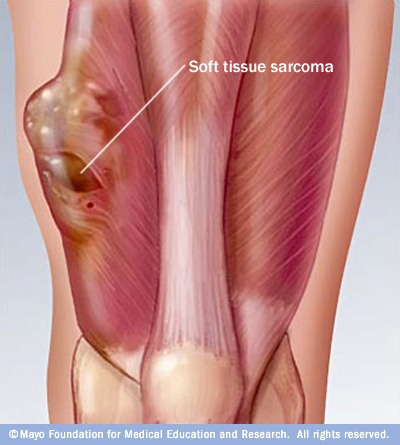
« Newer Posts - Older Posts »