Feeds:
Posts
Comments

Archive for the ‘Theoretic convergence’ Category

Summary – Volume 4, Part 2: Translational Medicine in Cardiovascular Diseases

Summary – Volume 4, Part 2:  Translational Medicine in Cardiovascular Diseases

Author and Curator: Larry H Bernstein, MD, FCAP


We have covered a large amount of material that involves

  • the development,
  • application, and
  • validation of outcomes of medical and surgical procedures

that are based on translation of science from the laboratory to the bedside, improving the standards of medical practice at an accelerated pace in the last quarter century, and in the last decade.  Encouraging enabling developments have been:

1. The establishment of national and international outcomes databases for procedures by specialist medical societies

Stent Design and Thrombosis: Bifurcation Intervention, Drug Eluting Stents (DES) and Biodegrable Stents
Curator: Aviva Lev-Ari, PhD, RN
http://pharmaceuticalintelligence.com/2013/08/06/stent-design-and-thrombosis-bifurcation-intervention-drug-eluting-stents-des-and-biodegrable-stents/

On Devices and On Algorithms: Prediction of Arrhythmia after Cardiac Surgery and ECG Prediction of an Onset of Paroxysmal Atrial Fibrillation
Author, and Content Consultant to e-SERIES A: Cardiovascular Diseases: Justin Pearlman, MD, PhD, FACC
http://pharmaceuticalintelligence.com/2013/05/07/on-devices-and-on-algorithms-arrhythmia-after-cardiac-surgery-prediction-and-ecg-prediction-of-paroxysmal-atrial-fibrillation-onset/

Mitral Valve Repair: Who is a Patient Candidate for a Non-Ablative Fully Non-Invasive Procedure?
Author, and Content Consultant to e-SERIES A: Cardiovascular Diseases: Justin Pearlman, MD, PhD, FACC and Article Curator: Aviva Lev-Ari, PhD, RN
http://pharmaceuticalintelligence.com/2013/11/04/mitral-valve-repair-who-is-a-candidate-for-a-non-ablative-fully-non-invasive-procedure/

Cardiovascular Complications: Death from Reoperative Sternotomy after prior CABG, MVR, AVR, or Radiation; Complications of PCI; Sepsis from Cardiovascular Interventions
Author, Introduction and Summary: Justin D Pearlman, MD, PhD, FACC and Article Curator: Aviva Lev-Ari, PhD, RN
http://pharmaceuticalintelligence.com/2013/07/23/cardiovascular-complications-of-multiple-etiologies-repeat-sternotomy-post-cabg-or-avr-post-pci-pad-endoscopy-andor-resultant-of-systemic-sepsis/

Survivals Comparison of Coronary Artery Bypass Graft (CABG) and Percutaneous Coronary Intervention (PCI) /Coronary Angioplasty
Larry H. Bernstein, MD, Writer And Aviva Lev-Ari, PhD, RN, Curator
http://pharmaceuticalintelligence.com/2013/06/23/comparison-of-cardiothoracic-bypass-and-percutaneous-interventional-catheterization-survivals/

Revascularization: PCI, Prior History of PCI vs CABG
Curator: Aviva Lev-Ari, PhD, RN
http://pharmaceuticalintelligence.com/2013/04/25/revascularization-pci-prior-history-of-pci-vs-cabg/

Outcomes in High Cardiovascular Risk Patients: Prasugrel (Effient) vs. Clopidogrel (Plavix); Aliskiren (Tekturna) added to ACE or added to ARB
Reporter and Curator: Aviva Lev-Ari, PhD, RN
http://pharmaceuticalintelligence.com/2012/08/27/outcomes-in-high-cardiovascular-risk-patients-prasugrel-effient-vs-clopidogrel-plavix-aliskiren-tekturna-added-to-ace-or-added-to-arb/

Endovascular Lower-extremity Revascularization Effectiveness: Vascular Surgeons (VSs), Interventional Cardiologists (ICs) and Interventional Radiologists (IRs)
Curator: Aviva Lev-Ari, PhD, RN
http://pharmaceuticalintelligence.com/2012/08/13/coronary-artery-disease-medical-devices-solutions-from-first-in-man-stent-implantation-via-medical-ethical-dilemmas-to-drug-eluting-stents/

and more

2. The identification of problem areas, particularly in activation of the prothrombotic pathways, infection control to an extent, and targeting of pathways leading to progression or to arrythmogenic complications.

Cardiovascular Complications: Death from Reoperative Sternotomy after prior CABG, MVR, AVR, or Radiation; Complications of PCI; Sepsis from Cardiovascular Interventions Author, Introduction and Summary: Justin D Pearlman, MD, PhD, FACC and Article Curator: Aviva Lev-Ari, PhD, RN
http://pharmaceuticalintelligence.com/2013/07/23/cardiovascular-complications-of-multiple-etiologies-repeat-sternotomy-post-cabg-or-avr-post-pci-pad-endoscopy-andor-resultant-of-systemic-sepsis/

Anticoagulation genotype guided dosing
Larry H. Bernstein, MD, FCAP, Author and Curator
http://pharmaceuticalintelligence.com/2013/12/08/anticoagulation-genotype-guided-dosing/

Stent Design and Thrombosis: Bifurcation Intervention, Drug Eluting Stents (DES) and Biodegrable Stents
Curator: Aviva Lev-Ari, PhD, RN
http://pharmaceuticalintelligence.com/2013/08/06/stent-design-and-thrombosis-bifurcation-intervention-drug-eluting-stents-des-and-biodegrable-stents/

The Effects of Aprotinin on Endothelial Cell Coagulant Biology
Co-Author (Kamran Baig, MBBS, James Jaggers, MD, Jeffrey H. Lawson, MD, PhD) and Curator
http://pharmaceuticalintelligence.com/2013/07/20/the-effects-of-aprotinin-on-endothelial-cell-coagulant-biology/

Outcomes in High Cardiovascular Risk Patients: Prasugrel (Effient) vs. Clopidogrel (Plavix); Aliskiren (Tekturna) added to ACE or added to ARB
Reporter and Curator: Aviva Lev-Ari, PhD, RN
http://pharmaceuticalintelligence.com/2012/08/27/outcomes-in-high-cardiovascular-risk-patients-prasugrel-effient-vs-clopidogrel-plavix-aliskiren-tekturna-added-to-ace-or-added-to-arb/

Pharmacogenomics – A New Method for Druggability  Author and Curator: Demet Sag, PhD
http://pharmaceuticalintelligence.com/2014/04/28/pharmacogenomics-a-new-method-for-druggability/

Advanced Topics in Sepsis and the Cardiovascular System at its End Stage    Author: Larry H Bernstein, MD, FCAP
http://pharmaceuticalintelligence.com/2013/08/18/advanced-topics-in-Sepsis-and-the-Cardiovascular-System-at-its-End-Stage/

3. Development of procedures that use a safer materials in vascular management.

Stent Design and Thrombosis: Bifurcation Intervention, Drug Eluting Stents (DES) and Biodegrable Stents
Curator: Aviva Lev-Ari, PhD, RN
http://pharmaceuticalintelligence.com/2013/08/06/stent-design-and-thrombosis-bifurcation-intervention-drug-eluting-stents-des-and-biodegrable-stents/

Biomaterials Technology: Models of Tissue Engineering for Reperfusion and Implantable Devices for Revascularization
Author and Curator: Larry H Bernstein, MD, FACP and Curator: Aviva Lev-Ari, PhD, RN
http://pharmaceuticalintelligence.com/2013/05/05/bioengineering-of-vascular-and-tissue-models/

Vascular Repair: Stents and Biologically Active Implants
Author and Curator: Larry H Bernstein, MD, FACP and Curator: Aviva Lev-Ari, RN, PhD
http://pharmaceuticalintelligence.com/2013/05/04/stents-biologically-active-implants-and-vascular-repair/

Drug Eluting Stents: On MIT’s Edelman Lab’s Contributions to Vascular Biology and its Pioneering Research on DES
Author: Larry H Bernstein, MD, FACP and Curator: Aviva Lev-Ari, PhD, RN
http://PharmaceuticalIntelligence.com/2013/04/25/Contributions-to-vascular-biology/

MedTech & Medical Devices for Cardiovascular Repair – Curations by Aviva Lev-Ari, PhD, RN
http://pharmaceuticalintelligence.com/2014/04/17/medtech-medical-devices-for-cardiovascular-repair-curation-by-aviva-lev-ari-phd-rn/

4. Discrimination of cases presenting for treatment based on qualifications for medical versus surgical intervention.

Treatment Options for Left Ventricular Failure – Temporary Circulatory Support: Intra-aortic balloon pump (IABP) – Impella Recover LD/LP 5.0 and 2.5, Pump Catheters (Non-surgical) vs Bridge Therapy: Percutaneous Left Ventricular Assist Devices (pLVADs) and LVADs (Surgical)
Author: Larry H Bernstein, MD, FCAP And Curator: Justin D Pearlman, MD, PhD, FACC
http://pharmaceuticalintelligence.com/2013/07/17/treatment-options-for-left-ventricular-failure-temporary-circulatory-support-intra-aortic-balloon-pump-iabp-impella-recover-ldlp-5-0-and-2-5-pump-catheters-non-surgical-vs-bridge-therapy/

Coronary Reperfusion Therapies: CABG vs PCI – Mayo Clinic preprocedure Risk Score (MCRS) for Prediction of in-Hospital Mortality after CABG or PCI
Writer and Curator: Larry H. Bernstein, MD, FCAP and Curator: Aviva Lev-Ari, PhD, RN
http://pharmaceuticalintelligence.com/2013/06/30/mayo-risk-score-for-percutaneous-coronary-intervention/

ACC/AHA Guidelines for Coronary Artery Bypass Graft Surgery Reporter: Aviva Lev-Ari, PhD, RN
http://pharmaceuticalintelligence.com/2013/11/05/accaha-guidelines-for-coronary-artery-bypass-graft-surgery/

Mitral Valve Repair: Who is a Patient Candidate for a Non-Ablative Fully Non-Invasive Procedure?
Author, and Content Consultant to e-SERIES A: Cardiovascular Diseases: Justin Pearlman, MD, PhD, FACC and Article Curator: Aviva Lev-Ari, PhD, RN
http://pharmaceuticalintelligence.com/2013/11/04/mitral-valve-repair-who-is-a-candidate-for-a-non-ablative-fully-non-invasive-procedure/ 

5.  This has become possible because of the advances in our knowledge of key related pathogenetic mechanisms involving gene expression and cellular regulation of complex mechanisms.

What is the key method to harness Inflammation to close the doors for many complex diseases?
Author and Curator: Larry H Bernstein, MD, FCAP
http://pharmaceuticalintelligence.com/2014/03/21/what-is-the-key-method-to-harness-inflammation-to-close-the-doors-for-many-complex-diseases/

CVD Prevention and Evaluation of Cardiovascular Imaging Modalities: Coronary Calcium Score by CT Scan Screening to justify or not the Use of Statin
Curator: Aviva Lev-Ari, PhD, RN
http://pharmaceuticalintelligence.com/2014/03/03/cvd-prevention-and-evaluation-of-cardiovascular-imaging-modalities-coronary-calcium-score-by-ct-scan-screening-to-justify-or-not-the-use-of-statin/

Richard Lifton, MD, PhD of Yale University and Howard Hughes Medical Institute: Recipient of 2014 Breakthrough Prizes Awarded in Life Sciences for the Discovery of Genes and Biochemical Mechanisms that cause Hypertension
Curator: Aviva Lev-Ari, PhD, RN
http://pharmaceuticalintelligence.com/2014/03/03/richard-lifton-md-phd-of-yale-university-and-howard-hughes-medical-institute-recipient-of-2014-breakthrough-prizes-awarded-in-life-sciences-for-the-discovery-of-genes-and-biochemical-mechanisms-tha/

Pathophysiological Effects of Diabetes on Ischemic-Cardiovascular Disease and on Chronic Obstructive Pulmonary Disease (COPD)
Curator:  Larry H. Bernstein, MD, FCAP
http://pharmaceuticalintelligence.com/2014/01/15/pathophysiological-effects-of-diabetes-on-ischemic-cardiovascular-disease-and-on-chronic-obstructive-pulmonary-disease-copd/

Atherosclerosis Independence: Genetic Polymorphisms of Ion Channels Role in the Pathogenesis of Coronary Microvascular Dysfunction and Myocardial Ischemia (Coronary Artery Disease (CAD))
Reviewer and Co-Curator: Larry H Bernstein, MD, CAP and Curator: Aviva Lev-Ari, PhD, RN
http://pharmaceuticalintelligence.com/2013/12/21/genetic-polymorphisms-of-ion-channels-have-a-role-in-the-pathogenesis-of-coronary-microvascular-dysfunction-and-ischemic-heart-disease/

Notable Contributions to Regenerative Cardiology  Author and Curator: Larry H Bernstein, MD, FCAP and Article Commissioner: Aviva Lev-Ari, PhD, RD
http://pharmaceuticalintelligence.com/2013/10/20/notable-contributions-to-regenerative-cardiology/

As noted in the introduction, any of the material can be found and reviewed by content, and the eTOC is identified in attached:

http://wp.me/p2xfv8-1W


This completes what has been presented in Part 2, Vol 4 , and supporting references for the main points that are found in the Leaders in Pharmaceutical Intelligence Cardiovascular book.  Part 1 was concerned with Posttranslational Modification of Proteins, vital for understanding cellular regulation and dysregulation.  Part 2 was concerned with Translational Medical Therapeutics, the efficacy of medical and surgical decisions based on bringing the knowledge gained from the laboratory, and from clinical trials into the realm opf best practice.  The time for this to occur in practice in the past has been through roughly a generation of physicians.  That was in part related to the busy workload of physicians, and inability to easily access specialty literature as the volume and complexity increased.  This had an effect of making access of a family to a primary care provider through a lifetime less likely than the period post WWII into the 1980s.

However, the growth of knowledge has accelerated in the specialties since the 1980’s so that the use of physician referral in time became a concern about the cost of medical care.  This is not the place for or a matter for discussion here.  It is also true that the scientific advances and improvements in available technology have had a great impact on medical outcomes.  The only unrelated issue is that of healthcare delivery, which is not up to the standard set by serial advances in therapeutics, accompanied by high cost due to development costs, marketing costs, and development of drug resistance.

I shall identify continuing developments in cardiovascular diagnostics, therapeutics, and bioengineering that is and has been emerging.

1. Mechanisms of disease

REPORT: Mapping the Cellular Response to Small Molecules Using Chemogenomic Fitness Signatures 

Science 11 April 2014:
Vol. 344 no. 6180 pp. 208-211
http://dx.doi.org/10.1126/science.1250217

Abstract: Genome-wide characterization of the in vivo cellular response to perturbation is fundamental to understanding how cells survive stress. Identifying the proteins and pathways perturbed by small molecules affects biology and medicine by revealing the mechanisms of drug action. We used a yeast chemogenomics platform that quantifies the requirement for each gene for resistance to a compound in vivo to profile 3250 small molecules in a systematic and unbiased manner. We identified 317 compounds that specifically perturb the function of 121 genes and characterized the mechanism of specific compounds. Global analysis revealed that the cellular response to small molecules is limited and described by a network of 45 major chemogenomic signatures. Our results provide a resource for the discovery of functional interactions among genes, chemicals, and biological processes.

Yeasty HIPHOP

Laura Zahn
Sci. Signal. 15 April 2014; 7(321): ec103.   http://dx.doi.org/10.1126/scisignal.2005362

In order to identify how chemical compounds target genes and affect the physiology of the cell, tests of the perturbations that occur when treated with a range of pharmacological chemicals are required. By examining the haploinsufficiency profiling (HIP) and homozygous profiling (HOP) chemogenomic platforms, Lee et al.(p. 208) analyzed the response of yeast to thousands of different small molecules, with genetic, proteomic, and bioinformatic analyses. Over 300 compounds were identified that targeted 121 genes within 45 cellular response signature networks. These networks were used to extrapolate the likely effects of related chemicals, their impact upon genetic pathways, and to identify putative gene functions

Key Heart Failure Culprit Discovered

A team of cardiovascular researchers from the Cardiovascular Research Center at Icahn School of Medicine at Mount Sinai, Sanford-Burnham Medical Research Institute, and University of California, San Diego have identified a small, but powerful, new player in thIe onset and progression of heart failure. Their findings, published in the journal Nature  on March 12, also show how they successfully blocked the newly discovered culprit.
Investigators identified a tiny piece of RNA called miR-25 that blocks a gene known as SERCA2a, which regulates the flow of calcium within heart muscle cells. Decreased SERCA2a activity is one of the main causes of poor contraction of the heart and enlargement of heart muscle cells leading to heart failure.

Using a functional screening system developed by researchers at Sanford-Burnham, the research team discovered miR-25 acts pathologically in patients suffering from heart failure, delaying proper calcium uptake in heart muscle cells. According to co-lead study authors Christine Wahlquist and Dr. Agustin Rojas Muñoz, developers of the approach and researchers in Mercola’s lab at Sanford-Burnham, they used high-throughput robotics to sift through the entire genome for microRNAs involved in heart muscle dysfunction.

Subsequently, the researchers at the Cardiovascular Research Center at Icahn School of Medicine at Mount Sinai found that injecting a small piece of RNA to inhibit the effects of miR-25 dramatically halted heart failure progression in mice. In addition, it also improved their cardiac function and survival.

“In this study, we have not only identified one of the key cellular processes leading to heart failure, but have also demonstrated the therapeutic potential of blocking this process,” says co-lead study author Dr. Dongtak Jeong, a post-doctoral fellow at the Cardiovascular Research Center at Icahn School of  Medicine at Mount Sinai in the laboratory of the study’s co-senior author Dr. Roger J. Hajjar.

Publication: Inhibition of miR-25 improves cardiac contractility in the failing heart.Christine Wahlquist, Dongtak Jeong, Agustin Rojas-Muñoz, Changwon Kho, Ahyoung Lee, Shinichi Mitsuyama, Alain Van Mil, Woo Jin Park, Joost P. G. Sluijter, Pieter A. F. Doevendans, Roger J. :  Hajjar & Mark Mercola.     Nature (March 2014)    http://www.nature.com/nature/journal/vaop/ncurrent/full/nature13073.html


“Junk” DNA Tied to Heart Failure

Deep RNA Sequencing Reveals Dynamic Regulation of Myocardial Noncoding RNAs in Failing Human Heart and Remodeling With Mechanical Circulatory Support

Yang KC, Yamada KA, Patel AY, Topkara VK, George I, et al.
Circulation 2014;  129(9):1009-21.
http://dx.doi.org/10.1161/CIRCULATIONAHA.113.003863              http://circ.ahajournals.org/…/CIRCULATIONAHA.113.003863.full

The myocardial transcriptome is dynamically regulated in advanced heart failure and after LVAD support. The expression profiles of lncRNAs, but not mRNAs or miRNAs, can discriminate failing hearts of different pathologies and are markedly altered in response to LVAD support. These results suggest an important role for lncRNAs in the pathogenesis of heart failure and in reverse remodeling observed with mechanical support.

Junk DNA was long thought to have no important role in heredity or disease because it doesn’t code for proteins. But emerging research in recent years has revealed that many of these sections of the genome produce noncoding RNA molecules that still have important functions in the body. They come in a variety of forms, some more widely studied than others. Of these, about 90% are called long noncoding RNAs (lncRNAs), and exploration of their roles in health and disease is just beginning.

The Washington University group performed a comprehensive analysis of all RNA molecules expressed in the human heart. The researchers studied nonfailing hearts and failing hearts before and after patients received pump support from left ventricular assist devices (LVAD). The LVADs increased each heart’s pumping capacity while patients waited for heart transplants.

In their study, the researchers found that unlike other RNA molecules, expression patterns of long noncoding RNAs could distinguish between two major types of heart failure and between failing hearts before and after they received LVAD support.

“The myocardial transcriptome is dynamically regulated in advanced heart failure and after LVAD support. The expression profiles of lncRNAs, but not mRNAs or miRNAs, can discriminate failing hearts of different pathologies and are markedly altered in response to LVAD support,” wrote the researchers. “These results suggest an important role for lncRNAs in the pathogenesis of heart failure and in reverse remodeling observed with mechanical support.”

‘Junk’ Genome Regions Linked to Heart Failure

In a recent issue of the journal Circulation, Washington University investigators report results from the first comprehensive analysis of all RNA molecules expressed in the human heart. The researchers studied nonfailing hearts and failing hearts before and after patients received pump support from left ventricular assist devices (LVAD). The LVADs increased each heart’s pumping capacity while patients waited for heart transplants.

“We took an unbiased approach to investigating which types of RNA might be linked to heart failure,” said senior author Jeanne Nerbonne, the Alumni Endowed Professor of Molecular Biology and Pharmacology. “We were surprised to find that long noncoding RNAs stood out.

In the new study, the investigators found that unlike other RNA molecules, expression patterns of long noncoding RNAs could distinguish between two major types of heart failure and between failing hearts before and after they received LVAD support.

“We don’t know whether these changes in long noncoding RNAs are a cause or an effect of heart failure,” Nerbonne said. “But it seems likely they play some role in coordinating the regulation of multiple genes involved in heart function.”

Nerbonne pointed out that all types of RNA molecules they examined could make the obvious distinction: telling the difference between failing and nonfailing hearts. But only expression of the long noncoding RNAs was measurably different between heart failure associated with a heart attack (ischemic) and heart failure without the obvious trigger of blocked arteries (nonischemic). Similarly, only long noncoding RNAs significantly changed expression patterns after implantation of left ventricular assist devices.

Comment

Decoding the noncoding transcripts in human heart failure

Xiao XG, Touma M, Wang Y
Circulation. 2014; 129(9): 958960,  http://dx.doi.org/10.1161/CIRCULATIONAHA.114.007548 

Heart failure is a complex disease with a broad spectrum of pathological features. Despite significant advancement in clinical diagnosis through improved imaging modalities and hemodynamic approaches, reliable molecular signatures for better differential diagnosis and better monitoring of heart failure progression remain elusive. The few known clinical biomarkers for heart failure, such as plasma brain natriuretic peptide and troponin, have been shown to have limited use in defining the cause or prognosis of the disease.1,2 Consequently, current clinical identification and classification of heart failure remain descriptive, mostly based on functional and morphological parameters. Therefore, defining the pathogenic mechanisms for hypertrophic versus dilated or ischemic versus nonischemic cardiomyopathies in the failing heart remain a major challenge to both basic science and clinic researchers. In recent years, mechanical circulatory support using left ventricular assist devices (LVADs) has assumed a growing role in the care of patients with end-stage heart failure.3 During the earlier years of LVAD application as a bridge to transplant, it became evident that some patients exhibit substantial recovery of ventricular function, structure, and electric properties.4 This led to the recognition that reverse remodeling is potentially an achievable therapeutic goal using LVADs. However, the underlying mechanism for the reverse remodeling in the LVAD-treated hearts is unclear, and its discovery would likely hold great promise to halt or even reverse the progression of heart failure.


Efficacy and Safety of Dabigatran Compared With Warfarin in Relation to Baseline Renal Function in Patients With Atrial Fibrillation: A RE-LY (Randomized Evaluation of Long-term Anticoagulation Therapy) Trial Analysis

Circulation. 2014; 129: 951-952     http://dx.doi.org/10.1161/​CIR.0000000000000022

In patients with atrial fibrillation, impaired renal function is associated with a higher risk of thromboembolic events and major bleeding. Oral anticoagulation with vitamin K antagonists reduces thromboembolic events but raises the risk of bleeding. The new oral anticoagulant dabigatran has 80% renal elimination, and its efficacy and safety might, therefore, be related to renal function. In this prespecified analysis from the Randomized Evaluation of Long-Term Anticoagulant Therapy (RELY) trial, outcomes with dabigatran versus warfarin were evaluated in relation to 4 estimates of renal function, that is, equations based on creatinine levels (Cockcroft-Gault, Modification of Diet in Renal Disease (MDRD), Chronic Kidney Disease Epidemiology Collaboration [CKD-EPI]) and cystatin C. The rates of stroke or systemic embolism were lower with dabigatran 150 mg and similar with 110 mg twice daily irrespective of renal function. Rates of major bleeding were lower with dabigatran 110 mg and similar with 150 mg twice daily across the entire range of renal function. However, when the CKD-EPI or MDRD equations were used, there was a significantly greater relative reduction in major bleeding with both doses of dabigatran than with warfarin in patients with estimated glomerular filtration rate ≥80 mL/min. These findings show that dabigatran can be used with the same efficacy and adequate safety in patients with a wide range of renal function and that a more accurate estimate of renal function might be useful for improved tailoring of anticoagulant treatment in patients with atrial fibrillation and an increased risk of stroke.

Aldosterone Regulates MicroRNAs in the Cortical Collecting Duct to Alter Sodium Transport.

Robert S Edinger, Claudia Coronnello, Andrew J Bodnar, William A Laframboise, Panayiotis V Benos, Jacqueline Ho, John P Johnson, Michael B Butterworth

Journal of the American Society of Nephrology (Impact Factor: 8.99). 04/2014;     http://dx. DO.org/I:10.1681/ASN.2013090931

Source: PubMed

ABSTRACT A role for microRNAs (miRs) in the physiologic regulation of sodium transport in the kidney has not been established. In this study, we investigated the potential of aldosterone to alter miR expression in mouse cortical collecting duct (mCCD) epithelial cells. Microarray studies demonstrated the regulation of miR expression by aldosterone in both cultured mCCD and isolated primary distal nephron principal cells.

Aldosterone regulation of the most significantly downregulated miRs, mmu-miR-335-3p, mmu-miR-290-5p, and mmu-miR-1983 was confirmed by quantitative RT-PCR. Reducing the expression of these miRs separately or in combination increased epithelial sodium channel (ENaC)-mediated sodium transport in mCCD cells, without mineralocorticoid supplementation. Artificially increasing the expression of these miRs by transfection with plasmid precursors or miR mimic constructs blunted aldosterone stimulation of ENaC transport.

Using a newly developed computational approach, termed ComiR, we predicted potential gene targets for the aldosterone-regulated miRs and confirmed ankyrin 3 (Ank3) as a novel aldosterone and miR-regulated protein.

A dual-luciferase assay demonstrated direct binding of the miRs with the Ank3-3′ untranslated region. Overexpression of Ank3 increased and depletion of Ank3 decreased ENaC-mediated sodium transport in mCCD cells. These findings implicate miRs as intermediaries in aldosterone signaling in principal cells of the distal kidney nephron.


2. Diagnostic Biomarker Status

A prospective study of the impact of serial troponin measurements on the diagnosis of myocardial infarction and hospital and 6-month mortality in patients admitted to ICU with non-cardiac diagnoses.

Marlies Ostermann, Jessica Lo, Michael Toolan, Emma Tuddenham, Barnaby Sanderson, Katie Lei, John Smith, Anna Griffiths, Ian Webb, James Coutts, John hambers, Paul Collinson, Janet Peacock, David Bennett, David Treacher

Critical care (London, England) (Impact Factor: 4.72). 04/2014; 18(2):R62.   http://dx.doi.org/:10.1186/cc13818

Source: PubMed

ABSTRACT Troponin T (cTnT) elevation is common in patients in the Intensive Care Unit (ICU) and associated with morbidity and mortality. Our aim was to determine the epidemiology of raised cTnT levels and contemporaneous electrocardiogram (ECG) changes suggesting myocardial infarction (MI) in ICU patients admitted for non-cardiac reasons.
cTnT and ECGs were recorded daily during week 1 and on alternate days during week 2 until discharge from ICU or death. ECGs were interpreted independently for the presence of ischaemic changes. Patients were classified into 4 groups: (i) definite MI (cTnT >=15 ng/L and contemporaneous changes of MI on ECG), (ii) possible MI (cTnT >=15 ng/L and contemporaneous ischaemic changes on ECG), (iii) troponin rise alone (cTnT >=15 ng/L), or (iv) normal. Medical notes were screened independently by two ICU clinicians for evidence that the clinical teams had considered a cardiac event.
Data from 144 patients were analysed [42% female; mean age 61.9 (SD 16.9)]. 121 patients (84%) had at least one cTnT level >=15 ng/L. A total of 20 patients (14%) had a definite MI, 27% had a possible MI, 43% had a cTNT rise without contemporaneous ECG changes, and 16% had no cTNT rise. ICU, hospital and 180 day mortality were significantly higher in patients with a definite or possible MI.Only 20% of definite MIs were recognised by the clinical team. There was no significant difference in mortality between recognised and non-recognised events.At time of cTNT rise, 100 patients (70%) were septic and 58% were on vasopressors. Patients who were septic when cTNT was elevated had an ICU mortality of 28% compared to 9% in patients without sepsis. ICU mortality of patients who were on vasopressors at time of cTNT elevation was 37% compared to 1.7% in patients not on vasopressors.
The majority of critically ill patients (84%) had a cTnT rise and 41% met criteria for a possible or definite MI of whom only 20% were recognised clinically. Mortality up to 180 days was higher in patients with a cTnT rise.


Prognostic performance of high-sensitivity cardiac troponin T kinetic changes adjusted for elevated admission values and the GRACE score in an unselected emergency department population.

Moritz BienerMatthias MuellerMehrshad VafaieAllan S JaffeHugo A Katus,Evangelos Giannitsis

Clinica chimica acta; international journal of clinical chemistry (Impact Factor: 2.54). 04/2014;   http://dx.doi.org/10.1016/j.cca.2014.04.007

Source: PubMed

ABSTRACT To test the prognostic performance of rising and falling kinetic changes of high-sensitivity cardiac troponin T (hs-cTnT) and the GRACE score.
Rising and falling hs-cTnT changes in an unselected emergency department population were compared.
635 patients with a hs-cTnT >99th percentile admission value were enrolled. Of these, 572 patients qualified for evaluation with rising patterns (n=254, 44.4%), falling patterns (n=224, 39.2%), or falling patterns following an initial rise (n=94, 16.4%). During 407days of follow-up, we observed 74 deaths, 17 recurrent AMI, and 79 subjects with a composite of death/AMI. Admission values >14ng/L were associated with a higher rate of adverse outcomes (OR, 95%CI:death:12.6, 1.8-92.1, p=0.01, death/AMI:6.7, 1.6-27.9, p=0.01). Neither rising nor falling changes increased the AUC of baseline values (AUC: rising 0.562 vs 0.561, p=ns, falling: 0.533 vs 0.575, p=ns). A GRACE score ≥140 points indicated a higher risk of death (OR, 95%CI: 3.14, 1.84-5.36), AMI (OR,95%CI: 1.56, 0.59-4.17), or death/AMI (OR, 95%CI: 2.49, 1.51-4.11). Hs-cTnT changes did not improve prognostic performance of a GRACE score ≥140 points (AUC, 95%CI: death: 0.635, 0.570-0.701 vs. 0.560, 0.470-0.649 p=ns, AMI: 0.555, 0.418-0.693 vs. 0.603, 0.424-0.782, p=ns, death/AMI: 0.610, 0.545-0.676 vs. 0.538, 0.454-0.622, p=ns). Coronary angiography was performed earlier in patients with rising than with falling kinetics (median, IQR [hours]:13.7, 5.5-28.0 vs. 20.8, 6.3-59.0, p=0.01).
Neither rising nor falling hs-cTnT changes improve prognostic performance of elevated hs-cTnT admission values or the GRACE score. However, rising values are more likely associated with the decision for earlier invasive strategy.


Troponin assays for the diagnosis of myocardial infarction and acute coronary syndrome: where do we stand?

Arie Eisenman

ABSTRACT: Under normal circumstances, most intracellular troponin is part of the muscle contractile apparatus, and only a small percentage (< 2-8%) is free in the cytoplasm. The presence of a cardiac-specific troponin in the circulation at levels above normal is good evidence of damage to cardiac muscle cells, such as myocardial infarction, myocarditis, trauma, unstable angina, cardiac surgery or other cardiac procedures. Troponins are released as complexes leading to various cut-off values depending on the assay used. This makes them very sensitive and specific indicators of cardiac injury. As with other cardiac markers, observation of a rise and fall in troponin levels in the appropriate time-frame increases the diagnostic specificity for acute myocardial infarction. They start to rise approximately 4-6 h after the onset of acute myocardial infarction and peak at approximately 24 h, as is the case with creatine kinase-MB. They remain elevated for 7-10 days giving a longer diagnostic window than creatine kinase. Although the diagnosis of various types of acute coronary syndrome remains a clinical-based diagnosis, the use of troponin levels contributes to their classification. This Editorial elaborates on the nature of troponin, its classification, clinical use and importance, as well as comparing it with other currently available cardiac markers.

Expert Review of Cardiovascular Therapy 07/2006; 4(4):509-14.   http://dx.doi.org/:10.1586/14779072.4.4.509 


Impact of redefining acute myocardial infarction on incidence, management and reimbursement rate of acute coronary syndromes.

Carísi A Polanczyk, Samir Schneid, Betina V Imhof, Mariana Furtado, Carolina Pithan, Luis E Rohde, Jorge P Ribeiro

ABSTRACT: Although redefinition for acute myocardial infarction (AMI) has been proposed few years ago, to date it has not been universally adopted by many institutions. The purpose of this study is to evaluate the diagnostic, prognostic and economical impact of the new diagnostic criteria for AMI. Patients consecutively admitted to the emergency department with suspected acute coronary syndromes were enrolled in this study. Troponin T (cTnT) was measured in samples collected for routine CK-MB analyses and results were not available to physicians. Patients without AMI by traditional criteria and cTnT > or = 0.035 ng/mL were coded as redefined AMI. Clinical outcomes were hospital death, major cardiac events and revascularization procedures. In-hospital management and reimbursement rates were also analyzed. Among 363 patients, 59 (16%) patients had AMI by conventional criteria, whereas additional 75 (21%) had redefined AMI, an increase of 127% in the incidence. Patients with redefined AMI were significantly older, more frequently male, with atypical chest pain and more risk factors. In multivariate analysis, redefined AMI was associated with 3.1 fold higher hospital death (95% CI: 0.6-14) and a 5.6 fold more cardiac events (95% CI: 2.1-15) compared to those without AMI. From hospital perspective, based on DRGs payment system, adoption of AMI redefinition would increase 12% the reimbursement rate [3552 Int dollars per 100 patients evaluated]. The redefined criteria result in a substantial increase in AMI cases, and allow identification of high-risk patients. Efforts should be made to reinforce the adoption of AMI redefinition, which may result in more qualified and efficient management of ACS.

International Journal of Cardiology 03/2006; 107(2):180-7. · 5.51 Impact Factor   http://www.sciencedirect.com/science/article/pii/S0167527305005279


3. Biomedical Engineerin3g

Safety and Efficacy of an Injectable Extracellular Matrix Hydrogel for Treating Myocardial Infarction 

Sonya B. Seif-Naraghi, Jennifer M. Singelyn, Michael A. Salvatore,  et al.
Sci Transl Med 20 February 2013 5:173ra25  http://dx.doi.org/10.1126/scitranslmed.3005503

Acellular biomaterials can stimulate the local environment to repair tissues without the regulatory and scientific challenges of cell-based therapies. A greater understanding of the mechanisms of such endogenous tissue repair is furthering the design and application of these biomaterials. We discuss recent progress in acellular materials for tissue repair, using cartilage and cardiac tissues as examples of application with substantial intrinsic hurdles, but where human translation is now occurring.

 Acellular Biomaterials: An Evolving Alternative to Cell-Based Therapies

J. A. Burdick, R. L. Mauck, J. H. Gorman, R. C. Gorman,
Sci. Transl. Med. 2013; 5, (176): 176 ps4    http://stm.sciencemag.org/content/5/176/176ps4

Acellular biomaterials can stimulate the local environment to repair tissues without the regulatory and scientific challenges of cell-based therapies. A greater understanding of the mechanisms of such endogenous tissue repair is furthering the design and application of these biomaterials. We discuss recent progress in acellular materials for tissue repair, using cartilage and cardiac tissues as examples of applications with substantial intrinsic hurdles, but where human translation is now occurring.


Instructive Nanofiber Scaffolds with VEGF Create a Microenvironment for Arteriogenesis and Cardiac Repair

Yi-Dong Lin, Chwan-Yau Luo, Yu-Ning Hu, Ming-Long Yeh, Ying-Chang Hsueh, Min-Yao Chang, et al.
Sci Transl Med 8 August 2012; 4(146):ra109.   http://dx.doi.org/ 10.1126/scitranslmed.3003841

Angiogenic therapy is a promising approach for tissue repair and regeneration. However, recent clinical trials with protein delivery or gene therapy to promote angiogenesis have failed to provide therapeutic effects. A key factor for achieving effective revascularization is the durability of the microvasculature and the formation of new arterial vessels. Accordingly, we carried out experiments to test whether intramyocardial injection of self-assembling peptide nanofibers (NFs) combined with vascular endothelial growth factor (VEGF) could create an intramyocardial microenvironment with prolonged VEGF release to improve post-infarct neovascularization in rats. Our data showed that when injected with NF, VEGF delivery was sustained within the myocardium for up to 14 days, and the side effects of systemic edema and proteinuria were significantly reduced to the same level as that of control. NF/VEGF injection significantly improved angiogenesis, arteriogenesis, and cardiac performance 28 days after myocardial infarction. NF/VEGF injection not only allowed controlled local delivery but also transformed the injected site into a favorable microenvironment that recruited endogenous myofibroblasts and helped achieve effective revascularization. The engineered vascular niche further attracted a new population of cardiomyocyte-like cells to home to the injected sites, suggesting cardiomyocyte regeneration. Follow-up studies in pigs also revealed healing benefits consistent with observations in rats. In summary, this study demonstrates a new strategy for cardiovascular repair with potential for future clinical translation.

Manufacturing Challenges in Regenerative Medicine

I. Martin, P. J. Simmons, D. F. Williams.
Sci. Transl. Med. 2014; 6(232): fs16.   http://dx.doi.org/10.1126/scitranslmed.3008558

Along with scientific and regulatory issues, the translation of cell and tissue therapies in the routine clinical practice needs to address standardization and cost-effectiveness through the definition of suitable manufacturing paradigms.


Read Full Post »

Introduction – The Evolution of Cancer Therapy and Cancer Research: How We Got Here?

Introduction – The Evolution of Cancer Therapy and Cancer Research: How We Got Here?

Author and Curator: Larry H Bernstein, MD, FCAP

The evolution of progress we have achieved in cancer research, diagnosis, and therapeutics has  originated from an emergence of scientific disciplines and the focus on cancer has been recent. We can imagine this from a historical perspective with respect to two observations. The first is that the oldest concepts of medicine lie with the anatomic dissection of animals and the repeated recurrence of war, pestilence, and plague throughout the middle ages, and including the renaissance.  In the awakening, architecture, arts, music, math, architecture and science that accompanied the invention of printing blossomed, a unique collaboration of individuals working in disparate disciplines occurred, and those who were privileged received an education, which led to exploration, and with it, colonialism.  This also led to the need to increasingly, if not without reprisal, questioning long-held church doctrines.

It was in Vienna that Rokitansky developed the discipline of pathology, and his student Semelweis identified an association between then unknown infection and childbirth fever. The extraordinary accomplishments of John Hunter in anatomy and surgery came during the twelve years war, and his student, Edward Jenner, observed the association between cowpox and smallpox resistance. The development of a nursing profession is associated with the work of Florence Nightengale during the Crimean War (at the same time as Leo Tolstoy). These events preceded the work of Pasteur, Metchnikoff, and Koch in developing a germ theory, although Semelweis had committed suicide by infecting himself with syphilis. The first decade of the Nobel Prize was dominated by discoveries in infectious disease and public health (Ronald Ross, Walter Reed) and we know that the Civil War in America saw an epidemic of Yellow Fever, and the Armed Services Medical Museum was endowed with a large repository of osteomyelitis specimens. We also recall that the Russian physician and playwriter, Anton Checkov, wrote about the conditions in prison camps.

But the pharmacopeia was about to open with the discoveries of insulin, antibiotics, vitamins, thyroid action (Mayo brothers pioneered thyroid surgery in the thyroid iodine-deficient midwest), and pitutitary and sex hormones (isolatation, crystal structure, and synthesis years later), and Karl Landsteiner’s discovery of red cell antigenic groups (but he also pioneered in discoveries in meningitis and poliomyelitis, and conceived of the term hapten) with the introduction of transfusion therapy that would lead to transplantation medicine.  The next phase would be heralded by the discovery of cancer, which was highlighted by the identification of leukemia by Rudolph Virchow, who cautioned about the limitations of microscopy. This period is highlighted by the classic work – “Microbe Hunters”.

John Hunter

John Hunter

Walter Reed

Walter Reed

Robert Koch

Robert Koch

goldberger 1916 Pellagra

goldberger 1916 Pellagra

Louis Pasteur

Louis Pasteur

A multidisciplinary approach has led us to a unique multidisciplinary or systems view of cancer, with different fields of study offering their unique expertise, contributions, and viewpoints on the etiology of cancer.  Diverse fields in immunology, biology, biochemistry, toxicology, molecular biology, virology, mathematics, social activism and policy, and engineering have made such important contributions to our understanding of cancer, that without cooperation among these diverse fields our knowledge of cancer would never had evolved as it has. In a series of posts “Heroes in Medical Research:” the work of researchers are highlighted as examples of how disparate scientific disciplines converged to produce seminal discoveries which propelled the cancer field, although, at the time, they seemed like serendipitous findings.  In the post Heroes in Medical Research: Barnett Rosenberg and the Discovery of Cisplatin (Translating Basic Research to the Clinic) discusses the seminal yet serendipitous discoveries by bacteriologist Dr. Barnett Rosenberg, which eventually led to the development of cisplatin, a staple of many chemotherapeutic regimens. Molecular biologist Dr. Robert Ting, working with soon-to-be Nobel Laureate virologist Dr. James Gallo on AIDS research and the associated Karposi’s sarcoma identified one of the first retroviral oncogenes, revolutionizing previous held misconceptions of the origins of cancer (described in Heroes in Medical Research: Dr. Robert Ting, Ph.D. and Retrovirus in AIDS and Cancer).   Located here will be a MONTAGE of PHOTOS of PEOPLE who made seminal discoveries and contributions in every field to cancer   Each of these paths of discovery in cancer research have led to the unique strategies of cancer therapeutics and detection for the purpose of reducing the burden of human cancer.  However, we must recall that this work has come at great cost, while it is indeed cause for celebration. The current failure rate of clinical trials at over 70 percent, has been a cause for disappointment, and has led to serious reconsideration of how we can proceed with greater success. The result of the evolution of the cancer field is evident in the many parts and chapters of this ebook.  Volume 4 contains chapters that are in a predetermined order:

  1. The concepts of neoplasm, malignancy, carcinogenesis,  and metastatic potential, which encompass:

(a)     How cancer cells bathed in an oxygen rich environment rely on anaerobic glycolysis for energy, and the secondary consequences of cachexia and sarcopenia associated with progression

invasion

invasion

ARTS protein and cancer

ARTS protein and cancer

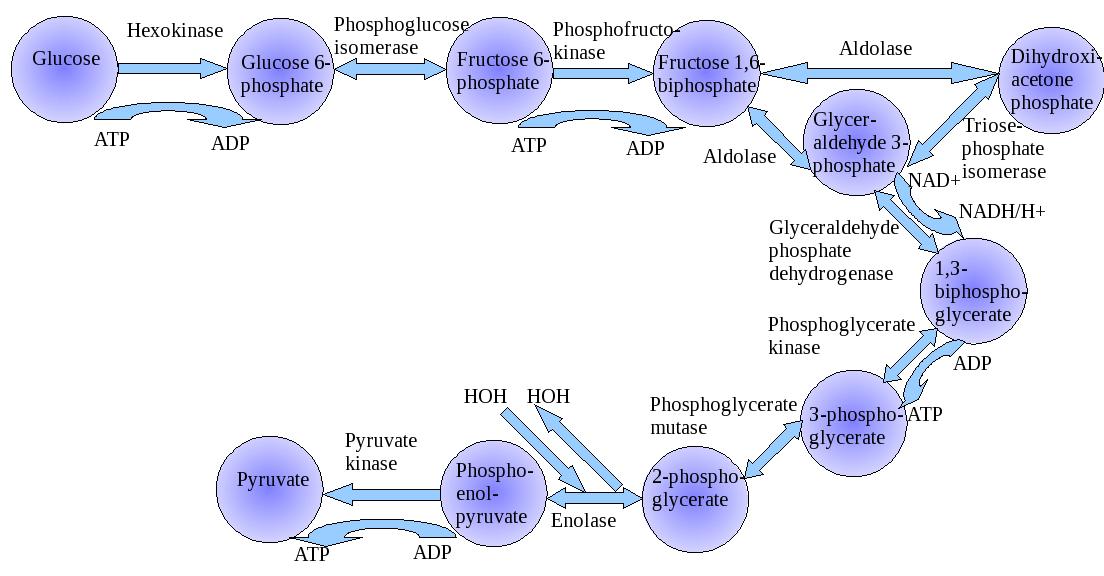
Glycolysis

Glycolysis

Krebs cycle

Krebs cycle

Metabolic control analysis of respiration in human cancer tissue

Metabolic control analysis of respiration in human cancer tissue

akip1-expression-modulates-mitochondrial-function

akip1-expression-modulates-mitochondrial-function

(b)     How advances in genetic analysis, molecular and cellular biology, metabolomics have expanded our basic knowledge of the mechanisms which are involved in cellular transformation to the cancerous state.

nucleotides

nucleotides

Methylation of adenine

Methylation of adenine

ampk-and-ampk-related-kinase-ark-family-

ampk-and-ampk-related-kinase-ark-family-

ubiquitylation

ubiquitylation

(c)  How molecular techniques continue to advance our understanding  of how genetics, epigenetics, and alterations in cellular metabolism contribute to cancer and afford new pathways for therapeutic intervention.

 genomic effects

genomic effects

LKB1AMPK pathway

LKB1AMPK pathway

mutation-frequencies-across-12-cancer-types

mutation-frequencies-across-12-cancer-types

AMPK-activating drugs metformin or phenformin might provide protection against cancer

AMPK-activating drugs metformin or phenformin might provide protection against cancer

pim2-phosphorylates-pkm2-and-promotes-glycolysis-in-cancer-cells

pim2-phosphorylates-pkm2-and-promotes-glycolysis-in-cancer-cells

pim2-phosphorylates-pkm2-and-promotes-glycolysis-in-cancer-cells

pim2-phosphorylates-pkm2-and-promotes-glycolysis-in-cancer-cells

2. The distinct features of cancers of specific tissue sites of origin

3.  The diagnosis of cancer by

(a)     Clinical presentation

(b)     Age of onset and stage of life

(c)     Biomarker features

hairy cell leukemia

hairy cell leukemia

lymphoma leukemia

lymphoma leukemia

(d)     Radiological and ultrasound imaging

  1. Treatments
  2. Prognostic differences within and between cancer types

We have introduced the emergence of a disease of great complexity that has been clouded in more questions than answers until the emergence of molecular biology in the mid 20th century, and then had to await further discoveries going into the 21st century.  What gave the research impetus was the revelation of

1     the mechanism of transcription of the DNA into amino acid sequences

Proteins in Disease

Proteins in Disease

2     the identification of stresses imposed on cellular function

NO beneficial effects

NO beneficial effects

3     the elucidation of the substructure of the cell – cell membrane, mitochondria, ribosomes, lysosomes – and their functions, respectively

pone.0080815.g006  AKIP1 Expression Modulates Mitochondrial Function

AKIP1 Expression Modulates Mitochondrial Function

4     the elucidation of oligonucleotide sequences

nucleotides

nucleotides

dna-replication-unwinding

dna-replication-unwinding

dna-replication-ligation

dna-replication-ligation

dna-replication-primer-removal

dna-replication-primer-removal

dna-replication-leading-strand

dna-replication-leading-strand

dna-replication-lagging-strand

dna-replication-lagging-strand

dna-replication-primer-synthesis

dna-replication-primer-synthesis

dna-replication-termination

dna-replication-termination

5     the further elucidation of functionally relevant noncoding lncDNA

lncRNA-s   A summary of the various functions described for lncRNA

6     the technology to synthesis mRNA and siRNA sequences

RNAi_Q4 Primary research objectives

Figure. RNAi and gene silencing

7     the repeated discovery of isoforms of critical enzymes and their pleiotropic properties

8.     the regulatory pathways involved in signaling

signaling pathjways map

Figure. Signaling Pathways Map

This is a brief outline of the modern progression of advances in our understanding of cancer.  Let us go back to the beginning and check out a sequence of  Nobel Prizes awarded and related discoveries that have a historical relationship to what we know.  The first discovery was the finding by Louis Pasteur that fungi that grew in an oxygen poor environment did not put down filaments.  They did not utilize oxygen and they produced used energy by fermentation.  This was the basis for Otto Warburg sixty years later to make the comparison to cancer cells that grew in the presence of oxygen, but relied on anaerobic glycolysis. He used a manometer to measure respiration in tissue one cell layer thick to measure CO2 production in an adiabatic system.

video width=”1280″ height=”720″ caption=”1741-7007-11-65-s1 Macromolecular juggling by ubiquitylation enzymes.” mp4=”http://pharmaceuticalintelligence.com/wp-content/uploads/2014/04/1741-7007-11-65-s1-macromolecular-juggling-by-ubiquitylation-enzymes.mp4“][/video]

An Introduction to the Warburg Apparatus

http://www.youtube.com/watch?v=M-HYbZwN43o

Lavoisier Antoine-Laurent and Laplace Pierre-Simon (1783) Memoir on heat. Mémoirs de l’Académie des sciences. Translated by Guerlac H, Neale Watson Academic Publications, New York, 1982.

Instrumental background 200 years later:   Gnaiger E (1983) The twin-flow microrespirometer and simultaneous calorimetry. In Gnaiger E, Forstner H, eds. Polarographic Oxygen Sensors. Springer, Heidelberg, Berlin, New York: 134-166.

otto_heinrich_warburg

otto_heinrich_warburg

Warburg apparatus

The Warburg apparatus is a manometric respirometer which was used for decades in biochemistry for measuring oxygen consumption of tissue homogenates or tissue slices.

The Warburg apparatus has its name from the German biochemist Otto Heinrich Warburg (1883-1970) who was awarded the Nobel Prize in physiology or medicine in 1931 for his “discovery of the nature and mode of action of the respiratory enzyme” [1].

The aqueous phase is vigorously shaken to equilibrate with a gas phase, from which oxygen is consumed while the evolved carbon dioxide is trapped, such that the pressure in the constant-volume gas phase drops proportional to oxygen consumption. The Warburg apparatus was introduced to study cell respiration, i.e. the uptake of molecular oxygen and the production of carbon dioxide by cells or tissues. Its applications were extended to the study of fermentation, when gas exchange takes place in the absence of oxygen. Thus the Warburg apparatus became established as an instrument for both aerobic and anaerobic biochemical studies [2, 3].

The respiration chamber was a detachable glass flask (F) equipped with one or more sidearms (S) for additions of chemicals and an open connection to a manometer (M; pressure gauge). A constant temperature was provided by immersion of the Warburg chamber in a constant temperature water bath. At thermal mass transfer equilibrium, an initial reading is obtained on the manometer, and the volume of gas produced or absorbed is determined at specific time intervals. A limited number of ‘titrations’ can be performed by adding the liquid contained in a side arm into the main reaction chamber. A Warburg apparatus may be equipped with more than 10 respiration chambers shaking in a common water bath.   Since temperature has to be controlled very precisely in a manometric approach, the early studies on mammalian tissue respiration were generally carried out at a physiological temperature of 37 °C.

The Warburg apparatus has been replaced by polarographic instruments introduced by Britton Chance in the 1950s. Since Chance and Williams (1955) measured respiration of isolated mitochondria simultaneously with the spectrophotometric determination of cytochrome redox states, a water chacket could not be used, and measurements were carried out at room temperature (or 25 °C). Thus most later studies on isolated mitochondria were shifted to the artifical temperature of 25 °C.

Today, the importance of investigating mitochondrial performance at in vivo temperatures is recognized again in mitochondrial physiology.  Incubation times of 1 hour were typical in experiments with the Warburg apparatus, but were reduced to a few or up to 20 min, following Chance and Williams, due to rapid oxygen depletion in closed, aqueous phase oxygraphs with high sample concentrations.  Today, incubation times of 1 hour are typical again in high-resolution respirometry, with low sample concentrations and the option of reoxygenations.

“The Nobel Prize in Physiology or Medicine 1931”. Nobelprize.org. 27 Dec 2011 www.nobelprize.org/nobel_prizes/medicine/laureates/1931/

  1. Oesper P (1964) The history of the Warburg apparatus: Some reminiscences on its use. J Chem Educ 41: 294.
  2. Koppenol WH, Bounds PL, Dang CV (2011) Otto Warburg’s contributions to current concepts of cancer metabolism. Nature Reviews Cancer 11: 325-337.
  3. Gnaiger E, Kemp RB (1990) Anaerobic metabolism in aerobic mammalian cells: information from the ratio of calorimetric heat flux and respirometric oxygen flux. Biochim Biophys Acta 1016: 328-332. – “At high fructose concen­trations, respiration is inhibited while glycolytic end products accumulate, a phenomenon known as the Crabtree effect. It is commonly believed that this effect is restric­ted to microbial and tumour cells with uniquely high glycolytic capaci­ties (Sussman et al, 1980). How­ever, inhibition of respiration and increase of lactate production are observed under aerobic condi­tions in beating rat heart cell cultures (Frelin et al, 1974) and in isolated rat lung cells (Ayuso-Parrilla et al, 1978). Thus, the same general mechanisms respon­sible for the integra­tion of respiration and glycolysis in tumour cells (Sussman et al, 1980) appear to be operating to some extent in several isolated mammalian cells.”

Mitochondria are sometimes described as “cellular power plants” because they generate most of the cell’s supply of adenosine triphosphate (ATP), used as a source of chemical energy.[2] In addition to supplying cellular energy, mitochondria are involved in other tasks such as signalingcellular differentiationcell death, as well as the control of the cell cycle and cell growth.[3]   The organelle is composed of compartments that carry out specialized functions. These compartments or regions include the outer membrane, the intermembrane space, the inner membrane, and the cristae and matrix. Mitochondrial proteins vary depending on the tissue and the species. In humans, 615 distinct types of proteins have been identified from cardiac mitochondria,[9   Leonor Michaelis discovered that Janus green can be used as a supravital stain for mitochondria in 1900.  Benjamin F. Kingsbury, in 1912, first related them with cell respiration, but almost exclusively based on morphological observations.[13] In 1913 particles from extracts of guinea-pig liver were linked to respiration by Otto Heinrich Warburg, which he called “grana”. Warburg and Heinrich Otto Wieland, who had also postulated a similar particle mechanism, disagreed on the chemical nature of the respiration. It was not until 1925 when David Keilin discovered cytochromes that the respiratory chain was described.[13]    

The Clark Oxygen Sensor

Dr. Leland Clark – inventor of the “Clark Oxygen Sensor” (1954); the Clark type polarographic oxygen sensor remains the gold standard for measuring dissolved oxygen in biomedical, environmental and industrial applications .   ‘The convenience and simplicity of the polarographic ‘oxygen electrode’ technique for measuring rapid changes in the rate of oxygen utilization by cellular and subcellular systems is now leading to its more general application in many laboratories. The types and design of oxygen electrodes vary, depending on the investigator’s ingenuity and specific requirements of the system under investigation.’Estabrook R (1967) Mitochondrial respiratory control and the polarographic measurement of ADP:O ratios. Methods Enzymol. 10: 41-47.   “one approach that is underutilized in whole-cell bioenergetics, and that is accessible as long as cells can be obtained in suspension, is the oxygen electrode, which can obtain more precise information on the bioenergetic status of the in situ mitochondria than more ‘high-tech’ approaches such as fluorescent monitoring of Δψm.” Nicholls DG, Ferguson S (2002) Bioenergetics 3. Academic Press, London.

Great Figures in Cancer

Dr. Elizabeth Blackburn,

Dr. Elizabeth Blackburn,

j_michael_bishop onogene

j_michael_bishop onogene

Harold Varmus

Harold Varmus

Potts and Habener (PTH mRNA, Harvard MIT)  JCI

Potts and Habener (PTH mRNA, Harvard MIT) JCI

JCI Fuller Albright and hPTH AA sequence

JCI Fuller Albright and hPTH AA sequence

Dr. E. Donnall Thomas  Bone Marrow Transplants

Dr. E. Donnall Thomas Bone Marrow Transplants

Dr Haraldzur Hausen  EBV HPV

Dr Haraldzur Hausen EBV HPV

Dr. Craig Mello

Dr. Craig Mello

Dorothy Hodgkin  protein crystallography

Lee Hartwell - Hutchinson Cancer Res Center

Lee Hartwell – Hutchinson Cancer Res Center

Judah Folkman, MD

Judah Folkman, MD

Gertrude B. Elien (1918-1999)

Gertrude B. Elien (1918-1999)

The Nobel Prize in Physiology or Medicine 1922   

Archibald V. Hill, Otto Meyerhof

AV Hill –

“the production of heat in the muscle” Hill started his research work in 1909. It was due to J.N. Langley, Head of the Department of Physiology at that time that Hill took up the study on the nature of muscular contraction. Langley drew his attention to the important (later to become classic) work carried out by Fletcher and Hopkins on the problem of lactic acid in muscle, particularly in relation to the effect of oxygen upon its removal in recovery. In 1919 he took up again his study of the physiology of muscle, and came into close contact with Meyerhof of Kiel who, approaching the problem differently, arrived at results closely analogous to his study. In 1919 Hill’s friend W. Hartree, mathematician and engineer, joined in the myothermic investigations – a cooperation which had rewarding results.

Otto Meyerhof

otto-fritz-meyerhof

otto-fritz-meyerhof

lactic acid production in muscle contraction Under the influence of Otto Warburg, then at Heidelberg, Meyerhof became more and more interested in cell physiology.  In 1923 he was offered a Professorship of Biochemistry in the United States, but Germany was unwilling to lose him.  In 1929 he was he was placed in charge of the newly founded Kaiser Wilhelm Institute for Medical Research at Heidelberg.  From 1938 to 1940 he was Director of Research at the Institut de Biologie physico-chimique at Paris, but in 1940 he moved to the United States, where the post of Research Professor of Physiological Chemistry had been created for him by the University of Pennsylvania and the Rockefeller Foundation.  Meyerhof’s own account states that he was occupied chiefly with oxidation mechanisms in cells and with extending methods of gas analysis through the calorimetric measurement of heat production, and especially the respiratory processes of nitrifying bacteria. The physico-chemical analogy between oxygen respiration and alcoholic fermentation caused him to study both these processes in the same subject, namely, yeast extract. By this work he discovered a co-enzyme of respiration, which could be found in all the cells and tissues up till then investigated. At the same time he also found a co-enzyme of alcoholic fermentation. He also discovered the capacity of the SH-group to transfer oxygen; after Hopkins had isolated from cells the SH bodies concerned, Meyerhof showed that the unsaturated fatty acids in the cell are oxidized with the help of the sulfhydryl group. After studying closer the respiration of muscle, Meyerhof investigated the energy changes in muscle. Considerable progress had been achieved by the English scientists Fletcher and Hopkins by their recognition of the fact that lactic acid formation in the muscle is closely connected with the contraction process. These investigations were the first to throw light upon the highly paradoxical fact, already established by the physiologist Hermann, that the muscle can perform a considerable part of its external function in the complete absence of oxygen.

But it was indisputable that in the last resort the energy for muscle activity comes from oxidation, so the connection between activity and combustion must be an indirect one, and observed that in the absence of oxygen in the muscle, lactic acid appears, slowly in the relaxed state and rapidly in the active state, disappearing in the presence of oxygen. Obviously, then, oxygen is involved when muscle is in the relaxed state. http://upload.wikimedia.org/wikipedia/commons/e/e1/Glycolysis.jpg

The Nobel Prize committee had been receiving nominations intermittently for the previous 14 years (for Eijkman, Funk, Goldberger, Grijns, Hopkins and Suzuki but, strangely, not for McCollum in this period). Tthe Committee for the 1929 awards apparently agreed that it was high time to honor the discoverer(s) of vitamins; but who were they? There was a clear case for Grijns, but he had not been re-nominated for that particular year, and it could be said that he was just taking the relatively obvious next steps along the new trail that had been laid down by Eijkman, who was also now an old man in poor health, but there was no doubt that he had taken the first steps in the use of an animal model to investigate the nutritional basis of a clinical disorder affecting millions. Goldberger had been another important contributor, but his recent death put him out of consideration. The clearest evidence for lack of an unknown “something” in a mammalian diet was presented by Gowland Hopkins in 1912. This Cambridge biochemist was already well known for having isolated the amino acid tryptophan from a protein and demonstrated its essential nature. He fed young rats on an experimental diet, half of them receiving a daily milk supplement, and only those receiving milk grew well, Hopkins suggested that this was analogous to human diseases related to diet, as he had suggested already in a lecture published in 1906. Hopkins, the leader of the “dynamic biochemistry” school in Britain and an influential advocate for the importance of vitamins, was awarded the prize jointly with Eijkman. A door was opened. Recognition of work on the fat-soluble vitamins begun by McCollum. The next award related to vitamins was given in 1934 to George WhippleGeorge Minot and William Murphy “for their discoveries concerning liver therapy in cases of [then incurable pernicious] anemia,” The essential liver factor (cobalamin, or vitamin B12) was isolated in 1948, and Vitamin B12  was absent from plant foods. But William Castle in 1928 had demonstrated that the stomachs of pernicious anemia patients were abnormal in failing to secrete an “intrinsic factor”.

1937   Albert von Szent-Györgyi Nagyrápolt

” the biological combustion processes, with special reference to vitamin C and the catalysis of fumaric acid”

http://www.biocheminfo.org/klotho/html/fumarate.html

structure of fumarate

Szent-Györgyi was a Hungarian biochemist who had worked with Otto Warburg and had a special interest in oxidation-reduction mechanisms. He was invited to Cambridge in England in 1927 after detecting an antioxidant compound in the adrenal cortex, and there, he isolated a compound that he named hexuronic acid. Charles Glen King of the University of Pittsburgh reported success In isolating the anti-scorbutic factor in 1932, and added that his crystals had all the properties reported by Szent-Györgyi for hexuronic acid. But his work on oxidation reactions was also important. Fumarate is an intermediate in the citric acid cycle used by cells to produce energy in the form of adenosine triphosphate (ATP) from food. It is formed by the oxidation of succinate by the enzyme succinate dehydrogenase. Fumarate is then converted by the enzyme fumarase to malate. An enzyme adds water to the fumarate molecule to form malate. The malate is created by adding one hydrogen atom to a carbon atom and then adding a hydroxyl group to a carbon next to a terminal carbonyl group.

In the same year, Norman Haworth from the University of Birmingham in England received a Nobel prize from the Chemistry Committee for having advanced carbohydrate chemistry and, specifically, for having worked out the structure of Szent-Györgyi’s crystals, and then been able to synthesize the vitamin. This was a considerable achievement. The Nobel Prize in Chemistry was shared with the Swiss organic chemist Paul Karrer, cited for his work on the structures of riboflavin and vitamins A and E as well as other biologically interesting compounds. This was followed in 1938 by a further Chemistry award to the German biochemist Richard Kuhn, who had also worked on carotenoids and B-vitamins, including riboflavin and pyridoxine. But Karrer was not permitted to leave Germany at that time by the Nazi regime. However, the American work with radioisotopes at Lawrence Livermore Laboratory, UC Berkeley, was already ushering in a new era of biochemistry that would enrich our studies of metabolic pathways. The importance of work involving vitamins was acknowledged in at least ten awards in the 20th century.

1.   Carpenter, K.J., Beriberi, White Rice and Vitamin B, University of California Press, Berkeley (2000).

2.  Weatherall, M.W. and Kamminga, H., The making of a biochemist: the construction of Frederick Gowland Hopkins’ reputation. Medical History vol.40, pp. 415-436 (1996).

3.  Becker, S.L., Will milk make them grow? An episode in the discovery of the vitamins. In Chemistry and Modern Society (J. Parascandela, editor) pp. 61-83, American Chemical Society,

Washington, D.C. (1983).

4.  Carpenter, K.J., The History of Scurvy and Vitamin C, Cambridge University Press, New York (1986).

Transport and metabolism of exogenous fumarate and 3-phosphoglycerate in vascular smooth muscle.

D R FinderC D Hardin

Molecular and Cellular Biochemistry (Impact Factor: 2.33). 05/1999; 195(1-2):113-21.  http://dx.doi.org/10.1023/A:1006976432578

The keto (linear) form of exogenous fructose 1,6-bisphosphate, a highly charged glycolytic intermediate, may utilize a dicarboxylate transporter to cross the cell membrane, support glycolysis, and produce ATP anaerobically. We tested the hypothesis that fumarate, a dicarboxylate, and 3-phosphoglycerate (3-PG), an intermediate structurally similar to a dicarboxylate, can support contraction in vascular smooth muscle during hypoxia. 3-PG improved maintenance of force (p < 0.05) during the 30-80 min period of hypoxia. Fumarate decreased peak isometric force development by 9.5% (p = 0.008) but modestly improved maintenance of force (p < 0.05) throughout the first 80 min of hypoxia. 13C-NMR on tissue extracts and superfusates revealed 1,2,3,4-(13)C-fumarate (5 mM) metabolism to 1,2,3,4-(13)C-malate under oxygenated and hypoxic conditions suggesting uptake and metabolism of fumarate. In conclusion, exogenous fumarate and 3-PG readily enter vascular smooth muscle cells, presumably by a dicarboxylate transporter, and support energetically important pathways.

Comparison of endogenous and exogenous sources of ATP in fueling Ca2+ uptake in smooth muscle plasma membrane vesicles.

C D HardinL RaeymaekersR J Paul

The Journal of General Physiology (Impact Factor: 4.73). 12/1991; 99(1):21-40.   http://dx.doi.org:/10.1085/jgp.99.1.21

A smooth muscle plasma membrane vesicular fraction (PMV) purified for the (Ca2+/Mg2+)-ATPase has endogenous glycolytic enzyme activity. In the presence of glycolytic substrate (fructose 1,6-diphosphate) and cofactors, PMV produced ATP and lactate and supported calcium uptake. The endogenous glycolytic cascade supports calcium uptake independent of bath [ATP]. A 10-fold dilution of PMV, with the resultant 10-fold dilution of glycolytically produced bath [ATP] did not change glycolytically fueled calcium uptake (nanomoles per milligram protein). Furthermore, the calcium uptake fueled by the endogenous glycolytic cascade persisted in the presence of a hexokinase-based ATP trap which eliminated calcium uptake fueled by exogenously added ATP. Thus, it appears that the endogenous glycolytic cascade fuels calcium uptake in PMV via a membrane-associated pool of ATP and not via an exchange of ATP with the bulk solution. To determine whether ATP produced endogenously was utilized preferentially by the calcium pump, the ATP production rates of the endogenous creatine kinase and pyruvate kinase were matched to that of glycolysis and the calcium uptake fueled by the endogenous sources was compared with that fueled by exogenous ATP added at the same rate. The rate of calcium uptake fueled by endogenous sources of ATP was approximately twice that supported by exogenously added ATP, indicating that the calcium pump preferentially utilizes ATP produced by membrane-bound enzymes.

Evidence for succinate production by reduction of fumarate during hypoxia in isolated adult rat heart cells.

C HohlR OestreichP RösenR WiesnerM Grieshaber

Archives of Biochemistry and Biophysics (Impact Factor: 3.37). 01/1988; 259(2):527-35. http://dx.doi.org:/10.1016/0003-9861(87)90519-4   It has been demonstrated that perfusion of myocardium with glutamic acid or tricarboxylic acid cycle intermediates during hypoxia or ischemia, improves cardiac function, increases ATP levels, and stimulates succinate production. In this study isolated adult rat heart cells were used to investigate the mechanism of anaerobic succinate formation and examine beneficial effects attributed to ATP generated by this pathway. Myocytes incubated for 60 min under hypoxic conditions showed a slight loss of ATP from an initial value of 21 +/- 1 nmol/mg protein, a decline of CP from 42 to 17 nmol/mg protein and a fourfold increase in lactic acid production to 1.8 +/- 0.2 mumol/mg protein/h. These metabolite contents were not altered by the addition of malate and 2-oxoglutarate to the incubation medium nor were differences in cell viability observed; however, succinate release was substantially accelerated to 241 +/- 53 nmol/mg protein. Incubation of cells with [U-14C]malate or [2-U-14C]oxoglutarate indicates that succinate is formed directly from malate but not from 2-oxoglutarate. Moreover, anaerobic succinate formation was rotenone sensitive.

We conclude that malate reduction to succinate occurs via the reverse action of succinate dehydrogenase in a coupled reaction where NADH is oxidized (and FAD reduced) and ADP is phosphorylated. Furthermore, by transaminating with aspartate to produce oxaloacetate, 2-oxoglutarate stimulates cytosolic malic dehydrogenase activity, whereby malate is formed and NADH is oxidized.

In the form of malate, reducing equivalents and substrate are transported into the mitochondria where they are utilized for succinate synthesis.

1953 Hans Adolf Krebs –

 ” discovery of the citric acid cycle” and In the course of the 1920’s and 1930’s great progress was made in the study of the intermediary reactions by which sugar is anaerobically fermented to lactic acid or to ethanol and carbon dioxide. The success was mainly due to the joint efforts of the schools of Meyerhof, Embden, Parnas, von Euler, Warburg and the Coris, who built on the pioneer work of Harden and of Neuberg. This work brought to light the main intermediary steps of anaerobic fermentations.

In contrast, very little was known in the earlier 1930’s about the intermediary stages through which sugar is oxidized in living cells. When, in 1930, I left the laboratory of Otto Warburg (under whose guidance I had worked since 1926 and from whom I have learnt more than from any other single teacher), I was confronted with the question of selecting a major field of study and I felt greatly attracted by the problem of the intermediary pathway of oxidations.

These reactions represent the main energy source in higher organisms, and in view of the importance of energy production to living organisms (whose activities all depend on a continuous supply of energy) the problem seemed well worthwhile studying.   http://www.johnkyrk.com/krebs.html

Interactive Krebs cycle

There are different points where metabolites enter the Krebs’ cycle. Most of the products of protein, carbohydrates and fat metabolism are reduced to the molecule acetyl coenzyme A that enters the Krebs’ cycle. Glucose, the primary fuel in the body, is first metabolized into pyruvic acid and then into acetyl coenzyme A. The breakdown of the glucose molecule forms two molecules of ATP for energy in the Embden Meyerhof pathway process of glycolysis.

On the other hand, amino acids and some chained fatty acids can be metabolized into Krebs intermediates and enter the cycle at several points. When oxygen is unavailable or the Krebs’ cycle is inhibited, the body shifts its energy production from the Krebs’ cycle to the Embden Meyerhof pathway of glycolysis, a very inefficient way of making energy.  

Fritz Albert Lipmann –

 “discovery of co-enzyme A and its importance for intermediary metabolism”.

In my development, the recognition of facts and the rationalization of these facts into a unified picture, have interplayed continuously. After my apprenticeship with Otto Meyerhof, a first interest on my own became the phenomenon we call the Pasteur effect, this peculiar depression of the wasteful fermentation in the respiring cell. By looking for a chemical explanation of this economy measure on the cellular level, I was prompted into a study of the mechanism of pyruvic acid oxidation, since it is at the pyruvic stage where respiration branches off from fermentation.

For this study I chose as a promising system a relatively simple looking pyruvic acid oxidation enzyme in a certain strain of Lactobacillus delbrueckii1.   In 1939, experiments using minced muscle cells demonstrated that one oxygen atom can form two adenosine triphosphate molecules, and, in 1941, the concept of phosphate bonds being a form of energy in cellular metabolism was developed by Fritz Albert Lipmann.

In the following years, the mechanism behind cellular respiration was further elaborated, although its link to the mitochondria was not known.[13]The introduction of tissue fractionation by Albert Claude allowed mitochondria to be isolated from other cell fractions and biochemical analysis to be conducted on them alone. In 1946, he concluded that cytochrome oxidase and other enzymes responsible for the respiratory chain were isolated to the mitchondria. Over time, the fractionation method was tweaked, improving the quality of the mitochondria isolated, and other elements of cell respiration were determined to occur in the mitochondria.[13]

The most important event during this whole period, I now feel, was the accidental observation that in the L. delbrueckii system, pyruvic acid oxidation was completely dependent on the presence of inorganic phosphate. This observation was made in the course of attempts to replace oxygen by methylene blue. To measure the methylene blue reduction manometrically, I had to switch to a bicarbonate buffer instead of the otherwise routinely used phosphate. In bicarbonate, pyruvate oxidation was very slow, but the addition of a little phosphate caused a remarkable increase in rate. The phosphate effect was removed by washing with a phosphate free acetate buffer. Then it appeared that the reaction was really fully dependent on phosphate.

A coupling of this pyruvate oxidation with adenylic acid phosphorylation was attempted. Addition of adenylic acid to the pyruvic oxidation system brought out a net disappearance of inorganic phosphate, accounted for as adenosine triphosphate.   The acetic acid subunit of acetyl CoA is combined with oxaloacetate to form a molecule of citrate. Acetyl coenzyme A acts only as a transporter of acetic acid from one enzyme to another. After Step 1, the coenzyme is released by hydrolysis to combine with another acetic acid molecule and begin the Krebs’ Cycle again.

Hugo Theorell

the nature and effects of oxidation enzymes”

From 1933 until 1935 Theorell held a Rockefeller Fellowship and worked with Otto Warburg at Berlin-Dahlem, and here he became interested in oxidation enzymes. At Berlin-Dahlem he produced, for the first time, the oxidation enzyme called «the yellow ferment» and he succeeded in splitting it reversibly into a coenzyme part, which was found to be flavin mononucleotide, and a colourless protein part. On return to Sweden, he was appointed Head of the newly established Biochemical Department of the Nobel Medical Institute, which was opened in 1937.

Succinate is oxidized by a molecule of FAD (Flavin Adenine Dinucleotide). The FAD removes two hydrogen atoms from the succinate and forms a double bond between the two carbon atoms to create fumarate.

1953

double-stranded-dna

double-stranded-dna

crick-watson-with-their-dna-model.

crick-watson-with-their-dna-model.

Watson & Crick double helix model 

A landmark in this journey

They followed the path that became clear from intense collaborative work in California by George Beadle, by Avery and McCarthy, Max Delbruck, TH Morgan, Max Delbruck and by Chargaff that indicated that genetics would be important.

1965

François Jacob, André Lwoff and Jacques Monod  –

” genetic control of enzyme and virus synthesis”.

In 1958 the remarkable analogy revealed by genetic analysis of lysogeny and that of the induced biosynthesis of ß-galactosidase led François Jacob, with Jacques Monod, to study the mechanisms responsible for the transfer of genetic information as well as the regulatory pathways which, in the bacterial cell, adjust the activity and synthesis of macromolecules. Following this analysis, Jacob and Monod proposed a series of new concepts, those of messenger RNA, regulator genes, operons and allosteric proteins.

Francois Jacob

Having determined the constants of growth in the presence of different carbohydrates, it occurred to me that it would be interesting to determine the same constants in paired mixtures of carbohydrates. From the first experiment on, I noticed that, whereas the growth was kinetically normal in the presence of certain mixtures (that is, it exhibited a single exponential phase), two complete growth cycles could be observed in other carbohydrate mixtures, these cycles consisting of two exponential phases separated by a-complete cessation of growth.

Lwoff, after considering this strange result for a moment, said to me, “That could have something to do with enzyme adaptation.”

“Enzyme adaptation? Never heard of it!” I said.

Lwoff’s only reply was to give me a copy of the then recent work of Marjorie Stephenson, in which a chapter summarized with great insight the still few studies concerning this phenomenon, which had been discovered by Duclaux at the end of the last century.  Studied by Dienert and by Went as early as 1901 and then by Euler and Josephson, it was more or less rediscovered by Karström, who should be credited with giving it a name and attracting attention to its existence.

Lwoff’s intuition was correct. The phenomenon of “diauxy” that I had discovered was indeed closely related to enzyme adaptation, as my experiments, included in the second part of my doctoral dissertation, soon convinced me. It was actually a case of the “glucose effect” discovered by Dienert as early as 1900.   That agents that uncouple oxidative phosphorylation, such as 2,4-dinitrophenol, completely inhibit adaptation to lactose or other carbohydrates suggested that “adaptation” implied an expenditure of chemical potential and therefore probably involved the true synthesis of an enzyme.

With Alice Audureau, I sought to discover the still quite obscure relations between this phenomenon and the one Massini, Lewis, and others had discovered: the appearance and selection of “spontaneous” mutants.   We showed that an apparently spontaneous mutation was allowing these originally “lactose-negative” bacteria to become “lactose-positive”. However, we proved that the original strain (Lac-) and the mutant strain (Lac+) did not differ from each other by the presence of a specific enzyme system, but rather by the ability to produce this system in the presence of lactose.  This mutation involved the selective control of an enzyme by a gene, and the conditions necessary for its expression seemed directly linked to the chemical activity of the system.

1974

Albert Claude, Christian de Duve and George E. Palade –

” the structural and functional organization of the cell”.

I returned to Louvain in March 1947 after a period of working with Theorell in Sweden, the Cori’s, and E Southerland in St. Louis, fortunate in the choice of my mentors, all sticklers for technical excellence and intellectual rigor, those prerequisites of good scientific work. Insulin, together with glucagon which I had helped rediscover, was still my main focus of interest, and our first investigations were accordingly directed on certain enzymatic aspects of carbohydrate metabolism in liver, which were expected to throw light on the broader problem of insulin action. But I became distracted by an accidental finding related to acid phosphatase, drawing most of my collaborators along with me. The studies led to the discovery of the lysosome, and later of the peroxisome.

In 1962, I was appointed a professor at the Rockefeller Institute in New York, now the Rockefeller University, the institution where Albert Claude had made his pioneering studies between 1929 and 1949, and where George Palade had been working since 1946.  In New York, I was able to develop a second flourishing group, which follows the same general lines of research as the Belgian group, but with a program of its own.

1968

Robert W. Holley, Har Gobind Khorana and Marshall W. Nirenberg –

“interpretation of the genetic code and its function in protein synthesis”.

1969

Max Delbrück, Alfred D. Hershey and Salvador E. Luria –

” the replication mechanism and the genetic structure of viruses”.

1975 David Baltimore, Renato Dulbecco and Howard Martin Temin –

” the interaction between tumor viruses and the genetic material of the cell”.

1976

Baruch S. Blumberg and D. Carleton Gajdusek –

” new mechanisms for the origin and dissemination of infectious diseases” The editors of the Nobelprize.org website of the Nobel Foundation have asked me to provide a supplement to the autobiography that I wrote in 1976 and to recount the events that happened after the award. Much of what I will have to say relates to the scientific developments since the last essay. These are described in greater detail in a scientific memoir first published in 2002 (Blumberg, B. S., Hepatitis B. The Hunt for a Killer Virus, Princeton University Press, 2002, 2004).

1980

Baruj Benacerraf, Jean Dausset and George D. Snell 

” genetically determined structures on the cell surface that regulate immunological reactions”.

1992

Edmond H. Fischer and Edwin G. Krebs 

“for their discoveries concerning reversible protein phosphorylation as a biological regulatory mechanism”

1994

Alfred G. Gilman and Martin Rodbell –

“G-proteins and the role of these proteins in signal transduction in cells”

2011

Bruce A. Beutler and Jules A. Hoffmann –

the activation of innate immunity and the other half to Ralph M. Steinman – “the dendritic cell and its role in adaptive immunity”.

Renato L. Baserga, M.D.

Kimmel Cancer Center and Keck School of Medicine

Dr. Baserga’s research focuses on the multiple roles of the type 1 insulin-like growth factor receptor (IGF-IR) in the proliferation of mammalian cells. The IGF-IR activated by its ligands is mitogenic, is required for the establishment and the maintenance of the transformed phenotype, and protects tumor cells from apoptosis. It, therefore, serves as an excellent target for therapeutic interventions aimed at inhibiting abnormal growth. In basic investigations, this group is presently studying the effects that the number of IGF-IRs and specific mutations in the receptor itself have on its ability to protect cells from apoptosis.

This investigation is strictly correlated with IGF-IR signaling, and part of this work tries to elucidate the pathways originating from the IGF-IR that are important for its functional effects. Baserga’s group has recently discovered a new signaling pathway used by the IGF-IR to protect cells from apoptosis, a unique pathway that is not used by other growth factor receptors. This pathway depends on the integrity of serines 1280-1283 in the C-terminus of the receptor, which bind 14.3.3 and cause the mitochondrial translocation of Raf-1.

Another recent discovery of this group has been the identification of a mechanism by which the IGF-IR can actually induce differentiation in certain types of cells. When cells have IRS-1 (a major substrate of the IGF-IR), the IGF-IR sends a proliferative signal; in the absence of IRS-1, the receptor induces cell differentiation. The extinction of IRS-1 expression is usually achieved by DNA methylation.

Janardan Reddy, MD

Northwestern University

The central effort of our research has been on a detailed analysis at the cellular and molecular levels of the pleiotropic responses in liver induced by structurally diverse classes of chemicals that include fibrate class of hypolipidemic drugs, and phthalate ester plasticizers, which we designated hepatic peroxisome proliferators. Our work has been central to the establishment of several principles, namely that hepatic peroxisome proliferation is associated with increases in fatty acid oxidation systems in liver, and that peroxisome proliferators, as a class, are novel nongenotoxic hepatocarcinogens.

We introduced the concept that sustained generation of reactive oxygen species leads to oxidative stress and serves as the basis for peroxisome proliferator-induced liver cancer development. Furthermore, based on the tissue/cell specificity of pleiotropic responses and the coordinated transcriptional regulation of fatty acid oxidation system genes, we postulated that peroxisome proliferators exert their action by a receptor-mediated mechanism. This receptor concept laid the foundation for the discovery of

  • a three member peroxisome proliferator-activated receptor (PPARalpha-, ß-, and gamma) subfamily of nuclear receptors.
  •  PPARalpha is responsible for peroxisome proliferator-induced pleiotropic responses, including
    • hepatocarcinogenesis and energy combustion as it serves as a fatty acid sensor and regulates fatty acid oxidation.

Our current work focuses on the molecular mechanisms responsible for PPAR action and generation of fatty acid oxidation deficient mouse knockout models. Transcription of specific genes by nuclear receptors is a complex process involving the participation of multiprotein complexes composed of transcription coactivators.  

Jose Delgado de Salles Roselino, Ph.D.

Leloir Institute, Brazil

Warburg effect, in reality “Pasteur-effect” was the first example of metabolic regulation described. A decrease in the carbon flux originated at the sugar molecule towards the end metabolic products, ethanol and carbon dioxide that was observed when yeast cells were transferred from anaerobic environmental condition to an aerobic one. In Pasteur´s works, sugar metabolism was measured mainly by the decrease of sugar concentration in the yeast growth media observed after a measured period of time. The decrease of the sugar concentration in the media occurs at great speed in yeast grown in anaerobiosis condition and its speed was greatly reduced by the transfer of the yeast culture to an aerobic condition. This finding was very important for the wine industry of France in Pasteur time, since most of the undesirable outcomes in the industrial use of yeast were perceived when yeasts cells took very long time to create a rather selective anaerobic condition. This selective culture media was led by the carbon dioxide higher levels produced by fast growing yeast cells and by a great alcohol content in the yeast culture media. This finding was required to understand Lavoisier’s results indicating that chemical and biological oxidation of sugars produced the same calorimetric results. This observation requires a control mechanism (metabolic regulation) to avoid burning living cells by fast heat released by the sugar biological oxidative processes (metabolism). In addition, Lavoisier´s results were the first indications that both processes happened inside similar thermodynamics limits.

In much resumed form, these observations indicates the major reasons that led Warburg to test failure in control mechanisms in cancer cells in comparison with the ones observed in normal cells. Biology inside classical thermo dynamics poses some challenges to scientists. For instance, all classical thermodynamics must be measured in reversible thermodynamic conditions. In an isolated system, increase in P (pressure) leads to decrease in V (volume) all this in a condition in which infinitesimal changes in one affects in the same way the other, a continuum response. Not even a quantic amount of energy will stand beyond those parameters. In a reversible system, a decrease in V, under same condition, will led to an increase in P.

In biochemistry, reversible usually indicates a reaction that easily goes from A to B or B to A. This observation confirms the important contribution of E Schrodinger in his What´s Life: “This little book arose from a course of public lectures, delivered by a theoretical physicist to an audience of about four hundred which did not substantially dwindle, though warned at the outset that the subject-matter was a difficult one and that the lectures could not be termed popular, even though the physicist’s most dreaded weapon, mathematical deduction, would hardly be utilized. The reason for this was not that the subject was simple enough to be explained without mathematics, but rather that it was much too involved to be fully accessible to mathematics.”

Hans Krebs describes the cyclic nature of the citrate metabolism. Two major research lines search to understand the mechanism of energy transfer that explains how ADP is converted into ATP. One followed the organic chemistry line of reasoning and therefore, searched how the breakdown of carbon-carbon link could have its energy transferred to ATP synthesis. A major leader of this research line was B. Chance who tried to account for two carbon atoms of acetyl released as carbon dioxide in the series of Krebs cycle reactions. The intermediary could store in a phosphorylated amino acid the energy of carbon-carbon bond breakdown. This activated amino acid could transfer its phosphate group to ADP producing ATP. Alternatively, under the possible influence of the excellent results of Hodgkin and Huxley a second line of research appears.

The work of Hodgkin & Huxley indicated the storage of electrical potential energy in transmembrane ionic asymmetries and presented the explanation for the change from resting to action potential in excitable cells. This second line of research, under the leadership of P Mitchell postulated a mechanism for the transfer of oxide/reductive power of organic molecules oxidation through electron transfer as the key for energetic transfer mechanism required for ATP synthesis. Paul Boyer could present how the energy was transduced by a molecular machine that changes in conformation in a series of 3 steps while rotating in one direction in order to produce ATP and in opposite direction in order to produce ADP plus Pi from ATP (reversibility). Nonetheless, a victorious Peter Mitchell obtained the correct result in the conceptual dispute, over the B. Chance point of view, after he used E. Coli mutants to show H gradients in membrane and its use as energy source.

However, this should not detract from the important work of Chance. B. Chance got the simple and rapid polarographic assay method of oxidative phosphorylation and the idea of control of energy metabolism that bring us back to Pasteur. This second result seems to have been neglected in searching for a single molecular mechanism required for the understanding of the buildup of chemical reserve in our body. In respiring mitochondria the rate of electron transport, and thus the rate of ATP production, is determined primarily by the relative concentrations of ADP, ATP and phosphate in the external media (cytosol) and not by the concentration of respiratory substrate as pyruvate. Therefore, when the yield of ATP is high as is in aerobiosis and the cellular use of ATP is not changed, the oxidation of pyruvate and therefore of glycolysis is quickly (without change in gene expression), throttled down to the resting state. The dependence of respiratory rate on ADP concentration is also seen in intact cells. A muscle at rest and using no ATP has very low respiratory rate.

I have had an ongoing discussion with Jose Eduardo de Salles Roselino, inBrazil. He has made important points that need to be noted.

  1. The constancy of composition which animals maintain in the environment surrounding their cells is one of the dominant features of their physiology. Although this phenomenon, homeostasis, has held the interest of biologists over a long period of time, the elucidation of the molecular basis for complex processes such as temperature control and the maintenance of various substances at constant levels in the blood has not yet been achieved. By comparison, metabolic regulation in microorganisms is much better understood, in part because the microbial physiologist has focused his attention on enzyme-catalyzed reactions and their control, as these are among the few activities of microorganisms amenable to quantitative study. Furthermore, bacteria are characterized by their ability to make rapid and efficient adjustments to extensive variations in most parameters of their environment; therefore, they exhibit a surprising lack of rigid requirements for their environment, and appears to influence it only as an incidental result of their metabolism. Animal cells on the other hand have only a limited capacity for adjustment and therefore require a constant milieu. Maintenance of such constancy appears to be a major goal in their physiology (Regulation of Biosynthetic Pathways H.S. Moyed and H EUmbarger Phys Rev,42 444 (1962)).
  2. A living cell consists in a large part of a concentrated mixture of hundreds of different enzymes, each a highly effective catalyst for one or more chemical reactions involving other components of the cell. The paradox of intense and highly diverse chemical activity on the one hand and strongly poised chemical stability (biological homeostasis) on the other is one of the most challenging problems of biology (Biological feedback Control at the molecular Level D.E. Atkinson Science vol. 150: 851, 1965). Almost nothing is known concerning the actual molecular basis for modulation of an enzyme`s kinetic behavior by interaction with a small molecule. (Biological feedback Control at the molecular Level D.E. Atkinson Science vol. 150: 851, 1965). In the same article, since the core of Atkinson´s thinking seems to be strongly linked with Adenylates as regulatory effectors, the previous phrases seems to indicate a first step towards the conversion of homeostasis to an intracellular phenomenon and therefore, one that contrary to Umbarger´s consideration could be also studied in microorganisms.
  3.  Most biochemical studies using bacteria, were made before the end of the third upper part of log growth phase. Therefore, they could be considered as time-independent as S Luria presented biochemistry in Life an Unfinished Experiment. The sole ingredient on the missing side of the events that led us into the molecular biology construction was to consider that proteins, a macromolecule, would never be affected by small molecules translational kinetic energy. This, despite the fact that in a catalytic environment and its biological implications S Grisolia incorporated A K Balls observation indicating that the word proteins could be related to Proteus an old sea god that changed its form whenever he was subjected to inquiry (Phys Rev v 4,657 (1964).
  1. In D.E. Atkinson´s work (Science vol 150 p 851, 1965), changes in protein synthesis acting together with factors that interfere with enzyme activity will lead to “fine-tuned” regulation better than enzymatic activity regulation alone. Comparison of glycemic regulation in granivorous and carnivorous birds indicate that when no important nutritional source of glucose is available, glycemic levels can be kept constant in fasted and fed birds. The same was found in rats and cats fed on high protein diets. Gluconeogenesis is controlled by pyruvate kinase inhibition. Therefore, the fact that it can discriminate between fasting alone and fasting plus exercise (carbachol) requirement of gluconeogenic activity (correspondent level of pyruvate kinase inhibition) the control of enzyme activity can be made fast and efficient without need for changes in genetic expression (20 minute after stimulus) ( Migliorini,R.H. et al Am J. Physiol.257 (Endocrinol. Met. 20): E486, 1989). Regrettably, this was not discussed in the quoted work. So, when the control is not affected by the absorption of nutritional glucose it can be very fast, less energy intensive and very sensitive mechanism of control despite its action being made in the extracellular medium (homeostasis).

Read Full Post »

Power of Analogy: Curation in Music, Music Critique as a Curation and Curation of Medical Research Findings – A Comparison

Curator: Aviva Lev-Ari, PhD, RN


UPDATED on 8/19/2018

This is the best curation on Music I read to date

Aviva Lev-Ari, PhD, RN

LEONARD BERNSTEIN AT 100 Celebrating the legendary composerconductor’s string works and unbridled loyalty to the music By Thomas May

https://memeteria.files.wordpress.com/2018/07/august-2018-st280.pdf


On 2/11/2014 I read The Hub Review: Concert with a key by Thomas Gravey. I was inspired to develop an Analogy between his Review and the work we do.

This article has three parts:

Part 1: Six Components in the Analogy 

Part 2: Equivalence in the Analogy 

Part 3: Curation in Music (Component #1) and Music Review as a Curation (Component #2)


Part 1

Six Components in the Analogy

Component #1: Curation in Music

Component #1: Detailed, below

Work of Original Music Curation and Performance: The Celebrity Series Concert on 1/31/2014 in Boston, MA, which I attended.

#Boston premiere of ‘Old Friend’ tonight at New England Conservatory’s Jordan Hall at Kirill’s recital, which includes works by #Haydn#Schumann (‘Carnaval’), and #Mussorgsky (‘Pictures at an Exhibition’).

Component #2: Music Review and Critique as a Curation

Component #2: Detailed, below

Music Review and Critique as a Curation it represents a very fine example of Music Critique as a Curation written by Thomas Garvey on 2/8/2014 for the 1/31/2014, Celebrity Series concert in Jordan Hall by Kirill Gerstein, Component #1, above

http://hubreview.blogspot.com/2014/02/concert-with-key.html#links

Component #3, #4, #5, #6 – Curations in Medical Research

Component #3: Detailed, here

Work of Original Expression what is the methodology of Curation in the context of Medical Research Findings Exposition of Synthesis and Interpretation of the significance of the results to Clinical Care

Dr. A. Lev-Ari‘s definition of the Methodology of Curation

conceived: NEW Definition for Co-Curation in Medical Research

Component #4: Detailed, here

Work of Original Expression of the function and use of Curation methodology for Medical Research Findings Exposition of Synthesis and Interpretation of the significance of the results to Clinical Care

Dr. JD Pearlman‘s metaphoric expression of the Curation Methodology

In the Summary to Volume Two 

Cardiovascular Original Research: Cases in Methodology Design for Content Co-Curation – The Art of Scientific & Medical Curation

Dr. Pearlman writes:

This volume introduces a fresh look at keeping abreast of cardiovascular disease. In particular it explains and exemplifies the how and why of curation as a methodology for discourse. Curation is designed to edify and facilitate awareness and cohesive access to biomedical knowledge otherwise buried in subspecialty scientific journals in the Life Sciences and Medicine. Particular themes of focus include discovery, innovation and translation to clinical care, including linkages and underpinnings that might otherwise be mislabeled as esoteric. Key components of curation include expert identification of data, ideas and innovations of interest, expert interpretation of the original research results, integration with context, digesting, highlighting, correlating and presenting in novel light.

The superstructure of curations includes multiple additional creative elements:

  • eTOCs stands for electronic Table of Contents: fresh thought-provoking organizing themes link a path to a diverse trail of publications (analogous to creating a path in the forest)
  • Extracts highlighting notable elements of publications that mark a path
  • Voice of Expert commentary providing context and direction

The Electronic Table of Contents (eTOCs) serves several functions:

  • eTOCs collates information from multiple sources into coherent themes
  • eTOCs enables multiple pathways to information, including both Longitudinal and cross-sectional organizational themes.
  • eTOCs presents nested pathways through the forest, including nesting of topics by overreaching theme, chapters, Curations, reports and references.
  • eTOCs assemblies of thought provide fresh vistas that promote innovation and rethinking

In ekistics (urban design) Francis Bacon emphasized the importance of pathways linked to purpose, recommending a landmark magnet as an attractor for pursuits along a created path. Analogously, if the continually expanding collective knowledge embodied in subspecialty publications represents a forest of data and ideas, then Curation creates pathways in that forest that serve not only to keep the reader from getting lost, but also, as recommended by Francis Bacon, creates pathways that serve attractive purposes, with special vistas, highlights, themes, coherence, motivations and purposes.

CONTEXT (for each, Causes, Risks, Biomarkers and Therapeutics): See Volumes 1,2,3,4,5,6 

Component #5: Detailed, here

Work of Original Expression of two examples for the Writing Tatent and the Curation Talent applied in Medical writings by a Surgeon and by a Pathologist

Dr. A. Lev-Ari’s Curation of an article that demonstrates the Art of Praise for the Physician as a Author and Writer of proze of high literary merit on subjects in Science and Medicine:

The Young Surgeon and The Retired Pathologist: On Science, Medicine and HealthCare Policy – The Best Writers Among the WRITERS

Component #6: Detailed, here

Music in the Service of Clinical Care

Dr. A. Lev-Ari’s Curation of an article on the Function of Music in Restoration of Wellness from a Disease Stage

The Role of the Harp and of Music in Medical Recovery

More Harp Music

http://www.youtube.com/watch?v=Tiye0BqxJS4 

Part 2

Equivalence in the Analogy

Analogy Defined

(from Greek ἀναλογία, analogia, “proportion”[1][2]) is a cognitive process of transferring information or meaning from a particular subject (the analogue or source) to another particular subject (the target), or a linguistic expression corresponding to such a process. In a narrower sense, analogy is an inference or anargument from one particular to another particular, as opposed to deductioninduction, and abduction, where at least one of the premises or the conclusion is general. The word analogy can also refer to the relation between the source and the target themselves, which is often, though not necessarily, a similarity, as in the biological notion of analogy.

Analogy has been studied and discussed since classical antiquity by philosophers, scientists and lawyers. The last few decades have shown a renewed interest in analogy, most notably in cognitive science.

SOURCE of the definition

http://en.wikipedia.org/wiki/Analogy

Equivalence in the Analogy

[Component #1] is analogous to [Component #6] = [Component #6] is analogous to [Component #1]

[Component #2] is analogous to [Component #4] = [Component #4] is analogous to [Component #2]

[Components #3, #5] are analogous to [Components #1, #4] and [Component #2]


Component #1: Work of Original Music Curation and Performance:

Component #2: Music Review and Critique as a Curation

Component #3: Work of Original Expression what is the methodology of Curation

Component #4: Work of Original Expression of the function and use of Curation methodology for Medical Research

Component #5:  Work of Original Expression of two examples for the Writing Tatent and the Curation Talent applied in Medical writings by a Surgeon and by a Pathologist

Component #6: Music in the Service of Clinical Care


Part 3

Curation in Music (Component #1) and

Music Review as  a Curation (Component #2)

Component #1: Curation in Music

Work of Original Music Curation and Performance: The Celebrity Series Concert on 1/31/2014 in Boston, MA, which I attended.

#Boston premiere of ‘Old Friend’ tonight at New England Conservatory’s Jordan Hall at Kirill’s recital, which includes works by #Haydn#Schumann (‘Carnaval’), and #Mussorgsky (‘Pictures at an Exhibition’).

The Boston Globe tells the tale of how ‘Old Friend’, a piece Kirill commissioned from composer Timo Andres, came into fruition.You can hear the #Boston premiere of ‘Old Friend’ tonight at New England Conservatory’s Jordan Hall at Kirill’s recital, which includes works by #Haydn#Schumann (‘Carnaval’), and #Mussorgsky (‘Pictures at an Exhibition’).Tickets: http://www.celebrityseries.org/CS_performers_2013_14/gerstein.htm

‘Old Friend’ is formed over a piano and some coffee – The Boston Globe
As Kirill Gerstein remembers it, it was over coffee early in 2011 that he asked composer Timothy Andres to write a…

SOURCE

https://www.facebook.com/pages/Kirill-Gerstein/101570384501

Component #2: Music Review as a Curation

Music Review and Critique which represents a very fine example of a Curation in Music Critique written by Thomas Garvey for the 1/31/2014, Celebrity Series concert in Jordan Hall by Kirill Gerstein, Component #1, above

http://hubreview.blogspot.com/2014/02/concert-with-key.html#links

Saturday, February 8, 2014

Concert with a key

Kirill Gerstein
Rarely has a performance been curated with such subtle thematic skill as Kirill Gerstein’s at Celebrity Series last weekend.
Its calling card was the Boston premiere of current wunderkind Timo Andres’ “Old Friend,” a kind of millennial fantasia on Chopin’s Third Scherzo.  You know the Chopin – it’s a dazzler split between two apparent emotional poles, one grumbling at the bottom of the keyboard, the other chiming at the top; the piece is perhaps most memorable for the sparkling arpeggios that rain over the conflicted theme that sounds at the point where the two modes meet in the middle.

Andres teases that opposition into a vast structure in “Old Friend” – but more on that later. The point I want to make now is that Andres’ title unlocks the design of Gerstein’s whole concert – or concert à clef, if you will. For the pianist had clearly taken Andres’ insight into Chopin’s scherzo as the key to his entire program, and had thought long and hard not only about the theme of “friendship” (particularly lost friendship) in life and art, but about the musical values that undergird its expression.Hence the opening choice of Haydn’s familiar Variations in F Minor. It too, of course, is a double variation: an initial melancholy voice in F minor is slowly entwined by a lighter song in F major; two “friends,” if you will, of opposed temperaments. The voices dance in ever more elaborate patterns until the second is abruptly cut off, and a coda of poignant force rings down the curtain on the piece. Legend has it that this shock was inspired by the unexpected death of Haydn’s friend Maria Anna von Genzinger, with whom he had struck up a passionate correspondence. And the Variations do have a sweetly epistolary quality; one voice seems to “reply” to the other almost by post. But Gerstein took that sense of distance a bit far; he played with a measured precision that came off as slightly dry – although the outpouring of emotion at the end of the affair, if you will, was genuine, and genuinely moving.In the next offering, Schumann’s Carnaval, the theme of friendship evoked in music was even more overt. For the program of Carnaval – now worked out by scholars from Schumann’s notes and titles – is a cavalcade of the composer’s friends, both real and imaginary, through which move two lovers, Ernestine von Fricken and Schumann’s eventual wife, Clara (along with real-life musical idols like Paganini). The piece seems structureless to the uninitiated (and, well, it is!) – but there is clearly some sort of romantic showdown at its core; many believe Schumann’s eventual rejection of Ernestine in favor of Clara is prefigured in its variations. But then Chopin shows up, and the party grinds on. I admit Carnaval never quite sustains my interest throughout its meandering length; but I also admit that Gerstein’s version was among the most compelling I’ve heard.  From its opening flourish, the pianist seemed in superb control of its many voices, and even the sense of their overlapping interpenetration, and the musical haze that surrounds them.  And Gerstein carried off the finale, in which the whole artsy crowd marches out to confront the Philistines, in very high style indeed.After intermission came the premiere from Andres, who delivered the most musically abstracted vision of friendship yet. Of course, this time the friend was itself a piece of music – Chopin’s scherzo (rather than the composer himself) – and music about music is almost always inherently abstract. Andres basically took the most famous feature of the scherzo – those cascades of arpeggios – and doubled them, so that “Old Friend” rippled up from the bottom of the keyboard as well as down from its top, in a series of interlocking minimalist cells drawn from Chopin’s harmonic material. The cells moved in and out of phase, and various points of intersection or inversion were constantly shifting – still, Andres seemed unable to transcend the limits of his schema, and the eventual emergence of the scherzo’s own phrases seemed like a slight anticlimax (as we could see them coming from so very far away).

Hartmann’s “Catacombs of Paris”

Thus “Old Friend” at times felt like pianism for pianists, a kind of giant tinkertoy – still, its construction was virtuosic, and its technical demands challenging indeed (the composer himself is an astonishingly facile pianist, and he clearly intended this as his own exploration of the grand manner – a kind of maximal minimalism!). For his part, Gerstein played its rumbling, chiming cadences for all they were worth; Andres wrote the piece for him, and he had to have been pleased with this performance.

Finally, galloping after the premiere came one of the great keyboard warhorses – Mussorgsky’sPictures at an Exhibition. If you’re wondering at the friendship connection here, recall that the paintings in question were by a close friend and artistic associate of the composer – the architect/artist Viktor Hartmann. And in keeping with the slightly funereal theme of much of the concert, these famous tone poems were intended as both valedictory and obituary; for the exhibition that Mussorgsky evokes (and which included works from his own collection) was, tragically, a posthumous one, as the artist died of an aneurysm at the early age of 39.

Hartmann’s “Great Gate” of Kiev was never realized.

I always make it a point to recommend that concertgoers who are only familiar with Ravel’s celebrated orchestration seek out a performance of the original score (preferably in its first form – as here – rather than Rimsky-Korsakov’s corrected edition). It’s not often heard, as its demands are punishing, particularly in the final two “pictures,” but it is an eye-opener. Perhaps inevitably, the dazzling color of the Ravel somehow spectacularizes, and perhaps even slightly de-personalizes, everything inPictures; certainly on the keyboard, for instance, it is far easier to limn the shifting response of the “Promenade” theme as it moves from vignette to vignette.

Although of course the viewer of these pictures eventually seems to step right into them; his voice first materializes deep within “Catacombs” – where perhaps he is calling to Hartmann himself – before later opening out into its own apotheosis in “The Great Gate of Kiev” (the artist’s sketch for the project, at left) – which in a way is both a gate to Heaven, through which we can imagine the artist’s spirit soaring, and a portal into the deeply Russian artistic consciousness that Mussorgsky and Hartmann dreamed of together.

To be honest, I felt that Gerstein was finally tiring a bit as the bells chimed their welcome in “Great Gate,” but it hardly mattered, as so much of his performance had proved so very exciting (perhaps it’s worth noting at this point the pianist’s own Russian roots). Just a few highlights were the subtly singing line of “The Old Castle,” the note of tragedy sounding beneath “Goldenberg and Schmuyle,” and the haunted murmur of “Con Mortuis in Lingua Mortua.” This was truly a masterly performance of a masterpiece, so no wonder the crowd called the pianist back for an encore. Gerstein chose Rachmaninoff’s Op. 3, No. 3, “Mélodie,” – a last nostalgic bouquet, simple and sweet – and perhaps meant for yet another friend cut down too soon.

Posted by at 3:54 PM 
Thomas Garvey – A local reviewer for several years, I was cast from my perch at the Boston Globesome time ago, but quickly learned I could write about my hometown’s culture with more freedom and accuracy on the Web than I ever could at the Globe. And as local reviews grow ever more watered-down (as the press becomes more and more desperate to hang onto advertising – and readers), it has become obvious this town needs an independent, unfettered critic who’s not interested in tossing softballs to the suburbs (or the academy), And I guess I’m just dumb enough to take the job. You can reach me with invites, praise, screeds, etc., at hubreview@hotmail.com.
SOURCE

Read Full Post »

Collaborations and Open Access Innovations – CHI, BioIT World, 4/29 – 5/1/2014, Seaport World Trade Center, Boston

Reporter: Aviva Lev-Ari, PhD, RN

Article ID #109: Collaborations and Open Access Innovations – CHI, BioIT World, 4/29 – 5/1/2014, Seaport World Trade Center, Boston. Published on 2/7/2014

WordCloud Image Produced by Adam Tubman

Collaborations and Open Access Innovations


Track 11 explores best practices in collaboration and information sharing that helps to drive progress in translational research. Case studies will be presented to show new insights on key drivers, technology innovations, collaboration platforms, open-source frameworks, and other factors that are managing analytical data and empowering transformative changes through translation. Additional topics to be covered include portals (website, research, collaboration) and their applications, data liquidity, and technical and cultural obstacles.

Final Agenda


Download Brochure | Pre-Conference Workshops


TUESDAY, APRIL 29


7:00 am Workshop Registration and Morning Coffee

8:00 – 11:30 Recommended Morning Pre-Conference Workshops*

Analyzing NGS Data in Galaxy

12:30 – 4:00 pm Recommended Afternoon Pre-Conference Workshops*

Running a Local Galaxy Instance
The tranSMART Platform Today and Tomorrow
IT & Informatics in Support of Collaboration and Externalization

*Separate Registration Required. Click here for detailed information.


2:00 – 7:00 pm Main Conference Registration

4:00 Event Chairperson’s Opening Remarks

Cindy Crowninshield, RD, LDN, Conference Director, Cambridge Healthtech Institute


4:05 PLENARY KEYNOTE SESSION 

Click here for detailed information.


5:00 – 7:00 Welcome Reception in the Exhibit Hall with Poster Viewing

iPad® mini & Bose® QuietComfort 15 Noise Cancelling Headphones Raffle! Drawing held at 6:30pm!*


*Apple® & Bose® are not sponsors or participants in this program.


WEDNESDAY, APRIL 30

7:00 am Registration Open and Morning Coffee

8:00 Chairperson’s Opening Remarks

Phillips Kuhl, Co-Founder and President, Cambridge Healthtech Institute


8:05 PLENARY KEYNOTE SESSION 

Click here for detailed information.


9:00 Benjamin Franklin Award & Laureate Presentation

9:30 Best Practices Awards Program

9:45 Coffee Break in the Exhibit Hall with Poster Viewing


COLLABORATING IN CHRONIC AND RARE DISEASES 

10:50 Chairperson’s Remarks

Marcia Kean, Chairman, Strategic Initiatives, Feinstein Kean Healthcare

11:00 PANEL DISCUSSION: Data Liquidity: New “Surge” in the War against Cancer, Diabetes and MS

Marcia Kean, Chairman, Strategic Initiatives, Feinstein Kean Healthcare

Gwen Darien, Executive Vice President, Programs and Services, Cancer Support Community

Robert McBurney, Ph.D., neuroscientist; CEO, Accelerated Cure Project for MS

Kenneth Buetow, Ph.D., Director of Computational Sciences and Informatics, Complex Adaptive Systems Initiative (CASI), Arizona State University

Dave King, Founder and CEO, Exaptive, Inc.

Data that could be applied to fuel biomedical research has been siloed, inaccessible, and often incomprehensible across disciplines. New initiatives, often driven by patients, are demanding standards-based collection of data that can be facilely integrated, analyzed and shared. The Data Liquidity Coalition is a collaboration comprised of a wide spectrum of stakeholders in the biomedical community – including providers, payers, patients, researchers and others –who are deeply committed to actualizing a common vision of data liquidity to achieve personalized medicine. This panel of Coalition members will present three collaborative projects underway to combat killer and chronic diseases. Each project puts patients at the center, and uses open source technology to enable the seamless usage of data from multiple sources to accelerate basic, translational, clinical and psychosocial research, as well as to lay the groundwork for a national system of data liquidity in biomedicine.

12:00 pm Sponsored Presentations (Opportunities Available)

12:30 Luncheon Presentations (Sponsorship Opportunities Available) or Lunch on Your Own

1:50 Chairperson’s Remarks

1:55 Collaborating in Rare Diseases through Technology

Alex Sherman, Director, Strategic Development and Systems, Neurological Clinical Research Institute, Massachusetts General Hospital

Rare diseases have to self-organize to become attractive to pharma/biotech industry. Collaborative technology and methodology allow information to be aggregated and harmonized from heterogeneous sources, including patient registries, Electronic Health Records, biorepositories, and clinical and research databases. Global Patient Identifier helps to link it all together. Evolving crowd-sourcing and crowd-funding initiatives allow multiply number of people participating in medical research and data analyses.

2:25 Accelerating Rare and Chronic Disease Research with Transparent Informatics

Alexander Wait Zaranek, Ph.D., Research Fellow in Genetics, Harvard Catalyst at Harvard Medical School

2:55 Sponsored Presentation (Opportunity Available)

3:10 Accelrys ScienceCloud: A Hosted Strategies for Collaborative R&D

Matt Hahn, Ph.D., CTO, Accelrys

The life sciences industry has been undergoing dramatic changes and effective global collaboration has become a key success factor in this new age. Accelrys is providing a hosted and comprehensive solution stack for externalized, collaborative research for pharma/biotech and CROs to address these new challenges.

3:25 Refreshment Break in the Exhibit Hall with Poster Viewing


COLLABORATION AND EXTERNALIZATION IN R&D 

4:00 Informatics Paradox: Separating and Collaborating in Life Science

Sarah Blendermann, Senior Director, Chemistry & Pharmacology, Business Technology, Pfizer

The organization was running operations and discovery while separating data and systems. Collaboration and segregation were key components of the informatics required to successfully meet an IPO timeline. A long-term collaboration agreement means ties between the organizations will remain, requiring longer-term technical solutions for granular security, collaboration, and data sharing.

4:30 Towards the Intelligent and Automated Analytical Laboratory

Dave Hartsough, Ph.D., Executive Director, Sites, Benchtop, & Validation R&D Informatics, Amgen

This presentation will provide an update on the progress of the Allotrope Foundation towards delivering an open Framework solution for managing analytical data throughout its lifecycle and will include details on the deliverables, timelines, and results from completed proof-of-concept applications based upon the initial proposal and analysis presented in 2013.

5:00 Sponsored Presentations (Opportunities Available)

5:30 – 6:30 Best of Show Awards Reception in the Exhibit Hall


THURSDAY, MAY 1

7:00 am Registration Open

7:00 Breakfast Presentation (Sponsorship Opportunity Available) or Morning Coffee

8:00 Chairperson’s Opening Remarks

Kevin Davies, Ph.D., Vice President Business Development & Publisher C&EN, American Chemical Society; Founding Editor, Bio-IT World


8:05 PLENARY KEYNOTE SESSION 

Click here for detailed information.


10:00 Coffee Break in the Exhibit Hall and Poster Competition Winners Announced


COLLABORATIVE APPROACHES TO CLINICAL DATA 

10:30 Chairperson’s Opening Remarks

10:35 PANEL DISCUSSION: Forming a Collaborative Approach to Develop a Data and Technology Blueprint

Muzafar Mirza, Director, Information Strategy and Analytics, Clinical Informatics and Innovation, Pfizer, Inc.

Georgina Wood, Global Head, Technology Innovations, Novartis

Francis Kendall, Global Head, Statistical Programming and Analysis, Roche

Matt Smith, Director, Bristol-Myers Squibb

This panel is a read-out of a collaboration between several pharma companies with the prime objective of devising solutions to the challenges that we face as an industry. This cross-pharma consortium focused discussions on technology, standards and data with a view to creating a common framework for how we process data especially in the changing data landscape. Key focus areas included: Transition to CDSIC, Data Aggregation (including broad categories of data – Clinical Trial data, Payer databases, Registry data, Electronic Medical Records Genome data, Biomarker data and Legacy data), key technologies related to data warehousing/data reporting, validation of data analysis tools and open source approaches.

11:35 Sponsored Presentations (Opportunities Available)

12:05 pm Luncheon Presentations (Sponsorship Opportunities Available) or Lunch on Your Own

1:15 Dessert Refreshment Break in the Exhibit Hall with Poster Viewing

1:55 Chairperson’s Remarks

2:00 Interactive Medical Literature: ITN TrialShare for Open Access in Clinical Trials

Adam Asare, Ph.D., Senior Director, Bioinformatics, Immune Tolerance Network

The Immune Tolerance Network (ITN) recently achieved an unprecedented milestone in clinical trial transparency through a high profile publication in the New England Journal of Medicine that included links to the underlying clinical data and analysis code in the ITN TrialShare web portal (www.itntrialshare.org). This marks a significant advance in data sharing and transparency, allowing researchers the ability to access study data, confirm published conclusions and interactively perform their own exploratory analyses. The presentation includes lessons learned in creating interactive publications with embedded URL links and its impact on the manuscript development and review process. Metrics on system usage will also be highlighted along with scientific collaborations developed.


CONSORTIA EFFORTS: UPDATES, OPPORTUNITIES, DISCUSSION 

Speakers will give a 15-20 minute presentation about their consortia efforts and then convene for a panel discussion.

2:30 Open PHACTS: Practical Semantics for Drug Discovery

Lee Harland, Ph.D., CTO, Open PHACTS, Connected Discovery

The Open PHACTS project is a €20 Million collaboration between major pharma and a range of top academic institutes. Its mission it to create an open, pre-competitive, cloud-based data integration and analysis platform. This talk will describe the journey and the outcome of a major effort in applying semantic technologies to drug discovery and provide a vision for future collaboration across pharma and biotech in this area.

2:50 Enable Unified Analysis and Mining of Biological and Chemical Data from Various Sources

Daniel Stoffler, Ph.D., Senior Principal Scientist, Group Leader Cheminformatics & Statistics, F. Hoffmann-La Roche Ltd, Basel

Computational methods that rely on historical activity data such as target identification in phenotypic screens or virtual screenings based on biological profiles, compound repurposing or pathway identification have been limited due to the inaccessibility or fragmentation of the various data sources. This undertaking will capitalize on the IMI ‘OpenPHACTS’ initiative and will use novel approaches to allow scientist accessing internal and external Chemical and Biological data sources through one interface.

3:10 The European Translational Research Information and Knowledge Management Services (eTRIKS): 18 Months into a Novel IMI Project to Support Translational Research Data Management

Jay Bergeron, Director, Translational and Bioinformatics, Pfizer

eTRIKS has delivered substantial value to the translational data management community including acting as the key development partner for creating a fully open source version of the tranSMART platform (using PostgreSQL). eTRIKS has released (Nov 2013) a public server including clinical and molecular studies and is continuing to implement a tranSMART-based roadmap that includes emerging security, analytic and semantic capabilities.

3:30 tranSMART: Enabling Rapid Exploratory Analyses and Hypothesis Generation at Pfizer

Angela Gaudette, Business Analyst, Research Business Technology, Pfizer

Many organizations are seeking ways of supporting clinical endpoint and biomarker information generated by human studies and would benefit from a platform that consistently manages these data while allowing for collaborative information sharing and transfer both internally and externally. We will share our experience at Pfizer with our adoption of tranSMART, an open source platform. Learn how Pfizer has contributed to this open source initiative by enabling the search and visualization of Genome Wide Association Studies within the tranSMART platform and discover the potential of such a platform through a neuroscience case study.

3:50 PANEL DISCUSSION with Speakers

4:00 Conference Adjourns

Download Brochure | Pre-Conference Workshops

SOURCE

http://www.bio-itworldexpo.com/Open-Source-Solutions/

Read Full Post »

Pathophysiological Effects of Diabetes on Ischemic-Cardiovascular Disease and on Chronic Obstructive Pulmonary Disease (COPD)

Pathophysiological Effects of Diabetes on Ischemic-Cardiovascular Disease and on Chronic Obstructive Pulmonary Disease (COPD)

Curator:  Larry H. Bernstein, MD, FCAP

Article ID #106: Pathophysiological Effects of Diabetes on Ischemic-Cardiovascular Disease and on Chronic Obstructive Pulmonary Disease (COPD). Published 1/15/2014

WordCloud Image Produced by Adam Tubman

This is a multipart article that develops the pathological effects of type-2 diabetes in the progression of a systemic inflammatory disease with a development of neuropathy, and fully developing into cardiovascular disease.  It also identifies a systemic relationship to the development of chronic obstructive pulmonary disease (COPD).

The more we learn about diabetes, we learn about its generalized systemic effects.

This article has the following SIX Parts:

Part 1. Role of Autonomic Cardiovascular Neuropathy in Pathogenesis of ischemic heart disease in patients with diabetes mellitus

Part 2. A Longitudinal Cohort Study of the Cardiovascular Experience of Individuals at High Risk for Diabetes

Part 3.  Clinical significance of cardiovascular dysmetabolic syndrome

Part 4.   Waist circumference a good indicator of future risk for type 2 diabetes and cardiovascular disease

Part 5.   How to use C-reactive protein in acute coronary care

Part 6.  Chronic obstructive pulmonary disease and glucose metabolism: a bitter sweet symphony

INTRODUCTION

Type 2 diabetes mellitus is a common chronic disease which develops insidiously over time, and is associated with obesity, nutritional imbalance (high fructose beverages, high starch and processed foods, carbohydrate excess intake, and an imbalance of proinflammatory to anti-inflammatory polyunsaturated  fatty acids), which makes it an acquired and manageable disease.  The long term effects of T2DM is played out on cardiovascular disease and stroke-risk, obstructive sleep apnea, progressive renal insufficiency, development of neuropathy, congestive heart failure and chronic obstructive pulmonary disease, all of which are occuring related to an systemic inflammatory condition that proceeds for some time prior to the identification of overt diabetes.
A detailed story of a significant part of these associations continues in the SIX Part series.

Part 1. Role of Autonomic Cardiovascular Neuropathy in Pathogenesis of ischemic heart disease in patients with diabetes mellitus

This article is an abstract only of a related publication of the pathogenesis of autonomic neuropathy in diabetics leading to ischemic heart disease.

Subjects: Medicine (General), Medicine, Medicine (General),
Health Sciences Authors: Popović-Pejičić Snježana, Todorović-Đilas Ljiljana, Pantelinac Pavle
Publisher: Društvo lekara Vojvodine Srpskog lekarskog društva
Publication: Medicinski Pregled 2006; 59(3-4): Pp 118-123 (2006) ISSN(s): 0025-8105  Added to DOAJ: 2010-11-11
http://dx.doi.org/10.2298/MPNS0604118P  http://www.doiserbia.nb.rs/img/doi/0025-8105/2006/0025-81050604118P.pdf

Keywords: diabetes mellitus, autonomic nervous system diseases, heart diseases, myocardial ischemia, comorbidity

Introduction.

Diabetes is strongly associated with macrovascular complications, among which

  • ischemic heart disease is the major cause of mortality.

Autonomic neuropathy increases the risk of complications, which calls for an early diagnosis. The aim of this study was to determine

  • both presence and extent of cardiac autonomic neuropathy,

in regard to the type of diabetes mellitus, as well as

  • its correlation with coronary disease and
  • major cardiovascular risk factors.

Material and methods. We have examined 90 subjects, classified into three groups, with 30 patients each: those with type 1 diabetes, type 2 diabetes and control group of healthy subjects. All patients underwent

  • cardiovascular tests (Valsalva maneuver, deep breathing test, response to standing, blood pressure response to standing sustained, handgrip test),
  • electrocardiogram,
  • treadmill exercise test and
  • filled out a questionnaire referring to major cardiovascular risk factors: smoking, obesity, hypertension, and dyslipidemia.

Results. Our results showed that cardiovascular autonomic neuropathy was

  • more frequent in type 2 diabetes,
  • manifesting as autonomic neuropathy.

In patients with autonomic neuropathy, regardless of the type of diabetes,

  • the treadmill test was positive, i.e. strongly correlating with coronary disease.

In regard to coronary disease risk factors,

  • the most frequent correlation was found for obesity and hypertension.

Discussion

Cardiovascular autonomic neuropathy is considered to be the principal cause of arteriosclerosis and coronary disease. Our results showed that the occurrence of cardiovascular autonomic neuropathy increases the risk of coronary disease due to dysfunction of autonomic nervous system.

Conclusions

Cardiovascular autonomic neuropathy is a common complication of diabetes that significantly correlates with coronary disease. Early diagnosis of cardiovascular autonomic neuropathy points to increased cardiovascular risk, providing a basis for preventive and therapeutic measures.

Part 2. A Longitudinal Cohort Study of the Cardiovascular Experience of Individuals at High Risk for Diabetes

This second part is a description of a longitudinal cohort study of individuals at high-risk for diabetes.  Unlike the SSA study, the study is not focused on protein-energy malnutrition.

Protocol for ADDITION-PRO: a longitudinal cohort study of the cardiovascular experience of individuals at high risk for diabetes recruited from Danish primary care

Subjects: Public aspects of medicine, Medicine, Public Health, Health Sciences
Authors: Johansen NB, Hansen Anne-Louise S, Jensen TM, Philipsen A, Rasmussen SS, Jørgensen ME, Simmons RK, Lauritzen T, Sandbæk A, Witte DR
Publisher: BioMed Central    Date of publication: 2012 Dec Published in: BMC Public Health 2012; 12(1): 1078    ISSN(s): 1471-2458   Added to DOAJ: 2013-03-12 http://dx.doi.org/10.1186/1471-2458-12-1078       http://www.biomedcentral.com/1471-2458/12/1078

Keywords: Diabetes, Cardiovascular disease, Primary care, Complications, Microvascular, Impaired fasting glucose, Impaired glucose intolerance, Aortic stiffness, Physical activity, Body composition

Background

Screening programmes for type 2 diabetes inevitably find more individuals at high risk for diabetes than people with undiagnosed prevalent disease. While well established guidelines for the treatment of diabetes exist, less is known about treatment or prevention strategies for individuals found at high risk following screening. In order to make better use of the opportunities for primary prevention of diabetes and its complications among this high risk group, it is important to

  • quantify diabetes progression rates and to examine
  • the development of early markers of cardiovascular disease and
  • microvascular diabetic complications.

We also require a better understanding of the

  • mechanisms that underlie and drive early changes in cardiometabolic physiology.

The ADDITION-PRO study was designed to address these issues among individuals at different levels of diabetes risk recruited from Danish primary care.

Methods/Design

ADDITION-PRO is a population-based, longitudinal cohort study of individuals at high risk for diabetes. 16,136 eligible individuals were identified at high risk following participation in a stepwise screening programme in Danish general practice between 2001 and 2006.

  • All individuals with impaired glucose regulation at screening,
  • those who developed diabetes following screening, and
  • a random sub-sample of those at lower levels of diabetes risk

were invited to attend a follow-up health assessment in 2009–2011 (n = 4,188), of whom 2,082 (50%) attended. The health assessment included

  • detailed measurement of anthropometry,
  • body composition,
  • biochemistry,
  • physical activity and
  • cardiovascular risk factors including aortic stiffness and central blood pressure.

All ADDITION-PRO participants are being followed for incident cardiovascular disease and death.

Discussion

The ADDITION-PRO study is designed to increase

  • understanding of cardiovascular risk and
  • its underlying mechanisms among individuals at high risk of diabetes.

Key features of this study include

  • (i) a carefully characterised cohort at different levels of diabetes risk;
  • (ii) detailed measurement of cardiovascular and metabolic risk factors;
  • (iii) objective measurement of physical activity behaviour; and
  • (iv) long-term follow-up of hard clinical outcomes including mortality and cardiovascular disease.

Results will inform policy recommendations concerning cardiovascular risk reduction and treatment among individuals at high risk for diabetes. The detailed phenotyping of this cohort will also allow a number of research questions concerning early changes in cardiometabolic physiology to be addressed.

Part 3.  Clinical significance of cardiovascular dysmetabolic syndrome

This study also addresses the issue of diabetes insulin resistance leading to cardiovascular dysmetabolic syndrome.

Subjects: Diseases of the circulatory (Cardiovascular) system,
Specialties of internal medicine, Internal medicine, Medicine, Cardiovascular, Medicine (General), Health Sciences
Authors: Deedwania Prakash C Publisher: BioMed Central            Date of publication: 2002 Jan
Published in: Trials 2002; 3: 1(2)   ISSN(s): 1468-6708  Added to DOAJ: 2004-06-03
http://dx.doi.org/10.1186/1468-6708-3-2   http://cvm.controlled-trials.com/content/3/1/2

Keywords: cardiovascular dysmetabolic syndrome, coronary heart disease, diabetes mellitus, hyperinsulinemia, insulin resistance

Although diabetes mellitus is predominantly a metabolic disorder,

  • recent data suggest that it is as much a vascular disorder.
  • Cardiovascular complications are the leading cause
    • of death and disability in patients with diabetes mellitus.

A number of recent reports have emphasized that

  • many patients already have atherosclerosis in progression
  • at the time they are diagnosed with clinical evidence of diabetes mellitus.

The increased risk of atherosclerosis and cardiovascular complications in diabetic patients is related to

  • the frequently associated dyslipidemia, hypertension, hyperglycemia, hyperinsulinemia, and endothelial dysfunction.

The evolving knowledge regarding the variety of

  • metabolic,
  • hormonal, and
  • hemodynamic abnormalities in patients with diabetes mellitus

has led to efforts designed for early identification of individuals at risk of subsequent disease. It has been suggested that

  • insulin resistance, the key abnormality in type II diabetes,
  • often precedes clinical features of diabetes by 5–6 years.

Careful attention to the criteria described for the cardiovascular dysmetabolic syndrome

  • should help identify those at risk at an early stage.

The application of nonpharmacologic as well as newer emerging pharmacologic therapies can have beneficial effects

  • in individuals with cardiovascular dysmetabolic syndrome and/or diabetes mellitus
  • by improving insulin sensitivity and related abnormalities.

Early identification and implementation of appropriate therapeutic strategies would be necessary

  • to contain the emerging new epidemic of cardiovascular disease related to diabetes.

Part 4.   Waist circumference a good indicator of future risk for type 2 diabetes and cardiovascular disease

Subjects: Public aspects of medicine, Medicine, Public Health, Health Sciences
Authors: Siren Reijo, Eriksson Johan G, Vanhanen Hannu
Publisher: BioMed Central      Date of publication: 2012 Aug
Published in: BMC Public Health 2012; 12: 1(631)    ISSN(s): 1471-2458   Added to DOAJ: 2013-03-12
http://dx.doi.org/10.1186/1471-2458-12-631    http://www.biomedcentral.com/1471-2458/12/631

Keywords: Waist circumference, Type 2 diabetes, Cardiovascular disease, Middle-aged men

Background

Abdominal obesity is a more important risk factor than overall obesity in

  • predicting the development of type 2 diabetes and cardiovascular disease.

From a preventive and public health point of view it is crucial that

  • risk factors are identified at an early stage,
  • in order to change and modify behaviour and lifestyle in high risk individuals.

Methods

Data from a community based study was used to assess

  • the risk for type 2 diabetes,
  • cardiovascular disease and
  • prevalence of metabolic syndrome in middle-aged men.

In order to identify those with increased risk for type 2 diabetes and/or cardiovascular disease

  • sensitivity and specificity analysis were performed, including
  • calculation of positive and negative predictive values, and
  • corresponding 95% CI for eleven different cut-off points,
    • with 1 cm intervals (92 to 102 cm), for waist circumference.

Results

A waist circumference ≥94 cm in middle-aged men,

  • identified those with increased risk for type 2 diabetes
  • and/or for cardiovascular disease

with a sensitivity of 84.4% (95% CI 76.4% to 90.0%), and a specificity of 78.2% (95% CI 68.4% to 85.5%). The positive predictive value was 82.9% (95% CI 74.8% to 88.8%), and negative predictive value 80.0% (95% CI 70.3% to 87.1%), respectively .

Conclusions

Measurement of waist circumference in middle-aged men

  • is a reliable test to identify individuals at increased risk for type 2 diabetes and cardiovascular disease.

This measurement should be used more frequently in daily practice in primary care

  • in order to identify individuals at risk and when planning health counselling and interventions.

Part 5.  How to use C-reactive protein in acute coronary care

Luigi M. Biasucci, Wolfgang Koenig, Johannes Mair, Christian Mueller, Mario Plebani, Bertil Lindahl, Nader Rifai,Per Venge,Christian Hamm, and the Study Group on Biomarkers in Cardiology of the Acute Cardiovascular Care Association of the European Society of Cardiology
Department of Cardiology B, Aarhus University Hospital, Tage Hansens Gade2, Aarhus DK-8000,Denmark; Germany, U.K., U.S., Italy
European Heart Journal Advance Access published Nov 7, 2013.  Current Opinion.  http://dx.doi.org/10.1093/eurheartj/eht435

Introduction

 C-reactive protein (CRP) is an acute phase protein and an established marker for detection, risk stratification, and monitoring of infections, and inflammatory and necrotic processes.. Because C-reactive protein is sensitive but not specific, its values must be nterpreted  in the clinical context. Inpatients with acute myocardial infarction (AMI), CRP increases within 4–6h of symptoms, peaks 2–4 days later,and returns to baseline after 7–10 days.

CRP has gained interest recently as a marker for risk stratification in acute coronary syndrome (ACS) when measured by high-sensitivity CRP assays. These assays have greater analytical sensitivity and reliably measure CRP concentrations within the reference range with low imprecision (5–10%). Because of evidence that atherosclerosis is an inflammatory disease, high-sensitivity CRP can be used as a biomarker of risk
in primary prevention and in patients with known cardiovascular disease. The aim of this review is to evaluate the use of CRP in patients with acute coronary disease.

The in-vitro stability of high-sensitivity C-reactive protein is excellent. Specific blood sampling conditions aren’t necessary.  However, retesting may be necessary with some assays if there is marked lipaemia.  Baseline and subsequent measures are in good for agreement for risk stratification despite biological variability of 30–60%.

The upper reference limit is method-dependent but usually 8mg/L for standard assays. The distribution of high-sensitivity CRP concentrations is skewed in both genders with a 50th percentile of_1.5mg/L (excluding women on hormone replacement therapy). Race differences have been reported. Most studies have reported no relationship with age,  but to circadian and seasonal variation. CRP concentrations are increased by smoking, obesity, and hormone replacement therapy and reduced by exercise, moderate alcohol drinking, and statin use. Correction for these factors is essential in reference range studies. CRP assays are not standardized. We recommend  the use of third-generation high-sensitivity CRP assays that combine features of standard and high-sensitivity CRP assays.  Required assay precision should be < 10% in the range of 3 and 10 mg/L.

Biochemical and analytical issues

Critical clinical concepts

(1) CRP concentrations are reported in mg/L
(2) CRP test results are method-dependent

  •  classification of patients into risk categories is usually comparable
(3) Third generation CRP assay are recommended
(4) No specific patient preparation before blood sampling is necessary
(5) The in-vitro stability of CRP is high

This is only a portion of the published concensus document. What is relevant to this discussion is that the hs-CRP is an extremely valuable marker for inflammatory disease.  It is not ordered often enough because of the broad range of values that we have become accustomed to for years, and it is elevated in rheumatologic conditions, but even then, it is widely used in pediatrics because children may present with rapidly emergent sepsis with very minimal sympoms.
The hs-CRP has opened a window to subliminal inflammatory disease that is diabetes, with accompanied arteriolar endothelial inflammation.

Part 6.  Chronic obstructive pulmonary disease and glucose metabolism: a bitter sweet symphony

Subjects: Diseases of the circulatory (Cardiovascular) system,
Specialties of internal medicine, Internal medicine, Medicine, Cardiovascular, Medicine (General), Health Sciences
Authors: Mirrakhimov Aibek E
Publisher: BioMed Central      Date of publication: Oct 2012   ISSN(s): 1475-2840
Published in: Cardiovascular Diabetology 2012; 11(1):132   Added to DOAJ: 2013-03-12
http://dx.doi.org/10.1186/1475-2840-11-132      http://www.cardiab.com/content/11/1/132

Keywords: COPD, Dysglycemia, Insulin resistance, Obesity, Metabolic syndrome, Diabetes mellitus endothelial dysfunction, Vasculopathy

Chronic obstructive pulmonary disease, metabolic syndrome and diabetes mellitus

  • are common and underdiagnosed medical conditions.

It was predicted that chronic obstructive pulmonary disease

  • will be the third leading cause of death worldwide by 2020.

The healthcare burden of this disease is even greater

  • if we consider the significant impact of chronic obstructive pulmonary disease on
    • the cardiovascular morbidity and mortality.

Chronic obstructive pulmonary disease

  • may be considered as a novel risk factor for new onset type 2 diabetes mellitus via

multiple pathophysiological alterations such as:

  1. inflammation and oxidative stress,
  2. insulin resistance,
  3. weight gain and
  4. alterations in metabolism of adipokines.

On the other hand, diabetes may act as an independent factor,

  • negatively affecting pulmonary structure and function.

Diabetes is associated with an increased risk of

  1. pulmonary infections,
  2. disease exacerbations and
  3. worsened COPD outcomes.

On the top of that, coexistent OSA

  • may increase the risk for type 2 DM in some individuals.

The current scientific data necessitate a greater outlook on chronic obstructive pulmonary disease and

  • chronic obstructive pulmonary disease may be viewed as a risk factor for
  • the new onset type 2 diabetes mellitus.

Conversely, both types of diabetes mellitus should be viewed as

  • strong contributing factors for the development of obstructive lung disease.

Such approach can potentially improve the outcomes and medical control for both conditions,

  • and, thus, decrease the healthcare burden of these major medical problems.

CONCLUSIONS

This discussion  presents a spectrum of cardiovascular risk associated with type 2 diabetes mellitus, with high risk for CVD, stroke, endothelial dysfunction, and an association with obesity, measured by waist circumference, and an underlying proinflammatory state that can be measured by CRP.

Read Full Post »

Introduction to Genomics and Epigenomics Roles in Cardiovascular Diseases

Introduction to Genomics and Epigenomics Roles in Cardiovascular Diseases

Author and Curator: Larry H Bernstein, MD, FCAP

This introduction is to a thorough evaluation of a rich source of research literature on the genomic influences, which may have variable strength in the biological causation of atherosclerosis, microvascular disease, plaque formation, not necessarily having expressing, except in a multivariable context that includes the environment, dietary factors, level of emotional stress, sleep habits, and the daily activities of living for affected individuals.  The potential of genomics is carried in the DNA, copied to RNA, and this is most well studied in the micro RNAs (miRNA).  The miRNA has been explored for the appearance in the circulation of specific miRNAs that might be associated with myocyte or endothelial cell injury, and they are also being used as targets for therapeutics by the creation of silencing RNAs (siRNA).  The extent to which there is evidence of success in these studies is limited, but is being translated from animal studies to human disease.  There is also a long history of the measurement of  circulating enzymes and isoenzymes (alanine amino transferase, creatine kinase, and lactate dehydrogenase, not to leave out the adenylate kinase species specific to myocardium), and more recently the release of troponins I and T, and the so far still not fully explored ischemia modified albumin, or of miRNAs for the diagnosis of myocardial infarction.

There is also a significant disagreement about the value of measuring high sensitivity C reactive protein (hs-CRP), which has always been a marker for systemic inflammatory disease, in both chronic rheumatic and infectious diseases having a broad range, so that procalcitonin has appeared to be better for that situation, and for early diagnosis of sepsis. The hs-CRP has been too easily ignored because of

1. the ubiquitous elevations in the population
2. the expressed concerns that one might not be inclined to treat a mild elevation without other risk factors, such as, LDL cholesterolemia, low HDL, absent diabetes or obesity.  Nevertheless, hs-CRP raises an reasonable argument for preventive measures, and perhaps the use of a statin.

There has been a substantial amount of work on the relationship of obesity to both type 2 diabetes mellitus (T2DM) and to coronary vascular disease and stroke.  Here we bring in the relationship of the vascular endothelium, adipose tissue secretion of adiponectin, and platelet activation.  A whole generation of antiplatelet drugs addresses the mechanism of platelet activation, adhession, and interaction with endothelium.   Very interesting work has appeared on RESISTIN, that could bear some fruit in the treatment of both obesity and T2DM.

It is important to keep in mind that epigenomic gene rearrangements or substitutions occur throughout life, and they may have an expression late in life.  Some of the known epigenetic events occur with some frequency, but the associations are extremely difficult to pin down, as well as the strength of the association.  In a population that is not diverse, epigenetic changes are passed on in the population in the period of childbearing age.  The establishment of an epigenetic change is diluted in a diverse population.  There have been a number of studies with different findings of association between cardiovascular disease and genetic mutations in the Han and also in the Uyger Chinese populations, which are distinctly different populations that is not part of this discussion.

This should be sufficient to elicit broad appeal in reading this volume on cardiovascular diseases, and perhaps the entire series.  Below is a diagram of this volume in the series.

PART 1 – Genomics and Medicine
Introduction to Genomics and Medicine (Vol 3)
Genomics and Medicine: The Physician’s View
Ribozymes and RNA Machines
Genomics and Medicine: Genomics to CVD Diagnoses
Establishing a Patient-Centric View of Genomic Data
VIDEO:  Implementing Biomarker Programs ­ P Ridker PART 2 – Epigenetics – Modifiable
Factors Causing CVD
Diseases Etiology
   Environmental Contributors
Implicated as Causing CVD
   Diet: Solids and Fluid Intake
and Nutraceuticals
   Physical Activity and
Prevention of CVD
   Psychological Stress and
Mental Health: Risk for CVD
   Correlation between
Cancer and CVD
PART 3  Determinants of CVD – Genetics, Heredity and Genomics Discoveries
Introduction
    Why cancer cells contain abnormal numbers of chromosomes (Aneuploidy)
     Functional Characterization of CV Genomics: Disease Case Studies @ 2013 ASHG
     Leading DIAGNOSES of CVD covered in Circulation: CV Genetics, 3/2010 – 3/2013
     Commentary on Biomarkers for Genetics and Genomics of CVD
PART 4 Individualized Medicine Guided by Genetics and Genomics Discoveries
    Preventive Medicine: Cardiovascular Diseases
    Walking and Running: Similar Risk Reductions for Hypertension, Hypercholesterolemia,
DM, and possibly CAD
http://pharmaceuticalintelligence.com/2013/04/04/walking-and-running-similar-risk-reductions-for-hypertension-hypercholesterolemia-dm-and-possibly-cad/
    Prevention of Type 2 Diabetes: Is Bariatric Surgery the Solution?
http://pharmaceuticalintelligence.com/2012/08/23/prevention-of-type-2-diabetes-is-bariatric-surgery-the-solution/
Gene-Therapy for CVD
Congenital Heart Disease/Defects
   Medical Etiologies: EBM – LEADING DIAGNOSES, Risks Pharmacogenomics for Cardio-
vascular Diseases
   Signaling Pathways     Response to Rosuvastatin in
Patients With Acute Myocardial Infarction:
Hepatic Metabolism and Transporter Gene
Variants Effect
http://pharmaceuticalintelligence.com/2014/
01/02/response-to-rosuvastatin-in-patients-
with-acute-myocardial-infarction-hepatic-
metabolism-and-transporter-gene-variants-effect/
   Proteomics and Metabolomics      Voltage-Gated Calcium Channel and Pharmaco-
genetic Association with Adverse Cardiovascular
Outcomes: Hypertension Treatment with Verapamil
SR (CCB) vs Atenolol (BB) or Trandolapril (ACE)
http://pharmaceuticalintelligence.com/2014/01/02/
voltage-gated-calcium-channel-and-pharmacogenetic-
association-with-adverse-cardiovascular-outcomes-
hypertension-treatment-with-verapamil-sr-ccb-vs-
atenolol-bb-or-trandolapril-ace/
      SNPs in apoE are found to influence statin response
significantly. Less frequent variants in
PCSK9 and smaller effect sizes in SNPs in HMGCR
http://pharmaceuticalintelligence.com/2014/01/02/snps-in-apoe-are-found-to-influence-statin-response-significantly-less-frequent-variants-in-pcsk9-and-smaller-effect-sizes-in-snps-in-hmgcr/

Read Full Post »

Curation, HealthCare System in the US, and Calcium Signaling Effects on Cardiac Contraction, Heart Failure, and Atrial Fibrillation, and the Relationship of Calcium Release at the Myoneural Junction to Beta Adrenergic Release

Curation, HealthCare System in the US, and Calcium Signaling Effects on Cardiac Contraction, Heart Failure, and Atrial Fibrillation, and the Relationship of Calcium Release at the Myoneural Junction to Beta Adrenergic Release

Curator and e-book Contributor: Larry H. Bernstein, MD, FCAP
Curator and BioMedicine e-Series Editor-in-Chief: Aviva Lev Ari, PhD, RN

and 

Content Consultant to Six-Volume e-SERIES A: Cardiovascular Diseases: Justin Pearlman, MD, PhD, FACC

This portion summarises what we have covered and is now familiar to the reader.  There are three related topics, and an extension of this embraces other volumes and chapters before and after this reading.  This approach to the document has advantages over the multiple authored textbooks that are and have been pervasive as a result of the traditional publication technology.  It has been stated by the founder of ScoopIt, that amount of time involved is considerably less than required for the original publications used, but the organization and construction is a separate creative process.  In these curations we amassed on average five articles in one curation, to which, two or three curators contributed their views.  There were surprises, and there were unfulfilled answers along the way.  The greatest problem that is being envisioned is the building a vision that bridges and unmasks the hidden “dark matter” between the now declared “OMICS”, to get a more real perspective on what is conjecture and what is actionable.  This is in some respects unavoidable because the genome is an alphabet that is matched to the mino acid sequences of proteins, which themselves are three dimensional drivers of sequences of metabolic reactions that can be altered by the accumulation of substrates in critical placements, and in addition, the proteome has functional proteins whose activity is a regulatory function and not easily identified.  In the end, we have to have a practical conception, recognizing the breadth of evolutionary change, and make sense of what we have, while searching for more.

We introduced the content as follows:

1. We introduce the concept of curation in the digital context, and it’s application to medicine and related scientific discovery.

Topics were chosen were used to illustrate this process in the form of a pattern, which is mostly curation, but is significantly creative, as it emerges in the context of this e-book.

  • Alternative solutions in Treatment of Heart Failure (HF), medical devices, biomarkers and agent efficacy is handled all in one chapter.
  • PCI for valves vs Open heart Valve replacement
  • PDA and Complications of Surgery — only curation could create the picture of this unique combination of debate, as exemplified of Endarterectomy (CEA) vs Stenting the Carotid Artery (CAS), ischemic leg, renal artery stenosis.

2. The etiology, or causes, of cardiovascular diseases consist of mechanistic explanations for dysfunction relating to the heart or vascular system. Every one of a long list of abnormalities has a path that explains the deviation from normal. With the completion of the analysis of the human genome, in principle all of the genetic basis for function and dysfunction are delineated. While all genes are identified, and the genes code for all the gene products that constitute body functions, there remains more unknown than known.

3. Human genome, and in combination with improved imaging methods, genomics offers great promise in changing the course of disease and aging.

4. If we tie together Part 1 and Part 2, there is ample room for considering clinical outcomes based on individual and organizational factors for best performance. This can really only be realized with considerable improvement in information infrastructure, which has miles to go.

Curation

Curation is an active filtering of the web’s  and peer reviewed literature found by such means – immense amount of relevant and irrelevant content. As a result content may be disruptive. However, in doing good curation, one does more than simply assign value by presentation of creative work in any category. Great curators comment and share experience across content, authors and themes.
Great curators may see patterns others don’t, or may challenge or debate complex and apparently conflicting points of view.  Answers to specifically focused questions comes from the hard work of many in laboratory settings creatively establishing answers to definitive questions, each a part of the larger knowledge-base of reference. There are those rare “Einstein’s” who imagine a whole universe, unlike the three blindmen of the Sufi tale.  One held the tail, the other the trunk, the other the ear, and they all said this is an elephant!
In my reading, I learn that the optimal ratio of curation to creation may be as high as 90% curation to 10% creation. Creating content is expensive. Curation, by comparison, is much less expensive.  The same source says “Scoop.it is my content marketing testing “sandbox”. In sharing, he says that comments provide the framework for what and how content is shared.

Healthcare and Affordable Care Act

We enter year 2014 with the Affordable Care Act off to a slow start because of the implementation of the internet signup requiring a major repair, which is, unfortunately, as expected for such as complex job across the US, and with many states unwilling to participate.  But several states – California, Connecticut, and Kentucky – had very effective state designed signups, separate from the federal system.  There has been a very large rush and an extension to sign up. There are many features that we can take note of:

1. The healthcare system needed changes because we have the most costly system, are endowed with advanced technology, and we have inexcusable outcomes in several domains of care, including, infant mortality, and prenatal care – but not in cardiology.

2. These changes that are notable are:

  • The disparities in outcome are magnified by a large disparity in highest to lowest income bracket.
  • This is also reflected in educational status, and which plays out in childhood school lunches, and is also affected by larger class size and cutbacks in school programs.
  • This is not  helped by a large paralysis in the two party political system and the three legs of government unable to deal with work and distraction.
  • Unemployment is high, and the banking and home construction, home buying, and rental are in realignment, but interest rates are problematic.

3.  The  medical care system is affected by the issues above, but the complexity is not to be discounted.

  •  The medical schools are unable at this time to provide the influx of new physicians needed, so we depend on a major influx of physicians from other countries
  • The technology for laboratories, proteomic and genomic as well as applied medical research is rejuvenating the practice in cardiology more rapidly than any other field.
  • In fields that are imaging related the life cycle of instruments is shorter than the actual lifetime use of the instruments, which introduces a shortening of ROI.
  • Hospitals are consolidating into large consortia in order to maintain a more viable system for referral of specialty cases, and also is centralizing all terms of business related to billing.
  • There is reduction in independent physician practices that are being incorporated into the hospital enterprise with Part B billing under the Physician Organization – as in Partners in Greater Boston, with the exception of “concierge” medical practices.
  • There is consolidation of specialty laboratory services within state, with only the most specialized testing going out of state (Quest, LabCorp, etc.)
  • Medicaid is expanded substantially under the new ACA.
  • The federal government as provider of services is reducing the number of contractors for – medical devices, diabetes self-testing, etc.
  • The current rearrangements seeks to provide a balance between capital expenses and fixed labor costs that it can control, reduce variable costs (reagents, pharmaceutical), and to take in more patients with less delay and better performance – defined by outside agencies.

Cardiology, Genomics, and calcium ion signaling and ion-channels in cardiomyocyte function in health and disease – including heart failure, rhythm abnormalities, and the myoneural release of neurotransmitter at the vesicle junction.

This portion is outlined as follows:

2.1 Human Genome: Congenital Etiological Sources of Cardiovascular Disease

2.2 The Role of Calcium in Health and Disease

2.3 Vasculature and Myocardium: Diagnosing the Conditions of Disease

Genomics & Genetics of Cardiovascular Disease Diagnoses

actin cytoskeleton

wall stress, ventricular workload, contractile reserve

Genetic Base of Atherosclerosis and Loss of Arterial Elasticity with Aging

calcium and actin skeleton, signaling, cell motility

hypertension & vascular compliance

Genetics of Conduction Disease

Ca+ stimulated exostosis: calmodulin & PKC (neurotransmitter)

complications & MVR

disruption of Ca2+ homeostasis cardiac & vascular smooth muscle

synaptotagmin as Ca2+ sensor & vesicles

atherosclerosis & ion channels


It is increasingly clear that there are mutations that underlie many human diseases, and this is true of the cardiovascular system.  The mutations are mistakes in the insertion of a purine nucleotide, which may or may not have any consequence.  This is why the associations that are being discovered in research require careful validation, and even require demonstration in “models” before pursuing the design of pharmacological “target therapy”.  The genomics in cardiovascular disease involves very serious congenital disorders that are asserted early in life, but the effects of and development of atherosclerosis involving large and medium size arteries has a slow progression and is not dominated by genomic expression.  This is characterized by loss of arterial elasticity. In addition there is the development of heart failure, which involves the cardiomyocyte specifically.  The emergence of regenerative medical interventions, based on pleuripotent inducible stem cell therapy is developing rapidly as an intervention in this sector.

Finally, it is incumbent on me to call attention to the huge contribution that research on calcium (Ca2+) signaling has made toward the understanding of cardiac contraction and to the maintenance of the heart rhythm.  The heart is a syncytium, different than skeletal and smooth muscle, and the innervation is by the vagus nerve, which has terminal endings at vesicles which discharge at the myocyte junction.  The heart specifically has calmodulin kinase CaMK II, and it has been established that calmodulin is involved in the calcium spark that triggers contraction.  That is only part of the story.  Ion transport occurs into or out of the cell, the latter termed exostosis.  Exostosis involves CaMK II and pyruvate kinase (PKC), and they have independent roles.  This also involves K+-Na+-ATPase.  The cytoskeleton is also discussed, but the role of aquaporin in water transport appears elsewhere, as the transport of water between cells.  When we consider the Gibbs-Donnan equilibrium, which precedes the current work by a century, we recall that there is an essential balance between extracellular Na+ + Ca2+ and the intracellular K+ + Mg2+, and this has been superceded by an incompletely defined relationship between ions that are cytoplasmic and those that are mitochondrial.  The glass is half full!


Read Full Post »

« Newer Posts