Feeds:
Posts
Comments

Posts Tagged ‘gene expression’

Medical Breakthrough: Israeli Researcher Predicts Where Cancer Will Spread

Reporter: Evelina Cohn Budu, PhD


An innovative technology developed in Israel may soon be able to predict the spread of cancer from one organ to another, potentially saving the lives of millions of people around the world.

The technology, developed at Israel’s Technion – Israel Institute of Technology, has been proven in preliminary laboratory trials, and is now entering into advanced testing using cells from patients undergoing surgery.

Assistant Professor Dr. Daphne Weihs has developed a unique biomechanical method for the early detection of metastatic cancer (a cancer that has already spread). At the metastatic stage, the original, primary tumor expands, invades and takes over more and more nearby tissue. A tumor that has become very aggressive “knows” how to send metastases to more distant tissues through the lymph and circulatory systems.

Metastases (secondary tumors) are usually more dangerous than the primary tumor because it is difficult to identify them at their inception. When they are detected at an advanced stage, treating them medically is more complicated and the medical prognosis is typically not good.

proteinattackscancercell

Photos: Courtesy of the Technion

cancer-cells-

Photos: Courtesy of the Technion

ABOUT THE RESEARCHER

Daphne Weihs , Assistant Professor

Affiliation: Faculty

Link to Lab Web Page:


SOURCE

http://nocamels.com/2015/10/israeli-researcher-predicts-spread-cancer/?utm_source=activetrail&utm_medium=email&utm_campaign=nc4/11/15


REFERENCES

New Israeli Cancer Vaccine Triggers Response In 90% Of Cancer Types

By Jonathan Neff, NoCamels.com January 01, 2015

http://nocamels.com/2015/01/new-vaccine-for-cancer/

How Elephants’ Genes Are Fighting Cancer In Humans

By Lauren Blanchard, NoCamels October 18, 2015

http://nocamels.com/2015/10/how-elephants-genes-are-helping-fight-cancer-in-humans/

Other related articles published in this Open Access Online Scientific Journal, include the following:


http://pharmaceuticalintelligence.com/?s=metastasis


Please place here FIVE articles from above link

Read Full Post »

A Curated History of the Science Behind the Ovarian Cancer β-Blocker Trial

Curator: Stephen J. Williams, Ph.D.


This post is a follow-up on the two reports found in this Open Access Journal

http://pharmaceuticalintelligence.com/2015/09/16/ovarian-cancer-survival-increased-5-months-overall-with-beta-blockers-study-the-speaker/

AND

http://pharmaceuticalintelligence.com/2013/04/08/beta-blockers-help-in-better-survival-in-ovarian-cancer/

in order to explain some of the background which went into the development of these reports.

A recent paper by Anil Sood’s group at MD Anderson in Journal of Cancer: Clinical impact of selective and nonselective beta-blockers on survival in patients with ovarian cancer describes a retrospective pathologic evaluation of ovaries from patients taking various beta blockers for currently approved indications.

The history of this finding is quite interesting and, as I remember in a talk given by Dr. Sood in mid-2000’s, a microarray conducted by his lab had showed overexpression of the β2-AR (β2 adrenergic receptor in ovarian cancer cells relative to normal epithelium. At the time it appeared an interesting result however most of the cancer (and ovarian cancer) field were concentrating on the tyrosine kinase signaling pathways as potential therapeutic targets, as much promising translational research in this area was in focus at the time. As a result of this finding and noticing that sustained β-adrenergic stimulation can promote ovarian cancer cell growth (Sood, 2006), Dr. Sood’s group have been studying the effects of β-adrenergic signaling om ovarian cancer. In addition it has been shown that propanalol can block VEGF signaling and norepinephrine increased MMP2 and MMP9 expression, an effect mediated by the β2-AR.

The above re-post of a Scoop-IT describes promising results of a clinical trial for use of selective beta blockers in ovarian cancer.   As to date, there have been many clinical trials initiated in ovarian cancer and most have not met with success for example the following posts:

Good and Bad News Reported for Ovarian Cancer Therapy

a follow-up curation on the problems encountered with the PARP-inhibitor olaparib

enough is enough: Treat ‘Each Patient as an Individual’

which contains an interview with Dr. Maurie Markman (Vice President, Patient Oncology Services, and National Director for Medical Oncology, Cancer Treatment Centers of America) and Dr. Kathy D. Miller, Indiana University School of Medicine) and discusses how each patient’s ovarian cancer is genetically unique and needs to be treated as such

Therefore the mainstay therapy is still carboplatin plus a taxane (Taxotere, Abraxane). The results of this clinical trial show a 5 month improvement in survival, which for a deadly disease like ovarian cancer is a significant improvement.

First below is a SUMMARY of the paper’s methodology and findings.

Methods:

  • Four participating institutions collected retrospective patient data and pathology reports from 1425 patients diagnosed with epithelial ovarian cancer (EOC)
  • Medical records were evaluated for use of both selective and nonselective β-blockers
  • β-blockers were used for various indications however most common indication was treatment for hypertension (71% had used β1 selective blockers while rest of patients taking β blockers were given nonselective blockers for a host of other indications)
  • most patients had stage III/IV disease and in general older (median age 63 years)
  • The authors looked at overall survival (OS) however progression free survival PFS) was not calculated

Results:

  • Hypertension was associated with decreased survival (40.1 monts versus 47.4 months for normotensive patients)
  • Overall Survival for patients on any β blockers was 47.8 months versus 42.0 months for nonusers
  • Patients receiving nonselective β blockers has an OS of 94.9 months versus 38 months for EOC patients receiving β1-selective blockers
  • No effect of diabetes mellitus on survival

Authors Note on Limitations of Study:

  • Retrospective in nature
  • Lack of documentation of dosage, trade-name and duration of β-blocker use
  • Important to stratify patients on selectivity of β-blocker since Eskander et. al. found no difference of Progression Free Survival and non-selective β-blocker
  • Several β adrenergic receptor polymorphisms may exist and no downstream biomarker evaluated to determine effect on signaling; could it be a noncanonical effect?

The goal of this brief, added curation is to paint a historical picture, and highlight the scientific findings which led up to the rationale behind this clinical trial.

How the βeta Adrenergic Receptor (βAR) Became a Target for Ovarian Cancer

.

A. βAR and its signaling over-expressed in ovarian cancer

Role of mitogen-activated protein kinase/extracellular signal-regulated kinase cascade in gonadotropin-releasing hormone-induced growth inhibition of a human ovarian cancer cell line.

Kimura A, Ohmichi M, Kurachi H, Ikegami H, Hayakawa J, Tasaka K, Kanda Y, Nishio Y, Jikihara H, Matsuura N, Murata Y.

Cancer Res. 1999 Oct 15;59(20):5133-42.

Cyclic AMP induces integrin-mediated cell adhesion through Epac and Rap1 upon stimulation of the beta 2-adrenergic receptor.

Rangarajan S, Enserink JM, Kuiperij HB, de Rooij J, Price LS, Schwede F, Bos JL.

J Cell Biol. 2003 Feb 17;160(4):487-93. Epub 2003 Feb 10.

B. Mechanistic Link Between Chronic Stress From Excess Adrenergic Stimulation and Angiogenesis and Metastasis

Stress-related mediators stimulate vascular endothelial growth factor secretion by two ovarian cancer cell lines.

Lutgendorf SK, Cole S, Costanzo E, Bradley S, Coffin J, Jabbari S, Rainwater K, Ritchie JM, Yang M, Sood AK.

Clin Cancer Res. 2003 Oct 1;9(12):4514-21.PMID:

Norepinephrine up-regulates the expression of vascular endothelial growth factor, matrix metalloproteinase (MMP)-2, and MMP-9 in nasopharyngeal carcinoma tumor cells.

Yang EV, Sood AK, Chen M, Li Y, Eubank TD, Marsh CB, Jewell S, Flavahan NA, Morrison C, Yeh PE, Lemeshow S, Glaser R.

Cancer Res. 2006 Nov 1;66(21):10357-64.

VEGF is differentially regulated in multiple myeloma-derived cell lines by norepinephrine.

Yang EV, Donovan EL, Benson DM, Glaser R.

Brain Behav Immun. 2008 Mar;22(3):318-23. Epub 2007 Nov 5.

Chronic stress promotes tumor growth and angiogenesis in a mouse model of ovarian carcinoma.

Thaker PH, Han LY, Kamat AA, Arevalo JM, Takahashi R, Lu C, Jennings NB, Armaiz-Pena G, Bankson JA, Ravoori M, Merritt WM, Lin YG, Mangala LS, Kim TJ, Coleman RL, Landen CN, Li Y, Felix E, Sanguino AM, Newman RA, Lloyd M, Gershenson DM, Kundra V, Lopez-Berestein G, Lutgendorf SK, Cole SW, Sood AK.

Nat Med. 2006 Aug;12(8):939-44. Epub 2006 Jul 23.

Norepinephrine up-regulates the expression of vascular endothelial growth factor, matrix metalloproteinase (MMP)-2, and MMP-9 in nasopharyngeal carcinoma tumor cells.

Yang EV, Sood AK, Chen M, Li Y, Eubank TD, Marsh CB, Jewell S, Flavahan NA, Morrison C, Yeh PE, Lemeshow S, Glaser R.

Cancer Res. 2006 Nov 1;66(21):10357-64.

C. In Vivo Studies Confirm In Vitro Findings That Chronic Stress Via Adrenergic overstimulation Increases Ovarian Cancer Growth

Chronic stress promotes tumor growth and angiogenesis in a mouse model of ovarian carcinoma.

Thaker PH, Han LY, Kamat AA, Arevalo JM, Takahashi R, Lu C, Jennings NB, Armaiz-Pena G, Bankson JA, Ravoori M, Merritt WM, Lin YG, Mangala LS, Kim TJ, Coleman RL, Landen CN, Li Y, Felix E, Sanguino AM, Newman RA, Lloyd M, Gershenson DM, Kundra V, Lopez-Berestein G, Lutgendorf SK, Cole SW, Sood AK.

Nat Med. 2006 Aug;12(8):939-44. Epub 2006 Jul 23.

Stress hormone-mediated invasion of ovarian cancer cells.

Sood AK, Bhatty R, Kamat AA, Landen CN, Han L, Thaker PH, Li Y, Gershenson DM, Lutgendorf S, Cole SW.

Clin Cancer Res. 2006 Jan 15;12(2):369-75.

The neuroendocrine impact of chronic stress on cancer.

Thaker PH, Lutgendorf SK, Sood AK.

Cell Cycle. 2007 Feb 15;6(4):430-3. Epub 2007 Feb 9. Review.

Surgical stress promotes tumor growth in ovarian carcinoma.

Lee JW, Shahzad MM, Lin YG, Armaiz-Pena G, Mangala LS, Han HD, Kim HS, Nam EJ, Jennings NB, Halder J, Nick AM, Stone RL, Lu C, Lutgendorf SK, Cole SW, Lokshin AE, Sood AK.

Clin Cancer Res. 2009 Apr 15;15(8):2695-702. doi: 10.1158/1078-0432.CCR-08-2966. Epub 2009 Apr 7.

Sood group wanted to mimic the surgical stress after laparoscopic surgery to see if surgical stress would promote the growth of micrometasteses remaining after surgical tumor removal. Propranolol completely blocked the effects of surgical stress on tumor growth, indicating a critical role for beta-adrenergic receptor signaling in mediating the effects of surgical stress on tumor growth. In the HeyA8 and SKOV3ip1 models, surgery significantly increased microvessel density (CD31) and vascular endothelial growth factor expression, which were blocked by propranolol treatment. Tumor growth after surgery was decreased in a mouse null for βAR. Levels of cytokines G-CSF, IL-1a, IL-6, and IL-15were increased after surgery

Stress effects on FosB- and interleukin-8 (IL8)-driven ovarian cancer growth and metastasis J Biol Chem. 2010 Nov 12;285(46):35462-70. doi: 10.1074/jbc.M110.109579. Epub 2010 Sep 8.

Shahzad MM1, Arevalo JM, Armaiz-Pena GN, Lu C, Stone RL, Moreno-Smith M, Nishimura M, Lee JW, Jennings NB, Bottsford-Miller J, Vivas-Mejia P, Lutgendorf SK, Lopez-Berestein G, Bar-Eli M, Cole SW, Sood AK.

Free PMC Article

Abstract

A growing number of studies indicate that chronic stress can accelerate tumor growth due to sustained sympathetic nervous system activation. Our recent findings suggest that chronic stress is associated with increased IL8 levels. Here, we examined the molecular and biological significance of IL8 in stress-induced tumor growth. Norepinephrine (NE) treatment of ovarian cancer cells resulted in a 250-300% increase in IL8 protein and 240-320% increase in its mRNA levels. Epinephrine treatment resulted in similar increases. Moreover, NE treatment resulted in a 3.5-4-fold increase in IL8 promoter activity. These effects were blocked by propranolol. Promoter deletion analyses suggested that AP1 transcription factors might mediate catecholamine-stimulated up-regulation of IL8. siRNA inhibition studies identified FosB as the pivotal component responsible for IL8 regulation by NE. In vivo chronic stress resulted in increased tumor growth (by 221 and 235%; p < 0.01) in orthotopic xenograft models involving SKOV3ip1 and HeyA8 ovarian carcinoma cells. This enhanced tumor growth was completely blocked by IL8 or FosB gene silencing using 1,2-dioleoyl-sn-glycero-3-phosphatidylcholine nanoliposomes. IL8 and FosB silencing reduced microvessel density (based on CD31 staining) by 2.5- and 3.5-fold, respectively (p < 0.001). Our findings indicate that neurobehavioral stress leads to FosB-driven increases in IL8, which is associated with increased tumor growth and metastases. These findings may have implications for ovarian cancer management.

Dopamine blocks stress-mediated ovarian carcinoma growth.

Moreno-Smith M, Lu C, Shahzad MM, Pena GN, Allen JK, Stone RL, Mangala LS, Han HD, Kim HS, Farley D, Berestein GL, Cole SW, Lutgendorf SK, Sood AK.

Clin Cancer Res. 2011 Jun 1;17(11):3649-59. doi: 10.1158/1078-0432.CCR-10-2441. Epub 2011 Apr 29.

D. Additional mechanisms iincluding JAK/STAT modulation, prostaglandin synthesis, AKT, and Slug implicated in Stress (norepinephrine) induced increase in Ovarian Tumor Growth

Sustained adrenergic signaling leads to increased metastasis in ovarian cancer via increased PGE2 synthesis.

Nagaraja AS, Dorniak PL, Sadaoui NC, Kang Y, Lin T, Armaiz-Pena G, Wu SY, Rupaimoole R, Allen JK, Gharpure KM, Pradeep S, Zand B, Previs RA, Hansen JM, Ivan C, Rodriguez-Aguayo C, Yang P, Lopez-Berestein G, Lutgendorf SK, Cole SW, Sood AK.

Oncogene. 2015 Aug 10. doi: 10.1038/onc.2015.302. [Epub ahead of print]

The antihypertension drug doxazosin suppresses JAK/STATs phosphorylation and enhances the effects of IFN-α/γ-induced apoptosis.

Park MS, Kim BR, Kang S, Kim DY, Rho SB.

Genes Cancer. 2014 Nov;5(11-12):470-9.

hTERT mediates norepinephrine-induced Slug expression and ovarian cancer aggressiveness.

Choi MJ, Cho KH, Lee S, Bae YJ, Jeong KJ, Rha SY, Choi EJ, Park JH, Kim JM, Lee JS, Mills GB, Lee HY.

Oncogene. 2015 Jun;34(26):3402-12. doi: 10.1038/onc.2014.270. Epub 2014 Aug 25.

The antihypertension drug doxazosin inhibits tumor growth and angiogenesis by decreasing VEGFR-2/Akt/mTOR signaling and VEGF and HIF-1α expression.

Park MS, Kim BR, Dong SM, Lee SH, Kim DY, Rho SB.

Oncotarget. 2014 Jul 15;5(13):4935-44.

Meeting Abstracts on the Subject

From 2007 AACR Meeting

Neuroendocrine Modulation of Signal Transducer and Activator of Transcription-3 in Ovarian Cancer

  1. Requests for reprints:
    Anil K. Sood, Departments of Gynecologic Oncology and Cancer Biology, The University of Texas M. D. Anderson Cancer Center, 1155 Herman Pressler, CPB6.3244, Unit 1362, Houston, TX 77230-1439. Phone: 713-745-5266; Fax: 713-792-7586; E-mail: asood@mdanderson.org.

Abstract

There is growing evidence that chronic stress and other behavioral conditions are associated with cancer pathogenesis and progression, but the mechanisms involved in this association are poorly understood. We examined the effects of two mediators of stress, norepinephrine and epinephrine, on the activation of signal transducer and activator of transcription-3 (STAT3), a transcription factor that contributes to many promalignant pathways. Exposure of ovarian cancer cell lines to increasing concentrations of norepinephrine or epinephrine showed that both independently increased levels of phosphorylated STAT3 in a dose-dependent fashion. Immunolocalization and ELISA of nuclear extracts confirmed increased nuclear STAT3 in response to norepinephrine. Activation of STAT3 was inhibited by blockade of the β1- and β2-adrenergic receptors with propranolol, and by blocking protein kinase A with KT5720, but not with the α receptor blockers prazosin (α1) and/or yohimbine (α2). Catecholamine-mediated STAT3 activation was not inhibited by pretreatment with an anti–interleukin 6 (IL-6) antibody or with small interfering RNA (siRNA)–mediated decrease in IL-6 or gp130. Regarding the effects of STAT3 activation, exposure to norepinephrine resulted in an increase in invasion and matrix metalloproteinase (MMP-2 and MMP-9) production. These effects were completely blocked by STAT3-targeting siRNA. In mice, treatment with liposome-incorporated siRNA directed against STAT3 significantly reduced isoproterenol-stimulated tumor growth. These studies show IL-6–independent activation of STAT3 by norepinephrine and epinephrine, proceeding through the β1/β2-adrenergic receptors and protein kinase A, resulting in increased matrix metalloproteinase production, invasion, and in vivo tumor growth, which can be ameliorated by the down-regulation of STAT3. [Cancer Res 2007;67(21):10389–96]

From 2009 AACR Meeting

Abstract #2506: Functional \#946;2 adrenergic receptors (ADRB2) on human ovarian tumors portend worse clinical outcome

Abstract

Objective: Stress hormones such as catecholamines can augment tumor metastasis and angiogenesis; however, the prevalence and clinical significance of adrenergic receptors in human ovarian cancer is unknown and is the focus of the current study. Methods: After IRB approval, paraffin-embedded samples from 137 patients with invasive epithelial ovarian carcinoma were examined for \#946;1- and \#946;2-adrenergic receptor (ADRB1 and ADRB2, respectively) expression. Correlations with clinical outcomes were determined using parametric and non-parametric tests. Survival analyses were performed using the Kaplan-Meier method. Expression of ADRB1 and -2 was examined by quantitative RT-PCR in 15 freshly extracted human ovarian carcinoma cells. Human ovarian carcinoma cells then underwent time-variable adrenergic stimulation, and tumorigenic and angiogenic cytokine levels were examined by ELISA. Results: Sixty-six percent of the tumors had high expression of ADRB1; 80% of specimens highly expressed ADRB2. Univariate analyses demonstrated that high ADRB1 expression was associated with serous histology (p=0.03) and the presence of ascites (p=0.03), while high expression of ADRB2 was associated with advanced stage (p=0.008). Moreover, high ADRB2 expression was associated with the lower overall survival (2.2 vs. 6.5 years; p<0.001). In multivariate analysis, controlling for FIGO stage, grade, cytoreduction, age, and ADRB expression, only FIGO stage, cytoreduction status, age, and ADRB status retained statistical significance in predicting overall survival. In tumor cells freshly isolated from human ovarian cancers, 75% of samples had high expression of ADRB2 while most lacked ADRB1 compared to normal surface epithelium. Stimulation of the freshly isolated ADRB2-positive human ovarian cancer cells with norepinephrine resulted in increased levels of cAMP and increased angiogenic cytokines IL-6 and VEGF. Conclusions: ADRB2 are frequently found on human ovarian tumors and are strongly associated with poor clinical outcome. These findings support a direct mechanism by which stress hormones modulate ovarian cancer growth and metastasis as well as provide a basis for therapeutic targeting.

And from the 2015 AACR Meeting:

Abstract 3368: Sustained adrenergic signaling activates pro-inflammatory prostaglandin network in ovarian carcinoma

  1. Archana S. Nagaraja1,

Proceedings: AACR 106th Annual Meeting 2015; April 18-22, 2015; Philadelphia, PA

Abstract

Purpose: Catecholamine mediated stress effects are known to induce production of various pro-inflammatory cytokines. However, the mechanism and functional effect of adrenergic signaling in driving inflammation via pro-inflammatory metabolites is currently unknown. Here we address the functional and biological consequences of adrenergic-induced Cox2/PGE2 axis activation in ovarian cancer metastasis.

Methods: We first analyzed global metabolic changes in tumors isolated from patients with known Center for Epidemiologic Studies Depression Scale (CES-D; depressive) scores and tumoral norepinephrine (NE) levels. Beta-adrenergic receptor (ADRB) positive cells (Skov3 and HeyA8) were used to study gene and protein levels of PTGS2 (cyclooxygenase2), PTGES (prostaglandin E synthase) and metabolite PGE2 in vitro and in vivo. To study tumor-specific effects on catecholamine-derived expression of PTGS2, we used a novel DOPC delivery system of PTGS2 siRNA.

Results: Our results revealed that levels of PGs were significantly increased in patients with high depressive scores (>16). PGE2 was upregulated by 2.38 fold when compared to the low CES-D scores. A similar trend was also observed with other pro-inflammatory eicosanoids, such as 6-keto prostaglandin F1 Alpha (2.03), prostaglandin A2 (1.39) and prostaglandin E1 (1.39). Exposure to NE resulted in increased PTGS2 and PTGES (prostaglandin E2 synthase) gene expression and protein levels in Skov3 and HeyA8. PGE2 ELISA confirmed that upon treatment with NE, PGE2 levels were increased in conditioned medium from Skov3 and HeyA8 cells. Treatment with a broad ADRB agonist (isoproterenol) or ADRB2 specific agonist (terbutaline) led to increases in expression of PTGS2 and PTGES as well as PGE2 levels in supernatant. Conversely, treatment with a broad antagonist (propranolol) or an ADRB2 specific antagonist (butoxamine) in the presence of NE abrogated gene expression changes of PTGS2 and PTGES. ChIP analysis showed enrichment of Nf-kB binding to the promoter region of PTGS2 and PTGES by 2.4 and 4.0 fold respectively when Skov3ip1 cells were treated with NE. Silencing PTGS2 resulted in significantly decreased migration (40%) and invasion (25%) of Skov3 cells in the presence of NE. Importantly, in the Skov3-ip1 restraint stress orthotopic model, silencing PTGS2 abrogated stress mediated effects and decreased tumor burden by 70% compared to control siRNA with restraint stress.

Conclusion Increased adrenergic stimulation results in a pro-inflammatory milieu mediated by prostaglandins that drives tumor progression and metastasis in ovarian cancer.

Citation Format: Archana S. Nagaraja, Piotr Dorniak, Nouara Sadaoui, Guillermo Armaiz-Pena, Behrouz Zand, Sherry Y. Wu, Julie K. Allen, Rajesha Rupaimoole, Cristian Rodriguez-Aguayo, Sunila Pradeep, Lin Tan, Rebecca A. Previs, Jean M. Hansen, Peiying Yang, Garbiel Lopez-Berestein, Susan K. Lutgendorf, Steve Cole, Anil K. Sood. Sustained adrenergic signaling activates pro-inflammatory prostaglandin network in ovarian carcinoma. [abstract]. In: Proceedings of the 106th Annual Meeting of the American Association for Cancer Research; 2015 Apr 18-22; Philadelphia, PA. Philadelphia (PA): AACR; Cancer Res 2015;75(15 Suppl):Abstract nr 3368. doi:10.1158/1538-7445.AM2015-3368

Other Article in This Open Access Journal on Ovarian Cancer Include

Beta-Blockers help in better survival in ovarian cancer

Ovarian Cancer Survival Increased 5 Months Overall With Beta Blockers – Study – The Speaker

Model mimicking clinical profile of patients with ovarian cancer @ Yale School of Medicine

Preclinical study identifies ‘master’ proto-oncogene that regulates stress-induced ovarian cancer metastasis | MD Anderson Cancer Center

Beta-Blockers help in better survival in ovarian cancer

Role of Primary Cilia in Ovarian Cancer

Dasatinib in Combination With Other Drugs for Advanced, Recurrent Ovarian Cancer

.

Read Full Post »

Development of Chemoresistance to Targeted Therapies: Alterations of Cell Signaling, & the Kinome [11.4.1.2]


Curator, Reporter: Stephen J. Williams, Ph.D.

The advent of molecular targeted therapies like Imatinib (Gleevec), and other tyrosine kinase inhibitors (TKI) has been transformative to cancer therapy. However, as with all chemotherapeutics, including radiation therapy, the development of chemo-resistance toward personalized, molecular therapies has been disastrous to the successful treatment of cancer. The fact that chemo-resistance develops to personalized therapies was a serious disappointment to clinicians (although most expected this to be the case) but more surprisingly it was the rapidity of onset and speed of early reported cases which may have been the biggest shocker.

A post on resistance to other TKIs (to EGFR and ALK) can be seen here: http://pharmaceuticalintelligence.com/2013/11/01/resistance-to-receptor-of-tyrosine-kinase/

History of Development of Resistance to Imatinib (Gleevec)

The Melo group published a paper in Blood showing that short exposure to STI571 (imatinib; trade name Gleevec®) could result in drug resistant clones

Selection and characterization of BCR-ABL positive cell lines with differential sensitivity to the tyrosine kinase inhibitor STI571: diverse mechanisms of resistance. Blood. 2000 Aug 1;96(3):1070-9.

Mahon FX1, Deininger MW, Schultheis B, Chabrol J, Reiffers J, Goldman JM, Melo JV.

Abstract

Targeting the tyrosine kinase activity of Bcr-Abl with STI571 is an attractive therapeutic strategy in chronic myelogenous leukemia (CML). A few CML cell lines and primary progenitors are, however, resistant to this compound. We investigated the mechanism of this resistance in clones of the murine BaF/3 cells transfected with BCR-ABL and in 4 human cell lines from which sensitive (s) and resistant (r) clones were generated by various methods. Although the resistant cells were able to survive in the presence of STI571, their proliferation was approximately 30% lower than that of their sensitive counterparts in the absence of the compound. The concentration of STI571 needed for a 50% reduction in viable cells after a 3-day exposure was on average 10 times higher in the resistant (2-3 micromol/L) than in the sensitive (0.2-0.25 micromol/L) clones. The mechanism of resistance to STI571 varied among the cell lines. Thus, in Baf/BCR-ABL-r, LAMA84-r, and AR230-r, there was up-regulation of the Bcr-Abl protein associated with amplification of the BCR-ABL gene. In K562-r, there was no Bcr-Abl overexpression, but the IC(50) for the inhibition of Bcr-Abl autophosphorylation was increased in the resistant clones. Sequencing of the Abl kinase domain revealed no mutations. The multidrug resistance P-glycoprotein (Pgp) was overexpressed in LAMA84-r, indicating that at least 2 mechanisms of resistance operate in this cell line. KCL22-r showed neither Bcr-Abl up-regulation nor a higher threshold for tyrosine kinase inhibition by STI571. We conclude that BCR-ABL-positive cells can evade the inhibitory effect of STI571 by different mechanisms, such as Bcr-Abl overexpression, reduced intake mediated by Pgp, and, possibly, acquisition of compensatory mutations in genes other than BCR-ABL.

mellobcrablresistamplification

FISH analysis of AR230 and LAMA84 sensitive and resistant clones, with probes for the ABL (red signal) and theBCR (green signal) genes. BCR-ABL is identified as a red–green or yellow fused signal. Adapted from Mahon et al., Blood 2000; 96(3):1070-9.

This rapid onset of imatinib resistance also see in the clinic and more prominent in advance disease

From NCCN 2nd Annual Congress: Hematologic Malignancies – Update on Primary Therapy, Second-Line Therapy, and New Agents for Chronic Myelogenous Leukemia (Slides with Transcript)

http://www.medscape.org/viewarticle/564097

There is some evidence that even looking earlier makes some sense in determining what the prognosis is. This is from Timothy Hughes’ group in Adelaide, and he is looking at an earlier molecular time point, 3 months after initiation of therapy. And what you have done here is you have taken the 3-month mark and you have said, “Well, based on your response at 3 months, what is your likelihood that in the future you will either get a major molecular response or become resistant?”

3monthimitanibresist

If you look at the accumulation of imatinib resistance to find if it is either initially not responding or becoming resistant after a good response, it goes up with type of disease and phase of disease. So if you look at patients who have early chronic phase disease — that is, they start getting imatinib less than a year from the diagnosis — their chance of failure is pretty low. With later disease — they are in a chronic phase but they have had disease more than a year before they get imatinib — it is higher. If you see patients with accelerated phase or blast crisis, the chances are that they will fail sometime in the future.

speed of imitinib resistance

Therefore, because not all resistant samples show gene amplification of Bcr/Abl and the rapidity of onset of resistance, many feel that there are other mechanisms of resistance at play, like kinome plasticity.

Kinome Plasticity Contributes to TKI resistance

Beyond gene amplification, other mechanisms of imitanib and other tyrosine kinase inhibitors (TKI) include alterations in compensatory signaling pathways. This can be referred to as kinome plasticity and is explained in the following abstracts from the AACR 2015 meeting.

Systems-pharmacology dissection of a drug synergy in imatinib-resistant CML

Georg E Winter, Uwe Rix, Scott M Carlson, Karoline V Gleixner, Florian Grebien, Manuela Gridling, André C Müller, Florian P Breitwieser, Martin Bilban, Jacques Colinge, Peter Valent, Keiryn L Bennett, Forest M White & Giulio Superti-Furga. Nature Chemical Biology 8,905–912(2012)

Occurrence of the BCR-ABLT315I gatekeeper mutation is among the most pressing challenges in the therapy of chronic myeloid leukemia (CML). Several BCR-ABL inhibitors have multiple targets and pleiotropic effects that could be exploited for their synergistic potential. Testing combinations of such kinase inhibitors identified a strong synergy between danusertib and bosutinib that exclusively affected CML cells harboring BCR-ABLT315I. To elucidate the underlying mechanisms, we applied a systems-level approach comprising phosphoproteomics, transcriptomics and chemical proteomics. Data integration revealed that both compounds targeted Mapk pathways downstream of BCR-ABL, resulting in impaired activity of c-Myc. Using pharmacological validation, we assessed that the relative contributions of danusertib and bosutinib could be mimicked individually by Mapk inhibitors and collectively by downregulation of c-Myc through Brd4 inhibition. Thus, integration of genome- and proteome-wide technologies enabled the elucidation of the mechanism by which a new drug synergy targets the dependency of BCR-ABLT315I CML cells on c-Myc through nonobvious off targets.

nchembio.1085-F2kinomegleevecresistance

Please see VIDEO and SLIDESHARE of a roundtable Expert Discussion on CML

Curated Content From the 2015 AACR National Meeting on Drug Resistance Mechanisms and tyrosine kinase inhibitors

Session Title: Mechanisms of Resistance: From Signaling Pathways to Stem Cells
Session Type: Major Symposium
Session Start/End Time: Tuesday, Apr 21, 2015, 10:30 AM -12:30 PM
Location: Terrace Ballroom II-III (400 Level), Pennsylvania Convention Center
CME: CME-Designated
CME/CE Hours: 2
Session Description: Even the most effective cancer therapies are limited due to the development of one or more resistance mechanisms. Acquired resistance to targeted therapies can, in some cases, be attributed to the selective propagation of a small population of intrinsically resistant cells. However, there is also evidence that cancer drugs themselves can drive resistance by triggering the biochemical- or genetic-reprogramming of cells within the tumor or its microenvironment. Therefore, understanding drug resistance at the molecular and biological levels may enable the selection of specific drug combinations to counteract these adaptive responses. This symposium will explore some of the recent advances addressing the molecular basis of cancer cell drug resistance. We will address how tumor cell signaling pathways become rewired to facilitate tumor cell survival in the face of some of our most promising cancer drugs. Another topic to be discussed involves how drugs select for or induce the reprogramming of tumor cells toward a stem-like, drug resistant fate. By targeting the molecular driver(s) of rewired signaling pathways and/or cancer stemness it may be possible to select drug combinations that prevent the reprogramming of tumors and thereby delay or eliminate the onset of drug resistance.
Presentations:
Chairperson
Tuesday, Apr 21, 2015, 10:30 AM -12:30 PM
David A. Cheresh. UCSD Moores Cancer Center, La Jolla, CA
Introduction
Tuesday, Apr 21, 2015, 10:30 AM -10:40 AM
Resistance to tyrosine kinase inhibitors: Heterogeneity and therapeutic strategies.
Tuesday, Apr 21, 2015, 10:40 AM -10:55 AM
Jeffrey A. Engelman. Massachusetts General Hospital, Boston, MA
Discussion
Tuesday, Apr 21, 2015, 10:55 AM -11:00 AM
NG04: Clinical acquired resistance to RAF inhibitor combinations in BRAF mutant colorectal cancer through MAPK pathway alterations
Tuesday, Apr 21, 2015, 11:00 AM -11:15 AM
Ryan B. Corcoran, Leanne G. Ahronian, Eliezer Van Allen, Erin M. Coffee, Nikhil Wagle, Eunice L. Kwak, Jason E. Faris, A. John Iafrate, Levi A. Garraway, Jeffrey A. Engelman. Massachusetts General Hospital Cancer Center, Boston, MA, Dana-Farber Cancer Institute, Boston, MA
Discussion
Tuesday, Apr 21, 2015, 11:15 AM -11:20 AM
SY27-02: Tumour heterogeneity and therapy resistance in melanoma
Tuesday, Apr 21, 2015, 11:20 AM -11:35 AM
Claudia Wellbrock. Univ. of Manchester, Manchester, United Kingdom
Discussion
Tuesday, Apr 21, 2015, 11:35 AM -11:40 AM
SY27-03: Breast cancer stem cell state transitions mediate therapeutic resistance
Tuesday, Apr 21, 2015, 11:40 AM -11:55 AM
Max S. Wicha. University of Michigan, Comprehensive Cancer Center, Ann Arbor, MI
Discussion
Tuesday, Apr 21, 2015, 11:55 AM -12:00 PM
SY27-04: Induction of cancer stemness and drug resistance by EGFR blockade
Tuesday, Apr 21, 2015, 12:00 PM -12:15 PM
David A. Cheresh. UCSD Moores Cancer Center, La Jolla, CA
Discussion
Tuesday, Apr 21, 2015, 12:15 PM -12:20 PM
General Discussion
Tuesday, Apr 21, 2015, 12:20 PM -12:30 PM

Targeting Macromolecular Signaling Complexes 
Room 115, Pennsylvania Convention Center

Drug Resistance 
Hall A (200 Level), Pennsylvania Convention Center
Resistance to Pathway-Targeted Therapeutics 1 
Section 33

Molecular Mechanisms of Sensitivity or Resistance to Pathway-Targeted Agents 
Room 118, Pennsylvania Convention Center

Targeting Signaling Pathways in Cancer 
Room 204, Pennsylvania Convention Center
Exploiting the MAPK Pathway in Cancer 
Room 115, Pennsylvania Convention Center

PLEASE see the attached WORD file which includes ALL abstracts, posters, and talks on this subject from the AACR 2015 national meeting BELOW

 AACR2015resistancekinome

Other posts related to, Cancer, Chemotherapy, Gleevec and Resistance on this Open Access Journal Include

Imatinib (Gleevec) May Help Treat Aggressive Lymphoma: Chronic Lymphocytic Leukemia (CLL)

Treatments for Acute Leukemias [2.4.4A]

Therapeutic Implications for Targeted Therapy from the Resurgence of Warburg ‘Hypothesis’

Hematologic Malignancies [6.2]

Overview of Posttranslational Modification (PTM)

Novel Modeling Methods for Genomic Data Analysis & Evolutionary Systems Biology to Design Dosing Regimens to Minimize Resistance

Mechanisms of Drug Resistance

Using RNA-seq and targeted nucleases to identify mechanisms of drug resistance in acute myeloid leukemia

An alternative approach to overcoming the apoptotic resistance of pancreatic cancer

Resistance to Receptor of Tyrosine Kinase

Read Full Post »

Tumor Associated Macrophages: The Double-Edged Sword Resolved?

Writer/Curator: Stephen J. Williams, Ph.D.

UPDATED 10/04/2021 TAMs Enhance Tumor Hypoxia and Aerobic Glycolysis

Cell-based immunity is vital for our defense against pathologic insult but recent evidence has shown the role of cell-based immunity, especially macrophages to play an important role in both the development and hindrance of tumor growth, including role in ovarian, hematologic cancers, melanoma, and breast cancer.  In the past half century, new immunological concepts of cancer initiation and progression have emerged, including the importance of the harnessing the immune system as a potential anti-cancer strategy. However, as our knowledge of the immune system and tumor biology has grown, the field has realized an immunological conundrum: how can an immune system act to both prevent tumor growth and promote the tumor’s growth?

As discussed in the lower section of this post, authors of a paper in the journal Science show how different populations of tumor-associated macrophages (TAMs) may exert both positive and negative effects on tumor cells, producing a sort of ying-yang war between the tumor and the immune system.

The Immune System: Brief Overview and Role in Cancer

celllineageimmunesystem

Figure. Cell lineage of the immune system. A description of the different cell types can be found here.

Histologic evaluation of multiple tumor types, especially solid tumors, reveal the infiltration of diverse immunological cell types, including myeloid and lymphoid cell lineages, such as macrophages and NK, T cell and B cells respectively.

The immunological conundrum

immuncecancerconundrum

Figure. Potential inflammatory signaling pathways in breast cancer stem cells.
Breast cancer stem cells may be regulated by chemokine- and/or cytokine-mediated inflammatory signaling in an autocrine or paracrine manner. (from University of Tokyo at http://www.ims.u-tokyo.ac.jp/system-seimei/en/research2_e.htm)

Role of Tumor Associated Macrophages

There are conflicting reports as to the functional consequence of these infiltrating tumor-associated macrophages (TAMs). TAMs have been shown to secrete mediators such as interleukins and cytokines in a paracrine manner such as CCL2, IL10 and TGFβ. In certain instances these cytokines and mediators actually promote the growth of the surrounding tumors.

J Leukoc Biol 2009 Nov 86(5) 1065-73, Figure 1

Figure.  TAMs can be divided into subpopulations with distinctive functions and secretogogues.

For Further Reference

Tumor-associated macrophages and the profile of inflammatory cytokines in oral squamous cell carcinoma. http://www.ncbi.nlm.nih.gov/pubmed/23089461 anti-inflamm IL10 and TGFB

Tumor-associated macrophage-derived IL-6 and IL-8 enhance invasive activity of LoVo cells induced by PRL-3 in a KCNN4 channel-dependent manner

TAMscytokines

Figure 2: TAM functions in tumor progression. Tumor cells and stromal cells, which produce a series of chemokines and growth factors, induce monocytes to differentiate into macrophages. In the tumor, most macrophages are M2-like, and they express some cytokines, chemokines, and proteases, which promote tumor angiogenesis, metastasis, and immunosuppression. From Macrophages in Tumor Microenvironments and the Progression of Tumors

ICB-14-NC-BRONTE-V2

Macrophages integrate metabolic and environmental signals to promote tumor growth. Area within dotted rectangle indicates proposed mechanisms of action. ARG, arginase; HIF, hypoxia-inducible factor; MCT, monocarboxylate transporter; NADH, nicotine adenine dinucleotide, reduced; PKM2, M2 isoform of pyruvate kinase; VEGF, vascular endothelial growth factor from Tumor cells hijack macrophages via lactic acid adapted from Colegio OR, Chu N-Q, Szabo AL, Chu T, Rhebergen AM, Jairam V et al. Functional polarization of tumour-associated macrophages by tumour-derived lactic acid. Nature (e-pub ahead of print 13 July 2014; doi:10.1038/nature13490). | Article |

Depletion of M2-Like Tumor-Associated Macrophages Delays Cutaneous T-Cell Lymphoma Development In Vivo

Targeting tumor-associated macrophages in an orthotopic murine model of diffuse malignant mesothelioma

Crosstalk between colon cancer cells and macrophages via inflammatory mediators and CD47 promotes tumour cell migration

Tumor-Associated Macrophages Regulate Murine Breast Cancer Stem Cells Through a Novel Paracrine EGFR/Stat3/Sox-2 Signaling Pathway

Science Paper: Different Populations of TAMS Have Different Tumor Effects

The cellular and molecular origin of tumor-associated macrophages Eric G. Pamer1 Ruth A. Franklin1,2, Will Liao3, Abira Sarkar1, Myoungjoo V. Kim1,2, Michael R. Bivona1, Kang Liu4, Ming O. Li1, Science 23 May 2014: Vol. 344 no. 6186 pp. 921-925

A recent Science paper from Cornel has investigated the origin, function, and characterization of TAMs on breast cancer growth. In summary, their efforts and research suggest different populations of TAMs with varied tumorigenic effects, a finding which may help explain the immunologic conundrum with respect to solid tumors.

The authors characterized the infiltrating immune cell types in a MMTV-PyMt model of breast cancer.

The MMTV-PyMt mouse breast cancer model:

is a transgenic model where mammary gland expression of the polyoma middle T antigen (PyMT) is driven by the Mouse Mammary Tumor Virus promoter (MMTV).

Microbiol. Mol. Biol. Rev. 2009 Sep 73(3) 542-63, FIG. 5

For a review of mouse models of breast cancer please see

Mouse models of breast cancer metastasis. Anna Fantozzi1 and Gerhard Christofori. Breast Cancer Res. 2006; 8(4): 212.

Results

1.     Macrophages constitute the predominate myeloid cell population in MMTV-PyMT mammary tumors

Tumor infiltrating immune cells included

  • Myeloid cells comprised 50% of CD45+ infiltrating leukocytes.
  • The CD45 antigen, also known as Protein tyrosine phosphatase, receptor type, C (PTPRC) is an enzyme that, in humans, is encoded by the PTPRC gene, and acts as a regulator of B and T-lymphocytes.
  • Authors noted three types of cells classified as Type I, II, and III based on
  1. Cell morphology
  2. Major histocompatibility complex
  • Infiltrating monocytes and neutrophils
  • Cells with dendritic and macrophage markers

2. TAMS differentiate from CCR2+ inflammatory monocytes

  • To determine whether Ly6C+CCR2+ inflammatory monocytes contributed to TAMs and MTMs, authors crossed PyMT mice to Ccr2−/− mice and found MTMs (mammary tumor macrophages) were significantly reduced in Ccr2−/− PyMT mice, implying that MTMs are constitutively repopulated by inflammatory monocytes
  • To determine whether inflammatory monocytes were required for TAM maintenance, we generated CCR2DTR PyMT mice expressing diphtheria toxin receptor (DTR) under control of the Ccr2 locus DT treatment resulted in 96% depletion of tumor-associated monocytes compared to 80% depletion in Ccr2−/− mice
  • To investigate whether monocytes could differentiate into TAMs in vivo, we transferred CCR2+ bone marrow cells isolated from CCR2GFP reporter mice into congenically marked CCR2DTR PyMT mice depleted of endogenous monocytes, we observed transferred cells in developing tumors demonstrate that tumor growth induces the differentiation of CCR2+ monocytes into TAMs.

3.     TAMs are phenotypically distinct from AAMs (M2 or alternatively activated macrophages)

  • Gene-expression profiling revealed the integrin CD11b (Itgam) was expressed at lower levels in TAMs than in MTMs while several other integrins and the integrin receptor Vcam1 were up-regulated in TAMs
  • AM population did not express AAM markers such as Ym1, Fizz1, and Mrc1; instead, MTMs more closely resembled AAMs. The authors detected Vcam1 up-regulation on TAMs as a late differentiation event

4.    RBPJ-dependent TAMs modulate the adaptive immune response

  • In DCs, canonical Notch signaling mediated by the key transcriptional regulator RBPJ controls lineage commitment and terminal differentiation. To explore whether Notch signaling played a role in TAM differentiation, authors used CD11ccre mice that efficiently deleted floxed DNA sequences to a greater extent in TAMs than MTMs, but not in monocytes or neutrophils (fig. S14). CD11ccreRbpjfl/fl PyMT mice exhibited a selective loss of MHCIIhiCD11blo TAMs ( 4A). However, a MHCIIhiCD11bhi population still remained
  • Transcriptional profiling comparing this population to WT TAMs confirmed a loss of the Notch-dependent program in RBPJ-deficient cells revealing that in the absence of RBPJ, inflammatory monocytes are unable to terminally differentiate into TAMs.

UPDATED 10/04/2021 TAMs Enhance Tumor Hypoxia and Aerobic Glycolysis

Tumor-Associated Macrophages Enhance Tumor Hypoxia and Aerobic Glycolysis

From:

Tumor-Associated Macrophages Enhance Tumor Hypoxia and Aerobic Glycolysis
Hoibin JeongSehui KimBeom-Ju HongChan-Ju LeeYoung-Eun KimSeoyeon BokJung-Min OhSeung-Hee GwakMin Young YooMin Sun LeeSeock-Jin ChungJoan DefrênePhilippe TessierMartin PelletierHyeongrin JeonTae-Young RohBumju KimKi Hean KimJi Hyeon JuSungjee KimYoon-Jin LeeDong-Wan KimIl Han KimHak Jae KimJong-Wan ParkYun-Sang LeeJae Sung LeeGi Jeong CheonIrving L. WeissmanDoo Hyun ChungYoon Kyung Jeon and G-One Ahn

Abstract

Tumor hypoxia and aerobic glycolysis are well-known resistance factors for anticancer therapies. Here, we demonstrate that tumor-associated macrophages (TAM) enhance tumor hypoxia and aerobic glycolysis in mice subcutaneous tumors and in patients with non–small cell lung cancer (NSCLC). We found a strong correlation between CD68 TAM immunostaining and PET 18fluoro-deoxyglucose (FDG) uptake in 98 matched tumors of patients with NSCLC. We also observed a significant correlation between CD68 and glycolytic gene signatures in 513 patients with NSCLC from The Cancer Genome Atlas database. TAM secreted TNFα to promote tumor cell glycolysis, whereas increased AMP-activated protein kinase and peroxisome proliferator-activated receptor gamma coactivator 1-alpha in TAM facilitated tumor hypoxia. Depletion of TAM by clodronate was sufficient to abrogate aerobic glycolysis and tumor hypoxia, thereby improving tumor response to anticancer therapies. TAM depletion led to a significant increase in programmed death-ligand 1 (PD-L1) expression in aerobic cancer cells as well as T-cell infiltration in tumors, resulting in antitumor efficacy by PD-L1 antibodies, which were otherwise completely ineffective. These data suggest that TAM can significantly alter tumor metabolism, further complicating tumor response to anticancer therapies, including immunotherapy.

Significance: These findings show that tumor-associated macrophages can significantly modulate tumor metabolism, hindering the efficacy of anticancer therapies, including anti-PD-L1 immunotherapy.

Introduction

Tumor hypoxia and glycolysis have long been recognized as major resistance factors contributing to failures of chemo- and radiotherapy (1, 2). Traditionally, tumor hypoxia is known to occur by two mechanisms: chronic or acute hypoxia (2). Chronic hypoxia occurs as a result of rapid proliferation of cancer cells and hence being constantly forced away from blood vessels beyond the oxygen diffusion distance of approximately 150 μm (2). Acute hypoxia on the other hand occurs by a temporary cessation of the blood flow due to highly disorganized tumor vasculature (2). Regardless of the mechanism, tumor hypoxia has been extensively documented for their contribution to resistance to all anticancer therapies including chemotherapy (2), surgery (3), radiotherapy (2), and recently immunotherapy (4).

Aerobic glycolysis, also known as Warburg effect, is a phenomenon whereby many types of tumors exhibit a preference of glucose over the oxygen for their energy substrate (5), and this has allowed us to track solid tumors in patients with PET using 18fluoro-deoxyglucose (FDG) radioactive tracer (6). Although several mechanisms for Warburg effect have been suggested including mitochondrial defects, adaptation to hypoxia [hence activation of hypoxia-inducible factor (HIF)], and oncogenic signals such as MYC and RAS (7), the exact mechanism is still controversial. Tumor glycolysis has also been reported to influence the therapy outcome (8). Preclinical studies have suggested that glycolysis can increase DNA repair enzyme expressions including Rad51 and Ku70, which can facilitate radiation-induced DNA double-strand break repair (9). Lactate, a major byproduct of glycolysis, has recently been shown to be utilized as a fuel source for oxidative phosphorylation in nearby cancer cells (10), which can promote the tumor recurrence following anticancer therapies.

Tumor-associated macrophages (TAM) are bone marrow–derived immune cells recruited to tumors and have been extensively reported for their protumoral role (11). Recruited to tumors by various tumor-secreting factors including stromal cell–derived factor-1 (SDF1; ref. 12), VEGF (13), semaphorin 3A (14), and colony-stimulating growth factor-1 (CSF1; ref. 15), TAMs have been shown to produce various growth factors and proteases necessary for tumor survival (11) or immunosuppressive cytokines inhibiting antitumor immune responses (16). Macrophages in general are known to be polarized to either classically activated M1 macrophages or alternatively activated M2 phenotype depending on the cytokine milieu in which they are exposed (17). Bacterial-derived products such as lipopolysaccharide have been shown to polarize macrophages toward M1 phenotype (17), while parasite-associated signals such as IL4 and IL13 can lead to M2-polarized macrophages with increased tissue repair abilities (17). It has been suggested that TAMs are M2-like, although various subpopulations of TAM have been also identified including TIE2-positive macrophages (18), programmed cell death protein-1 (PD-1)–expressing TAM (19), and C-C chemokine receptor type-2 (CCR2)–expressing TAM (20).

In this study, we demonstrate clinically and preclinically that TAMs are a novel contributor to tumor hypoxia and aerobic glycolysis by competing oxygen and glucose with cancer cells. We further observed that TAM can significantly interfere with T-cell infiltration thereby masking programmed death-ligand 1 (PD-L1) expression in the tumors. We believe that our results have an important clinical implication such that patients with high infiltration of TAM in their tumors may poorly respond to all anticancer therapies, including the latest immunotherapy.

Figure 1.

Strong correlations between TAM infiltration and glycolysis in patients with NSCLC. A, Representative PET/CT images for FDG uptake (top) and immunostaining of CD68 (bottom) from paired tumors of patients with NSCLC. Top, yellow circles, location of tumors. Bottom, red arrowheads, CD68-positive TAM. Scale bar, 100 μm. B, Correlation between glycolysis and CD68-positive TAM in 98 patients with NSCLC paired results as in A. Glycolysis was analyzed as FDG maximal standardized uptake value (FDG SUVmax; left) or 40% total lesion glycolysis (TLG; right). C, FDG SUVmax values for CD68low (n = 49) or CD68Hi (n = 49) NSCLC tumors. D, Subgroup analyses of FDG uptake in adenocarcinomas (n = 48; left) or squamous cell carcinomas (n = 50; right) of NSCLC. *, P < 0.05; ***, P < 0.001 in C and D as determined by the Student t test. Data are the mean ± SEM. E, TCGA analysis between CD68 and SLC2A1 (left) or HK2 (right) in 513 patients with adenocarcinoma NSCLC. P values are indicated in each plot.

TAMs make tumors more glycolytic

Figure 2.

TAMs make tumors more glycolytic. A, Left, PET/MRI images for FDG uptake in LLC tumors in mice before (D0, top) and after (D2, bottom) Veh or Clod treatment. Yellow circles, tumors. Right, T2-weighted MR images of LLC tumors treated with Veh or Clod pre (top)- or post (bottom)- contrast. Red arrowheads in Veh tumor, ferumoxytol-labeled TAM. B, FDG uptake SUVmax in A. **, P < 0.01, determined by two-way ANOVA. C, FACS plot indicating HoechstbrightKeratin+ (red boxes) population of cells sorted as aerobic cancer cells. D, Fold changes in gene expression in FACS-sorted aerobic cancer cells from LLC tumors treated with Clod or Veh. E, Glucose uptake (left) and lactate production (right) from the sorted aerobic cancer cells as in C. Data in D and E are the mean ± SEM from at least triplicate samples. *, P < 0.05; ***, P < 0.001 by the Student t test. F, Western blot of FACS-sorted aerobic cancer cells in C for GLUT1. β-Actin was used as the loading control. G, Oxygen consumption kinetics in FACS-sorted aerobic cancer cells as described in CH, LLC tumor growth in mice treated with Veh, Clod, Veh + metformin (Veh + Met), or Clod + metformin (Clod + Met). *, P < 0.05; **, P < 0.01; ***, P < 0.001, determined by two-way ANOVA. I, LLC tumor growth in mice treated with Veh, Clod, Veh + 2-DG, or Clod + 2-DG. Data in H and I are the mean ± SEM, with number of animals indicated in the graphs.

TAMs secrete TNFα to promote tumor glycolysis

Figure 3.

Macrophages secrete TNFα to facilitate glycolysis in cancer cells. A, Gene expression changes in LLC cocultured with (LLC+BMDM) or without (LLC) BMDM. Data are the mean ± SEM from at least triplicate determinations. B, Glucose uptake (left) and lactate production (right) in LLC cocultured with or without BMDM. Data are the mean ± SEM for triplicate samples per group. **, P < 0.01 by Student t test. C, Glucose uptake in LLC cultured alone, cocultured with BMDM, or cocultured with BMDM with glucose added back to the LLC compartment of the coculture system. Data are the mean ± SEM for n = 4 replicates per group. *, P < 0.05; **, P < 0.01 by one-way ANOVA. D, Antibody cytokine arrays in the supernatant obtained from BMDM culture with (BMDM+LLC) or without (BMDM) LLC. Red boxes indicate those cytokines whose expressions were increased in BMDM cocultured with LLC compared with BMDM alone. Blue box, CXCL1, a cytokine produced by LLC cancer cells themselves (Supplementary Fig. S2D). E, Luminex cytokine assays for TNFα in the supernatant from culture media, LLC alone, BMDM alone, or BMDM cocultured with LLC. Data are the mean ± SEM for n = 3 replicates per group. ***, P < 0.001 by one-way ANOVA. F, Glucose uptake in LLC alone (none), LLC cocultured with BMDM (+BMDM), or LLC treated with TNFα (+TNFα) or with IFNγ (+IFNγ). Data are the mean ± SEM from n = 3 samples per group. **, P < 0.01; ***, P < 0.001 by one-way ANOVA. G, Western blot for LLC cells treated with increasing concentrations of recombinant TNFα protein for GLUT1, HK2, or PGC-1α. β-Actin was used as the loading control. H, TNFα concentrations in the supernatant from LLC cultured with (+BMDM) or without (alone) BMDM, or in BMDM cultured with (+LLC) or without (alone) LLC, measured by ELISA. BD, below the detection limit. **, P < 0.01 by Student t test. I, Immunostaining of TNFα (red) and CD68 (green) in LLC tumors grown in mice. Nuclei are shown in blue with DAPI counterstaining. The inset shows magnified regions where indicated with the asterisk (*). White arrowheads, CD68-positive TAM-expressing TNFα. Scale bar, 100 μm. J, TNFα concentrations measured by ELISA in the supernatant from CD11b and F4/80 double-positive TAM sorted by FACS. Data are the mean ± SEM from triplicate determinations. ***, P < 0.001, determined by one-way ANOVA. K, TCGA analysis of clinical correlations between CD68 and TNF (left) or between TNF and HK2 (right) in 513 patients with adenocarcinoma NSCLC. P values are indicated in each plot.

TAMs exacerbate tumor hypoxia

Figure 4.

TAMs directly contribute to tumor hypoxia. A, Immunostaining of LLC tumors grown in mice for TAM by using S100A8 (red) and hypoxia by using pimonidazole (PIMO; green) antibodies. Nuclei are shown in blue with DAPI counterstaining. B, FACS analysis demonstrating that CD11b and F4/80 double-positive TAMs are pimonidazole-positive. C, Gene expression in CD11b and F4/80 double-positive TAM isolated from LLC tumors compared with those in cultured BMDM. Data are the mean ± SEM from triplicate determinations. D, Two-photon microscopy images of the dorsal window chamber whereby 5 × HRE-GFP–expressing LLC tumors had been implanted. Images were taken at 24 hours after a single intratumoral injection of PBS (+PBS) or PBS containing FACS-sorted TAM (+TAM). Scale bars in A and D, 100 μm. E, Representative FACS plots demonstrating HoechstbrightKeratin+ as aerobic tumor cells (red boxes) and HoechstdimKeratin+ as hypoxic tumor cells in LLC tumors grown in mice treated with Veh or Clod. F, Quantification of aerobic or hypoxic tumor cells in E. Data are the mean ± SEM for n = 6 mice per group. *, P < 0.05 by Student t test. G, TCGA analysis between CD68 and HIF1A in 513 patients with adenocarcinoma NSCLC. P value is indicated in the graph. H, Growth of LLC tumor treated with Veh or Clod immediately prior to a single dose of 20 Gy ionizing irradiation. *, P < 0.05 by two-way ANOVA.


Other posts on this site on Immunology and Cancer include

The Delicate Connection: IDO (Indolamine 2, 3 dehydrogenase) and Cancer Immunology

Innovations in Tumor Immunology

T cell-mediated immune responses & signaling pathways activated by TLRs

Vaccines, Small Peptides, aptamers and Immunotherapy [9]

Report on Cancer Immunotherapy Market & Clinical Pipeline Insight

Molecular Profiling in Cancer Immunotherapy: Debraj GuhaThakurta, PhD

Immunotherapy in Cancer: A Series of Twelve Articles in the Frontier of Oncology by Larry H Bernstein, MD, FCAP

Read Full Post »

CRISPR/Cas9 Finds Its Way As an Important Tool For Drug Discovery & Development

  UPDATED 6/11/2021

CRISPR Diagnostics: CRISPR-dx Comes of Age: Tool in Drug Development

The past five years has seen a rapid expansion of the ability of CRISPR based tools toward diagnostic testing. Recently, CRISPR has been used to detect SARS-CoV-2 in patients. An article in the journal Science describes the different classes of CRISPR diagnostics in use today .

Update near end of post

UPDATED 8/08/2020

Association to Causation: Using GWAS to Identify Druggable Targets

A Gen Webinar Thursday, August 6, 2020; 11:00am – 12:30pm EST

See at end of post

Curator: Stephen J. Williams, Ph.D.


2.1.2.1

CRISPR/Cas9 Finds Its Way As an Important Tool For Drug Discovery & Development, Volume 2 (Volume Two: Latest in Genomics Methodologies for Therapeutics: Gene Editing, NGS and BioInformatics, Simulations and the Genome Ontology), Part 2: CRISPR for Gene Editing and DNA Repair

The RNA-guided Cas9 nuclease from the microbial clustered regularly interspaced short palindromic repeats (CRISPR) adaptive immune system can be used to facilitate efficient genome engineering in eukaryotic cells by simply specifying a 20-nt targeting sequence within its guide RNA.

CRISPR/Cas systems are part of the adaptive immune system of bacteria and archaea, protecting them against invading nucleic acids such as viruses by cleaving the foreign DNA in a sequence-dependent manner. Although CRISPR arrays were first identified in the Escherichia coli genome in 1987 (Ishino et al., 1987), their biological function was not understood until 2005, when it was shown that the spacers were homologous to viral and plasmid sequences suggesting a role in adaptive immunity (Bolotin et al., 2005; Mojica et al., 2005; Pourcel et al., 2005). Two years later, CRISPR arrays were confirmed to provide protection against invading viruses when combined with Cas genes (Barrangou et al., 2007). The mechanism of this immune system based on RNA-mediated DNA targeting was demonstrated shortly thereafter (Brouns et al., 2008; Deltcheva et al., 2011; Garneau et al., 2010; Marraffini and Sontheimer, 2008).

Jennifer Doudna, PhD Professor of Molecular and Cell Biology and Chemistry, University of California, Berkeley Investigator, Howard Hughes Medical Institute has recently received numerous awards and accolades for the discovery of CRISPR/Cas9 as a tool for mammalian genetic manipulation as well as her primary intended research target to understand bacterial resistance to viral infection.

A good post on the matter and Dr. Doudna can be seen below:

http://pharmaceuticalintelligence.com/2014/06/13/215-245-6132014-jennifer-doudna-the-biology-of-crisprs-from-genome-defense-to-genetic-engineering/

In Delineating a Role for CRISPR-Cas9 in Pharmaceutical Targeting inheritable metabolic disorders in which may benefit from a CRISPR-Cas9 mediated therapy is discussed. However this curation is meant to focus on CRISPR/CAS9 AS A TOOL IN PRECLINICAL DRUG DEVELOPMENT.


Three Areas of Importance of CRISPR/Cas9 as a TOOL in Preclinical Drug Discovery Include:

  1. Gene-Function Studies: CRISPR/CAS9 ability to DEFINE GENETIC LESION and INSERTION SITE
  2. CRISPR/CAS9 Use in Developing Models of Disease
  3. CRISPR/CAS9 Use as a Diagnostic Tool
  • Using CRISPR/Cas9 in PRECLINICAL TOXICOLOGY STUDIES

I.     Gene-Function Studies: CRISPR/CAS9 ability to DEFINE GENETIC LESION and INSERTION SITE

The advent of the first tools for manipulating genetic material (cloning, PCR, transgenic technology, and before microarray and other’omic methods) allowed scientists to probe novel, individual gene functions as well as their variants and mutants in a “one-gene-at-a time” process. In essence, a gene (or mutant gene) was sequenced, cloned into expression vectors and transfected into recipient cells where function was evaluated.

However, some of the experimental issues with this methodology involved

  • Most transfections experiments result in NON ISOGENIC cell lines – by definition the insertion of a transgene alters the genetic makeup of a cell line. Simple transfection experiments with one transgene compared to a “null” transfectant compares non-isogenic lines, possibly confusing the interpretation of gene-function studies. Therefore a common technique is to develop cell lines with inducible gene expression, thereby allowing the investigator to compare a gene’s effect in ISOGENIC cell lines.
  1. Use of CRSPR in Highthrough-put Screening of Genetic Function

A very nice presentation and summary of CRSPR’s use in determining gene function in a high-throughput manner can be found below

www.rna.uzh.ch/events/journalclub/20140429JCCaihong.pdf

  1. Determining Off-target Effects of Gene Therapy Simplified with CRSPR

In GUIDE-seq: First genome-wide method of detecting off-target DNA breaks induced by CRISPR-Cas nucleases (from This Journal’s series on Live Meeting Coverage) at a 2014 Koch lecture

Shengdar Q Tsai and J Keith Joung describe

an approach for global detection of DNA double-stranded breaks (DSBs) introduced by RGNs and potentially other nucleases. This method, called genome-wide, unbiased identification of DSBs enabled by sequencing (GUIDE-seq), relies on capture of double-stranded oligodeoxynucleotides into DSBs. Application of GUIDE-seq to 13 RGNs in two human cell lines revealed wide variability in RGN off-target activities and unappreciated characteristics of off-target sequences. The majority of identified sites were not detected by existing computational methods or chromatin immunoprecipitation sequencing (ChIP-seq). GUIDE-seq also identified RGN-independent genomic breakpoint ‘hotspots’.

SOURCE http://www.nature.com/nbt/journal/vaop/ncurrent/full/nbt.3117.html

II. CRISPR/Cas9 Use in Developing Models of Disease


  1. Developing Animal Tumor Models

In a post this year I discussed a talk at the recent 2015 AACR National Meeting on a laboratories ability to use CRISPR gene editing in-vivo to produce a hepatocarcinoma using viral delivery. The post can be seen here: Notes from Opening Plenary Session – The Genome and Beyond from the 2015 AACR Meeting in Philadelphia PA; Sunday April 19, 2015

1) In this talk Dr. Tyler Jacks discussed his use of CRSPR to generate a mouse model of liver tumor in an immunocompetent mouse. Some notes from this talk are given below

  1. B) Engineering Cancer Genomes: Tyler Jacks, Ph.D.; Director, Koch Institute for Integrative Cancer Research
  • Cancer GEM’s (genetically engineered mouse models of cancer) had moved from transgenics to defined oncogenes
  • Observation that p53 -/- mice develop spontaneous tumors (lymphomas)
  • then GEMs moved to Cre/Lox systems to generate mice with deletions however these tumor models require lots of animals, much time to create, expensive to keep;
  • figured can use CRSPR/Cas9 as rapid, inexpensive way to generate engineered mice and tumor models
  • he used CRSPR/Cas9 vectors targeting PTEN to introduce PTEN mutations in-vivo to hepatocytes; when they also introduced p53 mutations produced hemangiosarcomas; took ONLY THREE months to produce detectable tumors
  • also produced liver tumors by using CRSPR/Cas9 to introduce gain of function mutation in β-catenin

See an article describing this study by MIT News “A New Way To Model Cancer: New gene-editing technique allows scientists to more rapidly study the role of mutations in tumor development.”

The original research article can be found in the August 6, 2014 issue of Nature[1]

And see also on the Jacks Lab site under Research

2)     In the Upcoming Meeting New Frontiers in Gene Editing multiple uses of CRISPR technology is discussed in relation to gene knockout/function studies, tumor model development and

New Frontiers in Gene Editing

Session Spotlight:
BUILDING IN VIVO MODELS FOR DRUG DISCOVERY

Genome Editing Animal Models in Drug Discovery
Myung Shin, Ph.D., Senior Principal Scientist, Biology-Discovery, Genetics and Pharmacogenomics, Merck Research Laboratories

Recent advances in genome editing have greatly accelerated and expanded the ability to generate animal models. These tools allow generating mouse models in condensed timeline compared to that of conventional gene-targeting knock-out/knock-in strategies. Moreover, the genome editing methods have expanded the ability to generate animal models beyond mice. In this talk, we will discuss the application of ZFN and CRISPR to generate various animal models for drug discovery programs.

In vivo Cancer Modeling and Genetic Screening Using CRISPR/Cas9
Sidi Chen, Ph.D., Postdoctoral Fellow, Laboratories of Dr. Phillip A. Sharp and Dr. Feng Zhang, Koch Institute for Integrative Cancer Research at MIT and Broad Institute of Harvard and MIT

Here we describe a genome-wide CRISPR-Cas9-mediated loss-of-function screen in tumor growth and metastasis. We mutagenized a non-metastatic mouse cancer cell line using a genome-scale library. The mutant cell pool rapidly generates metastases when transplanted into immunocompromised mice. Enriched sgRNAs in lung metastases and late stage primary tumors were found to target a small set of genes, suggesting specific loss-of-function mutations drive tumor growth and metastasis.

FEATURED PRESENTATION: In vivo Chromosome Engineering Using CRISPR-Cas9
Andrea Ventura, M.D., Ph.D., Assistant Member, Cancer Biology and Genetics Program, Memorial Sloan Kettering Cancer Center

We will discuss our experience using somatic genome editing to engineer oncogenic chromosomal rearrangements in vivo. More specifically, we will present the results of our ongoing efforts aimed at modeling cancers driven by chromosomal rearrangements using viral mediated delivery of Crispr-Cas9 to adult animals.

RNAi and CRISPR/Cas9-Based in vivo Models for Drug Discovery
Christof Fellmann, Ph.D., Postdoctoral Fellow, Laboratory of Dr. Jennifer Doudna, Department of Molecular and Cell Biology, The University of California, Berkeley

Genetically engineered mouse models (GEMMs) are a powerful tool to study disease initiation, treatment response and relapse. By combining CRISPR/Cas9 and “Sensor” validated, tetracycline-regulated “miR-E” shRNA technology, we have developed a fast and scalable platform to generate RNAi GEMMs with reversible gene silencing capability. The synergy of CRISPR/Cas9 and RNAi enabled us to not only model disease pathogenesis, but also mimic drug therapy in mice, providing us capability to perform preclinical studies in vivo.

In vivo Genome Editing Using Staphylococcus aureus Cas9
Fei Ann Ran, Ph.D., Post-doctoral Fellow, Laboratory of Dr. Feng Zhang, Broad Institute and Junior Fellow, Harvard Society of Fellows

The RNA-guided Cas9 nuclease from the bacterial CRISPR/Cas system has been adapted as a powerful tool for facilitating targeted genome editing in eukaryotes. Recently, we have identified an additional small Cas9 nuclease from Staphylococcus aureus that can be packaged with its guide RNA into a single adeno-associated virus (AAV) vector for in vivo applications. We demonstrate the use of this system for effective gene modification in adult animals and further expand the Cas9 toolbox for in vivo genome editing.

OriGene, Making the Right Tools for CRISPR Research
Xuan Liu, Ph.D., Senior Director, Marketing, OriGene

CRISPR technology has quickly revolutionized the scientific community. Its simplicity has democratized the genome editing technology and enabled every lab to consider its utility in gene function research. As the largest tool box for gene functional research, OriGene created a large collection of CRISPR-related tools, including various all-in-one vectors for gRNA cloning, donor vector backbones, genome-wide knockout kits, AAVS1 insertion vectors, etc. OriGene’s high quality products will accelerate CRISPR research.

  1. Transgenic Animals : Custom Mouse and Rat Model Generation Service Using CRISPR/Cas9 by AppliedStem Cell Inc. (http://www.appliedstemcell.com/)

A critical component of producing transgenic animals is the ability of each successive generations to pass on the transgene. In her post on this site, A NEW ERA OF GENETIC MANIPULATION  Dr. Demet Sag discusses the molecular biology of Cas9 systems and their efficiency to cause point mutations which can be passed on to subsequent generations

This group developed a new technology for editing genes that can be transferable change to the next generation by combining microbial immune defense mechanism, CRISPR/Cas9 that is the latest ground breaking technology for translational genomics with gene therapy-like approach.

  • In short, this so-called “mutagenic chain reaction” (MCR) introduces a recessive mutation defined by CRISPR/Cas9 that lead into a high rate of transferable information to the next generation. They reported that when they crossed the female MCR offspring to wild type flies, the yellow phenotype observed more than 95 percent efficiency.

The advantage of CRISPR/Cas9 over ZFNs or TALENs is its scalability and multiplexibility in that multiple sites within the mammalian genome can be simultaneously modified, providing a robust, high-throughput approach for gene editing in mammalian cells.

Applied StemCell, Inc. offers various services related to animal models including conventional transgenic rats, and phenotype analysis using knock-in, knock-out strategies.

Further explanation of their use of CRSPR can be found at the site below:

http://pharmaceuticalintelligence.com/2014/10/29/gene-editing-at-crispr-speed-services-and-tools/

In addition, ReproCELL Inc., a Tokyo based stem cell company, uses CRSPR to develop

· Tailored disease model cells (hiPSC-Disease Model Cells)

  • 2 types of services
  • ReproUNUS™-g:human iPS cell derived functional cells involving gene editing by CRISPR/Cas9 system
  • eproUNUS™-p:patient derived iPS cell derived functional cells

III. Using CRISPR/Cas9 in PRECLINICAL TOXICOLOGY STUDIES

As of now it is unclear as to the strategy of pharma in how to use this technology for toxicology testing however a few companies have licensed the technology to use across their R&D platforms including

A recent paper used a sister technique TALEN to generate knock-in pigs which suggest that it would be possible to generate pigs with human transgenes, especially in human liver isozymes in orer to study hepatotoxicity of drugs.

Efficient bi-allelic gene knockout and site-specific knock-in mediated by TALENs in pigs

Jing Yao, Jiaojiao Huang, Tang Hai, Xianlong Wang, Guosong Qin, Hongyong Zhang, Rong Wu, Chunwei Cao, Jianzhong Jeff Xi, Zengqiang Yuan, Jianguo Zhao

Sci Rep. 2014; 4: 6926. Published online 2014 November 5. doi: 10.1038/srep06926

UPDATED 8/08/2020

Association to Causation: Using GWAS to Identify Druggable Targets

A Gen Webinar Thursday, August 611:00am – 12:30pm

This webinar is available at https://www.genengnews.com/resources/webinars/association-to-causation-using-gwas-to-identify-druggable-target/

Speakers:

Martin Kampmann, PhD

matinkampmann ucsf

Associate Professor
UCSF
Investigator
Chan Zuckerberg Biohub

Kevin Holden, PhD

kevinholdn sythego

Head of Science
Synthego

Abhi Saharia, PhD

abhisharia sythego

VP, Commercial Development
Synthego

Human genetics provides perhaps the single best opportunity to innovate and improve clinical success rates, through the identification of novel drug targets for complex disease. Even as correlation identifies multiple genetic variants associated with disease, it is challenging to conduct requisite functional studies to identify the causal variants, especially since most association signals map to non-coding regions of the genome.

Genetic editing technologies, such as CRISPR, have enabled the modeling of associated variants at their native loci, including non-coding loci, empowering the identification of underlying biological mechanisms of disease with potential causal genes. However, genome editing is largely manual today severely limiting scale, and forcing the use of rational filters to prioritize which variants to investigate functionally.

In this GEN webinar, we will discuss several strategies enabling large-scale functional investigation of disease-associated variants in a cost- and time-effective manner, including different types of pooled CRISPR-based screens and the development of a fully automated genome engineering platform. We will also review how optimization of genome engineering on this platform enables the engineering of disease-associated variants at scale in pluripotent cells.

  • They will be presenting on use of wide scale CRSPR screens to validate druggable targets
  • The presenters will also discuss new platforms for these wide scale screens

Martin Kampmann, PhD UCSF

  • Multiple genetic variants associated with disease
  • Big gap between accumulation of genetic variant information and functions of these variants
  • CRSPRi or CRSPa (siRNA coupled or enhancer coupled CRSPR guides)
  • Arrayed screens: multiplate guide RNAs and phenotype measured (phenotype can be morphology, complex biological systems like organoids or non autonomous functions
  • Using pooled screens and use of suitable cell model critical for this strategy
  • For example in iPSC vs. neurons has different expression patterns upon same CRSPR of UBA1
  • Advantage is using CRSPR to take iPSC from diseased variant patient to make a corrected isogenic control then introduce gRNAs and use modifier screens to determine phenotypes
  • Generated a platform called CRISPRbrain.org to do bioinformatics on various experiments with different guide RNAs (CRSPRs)

Abhi Saharia, PhD Syntheco

  • Target identification with CSRSPR at Scale
  • Nature medicine paper did GWAS and found 27 SNV associated with high risk disease and a rational filter focused on 1 SNV in noncoding region but why study a single variant and if studied all 27 would they have been able to identify a more representative druggable set?
  • Goal is to reduce or eliminate these rational filters
  • HALO (scalable RNA guide), ECLIPSE platform (automated generation of modified cell lines, BIOINFORMATIC platform (integrated informatics)
  • Syntheco uses an electroporation with ribonucleic proteins (RNP) to give highest efficiency and minimizes off target as complex is only in cells for a short period of time
  • They confirm they are doing single cell cloning by using automated microscopy to confirm single cell growth in each cloning well

Kevin Holden, Head of Science at Syntheco

  • Engineering iPSc genetically modified cells at scale
  • The closer you get to your target site the more efficient your CRSPR so a big factor when making guides, especially for knock-in CRSPR
  • Adding a small molecule non homologous end joining inhibitor increases efficiency to 95%
  • Cold shocking the cells also assists in homologous repair
  • Use cleavage resistant templates

III. CRISPR/CAS9 AS A DIAGNOSTIC TOOL

     In the journal Science, Omar Abudayyeh and Jonathan Gootenberg discuss how CRISPR-based diagnostic (CRISPR-dx) tools offer a solution, and multiple CRISPR-dx products for detection of the SARS-CoV-2 RNA genome have been authorized by the US Food and Drug Administration (FDA).  In addition they discuss the work by Jiao et al. in combining this technique to develop a rapid and sensitive SARS-CoV2 diagnostic test.

Omar O. AbudayyehJonathan S. Gootenberg. Science  28 May 2021: CRISPR Diagnostics
Vol. 372, Issue 6545, pp. 914-915; DOI: 10.1126/science.abi9335

Summary

Although clinical diagnostics take many forms, nucleic acid–based testing has become the gold standard for sensitive detection of many diseases, including pathogenic infections. Quantitative polymerase chain reaction (qPCR) has been widely adopted for its ability to detect only a few DNA or RNA molecules that can unambiguously specify a particular disease. However, the complexity of this technique restricts application to laboratory settings. The severe acute respiratory syndrome coronavirus 2 (SARS-CoV-2) pandemic has underscored the need for the development and deployment of nucleic acid tests that are economical, easily scaled, and capable of being run in low-resource settings, without sacrifices in speed, sensitivity or specificity. CRISPR-based diagnostic (CRISPR-dx) tools offer a solution, and multiple CRISPR-dx products for detection of the SARS-CoV-2 RNA genome have been authorized by the US Food and Drug Administration (FDA). On page 941 of this issue, Jiao et al. (1) describe a new CRISPR-based tool to distinguish several SARS-CoV-2 variants in a single reaction.

Although clinical diagnostics take many forms, nucleic acid–based testing has become the gold standard for sensitive detection of many diseases, including pathogenic infections. Quantitative polymerase chain reaction (qPCR) has been widely adopted for its ability to detect only a few DNA or RNA molecules that can unambiguously specify a particular disease. However, the complexity of this technique restricts application to laboratory settings. The severe acute respiratory syndrome coronavirus 2 (SARS-CoV-2) pandemic has underscored the need for the development and deployment of nucleic acid tests that are economical, easily scaled, and capable of being run in low-resource settings, without sacrifices in speed, sensitivity or specificity. CRISPR-based diagnostic (CRISPR-dx) tools offer a solution, and multiple CRISPR-dx products for detection of the SARS-CoV-2 RNA genome have been authorized by the US Food and Drug Administration (FDA). On page 941 of this issue, Jiao et al. (1) describe a new CRISPR-based tool to distinguish several SARS-CoV-2 variants in a single reaction.

There are multiple types of CRISPR systems comprising basic components of a single protein or protein complex, which cuts a specific DNA or RNA target programmed by a complementary guide sequence in a CRISPR-associated RNA (crRNA). The type V and VI systems and the CRISPR-associated endonucleases Cas12 (23) and Cas13 (45) bind and cut DNA or RNA, respectively. Furthermore, upon recognizing a target DNA or RNA sequence, Cas12 and Cas13 proteins exhibit “collateral activity” whereby any DNA or RNA, respectively, in the sample is cleaved regardless of its nucleic acid sequence (46). Thus, reporter DNAs or RNAs, which allow for visual or fluorescent detection upon cleavage, can be added to a sample to infer the presence or absence of specific DNA or RNA species (48).

Initial versions of CRISPR-dx utilizing Cas13 alone were sensitive to the low picomolar range, corresponding to a limit of detection of millions of molecules in a microliter sample. To improve sensitivity, preamplification methods, such as recombinase polymerase amplification (RPA), PCR, loop-mediated isothermal amplification (LAMP), or nucleic acid sequence–based amplification (NASBA), can be used with Cas12 or Cas13 to enable a limit of detection down to a single molecule (8). This preamplification approach, applicable to both Cas12 and Cas13 (67), enabled a suite of detection methods and multiplexing up to four orthogonal targets (7). Additional developments expanded CRISPR-dx readouts beyond fluorescence, including lateral flow (7), colorimetric (9), and electronic or material responsive readouts (10), allowing for instrument-free approaches. In addition, post–collateral-cleavage amplification methods, such as the use of the CRISPR-associated enzyme Csm6, have been combined with Cas13 to further increase the speed of CRISPR-dx tests (7). As an alternative to collateral-cleavage–based detection, type III CRISPR systems, which involve large multiprotein complexes capable of targeting both DNA and RNA, have been used for SARS-CoV-2 detection through production of colorimetric or fluorometric readouts (11).

FDA-authorized CRISPR-dx tests are currently only for use in centralized labs, because the most common CRISPR detection protocols require fluid handling steps and two different incubations, precluding their immediate use at the point of care. Single-step formulations have been developed to overcome this limitation, and these “one-pot” versions of CRISPR-dx are simple to run, operate at a single temperature, and run without complex equipment, producing either fluorescence or lateral flow readouts. The programmability of CRISPR makes new diagnostic tests easier to develop, and within months of the release of the SARS-CoV-2 genome, many COVID-19–specific CRISPR tests were reported and distributed around the world.

The broader capability for Cas enzyme–enhanced nucleic acid binding or cleavage has led to several other detection modalities. Cas9-based methods for cleaving nucleic acids in solution for diagnostic purposes have been combined with other detection platforms, such as destruction of undesired amplicons for preparation of next-generation sequencing libraries (12), or selective removal of alleles for nucleotide-specific detection (13). Alternatively, the programmable cleavage event from the Cas nuclease can be used to initiate an amplification reaction (14). Cas9-based DNA targeting has also been used for nucleotide detection in combination with solid-state electronics, promising an amplification-free platform for detection. In this platform, called CRISPR-Chip, the Cas9 protein binds nucleotide targets of interest (often in the context of the native genome) to graphene transistors, where the presence of these targets alters either current or voltage (15). By utilizing additional Cas9 orthologs and specific guide designs, CRISPR-Chip approaches have been tuned for single–base-pair sensitivity (15). Because they are integrated with electronic readers, CRISPR-Chip platforms may allow facile point-of-care detection with handheld devices.


Different classes of CRISPR diagnostics. GRAPHIC: ERIN DANIEL


Jiao et al. use a distinct characteristic of type II CRISPR systems, which involve Cas9, to develop a new type of noncollateral based CRISPR detection. Unlike Cas12s and Cas13, Cas9-crRNA complex formation requires an additional RNA known as the trans-activating CRISPR RNA (tracrRNA). By sequencing RNAs bound to Cas9 from Campylobacter jejuni in its natural host, the authors identified unexpected crRNAs, called noncanonical crRNA (ncrRNA), that corresponded to endogenous transcripts. Upon investigation of this surprising observation, it became clear that the tracrRNA was capable of hybridizing to semi-complementary sequences from a variety of RNA sources, leading to biogenesis of ncrRNAs of various sizes. Recognizing that they could program tracrRNAs to target a transcript of interest, the authors generated a reprogrammed tracrRNA (Rptr) that could bind and cleave a desired transcript, converting a piece of that transcript into a functional guide RNA. By then creating fluorescent DNA sensors that would be cleaved by the Rptr and ncrRNAs, the sensing of RNA by Cas9 could be linked to a detectable readout. This platform, called LEOPARD (leveraging engineered tracrRNAs and on-target DNAs for parallel RNA detection), can be combined with gel-based readouts and enables multiplexed detection of several different sequences in a single reaction (see the figure).

Jiao et al. also combined LEOPARD with PCR in a multistep workflow to detect SARS-CoV-2 genomes from patients with COVID-19. Although more work is needed to integrate this Cas9-based detection modality into a single step with RPA or LAMP to create a portable and sensitive isothermal test, an advantage of this approach is the higher-order multiplexing that can be achieved, allowing multiple pathogens, diseases, or variants to be detected simultaneously. More work is also needed to combine this technology with extraction-free methods for better ease of use; alternative readouts to gel-based readouts, such as lateral flow and colorimetric readouts, would be beneficial for point-of-care detection.

In just 5 years, the CRISPR-dx field has rapidly expanded, growing from a set of peculiar molecular biology discoveries to multiple FDA-authorized COVID-19 tests and spanning four of the six major subtypes of CRISPR systems. Despite the tremendous promise of CRISPR-dx, substantial challenges remain to adapting these technologies for point-of-care and at-home settings. Simplification of the chemistries to operate as a single reaction in a matter of minutes would be revolutionary, especially if the reaction could be run at room temperature without any complex or expensive equipment. These improvements to CRISPR-dx assays can be achieved by identification or engineering of additional Cas enzymes with lower-temperature requirements, higher sensitivity, or faster kinetics, enabling rapid and simple amplification-free detection with single-molecule sensitivity.

Often overlooked is the necessity for a sample DNA or RNA preparation step that is simple enough to be added directly to the CRISPR reaction to maintain a simple workflow for point-of-care testing. In addition, higher-order multiplexing developments would allow for expansive testing menus and approach the possibility of testing for all known diseases. As these advancements are realized, innovative uses of CRISPR-dx will continue in areas such as surveillance, integration with biomaterials, and environmental monitoring. In future years, CRISPR-dx assays may become universal in the clinic and at home, reshaping how diseases are diagnosed.

References and Notes

Other related articles on CRISPR/Cas9 were published in this Open Access Online Scientific Journal, include the following:

Search Results for ‘CRISPR’

Where is the most promising avenue to success in Pharmaceuticals with CRISPR-Cas9?

CRISPR/Cas9 genome editing tool for Staphylococcus aureus Cas9 complex (SaCas9) @ MIT’s Broad Institute

Delineating a Role for CRISPR-Cas9 in Pharmaceutical Targeting

Using CRISPR to investigate pancreatic cancer

Simple technology makes CRISPR gene editing cheaper

RNAi, CRISPR, and Gene Editing: Discussions on How To’s and Best Practices @14th Annual World Preclinical Congress June 10-12, 2015 | Westin Boston Waterfront | Boston, MA

CRISPR/Cas9: Contributions on Endoribonuclease Structure and Function, Role in Immunity and Applications in Genome Engineering

CRISPR-CAS editing brings cloning of woolly mammoth one step closer to reality

GUIDE-seq: First genome-wide method of detecting off-target DNA breaks induced by CRISPR-Cas nucleases

The Patents for CRISPR, the DNA editing technology as the Biggest Biotech Discovery of the Century

CRISPR: Applications for Autoimmune Diseases @UCSF

Read Full Post »

Personalized Medicine in Cancer [Chapter 3]

Writer and Curator:  Larry H Bernstein, MD, FCAP

Personalized Medicine in Cancer

This chapter has the following ten Subsection:

3.1 The path to personalized medicine

3.2 Role of Nanobiotechnology in Developing Personalized Medicine for Cancer

3.3 The HER-2 Receptor and Breast Cancer: Ten Years of Targeted
Anti–HER-2 Therapy and Personalized Medicine

3.4 Personalized Medicine is not yet here

3.5 Biomarkers for personalized oncology: recent advances and future challenges.

3.6 Personalized oncology: recent advances and future challenges.

3.7  Pharmacogenomic biomarkers for personalized cancer treatment.

3.8 Limits to forecasting in personalized medicine: An overview

3.9 The genome editing toolbox: a spectrum of approaches for targeted modification

3.10 The Path to Personalized Medicine


3.1 The path to personalized medicine

Joanne M Meyer* and Geoffrey S Ginsburg
Current Opinion in Chemical Biology 2002, 6:434–438

Advances in personalized medicine, or the use of an individual’s molecular profile to direct the practice of medicine, have been greatly enabled through human genome research. This research is leading to the identification of a range of molecular markers for predisposition testing, disease screening and prognostic assessment, as well as markers used to predict and monitor drug response. Successful personalized medicine research programs will not only require strategies for developing and validating biomarkers, but also coordinating these efforts with drug discovery and clinical development.

The realization of personalized medicine, or the fine tailoring of the practice of medicine to an individual, is being fostered through numerous efforts aimed at characterizing individual differences in molecular processes underlying disease pathogenesis, disease progression and the response to therapeutics. Once these molecular differences are understood, therapeutic development will be enhanced by using the information to identify individuals more likely to benefit from a given intervention strategy. High-throughput genomic technologies are already providing the data that will serve as the foundation of personalized medicine.

Individual differences in the development of disease and response to therapeutics
Clearly, for many common diseases, there is abundant evidence to suggest that the molecular underpinnings of disease susceptibility, and its natural history, differ markedly among individuals. For example, while it has been demonstrated in numerous investigations that the development of obesity, asthma, type 2 diabetes and cardiovascular disease are under genetic control [1–4], there is no evidence to suggest that the genetic basis is due to variation in just a single gene. Instead, the consensus has emerged that subtle genetic differences in one or many of several genes serve as risk factors for these illnesses. Thus, while genetic variants in the melanocortin-4 receptor may explain some risk for developing obesity [5], and polymorphisms in PPARgamma may correlate with the risk of developing type 2 diabetes [6•], these variants do not explain all of these genetic diseases. There are certainly more genetic variants, or predisposition markers, to uncover. In the context of personalized medicine, the ultimate goal of these types of studies is to provide a suite of markers that can be used to assess one’s lifetime risk of developing disease in the presence of various environmental (e.g. diet, lifestyle) variables.

As with disease predisposition, individual differences characterize disease progression. For example, some individuals with impaired glucose tolerance will proceed quite rapidly to type 2 diabetes, whereas others proceed slowly. Similarly, individuals diagnosed with rheumatoid arthritis may or may not develop erosive disease. In both of these cases, genetic variation, that is, variation measured at the DNA level, may be a good predictor of the individual differences that emerge as disease progresses. For example, Brinkman et al. [7] have demonstrated that a polymorphism in TNF-α correlates with erosive rheumatoid arthritis, but shows no association with non-erosive disease. Alternatively, variation in disease progression may be best predicted by a combination of genetic and environmental factors, the impact of which is indexed through changes in gene expression in relevant tissues, or changes in secreted protein levels in serum or synovial fluid. In our laboratories, we are using a range of genomics technologies to find markers for disease progression that are both stable (DNA) as well as dynamic (mRNA, protein), giving us the opportunity to evaluate the utility of both types of markers in prospective studies.

Given that individual variability in disease predisposition and progression exists and has the potential of being molecularly characterized, it is not at all surprising that such differences also characterize response to therapeutics (see Figure 1). Marked individual variation in the efficacy and toxicity of therapeutic compounds is common and can have a profound impact on the success of a pharmaceutical clinical development program. Clearly, molecular markers that predict the variation in these endpoints could be extremely useful in clinical trials, drug development and clinical practice, as they would allow the identification of patients who would benefit most from the drug.

Technological advances drive broad biomarker discovery. While the existence of individual differences in disease predisposition, progression and response to therapeutics is far from a novel concept, our ability to comprehensively measure the molecular markers that track these processes, and draw proper inferences from large amounts of molecular data, is novel. Over the past decade, significant advancements have been made in technologies to discover variation at the mRNA, DNA and protein levels. Indeed, with the advent of glass and nylon microarray technologies for gene-expression studies, it is quite feasible to characterize the expression levels of 30 000 genes in tissue samples from dozens, if not hundreds, of individuals. Certainly, several years ago, although it would have been theoretically possible to assess this number of genes using northern blot analysis, it never would have been undertaken in a sample from even a single individual. In the same fashion, highthroughput technologies for DNA polymorphism discovery and single nucleotide polymorphism (SNP) genotyping, coupled with broad academic and commercial initiatives to characterize genetic variation genome-wide [8•], are resulting in catalogs of variants that can be used in large-scale experiments. To complement these efforts, searches for ‘haplotype blocks’, or correlated patterns of SNPs that can be adequately represented by fewer SNPs, are underway and have the promise of reducing the amount of genotyping required for genome-wide searches [9•,10•]. For proteinbased discovery initiatives, traditional 2D electrophoresis experiments are used in conjunction with advanced mass spectrometry to discover protein markers in a range of complex fluids, including serum, plasma, synovial fluid and cerebral spinal fluid.

Coupled with the advent of these technologies have been extensive efforts to collect appropriate tissues and fluids for mRNA, DNA and protein analysis. These collections have been part of pharmaceutical clinical trials, as well as clinical studies established for the purpose of characterizing biomarkers. The latter studies may involve small numbers of patient samples for initial biomarker discovery efforts, as well as large-scale, disease registry initiatives designed to evaluate and, in some cases, prospectively validate, biomarkers in the relevant patient populations.

Figure 1  (not shown) The role of molecular biomarkers in disease management. Areas where molecular biomarkers will benefit personalized medicine include disease predisposition, screening and prognosis, as well as drug response and drug monitoring. The nature of the markers (DNA, mRNA or protein) will vary with the disease and the stage of their application. Rx indicates treatment.

The predictive value of biomarkers The impact that advanced genomic technologies and carefully designed biomarker studies will have on the personalization of medicine is foreshadowed in the current literature. For example, Mallal et al. [13•] conducted a pharmacogenetic investigation (i.e. a genetic study of drug response) of abacavir, an HIV-1 nucleoside reverse transcriptase inhibitor. They implicated MHC alleles that predict response to hypersensitivity among 5% of the HIV cases receiving the drug. Their findings suggest that screening patients for the presence of the predisposing MHC haplotype could reduce the prevalence of hypersensitivity to abacavir from 9% to 2.5%. While this study is small in scale in its characterization of genetic variation, it adds to the existing literature on several other variants (including those in MDR1, the multidrug transporter P-glycoprotein and CYP2D6, a cytochrome P450 isoszyme) that correlate with the pharmacokinetic (drug clearance) characteristics of protease inhibitors and non-nucleoside reverse transcriptase inhibitors [14]. Additionally, genetic polymorphisms in chemokines and chemokine receptors (including RANTES, MIP-1α and CCR5) have been found to correlate with both the susceptibility to HIV-1 infection and the progression of disease [15•]. Taken together, these findings may lead to the development of a panel of polymorphisms that would personalize HIV therapy, by determining when to initiate therapy and how to choose compounds that will maximize efficacy and minimize adverse effects.

Figure 2 (not shown) Personalized medicine — integrating drug discovery and development through molecular medicine. Genomically derived biomarkers are being identified throughout the drug discovery and clinical development process. They will not only support personalized medicine, but will also enhance drug discovery and clinical development by generating new targets, validating targets and identifying patients that will benefit from novel therapeutics.

Pharmacogenetic efforts have also successfully characterized polymorphisms that correlate with response to asthma therapeutics. For example, Drazen et al. [16•] showed that a promotor polymorphism in 5-lipoxygenase, which alters transcription levels of the gene, also correlates with response to a derivative of the drug Zileuton, a 5-lipoxygenase inhibitor. Of the individuals who did not respond to Zileuton, 20% carried rare variant alleles at this locus. By contrast, all of the responders had wild-type alleles. Similarly in a study of genetic polymorphisms of the β-adrenergic receptor, Drysdale et al. [17•] demonstrated that a haplotype, or SNP signature across the gene, correlated strongly with asthma patients’ response to β-agonists. These two examples again demonstrate the possibility of using an individual’s genotype to suggest a therapeutic strategy that is more likely to be efficacious. Certainly, before such tests are incorporated into clinical practice, additional genetic markers would have to be coupled with the existing polymorphisms to make the resulting tests highly sensitive and specific.

In addition to these DNA-based strategies, recent applications of proteomics and expression profiling have generated a range of screening, prognostic and drug-response or ‘pharmacogenomic’ biomarkers. Many advances in the use of these technologies have been in oncology, where there is a tremendous need for serum-based screening markers and where tissue samples for expression profiling studies are easily obtained. For example, Petricoin et al. [18•] demonstrated that proteomic spectra, derived from a mass spectrometry analysis of serum, could be used to distinguish women with ovarian cancer from unaffected women. Indeed, the protein markers on a ‘training set’ of 100 samples and a validation set of 110 additional samples, had a sensitivity of 100% and a specificity of 94%. These encouraging results suggest that a serum-based protein assay may indeed become a viable mode of ovarian cancer screening in the general population. mRNA strategies for identifying prognostic markers for cancers have also proved successful. For example, in our collaborative studies [19•], we have shown that Melastatin, a melanocyte-specific gene identified through a genomics analysis of benign and malignant melanoma, is an effective prognostic marker for cutaneous malignant melanoma. In this work, uniform melastatin mRNA expression correlated strongly with disease-free survival, even after adjusting for other prognostic factors. In a similar fashion, mRNA strategies have generated pharmacogenomic markers for ovarian cancer. Hartmann et al. [20] studied the expression of 30 000 human genes in 51 tumors that were sensitive and resistant to platinum–paclitaxel chemotherapy and identified a subset of 10 markers that were highly predictive of outcome in an independent sample of tumors. Overall, these examples of biomarker studies in oncology demonstrate the broad application such markers will have for cancer screening, prognosis and response to therapeutics.

Turning biomarker discoveries into personalized medicines All of the examples cited provide excellent demonstrations of the power of new technologies to deliver a range of biomarkers that index individual differences in disease predisposition, progression and response to therapeutics. Thus, they clearly form a basis for the ‘personalization’ of medicine. However, the discovery of these markers is not sufficient for the pharmaceutical industry to deliver personalized medicines. Indeed, the delivery of such medicines will require the careful integration of biomarker discovery and validation programs into drug discovery and clinical development programs (see Figure 2). This integration will serve two key purposes. First, and foremost, by initiating SNP, expression profiling and proteomics biomarker programs early on in the drug discovery process, one can carefully weave the discovery and validation of biomarkers into drug discovery and development timelines; the risk of ‘retro-fitting’ biomarker programs to a clinical trial would be avoided.

Conclusions Clearly, several challenges remain to achieve a successful integration of large-scale, biomarker studies with drug development. While there has been an incredible advance in high-throughput, molecular technologies, over the past several years, further improvements in technologies and validation strategies are required to capture the true extent of individual differences in molecular markers. For example, although it is plausible to consider screening the genome for SNPs or haplotypes that correlate with disease pre-disposition or drug response, the current cost of SNP genotyping makes this impractical. Additionally, bioinformatic and statistical advances are needed to extract the most relevant data from the wealth of molecular information generated by new technologies, and these advances must be effectively communicated to the heath-care environment. Finally, and most importantly, plans must be in place to provide adequate validation for the enormous number of candidate biomarkers that will emerge from the studies. Validation will require access to large, and in some cases, prospective, collections of well annotated clinical samples with appropriate consent and security issues addressed. While these issues, as well as the commercial and regulatory considerations around the development of personalized medicines, are indeed challenging, the successful execution of biomarker programs will have an enormous impact on our ability to tailor medical practice to the individual.

3.2 Role of Nanobiotechnology in Developing Personalized Medicine for Cancer

K. K. Jain
Technol Cancer Res Treat Dec 2005; 4(6): 645-650

http://dx.doi.org:/10.1177/153303460500400608

Personalized medicine simply means the prescription of specific therapeutics best suited for an individual. Personalization of cancer therapies is based on a better understanding of the disease at the molecular level. Nanotechnology will play an important role in this area. Nanobiotechnology is being used to refine discovery of biomarkers, molecular diagnostics, drug discovery and drug delivery, which are important basic components of personalized medicine and are applicable to management of cancer as well. Examples are given of the application of quantum dots, gold nanoparticles, and molecular imaging in diagnostics and combination with therapeutics – another important feature of personalized medicine. Personalized medicine is beginning to be recognized and is expected to become a part of medical practice within the next decade. Personalized management of cancer, facilitated by nanobiotechnology, is expected to enable early detection of cancer, more effective and less toxic treatment increasing the chances of cure.

3.3 The HER-2 Receptor and Breast Cancer: Ten Years of Targeted Anti–HER-2 Therapy and Personalized Medicine

Jeffrey S. Ross,  Elzbieta A. Slodkowska,  W. Fraser Symmans, et al.
The Oncologist 2009; 14:320 –368
http://cme.theoncologist.com

Objectives:

  1. Contrast the current strengths and limitations of the three main slide-based techniques (IHC, FISH, and CISH) currently in clinical use for testing breast cancer tissues for HER-2 status.
  2. Compare the efficacy of trastuzumab- and lapatinib-based regimens in the adjuvant and metastatic settings as reported in published clinical trials and regulatory approval databases.
  3. Contrast the list of biomarkers that have been associated with clinical resistance to trastuzumab and lapatinib and describe their current level of validation.

The human epidermal growth factor receptor (HER-2) oncogene encodes a transmembrane tyrosine kinase receptor that has evolved as a major classifier of invasive breast cancer and target of therapy for the disease. The validation of the general prognostic significance of HER-2 gene amplification and protein overexpression in the absence of anti–HER-2 targeted therapy is discussed in a study of 107 published studies involving 39,730 patients, which produced an overall HER-2– positive rate of 22.2% and a mean relative risk for overall survival (OS) of 2.74. The issue of HER-2 status in primary versus metastatic breast cancer is considered along with a section on the features of metastatic HER- 2–positive disease. The major marketed slide-based HER-2 testing approaches, immunohistochemistry, fluorescence in situ hybridization, and chromogenic in situ hybridization, are presented and contrasted in detail against the background of the published American Society of Clinical Oncology–College of American Pathologists guidelines for HER-2 testing. Testing issues, such as the impact of chromosome 17 polysomy and local versus central HER-2 testing, are also discussed. Emerging novel HER-2 testing techniques, including mRNA-based testing by real-time polymerase chain reaction and DNA microarray methods, HER-2 receptor dimerization, phosphorylated HER-2 receptors, and HER-2 status in circulating tumor cells, are also considered. A series of biomarkers potentially associated with resistance to trastuzumab is discussed with emphasis on the phosphatase and tensin homologue deleted on chromosome ten/Akt and insulin-like growth factor receptor pathways. The efficacy results for the more recently approved small molecule HER- 1/HER-2 kinase inhibitor lapatinib are also presented along with a more limited review of markers of resistance for this agent. Additional topics in this section include combinations of both anti–HER-2 targeted therapies together as well as with novel agents including bevacizumab, everolimus, and tenespimycin. A series of novel HER-2–targeting agents is also presented, including pertuzumab, ertumaxomab, HER-2 vaccines, and recently discovered tyrosine kinase inhibitors. Biomarkers predictive of HER-2 targeted therapy toxicity are included, and the review concludes with a consideration of HER-2 status in the prediction of response to non–HER-2 targeted treatments including hormonal therapy, anthracyclines, and taxanes.

Biology, Pathology, Diagnosis, And Clinical Significance Of Her-2–Positive Breast Cancer

The human epidermal growth factor receptor 2 (HER-2, HER-2/neu, c-erbB-2) gene, first discovered in 1984 by Weinberg and associates [1], is localized to chromosome 17q and encodes a transmembrane tyrosine kinase receptor protein that is a member of the epidermal growth factor receptor (EGFR) or HER family (Fig. 1) [2]. This family of receptors is involved in cell– cell and cell–stroma communication primarily through a process known as signal transduction, in which external growth factors, or ligands, affect the transcription of various genes, by phosphorylating or dephosphorylating a series of transmembrane proteins and intracellular signaling intermediates, many of which possess enzymatic activity. Signal propagation occurs as the enzymatic activity of one protein turns on the enzymatic activity of the next protein in the pathway [3]. Major pathways involved in signal transduction, including the Ras/mitogen-activated protein kinase pathway, the phosphatidylinositol 3 kinase (PI3K)/Akt pathway, the Janus kinase/signal transducer and activator of transcription pathway, and the phospholipase C pathway, ultimately affect cell proliferation, survival, motility, and adhesion. Receptor activation requires three variables, a ligand, a receptor, and a dimerization partner [4]. After a ligand binds to a receptor, that receptor must interact with another receptor of identical or related structure in a process known as dimerization in order to trigger phosphorylation and activate signaling cascades. Therefore, after ligand binding to an EGFR family member, the receptor can dimerize with various members of the family (EGFR, HER-2, HER-3, or HER-4). It may dimerize with a like member of the family (homodimerization) or it may dimerize with a different member of the family (heterodimerization). The specific tyrosine residues on the intracellular portion of the HER-2/neu receptor that are phosphorylated, and hence the signaling pathways that are activated, depend on the ligand and dimerization partner. The wide variety of ligands and intracellular crosstalk with other pathways allow for significant diversity in signaling. Although no known ligand for the HER-2 receptor has been identified, it is the preferred dimerization partner of the other family members. HER-2 heterodimers are more stable [5, 6] and their signaling is more potent [7] than receptor combinations without HER-2. HER-2 gene amplification and/or protein overexpression has been identified in 10%–34% of invasive breast cancers [1]. Unlike a variety of other epithelial malignancies, in breast cancer, HER-2 gene amplification is uniformly associated with HER-2 (p185neu) protein overexpression and the incidence of single copy overexpression is exceedingly rare [8]. HER-2 gene amplification in breast cancer has been associated with increased cell proliferation, cell motility, tumor invasiveness, progressive regional and distant metastases, accelerated angiogenesis, and reduced apoptosis [9].When classified by routine clinicopathologic parameters and compared with HER-2– negative tumors, HER-2–positive breast cancer is more often of intermediate or high histologic grade, more often lacking estrogen receptors (ERs) and progesterone receptors (PgRs) (ER and PgR negative), and featuring positive lymph node metastases at presentation [1]. In the recent molecular classification of breast cancer, positive HER-2 status does not constitute a unique molecular category and is identified in both the “HER-2” and “luminal” tumor classes [10].

Figure 1 (not shown)

Figure 1. The human epidermal growth factor receptor (HER) gene family. This image depicts the complex crosstalk between members of the HER family of receptor tyrosine kinases and intracellular signaling. Activated HER receptors can function to both stimulate and inhibit downstream signaling of members of other biologic pathways. Note that HER-2 has no activating ligands and HER-3 lacks a tyrosine kinase domain. HER-2–mediated signaling is associated with cell proliferation, motility, resistance to apoptosis, invasiveness, and angiogenesis. The figure shows the complexity of signaling pathways initiated by, and influenced by, HER family protein receptors at the cell surface.

HER-2 Status and Prognosis in Breast Cancer Both morphology-based and molecular-based techniques have been used to measure HER-2/neu status in breast cancer clinical samples [11–117]. By a substantial majority, abnormalities in HER-2 expression at the gene, message, or protein level have been associated with adverse prognosis in both lymph node–negative and lymph node–positive breast cancer. Of the 107 studies considering 39,730 patients listed in Table 1, 95 (88%) of the studies determined that either HER-2 gene amplification or HER-2 (p185 neu) protein overexpression predicted breast cancer outcome on either univariate or multivariate analysis. In 68 (73%) of the 93 studies that featured multivariate analysis of outcome data, the adverse prognostic significance of HER-2 gene, message, or protein overexpression was independent of all other prognostic variables. In only 13 (12%) of the studies, no correlation between HER-2 status and clinical outcome was identified. Of these 13 noncorrelating studies, eight (62%) used immunohistochemistry (IHC) on paraffin-embedded tissues as the HER-2/protein detection technique, two (15%) used fluorescence in situ hybridization (FISH), two (15%) used Southern analysis, and one (7%) used a real-time polymerase chain reaction (RT-PCR) technique. Of the 15 studies that used the FISH technique, 13 (87%) showed univariate prognostic significance of gene amplification, and 11 of these (85%) showed prognostic significance on multivariate analysis as well. The two studies that used chromogenic in situ hybridization (CISH) HER-2 gene amplification detection techniques both found that HER-2 amplification was an independent predictor of outcome on multivariate analysis [100, 112]. However, interpretation of these studies is complicated by the fact that most studies included patients who received variable types of systemic adjuvant therapy; therefore, the pure prognostic value of HER-2 overexpression in the absence of any systemic adjuvant therapy is incompletely understood.

Table 1 HER-2 status and prognosis in breast cancer (not shown)

HER-2 Positivity Rates The frequency of HER-2 positivity in all of the studies presented in Table 1 was 22.2%, with a range of 9%–74%. The HER-2–positive rate was similar for IHC, at 22% (range, 10%–74%), and FISH, at 23.9% (range, 14.7%– 68%). In current practice, HER-2–positive rates have trended below 20%, with most investigators currently reporting that the true positive rate is in the range of 15%–20%. The HER-2– positive rate may be higher when metastatic lesions are tested, and tertiary hospitals and cancer centers report slightly higher rates than community hospitals and national reference laboratories. Relative Risk and Hazard Ratio In Table 1, a number of studies provided data as to the relative risk (RR) of untreated HER-2–positive breast cancer being associated with an adverse clinical outcome. For OS, the mean RR was 2.74 (range, 1.39 – 6.93) and the median was 2.33; for disease-free survival (DFS), the mean RR was 2.04 (range, 1.30 –3.01) and the median was 1.8. In several studies, the RR was estimated with a hazard ratio (HR) model. The mean HR was 2.12 (range, 1.6 –2.7) and the median was 2.08. HER-2 Expression and Breast Pathology The association of HER-2–positive status with specific pathologic conditions of the breast is summarized in Table 2. HER-2 overexpression has been consistently associated with higher grades and extensive forms of ductal carcinoma in situ (DCIS) and DCIS featuring comedo-type necrosis [118 –121]. The incidence of HER-2 positivity in DCIS has varied in the range of 24%–38% in the published literature, which appears to be slightly higher than that for invasive breast cancer [118 –121]. Routine testing for HER-2 status in DCIS is not widely performed. However, should anti– HER-2 targeted therapies directed at HER-2–positive DCIS result in a reduction in the development of invasive disease, the widespread use of HER-2 testing in DCIS would be adopted. Finally, the invasive carcinoma that develops in association with HER-2–positive DCIS may, on occasion, not feature a HER-2–positive status, a finding that has led investigators to believe that HER-2 gene amplification may not be required for the local progression of breast cancer [122]. Compared with invasive ductal carcinoma (IDC), HER-2 gene amplification occurs at a significantly lower rate in invasive lobular carcinoma (ILC) (10%), but has also been linked to an adverse outcome [85]. HER-2 positivity is linked exclusively to the pleomorphic variant of ILC and is not encountered in classic ILC [123]. HER-2 amplification is strongly correlated with tumor grade in both IDC and ILC. For example, in one study, only one of 73 grade I IDC cases and one of 67 low-grade classic ILC cases showed HER-2 amplification detected by FISH [86]. HER-2 overexpression and HER-2 amplification have been a consistent feature of both mammary and extramammary Paget’s disease [124, 125] (Fig. 2). HER-2 amplification and HER-2 overexpression have been associated with adverse outcome in some studies of male breast carcinoma [126 –129], but not in others [130 –132]. The incidence of HER-2 positivity appears to be lower in male breast cancer than in female breast cancer [126 –132]. Documented responses in male breast cancer to HER-2–targeting agents have been described, and therefore treatment with trastuzumab is an acceptable option for these patients, but the true activity rate remains uncertain [133]. The rate of HER-2 overexpression in mucinous (colloid) breast cancers is extremely low, although, on occasion, it has been associated with aggressive disease [134 –136]. In medullary breast carcinoma, HER-2 testing has consistently found negative results [137]. Similarly, HER-2 positivity is extremely rare in cases of tubular carcinoma [138]. HER-2 status has not been consistently linked to the presence of inflammatory breast cancer [139, 140]. Molecular studies of hereditary breast cancer including cases with either BRCA1 or BRCA2 germline mutations have found a consistently lower incidence of HER-2–positive status for these tumors [141].

Figure 2 not shown

Figure 2. Human epidermal growth factor receptor (HER)-2–positive Paget’s disease of the nipple. In this patient, who presented with HER-2–positive invasive duct carcinoma, classic clinical features of Paget’s disease of the nipple were present. A section of the nipple from the mastectomy specimen shows 3+ continuous cell membrane immunoreactivity for HER-2 protein. Nearly 100% of Paget’s disease of the breast cases are HER-2 positive (see text).

Breast sarcomas and phyllodes tumors have consistently been HER-2 negative [142]. Finally, low-level HER-2/neu overexpression has been identified in benign breast disease biopsies and is associated with a greater risk for subsequent invasive breast cancer [143].

HER-2 Status in Primary Versus Metastatic Breast Cancer The majority of studies that have compared the HER-2 status in paired primary and metastatic tumor tissues have found an overwhelming consistency in the patient’s status regardless of the method of testing (IHC versus FISH) [144 –151]. However, several recent studies indicated 20%–30% discordance rates between the HER-2 status of primary and metastatic lesions. Some of these studies have featured relatively high HER-2–positive rates on both paired specimens (> 35% positive), which has created concern about the conclusions of these reports [152]. Also, considering that 10%–30% discordance rates have been reported even when the same tumor is tested repeatedly, it remains uncertain if the discordance rates seen between primary and metastatic sites is higher than expected by the less than perfect reproducibility of the various HER-2 assays. Increasingly, emerging data suggest that there are changes in HER-2 expression between primary and metastatic disease. This is particularly true after intervening HER-2– directed therapy, but also happens in the absence of such treatment. In cases where the original primary HER-2 test result is questioned because of technical or interpretive issues and in patients where there has been an unusually long (i.e., > 5-year) interval between the primary occurrence and the detection of metastatic disease, retesting of a metastatic lesion may be warranted. Thus, although routine HER-2 testing of metastatic disease is advocated by some investigators, the preponderance of data indicates that the HER-2 status remains stable and that routine retesting of HER-2 may not be needed for most patients with metastatic disease.

Features of Metastatic HER-2–Positive Breast Cancer Metastatic HER-2–positive breast cancer retains the phenotype of the primary tumor not only in HER-2 status, but also is typically ER/PgR negative, moderate to high tumor grade, DNA aneuploid with high S phase fraction, and featuring ductal rather than lobular histology. In the era prior to the initiation of HER-2–targeted therapy, HER-2–positive breast cancer was more likely to spread early to major visceral sites including the axillary lymph nodes, bone marrow, lungs, liver, adrenal glands, and ovaries [153]. In the post–HER-2 targeted therapy era, the incidence of progressive visceral metastatic disease in HER-2–positive tumors has diminished and has frequently been superseded by the development of clinically significant central nervous system (CNS) metastatic disease [154 –157]. It is widely held that the success in the control of visceral disease with trastuzumab has unmasked previously occult CNS disease and, because of the inability of the therapeutic antibody to cross the blood– brain barrier, allowed brain metastases to progress during the extended OS duration of treated patients [154, 155]. The small-molecule drug lapatinib has shown some promise for targeting HER-2–positive CNS metastases that are resistant to trastuzumab-based therapies in initial studies [158].

Interaction of HER-2 Expression with Other Prognosis Variables HER-2 gene amplification and protein overexpression have been associated consistently with high tumor grade, DNA aneuploidy, high cell proliferation rate, negative assays for nuclear protein receptors for estrogen and progesterone, p53 mutation, topoisomerase IIa amplification, and alterations in a variety of other molecular biomarkers of breast cancer invasiveness and metastasis [159 –161].

Figure 3. Human epidermal growth factor receptor (HER)-2 testing.
(not shown)  (A): Immunohistochemistry (IHC). This panel depicts the four categories of HER-2 IHC staining including 0 and 1+ (negative), 2+ (equivocal), and 3+ (positive) using the American Society of Clinical Oncology–College of American Pathologists guidelines for HER-2 IHC scoring. (B): Fluorescence in situ hybridization (FISH). This panel demonstrates a case of invasive duct carcinoma, on the left, negative for HER-2 gene amplification (gene copy number < 4) and a case of HER-2 gene–amplified breast cancer (gene copy number > 6),

FISH. The FISH technique (Fig. 3B), like IHC, is a morphology-driven slide-based DNA hybridization assay using fluorescent-labeled probes. Both the hybridization steps and the slide scoring can be automated. FISH has the advantages of a more objective scoring system and the presence of a built-in internal control consisting of the two HER-2 gene signals present both in benign cells and in malignant cells that do not feature HER-2 gene amplification.

IHC Versus FISH. Although the FISH method is more expensive and time-consuming than IHC, numerous studies have concluded that this cost is well borne by the greater accuracy and more precise use of anti–HER-2 targeted therapies [179 –180, 182–183]. FISH is considered to be more objective and reproducible in a number of systematic reviews [165, 180, 183–186]. In one study, the concordance rates between IHC and FISH were highest in tumors scored by IHC as 0 and 1+ and lowest for 2+ and 3+ cases [183]. Currently, the majority (approximately 80%) of HER-2 testing in the U.S. commences with a screen by IHC, with results of 0 and 1+ considered negative, 2+ considered equivocal and referred for FISH testing, and 3+ considered positive. In a pharmacoeconomic study of patients being considered for trastuzumab-based treatment for HER-2– positive tumors, FISH was found to be a cost-effective diagnostic approach “from a societal perspective” [187].

CISH and Silver In Situ Hybridization. The CISH method (Fig. 3E) and silver in situ hybridization (SISH) method feature the advantages of both IHC (routine microscope, lower cost, familiarity) and FISH (built-in internal control, subjective scoring, the more robust DNA target) [190, 191]. The CISH technique uses a single HER-2 probe, detects HER-2 gene copy number only, and was recently approved by the FDA to define patient eligibility for trastuzumab treatment. The SISH method employs both HER-2 and chromosome 17 centromere probes hybridized on separate slides and is currently under review by the FDA. Numerous studies have confirmed a very high concordance between CISH and FISH, typically in the 97%–99% range [191–203]. Similar to FISH, CISH has its highest correlation with IHC 0, 1+, and 3+ results and lowest correlation with IHC 2+ staining.

Chromosome 17 Polysomy. The incidence of chromosome 17 polysomy has varied from as low as 4% to as high as 30% in studies of invasive breast cancer [204 –208]. This may reflect differences in the definition of polysomy ranging from a low-level definition of more than two copies per cell to a high of more than four copies per cell of the chromosome. Most studies have linked chromosome 17 polysomy with greater HER-2 protein overexpression [204 –207], but some have found that protein overexpression only occurs in the presence of selective HER-2 gene amplification [204].

The 2007 ASCO-CAP Guidelines. In early 2007, a combined task force from ASCO and the CAP issued a series of recommendations designed to improve the accuracy of tissue-based HER-2 testing in breast cancer [212]. A summary of the ASCO-CAP guidelines is provided in Table 4. Highlights of these recommendations include (a) standardizing fixation in neutral-buffered formalin for no less than 6 hours and no more than 48 hours, (b) unlike their respective FDA-approval specifications, defining equivocal zones for the IHC, FISH, and CISH tests, (c) establishing a standardized quality assurance program for testing laboratories, and (d) requiring the participation of these laboratories in a proficiency testing program [212]. The published guidelines were designed to improve the overall precision and reliability of all types of slide-based HER-2 tests and remained neutral as to the relative superiority of one test over the others.

Figure 4. Real-time polymerase chain reaction (RT-PCR). In this RT-PCR assay using the Taqman RT-PCR System (Applied Biosystems Inc., Foster City, CA), note the detection of increased human epidermal growth factor receptor(HER)-2 mRNA expression in green detected at lower numbers of amplification cycles compared with the two housekeeping genes shown in red and blue.

Figure 5. DNA microarray. In this image, increased expression of human epidermal growth factor receptor (HER)-2 mRNA has been detected using a proprietary DNA microarray system (Millennium Pharmaceuticals, Inc., Cambridge, MA). The microarray demonstrates the coexpression of seven genes (HER-2 is second from the bottom) related to the amplification of HER-2 DNA in this case of HER-2–positive breast cancer.

Her-2–Targeted Therapy and the Treatment of Her-2–Positive Breast Cancer

Trastuzumab: HER-2 Testing and the Prediction of Response to Trastuzumab Therapy Using recombinant technologies, trastuzumab (Herceptin; Genentech, South San Francisco, CA), a monoclonal IgG1 class humanized murine antibody, was developed by the Genentech Corporation to specifically bind the extracellular portion of the HER-2 transmembrane receptor. This antibody therapy was initially targeted specifically for patients with advanced relapsed breast cancer that overexpresses HER-2 protein [262]. Since its launch in 1998, trastuzumab has become an important therapeutic option for patients with HER-2–positive breast cancer and is widely used for its approved indications in both the adjuvant and metastatic settings (Fig. 6) [185, 263–265]. Although trastuzumab is approved as a single-agent regimen, most patients are treated with trastuzumab plus cytotoxic agents. Table 5 summarizes the significant clinical trials that contributed to the regulatory approvals of trastuzumab.

This topic is scheduled for another article.

Trastuzumab Combinations. Since the FDA approval in 1998 of two trastuzumab plus chemotherapy combinations, a number of additional approaches have gained favor in the clinical practice community. The National Comprehensive Cancer Network (NCCN) Clinical Practice Guidelines [284] currently recommend the following regimens for the first-line treatment of HER-2–positive MBC: trastuzumab plus single agents— either paclitaxel (every 3 weeks or weekly), docetaxel (every 3 weeks or weekly), or vinorelbine (weekly). For combination therapies, the NCCN recommends trastuzumab plus paclitaxel and carboplatin (every 3 weeks) or docetaxel plus carboplatin. Recently, carboplatin-based trastuzumab combinations have gained interest as a result of both the apparent boost in efficacy as measured by a higher overall response rate and longer progression-free survival time and the cardioprotective benefits of avoiding an anthracycline-containing regimen [285].

Neoadjuvant Setting The results of trastuzumab-based neoadjuvant studies (Table 5) have received significant recent interest in the oncology community [289]. Virtually all completed and in progress clinical trials have demonstrated a significant enhancement in the rate of pathologic complete response (pCR), the primary endpoint in these studies, in cases of patients with HER-2–positive breast cancer that received trastuzumab in the neoadjuvant setting [290 –297]. This benefit of the addition of trastuzumab in the neoadjuvant setting appears to be independent of, if not enhanced by, the coexistence of ER positivity [297]. Among the potential explanations for the apparent greater chemosensitivity of HER-2–positive tumors cotreated with trastuzumab in the neoadjuvant setting is the concept that HER-2 gene amplification is in some way related to the growth and survival of breast cancer stem cells [298, 299].

Biomarkers of Trastuzumab Resistance Since trastuzumab was introduced for the treatment of MBC in 1998, there has been growing interest in the discovery and potential clinical utility of biomarkers designed to predict resistance to the drug. Current approaches to HER-2 testing provide a negative predictor of drug response: the test does not predict which patients will respond to trastuzumab, it predicts which patients are unlikely to benefit.

Neoadjuvant Setting The Neo-ALTTO trial is a randomized, open-label, multicenter, phase III study comparing the efficacy of neoadjuvant lapatinib plus paclitaxel with that of trastuzumab plus paclitaxel and with concomitant lapatinib and trastuzumab plus paclitaxel given as neoadjuvant treatment in HER-2– positive primary breast cancer [337].

Biomarkers of Lapatinib Resistance In that lapatinib was approved 9 years after trastuzumab, considerably less information has been published concerning markers of efficacy or resistance to the drug [331, 341– 343].

Trastuzumab Since its introduction in the MBC setting and continuing throughout its advance into use in both the adjuvant and neoadjuvant settings, trastuzumab has been associated with the development of a variety of toxicities [384]. In the original registration trial for MBC, trastuzumab was associated with a variety of adverse events, including pain, gastrointestinal disturbances, minor hematologic deficiencies, pulmonary symptoms, and congestive heart failure (CHF) [265]. Cardiac toxicity has remained the most significant limiting factor for the use of trastuzumab [384 –389]. A major consideration in the development of cardiac toxicity in patients treated with trastuzumab has been their prior or concomitant exposure to anthracycline drugs, also associated with dose-dependent irreversible heart damage [384 – 389].

Lapatinib The most frequent adverse reactions in the lapatinib– capecitabine registration trial for MBC combination were diarrhea (65%), palmar–plantar erythrodysesthesia (53%), nausea (44%), rash (28%), vomiting (26%), and fatigue (23%) [332]. In a comprehensive analysis of the clinical trials featuring lapatinib in combination with various other agents, the overall incidence of LVEF decline was 1.6%, with 0.2% of patients experiencing symptomatic CHF [389].

HER-2 Status and the Prediction of Response to Non–HER-2 Targeted Therapy The use of HER-2 status to predict responsiveness or resistance to hormonal therapies, advocated by a number of oncologists, remains controversial. It has been reported that ER-positive/HER-2–positive patients are either less responsive or completely resistant to single-agent tamoxifen [391–393]. When measured as continuous variables, the expression of HER-2 appears to be inversely related to the expression of ER and PgR even in hormone receptor–positive tumors [394].

Anthracyclines HER-2 overexpression has also been associated with enhanced response rates to anthracycline-containing chemotherapy regimens in most, but not all, studies [42, 410 – 414].

Radiation Therapy Initially, in the era prior to the introduction of anti–HER-2 targeted therapy, HER-2–positive status was associated with a higher rate of local recurrence in some studies of breast cancer treated with surgery and radiation therapy alone, but not in others [427– 429]. However, although large-scale, randomized, prospective studies are lacking, HER-2–positive tumors treated with trastuzumab-based neoadjuvant chemotherapy combined with external-beam radiation have indicated a favorable response in locally advanced breast cancer [430].

Summary The history of the discovery of the HER-2 oncogene in an animal model in 1984, the translation of this finding to the clinical behavior of human breast cancer, and the introduction of the first anti-HER targeted therapy in 1998 is clearly a triumph of “bench to bedside” medicine. In the 10 years that have now passed since the regulatory approval of the first anti–HER-2 targeted therapy, trastuzumab, thousands of preclinical and clinical studies have considered HER-2 as a prognostic factor, its ability to predict response to hormonal and cytotoxic treatments, the best way to test for it in routine specimens, and the clinical efficacy of targeting it in a wide variety of clinical settings. Given the proven efficacy of trastuzumab and lapatinib for the treatment of MBC, and also in the adjuvant and neoadjuvant settings, the critical issue as to which test (IHC versus FISH versus CISH versus mRNA based) is the most accurate and reliable method to determine HER-2 status in breast cancer has continued to increase in importance.

3.4 Personalized Medicine is not yet here

ESMO Personalized Medicine
Written by Dr Marina Garassino for ESMO
https://www.esmo.org/content/download/20122/337223/file/ESMO-Patient-Guide-Personalised-Cancer-Medicine.pdf

The aim of personalised medicine is clearly to make therapy more efficient for patients. A very, very small step in the process is to try to identify for every patient the main molecular driver of their tumour. We have to understand that patients differ between each other, although they may have the same cancer type; for example, every patient with breast cancer or bowel cancer will have a unique tumor. This is entirely new knowledge, so what we are trying to do now in the medical community is to identify for each patient his/ her type of disease and then to give the drug that will work best. We are moving forward with an incredible amount of new data and innovative knowledge on genetic characteristics and subsequent proteomic changes* in the tumor. The challenge is now about how to exploit this information in order to offer targeted treatment and generally improve patient care.

For a number of years we have classified tumors according to their site of origin and using a classification system called “TNM”. Researchers and clinicians once thought that all cancers that derived from the same site were biologically similar and they differed perhaps only in their pathohistological* grading. This grading is a score which classifies tumors from 1 to 3, where 1 is the least aggressive tumor and 3 is the most undifferentiated tumor. Other clinical differences were distinguished based on the presence of regional node metastases or distant metastases. Most of the tumors were therefore classified within the “TNM” system, where T corresponds to the diameter of the primary tumor, N to the presence of regional nodes, and M to distant metastases. For at least three decades, personalization of oncology was based only on these parameters and on the patient’s physical condition, and even now these represent the fundamental elements for treatment decisions. Chemotherapy, surgery and radiation therapy were once the only treatment options for cancer. Although these treatments are still used, oncologists know that some patients respond better to certain drugs than to others and that a surgical approach is not always indicated. In recent years, researchers have studied thousands upon thousands of samples from all types of tumors. They have discovered that tumors derived from the same body site can differ in very important ways.

Firstly, there is histology*. The pathologist is able to distinguish different subtypes of cancer with the microscope. When a patient is diagnosed with a cancer, he/she will undergo a biopsy or a fine-needle aspiration. In some tumor types, debulking or removal of the primary tumor also allows sampling for tissue examination. Some cells of the tumor which have been removed will be taken and analyzed. This examination allows the pathologist to confirm a cancer diagnosis, but, through particular colorations of the tissue sample, the pathologist is also able to provide clinicians with a lot of additional information, such as the tumor’s histological characterization, its hormone sensitivity, and its grade of differentiation*.

For example, in the treatment of lung cancer the histology provides very useful tools to decide the best drug for the treatment of the patient. Clinical studies have shown that for a patient with lung adenocarcinoma* there might be more chance of a response if the drugs pemetrexed or bevacizumab are added to the chemotherapy, while for a patient with lung cancer of squamous* histology, it would be more beneficial to add gemcitabine or vinorelbine. A similar example may be observed Personalization of Oncological Treatments: The Story 12 for other cancers. For the treatment of esophageal cancer it is mandatory to know if the tumor is squamous or not, because although deriving from the same organ, the treatment approach is completely different.

This information is a useful tool in the first step of the personalization process. For example, lung cancer can be divided as a first step into non-small cell lung cancer and small cell lung cancer, which are two completely different neoplasms*. Within the non-small cell lung cancer category, there are again several different tumor types. Breast cancer can also be divided into two major categories: the hormone-sensitive neoplasms and the HER2-positive diseases. Lung and breast cancers are only two examples, because it is possible to recognize several entities within the same tumor type for many other cancers.

Molecular subsets of lung adenocarcinoma Lung cancer subtypes
Figure 2. Lung Cancer – Not One Disease: Histological (Tissue) and Molecular Subtypes of Lung Cancer (not shown) On the left side, four histological subtypes of lung cancer. On the right side, a pie chart showing the percentage distribution of molecular subsets of lung adenocarcinoma. Adapted from Petersen I. Dtsch Arztebl Int 2011; 108(31-32):525-531 (left) and Pao W & Hutchinson KE. Nature Med 2012; 18(3): 349-351.

Personalization depends on a multidisciplinary approach; we need a range of experts, because we need the medical oncologist, the surgeon and the expertise of the molecular pathologist, who should be part of the team in a more effective, integrated way than before. We don’t need the pathology report alone; we need to interact with all professionals, including nurses, who are dealing with the patient. This, to me, will create a lot of problems in terms of organization of care and in terms of cost, but it is the only way to bring together knowledge on the biology and pathology of tumors for effective treatment in every single patient. Our effort at ESMO is to bring this broad knowledge to the general public, to medical oncologists and to the community of doctors involved in cancer.

We have to deeply analyze each tumor of every patient in order to identify those genetic characteristics that make the tumor able to survive. As a result, we can choose the appropriate drugs to target the specific alterations. The clearest examples of this process are in melanoma, lung cancer and breast cancer. For instance, in lung cancer, the presence of mutations in the epidermal growth factor receptor (EGFR) renders the tumor highly sensitive to EGFR tyrosine kinase inhibitors. When oncologists identify these mutations in a patient’s tumor, they may observe that the lesion disappears a few weeks after treatment. A similar response may be observed after treatment with BRAF inhibitors in patients with melanoma or with gastrointestinal stromal tumors (GIST) that express the c-kit gene. Unfortunately, oncogene addiction is not the only process underlying carcinogenesis* and tumor growth. The tumor environment and so-called “epigenetic” alterations* play an important role in rendering the fight against cancer more and more challenging. Despite the enormous recent advances, a specific alteration has not been identified in all cancers. The hope is that the possibility of sequencing the full genome – which means every gene – will give us new insights and therefore new drugs for our patients.

In the DNA of some individuals a “germline” mutation* may be present. This means that a particular mutation is conferring susceptibility to that person to develop a particular type of cancer during his/her life. For instance, BRCA is an alteration for which there is a particular predisposition to have a breast cancer or ovarian cancer in one’s life. A woman with a BRCA gene mutation can transmit this alteration to her female descendants, so her daughters and following generations of female family members can therefore inherit this predisposition.

Mutations that are not germline are called somatic mutations*, which are acquired mutations and are found generally only in the tumor. Distinct from germline mutations, somatic mutations are not inherited.

The move from blockbuster or empirical medicine* towards personalized medicine is a stepwise process. We are currently on the second step of stratified medicine and moving up the stairs towards personalized medicine.

Will molecular pathology evolve from pathology? You need to give a name to a tumor, and a pathologist is the professional who gives a name to tumors. The variety of cancers is broad; when we say “sarcoma”, “carcinoma”, or “lymphoma”, we actually say nothing, because we have hundreds and hundreds of diseases within these categories that need to be recognized. And the reason for recognizing them is exactly related to personalization. The biology of cancer is very complex, and admittedly we have been very naive in the past. We always thought that the problem was how genes become altered in the cancer cell, but actually it is even more complex than that and also involves the way genes direct how they are read; it is the flow of information that comes from genes to the making of their proteins which is as important as the aberration of the genome.

We are facing obstacles currently because the whole issue of tissue sampling has been regulated under the umbrella of privacy, which is of course important. Defending your rights as a human being is a key issue, but we should also try to focus a little bit on the necessity to use that tissue. Of course, we need to have rules, but the approach we are currently facing is basically preventing clinical research and translational research under the excuse of protecting our privacy as human beings, and this is an increasing obstacle. We as researchers, as molecular geneticists, as pathologists, are really looking into a future in which it is becoming increasingly difficult to try to answer the basic question of cancer genomics. Why? Because it is becoming increasingly difficult to use tissue for these purposes.

With the new therapeutic approach and the use of targeted therapy, molecular testing is gaining a very relevant role. It is very important for us, as advocates, to educate patients in these issues. So patients have to receive very clear and transparent information. It should be the doctor who explains to the patient the reason why molecular testing is performed; the doctor has to explain that molecular testing will find whether there is some tumor characteristic which can be targeted with one of these therapies, in order to determine if maybe the patient is the right candidate to receive targeted therapy and perhaps to benefit from it. The communication between the doctor and patient must be very accurate and must educate, meaning that the patient has to understand the precise situation. This can be important also to empower the patient in treatment decisions, but it is important that he/she knows that not every patient may be a candidate for receiving targeted therapy and to understand why this is the case.

  • Different tumour types are increasingly divided into very small subgroups carrying a rare molecular alteration.
  • Most new drugs are targeting these infrequent events.
  • Clinical trials are testing the use of high throughput molecular technologies* in the context of personalized cancer medicine.
  • There are a growing number of newer techniques to optimize genomic testing, including the virtual cell program, which foresees testing of a piece of patient’s tumor tissue in the laboratory in order to mimic what would happen in the human body (e.g. drug sensitivity).
  • Clinical research is today focusing on target identification at the patient level.

Targeted therapy drugs work differently to standard chemotherapeutic drugs. They attack cancer cells and, in particular, the targets which are strategic points for cell survival, cell replication and metastases. They generally create little damage to normal cells. In fact, these drugs tend to have different side effects to traditional chemotherapeutic drugs. Targeted therapies are used to treat many kinds of tumors: certain types of lung, pancreatic, head and neck, liver, colorectal, breast, melanoma and kidney cancers. Targeted therapies are a major focus of cancer research today

Many future advances in cancer treatment will probably come from this area. There are many different targeted therapies in use and new forms are appearing all the time. Depending on the type of cancer and the way it spreads, targeted therapy can be used to cure the cancer, to slow the cancer’s growth, to kill cancer cells that may have spread to other parts of the body or to relieve symptoms caused by the cancer.

We can divide targeted therapies into two main categories: antibody drugs and small molecules. Antibody drugs are man-made versions of immune system proteins that have been designed to attack the external part of cells at certain targets, generally called receptors. Receptors can be considered the antennas of the cells. They transmit signals from the surrounding environment to the nucleus of the cell. Some receptors are fundamental to the vital processes of the cell. Targeting certain receptors means preventing the transmission of some survival signals to the tumor cells.

Trastuzumab (Herceptin®) is, after tamoxifen, the second targeted therapy drug ever used to treat cancer and it is a monoclonal antibody directed at a receptor called HER2. This targeted therapy greatly improves the survival rate of women with breast cancer expressing the HER2 receptor. Therefore, the determination on tissue blocks of the presence of expression of HER2 is one of the best examples of personalization of treatment.

A knowledge of the cancer characteristics and a determination of the tissue characteristics of each patient allows the doctor to select patients for the best treatment.

Other examples of monoclonal antibodies are cetuximab and panitumumab, which have been developed to treat colon cancer. At first it seemed as if these drugs were a failure, because they did not work in many patients. Then it was discovered that if a cancer cell has a specific genetic mutation, known as KRAS, these drugs will not work.

This is another excellent example of using individual tumor genetics to predict whether or not a treatment will work. In the past, the oncologist would have had to try each therapy on every patient and then change the therapy if the cancer continued to grow.

The other type of targeted therapy drugs are not antibodies. Since antibodies are large molecules, this other type is called “small-molecule” targeted therapy drugs. The small molecules attack cancer cells from the inner vital processes. Also, in this case, the small molecules prevent the broadcast of vital signals that regulate the survival of the tumor. There are several examples of targeted drugs that changed the natural history of some cancers.

One example is imatinib mesylate (Gleevec®), which is used in GIST, a rare cancer of the gastrointestinal tract, and in certain kinds of leukemia. Imatinib targets abnormal proteins, or enzymes, that form on and inside cancer cells and promote uncontrolled tumor growth. Blocking these enzymes inhibits cancer cell growth. Gefitinib (Iressa®) is used to treat advanced non-small cell lung cancer. This drug hits the internal part of the EGFR. These receptors are found on the surface of many normal cells, but certain cancer cells have many more of them. EGFR take in the signal that tells the cell to grow and divide. When gefitinib blocks this signal, it can slow or stop cell growth. However, gefitinib does not work in all patients when trying to treat lung cancer, but only

Personalization of Treatment in a particular subtype. About 10% of patients show genetic alterations called “EGFR mutations” in their tumors at diagnosis. These particular mutations mean that the EGFR is always turned on and therefore there is a continuous signal to the cell to grow and divide. Gefitinib is able to switch off this signal and to stop cell growth in this subtype of patients. After a few weeks, the tumor disappears. Unfortunately, these mutations are rare and they are mainly present in never-smokers, who are the minority of patients.

Another, similar example in lung cancer is provided by crizotinib (Xalkori®). Patients with ALK translocations, which is another rare type of alteration present mainly in never smokers, experience a rapid shrinkage in their tumors when treated with this drug.

Another example of small molecules is represented by sunitinib (Sutent®). This drug is used to treat advanced kidney cancer and some GIST. Sunitinib is considered a multitarget agent because it blocks the vascular endothelial growth factor (VEGF) receptor and other enzymes. By doing all of this, sunitinib slows cancer growth and stops tumors from creating their own blood vessels to help them grow and metastasize. In this case, no biomarkers have been identified to help select patients who are responders from patients who are nonresponders.

Exploring the clinical utility of comprehensive genomic testing. After the patient’s informed consent, tumor and normal DNA is extracted in a certified laboratory. After targeted somatic mutation testing, more extended testing is performed in a research environment. Test results are shared with the treating oncologists, and validation of research findings is pursued if any clinically relevant research findings are found. Therapeutic decisions are based only on validated test results.

We really have to strengthen and reinforce in the future all the collaborative ways to work, without any – or minimal, at least – competitive ways of thinking. We have to work together to make the science evolve and forget about the national or regional representation of research that we have had in the past. I think the priority now is to have really good networks of institutions in order to make new treatments rapidly reach our patients.

3.5 Biomarkers for personalized oncology: recent advances and future challenges.

Kalia M
Metabolism. 2015 Mar;64(3 Suppl 1):S16-21
http://dx.doi.org:/10.1016/j.metabol.2014.10.027

Cancer is a group of diseases characterized by the uncontrolled growth and spread of abnormal cells and oncology is a branch of medicine that deals with tumors. The last decade has seen significant advances in the development of biomarkers in oncology that play a critical role in understanding molecular and cellular mechanisms which drive tumor initiation, maintenance and progression. Clinical molecular diagnostics and biomarker discoveries in oncology are advancing rapidly as we begin to understand the complex mechanisms that transform a normal cell into an abnormal one. These discoveries have fueled the development of novel drug targets and new treatment strategies. The standard of care for patients with advanced-stage cancers has shifted away from an empirical treatment strategy based on the clinical-pathological profile to one where a biomarker driven treatment algorithm based on the molecular profile of the tumor is used. Recent advances in multiplex genotyping technologies and high-throughput genomic profiling by next-generation sequencing make possible the rapid and comprehensive analysis of the cancer genome of individual patients even from very little tumor biopsy material. Predictive (diagnostic) biomarkers are helpful in matching targeted therapies with patients and in preventing toxicity of standard (systemic) therapies. Prognostic biomarkers identify somatic germ line mutations, changes in DNA methylation, elevated levels of microRNA (miRNA) and circulating tumor cells (CTC) in blood. Predictive biomarkers using molecular diagnostics are currently in use in clinical practice of personalized oncotherapy for the treatment of five diseases: chronic myeloid leukemia, colon, breast, lung cancer and melanoma and these biomarkers are being used successfully to evaluate benefits that can be achieved through targeted therapy. Examples of these molecularly targeted biomarker therapies are: tyrosine kinase inhibitors in chronic myeloid leukemia and gastrointestinal tumors; anaplastic lymphoma kinase (ALK) inhibitors in lung cancer with EML4-ALk fusion; HER2/neu blockage in HER2/neu-positive breast cancer; and epidermal growth factor receptors (EGFR) inhibition in EGFR-mutated lung cancer. This review presents the current state of our knowledge of biomarkers in five selected cancers: chronic myeloid leukemia, colorectal cancer, breast cancer, non-small cell lung cancer and melanoma.

3.6 Personalized oncology: recent advances and future challenges.

Kalia M1
Metabolism. 2013 Jan;62 Suppl 1:S11-4
http://dx.doi.org:/10.1016/j.metabol.2012.08.016

Personalized oncology is evidence-based, individualized medicine that delivers the right care to the right cancer patient at the right time and results in measurable improvements in outcomes and a reduction on health care costs. Evolving topics in personalized oncology such as genomic analysis, targeted drugs, cancer therapeutics and molecular diagnostics will be discussed in this review. Biomarkers and molecular individualized medicine are replacing the traditional “one size fits all” medicine. In the next decade the treatment of cancer will move from a reactive to a proactive discipline. The essence of personalized oncology lies in the use of biomarkers. These biomarkers can be from tissue, serum, urine or imaging and must be validated. Personalized oncology based on biomarkers is already having a remarkable impact. Three different types of biomarkers are of particular importance: predictive, prognostic and early response biomarkers. Tools for implementing preemptive medicine based on genetic and molecular diagnostic and interventions will improve cancer prevention. Imaging technologies such as Computed Tomography (CT) and Positron Emitted Tomography (PET) are already influencing the early detection and management of the cancer patient. Future advances in imaging are expected to be in the field of molecular imaging, integrated diagnostics, biology driven interventional radiology and theranostics. Molecular diagnostics identify individual cancer patients who are more likely to respond positively to targeted chemotherapies. Molecular diagnostics include testing for genes, gene expression, proteins and metabolites. The use of companion molecular diagnostics is expected to grow significantly in the future and will be integrated into new cancer therapies a single (bundled) package which will provide greater efficiency, value and cost savings. This approach represents a unique opportunity for integration, increased value in personalized oncology.

3.7  Pharmacogenomic biomarkers for personalized cancer treatment.

Rodríguez-Antona C1Taron M.
J Intern Med. 2015 Feb; 277(2):201-17
http://dx.doi.org:/10.1111/joim.12321

Personalized medicine involves the selection of the safest and most effective pharmacological treatment based on the molecular characteristics of the patient. In the case of anticancer drugs, tumor cell alterations can have a great impact on drug activity and, in fact, most biomarkers predicting response originate from these cells. On the other hand, the risk of developing severe toxicity may be related to the genetic background of the patient. Thus, understanding the molecular characteristics of both the tumor and the patient, and establishing their relation with drug outcomes will be critical for the identification of predictive biomarkers and to provide the basis for individualized treatments. This is a complex scenario where multiple genes as well as pathophysiological and environmental factors are important; in addition, tumors exhibit large inter- and intraindividual variability in space and time. Against this background, the huge amounts of biological and genetic data generated by the high-throughput technologies will facilitate pharmacogenomic progress, suggest novel druggable molecules and support the design of future strategies aimed at disease control. Here, we will review the current challenges and opportunities for pharmacogenomic studies in oncology, as well as the clinically established biomarkers. Lung and renal cancer, two areas in which huge progress has been made in the last decade, will be used to illustrate advances in personalized cancer treatment; we will review EGFR mutation as the paradigm of targeted therapies in lung cancer, and discuss the dissection of lung cancer into clinically relevant molecular subsets and novel advances that suggest an important role of single nucleotide polymorphisms in the response to antiangiogenic agents, as well as the challenges that remain in these fields. Finally, we will present new approaches and future prospects for personalizing medicine in oncology.

3.8 Limits to forecasting in personalized medicine: An overview

John Ioannidis
International Journal of Forecasting 2009; 25(4):773-783.
http://dx.doi.org:/10.1016/j.ijforecast.2009.05.003

Biomedical research is generating massive amounts of information about potential prognostic factors for health and disease. However, few prognostic factors or systems are robustly validated, and still fewer have made a convincing difference in health outcomes or in prolonging life expectancy. For most diseases and outcomes, a considerable component of the prognostic variance remains unknown, and may remain so for the foreseeable future. I discuss here some of the main problems in medical forecasting that pose obstacles to personalized medicine. Their recognition may help identify solutions to improve personalized prognosis, or at least understand and cope with the component of the future that we cannot predict. Much prognostic research is stuck at generating “publishable units”, without any interest in conclusively proving their worth, let alone moving them into real life applications. Information is reported selectively and reporting is deficient. The replication record of prognostic claims is poor. Even among replicated prognostic effects, few are convincingly shown to add much information besides what is already known through more simple, traditional measurements. There are few efforts to systematize prognostic knowledge. Most prognostic effects are subtle when traced to the molecular level, where most current research operates. Many researchers, clinicians, and the public are not appropriately educated to interpret prognostic information. We still have not even agreed on what the important health outcomes are that we want to predict and intervene for, and some subjectivity may be unavoidable. Finally, without concomitant effective, affordable, and non-harmful interventions, prognosis alone is of questionable value, and wrong prognosis or a wrong interpretation thereof can be harmful. The identification of these problems also suggests a roadmap on what could be done to amend them. Solutions include a systematic approach to the design, conduct, reporting, replication, and clinical translation of prognostic research; as well as the education of researchers, clinicians, and the general public. Finally, we need to recognize that perfect individualized health forecasting is not a realistic target in the foreseeable future, and we have to live with considerable residual uncertainty.
Limits to forecasting in personalized medicine: An overview. Available from: https://www.researchgate.net/publication/223240409_Limits_to_forecasting_in_personalized_medicine_An_overview [accessed May 12, 2015].

3.9 The genome editing toolbox: a spectrum of approaches for targeted modification

Joseph K Cheng,  Hal S Alper

Current Opinion in Biotechnology 2014; 30C:87-94.
http://dx.doi.org:/10.1016/j.copbio.2014.06.005

The increase in quality, quantity, and complexity of recombinant products heavily drives the need to predictably engineer model and complex (mammalian) cell systems. However, until recently, limited tools offered the ability to precisely manipulate their genomes, thus impeding the full potential of rational cell line development processes. Targeted genome editing can combine the advances in synthetic and systems biology with current cellular hosts to further push productivity and expand the product repertoire. This review highlights recent advances in targeted genome editing techniques, discussing some of their capabilities and limitations and their potential to aid advances in pharmaceutical biotechnology.
The genome editing toolbox: a spectrum of approaches for targeted modification. Available from: https://www.researchgate.net/publication/263816651_The_genome_editing_toolbox_a_spectrum_of_approaches_for_targeted_modification [accessed May 12, 2015].

3.10 The Path to Personalized Medicine

Margaret A. Hamburg, and Francis S. Collins
N Engl J Med Jul 22, 2010; 363(4): 301-304
http://stanford.edu/class/gene210/files/readings/hamburg_collins.pdf

Researchers have discovered hundreds of genes that harbor variations contributing to human illness, identified genetic variability in patients’ responses to dozens of treatments, and begun to target the molecular causes of some diseases. In addition, scientists are developing and using diagnostic tests based on genetics or other molecular mechanisms to better predict patients’ responses to targeted therapy.

The challenge is to deliver the benefits of this work to patients. As the leaders of the National Institutes of Health (NIH) and the Food and Drug Administration (FDA), we have a shared vision of personalized medicine and the scientific and regulatory structure needed to support its growth. Together, we have been focusing on the best ways to develop new therapies and optimize prescribing by steering patients to the right drug at the right dose at the right time.

We recognize that myriad obstacles must be overcome to achieve these goals. These include scientific challenges, such as determining which genetic markers have the most clinical significance, limiting the off-target effects of gene-based therapies, and conducting clinical studies to identify genetic variants that are correlated with a drug response. There are also policy challenges, such as finding a level of regulation for genetic tests that both protects patients and encourages innovation. To make progress, the NIH and the FDA will invest in advancing translational and regulatory science, better define regulatory pathways for coordinated approval of codeveloped diagnostics and therapeutics, develop risk-based approaches for appropriate review of diagnostics to more accurately assess their validity and clinical utility, and make information about tests readily available.

Moving from concept to clinical use requires basic, translational, and regulatory science. On the basic-science front, studies are identifying many genetic variations underlying the risks of both rare and common diseases. These newly discovered genes, proteins, and pathways can represent powerful new drug targets, but currently there is insufficient evidence of a downstream market to entice the private sector to explore most of them. To fill that void, the NIH and the FDA will develop a more integrated pathway that connects all the steps between the identification of a potential therapeutic target by academic researchers and the approval of a therapy for clinical use. This pathway will include NIH-supported centers where researchers can screen thousands of chemicals to find potential drug candidates, as well as public– private partnerships to help move candidate compounds into commercial development.

The NIH will implement this strategy through such efforts as the Therapeutics for Rare and Neglected Diseases (TRND) program. With an open environment, permitting the involvement of all the world’s top experts on a given disease, the TRND program will enable certain promising compounds to be taken through the preclinical development phase — a time-consuming, high-risk phase that pharmaceutical firms call “the valley of death.” Besides accelerating the development of drugs to treat rare and neglected diseases, the TRND program may also help to identify molecularly distinct subtypes of some common diseases, which may lead to new therapeutic possibilities, either through the development of targeted drugs or the salvaging of abandoned or failed drugs by identifying subgroups of patients likely to benefit from them.

Another important step will be expanding efforts to develop tissue banks containing specimens along with information linking them to clinical outcomes. Such a resource will allow for a much broader assessment of the clinical importance of genetic variation across a range of conditions. For example, the NIH is now supporting genome analysis in participants in the Framingham Heart Study, obtaining biologic specimens from babies enrolled in the National Children’s Study, and performing detailed genetic analysis of 20 types of tumors to improve our understanding of their molecular basis.

As for translational science, the NIH is harnessing the talents and strengths of its Clinical and Translational Sciences Award program, which currently funds 46 centers and has awardees in 26 states, and its Mark O. Hatfield Clinical Research Center (the country’s largest research hospital, in Bethesda, MD) to translate basic research findings into clinical applications. Just as the NIH served as an initial home for human gene therapy, the Hatfield Center can provide specialized diagnostic services for rare and neglected diseases, offer a state-of-the-art manufacturing facility for novel therapies, and pioneer clinical trials of other innovative biologic therapies, such as those using human embryonic stem cells or induced pluripotent stem cells.

Today, about 10% of labels for FDA-approved drugs contain pharmacogenomic information — a substantial increase since the 1990s but hardly the limit of the possibilities for this aspect of personalized medicine.1 There has been an explosion in the number of validated markers but relatively little independent analysis of the validity of the tests used to identify them in biologic specimens.

The success of personalized medicine depends on having accurate diagnostic tests that identify patients who can benefit from targeted therapies. For example, clinicians now commonly use diagnostics to determine which breast tumors overexpress the human epidermal growth factor receptor type 2 (HER2), which is associated with a worse prognosis but also predicts a better response to the medication trastuzumab. A test for HER2 was approved along with the drug (as a “companion diagnostic”) so that clinicians can better target patients’ treatment (see table).

Increasingly, however, the use of therapeutic innovations for a specific patient is contingent on or guided by the results from a diagnostic test that has not been independently reviewed for accuracy and reliability by the FDA. For example, in 2006, the FDA granted approval to rituximab (Rituxan) for use as part of firstline treatment in patients with certain cancers. Since then, a laboratory has marketed a test with the claim that it can identify the approximately 20% of patients who are more likely to have a response to the drug. The FDA has not reviewed the scientific justification for this claim, but health care providers may use the test results to guide therapy. This undermines the approval process that has been established to protect patients, fails to ensure that physicians have accurate information on which to make treatment decisions, and decreases the chances that physicians will adopt a new therapeutic–diagnostic approach. The FDA is coordinating and clarifying the process that manufacturers must follow regarding their claims, including defining the times when a companion diagnostic must be approved or cleared before or concurrently with approval of the therapy. The agency will ensure that claims that a test will improve the care of patients are based on solid evidence, and developers will get straightforward, consistent advice about the standards for review and the best way to demonstrate that the combination works as intended.

In February, the NIH and the FDA announced a new collaboration on regulatory and translational science to accelerate the translation of research into medical products and therapies; this effort includes a joint funding opportunity for regulatory science. Working with academic experts, companies, doctors, patients, and the public, we intend to help make personalized medicine a reality. A recent example of this collaboration is an effort to identify new investigational agents to which certain tumors, identified by their genetic signatures, are responsive. Real progress will come when clinically beneficial new products and approaches are incorporated into clinical practice. As the field advances, we expect to see more efficient clinical trials based on a more thorough understanding of the genetic basis of disease. We also anticipate that some previously failed medications will be recognized as safe and effective and will be approved for subgroups of patients with specific genetic markers.

Read Full Post »
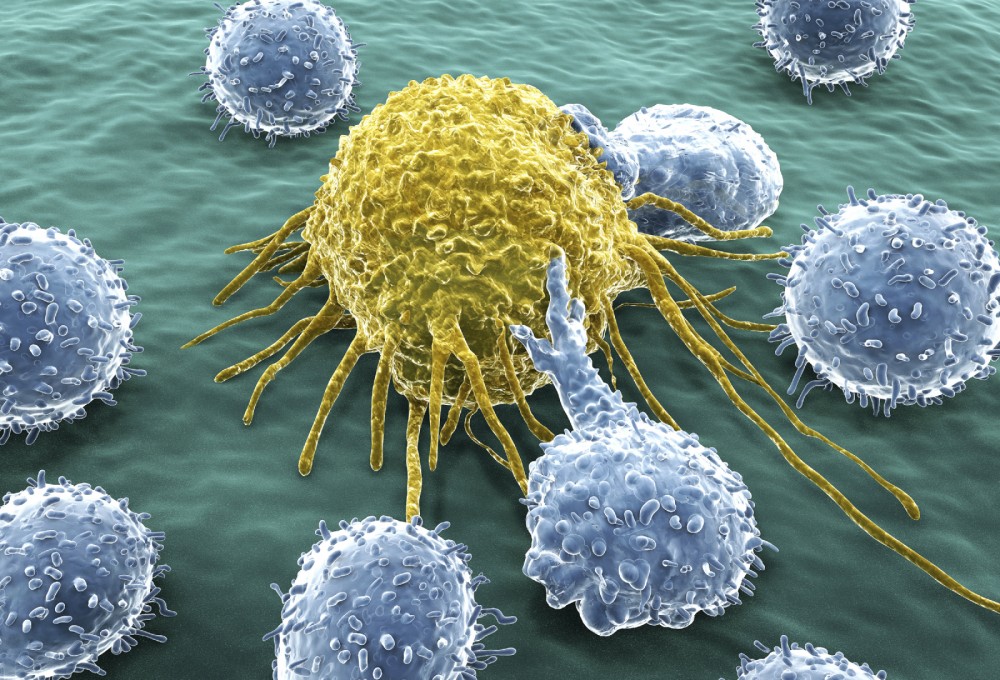
Infinity and AbbVie partner to develop and commercialise Duvelisib for cancer… for the treatment of chronic lymphocytic leukemia

Reporter: Stephen J. Williams, PhD

Duvelisib is a dual phosphoinositide-3-kinase (PI3K) delta and PI3K gamma inhibitor.  The delta and gamma isozymes are selectively expressed in leukocytes.    This article (at Dr. Melvin Crasto’s blog newdrugapprovals.org) discusses the synthesis of Duvelisib and mentions additional clinical trials underway including a phase II trial for the treatment of patients with mild asthma undergoing allergen challenge, for the treatment of rheumatoid arthritis and for the treatment of refractory indolent non-Hodgkin’s lymphoma. Phase I clinical trials for the treatment of advanced hematological malignancies (including T-cell lymphoma and mantle cell lymphoma).  The drug was originally developed at Takeda subsidiary Intellikine.

SOURCE

http://newdrugapprovals.org/2014/09/09/infinity-and-abbvie-partner-to-develop-and-commercialise-duvelisib-for-cancer-for-the-treatment-of-chronic-lymphocytic-leukemia/

Read Full Post »

Summary of Proteomics

Author and Curator: Larry H. Bernstein, MD, FCAP 


We have completed a series of discussions on proteomics, a scientific endeavor that is essentially 15 years old.   It is quite remarkable what has been accomplished in that time.  The interest is abetted by the understanding of the limitations of the genomic venture that has preceded it.  The thorough, yet incomplete knowledge of the genome, has led to the clarification of its limits.  It is the coding for all that lives, but all that lives has evolved to meet a demanding and changing environment with respect to

  1. availability of nutrients
  2. salinity
  3. temperature
  4. radiation exposure
  5. toxicities in the air, water, and food
  6. stresses – both internal and external

We have seen how both transcription and translation of the code results in a protein, lipoprotein, or other complex than the initial transcript that was modeled from tRNA. What you see in the DNA is not what you get in the functioning cell, organ, or organism.  There are comparabilities as well as significant differences between plants, prokaryotes, and eukaryotes.  There is extensive variation.  The variation goes beyond genomic expression, and includes the functioning cell, organ type, and species.

Here, I return to the introductory discussion.  Proteomics is a goal directed, sophisticated science that uses a combination of methods to find the answers to biological questions. Graves PR and Haystead TAJ.  Molecular Biologist’s Guide to Proteomics.
Microbiol Mol Biol Rev. Mar 2002; 66(1): 39–63.  http://www.ncbi.nlm.nih.gov/pmc/articles/PMC120780/

Peptide mass tag searching

Peptide mass tag searching

Peptide mass tag searching. Shown is a schematic of how information from an unknown peptide (top) is matched to a peptide sequence in a database (bottom) for protein identification. The partial amino acid sequence or “tag” obtained by MS/MS is combined with the peptide mass (parent mass), the mass of the peptide at the start of the sequence (mass tag 1), and the mass of the peptide at the end of the sequence (mass tag 2). The specificity of the protease used (trypsin is shown) can also be included in the search.

ICAT method for measuring differential protein expression

ICAT method for measuring differential protein expression

The ICAT method for measuring differential protein expression. (A) Structure of the ICAT reagent. ICAT consists of a biotin affinity group, a linker region that can incorporate heavy (deuterium) or light (hydrogen) atoms, and a thiol-reactive end group for linkage to cysteines. (B) ICAT strategy. Proteins are harvested from two different cell states and labeled on cysteine residues with either the light or heavy form of the ICAT reagent. Following labeling, the two protein samples are mixed and digested with a protease such as trypsin. Peptides labeled with the ICAT reagent can be purified by virtue of the biotin tag by using avidin chromatography. Following purification, ICAT-labeled peptides can be analyzed by MS to quantitate the peak ratios and proteins can be identified by sequencing the peptides with MS/MS.

Strategies for determination of phosphorylation sites in proteins

Strategies for determination of phosphorylation sites in proteins

Strategies for determination of phosphorylation sites in proteins. Proteins phosphorylated in vitro or in vivo can be isolated by protein electrophoresis and analyzed by MS. (A) Identification of phosphopeptides by peptide mass fingerprinting. In this method, phosphopeptides are identified by comparing the mass spectrum of an untreated sample to that of a sample treated with phosphatase. In the phosphatase-treated sample, potential phosphopeptides are identified by a decrease in mass due to loss of a phosphate group (80 Da). (B) Phosphorylation sites can be identified by peptide sequencing using MS/MS. (C) Edman degradation can be used to monitor the release of inorganic 32P to provide information about phosphorylation sites in peptides.

protein mining strategy

protein mining strategy

Proteome-mining strategy. Proteins are isolated on affinity column arrays from a cell line, organ, or animal source and purified to remove nonspecific adherents. Then, compound libraries are passed over the array and the proteins eluted are analyzed by protein electrophoresis. Protein information obtained by MS or Edman degradation is then used to search DNA and protein databases. If a relevant target is identified, a sublibrary of compounds can be evaluated to refine the lead. From this method a protein target and a drug lead can be simultaneously identified.

Although the technology for the analysis of proteins is rapidly progressing, it is still not feasible to study proteins on a scale equivalent to that of the nucleic acids. Most of proteomics relies on methods, such as protein purification or PAGE, that are not high-throughput methods. Even performing MS can require considerable time in either data acquisition or analysis. Although hundreds of proteins can be analyzed quickly and in an automated fashion by a MALDI-TOF mass spectrometer, the quality of data is sacrificed and many proteins cannot be identified. Much higher quality data can be obtained for protein identification by MS/MS, but this method requires considerable time in data interpretation. In our opinion, new computer algorithms are needed to allow more accurate interpretation of mass spectra without operator intervention. In addition, to access unannotated DNA databases across species, these algorithms should be error tolerant to allow for sequencing errors, polymorphisms, and conservative substitutions. New technologies will have to emerge before protein analysis on a large-scale (such as mapping the human proteome) becomes a reality.

Another major challenge for proteomics is the study of low-abundance proteins. In some eukaryotic cells, the amounts of the most abundant proteins can be 106-fold greater than those of the low-abundance proteins. Many important classes of proteins (that may be important drug targets) such as transcription factors, protein kinases, and regulatory proteins are low-copy proteins. These low-copy proteins will not be observed in the analysis of crude cell lysates without some purification. Therefore, new methods must be devised for subproteome isolation.

Tissue Proteomics for the Next Decade?  Towards a Molecular Dimension in Histology

R Longuespe´e, M Fle´ron, C Pottier, F Quesada-Calvo, Marie-Alice Meuwis, et al.
OMICS A Journal of Integrative Biology 2014; 18: 9.    http://dx.doi.org:/10.1089/omi.2014.0033

The concept of tissues appeared more than 200 years ago, since textures and attendant differences were described within the whole organism components. Instrumental developments in optics and biochemistry subsequently paved the way to transition from classical to molecular histology in order to decipher the molecular contexts associated with physiological or pathological development or function of a tissue. In 1941, Coons and colleagues performed the first systematic integrated examination of classical histology and biochemistry when his team localized pneumonia antigens in infected tissue sections. Most recently, in the early 21st century, mass spectrometry (MS) has progressively become one of the most valuable tools to analyze biomolecular compounds. Currently, sampling methods, biochemical procedures, and MS instrumentations
allow scientists to perform ‘‘in depth’’ analysis of the protein content of any type of tissue of interest. This article reviews the salient issues in proteomics analysis of tissues. We first outline technical and analytical considerations for sampling and biochemical processing of tissues and subsequently the instrumental possibilities for proteomics analysis such as shotgun proteomics in an anatomical context. Specific attention concerns formalin fixed and paraffin embedded (FFPE) tissues that are potential ‘‘gold mines’’ for histopathological investigations. In all, the matrix assisted laser desorption/ionization (MALDI) MS imaging, which allows for differential mapping of hundreds of compounds on a tissue section, is currently the most striking evidence of linkage and transition between ‘‘classical’’ and ‘‘molecular’’ histology. Tissue proteomics represents a veritable field of research and investment activity for modern biomarker discovery and development for the next decade.

Progressively, tissue analyses evolved towards the description of the whole molecular content of a given sample. Currently, mass spectrometry (MS) is the most versatile
analytical tool for protein identification and has proven its great potential for biological and clinical applications. ‘‘Omics’’ fields, and especially proteomics, are of particular
interest since they allow the analysis of a biomolecular picture associated with a given physiological or pathological state. Biochemical techniques were then adapted for an optimal extraction of several biocompounds classes from tissues of different natures.

Laser capture microdissection (LCM) is used to select and isolate tissue areas of interest for further analysis. The developments of MS instrumentations have then definitively transformed the scientific scene, pushing back more and more detection and identification limits. Since a few decades, new approaches of analyses appeared, involving the use of tissue sections dropped on glass slides as starting material. Two types of analyses can then be applied on tissue sections: shotgun proteomics and the very promising MS imaging (MSI) using Matrix Assisted Laser Desorption/Ionization (MALDI) sources. Also known as ‘‘molecular histology,’’ MSI is the most striking hyphen between histology and molecular analysis. In practice, this method allows visualization of the spatial distribution of proteins, peptides, drugs, or others analytes directly on tissue sections. This technique paved new ways of research, especially in the field of histopathology, since this approach appeared to be complementary to conventional histology.

Tissue processing workflows for molecular analyses

Tissue processing workflows for molecular analyses

Tissue processing workflows for molecular analyses. Tissues can either be processed in solution or directly on tissue sections. In solution, processing involves protein
extraction from tissue pieces in order to perform 2D gel separation and identification of proteins, shotgun proteomics, or MALDI analyses. Extracts can also be obtained from
tissues area selection and protein extraction after laser micro dissection or on-tissue processing. Imaging techniques are dedicated to the morphological characterization or molecular mapping of tissue sections. Histology can either be conducted by hematoxylin/eosin staining or by molecular mapping using antibodies with IHC. Finally, mass spectrometry imaging allows the cartography of numerous compounds in a single analysis. This approach is a modern form of ‘‘molecular histology’’ as it grafts, with the use of mathematical calculations, a molecular dimension to classical histology. (AR, antigen retrieval; FFPE, formalin fixed and paraffin embedded; fr/fr, fresh frozen; IHC, immunohistochemistry; LCM, laser capture microdissection; MALDI, matrix assisted laser desorption/ionization; MSI, mass spectrometry imaging; PTM, post translational modification.)

Analysis of tissue proteomes has greatly evolved with separation methods and mass spectrometry instrumentation. The choice of the workflow strongly depends on whether a bottom-up or a top-down analysis has to be performed downstream. In-gel or off-gel proteomics principally differentiates proteomic workflows. The almost simultaneous discoveries of the MS ionization sources (Nobel Prize awarded) MALDI (Hillenkamp and Karas, 1990; Tanaka et al., 1988) and electrospray ionization (ESI) (Fenn et al., 1989) have paved the way for analysis of intact proteins and peptides. Separation methods such as two-dimension electrophoresis (2DE) (Fey and Larsen, 2001) and nanoscale reverse phase liquid chromatography (nanoRP-LC) (Deterding et al., 1991) lead to efficient preparation of proteins for respectively topdown and bottom-up strategies. A huge panel of developments was then achieved mostly for LC-MS based proteomics in order to improve ion fragmentation approaches and peptide
identification throughput relying on database interrogation. Moreover, approaches were developed to analyze post translational modifications (PTM) such as phosphorylations (Ficarro et al., 2002; Oda et al., 2001; Zhou et al., 2001) or glycosylations (Zhang et al., 2003), proposing as well different quantification procedures. Regarding instrumentation, the most cutting edge improvements are the gain of mass accuracy for an optimal detection of the eluted peptides during LC-MS runs (Mann and Kelleher, 2008; Michalski et al., 2011) and the increase in scanning speed, for example with the use of Orbitrap analyzers (Hardman and Makarov, 2003; Makarov et al., 2006; Makarov et al., 2009; Olsen et al., 2009). Ion transfer efficiency was also drastically improved with the conception of ion funnels that homogenize the ion transmission
capacities through m/z ranges (Kelly et al., 2010; Kim et al., 2000; Page et al., 2006; Shaffer et al., 1998) or by performing electrospray ionization within low vacuum (Marginean et al., 2010; Page et al., 2008; Tang et al., 2011). Beside collision induced dissociation (CID) that is proposed for many applications (Li et al., 2009; Wells and McLuckey, 2005), new fragmentation methods were investigated, such as higher-energy collisional dissociation (HCD) especially for phosphoproteomic
applications (Nagaraj et al., 2010), and electron transfer dissociation (ETD) and electron capture dissociation (ECD) that are suited for phospho- and glycoproteomics (An
et al., 2009; Boersema et al., 2009; Wiesner et al., 2008). Methods for data-independent MS2 analysis based on peptide fragmentation in given m/z windows without precursor selection neither information knowledge, also improves identification throughput (Panchaud et al., 2009; Venable et al., 2004), especially with the use of MS instruments with high resolution and high mass accuracy specifications (Panchaud et al., 2011). Gas fractionation methods such as ion mobility (IM) can also be used as a supplementary separation dimension which enable more efficient peptide identifications (Masselon et al., 2000; Shvartsburg et al., 2013; Shvartsburg et al., 2011).

Microdissection relies on a laser ablation principle. The tissue section is dropped on a plastic membrane covering a glass slide. The preparation is then placed into a microscope
equipped with a laser. A highly focused beam will then be guided by the user at the external limit of the area of interest. This area composed by the plastic membrane, and the tissue section will then be ejected from the glass slide and collected into a tube cap for further processing. This mode of microdissection is the most widely used due to its ease of handling and the large panels of devices proposed by constructors. Indeed, Leica microsystem proposed the Leica LMD system (Kolble, 2000), Molecular Machine and Industries, the MMI laser microdissection system Microcut, which was used in combination with IHC (Buckanovich et al., 2006), Applied Biosystems developed the Arcturus
microdissection System, and Carl Zeiss patented P.A.L.M. MicroBeam technology (Braakman et al., 2011; Espina et al., 2006a; Espina et al., 2006b; Liu et al., 2012; Micke
et al., 2005). LCM represents a very adequate link between classical histology and sampling methods for molecular analyses as it is a simple customized microscope. Indeed,
optical lenses of different magnification can be used and the method is compatible with classical IHC (Buckanovich et al., 2006). Only the laser and the tube holder need to be
added to the instrumentation.

After microdissection, the tissue pieces can be processed for analyses using different available MS devices and strategies. The simplest one consists in the direct analysis of the
protein profiles by MALDI-TOF-MS (MALDI-time of flight-MS). The microdissected tissues are dropped on a MALDI target and directly covered by the MALDI matrix (Palmer-Toy et al., 2000; Xu et al., 2002). This approach was already used in order to classify breast cancer tumor types (Sanders et al., 2008), identify intestinal neoplasia protein biomarkers (Xu et al., 2009), and to determine differential profiles in glomerulosclerosis (Xu et al., 2005).

Currently the most common proteomic approach for LCM tissue analysis is LC-MS/MS. Label free LC-MS approaches have been used to study several cancers like head and neck squamous cell carcinomas (Baker et al., 2005), esophageal cancer (Hatakeyama et al., 2006), dysplasic cervical cells (Gu et al., 2007), breast carcinoma tumors (Hill et al., 2011; Johann et al., 2009), tamoxifen-resistant breast cancer cells (Umar et al., 2009), ER + / – breast cancer cells (Rezaul et al., 2010), Barretts esophagus (Stingl et al., 2011), and ovarian endometrioid cancer (Alkhas et al., 2011). Different isotope labeling methods have been used in order to compare proteins expression. ICAT was first used to investigate proteomes of hepatocellular carcinoma (Li et al., 2004; 2008). The O16/O18 isotopic labeling was then used for proteomic analysis of ductal carcinoma of the breast (Zang et al., 2004).

Currently, the lowest amount of collected cells for a relevant single analysis using fr/fr breast cancer tissues was 3000–4000 (Braakman et al., 2012; Liu et al., 2012; Umar et al., 2007). With a Q-Exactive (Thermo, Waltham) mass spectrometer coupled to LC, Braakman was able to identify up to 1800 proteins from 4000 cells. Processing
of FFPE microdissected tissues of limited sizes still remains an issue which is being addressed by our team.

Among direct tissue analyses modes, two categories of investigations can be done. MALDI profiling consists in the study of molecular localization of compounds and can be
combined with parallel shotgun proteomic methods. Imaging methods give less detailed molecular information, but is more focused on the accurate mapping of the detected compounds through tissue area. In 2007, a concept of direct tissue proteomics (DTP) was proposed for high-throughput examination of tissue microarray samples. However, contrary to the classical workflow, tissue section chemical treatment involved a first step of scrapping each FFPE tissue spot with a razor blade from the glass slide. The tissues were then transferred into a tube and processed with RIPA buffer and finally submitted to boiling as an AR step (Hwang et al., 2007). Afterward, several teams proved that it was possible to perform the AR directly on tissue sections. These applications were mainly dedicated to MALDI imaging analyses (Bonnel et al., 2011; Casadonte and Caprioli, 2011; Gustafsson et al., 2010). However, more recently, Longuespe´e used citric acid antigen retrieval (CAAR) before shotgun proteomics associated to global profiling proteomics (Longuespee et al., 2013).

MALDI imaging workflow

MALDI imaging workflow

MALDI imaging workflow. For MALDI imaging experiments, tissue sections are dropped on conductive glass slides. Sample preparations are then adapted depending on the nature of the tissue sample (FFPE or fr/fr). Then, matrix is uniformly deposited on the tissue section using dedicated devices. A laser beam subsequently irradiates the preparation following a given step length and a MALDI spectrum is acquired for each position. Using adapted software, the different detected ions are then mapped through the tissue section, in function of their differential intensities. The ‘‘molecular maps’’ are called images. (FFPE, formalin fixed and paraffin embedded; fr/fr, fresh frozen; MALDI, matrix assisted laser desorption ionization.)

Proteomics instrumentations, specific biochemical preparations, and sampling methods such as LCM altogether allow for the deep exploration and comparison of different proteomes between regions of interest in tissues with up to 104 detected proteins. MALDI MS imaging that allows for differential mapping of hundreds of compounds on a tissue section is currently the most striking illustration of association between ‘‘classical’’ and ‘‘molecular’’ histology.

Novel serum protein biomarker panel revealed by mass spectrometry and its prognostic value in breast cancer

L Chung, K Moore, L Phillips, FM Boyle, DJ Marsh and RC Baxter*  Breast Cancer Research 2014, 16:R63
http://breast-cancer-research.com/content/16/3/R63

Introduction: Serum profiling using proteomic techniques has great potential to detect biomarkers that might improve diagnosis and predict outcome for breast cancer patients (BC). This study used surface-enhanced laser desorption/ionization time-of-flight (SELDI-TOF) mass spectrometry (MS) to identify differentially expressed proteins in sera from BC and healthy volunteers (HV), with the goal of developing a new prognostic biomarker panel.
Methods: Training set serum samples from 99 BC and 51 HV subjects were applied to four adsorptive chip surfaces (anion-exchange, cation-exchange, hydrophobic, and metal affinity) and analyzed by time-of-flight MS. For validation, 100 independent BC serum samples and 70 HV samples were analyzed similarly. Cluster analysis of protein spectra was performed to identify protein patterns related to BC and HV groups. Univariate and multivariate statistical analyses were used to develop a protein panel to distinguish breast cancer sera from healthy sera, and its prognostic potential was evaluated.
Results: From 51 protein peaks that were significantly up- or downregulated in BC patients by univariate analysis, binary logistic regression yielded five protein peaks that together classified BC and HV with a receiver operating characteristic (ROC) area-under-the-curve value of 0.961. Validation on an independent patient cohort confirmed
the five-protein parameter (ROC value 0.939). The five-protein parameter showed positive association with large tumor size (P = 0.018) and lymph node involvement (P = 0.016). By matrix-assisted laser desorption/ionization time-of-flight (MALDI-TOF) MS, immunoprecipitation and western blotting the proteins were identified as a fragment
of apolipoprotein H (ApoH), ApoCI, complement C3a, transthyretin, and ApoAI. Kaplan-Meier analysis on 181 subjects after median follow-up of >5 years demonstrated that the panel significantly predicted disease-free survival (P = 0.005), its efficacy apparently greater in women with estrogen receptor (ER)-negative tumors (n = 50, P = 0.003) compared to ER-positive (n = 131, P = 0.161), although the influence of ER status needs to be confirmed after longer follow-up.
Conclusions: Protein mass profiling by MS has revealed five serum proteins which, in combination, can distinguish between serum from women with breast cancer and healthy control subjects with high sensitivity and specificity. The five-protein panel significantly predicts recurrence-free survival in women with ER-negative tumors and may have value in the management of these patients.

Cellular prion protein is required for neuritogenesis: fine-tuning of multiple signaling pathways involved in focal adhesions and actin cytoskeleton dynamics

Aurélie Alleaume-Butaux, et al.   Cell Health and Cytoskeleton 2013:5 1–12

Neuritogenesis is a dynamic phenomenon associated with neuronal differentiation that allows a rather spherical neuronal stem cell to develop dendrites and axon, a prerequisite for the integration and transmission of signals. The acquisition of neuronal polarity occurs in three steps:

(1) neurite sprouting, which consists of the formation of buds emerging from the postmitotic neuronal soma;

(2) neurite outgrowth, which represents the conversion of buds into neurites, their elongation and evolution into axon or dendrites; and

(3) the stability and plasticity of neuronal polarity.

In neuronal stem cells, remodeling and activation of focal adhesions (FAs)

  • associated with deep modifications of the actin cytoskeleton is
  • a prerequisite for neurite sprouting and subsequent neurite outgrowth.

A multiple set of growth factors and interactors located in

  • the extracellular matrix and the plasma membrane orchestrate neuritogenesis
  • by acting on intracellular signaling effectors, notably small G proteins such as RhoA, Rac, and Cdc42,
  • which are involved in actin turnover and the dynamics of FAs.

The cellular prion protein (PrPC), a glycosylphosphatidylinositol (GPI)-anchored membrane protein

  • mainly known for its role in a group of fatal neurodegenerative diseases,
  • has emerged as a central player in neuritogenesis.

Here, we review the contribution of PrPC to neuronal polarization and

  • detail the current knowledge on the signaling pathways fine-tuned
  • by PrPC to promote neurite sprouting, outgrowth, and maintenance.

We emphasize that PrPC-dependent neurite sprouting is a process in which

  • PrPC governs the dynamics of FAs and the actin cytoskeleton via β1 integrin signaling.

The presence of PrPC is necessary to render neuronal stem cells

  • competent to respond to neuronal inducers and to develop neurites.

In differentiating neurons, PrPC exerts a facilitator role towards neurite elongation.

This function relies on the interaction of PrPC with a set of diverse partners such as

  1. elements of the extracellular matrix,
  2. plasma membrane receptors,
  3. adhesion molecules, and
  4. soluble factors that control actin cytoskeleton turnover
  • through Rho-GTPase signaling.

Once neurons have reached their terminal stage of differentiation and

  • acquired their polarized morphology,
  • PrPC also takes part in the maintenance of neurites.

By acting on tissue nonspecific alkaline phosphatase, or matrix metalloproteinase type 9,

  • PrPC stabilizes interactions between neurites and the extracellular matrix.

Fusion-pore expansion during syncytium formation is restricted by an actin network

Andrew Chen et al., Journal of Cell Science 121, 3619-3628. http://dx.doi.org:/10.1242/jcs.032169

Cell-cell fusion in animal development and in pathophysiology

  • involves expansion of nascent fusion pores formed by protein fusogens
  • to yield an open lumen of cell-size diameter.

Here we explored the enlargement of micron-scale pores in syncytium formation,

  • which was initiated by a well-characterized fusogen baculovirus gp64.

Radial expansion of a single or, more often, of multiple fusion pores

  • proceeds without loss of membrane material in the tight contact zone.

Pore growth requires cell metabolism and is

  • accompanied by a local disassembly of the actin cortex under the pores.

Effects of actin-modifying agents indicate that

  • the actin cortex slows down pore expansion.

We propose that the growth of the strongly bent fusion-pore rim

  1. is restricted by a dynamic resistance of the actin network and
  2. driven by membrane-bending proteins that are involved in
  3. the generation of highly curved intracellular membrane compartments.

Pak1 Is Required to Maintain Ventricular Ca2+ Homeostasis and Electrophysiological Stability Through SERCA2a Regulation in Mice

Yanwen Wang, et al.  Circ Arrhythm Electrophysiol. 2014;7:00-00.

Impaired sarcoplasmic reticular Ca2+ uptake resulting from

  • decreased sarcoplasmic reticulum Ca2+-ATPase type 2a (SERCA2a) expression or activity
  • is a characteristic of heart failure with its associated ventricular arrhythmias.

Recent attempts at gene therapy of these conditions explored strategies

  • enhancing SERCA2a expression and the activity as novel approaches to heart failure management.

We here explore the role of Pak1 in maintaining ventricular Ca2+ homeostasis and electrophysiological stability

  • under both normal physiological and acute and chronic β-adrenergic stress conditions.

Methods and Results—Mice with a cardiomyocyte-specific Pak1 deletion (Pak1cko), but not controls (Pak1f/f), showed

  • high incidences of ventricular arrhythmias and electrophysiological instability
  • during either acute β-adrenergic or chronic β-adrenergic stress leading to hypertrophy,
  • induced by isoproterenol.

Isolated Pak1cko ventricular myocytes correspondingly showed

  • aberrant cellular Ca2+ homeostasis.

Pak1cko hearts showed an associated impairment of SERCA2a function and

  • downregulation of SERCA2a mRNA and protein expression.

Further explorations of the mechanisms underlying the altered transcriptional regulation

  • demonstrated that exposure to control Ad-shC2 virus infection
  • increased SERCA2a protein and mRNA levels after
  • phenylephrine stress in cultured neonatal rat cardiomyocytes.

This was abolished by the

  • Pak1-knockdown in Ad-shPak1–infected neonatal rat cardiomyocytes and
  • increased by constitutive overexpression of active Pak1 (Ad-CAPak1).

We then implicated activation of serum response factor, a transcriptional factor well known for

  • its vital role in the regulation of cardiogenesis genes in the Pak1-dependent regulation of SERCA2a.

Conclusions—These findings indicate that

Pak1 is required to maintain ventricular Ca2+ homeostasis and electrophysiological stability

  • and implicate Pak1 as a novel regulator of cardiac SERCA2a through
  • a transcriptional mechanism

fusion in animal development and in pathophysiology involves expansion of nascent fusion pores

  • formed by protein fusogens to yield an open lumen of cell-size diameter.

Here we explored the enlargement of micron-scale pores in syncytium formation,

  • which was initiated by a well-characterized fusogen baculovirus gp64.

Radial expansion of a single or, more often, of multiple fusion pores proceeds

  • without loss of membrane material in the tight contact zone.

Pore growth requires cell metabolism and is accompanied by

  • a local disassembly of the actin cortex under the pores.

Effects of actin-modifying agents indicate that the actin cortex slows down pore expansion.

We propose that the growth of the strongly bent fusion-pore rim is restricted

  • by a dynamic resistance of the actin network and driven by
  • membrane-bending proteins that are involved in the generation of
  • highly curved intracellular membrane compartments.

Role of forkhead box protein A3 in age-associated metabolic decline

Xinran Maa,1, Lingyan Xua,1, Oksana Gavrilovab, and Elisabetta Muellera,2
PNAS Sep 30, 2014 | 111 | 39 | 14289–14294  http://pnas.org/cgi/doi/10.1073/pnas.1407640111

Significance
This paper reports that the transcription factor forkhead box protein A3 (Foxa3) is

  • directly involved in the development of age-associated obesity and insulin resistance.

Mice that lack the Foxa3 gene

  1. remodel their fat tissues,
  2. store less fat, and
  3. burn more energy as they age.

These mice also live significantly longer.

We show that Foxa3 suppresses a key metabolic cofactor, PGC1α,

  • which is involved in the gene programs that turn on energy expenditure in adipose tissues.

Overall, these findings suggest that Foxa3 contributes to the increased adiposity observed during aging,

  • and that it can be a possible target for the treatment of metabolic disorders.

Aging is associated with increased adiposity and diminished thermogenesis, but

  • the critical transcription factors influencing these metabolic changes late in life are poorly understood.

We recently demonstrated that the winged helix factor forkhead box protein A3 (Foxa3)

  • regulates the expansion of visceral adipose tissue in high-fat diet regimens; however,
  • whether Foxa3 also contributes to the increase in adiposity and the decrease in brown fat activity
  • observed during the normal aging process is currently unknown.

Here we report that during aging, levels of Foxa3 are significantly and selectively

  • up-regulated in brown and inguinal white fat depots, and that
  • midage Foxa3-null mice have increased white fat browning and thermogenic capacity,
  1. decreased adipose tissue expansion,
  2. improved insulin sensitivity, and
  3. increased longevity.

Foxa3 gain-of-function and loss-of-function studies in inguinal adipose depots demonstrated

  • a cell-autonomous function for Foxa3 in white fat tissue browning.

The mechanisms of Foxa3 modulation of brown fat gene programs involve

  • the suppression of peroxisome proliferator activated receptor γ coactivtor 1 α (PGC1α) levels
  • through interference with cAMP responsive element binding protein 1-mediated
  • transcriptional regulation of the PGC1α promoter.

Our data demonstrate a role for Foxa3 in energy expenditure and in age-associated metabolic disorders.

Control of Mitochondrial pH by Uncoupling Protein 4 in Astrocytes Promotes Neuronal Survival

HP Lambert, M Zenger, G Azarias, Jean-Yves Chatton, PJ. Magistretti,§, S Lengacher
JBC (in press) M114.570879  http://www.jbc.org/cgi/doi/10.1074/jbc.M114.570879

Background: Role of uncoupling proteins (UCP) in the brain is unclear.
Results: UCP, present in astrocytes, mediate the intra-mitochondrial acidification leading to a decrease in mitochondrial ATP production.
Conclusion: Astrocyte pH regulation promotes ATP synthesis by glycolysis whose final product, lactate, increases neuronal survival.
Significance: We describe a new role for a brain uncoupling protein.

Brain activity is energetically costly and requires a steady and

  • highly regulated flow of energy equivalents between neural cells.

It is believed that a substantial share of cerebral glucose, the major source of energy of the brain,

  • will preferentially be metabolized in astrocytes via aerobic glycolysis.

The aim of this study was to evaluate whether uncoupling proteins (UCPs),

  • located in the inner membrane of mitochondria,
  • play a role in setting up the metabolic response pattern of astrocytes.

UCPs are believed to mediate the transmembrane transfer of protons

  • resulting in the uncoupling of oxidative phosphorylation from ATP production.

UCPs are therefore potentially important regulators of energy fluxes. The main UCP isoforms

  • expressed in the brain are UCP2, UCP4, and UCP5.

We examined in particular the role of UCP4 in neuron-astrocyte metabolic coupling

  • and measured a range of functional metabolic parameters
  • including mitochondrial electrical potential and pH,
  1. reactive oxygen species production,
  2. NAD/NADH ratio,
  3. ATP/ADP ratio,
  4. CO2 and lactate production, and
  5. oxygen consumption rate (OCR).

In brief, we found that UCP4 regulates the intra-mitochondrial pH of astrocytes

  • which acidifies as a consequence of glutamate uptake,
  • with the main consequence of reducing efficiency of mitochondrial ATP production.
  • the diminished ATP production is effectively compensated by enhancement of glycolysis.
  • this non-oxidative production of energy is not associated with deleterious H2O2 production.

We show that astrocytes expressing more UCP4 produced more lactate,

  • used as energy source by neurons, and had the ability to enhance neuronal survival.

Jose Eduardo des Salles Roselino

The problem with genomics was it was set as explanation for everything. In fact, when something is genetic in nature the genomic reasoning works fine. However, this means whenever an inborn error is found and only in this case the genomic knowledge afterwards may indicate what is wrong and not the completely way to put biology upside down by reading everything in the DNA genetic as well as non-genetic problems.

Read Full Post »

Imaging-guided cancer treatment

Imaging-guided cancer treatment

Writer & reporter: Dror Nir, PhD

It is estimated that the medical imaging market will exceed $30 billion in 2014 (FierceMedicalImaging). To put this amount in perspective; the global pharmaceutical market size for the same year is expected to be ~$1 trillion (IMS) while the global health care spending as a percentage of Gross Domestic Product (GDP) will average 10.5% globally in 2014 (Deloitte); it will reach ~$3 trillion in the USA.

Recent technology-advances, mainly miniaturization and improvement in electronic-processing components is driving increased introduction of innovative medical-imaging devices into critical nodes of major-diseases’ management pathways. Consequently, in contrast to it’s very small contribution to global health costs, medical imaging bears outstanding potential to reduce the future growth in spending on major segments in this market mainly: Drugs development and regulation (e.g. companion diagnostics and imaging surrogate markers); Disease management (e.g. non-invasive diagnosis, guided treatment and non-invasive follow-ups); and Monitoring aging-population (e.g. Imaging-based domestic sensors).

In; The Role of Medical Imaging in Personalized Medicine I discussed in length the role medical imaging assumes in drugs development.  Integrating imaging into drug development processes, specifically at the early stages of drug discovery, as well as for monitoring drug delivery and the response of targeted processes to the therapy is a growing trend. A nice (and short) review highlighting the processes, opportunities, and challenges of medical imaging in new drug development is: Medical imaging in new drug clinical development.

The following is dedicated to the role of imaging in guiding treatment.

Precise treatment is a major pillar of modern medicine. An important aspect to enable accurate administration of treatment is complementing the accurate identification of the organ location that needs to be treated with a system and methods that ensure application of treatment only, or mainly to, that location. Imaging is off-course, a major component in such composite systems. Amongst the available solution, functional-imaging modalities are gaining traction. Specifically, molecular imaging (e.g. PET, MRS) allows the visual representation, characterization, and quantification of biological processes at the cellular and subcellular levels within intact living organisms. In oncology, it can be used to depict the abnormal molecules as well as the aberrant interactions of altered molecules on which cancers depend. Being able to detect such fundamental finger-prints of cancer is key to improved matching between drugs-based treatment and disease. Moreover, imaging-based quantified monitoring of changes in tumor metabolism and its microenvironment could provide real-time non-invasive tool to predict the evolution and progression of primary tumors, as well as the development of tumor metastases.

A recent review-paper: Image-guided interventional therapy for cancer with radiotherapeutic nanoparticles nicely illustrates the role of imaging in treatment guidance through a comprehensive discussion of; Image-guided radiotherapeutic using intravenous nanoparticles for the delivery of localized radiation to solid cancer tumors.

 Graphical abstract

 Abstract

One of the major limitations of current cancer therapy is the inability to deliver tumoricidal agents throughout the entire tumor mass using traditional intravenous administration. Nanoparticles carrying beta-emitting therapeutic radionuclides [DN: radioactive isotops that emits electrons as part of the decay process a list of β-emitting radionuclides used in radiotherapeutic nanoparticle preparation is given in table1 of this paper.) that are delivered using advanced image-guidance have significant potential to improve solid tumor therapy. The use of image-guidance in combination with nanoparticle carriers can improve the delivery of localized radiation to tumors. Nanoparticles labeled with certain beta-emitting radionuclides are intrinsically theranostic agents that can provide information regarding distribution and regional dosimetry within the tumor and the body. Image-guided thermal therapy results in increased uptake of intravenous nanoparticles within tumors, improving therapy. In addition, nanoparticles are ideal carriers for direct intratumoral infusion of beta-emitting radionuclides by convection enhanced delivery, permitting the delivery of localized therapeutic radiation without the requirement of the radionuclide exiting from the nanoparticle. With this approach, very high doses of radiation can be delivered to solid tumors while sparing normal organs. Recent technological developments in image-guidance, convection enhanced delivery and newly developed nanoparticles carrying beta-emitting radionuclides will be reviewed. Examples will be shown describing how this new approach has promise for the treatment of brain, head and neck, and other types of solid tumors.

The challenges this review discusses

  • intravenously administered drugs are inhibited in their intratumoral penetration by high interstitial pressures which prevent diffusion of drugs from the blood circulation into the tumor tissue [1–5].
  • relatively rapid clearance of intravenously administered drugs from the blood circulation by kidneys and liver.
  • drugs that do reach the solid tumor by diffusion are inhomogeneously distributed at the micro-scale – This cannot be overcome by simply administering larger systemic doses as toxicity to normal organs is generally the dose limiting factor.
  • even nanoparticulate drugs have poor penetration from the vascular compartment into the tumor and the nanoparticles that do penetrate are most often heterogeneously distributed

How imaging could mitigate the above mentioned challenges

  • The inclusion of an imaging probe during drug development can aid in determining the clearance kinetics and tissue distribution of the drug non-invasively. Such probe can also be used to determine the likelihood of the drug reaching the tumor and to what extent.

Note: Drugs that have increased accumulation within the targeted site are likely to be more effective as compared with others. In that respect, Nanoparticle-based drugs have an additional advantage over free drugs with their potential to be multifunctional carriers capable of carrying both therapeutic and diagnostic imaging probes (theranostic) in the same nanocarrier. These multifunctional nanoparticles can serve as theranostic agents and facilitate personalized treatment planning.

  • Imaging can also be used for localization of the tumor to improve the placement of a catheter or external device within tumors to cause cell death through thermal ablation or oxidative stress secondary to reactive oxygen species.

See the example of Vintfolide in The Role of Medical Imaging in Personalized Medicine

vinta

Note: Image guided thermal ablation methods include radiofrequency (RF) ablation, microwave ablation or high intensity focused ultrasound (HIFU). Photodynamic therapy methods using external light devices to activate photosensitizing agents can also be used to treat superficial tumors or deeper tumors when used with endoscopic catheters.

  • Quality control during and post treatment

For example: The use of high intensity focused ultrasound (HIFU) combined with nanoparticle therapeutics: HIFU is applied to improve drug delivery and to trigger drug release from nanoparticles. Gas-bubbles are playing the role of the drug’s nano-carrier. These are used both to increase the drug transport into the cell and as ultrasound-imaging contrast material. The ultrasound is also used for processes of drug-release and ablation.

 HIFU

Additional example; Multifunctional nanoparticles for tracking CED (convection enhanced delivery)  distribution within tumors: Nanoparticle that could serve as a carrier not only for the therapeutic radionuclides but simultaneously also for a therapeutic drug and 4 different types of imaging contrast agents including an MRI contrast agent, PET and SPECT nuclear diagnostic imaging agents and optical contrast agents as shown below. The ability to perform multiple types of imaging on the same nanoparticles will allow studies investigating the distribution and retention of nanoparticles initially in vivo using non-invasive imaging and later at the histological level using optical imaging.

 multi

Conclusions

Image-guided radiotherapeutic nanoparticles have significant potential for solid tumor cancer therapy. The current success of this therapy in animals is most likely due to the improved accumulation, retention and dispersion of nanoparticles within solid tumor following image-guided therapies as well as the micro-field of the β-particle which reduces the requirement of perfectly homogeneous tumor coverage. It is also possible that the intratumoral distribution of nanoparticles may benefit from their uptake by intratumoral macrophages although more research is required to determine the importance of this aspect of intratumoral radionuclide nanoparticle therapy. This new approach to cancer therapy is a fertile ground for many new technological developments as well as for new understandings in the basic biology of cancer therapy. The clinical success of this approach will depend on progress in many areas of interdisciplinary research including imaging technology, nanoparticle technology, computer and robot assisted image-guided application of therapies, radiation physics and oncology. Close collaboration of a wide variety of scientists and physicians including chemists, nanotechnologists, drug delivery experts, radiation physicists, robotics and software experts, toxicologists, surgeons, imaging physicians, and oncologists will best facilitate the implementation of this novel approach to the treatment of cancer in the clinical environment. Image-guided nanoparticle therapies including those with β-emission radionuclide nanoparticles have excellent promise to significantly impact clinical cancer therapy and advance the field of drug delivery.

Read Full Post »

NIH Considers Guidelines for CAR-T therapy: Report from Recombinant DNA Advisory Committee

Reporter: Stephen J. Williams, Ph.D.

UPDATED 5/27/2024

The practice of pharmacovigilence, both premarketing and postmarketing, has very well defined best practices concerning most small molecule drugs and even medical devices.  However, for many cell based therapies and many gene based therapies, often still administered within the university, academic setting, pharmacovigilence reporting and adherence may be a not as efficient and thorough as conducted by large big pharmaceutical firms.  Big pharma will devote massive resources for the conduct of pharmacovigilence data collecting and analysis.  For many cell based therapies, like CAR-T therapies and some gene therapies are almost conducted as clinical trials within university medical centers, which may not have the resources for a large pharmacovigilence program.

In a report by IQVIA, oncologists were asked about their concerns with cell based therapies.  A recurring concern involved the lack of information on the adverse events related to these therapies, especially after an oncologist’s patient would return from administration of their CAR-T therapy and then both patient and oncologist felt ‘on their own’.

Most recently the FDA has issued black box warning on many CAR-T therapies for their risk in inducing secondary malignancies (see What does this mean for Immunotherapy? FDA put a temporary hold on Juno’s JCAR015, Three Death of Cerebral Edema in CAR-T Clinical Trial and Kite Pharma announced Phase II portion of its CAR-T ZUMA-1 trial).

Source: https://www.fiercepharma.com/ai-and-machine-learning/oncologists-have-shopping-car-t-full-complaints-safety-questions-cell?utm_medium=email&utm_source=nl&utm_campaign=LS-NL-FiercePharma+Tracker&oly_enc_id=2360C5096034F3G

Note: the IQVIA will be submitted as an abstract at the current ASCO meeting

UPDATED 5/10/2022

In the mid to late 1970’s a public debate (and related hysteria) had emerged surrounding two emerging advances in recombinant DNA technology;

  1. the development of vectors useful for cloning pieces of DNA (the first vector named pBR322) and
  2. the discovery of bacterial strains useful in propagating such vectors

As discussed by D. S, Fredrickson of NIH’s Dept. of Education and Welfare in his historical review” A HISTORY OF THE RECOMBINANT DNA GUIDELINES IN THE UNITED STATES” this international concern of the biological safety issues of this new molecular biology tool led the National Institute of Health to coordinate a committee (the NIH Recombinant DNA Advisory Committee) to develop guidelines for the ethical use, safe development, and safe handling of such vectors and host bacterium. The first conversations started in 1974 and, by 1978, initial guidelines had been developed. In fact, as Dr. Fredrickson notes, public relief was voiced even by religious organizations (who had the greatest ethical concerns)

On December 16, 1978, a telegram purporting to be from the Vatican was hand delivered to the office of Joseph A. Califano, Jr., Secretary of Health, Education,

and Welfare. “Habemus regimen recombinatum,” it proclaimed, in celebration of the

end of a long struggle to revise the NIH Guidelines for Research Involving

Recombinant DNA Molecules

The overall Committee resulted in guidelines (2013 version) which assured the worldwide community that

  • organisms used in such procedures would have limited pathogenicity in humans
  • vectors would be developed in a manner which would eliminate their ability to replicate in humans and have defined antibiotic sensitivity

So great was the success and acceptance of this committee and guidelines, the NIH felt the Recombinant DNA Advisory Committee should meet regularly to discuss and develop ethical guidelines and clinical regulations concerning DNA-based therapeutics and technologies.

A PowerPoint Slideshow: Introduction to NIH OBA and the History of Recombinant DNA Oversight can be viewed at the following link:

http://www.powershow.com/view1/e1703-ZDc1Z/Introduction_to_NIH_OBA_and_the_History_of_Recombinant_DNA_Oversight_powerpoint_ppt_presentation

Please see the following link for a video discussion between Dr. Paul Berg, who pioneered DNA recombinant technology, and Dr. James Watson (Commemorating 50 Years of DNA Science):

http://media.hhmi.org/interviews/berg_watson.html

The Recombinant DNA Advisory Committee has met numerous times to discuss new DNA-based technologies and their biosafety and clinical implication including:

A recent Symposium was held in the summer of 2010 to discuss ethical and safety concerns and discuss potential clinical guidelines for use of an emerging immunotherapy technology, the Chimeric Antigen Receptor T-Cells (CART), which at that time had just been started to be used in clinical trials.

Considerations for the Clinical Application of Chimeric Antigen Receptor T Cells: Observations from a Recombinant DNA Advisory Committee Symposium Held June 15, 2010[1]

Contributors to the Symposium discussing opinions regarding CAR-T protocol design included some of the prominent members in the field including:

Drs. Hildegund C.J. Ertl, John Zaia, Steven A. Rosenberg, Carl H. June, Gianpietro Dotti, Jeffrey Kahn, Laurence J. N. Cooper, Jacqueline Corrigan-Curay, And Scott E. Strome.

The discussions from the Symposium, reported in Cancer Research[1]. were presented in three parts:

  1. Summary of the Evolution of the CAR therapy
  2. Points for Future Consideration including adverse event reporting
  3. Considerations for Design and Implementation of Trials including mitigating toxicities and risks

1. Evolution of Chimeric Antigen Receptors

Early evidence had suggested that adoptive transfer of tumor-infiltrating lymphocytes, after depletion of circulating lymphocytes, could result in a clinical response in some tumor patients however developments showed autologous T-cells (obtained from same patient) could be engineered to express tumor-associated antigens (TAA) and replace the TILS in the clinical setting.

However there were some problems noticed.

  • Problem: HLA restriction of T-cells. Solution: genetically engineer T-cells to redirect T-cell specificity to surface TAAs
  • Problem: 1st generation vectors designed to engineer T-cells to recognize surface epitopes but engineered cells had limited survival in patients.   Solution: development of 2nd generation vectors with co-stimulatory molecules such as CD28, CD19 to improve survival and proliferation in patients

A summary table of limitations of the two types of genetically-modified T-cell therapies were given and given (in modified form) below

                                                                                                Type of Gene-modified T-Cell

Limitations aβ TCR CAR
Affected by loss or decrease of HLA on tumor cells yes no
Affected by altered tumor cell antigen processing? yes no
Need to have defined tumor target antigen? no yes
Vector recombination with endogenous TCR yes no

A brief history of construction of 2nd and 3rd generation CAR-T cells given by cancer.gov:

http://www.cancer.gov/cancertopics/research-updates/2013/CAR-T-Cells

cartdiagrampic

Differences between  second- and third-generation chimeric antigen receptor T cells. (Adapted by permission from the American Association for Cancer Research: Lee, DW et al. The Future Is Now: Chimeric Antigen Receptors as New Targeted Therapies for Childhood Cancer. Clin Cancer Res; 2012;18(10); 2780–90. doi:10.1158/1078-0432.CCR-11-1920)

Constructing a CAR T Cell (from cancer.gov)

The first efforts to engineer T cells to be used as a cancer treatment began in the early 1990s. Since then, researchers have learned how to produce T cells that express chimeric antigen receptors (CARs) that recognize specific targets on cancer cells.

The T cells are genetically modified to produce these receptors. To do this, researchers use viral vectors that are stripped of their ability to cause illness but that retain the capacity to integrate into cells’ DNA to deliver the genetic material needed to produce the T-cell receptors.

The second- and third-generation CARs typically consist of a piece of monoclonal antibody, called a single-chain variable fragment (scFv), that resides on the outside of the T-cell membrane and is linked to stimulatory molecules (Co-stim 1 and Co-stim 2) inside the T cell. The scFv portion guides the cell to its target antigen. Once the T cell binds to its target antigen, the stimulatory molecules provide the necessary signals for the T cell to become fully active. In this fully active state, the T cells can more effectively proliferate and attack cancer cells.

2. Adverse Event Reporting and Protocol Considerations

The symposium had been organized mainly in response to two reported deaths of patients enrolled in a CART trial, so that clinical investigators could discuss and formulate best practices for the proper conduct and analysis of such trials. One issue raised was lack of pharmacovigilence procedures (adverse event reporting). Although no pharmacovigilence procedures (either intra or inter-institutional) were devised from meeting proceedings, it was stressed that each institution should address this issue as well as better clinical outcome reporting.

Case Report of a Serious Adverse Event Following the Administration of T Cells Transduced With a Chimeric Antigen Receptor Recognizing ERBB2[2] had reported the death of a patient on trial.

In A phase I clinical trial of adoptive transfer of folate receptor-alpha redirected autologous T cells for recurrent ovarian cancer[3] authors: Lana E Kandalaft*, Daniel J Powell and George Coukos from University of Pennsylvania recorded adverse events in pilot studies using a CART modified to recognize the folate receptor, so it appears any adverse event reporting system is at the discretion of the primary investigator.

Other protocol considerations suggested by the symposium attendants included:

  • Plan for translational clinical lab for routine blood analysis
  • Subject screening for pulmonary and cardiac events
  • Determine possibility of insertional mutagenesis
  • Informed consent
  • Analysis of non T and T-cell subsets, e.g. natural killer cells and CD*8 cells

3. Consideration for Design of Trials and Mitigating Toxicities

  • Early Toxic effectsCytokine Release Syndrome– The effectiveness of CART therapy has been manifested by release of high levels of cytokines resulting in fever and inflammatory sequelae. One such cytokine, interleukin 6, has been attributed to this side effect and investigators have successfully used an IL6 receptor antagonist, tocilizumab (Acterma™), to alleviate symptoms of cytokine release syndrome (see review Adoptive T-cell therapy: adverse events and safety switches by Siok-Keen Tey).


Below is a video form Dr. Renier Brentjens, M.D., Ph.D. for Memorial Sloan Kettering concerning the finding he made that the adverse event from cytokine release syndrome may be a function of the tumor cell load, and if they treat the patient with CAR-T right after salvage chemotherapy the adverse events are alleviated..

Please see video below:

http link: https://www.youtube.com/watch?v=4Gg6elUMIVE

  • Early Toxic effects – Over-activation of CAR T-cells; mitigation by dose escalation strategy (as authors in reference [3] proposed). Most trials give billions of genetically modified cells to a patient.
  • Late Toxic Effectslong-term depletion of B-cells . For example CART directing against CD19 or CD20 on B cells may deplete the normal population of CD19 or CD20 B-cells over time; possibly managed by IgG supplementation

Below is a curation of various examples of the need for developing a Pharmacovigilence Framework for Engineered T-Cell Therapies

As shown above the first reported side effects from engineered T-cell or CAR-T therapies stemmed from the first human trial occuring at University of Pennsylvania, the developers of the first CAR-T therapy.  The clinical investigators however anticipated the issue of a potential cytokine storm and had developed ideas in the pre-trial phase of how to ameliorate such toxicity using anti-cytokine antibodies.  However, until the trial was underway they were unsure of which cytokines would be prominent in causing a cytokine storm effect from the CAR-T therapy.  Fortunately, the investigators were able to save patient 1 (described here in other posts) using anti-IL1 and 10 antibodies.  


Over the years, however, multiple trials had to be discontinued as shown below in the following posts:

What does this mean for Immunotherapy? FDA put a temporary hold on Juno’s JCAR015, Three Death of Celebral Edema in CAR-T Clinical Trial and Kite Pharma announced Phase II portion of its CAR-T ZUMA-1 trial

The NIH has put a crimp in the clinical trial work of Steven Rosenberg, Kite Pharma’s star collaborator at the National Cancer Institute. The feds slammed the brakes on the production of experimental drugs at two of its facilities–including cell therapies that Rosenberg works with–after an internal inspection found they weren’t in compliance with safety and quality regulations.

In this instance Kite was being cited for manufacturing issues, apparantly fungal contamination in their cell therapy manufacturing facility.  However shortly after other CAR-T developers were having tragic deaths in their initial phase 1 safety studies.

Juno Halts Cancer Trial Using Gene-Altered Cells After 3 Deaths


Juno halts its immunotherapy trial for cancer after three patient deaths

By DAMIAN GARDE @damiangarde and MEGHANA KESHAVAN @megkesh

JULY 7, 2016

In Juno patient deaths, echoes seen of earlier failed company

By SHARON BEGLEY @sxbegle

JULY 8, 2016

https://www.statnews.com/2016/07/08/juno-echoes-of-dendreon/

After a deadly clinical trial, will immune therapies for cancer be a bust?

By DAMIAN GARDE @damiangarde

JULY 8, 2016

This led to warnings by FDA and alteration of their trials as well as the use of their CART as a monotherapy

Hours after Juno CAR-T study deaths announced, Kite enrolls CAR-T PhII

Well That Was Quick! FDA Lets Juno Restart Trial With a New Combination Chemotherapuetic

 at Seattle Times

FDA lets Juno restart cancer-treatment trial

Certainly with so many issues there would seem to be more rigorous work to either establish a pharmacovigilence framework or to develop alternative engineered T cells with a safer profile

However here we went again

New paper sheds fresh light on Tmunity’s high-profile CAR-T deaths
Jason Mast
Editor
The industry-wide effort to push CAR-T therapies — wildly effective in several blood cancers — into solid tumors took a hit last year when Tmunity, a biotech founded by CAR-T pioneer Carl June and backed by several blue-chip VCs, announced it shut down its lead program for prostate cancer after two patients died.

On a personal note this trial was announced in a Bio International meeting here in Philadelphia a few years ago in 2019

see Live Conference Coverage on this site

eProceedings for BIO 2019 International Convention, June 3-6, 2019 Philadelphia Convention Center; Philadelphia PA, Real Time Coverage by Stephen J. Williams, PhD @StephenJWillia2

and the indication was for prostate cancer, in particular hormone resistant castration resistant.  Another one was planned for pancreatic cancer from the same group and the early indications were favorable.

From Onclive

Source: https://www.onclive.com/view/car-t-cell-therapy-trial-in-solid-tumors-halted-following-2-patient-deaths 

Tmunity Therapeutics, a clinical-stage biotherapeutics company, has halted the development of its lead CAR T-cell product following the deaths of 2 patients who were enrolled to a trial investigating its use in solid tumors.1

The patients reportedly died from immune effector cell-associated neurotoxicity syndrome (ICANS), which is a known adverse effect associated with CAR T-cell therapies.

“What we are discovering is that the cytokine profiles we see in solid tumors are completely different from hematologic cancers,” Oz Azam, co-founder of Tmunity said in an interview with Endpoints News. “We observed ICANS. And we had 2 patient deaths as a result of that. We navigated the first event and obviously saw the second event, and as a result of that we have shut down the version one of that program and pivoted quickly to our second generation.”

Previously, with first-generation CAR T-cell therapies in patients with blood cancers, investigators were presented with the challenge of overcoming cytokine release syndrome. Now ICANS, or macrophage activation, is proving to have deadly effects in the realm of solid tumors. Carl June, the other co-founder of Tmunity, noted that investigators will now need to dedicate their efforts to engineering around this, as had been done with tocilizumab (Actemra) in 2012.

The company is dedicated to the development of novel approaches that produce best-in-class control over T-cell activation and direction in the body.2 The product examined in the trial was developed to utilize engineered patient cells to target prostate-specific membrane antigen; it was also designed to use a dominant TGFβ receptor to block an important checkpoint involved in cancer.

Twenty-four patients were recruited for the dose-escalating study and the company plans to release data from high-dose cohorts later in 2021.

“We are going to present all of this in a peer-reviewed publication because we want to share this with the field,” Azam said. “Because everything we’ve encountered, no matter what…people are going to encounter this when they get into the clinic, and I don’t think they’ve really understood yet because so many are preclinical companies that are not in the clinic with solid tumors. And the rubber meets the road when you get in the clinic, because the ultimate in vivo model is the human model.”

Azam added that the company plans to develop a new investigational new drug for version 2, which they hope will result in a safer product.

References

  1. Carroll J. Exclusive: Carl June’s Tmunity encounters a lethal roadblock as 2 patient deaths derail lead trial, raise red flag forcing rethink of CAR-T for solid tumors. Endpoints News. June 2, 2021. Accessed June 3, 2021. https://bit.ly/3wPYWm0
  2. Research and Development. Tmunity Therapeutics website. Accessed June 3, 2021. https://bit.ly/3fOH3OR

Forward to 2022

Reprogramming a new type of T cell to go after cancers with less side effects, longer impact

A Sloan Kettering Institute research team thinks new, killer, innate-like T cells could make promising candidates to treat cancers that so far haven’t responded to immunotherapy treatments. (koto_feja)

Immunotherapy is one of the more appealing and effective kinds of cancer treatment when it works, but the relatively new approach is still fairly limited in the kinds of cancer it can be used for. Researchers at the Sloan Kettering Institute have discovered a new kind of immune cell and how it could be used to expand the reach of immunotherapy treatments to a much wider pool of patients.

The cells in question are called killer innate-like T cells, a threatening name for a potentially lifesaving innovation. Unlike normal killer T cells, killer innate-like T cells stay active much longer and can burrow further into potentially cancerous tissue to attack tumors. The research team first reported these cells in 2016, but it’s only recently that they were able to properly understand and identify them.

“We think these killer innate-like T cells could be targeted or genetically engineered for cancer therapy,” said the study’s lead author, Ming Li, Ph.D., in a press release. “They may be better at reaching and killing solid tumors than conventional T cells.”

Below is the referenced paper from Pubmed:

Evaluation of the safety and efficacy of humanized anti-CD19 chimeric antigen receptor T-cell therapy in older patients with relapsed/refractory diffuse large B-cell lymphoma based on the comprehensive geriatric assessment system

Affiliations 

Abstract

Anti-CD19 chimeric antigen receptor (CAR) T-cell therapy has led to unprecedented results to date in relapsed/refractory (R/R) diffuse large B-cell lymphoma (DLBCL), yet its clinical application in elderly patients with R/R DLBCL remains somewhat limited. In this study, a total of 31 R/R DLBCL patients older than 65 years of age were enrolled and received humanized anti-CD19 CAR T-cell therapy. Patients were stratified into a fit, unfit, or frail group according to the comprehensive geriatric assessment (CGA). The fit group had a higher objective response (OR) rate (ORR) and complete response (CR) rate than that of the unfit/frail group, but there was no difference in the part response (PR) rate between the groups. The unfit/frail group was more likely to experience AEs than the fit group. The peak proportion of anti-CD19 CAR T-cells in the fit group was significantly higher than that of the unfit/frail group. The CGA can be used to effectively predict the treatment response, adverse events, and long-term survival.

Introduction

Diffuse large B-cell lymphoma (DLBCL) is the most common subtype of non-Hodgkin lymphoma (NHL), accounting for 30–40% of cases, with the median age of onset being older than 65 years [1]. Although the five-year survival rate for patients with DLBCL has risen to more than 60% with the application of standardized treatments and hematopoietic stem cell transplantation, nearly half of patients progress to relapsed/refractory (R/R) DLBCL. Patients with R/R DLBCL, especially elderly individuals, have a poor prognosis [2,3], so new treatments are needed to prolong survival and improve the prognosis of this population.

As a revolutionary immunotherapy therapy, anti-CD19 chimeric antigen receptor (CAR) T-cell therapy has achieved unprecedented results in hematological tumors [4]. As CD19 is expressed on the surface of most B-cell malignant tumors but not on pluripotent bone marrow stem cells, CD19 has been used as a target for B-cell malignancies, including B-cell acute lymphoblastic leukemia, NHL, multiple myeloma, and chronic lymphocytic leukemia [5]. Despite the wide application and high efficacy of anti-CD19 CAR T-cell therapy, reports of adverse events (AEs) such as cytokine release syndrome (CRS) and immune effector cell-associated neurotoxic syndrome (ICANS) have influenced its use [6]. Especially in elderly patients, AEs associated with anti-CD19 CAR T-cell therapy might be more obvious.

Although anti-CD19 CAR T-cell therapy has been reported in the treatment of NHL, including R/R DLBCL, few studies to date have assessed the safety of anti-CD19 CAR T-cell therapy in elderly R/R DLBCL patients, and its clinical application in the elderly R/R DLBCL population is limited. In ZUMA-1 [7] to R/R DLBCL patients who received CAR T-cell therapy, the CR rate in patients ≥65 years was higher than that of in patients <65 years (75% vs. 53%). Lin et al. [8] reported 49 R/R DLBCL patients (24 patients >65 years, 25 patients <65 years) who received CAR T-cell therapy with a median follow-up of 179 days. The CR rate at 100 days was 51%, while the 6-month progression-free survival (PFS) and overall survival (OS) were 48% and 71%, respectively. Neither of the two studies carried out a comprehensive geriatric assessment (CGA) of fit, unfit, and frail groups of R/R DLBCL patients over 65 years of age and further analyzed the differences in efficacy and side effects in the three groups. The CGA is an effective system designed to evaluate the prognosis and improve the survival of elderly patients with cancer. The CGA system includes age, activities of daily living (ADL), instrumental ADL (IADL), and the Cumulative Illness Rating Score for Geriatrics (CIRS-G) [9].

In this study, elderly R/R DLBCL patients were grouped according to their CGA results (fit vs. unfit/frail) before receiving humanized anti-CD19 CAR T-cell therapy. We then analyzed the efficacy and AEs of anti-CD19 CAR T-cell therapy and compared findings between these groups.


Well it appears that the discriminator was only fitness going into the trial  a bit odd that the whole field appears to be lacking in development of Safety Biomarkers.


However Genentech (subsidiary of Roche) may now be using some data to develop therapies which may combat resistance to CART therapies which may provide at least, for now, a toxicokinetic approach to reducing AEs by lowering the amount of CARTs needed to be administered.


Source: https://www.fiercebiotech.com/research/genentech-uncovers-how-cancer-cells-resist-t-cell-attack-potential-boon-immunotherapy

Roche’s Genentech is exploring inhibiting ESCRT as an anticancer strategy, said Ira Mellman, Ph.D., Genentech’s vice president of cancer immunology. (Roche)

Cancer cells deploy various tactics to avoid being targeted and killed by the immune system. A research team led by Roche’s Genentech has now identified one such method that cancer cells use to resist T-cell assault by repairing damage.

To destroy their targets, cancer-killing T cells known as cytotoxic T lymphocytes (CTLs) secrete the toxin perforin to form little pores in the target cells’ surface. Another type of toxin called granzymes are delivered directly into the cells through those portals to induce cell death.

By using high-res imaging in live cells, the Genentech-led team found that the membrane damage caused by perforin could trigger a repair response. The tumor cells could recruit endosomal sorting complexes required for transport (ESCRT) proteins to remove the lesions, thereby preventing granzymes from entering, the team showed in a new study published in Science.

The following is the Science paper

Membrane repair in target cell defenses

Killer T cells destroy virus-infected and cancer cells by secreting two protein toxins that act as a powerful one-two punch. Pore-forming toxins, perforins, form holes in the plasma membrane of the target cell. Cytotoxic proteins released by T cells then pass through these portals, inducing target cell death. Ritter et al. combined high-resolution imaging data with functional analysis to demonstrate that tumor-derived cells fight back (see the Perspective by Andrews). Protein complexes of the ESCRT family were able to repair perforin holes in target cells, thereby delaying or preventing T cell–induced killing. ESCRT-mediated membrane repair may thus provide a mechanism of resistance to immune attack. —SMH

Abstract

Cytotoxic T lymphocytes (CTLs) and natural killer cells kill virus-infected and tumor cells through the polarized release of perforin and granzymes. Perforin is a pore-forming toxin that creates a lesion in the plasma membrane of the target cell through which granzymes enter the cytosol and initiate apoptosis. Endosomal sorting complexes required for transport (ESCRT) proteins are involved in the repair of small membrane wounds. We found that ESCRT proteins were precisely recruited in target cells to sites of CTL engagement immediately after perforin release. Inhibition of ESCRT machinery in cancer-derived cells enhanced their susceptibility to CTL-mediated killing. Thus, repair of perforin pores by ESCRT machinery limits granzyme entry into the cytosol, potentially enabling target cells to resist cytolytic attack.
Cytotoxic lymphocytes, including cytotoxic T lymphocytes (CTLs) and natural killer (NK) cells, are responsible for identifying and destroying virus-infected or tumorigenic cells. To kill their targets, CTLs and NK cells secrete a pore-forming toxin called perforin through which apoptosis-inducing serine proteases (granzymes) are delivered directly into the cytosol. Successful killing of target cells often requires multiple hits from single or multiple T cells (1). This has led to the idea that cytotoxicity is additive, often requiring multiple rounds of sublethal lytic granule secretion events before a sufficient threshold of cytosolic granzyme activity is reached to initiate apoptosis in the target (2).
Loss of plasma membrane integrity induced by cytolytic proteins or mechanical damage leads to a membrane repair response. Damage results in an influx of extracellular Ca2+, which has been proposed to lead to the removal of the membrane lesion by endocytosis, resealing of the lesions by lysosomal secretion, or budding into extracellular vesicles (3). Perforin pore formation was initially reported to enhance endocytosis of perforin (4), but subsequent work has challenged this claim (5). Endosomal sorting complexes required for transport (ESCRT) proteins can repair small wounds and pores in the plasma membrane caused by bacterial pore-forming toxins, mechanical wounding, and laser ablation (67). ESCRT proteins are transiently recruited to sites of membrane damage in a Ca2+-dependent fashion, where they assemble budding structures that shed to eliminate the wound and restore plasma membrane integrity. ESCRT-dependent membrane repair has been implicated in the resealing of endogenous pore-mediated plasma membrane damage during necroptosis (8) and pyroptosis (9).

Localization of target-derived ESCRT proteins to the cytolytic synapse

To investigate whether ESCRT-mediated membrane repair might be involved in the removal of perforin pores during T cell killing, we first determined whether ESCRT proteins in cancer-derived cells were recruited to sites of CTL engagement after perforin secretion. We used CTLs from OT-I mice that express a high-affinity T cell receptor (TCR) that recognizes the ovalbumin peptide SIINFEKL (OVA257-264) bound to the major histocompatibility complex (MHC) allele H-2Kb (10). We performed live-cell microscopy of OT-I CTLs engaging SIINFEKL-pulsed target cells that express enhanced green fluorescent protein (EGFP)–tagged versions of Tsg101 or Chmp4b, two ESCRT proteins implicated in membrane repair (6). To correlate recruitment of ESCRT proteins with perforin exposure in time, we monitored CTL-target interaction in media with a high concentration of propidium iodide (PI), a cell-impermeable fluorogenic dye that can rapidly diffuse through perforin pores to bind and illuminate nucleic acids in the cytosol and nucleus of the target (5). EGFP-tagged ESCRT proteins were consistently recruited to the site of CTL engagement within 30 to 60 s after PI influx (Fig. 1, A and B). EGFP-Tsg101 and EGFP-Chmp4b in target cells accumulated at the cytolytic synapse after PI influx in 25 of 27 (92.6%) and 31 of 33 (93.9%) of conjugates monitored, respectively, compared with a cytosolic EGFP control, which was not recruited (Fig. 1C and movies S1 to S3). Notably, ESCRT-laden material, presumably membrane fragments, frequently detached from the target cell and adhered to the surface of the CTL (Fig. 1, D and E, and movie S2). We observed this phenomenon in ~60% of conjugates imaged in which targets expressed EGFP-Tsg101 or EGFP-Chmp4b (17 of 27 and 20 of 33 conjugates, respectively; Fig. 1D). Shedding of ESCRT-positive membrane from the cell after repair occurs after laser-induced plasma membrane wounding (67). Plasma membrane fragments shed from the target cell into the synaptic cleft likely contain ligands for CTL-resident receptors. Target cell death would separate the CTL and target, revealing target-derived material on the CTL surface.
FIG. 1. Fluorescently tagged ESCRT proteins in targets localize to site of CTL killing after perforin secretion.
(A) Live-cell spinning disk confocal imaging of a fluorescently labeled OT-I CTL (magenta) engaging an MC38 cancer cell expressing EGFP-Tsg101 (green) in media containing 100 μM PI (red). Yellow arrowheads highlight ESCRT recruitment. T-0:00 is the first frame of PI influx into the target cell (time in minutes:seconds). Scale bar, 10 μm. (B) Graph of EGFP-Tsg101 and PI fluorescence intensity at the IS within the target over time, from example in (A). AU, arbitrary units. (C and D) Quantification of CTL-target conjugates exhibiting accumulation of EGFP at the synapse after PI influx (C) or detectable EGFP-labeled material associated with CTL after target interaction (D) (EGFP condition: N = 22 conjugates in seven independent experiments; EGFP-Tsg101 condition: N = 27 conjugates in nine independent experiments; EGFP-Chmp4b condition: N = 33 conjugates in 24 independent experiments). (E) Live-cell spinning disk confocal imaging of OT-I CTL (magenta) killing MC38 expressing EGFP-Chmp4b (green), demonstrating the presence of target-derived EGFP-Chmp4b material (yellow arrowheads) associated with CTL membrane after a productive target encounter. T-0:00 is the first frame of PI influx into the target cell. Scale bar, 10 μm.
OPEN IN VIEWER

3D cryo-SIM and FIB-SEM imaging of CTLs caught in the act of killing target cells

Although live-cell imaging indicated that ESCRT complexes were rapidly recruited at sites of T cell–target cell contact, light microscopy alone is of insufficient resolution to establish that this event occurred at the immunological synapse (IS). We thus sought to capture a comprehensive view of the IS in the moments immediately after secretion of lytic granules. We used cryo–fluorescence imaging followed by correlative focused ion beam–scanning electron microscopy (FIB-SEM), which can achieve isotropic three-dimensional (3D) imaging of whole cells at 8-nm resolution or better (1113). To capture the immediate response of target cells after perforin exposure, we developed a strategy whereby cryo-fixed CTL-target conjugates were selected shortly after perforation, indicated by the presence of a PI gradient in the target (fig. S1A). In live-cell imaging experiments, PI fluorescence across the nucleus of SIINFEKL-pulsed ID8 target cells began as a gradient and became homogeneous 158 ± 64 s, on average, after initial PI influx (N = 31 conjugates; fig. S1, B and C, and movie S4). Thus, fixed CTL-target conjugates that exhibited a gradient of PI across the nucleus would have been captured within ~3 min of perforin exposure.
Coverslips of CTL-target conjugates underwent high-pressure freezing and were subsequently imaged with wide-field cryogenic fluorescence microscopy followed by 3D cryo–structured illumination microscopy (3D cryo-SIM) performed in a customized optical cryostat (14). We selected candidate conjugates for FIB-SEM imaging on the basis of whether a gradient of PI fluorescence was observed across the nucleus of the target emanating from an attached CTL (movie S5). FIB-SEM imaging of the CTL-target conjugate at 8-nm isotropic voxels resulted in a stack of >10,000 individual electron microscopy (EM) images. The image stack was then annotated using a human-assisted machine learning–computer vision platform to segment the plasma membranes of each cell along with cell nuclei and various organelles (https://ariadne.ai/).
We captured four isotropic 3D 8-nm-resolution EM datasets of CTLs killing cancer cells moments after the secretion of lytic granule contents (Fig. 2A and movie S6). Semiautomated segmentation of the cell membranes, nuclei, lytic granules, Golgi apparatus, mitochondria, and centrosomes of the T cells allow for easier visualization and analysis of the 3D EM data. All FIB-SEM datasets and segmentations can be explored online at https://openorganelle.janelia.org (see links in the supplementary materials). Reconstructed views of the segmented data clearly demonstrate the polarization of the centrosome, Golgi apparatus, and lytic granules to the IS—all of which are hallmarks of CTL killing [Fig. 2A, i to iii, and movie S6, time stamp (TS) 1:33] (1516). On the target cell side, we noted cytoplasmic alterations consistent with cell damage including enhanced electron density of mitochondria adjacent to the IS (fig. S2A). Close visual scanning of the postsynaptic target cell membrane in the raw EM data failed to reveal obvious perforin pores, which have diameters (16 to 22 nm) close to the limit of resolution for this technique (17).
FIG. 2. Eight-nm-resolution 3D FIB-SEM imaging of whole CTL-target conjugate.
(A) 3D rendering of segmented plasma membrane predictions derived from isotropic 8-nm-resolution FIB-SEM imaging of a high-pressure frozen OT-I CTL (red) captured moments after secretion of lytic granules toward a peptide-pulsed ID8 ovarian cancer cell (blue). (i) Side-on sliced view corresponding to the gray horizontal line within the inset box in (A). Seen here are 3D renderings of the segmented plasma membrane of the cancer cell (blue) as well as the CTL plasma membrane (red), centrosome (gold), Golgi apparatus (cyan), lytic granules (purple), mitochondria (green), and nucleus (gray). (ii and iii) A zoomed-in view from the dashed white box in (i) shows the details of the IS (ii) and a single corresponding FIB-SEM slice docked onto the segmented data (iii). (B) Single top-down FIB-SEM slice showing overlaid target cell (blue) and CTL (red) segmentation. (i) Zoomed-in view from dashed white box in (B) details the intercellular material (IM) (gray) between the CTL and target at the IS. (C) Zoomed-in image of a 3D rendering of the surface of the target cell plasma membrane (white) opposite the intercellular material (IM) at the IS. Yellow arrowheads mark plasma membrane buds protruding into the synaptic cleft. (i and ii) Accompanying images demonstrate the orientation of the view in (C) with the rendering of the CTL (red) present (i) and removed (ii), and the dashed yellow box in (ii) indicates the area of detail shown in (C).
OPEN IN VIEWER
The segmentation of the two cells illustrates the detailed topography of the plasma membrane of the CTL and target at the IS (fig. S2B). The raw EM and segmentation data reveal a dense accumulation of particles, vesicles, and multilamellar membranous materials, which crowd the synaptic cleft between the CTL and the target (Fig. 2B and movie S6, TS 0:40 to 0:50). The source of this intercellular material (IM) was likely in part the lytic granules because close inspection revealed similar particles and dense vesicles located within as-yet-unreleased granules (fig. S2C). To determine whether some of the membranous material within the intercellular space might also have been derived from the target cell, we examined the surface topology of the postsynaptic target cell. We noted multiple tubular and bud-like protrusions of the target cell membrane that extended into the synaptic space; thus, at least some of the membrane structures observed were still in continuity with the target cell (Fig. 2C and movie S6, TS 0:58 to 1:11). ESCRT proteins have been shown to generate budding structures in the context of plasma membrane repair (6), which led us to next assess where target-derived ESCRT proteins are distributed in the context of the postsecretion IS.
To map the localization of target-derived ESCRT proteins onto a high-resolution landscape of the IS, we captured three FIB-SEM datasets that have associated 3D cryo-SIM fluorescence data for mEmerald-Chmp4b localization (Fig. 3A, fig. S3, and movie S7). This correlative light and electron microscopy (CLEM) revealed that mEmerald-Chmp4b expressed in the target cell was specifically recruited to the target plasma membrane opposite the secreted IM (Fig. 3, B and C). The topography of the plasma membrane at the site of ESCRT recruitment was markedly convoluted, exhibiting many bud-like projections (movie S7, TS 0:37 to 0:40). mEmerald-Chmp4b fluorescence also overlapped with some vesicular structures in the intercellular synaptic space (Fig. 3C). Together, the live-cell imaging and the 3D cryo-SIM and FIB-SEM CLEM demonstrate the localization of ESCRT proteins at the synapse that was the definitive site of CTL killing and was thus spatially and temporally correlated to perforin secretion. These data implicate the ESCRT complex in the repair of perforin pores.
FIG. 3. Correlative 3D cryo-SIM and FIB-SEM reveal localization of target-derived ESCRT within the cytolytic IS.
(A) Three example datasets showing correlative 3D cryo-SIM and FIB-SEM imaging of OT-I CTLs (red) captured moments after secretion of lytic granules toward peptide-pulsed ID8 cancer cells (blue) expressing mEmerald-Chmp4b (green fluorescence). (B and C) Single FIB-SEM slices corresponding to the orange boxes in (A), overlaid with CTL and cancer cell segmentation (B) or correlative cryo-SIM fluorescence of mEmerald-Chmp4b derived from the target cell (C).
OPEN IN VIEWER

Function of ESCRT proteins in repair of perforin pores

We next investigated whether ESCRT inhibition could enhance the susceptibility of target cells to CTL-mediated killing. Prolonged inactivation of the ESCRT pathway is itself cytotoxic (9). We thus developed strategies to ablate ESCRT function that would allow us a window of time to assess CTL killing (fig. S4). We used two approaches to block ESCRT function: CRISPR knockout of the Chmp4b gene or overexpression of VPS4aE228Q (E228Q, Glu228 → Gln), a dominant-negative kinase allele that impairs ESCRT function (fig. S4, A to C) (10). We took care to complete our assessment of target killing well in advance of spontaneous target cell death (fig. S4D).
We tested the capacity of OT-I CTLs to kill targets presenting one of four previously characterized peptides that demonstrate a range of potencies at stimulating the OT-I TCR: SIINFEKL (N4), the cognate peptide, and three separate variants (in order of highest to lowest affinity), SIITFEKL (T4), SIIQFEHL (Q4H7), and SIIGFEKL (G4) (1819). Target cells were pulsed with peptide, washed, transferred to 96-well plates, and allowed to adhere before the addition of OT-I CTLs. Killing was assessed by monitoring the uptake of a fluorogenic caspase 3/7 indicator (Fig. 4, A to D, and fig. S5A). Killing was significantly more efficient in ESCRT-inhibited target cells for both CRISPR depletion of Chmp4b (Fig. 4, A to C) and expression of the dominant-negative VPS4aE228Q (Fig. 4D). The difference in killing between the ESCRT-inhibited and control cells was greater when the lower-potency T4, Q4H7, and G4 peptides were used. Nevertheless, ESCRT inhibition moderately improved killing efficiency even in the case of the high-potency SIINFEKL peptide. ESCRT inhibition had no effect on MHC class I expression on the surface of target cells (fig. S5B). Thus, ESCRT inhibition could sensitize target cells to perforin- and granzyme-mediated killing, especially at physiologically relevant TCR-peptide MHC affinities.
FIG. 4. ESCRT inhibition enhances susceptibility of cancer cells to CTL killing and recombinant lytic proteins.
(A) Representative time-lapse data of killing of peptide-pulsed Chmp4b knockout (KO) or control B16-F10 cells by OT-I CTLs. Affinity of the pulsed peptide to OT-I TCR decreases from left to right. Error bars indicate SDs. (B) Images extracted from T4 medium-affinity peptide condition show software-detected caspase 3/7+ events in control and Chmp4b KO conditions. (C and D) Data representing the 4-hour time point of assays measuring OT-I T cells killing either Chmp4b KO (C) or VPS4 dominant-negative (D) target cells with matched controls. Error bars indicate SDs of data. Data are representative of at least three independent experimental replicates. pMHC, peptide-MHC; HA, hemagglutinin. (E and F) Determination of sublytic dose of Prf. B16-F10 cells expressing VPS4a (WT or E228Q) were exposed to increasing concentrations of Prf. Cell viability was determined by morphological gating (E). FSC, forward scatter; SSC, side scatter. (G and H) B16-F10 cells expressing VPS4a (WT or E228Q) were exposed to a sublytic dose of Prf in combination with increasing concentrations of recombinant GZMB (rGZMB). Cell death was determined by Annexin V–allophycocyanin (APC) staining (G). Controls include a condition with no perforin and 5000 ng/ml rGZMB and sublytic perforin with no rGZMB. Graphs in (F) and (H) represent the means of three experiments, and error bars indicate SDs. Statistical significance was determined by multiple unpaired t tests with alpha = 0.05. ns, not significant; *P < 0.05; **P < 0.01; ***P < 0.001.
OPEN IN VIEWER
We next directly tested the effects of ESCRT inhibition when target cells were exposed to both recombinant perforin (Prf) and granzyme B (GZMB), the most potently proapoptotic granzyme in humans and mice (20). Prf alone at high concentrations can lyse cells (4), so we first determined a sublytic Prf concentration that would temporarily permeabilize the plasma membrane but permit the cells to recover. B16-F10 cells expressing either VPS4aWT (WT, wild-type) or VPS4aE228Q were exposed to a range of Prf concentrations in the presence of PI, and cell viability and PI uptake were assessed using flow cytometry. Cells that expressed dominant-negative VPS4aE228Q were more sensitive to Prf alone than ESCRT-competent cells (Fig. 4, E and F). At 160 ng/ml Prf, there was no significant difference in cell viability for either condition. Cells in the live gate that were PI+ had been permeabilized by Prf but recovered. Although the percentage of PI+ live cells was similar under both sets of conditions, the mean fluorescence intensity of PI was higher in live ESCRT-inhibited cells (fig. S6). A delay in plasma membrane resealing could account for this difference.
We reasoned that delaying perforin pore repair might also enhance GZMB uptake into the target. ESCRT-inhibited cells were more sensitive to combined perforin-GZMB when cell death was measured by Annexin V staining (Fig. 4, G and H). Similar results were observed when these experiments were repeated with a murine lymphoma cancer cell line (fig. S7). The observation that ESCRT-inhibited target cells are more sensitive to both CTL-secreted and Prf-GZMB supports the hypothesis that the ESCRT pathway contributes to membrane repair after Prf exposure.
Escaping cell death is one of the hallmarks of cancer. Our findings suggest that ESCRT-mediated membrane repair of perforin pores may restrict accessibility of the target cytosol to CTL-secreted granzyme, thus promoting survival of cancer-derived cells under cytolytic attack. Although other factors may contribute to setting the threshold for target susceptibility to killing, the role of active repair of perforin pores must now be considered as a clear contributing factor.

Acknowledgments

We thank members of the Mellman laboratory for advice, discussion, and reagents; B. Haley for assistance with plasmid construct design; the Genentech FACS Core Facility for technical assistance; S. Van Engelenburg of Denver University for invaluable discussions and guidance; A. Wanner, S. Spaar, and the Ariande AI AG (https://ariadne.ai/) for assistance with FIB-SEM segmentation, CLEM coregistration, data presentation, and rendering; D. Bennett of the Janelia Research Campus for assisting with data upload to https://openorganelle.janelia.org; and the Genentech Postdoctoral Program for support.
Funding: A.T.R. and I.M. are funded by Genentech/Roche. C.S.X., G.S., A.W., D.A., N.I., and H.F.H. are funded by the Howard Hughes Medical Institute (HHMI).

Please look for a Followup Post concerning “Developing a Pharmacovigilence Framework for Engineered T-Cell Therapies”


References

  1. Ertl HC, Zaia J, Rosenberg SA, June CH, Dotti G, Kahn J, Cooper LJ, Corrigan-Curay J, Strome SE: Considerations for the clinical application of chimeric antigen receptor T cells: observations from a recombinant DNA Advisory Committee Symposium held June 15, 2010. Cancer research 2011, 71(9):3175-3181.
  2. Morgan RA, Yang JC, Kitano M, Dudley ME, Laurencot CM, Rosenberg SA: Case report of a serious adverse event following the administration of T cells transduced with a chimeric antigen receptor recognizing ERBB2. Molecular therapy : the journal of the American Society of Gene Therapy 2010, 18(4):843-851.
  3. Kandalaft LE, Powell DJ, Jr., Coukos G: A phase I clinical trial of adoptive transfer of folate receptor-alpha redirected autologous T cells for recurrent ovarian cancer. Journal of translational medicine 2012, 10:157.

Other posts on this site on Immunotherapy and Cancer include

Report on Cancer Immunotherapy Market & Clinical Pipeline Insight

New Immunotherapy Could Fight a Range of Cancers

Combined anti-CTLA4 and anti-PD1 immunotherapy shows promising results against advanced melanoma

Molecular Profiling in Cancer Immunotherapy: Debraj GuhaThakurta, PhD

Pancreatic Cancer: Genetics, Genomics and Immunotherapy

$20 million Novartis deal with ‘University of Pennsylvania’ to develop Ultra-Personalized Cancer Immunotherapy

Upcoming Meetings on Cancer Immunogenetics

Tang Prize for 2014: Immunity and Cancer

ipilimumab, a Drug that blocks CTLA-4 Freeing T cells to Attack Tumors @DM Anderson Cancer Center

Juno’s approach eradicated cancer cells in 10 of 12 leukemia patients, indicating potential to transform the standard of care in oncology

Read Full Post »

« Newer Posts - Older Posts »