Healthcare analytics, AI solutions for biological big data, providing an AI platform for the biotech, life sciences, medical and pharmaceutical industries, as well as for related technological approaches, i.e., curation and text analysis with machine learning and other activities related to AI applications to these industries.
Armored CD7-CAR T Cells: A Fratricide-Resistant Solution for T-ALL Therapy
Reporter and Curator: Dr. Sudipta Saha, Ph.D.
This research reported in Nature Medicine addresses the challenge of treating T-cell acute lymphoblastic leukemia (T-ALL) with CAR T-cell therapy, particularly focusing on CD7, a surface marker highly expressed on T-ALL cells. The authors develop a novel CAR T-cell therapy that targets CD7, but with a crucial innovation which is fratricide resistance.
Fratricide, a phenomenon where CAR T cells kill each other (killing sister cells) due to shared CD7 expression, has been a significant problem in using CD7-directed therapies. To overcome this, the researchers made CD7-negative CAR T cells (CD7-CAR T cells) by knocking out CD7 from the CAR T cells themselves, preventing them from attacking one another.
Their preclinical results show that these CD7-CAR T cells exhibit strong anti-leukemic activity in T-ALL models, both in vitro and in vivo.
The fratricide-resistant T cells not only maintain their potency but also display enhanced proliferation and persistence, crucial for sustained therapeutic effects. Additionally,
the study highlights the feasibility and safety of this approach by demonstrating no adverse off-target effects or side effects, making it a potentially promising treatment for T-ALL patients who have limited options.
The research presents a significant advancement in CAR T-cell therapy by addressing the challenge of fratricide, offering a new, effective, and safe therapeutic option for T-ALL patients. The development of fratricide-resistant CD7-CAR T cells could lead to more successful outcomes in clinical applications, revolutionizing the treatment for T-ALL patients.
Live Conference Coverage: International Dialogue in Gynecological Oncology, From Bench to Bedside, Ovarian Cancer
Reporter: Stephen J. Williams, Ph.D.
Join Live on Wednesday May 22, 2024 for an international discussion on the current state of ovarian cancer diagnostics and therapeutics, and potential therapies and biomarkers, and biotargets. Topics including potential new molecular targets for development of ovarian therapeutics, current changes in ovarian cancer clinical treatment protocols, chemo-resistance, and the use of Artificial Intelligence (AI) in the diagnosis and treatment of cancer will be discussed.
10/15.10 We Have Never Been Only Human: a new perspective to defeat ovarian cancer (C. Martinelli)
Molecular Section
20/15.20 DNA Repair mechanisms: understanding their role in cancer development and chemoresistance (L. Alfano)
35/15.35 Progranulins: a new target for oncological treatment (A. Morrione)
50/15.50 Modulation of gene expression and its applications (M. Cuomo)
10.05/16.05 Commanding the cell cycle: the role of CDKs (S.R. Burk
10.20/16.20 Drug development from nature (M. D’Angelo
Clinical Section
05/17.05 Core principles of Radiologic Diagnosis & Staging in Ovarian Cancer(A. Blandino)
20/17.20 Key Indications for Nuclear Medicine in Ovarian Cancer (S. Baldari)
35/17.35 Cutting Edge Decision: Understanding Surgical Indications and Outcomes in Ovarian Cancer (A. Ercoli)
50/17.50 Gold Standard in Oncology for Ovarian Cancer (N. Silvestris)
12.05/18.05 Role of Radiotherapy in Ovarian Cancer (S. Pergolizzi)
Conclusion
12.20/18.20 AI Applied to medical science (V. Carnevale)
Speakers
– Professor Alfredo Blandino: Professor Blandino holds the esteemed positions of Head of school of Radiology and director of the department of radiology at the University of Messina. He has made significant contributions to diagnostic imaging with over hundreds of publications to his name, Professor Blandino’s work exemplifies excellence and innovation in radiology.
– Professor Alfredo Ercoli, serves as the Director of the Department of Gynecology and Obstetrics at the “G. Martino” University Hospital in Messina. He is also head of school of gynecology and obstetrics at Messina University. Starting his research in France with studies on pelvic anatomy that became a cornerstone in medical literature, He is a pioneer in advanced gynecologic surgery, including laparoscopic and robotic procedures, having performed over thousands of surgical interventions. His research focuses on gynecologic oncology, advanced gynecologic surgery, and endometriosis, urogynecology. Professor Ercoli’s dedication to education and his numerous publications have significantly advanced the field of gynecology.
–Professor Sergio Baldari, an eminent figure in nuclear medicine. Professor Baldari is the Director of the department of nuclear medicine and head of school of nuclear medicine at the University of Messina. He has authored or co-authored over 500 publications, with a focus on diagnostic imaging and the use of PET and radiopharmaceuticals in cancer treatment. His leadership and expertise have been recognized through various prestigious positions and awards within the medical community.
– Professor Nicola Silvestris is the Director of UOC Oncologia Medica at the University of Messina. His extensive research in cancer, has led to over 360 peer-reviewed publications. Professor Silvestris has made significant contributions to translational research and the development of guidelines for managing complex oncological conditions. His work continues to shape the future of cancer treatment.
–Professor Stefano Pergolizzi, a leading expert in radiation oncology. Professor Pergolizzi serves as the Director of the department of radiotherapy and head of the school of radiotherapya at the University of Messina. He is also the president of the Italian Association of Radiotherapy and Clinical Oncology (AIRO) His research focuses on advanced radiotherapy techniques for cancer treatment. With a career spanning several decades, Professor Pergolizzi has published numerous papers and has been instrumental in developing innovative therapeutic approaches. His dedication to patient care and education is exemplary.
Margherita D’angelo: Graduated in Molecular Biology with honors from the Federico II University of Naples.
Third year intern in Food Science at the Luigi Vanvitelli University of Naples.
Research intern in Molecular oncology with the project of developing novel drugs starting from food waste at the Sbarro Institute for Cancer Research and Molecular Medicine at Temple University, Philadelphia (USA), directed by Dr A. Giordano.
Dr. Carnevale is an Associate Professor in the Institute for Computational Molecular Science in the College of Science & Technology, Temple University. He holds multiple NIH RO1 and NSF grants. Vincenzo Carnevale received B.Sc. and M.Sc. degrees in Physics from the University of Pisa and a PhD from SISSA – Scuola Internazionale Superiore di Studi Avanzati in Trieste, Italy. The Carnevale research group uses statistical physics and machine learning approaches to investigate sequence-structure-function relations in proteins. A central theme of the group’s research is how interactions give rise to collective phenomena and complex emergent behaviors. At the level of genes, the group is interested in epistasis – the complex entanglement phenomenon that causes amino acids to evolve in a concerted fashion – and how this shapes molecular evolution. At the cellular level, the group investigates how intermolecular interactions drive biomolecules toward self-organization and pattern formation. A long-term goal of the group is understanding the molecular underpinnings of electrical signaling in excitable cells. Toward these goals, the group applies and actively develops an extensive arsenal of theoretical and computational approaches including statistical (mean)field theories, Monte Carlo and molecular dynamics simulations, statistical inference of generative models, and deep learning.
Professor Andrea Morrione, Ph.D: Research Associate Professor, CST Temple University; After his studies in Biochemistry at Universita’ degli Studi Milano, Milan Italy, Dr. Morrione moved to USA in 1993 and has been working in the field of cancer biology since his postdoctoral training at the Kimmel Cancer Institute, Thomas Jefferson University, Philadelphia, PA in the laboratory of Dr. Renato Baserga, one of the leading experts in IGF-IR oncogenic signaling. In 1997 Dr. Morrione joined the Faculty of Thomas Jefferson University in the Department of Microbiology. In 2002 after receiving an NIH/NIDDK Career Development Award Dr. Morrione joined the Department of Urology at Jefferson where from 2008 to 2018 serves as the Director for Urology Basic Science and Associate Professor. Dr. Morrione joined the Department of Biology and the Sbarro Institute for Cancer Research and Molecular Medicine and Center for Biotechnology as Associate Professor of Research, and he is currently professor of Research and Deputy Director of the Sbarro Institute for Cancer Research and Molecular Medicine and Center for Biotechnology. He is a full member of the AACR.
Canio Martinelli, M.D.: Dr. Marinelli received his MD from Catholic University of the Sacred Heart in Rome, Visiting researcher at SHRO Temple University in Philadelphia, PhD candidate in Translational Molecular Medicine and Surgery & GYN-OB resident at UNIME. He has published numerous clinical papers in gynecologic oncology, risk reduction, and therapy and, most recently investigating clinical utilities of generative AI in gynecologic oncology.
Sharon Burk, Sharon Burk is a PhD student with Professor Antonio Giordano at the University of Siena, Italy in the department of Medical Biotechnologies, studying the role of Cyclin Dependent Kinase 10 in Triple Negative Breast Cancer. She received her Bachelor’s of Arts Degree from the University of California, Berkeley with a double major in molecular and cell biology and Italian studies. She is a member of AACR.
AACR 2023 Meeting Highlights: Reports from Plenary Sessions and Major Symposium Talks
Reporter: Stephen J. Williams, Ph.D.
Highlights from Sunday April 16,2023
Nobel Laureate will discuss her work investigating the glycobiology of cancer
Carolyn R. Bertozzi, PhD, shared the Nobel Prize in Chemistry in 2022 for her invention of bioorthogonal chemistry, which is a class of chemical reactions that are compatible with living systems. These chemistries allow researchers to explore molecular imaging and drug targeting without interfering with natural biological processes. Bertozzi’s AACR Award for Outstanding Achievement in Chemistry in Cancer Research, and her lecture, focus on the glycobiology of cancer.
Carolyn R. Bertozzi, PhD
“There is a family of receptors on immune cells that bind carbohydrates,” said Bertozzi, Baker Family Director of the Sarafan ChEM-H Institute and Anne T. and Robert M. Bass Professor of Chemistry at Stanford University. “Called the ‘sialic acid-binding immunoglobulin-like lectins’ — abbreviated Siglecs — these receptors bind carbohydrates that possess the sugar sialic acid. There are 14 Siglec family members in humans and they are found in various combinations on every type of immune cell — T cells, macrophages, neutrophils, NK cells, all of the immune cell types that are important in anti-cancer immunity. As tumors progress, they often overexpress sialoglycan ligands for Siglecs, which allows them to engage these receptors and suppress immune-cell reactivity. We have focused on developing immune therapies that disrupt Siglec-ligand interactions.”
Bertozzi will discuss this area of her research during her award lecture, Targeting the Glycocalyx for Cancer Immune Therapy, at 4:30 p.m. ET Sunday in Tangerine Ballroom 3-4 (WF3-4) at the convention center.
“The signaling biochemistry of the Siglec family of checkpoint receptors is similar to the signaling biochemistry that PD-1 participates in,” Bertozzi explained. “They are like PD-1 except that they bind sugars rather than proteins, and they are present on every type of immune cell, including activated T cells, but also myeloid-derived cell types.”
“Glycobiology is an important area to become more familiar with if you want to truly be able to move the needle,” she said. “The science we have uncovered has led to the identification of exciting new targets, which has enabled us to invent new therapeutic modalities.”
Familiar small molecules and antibodies are of marginal use in targeting sugars, Bertozzi explained. Because carbohydrates are different types of molecules than traditional cancer targets, they need nontraditional mechanisms of action.A new class of targeted enzymes can edit the cell surface glycocalyx (or sugar coating) and deprive cancers of their ability to engage Siglec receptors. Without the broad inhibitory activity of Siglecs, the immune system remains free to engage and, hopefully, destroy tumors. At least one investigative agent is in phase I human trials and is poised to move into phase II.
“Glycobiology might explain why so many patients don’t respond to anti-PD-1 and anti-PD-L1 antibodies,” Bertozzi said. “We think a large fraction of tumors suppress the immune response through Siglec engagement.”
Other Articles on Real Time Coverage of AACR Meetings on this Open Access Scientific Journal Include:
Live Notes from JP Morgan Healthcare Conference Virtual Endpoints Preview: January 8-9 2024
Reporter: Stephen J. Williams, Ph.D.
Endpoints at #JPM24 | Primed to unlock biopharma’s next dealmaking wave
Endpoints at JP Morgan Healthcare Conference
January 8-9 | San Francisco, CA80 Mission St, San Francisco, CA
An oasis has emerged in the biopharma money desert as backers look to replenish capital — still, uncertainty remains on whether it’s a mirage or the much needed dealmaking bump the industry needs. Yet spirits run high as JPM24 marks the triumphant return of inking strategic alliances and peering into the industry crystal ball — while keeping an eye out for some major M&A.
We’re back live from San Francisco for JPM Monday and Tuesday — our calendar of can’t-miss panels and fireside chats will feature prominent biopharma leaders to watch. The Endpoints Hub provides the ultimate coworking space with everything you need — 1:1 and group meeting spots plus guest pass capabilities and more. Join us in-person at the Endpoints Hub or watch online to stay plugged into all the action.
8 JAN
Welcome remarks
8:05 AM – 8:25 AM PST
Pfizer vet Mikael Dolsten has some thoughts on Big Pharma R&D
Endpoints News founding editor John Carroll will sit down with longtime Pfizer CSO Mikael Dolsten to talk about Pfizer’s pipeline, what he’s learned on the job about preclinical research and development and what’s ahead for the pharma giant in drug development and deals.
Mikael Dolsten
Chief Scientific Officer, President, Pfizer Research & Development
Pfizer
Pfizer Mikael Dolsten: Pfizer produced a series of AI generated molecules with new properties. Sees rapid adoption of AI in the area of drug discovery and molecular design.
8:25 AM – 9:05 AM PST
What pharma wants: The industry’s dealmakers look ahead at 2024
The drug industry’s appetite for new assets hasn’t slowed down. Top business development execs will give their outlook on the year, what they’re looking for and how they see the market.
Glenn Hunzinger
Pharmaceutical & Life Sciences Consulting Solutions Leader
PwC US
Rachna Khosla
SVP, Head of Business Development
Amgen
James Sabry
Global Head of Pharma Partnering
Roche
Devang Bhuva
SVP, Corporate Development
Gilead Sciences, Inc.
Endpoints News
Dealmaking panel
Glenn Hunzinger: if you do not have a GLP1 will have a tough time getting a good market price for your company; capital markets are not where they want to be; sees a tough deal making climate like last year. The problem with many biotech companies are they are coming earlier to the venture capital because of greater funding needs and so it is imperative that they articulate the potential of their company in scientific detail
Rachna Khosla: Make sure your investors are not just CAPITAL PARTNERS but use their expertise and involve them in development issues you may have, especially ones that a young firm will face. The problem is most investments assume what the future looks like (for example how antibody drug conjugates, once a field left for dead, has been rejuvenated because of advances in chemistry).
James Sabry: noted that cardiac and metabolic drugs are now at the focus of many investors, especially with the new anti-obesity drugs on market
Devang Bhuva: Most deals we see start as collaborations or partnerships. You want to involve an alliance management team early in the deal making process. This process could take years.
9:05 AM – 9:20 AM PST
The IPO: How Apogee Therapeutics went public in the most challenging market in years
Not many biotechs went public in 2023. And of those that did, not many have had a great time of it. Apogee is the exception and our panel will offer a behind-the-scenes look at their decision to enter the market and what life is like as a young public company.
Michael Henderson
CEO
Apogee Therapeutics
Kyle LaHucik
MODERATOR
Senior Reporter
Endpoints News
Michael Henderson: Not many biotech IPOs deals happened in 2023. Michael feels it is because too many biotechs focused on building platforms, which was a hard sell in 2023. He felt not many biotechs had clear milestones and investors wanted a clear primary validated target. He said many biotech startups are in a funding crunch and most need at least $440M on their balance sheet to get to 2026.
9:50 AM – 10:10 AM PST
Top predictions for biotech in 2024
Catalent CEO Alessandro Maselli will be back at the big JPM healthcare confab to talk with Endpoints News founder John Carroll about their top predictions of what’s coming up for the biotech industry in 2024. The stakes couldn’t be higher as the industry grapples with headwinds and new opportunities in a gale of market forces. Two top observers share their thoughts on the year ahead.
Alessandro Maselli
President & CEO
Catalent
10:15 AM – 10:35 AM PST
Innovation at a crossroads: Keys to unlocking the value of science and technology
The industry has long discussed the promise of technology and the acceleration it provides in scientific advancement and across the industry value chain. However, the promise of its impact has yet to fully be realized. This discussion will outline the keys to unleashing this promise and the implications and actions to be taken by the biopharmaceutical companies across the industry.
Ray Pressburger
North America Life Sciences Industry Lead & Global Life Sciences Strategy Lead
Accenture
SPONSORED BY
10:35 AM – 11:05 AM PST
Activism and Investing: In conversation with Elliott Investment Management’s Marc Steinberg
Elliott has been behind many of 2023’s highest-profile healthcare investments, including multiple activist engagements and taking Syneos Health private. What has made large healthcare companies such interesting investment opportunities for firms like Elliott? What’s Elliott’s investing strategy in healthcare? And what should companies expect when an activist calls?
Marc Steinberg
Senior Portfolio Manager
Elliott Investment Management
Andrew Dunn
MODERATOR
Biopharma Correspondent
Endpoints News
11:05 AM – 11:35 AM PST
Creating ROI from AI
AI is predicted to transform the way drugs are made, from discovery to clinical trials to market. But beyond the initial hype and early adoption, where has AI made meaningful contributions to R&D? How does it help drug developers advance science? Endpoints publisher Arsalan Arif is convening a panel of leading experts to discuss the state of AI in the pharmaceutical landscape and the outlook for 2024. How does AI impact the drug pipeline, from the early steps of discovery to reducing trial failure rate?
Thomas Clozel
Co-Founder & CEO
Owkin
Venkat Sethuraman
SVP, Global Biometrics & Data Sciences
Bristol Myers Squibb
Frank O. Nestle
Global Head of Research & Chief Scientific Officer
Sanofi
Matthias Evers
Chief Business Officer
Evotec
Arsalan Arif
MODERATOR
Founder & Publisher
Endpoints News
SPONSORED BY
11:35 AM – 12:00 PM PST
Biopharma’s dealmaker: Behind the scenes with Centerview Partners co-president Eric Tokat
Almost every major biopharma deal in 2023 had Centerview’s name attached to it. And much of the time, Eric Tokat was the banker making those deals happen. Hear his outlook for 2024, how transactions are getting done and what’s placed his firm at the center of so much action.
E. Eric Tokat
Co-President, Investment Banking
Centerview Partners
CenterView Partners Eric Tokat feels dealmaking will improve in 2024, given the recent flurry of dealmaking at end of last year and right before main JPM Healthcare Conference. He says Centerview wants to help the biotechs they invest in on their strategic path. This may translate into buyers more actively involved (more than startups want) and buyers now are in the drivers seat as far as the timeline of deals and development.
Is the megamerger dead for this year? He says it is very hard to see two major mergers happening but there will be many smaller and mid size biotech deals happening, but these deals will be more speculative in nature.. The focus for large pharma is top line growth. Most of the buyers have an infrastructure and value is more of buying and dropping it in their business so there is now a huge emphasis on due diligence on whether synergies exist or not
12:00 PM – 12:30 PM PST
Founder, legend, leader: In conversation with Nobel laureate Carolyn Bertozzi
Carolyn Bertozzi’s discoveries around bioorthogonal chemistry won the Nobel Prize in Chemistry in 2022 and are at the heart of new therapies being tested in patients. Join us as we discuss what inspires her and where she sees the next big advances.
Carolyn Bertozzi
Prof. of Chemistry, Stanford University and Baker Family Director of Sarafan ChEM-H
Stanford University
Nicole DeFeudis
MODERATOR
Editor
Endpoints News
Bioorthogonal chemistry: class of high yielding chemical reactions that proceed rapidly and selectively in biological environments without side reactions toward endogenous functions. This is also a type of ‘click chemistry’ in biological system where only specifically alter the biomolecule of interest.
Orthogonal: two chemicals not interacting with each other
Dr. Bertozzi noted she has started a new Antibody-Drug-Conjugate (ADC) company which involves designing with biorthogonal chemistry to make new functional molecules with varying properties
She noted hardly any biologists knew anything about glycobiology when she first started. However now she feels pharma and academia are working very well with each other
Bioorthogonal and Click Chemistry Curated by Prof. Carolyn R. Bertozzi, 2022 winner of the Nobel Prize in Chemistry
The 2022 Nobel Prize in Chemistry has been awarded jointly to ACS Central Science Editor-in-Chief, Carolyn R. Bertozzi of Stanford University, Morten Meldal of the University of Copenhagen, and K. Barry Sharpless of Scripps Research, for the development of click chemistry and bioorthogonal chemistry.
To celebrate this remarkable achievement, 2022 Nobel Prize winner Professor Carolyn R. Bertozzi has curated this Bioorthogonal and Click Chemistry Virtual Issue, highlighting papers published across ACS journals that have built upon the foundational work in this exciting area of chemistry.
Bioorthogonal reactions are chemical reactions that neither interact with nor interfere with a biological system. The participating functional groups must be inert to biological moieties, must selectively reactive with each other under biocompatible conditions, and, for in vivo applications, must be nontoxic to cells and organisms. Additionally, it is helpful if one reactive group is small and therefore minimally perturbing of a biomolecule into which it has been introduced either chemically or biosynthetically. Examples from the past decade suggest that a promising strategy for bioorthogonal reaction development begins with an analysis of functional group and reactivity space outside those defined by nature. Issues such as stability of reactants and products (particularly in water), kinetics, and unwanted side reactivity with biofunctionalities must be addressed, ideally guided by detailed mechanistic studies. Finally, the reaction must be tested in a variety of environments, escalating from aqueous media to biomolecule solutions to cultured cells and, for the most optimized transformations, to live organisms.
9 JAN
9:40 AM – 10:10 AM PST
Biotech downturn survival school
Our panelists have seen the worst, and made it through to the other side. Join us for downturn survival school as our panelists talk about what sets apart the ones who make it through tough times.
These panalists think it will be specialist capital year to shine while the general capital is still sitting on the sidelines
JJ Kang
CEO
Appia Bio
“2023 was a tough year while 2020 was a boon year to start a company. We will continue to see these cycles; many of these new CEOs have never seen a biotech downturn yet and may not know how to preserve capital for the downturn”.
“Doing a partnership with Kite Pharmaceuticals early in our startp allowed us to get work done without risking a lot of capital, even if it means equity and asset dilution. That makes sense. However even if you are small insist on being an equal partner.”
“There are many investors we talk to who do not want to invest in cell therapy. Too risky now”
Carl Gordon
Managing Partner
OrbiMed Advisors
There are many macroeconomic factors affecting investment and capital today which will carry on through 2024. Not raising money when you do not need money is a bad philosophy. Always bbe raising captial. This is especially true when you have to rely on hedge funds. Parnerships howeve are sometimes the only way for small biotechs to leverage their strengths.
Joshua Boger
Executive Chair
Alkeus Pharmaceuticals, Inc.
Boger: Expect volatility for 2024. This environment feels very different than past downturns.
Even in downturns there is still lots of capital; remember access to human capital is better in a downturn and is easier to access; however it has become harder to get drug approvals
The panelists agree that access to capital and funding will be as tricky in 2024 than 2023. They did
suggest that a new funding avenue, private credit, may be a source of capital. This is discussed below:
When thinking about a private alternative investment asset class, the first thing that springs to mind is private equity. But there’s one more asset class with the word private in its name that has recently gained much attention. We’re talking about private credit.
Indeed, this once little-known investment strategy is now growing rapidly in popularity, offering private investors worldwide an exciting opportunity to diversify their portfolio with, in theory, less risky investments that yield significant returns.
Private credit investments refer to investors lending money to companies who then repay the loan at a given interest rate within the predetermined period.
The private credit market has grown significantly over the past years, rising from $875 million in 2020 to $1.4 trillion at the beginning of 2023.
Please WATCH VIDEO BY GOLDMAN SACHS ON PRIVATE CREDIT
The New Molecule: How breakthrough technologies are actually changing pharma R&D
Join us for a look at how AI, machine learning and generative technologies are actually being applied inside drugmakers’ labs. We’ll explore how new technologies are being used, their implications, how they intersect with regulatory and IP issues and how this fast-changing field is likely to evolve.
Kailash Swarna
Managing Director & Global Life Sciences Clinical Development Lead
Accenture
Artificial Intelligence is making impact in a grand way on biology in three aspects:
Speeding up target validation: now we can get through 300 molecules a day
Predicition like AlphaFold is doing; molecular simulations
Document submission especially with regulatory and IND submissions
Pamela Carroll
COO
Isomorphic Labs formerly of AlphaFold
We were first with Novartis at last year JPM and was one year old but parnering with them in that initial year was very important for sealing the deal.
They are looking now at neurologic diseases like ALS. She wondered whether ALS is actually multiple diseases and we need to stratify patients like we do in oncology trials. Their main competion is the whole tech world like Amazon, Google and other Machine Learning companies so being a tech player in the biotech world means you are not just competing with other biotechs but large tech companies as well.
Jorge Conde
General Partner
Andreessen Horowitz
Need is still great for drug discovery; early adopters show AI tools can be used in big pharma. There are lots of applications of AI in managing care; a lot of back office applications including patient triaging. He does not see big AI mergers with pharma companies – this will be mainly partnerships not M&A deals
Alicyn Campbell
Chief Scientific Officer
Evinova, a Healthtech Subsidiary of the AstraZeneca Group
There is a need to turn AI for real world example. For example AI tools were used in clinical trials to determine patient cohorts with pneumonitis. At Evinova they are determining how AI can hel[p show clinical benefit with respect to efficacy and safety
Joshua Boger at #JPM24 (Brian Benton Photography)
January 12, 2024 09:06 AM ESTUpdated 10:00 AM PeopleStartups
Vertex founder Joshua Boger on surviving downturns, ‘painful’ partnerships, and the importance of culture: #JPM24
While the JP Morgan Healthcare Conference was full of voices of measured optimism, rooting for the market to bounce back in 2024, one longtime biotech leader warned against setting any firm expectations.
Instead of predicting when the downturn may end, Vertex Pharmaceuticals founder Joshua Boger said he advises biotech leaders to expect — and plan for — volatility. Speaking Tuesday on an Endpoints News panel alongside OrbiMed’s Carl Gordon and Appia Bio CEO JJ Kang, Boger shared lessons learned on surviving downturns, striking pharma deals, and the importance of keeping a company’s culture based on his two decades of founding and leading Vertex as CEO from 1989 to 2009. The 72-year-old is now serving as executive chairman of Alkeus Pharmaceuticals, a startup developing a rare disease drug.
“I never experienced a straight line up,” Boger said. “Everything had its cycles, and it was how you respond to the cycle, not by predicting when the end is going to be, but just by responding to the present situation.”
At Boger’s first appearance at the JP Morgan conference in 1991, he said the conference’s theme was the end of biotech financing. Just a few months later, Regeneron successfully went public, rapidly changing the outlook for the whole field.
“We had no idea we were ever going to take public money,” he said. “When Regeneron did their IPO, we went, ‘Whoa, there’s something happening here,’ and we pivoted quickly.”
Vertex went public later that year. Throughout his 20-year tenure, Boger said no pharma company ever made an acquisition offer for Vertex, which now commands a market value of $110 billion and recently won the first FDA approval for a CRISPR gene editing therapy.
“We had an uber corporate policy to always make ourselves more expensive than anyone would stomach,” Boger said.
However, Vertex did strike a range of partnerships with Big Pharmas, which Boger described as a painful but necessary part of running a biotech startup.
“It’s impossible for a partnership not to slow you down,” he said. “You can and should try as hard as you can not to do that, but just count on it. They’ll slow you down.”
Boger said startups should insist on being equal partners in pharma deals, at least making sure they have a seat at a partner’s development meetings.
“Realize they’re going to be painful, it’s going to be horrible, and you need to do it,” Boger said.
While Vertex suffered through layoffs, stock price plunges, and trial failures, Boger credited a focus on culture as key to its long-term success.
“It’s the most important ingredient for a successful company,” he said. “Technology is acquirable. Culture is not acquirable. There are 10 companies that will fail because of culture for every one that succeeds, and the successful companies in retrospect will almost always have special cultural aspects that kept them through those downtimes.”
JPM24 opens with ADCs the hottest ticket in San Francisco
The overall deal flow in biopharma tapered off in 2023 but the big companies sure know what they want (what they really, really want), according to a new report from J.P. Morgan.
And that’s antibody-drug conjugates, which drove a fourth-quarter spike in licensing deal proceeds and provided a glimmer of hope to an industry battered by outside forces and grim financing prospects.
J.P. Morgan’s annual 2023 Biopharma Licensing and Venture Report arrived on the eve of the firm’s famous conference, which is set to welcome thousands of attendees in San Francisco today—East Coast weather permitting.
2023 was tough, but clinical biotechs still had a lot of opportunities to wheel and deal, according to J.P. Morgan. While licensing deals, venture investments, M&A and IPOs were down overall in the fourth quarter, deal values stayed fairly high thanks to a flurry of late-stage tie ups.
Follow the Fierce team’s coverage of the 2024 J.P. Morgan Healthcare Conference here.
Biopharma licensing partnerships accounted for $63 billion in total value during the fourth quarter from 108 deals. Just one deal—Merck’s ADC partnership with Daiichi Sankyo—accounted for $22 billion of that. Another huge one was another ADC bet, with Bristol Myers Squibb signing on to work with SystImmune for a total value of $8.4 billion. If you exclude the Merck deal, the total value of these partnerships is still higher than the previous quarter, which ended with $32.1 billion.
The total number of licensing deals compares to 149 in the same quarter a year earlier, 195 for Q4 2021 and 223 for Q4 2022.
As for venture investments, the year closed out with $17 billion total across 250 rounds, thanks to $3.5 billion earned through 79 rounds in the last quarter. Aiolos Bio snagged the title of largest venture round of the quarter with $245 million, which also proved to be the largest series A, too.
There was just one IPO in all of the fourth quarter—Cargo Therapeutics making the plunge for $300 million—and 13 overall for the year. It’s a far cry from the heyday of 2021 and experts are still unsure what 2024 will hold. J.P. Morgan reported $2.5 billion raised from 12 completed biopharma IPOs for the year on Nasdaq and NYSE. Nine out of the 12 companies had clinical programs when they took the leap to the public markets. As of December 13, five of the companies were trading above their IPO price.
As for M&A, December saw a rush of Big Pharmas snapping up companies around Christmas. J.P. Morgan tallied the fourth quarter at $37.6 billion and $128.8 billion across 112 total acquisitions for all of 2023.
AbbVie was the top buyer of the quarter with the two largest acquisitions thanks to the $10 billion outlay for ImmunoGen and $8.7 billion buy of Cerevel Therapeutics.
All of this adds up to 270 total deals in the fourth quarter total, which is lower than the third quarter which exceeded 300.
J.P. Morgan sees some big potential for smaller biopharmas looking for licensing partners, as Big Pharmas have been handing out larger upfront payments for the deals they really want.
Cancer was once again the most in-demand therapeutic areas, reaching a new height of $86.1 billion in 2023. Followed by $21.1 billion for neurological disorders.
For More Articles on Real Time Conference Coverage in this Open Access Scientific Journal see:
Named for ACGT co-founder, Edward Netter, the award recognizes a researcher who has made unparalleled and groundbreaking contributions to the field of cell and gene therapy for cancer. Dr. Mackall is a leader in advancing cell and gene therapies for the treatment of solid tumors, with a major focus on children’s cancers.
In addition to being an ACGT research fellow and a member of ACGT’s Scientific Advisory Council, Dr. Mackall is the Ernest and Amelia Gallo Family professor of Pediatrics and Medicine at Stanford University, the founding director of the Stanford Center for Cancer Cell Therapy, associate director of the Stanford Cancer Institute, leader of the Cancer Immunotherapy Program and director of the Parker Institute for Cancer Immunotherapy. She has led numerous groundbreaking clinical trials to treat children with sarcomas and brain cancers.
“There is exciting progress happening in the field of cancer cell and gene therapy,” said Kevin Honeycutt, CEO and president of ACGT. “We continue to see the FDA approve cell and gene therapy treatments for blood cancers, while research for solid tumors is now progressing to clinical trials. These successes are linked to the funding of ACGT, and Dr. Crystal Mackall is one of the best examples of a researcher who refused to accept the status-quo of standard cancer treatment and committed to developing novel cell and gene therapies for children with difficult-to-treat tumors. ACGT is proud that Dr. Mackall is an ACGT Research Fellow, a member of ACGT’s Scientific Advisory Council, and the newest recipient of the Edward Netter Leadership Award.”
The ACGT Awards Luncheon will celebrate the non-profit organization’s 20th anniversary and usher in a new decade as the only nonprofit dedicated exclusively to funding cancer cell and gene therapy research. ACGT funds innovative scientists and biotechnology companies working to harness the power of cell and gene therapy to transform how cancer is treated and to drive momentum toward a cure.
The Edward Netter Leadership Award will be presented to Dr. Mackall by Carl June, MD, of the University of Pennsylvania, who received the honor at ACGT’s 2019 Awards Gala. ACGT grant funding enabled Dr. June to research and develop cell and gene therapies that led to the first FDA approvals of CAR T-cell therapies for cancer.
For more than 20 years, Alliance for Cancer Gene Therapy has funded research that is bringing innovative treatment options to people living with deadly cancers – treatments that save lives and offer new hope to all cancer patients. Alliance for Cancer Gene Therapy funds researchers who are pioneering the potential of cancer cell and gene therapy – talented visionaries whose scientific advancements are driving the development of groundbreaking treatments for ovarian, prostate, sarcoma, glioblastoma, melanoma and pancreatic cancers. One hundred percent of all public funds raised by Alliance for Cancer Gene Therapy directly support research and programs. For more information, visit acgtfoundation.org, call (203) 358-5055, or join the Alliance for Cancer Gene Therapy community on Facebook, Twitter, LinkedIn, Instagram and YouTube @acgtfoundation.
# # #
Other Related Articles in this Open Access Scientific Journal Include
Use of Systems Biology for Design of inhibitor of Galectins as Cancer Therapeutic – Strategy and Software
Curator:Stephen J. Williams, Ph.D.
Below is a slide representation of the overall mission 4 to produce a PROTAC to inhibit Galectins 1, 3, and 9.
Using A Priori Knowledge of Galectin Receptor Interaction to Create a BioModel of Galectin 3 Binding
Now after collecting literature from PubMed on “galectin-3” AND “binding” to determine literature containing kinetic data we generate a WordCloud on the articles.
This following file contains the articles needed for BioModels generation.
From the WordCloud we can see that these corpus of articles describe galectin binding to the CRD (carbohydrate recognition domain). Interestingly there are many articles which describe van Der Waals interactions as well as electrostatic interactions. Certain carbohydrate modifictions like Lac NAc and Gal 1,4 may be important. Many articles describe the bonding as well as surface interactions. Many studies have been performed with galectin inhibitors like TDGs (thio-digalactosides) like TAZ TDG (3-deoxy-3-(4-[m-fluorophenyl]-1H-1,2,3-triazol-1-yl)-thio-digalactoside). This led to an interesting article
.
Dual thio-digalactoside-binding modes of human galectins as the structural basis for the design of potent and selective inhibitors
Human galectins are promising targets for cancer immunotherapeutic and fibrotic disease-related drugs. We report herein the binding interactions of three thio-digalactosides (TDGs) including TDG itself, TD139 (3,3′-deoxy-3,3′-bis-(4-[m-fluorophenyl]-1H-1,2,3-triazol-1-yl)-thio-digalactoside, recently approved for the treatment of idiopathic pulmonary fibrosis), and TAZTDG (3-deoxy-3-(4-[m-fluorophenyl]-1H-1,2,3-triazol-1-yl)-thio-digalactoside) with human galectins-1, -3 and -7 as assessed by X-ray crystallography, isothermal titration calorimetry and NMR spectroscopy. Five binding subsites (A-E) make up the carbohydrate-recognition domains of these galectins. We identified novel interactions between an arginine within subsite E of the galectins and an arene group in the ligands. In addition to the interactions contributed by the galactosyl sugar residues bound at subsites C and D, the fluorophenyl group of TAZTDG preferentially bound to subsite B in galectin-3, whereas the same group favored binding at subsite E in galectins-1 and -7. The characterised dual binding modes demonstrate how binding potency, reported as decreased Kd values of the TDG inhibitors from μM to nM, is improved and also offer insights to development of selective inhibitors for individual galectins.
Figures
Figure 1. Chemical structures of L3, TDG…
Figure 2. Structural comparison of the carbohydrate…
Accelerating PROTAC drug discovery: Establishing a relationship between ubiquitination and target protein degradation
Curator: Stephen J. Williams, Ph.D.
PROTACs have been explored in multiple disease fields with focus on only few ligases like cereblon (CRBN), Von Hippel-Lindau (VHL), IAP and MDM2. Cancer targets like androgen receptor, estrogen receptor, BTK, BCL2, CDK8 and c-MET [[6], [7], [8], [9], [10], [11]] have been successfully targeted using PROTACs. A variety of BET family (BRD2, BRD3, and BRD4)- PROTACs were designed using multiple ligases; MDM2-based BRD4 PROTAC [12], CRBN based dBET1 [13] and BETd-24-6 [14] for triple-negative breast cancer, enhanced membrane permeable dBET6 [15], and dBET57 PROTAC [16]. PROTACs for Hepatitis c virus (HCV) protease, IRAK4 and Tau [[17], [18], [19]] have been explored for viral, immune and neurodegenerative diseases, respectively. Currently, the PROTAC field expansion to vast undruggable proteome is hindered due to narrow focus on select E3 ligases. Lack of reliable tools to rapidly evaluate PROTACs based on new ligases is hindering the progress. Screening platforms designed must be physiologically relevant and represent true PROTAC cellular function, i.e., PROTAC-mediated target ubiquitination and degradation.
In the current study, we employ TUBEs as affinity capture reagents to monitor PROTAC-induced poly-ubiquitination and degradation as a measure of potency. We established and validated proof-of-concept cell-based assays in a 96-well format using PROTACS for three therapeutic targets BET family proteins, kinases, and KRAS. To our knowledge, the proposed PROTAC assays are first of its kind that can simultaneously 1) detect ubiquitination of endogenous, native protein targets, 2) evaluate the potency of PROTACs, and 3) establish a link between the UPS and protein degradation. Using these TUBE assays, we established rank order potencies between four BET family PROTACs dBET1, dBET6, BETd246 and dBET57 based on peak ubiquitination signals (“UbMax”) of the target protein. TUBE assay was successful in demonstrating promiscuous kinase PROTACs efficiency to degrade Aurora Kinase A at sub-nanomolar concentrations within 1 h. A comparative study to identify changes in the ubiquitination and degradation profile of KRAS G12C PROTACs recruiting two E3 ligases (CRBN and VHL). All of the ubiquitination and degradation profiles obtained from TUBE based assays correlate well with traditional low throughput immunoblotting. Significant correlation between DC50 obtained from protein degradation in western blotting and UbMax values demonstrates our proposed assays can aid in high-throughput screening and drastically eliminate artifacts to overcome bottlenecks in PROTAC drug discovery.
To successfully set up HTS screening with novel PROTACs without pre-existing knowledge, we recommend the following steps. 1. Identify a model PROTAC that can potentially demonstrate activity based on knowledge in PROTAC design or in vitro binding studies. 2. Perform a time course study with 2–3 doses of the model PROTAC based on affinities of the ligands selected. 3. Monitor ubiquitination and degradation profiles using plate-based assay and identify time point that demonstrates UbMax. 4. Perform a dose response at selected time point with a library of PROTACs to establish rank order potency.
INTRODUCTION
Ubiquitination is a major regulatory mechanism to maintain cellular protein homeostasis by marking proteins for proteasomal-mediated degradation [1]. Given ubiquitin’s role in a variety of pathologies, the idea of targeting the Ubiquitin Proteasome System (UPS) is at the forefront of drug discovery [2]. “Event-driven” protein degradation using the cell’s own UPS is a promising technology for addressing the “undruggable” proteome [3]. Targeted protein degradation (TPD) has emerged as a new paradigm and promising therapeutic option to selectively attack previously intractable drug targets using PROteolytic TArgeting Chimeras (PROTACs) [4]. PROTACs are heterobifunctional molecules with a distinct ligand that targets a specific E3 ligase which is tethered to another ligand specific for the target protein using an optimized chemical linker. A functional PROTAC induces a ternary E3-PROTAC-target complex, resulting in poly-ubiquitination and subsequent controlled protein degradation [5]. Ability to function at sub-stoichiometric levels for efficient degradation, a significant advantage over traditional small molecules.
PROTACs have been explored in multiple disease fields with focus on only few ligases like cereblon (CRBN), Von Hippel-Lindau (VHL), IAP and MDM2. Cancer targets like androgen receptor, estrogen receptor, BTK, BCL2, CDK8 and c-MET [[6], [7], [8], [9], [10], [11]] have been successfully targeted using PROTACs. A variety of BET family (BRD2, BRD3, and BRD4)- PROTACs were designed using multiple ligases; MDM2-based BRD4 PROTAC [12], CRBN based dBET1 [13] and BETd-24-6 [14] for triple-negative breast cancer, enhanced membrane permeable dBET6 [15], and dBET57 PROTAC [16]. PROTACs for Hepatitis c virus (HCV) protease, IRAK4 and Tau [[17], [18], [19]] have been explored for viral, immune and neurodegenerative diseases, respectively. Currently, the PROTAC field expansion to vast undruggable proteome is hindered due to narrow focus on select E3 ligases. Lack of reliable tools to rapidly evaluate PROTACs based on new ligases is hindering the progress. Screening platforms designed must be physiologically relevant and represent true PROTAC cellular function, i.e., PROTAC-mediated target ubiquitination and degradation.
Cellular PROTAC screening is traditionally performed using cell lines harboring reporter genes and/or Western blotting. While Western blotting is easy to perform, they are low throughput, semi-quantitative and lack sensitivity. While reporter gene assays address some of the issues, they are challenged by reporter tags having internal lysines leading to artifacts. Currently, no approaches are available that can identify true PROTAC effects such as target ubiquitination and proteasome-mediated degradation simultaneously. High affinity ubiquitin capture reagents like TUBEs [20] (tandem ubiquitin binding entities), are engineered ubiquitin binding domains (UBDs) that allow for detection of ultralow levels of polyubiquitinated proteins under native conditions with affinities as low as 1 nM. The versatility and selectivity of TUBEs makes them superior to antibodies, and they also offer chain-selectivity (-K48, -K63, or linear) [21]. High throughput assays that can report the efficacy of multiple PROTACs simultaneously by monitoring PROTAC mediated ubiquitination can help establish rank order potency and guide chemists in developing meaningful structure activity relationships (SAR) rapidly.
In the current study, we employ TUBEs as affinity capture reagents to monitor PROTAC-induced poly-ubiquitination and degradation as a measure of potency. We established and validated proof-of-concept cell-based assays in a 96-well format using PROTACS for three therapeutic targets BET family proteins, kinases, and KRAS. To our knowledge, the proposed PROTAC assays are first of its kind that can simultaneously 1) detect ubiquitination of endogenous, native protein targets, 2) evaluate the potency of PROTACs, and 3) establish a link between the UPS and protein degradation. Using these TUBE assays, we established rank order potencies between four BET family PROTACs dBET1, dBET6, BETd246 and dBET57 based on peak ubiquitination signals (“UbMax”) of the target protein. TUBE assay was successful in demonstrating promiscuous kinase PROTACs efficiency to degrade Aurora Kinase A at sub-nanomolar concentrations within 1 h. A comparative study to identify changes in the ubiquitination and degradation profile of KRAS G12C PROTACs recruiting two E3 ligases (CRBN and VHL). All of the ubiquitination and degradation profiles obtained from TUBE based assays correlate well with traditional low throughput immunoblotting. Significant correlation between DC50 obtained from protein degradation in western blotting and UbMax values demonstrates our proposed assays can aid in high-throughput screening and drastically eliminate artifacts to overcome bottlenecks in PROTAC drug discovery.
Fig. 1. Schematic representation of TUBE assay to monitor PROTAC mediated cellular ubiquitination of target proteins.
Fig. 2. TUBE based assay screening of PROTACs: Jurkat cell lysates were treated with BRD3-specific PROTACs A) dBET1, B) dBET6, C) BETd24-6, and D) dBET57. Polyubiquitination profiles and Ubmax of BRD3 for each PROTAC were represented as relative CL intensity. Relative CL intensities were calculated by dividing raw CL signals from a given PROTAC dose over DMSO treated samples. Error bars represent standard deviations, n = 3.
Fig. 3. PROTAC mediated degradation of bromodomain proteins analyzed by anti-BRD3 western blotting. Dose response of PROTACs dBET1, dBET6, Betd-24-6 and dBET57 at 45 min in Jurkat cells demonstrates degradation of BRD3, Acting as loading control.
Fig. 4. PROTAC mediated ubiquitination and degradation of AURKA in K562 cells. (A) Time course study to evaluate intracellular ubiquitination and degradation. (B) Western blot analysis of time course study: degradation kinetics (C) A dose response study to evaluate DC50 of the promiscuous kinase PROTAC in K562 cells. (D) Western blot analysis of dose response study to monitor degradation, GAPDH as loading control. Error bars represent standard deviation, n = 3.
2022 World Medical Innovation Forum, GENE & CELL THERAPY • MAY 2–4, 2022 • BOSTON • IN-PERSON
Reporter: Aviva Lev-Ari, PhD, RN
World Medical Innovation Forum as we bring together global leaders to assess the latest opportunities and challenges, from the investment landscape to key technology developments to manufacturing and regulatory barriers. Gain first-hand insights on medicine’s ultimate game changer.
World Medical Innovation Forum will be held June 12 – 14 in Boston, MA. We hope you’ll join us for #WMIF2023!
From: “Rieck, Lucy (BOS-WSW)” <LRieck@webershandwick.com> Date: Tuesday, April 12, 2022 at 10:25 AM To: Aviva Lev-Ari <avivalev-ari@alum.berkeley.edu> Subject: You’re Invited: Mass General Brigham’s World Medical Innovation Forum
Hi Aviva,
I’m reaching out to extend free registration for you or a colleague to the 8th annual World Medical Innovation Forum (WMIF), taking place May 2-4 at the Westin Copley Place in Boston. This year’s event, co-sponsored with Bank of America, will explore gene and cell therapies (GCT), including the latest opportunities and challenges – from the investment landscape to key technology developments to manufacturing and regulatory barriers.
The event will feature 200 speakers – including CEOs of leading companies in the GCT and biotech fields, investors, entrepreneurs, Harvard clinicians and scientists, government officials and other key influencers – who discover, invest in, and cultivate GCT breakthroughs. Notable speakers include:
Peter Marks: Director, Center for Biologics Evaluation and Research at the FDA
Brian Moynihan: CEO, Bank of America
Anne Klibansky: President & CEO, Mass General Brigham
Senior executives from biopharma and academic institutions of all sizes (including Novartis, BMS, Takeda, Verve, UPenn)
You can view the full list of speakers here and the program agenda here.
WMIF is hosted by the Mass General Brigham health system, which comprises 14 hospitals, including two world-renowned medical centers: Mass General and Brigham & Women’s. Since 2015, the Forum has brought together global leaders to assess medical breakthroughs, the investment landscape and technology developments that have the potential to transform the industry.
In addition to a packed agenda, the 2022 “Disruptive Dozen” – 12 breakthrough technologies most likely to have significant impact on gene and cell therapy in the next 18 months – will also be announced.
Please let me know if you would be interested in attending.
Understanding long-term Gene and Cell Therapy investment complexities requires a keen awareness of where the science and the markets are headed. That’s why “The Doctor is In” in these updates on the latest GCT technologies. Presented by Mass General Brigham clinicians and innovators from the front lines of care, the sessions are co-hosted by expert analysts from Bank of America and include interactive discussion and Q&A.
In this session, Dr. Eichler will discuss the impact of gene defects across the lifespan and how timing and delivery of new genetic therapies is transforming the field of neurogenetics.
In this session, hear from experts in their field as they discuss the need and importance of regenerative medicine for the advancement in the treatment of diseases such as diabetes, kidney disease and blood disorders.
In this session, Dr. Artzi will share how an integrative approach of combining materials science, chemistry, imaging, and biology enables targeted delivery of gene therapy.
In this session, Drs. Robert Green and Adam Shaywitz will discuss how the early detection and prevention of rare diseases is imminent and represents an enormous public health opportunity.
In this session, Dr. Poznansky will share how research and development of vaccines and immunotherapy are safely accelerated from research lab to the patient leveraging novel mechanisms.
This panel features industry leaders who will discuss what the future may hold for gene and cell therapy. Which applications are likely to have the greatest impact? What are the key hurdles to be overcome? What specific platforms and technologies may enable optimal solutions? In what disease areas? Learn more about these and other questions as the panelists discuss the future potential of GCT.
Manufacturing quality and cost are critical for enabling rapid growth in GCT. Panelists will explore a variety of critical questions in this space. For example, are there historic parallels that can be drawn between GCT manufacturing and other groundbreaking technologies? How do key manufacturing concerns in GCT differ from those for more conventional pharmaceutical? What are the long-term opportunities for non-viral vectors? Will manufacturing capacity be a limiting factor in GCT growth over the next 5 to 10 years?
At the end of 2021, roughly 410 novel drugs had been approved in the past decade. On average, there were 40 approvals per year with over 150 of them being between 2018 and 2020. What has changed in the approval process and what is the vision of the future state? What will happen over the next 1–3 years? What does the new iteration of the Prescription Drug User Fees Act (PDUFA) need to do in this area and which fields show the greatest potential for innovation in CGT?
This panel will delve into clinical trials for GCT. How do these trials differ from those for conventional therapeutics? What are the key lessons learned from completed GCT trials? How is the regulatory landscape shifting and what will that mean for the future of GCT?
Dr. Bourla will share what Pfizer has learned from its leadership on mRNA and the development of the Covid vaccine that can be extrapolated to other R&D.
As we enter the third year of the coronavirus pandemic, the world is shifting to a new strategy: living with and managing COVID as a part of our everyday lives. What will the coming year look like? How will mitigation measures differ in this new phase? What about treatment strategies? Should we be bracing for another surge?
This panel will feature a discussion of global biotech clusters with a deep dive into the New England/Boston area. How does the capital availability, scale, and density of New England drive local growth in GCT? Also, the influx of large biopharmaceutical companies into the region has fueled global outcomes. What is the future impact of these investments and when will they peak? How will the biopharmaceutical landscape in New England appear in 2030?
The role of patients and their experiences are critical as the promise of GCT unfolds. This panel will discuss the patient experience and explore the challenges different patient populations face, both in rare diseases and more common conditions. Panelists will also discuss financial considerations, clinical trial access, and the role of advocacy groups in GCT.
As many countries begin to turn the corner on COVID-19, they face a resurgence of chronic illnesses, such as cancer and cardiovascular disease, that were not adequately addressed during the pandemic, and for which new treatments are urgently needed. Population aging – and the resulting increase in chronic diseases associated with aging – has compounded the challenge. There’s never been a greater need for biopharmaceutical innovation – or, fortunately, a greater ability to innovate. Amgen is investing in new discovery research capabilities that portend a revolution in drug design and development.
Understanding long-term Gene and Cell Therapy investment complexities requires a keen awareness of where the science and the markets are headed. That’s why “The Doctor is In” in these updates on the latest GCT technologies. Presented by Mass General Brigham clinicians and innovators from the front lines of care, the sessions are co-hosted by expert analysts from Bank of America and include interactive discussion and Q&A.
In this session, Dr. Vavvas will discuss examples of clinical trials in rare diseases and share insights into how clinical trials should be approached for rare and ultra-rare diseases and how study design is not a one-size fits all.
In this session, hear experts weigh in on the possibilities of cell therapy development and transplantation for the treatment of Parkinson’s Disease. What does the futures hold and how do we get there?
In this session, Dr. Nikiforow will provide insights into the world of gene therapy manufacturing and the complexities of scaling, costs and insurance reimbursement.
In this session, Dr. Marks will discuss the ins and outs of regulatory challenges for biological products and therapies in gene and cell therapy and the responsibility to assure safety and effectiveness.
Dark genome, accounting for ~98.5% of the human genome and containing the non-coding part, offers unprecedented opportunity to look for novel elements that could play a role in human health. This non-coding region consists of repeat elements, enhancers, regulatory sequences and non-coding RNAs. This session will explore this exciting new frontier in biology and how to translate this so called “junk” and previously ignored genome into potential novel therapeutics.
Panelists will discuss the life sciences capital markets environment with particular emphasis on private and public fundraising for GCT companies. What trends do panelists observe that will impact the availability and cost of capital for GCT? Are there novel fundraising structures that will serve GCT in the future?
As one of the foremost researchers of CAR-T cancer treatments, Dr. June will share what he believes is the next wave of cell-and-gene based oncology research and how his work set the stage for breakthrough developments in cancer.
Richard W. Vague Professor in Immunotherapy, Director, Center for Cellular Immunotherapies, Director, Parker Institute for Cancer Immunotherapy, University of Pennsylvania Perelman School of Medicine
This panel will examine the role of academia in driving the promise of GCT. How does academic innovation contribute to the success of GCT? What are the risks and opportunities? Which models have proven most successful and what is the impact on clinical translation? How can these partnerships be accelerated?
Richard W. Vague Professor in Immunotherapy, Director, Center for Cellular Immunotherapies, Director, Parker Institute for Cancer Immunotherapy, University of Pennsylvania Perelman School of Medicine
This panel will bring together gene and cell therapy leaders from across the world to discuss the latest opportunities and challenges in the field, from the investment landscape to key technology developments to manufacturing and regulatory barriers. These global experts will offer first-hand insights on the systemic complexity of this advancing field and its therapeutic promise.
Chronic inflammation in the brain is now recognized as a contributor to many neurodegenerative diseases, ranging from Parkinson’s disease to multiple sclerosis to Alzheimer’s disease. Are solutions to these historically intractable neurological diseases imminent or several years away? Are market-making platforms identifiable for neurological diseases? Are there novel genetic targets that can be explored? What are the prospects for cell therapies?
Cell therapies, ranging from CAR-T cells to stem-cell-based approaches, are emerging as a transformative therapeutic modality. Panelists will examine this emerging landscape and discuss a range of key topics. What drives differentiation in this space given the high number of competing technologies? How will the uptake of autologous cell therapies and allogeneic versions evolve? When will the regenerative medicine market mature?
This panel will explore how GCT technology could lead to disruptions in other areas of medicine, including surgery and medical devices, over the next several years. Could cell replacement therapy in diabetes advance enough to reduce the need for diabetes pumps or insulin? Will stem-cell-based methods for regenerating cartilage advance rapidly enough to disrupt the number of patients seeking hip and knee replacements? How is GCT driving innovations in surgical techniques?
What is the new generation of approaches to gene therapy manufacturing and delivery? What are the lessons learned from Covid and how can it be applied to custom disease response and the ability to custom design biologic organisms?
This panel will feature an in-depth discussion of the safety of gene and cell therapies. What are the unique safety concerns in this field, both acute and potential long-term risks? Which of these concerns are supported by clinical data versus the presumption of theoretical risk? What are the key issues for AAV-based gene therapies? Will redosing become feasible? What are the predominant safety concerns for in vivo versus ex vivo GCT modalities, including base editing?
The label “RNA” encompasses a wide array of biologically active agents spanning therapeutic modalities, vaccines, non-coding controls, and other forms. In this panel we will discuss a number of these forms, discuss examples of recent developments and illustrate why RNA developments represent a promising source of novel therapies and therapeutic approaches.
The Disruptive Dozen identifies and ranks the GCT technologies that Mass General Brigham faculty feel will break through over the next one to five years to significantly improve health care.
#TUBiol5227: Biomarkers & Biotargets: Genetic Testing and Bioethics
Curator: Stephen J. Williams, Ph.D.
The advent of direct to consumer (DTC) genetic testing and the resultant rapid increase in its popularity as well as companies offering such services has created some urgent and unique bioethical challenges surrounding this niche in the marketplace. At first, most DTC companies like 23andMe and Ancestry.com offered non-clinical or non-FDA approved genetic testing as a way for consumers to draw casual inferences from their DNA sequence and existence of known genes that are linked to disease risk, or to get a glimpse of their familial background. However, many issues arose, including legal, privacy, medical, and bioethical issues. Below are some articles which will explain and discuss many of these problems associated with the DTC genetic testing market as well as some alternatives which may exist.
As you can see,this market segment appears to want to expand into the nutritional consulting business as well as targeted biomarkers for specific diseases.
Rising incidence of genetic disorders across the globe will augment the market growth
Increasing prevalence of genetic disorders will propel the demand for direct-to-consumer genetic testing and will augment industry growth over the projected timeline. Increasing cases of genetic diseases such as breast cancer, achondroplasia, colorectal cancer and other diseases have elevated the need for cost-effective and efficient genetic testing avenues in the healthcare market.
For instance, according to the World Cancer Research Fund (WCRF), in 2018, over 2 million new cases of cancer were diagnosed across the globe. Also, breast cancer is stated as the second most commonly occurring cancer. Availability of superior quality and advanced direct-to-consumer genetic testing has drastically reduced the mortality rates in people suffering from cancer by providing vigilant surveillance data even before the onset of the disease. Hence, the aforementioned factors will propel the direct-to-consumer genetic testing market overt the forecast timeline.
Nutrigenomic Testing will provide robust market growth
The nutrigenomic testing segment was valued over USD 220 million market value in 2019 and its market will witness a tremendous growth over 2020-2028. The growth of the market segment is attributed to increasing research activities related to nutritional aspects. Moreover, obesity is another major factor that will boost the demand for direct-to-consumer genetic testing market.
Nutrigenomics testing enables professionals to recommend nutritional guidance and personalized diet to obese people and help them to keep their weight under control while maintaining a healthy lifestyle. Hence, above mentioned factors are anticipated to augment the demand and adoption rate of direct-to-consumer genetic testing through 2028.
Browse key industry insights spread across 161 pages with 126 market data tables & 10 figures & charts from the report, “Direct-To-Consumer Genetic Testing Market Size By Test Type (Carrier Testing, Predictive Testing, Ancestry & Relationship Testing, Nutrigenomics Testing), By Distribution Channel (Online Platforms, Over-the-Counter), By Technology (Targeted Analysis, Single Nucleotide Polymorphism (SNP) Chips, Whole Genome Sequencing (WGS)), Industry Analysis Report, Regional Outlook, Application Potential, Price Trends, Competitive Market Share & Forecast, 2020 – 2028” in detail along with the table of contents: https://www.gminsights.com/industry-analysis/direct-to-consumer-dtc-genetic-testing-market
Targeted analysis techniques will drive the market growth over the foreseeable future
Based on technology, the DTC genetic testing market is segmented into whole genome sequencing (WGS), targeted analysis, and single nucleotide polymorphism (SNP) chips. The targeted analysis market segment is projected to witness around 12% CAGR over the forecast period. The segmental growth is attributed to the recent advancements in genetic testing methods that has revolutionized the detection and characterization of genetic codes.
Targeted analysis is mainly utilized to determine any defects in genes that are responsible for a disorder or a disease. Also, growing demand for personalized medicine amongst the population suffering from genetic diseases will boost the demand for targeted analysis technology. As the technology is relatively cheaper, it is highly preferred method used in direct-to-consumer genetic testing procedures. These advantages of targeted analysis are expected to enhance the market growth over the foreseeable future.
Over-the-counter segment will experience a notable growth over the forecast period
The over-the-counter distribution channel is projected to witness around 11% CAGR through 2028. The segmental growth is attributed to the ease in purchasing a test kit for the consumers living in rural areas of developing countries. Consumers prefer over-the-counter distribution channel as they are directly examined by regulatory agencies making it safer to use, thereby driving the market growth over the forecast timeline.
Favorable regulations provide lucrative growth opportunities for direct-to-consumer genetic testing
Europe direct-to-consumer genetic testing market held around 26% share in 2019 and was valued at around USD 290 million. The regional growth is due to elevated government spending on healthcare to provide easy access to genetic testing avenues. Furthermore, European regulatory bodies are working on improving the regulations set on the direct-to-consumer genetic testing methods. Hence, the above-mentioned factors will play significant role in the market growth.
Focus of market players on introducing innovative direct-to-consumer genetic testing devices will offer several growth opportunities
Few of the eminent players operating in direct-to-consumer genetic testing market share include Ancestry, Color Genomics, Living DNA, Mapmygenome, Easy DNA, FamilytreeDNA (Gene By Gene), Full Genome Corporation, Helix OpCo LLC, Identigene, Karmagenes, MyHeritage, Pathway genomics, Genesis Healthcare, and 23andMe. These market players have undertaken various business strategies to enhance their financial stability and help them evolve as leading companies in the direct-to-consumer genetic testing industry.
For example, in November 2018, Helix launched a new genetic testing product, DNA discovery kit, that allows customer to delve into their ancestry. This development expanded the firm’s product portfolio, thereby propelling industry growth in the market.
The following posts discuss bioethical issues related to genetic testing and personalized medicine from a clinicians and scientisit’s perspective
Question:Each of these articles discusses certain bioethical issues although focuses on personalized medicine and treatment. Given your understanding of the robust process involved in validating clinical biomarkers and the current state of the DTC market, how could DTC testing results misinform patients and create mistrust in the physician-patient relationship?
Question: If you are developing a targeted treatment with a companion diagnostic, what bioethical concerns would you address during the drug development process to ensure fair, equitable and ethical treatment of all patients, in trials as well as post market?
Articles on Genetic Testing, Companion Diagnostics and Regulatory Mechanisms
Question: What type of regulatory concerns should one have during the drug development process in regards to use of biomarker testing?From the last article on Protecting Your IP how important is it, as a drug developer, to involve all payers during the drug development process?
NCCN Shares Latest Expert Recommendations for Prostate Cancer in Spanish and Portuguese
Reporter: Stephen J. Williams, Ph.D.
Currently many biomedical texts and US government agency guidelines are only offered in English or only offered in different languages upon request. However Spanish is spoken in a majority of countries worldwide and medical text in that language would serve as an under-served need. In addition, Portuguese is the main language in the largest country in South America, Brazil.
The LPBI Group and others have noticed this need for medical translation to other languages. Currently LPBI Group is translating their medical e-book offerings into Spanish (for more details see https://pharmaceuticalintelligence.com/vision/)
Below is an article on The National Comprehensive Cancer Network’s decision to offer their cancer treatment guidelines in Spanish and Portuguese.
PLYMOUTH MEETING, PA [8 September, 2021] — The National Comprehensive Cancer Network® (NCCN®)—a nonprofit alliance of leading cancer centers in the United States—announces recently-updated versions of evidence- and expert consensus-based guidelines for treating prostate cancer, translated into Spanish and Portuguese. NCCN Clinical Practice Guidelines in Oncology (NCCN Guidelines®) feature frequently updated cancer treatment recommendations from multidisciplinary panels of experts across NCCN Member Institutions. Independent studies have repeatedly found that following these recommendations correlates with better outcomes and longer survival.
“Everyone with prostate cancer should have access to care that is based on current and reliable evidence,” said Robert W. Carlson, MD, Chief Executive Officer, NCCN. “These updated translations—along with all of our other translated and adapted resources—help us to define and advance high-quality, high-value, patient-centered cancer care globally, so patients everywhere can live better lives.”
Prostate cancer is the second most commonly occurring cancer in men, impacting more than a million people worldwide every year.[1] In 2020, the NCCN Guidelines® for Prostate Cancer were downloaded more than 200,000 times by people outside of the United States. Approximately 47 percent of registered users for NCCN.org are located outside the U.S., with Brazil, Spain, and Mexico among the top ten countries represented.
“NCCN Guidelines are incredibly helpful resources in the work we do to ensure cancer care across Latin America meets the highest standards,” said Diogo Bastos, MD, and Andrey Soares, MD, Chair and Scientific Director of the Genitourinary Group of The Latin American Cooperative Oncology Group (LACOG). The organization has worked with NCCN in the past to develop Latin American editions of the NCCN Guidelines for Breast Cancer, Colon Cancer, Non-Small Cell Lung Cancer, Prostate Cancer, Multiple Myeloma, and Rectal Cancer, and co-hosted a webinar on “Management of Prostate Cancer for Latin America” earlier this year. “We appreciate all of NCCN’s efforts to make sure these gold-standard recommendations are accessible to non-English speakers and applicable for varying circumstances.”
NCCN also publishes NCCN Guidelines for Patients®, containing the same treatment information in non-medical terms, intended for patients and caregivers. The NCCN Guidelines for Patients: Prostate Cancer were found to be among the most trustworthy sources of information online according to a recent international study. These patient guidelines have been divided into two books, covering early and advanced prostate cancer; both have been translated into Spanish and Portuguese as well.
NCCN collaborates with organizations across the globe on resources based on the NCCN Guidelines that account for local accessibility, consideration of metabolic differences in populations, and regional regulatory variation. They can be downloaded free-of-charge for non-commercial use at NCCN.org/global or via the Virtual Library of NCCN Guidelines App. Learn more and join the conversation with the hashtag #NCCNGlobal.
[1] Bray F, Ferlay J, Soerjomataram I, Siegel RL, Torre LA, Jemal A. Global Cancer Statistics 2018: GLOBOCAN estimates of incidence and mortality worldwide for 36 cancers in 185 countries. CA Cancer J Clin, in press. The online GLOBOCAN 2018 database is accessible at http://gco.iarc.fr/, as part of IARC’s Global Cancer Observatory.
About the National Comprehensive Cancer Network
The National Comprehensive Cancer Network® (NCCN®) is a not-for-profit alliance of leading cancer centers devoted to patient care, research, and education. NCCN is dedicated to improving and facilitating quality, effective, efficient, and accessible cancer care so patients can live better lives. The NCCN Clinical Practice Guidelines in Oncology (NCCN Guidelines®) provide transparent, evidence-based, expert consensus recommendations for cancer treatment, prevention, and supportive services; they are the recognized standard for clinical direction and policy in cancer management and the most thorough and frequently-updated clinical practice guidelines available in any area of medicine. The NCCN Guidelines for Patients® provide expert cancer treatment information to inform and empower patients and caregivers, through support from the NCCN Foundation®. NCCN also advances continuing education, global initiatives, policy, and research collaboration and publication in oncology. Visit NCCN.org for more information and follow NCCN on Facebook @NCCNorg, Instagram @NCCNorg, and Twitter @NCCN.
Please see LPBI Group’s efforts in medical text translation and Natural Language Processing of Medical Text at




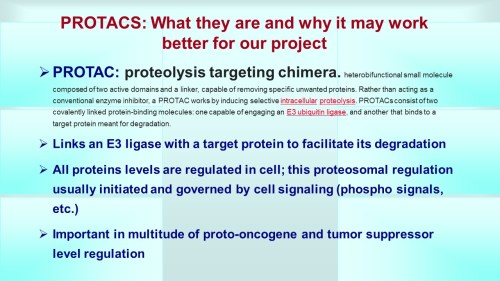


 2012pharmaceutical
 sjwilliamspa