Feeds:
Posts
Comments

Archive for the ‘Liver & Digestive Diseases Research’ Category

blocking copper transport in cancer cells

Larry H. Bernstein, MD, FCAP, Curator

LPBI


DC_AC50, selective way of blocking copper transport in cancer cells

http://newdrugapprovals.org/2015/11/11/dc_ac50-selective-way-of-blocking-copper-transport-in-cancer-cells/

Dr. Melvin Crasto, World Drug Tracker

Jing Chen of Emory University School of Medicine, Hualiang Jiang of the Shanghai Institute of Materia Medica of the Chinese Academy of Sciences, Chuan He of the University of Chicago, and coworkers have now developed a selective way of blocking copper transport in cancer cells (Nat. Chem. 2015, DOI: 10.1038/nchem.2381). By screening a database of 200,000 druglike small molecules, the researchers discovered a promising compound, DC_AC50, for cancer treatment. They zeroed in on the compound by testing how well database hits inhibited a protein-protein interaction leading to copper transport and reduced proliferation of cancer cells.


Figure imgf000094_0001

DC_AC50

3-amino-N-(2-bromo-4,6-difluorophenyl)-6,7-dihydro-5H- cyclopenta [b] thieno [3,2-e] pyridine-2-carboxamide

licensed DC_AC50 to Suring Therapeutics, in Suzhou, China

INNOVATORS  Jing Chen of Emory University School of Medicine, Hualiang Jiang of the Shanghai Institute of Materia Medica of the Chinese Academy of Sciences, Chuan He of the University of Chicago, and coworkers


Developing small molecules that specifically inhibit human copper-trafficking proteins and an overview of the screening process.

http://www.nature.com/nchem/journal/vaop/ncurrent/images/nchem.2381-f1.jpg


COPPER TRANSPORT
Chaperone proteins (green) transfer copper ions to copper-dependent proteins (lilac) via ligand exchange between two cysteines (-SH groups) on each protein. DC_AC50 binds the chaperone and inhibits this interaction.
Credit: Nat. Chem.

Jing Chen of Emory University School of Medicine, Hualiang Jiang of the Shanghai Institute of Materia Medica of the Chinese Academy of Sciences,Chuan He of the University of Chicago, and coworkers have now developed a selective way of blocking copper transport in cancer cells (Nat. Chem. 2015, DOI: 10.1038/nchem.2381). By screening a database of 200,000 druglike small molecules, the researchers discovered a promising compound, DC_AC50, for cancer treatment. They zeroed in on the compound by testing how well database hits inhibited a protein-protein interaction leading to copper transport and reduced proliferation of cancer cells.

20151109lnp1-dca

http://cen.acs.org/content/cen/articles/93/web/2015/11/Agent-Fight-Cancer-Inhibiting-Copper/_jcr_content/articlebody/subpar/articlemedia_0.img.jpg/1447092911801.jpg


Scientists had already found a molecule, tetrathiomolybdate, that interferes with copper trafficking and have tested it in clinical trials against cancer. But tetrathiomolybdate is a copper chelator: It inhibits copper transport in cells by nonselectively sequestering copper ions. Sometimes, the chelator snags too much copper, inhibiting essential copper-based processes in normal cells and causing side effects.

In contrast, DC_AC50 works by inhibiting interactions between proteins in the copper-trafficking pathway: It prevents chaperone proteins, called Atox1 and CCS, from passing copper ions to enzymes that use them to run vital cellular processes. Cancer cells are heavy users of Atox1 and CCS, so DC_AC50 affects cancer cells selectively.

The team has licensed DC_AC50 to Suring Therapeutics, in Suzhou, China, for developing anticancer therapies. The group also plans to further tweak DC_AC50 to develop more-potent versions.

Thomas O’Halloran of Northwestern University, who has studied tetrathiomolybdate, comments that “the challenge in drug design is hitting one of these copper-dependent processes without messing with housekeeping functions that normal cells depend upon. DC_AC50 appears to block the function of copper metallochaperone proteins without interacting directly with their cargo, copper ions. As the first member of a new class of inhibitors, it provides a new way to interrogate the physiology of copper trafficking disorders and possibly intervene.”

PATENT

http://www.google.com/patents/WO2014116859A1?cl=en


Figure imgf000053_0003

COMPD IS LC-1 COMPD 50


NMR and mass spectral data: LC-1 (Compound 50)- 3-amino-N-(2-bromo-4,6-difluorophenyl)-6,7-dihydro-5H- cyclopenta [b] thieno [3,2-e] pyridine-2-carboxamide

Figure imgf000075_0001

1H NMR (CDCI3, 400 MHz) δ 9.15 (s, 1H), 7.61 (s, 1H), 7.13(m, 1H), 6.60 (m, 1H), 6.27 (s, 2H), 3.20 (t, 2H), 2.98 (t, 2H), 2.39 (m, 2H); ESI-MS (EI) m/z 422 (M+)


Read Full Post »

developments in medical spectroscopy

Larry H. Bernstein, MD, FCAP, Curator

LPBI


Using QCLs for MIR-Based Spectral Imaging — Applications in Tissue Pathology
A quantum cascade laser (QCL) microscope allows for fast data acquisition, real-time chemical imaging and the ability to collect only spectral frequencies of interest. Due to their high-quality, highly tunable illumination characteristics and excellent signal-to-noise performance, QCLs are paving the way for the next generation of mid-infrared (MIR) imaging methodologies.

Using QCLs for MIR-Based Spectral Imaging — Applications in Tissue Pathology

http://www.photonics.com/images/Web/Articles/2015/9/8/Imaging_Prostate.png


Efficient Spectroscopic Imaging Demonstrated In Vivo
Although optical spectroscopy is routinely used study molecules in cell samples, it is currently not practical to perform in vivo. Now, a converted Raman spectroscopy system has been used to reveal the chemical composition of living tissues in seconds.

Efficient Spectroscopic Imaging Demonstrated In Vivo

http://www.photonics.com/images2/EmailBlasts%5CSpectroscopy/2015/11/Efficient_Spectroscopic_Imaging_Demonstrated_In_Vivo.jpg


Broadband Laser Aimed at Cancer Detection
Covering a wide swath of the mid-infrared region, a new laser system offers greater spectral sensitivity.

Broadband Laser Aimed at Cancer Detection

http://www.photonics.com/images/Web/Articles/2015/9/25/REAS_molecular_1.jpg


Using QCLs for MIR-Based Spectral Imaging — Applications in Tissue Pathology

A quantum cascade laser (QCL) microscope allows for fast data acquisition, real-time chemical imaging and the ability to collect only spectral frequencies of interest. Due to their high-quality, highly tunable illumination characteristics and excellent signal-to-noise performance, QCLs are paving the way for the next generation of mid-infrared (MIR) imaging methodologies.

MICHAEL WALSH, UNIVERSITY OF ILLINOIS AT CHICAGO; MATTHEW BARRE & BENJAMIN BIRD, DAYLIGHT SOLUTIONS

H. Sreedhar*1, V. Varma*2, A. Graham3, Z. Richards1, F. Gambacorata4, A. Bhatt1,
P. Nguyen1, K. Meinke1, L. Nonn1, G. Guzman1, E. Fotheringham5, M. Weida5,
D. Arnone5, B. Mohar5, J. Rowlette5
1 Department of Bioengineering, University of Illinois at Chicago
2 Department of Pathology, University of Illinois at Chicago
3 Department of Bioengineering, University of Illinois at Urbana-Champaign
4 Department of Chemical Engineering, University of Illinois at Chicago
5 Daylight Solutions, San Diego
*Contributed Equally

Real-time, MIR chemical imaging microscopes could soon become powerful frontline screening tools for practicing pathologists. The ability to see differences in the biochemical makeup across a tissue sample greatly enhances a practioner’s ability to detect early stages of disease or disease variants. Today, this is accomplished much as it was 100 years ago — through the use of specially formulated stains and dyes in combination with white light microscopy. A new MIR, QCL-based microscope from Daylight Solutions enables real-time, nondestructive biochemical imaging of tissues without the need to perturb the sample with chemical or heat treatments, thus preserving the sample for follow-on fluorescence tagging, histochemical staining or other “omics” testing within the workflow.
MIR chemical imaging is a well-established absorbance spectroscopy technique; it senses the relative amount of light that molecules absorb due to their unique vibrational resonances falling within the MIR portion of the electromagnetic spectrum (i.e., wavelengths from approximately 2 to 15 µm). This absorption can be detected with a variety of MIR detector types and can provide detailed information about the sample’s chemical composition.

The most common instrument for this type of measurement is known as a Fourier transform infrared (FTIR) spectrometer. FTIR systems use a broadband MIR light source, known as a globar, to illuminate a sample; the absorption spectrum is generated by the use of interferometry. Throughout the past decade, FTIR systems have incorporated linear arrays and 2D focal plane arrays (FPAs) in a microscope configuration to enable a technique known as chemical imaging.

With this approach, the illumination beam is expanded across a sample area, and the data produced is transformed into a hyperspectral data cube — a 2D image of the sample with an absorption profile associated with every pixel. This is a very versatile technique that allows the detailed spatial distribution of chemical content to be analyzed across a sample. Recently, this technique has proved to be very useful within the biomedical imaging sector for label-free, biochemical analyses of cells, tissue and biofluids.

While FTIR microscopy now is established as a powerful technique for a wide variety of applications, the instruments used for this methodology are fundamentally limited by the brightness of the globar source. Users looking to maximize the signal-to-noise ratios, and the associated resolutions of the images produced are forced to use synchrotron facilities, which replace the globar light source with a MIR beam generated by a particle accelerator. This approach can yield excellent results but clearly is not practical for benchtop applications; it is particularly unfit for biomedical imaging applications within clinical settings.

The recent advent of QCLs has provided an ideal light source for next-generation MIR microscopy. They are compact, semiconductor-based lasers that produce high-brightness light in the MIR region. The devices can be manufactured in an external cavity configuration to provide broadly tunable output with a narrow spectral bandwidth at each frequency. In this configuration, a QCL can be tuned across the MIR spectrum to sequentially capture an absorption profile for chemical identification.

Daylight Solutions’ IR microscope incorporates a broadly tunable and high-brightness QCL light source (it is an order of magnitude brighter than a synchrotron), a set of high numerical aperture (NA) diffraction-limited objectives, and an uncooled microbolometer FPA into a compact, benchtop instrument, as shown in Figure 1. The instrument provides rapid, high-resolution chemical images across very large fields of view and also provides a real-time chemical imaging mode. By overcoming the physical size, camera cooling and data collection time requirements of FTIR-based instruments, the microscope is positioned to bring MIR microscopy beyond research settings and into clinical use.

Schematic of a quantum cascade laser (QCL) microscope.


Figure 1. Schematic of a quantum cascade laser (QCL) microscope. Courtesy of Daylight Solutions.


Dr. Michael Walsh of the University of Illinois at Chicago (UIC) conducts research within the pathology department’s Spectral Pathology Lab, which has been using the IR microscope for the past several months. Walsh has been focused on developing chemical imaging techniques, with the ultimate goal of improving diagnoses within the field of tissue pathology.

Currently, the state-of-the-art method-ology used for the diagnosis of most solid-organ diseases is to extract a tissue sample via a biopsy. Tissue inherently has very little contrast and needs to be stained with dyes or probes to visualize and identify cell types and tissue structures. The field of pathology is based on examining the stained tissues, typically using white light, to determine if the tissue morphology deviates from a normal pattern. If the tissue looks abnormal, the disease state may be further subclassified by grade or by predicted outcome. However, the field of pathology is limited by the information that can be derived from the stained tissues and the subjective interpretation of the tissue by a highly trained pathologist.

Spero microscope.


Spero microscope. Courtesy of Daylight Solutions.


UIC’s Spectral Pathology Lab is focused on identifying areas in pathology where current techniques fail, or where there is a need for additional diagnostic or prognostic information that can help improve patient care. Potentially, MIR imaging is a very valuable adjunct to the current practice of pathology. Rather than using only stains, MIR imaging can interrogate the entire biochemistry of the tissue and render a diagnosis in an objective fashion. Traditionally, MIR imaging with an FTIR system has been limited by slow data acquisition speeds and the need to collect the entire spectral data cube. QCL imaging with the Spero microscope has the potential to speed up the data acquisition of images obtained from a tissue sample and to collect only the spectral frequencies of interest. The device also provides real-time imaging of samples at 30 fps, which could allow pathologists to very rapidly identify areas of interest on a tissue biopsy in a manner that is similar to their current clinical workflows. Some examples of the comparison of FTIR-derived and QCL-derived images from multiple organ tissues of interest are presented.

H&E-stained image of a mouse brain section on IR reflective slide, with selected regions labeled: hypothalamus, thalamus, and dentate gyrus.
Figure 2.
(a) H&E-stained image of a mouse brain section on IR reflective slide, with selected regions labeled: hypothalamus, thalamus, and dentate gyrus. (b) Transflectance QCL IR image of same region, prior to staining, at 1652 cm−1, in which the thalamus is clearly distinguished from surrounding regions. (c) Same region at 1548 cm−1. (d) Same region at 1500 cm−1. Courtesy of University of Illinois at Chicago (UIC)/Spectral Pathology Lab.


A tissue section from a mouse brain was scanned using the Spero microscope’s high-magnification objective (12.5×; 0.7 NA; 1.4 × 1.4-µm pixels) at various MIR frequencies in transflection mode, as shown in Figure 2. The tissue then was stained using hematoxylin and eosin (H&E), the most common stain in histopathology, and is displayed in Figure 2a. Using the H&E stain, regions were identified in the brain (thalamus, dentate gyrus and hypothalamus) that correlated with structures in the IR image. By illuminating the tissue at various wavelengths, discrete tissue features exhibit contrast due to the difference in absorption, as highlighted in the IR images taken at 1652, 1548 and 1500 cm−1 in Figure 2b-d, respectively. The microscope also makes it possible to visualize tissue at these individual wavelengths in real time. The identification of cell types and their biochemical changes is of particular interest in neuropathology.

Transmission FTIR image of a 4-µm thick section from a human liver tissue microarray on barium fluoride at 1650 cm-1.
Figure 3.
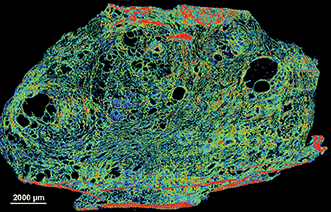
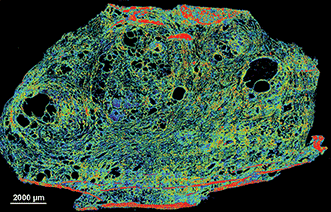
(a) Transmission FTIR image of a 4-µm thick section from a human liver tissue microarray on barium fluoride at 1650 cm-1. The image was taken with 64 coadditions of successive scans. (b) Transmission image from the Spero microscope of the same tissue at 1652 cm-1, both baseline corrected between 1796 cm-1 and 904 cm-1. In both images, the bright white stripe dividing the tissue core roughly in half is a region of fibrosis (red arrow), while the rest of the tissue on either side is composed primarily of hepatocytes (blue arrow). Courtesy of UIC/Spectral Pathology Lab.


A single biopsy core obtained from human liver tissue was scanned in transmission mode on a barium fluoride substrate by an Agilent Cary 600 Series FTIR microscope (Figure 3a). The FTIR image was acquired using a 36× Cassegrain collecting objective and a 15× Cassegrain condenser for a pixel size of 2.2 × 2.2 µm. Figure 3b shows the same liver core acquired using the Spero microscope with the high-magnification collecting objective (12.5×, 0.7 NA) and condenser objective for a pixel size of 1.4 × 1.4 µm. High-definition IR imaging enables clear contrast and identification of the band of fibrosis in the center of the core and the surrounding regions of liver cells, known as hepatocytes, and is indicated within Figure 3a-b. Acquisition of IR imaging data at the diffraction limit enables chemical information to be recorded from tissue structures at the single-cell level, allowing accurate characterization of individual tissue components, different cell types, varied disease states or other aspects of a tissue section.

Averaged spectra for regions of interest corresponding to the hepatocytes and the fibrotic area on the FTIR image in Figure 3a.
Figure 4.
(a) Averaged spectra for regions of interest corresponding to the hepatocytes and the fibrotic area on the FTIR image in Figure 3a. Spectra have been truncated from 1800 to 900 cm-1, normalized to 1650 cm-1, and baseline corrected between 1796 and 904 cm-1. (b) Averaged spectra for regions of interest corresponding to the hepatocytes and the fibrotic area on the Spero microscope image in Figure 3b. Spectra have been normalized to 1652 cm-1 and baseline corrected between 1796 and 904 cm-1.


Figure 4 displays average spectra calculated from homogenous tissue regions that describe hepatocytes and fibrosis within the liver tissue core shown in Figure 3. The spectra acquired from both FTIR and QCL systems are very similar. Walsh is focused on developing spectral classifiers that can aid pathologists in making very difficult diagnoses in the precancerous stages of liver cancer.

H&E-stained section of human colon tissue, and FTIR (with 16 coadditions) and Spero microscope transmission images of a 4-µm thick serial section of the same sample on barium fluoride. FTIR image shown at 1650 cm-1, Spero microscope image shown at 1652 cm-1.
Figure 5.
H&E-stained section of human colon tissue, and FTIR (with 16 coadditions) and Spero microscope transmission images of a 4-µm thick serial section of the same sample on barium fluoride. FTIR image shown at 1650 cm-1, Spero microscope image shown at 1652 cm-1. The red circle indicates mucin, the green circle indicates malignant colon carcinoma epithelium, and the blue circle indicates fibroblastic stroma. The raw spectra (taken from single pixels in approximately the same location for each of the three tissue features) are shown below their respective IR images. The FTIR spectra were truncated to match the Spero microscope’s spectral range of 1800 to 900 cm-1. Courtesy of UIC/Spectral Pathology Lab.


Point spectra from individual pixels were obtained and compared from a human colon sample on barium fluoride scanned in transmission on the same FTIR and QCL systems, which is shown in Figure 5. A serial section was obtained and stained with H&E to identify the different tissue structures. Using the H&E image as a reference, spectra from mucin (red), malignant colon carcinoma epithelium (green) and fibroblastic stroma (blue) were collected from a single pixel at approximately the same location. The unprocessed QCL and FTIR spectra are shown directly beneath their respective images. The FTIR system has an FPA size of 128 × 128 detector elements, while the Spero system has a microbolometer of 480 × 480 detector elements. Therefore, the FTIR image was collected as a mosaic and then stitched together.

FTIR and Spero microscope spectra from a single pixel of mucin, from the tissue shown in Figure 5.
Figure 6.
(a) FTIR and Spero microscope spectra from a single pixel of mucin, from the tissue shown in Figure 5. (b) FTIR and Spero microscope spectra from a single pixel of malignant colon carcinoma epithelium, from the same tissue. (c) FTIR and Spero microscope spectra from a single pixel of fibroblastic stroma. All spectra have been normalized (FTIR to 1650 cm-1, Spero to 1652 cm-1) and baseline corrected between 1796 and 904 cm-1, with the FTIR spectra truncated to match the Spero microscope’s spectral range of 1800 to 900 cm-1. Note that pixels for each tissue feature were located in approximately the same region, and that the two images have different pixel sizes (2.2 × 2.2 µm for FTIR, 1.4 × 1.4 µm for Spero microscope). Courtesy of UIC/Spectral Pathology Lab.


The spectra obtained from the regions of interest depicted in Figure 5 were preprocessed, as shown in Figure 6. The data was peak height normalized to the Amide I band. The FTIR data and QCL data were processed using a simple, two-point linear baseline correction between 1796 and 904 cm−1. Figure 6a-c shows the processed data from single pixels looking at the biochemistry of mucin, malignant colon carcinoma epithelium and fibroblastic stroma, respectively. The spectra from the QCL and FTIR systems are very similar on an individual-pixel level.

Finally, Figure 7 shows the scan of a frozen prostate tissue section captured with the microscope. Once thawed, the system can quickly image these sections at a single frequency of interest. The real-time capabilities of the system combined with the capacity for scanning frozen samples could someday allow for the analysis of samples in a time-critical intraoperative setting.

Transflectance scan of a 5-µm frozen human prostate tissue section on Kevley low-emissivity substrate captured with the Spero microscope.


Figure 7. Transflectance scan of a 5-µm frozen human prostate tissue section on Kevley low-emissivity substrate captured with the Spero microscope. Visualized with a false color map at 1640 cm-1. Data was baseline corrected between 1796 and 904 cm-1. Courtesy of UIC/Spectral Pathology Lab. University of Illinois at Chicago — Spectral Pathology Lab members, from left to right: David Martinez, Francesca Gambacorta, Vishal Varma, Andrew Graham and Michael Walsh. Courtesy of Daylight Solutions.


While there has been significant interest in MIR imaging for pathology applications for a number of years1-5, the technology has lacked the maturity to be ready for clinical implementation due to slow scanning speeds, low spatial resolutions and by a lack of computational power to fully handle large multispectral datasets. The Spero microscope, coupled with modern computing power, overcomes these limitations. The information detailed above demonstrates that the quality of the images and spectra obtained from the instrument are similar to those offered by FTIR imaging methods but with the additional benefits associated with the use of a QCL-based system. Recent advances in large multielement FPAs6-8) and high-resolution imaging approaches9-11 for tissue pathology have made this a much more attractive approach for fast and detailed image acquisition. QCLs represent the next step toward clinical implementation — they have demonstrated fast data acquisition, live-imaging capabilities and the ability to collect only spectral frequencies of diagnostic value.

Meet the authors

Michael Walsh holds a PhD in biological sciences and is an assistant professor at the University of Illinois at Chicago in Chicago; email: walshm@uic.edu. Matthew Barre is the business development manager at Daylight Solutions in San Diego; email: mbarre@daylightsolutions.com. Benjamin Bird is an applications scientist at Daylight Solutions in San Diego; email: bbird@daylightsolutions.com.

References

1. D.C. Fernandez et al. (2005). Infrared spectroscopic imaging for histopathologic recognition. Nat Biotechnol, Vol. 23, Issue 4, pp. 469-474.

2. C. Matthaus et al. (2008). Chapter 10: Infrared and Raman microscopy in cell biology. Methods Cell Biol, Vol. 89, pp. 275-308.

3. C. Kendall et al. (2009). Vibrational spectroscopy: a clinical tool for cancer diagnostics. Analyst, Vol. 134, Issue 6, pp. 1029-1045.

4. C. Krafft et al. (2009). Disease recognition by infrared and Raman spectroscopy. J Biophotonics, Vol. 2, Issue 1-2, pp. 13-28.

5. F.L. Martin et al. (2010). Distinguishing cell types or populations based on the computational analysis of their infrared spectra. Nat Protoc, Vol. 5, Issue 11, pp. 1748-1760.


Broadband Laser Aimed at Cancer Detection

Covering a wide swath of the mid-infrared, a new system offers greater spectral sensitivity

BY JAMES F. LOWE, WEB MANAGING EDITOR, JAMES.LOWE@PHOTONICS.COM

MUNICH, Sept. 25, 2015 — Mid-infrared (MIR) light is rich with molecular “fingerprint” information that can be used to detect substances from atmospheric pollutants to cancer cells.

While some lasers already operate in this region, enabling a variety of spectroscopy applications, their linewidth is relatively narrow, which limits the types of substances they can detect at any given moment.

Now a team of researchers from Germany and Spain has developed a laser system with phase-coherent emission from 6.8 to 16.4 μm and output power of 0.1 W. That is broad and powerful enough, they said, to detect subtle signs of cancer early in its development.

Molecules absorb portions of the MIR spectrum in ways that are unique to their atomic structures, and their absorption patterns provide a means of identifying the molecules with great specificity, even in low concentrations.


Emission spectrum


The emission spectrum of the laser and corresponding molecular fingerprint regions. Courtesy of the Institute of Photonic Sciences (ICFO).


“Cancer causes subtle modification in protein structure and content within a cell,” said professor Dr. Jens Biegert, a group leader at the Institute of Photonic Sciences (ICFO) in Barcelona. “Looking at only a few nanometer range, the probability of detection is extremely low. But comparing many of such intervals, one can have an extremely high confidence level.”

The new laser system generates MIR pulses via difference-frequency generation driven by the nonlinearly compressed pulses of a Kerr-lens mode-locked Yb:YAG thin-disc oscillator. It features a repetition rate of 100 MHz and pulse durations of 66 fs — so short that the electric field oscillates only twice per pulse.

Lab


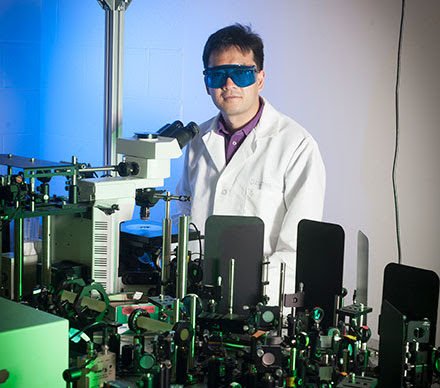
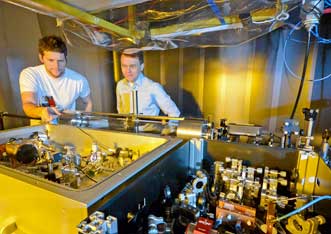
Staff scientist Dr. Ioachim Pupeza (left) and postdoctoral researcher Oleg Pronin helped develop a laser system that emits ultrashort pulses of mid-infrared light. These pulses can be used to detect trace molecules in gaseous and liquid media. Courtesy of Thorsten Naeser/Ludwig Maximilian University.


“Since we now possess a compact source of high-intensity and coherent infrared light, we have a tool that can serve as an extremely sensitive sensor for the detection of molecules, and is suitable for serial production,” said project leader Dr. Ioachim Pupeza, a staff scientist at Ludwig Maximilian University of Munich (LMU).

The LMU and ICFO researchers aim to use their MIR laser to identify and quantify disease markers in exhaled air. Many diseases, including some types of cancer, are thought to produce specific molecules that end up in the air expelled from the lungs.

“We assume that exhaled breath contains well over 1000 different molecular species,” said Dr. Alexander Apolonskiy, an LMU group leader.

However, the amount of molecular biomarkers present in exhaled breath is extraordinarily low, meaning a diagnostic tool would need to be capable of detecting concentrations of at least one part per billion. The next step will be to couple the new laser system with a novel amplifier that would increase its brightness and boost sensitivity one part per trillion.

Detecting MIR signatures

The laser’s output spans more than one octave. Until now, the researchers said, such broadband emission has only been available from large-scale synchrotron sources.

Other more compact MIR sources, such as quantum cascade lasers (QCLs), have narrower linewidths. Tuning them to different sensing bands is time consuming, and combining multiple QCLs emitting in different parts of the MIR would be cost-prohibitive, Biegert said.

Meanwhile, the laser system’s 100-MHz pulse train is hundreds to thousands of times more powerful than state-of-the-art frequency combs that emit in the same range, the researchers said.

Detecting broadband MIR signals presents its own problems, however. Detectors for this region have poor signal-to-noise ratios unless cooled with liquid nitrogen, the researchers said.

In this case, electro-optical sampling proved to be a better option. Well-established for the terahertz range, the technique is less common in the fingerprint region.

“In the MIR range, there are not many groups who have implemented this already, because you need a broadband, phase-stable MIR pulse and an ultrashort sample pulse at the same time, which is quite challenging,” Pupeza said.

Having solved that problem with their broadband laser, the team now could use electro-optical sampling to extract the data they wanted.

In a nutshell, the process works like this: The electric field of an MIR pulse alters the birefringence of a crystal. This change can be measured by observing how the polarization of slightly shorter near-infrared (NIR) pulse is changed while propagating through the same crystal at the same time. In the end, only the NIR pulse is measured directly.

“Therefore, one big advantage is low-noise detection in the NIR, even though one obtains information on spectral components in the MIR,” said Ioachim Pupeza. “You only need to perform a Fourier transform numerically to get the spectrum of the pulse once you have its electric field.”

http://www.photonics.com/Article.aspx?AID=57757
The research was published in Nature Photonics (doi: 10.1038/nphoton.2015.179).


Read Full Post »

The good, the bad and the ugly of sulfur and volcanic activity

Larry H Bernstein, MD, FCAP, Curator

LPBI


Climate change deniers have promulgated much ignorance about the planet and our life on earth.  Nevertheless, I shall deal with geophysical and geochemical issues and indirectly, climate change in this portion of the discussion.  The good, the bad, and the ugly has everything to due with the elements and to life on earth.  This is the case, regardless of claims propagated by the tobacco and the carbon fuels interests.  I shall proceed as I have done in the previous discussions.

Is a Lack of Water to Blame for the Conflict in Syria?

A 2006 drought pushed Syrian farmers to migrate to urban centers, setting the stage for massive uprisings

By Joshua Hammer

SMITHSONIAN MAGAZINE

http://www.smithsonianmag.com/innovation/is-a-lack-of-water-to-blame-for-the-conflict-in-syria-72513729


An Iraqi girl stands on former marshland, drained in the 1990s because of politically motivated water policies. (Essam Al-Sudani / AFP / Getty Images)
http://thumbs.media.smithsonianmag.com//filer/Scare-Tactics-Iraqi-girl-631.jpg__800x600_q85_crop.jpg

The world’s earliest documented water war happened 4,500 years ago, when the armies of Lagash and Umma, city-states near the junction of the Tigris and Euphrates rivers, battled with spears and chariots after Umma’s king drained an irrigation canal leading from the Tigris. “Enannatum, ruler of Lagash, went into battle,” reads an account carved into an ancient stone cylinder, and “left behind 60 soldiers [dead] on the bank of the canal.”

RELATED CONTENT

Water loss documented by the Gravity Recovery and Climate Experiment (GRACE), a pair of satellites operated by NASA and Germany’s aerospace center, suggests water-related conflict could be brewing on the riverbank again. GRACE measured groundwater usage between 2003 and 2009 and found that the Tigris-Euphrates Basin—comprising Turkey, Syria, Iraq and western Iran—is losing water faster than any other place in the world except northern India . During those six years, 117 million acre-feet of stored freshwater vanished from the region as a result of dwindling rainfall and poor water management policies. That’s equal to all the water in the Dead Sea. GRACE’s director, Jay Famiglietti, a hydrologist at the University of California, Irvine, calls the data “alarming.”

While the scientists captured dropping water levels, political experts have observed rising tensions. In Iraq, the absence of a strong government since 2003, drought and shrinking aquifers have led to a recent spate of assassinations of irrigation department officials and clashes between rural clans. Some experts say that these local feuds could escalate into full-scale armed conflicts .

In Syria, a devastating drought beginning in 2006 forced many farmers to abandon their fields and migrate to urban centers. There’s some evidence that the migration fueled the civil war there, in which 80,000 people have died. “You had a lot of angry, unemployed men helping to trigger a revolution,” says Aaron Wolf, a water management expert at Oregon State University, who frequently visits the Middle East.

Tensions between nations are also high. Since 1975, Turkey’s dam and hydro­power construction has cut water flow to Iraq by 80 percent and to Syria by 40 percent. Syria and Iraq have accused Turkey of hoarding water.

Hydrologists say that the countries need to find alternatives to sucking the aquifers dry—perhaps recycling wastewater or introducing desalination—and develop equitable ways of sharing their rivers. “Water doesn’t know political boundaries. People have to get together and work,” Famiglietti says. One example lies nearby, in an area not known for cross-border cooperation. Israeli and Jordanian officials met last year for the first time in two decades to discuss rehabilitating the nearly dry Jordan River, and Israel has agreed to release freshwater down the river.

“It could be a model” for the Tigris-Euphrates region, says Gidon Bromberg, a co-director of Friends of the Earth Middle East, who helped get the countries together. Wolf, too, remains optimistic, noting that stress can encourage compromise.

History might suggest a way: The world’s first international water treaty, a cuneiform tablet now hanging in the Louvre, ended the war between Lagash and Umma.


http://static.guim.co.uk/ni/1404220722088/Iraq_water_dams.svg

“Rebel forces are targeting water installations to cut off supplies to the largely Shia south of Iraq,” says Matthew Machowski, a Middle East security researcher at the UK houses of parliament and Queen Mary University of London.

“It is already being used as an instrument of war by all sides. One could claim that controlling water resources in Iraq is even more important than controlling the oil refineries, especially in summer. Control of the water supply is fundamentally important. Cut it off and you create great sanitation and health crises,” he said

Isis now controls the Samarra barrage west of Baghdad on the River Tigris and areas around the giant Mosul Dam, higher up on the same river. Because much of Kurdistan depends on the dam, it is strongly defended by Kurdish peshmerga forces and is unlikely to fall without a fierce fight, says Machowski.

Iraqi troops were rushed to defend the massive 8km-long Haditha Dam and its hydroelectrical works on the Euphrates to stop it falling into the hands of Isis forces. Were the dam to fall, say analysts, Isis would control much of Iraq’s electricity and the rebels might fatally tighten their grip on Baghdad.

Isis fighters in Fallujah captured the smaller Nuaimiyah Dam on the Euphrates and deliberately diverted its water to “drown” government forces in the surrounding area. Millions of people in the cities of Karbala, Najaf, Babylon and Nasiriyah had their water cut off but the town of Abu Ghraib was catastrophically flooded along with farms and villages over 200 square miles. According to the UN, around 12,000 families lost their homes.

Earlier, Kurdish forces reportedly diverted water supplies from the Mosul Dam. Equally, Turkey has been accused of reducing flows to the giant Lake Assad, Syria’s largest body of fresh water, to cut off supplies to Aleppo, and Isis forces have reportedly targeted water supplies in the refugee camps set up for internally displaced people.

Iraqis fled from Mosul after Isis cut off power and water and only returned when they were restored, says Machowski. “When they restored water supplies to Mosul, the Sunnis saw it as liberation. Control of water resources in the Mosul area is one reason why people returned,” said Machowski.

Both Isis forces and President Assad’s army are said to have used water tactics to control the city of Aleppo. The Tishrin Dam on the Euphrates, 60 miles east of the city, was captured by Isis in November 2012.

“The deliberate targeting of water supply networks … is now a daily occurrence in the conflict. The water pumping station in Al-Khafsah, Aleppo, stopped working on 10 May, cutting off water supply to half of the city.

https://i.guim.co.uk/img/static/sys-images/Guardian/Pix/pictures/2014/7/2/1404300629581/

A satellite view showing the two main rivers running from Turkey through Syria and Iraq. Credits: MODIS/NASA

The Euphrates River, the Middle East’s second longest river, and the Tigris, have historically been at the centre of conflict. In the 1980s, Saddam Hussein drained 90% of the vast Mesopotamian marshes that were fed by the two rivers to punish the Shias who rose up against his regime. Since 1975, Turkey’s dam and hydropower constructions on the two rivers have cut water flow to Iraq by 80% and to Syria by 40%. Both Syria and Iraq have accused Turkey of hoarding water and threatening their water supply.

http://www.irinnews.org/photo/

The Barada River, shown here in Damascus, is the only notable river flowing entirely within Syrian territory. The city’s water supplies are under huge strain

DAMASCUS, 25 March 2010 (IRIN) – Poor planning and management, wasteful irrigation systems, intensive wheat and cotton farming and a rapidly growing population are straining water resources in Syria in a year which has seen unprecedented internal displacement as a result of drought in eastern and northeastern parts of the country.

In 2007 Syria consumed 19.2 billion cubic metres of water – 3.5 billion more than the amount of water replenished naturally, with the deficit coming from groundwater and reservoirs, according to the Ministry of Irrigation.

Agriculture accounts for almost 90 percent of the country’s water consumption, according to government and private sector.

Agricultural policies encourage water-hungry wheat and cotton cultivation, and inefficient irrigation methods mean much water is wasted.


South Asia is a desperately water-insecure region, and India’s shortages are part of a wider continental crisis. According to a recent report authored by UN climate scientists, coastal areas in Asia will be among the worst affected by climate change. Hundreds of millions of people across East, Southeast and South Asia, the report concluded, will be affected by flooding, droughts, famine, increases in the costs of food and energy, and rising sea levels.

Groundwater serves as a vital buffer against the volatility of monsoon rains, and India’s falling water table therefore threatens catastrophe. 60 percent of north India’s irrigated agriculture is dependent on ground water, as is 85 percent of the region’s drinking water. The World Bank predicts that India only has 20 years before its aquifers will reach “critical condition” – when demand for water will outstrip supply – an eventuality that will devastate the region’s food security, economic growth and livelihoods.

Analysts fear that growing competition for rapidly dwindling natural resources will trigger inter-state or intra-state conflict. China and India continue to draw on water sources that supply the wider region, and a particularly concerning flashpoint is the Indus River Valley basin that spans India and Pakistan. The river’s waters are vital to the economies of areas on both sides of the border and a long-standing treaty, agreed by Pakistan and India in 1960, governs rights of access. But during the “dry season,” between October and March, water levels fall to less than half of those seen during the remainder of the year. The fear is that cooperation over access to the Indus River will fray as shortages become more desperate.

http://cdn1.pri.org/sites/default/files/styles/story_main/public/story/images/IMG_5937.jpeg

Farm worker heading for the paddy fields at Gubinder Singh’s farm

The Indo-Gangetic Basin, which lies at the foothills of the Himalayas, is one of the areas in the world facing a huge water crisis.  The Basin spans from Pakistan, across Northern India into Bangladesh. Apart from runoff from mountainous streams and glaciers, it also holds one of the largest underground bodies of water in the world. But it’s also in one of the most populous regions of the world, with more than a billion people living on the subcontinent.  Still, parts of the region are well-resourced when it comes to water supplies – like the Indian state of Punjab, which has three rivers running through it and a network of canals in some parts.

Player utilities

download

Listen to the Story.


NASA Satellites Unlock Secret to Northern India’s Vanishing Water

08.12.09


NASA Hydrologist Matt Rodell discusses vanishing groundwater in India. Credit:NASA
› Watch Video

http://www.nasa.gov/multimedia/nasatv/index.html


soil moisture belt

soil moisture belt


Groundwater resides beneath the soil surface in permeable rock, clay and sand as illustrated in this conceptual image. Many aquifers extend hundreds of feet underground and in some instances have filled with water over the course of thousands of years. Credit: NASA
http://www.nasa.gov/images/content/378067main_water_table%20illus_226.jpg

groundwater withdrawals as a percentage of groundwater recharge

groundwater withdrawals as a percentage of groundwater recharge


The map, showing groundwater withdrawals as a percentage of groundwater recharge, is based on state-level estimates of annual withdrawals and recharge reported by India’s Ministry of Water Resources. The three states included in this study are labeled. Credit:NASA/Matt Rodell

http://www.nasa.gov/images/content/378381main_MattRodell_vid_226.jpg

The averaging function (spatial weighting) used to estimate terrestrial water storage changes from GRACE data is mapped. Warmer colors indicate greater sensitivity to terrestrial water storage changes. Credit: NASA/Matt Rodell

http://www.nasa.gov/images/content/378067main_water_table%20illus_226.jpg

Beneath northern India’s irrigated fields of wheat, rice, and barley … beneath its densely populated cities of Jaiphur and New Delhi, the groundwater has been disappearing. Halfway around the world, hydrologists, including Matt Rodell of NASA, have been hunting for it.

Where is northern India’s underground water supply going? According to Rodell and colleagues, it is being pumped and consumed by human activities — principally to irrigate cropland — faster than the aquifers can be replenished by natural processes. They based their conclusions — published in the August 20 issue of Nature — on observations from NASA’s Gravity Recovery and Climate Experiment (GRACE).

“If measures are not taken to ensure sustainable groundwater usage, consequences for the 114 million residents of the region may include a collapse of agricultural output and severe shortages of potable water,” said Rodell, who is based at NASA’s Goddard Space Flight Center in Greenbelt, Md.


https://www.quora.com/Why-are-there-no-earthquakes-or-volcanos-in-the-Himalayas

The Himalayas are representative of a modern and active mountain-building event, called anorogeny in geologic parlance. Both the Himalayas and the Cascade Range are the result of plate-to-plate collision in the Theory of Plate Tectonics.
The difference between the Himalayas and the Cascade Range volcanoes is based on density of the lithospheric plates. Yes. The Cascade Range is caused by subduction of more dense ocean crust into and underneath lighter, lower density continental crust. As the oceanic plate dives deeper and deeper, the ocean crust warms, melts, and rises upward through the overriding continental crust “inland” from the plate collision boundary. As that molten rock punches through the continental crust, a curvilinear series of volcanoes, generally parallel to the plate collision boundary, begins to form.

Cascade Range Subduction

Cascade Range Subduction


Cascade Range Subduction from J. Wiley & Sons – 2010
In the case of the Cascade Range, the name of this type of volcanic formation is unique in process, as well as geochemistry, and has been referred to as an Andesitic-type after the Andes Mountains. Regardless, the Cascade Range is comprised of intermediate igneous rocks, with a fairly high silica content. High silica makes for high siliceous acid. That creates “sticky” igneous extrusions that often have quite dramatic eruptions [May 1980 Mt. St. Helens eruption].


Igneous Rock Classification

Igneous Rock Classification

Igneous Rock Classification Chart – Public Domain

The Himalayas are also a plate-to-plate collision tectonic boundary. In this case, the Indian Plate [of the Indian Subcontinent] is colliding head-on with the Eurasian Plate. Both plates are comprised of continental lithospheric crust, so there is no appreciable distinction in density. Both have a density of approximately 2.7 g/cm³. This as opposed to ocean crust with a mean density of 3.3 g/cm³. The plates try to compete in the plate-to-plate collision but the equal densities of the two plates cannot push one under the other very deep like that in a subduction zone.  The result is large-scale thickening of the continental crust in the region at and surrounding the collision boundary. Other processes occurring in the Himalayas region associated with the orogeny are metamorphism, thrust [compression] faulting, and plateau uplift.

Depiction of Himalayan Collision

Depiction of Himalayan Collision

Generalized Depiction of Himalayan Collision from FHSU – 2010
A perfect analogy is two trucks of the same make and model colliding head-on. The Himalayan Orogeny is the oft mentioned “crumple zone”. Metal does not deform in a brittle sense like competent rock does, so don’t confuse that too much.

With all that being said, there are tremendous temperatures attained at a continental plate-to-plate collision boundary. However, the crust is simply too thick, and too “squashed together” to allow anything to squeeze up and break through to the surface as volcanic eruptions.
References:

FHSU,  2010.  Image of Himalayan Collision.  Fort Hays State University.  Hays, Kansas.  2010.
Wiley & Sons, J.,  2010.  Image of Cascade Range Subduction Zone.  J. Wiley & Sons.  Hoboken, New Jersey.  2010.


Mt. Everest was formed (is forming) by two tectonic plates colliding–the Indo-Australian Plate and the Eurasian plate.

Sometimes, when two tectonic plates collide, volcanoes form (such as the Juan de Fuca plate and the North American Plate forming the Cascades). However, this has to do with one plate–in this case the Juan de Fuca Plate sliding or subducting beneath another–the North American Plate. This happens because the oceanic plate (the Juan de Fuca Plate) is more dense than than the continental plate (the NA Plate). For reasons I won’t get into here, magma forms between the two plates as one subducts beneath the other and volcanoes are formed.

Mt. Everest is formed by two continental plates colliding. Continental plates are generally too buoyant to subduct beneath each other. While some subduction occurred during this collision, most of what happened was crustal shortening. Think about what happens when you have a rug on a wood floor and push two ends toward each other. It buckles and folds up in itself. This is a simplified version of what happened in the Himalaya.

Because little to no subduction is occurring, no magma is forming and Mt. Everest will not become a volcano.

The Himalayas were created by two continental plates colliding. What happens when two masses of rocks with some similarities, like in density, collide? Both of them rise. There is a lot of heat produced. However, there isn’t enough heat to melt rocks completely. For there to be a volcano, there has to be a source of molten rock.

This material can occur if the two masses of rocks have vastly different densities. In this case, the heavier mass will slide above the other. The mass on the bottom will melt. This molten rock material will rise and create a volcano. or two or more. This, however can not happen in the HImalayas. The two masses in action are the Indian Plate and the Eurasian Plate, which have similar rock density.


Volcanic Eruptions and the Role of Sulfur Dioxide in Climate Change

In March and April of this year, a series of severe volcanic eruptions shook Alaska’s Mount Redoubt.1  To date, the largest of the eruptions produced an ash plume that reached 50,000 feet above sea level and released a significant amount of sulfur dioxide (CAS Registry Number® 7446-09-5) into the earth’s atmosphere.  According to the Alaska Volcano Observatory, “The main concerns for human health in volcanic haze consist of ash, sulfur dioxide gas (SO2), and sulfuric acid droplets (H2SO4), which forms when volcanic SO2 oxidizes in the atmosphere.”1

While there is obvious reason for alarm among local populations, sulfur dioxide from the Mount Redoubt eruption could also have more widespread impacts, particularly on the climate.  According to a 1997 article published in the Journal of Geology, “The mechanism by which large eruptions affect climate is generally accepted: injection of sulfur into the stratosphere and conversion to sulfate aerosol, which in turn reduces the solar energy reaching the earth’s surface.”2

In the years following a volcanic eruption, sulfate aerosol that remains in the atmosphere is thought to cause surface cooling by reflecting the sun’s energy back into space.  In fact, sulfate aerosol from the massive eruption of Indonesia’s Mount Tambora in 1815 is blamed, at least in part, for the “year without a summer” reported in Europe and North America in 1816:

  • “Daily temperatures (especially the daily minimums) were in many cases abnormally low from late spring through early fall; frequent northwest winds brought snow and frost to northern New England and Canada, and heavy rains fell in western Europe.  Many crops failed to ripen, and the poor harvests led to famine, disease, and social distress…”3

Supporting this claim, sulfate aerosol-related climate changes were also reported after the 1991 eruption of Mount Pinatubo in the Philippines.4  An article published inScience in 2002 summarizes a decade’s worth of research on Pinatubo’s effects on the global climate, highlighting impacts far more widespread and complex than previously thought:

You can use SciFinder® or STN® to search the CAS databases for additional information about sulfur dioxide from volcanic eruptions.  If your organization is enabled to use the web version of SciFinder, you can click the links in this article to directly access details of the substances and references.


Volcanic ash vs sulfur aerosols

The primary role of volcanic sulfur aerosols in causing short-term changes in the world’s climate following some eruptions, instead of volcanic ash, was hypothesized by scientists in the early 1980’s. They based their hypothesis on the effects of several explosive eruptions in Indonesia and the world’s largest historical effusive eruption in Iceland.

Scientists studied three historical explosive eruptions of different sizes in Indonesia–Tambora (1815), Krakatau (1883), and Agung (1963). They noted that decreases in surface temperatures after the eruptions were of similar magnitude (0.18-1.3 °C). The amount of material injected into the stratosphere, however, differed greatly. By comparing the estimated amount of ash vs. sulfur injected into the stratosphere by each eruption, it was suggested that the longer residence time of sulfate aerosols, not the ash particles which fall out within a few months of an eruption, was the paramount controlling factor (Rampino and Self, 1982).

In contrast to these explosive eruptions, one of the most severe volcano-related climate effects in historical times was associated with a largely nonexplosive eruption that produced very little ash–the 1783 eruption of Laki crater-row in Iceland. The eruption lasted 8-9 months and extruded about 12.3 km3 of basaltic lava over an area of 565 km2. A bluish haze of sulfur aerosols all over Iceland destroyed most summer crops in the country; the crop failure led to the loss of 75% of all livestock and the deaths of 24% of the population (H. Sigurdsson, 1982). The bluish haze drifted east across Europe during the 1783-1784 winter, which was unusually severe.

Clearly, these examples suggested that the explosivity of an eruption and the amount of ash injected into the stratosphere are not the main factors in causing a change in Earth’s climate. Instead, scientists concluded that it must be the amount of sulfur in the erupting magma.

The eruption of El Chichon, Mexico, in 1982 conclusively demonstrated this idea was correct. The explosive eruption injected at least 8 Mt of sulfur aerosols into the atmosphere, and it was followed by a measureable cooling of parts of the Earth’s surface and a warming of the upper atmosphere. A similar-sized eruption at Mount St. Helens in 1980, however, injected only about 1 Mt of sulfur aerosols into the stratosphere. The eruption of Mount St. Helens injected much less sulfur into the atmosphere–it did not result in a noticeable cooling of the Earth’s surface. The newly launched TOMS satellite (in 1978) made it possible to measure these differences in the eruption clouds. Such direct measurements of the eruption clouds combined with surface temperatures make it possible to study the corrleation between volcanic sulfur aerosols (instead of ash) and temporary changes in the world’s climate after some volcanic eruptions.


Hazards Of Volcanic Ash

A multitude of dangerous particals and gases, such as aerosols, are carried in volcanic ash. Some of these include;

  • Carbon dioxide
  • Sulfates (sulfur dioxide)
  • Hydrochloric acid
  • Hydroflouric acid

These each have different but serious effects on human health if exposed, which will be discussed later.

In addition, volcanic ash can cause reduced visibility, and it is recommended that precautions are taken when driving.

Sources: Where Does It Come From?

Figure 1

volcanoes found all over the Earth, particularly at plate boundaries

volcanoes found all over the Earth, particularly at plate boundaries

There are volcanoes found all over the Earth, particularly at plate boundaries (see figure 1). This is due to the collision of plates, which causes uplift in the overlying crust. This uplift results in the formation of mountainous landforms; melting of the crust due to frictional heating is what creates magma, which can erupt out of these mountains when pressure gets too high.

Some of the most notable volcanic eruptions are:

  • the 1783 eruption of Mt. Laki in Iceland
    • released clouds of poisonous flourine and sulfur dioxide which killed off about 50% of the livestock population
    • that summer in Great Britain was known as “sand-summer” due to ash carried over the Atlantic
    • poisonous clouds spread over Europe, and a buildup of aerosols caused a cooling effect in the entire Northern Hemisphere
  • the 1815 eruption of Mt. Tambora in Indonesia
    • gas releases caused the Stratosphere to change drastically
    • noxious ash and poisoned rain clouds killed off vegetation
  • the 1902 eruption of Mt. Pelee in Martinique
    • spewed toxic clouds traveling at speeds of 600mph
    • largest eruption in the 20th century

For further information on volcanoes around the world, visit http://www.mapsofworld.com/major-volcanoes.htm.

http://www.chm.bris.ac.uk/webprojects2003/silvester/Page6Famous.htm


  • EEA-33 emissions of sulphur oxides (SOX) have decreased by 74% between 1990 and 2011. In 2011, the most significant sectoral source of SOX emissions was ‘Energy production and distribution’ (58% of total emissions), followed by emissions occurring from ‘Energy use in industry’ (20%) and in the ‘Commercial, institutional and households’ (15%) sector.
  • The reduction in emissions since 1990 has been achieved as a result of a combination of measures, including fuel-switching in energy-related sectors away from high-sulphur solid and liquid fuels to low-sulphur fuels such as natural gas, the fitting of flue gas desulphurisation abatement technology in industrial facilities and the impact of European Union directives relating to the sulphur content of certain liquid fuels.
  • All of the EU-28 Member States have reduced their national SOX emissions below the level of the 2010 emission ceilings set in the National Emission Ceilings Directive (NECD)[1]. Emissions in 2011 for the three EEA countries having emission ceilings set under the UNECE/CLRTAP Gothenburg protocol (Liechtenstein, Norway and Switzerland) were also below the level of their respective 2010 ceilings.
  • Environmental context: Typically, sulphur dioxide is emitted when fuels or other materials containing sulphur are combusted or oxidised. It is a pollutant that contributes to acid deposition, which, in turn, can lead to changes in soil and water quality. The subsequent impacts of acid deposition can be significant, including adverse effects on aquatic ecosystems in rivers and lakes and damage to forests, crops and other vegetation. SO2 emissions also aggravate asthma conditions and can reduce lung function and inflame the respiratory tract. They also contribute, as a secondary particulate pollutant, to the formation of particulate matter in the atmosphere, an important air pollutant in terms of its adverse impact on human health. Furthermore, the formation of sulphate particles in the atmosphere following the release of SO2 results in reflection of solar radiation, which leads to net cooling of the atmosphere.
faults  sn-seafloor

faults sn-seafloor


Glacier - Helheim

Glacier – Helheim


Making North America

Making North America


so2-global-1986

so2-global-1986


What caused the Nepal earthquake

What caused the Nepal earthquake

Read Full Post »

Liver-On-Chip Devices: Replacement for Animal Experiments Failing to Predict Human Response

Reporter: Aviva Lev-Ari, PhD, RN


Israeli-German Partnership Aims To Replace Animal Experiments With Advanced Liver-On-Chip Devices


August 17, 2015 — Safety evaluation is a critical part of drug and cosmetic development. In recent years there is a growing understanding that animal experiments fail to predict the human response. This necessitates the development of alternative models to predict drug toxicity.

The recent tightening of European regulations preventing the cosmetic industry from using animals in research and development, blocks companies like L’Oréal and Estée Lauder from developing new products, bringing massive investment into this field.

Hebrew University liver-on-chip device

The main challenge in replacing animal experiments is that human cells seldom survive more than a few days outside the body. To address this challenge, scientists at The Hebrew University of Jerusalem and the Fraunhofer Institute for Cell Therapy and Immunology in Germany partnered to create a liver-on-chip device mimicking human physiology.

“The liver organs we created were less than a millimeter in diameter and survive for more than a month,” saidProfessor Yaakov Nahmias, the study’s lead author and Director of the Alexander Grass Center for Bioengineering at The Hebrew University.

While other groups showed similar results, the breakthrough came when the groups added nanotechnology-based sensors to the mix. “We realized that because we are building the organs ourselves, we are not limited to biology, and could introduce electronic and optical sensors to the tissue itself. Essentially we are building bionic organs on a chip,” said Nahmias.

The addition of nanotechnology-based optoelectronic sensors to the living tissues enabled the group to identify a new mechanism of acetaminophen (Tylenol) toxicity.

“Because we placed sensors inside the tissue, we could detect small and fast changes in cellular respiration that nobody else could,” said Nahmias. “Suddenly nothing we saw made sense”. The authors discovered that acetaminophen blocked respiration, much faster and at a much lower dose than previously believed. The current understanding was that acetaminophen was broken to a toxic compound, called NAPQI, before damaging the cells. As the liver could naturally deactivate NAPQI, damage was thought to occur only at high doses and in cases of diseased or compromised liver function.

The current study, released online in the leading journal Archives of Toxicology, turns 50 years of research on its head. The authors found that acetaminophen itself can stop cellular respiration in minutes, even in the absence of NAPQI, explaining much of the off target effects of the drugs.

“This is a fascinating study”, said Professor Oren Shibolet, Head of the Liver Unit at the Tel-Aviv Sourasky Medical Center, and one of the leading experts on drug-induced liver injury, who was not involved in the original study. “We knew that acetaminophen can cause nephrotoxicity as well as rare but serious skin reactions, but up until now, we didn’t really understand the mechanism of such an effect. This new technology provides exceptional insight into drug toxicity, and could in fact transform current practice.”

The results mark the first discovery of a new toxicity mechanism using the newly emerging human-on-a-chip technology, suggesting that the development of alternative models for animal testing is just around the corner. The global market of this technology is estimated to grow to $17 billion by 2018, showing a double-digit annual growth rate in the last three years.

Yissum, the Research and Development Company of The Hebrew University, together with the Fraunhofer Institute for Cell Therapy and Immunology (IZI-BB) in Germany submitted a joint provisional patent application earlier this year and are actively seeking industrial partners.

Other co-authors participating in the study include Danny Bavli, Gahl Levy, Elishai Ezra, and Dr. Merav Cohen from The Hebrew University; Dr. Sebastian Prill, Dr. Magnus S. Jaeger, and Dr. Claus Duschl from the Fraunhofer Institute; Prof. Michael Schwarz from the University of Tuebingen; and Dr. Elmar Schmälzlin, developer of the OPAL system and co-founder of Colibri Photonics.

The work was funded by the European Research Council; the British Council BIRAX Regenerative Medicine initiative; the HeMibio consortium funded by the European Commission and Cosmetics Europe as part of the SEURAT-1 cluster; and the generous gift of Sam and Rina Frankel.

Prof. Yaakov Nahmias is the Director of the Alexander Grass Center for Bioengineering at The Hebrew University of Jerusalem. The center brings together top scientists who work on the development of transformative technologies. Projects include nanotechnology-based diagnostic devices, innovative medical devices, advanced computational models and microchip alternatives for animal and human testing. The center’s BioDesign Medical Innovation program has received international acclaim for producing several award-winning spin-off companies in its three years of operation. For more information, go to http://cbsh.cs.huji.ac.il.

Fraunhofer is Europe’s largest application-oriented research organization. Its research efforts are geared entirely to people’s needs: health, security, communication, energy and the environment. As a result, the work undertaken by its researchers and developers has a significant impact on people’s lives.

SOURCE

https://www.afhu.org/israeli-german-partnership-aims-to-replace-animal-experiments-with-advanced-liver-on-chip-devices/news/#.Vh1XGhNVhHw

Read Full Post »

Metabolic Genomics and Pharmaceutics, Vol. 1 of BioMed Series D available on Amazon Kindle

Metabolic Genomics and Pharmaceutics, Vol. 1 of BioMed Series D available on Amazon Kindle

Reporter: Stephen S Williams, PhD

Article ID #180: Metabolic Genomics and Pharmaceutics, Vol. 1 of BioMed Series D available on Amazon Kindle. Published on 8/15/2015

WordCloud Image Produced by Adam Tubman

Leaders in Pharmaceutical Business Intelligence would like to announce the First volume of their BioMedical E-Book Series D:

Metabolic Genomics & Pharmaceutics, Vol. I

SACHS FLYER 2014 Metabolomics SeriesDindividualred-page2

which is now available on Amazon Kindle at

http://www.amazon.com/dp/B012BB0ZF0.

This e-Book is a comprehensive review of recent Original Research on  METABOLOMICS and related opportunities for Targeted Therapy written by Experts, Authors, Writers. This is the first volume of the Series D: e-Books on BioMedicine – Metabolomics, Immunology, Infectious Diseases.  It is written for comprehension at the third year medical student level, or as a reference for licensing board exams, but it is also written for the education of a first time baccalaureate degree reader in the biological sciences.  Hopefully, it can be read with great interest by the undergraduate student who is undecided in the choice of a career. The results of Original Research are gaining value added for the e-Reader by the Methodology of Curation. The e-Book’s articles have been published on the Open Access Online Scientific Journal, since April 2012.  All new articles on this subject, will continue to be incorporated, as published with periodical updates.

We invite e-Readers to write an Article Reviews on Amazon for this e-Book on Amazon.

All forthcoming BioMed e-Book Titles can be viewed at:

http://pharmaceuticalintelligence.com/biomed-e-books/

Leaders in Pharmaceutical Business Intelligence, launched in April 2012 an Open Access Online Scientific Journal is a scientific, medical and business multi expert authoring environment in several domains of  life sciences, pharmaceutical, healthcare & medicine industries. The venture operates as an online scientific intellectual exchange at their website http://pharmaceuticalintelligence.com and for curation and reporting on frontiers in biomedical, biological sciences, healthcare economics, pharmacology, pharmaceuticals & medicine. In addition the venture publishes a Medical E-book Series available on Amazon’s Kindle platform.

Analyzing and sharing the vast and rapidly expanding volume of scientific knowledge has never been so crucial to innovation in the medical field. WE are addressing need of overcoming this scientific information overload by:

  • delivering curation and summary interpretations of latest findings and innovations on an open-access, Web 2.0 platform with future goals of providing primarily concept-driven search in the near future
  • providing a social platform for scientists and clinicians to enter into discussion using social media
  • compiling recent discoveries and issues in yearly-updated Medical E-book Series on Amazon’s mobile Kindle platform

This curation offers better organization and visibility to the critical information useful for the next innovations in academic, clinical, and industrial research by providing these hybrid networks.

Table of Contents for Metabolic Genomics & Pharmaceutics, Vol. I

Chapter 1: Metabolic Pathways

Chapter 2: Lipid Metabolism

Chapter 3: Cell Signaling

Chapter 4: Protein Synthesis and Degradation

Chapter 5: Sub-cellular Structure

Chapter 6: Proteomics

Chapter 7: Metabolomics

Chapter 8:  Impairments in Pathological States: Endocrine Disorders; Stress

                   Hypermetabolism and Cancer

Chapter 9: Genomic Expression in Health and Disease 


Summary 

Epilogue


Read Full Post »

Therapeutic Implications for Targeted Therapy from the Resurgence of Warburg ‘Hypothesis’

Writer and Curator: Larry H. Bernstein, MD, FCAP 

(Note that each portion of the discussion is followed by a reference)

It is now a time to pause after almost a century of a biological scientific discoveries that have transformed the practice of medicine and impacted the lives of several generations of young minds determined to probe the limits of our knowledge.  In the century that we have entered into the scientific framework of medicine has brought together a difficult to grasp evolution of the emergence of human existence from wars, famine, droughts, storms, infectious diseases, and insect born pestilence with betterment of human lives, only unevenly divided among societal classes that have existed since time immemorial. In this short time span there have emerged several generations of physicians who have benefited from a far better medical education that their forebears could have known. In this expansive volume on cancer, we follow an incomplete and continuing challenge to understand cancer, a disease that has become associated with longer life spans in developed nations.

While there are significant improvements in the diagnosis and treatment of cancers, there is still a personal as well as locality factor in the occurrence of this group of diseases, which has been viewed incorrectly as a “dedifferentiation” of mature tissue types and the emergence of a cell phenotype that is dependent on glucose, reverts to a cancer “stem cell type” (loss of stemness), loses cell to cell adhesion, loses orderly maturation, and metastasizes to distant sites. At the same time, physician and nurses are stressed in the care of patients by balancing their daily lives and maintaining a perspective.

The conceptual challenge of cancer diagnosis and management has seemed insurmountable, but owes much to the post World War I activities of Otto Heinrich Warburg. It was Warburg who made the observation that cancer cells metabolize glucose by fermentation in much the way Pasteur 60 years earlier observed fermentation of yeast cells. This metabolic phenomenon occurs even in the presence of an oxygen supply, which would provide a huge deficit in ATP production compared with respiration. The cancer cell is “addicted to glucose” and produced lactic acid. Warburg was awarded the Nobel Prize in Medicine for this work in 1931.

In the last 15 years there has been a resurgence of work on the Warburg effect that sheds much new light on the process that was not previously possible, with significant therapeutic implications.  In the first place, the metabolic mechanism for the Warburg effect was incomplete even at the beginning of the 21st century.  This has been partly rectified with the enlightening elucidation of genome modifications, cellular metabolic regulation, and signaling pathways.

The following developments have become central to furthering our understanding of malignant transformation.

  1. There is usually an identifiable risk factor, such as, H. pylori, or of a chronic inflammatory state, as in the case of Barrett’s esophagus.
  2. There are certain changes in glucose metabolism that have been unquestionably been found in the evolution of this disease. The changes are associated with major changes in metabolic pathways, miRN signaling, and the metabolism geared to synthesis of cells with an impairment of the cell death cycle. In these changes, mitochondrial function is central to both the impaired respiration and the autophagy geared to the synthesis of cancer cells.

The emergence of this cell prototype is characterized by the following, again related to the Warburg effect:

  1. Cancer cells oxidize a decreased fraction of the pyruvate generated from glycolysis
  2. The mitochondrial pyruvate carrier (MPC), composed of the products of the MPC1 and MPC2 genes, modulates fractional pyruvate oxidation. MPC1 is deleted or underexpressed in multiple cancers and correlates with poor prognosis.
  3. Cancer cells tend to express a partially inhibited splice variant of pyruvate kinase (PK-M2), leading to decreased pyruvate production.
  4. The two proteins that mediate pyruvate conversion to lactate and its export, M-type lactate dehydrogenase and the monocarboxylate transporter MCT-4, are commonly upregulated in cancer cells leading to decreased pyruvate oxidation.
  5. The enzymatic step following mitochondrial entry is the conversion of pyruvate to acetyl-CoA by the pyruvate dehydrogenase (PDH) complex. Cancer cells frequently exhibit increased expression of the PDH kinase PDK1, which phosphorylates and inactivates PDH. This PDH regulatory mechanism is required for oncogene induced transformation and reversed in oncogene-induced senescence.
  6. The PDK inhibitor dichloroacetate has shown some clinical efficacy, which correlates with increased pyruvate oxidation. One of the simplest mechanisms to explain decreased mitochondrial pyruvate oxidation in cancer cells, a loss of mitochondrial pyruvate import, has been observed repeatedly over the past 40 years. This process has been impossible to study at a molecular level until recently, however, as the identities of the protein(s) that mediate mitochondrial pyruvate uptake were unknown.
  7. The mitochondrial pyruvate carrier (MPC) as a multimeric complex that is necessary for efficient mitochondrial pyruvate uptake. The MPC contains two distinct proteins, MPC1 and MPC2; the absence of either leads to a loss of mitochondrial pyruvate uptake and utilization in yeast, flies, and mammalian cells.

A Role for the Mitochondrial Pyruvate Carrier as a Repressor of the Warburg Effect and Colon Cancer Cell Growth

John C. Schell, Kristofor A. Olson, Lei Jiang, Amy J. Hawkins, et al.
Molecular Cell Nov 6, 2014; 56: 400–413.
http://dx.doi.org/10.1016/j.molcel.2014.09.026

In addition to the above, the following study has therapeutic importance:

Glycolysis has become a target of anticancer strategies. Glucose deprivation is sufficient to induce growth inhibition and cell death in cancer cells. The increased glucose transport in cancer cells has been attributed primarily to the upregulation of glucose transporter 1 (Glut1),  1 of the more than 10 glucose transporters that are responsible for basal glucose transport in almost all cell types. Glut1 has not been targeted until very recently due to the lack of potent and selective inhibitors.

First, Glut1 antibodies were shown to inhibit cancer cell growth. Other Glut1 inhibitors and glucose transport inhibitors, such as fasentin and phloretin, were also shown to be effective in reducing cancer cell growth. A group of inhibitors of glucose transporters has been recently identified with IC50 values lower than 20mmol/L for inhibiting cancer cell growth. However, no animal or detailed mechanism studies have been reported with these inhibitors.

Recently, a small molecule named STF-31 was identified that selectively targets the von Hippel-Lindau (VHL) deficient kidney cancer cells. STF-31 inhibits VHL deficient cancer cells by inhibiting Glut1. It was further shown that daily intraperitoneal injection of a soluble analogue of STF-31 effectively reduced the growth of tumors of VHL-deficient cancer cells grafted on nude mice. On the other hand, STF-31 appears to be an inhibitor with a narrow cell target spectrum.

These investigators recently reported the identification of a group of novel small compounds that inhibit basal glucose transport and reduce cancer cell growth by a glucose deprivation–like mechanism. These compounds target Glut1 and are efficacious in vivo as anticancer agents. A novel representative compound WZB117 not only inhibited cell growth in cancer cell lines but also inhibited cancer growth in a nude mouse model. Daily intraperitoneal injection of WZB117 resulted in a more than 70% reduction in the size of human lung cancer of A549 cell origin. Mechanism studies showed that WZB117 inhibited glucose transport in human red blood cells (RBC), which express Glut1 as their sole glucose transporter. Cancer cell treatment with WZB117 led to decreases in levels of Glut1 protein, intracellular ATP, and glycolytic enzymes. All these changes were followed by increase in ATP sensing enzyme AMP-activated protein kinase (AMPK) and declines in cyclin E2 as well as phosphorylated retinoblastoma, resulting in cell-cycle arrest, senescence, and necrosis. Addition of extracellular ATP rescued compound-treated cancer cells, suggesting that the reduction of intracellular ATP plays an important role in the anticancer mechanism of the molecule.

A Small-Molecule Inhibitor of Glucose Transporter 1 Downregulates Glycolysis, Induces Cell-Cycle Arrest, and Inhibits Cancer Cell Growth In Vitro and In Vivo

Yi Liu, Yanyan Cao, Weihe Zhang, Stephen Bergmeier, et al.
Mol Cancer Ther Aug 2012; 11(8): 1672–82
http://dx.doi.org://10.1158/1535-7163.MCT-12-0131

Alterations in cellular metabolism are among the most consistent hallmarks of cancer. These investigators have studied the relationship between increased aerobic lactate production and mitochondrial physiology in tumor cells. To diminish the ability of malignant cells to metabolize pyruvate to lactate, M-type lactate dehydrogenase levels were knocked down by means of LDH-A short hairpin RNAs. Reduction in LDH-A activity resulted in stimulation of mitochondrial respiration and decrease of mitochondrial membrane potential. It also compromised the ability of these tumor cells to proliferate under hypoxia. The tumorigenicity of the LDH-A-deficient cells was severely diminished, and this phenotype was reversed by complementation with the human ortholog LDH-A protein. These results demonstrate that LDH-A plays a key role in tumor maintenance.

The results are consistent with a functional connection between alterations in glucose metabolism and mitochondrial physiology in cancer. The data also reflect that the dependency of tumor cells on glucose metabolism is a liability for these cells under limited-oxygen conditions. Interfering with LDH-A activity as a means of blocking pyruvate to lactate conversion could be exploited therapeutically. Because individuals with complete deficiency of LDH-A do not show any symptoms under ordinary circumstances, the genetic data suggest that inhibition of LDH-A activity may represent a relatively nontoxic approach to interfere with tumor growth.

Attenuation of LDH-A expression uncovers a link between glycolysis, mitochondrial physiology, and tumor maintenance

Valeria R. Fantin Julie St-Pierre and Philip Leder
Cancer Cell Jun 2006; 9: 425–434.
http://dx.doi.org:/10.1016/j.ccr.2006.04.02

The widespread clinical use of positron-emission tomography (PET) for the detection of aerobic glycolysis in tumors and recent findings have rekindled interest in Warburg’s theory. Studies on the physiological changes in malignant conversion provided a metabolic signature for the different stages of tumorigenesis; during tumorigenesis, an increase in glucose uptake and lactate production have been detected. The fully transformed state is most dependent on aerobic glycolysis and least dependent on the mitochondrial machinery for ATP synthesis.

Tumors ferment glucose to lactate even in the presence of oxygen (aerobic glycolysis; Warburg effect). The pentose phosphate pathway (PPP) allows glucose conversion to ribose for nucleic acid synthesis and glucose degradation to lactate. The nonoxidative part of the PPP is controlled by transketolase enzyme reactions. We have detected upregulation of a mutated transketolase transcript (TKTL1) in human malignancies, whereas transketolase (TKT) and transketolase-like-2 (TKTL2) transcripts were not upregulated. Strong TKTL1 protein expression was correlated to invasive colon and urothelial tumors and to poor patients outcome. TKTL1 encodes a transketolase with unusual enzymatic properties, which are likely to be caused by the internal deletion of conserved residues. We propose that TKTL1 upregulation in tumors leads to enhanced, oxygen-independent glucose usage and a lactate based matrix degradation. As inhibition of transketolase enzyme reactions suppresses tumor growth and metastasis, TKTL1 could be the relevant target for novel anti-transketolase cancer therapies. We suggest an individualized cancer therapy based on the determination of metabolic changes in tumors that might enable the targeted inhibition of invasion and metastasis.

Other important links between cancer-causing genes and glucose metabolism have been already identified. Activation of the oncogenic kinase Akt has been shown to stimulate glucose uptake and metabolism in cancer cells and renders these cells susceptible to death in response to glucose withdrawal. Such tumor cells have been shown to be dependent on glucose because the ability to induce fatty acid oxidation in response to glucose deprivation is impaired by activated Akt. In addition, AMP-activated protein kinase (AMPK) has been identified as a link between glucose metabolism and the cell cycle, thereby implicating p53 as an essential component of metabolic cell-cycle control.

Expression of transketolase TKTL1 predicts colon and urothelial cancer patient survival: Warburg effect reinterpreted

S Langbein, M Zerilli, A zur Hausen, W Staiger, et al.
British Journal of Cancer (2006) 94, 578–585.
http://dx.doi.org:/10.1038/sj.bjc.6602962

The unique metabolic profile of cancer (aerobic glycolysis) might confer apoptosis resistance and be therapeutically targeted. Compared to normal cells, several human cancers have high mitochondrial membrane potential (DJm) and low expression of the K+ channel Kv1.5, both contributing toapoptosis resistance. Dichloroacetate (DCA) inhibits mitochondrial pyruvate dehydrogenase kinase (PDK), shifts metabolism from glycolysis to glucose oxidation, decreases DJm, increases mitochondrial H2O2, and activates Kv channels in all cancer, but not normal, cells; DCA upregulates Kv1.5 by an NFAT1-dependent mechanism. DCA induces apoptosis, decreases proliferation, and inhibits tumor growth, without apparent toxicity. Molecular inhibition of PDK2 by siRNA mimics DCA. The mitochondria-NFAT-Kv axis and PDK are important therapeutic targets in cancer; the orally available DCA is a promising selective anticancer agent.

Cancer progression and its resistance to treatment depend, at least in part, on suppression of apoptosis. Although mitochondria are recognized as regulators of apoptosis, their importance as targets for cancer therapy has not been adequately explored or clinically exploited. In 1930, Warburg suggested that mitochondrial dysfunction in cancer results in a characteristic metabolic phenotype, that is, aerobic glycolysis (Warburg, 1930). Positron emission tomography (PET) imaging has now confirmed that most malignant tumors have increased glucose uptake and metabolism. This bioenergetic feature is a good marker of cancer but has not been therapeutically pursued..

The small molecule DCA is a metabolic modulator that has been used in humans for decades in the treatment of lactic acidosis and inherited mitochondrial diseases. Without affecting normal cells, DCA reverses the metabolic electrical remodeling that we describe in several cancer lines (hyperpolarized mitochondria, activated NFAT1, downregulated Kv1.5), inducing apoptosis and decreasing tumor growth. DCA in the drinking water at clinically relevant doses for up to 3 months prevents and reverses tumor growth in vivo, without apparent toxicity and without affecting hemoglobin, transaminases, or creatinine levels. The ease of delivery, selectivity, and effectiveness  make DCA an attractive candidate for proapoptotic cancer therapy which can be rapidly translated into phase II–III clinical trials.

A Mitochondria-K+ Channel Axis Is Suppressed in Cancer and Its Normalization Promotes Apoptosis and Inhibits Cancer Growth

Sebastien Bonnet, Stephen L. Archer, Joan Allalunis-Turner, et al.

Cancer Cell Jan 2007; 11: 37–51.
http://dx.doi.org:/10.1016/j.ccr.2006.10.020

Tumor cells, just as other living cells, possess the potential for proliferation, differentiation, cell cycle arrest, and apoptosis. There is a specific metabolic phenotype associated with each of these conditions, characterized by the production of both energy and special substrates necessary for the cells to function in that particular state. Unlike that of normal living cells, the metabolic phenotype of tumor cells supports the proliferative state. Aim: To present the metabolic hypothesis that (1) cell transformation and tumor growth are associated with the activation of metabolic enzymes that increase glucose carbon utilization for nucleic acid synthesis, while enzymes of the lipid and amino acid synthesis pathways are activated in tumor growth inhibition, and (2) phosphorylation and allosteric and transcriptional regulation of intermediary metabolic enzymes and their substrate availability together mediate and sustain cell transformation from one condition to another. Conclusion: Evidence is presented that demonstrates opposite changes in metabolic phenotypes induced by TGF-β, a cell transforming agent, and tumor growth-inhibiting phytochemicals such as genistein and Avemar, or novel synthetic antileukemic drugs such as STI571 (Gleevec).  Intermediary metabolic enzymes that mediate the growth signaling pathways and promote malignant cell transformation may serve as high efficacy nongenetic novel targets for cancer therapies.

A Metabolic Hypothesis of Cell Growth and Death in Pancreatic Cancer

Laszlo G. Boros, Wai-Nang Paul Lee, and Vay Liang W. Go
Pancreas 2002; 24(1):26–33

Clear cell renal cell carcinoma (ccRCC) is the most common pathological subtype of kidney cancer. Here, we integrated an unbiased genome-wide RNA interference screen for ccRCC survival regulators with an analysis of recurrently overexpressed genes in ccRCC to identify new therapeutic targets in this disease. One of the most potent survival regulators, the monocarboxylate transporter MCT4 (SLC16A3), impaired ccRCC viability in all eight ccRCC lines tested and was the seventh most overexpressed gene in a meta-analysis of five ccRCC expression datasets.

MCT4 silencing impaired secretion of lactate generated through glycolysis and induced cell cycle arrest and apoptosis. Silencing MCT4 resulted in intracellular acidosis, and reduction in intracellular ATP production together with partial reversion of the Warburg effect in ccRCC cell lines. Intra-tumoral heterogeneity in the intensity of MCT4 protein expression was observed in primary ccRCCs.

MCT4 protein expression analysis based on the highest intensity of expression in primary ccRCCs was associated with poorer relapse-free survival, whereas modal intensity correlated with Fuhrman nuclear grade. Consistent with the potential selection of subclones enriched for MCT4 expression during disease progression, MCT4 expression was greater at sites of metastatic disease. These data suggest that MCT4 may serve as a novel metabolic target to reverse the Warburg effect and limit disease progression in ccRCC.

Clear cell carcinoma (ccRCC) is the commonest subtype of renal cell carcinoma, accounting for 80% of cases. These tumors are highly resistant to cytotoxic chemotherapy and until recently, systemic treatment options for advanced ccRCC were limited to cytokine based therapies, such as interleukin-2 and interferon-α. Recently, anti-angiogenic drugs and mTOR inhibitors, all targeting the HIF–VEGF axis which is activated in up to 91% of ccRCCs through loss of the VHL tumor suppressor gene [1], have been shown to be effective in metastatic ccRCC [2–5]. Although these drugs increase overall survival to more than 2 years [6], resistance invariably occurs, making the identification of new molecular targets a major clinical need to improve outcomes in patients with metastatic ccRCC.

Genome-wide RNA interference analysis of renal carcinoma survival regulators identifies MCT4 as a Warburg effect metabolic target

Marco Gerlinger, Claudio R Santos, Bradley Spencer-Dene, et al.
J Pathol 2012; 227: 146–156
http://dx.doi.org:/10.1002/path.4006

Hypoxia-inducible factor 1 (HIF-1) plays a key role in the reprogramming of cancer metabolism by activating transcription of genes encoding glucose transporters and glycolytic enzymes, which take up glucose and convert it to lactate; pyruvate dehydrogenase kinase 1, which shunts pyruvate away from the mitochondria; and BNIP3, which triggers selective mitochondrial autophagy. The shift from oxidative to glycolytic metabolism allows maintenance of redox homeostasis and cell survival under conditions of prolonged hypoxia. Many metabolic abnormalities in cancer cells increase HIF-1 activity. As a result, a feed-forward mechanism can be activated that drives HIF-1 activation and may promote tumor progression.

Metastatic cancer is characterized by reprogramming of cellular metabolism leading to increased uptake of glucose for use as both an anabolic and a catabolic substrate. Increased glucose uptake is such a reliable feature that it is utilized clinically to detect metastases by positron emission tomography using 18F-fluorodeoxyglucose (FDG-PET) with a sensitivity of >90% [1]. As with all aspects of cancer biology, the details of metabolic reprogramming differ widely among individual tumors. However, the role of specific signaling pathways and transcription factors in this process is now understood in considerable detail. This review will focus on the involvement of hypoxia-inducible factor 1 (HIF-1) in both mediating metabolic reprogramming and responding to metabolic alterations. The placement of HIF-1 both upstream and downstream of cancer metabolism results in a feed-forward mechanism that may play a major role in the development of the invasive, metastatic, and lethal cancer phenotype.

O2 concentrations are significantly reduced in many human cancers compared with the surrounding normal tissue. The median PO2 in breast cancers is 10 mmHg, as compared with65 mmHg in normal breast tissue. Reduced O2 availability induces HIF-1, which regulates the transcription of hundreds of genes that encode proteins involved in every aspect of cancer biology, including: cell immortalization and stem cell maintenance; genetic instability; glucose and energy metabolism; vascularization; autocrine growth factor signaling; invasion and metastasis; immune evasion; and resistance to chemotherapy and radiation therapy.

HIF-1 is a transcription factor that consists of an O2 regulated HIF-1a and a constitutively expressed HIF-1b subunit. In well-oxygenated cells, HIF-1a is hydroxylated on proline residue 402 (Pro-402) and/or Pro-564 by prolyl hydroxylase domain protein 2 (PHD2), which uses O2 and a-ketoglutarate as substrates in a reaction that generates CO2 and succinate as byproducts. Prolylhydroxylated HIF-1a is bound by the von Hippel–Lindau tumor suppressor protein (VHL), which recruits an E3-ubiquitin ligase that targets HIF-1a for proteasomal degradation (Figure 1a). Asparagine 803 in the transactivation domain is hydroxylated in well-oxygenated cells by factor inhibiting HIF-1 (FIH-1), which blocks the binding of the coactivators p300 and CBP. Under hypoxic conditions, the prolyl and asparaginyl hydroxylation reactions are inhibited by substrate (O2) deprivation and/or the mitochondrial generation of reactive oxygen species (ROS), which may oxidize Fe(II) present in the catalytic center of the hydroxylases.

The finding that acute changes in PO2 increase mitochondrial ROS production suggests that cellular respiration is optimized at physiological PO2 to limit ROS generation and that any deviation in PO2 – up or down – results in increased ROS generation. If hypoxia persists, induction of HIF-1 leads to adaptive mechanisms to reduce ROS and re-establish homeostasis, as described below. Prolyl and asparaginyl hydroxylation provide a molecular mechanism by which changes in cellular oxygenation can be transduced to the nucleus as changes in HIF-1 activity.

HIF-1: upstream and downstream of cancer metabolism

Gregg L Semenza
Current Opinion in Genetics & Development 2010, 20:51–56

This review comes from a themed issue on Genetic and cellular mechanisms of oncogenesis Edited by Tony Hunter and Richard Marais

http://dx.doi.org:/10.1016/j.gde.2009.10.009

Hypoxia-inducible factor 1 (HIF-1) regulates the transcription of many genes involved in key aspects of cancer biology, including immortalization, maintenance of stem cell pools, cellular dedifferentiation, genetic instability, vascularization, metabolic reprogramming, autocrine growth factor signaling, invasion/metastasis, and treatment failure. In animal models, HIF-1 overexpression is associated with increased tumor growth, vascularization, and metastasis, whereas HIF-1 loss-of-function has the opposite effect, thus validating HIF-1 as a target. In further support of this conclusion, immunohistochemical detection of HIF-1a overexpression in biopsy sections is a prognostic factor in many cancers. A growing number of novel anticancer agents have been shown to inhibit HIF-1 through a  variety of molecular mechanisms. Determining which combination of drugs to administer to any given patient remains a major obstacle to improving cancer treatment outcomes.

Intratumoral hypoxia The majority of locally advanced solid tumors contain regions of reduced oxygen availability. Intratumoral hypoxia results when cells are located too far from a functional blood vessel for diffusion of adequate amounts of O2 as a result of rapid cancer cell proliferation and the formation of blood vessels that are structurally and functionally abnormal. In the most extreme case, O2 concentrations are below those required for survival, resulting in cell death and establishing a selection for cancer cells in which apoptotic pathways are inactivated, anti-apoptotic pathways are activated, or invasion/metastasis pathways that promote escape from the hypoxic microenvironment are activated. This hypoxic adaptation may arise by alterations in gene expression or by mutations in the genome or both and is associated with reduced patient survival.

Hypoxia-inducible factor 1 (HIF-1) The expression of hundreds of genes is altered in each cell exposed to hypoxia. Many of these genes are regulated by HIF-1. HIF-1 is a heterodimer formed by the association of an O2-regulated HIF1a subunit with a constitutively expressed HIF-1b subunit. The structurally and functionally related HIF-2a protein also dimerizes with HIF-1b and regulates an overlapping battery of target genes. Under nonhypoxic conditions, HIF-1a (as well as HIF-2a) is subject to O2-dependent prolyl hydroxylation and this modification is required for binding of the von Hippel–Lindau tumor suppressor protein (VHL), which also binds to Elongin C and thereby recruits a ubiquitin ligase complex that targets HIF-1a for ubiquitination and proteasomal degradation. Under hypoxic conditions, the rate of hydroxylation and ubiquitination declines, resulting in accumulation of HIF-1a. Immunohistochemical analysis of tumor biopsies has revealed high levels of HIF-1a in hypoxic but viable tumor cells surrounding areas of necrosis.

Genetic alterations in cancer cells increase HIF-1 activity In the majority of clear-cell renal carcinomas, VHL function is lost, resulting in constitutive activation of HIF-1. After re-introduction of functional VHL, renal carcinoma cell lines are no longer tumorigenic, but can be made tumorigenic by expression of HIF2a in which the prolyl residues that are subject to hydroxylation have been mutated. In addition to VHL loss-of-function, many other genetic alterations that inactivate tumor suppressors

Evaluation of HIF-1 inhibitors as anticancer agents

Gregg L. Semenza
Drug Discovery Today Oct 2007; 12(19/20).
http://dx.doi.org:/10.1016/j.drudis.2007.08.006

Hypoxia-inducible factor-1 (HIF-1), which is present at high levels in human tumors, plays crucial roles in tumor promotion by upregulating its target genes, which are involved in anaerobic energy metabolism, angiogenesis, cell survival, cell invasion, and drug resistance. Therefore, it is apparent that the inhibition of HIF-1 activity may be a strategy for treating cancer. Recently, many efforts to develop new HIF-1-targeting agents have been made by both academic and pharmaceutical industry laboratories. The future success of these efforts will be a new class of HIF-1-targeting anticancer agents, which would improve the prognoses of many cancer patients. This review focuses on the potential of HIF-1 as a target molecule for anticancer therapy, and on possible strategies to inhibit HIF-1 activity. In addition, we introduce YC-1 as a new anti-HIF-1, anticancer agent. Although YC-1 was originally developed as a potential therapeutic agent for thrombosis and hypertension, recent studies demonstrated that YC-1 suppressed HIF-1 activity and vascular endothelial growth factor expression in cancer cells. Moreover, it halted tumor growth in immunodeficient mice without serious toxicity during the treatment period. Thus, we propose that YC-1 is a good lead compound for the development of new anti-HIF-1, anticancer agents.

Although many anticancer regimens have been introduced to date, their survival benefits are negligible, which is the reason that a more innovative treatment is required. Basically, the identification of the specific molecular features of tumor promotion has allowed for rational drug discovery in cancer treatment, and drugs have been screened based upon the modulation of specific molecular targets in tumor cells. Target-based drugs should satisfy the following two conditions.

First, they must act by a described mechanism.

Second, they must reduce tumor growth in vivo, associated with this mechanism.

Many key factors have been found to be involved in the multiple steps of cell growth signal-transduction pathways. Targeting these factors offers a strategy for preventing tumor growth; for example, competitors or antibodies blocking ligand–receptor interaction, and receptor tyrosine kinase inhibitors, downstream pathway inhibitors (i.e., RAS farnesyl transferase inhibitors, mitogen-activated protein kinase and mTOR inhibitors), and cell-cycle arresters (i.e., cyclin-dependent kinase inhibitors) could all be used to inhibit tumor growth.

In addition to the intracellular events, tumor environmental factors should be considered to treat solid tumors. Of these, hypoxia is an important cancer-aggravating factor because it contributes to the progression of a more malignant phenotype, and to the acquisition of resistance to radiotherapy and chemotherapy. Thus, transcription factors that regulate these hypoxic events are good targets for anticancer therapy and in particular HIF-1 is one of most compelling targets. In this paper, we introduce the roles of HIF-1 in tumor promotion and provide a summary of new anticancer strategies designed to inhibit HIF-1 activity.

New anticancer strategies targeting HIF-1

Eun-Jin Yeo, Yang-Sook Chun, Jong-Wan Park
Biochemical Pharmacology 68 (2004) 1061–1069
http://dx.doi.org:/10.1016/j.bcp.2004.02.040

Classical work in tumor cell metabolism focused on bioenergetics, particularly enhanced glycolysis and suppressed oxidative phosphorylation (the ‘Warburg effect’). But the biosynthetic activities required to create daughter cells are equally important for tumor growth, and recent studies are now bringing these pathways into focus. In this review, we discuss how tumor cells achieve high rates of nucleotide and fatty acid synthesis, how oncogenes and tumor suppressors influence these activities, and how glutamine metabolism enables macromolecular synthesis in proliferating cells.

Otto Warburg’s demonstration that tumor cells rapidly use glucose and convert the majority of it to lactate is still the most fundamental and enduring observation in tumor metabolism. His work, which ushered in an era of study on tumor metabolism focused on the relationship between glycolysis and cellular bioenergetics, has been revisited and expanded by generations of tumor biologists. It is now accepted that a high rate of glucose metabolism, exploited clinically by 18FDGPET scanning, is a metabolic hallmark of rapidly dividing cells, correlates closely with transformation, and accounts for a significant percentage of ATP generated during cell proliferation. A ‘metabolic transformation’ is required for tumorigenesis. Research over the past few years has reinforced this idea, revealing the conservation of metabolic activities among diverse tumor types, and proving that oncogenic mutations can promote metabolic autonomy by driving nutrient uptake to levels that often exceed those required for cell growth and proliferation.

In order to engage in replicative division, a cell must duplicate its genome, proteins, and lipids and assemble the components into daughter cells; in short, it must become a factory for macromolecular biosynthesis. These activities require that cells take up extracellular nutrients like glucose and glutamine and allocate them into metabolic pathways that convert them into biosynthetic precursors (Figure 1). Tumor cells can achieve this phenotype through changes in the expression of enzymes that determine metabolic flux rates, including nutrient transporters and enzymes [8– 10]. Current studies in tumor metabolism are revealing novel mechanisms for metabolic control, establishing which enzyme isoforms facilitate the tumor metabolic phenotype, and suggesting new targets for cancer therapy.

The ongoing challenge in tumor cell metabolism is to understand how individual pathways fit together into the global metabolic phenotype of cell growth. Here we discuss two biosynthetic activities required by proliferating tumor cells: production of ribose-5 phosphate for nucleotide biosynthesis and production of fatty acids for lipid biosynthesis. Nucleotide and lipid biosynthesis share three important characteristics.

  • First, both use glucose as a carbon source.
  • Second, both consume TCA cycle intermediates, imposing the need for a mechanism to replenish the cycle.
  • Third, both require reductive power in the form of NADPH.

In this Essay, we discuss the possible drivers, advantages, and potential liabilities of the altered metabolism of cancer cells (Figure 1, not shown). Although our emphasis on the Warburg effect reflects the focus of the field, we would also like to encourage a broader approach to the study of cancer metabolism that takes into account the contributions of all interconnected small molecule pathways of the cell.

The Tumor Microenvironment Selects for Altered Metabolism One compelling idea to explain the Warburg effect is that the altered metabolism of cancer cells confers a selective advantage for survival and proliferation in the unique tumor microenvironment. As the early tumor expands, it outgrows the diffusion limits of its local blood supply, leading to hypoxia and stabilization of the hypoxia-inducible transcription factor, HIF. HIF initiates a transcriptional program that provides multiple solutions to hypoxic stress (reviewed in Kaelin and Ratcliffe, 2008). Because a decreased dependence on aerobic respiration becomes advantageous, cell metabolism is shifted toward glycolysis by the increased expression of glycolytic enzymes, glucose transporters, and inhibitors of mitochondrial metabolism. In addition, HIF stimulates angiogenesis (the formation of new blood vessels) by upregulating several factors, including most prominently vascular endothelial growth factor (VEGF).

Blood vessels recruited to the tumor microenvironment, however, are disorganized, may not deliver blood effectively, and therefore do not completely alleviate hypoxia (reviewed in Gatenby and Gillies, 2004). The oxygen levels within a tumor vary both spatially and temporally, and the resulting rounds of fluctuating oxygen levels potentially select for tumors that constitutively upregulate glycolysis. Interestingly, with the possible exception of tumors that have lost the von Hippel-Lindau protein (VHL), which normally mediates degradation of HIF, HIF is still coupled to oxygen levels, as evident from the heterogeneity of HIF expression within the tumor microenvironment. Therefore, the Warburg effect—that is, an uncoupling of glycolysis from oxygen levels—cannot be explained solely by upregulation of HIF. Other molecular mechanisms are likely to be important, such as the metabolic changes induced by oncogene activation and tumor suppressor loss.

Oncogene Activation Drives Changes in Metabolism Not only may the tumor microenvironment select for a deranged metabolism, but oncogene status can also drive metabolic changes. Since Warburg’s time, the biochemical study of cancer metabolism has been overshadowed by efforts to identify the mutations that contribute to cancer initiation and progression. Recent work, however, has demonstrated that the key components of the Warburg effect—

  • increased glucose consumption,
  • decreased oxidative phosphorylation, and
  • accompanying lactate production—
  • are also distinguishing features of oncogene activation.

The signaling molecule Ras, a powerful oncogene when mutated, promotes glycolysis (reviewed in Dang and Semenza, 1999; Ramanathan et al., 2005). Akt kinase, a well-characterized downstream effector of insulin signaling, reprises its role in glucose uptake and utilization in the cancer setting (reviewed in Manning and Cantley, 2007), whereas the Myc transcription factor upregulates the expression of various metabolic genes (reviewed in Gordan et al., 2007). The most parsimonious route to tumorigenesis may be activation of key oncogenic nodes that execute a proliferative program, of which metabolism may be one important arm. Moreover, regulation of metabolism is not exclusive to oncogenes.

Cancer Cell Metabolism: Warburg & Beyond

Hsu PP & Sabatini DM
Cell  Sep 5, 2008; 134, 703-705
http://dx.doi.org:/10.1016/j.cell.2008.08.021

Tumor cells respond to growth signals by the activation of protein kinases, altered gene expression and significant modifications in substrate flow and redistribution among biosynthetic pathways. This results in a proliferating phenotype with altered cellular function. These transformed cells exhibit unique anabolic characteristics, which includes increased and preferential utilization of glucose through the non-oxidative steps of the pentose cycle for nucleic acid synthesis but limited de novo fatty  acid   synthesis   and   TCA   cycle   glucose   oxidation. This  primarily nonoxidative anabolic profile reflects an undifferentiated highly proliferative aneuploid cell phenotype and serves as a reliable metabolic biomarker to determine cell proliferation rate and the level of cell transformation/differentiation in response to drug treatment.

Novel drugs effective in particular cancers exert their anti-proliferative effects by inducing significant reversions of a few specific non-oxidative anabolic pathways. Here we present evidence that cell transformation of various mechanisms is sustained by a unique disproportional substrate distribution between the two branches of the pentose cycle for nucleic acid synthesis, glycolysis and the TCA cycle for fatty acid synthesis and glucose oxidation. This can be demonstrated by the broad labeling and unique specificity of [1,2-13C2]glucose to trace a large number of metabolites in the metabolome. Stable isotope-based dynamic metabolic profiles (SIDMAP) serve the drug discovery process by providing a powerful new tool that integrates the metabolome into a functional genomics approach to developing new drugs. It can be used in screening kinases and their metabolic targets, which can therefore be more efficiently characterized, speeding up and improving drug testing, approval and labeling processes by saving trial and error type study costs in drug testing.

Metabolic Biomarker and Kinase Drug Target Discovery in Cancer Using Stable Isotope-Based Dynamic Metabolic Profiling (SIDMAP)

László G. Boros, Daniel J. Brackett and George G. Harrigan
Current Cancer Drug Targets, 2003, 3, 447-455 447

Pyruvate constitutes a critical branch point in cellular carbon metabolism. We have identified two proteins, Mpc1 and Mpc2, as essential for mitochondrial pyruvate transport in yeast, Drosophila, and humans. Mpc1 and Mpc2 associate to form an ~150 kilodalton complex in the inner mitochondrial membrane. Yeast and Drosophila mutants lacking MPC1 display impaired pyruvate metabolism, with an accumulation of upstream metabolites and a depletion of tricarboxylic acid cycle intermediates. Loss of yeast Mpc1 results in defective mitochondrial pyruvate uptake, while silencing of MPC1 or MPC2 in mammalian cells impairs pyruvate oxidation. A point mutation in MPC1 provides resistance to a known inhibitor of the mitochondrial pyruvate carrier. Human genetic studies of three families with children suffering from lactic acidosis and hyperpyruvatemia revealed a causal locus that mapped to MPC1, changing single amino acids that are conserved throughout eukaryotes. These data demonstrate that Mpc1 and Mpc2 form an essential part of the mitochondrial pyruvate carrier.

A Mitochondrial Pyruvate Carrier Required for Pyruvate Uptake in Yeast, Drosophila , and Humans

Daniel K. Bricker, Eric B. Taylor, John C. Schell, Thomas Orsak, et al.
Science Express 24 May 2012
http://dx.doi.org:/10.1126/science.1218099

Adenosine deaminase acting on RNA (ADAR) enzymes convert adenosine (A) to inosine (I) in double-stranded (ds) RNAs. Since Inosine is read as Guanosine, the biological consequence of ADAR enzyme activity is an A/G conversion within RNA molecules. A-to-I editing events can occur on both coding and non-coding RNAs, including microRNAs (miRNAs), which are small regulatory RNAs of ~20–23 nucleotides that regulate several cell processes by annealing to target mRNAs and inhibiting their translation. Both miRNA precursors and mature miRNAs undergo A-to-I RNA editing, affecting the miRNA maturation process and activity. ADARs can also edit 3′ UTR of mRNAs, further increasing the interplay between mRNA targets and miRNAs. In this review, we provide a general overview of the ADAR enzymes and their mechanisms of action as well as miRNA processing and function. We then review the more recent findings about the impact of ADAR-mediated activity on the miRNA pathway in terms of biogenesis, target recognition, and gene expression regulation.

Review ADAR Enzyme and miRNA Story: A Nucleotide that Can Make the Difference 

Sara Tomaselli, Barbara Bonamassa, Anna Alisi, Valerio Nobili, Franco Locatelli and Angela Gallo
Int. J. Mol. Sci. 19 Nov 2013; 14, 22796-22816 http://dx.doi.org:/10.3390/ijms141122796

The fermented wheat germ extract (FWGE) nutraceutical (Avemar™), manufactured under “good manufacturing practice” conditions and, fulfilling the self-affirmed “generally recognized as safe” status in the United States, has been approved as a “dietary food for special medical purposes for cancer patients” in Europe. In this paper, we report the adjuvant use of this nutraceutical in the treatment of high-risk skin melanoma patients. Methods: In a randomized, pilot, phase II clinical trial, the efficacy of dacarbazine (DTIC)-based adjuvant chemotherapy on survival parameters of melanoma patients was compared to that of the same treatment supplemented with a 1-year long administration of FWGE. Results: At the end of an additional 7-year-long follow-up period, log-rank analyses (Kaplan-Meier estimates) showed significant differences in both progression-free (PFS) and overall survival (OS) in favor of the FWGE group. Mean PFS: 55.8 months (FWGE group) versus 29.9 months (control group), p  0.0137. Mean OS: 66.2 months (FWGE group) versus 44.7 months (control group), p < 0.0298. Conclusions: The inclusion of Avemar into the adjuvant protocols of high-risk skin melanoma patients is highly recommended.

Adjuvant Fermented Wheat Germ Extract (Avemar™) Nutraceutical Improves Survival of High-Risk Skin Melanoma Patients: A Randomized, Pilot, Phase II Clinical Study with a 7-Year Follow-Up

LV Demidov, LV Manziuk, GY Kharkevitch, NA Pirogova, and EV Artamonova
Cancer Biotherapy & Radiopharmaceuticals 2008; 23(4)
http://dx.doi.org:/10.1089/cbr.2008.0486

Cancer cells possess unique metabolic signatures compared to normal cells, including shifts in aerobic glycolysis, glutaminolysis, and de novo biosynthesis of macromolecules. Targeting these changes with agents (drugs and dietary components) has been employed as strategies to reduce the complications associated with tumorigenesis. This paper highlights the ability of several food components to suppress tumor-specific metabolic pathways, including increased expression of glucose transporters, oncogenic tyrosine kinase, tumor-specific M2-type pyruvate kinase, and fatty acid synthase, and the detection of such effects using various metabonomic technologies, including liquid chromatography/mass spectrometry (LC/MS) and stable isotope-labeled MS. Stable isotope-mediated tracing technologies offer exciting opportunities for defining specific target(s) for food components. Exposures, especially during the early transition phase from normal to cancer, are critical for the translation of knowledge about food components into effective prevention strategies. Although appropriate dietary exposures needed to alter cellular metabolism remain inconsistent and/or ill-defined, validated metabonomic biomarkers for dietary components hold promise for establishing effective strategies for cancer prevention.

Bioactive Food Components and Cancer-Specific Metabonomic Profiles

Young S. Kim and John A. Milner
Journal of Biomedicine and Biotechnology 2011, Art ID 721213, 9 pages
http://dx.doi.org:/10.1155/2011/721213

This reviewer poses the following observation.  The importance of the pyridine nucleotide reduced/oxidized ratio has not been alluded to here, but the importance cannot be understated. It has relevance to the metabolic functions of anabolism and catabolism of the visceral organs.  The importance of this has ties to the pentose monophosphate pathway. The importance of the pyridine nucleotide transhydrogenase reaction remains largely unexplored.  In reference to the NAD-redox state, the observation was made by Nathan O. Kaplan that the organs may be viewed with respect to their primary functions in anabolic or high energy catabolic activities. Thus we find that the endocrine organs are largely tied to anabolic functioning, and to NADP, whereas cardiac and skeletal muscle are highly dependent on NAD. The consequence of this observed phenomenon appears to be related to a difference in the susceptibility to malignant transformation.  In the case of the gastrointestinal tract, the rate of turnover of the epithelium is very high. However, with the exception of the liver, there is no major activity other than cell turnover. In the case of the liver, there is a major commitment to synthesis of lipids, storage of fuel, and synthesis of proteins, which is largely anabolic, but there is also a major activity in detoxification, which is not.  In addition, the liver has a double circulation. As a result, a Zahn infarct is uncommon.  Now we might also consider the heart.  The heart is a muscle syncytium with a high need for oxygen.  Cutting of the oxygen supply makes the myocytes vulnerable to ischemic insult and abberant rhythm abnormalities.  In addition, the cardiomyocyte can take up lactic acid from the circulation for fuel, which is tied to the utilization of lactate from vigorous skeletal muscle activity.  The skeletal muscle is tied to glycolysis in normal function, which has a poor generation of ATP, so that the recycling of excess lactic acid is required by cardiac muscle and hepatocytes.  This has not been a part of the discussion, but this reviewer considers it important to remember in considering the organ-specific tendencies to malignant transformation.

Comment (Aurelian Udristioiu):

Otto Warburg observed that many cancers lose their capacity for mitochondrial respiration, limiting ATP production to anaerobic glycolytic pathways. The phenomenon is particularly prevalent in aggressive malignancies, most of which are also hypoxic [1].
Hypoxia induces a stochastic imbalance between the numbers of reduced mitochondrial species vs. available oxygen, resulting in increased reactive oxygen species (ROS) whose toxicity can lead to apoptotic cell death.
Mechanism involves inhibition of glycolytic ATP production via a Randle-like cycle while increased uncoupling renders cancers unable to produce compensatory ATP from respiration-.generation in the presence of intact tricarboxylic acid (TCA) enzyme.
One mitochondrial adaptation to increased ROS is over-expression of the uncoupling protein 2 (UCP2) that has been reported in multiple human cancer cell lines [2-3]. Increased UCP2 expression was also associated with reduced ATP production in malignant oxyphilic mouse leukemia and human lymphoma cell lines [4].
Hypoxia reduces the ability of cells to maintain their energy levels, because less ATP is obtained from glycolysis than from oxidative phosphorylation. Cells adapt to hypoxia by activating the expression of mutant genes in glycolysis.
-Severe hypoxia causes a high mutation rate, resulting in point mutations that may be explained by reduced DNA mismatch repairing activity.
The most direct induction of apoptosis caused by hypoxia is determined by the inhibition of the electron carrier chain from the inner membrane of the mitochondria. The lack of oxygen inhibits the transport of protons and thereby causes a decrease in membrane potential. Cell survival under conditions of mild hypoxia is mediated by phosphoinositide-3 kinase (PIK3) using severe hypoxia or anoxia, and then cells initiate a cascade of events that lead to apoptosis [5].
After DNA damage, a very important regulator of apoptosis is the p53 protein. This tumor suppressor gene has mutations in over 60% of human tumors and acts as a suppressor of cell division. The growth-suppressive effects of p53 are considered to be mediated through the transcriptional trans-activation activity of the protein. In addition to the maturational state of the clonal tumor, the prognosis of patients with CLL is dependent of genetic changes within the neoplastic cell population.

1.Warburg O. On the origin of cancer cells. Science 1956; 123 (3191):309-314
PubMed Abstract ; Publisher Full Text

2.Giardina TM, Steer JH, Lo SZ, Joyce DA. Uncoupling protein-2 accumulates rapidly in the inner mitochondrial membrane during mitochondrial reactive oxygen stress in macrophages. Biochim Biophys Acta 2008, 1777(2):118-129. PubMed Abstract | Publisher Full Text

3. Horimoto M, Resnick MB, Konkin TA, Routhier J, Wands JR, Baffy G. Expression of uncoupling protein-2 in human colon cancer. Clin Cancer Res 2004; 10 (18 Pt1):6203-6207. PubMed Abstract | Publisher Full Text

4. Randle PJ, England PJ, Denton RM. Control of the tricarboxylate cycle and it interactions with glycolysis during acetate utilization in rat heart. Biochem J 1970; 117(4):677-695. PubMed Abstract | PubMed Central Full Text

5. Gillies RJ, Robey I, Gatenby RA. Causes and consequences of increased glucose metabolism of cancers. J Nucl Med 2008; 49(Suppl 2):24S-42S. PubMed Abstract | Publisher Full Text

Shortened version of Comment –

Hypoxia induces a stochastic imbalance between the numbers of reduced mitochondrial species vs. available oxygen, resulting in increased reactive oxygen species (ROS) whose toxicity can lead to apoptotic cell death.
Mechanism involves inhibition of glycolytic ATP production via a Randle-like cycle while increased uncoupling renders cancers unable to produce compensatory ATP from respiration-.generation in the presence of intact tricarboxylic acid (TCA) enzyme.
One mitochondrial adaptation to increased ROS is over-expression of the uncoupling protein 2 (UCP2) that has been reported in multiple human cancer cell lines. Increased UCP2 expression was also associated with reduced ATP production in malignant oxyphilic mouse leukemia and human lymphoma cell lines.
Severe hypoxia causes a high mutation rate, resulting in point mutations that may be explained by reduced DNA mismatch repairing activity.

Read Full Post »

Protein-binding, Protein-Protein interactions & Therapeutic Implications

Writer and Curator: Larry H. Bernstein, MD, FCAP 

7.3  Protein-binding, Protein-Protein interactions & Therapeutic Implications

7.3.1 Action at a Distance. Allostery_Delabarre_allostery review

7.3.2 Chemical proteomics approaches to examine novel histone modifications

7.3.3 Misfolded Proteins – from Little Villains to Little Helpers… Against Cancer

7.3.4 Endoplasmic reticulum protein 29 (ERp29) in epithelial cancer

7.3.5 Putting together structures of epidermal growth factor receptors

7.3.6 Complex Relationship between Ligand Binding and Dimerization in the Epidermal Growth Factor Receptor

7.3.7 IGFBP-2.PTEN- A critical interaction for tumors and for general physiology

7.3.8 Emerging-roles-for-the-Ph-sensing-G-protein-coupled-receptor

7.3.9 Protein amino-terminal modifications and proteomic approaches for N-terminal profiling

7.3.10 Protein homeostasis networks in physiology and disease

7.3.11 Proteome sequencing goes deep

7.3.1 Action at a Distance. Allostery_Delabarre_allostery review

DeLaBarre B1Hurov J1Cianchetta G1Murray S1Dang L2.
Chem Biol. 2014 Sep 18; 21(9):1143-61
http://dx.doi.org:/10.1016/j.chembiol.2014.08.007

Cancer cells must carefully regulate their metabolism to maintain growth and division under varying nutrient and oxygen levels. Compelling data support the investigation of numerous enzymes as therapeutic targets to exploit metabolic vulnerabilities common to several cancer types. We discuss the rationale for developing such drugs and review three targets with central roles in metabolic pathways crucial for cancer cell growth: pyruvate kinase muscle isozyme splice variant 2 (PKM2) in glycolysis, glutaminase in glutaminolysis, and mutations in isocitrate dehydrogenase 1 and 2 isozymes (IDH1/2) in the tricarboxylic acid cycle. These targets exemplify the drugging approach to cancer metabolism, with allosteric modulation being the common theme. The first glutaminase and mutant IDH1/2 inhibitors have entered clinical testing, and early data are promising. Cancer metabolism provides a wealth of novel targets, and targeting allosteric sites promises to yield selective drugs with the potential to transform clinical outcomes across many cancer types.

Based on knowledge acquired to date, there is no doubt that cancer metabolism provides a wealth of novel therapeutic targets and multiple innovative ways in which to exploit metabolic vulnerabilities for therapeutic benefit. More comprehensive reviews cover the breadth of metabolic targets that are currently under investigation (Stine and Dang, 2013; Vander Heiden, 2011). The following sections of this review focus on PKM2, glutaminase, and mutated IDH1/2 as exemplary metabolism targets under investigation for development of cancer therapies.
Drugging Glycolysis: Targeting Pyruvate Kinase Muscle Isozyme Alternative Splice Variant 2 PK catalyzes the last step of glycolysis, converting phosphoenolpyruvate (PEP) to pyruvate, while producing one molecule of ATP. The reaction encompasses two chemical steps: the first involves a phosphoryl transfer from PEP to ADP, forming an enolate intermediate and ATP, and the second involves protonation of the enolate intermediate, forming pyruvate (Robinson and Rose, 1972). PKM2 is one of four PK isoforms in humans. PKM1 and PKM2 result from the alternative splicing of exons 9 and 10 of the PKM gene, which encode a stretch of amino acids that differ at 23 positions between PKM1 and PKM2. PKM1 is constitutively active in skeletal muscle and brain tissue, but is not allosterically regulated. PKM2 is expressed in fetal and proliferating tissues, has low basal activity compared with PKM1, and is allosterically regulated. R-type pyruvate kinase (PKR) and L-type pyruvate kinase (PKL) are transcribed via different promoters from the PKLR gene. PKR is expressed in erythrocytes and PKL in the liver. PKR, PKL, and PKM1 exist as stable tetramers,whereas PKM2 forms tetramers (high activity form), dimers (low activity form), and monomers (Mazurek, 2011).

Figure 1. Central Metabolic Pathways Utilized by Cancer Cells *denotes mutated isoenzyme.

Pyruvate Kinase Muscle Isozyme Alternative Splice Variant 2 in Cancer Cell Metabolism Cancer cells predominantly express PKM2, which can be downregulated by tyrosine kinase growth factor signaling pathways, allowing metabolic flexibility. Phosphotyrosine peptides have been shown to suppress PKM2 activity by binding tightly to PKM2, thereby catalyzing the release of fructose 1,6-bisphosphate (FBP), resulting in a switch to the low activity dimer state (Christofk et al., 2008b; Hitosugi et al., 2009). This downregulation is thought to support tumor growth and proliferation by allowing for the shunting of glycolytic intermediates toward other biosynthetic pathways (i.e., pentose phosphate and serine pathways). In keeping with this model, the activation of PKM2 in cancer cells using small molecule agonists resulted in serine auxotrophy (Kung et al., 2012). Consistent with the hypothesis that PKM2 is a critical metabolic switch, there is growing evidence that, depending on the cellular stress environment, PKM2activity canberegulated byposttranslational modification such as acetylation (Lv et al., 2011), phosphorylation (Hitosugi et al., 2009), cysteine oxidation (Anastasiou et al., 2011), and proline hydroxylation (Luo et al., 2011). The utility of PKM2 activators in the clinic has yet to be determined, but recent work with tumor xenografts with a PKM2 activator suggests that this may be a viable approach (Parnell et al., 2013). As PKM2 tetramers show greater than 50-fold higher activity than PKM2 monomers (Anastasiou et al., 2012), one consideration when designing drugs to activate PKM2 for therapeutic means would be the need for small-molecule ligands capable of driving the enzyme toward its optimally active tetrameric form, thus forcing cancer cells into a less flexible metabolic state.

Structure of Pyruvate Kinase Muscle Isozyme Alternative Splice Variant 2 The structure of the PKM2 tetramer is summarized in Figure 2A. PKM2 is allosterically activated in a ‘‘feedforward’’ manner by the upstream glycolytic metabolite, FBP, which induces a shift to the active tetrameric conformation (Christofk et al., 2008b; Dombrauckas et al., 2005). PKM2 can be independently allosterically activated by serine (Chaneton et al., 2012), which binds in a distinct pocket that can also accommodate the inhibitor phenylalanine (Protein Data Bank [PDB] ID: 4FXJ). The binding of phenylalanine results in a tetrameric form distinct from the active conformer (Morgan et al., 2013). It is not clear how the change from serine to phenylalanine elicits such a dramatic change in protein behavior, or whether there is any biological interaction between serine activation and phenylalanine inhibition of PKM2 in cancer cells. Of note, PKM1 and PKL/R are not activated by serine, despite the conservation of the serine binding site in all PK isoforms.
Figure 2. Three Different Metabolic Enzymes and Their Allosteric Inhibitors Protomers are depicted as cartoon ribbons in blue, green, yellow, and cyan. Synthetic allostery is depicted in stick format with red highlight. (A) Structure of tetrameric PKM2:AGI-980 (4:2 complex) from PDB 4G1N. AGI-980 is shown in stick rendering near the center of tetramer. Each PK monomer consists of four domains, usually designated A, B, C, and N (Dombrauckas et al., 2005). The tetramer is a dimer-of-dimers with approximate D2 symmetry. The dimer is formed between the A domains of each monomer, while the tetramer is formed via dimerization along the C subunit interfaces of each dimer. The active site of PKM2 lies within a cleft between the A and B domain, illustrated by a PEP analog (red spheres). The FBP binding pocket is located entirely within the C domain (pink spheres). The natural allosteric site of serine is also shown (black spheres). (B)Tetrameric GAC:BPTES (4:2 complex) from PDB 3UO9. Glutamate molecules are shown as spheres. (C) Dimeric IDH2R140Q:AGI-6780 (2:1 complex) from PDB 4JA8 (Wang et al., 2013). NADP molecules are shown as spheres.
Discovery of Allosteric Activators of Pyruvate Kinase Muscle Isozyme Alternative Splice Variant 2 A number of small molecules that potently activate PKM2 have been discovered by various groups (Table 1). Interestingly, all seven X-rayco-complexescurrentlyavailableshowcompoundsbound at a novel binding pocket distinct from the FBP and serine binding sites, which would otherwise allow cells to overcome negative regulation by phosphotyrosines (Kung et al., 2012). The compounds found in structures 3GQY, 3GR4 (Boxer et al., 2010), 3H6O (Jiang et al., 2010), 3ME3, and 3U2Z (Anastasiou et al., 2012) were identified by screening the NIH Small Molecule Repository, and can be classified into two distinct chemical series, both of which establish very similar interactions with PKM2 (Table 1). Analogues in these two classes selectively activated PKM2 allosterically with good selectivity against PKM1, PKL, and PKR (Anastasiou et al., 2012; Boxer et al., 2010; Jiang et al., 2010). The molecule found in the structure 4JPG (Guo et al., 2013) is similar to the two series described above, where the pyrimidone ring is found between the two Phe26 residues (Table 1). Interestingly, the activator found in the 4G1N structure (Kung et al., 2012) sits in the same pocket as the NIH compounds. However, the interactions are quite different, with the side chains of the two Phe26 that line the pocket assuming distinct conformations. This activator wraps around the two aromatic residues, which pushes it closer to the walls of the pocket, allowing for a richer series of interactions with PKM2 (Table 1). There are two additional series of PKM2 activators that have been reported for which no structural information is available (Table 1)(Parnell et al., 2013; Xu et al., 2014; Yacovan et al., 2012). Members of this series were shown to have an activation level comparable to that of FBP, with selectivity for PKM2 over PKL, PKR, and PKM1. PKM2 offers a very interesting example of an allosterically regulated enzyme. Different allosteric sites have so far been identified for three different types of activator (FBP, serine, and small-molecule ligands) and all activate PKM2 by stabilizing the tetrameric form. It is remarkable that molecules as small as serine can dramatically alter this protein’s conformational landscape and aggregation state and lead to an active enzyme. This unusual allosteric site revealed by the small-molecule ligands is of particular curiosity, largely because neither its function nor its native ligands are known. All of the drug-like activators described above bind at the dimer–dimer interface and seem to act by displacing water from the mainly apolar pocket, thus contributing to the stabilization of the tetramer. While these PKM2 activators show promising preclinical data, none have yet entered clinical development.

Table 1. Biochemical Properties of Small Molecule PKM2 Inhibitors Series PDB ID Ligand Reference Binding Characteristics

Substituted N,N’diarylsulfonamide 3GQY (Boxer et al., 2010)

  •  All completely buried within A-A’ interface, 35A ˚ from FBP pocket
  •  Binding pocket lined with residues equivalent to those of PKM2 molecules forming A-A’ interface
  •  All sandwiched between phenyl rings of the two Phe26 from different monomers
  •  All additionally interact with side chain of Phe26 through slightly distorted T-shaped p-p interactions (two such interactions for substituted N,N0diarylsulfonamides and one for thieno[3,2-b]pyrrole[3,2-] pyridazinones)
  1. 3GR4 (Boxer et al., 2010) 3ME3 (Anastasiou et al., 2012)
  2. Thieno[3,2-b]pyrrole [3,2-d]pyridazinone 3H6O (Jiang et al., 2010)
  3. 3U2Z (Anastasiou et al., 2012)
  4. 2-((1H-benzo[d]imidazol1-yl)methyl)-4H-pyrido [1,2-a]pyrimidin-4-ones
  5. 4JPG (Guo et al., 2013)
  • Pyrimidone ring found between the two Phe26 residues forming p-p interactions with the aromatic rings
  • Carbonyl interacts with a bridging water molecule
  • Benzimidazole reaches a region of the activator pocket that is not occupied in any of the published crystal structures
  • One of the imidazole nitrogens forms an H-bond with Lys311, which is normally part of a salt bridge to Asp354

Quinolone sulfonamides 4G1N (Kung et al., 2012)

  •  Quinoline moiety sits on a flat, mainly apolar surface defined by Phe26, Leu27 and Met30 from chain A and Phe26, Tyr390 and Leu394 from chain A’
  •  One of the two oxygen atoms of the sulfonamide accepts an H bond from the backbone oxygen of Tyr390, the other interacts with a water molecule
  •  The oxygen of the amide moiety forms an H-bond with side-chain nitrogen of Lys311
  •  Terminal aromatic ring sits in the other copy of the quinoline pocket d Aromatic rings of the side chains of the two Phe26 lining the pocket almost perpendicular (not parallel); activator wrapped around the two aromatic residues

3-(trifluoromethyl)-1Hpyrazole-5-carboxamide (Parnell et al., 2013; Xu et al., 2014)

  • Cocrystal structure of one compound bound to tetrameric PKM2 obtained but file not available for download from PDB: described as bound to the allosteric site at the dimer–dimer interface

5-((2,3-dihydrobenzo[b] [1,4]dioxin-6-yl)sulfonyl)-2methyl-1-(methylsulfonyl) indoline scaffold (Yacovan et al., 2012)

  • Cocrystal structure of one compound bound to PKM2 obtained but not available for download from the PDB: described as bound to dimer interface
  • Interactions very similar to those established by thieno [3,2-b]pyrrole[3,2-d]pyridazinone series above

Drugging Glutaminolysis: Targeting the Glutaminase C Variant Glutaminase catalyzes the conversion of glutamine to glutamate and ammonia. Glutamate can be oxidized to a-ketoglutarate (aKG), which then anaplerotically feeds into the TCA cycle as a means of providing proliferating cells with biosynthetic intermediates and ATP (Figure 1); glutamate is also used as a substrate for the generation of glutathione, which provides protection from redox stress (Hensley et al., 2013; Shanware et al., 2011). The ammonia produced during the reaction can be used in certain tissues like the kidney to provide pH homeostasis, and nitrogen derived from glutamine is utilized in nucleotide biosynthetic and glycosylation pathways.

Table 2. Characteristics of Small Molecule Glutaminase Inhibitors

BPTES N-(5–[1,3,4]thiadiazol-2yl)-2-phenylacetamide 6 (Shukla et al., 2012)

  • Similar potency but better water solubility vs. BPTES d Attenuated growth of P493 human lymphoma B cells in vitro d Diminished tumor growth in P493 tumor xenograft SCID mice with no apparent toxicity

CB-839 (Calithera) (Gross et al., 2014)

  • Orally bioavailable d Binds at allosteric sites of GLS1 KGA and GAC d Potent, selective, time-dependent reversible inhibition with slow recovery time
  • Anti-proliferative activity (double-digit nM potency) in cellular proliferation assays in wide range of tumors
  • Currently in Phase I trials of locally-advanced/metastatic refractory solid tumors (triple negative breast cancer, NSCLC, RCC, mesothelioma) and hematological cancers [Clinicaltrials.gov: NCT02071927, NCT02071862, NCT02071888]

Dibenzophenanthridines Compound 968 (Katt et al., 2012; Wang et al., 2010)

  • Modest potency in the low mM concentrations d Loses all inhibitory activity against glutaminase activated by preincubation with inorganic phosphate (phosphate does not affect BPTES potency)
  • Anti-proliferative activity in breast cancer cell line at 10 mmol/L concentration

There are three isoforms of IDH. IDH1 is located in both the peroxisome and the cytosol, whereas IDH2 and IDH3 are located in mitochondria. It is unclear what the relative contributions of the IDH2 and IDH3 isoforms are to overall mitochondrial TCA function. IDH1 and IDH2 are both obligatory homodimeric proteins and use NADP+ as a cofactor, whereas IDH3 uses NAD+ as a cofactor and is a heterotrimeric protein comprising alpha, beta, and gamma subunits. All three isozymes require either Mg2+ or Mn2+ asdivalent metal cofactors for catalysis.The dimeric structure of IDH2 is shown in Figure 2C.

Mutant Isocitrate Dehydrogenase in Cancer Cell Metabolism The role of IDH mutations in cancer metabolism was recognized following the observation of frequent and recurrent mutations of IDH1 and IDH2 in patients with glioma and AML, initially identified by genomic deep sequencing and subsequent comparative genetic analyses (Parsons et al., 2008; Yan et al., 2009). These mutations were originally characterized as loss of function (Mardis etal.,2009; Parsonsetal.,2008; Yanet al.,2009), suggesting that mutated IDH acts as a tumor suppressor due to the loss of catalytic conversion of isocitrate to aKG (Zhaoetal., 2009). However, with the exception of cases of haploinsufficiency, the heterozygous mutation pattern of IDH is more consistent with an oncogene role. Subsequently, IDH mutations were shown to possess the neomorphic activity to generate the oncometabolite, 2-hydroxyglutarate (2HG) (Dang et al., 2009; Gross et al., 2010; Ward et al., 2010). With a single codon substitution, the kinetic properties of the mutant IDH isozyme are significantly altered, resulting in an obligatory sequential ordered reaction in the reverse direction (Rendina et al., 2013). Indeed, the critical kinetic observation of mutant IDH was not only the loss of affinity for isocitrate, but also a dramatic increase in NADPH affinity by three orders of magnitude (Dang et al.,2009), suggesting a substantial change in protein dynamics imparted by the mutation. The only known homeostatic 2HG clearance mechanism is the relatively inefficient reconversion of 2HG back to aKG by D-2hydroxyglutarate dehydrogenase. Therefore, 2HG accumulates when over-produced by mutant IDH. 2HG itself has been shown to be sufficient to drive the malignant phenotype (Rakheja et al., 2013). Abnormally high 2HG levels impair aKG-dependent dioxygenases through competitive inhibition, including those that modify DNA and histones (i.e., Jumonji domain-containing histone demethylases and the ten-eleven translocation (TET) family of 50-methylcytosine hydroxylases) (Chowdhury et al., 2011; Figueroa et al., 2010), as well as EglN prolyl hydroxylase in regulating hypoxia-inducible factor (Losman et al., 2013). This results in altered epigenetic status that blocks cell differentiation. These findings, combined with the inhibitory effects of fumarate and succinate on the same families of aKG-dependent enzymes, highlight a critical and fascinatingnetwork that ties together central metabolic pathways and epigenetic control. Remarkably, mutations in TET2 are mutually exclusive with IDH mutations in AML, strongly suggesting that, in this context, the tumorigenic effects of 2HG are at least in part driven by inhibition of TET2. The precise targets of IDH mutations with associated 2HG production (and TET2 mutations) that promote tumorigenesis are currentlyunknown;however,itisclearthatIDH1/2andTET2mutations lead to a block in hematopoietic cell differentiation (Figueroa et al., 2010; Lu et al., 2012; Moran-Crusio et al., 2011; Wang et al., 2013). To date, no IDH3 mutation associated with cancer has been reported (Krell et al., 2011; Reitman and Yan, 2010), suggesting that the role of IDH1/2 has a greater impact on tumorigenesis. Targeting mutated isoforms of IDH1/2 therefore presents a logical approach to cancer therapy. A consideration in designing suchdrugsistheheterozygoussomaticnatureoftheIDH1/2mutation, which likely yields a mixture of homo- and heterodimers; statistically, heterodimers should be the major species in vivo. Mutant homodimers and wild-type-mutant heterodimers both efficiently catalyze the production of 2HG from aKG (Dang et al., 2009; Rendina et al., 2013). However, the heterodimer is potentially more oncogenic, as it is more efficient at producing 2HG than homodimeric mutants (Pietrak et al., 2011) due to an increased local concentration of substrate while conserving NADPH. The heterodimer as a molecular target therefore becomes an important consideration in this scenario.

Structure of Isocitrate Dehydrogenase Structurally, both IDH1 and IDH2 comprise three main domains: the large domain, the small domain, and the clasp region (Yang et al., 2010). A simplified description of protein motion is provided in Figure 3 (Rendina et al., 2013; Xu et al., 2004). The dynamic of motion may differ slightly between IDH1 and IDH2 mutants. IDH1 mutants appear to open wider than IDH2 mutants to the point of unwinding a helix termed ‘‘seg2’’ (Yang et al., 2010). In contrast, the open form of IDH2 does not involve the melting of any secondary structure, and as a consequence has a much narrower range of motion (Taylor et al., 2008; Wang et al., 2013). This differential in protein dynamics could possibly explain the differential responses of IDH1 and IDH2 to inhibitors. X-ray structures of IDH3 have not yet been reported, but it appears to be distinct from IDH1 and IDH2 in terms of primary sequence and predicted quaternary organization (Kim et al., 1995; Ramachandran and Colman, 1980). There are three arginine residues in the enzyme active site that are predicted to play a central role in electrostatic stabilization and proper geometric orientation of isocitrate via its acidic moieties as the substrate binds in the active site. With the exception of the novel G97D or G97N codon mutation (Ward et al., 2012), virtually all confirmed IDH mutations that generate high levels of 2HG occur in one of these arginines (i.e., IDH1-R132 and IDH2-R172/R140) (Losman and Kaelin, 2013) and have in common a substitution of one of the diffuse positive charges of the respective arginine’s guanidinium moiety.
Discovery of Inhibitors against Mutated Isocitrate Dehydrogenase Several inhibitors of mutant IDH isoforms that block 2HG production in vitro and in vivo have been recently described. The first potent and specific IDH1 inhibitors reported were the phenylglycine series, specifically AGI-5198 (Popovici-Muller et al., 2012; Rohle et al., 2013) and subsequently ML309 (Davis et al., 2014)(Table 3), which were shown to be rapid-equilibrium inhibitors specific for IDH1-R132-codon mutations. These compounds inhibited IDH1-R132H competitively with respect to aKG and uncompetitively with respect to NADPH, suggesting that they preferably bind to the enzyme-NADPH ternary complex. Notably, they do not appreciably cross-react against the IDH2-R140Q mutant isozyme, suggesting a unique binding mode in IDH1-R132 that does not favorably exist in IDH2R140. Because no X-ray co-complex has been reported for this series, the exact mode of binding cannot be ascertained at this time. Preclinical data indicated 2HG inhibition and antitumor effects in vitro and in vivo (Table 3). These phenylglycine compounds appear to be excellent chemical tools for tumor biology investigation, but optimization of their properties is likely required for further therapeutic development. Co-complexes of IDH1-R132H with two different 1-hydroxypyridin-2-one inhibitors have been reported (Zheng et al., 2013), but the quality of the crystal structure data supporting the mechanism of inhibition is poor. AG-120, a selective, potent inhibitor of mutated IDH1, is currently in clinical development for the treatment of cancers with IDH1 mutations (Table 3), but there is currently no published information on this inhibitor. Another inhibitor of mutated IDH1 has been reported recently (Table 3) (Deng et al., 2014). Co-complex X-ray studies revealed that Compound1 binds mutated IDH1 allosterically at the dimer interface resulting in an asymmetric open conformation. Distinctively, Compound 1 displaces the conserved catalytic Tyr139 and further disrupts the Mg2+ binding network, consistent with kinetic results of competitive inhibition with respect to Mg2+, but not with aKG substrate. Others have reported modeling of inhibitors into the active site of IDH1, but experimental evidence is lacking (Chaturvedi et al., 2013; Davis et al., 2014). The first reported potent and selective IDH2 inhibitor was the urea-sulfonamide series, AGI-6780 (Wang et al., 2013), a timedependent slow-tight binder to IDH2-R140Q exhibiting noncompetitive inhibition with respect to substrate and uncompetitive inhibition with respect to NADPH, and nanomolar potency for 2HG inhibition (Table 3). This compound showed good inhibitory selectivity for IDH2-R140Q, with no effect on the closely related IDH1 and IDH1-R132H isozymes. At doses that effectively blocked 2HG to basal levels, AGI-6780 induced differentiation of TF-1 erythroleukemia and primary human AML cells in vitro, suggesting potential to reverse leukemic phenotype in AML tumors harboring the IDH2 mutation. Unlike the case of IDH1 above, the published structure of AGI-6780 co-complexed with IDH2-R140Q allows for detailed analysis of its inhibitory mechanism (Wang et al., 2013). In the X-ray structure, a single molecule
of AGI-6780 binds at the interface of two protomers (Figure 2C). The allosteric inhibition appears to arise from the ability of AGI6780 to keep the IDH2-R140Q mutant enzyme in an open orientation, thereby preventing the NADPH cofactor and substrate aKG from coming close to the catalytic Mg2+ binding site (see Figure 3). The highly symmetric AGI-6780 binding pocket extends deep into the protein interface and is closed over by loops composed of residues 152–167, which also fold over the binding pocket, providing anexplanation for the time-dependent inhibition kinetics. AGI-6780 makes several direct H-bond interactions from its urea group and amide nitrogen to Gln316, but a significant amount of binding energy arises from van der Waals contacts between the protein and hydrophobic surfaces of AGI-6780. The in vivo potential for this compound is not known, since its pharmacokinetic properties were not reported. Nevertheless, this effective mode of inhibition serves as an important molecular model for the design of bioisosteric compounds. OtherIDH2inhibitorsareunderdevelopment,notablyAG-221, a first-in-class, orally available inhibitor (Table 3) which demonstrated a survival advantage in a preclinical study of a primary human IDH2 mutant AML xenograft mouse model (Yen et al., 2013). Early phase I clinical trial data for AG-221 show promise, with meaningful clinical responses in evaluable AML patients harboring IDH2 mutations (Stein et al., 2014). To date, there is no published example of a molecule that inhibits both IDH1 and IDH2 mutant isoforms with equipotency.

Table 3.Characteristics of Small Molecule Inhibitors of Mutant IDH

PhenylglycineAGI-5198 (Popovici-Mulleretal., 2012; Rohleetal.,2013)
N-cyclohexyl-2-(N-(3-fluorophenyl)-2(2-methyl-1H-imidazol-1-yl)acetamido)2-(o-tolyl)acetamide IDH1-R132H

  • Good potency against enzyme and in U87cell line overexpressing R132H mutation (IC50= 70nM)
  • Good oral exposure in rodents at high doses (>300mg/kg), which were likely at levels saturating hepatic clearance mechanisms
  • Plasma 2HG inhibition > 90% (BID dosing) in xenograft model of U87-R132H tumors
  • Promoted differentiation of glioma cells via induced demethylation of histone H3K9me3 and expression of genes associated with gliogenic differentiation at near-complete 2HG inhibition
  • inhibited plasma 2HG and delayed growth of IDH1-mutant but not wild-type glioma xenografts in mice

ML309 (Davis et al.,2014)
2-(2-(1H-benzo[d]imidazol-1-yl)-N-(3fluorophenyl)acetamido)-N-cyclopentyl2-o-tolylacetamide IDH1-R132H IDH1-R132C dIC50=68nM(R132H)

  • Inhibited 2HG production in glioblastoma cell line (IC50 = 250 nM) with minimal cytotoxicity
  • 1-hydroxypyridin2-one Compounds2and3 (Zhengetal.,2013)
    6-substituted1-hydroxypyridin-2-oneIDH1-R132H IDH1-R132C
  • K i= 190 and 280 nM (forR132H)
  • Inhibited production of 2HG in IDH1 mutated cells

Undisclosed
AG-120 (Agios)
Undisclosed
IDH1

  • Orally available, selective, potent inhibitor
  • PhaseI studies ongoing in advanced solid tumors (NCT02073994; NCT02074839)

Allostery as an Approach to Drugging Metabolic Enzymes Is Important in Cancer All enzymes discussed in this article are allosterically targeted by small molecule modulators. With the exception of the enzymes of lipid metabolism, it is striking that there are very few examples of the regulation of metabolic enzymes by drug-like molecules at the catalytic site. We believe that this observation will hold true for the wider set of metabolic enzymes. Metabolic pathways are typically regulated by upstream and downstream metabolites through feedforward and feedback mechanisms. This regulation occurs typically through binding at allosteric sites, which have distinctly different properties relative to active sites. Therefore regulation can come from effectors that may have very different properties to the substrate. This review describes the potential therapeutic impact of specific allosteric regulators of PKM2, glutaminase, and IDH. Additionally, preclinical studies of tool compounds demonstrated that allosteric regulators of other enzymes involved in cancer cell metabolism could provide more therapeutic opportunities (Table 4). Substrates and products of metabolic enzymes tend to be small and very polar, and often include crucial metal ions and their ligands, so it is likely that targeting their catalytic pockets will yield molecules with similar properties. From a drug-discovery point of view, targeting allosteric sites is appealing as hydrophilic substrate-binding sites are generally not hospitable to strong interactions with small molecule drugs, which gain potency to a large extent through hydrophobic interactions. In addition, as activity of most metabolic enzymes is regulated by multimerization, the formation of multimers provides opportunity for binding sites to form at protein–protein interfaces.

Table 4. Examples of Allostery in Cancer Cell Metabolism

TH           Tyrosine hydroxylase         Haloperidol                                           Activator             Catecholamine metabolism               (Casu and Gale, 1981)
PDK1      Pyruvate dehydrogenase
kinase isozyme1                  3,5-diphenylpent-2-enoicacids                         Activator             TCAcycle                                                (Stroba et al., 2009)
BCKDK  Branched chain keto acid
dehydrogenase kinase   (S)-a-chloro-phenylpropionicacid[(S)-CPP]     Inhibitor              Branch-chain amino acid                   (Tso et al., 2013)
ACACA   Acetyl-CoA carboxylase
alpha                                 5-tetradecyloxy-2-furoicacid (TOFA)                  Inhibitor              Fatty acid  synthesis                            (Wang et al.,2009)

FBP1     Fructose-1,6
bisphosphatase1               Benzoxazole benzene sulfonamide1                    Inhibitor              Glycolysis                                        (von Geldern et al., 2006)
ALADA minolevulinate
dehydratase                     wALAD in1 benzimidazoles                                     Inhibitor              Haem synthesis                                    (Lentz et al., 2014)
TYR       Tyrosinase         2,3-dithiopropanol                                                   Inhibitor              Melanin metabolism                    (Wood and Schallreuter, 1991)
DBHD  opamine beta
hydroxylase-2H-phthalazinehydrazone (hydralazine;HYD)
2-1H-pyridinonehydrazone (2-hydrazinopyridine;HP)
2-quinoline-carboxylicacid (QCA)
1H-imidazole-4-aceticacid (imidazole-4-aceticacid;IAA)                             Inhibitor         Neurotransmitter synthesis                    (Townes et al.,1990)
DCTD   dCMP
deaminase        5-iodo-2’-deoxyuridine5’-triphosphate                                 Inhibitor          Nucleotide metabolism                      (Prusoff and Chang, 1968)
TYMP  Thymidine
phosphorylase     5’-O-tritylinosine (KIN59)                                                    Inhibitor          Nucleotide metabolism                         (Casanova et al.,2006)
TYMS Thymidylate
synthase         1,3-propanediphosphonicacid (PDPA)                                     Inhibitor          Nucleotide   metabolism                        (Lovelace et al.,2007)

Figure 3. Simplified Description of IDH Protein Motion The large domain (residues 1–103 and 286–414) forms nearly all of the NADPH cofactor binding residues and roughly half of the substrate binding residues.The small domain(residues 104–136 and 186–285) contains the remaining substrate binding residues and the metal binding residues. The interface between the two protomers is formed by both the small domain and the clasp region (residues 137–185). The large domain moves away from the small domain to facilitate NADPH cofactor exchange and substrate binding. The large domain then closes up against the small domain, thereby completing the substrate binding pocket and bringing the cofactor, substrate, and metal into close contact with each other and with the key catalytic residues to facilitate hydride transfer between substrate and cofactor and enzyme-assisted carboxylation/decarboxylation. Subsequent opening of the large domain from the small domain would enable product release and cofactor exchange to complete the catalytic cycle (Rendina et al., 2013; Xu et al., 2004).

7.3.2 Chemical proteomics approaches to examine novel histone modifications

Xin LiXiang David Li
Current Opinion in Chemical Biology Feb 2015; 24:80–90
http://dx.doi.org/10.1016/j.cbpa.2014.10.015

Highlights

  • A variety of novel histone PTMs have been identified by MS-based methods.
  • Regulatory mechanisms and cellular functions of most novel histone PTMs remain unknown, due to lack of knowledge about their readers, erasers and writers.
  • Chemical proteomics approaches provide valuable tools to characterize novel histone PTMs.
  • The application of photoaffinity probes helps the profiling of histone PTMs’ readers, erasers and writers.

Histone posttranslational modifications (PTMs) play key roles in the regulation of many fundamental cellular processes, such as gene transcription, DNA damage repair and chromosome segregation. Significant progress has been made on the detection of a large variety of PTMs on histones. However, the identification of these PTMs’ regulating enzymes (i.e. ‘writers’ and ‘erasers’) and functional binding partners (i.e. ‘readers’) have been a relatively slow-paced process. As a result, cellular functions and regulatory mechanisms of many histone PTMs, particularly the newly identified ones, remain poorly understood. This review focuses on the recent progress in developing chemical proteomics approaches to profile readers, erasers and writers of histone PTMs. One of such efforts involves the development of the Cross-Linking-Assisted and SILAC-based Protein Identification (CLASPI) approach to examine PTM-mediated protein–protein interactions.

Table 1    Novel histone PTMs                      functions
1             Lysine formylation             Arising from oxidative damage of DNA modification sites overlap with lysine acetylation and methylation, potentially interfere with normal regulation of these PTMs

2      Lysine propionylation  p300,c CREB-binding protein,c Sirt1,c Sirt2,c Sirt3c
Structurally similar with lysine acetylation, regulated by same set of enzymes, H3K23pr may be regulatory for cell metabolism
3    Lysine butyrylation       p300,c CREB-binding protein,c Sirt1,c Sirt2,c Sirt3c
Structurally similar with lysine acetylation, regulated by same set of enzymes
4    Lysine malonylation    Sirt5c
Changing the positively charged lysine to negatively charged residue, likely to affect the chromatin structure
5   Lysine succinylation    Sirt5c
A  mutation to mimic crotonyl lysine that changes lysine to glutamic acid of histone H4K31, reduces cell viability
6  Lysine crotonylation   Sirt1,c Sirt2,c Sirt3
Enriched at active gene promoters potential enhancers in mammalian genomes, male germ cell differentiation
7 Lysine 2-hydroxyiso
butyrylation                     HDAC1-3c
Associated with gene transcription
8  Lysine 4-oxononoylation    Modified by 4-oxo-2-nonenal, generated under oxidative stress, prevents nucleosome assembly in vitro
9 Lysine 5-hydroxylation   JMJD6
suppress lysine acetylation and methylation
10 Glutamine methylation   Nop1  (yeast), fibrillarin (huma)
human histone H2AQ105
11 Serine and
threonine GlcNAcylation  O-GlcNAc transferase
H2BS112 GlcNAcylation promotes K120 monoubiquitination, H3S10 GlcNAcylation suppresses phosphorylation of site
12 Serine and threonine acetylation
13 Serine palmitoylation   Lpcat1
catalyzed H4S47 palmitoylation, Ca2+-dependent, regulates global RNA synthesis
14  Cysteine glutathionylation
H3.2 and H3.3
conserved cysteine, but not H3.1, destabilize the nucleosomal structure
15 Cysteine fatty-acylation
H3.2 C110
16 Tyrosine hydroxylation

Fig. 1. Schematic description of a MS-based method for the identification of novel histone PTMs.

http://ars.els-cdn.com/content/image/1-s2.0-S1367593114001562-gr1.sml

Fig. 2. Chemical proteomics approaches to profile readers and erasers of histone PTMs.
(a) Photo-cross-linking strategy to capture proteins recognizing histone PTMs.
(b) Chemical structure of photoaffinity peptide probes.
Modifications of interest were labeled in green; photo-cross-linkers were labeled in red; chemical handles (alkyne) were labeled in blue; the sequence of probe C and probes 1–5 were derived from the
histone H3 1–15 amino acids residues, the sequence of probe 6 was derived from the histone H4 1–19 amino acids residues.
(c) Schematic for the CLASPI strategy to profile proteins that bind certain histone mark in whole-cell proteomes

http://ars.els-cdn.com/content/image/1-s2.0-S1367593114001562-gr2.sml

Consistent with our findings, Tate and coworkers [57] recently reported the development of a photoaffinity probe based on a succinylated glutamate dehydrogenase (GDH) peptide for capturing Sirt5
as the corresponding desuccinylase. In addition to the application of photo-cross-linking strategy for examining the histone PTMs with known erasers, we recently used CLASPI with a photoaffinity
probe (probe 5, Figure 2b) to profile proteins that recognize a novel histone mark, crotonylation at histone H3K4 (H3K4cr, Table 1, Entry 6) [25], whose erasers were unknown. This study revealed,
for the first time, that Sirt3 can recognize the H3K4cr mark and efficiently catalyze the removal of histone crotonylation marks. More importantly, Sirt3 was found to regulate histone Kcr level in
cells and may potentially modulate gene transcription through its decrotonylase activity [58]. By converting bisubstrate inhibitors of HATs (histone peptides with certain lysine residues covalently
attached to Ac-CoA) to clickable photoaffinity probes (for example, probe 6, Figure 2b), they carried out the first systematic profiling of HATs in whole-cell proteomes [59].  We  anticipate  that  similar methods can be used to search for writers of novel histone PTMs such as Kmal, Ksucc, Kcr and Khib (Table 1) since the corresponding acyl-CoAs are presumed to be the acyl donors.

We have shown, in this review, the applications and recent advances of chemical tools, in combination with MS-based proteomics approaches, for the detection and characterization of histone
PTMs and their readers, erasers and writers.

This article belongs to a special issue

Omics Edited By Benjamin F Cravatt and Thomas Kodadek

Editorial overview: Omics: Methods to monitor and manipulate biological systems: recent advances in ‘omics’

Benjamin F Cravatt, Thomas Kodadek
Current Opinion in Chemical Biology Feb 2015; 24:v–vii
http://dx.doi.org/10.1016/j.cbpa.2014.12.023

7.3.3 Misfolded Proteins – from Little Villains to Little Helpers… Against Cancer

Ansgar Brüning1,* and Julia Jückstock
Front Oncol. 2015; 5: 47
http://dx.doi.org/10.3389.2Ffonc.2015.00047

The application of cytostatic drugs targeting the high proliferation rates of cancer cells is currently the most commonly used treatment option in cancer chemotherapy. However, severe side effects and resistance mechanisms may occur as a result of such treatment, possibly limiting the therapeutic efficacy of these agents. In recent years, several therapeutic strategies have been developed that aim at targeting not the genomic integrity and replication machinery of cancer cells but instead their protein homeostasis. During malignant transformation, the cancer cell proteome develops vast aberrations in the expression of mutated proteins, oncoproteins, drug- and apoptosis-resistance proteins, etc. A complex network of protein quality-control mechanisms, including chaperoning by heat shock proteins (HSPs), not only is essential for maintaining the extravagant proteomic lifestyle of cancer cells but also represents an ideal cancer-specific target to be tackled. Furthermore, the high rate of protein synthesis and turnover in certain types of cancer cells can be specifically directed by interfering with the proteasomal and autophagosomal protein recycling and degradation machinery, as evidenced by the clinical application of proteasome inhibitors. Since proteins with loss of their native conformation are prone to unspecific aggregations and have proved to be detrimental to normal cellular function, specific induction of misfolded proteins by HSP inhibitors, proteasome inhibitors, hyperthermia, or inducers of endoplasmic reticulum stress represents a new method of cancer cell killing exploitable for therapeutic purposes. This review describes drugs – approved, repurposed, or under investigation – that can be used to accumulate misfolded proteins in cancer cells, and particularly focuses on the molecular aspects that lead to the cytotoxicity of misfolded proteins in cancer cells.

Introduction:

How Do Proteins Fold and What Makes Misfolded Proteins Dangerous?

For an understanding of misfolded proteins, it is necessary to understand how cellular proteins attain and then further maintain their native conformation and how mature proteins and unfolded proteins are generated and converted into each other.

The principles and mechanisms of protein folding were one of the major research topics and achievements of biochemical research in the last century. For decades, Anfinsen’s model, which explained protein structure by thermodynamic principles applying to the polypeptide’s inherent amino acid sequence (1), was to be found in the introductory sections of all textbooks in protein biochemistry. According to Anfinsen’s thermodynamic hypothesis, the structure with the lowest conformational Gibbs free energy was finally taken by each single polypeptide due to a thermodynamic and stereochemical selection for side chain relations that form most stable and effective enzymes or structural proteins (1). Beyond this individual selection for the energetically most optimized conformation, evolution also selected for amino acid sequences that energetically allowed the smoothest and most “frustration-free” folding processes via a thermodynamic “folding funnel” (1–3).

Whereas Anfinsen’s model preferred the side chain elements as preferential organizing structures, recent hypotheses have inversely proposed the backbone hydrogen bonds as the driving force behind protein folding (4). According to the former theory, the finally folded protein was assumed to attain a single defined structure and shape (1, 4), and the unfolded conditions were described as being represented by a structureless statistical coil with nearly indefinite conformations – a so-called “featureless energy landscape” (4). The latter model assumes that a protein selects during its folding process from a limited repertoire of stable scaffolds of backbone hydrogen bond-satisfied α-helices and β-strands (4). This also implies that unfolded proteins are not structureless, shoelace-like linear amino acid alignments as often depicted in cartoons for graphical reasons, but actually, at least in part, retain discrete and stable scaffolds.

Once the protein has attained its final conformation, the problem of stabilizing this structure arises. Hydrophobic interactions that press non-polar side chains into the center of the protein are assumed to be a major force in protein stabilization (5, 6). At the protein surface, polar interactions, mainly by hydrogen bonds of polar side chains and backbone structure, are assumed to be of similar importance (6). Salt bridges and covalent disulfide bonds were identified as further forces supporting the stability of proteins (6). Accordingly, all conditions that interfere with these stabilizing forces, including extreme temperature, salt concentrations, and redox conditions, may lead to protein misfolding.

Another aspect that must be taken into account when studying protein folding relates to the very different conditions found in viable cells when compared to test tube conditions. Considering the life-cycle of a protein, each protein begins as a growing polypeptide chain protruding from the ribosomal exit tunnel and with several of its future interacting amino acid binding partners not even yet attached to the growing chain of the nascent polymer. In these ribosomal exit tunnels, first molecular interactions and helical structures are formed, and evidence exists to support the notion that the speed of translation is regulated by slow translating codon sequences just to optimize these first folding processes (7). After leaving the ribosomal tunnel, nascent polypeptides are also directly welcomed by chaperoning protein complexes, which facilitate and further guide the folding process of newly synthesized proteins (8). It is believed that a high percentage of nascent proteins are subject to immediate degradation due to early folding errors (9). Since many nascent proteins are synthesized in parallel at polysomes, the temporal and spatial proximity of unfolded peptides brings the additional risk of protein aggregation (10). Moreover, as mentioned above, even incomplete folding intermediates and partially folded states may form energetically but not physiologically active metastable structures (11, 12). An immediate, perinatal guidance and chaperoning of newborn proteins is therefore essential to creating functional, integrative proteins and to avoiding misfolded, function-less polypeptides with potentially cytotoxic features.

Since protein structure and function are coupled, misfolded proteins are, at first, loss-of-function proteins that might reduce cell viability, in particular when generated in larger quantities. A more dangerous feature of misfolded proteins, however, lies in their strong tendency toward abnormal protein–protein interactions or aggregations, which is reflected by the involvement of misfolded proteins and their aggregates in several amyloidotic diseases, including neurodegenerative syndromes such as Alzheimer’s disease and Parkinson’s disease (13, 14). The fact that several of these intracellular and extracellular protein aggregates contain β-sheet-like structures and form filamentous structures also supports the notion that misfolded proteins are not necessarily structureless protein coils or unspecific aggregates, at least when they are formed by homogenous proteins as in the case of several neurodegenerative diseases (13). Paradoxically, these larger aggregates appear to reflect a cell protective mechanism so as to sequester or segregate smaller, but highly reactive, nucleation cores of condensing protein aggregates (13).

Unspecific hydrophobic interactions, in particular, have been held responsible for protein aggregations that form when terminally folded proteins lose their native conformation and expose buried hydrophobic side chains on their surface (15, 16). These hydrophobic interactions are also believed to be the most problematic issues with newly synthesized polypeptides on single ribosomes or polysomes (12). Once exposed to the surface, the hydrophobic structures will quickly find possible interaction partners. The intracellular milieu can be regarded as a “crowded environment” (17), fully packed with proteins in close contact and near to their solubility limit (8, 12). Thus, misfolded proteins not only aggregate among each other but may also attach to normal native proteins and inhibit their function and activity. Since such misfolding effects and interactions can also include nuclear DNA replication and repair enzymes (18), misfolded proteins may not only exert proteotoxic but also genotoxic effects, thereby endangering the entire cellular “interactome” (19) by interfering both with the integrity of the proteome (proteostasis) and the genome. Therefore, a misfolded protein is not simply a loss-of-function protein but also a promiscuous little villain that might act like a free radical, exerting uncontrolled danger to the cell.

The way in which cells deal with misfolded proteins strongly depends on the nature, strength, length, and location of the damage induced by the various insults. Management of misfolded proteins can be achieved by heat shock protein (HSP)-mediated protein renaturation (repair); proteasomal, lysosomal, or autophagosomal degradation (recycling); intracellular disposal (aggregation); or – in its last consequence if overwhelmed – by programed cell death (despair). In the following paragraphs, the cellular management of misfolded proteins is described and therapeutic options to induce misfolded proteins in cancer cells are presented.

Hsp90 and Hsp90 Inhibitors

The best-known and evolutionarily most-conserved mechanism to protect against protein misfolding is the binding and refolding process mediated by so-called heat shock proteins (HSPs). HSPs recognize unfolded or misfolded proteins and facilitate their restructuring in either an ATP-dependent (large HSPs) or energy-independent manner (low weight HSPs). HSP of 90 kDa (hsp90) is a constitutively expressed HSP and is regarded as the most common and abundantly expressed HSP in eukaryotic cells (20, 21). Although commonly referred to as hsp90, it consists of a variety of isoforms that are encoding for cytosolic (hsp90α1, α2, β), mitochondrial (TRAP1), or endoplasmic reticulum (ER)-resident (GRP94) forms. Its primary function is less that of a stress response protein and more to bind to a certain group of client proteins unable to maintain a stable configuration without being assisted by hsp90 (20, 22, 23). Steroid hormone receptors (estrogen receptor, glucocorticoid receptor), cell cycle regulatory proteins (CDK4, cyclin D, polo-like kinase), and growth factor receptors and their downstream targets (epidermal growth factor receptor 1, HER2, AKT) are among the best-studied client proteins of hsp90 (20–22). Also, several cancer-specific mutations generating otherwise instable oncoproteins, such as mutant p53 or bcr-abl, rely on hsp90 chaperoning to keep them in a soluble form, thereby facilitating the extravagant but vulnerable “malignant lifestyle” of hsp90-addicted cancer cells (21, 24). Accordingly, hsp90 has been assumed to be a prominent target, in particular for hormone-responsive and growth factor receptor amplification-dependent cancer types.

The microbial antibiotics geldanamycin and radicicol are the prototypes of hsp90 inhibitors. Based on intolerable toxicity, these molecules had to be chemically modified for application in humans, and most of the ongoing clinical studies with hsp90 inhibitors are aimed at identifying semi-synthetic derivatives of these lead compounds with an acceptable risk profile. Unfortunately, most recent studies using geldanamycin derivatives have provided disappointing results because of toxicities and insufficient efficacy (22, 25–27). Studies with radicicol (resorcinol) derivatives, in particular with ganetespib, appear to be more promising because of fewer adverse effects (22, 25–27). Liver and ocular (retinal) toxicities have been described as main adverse effects of hsp90 inhibition, and appeared to be experienced less with ganetespib than with most of the first generation hsp90 inhibitors (28).

Since both geldanamycin and radicicol target the highly conserved and unique ATP-binding domain of hsp90, new synthetic inhibitors have also been generated by rational drug design (22, 25–27). However, none of the various natural or synthetic hsp90 inhibitors under investigation have yet provided convincing clinical data, and future studies will show whether hsp90 can eventually be added to the list of effective cancer targets.

Hsp70, Hsp40, Hsp27, and HSF1

Hsp90 is assisted by several other HSPs and non-chaperoning co-factors, finally forming a large protein complex that recruits and releases client proteins in an energy-dependent manner (21, 22, 29). Client proteins for hsp90 are first bound to hsp70, which transfers the prospective client to hsp90 through the mediating help of an hsp70–hsp90 organizing protein (HOP). Binding of potential hsp90 client proteins to hsp70 is facilitated by its co-chaperone hsp40 (23, 30). Exposed hydrophobic amino acids, the typical feature of misfolded proteins, have been described as the main recognition signal for hsp70 proteins (15, 16, 31). Hsp70 proteins are not only supporter proteins for hsp90 but also represent a large chaperone family capable of acting independently of hsp90 and that can be found in all cellular compartments, including cytosol and nucleus (hsp70, hsp72, hsc70), mitochondria (GRP75 = mortalin), and the ER (GRP78 = BiP). Hsp70 chaperones may act on misfolded or nascent proteins either as “holders” or “folders” (31), which means that they prevent protein aggregation either by sheltering these aggregation-prone protein intermediates or by allowing these proteins to fold/refold into their native form in an assisted mechanism within a protected environment (31). Hsc70 (HSPA8) is a constitutively expressed major hsp70 isoform that is an essential factor for normal protein homeostasis even in unstressed cells (16). Misfolded proteins can also be destined by hsp70 proteins for their ultimate degradation. Proteins that expose KFERQ amino acid motifs on their surface during their unfolding process are preferentially bound by hsc70 and can be directed to lysosomes in a process called chaperone-mediated autophagy (CMA) (32, 33). In another mechanism of targeted protein degradation, interaction of hsc70 with the E3 ubiquitin ligase CHIP (carboxyl terminus of Hsc70-interacting protein) leads to ubiquitination of misfolded proteins and thus their destination of the ubiquitin-proteasome protein degradation pathway (34, 35). Since hsc70 is essential for normal protein homeostasis and its knock-out is lethal in mice (16, 36), hsc70 inhibition might not be an optimal target for cancer-specific induction of misfolded proteins. This contrasts with the inducible forms of hsp70 such as hsp72 (HSPA1), which are upregulated in a cell stress-specific manner and are often found to be constitutively overexpressed in cancer tissues (16, 36). Transcriptional activation of these inducible HSPs is mediated by the heat shock factor 1 (HSF1), which also regulates expression of hsp40 and the small HSP hsp27 by sharing a common promoter consensus sequence (heat shock response element) for HSF1 binding (37). HSF1 was also found to be constitutively activated in cancer tissues, modulating several cell cycle- and apoptosis-related pathways via its target genes (38–40). HSF1 itself is kept inactive in the cytosol by binding to hsp90, and the recruitment of hsp90 to misfolded proteins is considered a main activation mechanism to release monomeric HSF1 for its subsequent trimerization, post-translational activation, and nuclear translocation (24, 41). Also, since hsp90 inhibition causes hsp70 induction by HSF1 activation as a compensatory feed-back mechanism (24), combined inhibition of hsp90 and hsp70, or of hsp90 and HSF1 might be a more effective therapeutic approach for cancer treatment than single HSP targeting alone.

Indeed, several small-molecule inhibitors and aptamers for hsp70, hsp40, and hsp27 have been designed (16, 42–44), but most of them remain in pre-clinical development, or are either not applicable in humans or associated with intolerable side effects (16, 42–44). Notably, the natural bioflavonoid quercetin was shown to inhibit phosphorylation and transcriptional activity of the heat shock transcription factor HSF1, thus reducing HSP expression at its most basal level (45–48). This HSP and HSF1 inhibition may also contribute to the observed cancer-preventing effects of a flavonoid-rich diet, which includes fruits and vegetables. However, due to their low bioavailability, the concentrations of flavonoids needed to induce direct cytotoxic effects in cancer cells for (chemo-)therapeutic reasons are obviously not achievable in humans, even when applied as nutritional supplements (49). More effective and clinically more easily applicable inhibitors of HSF1 are therefore urgently sought. Promising HSF1 targeting strategies are currently under development, although are apparently not yet suited for clinical applications (24, 50, 51).

SP Williams Comment:

There is a new hsp90- inhibitor, ganetespib, which is active against ovarian cancer in vitro and in vivo. Clinical trials are looking at this in cisplatin refractory cases. This was identified by a network analysis from a previous siRNA screen on ovarian cancer cells for pathways related to growth inhibition in an effort to find possible targets against CP resistance. The reference ishttp://www.researchgate.net/publication/253647952_Network_analysis_identifies_an_HSP90-central_hub_susceptible_in_ovarian_cancer

Protein Ubiquitination and Proteasomal Degradation

Ubiquitin is a 76 amino acid polypeptide that can covalently be attached via its carboxy-terminus to free (lysyl) amino groups of proteins. Ubiquitination of proteins generates a cellular recognition motif that is involved in various functions ranging from transcription factor and protein kinase activation to DNA repair and protein degradation – depending on the extent and exact location of this post-translational modification (52, 53). Monoubiquitination of peptides of more than 20 amino acids was found to be a minimal requirement for protein degradation, but the canonical fourfold (poly-)ubiquitination with three further lysine (K48) side chain-linked ubiquitins appears to be most apt for an effective and rapid substrate recognition by the proteasome (54). This canonical polyubiquitin structure, as well as several other mixed polyubiquitin structures, can be recognized by the external 19S subunits of the 26S proteasome complex (54, 55). Prior to degradation of ubiquitinated proteins by the proteasomal 20S core subunit, the attached ubiquitin chains are released by the external 19S subunits for recycling, although they can also be co-degraded by the proteasome (56). After first passing the 19S subunit, the proteasomal target proteins are then unfolded in an energy-dependent manner and introduced into the narrow enzymatic cavity of proteasome for degradation. The barrel-shaped 20S proteasomal core complex contains three different proteolytic activities in duplicate (β1: caspase-like-, β2: tryptic-, and β5: chymotryptic activity), which initiate an efficient cleavage of the proteasomal target proteins into smaller peptides (57).

It is important to note that specific ubiquitination and ensuing proteasomal degradation is not an exclusive degradation mechanism of misfolded proteins but is also used to regulate the expression level of several native cell cycle regulatory proteins [cyclins, proliferating cell nuclear antigen (PCNA), p53], signaling pathway molecules (β-catenin, IκB), and survival factors (mcl-1) during the course of normal protein homeostasis and cell cycle progression (53, 55, 57, 58). Moreover, proteasomes are involved in protein maturation, including the processing and maturation of the NF-κB transcription factor subunit p50 and the drug-resistant protein MDR1 (57). Therefore, targeting proteasomal activity has not only been of interest for the generation of misfolded, cytotoxic proteins but also for interfering with the expression of proteins involved in several hallmarks of cancer, including cell cycle progression, signal transduction, and apoptosis.

Proteasome Inhibitors

Bortezomib (PS-341, Velcade ™) has long been known as a paragon of a clinically applicable proteasome inhibitor. Bortezomib has been approved for the treatment of multiple myeloma and mantle cell lymphoma (55, 59, 60). The great expectations of transferring the success of bortezomib to non-hematological solid cancer types have unfortunately not yet been fulfilled. It has been suggested that the high antibody-producing capacity of myeloma cells and thus the need for an efficient proteasomal degradation system to cope with the recycling process of misfolded ER-generated antibodies [ER-associated degradation process (ERAD); see below] might contribute to the high sensitivity of myeloma cells to bortezomib (9, 60, 61). Originally, bortezomib was developed to inhibit the proteasomal degradation of the NF-κB inhibitor IκB, thus targeting the pro-inflammatory, but also cancer-promoting, effect of the NF-κB transcription factor (55, 60, 62). Recent insights indicate that the anti-tumoral effect of bortezomib is not only mediated by its NF-κB inhibitory activity but also by its ability to induce accumulation of misfolded proteins in the cytosol and the ER (60, 62–65). However, the use of bortezomib, even for highly sensitive multiple myeloma, is limited by its strong tendency to induce a proteasome inhibition-independent peripheral neuropathy by acting on neuronal mitochondria (61). Since neurodegenerative diseases are associated with protein misfolding and aggregation, the neuropathological effects of bortezomib might also be assumed to be mediated by the possible proteotoxic effects of bortezomib in neuronal cells. However, although proteasome inhibitor-induced neurodegeneration and inclusion body formation have been described in animal models, similarities between proteasome inhibitor-induced neurodegeneration and Parkinson’s disease-like histopathological features could not be established (66).

Table 1 Drugs described in this review and their mechanism of action (MOA), status of approval, and main adverse effects.

Aggresome Formation and Re-Solubilization: Role of HDAC6

As depicted above, proteasome and HSP inhibition will eventually lead to the accumulation of misfolded and polyubiquitinated proteins. Based on their inherent cohesive properties mediated by their exposed hydrophobic surfaces, both ubiquitinated and non-ubiquitinated misfolded proteins tend to adhere as small aggregates (Figure ​(Figure1).1). Individual ubiquitinated proteins and small ubiquitinated aggregates can be recognized by specific ubiquitin-binding proteins such as HDAC6 via its zinc finger ubiquitin-binding domain. HDAC6 is an unusual histone deacetylase located in the cytosol that regulates microtubule acetylation and is also able to bind ubiquitinated proteins. Based on HDAC6’s additional ability to bind to microtubule motor protein dynein, these aggregates are actively transported along the microtubular system into perinuclear aggregates around the microtubule organizing center (MTOC) (108384). Recognition of small, scattered ubiquitinated aggregates by HDAC6 has been described as being mediated by unanchored ubiquitin chains, which are generated by aggregate-attached ubiquitin ligase ataxin-3 (85). Whereas proteasomal target proteins are primarily tagged by K-48 (lysine-48) linked ubiquitins; K-63 linked ubiquitin chains appear to be a preferential modification for aggresomal targeting by HDAC6 and were assumed to mediate a redirection from proteasomal degradation to aggresome formation in the case of proteasomal inhibition or overload (86). Accordingly, aggresome formation is not an unspecific protein aggregation but a specific, ubiquitin-controlled sorting process. Furthermore, these aggresomes consist not only of misfolded and deposited proteins but have also been shown to contain a large amount of associated HSPs and ubiquitin-binding proteins, including HDAC6 [Figure ​[Figure1;1; (108384)]. Aggresomes contain, and are also surrounded by, large numbers of proteasomes (108384), which help to resolubilize these aggregates not only through their intrinsic proteasomal digestion but also by generating unanchored K63-branched polyubiquitin chains, which then stimulate HDAC6-mediated autophagy, another cellular disposal mechanism in involving HDAC6 (87). Notably, HDAC6 has also been shown to control further maturation of autophagic vesicles by stimulating autophagosome–lysosome fusion (Figure ​(Figure1)1) in a manner different from the normal autophagosome–lysosome fusion process (88).

Figure 1

Drugs that inhibit folding or disposal of misfolded proteins. Native mature proteins, nascent proteins, or misfolded proteins can be prevented from folding or refolding by small and large heat shock protein inhibitors, of which the hsp90 inhibitors based 

The HDAC6 multitalent also exerts its deacetylase activity on hsp90 and modifies hsp90 client binding by facilitating its chaperoning of steroid hormone receptors and HSF1 (8991). Recruitment of HDAC6 to ubiquitinated proteins leads to the dissociation of the repressive HDAC6/hsp90/HSF1 complex (91) and allows the release of transcriptionally active HSF1 to the nucleus. The engagement of HDAC6 at the aggresome–autophagy pathway hence also indirectly facilitates HSF1 activity. p97/VCP (valosin-containing protein), another binding partner of HDAC6 and itself a multi-interactive, ATP-dependent chaperone (9294), is assumed to be involved not only in the specific separation of hsp90 and HSF1 by its “segregase” activity but also in the binding and remodeling of polyubiquitinated proteins before their delivery to the proteasome (9395). Additionally, p97/VCP dissociates polyubiquitinated proteins bound to HDAC6 (91). Accumulation of polyubiquitinated proteins thus leads to HDAC6-dependent HSF1 activation and HSP induction, p97/VCP-dependent recruitment and “preparation” of polyubiquitinated proteins to proteasomes, and, in the case of pharmacological proteasome inhibition or physiological overload, to an HDAC6-dependent detoxification of polyubiquitinated proteins by the aggresome/autophagy pathway.

Pharmacological Inhibition of Aggresome Formation: HDAC6 Inhibitors

The central involvement of HDAC6 in aggresome formation and clearance makes HDAC6 one of the most interesting druggable targets for the induction of proteotoxicity in cancer cells. Also, HDAC6 has been found to be overexpressed in various cancer tissues, associated with advanced cancer stages and increased neoplastic transformation (96). Several pan-histone deacetylase inhibitors have been developed and tested in clinical studies for a variety of diseases, including different types of cancer (9798). Although hematological malignancies responded best to most of the already clinically tested pan-histone deacetylase inhibitors, the efficacy on solid cancer types was disappointingly poor and also associated with intolerable side effects (98). The unforeseeable pleiotropic epigenetic mechanism caused by non-specific (nuclear) histone deacetylase inhibitors may also limit their application for use in cancer treatment or HDAC6 inhibition, and has led to the search for selective HDAC6 inhibitors with no inhibitory effects on transcription modifying histone deacetylases. Through screening of small molecules under the rationale of selecting for tubulin deacetylase inhibitors with no cross-reactive histone deacetylase activity, the HDAC6 inhibitor tubacin was identified, and suggested for use in the treatment of neurodegenerative diseases or to reduce cancer cell migration and angiogenesis (99). Hideshima et al. then proved the hypothesis that the combined use of bortezomib with tubacin leads to an accumulation of non-disposed cytotoxic proteins and aggregates in cancer cells (100). Indeed, a synergistic effect of these two drugs against multiple myeloma cells could be observed with no detectable toxic effect on peripheral blood mononuclear cells (100). This and follow-up studies also revealed the efficacy of tubacin as a single agent against leukemia cells (100101) and a chemo-sensitizing effect on cytotoxic drugs in breast- and prostate-cancer cells (102).

Endoplasmic Reticulum Stress

Besides the cytosol, the ER is a major site for protein synthesis, in particular for those proteins destined for extracellular secretion, the cell membrane, or their retention within the endomembrane system. At the rough ER, nascent proteins are co-translationally transported across the ER membrane into the ER lumen (107), where they immediately encounter ER-resident chaperones, most prominently represented by hsp70 family member BiP/GRP78 and hsp90 family member GRP94 to help proper protein folding (15108). Most of these proteins also undergo post-translational modifications, including N- or O-linked glycosylation or protein disulfide bridge-building (109110), thereby adding further mechanisms of protein stabilization but also challenges for proper protein folding.

Similar to the situation in cytosolic protein biosynthesis, a large proportion of nascent proteins in the ER are assumed to misfold and to go “off-pathway” even under normal physiological conditions. Furthermore, the ER lumen, narrowly sandwiched between two phospholipid membranes, has been described as an even more densely crowded environment than the cytosol, additionally facilitating unspecific protein attachments and aggregations (15). Since, with the exception of bulk reticulophagy, the lumen of the ER contains no endogenous protein degradation system, and the anterograde transport of ER proteins to the Golgi, lysosomes, endosomes, or the extracellular environment requires properly folded proteins, a retrograde transport of ER proteins into the cytosol remains the only possible mechanism of preventing misfolded protein accumulation within the ER. In this ERAD, misfolded proteins are re-exported across the ER membrane by a specific multi protein complex, ubiquitinated by ER membrane-integrated ubiquitin ligases, and finally become degraded by cytosolic proteasomes (111112). Notably, association of the cytosolic p97/VCP protein, an important interacting partner with HDAC6, has also been described as being an essential factor for driving the luminal proteins through the ER membrane pore complex into the cytosol (92,112).

Accordingly, all agents and conditions that interfere with these folding, maturation, and retranslocation processes can lead to protein misfolding and aggregation within this sensitive organelle. Chemicals that act as glycosylation inhibitors (tunicamycin), calcium ionophore inhibitors (A23187, thapsigargin), heavy metal ions (cadmium, lead), reducing agents (dithiothreitol), as well as conditions like hypoxia or oxidative stress, all lead to a phenomenon called ER stress (113116). In the ER-stress response, a triad of ER membrane-resident signaling receptors and transducers, IRE1, ATF6, and PERK1, become activated and lead to the transcriptional activation of cytosolic and ER-resident chaperones to cope with the increasing number of misfolded proteins. Induction of autophagy (reticulophagy; ER-phagy) may also occur and supports the removal of damaged regions of the ER (117). Under very intensive or even unmanageable ER-stress conditions, a variety of pro-apoptotic pathways ensue, including CHOP induction, c-JUN-kinase activation, and caspase cleavage (118120), which eventually prevails over the cytoprotective arm of the ER-stress response and may lead to apoptosis. Targeting of protein folding within the ER is therefore a very promising strategy to induce apoptosis in cancer cells, in particular in those cancer cells characterized by an unphysiologically high protein secretion rate, such as, for example, multiple myeloma cells. Whereas the above-mentioned drugs such as tunicamycin or thapsigargin are valuable tools for cell biology studies, they display unacceptable toxicities in humans and are not suited for therapeutic applications. Interestingly, several already established drugs used for non-cancerous diseases have been described as inducing ER stress at pharmacologically relevant concentrations in humans as an off-target effect (113116). The non-steroidal anti-inflammatory COX-2 inhibitor celecoxib is an approved drug to treat various forms of arthritis and pain, but has also been described as exerting ER stress by functioning as a SERCA (sarco/ER Ca2+ ATPase) inhibitor (113116). However, although well tolerated in humans, the ER-stress-inducing ability of celecoxib seems to be weaker than that of direct SERCA inhibitors such as thapsigargin, and the usefulness of celecoxib against advanced cancer has been questioned (116). Various HIV protease inhibitors have been described as inducing ER stress in human tissue cells as a side effect (121123). In particular the HIV drugs lopinavir, saquinavir, and nelfinavir appear to be potent inducers of the ER-stress reaction, leading to a focused interest in these drugs for the induction of ER stress and apoptosis in cancer cells (116124128). In fact, with currently over 27 clinical studies in cancer patients2, nelfinavir, either used as a single agent or in combination therapy, is on the list of the most promising prospective candidates to induce selective proteotoxicity in cancer cells at pharmacologically relevant concentrations. Although the exact mechanism by which nelfinavir induces ER stress is not yet clear, it was shown that nelfinavir causes the upregulation of cytosolic and ER-resident HSPs, and induces apoptosis in cancer cells associated with caspase activation and induction of the pro-apoptotic transcription factor CHOP (125126). Nelfinavir was also shown to be combinable with bortezomib to enhance its activity on cancer cells (129). Since the retrograde transport of misfolded ER proteins is inhibited by the p97/VCP inhibitor eeyarestatin (130131), we recently tested the combination of eeyarestatin with nelfinavir but found no synergistic effect between these two agents in cervical cancer cells (132). In contrast, eeyarestatin markedly sensitized cervical cancer cells to bortezomib treatment (132), which was also observed in preceding studies in which eeyarestatin was used to augment the ER-stress-inducing ability of bortezomib in leukemia cells (131).

Induction of proteotoxicity through the accumulation of misfolded proteins has evolved as a new treatment modality in the fight against cancer. Clinically approved drugs such as bortezomib and carfilzomib provide evidence of the functionality of this approach. Newly developed agents like the HDAC6 inhibitor ACY-1215 or repurposed drugs like nelfinavir or disulfiram are currently being tested in clinical trials with cancer patients and will hopefully further broaden our arsenal of anti-cancer drugs. Notably, most proteotoxic agents that have been approved or are in clinical trials target the ubiquitin-proteasome-system (UPS) and are mainly effective in multiple myeloma cells, which rely on a functional ER/ERAD/UPS for excessive and proper antibody production. Similarly, it can be assumed that other cancer cell types with a marked secretory phenotype may also be affected by ER/ERAD/UPS inhibitors. In accordance with this notion, a recent dose-escalating Phase Ia study with nelfinavir as a single agent, that covered a large variety of solid cancer entities, revealed response rates primarily in patients with neuroendocrine tumors (140). In most other solid cancer types, however, the chemo-sensitizing or combination effects of proteotoxic drugs may prevail, and have become the focus of an increasing number of very promising clinical and pre-clinical studies.

7.3.4 Endoplasmic reticulum protein 29 (ERp29) in epithelial cancer

Friend or Foe: Endoplasmic reticulum protein 29 (ERp29) in epithelial cancer

Chen S1Zhang D2

FEBS Open Bio. 2015 Jan 30; 5:91-8
http://dx.doi.org:/10.1016/j.fob.2015.01.004

The endoplasmic reticulum (ER) protein 29 (ERp29) is a molecular chaperone that plays a critical role in protein secretion from the ER in eukaryotic cells. Recent studies have also shown that ERp29 plays a role in cancer. It has been demonstrated that ERp29 is inversely associated with primary tumor development and functions as a tumor suppressor by inducing cell growth arrest in breast cancer. However, ERp29 has also been reported to promote epithelial cell morphogenesis, cell survival against genotoxic stress and distant metastasis. In this review, we summarize the current understanding on the biological and pathological functions of ERp29 in cancer and discuss the pivotal aspects of ERp29 as “friend or foe” in epithelial cancer.

The endoplasmic reticulum (ER) is found in all eukaryotic cells and is complex membrane system constituting of an extensively interlinked network of membranous tubules, sacs and cisternae. It is the main subcellular organelle that transports different molecules to their subcellular destinations or to the cell surface [10,85].

The ER contains a number of molecular chaperones involved in protein synthesis and maturation. Of the ER chaperones, protein disulfide isomerase (PDI)-like proteins are characterized by the presence of a thioredoxin domain and function as oxido-reductases, isomerases and chaperones [33]. ERp29 lacks the active-site double-cysteine (CxxC) motif and does not belong to the redox-active PDIs [5,47]. ERp29 is recognized as a characterized resident of the cellular ER, and it is expressed ubiquitously and abundantly in mammalian tissues [50]. Protein structural analysis showed that ERp29 consists of N-terminal and C-terminal domains [5]: N-terminal domain involves dimerization whereas the C-terminal domain is essential for substrate binding and secretion [78]. The biological function of ERp29 in protein secretion has been well established in cells [8,63,67].

ERp29 is proposed to be involved in the unfolded protein response (UPR) as a factor facilitating transport of synthesized secretory proteins from the ER to Golgi [83]. The expression of ERp29 was demonstrated to be increased in cells exposed to radiation [108], sperm cells undergoing maturation [42,107], and in certain cell types both under the pharmacologically induced UPR and under the physiological conditions (e.g., lactation, differentiation of thyroid cells) [66,82]. Under ER stress, ERp29 translocates the precursor protein p90ATF6 from the ER to Golgi where it is cleaved to be a mature and active form p50ATF by protease (S1P and S2P) [48]. In most cases, ERp29 interacts with BiP/GRP78 to exert its function under ER stress [65].

ERp29 is considered to be a key player in both viral unfolding and secretion [63,67,77,78] Recent studies have also demonstrated that ERp29 is involved in intercellular communication by stabilizing the monomeric gap junction protein connexin43 [27] and trafficking of cystic fibrosis transmembrane conductance regulator to the plasma membrane in cystic fibrosis and non-cystic fibrosis epithelial cells [90]. It was recently reported that ERp29 directs epithelial Na(+) channel (ENaC) toward the Golgi, where it undergoes cleavage during its biogenesis and trafficking to the apical membrane [40]. ERp29 expression protects axotomized neurons from apoptosis and promotes neuronal regeneration [111]. These studies indicate a broad biological function of ERp29 in cells.

Recent studies demonstrated a tumor suppressive function of ERp29 in cancer. It was found that ERp29 expression inhibited tumor formation in mice [4,87] and the level of ERp29 in primary tumors is inversely associated with tumor development in breast, lung and gallbladder cancer [4,29].

However, its expression is also responsible for cancer cell survival against genotoxic stress induced by doxorubicin and radiation [34,76,109]. The most recent studies demonstrate other important roles of ERp29 in cancer cells such as the induction of mesenchymal–epithelial transition (MET) and epithelial morphogenesis [3,4]. MET is considered as an important process of transdifferentiation and restoration of epithelial phenotype during distant metastasis [23,52]. These findings implicate ERp29 in promoting the survival of cancer cells and also metastasis. Hence, the current review focuses on the novel functions of ERp29 and discusses its pathological importance as a “friend or foe” in epithelial cancer.

2. ERp29 regulates mesenchymal–epithelial transition

2.1. Epithelial–mesenchymal transition (EMT) and MET

The EMT is an essential process during embryogenesis [6] and tumor development [43,96]. The pathological conditions such as inflammation, organ fibrosis and cancer progression facilitate EMT [16]. The epithelial cells after undergoing EMT show typical features characterized as: (1) loss of adherens junctions (AJs) and tight junctions (TJs) and apical–basal polarity; (2) cytoskeletal reorganization and distribution; and (3) gain of aggressive phenotype of migration and invasion [98]. Therefore, EMT has been considered to be an important process in cancer progression and its pathological activation during tumor development induces primary tumor cells to metastasize [95]. However, recent studies showed that the EMT status was not unanimously correlated with poorer survival in cancer patients examined [92].

In addition to EMT in epithelial cells, mesenchymal-like cells have capability to regain a fully differentiated epithelial phenotype via the MET [6,35]. The key feature of MET is defined as a process of transdifferentiation of mesenchymal-like cells to polarized epithelial-like cells [23,52] and mediates the establishment of distant metastatic tumors at secondary sites [22]. Recent studies demonstrated that distant metastases in breast cancer expressed an equal or stronger E-cadherin signal than the respective primary tumors and the re-expression of E-cadherin was independent of the E-cadherin status of the primary tumors [58]. Similarly, it was found that E-cadherin is re-expressed in bone metastasis or distant metastatic tumors arising from E-cadherin-negative poorly differentiated primary breast carcinoma [81], or from E-cadherin-low primary tumors [25]. In prostate and bladder cancer cells, the nonmetastatic mesenchymal-like cells were interacted with metastatic epithelial-like cells to accelerate their metastatic colonization [20]. It is, therefore, suggested that the EMT/MET work co-operatively in driving metastasis.

2.2. Molecular regulation of EMT/MET

E-cadherin is considered to be a key molecule that provides the physical structure for both cell–cell attachment and recruitment of signaling complexes [75]. Loss of E-cadherin is a hallmark of EMT [53]. Therefore, characterizing transcriptional regulators of E-cadherin expression during EMT/MET has provided important insights into the molecular mechanisms underlying the loss of cell–cell adhesion and the acquisition of migratory properties during carcinoma progression [73].

Several known signaling pathways, such as those involving transforming growth factor-β (TGF-β), Notch, fibroblast growth factor and Wnt signaling pathways, have been shown to trigger epithelial dedifferentiation and EMT [28,97,110]. These signals repress transcription of epithelial genes, such as those encoding E-cadherin and cytokeratins, or activate transcription programs that facilitate fibroblast-like motility and invasion [73,97].

The involvement of microRNAs (miRNAs) in controlling EMT has been emphasized [11,12,18]. MiRNAs are small non-coding RNAs (∼23 nt) that silence gene expression by pairing to the 3′UTR of target mRNAs to cause their posttranscriptional repression [7]. MiRNAs can be characterized as “mesenchymal miRNA” and “epithelial miRNA” [68]. The “mesenchymal miRNA” plays an oncogenic role by promoting EMT in cancer cells. For instance, the well-known miR-21, miR-103/107 are EMT inducer by repressing Dicer and PTEN [44].

The miR-200 family has been shown to be major “epithelial miRNA” that regulate MET through silencing the EMT-transcriptional inducers ZEB1 and ZEB2 [13,17]. MiRNAs from this family are considered to be predisposing factors for cancer cell metastasis. For instance, the elevated levels of the epithelial miR-200 family in primary breast tumors associate with poorer outcomes and metastasis [57]. These findings support a potential role of “epithelial miRNAs” in MET to promote metastatic colonization [15].

2.3. ERp29 promotes MET in breast cancer

The role of ERp29 in regulating MET has been established in basal-like MDA-MB-231 breast cancer cells. It is known that myosin light chain (MLC) phosphorylation initiates to myosin-driven contraction, leading to reorganization of the actin cytoskeleton and formation of stress fibers [55,56]. ERp29 expression in this type of cells markedly reduced the level of phosphorylated MLC [3]. These results indicate that ERp29 regulates cortical actin formation through a mechanism involved in MLC phosphorylation (Fig. 1). In addition to the phenotypic change, ERp29 expression leads to: expression and membranous localization of epithelial cell marker E-cadherin; expression of epithelial differentiation marker cytokeratin 19; and loss of the mesenchymal cell marker vimentin and fibronectin [3] (Fig. 1). In contrast, knockdown of ERp29 in epithelial MCF-7 cells promotes acquisition of EMT traits including fibroblast-like phenotype, enhanced cell spreading, decreased expression of E-cadherin and increased expression of vimentin [3,4]. These findings further substantiate a role of ERp29 in modulating MET in breast cancer cells.

Fig. 1  ERp29 triggers mesenchymal–epithelial transition. Exogenous expression of ERp29 in mesenchymal MDA-MB-231 breast cancer cells inhibits stress fiber formation by suppressing MLC phosphorylation. In addition, the overexpressed ERp29 decreases the 

http://www.ncbi.nlm.nih.gov/pmc/articles/PMC4329646/bin/gr1.gif

2.4. ERp29 targets E-cadherin transcription repressors

The transcription repressors such as Snai1, Slug, ZEB1/2 and Twist have been considered to be the main regulators for E-cadherin expression [19,26,32]. Mechanistic studies revealed that ERp29 expression significantly down-regulated transcription of these repressors, leading to their reduced nuclear expression in MDA-MB-231 cells [3,4] (Fig. 2). Consistent with this, the extracellular signal-regulated kinase (ERK) pathway which is an important up-stream regulator of Slug and Ets1 was highly inhibited [4]. Apparently, ERp29 up-regulates the expressions of E-cadherin transcription repressors through repressing ERK pathway. Interestingly, ERp29 over-expression in basal-like BT549 cells resulted in incomplete MET and did not significantly affect the mRNA or protein expression of Snai1, ZEB2 and Twist, but increased the protein expression of Slug [3]. The differential regulation of these transcriptional repressors of E-cadherin by ERp29 in these two cell-types may occur in a cell-context-dependent manner.

Fig. 2  ERp29 decreases the expression of EMT inducers to promote MET. Exogenous expression of ERp29 in mesenchymal MDA-MB-231 breast cancer cells suppresses transcription and protein expression of E-cadherin transcription repressors (e.g., ZEB2, SNAI1 and Twist), ..

http://www.ncbi.nlm.nih.gov/pmc/articles/PMC4329646/bin/gr2.gif

2.5. ERp29 antagonizes Wnt/ β-catenin signaling

Wnt proteins are a family of highly conserved secreted cysteine-rich glycoproteins. The Wnt pathway is activated via a binding of a family member to a frizzled receptor (Fzd) and the LDL-Receptor-related protein co-receptor (LRP5/6). There are three different cascades that are activated by Wnt proteins: namely canonical/β-catenin-dependent pathway and two non-canonical/β-catenin-independent pathways that include Wnt/Ca2+ and planar cell polarity [84]. Of note, the Wnt/β-catenin pathway has been extensively studied, due to its important role in cancer initiation and progression [79]. The presence of Wnt promotes formation of a Wnt–Fzd–LRP complex, recruitment of the cytoplasmic protein Disheveled (Dvl) to Fzd and the LRP phosphorylation-dependent recruitment of Axin to the membrane, thereby leading to release of β-catenin from membrane and accumulation in cytoplasm and nuclei. Nuclear β-catenin replaces TLE/Groucho co-repressors and recruits co-activators to activate expression of Wnt target genes. The most important genes regulated are those related to proliferation, such as Cyclin D1 and c-Myc [46,94], which are over-expressed in most β-catenin-dependent tumors. When β-catenin is absent in nucleus, the transcription factors T-cell factor/lymphoid enhancer factors (TCF/LEF) recruits co-repressors of the TLE/Groucho family and function as transcriptional repressors.

β-catenin is highly expressed in the nucleus of mesenchymal MDA-MB-231 cells. ERp29 over-expression in this type of cells led to translocation of nuclear β-catenin to membrane where it forms complex with E-cadherin [3] (Fig. 3). This causes a disruption of β-catenin/TCF/LEF complex and abolishes its transcription activity. Indeed, ERp29 significantly decreased the expression of cyclin D1/D2 [36], one of the downstream targets of activated Wnt/β-catenin signaling [94], indicating an inhibitory effect of ERp29 on this pathway. Meanwhile, expression of ERp29 in this cell type increased the nuclear expression of TCF3, a transcription factor regulating cancer cell differentiation while inhibiting self-renewal of cancer stem cells [102,106]. Hence, ERp29 may play dual functions in mesenchymal MDA-MB-231 breast cancer cells by: (1) suppressing activated Wnt/β-catenin signaling via β-catenin translocation; and (2) promoting cell differentiation via activating TCF3 (Fig. 3). Because β-catenin serves as a signaling hub for the Wnt pathway, it is particularly important to focus on β-catenin as the target of choice in Wnt-driven cancers. Though the mechanism by which ERp29 expression promotes the disassociation of β-catenin/TCF/LEF complex in MDA-MB-231 cells remains elusive, activating ERp29 expression may exert an inhibitory effect on the poorly differentiated, Wnt-driven tumors.

Fig. 3  ERp29 over-expression “turns-off” activated Wnt/β-catenin signaling. In mesenchymal MDA-MB-231 cells, high expression of nuclear β-catenin activates its downstream signaling involved in cell cycles and cancer stem cell 

http://www.ncbi.nlm.nih.gov/pmc/articles/PMC4329646/bin/gr3.gif

3. ERp29 regulates epithelial cell integrity

3.1. Cell adherens and tight junctions

Adherens junctions (AJs) and tight junctions (TJs) are composed of transmembrane proteins that adhere to similar proteins in the adjacent cell [69]. The transmembrane region of the TJs is composed mainly of claudins, tetraspan proteins with two extracellular loops [1]. AJs are mediated by Ca2+-dependent homophilic interactions of cadherins [71] which interact with cytoplasmic catenins that link the cadherin/catenin complex to the actin cytoskeleton [74].

The cytoplasmic domain of claudins in TJs interacts with occludin and several zona occludens proteins (ZO1-3) to form the plaque that associates with the cytoskeleton [99]. The AJs form and maintain intercellular adhesion, whereas the TJs serve as a diffusion barrier for solutes and define the boundary between apical and basolateral membrane domains [21]. The AJs and TJs are required for integrity of the epithelial phenotype, as well as for epithelial cells to function as a tissue [75].

The TJs are closely linked to the proper polarization of cells for the establishment of epithelial architecture[86]. During cancer development, epithelial cells lose the capability to form TJs and correct apico–basal polarity [59]. This subsequently causes the loss of contact inhibition of cell growth [91]. In addition, reduction of ZO-1 and occludin were found to be correlated with poorly defined differentiation, higher metastatic frequency and lower survival rates [49,64]. Hence, TJs proteins have a tumor suppressive function in cancer formation and progression.

3.2. Apical–basal cell polarity

The apical–basal polarity of epithelial cells in an epithelium is characterized by the presence of two specialized plasma membrane domains: namely, the apical surface and basolateral surface [30]. In general, the epithelial cell polarity is determined by three core complexes. These protein complexes include: (1) the partitioning-defective (PAR) complex; (2) the Crumbs (CRB) complex; and (3) the Scribble complex[2,30,45,51]. PAR complex is composed of two scaffold proteins (PAR6 and PAR3) and an atypical protein kinase C (aPKC) and is localized to the apical junction domain for the assembly of TJs [31,39]. The Crumbs complex is formed by the transmembrane protein Crumbs and the cytoplasmic scaffolding proteins such as the homologue of Drosophila Stardust (Pals1) and Pals-associated tight junction protein (Patj) and localizes to the apical [38]. The Scribble complex is comprised of three proteins, Scribble, Disc large (Dlg) and Lethal giant larvae (Lgl) and is localized in the basolateral domain of epithelial cells [100].

Fig. 4  ERp29 regulates epithelial cell morphogenesis. Over-expression of ERp29 in breast cancer cells induces the transition from a mesenchymal-like to epithelial-like phenotype and the restoration of tight junctions and cell polarity. Up-regulation and membrane 

http://www.ncbi.nlm.nih.gov/pmc/articles/PMC4329646/bin/gr4.gif

The current data from breast cancer cells supports the idea that ERp29 can function as a tumor suppressive protein, in terms of suppression of cell growth and primary tumor formation and inhibition of signaling pathways that facilitate EMT. Nevertheless, the significant role of ERp29 in cell survival against drugs, induction of cell differentiation and potential promotion of MET-related metastasis may lead us to re-assess its function in cancer progression, particularly in distant metastasis. Hence, it is important to explore in detail the ERp29’s role in cancer as a “friend or foe” and to elucidate its clinical significance in breast cancer and other epithelial cancers. Targeting ERp29 and/or its downstream molecules might be an alternative molecular therapeutic approach for chemo/radio-resistant metastatic cancer treatment

7.3.5 Putting together structures of epidermal growth factor receptors

Bessman NJ, Freed DM, Lemmon MA
Curr Opin Struct Biol. 2014 Dec; 29:95-101
http://dx.doi.org:/10.1016/j.sbi.2014.10.002

Highlights

  • Several studies suggest flexible linkage between extracellular and intracellular regions. • Others imply more rigid connections, required for allosteric regulation of dimers. • Interactions with membrane lipids play important roles in EGFR regulation. • Cellular studies suggest half-of-the-sites negative cooperativity for human EGFR.

Numerous crystal structures have been reported for the isolated extracellular region and tyrosine kinase domain of the epidermal growth factor receptor (EGFR) and its relatives, in different states of activation and bound to a variety of inhibitors used in cancer therapy. The next challenge is to put these structures together accurately in functional models of the intact receptor in its membrane environment. The intact EGFR has been studied using electron microscopy, chemical biology methods, biochemically, and computationally. The distinct approaches yield different impressions about the structural modes of communication between extracellular and intracellular regions. They highlight possible differences between ligands, and also underline the need to understand how the receptor interacts with the membrane itself.

http://ars.els-cdn.com/content/image/1-s2.0-S0959440X14001304-gr1.sml

http://ars.els-cdn.com/content/image/1-s2.0-S0959440X14001304-gr2.sml

Growth factor receptor tyrosine kinases (RTKs) such as the epidermal growth factor receptor (EGFR) have been the subjects of intense study for many years [1,2]. There are 58 RTKs in the deduced human
proteome, and all play key roles in regulating cellular processes such as proliferation, differentiation, cell survival and metabolism, cell migration, and cell cycle control [3].  Importantly, aberrant activation
of RTK signaling by mutation, gene amplification, gene translocation or other mechanisms has been causally linked to cancers, diabetes, inflammation, and other diseases. These observations have prompted
the development of many targeted therapies that inhibit RTKs such as EGFR [4], Kit, VEGFR, or their ligands — typically employing therapeutic antibodies [5] or small molecule tyrosine kinase inhibitors [6].
Following the initial discoveries for EGFR [7] and the platelet-derived growth factor receptor (PDGFR) [8] that ligand-stabilized dimers are essential for RTK signaling, structural studies over the past decade
or so have guided development of quite sophisticated mechanistic views[1]. Each RTK has a ligand-binding extracellular region (ECR) that is linked by a single transmembrane a-helix to an intracellular
tyrosine kinase domain (TKD). Structures of the isolated ECRs and TKDs from several RTKs point to surprising mechanistic diversity across the larger family [1]. Unliganded RTKs exist as an equilibrium
mixture of inactive monomers, inactive dimers and active dimers (Figure 1), except for the extreme case of the insulin receptor (IR), which is covalently dimerized [9]. Extracellular ligand can bind to monomers,
to inactive dimers, or to active dimers — in each case pushing the equilibria shown in Figure 1 towards the central ligand-bound active dimer. Thus, ligand binding can drive receptor dimerization (Figure 1,
upper), or can promote inactive-to-active conformational transitions in dimers (Figure 1, lower). Regardless of pathway, the intracellular TKD of the ligand-stabilized dimer becomes activated either through
trans-autophosphorylation or through induced allosteric changes [1,10]. Roles for other parts of the receptor in RTK activation, including the juxtamembrane (JM) and transmembrane (TM) segments, have
also become clearer. The key current challenge for the field is to assemble data from many studies of isolated RTK parts into coherent views of how the intact receptors are regulated in their native membranes.
We will focus here on recent efforts to do this for the EGFR (or ErbB receptor) family. The missing links in intact RTKs: flexible or rigid? A central goal in extrapolating to the intact RTKs from studies of
isolated soluble domains is to understand how the individual parts of the receptor communicate with one another. The methods that have been used to produce and study the isolated domains inevitably
yield the impression that inter-domain linkers are flexible and disordered. For example, extracellular juxtamembrane regions have typically only been observed as C-terminal extensions of  the soluble ECR.
Similarly, intracellular juxtamembrane regions have been encountered predominantly as N-terminal extensions of TKD constructs, or as short peptides. In each of these contexts, the JM regions are incomplete,
and may appear disordered and flexible simply because key structural restraints have been removed. Nonetheless, this possible artifact has strongly influenced thinking about linkages between the extracellular
and intracellular regions [11], and in turn about mechanisms of RTK signaling. Highly flexible linkages between extracellular and intracellular regions of RTKs are fully consistent with simpler ligand-induced
dimerization models for transmembrane signaling by RTKs. It is more difficult, however, to understand how subtle allosteric communication across the membrane could be achieved if the linkages are truly
flexible. For example, since flexible linkage implies structural independence of the extracellular and intracellular regions, it is difficult to envision how a transition from inactive to active dimer in Figure 1
could be controlled precisely by ligand without more rigid (or restricted) connections.

Recent experimental studies with intact — or nearly intact — EGFR differ in the impressions they provide about how flexibly or rigidly the extracellular and intracellular regions are linked. Springer’s laboratory used cysteine crosslinking and mutagenesis approaches to investigate this issue for EGFR expressed in Ba/F3 cells [12]. They were unable to identify any specific JM or TM region interfaces
that were required for EGFR signaling, leading them to argue that the linkage across the membrane is too flexible to transmit a specific orientation between the extracellular and intracellular regions.
Consistent with this, negative-stain electron microscopy studies of (nearly) full-length EGFR in dodecylmaltoside micelles showed that a given extracellular dimer can be linked to several different
arrangements of the intracellular kinase domain [13,14]. Similarly, dimers driven by inhibitor binding to the intracellular TKD could couple to multiple different ECR conformations [13]. Biochemical
studies are also consistent with such structural independence of the extracellular and intracellular  regions [15,16]. Contrasting with these observations, however, Schepartz and colleagues have
reported that different precise conformations within the EGFR intracellular region can be induced by distinct activating ligands [17]. They used a method called bipartite tetracysteine display that
reports on formation of a chemically detectable tetracysteine motif when two cysteine pairs come together at  the dimer  interface. EGF activation of the receptor led to formation of a  tetracysteine
motif that requires the intracellular JM helix  [18] shown in Figure 2a to form antiparallel coiled-coil dimers  (Figure 2b/c) as proposed by Kuriyan and colleagues [19,20]. Surprisingly, transforming
growth factor-a (TGFa),which also activates EGFR, did not bring these two cysteine pairs together in the same way — arguing that TGFa does not induce formation of the same intracellular antiparallel
coiled-coil. Instead, activation of EGFR with TGFa (but not EGF) stabilized an alternative tetracysteine motif, consistent with a different intracellular JM structure. Evidence for ‘inside-out’ signaling
in EGFR has also been reported, where alterations in the intracellular JM region directly influence allosteric EGF binding to the ECR of the intact receptor analyzed in CHO cells [21–23]. The contradictory
views of flexibility versus rigidity  in linkages between the domains leave the path to understanding the intact receptor unclear, although it seems  reasonable doubt that  the inactive dimers known to
form in the absence of ligand [24–26] could be regulated by extracellular ligand if all linkages are always highly flexible.
Does the membrane hold the key?
All of the studies that support direct conformational communication between the extracellular and intracellular regions of EGFR were performed in cells [17,21,22]. By contrast, most of those that
explicitly suggest otherwise were performed in detergent micelles [13,14,15] — where the potentially important influences of specific membrane lipids (or membrane geometry) are absent. Studies of intact  EGFR in liposomes with defined lipid compositions [27] have shown that the ganglioside GM3 inhibits ligand-independent activation (and dimerization) of the receptor, apparently through interactions with a  site in its extracellular JM region. McLaughlin and colleagues [28,29] also proposed a model in which interaction of the intracellular JM region (and TKD) with anionic phospholipids in the inner leaflet of  the plasma membrane (notably PtdIns(4,5)P2) exerts an inhibitory effect that must be overcome in order for EGFR to signal. Association of the JM and TM regions with specific membrane lipids is likely to  define specific structures in the linkages between the EGFR extracellular and intracellular regions that are more well-defined (and potentially rigid) than is typically appreciated. Recent studies have begun to  shed some structural light on how membrane interactions with the intracellular JM region of EGFR might influence the signaling mechanism. Endres et al. [20] found that simply tethering the complete  intracellular region of EGFR to the inner leaflet of the plasma membrane maintains the TKD in a largely monomeric state and inhibits its kinase activity. Parallel computational studies [30] suggest that this  results from the previously proposed [29] inhibitory interaction of the JM and TKD regions of EGFR with the negatively charged membrane surface. The data of Endres et al. [20] further indicated that TM-mediated dimerization reverses this inhibitory effect. Moreover, NMR studies of a 60-residue peptide containing the TM and part of  the JM region solubilized in lipid bicelles led them to conclude that specific  TM dimerization through an N terminal GxxxG motif stabilizes formation of an antiparallel coiled-coil between the two JM fragments in the dimer — the same JM coiled-coil shown in Figure 2b/c that was  investigated in the bipartite tetracysteine display studies of  intact EGF-bound EGFR described above [17,19]. Independent solid-state NMR studies of a similar TM-JM peptide from the EGFR relative
ErbB2 in vesicles containing acidic phospholipids [31] further suggested that an activating mutation in the TM domain leads to release of  the JM region from the anionic membrane surface. Collectively,
these data suggest that ligand-induced dimerization of the receptor (or reorientation of receptors within a dimer) may engage the TM domain in a specific dimer that promotes both the formation of activating
interactions in the JM region and the disruption of inhibitory interactions between the JM region (and possibly TKD) and the membrane surface.

Negative cooperativity 
A key characteristic of ligand binding at the cell surface to EGFR [36], IR [37], and other receptors [38] is negative cooperativity — which is lost when soluble forms of the ECR from human EGFR [39]
or IR [40] are studied in isolation. Several studies have shown that intracellular and/or transmembrane regions are required for this negative cooperativity to be manifest [21,22,40,41], implying that
these parts of the receptor contribute to breaking the symmetry of the dimer — as required for the two sites to have distinct binding properties [42]. Such propagation of dimer asymmetry across the
membrane would surely require defined structures in the regions that connect extracellular and intracellular regions, and is difficult to reconcile with highly flexible JM linkers.
In brief, binding of one ligand stabilizes a singly-liganded asymmetric dimer in which the unoccupied ligand-binding site is compromised [43]. The binding affinity of the second ligand is thus reduced,
constituting a half-of-the-sites mode of negative cooperativity [44]. Leahy’s group has provided important evidence consistent with a similar mechanism in the cases of human EGFR and ErbB4 [16].
By comparing human ErbB receptor ECR dimer crystal structures with different bound ligands, Leahy and colleagues went on to identify two types of dimer interface [16], a ‘flush’ interface that resembles
the asymmetric (singly-liganded) dimer seen for the Drosophila EGFR [43] and a ‘staggered’ interface seen in the ECRs from EGFR (with bound EGF [12]) and ErbB4 (with bound neuregulin1b[16]).
These observations suggest that the ‘flush’ interface drives the most  stable dimers, which are singly liganded (Figure 2b). Binding of the second ligand is weaker, and also forces the dimer interface
into the less stable ‘staggered’ conformation (Figure 2c). Taken together, these findings suggest both a structural basis for negative cooperativity and a possible structural distinction between singly-liganded
and doubly-liganded ErbB receptor dimers.

A model for EGFR activation
The model shown in Figure 2 summarizes key proposed steps in the activation of human EGFR. In the absence of ligand, the ECR exists in a tethered conformation with the domain II ‘dimerization
arm’ engaged in an intramolecular interaction with domain IV that occludes the dimer interface [49]. The TKDs and the N-terminal portions of each intracellular JM region are thought to be engaged
in autoinhibitory interactions with the membrane surface [20,28,29,30].

Figure 2. More detailed view of EGF-induced activation of EGFR, as described in the text.
In the absence of ligand (a), the ECR adopts a tethered conformation, with an autoinhibitory tether interaction between domains II and IV. The TKD and JM regions lie against the membrane, making what
are believed to be additional autoinhibitory interactions. Domains I and III of the ECR are colored red, and domains II and IV are green. The JM helix is shown as a short cylinder and labeled in magenta.
The N-lobes and C-lobes of the kinase are also labeled, and both helix aC (blue) and the short helix in the activation loop (green) that interacts with aC to inhibit the TKD [50] are shown. The C-tail is
also depicted as a curve bearing 5 tyrosines. As described in the text, binding of a single ligand (b) induces formation of a singly-liganded dimer with a ‘flush’ (presumed asymmetric) ECR dimer interface.
The JM region forms an anti-parallel helix, as labeled in magenta, and the TKDs form an asymmetric dimer in which the activator (grey) allosterically activates the receiver (shown with an amber N-lobe).
It is not clear how the extracellular and intracellular asymmetry is structurally related, if at all. Finally, a second ligand binds to yield a more symmetric dimer with the ‘staggered’ ECR interface (c) described
in the text.

Conclusions Our mechanistic understanding of EGFR and its relatives has advanced dramatically in recent years, and the past year or two has seen substantial progress in putting the results of studies
with isolated domains together into initial views of how the intact receptor works. New insights into the origin of allosteric regulation of EGFR have been gained through a combination of innovative
structural, biochemical, cellular, and computational studies. A self-consistent picture is beginning to emerge. Two key issues remain unclear, however, and represent the current frontiers in studies of EGFR.
The first — for which we describe progress in this review — centers on the influence of specific interactions of the receptor with membrane lipids, which seem likely to define the structural ‘connections’
between extracellular and intracellular regions of the receptor. The second centers on the role of the carboxy-terminal 230 amino acids, which is believed to play a regulatory role for which little detail has
so far been defined [55].
(10PRE4140108).
DMF
is
supported
by

7.3.6 Complex Relationship between Ligand Binding and Dimerization in the Epidermal Growth Factor Receptor

Bessman NJ1Bagchi A2Ferguson KM2Lemmon MA3.
Cell Rep. 2014 Nov 20; 9(4):1306-17.
http://dx.doi.org/10.1016/j.celrep.2014.10.010

Highlights

  • Preformed extracellular dimers of human EGFR are structurally heterogeneous • EGFR dimerization does not stabilize ligand binding
    • Extracellular mutations found in glioblastoma do not stabilize EGFR dimerization • Glioblastoma mutations in EGFR increase ligand-binding affinity

The epidermal growth factor receptor (EGFR) plays pivotal roles in development and is mutated or overexpressed in several cancers. Despite recent advances, the complex allosteric regulation of EGFR remains incompletely understood. Through efforts to understand why the negative cooperativity observed for intact EGFR is lost in studies of its isolated extracellular region (ECR), we uncovered unexpected relationships between ligand binding and receptor dimerization. The two processes appear to compete. Surprisingly, dimerization does not enhance ligand binding (although ligand binding promotes dimerization). We further show that simply forcing EGFR ECRs into preformed dimers without ligand yields ill-defined, heterogeneous structures. Finally, we demonstrate that extracellular EGFR-activating mutations in glioblastoma enhance ligand-binding affinity without directly promoting EGFR dimerization, suggesting that these oncogenic mutations alter the allosteric linkage between dimerization and ligand binding. Our findings have important implications for understanding how EGFR and its relatives are activated by specific ligands and pathological mutations.

http://www.cell.com/cms/attachment/2020816777/2040986303/fx1.jpg

X-ray crystal structures from 2002 and 2003 (Burgess et al., 2003) yielded the scheme for ligand-induced epidermal growth factor receptor (EGFR) dimerization shown in Figure 1. Binding of a single ligand to domains I and III within the same extracellular region (ECR) stabilizes an “extended” conformation and exposes a dimerization interface in domain II, promoting self-association with a KD in the micromolar range (Burgess et al., 2003, Dawson et al., 2005, Dawson et al., 2007). Although this model satisfyingly explains ligand-induced EGFR dimerization, it fails to capture the complex ligand-binding characteristics seen for cell-surface EGFR, with concave-up Scatchard plots indicating either negative cooperativity (De Meyts, 2008, Macdonald and Pike, 2008) or distinct affinity classes of EGF-binding site with high-affinity sites responsible for EGFR signaling (Defize et al., 1989). This cooperativity or heterogeneity is lost when the ECR from EGFR is studied in isolation, as also described for the insulin receptor (De Meyts, 2008).

Figure 1

Structural View of Ligand-Induced Dimerization of the hEGFR ECR

(A) Surface representation of tethered, unliganded, sEGFR from Protein Data Bank entry 1NQL (Ferguson et al., 2003). Ligand-binding domains I and III are green and cysteine-rich domains II and IV are cyan. The intramolecular domain II/IV tether is circled in red.

(B) Hypothetical model for an extended EGF-bound sEGFR monomer based on SAXS studies of an EGF-bound dimerization-defective sEGFR variant (Dawson et al., 2007) from PDB entry 3NJP (Lu et al., 2012). EGF is blue, and the red boundary represents the primary dimerization interface.

(C) 2:2 (EGF/sEGFR) dimer, from PDB entry 3NJP (Lu et al., 2012), colored as in (B). Dimerization arm contacts are circled in red.

http://www.cell.com/cms/attachment/2020816777/2040986313/gr1.sml

Here, we describe studies of an artificially dimerized ECR from hEGFR that yield useful insight into the heterogeneous nature of preformed ECR dimers and into the origins of negative cooperativity. Our data also argue that extracellular structures induced by ligand binding are not “optimized” for dimerization and conversely that dimerization does not optimize the ligand-binding sites. We also analyzed the effects of oncogenic mutations found in glioblastoma patients (Lee et al., 2006), revealing that they affect allosteric linkage between ligand binding and dimerization rather than simply promoting EGFR dimerization. These studies have important implications for understanding extracellular activating mutations found in EGFR/ErbB family receptors in glioblastoma and other cancers and also for understanding specificity of ligand-induced ErbB receptor heterodimerization

Predimerizing the EGFR ECR Has Modest Effects on EGF Binding

To access preformed dimers of the hEGFR ECR (sEGFR) experimentally, we C-terminally fused (to residue 621 of the mature protein) either a dimerizing Fc domain (creating sEGFR-Fc) or the dimeric leucine zipper from S. cerevisiae GCN4 (creating sEGFR-Zip). Size exclusion chromatography (SEC) and/or sedimentation equilibrium analytical ultracentrifugation (AUC) confirmed that the resulting purified sEGFR fusion proteins are dimeric (Figure S1). To measure KD values for ligand binding to sEGFR-Fc and sEGFR-Zip, we labeled EGF with Alexa-488 and monitored binding in fluorescence anisotropy (FA) assays. As shown in Figure 2A, EGF binds approximately 10-fold more tightly to the dimeric sEGFR-Fc or sEGFR-Zip proteins than to monomeric sEGFR (Table 1). The curves obtained for EGF binding to sEGFR-Fc and sEGFR-Zip showed no signs of negative cooperativity, with sEGFR-Zip actually requiring a Hill coefficient (nH) greater than 1 for a good fit (nH = 1 for both sEGFRWT and sEGFR-Fc). Thus, our initial studies argued that simply dimerizing human sEGFR fails to restore the negatively cooperative ligand binding seen for the intact receptor in cells.

One surprise from these data was that forced sEGFR dimerization has only a modest (≤10-fold) effect on EGF-binding affinity. Under the conditions of the FA experiments, isolated sEGFR (without zipper or Fc fusion) remains monomeric; the FA assay contains just 60 nM EGF, so the maximum concentration of EGF-bound sEGFR is also limited to 60 nM, which is over 20-fold lower than the KD for dimerization of the EGF/sEGFR complex (Dawson et al., 2005, Lemmon et al., 1997). This ≤10-fold difference in affinity for dimeric and monomeric sEGFR seems small in light of the strict dependence of sEGFR dimerization on ligand binding (Dawson et al., 2005,Lax et al., 1991, Lemmon et al., 1997). Unliganded sEGFR does not dimerize detectably even at millimolar concentrations, whereas liganded sEGFR dimerizes with KD ∼1 μM, suggesting that ligand enhances dimerization by at least 104– to 106-fold. Straightforward linkage of dimerization and binding equilibria should stabilize EGF binding to dimeric sEGFR similarly (by 5.5–8.0 kcal/mol). The modest difference in EGF-binding affinity for dimeric and monomeric sEGFR is also significantly smaller than the 40- to 100-fold difference typically reported between high-affinity and low-affinity EGF binding on the cell surface when data are fit to two affinity classes of binding site (Burgess et al., 2003, Magun et al., 1980).

Mutations that Prevent sEGFR Dimerization Do Not Significantly Reduce Ligand-Binding Affinity

The fact that predimerizing sEGFR only modestly increased ligand-binding affinity led us to question the extent to which domain II-mediated sEGFR dimerization is linked to ligand binding. It is typically assumed that the domain II conformation stabilized upon forming the sEGFR dimer in Figure 1C optimizes the domain I and III positions for EGF binding. To test this hypothesis, we introduced a well-characterized pair of domain II mutations into sEGFRs that block dimerization: one at the tip of the dimerization arm (Y251A) and one at its “docking site” on the adjacent molecule in a dimer (R285S). The resulting (Y251A/R285S) mutation abolishes sEGFR dimerization and EGFR signaling (Dawson et al., 2005, Ogiso et al., 2002). Importantly, we chose isothermal titration calorimetry (ITC) for these studies, where all interacting components are free in solution. Previous surface plasmon resonance (SPR) studies have indicated that dimerization-defective sEGFR variants bind immobilized EGF with reduced affinity (Dawson et al., 2005), and we were concerned that this reflects avidity artifacts, where dimeric sEGFR binds more avidly than monomeric sEGFR to sensor chip-immobilized EGF.

Surprisingly, our ITC studies showed that the Y251A/R285S mutation has no significant effect on ligand-binding affinity for sEGFR in solution (Table 1). These experiments employed sEGFR (with no Fc fusion) at 10 μM—ten times higher than KD for dimerization of ligand-saturated WT sEGFR (sEGFRWT) (KD ∼1 μM). Dimerization of sEGFRWT should therefore be complete under these conditions, whereas the Y251A/R285S-mutated variant (sEGFRY251A/R285S) does not dimerize at all (Dawson et al., 2005). The KD value for EGF binding to dimeric sEGFRWT was essentially the same (within 2-fold) as that for sEGFRY251A/R285S (Figures 2B and 2C; Table 1), arguing that the favorable Gibbs free energy (ΔG) of liganded sEGFR dimerization (−5.5 to −8 kcal/mol) does not contribute significantly (<0.4 kcal/mol) to enhanced ligand binding. …

Thermodynamics of EGF Binding to sEGFR-Fc

If there is no discernible positive linkage between sEGFR dimerization and EGF binding, why do sEGFR-Fc and sEGFR-Zip bind EGF ∼10-fold more strongly than wild-type sEGFR? To investigate this, we used ITC to compare EGF binding to sEGFR-Fc and sEGFR-Zip (Figures 3A and 3B ) with binding to isolated (nonfusion) sEGFRWT. As shown in Table 1, the positive (unfavorable) ΔH for EGF binding is further elevated in predimerized sEGFR compared with sEGFRWT, suggesting that enforced dimerization may actually impair ligand/receptor interactions such as hydrogen bonds and salt bridges. The increased ΔH is more than compensated for, however, by a favorable increase in TΔS. This favorable entropic effect may reflect an “ordering” imposed on unliganded sEGFR when it is predimerized, such that it exhibits fewer degrees of freedom compared with monomeric sEGFR. In particular, since EGF binding does induce sEGFR dimerization, it is clear that predimerization will reduce the entropic cost of bringing two sEGFR molecules into a dimer upon ligand binding, possibly underlying this effect.

Possible Heterogeneity of Binding Sites in sEGFR-Fc

Close inspection of EGF/sEGFR-Fc titrations such as that in Figure 3A suggested some heterogeneity of sites, as evidenced by the slope in the early part of the experiment. To investigate this possibility further, we repeated titrations over a range of temperatures. We reasoned that if there are two different types of EGF-binding sites in an sEGFR-Fc dimer, they might have different values for heat capacity change (ΔCp), with differences that might become more evident at higher (or lower) temperatures. Indeed, ΔCp values correlate with the nonpolar surface area buried upon binding (Livingstone et al., 1991), and we know that this differs for the two Spitz-binding sites in the asymmetric Drosophila EGFR dimer (Alvarado et al., 2010). As shown in Figure 3C, the heterogeneity was indeed clearer at higher temperatures for sEGFR-Fc—especially at 25°C and 30°C—suggesting the possible presence of distinct classes of binding sites in the sEGFR-Fc dimer. We were not able to fit the two KD values (or ΔH values) uniquely with any precision because the experiment has insufficient information for unique fitting to a model with four variables. Whereas binding to sEGFRWT could be fit confidently with a single-site binding model throughout the temperature range, enforced sEGFR dimerization (by Fc fusion) creates apparent heterogeneity in binding sites, which may reflect negative cooperativity of the sort seen with dEGFR. …

Ligand Binding Is Required for Well-Defined Dimerization of the EGFR ECR

To investigate the structural nature of the preformed sEGFR-Fc dimer, we used negative stain electron microscopy (EM). We hypothesized that enforced dimerization might cause the unliganded ECR to form the same type of loose domain II-mediated dimer seen in crystals of unliganded Drosophila sEGFR (Alvarado et al., 2009). When bound to ligand (Figure 4A), the Fc-fused ECR clearly formed the characteristic heart-shape dimer seen by crystallography and EM (Lu et al., 2010, Mi et al., 2011). Figure 4B presents a structural model of an Fc-fused liganded sEGFR dimer, and Figure 4C shows a calculated 12 Å resolution projection of this model. The class averages for sEGFR-Fc plus EGF (Figure 4A) closely resemble this model, yielding clear densities for all four receptor domains, arranged as expected for the EGF-induced domain II-mediated back-to-back extracellular dimer shown in Figure 1 (Garrett et al., 2002, Lu et al., 2010). In a subset of classes, the Fc domain also appeared well resolved, indicating that these particular arrangements of the Fc domain relative to the ECR represent highly populated states, with the Fc domains occupying similar positions to those of the kinase domain in detergent-solubilized intact receptors (Mi et al., 2011). …

Our results and those of Lu et al. (2012)) argue that preformed extracellular dimers of hEGFR do not contain a well-defined domain II-mediated interface. Rather, the ECRs in these dimers likely sample a broad range of positions (and possibly conformations). This conclusion argues against recent suggestions that stable unliganded extracellular dimers “disfavor activation in preformed dimers by assuming conformations inconsistent with” productive dimerization of the rest of the receptor (Arkhipov et al., 2013). The ligand-free inactive dimeric ECR species modeled by Arkhipov et al. (2013) in their computational studies of the intact receptor do not appear to be stable. The isolated ECR from EGFR has a very low propensity for self-association without ligand, with KD in the millimolar range (or higher). Moreover, sEGFR does not form a defined structure even when forced to dimerize by Fc fusion. It is therefore difficult to envision how it might assume any particular autoinhibitory dimeric conformation in preformed dimers. …

Extracellular Oncogenic Mutations Observed in Glioblastoma May Alter Linkage between Ligand Binding and sEGFR Dimerization

Missense mutations in the hEGFR ECR were discovered in several human glioblastoma multiforme samples or cell lines and occur in 10%–15% of glioblastoma cases (Brennan et al., 2013, Lee et al., 2006). Several elevate basal receptor phosphorylation and cause EGFR to transform NIH 3T3 cells in the absence of EGF (Lee et al., 2006). Thus, these are constitutively activating oncogenic mutations, although the mutated receptors can be activated further by ligand (Lee et al., 2006, Vivanco et al., 2012). Two of the most commonly mutated sites in glioblastoma, R84 and A265 (R108 and A289 in pro-EGFR), are in domains I and II of the ECR, respectively, and contribute directly in inactive sEGFR to intramolecular interactions between these domains that are thought to be autoinhibitory (Figure 5). Domains I and II become separated from one another in this region upon ligand binding to EGFR (Alvarado et al., 2009), as illustrated in the lower part of Figure 5. Interestingly, analogous mutations in the EGFR relative ErbB3 were also found in colon and gastric cancers (Jaiswal et al., 2013).

We hypothesized that domain I/II interface mutations might activate EGFR by disrupting autoinhibitory interactions between these two domains, possibly promoting a domain II conformation that drives dimerization even in the absence of ligand. In contrast, however, sedimentation equilibrium AUC showed that sEGFR variants harboring R84K, A265D, or A265V mutations all remained completely monomeric in the absence of ligand (Figure 6A) at a concentration of 10 μM, which is similar to that experienced at the cell surface (Lemmon et al., 1997). As with WT sEGFR, however, addition of ligand promoted dimerization of each mutated sEGFR variant, with KD values that were indistinguishable from those of WT. Thus, extracellular EGFR mutations seen in glioblastoma do not simply promote ligand-independent ECR dimerization, consistent with our finding that even dimerized sEGFR-Fc requires ligand binding in order to form the characteristic heart-shaped dimer. …

We suggest that domain I is normally restrained by domain I/II interactions so that its orientation with respect to the ligand is compromised. When the domain I/II interface is weakened with mutations, this effect is mitigated. If this results simply in increased ligand-binding affinity of the monomeric receptor, the biological consequence might be to sensitize cells to lower concentrations of EGF or TGF-α (or other agonists). However, cellular studies of EGFR with glioblastoma-derived mutations (Lee et al., 2006, Vivanco et al., 2012) clearly show ligand-independent activation, arguing that this is not the key mechanism. The domain I/II interface mutations may also reduce restraints on domain II so as to permit dimerization of a small proportion of intact receptor, driven by the documented interactions that promote self-association of the transmembrane, juxtamembrane, and intracellular regions of EGFR (Endres et al., 2013, Lemmon et al., 2014, Red Brewer et al., 2009).

Setting out to test the hypothesis that simply dimerizing the EGFR ECR is sufficient to recover the negative cooperativity lost when it is removed from the intact receptor, we were led to revisit several central assumptions about this receptor. Our findings suggest three main conclusions. First, we find that enforcing dimerization of the hEGFR ECR does not drive formation of a well-defined domain II-mediated dimer that resembles ligand-bound ECRs or the unliganded ECR from Drosophila EGFR. Our EM and SAXS data show that ligand binding is necessary for formation of well-defined heart-shaped domain II-mediated dimers. This result argues that the unliganded extracellular dimers modeled by Arkhipov et al. (2013)) are not stable and that it is improbable that stable conformations of preformed extracellular dimers disfavor receptor activation by assuming conformations that counter activating dimerization of the rest of the receptor. Recent work from the Springer laboratory employing kinase inhibitors to drive dimerization of hEGFR (Lu et al., 2012) also showed that EGF binding is required to form heart-shaped ECR dimers. These findings leave open the question of the nature of the ECR in preformed EGFR dimers but certainly argue that it is unlikely to resemble the crystallographic dimer seen for unligandedDrosophila EGFR (Alvarado et al., 2009) or that suggested by computational studies (Arkhipov et al., 2013).

This result argues that ligand binding is required to permit dimerization but that domain II-mediated dimerization may compromise, rather than enhance, ligand binding. Assuming flexibility in domain II, we suggest that this domain serves to link dimerization and ligand binding allosterically. Optimal ligand binding may stabilize one conformation of domain II in the scheme shown in Figure 1 that is then distorted upon dimerization of the ECR, in turn reducing the strength of interactions with the ligand. Such a mechanism would give the appearance of a lack of positive linkage between ligand binding and ECR dimerization, and a good test of this model would be to determine the high-resolution structure of a liganded sEGFR monomer (which we expect to differ from a half dimer). This model also suggests a mechanism for selective heterodimerization over homodimerization of certain ErbB receptors. If a ligand-bound EGFR monomer has a domain II conformation that heterodimerizes with ErbB2 in preference to forming EGFR homodimers, this could explain several important observations. It could explain reports that ErbB2 is a preferred heterodimerization partner of EGFR (Graus-Porta et al., 1997) and might also explain why EGF binds more tightly to EGFR in cells where it can form heterodimers with ErbB2 than in cells lacking ErbB2, where only EGFR homodimers can form (Li et al., 2012).

7.3.7 IGFBP-2/PTEN: A critical interaction for tumours and for general physiology?

IGFBP-2
The insulin-like growth factor family of proteins, together with insulin, form an evolutionarily conserved system that helps to coordinate the metabolic status and activity of organisms with their nutritional environment. When food is abundant, the IGF/insulin signalling pathway is switched on and cell proliferation and other activities are enhanced; while when food is limited, such activities are suppressed to conserve energy and resources [1,2]. The IGF axis consists of two ligands IGF-I and -II, a series of heterotetrameric tyrosine kinase receptors and six high affinity binding proteins IGFBP-1 to-6. These IGFBPs not only regulate the reservoir, availability and functions of IGFs but also have direct actions upon cell behaviour that are independent of IGF-binding [3]. The six IGFBPs are conserved in all placental mammals having evolved from serial duplication of genes that were present throughout vertebrate evolution [4]. Each of the six IGFBPs has evolved unique functions that presumably have conferred some evolutionary advantage and hence have been conserved across mammalian evolution. After IGFBP-3, IGFBP-2 is the second most abundant binding protein in the circulation throughout adult life in humans. While circulating IGFBP-3 levels peak during puberty and decrease thereafter, IGFBP-2 levels are highest in infancy and old age. Together with the other five IGFBPs, IGFBP-2 regulates IGF availability and actions and has pleiotropic effects on normal and neoplastic tissues [3]. One of the clear distinctive structural features of IGFBP-2 is that it contains an Arg-Gly-Asp (RGD) sequence that enables functional interactions with integrin receptors [4]. This structural element is only present in one of the other IGFBPs, IGFBP-1. Although the RGD sequence was only acquired in IGFBP-1 during mammalian evolution it was present within IGFBP-2 from early vertebrate evolution indicating that it has been a long retained functional characteristic of IGFBP-2 [4]. The integrin receptors are critical for the anchorage of cells to the extracellular matrix (ECM) within tissues and hence for maintaining tissue architecture [5,6]. In solid tissue an important safeguard is imposed by linking normal cell functions and proliferation to appropriate cues from the ECM that are mediated by signals from attachment receptors such as the integrin receptors. Anchoragedependent growth is a common feature of normal cells and loss of attachment results in a form of apoptosis called anoikis. The integrin receptors interact with growth factor receptors in an ancillary and permissive manner to ensure that the signals for growth and survival occur in the appropriate setting and not inappropriately in detached cells. It has also become clear that integrin receptors serve many other roles in regulating cell functions and integrating cues from the surrounding ECM [5,6]. Over the last few decades, as the role of IGFBPs as extracellular modulators of IGF-availability and actions has emerged, there has also been a gradual characterization of the intracellular counter-regulatory components that modulate the signals initiated by IGF-receptor activation. There has been considerable progress in charting the signalling cascades initiated from these receptors but it is evident that the reason needs to be mechanisms for inactivating the pathways in intervening periods in preparation for subsequent activation. Throughout the canonical kinase cascades, activated by receptor ligation, at each node there is a corresponding phosphatase that returns the pathway to the inactive state and modulates the signal. The extracellular regulators of these phosphatases have however received much less attention than the activating kinases. That the extracellular counter-regulators may act in synchrony and be linked to the intracellular counter-regulators has only recently started to be revealed. Transgenic over-expression of IGFBP-2 at supra-physiological levels in mice results in reduced somatic growth [7] and this growth deficit is more pronounced when these mice were crossed with mice with raised growth hormone/IGF-I [8] implying that the growth inhibitory effect was due to sequestration of IGF-I. As with most of the IGFBP-family [3], there are also however multiple lines of evidence that IGFBP-2 has cellular actions that are independent of its ability to bind IGFs. There is evidence that IGFBP-2 initiates intrinsic cellular signalling through specific binding of its RGD-motif to integrin receptors, particularly the α5β1 integrin.In addition IGFBP-2 appears to modulate IGF and epidermal growth factor signalling through interactions with α5β3 integrins [9]. A heparin binding domain also exists in IGFBP-2 and it has been shown to bind to glycosaminoglycans [10], heparin [11], and other proteoglycans such as the receptor protein tyrosine phosphatase-β (RPTPβ) [12,13]. In addition,IGFBP-2has been reported to be localized on the cell surface, in the cytoplasm and on the nuclear membrane[14]. Several groups have now reported nuclear localization of IGFBP-2 [15–17]. A functional nuclear localization sequence in the central domain of IGFBP-2 has been reported that appears to interact with importin-α [18]. In the nucleus IGFBP-2 has been reported to regulate the expression of vascular endothelial growth factor [19].
IGFBP-2 and metabolic regulation
Epidemiological studies of human populations have indicated that IGFBP-2 levels are reduced in obesity, metabolic syndrome and type 2 diabetes and are inversely correlated with insulin sensitivity [20]. That these associations were due to a metabolic role for IGFBP-2, rather thanitjustbeingamarkerofdisturbance,hasbeenconfirmedinanumber of animal models. Using a transgenic IGFBP-2 over-expressing mouse model, Wheatcroft and coworkers found that IGFBP-2 was able to protect mice from high-fat/high-energy induced obesity and insulin resistance, and also protected the mice from the age-related development of glucose intolerance and hypertension [21]. Over-expression of IGFBP-2 induced by Leptin in wild type or obese mice similarly resulted in reduced plasma glucose and insulin levels [22]. All these data indicate a metabolic role for IGFBP-2 in glucose homeostasis.
IGFBP-2 and cancer
As indicated above, the early reports had implied that IGFBP-2 was generally a negative regulator of IGF-activity; the systemic growth restriction observed in transgenic mice over-expressing IGFBP-2 was followed by observations that chemically induced colorectal cancers were inhibited in this model [23]. Despite this there has been an accumulation of evidence indicating that IGFBP-2 is positively associated with the malignant progression of a wide range of cancers, as has been reviewed previously [24]. Raised serum levels of IGFBP-2 have been reported and positive associations between tumor IGFBP-2 expression and malignancy or metastasis have been observed for a variety of cancers, including glioma [25], breast [26], prostate [27], lung [28], colon [29] and lymphoid tumor [30]. Subsequent work has generally been consistent with this association between IGFBP-2 and cancer progression. In view of the majority of evidence, indicating that IGFBP-2 interacting with IGFs generally inhibited cell growth, it was suggested thatIGF-independentactionswereprobablyresponsibleforpositiveassociations between IGFBP-2 and tumourgrowth and progression [24]. The explanation for the increased expression of IGFBP-2 that has beenreportedformanydifferentcancersappearstocomefromthefactorsthat have been shown to regulate IGFBP-2 expression.The tumor suppressor gene p53, which is the most mutated gene in many human cancers, has been reported to transcriptionally regulate IGFBP-2 [31].

There also appears to again be reciprocal feedback as p53 mRNA in the breast cancer cell line Hs578T increased significantly after treatment with human recombinant IGFBP-2, suggesting a close interaction between IGFBP-2 and p53 [14]. A number of hormonal regulators of IGFBP-2 expression have been described including hCG, FSH, TGF-β, IL1, estradiol, glucocorticoids, EGF, IGF-I, IGF-II and insulin [24]. The stimulation of IGFBP-2 expression by EGF, IGF-I, IGF-II and insulin has been shown to be via the PI3K/AKT/mTOR pathway in breast cancer cells [32] and in adipocytes [33]. This is one of the most well characterisedsignallingpathwaysactivatedbyinsulinandIGFs.Inaddition the critical counter-regulatory phosphatase that deactivates this pathway the phosphatase and tensin homologue PTEN has been shown to downregulate the expression of IGFBP-2 [34]. This suggests another autoregulatory loop in which activation of the PI3K/AKT/mTOR pathway by IGFs induces the expression of IGFBP-2 that then sequesters the IGFs and modulates the signal. As activating mutations in the PI3K pathway or loss of PTEN are very common across a variety of human cancers, this plus the effect of p53, probably accounts for the common dysregulation of IGFBP-2 observed across many cancers. Using prostate cancer cell lines it has also been shown that local IGFBP-2 expression is metabolically regulated; IGFBP-2 expression was increased in hyperglycemic conditions through acetylation of histones H3 and H4 associated with the IGFBP-2 promoter, furthermore this up-regulation of IGFBP-2 mediated hyperglycemia-induced chemo-resistance [35].

PI3K
The signaling kinase PI3K plays a fundamental role that has been maintained throughout most of evolution. The ability to control growth and development according to the availability of nutrients provides a survival advantage and therefore has been selectively retained throughout evolution. Evidence has accumulated to indicate that the PI3K pathway provides this control in all species from yeast to mammals.Various forms of the PI3K enzyme exist that are classified into three groups (classes I, II, and III). Only one of these forms is present in yeast and is equivalent to mammalian class III PI3K: this acts as a nutrient sensor and is directly activated by the availability of amino acids and then itself activates mTOR/S6K1 to regulate cell growth and development [36]. In mammals class 1API3K has evolved: this form is not directly activated by nutrients but consists of heterodimers comprising a catalytic p110 subunit and a regulatory p85 subunit that enables the enzyme to be controlled by receptor tyrosine kinases, classically the insulin and insulin-like growth factor receptors (IR and IGF-IR) [37]. This enables the regulation of PI3K by social nutritionally dependent signals rather than by nutrients directly. It is not by chance that the insulin/IGF/PI3K pathway plays a fundamental role in regulating both metabolism and growth as it clearly is an advantage to synchronize the set processes and this synchronized control has been maintained throughout evolution.

Phosphatase and tensin homolog (PTEN)
Of all the intracellular counter-regulators of the IGF-pathway the one that has received the most attention in relation to cancer is PTEN. PTEN is a lipid tyrosine phosphatase that negatively regulates the Akt/ PKB signaling pathway by specifically dephosphorylating phosphatidylinositol (3,4,5)-trisphosphate and thereby reduces AKT activation to reduce signals for cell metabolism, proliferation and survival [37]. PTEN is the second most often mutated tumor suppressor in human cancers, after p53[38]. Aberrant PTEN activity occurs due to mutation, homozygous deletion, loss of heterozygosity, or epigenetic silencing. Lost or reduced activity of PTEN has been observed in a great variety of cancers, including breast [39], prostate [40,41], colorectal [42], lung[43], glioblastoma [44], endometrial [45], etc. It has been demonstrated that deregulation of PTEN is involved in tumorigenesis, tumor progression and also the predisposition of many cancers [46]. AsPI3K/Akt signaling is critical for the metabolic effects of insulin. It is clear that PTEN will also play a role in modulating the metabolic actions of insulin. Consistent with this mice genetically modified to have haploinsufficiency of PTEN were observed to be hypersensitive to insulin [47]. Similarly humans with haplo-insufficiency due to mutations in PTEN were found to have enhanced insulin sensitivity [48]. Recently an increase in insulin sensitivity due to suppression of PTEN has been described in grizzly bears in preparation for hibernation, indicating that this is a mechanism for physiological adaptation [49]. Although the genetic defects resulting in PTEN loss in cancers and the intrinsic mechanisms for regulation of PTEN have been well characterised; there have been relatively few reports of external cell regulators. Of interest one of the few extrinsic regulators that has been described is IGF-II [50]. IGF-II is the most abundant growth factor present in most human tissues and activates the PI3K/AKT/mTOR pathway. Just as the induction of IGFBP-2 by activation of the PI3K pathway suggests an autoregulatory feedback loop extrinsic to the cell;the induction of PTEN by IGF-II via PI3K suggests an additional feedback loop that is intrinsic within the cell (Fig. 1). Activation of the pathway by IGF-II induces expression of PTEN that then attenuates the signal; conversely when the pathway is not activated then PTEN expression is reduced making the cell more responsive for when an activation signal is next received.One of the mechanisms that has emerged,to explain this feedback loop, indicates that the signaling output of the PI3K/PTEN pathway is balanced by asynchronous regulation of the activity of both PI3K and PTEN. The p85α regulatory subunit of PI3K that binds to and represses the activity of the p110 catalytic subunit also binds directly to PTEN at a regulatory site within PTEN where serine/threonine phosphorylation occurs to inactivatePTEN.The p85α subunit binds to unphosphorylated PTEN at this site and enhances its lipid phosphatase activity 3-fold [51]. The nature of this feedback loop has been further extended by reports that PTEN can suppress the expression of IGF-II [52,53]. As IGF-II induces PTEN, the ability of PTEN to subsequently reduce IGF-II expression may enable the cell to protect itself from over-stimulation. In contrast loss of PTEN may increase the expression of IGF-II resulting inactivation of the PI3K/AKT/mTOR pathway that is then unopposed.

PTEN/IGFBP-2 interactions
In view of the recognized importance of loss of PTEN for a variety of cancers there has been considerable interest in identifying biomarkers that could be used clinically to indicate loss of PTEN within tumors. An unbiased screen of human prostate cancer xenografts and human glioblastoma samples using microarray-based expression profiling found that the most significant gene was IGFBP-2 and it was confirmed in experimental models that IGFBP-2 was inversely regulated by PTEN [54]. This was consistent with all of the subsequent studies indicating that the expression of IGFBP-2 was regulated by the PI3K/AKT/mTOR pathway. An increase in tumor IGFBP-2 has also been associated with loss of PTEN in human breast cancer samples[55]. In the same year that a screen revealed IGFBP-2 as the best marker for loss of PTEN; the nature of the interaction between these two proteins was extended by the demonstration that at the cellular level IGFBP-2 can inversely regulate PTEN. With human breast cancer cells it was confirmed that IGF-II stimulated PTEN expression and that this was modulated by the binding of IGF-II to IGFBP-2, but when IGFBP-2 was not bound to IGF-II it was able to suppress PTEN via an interaction with cell surface integrin receptors (Fig. 1) [56]. Subsequent work with human prostate cancer cells indicated that the interaction of IGFBP-2 with integrin receptors could also result in PTEN inactivation via increasing its phosphorylation [57].

Fig.1. A proposed autoregulatory feedback loop of IGFBP-2/PTEN interaction. Binding of IGF-II to the IGF-IR activates the PI3K pathway. Induction of PI3K activates Akt and mTOR signaling and leads to cell proliferation and cell survival. The regulatory subunit of PI3K,p85, also binds and activates PTEN through dephosphorylation. This increased PTEN subsequently blocks IGFII production to avoid overstimulation. On the other hand, activated PI3K pathway induces IGFBP-2 expression, which when unbound to IGF-II, suppresses PTEN via an interaction with integrin receptors and/or the receptor protein tyrosine phosphatase β(RPTPβ). Thus the negative control of PTEN on PI3K signaling is counteracted. These feedback loops enable the extrinsic balance between IGF-II and IGFBP-2 to be tightly integrated to the intrinsic balance between PI3K and PTEN.

The ability of IGFBP-2 to regulate PTEN, originally observed in human cancer cell lines has subsequently been confirmed in a variety of normal cell types from different tissues. In IGFBP-2 knock-out mice a decrease in hematopoietic stem cell survival and cycling has been associated with an increase in PTEN and this appeared to be mediated by the heparin binding domain (HBD) within IGFBP-2 as the administration of a peptide analogue could restore the deficit [58]. Similarly a decrease in bone mass in the IGFBP-2 knock-out mice has been attributed to an increase in PTEN and again the use of a peptide analogue appeared to implicate the IGFBP-2HBD [59]. It was subsequently reported that the IGFBP-2HBD mediated an interaction with the RPTPβ resulting in dimerization and consequent inactivation of RPTPβ and that this reduction in phosphatase activity cooperated with IGF-I activation of the IGF-IR to enhance the phosphorylation and inactivation of PTEN [12]. Recently IGFBP-2 has been reported to also suppress PTEN in human skeletal muscle cells [60] and human visceral adipocytes [61] by interacting with integrin receptors. A similar association between IGFBP-2 and PTEN has been implicated as playing a role in murine skeletal muscle cell differentiation, although the functional regulation was not directly investigated in that study [62].

Summary
Evidence from a variety of different sources have indicated a close regulatory feedback loop between IGFBP-2 and PTEN. Work using a variety of different cell types from different tissues and different species has indicated that IGFBP-2 inversely regulates PTEN. There are reports that this is mediated via the IGFBP-2 RGD domain interacting with integrin receptors and by the IGFBP-2 HBD interacting with proteoglycans; the relative involvement of each of these domains and their functional interactions will require further work to elucidate. These studies however suggest a general mechanism that plays a role in a variety of normal physiological processes in addition to having important implications for the progression of many different cancers. The phosphatase PTEN has an important role in determining insulin sensitivity and the extent that IGFBP-2 exerts a metabolic role in regulating PTEN to determine insulin-sensitivity is yet to be examined. The extracellular balance between IGF-II and IGFBP-2 seems tightly linked with the intracellular balance between PI3K and PTEN (Fig. 1). When driving, in order to move forward there is a synchronous application of the accelerator and a removal of the brake. It appears that the cell also synchronizes activation of an essential regulatory pathway with the removal of the tightly linked inactivation pathway.

References
[1] B.C. Melnik, S.M. John, G. Schmitz, Over-stimulation of insulin/IGF-1 signaling by western diet may promote diseases of civilization: lessons learnt from Laron syndrome, Nutr. Metab. (Lond.) 8 (2011) 41. [2] J.M. Holly, C.M. Perks, Insulin-like growth factor physiology: what we have learned from human studies, Endocrinol. Metab. Clin. North. Am. 41 (2012) 249–263.
[3] J.Holly,C.Perks, The role ofinsulin-like growth factor binding proteins, Neuroendocrinology 83 (3–4) (2006) 154–160.
[4] D.O.Daza, etal.,Evolution of the insulin-like growth factor binding protein (IGFBP) family, Endocrinology 152 (6) (2011) 2278–2289.
[5] A.R. Ferreira, J.Felgueiras, M. Fardilha, Signaling pathways inanchoringjunctionsof epithelial cells: cell-to-cell and cell-to-extracellular matrix interactions, J. Recept. Signal Transduct. Res. (2014) 1–9.
[6] S.H. Kim, J. Turnbull, S. Guimond, Extracellular matrix and cell signalling: the dynamic cooperation of integrin, proteoglycan and growth factor receptor, J. Endocrinol. 209 (2) (2011) 139–151.
[7] A.Hoeflich,etal.,Overexpression ofinsulin-like growth factor-bindingprotein-2 in transgenic mice reduces postnatal body weight gain, Endocrinology 140 (12) (1999) 5488–5496.
[8] A. Hoeflich, et al., Growth inhibition in giant growth hormone transgenic mice by overexpression of insulin-like growth factor-binding protein-2, Endocrinology 142 (5) (2001) 1889–1898.
[9] G.K.Wang,etal., Aninteraction betweeninsulin-likegrowthfactor-bindingprotein 2 (IGFBP2) and integrin alpha5 is essential for IGFBP2-induced cell mobility, J. Biol. Chem. 281 (20) (2006) 14085–14091. [10] T.Arai,W.BusbyJr.,D.R.Clemmons,Bindingofinsulin-likegrowthfactor(IGF)IorII to IGF-binding protein-2 enables it to bind to heparin and extracellular matrix, Endocrinology 137 (11) (1996) 4571–4575. [11] J. Lund, et al., Heparin-binding mechanism of the IGF2/IGF-binding protein 2 complex, J. Mol. Endocrinol. 52 (3) (2014) 345–355.
[12] X. Shen, et al., Insulin-like growth factor (IGF) binding protein 2 functions coordinately with receptor protein tyrosinephosphatase βandtheIGF-Ireceptorto regulate IGF-I-stimulated signaling, Mol. Cell. Biol. 32 (20) (2012) 4116–4130.
[13] V.C.Russo, etal.,Insulin-like growth factor binding protein-2 bindingto extracellularmatrixplaysacriticalroleinneuroblastomacellproliferation,migration,andinvasion, Endocrinology 146 (10) (2005) 4445–4455.
[14] K.W. Frommer, etal., IGF-independent effects of IGFBP-2 on the human breast cancer cell line Hs578T, J. Mol. Endocrinol. 37 (1) (2006) 13–23.
[15] K. Miyako, et al., PAPA-1 Is a nuclear binding partner of IGFBP-2 and modulates its growth-promoting actions, Mol. Endocrinol. 23 (2) (2009) 169–175.
[16] X.Terrien,etal.,IntracellularcolocalizationandinteractionofIGF-bindingprotein-2 with the cyclin-dependent kinase inhibitor p21CIP1/WAF1 during growth inhibition, Biochem. J. 392 (Pt 3) (2005) 457–465.
[17] R.M. Villani, et al., Patched1 inhibits epidermal progenitor cell expansion and basal cell carcinoma formation by limiting Igfbp2 activity, Cancer Prev. Res. (Phila.) 3 (10) (2010) 1222–1234.
[18] W.J. Azar, et al., IGFBP-2 nuclear translocation is mediated by a functional NLS sequence and is essential for its pro-tumorigenic actions in cancer cells, Oncogene 33 (5) (2014) 578–588.
[19] W.J.Azar,etal.,IGFBP-2enhancesVEGFgenepromoteractivityandconsequentpromotion of angiogenesis by neuroblastoma cells, Endocrinology 152 (9) (2011) 3332–3342.
[20] S.B. Wheatcroft, M.T. Kearney, IGF-dependent and IGF-independent actions of IGFbinding protein-1 and -2: implications for metabolic homeostasis, Trends Endocrinol. Metab. 20 (4) (2009) 153–162. [21] S.B. Wheatcroft, et al., IGF-binding protein-2 protects against the development of obesity and insulin resistance, Diabetes 56 (2) (2007) 285–294.

7.3.8 Emerging roles for the pH-sensing G protein-coupled receptors in response to acidotic stress

Edward J Sanderlin, Calvin R Justus, Elizabeth A Krewson, Li V Yang
Cell Health & Cytoskel Mar 2015; 2015(7): 99—109
http://www.dovepress.com/emerging-roles-for-the-ph-sensing-g-protein-coupled-receptors-in-respo-peer-reviewed-article-CHC#

Protons (hydrogen ions) are the simplest form of ions universally produced by cellular metabolism including aerobic respiration and glycolysis. Export of protons out of cells by a number of acid transporters is essential to maintain a stable intracellular pH that is critical for normal cell function. Acid products in the tissue interstitium are removed by blood perfusion and excreted from the body through the respiratory and renal systems. However, the pH homeostasis in tissues is frequently disrupted in many pathophysiologic conditions such as in ischemic tissues and tumors where protons are overproduced and blood perfusion is compromised. Consequently, accumulation of protons causes acidosis in the affected tissue. Although acidosis has profound effects on cell function and disease progression, little is known about the molecular mechanisms by which cells sense and respond to acidotic stress. Recently a family of pH-sensing G protein-coupled receptors (GPCRs), including GPR4, GPR65 (TDAG8), and GPR68 (OGR1), has been identified and characterized. These GPCRs can be activated by extracellular acidic pH through the protonation of histidine residues of the receptors. Upon activation by acidosis the pH-sensing GPCRs can transduce several downstream G protein pathways such as the Gs, Gq/11, and G12/13 pathways to regulate cell behavior. Studies have revealed the biological roles of the pH-sensing GPCRs in the immune, cardiovascular, respiratory, renal, skeletal, endocrine, and nervous systems, as well as the involvement of these receptors in a variety of pathological conditions such as cancer, inflammation, pain, and cardiovascular disease. As GPCRs are important drug targets, small molecule modulators of the pH-sensing GPCRs are being developed and evaluated for potential therapeutic applications in disease treatment.

Cellular metabolism produces acid as a byproduct. Metabolism of each glucose molecule by glycolysis generates two pyruvate molecules. Under anaerobic conditions the metabolism of pyruvate results in the production of the glycolytic end product lactic acid, which has a pKa of 3.9. Lactic acid is deprotonated at the carboxyl group and results in one lactate ion and one proton at the physiological pH. Under aerobic conditions pyruvate is converted into acetyl-CoA and CO2 in the mitochondria. CO2in water forms a chemical equilibrium of carbonic acid and bicarbonate, an important physiological pH buffering system. The body must maintain suitable pH for proper physiological functions. Some regulatory mechanisms to control systemic pH are respiration, renal excretion, bone buffering, and metabolism.14 The respiratory system can buffer the blood by excreting carbonic acid as CO2 while the kidney responds to decreased circulatory pH by excreting protons and electrolytes to stabilize the physiological pH. Bone buffering helps maintain systemic pH by Ca2+ reabsorption and mineral dissolution. Collectively, it is clear that several biological systems require tight regulation to maintain pH for normal physiological functions. Cells utilize vast varieties of acid-base transporters for proper pH homeostasis within each biological context.58 Some such transporters are H+-ATPase, Na+/H+exchanger, Na+-dependent HCO3/C1 exchanger, Na+-independent anion exchanger, and monocarboxylate transporters. Cells can also maintain short-term pH homeostasis of the intracellular pH by rapid H+ consuming mechanisms. Some such mechanisms utilize metabolic conversions that move acids from the cytosol into organelles. Despite these cellular mechanisms that tightly maintain proper pH homeostasis, there are many diseases whereby pH homeostasis is disrupted. These pathological conditions are characterized by either local or systemic acidosis. Systemic acidosis can occur from respiratory, renal, and metabolic diseases and septic shock.14,9 Additionally, local acidosis is characterized in ischemic tissues, tumors, and chronically inflamed conditions such as in asthma and arthritis caused by deregulated metabolism and hypoxia.1015

Acidosis is a stress for the cell. The ability of the cell to sense and modulate activity for adaptation to the stressful environment is critical. There are several mechanisms whereby cells sense acidosis and modulate cellular functions to facilitate adaptation. Cells can detect extracellular pH changes by acid sensing ion channels (ASICs) and transient receptor potential (TRP) channels.16 Apart from ASIC and TRP channels, extracellular acidic pH was shown to stimulate inositol polyphosphate formation and calcium efflux.17,18 This suggested the presence of an unknown cell surface receptor that may be activated by a certain functional group, namely the imidazole of a histidine residue. The identity of the acid-activated receptor was later unmasked by Ludwig et al as a family of proton-sensing G protein-coupled receptors (GPCRs). This group identified human ovarian cancer GPCR 1 (OGR1) which upon activation will produce inositol phosphate and calcium efflux through the Gq pathway.19 These pH-sensing GPCR family members, including GPR4, GPR65 (TDAG8), and GPR68 (OGR1), will be discussed in this review (Figure 1). The proton-sensing GPCRs sense extracellular pH by protonation of several histidine residues on their extracellular domain. The activation of these proton-sensing GPCRs facilitates the downstream signaling through the Gq/11, Gs, and G12/13 pathways. Their expression varies in different cell types and play critical roles in sensing extracellular acidity and modulating cellular functions in several biological systems.

Figure 1 Biological roles and G protein coupling of the pH-sensing GPCRs.
Abbreviation: GPCRs, G protein-coupled receptors.

Role for the pH-sensing GPCRs in the immune system and inflammation

Acidic pH is a main characteristic of the inflammatory loci.14,20,21 The acidic microenvironment in inflamed tissue is predominately due to the increased metabolic demand from infiltrating immune cells, such as the neutrophil. These immune cells increase oxygen consumption and glucose uptake for glycolysis and oxidative phosphorylation. When oxygen availability is limited, cells often undergo anaerobic glycolysis. This process generates increasing amounts of lactic acid, thereby creating a local acidic microenvironment within the inflammatory loci.22 This presents a role for the pH-sensing GPCR GPR65 (TDAG8) in inflammation and immune cell function.23 TDAG8 was originally identified by cloning as an orphan GPCR which was observed to be upregulated during thymocyte apoptosis.24,25GPR65 (TDAG8) is predominately expressed in lymphoid tissues such as the spleen, lymph nodes, thymus, and leukocytes.2426 It was demonstrated that GPR65 inhibited pro-inflammatory cytokine secretion, which includes IL-6 and TNF-α, in mouse peritoneal macrophages upon activation by extracellular acidification. This cytokine inhibition was shown to occur through the Gs-cAMP-protein kinase A (PKA) signaling pathway.23,27 Treatment with dexamethasone, a potent glucocorticoid, increased GPR65 expression in peritoneal macrophages. Following dexamethasone treatment, there was an inhibition of TNF-α secretion in a manner dependent on increased expression of GPR65.28Another report provides an anti-inflammatory role for GPR65 in arthritis.29 Type II collagen-induced arthritis was increased in GPR65-null mice in comparison to wild-type mice. These studies taken together suggest GPR65 serves as a negative regulator in inflammation.30 However, one study provided a function for GPR65 as a positive modulator in inflammation.31 GPR65 was reported to increase eosinophil viability in the acidic microenvironment by reducing apoptosis through the cAMP pathway. As eosinophils are central in asthmatic inflammation and allergic airway disease, GPR65 may play a role in increasing asthmatic inflammation.31 On the other hand, GPR65 has shown little involvement in immune cell development. One report indicates that GPR65 knockout mice had normal immune development and function.26 Modulation of inflammation by GPR65 is complex and must be examined within each specific pathology.23

In addition to GPR65, GPR4 is also involved in the inflammatory response. Endothelial cells compose blood vessels that often penetrate acidic tissue microenvironments such as the inflammatory loci. Among the pH-sensing GPCR family, GPR4 has the highest expression in endothelial cells. Response to inflammation by vascular endothelial cells facilitates the induction of inflammatory cytokines that are involved in the recruitment of leukocytes for adherence and transmigration into inflamed tissues. Activation of GPR4 by acidosis in human umbilical vein endothelial cells, among other endothelial cell types, increased the expression of a broad range of pro-inflammatory genes including chemokines, cytokines, PTGS2, NF-κB pathway genes, and adhesion molecules.32 Moreover, human umbilical vein endothelial cells, when treated with acidic pH, increased GPR4-mediated endothelial adhesion to leukocytes.32,33 Altogether, GPR65 and GPR4 provide differential regulation of the inflammatory response through their acid sensing capabilities. GPR65 predominately demonstrates function in the inhibition of the inflammatory response whereas GPR4 activation exacerbates inflammation.

Role for the pH-sensing GPCRs in the cardiovascular system

Taken together, both GPR4 and GPR68 play roles in regulating the function of the cardiovascular system. GPR4 regulates blood vessel stability and endothelial cell function and GPR68 increases cardiomyogenic and pro-survival gene expression while also mediating aortic smooth muscle cell gene expression.

Role for the pH-sensing GPCRs in the renal system

GPR4 is expressed in the kidney cortex, isolated kidney collecting ducts, inner and outer medulla, and in cultured inner and outer medullary collecting duct cells.59 In mice deficient for GPR4, renal acid excretion and the ability to respond to metabolic acidosis was reduced.59 In response to acidosis, inner and outer medullary collecting duct cells produced cAMP, a second messenger for the Gs G-protein pathway, through the GPR4 receptor.59 In renal HEK293 epithelial cells GPR4 overexpression was found to increase the activity of PKA.60 In addition, the protein expression of H+-K+-ATPase α-subunit (HKα2) was increased following GPR4 overexpression dependent on increased PKA activity.60

GPR68 has also been reported to alter proton export of HEK293 cells by stimulating the Na+/H+exchanger and H+-ATPase.58 The activation of GPR68 by acidosis was found to stimulate this effect through a cluster of extracellular histidine residues and the Gq/PKC signaling pathway.58 In GPR68-null mice the expression of the pH-sensitive kinase Pyk2 in the kidney proximal tubules was upregulated which might compensate for GPR68 deficiency.58 Taken together, GPR4 and GPR68 may both be necessary for successful systemic pH buffering by controlling renal acid excretion.

Role for the pH-sensing GPCRs in the respiratory system

Aoki et al demonstrated that GPR68-deficient mice were resistant to asthma along with inhibiting Th2 cytokine and immunoglobulin E production.68 This study concludes that GPR68 in dendritic cells is crucial for the onset of asthmatic responses.68 Moreover, GPR65 has been implicated as having a role in respiratory disorders as it is highly expressed in eosinophils, hallmark cells for asthmatic inflammation.69 Kottyan et al showed that GPR65 increased the viability of eosinophils within an acidic environment through the cAMP pathway in murine asthma models.31 In summary, GPR68 and GPR65 play important roles in the respiratory system and asthma. GPR68 regulates gene expression in airway epithelial, smooth muscle and immune cells while GPR65 enhances the survival of airway eosinophils in response to acidosis.

Role for the pH-sensing GPCRs in the skeletal system

GPR65 has also been reported as a pH sensor in bone. GPR65 is expressed in osteoclasts and its activity may inhibit Ca2+ resorption.81 Disruption of GPR65 gene exacerbated osteoclastic bone resorption in ovariectomized mice.81 The relative bone density of GPR65-null mice was less than control mice.81 In cultured osteoclast cells from mice deficient for GPR65, the normal inhibition of osteoclast formation in response to acidosis was abrogated.81 Taken together, this data suggest that the activation of GPR65 may enhance bone density, thus the GPR65 signaling may be important for disease processes such as osteoporosis and other bone density disorders.

Role for the pH-sensing GPCRs in the endocrine system

GPR68 has also been found to modify insulin production and secretion. In GPR68 knockout mice insulin secretion in response to glucose administration was reduced when compared to wild-type mice although blood glucose was not significantly altered.84 GPR68 deficiency in this respect may reduce insulin secretion but at the same time increase insulin sensitivity. In addition, stimulation of GPR68 in islet cells by acidosis increased the secretion of insulin through the Gq/11 G-protein signaling.84

Role for the pH-sensing GPCRs in the nervous system and nociception

Acidosis causes pain by exciting nociceptors located in sensory neurons. Several types of ion channels and receptors, such as ASICs, TRPV1, and proton-sensing GPCRs, have been identified as nociceptors in response to acidosis. ASICs and TRPV act as proton-gated membrane-bound channels, which are activated by acidic pH and mediate multimodal sensory perception including nociception.8688  GPR65 activation sensitized the response of TRPV1 to capsaicin. The results suggest high accumulation of protons post inflammation may not only stimulate nociceptive ion channels such as TRPV1 to trigger pain, but also activate proton-sensing GPCRs to regulate heightened sensitivity to pain.89 Furthermore, Hang et al demonstrated GPR65 activation elicited cancer-related bone pain through the PKA and phosphorylated CREB (pCREB) signaling pathway in the rat model.90 Collectively, GPR4, GPR65, and GPR68 are all expressed in the dorsal root ganglia; GPR65 is a functional receptor involved in nociception and the nervous system by sensitizing inflammatory pain and the evocation of cancer-related bone pain.

Role for the pH-sensing GPCRs in tumor biology

The tumor microenvironment is highly heterogeneous. Hypoxia, acidosis, inflammation, defective vasculature, poor blood perfusion, and deregulated cancer cell metabolism are hallmarks of the tumor microenvironment.9193 The acidity in the tumor microenvironment is owing to the altered cancer cell metabolism termed the “Warburg Effect”. This metabolic phenotype allows the cancer cells to preferentially utilize glycolysis over oxidative phosphorylation as a primary means of energy production.94 This process occurs even in normoxic tissue environments where sufficient oxygen is available. Due to this phenomenon, the Warburg Effect is often termed “aerobic glycolysis”. This unique metabolic phenotype produces vast quantities of lactic acid, which serve as a proton source for acidification. Upon disassociation of lactic acid to one lactate molecule and one proton, the monocarboxylate transporter and proton transporters export lactate and protons into the extracellular tumor microenvironment.95 The proton-sensing GPCRs are activated by acidic pH and facilitate tumor cell modulation in response to extracellular acidification. GPR4, GPR65, and GPR68 play roles in tumor cell apoptosis, proliferation, metastasis, angiogenesis, and immune cell function.19,27,32,33,44,45,96,97

GPR4 has had conflicting reports in terms of tumor suppressing or promoting activities. One study demonstrated that GPR4 could act as a tumor metastasis suppressor, when overexpressed and activated by acidic pH in B16F10 melanoma cells, by impeding migration and invasion of tumor cells.45 GPR4 overexpression also significantly inhibited the lung metastasis of B16F10 melanoma cells in mice.45 Another study utilizing the B16F10 melanoma cell line which overexpressed GPR4 showed an increase in mitochondrial surface area and a significant reduction in membrane protrusions by quantification of 3D morphology.98 These data point to a decrease in cancer cell migration when GPR4 is overexpressed and provides another example of GPR4 as exhibiting tumor metastasis suppressor function.98 However, in another report GPR4 malignantly transformed immortalized NIH3T3 fibroblasts.99 This presents GPR4 with tumor-promoting capabilities. The conflicting reports seem to indicate the functional ability of GPR4 to act as a tumor promoter and a tumor suppressor depending on the context of certain cell types and biological systems.

Reports with GPR65 involvement in cancer cells provide evidence in favor for cancer cell survival; however, opposing evidences suggest GPR65 functions as a tumor suppressor. In the same report suggesting GPR4 is oncogenic due to GPR4 transforming immortalized NIH3T3 fibroblasts, GPR65 overexpression was able to transform the mouse NMuMG mammary epithelial cell line.99 Another group demonstrated in NCI-H460 human non-small cell lung cancer cells that GPR65 promotes cancer cell survival in an acidic microenvironment.100 Conversely, a recent study showed that GPR65 inhibited c-Myc oncogene expression in human lymphoma cells.101 Furthermore, GPR65 messenger ribonucleic acid expression was reduced by more than 50% in a variety of human lymphoma samples when compared to normal lymphoid tissues, therefore implying GPR65 has a tumor suppressor function in lymphoma.101 GPR65 has also been shown to increase glucocorticoid-induced apoptosis in murine lymphoma cells.102 These reports highlight cell type dependency and biological context for GPR65 activity as a tumor suppressor or promoter.

GPR68 also has roles in tumor biology as a potential tumor suppressor or a tumor promoter. Reports have shown that GPR68 can inhibit cancer metastasis, reduce cancer cell proliferation, and inhibit migration. One study showed that when GPR68 was overexpressed in prostate cancer cells, metastasis to the lungs, diaphragm, and spleen was inhibited.97 When GPR68 was overexpressed in ovarian cancer (HEY) cells, cellular proliferation and migration were significantly reduced, and cell adhesion to the extracellular matrix was increased.96 Another study reported GPR68 expression was critical for the tumor cell induced immunosuppression in myeloid-derived cells. This study proposed that GPR68 promotes M2 macrophage development and inhibits T-cell infiltration, and thereby facilitates tumor development.103 In summary, the biological roles of GPR4, GPR65, and GPR68 in tumor biology are complex and both tumor-suppressing and tumor-promoting functions have been reported, primarily dependent on cell type and biological milieu.

Development of small molecule modulators of the pH-sensing GPCRs

GPCRs are critical receptors for the regulation of many physiological operations. It is of little surprise that GPCRs have become a central focus of pharmaceutical development. In fact, 30%–50% of therapeutics focuses on modulating GPCR activity.104,105 In view of the diverse roles of the pH-sensing GPCRs in the context of multiple biological systems, targeting these receptors with small molecules and other modulators could serve as potential therapeutics for diseases associated with deregulated pH homeostasis. There have been recent developments in the characterization of GPR4 antagonists along with agonists for GPR65 and GPR68.29,32,50,106 The GPR4 antagonist demonstrated effectiveness in vitro to reduce the GPR4-mediated inflammatory response to acidosis in endothelial cells.32 The GPR65 agonist, BTB09089, showed in vitro effects in GPR65 activation of immune cells to inhibit inflammatory response; however, the activity of BTB09089 was not strong enough for the use in animal models in vivo.29 The GPR68 agonist, lsx, exhibited pro-neurogenic activity and induced hippocampal neurogenesis in young mice.107 It was also demonstrated that lsx suppressed the proliferation of malignant astrocytes.108 To date, however, much advancement needs to be done in development of efficacious agonists and antagonists of the pH-sensing GPCRs coupled with a capacity to target specific tissue dysfunction in the midst of systemic drug administration to optimize therapeutic effects and minimize potential adverse effects.

Concluding remarks

Cells encounter acidotic stress in many pathophysiologic conditions such as inflammation, cancer, and ischemia. Intricate molecular mechanisms, including a large array of acid/base transporters and acid sensors, have evolved for cells to sense and respond to acidotic stress. Emerging evidence has demonstrated that a family of the pH-sensing GPCRs can be activated by extracellular acidotic stress and regulate the function of multiple physiological systems (Table 1). The pH-sensing GPCRs also play important roles in various pathological disorders. Agonists, antagonists and other modulators of the pH-sensing GPCRs are being actively developed and evaluated as potential novel treatment for acidosis-related diseases.

Table 1 The main biological functions of the pH-sensing GPCRs

7.3.9 Protein amino-terminal modifications and proteomic approaches for N-terminal profiling

Lai ZW1, Petrera A2, Schilling O3.
Curr Opin Chem Biol. 2015 Feb; 24:71-9
http://dx.doi.org:/10.1016/j.cbpa.2014.10.026

Amino-/N-terminal processing is a crucial post-translational modification affecting almost all proteins. In addition to altering the chemical properties of the N-terminus, these modifications affect protein activation, conversion, and degradation, which subsequently lead to diversified biological functions. The study of N-terminal modifications is of increasing interest; especially since modifications such as proteolytic truncation or pyroglutamate formation have been linked to disease processes. During the past decade, mass spectrometry has played an important role in facilitating the investigation of N-terminal modifications. Continuous progress is being made in the development and application of robust methods for the dedicated analysis of native and modified protein N-termini in a proteome-wide manner. Here we highlight recent progress in our understanding of protein N-terminal biology as well as outlining present enrichment strategies for mass spectrometry-based studies of protein N-termini.

Highlights

    • N-terminal acetylation, pyroglutamate formation, N-degrons and proteolysis are reviewed.• N-terminomics provide comprehensive profiling of modification at protein N-termini in a proteome-wide manner.• We outline a number of established methodologies for the enrichment of protein N-termini through positive and negative selection strategies.• Peptidomics-based approach is beneficial for the study of post-translational processing of protein N-termini.

 Introduction The life of every protein begins at the amino-terminus, also known as the N-terminus. During the initiation of mRNA translation into proteins or polypeptides, newly synthesized amino
acid chains form the N-termini and are the first to exit the ribosomes into the cytosol or the endoplasmic reticulum. The N-termini of these proteins or protein precursors often contain a signaling peptide
sequence proximal to the N-terminus, which may function as a ‘zip-code’ to direct the delivery of a protein to a cellular compartment as well as orchestrating protein maturation via different post-translational
modifications (PTMs) such as acetylation or proteolysis. These modifications often determine protein activity or stability; thus being crucial for the tight regulation of cellular homeostasis (Figure 1).
Mass spectrometry (MS) based analyses of protein N-termini, termed N-terminomics, is a promising tool to tackle these problems. In the past decade, we have witnessed significant progress in the
area of mass spectrometric investigation of post-translational modifications such as phosphorylation or glycosylation [1].  Similarly, MS-based studies of protein N-termini are gaining momentum.
Recent progress in positional proteomics using advanced MS platforms combined with a number of effective enrichment strategies has reinforced significant interest in N-terminomics.
Here we outline some of the most current highlights on proteomics-based studies on N-terminal modifications, including N-acetylation, pyroglutamate formation, proteolysis, and N-terminal degrons
(Figure 2). We also present a number of recent N-terminomic methodologies for the study of protein N-termini.

Acetylation of protein N-termini represents an abundant post-translational modification in eukaryotes, affecting nearly all cytoplasmic proteins. This  modification is catalyzed by the N-terminal
acetyltransferase (Nat) enzyme complex, which transfers an acetyl group to the N-termini of newly synthesized proteins during translation (Figure 2). Initial findings highlighted that N-terminal
acetylation protects proteins from degradation [2–4]. Recent studies however yield a more diverse picture. N-terminal acetylation may also play a role in protein delivery and localization [5–7],
protein complex formation and generation of specific degradation signals in cellular proteins via the N-degron pathway [9,10]. Loss of N-terminal acetylation through inactive acetyltransferases leads to
smaller aggregates of prion proteins [11]. In addition, N-terminal acetyltransferases have been described to also function as N-terminal proprionyltransferases [12].  Genetic mutation in the Naa10 gene,
encoding the NatA catalytic subunit, is known to cause N-terminal acetyltransferase deficient phenotypes. This genetic mutation has also been linked to X-linked disorder of infancy, causing lethality in
male infants[13]. The multifunctional roles of N-acetyltransferases as well as the importance of  N-terminal acetylation have been previously reviewed in [14]. Few MS-based studies have emerged that
specifically investigate acetylated N-termini in a proteome wide manner. The structural and functional integrity of actomyosin fibers depends on active NatB. A novel methodology determines the
extent of N-terminal acetylation in vivo through chemical, stable-isotope coded acetylation of proteins before their mass spectrometric analysis [16].

Pyroglutamate conversion of N-terminal glutamate and glutamine Many proteins and biologically active peptides exhibit an N-terminal pyroglutamic acid (pGlu) residue. This post
translational modification originates from the conversion of N-terminal glutamate and glutamine into pyroglutamic acid by glutaminyl cyclase or isoglutaminyl cyclase (Figure 2). N-terminal
pGlu influences structural stability as well as biological activity of peptides and proteins [17]. pGlu protects proteins from degradation by aminopeptidases [18] as well as regulating the
biological activity of peptide hormones, neuropeptides or chemokines [19]. Examples include thyrotropin releasing hormone (TRH), gonadotropin-releasing hormone, and the human
chemokines MCP-1 and 2. The presence of N-terminal pGlu in some amyloidogenic peptides, such as amyloid-b peptides, increases their hydrophobicity, resulting in an accelerated
aggregation [20]. Modulating the extent of N-terminal pGlu formation through pharmaceutical inhibition of glutaminyl cyclase is considered a promising strategy, for example, to
increase the degradation of inflammatory and neurotoxic peptides. Inhibition of glutaminyl cyclase has alleviated liver inflammation by destabilizing the chemokine MCP1 (CCL2) [21].
Proteolytic degradation of this promigratory chemokine by inhibiting glutaminyl cyclase was also proposed as an attractive novel strategy in preventing thyroid cancer metastasis [22].
Given the functional relevance of N-terminal pGlu in pathological conditions, an MS-based approach to profile this modification may be particularly useful.

N-terminal degrons N-terminal residues have a strong impact on protein stability and half-life. Firstly described in 1986 by Varshavsky and colleagues [25], the N-end rule pathway
has been identified in a broad range of species, from mammals to bacteria, and from yeast to plants [26]. This control of protein degradation in eukaryotes and bacteria is governed
by the formation and recognition of specific sequences at protein N-termini, called N-degrons. The main determinant of an N-degron is an N-terminal destabilizing residue. In eukaryotes,
two N-end rule pathways are being distinguished: the Ac/N-end rule pathway targets proteins through their N-terminally acetylated residues while the Arg/N-rule pathway targets
unacetylated N-terminal residues and involves N-terminal arginylation [26]. Proteolytic processing leading to new protein N-termini is increasingly recognized to play an important
role in the formation of N-degrons. In eukaryotes, N-degron mediated protein degradation occurs through the  ubiquitin–proteasome system. N degrons are recognized by E3
ubiquitin ligases called N-recognins, which induce protein ubiquitylation. Recent studies showed that the N-end rule pathway can be regulated by various mechanisms [26].
Hemin, the ferric (Fe3+) counterpart of heme, and short peptides can bind to components of the N-end rule pathway and impede their functionality [26]. Although the N-end rule
pathway has been molecularly dissected in great detail, numbers of identified physiological substrates undergoing N-end rule degradation have remained limited. A recent study
has expanded the range of substrates targeted by the Arg/N-end rule. Kim and colleagues have shown that N terminal Met followed by a hydrophobic residue functions as an N-degron
[27]. N-terminal Met followed by a small residue is typically removed by aminopeptidases in a cotranslational manner (Figure 2). However, approximately 15% of the genes in mammals
or yeast encode for an N-terminal Met followed by a larger hydrophobic residue. This specific N-degron is targeted by the Ac/N-end rule pathway when the N-terminal Met is acetylated.
The Arg/N-end rule acts instead on the non-acetylated N-terminal Met. As previously mentioned, novel N-degrons can be generated by preceding proteolysis. Piatkov and colleagues
investigated this concept for proteolytic cleavage products that occur during apoptosis [28]. They find that numerous proapoptotic fragments are short lived substrates of Arg/N-end
rule pathway, attributing to this pathway an anti-apoptotic role. Notably, the corresponding N-degron sequences are evolutionary conserved.

Figure 1 Protein N-termini are susceptible to various post-translational modification.
For a more comprehensive overview of all possible N terminal modification, see [60].

Figure 2 Examples of N-terminal mofications: acetylation, pyroglutamate conversion, proteolysis and N-degron processing via deamidation and amino acid conjugation.

Proteolytic processing of N-termini Proteolysis has long been regarded a degradation process. It is now increasingly recognized as an important posttranslational modification
with an array of proteases mediating cellular signaling via the precise processing of bioactive proteins and peptides. The study of cleavage events using N-terminomics is particularly
useful for the identification of proteolytic substrates. Proteolytic cleavage of proteins and polypeptides results in the generation of cleavage fragments with new N-termini and
C-termini. Numerous recent proteomic studies highlighted differential regulation of proteases in different disease settings. MALDI-TOF in combination with enzymatic assays
established reduced levels of dipeptidyl-peptidase (DPP)4 in the serum of patients suffering from metastatic prostate cancer [31]. Another proteomic based study,  using isotope
coded affinity tag (ICAT) labeling showed bacterial leucine aminopeptidase from Plasmodium chabaudi to be significantly upregulated in periodontal disease [32]. Mass spectrometry
was also used for the functional characterization of proteases.

7.3.10 Protein homeostasis networks in physiology and disease

Although most text books of biochemistry describe the process of protein folding to a three dimensional native state as an intrinsic property of the primary sequence, it is becoming increasingly clear that this process can go wrong in an almost infinite number of ways. In fact, many different diseases are caused by the misfolding and aggregation of certain proteins without genetic mutations in the primary sequence. An integrative view of the mechanisms that maintain protein folding homeostasis is emerging, which could be thought as a balanced and dynamic network of interconnected processes tightly regulated by a series of quality control mechanisms. This protein homeostasis network involves families of folding catalysts, co-factors under specific environmental and metabolic conditions. Maintaining protein homeostasis is particularly challenging in specialized secretory cells where the high demand for protein synthesis generates a constant source of stress that could lead to proteotoxicity.

Protein folding is assisted and monitored by diverse interconnected processes that follow a sequential pattern over time. The calnexin/calreticulin cycle ensures the proper folding of glycosylated proteins through the secretory pathway, which establishes the final pattern of disulfide bond formation through interactions with the disulfide isomerase ERp57. Coupled to this cycle is the ER-associated degradation (ERAD) pathway, which translocates terminally misfolded proteins to the cytosol for degradation by proteasomes. In addition, macroautophagy is becoming a relevant mechanism for the clearance of damaged proteins and abnormal protein aggregates through lysosomal hydrolysis, a process also referred to as ERAD-II. The folding status at the ER is constantly monitored by the Unfolded Protein Response (UPR), a specialized signaling pathway initiated by the activation of three types of stress sensors. The process underlying the surveillance of protein folding stress by the UPR is not fully understood, but it may require coupling to key folding mediators such as BiP or the direct recognition of the misfolded peptides by stress sensors. The UPR regulates genes and processs related to almost every folding step in the secretory pathway to reduce the load of misfolded proteins, including protein translation into the ER, translocation, folding, quality control, ERAD, the redox status, and many other related functions. Protein folding stress is observed in many disease conditions such as cancer, diabetes, and neurodegeneration. For example, abnormal protein aggregation and the accumulation of protein inclusions is associated with Parkinson’s and Alzheimer’s Disease, and amyotrophic lateral sclerosis. In those diseases and many others, neuronal dysfunction and disease progression correlates with the presence of a strong ER stress response; however, the direct in vivo role of the UPR in the disease process has been experimentally defined in only a few cases. Therapeutic strategies are currently being developed to increase protein folding and clearance of misfolded proteins, with the goal of alleviating ER stress.

In this issue of Current Opinion in Cell Biology we present a series of focused reviews from recognized experts in the field, that provide an overview of mechanisms underlying protein folding and quality control, and how balance of protein homeostasis is maintained in physiology and deregulated in diseases. Daniela Roth and William Balch integrate the concept of protein homeostasis networks into an interesting model termed FoldFx, showing how the interconnection between different pathways in the context of the cellular proteome determines the energetic barrier required to generate a functional folded peptide. The authors have previously proposed the term Proteostasis to refer to the set of interacting activities that maintain the health of the proteome and the organism (protein homeostasis). The ER is a central subcellular compartment for protein synthesis and quality control in the secretory pathway. Yukio Kimata and Kenji Kohno give an overview of the signaling pathways that control adaptation to ER stress and maintenance of protein folding homeostasis. The authors summarize the models proposed so far for the activation of UPR stress sensors, and discuss how this directly or indirectly relates to the accumulation of unfolded proteins in the ER lumen. Chronic or irreversible ER stress triggers cell death by apoptosis. Gordon Shore, Feroz Papa, and Scott Oakes summarize the complex signaling pathways initiating apoptosis by ER stress, where cross talk between the ER and the mitochondria play a central role. The authors focus on addressing the role of the BCL-2 protein family on the activation of intrinsic mitochondrial apoptosis pathways, highlighting different cytosolic and transcriptional events that determine the transition between adaptive responses to apoptosis programmed by the UPR to eliminate irreversibly injured cells.

Although diverse families of chaperones, foldases and co-factors are expressed at the ER, only a few protein folding networks have been well defined. However, molecular explanations for specific substrate recognition and quality control mechanisms are poorly defined. Here we present a series of reviews covering different aspects of protein maturation. Amy Lee summarizes what is known about the biology of the key ER folding chaperone BiP/Grp78, and its emerging role in diverse pathological conditions including cancer. In two reviews, David B. Williams and Linda M. Hendershot describe the best characterized mechanism of protein quality control at the ER, the calnexin cycle. In addition, they give an overview of the function of a family of ER foldases, the protein disulfide isomerases (PDIs), in folding, quality control and degradation of abnormally folded proteins. PDIs are also becoming key factors in establishing the redox tone of the ER. Riccardo Bernasconi and Maurizio Molinari overview the ERAD process and how this pathway affects the efficiency of the protein folding process at the ER and its relation to pathological conditions.

Lysosomal-mediated degradation is becoming a fundamental process for the control of the haft-life of proteins and the degradation of misfolded, aggregate prone proteins. Ana Maria Cuervo reviews the relevance of Chaperone-mediated autophagy in the selective degradation of soluble cytosolic proteins in lysosomes, and also points out a key role for Chaperone-mediated autophagy in the cellular defense against proteotoxicity. David Rubinsztein and Guido Kroemer present two reviews highlighting the emerging relevance of macroautophagy in maintaining the homeostasis of the nervous system. They also discuss the actual impact of macroautophagy in the clearance of protein aggregates related to neurodegenerative diseases, including Parkinson’s disease, amyotrophic lateral sclerosis, Huntington’s disease among others. In addition, recent evidence suggesting an actual impairment of macroautophagy as a causative factor in aging-related disorders is also discussed.

Alterations in protein homeostasis underlie the etiology of many diseases affecting the nervous system, in addition to cancer and diabetes. Fumiko Urano summarizes the impact of ER stress in β cell dysfunction and death during the progression of type 1 and type 2 diabetes, as well as in genetic forms of diabetes such as Wolfram syndrome. The occurrence of basal ER stress is observed in specialized secretory cells and organs, including plasma B cells. Roberto Sitia covers several aspects of how proteotoxic stresses physiologically contribute to regulate the biogenesis, function and lifespan of B cells, and speculates about the possible impact of ER stress in the treatment of multiple myeloma. Claudio Soto describes the specific role of calcineurin, a key phosphatase in the brain, in the occurrence of synaptic dysfunction and neuronal death in prion-related disorders. We also present provide a review summarizing the emerging role of ER stress and the UPR in most neurodegenerative diseases related to protein misfolding. We also discuss the particular mechanisms currently proposed to be involved in the generation of protein folding stress at the ER in these pathologies, and speculate about possible therapeutic interventions to treat neurodegenerative diseases.

Strategies to increase the efficiency of quality control mechanisms, to reduce protein aggregation and to enhance folding are suggested to be beneficial in the setting of diseases associated with the disruption of protein homeostasis. Finally, Jeffery Kelly overviews recent chemical and biological therapeutic strategies to restore protein homeostasis, which could be achieved by enhancing the biological capacity of the proteostasis network or through small molecule to stabilize misfolding-prone proteins. In summary, this volume ofCurrent Opinion in Cell Biology compiles the most recent advances in understanding the impact of protein folding stress in physiology and disease, and integrates a variety of complex mechanisms that evolved to maintain protein homeostasis in a dynamic way in the context of a changing environment. The biomedical applications of developing strategies to cope with protein folding stress have profound implications for the treatment of the most prevalent diseases in the human population.

7.3.11 Proteome sequencing goes deep
Advances in mass spectrometry (MS) have transformed the scope and impact of protein characterization efforts. Identifying hundreds of proteins from rather simple biological matrices, such as yeast, was a daunting task just a few decades ago. Now, expression of more than half of the estimated ∼20,000 human protein coding genes can be confirmed in record time and from minute sample quantities. Access to proteomic information at such unprecedented depths has been fueled by strides in every stage of the shotgun proteomics workflow-from sample processing to data analysis-and promises to revolutionize our understanding of the causes and consequences of proteome variation.
Highlights
    • Recent MS advances have transformed the depth of coverage of the human proteome.• Expression of half the estimated human protein coding genes can be verified by MS.• MS sample preparation, instrumentation, and data analysis techniques are highlighted.

http://ars.els-cdn.com/content/image/1-s2.0-S1367593114001586-gr1.sml

Mammalian proteomes  are complex [3]. The human proteome contains ~20,300 protein-coding genes; however, non-synonymous single nucleotide polymorphisms (nsSNPs), alternative
splicing events, and post-translational modifications (PTMs) all occur and exponentially increase the number of distinct proteoforms [4–6]. Detection of 5000 proteins in a proteomic
experiment was a considerable achievement just a few years ago [7–9]. More recently, two groups identified over 10,000 protein groups in a single experiment. Through extensive protein
and peptide fractionation (72 fractions) and digestion with multiple enzymes, Nagaraj et al. identified 10,255 protein groups from HeLa cells over 288 hours of instrument analysis [10].
A comparison with paired RNA-Seq data revealed nearly complete overlap between the detected proteins and the expressed transcripts. In that same year, a similar strategy enabled
the identification of 10,006 proteins from the U2OS cell line [11]. Kim and co-workers analyzed 30 human tissues and primary cells over 2000 LC–MS/MS experiments, resulting
in the detection of 293,000 peptides with unique amino acid sequences and evidence for 17,294 gene products [16]. Wilhelm et al. amassed a total of 16,857 LC–MS/MS experiments
from human cell lines, tissues, and body fluids. These experiments produced 946,000 unique peptides, which map to 18,097 protein coding genes [17]. Together, these two studies
provide direct evidence for protein translation of over 90% of  human genes (Figure 2). New developments in mass spectrometer technology have increased the rate at which proteomes
can be analyzed. We describe developments in sample preparation, MS instrumentation, and bioinformatics that have been key to obtaining comprehensive proteomic coverage.
Further, we consider how access to such proteomic detail will impact genomic  research.

Aurelian Udristioiu

Aurelian

Aurelian Udristioiu

Lab Director at Emergency County Hospital Targu Jiu

Mg²+ is critical for maintaining the positional integrity of closely clustered phosphate groups. These clusters appear in numerous and distinct parts of the cell nucleus and cytoplasm. The Mg²+ ion maintains the integrity of nucleic acids, ribosomes and proteins. In addition, this ion acts as an oligo-element with role in energy catalysis. Biological cell membranes and cell walls exhibit poly-anionic charges on the surface. This finding has important implications for the transport of ions, particularly because different membranes preferentially bind different ions. Both Mg²+ and Ca²+ regularly stabilize membranes by cross-linking the carboxylated and phosphorylated head groups of lipids.

Notable document –

Theor Biol Med Model. 2010 Jun 9;7:19.
Native aggregation as a cause of origin of temporary cellular structures needed for all forms of cellular activity, signaling and transformations.
Matveev VV1.
Cell physiologist at Institute of Cytology, Russian Academy of Sciences

According to the hypothesis explored in this paper, native aggregation is genetically controlled (programmed) reversible aggregation that occurs when interacting proteins form new temporary structures through highly specific interactions. It is assumed that Anfinsen’s dogma may be extended to protein aggregation: composition and amino acid sequence determine not only the secondary and tertiary structure of single protein, but also the structure of protein aggregates (associates). Cell function is considered as a transition between two states (two states model), the resting state and state of activity (this applies to the cell as a whole and to its individual structures). In the resting state, the key proteins are found in the following inactive forms: natively unfolded and globular. When the cell is activated, secondary structures appear in natively unfolded proteins (including unfolded regions in other proteins), and globular proteins begin to melt and their secondary structures become available for interaction with the secondary structures of other proteins. These temporary secondary structures provide a means for highly specific interactions between proteins. As a result, native aggregation creates temporary structures necessary for cell activity.”One of the principal objects of theoretical research in any department of knowledge is to find the point of view from which the subject appears in its greatest simplicity.”Josiah Willard Gibbs (1839-1903).

http://www.ncbi.nlm.nih.gov/pmc/articles/instance/2901313/bin/1742-4682-7-19-1.gif

http://www.ncbi.nlm.nih.gov/pmc/articles/instance/2901313/bin/1742-4682-7-19-2.gif

To date, numerous mechanisms, signal pathways, and different factors have been found in the cell. Researchers are naturally eager to find commonalities in the mechanisms of cellular regulation. I would like to propose a substantial approach to problems of cell physiology – the structural ground that produces signals and underlies the diversity of cellular mechanisms.

The methodological basis for the proposed hypothesis results from studies by the scientific schools of Dmitrii Nasonov [1] and Gilbert Ling [26], which have gained new appreciation over the last 20-30 years owing to advances in protein physics [7] in the study of properties of globular proteins, their unfolding and folding, as well as the discovery of novel states of the protein molecule: the natively unfolded and the molten globule. The key statement for the rationale of the present paper is that the specificity of interactions of polypeptide chains with each other (at the intra- and inter-molecular levels) can be provided only by their secondary structures, primarily α-helices and β-sheets.

Nasonov’s school discovered and studied a fundamental phenomenon — the nonspecific reaction of the cell to external actions [1], while works by Ling [5] and his followers allow the mechanisms of this phenomenon to be understood.

The above-mentioned cell reaction has been called nonspecific because diverse physical and chemical factors produce the same complex of structural changes in the cell: an increase in the turbidity and macroscopic viscosity of the cytoplasm and in the adsorption of hydrophobic substances by cytoplasmic proteins. It is of primary importance that the same changes also occur in the cell during its transition into the active state: muscle contraction, action potential, enhancement of secretory activity (for details, see [8]). Hence, from the point of view of structural changes, there is no fundamental difference between the result of action on the cell of hydrostatic pressure and, for instance, muscle contraction. In both cases, proteins are aggregated.

Nasonov called the cause of these changes the stages of cell protein denaturation, as the changes of properties of isolated proteins during denaturation are very similar to the changes in the cytoplasm during the nonspecific reaction. As a result, the denaturational theory of cell excitation and damage was created [1]. The structural changes of protein denaturation were unclear in Nasonov’s time. Nowadays, it is assumed that the denaturation is the destruction of the tertiary and secondary structure of a protein. Below I give two definitions, for the denaturation of natively folded (globular) proteins and for natively unfolded proteins.

A key notion in physiology is the resting state of the cell. This is implicit in the concept of the threshold character of the action of stimuli on the cell, which has played a historical role in the development of physiological science. It is the threshold that is the boundary between two states — rest and activity. But in effect, all our knowledge about cells concerns active cells, not cells in the resting state. It is in the active cell that variable changes occur that can be recorded. Nothing happens in the resting cell, so there is nothing to be recorded in it. Nevertheless, it is obvious that the resting state is the initial cell state, the starting point for all changes occurring in the cell.

What characterizes the structural aspect of the cell in the state of rest? It is only in Ling’s work [5] that I have found a clear answer to this question. The answer can be interpreted as follows: if all resting cell proteins were arranged in one line, it would turn out that most of the peptide bonds in this superpolypeptide would be accessible to solvent (water), while only a few would be included in secondary structures. When the cell is activated, the ratio between the unfolded and folded areas is changed sharply to the opposite: the proportion of peptide bonds accessible to solvent decreases markedly, whereas the proportion included in secondary structures rises significantly. These two extreme states of cell proteins, suggested by Ling, provide a basis for further consideration.

If Ling’s approach is combined with Nasonov’s theory, we obtain several interesting consequences. First of all, it is clear that proteins with maximally unfolded structures form the structural basis of resting cells because they are inactive, i.e., do not interact with other proteins or other macromolecules. The situation changes when an action on the cell exceeds the threshold: completely or partially unfolded key proteins begin to fold when new secondary protein structures are formed. Owing to these new secondary structures, the proteins become capable of reacting, i.e., intramolecular aggregation (folding of individual polypeptides into globules) and intermolecular aggregation (interaction of some proteins with others) begin. A distinguishing feature of these aggregational processes is their absolutely specific character, which is ensured by the amino acid composition, shape, and size of the secondary structures. The structures appearing have physiological meaning, so such aggregation is native and the secondary structures causing it are centers of native aggregation. Another source of secondary structures necessary for native aggregation is the molten globule.

The ability of cells to return to the initial state, the state of rest, means that native aggregation is completely reversible, and the structures appearing in the course of native aggregation are temporary and are disassembled as soon as they cease to be necessary. Native aggregation can involve both the whole cell and individual organelles, compartments, and structures, and activation of proteins is of a threshold rather than a spontaneous character.

The meaning of the proposed hypothesis of native aggregation is that the primary cause of any functional changes in cell is the appearance, as a result of native aggregation, of temporary structures, continually appearing and disintegrating during the life of the cell. Since native aggregation is initiated by external stimuli or regulatory processes and the structures appearing have a temporary character, these structures can be called signal structures.

Signal structures can have different properties: (i) they can be centers of binding of ions, molecules (solutes), and proteins; (ii) they can have enzymatic activity; (iii) they can form channels and intercellular contacts; (iv) they can serve as matrices organizing the interactions of molecules in synthetic and transport processes; (iv) they can serve as receptors for signal molecules; (v) they can serve as the basis for constructing even more complex supramolecular structures. These structures “flash” in the cell space like signal lights, perform their role, and disappear, to appear in another place and at another time. The meaning of the existence of the structural “flashes” is that during transition into the active state the cell needs new resources, functions, mechanisms, regulators, and signals. As soon as the cell changes to the resting state, the need for these structures disappears, and they are disassembled. Extreme examples of native aggregation are muscle contraction, condensation of chromosomes, the appearance of the division spindle, and interactions of ligands with receptors.

Thus, the present paper will consider the meaning and significance of native aggregation as the universal structural basis of the active cell. The basis of pathological states is the inability of the cell to return to the resting state and errors in the formation of signal structures. The presentation of native aggregation is based on three pillars: (i) reversible protein aggregation is a structural basis of cell activity (Nasonov’s School); (ii) the operation of the living cell or its individual structures can be regarded as a repetitive sequence of transitions between two states (active and resting), a key role in which belongs to natively unfolded proteins (Ling’s approach); (iii) the specificity of interactions of separate parts of a single polypeptide chain with each other (folding) or the interaction of separate polypeptide chains among themselves (self-assembly, aggregation) can be provided only by protein secondary structures.

The goal of this paper is the enunciation of principles, rather than a review of facts corresponding to these principles.

Read Full Post »

Novel Approaches to Cancer Therapy

Writer sand Curator: Larry H. Bernstein, MD, FCAP

11.1       Novel Approaches to Cancer Therapy

11.1.1 Electrically-driven modulation of surface-grafted RGD peptides for .. cell adhesion

11.1.2 The metabolic state of cancer stem cells—a target for cancer therapy

11.1.3 Regulation of tissue morphogenesis by endothelial cell-derived signals

11.1.4 Novel approach to bis(indolyl)methanes. De novo synthesis of 1-hydroxyimino-methyl derivatives with anti-cancer properties

11.1.5 Synthesis and Biological Evaluation of New 1,3-Thiazolidine-4-one Derivatives of 2-(4-Isobutylphenyl)propionic Acid molecules

11.1.6 Targeting pyruvate kinase M2 contributes to radiosensitivity of NSCLC cells

11.1.7 The tyrosine kinase inhibitor nilotinib has antineoplastic activity in prostate cancer cells but up-regulates the ERK survival signal—Implications for targeted therapies

11.1.8 PAF and EZH2 Induce Wnt.β-Catenin Signaling Hyperactivation

11.1.9 PAF Makes It EZ(H2) for β-Catenin Transactivation

11.1.10 PI3K.AKT.mTOR pathway as a therapeutic target in ovarian cancer

11.1.11 Endogenous, hyperactive Rac3 controls proliferation of breast cancer cells by a p21-activated kinase-dependent pathway

11.1.12 Curcumin-could-reduce-the-monomer-of-ttr-with-tyr114cys-mutation via autophagy in cell model of familial amyloid polyneuropathy.

11.1.1 Electrically-driven modulation of surface-grafted RGD peptides for .. cell adhesion

Lashkor M1Rawson FJStephenson-Brown APreece JAMendes PM.
Chem Commun (Camb). 2014 Dec 21; 50(98):15589-92
http://dx.doi.org/10.1039%2Fc4cc06649a

Reported herein is a switchable surface that relies on electrically-induced conformational changes within surface-grafted arginine–glycine–aspartate (RGD) oligopeptides as the means of modulating cell adhesion

Stimuli-responsive surfaces that are capable of modulating their biological properties in response to an external stimuli, including temperature,1,2 light,3 magnetic field4 and electrical potential,59 are of growing interest for a variety of biological and medical applications.10,11 Switchable surfaces that can be controlled on-demand are playing an increasingly important part in the development of highly sensitive biosensors,1215novel drug delivery systems1618 and functional microfluidic, bioanalysis, and bioseparation systems.1922Additionally, dynamic, synthetic surfaces that can control the presentation of regulatory signals to a cell are expected to have a significant impact in the field of tissue engineering and regenerative medicine, and to provide unprecedented opportunities in fundamental studies of cell biology.23,24 The availability of sophisticated and functional switchable surfaces is expected to emulate more complex in vivo like extracellular environments, and provide a powerful means to probe and control the dynamic interactions between the cell and its external environments.

The majority of studies on stimuli-responsive surfaces reported to date either rely2529 on controlling non-specific interactions (i.e., hydrophobic/hydrophilic and electrostatic) of the biomolecules with the active surface, or have focused3032 on demonstrating modulation of specific biomolecular interactions using relatively simple biological systems (e.g. biotin–streptavidin) and conditions (i.e. water or buffer solutions). For example, Zareie et al. 30 fabricated a mixed self-assembled monolayer (SAM) on gold comprising oligo(ethylene glycol) (OEG) thiol molecules and shorter disulfides carrying biotin end-groups that regulated the interaction between biotin and streptavidin in water. The OEG thiols were able to switch in response to a change in temperature below and above their lower critical solution temperature (LCST = 37 °C). At 23 °C the structure of the OEG molecules was fully extended hindering the shorter biotin disulfide components. On the contrary, at 45 °C the OEG backbone collapsed, thus allowing the specific interaction between the biotin molecule on the surface and the protein streptavidin in solution. In our previous work,79 electrically controlled switching has been applied to regulate the conformational changes of modified positively charged oligolysine peptides tethered to a gold surface, such that biotin moieties incorporated into the oligolysines could be reversibly exposed or concealed on demand, as a function of surface potential. Switchable SAMs used to control biomolecular interactions via an electrical stimulus are particularly appealing because of their fast response times, ease of creating multiple individually addressable switchable regions on the same surface, as well as low-drive voltage and electric fields, which are compatible with biological systems.33 Our previous reported electrically switchable surface was able to control directly the biomolecular interactions between biotin and neutravidin in phosphate buffer saline (PBS) solution.

However, switchable surfaces have been scarcely used, thus far, to control biomolecular interactions on more complex systems such as those involving modulation of cell responsiveness.3437 Jonkheijm and co-workers35 have reported a cucurbit[8]uril-based SAM system to electrochemically control the release of cells. Charged end groups on SAM surfaces have been exploited to electrically control the early stages of bacterial cell adhesion37 and form patterned surfaces with two independent dynamic functions for inducing cell migration.36 In spite of these efforts, given cellular complexity and diversity, such studies are very limited in number, as are the opportunities to further understand and control the complex interplay of events and interactions occurring within living cells.

Herein, we report on a stimuli-responsive surface that relies on electrically-induced conformational changes within surface-grafted arginine–glycine–aspartate (RGD) oligopeptides as the means of modulating cell adhesion. RGD, which is present in most of the adhesive ECM proteins (e.g. fibronectin, vitronectin, laminin and collagen), is specific for integrin-mediated cell adhesion.38 The RGD modified electrode is used here to dynamically regulate the adhesion of immune macrophage cells. The stimuli-responsive surface is fabricated on a gold surface and comprises a mixed SAM consisting of two components (Fig. 1): (i) an oligopeptide containing a terminal cysteine for attachment to the gold surface, three lysine residues as the main switching unit, and a glycine–arginine–glycine–aspartate–serine (GRGDS) as the recognition motif for cell adhesion –C3K-GRGDS, and (ii) an ethylene glycol-terminated thiol (C11TEG) to space out the oligopeptides. Since the charged backbone of the oligopeptide can be potentially harnessed79 to induce its folding on the surface upon an application of an electrical potential, we reasoned that such conformational changes can be employed to selectively expose under open circuit (OC) conditions (bio-active state) or conceal under negative potential (bio-inactive state) the RGD to the cell and dynamically regulate cell adhesion.

 rdg-oligopeptide-sam-utilised-for-controlling-specific-cellular-interactions-c4cc06649a


rdg-oligopeptide-sam-utilised-for-controlling-specific-cellular-interactions-c4cc06649a

RDG oligopeptide SAM utilised for controlling specific cellular interactions

http://www.ncbi.nlm.nih.gov/pmc/articles/PMC4230383/bin/c4cc06649a-f1.jpg

Fig. 1 Schematic of the dynamic RDG oligopeptide SAM utilised for controlling specific cellular interactions. The electrically switchable SAM exposes the RGD peptide and supports cell adhesion under open circuit (OC) conditions (no applied potential), while …

Mixed SAMs of C3K-GRGDS : C11TEG were formed from a solution ratio of 1 : 40 and characterised by X-ray photoelectron spectroscopy (XPS) (Fig. S2, ESI). XPS analysis confirmed the formation of the C3K-GRGDS:C11TEG mixed monolayer and displayed signals from S, N, C and O. The chemical state of the sulphur atom was probed using the XPS spectra of the S 2p emission (Fig. S2, ESI). The S 2p spectrum (Fig. S2a, ESI) consists of two doublet peaks, with one doublet peak at 162.0 eV (S 2p3/2) and 163.2 eV (S 2p1/2), indicating that the sulphur is chemisorbed on the gold surface.39 A second small doublet peak can be observed at 163.8 eV and 165.0 eV, which can be attributed to the S–H bond, indicating a small presence of unbound sulphur. No sulphur peaks above 166 eV were observed, indicating that no oxidised sulphur is present at the surface. The N 1s spectrum (Fig. S2b, ESI) can be de-convoluted into two peaks, which support the presence of the peptide on the surface. The first peak centred at 400.5 eV is attributed to amino (NH2) and amide (CONH) moieties. The second peak centred at 402.8 eV is ascribed to protonated amino groups.40 Note that no nitrogen peak was observed for pure C11TEG SAMs. The C 1s spectrum (Fig. S2c, ESI) can be de-convoluted into three peaks, which are attributed to five different binding environments. The peak at 285.0 eV is attributed to C–C bonds,41 while the peak at 286.7 eV corresponds to C 1s of the three binding environments of C–S, C–N and C–O.41 The third and smaller peak (288.6 eV) is assigned to the C 1s photoelectron of the carbonyl moiety, C O.41 The O 1s spectrum (Fig. S2d, ESI) is de-convoluted into two different peaks, corresponding to two different binding environments, arising from the C–O (533.3 eV) and C O (532.0 eV) bonds.41 From integrating the area of the S 2 p and N 1s peaks and taking into consideration that the C3K-GRGDS oligopeptide consists of 15 N atoms and 1 S atom and C11TEG has no N and 1 S atom only, it was possible to infer that the ratio of C3K-GRGDS:C11TEG on the surface is 1 : 10 ± 2. The presence of C11TEG was utilised not only to ensure sufficient spatial freedom for molecular reorientation of the surface bound oligopeptide, but also to stop non-specific binding to the surface.

The C3K-GRGDS:C11TEG mixed SAMs were shown to support adhesion of immune macrophage cells as determined by cell counting42,43 (Fig. 2). When RAW 264.7 mouse macrophages were cultured on theC3K-GRGDS:C11TEG mixed SAM in supplemented Dulbecco’s Modified Eagle Medium (DMEM), the number of cells adhered to the surface increased with incubation time, reaching 1792 ± 157 cells per mm2after 24 hours. This is in contrast with the weak cell adhesion observed in two control surfaces, pureC11TEG SAMs and clean gold, in which the number of cells that adhere was 60% and 50% lower, respectively, after 24 hours (Fig. 2).

microscopic-images-and-density-of-adhered-cells-on-c3k-grgds-c11teg-mixed-sam-pure-c11teg-sam-and-bare-gold-surfaces

microscopic-images-and-density-of-adhered-cells-on-c3k-grgds-c11teg-mixed-sam-pure-c11teg-sam-and-bare-gold-surfaces

Microscopic images and density of adhered cells on C3K-GRGDS:C11TEG mixed SAM, pure C11TEG SAM and bare gold surfaces

http://www.ncbi.nlm.nih.gov/pmc/articles/PMC4230383/bin/c4cc06649a-f2.jpg

Fig. 2 Microscopic images and density of adhered cells on C3K-GRGDS:C11TEG mixed SAM, pure C11TEG SAM and bare gold surfaces that were normalized against the density of cells adherent onto the C3K-GRGDS:C11TEG mixed SAM. The surfaces were cultured in RAW 264.7 mouse macrophage cells under OC conditions for 24 hours.

In order to demonstrate that the C3K-GRGDS:C11TEG mixed SAMs can support or resist cell adhesion on demand, the macrophage cells were cultured on the C3K-GRGDS:C11TEG mixed SAM in DMEM medium under OC conditions and applied negative potential (–0.4 V) for a period of 1 h. Note that DMEM contains a mixture of inorganic salts, amino acids, glucose and vitamins. On application of the applied potential of –0.4 V the number of adherent cells was 70% less compared to the C3K-GRGDS:C11TEGmixed SAMs under OC conditions, Fig. 3. Similar switching efficiencies have been observed in another oligopeptide system using different DMEM solutions.44 These findings suggest that the negative potential induces the conformational changes in the C3K moiety of C3K-GRGDS in the SAM which in turn leads to the RGD moiety being concealed and hence reducing the binding of the cells.

density-of-adhered-cells-on-c3k-grgds-c11teg-c11teg-c6eg-grgds-c11teg-mixed-sams-c4cc06649a-f3

density-of-adhered-cells-on-c3k-grgds-c11teg-c11teg-c6eg-grgds-c11teg-mixed-sams-c4cc06649a-f3

Density of adhered cells on C3K-GRGDS:C11TEG, C11TEG, C6EG-GRGDS:C11TEG mixed SAMs

http://www.ncbi.nlm.nih.gov/pmc/articles/PMC4230383/bin/c4cc06649a-f3.jpg

Fig. 3 Density of adhered cells on C3K-GRGDS:C11TEG, C11TEG, C6EG-GRGDS:C11TEG mixed SAMs that were normalized against the density of cells adherent onto the C3K-GRGDS:C11TEG mixed SAM. The surfaces were cultured in RAW 264.7 for 1 h under OC conditions or while applying –0.4 V.

Previous studies have shown that small conformational and orientational changes in proteins and peptides modulate the availability and potency of the active sites for cell surface receptors.4547 Thus, in a similar manner, small changes in the conformation/orientation of the RGD peptide on the surface induced by application of an electrical potential are able to affect the binding activity of the peptide. Recently, we have conducted detailed theoretical8 and experimental9 studies aimed at understanding the switching mechanism of oligopeptide-based switchable surfaces, that similarly as in the case of the C3K-GRGDS:C11TEG mixed SAMs, use lysine residues to act as the switching unit. These previous studies unraveled that the surface-appended oligolysines undergo conformational changes between fully extended, partially extended and collapsed conformer structures in response to an applied positive potential, open circuit conditions and negative electrical potential, respectively. Thus, these previous findings allow us to propose that when a negative potential is applied to the GRGDS:C11TEG mixed SAM surface, the oligopeptide chain adopts a collapsed conformation on the surface and the RGD binding motif is partially embedded on the C11TEGmatrix, thus showing no bioactivity (“OFF” state).

In order to verify that the changes in adhesion upon application of a negative surface potential occur due to changes in the conformational orientation of the RGD instead of cell repulsion or cell damage due to the presence of an electrical potential, control mixed SAMs were also prepared using C11TEG and a peptide where the 3 lysine residues as the switching unit were replaced by 6 non-switchable ethylene glycol units –C6EG-GRGDS (Fig. S1, ESI). Fig. 3 demonstrates that cells adhered in similar numbers to the C11TEGand C6EG-GRGDS:C11TEG mixed SAMs under OC conditions and an applied negative potential. These results provide strong evidence that control over cell adhesion using the C3K-GRGDS:C11TEG mixed SAM is due to a conformational behaviour of the lysine-containing oligopeptide that can either expose or conceal the RGD moiety.

Cell viability was checked following application of –0.4 V for 1 h by performing a trypan blue assay. Cells that were dead were stained blue due to a break down in membrane integrity. Incubation of the cells under a negative potential had negligible effect on cell viability, which was greater than 98%. Cyclic voltammetric studies (outlined in detail in the Fig. S3, ESI) were also performed to demonstrate that no significant faradaic process occur over the potential range studied, and thus ions are not participating in redox reactions and consequently redox chemistry is not being significantly affected by application of the potential used. In agreement with other studies,35,36,48 we conclude that the electrical modulation of the surface neither affected cell viability nor induced any redox process in the medium that could have had an effect on cells.

We then addressed the question of whether the C3K-GRGDS:C11TEG surfaces could be switched between different cell adhesive states (cell-resistant and cell-adhesive states). To begin with, we investigated the switching from a cell-adhesive state to a cell-resistant state, and the possibility to detach the cells from the substrate upon the application of a negative potential. Cells were incubated in the C3K-GRGDS:C11TEGmixed SAMs for 1 h under OC conditions, thereby exposing the RGD moiety and allowing for cell attachment. This step was followed by the application of a potential of –0.4 V for 1 h in order to detach the cells from the surface, by concealing the RGD moieties. Cell counts showed no significant differences between the pre and post application of the –0.4 V, suggesting that the electrostatic force generated by the applied negative electrical potential might not be sufficient to disrupt the RGD–integrin interaction. These results were to a certain extent expected since adherent cells are able to withstand strong detachment forces due to the adhesion being mediated by multiple RGD–integrin bonds in parallel.49

In contrast, a reversal of the switching sequence demonstrated that our surfaces can be dynamically switched from a non-adhesive to cell-adhesive state. Cells were incubated in the C3K-GRGDS:C11TEG mixed SAMs for 1 h while holding the potential at –0.4 V for 1 h making the RGD peptide inaccessible for recognition by the corresponding integrin. As above, the number of adherent cells when a negative potential of –0.4 V was applied was 70% of the number that adhered to the C3K-GRGDS:C11TEG mixed SAMs under OC conditions, Fig. 4. The potential was then shifted to open circuit conditions for 1 h on those exposed to a potential of –0.4 V, which resulted in a significant increase in the number of cells as a result of the exposure of the RGD moiety to the cells (Fig. 4). These values were similar to those obtained for the samples that were only incubated for 1 hour under OC conditions (Fig. 4), indicating that the surfaces were highly effective at switching from a non-adhesive to cell-adhesive state.

microscopic-images-and-density-of-adhered-cells-on-c3k-grgds-c11teg-mixed-sams-c4cc06649a-f4

microscopic-images-and-density-of-adhered-cells-on-c3k-grgds-c11teg-mixed-sams-c4cc06649a-f4

Microscopic images and density of adhered cells on C3K-GRGDS:C11TEG mixed SAMs

http://www.ncbi.nlm.nih.gov/pmc/articles/PMC4230383/bin/c4cc06649a-f4.jpg

Fig. 4  Microscopic images and density of adhered cells on C3K-GRGDS:C11TEG mixed SAMs that were incubated with cells for 1 h while applying –0.4 V and subsequently in OC conditions for 1 h. The density was normalized against the density of cells adherent onto C3K-GRGDS:C11TEG mixed SAMs that were incubated with cells in OC conditions for 1 h.

In summary, an electrically switchable surface has been devised and fabricated that is capable of efficiently exposing and concealing the RGD cell adhesion motif and dynamically regulate the adhesion of immune macrophage cells. This study will no doubt be useful in developing more realistic dynamic extracellular matrix models and is certainly applicable in a wide variety of biological and medical applications. For instance, macrophage cell adhesion to surfaces plays a key role in mediating immune response to foreign materials.50 Thus, development of such dynamic in vitro model systems that can control macrophage cell adhesion on demand are likely to provide new opportunities to understand adhesion signaling in macrophages51 and develop effective approaches for prolonging the life-span of implantable medical devices and other biomaterials.52

11.1.2 The metabolic state of cancer stem cells—a target for cancer therapy

Vlashi E1Pajonk F2.
Free Radic Biol Med. 2015 Feb; 79:264-8
http://dx.doi.org:/10.1016/j.freeradbiomed.2014.10.732

Highlights

  • Bulk tumor cell populations rely on aerobic glycolysis.
  • Cancer stem cells are in a specific metabolic state.
  • Cancer stem cells in breast cancer, glioblastoma, and leukemia rely on oxidative phosphorylation of glucose.

In the 1920s Otto Warburg first described high glucose uptake, aerobic glycolysis, and high lactate production in tumors. Since then high glucose uptake has been utilized in the development of PET imaging for cancer. However, despite a deepened understanding of the molecular underpinnings of glucose metabolism in cancer, this fundamental difference between normal and malignant tissue has yet to be employed in targeted cancer therapy in the clinic. In this review, we highlight attempts in the recent literature to target cancer cell metabolism and elaborate on the challenges and controversies of these strategies in general and in the context of tumor cell heterogeneity in cancer.


11.1.3 Regulation of tissue morphogenesis by endothelial cell-derived signals

Saravana K. RamasamyAnjali P. KusumbeRalf H. Adams
Trends Cell Biol  Mar 2015; 25(3):148–157
http://dx.doi.org/10.1016/j.tcb.2014.11.007

Highlights

  • Endothelial cells lining blood vessels induce organ formation and other morphogenetic processes in the embryo.
  • Blood vessels are also an important source of paracrine (angiocrine) signals acting on other cell types in organ regeneration.
  • Vascular niches and endothelial cell-derived signals generate microenvironments for stem and progenitor cells.

Endothelial cells (ECs) form an extensive network of blood vessels that has numerous essential functions in the vertebrate body. In addition to their well-established role as a versatile transport network, blood vessels can induce organ formation or direct growth and differentiation processes by providing signals in a paracrine (angiocrine) fashion. Tissue repair also requires the local restoration of vasculature. ECs are emerging as important signaling centers that coordinate regeneration and help to prevent deregulated, disease-promoting processes. Vascular cells are also part of stem cell niches and have key roles in hematopoiesis, bone formation, and neurogenesis. Here, we review these newly identified roles of ECs in the regulation of organ morphogenesis, maintenance, and regeneration.

http://ars.els-cdn.com/content/image/1-s2.0-S0962892414002104-gr1.sml

Figure 1. Role of endothelial cells (ECs) during organogenesis

http://ars.els-cdn.com/content/image/1-s2.0-S0962892414002104-gr2.sml

Figure 2. Endothelial cells (ECs) in lung regeneration

http://ars.els-cdn.com/content/image/1-s2.0-S0962892414002104-gr3.sml

Figure 3. Liver endothelium in regeneration and fibrosis.

Vascular cells have key roles in morphogenesis and regeneration

Vascular cells have key roles in morphogenesis and regeneration

http://ars.els-cdn.com/content/image/1-s2.0-S0962892414002104-gr4.sml

Figure 4. Functional roles of the bone vasculature

http://ars.els-cdn.com/content/image/1-s2.0-S0962892414002104-gr5.sml

Figure 5. Vascular niche for neurogenesis.

Concluding remarks

The examples provided in this review highlight the important roles of ECs in tissue development, patterning, homeostasis, and regeneration. The endothelium often takes a central position in these processes and there are many reasons why ECs are ideally positioned as the source of important instructive, angiocrine signals. The vascular transport network extends into every organ system and needs to be embedded in those tissues in a certain spacing or pattern, which places ECs in central and, therefore, strategic positions for the regulation of morphogenesis and organ homeostasis.

Given that ECs and other cell types frequently form functional units, such as kidney glomeruli, liver lobules, or lung alveoli, the assembly, differentiation, and function of the different cellular components needs to be tightly coordinated. In addition, because circulating blood cells extensively rely on the vascular conduit system and frequently interact with the endothelium, it is perhaps not surprising that ECs contribute to niche microenvironments. During tissue repair, proliferative cell expansion processes are sometimes temporally separated from cell differentiation and tissue patterning events. The latter has to involve the restoration of a fully functional vascular network so that ECs appear ideally suited as the source of molecular signals that can trigger or suppress processes in the surrounding tissue.


11.1.4 Novel approach to bis(indolyl)methanes. De novo synthesis of 1-hydroxyimino-methyl derivatives with anti-cancer properties

Grasso C, et al.
Eur J Medicinal Chem 01/2015; 93:9-15.
http://dx.doi.org:/10.1016/j.ejmech.2015.01.050

A versatile and broad range approach to previously unknown bis(indolyl)methane oximes based on two consecutive hetero Diels-Alder cycloaddition reactions of electrophilic conjugated nitrosoalkenes with indoles is disclosed. The cytotoxic properties and selectivity of some adducts against several human cancer cell lines pointing to a promising role in the development of anti-tumoural drugs, in particular for leukemia and lymphoma.

Novel approach to bis(indolyl)methanes: De novo synthesis of 1-hydroxyiminomethyl derivatives with anti-cancer properties. Available from:
https://www.researchgate.net/publication/271525370

_Novel_approach_to_bis-28indolyl-29methanes_De_novo_synthesis_of_1-hydroxyiminomethyl_ derivatives_with_anti-cancer_properties [accessed Apr 11, 2015].

The one-pot synthetic strategy to bis(indolyl)methanes is outlined in Scheme 3. The starting a,a 0-dihalogenooximes 3 were efficiently prepared from the respective ketones by known procedures [58,61]. These compounds, in the presence of base, were converted, in situ, into the corresponding transient and reactive nitrosoalkenes 4, which were intercepted bya first molecule of the appropriate indole 5 originating the intermediate indole oximes 6. The initially formed tetrahydroxazines undergo ring-opening to the corresponding oximes, under the driving force of the energy gain on rearomatisation. Subsequent dehydro-halogenation of 6 produces nitrosoalkenes 7 which reacted with a second molecule of indole, producing the target bis(indolyl)methanes 8. The results obtained are summarised in Table 1.

The reaction yields may be considered generally good, taking into account that the synthetic process involves a sequence of reactions. On the other hand, no other products could be obtained, which indicates that the reactions were regioselective. The results have shown also that both alkyl and aryl oximes can be used in the synthesis of bis(indolyl)methanes. Starting from aryl oximes 3aef the expected (E) oximes 9 were obtained as single or major products (Entries 1e11) whereas alkyl oxime 3g reacted with indole to give the (Z)-oxime 10g as the major product (Entries 12e13). The stereochemistry assignment of oximes 9 and 10 was confirmed by analysis of the NOESY spectra of 9d, 9g, 10d and 10g. In the spectra of 10d and 10g, connectivity was observed between the hydroxyl proton and the phenyl protons and the methyl protons, respectively, whereas in the case of 9d and 9g no connectivity was observed. Moreover, oximes 9 and 10 are also characterized by 1H NMR spectra with different features. The chemical shift of the methylenic proton appears at higher value for (E)-oximes 9 (9b: δ  6.81 ppm; 9d: δ  = 6.82 ppm; 9g: δ = 6.39 ppm) than for the corresponding (Z) oximes 10 (10b: δ = 5.74 ppm; 10d: δ = 5.77 ppm; 10g: δ = 5.41 ppm).

The synthesis of two isomeric oximes from the reaction of arylnitrosoethylenes with pyrrole and dipyrromethanes has been previously observed [62]. The process was rationalized considering the conjugate addition of the heterocycle to the nitrosoalkene, at the s-cis or s-trans conformation, followed by rearomatization of the pyrrole unit leading to (E)- and (Z)-oxime, respectively. Thus, the synthesis of the BIM oximes via 1,4-conjugate addition of indole to the nitrosoelkene cannot be ruled out.

The use of water as solvent in Diels- Alder reactions has been shown to be advantageous, not only in environmental terms but also inducing critical improvements in reaction times, yields and selectivity [51,63]. We observed that carrying out the synthesis of bis(indolyl)methanes in water using dichloromethane as co-solvent is a valuable alternative to the use of dichloromethane as the only solvent. Generally the yields were better or comparable to those obtained in dichloromethane and reaction time significantly shorter (the reaction time was reduced from 36 h to 3 h). Clearly the efficiency of the reaction, using H2O/CH2Cl2 system, amongst the nitrosoalkenes bearing halogenated aryl substituents increases in the order F > Cl > Br > H the order of electron withdrawing ability and consequently the order of the expected effectiveness for an inverse electron demand Diels-Alder reaction (entries 2, 5, 7 and 9). However, the isolated yields from the reaction carried out in CH2Cl2 do not reflect the expected reactivity, which can be explained considering differences in the efficiency of the purification process.

The cytotoxicity of compounds 9a, 9e and 9d was evaluated in different tumorl cell lines, namely HepG2 (hepatocellular carcinoma), MDA-MB-468 (human breast carcinoma), RAW 264.7 (murine leukemic monocyte macrophages), THP1 (human acute monocytic leukaemia), U937 (human leukaemic monocytic lymphoma) and EL4 cells (murine T-lymphoma). The compounds’ selectivity towards tumoural cells was assessed determining their cytotoxicity with respect to two non-tumoural derived cell lines S17 (murine bone marrow) and N9 cells (murine microglial). Results of the half maximal concentrations (IC50) are shown in Table 2 together with the toxicity of etoposide, a known antitumoural drug. Compound 9e was considerably less cytotoxic on tumor cell lines than the other two compounds, with IC50 values ranging from 35.7 (HepG2) to 124 mM (THP1) and was not selective. Compounds 9a and 9d, however, were considerably cytotoxic to all cells tested, with IC50 values ranging from 1.62 (THP1) to 23.9 mM (RAW) and from 10.7 (MDA) to 34.1 mM (U937), respectively. Compound 9a was particularly active against non-adherent cell lines with IC50 values ranging from 1.62 in THP1 to 1.65 mM in EL4.

Some conclusions regarding structure activity relationships can be redrawn based on the biological evaluation of these bis(indolyl)methanes. There is a dramatic difference in anticancer activitybetweenN-unsubstituted bis(indolyl)methanes 9a and the Nmethyl substituted derivative 9e, the latter characterized by high IC50 values. On the other hand, the significantly lower IC50 values observed for 9a for non-adherent cell lines in comparisonwith the ones obtained for 9d demonstrates that the presence of the bromo substituent leads to higher cytotoxic activity.

The observed high cytotoxicity of compound 9a against THP1, EL4 and U937 cell lines led us to extend the study to BIMs 9c, 9g and 10g (Table 3). Compound 9c, bearing a 4-fluorophenyl substituent, showed moderate anti-cancer activity which reinforces the observation that the 4-bromophenyl group is crucial to ensure low IC50 values. On the other hand, alkyl oximes 9g and 10g were even less cytotoxic against THP1, EL4 and U937 cell lines. None of these compounds were selective towards the tumor cell lines (selectivity index calculated for non-tumour cell line S17). In addition to having displayed higher toxicity towards the nontumor cell lines than all the studied compounds, compound 9a demonstrated the highest selectivity indexes: 9.86-14.2. Further studies using 9a as scaffold in the development of anti-tumoural drugs for leukaemia and lymphoma is worth pursuing since it presents lower IC50 and higher selectivity than etoposide.

Conclusions

The reliable preparation of a variety of unknown BIMs bearing different oxime substituents at the methylene bridge was presented. This strategy, supported on the robust and proved methodology of Diels-Alder cyclo addition reactions of electrophilic nitrosoalkenes with electron rich indoles, may pave the way for the synthesis of a vast library of new compounds.

Table 1 Preparation of bis(indolyl)methane oxime

Scheme 1. Selected biological active bis(indolyl)methanes.

Scheme 2. Common methods for BIMs’ preparation [27e44].

Scheme 3. Synthetic strategy towards BIM oximes.

Synthesis of a new bis(indolyl)methane that inhibits growth and induces apoptosis in human prostate cancer cells

Marrelli M., et al.
Natural product research 08/2013; 27(21).
http://dx.doi.org:/10.1080/14786419.2013.824440

The synthesis and the antiproliferative activity against the human breast MCF-7, SkBr3 and the prostate LNCaP cancer cell lines of a series of bis(indolyl)methane derivatives are reported. The synthesis of new compounds was first accomplished by the reaction of different indoles with trimethoxyacetophenone in the presence of catalytic amounts of hydrochloric acid. A second procedure involving the use of oxalic acid dihydrate [(CO2H)2·2H2O] and N-cetyl-N,N,N-trimethylammonium bromide in water was carried out and led to better yields. Compound 5b significantly reduced LNCaP prostate cancer cell viability in a dose-dependent manner, with an IC50 of 0.64 ± 0.09 μM. To determine whether the growth inhibition was associated with the induction of apoptosis, treated cells were stained using DAPI. LNCaP cells treated with 1 μM of 5b showed the morphological changes characteristic of apoptosis after 24 h of incubation.

11.1.5 Synthesis and Biological Evaluation of New 1,3-Thiazolidine-4-one Derivatives of 2-(4-Isobutylphenyl)propionic Acid molecules

Vasincu IM1Apotrosoaei M2Panzariu AT3Buron F4Routier S5Profire L6
Molecules. 2014 Sep 18; 19(9):15005-25
http://dx.doi.org/10.3390/molecules190915005

New thiazolidine-4-one derivatives of 2-(4-isobutylphenyl)propionic acid (ibuprofen) have been synthesized as potential anti-inflammatory drugs. The structure of the new compounds was proved using spectral methods (FR-IR, 1H-NMR, 13C-NMR, MS). The in vitro antioxidant potential of the synthesized compounds was evaluated according to the total antioxidant activity, the DPPH and ABTS radical scavenging assays. Reactive oxygen species (ROS) and free radicals are considered to be involved in many pathological events like diabetes mellitus, neurodegenerative diseases, cancer, infections and more recently, in inflammation. It is known that overproduction of free radicals may initiate and amplify the inflammatory process via upregulation of genes involved in the production of proinflammatory cytokines and adhesion molecules. The chemical modulation of acyl hydrazones of ibuprofen 3a–l through cyclization to the corresponding thiazolidine-4-ones 4a–n led to increased antioxidant potential, as all thiazolidine-4-ones were more active than their parent acyl hydrazones and also ibuprofen. The most active compounds are the thiazolidine-4-ones 4e, m, which showed the highest DPPH radical scavenging ability, their activity being comparable with vitamin E.

In order to improve the anti-inflammatory effect and safety profile of representative NSAIDs, one research strategy is derivatization of the carboxylic acid group with various heterocyclic systems (oxazole, izoxazole, pyrazole, oxadiazole, thiazole, thiadiazole, triazole, etc.) [9,10]. In the past two decades there has been considerable interest in the role of reactive oxygen species (ROS) in inflammation [11]. ROS mediate the oxidative degradation of cellular components and alteration of protease/antiprotease balance with damage to the corresponding tissue. In the early stages of the inflammatory process, ROS exert their actions through activation of nuclear factors, such as NFkB or AP-1, that induce the synthesis of cytokines. In later stages, endothelial cells are activated due to the synergy between free radicals and cytokines, promoting the synthesis of inflammatory mediators and adhesion of molecules. In the last step free radicals react with different cellular components (trypsin, collagen, LDL, DNA, lipids) inducing the death of cells [12,13].

The thiazolidine-4-one moiety is a heterocycle that has received more attention in the last years due its important biological properties [14]. Many effects have been found, including anti-inflammatory and analgesic [15], antitubercular [16], antimicrobial and antifungal [17], antiviral, especially as anti-HIV agents [18], anticancer, antioxidants [19], anticonvulsants [20] and antidiabetic activity [21]. In the present study, some new derivatives of ibuprofen that contain thiazolidine-4-one scaffolds were synthesized in order to obtain compounds with double effect—antioxidant and anti-inflammatory properties. The structures of the compounds were assigned based on their spectral data (FT-IR, 1H-NMR, 13C-NMR, MS) and the compounds were screened for their in vitro antioxidant potential.

The 1,3-thiazolidine-4-one derivatives 4am were synthesized in several steps using the method summarized in Scheme 1 and Table 1. First 2-(4-isobutylphenyl)propionic acid (ibuprofen, 1) was reacted with thionyl chloride, followed by treatment with dry ethanol to get 2-(4-isobutylphenyl)propionic acid ethyl ester, which was turned in 2-(4-isobutylphenyl)propionic acid hydrazide (2) by reaction with 66% hydrazine hydrate [22]. The condensation of compound 2 with various aromatic aldehydes allowed the preparation of the corresponding hydrazone derivatives 3al in satisfactory yields. Finally, the hydrazone derivatives of ibuprofen upon reaction with mercaptoacetic acid led to the thiazolidine-4-one derivatives 4al in moderate to good yields. By reduction of compound 4g in presence of tin chloride and few drops of acetic acid in ethanol, the thiazolidine-4-one 4m was obtained in 90% yield. Acetylation of 4m with acetyl chloride gave thiazolidine-4-one 4n in moderate yield.

In the acyl hydrazone series most of the the tested compounds showed a radical scavenging ability comparable with ibuprofen (Table 4). The most active compounds were 3e and 3f which are about three times and two times more active than their parent compound, respectively. The scavenging ability of the acyl hydrazones was improved by cyclization to the corresponding thiazolidine-4-one derivatives, these compounds all being more active than ibuprofen, except for compound 4j which contains a CF3 group in the metaposition of phenyl ring (Table 5). The most active compounds were 4e and 4m which contain NO2 and NH2 groups in ortho and paraposition of the phenyl ring, respectively. For these compounds the radical scavenging ability (%) was 94.42 ± 0.43 and 94.88 ± 0.57, which means that the compounds are about 23 times more active than ibuprofen (4.15 ± 0.22). The activity of these compounds is comparable with that of vitamin E used as positive control. Important radical scavenging ability was also shown by compound 4b(81.31 ± 0.55), which contains a Cl group in the para position of the phenyl ring, the compound being 20 times more active than ibuprofen.

The acyl hydrazone derivatives showed an antioxidant activity comparable with ibuprofen. The most active compound in this series was 3h, with radical scavenging activity of 13.31 ± 0.81, which means that this compound is three times more active than ibuprofen (4.42 ± 0.18). In the thiazolidine-4-one series the most active compounds were 4b4e and 4k, which contain Cl(4), NO2(2) and CN(4), respectively, as substituents on the phenyl ring. These compounds, which showed a scavenging ability of around 50%, are 12 times more active than ibuprofen. In comparison with the corresponding acyl hydrazones 3b3e and 3k the thiazolidine-4-ones were 10 times (4b), seven times (4e) and 13 times (3k) more active. The improved antiradical activity of acyl hydrazones by cyclization to form thiazolidine-4-ones was also observed for compounds 3d3f and 3g. The most favorable influence was observed for acyl hydrazone 4g, which contains a NO2 in the para position of the phenyl ring. The corresponding thiazolidine-4-one (4g, 37.14 ± 1.10) is 22 times more active than 3g (1.67 ± 0.35). These data strongly support the favorable influence of the thiazolidine-4-one ring on the antioxidant potential of these compounds. The tested compounds were less active than vitamin E.

In this study new heterocyclic compounds that combine the thiazolidine-4-one structure with the arylpropionic acid one have been synthesized. The structure of the new compounds was proved using spectral methods (IR, 1H-NMR, 13C-NMR, MS). The compounds were evaluated for their antioxidant effects using in vitro assays: total antioxidant activity, DPPH and ABTS radical scavenging ability. All thiazolidin-4-one derivatives 4an showed improved antioxidant effects in comparison with the corresponding acyl hydrazones 3al and ibuprofen, the parent compound. The encouraging preliminary results illustrate the antioxidant potential of the synthesized compounds and motivate our next research focused on their anti-inflammatory effects in chronic and acute inflammation models.

11.1.6 Targeting pyruvate kinase M2 contributes to radiosensitivity of NSCLC cells

Meng MB1Wang HH2Guo WH3Wu ZQ2Zeng XL2Zaorsky NG4, et al.
Cancer Lett. 2015 Jan 28; 356(2 Pt B):985-93
http://dx.doi.org:/10.1016/j.canlet.2014.11.016

Aerobic glycolysis, a metabolic hallmark of cancer, is associated with radioresistance in non-small cell lung cancer (NSCLC). Pyruvate kinase M2 isoform (PKM2), a key regulator of glycolysis, is expressed exclusively in cancers. However, the impact of PKM2 silencing on the radiosensitivity of NSCLC has not been explored. Here, we show a plasmid of shRNA-PKM2 for expressing a short hairpin RNA targeting PKM2 (pshRNA-PKM2) and demonstrate that treatment with pshRNA-PKM2 effectively inhibits PKM2 expression in NSCLC cell lines and xenografts. Silencing of PKM2 expression enhanced ionizing radiation (IR)-induced apoptosis and autophagy in vitro and in vivo, accompanied by inhibiting AKT and PDK1 phosphorylation, but enhanced ERK and GSK3β phosphorylation. These results demonstrated that knockdown of PKM2 expression enhances the radiosensitivity of NSCLC cell lines and xenografts as well as may aid in the design of new therapies for the treatment of NSCLC.

Knockdown of PKM2 expression increases the sensitivity of NSCLC cells to radiotherapy in vitro

To examine PKM2 expressions levels in the normal lung epithelial cell and the NSCLC cell lines, we evaluated the expression levels of PKM2 in normal lung bronchial epithelial cell BEAS-2B and five NSCLC cell lines including A549, H460, H1299, H292, and H520 by Western blotting assays, and our results demonstrated that PKM2 expression was elevated in almost five NSCLC cell lines examined compared to autologous normal lung bronchial epithelial cell, although the expression levels fluctuated slightly depending on the different cell lines (Fig.1A). To test the role of PKM2 in the sensitivity of NSCLC to radiotherapy, we generated plasmids of pshRNA-PKM2 and control pshRNA-Con by inserting the DNA fragment for a pshRNA specifically targeting the PKM2 or control into the pGenesil2 vector. After demonstrating the authenticity, A549 and H460 cells were transfected with the plasmid for 48h and the levels of PKM2 expression were tested by Western blot assays. Obviously, transfection with control plasmid did not significantly modulate PKM2 expression; while transfection with pshRNA-PKM2 reduced the levels of PKM2 expression (Fig.1B and Appendix: Supplementary Fig.S1A). Quantitative analysis revealed that transfection with pshRNA-PKM2 significantly reduced PKM2 expressions as compared with that in the mock-treated and control pshRNA-Con plasmid-transfected cells, respectively (p<0.05, Fig.1C). Mock-treated and pshRNA-PKM2-trasnfected A549 and H460 cells were subjected to IR (4Gy), and 12 and 24h after IR, these cells, together with un-irradiated mock-treated, pshRNA-Con-transfected, and pshRNA-PKM2-trasnfected cells, were tested for cell viability by trypan blue staining. Knockdown of PKM2 reduced the percentage of A549 viable cells by 12.6–20% and IR treatment decreased the frequency of viable cells by 17.1–28.2%. However, the percentages of viable cells in the PKM2-silencing and irradiated cells were reduced by 27.7–48.7%, which were significantly lower than that in other groups (Fig.1D, p<0.05). Furthermore, it was consistent with the above results of A549 cells that knockdown of PKM2 significantly reduced the percentage of H460 viable cells (Appendix: Supplementary Fig.S1B). In addition, to further validate PKM2 silencing on their radiosensitivity,unirradiated control, mock-treated, and pshRNA-PKM2 transfected A549 cells were subjected to IR (0, 2, 4, 6, and 8Gy), and two weeks after IR, these cells were tested for the capacity for colony formation. The results showed that the numbers of colonies formed by pshRNA-PKM2 cells were significantly decreased compared with that of mock-treated and control cells; however, there was no significant change in mock-treated cells compared with control cells. These results suggested that pshRNA-PKM2 cells were more sensitive to IR than mock-treated and control cells (Fig.1E and F). Given that IR usually causes DNA double-strand breaks [28], we characterized the frequency of γ-H2AX nuclear foci positive cells by immunofluorescent assays. While IR treatment dramatically increased the frequency of γ-H2AX+ cells, the same dose of IR further significantly increased the percentages of γ-H2AX+ cells when combined with PKM2 silencing at 12 and 24h after IR, and there was a significant difference in γ-H2AX+ cells between these two groups at 12 and 24 h after IR (Fig. 1G and H, p < 0.05).

Fig. 1. The PKM2 expression levels in the normal lung epithelial cell and the NSCLC cell lines and knockdown of PKM2 expression enhance the radiosensitivity of A549 cells in vitro. The expression levels of PKM2 in normal lung bronchial epithelial cell BEAS-2B and five NSCLC cell lines including A549, H460, H1299, H292, and H520 were determined by Western blotting assay (A). A549 cells were transfected with pshRNA-PKM2 or pshRNA-Con plasmid for 48h, and the levels of PKM2 expression were determined by Western blot assays using a PKM2-specific antibody and β-actin as an internal control (B and C). Data are representative images or expressed as mean±SD of the relative levels of PKM2 to control β-actin in individual groups of cells from three separate experiments. # p

Knockdown of PKM2 enhances IR-induced apoptosis in NSCLC cells

Next, we tested the impact of PKM2-silencing on IR-induced cell death types. One day after IR, the apoptotic cells in the irradiatedmock-treated,pshRNA-PKM2-trasnfected cells, and one group of cells that had been pre-treated with 30μM Z-VAD for 1h prior to IR, together with mock-treated, unirradiated pshRNA-Contransfected, and pshRNA-PKM2-trasnfected groups of cells were characterized by TUNEL assays and/or FACS analysis (Fig.2A and C). In comparison with that in mock-treated and control plasmid transfected cells, the frequency of apoptotic cells in the PKM2 silencing or IR-treated cells increased moderately, while the percentages of apoptotic cells in the cells receiving combined treatment with IR and PKM2-silencing were significantly greater. However, the frequency of apoptotic cells in the Z-VAD-pretreated cells was partially reduced. Apparently, knockdown of PKM2 and IR induced apoptosis in NSCLC cells in vitro (Fig. 2B and D, and Appendix: Supplementary Fig.S1C).

Fig. 2. Knockdown of PKM2 expression enhances IR-induced apoptosis in A549 cells. A549 cells were transfected with, or without, pshRNA-Con or pshRNA-PKM2 for 48h and treated with, or without, Z-VAD for 1h. Subsequently, the cells were subjected to IR, and 24h later, the frequency of apoptotic cells was determined by TUNEL assays and FACS. (A and C) TUNEL and FACS analyses of apoptotic cells. (B and D) Quantitative analysis of the percentage of apoptotic cells. Data are representative images or expressed as mean%±SD of individual groups of cells from three independent experiments. * p

Knockdown of PKM2 enhances IR-induced autophagy in NSCLC cells

The cell autophagy is characterized by the formation of numerous autophagic vacuoles, autophagosome, in the cytoplasm and elevated levels of the microtubule-associated protein 1 light chain 3 (LC3)-II [29]. To test the impact of PKM2 silencing on IR-induced autophagy, the presence of autophagosome in mock-treated, pshRNACon-transfected, pshRNA-PKM2-transfected, IR-treated alone, IR + pshRNA-PKM2-transfected, and 1 mM 3-MA-pretreated IR + pshRNA-PKM2-transfected cells was characterized by electronic microphotography (EM). Intriguingly and importantly, numerous autophagosomes were detected in the IR + pshRNAPKM2-transfected cells, and only a few were detected in the sensitivity of the NSCLC cells to radiotherapy in vitro. It was noted that pshRNA-Con had almost no effect on A549 cells, therefore, some subsequently experiments did not set this group.

Fig. 3. Knockdown of PKM2 and IR induce A549 cell autophagy. A549 cells were transfected with, or without, pshRNA-Con or pshRNA-PKM2 for 48h and treated with, or without, 3-MA for 1h. Subsequently, the cells were subjected to IR, and 2h later, the presence of autophagic vacuoles and autolysosomes in A549 cells was determined by EM and the relative levels of LC3-I, LC3-II, AKT, ERK1/2, and control β-actin expression and AKT, ERK1/2, GSK3β, PDK1 phosphorylation were determined by Western blot assays using specific antibodies. Data are representative images and expressed as mean values of the relative levels of target protein to control in individual groups of cells from three separate experiments. The relative levels of target protein to control in mock-treated cells were designated as 1. (A) EM analysis of autophagic vacuoles and autophagosomes. Black arrows point to autophagic vacuoles and autophagosomes in the cytoplasma of A549 cells. (B) Western blot analysis of LC3-I and LC3-II expression. The values indicate the ratios of the relative levels of LC3-II to LC3-I in individual groups. (C) Western blotting analysis of individual signal events. The values indicate the relative levels of target protein to control β-actin in individual groups of cell

Fig. 4. The impact of 3-MA or/and V-ZAD on cell viability, colony formation, apoptosis and autophagy in A549 cells. A549 cells were transfected with, or without, pshRNACon or pshRNA-PKM2 for 48h and pre-treated with, or without, 3-MA or V-ZAD for 1h, respectively. Subsequently, the cells were subjected to IR. Twenty-four hours later and two weeks, the viability, apoptosis, and colony formation were determined. Two hours after treatment, autophagy and the relative levels of LC3-I and LC3-II expression in different groups of cells were determined. Data are representative images and expressed as mean%±SD of individual groups of cells from three separate experiments. (A) The percentages of viable cells. (B) The capacity of cell colony formation. (C) Quantitative analysis of apoptotic cells. (D) Western blot analysis of LC3-I and LC3-II expression. The values indicate the ratios of LC3-II to LC3-I in individual groups of cells. * p

Fig. 5. Treatment with pshRNA-PKM2 enhances the IR-inhibited growth of implanted tumors in mice. The nude mice were inoculated with A549 cells and when the tumor grew at 50mm3 in one dimension, the mice were randomized and treated with vehicle (PS), plasmid of pshRNA-Con or pshRNA-PKM2 alone or IR (4Gy×7f) alone or in combination with pshRNA-PKM2 and IR, respectively. The body weights and tumor growths of individual mice were monitored longitudinally. At the end of the in vivo experiment, the tumor tissues were dissected out and the frequency of apoptotic cells, the presence of autophagosomes and the expression of PKM2 were determined by TUNEL, EM and immunohistochemistry, respectively. Data are representative images or expressed as mean±SD of individual groups of mice (n=6 per group). (A) The body weights of mice. (B and C) The tumor growth curve of implanted tumors and the log-transformed tumor growth curve of implanted tumors in mice. (D) Quantitative analysis of the frequency of apoptotic cells.(E) EM analysis of autophagy. (F)The expression of PKM2.(G) Quantitative analysis of PKM2 expression.The cells with brown cytoplasma were considered as positive anti-PKM2 staining and the percentage of PKM2-positive cells was obtained by dividing the numbers of the PKM2-positive cells by the total number of cancer cells in the same field.

11.1.7 The tyrosine kinase inhibitor nilotinib has antineoplastic activity in prostate cancer cells but up-regulates the ERK survival signal—Implications for targeted therapies

Schneider M1Korzeniewski N2Merkle K2Schüler J, et al.
Urol Oncol. 2015 Feb; 33(2):72.e1-7
http://dx.doi.org:/10.1016/j.urolonc.2014.06.001

Background: Novel therapeutic options beyond hormone ablation and chemotherapy are urgently needed for patients with advanced prostate cancer. Tyrosine kinase inhibitors (TKIs) are an attractive option as advanced prostate cancers show a highly altered phosphotyrosine proteome. However, despite favorable initial clinical results, the combination of the TKI dasatinib with docetaxel did not result in improved patient survival for reasons that are not known in detail. Methods: The National Cancer Institute-Approved Oncology Drug Set II was used in a phenotypic drug screen to identify novel compounds with antineoplastic activity in prostate cancer cells. Validation experiments were carried out in vitro and in vivo. Results: We identified the TKI nilotinib as a novel compound with antineoplastic activity in hormone-refractory prostate cancer cells. However, further analyses revealed that treatment with nilotinib was associated with a significant up-regulation of the phospho-extracellular-signal-regulated kinases (ERK) survival signal. ERK blockade alone led to a significant antitumoral effect and enhanced the cytotoxicity of nilotinib when used in combination. Conclusions: Our findings underscore that TKIs, such as nilotinib, have antitumoral activity in prostate cancer cells but that survival signals, such as ERK up-regulation, may mitigate their effectiveness. ERK blockade alone or in combination with TKIs may represent a promising therapeutic strategy in advanced prostate cancer.

Identification of nilotinib as a novel antineoplastic compound in prostate cancer cells

Using the NCI-Approved Oncology Drug Panel II for a phenotypic drug screen of normal prostate epithelial cells and prostate cancer cell lines (Fig. 1) [7], we identified the TKI nilotinib as a positive hit in hormone-refractory DU-145 prostate cancer cells.

Fig. 1. Discovery of nilotinib as a novel antineoplastic agent in prostate cancer cells using a phenotypic drug screen. Overview of the drug screen procedure (see text for details).

Results were confirmed using annexin V staining, which showed a significant induction of apoptosis beginning at 24 hours (Fig. 2A). The IC50 of nilotinib against DU-145 cells was determined at 10 μM using an MTT cell viability assay (Fig. 2B). Immunoblot experiments confirmed an induction of apoptosis using PARP cleavage in DU-145 cells and in hormonerefractory PC-3 prostate cancer cells at this drug concentration (Fig. 2C). An onset of apoptosis at 24 hours was likewise confirmed using PARP cleavage at a nilotinib concentration of 10 μM(Fig. 2D). PWR-1E prostate epithelial cells and hormone-sensitive prostate LNCaP prostate cancer cells were not found to undergo enhanced apoptosis when treated with nilotinib (not shown).

Fig. 2. Antitumoral effects of nilotinib in prostate cancer cells: (A) flow cytometric analysis of DU-145 prostate cancer cells for annexin V to detect apoptotic cells after treatment with 10 μM of nilotinib for the indicated intervals; (B) cell viability (MTT) assay to determine the IC50 of nilotinib in DU-145 cells (24-h treatment); (C and D) immunoblot analysis of DU-145 and PC-3 prostate cancer cells for PARP cleavage (arrow) at nilotinib concentrations and time intervals as indicated. GAPDH is shown for protein loading; and (E) colony growth assay of DU-145 cells after drug treatment and washout as shown. Cells grown in 60-mm dishes were stained with crystal violet to visualize viable cells at the time points indicated. (Color version of figure is available online.

To further confirm the effect of nilotinib on prostate cancer cell growth, we performed a colony growth assay in which DU-145 cells were treated with nilotinib for 72 hours followed by a washout of the drug and continued culture for additional 9 days (Fig. 2E). We found that nilotinib induced significant cytotoxicity after 72 hours and that a minor regrowth of cancer cells did not occur until 6 to 9 days after the washout, which is comparable to other TKIs [8]. Next, we sought to identify the targets of nilotinib in DU-145 prostate cancer cells. Overall, 5 well-established targets, including ABL1, KIT, PDGFRA, DDR1, and NQO2, were analyzed for their role in the drug response. We found that protein expression of 3 of these targets (ABL1, KIT, and PDGFRA) was not detectable in DU-145 cells and that small interfering RNA–mediated knockdown of the remaining 2 targets, DDR1 and NQO2, did not result in apoptosis (not shown). Collectively, these results show a significant antitumoral activity of nilotinib in prostate cancer cells. However, this effect was associated with a relatively high IC50 and was independent of known nilotinib targets.

Nilotinib up-regulates the ERK survival signal in prostate cancer cells

To further investigate why relatively high concentrations of nilotinib were required to induce cytotoxicity, we analyzed 40,6-diamidino-2-phenylindole–stained DU-145 cells treated with 10 μM of nilotinib for 24 hours using fluorescence microscopy (Fig. 3A).

Fig. 3. Nilotinib up-regulates the ERK survival signal in prostate cancer cells. (A) Fluorescence microscopic analysis of DAPI-stained DU-145 cells. (B and C) Immunoblot analyses of DU-145 cells (B) or DU-145 cells in comparison with LNCaP and PC-3 cells (C) treated with nilotinib for the expression of phospho-ERK1/2 T202/Y204 and total ERK. Immunoblot for GAPDH is shown as a loading control. (D) Immunohistochemical staining of xenografted DU-145 cells after 21 days of treatment with 75 mg/kg/d of nilotinib for phospho-ERK1/2 T202/Y204 expression. It can be noted that tumors explanted from vehicle-treated mice showed mostly positivity at the tumor periphery, whereas tumors explanted from nilotinib-treated mice showed a more evenly distributed phospho-ERK immunostaining (left panels). Quantification of phospho-ERK–positive DU-145 xenografts explanted after 21 days of treatment. Mean and standard errors of positive cells per high-power field (HPF; [1]40) from at least 3 tumors are given (right panel). (E) Immunoblot analysis of DU-145 cells treated with U0126 alone or in combination with nilotinib shows abrogation of phospho-ERK1/2 T202/Y204 expression by U0126. (F) Quantification of viable cells compared with that of controls using the MTT assay after treatment with U0126 (10 μM) or nilotinib (10 μM) or both and after either pretreatment (24 h) or simultaneous treatment (72 h). DAPI ¼ 40,6-diamidino-2-phenylindole. (Color version of figure is available online.)

We found that, despite the presence of apoptotic cells, there was also a population of actively dividing tumor cells in the presence of nilotinib as well as a population of viable but multinucleated cells (Fig. 3A). We interpreted these results as evidence that a subset of tumor cells has the ability to resist TKI treatment. To reconcile these results, we analyzed the activation of ERK1/2, which is known to function as a prosurvival signal in TKI-treated tumor cells [9,10]. We detected a robust overexpression of phospho-ERK1/2 T202/Y204 in nilotinib-treated DU-145 cells (Fig. 3B). An up-regulation of phospho-ERK1/2 T202/Y204 was also detectable in nilotinib-treated LNCaP cells, albeit at a lower level, and was not found in PC-3 cells (Fig. 3C). To further corroborate the evidence of phospho-ERK upregulation in vivo, we analyzed explanted DU-145 xenografts from a representative experiment in which nilotinib was used at a 75-mg/kg/d concentration. This initial dosage was based on published animal experiments [11] but yielded no or incomplete tumor control in our experiment (data not shown).

In vivo antitumoral activity of nilotinib and ERK blockade

Our results raised 2 important questions First, can a higher dose of nilotinib induce improved tumor control, and second, is a combination of nilotinib with the MEK inhibitor U0126 to block ERK activity superior to nilotinib alone?

Fig. 4. In vivo antitumoral activity of nilotinib and ERK blockade in prostate cancer cells: (A) tumor growth curves of DU-145 xenografts in NMRI-nude mice and (B) analysis of tumor volumes on day 21. Asterisks indicate statistical significance (**P r 0.01 and ***P r 0.001). (Color version of figure is available online.)

11.1.8 PAF and EZH2 Induce Wnt.β-Catenin Signaling Hyperactivation

Jung HY1Jun SLee MKim HCWang XJi HMcCrea PDPark JI
Mol Cell. 2013 Oct 24; 52(2):193-205
http://dx.doi.org/10.1016%2Fj.molcel.2013.08.028

Fine-control of Wnt signaling is essential for various cellular and developmental decision making processes. However, deregulation of Wnt signaling leads to pathological consequences including cancer. Here, we identify a novel function of PAF, a component of translesion DNA synthesis, in modulating Wnt signaling. PAF is specifically overexpressed in colon cancer cells and intestinal stem cells, and required for colon cancer cell proliferation. In Xenopus laevis, ventrovegetal expression of PAF hyperactivates Wnt signaling, developing secondary axis with β-catenin target gene upregulation. Upon Wnt signaling activation, PAF is dissociated from PCNA, and directly binds to β-catenin. Then, PAF recruits EZH2 to β-catenin transcriptional complex, and specifically enhances Wnt target gene transactivation, independently of EZH2’s methyltransferase activity. In mouse, conditional expression of PAF induces intestinal neoplasia via Wnt signaling hyperactivation. Our studies reveal an unexpected role of PAF in regulating Wnt signaling, and propose a novel regulatory mechanism of Wnt signaling during tumorigenesis. Fine-control of Wnt signaling is essential for various cellular and developmental decision making processes. However, deregulation of Wnt signaling leads to pathological consequences including cancer. Here, we identify a novel function of PAF, a component of translesion DNA synthesis, in modulating Wnt signaling. PAF is specifically overexpressed in colon cancer cells and intestinal stem cells, and required for colon cancer cell proliferation. In Xenopus laevis, ventrovegetal expression of PAF hyperactivates Wnt signaling, developing secondary axis with β-catenin target gene upregulation. Upon Wnt signaling activation, PAF is dissociated from PCNA, and directly binds to β-catenin. Then, PAF recruits EZH2 to β-catenin transcriptional complex, and specifically enhances Wnt target gene transactivation, independently of EZH2’s methyltransferase activity. In mouse, conditional expression of PAF induces intestinal neoplasia via Wnt signaling hyperactivation. Our studies reveal an unexpected role of PAF in regulating Wnt signaling, and propose a novel regulatory mechanism of Wnt signaling during tumorigenesis.

Keywords: Wnt, β-catenin, PAF, KIAA0101, EZH2

Strict regulation of stem cell proliferation and differentiation is required for mammalian tissue homeostasis, and its repair in the setting of tissue damage. These processes are precisely orchestrated by various developmental signaling pathways, with dysregulation contributing to disease and genetic disorders, including cancer (Beachy et al., 2004). Cancer is initiated by the inactivation of tumor suppressor genes and activation of oncogenes. For instance, colon cancer cells harbor genetic mutations in Wnt/β-catenin pathway constituents such as adenomatous polyposis coli (APC), Axin, and β-catenin (Polakis, 2007). In mouse models, inactivation of APC or activation of β-catenin results in the development of intestinal hyperplasia and adenocarcinoma (Moser et al., 1990), indicating that hyperactivation of Wnt signaling promotes intestinal tumorigenesis.

In canonical Wnt signaling, Wnt ligand induces stabilization of β-catenin protein via inhibition of the protein destruction complex (glycogen synthase kinase 3, APC, casein kinase I, and Axin). Then, activated β-catenin is translocated into the nucleus and binds to its nuclear interacting partners, TCF/LEF. Finally, β-catenin-TCF/LEF transactivates the expression of its target genes (Clevers and Nusse, 2012).

Although various Wnt/β-catenin modulators have been identified (Wnt homepage; wnt.stanford.edu), the pathological relevance of these modulators to tumorigenesis remains elusive. Also, many reports have suggested that mutation-driven Wnt signaling activation can be enhanced further (Goentoro and Kirschner, 2009He et al., 2005Suzuki et al., 2004Vermeulen et al., 2010), which implies the presence of an additional layer of Wnt-signaling regulation in cancer beyond genetic mutations in APC or β-catenin. Here, we unraveled a novel function of the DNA repair gene, PAF (PCNA-associated factor) /KIAA0101). PAF was shown to be involved in translesion DNA synthesis (TLS), an error-prone DNA repair process that permits DNA replication machinery to replicate DNA lesions with specialized translesion DNA polymerase (Emanuele et al., 2011Povlsen et al., 2012Sale et al., 2012). Our comprehensive approaches uncover that cancer-specifically expressed PAF hyperactivates Wnt/β-catenin signaling and induces intestinal tumorigenesis.

Mitogenic role of PAF via Wnt signaling

To identify colon cancer-specific Wnt signaling regulators, we analyzed multiple sets of human colon cancer tissue samples using the publicly available database (www.oncomine.org), and selected genes that are highly expressed in colon cancer cells (fold change > 2; P < 0.0001; top 10% ranked). Among several genes, we investigated the biological role of PAF, based on its significant overexpression in human colon adenocarcinoma with correlated expression of Axin2, a well-established specific target gene of β-catenin (Jho et al., 2002Lustig et al., 2002)(Figure 1A). To validate our in silico analysis, we performed immunostaining of colon cancer tissue microarray, and confirmed that PAF was highly expressed in colon cancer cells, whereas its expression was barely detectable in normal intestine (Figure 1B). Consistently, PAF was strongly expressed and mainly localized in the nucleus of colon cancer cell lines (Figure 1C). Additionally, we found that PAF was not expressed in non-transformed cells such as NIH3T3, mouse embryonic fibroblasts, and mammary epithelial cells (data not shown). Next, to assess the relevance of PAF upregulation in colon cancer cell proliferation, we depleted endogenous PAF using short hairpin RNAs (shRNAs) in these cell lines. Intriguingly, PAF knockdown (sh-PAF) inhibited colon cancer cell proliferation (Figures 1D and 1E). Given that PAF was shown to interact with PCNA via PIP box (Yu et al., 2001), we also examined whether PAF-PCNA interaction is required for mitogenic effects of PAF. In reconstitution experiments, sh-PAF-induced cell growth inhibition was rescued by ectopic expression of both shRNA non-targetable wild-type PAF (nt-PAF) and PIP mutant PAF (mutPIP-PAF) (Figure 1F), indicating that the PAF-PCNA interaction is not necessary for PAF-mediated colon cancer cell proliferation. Interestingly, PAF knockdown downregulated cell proliferation–related genes (Cyclin D1 and c-Myc) (Figure 1G). Given that Cyclin D1 and c-Myc are β-catenin direct target genes (He et al., 1998Tetsu and McCormick, 1999), PAF likely participates in regulating Wnt/β-catenin signaling. Interestingly, PAF depletion-induced downregulation of Cyclin D1 andc-Myc was only observed in SW620 colon cancer cells, but not in Panc-1 and MDA-MB-231 cells (Figure 1G), indicating the specific effects of PAF on Cyclin D1 and c-Myc expression in colon cancer cells. We also assessed the effects of PAF knockdown on Axin2. Indeed, PAF knockdown suppressed Axin2transcription in colon cancer cells (Figure 1H). Moreover, as nt-PAF did, β-catenin ectopic expression reverted sh-PAF–induced cell growth arrest (Figure 1I), implying that PAF might be functionally associated with Wnt/β-catenin. We also examined whether other mitogenic signaling pathways mediate PAF’s mitogenic role. Of note, except HT29, other colon cancer cell lines (SW620, HCT116, HCC2998, and HCT15) harbor oncogenic mutations in K-Ras gene. Nonetheless, PAF depletion induced the suppression of cell growth on all five colon cancer cells (Figure 1D), indicating that PAF’s mitogenic function is independent of Ras/MAPK signaling activation. Additionally, overexpression of wild-type Akt or constitutively active form of Akt (myristoylated form of Akt [Myr-Akt]) did not rescue sh-PAF-induced inhibition of cell proliferation (Figure 1I). Moreover, β-catenin activation did not revert cell proliferation suppression resulted from MAPK or PI3K inhibition (Figure 1J), indicating that β-catenin-mediated mitogenic function is independent of MAPK and PI3K signaling pathways. These results suggest that PAF contributes to colon cancer cell proliferation, possibly via Wnt/β-catenin signaling.

http://www.ncbi.nlm.nih.gov/pmc/articles/PMC4040269/bin/nihms573362f1.gif

Figure 1 Mitogenic role of PAF in colon cancer cells

PAF positively modulates Wnt signaling

Given that many cancers develop as a result of deregulation of developmental signalings (Beachy et al., 2004), analyzing PAF expression during development may provide insights into the mechanisms of PAF-mediated signaling regulation. Whole mount immunostaining of mouse embryos, showed that PAF was specifically enriched in the apical ectodermal ridge (AER) of the limb bud, midbrain, hindbrain, and somites (Figure 2A and data not shown). During limb development, AER induction is specifically coordinated by active Wnt signaling (Figure 2B)(Kengaku et al., 1998). Using, Axin2-LacZ, a β-catenin reporter (Lustig et al., 2002), mouse embryos, we confirmed the specific activation of Wnt signaling in AER (Figure 2C). Intriguingly, Wnt signaling activity as exhibited in the AER, overlapped with the pattern of PAF expression (Figures 2A and 2C). Given that (1) Wnt signaling is deregulated in most colon cancer, (2) PAF is highly overexpressed in colon cancer cells, (3) PAF is required for colon cancer cell proliferation (Figure 1D), and (4) PAF is enriched in AER where Wnt signaling is active (Figure 2A), we hypothesized that PAF modulates the Wnt signaling pathway. To test this, we first examined the impact of PAF on β-catenin transcriptional activity using TOPFLASH reporter assays. In HeLa cells, PAF knockdown decreased β-catenin reporter activation by 6-bromoindirubin-3′-oxime, a GSK3 inhibitor (Figure 2D). Similarly, Wnt3A-induced transcriptional activation of Axin2 was also inhibited by PAF depletion (Figure 2E). These data suggest that PAF might be required for Wnt target gene expression.

http://www.ncbi.nlm.nih.gov/pmc/articles/PMC4040269/bin/nihms573362f2.gif

Figure 2 Activation of Wnt signaling by PAF

To gain better insight of PAF’s role in Wnt signaling regulation, we utilized Xenopus laevis embryos for axis duplication assays (Funayama et al., 1995), as previously performed (Park et al., 2009). Because of Wnt signaling’s pivotal role in vertebrate anterior-posterior axis development, the effects of Xenopus PAF (xPAF) on Wnt signaling can be monitored and quantified on the basis of secondary axis formation following injection of in vitro transcribed mRNAs. xβ-catenin mRNA, titrated to a subphenotypic level when expressed in isolation, was co-injected with xPAF mRNA into ventrovegetal blastomeres. Unlike the controls (β-catenin and β-galactosidase mRNA), the experimental group (β-catenin and xPAF mRNA) displayed axis-duplications (Figures 2F-H). Of note, the ventrovegetal injection of xPAF mRNA alone failed to induce secondary axes (data not shown), showing that PAF hyperactivates Wnt/β-catenin signaling only in the presence of active β-catenin. Consistent with the results of axis duplication assays, qRT-PCR assays showed that xPAF expression upregulated expression of Siamois and Xnr3, β-catenin targets in frogs (Figure 2I). Furthermore, we examined the specificity of PAF on Wnt/β-catenin signaling activity, using various luciferase assays. Ectopic expression of PAF hyperactivates Wnt3A or LiCl, a GSK3 inhibitor, -induced activation of β-catenin target gene reporter activity (MegaTOPFLASH, Siamoisc-Myc, and Cyclin D1). Of note, BMP/Smad pathway also plays an essential role in the developing limb AER (Ahn et al., 2001). However, PAF knockdown or overexpression did not affect BMP/Smad or FoxO signalings, respectively, (Figure 2J) indicating the specificity of PAF in regulating Wnt signaling. These results suggest that PAF positively modulates Wnt/β-catenin signaling in vitro and in vivo.

PAF-EZH2-β-catenin transcriptional complex formation

Next, we investigated the molecular mechanism underlying PAF hyperactivation of Wnt signaling. Given that stabilization of β-catenin protein is a key process in transducing Wnt signaling, we asked whether PAF affects β-catenin protein level. However, we found that the level of β-catenin protein was not altered by PAF knockdown or overexpression (Figures 2E and ​and3A),3A), leading us to test whether PAF controls the β-catenin/TCF transcriptional complex activity. Owing to the nuclear specific localization of PAF in colon cancer cells (Figure 1C), we tested whether PAF interacts with β-catenin transcriptional complex. Using a glutathione S-transferase (GST) pull-down assay, we found that PAF bound to β-catenin and TCF proteins (Figure 3B). Also, endogenous PAF interacted with β-catenin and TCF3 in SW620 cells that display constitutive hyperactivation of Wnt signaling by APC mutation (Figure 3C). Moreover, binding domain mapping assays showed that the Armadillo repeat domain of β-catenin was essential for its interaction with PAF (Figure 3D). Although PAF is a cell cycle-regulated anaphase-promoting complex substrate (Emanuele et al., 2011), PAF-β-catenin interaction was not affected (Figure S1). These data suggest that PAF directly binds to β-catenin transcriptional complex and this interaction is independent of cell cycle. Next, due to interaction of PAF with β-catenin and TCF, we tested whether PAF is also associated with Wnt/β-catenin target genes. First, we analyzed the subnuclear localization of PAF by chromatin fractionation. We found that PAF was only detected in the chromatin fraction of HCT116 cells (Figure 3E). Additionally, chromatin immunoprecipitation (ChIP) assays showed that both ectopically expressed and endogenous PAF occupied the TCF-binding element (TBE)-containing proximal promoter of the β-catenin targets (c-Myc and Cyclin D1) in HCT116 cells (Figures 3F and 3G). These data show that PAF is specifically associated with the promoters of Wnt/β-catenin target genes.

http://www.ncbi.nlm.nih.gov/pmc/articles/PMC4040269/bin/nihms573362f3.gif

Figure 3 PAF-EZH2-β-catenin transcriptional complex at target gene promoters

In intestine, Wnt/β-catenin signaling constitutively activates intestinal stem cells (ISCs) to give rise to progenitor cells, which replenishes intestinal epithelium (Figure 3H). Given the involvement of PAF on Wnt/β-catenin signaling regulation (Figure 2), we analyzed the spatial expression of PAF in intestinal epithelium. Immunostaining showed that PAF was specifically expressed in B lymphoma Mo-MLV insertion region 1 homolog (Bmi1) positive intestinal stem cells (ISCs)(Figures 3I and 3J). Bmi1 and its associated components in Polycomb-repressive complex 1 (PRC1) and 2 (PRC2) are shown to epigenetically regulate gene expression (Sparmann and van Lohuizen, 2006). Due to (1) specific association of PAF with TBEs of β-catenin target promoters (Figures 3F and 3G) and (2) co-localization with Bmi1 positive ISCs (Figure 3J), we asked whether PAF is associated with components of PRC1 and PRC2, using co-immunoprecipitation (co-IP) assays. Intriguingly, PAF interacted with both Bmi1 and enhancer of zeste homolog 2 (EZH2) in SW620 cells (Figure 3K), which led us to test whether either Bmi1 or EZH2 is functionally associated with PAF-mediated Wnt signaling hyperactivation. To do this, we assessed the effects of Bmi1 and EZH2 on β-catenin transcriptional activity, using β-catenin reporter assays. We observed that ectopic expression of EZH2 upregulated β-catenin transcriptional activity, but Bmi1 overexpression did not (data not shown), implying that EZH2 might be associated with Wnt signaling activation. Binding domain mapping analysis showed that EZH2 bound to PAF via the middle region of EZH2 including the CXC cysteine-rich domain (Figure 3L). In conjunction with the Bmi1-containing PRC1, EZH2-containing PRC2 catalyzes histone H3 lysine 27 trimethylation (H3K27me3) via histone methyltransferase domain. Despite the crucial role of EZH2 in H3K27me3-meidated gene regulation, we found that other core components of PRC2, EED, and Suz12 were not associated with PAF (Figure 3K). Moreover, although EZH2 overexpression in cancer induces PRC4 formation in association with the NAD+-dependent histone deacetylase Sirt1 (Kuzmichev et al., 2005), the PAF-EZH2 complex did not contain Sirt1 (Figure 3K). These data indicate that PAF-EZH2 complex is distinct from the conventional PRCs in cancer cells. Also, we questioned whether PCNA is required for PAF’s interaction with either PAF or β-catenin. Interestingly, β-catenin-PAF and EZH2-PAF complexes existed only in PCNA-free fractions (Figure 3M, compare lanes 1 and 2), which is consistent with PCNA-independent mitogenic role of PAF in colon cancer cell proliferation (Figure 1I). Due to exclusive interaction of PAF with either PCNA or β-catenin, we asked whether Wnt signaling activation affects either PAF-β-catenin or PAF-PCNA interaction. Co-IP assays showed that, in HeLa cells, PAF-β-catenin interaction was only detected upon LiCl treatment, while PAF-EZH2 interaction remained constant. Moreover, PAF-PCNA association was decreased by LiCl or Wnt3A treatment (Figures 3N and 3O, compare lanes 3 and 4). These data suggest that Wnt signaling activation is required for PAF-β-catenin interaction. Due to absence of endogenous Wnt signaling activity in HeLa cells, we also assessed the effects of active Wnt/β-catenin signaling on PAF-PCNA binding in colon cancer cell lines that exhibit hyperactivation of Wnt signaling by genetic mutations in APC or β-catenin alleles. Surprisingly, PAF-PCNA interaction was barely detectable in colon cancer cell lines, whereas 293T and HeLa cells displayed strong PAF-PCNA association (Figure 3P), implying that active β-catenin may sequester PAF from PCNA. In binding domain mapping analysis, we also found that N-terminal and PIP regions are required for β-catenin interaction (Figure S2), suggesting that β-catenin competes with PCNA for PAF interaction. These results suggest that, upon Wnt signaling activation, PAF is conditionally associated with β-catenin transcriptional complex.

PAF activates β-catenin target genes by recruiting EZH2 to promoters

Previous studies showed that EZH2 interacts with β-catenin (Li et al., 2009Shi et al., 2007). Also, we found that PAF is physically associated with EZH2, independently of PRC2 complex (Figure 3). These evidences prompted us to ask whether EZH2 mediates PAF-induced Wnt signaling hyperactivation. Given PAF-EZH2-β-catenin complex formation, we tested whether EZH2 is also associated with the promoters of β-catenin target genes. Intriguingly, PAF, EZH2, and β-catenin steadily co-occupied the promoters of c-Myc,Cyclin D1, and Axin2 in HCT116 cells carrying β-catenin mutation, whereas PCNA, EED, and Suz12 did not (Figure 4A), which recapitulates PRC2 complex-independent association of EZH2 with PAF (see Figures 3K and 3N). Next, we asked whether PAF, EZH2, and β-catenin are recruited to β-catenin target gene promoter upon Wnt signaling activation, as PAF-β-catenin interaction was dependent of Wnt signaling activation (Figure 3N). In HeLa cells, we found that PAF, EZH2, and β-catenin conditionally bound to TBEs in the c-Myc and Axin2 promoters, only upon LiCl treatment (Figure 4B), indicating that Wnt signaling activation is a prerequisite for PAF-β-catenin-EZH2’s promoter association. To further confirm the specificity of PAF-EZH2-β-catenin’s recruitment to β-catenin target promoters, we performed ChIP promoter scanning of 10 kb of the c-Myc promoter, and found that PAF, EZH2, and β-catenin specifically co-occupied the proximal promoter containing TBEs of the c-Myc gene (at -1037 and -459 bp) (He et al., 1998) in HCT116 cells (Figure 4C). Also, the analysis of EZH2 ChIP-sequencing data from mouse embryonic stem cells showed that EZH2 was specifically enriched in the proximal promoters of β-catenin targets (Lef1Lgr5c-Myc, and Axin2) (Figure 4D).

http://www.ncbi.nlm.nih.gov/pmc/articles/PMC4040269/bin/nihms573362f4.gif

Figure 4 PAF promotes EZH2-β-catenin interaction

Next, we asked whether EZH2 promoter recruitment is necessary for activation of β-catenin target gene transcription. Previously, depletion of EZH2 was shown to inhibit c-Myc expression in DLD-1 colon cancer cells (Fussbroich et al., 2011). Consistently, EZH2 knockdown downregulated β-catenin target genes, Axin2and Cyclin D1 in HCT116 cells (Figure 4E), and decreased LiCl-induced β-catenin reporter activation (Figure 4F), suggesting that EZH2 is required for PAF-mediated Wnt target gene hyperactivation. These results are also supported by previous finding that EZH2 enhances β-catenin transcriptional activity by connecting β-catenin with the Med1/RNA polymerase II (Pol II) complex (Shi et al., 2007). Indeed, Med1/TRAAP220 and Pol II conditionally binds to c-Myc and Axin2 promoters in LiCl-treated HeLa cells (Figure 4G). Given that PRC2-indepednent interaction between EZH2 and PAF (Figures 3K and 3N), we asked whether EZH2’s histone methyltransferase activity is dispensable in β-catenin regulation. We utilized an EZH2 point mutant (F681I) that disrupts the contact between the EZH2 hydrophobic pocket and histone lysine residue H3K27 (Joshi et al., 2008). Ectopic expression of either EZH2 or EZH2-F681I enhanced β-catenin reporter activity (Figure 4H). Also, PAF knockdown did not change the H3K27 methylation status (H3K27me3) of proximal promoters of c-MycAxin2Cyclin D1, and DCC in HCT116 cells (Figure 4I). These results indicate a methyltransferase-independent role of EZH2 in transactivating β-catenin targets.

Due to PAF’s (1) small size (111 amino acids, one α-helix), (2) lack of a specific catalytic domain, and (3) binding to both β-catenin and EZH2, PAF may facilitate the interaction between EZH2 and β-catenin through recruiting EZH2 to the promoter. We tested this using ChIP assays for EZH2 in the setting of PAF depletion. Indeed, PAF-depleted HCT116 cells displayed decreased EZH2-association at the c-Myc promoter (Figure 4J), suggesting that PAF assists or is needed to recruit EZH2 to β-catenin transcriptional complex. Also, β-catenin knockdown decreased recruitment of PAF and EZH2 to promoters (Figure 4K), showing that PAF and EZH2 occupy target promoters via β-catenin. We then asked whether PAF promotes β-catenin-EZH2 binding. In vitro binding assays showed that the addition of GST-PAF protein increased EZH2-β-catenin association (Figure 4L). Moreover, ectopic expression of PAF promoted the EZH2-β-catenin interaction in HeLa cells treated with LiCl (Figure 4M). Additionally, we tested whether Wnt signaling-induced post-translational modification of either β-catenin or PAF is required for EZH2 interaction. However, in GST pull-down assays, we found that bacterially expressed either GST-β-catenin or –PAF bound to EZH2 (Figure S3). Due to the lack of post-translational modification in GST protein expression system, these data indicate that post-translation modification of either β-catenin or PAF is not necessary for EZH2 interaction. Together, these results suggest that PAF acts as a molecular adaptor to facilitate EZH2-β-catenin complex, and subsequently enhances the transcriptional activity of the β-catenin transcriptional complex at Wnt target promoters (Figure 4N).

Intestinal tumorigenesis following PAF conditional expression

Having determined that PAF is overexpressed in colon cancer cells and hyperactivates Wnt/β-catenin signaling, we aimed to determine whether mimicking PAF overexpression drives intestinal tumorigenesis, using genetically engineered mouse models. To conditionally express PAF, we generated doxycycline (doxy)-inducible PAF transgenic mice (TetO-PAF-IRES-emGFP [iPAF]). For intestine-specific expression of PAF, we used iPAF:Villin-Cre:Rosa26-LSL-rtTA mouse strains. Villin-Cre is specifically expressed in intestinal epithelial cells (IECs), including ISCs and progenitor cells. Cre removes a floxed stop cassette (loxP-STOP-loxP [LSL]) from the Rosa26 allele and induces rtTA expression. Upon doxy treatment, rtTA drives the transcriptional activation of the tetracycline-responsive element promoter, resulting in conditional transactivation of PAF selectively in IECs. We also utilized the Rosa26-rtTA strain for ubiquitous expression of PAF (Figure 5A and Figure S4). First, we examined the effects of PAF induction on IEC proliferation using a crypt organoid culture system (Figure S5A). Intriguingly, PAF conditional expression (2 weeks) induced expansion of the crypt organoids (Figures 5B and 5C), which recapitulates the mitogenic function of PAF (Figure 1). In mouse, IEC-specific PAF expression (iPAF:Villin-Cre:Rosa26-LSL-rtTA; 2 months) developed adenoma in both small intestine and colon (Figure 5D). Also, microscopic analysis using hematoxylin and eosin (H&E) staining showed aberrant IEC growth and crypt foci formation (Figures 5E and 5F), with disorganized epithelial cell arrangements (Figure S5B). Consistently, PAF-induced IEC hyperproliferation was manifested by increased Ki67 expression, a mitotic marker (Figure 5G). Importantly, these lesions exhibited the upregulation of CD44, a β-catenin target gene, whereas CD44 was expressed strictly in the crypts of normal intestine (Figure 5H). Next, we examined whether PAF directly hyperactivates Wnt/β-catenin in vivo using BAT-gal, a β-catenin reporter transgenic mouse carrying multiple TBEs followed by a LacZ reporter. To quantify the early effects of PAF on β-catenin activity, we treated mice with doxy for 1 week, and found that short-term induction of PAF increased β-catenin transcriptional activity as represented by enhanced X-gal staining (Figure 5I). Moreover, conditional PAF expression upregulated the β-catenin target genes, Axin2Lgr5CD44Cyclin D1, and c-Myc in crypt organoids (Figure 5J). Additionally, mice ubiquitously expressing PAF exhibited intestinal hypertrophy (Figure S5C), which is similar to that induced by R-Spondin1, a secreted Wnt agonist (Kim et al., 2005). These data strongly suggest that PAF expression is sufficient to initiate intestinal tumorigenesis via Wnt signaling hyperactivation.

http://www.ncbi.nlm.nih.gov/pmc/articles/PMC4040269/bin/nihms573362f5.gif

Figure 5 Induction of intestinal neoplasia by PAF expression

Herein we reveal the unexpected role of PAF in modulating Wnt/β-catenin signaling. PAF enhances the transcription of Wnt targets by recruiting EZH2 to the β-catenin transcriptional complex. This is similar to the mechanism by which Lgl/BCL9 binds to β-catenin and thereby recruits the PHD-finger protein Pygopus, to bridge the β-catenin/TCF complex to Med12 and Med13 (Carrera et al., 2008). Importantly, due to specific overexpression of PAF in cancer cells, our studies identified an additional layer of the regulatory mechanism of β-catenin target gene transactivation.

In cancer cells, the upregulation of EZH2 contributes to tumorigenesis through the epigenetic repression of various genes including tumor suppressor genes, Wnt antagonists, and DNA repair genes (Chang et al., 2011Cheng et al., 2011Kondo et al., 2008). Our results propose a noncanonical function of EZH2 in activating β-catenin target genes in conjunction with PAF. Consistently, recent study also suggests methyltransferase activity-independent function of EZH2 in gene activation (Xu et al., 2012). Moreover, this non-canonical role of EZH2 is supported by several lines of evidence: (a) EZH2 transactivates β-catenin target genes (Li et al., 2009Shi et al., 2007) (Figures 4E and 4F); (b) EZH2 overexpression in murine mammary epithelium induces ductal hyperplasia (Li et al., 2009), which phenocopies that in a ∆Nβ-catenin (constitutively active form of β-catenin) mouse model (Imbert et al., 2001); (c) EZH2 occupies β-catenin target promoters (Figures 4A-D); and (d) EZH2’s methyltransferase activity is dispensable for β-catenin target activation (Figures 4H and 4I). Moreover, similar to PAF expression in the AER (Figure 2A), EZH2 is also specifically expressed there to maintain of Hox cluster gene transcription (Wyngaarden et al., 2011). Thus, it is plausible that EZH2 and PAF cooperatively control Hox gene activation in the developing limb. Interestingly, despite the presence of a physical and functional connection between Bmi1 and EZH2 in H3K27me3-mediated gene repression, EZH2 is expressed only in crypt IECs including ISCs (Figure S6), whereas Bmi1 is expressed in ISCs at position 4 (Figure 3J), implying a Bmi1-independent role for EZH2 in gene regulation. These results demonstrate the novel function of EZH2 in β-catenin target gene activation, independent of the histone methyltransferase activity of EZH2.

Previously, we found that TERT, a catalytic subunit of telomerase, positively modulates Wnt signaling (Park et al., 2009), elucidating a non-telomeric function of telomerase in development and cancer. Here our results propose that one component of DNA damage bypass process also functions in regulating Wnt signaling, dependent of context. In cancer, PAF overexpression may play a dual role in inducing (a) cell hyperproliferation (via Wnt signaling hyperactivation) and (b) the accumulation of mutations arising from DNA lesion bypass (by PAF-mediated TLS) (Povlsen et al., 2012). Importantly, PAF is only expressed in cancer cells, but not in normal epithelial cells. Thus, upon DNA damage, instead of cell growth arrest to permit high-fidelity DNA repair, the PAF overexpression in cancer cells is likely to induce DNA lesion bypass by facilitating TLS. However, in the setting of Wnt signaling deregulation, nuclear β-catenin sequesters PAF from PCNA and utilize PAF as a co-factor of transcriptional complex, which induces Wnt signaling hyperactivation and possibly lead to increased mutagenesis.

We observed that PAF marked the stemness of ISCs and mouse embryonic stem cells (Figure S7), implicating its roles in stem cell regulation under physiological conditions. In a previous study, a PAFgermline knockout mouse model displayed defects in hematopoietic stem cell self-renewal (Amrani et al., 2011), suggesting a crucial role of PAF in stem cell maintenance and activation. In the intestine, β-catenin activation in Lgr5-positive or Bmi1-positive cells is sufficient to develop intestinal adenoma (Barker et al., 2009Sangiorgi and Capecchi, 2008), suggesting an essential role of tissue stem cells in tumor initiation. Considering PAF expression in Bmi1-positive ISCs, PAF upregulation in ISCs likely hyperactivates the Wnt/β-catenin signaling and contributes to intestinal tumor initiation.

Despite the critical role of Wnt signaling in early vertebrate, development PAF germline knockout mice are viable (Amrani et al., 2011). It is noteworthy that, whereas deletion of any core component in the Wnt signaling pathway causes embryonic lethality, mice with germline knockout of Wnt signaling modulators, including Nkd1/2Pygo1/2, and BCL9/9-2, exhibit no lethal phenotypes (Deka et al., 2010Schwab et al., 2007Zhang et al., 2007). This may result from the robustness of Wnt signaling during embryogenesis because of functional compensation not only via the presence of multiple Wnt signaling regulators per se but also via other types of signaling crosstalk. Therefore, as described previously in pRb studies (Sage et al., 2003), acute deletion of PAF in a conditional knockout mouse model may disrupt the developmental balance or tissue homeostasis, and then reveal the full spectrum of the physiological and pathological roles of PAF in tumorigenesis. Taken together, our findings reveal unexpected function of PAF and EZH2 in modulating Wnt signaling, and highlight the impacts of PAF-induced Wnt signaling deregulation on tumorigenesis.

11.1.9 PAF Makes It EZ(H2) for β-Catenin Transactivation

Xinjun Zhang1 and Xi He1
Mol Cell. 2013 Oct 24; 52(2)
http://dx.doi.org:/10.1016/j.molcel.2013.10.008.

In this issue of Molecular Cell, Park and colleagues (Jung et al., 2013) show that PAF (PCNA-associatedfactor) binds to and hyperactivates transcriptional function of β-catenin in colon cancer cells by recruiting EZH2 to the coactivator complex. PAF-β-catenin and PAF-PCNA interactions are competitive, raising the question of whether β-catenin might regulate PCNA-dependent DNA replication and repair.

Wnt signaling through stabilization of transcription co-activator β-catenin plays critical roles in animal development and tissue homeostasis, and its deregulation is involved in myriad human diseases including cancer (Clevers and Nusse, 2012). Notably, most colorectal cancers (CRCs) have elevated β-catenin signaling caused by mutations of Wnt pathway components such as the tumor suppressor APC (Adenomatosis polyposis coli) and β-catenin itself (Clevers and Nusse, 2012). Much effort has focused on studying β-catenin-dependent transactivation in CRCs, including the current study by Park and colleagues that identifies PAF as an unexpected β-catenin co-activator (Jung et al., 2013).

PAF, for PCNA (proliferating cell nuclear antigen)-associated factor (also known as KIAA0101 or p15PAF), is an interacting partner of PCNA (Yu et al., 2001). PCNA has a key role in DNA replication and repair by assembling various DNA polymerase and repair complexes at the replication fork (Mailand et al., 2013). Dynamic regulation of PAF abundance and/or interaction with PCNA appears to be important for engaging DNA damage repair and bypass pathways (Emanuele et al., 2011Povlsen et al., 2012). PAF is overexpressed in many types of cancers and required for cell proliferation (e.g., Yu et al., 2001).

In the current study (Jung et al., 2013), Jung et al. show that PAF is overexpressed in CRCs in a manner that parallels expression of Axin2, an established Wnt/β-catenin target gene. PAF knockdown inhibits CRC proliferation, and this effect is independent of PAF-PCNA interaction and can be rescued by a PAF mutant that does not binds to PCNA or by β-catenin overexpression. PAF knockdown downregulates the expression of Wnt/β-catenin target genes Cyclin D1c-Myc, and Axin2 in a CRC line, leading the authors to hypothesize that PAF participates in Wnt/β-catenin signaling. Indeed PAF knockdown reduces, and its overexpression augments, Wnt/β-catenin responsive TOPFLASH reporter and target gene expression induced by Wnt3a or by pharmacological agents that stabilize β-catenin. In Xenopus embryos, PAF synergizes with β-catenin to induce Wnt target gene expression and axis duplication (a hallmark of Wnt/β-catenin activation). In mouse embryos, PAF is highly expressed in regions known for Wnt/β-catenin signaling such as the apical ectodermal ridge of the limb bud. Therefore PAF appears to be a positive regulator of Wnt/β-catenin signaling in CRCs and vertebrate embryos.

PAF does not affect β-catenin protein levels and is localized in the nucleus. Protein binding assays show that PAF interacts, directly or indirectly, with β-catenin (via the Armadillo-repeat domain) and its DNA-bound partner TCF (T Cell factor). Indeed PAF is associated with promoters of Wnt/β-catenin target genes in chromatin in CRC cells. Interestingly in the mouse intestine, the PAF protein is enriched in Bmi (B lymphoma Mo-MLV insertion region 1 homolog)-positive stem cells (at the “+4” position) (Sangiorgi and Capecchi, 2008). Bmi1 is a component of Polycomb Repressive Complex 1 (PRC1), which, together with the PRC2 complex that modifies Histone H3, has critical functions in transcriptional epigenetic silencing. Previous studies have suggested that a core PRC2 component, EZH2 (enhancer of zeste homolog 2), is a partner and paradoxically a co-activator of β-catenin, acting in a manner that is independent of EZH2’s methyltransferase activity (Li et al., 2009Shi et al., 2007). Jung et al. found that PAF indeed interacts with both Bmi1 and EZH2, but not other PRC2 components, and EZH2 overexpression augments β-catenin transcriptional activity. PAF, EZH2, and β-catenin are found to co-occupy promoters of several Wnt/β-catenin target genes in CRC and mouse ES cells, and PAF depletion decreases EZH2 association with the c-Myc promoter, and β-catenin depletion decreases the association of both PAF and EZH2 with the promoter. Thus the β-catenin-PAF-EZH2 complex appears to constitute a chain of co-activators (Figure 1), and indeed PAF, which binds to both β-catenin and EZH2, enhances β-catenin-EZH2 co-immunoprecipitation. Together with an earlier study (Shi et al., 2007), these results suggest a model that PAF brings EZH2 and the associated RNA polymerase II Mediator complex to β-catenin target genes for transactivation in CRCs (Figure 1). Consistent with this model, transgenic overexpression of PAF in the mouse intestine induces β-catenin-dependent target and reporter gene expression, intestinal overgrowth, and adenoma formation in vivo and crypt organoid expansion in vitro, resembling Wnt/β-catenin signaling activation in the gastrointestinal tract.

ceb2-catenin-transactivation-nihms532034f1

ceb2-catenin-transactivation-nihms532034f1

β-catenin transactivation

http://www.ncbi.nlm.nih.gov/pmc/articles/PMC3848709/bin/nihms532034f1.jpg

Figure 1 β-catenin transactivation mediated by PAF and EZH2 in the G1 phase and a speculative role of β-catenin in modulating PAF-PCNA-dependent DNA replication and repair/bypass pathways in the S phase.

PAF and EZH2 represent newer additions to β-catenin’s plethora of co-activators (Mosimann et al., 2009), which offer multiple routes to engage the basal transcription apparatus. These co-activators may have partially redundant and/or context-dependent functions for numerous Wnt/β-catenin-dependent gene programs. Mouse mutants that lack an individual β-catenin co-activator are often viable (MacDonald et al., 2009Mosimann et al., 2009). Paf−/− mice are viable but exhibit defects in hematopoietic stem cell properties (Amrani et al., 2011). PAF is also expressed in self-renewing mouse ES cells but the expression is downregulated upon ES cell differentiation (Jung et al., 2013). Whether PAF has a general role in self-renewal of embryonic and adult stem cells through its role in β-catenin signaling or DNA replication and repair pathways remains to be investigated.

PAF-β-catenin interaction is observed under Wnt stimulation, likely as a consequence of β-catenin accumulation (Jung et al., 2013). In some cell types PAF is ubiquitinated and degraded by the anaphase promoting complex and thus exhibits the lowest level in the G1 phase of the cell cycle (Emanuele et al., 2011). In these cells PAF may have a limited role as a co-activator for β-catenin-dependent transcription, which primarily occurs in G1. But in CRC and other cancers where PAF is overexpressed, PAF may have a prominent role as a β-catenin co-activator.

PAF-PCNA interaction is well documented (e.g., Yu et al., 2001). Surprisingly however, in CRCs with high levels of β-catenin, PAF-PCNA interaction is barely detectable (Jung et al., 2013). Conversely, in cells where the basal level of Wnt/β-catenin signaling is low, PAF-PCNA interaction is detected but is diminished by Wnt3a or pharmacological agents that stabilize β-catenin (Jung et al., 2013). PAF seems to interact with β-catenin and PCNA via an overlapping domain (although this remains to be better defined), offering a possible explanation why PAF-β-catenin and PAF-PCNA complexes appear to be mutually exclusive (Jung et al., 2013). This may simply reflect the fact that PAF-β-catenin (for RNA transcription) and PAF-PCNA (for DNA replication/repair) complexes act in G1 and S, respectively (Figure 1). However, when β-catenin levels are high in Wnt-stimulated cells or in CRCs, one may speculate that β-catenin accumulation could inhibit PAF-PCNA complex formation in the S phase, thereby enabling Wnt/β-catenin signaling to modulate PAF-PCNA-dependent DNA replication and repair/bypass pathways (Figure 1). This would constitute an unsuspected role for Wnt/β-catenin signaling in genomic stability beyond its established transcriptional function and could have implications to tumorigenesis.

  1. Amrani YM, Gill J, Matevossian A, Alonzo ES, Yang C, Shieh JH, Moore MA, Park CY, Sant’Angelo DB, Denzin LK. J Exp Med. 2011;208:1757–1765. [PMC free article] [PubMed]
  2. Clevers H, Nusse R. Cell. 2012;149:1192–1205. [PubMed]
  3. Emanuele MJ, Ciccia A, Elia AE, Elledge SJ. Proc Natl Acad Sci USA. 2011;108:9845–9850.[PMC free article] [PubMed]
  4. Jung H-Y, Jun S, Lee M, Kim H-C, Wang X, Ji H, McCrea PD, Park J-I. Molecular Cell. 2013 this issue, *bxs. [PMC free article] [PubMed]
  5. Li X, Gonzalez ME, Toy K, Filzen T, Merajver SD, Kleer CG. Am J Pathol. 2009;175:1246–1254.[PMC free article] [PubMed]
  6. MacDonald BT, Tamai K, He X. Dev Cell. 2009;17:9–26. [PMC free article] [PubMed]
  7. Mailand N, Gibbs-Seymour I, Bekker-Jensen S. Nat Rev Mol Cell Biol. 2013;14:269–282.[PubMed]

11.1.10 PI3K.AKT.mTOR pathway as a therapeutic target in ovarian cancer

Li H1Zeng JShen K.
Arch Gynecol Obstet. 2014 Dec; 290(6):1067-78
http://dx.doi.org:/10.1007/s00404-014-3377-3

Background: Ovarian cancer is one of the major causes of death in women worldwide. Despite improvements in conventional treatment approaches, such as surgery and chemotherapy, a majority of patients with advanced ovarian cancer experience relapse and eventually succumb to the disease; the outcome of patients remains poor. Hence, new therapeutic strategies are urgently required. The phosphatidylinositol 3-kinase (PI3K)/AKT/mammalian target of rapamycin (mTOR) is activated in approximately 70 % of ovarian cancers, resulting in hyperactive signaling cascades that relate to cellular growth, proliferation, survival, metabolism, and angiogenesis. Consistent with this, a number of clinical studies are focusing on PI3K pathway as an attractive target in the treatment of ovarian cancer. In this review, we present an overview of PI3K pathway as well as its pathological aberrations reported in ovarian cancer. We also discuss inhibitors of PI3K pathway that are currently under clinical investigations and the challenges these inhibitors face in future clinical utility.Methods: PubMed was searched for articles of relevance to ovarian cancer and the PI3K pathway. In addition, the ClinicalTrials.gov was also scanned for data on novel therapeutic inhibitors targeting the PI3K pathway. Results: Genetic aberrations at different levels of PI3K pathway are frequently observed in ovarian cancer, resulting in hyperactivation of this pathway. The alterations of this pathway make the PI3K pathway an attractive therapeutic target in ovarian cancer. Currently, several inhibitors of PI3K pathway, such as PI3K/AKT inhibitors, rapamycin analogs for mTOR inhibition, and dual PI3K/mTOR inhibitors are in clinical testing in patients with ovarian cancer. Conclusions: PI3K pathway inhibitors have shown great promise in the treatment of ovarian cancer. However, further researches on selection patients that respond to PI3K inhibitors and exploration of effective combinatorial therapies are required to improve the management of ovarian cancer.

Fig.1. Inputs from receptor tyrosine kinases (RTKs) and G protein-coupled receptors (GPCR) to class I PI3K.

Fig. 2. Schematic representation of the PI3K/AKT/mTOR signaling pathway.

Fig.3. PI3K/AKT/mTOR inhibitors.

AKT inhibitors

AKT inhibitors can be grouped into three classes including lipid based phosphatidylinositol (PI) analogs, ATP-competitive inhibitors, and allosteric inhibitors. Perifosine, which is the most clinically studied AKT inhibitor, is a lipid-based PIanalog that targets the pleckstrin homology domain of AKT, preventing its translocation to the cell membrane. Amongthe three classes of AKT inhibitors, allosteric AKT inhibitors display highly specific selectivity for AKT isoforms. Considering the genetic background of ovarian cancer, allosteric AKT inhibitors such as MK2206 that can target both AKT1 and AKT2 might be the best agents for treating ovarian cancer.In clinical trials, AKT inhibitors have shown similar toxicities to those caused by PI3K inhibitors, such as hyperglycemia, rashes, stomatitis, and gastrointestinal side effects [25].

mTOR inhibitors

Rapamycin and its analogs Rapamycin (sirolimus), a potent inhibitor of mTORC1, was first isolated in 1975 from the bacterium Streptomyces hygroscopicus. Rapamycin inhibits mTORC1 by first binding to the intracellular protein FK506 binding protein 12 (FKBP12). The resultant rapamycin–FKBP12 complex then binds to the FKBP12–rapamycin-binding domain (FRB) of mTORC1 and inhibits the serine/threonine kinase activity of mTORC1 via an allosteric mechanism. In contrast to mTORC1, the rapamycin–FKBP12 complex cannot interact with the FRB domain of mTORC2, and thus,mTORC2 is generally resistant to rapamycin treatment [12]. As rapamycin displays very poor water solubility, which limits its clinical use, several soluble ester analogs of rapamycin (rapalogs) have been developed [12]. Currently, these analogs include temsirolimus, everolimus, and ridaforolimus. Temsirolimus and everolimus are formulated for intravenous and oral administration, respectively. Ridaforolimus was initially developed as an intravenous formulation, but an oral formulation was subsequently produced [12,28]. Clinically, rapalogs are generally well tolerated, with the most common side effects including stomatitis, rashes, fatigue, hyperglycemia, hyperlipidemia, hypercholesterolemia, and myelosuppression [3,12,25].

ATP-competitive inhibitors

Different from rapalogs, ATP-competitive inhibitors do not require co-factors such as FKBP12 to bind to mTOR. By competingwith ATP for theATP-binding sites of mTOR, this class of mTOR inhibitors can inhibit the kinase activity of both mTORC1 and mTORC2. Although there is a concern that the simultaneous inhibition of mTORC1 and mTORC2 might result in greater toxicities in normal tissues, ATP-competitive mTOR inhibitors have been shown to display stronger anti-proliferative activity than rapalogs across a broad range of cancers includingovarian cancer [12,15].

Metformin

Metformin,the most commonly prescribed oral anti-diabetic agent, has been shown to reduce the incidence of malignancies in patients with diabetes. The activation of 5′ adenosine monophosphateactivated protein kinase (AMPK) by metformin plays an important role in mediating the drug’s effects. AMPK activation results in the phosphorylation and activation of TSC2, which exerts inhibitory effects on mTORC1. Metformin-induced AMPK activation also reduces AKT activity by inhibiting insulin receptor substrate 1 (IRS-1). Ultimately, AMPK activation results in the inhibition of the PI3K/AKT/mTOR signaling pathway, making metformin an effective treatment for cancer [28].

mTORC1 inhibitors              mTORC1                      Dual PI3K/mTOR inhibitors

PI3K inhibitors                     Class I PI3K                   mTORC2

AKT inhibitors                        AKT                              mTORC ½  inhibitors

PI3K inhibitors

Pan-class I PI3K inhibitors Pan-class IPI3K inhibitors can inhibit the kinase activity ofall 4 isoforms of classI PI3K.The main advantage of pan-class IPI3K inhibitors is that most cancer cells express multiple PI3K isoforms with redundant oncogenic signaling functions. Early clinical trials have suggested that the most common toxicitiesof pan-class IPI3K inhibitors are hyperglycemia, skin toxicities, stomatitis, and gastrointestinal side effects. Of these, hyperglycemia is likely to be a mechanism-based toxicity given the well described role of PI3K in insulin receptor signaling [3,25].

Isoform-selective PI3K inhibitors

This class of agents target the specific PI3K p110 isoforms involved in particular types of cancer. The p110α isoform (which is encoded by the PIK3CA gene) is a frequent genetic driver (PIK3CA mutations) of ovarian cancer, whereas p110β activity is known to be essential in cancer cells lacking PTEN. As for the p110δ isoform, it plays a fundamental role in the survival of normal B cells and is implicated in malignancies affecting this lineage. Thus, the main theoretical advantage of these inhibitors is that they have the potential to completely block the relevant target whilst causing limited toxicities compared with pan-PI3K inhibitors. Consistent withthese findings, preclinical studies have detected significant activities of PI3Kα inhibitor in tumors exhibiting PIK3CA mutations, PI3Kβ inhibitors in tumors with PTEN loss, and PI3Kδ inhibitors in hematologic malignancies. In addition, PI3Kδ inhibitors have already shown very promising activity in patients with chronic lymphocytic leukemia [26].

Dual PI3K/mTOR inhibitors

Structural similarities between the ATP-binding domain of p110 and the catalytic domain of mTOR have led to the development of a class of agents that inhibit both class I PI3K and mTORC1/2. Theoretically, dual mTOR/PI3K inhibitors should lead to more complete suppression of the PI3K/AKT/mTOR pathway than targeting either component independently.In agreement with this, in preclinical studies of ovarian cancer dual PI3K/mTOR inhibitors were found to exhibit greater in vitro and in vivo anti-tumor activity than mTOR inhibitors alone [27]. The safety profile of these inhibitors is similar to that of pan-PI3K inhibitors, with common adverse events including nausea, diarrhea, fatigue, and vomiting [3,25]. 


11.1.11 Endogenous, hyperactive Rac3 controls proliferation of breast cancer cells by a p21-activated kinase-dependent pathway

Mira JP1Benard VGroffen JSanders LCKnaus UG.
Proc Natl Acad Sci U S A. 2000 Jan 4; 97(1):185-9.

Uncontrolled cell proliferation is a major feature of cancer. Experimental cellular models have implicated some members of the Rho GTPase family in this process. However, direct evidence for active Rho GTPases in tumors or cancer cell lines has never been provided. In this paper, we show that endogenous, hyperactive Rac3 is present in highly proliferative human breast cancer-derived cell lines and tumor tissues. Rac3 activity results from both its distinct subcellular localization at the membrane and altered regulatory factors affecting the guanine nucleotide state of Rac3. Associated with active Rac3 was deregulated, persistent kinase activity of two isoforms of the Rac effector p21-activated kinase (Pak) and of c-Jun N-terminal kinase (JNK). Introducing dominant-negative Rac3 and Pak1 fragments into a breast cancer cell line revealed that active Rac3 drives Pak and JNK kinase activities by two separate pathways. Only the Rac3-Pak pathway was critical for DNA synthesis, independently of JNK. These findings identify Rac3 as a consistently active Rho GTPase in human cancer cells and suggest an important role for Rac3 and Pak in tumor growth.

Uncontrolled cell proliferation is a major feature of cancer. Experimental cellular models have implicated some members of the Rho GTPase family in this process. However, direct evidence for active Rho GTPases in tumors or cancer cell lines has never been provided. In this paper, we show that endogenous, hyperactive Rac3 is present in highly proliferative human breast cancer-derived cell lines and tumor tissues. Rac3 activity results from both its distinct subcellular localization at the membrane and altered regulatory factors affecting the guanine nucleotide state of Rac3. Associated with active Rac3 was deregulated, persistent kinase activity of two isoforms of the Rac effector p21-activated kinase (Pak) and of c-Jun N-terminal kinase (JNK). Introducing dominant-negative Rac3 and Pak1 fragments into a breast cancer cell line revealed that active Rac3 drives Pak and JNK kinase activities by two separate pathways. Only the Rac3–Pak pathway was critical for DNA synthesis, independently of JNK. These findings identify Rac3 as a consistently active Rho GTPase in human cancer cells and suggest an important role for Rac3 and Pak in tumor growth.

Rac proteins are members of the Rho GTPase family and act as molecular switches in regulating a variety of biological response pathways, including cell motility, gene transcription, cell transformation, and cell-cycle progression (1). The Rac family includes Rac1, the myeloid-lineage-specific Rac2, and the recently cloned Rac3 proteins (2). Rac3 differs from Rac1 and Rac2 in two domains, the insert region and the C terminus, which influence transformation (34), interaction with guanine nucleotide exchange factors (GEFs) (56), and subcellular localization (78). Small GTPases, including Rac, cycle between an inactive GDP-bound state and an active GTP-bound state. Two classes of regulatory factors, GTPase-activating proteins (GAPs) and GEFs, determine by their opposing effects the ratio of GDP versus GTP, which is bound to the GTPase (1). GAP proteins increase the intrinsic rate of GTP hydrolysis, rendering the GTPase inactive, whereas GEFs enhance the exchange of bound GDP for GTP, thereby activating the protein. Active Rac regulates distinct downstream signaling pathways by interacting with specific effector proteins, including a family of serine-threonine protein kinases termed Paks (p21-activated kinases) (911).

Apart from its well documented role in cytoskeletal rearrangements in growth factor-stimulated cells (12), Rac1 is required for Ras-induced malignant transformation and is involved in transcription and growth control (11314). Recently, the importance of the Rac effector Pak in cell transformation has been highlighted by inhibiting RasV12- and Rac1V12-induced transformation of Rat-1 fibroblasts with a catalytically inactive form of Pak (1516). The involvement of Rac1 in driving cell-cycle progression through the G1 phase and stimulating DNA synthesis has been shown by introducing dominant-active and -negative Rac1 mutants into fibroblasts (1718). However, the signaling pathways used by Rac to control mitogenesis and proliferation still remain poorly understood. Overexpression of constitutively active Rac-effector-domain mutants in fibroblasts indicated that although Rac1 mediated cyclin D1 transcription by Pak in NIH 3T3 cells (19), Pak was not involved in the DNA synthesis of Swiss 3T3 cells (20). Accumulating evidence, however, suggests higher complexity where Pak-binding proteins, such as the GEF Pix, contribute to the Rac–Pak interaction in vivo and influence subsequent cellular functions (2123).

All biological functions listed above have been attributed to Rac1 in experimental cell systems using overexpression or microinjection of mutant forms. Endogenously active Rho GTPases, including Rac, have not yet been observed. In this paper, we describe a consistently active Rac3 GTPase leading to hyperactivity of its effector protein kinase, Pak, in human breast cancer-derived epithelial cell lines. Analysis of growth properties and DNA synthesis revealed that both proteins are required to convey the highly proliferative phenotype displayed by these cells.

Highly Proliferating Cancer Cells Contain Hyperactive Rac3.

Comparison of growth rates among several breast cancer cell lines showed that three lines (MDA-MB 435, T47D, and MCF 7) grew faster under normal and low-serum conditions (Fig. ​(Fig.1).1). Interestingly, in contrast to MDA-MD 231 and Hs578T cells, these three highly proliferative cell lines do not possess mutated Ras (2829). To assess whether Rho GTPases drive this cellular phenotype, we determined whether these cell lines contained active GTP-bound Rac or Cdc42. We used a recently described assay, the PBD-pulldown assay (24), which is based on the specific binding of the GTP-bound forms of Rac and Cdc42 to the PBD of Pak (10). Neither active Rac1 (Fig. ​(Fig.22A) nor active Cdc42 (data not shown) could be detected in any of the cell lysates obtained from serum-starved cells. However, both proteins were detected if the PBD-pulldown assay was performed with in vitro guanosine 5′-[γ-thio]triphosphate (GTP[γS])-loaded cell lysates, confirming that Rac1 and Cdc42 were present in their inactive GDP-bound forms in these cells (Fig. ​(Fig.22A for Rac1). Next we wanted to determine whether active Rac3 was present in breast cancer cell lines. Because Rac3 effectors have not yet been characterized, we demonstrated by overlay binding and kinase assays that Rac3 bound to and activated Pak as efficiently as Rac1 (data not shown). We verified that the PBD-pulldown assay specifically detected the active GTP-bound form of Rac3 (GTP[γS]-loaded Rac3wt or Rac3V12, Fig. ​Fig.22B) and not the inactive form. To probe for Rac3 protein in breast cell lysates, a Rac3-specific antibody was used. GST-PBD-pulldown experiments from cell lysates revealed the presence of hyperactive Rac3 in highly proliferative cell lines (MDA-MB 435, T47D, and MCF 7), but not in normal breast cell lines or in less proliferative breast cancer cells (Fig. ​(Fig.22C). Additionally, as indicated by the virtual absence of Rac3 in the supernatant of the PBD pulldown, all the Rac3 protein present in these cell lines was active (Fig. ​(Fig.22C). To demonstrate that consistent Rac3 activation is not limited to cell lines, we performed an initial screening of human metastatic breast cancer tissues and found active Rac3 in one of three samples, underlining the potential clinical relevance of the cellular findings (Fig. ​(Fig.22D).

Differential growth rates of human breast cell lines.  pq0104939001

Differential growth rates of human breast cell lines. pq0104939001

Differential growth rates of human breast cell lines.
http://www.ncbi.nlm.nih.gov/pmc/articles/PMC26637/bin/pq0104939001.jpg

Figure 1 Differential growth rates of human breast cell lines. Human breast cell lines, including HMEC 184 (○), MDA-MB 231 (▵), Hs578T (□), MDA-MB 435 (●), T47D (▴), and MCF 7 (♦), were grown in 10% serum (A) or 0.5% serum (B) conditions. The cells were split in duplicate over 6-well plates at 5 × 10⁵ cells per well and counted daily with a hemocytometer for 4 days. Data shown in A and B are representative of three independent experiments.

http://www.ncbi.nlm.nih.gov/pmc/articles/PMC26637/bin/pq0104939002.jpg

Figure 2 Active Rac3 is present in highly proliferative cell lines and in human breast cancer tissue. (A and C) Cell lysates from serum-starved breast cancer cell lines without (A and C) or after (+) GTP[γS] loading (A) were incubated with 10 μg of GST-PBD. Active Rac proteins (PBD pulldown) were detected by immunoblot with anti-Rac1 (A) or anti-Rac3 antibodies (C). Blotting of PBD supernatants revealed the GDP-bound form of Rac3 in lysates. Equal amounts of Rac3 protein were detected by immunoblot (IB) in all cell lines. (B) A PBD-pulldown assay of extracts from HeLa cells expressing Myc-Rac3wt or -Rac3 mutants, followed by an anti-Myc immunoblot, detected only active Rac3 (GTP[γS] loading or Rac3V12). (D) PBD pulldown of lysates obtained from three different human metastatic breast cancer tissues, followed by anti-Rac1 and anti-Rac3 immunoblots, revealed active Rac3 in tissue 1. (E) PBD pulldown of lysates derived from MDA-MB 435 and MDA-MB 231 cells expressing LacZ control or Myc-Rac3wt without or after in vitro GTP[γS] loading. Consistent activation of Myc-Rac3wt occurred only in MDA-MB 435 cells. (F) Subcellular localization of Rac1 and Rac3. Cytosol (c) and membranes (m) were obtained after nitrogen cavitation and fractionation of breast cancer cell lines and immunoblotted with anti-Rac1 and anti-Rac3 antibodies. All blots are representative of at least three experiments.

Subcellular Localization and GTPase-Regulatory Factors Influence Rac3 Activity.

Constitutive activation of Ras proteins in cancer cells is often caused by activating point mutations at the switch I or II regions (29). cDNA cloning and complete sequence analysis of full-length Rac3 did not reveal any mutations in the breast cell lines studied and did not explain the observed Rac3 activation. GTPase-regulatory proteins such as GEFs and GAPs, which are usually regulated by upstream stimuli, control cycling between the active and inactive forms of Rac. To confirm the presence of an altered regulatory mechanism involved in Rac3 activation, we used the PBD-pulldown assay to analyze the activation state of Myc-tagged Rac3wt transfected into either MDA-MB 231, a cell line harboring only GDP-Rac3, or MDA-MB 435, a cell line that contains endogenous, active GTP-Rac3. Fig. ​Fig.22E shows that activated Myc-Rac3 was detected only in the MDA-MB 435 cell line, confirming that the regulation of the GDP/GTP state of Rac3 was altered in these cells. We then investigated several upstream stimuli that have been shown to affect GTPase-regulatory proteins (283032). We excluded the possibility of an autocrine growth-stimulatory loop by culturing MDA-MB 231 cells with the conditioned medium from MDA-MB 435, which did not affect the Rac3 activation state (data not shown). Treatment of cell cultures with phosphatidylinositol 3-kinase or tyrosine kinase inhibitors, including wortmannin, LY294002, and genistein, did not decrease Rac3 activation (data not shown). At this point, we speculated that an oncogenic, Rac3-specific GEF is present in certain breast cancer cells. GEFs possess a pleckstrin homology domain that is essential for membrane localization and for their oncogenic properties (533). Analysis of the subcellular localization of the Rac family members revealed that Rac3 is located in the membranes of breast epithelial cell lines, independently of its activation state (Fig. ​(Fig.22F). In contrast, endogenous Rac1 in its inactive GDP-bound state was essentially cytosolic (Fig. ​(Fig.22F). Thus, the distinct localization of Rac3 and Rac1 may contribute to their different activation states in certain breast cancer cell lines. It is conceivable that the highly proliferative cell lines (Fig. ​(Fig.1)1) express a constitutively active, membrane-bound Rho GEF that activates adjacent Rac3 protein. This hypothesis was further supported by using an hydroxymethylglutaryl-CoA reductase inhibitor, lovastatin, that interferes with isoprenoid synthesis and thereby with posttranslational processing of GTPases. Unprocessed Rac3 from lovastatin-treated MDA-MB 435 cells was predominantly cytosolic and inactive (GDP-Rac3) (data not shown). The requirement of membrane localization for consistent Rac3 activity was further supported by using a Rac3S189 mutant. Replacing cysteine-189 of the CAAX box with serine abolishes isoprenoid incorporation, rendering the GTPase cytosolic. This Rac3 mutant remained in its inactive GDP-bound state when transfected into MDA-MB 435 cells (data not shown).

Several Rho GTPase-regulating GEFs have been identified (5), including the Rac1-specific GEF Tiam-1, which has been linked to tumors such as invasive T-lymphomas (34). Although Tiam-1 is expressed in virtually all tissues, no evidence of oncogenic truncations or alternative splicing of Tiam-1 transcripts has been found (35). A variation of Tiam-1 transcript levels in certain cancer cell lines might lead to overexpression and possibly activation of Tiam-1 protein. However, the activation state of Rac3 protein in the cell lines used in this study does not seem to correlate with Tiam-1 expression levels as reported by Habets et al. (35). Hyperactivity of Rac3 in cancer cells could also result from an absent or dysfunctional Rac3-specific GAP protein. By accelerating the intrinsic GTP hydrolysis rate, GAPs render the GTPase inactive and act as tumor suppressors. Deletion or mutations in the RasGAP gene NF1 and the RhoGAP homologs bcr and DLC-1 have been reported in cancer cells (3637).

Active Rac3 Drives Epithelial Cell Proliferation.

To study whether active Rac3 could account for the high proliferation rate of certain breast cancer cells, we expressed a constitutively active Rac3 mutant (Rac3V12) in normal mammary epithelial cells (HMEC 184) that contain only GDP-Rac3 (Fig. ​(Fig.22C). Rac3V12 expression significantly increased the incorporation of BrdUrd into nascent DNA (Fig. ​(Fig.3),3), emphasizing that transfection of active Rac3 drives epithelial cell proliferation.

Rac3V12 induces DNA synthesis in human mammary epithelial cells pq0104939003

Rac3V12 induces DNA synthesis in human mammary epithelial cells pq0104939003

http://www.ncbi.nlm.nih.gov/pmc/articles/PMC26637/bin/pq0104939003.jpg

Rac3V12 induces DNA synthesis in human mammary epithelial cells

Figure 3 Rac3V12 induces DNA synthesis in human mammary epithelial cells. HMEC 184 cells, infected with recombinant LacZ or Rac3V12 Semliki Forest virus, were allowed to express protein for 14 h in serum-free medium containing 10 μM BrdUrd. Cells were fixed and stained with anti-Myc antibody for Myc-Rac3V12 expression level (Upper) or with FITC-conjugated anti-BrdUrd antibody for BrdUrd incorporation (Lower). The presence of bright fluorescent nuclei indicates BrdUrd-positive cells. The percentage was calculated after counting 400 cells in each of three independent experiments.

Hyperactive Pak and c-Jun Kinases in Cancer Cells.

The signaling cascade utilized by Rac proteins to control cell proliferation still remains to be identified (19), but might involve Paks. We analyzed Pak activity in cell lysates derived from serum-starved breast cancer cell lines by using in-gel kinase assays and by usingin vitro kinase assays after immunoprecipitation with Pak-specific antibodies. Pak activity was increased 4- to 6-fold in the three cell lines containing active Rac3 (Fig. ​(Fig.44A). This increased kinase activity was mainly associated with the Pak2 isoform, which can phosphorylate and positively regulate Raf-1 activity, another key component in cell proliferation (3840).

http://www.ncbi.nlm.nih.gov/pmc/articles/PMC26637/bin/pq0104939004.jpg

Figure 4 Rac3 activates Pak and JNK by two different pathways. (A) Breast cancer cell lysates from serum-starved cells were analyzed for Pak and JNK activities. Pak activities in cell lysates were analyzed by in-gel kinase assays. JNK activity was determined by 

Intracellular Rac-regulated signaling pathways impinge on distinct mitogen-activated protein kinase cascades. Constitutively active Rac has been shown to positively regulate the activity of the stress-activated kinases JNK and p38 (1). Moreover, ERK activity can be indirectly stimulated by Rac or mediated by crosstalk between the distinct mitogen-activated protein kinase cascades (141). Determination of distinct mitogen-activated protein and stress-activated protein kinase activities in the breast cell lines studied here showed that consistent Rac3 and Pak kinase activities were associated with enhanced JNK activity (Fig. ​(Fig.44A). In contrast, no correlation existed between p38 or ERK kinase activities and active Rac3 or Pak (data not shown).

Rac3 Triggers Pak and JNK Activities by Separate Pathways.

To determine whether the highly proliferative phenotype of breast cancer cells depends directly on a consistently active Rac3-Pak-JNK cascade, we used virus-mediated protein expression in MDA-MB 435 cells to examine the ability of Rac3 and Paks to control JNK activation and cellular proliferation. The importance of Pak as an effector protein in Rac-mediated activation of JNK is still controversial and seems to be cell-type-dependent (42). Expression of the PBD domain, which controls the activity of both Rac and Pak (21), completely inhibited Pak and JNK stimulation (Fig. ​(Fig.44B). The mutation of leucine to phenylalanine at position 107 of the PBD domain suppresses the autoinhibitory function of the PBD (21). Thus, PBD F107 will act only to sequester active Rac3 and blocks its ability to bind and activate endogenous effectors. Expression of either dominant-negative Rac3N17 or PBD F107 almost completely blocked Pak and JNK activities, demonstrating that Rac3 is upstream of these proteins (Fig. ​(Fig.44B). Moreover, Pak kinase activity can be inhibited independently of Rac3 by overexpressing the kinase autoinhibitory domain, PID, which does not interact with Rac (2143). Transfection of PID into MDA-MB 435 cells dramatically inhibited Pak activity as expected, but did not decrease JNK activation (Fig. ​(Fig.44B). Our results indicate that in MDA-MB 435 cells, consistent stimulation of JNK by Rac3 is independent of PAK activity and that Rac3 initiates two different pathways involving Pak and JNK, respectively.

Rac3 and Pak Are Both Required for Breast Cancer Cell Proliferation.

We subsequently determined which of these two Rac3 pathways promoted the increased cell proliferation in breast cancer cell lines with hyperactive Rac3. We studied the consequence of expressing inhibitory Rac mutants or Pak fragments on DNA synthesis. LacZ-expressing MDA-MB 435 cells still proliferated in low-serum conditions and 35% incorporated BrdUrd (Fig. ​(Fig.5).5). This percentage increased to 50% when Rac3wt, which will be partially activated in these cells (Fig. ​(Fig.22E), is expressed (Fig. ​(Fig.55 Bottom Right). In contrast, expression of inhibitory proteins, including Rac3N17 or the PBD that suppressed Pak and JNK activation (Fig. ​(Fig.44B), almost completely blocked S-phase entry, as indicated by the absence of BrdUrd incorporation (Fig. ​(Fig.5).5). Expression of the PID that inhibited Pak kinase activity without affecting JNK stimulation (Fig. ​(Fig.44B) also arrested proliferation in MDA-MB 435 cells (Fig. ​(Fig.5).5). These experiments emphasize the crucial role of active Rac3 for DNA synthesis in breast cancer cell lines and demonstrate that Pak kinase activity is necessary for Rac3-induced proliferation.

Rac3 mediates proliferation in MDA-MB 435 cells  pq0104939005

Rac3 mediates proliferation in MDA-MB 435 cells pq0104939005

Rac3 mediates proliferation in MDA-MB 435 cells

http://www.ncbi.nlm.nih.gov/pmc/articles/PMC26637/bin/pq0104939005.jpg

Figure 5 Rac3 mediates proliferation in MDA-MB 435 cells by a Pak-dependent pathway. MDA-MB 435 cells growing in 0.5% FBS were infected with Semliki Forest virus encoding for LacZ, Rac3N17, Pak1-PBD, Pak1-PBD F107, Pak1-PID, or Rac3wt. After 12 to14 h of protein expression in serum-free medium, 20 μM BrdUrd was added for 20 min before the cells were fixed and stained with anti-Myc antibody and phalloidin for expression (Top) or with FITC-conjugated anti-BrdUrd antibody for BrdUrd incorporation (Lower five micrographs). The presence of bright fluorescent nuclei indicates BrdUrd-positive cells. The percentage was calculated after counting 400 cells in each of four independent experiments.

Our results establish the persistent activation of a small Rho GTPase, Rac3, and the effector kinase Pak in human breast cancer cells. In contrast to Rac1, endogenous Rac3 is localized at the plasma membrane in both guanine nucleotide states. It seems likely that a Rac3 regulatory protein is altered or deleted in highly proliferating cancer cells, and that its specificity toward Rac3 results from the adjacent location of both proteins at the membrane and/or from discrete Rac3 domains, which convey a specific interaction. The cytoskeletal phenotypes of serum-starved breast cancer cells, such as ruffles or lamellipodia typical of Rac1 protein activation, did not seem to correlate with the GDP versus GTP state of endogenous Rac3. This may suggest that Rac family members are specialized in certain cellular functions, as already reported for Rac2 in leukocyte phagocytosis (44) and now demonstrated by us for Rac3 in cancer cell proliferation. Our studies establish further that endogenous, active Rac3 is essential for breast cancer cell proliferation via a Pak-dependent pathway. Paks have been shown to directly phosphorylate Raf kinase, which binds to retinoblastoma protein and regulates its function (45), and to interact with cyclin-dependent kinases to up-regulate cyclin D1 expression (46). Initial screening of various human cancer-derived cell lines revealed the presence of hyperactive Rac3 and Pak kinase in other types of highly proliferating tumors (data not shown). Further investigations, primarily in animal models and clinical settings, will be necessary to assess whether loss of Rac3 and Pak regulation correlates with certain breast tumor stages and is accompanied by specific alterations in cell-cycle regulators. Approaches to inhibit Rac3 or Pak activity would then open a new avenue for cancer therapeutics.

11.1.12 Curcumin-could-reduce-the-monomer-of-ttr-with-tyr114cys-mutation via autophagy in cell model of familial amyloid polyneuropathy.

Li H1Zhang Y1Cao L1Xiong R1Zhang B1Wu L1Zhao Z1Chen SD2
Drug Des Devel Ther. 2014 Oct 31; 8:2121-8
http://dx.doi.org:/10.2147/DDDT.S70866.

Transthyretin (TTR) familial amyloid polyneuropathy (FAP) is an autosomal dominant inherited neurodegenerative disorder caused by various mutations in the transthyretin gene. We aimed to identify the mechanisms underlying TTR FAP with Tyr114Cys (Y114C) mutation. Our study showed that TTR Y114C mutation led to an increase in monomeric TTR and impaired autophagy. Treatment with curcumin resulted in a significant decrease of monomeric TTR by recovering autophagy. Our research suggests that impairment of autophagy might be involved in the pathogenesis of TTR FAP with Y114C mutation, and curcumin might be a potential therapeutic approach for TTR FAP.

Transthyretin (TTR) familial amyloid polyneuropathy (FAP) is an autosomal dominant inherited disease, characterized clinically by progressive sensory, motor, and autonomic impairment, which typically lead to death around a decade after diagnosis.1 Since the first identification of TTR with Val30Met mutation (TTR V30M), the most common gene mutation in FAP patients, more than 100 TTR mutations have been found to cause FAP.2 However, the detailed pathogenesis underlying TTR FAP remains undefined. Previous studies of the TTR V30M mutant have shown that misfolding and self-aggregation of TTR are implicated in the pathogenesis of TTR FAP involving abnormal endoplasmic reticulum (ER) stress.3

Corresponding to the various TTR gene mutations and a wide range of geographical distributions, FAP presents diverse characteristics in genotype-phenotype in different regions. We have recently published the first report of a TTR Tyr114Cys (TTR Y114C) mutation in a Chinese family with TTR FAP.4 Compared with TTR V30M, the TTR Y114C mutation showed different clinical manifestations, and was also observed in a Japanese family.5,6 This suggests that the pathogenesis of the TTR Y114C and TTR V30M mutations might be different. Studies focused on monomer generation and tetramer depolymerization have been performed.1,2 However, the mechanisms underlying the clearing of the abnormally increased monomer are unknown.

Autophagy is the major lysosomal pathway via which cells degrade intracytoplasmic protein. It is widely accepted that autophagy plays a key role in the process of amyloid deposition in certain neurodegenerative diseases, including alpha-synuclein, beta peptides, tau oligomers, and misfolded prion protein.7 Therefore, autophagy may be involved in degradation of the TTR monomer in TTR FAP.

Curcumin and its analogs have demonstrated a protective effect in many diseases involving antimicrobial, antitubercular,8 and anticancer mechanisms,9 and they can also modulate innate immunity.10 Of note, curcumin has been shown to promote autophagy.11 Therefore, we hypothesized that autophagy might be involved in the pathogenetic mechanism of the TTR Y114C mutation in TTR FAP and curcumin might have potential therapeutic role in this disease. In this study, we aimed to identify the role of autophagy in the pathogenetic mechanism of TTR FAP and to assess the therapeutic effect of curcumin in the disease.

TTR Y114C mutation led to increased monomeric TTR and impaired autophagy in vitro

To investigate the alteration of monomeric TTR with different mutations, we generated HEK293T cell lines with wild-type TTR, TTR Y114C, and stable overexpression of TTR V30M. Wild-type TTR represented the normal control and TTR V30M represented the positive control. Western blotting analysis of the TTR level in the cells when cultured for 24 hours showed that the monomer of TTR Y114C and TTR V30M was increased by approximately 2.3 times and 2.78 times, respectively, compared with wild-type TTR (Figure 1A and B). Mutation of TTR Y114C was related to the increase in monomeric TTR, as well as the mutation of TTR V30M.

Changes in autophagy and endoplasmic reticulum stress related to wild-type TTR, TTR V30M, and TTR Y114C dddt-8-2121Fig1

Changes in autophagy and endoplasmic reticulum stress related to wild-type TTR, TTR V30M, and TTR Y114C dddt-8-2121Fig1

Changes in autophagy and endoplasmic reticulum stress related to wild-type TTR, TTR V30M, and TTR Y114C

http://www.ncbi.nlm.nih.gov/pmc/articles/PMC4222630/bin/dddt-8-2121Fig1.jpg

Figure 1 Changes in autophagy and endoplasmic reticulum stress related to wild-type TTR, TTR V30M, and TTR Y114C.

Next we investigated the activation of several markers associated with ER stress, including ER-resident chaperone BiP and p-eIF2α. Our results showed the levels of BiP and p-eIF2α is higher in TTR V30M than those in wild-type TTR. In contrast, BiP and p-eIF2α levels in TTR Y114C were similar to those in wild-type TTR (Figure 1A and C), indicating ER stress might not be the main pathogenetic mechanism for the TTR Y114C mutation. We then investigated whether autophagy plays a role in the mechanism of TTR Y114C mutation. LC3-II is well known to be a robust marker of autophagosomes, and immunofluorescent staining of LC3-II can be used to assay for autophagosome formation. A high ratio of LC3-II to LC3-I would indicate induction of autophagy. Our results revealed that the ratio of LC3-II/I was markedly decreased for TTR Y114C, but less suppressed for TTR V30M (Figure 1A and D). Likewise, a significant decrease in LC3-II immunoreactivity was detected in TTR Y114C (Figure 1E). The results of Western blotting and immunofluorescence indicated that autophagy in TTR Y114C was significantly downregulated. Therefore, impaired autophagy might be responsible for the pathogenesis of TTR Y114C mutation.

Curcumin decreased monomeric TTR by promoting autophagy

The effects of curcumin were investigated in TTR Y114C and wild-type TTR stable overexpressed HEK293T cells. Curcumin did not show toxic effects in the stable overexpressed cell lines at curcumin concentrations below 10 µM (Figure 2A and B). We chose 5 µM as the experimental concentration, because it is the minimal effective concentration of curcumin in these cell lines. Further, we wanted to determine whether curcumin could decrease monomeric TTR by promoting autophagy at the minimal effective concentration. Therefore, we used curcumin (2.5 µM and 5 µM) as a protective agent to assess whether it could decrease monomeric TTR with mutation by promoting autophagy. Quantification of LC3-II and LC3-I indicated markedly higher activation of LC3 in TTR Y114C treated with curcumin 5 µM for 24 hours (Figure 2D). In contrast, treatment with curcumin at different concentrations could not activate LC3 in wild-type TTR (Figure 2C, E). We next examined the ratio of monomers to tetramers in TTR Y114C, which was significantly decreased after 24 hours of treatment with 5 µM curcumin compared with no treatment with curcumin (Figure 2D and F). However, for wild-type TTR, the ratio of monomers to tetramers was unchanged after treatment with curcumin (Figure 2C and E). These results indicate that treatment with curcumin 5 µM for 24 hours was able to decrease the monomer in the TTR Y114C mutation by promoting autophagy.

Curcumin decreased monomeric TTR by promoting autophagy dddt-8-2121Fig2

Curcumin decreased monomeric TTR by promoting autophagy dddt-8-2121Fig2

Curcumin decreased monomeric TTR by promoting autophagy

http://www.ncbi.nlm.nih.gov/pmc/articles/PMC4222630/bin/dddt-8-2121Fig2.jpg

Figure 2 Curcumin decreased monomeric TTR by promoting autophagy.

Protective effect of curcumin on TTR Y114C could be partially blocked by 3-MA

To further validate whether the decrease in monomer by curcumin in our experiments was mediated by autophagy, 3-MA, an inhibitor of autophagosome formation, was implied to negatively regulate autophagy. 3-MA (1 mM) was added to the cell culture medium 2 hours before curcumin and incubated for 24 hours. Analysis of LC3, tetrameric TTR, and monomeric TTR from TTR Y114C revealed that 3-MA partly reversed the LC3 II activation induced by curcumin and increased the monomer of TTR Y114C (Figure 3). These results confirm that curcumin induced the decrease in the TTR Y114C monomer by promoting the autophagy pathway.

http://www.ncbi.nlm.nih.gov/pmc/articles/PMC4222630/bin/dddt-8-2121Fig3.jpg

Figure 3 Protective effect of curcumin on TTR Y114C could be partially blocked by 3-MA.

Discussion

TTR FAP is a severe autosomal dominant inherited disease, for which the treatment options are limited. Liver transplantation performed early in the course of the disease is the only therapeutic strategy known to stabilize this neuropathy.1,13 More recently, tafamidis meglumine, a potent inhibitor of misfolding and deposition of mutated TTR, has completed an 18-month, placebo-controlled Phase II/III clinical trial for the treatment of FAP.14 However, in June 2012, the US Food and Drug Administration Peripheral and Central Nervous System Drugs Advisory Committee rejected this drug, stating a lack of convincing data supporting its efficacy.15 Hence, it is important to identify the pathogenetic mechanism of FAP to find an alternative effective treatment strategy.

Accumulating studies focused on the TTR mutation gene and protein have provided insights into the pathogenesis of TTR FAP, including decreased stability of TTR tetramers, conformational change in the crystal structure of variant TTR, altered kinetics of denaturation, and disturbing endoplasmic ER quality control system.1,1618 Previous studies have demonstrated that increased levels of ER stress are correlated with extracellular TTR deposition. Two ER stress markers, BiP and p-eIF2α, have been observed to be present and upregulated in the salivary gland tissue of FAP patients.3 However, the precise molecular mechanisms underlying TTR FAP and its phenotypic heterogeneity are not yet fully understood.

Our current study investigated whether the two mutations, TTR Y114C and TTR V30M, share the same pathogenesis and evaluated the effect of pathogenic mutations on the clearance of the monomer. Our results show that the ratio of LC3-II/I was markedly decreased, while BiP and p-eIF2α levels remained constant in TTR Y114C when compared with wild-type TTR and TTR 30M. The results of our research indicate the impaired autophagy contributed to the TTR Y114C mutation, but not ER stress. This observation indicates that abnormal accumulation of TTR caused by a different mutation might be cleared by different pathways, and more studies are necessary to confirm whether this difference applies to other TTR mutations.

Curcumin is known to have neuroprotective properties through a variety of mechanisms.811 Our research indicates that curcumin decreased the monomeric TTR by promoting autophagy, and without toxic effects. Moreover, this protective effect of curcumin on TTR Y114C could be partially blocked by 3-MA. Pullakhandam et al showed that curcumin binds to wild-type TTR and prevents urea-induced perturbations in the tertiary structure of TTR in vitro.19 Recently, Ferreira et al reported that dietary curcumin modulated TTR amyloidogenicity.20 Therefore, curcumin might be an effective therapy for FAP involving multiple molecular pathways.

Overall, our findings show that abnormal accumulation of TTR caused by different mutations might be cleared in different ways, and curcumin might be an effective therapy for FAP by promoting autophagy. Further studies are necessary to determine whether this phenomenon exists in other TTR mutations.

Stephen Williams, PhD

For PI3K and related inhibitors of PI3K/AKT/mTOR i would refer you to two people who should be in the discussion of this signaling pathway and PI3K/AKT inhibitors used for chemotherapy. The first is Dr. Mien-Chie Hung and the second is Dr. Gordon Mills. They both had been at MD Anderson and developed some of the first inhibitors as well as the earliest discoveries of overactivity of PI3K/AKT in ovarian cancer.
Next the field had never progressed any inhibitors past Stage II as there has been some serious toxicities seen in preclinical phases (most long term tox studies are done after patients are enrolled in phase I).

I would refer to three papers

Discovery of GSK2126458, a Highly Potent Inhibitor of PI3K and the Mammalian Target of Rapamycin http://pubs.acs.org/doi/abs/10.1021/ml900028r

A new mutational AKTivation in the PI3K pathwayhttp://www.researchgate.net/publication/6146395_A_new_mutational_AKTivation_in_the_PI3K_pathway

These will show how inhibitors of certain isoforms of PI3K (namely delta) had to be developed to circumvent some of the severe toxicity seen with the earliest inhibitors (wortmanin and LY294002.

Also
Take your PIK: phosphatidylinositol 3-kinase inhibitors race through the clinic and toward cancer therapy http://mct.aacrjournals.org/content/8/1/1.full

Targeting the phosphoinositide 3-kinase (PI3K) pathway in cancerhttp://www.ncbi.nlm.nih.gov/pmc/articles/PMC3142564/

Development of PI3K Inhibitors in Breast Cancer http://www.onclive.com/publications/contemporary-oncology/2014/November-2014/Development-of-PI3K-Inhibitors-in-Breast-Cancer by Aggerwal nice review

Phosphatidylinositol 3-kinase (PI3K) inhibitors as cancer therapeuticshttp://www.ncbi.nlm.nih.gov/pmc/articles/PMC3843585/ will explain about some of the toxicities and describes the one PI3K that has made it to phase II

Most of them have failed and I believe now are being thought as an adjuvant not front line therapy

Aurelian Udristioiu

Aurelian

Aurelian Udristioiu

Lab Director at Emergency County Hospital Targu Jiu

In experimental models, disrupting the MDM2–p53
interaction restored p53 function and sensitized tumors to
chemotherapy or radiotherapy. (Kojima et al., 2005). This
strategy could be particularly beneficial in treating
cancers that do not harbor TP53 mutations. For example
in hematologic malignancies, such as multiple myeloma,
chronic lymphocytic leukemia (CLL), acute lymphoblastic
leukemia (ALL), acute myeloid leukemia (AML), and
Hodgkin’s disease, the induction of p53 – using a small
MDM2-inhibitor molecule, nutlin-3 – can induce the
apoptosis of malignant cells. Nutlins are a group of cisimidazoline
analogs, first identified by Vassilev et al.
(2004), which have a high binding potency and selectivity
for MDM2. Crystallization data have shown that nutlin-3
mimics the three residues of the helical region of the
trans-activation domain of p53 (Phe19, Trp23 and
Leu26), which are conserved across species and critical
for binding to MDM2 (Wade et al., 2010). Nutlin-3
displaces p53 by competing for MDM2 binding. It has
also been found that nutlin-3 potently induces apoptosis
in cell lines derived from hematologic malignancies,
including AML, myeloma, ALL, and B-cell CLL (Secchiero
et al., 2010).

Stephen J Williams, PhD

Now as far as PKM2 you would want to look at a company called Synta Pharmaceuticals and their inhibitor Elesclomal. elesclomol binds copper ions causing a change in conformation that enables its uptake through membranes and into cells. Elesclomol binds copper in an oxidative, positively charged state called Cu(II). Once inside mitochondria, the elesclomol-Cu(II) complex interacts with the energy production mechanism of the cell, or the electron transport chain. This interaction reduces the copper from Cu(II) to Cu(I), resulting in a cascade of reduction-oxidation, or redox, reactions, that causes a rapid increase of oxidative stress, disruption of mitochondrial energy production, and ultimately, triggering of the mitochondrial apoptosis pathway.

The important part is that it seemed, to prefer tumors which had lower LDH activity, meaning that these tumor cells actually did have a more active electron transport chain than tumors with high LDH (Warburg) and therefore in clinical trials the tumors with lower LDH activity responded more favorably.

http://www.drugs.com/clinical_trials/synta-pharmaceuticals-announces-updated-elesclomol-symmetry-data-presented-melanoma-xiii-8223.html for press release and study results

Read Full Post »

Targeting the Wnt Pathway

Writer and Curator: Larry H Bernstein, MD, FCAP 

Trageting the Wnt Pathway [7.11]

Word Cloud created by Noam Steiner Tomer 8/10/2020

7.11 Targeting the Wnt Pathway

7.11.1 Targeting the Wnt pathway in human cancers. Therapeutic targeting with a focus on OMP-54F28

7.11.2 Wnt signaling and hepatocarcinogenesis – Molecular targets

7.11.4 SALL4 is directly activated by TCF.LEF in the canonical Wnt signaling pathway

7.11.5 SALL4. An emerging cancer biomarker and target

7.11.6 Sal-like 4 (SALL4) suppresses CDH1 expression and maintains cell dispersion in basal-like breast cancer

7.11.7 The transcription factor SALL4 regulates stemness of EpCAM-positive hepatocellular carcinoma

7.11.8 Overexpression of the novel oncogene SALL4 and activation of the Wnt.β-catenin pathway in myelodysplastic syndromes

7.11.1 Targeting the Wnt pathway in human cancers. Therapeutic targeting with a focus on OMP-54F28

Le PN, McDermott JD, Jimeno A.
Pharmacol Ther. 2015 Feb; 146:1-11
http://dx.doi.org/10.1016/j.pharmthera.2014.08.005

The Wnt signaling pathways are a group of signal transduction pathways that play an important role in cell fate specification, cell proliferation and cell migration. Aberrant signaling in these pathways has been implicated in the development and progression of multiple cancers by allowing increased proliferation, angiogenesis, survival and metastasis. Activation of the Wnt pathway also contributes to the tumorigenicity of cancer stem cells (CSCs). Therefore, inhibiting this pathway has been a recent focus of cancer research with multiple targetable candidates in development. OMP-54F28 is a fusion protein that combines the cysteine-rich domain of frizzled family receptor 8 (Fzd8) with the immunoglobulin Fc domain that competes with the native Fzd8 receptor for its ligands and antagonizes Wnt signaling. Preclinical models with OMP-54F28 have shown reduced tumor growth and decreased CSC frequency as a single agent and in combination with other chemotherapeutic agents. Due to these findings, a phase 1a study is nearing completion with OMP-54F28 in advanced solid tumors and 3 phase 1b studies have been opened with OMP-54F28 in combination with standard-of-care chemotherapy backbones in ovarian, pancreatic and hepatocellular cancers. This article will review the Wnt signaling pathway, preclinical data on OMP-54F28 and other Wnt pathway inhibitors and ongoing clinical trials.

OMP-54F28

OMP-54F28

OMP-54F28
http://ars.els-cdn.com/content/image/1-s2.0-S0163725814001624-gr1.sml

Wnt signaling pathway

Three Wnt signaling pathways have been defined, including the canonical, non-canonical planar cell polarity pathway and the noncanonical Wnt/Ca2+ pathway.Of the three,the canonicalWnt pathway is the best described. Here, a cysteine-rich Wnt ligand binds the extracellular cysteine-rich domain (CRD) at the amino terminus of a seven pass transmembrane receptor termed Frizzled (FZ/Fzd [Vinson et al., 1989; Bhanot et al., 1996]) and low-density lipoprotein (LDL) receptor-related protein 5/6 (LRP5/6) that acts as a co-receptor (Pinson et al., 2000; Tamai et al., 2000; Wehrli et al., 2000) to start the activation of the canonical Wnt signaling pathway. Nineteen Wnt ligands have been identified along with 10 Fzd receptors (Huang & Klein,2004).Various Wnt ligands have been shown to bind to particular Fzd receptors, but this interaction is promiscuous wherein oneWnt can bind multiple Fzd receptors (Bhanot et al., 1996). Wnt glycoproteins are relatively hydrophobic and insoluble possibly due to cysteine palmitoylation by Porcupine(PORC [Willertetal., 2003; Zhai et al., 2004]). However, PORC is required for Wnt signaling, suggesting that palmitoylation is essential in Wnt ligand secretion and pathway activation. Wnt ligands can activate signaling by both autocrine and paracrine signaling (Bafico et al., 2004). Wnt signaling can be inhibited through the binding of soluble Dickkopf (DKK) to LRP5/6 (Glinkaetal.,1998) or secreted Frizzled-related protein (SFRP) binding to Wnt ligands due to their sequence homology to the CRD domain of Fzd (Hoang et al., 1996). Wnt inhibitor factor (WIF) proteins, due to their similarity to the extracellular domain of derailed/RYK Wnt transmembrane receptors, can also regulate Wnt signaling by interacting with Wnt ligands (Hsieh et al., 1999a). When there is no Wnt ligand present, β-catenin levels are limited by the destruction complex that includes Adenomatous Polyposis Coli (APC) and AXIN. With Wnt signaling “off,” AXIN facilitates the phosphorylation of β-catenin by casein kinase 1 (CK1) and glycogen synthase kinase 3 (GSK-3 [Peifer et al., 1994; Yost et al., 1996; Sakanaka etal.,1999;Liuetal.,2002]). These phosphorylated ser/thr sites are recognized by an E3ubiquitin ligase complex, and β-catenin is subsequently targeted for proteasomal degradation (Aberleetal.,1997). Therefore, β-catenin is maintained at low cytoplasmic and nuclear levels. In the “on” state, Wnt ligand binds the extracellular CRD of the amino terminus of Fzd and the LRP5/6 co-receptor (Dannet al., 2001; Pinson et al., 2000;Tamaietal.,2000). Dishevelled (Dsh/Dvl) is activated and recruited along with the destruction complex to the plasma membrane (Lee et al., 1999;Rothbacher et al., 2000).AXIN alsointeracts with the plasma membrane, possibly by binding the cytoplasmic tail of LRP5/6 (Mao et al., 2001). This binding is promoted by phosphorylation of LRP5/6 by GSK-3 and CK1 (Davidson et al., 2005; Zeng et al., 2005). AXIN is degraded, and GSK-3 is thus prevented from phosphorylating β-catenin. This leads to the accumulation of β-catenin in the nucleus and its interaction with T-cell factor (TCF) and lymphoid enhancerbinding protein (LEF) transcription factors to activated downstream targets (Behrenset al., 1996;Huber et al., 1996).

Wnt pathway and cancer

Aberrant Wnt signaling was first implicated in cancer in mouse studies, where mouse mammary tumor virus (MMTV) was found to be virally inserted into the promoter region of Int-1, promoting mammary tumors (Nusse & Varmus, 1982; Tsukamoto et al., 1988). It was later found that Int-1 was a homologue to Wg, and thus renamed Wnt (Nusse et al., 1991; Rijsewijk et al., 1987). Since this time, the Wnt pathway has been shown to be aberrantly regulated in many cancers. Abnormal β-catenin activation has been well characterized in colon cancer, where mutations in APC, or less frequently in β-catenin, results in constitutively active β-catenin and consequently active downstream effectors (Morin et al., 1997). While APC and β-catenin mutations are rare in lung cancer, overexpression of Dvl, Wnt-1 and Wnt-2 have all been correlated with non-small cell lung cancer (NSCLC) (He et al., 2004; Pongracz & Stockley, 2006; Ueda et al., 2001; Uematsu et al., 2003; You et al., 2004c). Moreover, increased tumor relapse was associated with a TCF4 Wnt gene signature in lung adenocarcinomas (Nguyen et al., 2009b). Together, these data provide strong evidence for the role of Wnt signaling in lung cancers. Wnt-5a has also been shown to be increased in breast cancer (Lejeune et al., 1995). Several of Fzds that have been shown to be overexpressed in cancers and/or cancer cell migration include Fzd4, Fzd7, Fzd8 and Fzd10 (Fukukawa et al., 2009; Jin et al., 2011; Ueno et al., 2009; Wang et al., 2012b; Yang et al., 2011). These have been shown to activate the canonical and/or non-canonical Wnt pathway. However, these are just a few of the studies linking Fzd overexpression with cancer, and an extensive list was previously covered by Ueno et al. (2013). Wnt expression has also beenassociated with metastasis and tumor microenvironment. Inhibition of Wnt signaling byRNAi targeting LEF1 and HOXB9 reduced brain and bone metastasis using a mouse model of lung adenocarcinoma (Nguyen et al., 2009b). The mechanism of LEF1 and HOXB9 metastasis promotion was not elucidated in this study although Wnt signaling, specifically Wnt-1 and Wnt-5a, has been shown to increase proliferation and survival of endothelial cells (Masckauchan et al., 2005,2006). β-catenin was also shown to correlate with VEGF expression in colon cancer (Easwaran et al., 2003; Zhang et al., 2001), suggesting ar ole for Wnt signaling in angiogenesis.Moreover, Wnt-5a expression has recently been shown to be increased in NSCLC; its expression in patient tissue was correlated with expression of angiogenesis related proteins such as vascular endothelial cadherin and matrix metalloprotease 2, microvessel density and vasculogenic mimicry, all of which suggest a role for Wnt-5a in promoting angiogenesis (Yao et al., 2014). Decreased expression of Wnt pathway inhibitors (WIF-1,DKKs, and SFRPs) “allows” for the activation of Wnt signaling and has also been observed in various cancers.For example, the down-regulation of associated Wnt antagonist, WIF-1, has been implicated in the breast, prostate, lung and bladder cancer (Wissmann et al., 2003). Furthermore, WIF-1 has been shown to be epigenetically silenced in lung and bladder cancer (Mazieres et al., 2004; Urakami et al., 2006). Epigenetic silencing of DKK-1 has been shown in colorectal cancer (Aguilera et al., 2006) and SFRP in NSCLC, hepatocellular carcinoma and colorectal cancer (Fukui etal., 2005; Shihetal., 2006; Suzukietal., 2004). Recent studies suggest that Wnt inhibitors may also play a pro-apoptotic role, where reduced apoptosis and p53 expression were observed in mammary glands isolated from SFRP-/- mice following induction of DNA damage by -irradiation (Gauger & Schneider, 2014). In addition, another study suggests that WIF- 1 may inhibit angiogenesis. DKK-1 and WIF-1 directly interact and together may act as co-regulators in promoting apoptosis in the human umbilical vein endothelial cell (HUVEC) system(Koetal.,2014). Although Wnt signaling is not as well correlated with head and neck squamous cell carcinoma (HNSCC) as with other cancers, such as colon cancer, recent studies provide evidence that Wnt signaling is an attractive target in HNSCC. Wnt pathway activation has been shown in HPV positive HNSCC, possibly driven by E6 and E7 (Rampias et al., 2010). β-catenin nuclear accumulation was also observed in the majority of patient HNSCC tumor samples (Wend et al., 2013). Up-regulation of several Fzd receptors was observed in HNSCC, including Fzd1, Fzd7a, Fzd10b, Fzd2 and Fzd13 (Rhee et al., 2002). Furthermore, Wnt expression may affect radio sensitivity in HNSCC cell lines, where β-catenin nuclear accumulation was correlated with radiation-resistance (Chang et al.,2008). Similarly, radiation-resistant mouse mammary progenitor cells were associated with active Wnt signaling (Chen et al., 2007; Woodward et al., 2007). Wnt expression has been correlated with therapy resistance in prostate cancer, where Wnt16B increased following therapy and lessened DNA damage following treatment with a topoisomerase inhibitor (Sun et al., 2012). In this study, Wnt16B increased growth and proliferation. Taken together, these studies suggest that Wnt expression not only promotes cancer cell proliferation, but may also affect treatment efficacy. Furthermore, the up-regulation of Wnt16B originating specifically in the stroma compartment, and through tumor-stroma interactions promoting therapy resistance in the tumor compartment, suggests that the stroma is a favorable target for therapy. Consistent with this,human ovarian fibroblasts released Wnt16B in to the stroma compartment following DNA damage by radiation or chemotherapy (Shen et al., 2014). Interestingly stromal Wnt16B activated the Wnt signaling pathway in dendritic cells (DCs), causing the release of interleukin-10 (IL-10) and tumor growth factor-β (TGF-β) and regulatory T-cell differentiation. Thus, Wnt16B may not only confer therapy resistance, but also alter the tumor microenvironment and as the authors suggest, possibly promote immune evasion.

Wnt signaling and cancer stem cells (CSCs)

Wnt signaling is important in stem cell homeostasis.In the intestinal villi Wnt signaling is particularly important in stem cell maintenance as well as in determining stem cell fate (Batlle et al., 2002; Korinek et al., 1998). Wnt signaling has also been shown to be essential in stem cell proliferation and hair follicle development and may function to activate stem cells in the bulge to more proliferative progenitor cells, as well as determining cell fate (Andl et al., 2002; Choi et al., 2013; Lien et al., 2014; Lowry et al., 2005).Similarly,Wnt overexpression in hematopoietic stem cells leads to the expansion of progenitor cells, suggesting that Wnt signaling is also important in hematopoiesis (Austin et al., 1997). Aberrant Wnt signaling in the stem cell compartment has been shown to contribute to tumorigenesis. Here, it is important to note thatwhile some authors appropriately choose conservative terminology in the definition of CSCs, for the purpose of coherency in this review, we loosely combine tumor-initiating, tumor propagating and CSCs into one term, as CSCs. Loss of APC, consequently leading to the accumulationof β-catenin, in colorectal cells resulted in cells maintaining a phenotype similar to progenitor cells of the crypt (Sansom et al., 2004). In another approach, high levels of Wnt expression were observed in CSCs from colon cancer grown as spheroids (Vermeulen et al., 2010). Similarly, Wnt-1, -3 and -5a all promoted murine mammosphere growth, a method that enriches for stem cells, and results suggested both canonical and non-canonical Wnt signaling could promote growth (Many & Brown, 2014). Furthermore, hair follicle tumors were observed to have stable expression of β-catenin in mice (Gat et al.,1998). A recent study found hair follicle stem cells (HFSC) treated with dimethylbenzanthracene (DMBA) and 12-O-Tetradecanoylphorbol-13-acetate (TPA) induced sebaceous neoplasms in C57BL/6 mice, as well as increased Wnt10b expression in basal cells via immunostaining (Qiu et al., 2014). Here the authors propose a model wherein increased Wnt10b results in proliferation and differentiation of HFSCs and thus promoting sebaceous neoplasms. High levels of Wnt expression were also observed in granulocyte-macrophage progenitors isolated from chronic myeloid leukemia (CML) patients and correlated with increased self-renewal (Jamieson et al., 2004). Fzd4 was suggested to regulate “stemness” of cancer cells and promote invasiveness in glioma cells (Jin et al., 2011). In HNSCC cell lines, side populations sorted by Hoechst efflux, a functional assay for enriching stem cells, were more invasive and tumorigenic in nude mice, and importantly these populations exhibited higher Wnt signaling (Song et al., 2010). Together, the data suggest that the same Wnt signaling mechanisms that regulate stem cells, when abnormal, may contribute to the tumorigenic potential of CSCs.

Targeting the Wnt pathway
Wnt pathway components are often difficult to target due to their redundancy in other functions. β-catenin, for example, also interacts with E-cadherin, an interaction that is essential for cell adhesion, as well as interacting with APC and TCF competitively within the same armadillo repeat domain (Behrens et al., 1996; Hulsken et al., 1994; Ozawa et al., 1989). In order to circumvent this, specific inhibitors that disrupt the β-catenin and TCF interaction have been widely explored, as well as RNAi approaches. However, even with utmost specificity, due to the essential role of the Wnt pathway in stem cell maintenance, tissue homeostasis and cell fate determination, targeting this signaling pathway has potential pitfalls. A potential concern is that toxicity, specifically to the GI tract, as well as anemia and immune suppression, might be too great for obtaining an adequate therapeutic index. In spite of these potential hurdles, research toward identifying potent Wnt pathway antagonists for cancer treatment has been promising.

Natural compounds

Non-steroidal anti-inflammatory drugs (NSAIDS), vitamins A and D, and polyphenols, such as curcumin and resveratrol, have all been shown to inhibit the Wnt pathway, and these have been elegantly reviewed (Table 1 and Fig. 1 [Barker & Clevers, 2006; Takahashi-Yanaga & Sasaguri, 2007; Takahashi-Yanaga & Kahn, 2010]). These compounds, although promising, have shown insufficient efficacy and thus may prove ineffectual as single-agent treatments. For example, the use of NSAIDS, specifically sulindac, in patients diagnosed with Familial Adenomatous Polyposis (FAP) reduced the number of polyps by only ~44% (Giardiello et al., 1993). Quercetin, a polyphenol and dietary flavonoid, has also been shown to decrease β-catenin and TCF protein levels (Fig.1) and inhibit colon cancer cell growth in vitro via decreased cyclin D1 and survivin levels (Park et al., 2005; Shan et al., 2009). Quercetin was also shown to inhibit murine mammary cancer cell growth and target theWnt pathway through DKK1,2,3 and 4 up-regulation (Kimetal., 2013). Salinomycin, an antibacterial potassium ionophore, was first identified by high throughput screening and was shown to inhibit breast CSCs (Gupta et al., 2009). Its mechanism was later elucidated and was shown to inhibit LRP5/6 phosphorylation, causing its degradation (Fig. 1 [Lu et al., 2011a]). Salinomycin has recently been shown to inhibit breastand prostate cancer cell proliferation and induce apoptosis, targeting Wnt signaling by decreased LRP5/6 expression, but also by targeting mTORC (Lu & Li, 2014), suggesting it may function in targeting multiple pathways. Salinomycin has also been shown to have antitumorigenic effects in hepatocellular carcinoma, osteosarcoma, gastric cancer, NSCLC and nasopharygeal carcinoma; studies suggest that it specifically targets CSCs by inhibiting cell proliferation, inducing apoptosis and limiting cell migration (Arafat et al., 2013; Mao et al., 2014; Tang et al., 2011; Wang et al., 2012a; Wu et al., 2014). COX-2 inhibitors may target the Wnt pathway by inhibiting prostaglandin E2 (PGE2), the product of COX-2, which acts to phosphorylate GSK-3 (Fig. 1 [Fujino et al., 2002]). Celecoxib, a NSAID and a COX-2 inhibitor, has been shown to decrease CD133 expression, a surface marker of prostate CSCs, by targeting the Wnt pathway, and this effect was observed to be independent of its COX-2 inhibiting activity (Deng et al., 2013). In order to circumvent the toxicities associated with long term COX-2 inhibition, one group suggests using synthetic derivatives of sulindac, another NSAID that was previously mentioned, that do not target COX-2 and were successful in limiting colon cancer cell growth and promoting apoptosis in vitro(Li et al., 2013;Whitt e tal., 2012). Resveratrol has recently been shown to inhibit the growth of breast CSCs both in invitroandwhenimplantedinNOD/SCIDmicebytargetingthecanonicalWntpathwayandinducingautophagy(Fuetal.,2014).Resveratrol also limited growth of cervical cancer cells by causing cell cycle arrest and inducing apoptosis (Zhang et al., 2014b). This study found resveratrol not only disrupted Wnt signaling, but also abrogated STAT3 signaling.

Fig.1.Mechanisms of inhibitors within the Wnt pathway.Wnt inhibitors act at various points within the active Wnt pathway.Common targets include Wnt ligands, including sequestration by OMP-54F28, and the β-catenin/TCF interaction. LGK974 is unique in that it inhibits pathway activation by preventingWnt ligand secretion by inhibiting palmitoylation by PORC. COX inhibition by NSAIDS prevents PGE2 from blocking the function of GSK-3 and Axin. Other targets are theWnt receptor, Fzd, and co-receptor LRP5/6. Several inhibitors act to stabilize the destruction complex, thus preventing the accumulation of β-catenin and transcription of downstream effectors. Alternatively, others prevent transcription by inhibiting transcriptional co-factors.

Small molecule inhibitors

There are many inhibitors that specifically disrupt the interaction of β-catenin with other key components of the Wnt pathway. PNU74654 was discovered by high-throughput screening, and was shown to inhibit the interaction of β-catenin and TCF (Fig. 1 [Trosset et al., 2006]). Treatment with certain 2,4-diamino-quinazoline derivatives, another compound that disrupts the β-catenin/TCF interaction, resulted in 20– 35% tumor growth inhibition when colorectal cells were implanted in nude mice(Chen et al., 2009c). Another approach is to disrupt a different β-catenin/activator interaction. Emami et al. identified a small molecule inhibitor using a cellbased screen that specifically bound to CREB binding protein (CBP), a TCF co-activator, termed ICG-001 (Fig. 1 [Emami et al., 2004]). This inhibitor has been experimentally explored in other diseases with aberrant Wnt signaling including kidney disease and pulmonary fibrosis with promising success (Hao et al., 2011; Henderson et al., 2010; Sasakiet al., 2013). ICG-001, at higher doses,was found to induce apoptosis in colon cancer cells with minimal effects on normal colon cells in vitro (Emami et al., 2004). Using ICG-001 in combination with a Met inhibitor and a CXCR4 inhibitor delayed tumor onset in a breast cancer mouse model (Holland et al., 2013). Tumors that arose from CSCs (CD24+ CD29+) isolated from salivary gland tumors grown in NOD/SCID mice and passed into NOD/SCID mice had decreased tumor volume when treatedwith ICG-001(Wend et al., 2013).These salivary gland tumors were originally grown in mice that were double-mutants, wherein mice had a gain of function mutation in β-catenin and a loss of function mutation in BMPR1A, a receptor in bone morphogenetic proteins (BMP) signaling which has been shown to inhibit CSCs proliferation in glioblastomas (Piccirillo et al., 2006). These were subsequently implanted into NOD/SCID mice, suggesting that Wnt inhibition with ICG-001 is effective in inhibiting tumor growth where Wnt activation is one of the key drivers. ICG-001 has also been shown to inhibit cell proliferation in pancreatic ductal adenocarcinoma(PDAC) by causing a G1 cell cycle arrest; however this effect appeared to be independent of Wnt signaling inhibition, suggesting ICG-001 may also target other pathways (Arensman et al., 2014). Several small molecule inhibitors, including XAV939, JW55 and IWR-1 promote β-catenin degradation by inhibiting PARsylation by Tankyrase 1 and Tankyrase 2 and thereby stabilizing axin (Fig. 1 [Chen etal.,2009a;Huangetal.,2009;Waaleretal.,2012]). XAV939 promoted Axin apoptosis in neuroblastoma cells and inhibited proliferation under serum-deprivation in breast and colorectal cancer cells (Bao et al., 2012; Tian et al., 2013). JW55 inhibited in vivo tumor growth in APC mutant mice using colorectal carcinoma cells (Waaler et al., 2012). Similarly, IWR-1 inhibited colon and prostate cancer cell growth (Chen et al., 2009a). Other small molecule inhibitors target Dvl or PORC (Fig. 1).LGK974 inhibits PORC, an O-acyltransferase that is required for the palmitoylation of Wnt ligands and ligand secretion (Zhai et al., 2004) and induced tumor regression in vivo using a mouse model for Wntdriven breast cancer and HNSCC (Liu et al., 2013). Interestingly exome sequencing a panel of 40 HNSCC cell lines showed a strong correlation between LGK974 sensitivity and Notch1 mutations although the significance of this has yet to be elucidated. Several small molecule inhibitors target the Wnt pathway by interacting with Dvl and thereby the destruction complex, ultimately leading to decreased β-catenin. NSC668036, FJ9 and 3289–8625 were shown to inhibit Wnt signaling by directly binding the PDZ domain of Dvl (Fujii et al., 2007; Grandy et al., 2009; Shan et al., 2005). 3289–8625 was shown to inhibit PC3 prostate cancer cell growth (Grandy et al., 2009), and FJ9 was shown to induce apoptosis in both melanoma and NSCLC cell lines (Fujii et al., 2007). FJ9 also inhibited tumor growth using implanted NSCLC cells in a mouse xenograft model. Two FDA-approved anthelmintics effectively inhibit the pathway by targeting several factors. Using a high-throughput small molecule screen, Pyrivinium was identified as a Wnt antagonist (Thorne et al., 2010). Pyrivinium, classically used in the treatment for pinworm infection (Royer & Berdnikoff, 1962), inhibits Wnt signaling at multiple points in the pathway (Fig. 1). It binds and induces a conformational change in CK1, promoting its kinase activity, and thus stabilizing axin and retaining β-catenin in the cytoplasm. Furthermore, it promoted the degradation of pygopus, a nuclear factor that is required by β-catenin for transcription of downstream Wnt targets (Thorne et al., 2010). Pyrivinium has recently been shown to target Wnt signaling in colon cancer cells, resulting in increased cell death, inhibition of cell migration and delaying liver metastasis growth in vivo (Wiegering et al., 2014). Another FDA-approved drug termed niclosamide, routinely used in the treatment of tapeworm, inhibited Wnt signaling by causing Fzd1 receptor internalization and decreased Dvl2 protein levels in human osteosarcoma cells (Fig. 1 [Chen et al., 2009b]). In contrast, another study suggests that niclosamide acts through targeting LRP6, both decreasing its phosphorylation and overall protein expression. In this study, Dvl2 was unperturbed, and decreased cell proliferation and apoptosis induction were observed in prostate and breast cancer cells (Lu et al., 2011b). These findings suggest the mechanisms are dependent on cell type, warranting more studies on this compound. Niclosamide was found to decrease spheroid growth, increase apoptosis and inhibit tumor growth in NOD/SCID mice when using the side population sorted from breast cancer cells (Wang et al., 2013). Both spheroid growth and side population highly enrich for CSCs, indicating that niclosamide may function in target CSCs. Ye et al. used breast cancer cells and observed decreased proliferation, migration and invasion, as well as increased apoptosis and decreased tumor growth in an in vivo mouse model (Ye et al., 2014). Niclosamide has also been used to target basal-like breast,liver,brain and ovarian cancer (Arend et al., 2014; Londono-Joshi et al., 2014; Tomizawa et al., 2013; Wieland et al., 2013; Yo et al., 2012). It is important to note that these in vivo studies, as well as the ones stated earlier, have shown little to limited levels of toxicity, providing hopeful optimism for Wnt inhibition in human cancer therapy.

Viral-based inhibitors

Numerous studies have used viral-based targeting with recombinant adenoviruses (Barker & Clevers, 2006). This is accomplished by integrating TCF binding sites into robust promoters and thus achieving
cell killing specific to cells with active Wnt signaling. Cancer cell killing was attained through manipulation of adenoviruses with E1 and E2 promoters, and these effectively targeted cancers with aberrant Wnt signaling (Brunori et al.,2001; Fuerer & Iggo, 2002). Surprisingly, Brunori et al. observed cell killing in lung cancer cells, and little effect in colon cancer cells. However, the reason for this was largely unknown. Variations of this have been done, and in one study, the addition of ADP cytosolic protein boosted the ability of the virus to spread from cell to cell(Toth et al., 2004). In addition, viral expression and effectiveness in tumor growth inhibition using mouse xenograft models were specific to colon cancer cells and non-effective in lung cancer cells. This suggests specificity to those cancers with greater levels of Wnt activity. In another approach, using TCF-driven E1 and E4 promoters, the Na/I symporter (hNIS) gene was included in the recombinant adenovirus (Peerlinck et al., 2009). This resulted in the enhancement of 131I− radiotherapy and allowed for imaging and tracking the spread of the adenovirus using computed tomography(CT)imagingwhen injected with 99mTcO4 −. Similarly, other studies combine cytotoxic gene expression with specificity to the Wnt pathway by the integration of promoters that are under the control of TCF. Using this technique and various promoters, apoptosis promoting Fas-associated via death domain (fadd), diphtheria toxin A (DTA) and herpes simplex virus thymidine kinase (HSV TK) genes have all been expressed and shown to be effective in targeting cancer cells with active Wnt signaling (Chen & McCormick, 2001; Kwong et al., 2002; Lipinski et al., 2004). Alternatively, others have added a gene that enhances cytotoxicity of prodrugs in order to increase therapeutic efficacy (Fuerer  & Iggo, 2004; Lukashev et al.,2005).

Antibody-based inhibitors

As stated earlier, because of the overexpression of Wnt ligands and/or receptors in many cancers, antibody-based inhibitors have been developed to bind and sequester either free ligand or Fzd receptors (Fig. 1). Several antibodies toward Wnt ligands have been produced. A monoclonal Wnt-1 antibody was shown to induce apoptosis in NSCLC and breast cancer cells by Wnt inhibition and activating cytochrome c and caspase 3, as well as decreasing survivin expression (He et al., 2004). Furthermore, the Wnt-1 antibody inhibited tumor growth in nude mice with NSCLC cells implanted subcutaneously, independent of whether the antibody was administered at implantation or once tumors were established, suggesting the timing of antibody administration was irrelevant for tumor control. Similar results were observed in colon cancer and sarcoma using theWnt-1antibody(Heetal.,2005;Mikamietal.,2005). The Wnt-1 antibody also induced apoptosis in mesothelioma cells that weredeficientin β-catenin, suggestingnon-canonical Wnt signaling inhibition was possible as well (You et al., 2004a). By the same token, a monoclonalWnt-2 antibody induced apoptosis in NSCLC and melanoma, as well as inhibited tumor growth in a melanoma xenograft model (You et al., 2004b, 2004c). In Wnt-activated HNSCC cells, both Wnt-1 and Wnt-10b antibodies effectively blocked Wnt signaling, induced apoptosis and inhibited cell proliferation (Rhee et al., 2002). OMP-18R5 is a monoclonal antibodythat was initially identified for its ability to bind Fzd7. Since then, OMP-18R5 has been found to bind Fzd1, Fzd2, Fzd5, Fzd7 and Fzd8 and block β-catenin signaling in responseto Wnt3a ligand (Gurney et al., 2012). In the same study, using humantumorxenografts,OMP-18R5inhibitedtumorgrowthinseveral tumor types, including colon, breast, pancreatic and lung cancers. Tumor recurrence was also delayed. Furthermore, the addition of OMP-18R5 to standard-of-care chemotherapies, such as paclitaxel, increased efficacy in tumor growth inhibition in a synergistic manner. Although off-target effects were suggested in that several Wnt genes were inhibited in the mouse liver, at effective doses there was little toxicity observedin the GI tract. In another approach, peptides with complementary sequences interacting with either the Wnt ligand or Fzd receptor are fused with the immunoglobulin Fc domain. Using this approach, for example, WIF1-Fc and SFRP-Fc were expressed in cancer cells using recombinant adenoviruses (Hu et al.,2009).Wnt signaling inhibition by these antagonists inhibited tumor growth and prolonged survival in hepatocellular xenografts.

OMP-54F28:preclinical data

Effective Wnt targeting has been accomplished using an immunoglobin Fc fused to Fzd8, Fzd8(1–173)hFc (Fig. 1 [Hsieh et al., 1999b; Reya et al., 2003]). Others improved upon this, and constructed a minimal Fzd8 protein (residues1–155), wherein possible protease cleavage sites were removed (DeAlmeida et al., 2007). The fusion of the CRD domain of Fzd8 with Fc (F8CRDhFc) exhibited an extended half-life in vivo in comparison to Fzd8(1–173)hFc and successfully inhibited growth in human teratoma tumor xenografts with very limited toxicity to regenerating tissues. OMP-54F28 is a truncated Fzd8 receptor fused to the IgG1Fc region. This inhibitor has been shown to block Wnt signaling and block tumor growth using a MMTV-Wnt1 induced tumor model (Hoey, 2013). Furthermore,OMP-54F28 was shown to synergize with chemotherapeutic agents.When a patient-derived pancreatic cancer xenograft model was treated with gemcitabine and OMP-54F28, OMP-54F28 alone reduced tumor growth to a greater extent than gemcitabine alone and a combination of the two gave a slight advantage over single-agen tOMP-54F28. OMP-54F28 also reduced the frequency of CSCs as quantitated by the number of tumors that regrew when serially passaged (30, 90 or 270 cells) into NOD/SCID for 82 days. Similar to tumor growth inhibition, the greatest reduction in CSC frequency occurred in combination, and this was slightly greater than OMP-54F28 alone. However, with gemcitabine alone the frequency of CSCs increased when compared to control. The percent of cells expressing CD44+, a marker for CSCs, decreased from ~12.7% to 1.9%with OMP-54F28 treatment alone as compared to an increase from ~12.7% to 13.9% when treated with gemcitabine alone and from ~12.7% to 1.7% when a combination of OMP-54F28 and gemcitabine was used. Using luciferase-labeled pancreatic tumor cells implanted orthotopically, tumors were grown for 30 days, treated with OMP-54F28 and imaged in vivo for metastases. A decrease in both liver and lung metastases was observed (Hoey, 2013). Althoughcancers,including pancreatic cancers, are initially sensitive to gemcitabine, they can become resistant to treatment. A gemcitabine resistant pancreatic tumor model was created by continuously passing cells inincreasing concentration of gemcitabine. Using this gemcitabine resistant model, tumor growth was inhibited with a combination of 5FU and irinotecanor OMP-54F28 alone in comparison to control. However when all three are combined, there is a greater effect in tumor growth inhibition. Epithelial specific antigen (ESA)+CD201+, a marker of pancreatic CSCs, was assessed and a substantial decrease was observed with a combination of the three compounds, while treatment with OMP-54F28 alone showed the greatest decrease in ESA + CD201+. Treatment of gemcitabine resistant xenografts with OMP-54F28, gemcitabine and Abraxane resulted in tumor growth inhibition, and this growth inhibition was greater than that with the combination of gemcitabine and Abraxane (Hoey, 2013). Together the data suggest that OMP54F28 inhibits tumor growth, limits CSC frequency and tumor recurrence and is active in gemcitabine resistant tumors. It is effective as a single agent, but also in combination with chemotherapeutic agents.

OMP-54F28: first-in-human clinical data

With the efficacy seen in preclinical solid tumor models, OMP-54F28 has been recently investigated in a first-in-human phase1a study with advanced solid tumors (Jimeno, 2014). The primary objective of this study was to determine the safety and toxicity profile of the drug in patients with advanced solid tumors. Secondary objectives included pharmacokinetics, immunogenicity, and preliminary efficacy of OMP-54F28. The study was designed as a 3+3 dose escalation trial with dose levels between 0.5 and 20 mg/kg given intravenously every 3 weeks. Dose limiting toxicities (DLTs) were assessed every 28 days, and tumor assessment was done every eight weeks. At the time of submission of this review, only preliminary data from the phase1 study has been reported. The main adverse effects seen with OMP-54F28 included dysgeusia, fatigue, muscle spasms, decreased appetite, nausea and vomiting. Modulation of the WNT pathway has been shown to have effects in the bone including bone remodeling (Goldring & Goldring, 2007). In the present study, β-C-terminal telopeptide (β-CTX), a marker of increased bone turnover, was closely assessed, and it was recommended that zoledronic acid should be given to patients with doubling of their β-CTX levels.

Ongoing studies with OMP-54F28

There are 3 ongoing phase 1b studies combining OMP-54F28 with other drugs in solid tumors based on preclinical data and the safety and tolerability found in the phase 1a trial (Table 2 [OncoMed Pharmaceuticals Inc., 2014]). The first trial is combining OMP-54F28 with sorafenibin patients with hepatocellular cancer. Patients included must have locally advanced or metastatic hepatocellular cancer with no prior systemic therapies. Patients will receive sorafenib 400 mg orally twice daily with OMP-54F28 intravenously on day 1 of a 21-day cycle. Initiallydosesof5 mg/kgor10 mg/kgwillbeused,andbasedonsafety data higher or lower doses may be evaluated. The primary objectives are to evaluate the safety and tolerability of OMP-54F28 in combination with sorafenib, to identify dose limiting toxicities (DLTs) and maximum tolerated dose (MTD) and to determine the recommended phase 2 dose. Secondary objectives include characterization of the pharmacokinetics of OMP-54F28 in combination with sorafenib, characterization of the immunogenicity of OMP-54F28 and preliminary assessment of efficacyof the two drugs combined. Another phase1b study will be evaluating the combination of OMP54F28, nab-paclitaxel,and gemcitabine in patients with pancreatic cancer. Patients enrolled must have previously untreated stage IV ductal adenocarcinoma of the pancreas. They will receive nab-paclitaxel 125 mg/m2 and gemcitabine 1000 mg/m2 intravenously on days 1, 8 and 15 of a 28-daycycle. OMP-54F28 will be given at either 3.5 mg/kg or 7.0 mg/kg intravenously on days 1 and 15. Depending on emerging safety data, higher doses may also be evaluated. The primary objectives of this study will include evaluation of the safety and tolerability of the drug combinations, identification of the DLTs and MTD and identification of the recommended phase 2 dose for OMP-54F28 in combination with nab-paclitaxel and gemcitabine. Secondary objectives will be characterization of the pharmacokinetics and immunogenicity of the drug combinations and preliminary assessment of the efficacy of these drugs for metastatic pancreatic cancer. The third phase1b trial open is studying OMP-54F28 in combination with paclitaxel and carboplatin in ovarian cancer. The patients included should have recurrent, platinum-sensitive ovarian cancer, defined as disease progression greater than 6 months after completing a minimum of 4 cycles of a platinum-containing chemotherapy regimen. Patients who have received prior treatment with paclitaxel and carboplatin for recurrent disease will be excluded. Paclitaxel 175 mg/m2 and carboplatin AUC 5 will be given intravenously on day 1 of a 21-day cycle. OMP-54F28 will be given at 5 mg/kg or 10 mg/kg intravenously on day 1 with potential further dose escalation based on safety data. The paclitaxel and carboplatin will be given for a maximum total of 6 cycles with OMP-54F28 continuing until disease progression.The primary objectives are safety and tolerability of OMP-54F28 in combination with paclitaxel and carboplatin, determination of any DLTs and the MTD and planned phase2 dose of OMP-54F28. Secondary objectives will include pharmacokinetics, pharmacodynamics and efficacy of the drug combination.

7.11.2 Wnt signaling and hepatocarcinogenesis – Molecular targets

Pez F1Lopez AKim MWands JRCaron de Fromentel CMerle P.
J Hepatol. 2013 Nov; 59(5):1107-17.
http://dx.doi.org/10.1016/j.jhep.2013.07.001

Hepatocellular carcinoma (HCC) is one of the most common causes of cancer death worldwide. HCC can be cured by radical therapies if early diagnosis is done while the tumor has remained of small size. Unfortunately, diagnosis is commonly late when the tumor has grown and spread. Thus, palliative approaches are usually applied such as transarterial intrahepatic chemoembolization and sorafenib, an anti-angiogenic agent and MAP kinase inhibitor. This latter is the only targeted therapy that has shown significant, although moderate, efficiency in some individuals with advanced HCC. This highlights the need to develop other targeted therapies, and to this goal, to identify more and more pathways as potential targets. The Wnt pathway is a key component of a physiological process involved in embryonic development and tissue homeostasis. Activation of this pathway occurs when a Wnt ligand binds to a Frizzled (FZD) receptor at the cell membrane. Two different Wnt signaling cascades have been identified, called non-canonical and canonical pathways, the latter involving the β-catenin protein. Deregulation of the Wnt pathway is an early event in hepatocarcinogenesis and has been associated with an aggressive HCC phenotype, since it is implicated both in cell survival, proliferation, migration and invasion. Thus, component proteins identified in this pathway are potential candidates of pharmacological intervention. This review focuses on the characteristics and functions of the molecular targets of the Wnt signaling cascade and how they may be manipulated to achieve anti-tumor effects.

HCC represents a major public health problem with a high impact on society. HCC is the sixth most common tumor worldwide in terms of incidence (about one million per year). Projections are that this incidence will substantially increase during the next decades due to persistent infection with the hepatitis C virus as well as the emergence of non-alcoholic steatohepatitis as a major health problem. HCC portends a poor prognosis since ranking third in terms of “cause of death” by cancer, and often presents as a major complication of cirrhosis related to chronic hepatitis B and C infections, or non-virus related [[1], [2], [3]]. The dismal prognosis is generally related to a late diagnosis after HCC cells have infiltrated the liver parenchyma, have spread through the portal venous system and/or have formed distant metastases. However, if HCC is diagnosed early (<20% of patients), these smaller tumors may be cured by surgical resection, liver transplantation or radiofrequency ablation. In more advanced tumors (>80% of patients at diagnosis), only palliative approaches can be applied. In this regard, transarterial intrahepatic chemoembolization has been shown to be somewhat effective in increasing overall survival of individuals with tumors that have spread only into the liver parenchyma without extrahepatic metastasis (median overall survival is increased from 15 to 20 months compared to the best supportive care). In HCC with extrahepatic spread, only sorafenib, an anti-angiogenic and MAP kinase inhibitor, has been shown to increase overall survival of patients (from 8 to 11 months) [4]. All other systemic approaches such as cytotoxic chemotherapy have not been shown to be effective; thus, to date, no targeted therapy except sorafenib has been proven to prolong life in patients with HCC. However, there are ongoing or ended clinical trials with agents that target FGF, VEGF, PDGF, EGF, IGF, mTOR, and TGFβ signaling pathways but none has been shown yet to have a significant impact on patient survival [5].

Recently, cancer stem cells (CSC) have been hypothesized to play a key role in tumor maintenance as well as relapse after surgical resection. There is accumulating information that supports a role for CSC in hepatocarcinogenesis to maintain the tumor size and to initiate tumor recurrence following therapy [6]. The pool of CSC is maintained by self-renewal capabilities that are largely driven by reactivation of embryonic signaling programs mediated by Wnt, Notch, Bmi, and Hedgehog pathways, similar to what has been previously demonstrated during breast carcinogenesis [7]. Preclinical studies further underline the potential value of inhibiting activation of these signaling programs in some tumor types [[8],[9], [10], [11]].

In this review, we describe the features of a therapeutic target, i.e., the Wnt pathway, for potential therapy of HCC. We will discuss experimental and preclinical studies regarding the use of Wnt inhibitors as a therapeutic approach for HCC.

The Wnt-mediated signaling

The first member of the Wnt family of ligands was identified from the int-1 gene found in a mammary adenocarcinoma, located at the integration site of the mouse mammary tumor virus (MMTV); subsequently, it was demonstrated to have oncogenic properties [12]. More important, int-1 homolog genes have been found in human tumors as well [13]. In addition, a highly conserved int-1 homolog was also discovered in Drosophila and designated Wingless “Wg” [14]. The combination of int-1 and Wingless led to the common Wnt1 terminology and recently has been used to designate the Wnt family of ligands [15].

Wnt proteins are secreted extracellular auto-paracrine glycoproteins that interact with Frizzled receptors (FZD), a seven transmembrane domain protein, resembling the G-protein-coupled receptor (GPCR) family. Vinson and colleagues revealed that FZD contains an extracellular cysteine-rich domain (CRD) which is the putative binding site for the Wnt ligands. These investigators demonstrated the functional role of the frizzled locus to coordinate development of the cytoskeleton in Drosophila epidermal cells [16]. Subsequently, Wnt/FZD-mediated signaling has been extensively studied, and although it has been widely implicated in cellular homeostasis, these ligand/receptor interactions have now been appreciated as key factors during the oncogenesis process and therefore, could serve as new therapeutic targets.

Thus, Wnt proteins represent members of a highly conserved family that is involved in several processes including embryonic development, cell fate determination, proliferation, polarity, migration, and stem cell maintenance. In addition, Wnt/beta-catenin signaling has been found to play key roles in metabolic zonation of adult liver, regeneration [17]. In adult organisms, deregulation of Wnt signaling may lead to tumor development [[18], [19]]. The Wnt-mediated pathway is activated through the binding of one Wnt ligand to a FZD receptor. Ten different FZD receptors and 19 Wnt ligands have been identified in humans. The binding of Wnt to an FZD receptor can trigger activation of at least three different pathways. The first is the Wnt/β-catenin cascade, also called the Wnt-canonical pathway; the remaining two are the planar cell polarity (PCP) and the Wnt/calcium pathways, respectively. The two latter are β-catenin independent and represent examples of the non-canonical cascades. In this regard, a multitude of combinations between the 19 Wnt ligands and the 10 FZD receptors, such as co-receptors and other molecules, are theoretically possible. Classically, Wnt1/2/3/3a/8a/8b/10a/10b and FZD1/5/7/9 are classified as the canonical elements, whereas Wnt4/5a/5b/6/7a/7b/11 and FZD2/3/4/6 are designated as non-canonical components. The remaining Wnt2b/9a/9b/16 and FZD8/10 proteins remain unclassified [[19], [20]]. However, it remains elusive how selectivity between Wnt/FZD as well as specificity of downstream signaling is achieved. Some Wnt/FZD elements can share dual canonical and non-canonical functions. For instance, it has been shown that in absence of Ror2 co-receptors, Wnt5a can activate β-catenin signaling with FZD4 and Lrp5 [21]. FZD3 has been described to act likely through canonical pathways in mice neurogenesis [21]. Zhang et al. demonstrated that in Xenopus foregut, FZD7 can activate low level of β-catenin and non-canonical JNK signaling in which both pathways contributed to foregut fate and proliferation while JNK pathway regulated cell morphology [22]. It is of interest that canonical and non-canonical pathways can not only be driven by specific Wnt/FZD combinations, but also by cell type, differentiation status, localization and composition of the microenvironment [23].

The canonical Wnt/FZD pathway

The β-catenin protein, encoded by the CTNNB1 gene, is a key component of Wnt-canonical pathway signaling. β-catenin has a central region which presents armadillo domain repeats important for the binding of partners, such as Axin1 and adenomatous polyposis coli protein (APC) as well as transcription factors [24]. The C- and N-terminal regions are important. C-terminus of β-catenin serves as a binding factor for a multitude of complexes promoting β-catenin-mediated transcription, whereas phosphorylation of the N-terminus promotes degradation of β-catenin. Indeed, β-catenin may be present in several cellular compartments, such as the inner plasma membrane having a role in cell-cell junctions, the cytoplasm and the nucleus where it forms an active complex containing TCF/LEF transcription factors (T-cell factor/lymphoid enhancer factor) [25]. In the absence of nuclear β-catenin, TCF/LEF interact with the transcriptional co-repressor transducin like enhancer-1 (TLE-1) (Drosophila homolog Groucho), thus preventing β-catenin target gene expression [26]. Following translocation into the nucleus, β-catenin binds to TCF/LEF and replaces the TLE-1 repressor to form a transcriptional complex that activates the expression of its target genes (Fig. 1).

Canonical Wnt-FZD signaling pathway gr1_lrg

Canonical Wnt-FZD signaling pathway gr1_lrg

Canonical Wnt/FZD signaling pathway

http://www.journal-of-hepatology.eu/cms/attachment/2009077506/2031094357/gr1.sml

Fig. 1 Canonical Wnt/FZD signaling pathway. (A) In the absence of Wnt signaling, soluble β-catenin is phosphorylated by a degradation complex consisting of the kinases GSK3β and CK1α and the scaffolding proteins APC and Axin1. Phosphorylated β-catenin is targeted for proteasomal degradation after ubiquitination by the SCF protein complex. In the nucleus and in the absence of β-catenin, TCF/LEF transcription factor activity is repressed by TLE-1; (B) activation of the canonical Wnt/FZD signaling leads to phosphorylation of Dvl/Dsh, which in turn recruits Axin1 and GSK3β adjacent to the plasma membrane, thus preventing the formation of the degradation complex. As a result, β-catenin accumulates in the cytoplasm and translocates into the nucleus, where it promotes the expression of target genes via interaction with TCF/LEF transcription factors and other proteins such as CBP, Bcl9, and Pygo.

In absence of the canonical Wnt signaling, cytosolic β-catenin is targeted for degradation by a complex composed of a scaffold of proteins named axin1, APC, and two serine/threonine kinases: the glycogen synthase kinase 3β (GSK3β) and the casein kinase 1 (CK1) [27] (Fig. 1A). Axin1 and APC act together as scaffolding proteins through binding of β-catenin, and enhance its N-terminal phosphorylation by GSK3β and CK1. The first phosphorylation event is generated by CK1 at Ser45 which allows the GSK3β-mediated sequential phosphorylation of Thr41, Ser37, and Ser33 [[28], [29]]. Ser37 and Ser33 phosphorylations provide a binding site for the E3 ubiquitin ligase β-TRCP (β-transducin repeat containing protein), leading to β-catenin ubiquitination in a β-TRCP/Skp1/cullin F-box complex (SCF) dependent manner followed by proteasomal degradation [[30], [31]].

Activation of the canonical Wnt signaling cascade leads to disruption of the β-catenin degradation complex, resulting in β-catenin accumulation in the cytoplasm followed by translocation into the nucleus where it serves as a transcription factor to activate downstream target genes (Fig. 1B). In brief, this process is as follows: Wnt ligand binds to the extracellular domain of an FZD receptor and Lrp5/6 co-receptors. This ternary complex (Wnt/FZD/Lrp) recruits the scaffolding phosphoprotein dishevelled (Dvl/Dsh) at the plasma membrane which in turn traps the axin-bound-GSK3β complex, thus preventing proteasomal degradation of cytosolic β-catenin. When stabilized, β-catenin is able to translocate into the nucleus, where it binds to TCF/LEF transcription factors and then forms a transcriptionally active complex with pygopus (Pygo), CBP (CREB-Binding Protein) and Bcl9 proteins [32]. In mammals, four TCF genes have been described, which adds further complexity to the mechanism(s) of activation of the Wnt canonical cascade [33]. Of notice is the β-catenin pool localized at the plasma membrane that plays a key role in cell-cell junctions. To this aim, a complex including either p120 catenin/γ-catenin(plakoglobin)/α-catenin or p120 catenin/β-catenin/α-catenin [25] binds to the cytoplasmic carboxyl terminus domain of E-cadherin adhesion molecule, in order to join cadherins to the actin cytoskeleton. More precisely, p120 catenin binds to the juxtamembrane and then β-catenin or γ-catenin binds to the cytoplasmic domain of E-cadherin. The remaining α-catenin serves as a link between actin and β/γ-catenin which leads to the stabilization of cell adhesion [34]. The possible consequences of inhibiting β-catenin at adherent junctions have to be discuss in respect of their role in epithelio-mesenchymal transition (EMT). Disruption of E-cadherin-mediated adherent junctions is a major event in EMT [35] and because of the interplay between cadherin-mediated cell adhesion and canonical/β-catenin signaling [36], targeting β-catenin could also promote the disruption of these junctions leading to enhance EMT. However, Wickline et al.have shown that in hepatocyte-specific β-catenin-conditional null mice, γ-catenin is upregulated and associated with E-cadherin and actin to maintain adherent junctions. In addition, no nuclear γ-catenin was detected in liver of KO mice, leading to the conclusion that despite armadillo domains on γ-catenin, there is no compensation at nuclear level. Nevertheless, authors warn us about preventing concurrent γ-catenin suppression that may increase tumor cell invasion [37]. More recent study confirmed these results in in vitro experiments with HCC cell lines and identified the mechanism of γ-catenin stabilization as serine/threonine phosphorylation induced by protein kinase A [38]. With regard to this recent data, targeting β-catenin in HCC therapies may not disturb cell junctions since the design of Wnt inhibitors for therapeutic intervention, specifically designates soluble active β-catenin as preferential target.

The non-canonical Wnt/FZD pathways

In contrast to the canonical Wnt pathway, non-canonical signaling does not depend on β-catenin and requires Ror2/Ryk co-receptors instead of Lrp5/6 (Fig. 2). In the Wnt/PCP pathway, Wnt/FZD interaction promotes the recruitment of Dvl/Dsh, which in turn binds to the small GTPase protein called Rac, leading to both the induction of ROCK (Rho-associated protein kinase) pathway and the activation of the MAP kinase cascade and subsequently to the activation of AP1-mediated target gene expression [[39], [40]]. In the Wnt/calcium pathway, the complex formation between FZD, Dvl/Dsh and G proteins results in PLC (Phospho Lipase C) activation which cleaves PIP2 (Phosphatidyl Inositol 4,5 biphosphate) into DAG (DiAcylGlycerol) and IP3 (Inositol 1,4,5-triphosphate). This process results in the activation of PKC (Protein Kinase C) through DAG while IP3 promotes calcium release from the endoplasmic reticulum. Increased intracellular concentration of calcium enhances phosphorylation and activation of PKCs. This also triggers the activation of Ca2+-calmodulin-dependent calcineurin and CAMKII (Ca2+-calmodulin dependent kinase II), leading to NFAT (Nuclear Factor of Activated T-cell) and NLK (Nemo Like Kinase) translocation, respectively. NLK acts as a β-catenin pathway inhibitor through phosphorylation and degradation of TCF/LEF transcription factors [41].

Non-canonical Wnt-FZD signaling pathway gr2_lrg

Non-canonical Wnt-FZD signaling pathway gr2_lrg

Non-canonical Wnt/FZD signaling pathway

http://www.journal-of-hepatology.eu/cms/attachment/2009077506/2031094361/gr2.sml

Fig. 2 Non-canonical Wnt/FZD signaling pathways. Interaction of Wnt, FZD, and ROR2/RYK co-receptors leads to either (1) JNK activation, (2) PKCs activation, (3) NFAT transactivation, or (4) inhibition of β-catenin activity through binding of NLK to TCF/LEF.

Antagonists and agonists of Wnt/FZD-mediated signaling

Several secreted proteins are known to negatively or positively regulate the Wnt/FZD complex. Four classes of antagonistic molecules have been described. Wnt inhibitory protein-1 (Wif1) and secreted FZD-related proteins (sFRP1, 2, 3, 4, 5) bind to and sequester the soluble Wnt ligands, thus inhibiting their interaction and binding to FZD receptors [[42],[43], [44], [45]]. The Dickkopf family is composed of four members (Dkk1, 2, 3, 4) that can interact with both Lrp5/6 and Krm1,2 (Kremen1,2) co-receptors [46]. The ternary complex Lrp-Dkk-Krm prevents β-catenin stabilization by promoting Lrp5/6 endocytosis [47]. Wise and Sost proteins form the other class of secreted antagonists. They bind to Lrp5/6 and thus disrupt the Wnt-induced FZD-Lrp5/6 interaction [[48], [49]].

Three agonistic molecules have recently been identified; the R-spondins (Rspo1, 2, 3, 4), norrin and glypican-3 (Gpc3). The Gpc3 is a heparan sulfate proteoglycan bound to the cell membrane through a glycosyl-phosphatidylinositol anchor. Gpc3 increases autocrine/paracrine canonical Wnt signaling by binding to Wnt ligands, thus facilitating the interaction between Wnt ligands and FZD receptors [50]. Mechanisms by which Rspo and Norrin activate the canonical Wnt pathway have not been clarified. Rspo1 is able to bind to both Lrps and FZDs but it has also been proposed that Rspo prevents Lrp6 internalization through binding to Krm instead of Dkk [[51], [52], [53]].

Wnt signaling deregulation in human hepatocarcinogenesis

Similar to other tumor tissue types, the canonical Wnt/FZD signaling is a critical contributor to HCC pathogenesis. Indeed, 40–70% of HCCs harbor nuclear accumulation of the β-catenin protein, one of the hallmarks of the Wnt/β-catenin pathway activation [[54], [55], [56]]. Activating mutations of the β-catenin gene (CTNNB1) occur in 8–30% of tumors, while loss-of-function/mutations in APC and Axin genes occur in 1–3% and 8–15%, respectively and are mutually exclusive to CTNNB1mutations [[54], [57], [58], [59], [60], [61], [62]]. Some observations suggest that the CTNNB1 mutation could be a late event during hepatocarcinogenesis. However, accumulation of β-catenin was detected in the early stage of HCC development, suggesting that other mechanisms could contribute to β-catenin stabilization (Table 1) [[60], [63]]. Strikingly, extrinsic activation of Wnt/β-catenin pathway and CTNNB1 mutation do not lead to the same molecular expression pattern, supporting different roles for wild type and mutated β-catenin. The Wnt/β-catenin activated HCC subclass with a CTNNB1mutation is characterized by upregulation of liver-specific Wnt-targets, low grade and well-differentiated tumors, with chromosome stability and a favorable prognosis. The Wnt/β-catenin activated HCC subclass without CTNNB1 mutation is characterized by dysregulation of classical Wnt targets, high chromosomal instability, aggressive phenotype, and is preferentially associated with chronic HBV infection [[54], [63], [64]].

Table 1Most prevalent potential mechanisms involved in activation of beta-catenin found so far in HCCs.

Modulation of Wnt ligands or FZD receptor expression could account for Wnt/β-catenin pathway activation without any other mutations in CTNNB1APC, or Axin genes. Indeed, upregulation of activators, such as ligands (Wnt1/3/4/5a/10b) or receptors/co-receptors (FZD3/6/7, Lrp6), and downregulation of inhibitors (sFRP1/4/5, Wif1, Dkk3, Dkk4) have been reported both in HCC tumors and surrounding precancerous liver tissues, which emphasizes that their over and/or underexpression may be early molecular events during hepatocarcinogenesis [[65], [66], [67], [68], [69], [70], [71],
[72],[73]].

Modulation of Wnt ligands or FZD receptor expression could account for Wnt/β-catenin pathway activation without any other mutations in CTNNB1APC, or Axin genes. Indeed, upregulation of activators, such as ligands (Wnt1/3/4/5a/10b) or receptors/co-receptors (FZD3/6/7, Lrp6), and downregulation of inhibitors (sFRP1/4/5, Wif1, Dkk3, Dkk4) have been reported both in HCC tumors and surrounding precancerous liver tissues, which emphasizes that their over and/or underexpression may be early molecular events during hepatocarcinogenesis [[65], [66], [67], [68], [69], [70], [71], [72],[73]].

Although β-catenin activation is crucial for liver development and regeneration, it is not sufficient per se for initiation of hepatocarcinogenesis. Indeed, animal models overexpressing an active β-catenin protein do not spontaneously form HCC [[74], [75], [76]]. However, β-catenin activation may cooperate with other oncogenic pathways such as insulin/IGF-1/IRS-1/MAPK, H-RAS, MET, AKT and chemicals to induce HCC formation in mice [[75], [77], [78], [79]]. It is described that beta-catenin mutation is a late event in hepatocarcinogenesis since present in some HCC tumors whereas absent in preneoplastic lesions, thus prompting us to speculate that only non-mutated beta-catenin could play a role in very early steps of hepatocarcinogenesis such as initiation and promotion. However, mutated forms of beta-catenin are used in experimental models to assess the role of activated beta-catenin in hepatocarcinogenesis. In these experimental mouse models, it is well shown that mutated beta-catenin is insufficient alone and per se for initiation of HCC but only enhance tumor promotion either in a context of chromosomal instability and increase of susceptibility to DEN-induced HCC formation [[78], [80]], or in a context of Lkb1+/− mice that spontaneously develop multiple hepatic nodular foci (NdFc) followed by HCC [81], or in a context of H-Ras transgenic mice where mutated beta-catenin appears as a strong carcinogenic co-factor collaborating with the mutated Ras oncogene [82]. In contrast and apparently paradoxically, invalidation of beta-catenin in hepatic beta-catenin conditional knockout mice has been found as enhancing DEN-induced tumorigenesis [83]. Of interest is another model of HCC developing in mice under exposure to phenobarbital (PB, potent tumor promoter in mouse liver) and DEN as tumor initiator. A tumor initiation–promotion study was conducted in mice with conditional hepatocyte-specific knockout (KO) of Ctnnb1 and in Ctnnb1 wild type controls. As expected, DEN + PB strongly enhanced liver tumor formation in Ctnnb1 wild type mice. Amazingly, the prevalence of tumors in Ctnnb1 KO mice was 7-fold higher than in wild type mice, suggesting an enhancing effect of the gene KO on liver tumor development [84]. Thus there is a paradox where the absence of wild type beta-catenin or presence of the mutated form, both lead to enhanced DEN-induced hepatocarcinogenesis. The issue is that the discussion is speculative since the mechanism of increased HCC in conditional beta-catenin KO is unknown. In the design of Wnt inhibitors for therapeutic intervention, these agents do target the Wnt pathway through the soluble beta-catenin cascade, but do not impact on invalidation of the beta-catenin pool involved in the membrane catenin/cadherin complexes involved in cell homeostasis. The beta-catenin therapeutic targeting may need to be personalized, based on the unexpected findings of enhanced tumorigenesis after chemical exposure in hepatocyte-specific beta-catenin conditional knockout mice.

Although the role of Wnt/β-catenin pathway is debated with respect to the initiation of hepatocarcinogenesis, it is definitively implicated in determining HCC aggressiveness, due to its promotion of increased cell proliferation, migration and invasion. This finding has been further substantiated by ectopic expression of Wnt3 and FZD7, Lrp6 or downregulation of sFRP1, Dkk1 and Dkk4 in HCC cell lines [[66], [69], [73], [85], [86]]. Moreover, recent studies have revealed that the Wnt/β-catenin pathway is also involved in the self-renewal and expansion of HCC initiating cells (i.e., the so-called liver CSC) which also influences tumor aggressiveness and resistance to chemo- radio-therapeutic agents [[87],[88]]. Furthermore, Wnt/FZD-mediated signaling could influence tumor microenvironment that supports tumor survival, growth, and size. Recent investigations emphasize the role of sFRP1 in the induction of senescence of tumor-associated fibroblasts after chemotherapeutic treatment [[89], [90], [91]].

It is noteworthy that the canonical and non-canonical Wnt/FZD pathways may have complementary roles in the pathogenesis of HCC. Indeed, β-catenin activation appears to be involved in the tumor initiation phase of hepatic oncogenesis, whereas subsequent activation of non-canonical pathways associated with inactivation of β-catenin may enhance tumor promotion and progression [88]. However, non-canonical pathways can also exhibit opposite effects on tumor behavior, since specific Wnt/FZD combinations are able to function as tumor suppressors [92]. Although little is known about the role of Wnt/PKC pathway in HCC, it has been demonstrated that inhibition of PKCβ activity reduces motility and invasion properties of HCC cells [93]. Finally, activation of the Wnt/JNK pathway during HCC progression would presumably support tumor growth, since enhanced JNK activity appears to be involved in HCC cell proliferation both in vitro and in vivo [94].

Identification of molecular targets for therapeutic interventions

There is some evidence to link the Wnt pathway activation to tumor cell properties characteristic of the malignant phenotype, such as enhanced cell proliferation, migration and invasion, which raises the possibility to target members of this signaling cascade as an attractive therapeutic approach for treatment of HCC [[95], [96]] (Fig. 3).

Potential Wnt-component targets  gr3_lrg

Potential Wnt-component targets gr3_lrg

Potential Wnt-component targets

http://www.journal-of-hepatology.eu/cms/attachment/2009077506/2031094360/gr3.sml

Fig. 3 Potential Wnt-component targets for therapeutic intervention on tumor development and growth. Inactivation of Wnt signaling pathway could be achieved by: (1) targeting extracellular signaling molecules with monoclonal antibodies, soluble factors or small molecules; (2) preventing the FZD/Dvl interaction; (3) stabilizing the destruction complex or (4) increasing β-catenin proteasomal degradation and (5) preventing the interaction between β-catenin and its co-factors for transactivity in the nucleus. The relationship between therapeutic molecules and their protein targets is indicated by a color code. Molecules in bold have been tested in HCC model, those in italics in other models of tumor growth.

Targeting extracellular molecules of the Wnt pathway

Antibody-based therapies directed against the overexpressed Wnt ligands and FZD proteins could provide a therapeutic approach. For instance, preclinical experiments have shown that an anti-Wnt1 monoclonal antibody inhibits the Wnt signaling pathway resulting in enhanced apoptosis and inhibiting cell proliferation, both in vitro and in vivo in a xenograft model of HCC [67]. These findings have been experimentally validated for several other types of tumors, such as sarcomas, colon, breast, non-small-cell lung cancer, and head-neck squamous cell carcinomas [[97], [98], [99], [100]]. Interestingly, as demonstrated with a colon cancer cell line, this anti-Wnt antibody was able to induce apoptosis even in the presence of downstream mutations in APC or CTNNB1 genes and appeared to be synergistic with docetaxel chemotherapy with respect to therapeutic response [97]. Although not tested in HCC tumors thus far, anti-Wnt2 antibodies may be useful to inhibit the Wnt/β-catenin cascade. Such antibodies induce apoptosis and inhibit tumor growth in vivo in several tumor types, including melanoma, mesothelioma, and non-small-cell lung cancer [[101], [102], [103]]. Since non-canonical pathways seem to be implied in tumor progression, the inhibition of Wnt-related ligand could be considered for therapy. For instance, WNT5A, which seems to be involved in the non-canonical pathway in HCC [88], could be antagonized by the use of anti-WNT5a antibodies. Indeed, in gastric cancer cells where WNT5A activates the non-canonical pathway, its inhibition reduces migration and invasion activities in vitro and in vivo [104]. Nevertheless, since the non-canonical pathway could antagonize the canonical one, it might be deleterious to inhibit the former. Anti-FZD7 antibodies that induce apoptosis and decrease cell proliferation both in vitro and in vivo of FZD7 positive Wilms’ tumor cells are also available [105]. More recently, a multispecific antibody that targets both FZD 1, 2, 5, 7, and 8 and mainly affects the canonical signaling pathway has been developed. It triggers a therapeutic reduction of breast, colon, lung and pancreas tumor growth and synergizes with other chemotherapeutic agents as well [106]. Strikingly, this antibody remains effective even in tumor cells with APC or CTNNB1 gene mutations. In addition, FZD co-receptors could also be attractive targets for monoclonal antibody therapy since, in a retinal pigment epithelial cell line, anti-Lrp6 antibody has been shown to inhibit Wnt signaling [107].

Another therapeutic strategy would be to trap the endogenous Wnt ligands with the exogenous soluble form of FZD receptors. This approach was reported for FZD7 by Tanaka and colleagues in esophagus carcinoma cells and confirmed later in HCC cells [[86], [108]]. More recently, Wei and co-workers have developed the same approach using an FZD7 extracellular domain peptide (sFZD7) that can bind to and sequester the soluble Wnt3 ligand. This peptide decreased the viability of HCC cell lines with high specificity, since normal hepatocytes were not sensitive to sFZD7. Moreover, sFZD7 cooperates with doxorubicin to reduce HCC cell proliferation in vitro and in a xenograft murine model as well. Interestingly, it has been shown to be highly efficient and independent of the β-catenin mutational status [109]. Inhibition of Wnt secretion by the small molecules, IWP2 and Wnt-C59 may also prevent autocrine Wnt signaling activation, as observed in colon cancer cell lines. These small molecules are also able to inhibit the progression of mammary tumors in Wnt1 transgenic mice [[110], [111]]. Addition of Wnt antagonist, such as sFRP1 or Wif1, has shown encouraging therapeutic results in HCC cell lines by blocking the Wnt/β-catenin signaling. These soluble molecules induce apoptosis, reduce angiogenesis and cell proliferation both in vitro and in vivo and are not influenced by the CTNNB1 mutation status [112]. Other Wnt antagonists such as sFRP2 and sFRP5 should also be considered, since they show similar treatment effects in colon cancer as sFRP1 exhibits in HCC [113]. Interestingly, Dkk1 and sFRP1 addition cooperates with anti-FZD7 antibodies to increase apoptosis in Wilm’s tumor demonstrating the importance of combinatorial therapies [105]. Therapeutic small molecules, such as niclosamide and silibinin, display anti-tumor activity in vitro and in vivo by suppressing Lrp6 expression, leading to inhibition of Wnt/β-catenin signaling in human prostate and breast tumor cells, as well as by promoting induction of apoptosis [[114], [115]].

Targeting the Wnt-mediated pathway in the cytosol

The straight-in approach to inhibit Wnt/β-catenin pathway is to directly target β-catenin by small interfering-RNA or antisense based therapy, which can reduce cell proliferation and survival of HCC cell line, providing a proof of principle for this approach [[116], [117], [118]]. However, its potential use as a therapeutic tool remains unlikely since β-catenin protein is essential for cell junction. Thus, targeting the soluble active pool of β-catenin seems more appropriate.

The interaction between the cytosolic tail of FZD and its adaptor Dvl protein is of importance in mediating Wnt signaling. A proof-of-principle has clearly been established in HCC cells, by using small interfering peptides capable of entering the tumor cells and disrupting the interaction between a specific motif on the FZD7 cytosolic tail and the PDZ domain of Dvl [11]. Similar results have been obtained in melanoma and non-small-cell lung cancer cells with small molecules using this same strategy [119].

Targeting the β-catenin destruction complex (APC, Axin, CK1, and GSK3β) as a therapeutic target has not been assessed in HCC so far. However, using other tumor model systems, such a strategy has demonstrated some potential. Since Axin1 overexpression induces apoptosis in HCC harboring APCAxin1 or CTNNB1 mutations, stabilization of Axin1 would be an attractive approach to trigger β-catenin degradation [120]. This may be achieved by using inhibitors of the Axin1 or/and 2 degradation, such as the smalls peptides IWR2, JW55 or XAV939 that inhibit the Wnt/β-catenin pathway, leading to a decreased proliferation of colon and breast cancer cell lines. Nevertheless, recent findings support the idea that this decrease may be restricted to low nutriment conditions, and emphasizes that stabilization of Axin needs to be combined with other therapeutic approaches [[110], [121], [122], [123]]. Preventing β-catenin stabilization through GSK3β activation would also be possible due to the discovery of differentiation-inducing factors (DIFs), which are natural metabolites expressed by Dictyostelium discoideum. Although the mechanisms of action of DIFs activity remain poorly understood, it is well known that DIFs induce β-catenin degradation and subsequently reduce cyclin D1 expression and function [124]. CK1α, another component of the destruction complex, may be stabilized by pyrvinium that inhibits both Wnt signaling and cell proliferation, even in the presence of APC or CTNNB1 mutations, as observed in colon cancer cell lines [125]. Another therapeutic approach would be to enhance β-catenin proteasomal degradation. In HCC, colon and prostate cancer cell lines, the small molecule antagonist CGK062 has been shown to exert such an effect, via the induction of β-catenin phosphorylation in the N-terminal domain which promotes its degradation [126]. Two chemicals agents, hexachlorophene and isoreserpine, upregulate Siah-1, an ubiquitin ligase that induces β-catenin degradation, independent of its phosphorylation status, thereby inhibiting Wnt signaling and subsequently has been shown to reduce colon cancer cell proliferation [127].

Targeting the Wnt pathway in the nucleus

Finally, an alternative way to block Wnt-mediated signaling is to target the nuclear β-catenin per se and/or the co-factors responsible for transcription of downstream Wnt-responsive genes. To accomplish this aim, several small molecules have been identified. The FH535 agent prevents both Wnt- and PPAR- (Peroxisome Proliferator-Activated Receptors) mediated signaling by suppressing the recruitment of β-catenin co-activators to target gene promoters and has been shown to be active in HCC, colon, and lung tumor cell lines [128]. PKF115-584, PKF118-310, and CGP049090 are inhibitors of TCF/β-catenin binding to DNA target sequences. They induce apoptosis in vitro and in vivo, as well as cell cycle arrest at the G1/S phase and suppress tumor growth in vivo independently of the mutated status of CTNNB1 [129]. Furthermore, inhibition of β-catenin/CBP interaction by ICG-001 both selectively induces apoptosis in transformed, but not in normal colonic cells and reduces growth of colon carcinoma cells in vitro as well as in vivo [130]. A second generation ICG-001 (PRI-724) is also available and in phase-I clinical trial (http://clinicaltrials.gov/show/NCT01302405). Other β-catenin binding proteins such as TBP, Bcl9, and Pygo also represent attractive approaches for inactivating Wnt signaling. Finally, interferon can inhibit β-catenin signaling through upregulation of RanBP3 that is a nuclear export factor, serving as extruding β-catenin outside the nucleus [131].

Conclusions and perspectives

Developmental regulated signaling pathways, such as Notch, Hedgehog and Wnt, have become important targets for new cancer drug development. While Notch and Hedgehog inhibitors are already in clinical trials, the Wnt inhibitors are still under preclinical assessment and only a few compounds have started to reach the phase-I clinical trials, since only recently has this pathway been recognized as playing a key role in tumor development. However, many studies have established proof-of-principle that specific targeting of molecules in this pathway can partially or fully switch off canonical as well as non-canonical Wnt signaling and lead to substantial anti-tumor activity. Thus, biotechnology and pharmaceutical organizations are currently developing Wnt signaling inhibitors. These inhibitors can target upstream or downstream proteins in this pathway. Targeting the Wnt cascade upstream of APC is controversial because downstream activating mutations in APC would, in theory, still drive tumor development. To cover the broadest number of activating mutations that occur in tumors, it seems that the ideal antagonist would be one that exerts its anti-tumor effect in the nucleus. Nevertheless, several experiments show that upstream targeting can also be very effective. Of importance is the potential toxicity of Wnt inhibitors on normal cells. Indeed, the Wnt pathway is critical for tissue and liver regeneration and for the ability of stem cells to self-renewal. Wnt pathway inhibitors could therefore have substantial and long-term side effects including anemia, immune suppression, as well as damage of the gastrointestinal tract. It is unknown what may occur in an adult mammal when this pathway is shut down or reduced in normal activity. Despite these known and unknown pitfalls, drug development is moving steadily forward to generate and characterize Wnt pathway inhibitors bothin vitro and in vivo. Indeed, agents that inhibit Wnt/β-catenin signaling as a means to produce anti-tumor effects are currently being assessed in clinical trials.

7.11.4 SALL4 is directly activated by TCF.LEF in the canonical Wnt signaling pathway

Böhm J1Sustmann CWilhelm CKohlhase J.
Biochem Biophys Res Commun. 2006 Sep 29; 348(3):898-907
http://dx.doi.org/10.1016/j.bbrc.2006.07.124

The SALL4 promoter has not yet been characterized. Animal studies showed that SALL4 is downstream of and interacts with TBX5 during limb and heart development, but a direct regulation of SALL4 by TBX5 has not been demonstrated. For other SAL genes, regulation within the Shh, Wnt, and Fgf pathways has been reported. Chicken csal1 expression can be activated by a combination of Fgf4 and Wnt3a or Wnt7a. Murine Sall1 enhances, but Xenopus Xsal2 represses, the canonical Wnt signaling. Here we describe the cloning and functional analysis of the SALL4 promoter. Within a minimal promoter region of 31 bp, we identified a consensus TCF/LEF-binding site.The SALL4 promoter was strongly activated not only by LEF1 but also by TCF4E. Mutation of the TCF/LEF-binding site resulted in decreased promoter activation. Our results demonstrate for the first time the direct regulation of a SALL gene by the canonical Wnt signaling pathway.

http://ars.els-cdn.com/content/image/1-s2.0-S0006291X06016615-gr1.sml

http://ars.els-cdn.com/content/image/1-s2.0-S0006291X06016615-gr2.sml

SALL4 is one out of five (four functional (SALL1-4) and one pseudogene (SALL1P)) human genes related to spalt (sal) of Drosophila melanogaster [1–5]. Mutations of SALL4 cause Okihiro/Duane-Radial Ray syndrome (DRRS, OMIM 607323), a rare autosomal dominant condition characterized by radial ray defects and Duane anomaly (a form of strabismus). Other features of Okihiro/ DRRS patients are anal, renal, cardiac, ear, and foot malformations, hearing loss, postnatal growth retardation, and facial asymmetry. The SALL4 gene product is a zinc finger protein thought to act as a transcription factor. It contains three highly conserved C2H2 double zinc finger domains, which are evenly distributed. A single C2H2 motif is attached to the second domain, and at the amino terminus SALL4 contains a C2HC motif. All but two reported SALL4 mutations lead to preterminal stop codons and are thought to cause the phenotype via haploinsufficiency.

The detection of larger deletions involving the whole SALL4 gene or single exons in patients with Okihiro or acro-renal-ocular syndrome provided proof for haploinsufficiency as the cause of the malformations. SALL4 is the only gene currently known to be mutated in patients with Okihiro/DRR syndrome. Mutations of SALL4 have been found in >90% of patients with classical Okihiro syndrome [6]. Sall4 is regulated by Tbx5 in mouse and zebrafish [7,8]. In the mouse, it controls Fgf10 expression in a synergistic manner together with Tbx5 in the forelimbs or with Tbx4 in the hindlimbs via direct effects on the Fgf10 promoter, whereas the effect of Sall4 and Tbx1 coexpression on the Fgf10 promoter is only additive [8]. The cooperative action of Sall4 with Tbx5 or Tbx4 can be counteracted by Tbx2 and Tbx3. In the heart, mouse Sall4 interacts with Tbx5 and activates Gja5 but interferes with Tbx5-dependent activation of Nppa. In zebrafish, fgf10 expression also depends on both tbx5 and sall4 [7]. Here, fgf10 expression is activated by fgf24 via fgfr2. While tbx5 controls expression of fgf24, sall1a (SALL1 orthologue), and sall4, fgf10 expression is indirectly activated by sall1a and sall4 via activation of fgfr2 expression. Although these data provide information on one pathway for SALL4 regulation, the SALL4 promoter and its regulation has neither been described in the mouse nor in human or zebrafish. Here we report on the cloning and functional analysis of the human SALL4 promoter.

Identification of SALL4 expressing cell lines

SALL4 expression had previously been detected in human teratocarcinoma cell lines H12.1 and 2102 EP by Northern blotting [4]. Since faint SALL4 expression had also been observed in human ovary tissue by RT-PCR, we analyzed SALL4 mRNA expression in human OVCAR-3 and OV-MZ-9 epithelial ovarian cancer cell lines by quantitative real-time RT-PCR. Only the 2102 EP cells as positive control and the epithelial ovarian cancer cells OVCAR-3 expressed SALL4 mRNA but not OVMZ-9 cells (Fig. 1). Interestingly, 2102 EP cells express SALL4 at an 18.7-fold higher level than OVCAR-3 cells and at levels similar to GAPDH.

Fig. 1. Real-time RT-PCR of human SALL4 mRNA from 2102 EP, OVCAR-3, and OV-MZ-9 cells. 2102 EP embryonal carcinoma cells show a 18.7-fold higher SALL4 expression level than epithelial ovarian cancer cells OVCAR-3, whereas human ovarian cancer cells OV-MZ-9 appeared to be consistently negative. Values are shown in comparison to endogenous GAPDH expression levels in the top left-hand corner of the diagram. Negative controls lacking template were always below threshold. The dissociation curve confirmed the amplification of only a single amplicon and verified the absence of secondary PCR products. Such single peak dissociation curves were found for all positive mRNAs in our samples.

Cloning of the 50 end of the SALL4 cDNA and identification of additional SALL4 transcripts

In order to identify the transcriptional startpoint of SALL4,5 0 RACE was used. Two amplification products of approximately 500 bp and 750 bp were obtained and sequenced. The 500 bp fragment contained parts of exon 2 (initial 130 base pairs) as well as exon 1 including the ATG and additional 28 base pairs in comparison to the SALL4 mRNA database sequence (NM020436), placing a transcriptional start site at 95 bp 50 of the ATG. This finding is supported by several ESTs (DA666635, DB066881, andCN308408) carrying similar 50 ends. No sequence identifying an additional upstream exon preceding exon 1 could be identified. The 750 bp fragment contained sequences of two putative alternative exons, positioned within intron 1 and following the AG-GT rule. One putative exon starts at position IVS1406 and ends at position IVS1574, covering 169 base pairs. The other putative exon starts at position IVS1+4577 and ends at position IVS1+4853, spanning 277 base pairs. These putative exons do not contain ATG start codons followed by an open reading frame, indicating the presence of an alternative transcript of SALL4 starting with a downstream ATG start codon within exon 2 (Fig. 2).

Fig. 2. Schematic representation of the SALL4 gene and the two detected transcript variants including alternative first exons. (above) The most common variant represented by database sequence NM020436 contains exons 1, 2, 3, and 4. Translation starts with the ATG in exon 1. (below) Alternative transcript variant detected by 50 RACE. Transcription starts with exon 1a and includes exon 1b, both located within the large 50 intron. Zinc finger domains are represented by rhombuses within the boxes, grey color indicates untranslated regions. Since neither contains an in-frame ATG, translation is likely to start at the first ATG 30 of the region coding for the first (C2HC) zinc finger domain. Similar variants were detected in the SALL3 gene [2].

Cloning and transcriptional characterization of the SALL4 promoter

In order to clone the SALL4 promoter, 5 initial constructs overlapping at their 30 ends were generated by PCR amplification of up to 1971 bp upstream of the SALL4 ATG start codon and cloning into the promoterless pGL3-Basic luciferase reporter plasmid. These constructs were transiently transfected into 2102 EP and OVCAR-3 cells, and co-transfected with pRL-SV40 vector in order to normalize luciferase activity in reference to the Renilla reniformis luciferase activity. Reporter constructs starting at 1971, 1446, 1003, 514, and 358 bp 50 of the ATG start codon demonstrated on average a 28-fold expression of luciferase (with no significant difference among the different constructs) in comparison to the empty pGL3-Basic vector in 2102 EP cells (Fig. 3A). Reporter gene activation was significantly lower (on average 10-fold as compared to pGL3-Basic) in OVCAR3 cells than in 2102 EP cells (Fig. 3B). Murine and human putative promoter regions were aligned and showed 88% homology over 375 bp upstream of ATG (Fig. 4). More 50 sequences did not reveal any significant homology. Further constructs of 278, 249, 218, 188, and 160 bp were generated and transfected to map the sequences responsible for transcriptional activation. The smallest construct showing full promoter activity included 249 bp 50 of ATG, while the constructs containing 218, 188, or 160 bp 50 of ATG did not show any significant higher luciferase activity than the promoterless pGL3-Basic vector, indicating that important DNA sequences for driving SALL4 expression through binding of activating proteins reside within only 31 base pairs. Analysis of those 31 base pairs with the ‘‘genomatix Matinspector’’ (http://www.genomatix.de) revealed two highly conserved recognition sequences for HepG2-specific P450 2C factor-1 (ZNF83) and TCF/LEF, involved in the Wnt
signal transduction pathway. Additionally, a classical CAAT-box is positioned at 165 and two putative GATA-binding sites are positioned in direct proximity at 144 and 123 from ATG.

Fig. 3. Analysis of luciferase reporter constructs for minimal DNA sequence required for human SALL4 promoter activity. (A) Constructs were transiently transfected into 2102 EP cells and normalized to Renilla reniformis luciferase activity. Constructs containing at least 249 bp 50 upstream of ATG demonstrated functional activity, whereas a construct containing 218 bp 50 of ATG did not show any significant luciferase activity. Reporter constructs comprising 1971, 1446, 1003, 514, and 358 bp did not show any significant difference in activating luciferase expression. In average, a 28-fold increase in luciferase activity was observed compared to the empty pGL3-Basic vector. Each transfection was performed at least in triplicate using two different DNA preparations of each construct. (B) Luciferase assay of transiently transfected constructs in OVCAR3 cells. As in 2102 EP cells, the minimal sequence stretch required for complete promoter activity contains 249 bp upstream of ATG. Smaller constructs do not promote any significant reporter gene expression. Compared to the empty pGL3-Basic vector, a 7.9-fold uprating luciferase activity was ascertained in average.

The SALL4 promoter region is highly conserved in mammals

Comparison of 367 bp upstream of the ATG of human SALL4 with corresponding sequences of Pan trogloydes, Mus musculus, Canis familialis or Bos taurus (http://www.ebi.ac.uk/clustalw/index.html) revealed homologies between 89% (Mus musculus) and 99% (Pan trogloydes)(Fig. 4). For 2000 bp 50 of the translational start point (not shown), the homology between human and chimpanzee is 98%, but this ratio decreases to 75% in Canis familialis and Bos taurus, and mouse and human sequences correspond only weakly (58%), with highly conserved regions residing adjacent to exon 1. The TCF/LEF-binding motiv TACAAAG is fully conserved with the exception of the putative mouse Sall4 promoter. Here, the last adenine is altered to a guanine, but this does not change the binding specificity for LEF1 [9]. The CAAT-box (165 from ATG) is identical between the analyzed species (Fig. 4).

Fig. 4. Cross-species sequence comparison between Homo sapiens, Pan trogloydes, Mus musculus, Canis familialis, and Bos taurus of the 50 upstream noncoding region of SALL4 and its orthologues. (A) Sequence identity to SALL4 varies between 89% (Mus musculus) and 99% (Pan trogloydes) within 367 base pairs upstream of ATG. (B) Sequence motifs putatively moderating SALL4 expression, accentuated by rectangles, as the CAAT-Box (165 from ATG) or GATA binding sites (144 and 123 from ATG) are highly conserved throughout the analyzed species. The TCF/LEF-binding motiv TACAAAG is invariable except in case of the putative mouse Sall4 promoter, where the third adenine is altered to a guanine. Asterisks indicate identical nucleotides at selected position across species. The position 1 denominates the first nucleotide 50 of ATG.

Mutation of the TCF/LEF-binding site

Since the closely related Sall1 protein was found to enhance the canonical Wnt signaling pathway, we sought to test if LEF1 binding was crucial for SALL4 expression. The core-binding sequence of LEF1 was altered from TACAAAG to GCACCCT by site-directed mutagenesis in the 1997Luc construct. The luciferase activity of the mutated construct was strongly reduced to approximately 36% as compared with the activity of the wild type (Fig. 5). In comparison to the empty pGL3-Basic vector, the mutated construct showed a 11.2-fold luciferase expression, while the wild-type construct had a 31.0-fold increase of promoter activity.

Fig. 5. Transcriptional activity of the SALL4 promoter with an altered TCF/LEF-binding motif compared to wild type. Constructs were transiently transfected at least in triplicate into 2102 EP cells using standard procedures and incubated for 24 h. Values were calculated by normalizing against Renilla reniformis luciferase activity and compared to the empty pGL3-Basic vector. Luciferase activitiy of the mutated construct appeared to be reduced to 36% of the wild-type construct, showing a 11.2- and 31-fold increase of promoter activity, respectively.

pGL3 empty vector                           + – – – – – –

SALL4 promoter-Luc                       – + + + – – –

SALL4 promoter mut-Luc               – – – – + + +

β-catenin                                            + – + + + + +

LEF1                                                    + – + – – + –

TCF4E                                                 – – – + – – +

Empty vector                                     – + – – + – –
Rel. luciferase activity
Co-transfection of SALL4-luciferase constructs and TCF/ LEF

Since human embryonal kidney cells HEK293 are known to exhibit a low level of endogenous Wnt signaling, we selected those cells for transfections and subsequent reporter gene assays. SALL4-Luc constructs, either wild type or bearing a mutated binding motif for TCF/LEF, were co-transfected with expression constructs for b-catenin and LEF1 or TCF4E. As the expression vectors for LEF1 and TCF4E were not identical, expression levels of both proteins were analyzed by immunoblot using HA-antibody (BD Clontech, Heidelberg, Germany) in HEK293  of the SALL4 promoter and members of the TCF/LEF family in HEK293 cells. Induction is depicted relative to Renilla reniformis luciferase activity. Cotransfections were performed using equal amounts of DNA and adjusted concentrations of expression vectors previously analyzed by immunoblot. Promoter activity of SALL4 is enhanced by overexpressing LEF1 or TCF4E in concert with b-catenin. Transfection of the mutated construct resulted in a comparatively 68% lower induction of promoter activity. Overexpression of LEF/TCF4E promotes rescue of the mutated construct resulting in luciferase values comparable to single transfection of the wild-type SALL4 promoter in HEK293 cells transfected with these expression plasmids (data not shown). Band intensities were compared and adjusted amounts of expression plasmids were subsequently used for reporter gene assays (Fig. 6). In comparison to the promoterless pGL3-Basic vector co-transfected with b-catenin and LEF1 expression vectors, transfection of SALL4-Luc plasmid resulted in a 4.8-fold increase in reporter gene activity. 13.2-fold luciferase activity was achieved by co-transfection of SALL4-Luc with bcatenin and LEF1 expression vectors. Co-transfection of SALL4-Luc with b-catenin and TCF4E expression plasmids revealed 10.6-fold expression of luciferase. Co-transfection of SALL4 mut-Luc and the LEF1 or TCF4E and b-catenin expression vectors in a 1:30/1:6 ratio resulted in a weaker induction of promoter activity as compared to the wild-type construct (4.2-fold as compared to 10.6-fold normalized luciferase activity). No statistically significant difference was seen between LEF1 and TCF4E. However, overexpression of these constructs in concert with b-catenin promotes rescue of the mutated SALL4 promoter leading to luciferase values comparable to transfection of the wild-type SALL4 promoter without LEF1/ TCF4E, indicating that altering the binding motif from TACAAAG to GCACCCT is not sufficient to abrogate affinity under the experimental conditions of cell culture mediated luciferase assays.

Fig. 6. Co-transfection of the SALL4 promoter and members of the TCF/LEF family in HEK293 cells. Induction is depicted relative to Renilla reniformis luciferase activity. Cotransfections were performed using equal amounts of DNA and adjusted concentrations of expression vectors previously analyzed by immunoblot. Promoter activity of SALL4 is enhanced by overexpressing LEF1 or TCF4E in concert with b-catenin. Transfection of the mutated construct resulted in a comparatively 68% lower induction of promoter activity. Overexpression of LEF/TCF4E promotes rescue of the mutated construct resulting in luciferase values comparable to single transfection of the wild-type SALL4 promoter in HEK293 cells.

LEF1 binds to the SALL4 promoter in vitro

LEF 1 (Lef1) is expressed in high levels in pre-B and Tcells in adult mice, and in the neural crest, mesencephalon, tooth germs, whisker follicles, and other sites during mouse embryonic development [10]. By Western blot analysis, we confirmed that LEF1 is also expressed in human 2102 EP cells (data not shown). To determine whether LEF1 protein interacts with the TCF/LEF-binding motif within the SALL4 promoter in vitro, we performed gel retardation assays. Nuclear extracts from 2102 EP cells as well as recombinant LEF1 and TCF4E proteins were incubated with a [c-32P]dATP-labeled synthetic double-strand DNA probe of the SALL4 promoter with the normal and a mutated TCF/LEF-binding site in the middle. A single complex was observed when the SALL4 probe was incubated with rising amounts of recombinant LEF1 protein (Fig. 7).

Fig. 7. Electrophoretic mobility shift assay confirms in vitro binding of LEF1 to a LEF/TCF consensus site within the SALL4 promoter region. (A) Recombinant LEF1 (100 and 300 ng) binds to a LEF/TCF consensus site in the SALL4 wild-type (WT) probe (lanes 2 and 3) and can be supershifted by the addition of a-LEF1 antibody (lane 4). It does not bind to a mutated (MUT) LEF/TCF site (lanes 6 and 7). As negative controls, no labeled probe was added in lanes 1 and 5. (B) LEF1 in nuclear extract derived from 2102 EP (2 and 6 lg) binds to SALL4 wild-type probe (lanes 2 and 3) and TCRa wt positive control probe (lanes 8 and 9) but not to a TCRa mutant probe (lanes 5 and 6). In lanes 1, 4, and 7 no radioactively labeled probe was added.

The application of a specific polyclonal rabbit a-LEF1 antibody resulted in a supershift of the complex. No retardation could be detected in case of the mutant probe. Adding recombinant TCF4E instead of LEF1 in a further assay also resulted in retardation of the wild-type probe (data not shown). However, members of the TCF family share highly conserved sequence homology and demonstrate similar affinity to canonical-binding sites. Nuclear extract proteins from 2102 EP cells bound to labeled LEF1 probe but not to the mutated probe in presence of unspecific competitor. Mutant and wild-type probes derived from the promoter of nuclear T-cell receptor (TCR)a [11] served as a control since it is known to bind LEF1 protein.

Discussion

In this report, we describe the first characterization of the SALL4 promoter and the activation of SALL4 by members of the TCF/LEF family in the canonical WNT signaling pathway. In order to identify the most suitable cell line for reporter gene studies, SALL4 mRNA expression was analyzed by quantitative real-time RT-PCR. SALL4 was found to be expressed in OVCAR-3 cells, but not as strong as in 2102 EP cells. In OV-MZ-9 cells, no expression was detected. By 50 RACE, the transcriptional startpoint was mapped to 95 bp 50 of the ATG start codon, and two additional, yet undescribed, exons 50 to exon 2 were identified. Reporter constructs were generated containing up to 1977 bp 50 of the ATG. Transfection of those constructs into 2102 EP cells identified a region responsible for reporter gene activation under the conditions tested within 249 bp upstream of the ATG. Transfection of other constructs containing 218, 188, and 160 bp 50 of the ATG revealed no reporter gene activation, rendering a region of 31 bp being responsible for activation of reporter gene expression. The region contains a TCF/LEF-binding site, and mutation of this site resulted in decreased but not abolished activation of the SALL4 promoter. Co-transfection of SALL4-reporter gene constructs and LEF1/b-catenin or TCF4E/ b-catenin confirmed SALL4 activation by LEF1 but also by TCF4E. EMSA studies provided evidence of direct binding of both members of the TCF/ LEF family to the presumed binding site, which was further substantiated by a supershift observed upon incubation with a LEF1 antibody.

Identification of alternative transcripts

By 50 RACE, we could identify a previously unknown SALL4 transcript containing exons 1a and 1b instead of exon 1. No transcript was detected containing exon 1 in addition to exons 1a or 1b, suggesting that the two detected variants are the only existing mRNAs with different 50 ends. These exons are conserved in the genomic SALL4 sequence of Pan trogloydes but not in mouse Sall4 (data not shown). Interestingly, translation of the exon 1a–1b transcript would likely result in a SALL4 protein not containing the conserved amino terminal region including the C2HC zinc finger domain and the region which contains the amino terminal repressor domain in SALL1 [12,13]. A similar transcript had previously been detected for the gene SALL3, which appeared to be the most closely related SALL gene [2,3]. The resulting protein would also miss a conserved stretch of 12 amino acids encoded by exon 1 important for recruitment of the nucleosome remodeling and deacetylase corepressor complex (NuRD) involved in global transcriptional repression and regulation of specific developmental processes [14]. Although SALL4 and SALL3 are not (yet) known to be transcriptional repressors as shown for SALL1, the existence of a transcript lacking essential repressor domains might indicate that the alternative transcripts in SALL4 and SALL3 reflect different functional properties.

Structure of the SALL4 promoter

By 50 RACE, the transcriptional start-point was mapped to 95 from ATG. No consensus TATA box was found within 2 kb upstream of this site, suggesting that SALL4 has a TATA-less promoter as shown for SALL1 and 2 [15,16]. Only one putative, but non-canonical, TATA box in proximity to the transcriptional start site was detected, TAATAATAATTA, 41 nt from the predicted initiator region (INR). The consensus for the INR in mammalian cells is Py-Py(C)-A+1-N-T/A-Py-Py, fitting quite well with the predicted INR element for SALL4 (CCCAACTCC, Fig. 4). INR regions are important for binding the basal transcription factor TFIID in a sequence specific manner and cooperatively with a DPE motif. The DPE is found most commonly in TATA-less promoters and is located at +28 to +32 relative to the A+1 position in the INR with a consensus sequence A/G+28-G-A/T-C/T-G/A/C (for review, see Ref. [33–35]. Such a sequence cannot be found within the SALL4 promoter, indicating that this promoter may be TATA-box dependent despite the lack of a classical TATA box. On the other hand, TATA-less promoters are often associated with multiple transcription start sites.

The results of the 50 RACE in comparison with the sequences of several ESTs suggest multiple transcription start sites for SALL4, since the transcription start site obviously varies in a few nucleotides. By reporter gene analysis, we could demonstrate that a minimal region of 31 bp is important for SALL4 expression in the 2102 EP cell line. The region contained a TCF/LEF-binding site highly conserved throughout mammals, which we could show to be functional by reporter studies and mobility shift assays. Earlier reports described activation of Sall4 in mouse and sall4 in zebrafish by Tbx5 [7], but no Tbx5-binding site was detected within 2 kb upstream of the ATG in exon 1 of SALL4. This does not exclude a direct interaction of SALL4 by TBX5 but indicates that TBX5 might rather bind to a limb-specific enhancer. Within the 31 bp region crucial for SALL4 expression, only one other binding site for ZNF83 was predicted, which however overlaps with the TCF/LEF-binding site. Mutation of the TCF/LEF-binding site in the 1997 bp construct resulted in a decreased but not abolished activation of the SALL4 promoter, which might be explained by other activating factors binding upstream of the TCF/LEF site.

SALL4 is a target of the canonical WNT signaling

Our results provide a new and important aspect on the relation of SALL genes and WNT signaling. Studies in chicken have shown that ectopic expression of the SALL1 homologue csal1 is depending upon interaction of wnt3a or wnt7a with Fgf4 [17]. Studies in mouse and Xenopus laevis have shown that SALL genes can also actively act on the Wnt signaling pathway. While Sall1 was found to interact with β-catenin and to enhance the canonical Wnt signaling by binding to heterochromatin [18], the Xsal2 protein acts by repressing canonical Wnt signaling [19].

Lymphoid enhancer-binding factor-1 (LEF-1) belongs to the high mobility group (HMG) regulating, e.g., genes involved in T-cell development through binding the core consensus sequence 50-CTTTGA/TA/T-3 in the minor groove of the DNA [20, 21]. Binding induces formation of a sharp bend in the double helix, thus facilitating the binding of transcription factors to the adjacent DNA sequences required for driving transcription [9]. TCF/LEF apparently operates as a repressor when not linked to b-catenin by interacting with Groucho, in turn recruiting histone deacetylases. These HDAC remove an acetyl group from histones, which allows histones to bind DNA and inhibit gene transcription [22–24]. Binding of β-catenin possibly replaces Groucho by the histone acetylase CBP/p300 (cyclic AMP response element-binding protein), inducing chromatin remodeling resulting in transcriptional activation of the target gene [25,26].

As in the cytoplasm and the extracellular compartment, negative regulators of the Wnt induced pathway also exist in the nucleus. Chibby and ICAT can bind β-catenin and thereby prevent its interaction with LEF1 [26,27]. Phosphorylation by MAPK related protein kinase also serves as a mechanism for regulating LEF1 activity, leading to a reduced capability of the LEF1/b-catenin complex to form a ternary complex with DNA [28, 29]. A key protein within the signaling pathway initiated by WNTs is β-catenin. The primary structure of the β-catenin protein comprises an N-terminal domain that is subject to phosphorylation events leading to its proteolytic degradation, a 42 amino acid arm repeat interacting with TCF/ LEF, and a C-terminal domain important for transcriptional activation.

Phosphorylation, and hence targeting of β-catenin for ubiquitination and degradation, through glycogen synthase kinase-3 β (GSK3) is faciliated by Axin and Adenomatous Polyposis Coli (APC), constituting a kind of scaffold. Cytoplamic β-catenin levels are consequently kept low. Binding of the signal molecule Wnt to its transmembrane receptor Frizzled induces diverse processes leading to an inhibition of the GSK3 activity and thus to a cytoplasmic accumulation of β-catenin. Free cytoplasmic β-catenin enters the nucleus and induces gene expression by complexing TCF/LEF and forming a ternary complex with DNA (for review, see Ref. [36]).

In addition to enhancement or repression of the canonical WNT pathway by SALL genes [18,19], we report here a further interaction of a SALL gene with the canonical WNT pathway by demonstrating that the canonical WNT signaling can directly regulate expression of SALL4, and that this regulation is achieved by direct interaction of LEF1 and the SALL4 promoter. A large number of Wnt targets have been identified, including also members of the Wnt signaling pathway resulting in feedback regulation and underlying the complex machinery working in concert for fine-tuning signal transduction. One of the key roles of Wnt signaling concerns cell proliferation, and lack of Wnt5a inhibits outgrowth of the limbs [30], a major phenotype seen in patients with Okihiro syndrome. Mutation of human WNT3 results in tetraamelia [31], and mutation of WNT7A in Fuhrmann and Al-Awadi/Raas-Rothschild/Schinzel phocomelia syndromes [32], supporting an important role of WNT signaling in the pathogenesis of human limb malformations. The finding of a direct regulation of SALL4 by TCF/LEF supports now the assumption that SALL4 may be activated by WNT3 and/ or WNT7A by means of TCF/ LEF during limb development.

References

[1] R. Al-Baradie, K. Yamada, C. St Hilaire, W.M. Chan, C. Andrews, N. McIntosh, M. Nakano, E.J. Martonyi, W.R. Raymond, S. Okumura, M.M. Okihiro, E.C. Engle, Duane Radial Ray Syndrome (Okihiro syndrome) maps to 20q13 and results from mutations in SALL4, a new member of the SAL family, Am. J. Hum. Genet. 71 (2002) 1195–1199. [2] J. Kohlhase, S. Hausmann, G. Stojmenovic, C. Dixkens, K. Bink, W. Schulz-Schaeffer, M. Altmann, W. Engel, SALL3, a new member of the human spalt-like gene family, maps to 18q23, Genomics 62 (1999) 216–222. [3] J. Kohlhase, M. Heinrich, L. Schubert, M. Liebers, A. Kispert, F. Laccone, P. Turnpenny, R.M. Winter, W. Reardon, Okihiro syndrome is caused by SALL4 mutations, Hum. Mol. Genet. 11 (2002) 2979–2987. [4] J. Kohlhase, A. Ko ¨hler, H. Ja ¨ckle, W. Engel, R. Stick, Molecular cloning of a SALL1-related pseudogene and mapping to chromosome Xp11.2, Cytogenet. Cell Genet. 84 (1999) 31–34. [5] J. Kohlhase, R. Schuh, G. Dowe, R.P. Ku ¨hnlein, H. Ja ¨ckle, B. Schroeder, W. Schulz-Schaeffer, H.A. Kretzschmar, A. Ko ¨hler, U. Mu ¨ller, M. Raab-Vetter, E. Burkhardt, W. Engel, R. Stick, Isolation, characterization, and organ-specific expression of two novel human zinc finger genes related to the Drosophila gene spalt, Genomics 38 (1996) 291–298. [6] J. Kohlhase, D. Chitayat, D. Kotzot, S. Ceylaner, U.G. Froster, S. Fuchs, T. Montgomery, B. Rosler, SALL4 mutations in Okihiro syndrome (Duane-radial ray syndrome), acro-renal-ocular syndrome, and related disorders, Hum. Mutat. 26 (2005) 176–183. [7] S.A. Harvey, M.P. Logan, sall4 acts downstream of tbx5 and is required for pectoral fin outgrowth, Development 133 (2006) 1165–1173. [8] K. Koshiba-Takeuchi, J.K. Takeuchi, E.P. Arruda, I.S. Kathiriya, R. Mo, C.C. Hui, D. Srivastava, B.G. Bruneau, Cooperative and antagonistic interactions between Sall4 and Tbx5 pattern the mouse limb and heart, Nat. Genet. 38 (2006) 175–183. [9] J.J. Love, X. Li, D.A. Case, K. Giese, R. Grosschedl, P.E. Wright, Structural basis for DNA bending by the architectural transcription factor LEF-1, Nature 376 (1995) 791–795. [10] M. Oosterwegel, M. van de Wetering, J. Timmerman, A. Kruisbeek, O. Destree, F. Meijlink, H. Clevers, Differential expression of the HMG box factors TCF-1 and LEF-1 during murine embryogenesis, Development 118 (1993) 439–448. [11] J. Galceran, S.C. Hsu, R. Grosschedl, Rescue of a Wnt mutation by an activated form of LEF-1: regulation of maintenance but not initiation of Brachyury expression, Proc. Natl. Acad. Sci. USA 98 (2001) 8668–8673. [12] S. McLeskey Kiefer, K.K. Ohlemiller, J. Yang, B.W. McDill, J. Kohlhase, M. Rauchman, Expression of a truncated Sall1 transcriptional repressor is responsible for Townes-Brocks syndrome birth defects, Hum. Mol. Genet. 12 (2003) 2221–2227. [13] C. Netzer, S. Bohlander, M. Hinzke, Y. Chen, J. Kohlhase, Defining the heterochromatin localization and repression domains of SALL1, Biochim. Biophys. Acta 1762 (2006) 386–391. [14] S.M. Lauberth, M. Rauchman, A conserved twelve amino acid motif in sall1 recruits nuRD, J. Biol. Chem. (2006). [15] L. Chai, J. Yang, C. Di, W. Cui, R. Lai, Y. Ma, Transcriptional activation of the sall1 by the human six1 homeodomain during kidney development, J. Biol. Chem. 281 (2006) 18918–18926. [16] Y. Ma, D. Li, L. Chai, A. Luciani, D. Ford, J. Morgan, A. Maizel, Cloning and characterization of two promoters for the human HSAL2 gene and their transcriptional repression by the Wilms tumor suppressor gene product, J. Biol. Chem. 276 (2001) 48223–48230. [17] E.R. Farrell, A.E. Munsterberg, csal1 is controlled by a combination of FGF and Wnt signals in developing limb buds, Dev. Biol. 225 (2000) 447–458. [18] A. Sato, S. Kishida, T. Tanaka, A. Kikuchi, T. Kodama, M. Asashima, R. Nishinakamura, Sall1, a causative gene for Townes-Brocks syndrome, enhances the canonical Wnt signaling by localizing to heterochromatin, Biochem. Biophys. Res. Commun. 319 (2004) 103–113. [19] T. Onai, N. Sasai, M. Matsui, Y. Sasai, Xenopus XsalF: anterior neuroectodermal specification by attenuating cellular responsiveness to Wnt signaling, Dev. Cell 7 (2004) 95–106.

7.11.5 SALL4. An emerging cancer biomarker and target

Zhang X1Yuan X2Zhu W2Qian H2Xu W3.
Cancer Lett. 2015 Feb 1; 357(1):55-62
http://dx.doi.org:/10.1016/j.canlet.2014.11.037

SALL4 is a transcription factor that plays essential roles in maintaining self-renewal and pluripotency of embryonic stem cells (ESCs). In fully differentiated cells, SALL4 expression is down-regulated or silenced. Accumulating evidence suggest that SALL4 expression is reactivated in cancer. Constitutive expression of SALL4 transgene readily induces acute myeloid leukemia (AML) development in mice. Gain- and loss-of-function studies reveal that SALL4 regulates proliferation, apoptosis, invasive migration, chemoresistance, and the maintenance of cancer stem cells (CSCs). SALL4 controls the expression of its downstream genes through both genetic and epigenetic mechanisms. High level of SALL4 expression is detected in cancer patients, which predicts adverse progression and poor outcome. Moreover, targeted inhibition of SALL4 has shown efficient therapeutic effects on cancer. We have summarized the recent advances in the biology of SALL4 with a focus on its role in cancer. Further study of the oncogenic functions of SALL4 and the underlying molecular mechanisms will shed light on cancer biology and provide new implications for cancer diagnostics and therapy.

SALL4 (sal-like4) is a member of the mammal homologs of Drosophila homeoticgene spalt (sal). In humans, SALL4 gene mutations are known to cause Okihiro syndrome (Duane radial ray syndrome), an autosomal dominant disease involving multiple organ defects [1–4]. In mice, SALL4 homozygous knockout is embryonic lethal and SALL4 heterozygous knockout causes dysplasia of multiple organs [5,6]. SALL4 is an essential factor for the maintenance of self-renewal and pluripotency of embryonic stem cells(ESCs)[7,8]. SALL4 expression gradually decreases with the maturation of tissues and organs. However, SALL4 expression is found to be restored in numerous human malignancies. High levels of SALL4 has been observed in both hematological diseases and solid tumors, including acute myeloid leukemia, chronic myeloid leukemia, breast cancer, lung cancer, gastric cancer, colorectal cancer, liver cancer, endometrial cancer and glioma. SALL4 acts as an oncogene that plays multifaceted roles in the processes of cancer initiation, development, and progression. Exploring the underlying mechanisms responsible for the oncogenic functions of SALL4 will allow the development of a novel target for cancer therapy. In this review, we focus on recent progress in understanding the roles of SALL4 in cancer and the molecular mechanisms, with an emphasis on the potential of SALL4 in cancer diagnostics and treatment.

Roles of SALL4 in stem cells

SALL4 has two isoforms,S ALL4A and SALL4B, which resulted from different internal splicing patterns in exon 2 (Fig.1).

Fig. 1. SALL4 gene and protein structure. Human SALL4 gene localizes on chromosome 20q13.13-q13.2 and consists of four exons. The human SALL4 protein has multiple zinc finger (ZF) domains of the SAL type, which is composed of one N terminal C2HC type zinc finger (NT ZF) and seven C2H2 type zinc fingers. A Q rich motif is responsible for interactions between members of SALL1-4. The SALL4 protein has two isoforms, SALL4A and SALL4B, which resulted from different internal splicing patterns in exon 2. SALL4B lacks the 386 to 822 amino acids of full-length SALL4 protein. A conserved “KRLR” motif at amino acid positions of 64–68 is identified in both SALL4A and SALL4B as nuclear localization signal (NLS).

SALL4A and SALL4B are able to form homodimers or heterodimers with distinct DNA binding sites and exhibit different roles during early embryogenesis [9]. In murine ESCs, depletion of both isoforms of SALL4 by shRNA leads to multilineage differentiation. SALL4A and SALL4B have overlapping, but not identical binding sites of epigenetic marks in target loci or their interactions with other pluripotent factors. In addition, SALL4B, but not SALL4A, alone can maintain the pluripotent state of mouse ESCs. SALL4 expression could be detected in embryos as early as at the 4-cell stage and is gradually restricted to inner cell mass from which ESCs are normally derived. Disruption of both SALL4 alleles cause embryonic lethality during peri-implantation and depletion of SALL4 results in early embryonic development defects, suggesting that SALL4 is critical for early embryonic development. SALL4 plays a vital role in stem cell self-renewal and pluripotency through multiple layers of mechanisms.

First, SALL4 regulates the activation of several important signaling pathways in stem cells. Activation of Wnt/β-catenin signaling maintains the pluripotency of human and mouse embryonic stem cells [10]. SALL4 binds to β-catenin and up-regulates the expression of the target genes of the Wnt/β-catenin pathway [11], suggesting that SALL4 may promote stem cell self-renewal and inhibit stem cell differentiation through the interaction with β-catenin. STAT3 activation mediates the self-renewal and pluripotency of embryonic stem cells [12]. SALL4 may interact with STAT3 to regulate the self-renewal and differentiation of stem cells. The Hedgehog signaling pathway plays a pivotal role in organogenesis and differentiation during development [13]. Genome-wide analysis reveals that SALL4 regulates Sonic Hedgehog (SHH) pathway [7]. SALL4 may modulate SHH signaling to prevent the differentiation of embryonic stem cells. SALL4 inhibits the expression of PTEN and induces the activation of the Akt pathway [14], which may enhance stem cell self-renewal and expansion and maintain stem cells at undifferentiated state.

Second, SALL4 modulates the transcription of key stemness factors including Oct4, Nanog, Sox2, and c-Myc [7,15–17]. Compared to wild type ESCs, the expression of these 4 genes is remarkably down-regulated in SALL4+/− ESCs [7], suggesting that SALL4 could be a key regulator for stem cell factors. SALL4 can activate the expression of Oct4, Nanog, Sox2, and c-Myc and form a transcriptional core network with these factors to maintain cell stemness. The down-regulation of core stemness factors may be responsible for SALL4 knockdown-induced spontaneous cell differentiation [18]. Due to its critical role in maintaining pluripotency, SALL4 has been used as an enhancer for induced pluripotent stem cell (iPS) generation from somatic cells [19].

Third, SALL4 may regulate the expression of key genes that are associated with stem cell self-renewal and differentiation through epigenetic modulation. SALL4 induces the activation of Bmi-1, an important factor for regulating stem cell self-renewal, by mediating H3K4 trimethylation and H3K79 dimethylation at thepromoter region [20]. In addition, SALL4 recruits MLL (mixed lineage leukemia), a histone methyltransferase, to prompt H3K4 and H3K79 methylation, resulting in HOXA9 up-regulation [21].

In summary, these findings indicate that SALL4 is involved in regulating self-renewal and pluripotency of stem cells through a variety of signaling pathways, transcription factors, and epigenetic modulators. SALL4 expression has also been found in adult stem/progenitor cells. In human bone marrow, SALL4 expression is strictly limited to the CD34+ hematopoietic stem/progenitor cells (HSCs/HPCs) and decreased following differentiation [22,23]. SALL4 is found to be a robust stimulator for both human and mouse HSC/HPC self-renewal [24,25]. Human HSCs transduced with SALL4 are able to expand rapidly and efficiently in vitro. On the contrary, depletion of endogenous SALL4 leads to reduced HSC proliferation and accelerated cell differentiation. SALL4 regulates the expression of genes that are critical in maintaining short-term and long-term HSC proliferation, including Bmi-1, HOXA9, and c-Myc [26]. SALL4 works with these factors to form a concerted network for normal hematopoiesis [27]. In addition to HSCs/HPCs, SALL4 is expressed in fetal hepatoblasts but silenced in adult hepatocytes [28]. The expression levels of SALL4 gradually fall during liver development. SALL4 overexpression enhances while SALL4 knockdown impairs induced differentiation of hepatoblasts to cholangiocytes and the formation of bile duct, suggesting that SALL4 regulates cell fate decision in fetal hepatic stem/progenitor cells.

Roles of SALL4 in cancer

SALL4 is overexpressed in cancer and affects multiple cellular processes which are involved in tumorigenesis, tumor growth and tumor progression. SALL4 regulates a variety of targets in distinct types of cancer cells. In this section, we review the targets of SALL4 and their functions in cancer (Fig.2).

Fig. 2. Proposed model for SALL4 regulatory network in cancer. SALL4 regulates cell proliferation, apoptosis, migration/invasion, drug resistance, and stemness by targeting a variety of genes. SALL4 regulates cell proliferation through the β-catenin/cyclin D1, Bmi-1, and PTEN pathways. SALL4 regulates cell migration/invasion through the ZEB1/ E-cadherin and the c-Myc pathways. SALL4 inhibits apoptosis through the Bmi-1, HOXA9, and FADD pathways. SALL4 regulates the resistance of cancer cells to chemotherapy by targeting the ABCA3, ABCG2, and c-Myc pathways. SALL4 regulates the self-renewal of cancer stem cells through the Oct4, Nanog, Sox-2, and Bmi-1 pathways. STAT3, CDX1, and TCF/LEF are upstream positive regulators of SALL4. SALL4 is a downstream target of microRNA-107. Natural compounds matrine and apigenin could inhibit the expression of SALL4.

SALL4 and cell transformation

During normal hematopoiesis, SALL4 is expressed in the CD34+ HSC/HPC population. SALL4 expression is down-regulated or silenced in mature blood cells. In contrast, SALL4 is constitutively expressed in human primary acute myeloid leukemia (AML) and myeloid leukemia cell lines. To test whether constitutive expression of SALL4 is sufficient to induce AML, Ma and colleagues generated a SALL4B transgenic mouse model with SALL4B expression in most organs. They demonstrated that all the monitored SALL4B transgenic mice exhibit dysregulated hematopoiesis and develop myelodysplastic syndrome (MDS)-like features at ages 6–8 months and half of the monitored mice eventually progressed to AML [11]. Mice injected with serially transplanted SALL4B-induced AML cells also develop aggressive AML, suggesting that SALL4B-induced AML is transplantable.

The potential signaling pathway that SALL4 may affect in leukemogenesis has been postulated, which includes SALL4 binding to β-catenin and activating the Wnt/β-catenin signaling pathway. The expression of Wnt/β-catenin downstream target genes, such as c-Myc and Cyclin D1, is upregulated in SALL4B transgenic mice. Thus, constitutive expression of SALL4 in AML may enable leukemic blasts to gain stem cell properties, such as self-renewal and/or lack of differentiation, and thus become leukemic stem cells (LSCs). In addition, Bmi-1 is identified as a target gene for SALL4 in both hematopoietic and leukemic cells [20].

Bmi-1 is a putative oncogene that modulates stem cell pluripotency and plays a role in leukemogenesis. SALL4 binds to Bmi-1 promoter and directly affects the levels of endogenous Bmi-1 expression. In vitro knockdown of SALL4 by siRNA in leukemic cells or in vivo deletion of one copy of SALL4 in mouse bone marrow significantly reduces Bmi-1 expression. Bmi-1 expression is up-regulated in transgenic mice that constitutively overexpress SALL4B, and the levels of Bmi-1 in these mice increase as they progress from normal to preleukemic (myelodysplastic syndrome) and leukemic (acute myeloid leukemia) stages. Furthermore, there is a strong positive correlation between SALL4 and Bmi-1 expression in human AML samples. SALL4 induces high levels of H3K4 trimethylation and H3K79 dimethylation in the binding region of the Bmi-1 promoter, suggesting that SALL4 provides epigenetic modifications at the Bmi-1 gene promoter. These findings indicate a link between SALL4 and leukemogenesis by regulating self-renewal of leukemic stem cells.

SALL4 and cell proliferation and apoptosis

SALL4 acts as a key regulator of cell proliferation and apoptosis in cancer cells. SALL4 knockdown induces massive apoptosis and significant growth arrest in human leukemic cells [29]. In addition, reduction of SALL4 markedly diminishes tumorigenicity of human leukemia cells in immunodeficient mice. ChIP-chip assay for the global gene target of SALL4 in human leukemic cells reveals that SALL4 binds to the promoter of genes that are critically involved in apoptosis. The expression levels of these genes change significantly after SALL4 knockdown, indicating that SALL4 is a key regulator of apoptosis-associated genes. In addition, SALL4 has an important role in the proliferation and survival of chronic myeloid leukemia (CML) cells, and its expression is associated with an advanced stage of CML disease. Downregulation of SALL4 leads to cell cycle arrest and apoptosis in CML cells [30].

In AML and CML cells, SALL4 knockdown-induced apoptosis and cell cycle arrest are rescued by forced expression of Bmi-1, suggesting that SALL4 regulation of Bmi-1 may at least be partially responsible for its effects on cell proliferation and apoptosis. Moreover, HOXA9 is identified as another downstream target of SALL4 [21]. SALL4 interacts with mixed lineage leukemia (MLL) and co-occupies the HOXA9 promoter region in AML leukemic cells. Compared with wild-type controls, HOXA9 is up-regulated in SALL4B transgenic mice. In primary human AML cells, downregulation of SALL4 also reduces HOXA9 expression and induces cell apoptosis. Furthermore, SALL4 knockdown leads to growth inhibition of lung cancer cells as a result of cell cycle arrest [31]. Similarly, reduction of SALL4 expression by siRNA completely also inhibits the proliferation of breast cancer cells as a result of cell cycle arrest [32]. Conversely, SALL4-overexpressing liver cancer cells exhibit enhanced cell proliferation with the characteristics of reduced cell population in the G1 phase through the up-regulation of cyclin D1 and D2 [33]. In contrast, down-regulation of SALL4 inhibits liver cancer cell proliferation in vitro as well as in tumor xenograft models. We have recently reported that SALL4 overexpression enhances while knockdown of SALL4 inhibits the proliferation of gastric cancer cells [34]. In consistent with this observation, SALL4 knockdown also inhibits endometrial cancer cell growth in vitro and tumorigenicity in vivo due to the inhibition of cell proliferation and increased apoptosis [35].

SALL4 and invasive migration

The research from our group has indicated that the SALL4 level is highly correlated with lymph node metastasis of gastric cancer [34]. Enforced expression of SALL4 enhances the migration of human gastric cancer cells, whereas knockdown of SALL4 by siRNA leads to the opposite effects. SALL4 overexpression up-regulates the expression of Twist1, N-cadherin while down-regulating E-cadherin expression, thus inducing epithelial–mesenchymal transition (EMT) in gastric cancer cells. In endometrial cancer, down-regulation of SALL4 significantly impedes the migration and invasion properties of cancer cells in vitro and their metastatic potential in vivo[35]. SALL4 specifically binds to the c-Myc promoter region in endometrial cancer cells. Reduction of SALL4 leads to a decreased expression of c-Myc and ectopic SALL4 overexpression causes increased c-Myc expression, indicating that c-Myc is one of the SALL4 downstream targets in endometrial cancer. In addition, SALL4 suppresses E-cadherin expression and maintains cell dispersion in basal-like breast cancer [36]. SALL4 inhibits intercellular adhesion and maintains cell motility after cell–cell interaction and cell division, which results in the dispersed phenotype. SALL4 knockdown leads to EMT in basal-like breast cancer cells. Further study showed that SALL4 positively regulates the EMT factor ZEB1, therefore suppressing E-cadherin transcription and leading to cell dispersion and mesenchymal gene expression.

SALL4 and cancer stem cells

SALL4 is essential for maintaining the properties of cancer stem cells (CSCs). The expression of SALL4 is significantly higher in side population (SP) cells than that in non-SP cells in leukemia cell lines, suggesting that SALL4 is more abundant in CSCs [37]. Knockdown of SALL4 leads to reduced frequency of SP cells, indicating that SALL4 is required for the self-renewal of cancer stem cells. Similarly, SALL4 is also enriched in SP of breast cancer cells and increased SALL4 expression leads to an expansion of SP subset in breast cancer cells.

We have recently demonstrated that SALL4 overexpression induces the acquirement of stemness in gastric cancer cells through increasing the levels of Sox2, Bmi-1, CD133, and Lin28B [34]. SALL4 overexpressing gastric cancer cells could be efficiently induced to differentiate into osteoblasts and adipocytes under the appropriate conditions, suggesting that SALL4 overexpression endows gastric cancer cells with stemness and pluripotency. SALL4 is suggested as a stem cell marker in liver cancer that regulates the stemness of liver cancer cells [33]. SALL4 overexpression down-regulates differentiation markers ALB, TTR, and UGT2B7, suggesting that SALL4 inhibits hepatocytic differentiation in human liver cancer cells. SALL4 is identified as one of the transcription factors that are potentially activated in hepatic stem cell-like HCC (HpSC-HCC)[38]. SALL4-positive HCCs are associated with expression of the hepatic stem cell markers including EpCAM.

EpCAM+ cells have higher expression of SALL4 and possess a stronger spheroid formation capacity than EpCAM− cells, indicating that SALL4 is activated in EpCAM+liver CSCs. Ectopic expression of SALL4 leads to up-regulation of the hepatic stem cell markers and down-regulation of the mature hepatocyte marker. Moreover, SALL4 overexpression results in the significant activation of spheroid formation while knockdown of SALL4 results in a compromised spheroid formation capacity with decreased expression of EpCAM, suggesting that SALL4 regulates stemness of HpSC-HCC.

SALL4 and chemoresistance

SALL4 expression is associated with therapy response in cancer. In acute myeloid leukemia (AML), SALL4 expression is higher in drug resistant patients than those from drug-responsive cases. AML cells with decreased SALL4 expression are more sensitive to drug treatments than their parental cells. SALL4 modulates drug sensitivity through the maintenance of SP cells in AML [37]. SALL4 directly binds to the promoter region of ABCA3, a resistance-mediating transporter, affecting the formation of SP cells in AML. SALL4 expression is positively correlated to that of ABCA3 in primary leukemic patient samples. In addition to AML patients, constitutive expression of SALL4 has also been observed in CML cells in the blast crisis or accelerated phase. Exposure to tyrosine kinase inhibitors (TKI) leads to increased expression of SALL4 in CML cells, which consequently upregulates ABCA3 [39]. High ABCA3 levels facilitate detoxification of TKI, protecting CML cells against TKI effects. The positive regulation of ABCA3 through SALL4 constitutes an auto-protective loop to protect CML cells from the lytic activity of TKI. Suppression of SALL4 by siRNA partially abrogates a TKI-associated increase in ABCA3 expression and increases susceptibility of CML cells to cytotoxicity of tyrosine kinase inhibition. Treatment with indomethacin interrupts the inducible SALL4/ABCA3 pathway in CML cells to restore TKI susceptibility.

Constitutive expression of SALL4 affects the sensitivity of endometrial cancer cells to carboplatin treatment [35]. Overexpression of SALL4 in carboplatin sensitive endometrial cancer cells could further promote carboplatin resistance in a dose-dependent manner. SALL4-transfected endometrial cancer cells show increased proliferationaftercarboplatintreatmentcomparedwithcontrolcellswhile the overexpression also protects endometrial cancer cells from carboplatin-inducedapoptosis.Incontrast,incarboplatin-resistant endometrial cancer cells, SALL4 knockdown significantly sensitizes the cells to carboplatin treatment. SALL4 directly regulates c-Myctranscriptionalactivityinendometrialcancercells,whichmay be partially responsible for the chemotherapy resistance induced by SALL4 upregulation. In addition, SALL4 expression is correlated with chemosensitivity in liver cancer cells. SALL4-overexpression induces survival and proliferation of liver cancer cells in response to 5-FU treatment, suggesting that SALL4 expression results in selection of chemoresistant cells [33].

SALL4 and epigenetic modulation

In addition to transcriptional control, SALL4 also regulates gene expression through epigenetic mechanisms. DNA methylation, histone modification, chromatin remodeling, and non-coding RNAs are the four major molecular mechanisms responsible for epigenetic modification. Yang et al. suggest that SALL4 protein directly interacts with DNA methyltransferases (DNMTs), indicating that SALL4 is able to repress transcription through recruitment of DNA methyltransferases [40]. In addition, SALL4 has been shown to co-occupy target genes with polycomb repressive complex (PRC) [7].

SALL4 may repress gene transcription though the induction of PRC components (such as Bmi-1) or interaction with PRC complex members. Moreover, SALL4 interacts with histone lysine-specific demethylase1 (LSD1) to repress gene transcription in stem cells [41]. In addition to gene repression, SALL4 is capable of binding to the histone methyltransferase MLL to activate HOXA9 gene expression [21], suggesting that SALL4-mediated methylation and demethylation in DNA and histone may distinctly regulate gene expression in stem cells and cancer.

Second, SALL4 is associated with Mi-2/nucleosome remodeling and deacetylase (NuRD) complex and theSALL4-interacting protein complex exhibits histone deacetylase (HDAC)activity [42]. For instance, SALL4 co-occupies the same promoter regions of PTEN as HDAC2 and represses its expression in vitro, indicating that SALL4-repressed gene transcription could be mediated by histone deacetylation and nucleosome remodeling. However, there is a lack of studies about the regulatory effects of SALL4 on non-coding RNA in epigenetic modulation. Therefore, the existing data suggest that SALL4 may recruit multiple epigenetic modifiers to synergistically remodel local chromatin structure and coordinately regulate gene transcription (Fig.3).

Fig. 3. SALL4 and epigenetic machinery. SALL4 represses or activates gene transcription through the interaction with distinct epigenetic modifiers. SALL4 suppresses gene transcription through recruitment of DNA methyltransferases (DNMT), Mi-2/nucleosome remodeling and deacetylase (NuRD) complex, polycomb repressive complex (PRC), and histone demethylase (LSD1). SALL4 activates gene expression through recruitment of histone methyltransferase such as MLL (mixed-lineage leukemia).

SALL4 regulation in cancer

SALL4 is regulated at multiple levels in cancer. Aberrant hypomethylation of the promoter region of SALL4 gene is observed in MDS patients and SALL4 mRNA level is highly associated with the status of SALL4 hypomethylation, indicating that SALL4 gene expression is dysregulated in MDS patients by epigenetic mechanism [43]. The frequency of SALL4 hypomethylation is significantly increased in higher risk MDS patients, suggesting that hypomethylation of SALL4 gene is involved in the progression of MDS. In addition, SALL4 gene is aberrantly hypomethylated in acute myeloid leukemia patients and the status of SALL4 gene methylation is associated with intermediate and poor karyotypes of AML [44]. SALL4 is also regulated by a variety of transcription factors that are closely linked with tumor development and progression.

Multiple STAT3-binding sites have been identified in the SALL4 gene promoter region. Down-regulation of STAT3 activity remarkably decreased the expression of SALL4 [45]. STAT3-mediated SALL4 regulation is critical for the survival of breast cancer cells. SALL4 expression is also regulated by the canonical Wnt signaling pathway. SALL4 promoter contains a conserved TCF/LEF-binding site. Co-transfection of β-catenin with LEF1 (or TCF4E) greatly increases SALL4 luciferase activity while mutation of the TCF/LEF-binding site attenuates SALL4 luciferase activity, suggesting that SALL4 is a direct transcriptional target of canonical Wnt signaling [46]. Furthermore, SALL4 interacts with β-catenin to cooperatively activate its target genes. Therefore, the regulation of SALL4 by Wnt signaling may form a feedback loop to fine-tune the Wnt signaling pathway.

SALL4 is identified as a direct target of caudal-related homeobox 1 (CDX1) transcription factor [47]. SALL4 is aberrantly expressed in the CDX1-positive intestinal metaplasia of the stomach in both humans and mice. CDX1-induced SALL4 converts gastric epithelial cells into tissue stem-like progenitor cells, which then transdifferentiate into intestinal epithelial cells, suggesting that SALL4 is a critical component of CDX1-directed transcriptional circuitry that promotes intestinal metaplasia. Furthermore, SALL4 is found to be regulated by microRNA in glioma cells [48]. MiR-107 mimics reduce while miR-107 inhibitors increase the SALL4 mRNA level. MiR-107 overexpression inhibits cell proliferation and induces apoptosis in glioma cells, which are reversed by SALL4 reintroduction. An obvious inverse correlation between miR-107 expression and SALL4 level is observed in clinical glioma samples, indicating that upregulation of miR-107 inhibits glioma cell growth through direct targeting of SALL4.

SALL4B can be modified by both ubiquitination and sumoylation at the post-translational level. However, SALL4B sumoylation is independent of ubiquitination while lysine residues 156, 316, 374, and 401 are essential for sumoylation. It is known so far that only SALL4 sumoylation is functionally important [49]. A constitutive sumoylation of SALL4B is readily detectable in teratocarcinoma cells. SUMO-deficiency compromises the transactivational or trans-repressional activities of SALL4B, suggesting that sumoylation is an important post-translational modification for SALL4 activity.

SALL4 as cancer biomarker and target

SALL4 seems to be a sensitive and specific cancer biomarker. SALL4 expression is reported in numerous malignancies, such as precursor B-cell lymphoblastic lymphoma [50,51], myelodysplastic syndromes [52], acute myeloid leukemia [11], chronic myeloid leukemia [30], breast cancer [32], lung cancer [31,53], endometrial cancer [35], liver cancer [33,38], gastrointestinal carcinoma [34,54–56], glioma [48,57], germ cell tumors (GCTs), and yolk sac tumors [58–60]. SALL4 expression correlates with disease progression in human AML and its expression in AML patients is correlated with treatment status. Therefore, SALL4 may be used as a marker for diagnosis and prognosis for AML. SALL4 is expressed at a high level in the early clinical stages of breast cancer, indicating that SALL4 may be helpful for breast cancer screening.

SALL4 expression is reactivated in human HCC patients. HCC patients with high SALL4 expression are significantly associated with shorter survival. SALL4 is an independent prognostic factor for overall survival and early recurrence of HCC. In endometrial cancer patients, the level of SALL4 expression is positively correlated with worse patient survival and aggressive features such as metastasis. In colorectal carcinoma (CRC), significant increase in SALL4 expression is detected in 87 tissues and SALL4 expression is highly correlated with tumor metastasis. In esophageal carcinoma (ESCC), SALL4 expression has a significant correlation with invasion and metastasis of the disease [61]. We have shown that SALL4 expression is up-regulated in gastric cancer patients and high level of SALL4 predicts poor prognosis in these patients. Furthermore, a high level of SALL4 protein is detected in the serum of HCC patients [62]. HCC patients with high SALL4 serum levels have poor prognosis evidenced by both tumor recurrence and overall survival rate, suggesting that the high serum level of SALL4 is a novel prognosis biomarker for HCC patients.

In addition to being a biomarker for cancer diagnostics, SALL4 may also constitute a possible therapeutic target. The inhibition of SALL4 expression by siRNA causes reduced cell survival and impaired migration and invasion in distinct cancer cells in vitro.Stable knockdown of SALL4 by shRNA efficiently retards tumor growth and restrains tumor metastasis in animal models. Moreover, SALL4 silencing by miRNA inhibits glioma cell proliferation and induces apoptosis in vitro and in vivo. These findings suggest that depletion of SALL4 has potential anti-tumor effects. In addition, natural compounds such as matrine and apigenin have been shown to suppress SALL4 expression and inactivate the β-catenin signaling pathway in leukemic cells [63]. However, the specificity of these natural compounds to SALL4 still needs to be further investigated.

SALL4 also serves as an ideal target for combined therapy. SALL4 knockdown in combination with Bcl2 inhibitor treatment increases the apoptotic AML cells to 2–3 fold compared to cells treated alone [64], suggesting that the combination of Bcl2 inhibitor and down-regulation of SALL4 could be a novel therapeutic strategy in treating AML patients. In human hepatocellular carcinoma, HDAC inhibitor SBHA reduces SALL4 expression and inhibits the proliferation of SALL4-positive HCC cells, suggesting the therapeutic potential of these inhibitors in the treatment of SALL4-positive HpSC HCC through targeting SALL4 [38]. Furthermore, interfering with the interaction of SALL4 and its epigenetic partner complex has therapeutic effects in cancer.

Gao and colleagues have developed a peptide inhibitor that can compete with SALL4 in interacting with the HDAC complex [65]. They demonstrate that treating SALL4 expressing leukemic cells with this peptide leads to cell death through the reactivation of PTEN. The antileukemic effect of this peptide can be confirmed on primary human leukemia cells in culture and in vivo, and is identical to that of down-regulation of SALL4 in these cells by using siRNA. The biological activity of this peptide is further confirmed in hepatocellular carcinoma.TheSALL4 peptide inhibitor inhibits the viability of SALL4-overexpressing hepatocellular carcinoma cells in a PTEN-dependent manner, with minimaltoxiceffectsonSALL4-negativecells,as compared with the HDAC inhibitor trichostatin (TSA). To test the therapeutic effect of this peptide for in vivo treatment, the peptide is conjugated with the transactivator of transcription (TAT) protein transduction domain and intraperitoneally injected into NOD/SCID mice bearing subcutaneous xenograft tumor [66]. TAT fusion peptide greatly reduces the tumorigenicity of SALL4-overexpressing hepatocellular carcinoma cells, suggesting that the SALL4 peptide inhibitor is a potent anti-cancer agent for SALL4-overexpressing hepatocellular carcinoma.

Conclusions and future directions

Over the past decade, accumulating evidence indicates that SALL4 plays a key role in cancer biology in addition to its seminal function in stem cells and development. In distinct types of cancer,SALL4 has been shown to be crucial for cell survival and proliferation, invasive migration, and chemoresistance. Evidence from mouse models suggests that SALL4 is critically involved in leukemogenesis. SALL4 protein may either function as a transcription activator or suppressor to regulate the expression of downstream target genes. However, the pathological roles of SALL4 in cancer seem to be dependent on cell type and context. Therefore, it is necessary to establish mouse models in which SALL4 isoforms are conditionally activated or knocked down in certain cell types. In addition, the oncogenic functions of SALL4 have not been completely characterized. Much less is known about the roles of SALL4 in the other hallmarks of cancer such as sustained angiogenesis, immune evasion, and deregulated energy metabolism. The underlying molecular mechanisms responsible for the different functions of SALL4 in tumor development and progression have not been fully elucidated. Up to now only a few mediators have been identified.

It is conceivable that many other downstream targets of the SALL4 signaling pathway remain to be discovered. Thus, transcriptomic and proteomic analyses to reveal the global downstream target genes (including both coding and noncoding genes) and interacting proteins for SALL4 will help establish the integrated signaling network in cancer. Moreover, the mechanisms driving the re-activation of SALL4 in cancer remain largely unknown. The activation of SALL4 upstream regulators is frequently seen in human cancers. For instance, STAT3 is associated with constitutive SALL4 expression in breast cancer and inhibition of STAT3 activity disrupts SALL4 expression [58]. Thus, we need to understand if any other genetic or epigenetic modifications of SALL4 gene exist that contribute to tumor development and progression. In addition, a specific peptide inhibitor for SALL4 has shown promising anti-cancer activity and further efforts to develop small molecule peptide mimetics or combine with conventional anticancer drugs may help rediscover its therapeutic value. Targeted delivery of siRNA and other inhibitors to disrupt the expression and function of SALL4 in cancer cells by using advanced biotechnologies will provide a new strategy for cancer therapy. Finally, SALL4 is known to maintain the self-renewal and pluripotency of stem cells.

It is interesting to test whether targeting SALL4 will be able to eradicate CSCs given that CSCs are thought to cause metastasis, chemoresistance, and subsequently tumor recurrence. Answers to these important questions will shed light on the role of SALL4 in cancer biology and provide full potential for SALL4 as a valid cancer biomarker and target.

7.11.6 Sal-like 4 (SALL4) suppresses CDH1 expression and maintains cell dispersion in basal-like breast cancer

Itou J1Matsumoto YYoshikawa KToi M.
FEBS Lett. 2013 Sep 17; 587(18):3115-21
http://dx.doi.org/10.1016/j.febslet.2013.07.049

Highlights

  • SALL4 suppresses CDH1 transcription.
    • SALL4 positively regulates expression of ZEB1, a CDH1 suppressor.
    • SALL4 prevents intercellular adhesion in basal-like breast cancer.
    • SALL4 maintains cell motility in basal-like breast cancer.

In cell cultures, the dispersed phenotype is indicative of the migratory ability. Here we characterized Sal-like 4 (SALL4) as a dispersion factor in basal-like breast cancer. Our shRNA-mediated SALL4 knockdown system and SALL4 overexpression system revealed that SALL4 suppresses the expression of adhesion gene CDH1, and positively regulates the CDH1 suppressor ZEB1. Cell behavior analyses showed that SALL4 suppresses intercellular adhesion and maintains cell motility after cell–cell interaction and cell division, which results in the dispersed phenotype. Our findings indicate that SALL4 functions to suppress CDH1 expression and to maintain cell dispersion in basal-like breast cancer.

Cell migration is recognized in various fields, including cancer. A hallmark of migratory cells is the dispersed phenotype in in vitro condition, in which a cell located at the edge of a cluster loses intercellular adhesion, possesses membrane spikes and front–rear polarity, and moves away independently from the cluster. In contrast, plated non-migratory cells form compacted clusters, where adhesiveness is augmented, and single dispersed cell is not seen. One of the phenomena to induce the migratory ability is epithelial mesenchymal transition (EMT), by which epithelial properties, e.g., the compacted morphology and epithelial marker expression, are replaced by the dispersed phenotype and mesenchymal gene expression [1]. An advantageous model to study cell dispersion and EMT is basal-like breast cancer. Some of basal-like breast cancer cell lines, such as SUM159 and MDA-MB-231, have the dispersed phenotype and mesenchymal gene expression. These characteristics are convertible to epithelial properties by genetic manipulation, which allows us to digest what factor(s) functions to control cell dispersion and EMT. For instance, the zinc finger- and homeobox containing transcription factor ZEB1 (also known as deltaEF1 and TCF8) acts as an EMT activator. ZEB1 suppresses the transcription of the adhesion gene CDH1, and ZEB1 knockdown enhances cell–cell adhesion [2]. The miR200 family of microRNAs is known as a suppressor of the ZEB family [3]. Introduction of miR200-mediated ZEB1 silencing diminishes the dispersed phenotype and motility in MDA-MB-231 [4]CDH1 encodes the cell–cell adhesion protein E-cadherin. MDA-MB-231 having ectopic E-cadherin expression exhibits the compacted epithelial morphology and loss of the migratory ability [5]. These revealed that CDH1 suppression by ZEB1 plays a key role in the maintenance of cell dispersion in basal-like breast cancer.

Sal-like 4 (SALL4) is one of the mammalian homologs of the Drosophila region specific homeotic genespalt (sal), which encodes a multiple zinc finger transcription factor. SALL4 consists of four exons, and the second of which has an internal splicing donor site. SALL4A, one of two SALL4 variants, is translated from the mRNA having the entire exon2, whereas the mRNA for SALL4B has the short form of exon2 [6]. SALL4 has been identified as a causative factor in acute myeloid leukemia [6]. An increase in SALL4 expression has also been reported in breast- [7] and [8], lung- [9], colorectal- [10] and liver cancers [11] as well as germ cell tumors [12] and [13]. In addition to in cancerous tissues and cancer cell lines, SALL4 expression has been detected in circulating breast cancer cells [14]. In breast cancer cell lines, SALL4 transcription is positively regulated by STAT3 [7], and SALL4 suppression provides proliferative inhibition [7] and [8].

In this study, we identified SALL4 as a cell dispersion factor. We demonstrated that basal-like breast cancer cell lines undergo transition to a compacted epithelial state by SALL4 knockdown. In reciprocal experiments, the overexpression of SALL4 provided the dispersed phenotype and a reduction in CDH1expression to epithelial cells. The time-course observation revealed that SALL4 prevents cell–cell adhesion, and maintains cell motility in basal-like breast cancer.

Epithelial transition is induced by SALL4 knockdown in basal-like breast cancer

SALL4 involves in cell proliferation in breast cancer cell lines [7] and [8]. The functions of SALL4, however, remain elusive. To analyze the functions of SALL4 in breast cancer, we established a DOX inducible shRNA expression system with shGFP and shSALL4 constructs in the basal-like breast cancer cell line SUM159. To evaluate effects of our system, we analyzed the cell proliferative ability, a known function of SALL4. In our system, reduced cell number was observed in cells having shSALL4#3 and #5 expression, but not in shGFP expression (Fig. S1A–C). Target sites of shSALL4#3 and #5 were designed at the regions common to the mRNAs of SALL4 variants. Because the shSALL4#5 is more effective than the #3, we mainly used the #5 in this study. Quantitative RT-PCR and immunoblotting showed significant reductions in SALL4 mRNA and protein levels in DOX-induced cells (Fig. S1D and E). The ratio between the numbers of dead cells and total cells in shSALL4-expressing cells was identical to that in the no-DOX control (Fig. S1F), indicating that the reduced cell number observed by SALL4 knockdown is not due to decreased cell survival. To analyze changes in expression of the proliferation genes, we quantified the mRNA levels.BMI1, a polycomb group gene, is positively regulated by SALL4 [15]. BMI1 suppresses expression of the cyclin-dependent kinase inhibitors, such as p16p18 and p21 [16]. In our system, shSALL4 reduced theBMI1 level and increased the p16 and p18 levels ( Fig. S2A–D). We analyzed other proliferation markers,MYCCCNE1 and CCND1. It has been reported that SALL4 positively regulates CCND1 in transcription level [11]. We observed a reduction in expression of CCND1 in shSALL4-expressing cells ( Fig. S2E–G). In protein analysis, Cyclin D1, the product of CCND1, level was reduced ( Fig. S2H). These results indicate that SALL4 regulates cell proliferation in breast cancer, and our inducible shRNA expression system is useful to explore SALL4 functions.

In in vitro conditions, some of basal-like breast cancer cell lines, including SUM159, tend to be dispersed. Surprisingly, almost cells having shSALL4 expression lost membrane spikes, and formed compacted clusters (Fig. 1A–F). In order to examine this difference, we measured the lengths of perimeters and contacting areas of cells located at the edges of the clusters (Fig. S3). Polarized and spine-rich cells typically have a longer perimeter than spineless cells. We compared the lengths of perimeters of shSALL4-expressing cells to that of no-DOX and shGFP controls. Small values observed in shSALL4-expressing cells indicate that the cells became spineless (Fig. 1G). The ratio of the length of contacting area to that of perimeter reflects the degree of compaction. Cells having shSALL4 expression were more compacted than the controls (Fig. 1H).

Fig. 1. The compacted phenotype and epithelial gene expression observed by SALL4 knockdown in SUM159. (A–F) Cell compaction was observed in cells having shSALL4 expression.
http://www.sciencedirect.com/cache/MiamiImageURL/1-s2.0-S0014579313006145-gr1_lrg.jpg

Since mammary cells possess a potential to shift between compacted epithelial and dispersed mesenchymal states [2] and [17], the compaction observed in shSALL4-expressing cells was suggestive of a transition to the epithelial state. Thus, we analyzed mRNA levels of the epithelial marker CDH1 and the mesenchymal markers VIM and CDH2 ( Fig. 1I–K). In shSALL4-expressing cells, the CDH1 level was increased and the VIM level was reduced. The CDH2 level was not significantly changed. We detected immunoreaction of E-cadherin, the product of CDH1, in shSALL4-expressing cells ( Fig. 1L–O). Our observations, the compacted phenotype ( Fig. 1D, F and H) and the up-regulation of epithelial markerCDH1 ( Fig. 1I and O), indicate that SALL4 knockdown induces the epithelial transition. The previous study has demonstrated that ectopic E-cadherin expression induces the compacted phenotype and reduction in the vimentin, the product of VIM, level in basal-like breast cancer MDA-MB-231 [5]. SALL4 might regulate cell dispersion and mesenchymal gene expression by suppressing CDH1 transcription.

SALL4 regulates the EMT factor ZEB1

We suspected that SALL4 regulates transcription factors involving in EMT, because SALL4 knockdown induces epithelial transition. In order to identify the factor(s), we used quantitative RT-PCR to screen the transcription factors, SNAI1SNAI2TWIST1TWIST2FOXC1FOXC2TGFB1TCF3GSCGRHL2,ZEB1 and ZEB2 [18][19] and [20]. In the result, we found reduction in the ZEB1 mRNA level in shSALL4-expressing cells ( Fig. 2A), while the others were not significantly changed ( Fig. 2B and Fig. S4). No detectable amplification was observed in the experiments for GSC and GRHL2. In addition to change in theZEB1 mRNA level, ZEB1 protein level was reduced in shSALL4-expressing cells ( Fig. S5).

Fig. 2.  The SALL4-ZEB1 network in SUM159.

http://www.sciencedirect.com/cache/MiamiImageURL/1-s2.0-S0014579313006145-gr2_lrg.jpg

ZEB1 mRNA is one of known targets of the miR200 family-mediated gene silencing [4] and [21]. Thus we assessed the activities of miR200s by using a miR200 reporter ( Fig. S6), which has the ZEB1 3′ untranslated region, a target of miR200 family. To evaluate the miR200 reporter, we introduced expressions of two miR200 regions, miR200b-a-429 and miR200c-141. The expression of miR200 family decreased the luciferase activity ( Fig. 2C), indicating that using the miR200 reporter enables us to examine the activities of miR200s-mediated gene silencing. Comparing to the shGFP control, shSALL4-expressing cells showed no alteration of the luciferase activity ( Fig. 2D). This result indicates that the activities of miR200s are not changed by SALL4 knockdown. It is known that expressions of the ZEB family and the miR200 family are mutually exclusive [3]. ZEB1 and ZEB2 bind to the promoter regions of miR200 family, and suppress their transcription. The miR200s act as the silencer for ZEB1 and ZEB2 mRNAs by binding to their 3′ untranslated regions. A previous study has demonstrated that ZEB1 knockdown increases miR200s activities [22]. We showed reduction in ZEB1 level ( Fig. 2A). However the activities of miR200s were not increased ( Fig. 2D). No alteration of miR200s activity observed in shSALL4-expressing cells is likely due to the function of another miR200s suppressor ZEB2, the mRNA level of which was not changed by SALL4 knockdown ( Fig. 2B). A similar observation has been reported in a study in ovarian cancer, which showed that the miR200c-141 level was not altered by ZEB1 knockdown in cells expressing ZEB2 [23]. To analyze whether ZEB1 promoter activity was affected by SALL4 knockdown, we connected the 5 kbp upstream region of the ZEB1 initiation codon to the luciferase2 gene ( Fig. S6). Cells having thisZEB1 promoter construct showed a reduction in the luciferase activity when shSALL4 was expressed ( Fig. 2E), suggesting that SALL4 positively regulates ZEB1 transcription.

Our results demonstrated that SALL4 regulates two transcriptional regulators, BMI1 ( Fig. S2A) and ZEB1 (Fig. 2A). To analyze whether BMI1 regulates ZEB1 transcription, we performed shRNA-mediated BMI1knockdown assays. Due to severe proliferative inhibition of BMI1 knockdown [16], we could not obtain enough number of shBMI1 infectants to analyze the gene expression. We therefore established the DOX inducible shBMI1 expression system to obtain a sufficient number of cells with avoiding the proliferative inhibition. The ZEB1 mRNA level was not changed by shBMI1 induction ( Fig. 2F and G). In head and neck squamous cell carcinoma, CDH1 transcription is suppressed by BMI1, and BMI1 knockdown increases the E-cadherin level [24]. In basal-like breast cancer, however, the CDH1 mRNA level was not affected by shBMI1 expression ( Fig. 2H). This suggests that the mechanism of CDH1 regulation is different among cell types.

Besides analyses in shBMI1 expressing cells, we performed ZEB1 knockdown experiments. The BMI1mRNA level was not affected by ZEB1 knockdown ( Fig. 2I and J). The results of ZEB1 and BMI1 knockdown experiments suggest that these transcriptional regulators are independently regulated by SALL4. Since ZEB1 acts as the suppressor for CDH1 transcription [2], the CDH1 mRNA level was up-regulated by shZEB1 expression ( Fig. 2K). This suggests that the SALL4-ZEB1 network regulates CDH1transcription.

If CDH1 transcription is suppressed by the SALL4-ZEB1 network, a change in CDH1 level should be observed after a reduction in ZEB1 expression when shSALL4 is induced. To analyze the timing of changes in SALL4ZEB1 and CDH1 expressions, we performed quantitative RT-PCR in the DOX inducible shSALL4 expression system at time points 0.5, 1, 2 and 4 days post DOX administration. A reduction in theSALL4 mRNA level was observed from 0.5 day ( Fig. 3A). The ZEB1 level was significantly changed from 1 day ( Fig. 3B). An increase in the CDH1 level was observed from 2 days, suggesting that up-regulation ofCDH1 transcription occurs between 1 and 2 days ( Fig. 3C). These results support the suggestion thatCDH1 is suppressed by the SALL4-ZEB1 network in basal-like breast cancer.

Sequential gene expression changes after SALL4 knockdown in SUM159.

http://www.sciencedirect.com/cache/MiamiImageURL/1-s2.0-S0014579313006145-gr3_lrg.jpg

Fig. 3. Sequential gene expression changes after SALL4 knockdown in SUM159. (A–C) Quantification of the mRNA levels for SALL4 (A,= 3), ZEB1 (B, = 3) and CDH1 (C, = 3) were performed at 0.5, 1, 2 and 4 days. The same values of no-DOX controls as for the analyses shown in Fig. S1 (SALL4), Fig. 2 (ZEB1) and Fig. 1 (CDH1) were used to calculate relative values. Error bars indicate standard deviations. Asterisks indicate statistical significance. Data between the no-DOX control and each time point were analyzed by the Student’s t-test.

SALL4 maintains cell dispersion and regulates gene expression in MDA-MB-231 as well as in SUM159

The previous study has reported that SALL4 knockdown impairs the proliferative ability in another basal-like breast cancer cell line MDA-MB-231 [7]. To assess the generality of our observation in SUM159, we analyzed the changes in the phenotype and gene expression in MDA-MB-231. Cells having shSALL4 expression lost spikes and exhibited an oval-shape (Fig. 4A and B). However, unlike SUM159, the cells were enlarged. The mean perimeter length of enlarged oval-shaped cells was comparable to that of spine-rich controls (Fig. 4C). SALL4 knockdown increased the degree of compaction in MDA-MB-231 (Fig. 4D). In quantitative RT-PCR analyses for the epithelial and mesenchymal genes, CDH1 expression was augmented, and VIM was reduced ( Fig. 4E and F). The CDH2 level was not significantly changed ( Fig. 4G). The levels of transcriptional regulators BMI1 and ZEB1 were reduced by SALL4 knockdown ( Fig. 4H and Fig. S7). These results, except for the effect on cell size, were similar to the observations in SUM159, suggesting that SALL4 maintains cell dispersion and regulates the expressions of epithelial and mesenchymal genes in basal-like breast cancer cell lines.

http://ars.els-cdn.com/content/image/1-s2.0-S0014579313006145-gr4.jpg

Mammary epithelial cells exhibit the dispersed phenotype and express the mesenchymal genes by SALL4 overexpression

HMLE is utilized as an epithelial cell model in breast cancer studies [17]. We overexpressed SALL4 variants, SALL4A and SALL4B, in HMLE to analyze whether SALL4 induces cell dispersion in compacted epithelial cells. The EGFP control showed compacted clusters (Fig. 5A). The clusters of SALL4A and SALL4B overexpressing cells had more spaces than that of EGFP control (Fig. 5B and C arrowheads). These spaces were likely to be caused by a loss of adhesiveness. In SALL4 overexpressions, cells exhibited membrane spikes, and the mean lengths of perimeters were increased (Fig. 5D). The degrees of compaction were reduced (Fig. 5E). These results imply that SALL4 forces cell dispersion in HMLE. However, SALL4 itself is insufficient to induce complete cell dispersion as in basal-like breast cancers, suggesting that other supportive factor(s) is required to induce it.

http://www.sciencedirect.com/cache/MiamiImageURL/1-s2.0-S0014579313006145-gr5_lrg.jpg

Fig. 5. The dispersed phenotype and mesenchymal gene expression induced by SALL4 overexpression in epithelial cells.

In basal-like breast cancers, SALL4 knockdown increases the expression of adhesion gene CDH1 and reduces the levels of mesenchymal genes VIM and ZEB1 ( Fig. 1Fig. 2 and Fig. 4). We analyzed the mRNA levels of CDH1VIM and ZEB1 in HMLE having SALL4 overexpression. SALL4A and SALL4B reduced the CDH1 level ( Fig. 5F), which might involve in a loss of cell–cell adhesion. Conversely, the VIMand ZEB1 expressions were up-regulated ( Fig. 5G and H). Our results suggest that in addition to the maintenance of dispersed phenotype in basal-like breast cancers, SALL4 is capable of inducing cell dispersion with a reduction in CDH1 expression and an increase in the transcription of mesenchymal genes in epithelial cells. Given that SALL4 up-regulates the ZEB1 transcription ( Figs. 2A and E, 4H, 5H), and that ZEB1 suppresses the CDH1 transcription ( Fig. 2K) [2], the down-regulation of CDH1 was likely to be caused by an ectopic activation of SALL4-ZEB1 network. Since loss of CDH1 function diminishes intercellular adhesiveness in HMLE [25]CDH1 suppression by the SALL4-ZEB1 network might result in a loss of adhesiveness. We observed identical effects between the SALL4A and SALL4B overexpressions in HMLE, indicating that the regulation of cell dispersion is a fundamental function of SALL4.

SALL4 suppresses cell–cell adhesion to maintain cell dispersion in basal-like breast cancer

Cells having shSALL4 expression exhibited compacted clusters (Fig. 1D and F), suggesting that SALL4 knockdown changes cell behavior. Time-lapse microscopy is utilized to explore cell movements. We performed the time-lapse analyses from 1 to 2 days after starting incubation with DOX in which compaction is initiated in our SALL4 knockdown system. The up-regulation of CDH1 transcription is also initiated between 1 and 2 days post DOX administration ( Fig. 3C). The no-DOX controls repeated contact and dispersion ( Movie S1). For instance, as shown in Fig. 6A top, one cell interacted with another cell at time point 20 min, and the contact was preserved until 120 min. At 140 min, the cells were uncoupled. Subsequently, one uncoupled cell collided with the other cell at 160 min, and dispersed immediately. In comparison to the control, the contacting period of the cell having shSALL4 expression was extended ( Fig. 6A bottom, Movie S2). Cells were interacted at 20 min, and adhered. This contact was persisted for longer than 200 min.

http://www.sciencedirect.com/cache/MiamiImageURL/1-s2.0-S0014579313006145-gr6_lrg.jpg

Fig. 6. Attenuation of the dispersion ability in shSALL4-expressing SUM159

For further understanding of the behavior, we compared the frequencies of cells immediately dispersed, dispersed in 1, 3 and 5 h, and adhered longer than 5 h after cell–cell interaction (Fig. 6B). Most of the control cells were dispersed within 5 h after interaction (78.11%). In shSALL4-expressing cells, the frequencies of dispersion within 5 h were decreased (48.12%), and the rate of formation of intercellular adhesion was increased (21.89–51.88%). In addition, we analyzed the frequencies after cell division (Fig. 6C). Similarly to the results of after cell–cell interaction, the frequencies of dispersion within 5 h were reduced (24.57–5.31%). These suggest that SALL4 knockdown impairs the dispersion ability by enhancing intercellular adhesiveness.

We asked whether shSALL4-expressing cells do not disperse from highly compacted clusters, and whether the compacted clusters move around. We performed the wound healing assay in 80–90% confluent cultures with the proliferation inhibitor mitomycin C (Fig. 7). Because the proliferative ability is different between the control and shSALL4-expressing cells (Fig. S1), inhibition of proliferation was demanded to count the exact number of cells moved into the scratched areas, and to analyze the dispersion ability in the wound healing assay. To determine the concentration of mitomycin C, we performed a growth assay, and found that 0.5 μg/ml of it sufficiently inhibited cell proliferation (Fig. S8). In controls, cells were dispersed and filled the scratched areas (Fig. 7E–G). However the number of cells in the scratched areas was significantly reduced in shSALL4-expressing cells (Fig. 7H and I), indicating that shSALL4-expressing cells do not disperse from their cluster, and that the compacted cluster is immobile. We, moreover, analyzed the speeds of movement in the time-lapse movies used for the analyses shown inFig. 6. The mean and maximum speeds were not changed between single cells with and without shSALL4 expression (Fig. 8A and B, single). We also analyzed the motility of cells in contact with other cell(s). Although the no-DOX control had an identical moving speed to single cells, shSALL4-expressing cells showed reduced moving speeds (Fig. 8A and B contacting). The attenuation of the motility observed in contacting shSALL4-expressing cells is consistent with the results of the wound healing assay, and suggests that the trigger to lose cell motility is intercellular adhesion.

http://www.sciencedirect.com/cache/MiamiImageURL/1-s2.0-S0014579313006145-gr7_lrg.jpg

Fig. 7. Loss of migratory ability in compacted shSALL4-expressing SUM159.

http://www.sciencedirect.com/cache/MiamiImageURL/1-s2.0-S0014579313006145-gr8_lrg.jpg

Fig. 8. Attenuation of the motility in contacting shSALL4-expressing SUM159.

We showed that the ability of cell–cell adhesion after interaction and cell division was enhanced in shSALL4-expressing cells (Fig. 6A–C). In epithelial cells, the adhesion protein E-cadherin localizes in the contacting area to form cell–cell adhesion after interaction [26]. Our immunostaining for E-cadherin showed strong signals in the contacting areas (Fig. 1O), supporting the notion that cell–cell adhesion is enhanced by SALL4 knockdown. As exemplified by the wound healing assay and the analysis of moving speeds (Fig. 7 and Fig. 8), intercellular adhesion observed in shSALL4-expressing cells persists for more than 24 h, and adhered cells loses their motility. Accumulation of the low-motile adhered cells could develop to compacted clusters. Taken together, SALL4 functions to suppress the formation of cell–cell adhesion to preserve cell motility when cells interact, which contributes to the dispersed phenotype.

In this study, we identified SALL4 as the cell dispersion factor. SALL4 suppresses the adhesion geneCDH1, and positively regulates the CDH1 suppressor ZEB1. Consistent with the previous study [5], basal-like breast cancer having shSALL4-induced CDH1 expression lost the dispersed phenotype. The STAT3 inhibitor impairs the dispersion ability in glioma cells [27]. Given that STAT3 is a positive regulator forSALL4 transcription in breast cancer [7], our findings are in agreement with the report in glioma cells. Dispersion from an adhesive cluster is one of the characteristics of metastatic cancer [28]. Some of compacted cancer cells acquire the motility and migrate from a cluster to a distant site. Similar events are known in other research fields, such as migratory neural crest cells in development [29] and cardiomyocyte migration in regeneration [30]. Therefore, this study might not only contribute to therapies for cancer metastasis, but also facilitate understanding of the nature of cell migration.

7.11.7 The transcription factor SALL4 regulates stemness of EpCAM-positive hepatocellular carcinoma

Zeng SS1Yamashita T2Kondo M1Nio K1Hayashi T1Hara Y1, et al.
J Hepatol. 2014 Jan; 60(1):127-34
http://dx.doi.org:/10.1016/j.jhep.2013.08.024

Background & Aims: Recent evidence suggests that hepatocellular carcinoma can be classified into certain molecular subtypes with distinct prognoses based on the stem/maturational status of the tumor. We investigated the transcription program deregulated in hepatocellular carcinomas with stem cell features. Methods: Gene and protein expression profiles were obtained from 238 (analyzed by microarray), 144 (analyzed by immunohistochemistry), and 61 (analyzed by qRT-PCR) hepatocellular carcinoma cases. Activation/suppression of an identified transcription factor was used to evaluate its role in cell lines. The relationship of the transcription factor and prognosis was statistically examined. Results: The transcription factor SALL4, known to regulate stemness in embryonic and hematopoietic stem cells, was found to be activated in a hepatocellular carcinoma subtype with stem cell features. SALL4-positive hepatocellular carcinoma patients were associated with high values of serum alpha fetoprotein, high frequency of hepatitis B virus infection, and poor prognosis after surgery compared with SALL4-negative patients. Activation of SALL4 enhanced spheroid formation and invasion capacities, key characteristics of cancer stem cells, and up-regulated the hepatic stem cell markers KRT19, EPCAM, and CD44 in cell lines. Knockdown of SALL4 resulted in the down-regulation of these stem cell markers, together with attenuation of the invasion capacity. The SALL4 expression status was associated with histone deacetylase activity in cell lines, and the histone deacetylase inhibitor successfully suppressed proliferation of SALL4-positive hepatocellular carcinoma cells.  Conclusions: SALL4 is a valuable biomarker and therapeutic target for the diagnosis and treatment of hepatocellular carcinoma with stem cell features.

7.11.8 Overexpression of the novel oncogene SALL4 and activation of the Wnt.β-catenin pathway in myelodysplastic syndromes

Shuai X1Zhou DShen TWu YZhang JWang XLi Q.
Cancer Genet Cytogenet. 2009 Oct 15; 194(2):119-24
http://dx.doi.org:/10.1016/j.cancergencyto.2009.06.006

Myelodysplastic syndromes (MDS) are a group of heterogeneous clonal stem cell diseases with a tendency to progress to leukemic transformation. The cytogenetic and molecular pathogenesis of MDS has not been well understood. SALL4, a newly identified oncogene, modulates stem cell pluripotency and self-renewal capability in embryonic development and also plays a role in leukemogenesis. Overexpression of SALL4 induces MDS-like features and subsequent leukemic progression in transgenic mice. Here, we examined SALL4 expression levels in bone marrow mononuclear cells from MDS patients, acute myeloid leukemia (AML) patients, and normal control subjects using a semiquantitative reverse transcription polymerase chain reaction. Higher levels of SALL4 expression were seen in MDS and AML samples than in control samples. The expression level of SALL4 positively correlated with those of MYC and CCND1, both of which are downstream target genes in the Wnt/beta-catenin pathway. We therefore propose that SALL4 plays a critical role in the pathogenesis of MDS by causing the aberrant activation of the Wnt/beta-catenin pathway.

Comments:

  1. sjwilliamspa

    Would be good to talk about how different Wnt isoforms activate either the noncanonical or canonical pathways in different cancer types. Different Wnts have different specificities for different tissues and activate different pathways. For reference see work by Rugang Zhang in ovarian.

  2. In addition it would be good to find literature on why, after nearly a decade, drug development strategies against the Wnt pathway, have never come to fruition, much like the early days of the farnesylation inhibitors. I believe the early inhibitors were too toxic. In addition, in relation to the OMP trial, Wnt inhibitors target the cancer stem cell and results showing a few months benefit in survival.

    good review on current status of Wnt inhibitor development
    http://link.springer.com/chapter/10.1007/978-1-4419-8023-6_9

    also this is a reference which should be linked to great article by Emma Hill
    http://www.onclive.com/publications/oncology-live/2012/december-2012/wnt-signaling-inhibition-will-decades-of-effort-be-fruitful-at-last/2

    shows all the trials and tribulations of a decade worth of effort.

Date: 28 Dec 2010
Inhibiting the Wnt Signaling Pathway with Small Molecule
Wnt signaling plays important roles in embryonic development and in maintenance of adult tissues. Mutation, loss, or overexpression of key Wnt pathway components has been linked to various types of cancer. Therefore, inhibition of Wnt signaling is of interest for the development of novel anticancer agents. The results of recent structure-based screening, high-throughput screening (HTS), and chemical genomics studies demonstrate that small molecules, including synthetic and natural compounds, can inhibit Wnt signaling in various cancers by blocking specific protein–protein interactions or the activity of specific enzymes. In biological studies, these compounds appear promising as potential anticancer agents; however, their efficacy and toxicity have yet to be investigated. Small molecule inhibitors of Wnt signaling also have wide-ranging potential as tools for elucidating disease and basic biology. Indubitably, in the near future, these compounds will yield agents that are clinically useful against malignant diseases.

Wnt Signaling Inhibition: Will Decades of Effort Be Fruitful at Last?

Emma Hitt, PhD

Oncology Live  Published Online: Monday, January 7, 2013

The Wnt signaling pathway was first characterized in the 1970s in Drosophila melanogaster development. It was later recognized in mammalian systems for its importance in cancer. Specifically, core components of this pathway were shown to be dysregulated in colorectal disease. It has since been shown to play a role in other forms of cancer, where it promotes proliferation and survival. It also plays an important role in the maintenance of the pool of tumor-initiating cells, which promote the regrowth of tumors after an insult like surgery or chemotherapy. Tumor-initiating cells are thought to be the source of metastasis. For these reasons, the Wnt pathway is viewed as a strong candidate for therapeutic intervention.

Wnt Signaling in Cancer

The Wnt pathway takes on many forms that fall under the broad classifications of canonical and noncanonical. The canonical pathway deals with the regulation of β-catenin protein levels. Under normal conditions, a cytosolic scaffold known as the destruction complex binds and phosphorylates β-catenin, resulting in its ubiquitylation and degradation. The destruction complex includes the adenomatous polyposis coli (APC) protein, axin, and glycogen synthase kinase-3β. When Wnt ligand binds to the Frizzled receptor, its coreceptor LRP5/6 is recruited and phosphorylated in the intracellular domain, promoting the binding of Dishevelled protein and the sequestration of axin. This disintegrates the destruction complex, resulting in accumulation of β-catenin in the cytosol and upregulated trafficking into the nucleus. β-catenin promotes transcription of genes related to proliferation and survival by acting as a coactivator for the Tcf/Lef family of transcription factors in the nucleus.

Aside from canonical Wnt signaling, two major noncanonical pathways have been studied. In the first of these two pathways, Wnt ligand binding to the Frizzled receptor induces recruitment of Dishevelled protein and the Dishevelled-associated activator of morphogenesis 1 (Daam1). This complex initiates a cascade that activates the Rac and Rho GTPases to mediate cell polarity. The other most widely studied noncanonical Wnt signaling pathway is related to calcium signaling. Wnt ligand binding to the Frizzled receptor promotes the recruitment of Dishevelled in complex with a G protein. This complex promotes intracellular calcium levels to mediate other signaling pathways.

Biological systems tightly regulate the Wnt signaling pathway to prevent aberrant cell growth. It has been known for decades that dysregulation of Wnt signaling leads to cancer, where it was first recognized in familial colorectal disease with mutations in the APC gene. Since then, Wnt signaling has been found to act prominently in breast, liver, skin, and prostate cancers.

Aberrations in canonical Wnt signaling can manifest in many ways. For example, proteins involved in the destruction complex can become nonfunctional through mutations or truncations, inhibiting β-catenin downregulation. The β-catenin protein itself can be mutated to inhibit its recognition by the destruction complex. In addition, the production of Wnt ligand or receptors can be upregulated, resulting in excessive signaling. These different routes of activation complicate the use of a single therapeutic against the Wnt pathway.

Wnt Signaling Pathways

This illustration depicts the best-elucidated cancer-promoting routes of Wnt cell signaling, which draws its name from the wingless mutation in the fruitfly Drosophila melanogaster.

Wnt-Signaling cancer-promoting routes

Wnt-Signaling cancer-promoting routes

Therapeutic Targeting of Wnt Pathway

Wnt signaling is of great interest to cancer researchers because it is linked to many different forms of the disease. Preclinical models throughout the last decade have established this pathway as an attractive drug target. However, to date, therapies meant to attenuate the Wnt pathway have remained largely theoretical and preclinical. Thankfully, compounds are now starting to enter clinical trials.

Vitamin D has been postulated as a suitable anti-Wnt therapy. The vitamin D receptor binds and sequesters β-catenin at the plasma membrane, inhibiting its nuclear translocation. Mice bearing an APC mutation that promotes spontaneous colon cancer developed more disease when the vitamin D receptor was knocked out. Additionally, the association between sunlight exposure and decreased risk of colon cancer implies that the inhibition of Wnt signaling by vitamin D may be conserved in humans. This phenomenon has yet to be tested in a systematic trial, however.

High-throughput screens have been used extensively to identify small-molecule targeted inhibitors of different Wnt pathway constituents. The binding of β-catenin to its nuclear targets T-cell factor (Tcf) or Creb-binding protein (CBP) is a prototypical example of study in this realm. Screens were performed to identify specific inhibitors of this interaction. This work has identified useful hits in cell-based assays, but translation into the clinic has remained difficult due to the potential off-target effects. First, the drugs identified so far fail to discriminate between the binding of β-catenin to Tcf or APC, so the drug may prevent degradation of β-catenin in addition to its intended effect on transcription. Disruption of the destruction complex binding to β-catenin could lead to severe side effects in normal tissue. Another deleterious effect identified with blockers of β-catenin binding is the inhibition of complex formation with E-cadherin at cell-cell junctions. The net effect of this phenomenon could be to impair cell adhesion on a grand scale. As a result of these challenges, only one compound that directly disrupts β-catenin function has moved into clinical trials.

Other drug candidates inhibit Wnt aberrations upstream of β-catenin function. Several of these compounds have recently begun clinical trials. They block either Wnt ligand secretion or recognition, and preclinical evidence has been encouraging so far. Targeting at this level can also lead to side effects, however. By blocking Wnt signaling at the level of the membrane, it is possible to inhibit noncanonical in addition to canonical signaling. The effect this will have on the body is unknown. In addition, blocking Wnt ligand-receptor interactions may not be sufficient to inhibit Wnt signaling since the activating event may be mutation within the destruction complex or β-catenin itself. In these settings, Wnt signaling can be rendered constitutive and independent of ligand, and the therapy would likely fail.

Moving Into the Clinic

No approved compounds exist for the treatment of Wnt signaling. Phase I trials for these inhibitors should be illustrative in the coming years. While many cancers are addicted to this signaling for long-term growth and renewal, high-turnover tissues like the gastric epithelium and hair follicles are similarly reliant. Therefore, the field is cautious when utilizing any blockade of Wnt signaling, as significant toxicity may result.

If Wnt pathway inhibitors can be proven safe, it may represent a milestone in cancer research given the strong preclinical evidence for cancer cell cytotoxicity. Since this pathway is also crucial in the maintenance of tumor-initiating cells, inhibition could represent a powerful tool in our arsenal to target cells that are resistant to traditional chemotherapy and promote metastasis.

Wnt-Targeting Compounds in Development

Phase I/II Trials
OMP-18R5
(OncoMed Pharmaceuticals/ Bayer)
This monoclonal antibody targets the Frizzled receptors to block association with Wnt ligands. It was recently shown to potently block the capabilities of pancreatic tumor-initiating cells in a serial dilution assay. In xenograft models of breast, lung, pancreatic, and colon cancer, OMP-18R5 demonstrated significant inhibition of tumor growth, and it synergized with standard-of-care treatment in these models (paclitaxel in breast cancer, for example). (NCT01345201)
OMP-54F28
(OncoMed Pharmaceuticals/ Bayer)
This agent is a fusion protein of the Frizzled8 ligand-binding domain with the Fc region of a human immunoglobulin. It binds and sequesters soluble Wnt ligand, impairing its recognition by receptors on tissues. (NCT01608867)
PRI-724
(Prism Pharma Co, Ltd/Eisai)
This is a small-molecule inhibitor of the interaction between β-catenin and CBP. Disrupting the interaction prevents activated transcription by aberrant Wnt signaling at many levels. It is being studied in both solid tumors and myeloid malignancies. (NCT01606579, NCT01302405)
LGK974
(Novartis Pharmaceuticals)
This small molecule inhibits acyltransferase porcupine. Preclinical work demonstrated this enzyme’s action is crucial in the secretion of Wnt ligands out of the cell; therefore, inhibiting porcupine can be a small-molecule–based method for inhibiting Wnt ligand-mediated activation. (NCT01351103)
Preclinical Studies
XAV939
(Novartis Pharmaceuticals)
This small-molecule poly(ADP ribose) polymerase (PARP) inhibitor has demonstrated efficacy in cellular models of cancer survival. In Wnt signaling, PARPs like the tankyrases promote the ribosylation and subsequent degradation of axin, a key scaffolding protein of the destruction complex. By inhibiting tankyrase, the axin protein is stabilized and can promote the degradation of β-catenin.
JW55
(Tocris Bioscience)
This selective tankyrase1/2 inhibitor has been shown to inhibit the growth of colon cancer cells in both cell and animal models.

Sources: ClinicalTrials.gov website, company websites.

Key Research

  • Chen B, Dodge ME, Tang W, et al. Small molecule-mediated disruption of Wnt-dependent signaling in tissue regeneration and cancer [published online ahead of print January 4, 2009]. Nat Chem Biol. 2009;5(2):100–107. doi: 10.1038/nchembio.137.
  • Clevers H, Nusse R. Wnt/β-catenin signaling and disease. Cell. 2012;149(6):1192-1205.
  • Eckhardt SG. Targeting the WNT Pathway for Cancer Therapy. Presented at: 10th International Congress on Targeted Therapies in Cancer; August 17-18, 2012; Washington, DC.
  • He B, Reguart N, You L, et al. Blockade of Wnt-1 signaling induces apoptosis in human colorectal cancer cells containing downstream mutations. Oncogene. 2005;24(18):3054-3058.
  • Ichii S, Horii A, Nakatsuru S, et al. Inactivation of both APC alleles in an early stage of colon adenomas in a patient with familial adenomatous polyposis (FAP). Hum Mol Genet. 1992;1(6):387-390.
  • Korinek V, Barker N, Morin PJ, et al. Constitutive transcriptional activation by a beta-catenin-Tcf complex in APC-/- colon carcinoma. Science. 1997;275(5307):1784-1787.
  • Rubinfeld B, Souza B, Albert I, et al. Association of the APC gene product with beta-catenin. Science. 1993;262(5140):1731-1734.

Read Full Post »
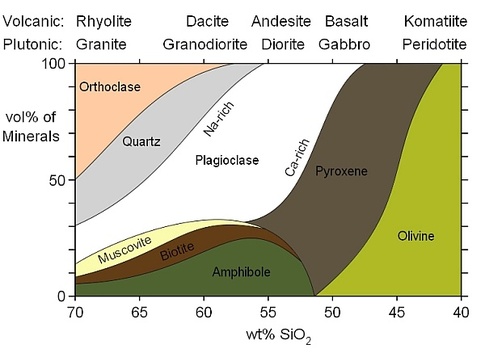
Manipulate Signaling Pathways

Writer and Curator: Larry H Bernstein, MD, FCAP 


7.6  Manipulate Signaling Pathways

7.6.1 The Dynamics of Signaling as a Pharmacological Target

7.6.2 A Protein-Tagging System for Signal Amplification in Gene Expression and Fluorescence Imaging

7.6.3 IQGAPs choreograph cellular signaling from the membrane to the nucleus

7.6.4 Signaling cell death from the endoplasmic reticulum stress response

7.6.5 An Enzyme that Regulates Ether Lipid Signaling Pathways in Cancer Annotated by Multidimensional Profiling

7.6.6 Peroxisomes – A Nexus for Lipid Metabolism and Cellular Signaling

7.6.7 A nexus for cellular homeostasis- the interplay between metabolic and signal transduction pathways

7.6.8 Mechanisms-of-intercellular-signaling

7.6.9 Cathepsin B promotes colorectal tumorigenesis, cell invasion, and metastasis


7.6.1 The Dynamics of Signaling as a Pharmacological Target

Marcelo Behar, Derren Barken, Shannon L. Werner, Alexander Hoffmann
Cell  10 Oct 2013; 155(2):448–461
http://dx.doi.org/10.1016/j.cell.2013.09.018

Highlights

  • Drugs targeting signaling hubs may block specific dynamic features of the signal
  • Specific inhibition of dynamic features may introduce pathway selectivity
  • Phase space analysis reveals principles for drug targeting signaling dynamics
  • Based on these principles, NFκB dynamics can be manipulated with specificity

Summary

Highly networked signaling hubs are often associated with disease, but targeting them pharmacologically has largely been unsuccessful in the clinic because of their functional pleiotropy. Motivated by the hypothesis that a dynamic signaling code confers functional specificity, we investigated whether dynamic features may be targeted pharmacologically to achieve therapeutic specificity. With a virtual screen, we identified combinations of signaling hub topologies and dynamic signal profiles that are amenable to selective inhibition. Mathematical analysis revealed principles that may guide stimulus-specific inhibition of signaling hubs, even in the absence of detailed mathematical models. Using the NFκB signaling module as a test bed, we identified perturbations that selectively affect the response to cytokines or pathogen components. Together, our results demonstrate that the dynamics of signaling may serve as a pharmacological target, and we reveal principles that delineate the opportunities and constraints of developing stimulus-specific therapeutic agents aimed at pleiotropic signaling hubs.

http://www.cell.com/cms/attachment/2021777732/2041663648/fx1.jpg

Intracellular signals link the cell’s genome to the environment. Misregulation of such signals often cause or exacerbate disease (Lin and Karin, 2007 and Weinberg, 2007) (so-called “signaling diseases”), and their rectification has been a major focus of biomedical and pharmaceutical research (Cohen, 2002Frelin et al., 2005 and Ghoreschi et al., 2009). For the identification of therapeutic targets, the concept of discrete signaling pathways that transmit intracellular signals to connect cellular sensor/receptors with cellular core machineries has been influential. In this framework, molecular specificity of therapeutic agents correlates well with their functional or phenotypic specificity. However, in practice, clinical outcomes for many drugs with high molecular specificity has been disappointing (e.g., inhibitors of IKK, MAPK, and JNK; Berger and Iyengar, 2011DiDonato et al., 2012Röring and Brummer, 2012 and Seki et al., 2012).

Many prominent signaling mediators are functionally pleiotropic, playing roles in multiple physiological functions (Chavali et al., 2010 and Gandhi et al., 2006). Indeed, signals triggered by different stimuli often travel through shared network segments that operate as hubs before reaching the effectors of the cellular response (Bitterman and Polunovsky, 2012 and Gao and Chen, 2010). Hubs’ inherent pleiotropy means that their inhibition may have broad and likely undesired effects (Karin, 2008Berger and Iyengar, 2011,Force et al., 2007Oda and Kitano, 2006 and Zhang et al., 2008); this is a major obstacle for the efficacy of drugs targeting prominent signaling hubs such as p53, MAPK, or IKK.

Recent studies have begun to address how signaling networks generate stimulus-specific responses (Bardwell, 2006Haney et al., 2010Hao et al., 2008 and Zalatan et al., 2012). For example, the activity of some pleiotropic kinases may be steered to particular targets by scaffold proteins (Park et al., 2003,Schröfelbauer et al., 2012 and Zalatan et al., 2012). Alternatively, or in addition, some signaling hubs may rely on stimulus-specific signal dynamics to activate selective downstream branches in a stimulus-specific manner in a process known as temporal or dynamic coding or multiplexing (Behar and Hoffmann, 2010,Chalmers et al., 2007Hoffmann et al., 2002Kubota et al., 2012Marshall, 1995 and Purvis et al., 2012;Purvis and Lahav, 2013Schneider et al., 2012 and Werner et al., 2005).

Although the importance of signaling scaffolds and their pharmacological promise is widely appreciated (Klussmann et al., 2008 and Zalatan et al., 2012) and isolated studies have altered the stimulus-responsive signal dynamics (Purvis et al., 2012Park et al., 2003Sung et al., 2008 and Sung and Simon, 2004), the capacity for modulating signal dynamics for pharmacological gain has not been addressed in a systematic manner. In this work, we demonstrate by theoretical means that, when signal dynamics are targeted, pharmacological perturbations can produce stimulus-selective results. Specifically, we identify combinations of signaling hub topology and input-signal dynamics that allow for pharmacological perturbations with dynamic feature-specific or input-specific effects. Then, we investigate stimulus-specific drug targeting in the IKK-NFκB signaling hub both in silico and in vivo. Together, our work begins to define the opportunities for pharmacological targeting of signaling dynamics to achieve therapeutic specificity.

Dynamic Signaling Hubs May Be Manipulated to Mute Specific Signals

Previous work has shown how stimulus-specific signal dynamics may allow a signaling hub to selectively route effector functions to different downstream branches (Behar et al., 2007). Here, we investigated the capacity of simple perturbations to kinetic parameters (caused for example by drug treatments) to produce stimulus-specific effects. For this, we examined a simple model of an idealized signaling hub (Figure 1A), reminiscent of the NFκB p53 or of MAPK signaling modules. The hub X reacts with strong but transient activity to stimulus S1 and sustained, slowly rising activity to stimulus S2. These stimulus-specific signaling dynamics are decoded by two effector modules, regulating transcription factors TF1 and TF2. TF1, regulated by a strongly adaptive negative feedback, is sensitive only to fast-changing signals, whereas TF2, regulated by a slowly activating two-state switch, requires sustained signals for activation (Figure 1B). We found it useful to characterize the X, TF1, and TF2 responses in terms of two dynamic features, namely the maximum early amplitude (“E,” time < 15′) and the average late amplitude (“L,” 15′ < t < 6 hr). These features, calculated using a mathematical model of the network (see Experimental Procedures) show good fidelity and specificity (Komarova et al., 2005) (Figure 1C), as S1 causes strong activation of TF1 with minimal crosstalk to TF2, and vice versa for S2.

http://ars.els-cdn.com/content/image/1-s2.0-S0092867413011550-gr1.jpg

Figure 1. Pharmacologic Perturbations with Stimulus-Specific Effects

(A) A negative-feedback module transduces input signals S1 and S2, producing outputs that are decoded by downstream effectors circuits that may distinguish between different dynamics.

(B) Unperturbed dynamics of X, TF1, and TF2 in response to S1 (red) and S2 (blue). Definition of early (E) and late (L) parts of the signal is indicated.

(C) Specificity and fidelity of E and L for TF1 and TF2, as defined in Komarova et al., 2005).

(D) Partial inhibition of X activation (A) abolishes the response to S1, but not S2, whereas a perturbation targeting the feedback regulator (FBR) suppresses the response to S2, but not S1.

(E) Perturbation phenotypes defined as difference between unperturbed and perturbed values of the indicated quantities (arbitrary scales for X, TF1, and TF2). Perturbation A inhibits E and TF1, but not TF2; perturbation FBR inhibits L and TF2, but not TF1.

(F) Virtual screening pipeline showing the experimental design and the two analysis branches for characterizing feature- and input-specific effects.

See also in Experimental Procedures and Table S1.

Seeking simple (affecting a single reaction) perturbations that selectively inhibit signaling by S1 or S2, we found that perturbation A, partially inhibiting the activation of X, was capable of suppressing hub activity in response to a range of S1 amplitudes while still allowing for activity in response to S2 (Figure 1D). Consequently, this perturbation significantly reduced TF1 activity in response to S1 but had little effect on TF2 activity elicited by S2. We also found that the most effective way to inhibit S2 signaling was by targeting the deactivation of negative feedback regulator Y (FBR). This perturbation caused almost complete abrogation of late X activity yet allows for significant levels of early activity. As a result, TF2 was nearly completely abrogated in response to S2, but stimulus S1 still produced a solid TF1 response. The early (E) and late (L) amplitudes could be used to quantify the input-signal-specific effects of these perturbations (Figure 1E).

This numerical experiment showed that it is possible to selectively suppress transient or sustained dynamic signals transduced through a common negative-feedback-containing signaling hub. Moreover, the dynamic features E and L could be independently inhibited. To study how prevalent such opportunities for selective inhibition are, we established a computational pipeline for screening reaction perturbations within multiple network topologies and in response to multiple dynamic input signals; the simulation results were analyzed to identify cases of either “input-signal-specific” inhibition or “dynamic feature-specific” inhibition (Figure 1F).

A Computational Screen to Identify Opportunities for Input-Signal-Specific Inhibition

The computational screen involved small libraries of one- and two-component regulatory modules and temporal profiles of input signals (Figure 2A), both commonly found in intracellular signaling networks. All modules (M1–M7, column on left) contained a species X that, upon stimulation by an input signal, is converted into an active form X (the output) that propagates the signal to downstream effectors. One-component modules included a reversible two-state switch (M1) and a three-state cycle with a refractory state (M2). Two-component modules contained a species Y that, upon activation via a feedback (M3 and M5) or feedforward (M4 and M6) loop, either deactivates X (M3 and M4) or inhibits (M5 and M6) its activation. We also included the afore-described topology that mimics the IκB-NFκB or the Mdm2-p53 modules (M7). Mathematical descriptions may be found in the Experimental Procedures. Although many biological signaling networks may conform to one of these simple topologies, others may be abstracted to one that recapitulates the physiologically relevant emergent properties

Figure 2. A Virtual Screen for Stimulus Specificity in Pharmacologic Perturbations

(A) Signaling modules (left) and input library (top) used in the screen. Dotted lines indicate enzymatic reactions (perturbation names indicated in letter code). Time courses of hub activity for each module/input combination for the unperturbed (black) and perturbed cases (blue indicates a decrease, red an increase in parameter value).

(B) Relative sensitivity of the stimulus response to the indicated perturbation (defined as the perturbation’s effect on the area under the curve), normalized per row.

See also Experimental ProceduresFigure S1, and Tables S2 and S3.

The library of stimuli (S1–S10; Figure 2A, top row) comprises ten input functions with different combinations of “fast” and “slow” initiation and decay phases (see Experimental Procedures). The virtual screen was performed by varying the kinetic parameter for each reaction over a range of values, thereby modeling simple perturbations of different strengths and recording the temporal profile of X abundance. To quantify stimulus-specific inhibition, we measured the area under the normalized dose-response curves (time average of X versus perturbation dose) for each module-input combination (Experimental ProceduresFigure 2B, and Figure S1 available online).

Phase Space Analysis Reveals Underlying Regulatory Principles

To understand the origin of dynamic feature-specific inhibition, we investigated the perturbation effects analytically on each module’s phase space, i.e., the space defined by X∗ and Y∗ quasi-equilibrium surfaces (Figures 4 and S4). These surfaces (“q.e. surfaces”) represent the dose response of X∗ as a function of Y∗ and a stationary input signal S (“X surface”) and the dose response of Y∗ as a function of X∗ and S (“Y surface”) (Figure 4A). The points at which the surfaces intersect correspond to the concentrations of X∗ and Y∗ in equilibrium for a given value of S. In the basal state, when S is low, the system is resting at an equilibrium point close to the origin of coordinates. When S increases, the concentrations of X∗ and Y∗ adjust until the signal settles at some stationary value (Figure 4A). Gradually, changing input signals cause the concentrations to follow trajectories close to the q.e. surfaces (quasi-equilibrium dynamics), following the line defined by the intersection of the surfaces (“q.e. line”) in the extreme of infinitely slow inputs. Fast-changing stimuli drive the system out of equilibrium, causing the trajectories to deviate markedly from the q.e. surfaces.

Two main principles emerged: (1) perturbations that primarily affect the shape of a q.e. surface tend to affect steady-state levels or responses that evolve close to quasi-equilibrium, and (2) perturbations that primarily affect the balance of timescales (X, Y activation, and S) tend to affect transient out-of-equilibrium parts of the response. These principles reflect the fact that out-of-equilibrium parts of a signal are largely insensitive to the precise shape of the underlying dose-response surfaces (they may still be bounded by them) but depend on the balance between the timescales of the biochemical processes involved. Perturbation of these balances affects how a system approaches steady state (thus affecting out-of-equilibrium and quasi-equilibrium dynamics), but not steady-state levels. To illustrate these principles, we present selected results for modules M3 and M4 and discuss additional cases in the supplement (Figure S3).

Detailed Analysis of Modules M3 and M4, Related to Figure 4

Time courses and projections of the phase space for modules M3 and M4. Color coding similar to Figure 4.

In the feedback-based modules (M3 and M5), the early peak of activity in response to rapidly changing signals is an out-of-equilibrium feature that occurs when the timescale of Y activation is significantly slower than that of X. Under these conditions, the concentration of X increases rapidly (out of equilibrium) before decaying along the X surface (in quasi-equilibrium) as more Y gets activated (Figure 4A, parameters modified to better illustrate the effects being discussed; see Table S2). For input signals that settle at some stationary level of S, Y activation eventually catches up and the concentration of X settles at the equilibrium point where the X and Y curves intersect. Gradually changing signals allow X and Yactivation to continuously adapt, and the system evolves closer to the q.e. line.

In such modules, perturbation A (X activation) changes both the shape of the q.e. surface for X and the kinetics of activation. When in the unperturbed system Y saturates, perturbation A primarily reduces Xsteady-state level (Figures 4B and 4C, left and center). When Y does not saturate in the unperturbed system, the primary effect is the reduced activation kinetics. Thus the perturbation affects the out-of-equilibrium peak (Figures 4B and 4C, center and right), with only minor reduction of steady-state levels (especially when Y’s dose response respect to X is steep). The transition from saturated to not-saturated feedback (as well as the perturbation strength) underlies the dose-dependent switch from L to E observed in the screen. In both saturated and unsaturated regimes, the shift in the shape of the surfaces does change the q.e. line and thus affects responses occurring in quasi-equilibrium. In contrast, perturbation of the feedback recovery (FBR) shifts the Y surface vertically (Figure 4D), specifically affecting the steady-state levels and late signaling; the effect on Y kinetics is limited because the reaction is relatively slow. Perturbation FBA also shifts the Y surface, but the net effect is less specific because the associated increase in the rate of Y activation tends to equalize X and Y kinetics affecting also the out-of-equilibrium peak.

In resting cells, NFκB is held inactive through its association with inhibitors IκBα, β, and ε. Upon stimulation, these proteins are phosphorylated by the kinase IKK triggering their degradation. Free nuclear NFκB activates the expression of target genes, including IκB-encoding genes, which thereby provide negative feedback (Figure 5A). The IκB-NFκB-signaling module is a complex dynamic system; however, by abstracting the control mechanism to its essentials, we show below that the above-described principles can be applied profitably.

IκB-NFκB signaling module

IκB-NFκB signaling module

http://ars.els-cdn.com/content/image/1-s2.0-S0092867413011550-gr5.jpg

Figure 5. Modulating NFκB Signaling Dynamics

(A) The IκB-NFκB signaling module.

(B) Equilibrium dose-response relationship for NFκB versus IKK.

(C) Three IKK curves representative of three stimulation regimes; TNFc (red), TNFp (green), and LPS (blue) function as inputs into the model, which computes the corresponding NFκB activity dynamics (bottom). The quasi-equilibrium line (black) was obtained by transforming the IKK temporal profiles by the dose response in (B). Deviation from the quasi-equilibrium line for the TNF response indicates out-of-equilibrium dynamics.

(D) Coarse-grained model of the IκB-NFκB module and predicted effects of perturbations.

(E) Selected perturbations with specific effects on out-of-equilibrium (top three) or steady state (bottom two). (Left to right) Feature maps in the E-L space (E: t < 60 ′, L: 120′ < t < 300′), tangent angle at the unperturbed point (θ > 0 indicates L is more suppressed than E and vice versa), and time courses (green, TNF chronic; red, TNF pulse; blue, LPS). Only inhibitory perturbations are shown. Additional perturbations are shown in Figure S4.

See also Experimental Procedures and Table S7.

Here, we delineate the potential of achieving stimulus-specific inhibition when targeting molecular reactions within pleiotropic signaling hubs. We found that it is theoretically possible to design perturbations that (1) selectively attenuate signaling in response to one stimulus but not another, (2) selectively attenuate undesirable features of dynamic signals or enhance desirable ones, or (3) remodulate output signals to fit a dynamic profile normally associated with a different stimulus.

These opportunities—not all of them possible for every signaling module topology or biological scenario—are governed by two general principles based on timescale and dose-response relationships between upstream signal dynamics and intramodule reaction kinetics (Figure 4 and Table S4). In short, a steady-state or quasi-equilibrium part of a response may be selectively affected by perturbations that introduce changes in the relevant dose-response surfaces. Out-of-equilibrium responses that are not sensitive to the precise shape of a dose-response curve may be selectively attenuated by perturbations that modify the relative timescales. Dose responses and timescales cannot, in general, be modified independently by simple perturbations (combination treatments are required), but as we show, in some cases, one effect dominates resulting in feature or stimulus specificity.

The degree to which specific dynamic features of a signaling profile or the dynamic responses to specific stimuli can be selectively inhibited depends on how distinctly they rely on quasi-equilibrium and out-of-equilibrium control. Signals that contain both features may be partially inhibited by both types of perturbation, limiting the specific inhibition achievable by simple perturbations. In practice, this limited the degree to which NFκB signaling could be inhibited in a stimulus-specific manner (Figure 5) and the associated therapeutic dose window (Figure 6). The most selective stimulus-specific effects can be introduced when a signal is heavily dependent on a particular dynamic feature; for example, suppression of out-of-equilibrium transients will abrogate the response to stimuli that produce such transients. For a selected group of target genes, this specificity at the signal level translated directly to expression patterns (Figure 6B, middle). More generally, selective inhibition of early or late phases of a signal may allow for specific control of early and late response genes (Figure 6C), a concept that remains to be studied at genomic scales. Though the principles are general, how they apply to specific signaling pathways depends not only on the regulatory topology, but also on the dynamic regime determined by the parameters. As demonstrated with the IκB-NFκB module, analysis of a coarse-grained topology in terms of the principles may allow the prediction of perturbations with a desired specificity.


7.6.2 A Protein-Tagging System for Signal Amplification in Gene Expression and Fluorescence Imaging

Marvin E. Tanenbaum, Luke A. Gilbert, Lei S. Qi, Jonathan S. Weissman, Ronald D. Vale
Cell 23 Oct 2014; 159(3): 635–646
http://dx.doi.org/10.1016/j.cell.2014.09.039

Highlights

  • SunTag allows controlled protein multimerization on a protein scaffold
  • SunTag enables long-term single-molecule imaging in living cells
  • SunTag greatly improves CRISPR-based activation of gene expression

Summary

Signals in many biological processes can be amplified by recruiting multiple copies of regulatory proteins to a site of action. Harnessing this principle, we have developed a protein scaffold, a repeating peptide array termed SunTag, which can recruit multiple copies of an antibody-fusion protein. We show that the SunTag can recruit up to 24 copies of GFP, thereby enabling long-term imaging of single protein molecules in living cells. We also use the SunTag to create a potent synthetic transcription factor by recruiting multiple copies of a transcriptional activation domain to a nuclease-deficient CRISPR/Cas9 protein and demonstrate strong activation of endogenous gene expression and re-engineered cell behavior with this system. Thus, the SunTag provides a versatile platform for multimerizing proteins on a target protein scaffold and is likely to have many applications in imaging and controlling biological outputs.

http://ars.els-cdn.com/content/image/1-s2.0-S0092867414012276-fx1.jpg

SunTag, which can recruit multiple copies of an antibody-fusion protein
Development of the SunTag, a System for Recruiting Multiple Protein Copies to a Polypeptide Scaffold Protein multimerization on a single RNA or DNA template is made possible by identifying protein domains that bind with high affinity to a relatively short nucleic acid motif. We therefore sought a protein-based system with similar properties, specifically a protein that can bind tightly to a short peptide sequence (Figures 1A and1B).Antibodies arecapable ofbindingto short,unstructured peptide sequences with high affinity and specificity, and, importantly, peptide epitopes can be designed that differ from naturally occurring sequences in the genome. Furthermore, whereas antibodies generally do not fold properly in the cytoplasm, single-chain variable fragment (scFv) antibodies, in which the epitope-binding regions of the light and heavy chains of the antibody are fused to forma single polypeptide, have been successfully expressed in soluble form in cells (Colby et al., 2004; Lecerf et al., 2001; Wo ¨rn et al., 2000).
We expressed three previously developed single-chain antibodies (Colby et al., 2004; Lecerf et al., 2001; Wo ¨rn et al., 2000) fused to EGFP in U2OS cells and coexpressed their cognate peptides (multimerized in four tandem copies) fused to the cytoplasmic side of the mitochondrial protein mitoNEET (Colca et al., 2004) (referred to here as Mito, Figure S1A). We then assayed whether the antibody-GFP fusion proteins would be recruited to the mitochondria by fluorescence microscopy, which would indicate binding between antibody and peptide (Figure 1B). Of the three antibody-peptide pairs tested, only the GCN4 antibody-peptide pair showed robust and specific binding while not disrupting normal mitochondrial morphology (Figures 1C and S1B). Thus, we focused our further efforts on the GCN4 antibody-peptide pair. The GCN4 antibody was optimized to allow intracellular expression in yeast (Wo ¨rn et al., 2000). In human cells, however, we still observed some protein aggregates of scFv-GCN4-GFP at high expression levels (Figure S2A). To improve scFv-GCN4 stability, we added a variety of N- and C-terminal fusion proteins known to enhance protein solubility and found that fusion of superfolder-GFP (sfGFP) alone
(Pe’delacq et al., 2006) or along with the small solubility tag GB1 (Gronenborn et al., 1991) to the C terminus of the GCN4 antibody almost completely eliminated protein aggregation, even at high expression levels (Figure S2A). Thus, we performed all further experiments with scFv-GCN4-sfGFP-GB1 (hereafter referred to as scFvGCN4-GFP). Very tight binding of the antibody-peptide pair in vivo is critical fortheformation ofmultimersonaproteinscaffoldbackbone.To determine the dissociation rate of the GCN4 antibody-peptide interaction, we performed fluorescence recovery after photobleaching (FRAP) experiments on scFv-GCN4-GFP bound to the mitochondrial-localized mito-mCherry-4xGCN4pep. After photobleaching, very slow GFP recovery was observed (halflife of 5–10 min [Figures 2A and 2B]), indicating that the antibody bound very tightly to the peptide. It is also important to optimize the spacing of the scFv-GCN4 binding sites within the protein scaffold so that they could be saturated by scFvGCN4 because steric hindrance of neighboring peptide binding sites is a concern. We varied the spacing between neighboring GCN4 peptides and quantified the antibody occupancy on the peptide array.

Figure 1. Identification of an Antibody-Peptide Pair that Binds Tightly In Vivo (A) Schematic of the antibody-peptide labeling strategy. (B) Schematic of the experiment described in (C) in which the mitochondrial targeting domain of mitoNEET (yellow box, mito) fused to mCherry and four tandem copies of a peptide recruits a GFP-tagged intracellular antibody to mitochondria. (C) ScFv-GCN4-GFP was coexpressed with either mito-mCherry-4xGCN4peptide (bottom) or mito-mCherry-FKBP as a control (top) in U2OS cells, and cells were imaged using spinning-disk confocal microscopy. Scale bars, 10 mm. See also Figure S1.

Figure 2. Characterization of the Off Rate and Stoichiometry of the Binding Interaction between the scFv-GCN4 Antibody and the GCN4 Peptide Array In Vivo (A) Mito-mCherry-24xGCN4pep was cotransfected with scFv-GCN4-GFP in HEK293 cells, and their colocalization on mitochondria in a single cell is shown (10 s). At 0 s, the mitochondria-localized GFP signal was photobleached in a single z plane using a 472 nm laser, and fluorescence recovery was followed by time-lapse microscopy. Scale bar, 5 mm. (B) The FRAP was quantified for 20 cells. (C–E) Indicated constructs were transfected in HEK293 cells, and images were acquired 24 hr after transfection with identical image acquisition settings. Representative images are shown in (C). Note that the GFP signal intensity in the mito-mCherry-24xGCN4pep + scFv-GCN4-GFP is highly saturated when the same scaling is used as in the other panels. Bottom row shows a zoom of a region of interest: dynamic scaling was different for the GFP and mCherry signals, so that both could be observed. Scale bars, 10 mm. (D and E) Quantifications of the GFP:mCherry fluorescence intensity ratio on mitochondria after normalization. Eachdot represents a single cell, and dashed lines indicates the average value. See also Figure S2.

Figure 3. The SunTag Allows Long-Term Single-Molecule Fluorescence Imaging in the Cytoplasm (A–H) U2OS cells were transfected with indicated SunTag24x constructs together with the scFv-GCN4-GFP-NLS and were imaged by spinning-disk confocal microscopy 24 hr after transfection. (A) A representative image of SunTag24x-CAAX-GFP is shown (left), as well as the fluorescence intensities quantification of the foci (right, blue bars). As a control, U2OS were transfected with sfGFP-CAAX and fluorescence intensities of single sfGFP-CAAX molecules were also quantified (red bars). The average fluorescence intensity of the single sfGFP-CAAX was set to 1. Dotted line marks the outline of the cell (left). Scale bar, 10 mm. (B) Cells expressing K560-SunTag24x-GFP were imaged by spinning disk confocal microscopy (image acquisition every 200 ms). Movement is revealed by a maximum intensity projection of 50 time points (left) and a kymograph (right). Scale bar, 10 mm. (C and D) Cells expressing both EB3-tdTomato and K560-SunTag24x-GFP were imaged, and moving particles were tracked manually. Red and blue tracks (bottom) indicate movement toward the cell interior and periphery, respectively (C). The duration of the movie was 20 s. Scale bar, 5 mm. Dots in (D) represent individual cells with between 5 and 20 moving particles scored per cell. The mean and SD are indicated. (E and F) Cells expressing Kif18b-SunTag24x-GFP were imaged with a 250 ms time interval. Images in (E) show a maximum intensity projection (50 time- points, left) and a kymograph (right). Speeds of moving molecules were quantified from ten different cells (F). Scale bar, 10 mm. (G and H) Cells expressing both mCherry-a-tubulin and K560rig-SunTag24x-GFP were imaged with a 600 ms time interval.The entire cell is shown in (G), whereas H shows zoomed-instills of atime series from the same cell. Open circlestrack two foci on the same microtubule,which is indicated bythe dashed line. Asterisks indicate stationary foci. Scale bars, 10 and 2 mm (G and H), respectively. See also Figure S3 and Movies S1, S2, S3, S4, S5, and S6.
The GCN4 peptide contains many hydrophobic residues (Figure 4B) and is largely unstructured in solution (Berger et al., 1999); thus, the poor expression of the peptide array could be due to its unstructured and hydrophobic nature. To test this idea, we designed several modified peptide sequence that were predicted to increase a-helical propensity and reduce hydrophobicity. One of these optimized peptides (v4, Figure 4B) was expressed moderately well as a 243 peptide array, and even higher expression was achieved with a 103 peptide array (Figure 4C). Importantly, fluorescence imaging revealed that thescFv-GCN4antibody robustlyboundto theGCN4v4peptide array in vivo and FRAP analysis suggests that the scFv-GCN4 antibody dissociates with a similar slow off rate from the GCN4
v4 peptide array as the original peptide (Figures 4D and 4E). Furthermore, K560 motility could be observed when it was tagged with the optimized v4 243 peptide array, indicating that the optimized v4 peptide array did not interfere with protein function (Movie S7). Together, these results identify a second version of the peptide array that can be used for applications requiring higher expression.
Activation of Gene Transcription Using Cas9-SunTag Because the SunTag system could be used for amplification of a fluorescence signal, we tested whether it also could be used to amplify regulatory signals involved in gene expression. Transcription of a gene is strongly enhanced by recruiting multiple copies of transcriptional activators to endogenous or artificial gene promoters (Anderson and Freytag, 1991; Chen et al., 1992; Pettersson and Schaffner, 1990). Thus, we thought that robust, artificial activation of gene transcription might also be achieved by recruiting multiple copies of a synthetic transcriptional activator to a gene using the SunTag.

Figure 4. An Optimized Peptide Array for High Expression (A) Indicated constructs were transfected in HEK293 cells and imaged 24 hr after transfection using wide-field microscopy. All images were acquired using identical acquisition parameters. Representative images are shown (left), and fluorescence intensities were quantified (n = 3) (right). (B) Sequence of the first and second generation GCN4 peptide (modified or added residues are colored blue, hydrophobic residues are red, and linker residues are yellow). (C–E) Indicated constructs were transfected in HEK293 cells and imaged 24 hr after transfection using wide-field (C) or spinning-disk confocal (D and E) microscopy. (C) Representative images are shown (left), and fluorescence intensities were quantified (n = 3) (right). (D and E) GFP signal on mitochondria was photobleached, and fluorescence recovery was determined over time. The graph (E) represents an average of six cells per condition. (E) shows an image of a representative cell before photobleaching. Scale bars in (A) and (C), 50 mm; scale bars in (D) and (E), 10 mm. Error bars in (A) and (C) represent SDs. See also Movie S7.

Figure 5. dCas9-SunTag Allows Genetic Rewiring of Cells through Activation of Endogenous Genes (A) Schematic of gene activation by dCas9-VP64 and dCas9-SunTag-VP64. dCas9 binds to a gene promoter through its sequence-specific sgRNA (red line). Direct fusion of VP64 to dCas9 (top) results in a single VP64 domain at the promoter, which poorly activates transcription of the downstream gene. In contrast, recruitment of many VP64 domains using the SunTag potently activates transcription of the gene (bottom). (B–D) K562 cells stably expressing dCas9-VP64 or dCas9-SunTag-VP64 were infected with lentiviral particles encoding indicated sgRNAs, as well as BFP and a puromycin resistance gene and selected with 0.7 mg/ml puromycin for 3 days to kill uninfected cells. (B and C) Cells were stained for CXCR4 using adirectlylabeleda-CXCR4 antibody, and fluorescence was analyzed by FACS. (D) Trans-well migration assays (see Experimental Procedures) were performed with indicated sgRNAs. Results are displayed as the fold change in directional migrating cells over control cell migration. (E) dCas9-VP64 or dCas9-SunTag-VP64 induced transcription of CDKN1B with several sgRNAs. mRNA levels were quantified by qPCR. (F) Doubling timeofcontrolcells orcells expressing indicated sgRNAs was determined (see Experimental Procedures section). Graphs in (C), (D), and (F) are averages of three independent experiments. Graph in (E) is average of two biological replicates, each with two or three technical replicates. All error bars indicate SEM. See also Figure S4


7.6.3 IQGAPs choreograph cellular signaling from the membrane to the nucleus

Jessica M. Smith, Andrew C. Hedman, David B. Sacks
Trends Cell Biol Mar 2015; 25(3): 171–184
http://dx.doi.org/10.1016/j.tcb.2014.12.005

Highlights

  • IQGAP proteins scaffold diverse signaling molecules.
  • IQGAPs mediate crosstalk between signaling pathways.
  • IQGAP1 regulates nuclear processes, including transcription.

Since its discovery in 1994, recognized cellular functions for the scaffold protein IQGAP1 have expanded immensely. Over 100 unique IQGAP1-interacting proteins have been identified, implicating IQGAP1 as a critical integrator of cellular signaling pathways. Initial research established functions for IQGAP1 in cell–cell adhesion, cell migration, and cell signaling. Recent studies have revealed additional IQGAP1 binding partners, expanding the biological roles of IQGAP1. These include crosstalk between signaling cascades, regulation of nuclear function, and Wnt pathway potentiation. Investigation of the IQGAP2 and IQGAP3 homologs demonstrates unique functions, some of which differ from those of IQGAP1. Summarized here are recent observations that enhance our understanding of IQGAP proteins in the integration of diverse signaling pathways.

http://ars.els-cdn.com/content/image/1-s2.0-S0962892414002153-gr2.sml


7.6.4 Signaling cell death from the endoplasmic reticulum stress response

Shore GC1, Papa FR, Oakes SA
Curr Opin Cell Biol. 2011 Apr; 23(2):143-9
http://dx.doi.org/10.1016%2Fj.ceb.2010.11.003

Inability to meet protein folding demands within the endoplasmic reticulum (ER) activates the unfolded protein response (UPR), a signaling pathway with both adaptive and apoptotic outputs. While some secretory cell types have a remarkable ability to increase protein folding capacity, their upper limits can be reached when pathological conditions overwhelm the fidelity and/or output of the secretory pathway.

The lumen of the ER is a unique cellular environment optimized to carry out the three primary tasks of this organelle:

  1. calcium storage and release,
  2. protein folding and secretion, and
  3. lipid biogenesis [1].

A range of cellular disturbances lead to accumulation of misfolded proteins in the ER, including

  • point mutations in secreted proteins that disrupt their proper folding,
  • sustained secretory demands on endocrine cells,
  • viral infection with ER overload of virus-encoding protein, and
  • loss of calcium homeostasis with detrimental effects on ER-resident calcium-dependent chaperones [24].


The tripartite UPR consists of three ER transmembrane proteins (IRE1α, PERK, ATF6) that

  • alert the cell to the presence of misfolded proteins in the ER and
  • attempt to restore homeostasis in this organelle through increasing ER biogenesis,
  1. decreasing the influx of new proteins into the ER,
  2. promoting the transport of damaged proteins from the ER to the cytosol for degradation, and
  3. upregulating protein folding chaperones [5].

The adaptive responses of the UPR can markedly expand the protein folding capacity of the cell and restore ER homeostasis [6]. However, if these adaptive outputs fail to compensate because ER stress is excessive or prolonged, the UPR induces cell death.

The cell death pathways collectively triggered by the UPR include both caspase-dependent apoptosis and caspase-independent necrosis. While many details remain unknown, we are beginning to understand how cells determine when ER stress is beyond repair and communicate this information to the cell death machinery. For the purposes of this review, we focus on the apoptotic outputs triggered by the UPR under irremediable ER stress.

Connections from the UPR to the Mitochondrial Apoptotic Pathway

Connections from the UPR to the Mitochondrial Apoptotic Pathway

http://www.ncbi.nlm.nih.gov/pmc/articles/PMC3078187/bin/nihms256554f1.jpg

Figure 1 Connections from the UPR to the Mitochondrial Apoptotic Pathway

Under excessive ER stress, the ER transmembrane sensors IRE1α and PERK send signals through the BCL-2 family of proteins to activate the mitochondrial apoptotic pathway. In response to unfolded proteins, IRE1α oligomerizes and induces endonucleolytic decay of hundreds of ER-localized mRNAs, depleting ER protein folding components and leading to worsening ER stress. Phosphorylated IRE1α also recruits TNF receptor-associated factor 2 (TRAF2) and activates apoptosis signaling kinase 1 (ASK1) and its downstream target c-Jun NH2-terminal kinase (JNK). JNK then activates pro-apoptotic BIM and inhibits anti-apoptotic BCL-2. These conditions result in dimerization of PERK and activation of its kinase domain to phosphorylate eukaryotic translation initiation factor 2α (eIF2α), which causes selective translation of activating transcription factor-4 (ATF4). ATF4 upregulates expression of the CHOP/GADD153 transcription factor, which inhibits the gene encoding anti-apoptotic BCL-2 while inducing expression of pro-apoptotic BIM. ER stress also promotes p53-dependent transcriptional upregulation of Noxa and Puma, two additional pro-apoptotic BH3-only proteins. Furthermore, high levels of UPR signaling induce initiator caspase-2 to proteolytically cleave and activate pro-apoptotic BID upstream of the mitochondrion. In addition to antagonizing pro-survival BCL-2 members, cleaved BID, BIM and PUMA activate Bax and/or Bak. Hence, in response to excessive UPR signaling, the balance of BCL-2 family proteins shifts in the direction of apoptosis and leads to the oligomerization of BAX and BAK, two multi-domain pro-apoptotic BCL-2 family proteins that then drive the permeabilization of the outer mitochondrial membrane, apoptosome formation and activation of executioner caspases such as Caspase-3. Figure adapted with permission from the Journal of Cell Science [58].

The proximal unfolded protein response sensors

UPR signaling is initiated by three ER transmembrane proteins:

  1. IRE1α,
  2. PERK, and

The most ancient ER stress sensor, IRE1α, contains

  1. an ER lumenal domain,
  2. a cytosolic kinase domain and
  3. a cytosolic RNase domain [9,10].

In the presence of unfolded proteins, IRE1α’s ER lumenal domains homo-oligomerize, leading

  • first to kinase trans-autophosphorylation and
  • subsequent RNase activation.

Dissociation of the ER chaperone BiP from IRE1α’s lumenal domain in order to engage unfolded proteins may facilitate IRE1α oligomerization [11]; alternatively, the lumenal domain may bind unfolded proteins directly [12]. PERK’s ER lumenal domain is thought to be activated similarly [13,14]. The ATF6 activation mechanism is less clear. Under ER stress, ATF6 translocates to the Golgi and is cleaved by Site-1 and Site-2 proteases to generate the ATF6(N) transcription factor [15].

All three UPR sensors have outputs that attempt to tilt protein folding demand and capacity back into homeostasis. PERK contains a cytosolic kinase that phosphorylates eukaryotic translation initiation factor 2α (eIF2α), which impedes translation initiation to reduce the protein load on the ER [16]. IRE1α splices XBP1mRNA, to produce the homeostatic transcription factor XBP1s [17,18]. Together with ATF6(N), XBP1s increases transcription of genes that augment ER size and function[19]. When eIF2α is phosphorylated, the translation of the activating transcription factor-4 (ATF4) is actively promoted and leads to the transcription of many pro-survival genes [20]. Together, these transcriptional events act as homeostatic feedback loops to reduce ER stress. If successful in reducing the amount of unfolded proteins, the UPR attenuates.

However, when these adaptive responses prove insufficient, the UPR switches into an alternate mode that promotes apoptosis. Under irremediable ER stress, PERK signaling can induce ATF-4-dependent upregulation of the CHOP/GADD153 transcription factor, which inhibits expression of the gene encoding anti-apoptotic BCL-2 while upregulating the expression of oxidase ERO1α to induce damaging ER oxidation [21,22]. Sustained IRE1α oligomerization leads to activation of apoptosis signal-regulating kinase 1 (ASK1) and its downstream target c-Jun NH2-terminal kinase (JNK) [23,24]. Phosphorylation by JNK has been reported to both activate pro-apoptotic BIM and inhibit anti-apoptotic BCL-2 (see below). Small molecule modulators of ASK1 have been shown to protect cultured cells against ER stress-induced apoptosis, emphasizing the importance of the IRE1α-ASK1-JNK output as a death signal in this pathway [25]. In response to sustained oligomerization, the IRE1α RNase also causes endonucleolytic decay of hundreds of ER-localized mRNAs [26]. By depleting ER cargo and protein folding components, IRE1α-mediated mRNA decay may worsen ER stress, and could be a key aspect of IRE1α’s pro-apoptotic program [27]. Recently, inhibitors of IRE1α’s kinase pocket have been shown to conformationally activate its adjacent RNase domain in a manner that enforces homeostatic XBP1s without causing destructive mRNA decay [27], a potentially exciting strategy for preventing ER stress-induced cell loss.

The BCL-2 family and the Mitochondrial Apoptotic Pathway

A wealth of genetic and biochemical data argues that the intrinsic (mitochondrial) apoptotic pathway is the major cell death pathway induced by the UPR, at least in most cell types. This apoptotic pathway is set in motion when several toxic proteins (e.g., cytochrome c, Smac/Diablo) are released from mitochondria into the cytosol where they lead to activation of downstream effector caspases (e.g., Caspase-3) [30]. The BCL-2 family, a large class of both pro- and anti- survival proteins, tightly regulates the intrinsic apoptotic pathway by controlling the integrity of the outer mitochondrial membrane [31]. This pathway is set in motion when cell injury leads to the transcriptional and/or post-translational activation of one or more BH3-only proteins that share sequence similarity in a short alpha helix (~9–12 a.a.) known as the Bcl-2 homology 3 (BH3) domain [32]. Once activated, BH3-only proteins lead to loss of mitochondrial integrity by disabling mitochondrial protecting proteins that drive the permeabilization of the outer mitochondrial membrane.

ER stress has been reported to activate at least four distinct BH3-only proteins (BID, BIM, NOXA, PUMA) that then signal the mitochondrial apoptotic machinery (i.e., BAX/BAK) [3335]. Each of these BH3-only proteins is activated by ER stress in a unique way. Cells individually deficient in any of these BH3-only proteins are modestly protected against ER stress-inducing agents, but not nearly as resistant as cells null for their common downstream targets BAX and BAK [36]—the essential gatekeepers to the mitochondrial apoptotic pathway. Moreover, cells genetically deficient in both Bim andPuma are more protected against ER stress-induced apoptosis than Bim or Puma single knockout cells [37].

The ER stress sensor that signals these BH3-only proteins is known in a few cases (i.e., BIM is downstream of PERK); however, we do not yet understand how the UPR communicates with most of the BH3-only proteins. Moreover, it is not known if all of the above BH3-only proteins are simultaneously set in motion by all forms of ER stress or if a subset is activated under specific pathological stimuli that injure this organelle. Understanding the molecular details of how ER damage is communicated to the mitochondrial apoptotic machinery is critical if we want to target disease specific apoptotic signals sent from the ER.

Initiator and Executor Caspases

Caspases, or cysteine-dependent aspartate-directed proteases, play essential roles in both initiating apoptotic signaling (initiator caspases- 2, 4, 8, 12) and executing the final stages of cell demise (executioner caspases- 3, 7, 9) [38]. It is not surprising that the executioner caspases (casp-3,7,9) are critical for cell death resulting from damage to this organelle. Caspase 12 was the first caspase reported to localize to the ER downstream of BAX/BAK-dependent mitochondrial permeabilization becomes activated by UPR signaling in murine cells [39],but humans fail to express a functional Caspase 12 [41. Genetic knockdown or pharmacological inhibition of caspase-2 confers resistance to ER stress-induced apoptosis [42]. How the UPR activates caspase-2 and whether other initiator caspasesare also involved remains to be determined.

Calcium and Cell Death

Although an extreme depletion of ER luminal Ca2+ concentrations is a well-documented initiator of the UPR and ER stress-induced apoptosis or necrosis, it represents a relatively non-physiological stimulus. Ca2+ signaling from the ER is likely coupled to most pathways leading to apoptosis. UPR-induced activation of ERO1-α via CHOP in macrophages results in stimulation of inositol 1,4,5-triphosphate receptor (IP3R) [43]. All three sub-groups of the Bcl-2 family at the ER regulate IP3R activity. A significant fraction of IP3R is a constituent of highly specialized tethers that physically attach ER cisternae to mitochondria (mitochondrial-associated membrane) and regulate local Ca2+ dynamics at the ER-mitochondrion interface [4546]. This results in propagation of privileged IP3R-mediated Ca2+ oscillations into mitochondria. In an extreme scenario, massive transmission of Ca2+ into mitochondria results in Ca2+ overload and cell death by caspase-dependent and –independent means [46,47]. More refined transmission regulated by the Bcl-2 axis at the ER can influence cristae junctions and the availability of cytochrome c for its release across the outer mitochondrial membrane [48]. Finally, such regulated Ca2+transmission to mitochondria is a key determinant of mitochondrial bioenergetics [49].

ER Stress-Induced Cell Loss and Disease

Mounting evidence suggests that ER stress-induced apoptosis contributes to a range of human diseases of cell loss, including diabetes, neurodegeneration, stroke, and heart disease, to name a few (reviewed in REF [50]). The cause of ER stress in these distinct diseases varies depending on the cell type affected and the intracellular and/or extracellular conditions that disrupt proteostasis. Both mutant SOD1 and mutant huntingtin proteins aggregate, exhaust proteasome activity, and result in secondary accumulations of misfolded proteins in the ER [5152].

In the case of IRE1α, it may be possible to use kinase inhibitors to activate its cytoprotective signaling and shut down its apoptotic outputs [27]. Whether similar strategies will work for PERK and/or ATF6 remains to be seen. Alternatively, blocking the specific apoptotic signals that emerge from the UPR is perhaps a more straightforward strategy to prevent ER stress-induced cell loss. To this end, small molecular inhibitors of ASK and JNK are currently being tested in a variety preclinical models of ER stress [5253,5657]. This is just the beginning, and much work needs to be done to validate the best drugs targets in the ER stress pathway.

Conclusions

The UPR is a highly complex signaling pathway activated by ER stress that sends out both adaptive and apoptotic signals. All three transmembrane ER stress sensors (IRE1α, PERK, AFT6) have outputs that initially decrease the load and increase capacity of the ER secretory pathway in an effort to restore ER homeostasis. However, under extreme ER stress, continuous engagement of IRE1α and PERK results in events that simultaneously exacerbate protein misfolding and signal death, the latter involving caspase-dependent apoptosis and caspase-independent necrosis. Advances in our molecular understanding of how these stress sensors switch from life to death signaling will hopefully lead to new strategies to prevent diseases caused by ER stress-induced cell loss.

7.6.5 An Enzyme that Regulates Ether Lipid Signaling Pathways in Cancer Annotated by Multidimensional Profiling

Chiang KP, Niessen S, Saghatelian A, Cravatt BF.
Chem Biol. 2006 Oct; 13(10):1041-50.
http://dx.doi.org/10.1016/j.chembiol.2006.08.008

Hundreds, if not thousands, of uncharacterized enzymes currently populate the human proteome. Assembly of these proteins into the metabolic and signaling pathways that govern cell physiology and pathology constitutes a grand experimental challenge. Here, we address this problem by using a multidimensional profiling strategy that combines activity-based proteomics and metabolomics. This approach determined that KIAA1363, an uncharacterized enzyme highly elevated in aggressive cancer cells, serves as a central node in an ether lipid signaling network that bridges platelet-activating factor and lysophosphatidic acid. Biochemical studies confirmed that KIAA1363 regulates this pathway by hydrolyzing the metabolic intermediate 2-acetyl monoalkylglycerol. Inactivation of KIAA1363 disrupted ether lipid metabolism in cancer cells and impaired cell migration and tumor growth in vivo. The integrated molecular profiling method described herein should facilitate the functional annotation of metabolic enzymes in any living system.

Elucidation of the metabolic and signaling networks that regulate health and disease stands as a principal goal of postgenomic research. The remarkable complexity of these molecular pathways has inspired the advancement of “systems biology” methods for their characterization [1]. Toward this end, global profiling technologies, such as DNA microarrays 2 and 3 and mass spectrometry (MS)-based proteomics 4 and 5, have succeeded in generating gene and protein signatures that depict key features of many human diseases. However, extricating from these associative relationships the roles that specific biomolecules play in cell physiology and pathology remains problematic, especially for proteins of unknown biochemical or cellular function.

The functions of certain proteins, such as adaptor or scaffolding proteins, can be gleaned from large-scale protein-interaction maps generated by technologies like yeast two-hybrid 6 and 7, protein microarrays [8], and MS analysis of immunoprecipitated protein complexes 9 and 10. In contrast, enzymes contribute to biological processes principally through catalysis. Thus, elucidation of the activities of the many thousands of enzymes encoded by eukaryotic and prokaryotic genomes requires knowledge of their endogenous substrates and products. The functional annotation of enzymes in prokaryotic systems has been facilitated by the clever analysis of gene clusters or operons 11 and 12, which correspond to sets of genes adjacently located in the genome that encode for enzymes participating in the same metabolic cascade. The assembly of eukaryotic enzymes into metabolic pathways is more problematic, however, as their corresponding genes are not, in general, physically organized into operons, but rather are scattered randomly throughout the genome.

We hypothesized that the determination of endogenous catalytic activities for uncharacterized enzymes could be accomplished directly in living systems by the integrated application of global profiling technologies that survey both the enzymatic proteome and its primary biochemical output (i.e., the metabolome). Here, we have tested this premise by utilizing multidimensional profiling to characterize an integral membrane enzyme of unknown function that is highly elevated in human cancer.

Development of a Selective Inhibitor for the Uncharacterized Enzyme KIAA1363

Previous studies using the chemical proteomic technology activity-based protein profiling (ABPP) 15, 16 and 17 have identified enzyme activity signatures that distinguish human cancer cells based on their biological properties, including tumor of origin and state of invasiveness [18]. A primary component of these signatures was the protein KIAA1363, an uncharacterized integral membrane hydrolase found to be upregulated in aggressive cancer cells from multiple tissues of origin. To investigate the role that KIAA1363 plays in cancer cell metabolism and signaling, a selective inhibitor of this enzyme was generated by competitive ABPP 20 and 21.

Previous competitive ABPP screens that target the serine hydrolase superfamily identified a set of trifluoromethyl ketone (TFMK) inhibitors that showed activity in mouse brain extracts [20]. These TFMK inhibitors showed only limited activity in living human cells (data not shown). We postulated that the activity of KIAA1363 inhibitors could be enhanced by replacing the TFMK group with a carbamate, which inactivates serine hydrolases via a covalent mechanism (Figure S1; see the Supplemental Data available with this article online). Carbamate AS115 (Figure 1A) was synthesized and tested for its effects on the invasive ovarian cancer cell line SKOV-3 by competitive ABPP (Figure 1B). AS115 was found to potently and selectively inactivate KIAA1363, displaying an IC50 value of 150 nM, while other serine hydrolase activities were not affected by this agent (IC50 values > 10 μM) (Figures 1B and 1C). AS115 also selectively inhibited KIAA1363 in other aggressive cancer cell lines that possess high levels of this enzyme, including the melanoma lines C8161 and MUM-2B (Figure S2B).

Figure 1. Characterization of AS115, a Selective Inhibitor of the Cancer-Related Enzyme KIAA1363

Profiling the Metabolic Effects of KIAA1363 Inactivation in Cancer Cells

We next compared the global metabolite profiles of SKOV-3 cells treated with AS115 to identify endogenous small molecules regulated by KIAA1363, using a recently described, untargeted liquid chromatography-mass spectrometry (LC-MS) platform for comparative metabolomics [22]. AS115 (10 μM, 4 hr) was found to cause a dramatic reduction in the levels of a specific set of lipophilic metabolites (m/z 317, 343, and 345) in SKOV-3 cells ( Figure 2A). These metabolites did not correspond to any of the typical lipid species found in cells, none of which were significantly altered by AS115 treatment ( Table S1). High-resolution MS of the m/z 317 metabolite provided a molecular formula of C19H40O3 ( Figure 2B), which suggests that this compound might represent a monoalkylglycerol ether bearing a C16:0 alkyl chain (C16:0 MAGE).  This structure assignment was corroborated by tandem MS and LC analysis, in which the endogenous m/z 317 product and synthetic C16:0 MAGE displayed equivalent fragmentation and migration patterns, respectively ( Figure S3). By extension, the m/z 343 and 345 metabolites were interpreted to represent the C18:1 and C18:0 MAGEs, respectively. A control carbamate inhibitor, URB597, which targets other hydrolytic enzymes [23], but not KIAA1363, did not affect MAGE levels in cancer cells ( Figure S4).

Pharmacological Inhibition of KIAA1363 Reduces Monoalkylglycerol Ether, MAGE, Levels in Human Cancer Cells

Pharmacological Inhibition of KIAA1363 Reduces Monoalkylglycerol Ether, MAGE, Levels in Human Cancer Cells

http://ars.els-cdn.com/content/image/1-s2.0-S1074552106003000-gr2.jpg

Figure 2. Pharmacological Inhibition of KIAA1363 Reduces Monoalkylglycerol Ether, MAGE, Levels in Human Cancer Cells

(A) Global metabolite profiling of AS115-treated SKOV-3 cells (10 μM AS115, 4 hr) with untargeted LC-MS methods [22]revealed a specific reduction in a set of structurally related metabolites with m/z values of 317, 343, and 345 (p < 0.001 for AS115- versus DMSO-treated SKOV-3 cells). Results represent the average fold change for three independent experiments. See Table S1for a more complete list of metabolite levels.

(B) High-resolution MS analysis of the sodium adduct of the purified m/z 317 metabolite provided a molecular formula of C19H40O3, which, in combination with tandem MS and LC analysis ( Figure S3), led to the determination of the structure of this small molecule as C16:0 monoalkylglycerol ether (C16:0 MAGE).

Biochemical Characterization of KIAA1363 as a 2-Acetyl MAGE Hydrolase

The correlation between KIAA1363 inactivation and reduced MAGE levels suggests that these lipids are products of a KIAA1363-catalyzed reaction. A primary route for the biosynthesis of MAGEs has been proposed to occur via the enzymatic hydrolysis of their 2-acetyl precursors 24 and 25. This 2-acetyl MAGE hydrolysis activity was first detected in cancer cell extracts over a decade ago [25], but, to date, it has eluded molecular characterization. To test whether KIAA1363 functions as a 2-acetyl MAGE hydrolase, this enzyme was transiently transfected into COS7 cells. KIAA1363-transfected cells possessed significantly higher 2-acetyl MAGE hydrolase activity compared to mock-transfected cells, and this elevated activity was blocked by treatment with AS115 (Figure 3A). In contrast, KIAA1363- and mock-transfected cells showed no differences in their respective hydrolytic activity for 2-oleoyl MAGE, monoacylglycerols, or phospholipids (e.g., platelet-activating factor [PAF], phosphatidylcholine) (Figure S5A). These data indicate that KIAA1363 selectively catalyzes the hydrolysis of 2-acetyl MAGEs to MAGEs.

KIAA1363 Regulates an Ether Lipid Signaling Network that Bridges Platelet-Activating Factor and the Lysophospholipids

Examination of the Kyoto Encyclopedia of Genes and Genomes (KEGG) database [26] suggests that the KIAA1363-MAGE pathway might serve as a unique metabolic node linking the PAF [27] and lysophospholipid [28] signaling systems in cancer cells (Figure 4A). Consistent with a direct pathway leading from MAGEs to these lysophospholipids, addition of 13C-MAGE to SKOV-3 cells resulted in the formation of 13C-labeled alkyl-LPC and alkyl-LPA (Figure 4C).
Conversely, the levels of 2-acetyl MAGE in SKOV-3 cells, as judged by metabolic labeling experiments, were significantly stabilized by treatment with AS115, which, in turn, led to an accumulation of PAF (Figure 4D).  A comparison of the metabolite profiles of SKOV-3 and OVCAR-3 cells revealed significantly higher levels of MAGE, alkyl-LPC, and alkyl-LPA in the former line (Figure 4E). These data indicate that the lysophospholipid branch of the MAGE network is elevated in aggressive cancer cells, and that this metabolic shift is regulated by KIAA1363.

Figure 4. KIAA1363 Serves as a Key Enzymatic Node in a Metabolic Network that Connects the PAF and Lysophospholipid Families of Signaling Lipids

Stable Knockdown of KIAA1363 Impairs Tumor Growth In Vivo

Figure 6. KIAA1363 Contributes to Ovarian Tumor Growth and Cancer Cell Migration

The decrease in tumorigenic potential of shKIAA1363 cells was not associated with a change in proliferation potential in vitro (Figure S8). shKIAA1363 cells were, however, impaired in their in vitro migration capacity compared to control cells (Figure 6B). Neither MAGE nor alkyl-LPC impacted cancer cell migration at concentrations up to 1 μM (Figure 6B). In contrast, alkyl-LPA (10 nM) completely rescued the reduced migratory activity of shKIAA1363 cells. Collectively, these results indicate that KIAA1363 contributes to the pathogenic properties of cancer cells in vitro and in vivo, possibly through regulating the levels of the bioactive lipid LPA.

We have determined by integrated enzyme and small-molecule profiling that KIAA1363, a protein of previously unknown function, is a 2-acetyl MAGE hydrolase that serves as a key regulator of a lipid signaling network that contributes to cancer pathogenesis. Although we cannot yet conclude which of the specific metabolites regulated by KIAA1363 supports tumor growth in vivo, the rescue of the reduced migratory phenotype of shKIAA1363 cancer cells by LPA is consistent with previous reports showing that this lipid signals through a family of G protein-coupled receptors to promote cancer cell migration and invasion 2829 and 30. LPA is also an established biomarker in ovarian cancer, and the levels of this metabolite are elevated nearly 10-fold in ascites fluid and plasma of patients with ovarian cancer [31]. Our results suggest that additional components in the KIAA1363-ether lipid network, including MAGE, alkyl LPC, and KIAA1363 itself, might also merit consideration as potential diagnostic markers for ovarian cancer. Consistent with this premise, our preliminary analyses have revealed highly elevated levels of KIAA1363 in primary human ovarian tumors compared to normal ovarian tissues (data not shown). The heightened expression of KIAA1363 in several other cancers, including breast 18 and 32, melanoma [18], and pancreatic cancer [33], indicates that alterations in the KIAA1363-ether lipid network may be a conserved feature of tumorigenesis. Considering further that reductions in KIAA1363 activity were found to impair tumor growth of both ovarian and breast cancer cells, it is possible that inhibitors of this enzyme may prove to be of value for the treatment of multiple types of cancer.


7.6.6 Peroxisomes – A Nexus for Lipid Metabolism and Cellular Signaling

Lodhi IJ, Semenkovich CF
Cell Metab. 2014 Mar 4; 19(3):380-92
http://dx.doi.org/10.1016%2Fj.cmet.2014.01.002

Peroxisomes are often dismissed as the cellular hoi polloi, relegated to cleaning up reactive oxygen chemical debris discarded by other organelles. However, their functions extend far beyond hydrogen peroxide metabolism. Peroxisomes are intimately associated with lipid droplets and mitochondria, and their ability to carry out fatty acid oxidation and lipid synthesis, especially the production of ether lipids, may be critical for generating cellular signals required for normal physiology. Here we review the biology of peroxisomes and their potential relevance to human disorders including cancer, obesity-related diabetes, and degenerative neurologic disease.

Peroxisomes are multifunctional organelles present in virtually all eukaryotic cells. In addition to being ubiquitous, they are also highly plastic, responding rapidly to cellular or environmental cues by modifying their size, number, morphology, and function (Schrader et al., 2013). Early ultrastructural studies of kidney and liver cells revealed cytoplasmic particles enclosed by a single membrane containing granular matrix and a crystalline core (Rhodin, 1958). These particles were linked with the term “peroxisome” by Christian de Duve, who first identified the organelle in mammalian cells when enzymes such as oxidases and catalases involved in hydrogen peroxide metabolism co-sedimented in equilibrium density gradients (De Duve and Baudhuin, 1966). Based on these studies, it was originally thought that the primary function of these organelles was the metabolism of hydrogen peroxide. Novikoff and colleagues observed a large number of peroxisomes in tissues active in lipid metabolism such as liver, brain, intestinal mucosa, and adipose tissue (Novikoff and Novikoff, 1982;Novikoff et al., 1980). Peroxisomes in different tissues vary greatly in shape and size, ranging from 0.1-0.5 μM in diameter. In adipocytes, peroxisomes tend to be small in size and localized in the vicinity of lipid droplets. Notably, a striking increase in the number of peroxisomes was observed during differentiation of adipogenic cells in culture (Novikoff and Novikoff, 1982). These findings suggest that peroxisomes may be involved in lipid metabolism.

Lazarow and de Duve hypothesized that peroxisomes in animal cells were capable of carrying out fatty acid oxidation. This was confirmed when they showed that purified rat liver peroxisomes contained fatty acid oxidation activity that was robustly increased by treatment of animals with clofibrate (Lazarow and De Duve, 1976). In a series of experiments, Hajra and colleagues discovered that peroxisomes were also capable of lipid synthesis (Hajra and Das, 1996). Over the past three decades, multiple lines of evidence have solidified the concept that peroxisomes play fundamentally important roles in lipid metabolism. In addition to removal of reactive oxygen species, metabolic functions of peroxisomes in mammalian cells include β-oxidation of very long chain fatty acids, α-oxidation of branched chain fatty acids, and synthesis of ether-linked phospholipids as well as bile acids (Figure 1). β-oxidation also occurs in mitochondria, but peroxisomal β-oxidation involves distinctive substrates and complements mitochondrial function; the processes of α-oxidation and ether lipid synthesis are unique to peroxisomes and important for metabolic homeostasis.

Structure and functions of peroxisomes

Structure and functions of peroxisomes

http://www.ncbi.nlm.nih.gov/pmc/articles/PMC3951609/bin/nihms-555068-f0001.jpg

Figure 1 Structure and functions of peroxisomes

The peroxisome is a single membrane-enclosed organelle that plays an important role in metabolism. The main metabolic functions of peroxisomes in mammalian cells include β-oxidation of very long chain fatty acids, α-oxidation of branched chain fatty acids, synthesis of bile acids and ether-linked phospholipids and removal of reactive oxygen species. Peroxisomes in many, but not all, cell types contain a dense crystalline core of oxidative enzymes.

Here we highlight the established role of peroxisomes in lipid metabolism and their emerging role in cellular signaling relevant to metabolism. We describe the origin of peroxisomes and factors involved in their assembly, division, and function. We address the interaction of peroxisomes with lipid droplets and implications of this interaction for lipid metabolism. We consider fatty acid oxidation and lipid synthesis in peroxisomes and their importance in brown and white adipose tissue (sites relevant to lipid oxidation and synthesis) and disease pathogenesis.

peroxisomal biogenesis and protein import

peroxisomal biogenesis and protein import

http://www.ncbi.nlm.nih.gov/pmc/articles/PMC3951609/bin/nihms-555068-f0002.jpg

Potential pathways to peroxisomal biogenesis. Peroxisomes are generated autonomously through division of pre-existing organelles (top) or through a de novo process involving budding from the ER followed by import of matrix proteins (bottom). B. Peroxisomal membrane protein import. Peroxisomal membrane proteins (PMPs) are imported post-translationally to the peroxisomal membrane. Pex19 is a soluble chaperone that binds to PMPs and transports them to the peroxisomal membrane, where it docks with a complex containing Pex16 and Pex3. Following insertion of the PMP, Pex19 is recycled back to the cytosol.

Regardless of their origin, peroxisomes require a group of proteins called peroxins for their assembly, division, and inheritance. Over 30 peroxins, encoded by Pex genes, have been identified in yeast (Dimitrov et al., 2013). At least a dozen of these proteins are conserved in mammals, where they regulate various aspects of peroxisomal biogenesis, including factors that control assembly of the peroxisomal membrane, factors that interact with peroxisomal targeting sequences allowing proteins to be shuttled to peroxisomes, and factors that act as docking receptors for peroxisomal proteins.

At least three peroxins (Pex3, Pex16 and Pex19) appear to be critical for assembly of the peroxisomal membrane and import of peroxisomal membrane proteins (PMPs) (Figure 2B). Pex19 is a soluble chaperone and import receptor for newly synthesized PMPs (Jones et al., 2004). Pex3 buds from the ER in a pre-peroxisomal vesicle and functions as a docking receptor for Pex19 (Fang et al., 2004). Pex16 acts as a docking site on the peroxisomal membrane for recruitment of Pex3 (Matsuzaki and Fujiki, 2008). Peroxisomal matrix proteins are translated on free ribosomes in the cytoplasm prior to their import. These proteins have specific peroxisomal targeting sequences (PTS) located either at the carboxyl (PTS1) or amino (PTS2) terminus (Gould et al., 1987Swinkels et al., 1991).


7.6.7 A nexus for cellular homeostasis- the interplay between metabolic and signal transduction pathways

Ana P Gomes, John Blenis
Current Opinion in Biotechnology Aug 2015; 34:110–117
http://dx.doi.org/10.1016/j.copbio.2014.12.007

Highlights

  • Signaling networks sense intracellular and extracellular cues to maintain homeostasis.
  • PI3K/AKT and Ras/ERK signaling induces anabolic reprogramming.
  • mTORC1 is a master node of signaling integration that promotes anabolism.
  • AMPK and SIRT1 fine tune signaling networks in response to energetic status.

In multicellular organisms, individual cells have evolved to sense external and internal cues in order to maintain cellular homeostasis and survive under different environmental conditions. Cells efficiently adjust their metabolism to reflect the abundance of nutrients, energy and growth factors. The ability to rewire cellular metabolism between anabolic and catabolic processes is crucial for cells to thrive. Thus, cells have developed, through evolution, metabolic networks that are highly plastic and tightly regulated to meet the requirements necessary to maintain cellular homeostasis. The plasticity of these cellular systems is tightly regulated by complex signaling networks that integrate the intracellular and extracellular information. The coordination of signal transduction and metabolic pathways is essential in maintaining a healthy and rapidly responsive cellular state.

AMPK and SIRT1 fine tune signaling networks in response to energetic status

AMPK and SIRT1 fine tune signaling networks in response to energetic status


http://ars.els-cdn.com/content/image/1-s2.0-S0958166914002225-fx1.jpg

AMPK and SIRT1 fine tune signaling networks in response to energetic status


http://ars.els-cdn.com/content/image/1-s2.0-S0958166914002225-gr1.sml

mTORC1 is a master node of signaling integration that promotes anabolism.


http://ars.els-cdn.com/content/image/1-s2.0-S0958166914002225-gr2.sml

Fine-tuning signaling networks

 PI3K/Akt signaling-induced anabolic reprogramming

Growth factors and other ligands activate PI3K signaling upon binding and consequent activation of their cell surface receptors, such as receptor tyrosine kinases (RTKs) and G protein-coupled
receptors (GPCRs). This leads to the phosphorylation of membrane phosphatidylinositiol lipids and the recruitment and activation of several protein kinases, which perpetuate the extracellular
signals to modulate intracellular processes [3,4]. One of the most crucial signal propagators regulated by PI3K signaling is protein kinase B/Akt [3,4]. Indeed, Akt rewires metabolism in response
to environmental cues by three distinct means;
(i) by the direct phosphorylation and regulation of metabolic enzymes,
(ii) by activating/inactivating metabolism altering transcriptional factors, and
(iii) by modulating other kinases that themselves regulate metabolism [5].
Akt regulates glucose metabolism, inducing both glucose uptake and glycolytic flux by increasing the expression of the glucose transporter genes and regulating the activity of glycolytic enzymes,
respectively [6–8]. Moreover, the ability of Akt to induce glycolysis is also mediated by the regulation of Hexokinase (HK). HK performs the first step of glycolysis.

Figure 1 Anabolic rewiring induced by PI3K/Akt, Ras/ERK and mTORC1 signaling.
Extracellular signals activate two major signaling cascades controlled by the activation of PI3K and Ras. PI3K and Ras regulate Akt and ERK, which in turn induce changes in intermediate metabolism
to promote anabolic processes. In addition, they also induce the activation of  mTORC1, thus further supporting the rewiring of cellular metabolism towards anabolic processes. Through various mechanisms
Akt, ERK and mTORC1 stimulate mRNA translation, aerobic glycolysis, glutamine anaplerosis, lipid synthesis, the pentose phosphate and pyrimidine synthesis, thus producing the major components
necessary for cell growth and proliferation.

Figure 2. Regulation of intermediate metabolism by nutrient and energy sensors.
Nutrient and energy-responsive pathways fine-tune the output of signaling cascades, allowing for the correct balance between the availability of nutrients and the cellular capacity to use them effectively.
AMPK and SIRT1 respond to the energy status of the cells through sensing of AMP and NAD+ levels respectively. When energy is scarce, these sensors are activated inducing a rewiring of intermediate
metabolism to catabolic processes in order to produce energy and restore homeostasis. When nutrients (such as glucose and amino acids) and energy are available, AMPK, SIRT1, SIRT3 and SIRT6 are
repressed and mTORC1 is active, thus promoting a shift towards anabolic processes and energy production. These networks of signaling cascades, their interconnection and regulation allow the cells
to maintain energetic balance and allow for the physiological adaptation to the ever-changing environment.


7.6.8 Mechanisms-of-intercellular-signaling

7.6.8.1 Activation and signaling of the p38 MAP kinase pathway

Tyler Zarubin1 and Jiahuai Han
Cell Research (2005) 15, 11–18
http://dx.doi.org:/10.1038/sj.cr.7290257

The family members of the mitogen-activated protein (MAP) kinases mediate a wide variety of cellular behaviors in response to extracellular stimuli. One of the four main sub-groups, the p38 group of MAP kinases, serve as a nexus for signal transduction and play a vital role in numerous biological processes. In this review, we highlight the known characteristics and components of the p38 pathway along with the mechanism and consequences of p38 activation. We focus on the role of p38 as a signal transduction mediator and examine the evidence linking p38 to inflammation, cell cycle, cell death, development, cell differentiation, senescence and tumorigenesis in specific cell types. Upstream and downstream components of p38 are described and questions remaining to be answered are posed. Finally, we propose several directions for future research on p38.

Cellular behavior in response to extracellular stimuli is mediated through intracellular signaling pathways such as the mitogen-activated protein (MAP) kinase pathways 1. MAP kinases are members of discrete signaling cascades and serve as focal points in response to a variety of extracellular stimuli. Four distinct subgroups within the MAP kinase family have been described:

  • extracellular signal-regulated kinases (ERKs),
  • c-jun N-terminal or stress-activated protein kinases (JNK/SAPK),
  • ERK/big MAP kinase 1 (BMK1), and
  • the p38 group of protein kinases.

The focus of this review will be to highlight the characteristics of

  • the p38 kinases,
  • components of this kinase cascade,
  • activation of this pathway, and
  • the biological consequences of its activation.

p38 (p38) was first isolated as a 38-kDa protein rapidly tyrosine phosphorylated in response to LPS stimulation 23. p38 cDNA was also cloned as a molecule that binds puridinyl imidazole derivatives which are known to inhibit biosynthesis of inflammatory cytokines such as interleukin-1 (IL-1) and tumor-necrosis factor (TNF) in LPS stimulated monocytes 4. To date, four splice variants of the p38 family have been identified: p38, p38 5, p38 (ERK6, SAPK3) 67, and p38(SAPK4) 89. Of these, p38 and p38 are ubiquitously expressed while p38 and p38 are differentially expressed depending on tissue type. All p38 kinases can be categorized by a Thr-Gly-Tyr (TGY) dual phosphorylation motif 10. Sequence comparisons have revealed that each p38 isoform shares 60% identity within the p38 group but only 40–45% to the other three MAP kinase family members.

Mammalian p38s activation has been shown to occur in response to extracellular stimuli such as UV light, heat, osmotic shock, inflammatory cytokines (TNF- & IL-1), and growth factors (CSF-1) 13151617,18192021. This plethora of activators conveys the complexity of the p38 pathway and this matter is further complicated by the observation that activation of p38 is not only dependent on stimulus, but on cell type as well. For example, insulin can stimulate p38 in 3T3-L1 adipocytes 22, but downregulates p38 activity in chick forebrain neuron cells 23. The activation of p38 isoforms can be specifically controlled through different regulators and coactivated by various combinations of upstream regulators 2426.

Like all MAP kinases, p38 kinases are activated by dual kinases termed the MAP kinase kinases (MKKs). However, despite conserved dual phosphorylation sites among p38 isoforms, selective activation by distinct MKKs has been observed. There are two main MAPKKs that are known to activate p38, MKK3 and MKK6. It is proposed that upstream kinases can differentially regulate p38 isoforms as evidenced by the inability of MKK3 to effectively activate p38 while MKK6 is a potent activator despite 80% homology between these two MKKs 27. Also, it has been shown that MKK4, an upstream kinase of JNK, can aid in the activation of p38 and p38 in specific cell types 8. This data suggests then, that activation of p38 isoforms can be specifically controlled through different regulators and coactivated by various combinations of upstream regulators. Furthermore, substrate selectivity may be a reason why each MKK has a distinct function. In addition to the activation by upstream kinases, there is a MAPKK-independent mechanism of p38 MAPK activation involving TAB1 (transforming growth factor–activated protein kinase 1 (TAK1)-binding protein) 28. The activation of p38 in this pathway is achieved by the autophosphorylation of p38 after interaction with TAB1.

The activation of p38 in response to the wide range of extracellular stimuli can be seen in part by the diverse range of MKK kinases (MAP3K) that participate in p38 activation. These include TAK1 33, ASK1/MAPKKK5 34, DLK/MUK/ZPK 3536, and MEKK4 353738. Overexpression of these MAP3Ks leads to activation of both p38 and JNK pathways which is possibly one reason why these two pathways are often co-activated. Also contributing to p38 activation upstream of MAPK kinases are low molecular weight GTP-binding proteins in the Rho family such as Rac1 and Cdc42 4041. Rac1 can bind to MEKK1 or MLK1 while Cdc42 can only bind to MLK1 and both result in activation of p38 via MAP3Ks 3542.

Dephosphorylation, would seem to play a major role in the downregulation of MAP kinase activity. Many dual-specificity phosphatases have been identified that act upon various members of the MAP kinase pathway and are grouped as the MAP kinase phosphatase (MKP) family 45. Several members can efficiently dephosphorylate p38 and p38 4647; however, p38 and p38 are resistant to all known MKP family members.

The first p38 substrate identified was the MAP kinase-activated protein kinase 2 (MAPKAPK2 or MK2) 11552. This substrate, along with its closely related family member MK3 (3pk), were both shown to activate various substrates including small heat shock protein 27 (HSP27) 53, lymphocyte-specific protein 1 (LSP1) 54, cAMP response element-binding protein (CREB) 55, transcription factor ATF1 55, SRF 56, and tyrosine hydroxylase 57. p38 regulated/activated kinase (PRAK) is a p38 and/or p38activated kinase that shares 20-30% sequence identity to MK2 and is thought to regulate heat shock protein 27 (HSP27) 61. Mitogen- and stress-activated protein kinase-1 (MSK1) can be directly activated by p38 and ERK, and may mediate activation of CREB 626364.

Another group of substrates that are activated by p38 comprise transcription factors. Many transcription factors encompassing a broad range of action have been shown to be phosphorylated and subsequently activated by p38. Examples include activating transcription factor 1, 2 & 6 (ATF-1/2/6), SRF accessory protein (Sap1), CHOP (growth arrest and DNA damage inducible gene 153, or GADD153), p53, C/EBP, myocyte enhance factor 2C (MEF2C), MEF2A, MITF1, DDIT3, ELK1, NFAT, and high mobility group-box protein 1 (HBP1) 175566676869707172,73747576. An important cis-element, AP-1 appears to be influenced by p38 through several different mechanisms.  Taken together, all the data suggest that the p38 pathway has a wide variety of functions.

Abundant evidence for p38 involvement in apoptosis exists to date and is based on concomitant activation of p38 and apoptosis induced by a variety of agents such as NGF withdrawal and Fas ligation 959697. Cysteine proteases (caspases) are central to the apoptotic pathway and are expressed as inactive zymogens 98,99. Caspase inhibitors then can block p38 activation through Fas cross-linking, suggesting p38 functions downstream of caspase activation 97100. However, overexpression of dominant active MKK6b can also induce caspase activity and cell death thus implying that p38 may function both upstream and downstream of caspases in apoptosis 101102. It must be mentioned that the role of p38 in apoptosis is cell type and stimulus dependent. While p38 signaling has been shown to promote cell death in some cell lines, in different cell lines p38 has been shown to enhance survival, cell growth, and differentiation.

p38 now seems to have a role in tumorigenesis and sensescence. There have been reports that activation of MKK6 and MKK3 led to a senescent phenotype dependent upon p38 MAPK activity. Also, p38 MAPK activity was shown responsible for senescence in response to telomere shortening, H2O2 exposure, and chronic RAS oncogene signaling 117118119. A common feature of tumor cells is a loss of senescence and p38 may be linked to tumorigenesis in certain cells. It has been reported that p38 activation may be reduced in tumors and that loss of components of the p38 pathway such as MKK3 and MKK6 resulted in increased proliferation and likelihood of tumorigenic conversion regardless of the cell line or the tumor induction agent used in these studies 29.

Although all research done on the p38 pathway cannot be reviewed here, certain conclusions can still be made regarding the operation of p38 as a signal transduction mediator. The p38 family (,,,) is activated by both stress and mitogenic stimuli in a cell dependent manner and certain isoforms can either directly or indirectly target proteins to control pre/post transcription. p38 MAPKs also have the ability to activate other kinases and consequently regulate numerous cellular responses. Because p38 signaling has been implicated in cellular responses including inflammation, cell cycle, cell death, development, cell differentiation, senescence, and tumorigenesis, emphasis must be placed on p38 function with respect to specific cell types.

Regulation of the p38 pathway is not an isolated cascade and many different upstream signals can lead to p38 activation. These signals may be p38 specific (MKK3/6), general MAPKKs (MKK4), or MAPKK independent signals (TAB1). Downstream signaling pathways of p38 are quite divergent and each component may interact with other cellular components, both upstream and downstream, to coordinate cellular processes such as feedback mechanisms. Furthermore, in vivo p38 is not an isolated event and exists in the presence of other MAP kinases and a plethora of other signaling pathways. The subcellular location of p38 activation may also play a critical role determining the resulting effect and may add yet another order of complexity to the investigation of p38 function.


7.6.8.2 Mitogen-Activated Protein Kinase Pathways Mediated by ERK, JNK, and p38 Protein Kinases

Gary L. Johnson and Razvan Lapadat
Science 6 Dec 2002; 298: 1911-1912.

Multicellular organisms have three well-characterized subfamilies of mitogen activated protein kinases (MAPKs) that control a vast array of physiological processes. These enzymes are regulated by a characteristic phosphorelay system in which a series of three protein kinases phosphorylate and activate one another. The extracellular signal–regulated kinases (ERKs) function in the control of cell division, and inhibitors of these enzymes are being explored as anticancer agents. The c-Jun amino-terminal kinases ( JNKs) are critical regulators of transcription, and JNK inhibitors may be effective in control of rheumatoid arthritis. The p38 MAPKs are activated by inflammatory cytokines and environmental stresses.

Protein kinases are enzymes that covalently attach phosphate to the side chain of either serine, threonine, or tyrosine of specific proteins inside cells. Such phosphorylation of proteins can control their enzymatic activity, their interaction with other proteins and molecules, their location in the cell, and their propensity for degradation by proteases. Mitogen-activated protein kinases (MAPKs) compose a family of protein kinases whose function and regulation have been conserved during evolution from unicellular organisms such as brewers’ yeast to complex organisms including humans (1). MAPKs phosphorylate specific serines and threonines of target protein substrates and regulate cellular activities ranging from gene expression, mitosis, movement, metabolism, and programmed death. Because of the many important cellular functions controlled by MAPKs, they have been studied extensively to define their roles in physiology and human disease. MAPK-catalyzed phosphorylation of substrate proteins functions as a switch to turn on or off the activity of the substrate protein.

MAPKs are part of a phosphorelay system composed of three sequentially activated kinases, and, like their substrates, MAPKs are regulated by phosphorylation (Fig. 1) (2). MKK-catalyzed phosphorylation activates the MAPK and increases its activity in catalyzing the phosphorylation of its own substrates. MAPK phosphatases reverse the phosphorylation and return the MAPK to an inactive state. MKKs are highly selective in phosphorylating specific MAPKs. MAPK kinase kinases (MKKKs) are the third component of the phosphorelay system. MKKKs phosphorylate and activate specific MKKs. MKKKs have distinct motifs in their sequences that selectively confer their activation in response to different stimuli.

Fig. 1. MAPK phosphorelay systems.

The modules shown are representative of pathway connections for the respective MAPK phosphorelay systems.There are multiple component MKKKs, MKKs, and MAPKs for each system.For example, there are three Raf proteins (c-Raf1, B-Raf, A-Raf), two MKKs (MKK1 and MKK2), and two ERKs (ERK1 and ERK2) that can compose MAPK phosphorelay systems responsive to growth factors.The ERK, JNK, and p39 pathways in the STKE Connections Map demonstrate the potential complexity of these systems.

ERKs 1 and 2 are both components of a three-kinase phosphorelay module that includes the MKKK c-Raf1, B-Raf, or A-Raf, which can be activated by the proto-oncogene Ras. Mutations that convert Ras to an activated oncogene are common oncogenic mutations in many human tumors. Oncogenic Ras persistently activates the ERK1 and ERK2 pathways, which contributes to the increased proliferative rate of tumor cells. For this reason, inhibitors of the ERK pathways are entering clinical trials as potential anticancer agents.

Regulation of the JNK pathway is extremely complex and is influenced by many MKKKs. As depicted in the STKE JNK Pathway Connections Map, there are 13 MKKKs that regulate the JNKs. This diversity of MKKKs allows a wide range of stimuli to activate this MAPK pathway. JNKs are important in controlling programmed cell death or apoptosis (9). The inhibition of JNKs enhances chemotherapy-induced inhibition of tumor cell growth, suggesting that JNKs may provide a molecular target for the treatment of cancer. The pharmaceutical industry is bringing JNK inhibitors into clinical trials.

Recently, a major paradigm shift for MAPK regulation was developed for p38. The p38 enzyme is activated by the protein TAB1 (12), but TAB1 is not a MKK. Rather, TAB1 appears to be an adaptor or scaffolding protein and has no known catalytic activity. This is the first demonstration that another mechanism exists for the regulation of MAPKs in addition to the MKKK-MKKMAPK regulatory module.

The importance of MAPKs in controlling cellular responses to the environment and in regulating gene expression, cell growth, and apoptosis has made them a priority for research related to many human diseases. The ERK, JNK, and p38 pathways are all molecular targets for drug development, and inhibitors of MAPKs will undoubtedly be one of the next group of drugs developed for the treatment of human disease (13).

7.6.9 Cathepsin B promotes colorectal tumorigenesis, cell invasion, and metastasis

B Bian, S Mongrain, S Cagnol, Marie-Josée Langlois, J Boulanger, et al.
Molec Carcinogen 25 Mar 2015; 54(5). http://dx.doi.org:/10.1002/mc.22312

Cathepsin B is a cysteine proteinase that primarily functions as an endopeptidase within endolysosomal compartments in normal cells. However, during tumoral expansion, the regulation of cathepsin B can be altered at multiple levels, thereby resulting in its overexpression and export outside of the cell. This may suggest a possible role of cathepsin B in alterations leading to cancer progression. The aim of this study was to determine the contribution of intracellular and extracellular cathepsin B in growth, tumorigenesis, and invasion of colorectal cancer (CRC) cells. Results show that mRNA and activated levels of cathepsin B were both increased in human adenomas and in CRCs of all stages. Treatment of CRC cells with the highly selective and non-permeant cathepsin B inhibitor Ca074 revealed that extracellular cathepsin B actively contributed to the invasiveness of human CRC cells while not essential for their growth in soft agar. Cathepsin B silencing by RNAi in human CRC cells inhibited their growth in soft agar, as well as their invasion capacity, tumoral expansion, and metastatic spread in immunodeficient mice. Higher levels of the cell cycle inhibitor p27Kip1 were observed in cathepsin B-deficient tumors as well as an increase in cyclin B1. Finally, cathepsin B colocalized with p27Kip1 within the lysosomes and efficiently degraded the inhibitor. In conclusion, the present data demonstrate that cathepsin B is a significant factor in colorectal tumor development, invasion, and metastatic spreading and may, therefore, represent a potential pharmacological target for colorectal tumor therapy

Colorectal cancer (CRC),a major malignancy worldwide and the second leading cause of cancer death in North America, develops through multiple steps. The ability of cancers to invade and metastasize depends on the action of proteases actively taking center stage in extracellular proteolysis [2]. Of all the proteases, the cysteine protease cathepsin B is of significant importance [3]. Cathepsin B primarily functions as an endopeptidase within endolysosomal compartments in normal cells. However, during malignant transformation cathepsin B can be upregulated [3, 4]. Cathepsin B in tumors can either be secreted, bound to the cell membrane or released by shedding vesicles [4]. Expression and redistribution of active cathepsin B to the basal plasma membrane occurs in late colon adenomas [5, 6] coincident with the activation of KRAS [1]. In line with these results, Cavallo-Medved et al. [7] have demonstrated that trafficking of cathepsin B to caveolae and its secretion are regulated by active KRAS in CRC cells in culture. Accordingly, secretion of cathepsin B, increased in the extracellular environment of CRC [8, 9], is suspected to play an essential role in disrupting extracellular matrix barriers, facilitating invasion and metastasis [10-12]. These data are consistent with the link between cathepsin B protein expression in colorectal carcinomas and shortened patient survival [6].

In a recent prospective cohort study of 558 men and women with colonic tumors [13] 82% of patients had tumors that expressed cathepsin B, irrespective of stage, while the remaining 18% had tumors that did not express cathepsin B. Other studies have suggested that cathepsin B expression or activity may actually peak during early stage cancer and subsequently decline with advanced disease [14, 15]. This points to a possible role of cathepsin B in both early and late alterations leading to colonic cancer.

This study used two strategies to specifically counteract the action of cathepsin B. The first involved the use of RNA interference (RNAi) to inhibit the expression of cathepsin B protein into CRC cells while the second approach employed the highly selective cathepsin inhibitor Ca074 to block extracellular cathepsin B activity. Results suggest that extracellular cathepsin B is involved in cell invasion whereas intracellular cathepsin B controls malignant properties of CRC cells. Further, biochemical analysis suggests that intracellular cathepsin B regulates tumorigenesis by degrading the p27Kip1 cell cycle inhibitor.

mRNA and Activated Levels of Cathepsin B Are Increased in Adenomas and in Colorectal Tumors of All Stages

Cathepsin B expression was analyzed at both the mRNA and protein levels in a series of human paired specimens at various tumor stages. As shown in Figure 1A, increased transcript levels of cathepsin B were observed in colorectal tumors, regardless of tumor stage, including in adenomas. Of note, increased cathepsin B expression was more prominent in tumors exhibiting APC mutations. By contrast, there did not appear to be a significant difference relative to KRAS mutations (Figure 1B). To establish whether these increased mRNA levels could be correlated with increased cathepsin B protein levels and more importantly with increased activity, expression of the active processed forms of the protease (25 and 30 kDa) was analyzed by Western blot. Both pro-cathepsin B and active cathepsin B were also increased in colorectal tumors compared to normal tissues (Figure 1C and D). These data hence suggest that increased transcription contributes to a greater expression of active cathepsin B in CRC.

Extracellular Cathepsin B Contributes to Invasiveness of Human CRC Cells but is Dispensable for Their Growth in Soft Agar

Cathepsin B protein levels were next examined in lysates obtained from various human CRC cell lines. As shown in Figure 2A, the proactive and catalytically active processed forms of cathepsin B were detected at various levels in CRC cell lines. Selected cathepsin B presence was also confirmed in conditioned culture medium of CRC cells, again at various levels (Figure 2A, lower panel). However, while the pro-form of cathepsin B was readily observed in conditioned culture medium of all CRC cells, the catalytically-active processed forms of cathepsin B were not detected in Western blot analyses. Additionally, using a fluorescence-based enzymatic assay, no cathepsin B enzyme activity was detected in conditioned medium. Since the pro-protease form might be activated under acidic pH conditions (peri- or extracellular) and by extracellular components of the extracellular matrix, the impact of extracellular inhibition of cathepsin B activation on CRC cell invasion was verified using Biocoat Matrigel chambers. HT-29, DLD1, and SW480 CRC cell lines secreting different levels of pro-cathepsin B (Figure 2A) were tested. Experiments were performed using the highly selective and non-permeant inhibitor Ca074 to reduce extracellular cathepsin B activity. At 10 μM, Ca074 produced a >99% inhibition of recombinant cathepsin B levels while barely reducing intracellular cathepsin B, that is, 5–8%, even upon 12 h exposure to the inhibitor (data not shown). Of note, treatment with 10 μM Ca074 significantly inhibited Matrigel invasion by approximately 45–60% in HT29, DLD1, and SW480 CRC cell lines (Figure 2B). By contrast, treatment with Ca074 had no significant effect on their capacity to form colonies in soft agarose (Figure 2C).

Cathepsin B Silencing in Human CRC Cells Inhibits Tumorigenicity and Metastasis in Immunodeficient Mice

Suppression of cathepsin B expression was found to significantly attenuate the metastatic potential of CRC cells in vivo in experimental metastasis assays. Indeed, immunodeficient mice injected with control CRC cells into the tail vein showed extensive lung metastasis within 28 d, whereas cells expressing shRNA against cathepsin B exhibited reduced lung colonization (Figure 4A). Cathepsin B silencing also altered the capacity of CRC cells to form tumors in mice as assessed by subcutaneous xenograft assays. HT29 cells induced palpable tumors with a short latency period of 9 d after their injection while downregulation of cathepsin B expression in these cells severely impaired their capacity to grow as tumors (Figure 4B).

Cathepsin B Silencing in Human CRC Cells Inhibits Growth in Soft Agar and Invasion Capacity

Recombinant lentiviruses encoding anti-cathepsin B short hairpin RNA (shRNA) were developed in order to stably suppress cathepsin B expression in CRC cells. As shown in Figure 3A, intracellular cathepsin B mRNA and protein levels were decreased in HT29 and DLD1 cells in comparison to a control shRNA which had no effect. Reduction of cathepsin B expression modestly slowed the proliferation rate of HT29 and DLD1 populations in 2D cell culture (Figure 3B). Conversely, cathepsin B silencing significantly reduced the ability of HT29 and DLD1 cells to form colonies in soft agarose (Figure 3C). This indicates that intracellular cathepsin B controls anchorage-independent growth of CRC cells given the absence of Ca074 effect (Figure 2C). Moreover, cathepsin B silencing also reduced the number of invading HT29 and DLD1 cells to a similar extent as Ca074 treatment (Figure 3D vs. Figure 2B).

Cathepsin B Silencing in Human CRC Cells Inhibits Tumorigenicity and Metastasis in Immunodeficient Mice

Suppression of cathepsin B expression was found to significantly attenuate the metastatic potential of CRC cells in vivo in experimental metastasis assays. Indeed, immunodeficient mice injected with control CRC cells into the tail vein showed extensive lung metastasis within 28 d, whereas cells expressing shRNA against cathepsin B exhibited reduced lung colonization (Figure 4A). Cathepsin B silencing also altered the capacity of CRC cells to form tumors in mice as assessed by subcutaneous xenograft assays. HT29 cells induced palpable tumors with a short latency period of 9 d after their injection while downregulation of cathepsin B expression in these cells severely impaired their capacity to grow as tumors (Figure 4B).

Cathepsin B Cleaves the Cell Cycle Inhibitor p27Kip1

In order to verify whether p27Kip1 is in fact a substrate for cathepsin B, both proteins were first overexpressed in 293 T cells and cells subsequently lysed 2 d later for Western blot analysis of their respective expression. As shown in Figure 5A, forced expression of cathepsin B in 293 T cells dose-dependently reduced p27Kip1 protein levels. Next, to determine whether p27Kip1 could be degraded by cathepsin B in vitro, lysates from 293 T cells overexpressing HA-tagged p27Kip1 were incubated with purified cathepsin B and analyzed by Western blot. Figure 5B and C shows that cathepsin B degraded p27Kip1 in a time-dependent manner as visualized by the accumulation of three lower molecular mass species (26, 20, and 12 kDa) in addition to the full-length p27Kip1 protein (see arrows versus arrowhead).

Cathepsin B is capable of endopeptidase, peptidyl-dipeptidase, and carboxydipeptidase activities [18-20]. Cathepsin B also possesses a basic amino acid in the catalytic subsite in position S2 enabling the protease to preferentially split its substrates after Arg–Arg or Lys–Arg or Arg–Lys sequences. At least five of these sequences can be found within the human p27Kip1 sequence (Figure 5D). Therefore, the first amino acid of these doublets was mutated into alanine to test whether it would affect the degradation by cathepsin B. Mutation of arginine 58 (Figure 5E) and lysine 189 (Figure 5F) did not alter the cleavage profile of p27Kip1 by cathepsin B. Mutation of lysine 165 and arginine 194 also had no altering effect (not shown). On the other hand, mutation of arginine 152 into alanine markedly reduced the detection of the 20-kDa fragment (Figure 5E).

The protein stability of wild-type p27Kip1 was then compared to that of the p27Kip1 R152A/Δ189–198 mutant, which is more resistant to cathepsin B cleavage. 293T cells were transiently transfected with either wild-type p27Kip1 or p27Kip1 mutant and subsequently treated with cycloheximide to inhibit protein neosynthesis. Thereafter, cells were lysed at different time intervals in order to analyze protein expression levels of p27Kip1 forms. As shown in Figure 6A, following cycloheximide treatment, protein levels of the p27Kip1 mutant decreased much more slowly than that of wild-type protein. Specifically, 10 h after cycloheximide addition, expression of p27Kip1 protein was clearly decreased while expression of the p27Kip1 mutant remained at control (time 0) levels. Of note, forced expression of cathepsin B in 293 T cells dose-dependently reduced the wild-type form of p27Kip1 protein levels while expression of p27Kip1 R152A/Δ189–198 mutant was only very slightly affected (Figure 6B).

Colocalization of Endogenous p27Kip1 With Cathepsin B Into Lysosomes

As shown in Figure 7A, the anti-cathepsin B antibody confirmed the colocalization of cathepsin B (in green) with the lysosomal acidotropic probe LysoTracker (in red). As expected, most of p27Kip1 staining (in green) was observed in the cell nucleus (Figure 7B). However, certain areas of colocalization were observed between endogenous p27Kip1 (in green) and cathepsin B (in red) (Figure 7B, asterisks). Moreover, Western blot analyses revealed the presence of p27Kip1 protein in lysosome-enriched fractions obtained from differential centrifugation of Caco-2/15 and SW480 cell lysates (Figure 7C and D). These lysosomal fractions were enriched in lysosome-associated membrane protein 1 (LAMP1) and exhibited very low or undetectable levels of the nuclear lamin B protein.

The most extensive literature to date regarding cathepsin B highlights a key role of this protease in the invasiveness and metastasis of various carcinoma cells [3, 8, 10-12]. The present findings demonstrate that cathepsin B has not only a role in facilitating CRC invasion and metastasis, but also in mediating early premalignant processes. Results herein show that cathepsin B promotes anchorage-independent CRC cell growth, which translates in vivo to enhanced tumor growth. In addition, cathepsin B was identified as a new protease capable of proteolytic cleavage of the cell cycle inhibitor p27Kip1. This is especially relevant since the loss of p27Kip1 expression has been strongly associated with aggressive tumor behavior and poor clinical outcome in CRC [22, 23].

These data are reminiscent of the immunohistochemistry data reported by Chan et al. [13] showing that cathepsin B protein was expressed in the vast majority of colon cancers analyzed (558 tumors), which was also independent of tumor stage. The present data also revealed that increased transcription of cathepsin B was associated with the presence of mutations in APC but not in KRAS, thus emphasizing the fact that cathepsin B gene expression is already deregulated in early stages of colorectal carcinoma. Indeed, most CRCs acquire loss-of-function mutations in both copies of the APC gene, resulting in inefficient breakdown of intracellular β-catenin and enhanced nuclear signaling [27]. Given the importance of the Wnt/APC/β-catenin pathway in human tumorigenesis initiation, the present data showing an association between cathepsin B expression and APC mutations are particularly noteworthy.


Read Full Post »

« Newer Posts - Older Posts »