Archive for the ‘Cardiac muscle regeneration’ Category
Protected: Data Mining of Gene Expression Profile to investigate Zebrafish Heart Early Regeneration
Posted in Cardiac muscle regeneration, Competition in regenerative stem cell science, Computational Biology/Systems and Bioinformatics, Regenerative Biology and Medicine, Statistical Methods for Research Evaluation, Stem Cells for Regenerative Medicine on October 27, 2014|
Cancer Labs at School of Medicine @ Technion: Janet and David Polak Cancer and Vascular Biology Research Center
Posted in Academic Publishing, Autologous Cell Therapy, Bio Instrumentation in Experimental Life Sciences Research, BioBanking, Biological Networks, Gene Regulation and Evolution, Biomarkers & Medical Diagnostics, Biomedical Measurement Science, BioSimilars, CANCER BIOLOGY & Innovations in Cancer Therapy, Cardiac muscle regeneration, Cardiovascular Pharmacogenomics, Cell Biology, Signaling & Cell Circuits, Chemical Biology and its relations to Metabolic Disease, Chemical Genetics, Circulating Progenitor Cells, Computational Biology/Systems and Bioinformatics, Cytoskeleton, Diagnostic Immunology, Drug Delivery Platform Technology, Drug Toxicity, Frontiers in Cardiology and Cardiovascular Disorders, Genome Biology, Genomic Testing: Methodology for Diagnosis, Human Immune System in Health and in Disease, Immunodiagnostics, Innovation in Immunology Diagnostics, Intellectual Property, Innovations, Commercialization, Investment in technological breakthrough, Interviews with Scientific Leaders, Personalized and Precision Medicine & Genomic Research, Pharmaceutical Analytics, Pharmaceutical R&D Investment, Pharmacogenomics, Pharmacologic toxicities, Population Health Management, Genetics & Pharmaceutical, Proteomics, Regenerative Biology and Medicine, Regulated Clinical Trials: Design, Methods, Components and IRB related issues, Scientist: Career considerations, Signaling, Stem Cells for Regenerative Medicine, Technology Transfer: Biotech and Pharmaceutical, Translational Science, Ubiquitinylation on May 28, 2014| Leave a Comment »
Cancer Labs at School of Medicine @ Technion
Reporter: Aviva Lev-Ari, PhD, RN

Article ID #139: Cancer Labs at School of Medicine @ Technion: Janet and David Polak Cancer and Vascular Biology Research Center. Published on 5/28/2014
WordCloud Image Produced by Adam Tubman
Janet and David Polak Cancer and Vascular Biology Research Center. The Rappaport Faculty of Medicine Research Institute and Faculty of Medicine, Technion – Israel Institute of Technology, Haifa, Israel
The center was established in 2003 to promote an in-depth interdisciplinary basic and clinical research on the control of cellular and molecular processes that are involved in cancer initiation and progression. We strongly believe that the understanding of basic biological processes that underlie normal development and their deregulation in cancer, is crucial for our ability to identify molecular targets for early detection, intervention, and cure of the disease. We are interested in a broad view of cancer – from the single malignantly transformed cell and its microenvironment, through the entire tumor in the animal. We focus on targeted ubiquitin-mediated degradation of key regulatory proteins that are involved in malignant transformation [Prof. Aaron Ciechanover (Nobel Prize in Chemistry 2004)], angiogenesis and cancer progression (Prof. Gera Neufeld), metastasis and tumor microenvironment (Prof. Israel Vlodavsky), as well as genetic and genomic dissection of embryonic and cancer transcriptional networks (Dr. Amir Orian). Towards these objectives, we combine molecular, biochemical, cell biological with Drosophila genetic and genomics experimental approaches, as well as employing advanced models of angiogenesis and metastasis.
We believe that scientific excellence and collegiality go together. Therefore, the center has an open and friendly atmosphere, creating a highly stimulating environment. The center is located in the 11th Floor of the Rappaport Faculty of Medicine building. It currently trains 45 graduate students, post-doctoral fellows, clinicians and researchers that are at the heart of our research. Formal and informal collaborations between individuals and laboratories are on-going and encouraged. We are running a series of joint seminars to which we invite researchers from Israel and abroad. The Center has advanced state-of-the-art microscopic and image analysis equipment, as well as other shared pieces of infrastructural equipment . The center is an integral part of the Faculty of Medicine and the Rappaport Research Institute which are home for excellent research groups, and enjoys their advanced Interdepartmental Equipment Unit. It is also adjacent to the Rambam Medical Center – the major hospital in the north of Israel – which provides us with access to rich clinical material and collaboration with clinicians. Many of them spend active research periods in our laboratories and bring the bench closer to the patient bed and vice versa. The Center is in an active phase of growth, and offers excellent research opportunities, space and facilities for students, post-doctoral fellows, and physicians.
Research Groups
|


SOURCE
http://www.rappaport.org.il/Rappaport/Templates/ShowPage.asp?DBID=1&TMID=842&FID=76
The cancer and vascular biology research center was established in 2003 to promote an in-depth interdisciplinary basic and clinical research on the control of cellular and molecular processes that are involved in cancer development and progression. Our goal is to advance knowledge in fundamental biological questions that are highly relevant for cancer.
 |
||
| The cancer and vascular biology research center was established in 2003 to promote an in-depth interdisciplinary basic and clinical research on the control of cellular and molecular processes that are involved in cancer development and progression. Our goal is to advance knowledge in fundamental biological questions that are highly relevant for cancer. | ||
SOURCE
http://www.technioncancer.co.il/index.php
|
||||||||||||||||||||||||||||||||||||||||||||
|
||||||||||||||||||||||||||||||||||||||||||||
 |
||||||||||||||||||||||||||||||||||||||||||||
 |
||||||||||||||||||||||||||||||||||||||||||||
|
||||||||||||||||||||||||||||||||||||||||||||
|
||||||||||||||||||||||||||||||||||||||||||||


SOURCE
http://www.technioncancer.co.il/ResearchGroups.php
Yuval Shaked, PhD
Assistant Professor of Molecular Pharmacology |
|
| PhD, 2004 – Hebrew University, Israel |
Understanding host – tumor interactions during cancer therapy
Personalized medicine holds promise of better cures with fewer side effects for many diseases. Individualized cancer therapy is sometimes utilized after multiple attempts of standard therapies and is based on several considerations, such as tumor type, acquired resistance to a specific therapy, previous treatment protocols, and other tumor-related factors. We have recently demonstrated that many cancer therapies can induce pro-tumorigenic or metastatic effects that derive not only from the tumor cells themselves, but also from host cells within the tumor microenvironment. The focus of research in my laboratory is to identify, characterize, and seek ways to block such pro-tumorigenic host effects observed after anti-cancer therapy, and thus potentially improve the outcome of current cancer therapies. Our findings may foster a paradigm shift in cancer therapy by minimizing the gap between preclinical findings and the clinical setting, laying the foundation for development of entirely new strategies for improving cancer therapy.
SOURCE
http://www.rappaport.org.il/Rappaport/Templates/ShowPage.asp?DBID=1&TMID=610&FID=77&PID=0&IID=1268
Other Related articled published on this Open Access Online Scientific Journal included the following:
D&D NT’s Solution: Galectin Proteins for Therapy and Diagnosis of Autoimmune Inflammatory and Cancer Diseases, Dr. Itshak Golan, CEO
MaimoniDex RA: Monoclonal Antibodies for Therapy and Diagnosis of Cancer and Autoimmune Inflammatory Diseases – Dr. Itshak Golan, CEO
Summary of Translational Medicine – e-Series A: Cardiovascular Diseases, Volume Four – Part 1
Posted in Academic Publishing, Acute Myocardial Infarction, Advanced Drug Manufacturing Technology, Alzheimer's Disease, Atherogenic Processes & Pathology, Autologous Cell Therapy, Automated Cell Processing, Bio Instrumentation in Experimental Life Sciences Research, Biological Networks, Gene Regulation and Evolution, Biomarkers & Medical Diagnostics, Biomedical Measurement Science, Bone Disease and Musculoskeletal Disease, Bone marrow derived cells, Ca2+ triggered activation, Ca2+ triggered activation, Cachexia, Calcium Signaling, Calmodulin, Calmodulin Kinase and Contraction, Cardiac & Vascular Repair Tools Subsegment, Cardiac and Cardiovascular Surgical Procedures, Cardiac muscle regeneration, Cardiomyopathy, Cardiovascular Pharmacogenomics, Cell Biology, Signaling & Cell Circuits, Chemical Biology and its relations to Metabolic Disease, Chemical Genetics, Chronic Thromboembolic Pulmonary Hypertension (CTEPH) and Pulmonary Arterial Hypertension (PAH), Circulating Progenitor Cells, Coagulation Therapy and Internal Bleeding, Competition in regenerative stem cell science, Computational Biology/Systems and Bioinformatics, Curation, Cytoskeleton, Diabetes Mellitus, Disease Biology, Small Molecules in Development of Therapeutic Drugs, Drug Delivery Platform Technology, Drug Toxicity, Electrophysiology, Endothelial cells, Epigenetics and Cardiovascular Risks, Etiology, Evolutionary cognition, Frontiers in Cardiology and Cardiovascular Disorders, Genome Biology, Genomic Expression, Health Economics and Outcomes Research, Human Immune System in Health and in Disease, International Global Work in Pharmaceutical, Interviews with Scientific Leaders, Medical and Population Genetics, Medical Device Therapies for Altzheimer’s Disease, Medical Devices R&D Investment, Medical Imaging Technology, Image Processing/Computing, MRI, CT, Nuclear Medicine, Ultra Sound, Metabolomics, Molecular Genetics & Pharmaceutical, Myocardial metabolism, Myocardial ischemia, myocardial perfusion, Myocardial adenine nucleotide metabolism, Na-K transport, Na-K-ATPase, Neurohumoral Transmission, Nitric Oxide in Health and Disease, Nutrition, Nutritional Supplements: Atherogenesis, lipid metabolism, Origins of Cardiovascular Disease, Oxidative phosphorylation, Personalized and Precision Medicine & Genomic Research, Pharmaceutical Analytics, Pharmacologic toxicities, Pharmacotherapy of Cardiovascular Disease, Phosphorylation, PKC, Population Health Management, Genetics & Pharmaceutical, Population Health Management, Nutrition and Phytochemistry, Proteomics, Regenerative Biology and Medicine, S-nitrosylation, Signaling, Skeletal muscle regeneration, Statistical Methods for Research Evaluation, Stem Cells for Regenerative Medicine, Stents & Tools, Synaptic vesicle, Systemic Inflammatory Response Related Disorders, Technology Advance Assessment of, Translational Effectiveness, Translational Science, Ubiquitinylation, Water Transporters, tagged bioengineering, Cardiovascular Disorders, computational biology, Coronary artery disease, DNA Sequencing, functional proteomics, gene expression, gene silencing, genetic engineering, Heart Failure, Human Genome Project, Hypertension, MicroRNA, mtRNA, myocardial infarction, nitric oxide, Nitric oxide synthase, Personalized medicine, protein modifications, Proteomics, reverse engineering, RNA, signaling pathways, Stem cell, synbiology on April 28, 2014| Leave a Comment »
Summary of Translational Medicine – e-Series A: Cardiovascular Diseases, Volume Four – Part 1
Author and Curator: Larry H Bernstein, MD, FCAP
and
Curator: Aviva Lev-Ari, PhD, RN

Article ID #135: Summary of Translational Medicine – e-Series A: Cardiovascular Diseases, Volume Four – Part 1. Published on 4/28/2014
WordCloud Image Produced by Adam Tubman
Part 1 of Volume 4 in the e-series A: Cardiovascular Diseases and Translational Medicine, provides a foundation for grasping a rapidly developing surging scientific endeavor that is transcending laboratory hypothesis testing and providing guidelines to:
- Target genomes and multiple nucleotide sequences involved in either coding or in regulation that might have an impact on complex diseases, not necessarily genetic in nature.
- Target signaling pathways that are demonstrably maladjusted, activated or suppressed in many common and complex diseases, or in their progression.
- Enable a reduction in failure due to toxicities in the later stages of clinical drug trials as a result of this science-based understanding.
- Enable a reduction in complications from the improvement of machanical devices that have already had an impact on the practice of interventional procedures in cardiology, cardiac surgery, and radiological imaging, as well as improving laboratory diagnostics at the molecular level.
- Enable the discovery of new drugs in the continuing emergence of drug resistance.
- Enable the construction of critical pathways and better guidelines for patient management based on population outcomes data, that will be critically dependent on computational methods and large data-bases.
What has been presented can be essentially viewed in the following Table:

Summary Table for TM – Part 1
There are some developments that deserve additional development:
1. The importance of mitochondrial function in the activity state of the mitochondria in cellular work (combustion) is understood, and impairments of function are identified in diseases of muscle, cardiac contraction, nerve conduction, ion transport, water balance, and the cytoskeleton – beyond the disordered metabolism in cancer. A more detailed explanation of the energetics that was elucidated based on the electron transport chain might also be in order.
2. The processes that are enabling a more full application of technology to a host of problems in the environment we live in and in disease modification is growing rapidly, and will change the face of medicine and its allied health sciences.
Electron Transport and Bioenergetics
Deferred for metabolomics topic
Synthetic Biology
Introduction to Synthetic Biology and Metabolic Engineering
Kristala L. J. Prather: Part-1 <iBiology > iBioSeminars > Biophysics & Chemical Biology >
http://www.ibiology.org Lecturers generously donate their time to prepare these lectures. The project is funded by NSF and NIGMS, and is supported by the ASCB and HHMI.
Dr. Prather explains that synthetic biology involves applying engineering principles to biological systems to build “biological machines”.
Dr. Prather has received numerous awards both for her innovative research and for excellence in teaching. Learn more about how Kris became a scientist at
| Prather 1: Synthetic Biology and Metabolic Engineering 2/6/14IntroductionLecture Overview In the first part of her lecture, Dr. Prather explains that synthetic biology involves applying engineering principles to biological systems to build “biological machines”. The key material in building these machines is synthetic DNA. Synthetic DNA can be added in different combinations to biological hosts, such as bacteria, turning them into chemical factories that can produce small molecules of choice. In Part 2, Prather describes how her lab used design principles to engineer E. coli that produce glucaric acid from glucose. Glucaric acid is not naturally produced in bacteria, so Prather and her colleagues “bioprospected” enzymes from other organisms and expressed them in E. coli to build the needed enzymatic pathway. Prather walks us through the many steps of optimizing the timing, localization and levels of enzyme expression to produce the greatest yield. Speaker Bio: Kristala Jones Prather received her S.B. degree from the Massachusetts Institute of Technology and her PhD at the University of California, Berkeley both in chemical engineering. Upon graduation, Prather joined the Merck Research Labs for 4 years before returning to academia. Prather is now an Associate Professor of Chemical Engineering at MIT and an investigator with the multi-university Synthetic Biology Engineering Reseach Center (SynBERC). Her lab designs and constructs novel synthetic pathways in microorganisms converting them into tiny factories for the production of small molecules. Dr. Prather has received numerous awards both for her innovative research and for excellence in teaching. |
VIEW VIDEOS
https://www.youtube.com/watch?feature=player_embedded&v=ndThuqVumAk#t=0
https://www.youtube.com/watch?feature=player_embedded&v=ndThuqVumAk#t=12
https://www.youtube.com/watch?feature=player_embedded&v=ndThuqVumAk#t=74
https://www.youtube.com/watch?feature=player_embedded&v=ndThuqVumAk#t=129
https://www.youtube.com/watch?feature=player_embedded&v=ndThuqVumAk#t=168
https://www.youtube.com/watch?feature=player_embedded&v=ndThuqVumAk
David Bartel: micro-RNAs
I. Introduction to microRNAs
https://www.youtube.com/watch?feature=player_embedded&v=dupzE66J8u4#t=0
– See more at: http://www.ibiology.org/ibioseminars/genetics-gene-regulation/david-bartel-part-1.html#sthash.nGGr1tIt.dpuf
II. Regulatory Effects of Mammalian microRNAs
Calcium Cycling in Synthetic and Contractile Phasic or Tonic Vascular Smooth Muscle Cells
in INTECH
Current Basic and Pathological Approaches to
the Function of Muscle Cells and Tissues – From Molecules to HumansLarissa Lipskaia, Isabelle Limon, Regis Bobe and Roger Hajjar
Additional information is available at the end of the chapter
http://dx.doi.org/10.5772/48240
Current Basic and Pathological Approaches to
the Function of Muscle Cells and Tissues – From Molecules to HumansLarissa Lipskaia, Isabelle Limon, Regis Bobe and Roger Hajjar
Additional information is available at the end of the chapter
http://dx.doi.org/10.5772/48240
1. Introduction
Calcium ions (Ca ) are present in low concentrations in the cytosol (~100 nM) and in high concentrations (in mM range) in both the extracellular medium and intracellular stores (mainly sarco/endo/plasmic reticulum, SR). This differential allows the calcium ion messenger that carries information
as diverse as contraction, metabolism, apoptosis, proliferation and/or hypertrophic growth. The mechanisms responsible for generating a Ca signal greatly differ from one cell type to another.
Calcium ions (Ca ) are present in low concentrations in the cytosol (~100 nM) and in high concentrations (in mM range) in both the extracellular medium and intracellular stores (mainly sarco/endo/plasmic reticulum, SR). This differential allows the calcium ion messenger that carries information
as diverse as contraction, metabolism, apoptosis, proliferation and/or hypertrophic growth. The mechanisms responsible for generating a Ca signal greatly differ from one cell type to another.
In the different types of vascular smooth muscle cells (VSMC), enormous variations do exist with regard to the mechanisms responsible for generating Ca signal. In each VSMC phenotype (synthetic/proliferating and contractile [1], tonic or phasic), the Ca signaling system is adapted to its particular function and is due to the specific patterns of expression and regulation of Ca.
For instance, in contractile VSMCs, the initiation of contractile events is driven by mem- brane depolarization; and the principal entry-point for extracellular Ca is the voltage-operated L-type calcium channel (LTCC). In contrast, in synthetic/proliferating VSMCs, the principal way-in for extracellular Ca is the store-operated calcium (SOC) channel.
Whatever the cell type, the calcium signal consists of limited elevations of cytosolic free calcium ions in time and space. The calcium pump, sarco/endoplasmic reticulum Ca ATPase (SERCA), has a critical role in determining the frequency of SR Ca release by upload into the sarcoplasmic
sensitivity of SR calcium channels, Ryanodin Receptor, RyR and Inositol tri-Phosphate Receptor, IP3R.
Synthetic VSMCs have a fibroblast appearance, proliferate readily, and synthesize increased levels of various extracellular matrix components, particularly fibronectin, collagen types I and III, and tropoelastin [1].
Contractile VSMCs have a muscle-like or spindle-shaped appearance and well-developed contractile apparatus resulting from the expression and intracellular accumulation of thick and thin muscle filaments [1].
For instance, in contractile VSMCs, the initiation of contractile events is driven by mem- brane depolarization; and the principal entry-point for extracellular Ca is the voltage-operated L-type calcium channel (LTCC). In contrast, in synthetic/proliferating VSMCs, the principal way-in for extracellular Ca is the store-operated calcium (SOC) channel.
Whatever the cell type, the calcium signal consists of limited elevations of cytosolic free calcium ions in time and space. The calcium pump, sarco/endoplasmic reticulum Ca ATPase (SERCA), has a critical role in determining the frequency of SR Ca release by upload into the sarcoplasmic
sensitivity of SR calcium channels, Ryanodin Receptor, RyR and Inositol tri-Phosphate Receptor, IP3R.
Synthetic VSMCs have a fibroblast appearance, proliferate readily, and synthesize increased levels of various extracellular matrix components, particularly fibronectin, collagen types I and III, and tropoelastin [1].
Contractile VSMCs have a muscle-like or spindle-shaped appearance and well-developed contractile apparatus resulting from the expression and intracellular accumulation of thick and thin muscle filaments [1].

Schematic representation of Calcium Cycling in Contractile and Proliferating VSMCs
Figure 1. Schematic representation of Calcium Cycling in Contractile and Proliferating VSMCs.
Left panel: schematic representation of calcium cycling in quiescent /contractile VSMCs. Contractile re-sponse is initiated by extracellular Ca influx due to activation of Receptor Operated Ca (through phosphoinositol-coupled receptor) or to activation of L-Type Calcium channels (through an increase in luminal pressure). Small increase of cytosolic due IP3 binding to IP3R (puff) or RyR activation by LTCC or ROC-dependent Ca influx leads to large SR Ca IP3R or RyR clusters (“Ca -induced Ca SR calcium pumps (both SERCA2a and SERCA2b are expressed in quiescent VSMCs), maintaining high concentration of cytosolic Ca and setting the sensitivity of RyR or IP3R for the next spike.
Contraction of VSMCs occurs during oscillatory Ca transient.
Middle panel: schematic representa tion of atherosclerotic vessel wall. Contractile VSMC are located in the media layer, synthetic VSMC are located in sub-endothelial intima.
Right panel: schematic representation of calcium cycling in quiescent /contractile VSMCs. Agonist binding to phosphoinositol-coupled receptor leads to the activation of IP3R resulting in large increase in cytosolic Ca calcium pumps (only SERCA2b, having low turnover and low affinity to Ca depletion leads to translocation of SR Ca sensor STIM1 towards PM, resulting in extracellular Ca influx though opening of Store Operated Channel (CRAC). Resulted steady state Ca transient is critical for activation of proliferation-related transcription factors ‘NFAT).
Abbreviations: PLC – phospholipase C; PM – plasma membrane; PP2B – Ca /calmodulin-activated protein phosphatase 2B (calcineurin); ROC- receptor activated channel; IP3 – inositol-1,4,5-trisphosphate, IP3R – inositol-1,4,5- trisphosphate receptor; RyR – ryanodine receptor; NFAT – nuclear factor of activated T-lymphocytes; VSMC – vascular smooth muscle cells; SERCA – sarco(endo)plasmic reticulum Ca sarcoplasmic reticulum.
Time for New DNA Synthesis and Sequencing Cost Curves
By Rob Carlson
I’ll start with the productivity plot, as this one isn’t new. For a discussion of the substantial performance increase in sequencing compared to Moore’s Law, as well as the difficulty of finding this data, please see this post. If nothing else, keep two features of the plot in mind: 1) the consistency of the pace of Moore’s Law and 2) the inconsistency and pace of sequencing productivity. Illumina appears to be the primary driver, and beneficiary, of improvements in productivity at the moment, especially if you are looking at share prices. It looks like the recently announced NextSeq and Hiseq instruments will provide substantially higher productivities (hand waving, I would say the next datum will come in another order of magnitude higher), but I think I need a bit more data before officially putting another point on the plot.

cost-of-oligo-and-gene-synthesis
Illumina’s instruments are now responsible for such a high percentage of sequencing output that the company is effectively setting prices for the entire industry. Illumina is being pushed by competition to increase performance, but this does not necessarily translate into lower prices. It doesn’t behoove Illumina to drop prices at this point, and we won’t see any substantial decrease until a serious competitor shows up and starts threatening Illumina’s market share. The absence of real competition is the primary reason sequencing prices have flattened out over the last couple of data points.
Note that the oligo prices above are for column-based synthesis, and that oligos synthesized on arrays are much less expensive. However, array synthesis comes with the usual caveat that the quality is generally lower, unless you are getting your DNA from Agilent, which probably means you are getting your dsDNA from Gen9.
Note also that the distinction between the price of oligos and the price of double-stranded sDNA is becoming less useful. Whether you are ordering from Life/Thermo or from your local academic facility, the cost of producing oligos is now, in most cases, independent of their length. That’s because the cost of capital (including rent, insurance, labor, etc) is now more significant than the cost of goods. Consequently, the price reflects the cost of capital rather than the cost of goods. Moreover, the cost of the columns, reagents, and shipping tubes is certainly more than the cost of the atoms in the sDNA you are ostensibly paying for. Once you get into longer oligos (substantially larger than 50-mers) this relationship breaks down and the sDNA is more expensive. But, at this point in time, most people aren’t going to use longer oligos to assemble genes unless they have a tricky job that doesn’t work using short oligos.
Looking forward, I suspect oligos aren’t going to get much cheaper unless someone sorts out how to either 1) replace the requisite human labor and thereby reduce the cost of capital, or 2) finally replace the phosphoramidite chemistry that the industry relies upon.
IDT’s gBlocks come at prices that are constant across quite substantial ranges in length. Moreover, part of the decrease in price for these products is embedded in the fact that you are buying smaller chunks of DNA that you then must assemble and integrate into your organism of choice.
Someone who has purchased and assembled an absolutely enormous amount of sDNA over the last decade, suggested that if prices fell by another order of magnitude, he could switch completely to outsourced assembly. This is a potentially interesting “tipping point”. However, what this person really needs is sDNA integrated in a particular way into a particular genome operating in a particular host. The integration and testing of the new genome in the host organism is where most of the cost is. Given the wide variety of emerging applications, and the growing array of hosts/chassis, it isn’t clear that any given technology or firm will be able to provide arbitrary synthetic sequences incorporated into arbitrary hosts.
TrackBack URL: http://www.synthesis.cc/cgi-bin/mt/mt-t.cgi/397
Startup to Strengthen Synthetic Biology and Regenerative Medicine Industries with Cutting Edge Cell Products
28 Nov 2013 | PR Web
Dr. Jon Rowley and Dr. Uplaksh Kumar, Co-Founders of RoosterBio, Inc., a newly formed biotech startup located in Frederick, are paving the way for even more innovation in the rapidly growing fields of Synthetic Biology and Regenerative Medicine. Synthetic Biology combines engineering principles with basic science to build biological products, including regenerative medicines and cellular therapies. Regenerative medicine is a broad definition for innovative medical therapies that will enable the body to repair, replace, restore and regenerate damaged or diseased cells, tissues and organs. Regenerative therapies that are in clinical trials today may enable repair of damaged heart muscle following heart attack, replacement of skin for burn victims, restoration of movement after spinal cord injury, regeneration of pancreatic tissue for insulin production in diabetics and provide new treatments for Parkinson’s and Alzheimer’s diseases, to name just a few applications.
While the potential of the field is promising, the pace of development has been slow. One main reason for this is that the living cells required for these therapies are cost-prohibitive and not supplied at volumes that support many research and product development efforts. RoosterBio will manufacture large quantities of standardized primary cells at high quality and low cost, which will quicken the pace of scientific discovery and translation to the clinic. “Our goal is to accelerate the development of products that incorporate living cells by providing abundant, affordable and high quality materials to researchers that are developing and commercializing these regenerative technologies” says Dr. Rowley
Life at the Speed of Light
http://kcpw.org/?powerpress_pinw=92027-podcast
NHMU Lecture featuring – J. Craig Venter, Ph.D.
Founder, Chairman, and CEO – J. Craig Venter Institute; Co-Founder and CEO, Synthetic Genomics Inc.
J. Craig Venter, Ph.D., is Founder, Chairman, and CEO of the J. Craig Venter Institute (JVCI), a not-for-profit, research organization dedicated to human, microbial, plant, synthetic and environmental research. He is also Co-Founder and CEO of Synthetic Genomics Inc. (SGI), a privately-held company dedicated to commercializing genomic-driven solutions to address global needs.
In 1998, Dr. Venter founded Celera Genomics to sequence the human genome using new tools and techniques he and his team developed. This research culminated with the February 2001 publication of the human genome in the journal, Science. Dr. Venter and his team at JVCI continue to blaze new trails in genomics. They have sequenced and a created a bacterial cell constructed with synthetic DNA, putting humankind at the threshold of a new phase of biological research. Whereas, we could previously read the genetic code (sequencing genomes), we can now write the genetic code for designing new species.
The science of synthetic genomics will have a profound impact on society, including new methods for chemical and energy production, human health and medical advances, clean water, and new food and nutritional products. One of the most prolific scientists of the 21st century for his numerous pioneering advances in genomics, he guides us through this emerging field, detailing its origins, current challenges, and the potential positive advances.
His work on synthetic biology truly embodies the theme of “pushing the boundaries of life.” Essentially, Venter is seeking to “write the software of life” to create microbes designed by humans rather than only through evolution. The potential benefits and risks of this new technology are enormous. It also requires us to examine, both scientifically and philosophically, the question of “What is life?”
J Craig Venter wants to digitize DNA and transmit the signal to teleport organisms
2013 Genomics: The Era Beyond the Sequencing of the Human Genome: Francis Collins, Craig Venter, Eric Lander, et al.
Human Longevity Inc (HLI) – $70M in Financing of Venter’s New Integrative Omics and Clinical Bioinformatics
Where Will the Century of Biology Lead Us?
By Randall Mayes
A technology trend analyst offers an overview of synthetic biology, its potential applications, obstacles to its development, and prospects for public approval.
- In addition to boosting the economy, synthetic biology projects currently in development could have profound implications for the future of manufacturing, sustainability, and medicine.
- Before society can fully reap the benefits of synthetic biology, however, the field requires development and faces a series of hurdles in the process. Do researchers have the scientific know-how and technical capabilities to develop the field?
Biology + Engineering = Synthetic Biology
Bioengineers aim to build synthetic biological systems using compatible standardized parts that behave predictably. Bioengineers synthesize DNA parts—oligonucleotides composed of 50–100 base pairs—which make specialized components that ultimately make a biological system. As biology becomes a true engineering discipline, bioengineers will create genomes using mass-produced modular units similar to the microelectronics and computer industries.
Currently, bioengineering projects cost millions of dollars and take years to develop products. For synthetic biology to become a Schumpeterian revolution, smaller companies will need to be able to afford to use bioengineering concepts for industrial applications. This will require standardized and automated processes.
A major challenge to developing synthetic biology is the complexity of biological systems. When bioengineers assemble synthetic parts, they must prevent cross talk between signals in other biological pathways. Until researchers better understand these undesired interactions that nature has already worked out, applications such as gene therapy will have unwanted side effects. Scientists do not fully understand the effects of environmental and developmental interaction on gene expression. Currently, bioengineers must repeatedly use trial and error to create predictable systems.
Similar to physics, synthetic biology requires the ability to model systems and quantify relationships between variables in biological systems at the molecular level.
The second major challenge to ensuring the success of synthetic biology is the development of enabling technologies. With genomes having billions of nucleotides, this requires fast, powerful, and cost-efficient computers. Moore’s law, named for Intel co-founder Gordon Moore, posits that computing power progresses at a predictable rate and that the number of components in integrated circuits doubles each year until its limits are reached. Since Moore’s prediction, computer power has increased at an exponential rate while pricing has declined.
DNA sequencers and synthesizers are necessary to identify genes and make synthetic DNA sequences. Bioengineer Robert Carlson calculated that the capabilities of DNA sequencers and synthesizers have followed a pattern similar to computing. This pattern, referred to as the Carlson Curve, projects that scientists are approaching the ability to sequence a human genome for $1,000, perhaps in 2020. Carlson calculated that the costs of reading and writing new genes and genomes are falling by a factor of two every 18–24 months. (see recent Carlson comment on requirement to read and write for a variety of limiting conditions).
Startup to Strengthen Synthetic Biology and Regenerative Medicine Industries with Cutting Edge Cell Products
Synthetic Biology: On Advanced Genome Interpretation for Gene Variants and Pathways: What is the Genetic Base of Atherosclerosis and Loss of Arterial Elasticity with Aging
Synthesizing Synthetic Biology: PLOS Collections
http://pharmaceuticalintelligence.com/2012/08/17/synthesizing-synthetic-biology-plos-collections/
Capturing ten-color ultrasharp images of synthetic DNA structures resembling numerals 0 to 9
Silencing Cancers with Synthetic siRNAs
http://pharmaceuticalintelligence.com/2013/12/09/silencing-cancers-with-synthetic-sirnas/
Genomics Now—and Beyond the Bubble
Futurists have touted the twenty-first century as the century of biology based primarily on the promise of genomics. Medical researchers aim to use variations within genes as biomarkers for diseases, personalized treatments, and drug responses. Currently, we are experiencing a genomics bubble, but with advances in understanding biological complexity and the development of enabling technologies, synthetic biology is reviving optimism in many fields, particularly medicine.
BY MICHAEL BROOKS 17 APR, 2014 http://www.newstatesman.com/
Michael Brooks holds a PhD in quantum physics. He writes a weekly science column for the New Statesman, and his most recent book is The Secret Anarchy of Science.
The basic idea is that we take an organism – a bacterium, say – and re-engineer its genome so that it does something different. You might, for instance, make it ingest carbon dioxide from the atmosphere, process it and excrete crude oil.
That project is still under construction, but others, such as using synthesised DNA for data storage, have already been achieved. As evolution has proved, DNA is an extraordinarily stable medium that can preserve information for millions of years. In 2012, the Harvard geneticist George Church proved its potential by taking a book he had written, encoding it in a synthesised strand of DNA, and then making DNA sequencing machines read it back to him.
When we first started achieving such things it was costly and time-consuming and demanded extraordinary resources, such as those available to the millionaire biologist Craig Venter. Venter’s team spent most of the past two decades and tens of millions of dollars creating the first artificial organism, nicknamed “Synthia”. Using computer programs and robots that process the necessary chemicals, the team rebuilt the genome of the bacterium Mycoplasma mycoides from scratch. They also inserted a few watermarks and puzzles into the DNA sequence, partly as an identifying measure for safety’s sake, but mostly as a publicity stunt.
What they didn’t do was redesign the genome to do anything interesting. When the synthetic genome was inserted into an eviscerated bacterial cell, the new organism behaved exactly the same as its natural counterpart. Nevertheless, that Synthia, as Venter put it at the press conference to announce the research in 2010, was “the first self-replicating species we’ve had on the planet whose parent is a computer” made it a standout achievement.
Today, however, we have entered another era in synthetic biology and Venter faces stiff competition. The Steve Jobs to Venter’s Bill Gates is Jef Boeke, who researches yeast genetics at New York University.
Boeke wanted to redesign the yeast genome so that he could strip out various parts to see what they did. Because it took a private company a year to complete just a small part of the task, at a cost of $50,000, he realised he should go open-source. By teaching an undergraduate course on how to build a genome and teaming up with institutions all over the world, he has assembled a skilled workforce that, tinkering together, has made a synthetic chromosome for baker’s yeast.
Stepping into DIYbio and Synthetic Biology at ScienceHack
Posted April 22, 2014 by Heather McGaw and Kyrie Vala-Webb
We got a crash course on genetics and protein pathways, and then set out to design and build our own pathways using both the “Genomikon: Violacein Factory” kit and Synbiota platform. With Synbiota’s software, we dragged and dropped the enzymes to create the sequence that we were then going to build out. After a process of sketching ideas, mocking up pathways, and writing hypotheses, we were ready to start building!
The night stretched long, and at midnight we were forced to vacate the school. Not quite finished, we loaded our delicate bacteria, incubator, and boxes of gloves onto the bus and headed back to complete our bacterial transformation in one of our hotel rooms. Jammed in between the beds and the mini-fridge, we heat-shocked our bacteria in the hotel ice bucket. It was a surreal moment.
While waiting for our bacteria, we held an “unconference” where we explored bioethics, security and risk related to synthetic biology, 3D printing on Mars, patterns in juggling (with live demonstration!), and even did a Google Hangout with Rob Carlson. Every few hours, we would excitedly check in on our bacteria, looking for bacterial colonies and the purple hue characteristic of violacein.
Most impressive was the wildly successful and seamless integration of a diverse set of people: in a matter of hours, we were transformed from individual experts and practitioners in assorted fields into cohesive and passionate teams of DIY biologists and science hackers. The ability of everyone to connect and learn was a powerful experience, and over the course of just one weekend we were able to challenge each other and grow.
Returning to work on Monday, we were hungry for more. We wanted to find a way to bring the excitement and energy from the weekend into the studio and into the projects we’re working on. It struck us that there are strong parallels between design and DIYbio, and we knew there was an opportunity to bring some of the scientific approaches and curiosity into our studio.
Introduction to e-Series A: Cardiovascular Diseases, Volume Four Part 2: Regenerative Medicine
Posted in Acute Myocardial Infarction, Biological Networks, Gene Regulation and Evolution, Ca2+ triggered activation, Calcium Signaling, Calmodulin Kinase and Contraction, Cardiac & Vascular Repair Tools Subsegment, Cardiac muscle regeneration, Cardiomyopathy, Cardiovascular Pharmacogenomics, Cardiovascular Research, Cell Biology, Signaling & Cell Circuits, Chronic Thromboembolic Pulmonary Hypertension (CTEPH) and Pulmonary Arterial Hypertension (PAH), Circulating Progenitor Cells, Coagulation Therapy and Internal Bleeding, Competition in regenerative stem cell science, Computational Biology/Systems and Bioinformatics, Curation, De novo synthesis, Diabetes Mellitus, Discovery process, Disease Biology, Small Molecules in Development of Therapeutic Drugs, Drug Delivery Platform Technology, Endothelial cells, Epigenetics and Cardiovascular Risks, Experimental validation, Frontiers in Cardiology and Cardiovascular Disorders, Genome Biology, Genomic Testing: Methodology for Diagnosis, HTN, Medical Devices R&D and Inventions, Molecular Genetics & Pharmaceutical, Na-K transport, Na-K-ATPase, Nitric Oxide in Health and Disease, Nutrition, Origins of Cardiovascular Disease, PCI, Personalized and Precision Medicine & Genomic Research, Pharmaceutical Analytics, Pharmacotherapy of Cardiovascular Disease, Population Health Management, Genetics & Pharmaceutical, Population Health Management, Nutrition and Phytochemistry, Proteomics, Regenerative Biology and Medicine, Resident-cell-based, Stem Cells for Regenerative Medicine, tagged Absorb™ Bioresorbable Vascular Scaffold, Acute coronary syndrome, Acute decompensated heart failure, Angioplasty, Array-comparative genomic hybridization, Ca2+/calmodulin-dependent protein kinase, Cardiac & Vascular Repair, cardiac arrhythmias, cardiac biomarkers, cardiac myocyte regeneration, cardiomyocyte transformation, cardiovascular complications, Cardiovascular Risk Reduction, cEPC as Biomarker, Circulating Progenitor Endothelial Cells, comparative genomic hybridization, complement activation, endothelial cell, Endothelial Cell Coagulation Activation, functional genomics, Genome Biology, Genome engineering, Human Umbilical Vein Endothelial Cells (HUVECS), Induced pluripotent stem cells (iPS), regenerative medicine, Therapeutic Potential of cEPCs on April 27, 2014| Leave a Comment »
Introduction to e-Series A: Cardiovascular Diseases, Volume Four Part 2: Regenerative Medicine
Author and Curator: Larry H Bernstein, MD, FCAP
and
Curator: Aviva Lev-Ari, PhD, RN
This document is entirely devoted to medical and surgical therapies that have made huge strides in
- simplification of interventional procedures,
- reduced complexity, resulting in procedures previously requiring surgery are now done, circumstances permitting, by medical intervention.
This revolution in cardiovascular interventional therapy is regenerative medicine. It is regenerative because it is largely driven by
- the introduction into the impaired vasculature of an induced pleuripotent cell, called a stem cell, although
- the level of differentiation may not be a most primitive cell line.
There is also a very closely aligned development in cell biology that extends beyond and including vascular regeneration that is called synthetic biology. These developments have occurred at an accelerated rate in the last 15 years. The methods of interventional cardiology were already well developed in the mid 1980s. This was at the peak of cardiothoracic bypass surgery.
Research on the endothelial cell,
- endothelial cell proliferation,
- shear flow in small arteries, especially at branch points, and
- endothelial-platelet interactions
led to insights about plaque formation and vessel thrombosis.
Much was learned in biomechanics about the shear flow stresses on the luminal surface of the vasculature, and there was also
- the concomitant discovery of nitric oxide,
- oxidative stress, and
- the isoenzymes of nitric oxide synthase (eNOS, iNOS, and nNOS).
It became a fundamental tenet of vascular biology that
- atherogenesis is a maladjustment to oxidative stress not only through genetic, but also
- non-genetic nutritional factors that could be related to the balance of omega (ω)-3 and omega (ω)-6 fatty acids,
- a pro-inflammatory state that elicits inflammatory cytokines, such as, interleukin-6 (IL6) and c-reactive protein(CRP),
- insulin resistance with excess carbohydrate associated with type 2 diabetes and beta (β) cell stress,
- excess trans- and saturated fats, and perhaps
- the now plausible colonic microbial population of the gastrointestinal tract (GIT).
There is also an association of abdominal adiposity,
- including the visceral peritoneum, with both T2DM and with arteriosclerotic vessel disease,
- which is presenting at a young age, and has ties to
- the effects of an adipokine, adiponectin.
Much important work has already been discussed in the domain of cardiac catheterization and research done to
- prevent atheroembolization.and beyond that,
- research done to implant an endothelial growth matrix.
Even then, dramatic work had already been done on
- the platelet structure and metabolism, and
- this has transformed our knowledge of platelet biology.
The coagulation process has been discussed in detailed in a previous document. The result was the development of a
- new class of platelet aggregation inhibitors designed to block the activation of protein on the platelet surface that
- is critical in the coagulation cascade.
In addition, the term long used to describe atherosclerosis, atheroma notwithstanding, is “hardening of the arteries”. This is particularly notable with respect to mid-size arteries and arterioles that feed the heart and kidneys. Whether it is preceded by or develops concurrently with chronic renal insufficiency and lowered glomerular filtration rate is perhaps arguable. However, there is now a body of evidence that points to
- a change in the vascular muscularis and vessel stiffness, in addition to the endothelial features already mentioned.
This has provided a basis for
- targeted pharmaceutical intervention, and
- reduction in salt intake.
So we have a group of metabolic disorders, which may alone or in combination,
- lead to and be associated with the long term effects of cardiovascular disease, including
- congestive heart failure.
This has been classically broken down into forward and backward failure,
- depending on decrease outflow through the aorta (ejection fraction), or
- decreased venous return through the vena cava,
which involves increased pulmonary vascular resistance and decreased return into the left atrium.
This also has ties to several causes, which may be cardiac or vascular. This document, as the previous, has four pats. They are broadly:
- Stem Cells in Cardiovascular Diseases
- Regenerative Cell and Molecular Biology
- Therapeutics Levels In Molecular Cardiology
- Research Proposals for Endogenous Augmentation of circulating Endothelial Progenitor Cells (cEPCs)
As in the previous section, we start with the biology of the stem cell and the degeneration in cardiovascular diseases, then proceed to regeneration, then therapeutics, and finally – proposals for augmenting therapy with circulating endogenous endothelial progenitor cells (cEPCs).

stem cells

regeneration

Therapeutics

augmentation

Key pathways involving NO

stem cellLlin28

Tranlational Research -Lab to Bedside
The Cost to Value Conundrum in Cardiovascular Healthcare Provision
Posted in Accountable Care Organizations, Affordable Care Act, Anemia, Atherogenic Processes & Pathology, Best evidence, Bio Instrumentation in Experimental Life Sciences Research, Biomarkers & Medical Diagnostics, Biomedical Measurement Science, Ca2+ triggered activation, Ca2+ triggered activation, Calcium Signaling, Cardiac & Vascular Repair Tools Subsegment, Cardiac and Cardiovascular Surgical Procedures, Cardiac muscle regeneration, Cardiomyopathy, Cardiovascular Pharmacogenomics, Coagulation Therapy and Internal Bleeding, Computational Biology/Systems and Bioinformatics, Curation, Curation methodology, Cytoskeleton, Diabetes Mellitus, Electrophysiology, Evidence-based decision-making, Experimental validation, Federal Budget Appropriations, Frontiers in Cardiology and Cardiovascular Disorders, Health Economics and Outcomes Research, Health Law & Patient Safety, Healthcare costs and reimbursement, Healthcare Reform, Historical relevance, HTN, HTN in Youth, Indigent Nutrition, Interviews with Scientific Leaders, Ionic Transporters Na+, K, Medical Devices R&D and Inventions, Medical Imaging Technology, Image Processing/Computing, MRI, CT, Nuclear Medicine, Ultra Sound, Medicare and Medicaid, Na-K transport, Na-K-ATPase, Nephrology, Nitric Oxide in Health and Disease, Nutrition, Nutritional Supplements: Atherogenesis, lipid metabolism, Origins of Cardiovascular Disease, Pharmaceutical Analytics, Pharmacogenomics, Pharmacologic toxicities, Pharmacotherapy of Cardiovascular Disease, Population Health Management, Genetics & Pharmaceutical, Population Health Management, Nutrition and Phytochemistry, Prescription Drugs Costs, Regenerative Biology and Medicine, Resident-cell-based, Skilled Nursing Facilities, Stem Cells for Regenerative Medicine, Stents & Tools, Synaptic vesicle, Systematic Error (Bias), Systemic Inflammatory Response Related Disorders, Technology Advance Assessment of, Technology Capital Expenses, Technology Transfer: Biotech and Pharmaceutical, Translational Effectiveness, Translational Science, Uninsured and Underinsured, Valves & Tools, tagged acute myocardial infarct, American College of Cardiology ACC, Antiarrhythmic drugs, arrythmias, Artificial Biosensor, Artificial cardiac pacemaker, Artificial heart, Bare-metal stent, Cardiac & Vascular Repair, cardiac myocyte regeneration, Cardiogenic Shock, Cardiology, Cardiometabolic Syndrome, CHF, Content Curation, Coronary artery disease, Coronary stent, Curation methodology, Drug-eluting stents, gene expression, Hypertension, myocardial hypertrophy, nitric oxide, Nitric oxide synthase, RNA, Stem cell on January 1, 2014| Leave a Comment »
The Cost to Value Conundrum in Cardiovascular Healthcare Provision
Author: Larry H. Bernstein, MD, FCAP

Article ID #98: The Cost to Value Conundrum in Cardiovascular Healthcare Provision. Published on 1/1/2014
WordCloud Image Produced by Adam Tubman
I write this introduction to Volume 2 of the e-series on Cardiovascular Diseases, which curates the basic structure and physiology of the heart, the vasculature, and related structures, e.g., the kidney, with respect to:
1. Pathogenesis
2. Diagnosis
3. Treatment
Curation is an introductory portion to Volume Two, which is necessary to introduce the methodological design used to create the following articles. More needs not to be discussed about the methodology, which will become clear, if only that the content curated is changing based on success or failure of both diagnostic and treatment technology availability, as well as the systems needed to support the ongoing advances. Curation requires:
- meaningful selection,
- enrichment, and
- sharing combining sources and
- creation of new synnthesis
Curators have to create a new perspective or idea on top of the existing media which supports the content in the original. The curator has to select from the myriad upon myriad options available, to re-share and critically view the work. A search can be overwhelming in size of the output, but the curator has to successfully pluck the best material straight out of that noise.
Part 1 is a highly important treatment that is not technological, but about the system now outdated to support our healthcare system, the most technolog-ically advanced in the world, with major problems in the availability of care related to economic disparities. It is not about technology, per se, but about how we allocate healthcare resources, about individuals’ roles in a not full list of lifestyle maintenance options for self-care, and about the important advances emerging out of the Affordable Care Act (ACA), impacting enormously on Medicaid, which depends on state-level acceptance, on community hospital, ambulatory, and home-care or hospice restructuring, which includes the reduction of management overhead by the formation of regional healthcare alliances, the incorporation of physicians into hospital-based practices (with the hospital collecting and distributing the Part B reimbursement to the physician, with “performance-based” targets for privileges and payment – essential to the success of an Accountable Care Organization (AC)). One problem that ACA has definitively address is the elimination of the exclusion of patients based on preconditions. One problem that has been left unresolved is the continuing existence of private policies that meet financial capabilities of the contract to provide, but which provide little value to the “purchaser” of care. This is a holdout that persists in for-profit managed care as an option. A physician response to the new system of care, largely fostered by a refusal to accept Medicaid, is the formation of direct physician-patient contracted care without an intermediary.
In this respect, the problem is not simple, but is resolvable. A proposal for improved economic stability has been prepared by Edward Ingram. A concern for American families and businesses is substantially addressed in a macroeconomic design concept, so that financial services like housing, government, and business finance, savings and pensions, boosting confidence at every level giving everyone a better chance of success in planning their personal savings and lifetime and business finances.
http://macro-economic-design.blogspot.com/p/book.html
Part 2 is a collection of scientific articles on the current advances in cardiac care by the best trained physicians the world has known, with mastery of the most advanced vascular instrumentation for medical or surgical interventions, the latest diagnostic ultrasound and imaging tools that are becoming outdated before the useful lifetime of the capital investment has been completed. If we tie together Part 1 and Part 2, there is ample room for considering clinical outcomes based on individual and organizational factors for best performance. This can really only be realized with considerable improvement in information infrastructure, which has miles to go. Why should this be? Because for generations of IT support systems, they are historically focused on billing and have made insignificant inroads into the front-end needs of the clinical staff.
Stem cells at a closer view
Posted in Cardiac muscle regeneration, Competition in regenerative stem cell science, Regenerative Biology and Medicine, Skeletal muscle regeneration, Stem Cells for Regenerative Medicine, Translational Effectiveness, Translational Research on December 15, 2013| Leave a Comment »
Larry H. Bernstein, MD, FCAP, Reporter and Curator
http://pharmaceuticalintelligence.com/2013-12-15/larryhbern/Stem cells at a closer view/
There are two bloggers who have brought a clear vision to the growing importance of Pleuripotential stem cell research, applications, and noted risks. They are M Buratov and David O’Connell.
I repost some work that needs more attention. The technology has improved, and there are a number of successful applications. The treatment of the cells, and the ability to put them on a stable and nontoxic resorbable matrix is a bioengineering advance.
Growing Skeletal Muscle in the Laboratory
Skeletal muscle – that type of voluntary muscle that allows movement – has proven difficult to grow in the laboratory. While particular cells can be differentiated into skeletal muscle cells, forming a coherent, structurally sound skeletal muscle is a tough nut to crack from a research perspective. Another problem dogging muscle research is the difficulty growing new muscle in patients with muscle diseases such as muscular dystrophy or other types of disorders that weaken and degrade skeletal muscle. Now research groups at the Boston Children’s Hospital Stem Cell Program have reported that they can boost the muscle mass and even reverse the disease of mice that suffer from a type of murine muscular dystrophy. To do this, this group use a combination of three different compounds that were identified in a rapid culture system.
This ingenious rapid culture system uses
- the cells of zebrafish (Danio rerio) embryos to screen for these muscle-inducing compounds.
These single cells are placed into the well of a 96-well plate, and then treated with various compounds to determine if those chemical induce the muscle formation. To facilitate this process,
- the zebrafish embryo cells express a very special marker that consists of the myosin light polypeptide 2 gene fused to a red-colored protein called “cherry.”
When cells become muscle, they express the myosin light polypeptide 2 gene at high levels. Therefore, any embryo cell that differentiates into muscle should glow a red color.

Zebrafish embryos myosin light polypeptide 2 gene fused to a red-colored protein called “cherry.”
(A) myf5-GFP;mylz2-mCherry double-transgenic expression recapitulates expression of the endogenous genes. myf5-GFP is first detected at the 11-somite stage. mylz2-mCherry expression is not observed until 32 hpf. Scale bars represent 200 mm.
(B) myf5-GFP;mylz2-mCherry embryos were dissociated at the oblong stage and cultured in zESC medium. Images were taken 48 hr after plating. Scale bars represent 250 mm.
Once a cocktail of muscle-inducing chemicals were identified in this assay, those same chemicals were used to treat induced pluripotent stem cells made from cells taken from patients with muscular dystrophy. Those iPSCs were treated with the combination of chemicals identified in the zebrafish embryo screen as muscle inducing agents.

Zebrafish embryo culture system
The results were outstanding. Leonard Zon from the Division of Hematology/Oncology, Children’s Hospital Boston and Dana-Farber Cancer Institute and his colleagues showed that
a combination of basic Fibroblast Growth Factor, an adenylyl cyclase activator called forskolin, and the GSK3β inhibitor BIO
- induced skeletal muscle differentiation in human induced pluripotent stem cells (iPSCs).
Furthermore, these muscle cells produced
- engraftable myogenic progenitors that contributed to muscle repair
- when implanted into mice with a rodent form of muscular dystrophy.
Representative hematoxylin and eosin staining (H&E) images and immunostaining on TA sections of preinjured NSG mice injected with 1 3 105 iPSCs at day 14 of differentiation. Muscles injected with BJ, 00409, or 05400 iPSC-derived cells stain positively for human d-Sarcoglycan protein (red). Fibers were counterstained with Laminin (green). No staining is observed in PBS-injected mice or when 00409 fibroblast cells were transplanted. Because the area of human cell engraftment could not be specifically distinguished on H&E stained sections, which must be processed differently from sections for immunostaining, the H&E images shown do not represent the same muscle region as that shown in immunofluorescence images. Scale bars represent 100 mm, n = 3 per sample.

Zon hopes that clinical trials can being soon in order to translate these remarkable results into patients with muscle loss within the next several years. Zon and his co-workers are also screening compounds to address other types of disorders beyond muscular dystrophy.
This paper represents the application of shear and utter genius. However, there is one caveat. The mice into which the muscles were injected were immunodeficient mice who immune systems are unable to reject transplanted tissues. In human patients with muscular dystrophy,
- an immune response against dystrophin, the defective protein, has been an enduring problem (for a review of this, see T. Okada and S. Takeda, Pharmaceuticals (Basel). 2013 Jun 27;6(7):813-836).
While there have been some technological developments that might circumvent this problem,
- transplanting large quantities of muscle cells might be beyond the pale.
Muscular dystrophy results from disruption of an important junction between the muscle and substratum to which the muscle is secured. This connection is mediated by
- the “dystrophin-glycoprotein complex.”
Structural disruptions of this complex (shown below) lead to
- unanchored muscle that cannot contract properly, and
- eventually atrophies and degrades.

Dystrophin-glycoprotein complex. Molecular structure of the dystrophin-glycoprotein complex and related proteins superimposed on the sarcolemma and subsarcolemmal actin network (redrawn from Yoshida et al. [5], with modifications). cc, coiled-coil motif on dystrophin (Dys) and dystrobrevin (DB); SGC, sarcoglycan complex;SSPN, sarcospan; Syn, syntrophin; Cav3, caveolin-3; N and C, the N and C termini, respectively; G, G-domain of laminin; asterisk indicates the actin-binding site on the dystrophin rod domain; WW, WW domain.
This is a remarkable advance, but until the host immune response issue is satisfactorily addressed, it will remain a problem.
Whole Bone Marrow Transplantations into the Heart: Hope or Hype?
Bone marrow, that squishy material that resides inside your bones, especially your long bones, is a treasure-trove of stem cells. Bone marrow has blood-making stem cells called
- “hematopoietic stem cells” or HSCs, and
a small subset of bone marrow stem cells can make blood vessels. These blood vessel-making stem cells are called
- “endothelial progenitor cells,” or EPCs.
HSCs are the main stem cells in bone marrow that allows bone marrow transplants to reconstitute the blood cell formation system. People who have cancers of the blood system and have had their own bone marrow
- completely destroyed by ionizing radiation or drugs like busulphan or cyclophosphamide
- require bone marrow transplants to refurbish their own decimated bone marrow.
When a leukemia or lymphoma patient receives a bone marrow transplant, the stem cells in the bone marrow proliferate and reconstitute the patient’s blood-making and immune capacity (See R. Haas, et al. High-dose therapy and autologous peripheral blood stem cell transplantation in patients with multiple myeloma. Recent Results in Cancer Research 2011;183:207-38; and Ronjon Chakraverty and Stephen Mackinnon, Allogeneic Transplantation for Lymphoma. Journal of Clinical Oncology2011;29(14):1855-63). Bone marrow also has a supportive tissue called “stroma.”

Bone marrow stroma growing on plates coated with spider silk protein.
Stromal cells do not make blood, but it plays an essential supportive role in blood making. The main component of the stroma are the mesenchymal stem cells,: or MSCs. MSCs can readily differentiate into fat, bone, or muscle,but a wide variety of experiments have shown that MSCs can also become heart muscle, blood vessels, glial cells, neurons, and several other cell types. There are other types of stem cells as well that include
- marrow-isolated adult multilineage-inducible (MIAMI) stem cells,
- multipotent adult progenitor cells (MAPCs),
- very-small embryonic-like (VSEL) stem cells,
- mesodermal progenitor cells (MPCs), and
- side population (SP) cells.


Given the ability of bone marrow to reconstruct another patient’s bone marrow, could it heal another tissue? This question was given a very strange answer when women who had bone marrow transplants from male donors were found to have heart cells that contained a Y chromosome. Since human females have cells with two X chromosomes,
- the only source of these cells was the bone marrow transplant (see Arjun Deb, et al. Bone marrow-derived cardiomyocytes are present in adult human heart: A study of gender-mismatched bone marrow transplantation patients. Circulation 2003;107(9):1247-9). This finding suggested that bone marrow could be used to heal the hearts of patients who had suffered a heart attack.
Such notions were tested in mice. The experimental strategy was rather simple in principle; experimentally induce a heart attack in laboratory mice and then transplant human bone marrow stem cells into the hearts to see if these cells could help heal these hearts. The initial experiments in mice were astounding. Not only did the implanted bone marrow cells regenerate over half of the heart,
- the implanted bone marrow cells expressed a bevy of heart-specific genes and
- the hearts of the bone marrow recipient mice worked extremely well (Donald Orlic, et al. Transplanted adult bone marrow cells repair myocardial infarcts in mice. Annals of the New York Academy of Sciences2001;938:221-9; discussion 229-3).
Unfortunately, no one else could recapitulate Orlic’s remarkable studies, and when bone marrow cells were transplanted into mouse hearts in other labs, they helped heart function, but
- they did not become anything like heart muscle cells (Leora Balsam, et al. Haematopoietic stem cells adopt mature haematopoietic fates in ischemic myocardium. Nature. 2004;428(6983):668-73).
In all cases the transplanted bone marrow cells helped improve the function of the hearts of mice that had recently experienced a heart attack, but there were hanging questions as to how they helped the heart.
Despite these uncertainties, several clinical trials examined the ability of a patient’s own bone marrow to heal their damaged heart. These trials took patients who had suffered a heart attack and
- extracted their own bone marrow and
- then transplanted into the heart of the heart attack patient.
A very noninvasive way to transplant the bone marrow that use catheter technologies that are used to perform angioplasty and apply stents (for an EXCELLENT video on this technology, see this link). The catheter
- was used to introduce bone marrow stem cells into the heart by means of a catheter.
This precluded the need to crack the patient’s chest, and was quite safe, since it has already been used in angioplasty. Early Phase I studies just examined the safety of applying stem cells from bone marrow to the heart. While these early Phase I studies were small and nonrandomized, they universally found that procedure was safe. See the following references:
Birgit Assmus, et al. Transplantation of progenitor cells and regeneration enhancement in acute myocardial infarction (TOPCARE -AMI). Circulation 2002;106:3009-17. 59 patients were treated with intracoronary bone marrow cells, the percent of the blood in the ventricle that was pumped per heartbeat (ejection fraction or EF; it is a major indicator of how well the heart is performing) increased; the tendency for the heart to enlarge decreased, the size of the heart scar decreased and the amount of blood flowing to the heart increased. One patient died during the course of the experiment, but no further cardiovascular events, including ventricular arrhythmias or syncope, occurred during one-year follow-up.
Bodo E. Strauer, et al. Repair of myocardium by autologous intracoronary mononuclear bone marrow transplantation in humans. Circulation 2002;106:1913-18. Results – Ten patients, were injected with intracoronary bone marrow cells 6-10 days after experiencing a heart attack. All in all, the amount of blood pumped per beat (stroke volume), increased, the myocardial scar shrunk, and blood supply to the rest of the heart increased.
Francisco Fernández=Avilés, et al. Experimental and clinical capability of human bone marrow cells after myocardial infarction. Circulation Research 2004;95:742-8. 20 recent heart attack patients who had suffered a heart attack ~13 days earlier received intracoronary bone marrow cells and, on the average, the EF increased, the volume that remains in the chambers after pumping (end-systolic volume or ESV) decreased (means the heart is beat more effectively), and the motion of the surfaces of the heart increased as well. There were no major adverse events.
Volker Schächinger, et al. Transplantation of progenitor cells and regeneration enhancement in acute myocardial infarction: Final one-year results of the TOPCARE-AMI Trial. Journal of the American College of Cardiology 2004;44(8): 1690-1699. See the other TOPCARE-AMI summary above.
J. Bartunek, et al. Intracoronary injection of CD133-positive enriched bone marrow progenitor cells promotes cardiac recovery after recent myocardial infarction: feasibility and safety. Circulation. 2005;112(9 Suppl):I178-83. 19 recent heart attack patients received intracoronary bone marrow cells 10-13 days after suffering a heart attack and on the average, patients showed an increase in ejection fraction, increase in circulation throughout the heart and fewer dead cells in the heart. No major adverse effects.
These studies established the safety of the procedure, but they were small, and they were not tested against a placebo. Therefore, randomized studies were conducted to test the efficacy of bone marrow transplants in the heart to treat heart attack patients. Remember, drug treatments slow the heart down and delay further cardiac deterioration, but they do not address the problem of dead heart tissue.
- Only regenerative treatments can potentially replace the dead heat tissue with new, living tissue.
Phase II studies and other studies that were combined Phase I/II studies examined just over 900 patients in almost 20 clinical trials and
- the result overwhelmingly show that bone marrow transplants
- significantly improve the function of the hearts of heart attack patients.
A few studies are negative, that is there are no statistically significant differences between the placebo and the experimental patients. However, the vast majority of the studies are positive, and those studies that are negative seem to have a viable explanation as to why they are so. These studies are listed below:
Shao-liang Chen, et al. Effect on left ventricular function of intracoronary transplantation of autologous bone marrow mesenchymal stem cell in patients with acute myocardial infarction. American Journal of Cardiology 2004;94(1): 92-95. In this study, 69 patients participated, but only 34 received the intracoronary bone marrow-derived mesenchymal stem cells approximately 18 days after experiencing a heart attack. Patients who had received the stem cells showed a significant increase in ejection fraction versus those patients that had received the placebo. There were no adverse reactions.
Junbo Ge, et al. Efficacy of emergent transcatheter transplantation of stem cells for treatment of acute myocardial infarction (TCT-Stami). Heart 2006;92(12):1764-7. 20 patients were treated, the moment they received angioplasty less than a day after they has experience a heart attack. 1o received the placebo and 10 received the bone marrow cells. Those who received the bone marrow cells showed enhanced ejection fraction, better heart circulation, and showed no signs of enlargement of the heart relative to the placebo group, which showed a decrease in EF, signs of heart enlargement and decreased heart circulation. There were no adverse reactions.
Wen Ruan, et al. Assessment of left ventricular segmental function after autologous bone marrow stem cells transplantation in patients with acute myocardial infarction by tissue tracking and strain imaging. Chinese Medical Journal 2005;118(14):1175-81. Less than one day after a heart attack, twenty patients were randomly treated with intracoronary injections of bone-marrow cells (N= 9) or diluted serum (n = 11). Echocardiograms at 1 week, 3 weeks and 3 and 6 months after treatment were used to assess the status of the patient’s hearts, and various means were used to assess left ventricular ejection fraction (LVEF), end-diastolic volume (EDV) and end-systolic volume (ESV). They found that bone marrow stem cells helped improve global and regional contractility and attenuate post-infarction left ventricular remodeling. There were clear increases in EF, and clear decreases in EDV and ESV. There were no adverse reactions.
Huang RC, et al. Long term follow-up on emergent intracoronary autologous bone marrow mononuclear cell transplantation for acute inferior-wall myocardial infarction. Long term follow-up on emergent intracoronary autologous bone marrow mononuclear cell transplantation for acute inferior-wall myocardial infarction. Zhonghua Yi Xue Za Zhi 2006; 86(16):1107-10. This article is only in Chinese, which I do not read. Therefore this is a summary of the abstract, which is in English. Forty patients who had just experience a heart attack were treated with angioplasty and intracoronary transplantation of autologous bone marrow cells (n = 20) or normal saline and heparin (n = 20) less than one day after the heart attack. After six months, the treated group had higher EFs and greater decrease in the size of the heart scar.
Kang Yao, et al. Administration of intracoronary bone marrow mononuclear cells on chronic myocardial infarction improves diastolic function. Heart 2008;94:1147-53. 47 patients who had just experienced a heart attack received either intracoronary infusion of bone marrow cells (24 of them), or a saline infusion (23 of them) 5-21 days after experiencing the heart attack. Bone marrow treatments did not lead to significant improvement of cardiac systolic function, infarct size or myocardial perfusion, but did lead to improvement in diastolic function.
Martin Penicka, et al. Intracoronary injection of autologous bone marrow-derived mononuclear cells in patients with large anterior acute myocardial infarction. Journal of the American College of Cardiology. 2007 49(24):2373-4. This study was a bit of a mess. It was prematurely terminated, and four patients died or had severely worsened heart failure during the study. The authors do not provide details on how they isolated and prepared their bone marrow stem cells, which turns out to be quite important. 27 patients were treated nine days after a heart attack with either intracoronary bone marrow cells (n = 17) or just angioplasty (n = 10). There were no significant differences between the two groups. Given the problems with this paper, the results do not inspire much confidence.
The BOOST study. Three papers – (1) Arnd Schaefer, et al. Impact of intracoronary bone marrow cell transfer on diastolic function in patients after acute myocardial infarction: results from the BOOST trial. European Heart Journal 2006;27(8):929-35. (2) Kai C. Wollert, et al. Intracoronary autologous bone-marrow cell transfer after myocardial infarction: the BOOST randomised controlled clinical trial. The Lancet 2004;364(9429):141-8. (3) Gerd P. Meyer, et al. Intracoronary Bone Marrow Cell Transfer After Myocardial Infarction: Eighteen Months’ Follow-Up Data From the Randomized, Controlled BOOST (BOne marrOw transfer to enhance ST-elevation infarct regeneration) Trial. Circulation 2006;113:1287-94. This study examined 60 heart attack patients and treated 30 of them with intracoronary bone marrow stem cells and other 30 with just angioplasty 4-8 days after the heart attack. At six-months there was a significant increase in ejection fraction in the bone marrow-recipient group, but those differences between the bone marrow group and the control disappeared after six months and during the 18 month follow-up, no differences could be detected. At the five-year follow-up, no differences could be detected between the two groups. Therefore these authors suggested that early recovery is accelerated by bone marrow stem cells, but that these effects are not long-term. See Arnd Scharfer, et al. Long-term effects of intracoronary bone marrow cell transfer on diastolic function in patients after acute myocardial infarction: 5-year results from the randomized-controlled BOOST trial—an echocardiographic study. European Journal of Echocardiology 2010;11(2):165-71. No adverse effects were seen in this study.
Stefan Janssens, et al. Autologous bone marrow-derived stem-cell transfer in patients with ST-segment elevation myocardial infarction: double-blind, randomised controlled trial. The Lancet 2006;267(9505):113-121. This study treated 67 patients less than one day after experiencing a heart attack, and broke the patients into two groups, half of whom were treated with intracoronary bone marrow stem cells (n = 33), and the other half were treated just with angioplasty (n = 34). While there was no significant increase in ejection fraction in the treated group in comparison to the control group after four months, the bone marrow-treated patients showed increased shrinkage of the heart scar and increased regional heart contraction abilities. A follow-up study published in 2009 confirmed these improvements. See Lieven Herbots, et al. Improved regional function after autologous bone marrow-derived stem cell transfer in patients with acute myocardial infarction: a randomized, double-blind strain rate imaging study. European Heart Journal 2009;30(6):662-70.
REPAIR-AMI – Several papers: (1) Sandra Erbs, et al. Restoration of Microvascular Function in the Infarct-Related Artery by Intracoronary Transplantation of Bone Marrow Progenitor Cells in Patients With Acute Myocardial Infarction: The Doppler Substudy of the Reinfusion of Enriched Progenitor Cells and Infarct Remodeling in Acute Myocardial Infarction (REPAIR-AMI) Trial. Circulation 2007;116:366-74. (2) Throsten Dill, et al. Intracoronary administration of bone marrow-derived progenitor cells improves left ventricular function in patients at risk for adverse remodeling after acute ST-segment elevation myocardial infarction: Results of the Reinfusion of Enriched Progenitor cells And Infarct Remodeling in Acute Myocardial Infarction study (REPAIR-AMI) cardiac Magnetic Resonance Imaging substudy. American Heart Journal 2009;157(3):541-7. (3) Volker Schächinger, et al. Intracoronary infusion of bone marrow-derived mononuclear cells abrogates adverse left ventricular remodelling post-acute myocardial infarction: insights from the reinfusion of enriched progenitor cells and infarct remodelling in acute myocardial infarction (REPAIR-AMI) trial. European Journal of Heart Failure 2009;11(10):973-9. (4) Birgit Assmus, et al. Clinical outcome 2 years after intracoronary administration of bone marrow-derived progenitor cells in acute myocardial infarction. Circulation Heart Failure 2010;3(1):89-96. This large study used 204 patients and treated 102 of them with bone marrow cells and the others with just angioplasty and the infusion of a placebo 3-7 days after suffering a heart attack. This study definitively showed a significant increase in the ejection fraction in comparison to the placebo group. Likewise, the combined end point death and recurrence of heart attacks and rehospitalization for heart failure was significantly reduced in the bone marrow-treated group. A two-year follow-up also showed that these improvements still presisted after two years. No major adverse side effects were observed.
Jaroslav Meluzin, et al. Autologous transplantation of mononuclear bone marrow cells in patients with acute myocardial infarction: The effect of the dose of transplanted cells on myocardial function. American Heart Journal 2006;152(5):975(e9-15). Also see Roman Panovsky, et al. Cell Therapy in Patients with Left Ventricular Dysfunction Due to Myocardial Infarction. Echocardiography 2008;25(8): 888–897. This study is one of the few to address the dosage of bone marrow cells. These workers randomized 66 patients, and placed them into three groups: 22 of them received the placebo, 22 received a low dose of bone marrow cells (10,000,000 cells), and 22 received a high dose of bone marrow cells (100,000,000 cells). These treatments were given seven days after experiencing a heart attack. At 3 months after the treatment, the ejection fraction was significantly higher in the patients who had received the high dose of bone marrow cells and not the low dose patients. Again, these treatments were by means of intracoronary delivery, and no major adverse effects were observed.
The ASTAMI Study – Another fairly large study. (1) Ketil Lunde, et al. Exercise capacity and quality of life after intracoronary injection of autologous mononuclear bone marrow cells in acute myocardial infarction: Results from the Autologous Stem cell Transplantation in Acute Myocardial Infarction (ASTAMI) randomized controlled trial. American Heart Journal 2007;154(4):710.e1-8. (2) Jan Otto Beitnes, et al. Left ventricular systolic and diastolic function improve after acute myocardial infarction treated with acute percutaneous coronary intervention, but are not influenced by intracoronary injection of autologous mononuclear bone marrow cells: a 3 year serial echocardiographic sub-study of the randomized-controlled ASTAMI study. European Journal of Echocardiology 2011;12(2):98-106. (3) Ketil Lunde, et al. Autologous stem cell transplantation in acute myocardial infarction: The ASTAMI randomized controlled trial. Intracoronary transplantation of autologous mononuclear bone marrow cells, study design and safety aspects. Scandinavian Cardiovascular Journal 2005;39(3):150-8. (4) Jan Otto Beitnes, et al. Long-term results after intracoronary injection of autologous mononuclear bone marrow cells in acute myocardial infarction: the ASTAMI randomised, controlled study. Heart 2009;95:1983-9. (5) Einar Hopp, et al. Regional myocardial function after intracoronary bone marrow cell injection in reperfused anterior wall infarction – a cardiovascular magnetic resonance tagging study. Journal of Cardiovascular Magnetic Resonance 2011, 13:22This study examined 100 recent heart attack patients and treated 50 of them with intracoronary bone marrow cells and the remaining patients with just angioplasty, 5-7 days after a heart attack. Measurements of heart function at 3, 6, and 12 months, and 3 years after the procedure found no significant differences between the two groups, with the exception of a slightly increased exercise tolerance in the group that received the bone marrow cells. Both the control and the treated group showed the same low numbers of adverse reactions; none of which could be attributed directly to the treatment protocol. This study was negative and it is often brought up by proponents of embryonic stem cells as an example of the failure of bone marrow cells to heal a heart. However, the protocol that was used by the ASTAMI study to isolate and store the bone marrow cells was different from that used by the successful REPAIR-AMI group. Florian Seeger at the University of Frankfurt evaluated the two protocols and found that the ASTAMI bone marrow isolation protocol produced cells that showed poor viability and poor response to chemical factors that are made in the heart after a heart attack that summons stem cells to it and holds them there (See FH Seeger, et al. Cell isolation procedures matter: a comparison of different isolation protocols of bone marrow mononuclear cells used for cell therapy in patients with acute myocardial infarction. 2007;28(6):766-72). The ASTAMI research group has refused to accept that their bone marrow isolation protocol affected the efficacy of their bone marrow stem cells, but Seeger’s work was corroborated by the work of van Beem (see R.T. van Beem, et al. Recovery and functional activity of mononuclear bone marrow and peripheral blood cells after different cell isolation protocols used in clinical trials for cell therapy after acute myocardial infarction. Eurointervention 2008;4(1):133-8). Therefore, the ASTAMI clinical trial used poor quality bone marrow preparations that were destined to fail, and this clinical trial is no indication of the efficacy or lack of efficacy of bone marrow stem cells to treat failing hearts.
José Suárez de Lezo, et al. Regenerative Therapy in Patients With a Revascularized Acute Anterior Myocardial Infarction and Depressed Ventricular Function. Revista Espaňola de Cardiologia 2007;60(4):357-65. A small study treated 30 patients with either angioplasty (n = 10), a drug called G-CSF, which tends to bring bone marrow stem cells from the bone marrow and into the circulating blood (n = 10), or intracoronary bone marrow cell treatments (n = 10). The bone marrow=treat group showed a 20% increase in ejection fraction whereas the control and G-CSF-treated group only saw 6% and 4% increases, respectively. Patients received their treatments 5-9 days after their heart attacks.
The FINCELL Trial – Heikki V. Huikuri, et al. Effects of intracoronary injection of mononuclear bone marrow cells on left ventricular function, arrhythmia risk profile, and restenosis after thrombolytic therapy of acute myocardial infarction. European Heart Journal 2008;29(22):2723-2732. 2-6 days after experiencing a heart attack, 80 patients were randomly assigned to receive intracoronary either bone marrow cells (n = 40) or placebo (n = 40) during angioplasty. After 6 months, the bone marrow-treated group showed clear increases in ejection fraction in comparison to the control group. Also, several safety issues, such as “restenosis” or the narrowing of coronary arteries that surround the heart as a result of bone marrow treatments were addressed by this study, since some researchers suspected that bone marrow treatments increased the risk of restenosis. In this study, no increased incidence of restenosis was observed in the bone marrow-treated group.
REGENT Study – Michał Tendera, et al. Intracoronary infusion of bone marrow-derived selected CD34+CXCR4+ cells and non-selected mononuclear cells in patients with acute STEMI and reduced left ventricular ejection fraction: results of randomized, multicentre Myocardial Regeneration by Intracoronary Infusion of Selected Population of Stem Cells in Acute Myocardial Infarction (REGENT) Trial. European Heart Journal 2009;30(11):1313-21. This study examined 200 patients who had experienced a heart attack, and seven days after the heart attack, they treated these patients with either unselected bone marrow cells (n = 80), selected bone marrow cells (n = 80), or a placebo (n = 40). This large study did not find statistically significant differences between the three groups, but the control group did not show an increase in the ejection fraction, but the unselected and selected bone marrow-treated patients did.
The figure shown below is from the Tendera et al., paper that shows the compiled changes in ejection fraction between the three groups:
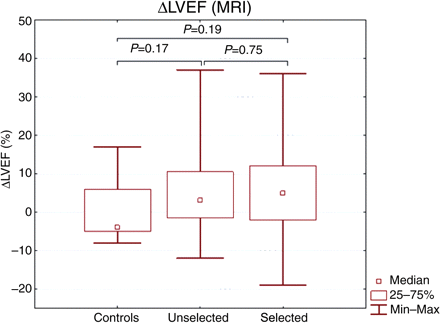
As you can see, the control group patients experienced a decrease in their ejection fractions, but the two bone marrow-treated groups experienced an increase, even if it was slight. The figure below shows the data for the sickest patients.
As can be seen, for those patients with the sickest hearts there was a significant difference in the increase in the injection fraction and other heart-associated factors. For this reason, this study does not seem definitive. There were three deaths (one in each group), no strokes, four heart attacks (two in the controls and one in each experimental group), and a low rate of re-narrowing of the heart blood vessels. Since this is from 200 total patients, this is a very low rate of adverse events.
15. Jay H. Tendera, et al. Results of a phase 1, randomized, double-blind, placebo-controlled trial of bone marrow mononuclear stem cell administration in patients following ST-elevation myocardial infarction. American Heart Journal 2010;160:428-34. In this study forty patients were treated with either intracoronary bone marrow cells or a placebo. The two groups showed no significant differences in ejection fraction after six months, but the bone marrow-treated group showed no enlargement of the heart in response to the heart attack, whereas the control group did. No adverse heart events occurred.
This summarizes the clinical trials that used bone marrow to treat patients who had experienced recent heart attacks (acute myocardial infarctions). The preponderance of the data clearly shows that this procedure is safe, and effective to treat heart attacks. Secondly, several analyses that take the data from these trials and group them together into one gigantic study (meta-analysis) have been published, and these studies also show that bone marrow treatments for recent heart attacks are safe and effective (for example, see Meng Jiang, et al. Randomized controlled trials on the therapeutic effects of adult progenitor cells for myocardial infarction: meta-analysis. Expert Opinion on Biological Therapy 2010;10(5):667-80).
A new take on efficient delivery in regenerative medicine
Nov 14, 2013 · by David O’Connell http://transbiotex.wordpress.com/

Related articles
StemCells, Inc. Launches Alzheimer’s Disease Program Supported by California Institute for Regenerative Medicine (pharmaceuticalintelligence.com)
Introduction to Regenerative Therapy: How It Works (pharmaceuticalintelligence.com)
How nanotechnology can advance regenerative medicine (transbiotex.wordpress.com)
The Global Revolution in Biotechnology and the Impact of Regenerative Medicine (transbiotex.wordpress.com)
New Company Applies Regenerative Medicine to Corneal Transplants (transbiotex.wordpress.com)
Institute for Regenerative Medicine to Lead National Effort to Aid Wounded Warriors (transbiotex.wordpress.com)
The Alliance for Regenerative Medicine Gains Bipartisan Support for Gao Assessment of Federal Regenerative Medicine Activities (transbiotex.wordpress.com)
Joint development of the world’s first regenerative medicine/cell therapy business based on iPS cell technology
Dec 2, 2013 · by David O’Connell http://transbiotex.wordpress.com/
Healios & Dainippon Sumitomo Pharma in $50.6M Deal to form an alliance in regenerative medicine and cell therapy
Startup to Strengthen Synthetic Biology and Regenerative Medicine Industries with Cutting Edge Cell Products
Nov 28, 2013 · by David O’Connell http://transbiotex.wordpress.com/

Dr. Jon Rowley and Dr. Uplaksh Kumar, Co-Founders of RoosterBio, Inc., a newly formed biotech startup located in Frederick, are paving the way for even more innovation in the rapidly growing fields of Synthetic Biology and Regenerative Medicine
Dr. Jon Rowley and Dr. Uplaksh Kumar, Co-Founders of RoosterBio, Inc., a newly formed biotech startup located in Frederick, are paving the way for even more innovation in the rapidly growing fields of Synthetic Biology and Regenerative Medicine. Synthetic Biology combines engineering principles with basic science to build biological products, including regenerative medicines and cellular therapies. Regenerative medicine is a broad definition for innovative medical therapies that will enable the body to repair, replace, restore and regenerate damaged or diseased cells, tissues and organs. Regenerative therapies that are in clinical trials today may enable repair of damaged heart muscle following heart attack, replacement of skin for burn victims, restoration of movement after spinal cord injury, regeneration of pancreatic tissue for insulin production in diabetics and provide new treatments for Parkinson’s and Alzheimer’s diseases, to name just a few applications.
While the potential of the field is promising, the pace of development has been slow. One main reason for this is that the living cells required for these therapies are cost-prohibitive and not supplied at volumes that support many research and product development efforts. RoosterBio will manufacture large quantities of standardized primary cells at high quality and low cost, which will quicken the pace of scientific discovery and translation to the clinic. “Our goal is to accelerate the development of products that incorporate living cells by providing abundant, affordable and high quality materials to researchers that are developing and commercializing these regenerative technologies” says Dr. Rowley.
RoosterBio’s current focus is to supply high volume research-grade cells manufactured with processes consistent with current Good Manufacturing Practices (cGMP). These cells will be used for tissue engineering research and cell-based product development. This will position RoosterBio to quickly move on to producing clinical-grade cells to be used in translational R&D and clinical studies.
“We have spent almost 20 years as cell and tissue technologists and have lived with the pain of needing to generate large amounts of cells for experiments this whole time. RoosterBio was founded to address this problem for cell and tissue engineers, saving them time and money, and accelerating their path to the clinic,” says Dr. Rowley. RoosterBio will supply cells, starting with adult human bone marrow-derived stem cells, at volumes that will allow for a more rapid pace of experimentation in the lab.
“We will also offer paired media that has been engineered to quickly and efficiently expand the supplied cells to hundreds of millions or billions of cells within 1-2 weeks, something that would take 4-8 weeks using cell and media systems currently on the market,” adds Dr. Kumar. “We aim to usher in a new era of productivity to the field, and we believe that our products will at least triple the efficiency of the average laboratory”.
RoosterBio, Inc. is located in the Frederick Innovative Technology Center on Metropolitan Court in Frederick. Dr. Rowley entered into the incubation program in October of this year, and already gained four full time employees, and has several academic and industrial collaborators lined up. This team has made remarkable progress and are already poised for their official product launch for their human bone marrow-derived Mesenchymal Stem Cells (hBM-MSC), anticipated in March 2014.
RoosterBio’s product formats have been extraordinarily well received by the market, and RoosterBio has already secured customers who are anxiously awaiting their product launch. “I am excited to see that someone is taking on the challenge of providing a sufficient number of MSCs to immediately start experiments upon their receipt. This saves us several weeks of time upfront waiting for cells to expand to volumes that allow us to begin experiments,” says Todd McDevitt, Director of the Stem Cell Engineering Center at the Georgia Institute of Technology. “For tissue engineering folks like myself, this means we can focus our time on high priority research questions and not spend the majority of our time performing routine cell culture.”
The Tissue Engineering and Regenerative Medicine industry is one of the fastest growing in the life science sector with the total expenditure in 2011 at $17.1 billion. This number is expected to increase in 2020 to $40.5 billion. The sales of stem cell products accounted for $1.38 billion in 2010 and is expected to reach $3.9 billion by the year 2014 and $8 billion in annual revenues by 2020.
About RoosterBio
RoosterBio is focused on building a robust and sustainable Regenerative Medicine industry. Our products are affordable and standardized primary cells and media, manufactured and delivered with highest quality and in formats that simplify product development efforts. RoosterBio products will accelerate the translation of cell therapy and tissue engineering technologies into the clinic.
Related articles in Pharmaceutical Intelligence:
Reprogramming Induced Pleuripotent Stem Cells
http://pharmaceuticalintelligence.com/2013/12/08/reprogramming-induced-pleuripotent-stem-cells/
Growing Skeletal Muscle in the Laboratory
http://pharmaceuticalintelligence.com/2013/12/08/growing-skeletal-muscle-in-the-laboratory/
Understanding the Beginnings of Embryonic Stem Cells Helps Predict the Future
Human Stem Cells Elucidate the Mechanisms of Beta-Cell Failure in Diabetes
Brown Fat Stem Cells for Treating Diabetes and Obesity
Stem Cells Build “Biobridges” to Aid Brain Repair
http://pharmaceuticalintelligence.com/2013/11/30/stem-cells-build-biobridges-to-aid-brain-repair/
Brain stem cells in the dentate gyrus make new memories and help keep old ones
Human neural stem cells could meet the clinical problem of critical limb ischemia – Science Codex
Reprogramming Cell in Tissue Repair
http://pharmaceuticalintelligence.com/2013/11/28/reprogramming-cell-in-tissue-repair/
Startup to Strengthen Synthetic Biology and Regenerative Medicine Industries with Cutting Edge Cell Products
A protocol for direct reprogramming of fibroblasts into motor neurons
Regenerative medicine certification system eyed
http://pharmaceuticalintelligence.com/2013/11/24/regenerative-medicine-certification-system-eyed/
Regenerative medicine safety to be ensured by law – Japan
Regenerative Medicine: Engineering Its Continued Success
Investigational Bioengineered Blood Vessel: Humacyte Presents Interim First-in-Human Data at the American Heart Association (AHA) Scientific Sessions 2013
Stem Cells and Society, charting a course for the future
A new take on efficient delivery in regenerative medicine
Stem cell treatment may become option to treat nonhealing bone fractures
Humacyte, Inc., presented the Results of Foundational U.S. Preclinical Studies of its Investigational Bioengineered blood vessel at the American Society of Nephrology’s ‘Kidney Week 2013’ Annual Meeting in Atlanta, GA.
Healing the Heart
http://greglw.com/2007/02/01/healing-the-heart/
http://pharmaceuticalintelligence.com/2013/11/13/healing-the-heart/
StemCells, Inc. Launches Alzheimer’s Disease Program Supported by California Institute for Regenerative Medicine
Tackling diabetes treatment from a different angle
http://pharmaceuticalintelligence.com/2013/11/13/tackling-diabetes-treatment-from-a-different-angle/
Introduction to Regenerative Therapy: How It Works
http://pharmaceuticalintelligence.com/2013/11/12/introduction-to-regenerative-therapy-how-it-works/
STEM CELLS IN RADIATION SICKNESS TREATMENTS
http://pharmaceuticalintelligence.com/2013/11/11/stem-cells-in-radiation-sickness-treatments/
How best to deliver stem cells to the heart?
http://pharmaceuticalintelligence.com/2013/11/10/how-best-to-deliver-stem-cells-to-the-heart/
Transplantation of modified human adipose derived stromal cells expressing VEGF165
Intracoronary Transplantation of Progenitor Cells after Acute MI
http://pharmaceuticalintelligence.com/2013/11/02/progenitor-cells-coronary-graft-after-ami/
Three-Dimensional Fibroblast Matrix Improves Left Ventricular Function Post MI
Stem Cell Therapy for Coronary Artery Disease (CAD)
http://pharmaceuticalintelligence.com/2013/11/02/stem-cell-therapy-for-coronary-heart-disease/
Follow Blog via Email
Join 2,040 other subscribers-
Recent Posts
- Protected: KOL on Competitive Dynamics: LPBI Group’s Founder’s Radar Screens on AI in Health, Life Sciences & BioPharma June 15, 2026
- Tumor Infiltrating Lymphocytes (TIL) as a first of kind FDA approved immunotherapy for cancer June 12, 2026
- A Systematic Analysis of Competitive Dynamics in the AI Revolution — Strategic Relevance to LPBI Group’s Mission – Alex Wissner-Gross Daily Newsletters by KOL (March 1 – June 10, 2026, to be extended to Present) June 11, 2026
- In Memoriam: Professor Yitzhak Apeloig, President and Distinguised Professor of the Technion June 4, 2026
- Top VC Investors in AI / Health AI in 2026 May 26, 2026
- Grok thinks like PhDs – Hybrid Model for Autonomous Update of Doctoral Dissertations with Original PhD Student Author editing and acceptance of Grok’s updated output. 3rd Joint article, a pilot study for Validation of an Autonomous Journal Articles Updating System (AJAUS) tested on Autonomous Update of Aviva Lev-Ari, PhD, RN Doctoral Thesis, UC, Berkeley, 1983. January 31, 2026
- 2026 World Economic Forum, 1/19 – 1/23/2026, Davos, Switzerland, LPBI Group’s KOLs interpretation of AI in Health Videos January 24, 2026
- Evolving LPBI Group’s Portfolio of Intellectual Properties (IP): From 2021 Vision to 2026 Reality January 12, 2026
- Aviva Lev-Ari, PhD, RN – Biography ->> Grokepedia Entry January 11, 2026
- List of Articles included in the Article SELECTION from Collection of Aviva Lev-Ari, PhD, RN Scientific Articles on PULSE on LinkedIn.com for Training Small Language Models (SLMs) in Domain-aware Content of Medical, Pharmaceutical, Life Sciences and Healthcare by 15 Subjects Matter January 10, 2026
Archives
Categories
Meta
 2012pharmaceutical
 sjwilliamspa


