Feeds:
Posts
Comments

Archive for the ‘Population Health Management’ Category

US Responses to Coronavirus Outbreak Expose Many Flaws in Our Medical System

US Responses to Coronavirus Outbreak Expose Many Flaws in Our Medical System

Curator: Stephen J. Williams, Ph.D.

The  coronavirus pandemic has affected almost every country in every continent however, after months of the novel advent of novel COVID-19 cases, it has become apparent that the varied clinical responses in this epidemic (and outcomes) have laid bare some of the strong and weak aspects in, both our worldwide capabilities to respond to infectious outbreaks in a global coordinated response and in individual countries’ response to their localized epidemics.


Some nations, like Israel, have initiated a coordinated government-private-health system wide action plan and have shown success in limiting both new cases and COVID-19 related deaths.  After the initial Wuhan China outbreak, China closed borders and the government initiated health related procedures including the building of new hospitals. As of writing today, Wuhan has experienced no new cases of COVID-19 for two straight days.


However, the response in the US has been perplexing and has highlighted some glaring problems that have been augmented in this crisis, in the view of this writer.    In my view, which has been formulated after social discussion with members in the field ,these issues can be centered on three major areas of deficiencies in the United States that have hindered a rapid and successful response to this current crisis and potential future crises of this nature.


  1. The mistrust or misunderstanding of science in the United States
  2. Lack of communication and connection between patients and those involved in the healthcare industry
  3. Socio-geographical inequalities within the US healthcare system


1. The mistrust or misunderstanding of science in the United States


For the past decade, anyone involved in science, whether directly as active bench scientists, regulatory scientists, scientists involved in science and health policy, or environmental scientists can attest to the constant pressure to not only defend their profession but also to defend the entire scientific process and community from an onslaught of misinformation, mistrust and anxiety toward the field of science.  This can be seen in many of the editorials in scientific publications including the journal Science and Scientific American (as shown below)


Stepping Away from Microscopes, Thousands Protest War on Science

Boston rally coincides with annual American Association for the Advancement of Science (AAAS) conference and is a precursor to the March for Science in Washington, D.C.

byLauren McCauley, staff writer

Responding to the troubling suppression of science under the Trump administration, thousands of scientists, allies, and frontline communities are holding a rally in Boston’s Copley Square on Sunday.

#standupforscience Tweets


“Science serves the common good,” reads the call to action. “It protects the health of our communities, the safety of our families, the education of our children, the foundation of our economy and jobs, and the future we all want to live in and preserve for coming generations.”

It continues: 

But it’s under attack—both science itself, and the unalienable rights that scientists help uphold and protect. 

From the muzzling of scientists and government agencies, to the immigration ban, the deletion of scientific data, and the de-funding of public science, the erosion of our institutions of science is a dangerous direction for our country. Real people and communities bear the brunt of these actions.

The rally was planned to coincide with the annual American Association for the Advancement of Science (AAAS) conference, which draws thousands of science professionals, and is a precursor to the March for Science in Washington, D.C. and in cities around the world on April 22.


Source: https://www.commondreams.org/news/2017/02/19/stepping-away-microscopes-thousands-protest-war-science

https://images.app.goo.gl/UXizCsX4g5wZjVtz9


https://www.washingtonpost.com/video/c/embed/85438fbe-278d-11e7-928e-3624539060e8


The American Association for Cancer Research (AACR) also had marches for public awareness of science and meaningful science policy at their annual conference in Washington, D.C. in 2017 (see here for free recordings of some talks including Joe Biden’s announcement of the Cancer Moonshot program) and also sponsored events such as the Rally for Medical Research.  This patient advocacy effort is led by the cancer clinicians and scientific researchers to rally public support for cancer research for the benefit of those affected by the disease.

Source: https://leadingdiscoveries.aacr.org/cancer-patients-front-and-center/


     However, some feel that scientists are being too sensitive and that science policy and science-based decision making may not be under that much of a threat in this country. Yet even as some people think that there is no actual war on science and on scientists they realize that the public is not engaged in science and may not be sympathetic to the scientific process or trust scientists’ opinions. 


From Scientific American: Is There Really a War on Science? People who oppose vaccines, GMOs and climate change evidence may be more anxious than antagonistic


Certainly, opponents of genetically modified crops, vaccinations that are required for children and climate science have become louder and more organized in recent times. But opponents typically live in separate camps and protest single issues, not science as a whole, said science historian and philosopher Roberta Millstein of the University of California, Davis. She spoke at a standing-room only panel session at the American Association for the Advancement of Science’s annual meeting, held in Washington, D.C. All the speakers advocated for a scientifically informed citizenry and public policy, and most discouraged broadly applied battle-themed rhetoric.


Source: https://www.scientificamerican.com/article/is-there-really-a-war-on-science/


      In general, it appears to be a major misunderstanding by the public of the scientific process, and principles of scientific discovery, which may be the fault of miscommunication by scientists or agendas which have the goals of subverting or misdirecting public policy decisions from scientific discourse and investigation.


This can lead to an information vacuum, which, in this age of rapid social media communication,

can quickly perpetuate misinformation.


This perpetuation of misinformation was very evident in a Twitter feed discussion with Dr. Eric Topol, M.D. (cardiologist and Founder and Director of the Scripps Research Translational  Institute) on the US President’s tweet on the use of the antimalarial drug hydroxychloroquine based on President Trump referencing a single study in the International Journal of Antimicrobial Agents.  The Twitter thread became a sort of “scientific journal club” with input from international scientists discussing and critiquing the results in the paper.  


Please note that when we scientists CRITIQUE a paper it does not mean CRITICIZE it.  A critique is merely an in depth analysis of the results and conclusions with an open discussion on the paper.  This is part of the normal peer review process.


Below is the original Tweet by Dr. Eric Topol as well as the ensuing tweet thread


https://twitter.com/EricTopol/status/1241442247133900801?s=20


Within the tweet thread it was discussed some of the limitations or study design flaws of the referenced paper leading the scientists in this impromptu discussion that the study could not reasonably conclude that hydroxychloroquine was not a reliable therapeutic for this coronavirus strain.


The lesson: The public has to realize CRITIQUE does not mean CRITICISM.


Scientific discourse has to occur to allow for the proper critique of results.  When this is allowed science becomes better, more robust, and we protect ourselves from maybe heading down an incorrect path, which may have major impacts on a clinical outcome, in this case.


2.  Lack of communication and connection between patients and those involved in the healthcare industry


In normal times, it is imperative for the patient-physician relationship to be intact in order for the physician to be able to communicate proper information to their patient during and after therapy/care.  In these critical times, this relationship and good communication skills becomes even more important.


Recently, I have had multiple communications, either through Twitter, Facebook, and other social media outlets with cancer patients, cancer advocacy groups, and cancer survivorship forums concerning their risks of getting infected with the coronavirus and how they should handle various aspects of their therapy, whether they were currently undergoing therapy or just about to start chemotherapy.  This made me realize that there were a huge subset of patients who were not receiving all the information and support they needed; namely patients who are immunocompromised.


These are patients represent

  1. cancer patient undergoing/or about to start chemotherapy
  2. Patients taking immunosuppressive drugs: organ transplant recipients, patients with autoimmune diseases, multiple sclerosis patients
  3. Patients with immunodeficiency disorders


These concerns prompted me to write a posting curating the guidance from National Cancer Institute (NCI) designated cancer centers to cancer patients concerning their risk to COVID19 (which can be found here).


Surprisingly, there were only 14 of the 51 US NCI Cancer Centers which had posted guidance (either there own or from organizations like NCI or the National Cancer Coalition Network (NCCN).  Most of the guidance to patients had stemmed from a paper written by Dr. Markham of the Fred Hutchinson Cancer Center in Seattle Washington, the first major US city which was impacted by COVID19.


Also I was surprised at the reactions to this posting, with patients and oncologists enthusiastic to discuss concerns around the coronavirus problem.  This led to having additional contact with patients and oncologists who, as I was surprised, are not having these conversations with each other or are totally confused on courses of action during this pandemic.  There was a true need for each party, both patients/caregivers and physicians/oncologists to be able to communicate with each other and disseminate good information.


Last night there was a Tweet conversation on Twitter #OTChat sponsored by @OncologyTimes.  A few tweets are included below

https://twitter.com/OncologyTimes/status/1242611841613864960?s=20

https://twitter.com/OncologyTimes/status/1242616756658753538?s=20

https://twitter.com/OncologyTimes/status/1242615906846547978?s=20


The Lesson:  Rapid Communication of Vital Information in times of stress is crucial in maintaining a good patient/physician relationship and preventing Misinformation.


3.  Socio-geographical Inequalities in the US Healthcare System

It has become very clear that the US healthcare system is fractioned and multiple inequalities (based on race, sex, geography, socio-economic status, age) exist across the whole healthcare system.  These inequalities are exacerbated in times of stress, especially when access to care is limited.


An example:


On May 12, 2015, an Amtrak Northeast Regional train from Washington, D.C. bound for New York City derailed and wrecked on the Northeast Corridor in the Port Richmond neighborhood of Philadelphia, Pennsylvania. Of 238 passengers and 5 crew on board, 8 were killed and over 200 injured, 11 critically. The train was traveling at 102 mph (164 km/h) in a 50 mph (80 km/h) zone of curved tracks when it derailed.[3]

Some of the passengers had to be extricated from the wrecked cars. Many of the passengers and local residents helped first responders during the rescue operation. Five local hospitals treated the injured. The derailment disrupted train service for several days. 

(Source Wikipedia https://en.wikipedia.org/wiki/2015_Philadelphia_train_derailment)

What was not reported was the difficulties that first responders, namely paramedics had in finding an emergency room capable of taking on the massive load of patients.  In the years prior to this accident, several hospitals, due to monetary reasons, had to close their emergency rooms or reduce them in size. In addition only two in Philadelphia were capable of accepting gun shot victims (Temple University Hospital was the closest to the derailment but one of the emergency rooms which would accept gun shot victims. This was important as Temple University ER, being in North Philadelphia, is usually very busy on any given night.  The stress to the local health system revealed how one disaster could easily overburden many hospitals.


Over the past decade many hospitals, especially rural hospitals, have been shuttered or consolidated into bigger health systems.  The graphic below shows this

From Bloomberg: US Hospital Closings Leave Patients with Nowhere to go


https://images.app.goo.gl/JdZ6UtaG3Ra3EA3J8


Note the huge swath of hospital closures in the midwest, especially in rural areas.  This has become an ongoing problem as the health care system deals with rising costs.


Lesson:  Epidemic Stresses an already stressed out US healthcare system


Please see our Coronavirus Portal at

https://pharmaceuticalintelligence.com/coronavirus-portal/


for more up-to-date scientific, clinical information as well as persona stories, videos, interviews and economic impact analyses

and @pharma_BI

Read Full Post »

Structure-guided Drug Discovery: (1) The Coronavirus 3CL hydrolase (Mpro) enzyme (main protease) essential for proteolytic maturation of the virus and (2) viral protease, the RNA polymerase, the viral spike protein, a viral RNA as promising two targets for discovery of cleavage inhibitors of the viral spike polyprotein preventing the Coronavirus Virion the spread of infection


Curators and Reporters: Stephen J. Williams, PhD and Aviva Lev-Ari, PhD, RN


Therapeutical options to coronavirus (2019-nCoV) include consideration of the following:

(a) Monoclonal and polyclonal antibodies

(b)  Vaccines

(c)  Small molecule treatments (e.g., chloroquinolone and derivatives), including compounds already approved for other indications 

(d)  Immuno-therapies derived from human or other sources


Structure of the nCoV trimeric spike

The World Health Organization has declared the outbreak of a novel coronavirus (2019-nCoV) to be a public health emergency of international concern. The virus binds to host cells through its trimeric spike glycoprotein, making this protein a key target for potential therapies and diagnostics. Wrapp et al. determined a 3.5-angstrom-resolution structure of the 2019-nCoV trimeric spike protein by cryo–electron microscopy. Using biophysical assays, the authors show that this protein binds at least 10 times more tightly than the corresponding spike protein of severe acute respiratory syndrome (SARS)–CoV to their common host cell receptor. They also tested three antibodies known to bind to the SARS-CoV spike protein but did not detect binding to the 2019-nCoV spike protein. These studies provide valuable information to guide the development of medical counter-measures for 2019-nCoV. [Bold Face Added by ALA]

Science, this issue p. 1260

Abstract

The outbreak of a novel coronavirus (2019-nCoV) represents a pandemic threat that has been declared a public health emergency of international concern. The CoV spike (S) glycoprotein is a key target for vaccines, therapeutic antibodies, and diagnostics. To facilitate medical countermeasure development, we determined a 3.5-angstrom-resolution cryo–electron microscopy structure of the 2019-nCoV S trimer in the prefusion conformation. The predominant state of the trimer has one of the three receptor-binding domains (RBDs) rotated up in a receptor-accessible conformation. We also provide biophysical and structural evidence that the 2019-nCoV S protein binds angiotensin-converting enzyme 2 (ACE2) with higher affinity than does severe acute respiratory syndrome (SARS)-CoV S. Additionally, we tested several published SARS-CoV RBD-specific monoclonal antibodies and found that they do not have appreciable binding to 2019-nCoV S, suggesting that antibody cross-reactivity may be limited between the two RBDs. The structure of 2019-nCoV S should enable the rapid development and evaluation of medical countermeasures to address the ongoing public health crisis.

SOURCE
Cryo-EM structure of the 2019-nCoV spike in the prefusion conformation
  1. Department of Molecular Biosciences, The University of Texas at Austin, Austin, TX 78712, USA.

  2. 2Vaccine Research Center, National Institute of Allergy and Infectious Diseases, National Institutes of Health, Bethesda, MD 20892, USA.
  1. ↵†Corresponding author. Email: jmclellan@austin.utexas.edu
  1. ↵* These authors contributed equally to this work.

Science  13 Mar 2020:
Vol. 367, Issue 6483, pp. 1260-1263
DOI: 10.1126/science.abb2507


02/04/2020

New Coronavirus Protease Structure Available

PDB data provide a starting point for structure-guided drug discovery

A high-resolution crystal structure of COVID-19 (2019-nCoV) coronavirus 3CL hydrolase (Mpro) has been determined by Zihe Rao and Haitao Yang’s research team at ShanghaiTech University. Rapid public release of this structure of the main protease of the virus (PDB 6lu7) will enable research on this newly-recognized human pathogen.

Recent emergence of the COVID-19 coronavirus has resulted in a WHO-declared public health emergency of international concern. Research efforts around the world are working towards establishing a greater understanding of this particular virus and developing treatments and vaccines to prevent further spread.

While PDB entry 6lu7 is currently the only public-domain 3D structure from this specific coronavirus, the PDB contains structures of the corresponding enzyme from other coronaviruses. The 2003 outbreak of the closely-related Severe Acute Respiratory Syndrome-related coronavirus (SARS) led to the first 3D structures, and today there are more than 200 PDB structures of SARS proteins. Structural information from these related proteins could be vital in furthering our understanding of coronaviruses and in discovery and development of new treatments and vaccines to contain the current outbreak.

The coronavirus 3CL hydrolase (Mpro) enzyme, also known as the main protease, is essential for proteolytic maturation of the virus. It is thought to be a promising target for discovery of small-molecule drugs that would inhibit cleavage of the viral polyprotein and prevent spread of the infection.

Comparison of the protein sequence of the COVID-19 coronavirus 3CL hydrolase (Mpro) against the PDB archive identified 95 PDB proteins with at least 90% sequence identity. Furthermore, these related protein structures contain approximately 30 distinct small molecule inhibitors, which could guide discovery of new drugs. Of particular significance for drug discovery is the very high amino acid sequence identity (96%) between the COVID-19 coronavirus 3CL hydrolase (Mpro) and the SARS virus main protease (PDB 1q2w). Summary data about these closely-related PDB structures are available (CSV) to help researchers more easily find this information. In addition, the PDB houses 3D structure data for more than 20 unique SARS proteins represented in more than 200 PDB structures, including a second viral protease, the RNA polymerase, the viral spike protein, a viral RNA, and other proteins (CSV).

Public release of the COVID-19 coronavirus 3CL hydrolase (Mpro), at a time when this information can prove most vital and valuable, highlights the importance of open and timely availability of scientific data. The wwPDB strives to ensure that 3D biological structure data remain freely accessible for all, while maintaining as comprehensive and accurate an archive as possible. We hope that this new structure, and those from related viruses, will help researchers and clinicians address the COVID-19 coronavirus global public health emergency.

Update: Released COVID-19-related PDB structures include

  • PDB structure 6lu7 (X. Liu, B. Zhang, Z. Jin, H. Yang, Z. Rao Crystal structure of COVID-19 main protease in complex with an inhibitor N3 doi: 10.2210/pdb6lu7/pdb) Released 2020-02-05
  • PDB structure 6vsb (D. Wrapp, N. Wang, K.S. Corbett, J.A. Goldsmith, C.-L. Hsieh, O. Abiona, B.S. Graham, J.S. McLellan (2020) Cryo-EM structure of the 2019-nCoV spike in the prefusion conformation Science doi: 10.1126/science.abb2507) Released 2020-02-26
  • PDB structure 6lxt (Y. Zhu, F. Sun Structure of post fusion core of 2019-nCoV S2 subunit doi: 10.2210/pdb6lxt/pdb) Released 2020-02-26
  • PDB structure 6lvn (Y. Zhu, F. Sun Structure of the 2019-nCoV HR2 Domain doi: 10.2210/pdb6lvn/pdb) Released 2020-02-26
  • PDB structure 6vw1
    J. Shang, G. Ye, K. Shi, Y.S. Wan, H. Aihara, F. Li Structural basis for receptor recognition by the novel coronavirus from Wuhan doi: 10.2210/pdb6vw1/pdb
    Released 2020-03-04
  • PDB structure 6vww
    Y. Kim, R. Jedrzejczak, N. Maltseva, M. Endres, A. Godzik, K. Michalska, A. Joachimiak, Center for Structural Genomics of Infectious Diseases Crystal Structure of NSP15 Endoribonuclease from SARS CoV-2 doi: 10.2210/pdb6vww/pdb
    Released 2020-03-04
  • PDB structure 6y2e
    L. Zhang, X. Sun, R. Hilgenfeld Crystal structure of the free enzyme of the SARS-CoV-2 (2019-nCoV) main protease doi: 10.2210/pdb6y2e/pdb
    Released 2020-03-04
  • PDB structure 6y2f
    L. Zhang, X. Sun, R. Hilgenfeld Crystal structure (monoclinic form) of the complex resulting from the reaction between SARS-CoV-2 (2019-nCoV) main protease and tert-butyl (1-((S)-1-(((S)-4-(benzylamino)-3,4-dioxo-1-((S)-2-oxopyrrolidin-3-yl)butan-2-yl)amino)-3-cyclopropyl-1-oxopropan-2-yl)-2-oxo-1,2-dihydropyridin-3-yl)carbamate (alpha-ketoamide 13b) doi: 10.2210/pdb6y2f/pdb
    Released 2020-03-04
  • PDB structure 6y2g
    L. Zhang, X. Sun, R. Hilgenfeld Crystal structure (orthorhombic form) of the complex resulting from the reaction between SARS-CoV-2 (2019-nCoV) main protease and tert-butyl (1-((S)-1-(((S)-4-(benzylamino)-3,4-dioxo-1-((S)-2-oxopyrrolidin-3-yl)butan-2-yl)amino)-3-cyclopropyl-1-oxopropan-2-yl)-2-oxo-1,2-dihydropyridin-3-yl)carbamate (alpha-ketoamide 13b) doi: 10.2210/pdb6y2g/pdb
    Released 2020-03-04
First page image

Abstract

Coronavirus disease 2019 (COVID-19) is a global pandemic impacting nearly 170 countries/regions and more than 285,000 patients worldwide. COVID-19 is caused by the Severe Acute Respiratory Syndrome Coronavirus-2 (SARS-CoV-2), which invades cells through the angiotensin converting enzyme 2 (ACE2) receptor. Among those with COVID-19, there is a higher prevalence of cardiovascular disease and more than 7% of patients suffer myocardial injury from the infection (22% of the critically ill). Despite ACE2 serving as the portal for infection, the role of ACE inhibitors or angiotensin receptor blockers requires further investigation. COVID-19 poses a challenge for heart transplantation, impacting donor selection, immunosuppression, and post-transplant management. Thankfully there are a number of promising therapies under active investigation to both treat and prevent COVID-19. Key Words: COVID-19; myocardial injury; pandemic; heart transplant

SOURCE

https://www.ahajournals.org/doi/pdf/10.1161/CIRCULATIONAHA.120.046941

ACE2

  • Towler P, Staker B, Prasad SG, Menon S, Tang J, Parsons T, Ryan D, Fisher M, Williams D, Dales NA, Patane MA, Pantoliano MW (Apr 2004). “ACE2 X-ray structures reveal a large hinge-bending motion important for inhibitor binding and catalysis”. The Journal of Biological Chemistry. 279 (17): 17996–8007. doi:10.1074/jbc.M311191200. PMID 14754895.


  • Turner AJ, Tipnis SR, Guy JL, Rice G, Hooper NM (Apr 2002). “ACEH/ACE2 is a novel mammalian metallocarboxypeptidase and a homologue of angiotensin-converting enzyme insensitive to ACE inhibitors”. Canadian Journal of Physiology and Pharmacology. 80 (4): 346–53. doi:10.1139/y02-021. PMID 12025971.


  •  Zhang, Haibo; Penninger, Josef M.; Li, Yimin; Zhong, Nanshan; Slutsky, Arthur S. (3 March 2020). “Angiotensin-converting enzyme 2 (ACE2) as a SARS-CoV-2 receptor: molecular mechanisms and potential therapeutic target”. Intensive Care Medicine. Springer Science and Business Media LLC. doi:10.1007/s00134-020-05985-9. ISSN 0342-4642. PMID 32125455.


  • ^ Gurwitz, David (2020). “Angiotensin receptor blockers as tentative SARS‐CoV‐2 therapeutics”. Drug Development Research. doi:10.1002/ddr.21656. PMID 32129518.


Angiotensin converting enzyme 2 (ACE2)

is an exopeptidase that catalyses the conversion of angiotensin I to the nonapeptide angiotensin[1-9][5] or the conversion of angiotensin II to angiotensin 1-7.[6][7] ACE2 has direct effects on cardiac functiona and is expressed predominantly in vascular endothelial cells of the heart and the kidneys.[8] ACE2 is not sensitive to the ACE inhibitor drugs used to treat hypertension.[9]

ACE2 receptors have been shown to be the entry point into human cells for some coronaviruses, including the SARS virus.[10] A number of studies have identified that the entry point is the same for SARS-CoV-2,[11] the virus that causes COVID-19.[12][13][14][15]

Some have suggested that a decrease in ACE2 could be protective against Covid-19 disease[16], but others have suggested the opposite, that Angiotensin II receptor blocker drugs could be protective against Covid-19 disease via increasing ACE2, and that these hypotheses need to be tested by datamining of clinical patient records.[17]

REFERENCES

https://en.wikipedia.org/wiki/Angiotensin-converting_enzyme_2


FOLDING@HOME TAKES UP THE FIGHT AGAINST COVID-19 / 2019-NCOV

We need your help! Folding@home is joining researchers around the world working to better understand the 2019 Coronavirus (2019-nCoV) to accelerate the open science effort to develop new life-saving therapies. By downloading Folding@Home, you can donate your unused computational resources to the Folding@home Consortium, where researchers working to advance our understanding of the structures of potential drug targets for 2019-nCoV that could aid in the design of new therapies. The data you help us generate will be quickly and openly disseminated as part of an open science collaboration of multiple laboratories around the world, giving researchers new tools that may unlock new opportunities for developing lifesaving drugs.

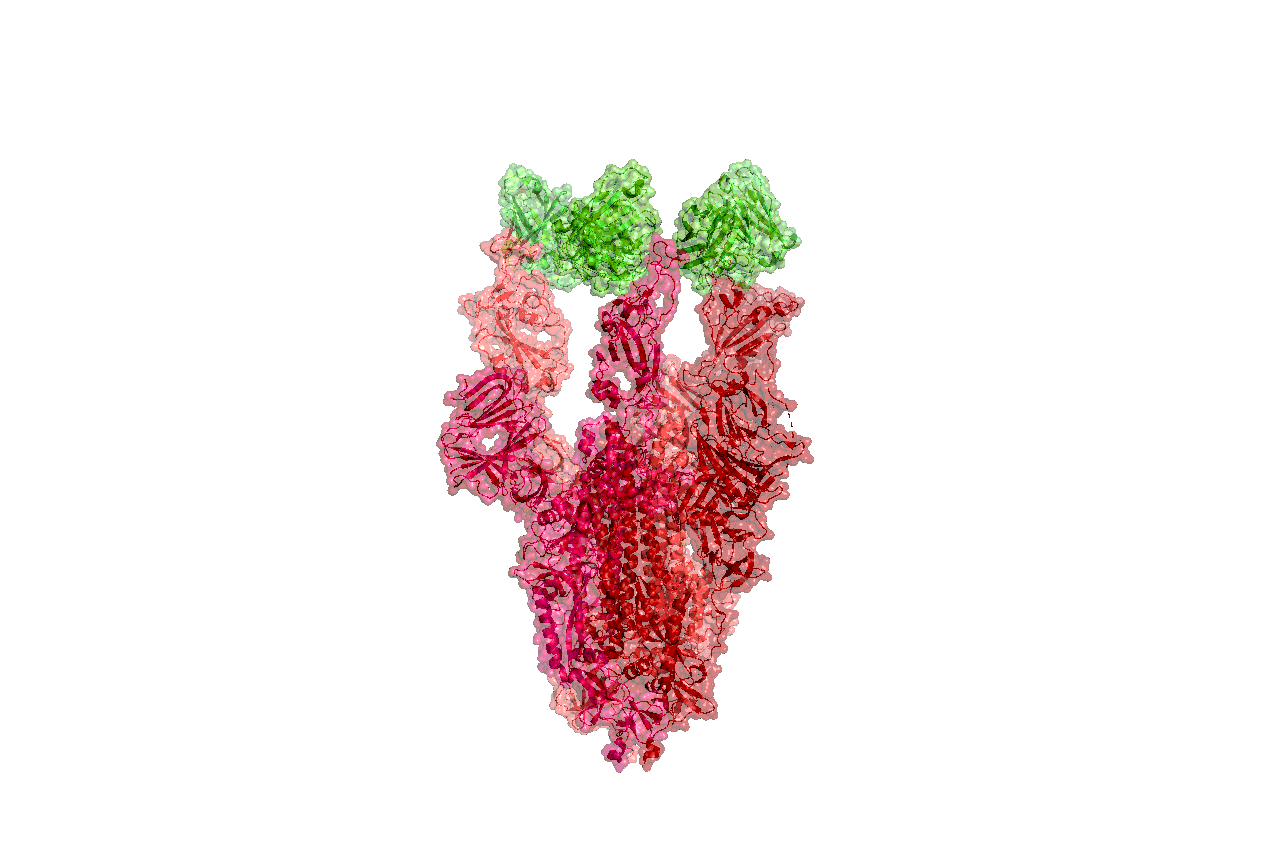
2019-nCoV is a close cousin to SARS coronavirus (SARS-CoV), and acts in a similar way. For both coronaviruses, the first step of infection occurs in the lungs, when a protein on the surface  of the virus binds to a receptor protein on a lung cell. This viral protein is called the spike protein, depicted in red in the image below, and the receptor is known as ACE2. A therapeutic antibody is a type of protein that can block the viral protein from binding to its receptor, therefore preventing the virus from infecting the lung cell. A therapeutic antibody has already been developed for SARS-CoV, but to develop therapeutic antibodies or small molecules for 2019-nCoV, scientists need to better understand the structure of the viral spike protein and how it binds to the human ACE2 receptor required for viral entry into human cells.

Proteins are not stagnant—they wiggle and fold and unfold to take on numerous shapes.  We need to study not only one shape of the viral spike protein, but all the ways the protein wiggles and folds into alternative shapes in order to best understand how it interacts with the ACE2 receptor, so that an antibody can be designed. Low-resolution structures of the SARS-CoV spike protein exist and we know the mutations that differ between SARS-CoV and 2019-nCoV.  Given this information, we are uniquely positioned to help model the structure of the 2019-nCoV spike protein and identify sites that can be targeted by a therapeutic antibody. We can build computational models that accomplish this goal, but it takes a lot of computing power.

This is where you come in! With many computers working towards the same goal, we aim to help develop a therapeutic remedy as quickly as possible. By downloading Folding@home here [LINK] and selecting to contribute to “Any Disease”, you can help provide us with the computational power required to tackle this problem. One protein from 2019-nCoV, a protease encoded by the viral RNA, has already been crystallized. Although the 2019-nCoV spike protein of interest has not yet been resolved bound to ACE2, our objective is to use the homologous structure of the SARS-CoV spike protein to identify therapeutic antibody targets.

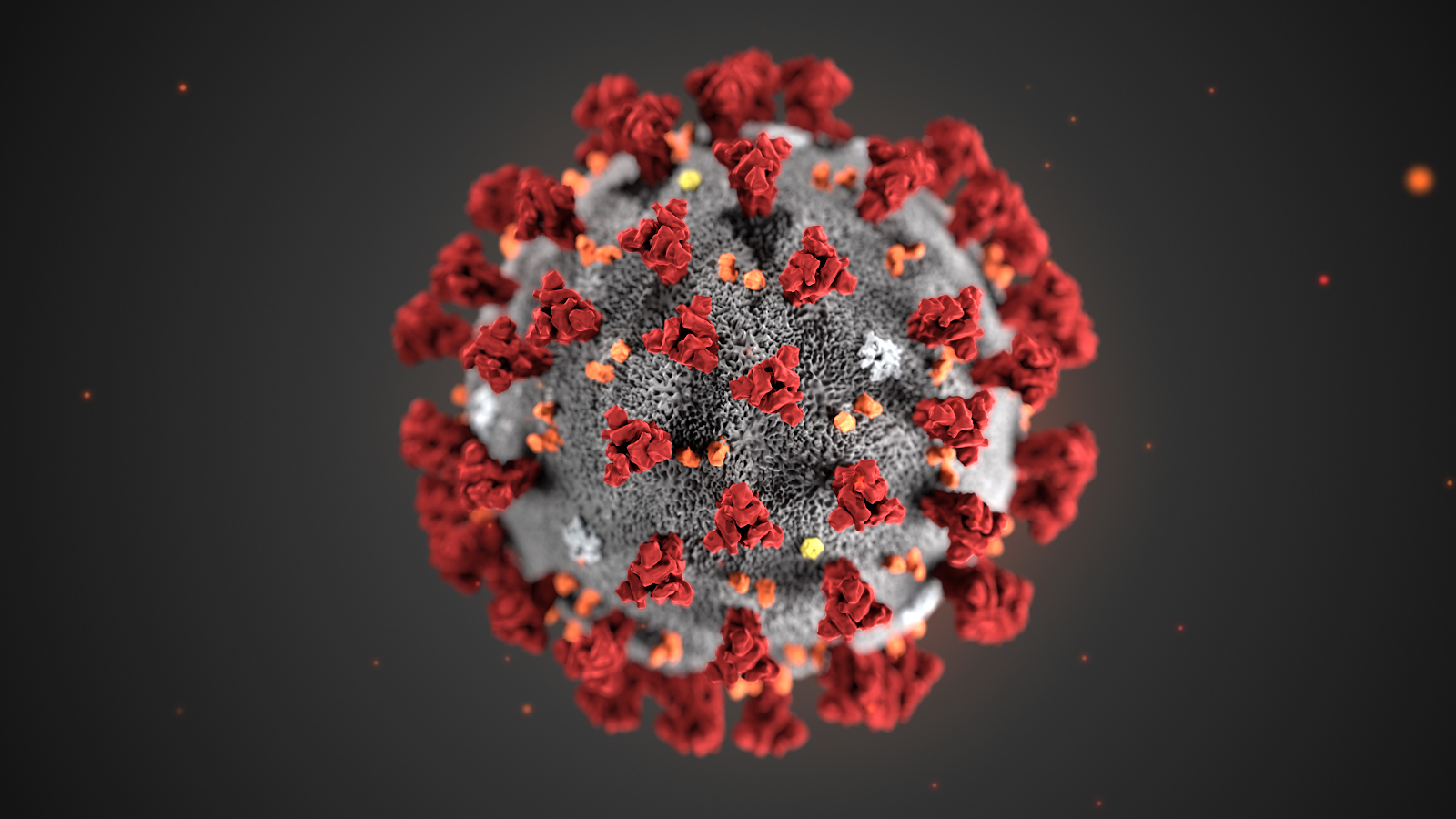
This illustration, created at the Centers for Disease Control and Prevention (CDC), reveals ultrastructural morphology exhibited by coronaviruses. Note the spikes that adorn the outer surface of the virus, which impart the look of a corona surrounding the virion, when viewed electron microscopically. A novel coronavirus virus was identified as the cause of an outbreak of respiratory illness first detected in Wuhan, China in 2019.

Image and Caption Credit: Alissa Eckert, MS; Dan Higgins, MAM available at https://phil.cdc.gov/Details.aspx?pid=23311

Structures of the closely related SARS-CoV spike protein bound by therapeutic antibodies may help rapidly design better therapies. The three monomers of the SARS-CoV spike protein are shown in different shades of red; the antibody is depicted in green. [PDB: 6NB7 https://www.rcsb.org/structure/6nb7]

(post authored by Ariana Brenner Clerkin)

References:

PDB 6lu7 structure summary ‹ Protein Data Bank in Europe (PDBe) ‹ EMBL-EBI https://www.ebi.ac.uk/pdbe/entry/pdb/6lu7 (accessed Feb 5, 2020).

Tian, X.; Li, C.; Huang, A.; Xia, S.; Lu, S.; Shi, Z.; Lu, L.; Jiang, S.; Yang, Z.; Wu, Y.; et al. Potent Binding of 2019 Novel Coronavirus Spike Protein by a SARS Coronavirus-Specific Human Monoclonal Antibody; preprint; Microbiology, 2020. https://doi.org/10.1101/2020.01.28.923011.

Walls, A. C.; Xiong, X.; Park, Y. J.; Tortorici, M. A.; Snijder, J.; Quispe, J.; Cameroni, E.; Gopal, R.; Dai, M.; Lanzavecchia, A.; et al. Unexpected Receptor Functional Mimicry Elucidates Activation of Coronavirus Fusion. Cell 2019, 176, 1026-1039.e15. https://doi.org/10.2210/pdb6nb7/pdb.

SOURCE

https://foldingathome.org/2020/02/27/foldinghome-takes-up-the-fight-against-covid-19-2019-ncov/

UPDATED 3/13/2020

I am reposting the following Science blog post from Derrick Lowe as is and ask people go browse through the comments on his Science blog In the Pipeline because, as Dr. Lowe states that in this current crisis it is important to disseminate good information as quickly as possible so wanted the readers here to have the ability to read his great posting on this matter of Covid-19.  Also i would like to direct readers to the journal Science opinion letter concerning how important it is to rebuild the trust in good science and the scientific process.  The full link for the following In the Pipeline post is: https://blogs.sciencemag.org/pipeline/archives/2020/03/06/covid-19-small-molecule-therapies-reviewed

A Summary of current potential repurposed therapeutics for COVID-19 Infection from In The Pipeline: A Science blog from Derick Lowe

Covid-19 Small Molecule Therapies Reviewed

Let’s take inventory on the therapies that are being developed for the coronavirus epidemic. Here is a very thorough list of at Biocentury, and I should note that (like Stat and several other organizations) they’re making all their Covid-19 content free to all readers during this crisis. I’d like to zoom in today on the potential small-molecule therapies, since some of these have the most immediate prospects for use in the real world.

The ones at the front of the line are repurposed drugs that are already approved for human use, for a lot of obvious reasons. The Biocentury list doesn’t cover these, but here’s an article at Nature Biotechnology that goes into detail. Clinical trials are a huge time sink – they sort of have to be, in most cases, if they’re going to be any good – and if you’ve already done all that stuff it’s a huge leg up, even if the drug itself is not exactly a perfect fit for the disease. So what do we have? The compound that is most advanced is probably remdesivir from Gilead, at right. This has been in development for a few years as an RNA virus therapy – it was originally developed for Ebola, and has been tried out against a whole list of single-strand RNA viruses. That includes the related coronaviruses SARS and MERS, so Covid-19 was an obvious fit.

The compound is a prodrug – that phosphoramide gets cleaved off completely, leaving the active 5-OH compound GS-44-1524. It mechanism of action is to get incorporated into viral RNA, since it’s taken up by RNA polymerase and it largely seems to evade proofreading. This causes RNA termination trouble later on, since that alpha-nitrile C-nucleoside is not exactly what the virus is expecting in its genome at that point, and thus viral replication is inhibited.

There are five clinical trials underway (here’s an overview at Biocentury). The NIH has an adaptive-design Phase II trial that has already started in Nebraska, with doses to be changed according to Bayesian readouts along the way. There are two Phase III trials underway at China-Japan Friendship Hospital in Hubei, double-blinded and placebo-controlled (since placebo is, as far as drug therapy goes, the current standard of care). And Gilead themselves are starting two open-label trials, one with no control arm and one with an (unblinded) standard-of-care comparison arm. Those might read out first, depending on when they get off the ground, but will be only rough readouts due to the fast-and-loose trial design. The two Hubei trials and the NIH one will add some rigor to the process, but I’m not sure when they’re going to report. My personal opinion is that I like the chances of this drug more than anything else on this list, but it’s still unlikely to be a game-changer.

There’s an RNA polymerase inhibitor (favipiravir) from Toyama, at right, that’s in a trial in China. It’s a thought – a broad-spectrum agent of this sort would be the sort of thing to try. But unfortunately, from what I can see, it has already turned up as ineffective in in vitro tests. The human trial that’s underway is honestly the sort of thing that would only happen under circumstances like the present: a developing epidemic with a new pathogen and no real standard of care. I hold out little hope for this one, but given that there’s nothing else at present, it probably should be tried. As you’ll see, this is far from the only situation like this.

One of the screens of known drugs in China that also flagged remdesivir noted that the old antimalarial drug chloroquine seemed to be effective in vitro. It had been reported some years back as a possible antiviral, working through more than one mechanism, probably both at viral entry and intracellularly thereafter. That part shouldn’t be surprising – chloroquine’s actual mode(s) of action against malaria parasites are still not completely worked out, either, and some of what people thought they knew about it has turned out to be wrong. There are several trials underway with it at Chinese facilities, some in combination with other agents like remdesivir. Chloroquine has of course been taken for many decades as an antimalarial, but it has a number of liabilities, including seizures, hearing damage, retinopathy and sudden effects on blood glucose. So it’s going to be important to establish just how effective it is and what doses will be needed. Just as with vaccine candidates, it’s possible to do more harm with a rushed treatment than the disease is doing itself

There are several other known antiviral drugs are being tried in China, but I don’t have too much hope for those, either. The neuraminidase inhibitors such as oseltamivir (better known as Tamiflu) were tried against SARS and were ineffective; there is no reason to expect anything versus Covid-19 although these drugs are a component of some drug cocktail trials. The HIV protease therapies such as darunavir and the combination therapy Kaletra are in trials, but that’s also a rather desperate long shot, since there’s no particular reason to think that they will have any such protease inhibition against what this new virus has to offer (and indeed, such agents weren’t much help against SARS in the end, either). The classic interferon/ribavirin combination seems to have had some activity against SARS and MERS, and is in two trials from what I can see. That’s not an awful idea by any means, but it’s not a great one, either: if your viral disease has interferon/ribavirin as a front line therapy, it generally means that there’s nothing really good available. No, unless we get really lucky none of these ideas are going to slow the disease down much.

There are a few other repurposed-protease-inhibitors ideas out there, such as this one. (Edit: I had seen this paper but couldn’t track it down, so thanks to those who sent it along). This paper suggests that the TMPRSS2 protease is important for viral entry on the human-cell-side of the process, a pathway that has been noted for other coronaviruses. And it points out that there is a an approved inhibitor (in Japan) for this enzyme (camostat), so that would definitely seem to be worth a trial, probably in combination with remdesivir.

That’s about it for the existing small molecules, from what I can see. What about new ones? Don’t hold your breath, is all I can say. A drug discovery program from scratch against a new pathogen is, as many readers here well know, not a trivial exercise. As this Bloomberg article details, many such efforts in the past (small molecules and vaccines alike) have come to grief because by the time they had anything to deliver the epidemic itself had passed. Indeed, Gilead’s remdesivir had already been dropped as a potential Ebola therapy.

You will either need to have a target in mind up front or go phenotypic. For the former, what you’d see are better characterizations of the viral protease and more extensive screens against it. Two other big target areas are viral entry (which involves the “spike” proteins on the virus surface and the ACE2 protein on human cells) and viral replication. To the former, it’s worth quickly noting that ACE2 is so much unlike the more familiar ACE protein that none of the cardiovascular ACE inhibitors do anything to it at all. And targeting the latter mechanisms is how remdesivir was developed as a possible Ebola agent, but as you can see, that took time, too. Phenotypic screens are perfectly reasonable against viral pathogens as well, but you’ll need to put time and effort into that assay up front, just as with any phenotypic effort, because as anyone who does that sort of work will tell you, a bad phenotypic screen is a complete waste of everyone’s time.

One of the key steps for either route is identifying an animal model. While animal models of infectious disease can be extremely well translated to human therapy, that doesn’t happen by accident: you need to choose the right animal. Viruses in general (and coronaviruses are no exception) vary widely in their effects in different species, and not just across the gaps of bird/reptile/human and the like. No, you’ll run into things where even the usual set of small mammals are acting differently from each other, with some of them not even getting sick at all. This current virus may well have gone through a couple of other mammalian species before landing on us, but you’ll note that dogs (to pick one) don’t seem to have any problem with it.

All this means that any new-target new-chemical-matter effort against Covid-19 (or any new pathogen) is going to take years, and there is just no way around that. Update: see here for just such an effort to start finding fragment hits for the viral protease. This puts small molecules in a very bimodal distribution: you have the existing drugs that might be repurposed, and are presumably available right now. Nothing else is! At the other end, for completely new therapies you have the usual prospects of drug discovery: years from now, lots of money, low success rate, good luck to all of us. The gap between these two could in theory be filled by vaccines and antibody therapies (if everything goes really, really well) but those are very much their own area and will be dealt with in a separate post.

Either way, the odds are that we (and I mean “we as a species” here) are going to be fighting this epidemic without any particularly amazing pharmacological weapons. Eventually we’ll have some, but I would advise people, pundits, and politicians not to get all excited about the prospects for some new therapies to come riding up over the hill to help us out. The odds of that happening in time to do anything about the current outbreak are very small. We will be going for months, years, with the therapeutic options we have right now. Look around you: what we have today is what we have to work with.

Other related articles published in this Open Access Online Scientific Journal include the following:


Group of Researchers @ University of California, Riverside, the University of Chicago, the U.S. Department of Energy’s Argonne National Laboratory, and Northwestern University solve COVID-19 Structure and Map Potential Therapeutics

Reporters: Stephen J Williams, PhD and Aviva Lev-Ari, PhD, RN

https://pharmaceuticalintelligence.com/2020/03/06/group-of-researchers-solve-covid-19-structure-and-map-potential-therapeutic/

Predicting the Protein Structure of Coronavirus: Inhibition of Nsp15 can slow viral replication and Cryo-EM – Spike protein structure (experimentally verified) vs AI-predicted protein structures (not experimentally verified) of DeepMind (Parent: Google) aka AlphaFold

Curators: Stephen J. Williams, PhD and Aviva Lev-Ari, PhD, RN

https://pharmaceuticalintelligence.com/2020/03/08/predicting-the-protein-structure-of-coronavirus-inhibition-of-nsp15-can-slow-viral-replication-and-cryo-em-spike-protein-structure-experimentally-verified-vs-ai-predicted-protein-structures-not/


Coronavirus facility opens at Rambam Hospital using new Israeli tech

https://www.jpost.com/Israel-News/Coronavirus-facility-opens-at-Rambam-Hospital-using-new-Israeli-tech-619681


Read Full Post »

Predicting the Protein Structure of Coronavirus: Inhibition of Nsp15 can slow viral replication and Cryo-EM – Spike protein structure (experimentally verified) vs AI-predicted protein structures (not experimentally verified) of DeepMind (Parent: Google) aka AlphaFold


Curators: Stephen J. Williams, PhD and Aviva Lev-Ari, PhD, RN

This illustration, created at the Centers for Disease Control and Prevention (CDC), reveals ultrastructural morphology exhibited by coronaviruses. Note the spikes that adorn the outer surface of the virus, which impart the look of a corona surrounding the virion, when viewed electron microscopically. A novel coronavirus virus was identified as the cause of an outbreak of respiratory illness first detected in Wuhan, China in 2019.

Image and Caption Credit: Alissa Eckert, MS; Dan Higgins, MAM available at https://phil.cdc.gov/Details.aspx?pid=23311


UPDATED on 8/9/2020


UPDATED on 3/11/2020

Coronaviruses

According to the World Health Organization, coronaviruses make up a large family of viruses named for the crown-like spikes found on their surface (Figure 1). They carry their genetic material in single strands of RNA and cause respiratory problems and fever. Like HIV, coronaviruses can be transmitted between animals and humans.  Coronaviruses have been responsible for the Severe Acute Respiratory Syndrome (SARS) pandemic in the early 2000s and the Middle East Respiratory Syndrome (MERS) outbreak in South Korea in 2015. While the most recent coronavirus, COVID-19, has caused international concern, accessible and inexpensive sequencing is helping us understand COVID-19 and respond to the outbreak quickly.

Figure 1. Coronaviruses with the characteristic spikes as seen under a microscope.

First studies that explore genetic susceptibility to COVID-19 are now being published. The first results indicate that COVID-19 infects cells using the ACE2 cell-surface receptor. Genetic variants in the ACE2 receptor gene are thus likely to influence how effectively COVID-19 can enter the cells in our bodies. Researchers hope to discover genetic variants that confer resistance to a COVID-19 infection, similar to how some variants in the CCR5 receptor gene make people immune to HIV. At Nebula Genomics, we are monitoring the latest COVID-19 research and will add any relevant discoveries to the Nebula Research Library in a timely manner.

The Role of Genomics in Responding to COVID-19

Scientists in China sequenced COVID-19’s genome just a few weeks after the first case was reported in Wuhan. This stands in contrast to SARS, which was discovered in late 2002 but was not sequenced until April of 2003. It is through inexpensive genome-sequencing that many scientists across the globe are learning and sharing information about COVID-19, allowing us to track the evolution of COVID-19 in real-time. Ultimately, sequencing can help remove the fear of the unknown and allow scientists and health professionals to prepare to combat the spread of COVID-19.

Next-generation DNA sequencing technology has enabled us to understand COVID-19 is ~30,000 bases long. Moreover, researchers in China determined that COVID-19 is also almost identical to a coronavirus found in bats and is very similar to SARS. These insights have been critical in aiding in the development of diagnostics and vaccines. For example, the Centers for Disease Control and Prevention developed a diagnostic test to detect COVID-19 RNA from nose or mouth swabs.

Moreover, a number of different government agencies and pharmaceutical companies are in the process of developing COVID-19 vaccines to stop the COVID-19 from infecting more people. To protect humans from infection inactivated virus particles or parts of the virus (e.g. viral proteins) can be injected into humans. The immune system will recognize the inactivated virus as foreign, priming the body to build immunity against possible future infection. Of note, Moderna Inc., the National Institute of Allergy and Infectious Diseases, and Coalition for Epidemic Preparedness Innovations identified a COVID-19 vaccine candidate in a record 42 days. This vaccine will be tested in human clinical trials starting in April.

For more information about COVID-19, please refer to the World Health Organization website.

SOURCE

https://blog.nebula.org/role-of-genomics-coronavirus-covid-19/?utm_source=Nebula%20Genomics&utm_medium=email&utm_campaign=COVID-19

Aviva Lev-Ari
13.3K Tweets

Aviva Lev-Ari
@AVIVA1950

My BIO lnkd.in/eEyn69r MediaPharma ex-SRI ex-MITRE ex-McGraw-Hill Followed by

Aviva Lev-Ari
@AVIVA1950

Predicting the #ProteinStructure of #Coronavirus: #Inhibition of #Nsp15 #Cryo-EM – #spike #protein structure (#experimentally verified) vs #AI-predicted protein structures (not verified) of

(

) #AlphaFold

Quote Tweet
Eric Topol
@EricTopol
·
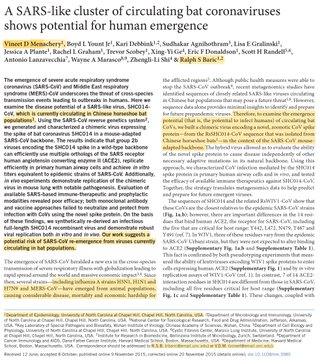
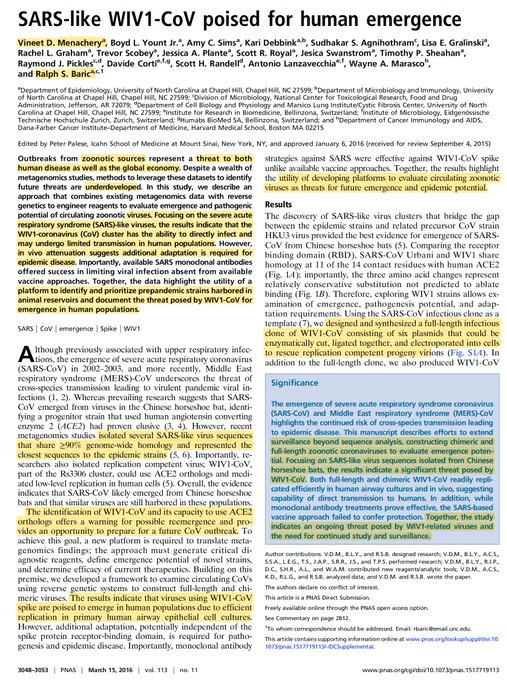
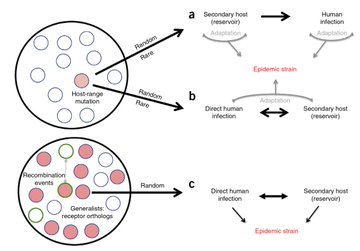
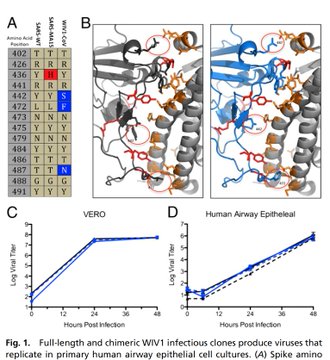
The problem w/ visionaries is that we don’t recognize them in a timely manner (too late) Ralph Baric @UNCpublichealth and Vineet Menachery deserve recognition for being 5 yrs ahead of #COVID19 nature.com/articles/nm.39 @NatureMedicine pnas.org/content/113/11 @PNASNews via @hoondy

Image

Image

Image

Image


Senior, A.W., Evans, R., Jumper, J. et al. Improved protein structure prediction using potentials from deep learning. Nature 577, 706–710 (2020). https://doi.org/10.1038/s41586-019-1923-7

Abstract

Protein structure prediction can be used to determine the three-dimensional shape of a protein from its amino acid sequence1. This problem is of fundamental importance as the structure of a protein largely determines its function2; however, protein structures can be difficult to determine experimentally. Considerable progress has recently been made by leveraging genetic information. It is possible to infer which amino acid residues are in contact by analysing covariation in homologous sequences, which aids in the prediction of protein structures3. Here we show that we can train a neural network to make accurate predictions of the distances between pairs of residues, which convey more information about the structure than contact predictions. Using this information, we construct a potential of mean force4 that can accurately describe the shape of a protein. We find that the resulting potential can be optimized by a simple gradient descent algorithm to generate structures without complex sampling procedures. The resulting system, named AlphaFold, achieves high accuracy, even for sequences with fewer homologous sequences. In the recent Critical Assessment of Protein Structure Prediction5 (CASP13)—a blind assessment of the state of the field—AlphaFold created high-accuracy structures (with template modelling (TM) scores6 of 0.7 or higher) for 24 out of 43 free modelling domains, whereas the next best method, which used sampling and contact information, achieved such accuracy for only 14 out of 43 domains. AlphaFold represents a considerable advance in protein-structure prediction. We expect this increased accuracy to enable insights into the function and malfunction of proteins, especially in cases for which no structures for homologous proteins have been experimentally determined7. https://doi.org/10.1038/s41586-019-1923-7

[ALA added bold face]

COVID-19 outbreak

The scientific community has galvanised in response to the recent COVID-19 outbreak, building on decades of basic research characterising this virus family. Labs at the forefront of the outbreak response shared genomes of the virus in open access databases, which enabled researchers to rapidly develop tests for this novel pathogen. Other labs have shared experimentally-determined and computationally-predicted structures of some of the viral proteins, and still others have shared epidemiological data. We hope to contribute to the scientific effort using the latest version of our AlphaFold system by releasing structure predictions of several under-studied proteins associated with SARS-CoV-2, the virus that causes COVID-19. We emphasise that these structure predictions have not been experimentally verified, but hope they may contribute to the scientific community’s interrogation of how the virus functions, and serve as a hypothesis generation platform for future experimental work in developing therapeutics. We’re indebted to the work of many other labs: this work wouldn’t be possible without the efforts of researchers across the globe who have responded to the COVID-19 outbreak with incredible agility.

Knowing a protein’s structure provides an important resource for understanding how it functions, but experiments to determine the structure can take months or longer, and some prove to be intractable. For this reason, researchers have been developing computational methods to predict protein structure from the amino acid sequence.  In cases where the structure of a similar protein has already been experimentally determined, algorithms based on “template modelling” are able to provide accurate predictions of the protein structure. AlphaFold, our recently published deep learning system, focuses on predicting protein structure accurately when no structures of similar proteins are available, called “free modelling”.  We’ve continued to improve these methods since that publication and want to provide the most useful predictions, so we’re sharing predicted structures for some of the proteins in SARS-CoV-2 generated using our newly-developed methods.

It’s important to note that our structure prediction system is still in development and we can’t be certain of the accuracy of the structures we are providing, although we are confident that the system is more accurate than our earlier CASP13 system. We confirmed that our system provided an accurate prediction for the experimentally determined SARS-CoV-2 spike protein structure shared in the Protein Data Bank, and this gave us confidence that our model predictions on other proteins may be useful. We recently shared our results with several colleagues at the Francis Crick Institute in the UK, including structural biologists and virologists, who encouraged us to release our structures to the general scientific community now. Our models include per-residue confidence scores to help indicate which parts of the structure are more likely to be correct. We have only provided predictions for proteins which lack suitable templates or are otherwise difficult for template modeling.  While these understudied proteins are not the main focus of current therapeutic efforts, they may add to researchers’ understanding of SARS-CoV-2.

Normally we’d wait to publish this work until it had been peer-reviewed for an academic journal. However, given the potential seriousness and time-sensitivity of the situation, we’re releasing the predicted structures as we have them now, under an open license so that anyone can make use of them.

Interested researchers can download the structures here, and can read more technical details about these predictions in a document included with the data. The protein structure predictions we’re releasing are for SARS-CoV-2 membrane protein, protein 3a, Nsp2, Nsp4, Nsp6, and Papain-like proteinase (C terminal domain). To emphasise, these are predicted structures which have not been experimentally verified. Work on the system continues for us, and we hope to share more about it in due course.

Citation:  John Jumper, Kathryn Tunyasuvunakool, Pushmeet Kohli, Demis Hassabis, and the AlphaFold Team, “Computational predictions of protein structures associated with COVID-19”, DeepMind website, 5 March 2020, https://deepmind.com/research/open-source/computational-predictions-of-protein-structures-associated-with-COVID-19

SARS-COV-2 MEMBRANE PROTEIN: A RENDERING OF ONE OF OUR PROTEIN STRUCTURE PREDICTIONS

SOURCES

Computational predictions of protein structures associated with COVID-19

https://deepmind.com/research/open-source/computational-predictions-of-protein-structures-associated-with-COVID-19

AlphaFold: Using AI for scientific discovery 

https://deepmind.com/blog/article/AlphaFold-Using-AI-for-scientific-discovery


DeepMind has shared its results with researchers at the Francis Crick Institute, a biomedical research lab in the UK, as well as offering it for download from its website.

“Normally we’d wait to publish this work until it had been peer-reviewed for an academic journal. However, given the potential seriousness and time-sensitivity of the situation, we’re releasing the predicted structures as we have them now, under an open license so that anyone can make use of them,” it said. [ALA added bold face]

There are 93,090 cases of COVID-19, and 3,198 deaths, spread across 76 countries, according to the latest report from the World Health Organization at time of writing. ®

SOURCE

https://www.theregister.co.uk/2020/03/06/deepmind_covid19_outbreak/


  • MHC content – The spike protein is thought to be the key to binding to cells via the angiotensin II receptor, the major mechanism the immune system uses to distinguish self from non-self

Preliminary Identification of Potential Vaccine Targets for the COVID-19 Coronavirus (SARS-CoV-2) Based on SARS-CoV Immunological Studies

Syed Faraz Ahmed 1,† , Ahmed A. Quadeer 1, *,† and Matthew R. McKay 1,2, *

1 Department of Electronic and Computer Engineering, The Hong Kong University of Science and

Technology, Hong Kong, China; sfahmed@connect.ust.hk

2 Department of Chemical and Biological Engineering, The Hong Kong University of Science and

Technology, Hong Kong, China

* Correspondence: eeaaquadeer@ust.hk.com (A.A.Q.); m.mckay@ust.hk (M.R.M.)

† These authors contributed equally to this work.

Received: 9 February 2020; Accepted: 24 February 2020; Published: 25 February 2020

Abstract:

The beginning of 2020 has seen the emergence of COVID-19 outbreak caused by a novel coronavirus, Severe Acute Respiratory Syndrome Coronavirus 2 (SARS-CoV-2). There is an imminent need to better understand this new virus and to develop ways to control its spread. In this study, we sought to gain insights for vaccine design against SARS-CoV-2 by considering the high genetic similarity between SARS-CoV-2 and SARS-CoV, which caused the outbreak in 2003, and leveraging existing immunological studies of SARS-CoV. By screening the experimentally determined SARS-CoV-derived B cell and T cell epitopes in the immunogenic structural proteins of SARS-CoV, we identified a set of B cell and T cell epitopes derived from the spike (S) and nucleocapsid (N) proteins that map identically to SARS-CoV-2 proteins. As no mutation has been observed in these identified epitopes among the 120 available SARS-CoV-2 sequences (as of 21 February 2020), immune targeting of these epitopes may potentially offer protection against this novel virus. For the T cell epitopes, we performed a population coverage analysis of the associated MHC alleles and proposed a set of epitopes that is estimated to provide broad coverage globally, as well as in China. Our findings provide a screened set of epitopes that can help guide experimental efforts towards the development of vaccines against SARS-CoV-2.

Keywords: Coronavirus; 2019-nCoV; 2019 novel coronavirus; SARS-CoV-2; COVID-19; SARS-CoV; MERS-CoV; T cell epitopes; B cell epitopes; vaccine [ALA added bold face]

SOURCE

https://www.mdpi.com/1999-4915/12/3/254/pdf


Selected Online COMMENTS to

https://forums.theregister.co.uk/forum/all/2020/03/06/deepmind_covid19_outbreak/

MuscleguySilver badge

Re: Protein structure prediction has been done for ages…

Not quite, Natural Selection does not measure methods, it measures outputs, usually at the organism level.

Sure correct folding is necessary for much protein function and we have prions and chaperone proteins to get it wrong and right.

The only way NS measures methods and mechanisms is if they are very energetically wasteful. But there are some very wasteful ones out there. Beta-Catenin at the end of point of Wnt signalling comes particularly to mind.

Chemist

Re: Does not matter at all

“Determining the structure of the virus proteins might also help in developing a molecule that disrupts the operation of just those proteins, and not anything else in the human body.”

Well it might, but predicting whether a ‘drug’ will NOT interact with any other of the 20000+ protein in complex organisms is well beyond current science. If we could do that we could predict/avoid toxicity and other non-mechanism related side-effects & mostly we can’t.

rob miller

Title

There are 480 structures on PDBe resulting from a search on ‘coronavirus,’ the top hits from MERS and SARS. PR stunt or not, they did win the most recent CASP ‘competition’, so arguably it’s probably our best shot right now – and I am certainly not satisfied that they have been sufficiently open in explaining their algorithms though I have not checked in the last few months. No one is betting anyone’s health on this, and it is not like making one wrong turn in a series of car directions. Latest prediction algorithms incorporate contact map predictions, so it’s not like a wrong dihedral angle sends the chain off in the wrong direction. A decent model would give something to run docking algorithms against with a series of already approved drugs, then we take that shortlist into the lab. A confirmed hit could be an instantly available treatment, no two year wait as currently estimated. [ALA added bold face]

jelabarre59Silver badge

Re: these structure predictions have not been experimentally verified

Naaaah. Can’t possibly be a stupid marketing stunt.

Well yes, a good possibility. But it can also be trying to build on the open-source model of putting it out there for others to build and improve upon. Essentially opening that “peer review” to a larger audience quicker. [ALA added bold face]

We shall see.

Anonymous Coward

Anonymous CowardWhat bothers me, besides the obvious PR stunt, is that they say this prediction is licensed. How can a prediction from software be protected by, I presume, patents? And if this can be protected without even verifying which predictions actually work, what’s to stop someone spitting out millions of random, untested predictions just in case they can claim ownership later when one of them is proven to work? [ALA added bold face]


SOURCES


  • AI-predicted protein structures could unlock vaccine for Wuhan coronavirus… if correct… after clinical trials It’s not quite DeepMind’s ‘Come with me if you want to live’ moment, but it’s close, maybe

Experimentally derived by a group of scientists at the University of Texas at Austin and the National Institute of Allergy and Infectious Diseases, an agency under the US National Institute of Health. They both feature a “Spike protein structure.”

  • Cryo-EM structure of the 2019-nCoV spike in the prefusion conformation

See all authors and affiliations

Science  19 Feb 2020:
eabb2507
DOI: 10.1126/science.abb2507


  • Israeli scientists: We have developed a coronavirus vaccine

https://www.fromthegrapevine.com/health/coronavirus-vaccine-israel-migal-research-institute-david-zigdon

Other related articles published in this Open Access Online Scientific Journal include the following:


  • Group of Researchers @ University of California, Riverside, the University of Chicago, the U.S. Department of Energy’s Argonne National Laboratory, and Northwestern University solve COVID-19 Structure and Map Potential Therapeutics

Reporters: Stephen J Williams, PhD and Aviva Lev-Ari, PhD, RN

https://pharmaceuticalintelligence.com/2020/03/06/group-of-researchers-solve-covid-19-structure-and-map-potential-therapeutic/


  • Is It Time for the Virtual Scientific Conference?: Coronavirus, Travel Restrictions, Conferences Cancelled Curator:

Stephen J. Williams, PhD

https://pharmaceuticalintelligence.com/2020/03/06/is-it-time-for-the-virtual-scientific-conference-coronavirus-travel-restrictions-conferences-cancelled/

Read Full Post »

Diversity and Health Disparity Issues Need to be Addressed for GWAS and Precision Medicine Studies

Curator: Stephen J. Williams, PhD


From the POLICY FORUM ETHICS AND DIVERSITY Section of Science

Ethics of inclusion: Cultivate trust in precision medicine

 See all authors and affiliations

Science  07 Jun 2019:
Vol. 364, Issue 6444, pp. 941-942
DOI: 10.1126/science.aaw8299

Precision medicine is at a crossroads. Progress toward its central goal, to address persistent health inequities, will depend on enrolling populations in research that have been historically underrepresented, thus eliminating longstanding exclusions from such research (1). Yet the history of ethical violations related to protocols for inclusion in biomedical research, as well as the continued misuse of research results (such as white nationalists looking to genetic ancestry to support claims of racial superiority), continue to engender mistrust among these populations (2). For precision medicine research (PMR) to achieve its goal, all people must believe that there is value in providing information about themselves and their families, and that their participation will translate into equitable distribution of benefits. This requires an ethics of inclusion that considers what constitutes inclusive practices in PMR, what goals and values are being furthered through efforts to enhance diversity, and who participates in adjudicating these questions. The early stages of PMR offer a critical window in which to intervene before research practices and their consequences become locked in (3).

Initiatives such as the All of Us program have set out to collect and analyze health information and biological samples from millions of people (1). At the same time, questions of trust in biomedical research persist. For example, although the recent assertions of white nationalists were eventually denounced by the American Society of Human Genetics (4), the misuse of ancestry testing may have already undermined public trust in genetic research.

There are also infamous failures in research that included historically underrepresented groups, including practices of deceit, as in the Tuskegee Syphilis Study, or the misuse of samples, as with the Havasupai tribe (5). Many people who are being asked to give their data and samples for PMR must not only reconcile such past research abuses, but also weigh future risks of potential misuse of their data.

To help assuage these concerns, ongoing PMR studies should open themselves up to research, conducted by social scientists and ethicists, that examines how their approaches enhance diversity and inclusion. Empirical studies are needed to account for how diversity is conceptualized and how goals of inclusion are operationalized throughout the life course of PMR studies. This is not limited to selection and recruitment of populations but extends to efforts to engage participants and communities, through data collection and measurement, and interpretations and applications of study findings. A commitment to transparency is an important step toward cultivating public trust in PMR’s mission and practices.

From Inclusion to Inclusive

The lack of diverse representation in precision medicine and other biomedical research is a well-known problem. For example, rare genetic variants may be overlooked—or their association with common, complex diseases can be misinterpreted—as a result of sampling bias in genetics research (6). Concentrating research efforts on samples with largely European ancestry has limited the ability of scientists to make generalizable inferences about the relationships among genes, lifestyle, environmental exposures, and disease risks, and thereby threatens the equitable translation of PMR for broad public health benefit (7).

However, recruiting for diverse research participation alone is not enough. As with any push for “diversity,” related questions arise about how to describe, define, measure, compare, and explain inferred similarities and differences among individuals and groups (8). In the face of ambivalence about how to represent population variation, there is ample evidence that researchers resort to using definitions of diversity that are heterogeneous, inconsistent, and sometimes competing (9). Varying approaches are not inherently problematic; depending on the scientific question, some measures may be more theoretically justified than others and, in many cases, a combination of measures can be leveraged to offer greater insight (10). For example, studies have shown that American adults who do not self-identify as white report better mental and physical health if they think others perceive them as white (11, 12).

The benefit of using multiple measures of race and ancestry also extends to genetic studies. In a study of hypertension in Puerto Rico, not only did classifications based on skin color and socioeconomic status better predict blood pressure than genetic ancestry, the inclusion of these sociocultural measures also revealed an association between a genetic polymorphism and hypertension that was otherwise hidden (13). Thus, practices that allow for a diversity of measurement approaches, when accompanied by a commitment to transparency about the rationales for chosen approaches, are likely to benefit PMR research more than striving for a single gold standard that would apply across all studies. These definitional and measurement issues are not merely semantic. They also are socially consequential to broader perceptions of PMR research and the potential to achieve its goals of inclusion.

Study Practices, Improve Outcomes

Given the uncertainty and complexities of the current, early phase of PMR, the time is ripe for empirical studies that enable assessment and modulation of research practices and scientific priorities in light of their social and ethical implications. Studying ongoing scientific practices in real time can help to anticipate unintended consequences that would limit researchers’ ability to meet diversity recruitment goals, address both social and biological causes of health disparities, and distribute the benefits of PMR equitably. We suggest at least two areas for empirical attention and potential intervention.

First, we need to understand how “upstream” decisions about how to characterize study populations and exposures influence “downstream” research findings of what are deemed causal factors. For example, when precision medicine researchers rely on self-identification with U.S. Census categories to characterize race and ethnicity, this tends to circumscribe their investigation of potential gene-environment interactions that may affect health. The convenience and routine nature of Census categories seemed to lead scientists to infer that the reasons for differences among groups were self-evident and required no additional exploration (9). The ripple effects of initial study design decisions go beyond issues of recruitment to shape other facets of research across the life course of a project, from community engagement and the return of results to the interpretation of study findings for human health.

Second, PMR studies are situated within an ecosystem of funding agencies, regulatory bodies, disciplines, and other scholars. This partly explains the use of varied terminology, different conceptual understandings and interpretations of research questions, and heterogeneous goals for inclusion. It also makes it important to explore how expectations related to funding and regulation influence research definitions of diversity and benchmarks for inclusion.

For example, who defines a diverse study population, and how might those definitions vary across different institutional actors? Who determines the metrics that constitute successful inclusion, and why? Within a research consortium, how are expectations for data sharing and harmonization reconciled with individual studies’ goals for recruitment and analysis? In complex research fields that include multiple investigators, organizations, and agendas, how are heterogeneous, perhaps even competing, priorities negotiated? To date, no studies have addressed these questions or investigated how decisions facilitate, or compromise, goals of diversity and inclusion.

The life course of individual studies and the ecosystems in which they reside cannot be easily separated and therefore must be studied in parallel to understand how meanings of diversity are shaped and how goals of inclusion are pursued. Empirically “studying the studies” will also be instrumental in creating mechanisms for transparency about how PMR is conducted and how trade-offs among competing goals are resolved. Establishing open lines of inquiry that study upstream practices may allow researchers to anticipate and address downstream decisions about how results can be interpreted and should be communicated, with a particular eye toward the consequences for communities recruited to augment diversity. Understanding how scientists negotiate the challenges and barriers to achieving diversity that go beyond fulfilling recruitment numbers is a critical step toward promoting meaningful inclusion in PMR.

Transparent Reflection, Cultivation of Trust

Emerging research on public perceptions of PMR suggests that although there is general support, questions of trust loom large. What we learn from studies that examine on-the-ground approaches aimed at enhancing diversity and inclusion, and how the research community reflects and responds with improvements in practices as needed, will play a key role in building a culture of openness that is critical for cultivating public trust.

Cultivating long-term, trusting relationships with participants underrepresented in biomedical research has been linked to a broad range of research practices. Some of these include the willingness of researchers to (i) address the effect of history and experience on marginalized groups’ trust in researchers and clinicians; (ii) engage concerns about potential group harms and risks of stigmatization and discrimination; (iii) develop relationships with participants and communities that are characterized by transparency, clear communication, and mutual commitment; and (iv) integrate participants’ values and expectations of responsible oversight beyond initial informed consent (14). These findings underscore the importance of multidisciplinary teams that include social scientists, ethicists, and policy-makers, who can identify and help to implement practices that respect the histories and concerns of diverse publics.

A commitment to an ethics of inclusion begins with a recognition that risks from the misuse of genetic and biomedical research are unevenly distributed. History makes plain that a multitude of research practices ranging from unnecessarily limited study populations and taken-for-granted data collection procedures to analytic and interpretive missteps can unintentionally bolster claims of racial superiority or inferiority and provoke group harm (15). Sustained commitment to transparency about the goals, limits, and potential uses of research is key to further cultivating trust and building long-term research relationships with populations underrepresented in biomedical studies.

As calls for increasing diversity and inclusion in PMR grow, funding and organizational pathways must be developed that integrate empirical studies of scientific practices and their rationales to determine how goals of inclusion and equity are being addressed and to identify where reform is required. In-depth, multidisciplinary empirical investigations of how diversity is defined, operationalized, and implemented can provide important insights and lessons learned for guiding emerging science, and in so doing, meet our ethical obligations to ensure transparency and meaningful inclusion.

References and Notes

  1. ↵
  2. ↵
  3. ↵
  4. ↵
  5. ↵
  6. ↵
  7. ↵
  8. ↵
  9. ↵
  10. ↵
  11. ↵
  12. C. P. Jones et al Ethn. Dis. 18, 496 (2008).
  13. C. C. Gravlee, A. L. Non, C. J. Mulligan
  14. S. A. Kraft et al Am. J. Bioeth. 18, 3 (2018).
  15. A. E. Shields et al Am. Psychol. 60, 77 (2005).

Read Full Post »

Reporter and Curator: Dr. Sudipta Saha, Ph.D.


One of the most contagious diseases known to humankind, measles killed an average of 2.6 million people each year before a vaccine was developed, according to the World Health Organization. Widespread vaccination has slashed the death toll. However, lack of access to vaccination and refusal to get vaccinated means measles still infects more than 7 million people and kills more than 100,000 each year worldwide as reported by WHO. The cases are on the rise, tripling in early 2019 and some experience well-known long-term consequences, including brain damage and vision and hearing loss. Previous epidemiological research into immune amnesia suggests that death rates attributed to measles could be even higher, accounting for as much as 50 percent of all childhood mortality.


Over the last decade, evidence has mounted that the measles vaccine protects in two ways. It prevents the well-known acute illness with spots and fever and also appears to protect from other infections over the long term by giving general boost to the immune system. The measles virus can impair the body’s immune memory, causing so-called immune amnesia. By protecting against measles infection, the vaccine prevents the body from losing or “forgetting” its immune memory and preserves its resistance to other infections. Researchers showed that the measles virus wipes out 11% to 73% of the different antibodies that protect against viral and bacterial strains a person was previously immune to like from influenza to herpes virus to bacteria that cause pneumonia and skin infections.


This study at Harvard Medical School and their collaborators is the first to measure the immune damage caused by the virus and underscores the value of preventing measles infection through vaccination. The discovery that measles depletes people’s antibody repertoires, partially obliterating immune memory to most previously encountered pathogens, supports the immune amnesia hypothesis. It was found that those who survive measles gradually regain their previous immunity to other viruses and bacteria as they get re-exposed to them. But because this process may take months to years, people remain vulnerable in the meantime to serious complications of those infections and thus booster shots of routine vaccines may be required.


VirScan detects antiviral and antibacterial antibodies in the blood that result from current or past encounters with viruses and bacteria, giving an overall snapshot of the immune system. Researchers gathered blood samples from unvaccinated children during a 2013 measles outbreak in the Netherlands and used VirScan to measure antibodies before and two months after infection in 77 children who’d contracted the disease. The researchers also compared the measurements to those of 115 uninfected children and adults. Researchers found a striking drop in antibodies from other pathogens in the measles-infected children that clearly suggested a direct effect on the immune system resembling measles-induced immune amnesia.


Further tests revealed that severe measles infection reduced people’s overall immunity more than mild infection. This could be particularly problematic for certain categories of children and adults, the researchers said. The present study observed the effects in previously healthy children only. But, measles is known to hit malnourished children much harder, the degree of immune amnesia and its effects could be even more severe in less healthy populations. Inoculation with the MMR (measles, mumps, rubella) vaccine did not impair children’s overall immunity. The results align with decades of research. Ensuring widespread vaccination against measles would not only help prevent the expected 120,000 deaths that will be directly attributed to measles this year alone, but could also avert potentially hundreds of thousands of additional deaths attributable to the lasting damage to the immune system.


References:


https://hms.harvard.edu/news/inside-immune-amnesia?utm_source=Silverpop


https://science.sciencemag.org/content/366/6465/599


www.who.int/immunization/newsroom/measles-data-2019/en/


https://www.ncbi.nlm.nih.gov/pubmed/20636817


https://www.ncbi.nlm.nih.gov/pubmed/27157064


https://www.ncbi.nlm.nih.gov/pubmed/30797735


Read Full Post »

Reporter and Curator: Dr. Sudipta Saha, Ph.D.


Obesity is a global concern that is associated with many chronic complications such as type 2 diabetes, insulin resistance (IR), cardiovascular diseases, and cancer. Growing evidence has implicated the digestive system, including its microbiota, gut-derived incretin hormones, and gut-associated lymphoid tissue in obesity and IR. During high fat diet (HFD) feeding and obesity, a significant shift occurs in the microbial populations within the gut, known as dysbiosis, which interacts with the intestinal immune system. Similar to other metabolic organs, including visceral adipose tissue (VAT) and liver, altered immune homeostasis has also been observed in the small and large intestines during obesity.


A link between the gut microbiota and the intestinal immune system is the immune-derived molecule immunoglobulin A (IgA). IgA is a B cell antibody primarily produced in dimeric form by plasma cells residing in the gut lamina propria (LP). Given the importance of IgA on intestinal–gut microbe immunoregulation, which is directly influenced by dietary changes, scientists hypothesized that IgA may be a key player in the pathogenesis of obesity and IR. Here, in this study it was demonstrate that IgA levels are reduced during obesity and the loss of IgA in mice worsens IR and increases intestinal permeability, microbiota encroachment, and downstream inflammation in metabolic tissues, including inside the VAT.


IgA deficiency alters the obese gut microbiota and its metabolic phenotype can be recapitulated into microbiota-depleted mice upon fecal matter transplantation. In addition, the researchers also demonstrated that commonly used therapies for diabetes such as metformin and bariatric surgery can alter cellular and stool IgA levels, respectively. These findings suggested a critical function for IgA in regulating metabolic disease and support the emerging role for intestinal immunity as an important modulator of systemic glucose metabolism.


Overall, the researchers demonstrated a critical role for IgA in regulating intestinal homeostasis, metabolic inflammation, and obesity-related IR. These findings identify intestinal IgA+ immune cells as mucosal mediators of whole-body glucose regulation in diet-induced metabolic disease. This research further emphasized the importance of the intestinal adaptive immune system and its interactions with the gut microbiota and innate immune system within the larger network of organs involved in the manifestation of metabolic disease.


Future investigation is required to determine the impact of IgA deficiency during obesity in humans and the role of metabolic disease in human populations with selective IgA deficiency, especially since human IgA deficiency is associated with an altered gut microbiota that cannot be fully compensated with IgM. However, the research identified IgA as a critical immunological molecule in the intestine that impacts systemic glucose homeostasis, and treatments targeting IgA-producing immune populations and SIgA may have therapeutic potential for metabolic disease.


References:


https://www.nature.com/articles/s41467-019-11370-y?elqTrackId=dc86e0c60f574542b033227afd0fdc8e


https://www.jci.org/articles/view/88879


https://www.nature.com/articles/nm.2353


https://diabetes.diabetesjournals.org/content/57/6/1470


https://www.sciencedirect.com/science/article/pii/S1550413115001047?via%3Dihub


https://www.sciencedirect.com/science/article/pii/S1550413115002326?via%3Dihub


https://www.sciencedirect.com/science/article/pii/S1931312814004636?via%3Dihub


https://www.nature.com/articles/nature15766


https://www.sciencedirect.com/science/article/pii/S1550413116000371?via%3Dihub


https://www.nature.com/articles/nm.2001


https://www.sciencedirect.com/science/article/abs/pii/S1550413118305047?via%3Dihub


Read Full Post »

Reporter and Curator: Dr. Sudipta Saha, Ph.D.


When a baby is born through its mother’s birth canal, it is bathed in a soup of microbes. Those born by caesarean section (C-section) miss out on this bacterial baptism. The differences in microbe exposure at birth and later health could be caused by other factors, such as whether a mother takes antibiotics during her surgery, and whether a baby is breastfed or has a genetic predisposition to obesity. So, the researchers are sharply split on whether or not this missing of bacterial exposure increases the risk of chronic health problems such as obesity and asthma.


Researchers found that babies delivered surgically harboured different collections of bacteria than did those born vaginally. C-section babies, which comprise more than 30% of births in the United States, are also more prone to obesity and immune diseases such as diabetes. Experiments show that mice born by C-section are more prone to obesity and have impaired immune systems. There are fewer factors that could account for these differences in the rodents, which can be studied in controlled conditions, than in people.


A wave of clinical trials now under way could help to settle the question — and feed into the debate over whether seeding babies born by C-section with their mother’s vaginal bacteria is beneficial or potentially harmful. Several groups of researchers will be swabbing hundreds of C-section babies with their mother’s microbes, while comparing them to a control group. Each team plans to monitor its study participants over several years in the hope of learning more about how the collection of microbes in their bodies might influence weight, allergy risk and other factors.


But some scientists say that the trials could expose C-section babies to infection, or encourage mothers to try do-it-yourself swabbing, without much evidence that there is a benefit or risk. Moreover, there is no evidence that differing exposure to vaginal microbes at birth can help explain variation in people’s health over time. Presently the whole concept is in very much a state of uncertainty.


Researchers in near future will compare swabbed C-section babies with a placebo group and with infants delivered vaginally. They confirmed that their protocols will not increase the risk of infection for C-section babies. Scientists will also rigorously screen mothers participating in these trials for microbes such as HIV and group B streptococcus — a common vaginal bacterium that causes respiratory problems in newborns.


References:


https://www.nature.com/articles/d41586-019-02348-3?utm_source=Nature+Briefing


https://www.ncbi.nlm.nih.gov/pubmed/31431742


https://www.ncbi.nlm.nih.gov/pubmed/20566857


https://www.ncbi.nlm.nih.gov/pubmed/25452656


https://www.ncbi.nlm.nih.gov/pubmed/22939691


https://www.ncbi.nlm.nih.gov/pubmed/24030708


https://pharmaceuticalintelligence.com/2017/02/22/babys-microbiome-changing-due-to-caesarean-birth-and-formula-feeding/

Read Full Post »

Artificial Intelligence and Cardiovascular Disease

Reporter and Curator: Dr. Sudipta Saha, Ph.D.

3.3.18

3.3.18   Artificial Intelligence and Cardiovascular Disease, Volume 2 (Volume Two: Latest in Genomics Methodologies for Therapeutics: Gene Editing, NGS and BioInformatics, Simulations and the Genome Ontology), Part 2: CRISPR for Gene Editing and DNA Repair

Cardiology is a vast field that focuses on a large number of diseases specifically dealing with the heart, the circulatory system, and its functions. As such, similar symptomatologies and diagnostic features may be present in an individual, making it difficult for a doctor to easily isolate the actual heart-related problem. Consequently, the use of artificial intelligence aims to relieve doctors from this hurdle and extend better quality to patients. Results of screening tests such as echocardiograms, MRIs, or CT scans have long been proposed to be analyzed using more advanced techniques in the field of technology. As such, while artificial intelligence is not yet widely-used in clinical practice, it is seen as the future of healthcare.

The continuous development of the technological sector has enabled the industry to merge with medicine in order to create new integrated, reliable, and efficient methods of providing quality health care. One of the ongoing trends in cardiology at present is the proposed utilization of artificial intelligence (AI) in augmenting and extending the effectiveness of the cardiologist. This is because AI or machine-learning would allow for an accurate measure of patient functioning and diagnosis from the beginning up to the end of the therapeutic process. In particular, the use of artificial intelligence in cardiology aims to focus on research and development, clinical practice, and population health. Created to be an all-in-one mechanism in cardiac healthcare, AI technologies incorporate complex algorithms in determining relevant steps needed for a successful diagnosis and treatment. The role of artificial intelligence specifically extends to the identification of novel drug therapies, disease stratification or statistics, continuous remote monitoring and diagnostics, integration of multi-omic data, and extension of physician effectivity and efficiency.

Artificial intelligence – specifically a branch of it called machine learning – is being used in medicine to help with diagnosis. Computers might, for example, be better at interpreting heart scans. Computers can be ‘trained’ to make these predictions. This is done by feeding the computer information from hundreds or thousands of patients, plus instructions (an algorithm) on how to use that information. This information is heart scans, genetic and other test results, and how long each patient survived. These scans are in exquisite detail and the computer may be able to spot differences that are beyond human perception. It can also combine information from many different tests to give as accurate a picture as possible. The computer starts to work out which factors affected the patients’ outlook, so it can make predictions about other patients.

In current medical practice, doctors will use risk scores to make treatment decisions for their cardiac patients. These are based on a series of variables like weight, age and lifestyle. However, they do not always have the desired levels of accuracy. A particular example of the use of artificial examination in cardiology is the experimental study on heart disease patients, published in 2017. The researchers utilized cardiac MRI-based algorithms coupled with a 3D systolic cardiac motion pattern to accurately predict the health outcomes of patients with pulmonary hypertension. The experiment proved to be successful, with the technology being able to pick-up 30,000 points within the heart activity of 250 patients. With the success of the aforementioned study, as well as the promise of other researches on artificial intelligence, cardiology is seemingly moving towards a more technological practice.

One study was conducted in Finland where researchers enrolled 950 patients complaining of chest pain, who underwent the centre’s usual scanning protocol to check for coronary artery disease. Their outcomes were tracked for six years following their initial scans, over the course of which 24 of the patients had heart attacks and 49 died from all causes. The patients first underwent a coronary computed tomography angiography (CCTA) scan, which yielded 58 pieces of data on the presence of coronary plaque, vessel narrowing and calcification. Patients whose scans were suggestive of disease underwent a positron emission tomography (PET) scan which produced 17 variables on blood flow. Ten clinical variables were also obtained from medical records including sex, age, smoking status and diabetes. These 85 variables were then entered into an artificial intelligence (AI) programme called LogitBoost. The AI repeatedly analysed the imaging variables, and was able to learn how the imaging data interacted and identify the patterns which preceded death and heart attack with over 90% accuracy. The predictive performance using the ten clinical variables alone was modest, with an accuracy of 90%. When PET scan data was added, accuracy increased to 92.5%. The predictive performance increased significantly when CCTA scan data was added to clinical and PET data, with accuracy of 95.4%.

Another study findings showed that applying artificial intelligence (AI) to the electrocardiogram (ECG) enables early detection of left ventricular dysfunction and can identify individuals at increased risk for its development in the future. Asymptomatic left ventricular dysfunction (ALVD) is characterised by the presence of a weak heart pump with a risk of overt heart failure. It is present in three to six percent of the general population and is associated with reduced quality of life and longevity. However, it is treatable when found. Currently, there is no inexpensive, noninvasive, painless screening tool for ALVD available for diagnostic use. When tested on an independent set of 52,870 patients, the network model yielded values for the area under the curve, sensitivity, specificity, and accuracy of 0.93, 86.3 percent, 85.7 percent, and 85.7 percent, respectively. Furthermore, in patients without ventricular dysfunction, those with a positive AI screen were at four times the risk of developing future ventricular dysfunction compared with those with a negative screen.

In recent years, the analysis of big data database combined with computer deep learning has gradually played an important role in biomedical technology. For a large number of medical record data analysis, image analysis, single nucleotide polymorphism difference analysis, etc., all relevant research on the development and application of artificial intelligence can be observed extensively. For clinical indication, patients may receive a variety of cardiovascular routine examination and treatments, such as: cardiac ultrasound, multi-path ECG, cardiovascular and peripheral angiography, intravascular ultrasound and optical coherence tomography, electrical physiology, etc. By using artificial intelligence deep learning system, the investigators hope to not only improve the diagnostic rate and also gain more accurately predict the patient’s recovery, improve medical quality in the near future.

The primary issue about using artificial intelligence in cardiology, or in any field of medicine for that matter, is the ethical issues that it brings about. Physicians and healthcare professionals prior to their practice swear to the Hippocratic Oath—a promise to do their best for the welfare and betterment of their patients. Many physicians have argued that the use of artificial intelligence in medicine breaks the Hippocratic Oath since patients are technically left under the care of machines than of doctors. Furthermore, as machines may also malfunction, the safety of patients is also on the line at all times. As such, while medical practitioners see the promise of artificial technology, they are also heavily constricted about its use, safety, and appropriateness in medical practice.

Issues and challenges faced by technological innovations in cardiology are overpowered by current researches aiming to make artificial intelligence easily accessible and available for all. With that in mind, various projects are currently under study. For example, the use of wearable AI technology aims to develop a mechanism by which patients and doctors could easily access and monitor cardiac activity remotely. An ideal instrument for monitoring, wearable AI technology ensures real-time updates, monitoring, and evaluation. Another direction of cardiology in AI technology is the use of technology to record and validate empirical data to further analyze symptomatology, biomarkers, and treatment effectiveness. With AI technology, researchers in cardiology are aiming to simplify and expand the scope of knowledge on the field for better patient care and treatment outcomes.

References:

https://www.news-medical.net/health/Artificial-Intelligence-in-Cardiology.aspx

https://www.bhf.org.uk/informationsupport/heart-matters-magazine/research/artificial-intelligence

https://www.medicaldevice-network.com/news/heart-attack-artificial-intelligence/

https://www.nature.com/articles/s41569-019-0158-5

https://www.ncbi.nlm.nih.gov/pmc/articles/PMC5711980/

www.j-pcs.org/article.asp

http://www.onlinejacc.org/content/71/23/2668

http://www.scielo.br/pdf/ijcs/v30n3/2359-4802-ijcs-30-03-0187.pdf

https://www.escardio.org/The-ESC/Press-Office/Press-releases/How-artificial-intelligence-is-tackling-heart-disease-Find-out-at-ICNC-2019

https://clinicaltrials.gov/ct2/show/NCT03877614

https://www.europeanpharmaceuticalreview.com/news/82870/artificial-intelligence-ai-heart-disease/

https://www.frontiersin.org/research-topics/10067/current-and-future-role-of-artificial-intelligence-in-cardiac-imaging

https://www.news-medical.net/health/Artificial-Intelligence-in-Cardiology.aspx

https://www.sciencedaily.com/releases/2019/05/190513104505.htm

Read Full Post »

The Journey of Antibiotic Discovery

Reporter and Curator: Dr. Sudipta Saha, Ph.D.


The term ‘antibiotic’ was introduced by Selman Waksman as any small molecule, produced by a microbe, with antagonistic properties on the growth of other microbes. An antibiotic interferes with bacterial survival via a specific mode of action but more importantly, at therapeutic concentrations, it is sufficiently potent to be effective against infection and simultaneously presents minimal toxicity. Infectious diseases have been a challenge throughout the ages. From 1347 to 1350, approximately one-third of Europe’s population perished to Bubonic plague. Advances in sanitary and hygienic conditions sufficed to control further plague outbreaks. However, these persisted as a recurrent public health issue. Likewise, infectious diseases in general remained the leading cause of death up to the early 1900s. The mortality rate shrunk after the commercialization of antibiotics, which given their impact on the fate of mankind, were regarded as a ‘medical miracle’. Moreover, the non-therapeutic application of antibiotics has also greatly affected humanity, for instance those used as livestock growth promoters to increase food production after World War II.


Currently, more than 2 million North Americans acquire infections associated with antibiotic resistance every year, resulting in 23,000 deaths. In Europe, nearly 700 thousand cases of antibiotic-resistant infections directly develop into over 33,000 deaths yearly, with an estimated cost over €1.5 billion. Despite a 36% increase in human use of antibiotics from 2000 to 2010, approximately 20% of deaths worldwide are related to infectious diseases today. Future perspectives are no brighter, for instance, a government commissioned study in the United Kingdom estimated 10 million deaths per year from antibiotic resistant infections by 2050.


The increase in antibiotic-resistant bacteria, alongside the alarmingly low rate of newly approved antibiotics for clinical usage, we are on the verge of not having effective treatments for many common infectious diseases. Historically, antibiotic discovery has been crucial in outpacing resistance and success is closely related to systematic procedures – platforms – that have catalyzed the antibiotic golden age, namely the Waksman platform, followed by the platforms of semi-synthesis and fully synthetic antibiotics. Said platforms resulted in the major antibiotic classes: aminoglycosides, amphenicols, ansamycins, beta-lactams, lipopeptides, diaminopyrimidines, fosfomycins, imidazoles, macrolides, oxazolidinones, streptogramins, polymyxins, sulphonamides, glycopeptides, quinolones and tetracyclines.


The increase in drug-resistant pathogens is a consequence of multiple factors, including but not limited to high rates of antimicrobial prescriptions, antibiotic mismanagement in the form of self-medication or interruption of therapy, and large-scale antibiotic use as growth promotors in livestock farming. For example, 60% of the antibiotics sold to the USA food industry are also used as therapeutics in humans. To further complicate matters, it is estimated that $200 million is required for a molecule to reach commercialization, with the risk of antimicrobial resistance rapidly developing, crippling its clinical application, or on the opposing end, a new antibiotic might be so effective it is only used as a last resort therapeutic, thus not widely commercialized.


Besides a more efficient management of antibiotic use, there is a pressing need for new platforms capable of consistently and efficiently delivering new lead substances, which should attend their precursors impressively low rates of success, in today’s increasing drug resistance scenario. Antibiotic Discovery Platforms are aiming to screen large libraries, for instance the reservoir of untapped natural products, which is likely the next antibiotic ‘gold mine’. There is a void between phenotanypic screening (high-throughput) and omics-centered assays (high-information), where some mechanistic and molecular information complements antimicrobial activity, without the laborious and extensive application of various omics assays. The increasing need for antibiotics drives the relentless and continuous research on the foreground of antibiotic discovery. This is likely to expand our knowledge on the biological events underlying infectious diseases and, hopefully, result in better therapeutics that can swing the war on infectious diseases back in our favor.


During the genomics era came the target-based platform, mostly considered a failure due to limitations in translating drugs to the clinic. Therefore, cell-based platforms were re-instituted, and are still of the utmost importance in the fight against infectious diseases. Although the antibiotic pipeline is still lackluster, especially of new classes and novel mechanisms of action, in the post-genomic era, there is an increasingly large set of information available on microbial metabolism. The translation of such knowledge into novel platforms will hopefully result in the discovery of new and better therapeutics, which can sway the war on infectious diseases back in our favor.


References:


https://www.mdpi.com/2079-6382/8/2/45/htm


https://www.ncbi.nlm.nih.gov/pubmed/19515346


https://www.ajicjournal.org/article/S0196-6553(11)00184-2/fulltext


https://www.ncbi.nlm.nih.gov/pubmed/21700626


http://www.med.or.jp/english/journal/pdf/2009_02/103_108.pdf


Read Full Post »

Extracellular RNA and their carriers in disease diagnosis and therapy, Volume 2 (Volume Two: Latest in Genomics Methodologies for Therapeutics: Gene Editing, NGS and BioInformatics, Simulations and the Genome Ontology), Part 1: Next Generation Sequencing (NGS)

Reporter and Curator: Dr. Sudipta Saha, Ph.D.


RNA plays various roles in determining how the information in our genes drives cell behavior. One of its roles is to carry information encoded by our genes from the cell nucleus to the rest of the cell where it can be acted on by other cell components. Rresearchers have now defined how RNA also participates in transmitting information outside cells, known as extracellular RNA or exRNA. This new role of RNA in cell-to-cell communication has led to new discoveries of potential disease biomarkers and therapeutic targets. Cells using RNA to talk to each other is a significant shift in the general thought process about RNA biology.


Researchers explored basic exRNA biology, including how exRNA molecules and their transport packages (or carriers) were made, how they were expelled by producer cells and taken up by target cells, and what the exRNA molecules did when they got to their destination. They encountered surprising complexity both in the types of carriers that transport exRNA molecules between cells and in the different types of exRNA molecules associated with the carriers. The researchers had to be exceptionally creative in developing molecular and data-centric tools to begin making sense of the complexity, and found that the type of carrier affected how exRNA messages were sent and received.


As couriers of information between cells, exRNA molecules and their carriers give researchers an opportunity to intercept exRNA messages to see if they are associated with disease. If scientists could change or engineer designer exRNA messages, it may be a new way to treat disease. The researchers identified potential exRNA biomarkers for nearly 30 diseases including cardiovascular disease, diseases of the brain and central nervous system, pregnancy complications, glaucoma, diabetes, autoimmune diseases and multiple types of cancer.


As for example some researchers found that exRNA in urine showed promise as a biomarker of muscular dystrophy where current studies rely on markers obtained through painful muscle biopsies. Some other researchers laid the groundwork for exRNA as therapeutics with preliminary studies demonstrating how researchers might load exRNA molecules into suitable carriers and target carriers to intended recipient cells, and determining whether engineered carriers could have adverse side effects. Scientists engineered carriers with designer RNA messages to target lab-grown breast cancer cells displaying a certain protein on their surface. In an animal model of breast cancer with the cell surface protein, the researchers showed a reduction in tumor growth after engineered carriers deposited their RNA cargo.


Other than the above research work the scientists also created a catalog of exRNA molecules found in human biofluids like plasma, saliva and urine. They analyzed over 50,000 samples from over 2000 donors, generating exRNA profiles for 13 biofluids. This included over 1000 exRNA profiles from healthy volunteers. The researchers found that exRNA profiles varied greatly among healthy individuals depending on characteristics like age and environmental factors like exercise. This means that exRNA profiles can give important and detailed information about health and disease, but careful comparisons need to be made with exRNA data generated from people with similar characteristics.


Next the researchers will develop tools to efficiently and reproducibly isolate, identify and analyze different carrier types and their exRNA cargos and allow analysis of one carrier and its cargo at a time. These tools will be shared with the research community to fill gaps in knowledge generated till now and to continue to move this field forward.


References:


https://www.nih.gov/news-events/news-releases/scientists-explore-new-roles-rna


https://www.cell.com/consortium/exRNA


https://www.sciencedaily.com/releases/2016/06/160606120230.htm


https://www.pasteur.fr/en/multiple-roles-rnas


https://www.nature.com/scitable/topicpage/rna-functions-352


https://www.umassmed.edu/rti/biology/role-of-rna-in-biology/


Read Full Post »

« Newer Posts - Older Posts »