Healthcare analytics, AI solutions for biological big data, providing an AI platform for the biotech, life sciences, medical and pharmaceutical industries, as well as for related technological approaches, i.e., curation and text analysis with machine learning and other activities related to AI applications to these industries.
Lancet Oncol. 2020 Mar; 21(3): 335–337. Published online 2020 Feb 14. doi: 10.1016/S1470-2045(20)30096-6
PMCID: PMC7159000
The National Clinical Research Center for Respiratory Disease and the National Health Commission of the People’s Republic of China collaborated to establish a prospective cohort to monitor COVID-19 cases in China. As on Jan31, 20202007 cases have been collected and analyzed with confirmed COVID-19 infection in these cohorts.
Results: 18 or 1% of COVID-19 cases had a history of cancer (the overall average cancer incidence in the overall China population is 0.29%) {2015 statistics}. It appeared that cancer patients had an observable higher risk of COVID related complications upon hospitalization. However, this was a higher risk compared with the general population. There was no comparison between cancer patients not diagnosed with COVID-19 and an assessment of their risk of infection. Interestingly those who were also cancer survivors showed an increased incidence of COVID related severe complications compared to the no cancer group.
Although this study could have compared the risk within a cancer group, the authors still felt the results warranted precautions when dealing with cancer patients and issued recommendations including:
Postponing of adjuvant chemotherapy or elective surgery for stable cancer should be considered
Stronger personal protection for cancer patients
More intensive surveillance or treatment should be considered when patients with cancer are infected, especially in older patients
Further studies will need to address the risk added by specific types of chemotherapy: cytolytic versus immunotherapy e.g.
Preparedness for COVID-19 in the oncology community in Africa
Africa has a heterogeneity of cultures, economies and disease patterns however fortunately it is one of the last countries to be hit by the COVID-19 pandemic, which allows some time for preparation by the African nations. The authors note that with Africa’s previous experiences with epidemics, namely ebola and cholera, Africa should be prepared for this pandemic.
However, as a result of poor economic discipline, weak health systems, and poor health-seeking behaviors across the continent, outcomes could be dismal. Poverty, low health literacy rates, and cultural practices that negatively affect cancer outcomes will result in poor assimilation of COVID-19 containment strategies in Africa.”
In general African oncologists are following COVID-19 guidelines from other high-income countries, but as this writer acknowledges in previous posts, there was a significant lag from first cases in the United States to the concrete formulation of guidelines for both oncologists and patients with regard to this pandemic. African oncologist are delaying the start of adjuvant therapies and switching more to oral therapies and rethink palliative care.
However the authors still have many more questions than answers, however even among countries that have dealt with this pandemic before Africa (like Italy and US), oncologists across the globe still have not been able to answer questions like: what if my patient develops a fever, what do I do during a period of neutropenia, to their satisfaction or the satisfaction of the patient. These are questions even oncologists who are dealing in COVID hotspots are still trying to answer including what constitutes a necessary surgical procedure? As I have highlighted in recent posts, oncologists in New York have all but shut down all surgical procedures and relying on liquid biopsies taken in the at-home setting. But does Africa have this capability of access to at home liquid biopsy procedures?
In addition, as I had just highlighted in a recent posting, there exists extreme cancer health disparities across the African continent, as well as the COVID responses. In West Africa, COVID-19 protocols are defined at individual institutions. This is more like the American system where even NCI designated centers were left to fashion some of their own guidelines initially, although individual oncologists had banded together to do impromptu meetings to discuss best practices. However this is fine for big institutions, but as in the US, there is a large rural population on the African continent with geographical barriers to these big centers. Elective procedures have been cancelled and small number of patients are seen by day. This remote strategy actually may be well suited for African versus more developed nations, as highlighted in a post I did about mobile health app use in oncology, as this telemedicine strategy is rather new among US oncologists (reference my posts with the Town Hall meetings).
The situation is more complicated in South Africa where they are dealing with an HIV epidemic, where about 8 million are infected with HIV. Oncology services here are still expecting to run at full capacity as the local hospitals deal with the first signs of the COVID outbreak. In Sudan, despite low COVID numbers, cancer centers have developed contingency plans. and are deferring new referrals except for emergency cases. Training sessions for staff have been developed.
For more articles in this online open access journal on Cancer and COVID-19 please see our
e-Proceedings 2020 World Medical Innovation Forum – COVID-19, AI and the Future of Medicine, Featuring Harvard and Industry Leader Insights – MGH & BWH, Virtual Event: Monday, May 11, 8:15 a.m. – 5:15 p.m. ET
Featuring Clinical, Scientific, Tech, AI and Venture Experts
Subject: REGISTRANT RECAP | World Medical Innovation Forum
Dear World Forum Attendee,
On behalf of Mass General Brigham CEO Anne Klibanski MD and Forum co-Chairs Gregg Meyer MD and Ravi Thadhani MD, many thanks for being among the nearly 11,000 registrants representing 93 countries, 46 states and 3200 organizations yesterday. A community was established around many pressing topics that will continue long into the future. We hope you have a chance to examine the attached survey results. There are several revealing items that should be the basis for ongoing discussion. We expect to be in touch regularly during the year. Among the plans is a “First Look” video series highlighting top Mass General Brigham Harvard faculty as well as emerging Harvard investigators. As promised, we wanted to also share visual Forum session summaries. You will be able to access the recordings on the Forum’s YouTube page . The first set will go up this morning
We hope you will join us for the 2021 Forum!
Thanks again, Chris
Mass General Brigham (formerly Partners Healthcare) is pleased to invite media to attend the World Medical Innovation Forum (WMIF) virtual event on Monday, May 11. Our day-long interactive web event features expert discussions of COVID-related infectious disease innovation and the pandemic’s impact on transforming medicine, plus insights on how care may be radically transformed post-COVID. The agenda features nearly 70 executive speakers from the healthcare industry, venture, start-ups, consumer health and the front lines of COVID care, including many of our Harvard Medical School-affiliated researchers and clinicians. The event replaces our annual in-person conference, which we plan to resume in 2021.
Dr. Klibanski will welcome participants to the 2020 World Medical Innovation Forum, a global — and this year, virtual — gathering of more than 5,000 senior health care leaders. This annual event was established to respond to the intensifying transformation of health care and its impact on innovation. The Forum is rooted in the belief that no matter the magnitude of that change, the center of health care needs to be a shared, fundamental commitment to collaborative innovation – industry and academia working together to improve patient lives. No collaborative endeavor is more pressing than responding to the COVID-19 pandemic.
Introduction: Scott Sperling, Co-President, Thomas H. Lee Partners; Chairman of the Board of Directors, Mass General Brigham
Introducing Anne Klibanski – Leadership at its best for breakthroughs in the entire system when return to normalcy
Care in the Next 18 Months – Routine, Elective, Remote
Hospital chief executives reflect on how health care will evolve over the next 18 months in the face of COVID-19. What will routine health care look like? What about elective surgeries and other interventions? And will care-at-a-distance continue to be an essential component? Simply put, how will we provide manage, and pay for health care in a world forever changed by COVID-19?
Moderator: Gregg Meyer, MD, Chief Clinical Officer, Mass General Brigham; Interim President, NWH; Professor of Medicine, HMS
John Fernandez, President, Mass Eye and Ear and Mass General Brigham Ambulatory Care
Out patients decrease in volume now social distancing enabled by using parking lot as waiting rooms
Pre visit and post visit websites will become places of touch – patients accessing via website
COVID-19: Technology Solutions Now and in the Future
Experts leading large teams at the epicenter of the coronavirus outbreak discuss how technology is shaping the pandemic response today and in the coming years. What technology categories are most important? What tools are healthcare organizations, biopharmaceutical companies, and other organizations leveraging to battle this crisis? How will those tools evolve? And, importantly, how can technology inform the medical response to future pandemics? What were the biggest technology surprises in the current response?
mRNA synthetic RNA of Spike protein injected to stir immune response
Phase II working with FDA starting Phase III early Summer
15 mcg dose available in 2020
using own capital to invest to scale up manufacturing no help from Gov’t Grant for clinical trial not for manufacturing
Paul Biddinger, MD, Medical Director for Emergency Preparedness, MGH; Associate Professor of Emergency Medicine, HMS
Sharing information across the system aggregate data technologies
ML as Guidance in resource coordination
David Kaufman, MD, PhD, Head of Translational Development, Bill & Melinda Gates Medical Research Institute
drug development, clinical operations remote monitoring
repurpose compounds usinf libraries
scalability and Global vaccine cheap and available globally
complexity is in coordinations – toolset biology tool RNA mapping viral screening primaru cells and organoids
Outcomes: Aging and co-morbidities
Discovery effort using tools infrastructure maintained between pandemics
Rochelle Walensky, MD, Chief, Infectious Disease, Steve and Deborah Gorlin MGH Research Scholar, MGH; Professor of Medicine, HMS
shared photos important for Public health, using iPhone distribution Demedicalize Testic – not only at clinics but at many placed contact tracing and diagnosis in 24 hours – iPhone is invaluable GPS capability – privacy issues
detect patients with high risk and existing infection monitoring
Public Health – Thermometer given to Patients – data collected centrally any spike and pulse oximeter given to home – remote
Anxiety in opening the economy requires a bit of giving up on privacy
TeleHealth and monitoring remotely
Pharmacy and workplace as points to start Testing vs Order and a nurse call
Digital Health Becomes a Pillar: Tools, Payment, Data
Deployed in the crucible of the coronavirus pandemic, digital health has now become an essential pillar in the delivery of care. Why is that significant? How and why did it happen? What are the essential tools and components? How is the electronic health record and other health data contributing to this digital movement?
Are there novel use cases for telehealth that arose during the first phase of the COVID-19 pandemic? How can digital technologies help enable a full return to work. Thinking ahead to the fall and a possible second wave, are there things we should be doing today to ensure this technology to better detect and profile a resurgence and enhance the patient benefit.
Moderator: David Louis, MD, Pathologist-in-Chief, MGH; Benjamin Castleman Professor of Pathology, HMS
Adam Landman, MD, VP, Chief Information and Digital Innovation Officer, BH; Associate Professor of Emergency Medicine, HMS
COVID-19 call center across Partners, Chat bots automated screening tools, Microsoft assisted 60,000 users of chat bots triaging by screening calls of the Hotline
TeleHealth transformation may be lost due to reimbursement which may not be reimburse after the emergency is over Insurers to incentivize use of of TeleHealth
In person care: Redesign and how to provide In care for the staff and for the Patients
Access problem due to care shortage of specialty care
technology better allocate resources
Industry and Hospital Institutions populations they serve
innovations needs a sustainable economic model for reimbursement
Inequity issues How Telehealth can benefit all of Society, potential for future solutions
Lee Schwamm, MD, Director, Center for TeleHealth and Exec Vice Chair, Neurology, MGH; Vice President, Virtual Care/Digital Health, Mass General Brigham; Professor, Neurology, HMS
Surge capabilities
generate insight
Research and Innovation needs embedding in the enterprise
Bayer Pharma Reflections on Innovation: Creating, Collaborating, and Accelerating Discovery During and After a Pandemic
Dr. Moeller will reflect on how Bayer is weathering the organizational challenges posed by the COVID-19 pandemic. How does a global pharmaceutical company continue to drive drug development when its labs are shut down? What are the critical elements needed to keep the engines of innovation firing even in the face of a global public health crisis? How does a global r&d enterprise plan for an uncertain fall 2020 given a potential return of the virus.
Introduction: John Fish, CEO, Suffolk; Chairman of Board Trustees, Brigham Health
Joerg Moeller, MD, PhD, Head of Research & Development, Pharmaceuticals Division, Bayer AG
led team of 9 products
Unprecedented is COVID-19: effect on work, travel, life
Anti-Malaria vs COVID-19: In China testing early chloroquine approved for RA and anti Malaria Government in China experimental and Bayer supports Clinical Trials by Bill & Melinda Foundation
In 8 weeks most Scientist work from home – amazed what was accomplished by 80% of Bayer working from home
production is kept ongoing anti-infective for Pneumonia
focus on most critical and keep experiment critical and push out studies run Globally – No pre-maturely study was interrupted completely
Great collaboration Flexibility with regulatory agencies in Europe and with FDA – levels not seen before
R&D in Pharma – when out different point than when we started: Opportunities- Compound libraries OPEN after the COVID Pandemic, speed of decision making, team spirit outstanding – levels not seen before
Partnerships: Bayer testing machines and ventilators shared, accelerate mechanisms for new drug development
evidence for repurposing drugs: Chloroquine
Solidarity – everyone are in it TOGETHER, keep that after the Pandemic is over – levels not seen before
The coronavirus outbreak is not only testing health care staff and resources, it is also having an overwhelming impact on patients. This panel will focus on the approach and technologies providers are using to address the patient experience along the continuum of care.
Moderator: Thomas Sequist, MD, Chief Patient Experience and Equity Officer, Mass General Brigham; Professor of Medicine and Health Care Policy, HMS
Video overcome illiteracy and provide personal engagement without the negative
Home health will be the shift – a human component will not go away – sensor technology in car, bathroom
COVID-19 accelerated user adoption of Telehealth
Digital technologies as an equailizer Hispanic patients consumed for information with the new technologies
Daniel Kuritzkes, MD, Chief, Division of Infectious Diseases, BH; Harriet Ryan Albee Professor of Medicine, HMS
conserve PPE impacted Physicians ability to see Patients, Nurses meet patients vs Physicians that delivered care remotely – laying on hands was missing in the care
Masks will not come off but in a while, can’t allow the infection to surge and curtail hospitals from functioning, use mask for the foreseable future
Peter Lee, PhD, Corporate Vice President, Microsoft Research and Incubation
Interactive Chat bots 1 out of 500 hospitals around the Globe adopted the Chat Bot for Patient Intake
Scaling telemetry with feedback loop
iPad at bedside, platform orchestration, new workflows for COVID-19 patients in the backend guiding Patients in the Process was new infrastructure was in the front line
preparing for a game change in Medicine: Patients demanding new experience
Historical context for physicians contribution to care and bridge the digital divide
Jag Singh, MD, PhD, Cardiologist & Founding Director, Resynchronization and Advanced Cardiac Therapeutics Program, MGH; Professor of Medicine, HMS
Isolation is unbearable
Predictive analytics
no going back to before Pandemic
COVID-19 only severe go to hospital
Human contact enhanced interaction with families and Docs
The Role of AI and Big Data in Fighting COVID-19 and the Next Global Crisis – Successes and Aspirations
AI is a key weapon used to fight COVID-19. What are the biggest successes so far? Which applications show the most promise for the future? Can it help a return to work? Can AI help predict and even prevent the next global health care crisis?
Designing for Infection Prevention: Innovation and Investment in Personal Protective Equipment and Facility Design
As with many pathogens, prevention is the best defense against SARS-CoV2, the virus that causes COVID-19. Panelists will discuss the insights, design strategies, technologies, and practices that are emerging to guard against infection and how those innovations are being applied to protect health care providers and their patients.
Based on what was learned during the spring of 2020, are there specific changes that will lessen morbidity and mortality in a potential a second wave?
Moderator: Erica Shenoy, MD, PhD, Associate Chief, Infection Control Unit, MGH; Assistant Professor, HMS
Optimize toward lower cost vs availability of supply
Diverting supply chain to manufacturing not in PPE business
Guillermo Tearney, MD, PhD, Remondi Family Endowed MGH Research Institute Chair, Mike and Sue Hazard MGH Research Scholar, MGH; Professor, Pathology, HMS
3D Printing innovations for filtration capacity of particles, respirators decontaminated, prevention of patient transmission
Negative pressure applied on materials as second line of protection beyond PPE
CPAP to be used
weaning from Ventilators to CPAP
Environment to be protected from air born pathogens
Preparing for Fall 2020 and Beyond: Production, Innovation, Optimization
How does a global medical technology and life sciences company respond to the health challenges posed by COVID-19? Mr. Murphy will reflect on how his organization is working to meet the unprecedented demand for life-saving medical equipment for diagnosing, treating, and managing coronavirus patients. How does a large manufacturer make adjustments to FDA regulated products and supply chains in time to help lessen the impact of a second wave of COVID-19 infections.
Introduction: Jonathan Kraft, President, The Kraft Group; Chair, Mass General Hospital Board of Trustees
90 countries around the Globe – collaborative innovations partnership with GE Health – all assets around the World
Academic with GE Health AI, Diagnostics, data set for ML for Health care
COVID-19 Innovations and Customers needs: Ventilators and
ICU Cloud application with Microsoft to save PPE and Labor, monitor several ICU rooms at once by technology
Quadruple the production and enter new contracts, crisis exposed weaknesses in supply chain of many products
Shortage of PPE was not expected, flexibility and trusted relations with GE Health Suppliers
CT in a BOX – 42 Slices in a container – no exposure to radiation in prefabricated rooms in field hospital requiring no contact with clinicians and rapid response
Command control center with John Hopkins University
Manufacturing facilities in China communicate the situation of the business and the customers needs buyers in the Health care industry
Future for Biotech industry: Modular systems deploy rapidly, test vaccine, SPEED is everything productivity & Speed
Productivity will increase collaboration and speed like partnership with FORD and MIcrosoft
Tech giants are dedicating their vast resources to aid in the global response to the coronavirus. This panel will highlight how the big data and computational power of major tech companies is being deployed to help contain the current pandemic through new technologies and services, enable return to work, and how it could help prevent future ones.
Amanda Goltz, Principal, Business Development, Alexa Health & Wellness, Amazon
Michael Mina, MD, PhD, Associate Medical Director, Molecular Virology, BH; Assistant Professor, Epidemiology, Immunology and Infectious Diseases, Harvard Chan School
Limitations on Viral Testing
Shortage of Swabs for testing
Tech giant: Amazon, Walmart – global reach in supply chain
new collaborations formed on super charge
Antigen test for home administration consumerization of the Testing
Walmart can be positioned for blood tests
Not only Physicians can order tests
Microsoft and Amazon can help in interpretation of the Test using Alexa
Insights on Pandemics and Health Care from the National Security Community
General Alexander, a renowned expert on national security as well as pandemics and health care, will reflect on how AI can help identify and predict future global disease outbreaks and enable fully reopening commerce. He will also discuss what health care systems can learn from the response to COVID-19 to ensure preparedness for the next infectious disease challenge.
Moderator: Gregg Meyer, MD, Chief Clinical Officer, Mass General Brigham; Interim President, NWH; Professor of Medicine, HMS
Calibrating Innovation Opportunity and Urgency: Medical and Social
The social and medical needs of patients are deeply intertwined, yet there are significant gaps in the tools and technologies being developed to help address those needs. These are especially apparent in the non-uniform impact of COVID-19. Harnessing opportunities, particularly for patients whose needs fall into the low medical complexity/high social complexity category — a group often overlooked by health care innovators.
FDA Role in Managing Crisis and Anticipating the Next
The FDA and other regulatory bodies have played a key role in managing the coronavirus pandemic. How will the agency’s priorities shift in the coming months as community transmission (ideally) slows? What is the FDA’s role in return to work? What is the FDA doing to anticipate future health crises? How will these drive new tools and effect that rate of innovation?
Moderator: Ravi Thadhani, MD, CAO, Mass General Brigham; Professor of Medicine and Faculty Dean for Academic Programs, HMS
Biogen CEO Michel Vounatsos will discuss how Biogen is tackling some of society’s most devastating neurological and neurodegenerative disorders, and share his perspective on the impact the global COVID-19 pandemic is having on the biopharmaceutical industry.
Building the Plane While Flying: The Experience of Real-Time Innovation from the Front Line
The COVID-19 crisis has required continuous, real time innovation, impacting the way care is delivered on the front lines and across care continuum. This panel will present the perspective, innovations and experiences of care givers interacting directly with patients across the continuum of care – acute, post-acute, rehab and home care.
Moderator: Ann Prestipino, SVP; Incident Commander, MGH; Teaching Associate, HMS
focussed problem alarms from ventilators were not coordinated till biomed engineers arrives to device a solution
Karen Reilly, DNP, RN, Associate Chief Nursing Officer, Critical Care, Cardiovascular and Surgical Services, BH
Collaborate and move forward
Interdisciplinary team: Physical therapy help quickly
tech to communicate with families
Ready – I wish I had information to stay ahead of the curve
New normal ability to expand and contract
Ross Zafonte, DO, SVP, Research Education and Medical Affairs, SRN; Earle P. and Ida S. Charlton Professor of Physical Medicine and Rehabilitation, HMS
Rehabilitation in Cambridge Spaulding Brighton
Off loading to rehab from other units
Flexibility MGH Brigham – learn to be a new organization
Hotspots optimal mapping
Right person at right challenge
Stay ready for catastrophies
Telecare and Tele rehabilitation – greater benefit on TeleHealth or not who will not benefit from Rehab
CEO Roundtable: Will the Innovation Model Remain as It Was
As we envision a post-COVID-19 world, how will the model for biomedical innovation change? What lessons have been learned? Was this pandemic a once-in-a-lifetime event or should organizations begin to weave pandemic planning into their business and operations strategies? Panelists will discuss these and other related questions.
Emergency and Urgent Care: How COVID-19 Vulnerabilities and Solutions Will Change the Model
How are the roles of emergency medicine and urgent care changing in light of the COVID-19 pandemic? Panelists will discuss this topic as well as how current and anticipated new technologies can aid in the delivery of community, urgent, and emergency care now and in the future.
Given a false negative at the point of care has consequences well beyond the patient being treated, does this change what can be offered in the various patient care settings?
Moderator: Ron Walls, MD, EVP and Chief Operating Officer, BH; Neskey Family Professor of Emergency Medicine, HMS
Accelerating Diagnostics – Maintaining the Priority: Lab, Home and Digital
COVID-19 diagnostics, a linchpin in controlling viral spread — what caused testing in the U.S. to fall so far behind and how can those missteps be prevented in the future? How do the diagnostics industry, and academic medicine, develop the tests that enable group activities including businesses sports, and community? What is the profile of diagnostic tests coming online in the coming months and into next year? What lessons can be learned to guide the global health community in future disease outbreaks? Given the biological complexity, required performance standards, and immense volume is a simple DTC assays possible on a greatly accelerated timeline.
Moderator: Jeffrey Golden, MD, Chair, Department of Pathology, BH; Ramzi S. Cotran Professor of Pathology, HMS
James Brink, MD, Chief, Department of Radiology, MGH; Juan M. Taveras Professor of Radiology, HMS
social determinant of care – communities not able to social distance, multiple languages
Return to Work: Understanding the Technologies and Strategies
Diagnostic testing is a linchpin of the worldwide response to the coronavirus. How does a global leader pivot to develop molecular diagnostics for a novel global pathogen? How does it scale, including managing international supply chains, to provide unprecedented levels of products and services. What are the expectations for return to work and a possible disease spike in fall 2020 or beyond. How will the diagnostics industry be permanently changed.
Moderator: Peter Markell, EVP, Finance and Administration, CFO & Treasurer, Mass General Brigham
Marc Casper, Chairman, President and CEO, Thermo Fisher Scientific
Re-opening the economy requires Testing for certification of health
Testing bringing confidence
PCR – have or have not viral proteins: 5Millions a week, June 10 million tests
antibody testing will also become available in massive scale
Supply chain, more preparedness, robustness of the supply chain
Buying supply in China vs US based
stockpiling by governments not only at the Hospital level vs JIT shocks to the system
Work from home – productivity is good, work from home not ideal environment
Transportation and elevators – social distancing – impossible
Global change enormous Telemedicine ramp up Academic center Telemedicine will prevail
more resilient Health care system dialogue and communications across countries technology will play a role it will improve Health care every where
Digital Therapeutics: Current and Future Opportunities
Digital therapeutics (DTx) represents an emerging class of therapies that is poised for significant growth. Yet already, these software-driven, evidence-based tools for the prevention, management, and/or treatment of disease are already changing patients’ lives. This panel will address how existing DTx are having an early impact — in the COVID-19 pandemic and — and where current development efforts are headed in the coming years especially if there is a aggressive return of the virus in the fall 2020 or later.
Moderator: Hadine Joffe, MD, Vice Chair for Research, Department of Psychiatry, Executive Director, Mary Horrigan Connors Center for Women’s Health and Gender Biology, BH; Paula A. Johnson Professor, Women’s Health, HMS
The investment environment in life sciences and health care overall was at record levels for most of the last decade. What will this environment look like in the wake of the COVID-19 pandemic – especially over the near to mid-term? Will investor priorities and enthusiasm shift? What is the investor role in developing new coronavisurs tests, vaccines, and therapeutics?
Moderator: Roger Kitterman, VP, Venture and Managing Partner, Partners Innovation Fund, Mass General Brigham
Jan Garfinkle, Founder & Manager Partner, Arboretum Ventures
Can you close a deal with out meeting management team
Known funds will prevail vs new funds Parma adjacencies vs medical devices
Telehealth is of interest GI, Cardiovascular
Mental health with TeleHealth
Phillip Gross, Managing Director, Adage Capital Management
Clinical Trial issues
Inflating value of Biotech because therapeutic related to COVID gives a boost
Gregg Meyer, MD, Chief Clinical Officer, Mass General Brigham; Interim President, NWH; Professor of Medicine, HMS
Ravi Thadhani, MD, CAO, Mass General Brigham; Professor of Medicine and Faculty Dean for Academic Programs, HMS
Mass General Brigham (formerly Partners Healthcare) is pleased to invite media to attend the World Medical Innovation Forum (WMIF) virtual event on Monday, May 11. Our day-long interactive web event features expert discussions of COVID-related infectious disease innovation and the pandemic’s impact on transforming medicine, plus insights on how care may be radically transformed post-COVID. The agenda features nearly 70 executive speakers from the healthcare industry, venture, start-ups, consumer health and the front lines of COVID care, including many of our Harvard Medical School-affiliated researchers and clinicians. The event replaces our annual in-person conference, which we plan to resume in 2021.
Coronavirus live updates: Accuracy of antibody testing questioned – Scott Gottlieb, ex-FDA Commissioner warned that the tests shouldn’t be relied upon to make “individual decisions.”
Reporter: Aviva Lev-Ari, PhD, RN
UPDATED on 4/22/2020
Squawk Box
✔@SquawkCNBC
“They stopped short of saying they’re unreliable, but I think that’s a fair statement,” says @ScottGottliebMD on FDA opinion of #coronavirus serology tests. “They’re going to give a very high false positive rate.”
on FDA opinion of #coronavirus serology tests. “They’re going to give a very high false positive rate.”
Published Wed, Apr 22 2020 7:48 AM EDT
7:48 am: Most antibody tests will ‘give a very high false positive rate’
Serology tests, which can detect the presence of coronavirus antibodies and identify whether someone has already been exposed to Covid-19, have a “very high false positive rate,” former Food and Drug Administration Commissioner Scott Gottlieb told CNBC.
Earlier this week, University of Southern California professor Neeraj Sood, who led a large antibody study in Los Angeles county, claimed the tests they used were very accurate. However, Gottlieb warned that the tests shouldn’t be relied upon to make “individual decisions.”
“They shouldn’t be using these tests to make individual decisions for individual patients,” Gottlieb said. “They’re good for population-level studies and they’re good maybe in certain professions where there’s a very high exposure to coronavirus, but for the general population an antibody test probably isn’t that helpful.” —Will Feuer
AAAS Science Podcast: Why some diseases are seasonal and some are not: Coronaviruses and more
Reporter: Stephen J. Williams, PhD
The following podcast from the American Association for Advancement of Science (AAAS) discusses the seasonality of some viruses while other viruses are able to manifest themselves in different seasons over the globe.
The Impact Of The Coronavirus Crisis On Mergers And Acquisitions
Reporter – Dr. Joel T. Shertok
The Impact Of The Coronavirus Crisis On Mergers And Acquisitions
By Richard D. Harroch, David A. Lipkin, and Richard V. Smith
Forbes – April 17, 2020
The coronavirus (COVID-19) crisis is having and will continue to have a material global impact on mergers and acquisitions (“M&A”). On a massive scale and in a very short period of time, hundreds of thousands of businesses have shuttered or cut back their operations significantly, millions of workers have been laid off or furloughed, consumer spending has been drastically reduced, supply chains have been disrupted, and demand for oil and other energy sources has plummeted.
The M&A world has endured and recovered from past economic crises, including the burst of the dot-com bubble in 2000-2002 and the Great Recession of 2007-2009. As in past financial and economic crises, uncertainties in the business and capital markets have already contributed to buyers delaying or cutting back on their acquisition plans. But this time things are different—the impact of the pandemic is not just on the financial system generally, the valuation of sellers, and the appetite of buyers to get deals done in the short term, but on a multitude of other factors affecting M&A deals.
These include deal terms themselves, new due diligence issues that have arisen, the manner in which due diligence is conducted, the availability, pricing and other terms of deal financing, and the time it will take to obtain necessary regulatory and other third-party approvals for transactions.
Moreover, unlike in past crises that have affected M&A deals and activity, this time there has also been a sea change in the manner in which M&A transactions are developed and negotiated. With all of the principal players working remotely, the effective use of new and creative collaborative tools, technologies and techniques have become more critical as buyers, sellers, providers of M&A financing, and all of their respective legal and financial advisors adjust to the changed environment.
In this article, we will discuss how the foregoing factors and others have already impacted M&A dealmaking and will likely continue to impact the M&A world for some time to come, including how buyers and sellers can each adjust to the changed circumstances to help minimize their exposure to the business risks resulting from the pandemic.
1. M&A Deal Activity
Global mergers and acquisitions have already plummeted as result of the coronavirus crisis, and by the end of March 2020 had reached a near standstill. M&A levels in the United States fell by more than 50% in the first quarter to $253 billion compared to 2019, but most of those transactions were entered into or closed earlier in the quarter before the crisis spread worldwide.
Among other things, executives of companies that would typically have been strategic buyers have been forced to redirect the focus and energy of their teams toward the immediate health of their own companies and away from longer term goals that include pursuing growth through acquisition strategies. Similarly, private equity sponsors have spent an increasing amount of time on efforts to strengthen or save their existing portfolio companies, at the expense of new deal activity.
Parties to pending M&A transactions are also abandoning significant deals that were pending, such as Xerox recently dropping its $34 billion offer for HP, after having postponed meetings with HP shareholders to focus on coping with the coronavirus pandemic. SoftBank has terminated its $3 billion tender offer for WeWork shares, citing the coronavirus impact together with the failure of a number of closing conditions. Bed Bath & Beyond has initiated litigation in Delaware with respect to delays in the pending sale of one of its divisions to 1-800-Flowers for $250 million. Boeing suppliers Hexcel and Woodward have called off their pending $6.4 billion merger of equals transaction noting the “unprecedented challenges” caused by the pandemic. Investment bankers report that most new sell-side assignments are being put on hold until things stabilize.
Of course, certain industries that have been disproportionately affected by the pandemic, such as travel and leisure, transportation, and oil and gas, may see upticks in M&A activity in 2020 as buyers see opportunities for bargains in these sectors. The existing M&A pipeline is thin, and the percentage of transactions involving rescue deals, restructurings, and distressed sellers will likely increase, both in dollar terms and as a percentage of overall M&A activity.
2. Timing and Delay in M&A Deals
For both existing M&A deals that survive the pandemic and new deals entered into during the pandemic, it is expected that deal timelines will be significantly extended. Each stage of a typical transaction, including preliminary discussions between the parties, the negotiation of letter of intent or term sheet, the negotiation of a definitive acquisition agreement, and the pre-closing period, will likely take longer to accomplish. These delays will result from a number of pandemic-related factors, including the following:
Negotiations will take longer: the overused adage of “getting everyone in the room” to get a deal agreed is not currently possible.
Due diligence will take longer, and new M&A due diligence issues will need to be addressed.
Third-party consents (such as from landlords, customers, and intellectual property licensors) will take longer to obtain.
There will be delays in obtaining any necessary antitrust or other regulatory approvals. The Department of Justice has asked firms involved in mergers and acquisitions to add 30 days to their deal timing agreements, and European competition regulators have suspended investigations of a number of proposed deals.
Buyers and their boards of directors are going to be much more cautious, and internal justifications for dealmaking in this environment will need to be more compelling.
M&A agreement terms will take longer to negotiate as buyers will want to shift more closing risk and (where applicable) indemnity risk to sellers, and sellers will seek comfort that the persistence of the pandemic will not permit buyers to walk away from deals based on “buyer’s remorse.”
Buyers will have concerns about their ability to properly value a seller in this environment. Valuations from comparable transactions, even those entered into very recently, will likely be no longer applicable.
Buyers requiring financing will encounter delays resulting from the unsettled state of debt markets and available liquidity, and M&A lenders may seek closing conditions that are even more stringent than those sought by buyers, increasing closing risk for both buyers and sellers.
3. Impact on Letters of Intent
Letters of intent, term sheets, memoranda of understanding, and the like are a common feature of the M&A landscape. Before investing heavily in due diligence and negotiating detailed transaction documents, buyers and sellers typically employ these preliminary, largely non-binding documents to memorialize their mutual understanding of all or some of the material deal terms. Further, since a grant of exclusivity by the seller (which frequently accompanies the execution of a letter of intent or completion of a term sheet) shifts negotiating leverage considerably in favor of the buyer, the seller will desire to nail down as many major deal terms as possible at this stage of the M&A process. Of course, it also is not unusual for a negotiated letter of intent or term sheet to address the purchase price and little else.
In light of the coronavirus pandemic, we expect to see buyers and sellers alike refraining from entering into (or even negotiating) a traditional letter of intent until the buyer first has performed incremental due diligence on the degree to which COVID-19 has adversely affected the seller’s business, results of operations, financial condition, customers, suppliers, workforce, and business prospects. The length of this period of incremental due diligence will depend upon the seller’s circumstances and the parties’ relative bargaining power. A buyer can expect the seller to push hard for a short period while resisting concurrent exclusivity.
Once the letter of intent negotiation begins, buyers should expect sellers (in the context of the pandemic) to attempt to include in the letter of intent provisions relating to closing conditions (including the scope of the material adverse effect definition), pre-closing covenants and drop dead dates (which are discussed in more detail below). For most letters of intent, these are unusual provisions. But during the pandemic, thoughtful sellers will want to take advantage of any bargaining leverage they have to address closing risk and closing certainty.
Buyers will feel justified in seeking longer periods of exclusivity than in the recent past since the pandemic poses new due diligence challenges. Until now, sellers—especially in the technology sector—in many instances had been successful in keeping exclusivity periods to 30-45 days or so (and sometimes even less). Now, it will be more common to see buyers insisting upon at least 60-75 days, with the ability to extend, in anticipation of coronavirus fallout interfering with or delaying the buyer’s due diligence investigation. In turn, well-advised sellers will seek provisions terminating exclusivity at the first sign that the buyer may be unwilling to proceed with the transaction on the terms set forth in the letter of intent or term sheet.
4. Availability and Terms of Debt Financing to Fund Acquisitions
Traditionally, a significant percentage of M&A deals are financed partially through debt, particularly in the private equity space. The volatility in the financing markets brought about by the coronavirus crisis has created challenges for transactions that depend on third-party debt financing, including injecting a fair amount of uncertainty about the availability and terms of such debt financing. The new financing-related questions and challenges facing buyers/borrowers will include the following:
Will lenders underwrite new financing commitments?
Will the buyer’s committed debt financing actually be available when the time comes to close the acquisition?
Will lead lenders whose commitments are conditioned on spreading the risk among a group of lenders have greater difficulty in syndicating the debt?
Will lenders be willing to conform their closing conditions to the closing conditions in the acquisition agreement, or will they insist on more stringent terms (such as the ability to declare a “material adverse effect” even if the buyer is willing to proceed with the transaction)?
Will the lenders increase pricing due to the risks of the coronavirus crisis, and insist on tighter financial covenants, increasing the risk of future events of default?
Will the amount of debt leverage available be decreased from the levels that had been customary in recent times, requiring private equity buyers to inject more equity into buyouts?
What additional due diligence will a lender insist upon, and how much delay will that involve?
How marginally risk averse will lenders be in acquisitions involving industries particularly hard hit by the crisis?
What obligations will buyers have in the event they cannot close a deal if debt markets become illiquid and lenders are unable to lend, and what remedies will sellers have in this circumstance? Will we see an increase in buyers seeking to use “reverse financing termination fees” in private company transactions to limit their financial exposure for broken deals?
Will lenders have a renewed focus on the “outside date” in their financing commitments and loan agreements, and potentially require increased payments for any commitment extension?
5. Effect on Dealmaking and Deal Terms
Invariably, when there is significant economic or other uncertainty in the world of M&A dealmaking, leverage shifts toward buyers and away from sellers. This was certainly the case with respect to dealmaking in the context of the burst of the dot-com bubble and dealmaking in the context of the Great Recession.
There is no reason to believe that it will be any different this time, in the context of the coronavirus pandemic. While strategic and private equity buyers are of course facing their own business and operational challenges, many continue to be “cash-rich” and generally can afford to bide their time to find the right acquisition targets at the right price.
Although public stock valuations have declined significantly since the end of February 2020, and the number of deals using all-stock or part-stock consideration had increased in the last few years, cash continues to be king in the dealmaking world. Many buyers continue to have plenty of “dry powder,” and the immediate slowdown in dealmaking as the crisis took hold in March 2020 will only serve to increase the relative leverage of buyers as the crisis continues to unfold.
Of course, some buyers may conclude that some of the cash that they would otherwise have used for M&A should be used for other obligations, including financing their own operating costs and replacing their own revenue lost as a result from the crisis.
Inevitably, as in past crises, the effect on deal pricing will not be uniform—sellers in industries that have been more significantly impacted by the pandemic (including retail, hospitality, travel, coworking spaces, and automobile and aircraft production) will be more significantly impacted than others (such as cloud computing, software, videoconferencing, other online technologies, biotech, food delivery, and online shopping) that have either been less impacted or have even thrived during the crisis.
To be sure, an increase in leverage for buyers in M&A dealmaking generally should not be misconstrued as suggesting that buyers will now be more likely to prevail in negotiating each individual deal term. Sellers will strenuously pursue deal terms that protect them from closing uncertainty, arguing that buyers in future deals will have had their “eyes open” about the pandemic and its consequences when they enter into acquisition agreements. While the pandemic (at least in the United States) was arguably not “foreseeable” when deals were entered into prior to March 2020, it certainly has become not only foreseeable, but the most significant factor in dealmaking since then.
In contrast, with respect to deals signed before the crisis unfolded that have not yet closed, buyers may have a degree of leverage to seek to terminate and walk away from deals, or renegotiate deal terms because of the effect of the pandemic on the ability of the seller to perform its pre-closing covenants and satisfy the buyer’s closing conditions.
The following is a summary of a number of M&A deal terms that have already been implicated by the coronavirus crisis, or with respect to which deal negotiations will likely be impacted by the crisis:
“Material Adverse Effect” Provisions.In most M&A transactions, the acquisition agreement has traditionally included a term commonly known as the “material adverse effect” (“MAE”) or “material adverse change” definition. The most important use of this definition is in the closing conditions—the buyer is not obligated to close the acquisition if the seller has suffered an MAE since the signing of the acquisition agreement (or the date of the seller’s most recent financial statements). The MAE provision seeks to allocate between the parties the risk of certain negative circumstances occurring or existing during the relevant period.
The question of whether a significant event such as the coronavirus pandemic constitutes an MAE depends on the specific contractual language used in the clause, as well as the current (or reasonably anticipated) impact of the pandemic on the seller’s business. There is a good deal of variation among MAE clauses, but they typically include these two components:
First, MAE clauses frequently include a number of “carve outs,” which the parties agree in advance will not constitute an MAE. Some common examples include conditions affecting the industry in which the seller operates, the U.S. economy or financial markets or any foreign markets or any foreign economy or financial markets in any location where the seller has material operations or sales, and acts of God, calamities, acts of war or terrorism, or national or international political or social conditions.
Second, they often include an exception to certain carve-out provisions, providing that the carve out only applies to the extent that the adverse effect of the identified matter (e.g., an act of God) does not “disproportionately” adversely affect the seller compared to other companies in the same industry.
Prior to the outbreak of COVID-19, if an MAE provision had included a carve out specifically referencing an “outbreak,” “epidemic,” “pandemic,” or other similar medical event, then the coronavirus pandemic would pretty clearly not constitute an MAE with respect to such transaction (although the “disproportionality” clause could enable a buyer to still declare an MAE if the seller has been affected more than its competitors by the pandemic). However, historically only a relatively small percentage of acquisition agreements have included terms that specifically reference such dangers to public health.
Courts have traditionally construed MAE clauses very narrowly, and few buyers have successfully terminated M&A transactions on the basis of such provisions. In Delaware, for example, an event will only constitute an MAE if it “substantially threaten[s] the overall earnings potential of the target in a durationally-significant manner.” Thus, the question of whether the effects of the COVID-19 pandemic may constitute an MAE (where it is not specifically carved out from the definition) may depend on the ultimate duration of the crisis and the persistence of its effect on the seller in question.
In future deals, some buyers will likely seek to include specific contractual language, providing that the COVID-19 pandemic is itself an MAE, or at least seeking to exclude it from the carve outs. But just as surely, sellers will take the position that the pandemic represents a known risk that the buyer should fairly have taken into account in valuing the seller’s business and proceeding with the transaction. Certainly, at a minimum, buyers will likely insist on the inclusion of the disproportionality clause, so that they are protected against adverse pandemic-related developments that ultimately are not industry-wide but rather limited to (or with greater impact on) the particular seller.
Pre-Closing Business Covenants.M&A transactions that require regulatory approvals or third-party consents usually provide for a period of time between signing and closing during which such approvals and consents are pursued and obtained. During this period, the seller is required to continue to operate in the ordinary course of business, and to comply with a number of other business covenants. These obligations may be absolute, or the seller may be required only to use commercially reasonable efforts to comply with them. There are commonly permitted deviations from the covenants in order for the seller to comply with applicable law, to comply with the acquisition agreement, to carry out a directive from the buyer, or to take actions that have been pre-approved by the buyer.
One of the closing conditions is invariably that the seller has complied (or complied in all material respects) with these pre-closing covenants. Moreover, in private company deals where the buyer is entitled to post-closing indemnification, a breach of the pre-closing business covenants likely will be one of the indemnifiable matters.
The rationale for requiring these covenants is solid: the buyer wants the seller to protect and maintain the business being acquired, and thus wants the right to veto any actions or decisions by the seller that may threaten the value of the business. The seller, on the other hand, wants to continue to control the business in the manner that it sees fit (particularly given that the transaction may ultimately not be consummated), and minimize the likelihood that closing conditions may not be satisfied. For deals with purchase price adjustment provisions (based on closing working capital or other financial metrics), the seller also wants to run the business in a manner that minimizes the risk of a negative purchase price adjustment.
In the case of transactions entered into before the COVID-19 pandemic became generally known, the pandemic may result in the seller being incapable of complying with one or more of these covenants, including restrictions on workforce reductions, restrictions on capital or other expenditures, prohibitions on material changes to personnel policies, and prohibitions on changes in compensation or benefits. Where there is an exception for matters “required by law,” the seller may be able to argue that shelter in place orders and similar governmental edicts permit it to deviate from these covenants.
For new transactions, the extent to which the performance of the seller’s pre-closing covenants may be excused by the effects or consequences of the pandemic will be a hotly contested topic. The seller will want comfort that reasonable (or required) steps it takes in response to the pandemic are not breaches of the acquisition agreement. Sellers will want to be able to respond quickly and decisively to the pandemic, without fear of breaching the acquisition agreement. In contrast, the buyer may argue that notwithstanding this, it should not ultimately be required to acquire a seller whose business and prospects at the time of closing have significantly deteriorated, whatever the cause. Having the buyer pre-approve the seller’s contingency plans in response to the pandemic could help avoid misunderstandings and disagreements on these topics.
“Drop-Dead” Dates and Termination Provisions.Another common feature of an M&A transaction with a delayed closing is the inclusion of a “drop-dead” date in the acquisition agreement. This is a particular date, typically several weeks (or months in the case of deals with potential regulatory issues) after the intended closing date, after which either party may terminate the agreement without consequence as a result of an unforeseen delay. If, for example, the closing of the deal has been unforeseeably delayed by the failure to obtain required antitrust or other regulatory approvals, or third-party consents, either party may terminate the transaction after the drop-dead date, provided that its own breach has not caused the delay.
The coronavirus crisis will cause both buyers and sellers to reconsider (and likely extend) the period of time between signing and the drop-dead date. Federal, state, and foreign governments have seen their operations, including their ability to complete M&A regulatory analyses, significantly impacted by the pandemic, delaying the turnaround times for such reviews and deal approvals.
With respect to transactions where the acquisition agreement was entered into before the COVID-19 pandemic but the transaction has not closed, the passage of the drop-dead date may provide an opportunity for a buyer with second thoughts about the deal to freely terminate the transaction. While the seller might believe it is unfair for the buyer to benefit from the unforeseen regulatory delay, the fact is that the possibility of such a delay is why the drop-dead provision was included in the first place.
Working Capital and Other Price Adjustment Provisions. Many private company M&A transactions include purchase price adjustment provisions based on the amount of the seller’s cash and indebtedness at closing. There is also typically a purchase price adjustment based on a comparison of the level of the seller’s working capital at closing to a target amount of “normalized” working capital. For transactions that were already signed (but not closed) before the coronavirus crisis, such adjustment provisions may result in reductions at closing to the net purchase price that the seller had previously expected to receive. For transactions yet to be signed, the COVID-19 pandemic will undoubtedly result in changes to practices associated with these provisions.
The question of what level of working capital is appropriate will likely be subject to new levels of scrutiny by buyers in light of the pandemic. Buyers may seek greater levels of normalized working capital (to help assure there will be sufficient working capital for the continued operations of the acquired business following the transaction in light of reduced revenues and new categories of expenditures). Sellers that become illiquid as a result of the crisis may also come under pressure from buyers to leave behind a portion of the purchase price credit they would otherwise have received for their closing cash balances.
The desire to avoid such price reductions may lead sellers to propose that the working capital-based price adjustment provisions be “collared” so that there is a band (above and below the agreed level of normalized working capital) within which the price reduction does not kick in, but buyers may be reluctant to accommodate such requests. The need to negotiate these types of new and more complex provisions may further delay transactions.
Alternative Forms of Consideration.The financial crisis associated with the COVID-19 pandemic will likely result in both downward pressures on deal values and a greater focus on the possible use of stock consideration in lieu of (or supplemental to) the buyer’s cash, as well as pricing structures involving earnouts or milestone payments.
These alternative forms of consideration traditionally become more prominent whenever, as a result of a financial crisis, there is a reduction in equity values that creates a fundamental disconnect between the price expectations of buyers and sellers. In the case of public buyers that have seen the pandemic reduce their market capitalizations, the use of their stock as acquisition consideration (where the seller has also lost value) may help to bring the parties together from a valuation perspective. Similarly, earnout and milestone structures, notwithstanding their complexities and flaws, could help enable buyers and sellers that cannot agree on valuation to reach an understanding that enables each party to feel that it is fairly sharing in the risks and uncertainties, and possible benefits, of the seller’s future performance.
Antitrust and Other Regulatory Approvals. Like other participants in M&A transactions, for the duration of the crisis it appears that most regulators will be working remotely, and paper filings will be discouraged or prohibited. This and other factors have severely disrupted the ordinary procedures for reviewing and approving transactions. For example, the Department of Justice and the Federal Trade Commission (FTC), after implementing an e-filing system for deal notifications under the Hart-Scott-Rodino Act, initially suspended the practice of granting early termination of the 30-day waiting period. The FTC has announced delays of several months in a number of high-profile administrative antitrust merger challenges, citing disruptions caused by the coronavirus outbreak. The speed at which regulators are able to adapt to the new environment and make continued changes in their procedures will be an important factor in dealmaking for buyers, sellers, and their legal and financial advisors.
Subsequently, the U.S. antitrust agencies announced that they would begin to allow early terminations on a limited basis, but also made clear that they would resolve any doubts in favor of not granting early termination. However, parties to transactions that do have antitrust implications may continue to expect routine clearance at the end of such period. It also can be expected that the agencies more frequently will ask parties to pull and refile notifications in order to give the agencies an additional 30 days to complete their review. International competition authorities, particularly in the European Union, have also significantly altered their deal review procedures in light of the pandemic.
For transactions that receive “second requests” from U.S. antitrust authorities, parties should expect that the crisis will add an additional two to three months to the already lengthy process of responding and resolving the regulatory concerns. Already several significant M&A transactions, including a generics merger between Pfizer’s Upjohn unit and Mylan, and a $63 billion merger of AbbVie and Allergan, have been delayed or postponed as a result of these regulatory developments.
For sensitive transactions involving foreign investment that must be cleared by the inter-agency committee known as the Committee on Foreign Investment in the United States (CFIUS), the relevant agencies are struggling with their caseload due to work-at-home requirements. The percentage of M&A transactions requiring CFIUS reviews has increased significantly as a result of the expansion of the scope of CFIUS coverage since 2018. One unique and critical challenge is that government officials are not permitted to access classified information from home or other remote locations. As a consequence of this and other related factors, in certain cases such agencies simply have not been commencing official CFIUS reviews during this period, and for deals where the official review has commenced, lengthy delays in obtaining clearance can be expected.
Representations and Warranties.The pandemic will lead to a demand by buyers for a number of additional focused representations and warranties from the seller, and associated disclosures, including with respect to the following areas:
The effects and consequences of the pandemic on the financial condition, results of operations, and prospects of the seller;
The seller’s compliance with applicable laws and governmental orders relating to the pandemic and development of contingency plans and processes to ensure business continuity;
The effect of the pandemic on the seller’s workforce, supply chain, inventory, accounts receivable, ability to perform material contracts, and solvency;
The potential availability to the seller of loans and other financial assistance associated with the pandemic;
Full or partial business closures (whether mandated by the government or as a result of changes in demand for the seller’s goods and services); and
The ability of the seller to adjust its business practices to minimize the short-term and long-term effect of the pandemic on its business.
The purpose of such enhanced representations and warranties, from the standpoint of the buyer, is to give the buyer a potential right to walk away from the deal if it were to learn before closing that such representations and warranties were untrue when made or have become untrue with the passage of time, and (in private company transactions) to enhance the buyer’s post-closing indemnification remedies associated with inaccuracies in the seller’s representations and warranties.
Of course such enhanced disclosures also serve to assist the buyer in effectively integrating the seller’s operations with its own, which will now include the new challenge of understanding the manner in which the seller has responded to the pandemic so that its response can be effectively melded with the buyer’s own response as quickly as possible following the closing.
Indemnity and Escrow Provisions; Representation and Warranty Insurance.In private company acquisitions, it is expected that the coronavirus crisis will put upward pressure on the size (typically expressed as a percentage of deal value) of indemnity escrows or holdbacks. This may be particularly the case in transactions where a seller has been successful in maintaining its expected top-line price notwithstanding the pandemic. In return for agreeing to such a “high” value, the buyer it is expected that the buyer may attempt to shift to the seller more of the risk of any breach by the seller of the acquisition agreement. In addition, it is expected that buyers will be less reticent to ask for “special indemnities” when they identify a particular risk in the seller’s business, and the post-closing consequences of such risk are less foreseeable or predictable as a result of the pandemic.
For private company acquisitions (primarily those involving private equity buyers) where representation and warranty insurance has become more prevalent in recent years, it is important to understand that insurers have been developing new underwriting policies and procedures to address the business risks of the pandemic. In certain cases, these new policies may exclude coverage for representations and warranties focused on pandemic-related topics. Insurers may also be increasingly reluctant to cover certain categories of buyer losses, including business interruptions and other consequences of the pandemic, consistent with their long-standing practice of seeking to exclude “known risks” from policy coverage. Predictably, representation and warranty insurers, just like buyers, will also likely insist on enhanced or extended diligence before underwriting policies.
If buyers that would otherwise rely solely or primarily on representations and warranty insurance start to perceive that they are not receiving appropriate coverage for deal-related risks, they may bring pressure on sellers to contribute increasing amounts to indemnity escrows or holdbacks as a backup to the insurance. Premiums also may increase as a result of these developments, which could contribute to an increasing percentage of deals where parties choose to utilize traditional escrow and holdback arrangements, rather than turning to insurance.
6. New M&A Due Diligence Issues
Acquirers are undertaking significant additional due diligence to assess the effect of the coronavirus crisis on the seller’s business. The expanded due diligence issues include the following:
In a world where physical contact is next to impossible, what strategies should the buyer implement to get to know the seller’s management and key employees? What can the buyer do to get comfortable without a physical visit/inspection?
What is the seller’s cash position? Does it have enough liquidity to fund its near-term obligations?
Are the seller’s revised financial projections reasonable and believable?
How has the seller’s workforce been impacted by the coronavirus? Does the seller have enough employees and third-party contractors to successfully continue its business?
Has the seller complied with federal and state laws in connection with furloughs and layoffs?
What is the cost to the seller of continuing to provide health care benefits to furloughed workers?
Has the seller defaulted on key contracts and/or leases?
Who are the counterparties to the seller’s key contracts and are they performing under those contracts?
What are the termination rights under key contracts? Do the seller’s contracts include “force majeure” clauses that may enable it or the counterparty to terminate the agreement or suspend performance or payment?
Is the seller in compliance with financial covenants and other terms of debt instruments?
Has the seller been able to work with landlords to defer rent payments? Has the seller started to search for alternative, lower cost space to rent?
Is the seller overly dependent on suppliers in certain geographic regions hard hit by the coronavirus?
What is the financial condition of the seller’s key customers?
What are the risks on collectability of accounts receivable?
What insurance (including business interruption insurance) does the seller have available to cushion losses? Are those losses insured if they are consequences of the coronavirus pandemic, or are they subject to policy exceptions? Have claims been made to the insurers?
What long-term liabilities does the seller have and will the seller be able to satisfy them?
Are there solvency or going concern risks?
Are there sufficient business continuity plans and crisis management procedures?
Who are the key employees? What happens to the seller’s business (and its value to the buyer) if they succumb to COVID-19?
What is the seller’s ability to control or reduce operating expenses? What contracts is the seller attempting to renegotiate to lower expenses?
What is the effect of “working from home” for employees (e.g., data privacy and privacy breaches)? What expenses is the seller incurring to provide equipment to employees working from home?
What IT, cybersecurity, and data breach issues has the seller encountered? Has the seller had problems with hackers interfering with video conferences or taken steps to prevent that risk?
Is the seller at risk of having insufficient inventory or parts?
Is the seller able to take advantage of the favorable loans under the Coronavirus Aid, Relief, and Economic Security (CARES) Act? If so, what are the terms of these loans and how do they affect the buyer’s plans and expectations going forward?
Is the seller in compliance with federal, state, and local orders related to the pandemic?
Is the seller in compliance with health and safety laws with respect to its workplaces and employees in light of the danger posed by the pandemic?
If all or a portion of the seller’s workforce is unionized, what is the state of relations between the union(s) and the seller? Is there a strike or walk-out risk?
7. The WARN Act and Consequences of Layoffs and Furloughs
The coronavirus crisis has led a significant number of employers across the country to seek to control costs through massive workforce reductions and furloughs. Over 20 million new applications for unemployment payments have been filed just within the last few weeks. Companies considering these reductions and furloughs must consider the impact of the Worker Adjustment and Retraining Notification (WARN) Act, and careful compliance with relevant federal and state laws impacting employment will be particularly critical for sellers considering participating in M&A in the near future. The WARN Act generally requires employers to provide written notice at least 60 days in advance of significant layoffs or other covered activities (such as plant closures), or pay in lieu of such notice.
Layoffs of less than six months in duration do not constitute a mass layoff under the WARN Act. But since coronavirus-related reductions in force may, at least initially, be of uncertain duration, sellers will need to be careful to comply as soon as practicable if a delay in reactivating a furloughed workforce brings the WARN Act into effect.
The Warn Act sets forth certain exceptions that may affect its applicability to sellers that would otherwise be covered by its terms in the context of the coronavirus crisis. There is an “unforeseeable business circumstances exception” that applies to reductions in force that are made based on changes in the business environment that were not reasonably foreseeable at the time when the written notice would otherwise have been required to be given, such as circumstances “caused by some sudden, dramatic, and unexpected action or condition outside the employer’s control.” There is also a “natural disaster exception” that covers “floods, earthquakes, droughts, storms, tidal waves or tsunamis and similar effects of nature.”
Employers that would otherwise be covered by the WARN Act could potentially take the position that the pandemic qualifies for one or both of these exceptions. However, the safer course of action, particularly for a company involved or likely to be involved as a seller in an M&A transaction, is to simply comply with the WARN Act, as the buyer in the transaction may predictably not wish to run the risk that a claim of an exception might be challenged by the government for affected employees following the closing. Compliance with employee-related laws and regulations will clearly be an area of increased due diligence by buyers in the new business environment.
April 16, 2020 – Report on the Ongoing SARS-CoV-2 Pandemic causing the COVID-19 Disease
Reporter and Curator: Mr. Srinjoy Chakraborty (Junior Research Fellow) and Dr. Sudipta Saha, Ph.D.
Introduction:
In December 2019, several cases of viral pneumonia of unknown origin were reported in the city of Wuhan, China. Further investigation by the national regulatory authorities revealed that many of the registered cases had links to the Huanan wholesale seafood market. A novel corona virus was identified after broncho-alveolar lavage fluid from patients with pneumonia of unknown origin was inoculated in human airway epithelial cells and Vero E6 and Huh7 cell lines. A few days later, the whole genome sequence of this novel virus was published, and it was named as the severe acute respiratory syndrome-coronavirus-2 (SARS-CoV-2) by the International Committee on Taxonomy of Viruses because of its close resemblance to the SARS-CoV, which had infected approximately 8000 individuals worldwide.
The first SARS-CoV-2-related death was reported on the 11th of January, 2020. Today, having spread to approximately 213 countries and territories and claiming a total of 1,30,885 lives worldwide (as of 16th April 2020), the SARS-CoV-2 pandemic has left several leading economies in ruins.
Genome and Phylogenetics:
The novel SARS-CoV-2 is an enveloped, positive-sense, single-stranded RNA virus that belongs to the broad family of viruses known as coronaviridae. The viruses belonging to this family are further divided into four genera: Alpha-, Beta-, Gamma-, and Delta-coronavirus. Other viruses belonging to this family are known to cause illnesses ranging from the common cold to more severe diseases such as Middle East respiratory syndrome (MERS) and severe acute respiratory syndrome (SARS).
The SARS-Cov-2 is the seventh known coronavirus to infect people, after 229E, NL63, OC43, HKU1, MERS-CoV and the original SARS-CoV. With a diameter of approximately 65–125 nm, the genome of the coronavirus is approximately 30 kb-long. The four important structural components of the virus are the envelope protein (E) membrane protein (M) spike protein (S) and nucleocapsid protein (N).
Phylogenetic analysis of SARS-CoV-2 that were isolated from patients in Wuhan revealed that it was closely related to a SARS-like (SL) CoV, RaTG13, which was obtained from infected Rhinolophus sinicus in a cave in Yunnan, China, in 2013. These two viruses share approximately 96% of nucleotide sequence identities, thus confirming it to be of zoonotic origin
Biochemistry and mechanism of infection:
Biochemical and structural studies have revealed that the SARS-CoV-2 utilizes a densely glycosylated spike (S) protein to enter host cells. The two functional domains of the S protein are a receptor binding domain and a domain that mediates fusion of the viral and cell membranes. A furin like cleavage site in the S protein results in the cleavage of the protein, thus mediating fusion of the viral and cell membranes.
The receptor binding domain (RBD) of the S protein binds to angiotensin-converting enzyme 2 (ACE2) in host cells with higher affinity compared to severe acute respiratory syndrome (SARS)-CoV. ACE2 is a membrane-associated aminopeptidase that is expressed in vascular endothelia, renal and cardiovascular tissue, and epithelia of the small intestine and testes. Several studies have demonstrated that overexpression of ACE2 enhanced the severity of the disease in mouse, human and other animal models. It has been reported that the epithelial cells that line the respiratory tract, especially the lung epithelia and the alveolar epithelial type 2 cells, are more susceptible to infection by the virus and that these cells act as reservoirs for viral invasion. These viruses cause acute lung injury and acute respiratory disease syndrome.
India and SARS-CoV-2:
With a steady increase in the number of patients who are testing positive for SARS-CoV-19, national and international regulatory bodies are taking crucial and radical steps to curb and reduce the number of cases. On the 14th of April, the Indian government extended the ongoing lockdown till the 3rd of May, 2020. Social distancing has been the most effective way of avoiding the spread of this disease. Various organisations in the private and public sectors are engaged in developing diagnostic kits and possible therapies for tackling this pandemic.
Based on the reports and protocols in China, the Indian Council of Medical Research (ICMR) started screening passengers arriving from China and other countries from the 18th of January. Several citizens who were evacuated from the pandemic hit areas across the globe were screened upon their arrival to the country. Samples were first sent to the National Institute of Virology for screening. After genome sequence of the SARS-CoV-2 virus was published in China, candidate diagnostic real-time reverse transcription-polymerase chain reaction (rRTPCR) assays were designed and made available in the public domain for researchers. This method targeted the SARS-CoV-2-specific E gene. Confirmatory assays targeted the ‘RdRp gene’, ‘N gene’ and ‘ORF-1b’. An optimized method of the same assay was developed by the ICMR-National Institute of Virology to detect various genomic regions of the SARS-Cov-2. Recently, the ICMR also approved a diagnostic kit for detecting antibodies in blood samples. This kit detects IgM and IgG antibodies in blood samples. This method is not only a cheaper alternative but also a rapid test. However, as of 13th April, 2020, this testing is yet to begin in India as the country is currently awaits the import of rapid test kits. Housing the country’s only biosafety level 4 laboratory, scientists at the NIV recently published an electron micrograph image of the SARS-CoV-2 viral particle.
Although much is known about the physiology and the mode of action of SARS-CoV-2, we are still far away from developing a vaccine or a treatment. Several promising vaccine candidates against SARS-Cov-2 include live viruses, recombinant protein subunits, and nucleic acids. Several pharmaceutical organizations and universities are now attempting to fast track ways of developing a vaccine as soon as possible.
Social distancing and mass awareness continue to be the most effective way in tackling the spread of this disease. We must also consider the fact that COViD-19 is the 3rd pandemic caused by a virus belonging to the coronavirus family in the last 20 years; SARS in 2002, MERS in 2012, and now COVID-19. Therefore stockpiling and developing vaccines, testing kits, personal protective equipment, as well as identifying international funding mechanisms to support the development, manufacture, and storage of vaccines and therapeutic alternatives is of utmost priority today.
Nitric oxide is an important molecule playing a key role in a broad range of biological process such as neurotransmission, vasodilatation and immune responses. While the anti-microbiological properties of nitric oxide-derived reactive nitrogen intermediates (RNI) such as peroxynitrite, are known, the mechanism of these effects are as yet poorly studied. Severe Acute Respiratory Syndrome coronavirus (SARS-CoV) belongs to the family Coronaviridae, was first identified during 2002-2003. Mortality in SARS patients ranges from between 6 to 55%. We have previously shown that nitric oxide inhibits the replication cycle of SARS-CoV in vitro by an unknown mechanism. In this study, we have further investigated the mechanism of the inhibition process of nitric oxide against SARS-CoV. We found that peroxynitrite, an intermediate product of nitric oxide in solution formed by the reaction of NO with superoxide, has no effect on the replication cycle of SARS-CoV, suggesting that the inhibition is either directly effected by NO or a derivative other than peroxynitrite. Most interestingly, we found that NO inhibits the replication of SARS-CoV by two distinct mechanisms.
Firstly, NO or its derivatives cause a reduction in the palmitoylation of nascently expressed spike (S) protein which affects the fusion between the S protein and its cognate receptor, angiotensin converting enzyme 2.
Secondly, NO or its derivatives cause a reduction in viral RNA production in the early steps of viral replication, and this could possibly be due to an effect on one or both of the cysteine proteases encoded in Orf1a of SARS-CoV.
A Possible Explanation for the COVID-19 Racial Disparity
— And a possible solution
by Jason Kidde MS, MPAS, PA-CApril 18, 2020
While the pathophysiology of hypertension is complex and multifaceted, there are notable racial differences. In the context of COVID-19, the most suspicious difference is a comparative deficiency of L-arginine and subsequently nitric oxide (NO). In this lies a potential explanation for the COVID-19 race disparity
NO is a gas synthesized by our cells and has multiple roles, but perhaps is best known for vascular dilation. In short, NO facilitates relaxation of vascular smooth muscle allowing vessel dilation and increased blood flow.
This on its own has potential implications in acute respiratory distress syndrome (ARDS), a condition that results from severe COVID-19 infection. By improving blood flow across the entire lung, this theoretically results in improved gas exchange and oxygenation of the blood. In fact, there is research that inhaled NO improved oxygenation and other clinical outcomes in SARS-1 patients, and current research in COVID-19 coronavirus (SARS-CoV-2) supports this previously demonstrated efficacy.
Additionally, abnormal blood clotting is an increasingly recognized complication of this disease, both systemically and within the pulmonary circulation. In fact, one of the greatest predictors of death is a serum blood test that indicates elevated clotting activity. Most recently, some physicians have suggested that small clots within the lungs are central to pathogenesis and have administered clot busting drugs known as thrombolytics which abruptly improve oxygenation, albeit transiently, as the medication effect weans and the predisposition to clot formation persists. NO inhibits clot formation, and deficiency may contribute to a prothrombotic state. In fact, it has been shown that inhaled NO decreases the propensity of clotting in ARDS.
However, perhaps the most convincing role of nitric oxide in this disease is its antiviral properties. SARS-CoV-2 infects cells by attaching to a receptor on the lining of the airways called angiotensin-converting enzyme 2 (ACE2). This is the same mechanism by which SAR-1 infects cells. NO specifically alters a surface protein on SARS-1, known as the spike protein, such that it cannot attach to the ACE2 receptor. This results in blocking viral entry into the cell as well as the subsequent replication of the virus. Since SARS-CoV-2 shares the same mechanism of cell entry, we can relatively confidently assume that NO would have a similar effect regarding this novel virus.
Knowing that NO deficiency is common in African Americans and that this population is disproportionately dying from an infection that can be blocked by this gas, augmenting NO seems like a reasonable therapeutic target. While NO is being used as an inhaled gas via mechanical ventilation, this is only suitable for someone ill enough to require mechanical ventilation.
A better way to increase nitric oxide in the minimally ill or even uninfected is to augment the body’s ability to create it. There are many pharmacologic ways to do this; however, potentially the most effective, cheapest, and lowest risk is to supplement with the precursor amino-acids L-arginine and L-citrulline. We already know these nutritional supplements result in this very effect and that there seems to be a more potent effect of supplementation on NO production in L-arginine-deficient African Americans.
Therefore, a reasonable action is to expedite clinical trials to further investigate this theory. At a minimum, we need to start a conversation to improve our understanding of the role of nitric oxide deficiency as a risk factor for disease severity. It is my strong belief that augmenting NO via L-arginine and L-citrulline not only has potential for treatment and reducing progression to severe illness, but given the safety profile, it may be most valuable as a preventative measure.
It could save many lives at a minimal cost.
Jason Kidde, MS, MPAS, is a physician assistant at University of Utah Health in Salt Lake City.
ummary: A new clinical trial is enrolling patients with severe COVID-19 symptoms to assess the effect of nitric oxide in treating the virus. Previous research found nitric oxide has antiviral properties against coronaviruses. The effect was tested and demonstrated during the SARS outbreak in the early 2000s.
Source: University of Alabama at Birmingham
The University of Alabama at Birmingham has been selected to begin enrolling patients in an international study assessing the use of inhaled nitric oxide (iNO) to improve outcomes for COVID-19 patients with severely damaged lungs.
iNO has been used for the treatment of failing lungs, but it was also found to have antiviral properties against coronaviruses
“In humans, nitric oxide is generated within the blood vessels and regulates blood pressure, and prevents formation of clots and also destroys potential toxins,” Arora said.
The UAB team says this pandemic has led to an extraordinary unifying response by the medical community, including ICU physicians, nurses, respiratory therapists, clinical trial specialists, reviewers and medical administrators, allowing for faster than normal approvals for potentially lifesaving research studies.
“The fact that we are able to get this trial started quickly was due to collaborations across specialties and fields of expertise at UAB with the common goal of providing the highest quality of scientifically proven care for our COVID-19 patients,” Arora said. “We are all trying to fight this together, and I hope, with our resilience, we shall overcome these difficult times.”
SOURCE
Source: University of Alabama at Birmingham Media Contacts:
Adam Pope – University of Alabama at Birmingham Image Source:
The image is credited to University of Alabama at Birmingham.
Other related articles published in this Open Access Online Scientific Journal include the following:
Clinical Indications for Use of Inhaled Nitric Oxide (iNO) in the Adult Patient Market: Clinical Outcomes after Use of iNO in the Institutional Market, Therapy Demand and Cost of Care vs. Existing Supply Solutions
Cardiovascular Diseases, Volume One: Perspectives on Nitric Oxide in Disease Mechanisms. On com since 6/21/2013 https://lnkd.in/8DANfq
Cardiovascular Diseases, Volume Two: Cardiovascular Original Research: Cases in Methodology Design for Content Co-Curation. On com since 11/30/2015 https://lnkd.in/ekbuNZ3
Cardiovascular Diseases, Volume Three: Etiologies of Cardiovascular Diseases: Epigenetics, Genetics and Genomics. On com since 11/29/2015 https://lnkd.in/ecp5mrA
Cardiovascular Diseases, Volume Four: Regenerative and Translational Medicine: The Therapeutics Promise for Cardiovascular Diseases. On com since 12/26/2015 https://lnkd.in/dwqM3K3
Cardiovascular Diseases, Volume Five: Pharmacological Agents in Treatment of Cardiovascular Diseases. On com since 12/23/2018 https://lnkd.in/e3r87cQ
Cardiovascular Diseases, Volume Six: Interventional Cardiology for Disease Diagnosis and Cardiac Surgery for Condition Treatment. On com since 12/24/2018 https://lnkd.in/e_CTb4R
Cardiovascular Diseases, Volume One: Perspectives on Nitric Oxide in Disease Mechanisms. On Amazon.com since 6/21/2013
When Will Life Be Normal Again? We Just Don’t Know
Reporter: Joel T. Shertok, PhD
Many Americans have been living under lockdown for a month or more. We’re all getting antsy. The president is talking about a “light at the end of the tunnel.” People are looking for hope and reasons to plan a return to something — anything — approximating normalcy. Experts are starting to speculate on what lifting restrictions will look like. Despite the relentless, heroic work of doctors and scientists around the world, there’s so much we don’t know.
We don’t know how many people have been infected with Covid-19.
We don’t know the full range of symptoms.
We don’t always know why some infections develop into severe disease.
We don’t know the full range of risk factors.
We don’t know exactly how deadly the disease is.
We don’t have answers to more detailed questions about how the virus spreads, including: “How many virus particles does it even take to launch an infection? How far does the virus travel in outdoor spaces, or in indoor settings? Have these airborne movements affected the course of the pandemic?”
We don’t know for sure how this coronavirus first emerged.
We don’t know how much China has concealed the extent of the coronavirus outbreak in that country.
We don’t know what percentage of adults are asymptomatic. Or what percentage of children are asymptomatic.
We don’t know the strength and duration of immunity. Though people who recover from Covid-19 likely have some degree of immunity for some period of time, the specifics are unknown.
We don’t yet know why some who’ve been diagnosed as “fully recovered” from the virus have tested positive a second time after leaving quarantine.
We don’t know the long-term health effects of a severe Covid-19 infection. What are the consequences to the lungs of those who survive intensive care?
We don’t yet know if any treatments are truly effective. While there are many therapies in trials, there are no clinically proven therapies aside from supportive care.
We don’t know for certain if the virus was in the United States before the first documented case.
We don’t know when supply chains will strengthen to provide health care workers with enough masks, gowns and face shields to protect them.
In America, we don’t know the full extent to which black people are disproportionately suffering. Fewer than a dozen states have published data on the race and ethnic patterns of Covid-19.
We don’t know if people will continue to adhere to social distancing guidelines once infections go down.
We don’t know when states will be able to test everyone who has symptoms.
We don’t know if the United States could ever deploy the number of tests — as many as 22 million per day — needed to implement mass testing and quarantining.
We don’t know if full-scale serological testing will accurately determine immunity.
We don’t know if we can implement “test and trace” contact tracing at scale.
We don’t know whether smartphone location tracking could be implemented without destroying our privacy.
We don’t know if or when researchers will develop a successful vaccine.
We don’t know how many vaccines can be deployed and administered in the first months after a vaccine becomes available.
We don’t know how a vaccine will be administered — who will get it first?
We don’t know if a vaccine will be free or costly.
We don’t know if a vaccine will need to be updated every year.
We don’t know how, when we do open things up again, we will do it.
We don’t know if people will be afraid to gather in crowds.
We don’t know if people will be too eager to gather in crowds.
We don’t know what socially distanced professional sports will look like.
We don’t know what socially distanced workplaces will look like.
We don’t know what socially distanced bars and restaurants will look like.
We don’t know what a general election in a pandemic will look like.
We don’t know when schools will reopen.
We don’t know what a general election in a pandemic will look like.
We don’t know what effects lost school time will have on children.
We don’t know if the United States’s current and future government stimulus will stave off an economic collapse.
We don’t know whether the economy will bounce back in the form of a “v curve”
Or whether it’ll be a long recession.
Or whether it’ll be a Great Depression.
Or whether it’ll be a “Greater Depression.”We don’t know when we might be able to return to a new normal.We don’t know when any of this will end for good.There is, at present, no plan from the Trump White House on the way forward.
As an umbrella organization we feel obliged to take action in the outbreak of the COVID-19 in the developing world. In order to address if and how the Israeli and Jewish aid community should act and understand the needs of the developing world. The agenda included a short review from executives in international organizations, leading institutions in the developing world, and various civil society and business representatives in Israel who are active in the developing world The webinar was moderated by
Dr Bruria Adini- head of the Department of Emergency Management and Disaster Medicine in the Tel Aviv University
Was listening to SID Israel preparatory information session on COVID-19 preparations for developing countries from March 31, which is centuries ago in the development of this crisis.
Reminder Europe was in a crisis, the USA and the UK were showing a sign they will join but not have quiet caught up.
WATCH VIDEO
with historical perspectives a first world – developing world perspective is no longer relevant in many ways. Some of the issues that were raised in way the “first” world was reacting to the shock the situation has caused the European nations were affecting smaller nations within Europe already; yet the intensity of the situation and the speed this crisis is developing has not allowed us to free our minds to understand it.
While Europe has suffered dramatically, and Spain, Italy and France are at the heat of the pandemics Europe has not come to it as a unified community/country and the outcome of which are already staggering, The “brutal fight” for protective gear and all kind of panic based measures taken by countries such as Germany, have caused havoc in countries in Europe that are mostly dependent on neighbor countries for their supplies in what looked like the open borders of Europe.
The evidence for this is not in cries from these countries but in the numbers: San Marino is the country with the highest death and illness rates (per Million) in Europe, 5-20 times the numbers of surrounding Italy, and So is Andorra, Luxembourg, Gibraltar, Monaco and even Liechtenstein, be it masks, tests or other measures that where missing, be it sanitation, disinfection or missing food essentials that depended on neighboring countries the outcomes are still outrageous.
Outside of this there are major challenges that developing countries are facing in some of the paradigms regardless of the major impacts of border closures, flight restrictions, custom restrictions and general crisis based regulation and bureaucratic hurdles added to normal limitations of working over borders
Some issues raised were issues of cultural and economical differences but to many of those the solutions are those that were already worked before: collaboration on community level across organizations and aid sectors, exchange of information, and working with local leadership
the panel was in a way on putting borders between humanity and virus and not between us human.
It was meant as a brain-storm and not a lecture.
The rep of WHO Europe HQ in Denmark shared their sometimes frustration over border limits and human/supply movement amid urgent need as well as the price war between countries and organizations.
But had pride in their success in putting together efforts and using long term relations to overcome and set up regional labs as preparatory measure.
Covid-19 is a challenge since it so far hit the hardest in Europe and the USA the epicenters of humanitarian aid and understanding that there is a “we are all in it together” takes a bigger perspectives (e.g. we have to dea with covid 19 in prisons and detention centers, refugee camps and other “off the map” places even in the US-Mexico borders, across war borders and in communities of great marginalization.
Yet often a small effort can make miracles, an advice on who to talk to and who to work with on a school, religion, community leadership can be more important then a box of gloves.
Another issue is the balance of disease mitigation in a community with zero margins on the hunger front, with a hard balance on the sanitation issues nad the innability to inflict stricter clossure on the camps that are already suffering form over closures to the brink of disaster.
I recommend listening albeit long discussion, you may skip the first ten mins intro if short in time.
Executive Director Christine Mitchell discusses the importance of institutions talking through the implications of their decisions with the New Yorker.
By Isaac Chotiner
Center Executive Director Christine Mitchell spoke with the New Yorker’s Isaac Chotiner about the decisions that may need to be made on limiting movement and, potentially, rationing supplies and hospital space.
“So, in the debate about allocating resources in a pandemic, we have to work with our colleagues around what kind of space is going to be made available—which means that other people and other services have to be dislocated—what kind of supplies we’re going to have, whether we’re going to reuse them, how we will reallocate staff, whether we can have staff who are not specialists take care of patients because we have way more patients than the number of specialized staff,” says Mitchell.
Note: The following is taken from the Interview in the New Yorker.
As the novel coronavirus, covid-19, spreads across the globe, governments have been taking increasingly severe measures to limit the virus’s infection rate. China, where it originated, has instituted quarantines in areas with a large number of cases, and Italy—which is now facing perhaps the most serious threat outside of China—is entirely under quarantine. In the United States, the National Guard has been deployed to manage a “containment area” in New Rochelle, New York, where one of the country’s largest clusters has emerged. As the number of cases rises, we will soon face decisions on limiting movement and, potentially, rationing supplies and hospital space. These issues will be decided at the highest level by politicians, but they are often influenced by medical ethicists, who advise governments and other institutions about the way to handle medical emergencies.
One of those ethicists, with whom I recently spoke by phone, is Christine Mitchell, the executive director at the Center for Bioethics at Harvard Medical School. Mitchell, who has master’s degrees in nursing and philosophical and religious ethics, has been a clinical ethicist for thirty years. She founded the ethics program at Boston Children’s Hospital, and has served on national and international medical-ethics commissions. During our conversation, which has been edited for length and clarity, we discussed what ethicists tend to focus on during a health crisis, how existing health-care access affects crisis response, and the importance of institutions talking through the ethical implications of their decisions.
What coronavirus-related issue has most occupied your mental space over the past weeks?
The New Yorker’s coronavirus news coverage and analysis are free for all readers.
One of the things I think about but that we don’t often have an opportunity to talk about, when we are mostly focussing on what clinicians are doing and trying to prepare for, is the more general ways this affects our society. People get sick out there in the real world, and then they come to our hospitals, but, when they are sick, a whole bunch of them don’t have health insurance, or are afraid to come to a hospital, or they don’t have coverage for sick time or taking a day off when their child is sick, so they send their child to school. So these all have very significant influences on our ability to manage population health and community transmission that aren’t things that nurses and physicians and people who work in acute-care hospitals and clinics can really affect. They are elements of the way our society is structured and has failed to meet the needs of our general population, and they influence our ability to manage a crisis like this.
Is there anything specifically about a pandemic or something like coronavirus that makes these issues especially acute?
If a person doesn’t have health insurance and doesn’t come to be tested or treated, and if they don’t have sick-time coverage and can’t leave work, so they teach at a school, or they work at a restaurant, or do events that have large numbers of people, these are all ways in which the spread of a virus like this has to be managed—and yet can’t be managed effectively because of our social-welfare policies, not just our health-care resources.
Just to take a step back, and I want to get back to coronavirus stuff, but what got you interested in medical ethics?
What got me interested were the actual kinds of problems that came up when I was taking care of patients, starting as early as when I was in nursing school and was taking care of a patient who, as a teen-ager, had a terminal kind of cancer that his parents didn’t want him to know about, and which the health-care team had decided to defer to the parents. And yet I was spending every day taking care of him, and he was really puzzled about why he was so sick and whether he was going to get better, and so forth. And so of course I was faced with this question of, What do I do if he asks me? Which, of course, he did.
And this question about what you should tell an adolescent and whether the deference should be to his parents’ judgment about what’s best for him, which we would ordinarily respect, and the moral demands of the relationship that you have with a patient, was one of the cases that reminded me that there’s a lot more to being a nurse or a health-care provider than just knowing how to give cancer chemotherapy and change a bed, or change a dressing, or whatever. That a lot of it is in the relationship you have with a patient and the kinds of ethical choices they and their families are facing. They need your information, but also your help as they think things through. That’s the kind of thing that got me interested in it. There are a whole host of those kinds of cases, but they’re more individual cases.
As I began to work in a hospital as an ethicist, I began to worry about the broader organizational issues, like emergency preparedness. Some years ago, here in Boston, I had a joint appointment running the ethics program at Children’s Hospital and doing clinical ethics at Harvard Medical School. We pulled together a group, with the Department of Public Health and the emergency-preparedness clinicians in the Harvard-affiliated hospitals, to look at what the response within the state of Massachusetts should be to big, major disasters or rolling pandemics, and worked on some guidelines together.
When you looked at the response of our government, in a place like Washington State or in New York City, what things, from a medical-ethics perspective, are you noticing that are either good or maybe not so good?
To be candid and, probably, to use language that’s too sharp for publication, I’m appalled. We didn’t get ourselves ready. We’ve had outbreaks—sars in 2003, H1N1 in 2009, Ebola in 2013, Zika in 2016. We’ve known, and the general population in some ways has known. They even have movies like “Contagion” that did a great job of sharing publicly what this is like, although it is fictional, and that we were going to have these kinds of infectious diseases in a global community that we have to be prepared to handle. And we didn’t get ourselves as ready, in most cases, as we should have. There have been all these cuts to the C.D.C. budget, and the person who was the Ebola czar no longer exists in the new Administration.
And it’s not just this Administration. But the thing about this Administration that perhaps worries me the most is a fundamental lack of respect for science and the facts. Managing the crisis from a public-relations perspective and an economic, Dow Jones perspective are important, but they shouldn’t be fudging the facts. And that’s the piece that makes me feel most concerned—and not just as an ethicist. And then, of course, I want to see public education and information that’s forthright and helps people get the treatment that they need. But the disrespect for the public, and not providing honest information, is . . . yeah, that’s pretty disconcerting.


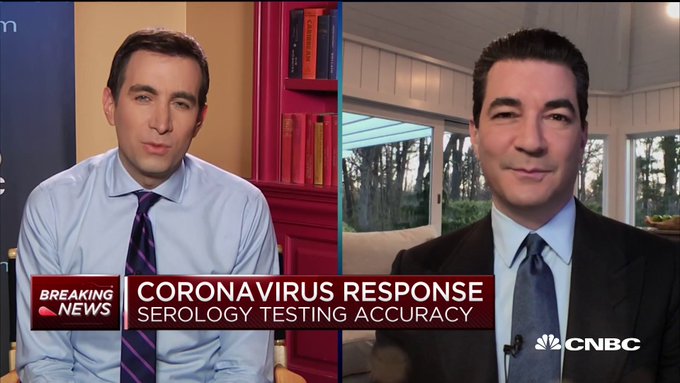


 2012pharmaceutical
 sjwilliamspa