Feeds:
Posts
Comments

Archive for the ‘Chemical Biology and its relations to Metabolic Disease’ Category

The Reconstruction of Life Processes requires both Genomics and Metabolomics to explain Phenotypes and Phylogenetics

Writer and Curator: Larry H. Bernstein, MD, FCAP 


phylogenetics

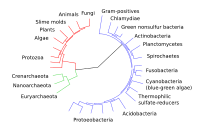
phylogenetics

http://upload.wikimedia.org/wikipedia/commons/thumb/1/12/CollapsedtreeLabels-simplified.svg/200px-CollapsedtreeLabels-simplified.svg.png


This discussion that completes and is an epicrisis (summary and critical evaluation) of the series of discussions that preceded it.

  1. Innervation of Heart and Heart Rate
  2. Action of hormones on the circulation
  3. Allogeneic Transfusion Reactions
  4. Graft-versus Host reaction
  5. Unique problems of perinatal period
  6. High altitude sickness
  7. Deep water adaptation
  8. Heart-Lung-and Kidney
  9. Acute Lung Injury

The concept inherent in this series is that the genetic code is an imprint that is translated into a message.  It is much the same as a blueprint, or a darkroom photographic image that has to be converted to a print. It is biologically an innovation of evolutionary nature because it establishes a simple and reproducible standard for the transcription of the message through the transcription of the message using strings of nucleotides (oligonucleotides) that systematically transfer the message through ribonucleotides that communicate in the cytoplasm with the cytoskeleton based endoplasmic reticulum (ER), composing a primary amino acid sequence.  This process is a quite simple and convenient method of biological activity.  However, the simplicity ends at this step.  The metabolic components of the cell are organelles consisting of lipoprotein membranes and a cytosol which have particularly aligned active proteins, as in the inner membrane of the mitochondrion, or as in the liposome or phagosome, or the structure of the  ER, each of which is critical for energy transduction and respiration, in particular, for the mitochondria, cellular remodeling or cell death, with respect to the phagosome, and construction of proteins with respect to the ER, and anaerobic glycolysis and the hexose monophosphate shunt in the cytoplasmic domain.  All of this refers to structure and function, not to leave out the membrane assigned transport of inorganic, and organic ions (electrolytes and metabolites).

I have identified a specific role of the ER, the organelles, and cellular transactions within and between cells that is orchestrated.  But what I have outlined is a somewhat limited and rigid model that does not reach into the dynamics of cellular transactions.  The DNA has expression that may be old, no longer used messages, and this is perhaps only part of a significant portion of “dark matter”.  There is also nuclear DNA that is enmeshed with protein, mRNA that is a copy of DNA, and mDNA  is copied to ribosomal RNA (rRNA).  There is also rDNA. The classic model is DNA to RNA to protein.  However, there is also noncoding RNA, which plays an important role in regulation of transcription.

This has been discussed in other articles.  But the important point is that proteins have secondary structure through disulfide bonds, which is determined by position of sulfur amino acids, and by van der Waal forces, attraction and repulsion. They have tertiary structure, which is critical for 3-D structure.  When like subunits associate, or dissimilar oligomers, then you have heterodimers and oligomers.  These constructs that have emerged over time interact with metabolites within the cell, and also have an important interaction with the extracellular environment.

When you take this into consideration then a more complete picture emerges. The primitive cell or the multicellular organism lives in an environment that has the following characteristics – air composition, water and salinity, natural habitat, temperature, exposure to radiation, availability of nutrients, and exposure to chemical toxins or to predators.  In addition, there is a time dimension that proceeds from embryonic stage to birth in mammals, a rapid growth phase, a tapering, and a decline.  The time span is determined by body size, fluidity of adaptation, and environmental factors.  This is covered in great detail in this work.  The last two pieces are in the writing stage that completes the series. Much content has already be presented in previous articles.

The function of the heart, kidneys and metabolism of stressful conditions have already been extensively covered in http://pharmaceuticalintelligence.com  in the following and more:

The Amazing Structure and Adaptive Functioning of the Kidneys: Nitric Oxide – Part I

http://pharmaceuticalintelligence.com/2012/11/26/the-amazing-structure-and-adaptive-functioning-of-the-kidneys/

Nitric Oxide and iNOS have Key Roles in Kidney Diseases – Part II

http://pharmaceuticalintelligence.com/2012/11/26/nitric-oxide-and-inos-have-key-roles-in-kidney-diseases/

The pathological role of IL-18Rα in renal ischemia/reperfusion injury – Nature.com

http://pharmaceuticalintelligence.com/2014/10/24/the-pathological-role-of-il-18r%CE%B1-in-renal-ischemiareperfusion-injury-nature-com/

Summary, Metabolic Pathways

http://pharmaceuticalintelligence.com/2014/10/23/summary-metabolic-pathways/


Read Full Post »

Neonatal Pathophysiology

Neonatal Pathophysiology

Writer and Curator: Larry H. Bernstein, MD, FCAP 


Introduction

This curation deals with a large and specialized branch of medicine that grew since the mid 20th century in concert with the developments in genetics and as a result of a growing population, with large urban populations, increasing problems of premature deliveries.  The problems of prematurity grew very preterm to very low birth weight babies with special problems.  While there were nurseries, the need for intensive care nurseries became evident in the 1960s, and the need for perinatal care of pregnant mothers also grew as a result of metabolic problems of the mother, intrauterine positioning of the fetus, and increasing numbers of teen age pregnancies as well as nutritional problems of the mother.  There was also a period when the manufacturers of nutritional products displaced the customary use of breast feeding, which was consequential.  This discussion is quite comprehensive, as it involves a consideration of the heart, the lungs, the brain, and the liver, to a large extent, and also the kidneys and skeletal development.

It is possible to outline, with a proportionate emphasis based on frequency and severity, this as follows:

  1. Genetic and metabolic diseases
  2. Nervous system
  3. Cardiovascular
  4. Pulmonary
  5. Skeletal – bone and muscle
  6. Hematological
  7. Liver
  8. Esophagus, stomach, and intestines
  9. Kidneys
  10. Immune system

Fetal Development

Gestation is the period of time between conception and birth when a baby grows and develops inside the mother’s womb. Because it’s impossible to know exactly when conception occurs, gestational age is measured from the first day of the mother’s last menstrual cycle to the current date. It is measured in weeks. A normal gestation lasts anywhere from 37 to 41 weeks.

Week 5 is the start of the “embryonic period.” This is when all the baby’s major systems and structures develop. The embryo’s cells multiply and start to take on specific functions. This is called differentiation. Blood cells, kidney cells, and nerve cells all develop. The embryo grows rapidly, and the baby’s external features begin to form.

Week 6-9:   Brain forms into five different areas. Some cranial nerves are visible. Eyes and ears begin to form. Tissue grows that will the baby’s spine and other bones. Baby’s heart continues to grow and now beats at a regular rhythm. Blood pumps through the main vessels. Your baby’s brain continues to grow. The lungs start to form. Limbs look like paddles. Essential organs begin to grow.

Weeks 11-18: Limbs extended. Baby makes sucking motion. Movement of limbs. Liver and pancreas produce secretions. Muscle and bones developing.

Week 19-21: Baby can hear. Mom feels baby – and quickening.

http://www.nlm.nih.gov/medlineplus/ency/article/002398.htm

fetal-development

fetal-development

https://polination.files.wordpress.com/2014/02/abortion-new-research-into-fetal-development.jpg

Inherited Metabolic Disorders

The original cause of most genetic metabolic disorders is a gene mutation that occurred many, many generations ago. The gene mutation is passed along through the generations, ensuring its preservation.

Each inherited metabolic disorder is quite rare in the general population. Considered all together, inherited metabolic disorders may affect about 1 in 1,000 to 2,500 newborns. In certain ethnic populations, such as Ashkenazi Jews (Jews of central and eastern European ancestry), the rate of inherited metabolic disorders is higher.

Hundreds of inherited metabolic disorders have been identified, and new ones continue to be discovered. Some of the more common and important genetic metabolic disorders include:

Lysosomal storage disorders : Lysosomes are spaces inside cells that break down waste products of metabolism. Various enzyme deficiencies inside lysosomes can result in buildup of toxic substances, causing metabolic disorders including:

  • Hurler syndrome (abnormal bone structure and developmental delay)
  • Niemann-Pick disease (babies develop liver enlargement, difficulty feeding, and nerve damage)
  • Tay-Sachs disease (progressive weakness in a months-old child, progressing to severe nerve damage; the child usually lives only until age 4 or 5)
  • Gauchers disease and others

Galactosemia: Impaired breakdown of the sugar galactose leads to jaundice, vomiting, and liver enlargement after breast or formula feeding by a newborn.

Maple syrup urine disease: Deficiency of an enzyme called BCKD causes buildup of amino acids in the body. Nerve damage results, and the urine smells like syrup.

Phenylketonuria (PKU): Deficiency of the enzyme PAH results in high levels of phenylalanine in the blood. Mental retardation results if the condition is not recognized.

Glycogen storage diseases: Problems with sugar storage lead to low blood sugar levels, muscle pain, and weakness.

Metal metabolism disorders: Levels of trace metals in the blood are controlled by special proteins. Inherited metabolic disorders can result in protein malfunction and toxic accumulation of metal in the body:

Wilson disease (toxic copper levels accumulate in the liver, brain, and other organs)

Hemochromatosis (the intestines absorb excessive iron, which builds up in the liver, pancreas, joints, and heart, causing damage)

Organic acidemias: methylmalonic acidemia and propionic acidemia.

Urea cycle disorders: ornithine transcarbamylase deficiency and citrullinemia

Hemoglobinopathies – thalassemias, sickle cell disease

Red cell enzyme disorders – glucose-6-phosphate dehydrogenase, pyruvate kinase

This list is by no means complete.

http://www.webmd.com/a-to-z-guides/inherited-metabolic-disorder-types-and-treatments

New variations in the galactose-1-phosphate uridyltransferase (GALT) gene

Clinical and molecular spectra in galactosemic patients from neonatal screening in northeastern Italy: Structural and functional characterization of new variations in the galactose-1-phosphate uridyltransferase (GALT) gene

E Viggiano, A Marabotti, AP Burlina, C Cazzorla, MR D’Apice, et al.
Gene 559 (2015) 112–118
http://dx.doi.org/10.1016/j.gene.2015.01.013
Galactosemia (OMIM 230400) is a rare autosomal recessive inherited disorder caused by deficiency of galactose-1-phosphate uridyltransferase (GALT; OMIM 606999) activity. The incidence of galactosemia is 1 in 30,000–60,000, with a prevalence of 1 in 47,000 in the white population. Neonates with galactosemia can present acute symptoms, such as severe hepatic and renal failure, cataract and sepsis after milk introduction. Dietary restriction of galactose determines the clinical improvement in these patients. However, despite early diagnosis by neonatal screening and dietary treatment, a high percentage of patients develop long-term complications such as cognitive disability, speech problems, neurological and/or movement disorders and, in females, ovarian dysfunction.

With the benefit of early diagnosis by neonatal screening and early therapy, the acute presentation of classical galactosemia can be prevented. The objectives of the current study were to report our experience with a group of galactosemic patients identified through the neonatal screening programs in northeastern Italy during the last 30 years.

No neonatal deaths due to galactosemia complications occurred after the introduction of the neonatal screening program. However, despite the early diagnosis and dietary treatment, the patients with classical galactosemia showed one or more long-term complications.

A total of 18 different variations in the GALT gene were found in the patient cohort: 12 missense, 2 frameshift, 1 nonsense, 1 deletion, 1 silent variation, and 1 intronic. Six (p.R33P, p.G83V, p.P244S, p.L267R, p.L267V, p.E271D) were new variations. The most common variation was p.Q188R (12 alleles, 31.5%), followed by p.K285N (6 alleles, 15.7%) and p.N314D (6 alleles, 15.7%). The other variations comprised 1 or 2 alleles. In the patients carrying a new mutation, the biochemical analysis of GALT activity in erythrocytes showed an activity of < 1%. In silico analysis (SIFT, PolyPhen-2 and the computational analysis on the static protein structure) showed potentially damaging effects of the six new variations on the GALT protein, thus expanding the genetic spectrum of GALT variations in Italy. The study emphasizes the difficulty in establishing a genotype–phenotype correlation in classical galactosemia and underlines the importance of molecular diagnostic testing prior to making any treatment.

Diagnosis and Management of Hereditary Hemochromatosis

Reena J. Salgia, Kimberly Brown
Clin Liver Dis 19 (2015) 187–198
http://dx.doi.org/10.1016/j.cld.2014.09.011

Hereditary hemochromatosis (HH) is a diagnosis most commonly made in patients with elevated iron indices (transferrin saturation and ferritin), and HFE genetic mutation testing showing C282Y homozygosity.

The HFE mutation is believed to result in clinical iron overload through altering hepcidin levels resulting in increased iron absorption.

The most common clinical complications of HH include cirrhosis, diabetes, nonischemic cardiomyopathy, and hepatocellular carcinoma.

Liver biopsy should be performed in patients with HH if the liver enzymes are elevated or serum ferritin is greater than 1000 mg/L. This is useful to determine the degree of iron overload and stage the fibrosis.

Treatment of HH with clinical iron overload involves a combination of phlebotomy and/or chelation therapy. Liver transplantation should be considered for patients with HH-related decompensated cirrhosis.

Health economic evaluation of plasma oxysterol screening in the diagnosis of Niemann–Pick Type C disease among intellectually disabled using discrete event simulation

CDM van Karnebeek, Tima Mohammadi, Nicole Tsaod, Graham Sinclair, et al.
Molecular Genetics and Metabolism 114 (2015) 226–232
http://dx.doi.org/10.1016/j.ymgme.2014.07.004

Background: Recently a less invasive method of screening and diagnosing Niemann–Pick C (NP-C) disease has emerged. This approach involves the use of a metabolic screening test (oxysterol assay) instead of the current practice of clinical assessment of patients suspected of NP-C (review of medical history, family history and clinical examination for the signs and symptoms). Our objective is to compare costs and outcomes of plasma oxysterol screening versus current practice in diagnosis of NP-C disease among intellectually disabled (ID) patients using decision-analytic methods.
Methods: A discrete event simulation model was conducted to follow ID patients through the diagnosis and treatment of NP-C, forecast the costs and effectiveness for a cohort of ID patients and compare the outcomes and costs in two different arms of the model: plasma oxysterol screening and routine diagnosis procedure (anno 2013) over 5 years of follow up. Data from published sources and clinical trials were used in simulation model. Unit costs and quality-adjusted life-years (QALYs) were discounted at a 3% annual rate in the base case analysis. Deterministic and probabilistic sensitivity analyses were conducted.
Results: The outcomes of the base case model showed that using plasma oxysterol screening for diagnosis of NP-C disease among ID patients is a dominant strategy. It would result in lower total cost and would slightly improve patients’ quality of life. The average amount of cost saving was $3642 CAD and the incremental QALYs per each individual ID patient in oxysterol screening arm versus current practice of diagnosis NP-C was 0.0022 QALYs. Results of sensitivity analysis demonstrated robustness of the outcomes over the wide range of changes in model inputs.
Conclusion: Whilst acknowledging the limitations of this study, we conclude that screening ID children and adolescents with oxysterol tests compared to current practice for the diagnosis of NP-C is a dominant strategy with clinical and economic benefits. The less costly, more sensitive and specific oxysterol test has potential to save costs to the healthcare system while improving patients’ quality of life and may be considered as a routine tool in the NP-C diagnosis armamentarium for ID. Further research is needed to elucidate its effectiveness in patients presenting characteristics other than ID in childhood and adolescence.

Neurological and Behavioral Disorders

Estrogen receptor signaling during vertebrate development

Maria Bondesson, Ruixin Hao, Chin-Yo Lin, Cecilia Williams, Jan-Åke Gustafsson
Biochimica et Biophysica Acta 1849 (2015) 142–151
http://dx.doi.org/10.1016/j.bbagrm.2014.06.005

Estrogen receptors are expressed and their cognate ligands produced in all vertebrates, indicative of important and conserved functions. Through evolution estrogen has been involved in controlling reproduction, affectingboth the development of reproductive organs and reproductive behavior. This review broadly describes the synthesis of estrogens and the expression patterns of aromatase and the estrogen receptors, in relation to estrogen functions in the developing fetus and child. We focus on the role of estrogens for the development of reproductive tissues, as well as non-reproductive effects on the developing brain. We collate data from human, rodent, bird and fish studies and highlight common and species-specific effects of estrogen signaling on fetal development. Morphological malformations originating from perturbed estrogen signaling in estrogen receptor and aromatase knockout mice are discussed, as well as the clinical manifestations of rare estrogen receptor alpha and aromatase gene mutations in humans. This article is part of a Special Issue entitled: Nuclear receptors in animal development.


Memory function and hippocampal volumes in preterm born very-low-birth-weight (VLBW) young adults

Synne Aanes, Knut Jørgen Bjuland, Jon Skranes, Gro C.C. Løhaugen
NeuroImage 105 (2015) 76–83
http://dx.doi.org/10.1016/j.neuroimage.2014.10.023

The hippocampi are regarded as core structures for learning and memory functions, which is important for daily functioning and educational achievements. Previous studies have linked reduction in hippocampal volume to working memory problems in very low birth weight (VLBW; ≤1500 g) children and reduced general cognitive ability in VLBW adolescents. However, the relationship between memory function and hippocampal volume has not been described in VLBW subjects reaching adulthood. The aim of the study was to investigate memory function and hippocampal volume in VLBW young adults, both in relation to perinatal risk factors and compared to term born controls, and to look for structure–function relationships. Using Wechsler Memory Scale-III and MRI, we included 42 non-disabled VLBW and 61 control individuals at age 19–20 years, and related our findings to perinatal risk factors in the VLBW-group. The VLBW young adults achieved lower scores on several subtests of the Wechsler Memory Scale-III, resulting in lower results in the immediate memory indices (visual and auditory), the working memory index, and in the visual delayed and general memory delayed indices, but not in the auditory delayed and auditory recognition delayed indices. The VLBW group had smaller absolute and relative hippocampal volumes than the controls. In the VLBW group inferior memory function, especially for the working memory index, was related to smaller hippocampal volume, and both correlated with lower birth weight and more days in the neonatal intensive care unit (NICU). Our results may indicate a structural–functional relationship in the VLBW group due to aberrant hippocampal development and functioning after preterm birth.

The relation of infant attachment to attachment and cognitive and behavioural outcomes in early childhood

Yan-hua Ding, Xiu Xua, Zheng-yan Wang, Hui-rong Li, Wei-ping Wang
Early Human Development 90 (2014) 459–464
http://dx.doi.org/10.1016/j.earlhumdev.2014.06.004

Background: In China, research on the relation of mother–infant attachment to children’s development is scarce.
Aims: This study sought to investigate the relation of mother–infant attachment to attachment, cognitive and behavioral development in young children.                                                                                                                            Study design: This study used a longitudinal study design.
Subjects: The subjects included healthy infants (n=160) aged 12 to 18 months.
Outcome measures: Ainsworth’s “Strange Situation Procedure” was used to evaluate mother–infant attachment types. The attachment Q-set (AQS) was used to evaluate the attachment between young children and their mothers. The Bayley scale of infant development-second edition (BSID-II) was used to evaluate cognitive developmental level in early childhood. Achenbach’s child behavior checklist (CBCL) for 2- to 3-year-oldswas used to investigate behavioral problems.
Results: In total, 118 young children (73.8%) completed the follow-up; 89.7% of infants with secure attachment and 85.0% of infants with insecure attachment still demonstrated this type of attachment in early childhood (κ = 0.738, p b 0.05). Infants with insecure attachment collectively exhibited a significantly lower mental development index (MDI) in early childhood than did infants with secure attachment, especially the resistant type. In addition, resistant infants were reported to have greater social withdrawal, sleep problems and aggressive behavior in early childhood.
Conclusion: There is a high consistency in attachment development from infancy to early childhood. Secure mother–infant attachment predicts a better cognitive and behavioral outcome; whereas insecure attachment, especially the resistant attachment, may lead to a lower cognitive level and greater behavioral problems in early childhood.

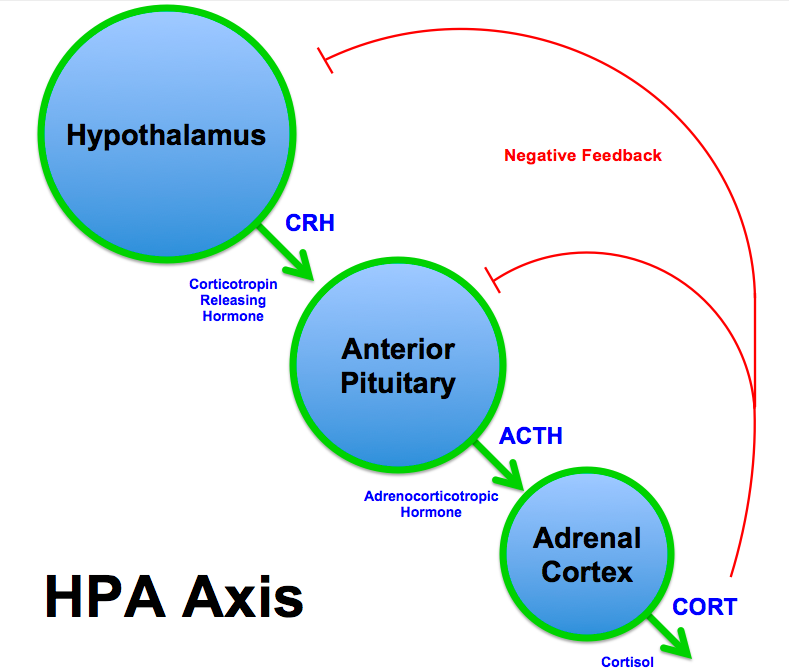
representations of the HPA axis

representations of the HPA axis

representations of limbic stress-integrative pathways from the prefrontal cortex, amygdala and hippocampus

representations of limbic stress-integrative pathways from the prefrontal cortex, amygdala and hippocampus

Fetal programming of schizophrenia: Select mechanisms

Monojit Debnatha, Ganesan Venkatasubramanian, Michael Berk
Neuroscience and Biobehavioral Reviews 49 (2015) 90–104
http://dx.doi.org/10.1016/j.neubiorev.2014.12.003

Mounting evidence indicates that schizophrenia is associated with adverse intrauterine experiences. An adverse or suboptimal fetal environment can cause irreversible changes in brain that can subsequently exert long-lasting effects through resetting a diverse array of biological systems including endocrine, immune and nervous. It is evident from animal and imaging studies that subtle variations in the intrauterine environment can cause recognizable differences in brain structure and cognitive functions in the offspring. A wide variety of environmental factors may play a role in precipitating the emergent developmental dysregulation and the consequent evolution of psychiatric traits in early adulthood by inducing inflammatory, oxidative and nitrosative stress (IO&NS) pathways, mitochondrial dysfunction, apoptosis, and epigenetic dysregulation. However, the precise mechanisms behind such relationships and the specificity of the risk factors for schizophrenia remain exploratory. Considering the paucity of knowledge on fetal programming of schizophrenia, it is timely to consolidate the recent advances in the field and put forward an integrated overview of the mechanisms associated with fetal origin of schizophrenia.

NMDA receptor dysfunction in autism spectrum disorders

Eun-Jae Lee, Su Yeon Choi and Eunjoon Kim
Current Opinion in Pharmacology 2015, 20:8–13
http://dx.doi.org/10.1016/j.coph.2014.10.007

Autism spectrum disorders (ASDs) represent neurodevelopmental disorders characterized by two core symptoms;

(1)  impaired social interaction and communication, and
(2)  restricted and repetitive behaviors, interests, and activities.

ASDs affect ~ 1% of the population, and are considered to be highly genetic in nature. A large number (~600) of ASD-related genetic variations have been identified (sfari.org), and target gene functions are apparently quite diverse. However, some fall onto common pathways, including synaptic function and chromosome remodeling, suggesting that core mechanisms may exist.

Abnormalities and imbalances in neuronal excitatory and inhibitory synapses have been implicated in diverse neuropsychiatric disorders including autism spectrum disorders (ASDs). Increasing evidence indicates that dysfunction of NMDA receptors (NMDARs) at excitatory synapses is associated with ASDs. In support of this, human ASD-associated genetic variations are found in genes encoding NMDAR subunits. Pharmacological enhancement or suppression of NMDAR function ameliorates ASD symptoms in humans. Animal models of ASD display bidirectional NMDAR dysfunction, and correcting this deficit rescues ASD-like behaviors. These findings suggest that deviation of NMDAR function in either direction contributes to the development of ASDs, and that correcting NMDAR dysfunction has therapeutic potential for ASDs.

Among known synaptic proteins implicated in ASD are metabotropic glutamate receptors (mGluRs). Functional enhancement and suppression of mGluR5 are associated with fragile X syndrome and tuberous sclerosis, respectively, which share autism as a common phenotype. More recently, ionotropic glutamate receptors, namely NMDA receptors (NMDARs) and AMPA receptors (AMPARs), have also been implicated in ASDs. In this review, we will focus on NMDA receptors and summarize evidence supporting the hypothesis that NMDAR dysfunction contributes to ASDs, and, by extension, that correcting NMDAR dysfunction has therapeutic potential for ASDs. ASD-related human NMDAR genetic variants.

Chemokines roles within the hippocampus

Chemokines roles within the hippocampus

IL-1 mediates stress-induced activation of the HPA axis

IL-1 mediates stress-induced activation of the HPA axis

A systemic model of the beneficial role of immune processes in behavioral and neural plasticity

A systemic model of the beneficial role of immune processes in behavioral and neural plasticity

Three Classes of Glutamate Receptors

Three Classes of Glutamate Receptors

Clinical studies on ASDs have identified genetic variants of NMDAR subunit genes. Specifically, de novo mutations have been identified in the GRIN2B gene, encoding the GluN2B subunit. In addition, SNP analyses have linked both GRIN2A (GluN2A subunit) and GRIN2B with ASDs. Because assembled NMDARs contain four subunits, each with distinct properties, ASD-related GRIN2A/ GRIN2B variants likely alter the functional properties of NMDARs and/or NMDAR-dependent plasticity.

Pharmacological modulation of NMDAR function can improve ASD symptoms. D-cycloserine (DCS), an NMDAR agonist, significantly ameliorates social withdrawal and repetitive behavior in individuals with ASD. These results suggest that reduced NMDAR function may contribute to the development of ASDs in humans.

We can divide animal studies into two groups. The first group consists of animals in which NMDAR modulators were shown to normalize both NMDAR dysfunction and ASD-like behaviors, establishing strong association between NMDARs and ASD phenotypes (Fig.). In the second group, NMDAR modulators were shown to rescue ASD-like behaviors, but NMDAR dysfunction and its correction have not been demonstrated.

ASD models with data showing rescue of both NMDAR dysfunction and ASD like behaviors Mice lacking neuroligin-1, an excitatory postsynaptic adhesion molecule, show reduced NMDAR function in the hippocampus and striatum, as evidenced by a decrease in NMDA/AMPA ratio and long-term potentiation (LTP). Neuroligin-1 is thought to enhance synaptic NMDAR function, by directly interacting with and promoting synaptic localization of NMDARs.

Fig not shown.

Bidirectional NMDAR dysfunction in animal models of ASD. Animal models of ASD with bidirectional NMDAR dysfunction can be positioned on either side of an NMDAR function curve. Model animals were divided into two groups.

Group 1: NMDAR modulators normalize both NMDAR dysfunction and ASD-like behaviors (green).

Group 2: NMDAR modulators rescue ASD-like behaviors, but NMDAR dysfunction and its rescue have not been demonstrated (orange). Note that Group 2 animals are tentatively placed on the left-hand side of the slope based on the observed DCS rescue of their ASD-like phenotypes, but the directions of their NMDAR dysfunctions remain to be experimentally determined.

ASD models with data showing rescue of ASD-like behaviors but no demonstrated NMDAR dysfunction

Tbr1 is a transcriptional regulator, one of whose targets is the gene encoding the GluN2B subunit of NMDARs. Mice haploinsufficient for Tbr1 (Tbr1+/-) show structural abnormalities in the amygdala and limited GluN2B induction upon behavioral stimulation. Both systemic injection and local amygdalar infusion of DCS rescue social deficits and impaired associative memory in Tbr1+/- mice. However, reduced NMDAR function and its DCS-dependent correction have not been demonstrated.

Spatial working memory and attention skills are predicted by maternal stress during pregnancy

André Plamondon, Emis Akbari, Leslie Atkinson, Meir Steiner
Early Human Development 91 (2015) 23–29
http://dx.doi.org/10.1016/j.earlhumdev.2014.11.004

Introduction: Experimental evidence in rodents shows that maternal stress during pregnancy (MSDP) negatively impacts spatial learning and memory in the offspring. We aim to investigate the association between MSDP (i.e., life events) and spatial working memory, as well as attention skills (attention shifting and attention focusing), in humans. The moderating roles of child sex, maternal anxiety during pregnancy and postnatal care are also investigated.  Methods: Participants were 236mother–child dyads that were followed from the second trimester of pregnancy until 4 years postpartum. Measurements included questionnaires and independent observations.
Results: MSDP was negatively associated with attention shifting at 18monthswhen concurrent maternal anxiety was low. MSDP was associated with poorer spatial working memory at 4 years of age, but only for boys who experienced poorer postnatal care.
Conclusion: Consistent with results observed in rodents, MSDP was found to be associated with spatial working memory and attention skills. These results point to postnatal care and maternal anxiety during pregnancy as potential targets for interventions that aim to buffer children from the detrimental effects of MSDP.

Acute and massive bleeding from placenta previa and infants’ brain damage

Ken Furuta, Shuichi Tokunaga, Seishi Furukawa, Hiroshi Sameshima
Early Human Development 90 (2014) 455–458
http://dx.doi.org/10.1016/j.earlhumdev.2014.06.002

Background: Among the causes of third trimester bleeding, the impact of placenta previa on cerebral palsy is not well known.
Aims: To clarify the effect ofmaternal bleeding fromplacenta previa on cerebral palsy, and in particular when and how it occurs.
Study design: A descriptive study.
Subjects: Sixty infants born to mothers with placenta previa in our regional population-based study of 160,000 deliveries from 1998 to 2012. Premature deliveries occurring atb26 weeks of gestation and placenta accrete were excluded.
Outcome measures: Prevalence of cystic periventricular leukomalacia (PVL) and cerebral palsy (CP).
Results: Five infants had PVL and 4 of these infants developed CP (1/40,000 deliveries). Acute and massive bleeding (>500 g) within 8 h) occurred at around 30–31 weeks of gestation, and was severe enough to deliver the fetus. None of the 5 infants with PVL underwent antenatal corticosteroid treatment, and 1 infant had mild neonatal hypocapnia with a PaCO2 < 25 mm Hg. However, none of the 5 PVL infants showed umbilical arterial academia with pH < 7.2, an abnormal fetal heart rate monitoring pattern, or neonatal hypotension.
Conclusions: Our descriptive study showed that acute and massive bleeding from placenta previa at around 30 weeks of gestation may be a risk factor for CP, and requires careful neonatal follow-up. The underlying process connecting massive placental bleeding and PVL requires further investigation.

Impact of bilirubin-induced neurologic dysfunction on neurodevelopmental outcomes

Courtney J. Wusthoff, Irene M. Loe
Seminars in Fetal & Neonatal Medicine 20 (2015) 52e57
http://dx.doi.org/10.1016/j.siny.2014.12.003

Extreme neonatal hyperbilirubinemia has long been known to cause the clinical syndrome of kernicterus, or chronic bilirubin encephalopathy (CBE). Kernicterus most usually is characterized by choreoathetoid cerebral palsy (CP), impaired upward gaze, and sensorineural hearing loss, whereas cognition is relatively spared. The chronic condition of kernicterus may be, but is not always, preceded in the acute stage by acute bilirubin encephalopathy (ABE). This acute neonatal condition is also due to hyperbilirubinemia, and is characterized by lethargy and abnormal behavior, evolving to frank neonatal encephalopathy, opisthotonus, and seizures. Less completely defined is the syndrome of bilirubin-induced neurologic dysfunction (BIND).

Bilirubin-induced neurologic dysfunction (BIND) is the constellation of neurologic sequelae following milder degrees of neonatal hyperbilirubinemia than are associated with kernicterus. Clinically, BIND may manifest after the neonatal period as developmental delay, cognitive impairment, disordered executive function, and behavioral and psychiatric disorders. However, there is controversy regarding the relative contribution of neonatal hyperbilirubinemia versus other risk factors to the development of later neurodevelopmental disorders in children with BIND. In this review, we focus on the empiric data from the past 25 years regarding neurodevelopmental outcomes and BIND, including specific effects on developmental delay, cognition, speech and language development, executive function, and the neurobehavioral disorders, such as attention deficit/hyperactivity disorder and autism.

As noted in a technical report by the American Academy of Pediatrics Subcommittee on Hyperbilirubinemia, “it is apparent that the use of a single total serum bilirubin level to predict long-term outcomes is inadequate and will lead to conflicting results”. As described above, this has certainly been the case in research to date. To clarify how hyperbilirubinemia influences neurodevelopmental outcome, more sophisticated consideration is needed both of how to assess bilirubin exposure leading to neurotoxicity, and of those comorbid conditions which may lower the threshold for brain injury.

For example, premature infants are known to be especially susceptible to bilirubin neurotoxicity, with kernicterus reported following TB levels far lower than the threshold expected in term neonates. Similarly, among extremely preterm neonates, BBC is proportional to gestational age, meaning that the most premature infants have the highest UB, even for similar TB levels. Thus, future studies must be adequately powered to examine preterm infants separately from term infants, and should consider not just peak TB, but also BBC, as independent variables in neonates with hyperbilirubinemia. Similarly, an analysis by the NICHD NRN found that, among ELBW infants, higher UB levels were associated with a higher risk of death or NDI. However, increased TB levels were only associated with death or NDI in unstable infants. Again, UB or BBC appeared to be more useful than TB.

Are the neuromotor disabilities of bilirubin-induced neurologic dysfunction disorders related to the cerebellum and its connections?

Jon F. Watchko, Michael J. Painter, Ashok Panigrahy
Seminars in Fetal & Neonatal Medicine 20 (2015) 47e51
http://dx.doi.org/10.1016/j.siny.2014.12.004

Investigators have hypothesized a range of subcortical neuropathology in the genesis of bilirubin induced neurologic dysfunction (BIND). The current review builds on this speculation with a specific focus on the cerebellum and its connections in the development of the subtle neuromotor disabilities of BIND. The focus on the cerebellum derives from the following observations:
(i) the cerebellum is vulnerable to bilirubin-induced injury; perhaps the most vulnerable region within the central nervous system;
(ii) infants with cerebellar injury exhibit a neuromotor phenotype similar to BIND; and                                                       (iii) the cerebellum has extensive bidirectional circuitry projections to motor and non-motor regions of the brain-stem and cerebral cortex that impact a variety of neurobehaviors.
Future study using advanced magnetic resonance neuroimaging techniques have the potential to shed new insights into bilirubin’s effect on neural network topology via both structural and functional brain connectivity measurements.

Bilirubin-induced neurologic damage is most often thought of in terms of severe adverse neuromotor (dystonia with or without athetosis) and auditory (hearing impairment or deafness) sequelae. Observed together, they comprise the classic neurodevelopmental phenotype of chronic bilirubin encephalopathy or kernicterus, and may also be seen individually as motor or auditory predominant subtypes. These injuries reflect both a predilection of bilirubin toxicity for neurons (relative to glial cells) and the regional topography of bilirubin-induced neuronal damage characterized by prominent involvement of the globus pallidus, subthalamic nucleus, VIII cranial nerve, and cochlear nucleus.

It is also asserted that bilirubin neurotoxicity may be associated with other less severe neurodevelopmental disabilities, a condition termed “subtle kernicterus” or “bilirubin-induced neurologic dysfunction” (BIND). BIND is defined by a constellation of “subtle neurodevelopmental disabilities without the classical findings of kernicterus that, after careful evaluation and exclusion of other possible etiologies, appear to be due to bilirubin neurotoxicity”. These purportedly include:

(i) mild-to-moderate disorders of movement (e.g., incoordination, clumsiness, gait abnormalities, disturbances in static and dynamic balance, impaired fine motor skills, and ataxia);                                                                                             (ii) disturbances in muscle tone; and
(iii) altered sensorimotor integration. Isolated disturbances of central auditory processing are also included in the spectrum of BIND.

  • Cerebellar vulnerability to bilirubin-induced injury
  • Cerebellar injury phenotypes and BIND
  • Cerebellar projections
Transverse section of cerebellum and brainstem

Transverse section of cerebellum and brainstem

Transverse section of cerebellum and brain-stem from a 34 gestational-week premature kernicteric infant formalin-fixed for two weeks. Yellow staining is evident in the cerebellar dentate nuclei (upper arrow) and vestibular nuclei at the pontomedullary junction (lower arrowhead). Photo is courtesy of Mahmdouha Ahdab-Barmada and reprinted with permission from Taylor-Francis Group (Ahdab Barmada M. The neuropathology of kernicterus: definitions and debate. In: Maisel MJ, Watchko JF editors. Neonatal jaundice. Amsterdam: Harwood Academic Publishers; 2000. p. 75e88

Whether cerebellar injury is primal or an integral part of disturbed neural circuitry in bilirubin-induced CNS damage is unclear. Movement disorders, however, are increasingly recognized to arise from abnormalities of neuronal circuitry rather than localized, circumscribed lesions. The cerebellum has extensive bidirectional circuitry projections to an array of brainstem nuclei and the cerebral cortex that modulate and refine motor activities. In this regard, the cerebellum is characteristically subdivided into three lobes based on neuroanatomic and phylogenetic criteria as well as by their primary afferent and efferent connections. They include:
(i) flocculonodular lobe (archicerebellum);
(ii) anterior lobe (paleocerebellum); and
(iii) posterior lobe (neocerebellum).

The archicerebellum, the oldest division phylogenically, receives extensive input from the vestibular system and is therefore also known as the vestibulocerebellum and is important for equilibrium control. The paleocerebellum, also a primitive region, receives extensive somatosensory input from the spinal cord, including the anterior and posterior spinocerebellar pathways that convey unconscious proprioception, and is therefore also known as the spinocerebellum. The neocerebellum is the most recently evolved region, receives most of the input from the cerebral cortex, and is thus termed the cerebrocerebellum. This area has greatly expanded in association with the extensive development of the cerebral cortex in mammals and especially primates. To cause serious longstanding dysfunction, cerebellar injury must typically involve the deep cerebellar nuclei and their projections.

Schematic of the bidirectional connectivity between the cerebellum and other

Schematic of the bidirectional connectivity between the cerebellum and other

Schematic of the bidirectional connectivity between the cerebellum and other brain regions including the cerebral cortex. Most cerebro-cerebellar afferent projections pass through the basal (anterior or ventral) pontine nuclei and intermediate cerebellar peduncle, whereas most cerebello-cerebral efferent projections pass through the dentate and ventrolateral thalamic nuclei. DCN, deep cerebellar nuclei; RN, red nucleus; ATN, anterior thalamic nucleus; PFC, prefrontal cortex; MC, motor cortex; PC, parietal cortex; TC, temporal cortex; STN, subthalamic nucleus; APN, anterior pontine nuclei. Reprinted under the terms of the Creative Commons Attribution License from D’Angelo E, Casali S. Seeking a unified framework for cerebellar function and dysfunction: from circuit to cognition. Front Neural Circuits 2013; 6:116.

Given the vulnerability of the cerebellum to bilirubin-induced injury, cerebellar involvement should also be evident in classic kernicterus, contributing to neuromotor deficits observed therein. It is of interest, therefore, that cerebellar damage may play a role in the genesis of bilirubin-induced dystonia, a prominent neuromotor feature of chronic bilirubin encephalopathy in preterm and term neonates alike. This complex movement disorder is characterized by involuntary sustained muscle contractions that result in abnormal position and posture. Moreover, dystonia that is brief in duration results in chorea, and, if brief and repetitive, leads to athetosis ‒ conditions also classically observed in kernicterus. Recent evidence suggests that dystonic movements may depend on disruption of both basal ganglia and cerebellar neuronal networks, rather than isolated dysfunction of only one motor system.

Dystonia is also a prominent feature in Gunn rat pups and neonatal Ugt1‒/‒-deficient mice both robust models of kernicterus. The former is used as an experimental model of dystonia. Although these models show basal ganglia injury, the sine qua non of bilirubin-induced murine neuropathology is cerebellar damage and resultant cerebellar hypoplasia.

Studies are needed to define more precisely the motor network abnormalities in kernicterus and BIND. Magnetic resonance imaging (MRI) has been widely used in evaluating infants at risk for bilirubin-induced brain injury using conventional structural T1-and T2-weighted imaging. Infants with chronic bilirubin encephalopathy often demonstrate abnormal bilateral, symmetric, high-signal intensity on T2-weighted MRI of the globus pallidus and subthalamic nucleus, consistent with the neuropathology of kernicterus. Early postnatal MRI of at-risk infants, although frequently showing increased T1-signal in these regions, may give false-positive findings due to the presence of myelin in these structures.

Diffusion tensor imaging and tractography could be used to delineate long-term changes involving specific white matter pathways, further elucidating the neural basis of long-term disability in infants and children with chronic bilirubin encephalopathy and BIND. It will be equally valuable to use blood oxygen level-dependent (BOLD) “resting state” functional MRI to study intrinsic connectivity in order to identify vulnerable brain networks in neonates with kernicterus and BIND. Structural networks of the CNS (connectome) and functional network topology can be characterized in infants with kernicterus and BIND to determine disease-related pattern(s) with respect to both long- and short-range connectivity. These findings have the potential to shed novel insights into the pathogenesis of these disorders and their impact on complex anatomical connections and resultant functional deficits.

Audiologic impairment associated with bilirubin-induced neurologic damage

Cristen Olds, John S. Oghalai
Seminars in Fetal & Neonatal Medicine 20 (2015) 42e46
http://dx.doi.org/10.1016/j.siny.2014.12.006

Hyperbilirubinemia affects up to 84% of term and late preterm infants in the first week of life. The elevation of total serum/plasma bilirubin (TB) levels is generally mild, transitory, and, for most children, inconsequential. However, a subset of infants experiences lifelong neurological sequelae. Although the prevalence of classic kernicterus has fallen steadily in the USA in recent years, the incidence of jaundice in term and premature infants has increased, and kernicterus remains a significant problem in the global arena. Bilirubin-induced neurologic dysfunction (BIND) is a spectrum of neurological injury due to acute or sustained exposure of the central nervous system(CNS) to bilirubin. The BIND spectrum includes kernicterus, acute bilirubin encephalopathy, and isolated neural pathway dysfunction.

Animal studies have shown that unconjugated bilirubin passively diffuses across cell membranes and the blood‒brain barrier (BBB), and bilirubin not removed by organic anion efflux pumps accumulates within the cytoplasm and becomes toxic. Exposure of neurons to bilirubin results in increased oxidative stress and decreased neuronal proliferation and presynaptic neuro-degeneration at central glutaminergic synapses. Furthermore, bilirubin administration results in smaller spiral ganglion cell bodies, with decreased cellular density and selective loss of large cranial nerve VIII myelinated fibers. When exposed to bilirubin, neuronal supporting cells have been found to secrete inflammatory markers, which contribute to increased BBB permeability and bilirubin loading.

The jaundiced Gunn rat is the classic animal model of bilirubin toxicity. It is homozygous for a premature stop codon within the gene for UDP-glucuronosyltransferase family 1 (UGT1). The resultant gene product has reduced bilirubin-conjugating activity, leading to a state of hyperbilirubinemia. Studies with this rat model have led to the concept that impaired calcium homeostasis is an important mechanism of neuronal toxicity, with reduced expression of calcium-binding proteins in affected cells being a sensitive index of bilirubin-induced neurotoxicity. Similarly, application of bilirubin to cultured auditory neurons from brainstem cochlear nuclei results in hyperexcitability and excitotoxicity.

The auditory pathway and normal auditory brainstem response (ABR).

The auditory pathway and normal auditory brainstem response (ABR).

The auditory pathway and normal auditory brain-stem response (ABR). The ipsilateral (green) and contralateral (blue) auditory pathways are shown, with structures that are known to be affected by hyperbilirubinemia highlighted in red. Roman numerals in parentheses indicate corresponding waves in the normal human ABR (inset). Illustration adapted from the “Ear Anatomy” series by Robert Jackler and Christine Gralapp, with permission.

Bilirubin-induced neurologic dysfunction (BIND)

Vinod K. Bhutani, Ronald Wong
Seminars in Fetal & Neonatal Medicine 20 (2015) 1
http://dx.doi.org/10.1016/j.siny.2014.12.010

Beyond the traditional recognized areas of fulminant injury to the globus pallidus as seen in infants with kernicterus, other vulnerable areas include the cerebellum, hippocampus, and subthalamic nuclear bodies as well as certain cranial nerves. The hippocampus is a brain region that is particularly affected by age related morphological changes. It is generally assumed that a loss in hippocampal volume results in functional deficits that contribute to age-related cognitive deficits. Lower grey matter volumes within the limbic-striato-thalamic circuitry are common to other etiological mechanisms of subtle neurologic injury. Lower grey matter volumes in the amygdala, caudate, frontal and medial gyrus are found in schizophrenia and in the putamen in autism. Thus, in terms of brain volumetrics, schizophrenia and autism spectrum disorders have a clear degree of overlap that may reflect shared etiological mechanisms. Overlap with injuries observed in infants with BIND raises the question about how these lesions are arrived at in the context of the impact of common etiologies.

Stress-induced perinatal and transgenerational epigenetic programming of brain development and mental health

Olena Babenko, Igor Kovalchuk, Gerlinde A.S. Metz
Neuroscience and Biobehavioral Reviews 48 (2015) 70–91
http://dx.doi.org/10.1016/j.neubiorev.2014.11.013

Research efforts during the past decades have provided intriguing evidence suggesting that stressful experiences during pregnancy exert long-term consequences on the future mental wellbeing of both the mother and her baby. Recent human epidemiological and animal studies indicate that stressful experiences in utero or during early life may increase the risk of neurological and psychiatric disorders, arguably via altered epigenetic regulation. Epigenetic mechanisms, such as miRNA expression, DNA methylation, and histone modifications are prone to changes in response to stressful experiences and hostile environmental factors. Altered epigenetic regulation may potentially influence fetal endocrine programming and brain development across several generations. Only recently, however, more attention has been paid to possible transgenerational effects of stress. In this review we discuss the evidence of transgenerational epigenetic inheritance of stress exposure in human studies and animal models. We highlight the complex interplay between prenatal stress exposure, associated changes in miRNA expression and DNA methylation in placenta and brain and possible links to greater risks of schizophrenia, attention deficit hyperactivity disorder, autism, anxiety- or depression-related disorders later in life. Based on existing evidence, we propose that prenatal stress, through the generation of epigenetic alterations, becomes one of the most powerful influences on mental health in later life. The consideration of ancestral and prenatal stress effects on lifetime health trajectories is critical for improving strategies that support healthy development and successful aging.

Sensitive time-windows for susceptibility in neurodevelopmental disorders

Rhiannon M. Meredith, Julia Dawitz and Ioannis Kramvis
Trends in Neurosciences, June 2012; 35(6): 335-344
http://dx.doi.org:/10.1016/j.tins.2012.03.005

Many neurodevelopmental disorders (NDDs) are characterized by age-dependent symptom onset and regression, particularly during early postnatal periods of life. The neurobiological mechanisms preceding and underlying these developmental cognitive and behavioral impairments are, however, not clearly understood. Recent evidence using animal models for monogenic NDDs demonstrates the existence of time-regulated windows of neuronal and synaptic impairments. We propose that these developmentally-dependent impairments can be unified into a key concept: namely, time-restricted windows for impaired synaptic phenotypes exist in NDDs, akin to critical periods during normal sensory development in the brain. Existence of sensitive time-windows has significant implications for our understanding of early brain development underlying NDDs and may indicate vulnerable periods when the brain is more susceptible to current therapeutic treatments.

Fig (not shown)

Misregulated mechanisms underlying spine morphology in NDDs. Several proteins implicated in monogenic NDDs (highlighted in red) are linked to the regulation of the synaptic cytoskeleton via F-actin through different Rho-mediated signaling pathways (highlighted in green). Mutations in OPHN1, TSC1/2, FMRP, p21-activated kinase (PAK) are directly linked to human NDDs of intellectual disability. For instance, point mutations in OPHN1 and a PAK isoform are linked to non-syndromic mental retardation, whereas mutations or altered expression of TSC1/2 and FMRP are linked to TSC and FXS, respectively. Cytoplasmic interacting protein (CYFIP) and LIM-domain kinase 1 (LIMK1) are known to interact with FMRP and PAK, respectively [105]. LIMK1 is one of many dysregulated proteins contributing to the NDD Williams syndrome. Mouse models are available for all highlighted (red) proteins and reveal specific synaptic and behavioral deficits. Local protein synthesis in synapses, dendrites and glia is also regulated by proteins such as TSC1/2 and the FMRP/CYFIP complex. Abbreviations: 4EBP, 4E binding protein; eIF4E, eukaryotic translation initiation factor 4E.

Fig (not shown)

Sensitive time-windows, synaptic phenotypes and NDD gene targets. Sensitive time-windows exist in neural circuits, during which gene targets implicated in NDDs are normally expressed. Misregulation of these genes can affect multiple synaptic phenotypes during a restricted developmental period. The effect upon synaptic phenotypes is dependent upon the temporal expression of these NDD genes and their targets. (a) Expression outside a critical period of development will have no effect upon synaptic phenotypes. (b,c) A temporal expression pattern that overlaps with the onset (b) or closure (c) of a known critical period can alter the synaptic phenotype during that developmental time-window.

Outstanding questions

(1) Can treatment at early presymptomatic stages in animal models for NDDs prevent or ease the later synaptic, neuronal, and behavioral impairments?

(2) Are all sensory critical periods equally misregulated in mouse models for a specific NDD? Are there different susceptibilities for auditory, visual and somatosensory neurocircuits that reflect the degree of impairments observed in patients?

(3) If one critical period is missed or delayed during formation of a layer-specific connection in a network, does the network overcome this misregulated connectivity or plasticity window?

(4) In monogenic NDDs, does the severity of misregulating one particular time-window for synaptic establishment during development correlate with the importance of that gene for that synaptic circuit?

(5) Why do critical periods close in brain development?

(6) What underlies the regression of some altered synaptic phenotypes in Fmr1-KO mice?

(7) Can the concept of susceptible time-windows be applied to other NDDs, including schizophrenia and Tourette’s syndrome?

Cardiovascular

Cardiac output monitoring in newborns

Willem-Pieter de Boode
Early Human Development 86 (2010) 143–148
http://dx.doi.org:/10.1016/j.earlhumdev.2010.01.032

There is an increased interest in methods of objective cardiac output measurement in critically ill patients. Several techniques are available for measurement of cardiac output in children, although this remains very complex in newborns. Cardiac output monitoring could provide essential information to guide hemodynamic management. An overview is given of various methods of cardiac output monitoring with advantages and major limitations of each technology together with a short explanation of the basic principles.

Fick principle

According to the Fick principle the volume of blood flow in a given period equals the amount of substance entering the blood stream in the same period divided by the difference in concentrations of the substrate upstream respectively downstream to the point of entry in the circulation. This substance can be oxygen (O2-Fick) or carbon dioxide (CO2-FICK), so cardiac output can be calculated by dividing measured pulmonary oxygen uptake by the arteriovenous oxygen concentration difference. The direct O2-Fick method is regarded as gold standard in cardiac output monitoring in a research setting, despite its limitations. When the Fick principle is applied for carbon dioxide (CO2 Fick), the pulmonary carbon dioxide exchange is divided by the venoarterial CO2 concentration difference to calculate cardiac output.

In the modified CO2 Fick method pulmonary CO2 exchange is measured at the endotracheal tube. Measurement of total CO2 concentration in blood is more complex and simultaneous sampling of arterial and central venous blood is required. However, frequent blood sampling will result in an unacceptable blood loss in the neonatal population.

Blood flow can be calculated if the change in concentration of a known quantity of injected indicator is measured in time distal to the point of injection, so an indicator dilution curve can be obtained. Cardiac output can then be calculated with the use of the Stewart–Hamilton equation. Several indicators are used, such as indocyanine green, Evans blue and brilliant red in dye dilution, cold solutions in thermodilution, lithium in lithium dilution, and isotonic saline in ultrasound dilution.

Cardiovascular adaptation to extra uterine life

Alice Lawford, Robert MR Tulloh
Paediatrics And Child Health 2014; 25(1): 1-6.

The adaptation to extra uterine life is of interest because of its complexity and the ability to cause significant health concerns. In this article we describe the normal changes that occur and the commoner abnormalities that are due to failure of normal development and the effect of congenital cardiac disease. Abnormal development may occur as a result of problems with the mother, or with the fetus before birth. After birth it is essential to determine whether there is an underlying abnormality of the fetal pulmonary or cardiac development and to determine the best course of management of pulmonary hypertension or congenital cardiac disease. Causes of underdevelopment, maldevelopment and maladaptation are described as are the causes of critical congenital heart disease. The methods of diagnosis and management are described to allow the neonatologist to successfully manage such newborns.

Fetal vascular structures that exist to direct blood flow

Fetal structure Function
Arterial duct Connects pulmonary artery to the aorta and shunts blood right to left; diverting flow away from fetal lungs
Foramen ovale Opening between the two atria thatdirects blood flow returning to right

atrium through the septal wall into the left atrium bypassing lungs

Ductus venosus Receives oxygenated blood fromumbilical vein and directs it to the

inferior vena cava and right atrium

Umbilical arteries Carrying deoxygenated blood fromthe fetus to the placenta
Umbilical vein Carrying oxygenated blood from theplacenta to the fetus

Maternal causes of congenital heart disease

Maternal disorders rubella, SLE, diabetes mellitus
Maternal drug use Warfarin, alcohol
Chromosomal abnormality Down, Edward, Patau, Turner, William, Noonan


Fetal and Neonatal Circulation  The fetal circulation is specifically adapted to efficiently exchange gases, nutrients, and wastes through placental circulation. Upon birth, the shunts (foramen ovale, ductus arteriosus, and ductus venosus) close and the placental circulation is disrupted, producing the series circulation of blood through the lungs, left atrium, left ventricle, systemic circulation, right heart, and back to the lungs.

Clinical monitoring of systemic hemodynamics in critically ill newborns

Willem-Pieter de Boode
Early Human Development 86 (2010) 137–141
http://dx.doi.org:/10.1016/j.earlhumdev.2010.01.031

Circulatory failure is a major cause of mortality and morbidity in critically ill newborn infants. Since objective measurement of systemic blood flow remains very challenging, neonatal hemodynamics is usually assessed by the interpretation of various clinical and biochemical parameters. An overview is given about the predictive value of the most used indicators of circulatory failure, which are blood pressure, heart rate, urine output, capillary refill time, serum lactate concentration, central–peripheral temperature difference, pH, standard base excess, central venous oxygen saturation and color.

Key guidelines

➢ The clinical assessment of cardiac output by the interpretation of indirect parameters of systemic blood flow is inaccurate, irrespective of the level of experience of the clinician

➢ Using blood pressure to diagnose low systemic blood flow will consequently mean that too many patients will potentially be undertreated or overtreated, both with substantial risk of adverse effects and iatrogenic damage.

➢ Combining different clinical hemodynamic parameters enhances the predictive value in the detection of circulatory failure, although accuracy is still limited.

➢ Variation in time (trend monitoring) might possibly be more informative than individual, static values of clinical and biochemical parameters to evaluate the adequacy of neonatal circulation.

Monitoring oxygen saturation and heart rate in the early neonatal period

J.A. Dawson, C.J. Morley
Seminars in Fetal & Neonatal Medicine 15 (2010) 203e207
http://dx.doi.org:/10.1016/j.siny.2010.03.004

Pulse oximetry is commonly used to assist clinicians in assessment and management of newly born infants in the delivery room (DR). In many DRs, pulse oximetry is now the standard of care for managing high risk infants, enabling immediate and dynamic assessment of oxygenation and heart rate. However, there is little evidence that using pulse oximetry in the DR improves short and long term outcomes. We review the current literature on using pulse oximetry to measure oxygen saturation and heart rate and how to apply current evidence to management in the DR.

Practice points

  • Understand how SpO2 changes in the first minutes after birth.
  • Apply a sensor to an infant’s right wrist as soon as possible after birth.
  • Attach sensor to infant then to oximeter cable.
  • Use two second averaging and maximum sensitivity.

Using pulse oximetry assists clinicians:

  1. Assess changes in HR in real time during transition.
  2. Assess oxygenation and titrate the administration of oxygen to maintain oxygenation within the appropriate range for SpO2 during the first minutes after birth.

Research directions

  • What are the appropriate centiles to target during the minutes after birth to prevent hypoxia and hyperoxia: 25th to 75th, or 10th to 90th, or just the 50th (median)?
  • Can the inspired oxygen be titrated against the SpO2 to keep the SpO2 in the ‘normal range’?
  • Does the use of centile charts in the DR for HR and oxygen saturation reduce the rate of hyperoxia when infants are treated with oxygen.
  • Does the use of pulse oximetry immediately after birth improve short term outcomes, e.g. efficacy of immediate respiratory support, intubation rates in the DR, percentage of inspired oxygen, rate of use of adrenalin or chest compressions, duration of hypoxia/hyperoxia and bradycardia.
  • Does the use of pulse oximetry in the DR improve short term respiratory and long term neurodevelopmental outcomes for preterm infants, e.g. rate of intubation, use of surfactant, and duration of ventilation, continuous positive airway pressure, or supplemental oxygen?
  • Can all modern pulse oximeters be used effectively in the DR or do some have a longer delay before giving an accurate signal and more movement artefact?
  • Would a longer averaging time result in more stable data?

Peripheral haemodynamics in newborns: Best practice guidelines

Michael Weindling, Fauzia Paize
Early Human Development 86 (2010) 159–165
http://dx.doi.org:/10.1016/j.earlhumdev.2010.01.033

Peripheral hemodynamics refers to blood flow, which determines oxygen and nutrient delivery to the tissues. Peripheral blood flow is affected by vascular resistance and blood pressure, which in turn varies with cardiac function. Arterial oxygen content depends on the blood hemoglobin concentration (Hb) and arterial pO2; tissue oxygen delivery depends on the position of the oxygen-dissociation curve, which is determined by temperature and the amount of adult or fetal hemoglobin. Methods available to study tissue perfusion include near-infrared spectroscopy, Doppler flowmetry, orthogonal polarization spectral imaging and the peripheral perfusion index. Cardiac function, blood gases, Hb, and peripheral temperature all affect blood flow and oxygen extraction. Blood pressure appears to be less important. Other factors likely to play a role are the administration of vasoactive medications and ventilation strategies, which affect blood gases and cardiac output by changing the intrathoracic pressure.

graphic

NIRS with partial venous occlusion to measure venous oxygen saturation

NIRS with partial venous occlusion to measure venous oxygen saturation

NIRS with partial venous occlusion to measure venous oxygen saturation. Taken from Yoxall and Weindling

Schematic representation of the biphasic relationship between oxygen delivery and oxygen consumption in tissue

Schematic representation of the biphasic relationship between oxygen delivery and oxygen consumption in tissue

graphic

Schematic representation of the biphasic relationship between oxygen delivery and oxygen consumption in tissue.  (a) oxygen delivery (DO2). (b) As DO2 decreases, VO2 is dependent on DO2. The slope of the line indicates the FOE, which in this case is about 0.50. (c) The slope of the line indicates the FOE in the normal situation where oxygenation is DO2 independent, usually < 0.35

The oxygen-dissociation curve

The oxygen-dissociation curve

graphic

The oxygen-dissociation curve

Considerable information about the response of the peripheral circulation has been obtained using NIRS with venous occlusion. Although these measurements were validated against blood co-oximetry in human adults and infants, they can only be made intermittently by a trained operator and are thus not appropriate for general clinical use. Further research is needed to find other better measures of peripheral perfusion and oxygenation which may be easily and continuously monitored, and which could be useful in a clinical setting.

Peripheral oxygenation and management in the perinatal period

Michael Weindling
Seminars in Fetal & Neonatal Medicine 15 (2010) 208e215
http://dx.doi.org:/10.1016/j.siny.2010.03.005

The mechanisms for the adequate provision of oxygen to the peripheral tissues are complex. They involve control of the microcirculation and peripheral blood flow, the position of the oxygen dissociation curve including the proportion of fetal and adult hemoglobin, blood gases and viscosity. Systemic blood pressure appears to have little effect, at least in the non-shocked state. The adequate delivery of oxygen (DO2) depends on consumption (VO2), which is variable. The balance between VO2 and DO2 is given by fractional oxygen extraction (FOE ¼ VO2/DO2). FOE varies from organ to organ and with levels of activity. Measurements of FOE for the whole body produce a range of about 0.15-0.33, i.e. the body consumes 15-33% of oxygen transported.

Fig (not shown)

Biphasic relationship between oxygen delivery (DO2) and oxygen consumption (VO2) in tissue. Dotted lines show fractional oxygen extraction (FOE). ‘A’ indicates the normal situation when VO2 is independent ofDO2 and FOE is about 0.30. AsDO2 decreases in the direction of the arrow, VO2 remains independent of DO2 until the critical point is reached at ‘B’; in this illustration, FOE is about 0.50. The slope of the dotted line indicates the FOE (¼ VO2/DO2), which increases progressively as DO2 decreases.

Relationship between haemoglobin F fraction (HbF) and peripheral fractional oxygen extraction

Relationship between haemoglobin F fraction (HbF) and peripheral fractional oxygen extraction

Graphic
(A)Relationship between haemoglobin F fraction (HbF) and peripheral fractional oxygen extraction in anaemic and control infants. (From Wardle et al.)  (B) HbF synthesis and concentration. (From Bard and Widness.) (C) Oxygen dissociation curve.

Peripheral fractional oxygen extraction in babies

Peripheral fractional oxygen extraction in babies

graphic

Peripheral fractional oxygen extraction in babies with asymptomatic or symptomatic anemia compared to controls. Bars represent the median for each group. (From Wardle et al.)

Practice points

  • Peripheral tissue DO2 is complex: cardiac function, blood gases, Hb concentration and the proportion of HbF, and peripheral temperature all play a part in determining blood flow and oxygen extraction in the sick, preterm infant. Blood pressure appears to be less important.
  • Other factors likely to play a role are the administration of vasoactive medications and ventilation strategies, which affect blood gases and cardiac output by changing intrathoracic pressure.
  • Central blood pressure is a poor surrogate measurement for the adequacy of DO2 to the periphery. Direct measurement, using NIRS, laser Doppler flowmetry or other means, may give more useful information.
  • Reasons for total hemoglobin concentration (Hb) being a relatively poor indicator of the adequacy of the provision of oxygen to the tissues:
  1. Hb is only indirectly related to red blood cell volume, which may be a better indicator of the body’s oxygen delivering capacity.
  2. Hb-dependent oxygen availability depends on the position of the oxygen-hemoglobin dissociation curve.
  3. An individual’s oxygen requirements vary with time and from organ to organ. This means that DO2 also needs to vary.
  4. It is possible to compensate for a low Hb by increasing cardiac output and ventilation, and so the ability to compensate for anemia depends on an individual’s cardio-respiratory reserve as well as Hb.
  5. The normal decrease of Hb during the first few weeks of life in both full-term and preterm babies usually occurs without symptoms or signs of anemia or clinical consequences.

The relationship between VO2 and DO2 is complex and various factors need to be taken into account, including the position of the oxygen dissociation curve, determined by the proportion of HbA and HbF, temperature and pH. Furthermore, diffusion of oxygen from capillaries to the cell depends on the oxygen tension gradient between erythrocytes and the mitochondria, which depends on microcirculatory conditions, e.g. capillary PO2, distance of the cell from the capillary (characterized by intercapillary distances) and the surface area of open capillaries. The latter can change rapidly, for example, in septic shock where arteriovenous shunting occurs associated with tissue hypoxia in spite of high DO2 and a low FOE.

Changes in local temperature deserve particular consideration. When the blood pressure is low, there may be peripheral vasoconstriction with decreased local perfusion and DO2. However, the fall in local tissue temperature would also be expected to be associated with a decreased metabolic rate and a consequent decrease in VO2. Thus a decreased DO2 may still be appropriate for tissue needs.

Pulmonary

Accurate Measurements of Oxygen Saturation in Neonates: Paired Arterial and Venous Blood Analyses

Shyang-Yun Pamela K. Shiao
Newborn and Infant Nurs Rev,  2005; 5(4): 170–178
http://dx.doi.org:/10.1053/j.nainr.2005.09.001

Oxygen saturation (So2) measurements (functional measurement, So2; and fractional measurement, oxyhemoglobin [Hbo2]) and monitoring are commonly investigated as a method of assessing oxygenation in neonates. Differences exist between the So2 and Hbo2 when blood tests are performed, and clinical monitors indicate So2 values. Oxyhemoglobin will decrease with the increased levels of carbon monoxide hemoglobin (Hbco) and methemo-globin (MetHb), and it is the most accurate measurements of oxygen (O2) association of hemoglobin (Hb). Pulse oximeter (for pulse oximetry saturation [Spo2] measurement) is commonly used in neonates. However, it will not detect the changes of Hb variations in the blood for accurate So2 measurements. Thus, the measurements from clinical oximeters should be used with caution. In neonates, fetal hemoglobin (HbF) accounts for most of the circulating Hb in their blood. Fetal hemoglobin has a high O2 affinity, thus releases less O2 to the body tissues, presenting a left-shifted Hbo2 dissociation curve.5,6 To date, however, limited data are available with HbF correction, for accurate arterial and venous (AV) So2 measurements (arterial oxygen saturation [Sao2] and venous oxygen saturation [Svo2]) in neonates, using paired AV blood samples.

In a study of critically ill adult patients, increased pulmonary CO production and elevation in arterial Hbco but not venous Hbco were documented by inflammatory stimuli inducing pulmonary heme oxygenase–1. In normal adults, venous Hbco level might be slightly higher than or equal to arterial Hbco because of production of CO by enzyme heme oxygenase–2, which is predominantly produced in the liver and spleen. However, hypoxia or pulmonary inflammation could induce heme oxygenase–1 to increase endogenous CO, thus elevating pulmonary arterial and systemic arterial Hbco levels in adults. Both endogenous and exogenous CO can suppress proliferation of pulmonary smooth muscles, a significant consideration for the prevention of chronic lung diseases in newborns. Despite these considerations, a later study in healthy adults indicated that the AV differences in Hbco were from technical artifacts and perhaps from inadequate control of different instruments. Thus, further studies are needed to provide more definitive answers for the AV differences of Hbco for adults and neonates with acute and chronic lung diseases.

Methemoglobin is an indicator of Hb oxidation and is essential for accurate measurement of Hbo2, So2, and oxygenation status. No evidence exists to show the AV MetHb difference, although this difference was elucidated with the potential changes of MetHb with different O2 levels.  Methemoglobin can be increased with nitric oxide (NO) therapy, used in respiratory distress syndrome (RDS) to reduce pulmonary hypertension and during heart surgery. Nitric oxide, in vitro, is an oxidant of Hb, with increased O2 during ischemia reperfusion. In hypoxemic conditions in vivo, nitrohemoglobin is a product generated by vessel responsiveness to nitrovasodilators. Nitro-hemoglobin can be spontaneously reversible in vivo, requiring no chemical agents or reductase. However, when O2 levels were increased experimentally in vitro following acidic conditions (pH 6.5) to simulate reperfusion conditions, MetHb levels were increased for the hemolysates (broken red cells). Nitrite-induced oxidation of Hb was associated with an increase in red blood cell membrane rigidity, thus contributing to Hb breakdown. A newer in vitro study of whole blood cells, however, concluded that MetHb formation is not dependent on increased O2 levels. Additional studies are needed to examine in vivo reperfusion of O2 and MetHb effects.

Purpose: The aim of this study was to examine the accuracy of arterial oxygen saturation (Sao2) and venous oxygen saturation (Svo2) with paired arterial and venous (AV) blood in relation to pulse oximetry saturation (Spo2) and oxyhemoglobin (Hbo2) with fetal hemoglobin determination, and their Hbo2 dissociation curves. Method: Twelve preterm neonates with gestational ages ranging from 27 to 34 weeks at birth, who had umbilical AV lines inserted, were investigated. Analyses were performed with 37 pairs of AV blood samples by using a blood volume safety protocol. Results: The mean differences between Sao2 and Svo2, and AV Hbo2 were both 6 percent (F6.9 and F6.7 percent, respectively), with higher Svo2 than those reported for adults. Biases were 2.1 – 0.49 for Sao2, 2.0 – 0.44 for Svo2, and 3.1 – 0.45 for Spo2, compared against Hbo2. With left-shifted Hbo2 dissociation curves in neonates, for the critical values of oxygen tension values between 50 and 75 millimeters of mercury, Hbo2 ranged from 92 to 93.4 percent; Sao2 ranged from 94.5 to 95.7 percent; and Spo2 ranged from 93.7 to 96.3 percent (compared to 85–94 percent in healthy adults). Conclusions: In neonates, both left-shifted Hbo2 dissociation curve and lower AV differences of oxygen saturation measurements indicated low flow of oxygen to the body tissues. These findings demonstrate the importance of accurate assessment of oxygenation statues in neonates.

In these neonates, the mean AV blood differences for both So2 and Hbo2 were about 6 percent, which was much lower than those reported for healthy adults (23 percent) for O2 supply and demand. In addition, with very high levels of HbF releasing less O2 to the body tissue, the results of blood analyses are worrisome for these critically ill neonates for low systemic oxygen states.  O’Connor and Hall determined AV So2 in neonates without HbF determination. Much of the AV So2 difference is dependent on Svo2 measurement. The ranges of Svo2 spanned for 35 percent, and the ranges of Sao2 spanned 6 percent in these neonates. The greater intervals for Svo2 measurements contribute to greater sensitivity for the measurements (than Sao2 measurements) in responding to nursing care and changes of O2 demand. Thus, Svo2 measurement is essential for better assessment of oxygenation status in neonates.

The findings of this study on AV differences of So2 were limited with very small number of paired AV blood samples. However, critically ill neonates need accurate assessment of oxygenation status because of HbF, which releases less O2 to the tissues. Decreased differences of AV So2 measurements added further possibilities of lower flow of O2 to the body tissues and demonstrated the greater need to accurately assess the proper oxygenation in the neonates. The findings of this study continued to clarify the accuracy of So2 measurements for neonates. Additional studies are needed to examine So2 levels in neonates to further validate these findings by using larger sample sizes.

Neonatal ventilation strategies and long-term respiratory outcomes

Sandeep Shetty, Anne Greenough
Early Human Development 90 (2014) 735–739
http://dx.doi.org/10.1016/j.earlhumdev.2014.08.020

Long-term respiratory morbidity is common, particularly in those born very prematurely and who have developed bronchopulmonary dysplasia (BPD), but it does occur in those without BPD and in infants born at term. A variety of neonatal strategies have been developed, all with short-term advantages, but meta-analyses of randomized controlled trials (RCTs) have demonstrated that only volume-targeted ventilation and prophylactic high-frequency oscillatory ventilation (HFOV) may reduce BPD. Few RCTs have incorporated long-term follow-up, but one has demonstrated that prophylactic HFOV improves respiratory and functional outcomes at school age, despite not reducing BPD. Results from other neonatal interventions have demonstrated that any impact on BPD may not translate into changes in long-term outcomes. All future neonatal  ventilation RCTs should have long-term outcomes rather than BPD as their primary outcome if they are to impact on clinical practice.

A Model Analysis of Arterial Oxygen Desaturation during Apnea in Preterm Infants

Scott A. Sands, BA Edwards, VJ Kelly, MR Davidson, MH Wilkinson, PJ Berger
PLoS Comput Biol 5(12): e1000588
http://dx.doi.org:/10.1371/journal.pcbi.1000588

Rapid arterial O2 desaturation during apnea in the preterm infant has obvious clinical implications but to date no adequate explanation for why it exists. Understanding the factors influencing the rate of arterial O2 desaturation during apnea (_SSaO2 ) is complicated by the non-linear O2 dissociation curve, falling pulmonary O2 uptake, and by the fact that O2 desaturation is biphasic, exhibiting a rapid phase (stage 1) followed by a slower phase when severe desaturation develops (stage 2). Using a mathematical model incorporating pulmonary uptake dynamics, we found that elevated metabolic O2 consumption accelerates _SSaO2 throughout the entire desaturation process. By contrast, the remaining factors have a restricted temporal influence: low pre-apneic alveolar PO2 causes an early onset of desaturation, but thereafter has little impact; reduced lung volume, hemoglobin content or cardiac output, accelerates _SSaO2 during stage 1, and finally, total blood O2 capacity (blood volume and hemoglobin content) alone determines _SSaO2 during stage 2. Preterm infants with elevated metabolic rate, respiratory depression, low lung volume, impaired cardiac reserve, anemia, or hypovolemia, are at risk for rapid and profound apneic hypoxemia. Our insights provide a basic physiological framework that may guide clinical interpretation and design of interventions for preventing sudden apneic hypoxemia.

A novel approach to study oxidative stress in neonatal respiratory distress syndrome

Reena Negi, D Pande, K Karki, A Kumar, RS Khanna, HD Khanna
BBA Clinical 3 (2015) 65–69
http://dx.doi.org/10.1016/j.bbacli.2014.12.001

Oxidative stress is an imbalance between the systemic manifestation of reactive oxygen species and a biological system’s ability to readily detoxify the reactive intermediates or to repair the resulting damage. It is a physiological event in the fetal-to-neonatal transition, which is actually a great stress to the fetus. These physiological changes and processes greatly increase the production of free radicals, which must be controlled by the antioxidant defense system, the maturation of which follows the course of the gestation. This could lead to several functional alterations with important repercussions for the infants. Adequately mature and healthy infants are able to tolerate this drastic change in the oxygen concentration. A problem occurs when the intrauterine development is incomplete or abnormal. Preterm or intrauterine growth retarded (IUGR) and low birth weight neonates are typically of this kind. An oxidant/antioxidant imbalance in infants is implicated in the pathogenesis of the major complications of prematurity including respiratory distress syndrome (RDS), necrotizing enterocolitis (NEC), chronic lung disease, retinopathy of prematurity and intraventricular hemorrhage (IVH).

Background: Respiratory distress syndrome of the neonate (neonatal RDS) is still an important problem in treatment of preterm infants. It is accompanied by inflammatory processes with free radical generation and oxidative stress. The aim of study was to determine the role of oxidative stress in the development of neonatal RDS. Methods: Markers of oxidative stress and antioxidant activity in umbilical cord blood were studied in infants with neonatal respiratory distress syndrome with reference to healthy newborns. Results: Status of markers of oxidative stress (malondialdehyde, protein carbonyl and 8-hydroxy-2-deoxy guanosine) showed a significant increase with depleted levels of total antioxidant capacity in neonatal RDS when compared to healthy newborns. Conclusion: The study provides convincing evidence of oxidative damage and diminished antioxidant defenses in newborns with RDS. Neonatal RDS is characterized by damage of lipid, protein and DNA, which indicates the augmentation of oxidative stress. General significance: The identification of the potential biomarker of oxidative stress consists of a promising strategy to study the pathophysiology of neonatal RDS.

Neonatal respiratory distress syndrome represents the major lung complications of newborn babies. Preterm neonates suffer from respiratory distress syndrome (RDS) due to immature lungs and require assisted ventilation with high concentrations of oxygen. The pathogenesis of this disorder is based on the rapid formation of the oxygen reactive species, which surpasses the detoxification capacity of antioxidative defense system. The high chemical reactivity of free radical leads to damage to a variety of cellular macro molecules including proteins, lipids and nucleic acid. This results in cell injury and may induce respiratory cell death.

Malondialdehyde (MDA) is one of the final products of polyunsaturated fatty acids peroxidation. The present study showed increased concentration of MDA in neonates with respiratory disorders than that of control in consonance with the reported study.

Anemia, Apnea of Prematurity, and Blood Transfusions

Kelley Zagol, Douglas E. Lake, Brooke Vergales, Marion E. Moorman, et al
J Pediatr 2012;161:417-21
http://dx.doi.org:/10.1016/j.jpeds.2012.02.044

The etiology of apnea of prematurity is multifactorial; however, decreased oxygen carrying capacity may play a role. The respiratory neuronal network in neonates is immature, particularly in those born preterm, as demonstrated by their paradoxical response to hypoxemia. Although adults increase the minute ventilation in response to hypoxemia, newborns have a brief increase in ventilation followed by periodic breathing, respiratory depression, and occasionally cessation of respiratory effort. This phenomenon may be exacerbated by anemia in preterm newborns, where a decreased oxygen carrying capacity may result in decreased oxygen delivery to the central nervous system, a decreased efferent output of the respiratory neuronal network, and an increase in apnea.

Objective Compare the frequency and severity of apneic events in very low birth weight (VLBW) infants before and after blood transfusions using continuous electronic waveform analysis. Study design We continuously collected waveform, heart rate, and oxygen saturation data from patients in all 45 neonatal intensive care unit beds at the University of Virginia for 120 weeks. Central apneas were detected using continuous computer processing of chest impedance, electrocardiographic, and oximetry signals. Apnea was defined as respiratory pauses of >10, >20, and >30 seconds when accompanied by bradycardia (<100 beats per minute) and hypoxemia (<80% oxyhemoglobin saturation as detected by pulse oximetry). Times of packed red blood cell transfusions were determined from bedside charts. Two cohorts were analyzed. In the transfusion cohort, waveforms were analyzed for 3 days before and after the transfusion for all VLBW infants who received a blood transfusion while also breathing spontaneously. Mean apnea rates for the previous 12 hours were quantified and differences for 12 hours before and after transfusion were compared. In the hematocrit cohort, 1453 hematocrit values from all VLBW infants admitted and breathing spontaneously during the time period were retrieved, and the association of hematocrit and apnea in the next 12 hours was tested using logistic regression. Results Sixty-seven infants had 110 blood transfusions during times when complete monitoring data were available. Transfusion was associated with fewer computer-detected apneic events (P < .01). Probability of future apnea occurring within 12 hours increased with decreasing hematocrit values (P < .001). Conclusions Blood transfusions are associated with decreased apnea in VLBW infants, and apneas are less frequent at higher hematocrits.

Bronchopulmonary dysplasia: The earliest and perhaps the longest lasting obstructive lung disease in humans

Silvia Carraro, M Filippone, L Da Dalt, V Ferraro, M Maretti, S Bressan, et al.
Early Human Development 89 (2013) S3–S5
http://dx.doi.org/10.1016/j.earlhumdev.2013.07.015

Bronchopulmonary dysplasia (BPD) is one of the most important sequelae of premature birth and the most common form of chronic lung disease of infancy, an umbrella term for a number of different diseases that evolve as a consequence of a neonatal respiratory disorder. BPD is defined as the need for supplemental oxygen for at least 28 days after birth, and its severity is graded according to the respiratory support required at 36 post-menstrual weeks.

BPD was initially described as a chronic respiratory disease occurring in premature infants exposed to mechanical ventilation and oxygen supplementation. This respiratory disease (later named “old BPD”) occurred in relatively large premature newborn and, from a pathological standpoint, it was characterized by intense airway inflammation, disruption of normal pulmonary structures and lung fibrosis.

Bronchopulmonary dysplasia (BPD) is one of the most important sequelae of premature birth and the most common form of chronic lung disease of infancy. From a clinical standpoint BPD subjects are characterized by recurrent respiratory symptoms, which are very frequent during the first years of life and, although becoming less severe as children grow up, they remain more common than in term-born controls throughout childhood, adolescence and into adulthood. From a functional point of view BPD subjects show a significant airflow limitation that persists during adolescence and adulthood and they may experience an earlier and steeper decline in lung function during adulthood. Interestingly, patients born prematurely but not developing BPD usually fare better, but they too have airflow limitations during childhood and later on, suggesting that also prematurity per se has life-long detrimental effects on pulmonary function. For the time being, little is known about the presence and nature of pathological mechanisms underlying the clinical and functional picture presented by BPD survivors. Nonetheless, recent data suggest the presence of persistent neutrophilic airway inflammation and oxidative stress and it has been suggested that BPD may be sustained in the long term by inflammatory pathogenic mechanisms similar to those underlying COPD. This hypothesis is intriguing but more pathological data are needed.  A better understanding of these pathogenetic mechanisms, in fact, may be able to orient the development of novel targeted therapies or prevention strategies to improve the overall respiratory health of BPD patients.

We have a limited understanding of the presence and nature of pathological mechanisms in the lung of BPD survivors. The possible role of asthma-like inflammation has been investigated because BPD subjects often present with recurrent wheezing and other symptoms resembling asthma during their childhood and adolescence. But BPD subjects have normal or lower than normal exhaled nitric oxide levels and exhaled air temperatures, whereas they are higher than normal in asthmatic patients.

Of all obstructive lung diseases in humans, BPD has the earliest onset and is possibly the longest lasting. Given its frequent association with other conditions related to preterm birth (e.g. growth retardation, pulmonary hypertension, neurodevelopmental delay, hearing defects, and retinopathy of prematurity), it often warrants a multidisciplinary management.

Effects of Sustained Lung Inflation, a lung recruitment maneuver in primary acute respiratory distress syndrome, in respiratory and cerebral outcomes in preterm infants

Chiara Grasso, Pietro Sciacca, Valentina Giacchi, Caterina Carpinato, et al.
Early Human Development 91 (2015) 71–75
http://dx.doi.org/10.1016/j.earlhumdev.2014.12.002

Background: Sustained Lung Inflation (SLI) is a maneuver of lung recruitment in preterm newborns at birth that can facilitate the achieving of larger inflation volumes, leading to the clearance of lung fluid and formation of functional residual capacity (FRC). Aim: To investigate if Sustained Lung Inflation (SLI) reduces the need of invasive procedures and iatrogenic risks. Study design: 78 newborns (gestational age ≤ 34 weeks, weighing ≤ 2000 g) who didn’t breathe adequately at birth and needed to receive SLI in addition to other resuscitation maneuvers (2010 guidelines). Subjects: 78 preterm infants born one after the other in our department of Neonatology of Catania University from 2010 to 2012. Outcome measures: The need of intubation and surfactant, the ventilation required, radiological signs, the incidence of intraventricular hemorrhage (IVH), periventricular leukomalacia, retinopathy in prematurity from III to IV plus grades, bronchopulmonary dysplasia, patent ductus arteriosus, pneumothorax and necrotizing enterocolitis. Results: In the SLI group infants needed less intubation in the delivery room (6% vs 21%; p b 0.01), less invasive mechanical ventilation (14% vs 55%; p ≤ 0.001) and shorter duration of ventilation (9.1 days vs 13.8 days; p ≤ 0.001). There wasn’t any difference for nasal continuous positive airway pressure (82% vs 77%; p = 0.43); but there was less surfactant administration (54% vs 85%; p ≤ 0.001) and more infants received INSURE (40% vs 29%; p=0.17). We didn’t found any differences in the outcomes, except for more mild intraventricular hemorrhage in the SLI group (23% vs 14%; p = 0.15; OR= 1.83). Conclusion: SLI is easier to perform even with a single operator, it reduces the necessity of more complicated maneuvers and surfactant without statistically evident adverse effects.

Long-term respiratory consequences of premature birth at less than 32 weeks of gestation

Anne Greenough
Early Human Development 89 (2013) S25–S27
http://dx.doi.org/10.1016/j.earlhumdev.2013.07.004

Chronic respiratory morbidity is a common adverse outcome of very premature birth, particularly in infants who had developed bronchopulmonary dysplasia (BPD). Prematurely born infants who had BPD may require supplementary oxygen at home for many months and affected infants have increased healthcare utilization until school age. Chest radiograph abnormalities are common; computed tomography of the chest gives predictive information in children with ongoing respiratory problems. Readmission to hospital is common, particularly for those who have BPD and suffer respiratory syncytial virus lower respiratory infections (RSV LRTIs). Recurrent respiratory symptoms requiring treatment are common and are associated with evidence of airways obstruction and gas trapping. Pulmonary function improves with increasing age, but children with BPD may have ongoing airflow limitation. Lung function abnormalities may be more severe in those who had RSV LRTIs, although this may partly be explained by worse premorbid lung function. Worryingly, lung function may deteriorate during the first year. Longitudinal studies are required to determine if there is catch up growth.

Long-term pulmonary outcomes of patients with bronchopulmonary dysplasia

Anita Bhandari and Sharon McGrath-Morrow
Seminars in Perinatology 37 (2013)132–137
http://dx.doi.org/10.1053/j.semperi.2013.01.010

Bronchopulmonary dysplasia (BPD) is the commonest cause of chronic lung disease in infancy. The incidence of BPD has remained unchanged despite many advances in neonatal care. BPD starts in the neonatal period but its effects can persist long term. Premature infants with BPD have a greater incidence of hospitalization, and continue to have a greater respiratory morbidity and need for respiratory medications, compared to those without BPD. Lung function abnormalities, especially small airway abnormalities, often persist. Even in the absence of clinical symptoms, BPD survivors have persistent radiological abnormalities and presence of emphysema has been reported on chest computed tomography scans. Concern regarding their exercise tolerance remains. Long-term effects of BPD are still unknown, but given reports of a more rapid decline in lung function and their susceptibility to develop chronic obstructive pulmonary disease phenotype with aging, it is imperative that lung function of survivors of BPD be closely monitored.

Neonatal ventilation strategies and long-term respiratory outcomes

Sandeep Shetty, Anne Greenough
Early Human Development 90 (2014) 735–739
http://dx.doi.org/10.1016/j.earlhumdev.2014.08.020

Long-term respiratory morbidity is common, particularly in those born very prematurely and who have developed bronchopulmonary dysplasia (BPD), but it does occur in those without BPD and in infants born at term. A variety of neonatal strategies have been developed, all with short-term advantages, but meta-analyses of randomized controlled trials (RCTs) have demonstrated that only volume-targeted ventilation and prophylactic high-frequency oscillatory ventilation (HFOV) may reduce BPD. Few RCTs have incorporated long-term follow-up, but one has demonstrated that prophylactic HFOV improves respiratory and functional outcomes at school age, despite not reducing BPD. Results from other neonatal interventions have demonstrated that any impact on BPD may not translate into changes in long-term outcomes. All future neonatal ventilation RCTs should have long-term outcomes rather than BPD as their primary outcome if they are to impact on clinical practice.

Prediction of neonatal respiratory distress syndrome in term pregnancies by assessment of fetal lung volume and pulmonary artery resistance index

Mohamed Laban, GM Mansour, MSE Elsafty, AS Hassanin, SS EzzElarab
International Journal of Gynecology and Obstetrics 128 (2015) 246–250
http://dx.doi.org/10.1016/j.ijgo.2014.09.018

Objective: To develop reference cutoff values for mean fetal lung volume (FLV) and pulmonary artery resistance index (PA-RI) for prediction of neonatal respiratory distress syndrome (RDS) in low-risk term pregnancies. Methods: As part of a cross-sectional study, women aged 20–35 years were enrolled and admitted to a tertiary hospital in Cairo, Egypt, for elective repeat cesarean at 37–40 weeks of pregnancy between January 1, 2012, and July 31, 2013. FLV was calculated by virtual organ computer-aided analysis, and PA-RI was measured by Doppler ultrasonography before delivery. Results: A total of 80 women were enrolled. Neonatal RDS developed in 11 (13.8%) of the 80 newborns. Compared with neonates with RDS, healthy neonates had significantly higher FLVs (P b 0.001) and lower PA-RIs (P b 0.001). Neonatal RDS is less likely with FLV of at least 32 cm3 or PA-RI less than or equal to 0.74. Combining these two measures improved the accuracy of prediction. Conclusion: The use of either FLV or PA-RI predicted neonatal RDS. The predictive value increased when these two measures were combined

Pulmonary surfactant - a front line of lung host defense, 2003 JCI0318650.f2

Pulmonary surfactant – a front line of lung host defense, 2003 JCI0318650.f2

Pulmonary hypertension in bronchopulmonary dysplasia

Sara K.Berkelhamer, Karen K.Mestan, and Robin H. Steinhorn
Seminars In  Perinatology 37 (2013)124–131
http://dx.doi.org/10.1053/j.semperi.2013.01.009

Pulmonary hypertension (PH) is a common complication of neonatal respiratory diseases, including bronchopulmonary dysplasia (BPD), and recent studies have increased aware- ness that PH worsens the clinical course, morbidity and mortality of BPD. Recent evidence indicates that up to 18% of all extremely low-birth-weight infants will develop some degree of PH during their hospitalization, and the incidence rises to 25–40% of the infants with established BPD. Risk factors are not yet well understood, but new evidence shows that fetal growth restriction is a significant predictor of PH. Echocardiography remains the primary method for evaluation of BPD-associated PH, and the development of standardized screening timelines and techniques for identification of infants with BPD-associated PH remains an important ongoing topic of investigation. The use of pulmonary vasodilator medications, such as nitric oxide, sildenafil, and others, in the BPD population is steadily growing, but additional studies are needed regarding their long-term safety and efficacy.
An update on pharmacologic approaches to bronchopulmonary dysplasia

Sailaja Ghanta, Kristen Tropea Leeman, and Helen Christou
Seminars In Perinatology 37 (2013)115–123
http://dx.doi.org/10.1053/j.semperi.2013.01.008

Bronchopulmonary dysplasia (BPD) is the most prevalent long-term morbidity in surviving extremely preterm infants and is linked to increased risk of reactive airways disease, pulmonary hypertension, post-neonatal mortality, and adverse neurodevelopmental outcomes. BPD affects approximately 20% of premature newborns, and up to 60% of premature infants born before completing 26 weeks of gestation. It is characterized by the need for assisted ventilation and/or supplemental oxygen at 36 weeks postmenstrual age. Approaches to prevention and treatment of BPD have evolved with improved understanding of its pathogenesis. This review will focus on recent advancements and detail current research in pharmacotherapy for BPD. The evidence for both current and potential future experimental therapies will be reviewed in detail. As our understanding of the complex and multifactorial pathophysiology of BPD changes, research into these current and future approaches must continue to evolve.

Methylxanthines
Diuretics and bronchodilators
Corticosteroids
Macrolide antibiotics
Recombinant human Clara cell 10-kilodalton protein(rhCC10)
Vitamin A
Surfactant
Leukotriene receptor antagonist
Pulmonary vasodilators

Skeletal and Muscle

Skeletal Stem Cells in Space and Time

Moustapha Kassem and Paolo Bianco
Cell  Jan 15, 2015; 160: 17-19
http://dx.doi.org/10.1016/j.cell.2014.12.034

The nature, biological characteristics, and contribution to organ physiology of skeletal stem cells are not completely determined. Chan et al. and Worthley et al. demonstrate that a stem cell for skeletal tissues, and a system of more restricted, downstream progenitors, can be identified in mice and demonstrate its role in skeletal tissue maintenance and regeneration.

The groundbreaking concept that bone, cartilage, marrow adipocytes, and hematopoiesis-supporting stroma could originate from a common progenitor and putative stem cell was surprising at the time when it was formulated (Owen and Friedenstein, 1988). The putative stem cell, nonhematopoietic in nature, would be found in the postnatal bone marrow stroma, generate tissues previously thought of as foreign to each other, and support the turnover of tissues and organs that self-renew at a much slower rate compared to other tissues associated with stem cells (blood, epithelia). This concept also connected bone and bone marrow as parts of a single-organ system, implying their functional interplay. For many years, the evidence underpinning the concept has been incomplete.

While multipotency of stromal progenitors has been demonstrated by in vivo transplantation experiments, self-renewal, the defining property of a stem cell, has not been easily demonstrated until recently in humans (Sacchetti et al., 2007) and mice (Mendez-Ferrer et al., 2010). Meanwhile, a confusing and plethoric terminology has been introduced into the literature, which diverted and confounded the search for a skeletal stem cell and its physiological significance (Bianco et al., 2013).

Two studies in this issue of Cell (Chan et al., 2015; Worthley et al., 2015), using a combination of rigorous single-cell analyses and lineage tracing technologies, mark significant steps toward rectifying the course of skeletal stem cell discovery by making several important points, within and beyond skeletal physiology.

First, a stem cell for skeletal tissues, and a system of more restricted, downstream progenitors can in fact be identified and linked to defined phenotype(s) in the mouse. The system is framed conceptually, and approached experimentally, similar to the hematopoietic system.

Second, based on its assayable functions and potential, the stem cell at the top of the hierarchy is defined as a skeletal stem cell (SSC). As noted earlier (Sacchetti et al., 2007) (Bianco et al., 2013), this term clarifies, well beyond semantics, that the range of tissues that the self-renewing stromal progenitor (originally referred to as an ‘‘osteogenic’’ or ‘‘stromal’’ stem cell) (Owen and Friedenstein, 1988) can actually generate in vivo, overlaps with the range of tissues that make up the skeleton.

Third, these cells are spatially restricted, local residents of the bone/bone marrow organ. The systemic circulation is not a sizable contributor to their recruitment to locally deployed functions.

Fourth, a native skeletogenic potential is inherent to the system of progenitor/ stem cells found in the skeleton, and internally regulated by bone morphogenetic protein (BMP) signaling. This is reflected in the expression of regulators and antagonists of BMP signaling within the system, highlighting potential feedback mechanisms modulating expansion or quiescence of specific cell compartments.

Fifth, in cells isolated from other tissues, an assayable skeletogenic potential is not inherent: it can only be induced de novo by BMP reprogramming. These two studies (Chan et al., 2015, Worthley et al., 2015) corroborate the classical concept of ‘‘determined’’ and ‘‘inducible’’ skeletal progenitors (Owen and Friedenstein, 1988): the former residing in the skeleton, the latter found in nonskeletal tissues; the former capable of generating skeletal tissues, in vivo and spontaneously, the latter requiring reprogramming signals in order to acquire a skeletogenic capacity; the former operating in physiological bone formation, the latter in unwanted, ectopic bone formation in diseases such as fibrodysplasia ossificans progressiva.

To optimize our ability to obtain specific skeletal tissues for medical application, the study by Chan et al. offers a glimpse of another facet of the biology of SSC lineages and progenitors. Chan et al. show that a homogeneous cell population inherently committed to chondrogenesis can alter its output to generate bone if cotransplanted with multipotent progenitors. Conversely, osteogenic cells can be shifted to a chondrogenic fate by blockade of vascular endothelial growth factor receptor, consistent with the avascular and hypoxic milieu of cartilage. This has two important implications:

  • commitment is flexible in the system;
  • the choir is as important as the soloist and can modulate the solo tune.

Reversibility and population behavior thus emerge as two features that may be characteristic, albeit not unique, of the stromal system, resonating with conceptually comparable evidence in the human system.

The two studies by Chan et al. and Worthely et al. emphasize the relevance not only of their new data, but also of a proper concept of a skeletal stem cell per se, for proper clinical use. Confusion arising from improper conceptualization of skeletal stem cells has markedly limited clinical development of skeletal stem cell biology.

Gremlin 1 Identifies a Skeletal Stem Cell with Bone, Cartilage, and Reticular Stromal Potential

Daniel L. Worthley, Michael Churchill, Jocelyn T. Compton, Yagnesh Tailor, et al.
Cell, Jan 15, 2015; 160: 269–284
http://dx.doi.org/10.1016/j.cell.2014.11.042

The stem cells that maintain and repair the postnatal skeleton remain undefined. One model suggests that perisinusoidal mesenchymal stem cells (MSCs) give rise to osteoblasts, chondrocytes, marrow stromal cells, and adipocytes, although the existence of these cells has not been proven through fate-mapping experiments. We demonstrate here that expression of the bone morphogenetic protein (BMP) antagonist gremlin 1 defines a population of osteochondroreticular (OCR) stem cells in the bone marrow. OCR stem cells self-renew and generate osteoblasts, chondrocytes, and reticular marrow stromal cells, but not adipocytes. OCR stem cells are concentrated within the metaphysis of long bones not in the perisinusoidal space and are needed for bone development, bone remodeling, and fracture repair. Grem1 expression also identifies intestinal reticular stem cells (iRSCs) that are cells of origin for the periepithelial intestinal mesenchymal sheath. Grem1 expression identifies distinct connective tissue stem cells in both the bone (OCR stem cells) and the intestine (iRSCs).

Identification and Specification of the Mouse Skeletal Stem Cell

Charles K.F. Chan, Eun Young Seo, James Y. Chen, David Lo, A McArdle, et al.
Cell, Jan 15, 2015; 160: 285–298
http://dx.doi.org/10.1016/j.cell.2014.12.002

How are skeletal tissues derived from skeletal stem cells? Here, we map bone, cartilage, and stromal development from a population of highly pure, postnatal skeletal stem cells (mouse skeletal stem cells, mSSCs) to their downstream progenitors of bone, cartilage, and stromal tissue. We then investigated the transcriptome of the stem/progenitor cells for unique gene-expression patterns that would indicate potential regulators of mSSC lineage commitment. We demonstrate that mSSC niche factors can be potent inducers of osteogenesis, and several specific combinations of recombinant mSSC niche factors can activate mSSC genetic programs in situ, even in nonskeletal tissues, resulting in de novo formation of cartilage or bone and bone marrow stroma. Inducing mSSC formation with soluble factors and subsequently regulating the mSSC niche to specify its differentiation toward bone, cartilage, or stromal cells could represent a paradigm shift in the therapeutic regeneration of skeletal tissues.

Bone mesenchymal development

Bone mesenchymal development

Bone mesenchymal development

The bone-remodeling cycle

The bone-remodeling cycle

Nuclear receptor modulation – Role of coregulators in selective estrogen receptor modulator (SERM) actions

Qin Feng, Bert W. O’Malley
Steroids 90 (2014) 39–43
http://dx.doi.org/10.1016/j.steroids.2014.06.008

Selective estrogen receptor modulators (SERMs) are a class of small-molecule chemical compounds that bind to estrogen receptor (ER) ligand binding domain (LBD) with high affinity and selectively modulate ER transcriptional activity in a cell- and tissue-dependent manner. The prototype of SERMs is tamoxifen, which has agonist activity in bone, but has antagonist activity in breast. Tamoxifen can reduce the risk of breast cancer and, at same time, prevent osteoporosis in postmenopausal women. Tamoxifen is widely prescribed for treatment and prevention of breast cancer. Mechanistically the activity of SERMs is determined by the selective recruitment of coactivators and corepressors in different cell types and tissues. Therefore, understanding the coregulator function is the key to understanding the tissue selective activity of SERMs.

Hematopoietic

Hematopoietic Stem Cell Arrival Triggers Dynamic Remodeling of the Perivascular Niche

Owen J. Tamplin, Ellen M. Durand, Logan A. Carr, Sarah J. Childs, et al.
Cell, Jan 15, 2015; 160: 241–252
http://dx.doi.org/10.1016/j.cell.2014.12.032

Hematopoietic stem and progenitor cells (HSPCs) can reconstitute and sustain the entire blood system. We generated a highly specific transgenic reporter of HSPCs in zebrafish. This allowed us to perform high resolution live imaging on endogenous HSPCs not currently possible in mammalian bone marrow. Using this system, we have uncovered distinct interactions between single HSPCs and their niche. When an HSPC arrives in the perivascular niche, a group of endothelial cells remodel to form a surrounding pocket. This structure appears conserved in mouse fetal liver. Correlative light and electron microscopy revealed that endothelial cells surround a single HSPC attached to a single mesenchymal stromal cell. Live imaging showed that mesenchymal stromal cells anchor HSPCs and orient their divisions. A chemical genetic screen found that the compound lycorine promotes HSPC-niche interactions during development and ultimately expands the stem cell pool into adulthood. Our studies provide evidence for dynamic niche interactions upon stem cell colonization.

Neonatal anemia

Sanjay Aher, Kedar Malwatkar, Sandeep Kadam
Seminars in Fetal & Neonatal Medicine (2008) 13, 239e247
http://dx.doi.org:/10.1016/j.siny.2008.02.009

Neonatal anemia and the need for red blood cell (RBC) transfusions are very common in neonatal intensive care units. Neonatal anemia can be due to blood loss, decreased RBC production, or increased destruction of erythrocytes. Physiologic anemia of the newborn and anemia of prematurity are the two most common causes of anemia in neonates. Phlebotomy losses result in much of the anemia seen in extremely low birthweight infants (ELBW). Accepting a lower threshold level for transfusion in ELBW infants can prevent these infants being exposed to multiple donors.

Management of anemia in the newborn

Naomi L.C. Luban
Early Human Development (2008) 84, 493–498
http://dx.doi.org:/10.1016/j.earlhumdev.2008.06.007

Red blood cell (RBC) transfusions are administered to neonates and premature infants using poorly defined indications that may result in unintentional adverse consequences. Blood products are often manipulated to limit potential adverse events, and meet the unique needs of neonates with specific diagnoses. Selection of RBCs for small volume (5–20 mL/kg) transfusions and for massive transfusion, defined as extracorporeal bypass and exchange transfusions, are of particular concern to neonatologists. Mechanisms and therapeutic treatments to avoid transfusion are another area of significant investigation. RBCs collected in anticoagulant additive solutions and administered in small aliquots to neonates over the shelf life of the product can decrease donor exposure and has supplanted the use of fresh RBCs where each transfusion resulted in a donor exposure. The safety of this practice has been documented and procedures established to aid transfusion services in ensuring that these products are available. Less well established are the indications for transfusion in this population; hemoglobin or hematocrit alone are insufficient indications unless clinical criteria (e.g. oxygen desaturation, apnea and bradycardia, poor weight gain) also augment the justification to transfuse. Comorbidities increase oxygen consumption demands in these infants and include bronchopulmonary dysplasia, rapid growth and cardiac dysfunction. Noninvasive methods or assays have been developed to measure tissue oxygenation; however, a true measure of peripheral oxygen offloading is needed to improve transfusion practice and determine the value of recombinant products that stimulate erythropoiesis. The development of such noninvasive methods is especially important since randomized, controlled clinical trials to support specific practices are often lacking, due at least in part, to the difficulty of performing such studies in tiny infants.
The Effect of Blood Transfusion on the Hemoglobin Oxygen Dissociation Curve of Very Early Preterm Infants During the First Week of Life

Virginie De HaUeux, Anita Truttmann, Carmen Gagnon, and Harry Bard
Seminars in Perinatology, 2002; 26(6): 411-415
http://dx.doi.org:/10.1053/sper.2002.37313

This study was conducted during the first week of life to determine the changes in Ps0 (PO2 required to achieve a saturation of 50% at pH 7.4 and 37~ and the proportions of fetal hemoglobin (I-IbF) and adult hemoglobin (HbA) prior to and after transfusion in very early preterm infants. Eleven infants with a gestational age <–27 weeks have been included in study. The hemoglobin dissociation curve and the Ps0 was determined by Hemox-analyser. Liquid chromatography was also performed to determine the proportions of HbF and HbA. The mean gestational age of the 11 infants was 25.1 weeks (-+1 weeks) and their mean birth weight was 736 g (-+125 g). They received 26.9 mL/kg of packed red cells. The mean Ps0 prior and after transfusion was 18.5 +- 0.8 and 21.0 + 1 mm Hg (P = .0003) while the mean percentage of HbF was 92.9 -+ 1.1 and 42.6 -+ 5.7%, respectively. The data of this study show a decrease of hemoglobin oxygen affinity as a result of blood transfusion in very early preterm infants prone to O 2 toxicity. The shift in HbO 2 curve after transfusion should be taken into consideration when oxygen therapy is being regulated for these infants.

Effect of neonatal hemoglobin concentration on long-term outcome of infants affected by fetomaternal hemorrhage

Mizuho Kadooka, H Katob, A Kato, S Ibara, H Minakami, Yuko Maruyama
Early Human Development 90 (2014) 431–434
http://dx.doi.org/10.1016/j.earlhumdev.2014.05.010

Background: Fetomaternal hemorrhage (FMH) can cause severe morbidity. However, perinatal risk factors for long-term poor outcome due to FMH have not been extensively studied.                                                                                 Aims: To determine which FMH infants are likely to have neurological sequelae.
Study design: A single-center retrospective observational study. Perinatal factors, including demographic characteristics, Kleihauer–Betke test, blood gas analysis, and neonatal blood hemoglobin concentration ([Hb]), were analyzed in association with long-term outcomes.
Subjects: All 18 neonates referred to a Neonatal Intensive Care Unit of Kagoshima City Hospital and diagnosed with FMH during a 15-year study period. All had a neonatal [Hb] b7.5 g/dL and 15 of 17 neonates tested had Kleihauer–Betke test result N4.0%.
Outcome measures: Poor long-term outcome was defined as any of the following determined at 12 month old or more: cerebral palsy, mental retardation, attention deficit/hyperactivity disorder, and epilepsy.
Results: Nine of the 18 neonates exhibited poor outcomes. Among demographic characteristics and blood variables compared between two groups with poor and favorable outcomes, significant differences were observed in [Hb] (3.6 ± 1.4 vs. 5.4 ± 1.1 g/dL, P = 0.01), pH (7.09 ± 0.11 vs. 7.25 ± 0.13, P = 0.02) and base deficits (17.5 ± 5.4 vs. 10.4 ± 6.0 mmol/L, P = 0.02) in neonatal blood, and a number of infants with [Hb] ≤ 4.5 g/dL (78%[7/9] vs. 22%[2/9], P= 0.03), respectively. The base deficit in neonatal arterial blood increased significantly with decreasing neonatal [Hb].
Conclusions: Severe anemia causing severe base deficit is associated with neurological sequelae in FMH infants

Clinical and hematological presentation among Indian patients with common hemoglobin variants

Khushnooma Italia, Dipti Upadhye, Pooja Dabke, Harshada Kangane, et al.
Clinica Chimica Acta 431 (2014) 46–51
http://dx.doi.org/10.1016/j.cca.2014.01.028

Background: Co-inheritance of structural hemoglobin variants like HbS, HbD Punjab and HbE can lead to a variable clinical presentation and only few cases have been described so far in the Indian population.
Methods: We present the varied clinical and hematological presentation of 22 cases (HbSD Punjab disease-15, HbSE disease-4, HbD Punjab E disease-3) referred to us for diagnosis.
Results: Two of the 15 HbSDPunjab disease patients had moderate crisis, one presented with mild hemolytic anemia; however, the other 12 patients had a severe clinical presentation with frequent blood transfusion requirements, vaso occlusive crisis, avascular necrosis of the femur and febrile illness. The 4 HbSE disease patients had a mild to moderate presentation. Two of the 3 HbD Punjab E patients were asymptomatic with one patient’s sibling having a mild presentation. The hemoglobin levels of the HbSD Punjab disease patients ranged from 2.3 to 8.5 g/dl and MCV from 76.3 to 111.6 fl. The hemoglobin levels of the HbD Punjab E and HbSE patients ranged from 10.8 to 11.9 and 9.8 to 10.0 g/dl whereas MCV ranged from 67.1 to 78.2 and 74.5 to 76.0 fl respectively.
Conclusions: HbSD Punjab disease patients should be identified during newborn screening programs and managed in a way similar to sickle cell disease. Couple at risk of having HbSD Punjab disease children may be given the option of prenatal diagnosis in subsequent pregnancies.

Sickle cell anemia is the most common hemoglobinopathy seen across the world. It is caused by a point mutation in the 6th codon of the beta (β) globin gene leading to the substitution of the amino acid glutamic acid to valine. The sickle gene is frequently seen in Africa, some Mediterranean countries, India, Middle East—Saudi Arabia and North America. In India the prevalence of hemoglobin S (HbS) carriers varies from 2 to 40% among different population groups and HbS is mainly seen among the scheduled tribe, scheduled caste and other backward class populations in the western, central and parts of eastern and southern India. Sickle cell anemia has a variable clinical presentation in India with the most severe clinical presentation seen in central India whereas patients in the western region show a mild to moderate clinical presentation.

Hemoglobin D Punjab (HbD Punjab) (also known as HbD Los-Angeles, HbD Portugal, HbD North Carolina, D Oak Ridge and D Chicago) is another hemoglobin variant due to a point mutation in codon 121 of the β globin gene resulting in the substitution of the amino acid glutamic acid to glycine. It is a widely distributed hemoglobin with a relatively low prevalence of 0.86% in the Indo-Pak subcontinent, 1–3% in north-western India, 1–3% in the Black population in the Caribbean and North America and has also been reported among the English. It accounts for 55.6% of all the Hb variants seen in the Xenjiang province of China.

Hemoglobin E (HbE) is the most common abnormal hemoglobin in Southeast Asia. In India, the frequency ranges from 4% to 51% in the north eastern region and 3% to 4% in West Bengal in the east. The HbE mutation (β26 GAG→AAG) creates an alternative splice site and the βE chain is insufficiently synthesized, hence the phenotype of this disorder is that of a mild form of β thalassemia.

Though these 3 structural variants are prevalent in different regions of India, their interaction is increasingly seen in all states of the country due to migration of people to different regions for a better livelihood. There are very few reports on interaction of these commonly seen Hb variants and the phenotypic–genotypic presentation of these cases is important for genetic counseling and management.

HbF of patients with HbSD Punjab disease with variable clinical severity. The HbF values of 4 patients are not included as they were post blood transfusion

The genotypes of the patients were confirmed by restriction enzyme digestion and ARMS (Fig). Patients 1 to 15 were characterized as compound heterozygous for HbS and HbD Punjab whereas patients 16 to 19 were characterized as compound heterozygous for HbS and HbE. Patient nos. 20 to 22 were characterized as compound heterozygous for HbE and HbD Punjab.

Molecular characterization of HbS and HbDPunjab by restriction enzyme digestion and of HbE by ARMS.

Molecular characterization of HbS and HbDPunjab by restriction enzyme digestion and of HbE by ARMS.

Molecular characterization of HbS and HbDPunjab by restriction enzyme digestion and of HbE by ARMS.

The 3 common β globin gene variants of hemoglobin, HbS, HbE and HbD Punjab are commonly seen in India, with HbS having a high prevalence in the central belt and some parts of western, eastern and southern India, HbE in the eastern and north eastern region whereas HbD is mostly seen in the north western part of India. These hemoglobin variants have been reported in different population groups. However, with migration and intermixing of the different populations from different geographic regions, occasional cases of HbSD Punjab and HbSE are being reported. There are several HbD variants like HbD Punjab, HbD Iran, HbD Ibadan. However, of these only HbD Punjab interacts with HbS to form a clinically significant condition as the glutamine residue facilitates polymerization of HbS. HbD Iran and HbD Ibadan are non-interacting and produce benign conditions like the sickle cell trait. The first case of HbSD Punjab disease was a brother and sister considered to have atypical sickle cell disease in 1934. This family was further reinvestigated and reported as the first case of HbD Los Angeles which has the same mutation as the HbD Punjab. Serjeant et al. reported HbD Punjab in an English parent in 6 out of 11 HbSD-Punjab disease cases. This has been suggested to be due to the stationing of nearly 50,000 British troops on the Indian continent for a period of 200 y and the introduction into Britain of their Anglo-Indian children.

HbSD Punjab disease shows a similar pattern to HbS homozygous on alkaline hemoglobin electrophoresis but can be differentiated on acid agar gel electrophoresis and on HPLC. In HbSD Punjab disease cases, the peripheral blood films show anisocytosis, poikilocytosis, target cells and irreversibly sickled cells. Values of HbF and HbA2 are similar to those in sickle homozygous cases. HbSD Punjab disease is characterized by a moderately severe hemolytic anemia.

Twenty-one cases of HbSDPunjab were reported by Serjeant of which 16 were reported by different workers among patients originating from Caucasian, Spanish, Australian, Irish, English, Portuguese, Black, American, Venezuelan, Caribbean, Mexican, Turkish and Jamaican backgrounds. Yavarian et al. 2009 reported a multi centric origin of HbD Punjab which in combination with HbS results in sickle cell disease. Patel et al. 2010 have also reported 12 cases of HbSD Punjab from the Orissa state of eastern India. Majority of these cases were symptomatic, presenting with chronic hemolytic anemia and frequent painful crises.

HbF levels >20% were seen in 4 out of our 11 clinically severe patients of HbSD-Punjab disease with the mean HbF levels of 16.8% in 8 clinically severe patients, while 3 clinically severe patients were post transfused. However, the 3 patients with a mild to moderate clinical presentation showed a mean HbF level of 8.6%. This is in contrast to the relatively milder clinical presentation associated with high HbF seen in patients with sickle cell anemia. This was also reported by Adekile et al. 2010 in 5 cases of HbS-DLos Angeles where high HbF did not ameliorate the severe clinical presentation seen in these patients.

These 15 cases of HbSDPunjab disease give us an overall idea of the severe clinical presentation of the disease in different regions of India. However the HbDPunjabE cases were milder or asymptomatic and the HbSE cases were moderately symptomatic. Since most of the cases of HbSDPunjab disease were clinically severe, it is important to pick up these cases during newborn screening and enroll them into a comprehensive care program with the other sickle cell disease patients with introduction of therapeutic interventions such as penicillin prophylaxis if required and pneumococcal immunization. In fact, 2 of our cases (No. 6 and 7) were identified during newborn screening for sickle cell disorders. The parents can be given information on home care and educated to detect symptoms that may lead to serious medical emergencies. The parents of these patients as well as the couples who are at risk of having a child with HbSDPunjab disease could also be counseled about the option of prenatal diagnosis in subsequent pregnancies. It is thus important to document the clinical and hematological presentation of compound heterozygotes with these common β globin chain variants.

Common Hematologic Problems in the Newborn Nursery

Jon F. Watchko
Pediatr Clin N Am – (2015) xxx-xxx
http://dx.doi.org/10.1016/j.pcl.2014.11.011

Common RBC disorders include hemolytic disease of the newborn, anemia, and polycythemia. Another clinically relevant hematologic issue in neonates to be covered herein is thrombocytopenia. Disorders of white blood cells will not be reviewed.

KEY POINTS

(1)               Early clinical jaundice or rapidly developing hyperbilirubinemia are often signs of hemolysis, the differential diagnosis of which commonly includes immune-mediated disorders, red-cell enzyme deficiencies, and red-cell membrane defects.

(2)             Knowledge of the maternal blood type and antibody screen is critical in identifying non-ABO alloantibodies in the maternal serum that may pose a risk for severe hemolytic disease in the newborn.

(3)             Moderate to severe thrombocytopenia in an otherwise well-appearing newborn strongly suggests immune-mediated (alloimmune or autoimmune) thrombocytopenia.

Hemolytic conditions in the neonate

1. Immune-mediated (positive direct Coombs test)  a. Rhesus blood group: Anti-D, -c, -C, -e, -E, CW, and several others

  b. Non-Rhesus blood groups: Kell, Duffy, Kidd, Xg, Lewis, MNS, and others

  c. ABO blood group: Anti-A, -B

2. Red blood cell (RBC) enzyme defects

  a. Glucose-6-phosphate dehydrogenase (G6PD) deficiency

  b. Pyruvate kinase deficiency

  c. Others

3. RBC membrane defects

  a. Hereditary spherocytosis

  b. Elliptocytosis

  c. Stomatocytosis

  d. Pyknocytosis

  e. Others

4. Hemoglobinopathies

  a. alpha-thalassemia

  b. gamma-thalassemia

Standard maternal antibody screeningAlloantibody                                 Blood Group

D, C, c, E, e, f, CW, V                     Rhesus

K, k, Kpa, Jsa                                  Kell

Fya, Fyb                                          Duffy

Jka, Jkb                                           Kidd

Xga                                                  Xg

Lea, Leb                                          Lewis

S, s, M, N                                        MNS

P1                                                    P

Lub                                                  Lutheran

Non-ABO alloantibodies reported to cause moderate to severe hemolytic disease of the newbornWithin Rh system: Anti-D, -c, -C, -Cw, -Cx, -e, -E, -Ew, -ce, -Ces, -Rh29, -Rh32, -Rh42, -f, -G, -Goa, -Bea, -Evans, -Rh17, -Hro, -Hr, -Tar, -Sec, -JAL, -STEM

Outside Rh system:  Anti-LW, -K, -k, -Kpa, -Kpb, -Jka, -Jsa, -Jsb, -Ku, -K11, -K22, -Fya, -M, -N, -S, -s, -U, -PP1 pk, -Dib, -Far, -MUT, -En3, -Hut, -Hil, -Vel, -MAM, -JONES, -HJK, -REIT


Red Blood Cell Enzymopathies

G6PD9 and pyruvate kinase (PK) deficiency are the 2 most common red-cell enzyme disorders associated with marked neonatal hyperbilirubinemia. Of these, G6PD deficiency is the more frequently encountered and it remains an important cause of kernicterus worldwide, including the United States, Canada, and the United Kingdom, the prevalence in Western countries a reflection in part of immigration patterns and intermarriage. The risk of kernicterus in G6PD deficiency also relates to the potential for unexpected rapidly developing extreme hyperbilirubinemia in this disorder associated with acute severe hemolysis.

Red Blood Cell Membrane Defects

Establishing a diagnosis of RBC membrane defects is classically based on the development of Coombs-negative hyperbilirubinemia, a positive family history, and abnormal RBC smear, albeit it is often difficult because newborns normally exhibit a marked variation in red-cell membrane size and shape. Spherocytes, however, are not often seen on RBC smears of hematologically normal newborns and this morphologic abnormality, when prominent, may yield a diagnosis of hereditary spherocytosis (HS) in the immediate neonatal period. Given that approximately 75% of families affected with hereditary spherocytosis manifest an autosomal dominant phenotype, a positive family history can often be elicited and provide further support for this diagnosis. More recently, Christensen and Henry highlighted the use of an elevated mean corpuscular hemoglobin concentration (MCHC) (>36.0 g/dL) and/or elevated ratio of MCHC to mean corpuscular volume, the latter they term the “neonatal HS index” (>0.36, likely >0.40) as screening tools for HS. An index of greater than 0.36 had 97% sensitivity, greater than 99% specificity, and greater than 99% negative predictive value for identifying HS in neonates. Christensen and colleagues also provided a concise update of morphologic RBC features that may be helpful in diagnosing this and other underlying hemolytic conditions in newborns.

The diagnosis of HS can be confirmed using the incubated osmotic fragility test when coupled with fetal red-cell controls or eosin-5-maleimide flow cytometry. One must rule out symptomatic ABO hemolytic disease by performing a direct Coombs test, as infants so affected also may manifest prominent micro-spherocytosis. Moreover, HS and symptomatic ABO hemolytic disease can occur in the same infant and result in severe hyperbilirubinemia and anemia.  Of other red-cell membrane defects, only hereditary elliptocytosis,  stomato-cytosis, and infantile pyknocytosis have been reported to exhibit significant hemolysis in the newborn period. Hereditary elliptocytosis and stomatocytosis are both rare. Infantile pyknocytosis, a transient red-cell membrane abnormality manifesting itself during the first few months of life, is more common.

Risk factors for bilirubin neurotoxicityIsoimmune hemolytic disease

G6PD deficiency

Asphyxia

Sepsis

Acidosis

Albumin less than 3.0 g/dL
Data from Maisels MJ, Bhutani VK, Bogen D, et al. Hyperbilirubinemia in the newborn infant > or 535 weeks’ gestation: an update with clarifications. Pediatrics 2009; 124:1193–8.

Polycythemia

Polycythemia (venous hematocrit 65%) in seen in infants across a range of conditions associated with active erythropoiesis or passive transfusion.76,77 They include, among others, placental insufficiency, the infant of a diabetic mother, recipient in twin-twin transfusion syndrome, and several aneuploidies, including trisomy. The clinical concern related to polycythemia is the risk for microcirculatory complications of hyperviscosity. However, determining which polycythemic infants are hyperviscous and when to intervene is a challenge.


Liver

Metabolic disorders presenting as liver disease

Germaine Pierre, Efstathia Chronopoulou
Paediatrics and Child Health 2013; 23(12): 509-514
The liver is a highly metabolically active organ and many inherited metabolic disorders have hepatic manifestations. The clinical presentation in these patients cannot usually be distinguished from liver disease due to acquired causes like infection, drugs or hematological disorders. Manifestations include acute and chronic liver failure, cholestasis and hepatomegaly. Metabolic causes of acute liver failure in childhood can be as high as 35%. Certain disorders like citrin deficiency and Niemann-Pick C disease may present in infancy with self-limiting cholestasis before presenting in later childhood or adulthood with irreversible disease. This article reviews important details from the history and clinical examination when evaluating the pediatric patient with suspected metabolic disease, the specialist and genetic tests when investigating, and also discusses specific disorders, their clinical course and treatment. The role of liver transplantation is also briefly discussed. Increased awareness of this group of disorders is important as in many cases, early diagnosis leads to early intervention with improved outcome. Diagnosis also allows genetic counselling and future family planning.

Adult liver disorders caused by inborn errors of metabolism: Review and update

Sirisak Chanprasert, Fernando Scaglia
Molecular Genetics and Metabolism 114 (2015) 1–10
http://dx.doi.org/10.1016/j.ymgme.2014.10.011

Inborn errors of metabolism (IEMs) are a group of genetic diseases that have protean clinical manifestations and can involve several organ systems. The age of onset is highly variable but IEMs afflict mostly the pediatric population. However, in the past decades, the advancement in management and new therapeutic approaches have led to the improvement in IEM patient care. As a result, many patients with IEMs are surviving into adulthood and developing their own set of complications. In addition, some IEMs will present in adulthood. It is important for internists to have the knowledge and be familiar with these conditions because it is predicted that more and more adult patients with IEMs will need continuity of care in the near future. The review will focus on Wilson disease, alpha-1 antitrypsin deficiency, citrin deficiency, and HFE-associated hemochromatosis which are typically found in the adult population. Clinical manifestations and pathophysiology, particularly those that relate to hepatic disease as well as diagnosis and management will be discussed in detail.

Inborn errors of metabolism (IEMs) are a group of genetic diseases characterized by abnormal processing of biochemical reactions, resulting in accumulation of toxic substances that could interfere with normal organ functions, and failure to synthesize essential compounds. IEMs are individually rare, but collectively numerous. The clinical presentations cover a broad spectrum and can involve almost any organ system. The age of onset is highly variable but IEMs afflict mostly the pediatric population.

Wilson disease is an autosomal recessive genetic disorder of copper metabolism. It is characterized by an abnormal accumulation of inorganic copper in various tissues, most notably in the liver and the brain, especially in the basal ganglia. The disease was first described in 1912 by Kinnier Wilson, and affects between 1 in 30,000 and 1 in 100,000 individuals. Clinical features are variable and depend on the extent  and the severity of copper deposition. Typically, patients tend to develop hepatic disease at a younger age than the neuropsychiatric manifestations. Individuals withWilson disease eventually succumb to complications of end stage liver disease or become debilitated from neurological problems, if they are left untreated.

The clinical presentations of Wilson disease are varied affecting many organ systems. However, the overwhelming majority of cases display hepatic and neurologic symptoms. In general, patients with hepatic disease present between the first and second decades of life although patients as young as 3 years old or over 50 years old have also been reported. The most common modes of presentations are acute self-limited hepatitis and chronic active hepatitis that are indistinguishable from other hepatic disorders although liver aminotransferases are generally much lower than in autoimmune or viral hepatitis. Acute fulminant hepatic failure is less common but is observed in approximately 3% of all cases of acute liver failure. Symptoms of acute liver failure include jaundice, coagulopathy, and hepatic encephalopathy. Cirrhosis can develop over time and may be clinically silent. Hepatocellular carcinoma (HCC) is rarely associated with Wilson disease, but may occur in the setting of cirrhosis and chronic inflammation.

Copper is an essential element, and is required for the proper functioning of various proteins and enzymes. The total body content of copper in a healthy adult individual is approximately 70–100 mg, while the daily requirements are estimated to be between 1 and 5 mg. Absorption occurs in the small intestine. Copper is taken up to the hepatocytes via the copper transporter hTR1. Once inside the cell, copper is bound to various proteins including metallothionein and glutathione, however, it is the metal chaperone, ATOX1 that helps direct copper to the ATP7B protein for intracellular transport and excretion. At the steady state, copper will be bound to ATP7B and is then incorporated to ceruloplasmin and secreted into the systemic circulation. When the cellular copper concentration arises, ATP7B protein will be redistributed from the trans-Golgi network to the prelysosomal vesicles facilitating copper excretion into the bile. The molecular defects in ATP7B lead to a reduction of copper excretion. Excess copper is accumulated in the liver causing tissue injury. The rate of accumulation of copper varies among individuals, and it may depend on other factors such as alcohol consumption, or viral hepatitis infections. If the liver damage is not severe, patients will accumulate copper in various tissues including the brain, the kidney, the eyes, and the musculoskeletal system leading to clinical disease. A failure of copper to incorporate into ceruloplasmin leads to secretion of the unsteady protein that has a shorter half-life, resulting in the reduced concentrations of ceruloplasmin seen in most patients with Wilson disease.

Wilson disease used to be a progressive fatal condition during the first half of the 20th century because there was no effective treatment available at that time. Penicillamine was the first pharmacologic agent introduced in 1956 for treating this condition. Penicillamine is a sulfhydryl-bearing amino acid cysteine doubly substituted with methyl groups. This drug acts as a chelating agent that promotes the urinary excretion of copper. It is rapidly absorbed in the gastrointestinal track, and over 80% of circulating penicillamine is excreted via the kidneys. Although it is very effective, approximately 10%–50% of Wilson disease patients with neuropsychiatric presentations may experience worsening of their symptoms, and often times the worsening symptoms may not be reversible.

Alpha1-antitrypsin deficiency

Alpha1-antitrypsin deficiency (AATD) is one of the most common genetic liver diseases in children and adults, affecting 1 in 2000 to 1 in 3000 live births worldwide. It is transmitted in an autosomal co-dominant fashion with variable expressivity. Alpha1 antitrypsin (A1AT) is a member of the serine protease inhibitor (SERPIN) family. Its function is to counteract the proteolytic effect of neutrophil elastase and other neutrophil proteases. Mutations in the SERPINA1, the gene encoding A1AT, result in changes in the protein structure with the PiZZ phenotype being the most common cause of liver and lung disease-associated AATDs. Although, it classically causes early onset chronic obstructive pulmonary disease (COPD) in adults, liver disease characterized by chronic inflammation, hepatic fibrosis, and cirrhosis is not uncommon in the adult population. Decreased plasma concentration of A1AT predisposes lung tissue to be more susceptible to injury from protease enzymes. However, the underlying mechanism of liver injury is different, and is believed to be caused by accumulation of polymerized mutant A1AT in the hepatocyte endoplasmic reticulum (ER). Currently, there is no specific treatment for liver disease-associated AATD, but A1AT augmentation therapy is available for patients affected with pulmonary involvement.

A1AT is a single-chain, 52-kDa polypeptide of approximately 394 amino acids [56]. It is synthesized in the liver, circulates in the plasma, and functions as an inhibitor of neutrophil elastase and other proteases such as cathepsin G, and proteinase 3. A1AT has a globular shape composed of two central β sheets surrounded by a small β sheet and nine α helices. The pathophysiology underlying liver disease is thought to be a toxic gain-of-function mutation associated with the PiZZ phenotypes. This hypothesis has been supported by the fact that null alleles which produce no detectable plasma A1AT, are not associated with liver disease. In addition, the transgenic mouse model of AATD PiZZ developed periodic acid-Schiff-positive diastase-resistant intrahepatic globule early in life similar to AATD patients. The PiZZ phenotype results in the blockade of the final processing of A1AT in the liver, as only 15% of the A1AT reaches the circulation whereas 85% of non-secreted protein is accumulated in the hepatocytes.

Citrin deficiency

Citrin deficiency is a relatively newly-defined autosomal recessive disease. It encompasses two different sub-groups of patients, neonatal intrahepatic cholestasis caused by citrin deficiency (NICCD), and adult onset citrullinemia type 2 (CTLN 2).

AGC2 exports aspartate out of the mitochondrial matrix in exchange for glutamate and a proton. Thus, this protein has an important role in ureagenesis and gluconeogenesis. In CTLN2, a defect in this protein is believed to limit the supply of aspartate for the formation of argininosuccinate in the cytosol resulting in impairment of ureagenesis. Interestingly, the mouse model of citrin deficiency (Ctrn−/−) fails to develop symptoms of CTLN2 suggesting that the mitochondrial aspartate is not the only source of ureagenesis. However, it should be noted that the rodent liver expresses higher glycerol-phosphate shuttle activity than the human counterpart. With the intact glycerol-phosphate dehydrogenase, it can compensate for the deficiency of AGC2, as demonstrated by the AGC2 and glycerol-phosphate dehydrogenase double knock-out mice that exhibit similar features to those observed in human CTLN2.

HFE-associated hemochromatosis

HFE-associated hemochromatosis is an inborn error of iron metabolism characterized by excessive iron storage resulting in tissue and organ damage. It is the most common autosomal recessive disorder in the Caucasian population, affecting 0.3%–0.5% of individuals of Northern European descent. The term “hemochromatosis” was coined in 1889 by the German pathologist Friedrich Daniel Von Recklinghausen, who described it as bronze stain of organs caused by a blood borne pigment.

The classic clinical triad of cirrhosis, diabetes, and bronze skin pigmentation is rarely observed nowadays given the early recognition, diagnosis, and treatment of this condition. The most common presenting symptoms are nonspecific including weakness, lethargy, and arthralgia.

The liver is a major site of iron storage in healthy individuals and as such it is the organ that is universally affected in HFE-associated hemochromatosis. Elevation of liver aminotransferases indicative of hepatocyte injury is the most common mode of presentation and it can be indistinguishable from other causes of hepatitis. Approximately 15%–40% of patients with HFE-associated hemochromatosis have other liver conditions, including chronic viral hepatitis B or C infection, nonalcoholic fatty liver disease, and alcoholic liver disease.


The liver in haemochromatosis

Rune J. Ulvik
Journal of Trace Elements in Medicine and Biology xxx (2014) xxx–xxx
http://dx.doi.org/10.1016/j.jtemb.2014.08.005

The review deals with genetic, regulatory and clinical aspects of iron homeostasis and hereditary hemochromatosis. Hemochromatosis was first described in the second half of the 19th century as a clinical entity characterized by excessive iron overload in the liver. Later, increased absorption of iron from the diet was identified as the pathophysiological hallmark. In the 1970s genetic evidence emerged supporting the apparent inheritable feature of the disease. And finally in 1996 a new “hemochromato-sis gene” called HFE was described which was mutated in about 85% of the patients. From the year2000 onward remarkable progress was made in revealing the complex molecular regulation of iron trafficking in the human body and its disturbance in hemochromatosis. The discovery of hepcidin and ferroportin and their interaction in regulating the release of iron from enterocytes and macrophages to plasma were important milestones. The discovery of new, rare variants of non-HFE-hemochromatosis was explained by mutations in the multicomponent signal transduction pathway controlling hepcidin transcription. Inhibited transcription induced by the altered function of mutated gene products, results in low plasma levels of hepcidin which facilitate entry of iron from enterocytes into plasma. In time this leads to progressive accumulation of iron and subsequently development of disease in the liver and other parenchymatous organs. Being the major site of excess iron storage and hepcidin synthesis the liver is a cornerstone in maintaining normal systemic iron homeostasis. Its central pathophysiological role in HFE-hemochromatosis with downgraded hepcidin synthesis, was recently shown by the finding that liver transplantation normalized the hepcidin levels in plasma and there was no sign of iron accumulation in the new liver.

Gastrointestinal

Decoding the enigma of necrotizing enterocolitis in premature infants

Roberto Murgas TorrazzaNan Li, Josef Neu
Pathophysiology 21 (2014) 21–27
http://dx.doi.org/10.1016/j.pathophys.2013.11.011

Necrotizing enterocolitis (NEC) is an enigmatic disease that affects primarily premature infants. It often occurs suddenly and when it occurs, treatment attempts at treatment often fail and results in death. If the infant survives, there is a significant risk of long term sequelae including neurodevelopmental delays. The pathophysiology of NEC is poorly understood and thus prevention has been difficult. In this review, we will provide an overview of why progress may be slow in our understanding of this disease, provide a brief review diagnosis, treatment and some of the current concepts about the pathophysiology of this disease.

Necrotizing enterocolitis (NEC) has been reported since special care units began to house preterm infants .With the advent of modern neonatal intensive care approximately 40 years ago, the occurrence and recognition of the disease markedly increased. It is currently the most common and deadly gastro-intestinal illness seen in preterm infants. Despite major efforts to better understand, treat and prevent this devastating disease, little if any progress has been made during these 4 decades. Underlying this lack of progress is the fact that what is termed “NEC” is likely more than one disease, or mimicked by other diseases, each with a different etiopathogenesis.

Human gut microbiome

Human gut microbiome

Term or near term infants with “NEC” when compared to matched controls usually have occurrence of their disease in the first week after birth, have a significantly higher frequency of prolonged rupture of membranes, chorio-amnionitis, Apgar score <7 at 1 and 5 min, respiratory problems, congenital heart disease, hypoglycemia, and exchange transfusions. When a “NEC” like illness presents in term or near term infants, it should be noted that these are likely to be distinct in pathogenesis than the most common form of NEC and should be differentiated as such.

The infants who suffer primary ischemic necrosis are term or near term infants (although this can occur in preterms) who have concomitant congenital heart disease, often related to poor left ventricular output or obstruction. Other factors that have been associated with primary ischemia are maternal cocaine use, hyperviscosity caused by polycythemia or a severe antecedent hypoxic–ischemic event. Whether the dis-ease entity that results from this should be termed NEC can be debated on historical grounds, but the etiology is clearly different from the NEC seen in most preterm infants.

The pathogenesis of NEC is uncertain, and the etiology seems to be multifactorial. The “classic” form of NEC is highly associated with prematurity; intestinal barrier immaturity, immature immune response, and an immature regulation of intestinal blood flow (Fig.). Although genetics appears to play a role, the environment, especially a dysbiotic intestinal microbiota acting in concert with host immaturities predisposes the preterm infant to disruption of the intestinal epithelia, increased permeability of tight junctions, and release of inflammatory mediators that leads to intestinal mucosa injury and therefore development of necrotizing enterocolitis.

NEC is a multifactorial disease

NEC is a multifactorial disease

What causes NEC? NEC is a multifactorial disease with an interaction of several etiophathologies

It is clear from this review that there are several entities that have been described as NEC. What is also clear is that despite having some overlap in the final parts of the pathophysiologic cascade that lead to necrosis, the disease that is most commonly seen in the preterm infant is likely to have an origin that differs markedly from that seen in term infants with congenital heart disease or severe hypoxic–ischemic injury. Thus, epidemiologic studies will need to differentiate these entities, if the aim is to dissect common features that are most highly associated with development of the disease. At this juncture, we areleft with more of a population based preventative approach, where the use of human milk, evidence based feeding guide-lines, considerations for microbial therapy once these are proved safe and effective and approved as such by regulatory authorities, and perhaps even measures that prevent prematurity will have a major impact on this devastating disease.

Influenced by the microbiota, intestinal epithelial cells (IECs) elaborate cytokines

Influenced by the microbiota, intestinal epithelial cells (IECs) elaborate cytokines

Influenced by the microbiota, intestinal epithelial cells (IECs) elaborate cytokines, including thymic stromal lymphoprotein (TSLP), transforming growthfactor (TGF), and interleukin-10 (IL-10), that can influence pro-inflammatory cytokine production by dendritic cells (DC) and macrophages present in the laminapropria (GALT) and Peyer’s patches. Signals from commensal organisms may influence tissue-specific functions, resulting in T-cell expansion and regulation of the numbers of Th-1,
Th-2, and Th-3 cells. Also modulated by the microbiota, other IEC derived factors, including APRIL (a proliferation-inducing ligand),B-cell activating factor (BAFF), secretory leukocyte peptidase inhibitor (SLPI), prostaglandin E2(PGE2), and other metabolites, directly regulate functions ofboth antigen presenting cells and lymphocytes in the intestinal ecosystem. NK: natural killer cell; LN: lymph node; DC: dendritic cells.Modified from R. Sharma, C. Young, M. Mshvildadze, J. Neu, Intestinal microbiota does it play a role in diseases of the neonate? NeoReviews 10 (4) (2009)e166, with permission

Cross-talk between monocyte.macrophage cells and T.NK lymphocytes

Cross-talk between monocyte.macrophage cells and T.NK lymphocytes

Current Issues in the Management of Necrotizing Enterocolitis

Marion C. W. Henry and R. Lawrence Moss
Seminars in Perinatology, 2004; 28(3): 221-233
http://dx.doi.org:/10.1053/j.semperi.2004.03.010

Necrotizing enterocolitis is almost exclusively a disease of prematurity, with 90% of all cases occurring in premature infants and 90% of those infants weighing less than 2000 g. Prematurity is the only risk factor for necrotizing enterocolitis consistently identified in case control studies and the disease is rare in countries where prematurity is uncommon such as Japan and Sweden. When necrotizing enterocolitis does occur in full-term infants, it appears to by a somewhat different disease, typically associated with some predisposing condition.

NEC occurs in one to three in 1,000 live births and most commonly affects babies born between 30-32 weeks. It is most often diagnosed during the second week of life and occurs more often in previously fed infants. The mortality from NEC has been cited as 10% to 50% of all NEC cases. Surgical mortality has decreased over the last several decades from 70% to between 20 and 50%. The incremental cost per case of acute hospital care is estimated at $74 to 186 thousand compared to age matched controls, not including additional costs of long term care for the infants’ with lifelong morbidity. Survivors may develop short bowel syndrome, recurrent bouts of catheter-related sepsis, malabsorption, malnutrition, and TPN induced liver failure.

Although extensive research concerning the pathophysiology of necrotizing enterocolitis has occurred, a complete understanding has not been fully elucidated. The classic histologic finding is coagulation necrosis; present in over 90% of specimens. This finding suggests the importance of ischemia in the pathogenesis of NEC. Inflammation and bacterial overgrowth also are present. These findings support the assumptions by Kosloske that NEC occurs by the interaction of 3 events:

  • intestinal ischemia,
  • colonization by pathogenic bacteria and
  • excess protein substrate in the intestinal lumen.

Additionally, the immunologic immaturity of the neonatal gut has been implicated in the development of NEC. Reparative tissue changes including epithelial regeneration, formation of granulation tissue and fibrosis, and mixed areas of acute and chronic inflammatory changes suggest that the pathogenesis of NEC may involve a chronic process of injury and repair.

Premature newborns born prior to the 32nd week of gestational age may have compromised intestinal peristalsis and decreased motility. These motility problems may lead to poor clearance of bacteria, and subsequent bacterial overgrowth. Premature infants also have an immature intestinal tract in terms of immunologic immunity.

There are fewer functional B lymphocytes present and the ability to produce sufficient secretory IgA is reduced. Pepsin, gastric acid and mucus are also not produced as well in prematurity. All of these factors may contribute to the limited proliferation of intestinal flora and the decreased binding of these flora to mucosal cells (Fig).

Role of nitric oxide in the pathogenesis of NEC

Role of nitric oxide in the pathogenesis of NEC

Role of nitric oxide in the pathogenesis of NEC.

Characteristics of the immature gut leading to increased risk of necrotizing enterocolitis

Characteristics of the immature gut leading to increased risk of necrotizing enterocolitis

Characteristics of the immature gut leading to increased risk of necrotizing enterocolitis.

As understanding of the pathophysiology of necrotizing enterocolitis continues to evolve, a unifying concept is emerging. Initially, there is likely a subclinical insult leading to NEC. This may arise from a brief episode of hypoxia or infection. With colonization of the intestines, bacteria bind to the injured mucosa eliciting an inflammatory response which leads to further inflammation.

Intestinal Microbiota Development in Preterm Neonates and Effect of Perinatal Antibiotics

Silvia Arboleya, Borja Sanchez,, Christian Milani, Sabrina Duranti, et al.
Pediatr 2014;-:—).  http://dx.doi.org/10.1016/j.jpeds.2014.09.041

Objectives Assess the establishment of the intestinal microbiota in very low birth-weight preterm infants and to evaluate the impact of perinatal factors, such as delivery mode and perinatal antibiotics.
Study design We used 16S ribosomal RNA gene sequence-based microbiota analysis and quantitative polymerase chain reaction to evaluate the establishment of the intestinal microbiota. We also evaluated factors affecting the microbiota, during the first 3 months of life in preterm infants (n = 27) compared with full-term babies (n = 13).
Results Immaturity affects the microbiota as indicated by a reduced percentage of the family Bacteroidaceae during the first months of life and by a higher initial percentage of Lactobacillaceae in preterm infants compared with full term infants. Perinatal antibiotics, including intrapartum antimicrobial prophylaxis, affects the gut microbiota, as indicated by increased Enterobacteriaceae family organisms in the infants.

Human gut microbiome

Human gut microbiome

Conclusions Prematurity and perinatal antibiotic administration strongly affect the initial establishment of microbiota with potential consequences for later health.

Ischemia and necrotizing enterocolitis: where, when, and how

Philip T. Nowicki
Seminars in Pediatric Surgery (2005) 14, 152-158
http://dx.doi.org:/10.1053/j.sempedsurg.2005.05.003

While it is accepted that ischemia contributes to the pathogenesis of necrotizing enterocolitis (NEC), three important questions regarding this role subsist. First, where within the intestinal circulation does the vascular pathophysiology occur? It is most likely that this event begins within the intramural microcirculation, particularly the small arteries that pierce the gut wall and the submucosal arteriolar plexus insofar as these represent the principal sites of resistance regulation in the gut. Mucosal damage might also disrupt the integrity or function of downstream villous arterioles leading to damage thereto; thereafter, noxious stimuli might ascend into the submucosal vessels via downstream venules and lymphatics. Second, when during the course of pathogenesis does ischemia occur? Ischemia is unlikely to the sole initiating factor of NEC; instead, it is more likely that ischemia is triggered by other events, such as inflammation at the mucosal surface. In this context, it is likely that ischemia plays a secondary, albeit critical role in disease extension. Third, how does the ischemia occur? Regulation of vascular resistance within newborn intestine is principally determined by a balance between the endothelial production of the vasoconstrictor peptide endothelin-1 (ET-1) and endothelial production of the vasodilator free radical nitric oxide (NO). Under normal conditions, the balance heavily favors NO-induced vasodilation, leading to a low resting resistance and high rate of flow. However, factors that disrupt endothelial cell function, eg, ischemia-reperfusion, sustained low-flow perfusion, or proinflammatory mediators, alter the ET-1:NO balance in favor of constriction. The unique ET-1–NO interaction thereafter might facilitate rapid extension of this constriction, generating a viscous cascade wherein ischemia rapidly extends into larger portions of the intestine.

Schematic representation of the intestinal microcirculation

Schematic representation of the intestinal microcirculation

Schematic representation of the intestinal microcirculation. Small mesenteric arteries pierce the muscularis layers and terminate in the submucosa where they give rise to 1A (1st order) arterioles. 2A (2nd order) arterioles arise from the 1A. Although not shown here, these 2A arterioles connect merge with several 1A arterioles, thus generating an arteriolar plexus, or manifold that serves to pressurize the terminal downstream microvasculature. 3A (3rd order) arterioles arise from the 2A and proceed to the mucosa, giving off a 4A branch just before descent into the mucosa. This 4A vessel travels to the muscularis layers. Each 3A vessel becomes the single arteriole perfusing each villus.

Collectively, these studies indicate that disruption of endothelial cell function has the potential to disrupt the normal balance between NO and ET-1 within the newborn intestinal circulation, and that such an event can generate significant ischemia. In this context, it is important to note that NO and ET-1 each regulate the expression and activity of the other. An increased [NO] within the microvascular environment reduces ET-1 expression and compromises ligand binding to the ETA receptor (thus decreasing its contractile efficacy), while ET-1 compromises eNOS expression. Thus, factors that upset the balance between NO and ET-1 will have an immediate and direct effect on vascular tone, but also exert an additional indirect effect by extenuating the disruption of balance between these two factors.

It is not difficult to construct a hypothesis that links the perturbations of I/R and sustained low-flow perfusion with an initial inflammatory insult. Initiation of an inflammatory process at the mucosal–luminal interface could have a direct impact on villus and mucosal 3A arterioles, damaging arteriolar integrity and disrupting villus hemodynamics. Ascent of proinflammatory mediators to the submucosal 1A–2A arteriolar plexus could occur via draining venules and lymphatics, generating damage to vascular effector systems therein; these mediators might include cytokines and platelet activating factor, as these elements have been recovered from human infants with NEC. This event, coupled with a generalized loss of 3A flow throughout a large portion of the mucosal surface, could compromise flow rate within the submucosal arteriolar plexus.

Necrotizing enterocolitis: An update

Loren Berman, R. Lawrence Moss
Seminars in Fetal & Neonatal Medicine 16 (2011) 145e150
http://dx.doi.org:/10.1016/j.siny.2011.02.002

Necrotizing enterocolitis (NEC) is a leading cause of death among patients in the neonatal intensive care unit, carrying a mortality rate of 15e30%. Its pathogenesis is multifactorial and involves an over reactive response of the immune system to an insult. This leads to increased intestinal permeability, bacterial translocation, and sepsis. There are many inflammatory mediators involved in this process, but thus far none has been shown to be a suitable target for preventive or therapeutic measures. NEC usually occurs in the second week of life after the initiation of enteral feeds, and the diagnosis is made based on physical examination findings, laboratory studies, and abdominal radiographs. Neonates with NEC are followed with serial abdominal examinations and radiographs, and may require surgery or primary peritoneal drainage for perforation or necrosis. Many survivors are plagued with long term complications including short bowel syndrome, abnormal growth, and neurodevelopmental delay. Several evidence-based strategies exist that may decrease the incidence of NEC including promotion of human breast milk feeding, careful feeding advancement, and prophylactic probiotic administration in at-risk patients. Prevention is likely to have the greatest impact on decreasing mortality and morbidity related to NEC, as little progress has been made with regard to improving outcomes for neonates once the disease process is underway.

Immune Deficiencies

Primary immunodeficiencies: A rapidly evolving story

Nima Parvaneh, Jean-Laurent Casanova,  LD Notarangelo, ME Conley
J Allergy Clin Immunol 2013;131:314-23.
http://dx.doi.org/10.1016/j.jaci.2012.11.051

The characterization of primary immunodeficiencies (PIDs) in human subjects is crucial for a better understanding of the biology of the immune response. New achievements in this field have been possible in light of collaborative studies; attention paid to new phenotypes, infectious and otherwise; improved immunologic techniques; and use of exome sequencing technology. The International Union of Immunological Societies Expert Committee on PIDs recently reported on the updated classification of PIDs. However, new PIDs are being discovered at an ever-increasing rate. A series of 19 novel primary defects of immunity that have been discovered after release of the International Union of Immunological Societies report are discussed here. These new findings highlight the molecular pathways that are associated with clinical phenotypes and suggest potential therapies for affected patients.

Combined Immunodeficiencies

  • T-cell receptor a gene mutation: T-cell receptor ab1 T-cell depletion

T cells comprise 2 distinct lineages that express either ab or gd T-cell receptor (TCR) complexes that perform different tasks in immune responses. During T-cell maturation, the precise order and efficacy of TCR gene rearrangements determine the fate of the cells. Productive β-chain gene rearrangement produces a pre-TCR on the cell surface in association with pre-Tα invariant peptide (β-selection). Pre-TCR signals promote α-chain recombination and transition to a double-positive stage (CD41CD81). This is the prerequisite for central tolerance achieved through positive and negative selection of thymocytes.

  • Ras homolog gene family member H deficiency: Loss of naive T cells and persistent human papilloma virus infections
  • MST1 deficiency: Loss of naive T cells

New insight into the role of MST1 as a critical regulator of T-cell homing and function was provided by the characterization of 8 patients from 4 unrelated families who had homozygous nonsense mutations in STK4, the gene encoding MST1. MST1 was originally identified as an ubiquitously expressed kinase with structural homology to yeast Ste. MST1 is the mammalian homolog of the Drosophila Hippo protein, controlling cell growth, apoptosis, and tumorigenesis. It has both proapoptotic and antiapoptotic functions.

  • Lymphocyte-specific protein tyrosine kinase deficiency: T-cell deficiency with CD41 lymphopenia

Defects in pre-TCR– and TCR-mediated signaling lead to aberrant T-cell development and function (Fig). One of the earliest biochemical events occurring after engagement of the (pre)-TCR is the activation of lymphocyte-specific protein tyrosine kinase (LCK), a member of the SRC family of protein tyrosine kinases. This kinase then phosphorylates immunoreceptor tyrosine-based activation motifs of intracellular domains of CD3 subunits. Phosphorylated immunoreceptor tyrosine-based activation motifs recruit z-chain associated protein kinase of 70 kDa, which, after being phosphorylated by LCK, is responsible for activation of critical downstream events. Major consequences include activation of the membrane-associated enzyme phospholipase Cg1, activation of the mitogen-activated protein kinase, nuclear translocation of nuclear factor kB (NFkB), and Ca21/Mg21 mobilization. Through these pathways, LCK controls T-cell development and activation. In mice lacking LCK, T-cell development in the thymus is profoundly blocked at an early double-negative stage.

TCR signaling

TCR signaling

TCR signaling. Multiple signal transduction pathways are stimulated through the TCR. These pathways collectively activate transcription factors that organize T-cell survival, proliferation, differentiation, homeostasis, and migration. Mutant molecules in patients with TCR-related defects are indicated in red.

  • Uncoordinated 119 deficiency: Idiopathic CD41 lymphopenia

Idiopathic CD41 lymphopenia (ICL) is a very heterogeneous clinical entity that is defined, by default, by persistent CD41 T-cell lymphopenia (<300 cells/mL or <20% of total T cells) in the absence of HIV infection or any other known cause of immunodeficiency.

Well-Defined Syndromes with Immunodeficiency

  • Wiskott-Aldrich syndrome protein–interacting protein deficiency: Wiskott-Aldrich syndrome-like phenotype

In hematopoietic cells Wiskott-Aldrich syndrome protein (WASP) is stabilized through forming a complex with WASP interacting protein (WIP).

  • Phospholipase Cg2 gain-of-function mutations: Cold urticaria, immunodeficiency, and autoimmunity/autoinflammatory

This is a unique phenotype, sharing features of antibody deficiency, autoinflammatory diseases, and immune dysregulatory disorders, making its classification difficult. Two recent studies validated the pleiotropy of genetic alterations in the same gene.

Predominantly Antibody Defects

  • Defect in the p85a subunit of phosphoinositide 3-kinase: Agammaglobulinemia and absent B cells
  • CD21 deficiency: Hypogammaglobulinemia
  • LPS-responsive beige-like anchor deficiency:
  • Hypogammaglobulinemia with autoimmunity and

early colitis

Defects Of Immune Dysregulation

  • Pallidin deficiency: Hermansky-Pudlak syndrome type 9
  • CD27 deficiency: Immune dysregulation and
  • persistent EBV infection

Congenital Defects Of Phagocyte Number, Function, Or Both

  • Interferon-stimulated gene 15 deficiency: Mendelian susceptibility to mycobacterial diseases

Defects In Innate Immunity

  • NKX2-5 deficiency: Isolated congenital asplenia
  • Toll/IL-1 receptor domain–containing adaptor inducing IFN-b and TANK-binding kinase 1 deficiencies: Herpes simplex encephalitis
  • Minichromosome maintenance complex component 4 deficiency: NK cell deficiency associated with growth retardation and adrenal insufficiency

Autoinflammatory Disorders

  • A disintegrin and metalloproteinase 17 deficiency: Inflammatory skin and bowel disease


Cross-talk between monocyte.macrophage cells and T.NK lymphocytes

Cross-talk between monocyte.macrophage cells and T.NK lymphocytes

Cross-talk between monocyte/macrophage cells and T/NK lymphocytes. Genes in the IL-12/IFN-g pathway are particularly important for protection against mycobacterial disease. IRF8 is an IFN-g–inducible transcription factor required for the induction of various target genes, including IL-12. The NF-kB essential modulator (NEMO) mutations in the LZ domain impair CD40-NEMO–dependent pathways. Some gp91phox mutations specifically abolish the respiratory burst in monocyte-derived macrophages. ISG15 is secreted by neutrophils and potentiates IFN-g production by NK/T cells. Genetic defects that preclude monocyte development (eg, GATA2) can also predispose to mycobacterial infections (not shown). Mutant molecules in patients with unusual susceptibility to infection are indicated in red.

The field of PIDs is advancing at full speed in 2 directions. New genetic causes of known PIDs are being discovered (eg, CD21 and TRIF). Moreover, new phenotypes qualify as PIDs with the identification of a first genetic cause (eg, generalized pustular psoriasis). Recent findings contribute fundamental knowledge about immune system biology and its perturbation in disease. They are also of considerable clinical benefit for the patients and their families. A priority is to further translate these new discoveries into improved diagnostic methods and more effective therapeutic strategies, promoting the well-being of patients with PIDs.

Primary immunodeficiencies

Luigi D. Notarangelo
J Allergy Clin Immunol 2010; 125(2): S182-194
http://dx.doi.org:/10.1016/j.jaci.2009.07.053

In the last years, advances in molecular genetics and immunology have resulted in the identification of a growing number of genes causing primary immunodeficiencies (PIDs) in human subjects and a better understanding of the pathophysiology of these disorders. Characterization of the molecular mechanisms of PIDs has also facilitated the development of novel diagnostic assays based on analysis of the expression of the protein encoded by the PID-specific gene. Pilot newborn screening programs for the identification of infants with severe combined immunodeficiency have been initiated. Finally, significant advances have been made in the treatment of PIDs based on the use of subcutaneous immunoglobulins, hematopoietic cell transplantation from unrelated donors and cord blood, and gene therapy. In this review we will discuss the pathogenesis, diagnosis, and treatment of PIDs, with special attention to recent advances in the field.


Read Full Post »

Endocrine Action on Midbrain

Writer and Curator: Larry H. Bernstein, MD, FCAP

 
  • Brain’s Role in Browning White Fat
  • Insulin and leptin act on specialized neurons in the mouse hypothalamus to promote conversion of white to beige fat.

By Anna Azvolinsky | January 15, 2015

JUSTIN HEWLETT, MNHS MULTIMEDIA, MONASH UNIVERSITY

Ever since energy-storing white fat has been shown to convert to metabolically active beige fat, through a process called browning, scientists have been trying to understand how this switch occurs. The immune system has been shown to contribute to activation of brown fat cells. Now, researchers from Monash University in Australia and their colleagues have shown that insulin and leptin—two hormones that regulate glucose metabolism and satiety and hunger cues—activate “satiety” neurons in the mouse hypothalamus to promote the conversion of white fat to beige. The results are published today (January 15) in Cell.

Hypothalamic appetite-suppressing proopiomelanocortin (POMC) neurons are known to relay the satiety signals in the bloodstream to other parts of the brain and other tissues to promote energy balance. “What is new here is that one way that these neurons promote calorie-burning is to stimulate the browning of white fat,” said Xiaoyong Yang, who studies the molecular mechanisms of metabolism at the Yale University School of Medicine, but was not involved in the work. “The study identifies how the brain communicates to fat tissue to promote energy dissipation.”

“The authors show that [insulin and leptin] directly interact in the brain to produce nervous-system signaling both to white and brown adipose tissue,” said Jan Nedergaard, a professor of physiology at Stockholm University who also was not involved in the study. “This is a nice demonstration of how the acute and chronic energy status talks to the thermogenic tissues.”

Although the differences between beige and brown fat are still being defined, the former is currently considered a metabolically active fat—which converts the energy of triglycerides into heat—nestled within white fat tissue. Because of their energy-burning properties, brown and beige fat are considered superior to white fat, so understanding how white fat can be browned is a key research question. Exposure to cold can promote the browning of white fat, but the ability of insulin and leptin to act in synergy to signal to the brain to promote browning was not known before this study, according the author Tony Tiganis, a biochemist at Monash.

White fat cells steadily produce leptin, while insulin is produced by cells of the pancreas in response to a surge of glucose into the blood. Both hormones are known to signal to the brain to regulate satiety and body weight. To explore the connection between this energy expenditure control system and fat tissue, Garron Dodd, a postdoctoral fellow in Tiganis’s laboratory, and his colleagues deleted one or both of two phosphatase enzymes in murine POMC neurons. These phosphatase enzymes were previously known to act in the hypothalamus to regulate both glucose metabolism and body weight, each regulating either leptin or insulin signaling. When both phosphatases were deleted, mice had less white fat tissue and increased insulin and leptin signaling.

“These [phosphatase enzymes] work in POMC neurons by acting as ‘dimmer switches,’ controlling the sensitivity of leptin and insulin receptors to their endogenous ligands,” Dodd told The Scientist in an e-mail. The double knockout mice also had an increase in beige fat and more active heat-generating brown fat. When fed a high-fat diet, unlike either the single knockout or wild-type mice, the double knockout mice did not gain weight, suggesting that leptin and insulin signaling to POMC neurons is important for controlling body weight and fat metabolism.

The researchers also infused leptin and insulin directly into the hypothalami of wild-type mice, which promoted the browning of white fat. But when these hormones were infused but the neuronal connections between the white fat and the brain were physically severed, browning was prevented. Moreover, hormone infusion and cutting the neuronal connection to only a single fat pad resulted in browning only in the fat pad that maintained signaling ties to the brain. “This really told us that direct innervation from the brain is necessary and that these hormones are acting together to regulate energy expenditure,” said Tiganis.

These results are “really exciting as, perhaps, resistance to the actions of leptin and insulin in POMC neurons is a key feature underlying obesity in people,” said Dodd.

Another set of neurons in the hypothalamus, the agouti-related protein expressing (AgRP) or “hunger” neurons, are activated by hunger signals and promote energy storage. Along with Tamas Horvath, Yale’s Yang recently showed that fasting activates AgRP neurons that then suppress the browning of white fat. “These two stories are complimentary, providing a bigger picture: that the hunger and satiety neurons control browning of fat depending on the body’s energy state,” said Yang. Activation of POMC neurons during caloric intake protects against diet-induced obesity while activation of AgRP neurons tells the body to store energy during fasting.

Whether these results hold up in humans has yet to be explored. Expression of the two phosphatases in the hypothalamus is known to be higher in obese people, but it is not clear whether this suppresses the browning of white fat.

“One of the next big questions is whether this increased expression and prevention of insulin plus leptin signaling, and conversion of white to brown fat perturbs energy balance and promotes obesity,” said Tiganis. Another, said Dodd, is whether other parts of the brain are involved in signaling to and from adipose tissue.

  1. Dodd et al., “Leptin and insulin act on POMC neurons to promote the browning of white fat,”

Cell, 2015.    http://dx.doi.org:/10.1016/j.cell.2014.12.022   http://medicine.yale.edu/lab/horvath/index.aspx

Our main interest is the neuroendocrine regulation of homeostasis with particular emphasis on metabolic disorders, such as obesity and diabetes, and the effect of metabolic signals on higher brain functions and neurodegeneration. We have active research programs to pursue the role of synaptic plasticity in the mediation of peripheral hormones’ effects on the central nervous system.

We also study the role of mitochondrial membrane potential in normal and pathological brain functions with particular emphasis on the acute effect of mitochondria in neuronal transmission and neuroprotection. We combine classical neurobiological approaches, including electrophysiology and neuroanatomy, with endocrine and genetic techniques to better understand biological events at the level of the organism.

Leptin and Insulin Act on POMC Neurons to Promote the Browning of White Fat

Garron T. Dodd, Stephanie Decherf, Kim Loh, Stephanie E. Simonds, Florian Wiede, Eglantine Balland, Troy L. Merry, et al.

http://dx.doi.org/10.1016/j.cell.2014.12.022

Highlights

  • Insulin and leptin act synergistically on POMC neurons to promote WAT browning
  • Increased POMC-mediated WAT browning prevents diet-induced obesity
  • PTP1B and TCPTP attenuate leptin and insulin signaling in POMC neurons
  • Combined PTP1B and TCPTP deficiency in POMC neurons promotes white fat browning

The primary task of white adipose tissue (WAT) is the storage of lipids. However, “beige” adipocytes also exist in WAT. Beige adipocytes burn fat and dissipate the energy as heat, but their abundance is diminished in obesity. Stimulating beige adipocyte development, or WAT browning, increases energy expenditure and holds potential for combating metabolic disease and obesity. Here, we report that insulin and leptin act together on hypothalamic neurons to promote WAT browning and weight loss. Deletion of the phosphatases PTP1B and TCPTP enhanced insulin and leptin signaling in proopiomelanocortin neurons and prevented diet-induced obesity by increasing WAT browning and energy expenditure. The coinfusion of insulin plus leptin into the CNS or the activation of proopiomelanocortin neurons also increased WAT browning and decreased adiposity. Our findings identify a homeostatic mechanism for coordinating the status of energy stores, as relayed by insulin and leptin, with the central control of WAT browning.  http://www.cell.com/cms/attachment/2023992410/2043906325/fx1.jpg

Light on the Brain

Researchers find that photoreceptors expressed in zebrafish hypothalamus contribute to light-dependent behavior.

By Sabrina Richards | September 20, 2012

A 21 day old zebrafish. Their optical clarity and relatively easy maintenance make them a favorite for geneticists and developmental biologists. In this fish, the muscles can be seen as chevron shapes in the tail, the swim bladder as a “bubble” just behind the head, and the food that the fish has been eating as a brown patch just below the swim bladder.

Juvenile zebrafish. Shawn Burgess, NHGRI

Zebrafish larvae without eyes or pineal glands can still respond to light using photopigments located deep within their brains.  Published today (September 20) in Current Biology, the findings are the first to link opsins, photoreceptors in the hypothalamus and other brain areas, to increased swimming in response to darkness, a behavior researchers hypothesize may help the fish move toward better-lit environments.

“[It’s a] strong demonstration that opsin-dependent photoreceptors in deep brain areas affect behaviors,” said Samer Hattar, who studies light reception in mammals at Johns Hopkins University but did not participate in the research.

Photoreceptors in eyes enable vision, and photoreceptors in the pineal gland, a small endocrine gland located in the center of the vertebrate brain, regulate circadian rhythms. But photoreceptors are also found in other brain areas of both invertebrates and vertebrate lineages. The function of these extraocular photoreceptors has been best studied in birds, where they regulate seasonal reproduction, explained Harold Burgess, a behavioral neurogeneticist at the Eunice Kennedy Shriver National Institute for Child Health and Human Development. Many opsins have been reported in the brains of tiny and transparent larval zebrafish, raising the possibility that light could be stimulating the photoreceptors even deep in the brain. To test for behaviors that may be regulated by deep brain photoreceptors, Burgess and his colleagues in Wolfgang Driever’s lab at the University of Freiburg removed the eyes of zebrafish larvae, and compared their behavior to larvae that retained their eyes. Although most light-dependent behavior required eyes, the eyeless larvae did respond when the lights were turned off, increasing their activity for a several minutes, though to a somewhat lesser extent than control larvae. But the fact that they responded at all suggests that non-retinal photoreceptors contributed to the behavior.

To confirm the role of the deep brain photoreceptors, the researchers also tested eyeless larvae that had been genetically modified to block expression of photoreceptors in the pineal gland. This fish still showed this jump in activity for several minutes after entering darkness.

Two different types of opsins—melanopsin and multiple tissue opsin—are expressed in the same type of neuron in zebrafish hypothalamus. Burgess and his colleagues looked at zebrafish missing the transcription factor Orthopedia, which is unique to these neurons, and found that the darkness-induced activity boost is nearly absent in these fish. To further narrow the search for the responsible photoreceptors, the researchers overexpressed melanopsin in hypothalamus neurons that co-express Orthopedia and melanopsin, and found that it increased the sensitivity of eyeless zebrafish to reductions in light. The results point to both melanopsin and Orthopedia as key players in modulating this behavior and pinpoint the location to neurons that coexpress these factors in the zebrafish hypothalamus.

Interestingly, the hypothalamus is one of the oldest parts of the vertebrate brain, said Detlev Arendt, a developmental biologist at the European Molecular Biology Laboratory in Heidelberg. “It’s very possible that this is one of the oldest functions”—one that evolved in “non-visual organisms” that had no eyes but still needed to sense light.

Although not as directed and efficient as eye-dependent behaviors that help fish swim toward light, Burgess speculates that deep brain opsins can still benefit zebrafish larvae. “You could imagine situation where it can’t see light, if a leaf falls on it and it doesn’t know where to swim. I think this behavior puts it in a hyperactive state where it swims wildly for several minutes until it reaches enough light for eyes to take over,” he explained, noting that such behavior is common in invertebrates.

It remains to be seen whether these deep brain opsins regulate other behaviors, perhaps in similar fashion to seasonal hormonal regulation in birds, but Hattar believes it is likely. “It’s beyond reasonable doubt there are many functions for these deep brain photoreceptors.”

Fernandes et al., “Deep brain photoreceptors control light-seeking behavior in zebrafish larvae,” Current Biology, 22:1-6, 2012.

Neuroendocrine basis of sexuality, mood, anxiety, social consciousness

Physiology, signaling, and pharmacology of galanin peptides and receptors: Three decades of emerging diversity

Lang, R., Gundlach, A.L., Holmes, F.E., (…), Hökfelt, T., Kofler, B.
Pharmacological Reviews 2015: 67 (1), pp. 118-175
http://dx.doi.org:/10.1124/pr.112.006536

Galanin was first identified 30 years ago as a “classic neuropeptide,” with actions primarily as a modulator of neurotransmission in the brain and peripheral nervous system. Other structurally-related peptides—galanin-like peptide and alarin—with diverse biologic actions in brain and other tissues have since been identified, although, unlike galanin, their cognate receptors are currently unknown. Over the last two decades, in addition to many neuronal actions, a number of nonneuronal actions of galanin and other galanin family peptides have been described. These include actions associated with neural stem cells, nonneuronal cells in the brain such as glia, endocrine functions, effects on metabolism, energy homeostasis, and paracrine effects in bone. Substantial new data also indicate an emerging role for galanin in innate immunity, inflammation, and cancer. Galanin has been shown to regulate its numerous physiologic and pathophysiological processes through interactions with three G protein–coupled receptors, GAL1, GAL2, and GAL3, and signaling via multiple transduction pathways, including inhibition of cAMP/PKA (GAL1, GAL3) and stimulation of phospholipase C (GAL2). In this review, we emphasize the importance of novel galanin receptor–specific agonists and antagonists. Also, other approaches, including new transgenic mouse lines (such as a recently characterized GAL3 knockout mouse) represent, in combination with viral-based techniques, critical tools required to better evaluate galanin system physiology. These in turn will help identify potential targets of the galanin/galanin-receptor systems in a diverse range of human diseases, including pain, mood disorders, epilepsy, neurodegenerative conditions, diabetes, and cancer.

Estradiol regulates responsiveness of the dorsal premammillary nucleus of the hypothalamus and affects fear- and anxiety-like behaviors in female rats

Litvin, Y., Cataldo, G., Pfaff, D.W., Kow, L.-M.
European Journal of Neuroscience 2014; 40 (2), pp. 2344-2351
10.1111/ejn.12608

Research suggests a causal link between estrogens and mood. Here, we began by examining the effects of estradiol (E2) on rat innate and conditioned defensive behaviors in response to cat odor. Second, we utilized whole-cell patch clamp electrophysiological techniques to assess noradrenergic effects on neurons within the dorsal premammillary nucleus of the hypothalamus (PMd), a nucleus implicated in fear reactivity, and their regulation by E2. Our results show that E2 increased general arousal and modified innate defensive reactivity to cat odor. When ovariectomized females treated with E2 as opposed to oil were exposed to cat odor, they showed elevations in risk assessment and reductions in freezing, indicating a shift from passive to active coping. In addition, animals previously exposed to cat odor showed clear cue + context conditioning 24 h later. However, although E2 persisted in its effects on general arousal in the conditioning task, its effects on fear disappeared. In the patch clamp experiments noradrenergic compounds that typically induce fear clearly excited PMd neurons, producing depolarizations and action potentials. E2 treatment shifted some excitatory effects of noradrenergic agonists to inhibitory, possibly by differentially affecting α- and β-adrenoreceptors. In summary, our results implicate E2 in general arousal and fear reactivity, and suggest these may be governed by changes in noradrenergic responsivity in the PMd. These effects of E2 may have ethological relevance, serving to promote mate seeking even in contexts of ambiguous threat and shed light on the involvement of estrogen in mood and its associated disorders.

Endogenous opiates and behavior: 2013

Richard J. Bodnar
Peptides 62 (2014) 67–136
http://dx.doi.org/10.1016/j.peptides.2014.09.013

This paper is the thirty-sixth consecutive installment of the annual review of research concerning the endogenous opioid system. It summarizes papers published during 2013 that studied the behavioral effects of molecular, pharmacological and genetic manipulation of opioid peptides, opioid receptors, opioid agonists and opioid antagonists. The particular topics that continue to be covered include the molecular-biochemical effects and neurochemical localization studies of endogenous opioids and their receptors related to behavior, and the roles of these opioid peptides and receptors in pain and analgesia; stress and social status; tolerance and dependence; learning and memory; eating and drinking; alcohol and drugs of abuse; sexual activity and hormones, pregnancy, development and endocrinology; mental illness and mood; seizures and neurologic disorders; electrical-related activity and neurophysiology; general activity and locomotion; gastrointestinal, renal and hepatic functions; cardiovascular responses; respiration and thermoregulation; and immunological responses.

Brain aromatase (cyp19a1b) and gonadotropin releasing hormone (gnrh2 and gnrh3) expression during reproductive development and sex change in black sea bass (Centropristis striata)

Timothy S Breton, Matthew A DiMaggio, Stacia A Sowe, David L Berlinsky, et al.
Comparative Biochemistry and Physiology, Part A 181 (2015) 45–53
http://dx.doi.org/10.1016/j.cbpa.2014.11.020

Teleost fish exhibit diverse reproductive strategies, and some species are capable of changing sex. The influence of many endocrine factors, such as gonadal steroids and neuropeptides, has been studied in relation to sex change, but comparatively less research has focused on gene expression changes within the brain in temperate grouper species with non-haremic social structures. The purpose of the present study was to investigate gonadotropin releasing hormone (GnRH) and brain aromatase (cyp19a1b) gene expression patterns during reproductive development and sex change in protogynous (female to male) black sea bass (Centropristis striata). Partial cDNA fragments for cyp19a1b and eef1a (a reference gene) were identified, and included with known gnrh2 and gnrh3 sequences in real time quantitative PCR. Elevated cyp19a1b expression was evident in the olfactory bulbs, telencephalon, optic tectum, and hypothalamus/
midbrain region during vitellogenic growth, which may indicate changes in the brain related to neurogenesis or sexual behavior. In contrast, gnrh2 and gnrh3 expression levels were largely similar among gonadal states, and all three genes exhibited stable expression during sex change. Although sex change in black sea bass is not associated with dramatic changes in GnRH or cyp19a1b gene expression among brain regions, these genes may mediate processes at other levels, such as within individual hypothalamic nuclei, or through changes in neuron size, that warrant further research.

Evaluation for roles of neurosteroids in modulating forebrain mechanisms controlling vasopressin secretion and related phenomena in conscious rats

Ken’ichi Yamaguchi
Neuroscience Research xxx (2015) xxx–xxx
http://dx.doi.org/10.1016/j.neures.2015.01.002

Anteroventral third ventricular region (AV3V) regulates autonomic functions through a GABAergic mechanism that possesses neuroactive steroid (NS)-synthesizing ability. Although NS can exert effects by acting on a certain type of GABAA-receptor (R), it is not clear whether NS may operate to modulateAV3V GABAergic activity for controlling autonomic functions. This study aimed to investigate the issue.AV3V infusion with a GABAA antagonist bicuculline increased plasma vasopressin (AVP), glucose, blood pressure (BP), and heart rate in rats. These events were abolished by preinjecting its agonist muscimol, whereas the infusion with allopregnanolone, a NS capable of potentiating GABAA-R function, affectednone of the variables in the absence or presence of such bicuculline actions. Similarly, AV3V infusion with pregnanolone sulfate, a NS capable of antagonizing GABAA-R, produced no effect on those variables.AV3V infusion with muscimol was effective in inhibiting the responses of plasma AVP or glucose, orBP to an osmotic loading or bleeding. However, AV3V infusion with aminoglutethimide, a NS synthesis inhibitor, did not affect any of the variables in the absence or presence of those stimuli. These results suggest that NS may not cause acute effects on the AV3V GABAergic mechanism involved in regulating AVP release and other autonomic function.

Novel receptor targets for production and action of allopregnanolone in the central nervous system: a focus on pregnane xenobiotic receptor

Cheryl A. Frye, Carolyn J. Koonce, and Alicia A. Walf
Front in Cell Neurosci Apr 2014; 8(106)
http://dx.doi.org:/10.3389/fncel.2014.00106

Neurosteroids are cholesterol-based hormones that can be produced in the brain, independent of secretion from peripheral endocrine glands, such as the gonads and adrenals. A focus in our laboratory for over 25 years has been how production of the pregnane neurosteroid, allopregnanolone, is regulated and the novel (i.e., non steroid receptor) targets for steroid action for behavior. One endpoint of interest has been lordosis, the mating posture of female rodents. Allopregnanolone is necessary and sufficient for lordosis, and the brain circuitry underlying it, such as actions in the midbrain ventral tegmental area (VTA), has been well-characterized. Published and recent findings supporting a dynamic role of allopregnanolone are included in this review. First, contributions of ovarian and adrenal sources of precursors of allopregnanolone, and the requisite enzymatic actions for de novo production in the central nervous system will be discussed.
Second, how allopregnanolone produced in the brain has actions on behavioral processes that are independent of binding to steroid receptors, but instead involve rapid modulatory actions via neurotransmitter targets (e.g., g-amino butyric acid-GABA, Nmethyl-D-aspartate- NMDA) will be reviewed.
Third, a recent focus on characterizing the role of a promiscuous nuclear receptor, pregnane xenobiotic receptor (PXR), involved in cholesterol metabolism and expressed in the VTA, as a target for allopregnanolone and how this relates to both actions and production of allopregnanolone will be addressed. For example, allopregnanolone can bind PXR and knocking down expression of PXR in the midbrain VTA attenuates actions of allopregnanolone via NMDA and/or GABAA for lordosis. Our understanding of allopregnanolone’s actions in the VTA for lordosis has been extended to reveal the role of allopregnanolone for broader, clinically-relevant questions, such as neurodevelopmental processes, neuropsychiatric disorders, epilepsy, and aging.

Long-term dysregulation of brain corticotrophin and glucocorticoid receptors and stress reactivity by single early-life pain experience in male and female rats

Nicole C. Victoria, Kiyoshi Inoue, Larry J. Young, Anne Z. Murphy
Psychoneuroendocrinology (2013) 38, 3015—3028
http://dx.doi.org/10.1016/j.psyneuen.2013.08.013

Inflammatory pain experienced on the day of birth (postnatal day 0: PD0) significantly dampens behavioral responses to stress- and anxiety-provoking stimuli in adult rats. However, to date, the mechanisms by which early life pain permanently alters adult stress responses remain unknown. The present studies examined the impact of inflammatory pain, experienced on the day of birth, on adult expression of receptors or proteins implicated in the activation and termination of the stress response, including corticotrophin releasing factor receptors (CRFR1 and CRFR2) and glucocorticoid receptor (GR). Using competitive receptor autoradiography, we show that Sprague Dawley male and female rat pups administered 1% carrageenan into the intraplantar surface of the hindpaw on the day of birth have significantly decreased CRFR1 binding in the basolateral amygdala and midbrain periaqueductal gray in adulthood. In contrast, CRFR2 binding, which is associated with stress termination, was significantly increased in the lateral septum and cortical amygdala. GR expression, measured with in situ hybridization and immunohistochemistry, was significantly increased in the paraventricular nucleus of the hypothalamus and significantly decreased in the hippocampus of neonatally injured adults. In parallel, acute stress-induced corticosterone release was significantly attenuated and returned to baseline more rapidly in adults injured on PD0 in comparison to controls. Collectively, these data show that early life pain alters neural circuits that regulate responses to and neuroendocrine recovery from stress, and suggest that pain experienced by infants in the Neonatal Intensive Care Unit may permanently alter future responses to anxiety- and stress provoking stimuli.

Dysruption of Corticotropin Releasing Factor in hypocampal region

Stress and trauma: BDNF control of dendritic-spine formation and regression

M.R. Bennett, J. Lagopoulos
Progress in Neurobiology 112 (2014) 80–99
http://dx.doi.org/10.1016/j.pneurobio.2013.10.005

Chronic restraint stress leads to increases in brain derived neurotrophic factor (BDNF) mRNA and protein in some regions of the brain, e.g. the basal lateral amygdala (BLA) but decreases in other regions such as the CA3 region of the hippocampus and dendritic spine density increases or decreases in line with these changes in BDNF. Given the powerful influence that BDNF has on dendritic spine growth, these observations suggest that the fundamental reason for the direction and extent of changes in dendritic spine density in a particular region of the brain under stress is due to the changes in BDNF there.
The most likely cause of these changes is provided by the stress initiated release of steroids, which readily enter neurons and alter gene expression, for example that of BDNF. Of particular interest is how glucocorticoids and mineralocorticoids tend to have opposite effects on BDNF gene expression offering the possibility that differences in the distribution of their receptors and of their downstream effects might provide a basis for the differential transcription of the BDNF genes. Alternatively, differences in the extent of methylation and acetylation in the epigenetic control of BDNF transcription are possible in different parts of the brain following stress.
Although present evidence points to changes in BDNF transcription being the major causal agent for the changes in spine density in different parts of the brain following stress, steroids have significant effects on downstream pathways from the TrkB receptor once it is acted upon by BDNF, including those that modulate the density of dendritic spines.
Finally, although glucocorticoids play a canonical role in determining BDNF modulation of dendritic spines, recent studies have shown a role for corticotrophin releasing factor (CRF) in this regard. There is considerable improvement in the extent of changes in spine size and density in rodents with forebrain specific knockout of CRF receptor 1 (CRFR1) even when the glucocorticoid pathways are left intact. It seems then that CRF does have a role to play in determining BDNF control of dendritic spines.

Central CRF system perturbation in an Alzheimer’s disease knockin mouse model

Qinxi Guo, Hui Zheng, Nicholas John Justice
Neurobiology of Aging 33 (2012) 2678–2691
http://dx.doi.org:/10.1016/j.neurobiolaging.2012.01.002

Alzheimer’s disease (AD) is often accompanied by changes in mood as well as increases in circulating cortisol levels, suggesting that regulation of the stress responsive hypothalamic-pituitary-adrenal (HPA) axis is disturbed. Here, we show that amyloid precursor protein (APP) is endogenously expressed in important limbic, hypothalamic, and midbrain nuclei that regulate hypothalamic-pituitary-adrenal axis activity. Furthermore, in a knockin mouse model of AD that expresses familial AD (FAD) mutations of both APP with humanized amyloid beta (hA), and presenilin 1 (PS1), in their endogenous patterns (APP/hA/PS1 animals), corticotropin releasing factor (CRF) levels are increased in key stress-related nuclei, resting corticosteroid levels are elevated, and animals display increased anxiety-related behavior. Endocrine and behavioral phenotypes can be normalized by loss of 1 copy of CRF receptor type-1 (Crfr1), consistent with a perturbation of central CRF signaling in APP/hA/PS1 animals. However, reductions in anxiety and corticosteroid levels conferred by heterozygosity of CRF receptor type-1 do not improve a deficit in working memory observed in APP/hA/PS1 mice, suggesting that perturbations of the CRF system are not the primary cause of decreased cognitive performance.

Alzheimer’s disease-like neuropathology of gene-targeted APP-SLxPS1mut mice expressing the amyloid precursor protein at endogenous levels

Christoph Kohler, Ulrich Ebert, Karlheinz Baumann, and Hannsjorg Schroeder
Neurobiology of Disease 20 (2005) 528 – 540
http://dx.doi.org:/10.1016/j.nbd.2005.04.009

Most transgenic mice used for preclinical evaluation of potential disease-modifying treatments of Alzheimer’s disease develop major histopathological features of this disease by several-fold overexpression of the human amyloid precursor protein. We studied the phenotype of three different strains of gene-targeted mice which express the amyloid precursor protein at endogenous levels. Only further crossing with transgenic mice overexpressing mutant human presenilin1 led to the deposition of extracellular amyloid, accompanied by the deposition of apolipoprotein E, an astrocyte and microglia reaction, and the occurrence of dilated cholinergic terminals in the cortex. Features of neurodegeneration, however, were absent. The pattern of plaque development and deposition in these mice was similar to that of amyloid precursor protein overproducing strains if crossed to presenilin1-transgenics. However, plaque development started much later and developed slowly until the age of 18 months but then increased more rapidly.

Central Cholinergic Functions In Human Amyloid Precursor Protein Knock-In/Presenilin-1 Transgenic Mice

Hartmann, C. Erb, U. Ebert, K. H. Baumann, A. Popp, G. Koenig, J. Klein
Neuroscience 125 (2004) 1009–1017
http://dx.doi.org:/10.1016/j.neuroscience.2004.02.038

Alzheimer’s disease is characterized by amyloid peptide formation and deposition, neurofibrillary tangles, central cholinergic dysfunction, and dementia; however, the relationship between these parameters is not well understood. We studied the effect of amyloid peptide formation and deposition on central cholinergic function in knock-in mice carrying the human amyloid precursor protein (APP) gene with the Swedish/London double mutation (APP-SL mice) which were crossbred with transgenic mice overexpressing normal (PS1wt) or mutated (M146L; PS1mut) human presenilin-1. APP-SLxPS1mut mice had increased levels of Aβ peptides at 10 months of age and amyloid plaques at 14 months of age while APP-SLPS1wt mice did not have increased peptide levels and did not develop amyloid plaques. We used microdialysis in 15–27 months old mice to compare hippocampal acetylcholine (ACh) levels in the two mouse lines and found that extracellular ACh levels were slightly but significantly reduced in the APP-SLPS1mut mice (-26%; P=0.044). Exploratory activity in the open field increased hippocampal ACh release by two-fold in both mouse lines; total and relative increases were not significantly different for the two strains under study. Similarly, infusion of scopolamine (1 µM) increased hippocampal ACh release to a similar extent (3–5-fold) in both groups. High-affinity choline uptake, a measure of the ACh turnover rate, was identical in both mouse lines. Neurons expressing choline acetyltransferase were increased in the septum of APP-SLPS1mut mice (26%; P =0.046). We conclude that amyloid peptide production causes a small decrease of extracellular ACh levels. The deposition of amyloid plaques, however, does not impair stimulated ACh release and proceeds without major changes of central cholinergic function.

Glutamate Neurotoxicity

Glutamate Neurotoxicity and Diseases of the Nervous System

Dennis W. Choi
Neuron. Oct, 1988; 1: 623-634

A growing number of studies now suggest that the cellular mechanisms which normally participate in signaling in the central nervous system (CNS) can be transformed by disease into instruments of neuronal cell destruction. Excitatory synaptic transmission in the mammalian CNS is principally mediated by L-glutamate. In fact, glutamate excites virtually all central neurons and is present in nerve terminals at millimolar levels (Curtis and Johnston, 1974). Normally, the extracellular levels of glutamate rise to high levels only in the brief and spatially localized fashion appropriate to synaptic transmission. This is fortunate, because as Lucas and Newhouse first showed in 1957, sustained exposure to glutamate can destroy retinal neurons. In a subsequent set of pioneering experiments, Olney (Olney and Sharpe, 1969; Olney et al., 1971) established that this toxicity, which he later called excitotoxicity, was not unique to glutamate or to retinal neurons, but was a feature common to the actions of all excitatory amino acids on central neurons. He postulated therefore that glutamate, or related compounds, might be the cause of the neuronal cell loss found in certain neurological diseases. In recent years, this hypothesis has gathered considerable support, fueled by new insights into glutamate receptor function and the development of effective glutamate antagonist drugs. The evidence is most convincing in diseases involving an acute insult to the brain, as occurs in a stroke, with abrupt deprivation of blood supply. But neurotoxicity due to excitatory amino acids may also be involved in slowly progressive degenerative diseases such as Huntington’s disease. Although the detailed molecular basis of glutamate neurotoxicity is not known, it appears that Ca2+ influx may play a critical role.
Glutamate interacts with at least three classes of membrane receptors, each commonly referred to by preferred pharmacological agonists: N-methyl-o-aspartate (NMDA), quisqualate, and kainate (Watkins and Olverman, 1987) (Figure I). These three classes are linked to membrane cation channels. A second type of quisqualate receptor has been additionally linked to a second messenger system (see below). It has been suggested that all three classes might actually be substates of a single molecular complex, but binding studies and newer physiological studies favor separate structures.

Quisqualate                         NMDA                       Kainate

Three Classes of Glutamate Receptors

Three Classes of Glutamate Receptors

Three Classes of Glutamate Receptors

One type of quisqualate receptor stimulates the formation of inositol 1,4,5-trisphosphate UPS) and diacylglycerol (DAG) from phosphatidylinositol-4,5-biphosphate (PIP,); the other is linked directly to a Na+ ionophore. Activation of the quisqualate receptor-ionophore complex can be potentiated by Zn2+. The NMDA receptor opens a channel permeable to Ca2+ as well as Na+; this receptor-channel complex has several modulatory sites discussed in the text. The kainate receptor opens an ionophore permeable to Na+.

Best defined is the NMDA receptor. This receptor opens a distinctive membrane channel characterized by high conductance (main state about 50 pS), voltage dependent Mgz+ blockade and permeability to both Ca2+ and Na+. The NMDA receptor can be selectively activated by several endogenous compounds, including L-aspartate, homocysteate, and quinolinate. Activation requires the coavailability of glycine in near micromolar concentrations. The action of glutamate at the NMDA receptor can be selectively antagonized: competitively by 2-amino-5-phosphonovalerate (APV) and 2-amino-5-phosphonoheptanoate (APH), or noncompetitively by drugs that bind to the phencyclidine site within the open channel (such as phencyclidine, MK-801, dextrorphan, or ketamine. The NMDA receptor-activated channel can also be blocked noncompetitively by Znz+, most likely at a site different from that which binds Mg2.
Although glutamate has high affinity for all three classes of postsynaptic receptors, it is not easy to demonstrate its neurotoxicity in vivo. Even when directly injected into brain, bypassing the blood-brain barrier, extremely high doses of glutamate are required to create lesions.  Mangano & Schwartz found that they could infuse 0.5 crl/hr of a 300 mM glutamate solution into the hippocampus of a rat for 2 weeks without producing neuronal injury. This apparent low in vivo neurotoxic potency of glutamate may represent one reason why Olney’s “glutamate hypothesis” of neurological disease did not initially achieve a more widespread following. However, in fact, glutamate is a potent and rapidly acting neurotoxin; its neurotoxicity in vivo is likely masked by the efficiency of normal cellular uptake mechanisms in removing glutamate from the extracellular space. Glutamate neurotoxicity can be most directly studied in cell culture where bath exposure is not limited by cellular uptake.
The toxic changes produced by glutamate or related excitatory amino acids in vivo are of two sorts:

  1. acute swelling of neuronal dendrites and cell bodies and a
  2. more slowly evolving neuronal degeneration (Olney, 1986).

Axons and glia are relatively spared, although high levels of excitatory amino acids can produce some swelling of glia. A hallmark of excitatory amino acid neurotoxicity is its cellular selectivity, with distinctive patterns of neuronal loss produced by different excitatory amino acids and different routes of administration. For example, Nadler and co-workers (1978) found that intraventricular kainate preferentially destroys hippocampal CA3 neurons but spares dentate granule neurons. Different neuronal subpopulations
may differ in their intrinsic vulnerability to damage.

Possible Mechanisms Involved in Glutamate Neurotoxicity

How Ca*+ may mediate glutamate-induced neuronal degeneration. Glutamate acts on NMDA, non-NMDA, and “metabotropic” receptors (the quisqualate receptor linked to a second messenger system) to produce an increase in cytosolic free Ca*+. This cytosolic Ca *+, in concert with diacylglycerol liberated by the quisqualate-triggered second messenger system, activates protein kinase C, which acts via a number of mechanisms (primarily by altering membrane ion channels) to increase neuronal excitability and further increase cytosolic Ca*+. Elevated cytosolic Ca2+ then activates several enzymes capable of either directly or indirectly (through free radical formation) destroying cellular structure. Glutamate released from synaptic terminals or leaking nonspecifically from ruptured neurons contributes to additional injury propagation.

Glutamate Neurotoxicity in Perspective

The hypothesis that excitatory amino acids may specifically mediate pathological neuronal injury gives new form to this age-old enemy and raises the tantalizing possibility that current molecular and cellular insights into excitatory amino acid transmitter systems might be harnessed to develop an efficacious clinical therapy. Some points of attack are already apparent; others will likely be defined as the biology of excitatory amino acids continues to be unraveled. An intriguing area for investigation is the relationship between excitatory amino acid neurotoxicity and normal neuronal processes such as maturation, neurite outgrowth, and synaptic plasticity.

Glutamate Toxicity in a Neuronal Cell line Involves Inhibition of Cystine Transport Leading to Oxidative Stress

Timothy H. Murphy, M Miyamoto, A Sastre, R Schnaar and JT Coyle
Neuron 1989: 2: 1547-88.

Glutamate binds to both excitatory neurotransmitter binding sites and a W-dependent, quisqualate- and cystine-inhibited transport site on brain neurons. The neuroblastoma-primary retina hybrid cells (NWRE-105) are susceptible to glutamate-induced cytotoxicity. The Cl–dependent transport site to which glutamate and quisqualate (but not kainate or NMDA) bind has a higher affinity for cystine than for glutamate. Towering cystine concentrations in the cell culture medium results in cytotoxicity similar to that induced by glutamate addition in its morphology, kinetics, and CaZ+ dependence. Glutamate-induced cytotoxicity is directly proportional to its ability to inhibit cystine uptake. Exposure to glutamate (or lowered cystine) causes a decrease in glutathione levels and an accumulation of intracellular peroxides. Like NW-RE-105 cells, primary rat hippocampal neurons (but not glia) in culture degenerate in medium with lowered cystine concentration. Thus, glutamate-induced cytotoxicity in N18-RE-105 cells is due to inhibition of cystine uptake, resulting in lowered glutathione levels leading to oxidative stress and cell death.

Mechanism of glutamate-induced neurotoxicity in HT22 mouse hippocampal cells

Masayuki Fukui, Ji-Hoon Song, Jinyoung Choi, Hye Joung Choi, Bao Ting Zhu
European Journal of Pharmacology 617 (2009) 1–11
http://dx.doi.org:/10.1016/j.ejphar.2009.06.059

Glutamate is an endogenous excitatory neurotransmitter. At high concentrations, it is neurotoxic and contributes to the development of certain neurodegenerative diseases. There is considerable controversy in the literature with regard to whether glutamate-induced cell death in cultured HT22 cells (an immortalized mouse hippocampal cell line) is apoptosis, necrosis, or a new form of cell death. The present study focused on investigating the mechanism of glutamate-induced cell death. We found that glutamate induced, in a time dependent manner, both necrosis and apoptosis in HT22 cells. At relatively early time points (8–12 h), glutamate induced mostly necrosis, whereas at late time points (16–24 h), it induced mainly apoptosis. Glutamate-induced mitochondrial oxidative stress and dysfunction were crucial early events required for the induction of apoptosis through the release of the mitochondrial apoptosis-inducing factor (AIF), which catalyzed DNA fragmentation (an ATP-independent process). Glutamate-induced cell death proceeded independently of the Bcl-2 family proteins and caspase activation. The lack of caspase activation likely resulted from the lack of intracellular ATP when the mitochondrial functions were rapidly disrupted by the mitochondrial oxidative stress. In addition, it was observed that activation of JNK, p38, and ERK signaling molecules was also involved in the induction of apoptosis by glutamate. In conclusion, glutamate-induced apoptosis is AIF-dependent but caspase-independent, and is accompanied by DNA ladder formation but not chromatin condensation.

Understanding Low Reliability of Memories for Neutral Information Encoded under Stress: Alterations in Memory-Related Activation in the Hippocampus and Midbrain

Shaozheng Qin, EJ Hermans, HJF van Marle, and G Fernandez, et al.
The Journal of Neuroscience, Mar 21, 2012; 32(12): 4032–4041
http://dx.doi.org:/10.1523/JNEUROSCI.3101-11.2012

Exposure to an acute stressor can lead to unreliable remembrance of intrinsically neutral information, as exemplified by low reliability of eyewitness memories, which stands in contrast with enhanced memory for the stressful incident itself. Stress-sensitive neuromodulators (e.g., catecholamines) are believed to cause this low reliability by altering neurocognitive processes underlying memory formation. Using event-related functional magnetic resonance imaging, we investigated neural activity during memory formation in 44 young, healthy human participants while incidentally encoding emotionally neutral, complex scenes embedded in either a stressful or neutral context.
We recorded event-related pupil dilation responses as an indirect index of phasic noradrenergic activity. Autonomic, endocrine, and psychological measures were acquired to validate stress manipulation. Acute stress during encoding led to a more liberal response bias (more hits and false alarms) when testing memory for the scenes 24 h later. The strength of this bias correlated negatively with pupil dilation responses and positively with stress-induced heart rate increases at encoding. Acute stress, moreover, reduced subsequent memory effects (SMEs; items later remembered vs forgotten) in hippocampus and midbrain, and in pupil dilation responses.
The diminished SMEs indicate reduced selectivity and specificity in mnemonic processing during memory formation. This is in line with a model in which stress-induced catecholaminergic hyperactivation alters phasic neuromodulatory signaling in memory-related circuits, resulting in generalized (gist-based) processing at the cost of specificity. Thus, one may speculate that loss of specificity may yield less discrete memory representations at time of encoding, thereby causing a more liberal response bias when probing these memories.

Neuroendocrinology – Signaling, neuron plasticity and memory

Leptin Signaling Modulates the Activity of Urocortin 1 Neurons in the Mouse Nonpreganglionic Edinger-Westphal Nucleus

Lu Xu, Wim J. J. M. Scheenen, Rebecca L. Leshan, Christa M. Patterson, et al.
Endocrinology 152(3): 979–988, 2011
http://dx.doi.org:/10.1210/en.2010-1143

A recent study systematically characterized the distribution of the long form of the leptin receptor (LepRb) in the mouse brain and showed substantial LepRb mRNA expression in the nonpreganglionic Edinger-Westphal nucleus (npEW) in the rostroventral part of the midbrain. This nucleus hosts the majority of urocortin 1 (Ucn1) neurons in the rodent brain, and because Ucn1 is a potent satiety hormone and electrical lesioning of the npEW strongly decreases food intake, we have hypothesized a role of npEW-Ucn1 neurons in leptin-controlled food intake. Here, we show by immunohistochemistry that npEW-Ucn1 neurons in the mouse contain LepRb and respond to leptin administration with induction of the Janus kinase 2-signal transducer and activator of transcription 3 pathway, both in vivo and in vitro. Furthermore, systemic leptin administration increases the Ucn1 content of then pEW significantly, whereas in mice that lack LepRb (db/db mice), then pEW contains considerably reduced amount of Ucn1. Finally, we reveal by patch clamping of midbrain Ucn1 neurons that leptin administration reduces the electrical firing activity of the Ucn1 neurons. In conclusion, we provide ample evidence for leptin actions that go beyond leptin’s well-known targets in the hypothalamus and propose that leptin can directly influence the activity of the midbrain Ucn1 neurons.

Leptin regulation of hippocampal synaptic function in health and disease

Andrew J. Irving and Jenni Harvey
Trans. R. Soc. B 369: 20130155 http://dx.doi.org/10.1098/rstb.2013.0155

The endocrine hormone leptin plays a key role in regulating food intake and body weight via its actions in the hypothalamus. However, leptin receptors are highly expressed in many extra-hypothalamic brain regions and evidence is growing that leptin influences many central processes including cognition. Indeed, recent studies indicate that leptin is a potential cognitive enhancer as it markedly facilitates the cellular events underlying hippocampal-dependent learning and memory, including effects on glutamate receptor trafficking, neuronal morphology and activity-dependent synaptic plasticity. However, the ability of leptin to regulate hippocampal synaptic function markedly declines with age and aberrant leptin function has been linked to neurodegenerative disorders such as Alzheimer’s disease (AD). Here, we review the evidence supporting a cognitive enhancing role for the hormone leptin and discuss the therapeutic potential of using leptin-based agents to treat AD.

The Y2 receptor agonist PYY3–36 increases the behavioral response to novelty and acute dopaminergic drug challenge in mice

Ulrike Stadlbauer, Elisabeth Weber, Wolfgang Langhans and Urs Meyer
International Journal of Neuropsychopharmacology (2014), 17, 407–419
http://dx.doi.org:/10.1017/S1461145713001223

The gastrointestinal hormone PYY3–36 is a preferential Y2 neuropeptide Y (NPY) receptor agonist. Recent evidence indicates that PYY3–36 acts on central dopaminergic pathways, but its influence on dopamine-dependent behaviors remains largely unknown. We therefore explored the effects of peripheral PYY3–36 treatment on the behavioral responses to novelty and to dopamine-activating drugs in mice. In addition, we examined whether PYY3–36 administration may activate distinct dopamine and γ-aminobutyric acid (GABA) cell populations in the mesoaccumbal and nigrostriatal pathways. We found that i.p. PYY3–36 injection led to a dose-dependent increase in novel object exploration. The effective dose of PYY3–36 (1 μg/100 g body weight) also potentiated the locomotor reaction to the indirect dopamine receptor agonist amphetamine and increased stereotyped climbing/leaning responses following administration of the direct dopamine receptor agonist apomorphine. PYY3–36 administration did not affect activity of midbrain dopaminergic cells as evaluated by double immuno-enzyme staining of the neuronal early gene product c-Fos with tyrosine hydroxylase. PYY3–36 did, however, lead to a marked increase in the number of cells co-expressing c-Fos with glutamic acid decarboxylase in the nucleus accumbens and caudate putamen, indicating activation of GABAergic cells in dorsal and ventral striatal areas. Our results support the hypothesis that acute administration of the preferential Y2 receptor agonist PYY3–36 modulates dopamine-dependent behaviours. These effects do not seem to involve direct activation of midbrain dopamine cells but instead are associated with neuronal activation in the major input areas of the mesoaccumbal and nigrostriatal pathways.

Somatostatin and nociceptin inhibit neurons in the central nucleus of amygdala that project to the periaqueductal grey

Billy Chieng, MacDonald J. Christie
Neuropharmacology 59 (2010) 425e430
http://dx.doi.org:/10.1016/j.neuropharm.2010.06.001

The central nucleus of amygdala (CeA) plays an important role in modulation of the descending antinociceptive pathways. Using whole-cell patch clamp recordings from brain slices, we found that CeA neurons responded to the endogenous ligands somatostatin (SST) and nociceptin/orphanin FQ (OFQ) via an increased K-conductance. Co-application with selective antagonists suggested that SST and OFQ act on SSTR2 and ORL1 receptors, respectively. Taking account of anatomical localisation of recorded neurons, the present study showed that many responsive neurons were located within the medial subdivision of CeA and all CeA projection neurons to the midbrain periaqueductal grey invariably responded to these peptides. Randomly selected agonist-responsive neurons in CeA predominantly classified physiologically as low-threshold spiking neurons. The similarity of SST, OFQ and, as previously reported, opioid responsiveness in a sub-population of CeA neurons suggests converging roles of these peptides to inhibit the activity of projections from CeA to vlPAG, and potentially similar antinociceptive actions in this pathway.

In vitro identification and electrophysiological characterization of dopamine neurons in the ventral tegmental area

Tao A. Zhang, Andon N. Placzek, John A. Dani
Neuropharmacology 59 (2010) 431e436
http://dx.doi.org:/10.1016/j.neuropharm.2010.06.004

Dopamine (DA) neurons in the ventral tegmental area (VTA) have been implicated in brain mechanisms related to motivation, reward, and drug addiction. Successful identification of these neurons in vitro has historically depended upon the expression of a hyperpolarization-activated current (Ih) and immunohistochemical demonstration of the presence of tyrosine hydroxylase (TH), the rate-limiting enzyme for DA synthesis. Recent findings suggest that electrophysiological criteria may be insufficient for distinguishing DA neurons from non-DA neurons in the VTA. In this study, we sought to determine factors that could potentially account for the apparent discrepancies in the literature regarding DA neuron identification in the rodent brain slice preparation. We found that confirmed DA neurons from the lateral VTA generally displayed a larger amplitude Ih relative to DA neurons located in the medial VTA. Measurement of a large amplitude Ih (>100 pA) consistently indicated a dopaminergic phenotype, but non-dopamine neurons also can have Ih current. The data also showed that immunohistochemical TH labeling of DA neurons can render false negative results after relatively long duration (>15 min) wholecell patch clamp recordings. We conclude that whole-cell patch clamp recording in combination with immunohistochemical detection of TH expression can guarantee positive but not negative DA identification in the VTA.

Dopamine Enables In Vivo Synaptic Plasticity Associated with the Addictive Drug Nicotine

Jianrong Tang and John A. Dani
Neuron, Sept 10, 2009; 63, 673–682
http://dx.doi.org:/10.1016/j.neuron.2009.07.025

Addictive drugs induce a dopamine signal that contributes to the initiation of addiction, and the dopamine signal influences drug-associated memories that perpetuate drug use. The addiction process shares many commonalities with the synaptic plasticity mechanisms normally attributed to learning and memory. Environmental stimuli repeatedly linked to addictive drugs become learned associations, and those stimuli come to elicit memories or sensations that motivate continued drug use. Applying in vivo recording techniques to freely moving mice, we show that physiologically relevant concentrations of the addictive drug nicotine directly cause in vivo hippocampal synaptic potentiation of the kind that underlies learning and memory. The drug-induced long-term synaptic plasticity required a local hippocampal dopamine signal. Disrupting general dopamine signaling prevented the nicotine-induced synaptic plasticity and conditioned place preference. These results suggest that dopaminergic signaling serves as a functional label of salient events by enabling and scaling synaptic plasticity that underlies drug-induced associative memory.

NCS-1 in the Dentate Gyrus Promotes Exploration, Synaptic Plasticity, and Rapid Acquisition of Spatial Memory

Bechara J. Saab, John Georgiou, Arup Nath, Frank J.S. Lee, et al.
Neuron, Sept 10, 2009; 63, 643–656
http://dx.doi.org:/10.1016/j.neuron.2009.08.014

The molecular underpinnings of exploration and its link to learning and memory remain poorly understood. Here we show that inducible, modest overexpression of neuronal calcium sensor 1 (Ncs1) selectively in the adult murine dentate gyrus (DG) promotes a specific form of exploratory behavior. The mice also display a selective facilitation of longterm potentiation (LTP) in the medial perforant path and a selective enhancement in rapid-acquisition spatial memory, phenotypes that are reversed by direct application of a cell-permeant peptide (DNIP) designed to interfere with NCS-1 binding to the dopamine type-2 receptor (D2R). Moreover, the DNIP and the D2R-selective antagonist L-741,626 attenuated exploratory behavior, DG LTP, and spatial memory in control mice. These data demonstrate a role for NCS-1 and D2R in DG plasticity and provide insight for understanding how the DG contributes to the origin of exploration and spatial memory acquisition.

Neuroligin 2 Drives Postsynaptic Assembly at Perisomatic Inhibitory Synapses through Gephyrin and Collybistin

Alexandros Poulopoulos, Gayane Aramuni, Guido Meyer, Tolga Soykan, et al.
Neuron 63, 628–642, Sept 10, 2009
http://dx.doi.org:/10.1016/j.neuron.2009.08.023

In the mammalian CNS, each neuron typically receives thousands of synaptic inputs from diverse classes of neurons. Synaptic transmission to the postsynaptic neuron relies on localized and transmitter-specific differentiation of the plasma membrane with postsynaptic receptor, scaffolding, and adhesion proteins accumulating in precise apposition to presynaptic sites of transmitter release. We identified protein interactions of the synaptic adhesion molecule neuroligin 2 that drive postsynaptic differentiation at inhibitory synapses. Neuroligin 2 binds the scaffolding protein gephyrin through a conserved cytoplasmic motif and functions as a specific activator of collybistin, thus guiding membrane tethering of the inhibitory postsynaptic scaffold. Complexes of neuroligin 2, gephyrin and collybistin are sufficient for cell-autonomous clustering of inhibitory neurotransmitter receptors. Deletion of neuroligin 2 in mice perturbs GABAergic and glycinergic synaptic transmission and leads to a loss of postsynaptic specializations specifically at perisomatic inhibitory synapses.

A Subset of Ventral Tegmental Area Neurons is Inhibited by Dopamine, 5-Hydroxytryptamine and Opioids

L. Cameron, M. W. Wessendorf and J. T. Williams
Neuroscience 1997; 77(1), pp. 155–166 PII: S0306-4522(96)00444-7

Neurons originating in the ventral tegmental area are thought to play a key role in the formation of addictive behaviors, particularly in response to drugs such as cocaine and opioids. In this study we identified different populations of ventral tegmental area neurons by the pharmacology of their evoked synaptic potentials and their response to dopamine, 5-hydroxytryptamine and opioids. Intracellular recordings were made from ventral tegmental area neurons in horizontal slices of guinea-pig brain and electrical stimulation was used to evoke synaptic potentials. The majority of cells (61.3%) hyperpolarized in response to dopamine, depolarized to 5-hydroxytryptamine, failed to respond to [Met]5enkephalin and exhibited a slow GABAB-mediated inhibitory postsynaptic potential. A smaller proportion of cells (11.3%) hyperpolarized in response to [Met]5enkephalin, depolarized to 5-hydroxytryptamine, failed to respond to dopamine and did not exhibit a slow inhibitory postsynaptic potential. These two groups of cells corresponded to previously described ‘‘principal’’ and ‘‘secondary’’ cells, respectively. A further group of cells (27.4%) was identified that, like the principal cells, hyperpolarized to dopamine.

However, these ‘‘tertiary cells’’ also hyperpolarized to both 5-hydroxytryptamine and [Met]5enkephalin and exhibited a slow, cocaine-sensitive 5-hydroxytryptamine1A-mediated inhibitory postsynaptic potential. When principal and tertiary cells were investigated immuno-histochemically, 82% of the principal cells were positive for tyrosine hydroxylase compared
with only 29% of the tertiary cells. The 5-hydroxytryptamine innervation of both these cell types was investigated and a similar density of putative contacts was observed near the somata and dendrites in both groups. This latter finding suggests that the existence of a 5-hydroxytryptamine-mediated inhibitory postsynaptic potential in the tertiary cells may be determined by the selective expression of 5-hydroxytryptamine receptors, rather than the distribution or density of the 5-hydroxytryptamine innervation.
We conclude that tertiary cells are a distinct subset of ventral tegmental area neurons where cocaine and μ-opioids both mediate inhibition.

Dopamine reward circuitry: Two projection systems from the ventral midbrain to the nucleus accumbens–olfactory tubercle complex

Satoshi Ikemoto
Brain Research Reviews 56 (2007) 27–78
http://:dx.doi.org:/10.1016/j.brainresrev.2007.05.004

Anatomical and functional refinements of the meso-limbic dopamine system
of the rat are discussed. Present experiments suggest that dopaminergic neurons localized in the posteromedial ventral tegmental area (VTA) and central linear nucleus raphe selectively project to the ventromedial striatum (medial olfactory tubercle and medial nucleus accumbens shell), whereas
the anteromedial VTA has few if any projections to the ventral striatum,
and the lateral VTA largely projects to the ventrolateral striatum (accumbens
core, lateral shell and lateral tubercle). These findings complement the recent behavioral findings that cocaine and amphetamine are more rewarding when administered into the ventromedial striatum than into the ventrolateral striatum. Drugs such as nicotine and opiates are more rewarding when administered into the posterior VTA or the central linear nucleus than into
the anterior VTA. A review of the literature suggests that
(1) the midbrain has corresponding zones for the accumbens core and medial shell;
(2) the striatal portion of the olfactory tubercle is a ventral extension of the nucleus accumbens shell; and
(3) a model of two dopamine projection systems from the ventral midbrain to the ventral striatum is useful for understanding reward function.
The medial projection system is important in the regulation of arousal characterized by affect and drive and plays a different role in goal directed learning than the lateral projection system, as described in the variation–selection hypothesis of striatal functional organization.

Metabolic hormones, dopamine circuits, and feeding

Nandakumar S. Narayanan, Douglas J. Guarnieri, Ralph J. DiLeone
Frontiers in Neuroendocrinology 31 (2010) 104–112
http://dx.doi.org:/10.1016/j.yfrne.2009.10.004

Recent evidence has emerged demonstrating that metabolic hormones such as ghrelin and leptin can act on ventral tegmental area (VTA) midbrain dopamine neurons to influence feeding. The VTA is the origin of mesolimbic dopamine neurons that project to the nucleus accumbens (NAc) to influence behavior. While blockade of dopamine via systemic antagonists or targeted gene delete can impair food intake, local NAc dopamine manipulations have little effect on food intake. Notably, non-dopaminergic manipulations in the VTA and NAc produce more consistent effects on feeding and food choice. More recent genetic evidence supports a role for the substantia nigra-striatal dopamine pathways in food intake, while the VTA–NAc circuit is more likely involved in higher-order aspects of food acquisition, such as motivation and cue associations. This rich and complex literature should be considered in models of how peripheral hormones influence feeding behavior via action on the midbrain circuits.

Control of brain development and homeostasis by local and systemic insulin signaling

Liu, P. Speder & A. H. Brand
Diabetes, Obesity and Metabolism 16 (Suppl. 1): 16–20, 2014

Insulin and insulin-like growth factors (IGFs) are important regulators of growth and metabolism. In both vertebrates and invertebrates, insulin/IGFs are made available to various organs, including the brain, through two routes: the circulating systemic insulin/IGFs act on distant organs via endocrine signaling, whereas insulin/IGF ligands released by local tissues act in a paracrine or autocrine fashion. Although the mechanisms governing the secretion and action of systemic insulin/IGF have been the focus of extensive investigation, the significance of locally derived insulin/IGF has only more recently come to the fore. Local insulin/IGF signaling is particularly important for the development and homeostasis of the central nervous system, which is insulated from the systemic environment by the blood–brain barrier. Local insulin/IGF signaling from glial cells, the blood–brain barrier and the cerebrospinal fluid has emerged as a potent regulator of neurogenesis. This review will address the main sources of local insulin/IGF and how they affect neurogenesis during development. In addition, we describe how local insulin/IGF signaling couples neural stem cell proliferation with systemic energy state in Drosophila and in mammals.

Pharmacology, Physiology, and Mechanisms of Action of Dipeptidyl Peptidase-4 Inhibitors

Erin E. Mulvihill and Daniel J. Drucker
Endocrine Reviews 35: 992–1019, 2014
http://dx.doi.org/10.1210/er.2014-1035

Dipeptidyl peptidase-4 (DPP4) is a widely expressed enzyme transducing actions through an anchored transmembrane molecule and a soluble circulating protein. Both membrane-associated and soluble DPP4 exert
catalytic activity, cleaving proteins containing a position 2 alanine or proline. DPP4-mediated enzymatic cleavage alternatively inactivates peptides or generates new bioactive moieties that may exert competing or novel activities. The widespread use of selective DPP4 inhibitors for the treatment of type 2 diabetes has heightened interest in the molecular mechanisms through which DPP4 inhibitors exert their pleiotropic actions. Here we review the biology ofDPP4with a focus on:
1) identification of pharmacological vs physiological DPP4 substrates; and
2) elucidation of mechanisms of actions of DPP4 in studies employing genetic elimination or chemical reduction of DPP4 activity.
We review data identifying the roles of key DPP4 substrates in transducing the glucoregulatory, anti-inflammatory, and cardiometabolic actions of DPP4  inhibitors in both preclinical and clinical studies. Finally, we highlight experimental pitfalls and technical challenges encountered in studies designed to understand the mechanisms of action and downstream targets activated by inhibition of DPP4.
Dipeptidyl peptidase-4 (DPP4) is a multifunctional protein that exerts biological activity through pleiotropic actions including:

  • protease activity (1),
  • association with adenosine deaminase (ADA) (2),
  • interaction with the extracellular matrix (3),
  • cell surface coreceptor activity mediating viral entry (4), and
  • regulation of intracellular signal transduction coupled to control of cell migration and proliferation (5).

The complexity of DPP4 action is amplified by the panoply of bioactive DPP4 substrates, which in turn act as elegant biochemical messengers in multiple tissues, including the immune and neuroendocrine systems.

DPP4 transmits signals across cell membranes and interacts with other membrane proteins (Figure). Remarkably, most of the protein is extracellular, including the C-terminal catalytic domain, a cysteine-rich area, and a large glycosylated region linked by a flexible stalk to the transmembrane segment. Only six N-terminal amino acids are predicted to extend into the cytoplasm. The active site, Ser 630, is flanked by the classic serine peptidase motif Gly-Trp-Ser630-Tyr-Gly-Gly-Tyr-Val.

Membrane-bound DPP4

Membrane-bound DPP4

Membrane-bound DPP4 contains residues 1–766, whereas sDPP4 contains residues 39–766. sDPP4 is lacking the cytoplasmic domain [residues 1–6], transmembrane domain [residues 7–28], and the flexible stalk [residues 29–39]. Both membrane-bound and circulating sDPP4 share many domains including the glycosylated region [residues 101–535, specific residues 85,92, 150], ADA binding domain [340–343], fibronectin binding domain [468–479], cysteine-rich domain [351–506, disulfide bonds are formed from 385–394, 444–472, and 649–762], and the catalytic domain [507–766 including residues composing the catalytic active site 630, 708, and 740].

DPP4 activity is subject to regulation at many levels, including control of gene and protein expression, interaction with binding partners, and modulation of enzyme activity. The DPP4 gene does not contain conventional TATAA or CCAAT promoter sequences but is characterized by a cytosine/guanine-rich promoter region.
DPP4 contains eight to 11 potential N-glycosylation sites, which can contribute to its folding and stability. Although glycosylation may contribute approximately 18–25% of the total molecular weight, mutational analysis has determined that the glycosylation sites are not required for dimerization, catalytic activity, or ADA binding. However, N-terminal sialylation facilitates trafficking of DPP4 to the apical membrane. Interestingly, molecular analysis of DPP4 isoforms isolated from the rat kidney brush border membrane reveals extensive heterogeneity in the oligosaccharides of DPP4.DPP4 was first investigated for its role in hydrolysis of dietary prolyl peptides (58); subsequent studies using DPP4 isolated using immunoaffinity chromatography and ADA binding identified DPP4 as the primary enzyme responsible for the generation of Gly-Prop-nitroanilide substrates in human serum. It is now known that DPP4 can cleave dozens of peptides, including chemokines, neuropeptides, and regulatory peptides, most containing a proline or alanine residue at position 2 of the amino-terminal region. Despite the preference for a position 2 proline, alternate residues (hydroxyproline, dehydroproline > alanine >,  glycine, threonine, valine, or leucine) at the penultimate position are also cleaved by DPP4, suggesting a required stereochemistry. The DPP4 cleavage at postproline peptide bonds inactivates peptides and/or generates new bioactive peptides (see Figure), thereby regulating diverse biological processes.

DPP4 cleavage regulates substrate-receptor interactions

DPP4 cleavage regulates substrate-receptor interactions

DPP4 cleavage regulates substrate/receptor interactions. A, DPP4 cleaves NPY [1–36] and PYY [1–36]. The intact forms of these peptides signal through Y1R-Y5R. After DPP4 cleavage, NPY [3–36] and PYY [3–36] are generated and preferentially signal through the Y2R and Y5R. B, DPP4 cleaves SP [1–11], which signals through the NK1R receptor to generate SP [5–11], which can signal through (NK1R, -2R, -3R).

GHRH and IGF-1

GHRH [1–44] and [1–40] are produced in the arcuate nucleus of the hypothalamus and bind its receptor on the anterior pituitary to stimulate the release of GH, and in turn, GH stimulates hepatic IGF-1 release. GHRH was among the first peptides to be identified as a DPP4 substrate; it is rapidly degraded in rodent and human plasma to GHRH [3–44]/GHRH [3–40], and this cleavage was blocked upon incubation of human plasma with the DPP4 inhibitor, diprotin A (99).GHRH[1–44] or [1–40] exhibits a very short half-life (6 min) andDPP4 cleavage was initially perceived to be a critical regulator of GHRH bioactivity and, in turn, the GH-IGF-1 axis. IGF-1, the downstream effector of GHRH and GH, is a 105-amino acid protein produced mainly by the liver.
IGF-1 was identified as a pharmacological DPP4 substrate by matrix-assisted laser desorption/ionization-time of flight analysis of molecular forms of IGF-1 generated after incubation with DPP4 purified from baculovirus-infected insect cells. However, studies in pigs treated with sitagliptin at doses inhibiting 90% of DPP4 activity failed to demonstrate an increase in active intact IGF-1.
Clinically, treatment of healthy human male subjects with sitagliptin (25–600 mg) for 10 days did not produce increased concentrations of serum IGF-1 or IGF-binding protein 3 as measured by ELISA. Furthermore, Dpp4/ mice or rats do not exhibit increased organ growth or body size. Hence, the available data suggest that although DPP4 cleaves and inactivates both GHRH and IGF-1, enzymatic inactivation by DPP4 is not the major mechanism regulating the bioactivity of the GHRH-IGF-1 axis.

The role of acute cortisol and DHEAS in predicting acute and chronic PTSD symptoms

Joanne Mouthaan, Marit Sijbrandij, Jan S.K. Luitse
Psychoneuroendocrinology (2014) 45, 179—186
http://dx.doi.org/10.1016/j.psyneuen.2014.04.001

Background: Decreased activation of the hypothalamus—pituitary—adrenal (HPA) axis in response to stress is suspected to be a vulnerability factor for posttraumatic stress disorder (PTSD). Previous studies showed inconsistent findings regarding the role of cortisol in predicting PTSD. In addition, no prospective studies have examined the role of dehydroepiandrosterone (DHEA), or its sulfate form DHEAS, and the cortisol-to-DHEA(S) ratio in predicting PTSD. In this study, we tested whether acute plasma cortisol, DHEAS and the cortisol-to-DHEAS ratio predicted PTSD symptoms at 6 weeks and 6 months post-trauma. Methods: Blood samples of 397 adult level-1 trauma center patients, taken at the trauma resuscitation room within hours after the injury, were analyzed for cortisol and DHEAS levels. PTSD symptoms were assessed at 6 weeks and 6 months post-trauma with the Clinician Administered PTSD Scale. Results: Multivariate linear regression analyses showed that lower cortisol predicted PTSD symptoms at both 6 weeks and 6 months, controlling for age, gender, time of blood sampling, injury, trauma history, and admission to intensive care. Higher DHEAS and a smaller cortisol-to-DHEAS ratio predicted PTSD symptoms at 6 weeks, but not after controlling for the same variables, and not at 6 months. Conclusions: Our study provides important new evidence on the crucial role of the HPA-axis in response to trauma by showing that acute cortisol and DHEAS levels predict PTSD symptoms in survivors of recent trauma.
Neurobiology of DHEA and effects on sexuality, mood and cognition

  1. Pluchino, P.Drakopoulos, F.Bianchi-Demicheli, J.M.Wenger
    J Steroid Biochem & Molec Biol 145 (2015) 273–280
    http://dx.doi.org/10.1016/j.jsbmb.2014.04.012

Dehydroepiandrosterone (DHEA) and its sulfate ester, DHEAS, are the most abundant steroid hormones in the humans. However, their physiological significance, their mechanisms of action and their possible roles as treatment are not fully clarified. Biological actions of DHEA(S) in the brain involve neuroprotection, neurite growth, neurogenesis and neuronal survival, apoptosis, catecholamine synthesis and secretion, as well as anti-oxidant, anti- inflammatory and antiglucocorticoid effects. In addition, DHEA affects neurosteroidogen is and endorphin synthesis/release. We also demonstrated in a model of ovariectomized rats that DHEA therapy increases proceptive behaviors, already after 1 week of treatment, affecting central function of sexual drive. In women, the analyses of clinical outcomes are far from being conclusive and many issues should still be addressed. Although DHEA preparations have been available in the market since the 1990s, there are very few definitive reports on the biological functions of this steroid. We demonstrate that 1 year DHEA administration at the dose of 10mg provided a significant improvement in comparison with vitamin D in sexual function
and in frequency of sexual intercourse in early postmenopausal women. Among symptomatic women, the spectrum of symptoms responding to DHEA requires further investigation, to define the type of sexual symptoms (e.g. decreased sexual function or hypoactive sexual desire disorder) and the degree of mood/cognitive symptoms that could be responsive to hormonal treatment.
In this regard, our findings are promising, although they need further exploration with a larger and more representative sample size.
Although adrenal cortex is considered to be the primary source of DHEAS in the brain, it was reported that DHEAS did not dis- appear or decrease in the brain 15 days neither after orchiectomy, adrenalectomy, or both, nor after the inhibition of adrenal secretion by dexamethasone. DHEA and DHEAS were among the first neurosteroids identified in rat brains. Cytochrome P450c17 was found in a subset of neurons of embryonic rodent brains. While P450c17 protein was readily detected in the brain, the abundance of P450c17 mRNA transcripts in the embryonic mouse brain or hippocampus of adult male rats was low, and was approximated to be 1/200th of the expression in testis.
DHEAS may be synthesized in the brain from DHEA. Sulfation of DHEA has been observed in the brains of rhesus monkeys in vivo and in human fetal brain slices in vitro. DHEA sulfotransferase (HSTor SULT2A1) is an enzyme that sulfonates DHEA (in addition to pregnenolone).Western blotting and immune-histochemistry showed protein expression of an HST in adult Wistar rat brain. In addition SULT2A1 mRNA expression has been shown in rat brains. DHEAS is predominately transported out of the brain across the blood–brain barrier and DHEAS found in the brain is most likely due to local synthesis . DHEA(S) may mediate some of its actions through conversion into more potent sex steroids and activation of androgen or estrogen receptors in tissue.
According to existing assumption of the biology of depression, DHEA(S) ability to modulate many neurobiological actions could underlie relationships between endogenous and/or exogenously- supplemented DHEA(S) concentrations and depression. There is evidence that DHEAS concentrations are negatively correlated with ratings of depressed mood. However, the remaining literature examining plasma and serum DHEA(S) concentrations in depression is still inconsistent and other plasma indexes were studied in order to more accurately discriminate depressed from nondepressed individuals. Hypothalamic–pituitary–adrenal axis (HPA) hyperactivity has
been demonstrated in chronic diseases affecting nervous system disorders like depression. The end products of HPA axis, glucocorticoids (GCs), regulate many physiological functions and play an important role in affective regulation and dysregulation. Despite DHEAS levels which markedly decrease throughout adulthood, an increase in circulating cortisol with advanced age has been observed in human and nonhuman primates.
The most relevant aspect meriting attention is certainly the controversial finding among the studies that investigate the correlation of the endogenous DHEA sulfate (DHEAS) level, the aging process or organ illness with the results coming from studies focusing on the effects of exogenous DHEAS administration on brain function, sexuality, cardiovascular health and metabolic syndrome. Indeed, the marked age-related decline in serum DHEA and DHEAS has suggested that a deficiency of these steroids may be causally related to the development of a series of diseases that are generally associ- ated with aging. The postulated consequences of low DHEA levels include insulin resistance, obesity, cardiovascular disease, cancer, reduction of the immune defense system as well as psychosocial problems such as depression and a general deterioration in the sensation of well-being and cognitive function, DHEA replacement may seem an attractive treatment opportunity. Nevertheless, the analyses of clinical outcomes are far from being conclusive.

Dehydroepiandrosterone, its metabolites and ion channels

Hill, M. Dusková, L. Stárka
J Steroid Biochem & Molec Biology 145(2015)293–314
http://dx.doi.org/10.1016/j.jsbmb.2014.05.006

This review is focused on the physiological and pathophysiological relevance of steroids influencing the activities of the central and peripheral nervous systems with regard to their concentrations in body fluids and tissues in various stages of human life like the fetal development or pregnancy. The data summarized in this review shows that DHEA and its unconjugated and sulfated metabolites are physiologically and pathophysiologically relevant in modulating numerous ion channels and participate in vital functions of the human organism. DHEA and its unconjugated and sulfated metabolites including 5 _/ _-reduced androstane steroids participate in various physiological and pathophysiological processes like the management of GnRH cyclic release, regulation of glandular and neurotransmitter secretions, maintenance of glucose homeostasis on one hand and insulin insensitivity on the other hand, control of skeletalmuscle and smooth muscle activities including vasoregulation, promotion of tolerance to ischemia and other neuroprotective effects. In respect of prevalence of steroid sulfates over unconjugated steroids in the periphery and the opposite situation in the CNS, the sulfated androgens and androgen metabolites reach relevance in peripheral organs. The unconjugated androgens and estrogens are relevant in periphery and so much the more in the CNS due to higher concentrations of most unconjugated steroids in the CNS tissues than in circulation and peripheral organs.

Neurotrophins are proteins found within a broad range of cell types in the brain and periphery that facilitate neuronal growth, survival, and plasticity. The neurotrophin ‘‘superfamily’’ includes nerve growth factor (NGF), brain-derived neurotrophic factor (BDNF), neurotrophin-3 (NT3), neurotrophin-4/5 (NT4/5), and neurotrophin-6. Target tissues are hypothesized to regulate neuron survival by making neurotrophins available in limited amounts, resulting in selection of neurons with the best connectivity to the target tissue. NGF, in particular, is released by the target tissue and taken up in responsive neurons by receptor-mediated endocytosis. It is then transported retrogradedly into the cell where it exerts trophic effects. Lu et al. proposed a ‘‘Yin and Yang model,’’ whereby neurotrophic action is mediated by two principal classes of transmembrane receptor systems: the tyrosine kinase (Trk) receptors (including TrkA [selective for NGF], TrkB [selective for BDNF and NT4/5], and TrkC [selective for NT3]) and the neurotrophin receptor p75NTR. Each receptor type binds mature neurotrophins and/or neurotrophin precursors (proneurotrophins), creating a complex ‘‘balance’’ that then causes neuronal survival or death.
DHEA has been shown to evoke NGF mRNA expression in target cells. In a study of pregnant women, Schulte-Herbrüggen et al. showed no relationships between serum DHEAS and NGF. In contrast, we showed that DHEAS independently associated with salivary NGF (sNGF) in military men under baseline conditions, while DHEA did not. We now know that both DHEA(S) and NGF respond affirmatively to stressful insult, yet the association between these analytes during stress exposure is not understood. Characterization of this relationship has implications for prevention and treatment of traumatic stress and injury, degenerative disease management, and nerve repair. In this report, we extended our prior study of neuroprotective properties of DHEAS in men under baseline conditions to a prospective paradigm involving intense stress exposure in both men and women. We hypothesized that

(a) robust associations would prevail between total output of DHEAS and sNGF across the stress trajectory and at each time point,
(b) changes in DHEAS would predict corresponding changes in sNGF, and
(c) baseline DHEAS would positively predict total sNGF output across the stress trajectory.
We also explored the roles of testosterone and cortisol. In light of less definitive prior literature, directional hypotheses were not stated regarding these analytes.

In the first regression model, total hormone output (AUCG) of the independent variables (DHEAS, testosterone, and cortisol) combined to explain 63.7% of variance in sNGF output (F = 65.4, p < 0.001). Standardized beta coefficients revealed that testosterone exerted an independent effect (b = 0.80, p < 0.001), while the other predictors were not significant. In light of this unexpected finding, we then used regression-based causal steps modeling to evaluate whether testosterone mediated a hypothesized direct effect of DHEAS on sNGF. Following this approach, DHEAS predicted sNGF in an initial regression model (b = 0.45, p < 0.001). When testosterone was added, the direct effect of DHEAS (path c0) on sNGF was nearly eradicated and no longer significant (b = .04, p = .57), thus suggesting a mediated effect. An alternate statistical test (Sobel Test; 34) evaluating the hypothesized difference between the total effect (path c) and the direct effect (path c0) of DHEAS on sNGF produced a similar result (test statistic = 4.0, p < 0.001). Fig. 1 depicts positive association of DHEAS to sNGF, while Fig. 2 depicts Positive association of testosterone to sNGF.

Positive association of DHEAS total output and sNGF total output

Positive association of DHEAS total output and sNGF total output

Positive association of DHEAS total output and sNGF total output

Positive association of testosterone total output and sNGF total output

Positive association of testosterone total output and sNGF total output

Positive association of testosterone total output and sNGF total output.
The models were then decomposed at each time point. At baseline, the independent variables (DHEAS, testosterone, and cortisol) combined to account for 10.2% of variance in sNGF (F = 5.3, p < 0.01). Standardized beta coefficients showed that DHEAS exerted an independent effect on sNGF (b = 0.39, p < 0.001), while the other predictors were not significant. During stress exposure, the independent variables combined to account for 28.0% of variance in NGF (F = 15.8, p < 0.001). Again, DHEAS exerted an independent effect (b = 0.56, p < 0.001) while the other predictors were not significant. During recovery, the predictor set accounted for 18.0% of variance in sNGF (F = 9.2, p < 0.001), and DHEAS exerted an independent effect (b = 0.47, p < 0.001) while the other predictors did not.
The models were then decomposed relative to each change index. In terms of reactivity, the independent variables (DHEAS, testosterone, and cortisol reactivity) and covariate (sex) combined to account for 20.3% of variance in sNGF reactivity (F = 8.2, p < 0.001). Standardized beta coefficients revealed that DHEAS reactivity exerted an independent effect (b = 0.39, p < 0.001), while the other predictors were not significant. In terms of recovery, the predictors combined to account for 28.2% of variance in sNGF recovery (F = 15.5, p < 0.001); DHEAS recovery exerted an independent effect (b = 0.52, p < 0.001), as did testosterone recovery (b = [1]0.27, p < 0.01). In terms of residual elevation/depression, the independent variables explained 12.4% of variance in sNGF residual elevation (F = 6.2, p < 0.001). DHEAS residual elevation exerted an independent effect (b = 0.35, p < 0.001), while the other predictors did not.

Endocrine-Disrupting Chemicals and Human Growth and Maturation: A Focus on Early Critical Windows of Exposure

Julie Fudvoye, Jean-Pierre Bourguignon, Anne-Simone Parent
Vitamins and Hormones, 2014; 94: Chapt 1. 1-25.
http://dx.doi.org/10.1016/B978-0-12-800095-3.00001-8

Endocrine-disrupting chemicals (EDCs) are exogenous substances that interfere with hormone synthesis, metabolism, or action. In addition, some of them could cause epigenetic alterations of DNA that can be transmitted to the following generations. Because the developing organism is highly dependent on sex steroids and thyroid hormones for its maturation, the fetus and the child are very sensitive to any alteration of their hormonal environment. An additional concern about that early period of life comes from the shaping of the homeostatic mechanisms that takes place also at that time with involvement of epigenetic mechanisms along with the concept of fetal origin of health and disease. In this chapter, we will review the studies reporting effects of EDCs on human development. Using a translational approach, we will review animal studies that can shed light on some mechanisms of action of EDCs on the developing organism. We will focus on the major hormone-dependent stages of development: fetal growth, sexual differentiation, puberty, brain development, and energy balance. We will also discuss the possible epigenetic effects of EDCs on human development.

Several studies have reported that prenatal or early postnatal exposure to some EDCs is associated with alterations of cognitive or motor functions in children. Knowing the fundamental role played by thyroid hormones and sex steroids in cortex development, one can hypothesize that disruption of those hormones could cause alteration of the development of the cerebral cortex and of its functions later in life. We will review here the human data suggesting a causal effect for endocrine disrupters on impairment of cortical functions and approach some EDC mechanisms of action using animal models.

Thyroid hormones are known to be essential for brain development. They regulate progenitor proliferation and differentiation, neuron migration, and dendrite outgrowth (Parent, Naveau, Gerard, Bourguignon, & Westbrook, 2011). Even mild thyroid hormone insufficiency in humans can produce measurable deficits in cognitive functions (Zoeller & Rovet, 2004). Thyroid hormone action is mediated by two classes of nuclear receptors (Forrest & Vennstro¨m, 2000) that exhibit differential spatial and temporal expressions in the brain, suggesting that thyroid hormones have variable functions during brain development. This differential expression of thyroid hormone receptors explains the critical period of thyroid hormone action on brain development as suggested by models of maternal hypothyroidism or congenital hypothyroidism.

Depending on the timing of onset of hypothyroidism, the offspring will display problems of visual attention, gross or fine motor skills, or language and memory skills. Similarly, one can hypothesize that disruption of thyroid function by EDCs will have different effects based on the timing of exposure. However, few studies focused on that aspect. Polychlorinated biphenyls (PCBs) form a group of widespread environmental contaminants composed of 209 different congeners used in a wide variety of applications. Their production was banned in the 1970s but PCBs are still present in the environment due to their high stability. PCBs were among the first EDCs identified as responsible for alterations of cognitive functions. Indeed, impaired memory and altered learning abilities have been associated with prenatal exposure to EDCs in humans and In animal models, perinatal exposure to PCBs has been consistently associated with a decrease of thyroid hormone concentration in maternal serum as well as pup serum. Some but not all epidemiological studies in human have found an association between PCB body burden and thyroid hormone levels. This disruption of thyroid function could explain some of the effects of PCBs on the developing brain. Indeed, animal models have shown that the ototoxic effects of PCBs could be partially ameliorated by thyroxin replacement and PCBs seem to alter some of the developmental processes in the cortex and the cerebellum that are dependent on thyroid hormones. However, recent publications raise important issues.

As it is the case for other EDCs, some windows of susceptibility have been identified during pre- and postnatal brain development. Recent studies have shown that exposure to PBDEs causes alteration of thyroid hormone levels in pregnant women and infants as it is the case in rodents. Only very few studies, however, have focused on the molecular or cellular effects of perinatal exposure to PBDEs in vivo. Viberg et al. have reported a decrease of cholinergic nicotinic receptors in the hippocampus after exposure to BDE-99 and BDE-153. However, the link between such a decrease and the behavioral effects of PBDEs is still unclear. Other teams have reported that exposure to PBDEs reduced hippocampal long term potentiation and decreased brain-derived neurotrophic factor expression in the brain. While several studies have reported negative effect of PBDEs on brain development and cognitive function in animals, there is relatively little information about adverse health effects of PBDEs in humans. Some very recent studies have identified a correlation between prenatal exposure to PBDEs and alteration of cognitive functions.

Endocrine-Disrupting Chemicals: Elucidating Our Understanding of Their Role in Sex and Gender-Relevant End Points

Cheryl A. Frye
Vitamins and Hormones, 2014; 94: 41-98
http://dx.doi.org/10.1016/B978-0-12-800095-3.00003-1

Endocrine-disrupting chemicals (EDCs) are diverse and pervasive and may have significant consequence for health, including reproductive development and expression of sex-/gender-sensitive parameters. This review chapter discusses what is known about common EDCs and their effects on reproductively relevant end points. It is proposed that one way that EDCs may exert such effects is by altering steroid levels (androgens or 17-estradiol, E2) and/or intracellular E2 receptors (ERs) in the hypothalamus and/or hippocampus. Basic research findings that demonstrate developmentally sensitive end points to androgens and E2 are provided. Furthermore, an approach is suggested to examine differences in EDCs that diverge in their actions at ERs to elucidate their role in sex-/gender-sensitive parameters.

Reproductive dysfunction among adults and emotional, attentional, and behavioral disorders among children are on the rise. Sperm counts and fertility have declined in the last 50 years . Incidence of attention-deficit hyperactivity disorder (ADHD) and autism has increased in the last 30 years. These increases in reproductive dysfunction and developmental disorders may be due to increased exposure to environmental contaminants, although there is controversy about the relationship between exposure and these effects.
Many contaminants in the environment, including polychlorinated biphenyls (PCBs), dioxins, and metals, accumulate in exposed individuals and may have adverse consequences due to effects as endocrine-disrupting chemicals (EDCs). EDCs may have effects by altering steroid levels (androgens or 17β-estradiol, E2) and/or intracellular E2 receptors (ERs) in the hypothalamus and/or hippocampus.
Steroid hormones, during critical periods of development, organize sexual dimorphisms in brain and behavior and give rise to sex differences in later responses to steroid hormones. EDCs can profoundly disrupt reproductive responses following adult exposure and result in pervasive effects that extend throughout the life of their offspring. Many nonreproductive behaviors, such
as spatial performance, activity, and arousal, are also sexually dimorphic and organized and activated by steroid hormones. Thus, EDCs may affect reproductive and the aforementioned nonreproductive parameters by altering E2 levels and/or ER binding in the hypothalamus and/or hippocampus.
Results from the literature and preliminary data will be presented that demonstrate our use of a whole-animal model to begin to investigate effects of exposure (in adulthood and/or development) to EDCs on steroid levels (androgens and E2), actions at ERs (in hypothalamus and hippocampus), and reproductive-sensitive measures (anogenital distance, accessory structure weight, onset of puberty and sexual maturity, and reproductive behavior) and nonreproductive behaviors (spatial performance, play behavior, and arousal) throughout development.

A common feature of many environmental contaminants is their estrogenic effects. Some contaminants can alter production of E2 and/or androgens or act as agonists or antagonists for intracellular or membrane ERs. Thus, the term “endocrine-disrupting chemicals” (EDCs) in this chapter is used to refer to contaminants with these effects. An important question considered here is the extent to which EDCs’ actions to alter E2 levels and/or ER binding in the hypothalamus or hippocampus mitigates effects on reproductive or nonreproductive processes. There are potential pervasive, negative effects of endocrine disrupters on steroid sensitive tissues, which may confer risk to disease states, such as cancer, heart disease, and neurodegenerative disorders. The following discussion provides evidence that exposure to EDCs during development may result in permanent, lifelong differences in sexual function and reproductive ability, as well as cognitive function and/or emotional reactivity/arousal. Gonad development, sex determination, and reproductive success of offspring are highly dependent on sex hormone systems. The developing organism is exquisitely sensitive to alterations in hormone function. In the early embryonic state, the gonads of human males and females are morphologically identical. Sexual differentiation begins under hormonal influence during the fifth and sixth weeks of fetal development, and thus, alterations in hormones during this highly sensitive period can have profound consequences. Disruption of the sex steroid system during fetal stages of life results in profound adverse developmental reproductive effects, as is well known from the effects of DES. The balance of estrogens and androgens is critical for normal development, growth, and functioning of the reproductive system. Although especially important during development, this balance is important throughout life for the preservation of normal feminine or masculine traits, as well as the expression of some sexually dimorphic behaviors (sex, spatial performance, and arousal).

Proposed negative effects of exposure to endocrine disrupters during development in people and in animals. The focus here is on vulnerability to sexually dimorphic processes that are estrogen-sensitive, such as reproductive, cognitive, and emotional development and associated behavioral processes

The existing data clearly indicate that developmental exposure to EDCs can adversely affect sexual development of people and animals; however, there are different effects depending upon the EDCs and when in development exposure occurs. Therefore, we consider the next effects of EDCs exposure at different point in development and the consequences for reproductive development and behavior, as well as E2 levels and hypothalamic ER binding.
Steroid hormones also play a critical role in neurodevelopment that influences not only reproductive but also nonreproductive behaviors that show sex differences. Specific behavioral differences in nonreproductive behaviors between males and females include differences in spatial learning, play, exploration, activity levels, novelty-seeking behavior, and emotional reactivity. These sex dimorphisms are thought to reflect adaptive differences for behavioral strategies in coping as a result of sexual selection. Moreover, these sexually dimorphic behaviors may be relevant for concerns regarding increased developmental, cognitive, or emotional disabilities over the past 30 years. Also, behaviors are particularly sensitive measures of effects of EDCs.
EDCs can alter cognitive development. Some, but not all, studies have shown a predictive relationship between prenatal PCB exposure and cognitive development in infancy through preschool years. EDCs have direct effects on nervous system function. Long-term potentiation (LTP), a form of synaptic plasticity used as a model system for study of cognitive potential, is altered by PCBs and lead. The protein kinase C (PKC)-signaling pathway is involved in the modulation of learning, memory, and motor behavior and may be a target of E2’s actions. PCBs also alter PKC signaling. Although findings provide evidence that EDCs can alter cognitive performance, these measures of cognition are neither sexually dimorphic nor E2- or ER-dependent.
There are sex-specific effects of perinatal PCB and dioxin exposure on spatial learning. Yu-Cheng boys that were prenatally exposed to high levels of PCBs and PCDFs when their mothers were accidentally exposed to these contaminants in rice oil show more disrupted cognitive development, mainly spatial function, than did exposed girls. In animal studies, spatial learning that favors males is mediated by perinatal exposure to androgens. Gestational and lactational exposure to ortho-substituted PCBs produces spatial deficits at adolescence in male mice or adulthood in male rats. The sparse data suggest that developmental exposure to EDCs disrupts spatial memory. Furthermore, Exposure during adulthood to EDCs can also have activational effects on spatial memory. Females exposed to a phytoestrogen-rich diet exhibit “masculinized” spatial performance in a radial arm maze, while males fed with a phytoestrogen-free diet show “feminized” performance.
An important question is what are the mechanisms by which developmental and/or adult exposure to EDCs alters spatial performance? There is evidence for sex differences in spatial performance and activational effects of E2 in adulthood to alter spatial performance of rats. Systemic or intrahippocampal administration of E2 improves spatial performance of female rats. Further, E2’s actions at intracellular ERs in the hippocampus of adults do not seem to be required to mediate these effects on spatial performance.
EDCs may have effects on E2 metabolism in a number of ways. First, some EDCs can alter serum lipid concentrations. Cholesterol is the precursor for the production of E2 and other steroid hormones (see Fig. 3.3). Second, there is also evidence that some EDCs can alter metabolism enzymes that are necessary for converting cholesterol to steroid hormones. Induction of CYP occurs when EDCs, such as TCDD, bind the aromatic hydrocarbon receptor (AhR). There is a firm link between PCBs, enzyme induction, and AhR. The binding of EDCs with AhR can result in antiestrogenic activity through increased metabolism and depletion of endogenous E2. Elevated levels of CYP enzymes, primarily expressed not only in the liver but also in the brain and other tissues, result in increased E2 metabolism and excretion. Alternatively, compounds that are metabolized by P450s may result in a net estrogenic effect if they inhibit endogenous estrogens from being metabolized.
Steroid hormones are lipid molecules with limited solubility in plasma and are accordingly carried through the plasma compartment to target cells by specific plasma transporter proteins. Each transporter protein has a specific ligand-binding domain for its associated hormone. It is generally accepted that the “free” formof the steroid hormone, and not the conjugate of the hormone with its plasma transport protein, enters target cells and binds with the appropriate receptor. Receptors for the steroid hormones are proteins located primarily in the cell nucleus or partitioned between the cytoplasm and the nucleus. The unoccupied steroid receptors may reside in the cell as heterodimeric complexes with the 90 kDa heat-shock protein, which prevents the receptor from binding with the DNA until the receptor has first bound with its steroid hormone. Once the hormone binds to the receptor, the hormone receptor complexes with the heterodimeric heat-shock protein and undergoes a conformational change and is activated. The activated receptor binds with DNA at a specific site, initiating gene transcription.

Traditional effects of steroid hormones at their cognate steroid receptors

Traditional effects of steroid hormones at their cognate steroid receptors

Traditional effects of steroid hormones at their cognate steroid receptors, which act as transcription factors. In this example, effects of steroid hormones, such as estradiol, to bind estrogen receptor (ER) subtypes, referred to as ERa and ERb, are shown.

Beyond traditional actions solely through intracellular cognate estrogen receptors (ERs; ERa and ERb), steroids, such as estradiol, and estradiol-mimetics (endocrine disrupters) may have novel actions involving membrane bound ERs, other neurotransmitter systems (e.g., NMDA receptor), and signal transduction cascades (e.g., growth factors, MAPK).

To date, there has been little investigation in a whole-animal model of the effects of EDCs on E2 levels and/or activity at intracellular ERs in the brain. Thus, changes in E2 levels and ER activity in the hypothalamus and hippocampus, concomitant with alterations in endocrine parameters and reproductive behavior and nonreproductive behavior, respectively, are
needed to elucidate tissue specificity of EDCs’ functions and mechanisms.

Low-Dose Effects of Hormones and Endocrine Disruptors

Laura N. Vandenberg
Vitamins and Hormones, 2014; 94: 129-165
http://dx.doi.org/10.1016/B978-0-12-800095-3.00005-5

Endogenous hormones have effects on tissue morphology, cell physiology, and behaviors at low doses. In fact, hormones are known to circulate in the part-per-trillion and part-per-billion concentrations, making them highly effective and potent signaling molecules.

Many endocrine-disrupting chemicals (EDCs) mimic hormones, yet there is strong debate over whether these chemicals can also have effects at low doses. In the 1990s, scientists proposed the “low-dose hypothesis,” which postulated that EDCs affect humans and animals at environmentally relevant doses. This chapter focuses on data that support and refute the low-dose hypothesis. A case study examining the highly controversial example of bisphenol A and its low-dose effects on the prostate is examined through the lens of endocrinology. Finally, the chapter concludes with a discussion of factors that can influence the ability of a study to detect and interpret low-dose effects appropriately.

Since EDCs began to be studied in depth in the 1990s, there has been intense debate over whether the public should be concerned about low level exposures to these chemicals. The low-dose hypothesis, proposed at that time, has steadily accumulated evidence that EDCs have actions at low doses, and these effects are not necessarily predicted from high-dose toxicology testing. In 2002, the NTP expert panel reported evidence for low-dose effects for a small number of EDCs and estradiol. In 2012, an updated approach identified several dozen additional EDCs with evidence for low-dose effects. Further, epidemiology studies continue to find relationships between EDC exposure levels and diseases in the general public, which has raised concerns because the general public is exposed to a large number of environmental chemicals at low doses. For decades, hormones have been known to produce striking changes in tissue morphology, physiology, and behaviors at exceedingly low doses.

A relatively large body of evidence suggests that EDCs, and in particular those environmental chemicals that mimic endogenous hormones, have similar effects at low doses. Although there is still no consensus about the universality of “low-dose effects” in the toxicology community, the Endocrine Society (Diamanti-Kandarakis et al., 2009; Zoeller et al., 2012) believes not only that there is sufficient evidence in support of this phenomenon but also that it is time for public health agencies to make changes to risk assessment paradigms and give greater consideration to studies that specifically identify low-dose effects when considering risks from chemical exposures.

Bisphenol A interferes with synaptic remodeling

Tibor Hajszan, Csaba Leranth
Frontiers in Neuroendocrinology 31 (2010) 519–530
http://dx.doi.org:/10.1016/j.yfrne.2010.06.004

The potential adverse effects of Bisphenol A (BPA), a synthetic xenoestrogen, have long been debated. Although standard toxicology tests have revealed no harmful effects, recent research highlighted what was missed so far: BPA-induced alterations in the nervous system. Since 2004, our laboratory has been investigating one of the central effects of BPA, which is interference with gonadal steroid-induced synaptogenesis and the resulting loss of spine synapses. We have shown in both rats and nonhuman primates that BPA completely negates the ~70–100% increase in the number of hippocampal and prefrontal spine synapses induced by both estrogens and androgens. Synaptic loss of this magnitude may have significant consequences, potentially causing cognitive decline, depression, and schizophrenia, to mention those that our laboratory has shown to be associated with synaptic loss. Finally, we discuss why children may particularly be vulnerable to BPA, which represents future direction of research in our laboratory.

Bisphenol-A rapidly promotes dynamic changes in hippocampal dendritic morphology through estrogen receptor-mediated pathway by concomitant phosphorylation of NMDA receptor subunit NR2B

Xiaohong Xu ⁎, Yinping Ye, Tao Li, Lei Chen, Dong Tian, Qingqing Luo, Mei Lu
Toxicology and Applied Pharmacology 249 (2010) 188–196
http://dx.doi.org:/10.1016/j.taap.2010.09.007

Bisphenol-A (BPA) is known to be a potent endocrine disrupter. Evidence is emerging that estrogen exerts a rapid influence on hippocampal synaptic plasticity and the dendritic spine density, which requires activation of NMDA receptors. In the present study, we investigated the effects of BPA (ranging from 1 to 1000 nM), focusing on the rapid dynamic changes in dendritic filopodia and the expressions of estrogen receptor (ER) β and NMDA receptor, as well as the phosphorylation of NMDA receptor subunit NR2B in the cultured hippocampal neurons. A specific ER antagonist ICI 182,780 was used to examine the potential involvement of ERs. The results demonstrated that exposure to BPA (ranging from 10 to 1000 nM) for 30 min rapidly enhanced the motility and the density of dendritic filopodia in the cultured hippocampal neurons, as well as the phosphorylation of NR2B (pNR2B), though the expressions of NMDA receptor subunits NR1, NR2B, and ERβ were not changed. The antagonist of ERs completely inhibited the BPA-induced increases in the filopodial motility and the number of filopodia extending from dendrites. The increased pNR2B induced by BPA (100 nM) was also completely eliminated. Furthermore, BPA attenuated the effects of 17β-estradiol (17β-E2) on the dendritic filopodia outgrowth and the expression of pNR2B when BPA was co-treated with 17β-E2. The present results suggest that BPA, like 17β-E2, rapidly results in the enhanced motility and density of dendritic filopodia in the cultured hippocampal neurons with the concomitant activation of NMDA receptor subunit NR2B via an ER-mediated signaling pathway. Meanwhile, BPA suppressed the enhancement effects of 17β-E2 when it coexists with 17β-E2. These results provided important evidence suggesting the neurotoxicity of the low levels of BPA during the early postnatal development of the brain.

Bisphenol-A rapidly enhanced passive avoidance memory and phosphorylation of NMDA receptor subunits in hippocampus of young rats

Xiaohong Xu⁎, Tao Li, Qingqing Luo, Xing Hong, Lingdan Xie, Dong Tian
Toxicology and Applied Pharmacology 255 (2011) 221–228
http://dx.doi.org:/10.1016/j.taap.2011.06.022

Bisphenol-A (BPA), an endocrine disruptor, is found to influence development of brain and behaviors in rodents. The previous study indicated that perinatal exposure to BPA impaired learning-memory and inhibited N-methyl-D-aspartate receptor (NMDAR) subunits expressions in hippocampus during the postnatal development in rats; and in cultured hippocampal neurons, BPA rapidly promotes dynamic changes in dendritic morphology through estrogen receptor-mediated pathway by concomitant phosphorylation of NMDAR subunit NR2B. In the present study, we examined the rapid effect of BPA on passive avoidance memory and NMDAR in the developing hippocampus of Sprague–Dawley rats at the age of postnatal day 18. The results showed that BPA or estradiol benzoate (EB) rapidly extended the latency to step down from the platform 1 h after foot shock and increased the phosphorylation levels of NR1, NR2B, and mitogen-activated extracellular signal-regulated kinase (ERK) in hippocampus within 1 h. While 24 h after BPA or EB treatment, the improved memory and the increased phosphorylation levels of NR1, NR2B, ERK disappeared. Furthermore, pre-treatment with an estrogen receptors (ERs) antagonist, ICI182, 780, or an ERK-activating kinase inhibitor, U0126, significantly attenuated EB- or BPA-induced phosphorylations of NR1, NR2B, and ERK within 1 h. These data suggest that BPA rapidly enhanced short-term passive avoidance memory in the developing rats. A non-genomic effect via ERs may mediate the modulation of the phosphorylation of NMDAR subunits NR1 and NR2B through ERK signaling pathway.

Bisphenol A promotes dendritic morphogenesis of hippocampal neurons through estrogen receptor-mediated ERK1/2 signal pathway

Xiaohong Xu, Yang Lu, Guangxia Zhang, Lei Chen, Dong Tian, et al.
Chemosphere 96 (2014) 129–137
http://dx.doi.org/10.1016/j.chemosphere.2013.09.063

Bisphenol A (BPA), an environmental endocrine disruptor, has attracted increasing attention to its adverse effects on brain developmental process. The previous study indicated that BPA rapidly increased motility and density of dendritic filopodia and enhanced the phosphorylation of N-methyl-D-aspartate (NMDA) receptor subunit NR2B in cultured hippocampal neurons within 30 min. The purpose of the present study was further to investigate the effects of BPA for 24 h on dendritic morphogenesis and the underlying mechanisms. After cultured for 5 d in vitro, the hippocampal neurons from 24 h-old rat were infected by AdV-EGFP to indicate time-lapse imaging of living neurons. The results demonstrated that the exposure of the cultured hippocampal neurons to BPA (10, 100 nM) or 17β-estradiol (17β-E2, 10 nM) for 24 h significantly promoted dendritic development, as evidenced by the increased total length of dendrite and the enhanced motility and density of dendritic filopodia. However, these changes were suppressed by an ERs antagonist, ICI182,780, a non-competitive NMDA receptor antagonist, MK-801, and a mitogen activated ERK1/2-activating kinase (MEK1/2) inhibitor, U0126. Meanwhile, the increased F-actin (filamentous actin) induced by BPA (100 nM) was also completely eliminated by these blockers. Furthermore, the result of western blot analyses showed that, the exposure of the cultures to BPA or 17β-E2 for 24 h promoted the expression of Rac1/Cdc42 but inhibited that of RhoA, suggesting Rac1 (Ras related C3 botulinum toxinsubstrate 1)/Cdc42 (cell divisioncycle 42) and RhoA (Ras homologous A), the Rho family of small GTPases, were involved in BPA- or 17β-E2-induced changes in the dendritic morphogenesis of neurons. These BPA- or 17b-E2-induced effects were completely blocked by ICI182,780, and were partially suppressed by U0126. These results reveal that, similar to 17β-E2, BPA exerts its effects on dendritic morphogenesis by eliciting both nuclear actions and extranuclear-initiated actions that are integrated to influence the development of dendrite in hippocampal neurons.

Tyreoliberin (Trh) – The Regulatory Neuropeptide Of Cns Homeostasis
Danuta Jantas
Advances In Cell Biology 2;(4)/2010 (139–154)
http://dx.doi.org:/10.2478/v10052-010-0008-4

The physiological role of thyreoliberin (TRH) is the preservation of homeostasis within four systems
(i) the hypothalamic-hypophsysiotropic neuroendocrine system,
(ii) the brain stem/midbrain/spinal cord system,
(iii) the limbic/cortical system, and
(iv) the chronobiological system.

Thus TRH, via various cellular mechanisms, regulates a wide range of biological processes (arousal, sleep, learning, locomotive activity, mood) and possesses the potential for unique and widespread applications for treatment of human illnesses. Since the therapeutic potential of TRH is limited by its pharmacological profile (enzymatic instability, short half-life, undesirable effects), several synthetic analogues of TRH were constructed and studied in mono- or adjunct therapy of central nervous system (CNS) disturbances. The present article summarizes the current state of understanding of the physiological role of TRH and describes its putative role in clinical indications in CNS maladies with a focus on the action of TRH analogues.

Breakthrough in neuroendocrinology by discovering novel neuropeptides and neurosteroids: 2. Discovery of neurosteroids and pineal neurosteroids

Kazuyoshi Tsutsui, Shogo Haraguchi
General and Comparative Endocrinology 205 (2014) 11–22
http://dx.doi.org/10.1016/j.ygcen.2014.03.008

Bargmann–Scharrer’s discovery of ‘‘neurosecretion’’ in the first half of the 20th century has since matured into the scientific discipline of neuroendocrinology. Identification of novel neurohormones, such as neuropeptides and neurosteroids, is essential for the progress of neuroendocrinology. Our studies over the past two decades have significantly broadened the horizons of this field of research by identifying novel neuropeptides and neurosteroids in vertebrates that have opened new lines of scientific investigation in neuroendocrinology. We have established de novo synthesis and functions of neurosteroids in the brain of various vertebrates. Recently, we discovered 7α-hydroxypregnenolone (7α-OH PREG), a novel bioactive neurosteroid that acts as a key regulator for inducing locomotor behavior by means of the dopaminergic system. We further discovered that the pineal gland, an endocrine organ located close to the brain, is an important site of production of neurosteroids de novo from cholesterol (CHOL). The pineal gland secretes 7α-OH PREG and 3α,5α-tetrahydroprogesterone (3α,5α-THP; allopregnanolone) that are involved in locomotor rhythms and neuronal survival, respectively. Subsequently, we have demonstrated their mode of action and functional significance. This review summarizes the discovery of these novel neurosteroids and its contribution to the progress of neuroendocrinology.

Mechanisms of crosstalk between endocrine systems: Regulation of sex steroid hormone synthesis and action by thyroid hormones

Paula Duarte-Guterman, Laia Navarro-Martín, Vance L. Trudeau
General and Comparative Endocrinology 203 (2014) 69–85
http://dx.doi.org/10.1016/j.ygcen.2014.03.015

Thyroid hormones (THs) are well-known regulators of development and metabolism in vertebrates. There is increasing evidence that THs are also involved in gonadal differentiation and reproductive function. Changes in TH status affect sex ratios in developing fish and frogs and reproduction (e.g., fertility), hormone levels, and gonad morphology in adults of species of different vertebrates. In this review, we have summarized and compared the evidence for cross-talk between the steroid hormone and thyroid axes and present a comparative model. We gave special attention to TH regulation of sex steroid synthesis and action in both the brain and gonad, since these are important for gonad development and brain sexual differentiation and have been studied in many species. We also reviewed research showing that there is a TH system, including receptors and enzymes, in the brains and gonads in developing and adult vertebrates. Our analysis shows that THs influences sex steroid hormone synthesis in vertebrates, ranging from fish to pigs. This concept of crosstalk and conserved hormone interaction has implications for our understanding of the role of THs in reproduction, and how these processes may be dysregulated by environmental endocrine disruptors.

Insights into the structure of class B GPCRs

Kaspar Hollenstein, Chris de Graaf, Andrea Bortolato, Ming-Wei Wang, et al.
Trends in Pharmacological Sciences, Jan 2014; 35(1)
http://dx.doi.org/10.1016/j.tips.2013.11.001

The secretin-like (class B) family of G protein-coupled receptors (GPCRs) are key players in hormonal homeostasis and are interesting drug targets for the treatment of several metabolic disorders (such as type 2 diabetes, osteoporosis, and obesity) and nervous system diseases (such as migraine, anxiety, and depression). The recently solved crystal structures of the transmembrane domains of the human glucagon receptor and human corticotropin-releasing factor receptor 1 have opened up new opportunities to study the structure and function of class B GPCRs. The current review shows how these structures offer more detailed explanations to previous biochemical and pharmacological studies of class B GPCRs, and provides new insights into their interactions with ligands.

Class B G protein-coupled receptors (GPCRs), also referred to as the secretin family of GPCRs, include receptors for 15 peptide hormones, which can be grouped into five subfamilies based on their physiological role (see Table 1 for an overview) [1]. These receptors are important drug targets in many human diseases, including diabetes, osteoporosis, obesity, cancer, neurodegeneration, cardiovascular disease, headache, and psychiatric disorders. However, the identification of small-molecule oral drugs for this family has proved extremely challenging.

(A,B) Crystal structures of the class B G protein-coupled receptors corticotropin-releasing factor receptor 1 (CRF1) [Protein Data Bank (PDB) identifier: 4K5Y] and glucagon receptor (PDB identifier: 4L6R) are shown in blue and orange ribbons, respectively, in two different views from within the membrane. Transmembrane (TM) helices and helix 8 are labelled. The disulfide bond tethering extracellular loop 2 (ECL2) to the tip of TM3 is shown as purple sticks. In CRF1 the small-molecule antagonist CP-376395 is shown in stick representation with carbon, nitrogen, and oxygen atoms colored magenta, blue, and red, respectively, and as skeletal formula in an inset. (C) Superposition of the two structures, with insets highlighting regions of particular interest. To highlight the structural differences in the extracellular halves of CRF1 and glucagon receptor, the distance of approximately 11 A° between the Ca-atoms of residues 7.33b at the N-terminal end of TM7 is indicated with a red arrow. The small molecule binding pocket is shown as a superposition of the two receptors around CP-376395, illustrating the antagonist binding mode and the substantial structural differences observed for TM6 of the two receptors.

  • Overview of NMR and crystal structures of class B G protein-coupled

receptor (GPCR) extracellular domains (ECDs; magenta) and their complexes with peptide ligands (different colors). A complete overview of corresponding Protein Data Bank identifiers is presented in Table 1 (not shown). (B) Structure-based sequence alignment of representative peptide ligands of class B GPCR, adopted from Parthier et al. [6]. The residues of the peptide ligands solved in ECD–ligand complex crystal structures are marked using the same colour as in Figure 2A. The residues that are boxed black are found in an α-helical conformation in the complex. Peptide ligand residues that covalently bind receptors in photo-crosslinking or cysteine-trapping studies are colored and boxed green, whereas peptide ligand residues that have been mutated and studied in combination with receptor mutants are colored and boxed red. Note that the first residue of glucagon-like peptide-1 (GLP-1) is His7. A complete overview of all ECD structures and important peptide ligands for all class B GPCRs is presented in Table 1. Putative helix-capping residues [6] are coloured blue and cysteines involved in a disulfide-bridge (calcitonin) are coloured orange. D-phenylalanine (f), and norleucine (m) residues are indicated in stressin and astressin. The last 41 and 99 residues of parathyroid hormone (PTH) and PTH-related protein.  (PTHrP), respectively, are not displayed. Abbreviations: CGRP, calcitonin gene-related peptide; CLR, calcitonin receptor-like receptor; CRF, corticotropin-releasing factor; CT, calcitonin; Ext-4, exendin-4; GHRHR, growth hormone releasing hormone receptor; GIP, glucose-dependent insulinotropic peptide; PAC, pituitary adenylate cyclase; PACAP, pituitary adenylate cyclase activating polypeptide; RAMP, receptor-activity modifying proteins; SCTR, secretin receptor; Ucn, urocortin; VPAC, vasoactive pituitary adenylate cyclase.

Figure 3. (not shown) (A) The spatial correspondence between residues in transmembrane (TM) helices of class A and class B G protein-coupled receptors (GPCRs) makes it possible to align the most conserved residues in class A (designated X.50, Ballesteros–Weinstein numbering) and class B (designated X.50b, Wootten numbering) for comparisons between GPCR classes (Box 1). (B) Structural alignment of corticotropin-releasing factor receptor 1 (CRF1; blue) and glucagon receptor (GCGR; orange) to two representative class A GPCRs, histamine H1 receptor (H1R; Protein Data Bank identifier: 3RZE) and CXC-chemokine receptor 4 (CXCR4; Protein Data Bank identifier: 3ODU/3OE0) (in grey). Helices are depicted as cylinders, and the ligands glucagon (for GCGR), CP-376395 (for CRF1), doxepin (for H1R), and IT1t and CVX15 (for CXCR4) are shown as sticks. The

location of the Ca-atoms of the most conserved residues of TM1–3 and TM5 among class A and class B GPCRs (Box 1) are indicated by spheres (TM4 is not depicted for clarity).

The GCGR and CRF1 crystal structures show distinct structural features and different binding pockets compared to class A GPCRs, and give new insights into the molecular details of peptide and small-molecule binding to class B GPCRs. The first two crystal structures of the TM domains of class B GPCRs provide a structural framework that will enable the design of biochemical and biophysical experiments detailing the complex structure of this class of receptors, and facilitate the design of stabilized constructs that might lead to the solution of full-length class B GPCR–ligand complexes. The structures furthermore present more reliable structural templates for the design of specific and potent small molecules for the treatment of type 2 diabetes (GCGR) and depression (CRF1) in particular, and open new avenues for structure-based small-molecule drug discovery for class B GPCRs as a whole.

Novel receptor targets for production and action of allopregnanolone in the central nervous system: a focus on pregnane xenobiotic receptor

Cheryl A. Frye, Carolyn J. Koonce and Alicia A. Walf
Front in Cell Neurosci  Apr 2014; 8(106): 1-13.
http://dx.doi.org:/10.3389/fncel.2014.00106

Neurosteroids are cholesterol-based hormones that can be produced in the brain,

independent of secretion from peripheral endocrine glands, such as the gonads and

adrenals. A focus in our laboratory for over 25 years has been how production of the

pregnane neurosteroid, allopregnanolone, is regulated and the novel (i.e., non steroid

receptor) targets for steroid action for behavior. One endpoint of interest has been lordosis, the mating posture of female rodents. Allopregnanolone is necessary and sufficient for lordosis, and the brain circuitry underlying it, such as actions in the midbrain ventral tegmental area (VTA), has been well-characterized. Published and recent findings supporting a dynamic role of allopregnanolone are included in this review.
First, contributions of ovarian and adrenal sources of precursors of allopregnanolone, and the requisite enzymatic actions for de novo production in the central nervous system will be discussed.
Second, how allopregnanolone produced in the brain has actions on behavioral processes that are independent of binding to steroid receptors, but instead involve rapid modulatory actions via neurotransmitter targets (e.g., g-amino butyric acid-GABA, N methyl-D-aspartate- NMDA) will be reviewed.
Third, a recent focus on characterizing the role of a promiscuous nuclear receptor, pregnane xenobiotic receptor (PXR), involved in cholesterol metabolism and expressed in the VTA, as a target for allopregnanolone and how this relates to both actions and production of allopregnanolone will be addressed. For example, allopregnanolone can bind PXR and knocking down expression of PXR in the midbrain VTA attenuates actions of allopregnanolone via NMDA and/or GABAA for lordosis. Our understanding of allopregnanolone’s actions in the VTA for lordosis has been extended to reveal the role of allopregnanolone for broader, clinically-relevant questions, such as neurodevelopmental processes, neuropsychiatric disorders, epilepsy, and aging.

Genetically Encoded Chemical Probes in Cells Reveal the Binding Path of Urocortin-I to CRF Class B GPCR

Irene Coin, Vsevolod Katritch, Tingting Sun, Zheng Xiang, Fai Yiu Siu
Cell  Dec 2013; 155, 1258–1269
http://dx.doi.org/10.1016/j.cell.2013.11.008

Molecular determinants regulating the activation of class B G-protein-coupled receptors (GPCRs) by native peptide agonists are largely unknown. We have investigated here the interaction between the corticotropin releasing factor receptor type 1 (CRF1R) and its native 40-mer peptide ligand Urocortin- I directly in mammalian cells. By incorporating unnatural amino acid photochemical and new click chemical probes into the intact receptor expressed in the native membrane of live cells, 44 intermolecular spatial constraints have been derived for the ligand-receptor interaction. The data were analyzed in the context of the recently resolved crystal structure of
CRF1R transmembrane domain and existing extracellular domain structures, yielding a complete conformational model for the peptide-receptor complex. Structural features of the receptor-ligand complex yield molecular insights
on the mechanism of receptor activation and the basis for discrimination between agonist and antagonist function.

Investigation of GPCR-Ligand Interactions under Native Conditions Using Genetically Encoded Chemical Probes GPCRs are integral membrane proteins containing multiple domains and various posttranslational modifications. To understand GPCR-ligand interactions by crystallography, receptors have to be extracted from the cell membrane and modified with a series of expedients such as deglycosylation, therm-stabilizing mutations, fusions with soluble proteins, or complexes with stabilizing nanobodies. We present here a method to investigate GPCR-ligand interactions at the intact fully posttranslationally modified receptor bound to its WT ligand on the membrane of the live cell, which mimics the native conditions for GPCR function. We first genetically incorporated into the receptor the photocrosslinking Uaa Azi, which served as
a proximity probe to provide an overall map of the ligand binding sites on the receptor. We then determined the relative position of the ligand in the binding pocket using a residue-specific chemical crosslinking reaction between Ffact genetically incorporated into the receptor and Cys introduced into the ligand. The derived intermolecular spatial constraints served eventually to build a detailed conformational model for the receptor-ligand complex.

Glutamate Neurons within the Midbrain Dopamine Regions

  1. Morales and D. H. Root
    Neuroscience 282 (2014) 60–68
    http://dx.doi.org/10.1016/j.neuroscience.2014.05.032

Midbrain dopamine (DA) neurons are hypothesized to play roles in reward-based behavior and addiction, reward prediction and learning by error detection, effort-based decision making, flexible reward-directed behaviors,

incentive salience, stimulus salience (e.g., prediction of rewarding and aversive events), aversion, depression, and fear. The extensive, divergent behavioral roles of midbrain dopamine neurons, predominantly from the ventral tegmental area (VTA), indicate that this system is highly heterogeneous.
This heterogeneity may be reflected in part by the diverse phenotypic characteristics among DAergic neurons and their interactive brain structures.

Midbrain dopamine systems play important roles in Parkinson’s disease, schizophrenia, addiction, and depression. The participation of midbrain dopamine systems in diverse clinical contexts suggests these systems are highly complex. Midbrain dopamine regions contain at least three neuronal phenotypes: dopaminergic, GABAergic, and glutamatergic. Here, we review the locations, subtypes, and functions of glutamatergic neurons within midbrain dopamine regions. Vesicular glutamate transporter 2 (VGluT2) mRNA-expressing neurons are observed within each midbrain dopamine system. Within rat retrorubral field (RRF), large populations of VGluT2 neurons are observed throughout its anteroposterior extent. Within rat substantia nigra pars compacta (SNC), VGluT2 neurons are observed centrally and caudally, and are most dense within the laterodorsal subdivision. RRF and SNC rat VGluT2 neurons lack tyrosine hydroxylase (TH), making them an entirely distinct population of neurons from dopaminergic neurons. The rat ventral tegmental area (VTA) contains the most heterogeneous populations of VGluT2 neurons. VGluT2 neurons are found in each VTA subnucleus but are most dense within the anterior midline subnuclei. Some subpopulations of rat VGluT2 neurons co-express TH or glutamic acid decarboxylase (GAD), but most of the VGluT2 neurons lack TH or GAD. Different subsets of rat VGluT2-TH neurons exist based on the presence or absence of vesicular monoamine transporter 2, dopamine transporter, or D2 dopamine receptor. Thus, the capacity by which VGluT2-TH neurons may release dopamine will differ based on their capacity to accumulate vesicular dopamine, uptake extracellular dopamine, or be autoregulated by dopamine. Rat VTA VGluT2 neurons exhibit intrinsic VTA projections and extrinsic projections to the accumbens and to the prefrontal cortex. Mouse VTA VGluT2 neurons project to accumbens shell, prefrontal cortex, ventral pallidum, amygdala, and lateral habenula. Given their molecular diversity and participation in circuits involved in addiction, we hypothesize that individual VGluT2 subpopulations of neurons play unique roles in addiction and other disorders. This article is part of a Special Issue entitled: Ventral Tegmentum & Dopamine. Published by Elsevier Ltd. On behalf of IBRO.

Read Full Post »

Parathyroids and Bone Metabolism

Writer and Curator: Larry H. Bernstein, MD, FCAP 


Parathyroid hormone (PTH), parathormone or parathyrin, is secreted by the chief cells of the parathyroid glands as a polypeptide containing 84 amino acids. It acts to increase the concentration of calcium (Ca2+) in the blood, whereas calcitonin (a hormone produced by the parafollicular cells (C cells) of the thyroid gland) acts to decrease calcium concentration. PTH acts to increase the concentration of calcium in the blood by acting upon the parathyroid hormone 1 receptor (high levels in bone and kidney) and the parathyroid hormone 2 receptor (high levels in the central nervous system, pancreas, testis, and placenta). PTH half-life is approximately 4 minutes.[2] It has a molecular mass of 9.4 kDa.

hPTH-(1-34) crystallizes as a slightly bent, long helical dimer. Analysis reveals that the extended helical conformation of hPTH-(1-34) is the likely bioactive conformation.[4] The N-terminal fragment 1-34 of parathyroid hormone (PTH) has been crystallized and the structure has been refined to 0.9 Å resolution.

The_ribbon_cartoon_structure - hPTH helical dimer

The_ribbon_cartoon_structure – hPTH helical dimer

http://upload.wikimedia.org/wikipedia/commons/1/1e/The_ribbon_cartoon_structure.png

Regulation of serum calcium

PTH was one of the first hormones to be shown to use the G-protein, adenylyl cyclase second messenger system.

Normal total plasma calcium level ranges from 8.5 to 10.2 mg/dL (2.12 mmol/L to 2.55 mmol/L).

Region Effect
bone It enhances the release of calcium from the large reservoir contained in the bones.[7] Bone resorption is the normal destruction of bone by osteoclasts, which are indirectly stimulated by PTH. Stimulation is indirect since osteoclasts do not have a receptor for PTH; rather, PTH binds to osteoblasts, the cells responsible for creating bone. Binding stimulates osteoblasts to increase their expression of RANKL and inhibits their expression of Osteoprotegerin (OPG). OPG binds to RANKL and blocks it from interacting with RANK, a receptor for RANKL. The binding of RANKL to RANK (facilitated by the decreased amount of OPG available for binding the excess RANKL) stimulates these osteoclast precursors to fuse, forming new osteoclasts, which ultimately enhances bone resorption
kidney It enhances active reabsorption of calcium and magnesium from distal tubules and the thick ascending limb. As bone is degraded, both calcium and phosphate are released. It also decreases the reabsorption of phosphate, with a net loss in plasma phosphate concentration. When the calcium:phosphate ratio increases, more calcium is free in the circulation
intestine via kidney It enhances the absorption of calcium in the intestine by increasing the production of activated vitamin D. Vitamin D activation occurs in the kidney. PTH up-regulates25-hydroxyvitamin D3 1-alpha-hydroxylase, the enzyme responsible for 1-alpha hydroxylation of 25-hydroxy vitamin D, converting vitamin D to its active form (1,25-dihydroxy vitamin D). This activated form of vitamin D increases the absorption of calcium (as Ca2+ ions) by the intestine via calbindin.

http://en.wikipedia.org/wiki/Parathyroid_hormone

Development of Present Concepts of the Parathyroid –
The Parathyroids – Progress, problems and practice,
in Current Problems in Surgery, 1971; 8(8): 3-64.
Leon Goldman, Gilbert Gordon, Betty S. Roof
http://dx.doi.org/10.1016/S0011-3840(71)80008-4

The parathyroid gland first achieved clinical significance because of hypoparathyroid tetany. Tetany: a syndrome manifested by painful muscle spasms or rigors; is derived from the Greek:  tetanos, past participle of the verb teinein, meaning “to stretch,” Tetany : stretched, or spastic, in modern terms “up tight.,’ When the word was used by Hippocrates, no differentiation was made between the types of muscular spasms caused by neurotoxins (e.g., lockjaw) and those of metabolic causes. The word ~ went through the Latin, tetanus, and to French. Te’tanie, where the attribute of intermittent muscular spasm was added.

Owea's drawing of parathyroid gland of Indian rhinoceros

Owea’s drawing of parathyroid gland of Indian rhinoceros

Owea’s drawing of parathyroid gland of Indian rhinoceros

According to file Oxford English Dictionary, the relation of tetany to surgical operations was noted in tile year 1805 in The Medical Journal XIV, 304: “tetanie affections very often to|low the great operations. . .” It is not clear from this reference what type of operations were invo]ved.  The relationship of tetany to thyroidectomy was recognized as early as 1878 when WoIfler described convulsions in one of the patients on whom Billroth had performed a total thyroidectomy. The great surgeon WilIiam Stewart Halsted suggested that postoperative hypoparathyroidism had not been reported earlier because before that time total thyroidectomy had always been fatal, leaving insufficient time for tetany to develop. In 1883 Weiss collected 13 cases of tetany, all following total thyroidcctomy. The relation to total thyroidectomy became historically significant later when postoperative tetany was misinterpreted as the acute form of thyroid insufficiency, while myxedema was correctly recognized as the chronic form.
Anatomically, the parathyroid glands had been noted fleetingly by Remak (1855), by Virchow (1863) and probably by others in the course of human dissection. Perhaps better publicized was the description by Sir Richard Owen, published in 1852. As Hunterian Professor and Conservator of the Museum in the Royal College of Surgeons, Owen anatomized animals that died at the London Zoo. In 1849, while performing an autopsy on tile Great Indian rhinoceros, Owen clearly noted, drew and named the parathyroid gland (Fig. 1). However, microscopic examination was not reported, and it was not known at that time whether the parathyroid gland was separate.
The causal relationship of the parathyroid gland to post-thyroidectomy tetany was clarified by the French physiologist Eugdne Gley in 1891. He showed that, in the rabbit, removal of the thyroid gland was not responsible for these seizures but that removal of the parathyroid glands caused fatal convulsions.
Very soon after this, a parallel discovery was made in Berkeley, California, by Jacques Loeb.  Loeb noticed that the rhythmic contractions of a frog muscle in a saline medium were stopped by the addition of calcium. He concluded that calcium has the important function of inhibiting excessive neuromuscular
irritability.  Loeb’s studies led MacCallum, in 1909, to investigate the possibility that a low blood calcium level might be responsible for the increased excitability of the muscles, in hypoparathyroid tetany.  He and Voegtlin removed the parathyroids from dogs and showed that tetany ensued when the serum calcium level fell. They also showed that administration of calcium promptly relieved tetany. Less well known is their publication in the following
year, which entirely recanted the earlier view. Their observations that calcium, magnesium and strontium immediately abolish tetany, and the report of Joseph and Sleltzer that infusion of hypertonic sodium chloride slowly relieves this kind of tetany, led MacCallum to believe that the effect of calcium was nonspecific.
By this time thyroid surgery was being performed widely. The Reverdin brothers in Geneva noted what they considered complex nervous manifestations following total thyroidectomv, Moussu’ s observations in animals were confirmed in patients; post-thyroidectomy convulsions were not necessarily fatal.
Thyroid surgery was now sufficiently improved so that Kocher was able to find symptoms of tetany–and these were transient ….. in only 1 of his 18 cases of total thyroidectomy. How many more would have been identified as victims of hypoparathyroidism by appropriate chemical examination can only be conjectured. By 1907 Halsted had recognized the importance of the parathyroids and how essential the intimate knowledge of their anatomy is to the goiter surgeon. Halsted put a bright young medical student to work on this project as a penalty for delinquent attendance at lectures. The sketch of the beautiful dissection by the student, Herbert McLean Evans, was used by Halsted to illustrate his monograph on The Operative History of Goiter. On the basis of this knowledge, of anatomy, it was established that the parathyroids are usually related to the posterior capsule and that leaving this capsule intact greatly reduces the risk of tetany.
In 1923 the distinguished Norwegian physician-physiologist, Harald Salvesen published beautiful, imaginative and thorough studies in which he showed, that complete parathyroid ablation invariably lowered the blood calcium, that the blood sugar level was not altered and that guanidine accumulation occurred only terminally during agonal convulsions. He further found that parathyroid tetany could be prevented by calcium feeding and confirmed MacCallum’s earlier observation that it could be promptly corrected by calcium infusion. He also noted that one of his dogs with parathyroid tetany developed a cataract. In our opinion, the relation of the parathyroid gland to calcium metabolism was first firmly established by Salvesen in 1923.
Consider the knowledge and use of endocrines in 1923. Desiccated thyroid, which Osler had praised as the miracle of modern metabolic therapy, was the only orally effective endocrine preparation. ]nsulin had just been discovered. Another potent preparation was the hydrochloric acid extract of parathyroid glands made by Adolph Hanson. That it was an effective preparation is perhaps best attested by the fact that it is still used, under the name Parathyroid Extract USP, and that much of the work on the actions of parathyroid hormone has been carried out with this crude extract. In 1925 Collip, who had been of such immeasurable help to Banting, Best and McLeod in preparing a clean, potent insulin extract from normal pancreas, applied his genius to the parathyroid with an equally satisfactory result. His relatively clean parathyroid extract  made it possible for the first time to elucidate the actions of the parathyroid glands in man.
Using this preparation, Albright and Ellsworth in 1929 clarified the two fundamental actions of parathyroid hormone (PTH) identical with those obtained nowadays with the most highly purified preparations. These two actions are:
(1) elevation of serum calcium and
(2) excretion of phosphate by the kidneys, with a consequent lowering of the serum phosphate.
It will later be shown that the action that raises serum calcium levels is, for the most part, an increase in the rate of bone breakdown. It remained for Copp and associates to show in 1961 that another horrnone, calcitonin, with an opposite action, is necessary for maintenance of calcium homeostasis. And still later Chase and Aurbach showed in 1968 that the phosphaturic action of PTH is mediated by the enzyme adenyl cyclase, which stimulates production of cyclic 3’5′-adenosine monophosphate (AMP).
It is now clear that hypophosphatemia predisposes to hyperealcemia and that hyperphosphatemia can actually abolish hypercalcemia. However, numerous experiments, one of them by Albright’s collaborators, Ellsworth and Futeher in 1935 showed that parathyroid extract raised the serum calcium level in the absence of the kidneys.  Clearly, therefore, the calcium-mobilizing effect of PTH is not the result of the phosphate diuretic action only. Conclusive evidence was obtained by Barnicot of Cambridge in 1948. …
The brilliant group at the Massachusetts General Hospital, led by Aub and including two young men destined to make brilliant records in American medicine Fuller Albright and Waiter Bauer soon showed that the kind of hyperparathyroidism described by Recklinghausen, Mandl and Askanazy is, in fact, the end stage of a series of chemical events predictable from the known actions of PTH. Starting with the famous case of Captain Charles Martell, a mariner with severe bone disease, who shrank in stature in 10 years, Albright soon clarified the most significant feature of hyperparathyroidism: the hypercalcemia that is found in at least 99% of patients with proved primary hyperparathyroidism.
It was not until 1953 that Jonas Shota directly demonstrated the other action of excess PTH in hyperparathyroidism: a low rate of tubular reabsorption of phosphate (TRP), as fifteen years later, in 1968, Chase and Aurbach would show that this action is mediated by renal adenyl cyclase and cyclic AMP. Meanwhile, in 1935, Pappenheimer and Wilens had described another form of hyperparathyroidism arising not as a primary tumor, but as a secondary or compensatory response to the metabolic abnormalities of uremia. Goldman independently described this phenomenon. It .is noteworthy that hyperparathyroidism secondary to lack of dietary calcium had already been described by Erdheiqm and that  these 2 causes of secondary hyperparathyroidism, Uremia and intestinal malabsorption, have subsequently been shown, to have in comrnon inadequate intestinal absorption of calcium.
Since the classic studies of Sandstrom, Gley, Loeb, Salvesen, Cotlip, Aub, Bauer and Albright, enormous strides have advanced our knowledge of parathyroid physiology. Isolation, purification, and characterization of  the hormone and development of a highly sensitive  radioimmunoassay for PTH.  Almost slmultaneously in1959, Aurbach, Rasmussen and Craig obtained a purified bovine PTH. These two groups of investigators identified a similar peptide with a molecular weight of about 8,500 and with biological activity of about 3.000 units/mg. This peptide contains 84 amino acid residfies the first 30-45 are necessary for biologic and immunologic activity. A tentative molecular structure reported by Potts, Aurbach and Sherwood in 1965 has subsequently been modified by Brewer and Ronan, with confirmation by Niall et aI. in Potts’s laboratory. The heterogeneous  nature of circulating PTH was first: shown by Berson and Yalow using two antisera prepared from beef PTH but showing quantitative differences in reaction to circulating PTH. They were able  to detect two parathormones, one with a half-life of only 10-20 minutes, and another with a half-life of about 1.5 hours.
The parathyroid hormone-regulated transcriptome in osteocytes: Parallel actions with 1,25-dihydroxyvitamin D3 to oppose gene expression changes during differentiation and to promote mature cell function

Hillary C. St. John, MB Meyer, NA Benkusky, AH Carlson, M Prideaux, et al.
Bone 72 (2015) 81–91
http://dx.doi.org/10.1016/j.bone.2014.11.010

Although localized to the mineralized matrix of bone, osteocytes are able to respond to systemic factors such as the calciotropic hormones 1, 25-(OH)2 D3 and PTH. In the present studies, we examined the transcriptomic response to PTH in an osteocyte cell model and found that this hormone regulated an extensive panel of genes. Surprisingly, PTH uniquely modulated two cohorts of genes, one that was expressed and associated with the osteoblast to osteocyte transition and the other a cohort that was expressed only in the mature osteocyte. Interestingly, PTH’s effects were largely to oppose the expression of differentiation-related genes in the former cohort, while potentiating the expression of osteocyte-specific genes in the latter cohort. A comparison of the transcriptional effects of PTH with those obtained previously with 1, 25-(OH)2 D3 revealed a subset of genes that was strongly overlapping. While 1, 25-(OH)2 D3 potentiated the expression of osteocyte-specific genes similar to that seen with PTH, the overlap between the two hormones was more limited. Additional experiments identified the PKA-activated phospho-CREB (pCREB) cistrome, revealing that while many of the differentiation-related PTH regulated genes were apparent targets of a PKA-mediated signaling pathway, a reduction in pCREB binding at sites associated with osteocyte-specific PTH targets appeared to involve alternative PTH activation pathways. That pCREB binding activities positioned near important hormone-regulated gene cohorts were localized to control regions of genes was reinforced by the presence of epigenetic enhancer signatures exemplified by unique modifications at histones H3 and H4. These studies suggest that both PTH and 1, 25-(OH)2 D3 may play important and perhaps cooperative roles in limiting osteocyte differentiation from its precursors while simultaneously exerting distinct roles in regulating mature osteocyte function. Our results provide new insight into transcription factor-associated mechanisms through which PTH and 1, 25-(OH)2 D3 regulate a plethora of genes important to the osteoblast/osteocyte lineage.

Bone, a dynamic and integrating tissue

The guest editors Bram C.J. van der Eerden, Anna Teti, Willian F. Zambuzzi
Archives of Biochemistry and Biophysics 561 (2014) 1–2
http://dx.doi.org/10.1016/j.abb.2014.08.012

The special issue ‘Bone, a dynamic and integrating tissue’ provides the most recent information regarding the interacting nature of bone cells with their immediate neighboring cells within the skeleton as well as with distant target cells in other organs, using different types of both cellular and non-cellular communication. It should appeal to any scientist or clinician in the field, given the wide variety of topics, covering molecular, experimental cell and animal biology, biomechanics and -physics, genetics and medicine.

This special issue arose from a collaboration between the guest editors within ‘INTERBONE’, a European Union funded Marie Curie Actions – People – International Research Staff Scheme (PIRSESGA-2011-295181) on the interplay among bone cells, matrices and systems.

Over the recent years, many developments have paved new avenues to study signaling pathways and mechanisms in bone in much greater detail. Genetic progress has been made, which has provided us with novel genes behind already known as well as hitherto idiopathic bone diseases. The enormous expansion of specific animal models has enabled us to study new mechanisms and pathways in vivo in great spatial and temporal detail. As a consequence, novel treatment modalities have seen the light, which are predominantly focusing on bone anabolic therapies. These advances will not cease to exist and an exciting biological era lies ahead of us, with many discoveries to be made.

In this special issue of Archives in Biochemistry and Biophysics, experts in the field of bone metabolism have addressed the recent developments in which special attention is paid to the concept that bone is not just a static, isolated organ, but a dynamic and integrating tissue. Over the last decade, discoveries have led to the notion that bone cells are interacting with many other cell types within bone. Besides this intraskeletal communication, bone cells produce factors that are capable of controlling cell types and organs elsewhere in the organism, which are now being recognized as bona fide hormones.

All contributors have explored the recent advances made in their research area. The latest progress in osteoblast/osteocyte and osteoclast biology is revisited with special focus on bone morphogenetic proteins, microRNAs and extracellular vesicles as illustrative examples of different levels of communication between cell types. In separate chapters, the interaction of osteoblasts and osteoclasts, as well as their cross-talk with endothelial cells, fat cells, immune cells, hematopoietic stem cells and different types of cancer cells is discussed extensively, further emphasizing the interactive nature of bone cells in their microenvironment. Beside cell–cell interaction, attention has been paid to the osteointegration of bone cells in a non-cellular context, including extracellular matrix and metal devices, combining main components for bone bioengineering. Finally, the endocrine role of bone is discussed in great detail by several contributors, focusing on the control of bone cell function by the brain as well as the role of bone-produced factors in, amongst others, phosphate homeostasis, energy metabolism and fertility.

The Great Beauty of the osteoclast

Alfredo Cappariello, Antonio Maurizi, Vimal Veeriah, Anna Teti
Archives of Biochemistry and Biophysics 561 (2014) 13–21
http://dx.doi.org/10.1016/j.abb.2014.08.009

Much has been written recently on osteoclast biology, but this cell type still astonishes scientists with its multifaceted functions and unique properties. The last three decades have seen a change in thinking about the osteoclast, from a cell with a single function, which just destroys the tissue it belongs to, to an ‘‘orchestrator’’ implicated in the concerted regulation of bone turnover. Osteoclasts have unique morphological features, organelle distribution and plasma membrane domain organization. They require polarization to cause extracellular bone breakdown and release of the digested bone matrix products into the circulation. Osteoclasts contribute to the control of skeletal growth and renewal. Alongside other organs, including kidney, gut, thyroid and parathyroid glands, they also affect calcemia and phosphatemia. Osteoclasts are very sensitive to pro-inflammatory stimuli, and studies in the ‘00s ascertained their tight link with the immune system, bringing about the question why bone needs a cell regulated by the immune system to remove the extracellular matrix components. Recently, osteoclasts have been demonstrated to contribute to the hematopoietic stem cell niche, controlling local calcium concentration and regulating the turnover of factors essential for hematopoietic stem cell mobilization. Finally, osteoclasts are important regulators of osteoblast activity and angiogenesis, both by releasing factors stored in the bone matrix, and secreting ‘‘clastokines’’ that regulate the activity of neighboring cells. All these facets will be discussed in this review article, with the aim of underscoring The Great Beauty of the osteoclast.

Osteoclasts: more than ‘bone eaters’

Julia F. Charles and Antonios O. Aliprantis
Trends in Molecular Medicine, Aug 2014; 20(8): 449-459
http://dx.doi.org/10.1016/j.molmed.2014.06.001

As the only cells definitively shown to degrade bone, osteoclasts are key mediators of skeletal diseases including osteoporosis. Bone-forming osteoblasts, and hematopoietic and immune system cells, each influence osteoclast formation and function, but the reciprocal impact of osteoclasts on these cells is less well appreciated. We highlight here the functions that osteoclasts perform beyond bone resorption.
First, we consider how osteoclast signals may contribute to bone formation by osteoblasts and to the pathology of bone lesions such as fibrous dysplasia and giant cell tumors.
Second, we review the interaction of osteoclasts with the hematopoietic system, including the stem cell niche and adaptive immune cells. Connections between osteoclasts and other cells in the bone microenvironment are discussed within a clinically relevant framework.

Bone is a composite tissue of protein and mineral which undergoes continual remodeling to grow, heal damage, and regulate calcium and phosphate metabolism. This remodeling process is executed by the concerted and sequential effort of bone-resorbing osteoclasts and bone-forming osteoblasts, acting in what has been termed the basic multicellular unit (BMU) (Figure 1A). Osteocytes, long-lived osteoblast-derived cells that reside within the bone matrix, monitor bone quality and stress, and coordinate remodeling through membrane-bound and secreted factors. Skeletal integrity is maintained throughout the life-span by matching bone formation and resorption, a process referred to as osteoclast:osteoblast  ‘coupling.’ Coupling is thoroughly summarized in recent excellent reviews and in Figure 1.

Coupling: how osteoclasts ‘talk back’ to cells of the osteoblast lineage Coupling of bone formation to resorption is likely achieved through multiple mechanisms, including signals that stimulate the proliferation of pre-osteoblasts, their recruitment to resorption lacunae, and their differentiation into bone-forming cells. Cellular mediators of coupling include osteoclasts, osteoblasts, osteocytes, macrophages, and T cells, which produce a variety of factors including Wnt pathway regulators, such as sclerostin, and cytokines such as oncostatin M

Osteoclasts–osteoblast interactions in the basic multicellular unit (BMU).

Osteoclasts–osteoblast interactions in the basic multicellular unit (BMU).

Osteoclasts–osteoblast interactions in the basic multicellular unit (BMU).
Cell–cell contact mechanisms may also mediate OC-OB communication. Bidirectional signaling from OC ephrins and OB Eph receptors, and reverse signaling through RANKL on OBs, have both been invoked.

Box 1. Usurping local resources: osteoclasts feed bone invaders

Liberation of growth factors embedded in bone matrix by osteoclasts may promote metastatic tumor growth in bone. Reciprocal stimulation of osteoclasts by cancer cell derived parathyroid hormone related protein (PTHrP), and other factors, could potentiate growth factor release in what has been termed the ‘vicious cycle’ ]. Xenograft experiments utilizing breast cancer cells expressing a TGFβ responsive reporter demonstrated osteolytic metastases had high TGFβ activity. Inhibition of osteoclastic bone resorption with pamidronate reduced TGFβ activity and osteolytic lesions, suggesting that matrix resorption is a relevant source of TGFβ for skeletal metastasis in vivo. Although prophylactic pamidronate treatment decreased frequency of bone metastasis, the drug did not decrease disease progression if administered after tumor cell inoculation. Thus, whether inhibiting the release of matrix growth factors by osteoclasts has a substantive effect on tumor growth is unclear. Several bisphosphonates, as well as the anti-RANKL antibody denosumab, reduce skeletal events in metastatic cancer, but data on whether they prevent bone metastasis are inconsistent.

Immunoregulation by osteoclasts. Osteoclast precursors (OCPs) and osteoclasts (OCs) inhibit CD4 and CD8 T cell proliferation via nitric oxide (NO) production in response to T cell derived interferon g (IFNg). IFNg in turn inhibits differentiation of OCPs into mature OCs. OCs also present antigen through major histocompatibility complex class I (MHCI) to skew CD8+ T cells toward an induced Treg phenotype termed OC-iTcreg. OC-iTcreg cells in turn inhibit OCP differentiation to mature OC through IFNg, interleukin 10 (IL10), and IL6.

In mouse models, we suggest that systems for the temporal deletion of conditional alleles in osteoclasts and their precursors be established. Moreover, clinical research in humans with emerging therapeutics which specifically target key regulators of bone remodeling, such as RANKL, cathepsin K, and sclerostin, could include nested translational studies that specifically address their effects on the immune system, HSCs, and tumor growth, where appropriate. In these ways, a clear picture of osteoclast biology beyond their role as ‘bone eaters’ will emerge.

Leukemia inhibitory factor: A paracrine mediator of bone metabolism

Natalie A. Sims & Rachelle W. Johnson
Growth Factors, April 2012; 30(2): 76–87
http://dx.doi.org:/10.3109/08977194.2012.656760

Leukemia inhibitory factor (LIF) is a soluble interleukin-6 family cytokine that regulates a number of physiologic functions, including normal skeletal remodeling. LIF signals through the cytokine co-receptor glycoprotein-130 in complex with its cytokine-specific receptor [LIF receptor (LIFR)] to activate signaling cascades in cells of the skeletal system, including stromal cells, chondrocytes, osteoblasts, osteocytes, adipocytes, and synovial fibroblasts. LIF action on skeletal cells is cell-type specific, and frequently dependent on the state of cell differentiation. This review describes the expression patterns of LIF and LIFR in bone, their regulation by physiological and inflammatory agents, as well as cell-specific influences of LIF on osteoblast, osteoclast, chondrocyte, and adipocyte differentiation. The actions of LIF in normal skeletal growth and maintenance, in pathological states (e.g. autocrine tumor cell signaling and growth in bone) and inflammatory conditions (e.g. arthritis) will be discussed, as well as the signaling pathways activated by LIF and their importance in bone formation and resorption.

In vivo evidence of IGF-I–estrogen crosstalk in mediating the cortical bone response to mechanical strain

Subburaman Mohan, CG Bhat, JE Wergedal and C Kesavan
Bone Research (2014) 2, 14007 http://dx.doi.org:/10.1038/boneres.2014.7

Although insulin-like growth factor-I (IGF-I) and estrogen signaling pathways have been shown to be involved in mediating the bone anabolic response to mechanical loading, it is not known whether these two signaling pathways crosstalk with each other in producing a skeletal response to mechanical loading. To test this, at 5 weeks of age, partial ovariectomy (pOVX) or a sham operation was performed on heterozygous IGF-I conditional knockout (HIGF-I KO) and control mice generated using a Cre-loxP approach. At 10 weeks of age, a 10 N axial load was applied on the right tibia of these mice for a period of 2 weeks and the left tibia was used as an internal non-non-loaded control. At the cortical site, partial estrogen loss reduced total volumetric bone mineral density (BMD) by 5% in control pOVX mice (P50.05, one-way ANOVA), but not in the H IGF-I KO pOVX mice. At the trabecular site, bone volume/total volume (BV/TV) was reduced by 5%–6% in both control pOVX (P,0.05) and H IGF-I KO pOVX (P50.05) mice. Two weeks of mechanical loading caused a 7%–8% and an 11%–13%(P,0.05 vs. non-loaded bones) increase in cortical BMD and cortical thickness (Ct.Th), respectively, in the control sham, control pOVX and H IGF-I KO sham groups. By contrast, the magnitude of cortical BMD (4%, P50.13) and Ct.Th (6%, P,0.05) responses were reduced by 50% in the H IGF-I KO pOVX mice compared to the other three groups. The interaction between genotype and estrogen deficiency on the mechanical loading-induced cortical bone response was significant (P,0.05) by two-way ANOVA. Two weeks of axial loading caused similar increases in trabecular BV/TV (13%–17%) and thickness (17%–23%) in all four groups of mice. In conclusion, partial loss of both estrogen and IGF-I significantly reduced cortical but not the trabecular bone response to mechanical loading, providing in vivo evidence of the above crosstalk in mediating the bone response to loading.

Role of FGF/FGFR signaling in skeletal development and homeostasis: learning from mouse models

Nan Su, Min Jin and Lin Chen
Bone Research (2014) 2, 14003; http://dx.doi.org:/10.1038/boneres.2014.3

Fibroblast growth factor (FGF)/fibroblast growth factor receptor (FGFR) signaling plays essential roles in bone development and diseases. Missense mutations in FGFs and FGFRs in humans can cause various congenital bone diseases, including chondrodysplasia syndromes, craniosynostosis syndromes and syndromes with dysregulated phosphate metabolism. FGF/FGFR signaling is also an important pathway involved in the maintenance of adult bone homeostasis. Multiple kinds of mouse models, mimicking human skeleton diseases caused by missense mutations in FGFs and FGFRs, have been established by knock-in/out and transgenic technologies. These genetically modified mice provide good models for studying the role of FGF/FGFR signaling in skeleton development and homeostasis. In this review, we summarize the mouse models of FGF signaling-related skeleton diseases and recent progresses regarding the molecular mechanisms, underlying the role of FGFs/FGFRs in the regulation of bone development and homeostasis. This review also provides a perspective view on future works to explore the roles of FGF signaling in skeletal development and homeostasis.

Osteoporosis in men: a review

Robert A Adler
Bone Research (2014) 2, 14001; http://dx.doi.org:/10.1038/boneres.2014.1

Osteoporosis and consequent fracture are not limited to postmenopausal women. There is increasing attention being paid to osteoporosis in older men. Men suffer osteoporotic fractures about 10 years later in life than women, but life expectancy is increasing faster in men than women. Thus, men are living long enough to fracture, and when they do the consequences are greater than in women, with men having about twice the 1-year fatality rate after hip fracture, compared to women. Men at high risk for fracture include those men who have already had a fragility fracture, men on oral glucocorticoids or those men being treated for prostate cancer with androgen deprivation therapy. Beyond these high risk men, there are many other risk factors and secondary causes of osteoporosis in men. Evaluation includes careful history and physical examination to reveal potential secondary causes, including many medications, a short list of laboratory tests, and bone mineral density testing by dual energy X-ray absorptiometry (DXA) of spine and hip. Recently, international organizations have advocated a single normative database for interpreting DXA testing in men and women. The consequences of this change need to be determined. There are several choices of therapy for osteoporosis in men, with most fracture reduction estimation based on studies in women.

From skeletal to non skeletal: The intriguing roles of BMP-9: A literature review

  1. Leblanc, G. Drouin, G. Grenier, N. Faucheux, R. Hamdy
    Advances in Bioscience and Biotechnology, 2013; 4: 31-46
    http://dx.doi.org/10.4236/abb.2013.410A4004

In the well-known superfamily of transforming growth factors beta (TGF-), bone morphogenetic proteins (BMPs) are one of the most compelling cytokines for their major role in regulation of cell growth and differentiation in both embryonic and adult tissues. This subfamily was first described for its ability of potentiating bone formation, but nowadays, the power of BMPs is well beyond the bone healing scope. Some of the BMPs have been well studied and described in the literature, but the BMP9 is still worthy of attention. It has been shown by many authors that it is the most potent osteogenic BMP. Moreover, it has been de- scribed as one of the rare circulating BMPs. In this paper, we will review the recent literature on BMP9 and the different avenues for future research in that field. Our primary scope is to review its relation to bone formation and to elaborate on the available literature on other systems.

Fong et al. recently demonstrated in vitro that rhBMP9 can also augment bone resorption. This increase was shown to be functional and not related to osteoclast formation. Furthermore, rhBMP9 could alter the intrinsic apoptosis pathway and increase survival of osteoclasts. The effect of rhBMP9 on osteoclast was explained by the presence of ALK1 and BMPRII co-receptors and their activation of the Smad 1/5/8 and non-smad MAPK/ERK pathways. These results show for the first time that BMP9 can directly affect human osteoclasts, acting on their function and their survival.

Insulin resistance is a systemic multifactorial impairment of glucose uptake. Muscle, a glucose consuming organ, needs Akt2 to be able to activate insulin-induced glucose uptake and this pathway seems to be severely impaired in insulin resistance. Interestingly, a combination of bioinformatic and high- throughput functional analyses have shown BMP9 to be the first hepatic factor to regulate blood glucose concencentration. Moreover, this effect was thought to be mediated by activation of Akt kinase in differentiated myotubes. Then, it has been demonstrated that recombinant BMP9 (1 and 5 mg/kg) improves glucose homeostasis in vivo in diabetic and non-diabetic rodents. The mechanism relied on the upregulation of Smad5 and Akt2 in differentiated rats myotubes. On the opposite side, Smad5 was downregulated in myotubes by de xamethasone, a well known hyperglycemia inducer and Smad5 knockdown in rats decreased Akt2 expression and phosphorylation leading to a decrease in insulin-induced glucose uptake by myotubes. It was then hypothesized that Smad5 regulated glucose uptake in skeletal muscle through Akt2 expression and phosphorylation. These findings also revealed Smad5 as a potential target for the treatment of type 2 diabetes. Hence, BMP9 could be seen as a potential activator of Smad5 for that purpose.

BMP9 is a major member of the TGF- superfamily that is implied in many fundamental developmental and pa- thologic processes. Future research will certainly bring answers to the many questions left open, and those an- swers will unquestionably lead to clinical applications.

Understanding Bone Loss

Max Stanley Chartrand, PhD.
DigiCare® Behavioral Research

During their lifetimes, at least half of those over age 50 will be at risk of developing osteoporosis. When we speak of bone loss we are primarily speaking of three diagnostic stages: Osteoarthritis (1-2% loss per annum), Osteopenia (3% per annum), and Osteoporosis (4-5%+ per annum) that are caused almost entirely by diet, hydration, lifestyle, medications, and environ-mental stressors.

Human bones are highly vascularized and mineralized tissues that are constantly being shaped and developed by cells called osteoblasts and torn down and resorbed by cells called osteoclasts. Recent research confirms that throughout one’s lifespan it is osteoblast activity that controls and dictates osteoclast activity as long as the body receives the nutrients it requires to maintain homeostasis. Growing children, for instance, have a far greater abundance of osteoblasts than of osteoclasts. By the time they reach young adulthood (at about age 26 for men, 22 for women) osteoclasts increase while osteoblasts slow down. Even so, humans of any age can increase osteoblast activity and slow the formation of osteoclasts through weight bearing exercise and other methods.

Long bone

Long bone

Long bone
The problem of bone shrinkage and decline in strength presents most often in health states involving:

  1. Sedentary Lifestyle, making weight bearing exercise a frontline defense against bone loss for everyone.
  2. Acidosis (low pH), from a diet that is nutritionally lacking, genetically modified, degerminated, irradiated, laden with toxins & over-processed.
  3. Chronic dehydration from too much caffeine and high fructose corn syrup (a GMO) and not enough water that is both ionized and alkalized.
  4. Lacking in calcium that is live, ionically charged, as well as phosphorus, magnesium, boron, and other minerals comprised in human bones. On the other hand, commercially available calcium causes atherosclerosis, kidney stones, bone spurs, cataracts, and yet MORE bone loss!
  5. Taking prescription medications, especially acid reflux meds, NSAIs and steroids. These and more interfere with osteoblast activity and weaken immunology. Osteoporosis meds prevent living bone mass!
  6. Unhealed injuries and deterioration of the spine, such as compression fractures (>50% of the US adult population), spinal stenosis, kyphosis, and scoliosis. These cause even more rapid loss of bone mass.
  7. Subclinical infections: tooth and gum sepsis, around artificial joints, keratosis obturans, kidney and bladder infections, neuropathies, and osteomyelitis as a result of injuries and/or shock to the bones.
  8. Heavy metal accumulations: lead, mercury, cadmium, arsenic, formaldehyde, cyanide, etc. found in the drinking water, fresh foods, cosmetics, paints, fuels, and a host of commonly used products.
  9.  Lifestyle Substances– Smoking, alcohol, excess coffee, marijuana, opium (including opiate pain killers), diet sodas, caffeine drinks.

The Kinetics of Skeletal Remodeling

Jan 1, 1966  by Lent C. Johnson
Semin Musculoskelet Radiol. 2000;4(1):1-15.

Bone tumor dynamics: an orthopedic pathology perspective.
Johnson LC1, Vinh TN, Sweet DE.

The diagnosis and classification of primary bone tumors remains as much a challenge today as it has for the last 80 plus years. Although pathology is invariably equated with the image of a diagnostic microscope, the vast majority of diagnoses are made grossly with the unaided eye, as are the tissue specimens selected for microscopic “confirmation.” Radiologic studies, particularly plain radiographs, remain the gold standard in gross pathologic diagnosis of the skeleton. Today, confirmation and final classification continue as the pathologist’s domain, but perhaps not for long, considering the evolving ancillary imaging techniques and progressive sophistication of magnetic resonance (MR) imaging. The bone tumor cases collected and compiled by Ernest Codman, M.D. during the second through fourth decades of this century formed the basis of the first tumor registry. The Codman Bone Sarcoma Registry demonstrated among other things the importance of radiographic/pathologic correlation, underscoring the reliability of a bone tumor’s location, margin (host bone/tumor interface), periosteal reaction, and matrix patterns as an accurate guide to classification and likely future biologic behavior. “A General Theory of Bone Tumors,” written by Lent C. Johnson nearly 50 years ago and published in the Bulletin of The New York Academy of Medicine (February 1953, second series, vol. 29, no. 2, pp. 164-171), provided a conceptual cellular approach to the understanding bone tumor dynamics reinforcing radiologic/pathologic correlation as a reliable diagnostic tool. At the time of Dr. Lent C. Johnson’s death (1910-1998), he was literally working on an updated version of his original article, the latter of which is being reprinted as the core of this illustrated revision. Our continued experience with bone tumors over the past five decades has only served to validate, on a daily basis, the fundamental principles outlined in Johnson’s original article. In like fashion, it is important to keep in mind that terminology and nomenclature has also evolved since 1953, despite a continued inability to achieve complete consensus.
PMID:  11061688    http://www.ncbi.nlm.nih.gov/pubmed/11061688

Interactions between adrenal-regulatory and calcium-regulatory hormones in human health

Brown, J.M., Vaidya, A.

Curr Opinion in Endocr, Diabetes and Obesity 2014; 21 (3), pp. 193-201

Purpose of review: To summarize the evidence characterizing the interactions between adrenal-regulating and calcium-regulating hormones, and the relevance of these interactions to human cardiovascular and skeletal health. Recent findings: Human studies support the regulation of parathyroid hormone (PTH) by the renin-angiotensin-aldosterone system (RAAS): angiotensin II may stimulate PTH secretion via an acute and direct mechanism, whereas aldosterone may exert a chronic stimulation of PTH secretion.
Studies in primary aldosteronism, congestive heart failure, and chronic
kidney disease have identified associations between hyperaldosteronism, hyperparathyroidism, and bone loss, which appear to improve when
inhibiting the RAAS. Conversely, elevated PTH and insufficient vitamin D
status have been associated with adverse cardiovascular outcomes, which
may be mediated by the RAAS. Studies of primary hyperparathyroidism implicate PTH-mediated stimulation of the RAAS, and recent evidence shows that the vitamin D-vitamin D receptor complex may negatively regulate renin expression and RAAS activity. Ongoing human interventional studies are evaluating the influence of RAAS inhibition on PTH and the influence of vitamin D receptor agonists on RAAS activity. Summary: Although previously considered independent endocrine systems, emerging evidence supports a complex web of interactions between adrenal-regulating and calcium-regulating hormones, with implications for human cardiovascular and
skeletal health.

Backbone modification of a polypeptide drug alters duration of action in vivo

Cheloha, R.W., Maeda, A., Dean, T., Gardella, T.J., Gellman, S.H.

Nature Biotechnology 2014; 32 (7), pp. 653-655 http://dx.doi.org/doi:10.1038/nbt.2920

Systematic modification of the backbone of bioactive polypeptides through amino acid residue incorporation could provide a strategy for generating molecules with improved drug properties, but such alterations can result in lower receptor affinity and potency. Using an agonist of parathyroid hormone receptor-1 (PTHR1), a G protein-coupled receptor in the B-family, we present an approach for residue replacement that enables both high activity and improved pharmacokinetic properties in vivo.

Mouse and human BAC transgenes recapitulate tissue-specific expression
of the vitamin D receptor in mice and rescue the VDR-null phenotype

Lee, S.M., Bishop, K.A., Goellner, J.J., O’Brien, C.A., Pike, J.W.
Endocrinology 2014; 155 (6), pp. 2064-2076
http://dx.doi.org/10.1210/en.2014-1107

The biological actions of 1,25-dihydroxyvitamin D3 (1,25(OH)2D3) are mediated by the vitamin D receptor (VDR), which is expressed in numerous target tissues in a cell type-selective manner. Recent studies using genomic analyses and recombined bacterial artificial chromosomes (BACs) have defined the specific features of mouse and human VDR gene loci in vitro. In the current study, we introduced recombined mouse and human VDR BACs as transgenes into mice and explored their expression capabilities in vivo. Individual transgenic mouse strains selectively expressed BAC derived mouse or human VDR proteins in appropriate vitamin D target tissues, thereby recapitulating the tissue-specific expression of endogenous mouse VDR. The mouse VDR transgene was also regulated by 1,25(OH)2D3 and dibutyryl-cAMP. When crossed into a VDR-null mouse background, both transgenes restored wild-type basal as well as 1,25(OH)2D3-inducible gene expression patterns in the appropriate tissues. This maneuver resulted in the complete rescue of the aberrant phenotype noted in the VDR-null mouse, including systemic features associated with altered calcium and phosphorus homeostasis and disrupted production of parathyroid hormone and fibroblast growth factor 23, and abnormalities associated with the skeleton, kidney, parathyroid gland, and the skin. This study suggests that both mouse and human VDR transgenes are capable of recapitulating basal and regulated expression of the VDR in the appropriate mouse tissues and restore 1,25(OH)2D 3 function. These results provide a baseline for further dissection of mechanisms integral to mouse and human VDR gene expression and offer the potential to explore the consequence of selective mutations in VDR proteins in vivo.

The sclerostin-independent bone anabolic activity of intermittent PTH treatment is mediated by T-cell-produced Wnt10β

Li, J.-Y., Walker, L.D., Tyagi, A.M., (…), Neale Weitzmann, M., Pacifici, R
Journal of Bone and Mineral Research 2014; 29 (1), pp. 43-54
http://onlinelibrary.wiley.com/doi/10.1002/jbmr.2044/pdf

Both blunted osteocytic production of the Wnt inhibitor sclerostin (Scl) and increased T-cell production of the Wnt ligand Wnt10b contribute to the bone anabolic activity of intermittent parathyroid hormone (iPTH) treatment. However, the relative contribution of these mechanisms is unknown. In this study, we modeled the repressive effects of iPTH on Scl production in mice by treatment with a neutralizing anti-Scl antibody (Scl-Ab) to determine the contribution of T-cell-produced Wnt10b to the Scl-independent modalities of action of iPTH. We report that combined treatment with Scl-Ab and iPTH was more potent than either iPTH or Scl-Ab alone in increasing stromal cell production of OPG, osteoblastogenesis, osteoblast life span, bone turnover, bone mineral density, and trabecular bone volume and structure in mice with T cells capable of producing Wnt10b. In T-cell-null mice and mice lacking T-cell production of Wnt10b, combined treatment increased bone turnover significantly more than iPTH or Scl-Ab alone. However, in these mice, combined treatment with Scl-Ab and iPTH was equally effective as Scl-Ab alone in increasing the osteoblastic pool, bone volume, density, and structure. These findings demonstrate that the Scl-independent activity of iPTH on osteoblasts and bone mass is mediated by T-cell-produced Wnt10b. The data provide a proof of concept of a more potent therapeutic effect of combined treatment with iPTH and Scl-Ab than either alone.

N-cadherin restrains PTH activation of Lrp6/β-catenin signaling and osteoanabolic action

Revollo, L., Kading, J., Jeong, S.Y., (…), Mbalaviele, G., Civitelli, R.
Journal of Bone and Mineral Research 2015; 30 (2), pp. 274-28

Interaction between parathyroid hormone/parathyroid hormone-related peptide receptor 1 (PTHR1) and low-density lipoprotein receptor-related protein 6 (Lrp6) is important for parathyroid hormone (PTH) signaling and anabolic action. Because N-cadherin has been shown to negatively regulate canonical Wnt/β-catenin signaling, we asked whether N-cadherin alters PTH signaling and stimulation of bone formation. Ablation of the N-cadherin gene (Cdh2) in primary osteogenic lineage cells resulted in increased Lrp6/PTHR1 interaction in response to PTH1-34, associated with enhanced PTH-induced PKA signaling and PKA-dependent β-catenin C-terminus phosphorylation, which promotes β-catenin transcriptional activity. β-catenin C-terminus phosphorylation was abolished by Lrp6 knockdown. Accordingly, PTH1-34 stimulation of Tcf/Lef target genes, Lef1 and Axin2, was also significantly enhanced in Cdh2-deficient cells. This enhanced responsiveness to PTH extends to the osteo-anabolic effect of PTH, as mice with a conditional Cdh2 deletion in Osx+ cells treated with intermittent doses of PTH1-34 exhibited significantly larger gains in trabecular bone mass relative to control mice, the result of accentuated osteoblast activity. Therefore, N-cadherin modulates Lrp6/PTHR1 interaction, restraining the intensity of PTH-induced β-catenin signaling, and ultimately influencing bone formation in response to intermittent PTH administration.

EphrinB2 signaling in osteoblasts promotes bone mineralization by preventing apoptosis

Tonna, S., Takyar, F.M., Vrahnas, C., (…), Martin, T.J., Sims, N.A.
FASEB Journal 2014; 28 (10), pp. 4482-4496 10.1096/fj.14-254300

Cells that form bone (osteoblasts) express both ephrinB2 and EphB4, and previous work has shown that pharmacological inhibition of the ephrinB2/ EphB4 interaction impairs osteoblast differentiation in vitro and in vivo. The purpose of this study was to determine the role of ephrinB2 signaling in the osteoblast lineage in the process of bone formation. Cultured osteoblasts from mice with osteoblast-specific ablation of ephrinB2 showed delayed expression of osteoblast differentiation markers, a finding that was reproduced by ephrinB2, but not EphB4, RNA interference. Microcomputed tomography, histomorphometry, and mechanical testing of the mice lacking ephrinB2 in osteoblasts revealed a 2-fold delay in bone mineralization, a significant reduction in bone stiffness, and a 50% reduction in osteoblast differentiation induced by anabolic parathyroid hormone (PTH) treatment, compared to littermate sex- and age-matched controls. These defects were associated with significantly lower mRNA levels of late osteoblast differentiation markers and greater levels of osteoblast and osteocyte apoptosis, indicated by TUNEL staining and transmission electron microscopy of bone samples, and a 2-fold increase in annexin V staining and 7-fold increase in caspase 8 activation in cultured ephrinB2 deficient osteoblasts. We conclude that osteoblast differentiation and bone strength are maintained by antiapoptotic actions of ephrinB2 signaling within the osteoblast lineage.-
Bone involvement in primary hyperparathyroidism and changes after parathyroidectomy

Rolighed, L., Rejnmark, L., Christiansen, P.
European Endocrinology 2014; 10 (1), pp. 84-87

Parathyroid hormone (PTH) is produced and secreted by the parathyroid glands and has primary effects on kidney and bone. During the pathological growth of one or more parathyroid glands, the plasma level of PTH increases and causes primary hyperparathyroidism (PHPT). This disease is normally characterized by hyperparathyroid hypercalcemia. In PHPT a continuously elevated PTH stimulates
the kidney and bone causing a condition with high bone turnover, elevated plasma calcium and increased fracture risk. If bone resorption is not followed by a balanced formation of new bone, irreversible bone loss may occur in these patients. Medical treatment can help to minimize the loss of bone but the cure of PHPT is by parathyroidectomy. After operation, bone mineral density increases during the return to normal bone metabolism. Supplementation with calcium and vitamin D after operation may improve the normalization to normal bone metabolism with a secondary reduction in fracture risk.

Primary hyperparathyroidism and the skeleton

Mosekilde, L.
Clinical Endocrinology 2008; 69 (1), pp. 1-19
http://dx.doi.org:/10.1111/j.1365-2265.2007.03162.x

Today, primary hyperparathyroidism (PHPT) in the developed countries is typically a disease with few or no obvious clinical symptoms. However, even in the asymptomatic cases the endogenous excess of PTH increases bone turnover leading to an insidious reversible loss of cortical and trabecular bone because of an expansion of the remodelling space and an irreversible loss of cortical bone due to increased endocortical resorption. In contrast trabecular bone structure and integrity to a large extent is maintained and there may be a slight periosteal expansion. Most studies have reported decreased bone mineral density (BMD) in PHPT mainly located at cortical sites, whereas sites rich in trabecular bone only show a modest reduction or even a slight increase in BMD. The frequent occurrence of vitamin D insufficiency and deficiency in PHPT and increased plasma FGF23 levels may also contribute to the decrease in BMD. The effect of smoking is unsolved. Epidemiological studies have shown that the relative risk of spine and nonspine fractures is increased in untreated PHPT starting up to 10 years before the diagnosis is made. Successful surgery for PHPT normalizes bone turnover, increases BMD and decreases fracture risk based on larger epidemiological studies. However, 10 years after surgery fracture risk appears to increase again due to an increase in forearm fractures. There are no randomized controlled studies (RCTs) demonstrating a protective effect of medical treatment on fracture risk in PHPT. Less conclusive studies suggest that vitamin D supplementation may have a beneficial effect on plasma PTH and BMD in vitamin D deficient PHPT patients. Hormone replacement therapy (HRT) and maybe SERM appear to reduce bone turnover and increase BMD. However, their nonskeletal side-effects preclude their use for this purpose. Bisphosphonates reduce bone turnover and increase BMD in PHPT as in osteoporosis and may be a therapeutical option in selected patients with low BMD. Obviously, there is a need for larger RCTs with fractures as end-points that appraise this possibility. Calcimimetics reduce plasma calcium and PTH in PHPT but has no beneficial effect on bone turnover or BMD. In symptomatic hypercalcemic PHPT with low BMD where curative surgery is impossible or contraindicated a combination of a calcimimetic and a bisphosphonate may be an undocumented therapeutical option that needs further evaluation.

Current Issues in the Presentation of Asymptomatic Primary Hyperparathyroidism: Proceedings of the Fourth International Workshop

Shonni J. Silverberg, Bart L. Clarke, Munro Peacock, Francisco Bandeira, et al. The Journal of Clinical Endocrinology & Metabolism 2014; 99(10) http://dx.doi.org/10.1210/jc.2014-1415

Objective: This report summarizes data on traditional and nontraditional manifestations of primary hyperparathyroidism (PHPT) that have been published since the last International Workshop on PHPT.

Participants: This subgroup was constituted by the Steering Committee to address key questions related to the presentation of PHPT. Consensus was established at a closed meeting of the Expert Panel that followed.

Evidence: Data from the 5-year period between 2008 and 2013 were
presented and discussed to determine whether they support changes in recommendations for surgery or nonsurgical follow-up.

Consensus Process: Questions were developed by the International Task
Force on PHPT. A comprehensive literature search for relevant studies was undertaken. After extensive review and discussion, the subgroup came to agreement on what changes in the recommendations for surgery or nonsurgical follow-up of asymptomatic PHPT should be made to the Expert Panel.

Conclusions:

1) There are limited new data available on the natural history of
asymptomatic PHPT. Although recognition of normocalcemic PHPT
(normal serum calcium with elevated PTH concentrations; no secondary
cause for hyperparathyroidism) is increasing, data on the clinical
presentation and natural history of this phenotype are limited.
2) Although there are geographic differences in the predominant
phenotypes of PHPT (symptomatic, asymptomatic, normocalcemic),
they do not justify geography-specific management guidelines.
3) Recent data using newer, higher resolution imaging and analytic
methods have revealed that in asymptomatic PHPT, both trabecular
bone and cortical bone are affected.
4) Clinically silent nephrolithiasis and nephrocalcinosis can be detected
by renal imaging and should be listed as a new criterion for surgery.
5) Current data do not support a cardiovascular evaluation or surgery
for the purpose of improving cardiovascular markers, anatomical or
functional abnormalities.
6) Some patients with mild PHPT have neuropsychological complaints
and cognitive abnormalities, and some of these patients may benefit
from surgical intervention. However, it is not possible at this time to
predict which patients with neuropsychological complaints or cognitive
issues will improve after successful parathyroid surgery.

Sclerosing Bone Dysplasias: Leads Toward Novel Osteoporosis Treatments

Igor Fijalkowski, Eveline Boudin, Geert Mortier, Wim Van Hul
Current Osteoporosis Reports Sept 2014; 12(3), pp 243-251
http://dx.doi.org:/10.1007/s11914-014-0220-5

Sclerosing bone dysplasias are a group of rare, monogenic disorders characterized by increased bone density resulting from the disturbance in the fragile equilibrium between bone formation and resorption. Over the last decade, major contributions have been made toward better understanding of the pathogenesis of these conditions. These studies provided us with important insights into the bone biology and yielded the identification of numerous drug targets for the prevention and treatment of osteoporosis. Here, we review this heterogeneous group of disorders focusing on their utility in the development of novel osteoporosis therapies.

Clinical development of neridronate: potential for new applications

Gatti D, Rossini M, Viapiana O, Idolazzi L, Adami S
Ther & Clin Risk Manag Apr 2013; 2013(9): Pages 139—147

Neridronate is an aminobisphosphonate, licensed in Italy for the treatment
of osteogenesis imperfecta (OI) and Paget’s disease of bone (PDB).  A characteristic property of neridronate is that it can be administered both intravenously and intramuscularly, providing a useful system for administration in homecare. In this review, we discuss the latest clinical results of neridronate administration in OI and PDB, as well as in osteoporosis and other conditions. We will focus in particular on the latest evidence of the effect of neridronate on treatment of complex regional pain syndrome type I.

Disorders of bone remodeling

Feng, X., McDonald, J.M.
Ann Rev of Pathol: Mechanisms of Disease 2011; 6, pp. 121-145
http://dx.doi.org:/10.1146/annurev-pathol-011110-130203

The skeleton provides mechanical support for stature and locomotion, protects vital organs, and controls mineral homeostasis. A healthy skeleton must be maintained by constant bone modeling to carry out these crucial functions throughout life. Bone remodeling involves the removal of old or damaged bone by osteoclasts (bone resorption) and the subsequent replacement of new bone formed by osteoblasts (bone formation). Normal bone remodeling requires a tight coupling of bone resorption to bone formation to guarantee no alteration in bone mass or quality after each remodeling cycle. However, this important physiological process can be derailed by a variety of factors, including menopause-associated hormonal changes, age-related factors, changes in physical activity, drugs, and secondary diseases, which lead to the development of various bone disorders in both women and men. We review the major diseases of bone remodeling, emphasizing our current understanding of the underlying pathophysiological mechanisms.

Paget’s disease and hypercalcemia: Coincidence or causal relationship?

Green, I., Altman, A.
Harefuah 2009; 148 (10), pp. 708-710

Paget’s disease is a chronic disease in which osteoclast mediated bone resorption precedes imperfect osteoblast mediated bone repair. Symptoms include bone pain, pathological fractures, osteoarthritis and neurological symptoms. There is evidence that genetic and viral component are involved in the etiology. Hypercalcemia is rare and when it is diagnosed, primary hyperparathyroidism should be ruled out. The authors present a patient with Paget’s disease and concomitant hypercalcemia. Evaluation for hypercalcemia revealed an adenoma of the parathyroid. However, despite the removal of the adenoma, the symptoms persisted. Previous studies
showed that hyperparathyroidism causes hypercalcemia in Paget’s disease patients. Removal of the adenoma led to improvement in calcium and alkaline phosphatase (ALP) levels but clinical improvement is seen only in patients with high calcium level prior to the operation. This leads to the assumption that symptoms of Paget’s disease are due to osteoclast hypersensitivity to parathyroid hormone (PTH) and by removing the adenoma the osteoclast activity is also reduced. In summary, the most common cause of hypercalcemia in Paget’s disease patients is hyperparathyroidism and adenectomy may improve the biochemical and sometimes also the clinical symptoms of Paget’s disease.

Signaling networks that control the lineage commitment and differentiation of bone cells

Soltanoff, C.S., Yang, S., Chen, W., Li, Y.-P.
Critical Reviews in Eukaryotic Gene Expression 2009; 19 (1), pp. 1-46

Osteoblasts and osteoclasts are the two major bone cells involved in the bone remodeling process. Osteoblasts are responsible for bone formation while osteoclasts are the bone-resorbing cells. The major event that triggers osteogenesis and bone remodeling is the transition of mesenchymal stem cells into differentiating osteoblast cells and monocyte/macrophage precursors into differentiating osteoclasts. Imbalance in differentiation and function of these two cell types will result in skeletal diseases such as osteoporosis, Paget’s disease, rheumatoid arthritis, osteopetrosis, periodontal disease, and bone cancer metastases.
Osteoblast and osteoclast commitment and differentiation are controlled by complex activities involving signal transduction and transcriptional regulation of gene expression. Recent advances in molecular and genetic studies using gene targeting in mice enable a better understanding of the multiple factors and signaling networks that control the differentiation process at a molecular level.
This review summarizes recent advances in studies of signaling transduction pathways and transcriptional regulation of osteoblast and osteoclast cell lineage commitment and differentiation. Understanding the signaling networks that control the commitment and differentiation of bone cells will not only expand our basic understanding of the molecular mechanisms of skeletal development but will also aid our ability to develop therapeutic means of intervention in skeletal diseases.

Salmon calcitonin: a review of current and future therapeutic indications

  1. H. Chesnut III, M. Azria, S. Silverman, M. Engelhardt, M. Olson, L. Mindeholm Osteoporosis International 2008; 19(4), pp 479-491
    http://dx.doi.org:/10.1007/s00198-007-0490-1

Salmon calcitonin, available as a therapeutic agent for more than 30 years, demonstrates clinical utility in the treatment of such metabolic bone diseases as osteoporosis and Paget’s disease, and potentially in the treatment of osteoarthritis. This review considers the physiology and pharmacology of salmon calcitonin, the evidence based research demonstrating efficacy and safety of this medication in postmenopausal osteoporosis with potentially an effect on bone quality to explain its abilities to reduce the risk of spine fracture, the development of an oral salmon calcitonin preparation, and the therapeutic rationale for this preparation’s chondroprotective effect in osteoarthritis.

Pharmacotherapies to Manage Bone Loss-Associated Diseases:  A Quest for the Perfect Benefit-to-Risk Ratio

Valverde

Current Medicinal Chemistry : 15 (3): Pages 284-304
http://dx.doi.org:/10.2174/092986708783497274

In this review, benefits and side-effects of current and emerging therapies to treat and prevent pathological bone loss are described. Bisphosphonates are the antiresorptive compounds most widely used in the treatment of bone-loss associated diseases. They are generally well-tolerated although have recently been associated with osteonecrosis of the jaw and other complications. Therapies modulating estrogen receptor activation are indicated in the prevention and treatment of either breast cancer or osteoporosis in postmenopausal women. Thus, hormone replacement therapy is effective in prevention of osteoporosis, but its long-term use can increase the risk of breast cancer, stroke and embolism. Tamoxifen benefits all stages of breast cancer, but its use may lead to uterine cancer and thromboembolism. Raloxifene is approved in prevention of breast cancer and treatment of postmenopausal osteoporosis, but its use can increase the risk of fatal stroke. Aromatase inhibitors are superior to tamoxifen at advanced stages of disease and as adjuvants, but their use increase fracture incidence. Fulvestrant is as effective as aromatase inhibitors in the treatment of advanced breast cancer and does not cause bone fractures. Another antiresorptive available for the treatment of postmenopausal osteoporosis, Pagets disease and hypercalcemia is calcitonin, which also exhibits analgesic effects. A promising antiresorptive agent currently in clinical trials is denosumab. Aditional therapies for osteoporosis that decrease fracture risk consist of PTH-like anabolic agents and the dual action bone agent strontium ranelate. Antiseptics and antibiotics are used extensively in periodontal disease intervention to target bacterial biofilm, although hostdirected therapies are also being developed. – See more at: http://www.eurekaselect.com/66301/article#sthash.EGNCH4Eu.dpuf

Parathyroid Hormone An Anabolic Treatment for Osteoporosis

Paul Morley, James F. Whitfield and Gordon E. Willick
Current Pharmaceutical Design Pages 671-687
http://dx.doi.org:/10.2174/1381612013397780

Osteoporosis is a disease characterised by low bone mass, structural deterioration of bone and increased risk of fracture. The prevalence, and cost, of osteoporosis is increasing dramatically with our ageing population and the World Health Organization now considers it to be the second-leading healthcare problem. All currently approved therapies for osteoporosis (eg., estrogen, bisphosphonates, calcitonin and selective estrogen receptor modulators) are anti-resorptive agents that act on osteoclasts to prevent further bone loss. A new class of bone anabolic agent capable of building mechanically strong new bone in patients with established osteoporosis is
in development. While the parathyroid hormone (PTH) is classically considered to be a bone catabolic agent, when delivered intermittently at low doses PTH potently stimulates cortical and trabecular bone growth in animals humans. The native hPTH-(1-84) and its osteogenic fragment, hPTH-(1-34), have already entered Phase III clinical trials. Understanding the mechanism of PTHs osteogenic actions has led to the development of smaller PTH analogues which can also build mechanically normal bone in osteopenic rats. These new PTH analogues are promising candidates for treating osteoporosis in humans as they are as efficacious as hPTH-(1-84) and hPTH-(1-34), but there is evidence that they may have considerably less ability to induce hypercalcemia, the major side effect of PTH therapy. In addition to treating osteoporosis, PTHs may be used to promote fracture healing, to restore bone loss in immobilized patients, or following excessive glucocorticoid or prolonged spaceflight, and to treat psoriasis. http://www.eurekaselect.com/65008/article#sthash.FWa67NrB.dpuf

Effects of Parathyroid Hormone on Cancellous Bone Mass and Structure in Osteoporosis

Naohisa Miyakoshi
Current Pharmaceutical Design  ;10(21): Pages 2615-2627
http://dx.doi.org:/10.2174/1381612043383737

Parathyroid hormone (PTH) is the major hormonal regulator of calcium homeostasis. PTH is a potent stimulator of bone formation and can restore bone to an osteopenic skeleton, when administered intermittently. Osteoblasts are the primary target cells for the anabolic effects of PTH in bone tissue. Anabolic effects of PTH on bone have been demonstrated in animals and humans, by numerous measurement techniques including bone mineral density and bone histomorphometry. Clinically, the most important aspect of treatment for osteoporosis is prevention of fractures. Microstructural alterations, such as loss of trabecular connectivity, have been implicated in increased propensity for fracture. Recent two-dimensional (2D) and three-dimensional (3D) assessments of cancellous bone structure have shown that PTH can re-establish lost trabecular connectivity in animals and humans.
These results provide new insight into the positive clinical effects of PTH in osteoporosis. In recent randomized controlled clinical trials of intermittent
PTH treatment, PTH decreased incidence of vertebral and non-vertebral fractures
in postmenopausal women. Thus, PTH shows strong potential as therapy for osteoporosis. However, 2D and 3D structural analysis of advanced osteopenia in animals has shown that there is a critical limit of trabecular connectivity and bone strength below which PTH cannot completely reverse the condition. Given that PTH treatment fails to completely restore trabecular connectivity and bone strength in animals with advanced osteopenia, early treatment of osteoporosis appears important and efficacious for preventing fractures caused by decreased bone strength resulting from decreased trabecular connectivity. – See more at: http://www.eurekaselect.com/62780/article#sthash.OnoaRPyh.dpuf

Clinical applications of RANK-ligand inhibition

Romas, E.
Internal Medicine Journal 2009; 39 (2), pp. 110-116
http://dx.doi.org:/10.1111/j.1445-5994.2008.01732.x

An enhanced rate of bone remodelling fuelled by osteoclastogenesis mediates diseases such as osteoporosis, arthritic bone destruction, Paget’s disease and malignancy-induced bone loss. Thus, the control of osteoclastogenesis is of major clinical importance. The receptor activator of nuclear factor κB (RANK); its ligand, RANKL and decoy receptor, osteoprotegerin, are critical determinants of osteoclastogenesis, and increased RANK signalling is involved in several bone diseases, providing the rationale for RANKL inhibition. The effects of RANKL inhibition are being witnessed in clinical trials of neutralizing fully human monoclonal antibodies that target RANKL (e.g. denosumab) and which induce profound and sustained inhibition of bone resorption. The relative efficacy, cost-effectiveness and side-effects of targeted RANKL inhibition compared with conventional antiresorptive drugs (i.e. bisphosphonates) should be resolved by clinical trials in coming years.

Clinical development of neridronate: potential for new applications

Davide Gatti, M Rossini, O Viapiana, L Idolazzi, SAdami
Therapeutics and Clinical Risk Management 2013:9 139–147
http://dx.doi.org/10.2147/TCRM.S35788

Neridronate is an aminobisphosphonate, licensed in Italy for the treatment of osteogenesis imperfecta (OI) and Paget’s disease of bone (PDB). A characteristic property of neridronate is that it can be administered both intravenously and intramuscularly, providing a useful system for administration in homecare. In this review, we discuss the latest clinical results of neridronate administration in OI and PDB, as well as in osteoporosis and other conditions. We will focus in particular on the latest evidence of the effect of neridronate on treatment of complex regional pain syndrome type I.

The Sclerostin‐Independent Bone Anabolic Activity of Intermittent PTH Treatment Is Mediated by T‐Cell–Produced Wnt10β

Jau‐Yi Li, Lindsey D Walker, Abdul Malik Tyagi, Jonathan Adams, et al.
Journal of Bone and Mineral Research, Jan 2014; 29(1): pp 43–54
http://dx.doi.org:/10.1002/jbmr.2044

Both blunted osteocytic production of the Wnt inhibitor sclerostin (Scl) and increased T‐cell production of the Wnt ligand Wnt10β contribute to the bone anabolic activity of intermittent parathyroid hormone (iPTH) treatment. However, the relative contribution of these mechanisms is unknown. In this study, we modeled the repressive effects of iPTH on Scl production in mice by treatment with a neutralizing anti‐Scl antibody (Scl‐Ab) to determine the contribution of T‐cell–produced Wnt10β to the Scl‐independent modalities of action of iPTH. We report that combined treatment with Scl‐Ab and iPTH was more potent than either iPTH or Scl‐Ab alone in increasing stromal cell production of OPG, osteoblastogenesis, osteoblast life span, bone turnover, bone mineral density, and trabecular bone volume and structure in mice with T cells capable of producing Wnt10β. In T‐cell–null mice and mice lacking T‐cell production of Wnt10β, combined treatment increased bone turnover significantly more than iPTH or Scl‐Ab alone. However, in these mice, combined treatment with Scl‐Ab and iPTH was equally effective as Scl‐Ab alone in increasing the osteoblastic pool, bone volume, density, and structure. These findings demonstrate that the Scl‐independent activity of iPTH on osteoblasts and bone mass is mediated by T‐cell–produced Wnt10β. The data provide a proof of concept of a more potent therapeutic effect of combined treatment with iPTH and Scl‐Ab than either alone.

Treatment of Paget’s disease with hypercalcemia

Donald H. Gutteridge – Letter to the Editor
Bone 12 Jan 2006; 39(668)
http://dx.doi.org:/10.1016/j.bone.2006.01.165

Selby et al. [7] “Guidelines on the management of Paget’s disease of bone” produced a very helpful review, with 139 references. I take issue however with their approach to the clinical problem of concurrent Paget’s and hypercalcemia.
Firstly, the combination is not rare. Of 1836 literature and personally reported unselected patients with Paget’s disease, 90 had concurrent hypercalcemia due to primary hyperparathyroidism [PHPT], i.e., 4.9% [4]. The number with unspecified hypercalcemia would have exceeded 5%.                                     Secondly, the authors give similar weight to immobilization and PHPT as causes. Immobilization as a cause of hypercalcemia in Paget’s disease is rare [4,3]. The former paper studied 184 consecutive new referrals with Paget’s disease over 15 years. Hypercalcemia was present in 21: two had malignancy (multiple myeloma, secondary cancer); the remaining 19 had biochemical PHPT with most confirmed by neck exploration; none had hypercalcemia of immobilization. Gillespie [3] reported two patients who died following pagetic fractures with immobilization. One was diagnosed and treated as immobilization hypercalcemia; both had large parathyroid adenomas at autopsy.
Thirdly, they have recommended that “patients with Paget’s disease and hypercalcemia should be treated with bisphosphonate”. Since most patients with this combination have PHPT, since bisphosphonate treatment of Paget’s disease is associated with parathyroid hormone (PTH) stimulation [5] and since activation of Paget’s disease occurs with increased PTH [2], it seems reasonable to exclude PHPT (and other causes— e.g., milk alkali syndrome and vitamin D toxicity) and consider neck exploration before bisphosphonate treatment. The response to parathyroidectomy can be profound—and is predictable. In those with PHPT there is a significant linear relationship between preoperative severity (plasma calcium corrected for plasma albumin) and postoperative improvement in bone turnover (%fall in plasma alkaline phosphatase) [4]. In those 7 patients with a preoperative calcium >3.0 mmol/l, the postoperative mean fall in plasma alkaline phosphatase was 68%. Bisphosphonate treatment may be an option in those with PHPT and mild asymptomatic hypercalcemia; likewise following a reasonable interval (say 6 months) after successful neck exploration, should increased bone turnover and pagetic symptoms persist.

In those rare cases with the combination of Paget’s disease, hypercalcemia and immobilized pagetic fracture, where other causes of hypercalcemia have been excluded [1,6], bisphosphonate treatment is eminently reasonable.

[1] Bannister P, Roberts M, Sheridan P. Recurrent hypercalcaemia in a young man with mono-ostotic Paget’s disease. Postgrad Med J 1986;62:481–3.
[2] Genuth SM, Klein L. Hypoparathyroidism and Paget’s disease: the effect of parathyroid hormone administration. J Clin Endocrinol Metab 1972;35: 693–9.
[3] Gillespie WJ. Hypercalcaemia in Paget’s disease of bone. Aust N Z J Surg 1979;49:84–6.
[4] Gutteridge DH, Gruber HE, Kermode DG, Worth GK. Thirty cases of concurrent Paget’s disease and primary hyperparathyroidism: sex distribution, histomorphometry, and prediction of the skeletal response to parathyroidectomy. Calcif Tissue Int 1999;65:427–35.
[5] Harinck HIJ, Bijvoet OLM, Blanksma HJ, Dahlinghaus-Nienhuys PJ. Efficacious management with aminobisphosphonate (APD) in Paget’s disease of bone. Clin Orthop Relat Res 1987;217:79–98.
[6] Nathan AW, Ludlam HA, Wilson DW, Dandona P. Hypercalcaemia due to immobilization of a patient with Paget’s disease of bone. Postgrad Med J 1982;58:714–5.
[7] Selby PL, Davie MWJ, Ralston SH, Stone MD. Guidelines on the management of Paget’s disease of bone. Bone 2002;31:10–9.

The authors of the article entitled “Guidelines on the management of Paget’s disease of bone” published in BONE 2002:31:10–9, have elected not to respond to the above letter to the Editor.

Safety of Bisphosphonates in the Treatment of Osteoporosis

Robert R. Recker, E. Michael Lewiecki, Paul D. Miller, James Reiffel
The American Journal of Medicine (2009) 122, S22–S32
http://dx.doi.org:/10.1016/j.amjmed.2008.12.004

In this review 4 experts consider the major safety concerns relating to bisphosphonate therapy for osteoporosis. Specific topics covered are skeletal safety (particularly with respect to atypical fractures and delayed healing), gastrointestinal intolerance, hypocalcemia, acute-phase (i.e., postdose) reactions, chronic musculoskeletal pain, renal safety, and cardiovascular safety (specifically, atrial fibrillation).

The bone-remodeling cycle

The bone-remodeling cycle

The bone-remodeling cycle.
Remodeling of bone in a multicellular bone unit starts with osteoblastic activation of osteoclast differentiation, fusion, and activation (A and B).
When resorption lacunae are formed, the osteoclasts leave the area and mononucleated cells of uncertain origin appear and “clean up” the organic matrix remnants left by the osteoclast, also possibly forming the cement line (dotted line) at the bottom of the lacunae
(C). During the resorption process, coupling factors, including insulin-like growth factor–I and transforming growth factor–β, are released from the bone-extracellular matrix, and these growth factors contribute to the recruitment of osteoblasts to the resorption lacunae and their activation.
(D). The osteoblasts will then fill the lacunae with new bone; when the same amount of bone is formed as is being resorbed, the remodeling process is finished, and the mineralized extracellular matrix will be covered by osteoid and a single-cell layer of osteoblasts
(E). (Reprinted with permission from J Dent Res.6)

SUMMARY

Persistent, long-term antifracture efficacy has been demonstrated for bisphosphonates, and there is no evidence that the antifracture efficacy declines during treatment periods lasting as long as 10 years. Bisphosphonate-induced oversuppression of remodeling and return of fracturing remains a theoretical possibility.
It is likely that a few patients who are potential candidates for bisphosphonate treatment have preexisting oversuppression of bone remodeling. Treatment with a bisphosphonate in these cases would not be helpful and might even be harmful. The problem when encountering a patient with fractures and deciding whether to recommend treatment with a bisphosphonate is that no reliable diagnostic method exists that allows detection of the rare instance of preexisting oversuppression of remodeling.  When pretreatment BMD is not particularly low, that is, not lower than normal or mildly osteopenic, the persistence of fracturing during treatment may mean that oversuppression of remodeling was already present and a change in medication would be appropriate. There is no evidence that bisphosphonate treatment impairs fracture healing. Indeed, there are a substantial number of reports involving animal models, as well as a few human case reports, to suggest that bisphosphonate treatment actually improves fracture healing. In general, it is important to bear in mind the positive benefit-to-risk ratio for this therapeutic class when making treatment recommendations for patients with osteoporosis.

Bisphosphonate Safety:

1.               Gastrointestinal Intolerance,2.               Hypocalcemia,

3.               Acute-Phase Reaction, and

4.               Chronic Bone and Muscle Pain

PTH: Potential role in management of heart failure

  1. Gruson, A. Buglioni, J.C. Burnett Jr.
    Clinica Chimica Acta 433 (2014) 290–296
    http://dx.doi.org/10.1016/j.cca.2014.03.029

Biomarkers play an important role for the diagnosis and prognosis of heart failure (HF), a disease with high morbidity and mortality as well as a huge impact on healthcare budgets. Parathyroid hormone (PTH) is a major systemic calcium-regulating hormone and an important regulator of bone and mineral homeostasis. PTH testing is important for differential diagnosis of calcemia related disorders and for the management of patients with chronic kidney disease. As secondary hyperparathyroidism has been evidenced in HF patients, PTH testing might be relevant in HF patients for risk stratification and more personalized selection of treatment.

Heart failure and neurohormonal activation

Heart failure is a syndrome characterized by increasing prevalence, high morbidity, elevated hospital readmission rate and high mortality. The continuing improvement of diagnosis, prognosis, treatment and management of HF requires a better understanding of the different sub-phenotypes and heterogeneity of this syndrome at the cellular, organ, and systemic level. Neurohormonal activation, one of the hallmarks of HF, plays a significant role in the myocardial and multi-organ adaptation. The comprehensive understanding of neurohormonal activation has allowed the identification of several biomarkers, such as natriuretic peptides, which are now playing an important role in HF management. Beside their contribution to the diagnosis of HF, natriuretic peptides are also relevant for follow-up and prognosis of HF patients.  Nevertheless, natriuretic peptides are more related to ventricular stretch, and biomarkers from other biological pathways like cardiac remodeling might provide additional value for the risk stratification of HF patients. The integration of biomarkers from several pathophysiological pathways along with imaging and genetic testing, might therefore be used to define HF subtypes, responding differently to specific therapeutic actions and contributing to more tailored based approaches.
Abnormalities of bone and mineral metabolism are also found in HF.  Secondary hyperparathyroidism has been evidenced in this context and several recent reports have documented the potential use of parathyroid hormone (PTH) testing for a more personalized management of HF patients. The aim of this article is therefore to review some of the cardiac effects of PTH and the potential role of PTH testing in HF.

Parathyroid hormone: biology and cardiac effects
PTH is one of the major regulators of the bone and mineral metabolism and its secretion is modulated by changes in concentration of calcium in the blood; decreased calcium concentrations stimulating PTH secretion via calcium-sensing receptors in the parathyroid gland. In response to hypocalcemia,
PTH has different targets to increase circulating calcium concentration. A fundamental target is the renal tubule where PTH will increase phosphorus excretion in the proximal tract and will enhance calcium reabsorption from the ascending limb of the loop of Henle to the collecting duct. The proximal renal tubule is also a target where PTH will stimulate the 1-α hydroxylation of 25-hydroxyvitamin D to 1,25-dihydroxyvitamin D: this biologically active form of vitamin D acts on the gut to increase absorption of both dietary calcium and phosphorus. Another target of PTH is the osteoclasts, leading to increased bone resorption with release of phosphorus and calcium in the blood.
PTH is a polypeptide containing 84 amino acids secreted by the parathyroid glands after cleavage from preproparathyroid hormone to proparathyroid hormone to the mature hormone. However, it displays several circulating forms and related fragments. PTH is secreted predominantly as an intact molecule, but it is rapidly cleaved in peripheral tissues to amino terminus and carboxy terminus fragments. The amino terminus fragment is biologically active and has a relatively short circulating half-life. The carboxy-terminal species include a 7-84 peptide and a variety of shorter fragments. These fragments can have a longer half-life and accumulate in renal failure. PTH assays measure not only the full-length form of PTH but also isoforms as well as fragments and differences can be observed between assays depending on the antibody specificities.

Cardiac effects of PTH
Primary hyperparathyroidism has been associated with heart diseases, underlying the potential cardiac consequences of increased circulating levels of PTH. Furthermore, as the heart is one of the target organs of PTH, the involvement of this hormone in the pathogenesis of cardiovascular diseases was previously suggested. PTH has different effects on the heart and can stimulate hypertrophy, arrhythmias and a pro-oxidative state. PTH has a direct hypertrophic action on cardiomyocytes. PTH is able, through a direct effect mediated through its receptors, to activate protein kinase C which further stimulates hypertrophic growth and reexpression of fetal type proteins in cardiomyocytes. PTH was also reported as a potent activator of protein kinase A (PKA) and several other downstream effectors related to cardiomyocyte hypertrophy. The hypertrophic effect of PTH on cardiac cells is also reinforced by its ability to stimulate an anti-hypertrophic response, including the natriuretic peptide gene transcription and by the increased of plasma concentrations of N-terminal pro-B-type natriuretic peptide (NT-proBNP) observed in patients with primary hyperparathyroidism. The hypertrophic effect of PTH on the heart was also evidence by a close relation between PTH levels and left ventricular mass.
In addition to its hypertrophic action, PTH can stimulate cardiac arrhythmias. PTH was documented as a chronotropic agent able to cause early death ofmyocytes in rat. Importantly, Bogin et al. showed in cultured heart cells of rat, that both amino-terminal PTH 1–34 and intact PTH 1–84 produced an immediate, sustained and significant rise in beats per minute and that the cells died earlier than control cardiomyocytes. Similar bservations were obtained by Shimoyama et al. In human, recent data showed that chronic renal failure and hyperparathyroidism are associated with a sympathetic over-activity. In that case, PTH 1–34 was able to facilitate norepinephrine release in human heart atria by activating the PTH-receptors. Therefore, highly increased PTH levels that can be observed in HF patients can participate to the elevated sympathetic nerve activity and the associated cardiovascular mortality.
The cardiac impact of PTH is also related to calcium overloading in myocardial cells. This cytoplasmic calcium overloading induced by PTH in myocardial cells appears as a paradox for hyperparathyroidism states. The mechanisms behind the increase of intracellular calcium involve a receptor-mediated rise in L-type calcium channel at the plasma membrane level leading to a secondary entry of calcium into cardiomyocyte and mobilization of calcium from sarcoplasmic reticulum. Both PTH 1–34 and PTH 1–84 produced such a dose dependent increase of intracellular calcium in cardiomyocytes. This increase of cytosolic calcium can be prevented by the calcium channel blocker verapamil.
Hyperparathyroidism has also been documented to trigger oxidative stress. When PTH levels are increased, a higher H2O2 production is observed in peripheral blood mononuclear cells. The increase in intracellular calcium induced by PTH might impair the mitochondrial function and ATP production, inducing the production of reactive oxygen species and leading to oxidative stress as well as inflammation and, at the end, to cardiomyocyte necrosis.
Lastly, increased circulating concentrations of PTH might stimulate adrenal aldosterone synthesis, initiating a vicious circle between hyperparathyroidism and hyperaldosteronism and leading to more proinflammatory, pro-oxidant and pro-fibrotic actions.

The rise of PTH in HF
Through its cardiac effects PTH can participate to the pathophysiology of cardiovascular diseases and a chronic excess to high circulating levels of PTH can have some deleterious consequences for the HF patients. Several factors might explain the increase of circulating PTH levels in HF patients.
First of all, impaired cation homeostasis and calcium loss should be considered.   Alteration in electrolyte equilibrium is frequent in HF patients as a consequence of hormonal changes in this pathological condition (hyperadrenergic state and secondary hyperaldosteronism). Calcium wasting is also triggered by diuretics, used to treat HF patients.
A second important factor can be a deficiency of vitamin D. Low vitamin D levels are frequently observed in HF patients and can lead to a rise in PTH levels.
Another documented factor is the interrelationship between hemodynamic state and serum intact PTH levels in patients with HF. Indeed, in a cross-sectional study including 105 patients with chronic HF, log-transformed intact PTH levels were positively and significantly correlated with pulmonary capillary wedge pressure and inversely correlated with stroke volume index after adjusting for variables associated with PTH.

The cross talk between PTH and aldosterone
The cross talk between PTH and FGF-23
Circulating levels of PTH and heart failure
PTH levels in HF patients
PTH testing and heart failure: conclusions and perspectives
PTH testing: assay matters

secondary hyperparathyroidism

secondary hyperparathyroidism

Potential involvement of secondary hyperparathyroidism in the worsening course of heart failure significant correlations were observed, through generation assays, between PTH and natriuretic peptides aswell as galectin-3. Importantly, the different immunoreactivities might impact on the value of PTH testing in treatment and prognosis of HF.

The measurement of PTH concentrations in HF can, like in patients with chronic kidney disease, help to monitor the efficiency of the treatment (drugs as well as medical devices). The use of PTH testing in HF patients might also allow the selection of more personalized and tailored therapies. HF patients with higher PTH levels could be relevant candidates for vitamin D supplementation or other pharmacological treatment. Based on the positive relationship between aldosterone and PTH, higher PTH levels can be an additional reason to use aldosterone blockers in HF patients.

Parathyroid hormone and cardiovascular disease events: A systematic review and meta-analysis of prospective studies

Adriana J. van Ballegooijen, I Reinders, M Visser, and IA Brouwer
Am Heart J 2013;165:655-664.e5
http://dx.doi.org/10.1016/j.ahj.2013.02.014

The parathyroid hormone (PTH) is a key hormone for the maintenance of calcium homeostasis. Low serum calcium triggers the secretion of PTH from the parathyroid glands.1 This results in a raise in serum calcium by promoting the release of calcium from bone, reduces calcium excretion by the kidneys, and increases the calcium absorption by the small intestine. In turn, the increase in calcium inhibits PTH secretion from the parathyroid glands.
In addition to traditionally known target organs, PTH is of interest for its potential impact on cardiovascular disease (CVD) risk. Observational studies have demonstrated that chronic PTH elevation is linked to hypertension, cardiac hypertrophy, and myocardial dysfunction. Furthermore, PTH receptors are present in the myocardium and exert hypertrophic effects on cardiomyocytes. Taken together, these associations suggest plausible mechanisms whereby elevated PTH concentrations may be involved in pathological processes that lead to CVD.

Background Parathyroid hormone (PTH) excess might play a role in cardiovascular health. We therefore conducted a systematic review and meta-analysis to evaluate the association between PTH and cardiovascular disease (CVD) events, and intermediate outcomes.
Methods We conducted a systematic and comprehensive database search using MEDLINE and Embase between 1947 and October 2012. We included English-language prospective studies that reported risk estimates for PTH and CVD events, and intermediate outcomes. The characteristics of study populations, exposure, and outcomes of total CVD events, fatal and non-fatal CVD events were reported, and a quality assessment was conducted. Results were extracted for the highest versus lowest PTH concentrations, and meta-analyses were carried out using random effects models.
Results The systematic literature search yielded 5770 articles, and 15 studies were included. Study duration ranged between 2 and 14 years. All studies were performed primarily in whites with a mean age between 55 and 75 years. The metaanalyses included 12 studies, of which 10 investigated total CVD events; 7, fatal CVD events; and 3, non-fatal CVD events. PTH excess indicated an increased risk for total CVD events: pooled HR (95% CI), 1.45 (1.24-1.71). The results for fatal CVD events and non-fatal CVD events were: HR 1.50 (1.18-1.91) and HR 1.48 (1.14-1.92). Heterogeneity was moderately present; however, sensitivity analyses for follow-up duration, prior CVD, or PTH as dichotomous values showed similar results.
Conclusions The meta-analysis indicates that higher PTH concentrations are associated with increased risk of CVD events.

Impact of estrogen on mechanically stimulated cells in vitro

Jörg Neunzehn, Ulrich Meyer and Hans-Peter Wiesman
Int.J.Curr.Microbiol.App.Sci (2014) 3(5) 898-906
Estrogen deficiency and decreased exercise known to be major causes for osteoporosis in elderly patients are assumed on important role in implant failure. Hormone replacement therapy and exercise are established methods to prevent the accompanying bone loss, thereby improving the conditions for implant osseointegration. Whereas the clinical effects of estrogen on bone are well documented, less is known about estrogen effects on loaded and unloaded osteoblasts on a cellular level. This study was aimed at investigating the effects of estrogen on mechanically stimulated osteoblast like cells in culture. Mechanically unstimulated cultures served as controls. Our investigations revealed that estrogen had a suppressive effect on the proliferative response of osteoblasts towards mechanical strain. Estrogen increased the synthesis of bone specific proteins in mechanically stimulated cultures whereas estrogen had no effect on unstimulated cells. The differentiation effects significant altered at estrogen doses of 10nmol and 10 μmol. Our data suggest a positive effect of hormone substitution on the composition of the extracellular matrix in loaded bones. In the context of implant dentistry, hormone repaints therapy should be regarded as a medical tool to improve the conditions for an undisturbed implant healing.

Normal bone physiology, remodelling and its hormonal regulation

Jennifer S Walsh
Surgery 2014; 33:1

The skeleton has structural and locomotor functions, and is a mineral reservoir. Bone turnover by osteoclasts and osteoblasts is a lifelong process, incorporating growth, modelling and remodeling to repair microdamage and access the mineral reservoir.
Bone formation and resorption are the basis of growth, modeling and remodeling. The bone remodeling cycle is an ongoing process that renews bone to repair microdamage and maintain strength. It also maintains serum calcium in the normal physiological range by release of mineral from the bone matrix as required. About 5-10% of the adult skeleton is replaced by remodeling each year.
On trabecular bone and at the endocortical surface, remodeling takes place on the surface of bone, but within cortical bone the osteoclasts form a cutting cone through the bone matrix. The signal to initiate remodeling may be endocrine (such as increased parathyroid hormone (PTH) in response to hypocalcaemia), which leads to generalized increases in osteoclast activation. Localized remodeling is initiated in response to microdamage, probably by signals from osteocytes. During a remodeling cycle, osteoclasts on the bone surface become activated and resorb bone matrix, creating a defect which is filled in by osteoblasts. The cycle usually takes about 200 days to complete. The bone remodeling cycle is highly regulated, and resorption and formation are closely coupled.
Signaling between bone cells is essential for the coordination of these processes. Osteoblasts regulate osteoclast activity through the receptor activator of nuclear factor-kB (RANK)/RANK ligand/osteoprotegerin system, and osteocytes regulate osteoblast activity through sclerostin secretion. If resorption and formation are balanced there is no net change in bone mass after each cycle, but with ageing and some disease states resorption exceeds formation leading to remodeling imbalance, decreased bone mass and loss of microstructural integrity. The rate of remodeling is determined by loading and endocrine influences. The most important endocrine regulator of bone turnover is probably estrogen, but other hormones regulating bone metabolism include insulin-like growth factor-1, parathyroid hormone and gut and adipocyte hormones.

Differential Diagnosis, Causes, and Management of Hypercalcemia

Fredriech K. W. Chan, et al.
Current Problems In Surgery June 1997; 34(6)

Hypercalcemia is a challenging clinical syndrome, both in diagnosis and therapy. The two most common causes of hypercalcemia, primary hyperparathyroidism and malignancy, account for approximately 90% of all patients with an elevated calcium level. In the general population, primary hyperparathyroidism is more common than malignancy. In a hospitalized population, malignancy is by far the more common. The differential diagnosis of hypercalcemia should be focused initially on the distinction between primary hyperparathyroidism and malignancy.

Primary hyperparathyroidism is caused by excessive, abnormally regulated secretion of parathyroid hormone from one or more adenomatous or hyperplastic parathyroid glands. In 80% of cases, primary hyperparathyroidism is due to a single adenoma. In 15% to 20% of patients, all four glands are enlarged as a result of hyperplasia. Parathyroid hyperplasia is also encountered in patients with Multiple Endocrine Neoplasia, Type I or II. Rarely, in fewer than 0.5% of patients, primary hyperparathyroidism is due to parathyroid carcinoma. The clinical features of primary hyperparathyroidism result from the hypercalcemia and the excessive output of parathyroid hormone (PTH).
The major target organs are the bones and the kidneys. The classic but rare bone disease of primary hyperparathyroidism is osteitis fibrosa cystica. Since the advent of the multichannel autoanalyzer in the early 1970s, an era marked by a great increase in incidence of primary hyperparathyroidism, the prevalence of radiologically apparent bone disease in patients with primary hyperparathyroidism has declined from 10% to 15% to a vanishingly small 1% to 2%. Sensitive technologies such as bone densitometry and bone histomorphometry, however, have revealed skeletal involvement with preferential reduction of cortical bone mass and relative preservation of cancellous bone mass. Although the incidence of nephrolithiasis in primary hyperparathyroidism has also decreased markedly, from approximately 60% in the 1940s and 1950s to 15% to 20% now, nephrolithiasis is still the most frequent complication of primary hyperparathyroidism.
Primary hyperparathyroidism also can be associated with neuropsychiatric, gastrointestinal, and cardiovascular manifestations. However, evidence that these features are pathophysiologically linked to the hyperparathyroid process or are reversible after successful parathyroidectomy is not compelling.

Management of Skeletal Health in Patients With Asymptomatic Primary Hyperparathyroidism

  1. Michael Lewiecki
    J Clin Densitometry: Assessment of Skeletal Health, 2010; 13(4), 324e334.
    http://dx.doi.org:/10.1016/j.jocd.2010.06.004

Asymptomatic primary hyperparathyroidism (PHPT) may cause adverse skeletal effects that include high bone remodeling, reduced bone mineral density (BMD), and increased fracture risk. Parathyroid surgery, the definitive treatment for PHPT, has been shown to increase BMD and appears to reduce fracture risk. Current guidelines recommend parathyroid surgery for patients with symptomatic PHPT or asymptomatic PHPT with serum calcium > 1 mg/dL above the upper limit of normal, calculated creatinine clearance < 60 mL/min, osteoporosis, previous fracture, or age > 50 yr. The type of operation performed (parathyroid exploration or minimally invasive procedure) and localizing studies to identify the abnormal parathyroid glands preoperatively should be individualized according to the skills of the surgeon and the resources of the institution. In patients who choose not to be treated surgically or who have contraindications for surgery, medical therapy should include a daily calcium intake of at least 1200 mg and maintenance of serum 25-hydroxyvitamin D levels of at least 20 ng/mL (50 nmol/L). Bisphosphonates and estrogens have been shown to provide skeletal benefits that appear to be similar to parathyroid surgery. Cinacalcet reduces serum calcium in PHPT patients with intractable hypercalcemia but has not been shown to improve BMD. It is not known whether any medical intervention reduces fracture risk in patients with PHPT. There are insufficient data on the natural history and treatment of normocalcemic PHPT to make recommendations for management of this disorder.

Hyperparathyroidism

William D Fraser
thelancet July 11, 2009; 374: 145-158 – Seminar

Hyperparathyroidism is due to increased activity of the parathyroid glands, either from an intrinsic abnormal change altering excretion of parathyroid hormone (primary or tertiary hyperparathyroidism) or from an extrinsic abnormal change affecting calcium homoeostasis stimulating production of parathyroid hormone (secondary hyperparathyroidism). Primary hyperparathyroidism is the third most common endocrine disorder, with the highest incidence in postmenopausal women. Asymptomatic disease is common, and severe disease with renal stones and metabolic bone disease arises less frequently now than it did 20–30 years ago. Primary hyperparathyroidism can be cured by surgical removal of an adenoma, increasingly by minimally invasive parathyroidectomy. Medical management of mild disease is possible with bisphosphonates, hormone replacement therapy, and calcimimetics. Vitamin D deficiency is a common cause of secondary hyperparathyroidism, particularly in elderly people. However, the biochemical definition of vitamin D deficiency and its treatment are subject to much debate. Secondary hyperparathyroidism as the result of chronic kidney disease is important in the genesis of renal bone disease, and several new treatments could help achieve the guidelines set out by the kidney disease outcomes quality initiative.

Table 1: Changing clinical presentation of primary hyperparathyroidism
1930–1970 1970–2000
Nephrolithiasis 51–57% 17–37%
Hypercalciuria 36% 40%
Overt skeletal disease 10–23% 4–14%
Asymptomatic 6–18% 22–80%
Modified from reference 12
Panel 1: Recommendations for surgery from the National Institutes of Health
consensus conference on primary hyperparathyroidism in 1990 and 2002• Serum albumin-adjusted calcium greater than 0·25 mmol/L
above the upper limit of local laboratory reference range

• Urine calcium greater than 10 mmol per 24 h

• Creatinine clearance reduced by 30% or more

• Bone mineral density T score less than –2·5 (at any site)

• Age younger than 50 years

• Patient request; adequate follow-up unlikely

Aldosterone and parathyroid hormone interactions as mediators of metabolic and cardiovascular disease

Andreas Tomaschitz, Eberhard Ritz, Burkert Pieske, Jutta Rus-Machan
Metabolism Clinical and  Experimental 2014; 63: 20 31
http://dx.doi.org/10.1016/j.metabol.2013.08.016

Several studies demonstrated a strong link between dysregulation of the aldosterone and parathyroid hormone (PTH) axes on the one hand and CV pathology on the other hand. Such evidence documents clinically relevant interactions between aldosterone and PTH and a resulting impact on CV health. This review provides an up to date overview discussing the mechanisms and the clinical relevance underlying the interactions between aldosterone and PTH.

Inappropriate aldosterone and parathyroid hormone (PTH) secretion is strongly linked with development and progression of cardiovascular (CV) disease. Accumulating evidence suggests a bidirectional interplay between parathyroid hormone and aldosterone. This interaction may lead to a disproportionally increased risk of CV damage, metabolic and bone diseases.

This review focuses on mechanisms underlying the mutual interplay between aldosterone and PTH as well as their potential impact on CV, metabolic and bone health. PTH stimulates aldosterone secretion by increasing the calcium concentration in the cells of the adrenal zona glomerulosa as a result of binding to the PTH/PTH-rP receptor and indirectly by potentiating angiotensin 2 induced effects. This may explain why after parathyroidectomy lower aldosterone levels are seen in parallel with improved cardiovascular outcomes.

Aldosterone mediated effects are inappropriately pronounced in conditions such as chronic heart failure, excess dietary salt intake (relative aldosterone excess) and primary aldosteronism.

PTH is increased as a result of
(1) the MR (mineralocorticoid receptor)mediated calciuretic and magnesiuretic effects with a trend of hypocalcemia and hypomagnesemia; the resulting secondary hyperparathyroidism causes myocardial fibrosis and disturbed bone metabolism; and

(2) direct effects of aldosterone on parathyroid cells via binding to the MR. This adverse sequence is interrupted by mineralocorticoid receptor blockade and adrenalectomy.

Hyperaldosteronism due to klotho deficiency results in vascular calcification, which can be mitigated by spironolactone treatment. In view of the documented reciprocal interaction between aldosterone and PTH as well as the potentially ensuing target organ damage, studies are needed to evaluate diagnostic and therapeutic strategies to address this increasingly recognized pathophysiological phenomenon.

The classical view that aldosterone acts exclusively on the electrolyte transport in epithelial cells has been broadened after the mineralocorticoid receptor (MR) has been identified in non-epithelial cells as well, e.g. vascular smooth muscle cells and cardiomyocytes. Apart from classical genomic effects, non-genomic aldosterone mediated effects have been identified in various tissues and organs outside of the kidneys and colon, e.g. inner ear, choroid plexus, endothelial cells and cardiomyocytes.

In the past it had been documented that primary aldosteronism (PA; absolute aldosterone excess) contributed to the development of CVD. Several studies suggested, however, that “absolute aldosterone excess” is only the tip of the iceberg leading to the concept of “relative aldosterone excess” . Several large cross-sectional and prospective studies demonstrated a consistent relationship between circulating aldosterone levels, CV risk factors and mortality risk.

Such recent studies also document that even circulating aldosterone concentrations in the “normal” range may result in inappropriate aldosterone–MR interaction which may be reversed by MR blockade.
The identification of PTH receptors within the CV system e.g. in cardiomyocytes, vascular smooth muscle, and endothelial cells, indicates that inappropriate PTH secretion may impact on the CV health beyond the dysregulation of calcium and phosphate homeostasis.

Application of PTH after myocardial infarction attenuates ischaemic cardiomyopathy by increasing migration of bone marrow-derived stem cells to the ischaemic myocardium. On the other hand the PTH excess in primary hyperparathyroidism (pHPT) is linked in the long-term to a spectrum of adverse effects e.g. bone loss and increased fracture risk, coronary microvascular dysfunction, derangement of lipid and glucose metabolism, subclinical aortic valve calcification, increased aortic stiffness, endothelial dysfunction and arterial hypertension.

Interactions between vitamin D, klotho and aldosterone
Increased activity of systemic or local renin–angiotensin systems (RAS) is linked to increased target organ damage. The organ and tissue protective effects of vitamin D have in part been explained by vitamin D induced modulation of RAS activity.

In landmark experiments Li et al. documented markedly elevated renin mRNA expression in the juxtaglomerular apparatus of vitamin D receptor (VDR) knock-out mice compared to wild type mice. Furthermore, 1,25-dihydroxy vitamin D (1,25(OH2)D3) modulated renin gene transcription and renin synthesis and this was independent of serum calcium, PTH and angiotensin 2. Angiotensin 2 in turn reduces renal klotho expression resulting in modulations of FGF-23-signaling and of 1-α hydroxylase activity. Klotho is a membrane (and circulating) protein which is highly expressed in the kidney and modulates the inhibitory effects of FGF-23 on calcitriol formation; klotho contributes to the regulation of renal tubular calcium and phosphate reabsorption. The modulatory effects of vitamin D on the RAS might result in a lower risk of development and progression of CV morbidity and mortality.

Evidence for stimulating effects of PTH on adrenal aldosterone secretion Aldosterone synthesis is mainly initiated by angiotensin 2 and potassium via activating the Ca2+-messenger system in zona glomerulosa (ZG) cells to stimulate the steroidogenic cascade within the mitochondria. The Ca2+-messenger system further participates in the initiation of steroidogenesis by facilitating the cholesterol transfer into the mitochondria. Findings from experimental, mechanistic, observational and interventional studies suggest that PTH contributes to the regulation of aldosterone secretion in the ZG of the adrenal glands.

The interaction between aldosterone and Klotho and its relationship to vascular osteoinduction

The interaction between aldosterone and Klotho and its relationship to vascular osteoinduction

The interaction between aldosterone and Klotho and its relationship to vascular osteoinduction

Estradiol determines the effects of PTH on ERa-dependent transcription in MC3T3-E1 cells

Monika H.E. Christensen, IS Fenne, MH Flågeng, B Almås, et al.
Biochemical and Biophysical Research Communications 450 (2014) 360–365
http://dx.doi.org/10.1016/j.bbrc.2014.05.109

Bone remodeling is a continuous process regulated by several hormones such as estrogens and parathyroid hormone (PTH). Here we investigated the influence of PTH on estrogen receptor alpha (ERa)-dependent transcriptional activity in MC3T3-E1 osteoblasts. Cells that were transfected with an ER-responsive reporter plasmid and treated with PTH showed increased luciferase activity. However, in the presence of 17b-estradiol, we observed that PTH inhibited ERa-mediated transcription. cAMP mimicked the effects by PTH, and the findings were confirmed in COS-1 cells transfected with expression vector encoding the catalytic subunit of cAMP-dependent protein kinase (PKA). Furthermore, PTH exhibited specific effects on the mRNA expression of the decoy receptor osteoprotegerin (OPG) and the receptor activator of NF kappa-B ligand (RANKL) in MC3T3-E1 osteoblasts. In the absence of 17b-estradiol, PTH and cAMP enhanced the OPG/RANKL ratio, whereas, OPG/RANKL was suppressed when estradiol was present. In conclusion, our results indicate that the presence of estradiol determines whether PTH and cAMP stimulates or inhibits ERa-dependent activity and the OPG/RANKL mRNA expression in an osteoblastic cell line.

Ginsenoside-Rb2 displays anti-osteoporosis effects through reducing oxidative damage and bone-resorbing cytokines during osteogenesis

Qiang Huang, Bo Gao, Qiang Jie, Bo-Yuan Wei, et al.
Bone 66 (2014) 306–314
http://dx.doi.org/10.1016/j.bone.2014.06.010

Reactive oxygen species (ROS) are a significant pathogenic factor of osteoporosis. Ginsenoside-Rb2 (Rb2), a 20(S)-protopanaxadiol glycoside extracted from ginseng, is a potent antioxidant that generates interest regarding the bone metabolism area. We tested the potential anti-osteoporosis effects of Rb2 and its underlying mechanism in this study. We produced an oxidative damage model induced by hydrogen peroxide (H2O2) in osteoblastic MC3T3-E1 cells to test the essential anti-osteoporosis effects of Rb2 in vitro. The results indicated that treatment of 0.1 to 10 μMRb2 promoted the proliferation of MC3T3-E1 cells, improved alkaline phosphatase (ALP) expression, elevated calcium mineralization and mRNA expressions of Alp, Col1a1, osteocalcin (Ocn) and osteopontin (Opn) against oxidative damage induced by H2O2. Importantly, Rb2 reduced the expression levels of receptor activator of nuclear factor kappa-B ligand (RANKL) and IL-6 and inhibited the H2O2-induced production of ROS. The in vivo study indicated that the Rb2 administered for 12 weeks partially decreased blood malondialdehyde (MDA) activity and elevated the activity of reduced glutathione (GSH) in ovariectomized (OVX)mice. Moreover, Rb2 improved the micro-architecture of trabecular bones and increased bone mineral density (BMD) of the 4th lumbar vertebrae (L4) and the distal femur. Altogether, these results demonstrated that the potential anti-osteoporosis effects of Rb2 were linked to a reduction of oxidative damage and bone-resorbing cytokines, which suggests that Rb2 might be effective in preventing and alleviating osteoporosis.

Inflammatory cytokines in Paget’s disease of bone

GRW de Castro, Z Buss, JS Da Rosa, TS Fröde
International Immunopharmacology 18 (2014) 277–281
http://dx.doi.org/10.1016/j.intimp.2013.12.003

This study was undertaken to evaluate the expression of inflammatory cytokines in patients with Paget’s disease of bone (PDB). Serum levels of tumoral necrosis factor-α, interleukin 1β, interleukin-6 and interleukin-17
were measured in 51 patients with PDB and in 24 controls with primary osteoarthritis. Compared to controls, patients with Paget’s disease of bone presented higher levels of interleukin 6 and reduced interleukin 17, but levels of tumoral necrosis factor α and interleukin 1 β did not differ significantly. We found no significant differences when patients were compared according to disease activity or current treatment. There were no correlations between cytokine levels and bone-specific alkaline phosphatase or extension of Paget’s disease of bone on bone scintigraphs. In conclusion, patients with PDB present significant differences on levels of certain cytokines in comparison to primary osteoarthritis patients, but these alterations did not appear to have a clear correlation with parameters of disease activity or severity.

Development and validation of a novel cell-based assay for potency determination of human parathyroid hormone (PTH)
Axel Hohenstein, Meike Hebell, Heidi Zikry, Maria El Ghazaly, et al.
Journal of Pharmaceutical and Biomedical Analysis 98 (2014) 345–350
http://dx.doi.org/10.1016/j.jpba.2014.06.004

Disorders of bone metabolism
Orthopaedics I: General Principles

Nicola Peel
Surgery 33:1

Bone remodeling is critical to bone health. Alterations in the normal processes and regulation of remodeling may impact on bone mass and bone strength. Changes may be generalized or focal and underlie many of the common disorders of bone metabolism. This article focuses on the changes in bone remodeling which underlie both the development and treatment of osteoporosis. Osteomalacia, as an example of a mineralization disorder and Paget’s disease as an example of a focal disorder of bone remodeling, are also briefly reviewed.

There are many causes of increased bone turnover with the most common being the loss of estrogen at menopause. Increased bone turnover is initiated by increased activation frequency of osteoclasts. The consequent increase in remodeling space leads to bone loss which is, at least in part, reversible. Increased bone turnover is also associated with an increased risk of trabecular perforation with the increased number of remodeling sites acting as stress risers within the trabecular architecture. Bone loss within the trabecular compartment occurs preferentially from the horizontal, non-weight bearing plates resulting in disproportionate loss of bone strength for the reduction in bone mass.
Alterations in bone turnover also have potential to affect bone.

strength by changing the degree of mineralization. Primary mineral apposition occurs early after production of bone matrix by osteoblasts. After completion of the cycle, secondary mineral apposition occurs over many months. Increased bone turnover leads to reduced mineralization as the time between remodeling cycles reduces. Conversely, decreased bone turnover rates reduce the average time between remodeling at any site and hence lead to a greater degree of mineralization. Biomechanical principles indicate that the yield strength (stiffness) of highly mineralized bone increases but that it will withstand less deformation before fracture and therefore becomes brittle. A reduced degree of mineralization results in greater pliability but a reduction in bone strength.
Alterations in bone remodeling underpin changes in bone mass and bone strength. The impact of these changes is manifest in the development and clinical presentation of osteoporosis.

Paget’s disease

Paget’s disease

Paget’s disease: (a) increased uptake on nuclear medicine scanning in the right hemipelvis, sacrum and left femur and (b) left femur showing radiological changes of Paget’s including a fissure fracture in the proximal lateral cortex

Paget’s disease is an example of a localised disorder of bone turnover. Its aetiology remains unclear. Paget’s disease is not uncommon but is often asymptomatic and diagnosed coincidentally. It is estimated to affect approximately 2% of adults over the age of 55 in the UK but the prevalence varies markedly between populations. It is increasingly prevalent with increasing age and affects men more frequently than women. In 80% of cases more than one bone is involved, characteristically in an asymmetric distribution.
Pagetic bone is characterized by the presence of giant multinucleated osteoclasts resulting in dramatic increases in bone resorption in the affected bones. These regions undergo a lytic phase followed by a compensatory increase in bone formation. Rapid bone formation results in an accumulation of woven bone, which is mechanically abnormal resulting in loss of bone strength.
The typical clinical manifestation is of bone pain, which may be associated with bone expansion and deformity. Complications of Paget’s disease include the development of secondary osteoarthritis, fissure fractures and very rarely, osteosarcomatous change (<1% of cases).

.

Read Full Post »

Pituitary Neuroendocrine Axis

Writer and Curator: Larry H. Bernstein, MD, FCAP 

Hypothalamic-Pituitary-Endocrine Axis

The attachments below are fully illustrated annotated outline of the discussion we are about to be engaged in.

http://bcs.whfreeman.com/thelifewire/content/chp42/4202002.html

Animation 8.5: The Hypothalamus and Endocrine Function

The hypothalamus is a small, yet vitally important, brain region that integrates the body’s two communication systems: the endocrine and nervous systems. It links the two by sending and receiving signals from other regions of the nervous system while also controlling the body’s “master gland“—the pituitary gland. The pituitary, in turn, controls most other endocrine organs of the body.

The interaction between the hypothalamus, pituitary, and other endocrine glands is known as the hypothalamic–pituitary–endocrine axis. In one animation, we examine the hypothalamic control of the pituitary gland, and we show the endocrine glands that the pituitary controls. In another, we examine a phenomenon called a negative feedback loop, in which hormones from endocrine glands influence the action of the hypothalamus.

http://www.mindsmachine.com/av08.05.script.html

Hypothalamus-Pituitary Overview

The hormonal control center of the body can be found at the base of the brain, in a tiny pea-sized structure, called the pituitary gland, and an overlying region, called the hypothalamus. Because the pituitary controls many other endocrine glands, it is known as the “master gland” of the body. However, the hypothalamus wields even greater power, because it controls the pituitary gland.

The pituitary gland consists of two distinct parts. One part, the anterior pituitary, originates from glandular tissue. The other part, the posterior pituitary, consists of neural tissue and is essentially an extension of the brain.

As an extension of the brain, the posterior pituitary contains axons from neurons in the hypothalamus. The cell bodies of these neurons are clustered in groups, called nuclei. A number of nuclei exist in the hypothalamus; the important ones for the posterior pituitary are the paraventricular and supraoptic nuclei.

The neurons that extend into the posterior pituitary produce either the hormone arginine vasopressin (abbreviated AVP) or the hormone oxytocin. These hormones are made in the cell bodies and then transported to the axon terminals.

The axon terminals abut tiny capillaries in the posterior pituitary. If a neuron is stimulated and fires an action potential, the neuron releases its hormones from the axon terminals. The hormones quickly enter the capillaries and flow with the blood into the general circulation of the body.

The AVP-producing (arginine-vasopressin, related to angiotensin and vasopressin peptides) neurons respond to signals relating to thirst and water regulation. If body fluids have a high osmolality, this signal causes the neurons to release AVP into the bloodstream. AVP stimulates the kidneys to conserve water. Although water conservation is its major role, AVP also triggers blood vessels to contract, which increases blood pressure.

The oxytocin-producing neurons respond to stimulation from a suckling baby. When these neurons fire action potentials, they release oxytocin into the general circulation. Oxytocin reaches the mammary glands, triggering them to express milk. These neurons are also activated during childbirth, during which oxytocin triggers uterine contractions. But we have also seen in a previous document that the action of oxytocin is also tied to social behavior, which is expressed as empathy, or anxiety, or anger control in aggressive behavior.  There is another layer in this story that is related to glutaminergic chemistry and GABAergic response.

Unlike the posterior pituitary, the anterior pituitary consists of glandular tissue. The gland consists of numerous cell types, which specialize in making and releasing specific hormones. However, these hormones are only released (or, in some cases, inhibited from being released) in response to hypothalamic hormones.

An elaborate web of capillaries, called the hypothalamic-pituitary portal system, connects the glandular cells with neurons from the hypothalamus. The hypothalamic neurons abut the capillaries, and when stimulated, release hormones into the portal circulation.

The hypothalamic hormones are peptides that travel directly to the cells of the anterior pituitary. Here, a specific hormone affects a specific type of anterior pituitary cell. Each cell type, in turn, produces and releases its own hormones into the general circulation. Once released, the anterior pituitary hormones travel throughout the body to their various targets.

The hypothalamic hormones are generally called releasing hormones, because most of them trigger the anterior pituitary to release hormones. Some, however, inhibit hormone release, as indicated by their specific names. The anterior pituitary hormones are called tropic hormones. Click on these hormone pairs to learn the function of the tropic hormones in the body.

Negative Feedback Loops

The hypothalamus initiates a chain of events that control the endocrine system. It releases hormones that trigger the anterior pituitary to release more hormones. These hormones – control vital endocrine organs: the adrenal glands, thyroid, ovaries, testes, which in turn influence the pituitary gland by a feedback loop.. Although the hypothalamus drives the system, the hypothalamus is kept in check by this negative feedback loop.

Let’s look at a negative feedback loop using the hormones of the adrenal cortex as an example. In response to stress signals, the hypothalamus releases corticotropin-releasing hormone, or CRH. CRH triggers the anterior pituitary to release adrenocorticotropic hormone, or ACTH, which triggers the adrenal cortex to release a steroid hormone called cortisol. The same mechanism pertains to the thyroid and the relationship between thyroid stimulating hormone (TSH) and thyroid hormone.

Cortisol has many effects on different target organs in the body, but the primary one is to increase glucose in the blood. This sugar is an energy resource that allows the body to respond to physiological or psychological stress. Cortisol, estrogen and androgen are not peptide hormones.  They are steroid hormones, synthesized with a cholesterol backbone, and are also related to the bile secreted by the liver.  While peptide hormones have an amino acid sequence and are highly polar, this is not the case for the steroids.

In addition to acting on organs and tissues throughout the body, the hormones travel through the bloodstream back to the brain, where they inhibit the release of CRH.

Without CRH, the anterior pituitary does not release ACTH. In addition to this effect, the cortisol also acts directly on the anterior pituitary to inhibit ACTH release. Without ACTH, the adrenal cortex stops releasing cortisol.

This interaction is an example of a negative feedback loop. In this loop, the output of the system—the hormones from the adrenal cortex—ultimately diminish the input from the system—the hormones from the hypothalamus and anterior pituitary. This system turns on cortisol release, but then turns it off before cortisol levels get too high, keeping them at a fairly steady level.

This description is not complete without mention of the relationship between growth hormone (GSH) and the liver.  Growth hormone stimulates the liver to produce insulin-like peptide 1 (IL-1), which acts on the pancreatic islet cells to produce insulin.  There is also a competing relationship between glucagon, synthesized by the liver, which acts on glycogenolysis, and insulin, which facilitates glucose entry into peripheral tissues, and is therefore, anabolic.   Insofar as GSH is concerned, it is pleiotrophic because it promotes insulin secretion by the pancreas, but it also raises blood glucose levels.

CONCLUSION

Through its release of hormones, the hypothalamus controls reproduction, growth, metabolism, water conservation, blood pressure, lactation, childbirth, and responses to stress. Through its connections with other regions of the nervous system, the hypothalamus controls many other bodily functions.

http://www.mindsmachine.com/av08.05.script.html

HPA_Axis_Diagram_(Brian_M_Sweis_2012)

HPA_Axis_Diagram_(Brian_M_Sweis_2012)

Hypothalamic-Pituitary-Adrenal Axis

http://upload.wikimedia.org/wikipedia/commons/5/55/HPA_Axis_Diagram_%28Brian_M_Sweis_2012%29.png

The interactions among the organs that constitute the HPA axis, a major part of the neuroendocrine system that controls reactions to stress and regulates many body processes, including digestion, the immune system, mood and emotions, sexuality and energy storage and expenditure is illustrated in the picture above. It is the common mechanism for interactions among glands, hormones, and parts of the midbrain that mediate the general adaptation syndrome (GAS).[1] While steroids are produced only by vertebrates, the physiological role of the HPA axis and corticosteroids in stress response is so fundamental that analogous systems can be found in invertebrates and monocellular organisms as well.

Anatomical connections between brain areas such as the amygdala, hippocampus, prefrontal cortex and hypothalamus facilitate activation of the HPA axis. Sensory information arriving at the lateral aspect of the amygdala is processed and conveyed to the central nucleus, which projects to several parts of the brain involved in responses to fear. At the hypothalamus, fear-signaling impulses activate both the sympathetic nervous system and the modulating systems of the HPA axis.

The key elements of the HPA axis are:

The paraventricular nucleus of the hypothalamus, which contains neuroendocrine neurons that synthesize and secrete vasopressin and corticotropin-releasing hormone (CRH). These two peptides regulate:

The anterior lobe of the pituitary gland. In particular, CRH and vasopressin stimulate the secretion of adrenocorticotropic hormone (ACTH), once known as corticotropin. ACTH in turn acts on:

the adrenal cortex, which produces glucocorticoid hormones (mainly cortisol in humans) in response to stimulation by ACTH. Glucocorticoids in turn act back on the hypothalamus and pituitary (to suppress CRH and ACTH production) in a negative feedback cycle.

CRH and vasopressin are released from neurosecretory nerve terminals at the median eminence. CRH is transported to the anterior pituitary through the portal blood vessel system of the hypophyseal stalk and vasopressin is transported by axonal transport to the posterior pituitary. There, CRH and vasopressin act synergistically to stimulate the secretion of stored ACTH from corticotrope cells. ACTH is transported by the blood to the adrenal cortex of the adrenal gland, where it rapidly stimulates biosynthesis of corticosteroids such as cortisol from cholesterol. Cortisol is a major stress hormone and has effects on many tissues in the body, including the brain. In the brain, cortisol acts on two types of receptor – mineralocorticoid receptors and glucocorticoid receptors, and these are expressed by many different types of neurons. One important target of glucocorticoids is the hypothalamus, which is a major controlling centre of the HPA axis.

http://en.wikipedia.org/wiki/Hypothalamic%E2%80%93pituitary%E2%80%93adrenal_axis

Hypothalamic–pituitary–gonadal axis

This axis controls development, reproduction, and aging in animals. Gonadotropin-releasing hormone (GnRH) is secreted from the hypothalamus by GnRH-expressing neurons. The anterior portion of the pituitary gland produces luteinizing hormone (LH) and follicle-stimulating hormone (FSH), and the gonads produce estrogen and testosterone.

In oviparous organisms (e.g. fish, reptiles, amphibians, birds), the HPG axis is commonly referred to as the hypothalamus-pituitary-gonadal-liver axis (HPGL-axis) in females. Many egg-yolk and chorionic proteins are synthesized heterologously in the liver, which are necessary for oocyte growth and development. Examples of such necessary liver proteins are vitellogenin and choriogenin.

The hypothalamus is located in the brain and secretes GnRH. GnRH travels down the anterior portion of the pituitary via the hypophyseal portal system and binds to receptors on the secretory cells of the adenohypophysis. In response to GnRH stimulation these cells produce LH and FSH, which travel into the blood stream.

These two hormones play an important role in communicating to the gonads. In females FSH and LH act primarily to activate the ovaries to produce estrogen and inhibin and to regulate the menstrual cycle and ovarian cycle. Estrogen forms a negative feedback loop by inhibiting the production of GnRH in the hypothalamus. Inhibin acts to inhibit activin, which is a peripherally produced hormone that positively stimulates GnRH-producing cells. Follistatin, which is also produced in all body tissue, inhibits activin and gives the rest of the body more control over the axis. In males LH stimulates the interstitial cells located in the testes to produce testosterone, and FSH plays a role in spermatogenesis. Only small amounts of estrogen are secreted in males. Recent research has shown that a neurosteroid axis exists, which helps the cortex to regulate the hypothalamus’s production of GnRH.

http://en.wikipedia.org/wiki/Hypothalamic%E2%80%93pituitary%E2%80%93gonadal_axis

Hypothalamic–pituitary–thyroid axis

thyroid function axis

thyroid function axis

Short overview of thyroid homeostasis

Short overview of thyroid homeostasis

http://upload.wikimedia.org/wikipedia/commons/thumb/d/d1/Thyroid_system.svg/640px-Thyroid_system.svg.png

Thyroid homeostasis results from a multi-loop feedback system that is found in virtually all higher vertebrates. Proper function of thyrotropic feedback control is indispensable for growth, differentiation, reproduction and intelligence. Very few animals (e.g. axolotls and sloths) have impaired thyroid homeostasis that exhibits a very low set-point that is assumed to underlie the metabolic and ontogenetic anomalies of these animals.

The pituitary gland secretes thyrotropin (TSH; Thyroid Stimulating Hormone) that stimulates the thyroid to secrete thyroxine (T4) and, to a lesser degree, triiodothyronine (T3). The major portion of T3, however, is produced in peripheral organs, e.g. liver, adipose tissue, glia and skeletal muscle by deiodination from circulating T4. Deiodination is controlled by numerous hormones and nerval signals including TSH, vasopressin and catecholamines.

Both peripheral thyroid hormones (iodothyronines) inhibit thyrotropin secretion from the pituitary (negative feedback). Consequently, equilibrium concentrations for all hormones are attained.

TSH secretion is also controlled by thyrotropin releasing hormone (thyroliberin, TRH), whose secretion itself is again suppressed by plasma T4 and T3 in CSF (long feedback, Fekete–Lechan loop). Additional feedback loops are ultrashort feedback control of TSH secretion (Brokken-Wiersinga-Prummel loop) and linear feedback loops controlling plasma protein binding. Convergence of multiple afferent signals in the control of TSH release may be the reason for the observation that the relation between free T4 concentration and TSH levels deviates from a pure loglinear relation that has previously been proposed.

Thyrotropic feedback control - Jwdietrich

Thyrotropic feedback control – Jwdietrich

“Thyrotropic feedback control” by Jwdietrich2 – Own work. Licensed under CC BY 3.0 via Wikimedia Commons – http://commons.wikimedia.org/wiki/File:Thyrotropic_feedback_control.svg#mediaviewer/File:Thyrotropic_feedback_control.svg

The above has been a broad stroke of the Pituitary-Hypophysial-Endocrine Axis. It does not take into account another level of complexity in the receptor mediated reactions.

Anatomy of the pituitary, thyroid, parathyroid and adrenal glands

Ritchie, J.E., Balasubramanian, S.P
Surgery (United Kingdom) 2014; 32 (10), pp. 499-503

A detailed understanding of anatomy is essential for several reasons: to enable
accurate diagnosis and plan appropriate management; to perform surgery in a safe
and effective manner avoiding damage to adjacent structures and; to anticipate and
recognize variations in normal anatomy. This chapter will cover the anatomy of four
major endocrine glands (thyroid, parathyroid, pituitary and adrenal). Other
endocrine glands (such as the hypothalamus, pineal gland, thymus, endocrine
pancreas and the gonads) are beyond the scope of this chapter. In addition to gross
anatomy, clinically relevant embryological and histological details of these four
glands are also discussed.

Physiology of the pituitary, thyroid, parathyroid and adrenal glands

Mihai, R.
Surgery (United Kingdom) 2014; 32 (10), pp. 504-512

The pituitary gland is made of clusters of cells producing specific hormones that
control growth (growth hormone), thyroid function (triiodothyronine (T3) and
thyroxine (T4)), adrenal function (adrenocorticotrophic hormone (ACTH)) and gonadal
function (follicle-timulating hormone and luteinizing hormone). In addition, the neurons
that join the posterior pituitary (neurohypophysis) secrete vasopressin – the
antidiuretic hormone involved in maintaining water balance. The negative feedback
loop is the basic mechanism to control the regulation of all endocrine glands.
Hypothalamic peptides – releasing hormones (e.g. TRH, corticotrophin-releasing
hormone) reach the hypophysis via the portal venous system and induce the
secretion of specific stimulating hormones (e.g. thyroid-stimulating hormone,
ACTH) that drive the end-target endocrine cells to secrete hormones (e.g.
thyroid hormones – T3 and T4 or adrenal hormones – cortisol, dehydro-epiandrosterone sulphate). The plasma levels of these circulating hormones inhibit
the pituitary (short feedback) or the hypothalamus (long feedback) and limit the further
release of releasing and stimulating hormones. The effects of circulating hormones
on different tissues are mediated via specific receptors on the cell membrane (e.g.
vasopressin receptors), in the cytoplasm (steroid receptor for cortisol) or in the
nucleus (e.g. thyroid hormone receptors). Understanding the physiological effects of
peripheral hormones helps understanding the mechanisms by which clinical signs
and symptoms develop in diseases characterized by excessive hormone secretion
(e.g. thyrotoxicosis, Cushing syndrome, phaeochromocytomas) or lack of hormone
secretion (e.g. diabetes insipidus). The parathyroid gland and adrenal medulla are
not controlled by the pituitary but play important roles in calcium metabolism
and the adrenergic (sympathetic nervous system) function respectively.

Pathology of the pituitary, parathyroid, thyroid and adrenal glands

Okpokam, A., Johnson, S.J.
Surgery (United Kingdom) 2014; 32 (10), pp. 513-524

The clinical presentation of pathology of these endocrine organs is usually of hyper-
or hypo-secretion of hormones, enlargement and/or nodules found either clinically
or radiologically. Hyperfunction usually results from hyperplasia or functioning
neoplasms. Hypofunction usually represents destruction of the gland. Neoplasms
may be functional or non-functional, and benign or malignant, the latter may also
present as distant metastases. Many cases benefit from multidisciplinary team
discussion, pre- and/or post-operatively. Most hyperplasia/neoplasia is sporadic,
but a significant minority occurs in familial settings, for example multiple endocrine
neoplasia (MEN) syndromes type 1 and type 2. Any of these endocrine organs
can also be involved by non-endocrine primary malignancy, either by direct
infiltration or blood-borne metastasis.

Neuroanatomy and Physiology of the Avian Hypothalamic/Pituitary Axis: Clinical Aspects

Midge Ritchie
Vet Clin Exot Anim 17 (2014) 13–22
http://dx.doi.org/10.1016/j.cvex.2013.09.005

The pituitary gland (hypophysis) is a small gland that is intimately connected
to the hypothalamus at the base of the brain and is classified as either
adenohypophysis or neurohypophysis.

The avian thyroid glands are paired glands located ventrolaterally to the
trachea. The histology of the avian thyroids is the same as in mammals:
organized into follicles filled with colloid and lined with cuboidal epithelial cells
that secrete into the interior of the follicles.

Adrenal lesions in birds have been described postmortem only. Antemortem
diagnosis of adrenal disease has not been reported in birds. It is believed,
however, that the ACTH stimulation and low dose dexamethasone suppression
test can potentially be used in birds for the diagnosis of hypoadrenocorticism
and hyperadrenocorticism.

In birds, as in other verterbrates, gonadotropin-releasing hormone (GnRH), also
known as luteinizing hormone releasing hormone (LHRH), released from the
hypothalamus, is the primary factor responsible for the release of gonadotropins
(luteinizing hormone [LH], follicle-stimulating hormone [FSH], and prolactin) by the
anterior pituitary gland. Gonadotropins bind to their gonadal receptors and affect
the function of the ovaries and testes.

The 2 hormones of the neurohypophysis, arginine vasotocin (AVT) and mesotocin
(MT), are produced by and secreted from separate neurosecretory neurons. AVT
and MT are transported bound to carrier proteins by axoplasmic transport. The
hormones are then stored in pars nervosa before release.

Endocrine responses to critical illness: Novel insights and therapeutic implications

Boonen, E., Van Den Berghe, G.
Journal of Clinical Endocrinology and Metabolism 2014; 99 (5), pp. 1569-1582

Context: Critical illness, an extreme form of severe physical stress, is characterized
by important endocrine and metabolic changes. Due to critical care medicine,
survival from previously lethal conditions has become possible, but many
patients now enter a chronic phase of critical illness. The role of the endocrine
and metabolic responses to acute and prolonged critical illness in mediating or
hampering recovery remains highly debated. Evidence Acquisition: The recent
literature on changes within the hypothalamic-pituitary-thyroid axis and the
hypothalamic-pituitary-adrenal axis and on hyperglycemia in relation to recovery
from critical illness was critically appraised and interpreted against previous
insights. Possible therapeutic implications of the novel insights were analyzed.
Specific remaining questions were formulated. Evidence Synthesis: In recent years,
important novel insights in the pathophysiology and the consequences of some
of these endocrine responses to acute and chronic critical illness were generated.
Acute endocrine adaptations are directed toward providing energy and substrates
for the vital fight-or-flight response in a context of exogenous substrate deprivation.
Distinct endocrine and metabolic alterations characterize the chronic phase of critical
illness, which seems to be no longer solely beneficial and could hamper recovery and
rehabilitation.Conclusions: Important novel insights reshape the current view on
endocrine and metabolic responses to critical illness and further clarify underlying
pathways. Although many issues remain unresolved, some therapeutic implications
were already identified. More work is required to find better treatments, and the
optimal timing for such treatments, to further prevent protracted critical illness, to
enhance recovery thereof, and to optimize rehabilitation.

Endocrinopathies after allogeneic and autologous transplantation of hematopoietic
stem cells

Orio, F., Muscogiuri, G., Palomba, S., (…), Colao, A., Selleri, C.
Scientific World Journal 2014; 2014, 282147

Early and late endocrine disorders are among the most common complications in
survivors after hematopoietic allogeneic- (allo-) and autologous- (auto-stem cell
transplant (HSCT). This review summarizes main endocrine disorders reported in
literature and observed in our center as consequence of auto- and allo-HSCT and
outlines current options for their management. Gonadal impairment has been found
early in approximately two-thirds of auto- and allo-HSCT patients: 90-99% of
women and 60-90% of men. Dysfunctions of the hypothalamus-pituitary-growth
hormone/insulin growth factor-I axis, hypothalamus-pituitary-thyroid axis, and
hypothalamus-pituitary-adrenal axis were documented as later complications,
occurring in about 10, 30, and 40% of transplanted patients, respectively. Moreover,
overt or subclinical thyroid complications (including persistent low-T3 syndrome,
chronic thyroiditis, subclinical hypo- or hyperthyroidism, and thyroid carcinoma),
gonadal failure, and adrenal insufficiency may persist many years after HSCT. Our
analysis further provides evidence that main recognized risk factors for endocrine
complications after HSCT are the underlying disease, previous pretransplant
therapies, the age at HSCT, gender, total body irradiation, posttransplant
derangement of immune system, and in the allogeneic setting, the presence of
graft-versus-host disease requiring prolonged steroid treatment. Early identification of
endocrine complications can greatly improve the quality of life of long-term survivors
after HSCT.

Purinergic signalling in endocrine organs

Burnstock, G.
Purinergic Signalling 2014; 10 (1), pp. 189-231

There is widespread involvement of purinergic signalling in endocrine biology.
Pituitary cells express P1, P2X and P2Y receptor subtypes to mediate hormone
release. Adenosine 5′-triphosphate (ATP) regulates insulin release in the
pancreas and is involved in the secretion of thyroid hormones. ATP plays a major
role in the synthesis, storage and release of catecholamines from the adrenal gland.
In the ovary purinoceptors mediate gonadotrophin-induced progesterone secretion,
while in the testes, both Sertoli and Leydig cells express purinoceptors that
mediate secretion of oestradiol and testosterone, respectively. ATP released as
a cotransmitter with noradrenaline is involved in activities of the pineal gland
and in the neuroendocrine control of the thymus. In the hypothalamus, ATP and
adenosine stimulate or modulate the release of luteinising hormone-releasing
hormone, as well as arginine-vasopressin and oxytocin. Functionally active P2X
and P2Y receptors have been identified on human placental syncytiotrophoblast
cells and on neuroendocrine cells in the lung, skin, prostate and intestine. Adipocytes
have been recognised recently to have endocrine function involving purinoceptors.

Heroes in endocrinology: Nobel prizes

de Herder, W.W.
Endocrine Connections 2014; 3 (3), pp. R94-R104

The Nobel Prize in Physiology or Medicine was first awarded in 1901. Since then,
the Nobel Prizes in Physiology or Medicine, Chemistry and Physics have been awarded
to at least 33 distinguished researchers who were directly or indirectly involved
in research into the field of endocrinology. This paper reflects on the life histories,
careers and achievements of 11 of them: Frederick G Banting, Roger Guillemin,
Philip S Hench, Bernardo A Houssay, Edward C Kendall, E Theodor Kocher,
John J R Macleod, Tadeus Reichstein, Andrew V Schally, Earl W Sutherland, Jr
and Rosalyn Yalow. All were eminent scientists, distinguished lecturers and
winners of many prizes and awards.

A brief history of great discoveries in pharmacology: In celebration of the centennial
anniversary of the founding of the American Society of Pharmacology and
Experimental Therapeutics
Rubin, R.P.
Pharmacological Reviews 2007; 59 (4), pp. 289-359
http://dx.doi.org:/10.1124/pr.107.70102

Chapter 49 – Primary Hyperparathyroidism and Hyperparathyroid Bone Disease
Lorraine A. Fitzpatrick
Osteoporosis (Second Edition), Volume 2, 2001, Pages 259–269
http://dx.doi.org:/10.1016/B978-012470862-4/50050-7

This chapter reviews the current state of knowledge about primary hyperparathyroidism
(1°HPT) and bone and highlights recent long-term data. Variable degrees of osteopenia
are common in patients having 1°HPT and osteoporosis may be evident at the
diagnosis of 1°HPT. The skeletal deficits are occasionally severe, but usually of
undetermined relationship to the hyperparathyroidism. On average, the decrements
of bone mass suggest only about a doubling of fracture risk, an increment
not discernible in the small studies done to date. The few prospective studies
of fracture risk in 1°HPT were not sufficiently powered to adequately address the
issue. Osteopenia may be worst at primarily cortical sites, which would suggest
a greater risk of appendicular than of spinal crush fractures. Regardless of site or
severity of osteopenia, surgical therapy of 1°HPT causes substantially increased
bone mineral density (BMD) at most sites, on the order of 10 to 12%.
Increases of such magnitude are rarely seen in therapy of osteoporosis by any
other means. Moreover, the increases are larger and may go on for longer periods
than could be accounted for by simple filling in of remodeling space. One
must reason that decrements of bone mass similar to those seen in 1°HPT
increase fracture risk under other circumstances, and assure that restoration of
BMD after parathyroid adenomectomy in hyperparathyroid patients
should substantially reduce fracture risk. Severe bone disease caused by
1°HPT is rare. As a group, hyperparathyroid patients have mildly to moderately
reduced bone mineral density that may be worst for cortical bone, but which
has been observed at all sites. Removal of parathyroid adenomas and restoration
of normal parathyroid function causes substantial, lasting increases of BMD
(averaging 10 to 12%). Gain of bone occurs at all sites, may go on for up to
10 years, and is greatest in patients having the greatest baseline decrements
of BMD.

New aspects of immunoregulation by growth and lactogenic hormones
Berczi, I., Quintanar Stephano, A., Campos, R., Kovacs, K.
Advances in Neuroimmune Biology 2014; 5 (1), pp. 43-60
http://dx.doi.org:/10.3233/NIB-140086

Growth hormone and prolactin maintain adaptive immunity, which incudes cell
mediated immunity, antibody- and autoimmune reactions, maintain thymus
and bone marrow function. Insulin like growth factor-1 participate in the
regulatory action of growth hormone and prolactin. The hypothalamus-pituitary-
adrenal axis stimulates innate immunity and suppresses adaptive immunity.
Dopamine also inhibits adaptive immunity and regulates innate immunity.
Catecholamine’s and corticosteroids support innate immunity and stimulate
suppressor-regulatory T cells, which inhibit adaptive immunity. Adrenalectomy
sensitized mice to Lipid A, which was mediated by exaggerated production
of tumor necrosis factor-alpha, due to the lack of functional hypothalamic
pituitary adrenal axis. Growth and lactogenic hormones share signal
transduction pathways with type I (gamma-c) cytokines. This indicates
functional overlap. The hypothalamic pituitary adrenal axis produces
glucocorticoids, which stimulate innate immunity, and play a primary
role during the acute phase response. Vasopressin supports the acute
phase response, maintains chronic inflammatory reactions and coordinates
healing. Vasopressin maintains immunocompetence during homeostasis
as it stimulates the hypothalamus-pituitary-adrenal axis and also prolactin.
Vasopressin stimulates innate immune cytokine production. Oxytocin is
immunoregulatory. Thyroidectomy in rats suppresses immune function and
thyroxin releases growth hormone and prolactin from transplanted pituitary
grafts in rats and also restores immunocompetence. This indicates that
thyroxin is an indirect immunoregulator. The growth hormone secretagouge,
ghrelin, is immunoregulatory. Dopamine is a neurotransmitter and immuno-regulator. Dopamine has a role in normal immune function and in stress,
inflammatory diseases, schizophrenia, Parkinson disease, Tourette syndrome,
Lupus, Multiple Sclerosis, AIDS, and generalized anxiety syndrome.

Increased frequency of the rs2066853 variant of aryl hydrocarbon receptor gene
in patients with acromegaly
Cannavo, S., Ferrau, F., Ragonese, M., (…), Ruggeri, R.M., Trimarchi, F.
Clinical Endocrinology 2014; 81 (2), pp. 249-253
http://dx.doi.org:/10.1111/cen.12424

Context
Aryl hydrocarbon receptor (AHR) pathway has a key role in cellular detoxification
mechanisms and seems implicated in tumorigenesis. Moreover, polymorphisms
and mutations of AHR gene have been associated with several human and
animal tumours. Although AHR has been found differently expressed in pituitary
adenomas, AHR gene mutation status has never been investigated in acromegalic
patients. Design In this study, we evaluated patients with apparently sporadic GH-secreting pituitary adenoma for AHR gene variants.
Patients and Methods
Seventy patients with sporadic GH-secreting pituitary adenoma (M = 27, age
59·1 ± 1·6 years) and 157 sex- and age-atched controls were enrolled in the
study. In all patients and controls, the exons 1, 2, 3, 5 and 10 of AHR gene were
evaluated for nucleotide variants by sequencing analysis.
Results
The rs2066853 polymorphism was identified in the exon 10 of 18/70 acromegalic
patients and 9/157 healthy subjects (25·7 vs. 5·7%, χ2 = 18·98 P < 0·0001), in
homozygosis in one patient and in heterozygosis in the other 17 and in the
9 healthy subjects. Moreover, a heterozygous rs4986826 variant in exon 10
was identified in a patient with heterozygous rs2066853 polymorphism, and
in the patient with homozygous rs2066853 variant. This second polymorphism
was not detected in the control group. Patients with rs2066853 polymorphism
showed increased IGF-1 ULN (P < 0·05) and prevalence of cavernous
sinus invasion (P = 0·05), thyroid (P = 0·02), bladder (P = 0·0001) or
lymphohematopoietic (P < 0·05) tumours.
Conclusions
AHR gene rs2066853 polymorphism is significantly more frequent in
acromegalic patients than in healthy subjects and is associated with
increased disease aggressivity. Moreover, the rs4986826 variant was
detected in few patients with rs2066853 polymorphism, but its role is
to be cleared.

Current knowledge of D-aspartate in glandular tissues
Hunn, B.H.M., Martin, W.G., Simpson Jr., S., Mclean, C.A.
Clinical Endocrinology 2014; 81 (2), pp. 249-253
http://dx.doi.org:/10.1111/cen.12424

Context
Aryl hydrocarbon receptor (AHR) pathway has a key role in cellular
detoxification mechanisms and seems implicated in tumorigenesis.
Moreover, polymorphisms and mutations of AHR gene have been
associated with several human and animal tumours. Although AHR has
been found differently expressed in pituitary adenomas, AHR gene mutation
status has never been investigated in acromegalic patients.
Design
In this study, we evaluated patients with apparently sporadic GH-secreting
pituitary adenoma for AHR gene variants.
Patients and Methods
Seventy patients with sporadic GH-secreting pituitary adenoma (M = 27,
age 59·1 ± 1·6 years) and 157 sex- and age-atched controls were enrolled
in the study. In all patients and controls, the exons 1, 2, 3, 5 and 10 of
AHR gene were evaluated for nucleotide variants by sequencing analysis.
Results
The rs2066853 polymorphism was identified in the exon 10 of 18/70
acromegalic patients and 9/157 healthy subjects (25·7 vs. 5·7%, χ2 = 18·98
P < 0·0001), in homozygosis in one patient and in heterozygosis in the other
17 and in the 9 healthy subjects. Moreover, a heterozygous rs4986826 variant
in exon 10 was identified in a patient with heterozygous rs2066853
polymorphism, and in the patient with homozygous rs2066853 variant.
This second polymorphism was not detected in the control group. Patients
with rs2066853 polymorphism  showed increased IGF-1 ULN (P < 0·05)
and prevalence of cavernous sinus invasion (P = 0·05), thyroid (P = 0·02),
bladder (P = 0·0001) or lymphohematopoietic (P < 0·05) tumours.
Conclusions
AHR gene rs2066853 polymorphism is significantly more frequent in
acromegalic patients than in healthy subjects and is associated with
increased disease aggressivity. Moreover, the rs4986826 variant was
detected in few patients with rs2066853 polymorphism, but its role is
to be cleared.

Autophagy in the endocrine glands
Weckman, A., Di Ieva, A., Rotondo, F., (…), Kovacs, K., Cusimano
Journal of Molecular Endocrinology 2013; 52 (2), pp. R151-R163
http://dx.doi.org:/10.1530/JME-13-0241

Autophagy is an important cellular process involving the degradation of
intracellular components. Its regulation is complex and while there are
many methods available, there is currently no single effective way of
detecting and monitoring autophagy. It has several cellular functions
that are conserved throughout the body, as well as a variety of different
physiological roles depending on the context of its occurrence in the
body. Autophagy is also involved in the pathology of a wide range of
diseases. Within the endocrine system, autophagy has both its traditional
conserved functions and specific functions. In the endocrine glands,
autophagy plays a critical role in controlling intracellular hormone levels.
In peptide-secreting cells of glands such as the pituitary gland, crinophagy,
a specific form of autophagy, targets the secretory granules to control the
levels of stored hormone. In steroid-secreting cells of glands such as the
testes and adrenal gland, autophagy targets the steroid-producing organelles.
The dysregulation of autophagy in the endocrine glands leads to several
different endocrine diseases such as diabetes and infertility. This review
aims to clarify the known roles of autophagy in the physiology of the
endocrine system, as well as in various endocrine diseases.

Insm1 controls development of pituitary endocrine cells and requires a SNAG
domain for function and for recruitment of histone-modifying factors
Welcker, J.E., Hernandez-Miranda, L.R., Paul, F.E., (…), Selbach, M., Birchmeier, C.
Development (Cambridge) 2013; 140 (24), pp. 4947-4958
http://dx.doi.org:/10.1242/dev.097642

The Insm1 gene encodes a zinc finger factor expressed in many endocrine organs.
We show here that Insm1 is required for differentiation of all endocrine cells in the
pituitary. Thus, in Insm1 mutant mice, hormones characteristic of the different
pituitary cell types (thyroid-stimulating hormone, follicle-stimulating hormone,
melanocyte-stimulating hormone, adrenocorticotrope hormone, growth hormone
and prolactin) are absent or produced at markedly reduced levels. This differentiation
deficit is accompanied by upregulated expression of components of the Notch
signaling pathway, and by prolonged expression of progenitor markers, such
as Sox2. Furthermore, skeletal muscle-specific genes are ectopically expressed
in endocrine cells, indicating that Insm1 participates in the repression of an
inappropriate gene expression program. Because Insm1 is also essential for
differentiation of endocrine cells in the pancreas, intestine and adrenal gland,
it is emerging as a transcription factor that acts in a pan-endocrine manner.
The Insm1 factor contains a SNAG domain at its N-terminus, and we show
here that the SNAG domain recruits histone-modifying factors (Kdm1a, Hdac1/2
and Rcor1-3) and other proteins implicated in transcriptional regulation (Hmg20a/b
and Gse1). Deletion of sequences encoding the SNAG domain in mice disrupted
differentiation of pituitary endocrine cells, and resulted in an upregulated expression
of components of the Notch signaling pathway and ectopic expression of skeletal
muscle-specific genes. Our work demonstrates that Insm1 acts in the epigenetic
and transcriptional network that controls differentiation of endocrine cells in the
anterior pituitary gland, and that it requires the SNAG domain to exert
this function in vivo.
Neuromedin B stimulates the hypothalamic–pituitary–gonadal axis in male rats

C.K. Boughton, S.A. Patel, E.L. Thompson, M. Patterson, A.E. Curtis, A. Amina, et al.
Regulatory Peptides 187 (2013) 6–11
http://dx.doi.org/10.1016/j.regpep.2013.10.002

Neuromedin B (NMB) is a highly conserved bombesin-related peptide found in mammals. NMB mRNA is detected in the central nervous system(CNS) and is highly expressed in the rat hypothalamus, in particular the medial preoptic area and the arcuate nucleus. The mammalian bombesin family of receptors consists of three closely related G protein coupled receptors, BB1, BB2 and BB3. The BB1 receptor subtype has the highest affinity for NMB. NMB has well documented roles in the regulation of the thyroid axis and the stress axis in rats. However, there is little available data regarding the role of NMB in the regulation of the hypothalamic–pituitary–gonadal (HPG) axis. It is known that the NMB receptor is expressed in immortalized gonadotrophin releasing hormone (GnRH) releasing GT1-7 cells and murine forebrain GnRH neurons, and that anterior pituitary NMB immunoreactivity is altered by changes in the sex steroid environment.
The objective of these studies was thus to further investigate the effects of NMB on the HPG axis. Intracerebroventricular (ICV) administration of NMB (10nmol) to adult male rats significantly increased plasma luteinizing hormone (LH) levels 30min after injection (plasma LH ng/ml; saline 0.69±0.07, 10nmol NMB1.33± 0.17, P b 0.01). In vitro, NMB stimulated GnRH release from hypothalamic explants from male rats and from hypothalamic GT1-7 cells.
NMB had no significant effect on LH release from anterior pituitary explants from male rats, or from pituitary LβT2 cells in vitro. These results suggest a previously unreported role for NMB in the stimulation of the HPG axis via hypothalamic GnRH. Further work is now required to determine the receptor mediating the effects of NMB on the reproductive axis and the physiological role of NMB in reproduction.

Thyroid and Pituitary

TGFβ2 regulates hypothalamic Trh expression through the TGFβ inducible early gene-1 (TIEG1) during fetal development

M Molecular and Cellular Endocrinology 400 (2015) 129–139 Martínez-Armenta, SD de León-Guerrero, A Catalán, L Alvarez-Arellano, et al.
http://dx.doi.org/10.1016/j.mce.2014.10.021

The hypothalamus regulates the homeostasis of the organism by controlling hormone secretion from the pituitary. The molecular mechanisms that regulate the differentiation of the hypothalamic thyrotropin releasing hormone (TRH) phenotype are poorly understood. We have previously shown that Klf10 or TGFβ inducible early gene-1 (TIEG1) is enriched in fetal hypothalamic TRH neurons. Here, we show that expression of TGFβ isoforms (1-3) and both TGFβ receptors (TβRI and II) occurs in the hypothalamus concomitantly with the establishment of TRH neurons during late embryonic development. TGFβ2 induces Trh expression via a TIEG1 dependent mechanism. TIEG1 regulates Trh expression through an evolutionary conserved GC rich sequence on the Trh promoter. Finally, in mice deficient in TIEG1, Trh expression is lower than in wild type animals at embryonic day 17. These results indicate that TGFβ signaling, through the upregulation of TIEG1, plays an important role in the establishment of Trh expression in the embryonic hypothalamus.

Gonadotropic Hormone

The essence of female–male physiological dimorphism: Differential Ca2+-homeostasis enabled by the interplay between farnesol-like endogenous sesquiterpenoids and sex-steroids? The Calcigender paradigm

Arnold De Loof
General and Comparative Endocrinology 211 (2015) 131–146
http://dx.doi.org/10.1016/j.ygcen.2014.12.003

Ca2+ is the most omnipresent pollutant on earth, in higher concentrations a real threat to all living cells. When [Ca2+]i rises above 100 nM (=resting level), excess Ca2+ needs to be confined in the SER and mitochondria, or extruded by the different Ca2+-ATPases. The evolutionary origin of eggs and sperm cells has a crucial, yet often overlooked link with Ca2+-homeostasis. Because there is no goal whatsoever in evolution, gametes did neither originate ‘‘with the purpose’’ of generating a progeny nor of increasing fitness by introducing meiosis. The explanation may simply be that females ‘‘invented the trick’’ to extrude eggs from their body as an escape strategy for getting rid of toxic excess Ca2+ resulting from a sex-hormone driven increased influx into particular cells and tissues. The production of Ca2+-rich milk, seminal fluid in males and all secreted proteins by eukaryotic cells may be similarly explained. This view necessitates an upgrade of the role of the RER-Golgi system in extruding Ca2+. In the context of insect metamorphosis, it has recently been (re)discovered that (some isoforms of) Ca2+-ATPases act as membrane receptors for some types of lipophilic ligands, in particular for endogenous farnesol-like sesquiterpenoids (FLS) and, perhaps, for some steroid hormones as well. A novel paradigm, tentatively named ‘‘Calcigender’’ emerges. Its essence is: gender-specific physiotypes ensue from differential Ca2+-homeostasis enabled by genetic differences, farnesol/FLS and sex hormones. Apparently the body of reproducing females gets temporarily more poisoned by Ca2+ than the male one, a selective benefit rather than a disadvantage.

Kisspeptin induces expression of gonadotropin-releasing hormone receptor in GnRH-producing GT1–7 cells overexpressing G protein-coupled receptor 54

U Sukhbaatar, H Kanasaki, T Mijiddorj, Aki Oride, Ki Miyazaki
General and Comparative Endocrinology 194 (2013) 94–101
http://dx.doi.org/10.1016/j.ygcen.2013.09.002

Kisspeptin signaling through its receptor is crucial for many reproductive functions. However, the molecular mechanisms and biomedical significance of the regulation of GnRH neurons by kisspeptin have not been adequately elucidated.
In the present study, we found that kisspeptin increases GnRH receptor (GnRHR) expression in a GnRH-producing cell line (GT1–7). Because cellular activity of G protein-coupled receptor 54 (GPR54) and GnRHR was limited in GT1–7 cells, we overexpressed these receptors to clarify receptor function.
Using luciferase reporter constructs, the activity of both the serum response element (Sre) promoter, a target for extracellular signal-regulated kinase (ERK), and the cyclic AMP (cAMP) response element (Cre) promoter were increased by kisspeptin. Although GnRH increased Sre promoter activity, the Cre promoter was not significantly activated by GnRH. Kisspeptin, but not GnRH, increased cAMP accumulation in these cells. Kisspeptin also increased the transcriptional activity of GnRHR; however, the effect of GnRH on the GnRHR promoter was limited and not significant. Transfection of GT1–7 cells with constitutively active MEK kinase (MEKK) and protein kinase A (PKA) increased GnRHR expression. In addition, GnRHR expression was further increased by co-overexpression of MEKK and PKA. The Cre promoter, but not the Sre promoter, was also further activated by co-overexpression of MEKK and PKA. GnRH significantly increased the activity of the GnRHR promoter in the presence of cAMP.
The present findings suggest that kisspeptin is a potent stimulator of GnRHR expression in GnRH-producing neurons in association with ERK and the cAMP/PKA pathways

Role of leptin in the regulation of sterol/steroid biosynthesis in goose granulosa cells

Shenqiang Hu, Chao Gan, Rui Wen, Qihai Xiao, Hua Gou, Hehe Liu, et al.
Theriogenology 82 (2014) 677–685
http://dx.doi.org/10.1016/j.theriogenology.2014.05.025

Leptin is critical for reproductive endocrinology. The aim of this study is to assess the expression patterns of leptin receptor (Lepr) during ovarian follicle development and to reveal the mechanism by which leptin affects steroid hormone secretion in goose granulosa cells. Transcripts of Lepr were ubiquitous in all tested tissues, with pituitary and adrenal glands being the predominant sites. Goose ovarian follicles were divided into several groups by diameter including prehierarchical (4 to 6, 6 to 8, and 8 to 10 mm) and hierarchical (F5–F1) follicles. Lepr gene expression was significantly higher in granulosa cells than in theca cells from follicles of 4 to 8 mm in diameter. Expression of Lepr in granulosa cells decreased gradually as follicles developed, with fluctuating expression in F5 and F3 follicles. Lepr mRNA in theca cells underwent a slight decrease from the 6- to 8-mm cohorts to F5 follicle and then exhibited a transient increase and declined later. In vitro experiments in cultured goose granulosa cells showed that estradiol release was significantly stimulated, whereas progesterone increased slightly and testosterone decreased dramatically after leptin treatment. In accordance with the data for steroids, expression of Lepr, Srebp1, Cyp51, StAR, and Cyp19a1 were induced by the addition of leptin, and the concomitant changes in Hmgcs1, Dhcr24, Cyp11a1, 17b-hsd, Cyp17, and 3b-hsd gene expression were seen. These results suggested that leptin is involved in the development of goose ovarian follicles, and leptin’s effect on steroid hormone secretion could be due to altered sterol/steroidogenic gene expression via interaction with its receptor.

Progesterone and 17[1]-estradiol regulate expression ofnesfatin-1/NUCB2 in mouse pituitary gland

Yiwa Chung, Jinhee Kim, Eunji Im, Heejeong Kim, Hyunwon Yang
Peptides 63 (2015) 4–9
http://dx.doi.org/10.1016/j.peptides.2014.10.011

tNesfatin-1 was first shown to be involved in the control of appetite and energy metabolism in the hypo-thalamus. Many recent reports have shown nesfatin-1 expression in various tissues including the pituitary gland, but its expression and regulation mechanisms in the pituitary gland are unclear. Therefore, first, we investigated the mRNA and protein expression of nesfatin-1 in the pituitary using qRT-PCR and Western blotting, respectively. Expression of NUCB2 mRNA and nesfatin-1 protein was higher in the pituitary gland than in other organs, and nesfatin-1 protein was localized in many cells in the anterior pituitary gland. Next, we investigated whether NUCB2 mRNA expression in the pituitary gland was regulated by sex steroid hormones secreted by the ovary. Mice were ovariectomized and injected with progesterone (P4) and 17[1]-estradiol (E2). The expression of NUCB2 in the pituitary gland was dramatically decreased after ovariectomy and increased with injection of P4 and E2, respectively. The in vitro experiment to elucidate the direct effect of P4 and E2 on NUCB2 mRNA expression showed NUCB2 mRNA expression was significantly increased with E2 and decreased with P4 alone and P4 plus E2 in cultured pituitary tissue. The present study demonstrated that nesfatin-1/NUCB2 was highly expressed in the mouse pituitary and was regulated by P4 and E2. These data suggest that reproductive-endocrine regulation through hypothalamus–pituitary–ovary axis may contribute to nesfatin-1/NUCB2 expression in the pituitary gland.

The role of TGF-β/Smad signaling in dopamine agonist-resistant prolactinomas
Zhenye Li, Qian Liu1, Chuzhong Li, Xuyi Zong, Jiwei Bai, YoutuWu, et al.
Molecular and Cellular Endocrinology 402 (2015) 64–71
http://dx.doi.org/10.1016/j.mce.2014.12.024

Background: Prolactinomas are the most common secretory pituitary adenomas. The first line of treatment involves dopamine agonists (DAs); however, a subset of patients is resistant to such therapy. Recent studies suggest that dopamine can up-regulate TGF-β1 synthesis in rat pituitary lactotrophs whereas estradiol down-regulates TGF-β1. To date, the role of TGF-β/Smad signaling in DAs-resistant prolactinomas has not been explored.
Methods: High-content screening (HCS) techniques, qRT-PCR,Western blot, immunofluorescence and ELISA, were performed to determine the role of TGF-β/Smad signaling in DAs-resistant prolactinomas.
Results: We reported a significant down-regulation of TGF-β/Smad signaling cascade in DAs-resistant prolactinomas compared to normal human anterior pituitaries. Following treatment with TGF-β1, the dopamine agonist, bromocriptine, and the estrogen antagonist (ER), fulvestrant in GH3 cells, we found that TGF-β1 and fulvestrant caused significant cytotoxicity in a dose- and time-dependent manner and activated Smad3 was detected following exposure to TGF-β1 and fulvestrant. In addition, treating GH3 cells with fulvestrant increased active TGF-β1 levels and decreased PRL levels in a dose-dependent manner.
Conclusion: TGF-β/Smad signaling pathway may play an important role in DA-resistant prolactinomas and has the potential to be a viable target for the diagnosis and treatment of prolactinomas, particularly in patients who are resistant to Das.

Pituitary adenylate cyclase-activating polypeptide (PACAP) increases expression of the gonadotropin-releasing hormone (GnRH) receptor in GnRH-producing GT1-7 cells overexpressing PACAP type I receptor

Haruhiko Kanasaki, T Mijiddorj, U Sukhbaatar, Aki Oride, K Miyazaki
General and Comparative Endocrinology 193 (2013) 95–102
http://dx.doi.org/10.1016/j.ygcen.2013.07.013

The present study demonstrates the action of pituitary adenylate cyclase-activating polypeptide (PACAP) on gonadotropin-releasing hormone (GnRH)-producing neuronal cells, GT1-7. Because we found the expression levels of PACAP type 1 receptor (PAC1R) to be low in these cells, we transfected them with PAC1R expression vector and observed the outcome. PACAP increased the activity of the serum response element (Sre) promoter, a target of extracellular signal-regulated kinase (ERK), as well as the cAMP response element (Cre) promoter in GT1-7 cells overexpressing PAC1R. We also observed ERK phosphorylation and cAMP accumulation upon PACAP stimulation. PACAP stimulated the promoter activity of GnRH receptor (GnRHR) with increasing levels of GnRHR proteins. Notably, the increase in GnRHR promoter activity from kisspeptin was potentiated in the presence of PACAP. A similar increasing effect of PACAP on the action of kisspeptin was observed for Cre promoter activity. On the other hand, the Sre promoter activated by kisspeptin was inhibited by co-treatment with kisspeptin and PACAP. Likewise, kisspeptin-increased GnRHR promoter activity and Cre promoter activity were both potentiated in the presence of cAMP, whereas the Sre promoter activated by kisspeptin was inhibited in the presence of cAMP. Our observations show that PACAP increases GnRHR expression and stimulates kisspeptin’s effect on GnRHR expression in association with the cAMP/PKA signaling pathway in GT1-7 cells overexpressing PAC1R. In addition, PACAP was shown to have an inhibitory effect on ERK-mediated kisspeptin action.

PACAP modulates GnRH signaling in gonadotropes

Lisa M. Halvorson
Molecular and Cellular Endocrinology 385 (2014) 45–55
http://dx.doi.org/10.1016/j.mce.2013.09.029

Hypothalamic gonadotropin-releasing hormone is known to be critical for normal gonadotropin biosynthesis and secretion by the gonadotrope cells of the anterior pituitary gland. Additional regulation is provided by gonadal steroid feedback as well as by intrapituitary factors, such as activin and follistatin. Less well-appreciated is the role of pituitary adenylate-cyclase activating polypeptide (PACAP) as both a hypothalamic–pituitary releasing factor as well as an autocrine–paracrine factor within the pituitary. PACAP regulates gonadotropin expression alone and through modulation of GnRH responsiveness achieved by increases in GnRH receptor expression and interactions at the level of intracellular signaling pathways. In addition to direct effects on the gonadotrope, PACAP stimulates follistatin secretion by the folliculostellate cells and thereby contributes to differential expression of the gonadotropin subunits. Conversely, GnRH augments the ability of PACAP to regulate gonadotrope function by increasing pituitary PACAP and PACAP receptor expression. This review will summarize the current understanding of the mechanisms by which PACAP modulates gonadotrope function, with a focus on interactions with GnRH.

Grass carp prolactin: Molecular cloning, tissue expression, intrapituitary autoregulation by prolactin and paracrine regulation by growth hormone and luteinizing hormone

Chengyuan Lin, Xue Jiang, Guangfu Hu, W.K.W. Ko, A.O.L.Wong
Molecular and Cellular Endocrinology 399 (2015) 267–283
http://dx.doi.org/10.1016/j.mce.2014.0.00

Prolactin (PRL), a pituitary hormone with diverse functions, is well-documented to be under the control of both hypothalamic and peripheral signals. Intrapituitary modulation of PRL expression via autocrine/paracrine mechanisms has also been reported, but similar information is still lacking in lower vertebrates. To shed light on autocrine/paracrine regulation of PRL in fish model, grass carp PRL was cloned and its expression in the carp pituitary has been confirmed. In grass carp pituitary cells, local secretion of PRL could suppress PRL release with concurrent rises in PRL production and mRNA levels. Paracrine stimulation by growth hormone (GH) was found to up-regulate PRL secretion, PRL production and PRL transcript expression, whereas the opposite was true for the local actions of luteinizing hormone (LH). Apparently, local interactions of PRL, GH and LH via autocrine/paracrine mechanisms could modify PRL production in carp pituitary cells through differential regulation of PRL mRNA stability and gene transcription.

Gonadotropin inhibitory hormone (GnIH) as a regulator of gonadotropes

Iain J. Clarke, Helena C. Parkington
Molecular and Cellular Endocrinology 385 (2014) 36–44
http://dx.doi.org/10.1016/j.mce.2013.08.017

Gonadotropin inhibitory hormone (GnIH) has emerged as a negative regulator of gonadotrope function in a range of species. In rodents, such as rats and mice, GnIH exerts influence upon GnRH cells within the brain. In other species, however, the peptide is secreted into hypophysial portal blood to act on pituitary gonadotropes. In particular, a series of studies in sheep have demonstrated potent actions at the level of the pituitary gland to counteract the function of GnRH in terms of the synthesis and secretion of gonadotropins. This review focuses on the action of GnIH at the level of the gonadotrope.

GPR30 mediates anorectic estrogen-induced STAT3 signaling in the hypothalamus

Obin Kwona,, Eun Seok Kang, Insook Kim, Sora Shina, Mijung Kima, et al.
Metabolism Clinical Exper 2014: 63: 1455–1461
http://dx.doi.org/10.1016/j.metabol.2014.07.015

Objective. Estrogen plays an important role in the control of energy balance in the hypothalamus. Leptin-independent STAT3 activation (i.e., tyrosine705-phosphorylation of STAT3, pSTAT3) in the hypothalamus is hypothesized as the primary mechanism of the estrogen-induced anorexic response. However, the type of estrogen receptor that mediates this regulation is unknown. We investigated the role of the G protein-coupled receptor 30 (GPR30) in estradiol (E2)-induced STAT3 activation in the hypothalamus.
Materials/methods. Regulation of STAT3 activation by E2, G-1, a specific agonist of GPR30 and G-15, a specific antagonist of GPR30 was analyzed in vitro and in vivo. Effect of GPR30 activation on eating behavior was analyzed in vivo.
Results. E2 stimulated pSTAT3 in cells expressing GPR30, but not expressing estrogen receptor ERα and ERβ. G-1 induced pSTAT3, and G-15 inhibited E2-induced pSTAT3 in primary cultures of hypothalamic neurons. A cerebroventricular injection of G-1 increased pSTAT3 in the arcuate nucleus of mice, which was associated with a decrease in food intake and body weight gain.
Conclusions. These results suggest that GPR30 is the estrogen receptor that mediates the anorectic effect of estrogen through the STAT3 pathway in the hypothalamus.

Leptin influences estrogen metabolism and accelerates prostate cell proliferation

CN Habib, AM Al-Abd, Mai F. Tolba, AE Khalifa, Alaa Khedr, et al.
Life Sciences 121 (2015) 10–15
http://dx.doi.org/10.1016/j.lfs.2014.11.007

Aim: The present study was designed to investigate the effect of leptin on estrogen metabolism in prostatic cells.
Main methods: Malignant (PC-3) and benign (BPH-1) human prostate cells were treated with 17-β-hydroxyestradiol (1 μM) alone or in combination with leptin (0.4, 4, 40 ng/ml) for 72 h. Cell proliferation assay, immunocytochemical staining of estrogen receptor (ER), liquid chromatography–tandem mass spectrometry method (LC–MS) and semi-quantitative reverse transcriptase polymerase chain reaction (RT-PCR) were used.
Key findings: Cell proliferation assay demonstrated that leptin caused significant growth potentiation in both cells. Immunocytochemical staining showed that leptin significantly increased the expression of ER-α and decreased that of ER-β in PC-3 cells. LC–MS method revealed that leptin increased the concentration 4-hydroxyestrone and/or decreased that of 2-methoxyestradiol, 4-methoxyestradiol and 2-methoxyestrone. Interestingly, RT-PCR showed that leptin significantly up-regulated the expression of aromatase and cytochrome P450 1B1 (CYP1B1) enzymes; however down-regulated the expression of catechol-o-methyltransferase (COMT) enzyme.
Significance: These data indicate that leptin-induced proliferative effect in prostate cells might be partly attributed to estrogen metabolism. Thus, leptin might be a novel target for therapeutic intervention in prostatic disorders.

Ovariectomy in young prepubertal dairy heifers causes complete suppression of mammary progesterone receptors

B.T. Velayudhan, B.P. Huderson, S.E. Ellis, C.L. Parsons, R.C. Hovey, et al.
Domestic Animal Endocrinology 51 (2015) 8–18
http://dx.doi.org/10.1016/j.domaniend.2014.10.002

Mammary growth and development depends on ovarian steroids and particularly interaction of estrogen and progesterone with their intracellular receptors. The objectives of this study were to determine the effect of ovariectomy on the expression of protein and messenger RNA for estrogen receptor-alpha (ESR1) and progesterone receptor (PGR) and their relation to mammary ductal development and cell proliferation. Prepubertal Holstein heifers 2, 3, or 4 mo of age were randomly assigned to one of 2 treatments, ovariectomized (OVX; n ¼ 8) or sham operated (INT; n ¼ 12). Mammary parenchymal (PAR) tissue samples were harvested 30 d after surgery. Localization and quantitation of ESR1 and PGR in PAR were determined by immunohistochemistry and quantitative multispectral imaging. Relative messenger RNA expression of ESR1 and PGR in PAR was measured by quantitative real time polymerase chain reaction. We observed the complete absence of PGR-positive epithelial cell nuclei and reduced PGR transcript abundance in mammary parenchyma of OVX heifers. The percent of epithelial cells expressing ESR1 did not differ by treatment but was decreased with age. However, average intensity of ESR1 expression per cell was reduced in OVX heifers. The abundance of Ki67 labeled epithelial cells and stromal cells was reduced after ovariectomy. These data suggest that reduced mammary development after ovariectomy may be mediated by loss of PGR expression and reduced ESR1 expression in positive cells. A presumptive relationship with ovarian-derived circulating estradiol remains unresolved, but data suggest other ovarian-derived agents may play a role. Use of specific antagonists to manipulate expression or action of PGR and ESR1 receptors should provide direct evidence for roles of these receptors in prepubertal bovine mammary development.

Growth Hormone and IGF 1..2

IGF1R blockade with ganitumab results in systemic effects on the GH-IGF axis in mice

Moody, G., Beltran, P.J., Mitchell, P., (…), Cohen, P., Calzone, F.J.
2014 Journal of Endocrinology 221 (1), pp. 145-155

Ganitumab is a fully human MAB to the human type 1 IGF receptor (IGF1R). Binding assays showed that ganitumab recognized murine IGF1R with sub-nanomolar affinity (KDZ0.22 nM) and inhibited the interaction of murine IGF1R with IGF1 and IGF2. Ganitumab inhibited IGF1-induced activation of IGF1R in murine lungs and CT26 murine colon carcinoma cells and tumors. Addition of ganitumab to 5-fluorouracil resulted in enhanced inhibition of tumor growth in the CT26 model. Pharmacological intervention with ganitumab in naïve nude mice resulted in a number of physiological changes described previously in animals with targeted deletions of Igf1 and Igf1r, including inhibition of weight gain, reduced glucose tolerance and significant increase in serum levels of GH, IGF1 and IGFBP3. Flow cytometric analysis identified GR1/CD11b-positive cells as the highest IGF1R-expressing cells in murine peripheral blood. Administration of ganitumab led to a dose-dependent, reversible decrease in the number of peripheral neutrophils with no effect on erythrocytes or platelets. These findings indicate that acute IGF availability for its receptor plays a critical role in physiological growth, glucose metabolism and neutrophil physiology and support the presence of a pituitary IGF1R-driven negative feedback loop that tightly regulates serum IGF1 levels through Gh signaling.

Determinants of GH resistance in malnutrition

Fazeli, P.K., Klibanski, A.

2014 Journal of Endocrinology 220 (3), pp. R57-R65

States of undernutrition are characterized by GH resistance. Decreased total energy intake, as well as isolated protein-calorie malnutrition and isolated nutrient deficiencies, result in elevated GH levels and low levels of IGF1. We review various states of malnutrition and a disease state characterized by chronic undernutrition – anorexia nervosa – and discuss possible mechanisms contributing to the state of GH resistance, including fibroblast growth factor 21 and Sirtuin 1. We conclude by examining the hypothesis that GH resistance is an adaptive response to states of undernutrition, in order to maintain euglycemia and preserve energy.

Hepatic Hedgehog signaling contributes to the regulation of IGF1 and IGFBP1 serum levels

Matz-Soja, M., Aleithe, S., Marbach, E., (…), Kratzsch, J., Gebhardt, R.
2014 Cell Communication and Signaling 12 (1), 11

Background: Hedgehog signaling plays an important role in embryonic development, organogenesis and cancer. In the adult liver, Hedgehog signaling in non-parenchymal cells has been found to play a role in certain disease states such as fibrosis and cirrhosis. However, whether the Hedgehog pathway is active in mature healthy hepatocytes and is of significance to liver function are controversial.
Findings. Two types of mice with distinct conditional hepatic deletion of the Smoothened gene, an essential co-receptor protein of the Hedgehog pathway, were generated for investigating the role of Hedgehog signaling in mature hepatocytes. The knockout animals (KO) were inconspicuous and healthy with no changes in serum transaminases, but showed a slower weight gain. The liver was smaller, but presented a normal architecture and cellular composition. By quantitative RT-PCR the downregulation of the expression of Indian hedgehog (Ihh) and the Gli3 transcription factor could be demonstrated in healthy mature hepatocytes from these mice, whereas Patched1 was upregulated. Strong alterations in gene expression were also observed for the IGF axis. While expression of Igf1 was downregulated, that of Igfbp1 was upregulated in the livers of both genders. Corresponding changes in the serum levels of both proteins could be detected by ELISA. By activating and inhibiting the transcriptional output of Hedgehog signaling in cultured hepatocytes through siRNAs against Ptch1 and Gli3, respectively, in combination with a ChIP assay evidence was collected indicating that Igf1 expression is directly dependent on the activator function of Gli3. In contrast, the mRNA level of Igfbp1 appears to be controlled through the repressor function of Gli3, while that of Igfbp2 and Igfbp3 did not change. Interestingly, body weight of the transgenic mice correlated well with IGF-I levels in both genders and also with IGFBP-1 levels in females, whereas it did not correlate with serum growth hormone levels.
Conclusions: Our results demonstrate for the first time that Hedgehog signaling is active in healthy mature mouse hepatocytes and that it has considerable importance for IGF-I homeostasis in the circulation. These findings may have various implications for mouse physiology including the regulation of body weight and size, glucose homeostasis and reproductive capacity.

How IGF-1 activates its receptor

Jennifer M Kavran, JM McCabe, PO Byrne, MK Connacher, et al.
eLife 2014;10.7554/eLife.03772 http://dx.doi.org/10.7554/eLife.03772

The Type I Insulin-like Growth Factor Receptor (IGF1R) is involved in growth and  survival of normal and neoplastic cells. A ligand-dependent conformational change is thought to regulate IGF1R activity, but the nature of this change is unclear. We point out an underappreciated dimer in the crystal structure of the related Insulin Receptor (IR) with Insulin bound that allows direct comparison with unliganded IR and suggests a mechanism by which ligand regulates IR/IGF1R activity.
We test this mechanism in a series of biochemical and biophysical assays and find the IGF1R ectodomain maintains an autoinhibited state in which the TMs are held apart. Ligand binding releases this constraint, allowing TM association and unleashing an intrinsic propensity of the intracellular regions to autophosphorylate. Enzymatic studies of full-length and kinase containing fragments show phosphorylated IGF1R is fully active independent of ligand and the extracellular-TM regions.
The key step triggered by ligand binding is thus autophosphorylation.

Molecular evolution of growth hormone and insulin-like growth factor 1 receptors in long-lived, small-bodied mammals

Kalina T.J. Davies, Georgia Tsagkogeorga, Nigel C. Bennett, Liliana M. Dávalos, et al.
Gene 549 (2014) 228–236 http://dx.doi.org/10.1016/j.gene.2014.07.061

Mammals typically display a robust positive relationship between lifespan and body size. Two groups that deviate markedly from this pattern are bats and African mole-rats, with members of both groups being extremely long-lived given their body size, with the maximum documented lifespan for many species exceeding 20 years.
A recent genomics study of the exceptionally long-lived Brandt’s bat, Myotis brandtii (41 years), suggested that its longevity and small body size may be at least partly attributed to key amino acid substitutions in the transmembrane domains of the receptors of growth hormone (GH) and insulin-like growth factor 1 (IGF1). However, whereas elevated longevity is likely to be common across all 19 bat families, the reported amino acid substitutions were only observed in two closely related bat families.
To test the hypothesis that an altered GH/IGF1 axis relates to the longevity of African mole-rats and bats, we compared and analyzed the homologous coding gene sequences in genomic and transcriptomic data from 26 bat species, five mole-rats and 38 outgroup species.
Phylogenetic analyses of both genes recovered the majority of nodes in the currently accepted species tree with high support. Compared to other clades, such as primates and carnivores, the bats and rodents had longer branch lengths. The single 24 amino acid transmembrane domain of IGF1Rwas found to be more conserved across mammals compared to that of GHR. Within bats, considerable variation in the transmembrane domain of GHR was found, including a previously unreported deletion in Emballon uridae. The transmembrane domains of rodents were found to be more conserved, with mole-rats lacking uniquely conserved amino acid substitutions. Molecular evolutionary analyses showed that both genes were under purifying selection in bats and mole-rats.
Our findings suggest that while the previously documented mutations may confer some additional lifespan to Myotis bats, other, as yet unknown, genetic differences are likely to account for the long lifespans observed in many bat and mole-rat species.

Treatment with N- And C-terminal peptides of parathyroid hormone-related
protein partly compensate the skeletal abnormalities in IGF-I deficient mice

Rodríguez-de La Rosa, L., López-Herradón, A., Portal-Núñez, S., (…), Varela-Nieto, I., Esbrit, P.
2014 PLoS ONE 9 (2), e87536

Insulin-like growth factor-I (IGF-I) deficiency causes growth delay, and IGF-I has been shown to partially mediate bone anabolism by parathyroid hormone (PTH). PTH-related protein (PTHrP) is abundant in bone, and has osteogenic features by poorly defined mechanisms. We here examined the capacity of PTHrP (1-36) and PTHrP (107-111) (osteostatin) to reverse the skeletal alterations associated with IGF-I deficiency. Igf1-null mice and their wild type littermates were treated with each PTHrP peptide (80 mg/Kg/every other day/2 weeks; 2 males and 4 females for each genotype) or saline vehicle (3 males and 3 females for each genotype). We found that treatment with either PTHrP peptide ameliorated trabecular structure in the femur in both genotypes. However, these peptides were ineffective in normalizing the altered cortical structure at this bone site in Igf1-null mice. An aberrant gene expression of factors associated with osteoblast differentiation and function, namely runx2, osteoprotegerin/ receptor activator of NF-?B ligand ratio, Wnt3a, cyclin D1, connexin 43, catalase and Gadd45, as well as in osteocyte sclerostin, was found in the long bones of Igf1-null mice. These mice also displayed a lower amount of trabecular osteoblasts and osteoclasts in the tibial metaphysis than those in wild type mice. These alterations in Igf1-null mice were only partially corrected by each PTHrP peptide treatment. The skeletal expression of Igf2, Igf1 receptor and Irs2 was increased in Igf1- null mice, and this compensatory profile was further improved by treatment with each PTHrP peptide related to ERK1/2 and FoxM1 activation. In vitro, PTHrP (1-36) and osteostatin were effective in promoting bone marrow stromal cell mineralization in normal mice but not in IGF-I-deficient mice. Collectively, these findings indicate that PTHrP (1- 36) and osteostatin can exert several osteogenic actions even in the absence of IGF-I in the mouse bone.

Paternally expressed, imprinted insulin-like growth factor-2 in chorionic villi correlates significantly with birth weight

Demetriou, C., Abu-Amero, S., Thomas, A.C., (…), Stanier, P., Moore, G.E.
2014 PLoS ONE 9 (1), e85454

Context: Fetal growth involves highly complex molecular pathways. IGF2 is a key paternally expressed growth hormone that is critical for in utero growth in mice. Its role in human fetal growth has remained ambiguous, as it has only been studied in term tissues. Conversely the maternally expressed growth suppressor, PHLDA2, has a significant negative correlation between its term placental expression and birth weight.
Objective: The aim of this study is to address the role in early gestation of expression of IGF1, IGF2, their receptors IGF1R and IGF2R, and PHLDA2 on term birth weight.
Design: Real-time quantitative PCR was used to investigate mRNA expression of IGF1, IGF2, IGF1R, IGF2R and PHLDA2 in chorionic villus samples (CVS) (n = 260) collected at 11-13 weeks’ gestation. Expression was correlated with term birth weight using statistical package R including correction for several confounding factors. Results: Transcript levels of IGF2 and IGF2R revealed a significant positive correlation with birth weight (0.009 and 0.04, respectively). No effect was observed for IGF1, IGF1R or PHLDA2 and birth weight. Critically, small for gestational age (SGA) neonates had significantly lower IGF2 levels than appropriate for gestational age neonates (p = 3·6610-7).
Interpretation: Our findings show that IGF2 mRNA levels at 12 weeks gestation could provide a useful predictor of future fetal growth to term, potentially predicting SGA babies. SGA babies are known to be at a higher risk for type 2 diabetes. This research reveals an imprinted, parentally driven rheostat for in utero growth

Jensen, R.B., Thankamony, A., O’Connell, S.M., (…), Dunger, D.B., Juul, A.
2014 European Journal of Endocrinology 171 (4), pp. 509-518

A randomised controlled trial evaluating IGF1 titration in contrast to current GH dosing strategies in children born small for gestational age: The North European Small-for-Gestational-Age Study

Minireview: Mechanisms of growth hormone- mediated gene regulation

Chia, D.J.
2014 Molecular Endocrinology 28 (7), pp. 1012-1025

GH exerts a diverse array of physiological actions that include prominent roles in growth and metabolism, with a major contribution via stimulating IGF-1 synthesis. GH achieves its effects by influencing gene expression profiles, and Igf1 is a key transcriptional target of GH signaling in liver and other tissues. This review examines the mechanisms of GH-mediated gene regulation that begin with signal transduction pathways activated downstream of the GH receptor and continue with chromatin events at target genes and additionally encompasses the topics of negative regulation and cross talk with other cellular inputs. The transcription factor, signal transducer and activator of transcription 5b, is regarded as the major signaling pathway by which GH achieves its physiological effects, including in stimulating Igf1 gene transcription in liver. Recent studies exploring the mechanisms of how activated signal transducer and activator of transcription 5b accomplishes this are highlighted, which begin to characterize epigenetic features at regulatory domains of the Igf1 locus. Further research in this field offers promise to better understand the GH-IGF-1 axis in normal physiology and disease and to identify strategies to manipulate the axis to improve human health.

Management of endocrine disease: GH excess: diagnosis and medical therapy.

Andersen, M.
2014 European journal of endocrinology / European Federation of Endocrine Societies 170 (1), pp. R31-41

Acromegaly is predominantly caused by a pituitary adenoma, which secretes an excess of GH resulting in increased IGF1 levels. Most of the GH assays used currently measure only the levels of the 22 kDa form of GH. In theory, the diagnostic sensitivity may be lower compared with the previous assays, which have used polyclonal antibodies. Many GH-secreting adenomas are plurihormonal and may co-secrete prolactin, TSH and ?-subunit. Hyperprolactinemia is found in 30-40% of patients with acromegaly, and hyperprolactinemia may occasionally be diagnosed before acromegaly is apparent. Although trans-sphenoidal surgery of a GH-secreting adenoma remains the first treatment at most centers, the role of somatostatin analogues, octreotide long-acting repeatable and lanreotide Autogel as primary therapy is still the subject of some debate. Although the normalization of GH and IGF1 levels is the main objective in all patients with acromegaly, GH and IGF1 levels may be discordant, especially during somatostatin analogue therapy. This discordance usually takes the form of high GH levels and an IGF1 level towards the upper limit of the normal range. Pasireotide, a new somatostatin analogue, may be more efficacious in some patients, but the drug has not yet been registered for acromegaly. Papers published on pasireotide have reported an increased risk of diabetes mellitus due to a reduction in insulin levels. Pegvisomant, the GH receptor antagonist, is indicated – alone or in combination with a somatostatin analogue – in most patients who fail to enter remission on a somatostatin analogue. Dopamine-D2-agonists may be effective as monotherapy in a few patients, but it may prove necessary to apply combination therapy involving a somatostatin analogue and/or pegvisomant.

Characterization and prevalence of severe primary IGF1 deficiency in a large cohort of French children with short stature

Teissier, R., Flechtner, I., Colmenares, A., (…), Souberbielle, J.C., Polak, M
2014 European Journal of Endocrinology 170 (6), pp. 847-854

Objective: The prevalence of severe primary IGF1 deficiency (IGFD) is unclear. IGFD must be identified promptly as treatment with recombinant human IGF1 (rhIGF1) is now available. Our objective was to characterize and assess the prevalence of severe primary IGFD in a large cohort of patients evaluated for short stature at a pediatric endocrinology unit in France.
Design: Observational study in a prospective cohort.
Methods: Consecutive patients referred to our unit between 2004 and 2009 for suspected slow statural growth were included. Patients were classified into eight etiological categories. IGFD was defined by height ? -3 SDS, serum IGF1 levels <2.5th percentile, GH sufficiency, and absence of causes of secondary IGFD.
Results: Out of 2546 patients included, 337 (13.5%) were born small for gestational age and 424 (16.9%) had idiopathic short stature. In these two categories, we identified 30 patients who met our criterion for IGFD (30/2546, 1.2%). In these 30 patients, we assessed the response to IGF1 generation test, time course of IGF1 levels, and efficiency of GH replacement therapy. The results indicated that only four of the 30 children were definite or possible candidates for rhIGF1 replacement therapy.
Conclusion: The prevalence of severe primary IGFD defined using the standard criterion for rhIGF1 treatment was 1.2%, and only 0.2% of patients were eligible for rhIGF1 therapy.

GH signaling in skeletal muscle and adipose tissue in healthy human subjects: Impact of gender and age

Vestergaard, P.F., Vendelbo, M.H., Pedersen, S.B., (…), Jessen, N., Jorgensen, J.O.L.
2014 European Journal of Endocrinology 171 (5), pp. 623-631

Objective: The mechanisms underlying the impact of age and gender on the GH-IGF1 axis remain unclear. We tested the hypothesis that age and gender have impacts on GH signaling in human subjects in vivo.
Design: A total of 20 healthy non-obese adults (‘young group’ <30 years (5F/5M) and ‘old group’ >60 years (5F/5M)) were studied after: i) an i.v. GH bolus (0.5 mg) and ii) saline.
Methods: Muscle and fat biopsies were obtained after 30 and 120 min. Total and phosphorylated STAT5B proteins, gene expression of IGF1, SOCS1, SOCS2, SOCS3 and CISH, body composition, VO2max, and muscle strength were measured. Results: In the GH-unstimulated state, women displayed significantly elevated levels of CISH mRNA in muscle (P=0.002) and fat (P=0.05) and reduced levels of IGF1 mRNA in fat. Phosphorylated STAT5B (pSTAT5b) was maximally increased in all subjects 30 min after GH exposure and more pronounced in women when compared with men (P=0.01). IGF1, SOCS1, SOCS2, SOCS3, and CISH mRNA expression increased significantly in muscle after 120 min in all subjects with no impact of age and gender. GH-induced pSTAT5b correlated inversely with lean body mass (LBM; r=-0.56, P Z0.01) and positively with the CISH mRNA response (r=0.533, P=0.05).
Conclusion: i) GH signaling in muscle and fat after a single GH bolus in healthy human subjects is age independent, ii) we hypothesize that constitutive overexpression of CISH may contribute to the relative GH resistance in women, and iii) experimental studies on the impact of sex steroid administration and physical training on GH signaling in human subjects in vivo are required.

Direct stimulation of bone mass by increased GH signaling in the osteoblasts of Socs2-/- mice

Dobie, R., MacRae, V.E., Huesa, C., (…), Ahmed, S.F., Farquharson, C.
2014 Journal of Endocrinology 223 (1), pp. 93-106

The suppressor of cytokine signaling (Socs2-/-)-knockout mouse is characterized by an overgrowth phenotype due to enhanced GH signaling. The objective of this study was to define the Socs2-/- bone phenotype and determine whether GH promotes bone mass via IGF1-dependent mechanisms. Despite no elevation in systemic IGF1 levels, increased body weight in 4-week-old Socs2-/- mice following GH treatment was associated with increased cortical bone area (Ct.Ar) (P<0.01). Furthermore, detailed bone analysis of male and female juvenile and adult Socs2-/- mice revealed an altered cortical and trabecular phenotype consistent with the known anabolic effects of GH. Indeed, male Socs2-/- mice had increased Ct.Ar (P<0.05) and thickness associated with increased strength. Despite this, there was no elevation in hepatic Igf1 expression, suggesting that the anabolic bone phenotype was the result of increased local GH action. Mechanistic studies showed that in osteoblasts and bone of Socs2-/- mice, STAT5 phosphorylation was significantly increased in response to GH. Conversely, overexpression of SOCS2 decreased GH-induced STAT5 signaling. Although an increase in Igf1 expression was observed in Socs2-/- osteoblasts following GH, it was not evident in vivo. Igf1 expression levels were not elevated in response to GH in 4-week-old mice and no alterations in expression was observed in bone samples of 6-week-old Socs2-/- mice. These studies emphasize the critical role of SOCS2 in controlling the local GH anabolic bone effects. We provide compelling evidence implicating SOCS2 in the regulation of GH osteoblast signaling and ultimately bone accrual, which maybe via mechanisms that are independent of IGF1 production in vivo.

Therapy of acromegalic patients exacerbated by concomitant type 2 diabetes requires higher pegvisomant doses to normalise IGF1 levels

Droste, M., Domberg, J., Buchfelder, M., (…), Stalla, G., Strasburger, C.J.
2014 European Journal of Endocrinology 171 (1), pp. 59-68

Objective: Acromegaly is associated with an increased prevalence of glucose metabolism disorders. Clinically confirmed diabetes mellitus is observed in approximately one quarter of all patients with acromegaly and is known to have a worse prognosis in these patients.
Design: Of 514 acromegalic patients treated with pegvisomant and recorded in the German Cohort of ACROSTUDY, 147 had concomitant diabetes mellitus. We analysed these patients in an observational study and compared patients with and without concomitant diabetes.
Results: Under treatment with pegvisomant, patients with diabetes mellitus rarely achieved normalization (64% in the diabetic cohort vs 75% in the non-diabetic cohort, P=0.04) for IGF1. Diabetic patients normalised for IGF1 required higher pegvisomant doses (18.9 vs 15.5 mg pegvisomant/day, P<0.01). Furthermore, those diabetic patients requiring insulin therapy showed a tendency towards requiring even higher pegvisomant doses to normalize IGF1 values than diabetic patients receiving only oral treatment (22.8 vs 17.2 mg pegvisomant/day, PZ0.11).
Conclusions: Hence, notable interdependences between the acromegaly, the glucose metabolism of predisposed patients and their treatment with pegvisomant were observed. Our data support recent findings suggesting that intra-portal insulin levels determine the GH receptor expression in the liver underlined by the fact that patients with concomitant diabetes mellitus, in particular those receiving insulin therapy, require higher pegvisomant doses to normalize IGF1. It is therefore important to analyse various therapy modalities to find out whether they influence the associated diabetes mellitus and/or whether the presence of diabetes mellitus influences the treatment results of an acromegaly therapy.

Sustained biochemical control in patients with acromegaly treated with lanreotide depot 120 mg administered every 4 weeks, or an extended dosing interval of 6 or 8 weeks: a pharmacokinetic approach

Edda Gomez-Panzani, S Chang, J Ramis, MM Landolfi, B Bakker
Research and Reports in Endocrine Disorders 2012:2 79–84
http://dx.doi.org/10.2147/RRED.S38149

Objective: Lanreotide depot is a long-acting somatostatin receptor ligand injected deep subcutaneously every 4 weeks for the treatment of acromegaly. The aim of the presented studies was to establish whether lanreotide depot, administered to patients with acromegaly at an extended dosing interval of 6 or 8 weeks, is effective in maintaining appropriate serum growth hormone (GH) and insulin-like growth factor-1 (IGF-1) levels, with acceptable tolerability.
Methods: Two studies were conducted. Study B1 compared lanreotide depot 120 mg (every 4, 6, or 8 weeks) with lanreotide microparticle formulation 30 mg (every 7, 10, or 14 days) in 98 patients who had a GH level of #2.5 ng/mL and normalized IGF-1. Study B2 evaluated lanreotide depot 120 mg administered to 64 patients every 8 weeks, after which the dosing interval was adjusted based on GH levels.
Results: Mean lanreotide trough serum concentrations at steady state for all dosing intervals were .1.13 ng/mL, shown to achieve a GH level of #2.5 ng/mL. In Study B1, following treatment with lanreotide depot given every 6 or 8 weeks, 87.5% and 93.9% of patients, respectively, had normalized GH, whereas 83.3% and 88.5% of patients, respectively, had both normalized GH and IGF-1. In Study B2, 88.9% had normalized GH and 42.9% of patients had normalized GH and IGF-1 following lanreotide depot every 8 weeks. Gastrointestinal disorders, generally mild/moderate in severity, were the most common adverse events.
Conclusion: In the studies presented, lanreotide depot 120 mg every 4, 6, or 8 weeks provided effective hormonal control with acceptable safety. An extended dosing interval is a feasible approach for patients adequately controlled with lanreotide depot 60 or 90 mg every 4 weeks.

The endocrine effects of acylated and des-acylated ghrelin

David E Andrich, K Cianflone, Alain-Steve Comtois, S Lalonde, DH St-Pierre
Research and Reports in Endocrine Disorders 2012:2 31–40
http://dx.doi.org/10.2147/RRED.S33480

Acylated ghrelin is one of the few peptides known whose isolation and characterization follow the description of its receptor and its basic biological functions. Characterized initially for its somatotrophic properties, ghrelin was shown later to exert various effects on other important physiological functions in mammals, such as appetite, gastric acid secretion, gut motility, insulin sensitivity, adiposity, and energy expenditure. Further, ghrelin influences cardiac function, reproduction, and the immune system as well. Here we present an overview of the discovery and subsequent development of ghrelin as an important peptide hormone involved in the control of energy metabolism in humans and other mammals. Recently reported effects of acylated ghrelin on glucose/lipid uptake, de novo lipogenesis, gluconeogenesis, lipid-droplet formation, fatty acid transport into mitochondria, and mitochondrial activity are particularly emphasized and discussed

Regulatory neuropeptides (ghrelin, obestatin and nesfatin-1) levels in serum and reproductive tissues of female and male rats with fructose-induced metabolic syndrome

Zekiye Catak, S Aydin, I Sahin, T Kuloglu, A Aksoy, AF Dagli
Neuropeptides 48 (2014) 167–177
http://dx.doi.org/10.1016/j.npep.2014.04.002

Although, the exact mechanisms underlying the development of the metabolic syndrome (MetS) are not still completely understood, obesity, circulated peptide hormone levels and their interaction with genetic factors are considered largely responsible. The purpose of this study is to explore how the levels of ghrelin, obestatin (OBS) and NUCB2/nesfatin-1 (NES)/NUCB2 change in serum and the reproductive tissues of female and male rats with fructose-induced metabolic syndrome, and whether the levels of each hormone is correlated with the hormones involved with fertility. Experiments were conducted on 5-week-old Sprague–Dawley male and female rats assigned to either a control group or a MetS group. Controls were fed standard rat food and water ad libitum, while the MetS group was fed standard food with 10% (v/v) fructose solution added to their drinking water for 12 weeks with a 12/12 h photoperiod circle. Then, all animals were sacrificed after a one night fast. Peptides levels in the serum and reproductive tissues of rats were studied using the ELISA method while the immunoreactivity of reproductive system peptide hormones were shown by immunohistochemical staining method. Furthermore, the other biochemical parameters were measured using Konelab-60 equipment and infertility hormones were measured with Immulite2000. Fasting serum insulin, glucose, triglyceride, alanine aminotransferase (ALT), gamma glutamyl transpeptidase (GGT), low-density lipoprotein cholesterol (LDL-C), and total cholesterol (TC) levels were statistically significantly higher, and the amount of high density lipoprotein cholesterol (HDL-C) was significantly lower, in the MetS groups. Serum and tissue supernatant NES levels were significantly higher in the rats with MetS than the control group. Ghrelin, OBS and NES were expressed in the cytoplasm, concentrated around the apical parts of the epithelial cells in the reproductive tissues of the rats. The amounts of ghrelin were lower in the reproductive tissues of the animals with MetS, while NES levels in the same tissues increased. Obestatin also decreased, though not in the seminal glands.

Hypothalamus Role in Stress Response and Adaptability

Oxytocin mechanisms of stress response and aggression in a territorial finch

James L. Goodson, Sara E. Schrock, Marcy A. Kingsbury
Physiology & Behavior 141 (2015) 154–163
http://dx.doi.org/10.1016/j.physbeh.2015.01.016

All jawed vertebrates produce a form of oxytocin (OT), and in birds, mammals and fish, OT is strongly associated with affiliation. However, remarkably few data are available on the roles of OT and OT receptors (OTRs) in aggression. Because OT and OTRs exert anxiolytic effects in mammals (although context-specific) and modulate stress coping, we hypothesized that OTR activation is at least permissive for territorial aggression. Indeed, we find that peripheral injections of an OTR antagonist significantly reduce male–male and female–female aggression in a highly territorial finch. This finding suggests the hypothesis that aggression is accompanied by an increase in transcriptional (Fos) activity of OT neurons, but contrary to this hypothesis, we find that dominant male residents do not elevate OT-Fos colocalization following an aggressive encounter and that OT-Fos colocalization in the preoptic area and hypothalamus correlates negatively with aggression. Furthermore, OT-Fos colocalization increases dramatically in males that were aggressively subjugated or pursued by a human hand, likely reflecting OT modulation of stress response. Because OT inhibits the hypothalamo–pituitary–adrenal axis, the antagonist effects may reflect the fact that aggressive birds and mammals tend to be hyporesponsive to stress. If this is correct, then 1) the observed effects of OTR antagonism may reflect alterations in corticosterone feedback to the brain rather than centrally mediated OTR effects, and 2) the negative correlation between OT-Fos colocalization and aggression may reflect the fact that more aggressive, stress hyporesponsive males require less inhibition of the hypothalamo–pituitary–adrenal axis than do less aggressive males, despite the requirement of that inhibition for the normal display of aggression.

Oxytocin induces social communication by activating arginine-vasopressin V1areceptors and not oxytocin receptors

Zhimin Song, Katharine E. McCann, John K. McNeill IV, et al.
Psychoneuroendocrinology (2014) 50, 14—19
http://dx.doi.org/10.1016/j.psyneuen.2014.08.005

Arginine-vasopressin (AVP) and oxytocin (OT) and their receptors are very similar in structure. As a result, at least some of the effects of these peptides may be     the result of crosstalk between their canonical receptors. The present study investigated this hypothesis by determining whether the induction of flank marking, a form of social communication in Syrian hamsters, by OT is mediated by the OT receptor or the AVP V1a receptor. Intracerebroventricular(ICV) injections of OT or AVP induced flank marking in a dose-dependent manner although the effects of AVP were approximately 100 times greater than those of OT. Injections of highly selective V1a receptor agonists but not OT receptor agonists induced flank marking, and V1a receptor antagonists but not OT receptor antagonists significantly inhibited the ability of OT to induce flank marking. Lastly, injection of alpha-melanocyte-stimulating hormone ([1]-MSH), a peptide that stimulates OT but not AVP release, significantly increased odor-induced flank marking, and these effects were blocked by a V1a receptor antagonist. These data demonstrate that OT induces flank marking by activating AVP V1a and not OT receptors, suggesting that theV1a receptor should be considered to be an OT receptor as well as an AVP receptor.

Levels of central oxytocin and glucocorticoid receptor and serum adrenocorticotropic hormone and corticosterone in mandarin voles with different levels of sociability

Xufeng Qiao, Yating Yan, Fadao Tai∗, Ruiyong Wu, Ping Hao, et al.
Behavioural Brain Research 274 (2014) 226–234
http://dx.doi.org/10.1016/j.bbr.2014.08.020

Sociability is the prerequisite to social living. Oxytocin and the hypothalamo-pituitary-adrenocortical axis mediate various social behaviors across different social contexts in different rodents. We hypothesized that they also mediate levels of non-reproductive social behavior. Here we explored naturally occurring variation in sociability through a social preference test and compared central oxytocin, glucocorticoid receptors, serum adrenocorticotropic hormone and corticosterone in mandarin voles with different levels of sociability.
We found that low-social voles showed higher levels of anxiety-like behavior in open field tests, and had more serum adrenocorticotropic hormone and corticosterone than high-social voles. High-social individuals had more glucocorticoid receptor positive neurons in the hippocampus and more oxytocin positive neurons in the paraventricular nuclei and supraoptic nuclei of the hypothalamus than low-social individuals.
Within the same level of sociability, females had more oxytocin positive neurons in the paraventricular nuclei and supraoptic nuclei of the hypothalamus than males. These results indicate that naturally occurring social preferences are associated with higher levels of central oxytocin and hippocampus glucocorticoid receptor and lower levels of anxiety and serum adrenocorticotropic hormone and corticosterone.

HPA axis genetic variation, pubertal status, and sex interact to predict amygdala and hippocampus responses to negative emotional faces in school-age children

David Pagliaccio, JL Luby, R Bogdan, A Agrawal, MS. Gaffrey, et al.
NeuroImage 109 (2015) 1–11
http://dx.doi.org/10.1016/j.neuroimage.2015.01.017

Accumulating evidence suggests a role for stress exposure, particularly during early life, and for variation in genes involved in stress response pathways in neural responsivity to emotional stimuli. Understanding how individual differences in these factors predict differences in emotional responsivity may be important for understanding both normative emotional development and for understanding the mechanisms underlying internalizing disorders, like anxiety and depression, that have often been related to increased amygdala and hippocampus responses to negatively valenced emotional stimuli. The present study examined whether stress exposure and genetic profile scores (10 single nucleotide polymorphisms within four hypothalamic–pituitary–adrenal axis genes: CRHR1, NR3C2, NR3C1, and FKBP5) predict individual differences in amygdala and hippocampus responses to fearful vs. neutral faces in school-age children (7–12 year olds; N = 107). Experience of more stressful and traumatic life events predicted greater left amygdala responses to negative emotional stimuli. Genetic profile scores interacted with sex and pubertal status to predict amygdala and hippocampus responses. Specifically, genetic profile scores were a stronger predictor of amygdala and hippocampus responses among pubertal vs. prepubertal children where they positively predicted responses to fearful faces among pubertal girls. and positively predicted responses to neutral faces among pubertal boys. The current results suggest that genetic and environmental stress-related factors may be important in normative individual differences in responsivity to negative emotional stimuli, a potential mechanism underlying internalizing disorders. Further, sex and pubertal development may be key moderators of the effects of stress-system genetic variation on amygdala and hippocampus responsivity, potentially relating to sex differences in stress-related psychopathology.

Hypothalamic—pituitary—adrenal axis activity in older persons with and without a depressive disorder

D. Rhebergen, N.C.M. Korten, B.W.J.H. Penninx, M.L. Stek, et al.
Psychoneuroendocrinology (2015) 51, 341—350
http://dx.doi.org/10.1016/j.psyneuen.2014.10.005

Background: Altered functioning of the hypothalamic—pituitary—adrenal axis (HPA-axis) has been associated with depression, but findings have been inconsistent. Among older depressed persons, both hyperactivity and hypo-activity of the HPA-axis were demonstrated. However, most studies were population-based studies, with single cortisol measurements, lacking insight into diurnal patterns of HPA-axis functioning. We aim to provide insight into functioning of the HPA-axis, assessed by various salivary cortisol samples, in depressed older adults and non-depressed controls.
Methods: Data were derived from the Netherlands Study of Depression in Older Persons. Cortisol levels of older persons without a lifetime diagnosis of depression and/or anxiety (n = 109) were compared with older persons with a 6-month major depression diagnosis (n = 311). ANCOVA analyses and random coefficient analysis on the four morning cortisol samples were performed. A possible U-shaped association between cortisol and depression status was examined.
Results: Depressed older persons showed higher morning cortisol levels at awakening (T1) and a less dynamic awakening response compared to non-depressed older persons. Dexamethasone suppression did not differ across groups. No U-shaped association between HPA-axis activity and depression was observed.
Conclusion: We demonstrated a hypercortisolemic state and a diminished ability to respond tothe stress of awakening among depressed older persons. Previously it was shown, that hyper-cortisolemic states may indicate a lifelong biological vulnerability for depression. Our findings expand on previous literature by demonstrating that in older persons the HPA-axis may become less responsive to stress, culminating in a further dysregulation of the diurnal cortisol-rhythm, superimposed on — possibly lifelong — hypercortisolemic states.

Hypothalamic–pituitary hormones during critical illness: a dynamic neuroendocrine response

Lies Langouche and Greet Van Den Berghe
Handbook of Clinical Neurology, Vol. 124 (3rd series)

Clinical Neuroendocrinology: Chapter 8

The early phase of illness is characterized by an actively secreting pituitary in the presence of low peripheral target hormones. The acute endocrine alterations can be considered beneficial, as they appear to delay costly anabolism and facilitate the release of substrates as fuel to vital tissues in order to improve survival. In the prolonged phase of critical illness, when recovery does not quickly ensue, a uniform hypothalamic–pituitary suppression occurs, further contributing to the low levels of peripheral target hormones. The ongoing hypercatabolism, despite the administration of artificial nutrition, leads to substantial loss of lean body mass. Ultimately, this may compromise recovery of vital functions and delay rehabilitation.

neuroendocrine changes during critical illness

neuroendocrine changes during critical illness

Simplified scheme of the neuroendocrine changes during the acute, chronic, and recovery phase of critical illness. In the acute phase of illness (first hours to a few days after onset), the secretory activity of the anterior pituitary is essentially maintained or amplified, whereas anabolic target organ hormones are inactivated. In the chronic phase of protracted critical illness (intensive care-dependent for weeks), the secretory activity of the anterior pituitary appears uniformly suppressed in relation to reduced circulating levels of target organ hormones. Impaired anterior pituitary hormone secretion allows the respective target organ hormones to decrease proportionately over time, with cortisol being a noteworthy exception, the circulating levels of which remain elevated. The onset of recovery is characterized by restored levels of target hormones and pituitary hormones. Shaded areas represent the range within which the hormonal changes occur.

GPER1 (GPR30) knockout mice display reduced anxiety and altered stress response in a sex and paradigm dependent manner

Iris Kastenberger, Christoph Schwarzer
Hormones and Behavior 66 (2014) 628–636
http://dx.doi.org/10.1016/j.yhbeh.2014.09.001

The putative estrogen receptor GPER1 (the former orphan receptor GPR30) is discussed to be involved in emotional and cognitive functions and stress control. We recently described the induction of anxiety-like effects by the GPER1 agonist G-1 upon systemic injection into mice. To contribute to a better understanding of the role of GPER1 in anxiety and stress, we investigated germ-line GPER1 deficient mice. Our experiments revealed marked differences between the sexes. A mild but consistent phenotype of increased exploratory drive was observed in the home cage, the elevated plus maze and the light–dark choice test in male GPER1 KO mice. In contrast, female GPER1-KO mice displayed a less pronounced phenotype in these tests. Estrous-stage dependent mild anxiolytic-like effects were observed solely in the open field test. Notably, we observed a strong shift in acute stress coping behavior in the tail suspension test and basal corticosterone levels in different phases of the estrous cycle in female GPER1-KO mice. Our data, in line with previous reports, suggest that GPER1 is involved in anxiety and stress control. Surprisingly, its effects appear to be stronger in male than female mice.

Testosterone and Estradiol Differentially Affect Cell Proliferation in the Subventricular Zone of Young Adult Gonadectomized Male and Female Rats

Farinetti, S. Tomasi, B. Foglio, A. Ferraris, G. Ponti,  S. Gotti, et al.
Neuroscience 286 (2015) 162–170
http://dx.doi.org/10.1016/j.neuroscience.2014.11.050

Steroid hormones are important players to regulate adult neurogenesis in the dentate gyrus of the hippocampus, but their involvement in the regulation of the same phenomenon in the subventricular zone (SVZ) of the lateral ventricles is not completely understood.
Here, in male rats, we tested the existence of activational effects of testosterone (T) on cell proliferation in the adult SVZ. To this aim, three groups of male rats: castrated, castrated and treated with T, and controls were treated with 5-bromo-20-deoxyuridine (BrdU) and killed after 24 h. The density of BrdU-labeled cells was significantly lower in castrated animals in comparison to the other two groups, thus supporting a direct correlation between SVZ proliferation and levels of circulating T.
To clarify whether this effect is purely androgen-dependent, or mediated by the T metabolites, estradiol (E2) and  dihydrotestosterone (DHT), we evaluated SVZ proliferation in castrated males treated with E2, DHT and E2+ DHT, in comparison to T- and vehicle-treated animals, and sham-operated controls. The stereological analysis demonstrated that E2 and T, but not DHT, increase proliferation in the SVZ of adult male rats. Quantitative evaluation of cells expressing the endogenous marker of cell proliferation phosphorylated form of Histone H3 (PHH3), or the marker of highly dividing SVZ progenitors Mash1, indicated the effect of T/E2 is mostly restricted to SVZ proliferating progenitors. The same experimental protocol was repeated on ovariectomized female rats treated with E2 or T. In this case, no statistically significant difference was found among groups.
Overall, our results clearly show that the gonadal hormones T and E2 represent important mediators of cell proliferation in the adult SVZ. Moreover, we show that such an effect is restricted to males, supporting adult neurogenesis in rats is a process differentially modulated in the two sexes.

Neuroendocrine regulation of inflammation

Caroline J. Padro, Virginia M. Sanders
Seminars in Immunology 26 (2014) 357–368
http://dx.doi.org/10.1016/j.smim.2014.01.003

The interaction between the sympathetic nervous system and the immune system has been documented over the last several decades. In this review, the neuroanatomical, cellular, and molecular evidence for neuroimmune regulation in the maintenance of immune homeostasis will be discussed, as well as the potential impact of neuroimmune dysregulation in health and disease.

mAbs and pituitary dysfunction: clinical evidence and pathogenic hypotheses

F Torino, A Barnabei, RM Paragliola, P Marchetti, R Salvatori and SM Corsello
European Journal of Endocrinology (2013) 169 R153–R164
http://dx.doi.org:/10.1530/EJE-13-0434

mAbs are established targeted therapies for several diseases, including hematological and solid malignancies. These agents have shown a favorable toxicity profile, but, despite their high selectivity, new typical side-effects have emerged. In cancer patients, pituitary dysfunction may be mainly due to brain metastases or primary tumors and to related surgery and radiotherapy. Anticancer agents may induce hypopituitarism in patients cured for childhood cancers. These agents infrequently affect pituitary function in adult cancer patients. Notably, hypophysitis, a previously very rare disease, has emerged as a distinctive side-effect of ipilimumab and tremelimumab, two mAbs inhibiting the cytotoxic T-lymphocyte antigen-4 receptor, being occasionally seen with nivolumab, another immune checkpoint inhibitor. Enhanced antitumor immunity is the suggested mechanism of action of these drugs and autoimmunity the presumptive mechanism of their toxicity. Recently, ipilimumab has been licensed for the treatment of patients affected by metastatic melanoma. With the expanding use of these drugs, hypophysitis will be progressively encountered by oncologists and endocrinologists in clinical practice. The optimal management of this potentially life-threatening adverse event needs a rapid and timely diagnostic and therapeutic intervention. Hypopituitarism caused by these agents is rarely reversible, requiring prolonged or lifelong substitutive hormonal treatment. Further studies are needed to clarify several clinical and pathogenic aspects of this new form of secondary pituitary dysfunction.

Aberrant gonadotropin-releasing hormone receptor (GnRHR) expression and its regulation of CYP11B2 expression and aldosterone production in adrenal aldosterone-producing adenoma (APA)

Yasuhiro Nakamura, NG. Hattangady, Ping Ye, F Satoh, Ryo Morimoto, et al.
Molecular and Cellular Endocrinology 384 (2014) 102–108
http://dx.doi.org/10.1016/j.mce.2014.01.016

Aberrant expression of gonadotropin-releasing hormone receptor (GnRHR) has been reported in human adrenal tissues including aldosterone-producing adenoma (APA). However, the details of its expression and functional role in adrenals are still not clear. In this study, quantitative RT-PCR analysis revealed the mean level of GnRHR mRNA was significantly higher in APAs than in human normal adrenal (NA) (P = 0.004). GnRHR protein expression was detected in human NA and neoplastic adrenal tissues. In H295R cells transfected with GnRHR, treatment with GnRH resulted in a concentration-dependent increase in CYP11B2 reporter activity. Chronic activation of GnRHR with GnRH  (100 nM), in a cell line with doxycycline-inducible GnRHR (H295R-TR/GnRHR), increased CYP11B2 expression and aldosterone production. These agonistic effects were inhibited by blockers for the calcium signaling pathway, KN93 and calmidazolium. These results suggest GnRH, through heterotopic expression of its receptor, may be a potential regulator of CYP11B2 expression levels in some cases of APA.

Additional sources:

Lies Langouche and Greet Van Den Berghe. Chapter 8. Hypothalamic–pituitary hormones during critical illness: a dynamic neuroendocrine response. In Handbook of Clinical Neurology, Vol. 124 (3rd series). Clinical Neuroendocrinology

Critical illness is the medical condition in which a patient, because of major surgery or severe illness, requires immediate intensive medical support of vital organ functions in order to survive. Independent of the underlying condition, critical illness is characterized by a uniform dysregulation of the hypothalamic–pituitary–peripheral axes. In the majority of these axes a clear biphasic pattern can be distinguished (Fig. 8.1). The early phase of illness is characterized by an actively secreting pituitary in the presence of low peripheral target hormones. The acute endocrine alterations can be considered beneficial, as they appear to delay costly anabolism and facilitate the release of substrates as fuel to vital tissues in order to improve survival. In the prolonged phase of critical illness, when recovery does not quickly ensue, a uniform hypothalamic–pituitary suppression occurs, further contributing to the low levels of peripheral target hormones. The ongoing hypercatabolism, despite the administration of artificial nutrition, leads to substantial loss of lean body mass. Ultimately, this may compromise recovery of vital functions and delay rehabilitation. The severity of the neuroendocrine alterations is associated with a high risk of morbidity and mortality in the intensive care unit (ICU).

  1. Fliers, A. Boelen, and A.S.P. Van Trotsenburg. Chapter 9. Central regulation of the hypothalamo–pituitary–thyroid (HPT) axis: focus on clinical aspects. In Handbook of Clinical Neurology, Vol. 124 (3rd series). Clinical Neuroendocrinology

The tripeptide thyrotropin-releasing hormone (TRH) was first isolated from the hypothalamus in the late 1960s, and its neuronal expression in various hypothalamic nuclei was demonstrated when immunocytochemistry became available for neuroanatomic studies in the 1970s. These studies helped establish the pivotal role for TRH neurons in the hypothalamic paraventricular nucleus (PVN) in the neuroendocrine regulation of the hypothalamo–pituitary–thyroid (HPT) axis. The demonstration of an inverse relationship between plasma thyroid hormone concentrations and TRH mRNA expression in the PVN during experimentally induced hyper- and hypothyroidism (Segerson et al., 1987) confirmed the central role of TRH neurons in the HPT axis as a classic neuroendocrine feedback loop. The neuroanatomic distribution of TRH neurons in the human hypothalamus was reported only in the 1990s.

Kelly Cheer and Peter J. Trainer. Chapter 10. Evaluation of pituitary function. In Handbook of Clinical Neurology, Vol. 124 (3rd series). Clinical Neuroendocrinology.

This chapter aims to give a rational, reliable and strategic approach to pituitary investigation with understanding of the underlying physiology, thereby increasing confidence when seeing patients with pituitary dysfunction or reading about dynamic pituitary function tests in clinical letters.

Read Full Post »

Natural Products Chemistry

Writer and Curator: Larry H. Bernstein, MD, FCAP 


Natural products chemistry or pharmacognosy, the study of the physical, chemical, biochemical and biological properties of drugs, drug substances or potential drugs

or drug substances of natural origin as well as the search for new drugs from natural
sources, is an a tradition in medicine that reaches to a tradition thousands of years
old.  It has to some extent been supplanted by structural organic chemistry, metallo-organic chemistry, and synthetic organic chemistry of families of drugs.  In some
cases, drug failures may be attributed to the inherent failure in a family, and in others
there has been substitution of a drug compound by another with eaqual or greater
potency and less toxicity. A serious confounder has been that medications intended
for a specific effect has either an unfavorable interaction with another class of drugs,
or it has a metabolic reaction with another organ or pathway than the use intended.
That has been the huge impediment to pharmaceutical development.

However, it is important to remember that many of the medications in common use
were originally plant or natural derivatives, e.g., digoxin, Warfarin.

Thymoquinone, an extract of nigella sativa seed oil, blocked pancreatic cancer cell
growth and killed the cells by enhancing the process of programmed cell death
Steve Benowitz  steven.benowitz@jefferson.edu

Researchers at the Kimmel Cancer at Jefferson in Philadelphia have found that
thymoquinone, an extract of nigella sativa seed oil, blocked pancreatic cancer cell
growth and killed the cells by enhancing the process of programmed cell death.
According to Hwyda Arafat, M.D., Ph.D., associate professor of Surgery at
Jefferson Medical College of Thomas Jefferson University, nigella sativa helps treat
a broad array of diseases, including some immune and inflammatory disorders.
Previous studies also have shown anticancer activity in prostate and colon cancers,
as well as antioxidant and anti-inflammatory effects.

Using a human pancreatic cancer cell line, she and her team found that adding
thymoquinone killed approximately 80 percent of the cancer cells. They demonstrated
that thymoquinone triggered programmed cell death in the cells, and that a number of
important genes, including p53, Bax, bcl-2 and p21, were affected. The researchers
found that expression of p53, a tumor suppressor gene, and Bax, a gene that promotes
programmed cell death, was increased, while bcl-2, which blocks such cell death,
was decreased. The p21 gene, which is involved in the regulation of different phases
of the cell cycle, was substantially increased.

In addition, adding thymoquinone to pancreatic cancer cells reduced the production
and activity of enzymes called histone deacetylases (HDACs), which remove the
acetyl groups from the histone proteins, halting the gene transcription process.
Dr. Arafat notes that HDAC inhibitors are a “hot” new class of drugs that interfere
with the function of histone deacetylases, and is being studied as a treatment for
cancer and neurodegenerative diseases.

Extra Virgin Olive Oil Improves Learning and Memory in SAMP8 Mice
SA Farra, TO Price, LJ Dominguez, A Motisi, F Saianoe, et al.
Journal of Alzheimer’s Disease 28 (2012) 81–92
http://dx.doi.org/10.3233/JAD-2011-110662

Polyphenols are potent antioxidants found in extra virgin olive oil (EVOO);
antioxidants have been shown to reverse age- and disease-related learning and
memory deficits. We examined the effects of EVOO on learning and memory
in SAMP8 mice, an age-related learning/memory impairment model
associated with increased amyloid- protein and brain oxidative damage.
We administered EVOO, coconut oil, or butter to 11 month old SAMP8
mice for 6 weeks. Mice were tested in T-maze foot shock avoidance
and one-trial novel object recognition with a 24 h delay. Mice which
received EVOO had improved acquisition in the T-maze and spent
more time with the novel object in one-trial novel object recognition
versus mice which received coconut oil or butter. Mice that received
EVOO had improve T-maze retention compared to the mice that received
butter. EVOO increased brain glutathione levels suggesting reduced
oxidative stress as a possible mechanism. These effects plus increased
glutathione reductase activity, superoxide dismutase activity, and
decreased tissue levels of 4-hydroxynoneal and 3-nitrotyrosine were
enhanced with enriched EVOO (3× and 5× polyphenols concentration).
Our findings suggest that EVOO has beneficial effects on learning
and memory deficits found in aging and diseases, such as those related
to the overproduction of amyloid- protein, by reversing oxidative damage
in the brain, effectsthat are augmented with increasing concentrations
of polyphenols in EVOO.

Synthetic analogues of flavonoids with improved activity against platelet activation
and aggregation as novel prototypes of food supplements
S Del Turco, S Sartini, G Cigni, C Sentieri, S Sbrana, et al.
Food Chemistry 175 (2015) 494–499 http://dx.doi.org/10.1016/j.foodchem.2014.12.005

We investigated the ability of quercetin and apigenin to modulate platelet activation
and aggregation, and compared the observed efficacy with that displayed by their
synthetic analogues 2-phenyl-4H-pyrido[1,2-a]pyrimidin-4-ones, 1–4, and 2,3-
diphenyl-4H-pyrido[1,2-a]pyrimidin-4-ones, 5–7. Platelet aggregation was
explored through a spectrophotometric assay on platelet-rich plasma (PRP)
treated with the thromboxane A2 mimetic U46619, collagen and thrombin in
presence/absence of various bioisosteres of flavonoids (12.5–25–50–100 lM).
The platelet density, (mean platelet component, MPC), was measured by the
Advia 120 Hematology System as a marker surrogate of platelet activation. The
induced P-selectin expression, which reflects platelet degranulation/activation,
was quantified by flow cytometry on PRP. Our synthetic compounds modulated
significantly both platelet activation and aggregation, thus turning out to be more
effective than the analogues quercetin and apigenin when tested at a
concentration fully consistent with their use in vivo. Accordingly, they might
be used as food supplements to increase the efficacy of natural flavonoids.

Polysaccharide Extracts From Sargassum Siliquosum J.G. Agardh Modulates
Production Of Pro-Inflammatory Cytokines In Lps-Induced Pbmc And Delays
Coagulation Time In-Vitro
RD Vasquez, RSP Garcia-Meim and JDA Ramos
Jour. Harmo. Res. Pharm., 2014, 3(3), 101-112  www.johronline.com

Sulfated polysaccharides from brown seaweeds exhibit various biological activities,
structural diversity, and are potential reagents for the development of therapeutic
drugs. This study aimed to determine the effect of aqueous and fucoidan extracts from
Sargassum siliquosum J. G. Agardh on viability of peripheral blood mononuclear
cells, production of pro-inflammatory cytokines and plasma coagulation using
in vitro
assays. Sulfate contents of the polysaccharides were quantified using Acid-Ashing Digestion Ion chromatography. Effect on viability of the extracts on
peripheral blood mononuclear cells was determined by MTT Assay. Estimation
of pro-inflammatory cytokines concentrations was done through Enzyme-Linked
Immunosorbent Assay, while anticoagulant activity was measured by Prothrombin
Time and Activated Partial Thromboplastin Time. Results revealed that both
extracts were non-cytotoxic to PBMCs, reduced significantly the production of
IL-1, IL-6,TNF-α and exhibited normal anticoagulant activity in PT assays and
prolonged APTT remarkably in dose-dependent manner. In conclusion, extracts
of the Sargassum siliquosum J.G. Agardh is a potential alternative source in
producing anti-inflammatory and anticoagulant substances in the future.

Purple corn anthocyanins inhibit diabetes-associated glomerular monocyte
activation and macrophage infiltration
Min-Kyung Kang, J Li, Jung-Lye Kim, Ju-Hyun Gong, Su-Nam Kwak, JHY Park, et al.
Am J Physiol Renal Physiol 303: F1060–F1069
http://dx.doi.org:/10.1152/ajprenal.00106.2012

Purple corn anthocyanins inhibit diabetes-associated glomerular monocyte activation
and macrophage infiltration. Diabetic nephropathy  (DN) is one of the major diabetic
complications and the leading cause of end- stage renal disease. In early DN, renal
injury and macrophage accumulation take place in the pathological environment
of glomerular vessels adjacent to renal mesangial cells expressing proinflammatory
mediators. Purple corn utilized as a daily food is rich in anthocyanins exerting
disease-preventive activities as a functional food. This study elucidated whether
anthocyanin-rich purple corn extract (PCA) could suppress monocyte activation and
macrophage infiltration. In the in vitro study, human endothelial cells and THP-1 monocytes were cultured in conditioned media of human mesangial cells exposed
to 33 mM glucose (HG-HRMC). PCA decreased the HG-HRMC-conditioned, media-induced expression of endothelial vascular cell adhesion molecule-1, E-selectin,
and monocyte integrins- and -2 through blocking the mesangial Tyk2 pathway. In the
in vivo animal study, db/db mice were treated with 10 mg/kg PCA daily for 8 wk. PCA
attenuated CXCR2 induction and the activation of Tyk2 and STAT1/3 in db/db mice.
Periodic acid-Schiff staining showed that PCA alleviated mesangial expansion-elicited renal injury in diabetic kidneys. In glomeruli, PCA attenuated the induction
of intracellular cell adhesion molecule-1 and CD11b. PCA diminished monocyte
chemoattractant protein-1 expression and macrophage inflammatory protein 2
transcription in the diabetic kidney, inhibiting the induction of the macrophage
markers CD68 and F4/80. These results demonstrate that PCA antagonized
the infiltration and accumulation of macrophages in diabetic kidneys through
disturbing the mesangial IL-8-Tyk-STAT signaling pathway. Therefore, PCA may
be a potential renoprotective agent treating diabetes-associated glomerulosclerosis.

Proximate analysis, phytochemical screening, and total phenolic and flavonoid
contentof Philippine bamboo Schizostachyum lumampao
JVV Tongco, RM Aguda and RA Razal.
Journal of Chemical and Pharmaceutical Research, 2014, 6(1):709-713
www.jocpr.com

In Asia, bamboo has been widely cultivated as a fast growing non-timber forest
species. Flavonoids and phenolics were shown to reduce inflammation, promote
overall cardiovascular health and circulation, and even protect against certain kinds
of cancer. These studies necessitate the chemical characterization (e.g., proximate
analysis) and qualitative identification of phenolics.

The chemical composition of the leaves of Schizostachyum lumampao, known as
“buho” in the Philippines, was determined for its potential use as herbal tea with
potential health benefits, such as antioxidant properties. Proximate analysis using
standard AOAC methods showed that the air-dried leaves contain 10 % moisture, 30.5 % ash, 22.1 % crude protein, 1.6 % crude
fat, 28.7 % crude fiber, and 7.2 % total sugar (by difference). Using a variety of
reagents for qualitative phytochemical screening, saponins, diterpenes, triterpenes,
phenols, tannins, and flavonoids were detected in both the ethanolic and aqueous
leaf extracts, while phytosterols were only detected in the ethanolic extract. Using
UV-Vis spectrophotometry, the total phenolic content (in GAE) were 76.7 and
13.5 gallic acid equivalents per 100 g air-dried sample for the ethanolic and
aqueous extracts, respectively. The total flavonoid content were 70.2 and 17.86 mg
quercetin equivalents per 100 g air-dried sample for the ethanolic and aqueous
extracts, respectively. This preliminary study showed the total amount of phenolics
and flavonoids present in buho, the phytochemicals present, and its proximate
analysis.

Ophiopogonin D: A new herbal agent against osteoporosis
Q Huang, B Gao, L Wang, Hong-Yang Zhang, Xiao-Jie Li, J Shi, Z Wang, et al.
Bone 74 (2015) 18–28
http://dx.doi.org/10.1016/j.bone.2015.01.002

Excessive reactive oxygen species (ROS) play an important role in the development
of osteoporosis. Ophiopogonin D (OP-D), isolated from the traditional Chinese
herbal agent Radix Ophiopogon japonicus, is a potent anti-oxidative agent. We
hypothesized that OP-D demonstrates anti-osteoporosis effects via decreasing
ROS generation in mouse pre-osteoblast cell line MC3T3-E1 subclone 4 cells
and a macrophage cell line RAW264.7 cells. We investigated OP-D on osteogenic
and osteoclastic differentiation under oxidative status. Hydrogen peroxide (H2O2)
was used to establish an oxidative damage model. In vivo, we established a murine
ovariectomized (OVX) osteoporosis model. Then, we searched the molecular
mechanism of OP-D against osteoporosis. Our results revealed that OP-D
significantly promoted the proliferation of MC3T3-E1 cells and improved some
osteogenic markers. Moreover, OP-D reduced TRAP activity and the mRNA
expressions of osteoclastic genes in RAW264.7 cells. OP-D suppressed ROS
generation in both MC3T3-E1 and RAW264.7 cells. OP-D treatment reduced
the activity of serum bone degradation markers, including CTX-1 and TRAP.
Further research showed that OP-D displayed anti-osteoporosis effects via
reducing ROS through the FoxO3a-β-catenin signaling pathway. In summary,
our results indicated that the protective effects of OP-D against osteoporosis
are linked to a reduction in oxidative stress via the FoxO3a-β-catenin signaling
pathway, suggesting that OP-D may be a beneficial herbal agent in bone-related
disorders, such as osteoporosis.

Revealing the macromolecular targets of complex natural products
D Reker, AM Perna, T Rodrigues, P Schneider, M Reutlinger, et al.
Nature Chemistry Dec  2014; 6: 1072 – 1078
http://dx.doi.org:/10.1038/NCHEM.2095

Natural products have long been a source of useful biological activity for the
development of new drugs. Their macromolecular targets are, however, largely
unknown, which hampers rational drug design and optimization. Here we present
the development and experimental validation of a computational method for the
discovery of such targets. The technique does not require three-dimensional
target models and may be applied to structurally complex natural products. The
algorithm dissects the natural products into fragments and infers potential
pharmacological targets by comparing the fragments to synthetic reference drugs
with known targets. We demonstrate that this approach results in confident
predictions. In a prospective validation, we show that fragments of the potent
antitumour agent archazolid A, a macrolide from the myxobacterium Archangium
gephyra, contain relevant information regarding its polypharmacology.
Biochemical and biophysical evaluation confirmed the predictions. The results
obtained corroborate the practical applicability of the computational approach to
natural product ‘de-orphaning’.

In vitro activity of Inula helenium against clinical Staphylococcus aureus strains
including MRSA
O’Shea S, Lucey B, Cotter L.
Br J Biomed Sci. 2009;66(4):186-9.

The present study aims to investigate the bactericidal activity (specifically
antistaphylococcal) of Inula helenium. The antimicrobial activity of the extract is
tested against 200 clinically significant Irish Staphylococcus aureus isolates
consisting of methicillin-resistant (MRSA) and -sensitive (MSSA) S. aureus
using a drop test method and a microbroth dilution method. The antibacterial
effect is evaluated by measuring the area of the inhibition zone against the
isolates. Results proved I. helenium to be 100% effective against the 200
staphylococci tested, with 93% of isolates falling within the ++ and +++ groups.
The minimum bactericidal concentration of I. helenium was examined on a subset
of isolates and values ranged from 0.9 mg/mL to 9.0 mg/mL. The extract was
equally effective against antibiotic-resistant and -sensitive strains. This plant
therefore possesses compounds with potent antistaphylococcal properties, which
in the future could be used to complement infection control policies and prevent
staphylococcal infection and carriage. This research supports other studies
wherein herbal plants exhibiting medicinal properties are being examined to
overcome the problems of antibiotic resistance and to offer alternatives in the
treatment and control of infectious diseases.

Inhibition of Proliferation of Breast Cancer Cells MCF7 and MDA-MB-231 by Lipophilic Extracts of Papaya (Carica papaya L. var. Maradol) Fruit
LE Gayosso-García Sancho, EM Yahia, P García-Solís, GA González-Aguilar
Food and Nutrition Sciences, 2014, 5, 2097-2103
http://dx.doi.org/10.4236/fns.2014.521222

Several epidemiological studies have suggested that carotenoids have
antineoplasic activities. The objective of this study was to determine the
antiproliferative effect of rich carotenoid lipophilic extracts of papaya fruit
pulp (Carica papaya L., cv Maradol) in breast cancer cells, MCF-7 (estrogen
receptor positive) and MDA-MB-231 (estrogen receptor negative), and in
non-tumoral mammary epithelial cells MCF-12F. Antiproliferative effect
was evaluated using the methyl-thiazolydiphenyl-tetrazolium bromide
(MTT) assay and testing lipophilic extracts from different papaya fruit
ripening stages (RS1, RS2, RS3, RS4), at different times (24, 48 and
72 h). Papaya lipophilic extracts do not inhibit cell proliferation of MCF-12F
and MDA-MB-231 cells. However, MCF-7 cells showed a significant
reduction in proliferation at 72 h with the RS4 papaya extract. Results
suggested that lipophilic extracts had different action mechanisms on
each type of cells and therefore, more studies were required to elucidate
such mechanisms.

In vitro cytotoxic activity of silver nano particle biosynthesized from Colpomenia
sinuosa and Halymenia poryphyroides using DLA and EAC cell lines
Vishnu Kiran M and Murugesan S
World J Pharm Sci 2014; 2(9): 926-930.

This study was conducted to investigate the invitro cytotoxic activity of silver
nanoparticles biosynthesized

from Colpomenia sinuosa and Halymenia poryphyroides using DLA and EAC
cell lines by tryphan blue dye  exclusion technique and MTT assay using Mouse L929 cell lines (Lungs fibroblast). The results of the trypan blue dye exclusion assay indicates that the silver nano particles biosynthesized from
Colpomenia sinuosa and Halymenia poryphyroides inhibits the growth of DLA
and EAC cell lines in a dose dependent manner against the standard drug
Curcumin where the silver nano particle biosynthesized from Colpomenia sinuosa
showed 61.57 % and silver nano particle biosynthesized from Halymenia poryphyroides showed 89.36 % in DLA cell line similarly the silver nanoparticle biosynthesized
from Colpomenia sinuosa showed 81.96 % and silver nanoparticle biosynthesized
from Halymenia poryphyroides 91.45 % in EAC cell line. The results of the MTT
assay indicated the silver nanoparticles biosynthesized from Colpomenia sinuosa
and Halymenia poryphyroides significantly inhibited the proliferation of L929 cells
in dose dependent manner where the silver nanoparticle biosynthesized from
Colpomenia sinuosa showed 37.06 % and silver nanoparticle biosynthesized from
Halymenia poryphyroides showed 100 % against the standard drug Curcumin.

Garlic compound fights source of food-borne illness better than antibiotics
·Better than antibiotics: Garlic compound fights source of food-borne illness
(http://www.wsunews.wsu.edu)

Researchers at Washington State University have found that a compound in garlic
is 100 times more effective than two popular antibiotics at fighting the Campylobacter
bacterium, one of the most common causes of intestinal illness. Their work was
recently published in the Journal of Antimicrobial Chemotherapy.  The discovery
opens the door to new treatments for raw and processed meats and food preparation
surfaces. Most infections stem from eating raw or undercooked poultry or foods
that have been cross-contaminated via surfaces or utensils used to prepare poultry.

Lu and his colleagues looked at the ability of the garlic-derived compound, diallyl
sulfide, to kill the bacterium when it is protected by a slimy biofilm that makes it
,000 times more resistant to antibiotics than the free floating bacterial cell. They
found the compound can easily penetrate the protective biofilm and kill bacterial
cells by combining with a sulfur-containing enzyme, subsequently changing
the enzyme’s function and effectively shutting down cell metabolism. The
researchers found the diallyl sulfide was as effective as 100 times as much
of the antibiotics erythromycin and ciprofloxacin and would often work in a
fraction of the time.

Two previous works published last year by Lu and WSU colleagues in Applied
and Environmental Microbiology and Analytical Chemistry found diallyl sulfide
and other organosulfur compounds effectively kill important foodborne pathogens,
such as Listeria monocytogenes and Escherichia coli O157:H7.

“Diallyl sulfide could make many foods safer to eat”, says Barbara Rasco, a
co-author on all three recent papers and Lu’s advisor for his doctorate in food
science. “It can be used to clean food preparation surfaces and as a preservative
in packaged foods like potato and pasta salads, coleslaw and deli meats”.

Effect of tree nuts on metabolic syndrome criteria: a systematic review and
meta-analysis of randomized controlled trials

SB Mejia, CWC Kendall, E Viguiliouk, LS Augustin, V Ha, AI Cozma, A Mirrahimi, et al.
BMJ Open 2014;4:e004660.  http://dx.doi.org:/10.1136/bmjopen-2013-004660

Objective: To provide a broader evidence summary to inform dietary guidelines of the
effect of tree nuts on criteria of the metabolic syndrome (MetS).
Design: We conducted a systematic review and metaanalysis of the effect of
tree nuts on criteria of the MetS.
Data sources: We searched MEDLINE, EMBASE, CINAHL and the Cochrane Library
(through 4 April 2014).
Eligibility criteria for selecting studies: We included relevant randomized controlled
trials (RCTs) of ≥3 weeks reporting at least one criterion of the MetS.
Data extraction: Two or more independent reviewers extracted all relevant data. Data
were pooled using the generic inverse variance method using random effects models
and expressed as mean differences (MD) with 95% CIs. Heterogeneity was assessed
by the Cochran Q statistic and quantified by the I2 statistic. Study quality and risk of
bias were assessed.
Results: Eligibility criteria were met by 49 RCTs including 2226 participants who
were otherwise healthy or had dyslipidemia, MetS or type 2 diabetes mellitus.
Tree nut interventions lowered triglycerides (MD=−0.06 mmol/L (95% CI −0.09
to −0.03 mmol/L)) and fasting blood glucose (MD=−0.08 mmol/L (95% CI −0.16
to −0.01 mmol/L)) compared with control diet interventions. There was no effect
on waist circumference, high-density lipoprotein cholesterol or blood pressure with
the direction of effect favoring tree nuts for waist circumference. There was
evidence of significant unexplained heterogeneity in all analyses (p<0.05).
Conclusions: Pooled analyses show a MetS benefit of tree nuts through modest
decreases in triglycerides and fasting blood glucose with no adverse effects
on other criteria across nut types. As our conclusions are limited by the short
duration and poor quality of the majority of trials, as well as significant
unexplained between-study heterogeneity, there remains a need for larger,
longer, high-quality trials.

DPPH free radical scavenging activity of phenolics and flavonoids in some medicinal
plants of India
R Patel, Y Patel, P Kunjadia and A Kunjadia
Int.J.Curr.Microbiol.App.Sci (2015) 4(1): 773-780 http://www.ijcmas.com

Methanolic extracts of Gymnema sylvestre (leaf), Holarrhena antidysenterica (bark),
Vernonia anthelmintica(seeds) Enicostemma littorale (leaf), Momordica charantia
(fruit), Swertia chirata (leaf), Azadirachta indica (leaf), Caesalpinia bonducella (leaf)
used in Ayurvedic medicines for number of ailments were evaluated for their
antioxidant activity.The free radical-scavenging activity of the extracts was measured
as decolorizing activity followed by the trapping of the unpaired electron by 1, 1-
diphenyl-2-picryl hydrazyl radical (DPPH). The percentage decrease of DPPH
was recorded maximum in A. indica followed by M. charantia, C. bonducella,
E.littorale, V. anthelmintica, S.chirata, H.antidysenterica, G.sylvestre. The
antioxidant activity of medicinal plants was at par with the commercial antioxidant
like L-Ascorbic acid. Phytochemical analysis revealed the presence of major
phytocompounds like terpenoids, alkaloids, glycosides, phenolics and tannins.
Moreover, total flavonoid concentration equivalents to gallic acid was found in
the range of 326 μg to 1481μg/g of plant extracts and that of total phenolic
concentration equivalents to phenol was found in the range of 23.50 μg to
89.82 μg/g of plant extracts. The findings indicated promising antioxidant
activity of crude extracts of the above plants and needs further exploration
for their effective use in both modern and traditional system of medicines.

Cyanobacterial natural products as antimicrobial agents
V.D. Pandey
Int.J.Curr.Microbiol.App.Sci (2015) 4(1): 310-317 http://www.ijcmas.com

Cyanobacteria (blue-green algae) constitute a morphologically diverse and
widely distributed group of Gram-negative photosynthetic prokaryotes. Possessing
tremendous adaptability to varying environmental conditions, effective protective
mechanisms against various abiotic stresses and metabolic versatility, they colonize
and grow in different types of terrestrial and aquatic habitats. In addition to
the potential applications of cyanobacteria in various fields, such as agriculture,
aquaculture, pollution control, bioenergy and nutraceuticals, they produce chemically
diverse and pharmacologically important novel bioactive compounds, including
antimicrobial compounds (antibacterial, antifungal and antiviral). The emergence
and spread of antibiotic resistance in pathogenic microbes against commonly used
antibiotics necessitated the search for new antimicrobial agents from sources other
than the traditional microbial sources (streptomycetes and fungi). Various features
of cyanobacteria, including their capability of producing antimicrobial compounds,
make them suitable candidates for their exploitation as a natural source
of antimicrobial agents.
Determination of nutritional value and antioxidant from bulbs of different onion
(Allium cepa) variety: A comparative study
Kandoliya, U.K.*, Bodar, N.P., Bajaniya, V.K., Bhadja N.V. and Golakiya, B.A.
Int.J.Curr.Microbiol.App.Sci (2015) 4(1): 635-641 http://www.ijcmas.com

Onion (Allium cepa) is one of the most economically important vegetable crops
consumed for their ability to enhance the added flavor and typical taste in other
foods. It is a good source of antioxidants as well as some phytonutrients.
So the experiment was conducted to study the nutritional quality along with
various parameters contributing antioxidant activity from onion of different red and
white type local varieties. The findings revealed from all the variety studied,
shows 58.14 to 77.67 % DPPH value, comparable amount of flavanoids
(0.422 to 1.232 mg.g-1) and anthocyanine content along with total phenol
(8.96-18.23 mg.100 g-1), Pyruvic acid (1.09 to 1.33 mg.g-1), ascorbic acid
(1.18 to 3.89 mg.100g-1) , protein (0.79 to 1.27%) and titrable acidity
(0.34 0.75%).These results reveal that JDRO-07-13 of Red variety and
GWO-1 of white nutritionally found better due to its higher antioxidant
property, proteins, carbohydrates, reducing sugar and should be included in diets to supplement our daily allowance needed by the body.

Curcumin: New Weapon against Cancer
Fayez Hamam
Food and Nutrition Sciences, 2014, 5, 2257-2264
http://dx.doi.org/10.4236/fns.2014.522239

All the evidences point out to the fact that the incidence, mortality and number of
persons living with cancer are on the rise and, thus, this will impose a significant
burden on health care resources. The considerable number of deaths from cancer
necessitates the need to developing novel alternative cures that are efficient, safe,
cheap and easy to use. In the search for new therapies for tumors, naturally-derived compounds have been considered as a good source of novel anticancer
drugs. The challenge here is to find products that are pharmacologically active
against tumor cells with suitable toxicity profile and least damage to normal cells.
Curcumin is a spice widely used in many countries especially in South Asia and
it has gained importance for its anticancer function and low toxicity toward normal
tissues in a range of biological systems. In spite of significant research works, many
difficulties hinder its oral use in the therapy of different kind of tumors, such as
extreme low solubility in water, quick break down and excretion after being absorbed
in the human body. Low bioavailability due to enhanced metabolism and rapid
system elimination is another problem that hinders oral use of curcumin as
anticancer agent. Therefore, the previously mentioned poor pharmacokinetics
characteristics inhibit curcumin from reaching its site of action and, thus,
lessen its effectiveness against tumors. This article reviews the latest global
cancer statistics with special attention to be directed toward ovarian cancer.
It sheds light on many research works that investigated the protective and
therapeutic functions of different curcumin preparations against different
sites of cancer using animal models. It also summarizes recent
research works concerning the antitumor effects of curcumin alone and/or
loaded into a range of delivery devices in many types of ovarian cancer cell lines.

Cinnamon is lethal weapon against E. coli O157:H7

When cinnamon is in, Escherichia coli O157:H7 is out.  That’s what researchers
at Kansas State University discovered in laboratory tests with cinnamon and
apple juice heavily tainted with the bacteria.  Presented at the Institute of Food
Technologists’ 1999 Annual Meeting in Chicago on July 27, the study findings
revealed that cinnamon is a lethal weapon against  E. coli O157:H7 and may be
able to help control it in unpasteurized juices.

Lead researcher Erdogan Ceylan, M.S., reported that in apple juice samples
inoculated with about one million E. coli O157:H7 bacteria, about one teaspoon
(0.3 percent) of cinnamon killed 99.5 percent of the bacteria in three days at room
temperature (25 C).  When the same amount of cinnamon was combined with
either 0.1 percent sodium benzoate or potassium sorbate, preservatives approved
by the Food and Drug Administration, the E. coli were knocked out to an
undetectable level.  The number of bacteria added to the test samples was
100 times the number typically found in contaminated food.

“If cinnamon can knock out E. coli O157:H7, one of the most virulent foodborne
microorganisms that exists today, it will certainly have antimicrobial effects on other
common foodborne bacteria, such as Salmonella and Campylobacter,” noted Daniel
Y.C. Fung, Ph.D., professor of Food Science in the Department of Animal Sciences
and Industry at K-State, who oversaw the research.

Last year, Fung and Ceylan researched the antimicrobial effects of various spices
on  E. coli O157:H7 in raw ground beef and sausage and found that cinnamon,
clove, and garlic were the most powerful.  This research led to their recent studies
on cinnamon in apple juice, which proved to be a more effective medium than meat
for the spice to kill the bacteria.

“In liquid, the E. coli have nowhere to hide,” Fung noted, “whereas in a solid structure,
such as ground meat, the bacteria can get trapped in the fat or other cells and
avoid contact with the cinnamon.  But this cannot happen in a free-moving environment.”

For a copy of the study presented at IFT’s Annual Meeting, contact Angela Dansby at
312-82-8424 x127 or via e-mail at aldansby@ift.org
Anti-inflammatory, anti-proliferative and anti-atherosclerotic effects of quercetin in
human in vitro and in vivo models
R Kleemann, Lars Verschuren, M Morrison, S Zadelaar, MJ van Erk, PY Wielinga, & T  Kooistra
Atherosclerosis 218 (2011) 44– 52
http://dx.doi.org:/10.1016/j.atherosclerosis.2011.04.023

Objective: Polyphenols such as quercetin may exert several beneficial effects,
including those resulting from anti-inflammatory activities, but their impact on
cardiovascular health is debated. We investigated the effect of quercetin on
cardiovascular risk markers including human C-reactive protein (CRP) and on
atherosclerosis using transgenic humanized models of cardiovascular disease.
Methods: After evaluating its anti-oxidative and anti-inflammatory effects in
cultured human cells, quercetin (0.1%, w/w in diet) was given to human CRP
transgenic mice, a humanized inflammation model, and ApoE*3Leiden transgenic
mice, a humanized atherosclerosis model. Sodium salicylate was used as an
anti-inflammatory reference. Results: In cultured human endothelial cells,
quercetin protected against H2O2-induced lipid peroxidation and reduced the
cytokine-induced cell-surface expression of VCAM-1 and E-selectin. Quercetin
also reduced the transcriptional activity of NFB in human hepatocytes. In human
CRP transgenic mice (quercetin plasma concentration: 12.9 ± 1.3 M), quercetin
quenched IL1-induced CRP expression, as did sodium salicylate. In ApoE*3 Leiden mice, quercetin (plasma concentration: 19.3 ± 8.3 M) significantly attenuated
atherosclerosis by 40% (sodium salicylate by 86%). Quercetin did not affect
atherogenic plasma lipids or lipoproteins but it significantly lowered the circulating
inflammatory risk factors SAA and fibrinogen. Combined histological and microarray
analysis of aortas revealed that quercetin affected vascular cell proliferation thereby
reducing atherosclerotic lesion growth. Quercetin also reduced the gene expression
of specific factors implicated in local vascular inflammation including IL-1R, Ccl8, IKK,
and STAT3.
Conclusion: Quercetin reduces the expression of human CRP and cardiovascular risk
factors (SAA, fibrinogen) in mice in vivo. These systemic effects together with local
anti-proliferative and anti-inflammatory effects in the aorta may contribute to the
attenuation of atherosclerosis.
Natural products to drugs: natural product derived compounds in clinical trials
Mark S. Butler
Nat  Prod  Rep  2005; 22 : 162 – 195 http://dx.doi.org:/10.1039/b402985m

Natural product and natural product-derived compounds that are being
evaluated in clinical trials or in registration (current 31 December 2004)
have been reviewed. Natural product derived drugs launched in the
United States of America, Europe and Japan since 1998 and new
natural product templates discovered since 1990 are discussed.

Natural Products (NPs) traditionally have played an important role in drug discovery
and were the basis of most early medicines. Over the last 10 to 15 years advances
in X-ray crystallography and NMR, and alternative drug discovery methods such as
rational drug design and combinatorial chemistry have placed great pressure upon
NP drug discovery programs and during this period most major pharmaceutical
companies have terminated or considerably scaled down their NP operations.
However, despite the promise of these alternative drug discovery methods, there is
still a shortage of lead compounds progressing into clinical trials. This is especially
the case in therapeutic areas such as oncology, immunosuppression and metabolic
diseases where NPs have played a central role in lead discovery. In a recent review,
Newman,Cragg and Snader analysed the number of NP-derived drugs present in
the total drug launches from 1981 to 2002 and found that NPs were a significant
source of these new drugs, especially in the oncological and antihypertensive
therapeutic areas. In addition to providing many new drug leads, NPs and NP-derived drugs were well represented in the top 35 worldwide selling ethical drugs
in 2000, 2001 and 2002.

Antibacterial activity of green tea (Camellia sinensis) Extract against dental
caries and other pathogens
P. Lavanya and M. Sri priya
Int.J.Adv. Res.Biol.Sci.2014; 1(5):58-70

The present study has however, revealed that the herbal plant Camellia sinensis (green tea) possess antimicrobial properties. The isolated strains were confirmed by performing staining and biochemical techniques. Aqueous extract of green tea were taken and used for the study of inhibition effect against dental caries and
other pathogens. The zone of inhibition was performed using agar well diffusion techniques different concentration of green tea extracts were studied for their
antibacterial activity. The overall results showed that the microorganisms
were susceptible to different concentration of aqueous extracts of Camellia
sinensis which is a function of their antimicrobial properties. The effectiveness of active principle was studied and compared with the previous one. The nature
of the chemicals present as active principle of the extract was studied using
Paper chromatography and Thin layer chromatography. The chemicals involved in
antimicrobial activity are commonly belonging to any one of the group such as flavanoids, alkaloids, saponins and polyphenols. It could be concluded
that flavonoid in a potential natural, antimicrobial agent against dental
caries and other pathogens.

Antibacterial activity of Mangrove Medicinal Plants against Gram positive
Bacterial pathogens
K. A. Selvam* and K. Kolanjinathan
Int. J. Adv. Res. Biol.Sci. 1(8): (2014): 234–241

Ten mangrove medicinal plants viz., Avicennia marina, Rhizophora mucuronata, Rhizophora mangle, Asparagus officinalis, Ceriops decandra, Aegiceras
corniculatum, Acanthus ilicifolius, Bruguiera cylindrica, Rhizophora apiculata and Xylocarpus grantum were collected from mangrove forest of Pichavaram, Tamil
Nadu, India. The antibacterial activity of mangrove plant extracts (150 mg/ml and
300 mg/ml) were determined by Disc diffusion method. The zone of inhibition was more at 300 mg/ml of extracts when compared to 150 mg/ml of extracts. The
antibacterial activity of selected mangrove plant leaf extracts was determined
against pathogenic bacterial isolates. The methanol extract of Ceriops decandra showed maximum zone of inhibition against all the bacterial isolates followed
by Avicennia marina, Rhizophora mucronata, Aegiceras corniculatum, Rhizophora apiculata, Rhizophora mangle, Acanthus ilicifolius, Asparagus officinalis, Xylocarpus grantum and Bruguiera cylindrica at 300 mg/ml. The hexane extract of mangrove plants showed minimum inhibition zone against bacterial pathogens
when compared to the other solvent extracts. The DMSO was used as a blind
control and the antibiotic Ampicillin (300 mg/ml) was used as a positive control. Minimum inhibitory concentration (MIC) of the mangrove plant extracts against bacterial isolates was tested in Mueller Hinton broth by Broth macro dilution
method. The MIC of mangrove plants against bacterial pathogens was ranged
between 20 mg/ml to 640 mg/ml.

Antioxidant and antibacterial activity of Berberis tinctoria root
Karthikkumar Va, Sharanya R , Allegendiran R, Sasikumar J.M
Int. J. Adv. Res. Biol.Sci. 1(9): (2014): 292–297
Herbs have always been the principle form of medicine in developing nations
and presently they are becoming popular throughout the developed world as
people strive to stay healthy in the face of chronic stress and to treat illness with medicines that work in concert with body’s own defences. The aim of the present study was to evaluate the antioxidant and antibacterial potential of Bereris
tinctoria root. Plant material collected and extracted with various solvents. Different concentrations of extracts were used to evaluate the potential. Bereberis tinctoria
root at a concentration of 1000μg/ml shows high antioxidant activity and relatively
all extracts possessing strong to moderate antibacterial activity. In addition, during phytochemical screening, we got saponins and sterols from its root, when extracting with organic solvents. Thus, root extract of Berberis tinctoria might be good
candidate for the synthesis of antibacterial drugs in the future.

Biological Activities of Soybean Galactomannan Oligosaccharides and
Their Sulfated Derivatives
MMI Helal, SA Ismail, MOI Ghobashy, SS Elgazar, et al.
Int.J.Adv. Res.Biol.Sci.2014; 1(6):113-121

Galactomanno-oligosaccharieds (GMO) and their sulfated derivatives
(SGMO) were prepared from soybean hulls and evaluated for their biological
activities as anticoagulant; antimicrobial; antitumor; fibrinolytic and prebiotics.
The results indicated that the sulfating process has positive effect on the
anticoagulation and fibrinolytic activities of the galactomanno-oligosaccharides.
The SGMO have prolonged clotting time more than 24h at concentration resemble that of the standard heparin. It was also found that the SGMO have fibrinolytic
activity as that of the standard hemoclar and 3 times higher than that of the native GMO oligosaccharides. The prepared oligosaccharides also preformed anti-tumor
activity against human colon carcinoma cell line and the percentage of the dead cells increase from 28% to 72% by increase the concentration of the oligosaccharides from 0.005 to 0.02 mg/ml. The tested galactomanno-oligosaccharides also act as good source for prebiotic as they have the ability to grow the beneficial bacteria
4 to 8 times higher than the pathogenic one. To our knowledge this is the first
time someone report anticoagulation; fibrinolytic and direct antitumor activities for galactomanno-oligosaccharides not to mention soybean galactomanno-oligosaccharides.

Biotechnological Application of Production β-Lactamase Inhibitory Protein
(BLIP) By Actinomycetes Isolates from Al-Khurmah Governorate
HM Atta;  RA Bayoumi and  MH El-Sehrawi
Int. J. Adv. Res. Biol.Sci. 1(7): (2014): 144–154

Many pathogenic bacteria secrete β-lactamase enzymes as a mechanism of
defense against β-lactam antibiotics. Sixty-nine unrepeated actinomycetes
isolates were isolated from different localities in Al-Khurmah governorate, Saudi Arabia kingdom. Actinomycetes isolates were screened for producing β-lactamase inhibitory effect against amoxicillin –resistant bacteria. There were eleven isolates (15.94 %) which had β-lactamase inhibitory protein (BLIP) effect against amoxicillin –resistant Staphylococcus aureus, pseudomonas aeruginosa and Klebsiella
pneumonia. The KH-3201-144 isolate has been considered the most potent, this
was identified by biochemical, chemotaxonomic, morphological and physiological properties consistent with classification in the genus Streptomyces, with the
nearest species being Streptomyces rimosus. Furthermore, a phylogenetic
analysis of the 16S rDNA gene sequence and ribosomal database project
consistent with conventional taxonomy confirmed that strain KH-3201-144
was most similar to Streptomyces rimosus (96%). The highest amount of
β-lactamase inhibitory protein was precipitated at 40% of saturated ammonium sulphate. The purification was carried out by using both diethyl-aminoethyl-cellulose G-25 and sephadex G-200 column chromatography, respectively.
The β-lactamase inhibitory protein was separated at 40 KDa. The minimum
inhibition concentrations “MICs” of the purified β-lactamase inhibitory protein
(BLIP) effect against amoxicillin –resistant Staphylococcus aureus, pseudomonas aeruginosa and Klebsiella pneumonia were also determined.

Bioactive compounds from marine Microbes
P.Sudhasupriya and M.Rajalakshmi
Int.J.Adv. Res.Biol.Sci.2014; 1(6):232-236

Natural compounds isolated from marine organisms have been found to be
a very rich source of bioactive molecules. Reported biological effects of these compounds include anti‐tumor, anti-inflammatory and anti‐viral activities as
well as immunomodulatory and analgesic properties. Pharmaceutical market is growing rapidly and continuously. But, still the demand for new drug discovery
is encouraged. The reason behind this motivation can be the growing number
of drug–resistant infectious diseases and more and more upcoming disorders. Pharmaceutical market is growing rapidly and continuously. But, still the demand
for new drug discovery is encouraged. The reason behind this motivation can
be the growing number of drug–resistant infectious diseases and more and more upcoming disorders.

The Discovery and Properties of Avemar – Fermented Wheat Germ
Extract: Carcinogenesis Suppressor
Larry H Bernstein, MD, FCAP, Contributor
http://pharmaceuticalintelligence.com/2014/06/07/the-discovery-
and-properties-of-avemar-fermented-wheat-germ-extract-
carcinogenesis-suppressor/

Read Full Post »

More Complexity in Protein Evolution

Author and Curator: Larry H. Bernstein, MD, FCAP 

Lactate dehydrogenase like crystallin: a potentially protective shield for Indian spiny-tailed lizard (Uromastix ltardwickit) lens against environmental stress?
A Atta, A Ilyas, Z Hashim, A Ahmed and S Zarina
The Protein Journal 2014; 33(2), p. 128-34.
http://dx.doi.org/10.1007/s10930-014-9543-4

Taxon specific lens crystallins in ve1iebrates are either similar or identical with various metabolic enzymes. These bifunctional crystallins serve as structural protein in lens along with their catalytic role. In the present study, we have partially purified and characterized lens crystallin from Indian spiny-tailed lizard (Uroma stix hardwickii). We have found lactate dehydrogenase (LDH) activity in lens indicating presence of an enzyme crystallin with dual functions. Taxon specific lens crystallins are product of gene sharing or gene duplication phenomenon where a pre-existing enzyme is recruited as lens crystallin in addition to structural role. In lens, same gene adopts refractive role in lens without modification or loss of pre-existing function during gene sharing phenomenon. Apart from conventional role of structural protein, LDH activity containing crystallin in Uromastix hardwickii lens is likely to have adaptive characteristics to offer protection against toxic effects of oxidative stress and ultraviolet light, hence justifying its recruitment. Taxon specific crystallins may serve as good models to understand structure-function relationship of these proteins.

αB-Crystallin and 27-kd Heat Shock Protein Are Regulated by Stress Conditions in the Central Nervous System and Accumulate in Rosenthal Fibers
T Iwaki, A Iwaki, J Tateishi, Y Sakaki, and JE Goldmant
Ameri J Pathol  1993; 143(2):487-495.

To understand the significance of the accumulation of αB-crystallin in Rosenthal fibers within astrocytes, the expression and metabolism of αB-crystallin in glioma cell lines were examined under the conditions of heat and oxidative stress. αB-crystallin mRNA was increased after both stresses, and αB-crystallin protein moved from a detergent-soluble to a detergent-insoluble form. In addition, Western blotting of Alexander’s  disease brain homogenates revealed that the 27-kd heat shock protein (HSP27), which is related to αB-crystallin, accumulates along with αB-crystallin. The presence of HSP27 in Rosenthal fibers was directly demonstrated by immunohistochemistry. Our results suggest that astrocytes in Alexander’s disease may be involved in an as yet unknown kind of stress reaction that causes the accumulation of αB-ccystallin and HSP27 and results in Rosenthal fiber formation.

α-Crystallin can function as a molecular chaperone
Joseph Horwitz
Proc. Nadl. Acad. Sci. USA Nov 1992; 89: 10449-10453. Biochemistry

The α-crystallins (αA and αB) are major lens structural proteins of the vertebrate eye that are related to the small heat shock protein family. In addition, crystallins (especially αB) are found in many cells organs outside the lens, and aα is overexpressed in several neurological disorders and in cell lines under stress conditions. Here I show that α-crystallin can function as a molecular chaperone. Stoichiometric amounts of αA and αB suppress thermally induced aggregation of various enzymes. In particular, α-crystalln is very efficient in suppressing the thermally induced aggregation of β- and y-crystallins, the two other major mammalian stuctural lens proteins. α-Crystallin was also effective in preventing aggregation and in refolding guanidine hydrochloride-denatured y-crystallin, as judged by circular dichroism spectroscopy. My results thus indicate that α-crystallin refracts light and protects proteins from aggregation in the transparent eye lens and that in nonlens cells α-crystallin may have other functions in addition to its capacity to suppress aggregation of proteins.

Gene sharing by δ-crystallin and argininosuccinate Iyase
J Piatigorsky, WE O’Brient, BL Norman, K Kalumuckt, GJ Wistow, T Borras, et al.
Proc. Natl. Acad. Sci. USA  May 1988; 85: 3479-3483. Evolution.

The lens structural protein δ-crystallin and the metabolic enzyme argininosuccinate lyase (ASL; Largininosuccinate argine-lyase, EC 4.3.2.1) have striking sequence similarity. We have demonstrated that duck δ-crystallin has enormously high ASL activity, while chicken δ-crystallin has lower but significant activity. The lenses of these birds had much greater ASL activity than other tissues, suggesting that ASL is being expressed at unusually high levels as a structural component. In Southern blots of human genomic DNA, chicken δ1-crystallin cDNA hybridized only to the human ASL gene; moreover, the two chicken δ-crystallin genes accounted for all the sequences in the chicken genome able to cross-hybridize with a human ASL cDNA, with preferential hybridization to the δ2 gene. Correlations of enzymatic activity and recent data on mRNA levels in the chicken lens suggest that ASL activity depends on expression of the δ2-crystallin gene. The data indicate that the same gene, at least in ducks, encodes two different functions, an enzyme (ASL) and a structural protein (δ-crystallin), although in chickens specialization and separation of functions may have occurred.

Gecko i-crystallin: How cellular retinol-binding protein became an eye lens ultraviolet filter
PJ L Werten, Beate Roll, DMF van Aalten, and WW de Jong
PNAS Mar 2000; 97(7): 3282–3287 http://pnas.org/cgi/doi/10.1073ypnas.050500597

Eye lenses of various diurnal geckos contain up to 12% i-crystallin. This protein is related to cellular retinol-binding protein type I (CRBP I) but has 3,4-didehydroretinol, rather than retinol, as a ligand. The 3,4-didehydroretinol gives the lens a yellow color, thus protecting the retina by absorbing short-wave radiation. i-Crystallin could be either the gecko’s housekeeping CRBP I, recruited for an additional function in the lens, or the specialized product of a duplicated CRBP I gene. The finding of the same CRBP I-like sequence in lens and liver cDNA of the gecko Lygodactylus picturatus now supports the former option. Comparison with i-crystallin of a distantly related gecko, Gonatodes vittatus, and with mammalian CRBP I, suggests that acquiring the additional lens function is associated with increased amino acid changes. Compared with the rat CRBP I structure, the i-crystallin model shows reduced negative surface charge, which might facilitate the required tight protein packing in the lens. Other changes may provide increased stability, advantageous for a long-living lens protein, without frustrating its role as retinol transporter outside the lens. Despite a number of replacements in the ligand pocket, recombinant i-crystallin binds 3,4-didehydroretinol and retinol with similar and high affinity (1.6 nM). Availability of ligand thus determines whether it binds 3,4-didehydroretinol, as in the lens, or retinol, in other tissues. i-Crystallin presents a striking example of exploiting the potential of an existing gene without prior duplication.

Expression of βA3/A1-crystallin in the developing and adult rat eye
G Parthasarathy, Bo Ma, C Zhang, C Gongora, JS Zigler, MK Duncan, D Sinha
J Molec Histol 2011; 42(1): 59-69. http://dx.doi.org:/10.1007/s10735-010-9307-1

Crystallins are very abundant structural proteins of the lens and are also expressed in other tissues. We have previously reported a spontaneous mutation in the rat βA3/A1-crystallin gene, termed Nuc1, which has a novel, complex, ocular phenotype. The current study was undertaken to compare the expression pattern of this gene during eye development in wild type and Nuc1 rats by in situ hybridization (ISH) and immunohistochemistry (IHC).
βA3/A1-crystallin expression was first detected in the eyes of both wild type and Nuc1 rats at embryonic (E) day 12.5 in the posterior portion of the lens vesicle, and remained limited to the lens fibers throughout fetal life.
After birth, βA3/A1-crystallin expression was also detected in the neural retina (specifically in the astrocytes and ganglion cells) and in the retinal pigmented epithelium (RPE).
This suggested that βA3/A1-crystallin is not only a structural protein of the lens, but has cellular function(s) in other ocular tissues.
In summary, expression of βA3/A1-crystallin is controlled differentially in various eye tissues with lens being the site of greatest expression.
Similar staining patterns, detected by ISH and IHC, in wild type and Nuc1 animals suggest that functional differences in the protein, rather than changes in mRNA/protein level of expression likely account for developmental abnormalities in Nuc1.

βA3/A1Crystallin controls anoikis-mediated cell death in astrocytes by modulating PI3K/AKT/mTOR and ERK survival pathways through the PKD/Bit1-signaling axis
B Ma, T Sen, L Asnaghi, M Valapala, F Yang, S Hose, D S McLeod, Y Lu, et la.
Cell Death and Disease 2011; 2(10). http://dx.doi.org:/10.1038/cddis.2011.100

During eye development, apoptosis is vital to the maturation of highly specialized structures such as the lens and retina. Several forms of apoptosis have been described, including anoikis, a form of apoptosis triggered by inadequate or inappropriate cell–matrix contacts. The anoikis regulators, Bit1 (Bcl-2 inhibitor of transcription-1) and protein kinase-D (PKD), are expressed in developing lens when the organelles are present in lens fibers, but are downregulated as active denucleation is initiated.
We have previously shown that in rats with a spontaneous mutation in the Cryba1 gene, coding for βA3/A1-crystallin, normal denucleation of lens fibers is inhibited. In rats with this mutation (Nuc1), both Bit1 and PKD remain abnormally high in lens fiber cells. To determine whether βA3/A1-crystallin has a role in anoikis, we induced anoikis in vitro and conducted mechanistic studies on astrocytes, cells known to express βA3/A1-crystallin.
The expression pattern of Bit1 in retina correlates temporally with the development of astrocytes. Our data also indicate that loss of βA3/A1-crystallin in astrocytes results in a failure of Bit1 to be trafficked to the Golgi, thereby suppressing anoikis. This loss of βA3/A1-crystallin also induces insulin-like growth factor-II, which increases cell survival and growth by modulating the phosphatidylinositol-3-kinase (PI3K)/AKT/mTOR and extracellular signal-regulated kinase pathways. We propose that βA3/A1-crystallin is a novel regulator of both life and death decisions in ocular astrocytes.

βA3/A1-crystallin in astroglial cells regulates retinal vascular remodeling during development
D Sinha, A Klise, Y Sergeev, S Hose, IA Bhutto, L Hackler Jr., T Malpic-llanos, et al.
Molec Cell Neurosci 2008; 37(1): 85-95.

http://dx.doi.org:/10.1016/j.mcn.2007.08.016

Vascular remodeling is a complex process critical to development of the mature vascular system. Astrocytes are known to be indispensable for initial formation of the retinal vasculature; our studies with the Nuc1 rat provide novel evidence that these cells are also essential in the retinal vascular remodeling process.
Nuc1 is a spontaneous mutation in the Sprague–Dawley rat originally characterized by nuclear cataracts in the heterozygote and microphthalmia in the homozygote. We report here that the Nuc1 allele results from mutation of the βA3/A1-crystallin gene, which in the neural retina is expressed only in astrocytes. We demonstrate striking structural abnormalities in Nuc1 astrocytes with profound effects on the organization of intermediate filaments. While vessels form in the Nuc1 retina, the subsequent remodeling process required to provide a mature vascular network is deficient. Our data implicate βA3/A1-crystallin as an important regulatory factor mediating vascular patterning and remodeling in the retina.

A developmental defect in astrocytes inhibits programmed regression of the hyaloid vasculature in the mammalian eye
C Zhang, L Asnaghi, C Gongora, B Patek, S Hose, Bo Ma, MA Fard, L Brako, et al.
Eur J Cell Biol 2011; 90(5): 440-448.
http://dx.doi.org:/10.1016/j.ejcb.2011.01.003

Previously we reported the novel observation that astrocytes ensheath the persistent hyaloid artery, both in the Nuc1 spontaneous mutant rat, and in human PFV (persistent fetal vasculature) disease (Developmental Dynamics 234:36–47, 2005). We now show that astrocytes isolated from both the optic nerve and retina of Nuc1 rats migrate faster than wild type astrocytes. Aquaporin 4 (AQP4), the major water channel in astrocytes, has been shown to be important in astrocyte migration. We demonstrate that AQP4 expression is elevated in the astrocytes in PFV conditions, and we hypothesize that this causes the cells to migrate abnormally into the vitreous where they ensheath the hyaloid artery. This abnormal association of astrocytes with the hyaloid artery may impede the normal macrophage-mediated remodeling and regression of the hyaloid system.

βA3/A1-crystallin is required for proper astrocyte template formation and vascular remodeling in the retina.
D Sinha; WJ Stark; M Valapala; IA Bhutto; M Cano; S Hose; GA Lutty; et al.  Transgenic research 2012; 21(5):1033-42.

Nuc1 is a spontaneous rat mutant resulting from a mutation in the Cryba1 gene, coding for βA3/A1-crystallin. Our earlier studies with Nuc1 provided novel evidence that astrocytes, which express βA3/A1-crystallin, have a pivotal role in retinal remodeling. The role of astrocytes in the retina is only beginning to be explored. One of the limitations in the field is the lack of appropriate animal models to better investigate the function of astrocytes in retinal health and disease. We have now established transgenic mice that overexpress the Nuc1 mutant form of Cryba1, specifically in astrocytes. Astrocytes in wild type mice show normal compact stellate structure, producing a honeycomb-like network. In contrast, in transgenics over-expressing the mutant (Nuc1) Cryba1 in astrocytes, bundle-like structures with abnormal patterns and morphology were observed. In the nerve fiber layer of the transgenic mice, an additional layer of astrocytes adjacent to the vitreous is evident. This abnormal organization of astrocytes affects both the superficial and deep retinal vascular density and remodeling. Fluorescein angiography showed increased venous dilation and tortuosity of branches in the transgenic retina, as compared to wild type. Moreover, there appear to be fewer interactions between astrocytes and endothelial cells in the transgenic retina than in normal mouse retina. Further, astrocytes overexpressing the mutant βA3/A1-crystallin migrate into the vitreous, and ensheath the hyaloid artery, in a manner similar to that seen in the Nuc1 rat. Together, these data demonstrate that developmental abnormalities of astrocytes can affect the normal remodeling process of both fetal and retinal vessels of the eye and that βA3/A1-crystallin is essential for normal astrocyte function in the retina.

Ontogeny of oxytocin and vasopressin receptor binding in the lateral septum in prairie and montane voles
Z. Wang, L.J. Young
Developmental Brain Research 1997; 104:191–195.

Adult prairie (Microtus ochrogaster). and montane voles (M. montanus). differ in the distribution of oxytocin OT. and vasopressin AVP receptor binding in the brain. The present study examined the ontogenetic pattern of these receptor bindings in the lateral septum in both species to determine whether adult differences in the receptor binding are derived from a common pattern in development. In both species, OT and AVP receptor binding in the lateral septum were detected neonatally, increased during development, and reached the adult level at weaning third week. The progression of OT and AVP receptor differed, as OT receptor binding increased continually until weaning while AVP receptor binding did not change in the first week, increased rapidly in the second week, and was sustained thereafter. For both receptors, the binding increased more rapidly in montane than in prairie voles, resulting in species differences in receptor binding at weaning and in adulthood. Together, these data indicate that OT and AVP could affect the brain during development in a peptide- and species-specific manner in voles.

Evolution of the vasopressin/oxytocin superfamily: Characterization of a cDNA encoding a vasopressin-related precursor, preproconopressin, from the mollusc Lymnaea stagnalis
RE Van Kesteren, AB Smit, RW Dirksi, ND De With, WPM Geraerts, and J Joosse
Proc. Nadl. Acad. Sci. USA May 1992; 89: 4593-4597. Neurobiology

Although the nonapeptide hormones vasopressin, oxytocin, and related peptides from vertebrates and some nonapeptides from invertebrates share similarities in amino acid sequence, their evolutionary relationships are not dear. To investigate this issue, we doned a cDNA encoding a vasopressin-related peptide, Lys-conopressin, produced in the central nervous system of the gastropod mollusc Lymnaea stagnalis. The predicted preproconopressin has the overall architecture of vertebrate preprovasopressins, with a signal peptide, Lys-conopressin, that is flanked at the C terminus by an amidation signal and a pair of basic residues, followed by a neurophysin domain. The Lymnaea neurophysin and the vertebrate neurophysins share high sequence identity, which includes the conservation of all 14 cysteine residues. In addition, the Lymnaea neurophysin possesses unique structural characteristics. It contains a putative N-linked glycosylation site at a position in the vertebrate neurophysins where a strictly conserved tyrosine residue, which plays an essential role in binding of the nonapptide hormones, is found. The C-terminal copeptin homologous extension of the Lymnaea neurophysin has low sequence identity with the vertebrate counterparts and is probably not cleaved from the prohormone, as are the mammalin copeptins. The conopressin gene is expressed in only a few neurons in both pedal ganglia of the central nervous system. The conopressin transcript is present in two sizes, due to alternative use of polyadenylylation signals. The data presented here demonstrate that the typical organization of the prohormones of the vasopressin/oxytocin superfamily must have been present in the common ancestors of vertebrates and invertebrates.

A common allele in the oxytocin receptor gene (OXTR) impacts prosocial temperament and human hypothalamic-limbic structure and function
H Tosta, B Kolachanaa, S Hakimia, H Lemaitrea, BA Verchinskia, et al.
PNAS Aug 3, 2010; 107(31): 13936–13941
http://pnas.org/cgi/doi/10.1073/pnas.1003296107

The evolutionarily highly conserved neuropeptide oxytocin is a key mediator of social and emotional behavior in mammals, including humans. A common variant (rs53576) in the oxytocin receptor gene (OXTR) has been implicated in social-behavioral phenotypes, such as maternal sensitivity and empathy, and with neuropsychiatric disorders associated with social impairment, but the intermediate neural mechanisms are unknown. Here, we used multimodal neuroimaging in a large sample of healthy human subjects to identify structural and functional alterations in OXTR risk allele carriers and their link to temperament. Activation and interregional coupling of the amygdala during the processing of emotionally salient social cues was significantly affected by genotype. In addition, evidence for structural alterations in key oxytocinergic regions emerged, particularly in the hypothalamus. These neural characteristics predicted lower levels of reward dependence, specifically in male risk allele carriers. Our findings identify sex-dependent mechanisms impacting the structure and function of hypothalamic-limbic circuits that are of potential clinical and translational significance.
Test of Association Between 10 SNPs in the Oxytocin Receptor Gene and Conduct Disorder
JT Sakai, TJ Crowley, MC Stallings, M McQueen, JK Hewitt, C Hopfer, et al.
Psychiatr Genet. 2012 Apr; 22(2): 99–102. http://dx.doi.org:/10.1097/YPG.0b013e32834c0cb2

Animal and human studies have implicated oxytocin (OXT) in affiliative and prosocial behaviors. We tested whether genetic variation in the OXT receptor (OXTR) gene is associated with conduct disorder (CD).
Utilizing a family-based sample of adolescent probands recruited from an adolescent substance abuse treatment program, control probands and their families (total sample n=1,750), we conducted three tests of association with CD and 10 SNPs (single nucleotide polymorphisms) in the OXTR gene: (1) family-based comparison utilizing the entire sample; (2) within-Whites, case control comparison of adolescent patients with CD and controls without CD; and (3) within-Whites case-control comparison of parents of patients and parents of controls.
Family-based association tests failed to show significant results (no results p<0.05). While strictly correcting for the number of tests (α=0.002), adolescent patients with CD did not differ significantly from adolescent controls in genotype frequency for the OXTR SNPs tested; similarly, comparison of OXTR genotype frequencies for parents failed to differentiate patient and control family type, except a trend association for rs237889 (p=0.004). In this sample, 10 SNPs in the OXTR gene were not significantly associated with CD.

Leu55Pro transthyretin accelerates subunit exchange and leads to rapid formation of hybrid tetramers
CA Keetch, EHC Bromley, MG McCammon, N Wang, J Christodoulou, CV Robinson
JBC  Oct 11, 2005 M508753200. http://jbc.org/cgi/doi/10.1074/jbc.M508753200

Transthyretin is a tetrameric protein associated with the commonest form of

systemic amyloid disease. Using isotopically labeled proteins and mass spectrometry we compared subunit exchange in wild-type transthyretin with that of the variant associated with the most aggressive form of the disease, Leu55Pro. Wild-type subunit exchange occurs via both monomers and dimers , while exchange via dimers is the dominant mechanism for the Leu55Pro variant. Since patients with the Leu55Pro mutation are heterozygous, expressing both proteins simultaneously, we also analyzed the subunit exchange reaction between wild-type and Leu55Pro tetramers . We found that hybrid tetramers containing two or three Leu55Pro subunits dominate in the early stages of the reaction. Surprisingly we also found that in the presence of Leu55Pro transthyretin, the rate of dissociation of wild-type transthyretin is increased. This implies interactions between the two proteins that accelerate the formation of hybrid tetramers, a result with important implications for transthyretin amyloidos is.

Beyond Genetic Factors in Familial Amyloidotic Polyneuropathy: Protein Glycation and the Loss of Fibrinogen’s Chaperone Activity
G da Costa, RA Gomes, A Guerreiro, E Mateus, E Monteiro, et al.
PLoS ONE 2011; 6(10): e24850. http://dx.doi.org:/10.1371/journal.pone.0024850

Familial amyloidotic polyneuropathy (FAP) is a systemic conformational disease characterized by extracellular amyloid fibril formation from plasma transthyretin (TTR). This is a crippling, fatal disease for which liver transplantation is the only effective therapy. More than 80 TTR point mutations are associated with amyloidotic diseases and the most widely accepted disease model relates TTR tetramer instability with TTR point mutations. However, this model fails to explain two observations. First, native TTR also forms amyloid in systemic senile amyloidosis, a geriatric disease. Second, age at disease onset varies by decades for patients bearing the same mutation and some mutation carrier individuals are asymptomatic throughout their lives. Hence, mutations only accelerate the process and non-genetic factors must play a key role in the molecular mechanisms of disease. One of these factors is protein glycation, previously associated with conformational diseases like Alzheimer’s and Parkinson’s. The glycation hypothesis in FAP is supported by our previous discovery of methylglyoxal-derived glycation of amyloid fibrils in FAP patients. Here we show that plasma proteins are differentially glycated by methylglyoxal in FAP patients and that fibrinogen is the main glycation target. Moreover, we also found that fibrinogen interacts with TTR in plasma. Fibrinogen has chaperone activity which is compromised upon glycation by methylglyoxal. Hence, we propose that methylglyoxal glycation hampers the chaperone activity of fibrinogen, rendering TTR more prone to aggregation, amyloid formation and ultimately, disease.

Aromatic Sulfonyl Fluorides Covalently Kinetically Stabilize Transthyretin to Prevent Amyloidogenesis while Affording a Fluorescent Conjugate
NP Grimster, S Connelly, A Baranczak, J Dong, …, JW Kelly
J Am Chem Soc. 2013 Apr 17; 135(15): 5656–5668. http://dx.doi.org:/10.1021/ja311729d

Molecules that bind selectively to a given protein and then undergo a rapid chemoselective reaction to form a covalent conjugate have utility in drug development. Herein a library of 1,3,4-oxadiazoles substituted at the 2 position with an aryl sulfonyl fluoride and at the 5 position with a substituted aryl known to have high affinity for the inner thyroxine binding subsite of transthyretin (TTR) were conceived of by structure-based design principles and were chemically synthesized. When bound in the thyroxine binding site, most of the aryl sulfonyl fluorides react rapidly and chemoselectively with the pKa-perturbed K15 residue, kinetically stabilizing TTR and thus preventing amyloid fibril formation, known to cause polyneuropathy. Conjugation t50s range from 1 to 4 min, ~ 1400 times faster than the hydrolysis reaction outside the thyroxine binding site. Xray crystallography confirms the anticipated binding orientation and sheds light on the sulfonyl fluoride activation leading to the sulfonamide linkage to TTR. A few of the aryl sulfonyl fluorides efficiently form conjugates with TTR in plasma. A few of the TTR covalent kinetic stabilizers synthesized exhibit fluorescence upon conjugation and therefore could have imaging applications as a consequence of the environment sensitive fluorescence of the chromophore.

Identification of S-sulfonation and S-thiolation of a novel transthyretin Phe33Cys variant from a patient diagnosed with familial transthyretin amyloidosis
A Lim, T Prokaeva, ME Mccomb, LH Connors, M Skinner, and CE Costello
Protein Science 2003; 12:1775–1786.
http://proteinscience.org/cgi/doi/10.1110/ps.0349703.

Familial transthyretin amyloidosis (ATTR) is an autosomal dominant disorder associated with a variant form of the plasma carrier protein transthyretin (TTR). Amyloid fibrils consisting of variant TTR, wild-type TTR, and TTR fragments deposit in tissues and organs. The diagnosis of ATTR relies on the identification of pathologic TTR variants in plasma of symptomatic individuals who have biopsy proven amyloid disease. Previously, we have developed a mass spectrometry-based approach, in combination with direct DNA sequence analysis, to fully identify TTR variants. Our methodology uses immunoprecipitation to isolate TTR from serum, and electrospray ionization and matrix-assisted laser desorption/ionization mass spectrometry (MS) peptide mapping to identify TTR variants and posttranslational modifications. Unambiguous identification of the amino acid substitution is performed using tandem MS (MS/MS) analysis and confirmed by direct DNA sequence analysis. The MS and MS/MS analyses also yield information about posttranslational modifications. Using this approach, we have recently identified a novel pathologic TTR variant. This variant has an amino acid substitution (Phe — Cys) at position 33. In addition, like the Cys10 present in the wild type and in this variant, the Cys33 residue was both S-sulfonated and S-thiolated (conjugated to cysteine, cysteinylglycine, and glutathione). These adducts may play a role in the TTR fibrillogenesis.

Evolutionary relationships of lactate dehydrogenases (LDHs) from mammals, birds, an amphibian, fish, barley, and bacteria: LDH cDNA sequences from Xenopus, pig, and rat
S Tsuji, MA Qureshi, EW Hou, WM Fitch, and S S.-L. Li
Proc. Natl. Acad. Sci. USA Sep 1994; 91: 9392-9396. Evolution

The nucleotide sequences of the cDNAs encoding LDH (EC 1.1.1.27) subunits LDH-A (muscle), LDH-B (liver), and LDH-C (oocyte) from Xenopus laevis, LDH-A (muscle) and LDH-B (heart) from pig, and LDH-B (heart) and LDH-C (testis) from rat were determined. These seven newly deduced amino acid sequences and 22 other published LDH sequences, and three unpublished fish LDH-A sequences kindly provided by G. N. Somero and D. A. Powers, were used to construct the most parsimonious phylogenetic tree of these 32 LDH subunits from mammals, birds, an amphibian, fish, barley, and bacteria. There have been at least six LDH gene duplications among the vertebrates. The Xenopus LDH-A, LDH-B, and LDH-C subunits are most closely related to each other and then are more closely related to vertebrate LDH-B than LDH-A. Three fish LDH-As, as well as a single LDH of lamprey, also seem to be more related to vertebrate LDH-B than to land vertebrate LDH-A. The mammalian LDH-C (testis) subunit appears to have diverged very early, prior to the divergence of vertebrate LDH-A and LDH-B subunits, as reported previously.

Evidence for neutral and selective processes in the recruitment of enzyme-crystallins in avian lenses
Graeme Wistow, Andrea Anderson, and Joram Piatigorsky
Proc. Natl. Acad. Sci. USA Aug 1990; 87: 6277-6280, Evolution

In apparent contrast to most other tissues, the ocular lenses in vertebrates show striking differences in protein composition between taxa, most notably in the recruitment of different enzymes as major structural proteins. This variability appears to be the result of at least partially neutral evolutionary processes, although there is also evidence for selective modification in molecular structure. Here we describe a bird, the chimney swift (Chaetura pelagica), that lacks δ-crystallin/ argininosuccinate lyase, usually the major crystallin of avian lenses. Clearly, δ-crystallin is not specifically required for a functionally effective avian lens. Furthermore the lens composition of the swift is more similar to that of the related hummingbirds than to that of the barn swallow (Hirundo rustica), suggesting that phylogeny is more important than environmental selection in the recruitment of crystallins. However differences in ε-crystallin/lactate dehydrogenase-B sequence between swift and hummingbird and other avian and reptilian species suggest that selective pressures may also be working at the molecular level. These differences also confirm the close relationship between swifts and hummingbirds.

Enzyme/crystallins and extremely high pyridine nucleotide levels in the eye lens.
Zigler, J. S., Jr.; Rao, P. V.
FASEB J. 1991; 3: 223-225.

Taxon-specific crystallins are proteins present in high abundance in the lens of phylogenetically restricted groups of animals. Recently it has been found that these proteins are actually enzymes which the lens has apparently adopted to serve as structural proteins. Most of these proteins have been shown to be identical to, or related to, oxidoreductases. In guinea pig lens, which contains zeta-crystallin, a protein with an NADPH dependent oxidoreductase activity, the levels of both NADPH and NADP* are extremely high and correlate with the concentration of zeta-crystallin. We report here nucleotide assays on lenses from vertebrates containing other enzyme/crystallins. In each case where the enzyme/crystallin is a pyridine nucleotide-binding protein the level of that particular nucleotide is extremely high in the lens. The presence of an enzyme/crystallin does not affect the lenticular concentrations of those nucleotides which are not specifically bound. The possibility that nucleotide binding may be a factor in the selection of some enzymes to serve as enzyme/crystallins is considered.

Comparison of stability properties of lactate dehydrogenase B4/ε-crystallin from different species
CEM Voorter, LTM Wintjes, PWH Heinstra, H Bloemendal and WW De Jong
Eur. J. Biochem. 1993; 211: 643-648

ε-Crystallin occurs as an abundant lens protein in many birds and in crocodiles and has been identified as heart-type lactate dehydrogenase (LDH-B4). Lens proteins have, due to their longevity and environmental conditions, extraordinary requirements for structural stability. To study lens protein stability, we compared various parameters of LDH-B4/ε-crystallin from lens and/or heart of duck, which has abundant amounts of this enzyme in its lenses, and of chicken and pig, which have no λ-crystallin. Measuring the thermostability of LDH-B4 from the different sources, the t50 values (temperature at which 50% of the enzyme activity remains after a 20-min period) for LDH-B4 from duck heart, duck lens and chicken heart were all found to be around 76°C whereas pig heart LDHB4 was less thermostable, having a t50 value of 625°C. A similar tendency was found with urea inactivation studies. Plotting the first-order rate constants obtained from inactivation kinetic plots against urea concentration, it was clear that LDH-B4 from pig heart was less stable in urea than the homologous enzymes from duck heart, chicken heart and duck lens. The duck and chicken enzymes were also much more resistant against proteolysis than the porcine enzyme. Therefore, it is concluded that avian LDH-B4 is structurally more stable than the homologous enzyme in mammals. This greater stability might make it suitable to function as a ε-crystallin, as in duck, but is not necessarily associated with high lens expression, as in chicken.

Duck lens ε-crystallin and lactate dehydrogenase B4 are identical: A single-copy gene product with two distinct functions
W Hendriks, JWM Mulders, MA Bibby, C Slingsby, H Bloemendal, and WW De Jong
Proc. Natl. Acad. Sci. USA Oct 1988; 85: 7114-7118. Biochemistry

To investigate whether or not duck lens ε-crystaliin and duck heart lactate dehydrogenase (LDH) B4 are the product of the same gene, we have isolated and sequenced cDNA clones of duck ε-crystallin. By using these clones we demonstrate that there is a single-copy Ldh-B gene in duck and in chicken. In the duck lens this gene is overexpressed, and its product is subject to posttranslational modification. Reconstruction of the evolutionary history of the LDH protein family reveals that the mammalian Ldh-C gene most probably originated from an ancestral Ldh-A gene and that the amino acid replacement rate in LDH-C is approximately 4 times the rate in LDH-A. Molecular modeling of LDH-B sequences shows that the increased thermostability of the avian tetramer might be explained by mutations that increase the number of ion pairs. Furthermore, the replacement of bulky side chains by glycines on the corners of the duck protein suggests an adaptation to facilitate close packing in the lens.

Lactate Dehydrogenase A as a Highly Abundant Eye Lens Protein in Platypus (Ornithorhynchus anatinus): Upsilon (υ)-Crystallin
T van Rheede,  R Amons, N Stewart, and WW de Jong
Mol. Biol. Evol. 2003; 20(06):994–998. http://dx.doi.org:/10.1093/molbev/msg116

Vertebrate eye lenses mostly contain two abundant types of proteins, the α-crystallins and the β/λ-crystallins. In addition, certain housekeeping enzymes are highly expressed as crystallins in various taxa. We now observed an unusual approximately 41-kd protein that makes up 16% to 18% of the total protein in the platypus eye lens. Its cDNA sequence was determined, which identified the protein as muscle-type lactate dehydrogenase A (LDH-A). It is the first observation of LDH-A as a crystallin, and we designate it upsilon (υ)-crystallin. Interestingly, the related heart-type LDH-B occurs as an abundant lens protein, known as ε-crystallin, in many birds and crocodiles. Thus, two members of the ldh gene family have independently been recruited as crystallins in different higher vertebrate lineages, suggesting that they are particularly suited for this purpose in terms of gene regulatory or protein structural properties. To establish whether platypus LDH-A/υ-crystallin has been under different selective constraints as compared with other vertebrate LDH-A sequences, we reconstructed the vertebrate Ldh-A gene phylogeny. No conspicuous rate deviations or amino acid replacements were observed.

Isozymes, moonlighting proteins and promiscous enzymes
M Nath Gupta, M Kapoor, AB Majumder and V Singh
Current Science Apr 2011; 100(8): 1152-1162.

The structures of isoenzymes differ and yet these catalyse the same type of reaction. These structures evolved to suit the physiological needs and are located in different parts of cells or tissues. Moonlighting proteins represent the same structure performing very different biological functions. Biological promiscuity reveals that the same active sites can catalyse different types of reactions. These three different phenomena, all illustrate similar evolutionary strategies. Viewed together, it emerges that biologists need to take a hard look at the ‘structure–function’ paradigm as well as the notions of biological specificity. Meanwhile, biotechnologists  continue to exploit the opportunities which ‘nonspecificity’ offers.

Read Full Post »

Larry H Bernstein, MD, Reporter

Leaders in Pharmaceutical Intelligence

Lasker~Koshland
Special Achievement Award in Medical Science

Award Description

Mary-Claire King
For bold, imaginative, and diverse contributions to medical science and human rights — she discovered the BRCA1 gene locus that causes hereditary breast cancer and deployed DNA strategies that reunite missing persons or their remains with their families.

The 2014 Lasker~Koshland Award for Special Achievement in Medical Science honors a scientist who has made bold, imaginative, and diverse contributions to medical science and human rights. Mary-Claire King(University of Washington, Seattle) discovered the BRCA1 gene locus that causes hereditary breast cancer and deployed DNA strategies that reunite missing persons or their remains with their families. Her work has touched families around the world.

As a statistics graduate student in the late 1960s, King took the late Curt Stern’s genetics course just for fun. The puzzles she encountered there—problems posed by Stern—enchanted her. She was delighted to learn that people could be paid to solve such problems, and that mathematics holds their key. She decided to study genetics and never looked back.

During her Ph.D. work with the late Allan Wilson (University of California, Berkeley), King discovered that the sequences of human and chimpanzee proteins are, on average, more than 99 percent identical; DNA sequences that do not code for proteins differ only a little more. The two primates therefore are much closer cousins than suggested by fossil studies of the time. The genetic resemblance seemed to contradict obvious distinctions: Human brains outsize those of chimps; their limbs dwarf ours; and modes of communication, food gathering, and other lifestyle features diverge dramatically. King and Wilson proposed that these contrasts arise not from disparities in DNA sequences that encode proteins, but from a small number of differences in DNA sequences that turn the protein-coding genes on and off.

Just as genetic changes drive species in new directions, they also can propel cells toward malignancy. From an evolutionary perspective, the topic of breast cancer began to intrigue King. The illness runs in families and is clearly inherited, yet many affected women have no close relatives with the disease. It is especially deadly for women whose mothers succumbed to it—and risk increases for those who have a mother or sister with breast cancer, particularly if the cancer struck bilaterally or before menopause. Unlike the situation with lung cancer, no environmental exposure distinguishes sisters who get breast cancer from those who remain disease free.

By studying a rare familial cancer, Alfred Knudsen (Lasker Clinical Medical Research Award, 1998) had shown in the early 1970’s how an inherited genetic defect could increase vulnerability to cancer. In the model he advanced, some families harbor a damaged version of a gene that normally encourages proper cellular behavior. Genetic mishaps occur during a person’s lifetime, and a second “hit” in a cell with the first physiological liability nudges the injured cell toward malignancy. A similar story might play out in families with a high incidence of breast cancer, King reasoned. She began to hunt for the theoretical pernicious gene in 1974.

2014_illustration_special
The hunt
Many geneticists doubted that susceptibility to breast cancer would map to a single gene; even if it did, finding the culprit seemed unlikely for numerous reasons. First, most cases are not familial and the disease is common—so common that inherited and non-inherited cases could occur in the same families. Furthermore, the malady might not strike all women who carry a high-risk gene, and different families might carry different high-risk genes. Prevailing views held that the ailment arises from the additive effects of multiple undefined genetic and environmental insults and from complicated interactions among them. No one had previously tacked such complexities, and an attempt to unearth a breast cancer gene seemed woefully naïve.

To test whether she could find evidence that particular genes increase the odds of getting breast cancer, King applied mathematical methods to data from more than 1500 families of women younger than 55 years old with newly diagnosed breast cancer. The analysis, published in 1988, suggested that four percent of the families carry a single gene that predisposes individuals to the illness.

The most convincing way to validate this idea was to track down the gene. Toward this end, King analyzed DNA from 329 participating relatives with 146 cases of invasive breast cancer. In many of the 23 families to which the participants belonged, the scourge struck young women, often in both breasts, and in some families, even men.

In late 1990, King (by then a professor at the University of California, Berkeley) hit her quarry. She had zeroed in on a suspicious section of chromosome 17 that carried particular genetic markers in women with breast cancer in the most severely affected families. Somewhere in that stretch of DNA lay the gene, which she named BRCA1.

This discovery spurred an international race to find the gene. Four years later, scientists at Myriad Genetics, Inc. isolated it. Alterations in either BRCA1 or a second breast-cancer susceptibility gene, BRCA2, found by Michael Stratton and colleagues (Institute of Cancer Research, UK) increase risk of ovarian as well as breast cancer. The proteins encoded by these genes help maintain cellular health by repairing marred DNA. When theBRCA1 or BRCA2 proteins fail to perform their jobs, genetic integrity is compromised, thus setting the stage for cancer.

About 12 percent of women in the general population get breast cancer at some point in their lives. In contrast, 65 percent of women who inherit an abnormal version of BRCA1 and about 45 percent of women who inherit an abnormal version of BRCA2 develop breast cancer by the time they are 70 years old. Individuals with troublesome forms of BRCA1 and BRCA2 can now be identified, monitored, counseled, and treated appropriately.

Harmful versions of other genes also predispose women to breast cancer, ovarian cancer, or both. Several years ago, King devised a scheme to screen for all of these genetic miscreants. This strategy allows genetic testing and risk determination for breast and ovarian cancer; it is already in clinical practice.

Genetic tools, human rights
King has applied her expertise to aid people who suffer from ills perpetrated by humans as well as genes. She helped find the “lost children” of Argentina—those who had been kidnapped as infants or born while their mothers were in prison during the military regime of the late 1970s and early 1980s. Some of these youngsters had been illegally adopted, many by military families. In 1983, King began identifying individuals, first with a technique that was originally designed to match potential organ transplant donors and recipients. She then developed an approach that relies on analysis of DNA from mitochondria—a cellular component that passes specifically from mother to child, and is powerful for connecting people to their female forebears. King helped prove genetic relationships and thus facilitated the reunion of more than 100 of the children with their families.

Later, the Argentinian government asked if she could help identify dead bodies of individuals thought to have been murdered. King harnessed the same method to figure out who had been buried in mass graves. She established that teeth, whose enamel coating protects DNA in the dental pulp from degradation, offer a valuable resource when attempting to trace remains in situations where long periods have elapsed since the time of death.

This and related approaches have been used to identify soldiers who went missing in action, including the remains of an American serviceman who was buried beneath the Tomb of the Unknowns in Arlington National Cemetery for 14 years, as well as victims of natural disasters and man-made tragedies such as 9/11.

Mary-Claire King has employed her intellect, dedication, and ethical sensibilities to generate knowledge that has catalyzed profound changes in health care, and she has applied her expertise to promote justice where nefarious governments have terrorized their citizens.

by Evelyn Strauss

Read Full Post »

The Union of Biomarkers and Drug Development

The Union of Biomarkers and Drug Development

Author and Curator: Larry H. Bernstein, MD, FCAP

There has been consolidation going on for over a decade in both thr pharmaceutical and in the diagnostics industry, and at the same time the page is being rewritten for health care delivery.  I shall try to work through a clear picture of these not coincidental events.

Key notables:

  1. A growing segment of the US population is reaching Medicare age
  2. There is also a large underserved population in both metropolitan and nonurban areas and a fragmentation of the middle class after a growth slowdown in the economy since the 2008 deep recession.
  3. The deep recession affecting worldwide economies was only buffered by availability of oil or natural gas.
  4. In addition, there was a self-destructive strategy to cut spending on national scales that withdrew the support that would bolster support for infrastrucrue renewl.
  5. There has been a dramatic success in the clinical diagnostics industry, with a long history of being viewed as a loss leader, and this has been recently followed by the pharmaceutical industry faced with inability to introduce new products, leading to more competition in off-patent medications.
  6. The introduction of the Accountable Care Act has opened the opportunities for improved care, despite political opposition, and has probably sustained opportunity in the healthcare market.

Let’s take a look at this three headed serpent. – Pharma, Diagnostics, New Entity
?  The patient  ?
?  Insurance    ?
?  Physician    ?

Part I.   The Concept

When Illumina Buys Roche: The Dawning Of The Era Of Diagnostics Dominance

Robert J. Easton, Alain J. Gilbert, Olivier Lesueur, Rachel Laing, and Mark Ratner
http://PharmaMedtechBI.com    | IN VIVO: The Business & Medicine Report Jul/Aug 2014; 32(7).

  • With current technology and resources, a well-funded IVD company can create and pursue a strategy of information gathering and informatics application to create medical knowledge, enabling it to assume the risk and manage certain segments of patients
  • We see the first step in the process as the emergence of new specialty therapy companies coming from an IVD legacy, most likely focused in cancer, infection, or critical care

When Illumina Inc. acquired the regulatory consulting firm Myraqa, a specialist in in vitro diagnostics (IVD), in July, the press release announcement characterized the deal as one that would bolster illumina’s in-house capabilities for clinical readiness and help prepare for its next growth phase in regulated markets. That’s not surprising given the US Food and Drug Administration’s (FDA) approval a year and a half ago of its MiSeq next-generation sequencer for clinical use. But the deal could also suggest illumina is beginning to move along the path toward taking on clinical risk – that is, eventually

  • advising physicians and patients, which would mean facing regulators directly

Such a move – by illumina, another life sciences tools firm, or an information specialist from the high-tech universe – is inevitable given

  • the emerging power of diagnostics and traditional health care players’ reluctance to themselves take on such risk.

Alternatively, we believe that a well-funded diagnostics company could establish this position. either way, such a champion would establish dominion over and earn higher valuation than less-aggressive players who

  • only supply compartmentalized drug and device solutions.

Diagnostics companies have long been dogged by a fundamental issue:

  1. they are viewed and valued more along the lines of a commodity business than as firms that deliver a unique product or service
  2. diagnostics companies are in position to do just that today because they are now advantaged by having access to more data points.
  3. if they were to cobble together the right capabilities, diagnostics companies would have the ability to turn information into true medical knowledge

Example: PathGEN PathChip

nucleic-acid-based platform detects 296 viruses, bacteria, fungi & parasites

http://ow.ly/d/2GvQhttp://ow.ly/DSORV

This puts the diagnostics player in an unfamiliar realm where it can ask the question of what value they offer compared with a therapeutic. The key is that diagnostics can now offer unique information and potentially unique tools to capture that information. In order to do so, it has to create information from the data it generates, and then to supply that knowledge to users who will value and act on that knowledge. Complex genomic tests, as much as physical examination, may be the first meaningful touch point for physicians’ classification of disease.

Even if lab tests are more expensive, it is a cheaper means for deciding what to do first for a patient than the trial and error of prescribing medication without adequate information. Information is gaining in value as the amount of treatment data available on genomically characterizable subpopulations increases. In such a circumstance
it is the ability to perform that advisory function that will add tremendous value above what any test provides, the leverage of being able to apply a proprietary diagnostics platform – and importantly, the data it generates. It is the ability to perform that advisory function that will add tremendous value above what any test provides.

Integrated Diagnostics Inc. and Biodesix Inc. with mass spectrometry has the tools for unraveling disease processes, and numerous players are quite visibly in or are getting into the business of providing medical knowledge and clinical decision support in pursuit of a huge payout for those who actually solve important disease mysteries. Of course one has to ask whether MS/MS is sufficient for the assigned task, and also whether the technology is ready for the kind of workload experienced in a clinical service compared to a research vehicle.  My impression (as a reviewer) is that it is not now the time to take this seriously.

Roche has not realized its intent with Ventana: failing to deliver on the promise of boosting Roche’s pipeline, which was a significant factor in the high price Roche paid. The combined company was to be “uniquely positioned to further expand Ventana’s business globally and together develop more cost-efficient, differentiated, and targeted medicines.  On the other hand,  Biodesix decided to use Veristrat to look back and analyze important trial data to try to ascertain which patients would benefit from ficlatuzumab (subset). The predictive effect for the otherwise unimpressive trial results was observed in both progression-free survival and overall survival endpoints, and encouraged the companies to conduct a proof-of-concept study of ficlatuzumab in combination with Tarceva in advanced Non Small Cell Lung Cancer Patients (NSCLC) selected using the Veristrat test.

A second phase of IVD evolution will be far more challenging to pharma, when the most accomplished companies begin to assemble and integrate much broader data
sets, thereby gaining knowledge sufficient to actually manage patients and dictate therapy, including drug selection. No individual physician has or will have access to all of this information on thousands of patients, combined with the informatics to tease out from trillions of data points the optimal personalized medical approach. When the IVD-origin knowledge integrator amasses enough data and understanding to guide therapy decisions in large categories, particularly drug choices, it will become more valuable than any of the drug suppliers.

This is an apparent reversal of fortune. The pharmaceutical industry has been considered the valued provider, while the IVD manufacturer has been the low valued cousin. Now, it is by an ability to make kore accurate the drug administration that the IVD company can control the drug bill, to the detriment of drug developers, by finding algorithms that generate equal-to-innovative-drug outcomes using generics for most of the patients, thereby limiting the margins of drug suppliers and the upsides for new drug discovery/development.

It is here that there appears to be a misunderstanding of the whole picture of the development of the healthcare industry.  The pharmaceutical industry had a high value added only insofar it could replace market leaders for treatment before or at the time of patent expiration, which largely depended either introducing a new class of drug, or by relieving the current drug in its class of undesired toxicities or “side effects”.  Otherwise, the drug armamentarium was time limited to the expiration date. In other words, the value was dependent on a window of no competition.  In addition, as the regulation of healthcare costs were tightening under managed care, the introduction of new products that were deemed to be only marginally better, could be substitued by “off-patent” drug products.

The other misunderstanding is related to the IVD sector.  Laboratory tests in the 1950’s were manual, and they could be done by “technicians” who might not have completed a specialized training in clinical laboratory sciences.  The first sign of progress was the introduction of continuous flow chemistry, with a sampling probe, tubing to bring the reacting reagents into a photocell, and the timing of the reaction controlled by a coiled glass tubing before introducing the colored product into a uv-visible photometer.  In perhaps a decade, the Technicon SMA 12 and 6 instruments were introduced that could do up to 18 tests from a single sample.

Part 2. Emergence of an IVD Clinical Automated Diagnostics Industry

Why tests are ordered

  1. Screening
  2. Diagnosis
  3. Monitoring

Historical Perspective

Case in Point 1:  Outstanding Contributions in Clinical Chemistry. 1991. Arthur Karmen.

Dr. Karmen was born in New York City in 1930. He graduated from the Bronx High School of Science in 1946 and earned an A.B. and M.D. in 1950 and 1954, respectively, from New York University. In 1952, while a medical student working on a summer project at Memorial-Sloan Kettering, he used paper chromatography of amino acids to demonstrate the presence of glutamic-oxaloacetic and glutaniic-pyruvic ransaminases (aspartate and alanine aminotransferases) in serum and blood. In 1954, he devised the spectrophotometric method for measuring aspartate aminotransferase in serum, which, with minor modifications, is still used for diagnostic testing today. When developing this assay, he studied the reaction of NADH with serum and demonstrated the presence of lactate and malate dehydrogenases, both of which were also later used in diagnosis. Using the spectrophotometric method, he found that aspartate aminotransferase increased in the period immediately after an acute myocardial infarction and did the pilot studies that showed its diagnostic utility in heart and liver diseases.  This became as important as the EKG. It was replaced in cardiology usage by the MB isoenzyme of creatine kinase, which was driven by Burton Sobel’s work on infarct size, and later by the troponins.

Case in point 2: Arterial Blood Gases.  Van Slyke. National Academy of Sciences.

The test is used to determine the pH of the blood, the partial pressure of carbon dioxide and oxygen, and the bicarbonate level. Many blood gas analyzers will also report concentrations of lactate, hemoglobin, several electrolytes, oxyhemoglobin, carboxyhemoglobin and methemoglobin. ABG testing is mainly used in pulmonology and critical care medicine to determine gas exchange which reflect gas exchange across the alveolar-capillary membrane.

DONALD DEXTER VAN SLYKE died on May 4, 1971, after a long and productive career that spanned three generations of biochemists and physicians. He left behind not only a bibliography of 317 journal publications and 5 books, but also more than 100 persons who had worked with him and distinguished themselves in biochemistry and academic medicine. His doctoral thesis, with Gomberg at University of Michigan was published in the Journal of the American Chemical Society in 1907.  Van Slyke received an invitation from Dr. Simon Flexner, Director of the Rockefeller Institute, to come to New York for an interview. In 1911 he spent a year in Berlin with Emil Fischer, who was then the leading chemist of the scientific world. He was particularly impressed by Fischer’s performing all laboratory operations quantitatively —a procedure Van followed throughout his life. Prior to going to Berlin, he published the  classic nitrous acid method for the quantitative determination of primary aliphatic amino groups,  the first of the many gasometric procedures devised by Van Slyke, and made possible the determination of amino acids. It was the primary method used to study amino acid

composition of proteins for years before chromatography. Thus, his first seven postdoctoral years were centered around the development of better methodology for protein composition and amino acid metabolism.

With his colleague G. M. Meyer, he first demonstrated that amino acids, liberated during digestion in the intestine, are absorbed into the bloodstream, that they are removed by the tissues, and that the liver alone possesses the ability to convert the amino acid nitrogen into urea.  From the study of the kinetics of urease action, Van Slyke and Cullen developed equations that depended upon two reactions: (1) the combination of enzyme and substrate in stoichiometric proportions and (2) the reaction of the combination into the end products. Published in 1914, this formulation, involving two velocity constants, was similar to that arrived at contemporaneously by Michaelis and Menten in Germany in 1913.

He transferred to the Rockefeller Institute’s Hospital in 2013, under Dr. Rufus Cole, where “Men who were studying disease clinically had the right to go as deeply into its fundamental nature as their training allowed, and in the Rockefeller Institute’s Hospital every man who was caring for patients should also be engaged in more fundamental study”.  The study of diabetes was already under way by Dr. F. M. Allen, but patients inevitably died of acidosis.  Van Slyke reasoned that if incomplete oxidation of fatty acids in the body led to the accumulation of acetoacetic and beta-hydroxybutyric acids in the blood, then a reaction would result between these acids and the bicarbonate ions that would lead to a lower than-normal bicarbonate concentration in blood plasma. The problem thus became one of devising an analytical method that would permit the quantitative determination of bicarbonate concentration in small amounts of blood plasma.  He ingeniously devised a volumetric glass apparatus that was easy to use and required less than ten minutes for the determination of the total carbon dioxide in one cubic centimeter of plasma.  It also was soon found to be an excellent apparatus by which to determine blood oxygen concentrations, thus leading to measurements of the percentage saturation of blood hemoglobin with oxygen. This found extensive application in the study of respiratory diseases, such as pneumonia and tuberculosis. It also led to the quantitative study of cyanosis and a monograph on the subject by C. Lundsgaard and Van Slyke.

In all, Van Slyke and his colleagues published twenty-one papers under the general title “Studies of Acidosis,” beginning in 1917 and ending in 1934. They included not only chemical manifestations of acidosis, but Van Slyke, in No. 17 of the series (1921), elaborated and expanded the subject to describe in chemical terms the normal and abnormal variations in the acid-base balance of the blood. This was a landmark in understanding acid-base balance pathology.  Within seven years after Van moved to the Hospital, he had published a total of fifty-three papers, thirty-three of them coauthored with clinical colleagues.

In 1920, Van Slyke and his colleagues undertook a comprehensive investigation of gas and electrolyte equilibria in blood. McLean and Henderson at Harvard had made preliminary studies of blood as a physico-chemical system, but realized that Van Slyke and his colleagues at the Rockefeller Hospital had superior techniques and the facilities necessary for such an undertaking. A collaboration thereupon began between the two laboratories, which resulted in rapid progress toward an exact physico-chemical description of the role of hemoglobin in the transport of oxygen and carbon dioxide, of the distribution of diffusible ions and water between erythrocytes and plasma,
and of factors such as degree of oxygenation of hemoglobin and hydrogen ion concentration that modified these distributions. In this Van Slyke revised his volumetric gas analysis apparatus into a manometric method.  The manometric apparatus proved to give results that were from five to ten times more accurate.

A series of papers on the CO2 titration curves of oxy- and deoxyhemoglobin, of oxygenated and reduced whole blood, and of blood subjected to different degrees of oxygenation and on the distribution of diffusible ions in blood resulted.  These developed equations that predicted the change in distribution of water and diffusible ions between blood plasma and blood cells when there was a change in pH of the oxygenated blood. A significant contribution of Van Slyke and his colleagues was the application of the Gibbs-Donnan Law to the blood—regarded as a two-phase system, in which one phase (the erythrocytes) contained a high concentration of nondiffusible negative ions, i.e., those associated with hemoglobin, and cations, which were not freely exchaThe importance of Vanngeable between cells and plasma. By changing the pH through varying the CO2 tension, the concentration of negative hemoglobin charges changed in a predictable amount. This, in turn, changed the distribution of diffusible anions such as Cl” and HCO3″ in order to restore the Gibbs-Donnan equilibrium. Redistribution of water occurred to restore osmotic equilibrium. The experimental results confirmed the predictions of the equations.

As a spin-off from the physico-chemical study of the blood, Van undertook, in 1922, to put the concept of buffer value of weak electrolytes on a mathematically exact basis.
This proved to be useful in determining buffer values of mixed, polyvalent, and amphoteric electrolytes, and put the understanding of buffering on a quantitative basis. A
monograph in Medicine entitled “Observation on the Courses of Different Types of Bright’s Disease, and on the Resultant Changes in Renal Anatomy,” was a landmark that
related the changes occurring at different stages of renal deterioration to the quantitative changes taking place in kidney function. During this period, Van Slyke and R. M. Archibald identified glutamine as the source of urinary ammonia. During World War II, Van and his colleagues documented the effect of shock on renal function and, with R. A. Phillips, developed a simple method, based on specific gravity, suitable for use in the field.

Over 100 of Van’s 300 publications were devoted to methodology. The importance of Van Slyke’s contribution to clinical chemical methodology cannot be overestimated.
These included the blood organic constituents (carbohydrates, fats, proteins, amino acids, urea, nonprotein nitrogen, and phospholipids) and the inorganic constituents (total cations, calcium, chlorides, phosphate, and the gases carbon dioxide, carbon monoxide, and nitrogen). It was said that a Van Slyke manometric apparatus was almost all the special equipment needed to perform most of the clinical chemical analyses customarily performed prior to the introduction of photocolorimeters and spectrophotometers for such determinations.

The progress made in the medical sciences in genetics, immunology, endocrinology, and antibiotics during the second half of the twentieth century obscures at times the progress that was made in basic and necessary biochemical knowledge during the first half. Methods capable of giving accurate quantitative chemical information on biological material had to be painstakingly devised; basic questions on chemical behavior and metabolism had to be answered; and, finally, those factors that adversely modified the normal chemical reactions in the body so that abnormal conditions arise that we characterize as disease states had to be identified.

Viewed in retrospect, he combined in one scientific lifetime (1) basic contributions to the chemistry of body constituents and their chemical behavior in the body, (2) a chemical understanding of physiological functions of certain organ systems (notably the respiratory and renal), and (3) how such information could be exploited in the
understanding and treatment of disease. That outstanding additions to knowledge in all three categories were possible was in large measure due to his sound and broadly based chemical preparation, his ingenuity in devising means of accurate measurements of chemical constituents, and the opportunity given him at the Hospital of the Rockefeller Institute to study disease in company with physicians.

In addition, he found time to work collaboratively with Dr. John P. Peters of Yale on the classic, two-volume Quantitative Clinical Chemistry. In 1922, John P. Peters, who had just gone to Yale from Van Slyke’s laboratory as an Associate Professor of Medicine, was asked by a publisher to write a modest handbook for clinicians describing useful chemical methods and discussing their application to clinical problems. It was originally to be called “Quantitative Chemistry in Clinical Medicine.” He soon found that it was going to be a bigger job than he could handle alone and asked Van Slyke to join him in writing it. Van agreed, and the two men proceeded to draw up an outline and divide up the writing of the first drafts of the chapters between them. They also agreed to exchange each chapter until it met the satisfaction of both.At the time it was published in 1931, it contained practically all that could be stated with confidence about those aspects of disease that could be and had been studied by chemical means. It was widely accepted throughout the medical world as the “Bible” of quantitative clinical chemistry, and to this day some of the chapters have not become outdated.

History of Laboratory Medicine at Yale University.

The roots of the Department of Laboratory Medicine at Yale can be traced back to John Peters, the head of what he called the “Chemical Division” of the Department of Internal Medicine, subsequently known as the Section of Metabolism, who co-authored with Donald Van Slyke the landmark 1931 textbook Quantitative Clinical Chemistry (2.3); and to Pauline Hald, research collaborator of Dr. Peters who subsequently served as Director of Clinical Chemistry at Yale-New Haven Hospital for many years. In 1947, Miss Hald reported the very first flame photometric measurements of sodium and potassium in serum (4). This study helped to lay the foundation for modern studies of metabolism and their application to clinical care.

The Laboratory Medicine program at Yale had its inception in 1958 as a section of Internal Medicine under the leadership of David Seligson. In 1965, Laboratory Medicine achieved autonomous section status and in 1971, became a full-fledged academic department. Dr. Seligson, who served as the first Chair, pioneered modern automation and computerized data processing in the clinical laboratory. In particular, he demonstrated the feasibility of discrete sample handling for automation that is now the basis of virtually all automated chemistry analyzers. In addition, Seligson and Zetner demonstrated the first clinical use of atomic absorption spectrophotometry. He was one of the founding members of the major Laboratory Medicine academic society, the Academy of Clinical Laboratory Physicians and Scientists.

Davenport fig 10.jpg

Case in Point 3.  Nathan Gochman.  Developer of Automated Chemistries.

Nathan Gochman, PhD, has over 40 years of experience in the clinical diagnostics industry. This includes academic teaching and research, and 30 years in the pharmaceutical and in vitro diagnostics industry. He has managed R & D, technical marketing and technical support departments. As a leader in the industry he was President of the American Association for Clinical Chemistry (AACC) and the National Committee for Clinical Laboratory Standards (NCCLS, now CLSI). He is currently a Consultant to investment firms and IVD companies.

Nathan Gochman

Nathan Gochman

The clinical laboratory has become so productive, particularly in chemistry and immunology, and the labor, instrument and reagent costs are well determined, that today a physician’s medical decisions are 80% determined by the clinical laboratory.  Medical information systems have lagged far behind.  Why is that?  Because the decision for a MIS has historical been based on billing capture.  Moreover, the historical use of chemical profiles were quite good at validating healthy dtatus in an outpatient population, but the profiles became restricted under Diagnostic Related Groups.    Thus, it came to be that the diagnostics was considered a “commodity”.  In order to be competitive, a laboratory had to provide “high complexity” tests that were drawn in by a large volume of “moderate complexity”tests.

Part 3. Biomarkers in Medical Practice

Case in Point 1.

A Solid Prognostic Biomarker

HDL-C: Target of Therapy or Fuggedaboutit?

Steven E. Nissen, MD, MACC, Peter Libby, MD

DisclosuresNovember 06, 2014

Steven E. Nissen, MD, MACC: I am Steve Nissen, chairman of the Department of Cardiovascular Medicine at the Cleveland Clinic. I am here with Dr Peter Libby, chief of cardiology at the Brigham and Women’s Hospital and professor of medicine at Harvard Medical School. We are going to discuss high-density lipoprotein cholesterol (HDL-C), a topic that has been very controversial recently. Peter, HDL-C has been a pretty good biomarker. The question is whether it is a good target.

Peter Libby, MD: Since the early days in Berkley, when they were doing ultracentrifugation, and when it was reinforced and put on the map by the Framingham Study,[1] we have known that HDL-C is an extremely good biomarker of prospective cardiovascular risk with an inverse relationship with all kinds of cardiovascular events. That is as solid a finding as you can get in observational epidemiology. It is a very reliable prospective marker. It’s natural that the pharmaceutical industry and those of us who are interested in risk reduction would focus on HDL-C as a target. That is where the controversies come in.

Dr Nissen: It has been difficult. My view is that the trials that have attempted to modulate HDL-C or the drugs they used have been flawed. Although the results have not been promising, the jury is yet out. Torcetrapib, the cholesteryl ester transfer protein (CETP) inhibitor developed by Pfizer, had anoff-target toxicity.[2] Niacin is not very effective, and there are a lot of downsides to the drug. That has been an issue, but people are still working on this. We have done some studies. We did our ApoA-1 Milano infusion study[3]about a decade ago, which showed very promising results with respect to shrinking plaques in coronary arteries. I remain open to the possibility that the right drug in the right trial will work.

Dr Libby: What do you do with the genetic data that have come out in the past couple of years? Sekar Kathiresan masterminded and organized an enormous collaboration[4] in which they looked, with contemporary genetics, at whether HDL had the genetic markers of being a causal risk factor. They came up empty-handed.

Dr Nissen: I am cautious about interpreting those data, like I am cautious about interpreting animal studies of atherosclerosis. We have both lived through this problem in which something works extremely well in animals but doesn’t work in humans, or it doesn’t work in animals but it works in humans. The genetic studies don’t seal the fate of HDL. I have an open mind about this. Drugs are complex. They work by complex mechanisms. It is my belief that what we have to do is test these hypotheses in well-designed clinical trials, which are rigorously performed with drugs that are clean—unlike torcetrapib—and don’t have off-target toxicities.

An Unmet Need: High Lp(a) Levels

Dr Nissen: I’m going to push back on that and make a couple of points. The HPS2-THRIVE study was flawed. They studied the wrong people. It was not a good study, and AIM-HIGH[8] was underpowered. I am not putting people on niacin. What do you do with a patient whose Lp(a) is 200 mg/dL?

Dr Libby: I’m waiting for the results of the PCSK9 and anacetrapib studies. You can tell me about evacetrapib.[9]Reducing Lp(a) is an unmet medical need. We both care for kindreds with high Lp(a) levels and premature coronary artery disease. We have no idea what to do with them other than to treat them with statins and lower their LDL-C levels.

Dr Nissen: I have taken a more cautious approach with respect to taking people off of niacin. If I have patients who are doing well and tolerating it (depending on why it was started), I am discontinuing niacin in some people. I am starting very few people on the drug, but I worry about the quality of the trial.

Dr Libby: So you are of the “don’t start don’t stop” school?

Dr Nissen: Yes. It’s difficult when the trial is fatally flawed. There were 11,000 patients from China in this study. I have known for years that if you give niacin to people of Asiatic ethnic descent, they have terrible flushing and they won’t continue the drug. One question is, what was the adherence? The adverse events would have been tolerable had there been efficacy. The concern here is that this study was destined to fail because they studied a low LDL/high HDL population, a group of people for whom niacin just isn’t used.

Triglycerides and HDL: Do We Have It Backwards?

Dr Libby: What about the recent genetic[10] and epidemiologic data that support triglycerides, and apolipoprotein C3 in particular as a causal risk factor? Have we been misled through all of the generations in whom we have been adjusting triglycerides for HDL-C and saying that triglycerides are not a causal risk factor because once we adjust for HDL, the risk goes away? Do you think we got it backwards?

Dr Nissen: The tricky factor here is that because of this intimate inverse relationship between triglycerides and HDL, we may be talking about the same phenomenon. That is one of the reasons that I am not certain we are not going to be able to find a therapy. What if you had a therapy that lowered triglycerides and raised HDL-C? Could that work? Could that combination be favorable? I want answers from rigorous, well-designed clinical trials that ask the right questions in the right populations. I am disappointed, just as I have been disappointed by the fibrate trials.[11,12] There is a class of drugs that raises HDL-C a little and lowers triglycerides a lot.

Dr Nissen: But the gemfibrozil studies (VA-HIT[13] and Helsinki Heart[14]) showed benefit.

The Dyslipidemia Bar Has Been Raised

Dr Libby: Those studies were from the pre-statin era. We both were involved in trials in which patients were on high-dose statins at baseline. Do you think that this is too high a bar?

Dr Nissen: The bar has been raised, and for the pharmaceutical industry, the studies that we need to find out whether lowering triglycerides or raising HDL is beneficial are going to be large. We are doing a study with evacetrapib. It has 12,000 patients. It’s fully enrolled. Evacetrapib is a very clean-looking drug. It doesn’t have such a long biological half-life as anacetrapib, so I am very encouraged that it won’t have that baggage of being around for 2-4 years. We’ve got a couple of shots on goal here. Don’t forget that we have multiple ongoing studies of HDL-C infusion therapies that are still under development. Those have some promise too. The jury is still out.

Dr Libby: We agree on the need to do rigorous, large-scale endpoint trials. Do the biomarker studies, but don’t wait to start the endpoint trial because that’s the proof in the pudding.

Dr Nissen: Exactly. We have had a little controversy about HDL-C. We often agree, but not always, and we may have a different perspective. Thanks for joining me in this interesting discussion of what will continue to be a controversial topic for the next several years until we get the results of the current ongoing trials.

Case in Point 2.

NSTEMI? Honesty in Coding and Communication?

Melissa Walton-Shirley

November 07, 2014

The complaint at ER triage: Weakness, fatigue, near syncope of several days’ duration, vomiting, and decreased sensorium.

The findings: O2sat: 88% on room air. BP: 88 systolic. Telemetry: Sinus tachycardia 120 bpm. Blood sugar: 500 mg/dL. Chest X ray: atelectasis. Urinalysis: pyuria. ECG: T-wave-inversion anterior leads. Echocardiography: normal left ventricular ejection fraction (LVEF) and wall motion. Troponin I: 0.3 ng/mL. CT angiography: negative for pulmonary embolism (PE). White blood cell count: 20K with left shift. Blood cultures: positive for Gram-negative rods.

The treatment: Intravenous fluids and IV levofloxacin—changed to ciprofloxacin.

The communication at discharge: “You had a severe urinary-tract infection and grew bacteria in your bloodstream. Also, you’ve had a slight heart attack. See your cardiologist immediately upon discharge-no more than 5 days from now.”

The diagnoses coded at discharge: Urosepsis and non-ST segment elevation MI (NSTEMI) 410.1.

One year earlier: This moderately obese patient was referred to our practice for a preoperative risk assessment. The surgery planned was a technically simple procedure, but due to the need for precise instrumentation, general endotracheal anesthesia (GETA) was being considered. The patient was diabetic, overweight, and short of air. A stress exam was equivocal for CAD due to poor exercise tolerance and suboptimal imaging. Upon further discussion, symptoms were progressive; therefore, cardiac cath was recommended, revealing angiographically normal coronaries and a predictably elevated left ventricular end diastolic pressure (LVEDP) in the mid-20s range. The patient was given a diagnosis of diastolic dysfunction, a prescription for better hypertension control, and in-depth discussion on exercise and the Mediterranean and DASH diets for weight loss. Symptoms improved with a low dose of diuretic. The surgery was completed without difficulty. Upon follow-up visit, the patient felt well, had lost a few pounds, and blood pressure was well controlled.

Five days after ER workup: While out of town, the patient developed profound weakness and went to the ER as described above. Fast forward to our office visit in the designated time frame of “no longer than 5 days’ postdischarge,” where the patient and family asked me about the “slight heart attack” that literally came on the heels of a normal coronary angiogram.

But the patient really didn’t have a “heart attack,” did they? The cardiologist aptly stated that it was likely nonspecific troponin I leak in his progress notes. Yet the hospitalist framed the diagnosis of NSTEMI as item number 2 in the final diagnoses.

The motivations on behalf of personnel who code charts are largely innocent and likely a direct result of the lack of understanding of the coding system on behalf of us as healthcare providers. I have a feeling, though, that hospitals aren’t anxious to correct this misperception, due to an opportunity for increased reimbursement. I contacted a director of a coding department for a large hospital who prefers to remain anonymous. She explained that NSTEMI ICD9 code 410.1 falls in DRG 282 with a weight of .7562. The diagnosis of “demand ischemia,” code 411.89, a slightly less inappropriate code for a nonspecific troponin I leak, falls in DRG 311 with a weight of .5662. To determine reimbursement, one must multiply the weight by the average hospital Medicare base rate of $5370. Keep in mind that each hospital’s base rate and corresponding payment will vary. The difference in reimbursement for a large hospital bill between these two choices for coding is substantial, at over $1000 difference ($4060 vs $3040).

Although hospitals that are already reeling from shrinking revenues will make more money on the front end by coding the troponin leak incorrectly as an NSTEMI, when multiple unnecessary tests are generated to follow up on a nondiagnostic troponin leak, the amount of available Centers for Medicare & Medicaid Services (CMS) reimbursement pie shrinks in the long run. Furthermore, this inappropriate categorization generates extreme concern on behalf of patients and family members that is often never laid to rest. The emotional toll of a “heart-attack” diagnosis has an impact on work fitness, quality of life, cost of medication, and the cost of future testing. If the patient lived for another 100 years, they will likely still list a “heart attack” in their medical history.

As a cardiologist, I resent the loose utilization of one of “my” heart-attack codes when it wasn’t that at all. At discharge, we need to develop a better way of communicating what exactly did happen. Equally important, we need to communicate what exactly didn’t happen as well.

Case in Point 3.

Blood Markers Predict CKD Heart Failure 

Published: Oct 3, 2014 | Updated: Oct 3, 2014

Elevated levels of high-sensitivity troponin T (hsTnT) and N-terminal pro-B-type natriuretic peptide (NT-proBNP) strongly predicted heart failure in patients with chronic kidney disease followed for a median of close to 6 years, researchers reported.

Compared with patients with the lowest blood levels of hsTnT, those with the highest had a nearly five-fold higher risk for developing heart failure and the risk was 10-fold higher in patients with the highest NT-proBNP levels compared with those with the lowest levels of the protein, researcher Nisha Bansal, MD, of the University of Washington in Seattle, and colleagues wrote online in the Journal of the American Society of Nephrology.

A separate study, published online in theJournal of the American Medical Association earlier in the week, also examined the comorbid conditions of heart and kidney disease, finding no benefit to the practice of treating cardiac surgery patients who developed acute kidney injury with infusions of the antihypertensive drug fenoldopam.

The study, reported by researcher Giovanni Landoni, MD, of the IRCCS San Raffaele Scientific Institute, Milan, Italy, and colleagues, was stopped early “for futility,” according to the authors, and the incidence of hypotension during drug infusion was significantly higher in patients infused with fenoldopam than placebo (26% vs. 15%; P=0.001).

Blood Markers Predict CKD Heart Failure

The study in patients with mild to moderate chronic kidney disease (CKD) was conducted to determine if blood markers could help identify patients at high risk for developing heart failure.

Heart failure is the most common cardiovascular complication among people with renal disease, occurring in about a quarter of CKD patients.

The two markers, hsTnT and NT-proBNP, are associated with overworked cardiac myocytes and have been shown to predict heart failure in the general population.

However, Bansal and colleagues noted, the markers have not been widely used in diagnosing heart failure among patients with CKD due to concerns that reduced renal excretion may raise levels of these markers, and therefore do not reflect an actual increase in heart muscle strain.

To better understand the importance of elevated concentrations of hsTnT and NT-proBNP in CKD patients, the researchers examined their association with incident heart failure events in 3,483 participants in the ongoing observational Chronic Renal Insufficiency Cohort (CRIC) study.

All participants were recruited from June 2003 to August 2008, and all were free of heart failure at baseline. The researchers used Cox regression to examine the association of baseline levels of hsTnT and NT-proBNP with incident heart failure after adjustment for demographic influences, traditional cardiovascular risk factors, makers of kidney disease, pertinent medication use, and mineral metabolism markers.

At baseline, hsTnT levels ranged from ≤5.0 to 378.7 pg/mL and NT-proBNP levels ranged from ≤5 to 35,000 pg/mL. Compared with patients who had undetectable hsTnT, those in the highest quartile (>26.5 ng/mL) had a significantly higher rate of heart failure (hazard ratio 4.77; 95% CI 2.49-9.14).

Compared with those in the lowest NT-proBNP quintile (<47.6 ng/mL), patients in the highest quintile (>433.0 ng/mL) experienced an almost 10-fold increase in heart failure risk (HR 9.57; 95% CI 4.40-20.83).

The researchers noted that these associations remained robust after adjustment for potential confounders and for the other biomarker, suggesting that while hsTnT and NT-proBNP are complementary, they may be indicative of distinct biological pathways for heart failure.

Even Modest Increases in NP-proBNP Linked to Heart Failure

The findings are consistent with an earlier analysis that included 8,000 patients with albuminuria in the Prevention of REnal and Vascular ENd-stage Disease (PREVEND) study, which showed that hsTnT was associated with incident cardiovascular events, even after adjustment for eGFR and severity of albuminuria.

“Among participants in the CRIC study, those with the highest quartile of detectable hsTnT had a twofold higher odds of left ventricular hypertrophy compared with those in the lowest quartile,” Bansal and colleagues wrote, adding that the findings were similar after excluding participants with any cardiovascular disease at baseline.

Even modest elevations in NT-proBNP were associated with significantly increased rates of heart failure, including in subgroups stratified by eGFR, proteinuria, and diabetic status.

“NT-proBNP regulates blood pressure and body fluid volume by its natriuretic and diuretic actions, arterial dilation, and inhibition of the renin-aldosterone-angiotensin system and increased levels of this marker likely reflect myocardial stress induced by subclinical changes in volume or pressure, even in persons without clinical disease,” the researchers wrote.

The researchers concluded that further studies are needed to develop and validate risk prediction tools for clinical heart failure in patients with CKD, and to determine the potential role of these two biomarkers in a heart failure risk prediction and prevention strategy.

Fenoldopam ‘Widely Promoted’ in AKI Cardiac Surgery Setting

The JAMA study examined whether the selective dopamine receptor D agonist fenoldopam mesylate can reduce the need for dialysis in cardiac surgery patients who develop acute kidney injury (AKI).

Fenoldopam induces vasodilation of the renal, mesenteric, peripheral, and coronary arteries, and, unlike dopamine, it has no significant affinity for D2 receptors, meaning that it theoretically induces greater vasodilation in the renal medulla than in the cortex, the researchers wrote.

“Because of these hemodynamic effects, fenoldopam has been widely promoted for the prevention and therapy of AKI in the United States and many other countries with apparent favorable results in cardiac surgery and other settings,” Landoni and colleagues wrote.

The drug was approved in 1997 by the FDA for the indication of in-hospital, short-term management of severe hypertension. It has not been approved for renal indications, but is commonly used off-label in cardiac surgery patients who develop AKI.

Although a meta analysis of randomized trials, conducted by the researchers, indicated a reduction in the incidence and progression of AKI associated with the treatment, Landoni and colleagues wrote that the absence of a definitive trial “leaves clinicians uncertain as to whether fenoldopam should be prescribed after cardiac surgery to prevent deterioration in renal function.”

To address this uncertainty, the researchers conducted a prospective, randomized, parallel-group trial in 667 patients treated at 19 hospitals in Italy from March 2008 to April 2013.

All patients had been admitted to ICUs after cardiac surgery with early acute kidney injury (≥50% increase of serum creatinine level from baseline or low output of urine for ≥6 hours). A total of 338 received fenoldopam by continuous intravenous infusion for a total of 96 hours or until ICU discharge, while 329 patients received saline infusions.

The primary end point was the rate of renal replacement therapy, and secondary end points included mortality (intensive care unit and 30-day mortality) and the rate of hypotension during study drug infusion.

Study Showed No Benefit, Was Stopped Early

Yale Lampoon – AA Liebow.   1954

Not As a Doctor
[Fourth Year]

These lyrics, sung by John Cole, Jack Gariepy and Ed Ransenhofer to music borrowed from Gilbert and Sullivan’s The Mikado, lampooned Averill Liebow, M.D., a pathologist noted for his demands on students. (CPC stands for clinical pathology conference.)

If you want to know what this is,
it’s a medical CPC
Where we give the house staff
the biz, for there’s no one so
wise as we!
We pathologists show them how,
Although it is too late now.
Our art is a sacred cow!

American physician, born 1911, Stryj in Galicia, Austria (now in Ukraine); died 1978.

Averill Abraham Liebow, born in Austria, was the “founding father” of pulmonary pathology in the United States. He started his career as a pathologist at Yale, where he remained for many years. In 1968 he moved to the University of California School of Medicine, San Diego, where he taught for 7 years as Professor and Chairman, Department of Pathology.

His studies include many classic studies of lung diseases. Best known of these is his famous classification of interstitial lung disease. He also published papers on sclerosing pneumocytoma, pulmonary alveolar proteinosis, meningothelial-like nodules, pulmonary hypertension, pulmonary veno-occlusive disease, lymphomatoid granulomatosis, pulmonary Langerhans cell histiocytosis, pulmonary epithelioid hemangioendothelioma and pulmonary hyalinizing granuloma .

As a Lieutenant Colonel in the US Army Medical Corps, He was a member of the Atomic Bomb Casualty Commission who studied the effects of the atomic bomb in Hiroshima and Nagasaki.

We thank Sanjay Mukhopadhyay, M.D., for information submitted.

As a resident at UCSD, Dr. Liebow held “Organ Recitals” every morning, including Mother’s day.  The organs had to be presented in specified order… heart, lung, and so forth.  On one occasion, we needed a heart for purification of human lactate dehydrogenase for a medical student project, so I presented the lung out of order.  Dr. Liebow asked where the heart was, and I told the group it was noprmal and I froze it for enzyme purification (smiles).  In the future show it to me first. He was generous to those who showed interest.  As I was also doing research in Nathan Kaplan’s laboratory, he made special arrangements for me to mentor Deborah Peters, the daughter of a pulmonary physician, and granddaughter of the Peters who collaborated with Van Slyke.  I mentored many students with great reward since then.  He could look at a slide and tell you what the x-ray looked like.  I didn’t encounter that again until he sent me to the Armed Forces Institute of Pathology, Washington, DC during the Vietnam War and Watergate, and I worked in Orthopedic Pathology with Lent C. Johnson.  He would not review a case without the x-ray, and he taught the radiologists.

Part 3

My Cancer Genome from Vanderbilt University: Matching Tumor Mutations to Therapies & Clinical Trials

Reporter: Aviva Lev-Ari, PhD, RN

My Cancer Genome from Vanderbilt University: Matching Tumor Mutations to Therapies & Clinical Trials


GenomOncology and Vanderbilt-Ingram Cancer Center (VICC) today announced a partnership for the exclusive commercial development of a decision support tool based on My Cancer Genome™, an online precision cancer medicine knowledge resource for physicians, patients, caregivers and researchers.

Through this collaboration, GenomOncology and VICC will enhance My Cancer Genome through the development of a new genomics content management tool. The MyCancerGenome.org website will remain free and open to the public. In addition, GenomOncology will develop a decision support tool based on My Cancer Genome™ data that will enable automated interpretation of mutations in the genome of a patient’s tumor, providing actionable results in hours versus days.

Vanderbilt-Ingram Cancer Center (VICC) launched My Cancer Genome™ in January 2011 as an integral part of their Personalized Cancer Medicine Initiative that helps physicians and researchers track the latest developments in precision cancer medicine and connect with clinical research trials. This web-based information tool is designed to quickly educate clinicians on the rapidly expanding list of genetic mutations that impact cancers and enable the research of treatment options based on specific mutations. For more information on My Cancer Genome™visit www.mycancergenome.org/about/what-is-my-cancer-genome.

Therapies based on the specific genetic alterations that underlie a patient’s cancer not only result in better outcomes but often have less adverse reactions

Up front fee

Nominal fee covers installation support, configuring the Workbench to your specification, designing and developing custom report(s) and training your team.

Per sample fee

GenomOncology is paid on signed-out clinical reports. This philosophy aligns GenomOncology with your Laboratory as we are incentivized to offer world-class support and solutions to differentiate your clinical NGS program. There is no annual license fee.

Part 4

Clinical Trial Services: Foundation Medicine & EmergingMed to Partner

Reporter: Aviva Lev-Ari, PhD, RN

Clinical Trial Services: Foundation Medicine & EmergingMed to Partner


Foundation Medicine and EmergingMed said today that they will partner to offer clinical trial navigation services for health care providers and their patients who have received one of Foundation Medicine’s tumor genomic profiling tests.

The firms will provide concierge services to help physicians

  • identify appropriate clinical trials for patients
  • based on the results of FoundationOne or FoundationOne Heme.

“By providing clinical trial navigation services, we aim to facilitate

  • timely and accurate clinical trial information and enrollment support services for physicians and patients,
  • enabling greater access to treatment options based on the unique genomic profile of a patient’s cancer

Currently, there are over 800 candidate therapies that target genomic alterations in clinical trials,

  • but “patients and physicians must identify and act on relevant options
  • when the patient’s clinical profile is aligned with the often short enrollment window for each trial.

These investigational therapies are an opportunity to engage patients with cancer whose cancer has progressed or returned following standard treatment in a most favorable second option after relapse.  The new service is unique in notifying when new clinical trials emerge that match a patient’s genomic and clinical profile.

Google signs on to Foundation Medicine cancer Dx by offering tests to employees

By Emily Wasserman

Diagnostics luminary Foundation Medicine ($FMI) is generating some upward momentum, fueled by growing revenues and the success of its clinical tests. Tech giant Google ($GOOG) has taken note and is signing onto the company’s cancer diagnostics by offering them to employees.

Foundation Medicine CEO Michael Pellini said during the company’s Q3 earnings call that Google will start covering its DNA tests for employees and their family members suffering from cancer as part of its health benefits portfolio, Reuters reports.

Both sides stand to benefit from the deal, as Google looks to keep a leg up on Silicon Valley competitors and Foundation Medicine expands its cancer diagnostics platform. Last month, Apple ($AAPL) and Facebook ($FB) announced that they would begin covering the cost of egg freezing for female employees. A diagnostics partnership and attractive health benefits could work wonders for Google’s employee retention rates and bottom line.

In the meantime, Cambridge, MA-based Foundation Medicine is charging full speed ahead with its cancer diagnostics platform after filing for an IPO in September 2013. The company chalked up 6,428 clinical tests during Q3 2014, an eye-popping 149% increase year over year, and brought in total revenue for the quarter of $16.4 million–a 100% leap from last year. Foundation Medicine credits the promising numbers in part to new diagnostic partnerships and extended coverage for its tests.

In January, the company teamed up with Novartis ($NVS) to help the drugmaker evaluate potential candidates for its cancer therapies. In April, Foundation Medicine announced that it would develop a companion diagnostic test for a Clovis Oncology ($CLVS) drug under development to treat patients with ovarian cancer, building on an ongoing collaboration between the two companies.

Foundation Medicine also has its sights set on China’s growing diagnostics market, inking a deal in October with WuXi PharmaTech ($WX) that allows the company to perform lab testing for its FoundationOne assay at WuXi’s Shanghai-based Genome Center.

a nod to the deal with Google during a corporate earnings call on Wednesday, according to a person who listened in. Pellini said Google employees were made aware of this new benefit last week.

Foundation Medicine teams with MD Anderson for new trial of cancer Dx

Second study to see if targeted therapy can change patient outcomes

August 15, 2014 | By   FierceDiagnostics

Foundation Medicine ($FMI) is teaming up with the MD Anderson Cancer Center in Texas for a new trial of the the Cambridge, MA-based company’s molecular diagnostic cancer test that targets therapies matched to individual patients.

The study is called IMPACT2 (Initiative for Molecular Profiling and Advanced Cancer Therapy) and is designed to build on results from the the first IMPACT study that found

  • 40% of the 1,144 patients enrolled had an identifiable genomic alteration.

The company said that

  • by matching specific gene alterations to therapies,
  • 27% of patients in the first study responded versus
  • 5% with an unmatched treatment, and
  • “progression-free survival” was longer in the matched group.

The FoundationOne molecular diagnostic test

  • combines genetic sequencing and data gathering
  • to help oncologists choose the best treatment for individual patients.

Costing $5,800 per test, FoundationOne’s technology can uncover a large number of genetic alterations for 200 cancer-related genes,

  • blending genomic sequencing, information and clinical practice.

“Based on the IMPACT1 data, a validated, comprehensive profiling approach has already been adopted by many academic and community-based oncology practices,” Vincent Miller, chief medical officer of Foundation Medicine, said in a release. “This study has the potential to yield sufficient evidence necessary to support broader adoption across most newly diagnosed metastatic tumors.”

The company got a boost last month when the New York State Department of Health approved Foundation Medicine’s two initial cancer tests: the FoundationOne test and FoundationOne Heme, which creates a genetic profile for blood cancers. Typically,

  • diagnostics companies struggle to win insurance approval for their tests
  • even after they gain a regulatory approval, leaving revenue growth relatively flat.

However, Foundation Medicine reported earlier this week its Q2 revenue reached $14.5 million compared to $5.9 million for the same period a year ago. Still,

  1. net losses continue to soar as the company ramps up
  2. its commercial and business development operation,
  • hitting $13.7 million versus a $10.1 million deficit in the second quarter of 2013.

Oncology

There has been a remarkable transformation in our understanding of

  • the molecular genetic basis of cancer and its treatment during the past decade or so.

In depth genetic and genomic analysis of cancers has revealed that

  • each cancer type can be sub-classified into many groups based on the genetic profiles and
  • this information can be used to develop new targeted therapies and treatment options for cancer patients.

This panel will explore the technologies that are facilitating our understanding of cancer, and

  • how this information is being used in novel approaches for clinical development and treatment.
Oncology _ Reprted by Dr. Aviva Lev-Ari, Founder, Leaders in Pharmaceutical Intelligence

Opening Speaker & Moderator:

Lynda Chin, M.D.
Department Chair, Department of Genomic Medicine
MD Anderson Cancer Center

  • Who pays for PM?
  • potential of Big data, analytics, Expert systems, so not each MD needs to see all cases, Profile disease to get same treatment
  • business model: IP, Discovery, sharing, ownership — yet accelerate therapy
  • security of healthcare data
  • segmentation of patient population
  • management of data and tracking innovations
  • platforms to be shared for innovations
  • study to be longitudinal,
  • How do we reconcile course of disease with PM
  • phinotyping the disease vs a Patient in wait for cure/treatment

Panelists:

Roy Herbst, M.D., Ph.D.
Ensign Professor of Medicine and Professor of Pharmacology;
Chief of Medical Oncology, Yale Cancer Center and Smilow Cancer Hospital

Development new drugs to match patient, disease and drug – finding the right patient for the right Clinical Trial

  • match patient to drugs
  • partnerships: out of 100 screened patients, 10 had the gene, 5 were able to attend the trial — without the biomarker — all 100 patients would participate for the WRONG drug for them (except the 5)
  • patients wants to participate in trials next to home NOT to have to travel — now it is in the protocol
  • Annotated Databases – clinical Trial informed consent – adaptive design of Clinical Trial vs protocol
  • even Academic MD can’t read the reports on Genomics
  • patients are treated in the community — more training to MDs
  • Five companies collaborating – comparison og 6 drugs in the same class
  • if drug exist and you have the patient — you must apply PM

Summary and Perspective:

The current changes in Biotechnology have been reviewed with an open question about the relationship of In Vitro Diagnostics to Biopharmaceuticals switching, with the potential, particularly in cancer and infectious diseases, to added value in targeted therapy by matching patients to the best potential treatment for a favorable outcome.

This reviewer does not see the movement of the major diagnostics leaders entering into the domain of direct patient care, even though there are signals in that direction.  The Roche example is perhaps the most interesting because Roche already became the elephant in the room after the introduction of Valium,  subsequently bought out Boehringer Mannheim Diagnostics to gain entry into the IVD market, and established a huge presence in Molecular Diagnostics early.  If it did anything to gain a foothold in the treatment realm, it would more likely forge a relationship with Foundation Medicine.  Abbott Laboratories more than a decade ago was overextended, and it had become the leader in IVD as a result of the specialty tests, but it fell into difficulties with quality control of its products in the high volume testing market, and acceeded to Olympus, Roche, and in the mid volume market to Beckman and Siemens.  Of course, Dupont and Kodak, pioneering companies in IVD, both left the market.

The biggest challenge in the long run is identified by the ability to eliminate many treatments that would be failures for a large number of patients. That has already met the proof of concept.  However, when you look at the size of the subgroups, we are not anywhere near a large scale endeavor.  In addition, there is a lot that has to be worked out that is not related to genomic expression by the “classic” model, but has to take into account the emrging knowledge and greater understanding of regulation of cell metabolism, not only in cancer, but also in chronic inflammatory diseases.

Read Full Post »

Biochemical Insights of Dr. Jose Eduardo de Salles Roselino

Larry H. Bernstein, MD, FCAP, Interviewer, Curator

Leaders in Pharmaceutical Intelligence

Biochemical Insights of Dr. Jose Eduardo de Salles Roselino

http://pharmaceuticalintelligence.com/12/24/2014/larryhbern/Biochemical_
Insights_of_Dr._Jose_Eduardo_de_Salles_Roselino/

Article ID #165: Biochemical Insights of Dr. Jose Eduardo de Salles Roselino. Published on 12/17/2014

WordCloud Image Produced by Adam Tubman

Biochemical Insights of Dr. Jose Eduardo de Salles Roselino

How is it that developments late in the 20th century diverted the attention of
biological processes from a dynamic construct involving interacting chemical
reactions under rapidly changing external conditions effecting tissues and cell
function to a rigid construct that is determined unilaterally by the genome
construct, diverting attention from mechanisms essential for seeing the complete
cellular construct?

Larry, I assume that in case you read the article titled Neo – Darwinism, The
Modern Synthesis and Selfish Genes that bares no relationship with Physiology
with Molecular Biology J. Physiol 2011; 589(5): 1007-11 by Denis Noble, you might
find that it was the key factor required in order to understand the dislodgment
of physiology as a foundation of medical reasoning. In the near unilateral emphasis
of genomic activity as a determinant of cellular activity all of the required general
support for the understanding of my reasoning. The DNA to protein link goes
from triplet sequence to amino acid sequence. That is the realm of genetics.
Further, protein conformation, activity and function requires that environmental
and micro-environmental factors should be considered (Biochemistry). If that
were not the case, we have no way to bridge the gap between the genetic
code and the evolution of cells, tissues, organs, and organisms.

  • Consider this example of hormonal function. I would like to stress in
    the cAMP dependent hormonal response, the transfer of information
    that 
    occurs through conformation changes after protein interactions.
    This mechanism therefore, requires that proteins must not have their
    conformation determined by sequence alone.
    Regulatory protein conformation is determined by its sequence plus
    the interaction it has in its micro-environment. For instance, if your
    scheme takes into account what happens inside the membrane and
    that occurs before cAMP, then production is increased by hormone
    action. A dynamic scheme  will show an effect initially, over hormone
    receptor (hormone binding causing change in its conformation) followed
    by GTPase change in conformation caused by receptor interaction and
    finally, Adenylate cyclase change in conformation and in activity after
    GTPase protein binding in a complex system that is dependent on self-
    assembly and also, on changes in their conformation in response to
    hormonal signals (see R. A Kahn and A. G Gilman 1984 J. Biol. Chem.
    v. 259,n 10 pp6235-6240. In this case, trimeric or dimeric G does not
    matter). Furthermore, after the step of cAMP increased production we
    also can see changes in protein conformation.  The effect of increased
    cAMP levels over (inhibitor protein and protein kinase protein complex)
    also is an effect upon protein conformation. Increased cAMP levels led
    to the separation of inhibitor protein (R ) from cAMP dependent protein
    kinase (C ) causing removal of the inhibitor R and the increase in C activity.
    R stands for regulatory subunit and C for catalytic subunit of the protein
    complex.
  • This cAMP effect over the quaternary structure of the enzyme complex
    (C protein kinase + R the inhibitor) may be better understood as an
    environmental information producing an effect in opposition to
    what may be considered as a tendency  towards a conformation
    “determined” by the genetic code. This “ideal” conformation
    “determined” by the genome  would be only seen in crystalline
    protein.
     In carbohydrate metabolism in the liver the hormonal signal
    causes a biochemical regulatory response that preserves homeostatic
    levels of glucose (one function) and in the muscle, it is a biochemical
    regulatory response that preserves intracellular levels of ATP (another
    function).
  • Therefore, sequence alone does not explain conformation, activity
    and function of regulatory proteins
    .  If this important regulatory
    mechanism was  not ignored, the work of  S. Prusiner (Prion diseases
    and the BSE crisis Stanley B. Prusiner 1997 Science; 278: 245 – 251,
    10  October) would be easily understood.  We would be accustomed
    to reason about changes in protein conformation caused by protein
    interaction with other proteins, lipids, small molecules and even ions.
  • In case this wrong biochemical reasoning is used in microorganisms.
    Still it is wrong but, it will cause a minor error most of the time, since
    we may reduce almost all activity of microorganism´s proteins to a
    single function – The production of another microorganism. However,
    even microorganisms respond differently to their micro-environment
    despite a single genome (See M. Rouxii dimorphic fungus works,
    later). The reason for the reasoning error is, proteins are proteins
    and DNA are DNA quite different in chemical terms. Proteins must
    change their conformation to allow for fast regulatory responses and
    DNA must preserve its sequence to allow for genetic inheritance.

Read Full Post »

« Newer Posts - Older Posts »