Feeds:
Posts
Comments

Archive for the ‘International Global Work in Pharmaceutical’ Category

USPTO Guidance On Patentable Subject Matter

USPTO Guidance On Patentable Subject Matter

Curator and Reporter: Larry H Bernstein, MD, FCAP

LH Bernstein

LH Bernstein


Revised 4 July, 2014

http://pharmaceuticalintelligence.com/2014/07/03/uspto-guidance-on-patentable-subject-matter


I came across a few recent articles on the subject of US Patent Office guidance on patentability as well as on Supreme Court ruling on claims. I filed several patents on clinical laboratory methods early in my career upon the recommendation of my brother-in-law, now deceased.  Years later, after both brother-in-law and patent attorney are no longer alive, I look back and ask what I have learned over $100,000 later, with many trips to the USPTO, opportunities not taken, and a one year provisional patent behind me.

My conclusion is

(1) that patents are for the protection of the innovator, who might realize legal protection, but the cost and the time investment can well exceed the cost of startup and building a small startup enterprize, that would be the next step.

(2) The other thing to consider is the capability of the lawyer or firm that represents you.  A patent that is well done can be expected to take 5-7 years to go through with due diligence.   I would not expect it to be done well by a university with many other competing demands. I might be wrong in this respect, as the climate has changed, and research universities have sprouted engines for change.  Experienced and productive faculty are encouraged or allowed to form their own such entities.

(3) The emergence of Big Data, computational biology, and very large data warehouses for data use and integration has changed the landscape. The resources required for an individual to pursue research along these lines is quite beyond an individuals sole capacity to successfully pursue without outside funding.  In addition, the changed designated requirement of first to publish has muddied the water.

Of course, one can propose without anything published in the public domain. That makes it possible for corporate entities to file thousands of patents, whether there is actual validation or not at the time of filing.  It would be a quite trying experience for anyone to pursue in the USPTO without some litigation over ownership of patent rights. At this stage of of technology development, I have come to realize that the organization of research, peer review, and archiving of data is still at a stage where some of the best systems avalailable for storing and accessing data still comes considerably short of what is needed for the most complex tasks, even though improvements have come at an exponential pace.

I shall not comment on the contested views held by physicists, chemists, biologists, and economists over the completeness of guiding theories strongly held.  Only history will tell.  Beliefs can hold a strong sway, and have many times held us back.

I am not an expert on legal matters, but it is incomprehensible to me that issues concerning technology innovation can be adjudicated in the Supreme Court, as has occurred in recent years. I have postgraduate degrees in  Medicine, Developmental Anatomy, and post-medical training in pathology and laboratory medicine, as well as experience in analytical and research biochemistry.  It is beyond the competencies expected for these type of cases to come before the Supreme Court, or even to the Federal District Courts, as we see with increasing frequency,  as this has occurred with respect to the development and application of the human genome.

I’m not sure that the developments can be resolved for the public good without a more full development of an open-access system of publishing. Now I present some recent publication about, or published by the USPTO.

DR ANTHONY MELVIN CRASTO

Dr. Melvin Castro - Organic Chemistry and New Drug Development

Dr. Melvin Castro – Organic Chemistry and New Drug Development


YOU ARE FOLLOWING THIS BLOG You are following this blog, along with 1,014 other amazing people (manage).

patentimages.storage.goog…

USPTO Guidance On Patentable Subject Matter: Impediment to Biotech Innovation

Joanna T. Brougher, David A. Fazzolare J Commercial Biotechnology 2014 20(3):Brougher

jcbiotech-patents

jcbiotech-patents


Abstract In June 2013, the U.S. Supreme Court issued a unanimous decision upending more than three decades worth of established patent practice when it ruled that isolated gene sequences are no longer patentable subject matter under 35 U.S.C. Section 101.While many practitioners in the field believed that the USPTO would interpret the decision narrowly, the USPTO actually expanded the scope of the decision when it issued its guidelines for determining whether an invention satisfies Section 101.

The guidelines were met with intense backlash with many arguing that they unnecessarily expanded the scope of the Supreme Court cases in a way that could unduly restrict the scope of patentable subject matter, weaken the U.S. patent system, and create a disincentive to innovation. By undermining patentable subject matter in this way, the guidelines may end up harming not only the companies that patent medical innovations, but also the patients who need medical care.  This article examines the guidelines and their impact on various technologies.

Keywords:   patent, patentable subject matter, Myriad, Mayo, USPTO guidelines

Full Text: PDF

References

35 U.S.C. Section 101 states “Whoever invents or discovers any new and useful process, machine, manufacture, or composition of matter, or any new and useful improvement thereof, may obtain a patent therefor, subject to the conditions and requirements of this title.

” Prometheus Laboratories, Inc. v. Mayo Collaborative Services, 566 U.S. ___ (2012)

Association for Molecular Pathology et al., v. Myriad Genetics, Inc., 569 U.S. ___ (2013).

Parke-Davis & Co. v. H.K. Mulford Co., 189 F. 95, 103 (C.C.S.D.N.Y. 1911)

USPTO. Guidance For Determining Subject Matter Eligibility Of Claims Reciting Or Involving Laws of Nature, Natural Phenomena, & Natural Products.

http://www.uspto.gov/patents/law/exam/myriad-mayo_guidance.pdf

Funk Brothers Seed Co. v. Kalo Inoculant Co., 333 U.S. 127, 131 (1948)

USPTO. Guidance For Determining Subject Matter Eligibility Of Claims Reciting Or Involving Laws of Nature, Natural Phenomena, & Natural Products.

http://www.uspto.gov/patents/law/exam/myriad-mayo_guidance.pdf

Courtney C. Brinckerhoff, “The New USPTO Patent Eligibility Rejections Under Section 101.” PharmaPatentsBlog, published May 6, 2014, accessed http://www.pharmapatentsblog.com/2014/05/06/the-new-patent-eligibility-rejections-section-101/

Courtney C. Brinckerhoff, “The New USPTO Patent Eligibility Rejections Under Section 101.” PharmaPatentsBlog, published May 6, 2014, accessed http://www.pharmapatentsblog.com/2014/05/06/the-new-patent-eligibility-rejections-section-101/

DOI: http://dx.doi.org/10.5912/jcb664


Science 4 July 2014; 345 (6192): pp. 14-15  DOI: http://dx.doi.org/10.1126/science.345.6192.14
  • IN DEPTH

INTELLECTUAL PROPERTY

Biotech feels a chill from changing U.S. patent rules

A 2013 Supreme Court decision that barred human gene patents is scrambling patenting policies.

PHOTO: MLADEN ANTONOV/AFP/GETTY IMAGES

A year after the U.S. Supreme Court issued a landmark ruling that human genes cannot be patented, the biotech industry is struggling to adapt to a landscape in which inventions derived from nature are increasingly hard to patent. It is also pushing back against follow-on policies proposed by the U.S. Patent and Trademark Office (USPTO) to guide examiners deciding whether an invention is too close to a natural product to deserve patent protection. Those policies reach far beyond what the high court intended, biotech representatives say.

“Everything we took for granted a few years ago is now changing, and it’s generating a bit of a scramble,” says patent attorney Damian Kotsis of Harness Dickey in Troy, Michigan, one of more than 15,000 people who gathered here last week for the Biotechnology Industry Organization’s (BIO’s) International Convention.

At the meeting, attorneys and executives fretted over the fate of patent applications for inventions involving naturally occurring products—including chemical compounds, antibodies, seeds, and vaccines—and traded stories of recent, unexpected rejections by USPTO. Industry leaders warned that the uncertainty could chill efforts to commercialize scientific discoveries made at universities and companies. Some plan to appeal the rejections in federal court.

USPTO officials, meanwhile, implored attendees to send them suggestions on how to clarify and improve its new policies on patenting natural products, and even announced that they were extending the deadline for public comment by a month. “Each and every one of you in this room has a moral duty … to provide written comments to the PTO,” patent lawyer and former USPTO Deputy Director Teresa Stanek Rea told one audience.

At the heart of the shake-up are two Supreme Court decisions: the ruling last year in Association for Molecular Pathology v. Myriad Genetics Inc. that human genes cannot be patented because they occur naturally (Science, 21 June 2013, p. 1387); and the 2012 Mayo v. Prometheus decision, which invalidated a patent on a method of measuring blood metabolites to determine drug doses because it relied on a “law of nature” (Science, 12 July 2013, p. 137).

Myriad and Mayo are already having a noticeable impact on patent decisions, according to a study released here. It examined about 1000 patent applications that included claims linked to natural products or laws of nature that USPTO reviewed between April 2011 and March 2014. Overall, examiners rejected about 40%; Myriad was the basis for rejecting about 23% of the applications, and Mayo about 35%, with some overlap, the authors concluded. That rejection rate would have been in the single digits just 5 years ago, asserted Hans Sauer, BIO’s intellectual property counsel, at a press conference. (There are no historical numbers for comparison.) The study was conducted by the news service Bloomberg BNA and the law firm Robins, Kaplan, Miller & Ciseri in Minneapolis, Minnesota.

USPTO is extending the decisions far beyond diagnostics and DNA?

The numbers suggest USPTO is extending the decisions far beyond diagnostics and DNA, attorneys say. Harness Dickey’s Kotsis, for example, says a client recently tried to patent a plant extract with therapeutic properties; it was different from anything in nature, Kotsis argued, because the inventor had altered the relative concentrations of key compounds to enhance its effect. Nope, decided USPTO, too close to nature.

In March, USPTO released draft guidance designed to help its examiners decide such questions, setting out 12 factors for them to weigh. For example, if an examiner deems a product “markedly different in structure” from anything in nature, that counts in its favor. But if it has a “high level of generality,” it gets dinged.

The draft has drawn extensive criticism. “I don’t think I’ve ever seen anything as complicated as this,” says Kevin Bastian, a patent attorney at Kilpatrick Townsend & Stockton in San Francisco, California. “I just can’t believe that this will be the standard.”

USPTO officials appear eager to fine-tune the draft guidance, but patent experts fear the Supreme Court decisions have made it hard to draw clear lines. “The Myriad decision is hopelessly contradictory and completely incoherent,” says Dan Burk, a law professor at the University of California, Irvine. “We know you can’t patent genetic sequences,” he adds, but “we don’t really know why.”

Get creative in using Draft Guidelines!

For now, Kostis says, applicants will have to get creative to reduce the chance of rejection. Rather than claim protection for a plant extract itself, for instance, an inventor could instead patent the steps for using it to treat patients. Other biotech attorneys may try to narrow their patent claims. But there’s a downside to that strategy, they note: Narrower patents can be harder to protect from infringement, making them less attractive to investors. Others plan to wait out the storm, predicting USPTO will ultimately rethink its guidance and ease the way for new patents.


Public comment period extended

USPTO has extended the deadline for public comment to 31 July, with no schedule for issuing final language. Regardless of the outcome, however, Stanek Rea warned a crowd of riled-up attorneys that, in the world of biopatents, “the easy days are gone.”


United States Patent and Trademark Office

Today we published and made electronically available a new edition of the Manual of Patent Examining Procedure (MPEP). Manual of Patent Examining Procedure uspto.gov http://www.uspto.gov/web/offices/pac/mpep/index.html Summary of Changes

PDF Title Page
PDF Foreword
PDF Introduction
PDF Table of Contents
PDF Chapter 600 –
PDF   Parts, Form, and Content of Application Chapter 700 –
PDF    Examination of Applications Chapter 800 –
PDF   Restriction in Applications Filed Under 35 U.S.C. 111; Double Patenting Chapter 900 –
PDF   Prior Art, Classification, and Search Chapter 1000 –
PDF  Matters Decided by Various U.S. Patent and Trademark Office Officials Chapter 1100 –
PDF   Statutory Invention Registration (SIR); Pre-Grant Publication (PGPub) and Preissuance Submissions Chapter 1200 –
PDF    Appeal Chapter 1300 –
PDF   Allowance and Issue Appendix L –
PDF   Patent Laws Appendix R –
PDF   Patent Rules Appendix P –
PDF   Paris Convention Subject Matter Index 
PDF Zipped version of the MPEP current revision in the PDF format.

Manual of Patent Examining Procedure (MPEP)Ninth Edition, March 2014

The USPTO continues to offer an online discussion tool for commenting on selected chapters of the Manual. To participate in the discussion and to contribute your ideas go to:
http://uspto-mpep.ideascale.com.

Manual of Patent Examining Procedure (MPEP) Ninth Edition, March 2014
The USPTO continues to offer an online discussion tool for commenting on selected chapters of the Manual. To participate in the discussion and to contribute your ideas go to: http://uspto-mpep.ideascale.com.

Note: For current fees, refer to the Current USPTO Fee Schedule.
Consolidated Laws – The patent laws in effect as of May 15, 2014. Consolidated Rules – The patent rules in effect as of May 15, 2014.  MPEP Archives (1948 – 2012)
Current MPEP: Searchable MPEP

The documents updated in the Ninth Edition of the MPEP, dated March 2014, include changes that became effective in November 2013 or earlier.
All of the documents have been updated for the Ninth Edition except Chapters 800, 900, 1000, 1300, 1700, 1800, 1900, 2000, 2300, 2400, 2500, and Appendix P.
More information about the changes and updates is available from the “Blue Page – Introduction” of the Searchable MPEP or from the “Summary of Changes” link to the HTML and PDF versions provided below. Discuss the Manual of Patent Examining Procedure (MPEP) Welcome to the MPEP discussion tool!

We have received many thoughtful ideas on Chapters 100-600 and 1800 of the MPEP as well as on how to improve the discussion site. Each and every idea submitted by you, the participants in this conversation, has been carefully reviewed by the Office, and many of these ideas have been implemented in the August 2012 revision of the MPEP and many will be implemented in future revisions of the MPEP. The August 2012 revision is the first version provided to the public in a web based searchable format. The new search tool is available at http://mpep.uspto.gov. We would like to thank everyone for participating in the discussion of the MPEP.

We have some great news! Chapters 1300, 1500, 1600 and 2400 of the MPEP are now available for discussion. Please submit any ideas and comments you may have on these chapters. Also, don’t forget to vote on ideas and comments submitted by other users. As before, our editorial staff will periodically be posting proposed new material for you to respond to, and in some cases will post responses to some of the submitted ideas and comments.Recently, we have received several comments concerning the Leahy-Smith America Invents Act (AIA). Please note that comments regarding the implementation of the AIA should be submitted to the USPTO via email t aia_implementation@uspto.gov or via postal mail, as indicated at the America Invents Act Web site. Additional information regarding the AIA is available at www.uspto.gov/americainventsact  We have also received several comments suggesting policy changes which have been routed to the appropriate offices for consideration. We really appreciate your thinking and recommendations!

FDA Guidance for Industry:Electronic Source Data in Clinical Investigations

Electronic Source Data

Electronic Source Data


The FDA published its new Guidance for Industry (GfI) – “Electronic Source Data in Clinical Investigations” in September 2013.
The Guidance defines the expectations of the FDA concerning electronic source data generated in the context of clinical trials. Find out more about this Guidance.
http://www.gmp-compliance.org/enews_4288_FDA%20Guidance%20for%20Industry%3A%20Electronic%20Source%20Data%20in%20Clinical%20Investigations
_8534,8457,8366,8308,Z-COVM_n.html

After more than 5 years and two draft versions, the final version of the Guidance for
Industry (GfI) – “Electronic Source Data in Clinical Investigations” was published in
September 2013. This new FDA Guidance defines the FDA’s expectations for sponsors,
CROs, investigators and other persons involved in the capture, review and retention of
electronic source data generated in the context of FDA-regulated clinical trials.In an
effort to encourage the modernization and increased efficiency of processes in clinical
trials, the FDA clearly supports the capture of electronic source data and emphasizes
the agency’s intention to support activities aimed at ensuring the reliability, quality,
integrity and traceability of this source data, from its electronic source to the electronic
submission of the data in the context of an authorization procedure. The Guidance
addresses aspects as data capture, data review and record retention. When the
computerized systems used in clinical trials are described, the FDA recommends
that the description not only focus on the intended use of the system, but also on
data protection measures and the flow of data across system components and
interfaces. In practice, the pharmaceutical industry needs to meet significant
requirements regarding organisation, planning, specification and verification of
computerized systems in the field of clinical trials. The FDA also mentions in the
Guidance that it does not intend to apply 21 CFR Part 11 to electronic health records
(EHR). Author: Oliver Herrmann Q-Infiity Source: http://www.fda.gov/downloads/Drugs/GuidanceComplianceRegulatoryInformation/
Guidances/UCM328691.pdf
Webinar: https://collaboration.fda.gov/p89r92dh8wc


Read Full Post »

Tang Prize for 2014: Immunity and Cancer

Curator: Larry Bernstein, MD, FCAP


2014 Tang Prize in Biopharmaceutical Sciences awards to James P. Allison and Tasuku Honjo For the discoveries of CTLA-4 and PD-1 as immune inhibitory molecules that led to their applications in cancer immunotherapy 2014/06/19.

Founded by Dr. Samuel Yin in December 2012, the Tang Prize recognizes scholars conducting revolutionary research in the four major fields of Sustainable Development, Biopharmaceutical Science, Sinology, and the Rule of Law. The Prize is awarded with each category a cash reward of over US$1 million (NT$50 million). The Tang Prize Foundation hopes that recipients of the Prize will continue to innovate while cultivating and nurturing new talent in their respective fields.
Academia Sinica was commissioned by the Tang-Prize Foundation to administer the selection of Tang-Prize Laureates for the category of Biopharmaceutical Science, recognizing original biopharmaceutical or biomedical research that has led to significant advances towards preventing, diagnosing and/or treating major human diseases to improve human health.
James P. Allison and Tasuku Honjo were chosen among nearly a hundred nominees for their discoveries of CTLA-4 and PD-1 as immune inhibitory molecules, revealing ways to harness our incredibly powerful immune system to fight cancer and marking the beginning of the immunotherapy revolution.
A critical process in the immune response involves presentation of antigens to T cells by antigen-presenting cells, two key cell types in our immune system. This process is highly regulated by molecules that stimulate the response to ensure our mounting a sufficient immune response, especially in the event of invasion by pathogens, but also by molecules that inhibit the process to ensure the response is not excessive. Indeed, there is now a family of proteins on T cells involved in this regulatory process, which is designated the “CD28 receptor family” co-receptors, as CD28 is the first protein identified to have such function. They are divided into co-receptors transmitting stimulatory signals and co-receptors transmitting inhibitory signals. Each of these has its counterpart (ligand) on antigen-presenting cells belonging to the “B7 family”. Two most prominent inhibitory receptors on T cells are called CTLA-4 (cytotoxic T lymphocyte antigen-4, as it is first identified on cytotoxic T lymphocytes) and PD-1 (program death-1, as it is first identified to be associated with a type of cell death process called programmed cell death). Their ligands are designated as B7-1/B7-2 and PD-L1/PD-L2, respectively. These are also referred to as immune checkpoint receptors and ligands.
Our immune system is not perfect and at times, the regulatory mechanisms might be faulty, which in fact may be the basis of a variety of diseases. For example, autoimmune diseases may be related to the suppressive mechanism becoming weak and the individuals can mount excessive immune responses even to their own cells and tissues. Also, our immune system is capable of recognizing cancer cells and attacking them, in a process called immune surveillance. However, cancer cells are also equipped with machineries to evade the host anti-tumor activity, which is described as immune escape. For example, cancer cells can also express B7 family ligands on their surfaces and, by engaging the co-receptors transmitting inhibitory signals on T cells, they can inhibit the host anti-tumor T cell activity. By recognizing how cancer cells escape the immune surveillance, scientists have developed novel approaches to interfere with the ability of cancer cells to suppress the immune response, thus enhancing the ability of the host immune system to inhibit cancer cell growth.
Dr. James Allison, Chairman, Department of Immunology and Executive Director, Immunotherapy Platform at the University of Texas, MD Anderson Cancer Center, is one of two scientist to identify CTLA-4 as an inhibitory receptor on T-cells in 1995 and was the first to recognize it as a potential target for cancer therapy.  His team then developed an antibody that blocks CTLA-4 activity and showed in 1996 that this antibody is able to help reject several different types of tumors in mouse models. This subsequently led to development of a monoclonal antibody drug, which has undergone clinical trials against stage 4 melanoma and been approved for treatment of melanoma by the U.S. FDA in 2011.
Dr. Tasuku Honjo, Professor, Department of Immunology and Genomic Medicine, Kyoto University, discovered PD-1 in 1992. His group subsequently established that PD-1 is an inhibitor regulator of the T cell response. Additional studies from his and other laboratories established that this protein plays a critical role in the regulation of tumor immunity and stimulated many groups to generate its blocker for the treatment of cancer. Antibodies against PD-1 have been approved by the U.S. FDA as an investigational new drug and developed for the treatment of cancer. One such antibody produced complete or partial responses in non-small-cell lung cancer, melanoma, and renal-cell cancer in clinical trials, and is predicted to be launched in 2015 for treatment of non-small cell lung cancer; this has been stated by some as having the potential to “change the landscape” of the treatment for lung cancer. Another antibody, shown to achieve a substantial response rate also in patients with non-small cell lung cancer, is currently in clinical trial for many types of cancers. In addition, combination therapy (anti-CTLA-4 plus anti-PD-1) has been shown to dramatically improve the long-term survival rates in cancer patients.
This is an exciting time in our fight against cancer. The discoveries by Dr. Allison and Dr. Honjo have spurred additional development of therapeutic approaches along the line of immunotherapy and brought new hope that many types of cancers can be cured.
In addition, dysregulation in immune checkpoint pathways may be intimately involved in other illnesses, such as allergy, infectious diseases, and autoimmune diseases. Thus, the approach of targeting immune stimulatory and inhibitory molecules also promises to lead to the development of new therapies for these diseases.
Dr. Allison’s and Dr. Honjo’s discoveries have opened a new therapeutic era in medicine.


Supplementary figure:

unleashes immune system to attack cancer cells

unleashes immune system to attack cancer cells


Dr. Samuel Yin, founder of the Tang Prize, is currently chairman of the Ruentex Group and chief development officer, chief technology officer, and chief engineer of Ruentex Construction & Development. He is also an adjunct professor in the department of civil engineering at National Taiwan University and a professor at Peking University, where he advises PhD students.

Dr. Yin read history at Chinese Culture University. He received a master’s degree in business administration at National Taiwan University and a doctorate in business administration at National Chengchi University.

In addition to his academic background in the humanities and business administration, Dr. Yin’s great interest in and devotion to interdisciplinary studies have made him an award-winning civil engineer and educator.

In 2004, Dr. Yin was named fellow of the Chinese Institute of Civil and Hydraulic Engineering. In 2008, he was invited to join Russia’s International Academy of Engineering and also awarded the Engineering Prowess Medal, the academy’s highest honour. In 2010, Dr. Yin received the Henry L. Michel Award for Industry Advancement of Research by the prestigious American Society of Civil Engineers (ASCE) for his contribution in the area of construction technology research. He was the first person without an academic background in engineering to receive the award.

Driven by a firm belief that he should give back to the society that has enabled him to achieve so much, Dr. Yin has been investing in philanthropy and education for a long time, in the hope of creating a positive force in society and making a better world.

Dr. Yin’s biggest dream was to set up an international award. He has long had great respect and admiration for the Nobel Prize, so he established an award modeled on the Nobel. The Tang Prize rewards excellent research in the areas of Sustainable Development, Biopharmaceutical Science, Sinology (excluding literary works), and Rule of Law. Dr. Yin hopes to encourage experts to dedicate themselves to innovative research in these fields and to spur human development with first-class research.

Dr. Yin’s relentless enthusiasm for philanthropy was instilled through his upbringing, particularly the example set by his late father Yin Shu-Tien. Dr. Yin established a foundation in memory of his grandfather, Yin Xun-Ruo, to provide scholarships to students of families originating in Shandong Province to study Chinese literature and history. When Yin senior passed away, Dr. Yin also set up the Kwang-Hua Education Foundation to help with China’s higher education programs.

In the past few years, Dr. Yin has set up a number of foundations to serve people on both sides of the Taiwan Strait and to foster more talented people for the nation (the Yin Xun-Ruo Educational Foundation, the Yin Shu-Tien Medical Foundation, the Kwang-Hua Education Foundation, and the Guanghua School of Management of Peking University). In 2012, Dr. Yin set up a global award, the Tang Prize, to spread his philanthropy across the world.

Read Full Post »

Larry H Bernstein, MD, FCAP, Contributor

Article ID #143: The Discovery and Properties of Avemar – Fermented Wheat Germ Extract: Carcinogenesis Suppressor. Published on 6/7/2014

WordCloud Image Produced by Adam Tubman

http://pharmaceuticalintelligence.com/5-6-2014/larryhbern/ The Discovery_and_Properties_of_Avemar – Fermented_ Wheat_Germ_Extract:_Carcinogenesis_Suppressor

The following discussion will be a review of the current interest in Avemar, a nontoxic, fermentation product of wheat germ extract, garnering interest with respect to alternative and complementary medicinal use.

Extracts from an interview by Sandra Cascio with Mate Hidvegi

Mate’s Transylvania Professor Lajos David was the organizer of the Department of Pharmacy of the University of Szeged in the 1920’s. He was elected as the Dean of the Faculty of Medicine, the first and only pharmacist who reached this high position at the University since. Dr. Hidvegy’s grandfather was a devout Roman catholic, who publicly opposed Nazi persecution of Jews during the Holocaust. One of his colleagues and, perhaps his best friend, was Albert Szent­Gyorgyi, the Nobel laureate who discovered vitaminC. Szent­Gyorgyi moved to the United States after World War II, where he turned to studies of muscle biochemistry. In his later years he turned to cancer research. He  theorized that a revolutionary anticancer drug could be based upon vitamin C combined with methoxy­substituted benzoquinones, the precursors of which can be found in wheat germ. After completion of the PhD, Dr. Hidvegi spent two years with the Wheat Grain Trust in Winnipeg, Canada, before returning to Hungary in 1990.  He decided to followthepathwaythat Szent­Gyorgyi was now engaged intocompletehisgoals.He contacted anoldfriend,GaborFodor, a brilliantchemist, also a collaborator withSzent­Gyorgyiincancerresearch.

He wasinvited by Hermann Esterbauer, the head of the Institute of Biochemistry at the University of Graz, to work in his laboratory. Thanks to the generosity of Professor Esterbauer,  he accomplished much at Graz  together with his student, Dr. Rita Farkas.  It was soon after Szent­-Gyorgyi’s death when, with the help of Dr. Fodor, they prepared the chemicals to make the drug Szent­-Gyorgyi had intended to make, with encouragement from the great quantum­ biochemist, Janos Ladik.  They made wheat germ extracts with the highest free benzoquinone content.This required a  fermentation process to liberate the benzoquinone moieties from the chemical bonds which keep them in natural forms: in glycosides. He recalls the purple colored active molecules in the fermentation liquid. Living cells with their exo­ and endo­enzymes are used to split bonds and make new molecules. This is also true for the manufacturing process of Avemar. This extract contains new molecules which cannot be found elsewhere.

“WhenAvemar was voted by the majority of the more than 50,000 professionals for NutrAward, it became obvious that this product is of biological efficacy  plus safety, and it is based on good science.” It received the financial support needed. From this, he was able to complete the experiments and get the approval for the registration. The time arrived when he really had to give a name to the product which had only had a code name. One late night it just came: Avemar, from the Latin prayer: Ave Maria.

Avemar with widely used chemotherapeutic drugs completely inhibited the development of metastases. Exploring its whole activity profile might even take a lifetime of research. So far he has supervised Avemar research done in Hungary, Israel, the United States, Austria, Italy, Spain, Slovakia, the Czech Republic, Germany,the United Kingdom, Russia, Australia, Korea, Vietnam. It has been a good experience to see the scientific interest it has generated worldwide. In 2009, Dr. Hidvegy received an invitation from the Nobel laureate, James Watson, co­discoverer of DNA’s double helix. It was a great honor. Avemar, he hopes,will be a significant cancer drug.

Mate Hidvegi was born in Budapest, Hungary, in 1955. He studied, then  taughat what is now Budapest University of Technology  and Economics.  After finishing university, he worked in the cereal industry and was co­developer of patented feed advisory system based on near infrared ingredient      data. In Hungary, Hidvegi was one of the pioneers in the development of           technologies for large ­scale production of instantized extracts for  therapeutic use.


Carcinogenesis vol.22 no.10 pp.1649–1652, 2001

Wheat germ extract inhibits experimental colon carcino-genesis in F-344 rats

Attila Zalatnai, Karoly Lapis, Bela Szende, Erzsebet Raso, Andros Telekes, Akos Resetar, and Mate Hidvegi


It has been demonstrated for the first time that a wheat germ extract prevents colonic cancer in laboratory animals. Four-week-old inbred male F-344 rats were used in the study. Colon carcinogenesis was induced by azoxy-methane (AOM). Ten rats served as untreated controls (group 1). For the treatment of the animals in group 2, AOM was dissolved in physiologic saline and the animals were given three weekly subcutaneous injections at 15 mg/kg body weight (b/w). In two additional groups Avemar (MSC), a fermented wheat germ extract standardized to 2,6-dimethoxy-p-benzoquinone was administered as a tentative chemo-preventive agent. MSC was dissolved in water and was given by gavage at a dose of 3 g/kg b/w once a day. In group 3, animals started to receive MSC 2 weeks prior to the first injection of AOM daily and continuously thereafter until they were killed 32 weeks later. In group 4 only the basal diet and MSC were administered. At the end of the experiment all the rats were exsanguinated under a light ether anesthesia and necropsied. Percentage of animals developing colon tumors and number of tumors per animals: group 1 – 0 and 0; group 2– 83.0 and 2.3; group 3 – 44.8 (P ≤ 0.001) and 1.3 (P ≤ 0.004); group 4 – 0 and 0. All the tumors were histologically neoplastic. The numbers of the aberrant crypt foci (ACF) per area (cm2) in group 2 were 4.85 while in group 3 the ACF numbers were 2.03 only (P ≤ 0.0001).
Table I. Macroscopic findings in the large intestines of F-344 rats treated with MSC or MSC +  AOM
No. of animals     w/tumorw   Average
# tumors
Average
diameter

N

1 Untreated
controls (10)
0/10 0/10
2.  AOM (47) 39/47
(83.0%)
2.3 ­+ 0.21
(range 1–8)
2.35 +
0.25
3.   MSC +
AOM (29)
13/29
(44.8%)
1.3 + 0.17
(range 1–3)
2.21 +
0.12
4.  MSC (9) 0/9 0/9
Fig. 1. Experimental schedule. Colon carcinogenesis was induced by three consecutive s.c. doses of AOM 1 week apart in F-344 rats. Oral administration of MSC was started 2 weeks before the carcinogen treatments. All the animals were killed at the end of the experiment, e.g. on the 32nd week.  (not shown)


Summing up, although the chemoprevention of colon cancers (and their pre-neoplastic lesions) has well and long been established and could be achieved by totally different compounds, the mechanisms have still remained to be clarified. This is also true for MSC.

The exact mechanism by which the fermented wheat germ concentration can prevent colon cancer is still partly unknown. MSC did inhibit the AOM-induced ACF and colon neoplasm formation, the multiplicity of the tumors, apparently acting in the initiation phase. Regarding this, we can hypothesize that MSC acts as an immunomodulator.


Wheat Germ Extract Decreases Glucose Uptake and RNARibose Formation but Increases Fatty Acid Synthesis in MIAPancreatic Adenocarcinoma Cell

LG Boros, K Lapis, B Szende, R Tömösközi-Farkas, Ádám Balogh, …., and M Hidvégi

UCLA School of Medicine, Harbor-UCLA Research and Education Institute, Torrance, Ca.; First Institute of Pathology and Experimental Cancer Research, Semmelweis  Medical University, Budapest, Hungary; Central Food Research Institute, Budapest, Hungary; Department of Surgery, Albert Szent-Gyorgyi Medical and Pharmaceutical Center, School of General Medicine, University of Szeged, Szeged, Hungary; Department of Biochemistry and Molecular Biology, Institut d’Investigacions Biomediques August Pi i Sunyer, University of Barcelona, Barcelona, Spain; andDepartment of Biochemistryand Food Technology, Technical University of Budapest and Biromedicina Company, Budapest, Hungary

Pancreas 2001; 23 (2), pp. 141–147

Summary: The fermented wheat germ extract with standardized composition has potent tumor inhibitory properties. The fermented wheat germ extract controls tumor propagation. The authors show that this extract induces profound metabolic changes in cultured MIA pancreatic adenocarcinoma cells when the [1,2- 13C2] glucose isotope is used as the single tracer with biologic gas chromatography–mass spectrometry.

MIA cells treated with 0.1, 1, and 10 mg/mL wheat  germ extract showed a dose-dependent decrease in cell glucose consumption, consumption, uptake of isotope into ribosomal RNA (2.4%, 9.4%, and 8.0%), and release of 13CO2 . Conversely, direct glucose oxidation and ribose recycling in the pentose cycle showed a dose-dependent increase of 1.2%, 20.7%, and 93.4%. The newly synthesized fraction of cell palmitate and the 13C enrichment of acetyl units were also increased with all doses of wheat germ extract.

The fermented wheat germ extract controls tumor propagation primarily by regulating glucose carbon redistribution between cell proliferation–related and cell differentiation–related macromolecules. Wheat germ extract treatment is likely associated with the phosphor-ylation and transcriptional regulation of metabolic enzymes that are involved in glucose carbon redistribution between cell the direct oxidative degradation of glucose,proliferation–related structural and functional macromolecules(RNA, DNA) and the direct oxidative degradation and survival of pancreatic adenocarcinoma cells in culture.

Key Words: Pentose cycle—Ribose synthesis—Fermented wheat germ extract—Nonoxidative glucose metabolism—Cell proliferation—Avemar.


Fig 1 glu consumption of MIA pancreatic carcinoma cells in response to WGE

Fig 1 glu consumption of MIA pancreatic carcinoma cells in response to WGE


Figure 1. Glucose consumption of MIA pancreatic adenocarcinoma cells in response to increasing doses of fermented wheat germ extract (Avemar) treatment after 72 hours of culture. Glucose consumption (measured in milligrams) was estimated by the difference in media glucose content between Avemar-treated and control cultures. MIA cell glucose consumption was significantly inhibited in the presence of either 1 mg/mL (*p < 0.05) or 10 mg/mL (**p < 0.01) Avemar (x + SD;  n = 6).


fig-3-rna-syn-of-mia-pancreatic-carcinoma-cells-in-response-to-wge.jpg

fig-3-rna-syn-of-mia-pancreatic-carcinoma-cells-in-response-to-wge.jpg


Figure 3. Ribosomal RNA synthesis of MIA pancreatic adenocarcinoma cells in response to increasing doses of fermented wheat germ extract (Avemar) treatment after 72 hours of culture. Glucose carbon incorporation into ribose isolated from ribosomal RNA is expressed as molar enrichment. The dose-dependent decrease in of rRNA after Avemar treatment indicates that ribosomal RNA synthesis is the primary site significantly affected by all doses of Avemar treatment with a maximum decrease of 29% after 10 mg/mL treatment (x + SD; n = 9; *p < 0.05, **p < 0.01).

changes in metabolic activity indicate that Avemar treatment affects cell metabolism primarily by decreasing glucose uptake and nucleic acid ribose synthesis while increasing glucose oxidation through the oxidative reactions of the pentose cycle and fatty acid  synthesis from glucose carbon. The effect of Avemar treatment on lactate production and TCA cycle anapleurotic flux compared with glucose oxidation is less prominent


Fermented wheat germ extract induces apoptosis and downregulation of major histocompatibility complex class I proteins in tumor T and B cell lines

R FAJKA-BOJA, M HIDVÉGI, Y SHOENFELD, G  ION, D DEMYDENKO, R TÖMÖSKÖZI-FARKAS, et al.

INTL J ONCOLOGY 2002; 20: 563-570.

Lymphocyte Signal Transduction Laboratory, Institute of Genetics, and Cytokine Group, Institute of Biochemistry, Biological Research Center of the Hungarian Academy of Sciences, Szeged; Department of Biochemistry and Food Technology, Budapest University of Technology and Economics, Budapest, Hungary; Department of Medicine ‘B’, Center for Autoimmune Diseases, Sheba Medical Center, Tel-Hashomer, Israel; Central Food Research Institute; National Institute of Oncology; Biromedicina Co., Budapest, Hungary
Abstract. The fermented wheat germ extract (code name:  on cyto-fluorimeter using a monoclonal antibody to the  MSC, trade name: Avemar), with standardized benzoquinone non-polymorphic region of the human MHC class I. MSC  content has been shown to inhibit tumor propagation and stimulated tyrosine phosphorylation of intracellular proteins metastases formation in vivo. The aim of this study was to  understand the molecular and cellular mechanisms of the anti-tumor effect of MSC. Therefore, we have designed in vitro model experiments using T and B tumor lymphocytic cell lines. As a result of the MSC treatment, cell surface MHC class I proteins was downregulated by 70-85% compared to the non-stimulated control.

Prominent apoptosis of and the influx of extracellular Ca2+ resulted in elevation of the amount of the intracellular Ca2+ concentration. 20-40% was detected upon 24 h of MSC treatment of the cell lines. Apoptosis was measured with cytofluorimetry by staining the DNA with propidium iodide and detecting the ‘sub-G ’ cell population.

Tyrosine phosphorylation of intra-cellular proteins and elevation of the intracellular Ca2+ concentration were examined using immunoblotting with anti-phosphotyrosine antibody and cytofluorimetry by means of Ca2+ sensitive fluorescence dyes, Fluo-3AM and FuraRed-AM, respectively. MSC did not induce a similar degree of apoptosis in healthy peripheral blood mononuclear cells.

Inhibition of the cellular tyrosine phosphatase activity or Ca2+ influx resulted in the opposite effect – increasing or diminishing the Avemar induced apoptosis as well as the MHC class I downregulation. The level of the cell surface MHC class I molecules was analysed with indirect immunofluorescence. The benzoquinone component (2,6-dimethoxi-p-benzoquinone) in MSC induced similar apoptosis and downregulation of the MHC class I molecules in the tumor T and B cell lines to that of MSC. These results suggest that MSC acts on lymphoid tumor cells by reducing MHC class I expression and selectively promoting apoptosis of tumor cells on a tyrosine phosphorylation and Ca2+ influx dependent way.  One of the components in MSC, 2,6-dimethoxi-p-benzoquinone was shown to be an important factor in MSC mediated cell response.


Abbreviations:MHC, major histocompatibility complex;NK, natural killer;DMBQ, 2,6-dimethoxi-p-benzoquinone; FCS, fetal calf serum;PBMC, peripheral bloodmononuclear cells; TCR, T cell receptor;BCR, B cell receptor; mAb, monoclonal antibody;PMSF,phenylmethyl-sulfonylfluoride;pNPP, para-nitrophenyl-phosphate; PHA,phytohemagglutinineKey words: fermented wheat germ extract, Avemar, MSC, 2+ benzoquinone, tyrosine phosphorylation, intracellular Ca , CD45, tyrosine phosphatase, MHC class I downregulation, apoptosis


fig-4-apoptosis-of-t-cell-lines-induced-by-avamer.jpg

fig-4-apoptosis-of-t-cell-lines-induced-by-avamer.jpg


Figure 4. Apoptosis of tumor T cell lines and healthy lymphocytes upon MSC treatment. Jurkat cells were treated with 1 mg/ml MSC or .3 µg/ml DMBQ and PBMC were treated with 1 mg/ml
MSC for 24 h (A) or Jurkat cells were treated for 12 h (thick line in panel B). Control cells were left unstimulated (black bars in panel A or thin line on panel B). Apoptotic cells were enumerated
with the DNA analysis of the ‘sub-G ’ population (A) or with staining the cells with FITC1 labeled Annexin V
(B). Representative experiments are shown. The difference between the % of apoptosis in the case of treated and non-treated Jurkat cells was significant (MSC, p<0.001, n=14; DMBQ, p<0.05, n=3,
using  paired, two-tailed t-test). No difference was found for PBMC (n=2).

MSC treatment causes prominent apoptosis in lymphoid tumor cells but it does not induce apoptosis of healthy resting mononuclear cells. Moreover, although MSC blocks the proliferation of PBM cells stimulated with PHA, it does not induce apoptosis in PHA stimulated cells (data not shown).

Read Full Post »

The Bioscience Crowdfunding Environment: Will Crowdfunding be the Bigger, New VC

Reporter: Stephen J. Williams, Ph.D.

Article ID #136: The Bioscience Crowdfunding Environment: The Bigger Better VC?. Published on 5/14/2014

WordCloud Image Produced by Adam Tubman


Pharmaceutical Consulting Consortium International Inc. (PCCI) recently presented their 7th annual Roundtable “CROWDFUNDING FOR LIFE SCIENCES: A BRIDGE OVER TROUBLED WATERS?”, a panel discussion on how this new funding mechanism applies to early stage life science companies and changes the funding landscape.

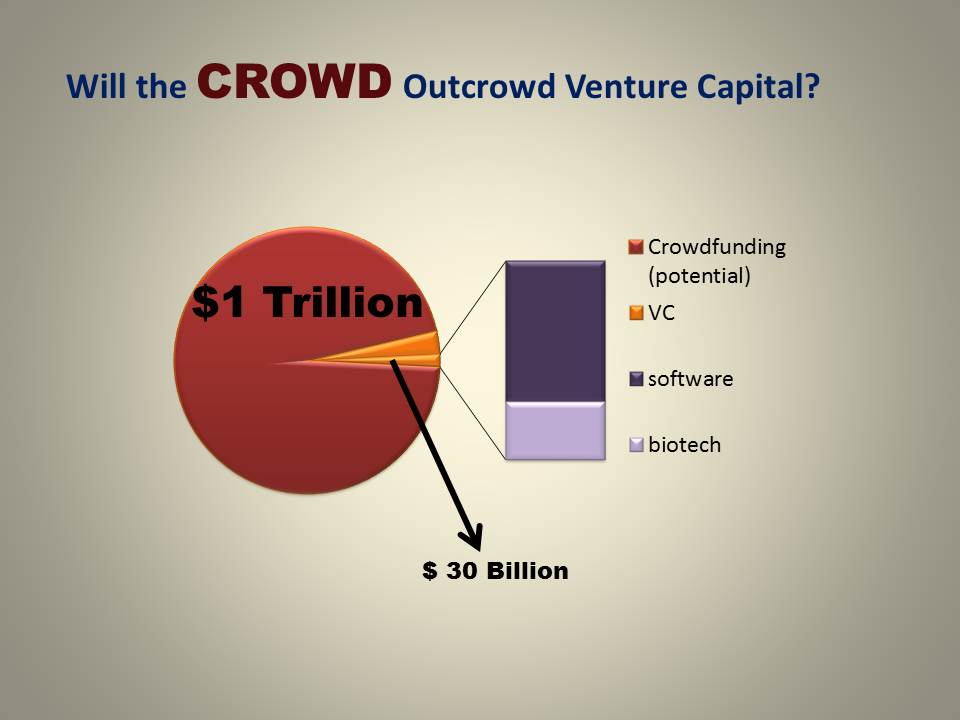
A major provision in the recently passed JOBS Act resulted in Securities & Exchange Commission (SEC) rule changes revolutionizing the way companies can raise capital, with some figures in the range of $11 trillion dollars. Companies, startups, and entrepreneurs can, in a manner, now go directly to the individual investor and raise capital. This method is generally referred to as CROWDFUNDING.

As explained by Mark Roderick, moderator for the meeting, there are two main types of approved crowdfunding:

  • Donation-based Crowdfunding – Popularized by the crowdfunding platform Kickstarter, this method of raising capital can accept small donations from anyone for an idea/project to be completed. The donor may either get a free token of appreciation or access to enjoy the fruits of the project, for example, a watching a movie funded by the donor. Some scientific researchers have used Kickstarter as a method to fund their research.
  • Investor-based Crowdfunding– This type of crowdfunding involves the actual transfer of securities, and investors must qualify according to rules set by the SEC and go thru brokers, or portals, like the bioscience and healthcare internet portal Poliwogg.

Investor-based crowdfundingwas discussed at the meeting.  There are five different mechanisms with this type of funding: Title II (Rule 506c), Title II, Title IV, Existing Regulation A, and Rule 504. The main focus of the meeting was on Title II as, according to Mr. Roderick, involves the mechanism most suited for biotech startups, while rules for Title III still need to be finalized.

Title II crowdfunding requires that “accredited” or “qualified” investors (those who make at least $200,000/year or net worth $1 million US) go through licensed dealer internet nodes (or Portals) like Poliwog. The Portal will have lists of startups they deem legitimate which investors can choose from. For instance the Epilepsy Foundation uses Poliwog to fund certain projects.

The panelists discussed matters including:

  • How crowdfunding is different than other mechanisms like venture capital
  • What are the regulations and financial responsibilities for both biotech and crowdfunder
  • Liabilities
  • Due-diligence issues

The panelists included:

  1. Mark Roderick, moderator. Mark is an attorney at Flaster/Greenberg PC (@CrowdfundAttny on Twitter) and has developed great experience and expertise in the details of crowdfunding. He maintains a Crowdfunding blog www.crowdfundattny.com, which contains information and links about the JOBS Act and crowdfunding.
  2. Barbara Schiberg, Managing Director at BioAdvance, a Mid-Atlantic bioangel investment community.
  3. Samuel Wertheimer, PhD, CIO Poliwogg, a crowdfunding internet portal.
  4. Darrick Mix, Partner, Duane Morris LLP, corporate lawyer with experience in the JOBS act
  5. Donlon Skerret, PCCI President and CEO of NanoScan Imaging and serial entrepreneur

The Opportunity


 crowdcrowdingoutVC


Recent estimates place Title II Crowdfunding capacity to $1 Trillion.

Venture Capital (VC) had estimated only $5 Billion bio-investment in 2013.

Where does the rest go?


Mr. Skerret noted that bioangels can only take you so far but thinks that crowdfunding may fill this “valley of death”.

Liabilities


Crowdfunding is SELLING SECURITIESso there is liability, disclosure and nondisclosure issues.

Title II contains 580 pages of regulations and SEC needs a licensed intermediary.


Due-Diligence


Barbara Schiberg also noted that with VCs or bioangels groups you also get s support network, basically their rolodex of contacts and KOL’s and experts. With Crowdfunding like Poliwog they just handle linking investors with entrepreneur. Any contact is done through social media and the crowd.


BioAdvance hires experts – may take months to years to get expert opinion


Poliwog only has responsibility to investor to make sure company is legitimate. They don’t do extensive due diligence like bioangels. Most crowdfunding do not have extensive networks of professionals.


To obtain a video recording of this meeting and get more information please go to PCCI’s web site at http://www.rxpcci.com/meetings.htm.


Other posts on this site related to FUNDING and Bio Investing include:


PCCI’s 7th Annual Roundtable “Crowdfunding for Life Sciences: A Bridge Over Troubled Waters?” May 12 2014 Embassy Suites Hotel, Chesterbrook PA 6:00-9:30 PM

10 heart-focused apps & devices are crowdfunding for American Heart Association’s open innovation challenge

Importance of Funding Replication Studies: NIH on Credibility of Basic Biomedical Studies

Partnerships & Funding

Updated: Investing and Inventing: Is the Tango of Mars and Venus Still on

Transforming Biotech & Pharma: LinkedIn is the Quiet Force by Timmerman

Technion-Cornell Innovation Institute in NYC: Postdocs keep exclusive license to their IP and take a fixed dollar amount of Equity if the researchers create a Spinoff company


Read Full Post »

Summary – Volume 4, Part 2: Translational Medicine in Cardiovascular Diseases

Summary – Volume 4, Part 2:  Translational Medicine in Cardiovascular Diseases

Author and Curator: Larry H Bernstein, MD, FCAP


We have covered a large amount of material that involves

  • the development,
  • application, and
  • validation of outcomes of medical and surgical procedures

that are based on translation of science from the laboratory to the bedside, improving the standards of medical practice at an accelerated pace in the last quarter century, and in the last decade.  Encouraging enabling developments have been:

1. The establishment of national and international outcomes databases for procedures by specialist medical societies

Stent Design and Thrombosis: Bifurcation Intervention, Drug Eluting Stents (DES) and Biodegrable Stents
Curator: Aviva Lev-Ari, PhD, RN
http://pharmaceuticalintelligence.com/2013/08/06/stent-design-and-thrombosis-bifurcation-intervention-drug-eluting-stents-des-and-biodegrable-stents/

On Devices and On Algorithms: Prediction of Arrhythmia after Cardiac Surgery and ECG Prediction of an Onset of Paroxysmal Atrial Fibrillation
Author, and Content Consultant to e-SERIES A: Cardiovascular Diseases: Justin Pearlman, MD, PhD, FACC
http://pharmaceuticalintelligence.com/2013/05/07/on-devices-and-on-algorithms-arrhythmia-after-cardiac-surgery-prediction-and-ecg-prediction-of-paroxysmal-atrial-fibrillation-onset/

Mitral Valve Repair: Who is a Patient Candidate for a Non-Ablative Fully Non-Invasive Procedure?
Author, and Content Consultant to e-SERIES A: Cardiovascular Diseases: Justin Pearlman, MD, PhD, FACC and Article Curator: Aviva Lev-Ari, PhD, RN
http://pharmaceuticalintelligence.com/2013/11/04/mitral-valve-repair-who-is-a-candidate-for-a-non-ablative-fully-non-invasive-procedure/

Cardiovascular Complications: Death from Reoperative Sternotomy after prior CABG, MVR, AVR, or Radiation; Complications of PCI; Sepsis from Cardiovascular Interventions
Author, Introduction and Summary: Justin D Pearlman, MD, PhD, FACC and Article Curator: Aviva Lev-Ari, PhD, RN
http://pharmaceuticalintelligence.com/2013/07/23/cardiovascular-complications-of-multiple-etiologies-repeat-sternotomy-post-cabg-or-avr-post-pci-pad-endoscopy-andor-resultant-of-systemic-sepsis/

Survivals Comparison of Coronary Artery Bypass Graft (CABG) and Percutaneous Coronary Intervention (PCI) /Coronary Angioplasty
Larry H. Bernstein, MD, Writer And Aviva Lev-Ari, PhD, RN, Curator
http://pharmaceuticalintelligence.com/2013/06/23/comparison-of-cardiothoracic-bypass-and-percutaneous-interventional-catheterization-survivals/

Revascularization: PCI, Prior History of PCI vs CABG
Curator: Aviva Lev-Ari, PhD, RN
http://pharmaceuticalintelligence.com/2013/04/25/revascularization-pci-prior-history-of-pci-vs-cabg/

Outcomes in High Cardiovascular Risk Patients: Prasugrel (Effient) vs. Clopidogrel (Plavix); Aliskiren (Tekturna) added to ACE or added to ARB
Reporter and Curator: Aviva Lev-Ari, PhD, RN
http://pharmaceuticalintelligence.com/2012/08/27/outcomes-in-high-cardiovascular-risk-patients-prasugrel-effient-vs-clopidogrel-plavix-aliskiren-tekturna-added-to-ace-or-added-to-arb/

Endovascular Lower-extremity Revascularization Effectiveness: Vascular Surgeons (VSs), Interventional Cardiologists (ICs) and Interventional Radiologists (IRs)
Curator: Aviva Lev-Ari, PhD, RN
http://pharmaceuticalintelligence.com/2012/08/13/coronary-artery-disease-medical-devices-solutions-from-first-in-man-stent-implantation-via-medical-ethical-dilemmas-to-drug-eluting-stents/

and more

2. The identification of problem areas, particularly in activation of the prothrombotic pathways, infection control to an extent, and targeting of pathways leading to progression or to arrythmogenic complications.

Cardiovascular Complications: Death from Reoperative Sternotomy after prior CABG, MVR, AVR, or Radiation; Complications of PCI; Sepsis from Cardiovascular Interventions Author, Introduction and Summary: Justin D Pearlman, MD, PhD, FACC and Article Curator: Aviva Lev-Ari, PhD, RN
http://pharmaceuticalintelligence.com/2013/07/23/cardiovascular-complications-of-multiple-etiologies-repeat-sternotomy-post-cabg-or-avr-post-pci-pad-endoscopy-andor-resultant-of-systemic-sepsis/

Anticoagulation genotype guided dosing
Larry H. Bernstein, MD, FCAP, Author and Curator
http://pharmaceuticalintelligence.com/2013/12/08/anticoagulation-genotype-guided-dosing/

Stent Design and Thrombosis: Bifurcation Intervention, Drug Eluting Stents (DES) and Biodegrable Stents
Curator: Aviva Lev-Ari, PhD, RN
http://pharmaceuticalintelligence.com/2013/08/06/stent-design-and-thrombosis-bifurcation-intervention-drug-eluting-stents-des-and-biodegrable-stents/

The Effects of Aprotinin on Endothelial Cell Coagulant Biology
Co-Author (Kamran Baig, MBBS, James Jaggers, MD, Jeffrey H. Lawson, MD, PhD) and Curator
http://pharmaceuticalintelligence.com/2013/07/20/the-effects-of-aprotinin-on-endothelial-cell-coagulant-biology/

Outcomes in High Cardiovascular Risk Patients: Prasugrel (Effient) vs. Clopidogrel (Plavix); Aliskiren (Tekturna) added to ACE or added to ARB
Reporter and Curator: Aviva Lev-Ari, PhD, RN
http://pharmaceuticalintelligence.com/2012/08/27/outcomes-in-high-cardiovascular-risk-patients-prasugrel-effient-vs-clopidogrel-plavix-aliskiren-tekturna-added-to-ace-or-added-to-arb/

Pharmacogenomics – A New Method for Druggability  Author and Curator: Demet Sag, PhD
http://pharmaceuticalintelligence.com/2014/04/28/pharmacogenomics-a-new-method-for-druggability/

Advanced Topics in Sepsis and the Cardiovascular System at its End Stage    Author: Larry H Bernstein, MD, FCAP
http://pharmaceuticalintelligence.com/2013/08/18/advanced-topics-in-Sepsis-and-the-Cardiovascular-System-at-its-End-Stage/

3. Development of procedures that use a safer materials in vascular management.

Stent Design and Thrombosis: Bifurcation Intervention, Drug Eluting Stents (DES) and Biodegrable Stents
Curator: Aviva Lev-Ari, PhD, RN
http://pharmaceuticalintelligence.com/2013/08/06/stent-design-and-thrombosis-bifurcation-intervention-drug-eluting-stents-des-and-biodegrable-stents/

Biomaterials Technology: Models of Tissue Engineering for Reperfusion and Implantable Devices for Revascularization
Author and Curator: Larry H Bernstein, MD, FACP and Curator: Aviva Lev-Ari, PhD, RN
http://pharmaceuticalintelligence.com/2013/05/05/bioengineering-of-vascular-and-tissue-models/

Vascular Repair: Stents and Biologically Active Implants
Author and Curator: Larry H Bernstein, MD, FACP and Curator: Aviva Lev-Ari, RN, PhD
http://pharmaceuticalintelligence.com/2013/05/04/stents-biologically-active-implants-and-vascular-repair/

Drug Eluting Stents: On MIT’s Edelman Lab’s Contributions to Vascular Biology and its Pioneering Research on DES
Author: Larry H Bernstein, MD, FACP and Curator: Aviva Lev-Ari, PhD, RN
http://PharmaceuticalIntelligence.com/2013/04/25/Contributions-to-vascular-biology/

MedTech & Medical Devices for Cardiovascular Repair – Curations by Aviva Lev-Ari, PhD, RN
http://pharmaceuticalintelligence.com/2014/04/17/medtech-medical-devices-for-cardiovascular-repair-curation-by-aviva-lev-ari-phd-rn/

4. Discrimination of cases presenting for treatment based on qualifications for medical versus surgical intervention.

Treatment Options for Left Ventricular Failure – Temporary Circulatory Support: Intra-aortic balloon pump (IABP) – Impella Recover LD/LP 5.0 and 2.5, Pump Catheters (Non-surgical) vs Bridge Therapy: Percutaneous Left Ventricular Assist Devices (pLVADs) and LVADs (Surgical)
Author: Larry H Bernstein, MD, FCAP And Curator: Justin D Pearlman, MD, PhD, FACC
http://pharmaceuticalintelligence.com/2013/07/17/treatment-options-for-left-ventricular-failure-temporary-circulatory-support-intra-aortic-balloon-pump-iabp-impella-recover-ldlp-5-0-and-2-5-pump-catheters-non-surgical-vs-bridge-therapy/

Coronary Reperfusion Therapies: CABG vs PCI – Mayo Clinic preprocedure Risk Score (MCRS) for Prediction of in-Hospital Mortality after CABG or PCI
Writer and Curator: Larry H. Bernstein, MD, FCAP and Curator: Aviva Lev-Ari, PhD, RN
http://pharmaceuticalintelligence.com/2013/06/30/mayo-risk-score-for-percutaneous-coronary-intervention/

ACC/AHA Guidelines for Coronary Artery Bypass Graft Surgery Reporter: Aviva Lev-Ari, PhD, RN
http://pharmaceuticalintelligence.com/2013/11/05/accaha-guidelines-for-coronary-artery-bypass-graft-surgery/

Mitral Valve Repair: Who is a Patient Candidate for a Non-Ablative Fully Non-Invasive Procedure?
Author, and Content Consultant to e-SERIES A: Cardiovascular Diseases: Justin Pearlman, MD, PhD, FACC and Article Curator: Aviva Lev-Ari, PhD, RN
http://pharmaceuticalintelligence.com/2013/11/04/mitral-valve-repair-who-is-a-candidate-for-a-non-ablative-fully-non-invasive-procedure/ 

5.  This has become possible because of the advances in our knowledge of key related pathogenetic mechanisms involving gene expression and cellular regulation of complex mechanisms.

What is the key method to harness Inflammation to close the doors for many complex diseases?
Author and Curator: Larry H Bernstein, MD, FCAP
http://pharmaceuticalintelligence.com/2014/03/21/what-is-the-key-method-to-harness-inflammation-to-close-the-doors-for-many-complex-diseases/

CVD Prevention and Evaluation of Cardiovascular Imaging Modalities: Coronary Calcium Score by CT Scan Screening to justify or not the Use of Statin
Curator: Aviva Lev-Ari, PhD, RN
http://pharmaceuticalintelligence.com/2014/03/03/cvd-prevention-and-evaluation-of-cardiovascular-imaging-modalities-coronary-calcium-score-by-ct-scan-screening-to-justify-or-not-the-use-of-statin/

Richard Lifton, MD, PhD of Yale University and Howard Hughes Medical Institute: Recipient of 2014 Breakthrough Prizes Awarded in Life Sciences for the Discovery of Genes and Biochemical Mechanisms that cause Hypertension
Curator: Aviva Lev-Ari, PhD, RN
http://pharmaceuticalintelligence.com/2014/03/03/richard-lifton-md-phd-of-yale-university-and-howard-hughes-medical-institute-recipient-of-2014-breakthrough-prizes-awarded-in-life-sciences-for-the-discovery-of-genes-and-biochemical-mechanisms-tha/

Pathophysiological Effects of Diabetes on Ischemic-Cardiovascular Disease and on Chronic Obstructive Pulmonary Disease (COPD)
Curator:  Larry H. Bernstein, MD, FCAP
http://pharmaceuticalintelligence.com/2014/01/15/pathophysiological-effects-of-diabetes-on-ischemic-cardiovascular-disease-and-on-chronic-obstructive-pulmonary-disease-copd/

Atherosclerosis Independence: Genetic Polymorphisms of Ion Channels Role in the Pathogenesis of Coronary Microvascular Dysfunction and Myocardial Ischemia (Coronary Artery Disease (CAD))
Reviewer and Co-Curator: Larry H Bernstein, MD, CAP and Curator: Aviva Lev-Ari, PhD, RN
http://pharmaceuticalintelligence.com/2013/12/21/genetic-polymorphisms-of-ion-channels-have-a-role-in-the-pathogenesis-of-coronary-microvascular-dysfunction-and-ischemic-heart-disease/

Notable Contributions to Regenerative Cardiology  Author and Curator: Larry H Bernstein, MD, FCAP and Article Commissioner: Aviva Lev-Ari, PhD, RD
http://pharmaceuticalintelligence.com/2013/10/20/notable-contributions-to-regenerative-cardiology/

As noted in the introduction, any of the material can be found and reviewed by content, and the eTOC is identified in attached:

http://wp.me/p2xfv8-1W


This completes what has been presented in Part 2, Vol 4 , and supporting references for the main points that are found in the Leaders in Pharmaceutical Intelligence Cardiovascular book.  Part 1 was concerned with Posttranslational Modification of Proteins, vital for understanding cellular regulation and dysregulation.  Part 2 was concerned with Translational Medical Therapeutics, the efficacy of medical and surgical decisions based on bringing the knowledge gained from the laboratory, and from clinical trials into the realm opf best practice.  The time for this to occur in practice in the past has been through roughly a generation of physicians.  That was in part related to the busy workload of physicians, and inability to easily access specialty literature as the volume and complexity increased.  This had an effect of making access of a family to a primary care provider through a lifetime less likely than the period post WWII into the 1980s.

However, the growth of knowledge has accelerated in the specialties since the 1980’s so that the use of physician referral in time became a concern about the cost of medical care.  This is not the place for or a matter for discussion here.  It is also true that the scientific advances and improvements in available technology have had a great impact on medical outcomes.  The only unrelated issue is that of healthcare delivery, which is not up to the standard set by serial advances in therapeutics, accompanied by high cost due to development costs, marketing costs, and development of drug resistance.

I shall identify continuing developments in cardiovascular diagnostics, therapeutics, and bioengineering that is and has been emerging.

1. Mechanisms of disease

REPORT: Mapping the Cellular Response to Small Molecules Using Chemogenomic Fitness Signatures 

Science 11 April 2014:
Vol. 344 no. 6180 pp. 208-211
http://dx.doi.org/10.1126/science.1250217

Abstract: Genome-wide characterization of the in vivo cellular response to perturbation is fundamental to understanding how cells survive stress. Identifying the proteins and pathways perturbed by small molecules affects biology and medicine by revealing the mechanisms of drug action. We used a yeast chemogenomics platform that quantifies the requirement for each gene for resistance to a compound in vivo to profile 3250 small molecules in a systematic and unbiased manner. We identified 317 compounds that specifically perturb the function of 121 genes and characterized the mechanism of specific compounds. Global analysis revealed that the cellular response to small molecules is limited and described by a network of 45 major chemogenomic signatures. Our results provide a resource for the discovery of functional interactions among genes, chemicals, and biological processes.

Yeasty HIPHOP

Laura Zahn
Sci. Signal. 15 April 2014; 7(321): ec103.   http://dx.doi.org/10.1126/scisignal.2005362

In order to identify how chemical compounds target genes and affect the physiology of the cell, tests of the perturbations that occur when treated with a range of pharmacological chemicals are required. By examining the haploinsufficiency profiling (HIP) and homozygous profiling (HOP) chemogenomic platforms, Lee et al.(p. 208) analyzed the response of yeast to thousands of different small molecules, with genetic, proteomic, and bioinformatic analyses. Over 300 compounds were identified that targeted 121 genes within 45 cellular response signature networks. These networks were used to extrapolate the likely effects of related chemicals, their impact upon genetic pathways, and to identify putative gene functions

Key Heart Failure Culprit Discovered

A team of cardiovascular researchers from the Cardiovascular Research Center at Icahn School of Medicine at Mount Sinai, Sanford-Burnham Medical Research Institute, and University of California, San Diego have identified a small, but powerful, new player in thIe onset and progression of heart failure. Their findings, published in the journal Nature  on March 12, also show how they successfully blocked the newly discovered culprit.
Investigators identified a tiny piece of RNA called miR-25 that blocks a gene known as SERCA2a, which regulates the flow of calcium within heart muscle cells. Decreased SERCA2a activity is one of the main causes of poor contraction of the heart and enlargement of heart muscle cells leading to heart failure.

Using a functional screening system developed by researchers at Sanford-Burnham, the research team discovered miR-25 acts pathologically in patients suffering from heart failure, delaying proper calcium uptake in heart muscle cells. According to co-lead study authors Christine Wahlquist and Dr. Agustin Rojas Muñoz, developers of the approach and researchers in Mercola’s lab at Sanford-Burnham, they used high-throughput robotics to sift through the entire genome for microRNAs involved in heart muscle dysfunction.

Subsequently, the researchers at the Cardiovascular Research Center at Icahn School of Medicine at Mount Sinai found that injecting a small piece of RNA to inhibit the effects of miR-25 dramatically halted heart failure progression in mice. In addition, it also improved their cardiac function and survival.

“In this study, we have not only identified one of the key cellular processes leading to heart failure, but have also demonstrated the therapeutic potential of blocking this process,” says co-lead study author Dr. Dongtak Jeong, a post-doctoral fellow at the Cardiovascular Research Center at Icahn School of  Medicine at Mount Sinai in the laboratory of the study’s co-senior author Dr. Roger J. Hajjar.

Publication: Inhibition of miR-25 improves cardiac contractility in the failing heart.Christine Wahlquist, Dongtak Jeong, Agustin Rojas-Muñoz, Changwon Kho, Ahyoung Lee, Shinichi Mitsuyama, Alain Van Mil, Woo Jin Park, Joost P. G. Sluijter, Pieter A. F. Doevendans, Roger J. :  Hajjar & Mark Mercola.     Nature (March 2014)    http://www.nature.com/nature/journal/vaop/ncurrent/full/nature13073.html


“Junk” DNA Tied to Heart Failure

Deep RNA Sequencing Reveals Dynamic Regulation of Myocardial Noncoding RNAs in Failing Human Heart and Remodeling With Mechanical Circulatory Support

Yang KC, Yamada KA, Patel AY, Topkara VK, George I, et al.
Circulation 2014;  129(9):1009-21.
http://dx.doi.org/10.1161/CIRCULATIONAHA.113.003863              http://circ.ahajournals.org/…/CIRCULATIONAHA.113.003863.full

The myocardial transcriptome is dynamically regulated in advanced heart failure and after LVAD support. The expression profiles of lncRNAs, but not mRNAs or miRNAs, can discriminate failing hearts of different pathologies and are markedly altered in response to LVAD support. These results suggest an important role for lncRNAs in the pathogenesis of heart failure and in reverse remodeling observed with mechanical support.

Junk DNA was long thought to have no important role in heredity or disease because it doesn’t code for proteins. But emerging research in recent years has revealed that many of these sections of the genome produce noncoding RNA molecules that still have important functions in the body. They come in a variety of forms, some more widely studied than others. Of these, about 90% are called long noncoding RNAs (lncRNAs), and exploration of their roles in health and disease is just beginning.

The Washington University group performed a comprehensive analysis of all RNA molecules expressed in the human heart. The researchers studied nonfailing hearts and failing hearts before and after patients received pump support from left ventricular assist devices (LVAD). The LVADs increased each heart’s pumping capacity while patients waited for heart transplants.

In their study, the researchers found that unlike other RNA molecules, expression patterns of long noncoding RNAs could distinguish between two major types of heart failure and between failing hearts before and after they received LVAD support.

“The myocardial transcriptome is dynamically regulated in advanced heart failure and after LVAD support. The expression profiles of lncRNAs, but not mRNAs or miRNAs, can discriminate failing hearts of different pathologies and are markedly altered in response to LVAD support,” wrote the researchers. “These results suggest an important role for lncRNAs in the pathogenesis of heart failure and in reverse remodeling observed with mechanical support.”

‘Junk’ Genome Regions Linked to Heart Failure

In a recent issue of the journal Circulation, Washington University investigators report results from the first comprehensive analysis of all RNA molecules expressed in the human heart. The researchers studied nonfailing hearts and failing hearts before and after patients received pump support from left ventricular assist devices (LVAD). The LVADs increased each heart’s pumping capacity while patients waited for heart transplants.

“We took an unbiased approach to investigating which types of RNA might be linked to heart failure,” said senior author Jeanne Nerbonne, the Alumni Endowed Professor of Molecular Biology and Pharmacology. “We were surprised to find that long noncoding RNAs stood out.

In the new study, the investigators found that unlike other RNA molecules, expression patterns of long noncoding RNAs could distinguish between two major types of heart failure and between failing hearts before and after they received LVAD support.

“We don’t know whether these changes in long noncoding RNAs are a cause or an effect of heart failure,” Nerbonne said. “But it seems likely they play some role in coordinating the regulation of multiple genes involved in heart function.”

Nerbonne pointed out that all types of RNA molecules they examined could make the obvious distinction: telling the difference between failing and nonfailing hearts. But only expression of the long noncoding RNAs was measurably different between heart failure associated with a heart attack (ischemic) and heart failure without the obvious trigger of blocked arteries (nonischemic). Similarly, only long noncoding RNAs significantly changed expression patterns after implantation of left ventricular assist devices.

Comment

Decoding the noncoding transcripts in human heart failure

Xiao XG, Touma M, Wang Y
Circulation. 2014; 129(9): 958960,  http://dx.doi.org/10.1161/CIRCULATIONAHA.114.007548 

Heart failure is a complex disease with a broad spectrum of pathological features. Despite significant advancement in clinical diagnosis through improved imaging modalities and hemodynamic approaches, reliable molecular signatures for better differential diagnosis and better monitoring of heart failure progression remain elusive. The few known clinical biomarkers for heart failure, such as plasma brain natriuretic peptide and troponin, have been shown to have limited use in defining the cause or prognosis of the disease.1,2 Consequently, current clinical identification and classification of heart failure remain descriptive, mostly based on functional and morphological parameters. Therefore, defining the pathogenic mechanisms for hypertrophic versus dilated or ischemic versus nonischemic cardiomyopathies in the failing heart remain a major challenge to both basic science and clinic researchers. In recent years, mechanical circulatory support using left ventricular assist devices (LVADs) has assumed a growing role in the care of patients with end-stage heart failure.3 During the earlier years of LVAD application as a bridge to transplant, it became evident that some patients exhibit substantial recovery of ventricular function, structure, and electric properties.4 This led to the recognition that reverse remodeling is potentially an achievable therapeutic goal using LVADs. However, the underlying mechanism for the reverse remodeling in the LVAD-treated hearts is unclear, and its discovery would likely hold great promise to halt or even reverse the progression of heart failure.


Efficacy and Safety of Dabigatran Compared With Warfarin in Relation to Baseline Renal Function in Patients With Atrial Fibrillation: A RE-LY (Randomized Evaluation of Long-term Anticoagulation Therapy) Trial Analysis

Circulation. 2014; 129: 951-952     http://dx.doi.org/10.1161/​CIR.0000000000000022

In patients with atrial fibrillation, impaired renal function is associated with a higher risk of thromboembolic events and major bleeding. Oral anticoagulation with vitamin K antagonists reduces thromboembolic events but raises the risk of bleeding. The new oral anticoagulant dabigatran has 80% renal elimination, and its efficacy and safety might, therefore, be related to renal function. In this prespecified analysis from the Randomized Evaluation of Long-Term Anticoagulant Therapy (RELY) trial, outcomes with dabigatran versus warfarin were evaluated in relation to 4 estimates of renal function, that is, equations based on creatinine levels (Cockcroft-Gault, Modification of Diet in Renal Disease (MDRD), Chronic Kidney Disease Epidemiology Collaboration [CKD-EPI]) and cystatin C. The rates of stroke or systemic embolism were lower with dabigatran 150 mg and similar with 110 mg twice daily irrespective of renal function. Rates of major bleeding were lower with dabigatran 110 mg and similar with 150 mg twice daily across the entire range of renal function. However, when the CKD-EPI or MDRD equations were used, there was a significantly greater relative reduction in major bleeding with both doses of dabigatran than with warfarin in patients with estimated glomerular filtration rate ≥80 mL/min. These findings show that dabigatran can be used with the same efficacy and adequate safety in patients with a wide range of renal function and that a more accurate estimate of renal function might be useful for improved tailoring of anticoagulant treatment in patients with atrial fibrillation and an increased risk of stroke.

Aldosterone Regulates MicroRNAs in the Cortical Collecting Duct to Alter Sodium Transport.

Robert S Edinger, Claudia Coronnello, Andrew J Bodnar, William A Laframboise, Panayiotis V Benos, Jacqueline Ho, John P Johnson, Michael B Butterworth

Journal of the American Society of Nephrology (Impact Factor: 8.99). 04/2014;     http://dx. DO.org/I:10.1681/ASN.2013090931

Source: PubMed

ABSTRACT A role for microRNAs (miRs) in the physiologic regulation of sodium transport in the kidney has not been established. In this study, we investigated the potential of aldosterone to alter miR expression in mouse cortical collecting duct (mCCD) epithelial cells. Microarray studies demonstrated the regulation of miR expression by aldosterone in both cultured mCCD and isolated primary distal nephron principal cells.

Aldosterone regulation of the most significantly downregulated miRs, mmu-miR-335-3p, mmu-miR-290-5p, and mmu-miR-1983 was confirmed by quantitative RT-PCR. Reducing the expression of these miRs separately or in combination increased epithelial sodium channel (ENaC)-mediated sodium transport in mCCD cells, without mineralocorticoid supplementation. Artificially increasing the expression of these miRs by transfection with plasmid precursors or miR mimic constructs blunted aldosterone stimulation of ENaC transport.

Using a newly developed computational approach, termed ComiR, we predicted potential gene targets for the aldosterone-regulated miRs and confirmed ankyrin 3 (Ank3) as a novel aldosterone and miR-regulated protein.

A dual-luciferase assay demonstrated direct binding of the miRs with the Ank3-3′ untranslated region. Overexpression of Ank3 increased and depletion of Ank3 decreased ENaC-mediated sodium transport in mCCD cells. These findings implicate miRs as intermediaries in aldosterone signaling in principal cells of the distal kidney nephron.


2. Diagnostic Biomarker Status

A prospective study of the impact of serial troponin measurements on the diagnosis of myocardial infarction and hospital and 6-month mortality in patients admitted to ICU with non-cardiac diagnoses.

Marlies Ostermann, Jessica Lo, Michael Toolan, Emma Tuddenham, Barnaby Sanderson, Katie Lei, John Smith, Anna Griffiths, Ian Webb, James Coutts, John hambers, Paul Collinson, Janet Peacock, David Bennett, David Treacher

Critical care (London, England) (Impact Factor: 4.72). 04/2014; 18(2):R62.   http://dx.doi.org/:10.1186/cc13818

Source: PubMed

ABSTRACT Troponin T (cTnT) elevation is common in patients in the Intensive Care Unit (ICU) and associated with morbidity and mortality. Our aim was to determine the epidemiology of raised cTnT levels and contemporaneous electrocardiogram (ECG) changes suggesting myocardial infarction (MI) in ICU patients admitted for non-cardiac reasons.
cTnT and ECGs were recorded daily during week 1 and on alternate days during week 2 until discharge from ICU or death. ECGs were interpreted independently for the presence of ischaemic changes. Patients were classified into 4 groups: (i) definite MI (cTnT >=15 ng/L and contemporaneous changes of MI on ECG), (ii) possible MI (cTnT >=15 ng/L and contemporaneous ischaemic changes on ECG), (iii) troponin rise alone (cTnT >=15 ng/L), or (iv) normal. Medical notes were screened independently by two ICU clinicians for evidence that the clinical teams had considered a cardiac event.
Data from 144 patients were analysed [42% female; mean age 61.9 (SD 16.9)]. 121 patients (84%) had at least one cTnT level >=15 ng/L. A total of 20 patients (14%) had a definite MI, 27% had a possible MI, 43% had a cTNT rise without contemporaneous ECG changes, and 16% had no cTNT rise. ICU, hospital and 180 day mortality were significantly higher in patients with a definite or possible MI.Only 20% of definite MIs were recognised by the clinical team. There was no significant difference in mortality between recognised and non-recognised events.At time of cTNT rise, 100 patients (70%) were septic and 58% were on vasopressors. Patients who were septic when cTNT was elevated had an ICU mortality of 28% compared to 9% in patients without sepsis. ICU mortality of patients who were on vasopressors at time of cTNT elevation was 37% compared to 1.7% in patients not on vasopressors.
The majority of critically ill patients (84%) had a cTnT rise and 41% met criteria for a possible or definite MI of whom only 20% were recognised clinically. Mortality up to 180 days was higher in patients with a cTnT rise.


Prognostic performance of high-sensitivity cardiac troponin T kinetic changes adjusted for elevated admission values and the GRACE score in an unselected emergency department population.

Moritz BienerMatthias MuellerMehrshad VafaieAllan S JaffeHugo A Katus,Evangelos Giannitsis

Clinica chimica acta; international journal of clinical chemistry (Impact Factor: 2.54). 04/2014;   http://dx.doi.org/10.1016/j.cca.2014.04.007

Source: PubMed

ABSTRACT To test the prognostic performance of rising and falling kinetic changes of high-sensitivity cardiac troponin T (hs-cTnT) and the GRACE score.
Rising and falling hs-cTnT changes in an unselected emergency department population were compared.
635 patients with a hs-cTnT >99th percentile admission value were enrolled. Of these, 572 patients qualified for evaluation with rising patterns (n=254, 44.4%), falling patterns (n=224, 39.2%), or falling patterns following an initial rise (n=94, 16.4%). During 407days of follow-up, we observed 74 deaths, 17 recurrent AMI, and 79 subjects with a composite of death/AMI. Admission values >14ng/L were associated with a higher rate of adverse outcomes (OR, 95%CI:death:12.6, 1.8-92.1, p=0.01, death/AMI:6.7, 1.6-27.9, p=0.01). Neither rising nor falling changes increased the AUC of baseline values (AUC: rising 0.562 vs 0.561, p=ns, falling: 0.533 vs 0.575, p=ns). A GRACE score ≥140 points indicated a higher risk of death (OR, 95%CI: 3.14, 1.84-5.36), AMI (OR,95%CI: 1.56, 0.59-4.17), or death/AMI (OR, 95%CI: 2.49, 1.51-4.11). Hs-cTnT changes did not improve prognostic performance of a GRACE score ≥140 points (AUC, 95%CI: death: 0.635, 0.570-0.701 vs. 0.560, 0.470-0.649 p=ns, AMI: 0.555, 0.418-0.693 vs. 0.603, 0.424-0.782, p=ns, death/AMI: 0.610, 0.545-0.676 vs. 0.538, 0.454-0.622, p=ns). Coronary angiography was performed earlier in patients with rising than with falling kinetics (median, IQR [hours]:13.7, 5.5-28.0 vs. 20.8, 6.3-59.0, p=0.01).
Neither rising nor falling hs-cTnT changes improve prognostic performance of elevated hs-cTnT admission values or the GRACE score. However, rising values are more likely associated with the decision for earlier invasive strategy.


Troponin assays for the diagnosis of myocardial infarction and acute coronary syndrome: where do we stand?

Arie Eisenman

ABSTRACT: Under normal circumstances, most intracellular troponin is part of the muscle contractile apparatus, and only a small percentage (< 2-8%) is free in the cytoplasm. The presence of a cardiac-specific troponin in the circulation at levels above normal is good evidence of damage to cardiac muscle cells, such as myocardial infarction, myocarditis, trauma, unstable angina, cardiac surgery or other cardiac procedures. Troponins are released as complexes leading to various cut-off values depending on the assay used. This makes them very sensitive and specific indicators of cardiac injury. As with other cardiac markers, observation of a rise and fall in troponin levels in the appropriate time-frame increases the diagnostic specificity for acute myocardial infarction. They start to rise approximately 4-6 h after the onset of acute myocardial infarction and peak at approximately 24 h, as is the case with creatine kinase-MB. They remain elevated for 7-10 days giving a longer diagnostic window than creatine kinase. Although the diagnosis of various types of acute coronary syndrome remains a clinical-based diagnosis, the use of troponin levels contributes to their classification. This Editorial elaborates on the nature of troponin, its classification, clinical use and importance, as well as comparing it with other currently available cardiac markers.

Expert Review of Cardiovascular Therapy 07/2006; 4(4):509-14.   http://dx.doi.org/:10.1586/14779072.4.4.509 


Impact of redefining acute myocardial infarction on incidence, management and reimbursement rate of acute coronary syndromes.

Carísi A Polanczyk, Samir Schneid, Betina V Imhof, Mariana Furtado, Carolina Pithan, Luis E Rohde, Jorge P Ribeiro

ABSTRACT: Although redefinition for acute myocardial infarction (AMI) has been proposed few years ago, to date it has not been universally adopted by many institutions. The purpose of this study is to evaluate the diagnostic, prognostic and economical impact of the new diagnostic criteria for AMI. Patients consecutively admitted to the emergency department with suspected acute coronary syndromes were enrolled in this study. Troponin T (cTnT) was measured in samples collected for routine CK-MB analyses and results were not available to physicians. Patients without AMI by traditional criteria and cTnT > or = 0.035 ng/mL were coded as redefined AMI. Clinical outcomes were hospital death, major cardiac events and revascularization procedures. In-hospital management and reimbursement rates were also analyzed. Among 363 patients, 59 (16%) patients had AMI by conventional criteria, whereas additional 75 (21%) had redefined AMI, an increase of 127% in the incidence. Patients with redefined AMI were significantly older, more frequently male, with atypical chest pain and more risk factors. In multivariate analysis, redefined AMI was associated with 3.1 fold higher hospital death (95% CI: 0.6-14) and a 5.6 fold more cardiac events (95% CI: 2.1-15) compared to those without AMI. From hospital perspective, based on DRGs payment system, adoption of AMI redefinition would increase 12% the reimbursement rate [3552 Int dollars per 100 patients evaluated]. The redefined criteria result in a substantial increase in AMI cases, and allow identification of high-risk patients. Efforts should be made to reinforce the adoption of AMI redefinition, which may result in more qualified and efficient management of ACS.

International Journal of Cardiology 03/2006; 107(2):180-7. · 5.51 Impact Factor   http://www.sciencedirect.com/science/article/pii/S0167527305005279


3. Biomedical Engineerin3g

Safety and Efficacy of an Injectable Extracellular Matrix Hydrogel for Treating Myocardial Infarction 

Sonya B. Seif-Naraghi, Jennifer M. Singelyn, Michael A. Salvatore,  et al.
Sci Transl Med 20 February 2013 5:173ra25  http://dx.doi.org/10.1126/scitranslmed.3005503

Acellular biomaterials can stimulate the local environment to repair tissues without the regulatory and scientific challenges of cell-based therapies. A greater understanding of the mechanisms of such endogenous tissue repair is furthering the design and application of these biomaterials. We discuss recent progress in acellular materials for tissue repair, using cartilage and cardiac tissues as examples of application with substantial intrinsic hurdles, but where human translation is now occurring.

 Acellular Biomaterials: An Evolving Alternative to Cell-Based Therapies

J. A. Burdick, R. L. Mauck, J. H. Gorman, R. C. Gorman,
Sci. Transl. Med. 2013; 5, (176): 176 ps4    http://stm.sciencemag.org/content/5/176/176ps4

Acellular biomaterials can stimulate the local environment to repair tissues without the regulatory and scientific challenges of cell-based therapies. A greater understanding of the mechanisms of such endogenous tissue repair is furthering the design and application of these biomaterials. We discuss recent progress in acellular materials for tissue repair, using cartilage and cardiac tissues as examples of applications with substantial intrinsic hurdles, but where human translation is now occurring.


Instructive Nanofiber Scaffolds with VEGF Create a Microenvironment for Arteriogenesis and Cardiac Repair

Yi-Dong Lin, Chwan-Yau Luo, Yu-Ning Hu, Ming-Long Yeh, Ying-Chang Hsueh, Min-Yao Chang, et al.
Sci Transl Med 8 August 2012; 4(146):ra109.   http://dx.doi.org/ 10.1126/scitranslmed.3003841

Angiogenic therapy is a promising approach for tissue repair and regeneration. However, recent clinical trials with protein delivery or gene therapy to promote angiogenesis have failed to provide therapeutic effects. A key factor for achieving effective revascularization is the durability of the microvasculature and the formation of new arterial vessels. Accordingly, we carried out experiments to test whether intramyocardial injection of self-assembling peptide nanofibers (NFs) combined with vascular endothelial growth factor (VEGF) could create an intramyocardial microenvironment with prolonged VEGF release to improve post-infarct neovascularization in rats. Our data showed that when injected with NF, VEGF delivery was sustained within the myocardium for up to 14 days, and the side effects of systemic edema and proteinuria were significantly reduced to the same level as that of control. NF/VEGF injection significantly improved angiogenesis, arteriogenesis, and cardiac performance 28 days after myocardial infarction. NF/VEGF injection not only allowed controlled local delivery but also transformed the injected site into a favorable microenvironment that recruited endogenous myofibroblasts and helped achieve effective revascularization. The engineered vascular niche further attracted a new population of cardiomyocyte-like cells to home to the injected sites, suggesting cardiomyocyte regeneration. Follow-up studies in pigs also revealed healing benefits consistent with observations in rats. In summary, this study demonstrates a new strategy for cardiovascular repair with potential for future clinical translation.

Manufacturing Challenges in Regenerative Medicine

I. Martin, P. J. Simmons, D. F. Williams.
Sci. Transl. Med. 2014; 6(232): fs16.   http://dx.doi.org/10.1126/scitranslmed.3008558

Along with scientific and regulatory issues, the translation of cell and tissue therapies in the routine clinical practice needs to address standardization and cost-effectiveness through the definition of suitable manufacturing paradigms.


Read Full Post »

Summary of Translational Medicine – e-Series A: Cardiovascular Diseases, Volume Four – Part 1

Summary of Translational Medicine – e-Series A: Cardiovascular Diseases, Volume Four – Part 1

Author and Curator: Larry H Bernstein, MD, FCAP

and

Curator: Aviva Lev-Ari, PhD, RN

Article ID #135: Summary of Translational Medicine – e-Series A: Cardiovascular Diseases, Volume Four – Part 1. Published on 4/28/2014

WordCloud Image Produced by Adam Tubman


Part 1 of Volume 4 in the e-series A: Cardiovascular Diseases and Translational Medicine, provides a foundation for grasping a rapidly developing surging scientific endeavor that is transcending laboratory hypothesis testing and providing guidelines to:

  • Target genomes and multiple nucleotide sequences involved in either coding or in regulation that might have an impact on complex diseases, not necessarily genetic in nature.
  • Target signaling pathways that are demonstrably maladjusted, activated or suppressed in many common and complex diseases, or in their progression.
  • Enable a reduction in failure due to toxicities in the later stages of clinical drug trials as a result of this science-based understanding.
  • Enable a reduction in complications from the improvement of machanical devices that have already had an impact on the practice of interventional procedures in cardiology, cardiac surgery, and radiological imaging, as well as improving laboratory diagnostics at the molecular level.
  • Enable the discovery of new drugs in the continuing emergence of drug resistance.
  • Enable the construction of critical pathways and better guidelines for patient management based on population outcomes data, that will be critically dependent on computational methods and large data-bases.

What has been presented can be essentially viewed in the following Table:


Summary Table for TM - Part 1

Summary Table for TM – Part 1


There are some developments that deserve additional development:

1. The importance of mitochondrial function in the activity state of the mitochondria in cellular work (combustion) is understood, and impairments of function are identified in diseases of muscle, cardiac contraction, nerve conduction, ion transport, water balance, and the cytoskeleton – beyond the disordered metabolism in cancer.  A more detailed explanation of the energetics that was elucidated based on the electron transport chain might also be in order.

2. The processes that are enabling a more full application of technology to a host of problems in the environment we live in and in disease modification is growing rapidly, and will change the face of medicine and its allied health sciences.


Electron Transport and Bioenergetics

Deferred for metabolomics topic

Synthetic Biology

Introduction to Synthetic Biology and Metabolic Engineering

Kristala L. J. Prather: Part-1    <iBiology > iBioSeminars > Biophysics & Chemical Biology >

http://www.ibiology.org Lecturers generously donate their time to prepare these lectures. The project is funded by NSF and NIGMS, and is supported by the ASCB and HHMI.
Dr. Prather explains that synthetic biology involves applying engineering principles to biological systems to build “biological machines”.

Dr. Prather has received numerous awards both for her innovative research and for excellence in teaching.  Learn more about how Kris became a scientist at
Prather 1: Synthetic Biology and Metabolic Engineering  2/6/14IntroductionLecture Overview In the first part of her lecture, Dr. Prather explains that synthetic biology involves applying engineering principles to biological systems to build “biological machines”. The key material in building these machines is synthetic DNA. Synthetic DNA can be added in different combinations to biological hosts, such as bacteria, turning them into chemical factories that can produce small molecules of choice. In Part 2, Prather describes how her lab used design principles to engineer E. coli that produce glucaric acid from glucose. Glucaric acid is not naturally produced in bacteria, so Prather and her colleagues “bioprospected” enzymes from other organisms and expressed them in E. coli to build the needed enzymatic pathway. Prather walks us through the many steps of optimizing the timing, localization and levels of enzyme expression to produce the greatest yield. Speaker Bio: Kristala Jones Prather received her S.B. degree from the Massachusetts Institute of Technology and her PhD at the University of California, Berkeley both in chemical engineering. Upon graduation, Prather joined the Merck Research Labs for 4 years before returning to academia. Prather is now an Associate Professor of Chemical Engineering at MIT and an investigator with the multi-university Synthetic Biology Engineering Reseach Center (SynBERC). Her lab designs and constructs novel synthetic pathways in microorganisms converting them into tiny factories for the production of small molecules. Dr. Prather has received numerous awards both for her innovative research and for excellence in teaching.

VIEW VIDEOS

https://www.youtube.com/watch?feature=player_embedded&v=ndThuqVumAk#t=0

https://www.youtube.com/watch?feature=player_embedded&v=ndThuqVumAk#t=12

https://www.youtube.com/watch?feature=player_embedded&v=ndThuqVumAk#t=74

https://www.youtube.com/watch?feature=player_embedded&v=ndThuqVumAk#t=129

https://www.youtube.com/watch?feature=player_embedded&v=ndThuqVumAk#t=168

https://www.youtube.com/watch?feature=player_embedded&v=ndThuqVumAk


II. Regulatory Effects of Mammalian microRNAs

Calcium Cycling in Synthetic and Contractile Phasic or Tonic Vascular Smooth Muscle Cells

in INTECH
Current Basic and Pathological Approaches to
the Function of Muscle Cells and Tissues – From Molecules to HumansLarissa Lipskaia, Isabelle Limon, Regis Bobe and Roger Hajjar
Additional information is available at the end of the chapter
http://dx.doi.org/10.5772/48240
1. Introduction
Calcium ions (Ca ) are present in low concentrations in the cytosol (~100 nM) and in high concentrations (in mM range) in both the extracellular medium and intracellular stores (mainly sarco/endo/plasmic reticulum, SR). This differential allows the calcium ion messenger that carries information
as diverse as contraction, metabolism, apoptosis, proliferation and/or hypertrophic growth. The mechanisms responsible for generating a Ca signal greatly differ from one cell type to another.
In the different types of vascular smooth muscle cells (VSMC), enormous variations do exist with regard to the mechanisms responsible for generating Ca signal. In each VSMC phenotype (synthetic/proliferating and contractile [1], tonic or phasic), the Ca signaling system is adapted to its particular function and is due to the specific patterns of expression and regulation of Ca.
For instance, in contractile VSMCs, the initiation of contractile events is driven by mem- brane depolarization; and the principal entry-point for extracellular Ca is the voltage-operated L-type calcium channel (LTCC). In contrast, in synthetic/proliferating VSMCs, the principal way-in for extracellular Ca is the store-operated calcium (SOC) channel.
Whatever the cell type, the calcium signal consists of  limited elevations of cytosolic free calcium ions in time and space. The calcium pump, sarco/endoplasmic reticulum Ca ATPase (SERCA), has a critical role in determining the frequency of SR Ca release by upload into the sarcoplasmic
sensitivity of  SR calcium channels, Ryanodin Receptor, RyR and Inositol tri-Phosphate Receptor, IP3R.
Synthetic VSMCs have a fibroblast appearance, proliferate readily, and synthesize increased levels of various extracellular matrix components, particularly fibronectin, collagen types I and III, and tropoelastin [1].
Contractile VSMCs have a muscle-like or spindle-shaped appearance and well-developed contractile apparatus resulting from the expression and intracellular accumulation of thick and thin muscle filaments [1].
Schematic representation of Calcium Cycling in Contractile and Proliferating VSMCs

Schematic representation of Calcium Cycling in Contractile and Proliferating VSMCs


Figure 1. Schematic representation of Calcium Cycling in Contractile and Proliferating VSMCs.

Left panel: schematic representation of calcium cycling in quiescent /contractile VSMCs. Contractile re-sponse is initiated by extracellular Ca influx due to activation of Receptor Operated Ca (through phosphoinositol-coupled receptor) or to activation of L-Type Calcium channels (through an increase in luminal pressure). Small increase of cytosolic due IP3 binding to IP3R (puff) or RyR activation by LTCC or ROC-dependent Ca influx leads to large SR Ca IP3R or RyR clusters (“Ca -induced Ca SR calcium pumps (both SERCA2a and SERCA2b are expressed in quiescent VSMCs), maintaining high concentration of cytosolic Ca and setting the sensitivity of RyR or IP3R for the next spike.
Contraction of VSMCs occurs during oscillatory Ca transient.
Middle panel: schematic representa tion of atherosclerotic vessel wall. Contractile VSMC are located in the media layer, synthetic VSMC are located in sub-endothelial intima.
Right panel: schematic representation of calcium cycling in quiescent /contractile VSMCs. Agonist binding to phosphoinositol-coupled receptor leads to the activation of IP3R resulting in large increase in cytosolic Ca calcium pumps (only SERCA2b, having low turnover and low affinity to Ca depletion leads to translocation of SR Ca sensor STIM1 towards PM, resulting in extracellular Ca influx though opening of Store Operated Channel (CRAC). Resulted steady state Ca transient is critical for activation of proliferation-related transcription factors ‘NFAT).
Abbreviations: PLC – phospholipase C; PM – plasma membrane; PP2B – Ca /calmodulin-activated protein phosphatase 2B (calcineurin); ROC- receptor activated channel; IP3 – inositol-1,4,5-trisphosphate, IP3R – inositol-1,4,5- trisphosphate receptor; RyR – ryanodine receptor; NFAT – nuclear factor of activated T-lymphocytes; VSMC – vascular smooth muscle cells; SERCA – sarco(endo)plasmic reticulum Ca sarcoplasmic reticulum.


Time for New DNA Synthesis and Sequencing Cost Curves

By Rob Carlson

I’ll start with the productivity plot, as this one isn’t new. For a discussion of the substantial performance increase in sequencing compared to Moore’s Law, as well as the difficulty of finding this data, please see this post. If nothing else, keep two features of the plot in mind: 1) the consistency of the pace of Moore’s Law and 2) the inconsistency and pace of sequencing productivity. Illumina appears to be the primary driver, and beneficiary, of improvements in productivity at the moment, especially if you are looking at share prices. It looks like the recently announced NextSeq and Hiseq instruments will provide substantially higher productivities (hand waving, I would say the next datum will come in another order of magnitude higher), but I think I need a bit more data before officially putting another point on the plot.


cost-of-oligo-and-gene-synthesis

cost-of-oligo-and-gene-synthesis

Illumina’s instruments are now responsible for such a high percentage of sequencing output that the company is effectively setting prices for the entire industry. Illumina is being pushed by competition to increase performance, but this does not necessarily translate into lower prices. It doesn’t behoove Illumina to drop prices at this point, and we won’t see any substantial decrease until a serious competitor shows up and starts threatening Illumina’s market share. The absence of real competition is the primary reason sequencing prices have flattened out over the last couple of data points.

Note that the oligo prices above are for column-based synthesis, and that oligos synthesized on arrays are much less expensive. However, array synthesis comes with the usual caveat that the quality is generally lower, unless you are getting your DNA from Agilent, which probably means you are getting your dsDNA from Gen9.

Note also that the distinction between the price of oligos and the price of double-stranded sDNA is becoming less useful. Whether you are ordering from Life/Thermo or from your local academic facility, the cost of producing oligos is now, in most cases, independent of their length. That’s because the cost of capital (including rent, insurance, labor, etc) is now more significant than the cost of goods. Consequently, the price reflects the cost of capital rather than the cost of goods. Moreover, the cost of the columns, reagents, and shipping tubes is certainly more than the cost of the atoms in the sDNA you are ostensibly paying for. Once you get into longer oligos (substantially larger than 50-mers) this relationship breaks down and the sDNA is more expensive. But, at this point in time, most people aren’t going to use longer oligos to assemble genes unless they have a tricky job that doesn’t work using short oligos.

Looking forward, I suspect oligos aren’t going to get much cheaper unless someone sorts out how to either 1) replace the requisite human labor and thereby reduce the cost of capital, or 2) finally replace the phosphoramidite chemistry that the industry relies upon.

IDT’s gBlocks come at prices that are constant across quite substantial ranges in length. Moreover, part of the decrease in price for these products is embedded in the fact that you are buying smaller chunks of DNA that you then must assemble and integrate into your organism of choice.

Someone who has purchased and assembled an absolutely enormous amount of sDNA over the last decade, suggested that if prices fell by another order of magnitude, he could switch completely to outsourced assembly. This is a potentially interesting “tipping point”. However, what this person really needs is sDNA integrated in a particular way into a particular genome operating in a particular host. The integration and testing of the new genome in the host organism is where most of the cost is. Given the wide variety of emerging applications, and the growing array of hosts/chassis, it isn’t clear that any given technology or firm will be able to provide arbitrary synthetic sequences incorporated into arbitrary hosts.

 TrackBack URL: http://www.synthesis.cc/cgi-bin/mt/mt-t.cgi/397


Startup to Strengthen Synthetic Biology and Regenerative Medicine Industries with Cutting Edge Cell Products

28 Nov 2013 | PR Web

Dr. Jon Rowley and Dr. Uplaksh Kumar, Co-Founders of RoosterBio, Inc., a newly formed biotech startup located in Frederick, are paving the way for even more innovation in the rapidly growing fields of Synthetic Biology and Regenerative Medicine. Synthetic Biology combines engineering principles with basic science to build biological products, including regenerative medicines and cellular therapies. Regenerative medicine is a broad definition for innovative medical therapies that will enable the body to repair, replace, restore and regenerate damaged or diseased cells, tissues and organs. Regenerative therapies that are in clinical trials today may enable repair of damaged heart muscle following heart attack, replacement of skin for burn victims, restoration of movement after spinal cord injury, regeneration of pancreatic tissue for insulin production in diabetics and provide new treatments for Parkinson’s and Alzheimer’s diseases, to name just a few applications.

While the potential of the field is promising, the pace of development has been slow. One main reason for this is that the living cells required for these therapies are cost-prohibitive and not supplied at volumes that support many research and product development efforts. RoosterBio will manufacture large quantities of standardized primary cells at high quality and low cost, which will quicken the pace of scientific discovery and translation to the clinic. “Our goal is to accelerate the development of products that incorporate living cells by providing abundant, affordable and high quality materials to researchers that are developing and commercializing these regenerative technologies” says Dr. Rowley


Life at the Speed of Light

http://kcpw.org/?powerpress_pinw=92027-podcast

NHMU Lecture featuring – J. Craig Venter, Ph.D.
Founder, Chairman, and CEO – J. Craig Venter Institute; Co-Founder and CEO, Synthetic Genomics Inc.

J. Craig Venter, Ph.D., is Founder, Chairman, and CEO of the J. Craig Venter Institute (JVCI), a not-for-profit, research organization dedicated to human, microbial, plant, synthetic and environmental research. He is also Co-Founder and CEO of Synthetic Genomics Inc. (SGI), a privately-held company dedicated to commercializing genomic-driven solutions to address global needs.

In 1998, Dr. Venter founded Celera Genomics to sequence the human genome using new tools and techniques he and his team developed.  This research culminated with the February 2001 publication of the human genome in the journal, Science. Dr. Venter and his team at JVCI continue to blaze new trails in genomics.  They have sequenced and a created a bacterial cell constructed with synthetic DNA,  putting humankind at the threshold of a new phase of biological research.  Whereas, we could  previously read the genetic code (sequencing genomes), we can now write the genetic code for designing new species.

The science of synthetic genomics will have a profound impact on society, including new methods for chemical and energy production, human health and medical advances, clean water, and new food and nutritional products. One of the most prolific scientists of the 21st century for his numerous pioneering advances in genomics,  he  guides us through this emerging field, detailing its origins, current challenges, and the potential positive advances.

His work on synthetic biology truly embodies the theme of “pushing the boundaries of life.”  Essentially, Venter is seeking to “write the software of life” to create microbes designed by humans rather than only through evolution. The potential benefits and risks of this new technology are enormous. It also requires us to examine, both scientifically and philosophically, the question of “What is life?”

J Craig Venter wants to digitize DNA and transmit the signal to teleport organisms

http://pharmaceuticalintelligence.com/2013/11/01/j-craig-venter-wants-to-digitize-dna-and-transmit-the-signal-to-teleport-organisms/

2013 Genomics: The Era Beyond the Sequencing of the Human Genome: Francis Collins, Craig Venter, Eric Lander, et al.

http://pharmaceuticalintelligence.com/2013/02/11/2013-genomics-the-era-beyond-the-sequencing-human-genome-francis-collins-craig-venter-eric-lander-et-al/

Human Longevity Inc (HLI) – $70M in Financing of Venter’s New Integrative Omics and Clinical Bioinformatics

http://pharmaceuticalintelligence.com/2014/03/05/human-longevity-inc-hli-70m-in-financing-of-venters-new-integrative-omics-and-clinical-bioinformatics/


Where Will the Century of Biology Lead Us?

By Randall Mayes

A technology trend analyst offers an overview of synthetic biology, its potential applications, obstacles to its development, and prospects for public approval.

  • In addition to boosting the economy, synthetic biology projects currently in development could have profound implications for the future of manufacturing, sustainability, and medicine.
  • Before society can fully reap the benefits of synthetic biology, however, the field requires development and faces a series of hurdles in the process. Do researchers have the scientific know-how and technical capabilities to develop the field?

Biology + Engineering = Synthetic Biology

Bioengineers aim to build synthetic biological systems using compatible standardized parts that behave predictably. Bioengineers synthesize DNA parts—oligonucleotides composed of 50–100 base pairs—which make specialized components that ultimately make a biological system. As biology becomes a true engineering discipline, bioengineers will create genomes using mass-produced modular units similar to the microelectronics and computer industries.

Currently, bioengineering projects cost millions of dollars and take years to develop products. For synthetic biology to become a Schumpeterian revolution, smaller companies will need to be able to afford to use bioengineering concepts for industrial applications. This will require standardized and automated processes.

A major challenge to developing synthetic biology is the complexity of biological systems. When bioengineers assemble synthetic parts, they must prevent cross talk between signals in other biological pathways. Until researchers better understand these undesired interactions that nature has already worked out, applications such as gene therapy will have unwanted side effects. Scientists do not fully understand the effects of environmental and developmental interaction on gene expression. Currently, bioengineers must repeatedly use trial and error to create predictable systems.

Similar to physics, synthetic biology requires the ability to model systems and quantify relationships between variables in biological systems at the molecular level.

The second major challenge to ensuring the success of synthetic biology is the development of enabling technologies. With genomes having billions of nucleotides, this requires fast, powerful, and cost-efficient computers. Moore’s law, named for Intel co-founder Gordon Moore, posits that computing power progresses at a predictable rate and that the number of components in integrated circuits doubles each year until its limits are reached. Since Moore’s prediction, computer power has increased at an exponential rate while pricing has declined.

DNA sequencers and synthesizers are necessary to identify genes and make synthetic DNA sequences. Bioengineer Robert Carlson calculated that the capabilities of DNA sequencers and synthesizers have followed a pattern similar to computing. This pattern, referred to as the Carlson Curve, projects that scientists are approaching the ability to sequence a human genome for $1,000, perhaps in 2020. Carlson calculated that the costs of reading and writing new genes and genomes are falling by a factor of two every 18–24 months. (see recent Carlson comment on requirement to read and write for a variety of limiting  conditions).

Startup to Strengthen Synthetic Biology and Regenerative Medicine Industries with Cutting Edge Cell Products

http://pharmaceuticalintelligence.com/2013/11/28/startup-to-strengthen-synthetic-biology-and-regenerative-medicine-industries-with-cutting-edge-cell-products/

Synthetic Biology: On Advanced Genome Interpretation for Gene Variants and Pathways: What is the Genetic Base of Atherosclerosis and Loss of Arterial Elasticity with Aging

http://pharmaceuticalintelligence.com/2013/05/17/synthetic-biology-on-advanced-genome-interpretation-for-gene-variants-and-pathways-what-is-the-genetic-base-of-atherosclerosis-and-loss-of-arterial-elasticity-with-aging/

Synthesizing Synthetic Biology: PLOS Collections

http://pharmaceuticalintelligence.com/2012/08/17/synthesizing-synthetic-biology-plos-collections/

Capturing ten-color ultrasharp images of synthetic DNA structures resembling numerals 0 to 9

http://pharmaceuticalintelligence.com/2014/02/05/capturing-ten-color-ultrasharp-images-of-synthetic-dna-structures-resembling-numerals-0-to-9/

Silencing Cancers with Synthetic siRNAs

http://pharmaceuticalintelligence.com/2013/12/09/silencing-cancers-with-synthetic-sirnas/

Genomics Now—and Beyond the Bubble

Futurists have touted the twenty-first century as the century of biology based primarily on the promise of genomics. Medical researchers aim to use variations within genes as biomarkers for diseases, personalized treatments, and drug responses. Currently, we are experiencing a genomics bubble, but with advances in understanding biological complexity and the development of enabling technologies, synthetic biology is reviving optimism in many fields, particularly medicine.

BY MICHAEL BROOKS    17 APR, 2014     http://www.newstatesman.com/

Michael Brooks holds a PhD in quantum physics. He writes a weekly science column for the New Statesman, and his most recent book is The Secret Anarchy of Science.

The basic idea is that we take an organism – a bacterium, say – and re-engineer its genome so that it does something different. You might, for instance, make it ingest carbon dioxide from the atmosphere, process it and excrete crude oil.

That project is still under construction, but others, such as using synthesised DNA for data storage, have already been achieved. As evolution has proved, DNA is an extraordinarily stable medium that can preserve information for millions of years. In 2012, the Harvard geneticist George Church proved its potential by taking a book he had written, encoding it in a synthesised strand of DNA, and then making DNA sequencing machines read it back to him.

When we first started achieving such things it was costly and time-consuming and demanded extraordinary resources, such as those available to the millionaire biologist Craig Venter. Venter’s team spent most of the past two decades and tens of millions of dollars creating the first artificial organism, nicknamed “Synthia”. Using computer programs and robots that process the necessary chemicals, the team rebuilt the genome of the bacterium Mycoplasma mycoides from scratch. They also inserted a few watermarks and puzzles into the DNA sequence, partly as an identifying measure for safety’s sake, but mostly as a publicity stunt.

What they didn’t do was redesign the genome to do anything interesting. When the synthetic genome was inserted into an eviscerated bacterial cell, the new organism behaved exactly the same as its natural counterpart. Nevertheless, that Synthia, as Venter put it at the press conference to announce the research in 2010, was “the first self-replicating species we’ve had on the planet whose parent is a computer” made it a standout achievement.

Today, however, we have entered another era in synthetic biology and Venter faces stiff competition. The Steve Jobs to Venter’s Bill Gates is Jef Boeke, who researches yeast genetics at New York University.

Boeke wanted to redesign the yeast genome so that he could strip out various parts to see what they did. Because it took a private company a year to complete just a small part of the task, at a cost of $50,000, he realised he should go open-source. By teaching an undergraduate course on how to build a genome and teaming up with institutions all over the world, he has assembled a skilled workforce that, tinkering together, has made a synthetic chromosome for baker’s yeast.


Stepping into DIYbio and Synthetic Biology at ScienceHack

Posted April 22, 2014 by Heather McGaw and Kyrie Vala-Webb

We got a crash course on genetics and protein pathways, and then set out to design and build our own pathways using both the “Genomikon: Violacein Factory” kit and Synbiota platform. With Synbiota’s software, we dragged and dropped the enzymes to create the sequence that we were then going to build out. After a process of sketching ideas, mocking up pathways, and writing hypotheses, we were ready to start building!

The night stretched long, and at midnight we were forced to vacate the school. Not quite finished, we loaded our delicate bacteria, incubator, and boxes of gloves onto the bus and headed back to complete our bacterial transformation in one of our hotel rooms. Jammed in between the beds and the mini-fridge, we heat-shocked our bacteria in the hotel ice bucket. It was a surreal moment.

While waiting for our bacteria, we held an “unconference” where we explored bioethics, security and risk related to synthetic biology, 3D printing on Mars, patterns in juggling (with live demonstration!), and even did a Google Hangout with Rob Carlson. Every few hours, we would excitedly check in on our bacteria, looking for bacterial colonies and the purple hue characteristic of violacein.

Most impressive was the wildly successful and seamless integration of a diverse set of people: in a matter of hours, we were transformed from individual experts and practitioners in assorted fields into cohesive and passionate teams of DIY biologists and science hackers. The ability of everyone to connect and learn was a powerful experience, and over the course of just one weekend we were able to challenge each other and grow.

Returning to work on Monday, we were hungry for more. We wanted to find a way to bring the excitement and energy from the weekend into the studio and into the projects we’re working on. It struck us that there are strong parallels between design and DIYbio, and we knew there was an opportunity to bring some of the scientific approaches and curiosity into our studio.


Read Full Post »

Methodology for Conference Coverage using Social Media: 2014 MassBio Annual Meeting 4/3 – 4/4 2014, Royal Sonesta Hotel, Cambridge, MA

Methodology for Conference Coverage using Social Media:

2014 MassBio Annual Meeting 4/3 – 4/4 2014, Royal Sonesta Hotel, Cambridge, MA

Curator: Aviva Lev-Ari, PhD, RN

e-mail: avivalev-ari@alum.berkeley.edu

Article ID #126: Methodology for Conference Coverage using Social Media: 2014 MassBio Annual Meeting 4/3 – 4/4 2014, Royal Sonesta Hotel, Cambridge, MA. Published on 4/7/2014

WordCloud Image Produced by Adam Tubman


This article has three Parts:


Part One: Conference Agenda: Intellectual Property of MassBio

https://twitter.com/search?q=%40massbio&src=rela

https://twitter.com/search?q=%23Impact2020&src=hash

https://twitter.com/search?q=%23AM2014&src=hash

http://www.massbio.org/events/calendar/2534-around_the_world_in_120_days_europe_101-/event_detail

Part Two: Conference Content Acquisition in REALTIME 

  • Content: Spoken Words – IP of the Speakers
  • Electronic Recording of the Curation of the Spoken Words – IP of Leaders in Pharmaceutical Business Intelligence

Part Three: Social Media in Use of Information Dissemination

3.1 Our Tweets @ pharma_BI on www.twitter.com

3.2 REALTIME Posting to 53 LinkedIn BioTech Groups

3.3 FaceBook Coverage of the Event

https://www.facebook.com/LeadersInPharmaceuticalBusinessIntelligence

3.4 Our Open Access Online Scientific JOURNAL @ http://pharmaceuticalintelligence.com

3.5  GENOMICS related articles in the JOURNAL  @ http://pharmaceuticalintelligence.com

3.6  e-Books on Genomics  our BioMed e-Series


Part One

CONFERENCE AGENDA

MassBio Annual Meeting 2014
Thursday, April 3 – Friday, April 4 2014

Royal Sonesta Hotel, 40 Edwin Land Blvd, Cambridge, MA

FEATURING REMARKS FROM

  • Senator Elizabeth Warren
  • Margaret Hamburg, Commissioner, Food & Drug Administration
  • Dr. Flemming Ornskov, President & CEO, Shire
  • Dr. George Scangos, CEO, Biogen Idec
  • Brad Margus, CEO, Genome Bridge

Thursday, April 3

8:00 am – 9:00 am Breakfast and Poster Presentation

9:00 am – 9:30 am Welcome Remarks, Overview of Meeting, and MassBio Board Elections

9:30 am – 10:15 am Opening Keynote: Brad Margus, CEO of Genome Bridge

10:15 am – 10:30 am Coffee Break

10:30 am – 11:30 am Breakout Sessions

Business Track: The Image Problem of the BioPharma Industry

Panelists:

Lisa Adler, Vice President, Corporate Communications, Millennium: The Takeda Oncology Company
Maria Cantor, Senior Vice President, Corporate Affairs and Human Resources, ARIAD
Karen Carolonza, Principal, Strategy, Green Room Communications
Lori Gorski, Director, Corporate Communications, Genzyme

Moderator:

Luke Timmerman, Biotechnology Journalist

Science Track: Clinical Trial Trends

Panelists:

Neil Bodick, Chief Medical Officer & Co-Founder, Flexion Therapeutics
Marc Foster, Co-Founder & COO, Transparency Life Sciences
Amy O’Donnell, Executive Medical Director, Medical and Scientific Affairs, inVentiv Health Clinical
Richard Peters, Vice President & Division Medical Officer, Sanofi Oncology

Moderator:

Mark de Rosch, Vice President of Regulatory Drugs/Biologics and Head of US Operations, Voisin Consulting Life Sciences
11:45 am – 1:30 pm Awards Luncheon

11:45 am – 12:00 pm Awards Luncheon: Lunch is served

12:00 pm – 12:20 pm Leading Impact Award

12:20 pm – 12:45pm 2013 Joshua Boger Innovative School of the Year Award

12:45 pm – 1:30 pm Henri A. Termeer Innovative Leadership Award

1:30 pm – 2:15 pm Conference Wide Panel: Impact 2020 Overview

Panelists:

Glenn Batchelder, Founder & Board Member, Civitas Therapeutics
Katrine Bosley, Entrepreneur-in-residence, Broad Institute
Skip Irving, Partner and Managing Director, Health Advances
Terry McGuire, Co-Founder & General Partner, Polaris Partners

Moderator:

Rob Weisman, Healthcare Business Writer, The Boston Globe

2:15 pm – 3:15 pm Breakout Sessions

Business Track: Beg, Borrow & Crowdsource? Innovative Ways to Fund Your Early Stage Company

Panelists:

Alex Fair, Co-Founder and CEO, MedStartR
Barbara Fox, CEO & Founder, Avaxia Biologlics, Inc.
Dan Lilly, Government Sales Advisor, Massachusetts Small Business Development Center
Andrew Lo, Professor and Director, MIT Laboratory for Financial Engineering
Brock Reeve, Portfolio Manager, Poliwogg

Moderator:

Margaret Anderson, Executive Director, FasterCures

Science Track: Challenges to Managing Big Data

Panelists:

Bill Crown, Chief Scientific Officer, Optum Labs
Anil Jain, Chief Medical Information Officer, Explorys, Inc.
Iya Khalil, Executive Vice President and Co-Founder, GNS Healthcare
Peter Neumann, Director, Center for the Evaluation of Value and Risk in Health at the Institute for Clinical Research and Health Policy Studies at Tufts Medical Center

Moderator:

Jeff Elton, Managing Director of Life Sciences, Accenture

3:15 pm – 3:30 pm Afternoon Break

3:30 pm – 4:30 pm Breakout Sessions

Business Track: Winning Strategies in Business and Corporate Development:

What are They and How Can We Learn From Them?

Panelists:

Tariq Kassum, Vice President, Business Development and Strategy, Millennium: The Takeda Oncology Company
Tomas Landh, Director, Strategy and Innovation Sourcing, Diabetes, Novo Nordisk
Jason Rhodes, President & CFO, Epizyme

Moderator:

Jay Mohr, Managing Director and Co-Founder, Locust Walk Partners

Science Track: The Second Coming of Molecular Therapies

Panelists:

Philip Astley-Sparke, President US, uniQure
Stéphane Bancel, President and Founding Chief Executive Officer, Moderna
Kevin Bitterman, Interim CEO, Editas Medicine and Principal, Polaris Partners
Nick Leschly, chief bluebird, bluebird bio

Moderator:

Fred Ledley, Professor and Director at Center for Integration of Science and Industry, Bentley University

4:30 – 6:30 pm Reception


Friday, April 4

8:00am – 8:30 am Breakfast

8:30 – 9:30 am Breakout Sessions

Business Track: Addressing Opportunity Cost When We Focus on Rare Disease

Panelists:

Cristina Csimma, CEO, Cydan Development
Laurence Reid, Senior Vice President and Chief Business Officer, Alnylam
Rajeev Shah, Partner, RA Capital Management
Andre Turenne, Vice President & Head of Strategy and Business Development, Genzyme

Moderator:

Barry Werth, Author

Science Track: Mobile Technology and 3D Printing: Technologies Gaining Traction in Biotech and Pharma

Panelists:

Scott DeFelice, President, Oxford Performance Materials
David Kolesky, PhD Candidate, Lewis Research Group, Harvard University
Jacques Kpodonu, Cardiac Surgeon, Beth Israel Deaconess Medical Center
Ravi Kuppuraj, CTO & Co-Founder, InfoBionic

Moderator:

Navjot Singh, Director, McKinsey & Company
9:45 am – 10:45 am Breakout Sessions

Business Track: Converging Relationships Among Biotech, Pharma, Investors, and Academia

Panelists:

Jane Amara, Director (interim),Technology & Innovation Development Office, Boston Children’s Hospital
Kathy Bowdish, Vice President Global R&D and Head of Sunrise
Judith Dunn, Global Head of pRED Clinical Development, Hoffmann-La Roche
Ben Thorner, Associate Vice President, Head of Business Development and Licensing, Boston Innovation Hub, Merck Research Laboratories
James Tobin, Vice President, Cardiovascular and Scientific Innovation, Johnson & Johnson

Moderator:

Jonathan Gertler, Managing Partner and CEO, Back Bay Life Sciences Advisors

Science Track: New Approaches to Treatments for Neurological Disease

Panelists:

Zaven Kaprielian, Director of Neuroscience Research, Amgen
Jeffrey Nye, Vice President Neuroscience Innovation and Scientific Partnership Strategy, Janssen Research and Development, LLC, Johnson and Johnson Innovation
Mark Perrin, CEO, InVivo Therapeutics

Moderator:

Dennis Selkoe, Co-Director, Center for Neurologic Diseases, Brigham and Women’s Hospital at the Harvard Institutes of Medicine

10:45 am – 11:00 am Coffee Break

11:00 am – 12:00 pm Conference Wide Panel: Value Cost Effectiveness: Implications of the Changing Landscape in Reimbursement and Regulations

Panelists:

Chris Coburn, Vice President, Innovation, Partners HealthCare
Geoff MacKay,President & CEO, Organogenesis
Christina Severin, President & CEO, Beth Israel Deaconess Care Organization

12:00 pm – 12:30pm Remarks by FDA Commissioner Margaret Hamburg

Introduction by Senator Elizabeth Warren

12:30 pm – 12:45 pm Lunch is Served

12:45 pm – 1:30 pm Closing Keynote: Flemming Ornskov, CEO of Shire

1:30 pm – 2:00 pm Dessert Buffet in the Ballroom Foyer

 SOURCE

http://www.massbio.org/events/calendar/2302-massbio_annual_meeting_2014/event_detail/544

Part Two:

Conference Content Acquisition in REALTIME

  • Content: Spoken Words – IP of the Speakers

  • Electronic Recording of the Curation of the Spoken Words – IP of Leaders in Pharmaceutical Business Intelligence

TODAY – 9:30 am – 10:15 am Opening Keynote: Brad Margus, CEO of Genome Bridge – MassBio Annual Meeting 2014, Royal Sonesta Hotel, Cambridge, MA

http://pharmaceuticalintelligence.com/2014/04/03/today-930-am-1015-am-opening-keynote-brad-margus-ceo-of-genome-bridge-massbio-annual-meeting-2014-royal-sonesta-hotel-cambridge-ma/


TODAY – 10:30 am – 11:30 am Business Track: The Image Problem of the BioPharma Industry – MassBio Annual Meeting 2014, Royal Sonesta Hotel, Cambridge, MA

http://pharmaceuticalintelligence.com/2014/04/03/today-1030-am-1130-am-business-track-the-image-problem-of-the-biopharma-industry-bridge-massbio-annual-meeting-2014-royal-sonesta-hotel-cambridge-ma/


TODAY – 11:45 am – 1:30 pm Awards Luncheon – MassBio Annual Meeting 2014, Royal Sonesta Hotel, Cambridge, MA

http://pharmaceuticalintelligence.com/2014/04/03/today-1145-am-130-pm-awards-luncheon-massbio-annual-meeting-2014-royal-sonesta-hotel-cambridge-ma/


TODAY –1:30 pm –2:15 pm Conference Wide Panel: Impact 2020 Overview – MassBio Annual Meeting 2014, Royal Sonesta Hotel, Cambridge, MA

http://pharmaceuticalintelligence.com/2014/04/03/today-130-pm-215-pm-conference-wide-panel-impact-2020-overview-massbio-annual-meeting-2014-royal-sonesta-hotel-cambridge-ma/


TODAY – 2:15 pm –3:15 pm Science Track: Challenges to Managing Big Data – MassBio Annual Meeting 2014, Royal Sonesta Hotel, Cambridge, MA

http://pharmaceuticalintelligence.com/2014/04/03/today-215-pm-315-pm-science-track-challenges-to-managing-big-data-massbio-annual-meeting-2014-royal-sonesta-hotel-cambridge-ma/


TODAY – 3:30 pm –4:30 pm Business Track: Winning Strategies in Business and Corporate Development: What are They and How Can We Learn From Them? – MassBio Annual Meeting 2014, Royal Sonesta Hotel, Cambridge, MA

http://pharmaceuticalintelligence.com/2014/04/03/today-330-pm-430-pm-business-track-winning-strategies-in-business-and-corporate-development-what-are-they-and-how-can-we-learn-from-them-massbio-annual-meeting-2014-royal-so/


Friday, April 4 8:30 am – 9:30 am Science Track: Mobile Technology and 3D Printing: Technologies Gaining Traction in Biotech and Pharma – MassBio Annual Meeting 2014, Royal Sonesta Hotel, Cambridge, MA

http://pharmaceuticalintelligence.com/2014/04/04/friday-april-4-830-am-930-am-science-track-mobile-technology-and-3d-printing-technologies-gaining-traction-in-biotech-and-pharma-massbio-annual-meeting-2014-royal-sonesta-hotel-cambridge-ma/


Friday, April 4 9:45 am – 10:45 am Business Track: Converging Relationships Among Biotech, Pharma, Investors, and Academia- MassBio Annual Meeting 2014, Royal Sonesta Hotel, Cambridge, MA

http://pharmaceuticalintelligence.com/2014/04/04/friday-april-4-945-am-1045-am-business-track-converging-relationships-among-biotech-pharma-investors-and-academia-massbio-annual-meeting-2014-royal-sonesta-hotel-cambridge-ma/


Friday, 11:00 am – 12:00 pm Conference Wide Panel: Value Cost Effectiveness: Implications of the Changing Landscape in Reimbursement and Regulations – MassBio Annual Meeting 2014, Royal Sonesta Hotel, Cambridge, MA

http://pharmaceuticalintelligence.com/2014/04/04/friday-1100-am-1200-pm-conference-wide-panel-value-cost-effectiveness-implications-of-the-changing-landscape-in-reimbursement-and-regulations-massbio-annual-meeting-2014-royal-sonesta/


Friday, April 4, 12:45 pm – 1:30 pm Closing Keynote: Flemming Ornskov, CEO of Shire – MassBio Annual Meeting 2014, Royal Sonesta Hotel, Cambridge, MA

http://pharmaceuticalintelligence.com/2014/04/04/friday-april-4-1245-pm-130-pm-closing-keynote-flemming-ornskov-ceo-of-shire-massbio-annual-meeting-2014-royal-sonesta-hotel-cambridge-ma/


Part Three:

Social Media in Use of Information Dissemination

3.1 Our Tweets

  • Friday, April 4, 12:45 pm – 1:30 pm Closing Keynote: Flemming Ornskov, CEO of Shire – MassBio Annual Meeting 2014, R…

3.3 FaceBook Coverage of the Event

https://www.facebook.com/LeadersInPharmaceuticalBusinessIntelligence

3.4 Our Open Access Online Scientific Journal

http://pharmaceuticalintelligence.com


3.5  GENOMICS related articles in the JOURNAL

  • Cardiovascular Pharmacogenomics – 134 articles
  • Genomic Endocrinology, Preimplantation Genetic Diagnosis and Reproductive Genomics – 55 articles
  • Nutrigenomics – 43 articles
  • Pharmacogenomics – 88 articles
  • Genomic Testing: Methodology for Diagnosis – 241 articles
  • Personalized Medicine & Genomic Research – 390 articles
  • Genome Biology – 421 articles


Series B: Frontiers in Genomics Research

Content Consultant: Larry H Bernstein, MD, FCAP

Genomics Orientations for Individualized Medicine

Volume One

genomicsebook31
Image Collage by SJ WIlliams, PhD, Google Images in Assembly

Larry H Bernstein, MD, FCAP, Senior Editor

Triplex Medical Science, Trumbull, CT

Larry.bernstein@gmail.com

and
Stephen J. Williams, PhD, Editor

Leaders in Pharmaceutical Business Intelligence, Philadelphia

sjwilliamspa@comcast.net

and

Aviva Lev-Ari, PhD, RN, Editor

Editor-in-Chief BioMed E-Book Series

Leaders in Pharmaceutical Business Intelligence, Boston

avivalev-ari@alum.berkeley.edu

Volume Two:
Genomics Methodologies: NGS, BioInformatics & Simulations and the Genome Ontology

2015

Volume Three:
Five Leading Genomics Research Centers in the US

2015

Read Full Post »

Predictions on Biotech Sector’s Two-year Boom

Curator: Aviva Lev-Ari, PhD, RN


This article has the following FOUR parts:

  • New Trends in Organization of Pharmaceutical & Genomics R&D
  • The Top 5 Dividend-Paying Pharmaceutical Stocks
  • How 2014 Business Climate will Impact Biotech Companies?
  • New Trends in BioTechnology & Medicine


In Forbes, 3/27/2014, Matthew Herper concluded: “investors should avoid thinking that the drug business has undergone a fundamental change in the past few years. It hasn’t.”

http://www.forbes.com/sites/matthewherper/2014/03/27/three-misplaced-assumptions-that-could-end-the-biotech-boom/

New Trends in Organization of Pharmaceutical & Genomics R&D


At Sachs Associates Conference in NYC on 3/19, these very changes were discussed as the following article presents the EXCHANGE among Biotech CEOs, Venture Capitalists, Big Pharma, Private and Public Universities, Govermental Agencies, For Profit Foundations and Not for Profit Foundations. 

REAL TIME Cancer Conference Coverage: A Novel Methodology for Authentic Reporting on Presentations and Discussions launched via Twitter.com @ The 2nd ANNUAL Sachs Cancer Bio Partnering & Investment Forum in Drug Development, 19th March 2014 • New York Academy of Sciences • USA

The Business Climate change is occurring as Big Pharma companies realize that it is a MUST to collaborate on R&D with agents of innovations representing “Not-invented-Here-Technologies.”  

In the coming years the further emerging changes in the landscape of Big Pharma and Biotech R&D, Translational Medicine and Commercialization of innovation aka Transfer of technologies will intensity and will involve multiple agencies, such as the emergence of a SEAMLESS lab development reality and new types of scientific interactions cross institutional and among multiple contributing independent entities i.e., Big Pharma, Private and Public Universities, Govermental Agencies, For Profit Foundations and Not for Profit Foundations. 

The Top 5 Dividend-Paying Pharmaceutical Stocks


For decades, buying shares of such franchise players as Coca-Cola, Johnson & Johnson, Altria and General Electric have been great dividend-paying stock plays.

In the current market, I like pharmaceutical stocks because the largest have become virtual cash machines. The dividends offer a protection against dramatic drops in share price. In addition to Pfizer…

  • Johnson & Johnson (NYSE: JNJ) yields 2.6%
  • Novartis (NYSE: NVS) yields 2.6%
  • Glaxosmithkline (NYSE: GSK) yields 4.4%
  • And Eli Lilly (NYSE: LLY) yields 4.0%.

All these are outstanding yields for growing firms. Pfizer grew revenue 9.4% last quarter. JNJ grew 8.7%, Novartis grew 14.7%, Glaxo grew 3.5% and Lilly grew 11.20% in the last quarter.

While a number of these drug firms have been under pressure from market perceptions of slow growth, shallow pipelines of new drugs and patent expirations, these negatives are already priced into the shares.

SOURCE

http://www.investmentu.com/article/detail/3099/dividend-paying-stocks-2#.UzRrbBy7Rwg

How 2014 Business Climate will Impact Biotech Companies?


This week’s 10% drop in the Nasdaq iShares’ Biotechnology Index — not to mention the fact that biotech stocks, after a torrid two years, are up less than 4% year-to-date — has investors worrying that the sector’s two-year boom is over.

Investors should avoid thinking that the drug business has undergone a fundamental change in the past few years. It hasn’t, said Matthew Herper, below.

BioTech Sector

The Nasdaq iShares Biotechnology Index, by YCharts

Matthew Herper in his Forbes article Biotech Stocks: Seeing Rainbows, Missing The Rain  presents

a critical view regarding the Optimism expressed about the Biotech Sector in the follwoing Three points:

1. We have not reversed the decline in R&D productivity. We probably haven’t even slowed it.

Celgene’s success has come through drugs derived from its original success, repurposing thalidomide as a treatment for multiple myeloma and from Abraxane, an improved version of the 1990s cancer drug Taxol. Biogen’s big hit, Tecfidera for multiple sclerosis, is a new formulation of a drug that had been used to treat psoriasis in Germany. 

Porges points out that Celgene is now betting on a new first-in-class molecule, sotatercept. And Biogen’s big event this year will be data for its anti-LINGO program, which is a brand new way to treat multiple sclerosis. He says Alexion and Vertex are likely facing longer odds than they have in the past. Drug research: it’s really, really hard.

2. The FDA is not fundamentally friendlier to companies than it was in the past.

Novo Nordisk found itself years behind competitors because the FDA insists on a heart safety study of its new insulin. Amarin and Omthera, both makers of fish oil pills, both told investors the FDA said it would allow them to market their products to a broader population if they started big studies to prove the pills prevent heart attacks and strokes; then the FDA apparently changed its mind.FDA’s goal was to “avoid accountability for its role in the Avandia tragedy.” – Avandia got back on the Market.

3. Pricing Power May Not Last Forever

Matthew Herper writes: “Fears surrounding Congressional noise about the high price of Gilead’s Sovaldi for hepatitis C seem to have started the current drop in stock prices.”

Cystic Fibrosis drug Kalydeco, saying it won’t pay the full price of $307,000 per patient per year.

Joseph Jimenez, the CEO of Novartis,foresees governments become much tougher negotiators, forcing drug companies to become much more focused of providing services along with their medicines.

http://www.forbes.com/sites/matthewherper/2014/03/27/three-misplaced-assumptions-that-could-end-the-biotech-boom/

The Well Positioned Biotech Companies

Regeneron and partner Sanofi have several potential blockbusters in their shared pipeline, including not only their PCSK9 cholesterol drug but medicines for rheumatoid arthritis and asthma.

Gilead’s Sovaldi has a medicine that seems likely to have some of the best annual sales ever,  has got to be worth something

Vertex’s combination therapy for cystic fibrosis could show positive results later this year.

New Trends in BioTechnology & Medicine

1. Genomics Research

Lev-Ari, A. 3/25/2014. Evaluate your Cas9 Gene Editing Vectors: CRISPR/Cas Mediated Genome Engineering – Is your CRISPR gRNA optimized for your cell lines?

http://pharmaceuticalintelligence.com/2014/03/25/evaluate-your-cas9-gene-editing-vectors-crisprcas-mediated-genome-engineering-is-your-crispr-grna-optimized-for-your-cell-lines/

Genomics Orientations for Individualized Medicine. Volume One in Series B: Frontiers in Genomics Research

http://pharmaceuticalintelligence.com/biomed-e-books/genomics-orientations-for-personalized-medicine/

2. Cancer Research

Cancer Biology and Genomics for Disease Diagnosis. Volume One in Series C: e-Books on Cancer & Oncology

http://pharmaceuticalintelligence.com/biomed-e-books/series-c-e-books-on-cancer-oncology/cancer-biology-and-genomics-for-disease-diagnosis/

Bernstein, H Larry, 3/26/2014. A Synthesis of the Beauty and Complexity of How We View Cancer

http://pharmaceuticalintelligence.com/2014/03/26/a-synthesis-of-the-beauty-and-complexity-of-how-we-view-cancer/

3. Alzheimers’ Disease

2014 Seven Laureates of Dan David Prize – 1Million US$ each for Outstanding Scientific, Technological, Cultural, or Social Achievements Having an Impact on Our World

http://pharmaceuticalintelligence.com/2014/03/26/2014-seven-laureates-of-dan-david-prize-1million-us-each-for-outstanding-scientific-technological-cultural-or-social-achievements-having-an-impact-on-our-world/

3. Cardiovascular

Etiologies of Cardiovascular Diseases: Epigenetics, Genetics and Genomics. Volume Three in Series A: e-Books on Cardiovascular Diseases

http://pharmaceuticalintelligence.com/biomed-e-books/series-a-e-books-on-cardiovascular-diseases/volume-three-etiologies-of-cardiovascular-diseases-epigenetics-genetics-genomics/

4. Biologicals

Lev-Ari, A. 4/3/2013 Fight against Atherosclerotic Cardiovascular Disease: A Biologics not a Small Molecule – Recombinant Human lecithin-cholesterol acyltransferase (rhLCAT) attracted AstraZeneca to acquire AlphaCore

http://pharmaceuticalintelligence.com/2013/04/03/fight-against-atherosclerotic-cardiovascular-disease-a-biologics-not-a-small-molecule-recombinant-human-lecithin-cholesterol-acyltransferase-rhlcat-attracted-astrazeneca-to-acquire-alphacore/

Lev-Ari, A. 7/30/2012 Biosimilars: Intellectual Property Creation and Protection by Pioneer and by Biosimilar Manufacturers

http://pharmaceuticalintelligence.com/2012/07/30/biosimilars-intellectual-property-creation-and-protection-by-pioneer-and-by-biosimilar-manufacturers/

Lev-Ari, A. 7/29/2012 Biosimilars: Financials 2012 vs. 2008

http://pharmaceuticalintelligence.com/2012/07/30/biosimilars-financials-2012-vs-2008/

Lev-Ari, A. 7/29/2012 Biosimilars: CMC Issues and Regulatory Requirements

http://pharmaceuticalintelligence.com/2012/07/29/biosimilars-cmc-issues-and-regulatory-requirements/


Read Full Post »

Human Longevity Inc (HLI) – $70M in Financing of Venter’s New Integrative Omics and Clinical Bioinformatics

Reporter: Aviva Lev-Ari, PhD, RN

Article ID #121: Human Longevity Inc (HLI) – $70M in Financing of Venter’s New Integrative Omics and Clinical Bioinformatics. Published on 3/5/14

WordCloud Image Produced by Adam Tubman

Venter’s New Integrative Omics and Clinical Data Analysis Firm Lands $70M in Financing

March 04, 2014

NEW YORK (GenomeWeb News) – J. Craig Venter today unveiled a new company called Human Longevity Inc. that will combine human genome, microbiome, and metabolome data coupled with clinical information to fuel development of new diagnostics, therapeutics, and stem cell treatments for diseases related to aging.

In a media briefing today, Venter said the company will “change the way medicine is practiced,” and will spearhead “a shift to a more preventive, genomic-based medicine model” that can lead to longer, healthier lives and lower healthcare costs.

Using $70 million in Series A financing, HLI initially plans to conduct genome, microbiome, and tumor sequencing on patients from the University of California, San Diego Moores Cancer Center and use their clinical phenotype and metabolomics data to create a massive database, Venter explained in a media briefing. HLI said the financing came from a small group of private investors. Though it didn’t disclose the names of those investors, The New York Times reported today that Illumina was among the backers.

Venter said the initial financing should keep the company going for about 18 months. HLI is building a long-term facility in San Diego that will be completed in about a year, Venter said, and it is currently in temporary facilities.

The firm plans to license data and knowledge to pharmaceutical and biotechnology firms and universities for their own research programs, while developing new therapeutics and diagnostics and providing sequencing services.

The company has already bought two Illumina HiSeq X Ten Sequencing Systems, and has inked an option to buy three more. It plans to sequence up to 40,000 human genomes per year initially and ramp up to 100,000 per year. HLI said it will conduct the first clinical project to include germ line, human genome, and tumor genome sequencing, along with a range of other types of information from each patient.

As part of its efforts, HLI has struck an agreement with Metabolon, under which the NC-based firm will provide biochemical profiling of the genomic samples that HLI collects.

Venter is co-founder, executive chairman and CEO of HLI, which also has agreed to a research services collaboration with the J. Craig Venter Institute, of which he is founder and CEO. That alliance will cover proteomics, infectious disease diagnostics, and the human microbiome.

The company said that it will tackle cancer first. Every patient at the UCSD Moores Cancer Center will have the opportunity to have their genome, microbiome, and tumors sequenced and analyzed as part of their treatment, said Venter. Other diseases of interest include diabetes, obesity, heart and liver diseases, and dementia.

Venter noted that 13 years ago it cost around $100 million and took nine months to sequence his genome, but now that cost has dropped to around $1,000 per genome.

“We are scaling up to do tens of thousands of genomes in the same time frame that it took to do one,” he said.

Through its agreement with HLI, Metabolon will characterize 2,400 chemicals in the bloodstream of 10,000 of the initial patients.

Venter said HLI plans to try to layer “the chemical data with the microbiome data, the human genome data, and most importantly the human phenotype data. We will be importing clinical records of every individual we are sequencing, so this will be one of the largest data studies in the history of science and medicine.”

“Hopefully,” Venter said, within 10 years HLI will “have data from half a million to a million human genomes, and the phenotype data, clinical data, and outcome data associated with that.”

“I view this as just the beginning, a starting point of this new field that some of us have been waiting for for a very long time, following on the first human genome 13 years ago,” he said.

Among Venter’s ventures is Synthetic Genomics, a genomics and synthetic biology firm of which he is a co-founder, chairman, CEO, and co-CSO. Though HLI didn’t say specifically that it would collaborate with Synthetic Genomics, according to a FAQ sheet on its website, it plans to use “synthetic biology advances to repair and repopulate a patient’s depleted and degraded stem cell population, returning those cells to a more healthy and youthful state.”

In addition to Venter, HLI’s two other co-founders are Peter Diamandis, chairman and CEO of the X Prize Foundation and co-founder and executive chairman of Singularity University, and stem cell biology researcher and entrepreneur Robert Hariri, who also will serve as company vice chairman.

J Craig Venter wants to digitize DNA and transmit the signal to teleport organisms

Aviva Lev-Ari, PhD, RN

http://pharmaceuticalintelligence.com/2013/11/01/j-craig-venter-wants-to-digitize-dna-and-transmit-the-signal-to-teleport-organisms/

Life Sciences Circle Event: Next omics – Personalized Medicine beyond Genomics, December 11, 2013 5:30-8:30PM, The Broad Institute, Cambridge

Aviva Lev-Ari, PhD, RN

http://pharmaceuticalintelligence.com/2013/11/18/life-sciences-circle-event-next-omics-personalized-medicine-beyond-genomics-december-11-2013-530-830pm-the-broad-institute-cambridge/

2013 Genomics: The Era Beyond the Sequencing of the Human Genome: Francis Collins, Craig Venter, Eric Lander, et al.

Aviva Lev-Ari, PhD, RN

http://pharmaceuticalintelligence.com/2013/02/11/2013-genomics-the-era-beyond-the-sequencing-human-genome-francis-collins-craig-venter-eric-lander-et-al/

Synthetic Biology: On Advanced Genome Interpretation for Gene Variants and Pathways: What is the Genetic Base of Atherosclerosis and Loss of Arterial Elasticity with Aging

Aviva Lev-Ari, PhD, RN

http://pharmaceuticalintelligence.com/2013/05/17/synthetic-biology-on-advanced-genome-interpretation-for-gene-variants-and-pathways-what-is-the-genetic-base-of-atherosclerosis-and-loss-of-arterial-elasticity-with-aging/

Scientific Innovation: as Influenced by Academia, Publishing Requirements and the Academic Publishing Industry

Aviva Lev-Ari, PhD, RN

http://pharmaceuticalintelligence.com/2014/03/05/scientific-innovation-as-influenced-by-academia-publishing-requirements-and-the-academic-publishing-industry/

Fourth Annual QPrize Competition to Fund the World’s Next Groundbreaking Startups by Qualcomm Ventures

Aviva Lev-Ari, PhD, RN

http://pharmaceuticalintelligence.com/2014/02/09/fourth-annual-qprize-competition-to-fund-the-worlds-next-groundbreaking-startups-by-qualcomm-ventures/

Cancer Genomics – Leading the Way by Cancer Genomics Program at UC Santa Cruz

Aviva Lev-Ari, PhD, RN

http://pharmaceuticalintelligence.com/2012/10/29/cancer-genomics-leading-the-way-by-cancer-genomics-program-at-uc-santa-cruz/

Research Paradigm Shift in Human Genomics – Predictive Biomarkers and Personalized Medicine

Aviva Lev-Ari, PhD, RN

http://pharmaceuticalintelligence.com/2013/01/13/paradigm-shift-in-human-genomics-predictive-biomarkers-and-personalized-medicine-part-1/

LEADERS in the Competitive Space of Genome Sequencing of Genetic Mutations for Therapeutic Drug Selection in Cancer Personalized Treatment

Aviva Lev-Ari, PhD, RN

http://pharmaceuticalintelligence.com/2013/01/13/leaders-in-genome-sequencing-of-genetic-mutations-for-therapeutic-drug-selection-in-cancer-personalized-treatment-part-2/

Personalized Medicine: An Institute Profile – Coriell Institute for Medical Research

Aviva Lev-Ari, PhD, RN

http://pharmaceuticalintelligence.com/2013/01/13/personalized-medicine-an-institute-profile-coriell-institute-for-medical-research-part-3/

The Consumer Market for Personal DNA Sequencing

Aviva Lev-Ari, PhD, RN

http://pharmaceuticalintelligence.com/2013/01/13/consumer-market-for-personal-dna-sequencing-part-4/

Read Full Post »

The 10 Most Innovative Companies In America: This story appeared in the September 2, 2013 issue of Forbes.

Reporter: Aviva Lev-Ari, PhD, RN

Article ID #117: The 10 Most Innovative Companies In America: This story appeared in the September 2, 2013 issue of Forbes. Published on 2/26/2014

WordCloud Image Produced by Adam Tubman

Matthew HerperMatthew Herper, Forbes Staff
FORBES
8/14/2013 @ 9:00AM |98,902 views

On page three of the following article

How Two Guys From Queens Are Changing Drug Discovery

1.  Salesforce.com

2.  Alexion Pharmaceuticals (US)

3.  VMware (U.S.)

4.  Regeneron Pharmaceuticals (US)

5.  Amazon.com (US)

6.  Intuitive Surgical (US)

7.  Natura Cosmeticos (Brazil)

8.  Cerner (US)

9.  Estee Lauder Cos (US)

10. FMC Technologies (US)

SOURCE

http://www.forbes.com/pictures/mkg45llkk/10-fmc-technologies-u-s/

Matthew Herper, Forbes Staff
FORBES

Regeneron Chief Leonard Schleifer Becomes A Billionaire After 25 Year Search For New Drugs

See Comments by Aviva Lev-Ari, PhD, RN in above LINK, scroll down to COMMENTS

click on “Expand All Comments” please consider to add a REPLY

SOURCE

http://www.forbes.com/sites/matthewherper/2014/02/25/regeneron-chief-leonard-schleifer-becomes-a-billionaire-after-25-year-search-for-new-drugs/2/

Read Full Post »

« Newer Posts - Older Posts »