Feeds:
Posts
Comments

Archive for the ‘3D Printing for Medical Application’ Category

The Payload Revolution: Redefining the Future of Antibody-Drug Conjugates (ADCs)

Curator: Dr. Sudipta Saha, Ph. D.


Antibody-Drug Conjugates (ADCs) are at the forefront of targeted cancer therapy. While much attention has focused on antibody engineering and linker technology, the real breakthrough may lie in the payload—the cytotoxic compound delivered to tumor cells.

Historically, ADC payloads have relied on microtubule inhibitors like MMAE and MMAF, and topoisomerase I inhibitors such as SN-38 and Exatecan. These payloads are potent but limited in diversity, making differentiation difficult in a crowded therapeutic landscape.

The next wave of innovation introduces unconventional payloads with novel mechanisms:

  • ISACs (Immune-Stimulating ADCs) activate the immune system locally.
  • Protein degraders eliminate cancer-critical proteins without inhibiting them directly.
  • Urease-based and membrane-disrupting agents affect the tumor microenvironment.
  • RNA polymerase inhibitors and peptide-based payloads offer precision with reduced systemic toxicity.

This shift also places new demands on linker design. Linkers must now accommodate payloads with diverse chemical properties and release them selectively at the tumor site. A payload–linker mismatch could compromise both safety and efficacy.

Ultimately, the focus is shifting toward payloads not just as cytotoxins, but as precision-guided interventions. This evolution could redefine how ADCs are developed and positioned in treatment regimens, enabling breakthroughs in resistant and heterogeneous cancers. The ADC revolution is payload-powered—and the future belongs to those who can innovate at the molecular level.

References:

https://www.linkedin.com/posts/asmitasinghsharma_%F0%9D%97%A7%F0%9D%97%B5%F0%9D%97%B2-%F0%9D%97%99%F0%9D%98%82%F0%9D%98%81%F0%9D%98%82%F0%9D%97%BF%F0%9D%97%B2-activity-7336738434645901312-wfz1

https://www.nature.com/articles/s41573-022-00590-3

https://www.ncbi.nlm.nih.gov/pmc/articles/PMC10301933

https://www.cell.com/fulltext/S0092-8674(22)01299-7

https://ascopubs.org/doi/full/10.1200/JCO.22.02474

https://www.ncbi.nlm.nih.gov/pmc/articles/PMC8257482

Read Full Post »

Jennifer A. Lewis: Revolutionizing Materials Science with the 2025 James Prize

Curator: Dr. Sudipta Saha, Ph.D.

Jennifer A. Lewis, the Hansjörg Wyss Professor of Biologically Inspired Engineering at Harvard University, has been awarded the prestigious 2025 James Prize in Science and Technology Integration by the National Academy of Sciences. This recognition highlights her ground breaking research in the programmable assembly of soft functional, structural, and biological materials.

Lewis has pioneered work in integrating various scientific fields, including materials science, soft matter physics, additive manufacturing, bioengineering, and stem cell biology. Her lab focuses on developing advanced materials, such as electrically and ionically conductive inks for micro-scale printed devices like electronics and batteries. Additionally, Lewis’s work on stem cell-derived organoids has enabled the creation of 3D organ-on-chip models and vascularized tissues, which hold promise for drug screening, disease modeling, and therapeutic applications.

The James Prize, awarded by the National Academy of Sciences, recognizes outstanding contributions made by individuals who integrate knowledge across multiple disciplines to address pressing challenges. Lewis’s innovative approach, exemplified in her multidisciplinary work, has transformed the way soft materials and biological systems are designed and utilized. The prize includes a $50,000 award, underscoring her exceptional impact on science and technology.

With numerous accolades to her name, including the NSF Presidential Faculty Fellow Award and election to the National Academy of Sciences and the National Academy of Engineering, Lewis’s work continues to reshape the future of biologically inspired engineering.

References

https://nasonline.swoogo.com/nas162_awards/7558066?utm_source=twitter&utm_medium=social&utm_term=thenasciences&utm_content=b029f1bc-6b38-43b2-aaec-bcc943b07bea&utm_campaign=hootsuite

https://seas.harvard.edu/news/2025/01/jennifer-lewis-awarded-james-prize-science-and-technology-integration

https://wyss.harvard.edu/news/jennifer-a-lewis-pioneer-in-3d-printing-and-bioinspired-materials-joins-harvard-faculty/

https://pharmaceuticalintelligence.com/knowledge-portals-system-kps/irina-robu-phd-3d-bioprinting-tissue-engineering-biomaterials-nanotechnology-drug-delivery/

https://pharmaceuticalintelligence.com/2020/06/09/targeting-atherosclerotic-plaques-with-drug-eluting-biomaterials/

Read Full Post »

Chicoric Acid: A Natural Boost for Glucose Metabolism via AMPK Activation

Reporter: Dr. Sudipta Saha, Ph.D.

The study published in Journal of Functional Foods explores the molecular mechanisms underlying chicoric acid’s (CA) role in glucose metabolism. Chicoric acid, a natural polyphenolic compound found in plants like chicory and basil, has garnered attention for its anti-inflammatory and antidiabetic properties. The researchers investigated its potential to regulate glucose uptake and insulin sensitivity, focusing on the AMP-activated protein kinase (AMPK) pathway.

The experiments demonstrated that chicoric acid significantly enhances glucose uptake in insulin-sensitive and insulin-resistant cells. This effect was primarily mediated through the activation of AMPKα, a key metabolic regulator that responds to energy stress. The phosphorylation of AMPKα triggered downstream signaling cascades, including the activation of Akt, a protein crucial for glucose transporter type 4 (GLUT4) translocation to the cell membrane, thereby facilitating glucose uptake.

Interestingly, the study also noted that inhibiting AMPK activity reduced CA-induced Akt phosphorylation, confirming that AMPK activation is essential for chicoric acid’s metabolic effects. Furthermore, CA showed potential in improving insulin sensitivity, which is impaired in type 2 diabetes, by mitigating cellular oxidative stress and inflammation.

The findings suggest that chicoric acid could serve as a promising therapeutic candidate for managing diabetes and metabolic disorders. By targeting the AMPKα-Akt signaling axis, CA offers a dual benefit of improving glucose metabolism and reducing insulin resistance, highlighting its potential as a natural alternative for metabolic health interventions.

References

https://www.sciencedirect.com/science/article/abs/pii/S1756464619302774

https://pubmed.ncbi.nlm.nih.gov/22436748

https://pubmed.ncbi.nlm.nih.gov/11742412

https://pubmed.ncbi.nlm.nih.gov/12145153

Read Full Post »

Israeli vendor AISAP gained FDA clearance for its new AI-enabled, point-of-care ultrasound (POCUS) software platform, AISAP Cardio

Reporter: Aviva Lev-Ari, PhD, RN

FDA clears AI-powered POCUS platform for structural heart disease, heart failure

Read Full Post »

Armored CD7-CAR T Cells: A Fratricide-Resistant Solution for T-ALL Therapy

Reporter and Curator: Dr. Sudipta Saha, Ph.D.

This research reported in Nature Medicine addresses the challenge of treating T-cell acute lymphoblastic leukemia (T-ALL) with CAR T-cell therapy, particularly focusing on CD7, a surface marker highly expressed on T-ALL cells. The authors develop a novel CAR T-cell therapy that targets CD7, but with a crucial innovation which is fratricide resistance.

Fratricide, a phenomenon where CAR T cells kill each other (killing sister cells) due to shared CD7 expression, has been a significant problem in using CD7-directed therapies. To overcome this, the researchers made CD7-negative CAR T cells (CD7-CAR T cells) by knocking out CD7 from the CAR T cells themselves, preventing them from attacking one another.

Their preclinical results show that these CD7-CAR T cells exhibit strong anti-leukemic activity in T-ALL models, both in vitro and in vivo.

  • The fratricide-resistant T cells not only maintain their potency but also display enhanced proliferation and persistence, crucial for sustained therapeutic effects. Additionally,
  • the study highlights the feasibility and safety of this approach by demonstrating no adverse off-target effects or side effects, making it a potentially promising treatment for T-ALL patients who have limited options.

The research presents a significant advancement in CAR T-cell therapy by addressing the challenge of fratricide, offering a new, effective, and safe therapeutic option for T-ALL patients. The development of fratricide-resistant CD7-CAR T cells could lead to more successful outcomes in clinical applications, revolutionizing the treatment for T-ALL patients.

References:

https://www.nature.com/articles/s41591-024-03228-8

https://pubmed.ncbi.nlm.nih.gov/39227445

https://pubmed.ncbi.nlm.nih.gov/36086817

https://pubmed.ncbi.nlm.nih.gov/35435984

https://pubmed.ncbi.nlm.nih.gov/28539325

https://pubmed.ncbi.nlm.nih.gov/29296885


Other articles on Acute Lymphoblastic Leukemia (ALL) published in this Open Access Journal include the following:

Inotuzumab Ozogamicin: Success in relapsed/refractory Acute Lymphoblastic Leukemia (ALL)

FDA: CAR-T therapy outweigh its risks tisagenlecleucel, manufactured by Novartis of Basel – 52 out of 63 participants — 82.5% — experienced overall remissions – young patients with Leukaemia [ALL]

Sunitinib brings Adult Acute Lymphoblastic Leukemia (ALL) to Remission – RNA Sequencing – FLT3 Receptor Blockade


Other articles on CAR-T cell Therapies published in this Open Access Journal include the following:

Alliance for Cancer Gene Therapy to honor Dr. Crystal Mackall with Edward Netter Leadership Award

Lessons on the Frontier of Gene & Cell Therapy – The Disruptive Dozen 12 #GCT Breakthroughs that are revolutionizing Healthcare

19th Annual Koch Institute Summer Symposium on Cancer Immunotherapy, June 12, 2020 at MIT’s Kresge Auditorium

2022 FDA Drug Approval List, 2022 Biological Approvals and Approved Cellular and Gene Therapy Products

Tweets at #WMIF2022 by @pharma_BI & @AVIVA1950 and all Retweets of these Tweets – 2022 World Medical Innovation Forum, GENE & CELL THERAPY • MAY 2–4, 2022 • BOSTON


Read Full Post »

The Implications and Association of Stair Climbing with Atherosclerotic Cardiovascular Disease (ASCVD)

Reporter: Arav Gandhi, Research Assistant 2, Domain Content: Cardiovascular Diseases, Series A


Atherosclerotic Cardiovascular Disease (ASCVD) is a condition in which cholesterol builds up in the arteries to an extent that develops long-term complications for other areas of the body and in some cases emergence of symptoms such as chest pain, dizziness, and shortness of breath are presented and reported to PCPs. This can cause a strain on daily activities such as walking and especially may be noticed when climbing stairs which represents a form of exertion related to elevation. To further understand the significance of ASCVD upon daily activities, Zimin Song et al. (2023), using a sample of 458,860 participants (55.9% female) from the UK Biobank, aimed to evaluate the intensity of stair climbing and the present risk of ASCVD. All participants had a history of ASCVD, put at risk for ASCVD, or had a recorded levels of genetic risk.

Prior to the study, all participants underwent blood tests and other necessary measurements. During the study, the researchers assessed the intensity of stair climbing through a self-reported structure in which participants were asked a set of questions addressing the duration of climbing stairs and whether they continued to climb. Additional questionnaires were administered to collect sociodemographic characteristics, lifestyle factors, and health status. Following the conclusion of the study, the researchers found, with an application of statistical analysis, that over a period of 12.5 years individuals with a higher intensity of stair climbing were of younger age, female, and non-regular smokers. Moreover, those individuals exemplified a higher level of education and income along with healthier dietary habits and prolonged exercise durations. Beyond demographic characteristics, researchers found that when individuals especially those with a family history of ASCVD increased the intensity of stair climbing, the risk of ASCVD was reduced. This remained consistent across other groups of participants finding an association between the intensity of stair climbing and the risk of ASCVD.

Ultimately, given the large sample of UK adults, the findings conclude that high-intensity climbing, or climbing more than five flights of stairs daily was associated with over a 20% reduction in risk of obtaining ASCVD. Despite the variance of disease tendencies among individuals, active engagement in stair climbing can significantly reduce the risk of ASCVD in contrast to those who discontinued stair climbing leading to a higher risk of ASCVD. However, the intensity of stair climbing was limited to a threshold in which it no longer decreased the risk of ASCVD.

Simply climbing stairs can be considered a prevention strategy for ASCVD, but the application of active engagement in physical activities may be associated with reducing the risk of obtaining other diseases. For instance, the positive effects of stair climbing on reducing the risk of ASCVD may also apply to

  • atrial fibrillation,
  • diabetes, and
  • hypertension.

Other existing studies find associations with a

  • lower risk of metabolic syndrome, and even
  • mortality.

In contrast to structured sports and exercise, stair climbing proves to be an effective method with minimal equipment and low cost that allows an individual to practice cardiorespiratory fitness reducing the risks of various diseases while improving their overall standard of life. Although further studies need to be conducted on the extent to which intense stair climbing improves different areas of the body and what diseases it helps prevent, current studies prove the effects of stair climbing to be beneficial to an extent in which individuals should be encouraged in incorporate it in their daily routine yielding both short-term and long-term benefits.

To learn more about the topic, check out the article below.

SOURCE

Song Z, Wan L, Wang W, et al. Daily stair climbing, disease susceptibility, and risk of atherosclerotic cardiovascular disease: A prospective cohort study. Atherosclerosis. 2023:117300. doi: 10.1016/j.atherosclerosis.2023.117300


Other related articles published in this Open Access Online Scientific Journal include the following:

Archive for the ‘Atherogenic Processes & Pathology’ Category

N =178 articles


Series A: e-Books on Cardiovascular Diseases
 

Series A Content Consultant: Justin D Pearlman, MD, PhD, FACC


VOLUME THREE

Etiologies of Cardiovascular Diseases:

Epigenetics, Genetics and Genomics


http://www.amazon.com/dp/B018PNHJ84


by  

Larry H Bernstein, MD, FCAP, Senior Editor, Author and Curator

and

Aviva Lev-Ari, PhD, RN, Editor and Curator


2.1.3 Physical Activity and Prevention of Cardiovascular Diseases

  • Causes
  • Biomarkrs
  • Therapies

2.1.3.1  In Two-thirds of Waking Hours Older Women are Sedentary

Aviva Lev-Ari, PhD, RN

2.1.3.2 Walking and Running: Similar Risk Reductions for Hypertension, Hypercholesterolemia, DM, and possibly CAD

Aviva Lev-Ari, PhD, RN

2.1.3.3 Cardiac Arrhythmias: A Risk for Extreme Performance Athletes

Aviva Lev-Ari, PhD, RN

2.1.3.4 Preventive Medicine Philosophy: Exercise vs. Drug, IF More of the First THEN Less of the Second

Aviva Lev-Ari, PhD, RN

2.1.3.5 Heart Rate Variability (HRV) as a Tool

Larry H. Bernstein, MD, FCAP

2.1.3.6   Is it Hypertension or Physical Inactivity: Cardiovascular Risk and Mortality – New results in 3/2013

Aviva Lev-Ari, PhD, RN

2.1.3.7  2014 Epidemiology and Prevention, Nutrition, Physical Activity and Metabolism Conference: San Francisco, Ca.   Conference Dates:  San Francisco, CA 3/18-21, 2014

Aviva Lev-Ari, PhD, RN

Read Full Post »

The Current Impact and Future of Technology within Cardiovascular Surgery

Reporter: Arav Gandhi, Research Assistant 2, Domain Content: Cardiovascular Diseases, Series A


Medical professionals have been able to explore new methods and strategies to tackle complex medical conditions, especially with the limitations of other pre-existing conditions. For instance, through recent cardiology advancements, if the patient requires a heart transplant due to heart failure disease and is unable to undergo a human donor heart transplant as a result of pre-existing disease conditions or existing internal bleeding complications, there is a greater alternative to leaving it untreated. Medical professionals developed alternatives to humman donor transplants. One such a solution is transplanting a genetically modified pig heart, a new advanced experimental procedure that has been used over recent cases. Researchers continue to develop solutions that not only presents an alternative to current methods but also continue to maximize the potential of medical devices technology and of our understanding of medicine.

Recently, cardiologists at Henry Ford Health Hospital found themselves as the first physicians in the United States to employ an investigational device to treat a patient with severe tricuspid regurgitation. Having never been experimented upon prior to the situation, the K-Clip Transvascular Tricuspid Repair System utilizes a corkscrew anchor, which then clips the ring-shaped region of the valve. Similar to most dire situations where new technology is used, the patient, an 85-year-old male, continued to experience worsening symptoms for an entire year. His tricuspid valve, key in ensuring blood flow to the right ventricle and then to the pulmonary valve, was enlarged from his condition, resulting in the mass of his heart tripling in size. Cardiologists were then prompted to either utilize the new procedure or go untreated. With optimism, the cardiologists selected the procedure and applied a unique approach of an incision through the neck to reduce further risks of opening the chest and placed the device using real-time 3D imaging and 4D modeling. The medical professionals followed a minimally invasive procedure through the neck in contrast to traditional open-heart surgery and effectively employed recent advancements in imaging and modeling to ensure precision when planting the device, a new artificial tricuspid valve. The patient was later reported to have experience improve in the valve condition and a significant decrease in leakage, along with an improvement in his overall quality of life. 

As a result, researchers should continue to focus not only on understanding undiscovered diseases and complications but also on developing alternative solutions to resolve cases in which the best practice approach can not be applied.

With the advancements in technology, the true extent of its application can not be discovered without experimentation and the application of imaging and other devices to resolve certain conditions. Beyond the technology itself, the introduction of new methods allows for less costly treatment plans, aiding especially those who come from a low-income background and currently struggle to afford basic healthcare. In the united States they are covered by MedicAid at all ages and by Medicare at age 65 and beyond. This is not the case in many countries in the World excluding Europe. The overall development of the field of medicine through advancement of medical technologies can indirectly allow for a improvement to the overall Global health care delivery and ascertain an increased life expectancies. This is primarily true, chiefly, in developing countries where established surgeries to resolve complex medical conditions still have the ability to achieve life-changing quality of life and longevity.

To learn more about the topic, check out the article below.

SOURCE

Walter, Michael. “Cardiologists Use New Annular Clipping Device for First Time in Us to Treat Severe Tricuspid Regurgitation.” Cardiovascular Business, Innovate Healthcare, 15 Sept. 2023, cardiovascularbusiness.com/topics/clinical/interventional-cardiology/cardiologists-severe-tricuspid-regurgitation-valve-k-clip?utm_source=newsletter

Other related articles on tricuspid valve procedures published in this Open Access Online Journal, include the following:

Volume Six: Interventional Cardiology for Disease Diagnosis and Cardiac Surgery for Condition Treatment

https://www.amazon.com/dp/B07MKHDBHF

On Amazon.com since 12/24/2018

Chapter 13: Valve Replacement, Valve Implantation and Valve Repair


The Voice of Series A Content Consultant: Justin D. Pearlman, MD, PhD, FACC

As catheter techniques evolved to compete with bypass surgery they progressed from balloon cracking of obstructive lesions (POBA=plain old balloon angioplasty) to placement of stents (wire fences). Surgeons sometimes use in-stent valves, and now devices analogous to in-stent valves can be placed by catheter for valve replacement in patients with too much co-morbidity to go through heart surgery. Aortic valve replacement by stent (TAVR) has had sufficient success to be considered for all patients who have sufficient impairment to merit intervention. The diameter is large, so a vascular surgeon participates in the arterial access and repair of the access site.

13.5   Tricuspid Valve

13.5.1 First-in-Man Mitral Valve Repairs Device used for Tricuspid Valve Repair: Cardioband used by University Hospital Zurich Heart Team

Reporter: Aviva Lev-Ari, PhD, RN

https://pharmaceuticalintelligence.com/2016/10/13/first-in-man-mitral-valve-repairs-device-used-for-tricuspid-valve-repair-cardioband-used-by-university-hospital-zurich-heart-team/


13.5.2 Advances and Future Directions for Transcatheter Valves – Mitral and Tricuspid valve repair technologies now in development

Reporter: Aviva Lev-Ari, PhD, RN

https://pharmaceuticalintelligence.com/2016/12/06/advances-and-future-directions-for-transcatheter-valves-mitral-and-tricuspid-valve-repair-technologies-now-in-development/

SOURCE

Volume Six: Interventional Cardiology for Disease Diagnosis and Cardiac Surgery for Condition Treatment

Read Full Post »

Alliance for Cancer Gene Therapy to honor Dr. Crystal Mackall with Edward Netter Leadership Award

Reporter: Stephen J. Williams, PhD

Article ID #299: Alliance for Cancer Gene Therapy to honor Dr. Crystal Mackall with Edward Netter Leadership Award. Published on 4/8/2023

WordCloud Image Produced by Adam Tubman

Past recipient and cancer research pioneer Carl June, MD, to present award to Dr. Mackall

Alliance for Cancer Gene Therapy (ACGT) will award the Edward Netter Leadership Award to Crystal Mackall, MD, of Stanford University, at the ACGT Awards Luncheon on March 30 at Riverpark restaurant at the Alexandria Center for Life Science, located at 450 E. 29th St., New York City.

Named for ACGT co-founder, Edward Netter, the award recognizes a researcher who has made unparalleled and groundbreaking contributions to the field of cell and gene therapy for cancer. Dr. Mackall is a leader in advancing cell and gene therapies for the treatment of solid tumors, with a major focus on children’s cancers.

In addition to being an ACGT research fellow and a member of ACGT’s Scientific Advisory Council, Dr. Mackall is the Ernest and Amelia Gallo Family professor of Pediatrics and Medicine at Stanford University, the founding director of the Stanford Center for Cancer Cell Therapy, associate director of the Stanford Cancer Institute, leader of the Cancer Immunotherapy Program and director of the Parker Institute for Cancer Immunotherapy. She has led numerous groundbreaking clinical trials to treat children with sarcomas and brain cancers.

“There is exciting progress happening in the field of cancer cell and gene therapy,” said Kevin Honeycutt, CEO and president of ACGT. “We continue to see the FDA approve cell and gene therapy treatments for blood cancers, while research for solid tumors is now progressing to clinical trials. These successes are linked to the funding of ACGT, and Dr. Crystal Mackall is one of the best examples of a researcher who refused to accept the status-quo of standard cancer treatment and committed to developing novel cell and gene therapies for children with difficult-to-treat tumors. ACGT is proud that Dr. Mackall is an ACGT Research Fellow, a member of ACGT’s Scientific Advisory Council, and the newest recipient of the Edward Netter Leadership Award.”

The ACGT Awards Luncheon will celebrate the non-profit organization’s 20th anniversary and usher in a new decade as the only nonprofit dedicated exclusively to funding cancer cell and gene therapy research. ACGT funds innovative scientists and biotechnology companies working to harness the power of cell and gene therapy to transform how cancer is treated and to drive momentum toward a cure.

The Edward Netter Leadership Award will be presented to Dr. Mackall by Carl June, MD, of the University of Pennsylvania, who received the honor at ACGT’s 2019 Awards Gala. ACGT grant funding enabled Dr. June to research and develop cell and gene therapies that led to the first FDA approvals of CAR T-cell therapies for cancer.

For information about purchasing a ticket to the ACGT Awards Luncheon, visit the ACGT Awards Luncheon website (https://acgtfoundation.org/awards/), call Keri Eisenberg at (475) 400-4373, or email keisenberg@acgtfoundation.org

Alliance for Cancer Gene Therapy (ACGT) 

For more than 20 years, Alliance for Cancer Gene Therapy has funded research that is bringing innovative treatment options to people living with deadly cancers – treatments that save lives and offer new hope to all cancer patients. Alliance for Cancer Gene Therapy funds researchers who are pioneering the potential of cancer cell and gene therapy – talented visionaries whose scientific advancements are driving the development of groundbreaking treatments for ovarian, prostate, sarcoma, glioblastoma, melanoma and pancreatic cancers. One hundred percent of all public funds raised by Alliance for Cancer Gene Therapy directly support research and programs. For more information, visit acgtfoundation.org, call (203) 358-5055, or join the Alliance for Cancer Gene Therapy community on FacebookTwitterLinkedIn, Instagram and YouTube @acgtfoundation.

# # #

Other Related Articles in this Open Access Scientific Journal Include


Read Full Post »

Mimicking vaginal cells and microbiome interactions on chip microfluidic culture

Reporter and Curator: Dr. Sudipta Saha, Ph.D.

Scientists at Harvard University’s Wyss Institute for Biologically Inspired Engineering have developed the world’s first “vagina-on-a-chip,” which uses living cells and bacteria to mimic the microbial environment of the human vagina. It could help to test drugs against bacterial vaginosis, a common microbial imbalance that makes millions of people more susceptible to sexually transmitted diseases and puts them at risk of preterm delivery when pregnant. Vaginal health is difficult to study in a laboratory setting partly because laboratory animals have “totally different microbiomes” than humans. To address this, scientists have created an unique chip, which is an inch-long, rectangular polymer case containing live human vaginal tissue from a donor and a flow of estrogen-carrying material to simulate vaginal mucus.

The organs-on-a-chip mimic real bodily function, making it easier to study diseases and test drugs. Previous examples include models of the lungs and the intestines. In this case, the tissue acts like that of a real vagina in some important ways. It even responds to changes in estrogen by adjusting the expression of certain genes. And it can grow a humanlike microbiome dominated by “good” or “bad” bacteria. The researchers have demonstrated that Lactobacilli growing on the chip’s tissue help to maintain a low pH by producing lactic acid. Conversely, if the researchers introduce Gardnerella, the chip develops a higher pH, cell damage and increased inflammation: classic bacterial vaginosis signs. So, the chip can demonstrate how a healthy / unhealthy microbiome affects the vagina.

The next step is personalization or subject specific culture from individuals. The chip is a real leap forward, it has the prospect of testing how typical antibiotic treatments against bacterial vaginosis affect the different bacterial strains. Critics of organ-on-a-chip technology often raise the point that it models organs in isolation from the rest of the body. There are limitations such as many researchers are interested in vaginal microbiome changes that occur during pregnancy because of the link between bacterial vaginosis and labor complications. Although the chip’s tissue responds to estrogen, but it does not fully mimic pregnancy without feedback loops from other organs. The researchers are already working on connecting the vagina chip to a cervix chip, which could better represent the larger reproductive system.

All these information indicate that the human vagina chip offers a new model to study host-vaginal microbiome interactions in both optimal and non-optimal states, as well as providing a human relevant preclinical model for development and testing of reproductive therapeutics, including live bio-therapeutics products for bacterial vaginosis. This microfluidic human vagina chip that enables flow through an open epithelial lumen also offers a unique advantage for studies on the effect of cervicovaginal mucus on vaginal health as clinical mucus samples or commercially available mucins can be flowed through this channel. The role of resident and circulating immune cells in host-microbiome interactions also can be explored by incorporating these cells into the vagina chip in the future, as this has been successfully done in various other organ chip models.

References:

https://www.scientificamerican.com/article/first-vagina-on-a-chip-will-help-researchers-test-drugs/

https://www.webmd.com/infertility-and-reproduction/news/20230209/scientists-create-vagina-on-chip-what-to-know

https://www.livescience.com/vagina-on-a-chip

https://link.springer.com/article/10.1186/s40168-022-01400-1

https://www.nature.com/articles/s41585-022-00717-8

Read Full Post »

Use of Systems Biology for Design of inhibitor of Galectins as Cancer Therapeutic – Strategy and Software


Curator: Stephen J. Williams, Ph.D.

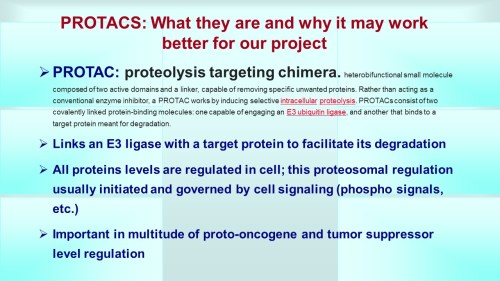
Below is a slide representation of the overall mission 4 to produce a PROTAC to inhibit Galectins 1, 3, and 9.


Using A Priori Knowledge of Galectin Receptor Interaction to Create a BioModel of Galectin 3 Binding


Now after collecting literature from PubMed on “galectin-3” AND “binding” to determine literature containing kinetic data we generate a WordCloud on the articles.


This following file contains the articles needed for BioModels generation.

https://pharmaceuticalintelligence.com/wp-content/uploads/2022/12/Curating-Galectin-articles-for-Biomodels.docx


From the WordCloud we can see that these corpus of articles describe galectin binding to the CRD (carbohydrate recognition domain).  Interestingly there are many articles which describe van Der Waals interactions as well as electrostatic interactions.  Certain carbohydrate modifictions like Lac NAc and Gal 1,4 may be important.  Many articles describe the bonding as well as surface  interactions.  Many studies have been performed with galectin inhibitors like TDGs (thio-digalactosides) like TAZ TDG (3-deoxy-3-(4-[m-fluorophenyl]-1H-1,2,3-triazol-1-yl)-thio-digalactoside).  This led to an interesting article

Dual thio-digalactoside-binding modes of human galectins as the structural basis for the design of potent and selective inhibitors

Affiliations 2016 Jul 15;6:29457.
 doi: 10.1038/srep29457. Free PMC article

Abstract

Human galectins are promising targets for cancer immunotherapeutic and fibrotic disease-related drugs. We report herein the binding interactions of three thio-digalactosides (TDGs) including TDG itself, TD139 (3,3′-deoxy-3,3′-bis-(4-[m-fluorophenyl]-1H-1,2,3-triazol-1-yl)-thio-digalactoside, recently approved for the treatment of idiopathic pulmonary fibrosis), and TAZTDG (3-deoxy-3-(4-[m-fluorophenyl]-1H-1,2,3-triazol-1-yl)-thio-digalactoside) with human galectins-1, -3 and -7 as assessed by X-ray crystallography, isothermal titration calorimetry and NMR spectroscopy. Five binding subsites (A-E) make up the carbohydrate-recognition domains of these galectins. We identified novel interactions between an arginine within subsite E of the galectins and an arene group in the ligands. In addition to the interactions contributed by the galactosyl sugar residues bound at subsites C and D, the fluorophenyl group of TAZTDG preferentially bound to subsite B in galectin-3, whereas the same group favored binding at subsite E in galectins-1 and -7. The characterised dual binding modes demonstrate how binding potency, reported as decreased Kd values of the TDG inhibitors from μM to nM, is improved and also offer insights to development of selective inhibitors for individual galectins.

Figures

Figure 1
 
Figure 2
 
Figure 3


Read Full Post »

Older Posts »