Healthcare analytics, AI solutions for biological big data, providing an AI platform for the biotech, life sciences, medical and pharmaceutical industries, as well as for related technological approaches, i.e., curation and text analysis with machine learning and other activities related to AI applications to these industries.
RNA from the SARS-CoV-2 virus taking over the cells it infects: Virulence – Pathogen’s ability to infect a Resistant Host: The Imbalance between Controlling Virus Replication versus Activation of the Adaptive Immune Response
Curator: Aviva Lev-Ari, PhD, RN – I added colors and bold face
UPDATED on 9/8/2020
What bats can teach us about developing immunity to Covid-19 | Free to read
Another duality and paradox in the Treatment of COVID-19 Patients in ICUs was expressed by Mike Yoffe, MD, PhD, David H. Koch Professor of Biology and Biological Engineering, Massachusetts Institute of Technology. Dr. Yaffe has a joint appointment in Acute Care Surgery, Trauma, and Surgical Critical Care, and in Surgical Oncology @BIDMC
on 6/29 at SOLUTIONS with/in/sight at Koch Institute @MIT
How Are Cancer Researchers Fighting COVID-19? (Part II)”Jun 29, 2020 11:30 AM EST
In COVID-19 patients: two life threatening conditions are seen in ICUs:
Blood Clotting – Hypercoagulability or Thrombophilia
Cytokine Storm – immuno-inflammatory response
The coexistence of 1 and 2 – HINDERS the ability to use effectively tPA as an anti-clotting agent while the cytokine storm is present.
Mike Yoffe’s related domain of expertise:
Signaling pathways and networks that control cytokine responses and inflammation
Misregulation of cytokine feedback loops, along with inappropriate activation of the blood clotting cascade causes dysregulation of cell signaling pathways in innate immune cells (neutrophils and macrophages), resulting in tissue damage and multiple organ failure following trauma or sepsis. Our research is focused on understanding the role of the p38-MK2 pathway in cytokine control and innate immune function, and on cross-talk between cytokines, clotting factors, and neutrophil NADPH oxidase-derived ROS in tissue damage, coagulopathy, and inflammation, using biochemistry, cell biology, and mouse knock-out/knock-in models. We recently discovered a particularly important link between abnormal blood clotting and the complement pathway cytokine C5a which causes excessive production of extracellular ROS and organ damage by neutrophils after traumatic injury.
SARS-CoV-2 infection induces low IFN-I and -III levels with a moderate ISG response
Strong chemokine expression is consistent across in vitro, ex vivo, and in vivo models
Low innate antiviral defenses and high pro-inflammatory cues contribute to COVID-19
Summary
Viral pandemics, such as the one caused by SARS-CoV-2, pose an imminent threat to humanity. Because of its recent emergence, there is a paucity of information regarding viral behavior and host response following SARS-CoV-2 infection. Here we offer an in-depth analysis of the transcriptional response to SARS-CoV-2 compared with other respiratory viruses. Cell and animal models of SARS-CoV-2 infection, in addition to transcriptional and serum profiling of COVID-19 patients, consistently revealed a unique and inappropriate inflammatory response. This response is defined by low levels of type I and III interferons juxtaposed to elevated chemokines and high expression of IL-6. We propose that reduced innate antiviral defenses coupled with exuberant inflammatory cytokine production are the defining and driving features of COVID-19.
Defining the Transcriptional Response to SARS-CoV-2 Relative to Other Respiratory Viruses
To compare the transcriptional response of SARS-CoV-2 with other respiratory viruses, including MERS-CoV, SARS-CoV-1, human parainfluenza virus 3 (HPIV3), respiratory syncytial virus (RSV), and IAV, we first chose to focus on infection in a variety of respiratory cell lines (Figure 1). To this end, we collected poly(A) RNA from infected cells and performed RNA sequencing (RNA-seq) to estimate viral load. These data show that virus infection levels ranged from 0.1% to more than 50% of total RNA reads (Figure 1A).
Discussion
In the present study, we focus on defining the host response to SARS-CoV-2 and other human respiratory viruses in cell lines, primary cell cultures, ferrets, and COVID-19 patients. In general, our data show that the overall transcriptional footprint of SARS-CoV-2 infection was distinct in comparison with other highly pathogenic coronaviruses and common respiratory viruses such as IAV, HPIV3, and RSV. It is noteworthy that, despite a reduced IFN-I and -III response to SARS-CoV-2, we observed a consistent chemokine signature. One exception to this observation is the response to high-MOI infection in A549-ACE2 and Calu-3 cells, where replication was robust and an IFN-I and -III signature could be observed. In both of these examples, cells were infected at a rate to theoretically deliver two functional virions per cell in addition to any defective interfering particles within the virus stock that were not accounted for by plaque assays. Under these conditions, the threshold for PAMP may be achieved prior to the ability of the virus to evade detection through production of a viral antagonist. Alternatively, addition of multiple genomes to a single cell may disrupt the stoichiometry of viral components, which, in turn, may itself generate PAMPs that would not form otherwise. These ideas are supported by the fact that, at a low-MOI infection in A549-ACE2 cells, high levels of replication could also be achieved, but in the absence of IFN-I and -III induction. Taken together, these data suggest that, at low MOIs, the virus is not a strong inducer of the IFN-I and -III system, as opposed to conditions where the MOI is high.
Taken together, the data presented here suggest that the response to SARS-CoV-2 is imbalanced with regard to controlling virus replication versus activation of the adaptive immune response. Given this dynamic, treatments for COVID-19 have less to do with the IFN response and more to do with controlling inflammation. Because our data suggest that numerous chemokines and ILs are elevated in COVID-19 patients, future efforts should focus on U.S. Food and Drug Administration (FDA)-approved drugs that can be rapidly deployed and have immunomodulating properties.
One of the features distinguishing SARS-CoV-2 from its more pathogenic counterpart SARS-CoV is the presence of premature stop codons in its ORF3b gene. Here, we show that SARS-CoV-2 ORF3b is a potent interferon antagonist, suppressing the induction of type I interferon more efficiently than its SARS-CoV ortholog. Phylogenetic analyses and functional assays revealed that SARS-CoV-2-related viruses from bats and pangolins also encode truncated ORF3b gene products with strong anti-interferon activity. Furthermore, analyses of more than 15,000 SARS-CoV-2 sequences identified a natural variant, in which a longer ORF3b reading frame was reconstituted. This variant was isolated from two patients with severe disease and further increased theability of ORF3b to suppress interferon induction. Thus, our findings not only help to explain the poor interferon response in COVID-19 patients, but also describe a possibility of the emergence of natural SARS-CoV-2 quasi-species with extended ORF3b that may exacerbate COVID-19 symptoms.
Highlights
ORF3b of SARS-CoV-2 and related bat and pangolin viruses is a potent IFN antagonist
SARS-CoV-2 ORF3b suppresses IFN induction more efficiently than SARS-CoV ortholog
The anti-IFN activity of ORF3b depends on the length of its C-terminus
An ORF3b with increased IFN antagonism was isolated from two severe COVID-19 cases
RNA (in green) from the SARS-CoV-2 virus is shown taking over the cells it infects.ICAHN SCHOOL OF MEDICINE AT MOUNT SINAI
A deep dive into how the new coronavirus infects cells has found that it orchestrates a hostile takeover of their genes unlike any other known viruses do, producing what one leading scientist calls “unique” and “aberrant” changes.Recent studies show that in seizing control of genes in the human cells it invades, the virus changes how segments of DNA are read, doing so in a way that might explain why the elderly are more likely to die of Covid-19 and why antiviral drugs might not only save sick patients’ lives but also prevent severe disease if taken before infection.“It’s something I have never seen in my 20 years of” studying viruses, said virologist Benjamin tenOever of the Icahn School of Medicine at Mount Sinai, referring to how SARS-CoV-2, the virus that causes Covid-19, hijacks cells’ genomes.The “something” he and his colleagues saw is how SARS-CoV-2 blocks one virus-fighting set of genes but allows another set to launch, a pattern never seen with other viruses. Influenza and the original SARS virus (in the early 2000s), for instance, interfere with both arms of the body’s immune response — what tenOever dubs “call to arms” genes and “call for reinforcement” genes.The first group of genes produces interferons. These proteins, which infected cells release, are biological semaphores, signaling to neighboring cells to activate some 500 of their own genes that will slow down the virus’ ability to make millions of copies of itself if it invades them. This lasts seven to 10 days, tenOever said, controlling virus replication and thereby buying time for the second group of genes to act.This second set of genes produce their own secreted proteins, called chemokines, that emit a biochemical “come here!” alarm. When far-flung antibody-making B cells and virus-killing T cells sense the alarm, they race to its source. If all goes well, the first set of genes holds the virus at bay long enough for the lethal professional killers to arrive and start eradicating viruses.
“Most other viruses interfere with some aspect of both the call to arms and the call for reinforcements,” tenOever said. “If they didn’t, no one would ever get a viral illness”: The one-two punch would pummel any incipient infection into submission.
SARS-CoV-2, however, uniquely blocks one cellular defense but activates the other, he and his colleagues reported in a study published last week in Cell. They studied healthy human lung cells growing in lab dishes, ferrets (which the virus infects easily), and lung cells from Covid-19 patients. In all three, they found that within three days of infection, the virus induces cells’ call-for-reinforcement genes to produce cytokines. But it blocks their call-to-arms genes — the interferons that dampen the virus’ replication.
The result is essentially no brakes on the virus’s replication, but a storm of inflammatory molecules in the lungs, which is what tenOever calls an “unique” and “aberrant” consequence of how SARS-CoV-2 manipulates the genome of its target.
In another new study, scientists in Japan last week identified how SARS-CoV-2 accomplishes that genetic manipulation. Its ORF3b gene produces a protein called a transcription factor that has “strong anti-interferon activity,” Kei Sato of the University of Tokyo and colleagues found — stronger than the original SARS virus or influenza viruses. The protein basically blocks the cell from recognizing that a virus is present, in a way that prevents interferon genes from being expressed.
In fact, the Icahn School team found no interferons in the lung cells of Covid-19 patients. Without interferons, tenOever said, “there is nothing to stop the virus from replicating and festering in the lungs forever.”
That causes lung cells to emit even more “call-for-reinforcement” genes, summoning more and more immune cells. Now the lungs have macrophages and neutrophils and other immune cells “everywhere,” tenOever said, causing such runaway inflammation “that you start having inflammation that induces more inflammation.”
At the same time, unchecked viral replication kills lung cells involved in oxygen exchange. “And suddenly you’re in the hospital in severe respiratory distress,” he said.
In elderly people, as well as those with diabetes, heart disease, and other underlying conditions, the call-to-arms part of the immune system is weaker than in younger, healthier people, even before the coronavirus arrives. That reduces even further the cells’ ability to knock down virus replication with interferons, and imbalances the immune system toward the dangerous inflammatory response.
The discovery that SARS-CoV-2 strongly suppresses infected cells’ production of interferons has raised an intriguing possibility: that taking interferons might prevent severe Covid-19 or even prevent it in the first place, said Vineet Menachery of the University of Texas Medical Branch.
In a study of human cells growing in lab dishes, described in a preprint (not peer-reviewed or published in a journal yet), he and his colleagues also found that SARS-CoV-2 “prevents the vast amount” of interferon genes from turning on. But when cells growing in lab dishes received the interferon IFN-1 before exposure to the coronavirus, “the virus has a difficult time replicating.”
After a few days, the amount of virus in infected but interferon-treated cells was 1,000- to 10,000-fold lower than in infected cells not pre-treated with interferon. (The original SARS virus, in contrast, is insensitive to interferon.)
Ending the pandemic and preventing its return is assumed to require an effective vaccine to prevent infectionand antiviral drugs such as remdesivir to treat the very sick, but the genetic studies suggest a third strategy: preventive drugs.
It’s possible that treatment with so-called type-1 interferon “could stop the virus before it could get established,” Menachery said.
Giving drugs to healthy people is always a dicey proposition, since all drugs have side effects — something considered less acceptable than when a drug is used to treat an illness. “Interferon treatment is rife with complications,” Menachery warned. The various interferons, which are prescribed for hepatitis, cancers, and many other diseases, can cause flu-like symptoms.
But the risk-benefit equation might shift, both for individuals and for society, if interferons or antivirals or other medications are shown to reduce the risk of developing serious Covid-19 or even make any infection nearly asymptomatic.
Interferon “would be warning the cells the virus is coming,” Menachery said, so such pretreatment might “allow treated cells to fend off the virus better and limit its spread.” Determining that will of course require clinical trials, which are underway.
Other related articles in this Open Access Online Scientific Journal include the following:
Structure-guided Drug Discovery: (1) The Coronavirus 3CL hydrolase (Mpro) enzyme (main protease) essential for proteolytic maturation of the virus and (2) viral protease, the RNA polymerase, the viral spike protein, a viral RNA as promising two targets for discovery of cleavage inhibitors of the viral spike polyprotein preventing the Coronavirus Virion the spread of infection
Predicting the Protein Structure of Coronavirus: Inhibition of Nsp15 can slow viral replication and Cryo-EM – Spike protein structure (experimentally verified) vs AI-predicted protein structures (not experimentally verified) of DeepMind (Parent: Google) aka AlphaFold
Curators: Stephen J. Williams, PhD and Aviva Lev-Ari, PhD, RN
Glycobiology vs Proteomics: Glycobiologists Prespective in the effort to explain the origin, etiology and potential therapeutics for the Coronavirus Pandemic (COVID-19).
Actemra, immunosuppressive which was designed to treat rheumatoid arthritis but also approved in 2017 to treat cytokine storms in cancer patients SAVED the sickest of all COVID-19 patients
The Accelerating COVID-19 Therapeutic Interventions and Vaccines (ACTIV) Partnership on May 18, 2020: Leadership of AbbVie, Amgen, AstraZeneca, Bristol Myers Squibb, Eisai, Eli Lilly, Evotec, Gilead, GlaxoSmithKline, Johnson & Johnson, KSQ Therapeutics, Merck, Novartis, Pfizer, Roche, Sanofi, Takeda, and Vir. We also thank multiple NIH institutes (especially NIAID), the FDA, BARDA, CDC, the European Medicines Agency, the Department of Defense, the VA, and the Foundation for NIH
Tweets & Retweets 2020 World Medical Innovation Forum – COVID-19, AI and the Future of Medicine, Featuring Harvard and Industry Leader Insights – MGH & BWH, Virtual Event: Monday, May 11, 8:15 a.m. – 5:15 p.m. ET
A Series of Recently Published Papers Report the Development of SARS-CoV2 Neutralizing Antibodies and Passive Immunity toward COVID19
Curator: Stephen J. Williams, Ph.D.
Passive Immunity and Treatment of Infectious Diseases
The ability of one person to pass on immunity to another person (passive immunity) is one of the chief methods we develop immunity to many antigens. For instance, maternal antibodies are passed to the offspring in the neonatal setting as well as in a mother’s milk during breast feeding. In the clinical setting this is achieved by transferring antibodies from one patient who has been exposed to an antigen (like a virus) to the another individual. However, the process of purifying the most efficacious antibody as well as its mass production is limiting due to its complexity and cost and can be prohibitively long delay during a pandemic outbreak, when therapies are few and needed immediately. Regardless, the benefits of developing neutralizing antibodies to confer passive immunity versus development of a vaccine are evident, as the former takes considerable less time than development of a safe and effective vaccine. For a good review on the development and use of neutralizing antibodies and the use of passive immunity to treat infectious diseases please read the following review:
Antibodies have been used for over a century in the prevention and treatment of infectious disease. They are used most commonly for the prevention of measles, hepatitis A, hepatitis B, tetanus, varicella, rabies, and vaccinia. Although their use in the treatment of bacterial infection has largely been supplanted by antibiotics, antibodies remain a critical component of the treatment of diptheria, tetanus, and botulism. High-dose intravenous immunoglobulin can be used to treat certain viral infections in immunocompromised patients (e.g., cytomegalovirus, parvovirus B19, and enterovirus infections). Antibodies may also be of value in toxic shock syndrome, Ebola virus, and refractory staphylococcal infections. Palivizumab, the first monoclonal antibody licensed (in 1998) for an infectious disease, can prevent respiratory syncytial virus infection in high-risk infants. The development and use of additional monoclonal antibodies to key epitopes of microbial pathogens may further define protective humoral responses and lead to new approaches for the prevention and treatment of infectious diseases.
TABLE 1
Summary of the efficacy of antibody in the prevention and treatment of infectious diseases
A Great Explanation of Active versus Passive Immunity by Dr. John Campbell, one of the pioneers in the field of immunology:Antibodies have been used for over a century in the prevention and treatment of infectious disease. They are used most commonly for the prevention of measles, hepatitis A, hepatitis B, tetanus, varicella, rabies, and vaccinia. Although their use in the treatment of bacterial infection has largely been supplanted by antibiotics, antibodies remain a critical component of the treatment of diptheria, tetanus, and botulism. High-dose intravenous immunoglobulin can be used to treat certain viral infections in immunocompromised patients (e.g., cytomegalovirus, parvovirus B19, and enterovirus infections). Antibodies may also be of value in toxic shock syndrome, Ebola virus, and refractory staphylococcal infections. Palivizumab, the first monoclonal antibody licensed (in 1998) for an infectious disease, can prevent respiratory syncytial virus infection in high-risk infants. The development and use of additional monoclonal antibodies to key epitopes of microbial pathogens may further define protective humoral responses and lead to new approaches for the prevention and treatment of infectious diseases.
However, developing successful neutralizing antibodies can still be difficult but with the latest monoclonal antibody technology, as highlighted by the following papers, this process has made much more efficient. In addition, it is not feasable to isolate antibodies from the plasma of covalescent patients in a scale that is needed for a worldwide outbreak.
When fighting off foreign invaders, our bodies make antibodies precisely produced for the task. The reason vaccines offer such long-lasting protection is they train the immune system to identify a pathogen, so immune cells remember and are ready to attack the virus when it appears. Monoclonal antibodies for coronavirus would take the place of the ones our bodies might produce to fight the disease. The manufactured antibodies would be infused into the body to either tamp down an existing infection, or to protect someone who has been exposed to the virus. However, these drugs are synthetic versions of the convalescent plasma treatments that rely on antibodies from people who have recovered from infection. But the engineered versions are easier to scale because they’re manufactured in rats, rather than from plasma donors.
The following papers represent the latest published work on development of therapeutic and prophylactic neutralizing antibodies to the coronavirus SARS-CoV2
1. Cross-neutralization of SARS-CoV-2 by a human monoclonal SARS-CoV antibody.
SARS-CoV-2 is a newly emerged coronavirus responsible for the current COVID-19 pandemic that has resulted in more than 3.7 million infections and 260,000 deaths as of 6 May 20201,2. Vaccine and therapeutic discovery efforts are paramount to curb the pandemic spread of this zoonotic virus. The SARS-CoV-2 spike (S) glycoprotein promotes entry into host cells and is the main target of neutralizing antibodies. Here we describe multiple monoclonal antibodies targeting SARS-CoV-2 S identified from memory B cells of an individual who was infected with SARS-CoV in 2003. One antibody, named S309, potently neutralizes SARS-CoV-2 and SARS-CoV pseudoviruses as well as authentic SARS-CoV-2 by engaging the S receptor-binding domain. Using cryo-electron microscopy and binding assays, we show that S309 recognizes a glycan-containing epitope that is conserved within the sarbecovirus subgenus, without competing with receptor attachment. Antibody cocktails including S309 along with other antibodies identified here further enhanced SARS-CoV-2 neutralization and may limit the emergence of neutralization-escape mutants. These results pave the way for using S309- and S309-containing antibody cocktails for prophylaxis in individuals at high risk of exposure or as a post-exposure therapy to limit or treat severe disease.
2. Potent neutralizing antibodies against SARS-CoV-2 identified by high-throughput single-cell sequencing of convalescent patients’ B cells
The COVID-19 pandemic urgently needs therapeutic and prophylactic interventions. Here we report the rapid identification of SARS-CoV-2 neutralizing antibodies by high-throughput single-cell RNA and VDJ sequencing of antigen-enriched B cells from 60 convalescent patients. From 8,558 antigen-binding IgG1+ clonotypes, 14 potent neutralizing antibodies were identified with the most potent one, BD-368-2, exhibiting an IC50 of 1.2 ng/mL and 15 ng/mL against pseudotyped and authentic SARS-CoV-2, respectively. BD-368-2 also displayed strong therapeutic and prophylactic efficacy in SARS-CoV-2-infected hACE2-transgenic mice. Additionally, the 3.8Å Cryo-EM structure of a neutralizing antibody in complex with the spike-ectodomain trimer revealed the antibody’s epitope overlaps with the ACE2 binding site. Moreover, we demonstrated that SARS-CoV-2 neutralizing antibodies could be directly selected based on similarities of their predicted CDR3H structures to those of SARS-CoV neutralizing antibodies. Altogether, we showed that human neutralizing antibodies could be efficiently discovered by high-throughput single B-cell sequencing in response to pandemic infectious diseases.
3. A human monoclonal antibody blocking SARS-CoV-2 infection
The emergence of the novel human coronavirus SARS-CoV-2 in Wuhan, China has caused a worldwide epidemic of respiratory disease (COVID-19). Vaccines and targeted therapeutics for treatment of this disease are currently lacking. Here we report a human monoclonal antibody that neutralizes SARS-CoV-2 (and SARS-CoV) in cell culture. This cross-neutralizing antibody targets a communal epitope on these viruses and may offer potential for prevention and treatment of COVID-19.
Extra References on Development of Neutralizing antibodies for COVID19 {Sars-CoV2} published this year (2020) [1-4]
Fan P, Chi X, Liu G, Zhang G, Chen Z, Liu Y, Fang T, Li J, Banadyga L, He S et al: Potent neutralizing monoclonal antibodies against Ebola virus isolated from vaccinated donors. mAbs 2020, 12(1):1742457.
Dussupt V, Sankhala RS, Gromowski GD, Donofrio G, De La Barrera RA, Larocca RA, Zaky W, Mendez-Rivera L, Choe M, Davidson E et al: Potent Zika and dengue cross-neutralizing antibodies induced by Zika vaccination in a dengue-experienced donor. Nature medicine 2020, 26(2):228-235.
Young CL, Lyons AC, Hsu WW, Vanlandingham DL, Park SL, Bilyeu AN, Ayers VB, Hettenbach SM, Zelenka AM, Cool KR et al: Protection of swine by potent neutralizing anti-Japanese encephalitis virus monoclonal antibodies derived from vaccination. Antiviral research 2020, 174:104675.
T-cell receptors (TCR) can recognize the intracellular targets whereas antibodies only recognize the 25% of potential extracellular targets
survivin is expressed in multiple cancers and correlates with poor survival and prognosis
CD3 bispecific TCR to survivn (Ab to CD3 on T- cells and TCR to survivin on cancer cells presented in MHC Class A3)
ABBV184 effective in vivo in lung cancer models as single agent;
in humanized mouse tumor models CD3/survivin bispecific can recruit T cells into solid tumors; multiple immune cells CD4 and CD8 positive T cells were found to infiltrate into tumor
therapeutic window as measured by cytokine release assays in tumor vs. normal cells very wide (>25 fold)
ABBV184 does not bind platelets and has good in vivo safety profile
First- in human dose determination trial: used in vitro cancer cell assays to determine 1st human dose
looking at AML and lung cancer indications
phase 1 trial is underway for safety and efficacy and determine phase 2 dose
survivin has very few mutations so they are not worried about a changing epitope of their target TCR peptide of choice
The discovery of TNO155: A first in class SHP2 inhibitor
SHP2 is an intracellular phosphatase that is upstream of MEK ERK pathway; has an SH2 domain and PTP domain
knockdown of SHP2 inhibits tumor growth and colony formation in soft agar
55 TKIs there are very little phosphatase inhibitors; difficult to target the active catalytic site; inhibitors can be oxidized at the active site; so they tried to target the two domains and developed an allosteric inhibitor at binding site where three domains come together and stabilize it
they produced a number of chemical scaffolds that would bind and stabilize this allosteric site
block the redox reaction by blocking the cysteine in the binding site
lead compound had phototoxicity; used SAR analysis to improve affinity and reduce phototox effects
was very difficult to balance efficacy, binding properties, and tox by adjusting stuctures
TNO155 is their lead into trials
SHP2 expressed in T cells and they find good combo with I/O with uptick of CD8 cells
TNO155 is very selective no SHP1 inhibition; SHP2 can autoinhibit itself when three domains come together and stabilize; no cross reactivity with other phosphatases
they screened 1.5 million compounds and got low hit rate so that is why they needed to chemically engineer and improve on the classes they found as near hits
Live Notes, Real Time Conference Coverage 2020 AACR Virtual Meeting April 27, 2020 Minisymposium on Drugging Undrugged Cancer Targets 1:30 pm – 5:00 pm
SESSION VMS.ET01.01 – Drugging Undrugged Cancer Targets
April 27, 2020, 1:30 PM – 3:30 PM
Virtual Meeting: All Session Times Are U.S. EDT
Session Type
Virtual Minisymposium
Track(s)
Experimental and Molecular Therapeutics,Drug Development
18 Presentations
1:30 PM – 1:30 PM
– ChairpersonPeter C. Lucas. University of Pittsburgh School of Medicine, Pittsburgh, PA
1:30 PM – 1:30 PM
– ChairpersonJohn S. Lazo. University of Virginia, Charlottesville, VA
1:30 PM – 1:35 PM
– IntroductionPeter C. Lucas. University of Pittsburgh School of Medicine, Pittsburgh, PA
1:35 PM – 1:45 PM
3398 – PTPN22 is a systemic target for augmenting antitumor immunityWon Jin Ho, Jianping Lin, Ludmila Danilova, Zaw Phyo, Soren Charmsaz, Aditya Mohan, Todd Armstrong, Ben H. Park, Elana J. Fertig, Zhong-Yin Zhang, Elizabeth M. Jaffee. Johns Hopkins Sidney Kimmel Comp. Cancer Center, Baltimore, MD, Purdue University, Baltimore, MD, Johns Hopkins Sidney Kimmel Comp. Cancer Center, Baltimore, MD, Vanderbilt University Medical Center, Baltimore, MD
Abstract: Remarkable progress in cancer immunology has revolutionized cancer therapy. The majority of patients, however, do not respond to immunotherapeutic options, warranting the ongoing search for better strategies. Leveraging the established role of protein tyrosine phosphatase non-receptor type 22 (PTPN22) in autoimmune diseases, we hypothesized that PTPN22 is a novel target for cancer immunotherapy. PTPN22 is a physiologic regulator of T cell receptor (TCR) signaling acting by dephosphorylating activating tyrosine residues in Lck and Zap70. We first confirmed the relevance of PTPN22 expression by exploring its expression in multiple human cancer types using The Cancer Genome Atlas (TCGA). PTPN22 expression positively correlated with T cell and M1 macrophage gene signatures and immune regulatory genes, especially inflamed tumor types. Next, we directly investigated the role of PTPN22 in antitumor immunity by comparing in vivo tumor characteristics in wild-type (WT) and PTPN22 knockout (KO) mice. Consistent with our hypothesis, PTPN22 KO mice resisted MC38 and EG7 tumors significantly compared with WT. Mass cytometry (CyTOF) profiling of the immune tumor microenvironment demonstrated that MC38 tumors in PTPN22 KO mice were infiltrated with greater numbers of T cells, particularly CD8+ T cells expressing granzyme B and PD1. To further delineate the effects of PTPN22 KO on TCR signaling, we established an optimized CyTOF panel of 9 phosphorylation sites involved in the TCR signaling pathway, including two enzymatic substrates of PTPN22 (Lck Y394 and Zap70 Y493) and 15 immune subtyping markers. CyTOF phospho-profiling of CD8 T cells from tumor-bearing mouse spleens and the peripheral blood of immunotherapy-naïve cancer patients showed that the phosphorylated state of Zap70 Y493 correlated strongly with granzyme B expression. Furthermore, phospho-profiling of tumor-infiltrating CD8+ T cells (a measure of T cell activation) revealed the highest TCR-pathway phosphorylation levels in memory CD8+ T cells that express PD1. The difference in phosphorylation levels between WT and PTPN22 KO was most pronounced for Lck Y394. Based on these findings, we then hypothesized that PD1 inhibition will further enhance the antitumor immune responses promoted by the lack of PTPN22. Indeed, PTPN22 KO mice bearing MC38 and EG7 tumors responded more significantly to anti-PD1 therapy when compared with tumor-bearing WT mice. Finally, we treated WT tumor bearing mice with two different small molecule inhibitors of PTPN22, one previously published compound, LTV1, and one novel compound, L1 (discovered through structure based synthesis). While both inhibitors phenocopied the PTPN22 KO mice in resisting MC38 tumor growth, L1 treatment gave an immune profile that resembled what was observed in tumor-bearing PTPN22 KO mice. Taken together, our results demonstrate that PTPN22 is a novel systemic target for augmenting antitumor immunity.
can they leverage autoimmune data to look at new targets for checkpoint inhibition; we have a long way to go in immunooncology as only less than 30-40% of cancer types respond
using Cancer Genome Atlas PTPN22 is associated with autoimmune disorders
PTPN22 KO increases many immune cells; macrophages t-cells and when KO in tumors get more t cell infiltrate
PTP KO enhances t cell response, and may be driving t cells to exhaustion
made a inhibitor or PTPN22; antitumor phenotype when given inhibitor was like KO mice; a PDL1 inhibitor worked in KO mice
PTPN22 only in select hematopoetic cells
1:45 PM – 1:50 PM
– Discussion
1:50 PM – 2:00 PM
3399 – Preclinical evaluation of eFT226, a potent and selective eIF4A inhibitor with anti-tumor activity in FGFR1,2 and HER2 driven cancers. Peggy A. Thompson, Nathan P. Young, Adina Gerson-Gurwitz, Boreth Eam, Vikas Goel, Craig R. Stumpf, Joan Chen, Gregory S. Parker, Sarah Fish, Maria Barrera, Eric Sung, Jocelyn Staunton, Gary G. Chiang, Kevin R. Webster. eFFECTOR Therapeutics, San Diego, CA @RuggeroDavide
Abstract: Mutations or amplifications affecting receptor tyrosine kinases (RTKs) activate the RAS/MAPK and PI3K/AKT signaling pathways thereby promoting cancer cell proliferation and survival. Oncoprotein expression is tightly controlled at the level of mRNA translation and is regulated by the eukaryotic translation initiation factor 4F (eIF4F) complex consisting of eIF4A, eIF4E, and eIF4G. eIF4A functions to catalyze the unwinding of secondary structure in the 5’-untranslated region (5’-UTR) of mRNA facilitating ribosome scanning and translation initiation. The activation of oncogenic signaling pathways, including RAS and PI3K, facilitate formation of eIF4F and enhance eIF4A activity promoting the translation of oncogenes with highly structured 5’-UTRs that are required for tumor cell proliferation, survival and metastasis. eFT226 is a selective eIF4A inhibitor that converts eIF4A into a sequence specific translational repressor by increasing the affinity between eIF4A and 5’-UTR polypurine motifs leading to selective downregulation of mRNA translation. The polypurine element is highly enriched in the 5’-UTR of eFT226 target genes, many of which are known oncogenic drivers, including FGFR1,2 and HER2, enabling eFT226 to selectively inhibit dysregulated oncogene expression. Formation of a ternary complex [eIF4A-eFT226-mRNA] blocks ribosome scanning along the 5’-UTR leading to dose dependent inhibition of RTK protein expression. The 5’-UTR sequence dependency of eFT226 translational inhibition was evaluated in cell-based reporter assays demonstrating 10-45-fold greater sensitivity for reporter constructs containing an RTK 5’-UTR compared to a control. In solid tumor cell lines driven by alterations in FGFR1, FGFR2 or HER2, downregulation of RTK expression by eFT226 resulted in decreased MAPK and AKT signaling, potent inhibition of cell proliferation and an induction of apoptosis suggesting that eFT226 could be effective in treating tumor types dependent on these oncogenic drivers. Solid tumor xenograft models harboring FGFR1,2 or HER2 amplifications treated with eFT226 resulted in significant in vivo tumor growth inhibition and regression at well tolerated doses in breast, non-small cell lung and colorectal cancer models. Treatment with eFT226 also decreased RTK protein levels supporting the potential to use these eFT226 target genes as pharmacodynamic markers of target engagement. Further evaluation of predictive markers of sensitivity or resistance showed that RTK tumor models with mTOR mediated activation of eIF4A are most sensitive to eFT226. The association of eFT226 activity in RTK tumor models with mTOR pathway activation provides a means to further enrich for sensitive patient subsets during clinical development. Clinical trials with eFT226 in patients with solid tumor malignancies have initiated.
ternary complex formed blocks transcription selectively downregulating RTKs
drug binds in 5′ UTR and inhibits translation
RTKs activate eIF4 and are also transcribed through them so inhibition destroys this loop; also with KRAS too
main antitumor activity are by an apoptotic mechanisms; refractory tumors are not sensitive to drug induced apoptosis
drug inhibits FGFR2 in colorectal cancer
drug also effective in HER2+ tumors
mTOR mediated eIF4 inhibited by drug
they get prolonged antitumor activity after washout of drug because forms this tight terniary complex
2:00 PM – 2:05 PM
– Discussion
2:05 PM – 2:15 PM
3400 – Adenosine receptor antagonists exhibit potent and selective off-target killing of FOXA1-high cancers: Steven M. Corsello, Ryan D. Spangler, Ranad Humeidi, Caitlin N. Harrington, Rohith T. Nagari, Ritu Singh, Vickie Wang, Mustafa Kocak, Jordan Rossen, Amael Madec, Nancy Dumont, Todd R. Golub. Dana-Farber Cancer Institute, Boston, MA, Broad Institute of MIT and Harvard, Cambridge, MA @corsellos
Abstract: Drugs targeting adenosine receptors were originally developed for the treatment of Parkinson’s disease and are now being tested in immuno-oncology clinical trials in combination with checkpoint inhibitors. We recently reported the killing activity of 4,518 drugs against 578 diverse cancer cell lines determined using the PRISM molecular barcoding approach. Surprisingly, three established adenosine receptor antagonists (CGS-15943, MRS-1220, and SCH-58261) showed potent and selective killing of FOXA1-high cancer cell lines without the need for immune cells. FOXA1 is a lineage-restricted transcription factor in luminal breast cancer, hepatocellular carcinoma, and prostate cancer without known small molecule inhibitors. We find that cytotoxic activity is limited to adenosine antagonists with a three-member aromatic core bound to a furan group, thus indicating a potential off-target mechanism of action. To identify genomic modulators of drug response, we performed genome-wide CRISPR/Cas9 knockout modifier screens. Killing by CGS-15943 and MRS-1220 was rescued by knockout of the aryl hydrocarbon receptor (AHR) and its nuclear partner ARNT. In confirmatory studies, knockout of AHR completely rescued killing by CGS-15943 in multiple cell types. Co-treatment with an AHR small molecule antagonist also rescued cell viability. Knockout of adenosine receptors did not alter drug response. Given that AHR is a known transcriptional regulator, we performed global mRNA sequencing to assess transcriptional changes induced by CGS-15943. The top two genes induced were the p450 enzymes CYP1A1 and CYP1B1. To determine sufficiency, we overexpressed CYP1A1 in a resistant cell line. Ectopic CYP1A1 expression sensitized to CGS-15943-mediated killing. Mass spectrometry revealed covalent trapping of a reactive metabolite by glutathione and potassium cyanide following in vitro incubation with liver microsomes. In addition, treatment of breast cancer cells with CGS-15943 for 24 hours resulted in increased γ-H2AX phosphorylation by western blot, indicative of DNA double stranded breaks. In summary, we identified off-target anti-cancer activity of multiple established adenosine receptor antagonists mediated by activation of AHR. Future studies will evaluate the functional contribution of FOXA1 and activity in vivo. Starting from a phenotypic screening hit, we leverage functional genomics to unlock the underlying mechanism of action. This project will pave the way for developing more effective therapies for biomarker-selected cancers, with potential to improve the care of patients with liver, breast, and prostate cancer.
developed a chemical library of over 6000 compounds (QC’d) to determine drugs that have antitumor effects
used a PRISM barcoded library to make cell lines to screen genotype-phenotype screens
for nononcology drugs fourteen drugs had activity in the PRISM assay
FOXA1 transcription factor high cancer cells seemed to be inhibited best with adenosine receptor inhibitor found in PRISM assay
2:15 PM – 2:20 PM
– Discussion
2:20 PM – 2:30 PM
3401 – Targeting lysosomal homeostasis in ovarian cancer through drug repurposing: Stefano Marastoni, Aleksandra Pesic, Sree Narayanan Nair, Zhu Juan Li, Ali Madani, Benjamin Haibe-Kains, Bradly G. Wouters, Anthony Joshua. University Health Network, Toronto, ON, Canada, Janssen Inc, Toronto, ON, Canada, The Kinghorn Cancer Centre, Sydney, Australia
Background: Drug repurposing has become increasingly attractive as it avoids the long processes and costs associated with drug discovery. Itraconazole (Itra) is a broad-spectrum anti-fungal agent which has an established broad spectrum of activity in human cell lines including cholesterol antagonism and inhibition of Hedgehog and mTOR pathways. Many in vitro, in vivo and clinical studies have suggested anti-proliferative activity both alone and in combination with other chemotherapeutic agents, in particular in ovarian cancer. This study is aimed at supporting the therapeutic potential of Itra and discovering and repurposing new drugs that can increase Itra anticancer activity as well as identifying new targets in the treatment of ovarian cancer. Methods: We tested a panel of 32 ovarian cancer cell lines with different doses of Itra and identified a subset of cells which showed significant sensitivity to the drug. To identify genetic vulnerabilities and find new therapeutic targets to combine with Itra, we performed a whole genome sensitivity CRISPR screen in 2 cell lines (TOV1946 and OVCAR5) treated with non-toxic (IC10) concentrations of Itra. Results: Pathway analysis on the top hits from both the screens showed a significant involvement of lysosomal compartments, and in particular dynamics between trans Golgi network and late endosomes/lysosomes, pathways that are affected by the autophagy inhibitor Chloroquine (CQ). We subsequently demonstrated that the combination of Itra and CQ had a synergistic effect in many ovarian cancer cell lines, even in those resistant to Itra. Further, genetic and pharmacological manipulation of autophagy indicated that upstream inhibition of autophagy is not a key mediator of the Itra/CQ mechanism of action. However, combination of Itra with other lysosomotropic agents (Concanamycin A, Bafilomycin A and Tamoxifen) displayed overlapping activity with Itra/CQ, supporting the lysosomal involvement in sensitizing cells to Itra resulted from the CRISPR screens. Analysis of lysosomal pattern and function showed a combined effect of Itra and CQ in targeting lysosomes and neutralizing their activity. Conclusion: We identified two FDA approved drugs – CQ and Tamoxifen – that can be used in combination with Itra and exert a potent anti-tumor effect in ovarian cancer by affecting lyosomal function and suggesting a likely dependency of these cells on lysosomal biology. Further studies are in progress.
repurposing itraconozole in ovarian cancer potential mechanism of action is pleitropic
increasing doses of chloroquine caused OVCA cell death by accumulating in Golgi
2:30 PM – 2:35 PM
– Discussion
2:35 PM – 2:45 PM
3402 – BCAT1 as a druggable target in immuno-oncologyAdonia E. Papathanassiu, Francesca Lodi, Hagar Elkafrawy, Michelangelo Certo, Hong Vu, Jeong Hun Ko, Jacques Behmoaras, Claudio Mauro, Diether Lambrechts. Ergon Pharmaceuticals, Washington, DC, VIB Cancer Centre-KULeuven, Leuven, Belgium, Alexandria University, Alexandria, Egypt, University of Birmingham, Birmingham, United Kingdom, Ergon Pharmaceuticals, Washington, DC, Imperial College London, London, United Kingdom
2:45 PM – 2:50 PM
– Discussion
2:50 PM – 3:00 PM
3403 – Drugging the undruggable: Lessons learned from protein phosphatase 2A: Derek Taylor, Goutham Narla. Case Western Reserve University, Cleveland, OH, University of Michigan, Ann Arbor, MI @gouthamnarla
Abstract: Protein phosphatase 2A (PP2A) is a key tumor suppressor responsible for the dephosphorylation of many oncogenic signaling pathways. The PP2A holoenzyme is comprised of a scaffolding subunit (A), which serves as the structural platform for the catalytic subunit (C) and for an array of regulatory subunits (B) to assemble. Impairment of PP2A is essential for the pathogenesis of many diseases including cancer. In cancer, PP2A is inactivated through a variety of mechanisms including somatic mutation of the Aαsubunit. Our studies show that the most recurrent Aαmutation, P179R, results in an altered protein conformation which prevents the catalytic subunit from binding. Additionally, correcting this mutation, by expressing wild type PP2A Aαin cell lines harboring the P179R mutation, causes a reduction in tumor growth and metastasis. Given its central role in human disease pathogenesis, many strategies have been developed to therapeutically target PP2A.Our lab developed a series of small molecules activators of protein phosphatase 2A. One of our more advanced analogs in this series, DT-061, drives dephosphorylation and degradation of select pathogenic substrates of PP2A such as c-MYC in cellular and in vivo systems. Additionally, we have demonstrated the phosphomimetics of MYC that prevent PP2A mediated dephosphorylation and degradation markedly reduce the anti-tumorigenic activity of this series of PP2A activators further validating the target-substrate specificity of this approach. Specific mutations in the site of drug interaction or overexpression of the DNA tumor virus small T antigen which has been shown to specifically bind to and inactivate PP2A abrogate the in vivo activity of this small molecule series further validating the PP2A specificity of this approach. Importantly, treatment with DT-061 results in tumor growth inhibition in an array of in vivocancer models and marked regressions in combination with MEKi and PARPi.To further define the mechanism of action of this small molecule series, we have used cryo-electron microscopy (cryo-EM) to visualize directly theinteraction between DT-061 and a PP2A heterotrimeric complex. We have identified molecular interactions between DT-061 and all three PP2A subunits that prevent dissociation of the active enzyme through the marked prolongation of the kOFF of the native complex. Furthermore, we demonstrate that DT-061 specifically stabilizes the B56α-PP2A holoenzyme in a fully assembled, active state to dephosphorylate oncogenic targets such as c-MYC in both cellular and in vivo systems. This 3.6 Å structure identifies dynamic molecular interactions between the three distinct PP2A subunits and highlight the inherent mechanisms of PP2A complex assembly and disassembly in both cell free and cellular systems. Thus, our findings provide fundamental insights into PP2A complex assembly and regulation, identify a unique interfacial stabilizing mode of action for the therapeutic targeting of previously undruggable proteins, and aid in the development of phosphatase-based therapeutics tailored against disease specific phosphor-protein targets. The marriage of multidisciplinary scientific practices has allowed us to present here a previously unrecognized therapeutic strategy of complex stabilization for the activation of endogenous disease combating enzymes.
Reactivating PP2A; dephosphorylation of proteins (serine/threonine phosphatases); regulates multiple processes in the cell
SV40T has an antigen that inactivates PP2A; recurrent mutations in high grade endometrial cancers
P179R mutation promotes uterine tumor formation (also in a distal tubule ligation model)
project started in a phenotypic screen that tricyclic antidepressants could have an off target which was phosphatase activators (uncoupling GPCR from anticancer activity)
small T antigen block the activity of these small molecule activators;
acts as a molecular glue to bring the activators with a heterotrimer of phosphatases
so their small molecule activators effective in triple negative breast cancers; one of targets of PP2A is MYC
question: have not yet seen resistance to these compounds but are currently looking at this
3:00 PM – 3:05 PM
– Discussion
3:05 PM – 3:15 PM
3404 – Inhibition of BCL10-MALT1 interaction to treat diffuse large B-cell lymphomaH: eejae Kang, Dong Hu, Marcelo Murai, Ahmed Mady, Bill Chen, Zaneta Nikolovska-Coleska, Linda M. McAllister-Lucas, Peter C. Lucas. University of Pittsburgh School of Medicine, Pittsburgh, PA, Merck, Kenilworth, NJ, University of Michigan School of Medicine, Ann Arbor, MI, University of Pittsburgh School of Medicine, Pittsburgh, PA, University of Michigan School of Medicine, Ann Arbor, MI, UPMC Children’s Hospital, Pittsburgh, PA
Abstract: The CARMA1/BCL10/MALT1 (CBM) signaling complex mediates antigen receptor-induced activation of NF-kB in lymphocytes to support normal adaptive immunity. As the effector protein of the complex, MALT1 exhibits two activities: protease and scaffolding activities. Gain-of-function mutations in the CARMA1 moiety or its upstream regulators trigger antigen-independent assembly of oligomeric CBM complexes, leading to constitutive activation of MALT1, unregulated NF-kB activity, and development of Activated B-Cell subtype of Diffuse Large B-Cell Lymphoma (ABC-DLBCL). Existing MALT1 inhibitors block only MALT1 protease activity, causing incomplete and unbalanced inhibition of MALT1, and have the potential for inducing autoimmune side effects. Since MALT1 is recruited to the CBM complex via its interaction with BCL10, we sought to identify inhibitors of BCL10-MALT1 interaction in order to target both the protease and scaffolding activities of MALT1 to treat ABC-DLBCL.
Our previous work suggested that an antibody-epitope-like interface governs the interaction between BCL10 and MALT1, so that a therapeutic opportunity exists for developing a small molecule inhibitor of the interaction to terminate inappropriate CBM activity. Using co-immunoprecipitation studies, a mammalian two-hybrid system, and surface plasmon resonance (SPR), we confirmed that BCL10 residues 107-119 and the tandem Ig-like domains of MALT1 are critical for this interaction. We then performed a structure-guided in silico screen of 3 million compounds, based on a computational model of the BCL10-MALT1 interaction interface, to identify compounds with potential for disrupting the interaction.
Compound 1 from the initial screening hits showed dose-responsive inhibition of BCL10-MALT1 interaction in both SPR and ELISA-based assays. Functionally, Compound 1 inhibits both MALT1 protease and scaffolding activities in Jurkat T cells, as demonstrated by its inhibition of CD3/CD28-induced RelB and N4BP1 cleavage, and inhibition of IKK phosphorylation, respectively. Compound 1 also blocks IL-2 transcription and IL-2 secretion by PMA/ionomycin-treated Jurkat T cells, as well as constitutive CBM-dependent secretion of IL-6 and IL-10 by ABC-DLBCL cells. Accordingly, Compound 1 selectively suppresses the growth of ABC-DLBCL cell lines, but does not affect the growth of MALT1-independent GCB-DLBCL cell lines.
In conclusion, we have identified an early-stage small molecule compound that inhibits the BCL10-MALT1 interaction, MALT1 protease and scaffolding activities, downstream CBM-dependent signaling, and ABC-DLBCL cell growth. Structure-guided modification of this lead compound is underway to further develop a new class of protein-protein interaction inhibitors that could provide more efficacious blockade of MALT1, while offering protection from undesirable autoimmune side effects in the treatment of this aggressive form of lymphoma.
3:15 PM – 3:20 PM
– Discussion
3:20 PM – 3:30 PM
– Closing RemarksJohn S. Lazo. University of Virginia, Charlottesville, VA
Article ID #273: Live Notes and Conference Coverage in Real Time. COVID19 And The Impact on Cancer Patients Town Hall with Leading Oncologists; April 4, 2020. Published 4/4/2020
This update is the video from the COVID-19 Series 4.
UPDATED 4/08/2020 see below
The Second in a Series of Virtual Town Halls with Leading Oncologist on Cancer Patient Care during COVID-19 Pandemic: What you need to know
The second virtual Town Hall with Leading International Oncologist, discussing the impact that the worldwide COVID-19 outbreak has on cancer care and patient care issues will be held this Saturday April 4, 2020. This Town Hall Series is led by Dr. Roy Herbst and Dr. Hossain Borghaei who will present a panel of experts to discuss issues pertaining to oncology practice as well as addressing physicians and patients concerns surrounding the risk COVID-19 presents to cancer care. Some speakers on the panel represent oncologist from France and Italy, and will give their views of the situation in these countries.
Speakers include:
Roy S. Herbst, MD, PhD, Ensign Professor of Medicine (Medical Oncology) and Professor of Pharmacology; Chief of Medical Oncology, Yale Cancer Center and Smilow Cancer Hospital; Associate Cancer Center Director for Translational Research, Yale Cancer Center
Hossain Borghaei, DO, MS , Chief of Thoracic Medical Oncology and Director of Lung Cancer Risk Assessment, Fox Chase Cancer Center
Giuseppe Curigliano, MD, PhD, University of Milan and Head of Phase I Division at IEO, European Institute of Oncology
Paolo Ascierto, MD National Tumor Institute Fondazione G. Pascale, Medical oncologist from National Cancer Institute of Naples, Italy
Dr. Jack West from City of Hope talked about telemedicine: Coordination of the patient experience, which used to be face to face now moved to a telemedicine alternative. For example a patient doing well on personalized therapy, many patients are well suited for a telemedicine experience. A benefit for both patient and physician.
Dr. Rohit Kumar: In small cancer hospitals, can be a bit difficult to determine which patient needs to come in and which do not. For outpatients testing for COVID is becoming very pertinent as these tests need to come back faster than it is currently. For inpatients the issue is personal protection equipment. They are starting to reuse masks after sterilization with dry heat. Best to restructure the system of seeing patients and scheduling procedures.
Dr. Christopher Manley: hypoxia was an issue for COVID19 patients but seeing GI symptoms in 5% of patients. Nebulizers have potential to aerosolize. For patients in surgery prep room surgical masks are fine. Ventilating these patients are a challenge as hypoxia a problem. Myocarditis is a problem in some patients. Diffuse encephalopathy and kidney problems are being seen. So Interleukin 6 (IL6) inhibitors are being used to reduce the cytokine storm presented in patients suffering from COVID19.
Dr. Hope Rugo from UCSF: Breast cancer treatment during this pandemic has been challenging, even though they don’t use too much immuno-suppressive drugs. How we decide on timing of therapy and future visits is crucial. For early stage breast cancer, neoadjuvant therapy is being used to delay surgeries. Endocrine therapy is more often being used. In patients that need chemotherapy, they are using growth factor therapy according to current guidelines. Although that growth factor therapy might antagonize some lung problems, there is less need for multiple visits.
For metastatic breast cancer, high risk ER positive are receiving endocrine therapy and using telemedicine for followups. For chemotherapy they are trying to reduce the schedules or frequency it is given. Clinical trials have been put on hold, mostly pharmokinetic studies are hard to carry out unless patients can come in, so as they are limiting patient visits they are putting these type of clinical studies on hold.
Dr. Harriet Kluger: Melanoma community of oncologists gathered together two weeks ago to discuss guidelines and best practices during this pandemic. The discussed that there is a lack of data on immunotherapy long term benefit and don’t know the effectiveness of neoadjuvant therapy. She noted that many patients on BRAF inhibitors like Taflinar (dabrafenib) or Zelboraf (vemurafenib) might get fevers as a side effect from these inhibitors and telling them to just monitor themselves and get tested if they want. Yale has also instituted a practice that, if a patient tests positive for COVID19, Yale wants 24 hours between the next patient visit to limit spread and decontaminate.
Marianne Davies: Blood work is now being done at satellite sites to limit number of in person visits to Yale. Usually they did biopsies to determine resistance to therapy but now relying on liquid biopsies (if insurance isn’t covering it they are working with patient to assist). For mesothelioma they are dropping chemotherapy that is very immunosuppressive and going with maintenance pembrolizumab (Keytruda). It is challenging in that COPD mimics the symptoms of COVID and patients are finding it difficult to get nebulizers at the pharmacy because of shortages; these patients that develop COPD are also worried they will not get the respirators they need because of rationing.
Dr. Barbara Burtness: Head and neck cancer. Dr. Burtness stresses to patients that the survival rate now for HPV positive head and neck is much better and leaves patients with extra information on their individual cancers. She also noted a registry or database that is being formed to track data on COVID in patients undergoing surgery and can be found here at https://globalsurg.org/covidsurg/
About CovidSurg
There is an urgent need to understand the outcomes of COVID-19 infected patients who undergo surgery.
Capturing real-world data and sharing international experience will inform the management of this complex group of patients who undergo surgery throughout the COVID-19 pandemic, improving their clinical care.
CovidSurg has been designed by an international collaborating group of surgeons and anesthetists, with representation from Canada, China, Germany, Hong Kong, Italy, Korea, Singapore, Spain, United Kingdom, and the United States.
Dr. Burtness had noted that healthcare care workers are at high risk of COVID exposure during ear nose and throat (ENT) procedures as the coronavirus resides in the upper respiratory tract. As for therapy for head and neck cancers, they are staying away from high dose cisplatin because of the nephrotoxicity seen with high dose cisplatin. An alternative is carboplatin which generally you do not see nephrotoxicity as an adverse event (a weekly carboplatin). Changing or increasing dose schedule (like 6 weeks Keytruda) helps reduce immunologic problems related to immunosupression and patients do not have to come in as often.
Italy and France
Dr. Paolo Ascierto: with braf inhibitors, using in tablet form so patients can take from home. Also they are moving chemo schedules for inpatients so longer dosing schedules. Fever still a side effect from braf inhibitors and they require a swab to be performed to ascertain patient is COVID19 negative. Also seeing pneumonitis as this is an adverse event from checkpoint inhibitors so looking at CT scans and nasal swab to determine if just side effect of I/O drugs or a COVID19 case. He mentioned that their area is now doing okay with resources.
Dr. Guiseppe Curigliano mentioned about the redesign of the Italian health system with spokes and hubs of health care. Spokes are generalized medicine while the hubs represent more specialized centers like CV hubs or cancer hubs. So for instance, if a melanoma patient in a spoke area with COVID cases they will be referred to a hub. He says they are doing better in his area
In the question and answer period, Dr. West mentioned that they are relaxing many HIPAA regulations concerning telemedicine. There is a website on the Centers for Connective Health Policy that shows state by state policy on conducting telemedicine. On immuno oncology therapy, many in the panel had many questions concerning the long term risk to COVID associated with this type of therapy. Fabrice mentioned they try to postpone use of I/O and although Dr. Kluger said there was an idea floating around that PD1/PDL1 inhibitors could be used as a prophylactic agent more data was needed.
Please revisit this page as the recording of this Town Hall will be made available next week.
UPDATED 4/08/2020
Below find theLIVE RECORDING and TAKEAWAYSby the speakers
Town Hall Takeaways
Utilize Telehealth to Its Fullest Benefit
· Patients doing well on targeted therapy or routine surveillance are well suited to telemedicine
· Most patients are amenable to this, as it is more convenient for them and minimizes their exposure
· A patient can speak to multiple specialists with an ease that was not previously possible
· CMS has relaxed some rules to accommodate telehealth, though private insurers have not moved as quickly, and the Center for Connected Health Policy maintains a repository of current state-by-state regulations: https://www.cchpca.org/
Practice Management Strategies
· In the face of PPE shortages, N95 masks can be decontaminated using UV light, hydrogen peroxide, or autoclaving with dry heat; the masks can be returned to the original user until the masks are no longer suitable for use
· For blood work or scans, the use of external satellite facilities should be explored
· Keep pumps outside of the room so nurses can attend to them quickly
· Limit the use of nebulizers, CPAPs, and BiPAPs due to risk of aerosolization
· Caution is urged in the presence of cardiac complications, as ventilated patients may appear to improve, only to suffer severe myocarditis and cardiac arrest following extubation
· When the decision is made to intubate, intubate quickly, as less invasive methods result in aerosolization and increased risks to staff
Study the Lessons of Europe
· The health care system in Italy has been reorganized into “spokes” and “hubs,” with a number of cancer hubs; if there is a cancer patient in a spoke hospital with many COVID patients, this patient may be referred to a hub hospital
· Postpone adjuvant treatments whenever possible
· Oral therapies, which can be managed at home, are preferred over therapies that must be administered in a healthcare setting
· Pneumonitis patients without fevers may be treated with steroids, but nasal swab testing is needed in the presence of concomitant fever
· Any staff who are not needed on site should be working from home, and rotating schedules can be used to keep people healthy
· Devise an annual epidemic control plan now that we have new lessons from COVID
We Must Be Advocates for Our Cancer Patients
· Be proactive with other healthcare providers on behalf of patients with a good prognosis
· Consider writing letters for cancer patients for inclusion into their chart, or addendums on notes, then encourage patients to print these out, or give it to them during their visit
· The potential exists for a patient to be physiologically stable on a ventilator, but intolerant of decannulation; early discussions are necessary to determine reasonable expectations of care
· Be sure to anticipate a second wave of patients, comprised of cancer patients for whom treatments and surgery have been delayed!
Tumor-Specific Learnings
Ø Strategies in Breast Cancer:
· In patients with early-stage disease, promote the use of neoadjuvant therapy where possible to delay the need for surgery
· For patients with metastatic disease in the palliative setting, transition to less frequent chemotherapy dosing if possible
· While growth factors may pose a risk in interstitial lung disease, new guidelines are emerging
· The use of BRAF/MEK inhibitors can cause fevers that are drug-related, and access to an alternate clinic where patients can be assessed is a useful resource
Ø Strategies in Lung Cancer:
· For patients who are stable on an oral, targeted therapy, telehealth check-in is a good option
· For patients who progress on targeted therapies, increased use of liquid biopsies when appropriate can minimize use of bronchoscopy suites and other resources
· For patients on pembrolizumab monotherapy, consider switching to a six-week dosing of 400 mg
· Many lung cancer patients worry about “discrimination” should they develop a COVID infection; it is important to support patients and help manage expectations and concerns
UPDATED 5/11/2020
Townhall on COVID-19 and Cancer Care with Leading Oncologists Series 4
Addressing the Challenges of Cancer Care in the Community
Responses to the #COVID-19 outbreak from Oncologists, Cancer Societies and the NCI: Important information for cancer patients
Curator: Stephen J. Williams, Ph.D.
UPDATED 3/20/2020
Among the people who are identified at risk of coronovirus 2019 infection and complications of the virus include cancer patients undergoing chemotherapy, who in general, can be immunosuppressed, especially while patients are undergoing their treatment. This has created anxiety among many cancer patients as well as their care givers and prompted many oncologist professional groups, cancer societies, and cancer centers to formulate some sort of guidelines for both the cancer patients and the oncology professional with respect to limiting the risk of infection to coronavirus (COVID19).
This information will be periodically updated and we are working to get a Live Twitter Feed to bring oncologist and cancer patient advocacy groups together so up to date information can be communicated rapidly. Please see this page regularly for updates as new information is curated.
IN ADDITION, I will curate a listing of drugs with adverse events of immunosuppression for people who might wonder if the medications they are taking are raising their risk of infections.
From the Cancer Letter:The following is a guest editorial by American Society of Clinical Oncology (ASCO) Executive Vice President and Chief Medical Officer Richard L. Schilsky MD, FACP, FSCT, FASCO. This story is part of The Cancer Letter’s ongoing coverage of COVID-19’s impact on oncology. A full list of our coverage, as well as the latest meeting cancellations, is available here.
The worldwide spread of the coronavirus (COVID-19) presents unprecedented challenges to the cancer care delivery system.
Our patients are already dealing with a life-threatening illness and are particularly vulnerable to this viral infection, which can be even more deadly for them.Further, as restrictions in daily movement and social distancing take hold, vulnerable patients may be disconnected from friends, family or other support they need as they manage their cancer.
As providers, we rely on evidence and experience when treating patients but now we face uncertainty. There are limited data to guide us in the specific management of cancer patients confronting COVID-19 and, at present, we have no population-level guidance regarding acceptable or appropriate adjustments of treatment and practice operations that both ensure the best outcome for our patients and protect the safety of our colleagues and staff.
As normal life is dramatically changed, we are all feeling anxious about the extreme economic challenges we face, but these issues are perhaps even more difficult for our patients, many of whom are now facing interruption
As we confront this extraordinary situation, the health and safety of members, staff, and individuals with cancer—in fact, the entire cancer community—is ASCO’s highest priority.
ASCO has been actively monitoring and responding to the pandemic to ensure that accurate information is readily available to clinicians and their patients. Recognizing that this is a rapidly evolving situation and that limited oncology-specific, evidence-based information is available, we are committed to sharing what is known and acknowledging what is unknown so that the most informed decisions can be made.
To help guide oncology professionals as they deal with the impact of coronavirus on both their patients and staff, ASCO has collated questions from its members, postedresponses at asco.organd assembled a compendium of additional resources we hope will be helpful as the virus spreads and the disease unfolds. We continue to receive additional questions regarding clinical care and we are updating our FAQs on a regular basis.
We hope this information is helpful even when it merely confirms that there are no certain answers to many questions. Our answers are based on the best available information we identify in the literature, guidance from public health authorities, and input received from oncology and infectious disease experts.
For patients, we have posted a blog byDr. Merry Jennifer Markham, chair of ASCO’s Cancer Communications Committee. This can be found onCancer.Net, ASCO’s patient information website, and it provides practical guidance to help patients reduce their risk of exposure, better understand COVID-19 symptoms, and locate additional information.
This blog is available both in English and Spanish. Additional blog posts addressing patient questions will be posted as new questions are received and new information becomes available.
Find below a Tweet from Dr.Markham which includes links to her article on COVID-19 for cancer patients
JNCCN: How to Manage Cancer Care during COVID-19 Pandemic
Experts from the Seattle Cancer Care Alliance (SCCA)—a Member Institution of the National Comprehensive Cancer Network® (NCCN®)—are sharing insights and advice on how to continue providing optimal cancer care during the novel coronavirus (COVID-19) pandemic. SCCA includes the Fred Hutchinson Cancer Research Center and the University of Washington, which are located in the epicenter of the COVID-19 outbreak in the United States. The peer-reviewed article sharing best practices is available for free online-ahead-of-print via open access at JNCCN.org.
Coronavirus disease 2019 (COVID-19) Resources for the Cancer Care Community
NCCN recognizes the rapidly changing medical information relating to COVID-19 in the oncology ecosystem, but understands that a forum for sharing best practices and specific institutional responses may be helpful to others. Therefore, we are expeditiously providing documents and recommendations developed by NCCN Member Institutions or Guideline Panels as resources for oncology care providers. These resources have not been developed or reviewed by the standard NCCN processes, and are provided for information purposes only. We will post more resources as they become available so check back for additional updates.
Both the resources at cancer.gov (NCI) as well as the resources from ASCO are updated as new information is evaluated and more guidelines are formulated by members of the oncologist and cancer care community and are excellent resources for those living with cancer, and also those who either care for cancer patients or their family and relatives.
Related Resources for Patients (please click on links)
@DrMarkham Dr. Markham is Chief of Heme-Onc & gyn med onc@UF | AD Med Affairs@UFHealthCancerand has collected very good information for patients concerning #Covid19
Cancer patients on chemotherapy concerned about traveling for treatment during the #COVID19 crisis may have another option. Find out about the pros and cons of taking an oral medication. https://t.co/4djwfji5WR#CTCABlog
— CTCA, part of City of Hope (@CancerCenter) March 19, 2020
UPDATED 3/20/2020 INFORMATION FROM NCI DESIGNATED CANCER CENTERS FOR PATIENTS/PROVIDERS
The following is a listing with links of NCI Designated Comprehensive Cancer Centers and some select designated Cancer Centers* which have information on infectious risk guidance for cancer patients as well as their physicians and caregivers. There are 51 NCI Comprehensive Cancer Centers and as more cancer centers formulate guidance this list will be updated.
Predicting the Protein Structure of Coronavirus: Inhibition of Nsp15 can slow viral replication and Cryo-EM – Spike protein structure (experimentally verified) vs AI-predicted protein structures (not experimentally verified) of DeepMind (Parent: Google) aka AlphaFold
Curators: Stephen J. Williams, PhD and Aviva Lev-Ari, PhD, RN
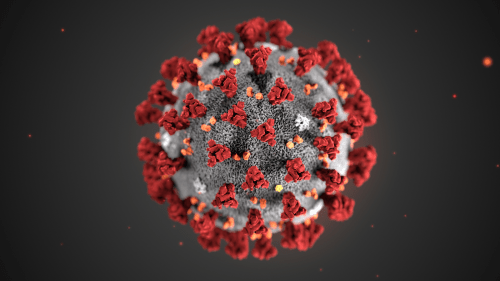
This illustration, created at the Centers for Disease Control and Prevention (CDC), reveals ultrastructural morphology exhibited by coronaviruses. Note the spikes that adorn the outer surface of the virus, which impart the look of a corona surrounding the virion, when viewed electron microscopically. A novel coronavirus virus was identified as the cause of an outbreak of respiratory illness first detected in Wuhan, China in 2019.
$The authors would like to note that the first eight authors are listed alphabetically.
Abstract
During its first month, the recently emerged 2019 Wuhan novel coronavirus (2019-nCoV) has already infected many thousands of people in mainland China and worldwide and took hundreds of lives. However, the swiftly spreading virus also caused an unprecedentedly rapid response from the research community facing the unknown health challenge of potentially enormous proportions. Unfortunately, the experimental research to understand the molecular mechanisms behind the viral infection and to design a vaccine or antivirals is costly and takes months to develop. To expedite the advancement of our knowledge we leverage the data about the related coronaviruses that is readily available in public databases, and integrate these data into a single computational pipeline. As a result, we provide a comprehensive structural genomics and interactomics road-maps of 2019-nCoV and use these information to infer the possible functional differences and similarities with the related SARS coronavirus. All data are made publicly available to the research community at http://korkinlab.org/wuhan
Figure 2. Structurally characterized non-structural proteins of 2019-nCoV. Highlighted in pink are mutations found when aligning the proteins against their homologs from the closest related coronaviruses: 2019-nCoV and human SARS, bat coronavirus, and another bat betacoronavirus BtRf-BetaCoV. The structurally resolved part of wNsp7 is sequentially identical to its homolog.
Figure 3. Structurally characterized structural proteins and an ORF of 2019-nCoV. Highlighted in pink are mutations found when aligning the proteins against their homologs from the closest related coronaviruses: 2019-nCoV and human SARS, bat coronavirus, and another bat betacoronavirus BtRf-BetaCoV. Highlighted in yellow are novel protein inserts found in wS.
Figure 4. Structurally characterized intra-viral and host-viral protein-protein interaction complexes of 2019-nCoV. Human proteins (colored in orange) are identified through their gene names. For each intra-viral structure, the number of subunits involved in the interaction is specified.
Figure 5. Evolutionary conservation of functional sites in 2019-nCoV proteins. A. Fully conserved protein binding sites (PBS, light orange) of wNsp12 in its interaction with wNsp7 and wNsp8 while other parts of the protein surface shows mutations (magenta); B. Both major monoclonal antibody binding site (light orange) and ACE2 receptor binding site (dark green) of wS are heavily mutated (binding site mutations are shown in red) compared to the same binding sites in other coronaviruses; mutations not located on the two binding sites are shown in magenta; C. Nearly intact protein binding site (light orange) of wNsp (papain-like protease PLpro domain) for its putative interaction with human ubiquitin-aldehyde (binding site mutations for the only two residues are shown in red, non-binding site mutations are shown in magenta); D. Fully conserved inhibitor ligand binding site (LBS, green) for wNsp5; non-binding site mutations are shown in magenta.
According to the World Health Organization, coronaviruses make up a large family of viruses named for the crown-like spikes found on their surface (Figure 1). They carry their genetic material in single strands of RNA and cause respiratory problems and fever. Like HIV, coronaviruses can be transmitted between animals and humans. Coronaviruses have been responsible for the Severe Acute Respiratory Syndrome (SARS) pandemic in the early 2000s and the Middle East Respiratory Syndrome (MERS) outbreak in South Korea in 2015. While the most recent coronavirus, COVID-19, has caused international concern, accessible and inexpensive sequencing is helping us understand COVID-19 and respond to the outbreak quickly.
Figure 1. Coronaviruses with the characteristic spikes as seen under a microscope.
First studies that explore genetic susceptibility to COVID-19 are now being published. The first results indicate that COVID-19 infects cells using the ACE2 cell-surface receptor. Genetic variants in the ACE2 receptor gene are thus likely to influence how effectively COVID-19 can enter the cells in our bodies. Researchers hope to discover genetic variants that confer resistance to a COVID-19 infection, similar to how some variants in the CCR5 receptor gene make people immune to HIV. At Nebula Genomics, we are monitoring the latest COVID-19 research and will add any relevant discoveries to the Nebula Research Library in a timely manner.
The Role of Genomics in Responding to COVID-19
Scientists in China sequenced COVID-19’s genome just a few weeks after the first case was reported in Wuhan. This stands in contrast to SARS, which was discovered in late 2002 but was not sequenced until April of 2003. It is through inexpensive genome-sequencing that many scientists across the globe are learning and sharing information about COVID-19, allowing us to track the evolution of COVID-19 in real-time. Ultimately, sequencing can help remove the fear of the unknown and allow scientists and health professionals to prepare to combat the spread of COVID-19.
Next-generation DNA sequencing technology has enabled us to understand COVID-19 is ~30,000 bases long. Moreover, researchers in China determined that COVID-19 is also almost identical to a coronavirus found in bats and is very similar to SARS. These insights have been critical in aiding in the development of diagnostics and vaccines. For example, the Centers for Disease Control and Prevention developed a diagnostic test to detect COVID-19 RNA from nose or mouth swabs.
Moreover, a number of different government agencies and pharmaceutical companies are in the process of developing COVID-19 vaccines to stop the COVID-19 from infecting more people. To protect humans from infection inactivated virus particles or parts of the virus (e.g. viral proteins) can be injected into humans. The immune system will recognize the inactivated virus as foreign, priming the body to build immunity against possible future infection. Of note, Moderna Inc., the National Institute of Allergy and Infectious Diseases, and Coalition for Epidemic Preparedness Innovations identified a COVID-19 vaccine candidate in a record 42 days. This vaccine will be tested in human clinical trials starting in April.
For more information about COVID-19, please refer to the World Health Organization website.
The problem w/ visionaries is that we don’t recognize them in a timely manner (too late) Ralph Baric @UNCpublichealth and Vineet Menachery deserve recognition for being 5 yrs ahead of #COVID19https://nature.com/articles/nm.3985…@NatureMedicinehttps://pnas.org/content/113/11/3048…@PNASNews via @hoondy
Senior, A.W., Evans, R., Jumper, J. et al.Improved protein structure prediction using potentials from deep learning. Nature577, 706–710 (2020). https://doi.org/10.1038/s41586-019-1923-7
Abstract
Protein structure prediction can be used to determine the three-dimensional shape of a protein from its amino acid sequence1. This problem is of fundamental importance as the structure of a protein largely determines its function2; however, protein structures can be difficult to determine experimentally. Considerable progress has recently been made by leveraging genetic information. It is possible to infer which amino acid residues are in contact by analysing covariation in homologous sequences, which aids in the prediction of protein structures3. Here we show that we can train a neural network to make accurate predictions of the distances between pairs of residues, which convey more information about the structure than contact predictions. Using this information, we construct a potential of mean force4 that can accurately describe the shape of a protein. We find that the resulting potential can be optimized by a simple gradient descent algorithm to generate structures without complex sampling procedures. The resulting system, named AlphaFold, achieves high accuracy, even for sequences with fewer homologous sequences. In the recent Critical Assessment of Protein Structure Prediction5 (CASP13)—a blind assessment of the state of the field—AlphaFold created high-accuracy structures (with template modelling (TM) scores6 of 0.7 or higher) for 24 out of 43 free modelling domains, whereas the next best method, which used sampling and contact information, achieved such accuracy for only 14 out of 43 domains. AlphaFold represents a considerable advance in protein-structure prediction. We expect this increased accuracy to enable insights into the function and malfunction of proteins, especially in cases for which no structures for homologous proteins have been experimentally determined7. https://doi.org/10.1038/s41586-019-1923-7
The scientific community has galvanised in response to the recent COVID-19 outbreak, building on decades of basic research characterising this virus family. Labs at the forefront of the outbreak response shared genomes of the virus in open access databases, which enabled researchers to rapidly develop tests for this novel pathogen. Other labs have shared experimentally-determined and computationally-predicted structures of some of the viral proteins, and still others have shared epidemiological data. We hope to contribute to the scientific effort using the latest version of our AlphaFold system by releasing structure predictions of several under-studied proteins associated with SARS-CoV-2, the virus that causes COVID-19. We emphasise that these structure predictions have not been experimentally verified, but hope they may contribute to the scientific community’s interrogation of how the virus functions, and serve as a hypothesis generation platform for future experimental work in developing therapeutics. We’re indebted to the work of many other labs: this work wouldn’t be possible without the efforts of researchers across the globe who have responded to the COVID-19 outbreak with incredible agility.
Knowing a protein’s structure provides an important resource for understanding how it functions, but experiments to determine the structure can take months or longer, and some prove to be intractable. For this reason, researchers have been developing computational methods to predict protein structure from the amino acid sequence. In cases where the structure of a similar protein has already been experimentally determined, algorithms based on “template modelling” are able to provide accurate predictions of the protein structure. AlphaFold, our recently published deep learning system, focuses on predicting protein structure accurately when no structures of similar proteins are available, called “free modelling”. We’ve continued to improve these methods since that publication and want to provide the most useful predictions, so we’re sharing predicted structures for some of the proteins in SARS-CoV-2 generated using our newly-developed methods.
It’s important to note that our structure prediction system is still in development and we can’t be certain of the accuracy of the structures we are providing, although we are confident that the system is more accurate than our earlier CASP13 system. We confirmed that our system provided an accurate prediction for the experimentally determined SARS-CoV-2 spike protein structure shared in the Protein Data Bank, and this gave us confidence that our model predictions on other proteins may be useful. We recently shared our results with several colleagues at the Francis Crick Institute in the UK, including structural biologists and virologists, who encouraged us to release our structures to the general scientific community now. Our models include per-residue confidence scores to help indicate which parts of the structure are more likely to be correct. We have only provided predictions for proteins which lack suitable templates or are otherwise difficult for template modeling. While these understudied proteins are not the main focus of current therapeutic efforts, they may add to researchers’ understanding of SARS-CoV-2.
Normally we’d wait to publish this work until it had been peer-reviewed for an academic journal. However, given the potential seriousness and time-sensitivity of the situation, we’re releasing the predicted structures as we have them now, under an open license so that anyone can make use of them.
Interested researchers can download the structures here, and can read more technical details about these predictions in a document included with the data. The protein structure predictions we’re releasing are for SARS-CoV-2 membrane protein, protein 3a, Nsp2, Nsp4, Nsp6, and Papain-like proteinase (C terminal domain). To emphasise, these are predicted structures which have not been experimentally verified. Work on the system continues for us, and we hope to share more about it in due course.
DeepMind has shared its results with researchers at the Francis Crick Institute, a biomedical research lab in the UK, as well as offering it for download from its website.
“Normally we’d wait to publish this work until it had been peer-reviewed for an academic journal. However, given the potential seriousness and time-sensitivity of the situation, we’re releasing the predicted structures as we have them now, under an open license so that anyone can make use of them,” it said. [ALA added bold face]
There are 93,090 cases of COVID-19, and 3,198 deaths, spread across 76 countries, according to the latest report from the World Health Organization at time of writing. ®
MHC content – The spike protein is thought to be the key to binding to cells via the angiotensin II receptor, the major mechanism the immune system uses to distinguish self from non-self
Preliminary Identification of Potential Vaccine Targets for the COVID-19 Coronavirus (SARS-CoV-2) Based on SARS-CoV Immunological Studies
Syed Faraz Ahmed 1,† , Ahmed A. Quadeer 1, *,† and Matthew R. McKay 1,2, *
1 Department of Electronic and Computer Engineering, The Hong Kong University of Science and
Technology, Hong Kong, China; sfahmed@connect.ust.hk
2 Department of Chemical and Biological Engineering, The Hong Kong University of Science and
Received: 9 February 2020; Accepted: 24 February 2020; Published: 25 February 2020
Abstract:
The beginning of 2020 has seen the emergence of COVID-19 outbreak caused by a novel coronavirus, Severe Acute Respiratory Syndrome Coronavirus 2 (SARS-CoV-2). There is an imminent need to better understand this new virus and to develop ways to control its spread. In this study, we sought to gain insights for vaccine design against SARS-CoV-2 by considering the high genetic similarity between SARS-CoV-2 and SARS-CoV, which caused the outbreak in 2003, and leveraging existing immunological studies of SARS-CoV. By screening the experimentally determined SARS-CoV-derived B cell and T cell epitopes in the immunogenic structural proteins of SARS-CoV, we identified a set of B cell and T cell epitopes derived from the spike (S) and nucleocapsid (N) proteins that map identically to SARS-CoV-2 proteins. As no mutation has been observed in these identified epitopes among the 120 available SARS-CoV-2 sequences (as of 21 February 2020), immune targeting of these epitopes may potentially offer protection against this novel virus. For the T cell epitopes, we performed a population coverage analysis of the associated MHC alleles and proposed a set of epitopes that is estimated to provide broad coverage globally, as well as in China. Our findings provide a screened set of epitopes that can help guide experimental efforts towards the development of vaccines against SARS-CoV-2.
Re: Protein structure prediction has been done for ages…
Not quite, Natural Selection does not measure methods, it measures outputs, usually at the organism level.
Sure correct folding is necessary for much protein function and we have prions and chaperone proteins to get it wrong and right.
The only way NS measures methods and mechanisms is if they are very energetically wasteful. But there are some very wasteful ones out there. Beta-Catenin at the end of point of Wnt signalling comes particularly to mind.
“Determining the structure of the virus proteins might also help in developing a molecule that disrupts the operation of just those proteins, and not anything else in the human body.”
Well it might, but predicting whether a ‘drug’ will NOT interact with any other of the 20000+ protein in complex organisms is well beyond current science. If we could do that we could predict/avoid toxicity and other non-mechanism related side-effects & mostly we can’t.
There are 480 structures on PDBe resulting from a search on ‘coronavirus,’ the top hits from MERS and SARS. PR stunt or not, they did win the most recent CASP ‘competition’, so arguably it’s probably our best shot right now – and I am certainly not satisfied that they have been sufficiently open in explaining their algorithms though I have not checked in the last few months. No one is betting anyone’s health on this, and it is not like making one wrong turn in a series of car directions. Latest prediction algorithms incorporate contact map predictions, so it’s not like a wrong dihedral angle sends the chain off in the wrong direction. A decent model would give something to run docking algorithms against with a series of already approved drugs, then we take that shortlist into the lab. A confirmed hit could be an instantly available treatment, no two year wait as currently estimated. [ALA added bold face]
Re: these structure predictions have not been experimentally verified
Naaaah. Can’t possibly be a stupid marketing stunt.
Well yes, a good possibility. But it can also be trying to build on the open-source model of putting it out there for others to build and improve upon. Essentially opening that “peer review” to a larger audience quicker. [ALA added bold face]
What bothers me, besides the obvious PR stunt, is that they say this prediction is licensed. How can a prediction from software be protected by, I presume, patents? And if this can be protected without even verifying which predictions actually work, what’s to stop someone spitting out millions of random, untested predictions just in case they can claim ownership later when one of them is proven to work? [ALA added bold face]
AI-predicted protein structures could unlock vaccine for Wuhan coronavirus… if correct… after clinical trials It’s not quite DeepMind’s ‘Come with me if you want to live’ moment, but it’s close, maybe
Experimentally derived by a group of scientists at the University of Texas at Austin and the National Institute of Allergy and Infectious Diseases, an agency under the US National Institute of Health. They both feature a “Spike protein structure.”
Cryo-EM structure of the 2019-nCoV spike in the prefusion conformation
Other related articles published in this Open Access Online Scientific Journal include the following:
Group of Researchers @ University of California, Riverside, the University of Chicago, the U.S. Department of Energy’s Argonne National Laboratory, and Northwestern University solve COVID-19 Structure and Map Potential Therapeutics
Reporters: Stephen J Williams, PhD and Aviva Lev-Ari, PhD, RN
Imaging (ECHO) marker that would identify early cardiotoxic effects: The impact of high-dose immunosuppression for ICI myocarditis Cardiac Echo Tracks Checkpoint Inhibitor Damage – Predicting cardiac injury before EF falls
Reporter: Aviva Lev-Ari, PhD, RN
The present study is the first to use Global longitudinal strain (GLS) specifically to identify immune checkpoint inhibitors (ICI) myocarditis, Abraham and Aras noted.
The study compared 101 ICI myocarditis cases from a multicenter international registry (30 with serial GLS) against a random sample of 92 ICI users at Neilan’s institution who did not present with myocarditis (14 with serial GLS) during a study period from 2013 through 2019.
Despite not propensity-matching these patients, the investigators ended up with two groups with similar age (around 65), sex (>60% men), and cancer type (most commonly melanoma and lung cancer).
Before ICI therapy, GLS was similar between groups (20.3% among cases and 20.6% among controls, P=0.60).
Patients who had myocarditis still had a normal ejection fraction in 60% of cases.
One major limitation of the study was that serial echocardiograms had not been routinely performed on people with myocarditis. “[T]hus, it was not possible to determine if the GLS decrease occurred prior to the development of myocarditis,” Neilan and colleagues acknowledged.
Furthermore, 97% of ICI myocarditis cases presented with elevated troponin levels, so it’s “unclear if GLS assessment has incremental value to such readily available biomarkers,” the editorialists pointed out.
“Additional work is needed to test if the GLS decrease occurs prior to the development of clinical myocarditis, can provide an early method of detection, and whether tailoring immunosuppressive therapy based on the measurement of GLS at presentation with myocarditis may be of value,” the authors said.
Scientists at Cardiff University have revealed a new type of killer T-cell which offers hope of a “one-size-fits-all” cancer therapy. Cancer-targeting via MR1-restricted T-cells is a thrilling new frontier, it increases the prospect of a ‘one-size-fits-all’ cancer treatment; a single type of T-cell that could be proficient of destroying numerous different types of cancers across the population.
T-cell therapies for cancer anywhere immune cells are removed, modified and returned to the patient’s blood to seek and destroy cancer cells – are the latest paradigm in cancer treatments. The most extensively-used therapy, known as CAR-T (Chimeric Antigen Receptor T-cell therapy) encompasses genetic modification of patient’s autologous T-cells to express a CAR specific for a tumor antigen, subsequent by ex vivo cell expansion and re-infusion back to the patient. The therapy is personalized to each patient, but targets only a few types of cancers.
Currently, Cardiff academics discovered T-cells equipped with a new type of T-cell receptor (TCR) which recognizes and kills most human cancer types, while ignoring healthy cells. This new TCR distinguishes when a molecule is present on the surface of a wide range of cancer cells and is able to distinguish between cancerous and healthy cells. Normal T-cells scans the surface of other cells to find anomalies and eliminate cancerous cells, yet ignores cells that contain only normal proteins.
The researchers at Cardiff was published in Nature Immunology, labels a unique TCR that can identify various types of cancer via a single HLA-like molecule called MR1 which varies in the human population. HLA differs extensively between individuals, which has previously prevented scientists from creating a single T-cell-based treatment that targets most cancers in all people. To investigate the therapeutic potential of these cells in vivo, the investigators injected T-cells able to identify MR1 into mice bearing human cancer and with a human immune system.
The Cardiff group were able to demonstrate that T-cells of melanoma patients modified to express this new TCR could destroy not only the patient’s own cancer cells, but also other patients’ cancer cells in the laboratory, irrespective of the patient’s HLA type. Experiments are under way to regulate the exact molecular mechanism by which the new TCR differentiates between healthy cells and cancer.
Effective humoral immune responses to infection and immunization are defined by high-affinity antibodies generated as a result of B cell differentiation and selection that occurs within germinal centers (GC). Within the GC, B cells undergo affinity maturation, an iterative and competitive process wherein B cells mutate their immunoglobulin genes (somatic hypermutation) and undergo clonal selection by competing for T cell help. Balancing the decision to remain within the GC and continue participating in affinity maturation or to exit the GC as a plasma cell (PC) or memory B cell (MBC) is critical for achieving optimal antibody avidity, antibody quantity, and establishing immunological memory in response to immunization or infection. Humoral immune responses during chronic infections are often dysregulated and characterized by hypergammaglobulinemia, decreased affinity maturation, and delayed development of neutralizing antibodies. Previous studies have suggested that poor antibody quality is in part due to deletion of B cells prior to establishment of the GC response.
In fact the impact of chronic infections on B cell fate decisions in the GC remains poorly understood. To address this question, researchers used single-cell transcriptional profiling of virus-specific GC B cells to test the hypothesis that chronic viral infection disrupted GC B cell fate decisions leading to suboptimal humoral immunity. These studies revealed a critical GC differentiation checkpoint that is disrupted by chronic infection, specifically at the point of dark zone re-entry. During chronic viral infection, virus-specific GC B cells were shunted towards terminal plasma cell (PC) or memory B cell (MBC) fates at the expense of continued participation in the GC. Early GC exit was associated with decreased B cell mutational burden and antibody quality. Persisting antigen and inflammation independently drove facets of dysregulation, with a key role for inflammation in directing premature terminal GC B cell differentiation and GC exit. Thus, the present research defines GC defects during chronic viral infection and identify a critical GC checkpoint that is short-circuited, preventing optimal maturation of humoral immunity.
Together, these studies identify a key GC B cell differentiation checkpoint that is dysregulated during chronic infection. Further, it was found that the chronic inflammatory environment, rather than persistent antigen, is sufficient to drive altered GC B cell differentiation during chronic infection even against unrelated antigens. However, the data also indicate that inflammatory circuits are likely linked to perception of antigen stimulation. Nevertheless, this study reveals a B cell-intrinsic program of transcriptional skewing in chronic viral infection that results in shunting out of the cyclic GC B cell process and early GC exit with consequences for antibody quality and hypergammaglobulinemia. These findings have implications for vaccination in individuals with pre-existing chronic infections where antibody responses are often ineffective and suggest that modulation of inflammatory pathways may be therapeutically useful to overcome impaired humoral immunity and foster affinity maturation during chronic viral infections.
Paper in collection COVID-19 SARS-CoV-2 preprints from medRxiv and bioRxiv