Feeds:
Posts
Comments

Archive for the ‘Endocrine Diseases’ Category

Phase I/II Hepato-specific Glucokinase Activator

Larry H. Bernstein, MD, FCAP, Curator

LPBI

Advinus Therapeutics announced that it has successfully completed a 14-day POC study in 60 Type II diabetic patients on its lead molecule, GKM-001, a glucokinase activator. The results of the trial show effective glucose lowering across all doses tested without any incidence of hypoglycemia or any other clinically relevant adverse events.

GKM-001 is differentiated from most other GK molecules that are in development, or have been discontinued, due to its novel liver selective mechanism of action.

GKM-001 belongs to a novel class of molecules for treatment of type II diabetes. It is an activator of Glucokinase (GK), a glucose-sensing enzyme found mainly in the liver and pancreas. Being liver selective, GKM-001 mostly activates GK in the liver and not in pancreas, which is its key differentiation from most competitor molecules that activate GK in pancreas as well.

GKM 001 in pipeline for Diabetes by Advinus

by DR ANTHONY MELVIN CRASTO Ph.D

ad 1
GKM 001

Advinus Therapeutics Private L,

A glucokinase activator for treatment of type II diabetes, currently in PI. Advinus is actively exploring partnership options to expedite further development and WW marketing of GKM-001.

Company Advinus Therapeutics Ltd.
Description Activator of glucokinase (GCK; GK)
Molecular Target Glucokinase (GCK) (GK)
Mechanism of Action Glucokinase activator
Therapeutic Modality Small molecule
Latest Stage of Development Phase I/II
Standard Indication Diabetes
Indication Details Treat Type II diabetes

PATENT

https://www.google.co.in/patents/WO2009047798A2?cl=en

Example Cl : (-)-{5-ChIoro-2-[2-(4-cyclopropanesulfonylphenyI)-2-(2,4- difluorophenoxy)acetylamino]thiazol-4-yl}-acetic acid, ethyl ester
1H NMR(400 MHz, CDCl3): δ 1.06-1.08 (m, 2H), 1.30 (t, J=7.2 Hz, 3H), 1.33-1.38 (m, 2H), 2.42-2.50 (m, IH), 3.73 (d, J=2 Hz, 2H), 4.22 (q, J=7.2 Hz ,2H), 5.75 (s, IH), 6.76- 6.77 (m, IH), 6.83-6.86 (m, IH), 6.90-6.98 (m, IH), 7.73 (d, J=8.4 Hz, 2H), 7.96 (d, J=8.4 Hz, 2H), 9.96 (bs, IH). MS (EI) m/z: 571.1 and 573.1 (M+ 1; for 35Cl and 37Cl respectively).

Examples C2 and C3 were prepared in analogues manner of example (Cl) from the appropriate chiral intermediate:

Figure imgf000044_0002

Example Dl : (+)-{5-Chloro-2-[2-(4-cyclopropanesulfonylphenyl)-2-(2,4- difluorophenoxy)acetylamino]thiazol-4-yl}acetic acid, ethyl ester

Advinus’ GK-activator Achieves Early POC for Diabetes

November 29 2011

Partnership Dialog Actively Underway

Advinus Therapeutics, a research-based pharmaceutical company founded by globally experienced industry executives and promoted by the TATA Group, announced that it has successfully completed a 14-day POC study in 60 Type II diabetic patients on its lead molecule, GKM-001, a glucokinase activator. The results of the trial show effective glucose lowering across all doses tested without any incidence of hypoglycemia or any other clinically relevant adverse events.

The clinical trials on GKM-001 validate the company’s pre-clinical hypothesis that a liver selective Glucokinase activator would not cause hypoglycemia (very low blood sugar), while showing robust efficacy.

“GKM-001 is differentiated from most other GK molecules that are in development, or have been discontinued, due to its novel liver selective mechanism of action. GKM-001 has a prolonged pharmacological effect and a half-life that should support a once a day dosing as both mono and combination therapy.” said Dr. Rashmi Barbhaiya, MD & CEO, Advinus Therapeutics. He added that Advinus is actively exploring partnership options to expedite further development and global marketing of GKM-001.

GKM-001 belongs to a novel class of molecules for treatment of type II diabetes. It is an activator of Glucokinase (GK), a glucose-sensing enzyme found mainly in the liver and pancreas. Being liver selective, GKM-001 mostly activates GK in the liver and not in pancreas, which is its key differentiation from most competitor molecules that activate GK in pancreas as well. The resulting increase in insulin secretion creates a potential for hypoglycemia-a risk GKM-001 is designed to avoid. Advinus has the composition of matter patent on GKM-001 for all major markets globally. Both the Single Ascending Dose data, in healthy and type II diabetics, and the Multiple Ascending Dose Study in Type II diabetics has shown that the molecule shows effective glucose lowering in a dose dependent manner and has excellent safety and tolerability profile over a 40-fold dose range. The pharmacokinetic properties of the molecule support once a day dosing. GKM-001 has the potential to be “First-in-Class” drug to address this large, growing and yet poorly addressed market.

Advinus also has identified a clinical candidate as a back-up to GKM-001, which is structurally different. In its portfolio, the company has a growing pipeline for COPD, sickle cell disease, inflammatory bowel disease, type 2 diabetes, acute and chronic pain and rheumatoid arthritis in various stages of late discovery and pre-clinical development.

Advinus Therapeutics team discovers novel molecule for treatment of diabetes

  • The first glucokinase modulator discovered and developed in India 
  • A new concept for the management of diabetes for patients, globally 
  • 100 per cent ‘made in India’ molecule for the treatment of diabetes 
  • IND approved by DGCI, Phase I clinical trial shows excellent safety and tolerance profiles with efficacy

Bangalore: Advinus Therapeutics (Advinus), the research-based pharmaceutical company founded by leading global pharmaceutical executives and promoted by the Tata group, today, announced the discovery of a novel molecule for the treatment of type II diabetes — GKM-001.The molecule is an activator of glucokinase; an enzyme that regulates glucose balance and insulin secretion in the body.

GKM-001 is a completely indigenously developed molecule and the initial clinical trials have shown excellent results for both safety and efficacy.

“Considering past failures of other companies on this target, our discovery programme primarily focused on identifying a molecule that would be efficacious without causing hypoglycaemia; a side effect associated with most compounds developed for this target.

“Recently completed Phase I data indicate that Advinus’ GKM–001 is a liver selective molecule that has overcome the biggest clinical challenge of hypoglycaemia. GKM-001 is differentiated from most other GK molecules in development due to this novel mechanism of action,” said Dr Rashmi Barbhaiya, MD and CEO, Advinus Therapeutics.

He further added, “We are very proud that GKM-001 is 100 per cent Indian. Advinus’s discovery team in Pune discovered the molecule and entire preclinical development was carried out at our centre in Bangalore. The Investigational New Drug (IND) application was filed with the DGCI for approval to initiate clinical trials in India within 34 months of initiation of the discovery programme. Subsequent to the approval of the IND, we have completed the Phase I Single Ascending Dose study in India within two months.”

GKM-001 is a novel molecule for the treatment of type II diabetes. It is the first glucokinase modulator discovered and developed in India and has potential to be both first or best in class. The success in discovering GKM-001 is attributed to the science-driven efforts in Advinus laboratories and ‘breaking the conventional mold’ for selection of a drug candidate. Advinus has ‘composition of matter’ patent on the molecule for all major markets globally. Glucokinase as a class of target is considered to be novel as currently there is no product in the market or in late clinical trials. The strategy for early clinical development revolved around assessing safety (particularly hypoglycaemia) and early assessment of therapeutic activity (glucose lowering and other biomarkers) in type II diabetics. The Phase I data, in both healthy and type II diabetics, shows excellent safety and tolerability over a 40-fold dose range and desirable pharmacokinetic properties consistent with ‘once a day’ dosing. The next wave of clinical studies planned continues on this strategy of early testing in type II diabetics.

Right behind the lead candidate GKM-001, Advinus has a rich pipeline of back up compounds on the same target. These include several structurally different compounds with diverse potency, unique pharmacology and tissue selectivity. Having discovered the molecule with early indication of wide safety margins, desired efficacy and pharmacokinetic profiles, the company now seeks to out-licence GKM-001 and its discovery portfolio.

Kasim A. Mookhtiar, , Debnath Bhuniya, Siddhartha De, Anita Chugh, Jayasagar
Gundu, Venkata Palle, Dhananjay Umrani, Nimish Vachharajani, Vikram
Ramanathan and Rashmi H. Barbhaiya
Advinus Therapeutics Ltd, Hinjewadi, Pune – 411057, and Peenya Industrial Area,
Bangalore – 560058, India
REFERENCES

patent

wo 2008104994

wo 2008 149382

wo 2009047798
WO2008104994A2* 25 Feb 2008 4 Sep 2008 Advinus Therapeutics Private L 2,2,2-tri-substituted acetamide derivatives as glucokinase activators, their process and pharmaceutical application

///////GKM 001, pipeline, Diabetes, Advinus, type II diabetes, glucokinase modulator, Rashmi Barbhaiya

Comment    See all comments    Like

Read Full Post »

Bisphosphonates and Bone Metastasis [6.3.1]

Curator: Stephen J. Williams, Ph.D.

bisophosphonates chemical

General Structure of Bisphosphonates

One of the hallmarks of advanced cancer is the ability to metastasize (tumor cells migrating from primary tumor and colonize in a different anatomical site in the body) and many histologic types of primary tumors have the propensity to metastasize to the bone. One of the frequent complications occurring from bone metastasis is bone fractures and severe pain associated with these cancer-associated bone fractures. An additional problem is cancer-associated hypercalcemia, which may or may not be dependent on bone-metastasis. The main humoral factor associated with cancer-related hypercalcemia is parathyroid hormone–related protein, which is produced by many solid tumors (Paget’s disease). Parathyroid hormone–related protein increases calcium by activating parathyroid hormone receptors in tissue, which results in osteoclastic bone resorption; it also increases renal tubular resorption of calcium {see (1) Bower reference for more information). This curation involves three areas:

  1. The Changing Views How Bone Remodeling Occurs
  2. Early Development of Agents that Alter Bone Remodeling and Early Use in Cancer Patients
  3. Recent Developments Regarding Use of Bisphosphonates in Cancer Patients

As there are numerous articles (1360; more than to manually curate) on “bone”, “metastasis” and “bisphosphonates” the following link is to a Pubmed search on the terms

http://www.ncbi.nlm.nih.gov/pubmed/?term=bone+metastasis+bisphosphonates

In addition there are subset searches to show use of bisphosphonates in common cancers and files given below with numbers of articles:

Search terms with Pubmed link # citations
bone metastasis bisphosphonates 1360
+ breast 559
+ prostate 349
+ colon 9
+ lung 222
  1. The Changing Views How Bone Remodeling Occurs

Bone remodeling (or bone metabolism) is a lifelong process where mature bone tissue is removed from the skeleton (a process called bone resorption) and new bone tissue is formed (a process called ossification or new bone formation). These processes also control the reshaping or replacement of bone following injuries like fractures but also micro-damage, which occurs during normal activity. Remodeling responds also to functional demands of the mechanical loading.

In the first year of life, almost 100% of the skeleton is replaced. In adults, remodeling proceeds at about 10% per year.[1]

An imbalance in the regulation of bone remodeling’s two sub-processes, bone resorption and bone formation, results in many metabolic bone diseases, such as osteoporosis. Two main types of cells are responsible for bone metabolism: osteoblasts (which secrete new bone), and osteoclasts (which break bone down). The structure of bones as well as adequate supply of calcium requires close cooperation between these two cell types and other cell populations present at the bone remodeling sites (ex. immune cells).[4] Bone metabolism relies on complex signaling pathways and control mechanisms to achieve proper rates of growth and differentiation. These controls include the action of several hormones, including parathyroid hormone (PTH), vitamin D, growth hormone, steroids, and calcitonin, as well as several bone marrow-derived membrane and soluble cytokines and growth factors (ex. M-CSF, RANKL, VEGF, IL-6 family…). It is in this way that the body is able to maintain proper levels of calcium required for physiological processes.

Subsequent to appropriate signaling, osteoclasts move to resorb the surface of the bone, followed by deposition of bone by osteoblasts. Together, the cells that are responsible for bone remodeling are known as the basic multicellular unit (BMU), and the temporal duration (i.e. lifespan) of the BMU is referred to as the bone remodeling period.

For a good review on bone remodeling please see Bone remodelling in a nutshell

boneremodelPTHumich

bone remodeling 3

  1. Early Development of Agents that Alter Bone Remodeling and Early Use in Cancer Patients

Bisphosphonates had been first synthesized in the late 1800’s yet their development and approval for the indication of osteoporosis occurred over 100 years later, in the 1990’s. For a good review on the history of bisphosphonates please see the following review:

Historical perspectives on the clinical development of bisphosphonates in the treatment of bone diseases. Francis MD1, Valent DJ. J Musculoskelet Neuronal Interact. 2007 Jan-Mar;7(1):2-8.

For a good reference on bisphosphonates as a class, as well as indication, contraindication and side effects see University of Washington web page at http://courses.washington.edu/bonephys/opbis.html


Please view slideshow in the following link: The Evolving Role of Bisphosphonates for Cancer Treatment-Induced Bone Loss presentation by Richard L. Theriault, DO, MBA at MD Anderson Cancer Center

bisphosphonatecancerslide1

  1. Recent Developments Regarding Use of Bisphosphonates in Cancer Patients

Bone Metastasis Treatment with Bisphosphonates; A review form OncoLink

Source: From University of Pennsylvania OncoLink® at http://www.oncolink.org/types/article.cfm?c=708&id=9629

Julia Draznin Maltzman, MD and Modified by Lara Bonner Millar, MD
The Abramson Cancer Center of the University of Pennsylvania
Last Modified: December 18, 2014

Introduction

Bone metastases are a common complication of advanced cancer. They are especially prevalent (up to 70%) in breast and prostate cancer. Bone metastases can cause severe pain, bone fractures, life-threatening electrolyte imbalances, and nerve compression syndromes. The pain and neurologic dysfunction may be difficult to treat and significantly compromises the patients’ quality of life. Bone metastases usually signify advanced, often incurable disease.

Osteolytic vs. osteoblastic

Bony metastases are characterized as being either osteolytic or osteoblastic. Osteolytic means that the tumor caused bone break down or dissolution. This usually results in loss of calcium from bone. On X-rays these are seen as holes called “lucencies” within the bone. Diffuse osteolytic lesions are most characteristic of a blood cancer called Multiple Myeloma, however they may be present in patients with many other types of cancer.

Osteoblastic bony lesions, by contrast, are characterized by increased bone production. The tumor somehow signals to the bone to overproduce bone cells and result in rigid, inflexible bone formation. The cancer that typically causes osteoblastic bony lesions is prostate cancer. Most cancers result in either osteolytic or osteoblastic bony changes, but some malignancies can lead to both. Breast cancer patients usually develop osteolytic lesions, although at least 15-20 percent can have osteoblastic pathology.

Why the bone?

The bone is a common site of metastasis for many solid tissue cancers including prostate, breast, lung, kidney, stomach, bladder, uterus, thyroid, colon and rectum. Researchers speculate that this may be due to the high blood flow to the bone and bone marrow. Once cancer cells gain access to the blood vessels, they can travel all over the body and usually go where there is the highest flow of blood. Furthermore, tumor cells themselves secrete adhesive molecules that can bind to the bone marrow and bone matrix. This molecular interaction can cause the tumor to signal for increased bone destruction and enhance tumor growth within the bone. A recent scientific discovery showed that the bone is actually a rich source of growth factors. These growth factors signal cells to divide, grow, and mature. As the cancer attacks the bone, these growth factors are released and serve to further stimulate the tumor cells to grow. This results in a self-generating growth loop.

What are the symptoms of bone metastasis?

It must be recognized that the symptoms of bone metastasis can mimic many other disease conditions. Most people with bony pain do not have bone metastasis. That being noted, the most common symptom of a metastasis to the bone is pain. Another common presentation is a bone fracture without any history of trauma. Fracture is more common in lytic metastases than blastic metastases.

Some people with more advanced disease may come to medical attention because of numbness and tingling sensation in their feet and legs. They may have bowel and bladder dysfunction – either losing continence to urine and/or stool, or severe constipation and urinary retention. Others may complain of leg weakness and difficulty moving their legs against gravity. This would imply that there is tumor impinging on the spinal cord and compromising the nerves. This is considered an emergency called spinal cord compression, and requires immediate medical attention. Another less common presentation of metastatic disease to the bone is high levels of calcium in the body. High calcium can make patients constipated, result in abdominal pain, and at very high levels, can lead to confusion and mental status changes.

Diagnosis of bone metastasis

Once a patient experiences any of the symptoms of bone metastasis, various tests can be done to find the true cause. In some cases bone metastasis can be detected before the symptoms arise. X-rays, bone scans, and MRIs are used to diagnose this complication of cancer. X-rays are especially helpful in finding osteolytic lesions. These often appear as “holes” or dark spots in the bone on the x-ray film. Unfortunately, bone metastases often do not show up on plain x-rays until they are quite advanced. By contrast, a bone scan can detect very early bone metastases. This test is done by injecting the patient with a small amount of radio-tracing material in the vein. Special x-rays are taken sometime after the injection. The radiotracer will preferentially go to the site of disease and will appear as a darker, denser, area on the film. Because this technique is so sensitive, sometimes infections, arthritis, and old fractures can appear as dark spots on the bone scan and may be difficult to differentiate from a true cancer. Bone scans are also used to follow patients with known bone metastasis. Sometimes CT scan images can show if a cancer has spread to the bone. An MRI is most useful when examining nerve roots suspected of being compressed by tumor or bone fragments due to tumor destruction. It is used most often in the setting of spinal cord compromise.

There are no real blood tests that are currently used to diagnose a bone metastasis. There are, however, a number of blood tests that a provider can obtain that may suggest the presence of bone lesions, but the diagnosis rests with the combination of radiographic evidence, clinical picture, and natural history of the malignancy. For example, elevated levels of calcium or an enzyme called alkaline phosphatase can be related to bone metastasis, but these lab tests alone are insufficient to prove their presence.

Treatment

The best treatment for bony metastasis is the treatment of the primary cancer. Therapies may include chemotherapy, hormone therapy, radiation therapy, immunotherapy, or treatment with monoclonal antibodies. Pain is often treated with narcotics and other pain medications, such as non-steroidal anti-inflammatory agents. Physical therapy may be helpful and surgery may have an important role if the cancer resulted in a fracture of the bone.

Bisphosphonates

Bisphosphonates are s category of medications that decrease pain from bone metastasis and may improve overall bone health. Bisphosphonates man-made versions of a naturally occurring compound called pyrophosphate that prevents bone breakdown. They are a class of medications widely used in the treatment and prevention of osteoporosis and certain other bone diseases (such as Paget’s Disease), as well as in the treatment of elevated blood calcium. These drugs suppress bone breakdown by cells called osteoclasts, and, can indirectly stimulate the bone forming cells called osteoblasts. It is for this reason, and for the fact that bisphosphonates are very effective in relieving bone pain associated with metastatic disease, that they have transitioned to the oncology arena. However, treatment of bone metastases is not curative. There is increasing evidence that bisphosphonates can prevent bony complications in some metastatic cancers and may even improve survival in some cancers. Most researchers agree that these drugs are more helpful in osteolytic lesions and less so in osteoblastic metastasis in terms of bone restoration and health, but the bisphosphonates are able to alleviate pain associated with both types of lesions. The appropriate time to start treatment is once a bone metastasis has been identified on imaging.

Bisphosphonates can be given either orally or intravenously. The latter is the preferred route of administration for many oncologists as it is given monthly as a short infusion and does not have the gastrointestinal side effects that the oral bisphosphonates have. There are currently two approved and commonly used IV bisphosphonates –Pamidronate disodium (Aredia, Novartis) and zolendronic acid (Zometa, Novartis). Their side effect profile is fairly mild and includes a flu-like reaction during the first 48 hours after the infusion, kidney impairment and osteonecrosis of the jaw with long term use. Patients with renal impairment may not be candidates for this therapy.

Bisphophonates may have some level of anti-tumor activity in breast cancer. A recent Phase III clinical trial revealed that the addition of Zometa to endocrine therapy, improves disease-free survival, but not overall survival, in pre-menopausal patients with estrogen-receptor postive early breast cancer. Another trial called AZURE found no effect from the bisphosphonate zolendronic acid (Zometa, Novartis) on the recurrence of breast cancer or on overall survival. However, several other studies on bisphosphonates and breast cancer are ongoing, and for now, their use is not recommended in patients without metastases.

In addition to bisphosphonates, osteoclast inhibition can also be achieved through other means. Another medication, Denosumab (XGEVA, Amgen), targets a receptor called receptor activator of nuclear factor kappa B ligand (RANKL), is able to block osteoclast formation. A few studies comparing Denosumab to bisphosphonates have found Denosumab results in a longer time to skeletal events, on the order of a few months, compared to bisphosphonates, however many experts believe that the evidence is not strong enough to support one class of drug over another. The most common side effects of Denosumab are fatigue or asthenia, hypophosphatemia, hypocalcemia and nausea. Patients receiving bisphosphonates or denosumab should also be taking calcium and vitamin D supplementation.

The future

Skeletal metastases remain one of the more debilitating problems for cancer patients. Research is ongoing to identify the molecular mechanisms that result in both osteolytic and osteoblastic bone lesions. Perhaps the use of proteomics and gene array data may permit us to identify some factors specific to the tumor or to the bony lesion itself that could be used as therapeutic targets to teat or even prevent this complication.

In summary

  •  there is well established evidence in preclinical models that bisphosphonates:reduce the total tumor burden in bone
  • it is unclear as to the mechanisms of this preclinical finding as bisphosphonates have been shown to directly have antitumor activity
  • as the review by Holen I1, Coleman RE.show “Bisphosphonates as treatment of bone metastases” (abstract given below) there is conflicting clinical evidence of this effect found in preclinical models

Accelerated bone loss is a common clinical feature of advanced breast cancer, and anti-resorptive bisphosphonates are the current standard therapy used to reduce the number and frequency of skeletal-related complications experienced by patients. Bisphosphonates are potent inhibitors of bone resorption, acting by inducing osteoclast apoptosis and thereby preventing the development of cancer-induced bone lesions. In clinical use bisphosphonates are mainly considered to be bone-specific agents, but anti-tumour effects have been reported in a number of in vitro and in vivo studies. By combining bisphosphonates with chemotherapy agents, growth and progression of breast cancer bone metastases can be virtually eliminated in model systems. Recent clinical trials have indicated that there may be additional benefits from bisphosphonate treatment, including positive effects on recurrence and survival when added to standard endocrine therapy. Whereas the ability of bisphosphonates to reduce cancer-induced bone disease is well established, their potential direct anti-tumour effect remain controversial. Ongoing clinical trials will establish whether bisphosphonates can inhibit the development of bone metastases in high-risk breast cancer patients. This review summarizes the main studies that have investigated the effects of bisphosphonates, alone and in combination with other anti-cancer agents, using in vivo model systems of breast cancer bone metastases. We also give an overview of the use of bisphosphonates in the treatment of breast cancer, including examples of key clinical trials. The potential side effects and future clinical applications of bisphosphonates will be outlined.

References

  1. Bower M, Cox S. Endocrine and metabolic complications of advanced cancer. In: Doyle D, Hanks G, Cherny NI, Calman K, editors. Oxford textbook of palliative medicine. 3rd ed. New York, NY: Oxford University Press; 2004. p. 688-90.

Henry DH, Costa L, Goldwasser F, et al. Randomized, double-blind study of denosumab versus zoledronic acid in the treatment of bone metastases in patients with advanced cancer (excluding breast and prostate cancer) or multiple myeloma. J Clin Oncol. 2011;29(9):1125-32.

Van Poznak CH, Temin S, Yee GC, et al. American Society of Clinical Oncology executive summary of the clinical practice guideline update on the role of bone-modifying agents in metastatic breast cancer. J Clin Oncol. 2011;29(9):1221-7.

West, H. Denosumab for prevention of skeletal-related events in patients with bone metastases from solid tumors: incremental benefit, debatable value. J Clin Oncol. 2011;29(9):1095-8.

Gnant M, Mlineritsch B, Schippinger W et al.: Endocrine therapy plus zoledronic acid in premenopausal breast cancer. N Engl J Med. 360(7),679–691 (2009).

Treatment Guidelines by Cancer Organizations

ASCO Issues Updated Guideline on the Role of Bone-Modifying Agents in the Prevention and Treatment of Bone Metastases in Patients with Metastatic Breast Cancer

For Immediate Release

February 22, 2011

Contact:

Steven Benowitz
571-483-1370
steven.benowitz@asco.org

ALEXANDRIA, Va. – The American Society of Clinical Oncology (ASCO) today issued an update to its clinical practice guideline on the use of bone-modifying agents, in particular, osteoclast inhibitors, to prevent and treat skeletal complications from bone metastases in patients with metastatic breast cancer. The new guideline includes recommendations on the use of a new drug option, denosumab (Xgeva), and addresses osteonecrosis of the jaw, an uncommon condition that may occur in association with bone-modifying agents. The updated guideline also provides new recommendations on monitoring of patients who undergo treatment with bone-modifying agents and highlights priorities for future research on these drugs.

ASCO’s Bisphosphonates in Breast Cancer Panel conducted a systematic review of the medical literature to develop the new recommendations. The updated guideline, American Society of Clinical Oncology Clinical Practice Guideline Update on the Role of Bone-Modifying Agents in Metastatic Breast Cancer, was published online today in the Journal of Clinical Oncology.

The guideline recommends that patients with breast cancer who have evidence of bone metastases be given one of three agents – denosumab, pamidronate or zoledronic acid – approved by the U.S. Food and Drug Administration. It does not support use of any one drug over the others. These drugs are all considered osteoclast inhibitors, but they belong to different drug families: pamidronate and zoledronic acid are part of a class of drugs called bisphosphonates, while denosumab is a monoclonal antibody that targets receptor activator of nuclear factor-kappa beta ligand (RANKL).

The guideline also recommends against initiating bone-modifying agents in the absence of bone metastases outside of a clinical trial. It notes that an abnormal bone scan result alone, without confirmation by a radiograph, CT or MRI scan, is not sufficient evidence to support treatment with these drugs.

“The updated recommendations take into account recent progress in controlling potential bone damage in metastatic breast cancer,” said Catherine Van Poznak, MD, co-chair of the Bisphosphonates in Breast Cancer Panel and assistant professor of medicine at the University of Michigan. “We’ve established that a growing number of osteoclast inhibitors can have a positive effect and decrease of the risk of skeletal-related events in women with bone metastases. Because many factors – including medical and economic – must be considered when selecting a therapy for an individual, it’s good to have several effective choices.”

Bone is one of the most common sites to which breast cancer spreads. Bone metastases occur in approximately 70 percent of patients with metastatic disease. These metastases can cause bone cells (osteoclasts) to become overactive, which can result in excessive bone loss, disrupting the bone architecture and causing skeletal-related events (SREs), such as fracture, the need for surgery or radiation therapy to bone, spinal cord compression and hypercalcemia of malignancy.

This document updates guideline recommendations that were first issued in 2000 and revised in 2003, and focused on the use of bisphosphonates. The current guideline uses the more inclusive term, bone-modifying agents, to reflect a wider category of therapeutic agents such as monoclonal antibodies that use different mechanisms of action to prevent and treat damage from bone metastases. The guideline notes that research remains to be conducted to address several areas where questions remain.

“The guideline considers new data in a variety of areas, including studies showing that denosumab has equivalent effectiveness compared with other currently available drug therapies,” explained bisphosphonates panel co-chair Jamie Von Roenn, MD, professor of medicine at Northwestern University. “The guideline also provides guidance on preventing a rare, but significant complication of therapy with bone-modifying agents, osteonecrosis of the jaw.”

Denosumab is a human monoclonal antibody that targets a receptor, RANKL, involved in the regulation of bone remodeling. The guideline cites evidence from a randomized Phase III trial showing that denosumab appears to be comparable to zoledronic acid in reducing the risk of SREs in women with bone metastases from breast cancer. Denosumab is given subcutaneously, and can have side effects such as hypocalcemia.

The guideline also addresses the recently discovered osteonecrosis of the jaw. The first reports of this degenerative condition were published in the medical and dental literature in 2003. The committee recommended that all patients with breast cancer get dental evaluations and receive preventive dentistry care before beginning treatment with bone-modifying osteoclast inhibitors.

The panel updated its recommendations regarding the effects of bisphosphonates on kidney function, particularly for those taking either pamidronate or zoledronic acid, which have been associated with deteriorating kidney function. It said that clinicians should monitor serum creatinine clearance prior to each dose of pamidronate or zoledronic acid according to FDA-approved labeling.

The panel did not recommend using biochemical markers to monitor bone-modifying agent effectiveness and use outside of a clinical trial.

While many of the 2003 recommendations remain the same, the guideline notes several research directions to be addressed, including:

  • Duration of therapy with bone modifying agents, and the timing or intervals between delivery.
  • The development of a risk index for SREs, and better ways to stratify patient risk of SRE or risk of toxicity from a bone-modifying agent. Individual risk may guide selection of timing for use of a bone-modifying agent therapy.
  • Trials specifically examining whether stage IV breast cancer patients who do not have evidence of bone metastases would benefit from bone-modifying agents.
  • The role of biomarkers in treatment selection and monitoring drug effectiveness.
  • Understanding the optimal dosing of calcium and vitamin D supplementation in patients treated with bone-modifying agents.

The meta-analysis from the Early Breast Cancer Trialists’ Collaborative Group (EBCTCG) was published in Lancet and suggested that “Adjuvant bisphosphonates reduce the rate of breast cancer recurrence in the bone and improve breast cancer survival, but there is definite benefit only in women who were postmenopausal when treatment began”.

Results

  • Of 18, 206 women in trials of 2-5 years of bisphosphonate3453 first recurrences, and 2106 subsequent deaths.
  • Overall, the reductions in recurrence (RR 0·94, 95% CI 0·87-1·01; 2p=0·08), distant recurrence (0·92, 0·85-0·99; 2p=0·03), and breast cancer mortality (0·91, 0·83-0·99; 2p=0·04) were of only borderline significance
  • Among premenopausal women, treatment had no apparent effect on any outcome, but among 11 767 postmenopausal women it produced highly significant reductions in recurrence (RR 0·86, 95% CI 0·78-0·94; 2p=0·002), distant recurrence (0·82, 0·74-0·92; 2p=0·0003), bone recurrence (0·72, 0·60-0·86; 2p=0·0002), and breast cancer mortality (0·82, 0·73-0·93; 2p=0·002). “This was iregardless of age or bisphosphonate type.

Lancet. 2015 Jul 23. pii: S0140-6736(15)60908-4. doi: 10.1016/S0140-6736(15)60908-4. Adjuvant bisphosphonate treatment in early breast cancer: meta-analyses of individual patient data from randomised trials.

Early Breast Cancer Trialists’ Collaborative Group (EBCTCG).

This Study was reported at the 36th Annual San Antonio Breast Cancer Symposium (SABCS): Abstract S4-07. Presented December 12, 2013 and Medscape Medical News journalist Kate Johnson covered the finding with author interviews in the following article:

Bisphosphonates: ‘New Addition’ to Breast Cancer Treatment?

Kate Johnson

December 13, 2013

Editors’ Recommendations

SAN ANTONIO — Adjuvant bisphosphonate treatment significantly improves breast cancer survival and reduces bone recurrence in postmenopausal women with early breast cancer, according to a meta-analysis reported here at the 36th Annual San Antonio Breast Cancer Symposium.

“We have finally defined a new addition to standard treatment,” announced lead investigator Robert Coleman, MD, professor of oncology at the University of Sheffield in the United Kingdom. He emphasized that, as hypothesized, the benefits of this therapy were confined to postmenopausal women.

“There is absolutely no effect on mortality in premenopausal women, with a hazard ratio [HR] of 1.0,” he reported. “But for postmenopausal women, we see a 17% reduction in the risk of death [HR, 0.83], which is highly statistically significant.”

In terms of the absolute benefit, bisphosphonates decreased the breast cancer mortality rate from 18.3% to 15.2% in postmenopausal women (P = .004).

The separation of benefit by menopausal status was also seen in the bone recurrence data.

In premenopausal women, there is no significant effect on bone recurrence (HR, 0.93), whereas in postmenopausal women, there was a 34% reduction. The difference was “highly significant,” said Dr. Coleman.

“I personally believe adjuvant bisphosphonates should be standard treatment in postmenopausal women with breast cancer,” said Michael Gnant, MD, professor of surgery at the Medical University of Vienna, who was one of the study investigators. He spoke during a plenary session before the results were formally announced. (Please click this LINK to See VIDEO Interview with Dr. Gnant)

“This is an important analysis,” said Rowan Chlebowski, MD, PhD, medical oncologist from the Harbor-UCLA Medical Center in Los Angeles.

“There will be a substantial increase in the use of bisphosphonates,” he told Medscape Medical News after the presentation.

“The only question is whether people will accept this analysis as the final word.” Dr. Chlebowski explained that some people might criticize the study as being a post hoc analysis of previous findings.

“You might find some mixed feelings about whether this should be accepted, but I think this will get people thinking,” he said. Dr. Chlebowski previously reported a large observational study that demonstrated that postmenopausal women taking oral bisphosphonates for osteoporosis had a significantly lower risk for breast cancer.

Bisphosphonates were originally indicated for the treatment of osteoporosis, and include agents such as alendronate (Fosamax, Merck), ibandronate (Boniva, Genentech), risedronate (Actonel, sanofi-aventis), and zoledronic acid (Reclast, Novartis). But they are also indicated for bone-related use in breast cancer patients, Dr. Chlebowski pointed out.

Because bisphosphonates “also have an indication for preventing bone loss associated with aromatase inhibitor use, they are already approved in this setting, and would prevent recurrences. It will be interesting to see if guideline panels” like these findings, he noted.

Why Postmenopausal Women Benefit

In the plenary session, Dr. Gnant acknowledged that the data on bisphosphonates to date have been mixed.

There are “many trials showing controversial results” for bisphosphonates in the context of breast cancer, he said. “When we put them all together in an unselected population, some show beneficial effects and some do not.”

Dr. Gnant explained why bisphosphonates appear to be effective in older but not younger women. “When you confine your analysis to the low-estrogen environment, postmenopausal women, or women rendered menopausal by ovarian function suppression, we see that all these trials show a consistent benefit for these patients,” he said.

“Essentially, this low-estrogen hypothesis as a prerequisite for adjuvant bisphosphonate activity means that we believe these treatments can silence the bone marrow microenvironment. However, this only translates to relevant clinical benefits in low-estrogen environments,” he added.

More Study Details

The meta-analysis involved 36 trials of adjuvant bisphosphonates in breast cancer with 17,791 pre- and postmenopausal women.

The primary outcomes of the study were time to distant recurrence, local recurrence, and new second primary breast cancer (ipsilateral or contralateral), time to first distant recurrence (ignoring any previous locoregional or contralateral recurrences), and breast cancer mortality.

Planned subgroup analyses based on hypotheses generated from previous findings included site of recurrence, site of first distant metastasis, menopausal status, and type and schedule of bisphosphonate therapy, said Dr. Coleman.

With bisphosphonate therapy, there was a nonsignificant 1% reduction in breast cancer recurrence at 10 years in postmenopausal women, compared with premenopausal women (25.4% vs 26.5%), and “a small borderline advantage” for distant recurrence (20.9% vs 22.3%), he reported.

However, there was a significant benefit of bisphosphonates in bone recurrence in postmenopausal women (6.9% vs 8.4%; P = .0009), with no effect on nonbone recurrence.

There was no impact of bisphosphonates on local recurrence or cancer in the contralateral breast.

For distant recurrence, there was a 3.5% absolute benefit in postmenopausal women (18.4% vs 21.9%; P = .0003); for distant recurrence, there is was a significant improvement of 2.9% in bone recurrence (5.9% vs 8.8%; P < .00001).

There was no significant reduction in first distant recurrence outside bone, and risk reductions were similar, irrespective of estrogen-receptor status, node status, or use or not of chemotherapy.

“Adjuvant bisphosphonates reduce bone metastases and improve survival in postmenopausal women,” concluded Dr. Coleman. “We have statistical security in this result, with a 34% reduction in the risk of bone recurrence (P = .00001), and a 17% — or 1 in 6 — reduction in the risk of breast cancer death (P =.004).”

The analysis struck a clear line between pre- and postmenopausal women — something that was revealed in a subgroup analysis the AZURE trial, which Dr. Coleman was involved in (N Engl J Med. 2011;365:1396-1405).

Because of this, he was asked about the validity of basing the current analysis on the AZURE hypothesis-generating population.

“We repeated the analysis without the AZURE patients, because they are the hypothesis-generating population, and the P values and risk reductions did not change,” he explained.

Source: Medscape Medical News at http://www.medscape.com/viewarticle/817787#vp_1

Updated on 10/20/2015: Other articles for reference on Bisphosphonates and Metastasis

Clin Exp Metastasis. 2015 Oct;32(7):689-702. doi: 10.1007/s10585-015-9737-y. Epub 2015 Aug 1.

Human breast cancer bone metastasis in vitro and in vivo: a novel 3D model system for studies of tumour cell-bone cell interactions.

Author information

  • 1Academic Unit of Clinical Oncology, Department of Oncology, Mellanby Centre for Bone Research, Medical School, University of Sheffield, Sheffield, S10 2RX, UK.
  • 2Department of Human Metabolism, Mellanby Centre for Bone Research, Medical School, University of Sheffield, Sheffield, S10 2RX, UK.
  • 3Academic Unit of Clinical Oncology, Department of Oncology, Mellanby Centre for Bone Research, Medical School, University of Sheffield, Sheffield, S10 2RX, UK. p.d.ottewell@sheffield.ac.uk.

Abstract

Bone is established as the preferred site of breast cancer metastasis. However, the precise mechanisms responsible for this preference remain unidentified. In order to improve outcome for patients with advanced breast cancer and skeletal involvement, we need to better understand how this process is initiated and regulated. As bone metastasis cannot be easily studied in patients, researchers have to date mainly relied on in vivo xenograft models. A major limitation of these is that they do not contain a human bone microenvironment, increasingly considered to be an important component of metastases. In order to address this shortcoming, we have developed a novel humanised bone model, where 1 × 10(5) luciferase-expressing MDA-MB-231 or T47D human breast tumour cells are seeded on viable human subchaodral bone discs in vitro. These discs contain functional osteoclasts 2-weeks after in vitro culture and positive staining for calcine 1-week after culture demonstrating active bone resorption/formation. In vitro inoculation of MDA-MB-231 or T47D cells colonised human bone cores and remained viable for <4 weeks, however, use of matrigel to enhance adhesion or a moving platform to increase diffusion of nutrients provided no additional advantage. Following colonisation by the tumour cells, bone discs pre-seeded with MDA-MB-231 cells were implanted subcutaneously into NOD SCID mice, and tumour growth monitored using in vivo imaging for up to 6 weeks. Tumour growth progressed in human bone discs in 80 % of the animals mimicking the later stages of human bone metastasis. Immunohistochemical and PCR analysis revealed that growing MDA-MB-231 cells in human bone resulted in these cells acquiring a molecular phenotype previously associated with breast cancer bone metastases. MDA-MB-231 cells grown in human bone discs showed increased expression of IL-1B, HRAS and MMP9 and decreased expression of S100A4, whereas, DKK2 and FN1 were unaltered compared with the same cells grown in mammary fat pads of mice not implanted with human bone discs.

Cancer. 2000 Jun 15;88(12 Suppl):2979-88.

Actions of bisphosphonate on bone metastasis in animal models of breast carcinoma.

Abstract

BACKGROUND:

Bone, which abundantly stores a variety of growth factors, provides a fertile soil for cancer cells to develop metastases by supplying these growth factors as a consequence of osteoclastic bone resorption. Accordingly, suppression of osteoclast activity is a primary approach to inhibit bone metastasis, and bisphosphonate (BP), a specific inhibitor of osteoclasts, has been widely used for the treatment of bone metastases in cancer patients. To obtain further insights into the therapeutic usefulness of BP, the authors studied the effects of BP on bone and visceral metastases in animal models of metastasis.

METHODS:

The authors used two animal models of breast carcinoma metastasis that they had developed in their laboratory over the last several years. One model uses female young nude mice in which inoculation of the MDA-MB-231 or MCF-7 human breast carcinoma cells into the left cardiac ventricle selectively develops osteolytic or osteosclerotic bone metastases, respectively. Another model uses syngeneic female mice (Balb/c) in which orthotopic inoculation of the 4T1 murine mammary carcinoma cells develops metastases in bone and visceral organs including lung, liver, and kidney.

RESULTS:

BP inhibited the development and progression of osteolytic bone metastases of MDA-MB-231 breast carcinoma through increased apoptosis in osteoclasts and breast carcinoma cells colonized in bone. In a preventative administration, however, BP alone increased the metastases to visceral organs with profound inhibition of bone metastases. However, combination of BP with anticancer agents such as uracil and tegafur or doxorubicin suppressed the metastases not only in bone but also visceral organs and prolonged the survival in 4T1 mammary tumor-bearing animals. Of interest, inhibition of early osteolysis by BP inhibited the subsequent development of osteosclerotic bone metastases of MCF-7 breast carcinoma.

CONCLUSIONS:

These results suggest that BP has beneficial effects on bone metastasis of breast carcinoma and is more effective when combined with anticancer agents. They also suggest that the animal models of bone metastasis described here allow us to design optimized regimen of BP administration for the treatment of breast carcinoma patients with bone and visceral metastases.

Other posts related to Pain, Cancer, Bone Metabolism and Palliative Care on this Open Access Journal Include

Palliative Care_4.6

Requiem for Palliative Cardiology: The Voice of Dr. Esselstyn on Plant-Based Nutrition

Cancer and Nutrition

Thyme Oil Beats Ibuprofen for Pain Management.

Pain Management Drug Market: Insight Pharma Reports

New target for chronic pain treatment found

The Genetics of Pain: An Integrated Approach

Parathyroids and Bone Metabolism

Nitric Oxide in bone metabolism

Summary and Perspectives: Impairments in Pathological States: Endocrine Disorders, Stress Hypermetabolism and Cancer

Bone regeneration and nanotechnology

Osteocytes: A Special Issue in Bone

Bone remodelling in a nutshell

Read Full Post »

How NGS Will Revolutionize Reproductive Diagnostics: November Meeting, Boston MA, Volume 2 (Volume Two: Latest in Genomics Methodologies for Therapeutics: Gene Editing, NGS and BioInformatics, Simulations and the Genome Ontology), Part 1: Next Generation Sequencing (NGS)
Reproductive Genetic Dx | Nov. 18-19 | Boston, MA
Reporter: Stephen J. Williams, Ph.D.
Reproductive Genetic Diagnostics
Advances in Carrier Screening, Preimplantation Diagnostics, and POC Testing
November 18-19, 2015  |  Boston, MA
healthtech.com/reproductive-genetic-diagnosticsMount Sinai Hospital’s Dr. Tanmoy Mukherjee to Present at Reproductive Genetic Diagnostics ConferenceTanmoy MukherjeePodcastNumerical Chromosomal Abnormalities after PGS and D&C
Tanmoy Mukherjee, M.D., Assistant Clinical Professor, Obstetrics, Gynecology and Reproductive Science, Mount Sinai Hospital
This review provides an analysis of the most commonly identified numerical chromosome abnormalities following PGS and first trimester D&C samples in an infertile population utilizing ART. Although monosomies comprised >50% of all cytogenetic anomalies identified following PGS, there were very few identified in the post D&C samples. This suggests that while monosomies occur frequently in the IVF population, they commonly do not implant.

In a CHI podcast, Dr. Mukherjee discusses the current challenges facing reproductive specialists in regards to genetic diagnosis of recurrent pregnancy loss, as well as how NGS is affecting this type of testing > Listen to Podcast

Register  SAVE up to $200, Register by October 9

Learn More  |  Present a Poster  |  Sponsorship & Exhibit Information  |  View Brochure

CONFERENCE-AT-A-GLANCE

ADVANCES IN NGS AND OTHER TECHNOLOGIES

Keynote Presentation: Current and Expanding Invitations for Preimplantation Genetic Diagnosis (PGD)
Joe Leigh Simpson, MD, President for Research and Global Programs, March of Dimes Foundation

Next-Generation Sequencing: Its Role in Reproductive Medicine
Brynn Levy, Professor of Pathology & Cell Biology, CUMC; Director, Clinical Cytogenetics Laboratory, Co-Director, Division of Personalized Genomic Medicine, College of Physicians and Surgeons, Columbia University Medical Center, and the New York Presbyterian Hospital

CCS without WGA
Nathan Treff, Director, Molecular Biology Research, Reproductive Medicine Associates of New Jersey, Associate Professor, Department of Obstetrics, Gynecology, and Reproductive Sciences, Rutgers-Robert Wood Johnson Medical School, Adjunct Faculty Member, Department of Genetics, Rutgers-The State University of New Jersey

Concurrent PGD for Single Gene Disorders and Aneuploidy on a Single Trophectoderm Biopsy
Rebekah S. Zimmerman, Ph.D., FACMG, Director, Clinical Genetics, Foundation for Embryonic Competence

Live Birth of Two Healthy Babies with Monogenic Diseases and Chromosome Abnormality Simultaneously Avoided by MALBAC-based Combined PGD and PGS
Xiaoliang Sunney Xie, Ph.D., Mallinckrodt Professor of Chemistry and Chemical Biology, Department of Chemistry and Chemical Biology, Harvard University

Good Start GeneticsAnalytical Validation of a Novel NGS-Based Pre-implantation Genetic Screening Technology
Mark Umbarger, Ph.D., Director, Research and Development, Good Start Genetics


CLINICAL APPLICATIONS FOR ADVANCED TESTING TECHNOLOGIES

Expanded Carrier Screening for Monogenic Disorders
Peter Benn, Professor, Department of Genetics and Genome Sciences, University of Connecticut Health Center

Oocyte Mitochondrial Function and Testing: Implications for Assisted Reproduction
Emre Seli, MD, Yale School of Medicine

Preventing the Transmission of Mitochondrial Diseases through Germline Genome Editing
Alejandro Ocampo, Ph.D., Research Associate, Gene Expression Laboratory – Belmonte, Salk Institute for Biological Studies

Silicon BiosystemsRecovery and Analysis of Single (Fetal) Cells: DEPArray Based Strategy to Examine CPM and POC
Farideh Bischoff, Ph.D., Executive Director, Scientific Affairs, Silicon Biosystems, Inc.

> Sponsored Presentation (Opportunities Available)

Numerical Chromosomal Abnormalities after PGS and D&C
Tanmoy Mukherjee, M.D., Assistant Clinical Professor, Obstetrics, Gynecology and Reproductive Science, Mount Sinai Hospital

EMBRYO PREPARATION, ASSESSMENT, AND TREATMENT

Guidelines and Standards for Embryo Preparation: Embryo Culture, Growth and Biopsy Guidelines for Successful Genetic Diagnosis
Michael A. Lee, MS, TS, ELD (ABB), Director, Laboratories, Fertility Solutions

Current Status of Time-Lapse Imaging for Embryo Assessment and Selection in Clinical IVF
Catherine Racowsky, Professor, Department of Obstetrics, Gynecology & Reproductive Biology, Harvard Medical School; Director, IVF Laboratory, Brigham & Women’s Hospital

The Curious Case of Fresh versus Frozen Transfer
Denny Sakkas, Ph.D., Scientific Director, Boston IVF

Why Does IVF Fail? Finding a Single Euploid Embryo is Harder than You Think
Jamie Grifo, M.D., Ph.D., Program Director, New York University Fertility Center; Professor, New York University Langone Medical Center

BEST PRACTICES AND ETHICS

Genetic Counseling Bridges the Gap between Complex Genetic Information and Patient Care
MaryAnn W. Campion, Ed.D., MS, CGC; Director, Master’s Program in Genetic Counseling; Assistant Dean, Graduate Medical Sciences; Assistant Professor, Obstetrics and Gynecology, Boston University School of Medicine

Ethical Issues of Next-Generation Sequencing and Beyond
Eugene Pergament, M.D., Ph.D., FACMG, Professor, Obstetrics and Gynecology, Northwestern; Attending, Northwestern University Medical School Memorial Hospital

Closing Panel: The Future of Reproductive Genetic Diagnostics: Is Reproductive Technology Straining the Seams of Ethics?
Moderator:
Mache Seibel, M.D., Professor, OB/GYN, University of Massachusetts Medical School; Editor, My Menopause Magazine; Author, The Estrogen Window
Panelists:
Rebekah S. Zimmerman, Ph.D., FACMG, Director, Clinical Genetics, Foundation for Embryonic Competence
Denny Sakkas, Ph.D., Scientific Director, Boston IVF
Michael A. Lee, MS, TS, ELD (ABB), Director of Laboratories, Fertility Solutions
Nicholas Collins, MS, CGC, Manager, Reproductive Health Specialists, Counsyl

Arrive Early and Attend Advances in Prenatal Molecular Diagnostics – Register for Both Events and SAVE!

Prenatal Molecular Dx | Nov. 16-18 | Boston, MA

CHI, 250 First Avenue, Suite 300, Needham, MA, 02494, Tel: 781-972-5400 | Fax: 781-972-5425


Read Full Post »

American Society of Physiology Awards

Larry H Bernstein, MD, FCAP, Curator

Leaders in Pharmaceutical Innovation

Series E. 2;


Past Awardees:

2014

Harshita Chodavarapu, Louisiana State Univ. – New Orleans

Jennifer Richards, Saint Louis Univ. – Missouri

2013

Ho-Jin Koh, Joslin Diabetes Center

Danielle Shepherd, West Virginia Univ.

2012

Kavaljit H. Chhabra, LSUHSC – New Orleans

Hariom Yadav,NIDDK – National Institutes of Health

2011

Xuemei Shi, Baylor Col. of Med.

Gina Yosten, St. Louis Univ.

2010

Abid Abdulaziz Kazi, Pennsylvania St. Univ.

Sarah Hoffman Lindsey, Wake Forest Univ

2009

Sharell Monique Bindom, Louisiana St. Univ. Hlth. Sci. Ctr.

Daniele Nunes Ferreira, Univ. of Sao Paulo Sch. of Med.

2008

Michella Soares Coelho, Univ. of Sao Paulo Sch. of Med.

Gordon Ian Smith, Washington Univ. School of Medicine

2007

Andrew Shin, Michigan State Univ.

Carol A. Witczak, Joslin Diabetes Center

2006

Sherry O. Kasper, Lee Univ.

Damian Gaston Romero, Univ. of Mississippi Med. Ctr.

2005

Patrick T. Fueger, Duke Univ. Med. Ctr.

Christos S. Katsanos, Shriners Burns Hosp., Univ. of Texas Med. Br.

2004

Ali Hassan, Georgetown Univ. Med. Ctr.

Pierre Turini, Cent Hospital Univ. – Vaudois

2003

Stephane Cook, CHUV, Lausanne, Switzerland

Edward Wolfgang Lee, Georgetown Univ. Med. Ctr.

2002

Khadijeh Rezaei, Med. Col. of Ohio

Matthew Barber, Michigan St. Univ.


2015  Graham Hardie Univ. of Dundee Col. Life Sci.

2014

Carol F. Elias, Univ. of Michigan

2013

Ellis R. Levin, Univ of California

2012

Michael Schwartz, Univ. of Washington

2011

Christos Mantzoros, Harvard Med. Sch. and VA Boston Healthcare Sys.

2010

Iain CAF Robinson, MRC Natl. Inst. for Med.  Res.-Mill Hill, London

2009

Paul Davis, Ordway Res. Inst., Albany

2008

David Wasserman, Vanderbilt Univ.

2007

Roger D. Cone, Oregon Hlth. Sci. Univ.

2006

Richard N. Bergman, Univ. Southern California

2005

Amira Klip, Hosp. for Sick Children, Toronto

2004

Bert O’Malley, Baylor Col. of Med.

2003

Christopher B. Newgard, Duke Univ. Med. Ctr.

2002

Bruce M. Spiegelman, Dana-Farber Cancer Inst.

2001

Frank Talamantes, Univ. of California, Santa Cruz

2000

Jeffrey S. Flier, Beth Israel Deaconess

1999

Leonard S. Jefferson, Hershey Med. Ctr., Penn. State Univ.

1998

Phyllis M. Wise, Univ. of Kentucky

1997

Ronald Kahn, Harvard Univ.

1996

Robert J. Lefkowitz, Duke Univ.


2015

Karl Deisseroth, M.D., Ph.D., HHMI, Stanford Univ.

2014

Barry E. Levin, M.D., New Jersey Med. Sch. Va Med. Ctr.

2013

Charles Bourque, Ph.D., Research Institute of McGill University Health Centre

2012

Stephen Woods

Univ. of Cincinnati

2011

Larry Swanson

Univ. of Southern California

“Organization of Neural Systems Controlling Eating and Drinking”

2010

Allan Basbaum

Univ. of California, San Francisco

“The Generation and Control of Pain: from Molecules to Circuits to Behavior”

2009

Jeffrey Friedman

The Rockefeller Univ., HHMI Investigator

“Leptin and the Homeostatic Control of Energy Balance”

2008

Eve Marder, Brandeis Univ.

2007

Eric Kandel, Columbia Univ.

2006

Paul Sawchenko, The Salk Inst.

2005

Sten Grillner, Karolinska Inst.

2004

Paul Greengard, Rockefeller Univ.

2003

Fred H. Gage, The Salk Inst.

2002

Celia Sladek, Finch Univ., Chicago Med. Sch.

2001

Gerald D. Fischbach, NINDS, NIH

2000

Catherine Rivier, Salk Inst.

1999

William D. Willis, Jr., Univ. of Texas Med. Br., Galveston

1998

Lawrence B. Cohen, Yale Univ.


2015

Anita Chatarina Aperia Ph.D., M.D., Karolinska Inst.

“Identification of Na,K,ATPase as a signal transducer that regulates mitochondrial functions.”

2014

Raymond A. Frizzel, Ph.D., Univ Pittsburgh Sch. of Med.

“Insulin signal transduction meets vesicle traffic via Rab GTPases and unconventional myosins”

2013

Amira Klip, Ph.D., Univ. of Toronto

“Insulin signal transduction meets vesicle traffic via Rab GTPases and unconventional myosins”

2012

Mark Knepper, NHLBI/NIH

“After the interlude: Cell-level systems biology in the 21st century”

2011

Dennis Brown, Mass. General Hosp.

“Trafficking of proton pumps and aquaporins in urogenital epithelia: a tale of two CTs (cell types)”

2010

Sergio Grinstein, Hosp. for Sick Children, Toronto

2009

Jennifer L. Stow, Univ. of Queensland, Australia

“Control central: the intersection of exocytic and endocytic pathways.”

2008

Douglas C. Eaton, Emory Univ.

2007

David Clapham, Harvard Med. Sch.

2006

Michael J. Welsh, Univ. of Iowa

2005

Randy Schekman, Univ. of California, Berkeley

2004

Peter Agre, Johns Hopkins Univ.

2003

Roger Tsien, Univ. of California, San Diego

2002

Harvey F. Lodish, MIT/Whitehead Inst. for Biomed. Res.

2001

Carolyn W. Slayman, Yale Univ.

2000

Ferid Murad, Univ. of Texas, Houston

1999

Jens Christian Skou, Univ. of Aarhus, Denmark

1998

Sir Andrew Huxley, Trinity Col., UK

1997

Erwin Neher, Max Planck Inst.

1996

Günter Blobel, Rockefeller Univ.

1995

Michael J. Berridge, AFRC Lab. of Molec. Signalling

1994

Hugh E. Huxley, Brandeis Univ.


2015

Jere H. Mitchell, Univ of Texas Southwestern Med. Ctr.

“Abnormal cardiovascular response to exercise in hypertension: contributing neural factors.”

2014
Mohan K. Raizada, Ph.D., University of Florida, Gainesville
“Dysfunctional brain-bone marrow communication in hypertension”

2013
Roger A. L. Dampney, Ph.D.
University of Sydney
“Central mechanisms regulating co-ordinated cardiovascular and respiratory function in stress and arousal”
2011
Allyn Mark, Univ. of Iowa College of Medicine
Lecture: “The Neurobiologic Regulation of Blood Pressure and Activity in Obesity: Insights from Leptin”

2010
Shaun Morrison, Oregon Hlth. & Sci. Univ. Sch. of Med.
“Central Pathways for Thermoregulation”

2009
Murray Esler, Baker Heart Res. Inst., Alfred Hosp., Melbourne
“Autonomic Dysregulation of Blood Pressure: High & Low”

2008
Patrice Guyenet, Univ. of Virginia Hlth. Sys.
“Retrofacial nucleus, central chemoreception and breathing automaticity.”

2007
John Andrew Armour, Univ. of Montreal
“A Little Brain on the Heart”

2006
Gunnar Wallin, Univ. of Stockholm, Goteborg
“Inter-individual differences in sympathetic activity: A key to new insight into cardiovascular regulation.”

2005
Julian F. R. Paton, Univ. of Bristol
“Genes and Proteins in the Blood Brain Barrier Affecting Arterial Pressure Regulation: Implications for the Etiology
of Hypertension”


Pinchas Cohen, M.D.

Dr. Cohen graduated with highest honors in 1986 from the Technion Medical School in Israel, and trained in Pediatrics and Endocrinology at Stanford University until 1992. He was until 1998 an Associate Professor and Pediatric Endocrinology Program Director at the University of Pennsylvania & Children’s Hospital of Philadelphia. He is currently a Professor and Chief of Pediatric Endocrinology at UCLA and the associate director of the UCSD/UCLA Diabetes/Endocrinology Research Center. He was inducted into both the Society of Pediatric Research and the American Pediatric Society (APS). He is the recipient of the American Diabetes Association, Pediatric Endocrine Society, Eli-Lilly & Ross awards, and most recently, the APS Best Science Award. Dr. Cohen published over 250 papers focusing on cancer, aging, growth disorders, diabetes, GH/IGF biology and the emerging science of mitochondrial-derived peptides. He received grants from the National Institutes of Health (NIH), FDA, and various foundations including the Prostate cancer Foundation. He recently received a EUREKA-Award and the NIH-Director-Transformative RO1-Grant. He serves on several NIH study sections and his editorial services include being an associate editor of Pediatric Research and a member of the editorial boards of Journal of Clinical Endocrinology and Metabolism, Endocrinology, and the Journal of GH and IGF Research as well as being an executive officer of the GH Research society, the IGF society and the Endocrine Society Steering Committee.

Publications:

Cohen Pinchas, Rogol Alan D, Weng Wayne, Kappelgaard Anne-Marie, Rosenfeld Ron G, Germak John, Germak John   Efficacy of IGF-based growth hormone (GH) dosing in nonGH-deficient (nonGHD) short stature children with low IGF-I is not related to basal IGF-I levels Clinical endocrinology, 2013; 78(3): 405-14.

Wan JunXiang, Atzmon Gil, Hwang David, Barzlai Nir, Kratzsch Jurgen, Cohen Pinchas   Growth hormone receptor (GHR) exon 3 polymorphism status detection by dual-enzyme-linked immunosorbent assay (ELISA) The Journal of clinical endocrinology and metabolism, 2013; 98(1): E77-81.

Lee Changhan, Yen Kelvin, Cohen Pinchas   Humanin: a harbinger of mitochondrial-derived peptides? Trends in endocrinology and metabolism: TEM, 2013; 24(5): 222-8.

Seligson David B, Yu Hong, Tze Sheila, Said Jonathan, Pantuck Allan J, Cohen Pinchas, Lee Kuk-Wha   IGFBP-3 nuclear localization predicts human prostate cancer recurrence Hormones & cancer, 2013; 4(1): 12-23.

Parrella Edoardo, Maxim Tom, Maialetti Francesca, Zhang Lu, Wan Junxiang, Wei Min, Cohen Pinchas, Fontana Luigi, Longo Valter D   Protein restriction cycles reduce IGF-1 and phosphorylated Tau, and improve behavioral performance in an Alzheimer’s disease mouse model Aging cell, 2013; 12(2): 257-68.

Dean James P, Sprenger Cynthia C, Wan Junxiang, Haugk Kathleen, Ellis William J, Lin Daniel W, Corman John M, Dalkin Bruce L, Mostaghel Elahe, Nelson Peter S, Cohen Pinchas, Montgomery Bruce, Plymate Stephen R  Response of the Insulin-Like Growth Factor (IGF) System to IGF-IR Inhibition and Androgen Deprivation in a Neoadjuvant Prostate Cancer Trial: Effects of Obesity and Androgen Deprivation The Journal of clinical endocrinology and metabolism, 2013; 98(5): E820-8.


CNUP DISTINGUISHED SCIENTIST SEMINAR SERIES

The Distinguished Scientist Seminar Series brings internationally known neuroscientists to Pittsburgh to give lectures of broad interest to the University community. These occasions also allow students and faculty to interact informally with the visitors.

PAST SPEAKERS IN THIS SERIES INCLUDE:

2014

Eric J. Nestler, MD, PhD

Professor and Chair Neuroscience; Director, Friedman Brain Institute,

Professor, Pharmacology & Systems Therapeutics and Psychiatry

Mount Sinai School of Medicine

2011

Rodolfo Llinas, MD, PhD

Thomas and Suzanne Murphy Professor of Neuroscience;

Director, Neuroscience Graduate Program,

Department of Physiology and Neuroscience

NYU Langone Medical Center

2008

Eric I. Knudsen, PhD

Professor of Neurobiology, Stanford eric i. University School of Medicine

2006

Amy Arnsten, PhD

Department of Neurobiology, Yale University School of Medicine

2005

Gina G. Turrigiano, PhD

Associate Professor of Biology, Brandeis University

“Homeostatic Plasticity in the Developing Visual Cortex”

2004

Chris J. McBain, PhD

Branch Chief, Laboratory of Cellular and Synaptic Neurophysiology, NICHD

“Do Lilliputian-Sized Mossy Fiber-Interneuron Synapses Hold the Balance of Power?”


2002–03

Carla J. Shatz, PhD

Chair, Department of Neurobiology, Harvard Medical School

“Brain Waves and Immune Genes in Synaptic Remodeling During Development”

Alan F. Sved, PhD

Professor and Chair, Department of Neuroscience; Co-Director, Center for Neuroscience, University of Pittsburgh

“The Neurobiology of Hypertension: Studies on the Central Neural Control of Blood Pressure”

2002

Paul M. Plotsky, PhD

Director, Stress Neurobiology Laboratory and SmithKline Beecham Professor of Psychiatry and Behavioral Sciences, Emory University School of Medicine

“Altering the Developmental Trajectory of the Brain: Short and Long Term Consequences of Early Experience in Animal Models”


1999–2000

Tobias Bonhoeffer, PhD

Director, Max-Planck Institute of Neurobiology, Martinsreid

“Activity Dependent Plasticity: New Insights into Functional and Morphological Changes on the Synaptic Level”

Judy L. Cameron, PhD

Associate Professor of Psychiatry, University of Pittsburgh; Associate Scientist, Oregon Regional Primate Research Center, and Department of Physiology and Pharmacology, Oregon Health Sciences University

“Neural Mechanisms Underlying the Development of Anxiety and Depression”


1998–99

Linda Buck, PhD

Associate Professor of Neurobiology, Department of Neurobiology, Harvard Medical School, and Associate Investigator, Howard Hughes Medical Institute

“Reconstructing Smell”

Steven T. DeKosky, MD

Professor of Psychiatry, Neurology, and Neurobiology, Western Psychiatric Institute and Clinic and University of Pittsburgh

“Brain Injury and Self Repair: Modeling Human Therapies in Experimental Models”

Patricia Goldman-Rakic, PhD

Professor of Neuroscience, Yale University School of Medicine

“Functional and Neurochemical Architecture of Prefrontal Cortex”

Corey S. Goodman, PhD

Professor of Neurobiology, and Investigator, Howard Hughes Medical Institute; Department of Molecular and Cell Biology, University of California, Berkeley

“Wiring up the Brain: Mechanisms and Molecules that Control Axon Guidance”


1997–98

Robert Desimone, PhD

Chief, Laboratory of Neuropsychology and Scientific Director, National Institute of Mental Health

“Neuronal Mechanisms of Attention”

James L. McClelland, PhD

Professor of Psychology and Computer Science, Carnegie Mellon University; Co-Director, Center for the Neural Basis of Cognition

“Reopening the Critical Period: A Hebbian Account of Successes and Failures in Adult Learning and Memory”


1996–97

Eric Frank, PhD

Professor, Department of Neurobiology, University of Pittsburgh

“Strategies for the Formation of Specific Synaptic Connections in the Developing Spinal Cord”


Michael E. Greenberg, PhD

Professor, Department of Neurology and Neurobiology, Harvard Medical School; Director, Division of Neuroscience, Children’s Hospital, Boston

“Neurotrophin and Neurotransmitter Regulation of Gene Expression and Neuronal Adaptive Responses”


Ronald M. Lindsay, PhD

Vice President, Neurobiology, Regeneron Pharmaceuticals, Inc.

“Neurotrophic Factors: Biology, Trafficking and Therapeutic Potential of the Neurotrophins and CNTF in PNS and CNS Disorders”


Nicholas C. Spitzer, PhD

Professor of Biology, University of California at San Diego

“Breaking the Code: Regulating Neuronal Differentiation by Patterns of Calcium Transients”


2015 Distinguished Career Contributions Award.

Marta Kutas, PhD

“45 years of Cognitive Electrophysiology: neither just psychology nor just the brain but the visible electrical interface between the twain”

Marta Kutas, MD
Distinguished Professor and Chair, Cognitive Science and Distinguished Adjunct Professor of Neurosciences, and Director of the Center for Research in Language, University of California, San Diego.

I’ve spent my scientific life demonstrating that event related brain potentials (ERPs) – warts and all – are temporally exquisite instruments for investigating what the brain does – loosely, the mind. ERPs are effective instruments because they are continuous and instantaneous reflections of brain activity (neuronal communication) which have been proven systematically sensitive to sensory, motor, and psychological variables. Moreover, after careful study in their own right, ERPs in known paradigms, can offer opportunities for looking at what the brain considers qualitatively similar or just quantitatively different and by when, at brain activity that may or may not lead to overt behavior, as well as at hypothetical psychological processes that may not otherwise be readily accessible. I was smitten with ERPs from the beginning; others have warmed up more slowly, if at all. I plan to share aspects of my scientific journey: P3 latency and mental chronometry, RP and specific movement preparation, N400, meaning and modularity, the nogo N200 and seriality of language production, and what ERP data say about the functional role of the visual system in accessing knowledge about an object from its name.

A scientific refrain

Brain brain please don’t go away

And do come again each and every day

Please help me find the right connection

That missing link to my mind to help instruct me

On how I think (for I think I do), upon reflection.

Nu? How it is my neural and body cells construct

What I see, what I hear

What I think, and what I fear

but dare not or care not to reveal in utterances aloud.

yet have routinely allowed to be read

from sensors bound to my head

Electrical and magnetic

— empirically prophetic.

About

Marta Kutas is Distinguished Professor and Chair, Cognitive Science and Distinguished Adjunct Professor of Neurosciences, and Director of the Center for Research in Language, University of California, San Diego. Born behind the Iron Curtain, Kutas immigrated to the United States with her family after the Hungarian Revolution. She received her B.A. in Psychology from Oberlin College in 1971, and her M.A. and Ph.D. in Biological Psychology with Professor Emanuel Donchin (and Michael G. Coles) from the University of Illinois, Urbana-Champaign in 1977. She then packed up all her stuff, arrived in San Diego, January 1, 1978, and has yet to leave except for a two year gap as a visitor at the psychology department at Hebrew University, Jerusalem, Israel. Kutas went to the UCSD Department of Neurosciences as a postdoctoral fellow to work with Professors Steven A. Hillyard (and Robert Galambos). Two years later, Kutas was fortunate to receive two Research Scientist Development Awards from NIMH back to back and ten years whizzed by. She next joined the (first!) Department of Cognitive Science as a Professor soon after it opened its doors. Kutas holds Honorary Degrees from Oberlin College and Radboud Universiteit Nijmegen. She is interested in the relationships between mind, body, brain, and behavior, which she investigates as part of a scientific village with lots of head scratching, elbow grease, with behavioral and cognitive electrophysiological measures and paradigms.

Previous Winner:

2014 Marsel Mesulam, M.D., Northwestern University

2013 Robert T. Knight, M.D., University of California, Berkeley

2012 Morris Moscovitch, Ph.D., University of Toronto

Read Full Post »

Roy O. Greep Award for Outstanding Research in Endocrinology

Curator: Larry H Bernstein, MD, FCAP


Series E. 2; 7.5


Roy O. Greep Award

  • 2015

Gokhan S. Hotamisligil, MD, PhD

Harvard School of Public Health


Dr. Gokhan Hotamisligil has been a pioneer in research efforts, including obesity, diabetes, and heart disease. His work has played a preeminent role in the emergence of concepts that have altered our understanding of disease pathogenesis. Foremost among these concepts is the recognition that metabolism and immune responses are linked and that chronic metabolic inflammation plays an important role in the pathogenesis of obesity, diabetes, and related metabolic diseases. He has characterized important mediators and molecular mechanisms, and the role of lipid chaperones and lipokines in lipid and glucose metabolism. He also identified the endoplasmic reticulum as a key organelle regulating whole body metabolic homeostasis and molecular mechanisms underlying this unique function. Dr. Hotamisligil’s work has been instrumental in opening a new field of study known as “immunometabolism” and has attracted many researchers from diverse fields to this new area of metabolic research.

  • 2014

David M. Altshuler, MD, PhD

Massachusetts General Hospital


Dr. Altshuler was a chief architect of the HapMap Project wherein he and his colleagues developed the statistical and bioinformatic tools to elucidate the haplotype structure of the human genome and then use these haplotype blocks to analyze the human genome. Their efforts have now elucidated of the genetic architecture of several complex disorders including Type 2 Diabetes, Inflammatory Bowel Disease, and Hypertension among others.

  • 2013

Donald P. McDonnell, PhD
Duke University of Medicine


Donald McDonnell has made landmark contributions to our understanding of the complex pharmacology of nuclear hormone receptors that have enabled the discovery of novel therapeutics that target a variety of nuclear receptors or their obligate cofactors in unique and highly desirable ways to achieve selective regulation of critical endocrine biological and pathological processes.

  • 2012

Carol A. Lange, PhD

University of Minnesota


Dr. Lange has made a significant impact in the field of steroid hormone research related to the interface of progesterone receptor action and cell signaling in breast cancer.

  • 2011

Paolo Sassone-Corsi, PhD

University of California, Irvine


Paolo Sassone-Corsi pioneered the links between cellular signaling pathways and the control of gene expression during the past two decades. His research on the connection between circadian clocks, metabolism and epigenetics is far-reaching for human biology and disease, notably in the control of neuronal responses and endocrine physiology.

  • 2010

Martin M. Matzuk, MD, PhD

Baylor College of Medicine


Martin M. Matzuk is the 2010 Roy O. Greep Award Lecturer. Marty is an outstanding clinician- scientist who developed an international reputation studying the hypothalamic-pituitary-gonadal axis. Marty’s major research contributions have been focused on deciphering hormonal and TGFb superfamily signaling pathways and their roles in reproductive tissue function, fertility and cancer.

  • 2009

Fred J. Karsch, PhD

University of Michigan

Fred Karsch’s body of work on the hypothalamo-pituitary-gonadal axis is critical to our understanding of steroid feedback, documented by 35 years of continuous NIH funding and over 170 publications.

Researchers Block Mitochondrial Glucose Production To Treat Type 2 Diabetes In Preclinical Trials.

Posted on Sept 11, 2015 by Healthinnovations

Now, a study from researchers at University of Iowa shows that another biological checkpoint, known as the Mitochondrial Pyruvate Carrier (MPC), is critical for controlling glucose production in the liver and could potentially be a new target for drugs to treat diabetes.  The team states that their findings show that disabling the MPC reduces blood sugar levels in mouse models of Type 2 diabetes.  The open source study is published in the journal Cell Metabolism.

Mitochondria use a small molecule called pyruvate as the starting point for synthesizing glucose, and the pyruvate is imported into the mitochondria through the MPC portal.  Earlier studies by the lab and other institutions have identified the genes encoding for MPC.

Data findings show that disrupting MPC in normal mice doesn’t cause low blood sugar, or hypoglycemia, which would be important for the safety of any new treatment targeting MPC. The group observed that in mouse models of Type 2 diabetes loss of the MPC activity in the liver decreases high blood sugar and improves glucose tolerance. Results also suggest that MPC activity contributes to excess glucose production and high blood sugar levels in Type 2 diabetes.

The therapeutic potential of targeting glucose production in the liver is supported by the fact that metformin, the most widely used and staple treatment for Type 2 diabetes, also decreases glucose synthesis in the liver by disrupting mitochondrial metabolism. However, there are ‘back-up’ mechanisms. When the MPC was disabled in mouse livers, another glucose-producing mechanism was activated that uses molecules from protein as the building blocks for glucose.  Data findings show that disruption of the MPC makes the liver less efficient at making glucose and, as a result, the liver burns more fat for energy, makes less cholesterol, and makes less glucose in models of diabetes.  The team conclude that this overall change in metabolism matches outcomes that would be therapeutically desirable for people with diabetes.

Gluconeogenesis is critical for maintenance of euglycemia during fasting. Elevated gluconeogenesis during type 2 diabetes (T2D) contributes to chronic hyperglycemia. Pyruvate is a major gluconeogenic substrate and requires import into the mitochondrial matrix for channeling into gluconeogenesis. Here, we demonstrate that the mitochondrial pyruvate carrier (MPC) comprising the Mpc1 and Mpc2 proteins is required for efficient regulation of hepatic gluconeogenesis. Liver-specific deletion of Mpc1 abolished hepatic MPC activity and markedly decreased pyruvate-driven gluconeogenesis and TCA cycle flux. Loss of MPC activity induced adaptive utilization of glutamine and increased urea cycle activity. Diet-induced obesity increased hepatic MPC expression and activity. Constitutive Mpc1 deletion attenuated the development of hyperglycemia induced by a high-fat diet. Acute, virally mediated Mpc1 deletion after diet-induced obesity decreased hyperglycemia and improved glucose tolerance. We conclude that the MPC is required for efficient regulation of gluconeogenesis and that the MPC contributes to the elevated gluconeogenesis and hyperglycemia in T2D.  Hepatic Mitochondrial Pyruvate Carrier 1 Is Required for Efficient Regulation of Gluconeogenesis and Whole-Body Glucose Homeostasis.  Taylor et al 2015.


Read Full Post »

The Fred Conrad Koch Lifetime Achievement Award—the Society’s highest honor—recognizes the lifetime achievements and exceptional contributions of an individual to the field of endocrinology

Curator: Larry H. Bernstein, MD, FCAP


Series E. 2; 7.3


lifetime achievements and exceptional contributions of an individual to the field of endocrinology

  • 2015

Andrzej Bartke, MS, PhD

Southern Illinois University School of Medicine

  • 2014

George P. Chrousos, MD

Athens University Medical School, Aghia Sophia Children’s Hospital

  • 2013

Michael O. Thorner, MBBS, DSc

University of Virginia

  • 2012

Samuel Refetoff, MD

University of Chicago

  • 2011

Pierre Chambon, MD

Institut de Génétique et de Biologie Moléculaire et Cellulaire

  • 2010

Kathryn B. Horwitz, PhD

University of Colorado at Denver – Anschutz Medical Campus

  • 2009
  1. Larry Jameson, MD, PhD

Northwestern University Medical School

  • 2008
  1. Reed Larsen, MD, FACP, FRCP

Harvard Medical School, Brigham and Women’s Hospital

  • 2007

John D. Baxter, MD

University of California – San Francisco

  • 2006

Gerald M. Reaven, MD

Joslin Diabetes Center, Boston

  • 2005

William F. Crowley, Jr., MD

Massachusetts General Hospital

  • 2004

Patricia K. Donahoe, MD

Massachusetts General Hospital – Harvard Medical School

  • 2003

Maria I. New, MD

New York Presbyterian Hospital, Cornell Medical School


Read Full Post »

Lonely Receptors: RXR – Jensen, Chambon, and Evans

Larry H. Bernstein, MD, FCAP, Curator

Leaders in Pharmaceutical Intelligence

Series E. 2; 7.2


Nuclear receptors provoke RNA production in response to steroid hormones

Albert Lasker Basic Medical Research Award

Pierre Chambon, Ronald Evans and Elwood Jensen

For the discovery of the superfamily of nuclear hormone receptors and elucidation of a unifying mechanism that regulates embryonic development and diverse metabolic pathways.

Hormones control a vast array of biological processes, including embryonic development, growth rate, and body weight. Scientists had known since the early 1900s that tiny hormone doses dramatically alter physiology, but they had no idea that these signaling molecules did so by prodding genes. The 1950s, when Jensen began his work, was the great era of enzymology. Conventional wisdom held that estradiol—the female sex hormone that instigates growth of immature reproductive tissue such as the uterus—entered the cell and underwent a series of chemical reactions that produced a particular compound as a byproduct. This compound—NADPH—is essential for many enzymes’ operations but its small quantities normally limit their productivity. A spike in NADPH concentrations would stimulate growth or other activities by unleashing the enzymes, the reasoning went.

In 1956, Jensen (at the University of Chicago) decided to scrutinize what happened to estradiol within its target tissues, but he had a problem: The hormone is physiologically active in minute quantities, so he needed an extremely sensitive way to track it. He devised an apparatus that tagged it with tritium—a radioactive form of hydrogen—at an efficiency level that had not previously been achieved. This innovation allowed him to detect a trillionth of a gram of estradiol.

When he injected this radioactive substance into immature rats, he noticed that most tissues—skeletal muscle, kidneys and liver, for example—started expelling it within 15 minutes. In contrast, tissues known to respond to the hormone—those of the reproductive tract—held onto it tightly. Furthermore, the hormone showed up in the nuclei of cells, where genes reside. Something there was apparently grabbing the estradiol.

Jensen subsequently showed that his radioactive hormone remained chemically unchanged once inside the cell. Estrogen did not act by being metabolized and producing NADPH, but presumably by performing some job in the nucleus. Subsequent work by Jensen and Jack Gorski established that estradiol converts a protein in the cytoplasm, its receptor, into a form that can migrate to the nucleus, embrace DNA, and turn on specific genes.

From 1962 to 1980, molecular endocrinologists built on Jensen’s work to discover the receptors for the other major steroid hormones—testosterone, progesterone, glucocorticoids, aldosterone, and the steroid-like vitamin D. In addition to Jensen and Gorski, many scientists—notably Bert O’Malley, Jan-Ake Gustafsson, Keith Yamamoto, and the late Gordon Tompkins—made crucial observations during the early days of steroid receptor research.

Clinical Applications of Estrogen-Receptor Detection

Clinicians knew that removing the ovaries or adrenal glands of women with breast cancer would stop tumor growth in one out of three patients, but the molecular basis for this phenomenon was mysterious. Jensen showed that breast cancers with low estrogen-receptor content do not respond to surgical treatment. Receptor status could therefore indicate who would benefit from the procedure and who should skip an unnecessary operation. In the mid-1970s, Jensen and his colleague Craig Jordan found that women with cancers that contain large amounts of estrogen receptor are also likely to benefit from tamoxifen, an anti-estrogen compound that mimics the effect of removing the ovaries or adrenal glands. The other patients—those with small numbers of receptors—could immediately move on to chemotherapy that might combat their disease rather than waiting months to find out that the tumors were growing despite tamoxifen treatment. By 1980, Jensen’s test had become a standard part of care for breast cancer patients.

In the meantime, Jensen set about generating antibodies that bound the receptor—a tool that provided a more reliable way to measure receptor quantities in excised breast tumor specimens. His work has transformed the treatment of breast cancer patients and saves or prolongs more than 100,000 lives annually.

Long-Lost Relatives

By the early 1980s, interest in molecular endocrinology had shifted toward the rapidly developing area of gene control. Chambon and Evans had long wondered how genes turn on and off, and recognized nuclear hormone signaling as the best system for studying regulated gene transcription. They wanted to know exactly how nuclear receptors provoke RNA production in response to steroid hormones. To manipulate and analyze the receptors, they would need to isolate the genes for them.

By late 1985 and early 1986, Evans (at the Salk Institute in La Jolla) and Chambon (at the Institute of Genetics and Molecular and Cellular Biology in Strasbourg, France) had pieced together the glucocorticoid and estrogen receptor genes, respectively. They noticed that the sequences resembled that of v-erbA, a miscreant viral protein that fosters uncontrolled cell growth. This observation raised the possibility that v-erbA and its well-behaved cellular counterpart, c-erbA, would also bind DNA and control gene activity in response to some chemical activator, or ligand. In 1986, Evans and Björn Vennström simultaneously reported that c-erbA was a thyroid hormone receptor that was related to the steroid hormone receptors, thus uniting the fields of thyroid and steroid biology.

Chambon and Evans set to work deconstructing the glucocorticoid and estrogen receptors. By creating mutations at different spots and probing which activities the resulting proteins lost, they dissected the receptor into three domains: one bound hormone, one bound DNA, and one activated target genes. The structure of each domain strongly resembled the analogous one in the other receptor.

Chambon and Evans wanted to match other members of the growing receptor gene family with their chemical triggers. Because the DNA- and ligand-binding regions functioned independently, it was possible to hook the DNA-binding domain of, say, the glucocorticoid receptor to the ligand-binding domain of another receptor whose ligand was unknown. The ligand for that receptor would then activate a glucocorticoid-responsive test gene.

Evans would use this method to identify ligands for several novel members of the nuclear receptor family, and both he and Chambon exploited it to discover a physiologically crucial receptor. In the late 1970s, scientists had suggested that the physiologically active derivative of vitamin A, retinoic acid, could exert its effects by binding to a nuclear receptor. This nutrient is essential from fertilization through adulthood, and researchers were eager to understand its activities on a molecular level. During embryonic development, deficiency of retinoic acid impairs formation of most organs, and the compound can hinder cancer cell proliferation. So Chambon set out to find a receptor that responded to retinoic acid. He isolated a member of the nuclear receptor gene family whose production increased in breast cancer cells that slowed their growth upon exposure to the chemical. Simultaneously, Evans identified the same protein. He tested whether more than a dozen compounds activated an unknown receptor and one passed: retinoic acid.

Remarkably, in 1986, the two scientists had independently—and unbeknownst to each other—identified the same retinoic acid receptor, a molecule of tremendous significance. The discovery of this molecule provided an entry point for detailing vitamin A biology.

Rx for Lonely Receptors: RXR

The list of presumptive nuclear receptors was growing quickly as scientists realized that the common DNA sequences provided a handle with which to grab these molecules from the genome. Because their chemical activators weren’t known, they were called “orphan” receptors, and researchers were keen on “adopting” them to ligands. Some of these ligands, they reasoned, would represent previously unknown classes of gene activators. The test system that Chambon and Evans used to match up retinoic acid with its receptor, in which they stitched an unknown ligand-binding domain to a DNA-binding domain for a receptor with known target sequences, could be harnessed to accomplish this task.

Evans had identified some potential nuclear receptors from fruit flies. He decided to pursue a human orphan receptor that closely resembled one of these receptor genes, reasoning that a protein that functioned in both flies and mammals was likely to perform an important job.

This receptor responded to retinoic acid in intact cells but did not bind it in the test tube, so Evans called it the Retinoid X Receptor (RXR), thinking that its ligand was some retinoic acid derivative. In cells, enzymes convert retinoic acid to metabolites and it seemed possible that one of these compounds was RXR’s ligand. In 1992, Evans’s group and one at Hoffmann-La Roche discovered that 9-cis-retinoic acid, a stereoisomer of retinoic acid, could activate RXR, identifying the first new receptor ligand in 25 years. This finding launched the orphan receptor field because it provided strong evidence that the strategy could unearth previously unknown ligands.

In the meantime, Chambon had found that the purified retinoic acid receptor, in contrast to the estrogen receptor, did not bind efficiently to its target DNA. Other nuclear receptors, too, needed help grasping genes. In the test tube, the retinoic acid, thyroid hormone, and vitamin D3 receptors could attach well to their target DNA only when supplemented with cellular material, which presumably contained some crucial substance. Chambon and Michael Rosenfeld independently purified a single protein that performed this feat, and it turned out to be none other than RXR. This ability of RXR to pair with other receptors—forming so-called heterodimers—would turn out to be key for switching on many orphan receptors. These heterodimeric couplings yield large numbers of distinct gene-controlling entities.

Chambon revealed the power of mixing and matching in these molecular duos through his thorough and extensive genetic manipulations in mice. He has shown that vitamin A exerts its wide-ranging effects on organ development in the embryo through the action of eight different forms of the retinoic acid receptor and six different forms of RXR, interacting with each other in a multitude of combinations.

Clinical Applications of the Superfamily Work

The concept of RXR as a promiscuous heterodimeric partner for certain nuclear receptors led to the unexpected identification of a number of clinically relevant receptors. These proteins include the peroxisome proliferator-activated receptor (PPAR), which stimulates fat-cell maturation and sits at the center of Type 2 diabetes and a number of lipid-related disorders; the liver X receptors (LXRs) and bile acid receptor (FXR), which help manage cholesterol homeostasis; and the steroid and xenobiotic receptor (PXR), which turns on enzymes that dispose of chemicals that need to be detoxified, such as drugs.

Because the nuclear receptors wield such physiological power, they have provided excellent targets for disease treatment. The anti-diabetes compounds glitazones, for example, work by stimulating PPAR, and the clinically used lipid-lowering medications called fibrates work by binding a closely related receptor, PPAR. Retinoic acid therapy has dramatically altered the prognosis of people with acute promyelocytic leukemia by triggering specialization of the immature white blood cells that accumulate in these individuals. The three-dimensional structure of nuclear receptors with and without their ligands, which Chambon and his colleagues first solved, promises to accelerate drug discovery in the whole field.

Nuclear hormone receptors have touched on human health in other ways as well. Genetic perturbations in the genes for these proteins cause a variety of illnesses. For example, certain forms of rickets arise from mutations in the vitamin D receptor and several disorders of male sexual differentiation stem from defects in the androgen receptor.

The discoveries of Jensen, Chambon, and Evans revealed an unimagined superfamily of proteins. At the start of this work almost 50 years ago, no one would have anticipated that steroids, thyroid hormone, retinoids, vitamin D, fatty acids, bile acids, and many lipid-based drugs transmit their signal through similar pathways. Four dozen human nuclear receptors are now known, and scientists are working out the roles of these proteins in normal and aberrant physiology. These discoveries have revolutionized the fields of endocrinology and metabolism, and pointed toward new tactics for drug discovery.

by Evelyn Strauss, Ph.D.


The 2004 Lasker Award for Basic Medical Research will be presented to Elwood Jensen, Ph.D., the Charles B. Huggins Distinguished Service Professor Emeritus in the Ben May Institute for Cancer Research at the University of Chicago, one of three scientists whose discoveries “revolutionized the fields of endocrinology and metabolism,” according to the award citation. Jensen’s work had a rapid, direct and lasting impact on treatment and prevention of breast cancer.

The Lasker Awards are the nation’s most distinguished honor for outstanding contributions to basic and clinical medical research. Often called “America’s Nobels,” the Lasker Award has been awarded to 68 scientists who subsequently went on to receive the Nobel Prize, including 15 in the last 10 years.

Jensen will share the basic medical research award with two colleagues, Pierre Chambon, of the Institute of Genetics and Molecular and Cellular Biology (Strasbourg, France), and Ronald M. Evans of the Salk Institute for Biological Studies (La Jolla, California) and the Howard Hughes Medical Institute.

They were selected for their discovery of the “superfamily of nuclear hormone receptors and the elucidation of a unifying mechanism that regulates embryonic development and diverse metabolic pathways.” The implications of this research for understanding human disease and accelerating drug discovery “have been profound and hold much promise for the future,” notes the announcement from the Lasker Foundation.

Jensen is being honored for his pioneering research on how steroid hormones, such as estrogen, exert their influence. His discoveries explained how these hormones work, which has led to the development of drugs that can enhance or inhibit the process.

Hormones control a vast array of biological processes, including embryonic development, growth rate and body weight. Before Jensen, however, the way which hormones cause these effects was “a complete mystery,” recalled Gene DeSombre, Ph.D., professor emeritus at the University of Chicago, who worked with Jensen in the Ben May Institute as a post-doctoral fellow and then as a colleague.

In the 1950s, biochemists thought a hormone entered a cell, where a series of oxidation and reductions reactions with the estrogen provided needed energy for the growth stimulation and other specific actions shown by estrogens.

From the late 1950s to the 1970s Jensen entirely overturned that notion. Working with estrogen, he proved that hormones do not undergo chemical change. Instead, they bind to a receptor protein within the cell. This hormone-receptor complex then travels to the cell nucleus, where it regulates gene expression.

At the time, this idea was heresy. “That really got him into some hot water,” recalled DeSombre. “Jensen struggled quite a lot,” echoes Shutsung Liao, Ph.D., another Ben May colleague, who subsequently found a similar system for testosterone action. But for Jensen, just getting into hot water was a struggle. When he first presented preliminary data at a 1958 meeting in Vienna, only five people attended, three of whom were the other speakers. More than 1,000 attended a simultaneous symposium on the metabolic processing of estrogen.

In the next 20 years, Jensen convinced his colleagues by publishing a series of major and highly original discoveries in four related areas of hormone research:

  • Jensen discovered the estrogen receptor, the first receptor found for any hormone. In 1958, using a radioactive marker, he showed that only the tissues that respond to estrogen, such as those of the female reproductive tract, were able to concentrate injected estrogen from the blood. This specific uptake suggested that these cells must contain binding proteins, which he called “estrogen receptors.”
  • In 1967, Jensen and Jack Gorski of the University of Wisconsin showed that these putative receptors were macromolecules that could be extracted from these tissues. With this method, Jensen showed that when estrogen bound to this receptor, the compound then migrated to the nucleus where it bound avidly and activated specific genes, stimulating new RNA synthesis.
  • By 1968, Jensen had devised a reliable test for the presence of estrogen receptors in breast cancer cells. It had been known for decades that about one-third of premenopausal women who had advanced breast cancer would respond to estrogen blockade brought about by removing their ovaries, the source of estrogen, but there was no way to predict which women would respond. In 1971, Jensen showed that women with receptor-rich breast cancers often have remissions following removal of the sources of estrogen, but cancers that contain few or no estrogen receptors do not respond to estrogen-blocking therapy.
  • By 1977, Jensen and Geoffrey Greene, Ph.D., also in the University of Chicago’s Ben May Institute, had developed monoclonal antibodies directed against estrogen receptors, which enabled then to quickly and accurately detect and count estrogen receptors in breast and other tumors. By 1980, this test had become a standard part of care for breast cancer patients

This work “transformed the treatment of breast cancer patients,” notes the Lasker Foundation, “and saves or prolongs more than a 100,000 lives annually.”

”Jensen’s revolutionary discovery of estrogen receptors is beyond doubt one of the major achievements in biochemical endocrinology of our time,” said DeSombre. “His work is hallmarked by great technical ingenuity and conceptual novelty. His promulgation of simple yet profound ideas concerning the role of receptors in estrogen action have been of the greatest importance for research on the basic and clinical physiology not only of estrogens but also of all other categories of steroid hormones.”

By the early 1970s, Jensen was searching for chemical, rather than surgical, ways to shield estrogen-dependent tumors from circulating hormones. He and colleague Craig Jordan (then at the Worcester Foundation for Experimental Biology in Massachusetts) subsequently found that women with cancers that contain large amounts of estrogen receptor are also likely to benefit from tamoxifen, a compound that blocks some of the effects of estrogen. Patients with few or no receptors could immediately move on to chemotherapy rather than waiting months to find out that the tumors were growing despite tamoxifen treatment.

Following Jensen’s lead, researchers soon found that the receptors for the other major steroid hormones, such as testosterone, progesterone, and cortisone, worked essentially the same way.

In 1986, Pierre Chambon and Ronald Evans separately but simultaneously discovered that the steroid hormone receptors were merely the tip of the iceberg of what would turn out to be a large family of structurally related nuclear receptors, now known to consist of 48 members. Evans and Chambon unearthed a number of these receptors, which revealed new regulatory systems that control the body’s response to essential nutrients (such as Vitamin A), fat-soluble signaling molecules (such as fatty acids and bile acids), and drugs (such as the glitazones used to treat Type 2 diabetes and retinoic acid for certain forms of acute leukemia).

These three individuals “created the field of nuclear hormone receptor research, which now occupies a large area of biological and medical investigation,” said Dr. Joseph L. Goldstein, chairman of the international jury of researchers that selects recipients of the Lasker Awards, and recipient of the Lasker Award for Basic Medical Research and the Nobel Prize in Medicine in 1985.

They revealed the “unexpected and unifying mechanism by which many signaling molecules regulate a plethora of key physiological pathways that operate from embryonic development through adulthood. They discovered a family of proteins that allows chemicals as diverse as steroid hormones, Vitamin A, and thyroid hormone to perform in the body.”

Jensen, known for concluding his lectures in verse, neatly summed up what his extraordinary series of discoveries might mean to a woman who has been diagnosed with breast cancer:

“A lady with growth neoplastic
Thought surgical ablation too drastic.
She preferred that her ill
Could be cured with a pill,
Which today is no longer fantastic.”

JBC THEMATIC MINIREVIEW SERIES 2011

Nuclear Receptors in Biology and Diseases

Thematic Minireview Series on Nuclear Receptors in Biology and Diseases

Sohaib Khan and Jerry B Lingrel

Although a connection between breast cancer and the ovary was made by Sir George Beatson in 1896 and estrogen was purified in 1920, it remained puzzling as to how the hormone exerted its biological effects. In the late 1950s, when Elwood Jensen delved into this problem by asking, essentially, “What does tissue do with this hormone?” little did he know that his quest would lead to the establishment of the nuclear receptor field. The late 1950s was the era of intermediary metabolism and enzymology, when steroid hormones were considered likely substrates in the formation of metabolites that functioned as cofactors in an essential metabolic pathway. The biological responses to estrogens and other steroids were thought to be mediated by enzymes. Against this background and prevailing dogma, Jensen and colleagues defined the biochemical mechanisms by which steroid hormones exert their effects. While working at the University of Chicago’s Ben May Institute for Cancer Research, they synthesized tritium-labeled estradiol and concurrently developed a new method to measure its uptake in biological material. These tools enabled them to determine the biochemical fate of physiological amounts of hormone. They discovered that the reproductive tissues of the immature rat contain characteristic hormone-binding components with which estradiol reacts to induce uterine growth without itself being chemically changed. From the close correlation between the inhibition of binding and inhibition of growth response, Jensen established that the binding substances were receptors. Thus, we saw the birth of the first member of the nuclear receptor family (known as the estrogen receptor). These findings stimulated the search for other physiological receptors, and the pioneering works by Pierre Chambon, Ronald Evans, Jan-Åke Gustafsson, Bert W. O’Malley, and Keith Yamamoto led to the discoveries of the glucocorticoid receptor (GR),2 progesterone receptor, retinoic acid receptor, and orphan receptors. In a rather short span of time, the nuclear receptor family has grown into a 49-member-strong “superfamily.” This is a family whose members, functioning as sequence-specific transcription factors, have defined the many intricacies of the mechanism of transcription. These ligand-dependent transcription factors generally possess similar “domain organizations,” of which the DNA-binding domain and the ligand-binding domain are critical in amplifying the hormonal signals via the receptor target genes. The nuclear receptor family is divided into four groups: (i) Group 1 is composed of steroid hormone receptors that control target gene transcription by binding as homodimers to response element (RE) palindromes; (ii) in Group 2, the nuclear receptors heterodimerize with retinoid X receptor and generally bind to direct repeat REs; (iii) Group 3 consists of those orphan receptors that function as homodimers and bind to direct repeat REs; and (iv) orphan receptors in Group 4 function as monomers and bind to single REs.

Since the early demonstration by Jack Gorski and Jensen that the estrogen receptor (ER) activates transcription, the nuclear receptor field has come a long way. In addition to the first cloning of the polymerase II transcription factors (GR and ER cDNAs), of note is the discovery of steroid receptor coactivators (SRCs), a truly major piece of the transcriptional jigsaw puzzle, described by the laboratories of O’Malley and Myles Brown. The induction of coactivators and corepressors in the transcriptional machinery has expanded tremendously our understanding of this complex process. We now know that ligand binding to the respective receptors triggers a fascinating chain of events, including the translocation of the receptors to the nucleus, ligand-induced changes in the receptor conformations, receptor dimerization, interaction with the target gene promoter elements, recruitment of coactivators (or corepressors), chromatin remodeling, and subsequent interaction with the polymerase II complex to initiate transcription.

By virtue of their abilities to regulate a myriad of human developmental and physiological functions (reproduction, development, metabolism), nuclear receptors have been implicated in a wide range of diseases, such as cancer, diabetes, obesity, etc. Not surprisingly, drug companies are spending billions of dollars to develop medicines for cancer and metabolic disorders that involve nuclear receptors. More than 50 years after the discovery of the ER, the scientific community owes Jensen and other founding members of the nuclear receptor family much gratitude, for they have taken us through a remarkable expedition filled with eureka moments to understand how hormones and other ligands function!

This thematic minireview series will cover a range of topics in the nuclear receptor field. The minireviews include the current studies of identifying subtypes of the GR. Different receptors arise from alternative mRNA splicing and from the use of different promoter start sites and post-translational modifications, such as phosphorylation. The series covers the physiological roles of the different GRs. The field of orphan nuclear receptors and the search for possible ligands also are reviewed. One minireview concentrates largely on the following nuclear receptors: peroxisome proliferator-activated receptor (PPAR) α, PPARγ, Rev-erbα, and retinoic acid receptor-related orphan receptor α. ERα was the first identified and has been studied the most, whereas ERβ has not been studied in the same detail. ERβ is very important, and one of the minireviews provides a summary of the new biological functions that are being ascribed to it. Also, the development of small molecule inhibitors for the ER will be considered. An important aspect of nuclear receptor function is how these receptors function in transcription. The role of transcriptional coactivators in nuclear receptor gene regulation will be reviewed as well as how signal amplification and interaction are involved in transcription regulation by steroids. The SRC/p160 family of coregulators includes SRC-1, SRC-2, and SRC-3, and the latter has been shown to act as an oncogene, particularly in breast cancer. Molecular analysis of its role in breast cancer progression and metastasis will be the focus of one of the minireviews. In addition, interactions of nuclear receptors with the genome will be reviewed, as will the role of the homeodomain protein HoxB13 in specifying the cellular response to androgens. Mining nuclear receptor cistromes and how nuclear receptors reset metabolism also will be considered. The association of nuclear receptors (e.g. PPARδ) with physiological functions, such as circadian rhythm and muscle functions, will also be addressed. Finally, the role of nuclear receptors in disease using the retinoid X receptor α/β knock-out and transgenic mouse model skin syndromes and asthma will be reviewed. These are diverse and important topics that are critical in understanding the regulation of nuclear receptors and the biological roles they play in normal function and disease.

The Nuclear Receptor Superfamily: A Rosetta Stone for Physiology

Ronald M. Evans
Howard Hughes Medical Institute, Gene Expression Laboratory, The Salk Institute for Biological Studies, La Jolla, California 92037
Molecular Endocrinology 19(6):1429–143   http://dx.doi.org:/10.1210/me.2005-0046

In the December 1985 issue of Nature, we described the cloning of the first nuclear receptor cDNA encoding the human glucocorticoid receptor (GR) (1). In the 20 yr since that event, our field has witnessed a quantum leap by the subsequent discovery and functional elaboration of the nuclear receptor superfamily (2)—a family whose history is linked to the evolution of the entire animal kingdom and whose actions, by decoding the genome, span the vast diversity of biological functions from development to physiology, pathology, and treatment. A messenger is an envoy or courier charged with transmitting a communication or message. In one sense, the cloning of that first messenger (the GR) represented the completion of a prediction that began with Elwood Jensen’s characterization of the first steroid receptor protein (3) and continued with the pioneering work of others in the steroid receptor field (including Gorski, O’Malley, Gustafsson, and Yamamoto). Yet, like the discovery of the Rosetta stone in 1799, the revelation of the GR sequence heralded a completely unpredictable demarcation in the field, helping to solve mysteries unearthed nearly 100 yr ago as well as opening a portal to the future. The beginnings of the adventure lie in disciplines such as medicine and nutrition, which gave rise to the emergent field of endocrinology in the first half of the last century. The purification of chemical messengers ultimately known as hormones from organs and vitamins from foods spurred the study of these compounds and their physiologic effects on the body. At about the same time, the field of molecular biology was emerging from the disciplines of chemistry, physics, and their application to biological problems such as the structure of DNA and the molecular events surrounding its replication and transcription. It would not be until the late 1960s and 1970s that endocrinology and molecular biology would begin to intersect as the link between receptors and transcriptional control were being laid down. During this time, the work of Jensen (4) and Gorski (5) identified a high-affinity estrogen receptor (ER) that suggested an action in the nucleus. Gordon Tomkins and his associates (J. Baxter, G. Ringold, E. B. Thompson, H. Samuels, H. Bourne, and others) were one of the most creative forces studying glucocorticoid action (6). Concurrent work by O’Malley, Gustafsson, and Yamamoto provided further, important evidence supporting a link between steroid receptor action and transcription (see accompanying perspective articles in this issue of Molecular Endocrinology). But whereas the steroid hormone field continued to evolve in this direction, it is of interest to note that the mechanism of action of thyroid hormone and retinoids remained clouded and controversial until the eventual cloning of their receptors in the late 1980s. Likewise, no one had foreseen the possibility that other lipophilic molecules (like oxysterols, bile acids, and fatty acids) would also function through a similar mechanism, or that other steroid receptor-like proteins existed that would play an important role in transcriptional regulation of so many diverse pathways. Thus, the GR isolation in 1985 led to the concept of a hidden superfamily of receptors that in a very real way provided the needed molecular code to unravel the puzzle of physiologic homeostasis.

Unconventional Gene-Ology

The study of RNA tumor viruses was ascendant, and the concept that they evolved by pirating key signaling pathways greatly influenced my future studies. With this training, I went on to work with Jim Darnell at the Rockefeller University on adenovirus transcription, a model brought to the lab by Lennart Philipson. At the time, adenovirus was one of the best tools to study programmed gene expression in an animal cell. My sole focus was to localize the elusive major late promoter, which provided my first Nature paper (7). Ed Ziff, a newly hired assistant professor from Cambridge, brought innovative unpublished DNA and RNA sequencing techniques that, after much technical angst, allowed us to sequence the major late promoter and derive the structure of the first eukaryotic polymerase II promoter (8). This thrilling result convinced me that the problem of gene control could be solved at the molecular level. Our next goal, which I shared with Michael Harpold in the Darnell lab, was to translate the concepts developed around adenovirus into cellular systems. My model was to analyze the glucocorticoid and thyroid hormone regulation of the GH gene. Under the strict federal guidelines for newly approved recombinant DNA research, we cloned the GH cDNA in 1977 and the first genomic clones in 1978 (9) after I moved on to The Salk Institute. However, to fully address the hormone signaling problem, I realized that it would be necessary to clone the GR and thyroid hormone receptors (TRs), which began in earnest in 1981. Up until that time, the purification and cloning of any polymerase II transcription factor had eluded researchers because of their low abundance. Four years later, the GR would be the first transcription factor for a defined response element to be cloned, sequenced, and functionally identified.

A Rock and A Hard Place

A key question was whether the GR protein encoded by the receptor was sufficient, when expressed in a heterologous cell, to convey the hormonal message. Before the publication, a new postdoc, Vincent Giguere, began tinkering with the isolated GR, trying to address this question. The rate of development of any field is limited by the existing techniques and depends on the development of new ones. Vincent devised a revolutionary technique—the cotransfection assay that required two plasmids to be taken up in the same cell, the expression vector to be transcribed, the encoded protein to be functional and an inducible promoter linked to a chloramphenicol acetyltransferase reporter in the nucleus ready to flicker on (10, 12). With so many variables and unknowns, I was stunned and expressionless when it worked the very first time. Cotransfection was an easy, fast, and quantitative technique. It would become (and still remains) the dominant assay to characterize receptor function. It would also become the mainstay for drug discovery in the pharmaceutical industry. The development of this technique proved a great advantage because existing technology involved creating stable cell lines, a tedious process prone to integration artifacts that ultimately could not match the explosive pace of the field. Indeed, within 4 months Stan and Vincent had fully characterized 27 insertional mutants delineating the DBD, LBD, and two activation domains (12). The route to understanding the signaling mechanism now had a solid structural foundation. A serendipitous gift to my retroviral origins was the homology of the GR sequence to the v-erbA oncogene product of the avian erythroblastosis virus genome (13). With this discovery, erbA advanced to a candidate nuclear transcription factor potentially involved in a signal transduction pathway. Thus, while Stan concentrated on the GR, Cary began to delve into the erbA discovery. Within months of the GR publication, the human c-erbA gene was in hand (14). Unbeknownst to us, Bjorn Vennstrom, one of the first to characterize the avian erythroblastosis virus genome, had also isolated c-erbA and was searching for a function. Based on the low homology of the LBD region to the GR and ER, both groups deduced that the imaginary erbA ligand would be nonsteroidal.

The work of our two groups (15, 16), published in December of 1986, broadened the principles of the signal transduction pathway by demonstrating that thyroid and steroid hormone receptor signaling had a common evolutionary origin and provided an entree to understand how mutations within a receptor could activate it to an oncogene. Although we did not know it at the time, this work would also lead us to the concept of the corepressor. In the meantime, my student, Catherine Thompson, zeroed in on an erb-A-related gene and soon identified a second TR expressed at high levels in the central nervous system (17). Thus came into existence the and forms of the TR. Jeff Arriza, the third graduate student in the lab, purified a genomic fragment that had weakly hybridized to the GR resulting in the isolation of the human mineralocorticoid receptor (MR) (18). MR proved to have an at least 10-fold higher affinity for glucocorticoids than the GR itself and was further distinguished by its ability to bind and be activated by aldosterone. This enabled the development of GR- and MR-selective drugs such as the recent MR antagonist eplerenone. Thus, in a 2-yr time span our lab had progressed on three distinct, albeit related, receptor systems, and in doing so molecular biology and endocrinology were irrevocably linked. The field of molecular endocrinology (and coincidentally the eponymous journal) was born.

Ligands From Stone

I have often been asked how we could handle so many divergent systems. Indeed, from a medical perspective, these systems seem widely unrelated. Studies of ER, progesterone receptor, and androgen receptor (AR) fall under reproductive physiology, vitamin D under bone and mineral metabolism, with vitamin A part of nutritional science. Medical fields are naturally idiosyncratic because of the specialized knowledge required to conduct experiments. With my training as a molecular biologist, physiology was the complex output of genes and thus control of gene expression was the overriding problem. This conceptual approach had a great unifying effect because all receptors transduce their signaling through the gene. As an “outsider,” my goal was to exploit multiple receptor systems to seek general principles. This philosophical approach afforded us a freedom to redefine the signaling problem from the nucleus outward and thus even poorly characterized, even unknown, physiologic systems fell into the crosshairs of our molecular gun.

Vincent, while screening a testes Fig. 1. Models of Nuclear Receptor Structure Top, Original hand-shaped wire model (circa 1992) of the nuclear receptor DBD. Bottom, Schematic representation of the GR DBD. Conserved residues in zinc fingers, P-box and D-box are indicated isolated what would become the vitamin A or retinoic acid receptor (RAR) (19). Initially, Vincent thought he had isolated the AR, although this later proved not to be the case. By that stage, the lab had perfected a new technique—the domain swap—by which the GR DBD could be introduced into any receptor and confers on the chimeric protein the ability to activate a mouse mammary tumor virus reporter. This clever technique, independently developed in the Chambon lab, would prove to be essential. Effectively, the domain swap would enable us to screen for ligands without any knowledge of their physiologic function. Activation of a target gene was all that was needed! By creating this GR chimera, Vincent was able to screen the new receptor against a ligand cocktail including androgens, steroids, thyroid hormone, cholesterol, and the vitamin A metabolite retinoic acid. From the first assay, it was clear that he had isolated a high-affinity selective RAR that had no response to any other test ligand. Thus, without knowing any true direct target gene for retinoic acid, we were nonetheless able to isolate and characterize its receptor. Remarkably, Martin Petkovich in the Chambon lab isolated the same gene. Once again, this is an example where a new technique offered an entirely new approach to a problem. Both papers were published in the December 1987 issue of Nature (19, 20). With the combination of steroids, thyroid hormones, and vitamin A, the three elemental components of the nuclear receptor superfamily were in hand. By the time the RAR papers were published, Vincent with Na Yang, had already isolated two estrogen-related receptors termed ERR1 and 2 that would represent the first true orphan receptors in the evolving superfamily (21). A third receptor (ERR3) would be isolated 10 yr later (22). The three ERRs are distinguished by their ability to activate through ER response elements, but required no ligand. However, of potential major medical relevance, estrogen antagonists such as 4-hydroxy-tamoxifen silences ERR constitutive activity (23). The superfamily was growing exponentially, transforming into a new field, driven by a new breed of exceptional students and fellows attracted by the mechanics of transcription and its emerging link to physiology. For example, the RAR and TR offered an unprecedented look at understanding the action of vitamin A as a morphogen and the role of thyroxin in setting the basal metabolic rate of the body. We were a relatively small group, and our decision to work on multiple different receptor systems created a unique environment. Because there was so little overlap between projects, postdocs and students readily discussed all results, exchanged reagents and freely collaborated, resulting in a tremendous acceleration of progress. The high level of camaraderie was powered by the joie de vivre of the exciting discoveries and the ability of our family of students and postdocs to each adopt their own receptors. We all felt we were in a golden age and even more was to come.

In 1989, Jan Sap in Vennstrom’s group and Klaus Damm in our group demonstrated that the TR becomes oncogenic by mutation in the LBD (24, 25). Although we expected ligand-independent activation, it was clearly a constituitive repressor becoming the first example of a dominant-negative oncogene. The concept of the dominant-negative oncogene had been proposed one year earlier by Ira Herskowitz (26). This discovery changed our thinking on hormone action, and repression soon would be shown to be a common feature of receptor antagonists. David Mangelsdorf, who had arrived in the lab the year before was captivated by the glow of weakly hybridizing DNA bands and, in 1989, had amassed his own collection of orphan receptors, among which was the future retinoid X receptor (RXR) (27). In search for biological activity, a candidate ligand was found in lipid extracts from outdated human blood. However, the key test came from demonstrating that addition of all-trans retinoic acid to cultured cells would lead to its rapid metabolism coupled with the release of an inducing activity for RXR, which we termed retinoid X. David and his benchmate, Rich Heyman, began working on the chemistry of this inducer along with Gregor Eichele and Christine Thaller, then at Baylor College of Medicine (Houston, TX). This work led to the identification of 9-cis retinoic acid by our lab and a group at Hoffman LaRoche (Nutley, NJ) (28, 29). Like the retinal molecule in rhodopsin, 9-cis-retinoic acid represents the exploitation of retinoid isomerization by nature to control a key signaling pathway. More importantly, in the 39 yr since the discovery of aldosterone in 1953, this revelation would reawaken and reinvent the single most defining but dormant tool of endocrinology—ligand discovery. Indeed, the discovery that new receptors could lead to new ligands opened up an entirely new avenue of research. Like the puzzle of the structure of the benzene ring, which was solved in 1890 when Fredrick Kekule dreamed of a snake biting its own tail, the physiologic head of the “endocrine snake” and the molecular biology tail had come full circle. The era of reverse endocrinology was now upon us.

Response Elements: Deciphering The Scripts

One problem in addressing the downstream effects of our newly discovered receptors was that their response elements and target genes were by definition unknown. Kaz Umesono delved into this mystery and would produce a paradigm shift that would both solve the problem and further unify the field. With the view that the DBD functioned as a molecular receptor for its cognate hormone response element, meticulous mutational studies revealed two key DBD sequences, termed the P-box and D-box, that controlled the process (30).

The D-box was shown to direct dimerization, a feature previously thought to be unique to the LBD. One perplexing point was that the P-boxes of the nonsteroidal receptors were conserved, leading to the improbable prediction that many different receptors would recognize the same target sequence. By manual compilation and comparison of all known response elements, Kaz proposed a core hexamer— AGGTCA—as the prototypic common target sequence. By requiring the half-site to be an obligate hexamer an underlying pattern—the direct repeat—emerged. In the direct repeat paradigm, we proposed that half-site spacing, not sequence difference, was the key ingredient to distinguishing the response elements. The metric was referred to as the 3-4-5 rule (31). According to the rule, direct repeats of AGGTCA spaced by three nucleotides, would be a vitamin D response element (DR-3), the same repeat spaced by four nucleotides a thyroid hormone response element (DR-4), and the same repeat spaced by five nucleotides a vitamin A response element (DR-5). Eventually, all steps from 0–5 on the DR ladder would be filled (Fig. 2). The validity of this paradigm was ensured by a crystal structure solved in collaboration with Paul Sigler’s group at Yale (32). Indeed, of the remaining 40 nonsteroidal receptors, all but three can be demonstrated to have a preferred binding site within some component of the direct repeat ladder. Exceptions include SHP and DAX, which lack DBDs, and farnesoid X receptor (FXR) that binds to the ecdysone response element as a palindrome with zero spacing. Kaz’s insight, by drawing commonality from diversity, came to solve a problem that impacted on virtually every receptor. Remarkably, each new receptor in the superfamily could immediately be assigned a place on the ladder. The ladder also provided a simple means to conduct a ligand screening assay in absence of any knowledge of an endogenous target gene. Kaz’s ladder was a turbo charge for the field. The next major advance in the field was the discovery of the RXR heterodimer. Although we knew that retinoid and thyroid receptors required a nuclear competence factor for DNA binding, its identity was unknown. We tested RXR, but our initial experiments were flawed. Of the first four papers describing the discovery, that from Chambon’s lab was most elegant because they simply purified an activity to homogeneity to find RXR (33)! Rosenfeld was first to publish, and Ozato, Pfahl and Kliewer all concurred (34–37). Tony Oro and Pang Yao in our lab soon published that the ecdysone receptor functions as a heterodimer with ultraspiracle, the insect homolog of RXR (38, 39), revealing that the ancient origins of the heterodimer which arose before the divergence of vertebrates and invertebrates.

Reverse Endocrinology: Decoding Physiology

The orphan receptors would transform our view of endocrine physiology with unexpected links to toxicology, nutrition, cholesterol, and triglyceride metabolism as well as to a myriad of diseases including atherosclerosis, diabetes, and cancer. The three RXR isoforms formed the core with 14 heterodimer partners including the vitamin D receptor (VDR), TR/, and RAR//. The initial adopters of orphan receptors included Giguere, Mangelsdorf, Weinberger, Bruce Blumberg, Steve Kliewer, and Barry Forman. Barry unlocked the first secret to for peroxisome proliferator-activated receptor (PPAR) by identifying prostaglandin J2 (PGJ2) as a high-affinity ligand (40). The second step, in collaboration with Peter Tontonoz in Bruce Spiegleman’s lab, revealed that PGJ2 was adipogenic in cell lines and perhaps more importantly that the synthetic antidiabetic drug Troglitazone was a potent PPAR agonist (41). Similar work was conducted and published by Kliewer, who had now moved to Glaxo (42). By acquiring a ligand, a physiologic response, and a drug, PPAR was suddenly transported to the center of a physiologic cyclone that would spin into its own specialty field. Since 1995, more than 1000 papers (see PubMed) have been published on PPAR and its natural and synthetic ligands. This early work illuminated the molecular strategy of reverse endocrinology and the emerging importance of the orphan receptors in human disease and drug discovery. Cary returned to the lab for a sabbatical and, with Barry, demonstrated that FXR was responsive to farnesoids and other molecules in the mevalonate pathway. The findings by Mangelsdorf that liver X receptors (LXRs) bound oxysterols (43) and by Kliewer, Mangelsdorf, and Forman that FXR is a bile acid receptor (44–46) provided a whole new conceptual approach to cholesterol and triglyceride homeostasis. The steroid and xenobiotic receptors (SXR)/pregnane X receptor (PXR) (47–49) and the constituitive androstane receptor (CAR) (50) respond to xenobiotics to activate genes for P450 Fig. 2. Examples of Receptor Heterodimer Combinations that Fill the Direct Repeat (DR) Response Element Ladder from DR1 to DR5 Evans enzymes, conjugation and transport systems that detoxify drugs, foreign chemicals, and endogenous steroids. RXR and its associated heterodimeric partners quickly established a new branch of physiology, shedding its dependence on endocrine glands and allowing the body to decode signals from environmental toxins, dietary nutrients, and common metabolites of intermediary metabolism.

Continued…

ROCK OF AGES

The human body is, after all a living machine, a complex device that consumes and uses energy to sustain itself, defend against predators, and ultimately reproduce. One might reasonably ask, “If the superfamily acts through a common molecular template, can the family as a whole be viewed as a functional entity?” In other words, is there yet some overarching principle that we have yet to grasp. . . and might this imaginary principle lie at the heart of systems physiology? Simply stated, what led to the evolution of integrated physiology as the functional output of the superfamily? One obvious speculation is survival. To survive, all organisms must be able to acquire, absorb, distribute, store, and use energy. The receptors are exquisitely evolved to manage fuel—everything from dietary and endogenous fats (PPARs), cholesterol (LXR, FXR), sugar mobilization (GR), salt (MR), and calcium (VDR) balance and maintenance of basal metabolic rate (TR). Because only a fraction of the material we voluntarily place in our bodies is nutritional, the xenobiotic receptors (PXR, CAR) are specialized to defend against the innumerable toxins in our environment. Survival also means reproduction, which is controlled by the gonadal steroid receptors (progesterone receptor, ER, AR). However, fertility is dependent on nutritional status, indicating the presumptive communication between these two branches of the family. The third key component managed by the nuclear receptor family is inflammation. During viral, bacterial, or fungal infection, the inflammatory response defends the body while suppressing appetite, conserving fuel, and encouraging sleep (associated with cytokine release). However, if needed, even an ill body is capable of defending itself by releasing adrenal steroids, mobilizing massive amounts of fuel, and transiently suppressing inflammation. In fact, clinically, (with the exception of hormone replacement) glucocorticoids are only used as antiinflammatory agents. Other receptors including the RARs, LXRs, PPAR and , and vitamin D receptor protect against inflammation. Thus, nature evolved within the structure of the receptor the combined ability to manage energy and inflammation, indicating the important duality between these two systems. In aggregate, this commonality between distinct physiologic branches suggests that the superfamily might be approached as an intact functional dynamic entity.

Historically, endocrinologists and geneticists rarely saw eye to eye. As I have indicated in this perspective article, the disciplines have now become united in a new subject—transcriptional physiology. With this in mind, we might expect the existence of larger organizational principles that establish how the various evolutionary branches of the superfamily integrate to form whole body physiology. The existence of molecular rules governing the function and evolution of a megagenetic entity like the nuclear receptor superfamily, if correct, may be useful in understanding complex human disease and provide a conceptual basis to create more effective pharmacology. With so much accomplished in the last 20 yr (see Fig. 3), there are glimpses of clarity—enough to see the enormity and wonder of the problem and enough to know there is still a long and challenging voyage ahead. But who knows, the next breakthrough may only be a stone’s throw away.

http://press.endocrine.org/doi/pdf/10.1210/me.2005-0046


Pierre Chambon MD

Recipient of the Canada Gairdner International Award, 2010
“For the elucidation of fundamental mechanisms of transcription in animal cells and to the discovery of the nuclear receptor superfamily.”

Institut de Génétique et de Biologie Moléculaire et Cellulaire (IGBMC), Illkirch-Graffenstaden, France

Dr. Pierre Chambon is Honorary Professor at the College de France (Paris), and Emeritus Professor at the Faculté de Médecine of the Strasbourg University. He was the Founder and former Director of the IGBMC, and also the Founder and former Director of the Institut Clinique de la Souris (ICS/MCI), in Strasbourg.

Dr. Pierre Chambon is a world expert in the fields of gene structure, and transcriptional control of gene expression. During the last 25 years his studies on the structure and function of nuclear receptors has changed our concept of signal transduction and endocrinology. By cloning the estrogen and progesterone receptors, and discovering the retinoic acid receptor family, he markedly contributed to the discovery of the superfamily of nuclear receptors and to the elucidation of their universal mechanism of action that links transcription, physiology and pathology. Through extensive site-directed mutagenesis and genetic studies in the mouse, Pierre Chambon has unveiled the paramount importance of nuclear receptor signaling in embryonic development and homeostasis at the adult stage. The discoveries of Pierre Chambon have revolutionized the fields of development, endocrinology and metabolism, and their disorders, pointing to new tactics for drug discovery, and finding important applications in biotechnology and modern medicine.

These scientific achievements are logically inscribed in an uninterrupted series of discoveries made by Pierre Chambon over the last 45 years in the field of transcriptional control of gene expression in higher eukaryotes: discovery of PolyADPribose (1963), discovery of multiple RNA polymerases differently sensitive to a-amanitin (1969), contribution to elucidation of chromatin structure: the Nucleosome (1974), discovery of animal split genes (1977), discovery of enhancer elements (1981), discovery of multiple promoter elements and their cognate factors (1980-1993).

Pierre Chambon has received numerous international awards, including the 2004 Lasker Basic Medical Research Award for the discovery of the superfamily of nuclear hormone receptors and the elucidation of a unifying mechanism that regulates embryonic development and diverse metabolic pathways. He is a member of the French Académie des Sciences, and also a Foreign Member of the National Academy of Sciences (USA) and of the Royal Swedish Academy of Sciences. Pierre Chambon serves on a number of editorial boards, including Cell, and Molecular Cell. Pierre Chambon is author of more than 900 publications. He has been ranked fourth among most prominent life scientists for the 1983-2002 period.

An Interview with Pierre Chambon
2004 Albert Lasker Basic Medical Research Award
http://www.laskerfoundation.org/media/v_chambon.htm

Pierre Chambon, MD

​Honorary Professor at the Collège-de-France and Professor of Molecular Biology and Genetics, Institute for Advanced Study, University of Strasbourg; Group Leader, Institut de Génétique et de Biologie Moléculaire et Cellulaire (IGBMC), Illkirch-Graffenstaden, Strasburg, France

A pioneer in the fields of gene structure and transcriptional control of gene expression, Dr. Chambon has fundamentally changed our understanding of signal transduction, which has led to revolutionary new tactics for drug discovery. His work elucidated how molecules that promote gene transcription are organized and regulated in eukaryotic organisms and, independently of Dr. Ronald Evans, he discovered in 1987 the retinoid receptor families, which led to the discovery and characterization of the superfamily of nuclear hormone receptors, including steroid and retinoid receptors.

Dr. Chambon’s previous research led to the discovery of PolyADPribose, multiple RNA polymerases differentially sensitive to α-amaniti, and has markedly contributed to the elucidation of the nucleosome and chromatin structure, as well as to the discovery of animal split genes, DNA sequences called enhancer elements, and multiple promoter elements and their cognate factors. These discoveries have greatly enhanced understanding of embryonic development and cell differentiation. To further studies of various nuclear receptors, Dr. Chambon has developed a method that allows in the mouse the generation of somatic mutations of any gene, at any time, and in any specific cell type, a tool valuable in generating mouse models of cancer.

In 1994, Dr. Chambon took on the role of founding a major research institute in France. As the first director of IGBMC, he built the institute to encompass hundreds of top researchers and multiple research programs funded by public agencies and private industry. In 2002, he founded and was the first director of the Institut Clinique de la Souris in Strasbourg. In these positions, he has succeeded in supporting and influencing a generation of scientists.

Career Highlights

​2010  Canada Gairdner International Award

2004  Albert Lasker Basic Medical Research Award

2003  Alfred P. Sloan, Jr., Prize, General Motors Cancer Foundation

1999  Louisa Gross Horwitz Prize, Columbia University

1998  Robert A. Welch Award in Chemistry

1991  Prix Louis-Jeantet de médecine, Fondation Louis-Jeantet

1990  Sir Hans Krebs Medal, Federation of European Biochemical Societies

1988  King Faisal International Prize for Science, King Faisal Foundation

1987  Harvey Prize, Technicon-Israel Institute of Technology

more…


Minireviews In This Series:

Thematic Minireview Series on Nuclear Receptors in Biology and Diseases

Sohaib Khan and Jerry B Lingrel

Steroid Receptor Coactivator (SRC) Family: Masters of Systems Biology

Brian York and Bert W. O’Malley

Estrogen Signaling via Estrogen Receptor β

Chunyan Zhao, Karin Dahlman-Wright, and Jan-Åke Gustafsson

Small Molecule Inhibitors as Probes for Estrogen and Androgen Receptor Action

David J. Shapiro, Chengjian Mao, and Milu T Cherian

Cellular Processing of the Glucocorticoid Receptor Gene and Protein: New Mechanisms for Generating Tissue Specific Actions of Glucocorticoids

Robert H Oakley and John A Cidlowski

Endogenous Ligands for Nuclear Receptors: Digging Deeper

Michael Schupp and Mitchell A. Lazar


Read Full Post »
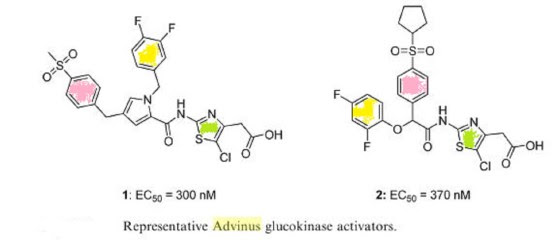
Obesity

Larry H. Bernstein, MD, FCAP, Curator

Leaders in Pharmaceutical Intervention

2010 Douglas L. ColemanJeffrey M. Friedman

Shaw Laureates 2009 Life Science and Medicine

Douglas L. Coleman (6 October 1931 – 16 April 2014) was a scientist and professor at The Jackson Laboratory, in Bar Harbor, Maine. His work predicted that the ob gene encoded the hormoneleptin,[1] later co-discovered in 1994 by Jeffrey Friedman, Rudolph Leibel and their research teams at Rockefeller University.[2][3][4][5][6][7][8] This work has had a major role in our understanding of the mechanisms regulating body weight and that cause of humanobesity.[9]

Coleman was born in Stratford, Ontario. He obtained his BS degree from McMaster University in 1954 and his PhD in Biochemistry from the University of Wisconsin in 1958. He was elected a member of the US National Academy of Sciences in 1998. He won the Shaw Prize in 2009,[10] the Albert Lasker Award for Basic Medical Research in 2010, the 2012 BBVA Foundation Frontiers of Knowledge Award in the Biomedicine category and the 2013 King Faisal International Prize for Medicine[11] jointly with Jeffrey M. Friedman[9] for the discovery of leptin.

http://www.nytimes.com/2014/04/26/us/douglas-l-coleman-82-dies-found-a-genetic-cause-of-obesity.html

The Genetics of Obesity

Winner of the  2013 KFIP Prize for  Medicine

Professor Douglas Coleman was born on October 5, 1931, in Stratford, Ontario, Canada. He obtained a B.Sc. in Chemistry in 1954 from McMaster University in Hamilton, Ontario, then went to the University of Wisconsin in Madison, WI, U.S.A., where he obtained M.S. and Ph.D. degrees in Biochemistry in 1956 and 1958, respectively. He served as a Research Assistant at the University of Wisconsin from 1954-1957 and as E.I. Dupont de Nemours Fellow from 1957-1958. He joined the Jackson Laboratory in Bar Harbor, ME, where he spent his entire career rising from Associate Staff Scientist In 1958 to Senior Staff Scientist in 1968. He also served as Assistant Director for Research from 1969-1970 and Interim Director  from 1975-1976. Upon his retirement in 1991, he was appointed Senior Staff Scientist Emeritus at Jackson. He was also consultant to the National Health Institutes, serving on the Metabolism Study Section from 1972-1974 and was frequently consulted on various other special study sections involving genetic diabetes, obesity and nutrition. He also served as Visiting Professor at the University of Geneva (1979-1980).

Professor Coleman’s research interests focus on biochemical genetics, regulation of metabolism, obesity, diabetes and hormone action. He is best known for his studies on the obesity-diabetes syndrome. He discovered the db gene, one of the two genes responsible for the genetic events regulating appetite control. He carried out a series of fundamental experiments with parabiotic mice which demonstrated the hormone-hormone receptor axis of leptin and the leptin receptor long before their discovery. The discoveries of Coleman and Friedman represent one of the most important biological breakthroughs in recent decades.

Professor Coleman received several prestigious awards and honors, including the Claude Bernard Medal by the European Diabetes Foundation in 1977, the Distinguished Alumni Award in Science by McMaster University in 1999, the Gairdner International Award in 2005, the Shaw Prize for Life Sciences and Medicine in 2009 (jointly with Jeffrey M. Friedman), the Albert Lasker Basic Medical Research Award (jointly with Jeffrey M. Friedman) and the Outstanding Forest Stewardship Award (Maine Forest Service). He was elected to the National Academy of Sciences in 1991, and was awarded Honorary D.Sc. from Louisiana State University in 2005 and Honorary D.Sc. from McMaster University in 2006. He is a member of the American Association of Biological Chemists.

Professor Douglas Leonard Coleman was awarded the prize because the research findings by him and Professor Friedman led to the identification and characterization of the leptin pathway. This seminal discovery has had a major impact on our understanding of the biology of obesity, describing some of the key afferent pathways in body weight regulation active in man. Their fundamental discoveries have also helped in the recognition of more illuminating views of the endocrine system. Because of their major contribution to the field of the genetics of obesity they have been awarded King Faisal International Prize in Medicine for the year 2013.

Leaping for leptin: the 2010 Albert Lasker Basic Medical Research Award goes to Douglas Coleman and Jeffrey M. Friedman

Ushma S. Neill

J Clin Invest. 2010 Oct 1; 120(10): 3413–3418.
Published online 2010 Sep 21. doi:  10.1172/JCI45094

Douglas Coleman never intended to study diabetes or obesity. Jeffrey M. Friedman had childhood dreams of being a veterinarian. But together, the two scientists have opened the field of obesity research to molecular exploration. On September 21, the Albert and Mary Lasker Foundation announced that they will award Coleman and Friedman (Figure (Figure1)1) with the 2010 Albert Lasker Basic Medical Research Award in recognition of their contributions toward the discovery of leptin, a hormone that regulates appetite and body weight. This hormone provides a key means by which changes in nutritional state are sensed and in turn modulate the function of many other physiologic processes. The story of the discovery of the first molecular target of obesity is one of tenacity and determination.

Figure 1

Douglas Coleman (left) and Jeffrey M. Friedman (right) share the 2010 Albert Lasker Basic Medical Research Award for the discovery of leptin, a breakthrough that opened obesity research to molecular exploration.

From Canada to Maine

Douglas Coleman was raised in Ontario, Canada, the only child of English immigrant parents, who encouraged him to excel in school; he recalled, “Although my parents never had the luxury of completing high school, they always encouraged me to pursue a higher education, and in high school, I developed a keen interest in chemistry and biology.” Coleman pursued his interest in chemistry at McMaster University. It was there he met his future wife, Beverly Benallick, “the only girl to graduate in Chemistry in the Class of 1954.” During his time at McMaster University, Coleman began to focus on organic chemistry and had the fortune of working with, “a very dynamic professor, Sam Kirkwood, who not only taught me the rudiments of biochemistry, but also instilled an appreciation of the scientific method.” Kirkwood encouraged Coleman to continue his biochemistry studies at the University of Wisconsin, at which he received a PhD in 1958.

In those days, postdoctoral fellowships were rare, and graduates had two options: academia or industry. Coleman took a third option, as an associate staff scientist at what was then known as the Roscoe B. Jackson Memorial Laboratory in Bar Harbor, Maine. Coleman has noted, “My intention was to stay one or two years, expanding my skills in multiple fields, especially genetics and immunology. To my great pleasure, The Jackson Laboratory provided a rich environment, including world-class animal models of disease, interactive colleagues, and a backyard that included the stunning beauty of Acadia National Park.” The Coleman family put down roots, raising their three sons there as Coleman rose through the ranks to senior staff scientist and served terms as assistant director of research and interim director (Figure (Figure2).2). He noted, “Without a doubt, I was lucky in my choice of starting my career at The Jackson Laboratory. It was a wonderful place in which to work, and I never pursued another position.”

Figure 2

Coleman at the bench at The Jackson Laboratory in 1960.

Making magic from a mutant

His early work involved muscular dystrophy and the development of a new field, mammalian biochemical genetics, establishing that genes control enzyme turnover as well as structure. However, his focus changed when a colleague asked for his help characterizing a mutant (Figure (Figure3)3) that had spontaneously arisen at the labs. He recalled, “Initially, I had no intention of studying the diabetes/obesity syndrome, but in 1965, a spontaneous mouse mutation was discovered, and I began research that would consume much of my scientific thought for the better part of three decades.” The new mutant was polydipsic and polyuric as well as being massively obese and hyperphagic. His colleague, Katherine Hummel, was studying diabetes insipidus and asked if he could determine whether the new mutant had diabetes insipidus or mellitus. He reported back that it was diabetes mellitus: “Her initial response was that she was not interested, but I convinced her that with a little further work we could produce a solid manuscript announcing this potentially valuable mutant to the world.” This mouse owed its phenotype to two defective copies of a gene that researchers dubbed diabetes (db) (1).

Figure 3

Wild-type and obese mice.

When Coleman and his colleagues began characterizing the db/db mouse, they began to ponder whether some circulating factor might regulate the severity of diabetes: perhaps a factor in the normal mouse could inhibit the development of the obesity and diabetes found in the db/db mutant. Conversely, perhaps a circulating factor present in the db/db mouse might cause the diabetes-like syndrome in the normal mouse. If the hypothetical factor was carried through the blood, Coleman reasoned, they could test for its presence by linking the blood supplies of the various mouse strains — an experimental setup called parabiosis. Fortunately, others at The Jackson Laboratory were using parabiosis to assess whether any circulating factors were involved in anemic mutants, and they were able to show Coleman how to do it successfully.

When Coleman hooked the wild-type mice and the db/db mice together, rather than overeating, as the db/dbmice did, the wild-type mice stopped eating and died from starvation (Figure (Figure44 and ref. 2). His hypothesis was correct: the db/db mice indeed must have released a factor that inhibited the wild-type animals’ drive to eat, but the mutant animals could not respond to it.

Figure 4

Summary of parabiosis experiments performed by Coleman.

Coleman needed more proof of this mystery circulating factor regulating food intake. He turned to another overweight mouse that also had arisen by chance at The Jackson Laboratory, this one called “obese,” whose aberrant physiology arises from two defective copies of a different gene (ob) (3). Unfortunately, the ob/obmouse was on a different genetic background, and due to immune-mediated rejection, parabiosis could only be performed successfully on mice with the same strain background. Coleman described his need for resolve, “Since the obese and diabetic mutants were on different genetic backgrounds, it took years for me to be able to perform all of the desired pairings.”

Coleman persevered and finally got the strains to match so he could successfully hook them together in a parabiosis experiment. When joined to a db/db mouse, the ob/ob mouse stopped eating and starved to death, while the db/db mouse remained obese, just as the normal mice had in the previous experiment. In contrast, attaching wild-type mice to ob/ob animals did nothing to the wild-type mice and caused the ob/ob mice to limit their food consumption and gain less weight (Figure (Figure4).4). Coleman concluded that the ob/ob mice failed to produce a hormone that inhibits eating, while the db/db mice overproduced it but lack the receptor to transmit the hormonal signal (4).

Coleman faced some skepticism for his conclusion that obesity was not just about willpower and eating habits but also involved chemical and genetic factors. In this regard, he said, “When I published these findings, the long-standing dogma was that obesity was a behavioral problem (a lack of willpower) and not a physiological problem (a hormonal imbalance). I had to deal with this behavioral dogma most of my career.”

To validate his hypothesis, Coleman would need to identify the db and ob genes and protein products, a task that proved to be an insurmountable challenge at the time. He noted, “Definitive proof of my conclusions required isolating the satiety factor — a feat that resisted rigorous experimentation.” That is, until Jeffrey Friedman set his sights upon the task.

 After his third year of internal medicine residency at Albany Medical Center Hospital, Friedman  had no concrete plans for the following year, as he was not scheduled to begin a fellowship at the Brigham and Women’s Hospital in Boston until a year later. Friedman recalled, “I had no particular plans for the gap year, and John Balint, one of my professors, thought I might like research — why he thought I might have some particular aptitude, I can’t really tell. He said, ‘I have this friend at Rockefeller [Mary Jeanne Kreek], why don’t you go spend a year with her and see if you like research?’ I didn’t know what else I was going to do. My mother thought I should go spend the year as a ship’s doctor.”
A fat chance

Friedman was enraptured by what Kreek studied: how molecules control behavior. “That was 1981 and it was beginning to be evident that molecular biology was going to have a big impact, so instead of going to the Brigham for a fellowship, I abandoned medicine and decided to get a PhD with Jim Darnell [2002 Lasker award winner for his work in RNA processing and cytokine signaling], who was one of the leaders in molecular biology,” he noted. Friedman’s thesis was on the regulation of liver gene expression — how genes are turned on and off as liver regenerates. However, there was something he did on the side that was more impactful: Kreek had asked him to work with Bruce Schneider, another faculty member at Rockefeller University, to make an RIA for β-endorphin. However, Schneider’s primary interest was not in β-endorphin, but rather in cholecystokinin (CCK). In 1979, Rosalyn Yalow had published a paper in which she reported reduced levels of CCK in the brain of ob/ob mice and boldly claimed that CCK was the circulating factor that caused the ob/ob mice to be fat (5). Friedman recalled, “Well, Bruce had the exact opposite data, this was published in the JCI (6), and this started a battle with Yalow over who was correct. To address this, in 1982 Don Powell, Bruce, and I set out to clone the Cck gene so we could map it. We collaborated with Peter D’Eustachio at NYU, who showed that it was on chromosome 9 (7); ob is on 6, db is on 4. I still have Peter’s notebook entry from that time in which he wrote, ‘CCK does not map to chromosome 6, home ofob.’” So the question for Friedman became, if the circulating hormone is not CCK, then what is? When he started his own laboratory in 1986 at Rockefeller, he set out to find it, and as he recalls, “In a way what theob mouse represented to me was another instance where a molecule was controlling a behavior, the same as in Mary Jeanne’s lab.”

Do these genes make me look fat?

In the mid ’80s, positional cloning was not easy, but Friedman turned to the then-new techniques of physical gene mapping, complimented by conventional genetic mapping in mice. It had long been known that the obgene resided somewhere on mouse chromosome 6, but narrowing down the region was arduous, as the trait is recessive, necessitating the breeding of several generations. Friedman and his laboratory first determined which DNA markers were inherited along with the obese phenotype in over 1,600 mice crossbred from obese and nonobese strains. He remembers, “It was a mind numbing exercise you hoped someday would lead somewhere.” Since the genetic and physical maps are colinear, DNA markers that were linked to ob in genetic crosses could be used to clone the surrounding DNA. Using this approach, they eventually identified the portion of the genome in which all markers were always coinherited with ob among the progeny of the crosses. This region defined the chromosomal region in which the ob gene resided. As they had predicted when the crosses were set up, this region corresponded to an approximately 300,000–base pair region on chromosome 6. They then screened recombinant clones across this region for exon-intron boundaries, which indicate the presence of genes. One of the first three genes they isolated was expressed exclusively in adipose tissue, and the expression of the mutant gene was found to be 20 times greater in one of the ob/ob mutants than in controls. In a second mutant, the gene was not expressed at all, providing clear evidence that this gene encoded the ob gene. When they looked in the human genome, they found an ob homolog that was 84% identical with the mouse ob gene, establishing ob as a highly conserved, biologically important gene (8).

Once a fat-specific gene was found in the vicinity of ob, he remembered being almost numb with excitement as a set of confirmatory experiments unfolded. “I went in late on a Saturday night, and I found a radioactive probe for this gene, and I found a blot with RNA from fat tissue of normal and mutant mice. I hybridized the blot that evening and washed it at 1 in the morning. I couldn’t sleep, and I woke up at 5 or 6 and developed the blot. When I looked at the data, I immediately knew that we had cloned ob. When I saw it, I was in the darkroom, and I pulled up the film and looked at it under the light and got weak-kneed. I sort of fell backwards against the wall. This gene was in the right region of the chromosome, it was fat specific, and its expression was altered in two independent strains of ob mice. Before this, we didn’t know where ob would be expressed — and while fat was one of the tissues I considered, in principle the gene could have been expressed in any specialized cell type anywhere that had no obvious relationship to fat. But on the other hand, seeing a gene in the right region expressed exclusively in the fat . . . that gets your attention.” When he found out at 6 in the morning, he called his wife and said “we did it!,” and then, a few hours later he, called his former PhD advisor Jim Darnell: “I told him but I wasn’t sure he believed me.” That afternoon, he met some friends at Pete’s Tavern, “and we opened a bottle of champagne, and I told them, ‘I think this is going to be pretty big.’”

Next Friedman set his sights on actually identifying the product secreted by the ob gene and validating Coleman’s circulating hormone hypothesis. Together with Stephen Burley, his laboratory engineered E. colito fabricate the secreted protein, generated antibodies that would bind it, and showed that humans and rodents secrete it. In the last sentence of the 1995 Science paper describing these findings, Friedman “propose[d] that this 16-KD protein be called leptin, derived from the Greek root leptos, meaning thin” (9). The paper also showed that db/db mice made excess quantities of leptin, as predicted by Coleman, and its levels in plasma decreased in normal animals and obese humans after weight loss. He remembered, “It was an unbelievable time in the lab. The idea that there was this hormone that regulated body weight, and that we had found it, was just unimaginable. I’d wake up in the middle of the night just smiling.”

As for the name leptin, it has not only a Greek root, but a French one too. At a meeting, Friedman met Frenchman Roger Guillemin, who won a Nobel Prize for his work on peptide hormone production by the brain. A few weeks after the meeting, Friedman got a letter from him that he recalls saying, “I really liked what you had to say, but I have one quibble: you refer to these as obesity genes, but I think they are lean genes because the normal allele keeps you thin. But calling them lean genes sounds awkward. The nicest sounding root for thin is from Greek, so I propose you call ob and db ‘lepto-genes.’” So when it came time to name it, Friedman remembered Guillemin’s suggestion, and therein, the name leptin was coined.

Leptin’s legacy

Later in 1995, another group described the leptin receptor (10), and then subsequently, Friedman and another group showed that this leptin receptor is encoded by the db gene and has multiple forms, one of which is defective in Coleman’s originally described db/db mice (11, 12). Friedman also showed that the leptin receptor is especially abundant in the hypothalamus in which leptin can activate signal transduction and phosphorylation of the Stat3 transcription factor (13).

Over the years, numerous laboratories have studied leptin’s mechanism of action. Leptin acts on receptors expressed in groups of neurons in the hypothalamus, in which it inhibits appetite, in part, by counteracting the effects of neuropeptide Y, a potent feeding stimulant secreted by cells in the gut and in the hypothalamus, by thwarting the effects of anandamide, another potent feeding stimulant, and by promoting the synthesis of α-MSH (melanocyte stimulating hormone), an appetite suppressant (14). Leptin is produced in large amounts by white adipose tissue but can also be produced in lesser amounts by brown adipose tissue, syncytiotrophoblasts, ovaries, skeletal muscle, stomach, mammary epithelial cells, bone marrow, pituitary, and liver. Leptin’s actions are also not limited to regulating food intake, as it is has been shown to have roles in fertility, immunity, angiogenesis, and surfactant production. Friedman adds that the hormone, “has effects on many physiological systems, including the immune system where it modulates T cells, macrophages, and platelets. It now appears that leptin provides a key means by which nutritional state can regulate a host of other physiological systems.” While most of these actions are mediated by effects on the CNS, two of many key questions are, which of leptin’s effects on peripheral systems are direct, and which are indirect via the brain?

A magic bullet?

The first proof that leptin was important in humans came in 1997 when Stephen O’Rahilly and colleagues found two morbidly obese children who carried a mutation in the leptin gene (15). These researchers went on to show that leptin-replacement therapy could be useful in individuals with leptin mutations (16). Injection of leptin into these children led to rapid weight loss and markedly reduced food intake (Figure (Figure5).5). Leptin-replacement therapy also has potent effects in other clinical settings, including lipodystrophy, a disease state in which animals and humans have little white fat and develop severe diabetes, with profound insulin resistance and high plasma lipid levels. Because this syndrome is associated with low circulating levels of leptin, Shimomura and colleagues tested the effects of leptin-replacement therapy in mice and showed that it was highly effective (17); similar efficacy was later shown in humans (18). More recently, leptin treatment has shown a profound anti-diabetic effect in type 1 diabetic animals (19). Leptin replacement has also been shown to be of clinical benefit in other states of leptin deficiency, including hypothalamic amenorrhea (20).

Figure 5

Effects of r-metHuLeptin on the weight a child with congenital leptin deficiency.

Excited by leptin’s potential for the treatment of obesity, the biotech company Amgen paid $20 million to Rockefeller to license the hormone. With so much of the world’s population overweight or obese, a treatment or cure would be a major advance in public health and would likely be very lucrative. Amgen sponsored a large clinical trial, giving leptin to overweight adults, but while a subset of obese patients lost significant amounts of weight on leptin, the average magnitude of the effect was minimal, dampening hopes that leptin was the magic bullet in the obesity fight (21). After the trial, Amgen announced that they had suspended studies of the effects of leptin for the treatment of human obesity.

Friedman says he understands why the trials failed: “Even before leptin was tested in obese patients, we knew from animal studies that this hormone was not likely to be a panacea for every obese patient and that the response seen in ob/ob mice wasn’t going to be the typical case for obese humans. Leptin levels are elevated in obese humans, suggesting that obesity is often associated with leptin resistance and raising the possibility that increasing already high levels was going to be of arguable benefit.” The key to making leptin work may be in coaxing the brain to respond to leptin: some people are simply not sensitive enough or they develop resistance. Friedman predicts that through personalized medicine, doctors may at some point be able to identify which obese people will respond to leptin. In the meantime, there is some clinical evidence that leptin’s ability to reduce weight among obese patients can be restored by combining it with other agents (22).

The thrill of discovery

For all the social implications, potential profits, and medical possibilities, Friedman is circumspect but proud about the discovery of leptin, saying, “whether it finds its way into general usage as an antiobesity drug, the use of modern methods to identify and target the components of the leptin- signaling pathway will, I believe, form the basis for new pharmacological approaches to the treatment of obesity and other nutritional disorders.” Coleman agrees, stating that “with the discovery of leptin and the subsequent cloning of the leptin receptor, the field exploded. With these findings, two long-standing misconceptions were definitively laid to rest: obesity was not merely a behavioral problem but rather had a significant physiological component; and adipose tissue was not merely a fat-storage site but rather an important endocrine organ.”

Both Coleman and Friedman (Figure (Figure6)6) were overwhelmed and humbled by the news that they would receive the 2010 Lasker Award for Basic Medical Research. Coleman notes, “I have always viewed this award as one of the most esteemed of the several truly prestigious biomedical research awards, and it is with great pride and humility that I accept this prestigious prize. I was also especially delighted to learn that I would be sharing this award with Jeffrey Friedman, who always acknowledged my earlier contributions to our field.” Friedman added, “It is an honor to join a group of other winners who really are at the highest level of science. To be placed among them is just hard to fathom.”

Figure 6

Coleman and Friedman, together at The Jackson Laboratory, in 1995.

Coleman retired from his scientific career in 1991. He has said that at his retirement ceremony “someone commented that my career was characterized by the ability to use the simplest technique to answer the most complex biological questions.” Friedman, however, is still at the bench and active as ever in his hunt to determine exactly how leptin regulates food intake. Through their determination and persistence, the two have provided a molecular framework for understanding obesity, but they have different opinions about how much luck played into their findings. Coleman has noted that he favors the Louis Pasteur quote, “Luck favors the prepared mind.” But Friedman has a different perspective, stating “my story suggests that in many cases, the prepared mind is favored by chance.”

Acknowledgments

As Coleman was away and unavailable for comment during the preparation of this article, his quotations were taken from an autobiography he wrote when accepting the Shaw prize in 2009, from his acceptance remarks for the Lasker prize, and from a profile written by Luther Young posted on the Bangor Daily Newsin 2009 ( http://www.bangordailynews.com/story/Hancock/Scientists-work-at-Jackson-Lab-lauded,118612?print=1).

References
1. Hummel KP, Dickie MM, Coleman DL. Diabetes, a new mutation in the mouse. Science.1966;153(740):1127–1128. doi: 10.1126/science.153.3740.1127. [PubMed] [Cross Ref]
2. Coleman DL, Hummel KP. Effects of parabiosis of normal with genetically diabetic mice. Am J Physiol.1969;217(5):1298–1304. [PubMed]
3. Ingalls AM, Dickie MM, Snell GD. Obese, a new mutation in the house mouse. J Hered.1950;41(12):317–318. [PubMed]
4. Coleman DL. Effects of parabiosis of obese with diabetes and normal mice. Diabetologia. 1973;9(4):294–298. doi: 10.1007/BF01221857. [PubMed] [Cross Ref]
5. Straus E, Yalow RS. Gastrointestinal peptides in the brain. Fed Proc. 1979;38(9):2320–2324. [PubMed]
6. Schneider BS, Monahan JW, Hirsch J. Brain cholecystokinin and nutritional status in rats and mice. J Clin Invest. 1979;64(5):1348–1356. doi: 10.1172/JCI109591. [PMC free article] [PubMed] [Cross Ref]
7. Friedman JM, Schneider BS, Barton DE, Francke U. Level of expression and chromosome mapping of the mouse cholecystokinin gene: implications for murine models of genetic obesity. Genomics.1989;5(3):463–469. doi: 10.1016/0888-7543(89)90010-4. [PubMed] [Cross Ref]
8. Zhang Y, Proenca R, Maffei M, Barone M, Leopold L, Friedman JM. Positional cloning of the mouse obese gene and its human homologue. Nature. 1994;372(6505):425–432. doi: 10.1038/372425a0. [PubMed][Cross Ref]
9. Halaas JL, et al. Weight-reducing effects of the plasma protein encoded by the obese gene. Science.1995;269(5223):543–546. doi: 10.1126/science.7624777. [PubMed] [Cross Ref]
10. Tartaglia LA, et al. Identification and expression cloning of a leptin receptor, OB-R. Cell.1995;83(7):1263–1271. doi: 10.1016/0092-8674(95)90151-5. [PubMed] [Cross Ref]
11. Chen H, et al. Evidence that the diabetes gene encodes the leptin receptor: identification of a mutation in the leptin receptor gene in db/db mice. Cell. 1996;84(3):491–495. doi: 10.1016/S0092-8674(00)81294-5.[PubMed] [Cross Ref]
12. Lee GH, et al. Abnormal splicing of the leptin receptor in diabetic mice. Nature. 1996;379(6566):632–635. doi: 10.1038/379632a0. [PubMed] [Cross Ref]
13. Vaisse C, Halaas JL, Horvath CM, Darnell JE, Jr, Stoffel M, Friedman JM. Leptin activation of Stat3 in the hypothalamus of wild-type and ob/ob mice but not db/db mice. Nat Genet. 1996;14(1):95–97. [PubMed]
14. Friedman JM, Halaas JL. Leptin and the regulation of body weight in mammals. Nature.1998;395(6704):763–770. doi: 10.1038/27376. [PubMed] [Cross Ref]
15. Montague CT, et al. Congenital leptin deficiency is associated with severe early-onset obesity in humans.Nature. 1997;387(6636):903–908. doi: 10.1038/43185. [PubMed] [Cross Ref]
16. Farooqi IS, et al. Beneficial effects of leptin on obesity, T cell hyporesponsiveness, and neuroendocrine/metabolic dysfunction of human congenital leptin deficiency. J Clin Invest.2002;110(8):1093–1103. [PMC free article] [PubMed]
17. Shimomura I, Hammer RE, Ikemoto S, Brown MS, Goldstein JL. Leptin reverses insulin resistance and diabetes mellitus in mice with congenital lipodystrophy. Nature. 1999;401(6748):73–76. doi: 10.1038/43448.[PubMed] [Cross Ref]
18. Oral EA, et al. Leptin-replacement therapy for lipodystrophy. N Engl J Med. 2002;346(8):570–578. doi: 10.1056/NEJMoa012437. [PubMed] [Cross Ref]
19. Wang MY, et al. Leptin therapy in insulin-deficient type I diabetes. Proc Natl Acad Sci U S A.2010;107(11):4813–4819. doi: 10.1073/pnas.0909422107. [PMC free article] [PubMed] [Cross Ref]
20. Welt CK, et al. Recombinant human leptin in women with hypothalamic amenorrhea. N Engl J Med.2004;351(10):987–997. doi: 10.1056/NEJMoa040388. [PubMed] [Cross Ref]
21. Heymsfield SB, et al. Recombinant leptin for weight loss in obese and lean adults: a randomized, controlled, dose-escalation trial. JAMA. 1999;282(16):1568–1575. doi: 10.1001/jama.282.16.1568.[PubMed] [Cross Ref]
22. Roth JD, et al. Leptin responsiveness restored by amylin agonism in diet-induced obesity: evidence from nonclinical and clinical studies. Proc Natl Acad Sci U S A. 2008;105(20):7257–7262. doi: 10.1073/pnas.0706473105. [PMC free article] [PubMed] [Cross Ref]
Autobiography of Jeffrey M Friedman

My laboratory identified leptin, a hormone that is produced by fat tissue. Leptin acts on the brain to modulate food intake and functions as an afferent signal in a feedback loop that regulates weight. My route to this hormone is filled with a number of chance events and turns of fate that were in no way predictable at the time that I started my career.I grew up in the suburbs of New York City in a village where children had enormous freedom. I recall from an early age riding my bicycle everywhere without my parents, or anyone else for that matter, knowing my whereabouts. My father was a radiologist and my mother was a teacher. No one in my family or community had pursued an academic career and at the time I was completely unaware of the possibility that one could make a career in science. In my family, the highest level of achievement was to become a doctor and, despite my earliest dreams of a career as a professional athlete (made unlikely by a notable lack of talent) and a later wish to become a veterinarian, I became a doctor.I was originally trained in internal medicine with some subspecialty training in gastroenterology. In medical school and as a medical resident, I participated in some modest research studies. The first piece of work I completed related to the effects of dietary salt on the regulation of blood pressure. After completing this project, I excitedly submitted a paper for publication. I remember one of the reviews verbatim: “This paper should not be published in the Journal of Clinical Investigation or anywhere else.” Fortunately, one of my mentors in medical school still thought I might have some aptitude for research. He suggested that I go to The Rockefeller University to work in a basic science research laboratory. I joined the laboratory of Dr Mary-Jeanne Kreek to study the effects of endorphins in the development of narcotic addiction.I was fascinated by the idea that endogenous molecules could alter behaviour and emotional state. At The Rockefeller University, I met another scientist, Bruce Schneider. Bruce was studying cholecystokinin (CCK), a peptide hormone that is secreted by intestinal cells. CCK aids digestion by stimulating the secretion of enzymes from the pancreas and bile from the gallbladder. CCK had also been found in neurons of the brain, although its function there was less clear. In the late 1970s, it was shown that injections of CCK reduce food intake. This finding appealed to me as another example of how a single molecule can change behavior. One other fact also piqued my interest: There were indications that the levels of CCK were decreased in a genetically obese ob/ob mouse. These mutant mice are massively obese as a consequence of a defect in a single gene. The mice eat excessively and weigh 3 to 5 times as much as normal mice. It was thus hypothesized that CCK functions as an endogenous appetite suppressant and that a deficiency of CCK caused the obesity evident in ob/ob mice. Fascinated by this possibility, I set out to establish the possible role of CCK in the pathogenesis of obesity in these animals. To do this I was going to need additional training in basic research, so I abandoned my plans to continue medical training in gastroenterology and instead entered the PhD program at The Rockefeller University.As a PhD student I worked in the laboratory of Jim Darnell, studying the regulation of gene expression in liver, and learning the basic tools of molecular biology. But I carried my interest in the ob/ob gene with me. At the end of my graduate studies, two colleagues and I successfully isolated the CCK gene from mouse. One of the first studies we performed after isolating the gene was to determine its chromosomal position. We found that the CCK gene was not on chromosome 6, where the ob mutation had been localized, which thus excluded defective CCK as the cause of the obesity. The question thus remained: What is the nature of the defective gene in ob/ob mice?

After receiving my PhD in 1986, I became an assistant professor at The Rockefeller University and set out to answer this question. The culmination of what proved to be an 8-year odyssey was the identification of the ob gene in 1994. We now know that the ob gene encodes the hormone leptin. The discovery of this hormone, a singular event in my life, was absolutely exhilarating. The realization that nature had happened upon such a simple and elegant solution for regulating weight was the closest thing I have ever had to a religious experience. Subsequent studies revealed that injections of leptin dramatically decrease the food intake of mice and other mammals. My current studies now focus on several questions, including the one that originally aroused my interest in this mutation: How is it that a single molecule – leptin – profoundly influences feeding behavior? An esteemed colleague of mine remarked recently that I had searched for the ob gene primarily so that I could approach the question I had started with. It is as yet unclear whether I will succeed in understanding how a single molecule can influence a complex behaviour.

  1. Coleman, DL (1978). “Obese and Diabetes: two mutant genes causing diabetes-obesity syndromes in mice”. Diabetologia 14: 141–148. doi:10.1007/bf00429772.
  2. Jump up^ Green ED, Maffei M, Braden VV, Proenca R, DeSilva U, Zhang Y, Chua SC Jr, Leibel RL, Weissenbach J, Friedman JM. (August 1995). “The human obese (OB) gene: RNA expression pattern and mapping on the physical, cytogenetic, and genetic maps of chromosome 7”.Genome Research 5 (1): 5–12. doi:10.1101/gr.5.1.5.PMID 8717050.
  3. Jump up^ Shell E (January 1, 2002). “Chapter 4: On the Cutting Edge”. The Hungry Gene: The Inside Story of the Obesity Industry. Atlantic Monthly Press. ISBN 978-1-4223-5243-4.
  4. Jump up^ Shell E (January 1, 2002). “Chapter 5: Hunger”. The Hungry Gene: The Inside Story of the Obesity Industry. Atlantic Monthly Press.ISBN 978-1-4223-5243-4.
  5. Jump up^ Zhang Y, Proenca R, Maffei M, Barone M, Leopold L, Friedman JM (December 1994). “Positional cloning of the mouse obese gene and its human homologue”. Nature 372 (6505): 425–432.doi:10.1038/372425a0. PMID 7984236.
  6. Jump up^ Rosenbaum M (1998). “Leptin”. The Scientist Magazine.
  7. Jump up^ Okie S (February 11, 2005). “Chapter 2: Obese Twins and Thrifty Genes”. Fed Up!: Winning the War Against Childhood Obesity. Joseph Henry Press, an imprint of the National Academies Press. ISBN 978-0-309-09310-1.
  8. Jump up^ Zhang, Y; Proenca, P; Maffei, M; Barone, M; Leopold, L; Friedman, JM. (1994). “Positional cloning of the mouse obese gene and its human homologue”. Nature 372 (6505): 425–432.doi:10.1038/372425a0. PMID 7984236.
  9. ^ Jump up to:a b Friedman, Jeffrey (2014). “Douglas Coleman (1931–2014) Biochemist who revealed biology behind obesity”. Nature 509 (7502): 564. doi:10.1038/509564a. PMID 24870535.
  10. Jump up^ Shaw Prize 2009
  11. Jump up^ King Faisal Prize 2013 for Medicine

A Metabolic Master Switch Underlying Human Obesity

Researchers find pathway that controls metabolism by prompting fat cells to store or burn fat

Aug 21, 2015  http://www.technologynetworks.com/Metabolomics/news.aspx?ID=182195

Researchers find pathway that controls metabolism by prompting fat cells to store or burn fat.

Obesity is one of the biggest public health challenges of the 21st century. Affecting more than 500 million people worldwide, obesity costs at least $200 billion each year in the United States alone, and contributes to potentially fatal disorders such as cardiovascular disease, type 2 diabetes, and cancer.

But there may now be a new approach to prevent and even cure obesity, thanks to a study led by researchers at MIT and Harvard Medical School. By analyzing the cellular circuitry underlying the strongest genetic association with obesity, the researchers have unveiled a new pathway that controls human metabolism by prompting our adipocytes, or fat cells, to store fat or burn it away.

“Obesity has traditionally been seen as the result of an imbalance between the amount of food we eat and how much we exercise, but this view ignores the contribution of genetics to each individual’s metabolism,” says senior author Manolis Kellis, a professor of computer science and a member of MIT’s Computer Science and Artificial Intelligence Laboratory (CSAIL) and of the Broad Institute.

New mechanism found

The strongest association with obesity resides in a gene region known as “FTO,” which has been the focus of intense scrutiny since its discovery in 2007. However, previous studies have failed to find a mechanism to explain how genetic differences in the region lead to obesity.

“Many studies attempted to link the FTO region with brain circuits that control appetite or propensity to exercise,” says first author Melina Claussnitzer, a visiting professor at CSAIL and instructor in medicine at Beth Israel Deaconess Medical Center and Harvard Medical School. “Our results indicate that the obesity-associated region acts primarily in adipocyte progenitor cells in a brain-independent way.”

To recognize the cell types where the obesity-associated region may act, the researchers used annotations of genomic control switches across more than 100 tissues and cell types. They found evidence of a major control switchboard in human adipocyte progenitor cells, suggesting that genetic differences may affect the functioning of human fat stores.

To study the effects of genetic differences in adipocytes, the researchers gathered adipose samples from healthy Europeans carrying either the risk or the non-risk version of the region. They found that the risk version activated a major control region in adipocyte progenitor cells, which turned on two distant genes, IRX3 and IRX5.

Control of thermogenesis

Follow-up experiments showed that IRX3 and IRX5 act as master controllers of a process known as thermogenesis, whereby adipocytes dissipate energy as heat, instead of storing it as fat. Thermogenesis can be triggered by exercise, diet, or exposure to cold, and occurs both in mitochondria-rich brown adipocytes that are developmentally related to muscle, and in beige adipocytes that are instead related to energy-storing white adipocytes.

“Early studies of thermogenesis focused primarily on brown fat, which plays a major role in mice, but is virtually nonexistent in human adults,” Claussnitzer says. “This new pathway controls thermogenesis in the more abundant white fat stores instead, and its genetic association with obesity indicates it affects global energy balance in humans.”

The researchers predicted that a genetic difference of only one nucleotide is responsible for the obesity association. In risk individuals, a thymine (T) is replaced by a cytosine (C) nucleobase, which disrupts repression of the control region and turns on IRX3 and IRX5. This then turns off thermogenesis, leading to lipid accumulation and ultimately obesity.

By editing a single nucleotide position using the CRISPR/Cas9 system — a technology that allows researchers to make precise changes to a DNA sequence — the researchers could switch between lean and obese signatures in human pre-adipocytes. Switching the C to a T in risk individuals turned off IRX3 and IRX5, restored thermogenesis to non-risk levels, and switched off lipid storage genes.

“Knowing the causal variant underlying the obesity association may allow somatic genome editing as a therapeutic avenue for individuals carrying the risk allele,” Kellis says. “But more importantly, the uncovered cellular circuits may allow us to dial a metabolic master switch for both risk and non-risk individuals, as a means to counter environmental, lifestyle, or genetic contributors to obesity.”

Success in human and mouse cells

The researchers showed that they could indeed manipulate this new pathway to reverse the signatures of obesity in both human cells and mice.

In primary adipose cells from either risk or non-risk individuals, altering the expression of either IRX3 or IRX5 switched between energy-storing white adipocyte functions and energy-burning beige adipocyte functions.

Similarly, repression of IRX3 in mouse adipocytes led to dramatic changes in whole-body energy balance, resulting in a reduction of body weight and all major fat stores, and complete resistance to a high-fat diet.

“By manipulating this new pathway, we could switch between energy storage and energy dissipation programs at both the cellular and the organismal level, providing new hope for a cure against obesity,” Kellis says.

The researchers are currently establishing collaborations in academia and industry to translate their findings into obesity therapeutics. They are also using their approach as a model to understand the circuitry of other disease-associated regions in the human genome.

Flipping a Genetic Switch on Obesity?

Illustration of a DNA switchWhen weight loss is the goal, the equation seems simple enough: consume fewer calories and burn more of them exercising. But for some people, losing and keeping off the weight is much more difficult for reasons that can include a genetic component. While there are rare genetic causes of extreme obesity, the strongest common genetic contributor discovered so far is a variant found in an intron of the FTO gene. Variations in this untranslated region of the gene have been tied to differences in body mass and a risk of obesity [1]. For the one in six people of European descent born with two copies of the risk variant, the consequence is carrying around an average of an extra 7 pounds [2].

Now, NIH-funded researchers reporting in The New England Journal of Medicine [3] have figured out how this gene influences body weight. The answer is not, as many had suspected, in regions of the brain that control appetite, but in the progenitor cells that produce white and beige fat. The researchers found that the risk variant is part of a larger genetic circuit that determines whether our bodies burn or store fat. This discovery may yield new approaches to intervene in obesity with treatments designed to change the way fat cells handle calories.

The team—led by Melina Claussnitzer of Beth Israel Deaconess Medical Center, Boston, and Manolis Kellis of the Massachusetts Institute of Technology (MIT), Cambridge—started with a basic question: where in the body does this variant act to influence weight? For the answer, the team turned to the NIH-funded Roadmap Epigenomics Project. There, they found comprehensive data on 127 human cell types and the occurrence of common chemical modifications that act like volume knobs to turn gene activity “up” or “down” based on changes in the way DNA is packaged. While the FTO gene is active in the human brain, the team couldn’t connect any differences there with obesity.

They began to wonder whether this obesity-risk variant affected FTO at all (and prior studies had suggested this [4]). Maybe it operated at a distance to change the expression of other protein-coding genes? Sure enough, further study in fat collected from patients showed that the obesity risk variant works in those progenitor cells to control the activity of two other genes, IRX3 andIRX5, both found quite a distance away.

The fat in people with the obesity risk variant and greater expression of IRX3 and IRX5 genes contains fewer beige cells than normal. Beige cells, which were discovered just three years ago [5], are produced sometimes by fat cell progenitors to burn rather than stockpile energy. This new evidence suggests that beige fat may play an unexpectedly important role in protecting against obesity.

Using a method they developed last year [6], the researchers traced the effects of the obesity risk variant to a single nucleotide change—a small typo in the DNA sequence that changes a “T” to a “C.” They then used the nifty CRISPR-Cas genome editing system (see Copy-Editing the Genome) to switch between this obesity risk variant and the protective variant in human cells. As the researchers did this, they saw fat cells turn energy-burning heat production off and back on again. In other words, the obesity signature in the cells could be turned on and off at the flip of this genetic switch!

They also showed in mice that the shift toward energy-burning beige cells led to weight loss. Animals engineered in a way that blocked Irx3 expression in adipose tissue became significantly thinner with no change in their eating or exercise habits. This new collection of evidence suggests that treatments designed to program fat cells to burn more energy (such as antagonists against the IRX3 or IRX5 proteins) might have similar benefits in people, and the researchers are working with collaborators in academia and industry to pursue this line of investigation.

This is a great example of how discoveries about genetic factors in common disease, uncovered by applying the genome-wide association study (GWAS) approach to large numbers of affected and unaffected individuals, are revealing critical and previously unknown pathways in human biology and medicine. This case also points out how our terminology may need attention, however; for the last several years, this genetic variant for obesity has been called “the FTO variant,” perhaps it should now be called “the IRX3/5 variant.”

Genes, of course, are only part of the story. It’s still important to eat healthy, limit your portions, and maintain a regular exercise program. Leading an active lifestyle both keeps weight down and improves the overall sense of well being.

References:

[1] FTO genotype is associated with phenotypic variability of body mass index.Yang J, Loos RJ, Powell JE, TM, Frayling TM, Hirschhorn JN, Goddard ME, Visscher PM, et al. Nature. 2012 Oct 11;490(7419):267-72.

[2] A common variant in the FTO gene is associated with body mass index and predisposes to childhood and adult obesity. Frayling TM, Timpson NJ, Weedon MN, Morris AD, Smith GD, Hattersley AT, McCarthy MI, et al. Science. 2007 May 11;316(5826):889-94.

[3] FTO Obesity Variant Circuitry and Adipocyte Browning in Humans. Claussnitzer M, Dankel SN, Kim KH, Quon G, Meuleman W, Haugen C, Glunk V, Sousa IS, Beaudry JL, Puviindran V, Abdennur NA, Liu J, Svensson PA, Hsu YH, Drucker DJ, Mellgren G, Hui CC, Hauner H, Kellis M. N Engl J Med. 2015 Aug 19. [Epub ahead of print]

[4] Obesity-associated variants within FTO form long-range functional connections with IRX3. Smemo S, Tena JJ, Kim KH, Hui CC, Gomez-Skarmeta JL, Nobrega MA, et al. Nature 2014 Mar 20; 507(7492):371-375.

[5] Beige adipocytes are a distinct type of themogenic fat cell in mouse and human. Wu J, Boström P, Sparks LM, Schrauwen P, Spiegelman BM. Cell 2012 Jul 20:150(2):366-376.

[6] Leveraging cross-species transcription factor binding site patterns: from diabetes risk loci to disease mechanisms. Claussnitzer M, Dankel SN, Klocke Mellgren G, Hauner H, Laumen H, et al. Cell. 2014 Jan 16;156(1-2):343-58.

Links:

Manolis Kellis (Massachusetts Institute of Technology, Cambridge)

What are overweight and obesity? (National Heart, Lung, and Blood Institute/NIH)

NIH Roadmap Epigenomics Project

NIH Support: National Human Genome Research Institute; National Institute of General Medical Sciences

MiR-93 Controls Adiposity via Inhibition of Sirt7 and Tbx3

CELL REPORTS · AUGUST 2015
Impact Factor: 8.36 · DOI: 10.1016/j.celrep.2015.08.006 

https://www.researchgate.net/publication/281394525_MiR-93_Controls_Adiposity_via_Inhibition_of_Sirt7_and_Tbx3

Conquering obesity has become a major socioeconomic challenge. Here, we show that reduced expression of the miR-25-93-106b cluster, or miR-93 alone, increases fat mass and, subsequently, insulin resistance. Mechanistically, we discovered an intricate interplay between enhanced adipocyte precursor turnover and increased adipogenesis. First, miR-93 controls Tbx3, thereby limiting self-renewal in early adipocyte precursors. Second, miR-93 inhibits the metabolic target Sirt7, which we identified as a major driver of in vivo adipogenesis via induction of differentiation and maturation of early adipocyte precursors. Using mouse parabiosis, obesity in mir-25-93-106b(-/-) mice could be rescued by restoring levels of circulating miRNA and subsequent inhibition of Tbx3 and Sirt7. Downregulation of miR-93 also occurred in obese ob/ob mice, and this phenocopy of mir-25-93-106b(-/-) was partially reversible with injection of miR-93 mimics. Our data establish miR-93 as a negative regulator of adipogenesis and a potential therapeutic option for obesity and the metabolic syndrome.

Read Full Post »

Sexual Desire Disorder in Pre-menopausal Women: Addyi (flibanserin) is intended to increase libido – ‘Female Viagra’ approved by FDA

Reporter: Aviva Lev-Ari, PhD

FDA News Release

FDA approves first treatment for sexual desire disorder

For Immediate Release

August 18, 2015

Release

Español

The U.S. Food and Drug Administration today approved Addyi (flibanserin) to treat acquired, generalized hypoactive sexual desire disorder (HSDD) in premenopausal women. Prior to Addyi’s approval, there were no FDA-approved treatments for sexual desire disorders in men or women.

“Today’s approval provides women distressed by their low sexual desire with an approved treatment option,” said Janet Woodcock, M.D., director of the FDA’s Center for Drug Evaluation and Research (CDER). “The FDA strives to protect and advance the health of women, and we are committed to supporting the development of safe and effective treatments for female sexual dysfunction.”

HSDD is characterized by low sexual desire that causes marked distress or interpersonal difficulty and is not due to a co-existing medical or psychiatric condition, problems within the relationship, or the effects of a medication or other drug substance. HSDD is acquired when it develops in a patient who previously had no problems with sexual desire. HSDD is generalized when it occurs regardless of the type of sexual activity, the situation or the sexual partner.

“Because of a potentially serious interaction with alcohol, treatment with Addyi will only be available through certified health care professionals and certified pharmacies,” continued Dr. Woodcock. “Patients and prescribers should fully understand the risks associated with the use of Addyi before considering treatment.”

Addyi can cause severely low blood pressure (hypotension) and loss of consciousness (syncope). These risks are increased and more severe when patients drink alcohol or take Addyi with certain medicines (known as moderate or strong CYP3A4 inhibitors) that interfere with the breakdown of Addyi in the body. Because of the alcohol interaction, the use of alcohol is contraindicated while taking Addyi. Health care professionals must assess the likelihood of the patient reliably abstaining from alcohol before prescribing Addyi.

Addyi is being approved with a risk evaluation and mitigation strategy (REMS), which includes elements to assure safe use (ETASU). The FDA is requiring this REMS because of the increased risk of severe hypotension and syncope due to the interaction between Addyi and alcohol. The REMS requires that prescribers be certified with the REMS program by enrolling and completing training. Certified prescribers must counsel patients using a Patient-Provider Agreement Form about the increased risk of severe hypotension and syncope and about the importance of not drinking alcohol during treatment with Addyi. Additionally, pharmacies must be certified with the REMS program by enrolling and completing training. Certified pharmacies must only dispense Addyi to patients with a prescription from a certified prescriber. Additionally, pharmacists must counsel patients prior to dispensing not to drink alcohol during treatment with Addyi.

Addyi is also being approved with a Boxed Warning to highlight the risks of severe hypotension and syncope in patients who drink alcohol during treatment with Addyi, in those who also use moderate or strong CYP3A4 inhibitors, and in those who have liver impairment. Addyi is contraindicated in these patients. In addition, the FDA is requiring the company that owns Addyi to conduct three well-designed studies in women to better understand the known serious risks of the interaction between Addyi and alcohol.

Addyi is a serotonin 1A receptor agonist and a serotonin 2A receptor antagonist, but the mechanism by which the drug improves sexual desire and related distress is not known. Addyi is taken once daily. It is dosed at bedtime to help decrease the risk of adverse events occurring due to possible hypotension, syncope and central nervous system depression (such as sleepiness and sedation). Patients should discontinue treatment after eight weeks if they do not report an improvement in sexual desire and associated distress.

The effectiveness of the 100 mg bedtime dose of Addyi was evaluated in three 24-week randomized, double-blind, placebo-controlled trials in about 2,400 premenopausal women with acquired, generalized HSDD. The average age of the trial participants was 36 years, with an average duration of HSDD of approximately five years. In these trials, women counted the number of satisfying sexual events, reported sexual desire over the preceding four weeks (scored on a range of 1.2 to 6.0) and reported distress related to low sexual desire (on a range of 0 to 4). On average, treatment with Addyi increased the number of satisfying sexual events by 0.5 to one additional event per month over placebo increased the sexual desire score by 0.3 to 0.4 over placebo, and decreased the distress score related to sexual desire by 0.3 to 0.4 over placebo. Additional analyses explored whether the improvements with Addyi were meaningful to patients, taking into account the effects of treatment seen among those patients who reported feeling much improved or very much improved overall. Across the three trials, about 10 percent more Addyi-treated patients than placebo-treated patients reported meaningful improvements in satisfying sexual events, sexual desire or distress. Addyi has not been shown to enhance sexual performance.

The 100 mg bedtime dose of Addyi has been administered to about 3,000 generally healthy premenopausal women with acquired, generalized HSDD in clinical trials, of whom about 1,700 received treatment for at least six months and 850 received treatment for at least one year.

The most common adverse reactions associated with the use of Addyi are dizziness, somnolence (sleepiness), nausea, fatigue, insomnia and dry mouth.

The FDA has recognized for some time the challenges involved in developing treatments for female sexual dysfunction. The FDA held a public Patient-Focused Drug Development meeting and scientific workshop on female sexual dysfunction on October 27 and October 28, 2014, to solicit perspectives directly from patients about their condition and its impact on daily life, and to discuss the scientific challenges related to developing drugs to treat these disorders. The FDA continues to encourage drug development in this area.

Consumers and health care professionals are encouraged to report adverse reactions from the use of Addyi to the FDA’s MedWatch Adverse Event Reporting program at www.fda.gov/MedWatch or by calling 1-800-FDA-1088.

Addyi is marketed by Sprout Pharmaceuticals, based in Raleigh, North Carolina.

The FDA, an agency within the U.S. Department of Health and Human Services, protects the public health by assuring the safety, effectiveness, and security of human and veterinary drugs, vaccines and other biological products for human use, and medical devices. The agency also is responsible for the safety and security of our nation’s food supply, cosmetics, dietary supplements, products that give off electronic radiation, and for regulating tobacco products.

SOURCE

http://www.fda.gov/NewsEvents/Newsroom/PressAnnouncements/ucm458734.htm

Read Full Post »

Metabolic Genomics and Pharmaceutics, Vol. 1 of BioMed Series D available on Amazon Kindle

Metabolic Genomics and Pharmaceutics, Vol. 1 of BioMed Series D available on Amazon Kindle

Reporter: Stephen S Williams, PhD

Article ID #180: Metabolic Genomics and Pharmaceutics, Vol. 1 of BioMed Series D available on Amazon Kindle. Published on 8/15/2015

WordCloud Image Produced by Adam Tubman

Leaders in Pharmaceutical Business Intelligence would like to announce the First volume of their BioMedical E-Book Series D:

Metabolic Genomics & Pharmaceutics, Vol. I

SACHS FLYER 2014 Metabolomics SeriesDindividualred-page2

which is now available on Amazon Kindle at

http://www.amazon.com/dp/B012BB0ZF0.

This e-Book is a comprehensive review of recent Original Research on  METABOLOMICS and related opportunities for Targeted Therapy written by Experts, Authors, Writers. This is the first volume of the Series D: e-Books on BioMedicine – Metabolomics, Immunology, Infectious Diseases.  It is written for comprehension at the third year medical student level, or as a reference for licensing board exams, but it is also written for the education of a first time baccalaureate degree reader in the biological sciences.  Hopefully, it can be read with great interest by the undergraduate student who is undecided in the choice of a career. The results of Original Research are gaining value added for the e-Reader by the Methodology of Curation. The e-Book’s articles have been published on the Open Access Online Scientific Journal, since April 2012.  All new articles on this subject, will continue to be incorporated, as published with periodical updates.

We invite e-Readers to write an Article Reviews on Amazon for this e-Book on Amazon.

All forthcoming BioMed e-Book Titles can be viewed at:

http://pharmaceuticalintelligence.com/biomed-e-books/

Leaders in Pharmaceutical Business Intelligence, launched in April 2012 an Open Access Online Scientific Journal is a scientific, medical and business multi expert authoring environment in several domains of  life sciences, pharmaceutical, healthcare & medicine industries. The venture operates as an online scientific intellectual exchange at their website http://pharmaceuticalintelligence.com and for curation and reporting on frontiers in biomedical, biological sciences, healthcare economics, pharmacology, pharmaceuticals & medicine. In addition the venture publishes a Medical E-book Series available on Amazon’s Kindle platform.

Analyzing and sharing the vast and rapidly expanding volume of scientific knowledge has never been so crucial to innovation in the medical field. WE are addressing need of overcoming this scientific information overload by:

  • delivering curation and summary interpretations of latest findings and innovations on an open-access, Web 2.0 platform with future goals of providing primarily concept-driven search in the near future
  • providing a social platform for scientists and clinicians to enter into discussion using social media
  • compiling recent discoveries and issues in yearly-updated Medical E-book Series on Amazon’s mobile Kindle platform

This curation offers better organization and visibility to the critical information useful for the next innovations in academic, clinical, and industrial research by providing these hybrid networks.

Table of Contents for Metabolic Genomics & Pharmaceutics, Vol. I

Chapter 1: Metabolic Pathways

Chapter 2: Lipid Metabolism

Chapter 3: Cell Signaling

Chapter 4: Protein Synthesis and Degradation

Chapter 5: Sub-cellular Structure

Chapter 6: Proteomics

Chapter 7: Metabolomics

Chapter 8:  Impairments in Pathological States: Endocrine Disorders; Stress

                   Hypermetabolism and Cancer

Chapter 9: Genomic Expression in Health and Disease 


Summary 

Epilogue


Read Full Post »

« Newer Posts - Older Posts »