Feeds:
Posts
Comments

Archive for the ‘Population genetics’ Category

US Responses to Coronavirus Outbreak Expose Many Flaws in Our Medical System

US Responses to Coronavirus Outbreak Expose Many Flaws in Our Medical System

Curator: Stephen J. Williams, Ph.D.

The  coronavirus pandemic has affected almost every country in every continent however, after months of the novel advent of novel COVID-19 cases, it has become apparent that the varied clinical responses in this epidemic (and outcomes) have laid bare some of the strong and weak aspects in, both our worldwide capabilities to respond to infectious outbreaks in a global coordinated response and in individual countries’ response to their localized epidemics.


Some nations, like Israel, have initiated a coordinated government-private-health system wide action plan and have shown success in limiting both new cases and COVID-19 related deaths.  After the initial Wuhan China outbreak, China closed borders and the government initiated health related procedures including the building of new hospitals. As of writing today, Wuhan has experienced no new cases of COVID-19 for two straight days.


However, the response in the US has been perplexing and has highlighted some glaring problems that have been augmented in this crisis, in the view of this writer.    In my view, which has been formulated after social discussion with members in the field ,these issues can be centered on three major areas of deficiencies in the United States that have hindered a rapid and successful response to this current crisis and potential future crises of this nature.


  1. The mistrust or misunderstanding of science in the United States
  2. Lack of communication and connection between patients and those involved in the healthcare industry
  3. Socio-geographical inequalities within the US healthcare system


1. The mistrust or misunderstanding of science in the United States


For the past decade, anyone involved in science, whether directly as active bench scientists, regulatory scientists, scientists involved in science and health policy, or environmental scientists can attest to the constant pressure to not only defend their profession but also to defend the entire scientific process and community from an onslaught of misinformation, mistrust and anxiety toward the field of science.  This can be seen in many of the editorials in scientific publications including the journal Science and Scientific American (as shown below)


Stepping Away from Microscopes, Thousands Protest War on Science

Boston rally coincides with annual American Association for the Advancement of Science (AAAS) conference and is a precursor to the March for Science in Washington, D.C.

byLauren McCauley, staff writer

Responding to the troubling suppression of science under the Trump administration, thousands of scientists, allies, and frontline communities are holding a rally in Boston’s Copley Square on Sunday.

#standupforscience Tweets


“Science serves the common good,” reads the call to action. “It protects the health of our communities, the safety of our families, the education of our children, the foundation of our economy and jobs, and the future we all want to live in and preserve for coming generations.”

It continues: 

But it’s under attack—both science itself, and the unalienable rights that scientists help uphold and protect. 

From the muzzling of scientists and government agencies, to the immigration ban, the deletion of scientific data, and the de-funding of public science, the erosion of our institutions of science is a dangerous direction for our country. Real people and communities bear the brunt of these actions.

The rally was planned to coincide with the annual American Association for the Advancement of Science (AAAS) conference, which draws thousands of science professionals, and is a precursor to the March for Science in Washington, D.C. and in cities around the world on April 22.


Source: https://www.commondreams.org/news/2017/02/19/stepping-away-microscopes-thousands-protest-war-science

https://images.app.goo.gl/UXizCsX4g5wZjVtz9


https://www.washingtonpost.com/video/c/embed/85438fbe-278d-11e7-928e-3624539060e8


The American Association for Cancer Research (AACR) also had marches for public awareness of science and meaningful science policy at their annual conference in Washington, D.C. in 2017 (see here for free recordings of some talks including Joe Biden’s announcement of the Cancer Moonshot program) and also sponsored events such as the Rally for Medical Research.  This patient advocacy effort is led by the cancer clinicians and scientific researchers to rally public support for cancer research for the benefit of those affected by the disease.

Source: https://leadingdiscoveries.aacr.org/cancer-patients-front-and-center/


     However, some feel that scientists are being too sensitive and that science policy and science-based decision making may not be under that much of a threat in this country. Yet even as some people think that there is no actual war on science and on scientists they realize that the public is not engaged in science and may not be sympathetic to the scientific process or trust scientists’ opinions. 


From Scientific American: Is There Really a War on Science? People who oppose vaccines, GMOs and climate change evidence may be more anxious than antagonistic


Certainly, opponents of genetically modified crops, vaccinations that are required for children and climate science have become louder and more organized in recent times. But opponents typically live in separate camps and protest single issues, not science as a whole, said science historian and philosopher Roberta Millstein of the University of California, Davis. She spoke at a standing-room only panel session at the American Association for the Advancement of Science’s annual meeting, held in Washington, D.C. All the speakers advocated for a scientifically informed citizenry and public policy, and most discouraged broadly applied battle-themed rhetoric.


Source: https://www.scientificamerican.com/article/is-there-really-a-war-on-science/


      In general, it appears to be a major misunderstanding by the public of the scientific process, and principles of scientific discovery, which may be the fault of miscommunication by scientists or agendas which have the goals of subverting or misdirecting public policy decisions from scientific discourse and investigation.


This can lead to an information vacuum, which, in this age of rapid social media communication,

can quickly perpetuate misinformation.


This perpetuation of misinformation was very evident in a Twitter feed discussion with Dr. Eric Topol, M.D. (cardiologist and Founder and Director of the Scripps Research Translational  Institute) on the US President’s tweet on the use of the antimalarial drug hydroxychloroquine based on President Trump referencing a single study in the International Journal of Antimicrobial Agents.  The Twitter thread became a sort of “scientific journal club” with input from international scientists discussing and critiquing the results in the paper.  


Please note that when we scientists CRITIQUE a paper it does not mean CRITICIZE it.  A critique is merely an in depth analysis of the results and conclusions with an open discussion on the paper.  This is part of the normal peer review process.


Below is the original Tweet by Dr. Eric Topol as well as the ensuing tweet thread


https://twitter.com/EricTopol/status/1241442247133900801?s=20


Within the tweet thread it was discussed some of the limitations or study design flaws of the referenced paper leading the scientists in this impromptu discussion that the study could not reasonably conclude that hydroxychloroquine was not a reliable therapeutic for this coronavirus strain.


The lesson: The public has to realize CRITIQUE does not mean CRITICISM.


Scientific discourse has to occur to allow for the proper critique of results.  When this is allowed science becomes better, more robust, and we protect ourselves from maybe heading down an incorrect path, which may have major impacts on a clinical outcome, in this case.


2.  Lack of communication and connection between patients and those involved in the healthcare industry


In normal times, it is imperative for the patient-physician relationship to be intact in order for the physician to be able to communicate proper information to their patient during and after therapy/care.  In these critical times, this relationship and good communication skills becomes even more important.


Recently, I have had multiple communications, either through Twitter, Facebook, and other social media outlets with cancer patients, cancer advocacy groups, and cancer survivorship forums concerning their risks of getting infected with the coronavirus and how they should handle various aspects of their therapy, whether they were currently undergoing therapy or just about to start chemotherapy.  This made me realize that there were a huge subset of patients who were not receiving all the information and support they needed; namely patients who are immunocompromised.


These are patients represent

  1. cancer patient undergoing/or about to start chemotherapy
  2. Patients taking immunosuppressive drugs: organ transplant recipients, patients with autoimmune diseases, multiple sclerosis patients
  3. Patients with immunodeficiency disorders


These concerns prompted me to write a posting curating the guidance from National Cancer Institute (NCI) designated cancer centers to cancer patients concerning their risk to COVID19 (which can be found here).


Surprisingly, there were only 14 of the 51 US NCI Cancer Centers which had posted guidance (either there own or from organizations like NCI or the National Cancer Coalition Network (NCCN).  Most of the guidance to patients had stemmed from a paper written by Dr. Markham of the Fred Hutchinson Cancer Center in Seattle Washington, the first major US city which was impacted by COVID19.


Also I was surprised at the reactions to this posting, with patients and oncologists enthusiastic to discuss concerns around the coronavirus problem.  This led to having additional contact with patients and oncologists who, as I was surprised, are not having these conversations with each other or are totally confused on courses of action during this pandemic.  There was a true need for each party, both patients/caregivers and physicians/oncologists to be able to communicate with each other and disseminate good information.


Last night there was a Tweet conversation on Twitter #OTChat sponsored by @OncologyTimes.  A few tweets are included below

https://twitter.com/OncologyTimes/status/1242611841613864960?s=20

https://twitter.com/OncologyTimes/status/1242616756658753538?s=20

https://twitter.com/OncologyTimes/status/1242615906846547978?s=20


The Lesson:  Rapid Communication of Vital Information in times of stress is crucial in maintaining a good patient/physician relationship and preventing Misinformation.


3.  Socio-geographical Inequalities in the US Healthcare System

It has become very clear that the US healthcare system is fractioned and multiple inequalities (based on race, sex, geography, socio-economic status, age) exist across the whole healthcare system.  These inequalities are exacerbated in times of stress, especially when access to care is limited.


An example:


On May 12, 2015, an Amtrak Northeast Regional train from Washington, D.C. bound for New York City derailed and wrecked on the Northeast Corridor in the Port Richmond neighborhood of Philadelphia, Pennsylvania. Of 238 passengers and 5 crew on board, 8 were killed and over 200 injured, 11 critically. The train was traveling at 102 mph (164 km/h) in a 50 mph (80 km/h) zone of curved tracks when it derailed.[3]

Some of the passengers had to be extricated from the wrecked cars. Many of the passengers and local residents helped first responders during the rescue operation. Five local hospitals treated the injured. The derailment disrupted train service for several days. 

(Source Wikipedia https://en.wikipedia.org/wiki/2015_Philadelphia_train_derailment)

What was not reported was the difficulties that first responders, namely paramedics had in finding an emergency room capable of taking on the massive load of patients.  In the years prior to this accident, several hospitals, due to monetary reasons, had to close their emergency rooms or reduce them in size. In addition only two in Philadelphia were capable of accepting gun shot victims (Temple University Hospital was the closest to the derailment but one of the emergency rooms which would accept gun shot victims. This was important as Temple University ER, being in North Philadelphia, is usually very busy on any given night.  The stress to the local health system revealed how one disaster could easily overburden many hospitals.


Over the past decade many hospitals, especially rural hospitals, have been shuttered or consolidated into bigger health systems.  The graphic below shows this

From Bloomberg: US Hospital Closings Leave Patients with Nowhere to go


https://images.app.goo.gl/JdZ6UtaG3Ra3EA3J8


Note the huge swath of hospital closures in the midwest, especially in rural areas.  This has become an ongoing problem as the health care system deals with rising costs.


Lesson:  Epidemic Stresses an already stressed out US healthcare system


Please see our Coronavirus Portal at

https://pharmaceuticalintelligence.com/coronavirus-portal/


for more up-to-date scientific, clinical information as well as persona stories, videos, interviews and economic impact analyses

and @pharma_BI

Read Full Post »

Diversity and Health Disparity Issues Need to be Addressed for GWAS and Precision Medicine Studies

Curator: Stephen J. Williams, PhD


From the POLICY FORUM ETHICS AND DIVERSITY Section of Science

Ethics of inclusion: Cultivate trust in precision medicine

 See all authors and affiliations

Science  07 Jun 2019:
Vol. 364, Issue 6444, pp. 941-942
DOI: 10.1126/science.aaw8299

Precision medicine is at a crossroads. Progress toward its central goal, to address persistent health inequities, will depend on enrolling populations in research that have been historically underrepresented, thus eliminating longstanding exclusions from such research (1). Yet the history of ethical violations related to protocols for inclusion in biomedical research, as well as the continued misuse of research results (such as white nationalists looking to genetic ancestry to support claims of racial superiority), continue to engender mistrust among these populations (2). For precision medicine research (PMR) to achieve its goal, all people must believe that there is value in providing information about themselves and their families, and that their participation will translate into equitable distribution of benefits. This requires an ethics of inclusion that considers what constitutes inclusive practices in PMR, what goals and values are being furthered through efforts to enhance diversity, and who participates in adjudicating these questions. The early stages of PMR offer a critical window in which to intervene before research practices and their consequences become locked in (3).

Initiatives such as the All of Us program have set out to collect and analyze health information and biological samples from millions of people (1). At the same time, questions of trust in biomedical research persist. For example, although the recent assertions of white nationalists were eventually denounced by the American Society of Human Genetics (4), the misuse of ancestry testing may have already undermined public trust in genetic research.

There are also infamous failures in research that included historically underrepresented groups, including practices of deceit, as in the Tuskegee Syphilis Study, or the misuse of samples, as with the Havasupai tribe (5). Many people who are being asked to give their data and samples for PMR must not only reconcile such past research abuses, but also weigh future risks of potential misuse of their data.

To help assuage these concerns, ongoing PMR studies should open themselves up to research, conducted by social scientists and ethicists, that examines how their approaches enhance diversity and inclusion. Empirical studies are needed to account for how diversity is conceptualized and how goals of inclusion are operationalized throughout the life course of PMR studies. This is not limited to selection and recruitment of populations but extends to efforts to engage participants and communities, through data collection and measurement, and interpretations and applications of study findings. A commitment to transparency is an important step toward cultivating public trust in PMR’s mission and practices.

From Inclusion to Inclusive

The lack of diverse representation in precision medicine and other biomedical research is a well-known problem. For example, rare genetic variants may be overlooked—or their association with common, complex diseases can be misinterpreted—as a result of sampling bias in genetics research (6). Concentrating research efforts on samples with largely European ancestry has limited the ability of scientists to make generalizable inferences about the relationships among genes, lifestyle, environmental exposures, and disease risks, and thereby threatens the equitable translation of PMR for broad public health benefit (7).

However, recruiting for diverse research participation alone is not enough. As with any push for “diversity,” related questions arise about how to describe, define, measure, compare, and explain inferred similarities and differences among individuals and groups (8). In the face of ambivalence about how to represent population variation, there is ample evidence that researchers resort to using definitions of diversity that are heterogeneous, inconsistent, and sometimes competing (9). Varying approaches are not inherently problematic; depending on the scientific question, some measures may be more theoretically justified than others and, in many cases, a combination of measures can be leveraged to offer greater insight (10). For example, studies have shown that American adults who do not self-identify as white report better mental and physical health if they think others perceive them as white (1112).

The benefit of using multiple measures of race and ancestry also extends to genetic studies. In a study of hypertension in Puerto Rico, not only did classifications based on skin color and socioeconomic status better predict blood pressure than genetic ancestry, the inclusion of these sociocultural measures also revealed an association between a genetic polymorphism and hypertension that was otherwise hidden (13). Thus, practices that allow for a diversity of measurement approaches, when accompanied by a commitment to transparency about the rationales for chosen approaches, are likely to benefit PMR research more than striving for a single gold standard that would apply across all studies. These definitional and measurement issues are not merely semantic. They also are socially consequential to broader perceptions of PMR research and the potential to achieve its goals of inclusion.

Study Practices, Improve Outcomes

Given the uncertainty and complexities of the current, early phase of PMR, the time is ripe for empirical studies that enable assessment and modulation of research practices and scientific priorities in light of their social and ethical implications. Studying ongoing scientific practices in real time can help to anticipate unintended consequences that would limit researchers’ ability to meet diversity recruitment goals, address both social and biological causes of health disparities, and distribute the benefits of PMR equitably. We suggest at least two areas for empirical attention and potential intervention.

First, we need to understand how “upstream” decisions about how to characterize study populations and exposures influence “downstream” research findings of what are deemed causal factors. For example, when precision medicine researchers rely on self-identification with U.S. Census categories to characterize race and ethnicity, this tends to circumscribe their investigation of potential gene-environment interactions that may affect health. The convenience and routine nature of Census categories seemed to lead scientists to infer that the reasons for differences among groups were self-evident and required no additional exploration (9). The ripple effects of initial study design decisions go beyond issues of recruitment to shape other facets of research across the life course of a project, from community engagement and the return of results to the interpretation of study findings for human health.

Second, PMR studies are situated within an ecosystem of funding agencies, regulatory bodies, disciplines, and other scholars. This partly explains the use of varied terminology, different conceptual understandings and interpretations of research questions, and heterogeneous goals for inclusion. It also makes it important to explore how expectations related to funding and regulation influence research definitions of diversity and benchmarks for inclusion.

For example, who defines a diverse study population, and how might those definitions vary across different institutional actors? Who determines the metrics that constitute successful inclusion, and why? Within a research consortium, how are expectations for data sharing and harmonization reconciled with individual studies’ goals for recruitment and analysis? In complex research fields that include multiple investigators, organizations, and agendas, how are heterogeneous, perhaps even competing, priorities negotiated? To date, no studies have addressed these questions or investigated how decisions facilitate, or compromise, goals of diversity and inclusion.

The life course of individual studies and the ecosystems in which they reside cannot be easily separated and therefore must be studied in parallel to understand how meanings of diversity are shaped and how goals of inclusion are pursued. Empirically “studying the studies” will also be instrumental in creating mechanisms for transparency about how PMR is conducted and how trade-offs among competing goals are resolved. Establishing open lines of inquiry that study upstream practices may allow researchers to anticipate and address downstream decisions about how results can be interpreted and should be communicated, with a particular eye toward the consequences for communities recruited to augment diversity. Understanding how scientists negotiate the challenges and barriers to achieving diversity that go beyond fulfilling recruitment numbers is a critical step toward promoting meaningful inclusion in PMR.

Transparent Reflection, Cultivation of Trust

Emerging research on public perceptions of PMR suggests that although there is general support, questions of trust loom large. What we learn from studies that examine on-the-ground approaches aimed at enhancing diversity and inclusion, and how the research community reflects and responds with improvements in practices as needed, will play a key role in building a culture of openness that is critical for cultivating public trust.

Cultivating long-term, trusting relationships with participants underrepresented in biomedical research has been linked to a broad range of research practices. Some of these include the willingness of researchers to (i) address the effect of history and experience on marginalized groups’ trust in researchers and clinicians; (ii) engage concerns about potential group harms and risks of stigmatization and discrimination; (iii) develop relationships with participants and communities that are characterized by transparency, clear communication, and mutual commitment; and (iv) integrate participants’ values and expectations of responsible oversight beyond initial informed consent (14). These findings underscore the importance of multidisciplinary teams that include social scientists, ethicists, and policy-makers, who can identify and help to implement practices that respect the histories and concerns of diverse publics.

A commitment to an ethics of inclusion begins with a recognition that risks from the misuse of genetic and biomedical research are unevenly distributed. History makes plain that a multitude of research practices ranging from unnecessarily limited study populations and taken-for-granted data collection procedures to analytic and interpretive missteps can unintentionally bolster claims of racial superiority or inferiority and provoke group harm (15). Sustained commitment to transparency about the goals, limits, and potential uses of research is key to further cultivating trust and building long-term research relationships with populations underrepresented in biomedical studies.

As calls for increasing diversity and inclusion in PMR grow, funding and organizational pathways must be developed that integrate empirical studies of scientific practices and their rationales to determine how goals of inclusion and equity are being addressed and to identify where reform is required. In-depth, multidisciplinary empirical investigations of how diversity is defined, operationalized, and implemented can provide important insights and lessons learned for guiding emerging science, and in so doing, meet our ethical obligations to ensure transparency and meaningful inclusion.

References and Notes

  1. C. P. Jones et al Ethn. Dis. 18496 (2008).
  2. C. C. GravleeA. L. NonC. J. Mulligan
  3. S. A. Kraft et al Am. J. Bioeth. 183 (2018).
  4. A. E. Shields et al Am. Psychol. 6077 (2005).

Read Full Post »

Extracellular RNA and their carriers in disease diagnosis and therapy, Volume 2 (Volume Two: Latest in Genomics Methodologies for Therapeutics: Gene Editing, NGS and BioInformatics, Simulations and the Genome Ontology), Part 1: Next Generation Sequencing (NGS)

Reporter and Curator: Dr. Sudipta Saha, Ph.D.


RNA plays various roles in determining how the information in our genes drives cell behavior. One of its roles is to carry information encoded by our genes from the cell nucleus to the rest of the cell where it can be acted on by other cell components. Rresearchers have now defined how RNA also participates in transmitting information outside cells, known as extracellular RNA or exRNA. This new role of RNA in cell-to-cell communication has led to new discoveries of potential disease biomarkers and therapeutic targets. Cells using RNA to talk to each other is a significant shift in the general thought process about RNA biology.


Researchers explored basic exRNA biology, including how exRNA molecules and their transport packages (or carriers) were made, how they were expelled by producer cells and taken up by target cells, and what the exRNA molecules did when they got to their destination. They encountered surprising complexity both in the types of carriers that transport exRNA molecules between cells and in the different types of exRNA molecules associated with the carriers. The researchers had to be exceptionally creative in developing molecular and data-centric tools to begin making sense of the complexity, and found that the type of carrier affected how exRNA messages were sent and received.


As couriers of information between cells, exRNA molecules and their carriers give researchers an opportunity to intercept exRNA messages to see if they are associated with disease. If scientists could change or engineer designer exRNA messages, it may be a new way to treat disease. The researchers identified potential exRNA biomarkers for nearly 30 diseases including cardiovascular disease, diseases of the brain and central nervous system, pregnancy complications, glaucoma, diabetes, autoimmune diseases and multiple types of cancer.


As for example some researchers found that exRNA in urine showed promise as a biomarker of muscular dystrophy where current studies rely on markers obtained through painful muscle biopsies. Some other researchers laid the groundwork for exRNA as therapeutics with preliminary studies demonstrating how researchers might load exRNA molecules into suitable carriers and target carriers to intended recipient cells, and determining whether engineered carriers could have adverse side effects. Scientists engineered carriers with designer RNA messages to target lab-grown breast cancer cells displaying a certain protein on their surface. In an animal model of breast cancer with the cell surface protein, the researchers showed a reduction in tumor growth after engineered carriers deposited their RNA cargo.


Other than the above research work the scientists also created a catalog of exRNA molecules found in human biofluids like plasma, saliva and urine. They analyzed over 50,000 samples from over 2000 donors, generating exRNA profiles for 13 biofluids. This included over 1000 exRNA profiles from healthy volunteers. The researchers found that exRNA profiles varied greatly among healthy individuals depending on characteristics like age and environmental factors like exercise. This means that exRNA profiles can give important and detailed information about health and disease, but careful comparisons need to be made with exRNA data generated from people with similar characteristics.


Next the researchers will develop tools to efficiently and reproducibly isolate, identify and analyze different carrier types and their exRNA cargos and allow analysis of one carrier and its cargo at a time. These tools will be shared with the research community to fill gaps in knowledge generated till now and to continue to move this field forward.


References:


https://www.nih.gov/news-events/news-releases/scientists-explore-new-roles-rna


https://www.cell.com/consortium/exRNA


https://www.sciencedaily.com/releases/2016/06/160606120230.htm


https://www.pasteur.fr/en/multiple-roles-rnas


https://www.nature.com/scitable/topicpage/rna-functions-352


https://www.umassmed.edu/rti/biology/role-of-rna-in-biology/


Read Full Post »

Immunotherapy may help in glioblastoma survival

Immunotherapy may help in glioblastoma survival, Volume 2 (Volume Two: Latest in Genomics Methodologies for Therapeutics: Gene Editing, NGS and BioInformatics, Simulations and the Genome Ontology), Part 1: Next Generation Sequencing (NGS)

Reporter and Curator: Dr. Sudipta Saha, Ph.D.


Glioblastoma is the most common primary malignant brain tumor in adults and is associated with poor survival. But, in a glimmer of hope, a recent study found that a drug designed to unleash the immune system helped some patients live longer. Glioblastoma powerfully suppresses the immune system, both at the site of the cancer and throughout the body, which has made it difficult to find effective treatments. Such tumors are complex and differ widely in their behavior and characteristics.


A small randomized, multi-institution clinical trial was conducted and led by researchers at the University of California at Los Angeles involved patients who had a recurrence of glioblastoma, the most common central nervous system cancer. The aim was to evaluate immune responses and survival following neoadjuvant and/or adjuvant therapy with pembrolizumab (checkpoint inhibitor) in 35 patients with recurrent, surgically resectable glioblastoma. Patients who were randomized to receive neoadjuvant pembrolizumab, with continued adjuvant therapy following surgery, had significantly extended overall survival compared to patients that were randomized to receive adjuvant, post-surgical programmed cell death protein 1 (PD-1) blockade alone.


Neoadjuvant PD-1 blockade was associated with upregulation of T cell– and interferon-γ-related gene expression, but downregulation of cell-cycle-related gene expression within the tumor, which was not seen in patients that received adjuvant therapy alone. Focal induction of programmed death-ligand 1 in the tumor microenvironment, enhanced clonal expansion of T cells, decreased PD-1 expression on peripheral blood T cells and a decreasing monocytic population was observed more frequently in the neoadjuvant group than in patients treated only in the adjuvant setting. These findings suggest that the neoadjuvant administration of PD-1 blockade enhanced both the local and systemic antitumor immune response and may represent a more efficacious approach to the treatment of this uniformly lethal brain tumor.


Immunotherapy has not proved to be effective against glioblastoma. This small clinical trial explored the effect of PD-1 blockade on recurrent glioblastoma in relation to the timing of administration. A total of 35 patients undergoing resection of recurrent disease were randomized to either neoadjuvant or adjuvant pembrolizumab, and surgical specimens were compared between the two groups. Interestingly, the tumoral gene expression signature varied between the two groups, such that those who received neoadjuvant pembrolizumab displayed an INF-γ gene signature suggestive of T-cell activation as well as suppression of cell-cycle signaling, possibly consistent with growth arrest. Although the study was not powered for efficacy, the group found an increase in overall survival in patients receiving neoadjuvant pembrolizumab compared with adjuvant pembrolizumab of 13.7 months versus 7.5 months, respectively.


In this small pilot study, neoadjuvant PD-1 blockade followed by surgical resection was associated with intratumoral T-cell activation and inhibition of tumor growth as well as longer survival. How the drug works in glioblastoma has not been totally established. The researchers speculated that giving the drug before surgery prompted T-cells within the tumor, which had been impaired, to attack the cancer and extend lives. The drug didn’t spur such anti-cancer activity after the surgery because those T-cells were removed along with the tumor. The results are very important and very promising but would need to be validated in much larger trials.


References:


https://www.washingtonpost.com/health/2019/02/11/immunotherapy-may-help-patients-with-kind-cancer-that-killed-john-mccain/?noredirect=on&utm_term=.e1b2e6fffccc


https://www.ncbi.nlm.nih.gov/pubmed/30742122


https://www.practiceupdate.com/content/neoadjuvant-anti-pd-1-immunotherapy-promotes-immune-responses-in-recurrent-gbm/79742/37/12/1


https://www.esmo.org/Oncology-News/Neoadjuvant-PD-1-Blockade-in-Glioblastoma


https://neurosciencenews.com/immunotherapy-glioblastoma-cancer-10722/


Read Full Post »

Reporter and Curator: Dr. Sudipta Saha, Ph.D.


The bacterial makeup of human milk is influenced by the mode of breastfeeding, according to a new study. Although previously considered sterile, breast milk is now known to contain a low abundance of bacteria. While the complexities of how maternal microbiota influence the infant microbiota are still unknown, this complex community of bacteria in breast milk may help to establish the infant gut microbiota. Disruptions in this process could alter the infant microbiota, causing predisposition to chronic diseases such as allergies, asthma, and obesity. While it’s unclear how the breast milk microbiome develops, there are two theories describing its origins. One theory speculates that it originates in the maternal mammary gland, while the other theory suggests that it is due to retrograde inoculation by the infant’s oral microbiome.


To address this gap in knowledge scientists carried out bacterial gene sequencing on milk samples from 393 healthy mothers three to four months after giving birth. They used this information to examine how the milk microbiota composition is affected by maternal factors, early life events, breastfeeding practices, and other milk components. Among the many factors analyzed, the mode of breastfeeding (with or without a pump) was the only consistent factor directly associated with the milk microbiota composition. Specifically, indirect breastfeeding was associated with a higher abundance of potential opportunistic pathogens, such as Stenotrophomonas and Pseudomonadaceae. By contrast, direct breastfeeding without a pump was associated with microbes typically found in the mouth, as well as higher overall bacterial richness and diversity. Taken together, the findings suggest that direct breastfeeding facilitates the acquisition of oral microbiota from infants, whereas indirect breastfeeding leads to enrichment with environmental (pump-associated) bacteria.


The researchers argued that this study supports the theory that the breast milk microbiome is due to retrograde inoculation. Their findings indicate that the act of pumping and contact with the infant oral microbiome influences the milk microbiome, though they noted more research is needed. In future studies, the researchers will further explore the composition and function of the milk microbiota. In addition to bacteria, they will profile fungi in the milk samples. They also plan to investigate how the milk microbiota influences both the gut microbiota of infants and infant development and health. Specifically, their projects will examine the association of milk microbiota with infant growth, asthma, and allergies. This work could have important implications for microbiota-based strategies for early-life prevention of chronic conditions.


References:


https://www.genomeweb.com/sequencing/human-breast-milk-microbiome-affected-mode-feeding#.XIOH0igzZPY


http://childstudy.ca/2019/02/13/breastmilk-microbiome-linked-to-method-of-feeding/


https://gizmodo.com/pumping-breast-milk-changes-its-microbiome-1832568169


https://www.sciencedaily.com/releases/2019/02/190213124445.htm


https://www.cell.com/cell-host-microbe/fulltext/S1931-3128(19)30049-6


https://www.unicef.org.uk/babyfriendly/news-and-research/baby-friendly-research/infant-health-research/epigenetics-microbiome-research/

Read Full Post »

Reporter and Curator: Dr. Sudipta Saha, Ph.D.


Long interspersed nuclear elements 1 (LINE1) is repeated half a million times in the human genome, making up nearly a fifth of the DNA in every cell. But nobody cared to study it and may be the reason to call it junk DNA. LINE1, like other transposons (or “jumping genes”), has the unusual ability to copy and insert itself in random places in the genome. Many other research groups uncovered possible roles in early mouse embryos and in brain cells. But nobody quite established a proper report about the functions of LINE1.


Geneticists gave attention to LINE1 when it was found to cause cancer or genetic disorders like hemophilia. But researchers at University of California at San Francisco suspected there was more characteristics of LINE1. They suspected that if it can be most harmless then it can be worst harmful also.


Many reports showed that LINE1 is especially active inside developing embryos, which suggests that the segment actually plays a key role in coordinating the development of cells in an embryo. Researchers at University of California at San Francisco figured out how to turn LINE1 off in mouse embryos by blocking LINE1 RNA. As a result the embryos got stuck in the two-cell stage, right after a fertilized egg has first split. Without LINE1, embryos essentially stopped developing.


The researchers thought that LINE1 RNA particles act as molecular “glue,” bringing together a suite of molecules that switch off the two-cell stage and kick it into the next phase of development. In particular, it turns off a gene called Dux, which is active in the two-cell stage.


LINE1’s ability to copy itself, however, seems to have nothing to do with its role in embryonic development. When LINE1 was blocked from inserting itself into the genome, the embryonic stem cells remained unaffected. It’s possible that cells in embryos have a way of making LINE1 RNA while also preventing its potentially harmful “jumping” around in the genome. But it’s unlikely that every one of the thousands of copies of LINE1 is actually being used to regulate embryonic development.


LINE1 is abundant in the genomes of almost all mammals. Other transposons, also once considered junk DNA, have turned out to have critical roles in development in human cells too. There are differences between mice and humans, so, the next obvious step is to study LINE1 in human cells, where it makes up 17 percent of the genome.


References:


https://www-theatlantic-com.cdn.ampproject.org/c/s/www.theatlantic.com/amp/article/563354/


https://www.ncbi.nlm.nih.gov/pubmed/29937225


https://www.nature.com/scitable/topicpage/transposons-the-jumping-genes-518


https://www.sciencedaily.com/releases/2018/06/180621141038.htm


https://www.ncbi.nlm.nih.gov/pubmed/16015595


Read Full Post »

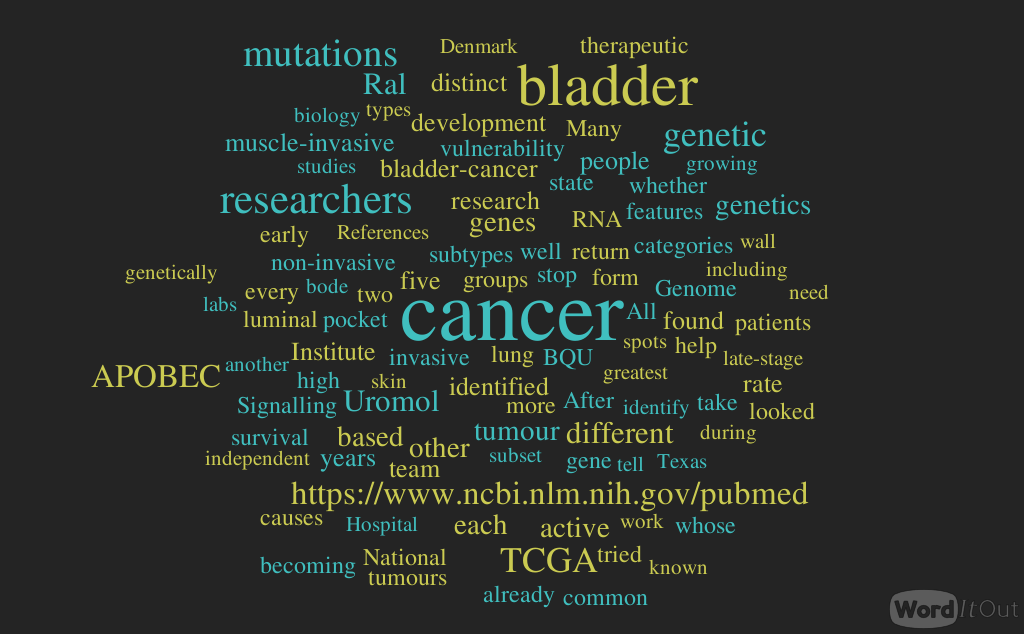
Knowing the genetic vulnerability of bladder cancer for therapeutic intervention, Volume 2 (Volume Two: Latest in Genomics Methodologies for Therapeutics: Gene Editing, NGS and BioInformatics, Simulations and the Genome Ontology), Part 1: Next Generation Sequencing (NGS)

Knowing the genetic vulnerability of bladder cancer for therapeutic intervention

Reporter and Curator: Dr. Sudipta Saha, Ph.D.


A mutated gene called RAS gives rise to a signalling protein Ral which is involved in tumour growth in the bladder. Many researchers tried and failed to target and stop this wayward gene. Signalling proteins such as Ral usually shift between active and inactive states.


So, researchers next tried to stop Ral to get into active state. In inacvtive state Ral exposes a pocket which gets closed when active. After five years, the researchers found a small molecule dubbed BQU57 that can wedge itself into the pocket to prevent Ral from closing and becoming active. Now, BQU57 has been licensed for further development.


Researchers have a growing genetic data on bladder cancer, some of which threaten to overturn the supposed causes of bladder cancer. Genetics has also allowed bladder cancer to be reclassified from two categories into five distinct subtypes, each with different characteristics and weak spots. All these advances bode well for drug development and for improved diagnosis and prognosis.


Among the groups studying the genetics of bladder cancer are two large international teams: Uromol (named for urology and molecular biology), which is based at Aarhus University Hospital in Denmark, and The Cancer Genome Atlas (TCGA), based at institutions in Texas and Boston. Each team tackled a different type of cancer, based on the traditional classification of whether or not a tumour has grown into the muscle wall of the bladder. Uromol worked on the more common, earlier form, non-muscle-invasive bladder cancer, whereas TCGA is looking at muscle-invasive bladder cancer, which has a lower survival rate.


The Uromol team sought to identify people whose non-invasive tumours might return after treatment, becoming invasive or even metastatic. Bladder cancer has a high risk of recurrence, so people whose non-invasive cancer has been treated need to be monitored for many years, undergoing cystoscopy every few months. They looked for predictive genetic footprints in the transcriptome of the cancer, which contains all of a cell’s RNA and can tell researchers which genes are turned on or off.


They found three subgroups with distinct basal and luminal features, as proposed by other groups, each with different clinical outcomes in early-stage bladder cancer. These features sort bladder cancer into genetic categories that can help predict whether the cancer will return. The researchers also identified mutations that are linked to tumour progression. Mutations in the so-called APOBEC genes, which code for enzymes that modify RNA or DNA molecules. This effect could lead to cancer and cause it to be aggressive.


The second major research group, TCGA, led by the National Cancer Institute and the National Human Genome Research Institute, that involves thousands of researchers across USA. The project has already mapped genomic changes in 33 cancer types, including breast, skin and lung cancers. The TCGA researchers, who study muscle-invasive bladder cancer, have looked at tumours that were already identified as fast-growing and invasive.


The work by Uromol, TCGA and other labs has provided a clearer view of the genetic landscape of early- and late-stage bladder cancer. There are five subtypes for the muscle-invasive form: luminal, luminal–papillary, luminal–infiltrated, basal–squamous, and neuronal, each of which is genetically distinct and might require different therapeutic approaches.


Bladder cancer has the third-highest mutation rate of any cancer, behind only lung cancer and melanoma. The TCGA team has confirmed Uromol research showing that most bladder-cancer mutations occur in the APOBEC genes. It is not yet clear why APOBEC mutations are so common in bladder cancer, but studies of the mutations have yielded one startling implication. The APOBEC enzyme causes mutations early during the development of bladder cancer, and independent of cigarette smoke or other known exposures.


The TCGA researchers found a subset of bladder-cancer patients, those with the greatest number of APOBEC mutations, had an extremely high five-year survival rate of about 75%. Other patients with fewer APOBEC mutations fared less well which is pretty surprising.


This detailed knowledge of bladder-cancer genetics may help to pinpoint the specific vulnerabilities of cancer cells in different people. Over the past decade, Broad Institute researchers have identified more than 760 genes that cancer needs to grow and survive. Their genetic map might take another ten years to finish, but it will list every genetic vulnerability that can be exploited. The goal of cancer precision medicine is to take the patient’s tumour and decode the genetics, so the clinician can make a decision based on that information.


References:


https://www.ncbi.nlm.nih.gov/pubmed/29117162


https://www.ncbi.nlm.nih.gov/pubmed/27321955


https://www.ncbi.nlm.nih.gov/pubmed/28583312


https://www.ncbi.nlm.nih.gov/pubmed/24476821


https://www.ncbi.nlm.nih.gov/pubmed/28988769


https://www.ncbi.nlm.nih.gov/pubmed/28753430


Read Full Post »

Decline in Sperm Count – Epigenetics, Well-being and the Significance for Population Evolution and Demography

Dr. Marc Feldman, Expert Opinion on the significance of Sperm Count Decline on the Future of Population Evolution and Demography

Dr. Sudipta Saha, Effects of Sperm Quality and Quantity on Human Reproduction

Dr. Aviva Lev-Ari, Psycho-Social Effects of Poverty, Unemployment and Epigenetics on Male Well-being, Physiological Conditions affecting Sperm Quality and Quantity


Updated on 10/6/2022

“Red states are now less healthy than blue states, a reversal of what was once the case,” Anne Case and Angus Deaton, economists at Princeton, argue in a paper they published in April, “The Great Divide: Education, Despair, and Death.”

Carol Graham, a senior fellow at Brookings, described the erosion of economic and social status for whites without college degrees in a 2021 paper:

From 2005 to 2019, an average of 70,000 Americans died annually from deaths of despair (suicide, drug overdose, and alcohol poisoning). These deaths are concentrated among less than college educated middle-aged whites, with those out of the labor force disproportionately represented. Low-income minorities are significantly more optimistic than whites and much less likely to die of these deaths. This despair reflects the decline of the white working class. Counties with more respondents reporting lost hope in the years before 2016 were more likely to vote for Trump.

2010 Pew Research Center study that examined the effects of the Great Recession on Black and white Americans reported that Black Americans consistently suffered more in terms of unemployment, work cutbacks and other measures, but remained far more optimistic about the future than whites. Twice as many Black as white Americans were forced during the 2008 recession to work fewer hours, to take unpaid leave or switch to part-time, and Black unemployment rose from 8.9 to 15.5 percent from April 2007 to April 2009, compared with an increase from 3.7 to 8 percent for whites.

Despite experiencing more hardship, 81 percent of Black Americans agreed with the statement “America will always continue to be prosperous and make economic progress,” compared with 59 percent of whites; 45 percent of Black Americans said the country was still in recession compared with 57 percent of whites

In “Trends in Extreme Distress in the United States, 1993-2019,” David G. Blanchflower and Andrew J. Oswald, economists at Dartmouth and the University of Warwick in Britain, note that “the proportion of the U.S. population in extreme distress rose from 3.6 percent in 1993 to 6.4 percent in 2019. Among low-education midlife white persons, the percentage more than doubled, from 4.8 percent to 11.5 percent.”

In her 2020 paper, “Trends in U.S. Working-Age Non-Hispanic White Mortality: Rural-Urban and Within-Rural Differences,” Shannon M. Monnat, a professor of sociology at Syracuse University’s Maxwell School, explained that “between 1990-92 and 2016-18, the mortality rates among non-Hispanic whites increased by 9.6 deaths per 100,000 population among metro males and 30.5 among metro females but increased by 70.1 and 65.0 among nonmetro (rural and exurban) males and females, respectively.”

Three economists, David AutorDavid Dorn and Gordon Hanson of M.I.T., the University of Zurich and Harvard, reported in their 2018 paper, “When Work Disappears: Manufacturing Decline and the Falling Marriage Market Value of Young Men,” on the debilitating consequences for working-class men of the “China shock”

There is some evidence that partisanship correlates with mortality rates.

In their June 2022 paper, “The Association Between Covid-19 Mortality and the County-Level Partisan Divide in the United States,” Neil Jay SehgalDahai YueElle PopeRen Hao Wang and Dylan H. Roby, public health experts at the University of Maryland, found in their study of county-level Covid-19 mortality data from Jan. 1, 2020, to Oct. 31, 2021, that “majority Republican counties experienced 72.9 additional deaths per 100,000 people.”

Anne Case wrote in her email, that the United States is fast approaching a point where

Education divides everything, including connection to the labor market, marriage, connection to institutions (like organized religion), physical and mental health, and mortality. It does so for whites, Blacks and Hispanics. There has been a profound (not yet complete) convergence in life expectancy by education. There are two Americas now: one with a B.A. and one without.

SOURCE


UPDATED on 2/20/2021

Count Down

How Our Modern World Is Threatening Sperm Counts, Altering Male and Female Reproductive Development, and Imperiling the Future of the Human Race

https://www.simonandschuster.com/books/Count-Down/Shanna-H-Swan/9781982113667

Aside from the decline in sperm counts, growing numbers of sperm appear defective — there’s a boom in two-headed sperm — while others loll aimlessly in circles, rather than furiously swimming in pursuit of an egg. And infants who have had greater exposures to a kind of endocrine disruptor called phthalates have smaller penises, Swan found.

Still, the Endocrine Society, the Pediatric Endocrine Society, the President’s Cancer Panel and the World Health Organization have all warned about endocrine disruptors, and Europe and Canada have moved to regulate them.

Scientists are concerned by falling sperm counts and declining egg quality. Endocrine-disrupting chemicals may be the problem.

Opinion Columnist

https://www.nytimes.com/2021/02/20/opinion/sunday/endocrine-disruptors-sperm.html?campaign_id=45&emc=edit_nk_20210220&instance_id=27333&nl=nicholas-kristof&regi_id=65713389&segment_id=52055&te=1&user_id=edf020ada5f25f6d6c4b0b32ac4a1ee9


UPDATED on 2/3/2018

Nobody Really Knows What Is Causing the Overdose Epidemic, But Here Are A Few Theories

https://www.buzzfeed.com/danvergano/whats-causing-the-opioid-crisis?utm_term=.kbJPMgaQo4&utm_source=BrandeisNOW%2BWeekly&utm_campaign=58ada49a84-EMAIL_CAMPAIGN_2018_01_29&utm_medium=email#.uugW6mx1dG


Recent studies concluded via rigorous and comprehensive analysis found that Sperm Count (SC) declined 52.4% between 1973 and 2011 among unselected men from western countries, with no evidence of a ‘leveling off’ in recent years. Declining mean SC implies that an increasing proportion of men have sperm counts below any given threshold for sub-fertility or infertility. The high proportion of men from western countries with concentration below 40 million/ml is particularly concerning given the evidence that SC below this threshold is associated with a decreased monthly probability of conception.

1.Temporal trends in sperm count: a systematic review and meta-regression analysis 

Hagai Levine, Niels Jørgensen, Anderson Martino‐Andrade, Jaime Mendiola, Dan Weksler-Derri, Irina Mindlis, Rachel Pinotti, Shanna H SwanHuman Reproduction Update, July 25, 2017, doi:10.1093/humupd/dmx022.

Link: https://academic.oup.com/humupd/article-lookup/doi/10.1093/humupd/dmx022.

2. Sperm Counts Are Declining Among Western Men – Interview with Dr. Hagai Levine

https://news.afhu.org/news/sperm-counts-are-declining-among-western-men?utm_source=Master+List&utm_campaign=dca529d919-EMAIL_CAMPAIGN_2017_07_27&utm_medium=email&utm_term=0_343e19a421-dca529d919-92801633

3. Trends in Sperm Count – Biological Reproduction Observations

Reporter and Curator: Dr. Sudipta Saha, Ph.D.

4. Long, mysterious strips of RNA contribute to low sperm count – Long non-coding RNAs can be added to the group of possible non-structural effects, possibly epigenetic, that might regulate sperm counts.

http://casemed.case.edu/cwrumed360/news-releases/release.cfm?news_id=689

https://scienmag.com/long-mysterious-strips-of-rna-contribute-to-low-sperm-count/

Dynamic expression of long non-coding RNAs reveals their potential roles in spermatogenesis and fertility

Published: 29 July 2017
Thus, we postulated that some lncRNAs may also impact mammalian spermatogenesis and fertility. In this study, we identified a dynamic expression pattern of lncRNAs during murine spermatogenesis. Importantly, we identified a subset of lncRNAs and very few mRNAs that appear to escape meiotic sex chromosome inactivation (MSCI), an epigenetic process that leads to the silencing of the X- and Y-chromosomes at the pachytene stage of meiosis. Further, some of these lncRNAs and mRNAs show strong testis expression pattern suggesting that they may play key roles in spermatogenesis. Lastly, we generated a mouse knock out of one X-linked lncRNA, Tslrn1 (testis-specific long non-coding RNA 1), and found that males carrying a Tslrn1 deletion displayed normal fertility but a significant reduction in spermatozoa. Our findings demonstrate that dysregulation of specific mammalian lncRNAs is a novel mechanism of low sperm count or infertility, thus potentially providing new biomarkers and therapeutic strategies.

This article presents two perspectives on the potential effects of Sperm Count decline.

One Perspective identifies Epigenetics and male well-being conditions

  1. as a potential explanation to the Sperm Count decline, and
  2. as evidence for decline in White male longevity in certain geographies in the US since the mid 80s.

The other Perspective, evaluates if Sperm Count Decline would have or would not have a significant long term effects on Population Evolution and Demography.

The Voice of Prof. Marc Feldman, Stanford University – Long term significance of Sperm Count Decline on Population Evolution and Demography

Poor sperm count appears to be associated with such demographic statistics as life expectancy (1), infertility (2), and morbidity (3,4). The meta-analysis by Levine et al. (5) focuses on the change in sperm count of men from North America, Europe, Australia, and New Zealand, and shows a more than 50% decline between 1973 and 2011. Although there is no analysis of potential environmental or lifestyle factors that could contribute to the estimated decline in sperm count, Levine et al. speculate that this decline could be a signal for other negative changes in men’s health.

Because this study focuses mainly on Western men, this remarkable decline in sperm count is difficult to associate with any change in actual fertility, that is, number of children born per woman. The total fertility rate in Europe, especially Italy, Spain, and Germany, has slowly declined, but age at first marriage has increased at the same time, and this increase may be more due to economic factors than physiological changes.

Included in Levine et al.’s analysis was a set of data from “Other” countries from South America, Asia, and Africa. Sperm count in men from these countries did not show significant trends, which is interesting because there have been strong fertility declines in Asia and Africa over the same period, with corresponding increases in life expectancy (once HIV is accounted for).

What can we say about the evolutionary consequences for humans of this decrease? The answer depends on the minimal number of sperm/ml/year that would be required to maintain fertility (per woman) at replacement level, say 2.1 children, over a woman’s lifetime. Given the smaller number of ova produced per woman, a change in the ovulation statistics of women would be likely to play a larger role in the total fertility rate than the number of sperm/ejaculate/man. In other words, sperm count alone, absent other effects on mortality during male reproductive years, is unlikely to tell us much about human evolution.

Further, the major declines in fertility over the 38-year period covered by Levine et al. occurred in China, India, and Japan. Chinese fertility has declined to less than 1.5 children per woman, and in Japan it has also been well below 1.5 for some time. These declines have been due to national policies and economic changes, and are therefore unlikely to signal genetic changes that would have evolutionary ramifications. It is more likely that cultural changes will continue to be the main drivers of fertility change.

The fastest growing human populations are in the Muslim world, where fertility control is not nearly as widely practiced as in the West or Asia. If this pattern were to continue for a few more generations, the cultural evolutionary impact would swamp any effects of potentially declining sperm count.

On the other hand, if the decline in sperm count were to be discovered to be associated with genetic and/or epigenetic phenotypic effects on fetuses, newborns, or pre-reproductive humans, for example, due to stress or obesity, then there would be cause to worry about long-term evolutionary problems. As Levine et al. remark, “decline in sperm count might be considered as a ‘canary in the coal mine’ for male health across the lifespan”. But to date, there is little evidence that the evolutionary trajectory of humans constitutes such a “coal mine”.

References

  1. Jensen TK, Jacobsen R, Christensen K, Nielsen NC, Bostofte E. 2009. Good semen quality and life expectancy: a cohort study of 43,277 men. Am J Epidemiol 170: 559-565.
  2. Eisenberg ML, Li S, Behr B, Cullen MR, Galusha D, Lamb DJ, Lipshultz LI. 2014. Semen quality, infertility and mortality in the USA. Hum Reprod 29: 1567-1574.
  3. Eisenberg ML, Li S, Cullen MR, Baker LC. 2016. Increased risk of incident chronic medical conditions in infertile men: analysis of United States claims data. Fertil Steril 105: 629-636.
  4. Latif T, Kold Jensen T, Mehlsen J, Holmboe SA, Brinth L, Pors K, Skouby SO, Jorgensen N, Lindahl-Jacobsen R. Semen quality is a predictor of subsequent morbidity. A Danish cohort study of 4,712 men with long-term follow-up. Am J Epidemiol. Doi: 10.1093/aje/kwx067. (Epub ahead of print]
  5. Levine H, Jorgensen N, Martino-Andrade A, Mendiola J, Weksler-Derri D, Mindlis I, Pinotti R, Swan SH. 2017. Temporal trends in sperm count: a systematic review and meta-regression analysis. Hum Reprod Update pp. 1-14. Doi: 10.1093/humupd/dmx022.

SOURCE

From: Marcus W Feldman <mfeldman@stanford.edu>

Date: Monday, July 31, 2017 at 8:10 PM

To: Aviva Lev-Ari <aviva.lev-ari@comcast.net>

Subject: Fwd: text of sperm count essay

Psycho-Social Effects of Poverty, Unemployment and Epigenetics on Male Well-being, Physiological Conditions as POTENTIAL effects on Sperm Quality and Quantity and Evidence of its effects on Male Longevity

The Voice of Carol GrahamSergio Pinto, and John Juneau II , Monday, July 24, 2017, Report from the Brookings Institute

  1. The IMPACT of Well-being, Stress induced by Worry, Pain, Perception of Hope related to Employment and Lack of employment on deterioration of Physiological Conditions as evidence by Decrease Longevity

  2. Epigenetics and Environmental Factors

The geography of desperation in America

Carol GrahamSergio Pinto, and John Juneau II Monday, July 24, 2017, Report from the Brookings Institute

In recent work based on our well-being metrics in the Gallup polls and on the mortality data from the Centers for Disease Control and Prevention, we find a robust association between lack of hope (and high levels of worry) among poor whites and the premature mortality rates, both at the individual and metropolitan statistical area (MSA) levels. Yet we also find important differences across places. Places come with different economic structures and identities, community traits, physical environments and much more. In the maps below, we provide a visual picture of the differences in in hope for the future, worry, and pain across race-income cohorts across U.S. states. We attempted to isolate the specific role of place, controlling for economic, socio-demographic, and other variables.

One surprise is the low level of optimism and high level of worry in the minority dense and generally “blue” state of California, and high levels of pain and worry in the equally minority dense and “blue” states of New York and Massachusetts. High levels of income inequality in these states may explain these patterns, as may the nature of jobs that poor minorities hold.

We cannot answer many questions at this point. What is it about the state of Washington, for example, that is so bad for minorities across the board? Why is Florida so much better for poor whites than it is for poor minorities? Why is Nevada “good” for poor white optimism but terrible for worry for the same group? One potential issue—which will enter into our future analysis—is racial segregation across places. We hope that the differences that we have found will provoke future exploration. Readers of this piece may have some contributions of their own as they click through the various maps, and we welcome their input. Better understanding the role of place in the “crisis” of despair facing our country is essential to finding viable solutions, as economic explanations, while important, alone are not enough.

https://www.brookings.edu/research/the-geography-of-desperation-in-america/?utm_medium=social&utm_source=facebook&utm_campaign=global


Read Full Post »

Finding the Actions That Alter Evolution

The biologist Marcus Feldman creates mathematical models that reveal how cultural traditions can affect the evolution of a species.

By Elizabeth Svoboda

January 5, 2017

In a commentary in Nature, you and your co-authors wrote, “We hold that organisms are constructed in development, not simply ‘programmed’ to develop by genes.” What does “constructed in development” mean?

It means there’s an interaction between the subject and the environment. The idea of a genetic blueprint is not tenable in light of all that is now known about how all sorts of environmental contingencies affect traits. For many animals it’s like that. Even plants — the same plant that is genetically identical, if you put it in this environment, it’s going to look totally different from if you put it in that environment.

We now have a better picture of the regulatory process on genes. Epigenetics changes the landscape in genetics because it’s not only the pure DNA sequence which influences what’s going on at the level of proteins and enzymes. There’s this whole other stuff, the other 95 percent of the genome, that acts like rheostats — you slide this thing up and down, you get more or less of this protein. It’s a critical thing in how much of this protein is going to be made. It’s interesting to think about the way in which cultural phenomena, which we used to think were things by themselves, can have this effect on how much messenger RNA is made, and therefore on many aspects of gene regulation.

Article to review and VIEW VIDEO

https://www.quantamagazine.org/20170105-marcus-feldman-interview-culture-and-evolution/


ABOUT QUANTA

Quanta Magazine’s mission is to enhance public understanding of research developments in mathematics and the physical and life sciences. Quanta articles do not necessarily represent the views of the Simons Foundation. Learn more

Read Full Post »

Reporter and Curator: Dr. Sudipta Saha, Ph.D.


MicroRNAs (miRNAs) are a group of small non-coding RNA molecules that play a major role in posttranscriptional regulation of gene expression and are expressed in an organ-specific manner. One miRNA can potentially regulate the expression of several genes, depending on cell type and differentiation stage. They control every cellular process and their altered regulation is involved in human diseases. miRNAs are differentially expressed in the male and female gonads and have an organ-specific reproductive function. Exerting their affect through germ cells and gonadal somatic cells, miRNAs regulate key proteins necessary for gonad development. The role of miRNAs in the testes is only starting to emerge though they have been shown to be required for adequate spermatogenesis. In the ovary, miRNAs play a fundamental role in follicles’ assembly, growth, differentiation, and ovulation.


Deciphering the underlying causes of idiopathic male infertility is one of the main challenges in reproductive medicine. This is especially relevant in infertile patients displaying normal seminal parameters and no urogenital or genetic abnormalities. In these cases, the search for additional sperm biomarkers is of high interest. This study was aimed to determine the implications of the sperm miRNA expression profiles in the reproductive capacity of normozoospermic infertile individuals. The expression levels of 736 miRNAs were evaluated in spermatozoa from normozoospermic infertile males and normozoospermic fertile males analyzed under the same conditions. 57 miRNAs were differentially expressed between populations; 20 of them was regulated by a host gene promoter that in three cases comprised genes involved in fertility. The predicted targets of the differentially expressed miRNAs unveiled a significant enrichment of biological processes related to embryonic morphogenesis and chromatin modification. Normozoospermic infertile individuals exhibit a specific sperm miRNA expression profile clearly differentiated from normozoospermic fertile individuals. This miRNA cargo has potential implications in the individuals’ reproductive competence.


Circulating or “extracellular” miRNAs detected in biological fluids, could be used as potential diagnostic and prognostic biomarkers of several disease, such as cancer, gynecological and pregnancy disorders. However, their contributions in female infertility and in vitro fertilization (IVF) remain unknown. Polycystic ovary syndrome (PCOS) is a frequent endocrine disorder in women. PCOS is associated with altered features of androgen metabolism, increased insulin resistance and impaired fertility. Furthermore, PCOS, being a syndrome diagnosis, is heterogeneous and characterized by polycystic ovaries, chronic anovulation and evidence of hyperandrogenism, as well as being associated with chronic low-grade inflammation and an increased life time risk of type 2 diabetes. Altered miRNA levels have been associated with diabetes, insulin resistance, inflammation and various cancers. Studies have shown that circulating miRNAs are present in whole blood, serum, plasma and the follicular fluid of PCOS patients and that these might serve as potential biomarkers and a new approach for the diagnosis of PCOS. Presence of miRNA in mammalian follicular fluid has been demonstrated to be enclosed within microvesicles and exosomes or they can also be associated to protein complexes. The presence of microvesicles and exosomes carrying microRNAs in follicular fluid could represent an alternative mechanism of autocrine and paracrine communication inside the ovarian follicle. The investigation of the expression profiles of five circulating miRNAs (let-7b, miR-29a, miR-30a, miR-140 and miR-320a) in human follicular fluid from women with normal ovarian reserve and with polycystic ovary syndrome (PCOS) and their ability to predict IVF outcomes showed that these miRNAs could provide new helpful biomarkers to facilitate personalized medical care for oocyte quality in ART (Assisted Reproductive Treatment) and during IVF (In Vitro Fertilization).


References:


http://link.springer.com/chapter/10.1007%2F978-3-319-31973-5_12


http://onlinelibrary.wiley.com/doi/10.1111/andr.12276/abstract;jsessionid=F805A89DCC94BDBD42D6D60C40AD4AB0.f03t03


http://www.sciencedirect.com/science/article/pii/S0009279716302241


http://link.springer.com/article/10.1007%2Fs10815-016-0657-9


http://www.nature.com/articles/srep24976


Read Full Post »

« Newer Posts - Older Posts »