Feeds:
Posts
Comments

Archive for the ‘Pyridine nucleotides’ Category

Introduction to Metabolic Pathways

Author: Larry H. Bernstein, MD, FCAP


Humans, mammals, plants and animals, and eukaryotes and prokaryotes all share a common denominator in their manner of existence.  It makes no difference whether they inhabit the land, or the sea, or another living host. They exist by virtue of their metabolic adaptation by way of taking in nutrients as fuel, and converting the nutrients to waste in the expenditure of carrying out the functions of motility, breakdown and utilization of fuel, and replication of their functional mass.

There are essentially two major sources of fuel, mainly, carbohydrate and fat.  A third source, amino acids which requires protein breakdown, is utilized to a limited extent as needed from conversion of gluconeogenic amino acids for entry into the carbohydrate pathway. Amino acids follow specific metabolic pathways related to protein synthesis and cell renewal tied to genomic expression.

Carbohydrates are a major fuel utilized by way of either of two pathways.  They are a source of readily available fuel that is accessible either from breakdown of disaccharides or from hepatic glycogenolysis by way of the Cori cycle.  Fat derived energy is a high energy source that is metabolized by one carbon transfers using the oxidation of fatty acids in mitochondria. In the case of fats, the advantage of high energy is conferred by chain length.

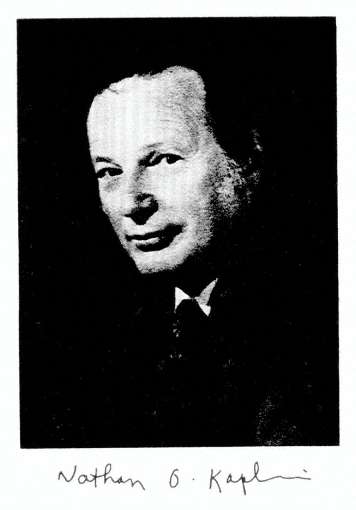
Carbohydrate metabolism has either of two routes of utilization.  This introduces an innovation by way of the mitochondrion or its equivalent, for the process of respiration, or aerobic metabolism through the tricarboxylic acid, or Krebs cycle.  In the presence of low oxygen supply, carbohydrate is metabolized anaerobically, the six carbon glucose being split into two three carbon intermediates, which are finally converted from pyruvate to lactate.  In the presence of oxygen, the lactate is channeled back into respiration, or mitochondrial oxidation, referred to as oxidative phosphorylation. The actual mechanism of this process was of considerable debate for some years until it was resolved that the mechanism involve hydrogen transfers along the “electron transport chain” on the inner membrane of the mitochondrion, and it was tied to the formation of ATP from ADP linked to the so called “active acetate” in Acetyl-Coenzyme A, discovered by Fritz Lipmann (and Nathan O. Kaplan) at Massachusetts General Hospital.  Kaplan then joined with Sidney Colowick at the McCollum Pratt Institute at Johns Hopkins, where they shared tn the seminal discovery of the “pyridine nucleotide transhydrogenases” with Elizabeth Neufeld,  who later established her reputation in the mucopolysaccharidoses (MPS) with L-iduronidase and lysosomal storage disease.

This chapter covers primarily the metabolic pathways for glucose, anaerobic and by mitochondrial oxidation, the electron transport chain, fatty acid oxidation, galactose assimilation, and the hexose monophosphate shunt, essential for the generation of NADPH. The is to be more elaboration on lipids and coverage of transcription, involving amino acids and RNA in other chapters.

The subchapters are as follows:

1.1      Carbohydrate Metabolism

1.2      Studies of Respiration Lead to Acetyl CoA

1.3      Pentose Shunt, Electron Transfer, Galactose, more Lipids in brief

1.4      The Multi-step Transfer of Phosphate Bond and Hydrogen Exchange Energy

Complex I or NADH-Q oxidoreductase

Complex I or NADH-Q oxidoreductase

Fatty acid oxidation and ETC

Fatty acid oxidation and ETC

Read Full Post »

Metabolic Reactions Need Just Enough

Author and Curator: Larry H Bernstein, MD, FCAP 


This is another installment of the metabolomics series that has delved into the relationship between the building blocks of life.
There would be no life without the genetic code, which has changed over the span of life in our universe, but with retention of the instructions that have selective advantage under the existing conditions, which include environmental temperature, water, metallic elements, and the most abundant elements essential for organic reactions – carbon, hydrogen, oxygen, nitrogen, sulfur, to which we would add iron, calcium, sodium, chloride, potassium, magnesium, cadmium, manganese, nickel and selenium.   Many consider it a miracle that life would evolve out of this primordial mix.  Those who are of a different mind have spent generations in human history piecing together the evidence that our existence and our improvement has elements to understand, and is subject to improvement.  This is encountered in the sciences and, to a serious extent in the humanities as well.  This is why we have gone from the most basic to the more comprehensive, if also seemingly incomprehensible because of complexities, uncertainties, and insufficient information to complete the puzzle, which may never be completed.  The pursuit has led our society from – village, to town, to city, to metropolis, with intermingling of societies, as if societies become like living organisms of another order.  If this is the case, then war and peace, and competition for resources, and barriers, and issues of control are another dimension of an intricate network.  This is what propagates the imaginings of Science Fiction noire.


Part I.  Everything works in concert

Getting metabolism right

10/08/2014 – Larry Hardesty, MIT News Office


Metabolic networks are mathematical models of chemical reactions

Metabolic networks are mathematical models of chemical reactions


Image: Jose-Luis Olivares/MIT

Metabolic networks are mathematical models of every possible sequence of chemical reactions available to an organ or organism, and they’re used to design microbes for manufacturing processes or to study disease. Based on both genetic analysis and empirical study, they can take years to assemble.

An analytic tool developed at Massachusetts Institute of Technology (MIT) suggests that many of those models may be wrong, but the same tool may make it fairly straightforward to repair them.

“They have all these models in this database at [the Univ. of California at] San Diego,” says Bonnie Berger, a professor of applied mathematics and computer science at MIT and one of the tool’s developers. Many of them have computational errors because they were calculated with floating-point arithmetic, used to increase efficiency. The MIT team has proved that you need to compute them in exact arithmetic. They found that models that were believed to be realistic don’t produce growth that is expected.

The new tool, and the analyses performed with it has been published in Nature Communications, with Leonid Chindelevitch, first author, a graduate student in Berger’s group, now a postdoctoral researcher at the Harvard School of Public Health. He and Berger are joined by Aviv Regev, an associate professor of biology at MIT, and Jason Trigg, another of Berger’s former students.

Pruning the network
Metabolic networks, Chindelevitch says, “describe the set of all reactions that are available to a particular organism that we might be interested in. So if we’re interested in yeast or E. coli or the tuberculosis bacterium, this is a way to put together everything we know about what this organism can do to transform some substances into some other substances.

  1. it gets nutrients from the environment,
  2. it will transform them by its own internal mechanisms

The network thus represents every sequence of chemical reactions catalyzed by enzymes encoded in an organism’s DNA that could

  • lead from particular nutrients
  • to particular chemical products.

Every node of the network represents an intermediary stage in some chain of reactions.

To simplify such networks enough to enable exact arithmetical analysis, Chindelevitch and Berger developed an algorithm that

  1. first identifies all the sequences of reactions that, for one reason or another, can’t occur within the context of the model;
  2. it then deletes these.
  3. it identifies clusters of reactions that always work in concert: Whatever their intermediate products may be, they effectively perform a single reaction.
  4. The algorithm then collapses those clusters into a single reaction.

Chindelevitch and Berger were able to mathematically prove that these modifications wouldn’t affect the outcome of the analysis.

“What the exact-arithmetic approach allows you to do is respect the key assumption of the model, which is that

  • at steady state, every metabolite is neither produced in excess nor depleted in excess,” Chindelevitch says. “The production balances the consumption for every substance.”

When Chindelevitch and Berger applied their analysis to 89 metabolic-network models in the San Diego database, they found that 44 of them contained errors or omissions:

  • If the products of all the reactions in the networks were in equilibrium, the organisms modeled would be unable to grow.

Patching it up
By adapting algorithms used in the field of compressed sensing, however, Chindelevitch and Berger are also able to identify

  • likely locations of network errors.

Compressed sensing exploits the observation that some complex signals—such as audio recordings or digital images—that are computationally intensive to acquire can, upon acquisition, be compressed. It performs the initial sampling in a clever way that allows it to build up the simpler representation without having to pass through a more complex representation. Chindelevitch and Berger’s algorithm can isolate just those links in a metabolic network that contribute most to its chemical imbalance.
Source: Massachusetts Institute of Technology

Researchers purified the protein and used electron microscopy to reveal its structure.

Scientists have taken pictures of the BRCA2 protein, showing how it works to repair damaged DNA, providing insight into how mutations in the gene that encodes BRCA2 would raise the risk of breast and ovarian cancers. Though the protein is known to be involved in DNA repair, its shape and mechanism have been unclear.

Researchers at Imperial College London and the Cancer Research UK London Research Institute purified the protein and used electron microscopy to reveal its structure and how it interacts with other proteins and DNA. The results are published in Nature Structural and Molecular Biology.

The lifetime risk of breast cancer for women with BRCA2 mutations is 40 to 85 per cent, depending on the mutation, compared with around 12 per cent for the general population. Many women who test positive for BRCA1 and BRCA2 mutations choose to undergo surgery to reduce their risk of breast cancer. The BRCA1 and BRCA2 genes encode proteins involved in DNA repair.

The study, led by Professor Xiaodong Zhang from the Department of Medicine at Imperial College London and Dr Stephen West at the London Research Institute, according to Professor Zhang, “is our first view of how the protein looks and how it works”. “Once we have added more detail to the picture, we can design ways to correct defects in BRCA2 and help cells repair DNA more effectively to prevent cancer”, but also think about how to make autophagy (protein repair) less effective in cancer cells, so that they die.”

The study found that BRCA2 proteins work in pairs – which the researchers found surprising since BRCA2 is one of the largest proteins in the cell.

BRCA2 works in partnership with another protein called

BRCA2 helps RAD51 molecules to

  • assemble on strands of broken DNA and form filaments.

The RAD51 filaments then search for

  • matching strands of DNA in order to repair the break.

The findings showed that

  • each pair of BRCA2 proteins binds two sets of RAD51 that run in opposite directions.

This allows it to work on strands of broken DNA that point in either direction. They also show that BRCA2’s job is to help RAD51 form short filaments at multiple sites along the DNA, presumably to increase the efficiency of establishing longer filaments required to search for matching strands.


Unlocking The Non-Coding Half of Human Genome

Texas A&M biologists unlock non-coding half of human genome with novel DNA sequencing technique.    Oct 07, 2014  http://www.technologynetworks.com/Genomics

An obscure swatch of human DNA once thought to be nothing more than biological trash may actually offer a treasure trove of insight into complex genetic-related diseases, thanks to a novel technique developed by biologists at Texas A&M University, doctoral candidate John C. Aldrich and Dr. Keith A. Maggert, an associate professor in the Department of Biology, in measuring variation in heterochromatin. This tightly packed section of the non-coding human genome, was until recently thought to have no discernable function.

Aldrich monitored the dynamics of the heterochromatic sequence in Drosophyla by modifying the quantitative polymerase chain reaction (QPCR) used to amplify specific DNA sequences, adding a fluorescent dye that allowed him to monitor the fruit-fly DNA changes and to observe any variations.

Aldrich’s findings, published in the online edition of the journal PLOS ONE, showed that differences in the heterochromatin exist, confirming that the junk DNA is not stagnant as researchers originally had believed and that mutations which could affect other parts of the genome occur in non-coding DNA.

“This work opens up the non-coding half of the genome.”  The coding regions, contain the information necessary for a cell to make proteins, but far less is known about the non-coding regions, beyond the fact that

  • they are not directly related to making proteins.

Maggert said. “In my opinion, there are about 30,000 protein-coding genes. The rest of the DNA –

  • greater than 90 percent –
  • either controls those genes and therefore is technically part of them, or
  • is within this mush that we study and, thanks to John, can now measure.

The heterochromatin that we study definitely has effects, but it’s not possible to think of it as discrete genes. So, we prefer to think of it as

  • 30,000 protein-coding genes plus this one big, complex one that can orchestrate the other 30,000.”

When human DNA was finally sequenced with the completion of the Human Genome Project in 2003, researchers determined that only two percent of the genome (about 21,000 genes) represented coding DNA. Since then, numerous other studies have emerged debating the functionality, or lack thereof, of non-coding, so-called “junk DNA.”

“There is so much talk about understanding the connection between genetics and disease and finding personalized therapies,” Maggert said. “However, this topic is incomplete unless biologists can look at the entire genome.

Breakthrough allows researchers to watch molecules “wiggle”

10/08/2014


time-resolved crystallography

time-resolved crystallography

A new crystallographic technique developed at the University of Leeds,
published in the journal Nature Methods,  describes a new way of doing time-resolved crystallography, a method that researchers use to observe changes within
the structure of molecules. Fast time-resolved crystallography (Laue crystallography) has only been available at three sites worldwide. This resulted in only a handful of proteins having been studied using the technique. The new method will allow researchers across the world to carry out dynamic crystallography.

Further, it is likely to provide a major boost to research on understanding how molecules work. Understanding how structure and dynamics are linked to function is key to designing better medicines targeted at specific states of molecules, helping to avoid unwanted side effects.

“A time-resolved structure is a bit like having a movie for crystallographers,” said Professor Arwen Pearson, who led a team of researchers in the University’s Faculty of Biological Sciences and School of Chemistry. “Life wiggles. It moves about and, to understand it,

  • you need to be able to see how biological structures move at the atomic scale. This breakthrough allows us to do that.”

Traditional x-ray crystallography fires x-rays into crystallized molecules and creates an image that allows researchers to work out the atomic structure of the molecules. A major limitation is that the picture created is the average of all the molecules in a crystal and their motions over the time of an experiment.

Dr. Briony Yorke, the lead researcher on the project, said: “A static picture is not very helpful if you want to observe how molecular structures work. ..it is hard to really understand something without seeing it in action.”

The existing method of getting around the problem could be compared to the laborious process of making an animated film. Scientists “synchronise” a set of molecules in an identical state and then activate, or “pump”, the changes in the molecules. They take a crystallographic snapshot of the structure after a set time. The researchers then have to repeat the process. This approach was first proposed by the British Nobel Prize winning chemist George Porter in the 1940s. However, there are only three x-ray generators, in the world that are capable of delivering a powerful enough beam to create a crystallographic image..

The new method uses clever mathematics (a Hadamard Transform) to open up the field to much less powerful “beamlines”, that scientists use to harness powerful synchrotron light for crystallography and other techniques. This will enable facilities, to do time-resolved crystallography.

As in Porter’s method, in the new approach researchers synchronise their molecules and activate them. However, they then make a series of crystallographic “probes” of the moving structures using a pattern of light pulses. These pulses build up a single crystallographic image—a bit like a long exposure photograph. The researchers then repeat the experiment using  different patterns of light pulses and create different “long exposure” images, repeated until all of the pulse patterns created (using a mathematical formula) have been completed. Even though  the “long exposure” images created from the pulse patterns are blurred, the differences between the pulse patterns that created them allow researchers to extract a moving picture of the molecules’ changing structures.

Professor Pearson said that this method doesn’t need the very strong light required by the Porter method, thereby overcoming many of the current limitations.” Co-author Professor Godfrey Beddard, Emeritus Professor of Chemical Physics at the University of Leeds, said: “We demonstrate this method for crystallography, but it will work for any time-resolved experiment where the probe can be encoded. This new method means that, instead of having to go to one of the three instruments in the world that can currently do time-resolved crystallography, you can go to any beamline at any synchrotron—basically it massively opens the field for these kinds of experiments.”

Co-author Dr Robin Owen, Principal Beamline Scientist at Diamond Light Source, said: “The beauty of the approach is that it uses existing equipment in a new way to facilitate new science. The novel use of the Hadamard transform, or multiple-exposure, approach helps open the door for time-resolved science at a much wider range of beamlines and synchrotron sources than is currently possible. By exploiting the approach we will be able to obtain multiple sequential images of a protein while it carries out its function, providing a much clearer understanding of the relationship between structure and function.”

Professor Paul Raithby, Chair of Inorganic Chemistry at the University of Bath, a leading expert on time-resolved crystallography, who was not one of the authors of the paper, said: “This is a very exciting development in the area of macromolecular and molecular crystallography.  The new method will allow us to “watch” chemical and biological processes as they happen in a way that has not been possible previously,…”

The research was funded by the Wellcome Trust and was conducted at the University of Leeds and the Diamond Light Source. Professor Pearson is now Professor of Experimental Biophysics at The Hamburg Centre for Ultrafast Imaging (CUI) of Universität Hamburg. Dr Yorke is now a postdoctoral research fellow, also at Universität Hamburg.

Time-resolved crystallography using the Hadamard Transform

Time-resolved crystallography and protein design: signalling photoreceptors and optogenetics

Keith Moffat
University of Chicago
Phil. Trans. R. Soc. B 17 July 2014; 369(1647): 20130568
http://dx.doi.org:/ 10.1098/rstb.2013.0568
http://rstb.royalsocietypublishing.org/content/369/1647/20130568.abstract

Time-resolved X-ray crystallography and solution scattering have been successfully conducted on proteins on time-scales down to around 100 ps, set by the duration of the hard X-ray pulses emitted by synchrotron sources. The advent of hard X-ray free-electron lasers (FELs), which emit extremely intense, very brief, coherent X-ray pulses, opens the exciting possibility of time-resolved experiments with femtosecond time resolution on macromolecular structure, in both single crystals and solution. The X-ray pulses emitted by an FEL differ greatly in many properties from those emitted by a synchrotron, in ways that at first glance make time-resolved measurements of X-ray scattering with the required accuracy extremely challenging. This opens up several questions which I consider in this brief overview. Are there likely to be chemically and biologically interesting structural changes to be revealed on the femtosecond time-scale? How shall time-resolved experiments best be designed and conducted to exploit the properties of FELs and overcome challenges that they pose? To date, fast time-resolved reactions have been initiated by a brief laser pulse, which obviously requires that the system under study be light-sensitive. Although this is true for proteins of the visual system and for signalling photoreceptors, it is not naturally the case for most interesting biological systems. To generate more biological targets for time-resolved study, can this limitation be overcome by optogenetic, chemical or other means?


Part 2. Metabolomics and Systems Biology

Metabolomics in systems biology.

Weckwerth W.
Annu Rev Plant Biol. 2003;54:669-89.   http://www.ncbi.nlm.nih.gov/pubmed/14503007
The primary aim of “omic” technologies is the non-targeted

  • identification of all gene products (transcripts, proteins, and metabolites)
  • present in a specific biological sample.

These technologies reveal unexpected properties of biological systems.

A second and more challenging aspect of omic technologies is the

  • refined analysis of quantitative dynamics in biological systems.
  • gas and liquid chromatography coupled to mass spectrometry are well suited for coping with
    1. high sample numbers in reliable measurement times with respect to both
    2. technical accuracy and
    3. the identification and quantitation of small-molecular-weight metabolites.

This potential is a prerequisite for the analysis of dynamic systems. Thus, metabolomics is a key technology for systems biology. The aim of this review is to

(a) provide an in-depth overview about metabolomic technology,
(b) explore how metabolomic networks can be connected to the underlying reaction pathway structure, and
(c) discuss the need to investigate integrative biochemical networks.     PMID:14503007

Systems Biology, Metabolomics, and Cancer Metabolism

Masaru Tomita, Kenjiro Kami
Institute for Advanced Biosciences, Keio University, Tsuruoka,  Japan; Systems Biology Program, Graduate School of Media and Governance, Keio University, Fujisawa, Japan; and Human Metabolome Technologies Inc., Tsuruoka, Japan.
Science 25 May 2012; 336(6084): 990-991   http://dx.doi.org:/10.1126/science.1223066

Recent breakthroughs in cancer metabolism include

  • the identification of an alternative glycolytic pathway in proliferative cells

(1) and an essential role for the serine synthesis pathway in breast cancer
(2). With a data-driven approach, as opposed to the conventional hypothesis-driven approach, in this issue, on page 1040, Jain et al.
(3) determined that rapidly proliferating cancer cells require large amounts of the nonessential amino acid glycine, which has clear and direct implications for cancer therapy.
Source: Univ. of Leeds

Metabolite Profiling Identifies a Key Role for Glycine in Rapid Cancer
Mohit Jain et al.
Science 336, 1040 (2012);
http://dx.doi.org:/10.1126/science.1218595

New Signaling Pathways for Hormones and Cyclic Adenosine 3′,5′-Monophosphate Action in Endocrine Cells

JoAnne S. Richards
Molec Endocrinol 1 Feb, 2001; 15(2)
http://dx.doi.org/10.1210/mend.15.2.0606

The glycoprotein hormones, ACTH, TSH, FSH, and LH

  • regulate diverse functions in endocrine cells.

Although cAMP and PKA have long been shown to mediate specific intracellular signaling events including

  • the transcription of specific genes via the CREB-CBP complex,

recent observations have indicated that

  • PKA does not account for all of the intracellular targets of cAMP.
  1. TSH stimulation of thyroid cell proliferation is not completely blocked by PKA inhibitors.
  2. TSH and FSH can stimulate PKB phosphorylation by a PKA independent but PI3-K/PDK1-dependent pathway.

An FSH inducible kinase, Sgk,

  1. has recently been shown to be a close relative of PKB.
  2. Sgk is a target of PI3-K-PDK1 pathway,

indicating that some effects previously ascribed to PKB

  • may be mediated by this inducible kinase.

The identification of novel cAMP-binding proteins

  1. exhibiting guanine nucleotide exchange (GEF) activity
    (cAMP-GEFS; Epacs)
  2. opens new doors for cAMP action that include activation of small GTPases
    1. such as Rap1a, Rap2, and possibly Ras.

These GTPases are known activators of downstream kinase cascades,

  • including p38MAPK and Erk1/2 as well as PI3-K.

Thus, FSH and TSH activation of PKB and Sgk may occur via

  • this alternative cAMP pathway that involves
  • cAMP-GEFs and
  • the activation of the PI3-K/PDK1 pathway.

Molecular Control of Immune/Inflammatory Responses: Interactions Between Nuclear Factor-κB and Steroid Receptor-Signaling Pathways

Lorraine I. McKay, and John A. Cidlowski
Endocr Rev 1 Aug, 1999; 20(4)
 http://dx.doi.org/10.1210/edrv.20.4.0375

Nuclear Factor-κB (NF-κB)

  1. NF-κB is a dimeric transcription factor
  2. The regulatory subunit IκB is an inhibitor of NF-κB
  3. Activation and function of NF-κB
  4. The transcription factor NF-κB interacts with multiple transcription factors and transcriptional co-factors
  5. Transgenic animals suggest a complex role for NF-κB family members in immunity and development

Steroid Hormones/Receptors: Glucocorticoids and the Glucocorticoid Receptor (GR)

  1. Glucocorticoid mechanism of action: the GR
  2. Glucocorticoid physiology
  3. GR/NF-κB interactions
  4. GR interacts with other transcription factors and transcriptional cofactors

NF-κB and GR Antagonism: Physiological Significance?

Interactions Between NF-κB and Other Steroid Hormone Receptors

  1. Androgen receptor (AR)
  2. Estrogen receptor (ER)
  3. Progesterone receptor (PR)

Structural Biochemistry/Cell Signaling Pathways/Endocrine System

There are many types of signaling involved in the endocrine system including: autocrine, paracrine, and juxtacrine. Autocrine hormones act on the secreting cell itself, paracrine hormones act only on neighboring cells, and juxtacrine hormones act either on the emitting cell or adjacent cells.

Relationship of Metabolomics to Traditional Metabolism

The traditional methodology of analytical biochemistry as it relates to metabolism is slowly and carefully being replaced by the newer and far more effective methods of the new field Metabolomics. This is being done simply because the old methods of classic metabolism can’t yield the type of data needed for the aims of systems biology and metabolic engineering by concentrating on

  • single pathways and only
  • minor interactions between them.

In comparison Metabolomics is far more effective for a wide variety of systems biology concerns, like

  • nutrigenomics and toxicology.

Previously all attempts had been concentrated on

  • proteomics and genomics

because keeping track of the entire metabolome was an extraordinarily difficult task. But as more cheap and effective methods of doing this were developed Metabolomics steadily became more effective than even proteomics and genomics.

The differences are strong enough to necessitate a rethinking of the experimental processes and procedures and the integrations of data sharing and acquistion. Even the nomenclature and terminology is undergoing an overhaul showing just how much of a radical change in focus and method Metabolomics is. This doesn’t mean that the reductionism method is useless by any means. Parts of the biochemical processes and the metabolic systems of organisms can be better understood through reductionism Classical analytical biochemistry for metabolism is not being replaced. It just has a brand new systems orientated partner in the new and exciting biological and biochemistry fields of study and application that are opening up even now.

The focus of this resource is specifically

  1. the description of Metabolism as a concept and
  2. partially the description of the classical methodology of investigating its function and predicting its actions
    1. normally and
    2. when perturbed.

It describes the classic methods of investigating and quantifying metabolism

  • as following a reductionist approach by focusing on single metabolic pathways or
  • on minor interactions between several pathways. see picture)

The methods used here often were

  • the tracking of radioactive tracers through a pathway or
  • the tracking of metabolic levels of certain key metabolites and biomarkers.

Slightly newer pre Metabolomics methods included using

  • genomic and proteomic data to apply holistic mathematical and statistic analysis to the metabolic systems overall. (see picture)

These methods were still less effective than Metabolomics would presumably be.


Terms

Reductionism

An approach to understanding the function and nature of a complex entity or process by reducing it to the interactions of its parts and subprocesses. wiki/Reductionism


Metabolic Network

The complete set of metabolic and physical processes that determine the physiological and biochemical properties of a cell. wiki/Metabolic_network

Radioactive Tracer

A radioactive molecule used to track the flow of molecules and atoms within a set of reactions.

Metabolic Pathway

A naming convention in biochemistry, the word pathway describes a collection of related chemical reactions that all happen in sequence. Metabolic pathways are specifically biochemical pathways of the metabolome.

Molecular Dynamics

a form of computer simulation that attempts to model the motions and interactions of atoms and molecules under the known laws of physics. In the context of this resource it was one of the methods of classical biochemistry, using the reduced aspects of chemistry to try to model the whole. wiki/Molecular_dynamics

Ontology (information science)

The representation of a set of concepts within a domain and the relationships between those concepts. wiki/Ontology_(information_science). In the context of this resource the domain is metabolic networks and the metabolome as well as the science of Metabolomics and the concepts contained within.

Controlled Vocabularies (CV’s)

Collection of terms and descriptions of concepts that are forced to follow specific rules or conventions to allow for maximum usefulness in the discourse about a field of study.

Disparate resources 

Diverse or markedly different resources. This state in resources can often be a cause of problems for data communication.

Systems Biology

The new realm of biological study that concentrates on the systematic analysis of complex interactions in biological systems. This represents a move away from reductionism in biology towards the perspective of integration.

Metabolite

The products and intermediate materials of metabolic processes.
wiki/Metabolite#Metabolites

Hypercycles (chemical) 

A self reproducing macromolecular system in which the RNAs and enzymes cooperate (see picture) The macromolecules also cooperate to provide primitive translation abilities which allows information to be translated into enzymes.
pespmc1.vub.ac.be

Metabonomics 

“The quantitative measurement of the dynamic multiparametric metabolic response of loving systems to pathophysiological stimul or genetic modification” wiki/Metabolite#Metabonomics

Nutrigenomics 

The study of the relation between nutrition and genomics with the application of boosting and monitoring human health. wiki/Nutrigenomics

Metabolic engineering

The optimization of the regulatory and genetic processes in a cell in order to produce certain substances more efficiently and faster. The entire context of this article orientates around making this sort of thing easier and more effective.
wiki/Metabolic_engineering

Holistic Approach

An approach that avoids the idea that the parts could yield an idea of what the whole would do and instead attempts to understand the function of the whole system. (gleaned from context in the article)

Hierarchical Metabolic Regulation

A set of theories that state that metabolic regulation operates in a hierarchy, that the genetic level is the first level, the protein translation level is the next level and the enzymatic regulation level is after that. It also states that complex interactions between level 2 and 3 often occur and blend the two together. (gleaned from context in the article)

Diauxic

Double growth. A description of the growth phases of a bacterial colony that is metabolizing a mixture of metabolites, usually sugars. wiki/Diauxie

Metabolomics Society Workgroups

Biological metadata workgroups are responsible for detailing the metadata of the experiments for Metabolomics and setting up the standards for running a Metabolomics experiment as detailed by the Metabolomics Society Metabolomics Society Webpage.

The chemical analysis workgroup’s job is to “identify, develop and disseminate best chemical analysis practices in all aspects of Metabolomics” CAWG. It’s not their job to determine how experiments should be run but to establish a set of minimal standards to follow.

The Data Processing workgroup concentrates on establishing standards for algorithms and data reporting DPWG.

The Ontology workgroup will concentrate on making the language of Metabolomics coherent and understandable as well as relevant to the sciences OWG.

The exchange format Workgroup concentrates on the exchange of information and the format of analysis. EFGW.
The focus of this article is to describe the impact of the expansion of traditional sciences into “–omics” a shorthand reference for a systems biology approach that expands

  • from a single function or pathway (something like genetics or metabolism) into
  • an integrated system model (like genomics and metabolomics).

It goes over specifically the advances made in each field and how those advances serve to benefit metabolic engineering overall. The article first describes

  1. the nature of the situation giving background on what we know about regulation and the hierarchy of the regulation of metabolic processes (see picture) and then
  2. goes deeper into the contributions of proteomics, systems biology, genomics and finally metabolomics (see picture).
  3. They wrap up the article discussing how this will benefit metabolic engineering more than previous techniques.

This article connects to Biochemistry


The article itself however is suggesting a move to the more systems orientated approach in Metabolomics (among other -omics) because the older methods of concentrating on single pathways and small scale integration simply does not give the knowledge necessary to achieve the aims that metabolic engineers wish to achieve. This relates to our Metabolomics projects and their contrast to the techniques and information we’ve learned that follows the more traditional approach of

  • reduction of the systems to stand alone pathways with
  • small levels of integration.

his article focuses entirely on Metabolomics and whether it will be a scientific contender in the near future. It initially describes the history of Metabolomics and how it fits into the entire scheme of biological investigation and prediction for systems biology (see picture) as well as the past difficulties in working in this relatively new field. Because the numbers of metabolites that need to be kept track of at once are so high, the sciences have put more energy into proteomics and genomics previously. However the new techniques being used are high thorough put and cheap to use. Due to this Metabolomics has easily surpassed past Metabolism investigation methods and is beginning to surpass proteomics and genomics as well.

The article describes several major success stories for Metabolomics including comparisons of silent phenotypes in yeast, a high throughput diagnosis of

  • coronary artery disease, and
  • monitoring gene therapy in Duchenne Muscular Dystrophy

among several others. These things in particular are in contrast to previous investigations of simple metabolism mostly due to their higher level of application. Metabolomics is simply capable of a far greater effect on the application of biochemistry than the original reductionist approaches of metabolism

The article also discusses the sheer volume of data that needs to be cataloged and measured before full effectiveness was reached and how

  • cross correlations between Metabolomics and other “-omics” technologies can have major mutual benefits.

Metabolomics is an effective

  • rapid phenotyping tool for mutant tracking in genomics and can
  • speed up the data acquisition in many genomics investigations
  • as well as giving a more accurate view (see picture).

The article also discusses in slightly less detail the need for powerful databases and accounts for the fact that the technology and methods already exist to create and populate these data storage and manipulation tools. The article proceedes to point out the need for new and more powerful analysis technology due to the sheer amount of data that one needs to acquire. New Software is especially needed to manipulate and analyze the data as it comes in. The article concludes by stating the great potential Metabolomics has both

  • in working with other “-omics” and
  • in revolutionizing metabolic profiling

but states that the Metabolomics needs to carefully consider a lot of different factors to get its foot in the door, especially in terms of metadata.

The focus of this article is describing the issues surrounding the previous metabolic profiling approaches that centered themselves on reductionism pathway analysis. It points out the shortcomings of attempts to draw genome scale metabolic networks using the typical pathway methods.

The article is a useful view into the methodology of traditional metabolism. For instance, it describes in the background how many biochemists would study one particular pathway, like glycolysis without taking into account other seemingly unrelated pathways that could interact with it. This article cited the usefulness of having large-scale representations of the metabolic profile and how it allowed a scientist to track perturbations of the metabolic system in multiple locations therefore boosting the efficiency and accuracy of metabolic investigation.

The article also discusses the issues with overlapping nodes and proposes a system in which concentration and focus of the metabolic profile and drawing may be chosen by the individual using it, to eliminate overlapping nodes but avoiding the loss of necessary data and context. They propose a software system using several algorithms to draw the metabolic maps in a more effective way. Several of these test maps are shown (see picture).

The article suggests using mixed bipartite graphs to model the data (see picture) and multi scale clustering in the drawing algorithm in order to help group together the drawing in a way that can be tracked visually and easily but not result in data loss. (see picture). The drawing method also draws metanodes to further enhance visualization with a recursive algorithm that draws the subgraphs from the most nested to the least nested. (see picture)

The article tested the software and methods and compared the drawing to other methodology tracking whether the drawing method was more or less accurate and whether it was easier or more difficult to read.

http://en.wikipedia.org/wiki/Metabolism#Investigation_and_manipulation

http://www.pubmedcentral.nih.gov/articlerender.fcgi?tool=pmcentrez&artid=1197421#id2593737 

http://www.pubmedcentral.nih.gov/articlerender.fcgi?tool=pmcentrez&artid=1626538

The Cinderella story of metabolic profiling: does metabolomics get to go to the functional genomics ball?

Metabolic network visualization eliminating node redundance and preserving metabolic pathways


2 Metabolites

o2.1 Metabolites and their pathways

2.1.1 KEGG Pathways

2.1.2 MetaCyc

2.1.3 The Human Metabolome Database

2.1.4 Institute for Analytical Sciences


Guanosine Monophosphate (GMP)


Guanosine monophosphate structure

Guanosine monophosphate structure

Guanosine monophosphate structure


Researchers have utilized chemical proteomics in order to identify the novel target molecules of cyclic guanosine monophosphate (cGMP), with the intention of obtaining a better understanding of the cGMP pathway. Experiments were conducted on cGMP that had been immobilized onto agarose beads with linkers directed at three different cGMP positions. The employment of agarose beads allowed for maximum accessibility of cGMP to its binding partners.

Using a pull-down assay with the beads as bait on tissue lysates, nine proteins were identified via Matrix-Assisted Laser Desorption/Ionization Time-of-Flight (MALDI-TOF) mass spectrometry. A portion of these proteins consisted of previously identified cGMP targets, which included

  • cGMP-dependent protein kinase and
  • cGMP-stimulated phosphodiesterase.

Evidence from competition binding assays determined that protein interactions occurred by

  • specific binding of cGMP
  • into the binding pockets of its target proteins,
  • and were also highly stereo-specific to cGMP

against other nucleotides. MAPK1 was confirmed

  • as one of the identified target proteins

via immunoblotting with an anti-MAPK1 antibody. Further evidence was provided by observing the

  • stimulation of mitogen-activated protein kinase 1 signaling
  • by membrane-permeable cGMP,

in the treated cells. Further research in the field of proteomics is expected to yield more efficient tools and techniques applicable to the identification and analysis of bioactive molecules and their target proteins.

cGMP binding protein isolation revealed that

  • the brain tissue samples had a higher concentration of cGMP binding proteins
  • than did the heart or liver tissue samples.

This observation implied that there is a

  • more diverse cGMP signal transduction role in the brain than in the heart or liver.

In addition, an increase of MAPK phosphorylation was discovered via immunoblotting with an anti-phospho MAPK antibody. Researchers have determined that

  • direct interactions occur between cGMP binding proteins and cGMP.

The binding proteins are also strongly believed to be regulated by the concentration of cellular cGMP. Further research in the field of proteomics is expected to yield more efficient tools and techniques applicable to the identification and analysis of bioactive molecules and their target proteins.

References:

http://www.jbmb.or.kr/fulltext/jbmb/view.php?vol=36&page=299

:

Nucleotide Metabolism

http://www.med.unibs.it/~marchesi/nucmetab.html 

This resource provides a very comprehensive overview of multiple aspects of nucleotide metabolism. These include

  • biosynthesis,
  • catabolism,
  • salvage pathways, and
  • regulation as well as
  • clinical significance of both purine and pyrimidine nucleotides.

Regulation of deoxyribonucleotides (dNTP’s) and interconversion of nucleotides are also discussed.

An advantage to this website is that mechanisms are displayed pictorially to make it easier to follow and understand the movement of electrons, bonds, charge, molecules and substituents in these complicated pathways.

When analyzing the mechanism for purine nucleotide biosynthesis, there are many common metabolic features present, which we’ve discussed throughout the quarter.
Purine nucleotides are built upon a sugar.

In the first step, catalyzed by glutamine-PRPP amidotransferase, glutamine acts as a source of ammonia and PPi (inorganic pyrophosphate) is released. The release of this PPi can lead to its cleavage to form two inorganic phosphates. The cleavage of this phosphoanhydride bond provides energy to drive reactions forward.

In the steps two, four and five, ATP, an activated molecule is used for energy. In the third and ninth step, tetrahydrofolate, a cofactor, acts to perform 1-carbon transfers at intermediate oxidation levels.

Glutamine is used again in the fourth step as a source of ammonia. Step six is a carboxylation reaction, and it’s very unusual that the cofactor biotin is not utilized. Most other carboxylation reactions are biotin dependent.

The fumarate produced in step eight can be used to replenish citric acid cycle intermediates, meaning that purine nucleotide synthesis acts as an anaplerotic reaction.

Targets of Natural Compounds Vs. Targets of Chemotherapy Drugs

http://www.e-articles.info/e/a/title/Targets-of-Natural-Compounds-VS-Targets-of-Chemotherapy-Drugs/

Cancer cells that receive a high throughput of proliferation signals keep dividing uncontrollably, but if not bombarded with these signals will enter apoptosis.

This resource discusses the differences between what natural compounds target and what chemotherapy drugs target in order to reduce the flow of information to a cell leading to cell proliferation, in order to prevent cancer These drugs specifically target the structure of nucleotides and the integrity of them within DNA as well as enzymes that participate in the synthesis phase such as DNA polymerase and topoisomerase in order to prevent completion of the cell cycle.  Chemotherapeutic agents act by inhibiting enzymes in the nucleotide biosynthesis pathway because cancer cells have a greater requirement for nucleotides as DNA precursors. Glutamine analogs such as azaserine and acivicin inhibit glutamine amidotransferase, making it impossible for glutamine to act as a nitrogen donor.

Purine and Pyrimidine Metabolism Disorders

http://www.merck.com/mmpe/sec19/ch296/ch296i.html

Under normal conditions, nucleotides act as components of cellular energy systems, signaling, and DNA and RNA production. However, when an enzyme has a defect causing it to malfunction leading to accumulation of compounds in blood, urine, or tissues, this can result in diseased states which can severely affect people and their everyday lives. This resource discusses several disorders of nucleotide metabolism; including disorders of purine salvage, purine nucleotide synthesis, purine catabolism, and pyrimidine metabolism. Not only is the nature of several deficiencies discussed, but diagnosis as well as possible treatment and diet adjustments are mentioned.

  1. Lesch-Nyhan syndrome is a disorder of purine salvage and results from a deficiency in the hypoxanthine-guanine phosphoribosyl transferase (HPRT) enzyme which normally aids in salvage pathway for hypoxanthine and guanine leading to uric acid overproduction.
  2. Adenosine deaminase deficiency is a disorder of purine catabolism, which results in accumulation of adenosine due to inability of enzyme to convert adenosine and deoxyadenosine to inosine and deoxyinosine.
  3. High levels of adenosine causes an increase in levels of ATP and dATP, and the latter inhibits ribonucleotide reductase causing underproduction of the other deoxribunucleotides compromising DNA replication. Immune cells are sensitive to this and this deficiency causes Severe Combined Immunodeficiency.
  4. Xanthine oxidase deficiency is a disorder of purine catabolism in which there is a buildup of xanthine due to the incapability of the enzyme to produce uric acid from xanthine and hypoxanthine.


Article #1: Enhanced Activity of the Purine Nucleotide Cycle of the Exercising Muscle in Patients with Hyperthyroidism

http://jcem.endojournals.org/cgi/content/full/86/5/2205


Article #2: Hypoxanthine-guanine phosophoribosyltransferase (HPRT) deficiency: Lesch-Nyhan syndrome

http://pubmedcentral.nih.gov/picrender.fcgi?tool=pmcentrez&artid=2234399&blobtype=pdf


Article #3: Anaplerotic processes in human skeletal muscle during brief dynamic exercise

http://pubmedcentral.nih.gov/picrender.fcgi?artid=1159539&blobtype=pdf


Salvage pathways of purine and pyrimidine nucleotides 

http://biocyc.org/META/NEW-IMAGE?type=PATHWAY&object=P1-PWY


Salvage pathways of pyrimidine ribonucleotides 

http://biocyc.org/META/NEW-IMAGE?type=PATHWAY&object=PWY0-163


Salvage pathways of pyrimidine deoxyribonucleotides 

http://biocyc.org/META/NEW-IMAGE?type=PATHWAY&object=PWY0-181


Read Full Post »

Compilation of References in Leaders in Pharmaceutical Intelligence about proteomics, metabolomics, signaling pathways, and cell regulation

Compilation of References in Leaders in Pharmaceutical Intelligence about
proteomics, metabolomics, signaling pathways, and cell regulation

Curator: Larry H. Bernstein, MD, FCAP


Proteomics

  1. The Human Proteome Map Completed
    Reporter and Curator: Larry H. Bernstein, MD, FCAP
    http://pharmaceuticalintelligence.com/2014/08/28/the-human-proteome-map-completed/
  1. Proteomics – The Pathway to Understanding and Decision-making in Medicine
    Author and Curator, Larry H Bernstein, MD, FCAP
    http://pharmaceuticalintelligence.com/2014/06/24/proteomics-the-pathway-to-understanding-and-decision-making-in-medicine/
  1. Advances in Separations Technology for the “OMICs” and Clarification of Therapeutic Targets
    Author and Curator, Larry H Bernstein, MD, FCAP
    http://pharmaceuticalintelligence.com/2012/10/22/advances-in-separations-technology-for-the-omics-and-clarification-of-therapeutic-targets/
  1. Expanding the Genetic Alphabet and Linking the Genome to the Metabolome
    Author and Curator, Larry H Bernstein, MD, FCAP
    http://pharmaceuticalintelligence.com/2012/09/24/expanding-the-genetic-alphabet-and-linking-the-genome-to-the-metabolome/
  1. Synthesizing Synthetic Biology: PLOS Collections
    Reporter: Aviva Lev-Ari
    http://pharmaceuticalintelligence.com/2012/08/17/synthesizing-synthetic-biology-plos-collections/


Metabolomics

  1. Extracellular evaluation of intracellular flux in yeast cells
    Larry H. Bernstein, MD, FCAP, Reviewer and Curator
    http://pharmaceuticalintelligence.com/2014/08/25/extracellular-evaluation-of-intracellular-flux-in-yeast-cells/ 
  2. Metabolomic analysis of two leukemia cell lines. I.
    Larry H. Bernstein, MD, FCAP, Reviewer and Curator
    http://pharmaceuticalintelligence.com/2014/08/23/metabolomic-analysis-of-two-leukemia-cell-lines-_i/ 
  3. Metabolomic analysis of two leukemia cell lines. II.
    Larry H. Bernstein, MD, FCAP, Reviewer and Curator
    http://pharmaceuticalintelligence.com/2014/08/24/metabolomic-analysis-of-two-leukemia-cell-lines-ii/ 
  4. Metabolomics, Metabonomics and Functional Nutrition: the next step in nutritional metabolism and biotherapeutics
    Reviewer and Curator, Larry H. Bernstein, MD, FCAP
    http://pharmaceuticalintelligence.com/2014/08/22/metabolomics-metabonomics-and-functional-nutrition-the-next-step-in-nutritional-metabolism-and-biotherapeutics/ 
  5. Buffering of genetic modules involved in tricarboxylic acid cycle metabolism provides homeomeostatic regulation
    Larry H. Bernstein, MD, FCAP, Reviewer and curator
    http://pharmaceuticalintelligence.com/2014/08/27/buffering-of-genetic-modules-involved-in-tricarboxylic-acid-cycle-metabolism-provides-homeomeostatic-regulation/


Metabolic Pathways

  1. Pentose Shunt, Electron Transfer, Galactose, more Lipids in brief
    Reviewer and Curator: Larry H. Bernstein, MD, FCAP
    http://pharmaceuticalintelligence.com/2014/08/21/pentose-shunt-electron-transfer-galactose-more-lipids-in-brief/
  2. Mitochondria: More than just the “powerhouse of the cell”
    Reviewer and Curator: Ritu Saxena
    http://pharmaceuticalintelligence.com/2012/07/09/mitochondria-more-than-just-the-powerhouse-of-the-cell/
  3. Mitochondrial fission and fusion: potential therapeutic targets?
    Reviewer and Curator: Ritu saxena
    http://pharmaceuticalintelligence.com/2012/10/31/mitochondrial-fission-and-fusion-potential-therapeutic-target/ 
  4. Mitochondrial mutation analysis might be “1-step” away
    Reviewer and Curator: Ritu Saxena
    http://pharmaceuticalintelligence.com/2012/08/14/mitochondrial-mutation-analysis-might-be-1-step-away/
  5. Selected References to Signaling and Metabolic Pathways in PharmaceuticalIntelligence.com
    Curator: Larry H. Bernstein, MD, FCAP
    http://pharmaceuticalintelligence.com/2014/08/14/selected-references-to-signaling-and-metabolic-pathways-in-leaders-in-pharmaceutical-intelligence/
  6. Metabolic drivers in aggressive brain tumors
    Prabodh Kandal, PhD
    http://pharmaceuticalintelligence.com/2012/11/11/metabolic-drivers-in-aggressive-brain-tumors/ 
  7. Metabolite Identification Combining Genetic and Metabolic Information: Genetic association links unknown metabolites to functionally related genes
    Author and Curator: Aviva Lev-Ari, PhD, RD
    http://pharmaceuticalintelligence.com/2012/10/22/metabolite-identification-combining-genetic-and-metabolic-information-genetic-association-links-unknown-metabolites-to-functionally-related-genes/
  8. Mitochondria: Origin from oxygen free environment, role in aerobic glycolysis, metabolic adaptation
    Author and curator:Larry H Bernstein, MD, FCAP
    http://pharmaceuticalintelligence.com/2012/09/26/mitochondria-origin-from-oxygen-free-environment-role-in-aerobic-glycolysis-metabolic-adaptation/
  9. Therapeutic Targets for Diabetes and Related Metabolic Disorders
    Reporter, Aviva Lev-Ari, PhD, RD
    http://pharmaceuticalintelligence.com/2012/08/20/therapeutic-targets-for-diabetes-and-related-metabolic-disorders/
  10. Buffering of genetic modules involved in tricarboxylic acid cycle metabolism provides homeomeostatic regulation
    Larry H. Bernstein, MD, FCAP, Reviewer and curator
    http://pharmaceuticalintelligence.com/2014/08/27/buffering-of-genetic-modules-involved-in-tricarboxylic-acid-cycle-metabolism-provides-homeomeostatic-regulation/
  11. The multi-step transfer of phosphate bond and hydrogen exchange energy
    Curator:Larry H. Bernstein, MD, FCAP,
    http://pharmaceuticalintelligence.com/2014/08/19/the-multi-step-transfer-of-phosphate-bond-and-hydrogen-exchange-energy/
  12. Studies of Respiration Lead to Acetyl CoA
    Author and Curator: Larry H. Bernstein, MD, FCAP
    http://pharmaceuticalintelligence.com/2014/08/18/studies-of-respiration-lead-to-acetyl-coa/
  13. Lipid Metabolism
    Author and Curator: Larry H. Bernstein, MD, FCAP
    http://pharmaceuticalintelligence.com/2014/08/15/lipid-metabolism/
  14. Carbohydrate Metabolism
    Author and Curator: Larry H. Bernstein, MD, FCAP
    http://pharmaceuticalintelligence.com/2014/08/13/carbohydrate-metabolism/
  15. Prologue to Cancer – e-book Volume One – Where are we in this journey?
    Author and Curator: Larry H. Bernstein, MD, FCAP
    http://pharmaceuticalintelligence.com/2014/04/13/prologue-to-cancer-ebook-4-where-are-we-in-this-journey/
  16. Introduction – The Evolution of Cancer Therapy and Cancer Research: How We Got Here?
    Author and Curator: Larry H. Bernstein, MD, FCAP
    http://pharmaceuticalintelligence.com/2014/04/04/introduction-the-evolution-of-cancer-therapy-and-cancer-research-how-we-got-here/
  17. Inhibition of the Cardiomyocyte-Specific Kinase TNNI3K
    Author and Curator: Larry H. Bernstein, MD, FCAP
    http://pharmaceuticalintelligence.com/2013/11/01/inhibition-of-the-cardiomyocyte-specific-kinase-tnni3k/
  18. The Binding of Oligonucleotides in DNA and 3-D Lattice Structures
    Author and Curator: Larry H. Bernstein, MD, FCAP
    http://pharmaceuticalintelligence.com/2013/05/15/the-binding-of-oligonucleotides-in-dna-and-3-d-lattice-structures/
  19. Mitochondrial Metabolism and Cardiac Function
    Author and Curator: Larry H. Bernstein, MD, FCAP
    http://pharmaceuticalintelligence.com/2013/04/14/mitochondrial-metabolism-and-cardiac-function/
  20. How Methionine Imbalance with Sulfur-Insufficiency Leads to Hyperhomocysteinemia
    Curator: Larry H. Bernstein, MD, FCAP
    http://pharmaceuticalintelligence.com/2013/04/04/sulfur-deficiency-leads_to_hyperhomocysteinemia/
  21. AMPK Is a Negative Regulator of the Warburg Effect and Suppresses Tumor Growth In Vivo
    Author and Curator: SJ. Williams
    http://pharmaceuticalintelligence.com/2013/03/12/ampk-is-a-negative-regulator-of-the-warburg-effect-and-suppresses-tumor-growth-in-vivo/
  22. A Second Look at the Transthyretin Nutrition Inflammatory Conundrum
    Author and Curator: Larry H. Bernstein, MD, FCAP
    http://pharmaceuticalintelligence.com/2012/12/03/a-second-look-at-the-transthyretin-nutrition-inflammatory-conundrum/
  23. Overview of Posttranslational Modification (PTM)
    Writer and Curator: Larry H. Bernstein, MD, FCAP
    http://pharmaceuticalintelligence.com/2014/07/29/overview-of-posttranslational-modification-ptm/
  24. Malnutrition in India, high newborn death rate and stunting of children age under five years
    Writer and Curator: Larry H. Bernstein, MD, FCAP
    http://pharmaceuticalintelligence.com/2014/07/15/malnutrition-in-india-high-newborn-death-rate-and-stunting-of-children-age-under-five-years/
  25. Update on mitochondrial function, respiration, and associated disorders
    Writer and Curator: Larry H. Bernstein, MD, FCAP
    http://pharmaceuticalintelligence.com/2014/07/08/update-on-mitochondrial-function-respiration-and-associated-disorders/
  26. Omega-3 fatty acids, depleting the source, and protein insufficiency in renal disease
    Larry H. Bernstein, MD, FCAP, Curator
    http://pharmaceuticalintelligence.com/2014/07/06/omega-3-fatty-acids-depleting-the-source-and-protein-insufficiency-in-renal-disease/ 
  27. Late Onset of Alzheimer’s Disease and One-carbon Metabolism
    Reporter and Curator: Dr. Sudipta Saha, Ph.D.
    http://pharmaceuticalintelligence.com/2013/05/06/alzheimers-disease-and-one-carbon-metabolism/
  28. Problems of vegetarianism
    Reporter and Curator: Dr. Sudipta Saha, Ph.D.
    http://pharmaceuticalintelligence.com/2013/04/22/problems-of-vegetarianism/


Signaling Pathways

  1. Introduction to e-Series A: Cardiovascular Diseases, Volume Four Part 2: Regenerative Medicine
    Larry H. Bernstein, MD, FCAP, writer, and Aviva Lev- Ari, PhD, RN  http://pharmaceuticalintelligence.com/2014/04/27/larryhbernintroduction_to_cardiovascular_diseases-translational_medicine-part_2/
  2. Epilogue: Envisioning New Insights in Cancer Translational Biology
    Series C: e-Books on Cancer & Oncology
    Author & Curator: Larry H. Bernstein, MD, FCAP, Series C Content Consultant
    http://pharmaceuticalintelligence.com/2014/03/29/epilogue-envisioning-new-insights/
  3. Ca2+-Stimulated Exocytosis:  The Role of Calmodulin and Protein Kinase C in Ca2+ Regulation of Hormone and Neurotransmitter  Writer and Curator: Larry H Bernstein, MD, FCAP and Curator and Content Editor: Aviva Lev-Ari, PhD, RN
    http://pharmaceuticalintelligence.com/2013/12/23/calmodulin-and-protein-kinase-c-drive-the-ca2-regulation-of-hormone-and-neurotransmitter-release-that-triggers-ca2-stimulated-exocy
  4. Cardiac Contractility & Myocardial Performance: Therapeutic Implications of Ryanopathy (Calcium Release-related Contractile Dysfunction) and Catecholamine Responses
    Author, and Content Consultant to e-SERIES A: Cardiovascular Diseases: Justin Pearlman, MD, PhD, FACC
    Author and Curator: Larry H Bernstein, MD, FCAP and Article Curator: Aviva Lev-Ari, PhD, RN
    http://pharmaceuticalintelligence.com/2013/08/28/cardiac-contractility-myocardium-performance-ventricular-arrhythmias-and-non-ischemic-heart-failure-therapeutic-implications-for-cardiomyocyte-ryanopathy-calcium-release-related-contractile/
  5. Role of Calcium, the Actin Skeleton, and Lipid Structures in Signaling and Cell Motility
    Author and Curator: Larry H Bernstein, MD, FCAP Author: Stephen Williams, PhD, and Curator: Aviva Lev-Ari, PhD, RN
    http://pharmaceuticalintelligence.com/2013/08/26/role-of-calcium-the-actin-skeleton-and-lipid-structures-in-signaling-and-cell-motility/
  6. Identification of Biomarkers that are Related to the Actin Cytoskeleton
    Larry H Bernstein, MD, FCAP, Author and Curator
    http://pharmaceuticalintelligence.com/2012/12/10/identification-of-biomarkers-that-are-related-to-the-actin-cytoskeleton/
  7. Advanced Topics in Sepsis and the Cardiovascular System at its End Stage
    Author and Curator: Larry H Bernstein, MD, FCAP
    http://pharmaceuticalintelligence.com/2013/08/18/advanced-topics-in-Sepsis-and-the-Cardiovascular-System-at-its-End-Stage/
  8. The Delicate Connection: IDO (Indolamine 2, 3 dehydrogenase) and Cancer Immunology
    Demet Sag, PhD, Author and Curator
    http://pharmaceuticalintelligence.com/2013/08/04/the-delicate-connection-ido-indolamine-2-3-dehydrogenase-and-immunology/
  9. IDO for Commitment of a Life Time: The Origins and Mechanisms of IDO, indolamine 2, 3-dioxygenase
    Demet Sag, PhD, Author and Curator
    http://pharmaceuticalintelligence.com/2013/08/04/ido-for-commitment-of-a-life-time-the-origins-and-mechanisms-of-ido-indolamine-2-3-dioxygenase/
  10. Confined Indolamine 2, 3 dioxygenase (IDO) Controls the Homeostasis of Immune Responses for Good and Bad
    Author and Curator: Demet Sag, PhD, CRA, GCP
    http://pharmaceuticalintelligence.com/2013/07/31/confined-indolamine-2-3-dehydrogenase-controls-the-hemostasis-of-immune-responses-for-good-and-bad/
  11. Signaling Pathway that Makes Young Neurons Connect was discovered @ Scripps Research Institute
    Reporter: Aviva Lev-Ari, PhD, RN
    http://pharmaceuticalintelligence.com/2013/06/26/signaling-pathway-that-makes-young-neurons-connect-was-discovered-scripps-research-institute/
  12. Naked Mole Rats Cancer-Free
    Writer and Curator: Larry H. Bernstein, MD, FCAP
    http://pharmaceuticalintelligence.com/2013/06/20/naked-mole-rats-cancer-free/
  13. Amyloidosis with Cardiomyopathy
    Writer and Curator: Larry H. Bernstein, MD, FCAP
    http://pharmaceuticalintelligence.com/2013/03/31/amyloidosis-with-cardiomyopathy/
  14. Liver endoplasmic reticulum stress and hepatosteatosis
    Larry H Bernstein, MD, FACP
    http://pharmaceuticalintelligence.com/2013/03/10/liver-endoplasmic-reticulum-stress-and-hepatosteatosis/
  15. The Molecular Biology of Renal Disorders: Nitric Oxide – Part III
    Curator and Author: Larry H Bernstein, MD, FACP
    http://pharmaceuticalintelligence.com/2012/11/26/the-molecular-biology-of-renal-disorders/
  16. Nitric Oxide Function in Coagulation – Part II
    Curator and Author: Larry H. Bernstein, MD, FCAP
    http://pharmaceuticalintelligence.com/2012/11/26/nitric-oxide-function-in-coagulation/
  17. Nitric Oxide, Platelets, Endothelium and Hemostasis
    Curator and Author: Larry H Bernstein, MD, FACP
    http://pharmaceuticalintelligence.com/2012/11/08/nitric-oxide-platelets-endothelium-and-hemostasis/
  18. Interaction of Nitric Oxide and Prostacyclin in Vascular Endothelium
    Curator and Author: Larry H Bernstein, MD, FACP
    http://pharmaceuticalintelligence.com/2012/09/14/interaction-of-nitric-oxide-and-prostacyclin-in-vascular-endothelium/
  19. Nitric Oxide and Immune Responses: Part 1
    Curator and Author:  Aviral Vatsa PhD, MBBS
    http://pharmaceuticalintelligence.com/2012/10/18/nitric-oxide-and-immune-responses-part-1/
  20. Nitric Oxide and Immune Responses: Part 2
    Curator and Author:  Aviral Vatsa PhD, MBBS
    http://pharmaceuticalintelligence.com/2012/10/28/nitric-oxide-and-immune-responses-part-2/
  21. Nitric Oxide and iNOS have Key Roles in Kidney Diseases – Part II
    Curator and Author: Larry H Bernstein, MD, FACP
    http://pharmaceuticalintelligence.com/2012/11/26/nitric-oxide-and-inos-have-key-roles-in-kidney-diseases/
  22. New Insights on Nitric Oxide donors – Part IV
    Curator and Author: Larry H Bernstein, MD, FACP
    http://pharmaceuticalintelligence.com/2012/11/26/new-insights-on-no-donors/
  23. Crucial role of Nitric Oxide in Cancer
    Curator and Author: Ritu Saxena, Ph.D.
    http://pharmaceuticalintelligence.com/2012/10/16/crucial-role-of-nitric-oxide-in-cancer/
  24. Nitric Oxide has a ubiquitous role in the regulation of glycolysis -with a concomitant influence on mitochondrial function
    Curator and Author: Larry H Bernstein, MD, FACP
    http://pharmaceuticalintelligence.com/2012/09/16/nitric-oxide-has-a-ubiquitous-role-in-the-regulation-of-glycolysis-with-a-concomitant-influence-on-mitochondrial-function/
  25. Nitric Oxide and Immune Responses: Part 2
    Author and Curator: Aviral Vatsa, PhD, MBBS
    http://pharmaceuticalintelligence.com/2012/10/28/nitric-oxide-and-immune-responses-part-2/
  26. Mitochondrial Damage and Repair under Oxidative Stress
    Author and Curator: Larry H. Bernstein, MD, FCAP
    http://pharmaceuticalintelligence.com/2012/10/28/mitochondrial-damage-and-repair-under-oxidative-stress/
  27. Is the Warburg Effect the cause or the effect of cancer: A 21st Century View?
    Curator and Author: Larry H Bernstein, MD, FACP
    http://pharmaceuticalintelligence.com/2012/10/17/is-the-warburg-effect-the-cause-or-the-effect-of-cancer-a-21st-century-view/
  28. Targeting Mitochondrial-bound Hexokinase for Cancer Therapy
    Curator and Author: Ziv Raviv, PhD, RN 04/06/2013
    http://pharmaceuticalintelligence.com/2013/04/06/targeting-mitochondrial-bound-hexokinase-for-cancer-therapy/
  29. Ubiquinin-Proteosome pathway, autophagy, the mitochondrion, proteolysis and cell apoptosis
    Curator and Author: Larry H Bernstein, MD, FACP
    http://pharmaceuticalintelligence.com/2012/10/30/ubiquinin-proteosome-pathway-autophagy-the-mitochondrion-proteolysis-and-cell-apoptosis/
  30. Ubiquitin-Proteosome pathway, Autophagy, the Mitochondrion, Proteolysis and Cell Apoptosis: Part III
    Curator and Author: Larry H Bernstein, MD, FACP
    http://pharmaceuticalintelligence.com/2013/02/14/ubiquinin-proteosome-pathway-autophagy-the-mitochondrion-proteolysis-and-cell-apoptosis-reconsidered/
  31. Biochemistry of the Coagulation Cascade and Platelet Aggregation – Part I
    Curator and Author: Larry H Bernstein, MD, FACP
    http://pharmaceuticalintelligence.com/2012/11/26/biochemistry-of-the-coagulation-cascade-and-platelet-aggregation/


Genomics, Transcriptomics, and Epigenetics

  1. What is the meaning of so many RNAs?
    Writer and Curator: Larry H. Bernstein, MD, FCAP
    http://pharmaceuticalintelligence.com/2014/08/06/what-is-the-meaning-of-so-many-rnas/
  2. RNA and the transcription the genetic code
    Larry H. Bernstein, MD, FCAP, Writer and Curator
    http://pharmaceuticalintelligence.com/2014/08/02/rna-and-the-transcription-of-the-genetic-code/
  3. A Primer on DNA and DNA Replication
    Writer and Curator: Larry H. Bernstein, MD, FCAP
    http://pharmaceuticalintelligence.com/2014/07/29/a_primer_on_dna_and_dna_replication/
  4. Pathology Emergence in the 21st Century
    Author and Curator: Larry Bernstein, MD, FCAP
    http://pharmaceuticalintelligence.com/2014/08/03/pathology-emergence-in-the-21st-century/
  5. RNA and the transcription the genetic code
    Writer and Curator, Larry H. Bernstein, MD, FCAP
    http://pharmaceuticalintelligence.com/2014/08/02/rna-and-the-transcription-of-the-genetic-code/
  6. Commentary on Biomarkers for Genetics and Genomics of Cardiovascular Disease: Views by Larry H Bernstein, MD, FCAP
    Author: Larry H Bernstein, MD, FCAP
    http://pharmaceuticalintelligence.com/2014/07/16/commentary-on-biomarkers-for-genetics-and-genomics-of-cardiovascular-disease-views-by-larry-h-bernstein-md-fcap/
  7. Observations on Finding the Genetic Links in Common Disease: Whole Genomic Sequencing Studies
    Author an Curator: Larry H Bernstein, MD, FCAP
    http://pharmaceuticalintelligence.com/2013/05/18/observations-on-finding-the-genetic-links/
  8. Silencing Cancers with Synthetic siRNAs
    Larry H. Bernstein, MD, FCAP, Reviewer and Curator
    http://pharmaceuticalintelligence.com/2013/12/09/silencing-cancers-with-synthetic-sirnas/
  9. Cardiometabolic Syndrome and the Genetics of Hypertension: The Neuroendocrine Transcriptome Control Points
    Reporter: Aviva Lev-Ari, PhD, RN
    http://pharmaceuticalintelligence.com/2013/12/12/cardiometabolic-syndrome-and-the-genetics-of-hypertension-the-neuroendocrine-transcriptome-control-points/
  10. Developments in the Genomics and Proteomics of Type 2 Diabetes Mellitus and Treatment Targets
    Larry H. Bernstein, MD, FCAP, Reviewer and Curator
    http://pharmaceuticalintelligence.com/2013/12/08/developments-in-the-genomics-and-proteomics-of-type-2-diabetes-mellitus-and-treatment-targets/
  11. CT Angiography & TrueVision™ Metabolomics (Genomic Phenotyping) for new Therapeutic Targets to Atherosclerosis
    Reporter: Aviva Lev-Ari, PhD, RN
    http://pharmaceuticalintelligence.com/2013/11/15/ct-angiography-truevision-metabolomics-genomic-phenotyping-for-new-therapeutic-targets-to-atherosclerosis/
  12. CRACKING THE CODE OF HUMAN LIFE: The Birth of BioInformatics & Computational Genomics
    Genomics Curator, Larry H Bernstein, MD, FCAP
    http://pharmaceuticalintelligence.com/2014/08/30/cracking-the-code-of-human-life-the-birth-of-bioinformatics-computational-genomics/
  13. Big Data in Genomic Medicine
    Author and Curator, Larry H Bernstein, MD, FCAP
    http://pharmaceuticalintelligence.com/2012/12/17/big-data-in-genomic-medicine/
  14.  From Genomics of Microorganisms to Translational Medicine
    Author and Curator: Demet Sag, PhD
    http://pharmaceuticalintelligence.com/2014/03/20/without-the-past-no-future-but-learn-and-move-genomics-of-microorganisms-to-translational-medicine/
  15.  Summary of Genomics and Medicine: Role in Cardiovascular Diseases
    Author and Curator, Larry H Bernstein, MD, FCAP
    http://pharmaceuticalintelligence.com/2014/01/06/summary-of-genomics-and-medicine-role-in-cardiovascular-diseases/

Read Full Post »

Extracellular evaluation of intracellular flux in yeast cells

Larry H. Bernstein, MD, FCAP, Reviewer and Curator

Leaders in Pharmaceutical Intelligence

This is the fourth article in a series on metabolomics, which is a major development in -omics, integrating transcriptomics, proteomics,  genomics, metabolic pathways analysis, metabolic and genomic regulatory control using computational mapping.  In the previous two part presentation, flux analysis was not a topic for evaluation, but here it is the major focus.  It is a study of yeast cells, and bears some relationship to the comparison of glycemia, oxidative phosphorylation, TCA cycle, and ETC in leukemia cell lines.  In the previous study – system flux was beyond the scope of analysis, and explicitly stated.  The inferences made in comparing the two lymphocytic leukemia cells was of intracellular metabolism from extracellular measurements.  The study of yeast cells is aimed at looking at cellular effluxes, which is also an important method for studying pharmacological effects and drug resistance.

Metabolomic series

1.  Metabolomics, Metabonomics and Functional Nutrition: the next step in nutritional metabolism and biotherapeutics

http://pharmaceuticalintelligence.com/2014/08/22/metabolomics-metabonomics-and-functional-nutrition-the-next-step-in-nutritional-metabolism-and-biotherapeutics/

2.  Metabolomic analysis of two leukemia cell lines. I

http://pharmaceuticalintelligence.com/2014/08/23/metabolomic-analysis-of-two-leukemia-cell-lines-_i/

3.  Metabolomic analysis of two leukemia cell lines. II.

 http://pharmaceuticalintelligence.com/2014/08/24/metabolomic-analysis-of-two-leukemia-cell-lines-ii/

4.  Extracellular evaluation of intracellular flux in yeast cells

Q1. What is efflux?

Q2. What measurements were excluded from the previous study that would not allow inference about fluxes?

Q3. Would this study bear any relationship to the Pasteur effect?

Q4 What is a genome scale network reconstruction?

Q5 What type of information is required for a network prediction model?

Q6. Is there a difference between the metabolites profiles for yeast grown under aerobic and anaerobuc conditions – under the constrainsts?

Q7.  If there is a difference in the S metabolism, would there be an effect on ATP production?


Connecting extracellular metabolomic measurements to intracellular flux
states in yeast

Monica L Mo1Bernhard Ø Palsson1 and Markus J Herrgård12*

Author Affiliations

1 Department of Bioengineering, University of California, San Diego, La Jolla, CA 92093, USA

2 Current address: Synthetic Genomics, Inc, 11149 N Torrey Pines Rd, La Jolla, CA 92037, USA

For all author emails, please log on.

BMC Systems Biology 2009, 3:37  doi:10.1186/1752-0509-3-37


The electronic version of this article is the complete one and can be found online at: http://www.biomedcentral.com/1752-0509/3/37


Received: 15 December 2008
Accepted: 25 March 2009
Published: 25 March 2009

© 2009 Mo et al; licensee BioMed Central Ltd.

This is an Open Access article distributed under the terms of the Creative Commons Attribution License (http://creativecommons.org/licenses/by/2.0), which permits unrestricted use, distribution, and reproduction in any medium, provided the original work is properly cited.

Abstract

Background

Metabolomics has emerged as a powerful tool in the

  • quantitative identification of physiological and disease-induced biological states.

Extracellular metabolome or metabolic profiling data, in particular,

  • can provide an insightful view of intracellular physiological states in a noninvasive manner.

Results

We used an updated genome-scale

  • metabolic network model of Saccharomyces cerevisiae, iMM904, to investigate
  1. how changes in the extracellular metabolome can be used
  2. to study systemic changes in intracellular metabolic states.

The iMM904 metabolic network was reconstructed based on

  • an existing genome-scale network, iND750,
  • and includes 904 genes and 1,412 reactions.

The network model was first validated by

  • comparing 2,888 in silico single-gene deletion strain growth phenotype predictions
  • to published experimental data.

Extracellular metabolome data measured

  • of ammonium assimilation pathways 
  • in response to environmental and genetic perturbations

was then integrated with the iMM904 network

  • in the form of relative overflow secretion constraints and
  • a flux sampling approach was used to characterize candidate flux distributions allowed by these constraints.

Predicted intracellular flux changes were

  • consistent with published measurements
  • on intracellular metabolite levels and fluxes.

Patterns of predicted intracellular flux changes

  • could also be used to correctly identify the regions of
  • the metabolic network that were perturbed.

Conclusion

Our results indicate that

  • integrating quantitative extracellular metabolomic profiles
  • in a constraint-based framework
  • enables inferring changes in intracellular metabolic flux states.

Similar methods could potentially be applied

  • towards analyzing biofluid metabolome variations
  • related to human physiological and disease states.

Background

“Omics” technologies are rapidly generating high amounts of data

  • at varying levels of biological detail.

In addition, there is a rapidly growing literature and

  • accompanying databases that compile this information.

This has provided the basis for the assembly of

  • genome-scale metabolic networks for various microbial and eukaryotic organisms [111].

These network reconstructions serve

  • as manually curated knowledge bases of
  • biological information as well as
  • mathematical representations of biochemical components and
  • interactions specific to each organism.

genome-scale network reconstruction is

  • structured collection of genes, proteins, biochemical reactions, and metabolites
  • determined to exist and operate within a particular organism.

This network can be converted into a predictive model

  • that enables in silico simulations of allowable network states based on
  • governing physico-chemical and genetic constraints [12,13].

A wide range of constraint-based methods have been developed and applied

  • to analyze network metabolic capabilities under
  • different environmental and genetic conditions [13].

These methods have been extensively used to

  • study genome-scale metabolic networks and have successfully predicted, for example,
  1. optimal metabolic states,
  2. gene deletion lethality, and
  3. adaptive evolutionary endpoints [1416].

Most of these applications utilize

  • optimization-based methods such as flux balance analysis (FBA)
  • to explore the metabolic flux space.

However, the behavior of genome-scale metabolic networks can also be studied

  • using unbiased approaches such as
  • uniform random sampling of steady-state flux distributions [17].

Instead of identifying a single optimal flux distribution based on

  • a given optimization criterion (e.g. biomass production),

these methods allow statistical analysis of

  • a large range of possible alternative flux solutions determined by
  • constraints imposed on the network.

Sampling methods have been previously used to study

  1. global organization of E. coli metabolism [18] as well as
  2. to identify candidate disease states in the cardiomyocyte mitochondria [19].

Network reconstructions provide a structured framework

  • to systematically integrate and analyze disparate datasets
  • including transcriptomic, proteomic, metabolomic, and fluxomic data.

Metabolomic data is one of the more relevant data types for this type of analysis as

  1. network reconstructions define the biochemical links between metabolites, and
  2. recent advancements in analytical technologies have allowed increasingly comprehensive
  • intracellular and extracellular metabolite level measurements [20,21].

The metabolome is

  1. the set of metabolites present under a given physiological condition
  2. at a particular time and is the culminating phenotype resulting from
  • various “upstream” control mechanisms of metabolic processes.

Of particular interest to this present study are

  • the quantitative profiles of metabolites that are secreted into the extracellular environment
  • by cells under different conditions.

Recent advances in profiling the extracellular metabolome (EM) have allowed

  • obtaining insightful biological information on cellular metabolism
  • without disrupting the cell itself.

This information can be obtained through various

  • analytical detection,
  • identification, and
  • quantization techniques

for a variety of systems ranging from

  • unicellular model organisms to human biofluids [2023].

Metabolite secretion by a cell reflects its internal metabolic state, and

  • its composition varies in response to
  • genetic or experimental perturbations
  • due to changes in intracellular pathway activities
  • involved in the production and utilization of extracellular metabolites [21].

Variations in metabolic fluxes can be reflected in EM changes which can

  • provide insight into the intracellular pathway activities related to metabolite secretion.

The extracellular metabolomic approach has already shown promise

  • in a variety of applications, including
  1. capturing detailed metabolite biomarker variations related to disease and
  2. drug-induced states and
  3. characterizing gene functions in yeast [2427].

However, interpreting changes in the extracellular metabolome can be challenging

  • due to the indirect relationship between the proximal cause of the change
    (e.g. a mutation)
  • and metabolite secretion.

Since metabolic networks describe

  • mechanistic,
  • biochemical links between metabolites,

integrating such data can allow a systematic approach

  • to identifying altered pathways linked to
  • quantitative changes in secretion profiles.

Measured secretion rates of major byproduct metabolites

  • can be applied as additional exchange flux constraints
  • that define observed metabolic behavior.

For example, a recent study integrating small-scale EM data

  • with a genome-scale yeast model
  • correctly predicted oxygen consumption and ethanol production capacities
  • in mutant strains with respiratory deficiencies [28].

The respiratory deficient mutant study

  • used high accuracy measurements for a small number of
  • major byproduct secretion rates
  • together with an optimization-based method well suited for such data.

Here, we expand the application range of the model-based method used in [28]

  • to extracellular metabolome profiles,
  • which represent a temporal snapshot of the relative abundance
  • for a larger number of secreted metabolites.

Our approach is complementary to

  • statistical (i.e. “top-down”) approaches to metabolome analysis [29]
  • and can potentially be used in applications such as biofluid-based diagnostics or
  • large-scale characterization of mutants strains using metabolite profiles.

This study implements a constraint-based sampling approach on

  • an updated genome-scale network of yeast metabolism
  • to systematically determine how EM level variations

are linked to global changes in intracellular metabolic flux states.

By using a sampling-based network approach and statistical methods (Figure 1),

  • EM changes were linked to systemic intracellular flux perturbations
    in an unbiased manner
  • without relying on defining single optimal flux distributions
  • used in the previously mentioned study [28].

The inferred perturbations in intracellular reaction fluxes were further analyzed

  • using reporter metabolite and subsystem (i.e., metabolic pathway) approaches [30]
  • in order to identify dominant metabolic features that are collectively perturbed (Figure 2).

The sampling-based approach also has the additional benefit of

  • being less sensitive to inaccuracies in metabolite secretion profiles than
  • optimization-based methods and can effectively be used – in biofluid metabolome analysis.
integration of exometabolomic (EM) data

integration of exometabolomic (EM) data

Figure 1. Schematic illustrating the integration of exometabolomic (EM) data with the constraint-based framework.

(A) Cells are subjected to genetic and/or environmental perturbations to secrete metabolite patterns unique to that condition.
(B) EM is detected, identified, and quantified.
(C) EM data is integrated as required secretion flux constraints to define allowable solution space.
(D) Random sampling of solution space yields the range of feasible flux distributions for intracellular reactions.
(E) Sampled fluxes were compared to sampled fluxes of another condition to determine

  • which metabolic regions were altered between the two conditions (see Figure 2).

(F) Significantly altered metabolic regions were identified.

http://www.biomedcentral.com/content/figures/1752-0509-3-37-1.jpg


sampling and scoring analysis to determine intracellular flux changes

sampling and scoring analysis to determine intracellular flux changes

Figure 2. Schematic of sampling and scoring analysis to determine intracellular flux changes.

(A) Reaction fluxes are sampled for two conditions.
(B & C) Sample of flux differences is calculated by selecting random flux values from each condition

  • to obtain a distribution of flux differences for each reaction.

(D) Standardized reaction Z-scores are determined, which represent

  • how far the sampled flux differences deviates from a zero flux change.

Reaction scores can be used in

  1. visualizing perturbation subnetworks and
  2. analyzing reporter metabolites and subsystems.

http://www.biomedcentral.com/content/figures/1752-0509-3-37-2.jpg

This study was divided into two parts and describes:

(i) the reconstruction and validation of an expanded S. cerevisiae metabolic network, iMM904; and
(ii) the systematic inference of intracellular metabolic states from

  • two yeast EM data sets using a constraint-based sampling approach.

The first EM data set compares wild type yeast to the gdh1/GDH2 (glutamate dehydrogenase) strain [31],

  • which indicated good agreement between predicted metabolic changes
  • of intracellular metabolite levels and fluxes [31,32].

The second EM data set focused on secreted amino acid measurements

  • from a separate study of yeast cultured in different
    ammonium and potassium concentrations [33].

We analyzed the EM data to gain further insight into

  • perturbed ammonium assimilation processes as well as
  1. metabolic states relating potassium limitation and
  2. ammonium excess conditions to one another.

The model-based analysis of both

  • separately published extracellular metabolome datasets
  • suggests a relationship between
  1. glutamate,
  2. threonine and
  3. folate metabolism,
  • which are collectively perturbed when
    ammonium assimilation processes are broadly disrupted
  1. either by environmental (excess ammonia) or
  2. genetic (gene deletion/overexpression) perturbations.

The methods herein present an approach to

  • interpreting extracellular metabolome data and
  • associating these measured secreted metabolite variations
  • to changes in intracellular metabolic network states.

Additional file 1. iMM904 network content.

The data provided represent the content description of the iMM904 metabolic network and
detailed information on the expanded content.

Format: XLS Size: 2.7MB Download file

This file can be viewed with: Microsoft Excel Viewer

Additional file 2. iMM904 model files.

The data provided are the model text files of the iMM904 metabolic network
that is compatible with the available COBRA Toolbox [13]. The model structure
can be loaded into Matlab using the ‘SimPhenyPlus’ format with GPR and compound information.

Format: ZIP Size: 163KB Download file

Conversion of the network to a predictive model

The network reconstruction was converted to a constraint-based model using established procedures [13].

Network reactions and metabolites were assembled into a stoichiometric matrix 

  • containing the stoichiometric coefficients of the reactions in the network.

The steady-state solution space containing possible flux distributions

  • is determined by calculating the null space of S= 0,

where is the reaction flux vector.

Minimal media conditions were set through constraints on exchange fluxes

  • corresponding to the experimental measured substrate uptake rates.

All the model-based calculations were done using the Matlab COBRA Toolbox [13]

  • utilizing the glpk or Tomlab/CPLEX (Tomopt, Inc.) optimization solvers.

Chemostat growth simulations

The iMM904 model was initially validated by

  1. simulating wild type yeast growth in aerobic and anaerobic
    carbon-limited chemostat conditions
  2. and comparing the simulation results to published experimental data

on substrate uptake and byproduct secretion in these conditions [34].

The study was performed following the approach taken to validate the iFF708 model in a previous study [35].

The predicted glucose uptake rates were determined

  1. by setting the in silico growth rate to the measured dilution rate,
    – equivalent under continuous culture growth,
  2. and minimizing the glucose uptake rate.

The accuracy of in silico predictions of

  • substrate uptake and byproduct secretion by the iMM904 model
  • was similar to the accuracy obtained using the iFF708 model
  • and results are shown in Figure S1 [see Additional file 3].

Additional file 3. Supplemental figures. 

The file provides the supplemental figures and descriptions of S1, S2, S3, and S4.

Format: PDF Size: 513KB Download file

This file can be viewed with: Adobe Acrobat Reader

Genome-scale gene deletion phenotype predictions

The iMM904 network was further validated by

  • performing genome-scale gene lethality computations
  • following established procedures to determine growth phenotypes
  1. under minimal medium conditions and
  2. compared to published data.

A modified version of the biomass function used in previous iND750 studies

  1. was set as the objective to be maximized and
  2. gene deletions were simulated by

setting the flux through the corresponding reaction(s) to zero.

The biomass function was based on the experimentally measured

  1. composition of major cellular constituents
  2. during exponential growth of yeast cells and
  3. was reformulated to include trace amounts of
  4. additional cofactors and metabolites
  5. with the assumed fractional contribution of 10-.

These additional biomass compounds were included

according to the biomass formulation used in the iLL672 study

  • to improve lethality predictions through
  • the inclusion of additional essential biomass components [3].

The model was constrained by limiting

  1. the carbon source uptake to 10 mmol/h/gDW
  2. and oxygen uptake to 2 mmol/h/gDW.

Ammonia, phosphate, and sulfate were assumed to be non-limiting.

The experimental phenotyping data was obtained

  • using strains that were auxotrophic for
  1. methionine,
  2. leucine,
  3. histidine, and
  4. uracil.

These auxotrophies were simulated

  1. by deleting the appropriate genes from the model and
  2. supplementing the in silico strain with the appropriate supplements
  3. at non-limiting, but low levels.

Furthermore, trace amounts of essential nutrients that are present

  • in the experimental minimal media formulation
  1. 4-aminobenzoate,
  2. biotin,
  3. inositol,
  4. nicotinate,
  5. panthothenate,
  6. thiamin)
  • were supplied in the simulations [3].

Three distinct methods to simulate the outcome of gene deletions were utilized:

  1. Flux-balance analysis (FBA) [36-38],
  2. Minimization of Metabolic Adjustment (MoMA) [39], and
  3. a linear version of MoMA (linearMoMA).

In the linearMoMA method, minimization of the quadratic objective function
of the original MoMA algorithm

  • was replaced by minimization of the corresponding 1-norm objective function
    (i.e. sum of the absolute values of the differences of wild type FBA solution
    and the knockout strain flux solution).

The computed results were then compared to growth phenotype data
(viable/lethal) from a previously published experimental gene deletion study [3].

The comparison between experimental and in silico deletion phenotypes involved

  • choosing a threshold for the predicted relative growth rate of
  • a deletion strain that is considered to be viable.

We used standard ROC curve analysis

  • to assess the accuracy of different prediction methods and models
  • across the full range of the viability threshold parameter,
    results shown in Figure S2 [see Additional file 3].

The ROC curve plots the true viable rate against the false viable rate

  • allowing comparison of different models and methods
  • without requiring arbitrarily choosing this parameter a priori [40].

The optimal prediction performance corresponds to

  • the point closest to the top left corner of the ROC plot
    (i.e. 100% true viable rate, 0% false viable rate).

Table 1

Table 1 Comparison of iMM904 and iLL672 gene deletion predictions and experimental data under minimal media conditions
Media Model Method True viable False viable False lethal True lethal True viable % False viable % MCC
Glucose iMM904 full FBA 647 10 32 33 95.29 23.26 0.6
iMM904 full linMOMA 644 10 35 33 94.85 23.26 0.58
iMM904 full MOMA 644 10 35 33 94.85 23.26 0.58
iMM904 red FBA 440 9 28 33 94.02 21.43 0.61
iMM904 red linMOMA 437 9 31 33 93.38 21.43 0.6
iMM904 red MOMA 437 9 31 33 93.38 21.43 0.6
iLL672 full MOMA 433 9 35 33 92.52 21.43 0.57
Galactose iMM904 full FBA 595 32 36 59 94.29 35.16 0.58
iMM904 full linMOMA 595 32 36 59 94.29 35.16 0.58
iMM904 full MOMA 595 32 36 59 94.29 35.16 0.58
iMM904 red FBA 409 12 33 56 92.53 17.65 0.67
iMM904 red linMOMA 409 12 33 56 92.53 17.65 0.67
iMM904 red MOMA 409 12 33 56 92.53 17.65 0.67
iLL672 full MOMA 411 19 31 49 92.99 27.94 0.61
Glycerol iMM904 full FBA 596 43 36 47 94.3 47.78 0.48
iMM904 full linMOMA 595 44 37 46 94.15 48.89 0.47
iMM904 full MOMA 598 44 34 46 94.62 48.89 0.48
iMM904 red FBA 410 20 34 46 92.34 30.3 0.57
iMM904 red linMOMA 409 21 35 45 92.12 31.82 0.56
iMM904 red MOMA 412 21 32 45 92.79 31.82 0.57
iLL672 full MOMA 406 20 38 46 91.44 30.3 0.55
Ethanol iMM904 full FBA 593 45 29 55 95.34 45 0.54
iMM904 full linMOMA 592 45 30 55 95.18 45 0.54
iMM904 full MOMA 592 44 30 56 95.18 44 0.55
iMM904 red FBA 408 21 27 54 93.79 28 0.64
iMM904 red linMOMA 407 21 28 54 93.56 28 0.63
iMM904 red MOMA 407 20 28 55 93.56 26.67 0.64
iLL672 full MOMA 401 13 34 62 92.18 17.33 0.68
MCC, Matthews correlation coefficient (see Methods). Note that the iLL672 predictions were obtained directly from [3] and thus the viability threshold was not optimized using the maximum MCC approach.
Mo et al. BMC Systems Biology 2009 3:37  http://dx.doi.org:/10.1186/1752-0509-3-37


The values reported in Table 1 correspond to selecting

  • the optimal viability threshold based on this criterion.

We summarized the overall prediction accuracy of a model and method

  • using the Matthews Correlation Coefficient (MCC) [40].

The MCC ranges from -1 (all predictions incorrect) to +1 (all predictions correct) and

  • is suitable for summarizing overall prediction performance

in our case where there are substantially more viable than lethal gene deletions.

ROC plots were produced in Matlab (Mathworks, Inc.).


Table 1. Comparison of iMM904 and iLL672

  • gene deletion predictions and
  • experimental data

Inferring perturbed metabolic regions based on EM profiles

The method implemented in this study is shown schematically in Figures 1 and 2

Constraining the iMM904 network 

Relative levels of quantitative EM data were incorporated into the constraint-based framework

  • as overflow secretion exchange fluxes to simulate the required low-level production of
  • experimentally observed excreted metabolites.

The primary objective of this study is to associate

  • relative metabolite levels that are generally measured for metabonomic or biofluid analyses
  • to the quantitative ranges of intracellular reaction fluxes required to produce them.

However, without detailed kinetic information or dynamic metabolite measurements available,

  • we approximated EM datasets of relative quantitative metabolite levels
  • to be proportional to the rate in which they are secreted and detected
  • (at a steady state) – into the extracellular media.

This approach is analogous to approximating uptake rates based

  • on metabolite concentrations from a previous study performing sampling analysis
  • on a cardiomyocyte mitochondrial network
  • to identify differential flux distribution ranges

for various environmental (i.e. substrate uptake) conditions [19].

The raw data was normalized by the raw maximum value of the dataset
(thus the maximum secretion flux was 1 mmol/hr/gDW) with

  • an assumed error of 10%
  • to set the lower and upper bounds and thus
  • inherently accounting for sampling calculation sensitivity.

The gdh1/GDH2 strains were flask cultured under minimal glucose media conditions; thus,

  • glucose and oxygen uptake rates were set at 15 and 2 mmol/hr/gDW, respectively,
  • for the gdh1/GDH2 strain study.

In the anaerobic case the oxygen uptake rate was set to zero, and

  • sterols and fatty acids were provided as in silico supplements as described in [35].

For the potassium limitation/ammonium toxicity study

  • the growth rate was set at 0.17 1/h, and
  • the glucose uptake rate was minimized
  • to mimic experimental chemostat cultivation conditions.

These input constraints were constant for each perturbation and comparative wild-type condition

  • such that the calculated solution spaces between the conditions
  • differed based only on variations in the output secretion constraints.

FBA optimization of EM-constrained networks

A modified FBA method with minimization of the 1-norm objective function

  • between two optimal flux distributions was used
  • to determine optimal intracellular fluxes
  • based on the EM-constrained metabolic models.

This method determines two optimal flux distributions simultaneously

  • for two differently constrained models (e.g. wild type vs. mutant) –
  • these flux distributions maximize biomass production in each case and
  • the 1-norm distance between the distributions is as small as possible
  • given the two sets of constraints.

This approach avoids problems with

  • alternative optimal solutions when comparing two FBA-computed flux distributions
  • by assuming minimal rerouting of flux distibution between a perturbed network and its reference network.

Reaction flux changes from the FBA optimization results were determined

  • by computing the relative percentage fold change for each reaction
  • between the mutant and wild-type flux distributions.

Random sampling of the steady-state solution space

We utilized artificial centering hit-and-run (ACHR) Monte Carlo sampling [19,41]

  • to uniformly sample the metabolic flux solution space
  • defined by the constraints described above.

Reactions, and their participating metabolites, found to participate in intracellular loops [42]

  • were discarded from further analysis as these reactions can have arbitrary flux values.

The following sections describe the approaches used for the analysis of the different datasets.

Sampling approach used in the gdh1/GDH2 study

Due to the overall shape of the metabolic flux solution space,

  • most of the sampled flux distributions resided close to the minimally allowed growth rate
    (i.e. biomass production) and
  • corresponded to various futile cycles that utilized substrates but
  • did not produce significant biomass.

In order to study more physiologically relevant portions of the flux space

  • we restricted the sampling to the part of the solution space
  • where the growth rate was at least 50% of the maximum growth rate
  • for the condition as determined by FBA.

This assumes that cellular growth remains an important overall objective by the yeast cells

  • even in batch cultivation conditions, but
  • that the intracellular flux distributions
  • may not correspond to maximum biomass production [43].

To test the sensitivity of the results to the minimum growth rate threshold,

  • separate Monte Carlo samples were created for each minimum threshold
  • ranging from 50% to 100% at 5% increments.

We also tested the sensitivity of the results

  • to the relative magnitude of the extracellular metabolite secretion rates
  • by performing the sampling at three different relative levels

(0 corresponding to no extracellular metabolite secretion, maximum rate of 0.5 mmol/hr/gDW,
and maximum rate of 1.0 mmol/hr/gDW).

For each minimum growth rate threshold and extracellular metabolite secretion rate,

  • the ACHR sampler was run for 5 million steps and
  • a flux distribution was stored every 5000 steps.

The sensitivity analysis results are presented in Figures S3 and S4 [see Additional File 3], and

  • the results indicate that the reaction Z-scores (see below) are not significantly affected by
  1. either the portion of the solution space sampled or
  2. the exact scaling of secretion rates.

The final overall sample used was created by combining the samples for all minimum growth rate thresholds

  • for the highest extracellular metabolite secretion rate (maximum 1 mmol/hr/gDW).

This approach allowed biasing the sampling towards

  • physiologically relevant parts of the solution space
  • without imposing the requirement of strictly maximizing a predetermined objective function.

The samples obtained with no EM data were used as control samples

  • to filter reporter metabolites/subsystems whose scores were significantly high
  • due to only random differences between sampling runs.

Sampling approach used in the potassium limitation/ammonium toxicity study

Since the experimental data used in this study was generated in chemostat conditions, and

  • previous studies have indicated that chemostat flux patterns predicted by FBA are
  • close to the experimentally measured ones [43],
  • we assumed that sampling of the optimal solution space was appropriate for this study.

In order to sample a physiologically reasonable range of flux distributions,

  • samples for four different oxygen uptake rates
    (1, 2, 3, and 4 mmol/hr/gDW with 5 million steps each)
  • were combined in the final analysis.

Standardized scoring of flux differences between perturbation and control conditions

Z-score based approach was implemented to quantify differences in flux samples between two conditions (Figure 2).
First, two flux vectors were chosen randomly,

  • one from each of the two samples to be compared and
  • the difference between the flux vectors was computed.

This approach was repeated to create a sample of 10,000 (n) flux difference vectors

  • for each pair of conditions considered (e.g. mutant or perturbed environment vs. wild type).

Based on this flux difference sample, the sample mean (μdiff,i) and standard deviation (σdiff,i)

  • between the two conditions was calculated for each reaction i. The reaction Z-score was calculated as:


reaction Z-score

reaction Z-score

which describes the sampled mean difference deviation

  • from a population mean change of zero (i.e. no flux difference
    between perturbation and wild type).

Note that this approach allows accounting for uncertainty in the

  • flux distributions inferred based on the extracellular metabolite secretion constraints.

This is in contrast to approaches such as FBA or MoMA that would predict

  • a single flux distribution for each condition and thus potentially
  • overestimate differences between conditions.

The reaction Z-scores can then be further used in analysis

  • to identify significantly perturbed regions of the metabolic network
  • based on reporter metabolite [44] or subsystem [30] Z-scores.

These reporter regions indicate, or “report”, dominant perturbation features

  • at the metabolite and pathway levels for a particular condition.

The reporter metabolite Z-score for any metabolite can be derived from the reaction Z-scores

  • of the reactions consuming or producing j (set of reactions denoted as Rj) as:


reporter z-score for any metabolite j

reporter z-score for any metabolite j

where Nis the number of reactions in Rand mmet,is calculated as


distributional correction for m_met,j SQRT

distributional correction for m_met,j SQRT

To account and correct for background distribution, the metabolite Z-score was normalized

  • by computing μmet,Nj and σmet,,Nj corresponding to the mean mmet and
  • its standard deviation for 1,000 randomly generated reaction sets of size Nj.

Z-scores for subsystems were calculated similarly by considering the set of reactions R

  • that belongs to each subsystem k.

Hence, positive metabolite and subsystem scores indicate a significantly perturbed metabolic region

  • relative to other regions, whereas
  • a negative score indicate regions that are not perturbed
  • more significantly than what is expected by random chance.

Perturbation subnetworks of reactions and connecting metabolites were visualized using Cytoscape [45].

Results and discussion

  1. Reconstruction and validation of iMM904 network iMM904 network content 

A previously reconstructed S. cerevisiae network, iND750,

  • was used as the basis for the construction of the expanded iMM904 network.
  • Prior to its presentation here, the
    iMM904 network content was the basis for a consensus jamboree network that was recently published
  • but has not yet been adapted for FBA calculations [46].

The majority of iND750 content was carried over and

  • further expanded on to construct iMM904, which accounts for
  1. 904 genes,
  2. 1,228 individual metabolites, and
  3. 1,412 reactions of which
  •                       395 are transport reactions.

Both the number of gene-associated reactions and the number of metabolites

  • increased in iMM904 compared with the iND750 network.

Additional genes and reactions included in the network primarily expanded the

  • lipid,
  • transport, and
  • carbohydrate subsystems.

The lipid subsystem includes

  • new genes and
  • reactions involving the degradation of sphingolipids and glycerolipids.

Sterol metabolism was also expanded to include

  • the formation and degradation of steryl esters, the
  •                      storage form of sterols.

The majority of the new transport reactions were added

  • to connect network gaps between intracellular compartments
  • to enable the completion of known physiological functions.

We also added a number of new secretion pathways

  • based on experimentally observed secreted metabolites [31].

A number of gene-protein-reaction (GPR) relationships were modified

  • to include additional gene products that are required to catalyze a reaction.

For example, the protein compounds

  • thioredoxin and
  • ferricytochrome C

were explicitly represented as compounds in iND750 reactions, but

  • the genes encoding these proteins were not associated with their corresponding GPRs.

Other examples include glycogenin and NADPH cytochrome p450 reductases (CPRs),

  1. which are required in the assembly of glycogen and
  2. to sustain catalytic activity in cytochromes p450, respectively.

These additional proteins were included in iMM904 as

  • part of protein complexes to provide a more complete
  • representation of the genes and
  • their corresponding products necessary for a catalytic activity to occur.

Major modifications to existing reactions were in cofactor biosynthesis, namely in

  • quinone,
  • beta-alanine, and
  • riboflavin biosynthetic pathways.

Reactions from previous S. cerevisiae networks associated with

  • quinone,
  • beta-alanine, and
  • riboflavin biosynthetic pathways

were essentially inferred from known reaction mechanisms based on

  • reactions in previous network reconstructions of E. coli [2,47].

These pathways were manually reviewed

  • based on current literature and subsequently replaced by
  • reactions and metabolites specific to yeast.

Additional changes in other subsystems were also made, such as

  1. changes to the compartmental location of a gene and
  2. its corresponding reaction(s),
  3. changes in reaction reversibility and cofactor specificity, and
  4. the elucidation of particular transport mechanisms.

A comprehensive listing of iMM904 network contents as well as

  • a detailed list of changes between iND750 and iMM904 is included
    [see Additional file 1].

Predicting deletion growth phenotypes

The updated genome-scale iMM904 metabolic network was validated

  • by comparing in silico single-gene deletion predictions to
  • in vivo results from a previous study used
  • to analyze another S. cerevisiae metabolic model, iLL672 [3].

This network was constructed based on the iFF708 network [22],

  • which was also the starting point for
  • reconstructing the iND750 network [2].

The experimental data used to validate the iLL672 model consisted of

3,360 single-gene knockout strain phenotypes evaluated

  • under minimal media growth conditions with
  1. glucose,
  2. galactose,
  3. glycerol, and
  4. ethanol

as sole carbon sources. Growth phenotypes for the iMM904 network were predictedusing

  1. FBA [3234],
  2. MoMA [35], and
  3. linear MoMA methods

as described in Methods and subsequently compared to the experimental data (Table 1).

Each deleted gene growth prediction comparison was classified as

  1. true lethal,
  2. true viable,
  3. false lethal, or
  4. false viable.

The growth rate threshold for considering a prediction viable was chosen

  • for each condition and method separately
  • to optimize the tradeoff between true viable and false viable predictions
    (maximum Matthews correlation coefficient, see Methods).

Since iMM904 has 212 more genes than iLL672 with experimental data, we also present results

  • for the subset of iMM904 predictions with genes included in iLL672 (reduced iMM904 set).

When the same gene sets are compared, iMM904 improves gene lethality predictions under

  • glucose,
  • galactose, and
  • glycerol conditions

over iLL672 somewhat, but is less accurate

  • at predicting growth phenotypes under the ethanol condition.

It should be noted that the iLL672 predictions were obtained directly from [3]

  • thus the growth rate threshold was not optimized similarly to iMM904 predictions.

Overall, when viability cutoff is chosen

  • as indicated above for each method separately,
  • the three prediction methods perform similarly
  1. FBA,
  2. MOMA, and
  3. linear MOMA) .

While the full gene complement in iMM904 greatly increased

  • the number of true viable predictions,
  • the full model also made significantly more false viable predictions
  • compared with reduced iMM904 and iLL672 predictions.

However, it is important to note that 143 reactions involved in dead-end biosynthetic pathways were actually

  • removed from iFF708 to build the iLL672 reconstruction [3].

These dead-ends are considered “knowledge gaps” in pathways

  • that have not been fully characterized and, as a result,
  • lead to false viable predictions when determining gene essentiality
  • if the pathway is in fact required for growth under a certain condition [2,26].

As more of these pathways are elucidated and

  • included in the model to
  • fill in existing network gaps,
  • we can expect false viable prediction rates to consequently decrease.

Thus, while a larger network has a temporarily reduced capacity to accurately predict gene deletion phenotypes,

  • it captures a more complete picture of currently known metabolic functions and
  • provides a framework for network expansion as new pathways are elucidated [48].


Inferring intracellular perturbation states from metabolic profiles – Aerobic and anaerobic gdh1/GDH2 mutant behavior

The gdh1/GDH2 mutant strain was previously developed [49,50]

  • to lower NADPH consumption in ammonia assimilation, which would
  • favor the NADPH-dependent fermentation of xylose.

In this strain, the NADPH-dependent glutamate dehydrogenase, Gdh1, was

  • deleted and the NADH-dependent form of the enzyme, Gdh2,
  •                     was overexpressed.

The net effect is to allow efficient assimilation of ammonia

  • into glutamate using NADH instead of NADPH as a cofactor.

While growth characteristics remained unaffected,

  • relative quantities of secreted metabolites differed between the wild-type and mutant strain
  • under aerobic and anaerobic conditions.

We analyzed EM data for the gdh1/GDH2 and wild-type strains reported

  • in [31] under aerobic and anaerobic conditions separately using
  • both FBA optimization and
  • sampling-based approaches as described in Methods.

43 measured extracellular and intracellular metabolites from the original dataset [31],

  • primarily of central carbon and amino acid metabolism,
  • were explicitly represented in the iMM904 network [see Additional file 4].

Extracellular metabolite levels were used

  • to formulate secretion constraints and
  • differential intracellular metabolites were used
  • to compare and validate the intracellular flux predictions.

Perturbed reactions from the FBA results were

  • determined by calculating relative flux changes, and
  • reaction Z-scores were calculated from the sampling analysis
  • to quantify flux changes between the mutant and wild-type strains,
  • with Z reaction > 1.96 corresponding to a two-tailed p-value < 0.05 and
  • considered to be significantly perturbed [see Additional file 4].

Additional file 4. Gdh mutant aerobic and anaerobic analysis results. 

The data provided are the full results for the exometabolomic analysis of aerobic and anerobic gdh1/GDH2 mutant.

Format: XLS Size: 669KB Download file

This file can be viewed with: Microsoft Excel Viewer

To validate the predicted results, reaction flux changes from both FBA and sampling methods were compared to differential intracellular metabolite level data measured from the same study. Intracellular metabolites involved in highly perturbed reactions (i.e. reactants and products) predicted from FBA and sampling analyses were identified and
compared to metabolites that were experimentally identified as significantly changed (< 0.05) between mutant and wild-type. Statistical measures of recall, accuracy, and
precision were calculated and represent the predictive sensitivity, exactness, and reproducibility respectively. From the sampling analysis, a considerably larger number of
significantly perturbed reactions are predicted in the anaerobic case (505 reactions, or 70.7% of active reactions) than in aerobic (394 reactions, or 49.8% of active reactions). The top percentile of FBA flux changes equivalent to the percentage of significantly perturbed sampling reactions were compared to the intracellular data. Results from both analyses are summarized in Table 2. Sampling predictions were considerably higher in recall than FBA predictions for both conditions, with respective ranges of 0.83–1
compared to 0.48–0.96. Accuracy was also higher in sampling predictions; however, precision was slightly better in the FBA predictions as expected due to the smaller
number of predicted changes. Overall, the sampling predictions of perturbed intracellular metabolites are strongly consistent with the experimental data and significantly
outperforms that of FBA optimization predictions in accurately predicting differential metabolites involved in perturbed intracellular fluxes.

Table 2. Statistical comparison of the differential intracellular metabolite data set (< 0.05) with metabolites involved in perturbed reactions predicted by FBA optimization and sampling analyses for aerobic and anaerobic gdh1/GDH2 mutant.


Table 2 Statistical comparison of the differential intracellular metabolite data set (p < 0.05)
with metabolites involved in perturbed reactions predicted by FBA optimization and
sampling analyses for aerobic and anaerobic gdh1/GDH2 mutant.
                           Aerobic                         Anaerobic                             Overall
FBA Sampling FBA Sampling FBA
Recall 0.48 0.83 0.96 1 0.71 0.91
Accuracy 0.55 0.62 0.64 0.64 0.6 0.63
Precision 0.78 0.69 0.64 0.63 0.68 0.66
Overall statistics indicate combined results of both conditions.
Mo et al. BMC Systems Biology 2009 3:37   http://dx.doi.org:/10.1186/1752-0509-3-37


Figure 3.
 Perturbation reaction subnetwork of gdh1/GDH2 mutant under aerobic conditions.

The network illustrates a simplified subset of highly perturbedPerturbation subnetworks can be drawn to visualize predicted significantly perturbed intracellular reactions and illustrate their connection to the observed secreted metabolites in the aerobic and anaerobic gdh1/GDH2 mutants.

Perturbation reaction subnetwork of gdh1.GDH2 mutant under aerobic conditions.

Perturbation reaction subnetwork of gdh1.GDH2 mutant under aerobic conditions.

Figure 3 shows an example of a simplified aerobic perturbation subnetwork consisting primarily of proximal pathways connected directly to a subset of major secreted
metabolites

  • glutamate,
  • proline,
  • D-lactate, and
  • 2-hydroxybuturate.

Figure 4 displays anaerobic reactions with Z-scores of similar magnitude to the perturbed reactions in Figure 3. The same subset of metabolites is also present in the
larger anaerobic perturbation network and indicates that the NADPH/NADH balance perturbation induced by the gdh1/GDH2 manipulation has widespread effects
beyond just altering glutamate metabolism anaerobically.

Interestingly, it is clear that the majority of the secreted metabolite pathways involve connected perturbed reactions that broadly converge on glutamate.

Note that Figures 3 and 4 only show the subnetworks that consisted of two or more connected reactions  for a number of secreted metabolites no contiguous perturbed pathway could be identified by the sampling approach. This indicates that the secreted metabolite pattern alone is not sufficient to determine which specific
production and secretion pathways are used by the cell for these metabolites.

Reactions connected to aerobically-secreted metabolites predicted from the sampling analysis of the gdh1/GDH2 mutant strain.
The major secreted metabolites

  • glutamate,
  • proline,
  • D-lactate, and
  • 2-hydroxybuturate

were also detected in the anaerobic condition. Metabolite abbreviations are found in Additional file 1.

Figure 4.

Perturbation reaction subnetwork of gdh1/GDH2 mutant under anaerobic conditions.

Perturbation reaction subnetwork of gdh1.GDH2 mutant under anaerobic conditions

Perturbation reaction subnetwork of gdh1.GDH2 mutant under anaerobic conditions

Subnetwork illustrates the highly perturbed anaerobic reactions of similar Z-reaction magnitude to the reactions in Figure 3.

A significantly larger number of reactions indicates mutant metabolic effects are more widespread in the anaerobic environment.
The network shows that perturbed pathways converge on glutamate, the main site in which the gdh1/GDH2 modification was introduced, which
suggests that the direct genetic perturbation effects are amplified under this environment. Metabolite abbreviations are found in Additional file 1.

To further highlight metabolic regions that have been systemically affected by the gdh1/GDH2 modification, reporter metabolite and subsystem methods [30] were used to
summarize reaction scores around specific metabolites and in specific metabolic subsystems. The top ten significant scores for metabolites/subsystems associated with more
than three reactions are summarized in Tables 3 (aerobic) and 4 (anaerobic), with Z > 1.64 corresponding to < 0.05 for a one-tailed distribution. Full data for all reactions,
reporter metabolites, and reporter subsystems is included [see Additional file 4].

Table 3. List of the top ten significant reporter metabolite and subsystem scores for the gdh1/GDH2 vs. wild type comparison in aerobic conditions.

Table 3
List of the top ten significant reporter metabolite and subsystem scores for the gdh1/GDH2 vs. wild type comparison in aerobic conditions.
Reporter metabolite Z-score No of reactions*
L-proline [c] 2.71 4
Carbon dioxide [m] 2.51 15
Proton [m] 2.19 51
Glyceraldehyde 3-phosphate [c] 1.93 7
Ubiquinone-6 [m] 1.82 5
Ubiquinol-6 [m] 1.82 5
Ribulose-5-phosphate [c] 1.8 4
Uracil [c] 1.74 4
L-homoserine [c] 1.72 4
Alpha-ketoglutarate [m] 1.71 8
Reporter subsystem Z-score No of reactions
Citric Acid Cycle 4.58 7
Pentose Phosphate Pathway 3.29 12
Glycine and Serine Metabolism 2.69 17
Alanine and Aspartate Metabolism 2.65 6
Oxidative Phosphorylation 1.79 8
Thiamine Metabolism 1.54 8
Arginine and Proline Metabolism 1.44 20
Other Amino Acid Metabolism 1.28 5
Glycolysis/Gluconeogenesis 0.58 14
Anaplerotic reactions 0.19 9
*Number of reactions categorized in a subsystem or found to be neighboring each metabolite
Mo et al. BMC Systems Biology 2009 3:37   http://dx.doi.org:/10.1186/1752-0509-3-37

Table 4. List of top ten significant reporter metabolite and subsystem scores for the gdh1/GDH2 vs. wild type comparison in anaerobic conditions.


Table 4
List of top ten significant reporter metabolite and subsystem scores for the gdh1/GDH2 vs. wild type comparison in anaerobic conditions.
Reporter metabolite Z-score No of reactions
Glutamate [c] 4.52 35
Aspartate [c] 3.21 11
Alpha-ketoglutarate [c] 2.66 17
Glycine [c] 2.65 7
Pyruvate [m] 2.56 7
Ribulose-5-phosphate [c] 2.43 4
Threonine [c] 2.28 6
10-formyltetrahydrofolate [c] 2.27 5
Fumarate [c] 2.27 5
L-proline [c] 2.04 4
Reporter subsystem Z-score No of reactions
Valine, Leucine, and Isoleucine Metabolism 3.97 15
Tyrosine, Tryptophan, and Phenylalanine Metabolism 3.39 23
Pentose Phosphate Pathway 3.29 11
Purine and Pyrimidine Biosynthesis 3.08 40
Arginine and Proline Metabolism 2.96 19
Threonine and Lysine Metabolism 2.74 14
NAD Biosynthesis 2.66 7
Alanine and Aspartate Metabolism 2.65 6
Histidine Metabolism 2.24 10
Cysteine Metabolism 1.85 10
Mo et al. BMC Systems Biology 2009 3:37   http://dx.doi.org:/10.1186/1752-0509-3-37
Open Data

Perturbations under aerobic conditions largely consisted of pathways involved in mediating the NADH and NADPH balance. Among the highest scoring aerobic subsystems
are TCA cycle and pentose phosphate pathway – key pathways directly involved in the generation of NADH and NADPH. Reporter metabolites involved in these
subsystems –

  • glyceraldehyde-3-phosphate,
  • ribulose-5-phosphate, and
  • alpha-ketoglutarate – were also identified.

These results are consistent with flux and enzyme activity measurements

  • of the gdh1/GDH2 strain under aerobic conditions [32],
  1. which reported significant reduction in the pentose phosphate pathway flux
  2. with concomitant changes in other central metabolic pathways.

Levels of several TCA cycle intermediates (e.g. fumarate, succinate, malate) were also elevated

  • in the gdh1/GDH2 mutant according to the differential intracellular metabolite data.

Altered energy metabolism, as indicated by

  • reporter metabolites (i.e. ubiquinone- , ubiquinol, mitochondrial proton)
  • and subsystem (oxidative phosphorylation),

is certainly feasible as NADH is a primary reducing agent for ATP production.

Pentose phosphate pathway and NAD biosynthesis also appears

  • among the most perturbed anaerobic subsystems, further suggesting
  • perturbed cofactor balance as a common, dominant effect under both conditions.

Glutamate dehydrogenase is a critical enzyme of amino acid biosynthesis as it acts as

  • the entry point for ammonium assimilation via glutamate.

Consequently, metabolic subsystems involved in amino acid biosynthesis were broadly perturbed

  • as a result of the gdh1/GDH2 modification in both aerobic and anaerobic conditions.

For example, the proline biosynthesis pathway that uses glutamate as a precursor

  • was significantly perturbed in both conditions,
  • with significantly changed intracellular and extracellular levels.

There were differences, however, in that more amino acid related subsystems were

  • significantly affected in the anaerobic case (Table 4),
  • further highlighting that altered ammonium assimilation in the mutant
  • has a more widespread effect under anaerobic conditions.

This effect is especially pronounced for

  • threonine and nucleotide metabolism,
  • which were predicted to be significantly perturbed only in anaerobic conditions.

Intracellular threonine levels were amongst the most significantly reduced

  • relative to other differential intracellular metabolites in the anaerobically grown gdh1/GDH2 strain
    (see [31] and Additional file 4), and
  • the relationship between threonine and nucleotide biosynthesis is further supported

by threonine’s recently discovered role as a key precursor in yeast nucleotide biosynthesis [51].

Other key anaerobic reporter metabolites are

  • glycine and 10-formyltetrahydrofolate,
  • both of which are involved in the cytosolic folate cycle (one-carbon metabolism).

Folate is intimately linked to biosynthetic pathways of

  • glycine (with threonine as its precursor) and purines
  • by mediating one-carbon reaction transfers necessary in their metabolism and
  • is a key cofactor in cellular growth [52].

Thus, the anaerobic perturbations identified in the analysis emphasize the close relationship

  • between threonine, folate, and nucleotide metabolic pathways as well as
  • their potential connection to perturbed ammonium assimilation processes.

Interestingly, this association has been previously demonstrated at the transcriptional level

  • as yeast ammonium assimilation (via glutamine synthesis) was found to be
  • co-regulated with genes involved in glycine, folate, and purine synthesis [53].

In summary, the overall differences in predicted gdh1/GDH2 mutant behavior

  • under aerobic and anaerobic conditions show that changes in flux states
  • directly related to modified ammonium assimilation pathway
  1. are amplified anaerobically whereas the
  2. indirect effects through NADH/NADPH balance are more significant aerobically.

Perturbed metabolic regions under aerobic conditions were predominantly

  • in central metabolic pathways involved in responding to the changed NADH/NADPH demand
  • and did not necessarily emphasize that glutamate dehydrogenase was the site of the genetic modification.

The majority of affected anaerobic pathways were involved directly

  • in modified ammonium assimilation as evidenced by

1) significantly perturbed amino acid subsystems,

2) a broad perturbation subnetwork converging on glutamate (Figure 4), and

3) glutamate as the most significant reporter metabolite (Table 4).

Potassium-limited and excess ammonium environments

A recent study reported that potassium limitation resulted in significant

  • growth retardation effect in yeast due to excess ammonium uptake
  • when ammonium was provided as the sole nitrogen source [33].

The proposed mechanism for this effect was that ammonium

  • could to be freely transported through potassium channels
  • when potassium concentrations were low in the media environment, thereby
  • resulting in excess ammonium uptake [33].

As a result, yeast incurred a significant metabolic cost

  • in assimilating ammonia to glutamate and
  • secreting significant amounts of glutamate and other amino acids
  • in potassium-limited conditions as a means to detoxify the excess ammonium.

A similar effect was observed when yeast was grown

  • with no potassium limitation,
  • but with excess ammonia in the environment.

While the observed effect of both environments (low potassium or excess ammonia) was similar,

  • quantitatively unique amino acid secretion profiles suggested that
  • internal metabolic states in these conditions are potentially different.

In order to elucidate the differences in internal metabolic states, we utilized

  • the iMM904 model and the EM profile analysis method to analyze amino acid secretion profiles
  • for a range of low potassium and high ammonia conditions reported in [33].

As before, we utilized amino acid secretion patterns as constraints to the iMM904 model,

  1. sampled the allowable solution space,
  2. computed reaction Z-scores for changes from a reference condition (normal potassium and ammonia), and
  3. finally summarized the resulting changes using reporter metabolites.

Figure 5 shows a clustering of the most significant reporter metabolites (Z ≥ 1.96 in any of the four conditions studied)

  • obtained from this analysis across the four conditions studied.

Interestingly, the potassium-limited environment perturbed only a subset of

  • the significant reporter metabolites identified in the high ammonia environments.

Both low potassium environments shared a consistent pattern of

  • highly perturbed amino acids and related precursor biosynthesis metabolites
    (e.g. pyruvate, PRPP, alpha-ketoglutarate)
  • with high ammonium environments.

The amino acid perturbation pattern (indicated by red labels in Figure 5) was present in

  • the ammonium-toxic environments, although the pattern was
  • slightly weaker for the lower ammonium concentration.

Nevertheless, the results clearly indicate that a similar

  • ammonium detoxifying mechanism that primarily perturbs pathways
  • directly related to amino acid metabolism
  • exists under both types of media conditions.

Figure 5.

Clustergram of top reporter metabolites - y in ammonium-toxic and potassium-limited conditions

Clustergram of top reporter metabolites – y in ammonium-toxic and potassium-limited conditions

Clustergram of top reporter metabolites (i.e. in yellow) in ammonium-toxic and potassium-limited conditions.

Amino acid perturbation patterns (shown in red) were shown to be consistently scored across conditions, indicating that potassium-limited environments K1 (lowest
concentration) and K2 (low concentration) elicited a similar ammonium detoxification response as ammonium-toxic environments N1 (high concentration) and N2
(highest concentration). Metabolites associated with folate metabolism (highlighted in green) are also highly perturbed in ammonium-toxic conditions. Metabolite
abbreviations are found in Additional file 1.

In addition to perturbed amino acids, a secondary effect notably appears at high ammonia levels in which metabolic regions related to folate metabolism are significantly affected. As highlighted in green in Figure 3, we predicted significantly perturbed key metabolites involved in the cytosolic folate cycle. These include tetrahydrofolate derivatives and other metabolites connected to the folate pathway, namely glycine and the methionine-derived methylation cofactors S-adenosylmethionine and S-adenosyl-homocysteine. Additionally, threonine was identified to be a key perturbed metabolite in excess ammonium conditions. These results further illustrate the close
connection between threonine biosynthesis, folate metabolism involving glycine derived from its threonine precursor, and nucleotide biosynthesis [51] that was discussed in
conjunction with the gdh1/GDH2 strain data. Taken together with the anaerobic gdh1/GDH2 data, the results consistently suggest highly perturbed threonine and folate
metabolism when amino acid-related pathways are broadly affected.

In both ammonium-toxic and potassium-limited environments, impaired cellular growth was observed, which can be attributed to high energetic costs of increased
ammonium assimilation to synthesize and excrete amino acids. However, under high ammonium environments, reporter metabolites related to threonine and folate
metabolism indicated that their perturbation, and thus purine supply, may be an additional factor in decreasing cellular viability as there is a direct relationship between
intracellular folate levels and growth rate [54]. Based on these results, we concluded that while potassiumlimited growth in yeast indeed shares physiological features with
growth in ammonium excess, its effects are not as detrimental as actual ammonium excess. The effects on proximal amino acid metabolic pathways are similar in both
environments as indicated by the secretion of the majority of amino acids. However, when our method was applied to analyze the physiological basis behind differences in
secretion profiles between low potassium and high ammonium conditions, ammonium excess was predicted to likely disrupt physiological ammonium assimilation processes,
which in turn potentially impacts folate metabolism and associated cellular growth.

Conclusion

The method presented in this study presents an approach to connecting intracellular flux states to metabolites that are excreted under various physiological conditions. We
showed that well-curated genome-scale metabolic networks can be used to integrate and analyze quantitative EM data by systematically identifying altered intracellular
pathways related to measured changes in the extracellular metabolome. We were able to identify statistically significant metabolic regions that were altered as a result of
genetic (gdh1/GD2 mutant) and environmental (excess ammonium and limited potassium) perturbations, and the predicted intracellular metabolic changes were consistent
with previously published experimental data including measurements of intracellular metabolite levels and metabolic fluxes. Our reanalysis of previously published EM data
on ammonium assimilation-related genetic and environmental perturbations also resulted in testable hypotheses about the role of threonine and folate pathways in mediating
broad responses to changes in ammonium utilization. These studies also demonstrated that the samplingbased method can be readily applied when only partial secreted
metabolite profiles (e.g. only amino acids) are available.

With the emergence of metabolite biofluid biomarkers as a diagnostic tool in human disease [55,56] and the availability of genome-scale human metabolic networks [1],
extensions of the present method would allow identifying potential pathway changes linked to these biomarkers. Employing such a method for studying yeast metabolism was possible as the metabolomic data was measured under controllable environmental conditions where the inputs and outputs of the system were defined. Measured metabolite biomarkers in a clinical setting, however, is far from a controlled environment with significant variations in genetic, nutritional, and environmental factors between different
patients. While there are certainly limitations for clinical applications, the method introduced here is a progressive step towards applying genome-scale metabolic networks
towards analyzing biofluid metabolome data as it 1) avoids the need to only study optimal metabolic states based on a predetermined objective function, 2) allows dealing with noisy experimental data through the sampling approach, and 3) enables analysis even with limited identification of metabolites in the data. The ability to establish potential
connections between extracellular markers and intracellular pathways would be valuable in delineating the genetic and environmental factors associated with a particular
disease.

Authors’ contributions

Conceived and designed the experiments: MLM MJH BOP. Performed experiments: MLM MJH. Analyzed the data: MLM MJH. Wrote the paper: MLM MJH BOP. All authors have read and approved the final manuscript.

Acknowledgements

We thank Jens Nielsen for providing the raw metabolome data for the mutant strain, and Jan Schellenberger and Ines Thiele for valuable discussions. This work was supported by NIH grant R01 GM071808. BOP serves on the scientific advisory board of Genomatica Inc.


References

  1. Duarte NC, Becker SA, Jamshidi N, Thiele I, Mo ML, Vo TD, Srivas R, Palsson BO: Global reconstruction of the human metabolic network based on genomic and bibliomic data. 

Proc Natl Acad Sci USA 2007, 104(6):1777-1782. PubMed Abstract | Publisher Full Text | PubMed Central Full Text

  1. Duarte NC, Herrgard MJ, Palsson B: Reconstruction and Validation of Saccharomyces cerevisiae iND750, a Fully Compartmentalized Genome-Scale Metabolic Model. 

Genome Res 2004, 14(7):1298-1309. PubMed Abstract | Publisher Full Text | PubMed Central Full Text

  1. Kuepfer L, Sauer U, Blank LM: Metabolic functions of duplicate genes in Saccharomyces cerevisiae. 

Genome Res 2005, 15(10):1421-1430. PubMed Abstract | Publisher Full Text | PubMed Central Full Text

  1. Nookaew I, Jewett MC, Meechai A, Thammarongtham C, Laoteng K, Cheevadhanarak S, Nielsen J, Bhumiratana S: The genome-scale metabolic model iIN800 of Saccharomyces cerevisiae and its validation: a scaffold to query lipid metabolism. 

BMC Syst Biol 2008, 2:71. PubMed Abstract | BioMed Central Full Text | PubMed Central Full Text

  1. Edwards JS, Palsson BO: Systems properties of the Haemophilus influenzae Rd metabolic genotype. 

J biol chem 1999, 274(25):17410-17416. PubMed Abstract | Publisher Full Text

  1. Edwards JS, Palsson BO: The Escherichia coli MG1655 in silico metabolic genotype: Its definition, characteristics, and capabilities. 

Proc Natl Acad Sci USA 2000, 97(10):5528-5533. PubMed Abstract | Publisher Full Text | PubMed Central Full Text

  1. Thiele I, Vo TD, Price ND, Palsson B: An Expanded Metabolic Reconstruction of Helicobacter pylori (IT341 GSM/GPR): An in silico genome-scale characterization of single and double deletion mutants. 

J Bacteriol 2005, 187(16):5818-5830. PubMed Abstract | Publisher Full Text | PubMed Central Full Text

  1. Vo TD, Greenberg HJ, Palsson BO: Reconstruction and functional characterization of the human mitochondrial metabolic network based on proteomic and biochemical data. 

J Biol Chem 2004, 279(38):39532-39540. PubMed Abstract | Publisher Full Text

  1. Reed JL, Vo TD, Schilling CH, Palsson BO: An expanded genome-scale model of Escherichia coli K-12 (iJR904 GSM/GPR). 

Genome Biology 2003, 4(9):R54.51-R54.12. BioMed Central Full Text

  1. Feist AM, Henry CS, Reed JL, Krummenacker M, Joyce AR, Karp PD, V H, Palsson BO: A genome-scale metabolic reconstruction for Escherichia coli K-12 MG1655 that accounts for 1261 ORFs and thermodynamic information. 

Molecular Systems Biology 2007, 3:121. PubMed Abstract | Publisher Full Text | PubMed Central Full Text

  1. Suthers PF, Dasika MS, Kumar VS, Denisov G, Glass JI, Maranas CD: A genome-scale metabolic reconstruction of Mycoplasma genitalium, iPS189. 

PLos Comp Biol 2009, 5(2):e1000285. Publisher Full Text

  1. Price ND, Reed JL, Palsson BO: Genome-scale models of microbial cells: evaluating the consequences of constraints. 

Nat Rev Microbiol 2004, 2(11):886-897. PubMed Abstract | Publisher Full Text

  1. Becker SA, Feist AM, Mo ML, Hannum G, Palsson BO, Herrgard MJ: Quantitative Prediction of Cellular Metabolism with Constraint-based Models: The COBRA Toolbox. 

Nature protocols 2007, 2(3):727-738. PubMed Abstract | Publisher Full Text

  1. Reed JL, Palsson BO: Genome-Scale In Silico Models of E. coli Have Multiple Equivalent Phenotypic States: Assessment of Correlated Reaction Subsets That Comprise Network States. 

Genome Res 2004, 14(9):1797-1805. PubMed Abstract | Publisher Full Text | PubMed Central Full Text

  1. Fong SS, Palsson BO: Metabolic gene deletion strains of Escherichia coli evolve to computationally predicted growth phenotypes. 

Nature Genetics 2004, 36(10):1056-1058. PubMed Abstract | Publisher Full Text

  1. Ibarra RU, Edwards JS, Palsson BO: Escherichia coli K-12 undergoes adaptive evolution to achieve in silico predicted optimal growth. 

Nature 2002, 420(6912):186-189. PubMed Abstract | Publisher Full Text

  1. Schellenberger J, Palsson BØ: Use of randomized sampling for analysis of metabolic networks. 

J Biol Chem 2009, 284(9):5457-5461. PubMed Abstract | Publisher Full Text

  1. Almaas E, Kovács B, Vicsek T, Oltvai ZN, Barabási AL: Global organization of metabolic fluxes in the bacterium Escherichia coli. 

Nature 2004, 427(6977):839-843. PubMed Abstract | Publisher Full Text

  1. Thiele I, Price ND, Vo TD, Palsson BO: Candidate metabolic network states in human mitochondria: Impact of diabetes, ischemia, and diet. 

J Biol Chem 2005, 280(12):11683-11695. PubMed Abstract | Publisher Full Text

  1. Kell DB: Metabolomics and systems biology: making sense of the soup. 

Curr Opin Microbiol 2004, 7(3):296-307. PubMed Abstract | Publisher Full Text

  1. Kell DB, Brown M, Davey HM, Dunn WB, Spasic I, Oliver SG: Metabolic footprinting and systems biology: the medium is the message. 

Nat Rev Microbiol 2005, 3(7):557-565. PubMed Abstract | Publisher Full Text

  1. Goodacre R, Vaidyanathan S, Dunn WB, Harrigan GG, Kell DB: Metabolomics by numbers: acquiring and understanding global metabolite data. 

Trends Biotechnol 2004, 22(5):245-252. PubMed Abstract | Publisher Full Text

  1. Lenz EM, Bright J, Wilson ID, Morgan SR, Nash AF: A 1H NMR-based metabonomic study of urine and plasma samples obtained from healthy human subjects. 

J Pharm Biomed Anal 2003, 33(5):1103-1115. PubMed Abstract | Publisher Full Text

  1. Allen J, Davey HM, Broadhurst D, Heald JK, Rowland JJ, Oliver SG, Kell DB: High-throughput classification of yeast mutants for functional genomics using metabolic footprinting. 

Nat Biotech 2003, 21(6):692-696. Publisher Full Text

  1. Nicholson JK, Connelly J, Lindon JC, Holmes E: Metabonomics: a platform for studying drug toxicity and gene function. 

Nat Rev Drug Discov 2002, 1(2):153-161. PubMed Abstract | Publisher Full Text

  1. Mortishire-Smith RJ, Skiles GL, Lawrence JW, Spence S, Nicholls AW, Johnson BA, Nicholson JK: Use of metabonomics to identify impaired fatty acid metabolism as the mechanism of a drug-induced toxicity. 

Chem Res Toxicol 2004, 17(2):165-173. PubMed Abstract | Publisher Full Text

  1. Sabatine MS, Liu E, Morrow DA, Heller E, McCarroll R, Wiegand R, Berriz GF, Roth FP, Gerszten RE: Metabolomic identification of novel biomarkers of myocardial ischemia. 

Circulation 2005, 112(25):3868-3875. PubMed Abstract | Publisher Full Text

  1. Cakir T, Efe C, Dikicioglu D, Hortaçsu AKB, Oliver SG: Flux balance analysis of a genome-scale yeast model constrained by exometabolomic data allows metabolic system identification of genetically different strains. 

Biotechnol Prog 2007, 23(2):320-326. PubMed Abstract | Publisher Full Text

  1. Bang JW, Crockford DJ, Holmes E, Pazos F, Sternberg MJ, Muggleton SH, Nicholson JK: Integrative top-down system metabolic modeling in experimental disease states via data-driven Bayesian methods. 

J Proteome Res 2008, 7(2):497-503. PubMed Abstract | Publisher Full Text

  1. Oliveira AP, Patil KR, Nielsen J: Architecture of transcriptional regulatory circuits is knitted over the topology of bio-molecular interaction networks. 

BMC Syst Biol 2008, 2:17. PubMed Abstract | BioMed Central Full Text | PubMed Central Full Text

  1. Villas-Boas SG, Moxley JF, Akesson M, Stephanopoulos G, Nielsen J: High-throughput metabolic state analysis: the missing link in integrated functional genomics of yeasts. 

Biochem J 2005, 388(Pt 2):669-677. PubMed Abstract | Publisher Full Text | PubMed Central Full Text

  1. Moreira dos Santos M, Thygesen G, Kötter P, Olsson L, Nielsen J: Aerobic physiology of redox-engineered Saccharomyces cerevisiae strains modified in the ammonium assimilation for increased NADPH availability. 

FEMS Yeast Res 2003, 4(1):59-68. PubMed Abstract | Publisher Full Text

  1. Hess DC, Lu W, Rabinowitz JD, Botstein D: Ammonium toxicity and potassium limitation in yeast. 

PLoS Biol 2006, 4(11):e351. PubMed Abstract | Publisher Full Text | PubMed Central Full Text

  1. Nissen TL, Schulze U, Nielsen J, Villadsen J: Flux distributions in anaerobic, glucose-limited continuous cultures of Saccharomyces cerevisiae. 

Microbiology 1997, 143(Pt 1):203-218. PubMed Abstract | Publisher Full Text

  1. Famili I, Forster J, Nielsen J, Palsson BO: Saccharomyces cerevisiae phenotypes can be predicted by using constraint-based analysis of a genome-scale reconstructed metabolic network. 

Proc Natl Acad Sci USA 2003, 100(23):13134-13139. PubMed Abstract | Publisher Full Text | PubMed Central Full Text

  1. Bonarius HPJ, Schmid G, Tramper J: Flux analysis of underdetermined metabolic networks: The quest for the missing constraints. 

Trends in Biotechnology 1997, 15(8):308-314. Publisher Full Text

  1. Edwards JS, Palsson BO: Metabolic flux balance analysis and the in silico analysis of Escherichia coli K-12 gene deletions. 

BMC Bioinformatics 2000, 1:1. PubMed Abstract | BioMed Central Full Text | PubMed Central Full Text

  1. Varma A, Palsson BO: Metabolic Flux Balancing: Basic concepts, Scientific and Practical Use. 

Nat Biotechnol 1994, 12:994-998. Publisher Full Text

  1. Segre D, Vitkup D, Church GM: Analysis of optimality in natural and perturbed metabolic networks. 

Proc Natl Acad Sci USA 2002, 99(23):15112-15117. PubMed Abstract | Publisher Full Text | PubMed Central Full Text

  1. Baldi P, Brunak S, Chauvin Y, Andersen CA, Nielsen H: Assessing the accuracy of prediction algorithms for classification: an overview. 

Bioinformatics 2000, 16(5):412-424. PubMed Abstract | Publisher Full Text

  1. Price ND, Schellenberger J, Palsson BO: Uniform Sampling of Steady State Flux Spaces: Means to Design Experiments and to Interpret Enzymopathies. 

Biophysical Journal 2004, 87(4):2172-2186. PubMed Abstract | Publisher Full Text | PubMed Central Full Text

  1. Price ND, Thiele I, Palsson BO: Candidate states of Helicobacter pylori’s genome-scale metabolic network upon application of “loop law” thermodynamic constraints. 

Biophysical J 2006, 90(11):3919-3928. Publisher Full Text

  1. Schuetz R, Kuepfer L, Sauer U: Systematic evaluation of objective functions for predicting intracellular fluxes in Escherichia coli. 

Mol Syst Biol 2007, 3:119. PubMed Abstract | Publisher Full Text | PubMed Central Full Text

  1. Patil KR, Nielsen J: Uncovering transcriptional regulation of metabolism by using metabolic network topology. 

Proc Natl Acad Sci USA 2005, 102(8):2685-2689. PubMed Abstract | Publisher Full Text | PubMed Central Full Text

  1. Shannon P, Markiel A, Ozier O, Baliga NS, Wang JT, Ramage D, Amin N, Schwikowski B, Ideker T: Cytoscape: a software environment for integrated models of biomolecular interaction networks. 

Genome Res 2003, 13(11):2498-2504. PubMed Abstract | Publisher Full Text | PubMed Central Full Text

  1. Herrgard MJ, Swainston N, Dobson P, Dunn WB, Arga KY, Arvas M, Bluthgen N, Borger S, Costenoble R, Heinemann M, et al.: A consensus yeast metabolic network reconstruction obtained from a community approach to systems biology. 

Nat Biotech 2008, 26:1155-1160. Publisher Full Text

  1. Forster J, Famili I, Fu PC, Palsson BO, Nielsen J: Genome-Scale Reconstruction of the Saccharomyces cerevisiae Metabolic Network. 

Genome Research 2003, 13(2):244-253. PubMed Abstract | Publisher Full Text | PubMed Central Full Text

  1. Reed JL, Patel TR, Chen KH, Joyce AR, Applebee MK, Herring CD, Bui OT, Knight EM, Fong SS, Palsson BO: Systems Approach to Genome Annotation: Prediction and Validation of Metabolic Functions. 

Proc Natl Acad Sci USA 2006, 103(46):17480-17484. PubMed Abstract | Publisher Full Text | PubMed Central Full Text

  1. Nissen TL, Kielland-Brandt MC, Nielsen J, Villadsen J: Optimization of ethanol production in Saccharomyces cerevisiae by metabolic engineering of the ammonium assimilation. 

Metab Eng 2000, 2(1):69-77. PubMed Abstract | Publisher Full Text

  1. Roca C, Nielsen J, Olsson L: Metabolic engineering of ammonium assimilation in xylose-fermenting Saccharomyces cerevisiae improves ethanol production. 

Appl Environ Microbiol 2003, 69(8):4732-4736. PubMed Abstract | Publisher Full Text | PubMed Central Full Text

  1. Hartman JL IV: Buffering of deoxyribonucleotide pool homeostasis by threonine metabolism. 

Proc Natl Acad Sci USA 2007, 104(28):11700-11705. PubMed Abstract | Publisher Full Text | PubMed Central Full Text

  1. Gelling CL, Piper MD, Hong SP, Kornfeld GD, Dawes IW: Identification of a novel one-carbon metabolism regulon in Saccharomyces cerevisiae. 

J Biol Chem 2004, 279(8):7072-7081. PubMed Abstract | Publisher Full Text

  1. Denis V, Daignan-Fornier B: Synthesis of glutamine, glycine and 10-formyl tetrahydrofolate is coregulated with purine biosynthesis in Saccharomyces cerevisiae. 

Mol Gen Genet 1998, 259(3):246-255. PubMed Abstract | Publisher Full Text

  1. Hjortmo S, Patring J, Andlid T: Growth rate and medium composition strongly affect folate content in Saccharomyces cerevisiae. 

Int J Food Microbiol 2008, 123(1–2):93-100. PubMed Abstract | Publisher Full Text

  1. Kussmann MRF, Affolter M: OMICS-driven biomarker discovery in nutrition and health. 

J Biotechnol 2006, 124(4):758-787. PubMed Abstract | Publisher Full Text

  1. Serkova NJ, Niemann CU: Pattern recognition and biomarker validation using quantitative 1H-NMR-based metabolomics. 

Expert Rev Mol Diagn 2006, 6(5):717-731. PubMed Abstract | Publisher Full Text


Read Full Post »

Metabolomic analysis of two leukemia cell lines. II.

Larry H. Bernstein, MD, FCAP, Reviewer and Curator

Leaders in Pharmaceutical Intelligence


In Part I of metabolomics of two leukemia cell lines, we have established a major premise for the study, an insight into the use of an experimental model, and some insight into questions raised.

I here return to examine these before pursuing more detail in the study.

Q1. What strong metabolic pathways come into focus in this study?

Answer – The aerobic and anaerobic glycolytic pathways, with a difference measured in the extent of participation of mitochondrial oxidative phosphorylation.

Q2. Would we expect to also gain insight into the effect, on balance, played by a suppressed ubiquitin pathway?

Answer – lets look into this in Part II.

Q3. Would the synthesis of phospholipid and the maintenance of membrane structures requires availability of NADPH, which would be a reversal of the TCA cycle at the cost of delta G in catabolic energy, be consistent with increased dependence of anaerobic glycolysis  with unchecked replication?

Answer: Part II might show this, as the direction and the difference between the cell lines is consistent with a Warburg (Pasteur) effect.

Recall the observation that the model is based on experimental results from  lymphocytic leukemia cell lines in cell culture.  The internal metabolic state is inferred from measurement of external metabolites.

The classification of the lymphocytic leukemias in humans is based on T-cell and B-cell lineages, but actually uses cell differentiation (CD) markers on the cytoskeleton for recognition.  It is only a conjecture that if the cells line were highly anaplastic, they might not be sustainable in cell culture in perpetuity.
The analogue of these cells to what I would expect to see in humans is the SLL having the characteristic marking: CD5, see http://www.pathologyoutlines.com/topic/lymphomaSLL.html

Micro description
=======================================================

● Effacement of nodal architecture by pale staining pseudofollicles or proliferation centers with ill-defined borders, containing small round mature lymphocytes, prolymphocytes (larger than small lymphocytes, abundant basophilic cytoplasm, prominent nucleoli), paraimmunoblasts (larger cells with distinct nucleoli) and many smudge cells
● Pseudofollicular centers are highlighted by decreasing light through the condenser at low power; cells have pale cytoplasm but resemble soccer balls or smudge cells on peripheral smear (cytoplasm is bubbly in mantle cell lymphoma); may have plasmacytoid features
● May have marginal zone, perifollicular or interfollicular patterns, but these cases also have proliferation centers (Mod Pathol 2000;13:1161)
● Interfollicular pattern: large, reactive germinal centers; resembles follicular lymphoma but germinal centers are bcl2 negative and tumor cells resemble SLL by morphology and immunostains
(Am J Clin Path 2000;114:41)
● Paraimmunoblastic variant: diffuse proliferation of paraimmunoblasts (normally just in pseudoproliferation centers); rare, <30 reported cases; usually multiple lymphadenopathies and rapid disease progression; case report in 69 year old man (Hum Pathol 2002;33:1145); consider as mantile cell lymphoma if t(11;14)(q13;q32) is present; may also represent CD5+ diffuse large B cell lymphoma
Bone marrow: small focal aggregates of variable size with irregular, poorly circumscribed outlines; lymphocytes are well differentiated, small, round with minimal atypia; may have foci of transformation; rarely has granulomas (J Clin Pathol 2005;58:815)
● Marrow infiltrative patterns are also described as diffuse (unmutated IgH genes, ZAP-70+, more aggressive), nodular (associated with IgH hypermutation, ZAP-70 negative) or mixed (variable mutation of IgH, variable ZAP-70, Hum Pathol 2006;37:1153)


Positive stains
=======================================================

● CD5, CD19, CD20 (dim), CD23, surface Ig light chain, surface IgM (dim)
● Also CD43, CD79a, CD79b (dim in 20%, Arch Pathol Lab Med 2003;127:561), bcl2
● Variable CD11c, FMC7 (42%)
Negative stains
=======================================================

● CD10, cyclin D1
Molecular
=======================================================

● Trisomy 12 (30%, associated with atypical CLL and CD79b), deletion 13q14 (25-50%),
deletion of 11q23 (worse prognosis, 10-20%)


Results

We set up a pipeline that could be used to

  • infer intracellular metabolic states from semi-quantitative data
  • regarding metabolites exchanged between cells and their environment.

Our pipeline combined the following four steps:

  1. data acquisition,
  2. data analysis,
  3. metabolic modeling and
  4.  experimental validation of
  • the model predictions (Fig. 1A).

We demonstrated the pipeline and the predictive potential

  • to predict metabolic alternations in diseases such as cancer
  • based on two lymphoblastic leukemia cell lines.

The resulting Molt-4 and CCRF-CEM condition-specific cell line models were able

  • to explain metabolite uptake and secretion
  •  by predicting the distinct utilization of central metabolic pathways by the two cell lines.

Whereas the CCRF-CEM model

  • resembled more a glycolytic, commonly referred to as ‘Warburg’ phenotype,
  • our predictions suggested  a more respiratory phenotype for the Molt-4  model.

We found these predictions to be in agreement with measured gene expression differences

  • at key regulatory steps in the central metabolic pathways, and
  • they were also consistent with  data regarding the energy and redox states of the cells.

After a brief discussion of the data generation and analysis steps, the results

  • derived from model generation and analysis will be described in detail.


2.1 Pipeline for generation of condition-specific metabolic cell line models

2.1.1 Generation of experimental data

We monitored the growth and viability of lymphoblastic leukemia cell lines in
serum- free medium (File S2, Fig. S1). Multiple omics  data sets  were derived  from these cells.

Extracellular metabolomics (exo-metabolomic) data,

  • comprising measurements of the metabolites in the spent medium of the cell cultures
    (Paglia et al. 2012a),
  • were collected along with transcriptomic data, and
  • these data sets were used to construct the models.


2.1.4 Condition-specific models for CCRF-CEM and Molt-4 cells

To determine whether we had obtained two distinct models,

  • we evaluated the reactions, metabolites, and genes of the two models.

Both the Molt-4 and CCRF-CEM models contained approximately

  • half of the reactions and metabolites present in the global model (Fig. 1C).

They were very similar to each other in terms of their

  • reactions,
  • metabolites, and
  • genes (File S1, Table S5A–C).

The Molt– 4 model contained

  • seven reactions that were not present in the CCRF-CEM model
    (Co-A biosynthesis pathway and exchange reactions).

In contrast, the CCRF-CEM  contained

31 unique reactions

  • arginine and proline metabolism,
  • vitamin B6  metabolism,
  • fatty acid activation,
  • transport, and exchange reaction.
  • There  were 2 and 15 unique metabolites in the Molt-4 and CCRF-CEM models,  respectively
    (File S1, Table S5B).
    Approximately three quarters of the global  model  genesremained in the condition-specific cell line models  (Fig. 1C).

The Molt-4 model contained

  • 15 unique genes, and

the CCRF-CEM model had

  • 4 unique genes (File S1, Table S5C).

Both models lacked NADH dehydrogenase
(complex I of the electron transport chain—ETC),

  •  determined by  the  absence of expression of a mandatory subunit
    (NDUFB3, Entrez gene ID 4709).

The ETC was fueled by FADH2 originating from

  1. succinate dehydrogenase and
  2. from fatty acid oxidation, which
  • through flavoprotein electron transfer
  • could contribute to the same ubiquinone pool as
  • complex I and complex II (succinate dehydrogenase).

Despite their different in vitro growth rates
(which differed by 11 %, see File S2, Fig. S1) and

  • differences in exo-metabolomic data (Fig. 1B) and
  • transcriptomic data,
  • the internal networks were largely conserved
  • in the two condition-specific cell line models.


2.1.5 Condition-specific cell line models predict distinct metabolic strategies

Despite the overall similarity of the metabolic models,

  • differences in their cellular uptake and secretion patterns suggested
  • distinct metabolic states in the two cell lines
    (Fig. 1B and see “Materials and methods” section for more detail).

To interrogate the metabolic differences, we sampled the solution space

  • of each model  using an Artificial Centering Hit-and-Run (ACHR) sampler (Thiele et al. 2005).

For this  analysis, additional constraints were applied, emphasizing

  • the  quantitative differences in commonly uptaken and secreted metabolites.

The  maximum possible uptake and maximum possible secretion flux rates were

  • reduced according to the measured relative differences between the cell lines
    (Fig. 1D, see “Materials and methods” section).

We plotted the number of sample points containing a particular flux rate for each reaction. The resulting

  • binned histograms can be understood as representing the probability that
  • a particular reaction can have a certain flux value.

A comparison of the sample points obtained for the Molt-4 and CCRF-CEM models revealed

  • a  considerable shift in the distributions, suggesting
  • a higher utilization of  glycolysis by the CCRF-CEM model (File S2, Fig. S2).

This result  was further  supported by differences

  • in medians calculated from sampling points (File S1,  Table S6).

The shift persisted throughout all reactions of the pathway and

  • was  induced by the higher glucose uptake (35 %) from
  • the extracellular medium in CCRF-CEM cells.

The sampling median for glucose uptake was 34 % higher

  • in the  CCRF-CEM model than in Molt-4 model (File S2, Fig. S2).

The usage of the  TCA cycle was also distinct in the two condition-specific cell-line models (Fig. 2).

  • the models used succinate dehydrogenase differently (Figs. 23).

The Molt-4 model utilized an associated reaction to generate FADH2, whereas

  • in  the CCRF-CEM model, the histogram was shifted in the opposite direction,
  • toward  the generation of succinate.

Additionally, there was a higher efflux of  citrate toward

  • amino acid and lipid metabolism in the CCRF-CEM model (Fig. 2).

There was higher flux through anaplerotic and cataplerotic reactions

  • in the CCRF-CEM model than in the Molt-4 model (Fig. 2);
  • these reactions include the efflux  of citrate through


  1. ATP-citrate lyase,
  2. uptake of glutamine,
  3. generation of  glutamate from glutamine,
  4. transamination of pyruvate and
  5.  glutamate to alanine  and to 2-oxoglutarate,
  6. secretion of nitrogen, and
  7. secretion of alanine.

The Molt-4 model showed higher utilization of oxidative phosphorylation (Fig. 3),

  • supported by elevated median flux through ATP synthase (36 %) and other  enzymes,
  • which contributed to higher oxidative metabolism.

The sampling  analysis therefore revealed different usage of

  • central metabolic pathways by the condition-specific models.


Fig. 2

Differences in the use of the TCA cycle by the CCRF-CEM

Differences in the use of the TCA cycle by the CCRF-CEM

Differences in the use of the TCA cycle by the CCRF-CEM model (red) and the Molt-4 model (blue).
The table provides the median values of the sampling results. Negative values in histograms and Table

  • describe reversible  reactions with flux in the reverse direction.

There are multiple reversible  reactions for the transformation of

  1. isocitrate and α-ketoglutarate,
  2. malate and  fumarate, and
  3. succinyl-CoA and succinate.

These reactions are  unbounded,  and therefore histograms are not shown.
The details of participating cofactors  have been removed.

Atp ATP, cit citrate, adp ADP, pi phosphate, oaa oxaloacetate, accoa acetyl-CoAcoa coenzyme-A,
icit isocitrate, αkg α-ketoglutarate, succcoa succinyl-CoAsucc succinate, fumfumarate, mal malate,
oxa oxaloacetate,  pyr pyruvate, lac lactate, ala alanine, gln glutamine, ETC electron transport  chain.


Electronic supplementary material The online version of this article
http://dx.doi.org:/10.1007/s11306-014-0721-3 
contains supplementary material,  which  is available to authorized users.

  1.  K. Aurich _ G. Paglia _ O ´ . Rolfsson _ S. Hrafnsdo´ ttir _
  2. Magnu´sdo´ ttir _ B. Ø. Palsson _ R. M. T. Fleming _ I. Thiele. Center for Systems Biology,
    University of Iceland, Reykjavik, Iceland
  3.  K. Aurich _ R. M. T. Fleming _ I. Thiele (&). Luxembourg Centre for Systems Biomedicine,
    University of Luxembourg, Campus Belval, Esch-Sur-Alzette, Luxembourg
    e-mail: ines.thiele@uni.lu
  4. M. Stefaniak. School of Health Science, Faculty of Food Science and Nutrition,
    University of Iceland, Reykjavik, Iceland
  5. Ø. Palsson. Department of Bioengineering, University of California San Diego, La Jolla, CA, USA

http://link.springer.com/static-content/images/404/art%253A10.1007%252
Fs11306-014-0721-3/MediaObjects/11306_2014_721_Fig3_HTML.gif


Fig. 3

Fatty acid oxidation and ETC _Fig3

Fatty acid oxidation and ETC _Fig3


Sampling reveals different utilization of oxidative phosphorylation by the

  • generated models.

Different distributions are observed for the CCRF-CEM model (red) and the Molt-4 model (blue).

  • Molt-4 has higher  median  flux through ETC reactions II–IV.

The table provides the median values  of the sampling results. Negative values in the histograms and in the table describe

  • reversible reactions with flux in the reverse direction.

Both models lack Complex I of the ETC because of constraints

  • arising from the mapping of transcriptomic data.

Electron transfer flavoprotein and

  • electron transfer flavoprotein–ubiquinone oxidoreductase
  •  both also carry higher flux in the Molt-4 model


2.1.6 Experimental validation of energy and redox status of CCRF-CEM and Molt-4 cells

Cancer cells have to balance their needs

  •  for energy and biosynthetic precursors, and they have
  • to maintain redox homeostasis to proliferate (Cairns et al. 2011).

We conducted enzymatic assays of cell lysates to measure levels and/or ratios of

  • ATP,
  • NADPH + NADP,
  • NADH + NAD, and
  • glutathione.

These measurements were used to provide support for

  • the in silico predicted metabolic differences (Fig. 4).

Additionally, an Oxygen Radical Absorbance Capacity (ORAC) assay was used

  • to evaluate the cellular antioxidant status (Fig. 4B).

Total concentrations of NADH + NAD, GSH + GSSG, NADPH + NADP and ATP, were higher in Molt-4 cells  (Fig. 4A).

The higher ATP concentration in Molt-4 cells could either result from

  • high production rates, or intracellular  accumulation connected to high or
  • low reactions fluxes (Fig. 4A).

Our simplified view that oxidative Molt-4 produces less ATP and was contradicted by

  • the higher ATP concentrations measured (Fig. 4L).

Yet we want to emphasize that concentrations

  • cannot be compared to flux values,
  • since we are modeling at steady-state.

NADH/NAD+ ratios for both cell lines were shifted toward NADH (Fig. 4D, E), but

  • the shift toward NADH was more pronounced in CCRF-CEM (Fig. 4E),
  • which matched  our expectation based on the higher utilization of
  • glycolysis and 2-oxoglutarate  dehydrogenase in the CCRF-CEM model (Fig. 4L).


Fig. 4 (not shown)

A–K  Experimentally determined ATP, NADH + NAD, NADPH + NADP, and GSH + GSSG concentrations, and ROS detoxification in the CCRF-CEM and Molt-4 cells.

L Expectations for cellular energy and redox states. Expectations are based on predicted metabolic differences of the Molt-4 and CCRF-CEM models

2.1.7 Comparison of network utilization and alteration in gene expression

With the assumption that

  • differential expression of particular genes would cause reaction flux changes,

we determined how the differences in gene expression (between CCRF-CEM and Molt-4)

  • compared to the flux differences observed in the  models.

Specifically, we checked whether the reactions associated with genes upregulated
(significantly more expressed in CCRF-CEM cells compared to Molt-4  cells)

  • were indeed more utilized by the CCRF-CEM model,

and we  checked  whether downregulated genes

  • were associated with reactions more utilized by the Molt-4 model.

The set of downregulated genes was associated with 15 reactions, and

  • the set of 49 upregulated genes was associated with 113 reactions in the models.

Reactions were defined as differently utilized

  • if the difference in flux exceeded 10 % (considering only non-loop reactions).

Of the reactions associated with upregulated genes,

  • 72.57 % were more utilized by the CCRF-CEM model, and
  • 2.65 % were more utilized by the Molt-4 model (File S1, Table S7).

In contrast, all 15 reactions associated with the 12 downregulated genes

  • were more utilized in the CCRF-CEM model (File S1, Table S8).

After this initial analysis, we approached the question from a different angle, asking

  • whether the majority of the reactions associated with each individual gene
  • upregulated in CCRF-CEM were more utilized by the CCRF-CEM model.
  •  this was the case for 77.55 % of the upregulated genes.

The majority of reactions associated with two (16.67 %) downregulated genes

  • were more utilized by the Molt-4 model.

Taken together, our comparisons of the

  • direction of gene expression with the fluxes of the two cancer cell-line models
  • confirmed that reactions associated with upregulated genes in the CCRF-CEM
    cells were generally more utilized by the CCRF-CEM model.

2.1.8 Accumulation of DEGs and AS genes at key metabolic steps

After we confirmed that most reactions associated with upregulated genes

  • were more utilized by the CCRF-CEM model,

we checked the locations of DEGs within the network. In this analysis, we paid special attention to

  • the central metabolic pathways that we had found
  • to be distinctively utilized by the two models.

Several DEGs and AS events were associated with

  • glycolysis,
  • the ETC,
  • pyruvate metabolism, and
  • the PPP (Table 1).


Table 1

DEGs and AS events of central metabolic and cancer-related pathways

Full lists of DEGs and AS are provided in the supplementary material.

Upregulated significantly more expressed in CCRF-CEM compared to Molt-4 cells

PPP pentose phosphate pathway, OxPhos oxidative phosphorylation, Glycolysis/gluconglycolysis/gluconeogenesis, Pyruvate met. pyruvate metabolism

Moreover, in glycolysis, the DEGs and/or AS genes

  • were associated with all three rate-limiting steps, i.e., the steps mediated by
  1. hexokinase,
  2. pyruvate kinase, and
  3. phosphofructokinase.

Of these key enzymes,

  • hexokinase 1 (Entrez Gene ID: 3098) was alternatively spliced,
  • pyruvate kinase (PKM, Entrez gene ID: 5315) was significantly more
    expressed in the CCRF-CEM cells (Table 1),

in agreement with the higher in silico predicted flux.

However, in contrast to the observed

  • higher utilization of glycolysis in the CCRF-CEM model,
  • the gene associated with the rate-limiting glycolysis step, phosphofructokinase (Entrez Gene ID: 5213),
  • was significantly upregulated in Molt-4 cells relative to CCRF-CEM cells.

This higher expression was detected for only a single isozyme, however. Two of
the three genes associated with phosphofructokinase were also subject to
alternative splicing (Table 1). In addition to the key enzymes, fructose
bisphosphate aldolase (Entrez Gene ID: 230) was also significantly

  • upregulated in Molt-4 cells relative to CCRF-CEM cells,
  • in contrast to the predicted higher utilization of glycolysis in the CCRF-CEM model.

Additionally, glucose-6P-dehydrogenase (G6PD), which catalyzes

  • the first reaction and committed step of the PPP,
  • was an AS gene (Table 1).

A second AS gene associated with

  •  the PPP reaction of the deoxyribokinase
  • was RBKS (Entrez Gene ID: 64080).

This gene is also associated with ribokinase, but ribokinase was removed

  • because of the lack of ribose uptake or secretion.

Single AS genes were associated with different complexes of the ETC (Table 1).

Literature query revealed that at least 13 genes associated with alternative

  • splicing events were mentioned previously in connection with both alternative
    splicing and cancer (File S1, Table S14), and
  • 37 genes were associated with cancer, e.g., upregulated, downregulated at the
    level of mRNA or protein, or otherwise
  • connected to cancer metabolism and signaling.

One general observation was that there was a surprising

  • accumulation of metabolite transporters among the AS.

Overall, the high incidence of

  • differential gene expression events at metabolic control points
  • increases the plausibility of the in silico predictions.


2.1.9 Single gene deletion

Analyses of essential genes in metabolic models have been used

  • to predict candidate drug targets for cancer cells (Folger et al. 2011).

Here, we conducted an in silico gene deletion study for all model genes to identify

  • a unique set of knock-out (KO) genes
  • for each condition-specific cell line model.

The analysis yielded 63 shared lethal KO genes and

  • distinct sets of KO genes for the CCRF-CEM model (11 genes) and the Molt-4 model (3 genes).

For three of the unique CCRF-CEM KO genes,

  • the genes were only present in the CCRF-CEM model (File S1, Table S9).


The essential genes for both models were then

  • related to the cell-line-specific differences in metabolite uptake and secretion (Fig. 1B).

The CCRF-CEM model

  1. needed to generate putrescine from ornithine
    (ORNDC, Entrez Gene ID: 4953)
  2. to subsequently produce 5-methylthioadenosine for secretion (Fig. 1B).
  3. S-adenosylmethioninamine produced by adenosylmethionine decarboxylase
    (arginine and proline metabolism, associated with Entrez Gene ID: 262)
  • is a substrate required for generation of 5-methylthioadenosine.

Another example of a KO gene connected to an enforced exchange reaction was

  • glutamic-oxaloacetic transaminase 1 (GOT1, Entrez Gene ID: 2805).

Without GOT1, the CCRF-CEM model was forced to secrete

  • 4-hydroxyphenylpyruvate (Fig. 1B),
  • the second product of tyrosine transaminase,
  • which is produced only by that enzyme.


One KO gene in the Molt-4 model (Entrez Gene ID: 26227) was associated with

  • phosphoglycerate dehydrogenase (PGDH),
  • which catalyzes the conversion of 3-phospho-d-glycerate to 3-phosphohydroxypyruvate
  • while generating NADH from NAD+.

This KO gene is particularly interesting, given

  • the involvement of this reaction in a novel pathway for ATP generation in rapidly proliferating cells
    (Locasale et al. 2011; Vander Heiden 2011; Vazquez et al. 2011).

Reactions associated with unique KO genes were in many cases utilized more by the model, in which

  • the gene KO was lethal,
  • underlining the potential importance of these reactions for the models.

Thus, single gene deletion provided unique sets of lethal genes that could be

  • specifically targeted to kill these cells.


3 Discussion

In the current study, we explored the possibility of

  • semi-quantitatively integrating metabolomic data with
  • the human genome-scale reconstruction to facilitate analysis.

By constructing condition-specific cell line models

  • to provide a structured framework,
  • we derived insights that could not have been obtained from data analysis alone.

We derived condition-specific cell line models

  • for CCRF-CEM and
  • Molt-4 cells

that were able to explain the observed exo-metabolomic differences (Fig. 1B).

Despite the overall similarities between the models, the analysis revealed

  • distinct usage of central metabolic pathways (Figs. 234),
  • which we validated based on experimental data and
  • differential gene expression.

The additional data sufficiently supported

  • metabolic differences in the cell lines,
  • providing confidence in the generated models and the model-based predictions.

We used the validated models

  • to predict unique sets of lethal genes
  • to identify weak links in each model.

These weak links may represent potential drug targets.

Integrating omics data with the human genome-scale reconstruction

  • provides a structured framework (i.e., pathways)
  • that is based on careful consideration of the available biochemical literature
    (Thiele and Palsson2010).

This network context can simplify omics data analysis, and

  • it allows even non-biochemical experts
  • to gain fast and comprehensive insights
  • into the metabolic aspects of omics data sets.

Compared to transcriptomic data,

  • methods for the integration and analysis of metabolomic data
  • in the context of metabolic models are less well established,

although it is an active field of research (Li et al. 2013; Paglia et al. 2012b).
In contrast to other studies, our approach emphasizes

  • the representation of experimental conditions rather than
  • the reconstruction of a generic, cell-line-specific network,
  • which would require the combination of data sets from
  • many experimental conditions and extensive manual curation.

Rather, our way of model construction allowed us to efficiently

  • assess the metabolic characteristics of cells.

Despite the fact, that only a limited number of exchanged metabolites can be

  • measured by available metabolomics platforms and
  • at reasonable time-scale,

and that pathways of measured metabolites might still be unknown to date
(File S1, Tables S2–S3), our methods have the potential

  • to reveal metabolic characteristics of cells
  • which could be useful for biomedicine and personalized health.

The reasons why some cancers respond to certain treatments and not others
remain unclear, and choosing a treatment for a specific patient is often difficult
(Vander Heiden 2011). One potential application of our approach could be the
characterization of cancer phenotypes to explore how cancer cells or other cell
types

  • with particular metabolic characteristics respond to drugs.

The generation of our condition-specific cell line models involved

  • only limited manual curation,
  • making this approach a fast way to place metabolomic data
  • into a network context.

Model building mainly involves

  • the rigid reduction of metabolite exchanges
  • to match the observed metabolite exchange pattern
  • with as few additional metabolite exchanges as possible.

It should be noted that this reduction determines,

  • which pathways can be utilized by the model.

Our approach mostly conserved the internal network redundancy. However, a

  • more significant reduction may be achieved using different data.

Generally, a trade-off exists between the reduction of the internal network and

  • the increasing number of network gaps that need to be curated
  • by using additional omics data, such as transcriptomics and proteomics.

One way to prevent the emergence of network gaps would be

  • to use mapping algorithms that conserve network functionality,
    such as GIMME (Becker and Palsson 2008).

However, several additional methods exist for the integration of
transcriptomic data (Blazier and Papin 2012), and

  • which model-building method is best depends on the available data.

Interestingly, the lack of a significant contribution of our

  • gene expression data to the reduction of network size
  • suggests that the use of transcriptomic data is not necessary
  • to identify distinct metabolic strategies;
  • rather, the integration of exo-metabolomic data alone
    may provide sufficient insight.

However, sampling of the cell line models constrained

  • according to the exo-metabolomic profiles only, or
  • increasing the cutoff for the generation of absent and present calls (p < 0.01),
  • did not yield the same insights as presented herein (File S1, Table S18).

Only recently Gene Inactivation Moderated by Metabolism, Metabolomics and
Expression (GIM(3)E) became available, which

  • enforces minimum turnover of detected metabolites
  • based on intracellular metabolomics data as well as
  • gene expression microarray data (Schmidt et al. 2013).

In contrast to this approach, we emphasized our analysis on the

  • relative differences in the exo-metabolomic data of two cell lines.

GIM(3)E constitutes another integration method when the analysis should be

  • emphasized on intracellular metabolomics data (Schmidt et al. 2013).

The metabolic differences predicted by the models are generally plausible.
Cancers are known to be heterogeneous (Cairns et al. 2011), and

  • the contribution of oxidative phosphorylation to cellular ATP production
    may vary (Zu and Guppy 2004).

Moreover, leukemia cell lines have been shown

  • to depend on glucose, glutamine, and fatty acids to varying extents
  • to support proliferation.

Such dependence may cause the cells to adapt their metabolism

  • to the environmental conditions (Suganuma et al. 2010).

In addition to identifying supporting data in the literature, we performed

  • several analyses to validate the models and model predictions.

Our expectations regarding the levels and ratios of metabolites

  • relevant to energy and redox state were largely met (Fig. 4L).

The more pronounced shift of the NADH/NAD+ ratio

  • toward NADH in the CCRF-CEM cells
  • was in agreement with the predicted Warburg phenotype (Fig. 4),
  • and the higher lactate secretion in the CCRF-CEM cells (File S2, Fig. S2)
  • implies an increase in NADH relative to NAD+
    (Chiarugi et al. 2012; Nikiforov et al. 2011), again
  • matching the known Warburg phenotype.

ROS production is enhanced in certain types of cancer (Droge 2002; Ha et al. 2000), and

  • the generation of ROS is thought to contribute to
  1. mutagenesis,
  2. tumor promotion, and
  3. tumor progression (Dreher and Junod1996; Ha et al. 2000).

However, decreased mitochondrial glucose oxidation and

  • a transition to aerobic glycolysis
  • protect cells against ROS damage during biosynthesis and cell division
    (Brand and Hermfisse1997).

The higher ROS detoxification capability in Molt-4 cells, in combination with

  • higher spermidine dismutase utilization by the Molt-4 model (Fig. 4),
  • provided a consistent picture of the predicted respiratory phenotype (Fig. 4L).

Control of NADPH maintains the redox potential through GSH and

  • protects against oxidative stress, yet
  • changes in the NADPH ratio in response to oxidative damage
  • are not well understood (Ogasawara et al.2009).

Under stress conditions, as assumed for Molt-4 cells,

  • the NADPH/NADP+ ratio is expected to decrease because of
  • the continuous reduction of GSSG (Fig. 4L), and
  • this was confirmed in the Molt-4 cells (Fig. 4).

The higher amounts of GSH found in Molt-4 cells in vitro may demonstrate

  • an additional need for ROS scavengers because of
  • a greater reliance on oxidative metabolism.

Cancer is related to metabolic reprogramming, which results from

  • alterations of gene expression and
  • the expression of specific isoforms or
  • splice forms to support proliferation
    (Cortes-Cros et al. 2013; Marin-Hernandez et al. 2009).

The gene expression differences detected between the two cell lines in this study
supported the existence of

  • metabolic differences in these cell lines, particularly because
  • key steps of the metabolic pathways central to cancer metabolism
  • seemed to be differentially regulated (Table 1).

The detailed analysis of the respective

  • differences on the pathway fluxes exceeds the scope of this study, which was to
  • demonstrate the potential of the integration of exo-metabolomic data into the network context.

We found discrepancies between differential gene regulation and

  • the flux differences between the two models as well as
  • the utilization AS gene-associated reaction.

This is not surprising, since analysis of the detailed system is required

  • to make any further assumptions on the impact that
  • the differential regulation or splicing might have on the reaction flux,
  • given that for many of the concerned enzymes isozymes exist, or
  • only one of multiple subunits of a protein complex was concerned.

Additionally, reaction fluxes are regulated by numerous post-translational factors, e.g.,

  • protein modification,
  • inhibition through proteins or metabolites,
  • alter reaction fluxes (Lenzen 2014),

which are out of the scope of constraint-based steady-state modeling.

Rather, the results of the presented  approach

  • demonstrate how the models can be used to generate
  • informed hypothesis that can guide experimental work.

The combination of our tailored metabolic models and

  • differential gene expression analysis seems well-suited
  • to determine the potential drivers
  • involved in metabolic differences between cells.

Such information could be valuable for drug discovery, especially when more

  • peripheral metabolic pathways are considered.

Statistical comparisons of gene expression data with sampling-derived flux data

  • could be useful in future studies (Mardinoglu et al. 2013).

A single-gene-deletion analysis revealed that PGDH was

  • a lethal KO gene for the Molt-4 model only.

Differences in PGDH protein levels

  • correspond to the amount of glycolytic carbon
  • diverted into glycine biosynthesis.

Rapidly proliferating cells may use an

  • alternative glycolytic pathway for ATP generation,
  • which may provide an advantage in the case of
  • extensive oxidative phosphorylation and proliferation
    (Locasale et al.2011; Vander Heiden 2011; Vazquez et al. 2011).

For breast cancer cell lines, variable dependency on

  • the expression of PGDH has already been demonstrated
    (Locasale et al. 2011).

This example of a unique KO gene demonstrates how

  • in silico gene deletion in metabolomics-driven models
  • can identify the metabolic pathways used by cancer cells.

This approach can provide valuable information for drug discovery.

In conclusion, our contextualization method produced

  • metabolic models that agreed in many ways with the validation data sets.

The analyses described in this study have great potential to reveal

  • the mechanisms of metabolic reprogramming,
  • not only in cancer cells but also in other cells affected by diseases, and
  • for drug discovery in general.


4.3 Analysis of the extracellular metabolome

Mass spectrometry analysis of the exo-metabolome was performed by
Metabolon®, Inc. (Durham, NC, USA) using a standardized analytical platform.
In total, 75 extracellular metabolites were detected in the initial data set for at
least 1 of the 2 cell lines (Paglia et al. 2012a). Of these metabolites, 15 were not
part of our global model and were discarded. Apart from being absent in our
global model, an independent search in HMDB (Wishart et al. 2013) revealed no
pathway information was available for most of these metabolites (File S1, Tables S2–S3).
It should be noted that metabolites e.g.,

  • N-acetylisoleucine,
  • N-acetyl-methionine or pseudouridine,

constitute protein and RNA degradation products, which were out of the scope
of the metabolic network.

Thiamin (Vitamin B1) was part of the minimal medium of essential compounds
supplied to both models.Riboflavin (Vitamin B2) and Trehalose were excluded
since these compounds cannot be produced by human cells. Erythrose and
fructose were also excluded. In contrast 46 metabolites that were part of the
global model. The data set included two different time points, which allowed us
to treat the increase/decrease of a metabolite signal between time points as

  • evidence for uptake or secretion when the change was greater than 5 %
    from what was observed in the control (File S1, Tables S2–S3).

We found 12 metabolites that were taken up by both cell lines and
10 metabolites that were commonly secreted by both cell lines over
the course of the experiment.

Molt-4 cells took up three metabolites not taken up by CCRF-CEM cells, and
secreted one metabolite not secreted by CCRF-CEM cells. Two of the three
uniquely uptaken metabolites were essential amino acids:

  1. valine and
  2. methionine.

It is unlikely that these metabolites were not taken up by the CCRF-CEM cells,
and the CCRF-CEM model was allowed to take up this metabolite. Therefore,
no quantitative constraints were applied for the sampling analysis either.
CCRF-CEM cells had

  • four unique uptaken
  • and seven unique secreted metabolites
    (exchange not detected in Molt-4 cells).


4.4 Network refinement based on exo-metabolic data

Despite its comprehensiveness, the human metabolic reconstruction is

  • not complete with respect to extracellular metabolite transporters
    (Sahoo et al. 2014; Thiele et al. 2013).

Accordingly, we identified metabolite transport systems

  • from the literature for metabolites that were already part of the global model,
  • but whose extracellular transport was not yet accounted for.

Diffusion reactions were included whenever a respective transporter could not be identified.

In total, 34 reactions [11 exchange reactions, 16 transport reactions and 7 demand reactions
(File S1, Table S11)] were added to Recon 2 (Thiele et al. 2013), and 2 additional reactions
were added to the global model (File S1, Table S10).

4.5 Expression profiling

Molt-4 and CCRF-CEM cells were grown in advanced RPMI 1640 and 2 mM
GlutaMax, and the cells were resuspended in medium containing DMSO
(0.67 %) at a concentration of 5 × 105 cells/mL. The cell suspension (2 mL)
was seeded in 12-well plates in triplicate. After 48 h of growth, the cells
were collected by centrifugation at 201×g for 5 min. Cell pellets were snap-frozen
in liquid N2 and kept frozen until RNA extraction and analysis by Aros
(Aarhus, Denmark).

4.6 Analysis of transcriptomic data

We used the Affymetrix GeneChip Human Exon 1.0 ST Array to measure whole
genome exon expression. We generated detection above background (DABG) calls
using ROOT (version 22) and the XPS package for R (version 11.1), with Robust
Multi-array Analysis summarization. Calls for data mapping were assigned based
on p < 0.05 as the cutoff probability to distinguish presence versus absence for
the 1,278 model genes (File S1, Table S12).

Differential gene expression and alternative splicing analyses were performed by
using AltAnalyse software (v2.02beta) with default options on the raw data files
(CEL files). The Homo sapiens Ensemble 65 database was used, probe set filtering
was kept as DABG p < 0.05, and non-log expression < 70 was used for
constitutive probe sets to determine gene expression levels. For the comparison,
CCRF-CEM was the experimental group and Molt-4 was the baseline group. The
set of DEGs between cell lines was identified based on a p < 0.05 FDR cutoff
(File S1, Table S13A–B). Alternative splicing analysis was performed on core probe sets
with a minimum alternative exon score of 2 and a maximum absolute gene
expression change of 3 because alternative splicing is a less critical factor among
highly DEGs (File S1, Table S14). Gene expression data, complete lists of DABG p-values,
DEGs and alternative splicing events have been deposited in the Gene
Expression Omnibus
 (GEO) database (Accession number: GSE53123).


4.7 Deriving cell-type-specific subnetworks

Transcriptomic data were mapped to the model in a manual fashion (COBRA
function: deleteModelGenes). Specifically, reactions dependent on gene products
that were called as “absent” were constrained to zero, such that fluxes through
these reactions were disabled. Submodels were extracted based on the set of
reactions carrying flux (network pruning) by running fastFVA
(Gudmundsson and Thiele 2010) after mapping the metabolomic and
transcriptomic data using the COBRA toolbox (Schellenberger et al. 2011).


…..


Electronic supplementary material

Below is the link to the electronic supplementary material.

File S1. Supplementary material 1 (XLSX 915 kb)

File S2. Supplementary material 2 (DOCX 448 kb)

References

Antonucci, R., Pilloni, M. D., Atzori, L., & Fanos, V. (2012). Pharmaceutical research and metabolomics in the newborn. Journal of Maternal-Fetal and Neonatal Medicine, 25, 22–26.PubMedCrossRef

Barrett, T., Troup, D. B., Wilhite, S. E., Ledoux, P., Evangelista, C., Kim, I. F., et al. (2011). NCBI GEO: archive for functional genomics data sets—10 years on. Nucleic Acids Research, 39, D1005–D1010.PubMedCentralPubMedCrossRef

Beck, M., Schmidt, A., Malmstroem, J., Claassen, M., Ori, A., Szymborska, A., et al. (2011). The quantitative proteome of a human cell line.Molecular Systems Biology, 7, 549.PubMedCentralPubMedCrossRef

Becker, S. A., & Palsson, B. O. (2008). Context-specific metabolic networks are consistent with experiments. PLoS Computational Biology, 4, e1000082.PubMedCentralPubMedCrossRef

Blazier, A. S., & Papin, J. A. (2012). Integration of expression data in genome-scale metabolic network reconstructions. Frontiers in Physiology, 3, 299.PubMedCentralPubMedCrossRef

Bordbar, A., Lewis, N. E., Schellenberger, J., Palsson, B. O., & Jamshidi, N. (2010). Insight into human alveolar macrophage and M. tuberculosisinteractions via metabolic reconstructions. Molecular Systems Biology, 6, 422.PubMedCentralPubMedCrossRef

Bordbar, A., & Palsson, B. O. (2012). Using the reconstructed genome-scale human metabolic network to study physiology and pathology. Journal of Internal Medicine, 271, 131–141.PubMedCentralPubMedCrossRef

Brand, K. A., & Hermfisse, U. (1997). Aerobic glycolysis by proliferating cells: a protective strategy against reactive oxygen species. FASEB Journal, 11, 388–395.PubMed

Cairns, R. A., Harris, I. S., & Mak, T. W. (2011). Regulation of cancer cell metabolism. Nature Reviews Cancer, 11, 85–95.PubMedCrossRef

Chance, B., Sies, H., & Boveris, A. (1979). Hydroperoxide metabolism in mammalian organs. Physiological Reviews, 59, 527–605.PubMed

Chapman, E. H., Kurec, A. S., & Davey, F. R. (1981). Cell volumes of normal and malignant mononuclear cells. Journal of Clinical Pathology, 34, 1083–1090.PubMedCentralPubMedCrossRef

Chiarugi, A., Dolle, C., Felici, R., & Ziegler, M. (2012). The NAD metabolome—a key determinant of cancer cell biology. Nature Reviews Cancer, 12, 741–752.PubMedCrossRef

Cortes-Cros, M., Hemmerlin, C., Ferretti, S., Zhang, J., Gounarides, J. S., Yin, H., et al. (2013). M2 isoform of pyruvate kinase is dispensable for tumor maintenance and growth. Proceedings of the National Academy of Sciences of the United States of America, 110, 489–494.PubMedCentralPubMedCrossRef

Dreher, D., & Junod, A. F. (1996). Role of oxygen free radicals in cancer development. European Journal of Cancer, 32a, 30–38.PubMedCrossRef

Droge, W. (2002). Free radicals in the physiological control of cell function. Physiological Reviews, 82, 47–95.PubMed

Duarte, N. C., Becker, S. A., Jamshidi, N., Thiele, I., Mo, M. L., Vo, T. D., et al. (2007). Global reconstruction of the human metabolic network based on genomic and bibliomic data. Proceedings of the National Academy of Sciences of the United States of America, 104, 1777–1782.PubMedCentralPubMedCrossRef

Durot, M., Bourguignon, P. Y., & Schachter, V. (2009). Genome-scale models of bacterial metabolism: Reconstruction and applications. FEMS Microbiology Reviews, 33, 164–190.PubMedCentralPubMedCrossRef

Fleming, R. M., Thiele, I., & Nasheuer, H. P. (2009). Quantitative assignment of reaction directionality in constraint-based models of metabolism: Application to Escherichia coliBiophysical Chemistry, 145, 47–56.PubMedCentralPubMedCrossRef

Folger, O., Jerby, L., Frezza, C., Gottlieb, E., Ruppin, E., & Shlomi, T. (2011). Predicting selective drug targets in cancer through metabolic networks. Molecular Systems Biology, 7, 501.PubMedCentralPubMedCrossRef

Frezza, C., Zheng, L., Folger, O., Rajagopalan, K. N., MacKenzie, E. D., Jerby, L., et al. (2011). Haem oxygenase is synthetically lethal with the tumour suppressor fumarate hydratase. Nature, 477, 225–228.PubMedCrossRef

Ganske, F., & Dell, E. J. (2006). ORAC assay on the FLUOstar OPTIMA to determine antioxidant capacity. BMG LABTECH.

Gudmundsson, S., & Thiele, I. (2010). Computationally efficient flux variability analysis. BMC Bioinformatics, 11, 489.PubMedCentralPubMedCrossRef

Ha, H. C., Thiagalingam, A., Nelkin, B. D., & Casero, R. A, Jr. (2000). Reactive oxygen species are critical for the growth and differentiation of medullary thyroid carcinoma cells. Clinical Cancer Research, 6, 3783–3787.PubMed

Hyduke, D. R., Lewis, N. E., & Palsson, B. O. (2013). Analysis of omics data with genome-scale models of metabolism. Molecular BioSystems, 9, 167–174.PubMedCentralPubMedCrossRef

Jerby, L., & Ruppin, E. (2012). Predicting drug targets and biomarkers of cancer via genome-scale metabolic modeling. Clinical Cancer Research,18, 5572–5584.PubMedCrossRef

Jerby, L., Shlomi, T., & Ruppin, E. (2010). Computational reconstruction of tissue-specific metabolic models: Application to human liver metabolism.Molecular Systems Biology, 6, 401.PubMedCentralPubMedCrossRef

Jerby, L., Wolf, L., Denkert, C., Stein, G. Y., Hilvo, M., Oresic, M., et al. (2012). Metabolic associations of reduced proliferation and oxidative stress in advanced breast cancer. Cancer Research, 72, 5712–5720.PubMedCrossRef

Lenzen, S. (2014). A fresh view of glycolysis and glucokinase regulation: History and current status. Journal of Biological Chemistry, 289, 12189–12194.PubMedCrossRef

Lewis, N. E., Nagarajan, H., & Palsson, B. O. (2012). Constraining the metabolic genotype–phenotype relationship using a phylogeny of in silico methods. Nature Reviews Microbiology, 10, 291–305.PubMedCentralPubMed

Lewis, N. E., Schramm, G., Bordbar, A., Schellenberger, J., Andersen, M. P., Cheng, J. K., et al. (2010). Large-scale in silico modeling of metabolic interactions between cell types in the human brain. Nature Biotechnology, 28, 1279–1285.PubMedCentralPubMedCrossRef

Li, S., Park, Y., Duraisingham, S., Strobel, F. H., Khan, N., Soltow, Q. A., et al. (2013). Predicting network activity from high throughput metabolomics. PLoS Computational Biology, 9, e1003123.PubMedCentralPubMedCrossRef

Locasale, J. W., Grassian, A. R., Melman, T., Lyssiotis, C. A., Mattaini, K. R., Bass, A. J., et al. (2011). Phosphoglycerate dehydrogenase diverts glycolytic flux and contributes to oncogenesis. Nature Genetics, 43, 869–874.PubMedCentralPubMedCrossRef

Mardinoglu, A., Agren, R., Kampf, C., Asplund, A., Nookaew, I., Jacobson, P., et al. (2013). Integration of clinical data with a genome-scale metabolic model of the human adipocyte. Molecular Systems Biology, 9, 649.PubMedCentralPubMedCrossRef

Marin-Hernandez, A., Gallardo-Perez, J. C., Ralph, S. J., Rodriguez-Enriquez, S., & Moreno-Sanchez, R. (2009). HIF-1alpha modulates energy metabolism in cancer cells by inducing over-expression of specific glycolytic isoforms. Mini Reviews in Medicinal Chemistry, 9, 1084–1101.PubMedCrossRef

Mir, M., Wang, Z., Shen, Z., Bednarz, M., Bashir, R., Golding, I., et al. (2011). Optical measurement of cycle-dependent cell growth. Proceedings of the National Academy of Sciences of the United States of America, 108, 13124–13129.PubMedCentralPubMedCrossRef

Mo, M. L., Palsson, B. O., & Herrgard, M. J. (2009). Connecting extracellular metabolomic measurements to intracellular flux states in yeast. BMC Systems Biology, 3, 37.PubMedCentralPubMedCrossRef

Nikiforov, A., Dolle, C., Niere, M., & Ziegler, M. (2011). Pathways and subcellular compartmentation of NAD biosynthesis in human cells: From entry of extracellular precursors to mitochondrial NAD generation. The Journal of biological chemistry, 286, 21767–21778.PubMedCentralPubMedCrossRef

Ogasawara, Y., Funakoshi, M., & Ishii, K. (2009). Determination of reduced nicotinamide adenine dinucleotide phosphate concentration using high-performance liquid chromatography with fluorescence detection: Ratio of the reduced form as a biomarker of oxidative stress. Biological & Pharmaceutical Bulletin, 32, 1819–1823.CrossRef

Paglia, G., Hrafnsdottir, S., Magnusdottir, M., Fleming, R. M., Thorlacius, S., Palsson, B. O., et al. (2012a). Monitoring metabolites consumption and secretion in cultured cells using ultra-performance liquid chromatography quadrupole-time of flight mass spectrometry (UPLC-Q-ToF-MS).Analytical and Bioanalytical Chemistry, 402, 1183–1198.PubMedCrossRef

Paglia, G., Palsson, B. O., & Sigurjonsson, O. E. (2012b). Systems biology of stored blood cells: Can it help to extend the expiration date? Journal of Proteomics, 76, 163–167.PubMedCrossRef

Price, N. D., Schellenberger, J., & Palsson, B. O. (2004). Uniform sampling of steady-state flux spaces: Means to design experiments and to interpret enzymopathies. Biophysical Journal, 87, 2172–2186.PubMedCentralPubMedCrossRef

Reed, J. L., Famili, I., Thiele, I., & Palsson, B. O. (2006). Towards multidimensional genome annotation. Nature Reviews Genetics, 7, 130–141.PubMedCrossRef

Sahoo, S., Aurich, M. K., Jonsson, J. J., & Thiele, I. (2014). Membrane transporters in a human genome-scale metabolic knowledgebase and their implications for disease. Frontiers in Physiology, 5, 91.PubMedCentralPubMedCrossRef

Sahoo, S., & Thiele, I. (2013). Predicting the impact of diet and enzymopathies on human small intestinal epithelial cells. Human Molecular Genetics, 22, 2705–2722.PubMedCentralPubMedCrossRef

Schellenberger, J., & Palsson, B. O. (2009). Use of randomized sampling for analysis of metabolic networks. The Journal of biological chemistry,284, 5457–5461.PubMedCrossRef

Schellenberger, J., Que, R., Fleming, R. M., Thiele, I., Orth, J. D., Feist, A. M., et al. (2011). Quantitative prediction of cellular metabolism with constraint-based models: The COBRA Toolbox v2.0. Nature Protocols, 6, 1290–1307.PubMedCentralPubMedCrossRef

Schmidt, B. J., Ebrahim, A., Metz, T. O., Adkins, J. N., Palsson, B. O., & Hyduke, D. R. (2013). GIM3E: Condition-specific models of cellular metabolism developed from metabolomics and expression data. Bioinformatics (Oxford, England), 29, 2900–2908.CrossRef

Suganuma, K., Miwa, H., Imai, N., Shikami, M., Gotou, M., Goto, M., et al. (2010). Energy metabolism of leukemia cells: Glycolysis versus oxidative phosphorylation. Leukemia & Lymphoma, 51, 2112–2119.CrossRef

Thiele, I., & Palsson, B. O. (2010). A protocol for generating a high-quality genome-scale metabolic reconstruction. Nature Protocols, 5, 93–121.PubMedCentralPubMedCrossRef

Thiele, I., Price, N. D., Vo, T. D., & Palsson, B. O. (2005). Candidate metabolic network states in human mitochondria. Impact of diabetes, ischemia, and diet. The Journal of biological chemistry, 280, 11683–11695.PubMedCrossRef

Thiele, I., Swainston, N., Fleming, R. M., Hoppe, A., Sahoo, S., Aurich, M. K., et al. (2013). A community-driven global reconstruction of human metabolism. Nature Biotechnology, 31, 419–425.PubMedCrossRef

Uhlen, M., Oksvold, P., Fagerberg, L., Lundberg, E., Jonasson, K., Forsberg, M., et al. (2010). Towards a knowledge-based human protein Atlas.Nature Biotechnology, 28, 1248–1250.PubMedCrossRef

Vander Heiden, M. G. (2011). Targeting cancer metabolism: A therapeutic window opens. Nature Reviews Drug Discovery, 10, 671–684.PubMedCrossRef

Vazquez, A., Markert, E. K., & Oltvai, Z. N. (2011). Serine biosynthesis with one carbon catabolism and the glycine cleavage system represents a novel pathway for ATP generation. PLoS ONE, 6, e25881.PubMedCentralPubMedCrossRef

Wishart, D. S., Jewison, T., Guo, A. C., Wilson, M., Knox, C., Liu, Y., et al. (2013). HMDB 3.0—The human metabolome database in 2013. Nucleic Acids Research, 41, D801–D807.PubMedCentralPubMedCrossRef

Zu, X. L., & Guppy, M. (2004). Cancer metabolism: Facts, fantasy, and fiction. Biochemical and Biophysical Research Communications, 313, 459–465.PubMedCrossRef


Read Full Post »

Metabolomic analysis of two leukemia cell lines. I.

Larry H. Bernstein, MD, FCAP, Reviewer and Curator

Leaders in Pharmaceutical Intelligence


I have just posted a review of metabolomics.  In the last few weeks, the Human Metabolome was published.  I am hopeful that my decision has taken the right path to prepare my readers adequately if they will have read the articles that preceded this.  I pondered how I would present this massive piece of work, a study using two leukemia cell lines and mapping the features and differences that drive the carcinogenesis pathways, and identify key metabolic signatures in these differentiated cell types and subtypes.  It is a culmination of a large collaborative effort that required cell culture, enzymatic assays, mass spectrometry, the full measure of which I need not present here, and a very superb validation of the model with a description of method limitations or conflicts.  This is a beautiful piece of work carried out by a small group by today’s standards.

I shall begin this by asking a few questions that will be addressed in the article, which I need to beak up into parts, to draw the readers in more effectively.

Q 1. What metabolic pathways do you expect to have the largest role in the study about to be presented?

Q2. What are the largest metabolic differences that one expects to see in compairing the two lymphoblastic cell lines?

Q3. What methods would be used to extract the information based on external metabolites, enzymes, substrates, etc., to create the model for the cell internal metabolome?


Abstract

Metabolic models can provide a mechanistic framework to analyze information-rich omics data sets, and are increasingly being used

  • to investigate metabolic alternations in human diseases.

An expression of the altered metabolic pathway utilization is

  • the selection of metabolites consumed and released by cells.

However, methods for the inference of intracellular metabolic states from extracellular measurements in the context of metabolic models

  • remain underdeveloped compared to methods for other omics data.

Herein, we describe a workflow for such an integrative analysis

  • extracting the information from extracellular metabolomics data.

We demonstrate, using the lymphoblastic leukemia cell lines Molt-4 and CCRF-CEM, how

  • our methods can reveal differences in cell metabolism.

Our models explain metabolite uptake and secretion by

  • predicting a more glycolytic phenotype for the CCRF-CEM model and
  • a more oxidative phenotype for the Molt-4 model, which
  • was supported by our experimental data.

Gene expression analysis revealed altered expression of gene products at

  • key regulatory steps in those central metabolic pathways,

and literature query emphasized

  • the role of these genes in cancer metabolism.

Moreover, in silico gene knock-outs identified

  • unique control points for each cell line model, e.g., phosphoglycerate dehydrogenase for the Molt-4 model.

Thus, our workflow is well suited to the characterization of cellular metabolic traits based on

  • extracellular metabolomic data, and
  • it allows the integration of multiple omics data sets into a cohesive picture based on a defined model context.

Keywords Constraint-based modeling _ Metabolomics _Multi-omics _ Metabolic network _ Transcriptomics


Reviewer Summary:

  1. A model is introduced to demonstrate a lymphocytic integrated data set using to cell lines.
  2. The method is required to integrate extracted data sets from extracellular metabolites to an intracellular picture of cellular metabolism for each cell line.
  3. The method predicts a more glycolytic or a more oxidative metabolic framework for one or the othe cell line.
  4. The genetic phenotypes differ with a unique control point for each cell line.
  5. The model presents an integration of omics data sets into a cohesive picture based on the model context.

Without having seen the full presentation –

  1. Is the method a snapshot of the neoplastic processes described?
  2. Does the model give insight into the cellular metabolism of an initial cell state for either one or both cell lines?
  3. Would one be able to predict a therapeutic strategy based on the model for either or both cell lines?

Before proceeding further into the study, I would conjecture that there is no way of knowing the initial state ( consistent with what is described by Ilya Prigogine for a self-organizing system) because the model is based on the study of cultured cells that had an unknown metabolic control profile in a host proliferating bone marrow that is likely B-cell origin.  So this is a snapshot of a stable state of two incubated cell lines.  Then the question that is raised is whether there is not only a genetic-phenotypic relationship between the cells in culture and the external metabolites produced, but also whether differences can be discerned between the  internal metabolic constructions that would fit into a family tree.


Introduction

Modern high-throughput techniques

  • have increased the pace of biological data generation.

Also referred to as the ‘‘omics avalanche’’, this wealth of data

  • provides great opportunities for metabolic discovery.

Omics data sets contain a snapshot of almost the entire repertoire of

  • mRNA, protein, or metabolites at a given time point or
  • under a particular set of experimental conditions.

Because of the high complexity of the data sets,

  • computational modeling is essential for their integrative analysis.

Currently, such data analysis

  • is a bottleneck in the research process and
  • methods are needed to facilitate the use of these data sets, e.g.,
  1. through meta-analysis of data available in public databases
    [e.g., the human protein atlas (Uhlen et al. 2010)
  2. or the gene expression omnibus (Barrett  et al.  2011)], and
  3. to increase the accessibility of valuable information
    for the biomedical research community.

Constraint-based modeling and analysis (COBRA) is

  • a computational approach that has been successfully used
  • to investigate and engineer microbial metabolism through
    the prediction of steady-states (Durot et al.2009).

The basis of COBRA is network reconstruction: networks are assembled

  1. in a bottom-up fashion based on genomic data and
  2. extensive organism-specific information from the literature.

Metabolic reconstructions

  1. capture information on the known biochemical transformations
    taking place in a target organism
  2. to generate a biochemical, genetic and genomic knowledge base
    (Reed et al. 2006).

Once assembled, a metabolic reconstruction

  • can be converted into a mathematical model
    (Thiele and Palsson 2010), and
  • model properties can be interrogated using a great variety of methods
    (Schellenberger et al. 2011).

The ability of COBRA models to represent

  • genotype–phenotype and environment–phenotype relationships
  • arises through the imposition of constraints,
  • which limit the system to a subset of possible network states
    (Lewis et al. 2012).

Currently, COBRA models exist for more than 100 organisms, including humans
(Duarte et al. 2007; Thiele et al. 2013).

Since the first human metabolic reconstruction was described
[Recon 1 (Duarte et al. 2007)],

  • biomedical applications of COBRA have increased
    (Bordbar and Palsson 2012).

One way to contextualize networks is to

  • define their system boundaries
  • according to the metabolic states of the system,
    e.g., disease or dietary regimes.

The consequences of the applied constraints

  • can then be assessed for the entire network
    (Sahoo and Thiele 2013).

Additionally, omics data sets have frequently been used

  • to generate cell-type or condition-specific metabolic models.

Models exist for specific cell types, such as

  • enterocytes (Sahoo and Thiele2013),
  • macrophages (Bordbar et al. 2010), and
  • adipocytes (Mardinoglu et al. 2013), and
  • even multi-cell assemblies that represent
    the interactions of brain cells (Lewis et al. 2010).

All of these cell type specific models,

  • except the enterocyte reconstruction
  • were generated based on omics data sets.

Cell-type-specific models have been used

  • to study diverse human disease conditions.

For example, an adipocyte model was generated using

  • transcriptomic,
  • proteomic, and
  • metabolomics data.

This model was subsequently used to investigate

  • metabolic alternations in adipocytes
  • that would allow for the stratification of obese patients
    (Mardinoglu et al. 2013).

One highly active field within the biomedical applications of COBRA is

  • cancer metabolism (Jerby and Ruppin, 2012).

Omics-driven large-scale models have been used

  • to predict drug targets (Folger et al. 2011; Jerby et al. 2012).

A cancer model was generated using

  • multiple gene expression data sets and
  • subsequently used to predict synthetic lethal gene pairs
  • as potential drug targets selective for the cancer model,
  • but non-toxic to the global model (Recon 1),
  • a consequence of the reduced redundancy in the
    cancer specific model (Folger et al. 2011).

In a follow up study, lethal synergy between

  • FH and enzymes of the heme metabolic pathway
    were experimentally validated and
  • resolved the mechanism by which FH deficient cells,
    e.g., in renal-cell cancer cells
  • survive a non-functional TCA cycle (Frezza et al. 2011).

Contextualized models, which contain only 

  • the subset of reactions active in 
  • a particular tissue (or cell-) type,
  • can be generated in different ways
    (Becker and Palsson, 2008; Jerby et al. 2010).

However, the existing algorithms mainly consider

  • gene expression and proteomic data to define the reaction sets
  • that comprise the contextualized metabolic models.

These subset of reactions are usually defined based on

  • the expression or absence of expression of the genes or proteins
    (present and absent calls), or
  • inferred from expression values or differential gene expression.

Comprehensive reviews of the methods are available
(Blazier and Papin, 2012; Hyduke et al. 2013).

Only the compilation of a large set of omics data sets

  • can result in a tissue (or cell-type) specific metabolic model, whereas

the representation of one particular experimental condition is achieved through

  • the integration of omics data set generated from one experiment only
    (condition-specific cell line model).

Recently, metabolomic data sets

  • have become more comprehensive and using these data sets allow
  • direct determination of the metabolic network components (the metabolites).

Additionally, metabolomics has proven to be

  1. stable,
  2. relatively inexpensive, and
  3. highly reproducible
    (Antonucci et al. 2012).

These factors make metabolomic data sets

  •  particularly valuable for interrogation of metabolic phenotypes. 

Thus, the integration of these data sets is now an active field of research
(Li et al. 2013; Mo et al. 2009; Paglia et al. 2012b; Schmidt et al. 2013).

Generally, metabolomic data can be incorporated into metabolic networks as

  1. qualitative,
  2. quantitative, and
  3. thermodynamic constraints
    (Fleming et al. 2009; Mo et al. 2009).

Mo et al. used metabolites detected in the spent medium
of yeast cells to determine

  • intracellular flux states through a sampling analysis (Mo et al. 2009),
  • which allowed unbiased interrogation of the possible network states
    (Schellenberger and Palsson 2009)
  • and prediction of internal pathway use.

Such analyses have also been used

  • to reveal the effects of enzymopathies on red blood cells (Price et al. 2004),
  • to study effects of diet on diabetes (Thiele et al. 2005) and
  • to define macrophage metabolic states (Bordbar et al. 2010).

This type of analysis is available as a function in the COBRA toolbox
(Schellenberger et al. 2011).


In this study, we established a workflow for the generation and analysis of

  • condition-specific metabolic cell line models that
  • can facilitate the interpretation of metabolomic data.

Our modeling yields meaningful predictions regarding

  • metabolic differences between two lymphoblastic leukemia cell lines
    (Fig. 1A).
Differences in the use of the TCA cycle by the CCRF-CEM

Differences in the use of the TCA cycle by the CCRF-CEM


http://link.springer.com/static-content/images/404/art%253A10.1007%252
Fs11306-014-0721-3/MediaObjects/11306_2014_721_Fig1_HTML.gif

Fig. 1

A  Combined experimental and computational pipeline to study human metabolism.
Experimental work and omics data analysis steps precede computational modeling. Model

  • predictions are validated based on targeted experimental data.

Metabolomic and transcriptomic data are used for

  • model refinement and submodel extraction.

Functional analysis methods are used to characterize

  • the metabolism of the cell-line models and compare it to additional experimental
    data.

The validated models are subsequently 

  • used for the prediction of drug targets.

B Uptake and secretion pattern of model.
All metabolite uptakes and secretions that were mapped during model
generation are shown.
Metabolite uptakes are depicted on the left, and

  • secreted metabolites are shown on the right.

A number of metabolite exchanges mapped to the model

  • were unique to one cell line.

Differences between cell lines were used to set

  • quantitative constraints for the sampling analysis.

C Statistics about the cell line-specific network generation.

 Quantitative constraints.
For the sampling analysis, an additional

  • set of constraints was imposed on the cell line specific models,
  • emphasizing the differences in metabolite uptake and secretion between cell lines.

Higher uptake of a metabolite was allowed in the model of the cell line

  • that consumed more of the metabolite in vitro, whereas
  • the supply was restricted for the model with lower in vitro uptake.

This was done by establishing the same ratio between the models bounds as detected in vitro.
X denotes the factor(slope ratio) that

  1. distinguishes the bounds, and
  2. which was individual for each metabolite.
  • (a) The uptake of a metabolite could be x times higher in CCRF-CEM cells,
    (b) the metabolite uptake could be x times higher in Molt-4,
    (c) metabolite secretion could be x times higher in CCRF-CEM, or
    (d) metabolite secretion could be x times higher in Molt-4 cells. LOD limit of detection.

The consequence of the adjustment was, in case of uptake, that  one model

  1. was constrained to a lower metabolite uptake (A, B), and the difference
  2. depended on the ratio detected in vitro.

In case of secretion,

  • one model had to secrete more of the metabolite, and again

the difference depended on

  • the experimental difference detected between the cell lines.

Q5. What is your expectation that this type of integrative approach could be used for facilitating medical data interpretations?

The most inventive approach was made years ago by using data constructions from the medical literature by a pioneer in the medical record development, but the technology was  not what it is today, and the cost of data input was high.  Nevertheless, the data acquisition would not be uniform across institutions, except for those that belong to a consolidated network with all of the data in the cloud, and the calculations would be carried out with a separate engine.  However, whether the uniform capture of the massive amount of data needed is not possible in the near foreseeable future.  There is no accurate way of assessing the system cost, and predicting the benefits.  In carrying this model forward there has to be a minimal amount of insufficient data.  The developments in the regulatory sphere have created a high barrier.

This concludes a first portion of this presentation.


Read Full Post »

Metabolomics, Metabonomics and Functional Nutrition: the next step in nutritional metabolism and biotherapeutics

Metabolomics, Metabonomics and Functional Nutrition: the next step in nutritional metabolism and biotherapeutics

Reviewer and Curator: Larry H. Bernstein, MD, FCAP 


The human genome is estimated to encode over 30,000 genes, and to be responsible for generating more than 100,000 functionally distinct proteins. Understanding the interrelationships among

  1. genes,
  2. gene products, and
  3. dietary habits

is fundamental to identifying those who will benefit most from or be placed at risk by intervention strategies.

Unraveling the multitude of

  • nutrigenomic,
  • proteomic, and
  • metabolomic patterns

that arise from the ingestion of foods or their

  • bioactive food components

will not be simple but is likely to provide insights into a tailored approach to diet and health. The use of new and innovative technologies, such as

  • microarrays,
  • RNA interference, and
  • nanotechnologies,

will provide needed insights into molecular targets for specific bioactive food components and

  • how they harmonize to influence individual phenotypes(1).

Nutrigenetics asks the question how individual genetic disposition, manifesting as

  • single nucleotide polymorphisms,
  • copy-number polymorphisms and
  • epigenetic phenomena,

affects susceptibility to diet.

Nutrigenomics addresses the inverse relationship, that is how diet influences

  • gene transcription,
  • protein expression and
  • metabolism.

A major methodological challenge and first pre-requisite of nutrigenomics is integrating

  • genomics (gene analysis),
  • transcriptomics (gene expression analysis),
  • proteomics (protein expression analysis) and
  • metabonomics (metabolite profiling)

to define a “healthy” phenotype. The long-term deliverable of nutrigenomics is personalised nutrition (2).

Science is beginning to understand how genetic variation and epigenetic events

  • alter requirements for, and responses to, nutrients (nutrigenomics).

At the same time, methods for profiling almost all of the products of metabolism in a single sample of blood or urine are being developed (metabolomics). Relations between

  • diet and nutrigenomic and metabolomic profiles and
  • between those profiles and health

have become important components of research that could change clinical practice in nutrition.

Most nutrition studies assume that all persons have average dietary requirements, and the studies often

  • do not plan for a large subset of subjects who differ in requirements for a nutrient.

Large variances in responses that occur when such a population exists

  • can result in statistical analyses that argue for a null effect.

If nutrition studies could better identify responders and differentiate them from nonresponders on the basis of nutrigenomic or metabolomic profiles,

  • the sensitivity to detect differences between groups could be greatly increased, and
  • the resulting dietary recommendations could be appropriately targeted (3).

In recent years, nutrition research has moved from classical epidemiology and physiology to molecular biology and genetics. Following this trend,

  • Nutrigenomics has emerged as a novel and multidisciplinary research field in nutritional science that
  • aims to elucidate how diet can influence human health.

It is already well known that bioactive food compounds can interact with genes affecting

  • transcription factors,
  • protein expression and
  • metabolite production.

The study of these complex interactions requires the development of

  • advanced analytical approaches combined with bioinformatics.

Thus, to carry out these studies

  • Transcriptomics,
  • Proteomics and
  • Metabolomics

approaches are employed together with an adequate integration of the information that they provide(4).

Metabonomics is a diagnostic tool for metabolic classification of individuals with the asset of quantitative, non-invasive analysis of easily accessible human body fluids such as urine, blood and saliva. This feature also applies to some extent to Proteomics, with the constraint that

  • the latter discipline is more complex in terms of composition and dynamic range of the sample.

Apart from addressing the most complex “Ome”, Proteomics represents

  • the only platform that delivers not only markers for disposition and efficacy
  • but also targets of intervention.

Application of integrated Omic technologies will drive the understanding of

  • interrelated pathways in healthy and pathological conditions and
  • will help to define molecular ‘switchboards’,
  • necessary to develop disease related biomarkers.

This will contribute to the development of new preventive and therapeutic strategies for both pharmacological and nutritional interventions (5).

Human health is affected by many factors. Diet and inherited genes play an important role. Food constituents,

  • including secondary metabolites of fruits and vegetables, may
  • interact directly with DNA via methylation and changes in expression profiles (mRNA, proteins)
  • which results in metabolite content changes.

Many studies have shown that

  • food constituents may affect human health and
  • the exact knowledge of genotypes and food constituent interactions with
  • both genes and proteins may delay or prevent the onset of diseases.

Many high throughput methods have been employed to get some insight into the whole process and several examples of successful research, namely in the field of genomics and transcriptomics, exist. Studies on epigenetics and RNome significance have been launched. Proteomics and metabolomics need to encompass large numbers of experiments and linked data. Due to the nature of the proteins, as well as due to the properties of various metabolites, experimental approaches require the use of

  • comprehensive high throughput methods and a sufficiency of analysed tissue or body fluids (6).

New experimental tools that investigate gene function at the subcellular, cellular, organ, organismal, and ecosystem level need to be developed. New bioinformatics tools to analyze and extract meaning

  • from increasingly systems-based datasets will need to be developed.

These will require, in part, creation of entirely new tools. An important and revolutionary aspect of “The 2010 Project”  is that it implicitly endorses

  • the allocation of resources to attempts to assign function to genes that have no known function.

This represents a significant departure from the common practice of defining and justifying a scientific goal based on the biological phenomena. The rationale for endorsing this radical change is that

  • for the first time it is feasible to envision a whole-systems approach to gene and protein function.

This whole-systems approach promises to be orders of magnitude more efficient than the conventional approach (7).

The Institute of Medicine recently convened a workshop to review the state of the various domains of nutritional genomics research and policy and to provide guidance for further development and translation of this knowledge into nutrition practice and policy (8). Nutritional genomics holds the promise to revolutionize both clinical and public health nutrition practice and facilitate the establishment of

(a) genome-informed nutrient and food-based dietary guidelines for disease prevention and healthful aging,

(b) individualized medical nutrition therapy for disease management, and

(c) better targeted public health nutrition interventions (including micronutrient fortification and supplementation) that

  • maximize benefit and minimize adverse outcomes within genetically diverse human populations.

As the field of nutritional genomics matures, which will include filling fundamental gaps in

  • knowledge of nutrient-genome interactions in health and disease and
  • demonstrating the potential benefits of customizing nutrition prescriptions based on genetics,
  • registered dietitians will be faced with the opportunity of making genetically driven dietary recommendations aimed at improving human health.

The new era of nutrition research translates empirical knowledge to evidence-based molecular science (9). Modern nutrition research focuses on

  • promoting health,
  • preventing or delaying the onset of disease,
  • optimizing performance, and
  • assessing risk.

Personalized nutrition is a conceptual analogue to personalized medicine and means adapting food to individual needs. Nutrigenomics and nutrigenetics

  • build the science foundation for understanding human variability in
  • preferences, requirements, and responses to diet and
  • may become the future tools for consumer assessment

motivated by personalized nutritional counseling for health maintenance and disease prevention.

The primary aim of ―omic‖ technologies is

  • the non-targeted identification of all gene products (transcripts, proteins, and metabolites) present in a specific biological sample.

By their nature, these technologies reveal unexpected properties of biological systems.

A second and more challenging aspect of ―omic‖ technologies is

  • the refined analysis of quantitative dynamics in biological systems (10).

For metabolomics, gas and liquid chromatography coupled to mass spectrometry are well suited for coping with

  • high sample numbers in reliable measurement times with respect to
  • both technical accuracy and the identification and quantitation of small-molecular-weight metabolites.

This potential is a prerequisite for the analysis of dynamic systems. Thus, metabolomics is a key technology for systems biology.

In modern nutrition research, mass spectrometry has developed into a tool

  • to assess health, sensory as well as quality and safety aspects of food.

In this review, we focus on health-related benefits of food components and, accordingly,

  • on biomarkers of exposure (bioavailability) and bioefficacy.

Current nutrition research focuses on unraveling the link between

  • dietary patterns,
  • individual foods or
  • food constituents and

the physiological effects at cellular, tissue and whole body level

  • after acute and chronic uptake.

The bioavailability of bioactive food constituents as well as dose-effect correlations are key information to understand

  • the impact of food on defined health outcomes.

Both strongly depend on appropriate analytical tools

  • to identify and quantify minute amounts of individual compounds in highly complex matrices–food or biological fluids–and
  • to monitor molecular changes in the body in a highly specific and sensitive manner.

Based on these requirements,

  • mass spectrometry has become the analytical method of choice
  • with broad applications throughout all areas of nutrition research (11).

Recent advances in high data-density analytical techniques offer unrivaled promise for improved medical diagnostics in the coming decade. Genomics, proteomics and metabonomics (as well as a whole slew of less well known ―omics‖ technologies) provide a detailed descriptor of each individual. Relating the large quantity of data on many different individuals to their current (and possibly even future) phenotype is a task not well suited to classical multivariate statistics. The datasets generated by ―omics‖ techniques very often violate the requirements for multiple regression. However, another statistical approach exists, which is already well established in areas such as medicinal chemistry and process control, but which is new to medical diagnostics, that can overcome these problems. This approach, called megavariate analysis (MVA),

  • has the potential to revolutionise medical diagnostics in a broad range of diseases.

It opens up the possibility of expert systems that can diagnose the presence of many different diseases simultaneously, and

  • even make exacting predictions about the future diseases an individual is likely to suffer from (12).

Cardiovascular diseases

Cardiovascular diseases are the leading cause of morbidity and mortality in Western countries. Although coronary thrombosis is the final event in acute coronary syndromes,

  • there is increasing evidence that inflammation also plays a role in development of atherosclerosis and its clinical manifestations, such as
  • myocardial infarction, stroke, and peripheral vascular disease.

The beneficial cardiovascular health effects of

  • diets rich in fruits and vegetables are in part mediated by their flavanol content.

This concept is supported by findings from small-scale intervention studies with surrogate endpoints including

  1. endothelium-dependent vasodilation,
  2. blood pressure,
  3. platelet function, and
  4. glucose tolerance.

Mechanistically, short term effects on endothelium-dependent vasodilation

  • following the consumption of flavanol-rich foods, as well as purified flavanols,
  • have been linked to an increased nitric oxide bioactivity.

The critical biological target(s) for flavanols have yet to be identified (13), but we are beginning to see over the horizon.

Nutritional sciences

Nutrition sciences apply

  1. transcriptomics,
  2. proteomics and
  3. metabolomics

to molecularly assess nutritional adaptations.

Transcriptomics can generate a

  • holistic overview on molecular changes to dietary interventions.

Proteomics is most challenging because of the higher complexity of proteomes as compared to transcriptomes and metabolomes. However, it delivers

  • not only markers but also
  • targets of intervention, such as
  • enzymes or transporters, and
  • it is the platform of choice for discovering bioactive food proteins and peptides.

Metabolomics is a tool for metabolic characterization of individuals and

  • can deliver metabolic endpoints possibly related to health or disease.

Omics in nutrition should be deployed in an integrated fashion to elucidate biomarkers

  • for defining an individual’s susceptibility to diet in nutritional interventions and
  • for assessing food ingredient efficacy (14).

The more elaborate tools offered by metabolomics opened the door to exploring an active role played by adipose tissue that is affected by diet, race, sex, and probably age and activity. When the multifactorial is brought into play, and the effect of changes in diet and activities studied we leave the study of metabolomics and enter the world of ―metabonomics‖. Adiponectin and adipokines arrive (15-22). We shall discuss ―adiposity‖ later.

Potential Applications of Metabolomics

Either individually or grouped as a profile, metabolites are detected by either

  • nuclear magnetic resonance spectroscopy or mass spectrometry.

There is potential for a multitude of uses of metabolome research, including

  1. the early detection and diagnosis of cancer and as
  2. both a predictive and pharmacodynamic marker of drug effect.

However, the knowledge regarding metabolomics, its technical challenges, and clinical applications is unappreciated

  • even though when used as a translational research tool,
  • it can provide a link between the laboratory and clinic.

Precise numbers of human metabolites is unknown, with estimates ranging from the thousands to tens of thousands. Metabolomics is a term that encompasses several types of analyses, including

(a) metabolic fingerprinting, which measures a subset of the whole profile with little differentiation or quantitation of metabolites;

(b) metabolic profiling, the quantitative study of a group of metabolites, known or unknown, within or associated with a particular metabolic pathway; and

(c) target isotope-based analysis, which focuses on a particular segment of the metabolome by analyzing

  • only a few selected metabolites that comprise a specific biochemical pathway.


Dynamic Construct of the –Omics

Dynamic Construct of the –Omics


Dynamic Construct of the –Omics


Iron metabolism – Anemia

Hepcidin is a key hormone governing mammalian iron homeostasis and may be directly or indirectly involved in the development of most iron deficiency/overload and inflammation-induced anemia. The anemia of chronic disease (ACD) is characterized by macrophage iron retention induced by cytokines and hepcidin regulation. Hepcidin controls cellular iron efflux on binding to the iron export protein ferroportin. While patients present with both ACD and iron deficiency anemia (ACD/IDA), the latter results from chronic blood loss. Iron retention during inflammation occurs in macrophages and the spleen, but not in the liver. In ACD, serum hepcidin concentrations are elevated, which is related to reduced duodenal and macrophage expression of ferroportin. Individuals with ACD/IDA have significantly lower hepcidin levels than ACD subjects. ACD/IDA patients, in contrast to ACD subjects, were able to absorb dietary iron from the gut and to mobilize iron from macrophages. Hepcidin elevation may affect iron transport in ACD and ACD/IDA and it is more responsive to iron demand with IDA than to inflammation. Hepcidin determination may aid in selecting appropriate therapy for these patients (23).

There is correlation between serum hepcidin, iron and inflammatory indicators associated with anemia of chronic disease (ACD), ACD, ACD concomitant iron-deficiency anemia (ACD/IDA), pure IDA and acute inflammation (AcI) patients. Hepcidin levels in anemia types were statistically different, from high to low: ACD, AcI > ACD/IDA > the control > IDA. Serum ferritin levels were significantly increased in ACD and AcI patients but were decreased significantly in ACD/IDA and IDA. Elevated serum EPO concentrations were found in ACD, ACD/IDA and IDA patients but not in AcI patients and the controls. A positive correlation exists between hepcidin and IL-6 levels only in ACD/IDA, AcI and the control groups. A positive correlation between hepcidin and ferritin was marked in the control group, while a negative correlation between hepcidin and ferritin was noted in IDA. The significant negative correlation between hepcidin expression and reticulocyte count was marked in both ACD/IDA and IDA groups. If the hepcidin role in pathogenesis of ACD, ACD/IDA and IDA, it could be a potential marker for detection and differentiation of these anemias (24).

Cancer

Because cancer cells are known to possess a highly unique metabolic phenotype, development of specific biomarkers in oncology is possible and might be used in identifying fingerprints, profiles, or signatures to detect the presence of cancer, determine prognosis, and/or assess the pharmacodynamic effects of therapy (25).

HDM2, a negative regulator of the tumor suppressor p53, is over-expressed in many cancers that retain wild-type p53. Consequently, the effectiveness of chemotherapies that induce p53 might be limited, and inhibitors of the HDM2–p53 interaction are being sought as tumor-selective drugs. A binding site within HDM2 has been dentified which can be blocked with peptides inducing p53 transcriptional activity. A recent report demonstrates the principle using drug-like small molecules that target HDM2 (26).

Obesity, CRP, interleukins, and chronic inflammatory disease

Elevated CRP levels and clinically raised CRP levels were present in 27.6% and 6.7% of the population, respectively. Both overweight (body mass index [BMI], 25-29.9 kg/m2) and obese (BMI, 30 kg/m2) persons were more likely to have elevated CRP levels than their normal-weight counterparts (BMI, <25 kg/m2). After adjusting for potential confounders, the odds ratio (OR) for elevated CRP was 2.13 for obese men and 6.21 for obese women. In addition, BMI was associated with clinically raised CRP levels in women, with an OR of 4.76 (95% CI, 3.42-6.61) for obese women. Waist-to-hip ratio was positively associated with both elevated and clinically raised CRP levels, independent of BMI. Restricting the analyses to young adults (aged 17-39 years) and excluding smokers, persons with inflammatory disease, cardiovascular disease, or diabetes mellitus and estrogen users did not change the main findings (27).

A study of C-reactive protein and interleukin-6 with measures of obesity and of chronic infection as their putative determinants related levels of C-reactive protein and interleukin-6 to markers of the insulin resistance syndrome and of endothelial dysfunction. Levels of C-reactive protein were significantly related to those of interleukin-6 (r=0.37, P<0.0005) and tumor necrosis factor-a (r=0.46, P<0.0001), and concentrations of C-reactive protein were related to insulin resistance as calculated from the homoeostasis model and to markers of endothelial dysfunction (plasma levels of von Willebrand factor, tissue plasminogen activator, and cellular fibronectin). A mean standard deviation score of levels of acute phase markers correlated closely with a similar score of insulin resistance syndrome variables (r=0.59, P<0.00005) and the data suggested that adipose tissue is an important determinant of a low level, chronic inflammatory state as reflected by levels of interleukin-6, tumor necrosis factor-a, and C-reactive protein (28).

A number of other studies have indicated the inflammatory ties of visceral obesity to adipose tissue metabolic profiles, suggesting a role in ―metabolic syndrome‖. There is now a concept of altered liver metabolism in ―non-alcoholic‖ fatty liver disease (NAFLD) progressing from steatosis to steatohepatitis (NASH) (31,32).

These unifying concepts were incomprehensible 50 years ago. It was only known that insulin is anabolic and that insulin deficiency (or resistance) would have consequences in the point of entry into the citric acid cycle, which generates 16 ATPs. In fat catabolism, triglycerides are hydrolyzed to break them into fatty acids and glycerol. In the liver the glycerol can be converted into glucose via dihydroxyacetone phosphate and glyceraldehyde-3-phosphate by way of gluconeogenesis. In the case of this cycle there is a tie in with both catabolism and anabolism.


TCA_reactions

TCA_reactions

 http://www.newworldencyclopedia.org/entry/Image:TCA_reactions.gif


For bypass of the Pyruvate Kinase reaction of Glycolysis, cleavage of 2 ~P bonds is required. The free energy change associated with cleavage of one ~P bond of ATP is insufficient to drive synthesis of phosphoenolpyruvate (PEP), since PEP has a higher negative G of phosphate hydrolysis than ATP.

The two enzymes that catalyze the reactions for bypass of the Pyruvate Kinase reaction are the following:

(a) Pyruvate Carboxylase (Gluconeogenesis) catalyzes:

pyruvate + HCO3 + ATP — oxaloacetate + ADP + Pi

(b) PEP Carboxykinase (Gluconeogenesis) catalyzes:

oxaloacetate + GTP — phosphoenolpyruvate + GDP + CO2

The concept of anomalies in the pathways with respect to diabetes was sketchy then, and there was much to be filled in. This has been substantially done, and is by no means complete. However, one can see how this comes into play with diabetic ketoacidosis accompanied by gluconeogenesis and in severe injury or sepsis with peripheral proteolysis to provide gluconeogenic precursors. The reprioritization of liver synthetic processes is also brought into play with the conundrum of protein-energy malnutrition.

The picture began to be filled in with the improvements in technology that emerged at the end of the 1980s with the ability to profile tissue and body fluids by NMR and by MS. There was already a good inkling of a relationship of type 2 diabetes to major indicators of CVD (29,30). And a long suspected relationship between obesity and type 2 diabetes was evident. But how did it tie together?

End Stage Renal Disease and Cardiovascular Risk

Mortality is markedly elevated in patients with end-stage renal disease. The leading cause of death is cardiovascular disease.

As renal function declines,

  • the prevalence of both malnutrition and cardiovascular disease increase.

Malnutrition and vascular disease correlate with the levels of

  • markers of inflammation in patients treated with dialysis and in those not yet on dialysis.

The causes of inflammation are likely to be multifactorial. CRP levels are associated with cardio-vascular risk in the general population.

The changes in endothelial cell function,

  • in plasma proteins, and
  • in lpiids in inflammation

are likely to be atherogenic.

That cardiovascular risk is inversely correlated with serum cholesterol in dialysis patients, suggests that

  • hyperlipidemia plays a minor role in the incidence of cardiovascular disease.

Hypoalbuminemia, ascribed to malnutrition, has been one of the most powerful risk factors that predict all-cause and cardiovascular mortality in dialysis patients. The presence of inflammation, as evidenced by increased levels of specific cytokines (interleukin-6 and tumor necrosis factor a) or acute-phase proteins (C-reactive protein and serum amyloid A), however, has been found to be associated with vascular disease in the general population as well as in dialysis patients. Patients have

  • loss of muscle mass and changes in plasma composition—decreases in serum albumin, prealbumin, and transferrin levels, also associated with malnutrition.

Inflammation alters

  • lipoprotein structure and function as well as
  • endothelial structure and function

to favor atherogenesis and increases

  • the concentration of atherogenic proteins in serum.

In addition, proinflammatory compounds, such as

  • advanced glycation end products, accumulate in renal failure, and
  • defense mechanisms against oxidative injury are reduced,

contributing to inflammation and to its effect on the vascular endothelium (33,34).

Endogenous copper can play an important role in postischemic reperfusion injury, a condition associated with endothelial cell activation and increased interleukin 8 (IL-8) production. Excessive endothelial IL-8 secreted during trauma, major surgery, and sepsis may contribute to the development of systemic inflammatory response syndrome (SIRS), adult respiratory distress syndrome (ARDS), and multiple organ failure (MOF). No previous reports have indicated that copper has a direct role in stimulating human endothelial IL-8 secretion. Copper did not stimulate secretion of other cytokines. Cu(II) appeared to be the primary copper ion responsible for the observed increase in IL-8 because a specific high-affinity Cu(II)-binding peptide, d-Asp-d-Ala-d-Hisd-Lys (d-DAHK), completely abolished this effect in a dose-dependent manner. These results suggest that Cu(II) may induce endothelial IL-8 by a mechanism independent of known Cu(I) generation of reactive oxygen species (35).

Blood coagulation plays a key role among numerous mediating systems that are activated in inflammation. Receptors of the PAR family serve as sensors of serine proteinases of the blood clotting system in the target cells involved in inflammation. Activation of PAR_1 by thrombin and of PAR_2 by factor Xa leads to a rapid expression and exposure on the membrane of endothelial cells of both adhesive proteins that mediate an acute inflammatory reaction and of the tissue factor that initiates the blood coagulation cascade. Other receptors that can modulate responses of the cells activated by proteinases through PAR receptors are also involved in the association of coagulation and inflammation together with the receptors of the PAR family. The presence of PAR receptors on mast cells is responsible for their reactivity to thrombin and factor Xa , essential to the inflammation and blood clotting processes (36).

The understanding of regulation of the inflammatory process in chronic inflammatory diseases is advancing.

Evidence consistently indicates that T-cells play a key role in initiating and perpetuating inflammation, not only via the production of soluble mediators but also via cell/cell contact interactions with a variety of cell types through membrane receptors and their ligands. Signalling through CD40 and CD40 ligand is a versatile pathway that is potently involved in all these processes. Many inflammatory genes relevant to atherosclerosis are influenced by the transcriptional regulator nuclear factor κ B (NFκB). In these events T-cells become activated by dendritic cells or inflammatory cytokines, and these T-cells activate, in turn, monocytes / macrophages, endothelial cells, smooth muscle cells and fibroblasts to produce pro-inflammatory cytokines, chemokines, the coagulation cascade in vivo, and finally matrix metalloproteinases, responsible for tissue destruction. Moreover, CD40 ligand at inflammatory sites stimulates fibroblasts and tissue monocyte/macrophage production of VEGF, leading to angiogenesis, which promotes and maintains the chronic inflammatory process.

NFκB plays a pivotal role in co-ordinating the expression of genes involved in the immune and inflammatory response, evoking tumor necrosis factor α (TNFα), chemokines such as monocyte chemoattractant protein-1 (MCP-1) and interleukin (IL)-8, matrix metalloproteinase enzymes (MMP), and genes involved in cell survival. A complex array of mechanisms, including T cell activation, leukocyte extravasation, tissue factor expression, MMP expression and activation, as well induction of cytokines and chemokines, implicated in atherosclerosis, are regulated by NFκB.

Expression of NFκB in the atherosclerotic milieu may have a number of potentially harmful consequences. IL-1 activates NFκB upregulating expression of MMP-1, -3, and -9. Oxidized LDL increases macrophage MMP-9, associated with increased nuclear binding of NFκB and AP-1. Expression of tissue factor, initiating the coagulation cascade, is regulated by NFκB. In atherosclerotic plaque cells, tissue factor antigen and activity were inhibited following over-expression of IκBα and dominant-negative IKK-2, but not by dominant negative IKK-1 or NIK. Tis supports the concept that activation of the ―canonical‖ pathway upregulates pro-thrombotic mediators involved in disease. Many of the cytokines and chemokines which have been detected in human atherosclerotic plaques are also regulated by NFκB. Over-expression of IκBα inhibits release of TNFα, IL-1, IL-6, and IL-8 in macrophages stimulated with LPS and CD40 ligand (CD40L). This report describes how NFκB activation upregulates major pro-inflammatory and pro-thrombotic mediators of atherosclerosis (37-41).

This review is both focused and comprehensive. The details of evolving methods are avoided in order to build the argument that a very rapid expansion of discovery has been evolving depicting disease, disease mechanisms, disease associations, metabolic biomarkers, study of effects of diet and diet modification, and opportunities for targeted drug development. The extent of future success will depend on the duration and strength of the developed interventions, and possibly the avoidance of dead end interventions that are unexpectedly bypassed. I anticipate the prospects for the interplay between genomics, metabolomics, metabonomics, and personalized medicine may be realized for several of the most common conditions worldwide within a few decades (42-44).

References

  1. Trujillo E, Davis C, Milner J. Nutrigenomics, proteomics, metabolomics, and the practice of dietetics. J Am Diet Assoc. 2006;106(3):403-13.
  2. Kussmann M, Raymond F, Affolter M. OMICS-driven biomarker discovery in nutrition and health. J Biotechnol. 2006;124(4):758-87.
  3. (Zeisel SH. Nutrigenomics and metabolomics will change clinical nutrition and public health practice: insights from studies on dietary requirements for choline. Am J Clin Nutr. 2007;86(3):542-8.
  4. García-Cañas V, Simó C, León C, Cifuentes A. Advances in Nutrigenomics research: novel and future analytical approaches to investigate the biological activity of natural compounds and food functions. J Pharm Biomed Anal. 2010;51(2):290-304.
  5. Kussmann M, Blum S. OMICS-derived targets for inflammatory gut disorders: opportunities for the development of nutrition related biomarkers. Endocr Metab Immune Disord Drug Targets. 2007;7(4):271-87.
  6. Ovesná J, Slabý O, Toussaint O, Kodícek M, et al. High throughput ‘omics’ approaches to assess the effects of phytochemicals in human health studies. Br J Nutr. 2008;99 E Suppl 1:ES127-34.
  7. Workshop Report: ―The 2010 Project‖. Chory J, Ecker JR, Briggs S, et al. A Blueprint for Understanding How Plants Are Built and How to Improve Them. Plant Physiology 2000;123:423–425, http://www.plantphysiol.org.
  8. Stover PJ, Caudill MA. Genetic and epigenetic contributions to human nutrition and health: managing genome-diet interactions. J Am Diet Assoc. 2008 Sep;108(9):1480-7.
  9. Kussmann M, Panchaud A, Affolter M.. Proteomics in nutrition: status quo and outlook for biomarkers and bioactives. J Proteome Res. 201;9(10):4876-87.
  10. Wolfram Weckwerth. Metabolomics in Systems Biology. Annual Review of Plant Biology 2003; 54: 669-689.
  11. Kussmann M, Affolter M, Nagy K, Holst B, Fay LB. Mass spectrometry in nutrition: understanding dietary health effects at the molecular level. Mass Spectrom Rev. 2007;26(6):727-50.
  12. Grainger DJ. Megavariate Statistics meets High Data-density Analytical Methods: The Future of Medical Diagnostics? IRTL Reviews 2003;1:1-6.
  13. Heiss; C, Keen CL, Kelm M. Flavanols and Cardiovascular Disease Prevention. European Heart Journal 2010;31(21):2583-2592.
  14. Kussmann M, Rezzi S, Daniel H. Profiling techniques in nutrition and health research. Curr Opin Biotechnol. 2008;19 (2):83-99.
  15. Ohashi N, Ito C, Fujikawa R, Yamamoto H, et al. The impact of visceral adipose tissue and high-molecular weight adiponectin on cardia-ankle vascular index in asymptomatic Japanese subjects. Metabolism 2009; 58:1023-9. [CAVI and VAT and HMW adiponectin levels];
  1. Zha JM, Di WJ, Zhu T, Xie T, et al. Comparison of gene transcription between subcutaneous and visceral adipose tissue in chinese adults. Endocr J 2009;56:934-44. [TLR4 signaling, 11 beta-HSD1 and GR levels in VAT];
  2. Albert L, Girola A, Gilardini L, Conti A, et al. Type 2 diabetes and metabolic syndrome are associated with increased expression of 11 beta-hydroxysteroid dehydrogenase 1 in obese subjects. Int J Obesity (Lond) 2007;31:1826-31;
  3. Fabbrini E, Markos F, Mohammed BS, Pietka T, et al. Intrahepatic fat, not visceral fat, is linked with metabolic complications of obesity. PNAS 2009;106:15430-5;
  4. Tong J, Boyko EJ, Utzschneider KM, McNeely MJ, et al. Intraabdominal fat accumulation predicts the development of the metabolic syndrome in non-diabetic Japanese-Americans. Diabetologia 2007;50:1156-60;
  5. Kim K, Valentine RJ, Shin Y, Gong K. Association of visceral adiposity and exercise participation with C- reactive protein, insulin resistance, and endothelial dysfunction in Korean healthy adults. Metabolism 2008;57:1181-9. [(VAT-EC exhibits a marked angiogenic and proinflammatory state];
  6. Villaret A, Galitzky J, Decaunes P, Exteve D, et al. Adipose tisue endothelial cells from obese human subjects: differences among depots in angiogenic, metabolic, and inflammatory gene expression and cellular senescence. Diabetes 2010;59:2755-63;
  7. van Dijk -, Feskens EJ, Bos MB, Hoelen DW, et al. A saturated fatty acid-rich diet induces an obesity-linked proinflammatory gene expression profile in adipose tissue of subjects at risk of metabolic syndrome. Am J Clin Nutr 2009;90:1656-64.[MUFA in LDL lowering].
  8. Theurl I, Aigner E, Theurl M, Nairz M, et al. Regulation of iron homeostasis in anemia of chronic disease and iron deficiency anemia: diagnostic and therapeutic implications. Blood. 2009;113(21):5277-86
  9. Cheng PP, Jiao XY, Wang XH, Lin JH, Cai YM. Hepcidin expression in anemia of chronic disease and concomitant iron-deficiency anemia. Clin Exp Med. 2010 May 25. [Epub ahead of print].
  10. Spratlin JL, Serkova NJ, and Eckhardt SG. Clinical Applications of Metabolomics in Oncology: A Review. Clin Cancer Res. 2009 ;15; 15(2): 431–440.
  11. Fischer PM, Lane DP. Small molecule inhibitors of thep53 suppressor HDM2: have protein-protein interactions come of age as drug targets? Trends in Pharm Sci 2004;25(7):343-346.
  12. Visser M, Bouter LM, McQuillan GM, Wener HM. Elevated C-Reactive Protein Levels in Overweight and Obese Adults. JAMA. 1999;282:2131-2135.
  13. Yudkin JS, Stehouwer CDA, Emeis JJ, Coppack SW. C-Reactive Protein in Healthy Subjects: Associations With Obesity, Insulin Resistance, and Endothelial Dysfunction : A Potential Role for Cytokines Originating From Adipose Tissue? Arterioscler. Thromb. Vasc. Biol. 1999; 19:972-978.
  14. Visvikis-Siest S, Siest G. The STANISLAS cohort: a 10-year followup of supposed healthy families. Gene-environment interactions, reference values and evaluation of biomarkers in prevention of cardiovascular diseases. Clin Chem Lab Med 2008;46:733-47.
  15. Schmidt MI, Duncan BB. Diabesity: an inflammatory metabolic condition. Clin Chem Lab Med 2003;41:1120-1130.
  16. Fenkci S, Rota S, Sabir N, Akdag B. Ultrasonographic and biochemical evaluation of visceral obesity in obese women with non-alcoholic fatty liver disease. Eur J Med Res 2007;12:68-73. (VAT, HOMA)
  17. Lee JW, Lee HR, Shim JY, Im JA, et al. Viscerally obese women with normal body weight have greater brachial-ankle pulse wave velocity than non viscerally obese women with excessive body weight. Clin Endocrinol (Oxf) 2007;66:572-8. [visceral obesity – high trigly, high baPWV, greater SFA and thigh SFA].
  18. Kaysen GE. The Microinflammatory State in Uremia: Causes and Potential Consequences. J Am Soc Nephrol 2001;12:1549–1557.
  19. Kaysen GE. Role of Inflammation and Its Treatment in ESRD Patients. Blood Purif 2002;20:70–80.
  20. Bar-Or D, Thomas GW, Yukl RL, Rael LT, et al. Copper stimulates the synthesis and release of interleukin-8 in human endothelial cells: a possible early role in systemic inflammatory responses. Shock 2003;20(2):154–158.
  21. Dugina TN, Kiseleva EV, Chistov IV, Umarova BA, and Strukova SM. Receptors of the PAR Family as a Link between Blood Coagulation and Inflammation. Biochemistry (Moscow), 2002; 67(1):65-74. [Translated from Biokhimiya 2002;67(1):77-87].
  22. Monaco C, Andreakos E, Kiriakidis S, Feldmann M, and and Ewa Paleolog. T-Cell-Mediated Signalling in Immune, Inflammatory and Angiogenic Processes: The Cascade of Events Leading to Inflammatory Diseases. Current Drug Targets – Inflammation & Allergy, 2004, 3, 35-42.
  23. Monaco C, Grosjean J, and Paleolog E. The role of the NFκB pathway in atherosclerosis. [E-mail: e.paleolog@imperial.ac.uk]
  24. Libby P, Ridker PM, and Maseri A. Inflammation and atherosclerosis. Circulation 2002;105:1135-43.
  25. Karin M, Yamamoto Y, Wang QM. The IKK NF-kappa B system: a treasure trove for drug development. Nat Rev Drug Discov 2004;3:17-26.
  26. Karin M, Ben-Neriah Y. Phosphorylation meets ubiquitination: the control of NF-[kappa]B activity. Annu Rev Immunol 2000;18:621-63.
  27. Lee DY, Bowen BP, and Northen TR. Mass spectrometry–based metabolomics, analysis of metabolite-protein interactions, and imaging. BioTechniques 2010;49:557-565.
  28. Faca V, Krasnoselsky A, and Hanash S. Innovative proteomic approaches for cancer biomarker discove.
  29. Sharp, P, and MIT faculty. ‘Convergence’ offers potential for revolutionary advance in biomedicine. The Third Revolution: Convergence of the Life Sciences, Physical Sciences and Engineering. White paper. Reported in Biotechnology Jan 5, 2011. [Convergence is a new paradigm that can yield critical advances in a broad array of sectors]


Read Full Post »

Pentose Shunt, Electron Transfer, Galactose, more Lipids in brief

Pentose Shunt, Electron Transfer, Galactose, more Lipids in brief

Reviewer and Curator: Larry H. Bernstein, MD, FCAP

Pentose Shunt, Electron Transfer, Galactose, and other Lipids in brief

This is a continuation of the series of articles that spans the horizon of the genetic
code and the progression in complexity from genomics to proteomics, which must
be completed before proceeding to metabolomics and multi-omics.  At this point
we have covered genomics, transcriptomics, signaling, and carbohydrate metabolism
with considerable detail.In carbohydrates. There are two topics that need some attention –
(1) pentose phosphate shunt;
(2) H+ transfer
(3) galactose.
(4) more lipids
Then we are to move on to proteins and proteomics.

Summary of this series:

The outline of what I am presenting in series is as follows:

  1. Signaling and Signaling Pathways
    http://pharmaceuticalintelligence.com/2014/08/12/signaling-and-signaling-pathways/
  2. Signaling transduction tutorial.
    http://pharmaceuticalintelligence.com/2014/08/12/signaling-transduction-tutorial/
  3. Carbohydrate metabolism
    http://pharmaceuticalintelligence.com/2014/08/13/carbohydrate-metabolism/

Selected References to Signaling and Metabolic Pathways published in this Open Access Online Scientific Journal, include the following: 

http://pharmaceuticalintelligence.com/2014/08/14/selected-references-to-signaling-
and-metabolic-pathways-in-leaders-in-pharmaceutical-intelligence/

  1. Lipid metabolism

4.1  Studies of respiration lead to Acetyl CoA
http://pharmaceuticalintelligence.com/2014/08/18/studies-of-respiration-lead-to-acetyl-coa/

4.2 The multi-step transfer of phosphate bond and hydrogen exchange energy
http://pharmaceuticalintelligence.com/2014/08/19/the-multi-step-transfer-of-phosphate-
bond-and-hydrogen-exchange-energy/

5.Pentose shunt, electron transfers, galactose, and other lipids in brief

6. Protein synthesis and degradation

7.  Subcellular structure

8. Impairments in pathological states: endocrine disorders; stress
hypermetabolism; cancer.

Section I. Pentose Shunt

Bernard L. Horecker’s Contributions to Elucidating the Pentose Phosphate Pathway

Nicole Kresge,     Robert D. Simoni and     Robert L. Hill

The Enzymatic Conversion of 6-Phosphogluconate to Ribulose-5-Phosphate
and Ribose-5-Phosphate (Horecker, B. L., Smyrniotis, P. Z., and Seegmiller,
J. E.      J. Biol. Chem. 1951; 193: 383–396

Bernard Horecker

Bernard Leonard Horecker (1914) began his training in enzymology in 1936 as a
graduate student at the University of Chicago in the laboratory of T. R. Hogness.
His initial project involved studying succinic dehydrogenase from beef heart using
the Warburg manometric apparatus. However, when Erwin Hass arrived from Otto
Warburg’s laboratory he asked Horecker to join him in the search for an enzyme
that would catalyze the reduction of cytochrome c by reduced NADP. This marked
the beginning of Horecker’s lifelong involvement with the pentose phosphate pathway.

During World War II, Horecker left Chicago and got a job at the National Institutes of
Health (NIH) in Frederick S. Brackett’s laboratory in the Division of Industrial Hygiene.
As part of the wartime effort, Horecker was assigned the task of developing a method
to determine the carbon monoxide hemoglobin content of the blood of Navy pilots
returning from combat missions. When the war ended, Horecker returned to research
in enzymology and began studying the reduction of cytochrome c by the succinic
dehydrogenase system.

Shortly after he began these investigation changes, Horecker was approached by
future Nobel laureate Arthur Kornberg, who was convinced that enzymes were the
key to understanding intracellular biochemical processes
. Kornberg suggested
they collaborate, and the two began to study the effect of cyanide on the succinic
dehydrogenase system. Cyanide had previously been found to inhibit enzymes
containing a heme group, with the exception of cytochrome c. However, Horecker
and Kornberg found that

  • cyanide did in fact react with cytochrome c and concluded that
  • previous groups had failed to perceive this interaction because
    • the shift in the absorption maximum was too small to be detected by
      visual examination.

Two years later, Kornberg invited Horecker and Leon Heppel to join him in setting up
a new Section on Enzymes in the Laboratory of Physiology at the NIH. Their Section on Enzymes eventually became part of the new Experimental Biology and Medicine
Institute and was later renamed the National Institute of Arthritis and Metabolic
Diseases.

Horecker and Kornberg continued to collaborate, this time on

  • the isolation of DPN and TPN.

By 1948 they had amassed a huge supply of the coenzymes and were able to
present Otto Warburg, the discoverer of TPN, with a gift of 25 mg of the enzyme
when he came to visit. Horecker also collaborated with Heppel on 

  • the isolation of cytochrome c reductase from yeast and 
  • eventually accomplished the first isolation of the flavoprotein from
    mammalian liver.

Along with his lab technician Pauline Smyrniotis, Horecker began to study

  • the enzymes involved in the oxidation of 6-phosphogluconate and the
    metabolic intermediates formed in the pentose phosphate pathway.

Joined by Horecker’s first postdoctoral student, J. E. Seegmiller, they worked
out a new method for the preparation of glucose 6-phosphate and 6-phosphogluconate, 
both of which were not yet commercially available.
As reported in the Journal of Biological Chemistry (JBC) Classic reprinted here, they

  • purified 6-phosphogluconate dehydrogenase from brewer’s yeast (1), and 
  • by coupling the reduction of TPN to its reoxidation by pyruvate in
    the presence of lactic dehydrogenase
    ,
  • they were able to show that the first product of 6-phosphogluconate oxidation,
  • in addition to carbon dioxide, was ribulose 5-phosphte.
  • This pentose ester was then converted to ribose 5-phosphate by a
    pentose-phosphate isomerase.

They were able to separate ribulose 5-phosphate from ribose 5- phosphate and demonstrate their interconversion using a recently developed nucleotide separation
technique called ion-exchange chromatography. Horecker and Seegmiller later
showed that 6-phosphogluconate metabolism by enzymes from mammalian
tissues also produced the same products
.8

Bernard Horecker

Bernard Horecker

http://www.jbc.org/content/280/29/e26/F1.small.gif

Over the next several years, Horecker played a key role in elucidating the

  • remaining steps of the pentose phosphate pathway.

His total contributions included the discovery of three new sugar phosphate esters,
ribulose 5-phosphate, sedoheptulose 7-phosphate, and erythrose 4-phosphate, and
three new enzymes, transketolase, transaldolase, and pentose-phosphate 3-epimerase.
The outline of the complete pentose phosphate cycle was published in 1955
(2). Horecker’s personal account of his work on the pentose phosphate pathway can
be found in his JBC Reflection (3).1

Horecker’s contributions to science were recognized with many awards and honors
including the Washington Academy of Sciences Award for Scientific Achievement in
Biological Sciences (1954) and his election to the National Academy of Sciences in
1961. Horecker also served as president of the American Society of Biological
Chemists (now the American Society for Biochemistry and Molecular Biology) in 1968.

Footnotes

  • 1 All biographical information on Bernard L. Horecker was taken from Ref. 3.
  • The American Society for Biochemistry and Molecular Biology, Inc.

References

  1. ↵Horecker, B. L., and Smyrniotis, P. Z. (1951) Phosphogluconic acid dehydrogenase
    from yeast. J. Biol. Chem. 193, 371–381FREE Full Text
  2. Gunsalus, I. C., Horecker, B. L., and Wood, W. A. (1955) Pathways of carbohydrate
    metabolism in microorganisms. Bacteriol. Rev. 19, 79–128  FREE Full Text
  3. Horecker, B. L. (2002) The pentose phosphate pathway. J. Biol. Chem. 277, 47965–
    47971 FREE Full Text

The Pentose Phosphate Pathway (also called Phosphogluconate Pathway, or Hexose
Monophosphate Shunt) is depicted with structures of intermediates in Fig. 23-25
p. 863 of Biochemistry, by Voet & Voet, 3rd Edition. The linear portion of the pathway
carries out oxidation and decarboxylation of glucose-6-phosphate, producing the
5-C sugar ribulose-5-phosphate.

Glucose-6-phosphate Dehydrogenase catalyzes oxidation of the aldehyde
(hemiacetal), at C1 of glucose-6-phosphate, to a carboxylic acid in ester linkage
(lactone). NADPserves as electron acceptor.

6-Phosphogluconolactonase catalyzes hydrolysis of the ester linkage (lactone)
resulting in ring opening. The product is 6-phosphogluconate. Although ring opening
occurs in the absence of a catalyst, 6-Phosphogluconolactonase speeds up the
reaction, decreasing the lifetime of the highly reactive, and thus potentially
toxic, 6-phosphogluconolactone.

Phosphogluconate Dehydrogenase catalyzes oxidative decarboxylation of
6-phosphogluconate, to yield the 5-C ketose ribulose-5-phosphate. The
hydroxyl at C(C2 of the product) is oxidized to a ketone. This promotes loss
of the carboxyl at C1 as CO2.  NADP+ again serves as oxidant (electron acceptor).

pglucose hd

pglucose hd

https://www.rpi.edu/dept/bcbp/molbiochem/MBWeb/mb2/part1/images/pglucd.gif

Reduction of NADP+ (as with NAD+) involves transfer of 2e- plus 1H+ to the
nicotinamide moiety.

nadp

NADPH, a product of the Pentose Phosphate Pathway, functions as a reductant in
various synthetic (anabolic) pathways, including fatty acid synthesis.

NAD+ serves as electron acceptor in catabolic pathways in which metabolites are
oxidized. The resultant NADH is reoxidized by the respiratory chain, producing ATP.

nadnadp

https://www.rpi.edu/dept/bcbp/molbiochem/MBWeb/mb2/part1/images/nadnadp.gif

Regulation: 
Glucose-6-phosphate Dehydrogenase is the committed step of the Pentose
Phosphate Pathway. This enzyme is regulated by availability of the substrate NADP+.
As NADPH is utilized in reductive synthetic pathways, the increasing concentration of
NADP+ stimulates the Pentose Phosphate Pathway, to replenish NADPH.

The remainder of the Pentose Phosphate Pathway accomplishes conversion of the
5-C ribulose-5-phosphate to the 5-C product ribose-5-phosphate, or to the 3-C
glyceraldehyde -3-phosphate and the 6-C fructose-6-phosphate (reactions 4 to 8
p. 863).

Transketolase utilizes as prosthetic group thiamine pyrophosphate (TPP), a
derivative of vitamin B1.

tpp

tpp

https://www.rpi.edu/dept/bcbp/molbiochem/MBWeb/mb2/part1/images/tpp.gif

Thiamine pyrophosphate binds at the active sites of enzymes in a “V” conformation.The amino group of the aminopyrimidine moiety is close to the dissociable proton,
and serves as the proton acceptor. This proton transfer is promoted by a glutamate
residue adjacent to the pyrimidine ring.

The positively charged N in the thiazole ring acts as an electron sink, promoting
C-C bond cleavage. The 3-C aldose glyceraldehyde-3-phosphate is released.
2-C fragment remains on TPP.

FASEB J. 1996 Mar;10(4):461-70.   http://www.ncbi.nlm.nih.gov/pubmed/8647345

Reviewer

The importance of this pathway can easily be underestimated.  The main source for
energy in respiration was considered to be tied to the

  • high energy phosphate bond in phosphorylation and utilizes NADPH, converting it to NADP+.

glycolysis n skeletal muscle in short term, dependent on muscle glycogen conversion
to glucose, and there is a buildup of lactic acid – used as fuel by the heart.  This
pathway accounts for roughly 5% of metabolic needs, varying between tissues,
depending on there priority for synthetic functions, such as endocrine or nucleic
acid production.

The mature erythrocyte and the ocular lens both are enucleate.  85% of their
metabolic energy needs are by anaerobic glycolysis.  Consider the erythrocyte
somewhat different than the lens because it has iron-based hemoglobin, which
exchanges O2 and CO2 in the pulmonary alveoli, and in that role, is a rapid
regulator of H+ and pH in the circulation (carbonic anhydrase reaction), and also to
a lesser extent in the kidney cortex, where H+ is removed  from the circulation to
the urine, making the blood less acidic, except when there is a reciprocal loss of K+.
This is how we need a nomogram to determine respiratory vs renal acidosis or
alkalosis.  In the case of chronic renal disease, there is substantial loss of
functioning nephrons, loss of countercurrent multiplier, and a reduced capacity to
remove H+.  So there is both a metabolic acidosis and a hyperkalemia, with increased
serum creatinine, but the creatinine is only from muscle mass – not accurately
reflecting total body mass, which includes visceral organs.  The only accurate
measure of lean body mass would be in the linear relationship between circulating
hepatic produced transthyretin (TTR).

The pentose phosphate shunt is essential for

  • the generation of nucleic acids, in regeneration of red cells and lens – requiring NADPH.

Insofar as the red blood cell is engaged in O2 exchange, the lactic dehydrogenase
isoenzyme composition is the same as the heart. What about the lens of and cornea the eye, and platelets?  The explanation does appear to be more complex than
has been proposed and is not discussed here.

Section II. Mitochondrial NADH – NADP+ Transhydrogenase Reaction

There is also another consideration for the balance of di- and tri- phospopyridine
nucleotides in their oxidized and reduced forms.  I have brought this into the
discussion because of the centrality of hydride tranfer to mitochondrial oxidative
phosphorylation and the energetics – for catabolism and synthesis.

The role of transhydrogenase in the energy-linked reduction of TPN 

Fritz HommesRonald W. Estabrook∗∗

The Wenner-Gren Institute, University of Stockholm
Stockholm, Sweden
Biochemical and Biophysical Research Communications 11, (1), 2 Apr 1963, Pp 1–6
http://dx.doi.org:/10.1016/0006-291X(63)90017-2

In 1959, Klingenberg and Slenczka (1) made the important observation that incubation of isolated

  • liver mitochondria with DPN-specific substrates or succinate in the absence of phosphate
    acceptor resulted in a rapid and almost complete reduction of the intramitochondrial TPN.

These and related findings led Klingenberg and co-workers (1-3) to postulate

  • the occurrence of an ATP-controlled transhydrogenase reaction catalyzing the reduction of
    mitochondrial TPN by DPNH. A similar conclusion was reached by Estabrook and Nissley (4).

The present paper describes the demonstration and some properties of an

  • energy-dependent reduction of TPN by DPNH, catalyzed by submitochondrial particles.

Preliminary reports of some of these results have already appeared (5, 6 ) , and a
complete account is being published elsewhere (7).We have studied the energy- dependent reduction of TPN by PNH with submitochondrial particles from both
rat liver and beef heart. Rat liver particles were prepared essentially according to
the method of Kielley and Bronk (8), and beef heart particles by the method of
Low and Vallin (9).

PYRIDINE NUCLEOTIDE TRANSHYDROGENASE  II. DIRECT EVIDENCE FOR
AND MECHANISM OF THE
 TRANSHYDROGENASE REACTION*

BY  NATHAN 0. KAPLAN, SIDNEY P. COLOWICK, AND ELIZABETH F. NEUFELD
(From the McCollum-Pratt Institute, The Johns Hopkins University, Baltimore,
Maryland)  J. Biol. Chem. 1952, 195:107-119.
http://www.jbc.org/content/195/1/107.citation

NO Kaplan

NO Kaplan

Sidney Colowick

Sidney Colowick

Elizabeth Neufeld

Elizabeth Neufeld

Kaplan studied carbohydrate metabolism in the liver under David M. Greenberg at the
University of California, Berkeley medical school. He earned his Ph.D. in 1943. From
1942 to 1944, Kaplan participated in the Manhattan Project. From 1945 to 1949,
Kaplan worked with Fritz Lipmann at Massachusetts General Hospital to study
coenzyme A. He worked at the McCollum-Pratt Institute of Johns Hopkins University
from 1950 to 957. In 1957, he was recruited to head a new graduate program in
biochemistry at Brandeis University. In 1968, Kaplan moved to the University of
California, San Diego
, where he studied the role of lactate dehydrogenase in cancer. He also founded a colony of nude mice, a strain of laboratory mice useful in the study
of cancer and other diseases. [1] He was a member of the National Academy of
Sciences.One of Kaplan’s students at the University of California was genomic
researcher Craig Venter.[2]3]  He was, with Sidney Colowick, a founding editor of the scientific book series Methods
in Enzymology
.[1]

http://books.nap.edu/books/0309049768/xhtml/images/img00009.jpg

Colowick became Carl Cori’s first graduate student and earned his Ph.D. at
Washington University St. Louis in 1942, continuing to work with the Coris (Nobel
Prize jointly) for 10 years. At the age of 21, he published his first paper on the
classical studies of glucose 1-phosphate (2), and a year later he was the sole author on a paper on the synthesis of mannose 1-phosphate and galactose 1-phosphate (3). Both papers were published in the JBC. During his time in the Cori lab,

Colowick was involved in many projects. Along with Herman Kalckar he discovered
myokinase (distinguished from adenylate kinase from liver), which is now known as
adenyl kinase. This discovery proved to be important in understanding transphos-phorylation reactions in yeast and animal cells. Colowick’s interest then turned to
the conversion of glucose to polysaccharides, and he and Earl Sutherland (who
will be featured in an upcoming JBC Classic) published an important paper on the
formation of glycogen from glucose using purified enzymes (4). In 1951, Colowick
and Nathan Kaplan were approached by Kurt Jacoby of Academic Press to do a
series comparable to Methodem der Ferment Forschung. Colowick and Kaplan
planned and edited the first 6 volumes of Methods in Enzymology, launching in 1955
what became a series of well known and useful handbooks. He continued as
Editor of the series until his death in 1985.

http://bioenergetics.jbc.org/highwire/filestream/9/field_highwire_fragment_image_s/0/F1.small.gif

The Structure of NADH: the Work of Sidney P. Colowick

Nicole KresgeRobert D. Simoni and Robert L. Hill

On the Structure of Reduced Diphosphopyridine Nucleotide

(Pullman, M. E., San Pietro, A., and Colowick, S. P. (1954)

J. Biol. Chem. 206, 129–141)

Elizabeth Neufeld
·  Born: September 27, 1928 (age 85), Paris, France
·  EducationQueens College, City University of New YorkUniversity of California,
Berkeley

http://fdb5.ctrl.ucla.edu/biological-chemistry/institution/photo?personnel%5fid=45290&max_width=155&max_height=225

In Paper I (l), indirect evidence was presented for the following transhydrogenase
reaction, catalyzed by an enzyme present in extracts of Pseudomonas
fluorescens:

TPNHz + DPN -+ TPN + DPNHz

The evidence was obtained by coupling TPN-specific dehydrogenases with the
transhydrogenase and observing the reduction of large amounts of diphosphopyridine nucleotide (DPN) in the presence of catalytic amounts of triphosphopyridine
nucleotide (TPN).

In this paper, data will be reported showing the direct

  • interaction between TPNHz and DPN, in thepresence of transhydrogenase alone,
  • to yield products having the propertiesof TPN and DPNHZ.

Information will be given indicating that the reaction involves

  • a transfer of electrons (or hydrogen) rather than a phosphate 

Experiments dealing with the kinetics and reversibility of the reaction, and with the
nature of the products, suggest that the reaction is a complex one, not fully described
by the above formulation.

Materials and Methods [edited]

The TPN and DPN used in these studies were preparations of approximately 75
percent purity and were prepared from sheep liver by the chromatographic procedure
of Kornberg and Horecker (unpublished). Reduced DPN was prepared enzymatically with alcohol dehydrogenase as described elsewhere (2). Reduced TPN was prepared by treating TPN with hydrosulfite. This treated mixture contained 2 pM of TPNHz per ml.
The preparations of desamino DPN and reduced desamino DPN have been
described previously (2, 3). Phosphogluconate was a barium salt which was kindly
supplied by Dr. B. F. Horecker. Cytochrome c was obtained from the Sigma Chemical Company.

Transhydrogenase preparations with an activity of 250 to 7000 units per mg. were
used in these studies. The DPNase was a purified enzyme, which was obtained
from zinc-deficient Neurospora and had an activity of 5500 units per mg. (4). The
alcohol dehydrogenase was a crystalline preparation isolated from yeast according to the procedure of Racker (5).

Phosphogluconate dehydrogenase from yeast and a 10 per cent pure preparation of the TPN-specific cytochrome c reductase from liver (6) were gifts of Dr. B. F.
Horecker.

DPN was assayed with alcohol and crystalline yeast alcohol dehydrogenase. TPN was determined By the specific phosphogluconic acid dehydrogenase from yeast and also by the specific isocitric dehydrogenase from pig heart. Reduced DPN was
determined by the use of acetaldehyde and the yeast alcohol dehydrogenase.
All of the above assays were based on the measurement of optical density changes
at 340 rnp. TPNHz was determined with the TPN-specific cytochrome c reductase system. The assay of the reaction followed increase in optical density at 550 rnp  as a measure of the reduction of the cytochrome c after cytochrome c
reductase was added to initiate the reaction. The changes at 550 rnp are plotted for different concentrations of TPNHz in Fig. 3, a. The method is an extremely sensitive and accurate assay for reduced TPN.

Results
[No Figures or Table shown]

Formation of DPNHz from TPNHz and DPN-Fig. 1, a illustrates the direct reaction between TPNHz and DPN to form DPNHZ. The reaction was carried out by incubating TPNHz with DPN in the presence of the
transhydrogenase, yeast alcohol dehydrogenase, and acetaldehyde. Since the yeast dehydrogenase is specific for DPN,

  • a decrease in absorption at340 rnp can only be due to the formation of reduced DPN. It can
    be seen from the curves in Fig. 1, a that a decrease in optical density occurs only in the
    presence of the complete system.

The Pseudomonas enzyme is essential for the formation of DPNH2. It is noteworthy
that, under the conditions of reaction in Fig. 1, a,

  • approximately 40 per cent of theTPNH, reacted with the DPN.

Fig. 1, a also indicates that magnesium is not required for transhydrogenase activity.  The reaction between TPNHz and DPN takes place in the absence of alcohol
dehydrogenase and acetaldehyde
. This can be demonstrated by incubating the
two pyridine nucleotides with the transhydrogenase for 4 8 12 16 20 24 28 32 36
minutes

FIG. 1. Evidence for enzymatic reaction of TPNHt with DPN.

  • Rate offormation of DPNH2.

(b) DPN disappearance and TPN formation.

(c) Identification of desamino DPNHz as product of reaction of TPNHz with desamino DPN.  (assaying for reduced DPN by the yeast alcohol dehydrogenase technique.

Table I (Experiment 1) summarizes the results of such experiments in which TPNHz was added with varying amounts of DPN.

  • In the absence of DPN, no DPNHz was formed. This eliminates the possibility that TPNH 2 is
    converted to DPNHz
  • by removal ofthe monoester phosphate grouping.

The data also show that the extent of the reaction is

  • dependent on the concentration of DPN.

Even with a large excess of DPN, only approximately 40 per cent of the TPNHzreacts to form reduced DPN. It is of importance to emphasize that in the above
experiments, which were carried out in phosphate buffer, the extent of  the reaction

  • is the same in the presence or absence of acetaldehyde andalcohol dehydrogenase.

With an excess of DPN and different  levels of TPNHZ,

  • the amount of reduced DPN which is formed is
  • dependent on the concentration of TPNHz(Table I, Experiment 2).
  • In all cases, the amount of DPNHz formed is approximately
    40 per cent of the added reduced TPN.

Formation of TPN-The reaction between TPNHz and DPN should yield TPN as well as DPNHz.
The formation of TPN is demonstrated in Table 1. in Fig. 1, b. In this experiment,
TPNHz was allowed to react with DPN in the presence of the transhydrogenase
(PS.), and then alcohol and alcohol dehydrogenase were added . This
would result in reduction of the residual DPN, and the sample incubated with the
transhydrogenase contained less DPN. After the completion of the alcohol
dehydrogenase reaction, phosphogluconate and phosphogluconic dehydrogenase (PGAD) were added to reduce the TPN. The addition of this TPN-specific
dehydrogenase results in an

  • increase inoptical density in the enzymatically treated sample.
  • This change represents the amount of TPN formed.

It is of interest to point out that, after addition of both dehydrogenases,

  • the total optical density change is the same in both

Therefore it is evident that

  • for every mole of DPN disappearing  a mole of TPN appears.

Balance of All Components of Reaction

Table II (Experiment 1) shows that,

  • if measurements for all components of the reaction are made, one can demonstrate
    that there is
  • a mole for mole disappearance of TPNH, and DPN, and
  • a stoichiometric appearance of TPN and DPNH2.
  1. The oxidized forms of the nucleotides were assayed as described
  2. the reduced form of TPN was determined by the TPNHz-specific cytochrome c reductase,
  3. the DPNHz by means of yeast alcohol dehydrogenase plus

This stoichiometric balance is true, however,

  • only when the analyses for the oxidized forms are determined directly on the reaction

When analyses are made after acidification of the incubated reaction mixture,

  • the values found forDPN and TPN are much lower than those obtained by direct analysis.

This discrepancy in the balance when analyses for the oxidized nucleotides are
carried out in acid is indicated in Table II (Experiment 2). The results, when
compared with the findings in Experiment 1, are quite striking.

Reaction of TPNHz with Desamino DPN

Desamino DPN

  • reacts with the transhydrogenase system at the same rate as does DPN (2).

This was of value in establishing the fact that

  • the transhydrogenase catalyzesa transfer of hydrogen rather than a phosphate transfer reaction.

The reaction between desamino DPN and TPNHz can be written in two ways.

TPN f desamino DPNHz

TPNH, + desamino DPN

DPNH2 + desamino TPN

If the reaction involved an electron transfer,

  • desamino DPNHz would be
  • Phosphate transfer would result in the production of reduced

Desamino DPNHz can be distinguished from DPNHz by its

  • slowerrate of reaction with yeast alcohol dehydrogenase (2, 3).

Fig. 1, c illustrates that, when desamino DPN reacts with TPNH2, 

  • the product of the reaction is desamino DPNHZ.

This is indicated by the slow rate of oxidation of the product by yeast alcohol
dehydrogenase and acetaldehyde.

From the above evidence phosphate transfer 

  • has been ruled out as a possible mechanism for the transhydrogenase reaction.

Inhibition by TPN

As mentioned in Paper I and as will be discussed later in this paper,

  • the transhydrogenase reaction does not appear to be readily reversible.

This is surprising, particularly since only approximately 

  • 40 per cent of the TPNHz undergoes reaction with DPN
    under the conditions described above. It was therefore thought that
  • the TPN formed might inhibit further transfer of electrons from TPNH2.

Table III summarizes data showing the

  • strong inhibitory effect of TPN on thereaction between TPNHz and DPN.

It is evident from the data that

  • TPN concentration is a factor in determining the extent of the reaction.

Effect of Removal of TPN on Extent of Reaction

A purified DPNase from Neurospora has been found

  • to cleave the nicotinamide riboside linkagesof the oxidized forms of both TPN and DPN
  • without acting on thereduced forms of both nucleotides (4).

It has been found, however, that

  • the DPNase hydrolyzes desamino DPN at a very slow rate (3).

In the reaction between TPNHz and desamino DPN, TPN and desamino DPNH:,

  • TPNis the only component of this reaction attacked by the Neurospora enzyme
    at an appreciable rate

It was  thought that addition of the DPNase to the TPNHZ-desamino DPN trans-
hydrogenase reaction mixture

  • would split the TPN formed andpermit the reaction to go to completion.

This, indeed, proved to be the case, as indicated in Table IV, where addition of
the DPNase with desamino DPN results in almost

  • a stoichiometric formation of desamino DPNHz
  • and a complete disappearance of TPNH2.

Extent of Reaction in Buffers Other Than Phosphate

All the reactions described above were carried out in phosphate buffer of pH 7.5.
If the transhydrogenase reaction between TPNHz and DPN is run at the same pH
in tris(hydroxymethyl)aminomethane buffer (TRIS buffer)

  • with acetaldehydeand alcohol dehydrogenase present,
  • the reaction proceeds muchfurther toward completion 
  • than is the case under the same conditions ina phosphate medium (Fig. 2, a).

The importance of phosphate concentration in governing the extent of the reaction
is illustrated in Fig. 2, b.

In the presence of TRIS the transfer reaction

  • seems to go further toward completion in the presence of acetaldehyde
    and 
    alcohol dehydrogenase
  • than when these two components are absent.

This is not true of the reaction in phosphate,

  • in which the extent is independent of the alcoholdehydrogenase system.

Removal of one of the products of the reaction (DPNHp) in TRIS thus

  • appears to permit the reaction to approach completion,whereas
  • in phosphate this removal is without effect on the finalcourse of the reaction.

The extent of the reaction in TRIS in the absence of alcohol dehydrogenase
and acetaldehyde
 is

  • somewhat greater than when the reaction is run in phosphate.

TPN also inhibits the reaction of TPNHz with DPN in TRIS medium, but the inhibition

  • is not as marked as when the reaction is carried out in phosphate buffer.

Reversibility of Transhydrogenase Reaction;

Reaction between DPNHz and TPN

In Paper I, it was mentioned that no reversal of the reaction could be achieved in a system containing alcohol, alcohol dehydrogenase, TPN, and catalytic amounts of
DPN.

When DPNH, and TPN are incubated with the purified transhydrogenase, there is
also

  • no evidence for reversibility.

This is indicated in Table V which shows that

  • there is no disappearance of DPNHz in such a system.

It was thought that removal of the TPNHz, which might be formed in the reaction,
could promote the reversal of the reaction. Hence,

  • by using the TPNHe-specific cytochrome c reductase, one could
  1. not only accomplishthe removal of any reduced TPN,
  2. but also follow the course of the reaction.

A system containing DPNH2, TPN, the transhydrogenase, the cytochrome c
reductase, and cytochrome c, however, gives

  • no reduction of the cytochrome

This is true for either TRIS or phosphate buffers.2

Some positive evidence for the reversibility has been obtained by using a system
containing

  • DPNH2, TPNH2, cytochrome c, and the cytochrome creductase in TRIS buffer.

In this case, there is, of course, reduction of cytochrome c by TPNHZ, but,

  • when the transhydrogenase is present.,there is
  • additional reduction over and above that due to the added TPNH2.

This additional reduction suggests that some reversibility of the reaction occurred
under these conditions. Fig. 3, b shows

  • the necessity of DPNHzfor this additional reduction.

Interaction of DPNHz with Desamino DPN-

If desamino DPN and DPNHz are incubated with the purified Pseudomonas enzyme,
there appears

  • to be a transfer of electrons to form desamino DPNHz.

This is illustrated in Fig. 4, a, which shows the

  • decreased rate of oxidation by thealcohol dehydrogenase system
  • after incubation with the transhydrogenase.
  • Incubation of desamino DPNHz with DPN results in the formation of DPNH2,
  • which is detected by the faster rate of oxidation by the alcohol dehydrogenase system
  • after reaction of the pyridine nucleotides with thetranshydrogenase (Fig. 4, b).

It is evident from the above experiments that

the transhydrogenase catalyzes an exchange of hydrogens between

  • the adenylic and inosinic pyridine nucleotides.

However, it is difficult to obtain any quantitative information on the rate or extent of
the reaction by the method used, because

  • desamino DPNHz also reacts with the alcohol dehydrogenase system,
  • although at a much slower rate than does DPNH2.

DISCUSSION

The results of the balance experiments seem to offer convincing evidence that
the transhydrogenase catalyzes the following reaction.

TPNHz + DPN -+ DPNHz + TPN

Since desamino DPNHz is formed from TPNHz and desamino DPN,

  • thereaction appears to involve an electron (or hydrogen) transfer
  • rather thana transfer of the monoester phosphate grouping of TPN.

A number of the findings reported in this paper are not readily understandable in
terms of the above simple formulation of the reaction. It is difficult to understand
the greater extent of the reaction in TRIS than in phosphate when acetaldehyde
and alcohol dehydrogenase are present.

One possibility is that an intermediate may be involved which is more easily converted
to reduced DPN in the TRIS medium. The existence of such an intermediate is also
suggested by the discrepancies noted in balance experiments, in which

  • analyses of the oxidized nucleotides after acidification showed
  • much lower values than those found by direct analysis.

These findings suggest that the reaction may involve

  • a 1 electron ratherthan a 2 electron transfer with
  • the formation of acid-labile free radicals as intermediates.

The transfer of hydrogens from DPNHz to desamino DPN

  • to yield desamino DPNHz and DPN and the reversal of this transfer
  • indicate the unique role of the transhydrogenase
  • in promoting electron exchange between the pyridine nucleotides.

In this connection, it is of interest that alcohol dehydrogenase and lactic
dehydrogenase cannot duplicate this exchange  between the DPN and
the desamino systems.3  If one assumes that desamino DPN behaves
like DPN,

  • one might predict that the transhydrogenase would catalyze an
    exchange of electrons (or hydrogen) 3.

Since alcohol dehydrogenase alone

  • does not catalyze an exchange of electrons between the adenylic
    and inosinic pyridine nucleotides, this rules out the possibility
  • that the dehydrogenase is converted to a reduced intermediate
  • during electron between DPNHz and added DPN.

It is hoped to investigate this possibility with isotopically labeled DPN.
Experiments to test the interaction between TPN and desamino TPN are
also now in progress.

It seems likely that the transhydrogenase will prove capable of

  • catalyzingan exchange between TPN and TPNH2, as well as between DPN and

The observed inhibition by TPN of the reaction between TPNHz and DPN may
therefore

  • be due to a competition between DPN and TPNfor the TPNH2.

SUMMARY

  1. Direct evidence for the following transhydrogenase reaction. catalyzedby an
    enzyme from Pseudomonas fluorescens, is presented.

TPNHz + DPN -+ TPN + DPNHz

Balance experiments have shown that for every mole of TPNHz disappearing
1 mole of TPN appears and that for each mole of DPNHz generated 1 mole of
DPN disappears. The oxidized nucleotides found at the end of the reaction,
however, show anomalous lability toward acid.

  1. The transhydrogenase also promotes the following reaction.

TPNHz + desamino DPN -+ TPN + desamino DPNH,

This rules out the possibility that the transhydrogenase reaction involves a
phosphate transfer and indicates that the

  • enzyme catalyzes a shift of electrons (or hydrogen atoms).

The reaction of TPNHz with DPN in 0.1 M phosphate buffer is strongly
inhibited by TPN; thus

  • it proceeds only to the extent of about40 per cent or less, even
  • when DPNHz is removed continuously by meansof acetaldehyde
    and alcohol dehydrogenase.
  • In other buffers, in whichTPN is less inhibitory, the reaction proceeds
    much further toward completion under these conditions.
  • The reaction in phosphate buffer proceedsto completion when TPN
    is removed as it is formed.
  1. DPNHz does not react with TPN to form TPNHz and DPN in the presence
    of transhydrogenase. Some evidence, however, has been obtained for
    the reversibility by using the following system:
  • DPNHZ, TPNHZ, cytochromec, the TPNHz-specific cytochrome c reductase,
    and the transhydrogenase.
  1. Evidence is cited for the following reversible reaction, which is catalyzed
    by the transhydrogenase.

DPNHz + desamino DPN fi DPN + desamino DPNHz

  1. The results are discussed with respect to the possibility that the
    transhydrogenase reaction may
  • involve a 1 electron transfer with theformation of free radicals as intermediates.


BIBLIOGRAPHY

  1. Coiowick, S. P., Kaplan, N. O., Neufeld, E. F., and Ciotti, M. M., J. Biol. Chem.,196, 95 (1952).
  2. Pullman, 111. E., Colowick, S. P., and Kaplan, N. O., J. Biol. Chem., 194, 593(1952).
  3. Kaplan, N. O., Colowick, S. P., and Ciotti, M. M., J. Biol. Chem., 194, 579 (1952).
  4. Kaplan, N. O., Colowick, S. P., and Nason, A., J. Biol. Chem., 191, 473 (1951).
  5. Racker, E., J. Biol. Chem., 184, 313 (1950).
  6. Horecker, B. F., J. Biol. Chem., 183, 593 (1950).

Section !II. 

Luis_Federico_Leloir_-_young

The Leloir pathway: a mechanistic imperative for three enzymes to change
the stereochemical configuration of a single carbon in galactose.

Frey PA.
FASEB J. 1996 Mar;10(4):461-70.    http://www.fasebj.org/content/10/4/461.full.pdf
PMID:8647345

The biological interconversion of galactose and glucose takes place only by way of
the Leloir pathway and requires the three enzymes galactokinase, galactose-1-P
uridylyltransferase, and UDP-galactose 4-epimerase.
The only biological importance of these enzymes appears to be to

  • provide for the interconversion of galactosyl and glucosyl groups.

Galactose mutarotase also participates by producing the galactokinase substrate
alpha-D-galactose from its beta-anomer. The galacto/gluco configurational change takes place at the level of the nucleotide sugar by an oxidation/reduction
mechanism in the active site of the epimerase NAD+ complex. The nucleotide portion
of UDP-galactose and UDP-glucose participates in the epimerization process in two ways:

1) by serving as a binding anchor that allows epimerization to take place at glycosyl-C-4 through weak binding of the sugar, and

2) by inducing a conformational change in the epimerase that destabilizes NAD+ and
increases its reactivity toward substrates.

Reversible hydride transfer is thereby facilitated between NAD+ and carbon-4
of the weakly bound sugars.

The structure of the enzyme reveals many details of the binding of NAD+ and
inhibitors at the active site
.

The essential roles of the kinase and transferase are to attach the UDP group
to galactose, allowing for its participation in catalysis by the epimerase. The
transferase is a Zn/Fe metalloprotein
, in which the metal ions stabilize the
structure rather than participating in catalysis. The structure is interesting
in that

  • it consists of single beta-sheet with 13 antiparallel strands and 1 parallel strand
    connected by 6 helices.

The mechanism of UMP attachment at the active site of the transferase is a double
displacement
, with the participation of a covalent UMP-His 166-enzyme intermediate
in the Escherichia coli enzyme. The evolution of this mechanism appears to have
been guided by the principle of economy in the evolution of binding sites.

PMID: 8647345 Free full text

Section IV.

More on Lipids – Role of lipids – classification

  • Energy
  • Energy Storage
  • Hormones
  • Vitamins
  • Digestion
  • Insulation
  • Membrane structure: Hydrophobic properties

Lipid types

lipid types

lipid types

nat occuring FAs in mammals

nat occuring FAs in mammals

Read Full Post »

« Newer Posts