Healthcare analytics, AI solutions for biological big data, providing an AI platform for the biotech, life sciences, medical and pharmaceutical industries, as well as for related technological approaches, i.e., curation and text analysis with machine learning and other activities related to AI applications to these industries.
Non – CME – dSTRIDE™-HR: A Functional Biomarker for In Situ, ‘real-time’ Detection and Quantification of Homologous Recombination Activity.
Magda Kordon-Kiszala, PhD, CEO and co-founder,intoDNA
12:35-12:55
Epigenetic Plasticity and Tumor Evolution: Mechanisms of Resistance in Precision Oncology
Johnathan R. Whetstine, PhD, Director, Cancer Epigenetics Institute, Director, Geonomics Resource, Fox Chase Cancer Center
Title: Epigenetic plasticity a gatekeeper to generating extrachromosomal DNA amplification and rearrangements
genetic events in cancer are actually controlled not random as he says
Fox Chase Cancer Center Epigenetics Institute; 5th year goal to understand epigenetic mechanisms to understand resistance and biomarker development; bring others and break down silos; they are expanding and hiring and bringing into a network; March 5 2026 5th Annual Symposium Philadelphia Franklin Institute
DNA amplification is also chromosomal: integrated same locus or different regions or chromosomal duplication
KDM4A epigenetic demethylase controls transiet site specific DNA re-replication; can have focal control of DNA regions
you can control regional control of like EGFR amplification
can use Cy3 to find local regions
KDM3B inhibitor promotes transiet copy gains in KMT2A/MLL
EHMT2 is lysine demethylase is a driver of this copy amplification
this demethylase can change expression locally in one hour.. very fast
demethylases are very specific for their gene locus they control and so this demethylase only controls MLL gene
doxorubicin topoisomerase inhibitor can cause LOH in MLL locus and methylase inhibitor can reverse this
over twenty combinatorial regulators so this field is just budding
11:30-12:30
Companion Diagnostics in Hereditary and Chronic Diseases – Development, Regulatory Approval, and Commercialization – Non-CME Discussion
Huw Ricketts PhD, Senior Director, CLIA Business Development, QIAGEN
Tricia Carrigan, PhD, BC Biosolutions
Arushi Agarwal, MS, Partner, Health Advances
Melissa Reuter, MS, MBA, Director, Precision Medicine Program Strategy, GSK
This is a session panel Discussion on the current state of companion diagnostic development, not just in oncology. Regulatory aspects will be discussed
Arushi: There are alot of opportunities in non-oncology areas for companion diagnostics, and time to development may be an obstacle
Huw Rickets: From a development standpoint most people are not looking at the diagnostic side but more on the therapeutic side.
Tricia: There needs to be a shift in oncology drug development world, and pharma sees developing diagnostic is too expensive.
Meliisa: They try to engage early with the agencies to understand the regulatory landscape; GSK is very strong in their oncology platform but there are gaps in diagnostics and non-oncology programs
Arushi: seems in Pharma oncology and non-oncology programs seems siloed
for non-oncology many of the biomarkers may be rare… well under 25% of population
Huw: Qiagen trying to develop diagnostics for Parkinson’s but those rare genetic diseases are easier to develop
Arushi: neurodegenerative, NASH, and immuno diseases are big areas where companies are looking to make companion diagnostics
Huw: kidney disease is a big focus to develop companion diagnostics for
12:30-12:40
Non – CME – dSTRIDE™-HR: A Functional Biomarker for In Situ, ‘real-time’ Detection and Quantification of Homologous Recombination Activity.
Magda Kordon-Kiszala, PhD, CEO and co-founder,intoDNA
Nearly half of the global population—and 80 percent of patients in therapeutic areas such as immunology—are women. Yet, treatments are frequently developed without tailored insights for female patients, often ignoring critical biological differences such as hormonal impacts, genetic factors, and cellular sex. Historically, women’s health has been narrowly defined through the lens of reproductive organs, while for non-reproductive conditions, women were treated as “small men.” This lack of focus on sex-specific biology has contributed to significant gaps in healthcare.
A recent analysis found that women spend 25 percent more of their lives in poor health compared with men due to the absence of sex-based treatments. Addressing this disparity could not only improve women’s quality of life but also unlock over $1 trillion in annual global GDP by 2040.
Four key factors contribute to the women’s health gap: limited understanding of sex-based biological differences, healthcare systems designed around male physiology, incomplete data that underestimates women’s disease burden, and chronic underfunding of female-focused research. For instance, despite women representing 78 percent of U.S. rheumatoid arthritis patients, only 7 percent of related NIH funding in 2019 targeted female-specific studies.
However, change is happening. Companies have demonstrated how targeted R&D can drive better outcomes for women. These therapies achieved expanded FDA approvals after clinical trials revealed their unique benefits for female patients. Similarly, addressing sex-based treatment gaps in asthma, atrial fibrillation, and tuberculosis could prevent millions of disability-adjusted life years.
By closing the women’s health gap, biopharma companies can drive innovation, improve therapeutic outcomes, and build high-growth markets while addressing long-standing inequities. This untapped opportunity holds the potential to transform global health outcomes for women and create a more equitable future.
Amanda Paulovich, Professor, Aven Foundation Endowed Chair
Fred Hutchinson Cancer Center
Susan Monarezm Deputy Director ARPA-H
Henry Rodriguez, NCI/NIH
Eric Schadt, Pathos
Ezra Cohen, Tempus
Jennifer Leib, Innovation Policy Solutions
Nick Seddon, Optum Genomics
Giselle Sholler, Penn State Hershey Children’s Hospital
Janet Woodcock, formerly FDA
Amanda Paulovich: Frustrated by the variability in cancer therapy results. Decided to help improve cancer diagnostics
We have plateaued on relying on single gene single protein companion diagnostics
She considers that regulatory, economic, and cultural factors are hindering the innovation and resulting in the science way ahead of the clinical aspect of diagnostics
Diagnostic research is not as well funded as drug discovery
Biomarkers, the foundation for the new personalized medicine, should be at forefront Read the Tipping Point by Malcolm Gladwell
FDA is constrained by statutory mandates
Eric Schadt
Pathos
Multiple companies trying to chase different components of precision medicine strategy including all the one involved in AI
He is helping companies creating those mindmaps, knowledge graphs, and create more predictive systems
Population screening into population groups will be using high dimensional genomic data to determine risk in various population groups however 60% of genomic data has no reported ancestry
He founded Sema4 but many of these companies are losing $$ on these genomic diagnostics
So the market is not monetizing properly
Barriers to progress: arbitrary evidence thresholds for payers, big variation across health care system, regulatory framework
Beat Childhood Cancer Consortium Giselle
Consortium of university doctors in pediatrics
They had a molecular tumor board to look at the omics data
Showed example of choroid plexus tumor success with multi precision meds vs std chemo
Challenges: understanding differences in genomics test (WES, NGS, transcriptome etc.
Precision medicine needs to be incorporated in med education.. Fellowships.. Residency
She spends hours with the insurance companies providing more and more evidence to justify reimbursements
She says getting that evidence is a challenged; biomedical information needs to be better CURATED
Dr. Ezra Cohen, Tempest
HPV head and neck cancer, good prognosis, can use cituximab and radiation
$2 billion investment at Templest of AI driven algorithm to integrate all omics; used LLM models too
Dr. Janet Woodcock
Our theoretical problem with precision and personalized medicine is that we are trained to think of the average patient
ISPAT II trial a baysian trial; COVID was a platform trial
She said there should there be NIH sponsored trials on adaptive biomarker platform trials
This event will be covered by the LPBI Group on Twitter. Follow on
my two X.com accounts had exceeded tweeting volume capacity and were inactivated to verify if I am a person or a BOT. Account authentication reported SOmething went wrong, try later.
9/23/2024 contacted Customer Services at X.com for reactivated these two accounts
For Speaker’s quotes on 9/23/2024 from 4PM EST to end on the day
see below on WordPress.com by Date, Time, Session Name and Speaker Name
For Speaker’s quotes on 9/24/2024 from 8AM to 5:30PM
see below on WordPress.com by Date, Time, Session Name and Speaker Name
For Speaker’s quotes on 9/25/2024 from 8AM to 12:35PM
see below on WordPress.com by Date, Time, Session Name and Speaker Name
UPDATE on reactivation of handles on X.com will be posted, here.
Usage of X.com will resume after Handle reactivation by X.com
100+ Mass General Brigham Leading Experts Identify
Top Unmet Needs in Healthcare
Project from Harvard Medical School-affiliated clinicians and scientists in the Mass General Brigham healthcare system stimulates new consideration, urgency regarding
innovation in life sciences, healthcare
Top 10 List Announced at World Medical Innovation Forum
BOSTON, MA September 25, 2024 – Some of the most vexing challenges and transformational opportunities in healthcare are included in a new list, “Top Unmet Needs in Healthcare” released by leading experts at Mass General Brigham. Identified by more than 100 Harvard Medical School faculty at Mass General Brigham, the findings range from the need to expand and accelerate rare disease treatment, to the coming “gray tsunami” of aging patients and the implications for patient care, delivery, and technology. The project, revealed at the 10th annual World Medical Innovation Forum, is meant to stimulate new consideration and urgency regarding solving and advancing these issues for improved patient care.
Views from Leading Clinicians, Researchers, and Practitioners in Academic Medicine
The Top Unmet Needs emerge from structured one-on-one discussions with more than 100 Harvard faculty who practice medicine and conduct research at Mass General Brigham, the largest hospital system-based research enterprise in the U.S., with an annual research budget exceeding $2 billion, and five of the nation’s top hospitals according to US News & World Report.
Through one-on-one discussions with these key opinion leaders from diverse clinical and research fields, and subsequent analyses by internal teams of experts, Mass General Brigham has identified the following top 10 unmet clinical needs:
#1. Preparing for the ‘Gray Tsunami’
The need for better tools and therapies aimed at caring for geriatric populations and maintaining geriatric independence, with a particular focus on expanded hospital-at-home capabilities, and the need to better understand the pathways that lead to chronic and acute disease in geriatric patients to enable better and more proactive treatment.
#2. Defining and Maintaining Brain Health
The need for a model of brain health and neurological care that clearly defines not only what brain health is but also integrates our current understanding of the mechanisms and phases of neuroinflammatory and neurodegenerative diseases; enables better and earlier diagnoses and treatment; and propels the development of therapies that target these mechanisms and phases.
#3. A Paradigm Shift in Cancer Treatment
The need for a new framework for therapeutic development in cancer that is focused on improving curability as opposed to an exclusive focus on the development of drugs for metastatic disease. This
framework also requires effective tools for early-stage cancer detection across the board in all cancers, but especially in lung, ovarian, pancreatic, and GI cancers (esophagus, stomach and colon).
#4. Targeting Fibrosis, a Shared Culprit in Disease
The need for therapeutics that target fibrosis (tissue scarring), which is responsible for a significant percentage of deaths worldwide, representing diseases of the lung, liver, kidney, heart, and skin.
#5. New Approaches for Infectious Disease in a Changing World
The need for novel strategies for the rapid diagnoses, treatment, and even prevention of antibiotic-resistant infections, and the need for the next generation of globally deployable vaccines to enable pandemic preparedness.
#6. Striving for Equity in Healthcare
The need to radically rethink how, when, and where patients interact with healthcare services to optimize healthcare access and efficiency without diminishing its effectiveness, and to proactively meet the needs of currently underserved populations.
#7. Riding the Wave of Clinical Data
The need to expand the scope of available clinical data to include historically understudied populations (including women) and to model and implement a cohesive, dynamic data “stream,” which flows as patients do between the different phases of health and clinical care, enabling comparisons of patients to their previously healthy selves and the development of AI/ML approaches to harness these data to improve diagnosis, prognosis, and treatment.
#8. A Systems-Level View of Human Disease
The need to rethink how we understand and treat disease — not only from an organ-specific standpoint but from a whole-body, systems-level view — and to fully elucidate the roles that inflammation and immune pathways play in autoimmune and infectious diseases and their effects on chronic and acute diseases in diverse human systems, such as the cardiovascular/circulatory and nervous systems.
#9. A New Approach to Psychiatric Disease
The need for novel treatments for psychiatric disease, improved biomarkers and minimally invasive and ambulatory ways of measuring them, and more productive interactions with industry to advance new therapies to the clinic. This includes hybrid therapies (therapies that combine elements such as talk therapy, novel biomarkers, and pharmacological treatments) as well as new diagnostic and treatment modalities, such as psychedelic therapeutics and precision psychiatry.
#10. Charting a Course in Rare Disease Treatment
The need for viable treatments for the 7,000 identified rare diseases, especially the roughly 70% of such diseases that are genetic and the effects of which are first observed in early childhood.
The Unmet Needs list also include the following honorable mentions which rose to significant rankings in the analysis:
Driving Innovation in Chronic Disease: Improved Diagnosis, Treatment, and Prevention
A New Era of Obesity Medicine
A New Generation of Pain Treatments
Unlocking Novel Treatments for the Skin
Overarching Themes
Addressing unmet clinical needs involves solving a number of common challenges, including commercialization hurdles, regulatory considerations, and funding. The Mass General Brigham project identified overarching themes to help address these challenges and support innovation across multiple sectors. These include:
Taking a systems view of human disease and the practice of system-medicine
Developing a global view of infectious disease, including antimicrobial resistance
An expansion in high-quality, real-world data that closes gaps in current data (particularly for women and other underserved populations) and ensures that data sets are sufficiently enabling for AI/ML
Improving health and healthcare across key populations, including geriatrics and rare genetic disease
Addressing major diseases of the brain, including both neurodegenerative and neuropsychiatric conditions; these include Alzheimer’s disease, Parkinson’s disease, ALS, as well as psychiatric and mental health disorders
Opening an era of precision medicine across disease areas that includes early diagnosis, treating staged disease, and biomarker discovery and utilization
Panel co-chairs José Florez, Physician-in-Chief and Co-Chair of the MGB Department of Medicine and the Jackson Professor of Clinical Medicine at Harvard Medical School, and Bruce Levy, Physician-In-Chief and Co-Chair of the MGB Department of Medicine and the Parker B. Francis Professor of Medicine at Harvard Medical School, noted how the observations of a broad and representative set of faculty help illuminate the innovation landscape ahead.
“As a leader in patient care and healthcare innovation, our goal is to build on the legacy of research and discovery that has shaped the hospitals of the Mass General Brigham healthcare system for more than a hundred years, and continue to bring breakthroughs forward that can help solve pressing needs,” said Dr. Florez.
Dr. Levy added that “This is a roadmap for the future that can inform discussions happening throughout the healthcare and investment ecosystem regarding the future of medicine.”
More than 2000 decision-makers from healthcare, industry, finance and government attended the World Medical Innovation Forum this week in Boston. A premier global event, the Forum highlights leading innovations in medicine and transformative advancements in patient care.
###
About Mass General Brigham
Mass General Brigham is an integrated academic health care system, uniting great minds to solve the hardest problems in medicine for our communities and the world. Mass General Brigham connects a full continuum of care across a system of academic medical centers, community and specialty hospitals, a health insurance plan, physician networks, community health centers, home care, and long-term care services. Mass General Brigham is a nonprofit organization committed to patient care, research, teaching, and service to the community. In addition, Mass General Brigham is one of the nation’s leading biomedical research organizations with several Harvard Medical School teaching hospitals. For more information, please visit massgeneralbrigham.org.
Contact: Tracy Doyle Mass General Brigham Innovation
(262) 227-5514
Tdoyle5@mgb.org
SOURCE
From: “Doyle, Tracy” <tdoyle5@mgb.org> Date: Thursday, September 26, 2024 at 10:19 AM Cc: “Card, Matthew” <matthew.card@bofa.com> Subject: Unmet Needs in Healthcare — Press Release and link to panel
@@@@@@@
Invitation as MEDIA
From: “Doyle, Tracy” <tdoyle5@mgb.org> Date: Wednesday, August 14, 2024 at 4:04 PM Cc: “Doyle, Tracy” <tdoyle5@mgb.org>, “Card, Matthew” <matthew.card@bofa.com> Subject: Media Invite: World Medical Innovation Forum, Sept. 23-25, Boston — Hundreds of clinical experts, industry, investment leaders
Media Invite: World Medical Innovation Forum: Monday, Sept. 23—Wednesday, Sept. 25, Boston
At the intersection of innovation and investment in healthcare
Join Us!
Register Now: WMIF24 Media Registration
Mass General Brigham, one of the nation’s leading academic medical centers, is pleased to invite reporters to the 10th annual World Medical Innovation Forum (WMIF) Monday, Sept. 23–Wednesday, Sept. 25 at the Encore Boston Harbor in Boston. The event features expert discussions of scientific and investment trends for some of the hottest areas in healthcare, including
GLP-1s,
the cancer care revolution,
generative AI-enabled care paths,
xenotransplant,
community health,
hospital at home, and
therapeutic psychedelics, among many others.
The agenda includes nearly 175 executive speakers from healthcare, pharma, venture, start-ups, and the front lines of care, including many of Mass General Brigham’s Harvard Medical School-affiliated researchers and clinicians who this year will host 20+ focused sessions. Bank of America, presenting sponsor of the Forum, will provide additional expert insights on the investment landscape associated with healthcare innovation.
Forum highlights include:
1:1 and panel interviews with leading CEOs and government officials including:
Stéphane Bancel, CEO, Moderna
Albert Bourla, PhD, CEO, Pfizer
Marc Casper, CEO, Thermo Fisher
Deepak Chopra, MD, Founder, The Chopra Foundation
Scott Gottlieb, MD, PhD, Former Commissioner, FDA (2017-2019)
Maura Healey, Governor, Commonwealth of Massachusetts
David Hyman, MD, CMO, Eli Lilly
Haim Israel, Head of Global Thematic Investing Research, BofA Global Research
Reshma Kewalramani, MD, CEO, Vertex
Anne Klibanski, MD, President and CEO, Mass General Brigham
Peter Marks, MD, PhD, Director, Center for Biologics Evaluation and Research, FDA
Tadaaki Taniguchi, MD, PhD, Chief Medical Officer, Astellas Pharma
Christophe Weber, CEO, Takeda
Renee Wegrzyn, PhD, Director, ARPA-H
Expert panels including:
Oncology’s New Paradigm
Gene Therapies for Rare Diseases
Future of Metabolic Therapies
Digital Transformation
Biologic Revolution in Radiotherapies
Cell Therapies for Autoimmune Diseases
Hospital Venture Funds
Leading biotech and venture speakers from companies including:
Abata Therapeutics
Atlas Venture
Be Biopharma
Everly Health
Flagship Pioneering
Fractyl Health
MindMed
Mirador Therapeutics
Regor Therapeutics
RH Capital
Transcend Therapeutics
Exclusive programming:
First Look – 15 rapid-fire presentations on the latest research from leading Mass General Brigham scientists
Un-Met Clinical Needs – 100+ key opinion leaders in healthcare weigh in on the top un-met clinical needs in medicine today
Emerging Tech Zone – Hands-on exploration of some of the latest digital and AI-based healthcare technologies
Liz Everett Krisberg, Head of Bank of America Institute
Record attendance this year
Introduction to Haim
Panelist
Haim Israel
Head of Global Thematic Investing Research, BofA Global Research
Concept of the Future and for the Future: Short-term and long-term
Humanity achievements in Ten Year: Data, Processing power and BRAIN – Long-term becomes Short-term – Last 10 years: 2012, 2014 solar system, 2015 medicine, 2019 blackhole, 2023 core of sun – star was created hotter than core sun
2022, 2024 – galaxy picture of the universe
Volume of data created every month in terrabyts every 18 month data is duplicating itself.
Olny 1% is used – imagine 2% or 3%
Processing power since Apollo 11 [one trillion] – getting cheaper – cost for calculation went down 16,000 fold since 1995
AMMOUNT of DATA goes up and Cost of COMPUTATION goes down – price per giga byte
Projections for the next 100 years
Negative for people and Negative for Companies who are concerned with quarterly financial data
Companies: Walmart, Alphabet, Home Depot – DATA larger that COuntries
Living in defining moment: started by iPhone revolution and 2023 by AI revolution – 6x outpaced Moore’s Law by GPT by 3000x
18 months into AI revolution – GPT in use
The next 10 years:
Aging population
2024 – birth rate low in US, Japan, CHina, S. Korea – Pension system will decline in size
2.2 millions new material were created by DeepMind at Alphabet by simulation of AI on molecule
Microsoft in 80 hours identified 18 materials winners for Batteries using AI from 32 million material candidates
AI- weather calculations in minutes 1,000x faster, cheaper and more accurate
2025 – GPT-6 AI surpass Human Brain
China is a big player in AI
Cyber CRIME is the 3rd largest economy in the World. Hackers are using ChatGPT to create fake pictures leading to ZERO privacy
PRIVACY: Deepfakes up 62x, social media
2024 – Global Grid – needs much more energy because AI consumes so much energy
Metals shortages: Nickel, Copper,
Scarcity of water for 2/3 of the planet
data centers consume water more than Japan
2025 – Genomics Data sequencing bigger that X.com or Youtube
2027 – Peak oil demand: needed to be scalable, cheaper 25%
2028 – 5G networks reaches full capacity, 6G will be needed
2029 – 25x more satellites in Orbit than today
2029 – Personalized AI medicines and treatments will manipulate death and revive LONGEVITY – AI will generate drugs and all treatments
2030 – Generative AI: re-skill 1 Billion people
2035 – Fusion energy, known technology since the atomic bomb, how to keep it stable in plasma state of material – not yet achieved, it is clean, cheap: to Power the World – equivalent of 11 barrels of oil
Large cities: Cable diameter 17cm wide to power a large city
AI will change scarcity into abundance
2037 – Artifitial SUPER Intelligence – AI to outsmart Life
Quantum computer – Consortium of NASA and other governmental agencies and Google on quantum computer design
David Brown, MD, President, Academic Medical Centers, Mass General Brigham; Mass General Trustees Professor of Emergency Medicine, Harvard Medical School
Hoe do you balance Private medicine with Public not for profit HealthCare
Healthcare delivery system can achieve that much in Human health
Resources for Equity: housing and services: Capacity and COst
Evolution of care close to home catalyst of the Pandemic – How government think about the right patient for the right care level
MGB 40-60 In-patients at Home – Largest Program in the State – product needs to scale across all population though some do not have food security at home
Panelist
Kate Walsh, Secretary of Health and Human Services, State of Massachusetts
Stuart Bankrupcy – pstioents and providers involvement – structure challenges
Race and ethnicity – disparities, access and equity
Identify the challenge for Race and ethnicity
Focus to identify resources
Medicare & Medicaid – Human needs equity involve housing, food and home care – Public and Private sector cooperation
Pay for Performance
MA vs NYC – resources for welcoming new populations to the State of MA
Help finding Housing vs Shelter people
MA is the only State in the Union that is a Shelter State
People in our COuntry LEGALLY are in and out of shelters, new arrivals of skilled labor – temporary assistance to get jobs that we can’t find people to fill: CNA as example
MA has a community of shelters and medical center in the communities
Services for people that are at risk due to past life in home countries
Support for kids that do not speak English
Care and location: Keep care at home or SNF at home or in the community
David Hyman, MD, Chief Medical Officer, Eli Lilly and Company
Cardio-metabolic – medicines redefining disease by medicines benefit to patients
Investment in manufacturing medicines for Obesity, demand continue to expand
Oral small molecule and scaling focus on Sleep apnea, half of the population have metabolic disease and heart failure
Extension Program with sustained weigh loss in pre-diabetes progressing into maintained weigh loss
Invest in R&D in the cardio-metabolic
Listed to community feedback on experience how the drugs in AD affected patients in the Community – learning about challenges in delivery innovation in AD – irreversible neurodegenerative diseases – prevent not to loose the patients entirely – brain function
Targeted therapies, genetic therapies
Past life Oncologist – delivered innovations into Cancer patients – genetic medicines
AD medicines are not accessible even to people of means, Drug delivery using PET spinal injections
Ten years horizons at Eli Lilly is common
Obligation to provide scientific evidence from clinical trials
Inventory of patients qualification to participate in Clinical trials
Oncology: Interactions in biologics, cell therapies, conjucate compounds
Renewal of Targeting antigens
In Oncology: Proportions of patients get long term disease control by molecules developed in Academic Centers.
Eli Lilly acquired a BioPharma with manufacturing capabilities
Innovations are core vs discount cash-flow, strategy is to look at the science due to capacity to develop innovations
Alec Stranahan, PhD, SMid-Cap Biotech Analyst, BofA Global Research
Caroline Apovian, MD, MGH, HMS
Last ten years, from metabolic lessons of Bariatric patients
Treat obesity before surgery
product composition
multidisciplinary approach to obesity needs to be like in Oncology – multiple dsciplines
Bariatric and weigh regain like stent stenosis after surgery
Obesity dysfunction inflammation Gut-Brain transfer of hormones from the gut do not reach the brain to carb hunger socieaty is not signaled in the Brain and eating continued to mitigate hunger
Insurance must cover
Obesity Medicine – training 25 new practitioners to treat Obesity – Standards of Care, life style change
Primary care providers do not have resources to treat Life style component of
To reduce mortality by 20% by Bariatric surgery – No reduce of mortality by stenting – THAT I DISAGREE with
Panelists
David Hyman, MD, Chief Medical Officer, Eli Lilly and Company
non-peptide agonist, bariatric level for obesity
peptide injecting device
hormones and peptids activan inhibitor
hundred of million of people – scaling up
Adolescence with obesity will develop CVD, NASH
Epidemic of obesity the medicines are combating the epidemic
Vials, differential pricing, orals vs injectables
Productivity of work force, coverage by employers health insurance vs Government to handle coverage
10 additional drug
Xiayang Qiu, PhD, CEO, Regor Therapeutics
six years ago, great opportunity peptide and biologics for lifetime disease of obesity
cardiovascular favorably = affected by reduction in weigh
Medicines that works start early at age 35
Harith Rajagopalan, MD, PhD, CEO & Co-Founder, Fractyl Health
Diet & Life Style
Eli Lilly and Novo Nordik – have great drugs
Patients stop using them before they see the benefit
durable long term of mentainance long-tern to stay on the drug
Past life coronary cardiologist: PCI vs surgery choice of care angioplasty vs open heart surgery
Bariatric surgery vs great medicines
may be angioplasty for Bariatric patients
Obesity is different than CVD
BC-BS coverage of obesity drugs because weight is gained back vs Statins – continual use control cholestrol
maintenance drugs in the field of Obesity are needed
cost of drugs will come down
more evidence on obesity drugs will affect Formulary
Jason Zemansky, PhD, SMid-Cap Biotech Analyst, BofA Global Research
Patrick Ellinor, MD, PhD, MGH, HMS
Panelists
Craig Basson, MD, PhD, Chief Medical Officer, Bitterroot Bio
17,000 patients obese no DM
prior CVD followed 3 yrs of treatment 6% mortality during the Trial
Death from CVD endpoint
weight at joining the trial, loss during the trial, benefir from the drug’
improve CVD not weigh loss
mechanism of Inflammation – drug, reduced atherosclerosis and reduced plaque and cytokins and inflammation improve CVD status
combination of life style and drugs GI axis systemic
cardiac artery disease: cholesterol, inhibit inflammatory signals plaque build on top of itself – approaches to remove debris macrophages in the plaque for artherosclerosis mechanism as CVD risk
Joshua Cohen, Co-CEO, Amylyx Pharmaceuticals
Bariatric surgery lower obesity
genetics, eating habits,
GLP-1 agonist developed
Punit Dhillon, CEO, Skye Bioscience
Phase II study combination therapy CVD and Obesity
optimize body composition – more productive on the body periphery
subtypes metabolic gains
Pharmacotherapy for obesity: mechanisms complementary life style change is a must have for long-term benefits
weight loss as a start before obesity treatment
co-morbidities of obesity
Justin Klee, Co-CEO, Amylyx Pharmaceuticals
Parkinson’s CNS peripheral Brain access therapies
revolution in metabolic disease treatment options, more studies for pathways to target the right patients for the right treatment
GLP-1 is energy regulator, Hypoglycemia is very dangerous
Rohan Palekar, CEO, 89bio
applications to obesity – data support
bariatric surgery intervention is not enough, NASH will not be impacted only by the surgery
NASH is a disease taking 25 years to develop
risk of fibrosis to set in Cirrhosis which is not curable
Liz Kwo, MD, Chief Commercial Officer, Everly Health
Infrastructure
AI used for
Panelists
Anna Åsberg, Vice President, AstraZeneca Pharmaceuticals
Massive data bases organize
AI to augment intelligence inside the data
Tyler Bryson, Corporate Vice President, US Health & Public Sector Industries, Microsoft Corporation
Do we have platforms to serve new problem
Regulatory changes require visiting use cases
Pharma has the research data, providers have EMR – Microsoft builds new models using that data
Tumor imaging data was processed and new pattern recognition done on data of these tumors. New patterns are now a subject for research, just identified inside the data
Trust in Healthcare
NYC and Microsoft developed a System for small businesses to access city resources
Works with Academic institutions: Programs at Harvard and Princeton to train students by Microsoft employees on MIcrosoft AI technologies that as they graduate there will be trained new AI-trained employees
collaborations
Aditya Bhasin, BofA
AI in Banking: Bias, security
AI virtual system analytics to provide insight for scaling
Jane Moran, MGH
Network, Data structure needs updates
technology to help clinicians
care team to work with Generative AI to assist in e-mail reading and problem solving
Healthcare equity – avoid Bias
AI is not an answer to every problem
innovate at scale: using Epic and Microsoft
Clinical data structure for LLM, AI to renovate administrative processes inside MGH
John Bishai, PhD, Global Healthcare Investment Banking, BofA Securities
Umar Mahmood, MD, PhD, MGH, HMS
Panelists
Amos Hedt, Chief Business Strategy Officer, Perspective Therapeutics
imaging used to deliver the therapeutics before the drug touch the patient to calculate toxicity
PL-1 combined with radiotherapy synergistics results
immunogenic combination therapy, in presence of these agents, immune response reaction in the immune cells
Matthew Roden, PhD, President & CEO, Aktis Oncology
Conjugates – delivery direct to tumors
Opportunity two targets: (1) SSTA2 marker (2) xx
WHen agent inside the tumor, shrinkage and no emergence of cell nascent
optimization design
Treatment break for patients and families
Philip Kantoff, MD, Co-Founder & CEO, Convergent Therapeutics
Radio-pharmeceutics : 10 days half-life carrier not a target for small molecules Data on 120 patient, namo robust response synergy of antibody and molecule
image alphas
durable responses
Matt Vincent, PhD, AdvanCell Isotopes
ROS species generated in the tumor
peptides, protein binders
paradigm shift in delivery of oncology therapeutics directly to tumors
Lena Janes, PhD, Abdera Therapeutics
isotope will deliver the payload without damaging the DNA and healthy tissue
target different types of tumors, different half-life
Radiation therapy using isotopes id one of two modalities: tumor in and tumor out approach
screen for patient for the translational therapy
Next generation of products will come, now it is the beginning of these agents
Michael Ryskin, Life Science Tools & Diagnostics Analyst, BofA Global Research
Precision Medicine was it a paradigm shift??
Acquisition of manufacturing capabilities
research, manufacturinf line blurred
WHat excites you the most
Panelist
Marc Casper, Chairman, President & CEO, Thermo Fisher Scientific
Enabling Life sceinces, Pharmaceutical industries $1.5Billion internal investment annually
AI increasing knowledge
How is Precision Medicine applied? Sequencing in Cancer accelerated the Genomics information in use for 24 hours response of the sequence – adopted around the World.
at MGH lung cancers are treated with genomic sequencing
identification of the patients suitability for a targeted treatment
treatment during pregnacy at home vs hospitalization
History of company: Tools first: Mass spectrometry, one year for one sequence, protein identification and carrying to Mass spectrometry
Interactions need understanding acquiring electro spectrometry allowing analytical chemistry on proteins
Broad range of products: Clinical research to meet regulatory requirements entry into Reagents products.
Clinical Trials made effective by Thermo Scientific Products
Capabilities in registries, patient safety in psoriasis
Large role in experimental medicine drives efficiency in LABS
SIze of customers: small Biotech and large Pharma
Manufacture medicines: work with partnersbuilt by acquisitions small molecules,
100 engagements research, supply chain making medicines available at sites
Role for AI at Thermo Scientific:
Productivity – Cost effective for processes in use by 120,000 employees
Super customer interaction perfected by interogations with internal manuals to provide answers quickly
Improvement of products
Excitement Points: Responsiveness to COVID pandemic
Tazeen Ahmad, SMid-Cap Biotech Analyst, BofA Global Research
Are you using AI
Neuroinflammation
Cynthia Lemere, PhD, BWH, HMS
What systems are primarily impacted by the Immunes system
Drug delivery for inflammation huge area
Getting antibodies to the Brain
Precision medicine, genetics,specific person with specific immune disease
Panelists
Jo Viney, PhD, Cofounder, President & CEO, Seismic Therapeutic
Pandemics highlighted the impact of the immune system
Targeting cytokines in specific locations – hew approach
Modalities on hand: protein degradation mediation by bringing two cells together
AI is used for Patient stratification
AI to be used in Pathways involved in disease process to identify Biologics, PROTAC,
AI and ML for training models from interaction between proteins
ChatGPT to predict interactions among proteins
Immune disease and remission bust the immune system to improve quality of life of patient undergoing interventions
T-cell engaggers – in cases of refractory – great approach for boosting the immune system: removal of antibidies, recycling antibodies,
Two ends: Cell depletion vs Early detection
Therapy is every 6 months, cell depletion takes 3 months to come back.
Target immune system in the periphery,
Immune system in neurodegenerative diseases: Parkinson’s local modulation to penetrate neurological system
Markers to cross the BBB or not cross in neurological diseases
Immune disease is POLYGENIC multiple o=etiologies, mutation, genetics, which cell and which pathway to target a therapeutics: Biologics
Patient stratification is key for Precision Medicine at the cell level
T-cell, B-cell, Cytokines and antibodies mediated disease
ADGs degradation
9:45 AM – 10:10 AM
Picasso Ballroom
H. Jeffrey Wilkins, MD, Abcuro
Inflammation play a role in activating the immune system
zin the days of Medical School: inhibition of cytokines
Today: specificity to target cells for depletion
Specific biomarkers for response to therapies
cell types by mutations and physiology and causality in the inflammation area: we know why they have inflammation we need to learn interventions for inflammation
Asthma in the 40s as an inflammatory disease
assess treatment of inflammation
Neuro-inflammation – not well understood
What is the cause that drive the disease: understanding encephalitis?
NiranJana Nagarajan, PhD, MGB Ventures
Biology is the driver not AI
depletion of cells in a certain stage
Translation from disease to other diseases in the case of cell therapy potential – active area companies are trying solutions
Daniel Kuritzkes, MD, Chief, Division of Infectious Diseases, Brigham and Women’s Hospital; Harriet Ryan Albee Professor of Medicine, Harvard Medical School
Pathways in vaccine design
How to educate population on Vaccines
other approaches than vaccines
Alec Stranahan, PhD, SMid-Cap Biotech Analyst, BofA Global Research
Vaccine approval
Next generation vaccines
Panelist
Stéphane Bancel, CEO, Moderna
Vaccine design: long term vaccines weakens in aged population
data on role of AVV in Multiple Sclerosis
working on in the US vs France, Netherland in Europe different approaches
Vaccine for HIV
Vaccine was approved last year for children, pharmacies shortage
Season of FLu three times more vaccines in use
Employees run vaccine clinics on site
Vaccines not related to COVID
Misinformation from COVID vaccine
5% of COVID hospitalized were on the booster
Combination vaccines for high risk populations
Healthcare providers need to be involved in Education, many do not have an interest in the education on vaccines
Local stories from Vaccine manufectures and developer to be used in education in the communities
Individual DNA cancer celll signature of the cancer – data over time for development of vaccine to cancer many more tumor types are needed
Checkpoints in early disease
biopsy are too expensive
Side effect studies going on
mono-therapy vs immunotherapy costs involved
Naive virus to get into the Liver two diseases – cassets for sose management
Recombinant antibodies technology from the 70s
PD-1
COVID – was nto in the plan for development – design in silicon in two weeks – no change after this design
Large/SMid-Cap Biotech and Major Pharma Analyst, BofA Global Research
TCM
CAR-T
advantages of each cell type
Angele Shen, MGB Innovations
CAR-T
What would be a quick breakthrough?
Panelists
Jeff Bluestone, PhD, CEO & President, Sonoma Biotherapeutics
Cell therapy for cell depletion elimination of B-cells like its role in Multiple Sclerosis
Working with regulatory T-cells
Population of cells to study: T-cells master regulator in multiple ways – produce metabolic factors, infection tone in activation of other cells
Biology of cell: RNA, DNA
TCR – target antigens in tissues they are in in immune suppression
FInding the right peptide bindes to a certain MAC
CAR-T – recornize the cells in the local milieu like in patients with RA as an autoimmune disease
Clinical models ascertain cell types involvement leading to clinical trial insights then to therapies on a decision tree
recent data on CAR-T immune response in allogeneic for potential use in neurodegenerative diseases
patients and companies over react on immune therapy: Patients and Science vs hype
next generation: POC,
Gene therapy specificities vs Cell therapies – each approach will develop a different drug
FDA and NIH has in 11/2023 a meeting on Regulation of Cell therapy on stability and their approach to immune disease where there are already several drugs
approvals challenges companies
Price, too expensive a treatment is cell therapy
Chad Cowan, PhD, Executive Advisor, Century Therapeutics
use Natural Killer cells to elicit long-term immune response, T-cells,
active Beta cells]Regulatory monitoring use
DM – regulatory cells made from Stem cells
mission durable response
Clinical issues – not easy way for treatment wiht a cell line and bioreactors and modalities less similar to autologoous celles
CAR-T in oncology lessons now are transferred to Immune disease
Cell therapy requires technologies to mature multiple modalities and multiple drugs not one cell therapy for all immune diseases
Stability of the therapy vs rejection by immune system
FDA making cells is not as making drugs – higher level of scrutiny for cell therapy
SYNTHETIC BIOLOGY on B-cells for future breakthrough
Samantha Singer, President & CEO, Abata Therapeutics
Immune response involve many cell types in many diseases
Oncology the use of T-cells as tissue residents staying in tissue long time
Specific biology of the disease and regulatory cells receptors optimizing TCR presentation in pathology of tissue residents phyno types
activate in nervous system or in pancreas – intersection of cell biology with disease biology
Market feasibility – scaling, biology, pathology for reimbursement
antibody therapy may be appropriate than cell therapy is only a novel option
Cell manufacturing requires optimization of process, companies commercializing across all cell types
comprehensive approach for systemic immune suppression
: healthy tissue vs diseased tissue with cell theray implanted cells as residents in tissue
clinical data on product performance and on the biology reactions
Jose Florez, MD, PhD, Physician-in-Chief and Chair, Department of Medicine, Massachusetts General Hospital; Professor, Harvard Medical School
40 minutes to deal with big needs collected from 100 faculties at Harvard Medical School
The ten issues on one slide
How could we use compute to distill data
Bruce Levy, MD, Physician-In-Chief and Co-Chair, Department of Medicine, Brigham and Women’s Hospital; Parker B. Francis Professor of Medicine, Harvard Medical School
Transformation from the Present to the Future
identifying the needs
Infectious diseases: Rapid diagnostics need
resistance to antibiotics and metabolic reactions endogenous
Pandemics globally of diseases erradicated in the past: Pox, polio
Improving health in Geriatrics, not population growing but geriatric population growing. Beyong age 60 a citizen will use 1 or 2 physicians each
7,000 diseases, Genetic diseases requires integration and innovations in therapy
Innovations in Home devices
Panelists
Rox Anderson, MD, Lancer Endowed Chair of Dermatology;, Director, Wellman Center for Photomedicine, MGH; Professor of Dermatology, HMS
Access to data across institutions
Nicole Davis, PhD, Biomedical Communications
We asked 104 expert practitioners, content collected was analyzed
detection early
keeping the Human brain healthy
geriatrics Medicine, aging and compound effects on health system with aging and Health equity
Bias in Data
Jean-François Formela, MD, Partner, Atlas Venture
genetic information used in therapeutics design
Steven Greenberg, MD, Neurologist, Brigham and Women’s Hospital; Professor of Neurology, Harvard Medical School
Human genome completed in 1999, human genetic diseases were discovered learn about the disease at the tissue level with genomics and a system approach
Pathogenic drivers, systme integration by therapeutics approaches to pathways multiple cytokines in allergic reactions Pfizer had two biomarkers and therapies for systemic biology of disease
Pediatrics has its own challenges
Imaging medicine
Living longer at a lower cost – HOW TO ACHIEVE THAT?
growth abnormality in children: Body growth and Skull shrink
John Lepore, MD, CEO, ProFound Therapeutics;, CEO-Partner, Flagship Pioneering
Pathway, targeting therapy to patients in a System biological approach
Database of systme biology has missing components not included in the Human genome project – completion of the Data
Definition of End points needs revisiting
Identifying specific populations vs getting quickly to market
Diseases of aging: Muscles diseases – how to promote improvement in muscle mass
CONCLUSIONS
Gray Tsunami
Brain health
Cancer treatment paradigm shift
Fibrosis in many diseases
infectious disease in changing World
Equity in HC
Clinical Data is VAST
Systemic view of Human disease
New approaches to Psychaitry
Rare disease treatment needs a charter
In addition,
new generation of pain treatment
skin treatment new drugs
Chronic disease: improve treatment and prevention.
Tazeen Ahmad, SMid-Cap Biotech Analyst, BofA Global Research
FDA sets criteria – How is that done?
Autoimmune disease therapies – What is in the horizon?
Paul Anderson, MD, PhD, Chief Academic Officer, Mass General Brigham;
drug development
drug pricing in Europe
New book
RA needs more medicines
UNCONTROLLED SPREAD
In Uncontrolled Spread, a New York Times Best Seller, Dr. Scott Gottlieb identifies the reasons why the US was caught unprepared for the pandemic and how the country can improve its strategic planning to prepare for future viral threats.
Panelist
Scott Gottlieb, MD, Physician; Former Commissioner, Food and Drug Administration (2017-2019)
FDA approval 1st gene therapy in his tenure
Price of drugs: efficatious vs time to deveop
competitors in the marketplace are there for market share
New Book: Episodes in the FDA, appproval process at FDA, Gene therapy 1st in class approved – a special moment. Back in 1980s era translated to antibodies, to T-cell pioneering work.
Publisher worried it will not sell very well
FDA had concerns about manufacturing aspects
In 2024 we understand Biologics on novel platforms
Worries that Medicare will not reimbursement and cover the new therapies: Cell therapy
Statins approval had a known very large market vs Cell therapy not known which Cancer patients will benefit???
Black box involved in Autoimmune, studies bring exciting results
In 2018 – needs arise for early approved of drugs in AD, amyloid plaque – change in thinking and is controversial
In early 2020, change in settings of clinical trials, placido no more the only way for Randomized trials
Approval for AD drug vs othe indication – the process is difference (DMD a case to think about)
AI & NLP: Train on data of 10,000 lesions
FDA choose not to regulate AI the physician is in the Middle
Who is wrong: CHatGPT or the clinician ?
Data set on gene may represents NEW biologies that Physicians had not seen before
Data validation on medical devices and their approval after regulating them
Diagnostics tests: Validation Panels are involved
Regulated on input data vs Output data and validate the input data
Platforms are needed for regulation of AI involvement in the drug discovery and the drug approval process
investment in this platforms will be done by Whom?? It will come
Framework for AI at FDA: Regulatory gray data for applications and standards for output – not a novel regulatory concept
If AI will be applied widely, I/O accuracy is a must have
may be achievable soon?
FDA is evolutionary organization in its decision process NOT a REVOLUTIONARY organization. Simulation work started in 2003, 40 people doing that then.
Recently, new team in Agency working of Safety with tools and technologies that are common in Science – Approvals to drug labels and off labels that 20 years ago would not have happened
Tolerance for higher prices is to support Private sector that brings the innovating drugs to market
Chief Medical & Digital Officer, UC San Diego Health
Kevin Mahoney
CEO, University of Pennsylvania Health System
Niall Martin, PhD
CEO, Artios Pharma
James Mawson
CEO, Global Corporate Venturing
Mark McKenna
Chairman & CEO, Mirador Therapeutics
Jane Moran
Chief Information and Digital Officer, Mass General Brigham
William Morris, MD
Chief Medical Information Officer, Google Cloud
Rohan Palekar
CEO, 89bio
Raju Prasad, PhD
Chief Financial Officer, CRISPR Therapeutics
Xiayang Qiu, PhD
CEO, Regor Therapeutics
Harith Rajagopalan MD, PhD
CEO & Co-Founder, Fractyl Health
Shiv Rao, MD
CEO & Founder, Abridge
Kerry Ressler, MD, PhD
Chief Scientific Officer, McLean Hospital; Professor of Psychiatry, Harvard Medical School
Matthew Roden, PhD
President & CEO, Aktis Oncology
Sandi See Tai, MD
Chief Development Officer, Lexeo Therapeutics
Samantha Singer
President & CEO, Abata Therapeutics
Joanne Smith-Farrell, PhD
CEO & Director, Be Biopharma
Emma Somers-Roy
Chief Investment Officer, Mass General Brigham
Adam Steensberg, MD
President & CEO, Zealand Pharma
Tadaaki Taniguchi, MD, PhD
Chief Medical Officer, Astellas Pharma
Elsie Taveras, MD
Chief Community Health & Health Equity Officer, Mass General Brigham; Conrad Taff Endowed Chair and Professor of Pediatrics, Harvard Medical School
Jo Viney, PhD
Cofounder, President & CEO, Seismic Therapeutic
Ron Walls, MD
Chief Operating Officer, Mass General Brigham; Neskey Family Professor of Emergency Medicine, Harvard Medical School
Christophe Weber
President & CEO, Takeda
Fraser Wright, PhD
Chief Gene Therapy Officer, Kriya Therapeutics
Speakers
Anna Åsberg
Vice President, AstraZeneca Pharmaceuticals
Tazeen Ahmad
SMid-Cap Biotech Analyst, BofA Global Research
Jessica Allegretti, MD
Director, Crohn’s and Colitis Center, Brigham and Women’s Hospital; Associate Professor of Medicine, Harvard Medical School
Rox Anderson, MD
Lancer Endowed Chair of Dermatology; Director, Wellman Center for Photomedicine, MGH; Professor of Dermatology, HMS
Katherine Andriole, PhD
Director of Academic Research and Education, Mass General Brigham Data Science Office; Associate Professor, Harvard Medical School
Caroline Apovian, MD
Co-Director, Center for Weight Management and Wellness, Brigham and Women’s Hospital; Professor of Medicine, Harvard Medical School
Vanita Aroda, MD
Director, Diabetes Clinical Research, Brigham and Women’s Hospital; Associate Professor, Harvard Medical School
Natalie Artzi, PhD
Associate Professor of Medicine, Brigham and Women’s Hospital & Harvard Medical School
John Bishai, PhD
Global Healthcare Investment Banking, BofA Securities
David Blumenthal, MD
Professor of Practice of Public Health and Health Policy, Harvard TH Chan School of Public Health; Research Fellow, Harvard Kennedy School of Government; Samuel O. Thier Professor of Medicine, Emeritus, Harvard Medical School
Giles Boland, MD
President, Brigham and Women’s Hospital and Brigham and Women’s Physicians Organization; Philip H. Cook Distinguished Professor of Radiology, Harvard Medical School
Andrew Bressler
Washington Healthcare Policy Analyst, BofA Global Research
James Brink, MD
Enterprise Chief, Radiology, Mass General Brigham; Juan M. Taveras Professor of Radiology, Harvard Medical School
David Brown, MD
President, Academic Medical Centers, Mass General Brigham; Mass General Trustees Professor of Emergency Medicine, Harvard Medical School
Tyler Bryson
Corporate Vice President, US Health & Public Sector Industries, Microsoft Corporation
Jonathan Carlson, MD, PhD
Director of Chemistry, Center for Systems Biology, Massachusetts General Hospital; Assistant Professor of Medicine, Harvard Medical School
Miceal Chamberlain
President of Massachusetts, Bank of America
Moitreyee Chatterjee-Kishore, PhD
Head of Development, Immuno-Oncology and Cancer Cell Therapy, Astellas Pharma Inc.
Dong Feng Chen, MD, PhD
Associate Scientist, Massachusetts Eye and Ear; Associate Professor, Harvard Medical School
Jasmeer Chhatwal, MD, PhD
Associate Neurologist, Massachusetts General Hospital; Associate Professor of Neurology, Harvard Medical School
E. Antonio Chiocca, MD, PhD
Chair, Department of Neurosurgery, Brigham and Women’s Hospital; Harvey W. Cushing Professor of Neurosurgery, Harvard Medical School
Bryan Choi, MD, PhD
Associate Director, Center for Brain Tumor Immunology and Immunotherapy, Massachusetts General Hospital; Assistant Professor of Neurosurgery, Harvard Medical School
Deepak Chopra, MD
Founder, The Chopra Foundation
Yolonda Colson, MD, PhD
Chief, Division of Thoracic Surgery, Massachusetts General Hospital; Hermes C. Grillo Professor of Surgery, Harvard Medical School
Chad Cowan, PhD
Executive Advisor, Century Therapeutics
Cristina Cusin, MD
Director, MGH Ketamine Clinic and Psychiatrist, Depression Clinical and Research Program, Massachusetts General Hospital; Associate Professor in Psychiatry, Harvard Medical School
Nicole Davis, PhD
Biomedical Communications
Marcela del Carmen, MD
President, Massachusetts General Hospital and Massachusetts General Physicians Organization (MGPO); Executive Vice President, Mass General Brigham; Professor of Obstetrics, Gynecology and Reproductive Biology, Harvard Medical School
Gerard Doherty, MD
Surgeon-in-Chief, Mass General Brigham Cancer; Surgeon-in-Chief, Brigham and Women’s Hospital; Moseley Professor of Surgery, Harvard Medical School
Liz Everett Krisberg
Head of Bank of America Institute
Maurizio Fava, MD
Chair, Department of Psychiatry, Massachusetts General Hospital; Slater Family Professor of Psychiatry, Harvard Medical School
Keith Flaherty, MD
Director of Clinical Research, Mass General Cancer Center; Professor of Medicine, Harvard Medical School
Jose Florez, MD, PhD
Physician-in-Chief and Chair, Department of Medicine, Massachusetts General Hospital; Professor, Harvard Medical School
Jean-François Formela, MD
Partner, Atlas Venture
Fritz François, MD
Executive Vice President and Vice Dean, Chief of Hospital Operations, NYU Langone Health
Joanna Gajuk
Health Care Facilities and Managed Care Analyst, BofA Global Research
Jason Gerberry
Specialty Pharma and SMid-Cap Biotech Analyst, BofA Global Research
Gad Getz, PhD
Director of Bioinformatics, Krantz Center for Cancer Research and Department of Pathology; Paul C. Zamecnik Chair in Cancer Research, Mass General Cancer Center; Professor of Pathology, Harvard Medical School
Alexandra Golby, MD
Neurosurgeon; Director of Image-guided Neurosurgery, Brigham and Women’s Hospital; Professor of Neurosurgery, Professor of Radiology, Harvard Medical School
Allan Goldstein, MD
Chief of Pediatric Surgery, Massachusetts General Hospital; Surgeon-in-Chief, Mass General for Children; Marshall K. Bartlett Professor of Surgery, Harvard Medical School
Scott Gottlieb, MD
Physician; Former Commissioner, Food and Drug Administration (2017-2019)
David Grayzel, MD
Partner, Atlas Venture
Steven Greenberg, MD
Neurologist, Brigham and Women’s Hospital; Professor of Neurology, Harvard Medical School
Steven Grinspoon, MD
Chief, Metabolism Unit, Massachusetts General Hospital; Professor of Medicine, Harvard Medical School
Daphne Haas-Kogan, MD
Chief, Enterprise Radiation Oncology, Mass General Brigham; Professor, Harvard Medical School
Roger Hajjar, MD
Director, Gene & Cell Therapy Institute, Mass General Brigham
John Hanna, MD, PhD
Associate Professor, Brigham and Women’s Hospital & Harvard Medical School
Yvonne Hao
Secretary of Economic Development, Commonwealth of Massachusetts
Nobuhiko Hata PhD
Director, Surgical Navigation and Robotics Laboratory, Brigham and Women’s Hospital; Professor of Radiology, Harvard Medical School
Maura Healey
Governor of the Commonwealth of Massachusetts
Elizabeth Henske, MD
Director, Center for LAM Research and Clinical Care, Brigham and Women’s Hospital; Professor of Medicine, Harvard Medical School
Leigh Hochberg MD, PhD
Director of Neurotechnology and Neurorecovery, Massachusetts General Hospital; Senior Lecturer on Neurology, Harvard Medical School
Daphne Holt, MD, PhD
Director of the Resilience and Prevention Program, Massachusetts General Hospital; Associate Professor of Psychiatry, Harvard Medical School
Susan Huang, MD
EVP, Chief Executive, Providence Clinical Network, Providence Southern CA
Keith Isaacson, MD
Director of Minimally Invasive Gynecologic Surgery and Infertility, Newton Wellesley Hospital; Associate Professor of Obstetrics, Gynecology and Reproductive Biology, Harvard Medical School
Ole Isacson, MD-PhD
Founding Director, Neuroregeneration Research Institute, McLean Hospital; Professor of Neurology and Neuroscience, Harvard Medical School
Haim Israel
Head of Global Thematic Investing Research, BofA Global Research
Farouc Jaffer, MD, PhD
Director, Coronary Intervention, Massachusetts General Hospital; Associate Professor of Medicine, Harvard Medical School
Russell Jenkins, MD, PhD
Krantz Family Center for Cancer Research, Massachusetts General Hospital; Mass General Cancer Center, Center for Melanoma; Assistant Professor of Medicine, Harvard Medical School
Hadine Joffe, MD
Executive Director of the Connors Center for Women’s Health and Gender Biology; Interim Chair, Department of Psychiatry, Brigham and Women’s Hospital; Paula A. Johnson Professor of Psychiatry in the Field of Women’s Health, Harvard Medical School
Benjamin Kann, MD
Assistant Professor, Brigham and Women’s Hospital & Harvard Medical School
Tatsuo Kawai, MD, PhD
Director of the Legorreta Center for Clinical Transplantation Tolerance, A.Benedict Cosimi Chair in Transplant Surgery, Massachusetts General Hospital; Professor of Surgery, Harvard Medical School
Albert Kim, MD
Assistant Physician, Mass General Cancer Center; Assistant Professor, Harvard Medical School
Roger Kitterman
Senior Vice President, Ventures and Business Development & Licensing, Mass General Brigham Managing Partner, Mass General Brigham Ventures
Lotte Bjerre Knudsen, DMSc
Chief Scientific Advisor, Novo Nordisk
Vesela Kovacheva, MD, PhD
Director of Translational and Clinical Research, Mass General Brigham; Assistant Professor of Anesthesia, Harvard Medical School
Jonathan Kraft
President, The Kraft Group; Board Chair, Massachusetts General Hospital
John Krystal, MD
Chair, Department of Psychiatry, Yale School of Medicine
Daniel Kuritzkes, MD
Chief, Division of Infectious Diseases, Brigham and Women’s Hospital; Harriet Ryan Albee Professor of Medicine, Harvard Medical School
Bruce Levy, MD
Physician-In-Chief and Co-Chair, Department of Medicine, Brigham and Women’s Hospital; Parker B. Francis Professor of Medicine, Harvard Medical School
Katherine Liao, MD
Associate Physician, Department of Rheumatology, Inflammation, and Immunity, Brigham and Women’s Hospital; Associate Professor of Medicine and Biomedical Informatics, Harvard Medical School
David Louis, MD
Enterprise Chief, Pathology, Mass General Brigham Benjamin Castleman Professor of Pathology, Harvard Medical School
Tim Luker, PhD
VP, Ventures & West Coast Head, Eli Lilly
Andrew Luster, MD, PhD
Chief, Division of Rheumatology, Allergy and Immunology; Director, Center for Immunology and Inflammatory Diseases, Massachusetts General Hospital; Persis, Cyrus and Marlow B. Harrison Professor of Medicine, Harvard Medical School
Allen Lutz
Health Care Services Analyst, BofA Global Research
Calum MacRae MD, PhD
Vice Chair for Scientific Innovation, Department of Medicine, Brigham and Women’s Hospital; Professor of Medicine, Harvard Medical School
Joren Madsen, MD, PhD
Director, MGH Transplant Center; Paul S. Russell/Warner-Lambert Professor of Surgery, Harvard Medical School
Faisal Mahmood, PhD
Associate Professor, Brigham and Women’s Hospital & Harvard Medical School
Peter Marks, MD, PhD
Director, Center for Biologics Evaluation and Research, FDA
Marcela Maus, MD, PhD
Director of Cellular Therapy and Paula O’Keeffe Chair in Cancer Research, Krantz Family Center for Cancer Research and Mass General Cancer Center; Associate Director, Gene and Cell Therapy Institute, Mass General Brigham; Associate Professor, Harvard Medical School
Thorsten Mempel, MD, PhD
Associate Director, Center for Immunology and Inflammatory Diseases, Massachusetts General Hospital; Professor of Medicine, Harvard Medical School
Rebecca Mishuris, MD
Chief Medical Information Officer, Mass General Brigham; Member of the Faculty, Harvard Medical School
Pradeep Natarajan, MD
Director of Preventive Cardiology, Paul & Phyllis Fireman Endowed Chair in Vascular Medicine, Massachusetts General Hospital; Associate Professor of Medicine, Harvard Medical School
Nawal Nour, MD
Chair, Department of Obstetrics and Gynecology, Brigham and Women’s Hospital; Associate Professor, Kate Macy Ladd Professorship, Harvard Medical School
Heather O’Sullivan, MS, RN, AGNP
President, Mass General Brigham Healthcare at Home
Anne Oxrider
Senior Vice President, Benefits Executive, Bank of America
Claire-Cecile Pierre, MD
Vice President, Community Health Programs, Mass General Brigham; Instructor in Medicine, Harvard Medical School
Richard Pierson III, MD
Scientific Director, Center for Transplantation Sciences, Massachusetts General Hospital; Professor of Surgery, Harvard Medical School
Mark Poznansky, MD, PhD
Director, Vaccine and Immunotherapy Center, Massachusetts General Hospital; Steve and Deborah Gorlin MGH Research Scholar; Professor of Medicine, Harvard Medical School
Yakeel Quiroz, PhD
Director, Familial Dementia Neuroimaging Lab and Director, Multicultural Alzheimer’s Prevention Program, Massachusetts General Hospital; Paul B. and Sandra M. Edgerley MGH Research Scholar; Associate Professor, Harvard Medical School
Heidi Rehm, PhD
Chief Genomics Officer, Massachusetts General Hospital; Professor of Pathology, Harvard Medical School
Leonardo Riella, MD, PhD
Medical Director of Kidney Transplantation, Massachusetts General Hospital; Harold and Ellen Danser Endowed Chair in Transplantation, Harvard Medical School
Jorge Rodriguez, MD
Clinician-investigator, Brigham and Women’s Hospital; Assistant Professor, Harvard Medical School
Adam Ron
Health Care Facilities and Managed Care Analyst, BofA Global Research
David Ryan, MD
Physician-in-Chief, Mass General Brigham Cancer; Professor of Medicine, Harvard Medical School
Michael Ryskin
Life Science Tools & Diagnostics Analyst, BofA Global Research
Alkesh Shah
Head of US Equity Software Research, BofA Global Research
Angela Shen, MD
Vice President, Strategic Innovation Leaders, Mass General Brigham Innovation
Gregory Simon
President, Simonovation
Prabhjot Singh, MD, PhD
Senior Advisor, Strategic Initiatives Peterson Health Technology Institute
Brendan Singleton
Healthcare Equity Capital Markets, BofA Securities
Caroline Sokol, MD, PhD
Assistant Physician, Massachusetts General Hospital; Assistant Professor, Harvard Medical School
Daniel Solomon, MD
Matthew H. Liang Distinguished Chair in Arthritis and Population Health, Brigham and Women’s Hospital; Professor of Medicine, Harvard Medical School
Scott Solomon, MD
Director, Clinical Trials Outcomes Center; Edward D. Frohlich Distinguished Chair in Cardiovascular Pathophysiology, Brigham and Women’s Hospital; Professor of Medicine, Harvard Medical School
Fatima Cody Stanford, MD
Obesity Medicine Physician Scientist, Massachusetts General Hospital; Associate Professor of Medicine and Pediatrics, Harvard Medical School
Shannon Stott, PhD
Associate Investigator, Krantz Family Center for Cancer Research and Mass General Cancer Center; d’Arbeloff Research Scholar, Massachusetts General Hospital; Associate Investigator, Krantz Family Center for Cancer Research Harvard Medical School
Alec Stranahan, PhD
SMid-Cap Biotech Analyst, BofA Global Research
Marc Succi, MD
Executive Director, Mass General Brigham MESH Incubator; Associate Chair of Innovation & Commercialization, Mass General Brigham Radiology; Assistant Professor, Harvard Medical School
Guillermo Tearney, MD, PhD
Principal Investigator, Wellman Center for Photomedicine, Massachusetts General Hospital; Remondi Family Endowed MGH Research Institute Chair; Professor of Pathology, Harvard Medical School
David Ting, MD
Associate Clinical Director for Innovation, Mass General Cancer Center; Associate Professor of Medicine, Harvard Medical School
Raul Uppot, MD
Interventional Radiologist, Massachusetts General Hospital; Associate Professor, Harvard Medical School
Chris Varma, PhD
Co-founder, Chairman & CEO, Frontier Medicines
Kaveeta Vasisht, MD, PharmD
Associate Commissioner, Women’s Health, U.S. Food and Drug Administration
Alexandra-Chloé Villani PhD
Investigator, Massachusetts General Hospital; Assistant Professor, Harvard Medical School
Kate Walsh
Secretary of Health and Human Services, State of Massachusetts
David Walt, PhD
Professor of Pathology, Brigham and Women’s Hospital; Hansjörg Wyss Professor of Biologically Inspired Engineering, Harvard Medical School
Optimism for Future Equality of Access to Healthcare in the Inaugural address as AMA President, Jesse M. Ehrenfeld, MD, MPH | AMA 2023 Annual Meeting of House of Delegates
In his inaugural address as AMA President, Jesse M. Ehrenfeld, MD, MPH, highlights the need for a more inclusive and equitable future in medicine. He shares personal experiences of discrimination and emphasizes the importance of advocacy, addressing health disparities, and fighting against disinformation to ensure equitable care for all patients.
#TUBiol5227: Biomarkers & Biotargets: Genetic Testing and Bioethics
Curator: Stephen J. Williams, Ph.D.
The advent of direct to consumer (DTC) genetic testing and the resultant rapid increase in its popularity as well as companies offering such services has created some urgent and unique bioethical challenges surrounding this niche in the marketplace. At first, most DTC companies like 23andMe and Ancestry.com offered non-clinical or non-FDA approved genetic testing as a way for consumers to draw casual inferences from their DNA sequence and existence of known genes that are linked to disease risk, or to get a glimpse of their familial background. However, many issues arose, including legal, privacy, medical, and bioethical issues. Below are some articles which will explain and discuss many of these problems associated with the DTC genetic testing market as well as some alternatives which may exist.
As you can see,this market segment appears to want to expand into the nutritional consulting business as well as targeted biomarkers for specific diseases.
Rising incidence of genetic disorders across the globe will augment the market growth
Increasing prevalence of genetic disorders will propel the demand for direct-to-consumer genetic testing and will augment industry growth over the projected timeline. Increasing cases of genetic diseases such as breast cancer, achondroplasia, colorectal cancer and other diseases have elevated the need for cost-effective and efficient genetic testing avenues in the healthcare market.
For instance, according to the World Cancer Research Fund (WCRF), in 2018, over 2 million new cases of cancer were diagnosed across the globe. Also, breast cancer is stated as the second most commonly occurring cancer. Availability of superior quality and advanced direct-to-consumer genetic testing has drastically reduced the mortality rates in people suffering from cancer by providing vigilant surveillance data even before the onset of the disease. Hence, the aforementioned factors will propel the direct-to-consumer genetic testing market overt the forecast timeline.
Nutrigenomic Testing will provide robust market growth
The nutrigenomic testing segment was valued over USD 220 million market value in 2019 and its market will witness a tremendous growth over 2020-2028. The growth of the market segment is attributed to increasing research activities related to nutritional aspects. Moreover, obesity is another major factor that will boost the demand for direct-to-consumer genetic testing market.
Nutrigenomics testing enables professionals to recommend nutritional guidance and personalized diet to obese people and help them to keep their weight under control while maintaining a healthy lifestyle. Hence, above mentioned factors are anticipated to augment the demand and adoption rate of direct-to-consumer genetic testing through 2028.
Browse key industry insights spread across 161 pages with 126 market data tables & 10 figures & charts from the report, “Direct-To-Consumer Genetic Testing Market Size By Test Type (Carrier Testing, Predictive Testing, Ancestry & Relationship Testing, Nutrigenomics Testing), By Distribution Channel (Online Platforms, Over-the-Counter), By Technology (Targeted Analysis, Single Nucleotide Polymorphism (SNP) Chips, Whole Genome Sequencing (WGS)), Industry Analysis Report, Regional Outlook, Application Potential, Price Trends, Competitive Market Share & Forecast, 2020 – 2028” in detail along with the table of contents: https://www.gminsights.com/industry-analysis/direct-to-consumer-dtc-genetic-testing-market
Targeted analysis techniques will drive the market growth over the foreseeable future
Based on technology, the DTC genetic testing market is segmented into whole genome sequencing (WGS), targeted analysis, and single nucleotide polymorphism (SNP) chips. The targeted analysis market segment is projected to witness around 12% CAGR over the forecast period. The segmental growth is attributed to the recent advancements in genetic testing methods that has revolutionized the detection and characterization of genetic codes.
Targeted analysis is mainly utilized to determine any defects in genes that are responsible for a disorder or a disease. Also, growing demand for personalized medicine amongst the population suffering from genetic diseases will boost the demand for targeted analysis technology. As the technology is relatively cheaper, it is highly preferred method used in direct-to-consumer genetic testing procedures. These advantages of targeted analysis are expected to enhance the market growth over the foreseeable future.
Over-the-counter segment will experience a notable growth over the forecast period
The over-the-counter distribution channel is projected to witness around 11% CAGR through 2028. The segmental growth is attributed to the ease in purchasing a test kit for the consumers living in rural areas of developing countries. Consumers prefer over-the-counter distribution channel as they are directly examined by regulatory agencies making it safer to use, thereby driving the market growth over the forecast timeline.
Favorable regulations provide lucrative growth opportunities for direct-to-consumer genetic testing
Europe direct-to-consumer genetic testing market held around 26% share in 2019 and was valued at around USD 290 million. The regional growth is due to elevated government spending on healthcare to provide easy access to genetic testing avenues. Furthermore, European regulatory bodies are working on improving the regulations set on the direct-to-consumer genetic testing methods. Hence, the above-mentioned factors will play significant role in the market growth.
Focus of market players on introducing innovative direct-to-consumer genetic testing devices will offer several growth opportunities
Few of the eminent players operating in direct-to-consumer genetic testing market share include Ancestry, Color Genomics, Living DNA, Mapmygenome, Easy DNA, FamilytreeDNA (Gene By Gene), Full Genome Corporation, Helix OpCo LLC, Identigene, Karmagenes, MyHeritage, Pathway genomics, Genesis Healthcare, and 23andMe. These market players have undertaken various business strategies to enhance their financial stability and help them evolve as leading companies in the direct-to-consumer genetic testing industry.
For example, in November 2018, Helix launched a new genetic testing product, DNA discovery kit, that allows customer to delve into their ancestry. This development expanded the firm’s product portfolio, thereby propelling industry growth in the market.
The following posts discuss bioethical issues related to genetic testing and personalized medicine from a clinicians and scientisit’s perspective
Question:Each of these articles discusses certain bioethical issues although focuses on personalized medicine and treatment. Given your understanding of the robust process involved in validating clinical biomarkers and the current state of the DTC market, how could DTC testing results misinform patients and create mistrust in the physician-patient relationship?
Question: If you are developing a targeted treatment with a companion diagnostic, what bioethical concerns would you address during the drug development process to ensure fair, equitable and ethical treatment of all patients, in trials as well as post market?
Articles on Genetic Testing, Companion Diagnostics and Regulatory Mechanisms
Question: What type of regulatory concerns should one have during the drug development process in regards to use of biomarker testing?From the last article on Protecting Your IP how important is it, as a drug developer, to involve all payers during the drug development process?
Can the Public Benefit Company Structure Save US Healthcare?
Curator: Stephen J. Williams, Ph.D.
UPDATED 11/05/2023
Public Benefit Corporation structure in healthcare has actually been around since the 1970s in New Yourk State, when New York City’s new Health and Hospitals Corporation took over the city Department of Hospitals and today runs 11 hospitals and four long-term care facitlites in the city. The following link to an article describes however the problems occuring with Nassau and Westchester hosptial systems, which were converted to New York PBC status in the 1990s. As the article states the financial problems in 2004 which these hospitals encountered
do not stem from their unusual status as public benefit corporations, and might have been even worse off had they not converted
The New York Times article of 2004 “At 2 Hospitals, Fiscal Troubles in the Glare of Public View” highlight in fact the growing problem that all hospitals are encountering, especially on the fiscal side. But it does highlight how to better structure these entities and why full commitment to the PBC structure is necessary.
In 2003 New York State had a record closure of hospitals, and in 2004 Nassau and WestChester were having such fiscal problems it threatened the bond status of those counties. Despite the regular problems hospitals had, critics had said there were two major contributing factors to their woes
the two agencies had not completed their transition from government operations to fully competitve hospitals
as a PBC they bear a costly mission of serving the uninsured
As a PBC the structure allows one to shed cumbersome government rules, giving them the flexibility to conduct business like other hospitals.
In addition they are no longer dependent, in fact now forced, to forgo dependence on public funding and look for independent means of investment. With their semi-independence from government the agencies also are more insulted from political pressure.
However this seemed to be the problem. These agencies were still to dependent on their local government and there was still local political influence on their boards.
UPDATED 3/15/2023
According to Centers for Medicare and Medicare Services (CMS.gov) healthcare spending per capita has reached 17.7percent of GDP with, according to CMS data:
From 1960 through 2013, health spending rose from $147 per person to $9,255 per person, an average annual increase of 8.1 percent.
the National Health Expenditure Accounts (NHEA) are the official estimates of total health care spending in the United States. Dating back to 1960, the NHEA measures annual U.S. expenditures for health care goods and services, public health activities, government administration, the net cost of health insurance, and investment related to health care. The data are presented by type of service, sources of funding, and type of sponsor.
Graph: US National Healthcare Expenditures as a percent of Gross Domestic Product from 1960 to current. Recession periods are shown in bars. Note that the general trend has been increasing healthcare expenditures with only small times of decrease for example 2020 in year of COVID19 pandemic. In addition most of the years have been inflationary with almost no deflationary periods, either according to CPI or healthcare costs, specifically.
U.S. health care spending grew 4.6 percent in 2019, reaching $3.8 trillion or $11,582 per person. As a share of the nation’s Gross Domestic Product, health spending accounted for 17.7 percent.
And as this spending grew (demand for health care services) associated costs also rose but as the statistical analyses shows there was little improvement in many health outcome metrics during the same time.
Graph of the Growth of National Health Expenditures (NHE) versus the growth of GDP. Note most years from 1960 growth rate of NHE has always been higher than GDP, resulting in a seemingly hyperinflationary effect of healthcare. Also note how there are years when this disconnect is even greater, as there were years when NHE grew while there were recessionary periods in the general economy.
It appears that US healthcare may be on the precipice of a transformational shift, but what will this shift look like? The following post examines if the corporate structure of US healthcare needs to be changed and what role does a Public Benefit Company have in this much needed transformation.
Hippocratic Oath
I swear by Apollo the physician, and Asclepius, and Hygieia and Panacea and all the gods and goddesses as my witnesses, that, according to my ability and judgement, I will keep this Oath and this contract:
To hold him who taught me this art equally dear to me as my parents, to be a partner in life with him, and to fulfill his needs when required; to look upon his offspring as equals to my own siblings, and to teach them this art, if they shall wish to learn it, without fee or contract; and that by the set rules, lectures, and every other mode of instruction, I will impart a knowledge of the art to my own sons, and those of my teachers, and to students bound by this contract and having sworn this Oath to the law of medicine, but to no others.
I will use those dietary regimens which will benefit my patients according to my greatest ability and judgement, and I will do no harm or injustice to them.
I will not give a lethal drug to anyone if I am asked, nor will I advise such a plan; and similarly I will not give a woman a pessary to cause an abortion.
In purity and according to divine law will I carry out my life and my art.
I will not use the knife, even upon those suffering from stones, but I will leave this to those who are trained in this craft.
Into whatever homes I go, I will enter them for the benefit of the sick, avoiding any voluntary act of impropriety or corruption, including the seduction of women or men, whether they are free men or slaves.
Whatever I see or hear in the lives of my patients, whether in connection with my professional practice or not, which ought not to be spoken of outside, I will keep secret, as considering all such things to be private.
So long as I maintain this Oath faithfully and without corruption, may it be granted to me to partake of life fully and the practice of my art, gaining the respect of all men for all time. However, should I transgress this Oath and violate it, may the opposite be my fate.
Translated by Michael North, National Library of Medicine, 2002.
Much of the following information can be found on the Health AffairsBlog in a post entitled
Limitations of For Profit and Non-Profit Hospitals
For profit represent ~ 25% of US hospitals and are owned and governed by shareholders, and can raise equity through stock and bond markets.
According to most annual reports, the CEOs incorrectly assume they are legally bound as fiduciaries to maximize shareholder value. This was a paradigm shift in priorities of companies which started around the mid 1980s,aphenomenon discussed below.
A by-product of this business goal, to maximize shareholder value, is that CEO pay and compensation is naturally tied to equity markets. A means for this is promoting cost efficiencies, even in the midst of financial hardships.
A clear example of the failure of this system can be seen during the 2020- current COVID19 pandemic in the US. According to the Medicare Payment Advisory Commission, four large US hospitals were able to decrease their operating expenses by $2.3 billion just in Q2 2020. This amounted to 65% of their revenue; in comparison three large NONPROFIT hospitals reduced their operating expense by an aggregate $13 million (only 1% of their revenue), evident that in lean times for-profit will resort to drastic cost cutting at expense of service, even in times of critical demands for healthcare.
Because of their tax structure and perceived fiduciary responsibilities, for-profit organizations (unlike non-profit and public benefit corporations) are not legally required to conduct community health need assessments, establish financial assistance policies, nor limit hospital charges for those eligible for financial assistance. In addition to the difference in tax liability, for-profit, unlike their non-profit counterparts, at least with hospitals, are not funded in part by state or local government. As we will see, a large part of operating revenue for non-profit university based hospitals is state and city funding.
Therefore risk for financial responsibility is usually assumed by the patient, and in worst case, by the marginalized patient populations on to the public sector.
Tax Structure Considerations of for-profit healthcare
Financials of major for-profit healthcare entities (2020 annual)
Non-profit Healthcare systems
Nonprofits represent about half of all hospitals in the US. Most of these exist as a university structure, so retain the benefits of being private health systems and retaining the funding and tax benefits attributed to most systems of higher education. And these nonprofits can be very profitable. After taking in consideration the state, local, and federal tax exemptions these nonprofits enjoy, as well as tax-free donations from contributors (including large personal trust funds), a nonprofit can accumulate a large amount of revenue after expenses. In fact 82 nonprofit hospitals had $33 billion of net asset increase year-over-year (20% increase) from 2016 to 2017. The caveat is that this revenue over expenses is usually spent on research or increased patient services (this may mean expanding the physical infrastructure of the hospital or disseminating internal grant money to clinical investigators, expanding the hospital/university research assets which could result in securing even larger amount of external funding from government sources.
And although this model may work well for intercity university/healthcare systems, it is usually a struggle for the rural nonprofit hospitals. In 2020, ten out of 17 rural hospitals that went under were nonprofits. And this is not just true in the tough pandemic year. Over the past two decades multitude of nonprofit rural hospitals had to sell and be taken over by larger for-profit entities.
Hospital consolidation has led to a worse patient experience and no real significant changes in readmission or mortality data. (The article below is how over 130 rural hospitals have closed since 2010, creating a medical emergency in rural US healthcare)
And according to the article below it is only to get worse
The authors of the Health Affairs blog feel a major disadvantage of both the for-profit and non-profit healthcare systems is “that both face limited accountability with respect to anticompettive mergers and acquisitions.”
More hospital consolidation is expected post-pandemic
Hospital deal volume is likely to accelerate due to the financial damage inflicted by the coronavirus pandemic.
The anticipated increase in volume did not show up in the latest quarter, when deals were sharply down.
The pandemic may have given hospitals leverage in coming policy fights over billing and the creation of “public option” health plans.
Hospital consolidation is likely to increase after the COVID-19 pandemic, say both critics and supporters of the merger-and-acquisition (M&A) trend.
The financial effects of the coronavirus pandemic are expected to drive more consolidation between and among hospitals and physician practices, a group of policy professionals told a recent Washington, D.C.-based web briefing sponsored by the Alliance for Health Policy.
“There is a real danger that this could lead to more consolidation, which if we’re not careful could lead to higher prices,” said Karyn Schwartz, a senior fellow at the Kaiser Family Foundation (KFF).
Schwartz cited a recent KFF analysis of available research that concluded “provider consolidation leads to higher health care prices for private insurance; this is true for both horizontal and vertical consolidation.”
Kenneth Kaufman, managing director and chair of Kaufman Hall, noted that crises tend to push financially struggling organizations “further behind.”
“I wouldn’t be surprised at all if that happens,” Kaufman said. “That will lead to further consolidation in the provider market.”
The initial rounds of federal assistance from the CARES Act, which were based first on Medicare revenue and then on net patient revenue, may fuel consolidation, said Mark Miller, PhD, executive vice president of healthcare for Arnold Ventures. That’s because the funding formulas favored organizations that already had higher revenues, he said, and provided less assistance to low-revenue organizations.
HHS has distributed $116.2 billion from the $175 billion in provider funding available through the CARES Act and the Paycheck Protection Program and Health Care Enhancement Act. The largest distributions used the two revenue formulas cited by Miller.
No surge in M&A yet
The expected burst in hospital M&A activity has yet to occur. Kaufman Hall identified 14 transactions in the second quarter of 2020, far fewer than in the same quarter in any of the four preceding years, when second-quarter transactions totaled between 19 and 31. The latest deals were not focused on small hospitals, with average seller revenue of more than $800 million — far larger than the previous second-quarter high of $409 million in 2018.
Six of the 14 announced transactions were divestitures by major for-profit health systems, including Community Health Systems, Quorum and HCA.
Kaufman Hall’s analysis of the recent deals identified another pandemic-related factor that may fuel hospital M&A: closer ties between hospitals. The analysis cited the example of Lifespan and Care New England, which had suspended merger talks in 2019. More recently, in a joint announcement, the CEOs of the two systems noted that because of the COVID-19 crisis, the two systems “have been working together in unprecedented ways” and “have agreed to enter into an exploration process to understand the pros and cons of what a formal continuation of this collaboration could look like in the future.”
The M&A outlook for rural hospitals
The pandemic has had less of a negative effect on the finances of rural hospitals that previously joined larger health systems, said Suzie Desai, senior director of not-for-profit healthcare for S&P Global.
A CEO of a health system with a large rural network told Kaufman the federal grants that the system received for its rural hospitals were much larger than the grants paid through the general provider fund.
“If that was true across the board, then the federal government recognized that many rural hospitals could be at risk of not being able to make payroll; actually running out of money,” Kaufman said. “And they seem to have bent over backwards to make sure that didn’t happen.”
Other CARES Act funding distributed to providers included:
$12.8 billion for 959 safety net hospitals
$11 billion to almost 4,000 rural healthcare providers and hospitals in urban areas that have certain special rural designations in Medicare
Telehealth has helped rural hospitals but has not been sufficient to address the financial losses inflicted by the pandemic, Desai said.
Other coming trends include a sharper cost focus
Desai expects an increasing focus “over the next couple years” on hospital costs because of the rising share of revenue received from Medicare and Medicaid. She expects increased efforts to use technology and data to lower costs.
Billy Wynne, JD, chairman of Wynne Health Group, expects telehealth restrictions to remain relaxed after the pandemic.
Also, the perceptions of the public and politicians about the financial health of hospitals are likely to give those organizations leverage in coming policy fights over changes such as banning surprise billing and creating so-called public-option health plans, Wynne said. As an example, he cited the Colorado legislature’s suspension of the launch of a public option “in part because of sensitivities around hospital finances in the COVID pandemic.”
“Once the dust settles, it’ll be interesting to see if their leverage has increased or decreased due to what we’ve been through,” Wynne said.
About the Author
Rich Daly, HFMA Senior Writer and Editor,
is based in the Washington, D.C., office. Follow Rich on Twitter: @rdalyhealthcare
The quality of care at hospitals acquired during a recent wave of consolidations has gotten worse or stayed the same, according to a study led by Harvard Medical School scientists published Jan. 2 in NEJM.
The findings deal a blow to the often-cited arguments that hospital consolidation would improve care. A flurry of earlier studies showed that mergers increase prices. Now after analyzing patient outcomes after hundreds of hospital mergers, the new research also dashes the hopes that this more expensive care might be of higher quality.
Get more HMS news here
“Our findings call into question claims that hospital mergers are good for patients—and beg the question of what we are getting from higher hospital prices,” said study senior author J. Michael McWilliams, the Warren Alpert Foundation Professor of Health Care Policy in the Blavatnik Institute at HMS and an HMS professor of medicine and a practicing general internist at Brigham and Women’s Hospital.
McWilliams noted that rising hospital prices have been one of the leading drivers of unsustainable growth in U.S. health spending.
To examine the impact of hospital mergers on quality of care, researchers from HMS and Harvard Business School examined patient outcomes from nearly 250 hospital mergers that took place between 2009 and 2013. Using data collected by the Centers for Medicare and Medicaid Services, they analyzed variables such as 30-day readmission and mortality rates among patients discharged from a hospital, as well as clinical measures such as timely antibiotic treatment of patients with bacterial pneumonia. The researchers also factored in patient experiences, such as whether those who received care at a given hospital would recommend it to others. For their analysis, the team compared trends in these indicators between 246 hospitals acquired in merger transactions and unaffected hospitals.
The verdict? Consolidation did not improve hospital performance, and patient-experience scores deteriorated somewhat after the mergers.
The study was not designed to examine the reasons behind the worsening in patient experience. Weakening of competition due to hospital mergers could have contributed, the researchers said, but deeper exploration suggested other potential mechanisms. Notably, the analysis found the decline in patient-experience scores occurred mainly in hospitals acquired by hospitals that already had a poor patient-experience score—a finding that suggests acquisitions facilitate the spread of low quality care but not of high quality care.
The researchers caution that isolated, individual mergers may have still yielded positive results—something that an aggregate analysis is not powered to capture. And the researchers could only examine measurable aspects of quality. The trend in hospital performance on these standard measures, however, appears to point to a net effect of overall decline, the team said.
“Since our study estimated the average effects of mergers, we can’t rule out the possibility that some mergers are good for patient care,” said first author Nancy Beaulieu, research associate in health care policy at HMS. “But this evidence should give us pause when considering arguments for hospitals mergers.”
The work was supported by the Agency for Healthcare Research and Quality (grant no. U19HS024072).
Co-investigators included Bruce Landon and Jesse Dalton from HMS, Ifedayo Kuye, from the University of California, San Francisco, and Leemore Dafny from Harvard Business School and the National Bureau of Economic Research.
Public benefit corporations (versus Benefit Corporate status, which is more of a pledge) are separate legal entities which exist as a hybrid, for-profit/nonprofit company but is mandated to
Pursue a general or specific public benefit
Consider the non-financial interests of its shareholders and other STAKEHOLDERS when making decision
report how well it is achieving its overall public benefit objectives
Have limited fiduciary responsibility to investors that remains IN SCOPE of public benefit goal
In essence, the public benefit corporations executives are mandated to run the company for the benefit of STAKEHOLDERS first, if those STAKEHOLDERS are the public beneficiary of the company’s goals. This in essence moves the needle away from the traditional C-Corp overvaluing the needs of shareholders and brings back the mission of the company and in the case of healthcare, the needs of its stakeholders, the consumers of healthcare.
PBCs are legal entities recognized by states rather than by the federal government. So far, in 2020 about 37 states allow companies to incorporate as a PBC. Stipulations of the charter include semiannual reporting of the public benefits bestowed by the company and how well it is achieving its public benefit mandate. There are about 3,000 US PBCs. Some companies have felt it was in their company mission and financial interest to change incorporation as a PBC.
Some well known PBCs include
Ben and Jerry’s Ice Cream
American Red Cross
Susan B. Komen Foundation
Allbirds (a shoe startup valued at $1.7 billion when made switch)
Bombas (the sock company that donates extra socks when you buy a pair)
Lemonade (a publicly traded insurance PBC that has beneficiaries select a nonprofit that the company will donate to)
Although the number of PBCs in the healthcare arena is increasing
Not many PBCs are in the area of healthcare delivery
Noone is quite sure what the economic model would look like for a healthcare delivery PBC
Some example of hospital PBC include NYC Health + Hospitals and Community First Medical Center in Chicago.
Benefits of moving a hospital to PBC Status
PBCs are held legally accountable to a predefined public benefit. For hospitals this could be delivering cost-effective quality of care and affordable to a local citizenry or an economically disadvantaged population. PBCs must produce at least an annual report on the public benefits it has achieved contrasted against a third party standard. For example a hospital could include data of Medicaid related mortality risks, data neither the C-corp nor the nonprofit 501c would have to report on. Most nonprofits and charities report their taxes on a schedule H or Form 990, which only has to report the officer’s compensation as well as monies given to charitable organizations, or other 501 organizations. The nonprofit would show a balance of zero as the donated money for that year would be allocated out for various purposes. Hospitals, even as nonprofits, are not required to submit all this data. Right now in US the ACA just requires any hospital that receives government or ACA insurance payments to report certain outcome statistics. Although varying state by state, a PBC should have a “benefit officer” to make sure the mandate is being met. In some cases a PBC benefit officer could sue the board for putting shareholder interest over the public benefit mandate.
A PBC can include community stakeholders in the articles of incorporation thus giving a voice to local community members. This would be especially beneficial for a hospital serving, say, a rural community.
PBCs do have advantages of the for-profit companies as they are not limited to non-equity forms of investment. A PBC can raise money in the equity markets or take on debt and finance it. These financial instruments are unavailable to the non-profit. Yet one interesting aspect is that PBCs require a HIGHER voting threshold by shareholders than a traditional for profit company in the ability to change their public benefit or convert their PBC back to a for-profit.
Limitations of the PBC
Little incentive financially for current and future hospitals to incorporate as a PBC. Herein lies a huge roadblock given the state of our reimbursement structure in this country. Although there may be an incentive with regard to hiring and retention of staff drawn to the organization’s social purpose. There have been, in the past, suggestions to allow hospitals that incorporate at PBC to receive some tax benefit, but this legislation has not gone through either at state or federal level. (put link to tax article).
In order for there to be value to constituents (patients) there must be strong accountability measures. This will require the utmost in ethical behavior by a board and executives. We have witnessed, through M&A by large health groups, anticompetitive and near monopoly behavior.
There are no federal guidelines but varying guidelines from state to state. There must be some federal recognition of the PBC status when it comes to healthcare, such as that the government is one of the biggest payers of US healthcare.
This is a great interview with ArcHealth, a PBC healthcare system.
Arc Health PBC is a public benefit corporation, a mission-driven for-profit company that utilizes a market-driven approach to achieving our short and long-term social goals. As a public benefit corporation, Arc Health is also a social enterprise working to further our mission of providing healthcare to rural, underserved, and indigenous communities through business practices that improve the recruitment and retention of quality healthcare providers.
What is a Social Enterprise?
While there is no one exact definition, according to the Social Enterprise Alliance, a social enterprise is an “organization that addresses a basic unmet need or solves a social or environmental problem through a market-driven approach.” A social enterprise is not a distinct legal entity, but instead, an “ideological spectrum marrying commercial approaches with social good.” Social enterprises foster a dual-bottom-line – simultaneously seeking profits and social impact. Arc Health, like many social enterprises, seeks to be self–sustainable.
Two primary structures fall under the social enterprise umbrella: nonprofits and for-profit organizations. There are also related entities within both structures that could be considered social enterprises. Any of these listed structures can be regarded as a social enterprise depending on if and how involved they are with socially beneficial programs.
What is a Public Benefit Corporation?
Public Benefit Corporations (PBCs), also known as benefit corporations, are “for-profit companies that balance maximizing value to stakeholders with a legally binding commitment to a social or environmental mission.” PBCs operate as for-profit entities with no tax advantages or exemptions. Still, they must have a “purpose of creating general public benefit,” such as promoting the arts or science, preserving the environment, or providing benefits to underserved communities. PBCs must attain a higher degree of corporate purpose, expanded accountability, and expected transparency.
There are now over 3,000 registered PBCs, comprising approximately 0.1% of American businesses.
As a PBC, Arc Health expects to access capital through individual investors who seek financial returns, rather than through donations. Arc Health’s investors make investments with a clear understanding of the balance the company must strike between financial returns (I.e., profitability) and social purpose. Therefore, investors expect the company to be operationally profitable to ensure a financial return on their investments, while also making clear to all stakeholders and the public that generating social impact is the priority.
What is the difference between a Social Enterprise and PBC?
Social enterprises and PBCs emulate similar ideals that value the importance and need to invoke social change vis-a-vis working in a market-driven industry. Public benefit corporations fall under the social enterprise umbrella. An organization may choose to use a social enterprise model and incorporate itself as either a not-for-profit, C-Corp, PBC, or other corporate structure.
How did Arc Health Become a Public Benefit Corporation?
Arc Health was initially formed as a C-Corp. In 2019, Arc Health’s CEO and Co-Founder, Dave Shaffer, guided the conversion from a C-Corp to a PBC, incorporated in Delaware. Today, Arc Health follows guidelines and expectations for PBCs, including adhering to the State of Delaware’s requirements for PBCs.
Why is Arc Health a Social Enterprise and Public Benefit Corporation?
Arc Health believes it is essential to commit ourselves to our mission and demonstrate our dedication through our actions. We work to adhere to the core values of accountability, transparency, and purpose. As a registered public benefit company and a social enterprise, we execute our drive to achieve health equity in tangible and effective ways that the communities we work with, our stakeholders, and our providers expect of us.
90% of Americans say that companies must not only say a product or service is beneficial, but they also need to prove its benefit.
When we partner with health clinics and hospitals, we aim to provide services that enact lasting change. For example, we work with healthcare providers who desire to contribute both clinical and non-clinical skills. In 2020, Arc Health clinicians developed COVID-19 response protocols and educational materials about the vaccines. They participated in pain management working groups. They identified and followed up with kids in the community who were overdue for a well-child check. Arc Health providers should be driven by a desire to develop a long-term relationship with a healthcare service provider and participate in its successes and challenges.
Paradigm Shift in the 1980’s: Companies Start to Emphasize Shareholders Over Stakeholders
So earlier in this post we had mentioned about a shift in philosophy at the corporate boardroom that affected how comparate thought, value, and responsibility: Companies in the 1980s started to shift their focus and value only the needs of corporate ShAREHOLDERS at the expense of their traditional STAKEHOLDERS (customers, clients). Many movies and books have been written on this and debatable if deliberate or a by-product of M&A, hostile takeovers, and the stock market in general but the effect was that the consumer was relegated as having less value, even though marketing budgets are very high. The fiduciary responsibility of the executive was now defined in terms of satisfying shareholders, who were now big huge and powerful brokerage houses, private equity, and hedge funds. A good explanation by Medium.com Tyler Lasicki is given below.
In a famous 1970 New York Times Article, Milton Friedman postulated that the CEO, as an employee of the shareholder, must strive to provide the highest possible return for all shareholders. Since that article, the United States has embraced this idea as the fundamental philosophy supporting the ultimate purpose of businesses — The Shareholders Come First.
In August of 2019, the Business Roundtable, a group made up of the most influential U.S CEOs, published a letter shifting their stance on the purpose of a corporation. Regardless of whether this piece of paper will actually result in any systematic changes has yet to be seen, however this newly stated purpose of business is a dramatic shift from the position Milton Friedman took in 1970. According to the statement, these corporations will no longer prioritize maximizing profits for shareholders, but instead turn their focus to benefiting all stakeholders — including citizens, customers, suppliers, employees, on par with shareholders.
Now the social responsibility of a company and the CEO was to maxiimize the profits even at the expense of any previous social responsibility they once had.
Small sample of the 181 Signatures attached to the Business Roundtable’s letter
What has happened over the past 50 years that has led to such a fundamental change in ideology? What has happened to make the CEO’s of America’s largest corporations suddenly change their stance on such a foundational principle of what it means to be an American business?
Since diving into this subject, I have come to find that the “American fundamental principle” of putting shareholders first is one that is actually not all that fundamental. In fact, for a large portion of our nation’s history this ideology was actually seen as the unpopular position.
Key ideological shifts in U.S. history
This post dives into a brief history of these two contrasting ideological viewpoints in an attempt to contextualize the forces behind both sides — specifically, the most recent shift (1970–2019). This basic idea of what is most important; the stakeholder or the shareholder, is the underlying reason as to why many things are the way they are today. A corporation’s priority of shareholder or stakeholder ultimately impacts employee salaries, benefits, quality of life within communities, environmental conditions, even the access to education children can receive. It affects our lives in a breadth and depth of ways and now that corporations may be changing positions (yet again) to focus on a model that prioritizes the stakeholder, it is important to understand why.
Looking forward, if stakeholder priority ends up being the popular position among American businesses, how long will it last for? What could lead to its downfall? And what will managers do to ensure a long term stakeholder-friendly business model?
It is clear to me the reasons that have led to these shifts in ideology are rather nuanced, however I want to highlight a few trends that have had a major impact on businesses changing their priorities while also providing context as to why things have shifted.
The Ascendancy of Shareholder Value
Following the 1929 stock market crash and the Great Depression, stakeholder primacy became the popular perspective within corporate America. Stakeholder primacy is the idea that corporations are to consider a wider group of interested parties (not just shareholders) whose positions need to be taken into consideration by corporate governance. According to this point of view, rather than solely being an agent for shareholders, management’s responsibilities were to be dispersed among all of its constituencies, even if it meant a reduction in shareholder value. This ideology lasted as the dominant position for roughly 40 years, in part due to public opinion and strong views on corporate responsibility, but also through state adoption of stakeholder laws.
By the mid-1970s, falling corporate profitability and stagnant share prices had been the norm for a decade. This poor economic performance influenced a growing concern in the U.S. regarding the perceived divergence between manager and shareholder interest. Many held the position that profits and share prices were suffering as a result of corporation’s increased attention on stakeholder groups.
This noticeable divergence in interests sparked many academics to focus their research on corporate management’s motivations in decision making regarding their allocation of resources. This branch of research would later be known as agency theory, which focused on the relationship between principals (shareholders) and their agents (management). Research at the time outlined how over the previous decades corporate management had pursued strategies that were not likely to optimize resources from a shareholder’s perspective. These findings were part of a seismic shift of corporate philosophy, changing priority from the stakeholders of a business to the shareholders.
By 1982, the U.S. economy started to recover from a prolonged period of high inflation and low economic growth. This recovery acted as a catalyst for change in many industries, leaving many corporate management teams to struggle in response to these changes. Their business performance suffered as a result. These distressed businesses became targets for a group of new investors…private equity firms.
Now the paradigm shift had its biggest backer…. private equity! And private equity care about ONE thing….. THEIR OWN SHARE VALUE and subsequently meaning corporate profit, which became the most important directive for the CEO.
So it is all hopeless now? Can there be a shift back to the good ‘ol days?
Well some changes are taking place at top corporate levels which may help the stakeholders to have a voice at the table, as the following IRMagazine article states.
And once again this is being led by the Business Roundtable, the same Business Roundtable that proposed the shift back in the 1970s.
n a major corporate shift, shareholder value is no longer the main objective of the US’ top company CEOs, according to the Business Roundtable, which instead emphasizes the ‘purpose of a corporation’ and a stakeholder-focused model.
The influential body – a group of chief executive officers from major US corporations – has stressed the idea of a corporation dropping the age-old notion that corporations function first and foremost to serve their shareholders and maximize profits.
Rather, the focus should be on investing in employees, delivering value to customers, dealing ethically with suppliers and supporting outside communities as the vanguard of American business, according to a Business Roundtable statement.
‘While each of our individual companies serves its own corporate purpose, we share a fundamental commitment to all of our stakeholders,’ reads the statement, signed by 181 CEOs. ‘We commit to deliver value to all of them, for the future success of our companies, our communities and our country.’
Gary LaBranche, president and CEO of NIRI, tells IR Magazine that this is part of a wider trend: ‘The redefinition of purpose from shareholder-focused to stakeholder-focused is not new to NIRI members. For example, a 2014 IR Update article by the late Professor Lynn Stout urges a more inclusive way of thinking about corporate purpose.’
NIRI has also addressed this concept at many venues, including the senior roundtable annual meeting and the NIRI Annual Conference, adds LaBranche. This trend was further seen in the NIRI policy statement on ESG disclosure, released in January this year.
Analyzing the meaning of this change in more detail, LaBranche adds: ‘The statement is a revolutionary break with the Business Roundtable’s previous position that the purpose of the corporation is to create value for shareholders, which was a long-held position championed by Milton Friedman.
‘The challenge is that Friedman’s thought leadership helped to inspire the legal and regulatory regime that places wealth creation for shareholders as the ‘prime directive’ for corporate executives.
‘Thus, commentators like Mike Allen of Axios are quick to point out that some shareholders may actually use the new statement to accuse CEOs of worrying about things beyond increasing the value of their shares, which, Allen reminds us, is the CEOs’ fiduciary responsibility.
‘So while the new Business Roundtable statement reflects a much-needed rebalancing and modernization that speaks to the comprehensive responsibilities of corporate citizens, we can expect that some shareholders will push back on this more inclusive view of who should benefit from corporate efforts and the capital that makes it happen. The new statement may not mark the dawn of a new day, but it perhaps signals the twilight of the Friedman era.’
In a similarly reflective way, Jamie Dimon, chairman and CEO of JPMorgan Chase & Co and chairman of the Business Roundtable, says: ‘The American dream is alive, but fraying. Major employers are investing in their workers and communities because they know it is the only way to be successful over the long term. These modernized principles reflect the business community’s unwavering commitment to continue to push for an economy that serves all Americans.’
Note: Mr Dimon has been very vocal for many years on corporate social responsibility, especially since the financial troubles of 2009.
Impact of New Regulatory Trends in M&A Deals
The following podcast from Pricewaterhouse Cooper Health Research Institute (called Next in Health) discusses some of the trends in healthcare M&A and is a great listen. However from 6:30 on the podcast discusses a new trend which is occuring in the healthcare company boardroom, which is this new focus on integrating companies that have proven ESG (or environmental, social, governance) functions within their organzations. As stated, doing an M&A deal with a company with strong ESG is looked favorably among regulators now.
Please click on the following link to hear a Google Podcast Next in Health episode
Heather shows the feasability of this model with multiple biotech and healthtech startups, including one founded by Mark Cuban.
Health tech unicorn Aledade recently announced that it made the strategic decision to become a public benefit corporation (PBC).
The company joins just a handful of others in healthcare that are structured this way.
So what exactly is a PBC, and why does it matter?
PBCs are a type of for-profit corporate entity that has also adopted a public benefit purpose and is currently authorized by 35 states and the District of Columbia. A PBC must consider the nonfinancial interests of its shareholders and other stakeholders when making decisions. As a public benefit corporation, companies have to weigh their social/environmental objectives alongside maximizing value for shareholders.
While PBC and B Corp. are often used interchangeably, they are not the same. A B Corp. is a certification provided to eligible companies by the nonprofit, B Lab. A PBC is an actual legal entity that bakes into its certificate of incorporation a “public benefit,” according to Rubicon Law Group.
“I don’t think that there is a trade-off between either you do things that are good for society or you make profits in your business.” —Farzad Mostashari, M.D.
PBCs also are required to provide a report to shareholders every two years that detail how well the company is achieving its overall public benefit objectives. In some states, the report must be assessed against a third-party standard and be made publicly available. Delaware PBCs are not required to report publicly or against a third-party standard.
Aledade launched in 2014 and uses data analytics to help independent doctors’ offices transition to value-based care models. The company currently partners with more than 1,000 independent primary care practices comprising over 11,000 physicians and has nearly 150 contracts covering more than 1.7 million patients and $17 billion in total healthcare spending. Last June, the company raised $123 million in a series E round, boosting its valuation to $3.1 billion.
In a blog post, Aledade CEO and co-founder Farzad Mostashari, M.D., explained the company’s reasoning behind the move and said the corporate structure of a PBC is “well suited to mission-oriented companies where alignment with stakeholders is a key driver of the business model.”
“Aledade’s public benefit purpose means that we must weigh the interests of our primary care practice partners, their patients, our employees, and those who bear the burden of rising health care costs, alongside those of our shareholders, when we make decisions,” Mostashari said in an interview. This duty extends to all significant board decisions, including decisions on whether to go public, to make acquisitions or to sell the company, he noted.
The PBC structure helps create alignment among stakeholders and build trust, he said. “I don’t think that there is a trade-off between either you do things that are good for society or you make profits in your business. That might be true for fee-for-service businesses. It’s not true for Aledade,” he said.
He added, “For businesses that are built on trust and alignment, not considering stakeholder benefits gets you neither social good nor profits. If you’re in a business like our business where it’s actually really important that everybody have faith and belief that you are doing what’s best for patients, that you are actually in it for the long-term for practices, that’s what makes us successful as a business.”
Mark Cuban Cost Plus Drugs, which launched in January 2022 to offer low-cost rivals to overpriced generic drugs, also is structured as a public benefit corporation. The company’s founder and CEO Alexander Oshmyansky started the company in 2015 as a nonprofit, according to a feature story in D Magazine. Through Y Combinator, investors told Oshmyansky that the nonprofit model wouldn’t be able to raise the needed funds. He then reworked the business model to a PBC and launched Osh’s Affordable Pharmaceuticals in 2018.
Some other companies that are biotech drug development companies that operate under the PBC model include
Even a traditional for-profit C corporation can work toward a public mission without becoming a PBC. But, in an industry like healthcare, too often the duty to maximize financial returns for shareholders or investors can be in conflict with what is best for patients, executives say.
“With a startup, it might limit the ability to sell their business to a larger company in the future because there might be some limitations on what the larger company could do with the organization.”—Jodi Daniel, a partner in Crowell & Moring’s Health Care Group
According to some healthcare experts, PBCs offer a promising alternative as a business model for healthcare companies by providing a “North Star” by which a company can navigate critical business decisions.
“I think it really helps to drive accountability,” Huang, Osmind’s chief executive, said. “I think that’s important, especially in healthcare where it’s easy sometimes to get misaligned with all the different stakeholders that are involved in the industry. We wanted to make sure we had something to be accountable to. Second, it’s ingrained in the culture. The third element of why it was so helpful for us from the beginning is just on focus and alignment. I think we can be much more clear and transparent about what we’re focused on, our values, how we try to use that transparently to influence our decisions and how we can build a business that really ties all of that together.”
In a Health Affairs article, medical researchers at Stanford, including Jimmy Qian, a co-founder of Osmind, laid out the case for why PBCs may simultaneously improve individual patient outcomes and collective benefit without sacrificing institutions’ financial stability.
PBCs are held legally accountable to a predefined public benefit, which, for hospitals, could involve delivering high-quality, affordable care to local populations. PBCs are required to produce annual benefits reports that are assessed against a third-party standard. “These reports could be used by regulatory agencies such as the Centers for Medicare and Medicaid Services (CMS) or local health authorities to evaluate whether the PBC is making progress toward its stated mission and respond accordingly,” the researchers wrote.
But are there any trade-offs?
Having a public benefit obligation could potentially “tie the hands” of board members who can’t just focus on profits and must focus on those dual responsibilities, noted Jodi Daniel, a partner in Crowell & Moring’s Health Care Group.
“Companies that transition to being a public benefit corporation are intentionally trying to ensure that that the company’s mission doesn’t get diminished over time because it’s in their charter. So it helps [the mission] to endure. But there are pros and cons to that. It is somewhat binding the future board members and executives to follow that mission,” she said.
Daniel said she has spoken with several healthcare companies recently that are weighing the possibility of transitioning to a PBC. “Companies often don’t want to necessarily limit their options in their decision-making in the future. With a startup, it might limit the ability to sell their business to a larger company in the future because there might be some limitations on what the larger company could do with the organization,” she said in an interview.
By making decisions based on interests outside of financial ones, organizations may put themselves at a margin disadvantage as compared to pure for-profit players in the space, wrote Hospitalogy founder Blake Madden.
Faddis with Veeva said the company hasn’t seen any financial or performance trade-off as a result of operating as a PBC. He noted that the move has been good for recruiting, spurred more long-term conversations with customers and has been a source of new ideas.
“Prior to the conversion, you had employees who were thinking of new products or new functionality with the mindset of getting to be commercially successful,” Faddis said. “Now, you also have people thinking about it from the angle of, ‘Does it further one of our PBC purposes and then maybe it’s also going to be commercially successful?'”
Converting to a PBC also can be a tactic to build trust, Daniel noted, especially in healthcare, and that holds the potential to drive business.
One factor that isn’t clear is whether there is sufficient oversight to hold these companies accountable to their stated public mission. Who checks to make sure companies are making progress toward their objectives to improve healthcare?
Osmind publishes its benefit corporation report on its website to make it available to the public even though it is not required to do so. “I think that really highlights the accountability piece of you need to tell the world or at least tell your shareholders how you’re really trying to uphold your public benefit,” Huang said.
Other related articles published on this Open Access Online Scientific Journal on Healthcare Issues include the following:
The state’s largest hospital system on Friday reported the worst financial loss in its history while fighting the COVID-19 pandemic — but still ended the fiscal year in better shape than expected.
Mass General Brigham, formerly known as Partners HealthCare, lost $351 million on operations in the fiscal year that ended Sept. 30. In 2019, the system recorded a gain of $382 million.
The loss, however, is not as great as projected, thanks in part to an infusion of federal aid and patients returning to hospitals in large numbers after the first COVID surge receded.
“2020 is like no other year,” said Peter Markell, chief financial officer at Mass General Brigham, which includes Massachusetts General Hospital, Brigham and Women’s Hospital, and several community hospitals. “At the end of the day, we came out of this better than we thought we might.”
Total revenue for the year remained relatively stable at about $14 billion.
When the pandemic first hit Massachusetts in March, hospitals across the state suddenly experienced sharp drops in revenue because they canceled so much non-COVID care to respond to the crisis at hand. They also faced new costs related to COVID, including the personal protective equipment needed to keep health care workers safe from infection.
Federal aid helped to make up much of the losses, including $546 million in grant money that went to Mass General Brigham. The nonprofit health system also slashed capital expenses in half, by about $550 million, and temporarily froze employee wages and cut their retirement benefits.
Among the unusual new costs for Mass General Brigham this year was the expense of building a field hospital, Boston Hope, at the Boston Convention and Exhibition Center. The project cost $15 million to $20 million, Markell said, and Mass General Brigham is working to recoup those costs from government agencies.
The second surge of COVID, now underway, could hit hospitals’ bottom lines again, though Markell expects a smaller impact this time. One reason is because hospitals are trying to treat most of the patients who need care for conditions other than COVID even while treating growing numbers of COVID patients. In the spring, hospitals canceled vastly more appointments and procedures in anticipation of the first wave of COVID.
Mass General Brigham hospitals were treating more than 300 COVID patients on Friday, among the more than 1,600 hospitalized across the state.
Steve Walsh, president of the Massachusetts Health & Hospital Association, said hospitals across the state will need more federal aid as they continue battling COVID into the new year.
“The financial toll of COVID-19 has been felt by every hospital and health care organization in the Commonwealth,” he said. “Those challenges will continue during 2021.”
Integration of Mass General Hospital and Brigham Women’s Hospital was accelerated by the COVID-19 pandemic
Reporter: Aviva Lev-Ari, PhD, RN
BASED on
At Mass General Brigham, a sweeping effort to unify hospitals and shed old rivalries
Executives say greater cooperation is necessary to stay relevant in a dynamic and competitive health care industry. But the aggressive push to integrate is stirring tensions and sowing discontent among doctors and hospital leaders.
The work of integration was accelerated by the COVID-19 pandemic. As patients flooded hospitals last spring, Mass General Brigham — not each of its individual hospitals — set pandemic policies, from what kind of personal protective equipment health care providers should wear, to which visitors were allowed inside hospitals, to how employees would be paid if they were out sick with the virus.
During the winter surge of COVID, Mass General Brigham officials closely tracked beds across their system and transferred patients daily from one hospital to another to ensure that no one facility became overwhelmed.
And, in the early months of the pandemic, the company dropped the name Partners, which meant little to patients, and unveiled a new brand to reflect the strength of its greatest assets, MGH and the Brigham.
Officials at the nonprofit health system have instructeddepartment heads across their hospitals to coordinate better, so, for example, if a patient needs surgery at the Brigham but is facing a long wait, they can refer that patient to another site within Mass General Brigham.
Some executives want patients, eventually, to be able to go online and book appointments at any Mass General Brigham facility, as easily as they make reservations for dinner or a hotel.
Walls described it like this: “How do we put things together that make things better and easier for patients, and leave alone things that are better where they are?
“We’re not going to push things together that don’t fit together,” he said.
And yet the aggressive pursuit of “systemness,” as executives call it, is taking a toll. Physicians and hospital leaders are struggling with the loss of control over their institutions and worried that the new era of top-down management threatens to homogenize a group of hospitals with different cultures and identities.
Veteran physicians and leaders have been surprised and upset by the power shift that is stripping them of the ability to make key decisions and unhappy with abrupt changes they feel are occurring with little discussion. Most are uncomfortable sharing their concerns publicly.
“If you’re not on the train, you’re getting run over by the train,” said one former Mass General Brigham executive who requested anonymity in orderto speak openly. “It’s not an environment to invite debate.”
Amid the restructuring, senior executives are departing in droves. They include the CEO of the MGH physicians group, Dr. Timothy Ferris; Brigham and Women’s president Dr. Elizabeth Nabel; chief financial officer of the system, Peter Markell; Cooley Dickinson Hospital president Joanne Marqusee; and president of Spaulding Rehabilitation Network, David Storto.
Some also fear the internal discord could hinder Mass General Brigham’s ability to attract talented leaders.
Top executives acknowledge there is angst — “Change is hard,” Klibanski said — but are pushing ahead.
The Inequality and Health Disparity seen with the COVID-19 Pandemic Is Similar to Past Pandemics
Curator: Stephen J. Williams, PhD
It has become very evident, at least in during this pandemic within the United States, that African Americans and poorer communities have been disproportionately affected by the SARS-CoV2 outbreak . However, there are many other diseases such as diabetes, heart disease, and cancer in which these specific health disparities are evident as well :
Disease like cancer have been shown to have wide disparities based on socioeconomic status, with higher incidence rates seen in poorer and less educated sub-populations, not just here but underdeveloped countries as well (see Opinion Articles from the Lancet: COVID-19 and Cancer Care in China and Africa) and graphics below)
In an article in Science by Lizzie Wade, these disparities separated on socioeconomic status, have occurred in many other pandemics throughout history, and is not unique to the current COVID19 outbreak. The article, entitled “An Unequal Blow”, reveal how
in past pandemics, people on the margins suffered the most.
Health Disparities during the Black Death Bubonic Plague Pandemic in the 14th Century (1347-1351)
During the mid 14th century, all of Europe was affected by a plague induced by the bacterium Yersinia pestis, and killed anywhere between 30 – 60% of the European population. According to reports by the time the Black Death had reached London by January 1349 there had already been horrendous reports coming out of Florence Italy where the deadly disease ravished the population there in the summer of 1348 (more than half of the city’s population died). And by mid 1349 the Black Death had killed more than half of Londoners. It appeared that no one was safe from the deadly pandemic, affecting the rich, the poor, the young, the old.
However, after careful and meticulous archaeological and historical analysis in England and other sites, revealed a distinct social and economic inequalities that predominated and most likely guided the pandemics course throughout Europe. According to Dr. Gwen Robbins Schug, a bio-archaeologist at Appalachian State University,
Bio-archaeology and other social sciences have repeatedly demonstrated that these kinds of crises play out along the preexisting fault lines of each society. The people at greatest risk were often those already marginalized- the poor and minorities who faced discrimination in ways that damaged their health or limited their access to medical care even in pandemic times.
At the start of the Black Death, Europe had already gone under a climactic change with erratic weather. As a result, a Great Famine struck Europe between 1315-17. Wages fell and more people fell into poverty while the wealthiest expanded their riches, leading to an increased gap in wealth and social disparity. In fact according to recordkeeping most of Englanders were living below the poverty line.
Author Lizzie Wade also interviewed Dr. Sharon, DeWitte, a biological anthropologist at University of South Carolina, who looks at skeletal remains of Black Death victims to get evidence on their health status, like evidence of malnutrition, osteoporosis, etc. And it appears that most of the victims may have had preexisting health conditions indicative of poorer status. And other evidence show that wealthy landowners had a lower mortality rate than poorer inner city dwellers.
1918 Spanish Flu
Socioeconomic and demographic studies have shown that both Native American Indians and African Americans on the lower end of the socioeconomic status were disproportionately affected by the 1918 Spanish flu pandemic. According to census records, the poorest had a 50% higher mortality rate than wealthy areas in the city of Oslo. In the US, minors and factory workers died at the highest rates. In the US African Americans had already had bouts with preexisting issues like tuberculosis and may have contributed to the higher mortality. In addition Jim Crow laws in the South, responsible for widespread discrimination, also impacted the ability of African Americans to seek proper medical care.
Like other forms of segregation, health-care segregation was originally a function of explicitly racist black codes and Jim Crow laws. Many hospitals, clinics, and doctor’s offices were totally segregated by race, and many more maintained separate wings or staff that could never intermingle under threat of law. The deficit of trained black medical professionals (itself caused by a number of factors including education segregation) meant that no matter where black people received health-care services, they would find their care to be subpar compared to that of whites. While there were some deaths that were directly attributable to being denied emergency service, most of the damage was done in establishing the same cumulative health disparities that plague black people today as a societal fate. The descendants of enslaved people lived much more dangerous and unhealthy lives than white counterparts, on disease-ridden and degraded environments. Within the confines of a segregated health-care system, these factors became poor health outcomes that shaped black America as if they were its genetic material.
R.A.HahnaB.I.TrumanbD.R.Williamsc.Civil rights as determinants of public health and racial and ethnic health equity: Health care, education, employment, and housing in the United States.
The coronavirus pandemic has affected almost every country in every continent however, after months of the novel advent of novel COVID-19 cases, it has become apparent that the varied clinical responses in this epidemic (and outcomes) have laid bare some of the strong and weak aspects in, both our worldwide capabilities to respond to infectious outbreaks in a global coordinated response and in individual countries’ response to their localized epidemics.
Some nations, like Israel, have initiated a coordinated government-private-health system wide action plan and have shown success in limiting both new cases and COVID-19 related deaths. After the initial Wuhan China outbreak, China closed borders and the government initiated health related procedures including the building of new hospitals. As of writing today, Wuhan has experienced no new cases of COVID-19 for two straight days.
However, the response in the US has been perplexing and has highlighted some glaring problems that have been augmented in this crisis, in the view of this writer. In my view, which has been formulated after social discussion with members in the field ,these issues can be centered on three major areas of deficiencies in the United States that have hindered a rapid and successful response to this current crisis and potential future crises of this nature.
The mistrust or misunderstanding of science in the United States
Lack of communication and connection between patients and those involved in the healthcare industry
Socio-geographical inequalities within the US healthcare system
1. The mistrust or misunderstanding of science in the United States
For the past decade, anyone involved in science, whether directly as active bench scientists, regulatory scientists, scientists involved in science and health policy, or environmental scientists can attest to the constant pressure to not only defend their profession but also to defend the entire scientific process and community from an onslaught of misinformation, mistrust and anxiety toward the field of science. This can be seen in many of the editorials in scientific publications including the journal Science and Scientific American (as shown below)
Boston rally coincides with annual American Association for the Advancement of Science (AAAS) conference and is a precursor to the March for Science in Washington, D.C.
Responding to the troubling suppression of science under the Trump administration, thousands of scientists, allies, and frontline communities are holding a rally in Boston’s Copley Square on Sunday.
“Science serves the common good,” reads the call to action. “It protects the health of our communities, the safety of our families, the education of our children, the foundation of our economy and jobs, and the future we all want to live in and preserve for coming generations.”
It continues:
But it’s under attack—both science itself, and the unalienable rights that scientists help uphold and protect.
From the muzzling of scientists and government agencies, to the immigration ban, the deletion of scientific data, and the de-funding of public science, the erosion of our institutions of science is a dangerous direction for our country. Real people and communities bear the brunt of these actions.
The rally was planned to coincide with the annual American Association for the Advancement of Science (AAAS) conference, which draws thousands of science professionals, and is a precursor to the March for Science in Washington, D.C. and in cities around the world on April 22.
However, some feel that scientists are being too sensitive and that science policy and science-based decision making may not be under that much of a threat in this country. Yet even as some people think that there is no actual war on science and on scientists they realize that the public is not engaged in science and may not be sympathetic to the scientific process or trust scientists’ opinions.
Certainly, opponents of genetically modified crops, vaccinations that are required for children and climate science have become louder and more organized in recent times. But opponents typically live in separate camps and protest single issues, not science as a whole, said science historian and philosopher Roberta Millstein of the University of California, Davis. She spoke at a standing-room only panel session at the American Association for the Advancement of Science’s annual meeting, held in Washington, D.C. All the speakers advocated for a scientifically informed citizenry and public policy, and most discouraged broadly applied battle-themed rhetoric.
In general, it appears to be a major misunderstanding by the public of the scientific process, and principles of scientific discovery, which may be the fault of miscommunication by scientists or agendas which have the goals of subverting or misdirecting public policy decisions from scientific discourse and investigation.
This can lead to an information vacuum, which, in this age of rapid social media communication,
can quickly perpetuate misinformation.
This perpetuation of misinformation was very evident in a Twitter feed discussion with Dr. Eric Topol, M.D. (cardiologist and Founder and Director of the Scripps Research Translational Institute) on the US President’s tweet on the use of the antimalarial drug hydroxychloroquine based on President Trump referencing a single study in the International Journal of Antimicrobial Agents. The Twitter thread became a sort of “scientific journal club” with input from international scientists discussing and critiquing the results in the paper.
Please note that when we scientists CRITIQUE a paper it does not mean CRITICIZE it. A critique is merely an in depth analysis of the results and conclusions with an open discussion on the paper. This is part of the normal peer review process.
Below is the original Tweet by Dr. Eric Topol as well as the ensuing tweet thread
I reviewed the cited paperhttps://t.co/E4Iw7GpVh6 an open-label, non=randomized study The endpoint was viral PCR (mostly + or -, many ND) by nasopharyngeal swab. 6 of the 36 people were asymptomatic. 6 with pneumonia (LRTI) 6 people received "H + A" pic.twitter.com/KBjR1QcZRV
Eric – a huge issue here is they only report data on 20 of the 26 patients, and of the 6 – all deteriorated! Six hydroxychloroquine-treated patients were lost in follow-up: they worsened and weee sent to the ICU! They need to do last observation carried forward for those.
— Christopher Cannon, M.D. 🇺🇦 (@cpcannon) March 21, 2020
OMG, do you realize none of the patients in the treatment arm were definitive positives to start with? They were all in the "gray zone". JFC, this study was worse than I thought when I skimmed it the first time!
Within the tweet thread it was discussed some of the limitations or study design flaws of the referenced paper leading the scientists in this impromptu discussion that the study could not reasonably conclude that hydroxychloroquine was not a reliable therapeutic for this coronavirus strain.
The lesson:The public has to realizeCRITIQUE does not mean CRITICISM.
Scientific discourse has to occur to allow for the proper critique of results. When this is allowed science becomes better, more robust, and we protect ourselves from maybe heading down an incorrect path, which may have major impacts on a clinical outcome, in this case.
2. Lack of communication and connection between patients and those involved in the healthcare industry
In normal times, it is imperative for the patient-physician relationship to be intact in order for the physician to be able to communicate proper information to their patient during and after therapy/care. In these critical times, this relationship and good communication skills becomes even more important.
Recently, I have had multiple communications, either through Twitter, Facebook, and other social media outlets with cancer patients, cancer advocacy groups, and cancer survivorship forums concerning their risks of getting infected with the coronavirus and how they should handle various aspects of their therapy, whether they were currently undergoing therapy or just about to start chemotherapy. This made me realize that there were a huge subset of patients who were not receiving all the information and support they needed; namely patients who are immunocompromised.
These are patients represent
cancer patient undergoing/or about to start chemotherapy
Patients taking immunosuppressive drugs: organ transplant recipients, patients with autoimmune diseases, multiple sclerosis patients
Patients with immunodeficiency disorders
These concerns prompted me to write a posting curating the guidance from National Cancer Institute (NCI) designated cancer centers to cancer patients concerning their risk to COVID19 (which can be found here).
Surprisingly, there were only 14 of the 51 US NCI Cancer Centers which had posted guidance (either there own or from organizations like NCI or the National Cancer Coalition Network (NCCN). Most of the guidance to patients had stemmed from a paper written by Dr. Markham of the Fred Hutchinson Cancer Center in Seattle Washington, the first major US city which was impacted by COVID19.
Also I was surprised at the reactions to this posting, with patients and oncologists enthusiastic to discuss concerns around the coronavirus problem. This led to having additional contact with patients and oncologists who, as I was surprised, are not having these conversations with each other or are totally confused on courses of action during this pandemic. There was a true need for each party, both patients/caregivers and physicians/oncologists to be able to communicate with each other and disseminate good information.
Last night there was a Tweet conversation on Twitter #OTChat sponsored by @OncologyTimes. A few tweets are included below
The Lesson: Rapid Communication of Vital Information in times of stress is crucial in maintaining a good patient/physician relationship and preventing Misinformation.
3. Socio-geographical Inequalities in the US Healthcare System
It has become very clear that the US healthcare system is fractioned and multiple inequalities (based on race, sex, geography, socio-economic status, age) exist across the whole healthcare system. These inequalities are exacerbated in times of stress, especially when access to care is limited.
Some of the passengers had to be extricated from the wrecked cars. Many of the passengers and local residents helped first responders during the rescue operation. Five local hospitals treated the injured. The derailment disrupted train service for several days.
What was not reported was the difficulties that first responders, namely paramedics had in finding an emergency room capable of taking on the massive load of patients. In the years prior to this accident, several hospitals, due to monetary reasons, had to close their emergency rooms or reduce them in size. In addition only two in Philadelphia were capable of accepting gun shot victims (Temple University Hospital was the closest to the derailment but one of the emergency rooms which would accept gun shot victims. This was important as Temple University ER, being in North Philadelphia, is usually very busy on any given night. The stress to the local health system revealed how one disaster could easily overburden many hospitals.
Over the past decade many hospitals, especially rural hospitals, have been shuttered or consolidated into bigger health systems. The graphic below shows this
Note the huge swath of hospital closures in the midwest, especially in rural areas. This has become an ongoing problem as the health care system deals with rising costs.
Lesson:Epidemic Stresses an already stressed out US healthcare system



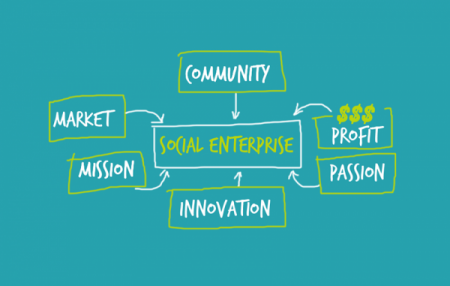
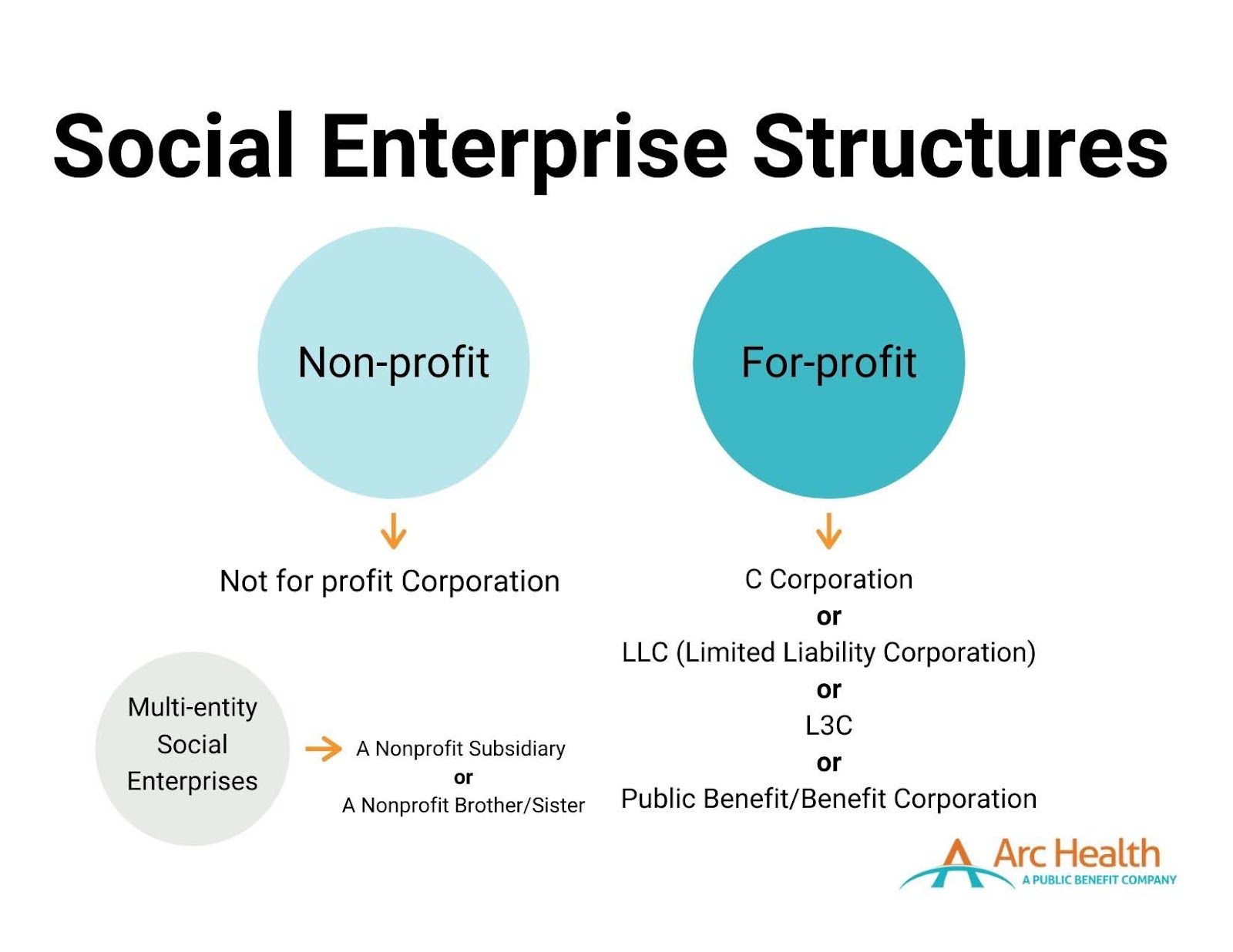



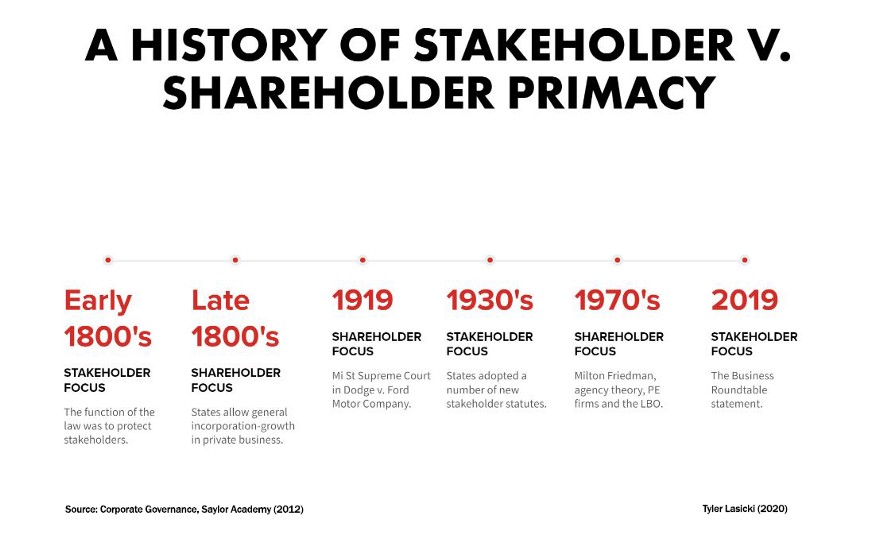




 2012pharmaceutical
 sjwilliamspa