Feeds:
Posts
Comments

Archive for the ‘Liver & Digestive Diseases Research’ Category

High Risk of Transmissible Disease and Mortality in Cancer, Advanced Cardiovascular Disease, and Hemodialysis Patients

Curator: Larry H Bernstein, MD, FCAP

This contribution is aimed at three situations of special concern with respect to transmission and handling of episodic bacteria or virus spread in hospital and ambulatory healthcare settings, where healthcare workers may be exposed and either become ill or are potential carriers of the disease.  Not discussed is a report in the last week of an association between human papilloma virus (HPV), known to be associated with cervical cancer, and oropharyngeal cancer.   In all of these situations, the patients at highest risk of death are immune compromized, carry a heavy burden of unbalanced oxidative stress, and have mitcochondrial dysfunction from unbalanced ubiquitination and repair.

Clostridium Difficile Colitis

Faten N Aberra, MD, MSCE; Chief Editor: Julian Katz, MD
Medscape – Practice Essentials

Clostridium difficile colitis results from a disturbance of the normal bacterial flora of the colon, colonization by C difficile, and the release of toxins that cause mucosal inflammation and damage. Antibiotic therapy is the key factor that alters the colonic flora. C difficile infection primarily occurs in hospitalized patients.

Essential update: Fidaxomicin superior to vancomycin for cancer patients with C difficile

In a multicenter study including 1105 subjects with C difficile – associated diarrhea, 183 of whom had solid tumors or hematologic malignancies, fidaxomicin treatment was superior to vancomycin treatment in cancer patients, resulting in higher cure and sustained response rates, shorter time to resolution of diarrhea (TTROD), and fewer recurrences.  Cure rates were lower overall in cancer patients than in others (79.2% vs 88.6%; P < 0.001).[2Whereas cure rates for noncancer patients were approximately the same with fidaxomicin as with vancomycin (88.5% vs 88.7%), those for cancer patients were higher with fidaxomicin than with vancomycin (85.1% vs 74.0%), though the difference was not statistically significant. Median TTRODs in noncancer patients were 54 hours with fidaxomicin and 58 with vancomycin; those in cancer patients were 74 and 123 hours, respectively.  The risk of recurrence was approximately twice as high with vancomycin as with fidaxomicin, regardless of whether patients had cancer or not, but because both cure and recurrence outcomes were better with fidaxomicin than with vacomycin in cancer patients, the relative odds of sustained response at 28 days in these patients were more than 2.5-fold higher for fidaxomicin than for vancomycin.

Background

Clostridium difficile is a gram-positive, anaerobic, spore-forming bacillus that is responsible for the development of antibiotic-associated diarrhea and colitis. C difficile was first described in 1935 as a component of the fecal flora of healthy newborns and was initially not thought to be a pathogen. It was named difficile because it grows slowly and is difficult to culture. While early investigators noted that the bacterium produced a potent toxin, the role of C difficile in antibiotic-associated diarrhea and pseudomembranous colitis was not elucidated until the 1970s.
Approximately 20% of individuals who are hospitalized acquire C difficile during hospitalization, and more than 30% of these patients develop diarrhea. Thus, C difficile colitis is currently one of the most common nosocomial infections.
The diagnosis of C difficile colitis should be suspected in any patient with diarrhea who has received antibiotics within the previous 2 months and/or when diarrhea occurs 72 hours or more after hospitalization.

Pathophysiology

Colonization occurs by the fecal-oral route. C difficile forms heat-resistant spores that can persist in the environment for several months to years. Outbreaks of C difficile diarrhea may occur in hospitals and other outpatient facilities where contamination with spores is prevalent. Normal gut flora resists colonization and overgrowth with C difficile. Antibiotic use, which suppresses the normal flora, allows proliferation of C difficile.
Pathogenic strains of C difficile produce 2 distinct toxins. Toxin A is an enterotoxin, and toxin B is a cytotoxin. Both are high–molecular weight proteins capable of binding to specific receptors on the intestinal mucosal cells. Receptor-bound toxins gain intracellular entry where they catalyze a specific alteration of Rho proteins, small glutamyl transpeptidase (GTP)–binding proteins that assist in actin polymerization, cytoskeletal architecture, and cell movement. Both toxin A and toxin B appear to play a role in the pathogenesis of C difficile colitis in humans.

Epidemiology

Although the incidence of other nosocomial infections declined from 2000-2009, the number of hospitalized patients with any C difficile infection discharge diagnosis more than doubled, from approximately 139,000 to 336,600. The number of patients with a primary C difficile infection diagnosis more than tripled, from 33,000 to 111,000.
Among C difficile infections identified in the Centers for Disease Control and Prevention’s (CDC’s) Emerging Infections Program data in 2010, 94% were associated with receiving health care; of these, 75% had onset among persons not currently hospitalized, including recently discharged patients, outpatients, and nursing home residents

Diagnosis

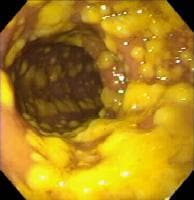
http://img.medscape.com/pi/emed/ckb/gastroenterology/169972-186458-3532tn.jpg

Physical examination may reveal the following in patients with the disorder:
  • Fever: Especially in more severe cases
  • Dehydration
  • Lower abdominal tenderness
  • Rebound tenderness: Raises the possibility of colonic perforation and peritonitis

Laboratory studies

  • Lab tests for evaluating patients with C difficile infection include the following:
  • Electrolytes: Dehydration and electrolyte imbalance may accompany severe disease
  • Albumin: Hypoalbuminemia and anasarca may accompany severe disease
    • Transthyretin is the serum protein of choice for a rapid onset diarrhea with dehydration leading to weight loss, dehydration, anasarca and sarcopenia, as it has a serum half-life of ~ 48 hrs rather than 21 days, and it is an accurate measure of lean body mass.
  • Complete blood count: Leukocytosis may be present
  • Stool examination: Stool may be Hemoccult positive in severe colitis, but grossly bloody stools are unusual; fecal leukocytes are present in about half of cases
  • Stool assays for C difficile, from the most to the least sensitive, include the following:
  1. Stool culture: The most sensitive test (sensitivity, 90-100%; specificity, 84-100%), but the results are slow and may lead to a delay in the diagnosis if used alone
  2. Glutamate dehydrogenase enzyme immunoassay (EIA): Very sensitive (sensitivity, 85-100%; specificity, 87-98%); this test detects the presence of glutamate dehydrogenase produced by C difficile
  3. Real-time polymerase chain reaction (PCR) assay: May be used to detect C difficile gene toxin
  4. The stool cytotoxin test: Has a sensitivity of 70-100% and a specificity of 90-100%; a positive test result is the demonstration of a cytopathic effect that is neutralized by a specific antiserum
  5. Enzyme immunoassay for detecting toxins A and B: Used in most labs; the sensitivity is moderate (79-80%), and the specificity is excellent (98%)
  6. Latex agglutination technique: Another means of detecting glutamate dehydrogenase; the sensitivity of this test is poor (48-59%), although the specificity is 95-96%

Management

Treatment for C difficile infection varies according to its severity. Interventions include the following:
  • Asymptomatic carriers: No treatment necessary
  • Mild, antibiotic-associated diarrhea without fever, abdominal pain, or leukocytosis: Cessation may be the only treatment necessary
  • Mild to moderate diarrhea or colitis: Metronidazole (oral or intravenous) or vancomycin (oral) for 10 days
Severe disease: Vancomycin is considered to produce faster symptom resolution and fewer treatment failures than metronidazole; in fulminant cases, combined therapy with intravenous metronidazole and oral vancomycin may be considered

Relapse

Relapse occurs in 20-27% of patients treated with metronidazole or vancomycin. Once a patient has one relapse, the risk for a second relapse is 45%. Relapses should be treated as follows:
  • First relapse: The choice of antibiotic should be based on the severity of C difficile diarrhea/colitis
  • Subsequent relapses: For every relapse beyond the first, vancomycin (prolonged taper/pulsed regimen) is recommended to help clear persistent spores
Among various investigational therapies, fecal transplantation (fecal enemas or infusion of donor feces through a nasoduodenal tube) has been reported to repopulate the colonic flora and treat recurrent C difficile infection.

Staphylococcus Aureus Infection

Robert W Tolan Jr, MD; Chief Editor: Russell W Steele, MD
http://emedicine.medscape.com/article/971358-overview?src=wnl_ref_prac_infd&uac=62859DN

Rise of methicillin and vancomycin-resistance

Both community-associated and hospital-acquired infections with Staphylococcus aureus have increased in the past 20 years, and the rise in incidence has been accompanied by a rise in antibiotic-resistant strains—in particular, methicillin-resistant S aureus (MRSA) and, more recently, vancomycin-resistant strains.

Essential update: Universal decolonization more effective than screening and isolation in reducing rates of MRSA

Daily washing of ICU patients with chlorhexidine-impregnated cloths reduced positive cultures of MRSA by 37% and reduced bloodstream infection by any pathogen by 44%, according to a study of 74,256 patients in 74 adult ICUs.
In the study, hospitals were randomized to 18 months of either screening for MRSA followed by isolation of positive patients, targeted decolonization of MRSA-positive patients and isolation, or universal decolonization of all ICU patients without screening. Decolonization was achieved via daily cleansing with chlorhexidine-impregnated cloths and 5 days of twice-daily intranasal mupirocin treatments. At baseline, there was no significant difference in the rate of MRSA infections between the 3 groups.  However, patients who underwent universal decolonization showed a significantly larger decline between baseline and intervention periods than those in either of the targeted interventions. Universal decolonization led to a 37% drop in the rate of MRSA infections, while targeted decolonization led to a 25% decline and no significant change was seen in the screening and isolation group. There was no significant difference in outcomes between the targeted decolonization and the screening and isolation groups, while the difference between the universal decolonization and the screening and isolation groups was significant (P = .003). Universal decolonization also significantly reduced ICU-attributed bloodstream infections from any pathogen.

Management

Antibiotic regimens include the following:
  • Empiric therapy with penicillins or cephalosporins may be inadequate because of community-associated methicillin-resistant Staphylococcus aureus (CA-MRSA)
  • Combination therapy with a penicillinase-resistant penicillin or cephalosporin (in case the organism is methicillin-sensitive S aureus [MSSA]) and clindamycin or a quinolone
  • Clindamycin, trimethoprim-sulfamethoxazole (TMP-SMX), rifampin, doxycycline, or a quinolone
  • TMP-SMX and rifampin in combination, rather than singly
Clindamycin (rather than TMP-SMX) may become the preferred outpatient antibiotic therapy in regions with a relatively low incidence of clindamycin resistance
The Infectious Diseases Society of America has published treatment guidelines for MRSA infection

Bacteremia

Daptomycin, with or without beta-lactams, controls S aureus bacteremia without worsening renal dysfunction. In a cohort of patients with mild or moderate renal insufficiency, more than 80% responded to treatment, with no detrimental effect on their kidneys. Currently, the combination of daptomycin with beta-lactams is recommended only as salvage therapy for refractory MRSA bacteremia. 

New Coronavirus ‘Eerily’ Like SARS

By Michael Smith, North American Correspondent, MedPage   June 19, 2013
Reviewed by Robert Jasmer, MD; Associate Clinical Professor of Medicine, University of California, San Francisco
http://www.medpagetoday.com/InfectiousDisease/GeneralInfectiousDisease/39972?xid=nl_mpt_DHE_2013-06-20

The novel coronavirus outbreak in the Middle East is eerily similar to SARS, according to Trish Perl, MD, of the Johns Hopkins University School of Medicine, part of an international team, led by Ziad Memish, MD, of the World Health Organization in Riyadh, that looked into a cluster of 23 cases in hospitals in the east of Saudi Arabia. . “The illness pattern, the incubation period — there are a lot of eerie similarities,” Perl told MedPage Today. They reported online in the New England Journal of Medicine, that the virus, MERS-CoV, is related to the virus that caused the 2002-2003 SARS outbreak.  The viruses both are coronaviruses and both lead to severe respiratory illness. Further, person-to-person transmission can take place in healthcare settings and can do so with “considerable morbidity.”  One key difference, Perl and colleagues noted, is that — at least in the cluster they investigated — the fatality rate was 65%, markedly higher than the 8% or so seen in the SARS outbreak. On the other hand, that rate may fall if a large number of milder cases is detected, they noted.  An outside expert, David Freedman, MD, of the University of Alabama at Birmingham, told MedPage Today that an open question has been whether MERS could spread within hospitals as easily as did SARS.  The current study, he said, shows “unequivocally” that it can.
The report comes as the World Health Organization is reporting a total of 64 laboratory-confirmed cases of infection with MERS-CoV, including 38 deaths. Most reported cases have either occurred in the Middle East or have involved recent travel to the region.  SARS was contained and eventually controlled by identifying cases vigorously and then isolating them to prevent transmission, Perl noted, and similar tactics — when they were applied in Saudi Arabia — appeared to have the same effect. The key in the epidemiological chain may have been Patient C, who had been undergoing long-term hemodialysis, and was admitted to hospital April 6 in the room next to Patient A.  When Patient A developed a fever April 8, Patient C was still in the same room and developed fever himself 3 days later. He also had dialysis in the hospital’s outpatient hemodialysis unit twice after the onset of symptoms. Between April 14 and April 30, MERS was confirmed in nine more patients who were undergoing hemodialysis, including six who did so at times overlapping those of Patient C. All told, Patient C appears to have transmitted MERS directly to seven people, six in the dialysis unit and one in the intensive care unit, the researchers reported, while other infected people had more limited transmission and some did not pass on the disease at all.

Related articles

Clostridium Difficile

Clostridium Difficile (Photo credit: fjbengoat)

English: Low mag. Image:Colonic pseudomembrane...

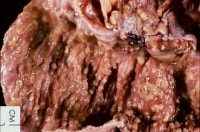
English: Low mag. Image:Colonic pseudomembranes intermed mag.jpg (Photo credit: Wikipedia)

Obtained after an outbreak this micrograph dep...

Obtained after an outbreak this micrograph depicts Gram-positive Clostridium difficile bacteria. These C. difficile organisms were cultured from a stool sample obtained during an outbreak of gastrointestinal illness, and extracted using a .1µm filter. (Photo credit: Wikipedia)

English: Clostridium difficile toxin B rendere...

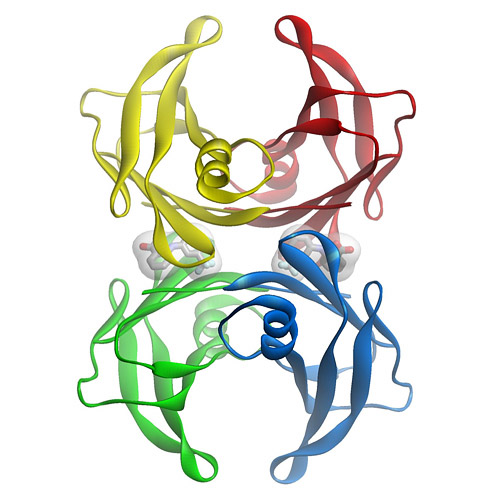
English: Clostridium difficile toxin B rendered from PDB 2BVM (Photo credit: Wikipedia)

Pseudomembranous Colitis, Colectomy (Gross)

Pseudomembranous Colitis, Colectomy (Gross) (Photo credit: euthman)

Read Full Post »

Cardio-Metabolic Drug Targets, Inaugural, September 25 – 26, 2013, Westin Waterfront | Boston, Massachusetts  


Reporter: Aviva Lev-Ari, PhD, RN

Article ID #57:Cardio-Metabolic Drug Targets, Inaugural, September 25 – 26, 2013, Westin Waterfront | Boston, Massachusetts. Published on 5/23/2013

WordCloud Image Produced by Adam Tubman


ABOUT THIS CONFERENCE

Cardiovascular disease, diabetes, obesity and dyslipidemia, though traditionally treated as separate entities, are often conditions that appear together in individuals because of defects in underlying metabolic processes. Researchers are therefore now seeking compounds that target biological points of intersection of these related diseases in the hopes of ‘killing more birds with one stone.’ Or they are approaching drug development of a compound for a specific disease with a greater awareness of the backdrop of related conditions.

Join fellow biomedical researchers from academia and industry at our day and a half conference, Cardio-Metabolic Drug Targets to discuss the impact of this paradigm change in the way drugs are discovered and developed in the cardio-metabolic arena and to stay abreast of the latest targets and drug development candidates in the pipeline.

SUGGESTED EVENT PACKAGE:

September 23: Allosteric Modulators of GPCRs Short Course 
September 24 – 25: Novel Strategies for Kinase Inhibitors Conference
September 25: Setting Up Effective Functional Screens Using 3D Cell Cultures Dinner Short Course
September 25 – 26: Cardio-Metabolic Drug Targets Conference

Scientific Advisory Board:

Jerome J. Schentag, Pharm.D., Professor of Pharmaceutical Sciences, University at Buffalo

Rebecca Taub, M.D., Ph.D., CEO, Madrigal Pharmaceuticals

Preliminary Agenda

BEYOND STATINS: NEW APPROACHES FOR REGULATING LIPID METABOLISM AND ATHEROSCLEROSIS

Macrophage ABC Transporters: Novel Targets to Promote Atherosclerotic Plaque Regression by Inducing Reverse Cholesterol Transport (RCT) Mechanism

Eralp “Al” Bellibas, M.D., Senior Director, Head, Clinical Pharmacology, The Medicines Company

Targeting PCSK9 for Hypercholesterolemia and Atherosclerosis

Hong Liang, Ph.D., Associate Research Fellow, Rinat Research Unit, Pfizer

Novel Treatment for Dyslipidemia: Liver-Directed Thyroid Hormone Receptor-ß Agonist

Rebecca Taub, M.D., Ph.D., CEO, Madrigal Pharmaceuticals

CARDIO-METABOLIC THERAPEUTIC CANDIDATES

Oral Mimetics of RYGB and GLP-1 in Metabolic Syndromes

Jerome J. Schentag, Pharm.D., Professor of Pharmaceutical Sciences, University at Buffalo

FGF21-Mimetic Antibodies for Type 2 Diabetes

Jun Sonoda, Ph.D., Group Leader, Scientist, Molecular Biology, Genentech

NEW CARDIO-METABOLIC TARGETS

Blockade of Delta-Like Ligand 4 (Dll4)-Notch Signaling Reduces Macrophage Activation and Attenuates Atherosclerotic Vascular Diseases and Metabolic Disorders

Masanori Aikawa, Ph.D., Assistant Professor, Department of Medicine, Brigham and Women’s Hospital and Harvard Medical

Modulating Glycerolipid Metabolism in Myeloid Cells for Cardiometabolic Benefit

Suneil K. Koliwad, M.D., Ph.D., Assistant Professor, Diabetes Center/Department of Medicine, University of California San Francisco

AMPK as a Target in Lipid and Carbohydrate Metabolism

Ajit Srivastava, Ph.D., Adjunct Professor, Pharmacology, Drexel University; Independent Consultant, Integrated Pharma Solutions, LLC

 http://www.discoveryontarget.com/Cardio-Drug-Targets

Inaugural n September 25 – 26, 2013

Cardio-Metabolic Drug Targets

Targeting One, Treating More

»»Suggested Event Package

September 23: Allosteric Modulators of GPCRs Short Course 4

September 24-25: Novel Strategies for Kinase Inhibitors

Conference

September 25: Setting Up Effective Functional Screens Using 3D

Cell Cultures Dinner Short Course 9

September 25-26: Cardio-Metabolic Drug Targets Conference

Wednesday, September 25

11:50 am Registration

BEYOND STATINS: NEW APPRO ACHES FOR

REGULATING LIPID METABOLISM AND

ATHERO SCLERO SIS

1:30 pm Chairperson’s Opening Remarks

1:40 PLENARY KEYNOTE PRESENTATION: Towards a Patient-

Based Drug Discovery

Stuart L. Schreiber, Ph.D., Director, Chemical Biology and Founding Member, Broad

Institute of Harvard and MIT; Howard Hughes Medical Institute Investigator; Morris

Loeb Professor of Chemistry and Chemical Biology, Harvard University

3:10 Refreshment Break in the Exhibit Hall with Poster Viewing

4:00 FEATURED SPEAKER: Atherosclerosis and Cardio-

Metabolism Research Overview: Promising Targets

Margrit Schwarz, Ph.D., MBA, formerly Director of Research, Dyslipidemia and

Atherosclerosis, Amgen; currently President, MS Consulting, LLC

4:30 Sponsored Presentations (Opportunities Available)

5:00 Novel Treatment for Dyslipidemia: Liver-Directed Thyroid

Hormone Receptor-ß Agonist

Rebecca Taub, M.D., Ph.D., CEO, Madrigal Pharmaceuticals

5:30 Modulating Glycerolipid Metabolism in Myeloid Cells for

Cardiometabolic Benefit

Suneil K. Koliwad, MD., Ph.D. Assistant Professor, Diabetes Center/Department

of Medicine, University of California San Francisco (UCSF)

6:00 Targeting PCSK9 for Hypercholesterolemia and

Atherosclerosis

Hong Liang, Ph.D., Associate Research Fellow, Rinat Research Unit, Pfizer

6:30 Close of Day

Thursday, September 26

7:30 am Registration

NEW ARTHERO /LIPID/CARDIO-METABOLIC

DRUG TARGETS

8:00 Breakfast Interactive Breakout Discussion Groups

9:05 Chairperson’s Opening Remarks

9:10 ApoE derived ABCA1 agonists for the Treatment of

Cardiovascular Disease

Jan Johansson, M.D., Ph.D., CEO, Artery Therapeutics, Inc.

9:40 Blockade of Delta-Like Ligand 4 (Dll4)-Notch Signaling

Reduces Macrophage Activation and Attenuates Atherosclerotic

Vascular Diseases and Metabolic Disorders

Masanori Aikawa, Ph.D., Assistant Professor, Department of Medicine,

Brigham and Women’s Hospital and Harvard Medical

10:10 Coffee Break in the Exhibit Hall with Poster Viewing

10:55 AMPK as a Target in Lipid and Carbohydrate Metabolism

Ajit Srivastava, Ph.D., Adjunct Professor, Department of Pharmacology, Drexel

University; Independent Consultant, Integrated Pharma Solutions, LLC

11:25 Macrophage ABC Transporters: Novel Targets to Promote

Atherosclerotic Plaque Regression by Inducing Reverse

Cholesterol Transport (RCT) Mechanism

Eralp “Al” Bellibas, M.D., Senior Director, Head, Clinical Pharmacology, The

Medicines Company

11:55 Targeting Ubiquitin Signaling Mediated Disease Pathology

of LDL Receptors

Udo Maier, Ph.D., Head of Target Discovery Research, Boehringer Ingelheim

Pharma

12:25 pm Sponsored Presentation (Opportunity Available)

12:55 Luncheon Presentation (Sponsorship Opportunity Available) or

Lunch on Your Own

Cardio-Metab olic Mimetics

2:25 Chairperson’s Opening Remarks

2:30 Oral Mimetics of RYGB and GLP-1 in Metabolic Syndromes

Jerome J. Schentag, PharmD, Professor of Pharmaceutical Sciences, University

at Buffalo

3:00 FGF21-Mimetic Antibodies for Type 2 Diabetes

Jun Sonoda, Ph.D., Group Leader, Scientist, Molecular Biology, Genentech

3:30 Ice Cream Refreshment Break in the Exhibit Hall with Poster

Viewing

gpCrS IN METABOLIC DISEASES

4:00 Targeting the Ghrelin Receptor with an Oral, Macrocyclic

Agonist

Helmut Thomas, Ph.D., Senior Vice President, Research and Preclinical

Development, Tranzyme Pharma

4:30 Presentation to be Announced

5:00 Lactate Receptor, GPR81/HCA1, as a Novel Target for

Metabolic Disorders

Changlu Liu, Ph.D., Scientific Director, Janssen Fellow, Head of Molecular

Innovation, Neuroscience, Janssen Research & Development, LLC

5:30 Targeting GPR55 in Cancer and Diabetes

Marco Falasca, Ph.D., Professor of Molecular Pharmacology, Queen Mary

University of London

6:00 Close of Conference

Read Full Post »

Causes and imaging features of false positives and false negatives on 18F-PET/CT in oncologic imaging

Author and Curator: Dror Nir, PhD

Early this year I have posted on: Whole-body imaging as cancer screening tool; answering an unmet clinical need? F-PET/CT was discussed in this post as a leading modality in that respect. Here I report on an article dedicated to the sources for misdiagnosis; i.e. false negatives and false positives when applying this technology:

Causes and imaging features of false positives and false negatives on 18F-PET/CT in oncologic imaging, Niamh M. Long and Clare S. Smith /Insights into Imaging© European Society of Radiology 201010.1007/s13244-010-0062-3

Abstract

Background

18F-FDG is a glucose analogue that is taken up by a wide range of malignancies. 18F-FDG PET-CT is now firmly established as an accurate method for the staging and restaging of various cancers. However, 18F-FDG also accumulates in normal tissue and other non-malignant conditions, and some malignancies do not take up F18-FDG or have a low affinity for the tracer, leading to false-positive and false-negative interpretations.

Methods

PET-CT allows for the correlation of two separate imaging modalities, combining both morphological and metabolic information. We should use the CT to help interpret the PET findings. In this article we will highlight specific false-negative and false-positive findings that one should be aware of when interpreting oncology scans.

Results

We aim to highlight post-treatment conditions that are encountered routinely on restaging scans that can lead to false-positive interpretations. We will emphasise the importance of using the CT component to help recognise these entities to allow improved diagnostic accuracy.

Conclusion

In light of the increased use of PET-CT, it is important that nuclear medicine physicians and radiologists be aware of these conditions and correlate the PET and CT components to avoid misdiagnosis, over staging of disease and unnecessary biopsies.

Introduction

[18F] 2-fluoro-2deoxy-D-glucose (18F-FDG) PET-CT imaging has become firmly established as an excellent clinical tool in the diagnosis, staging and restaging of cancer. 18F-FDG (a glucose analog) is taken up by cells via glucose transporter proteins. The glucose analog then undergoes phosphorylation by hexokinase to FDG-6 phosphate. Unlike glucose, FDG-phosphate does not undergo further metabolism and so becomes trapped in the cell as the cell membrane is impermeable to FDG-6 phosphate following phosphorylation [1].

Malignant tumors have a higher metabolic rate and generally express higher numbers of specific membrane transporter proteins than normal cells. This results in increased uptake of 18F-FDG by tumor cells and forms the basis of FDG-PET imaging [2]. Glucose however acts as a basic energy substrate for many tissues, and so 18F-FDG activity can be seen both physiologically and in benign conditions. In addition, not all tumors take up FDG [35]. The challenge for the interpreting physician is to recognize these entities and avoid the many pitfalls associated with 18F-FDG PET-CT imaging.

In this article we discuss false-positive and false-negative 18F-FDG PET-CT findings, common and atypical physiological sites of FDG uptake, and benign pathological causes of FDG uptake. We will focus on post-treatment conditions that can result in false-positive findings. We will highlight the importance of utilizing the CT component of the study, not only for attenuation correction but also in the interpretation of the study. The CT component of 18F-FDG PET-CT imaging can provide high-resolution anatomical information, which enables more accurate staging and assessment. For the purposes of this article, we refer to the descriptive terms “false-positive” and “false-negative” findings in the context of oncology imaging.

The authors acknowledge that there are recognized causes of FDG uptake that are not related to malignancy; however in this paper we refer to false-positive findings as FDG uptake that is not tumor related.

Patient preparation

Tumor uptake of FDG is reduced in the presence of raised serum glucose as glucose competes with FDG for uptake by the membrane transporter proteins. In order to prevent false-negative results, it is necessary for the patient to fast for at least 4–6 h prior to the procedure [6]. Induction of a euglycamic hypoinsulinaemic state also serves to reduce the uptake of glucose by the myocardium and skeletal muscle. In the fasting state, the decreased availability of glucose results in predominant metabolism of fatty acids by the myocardium. This reduces the intensity of myocardial uptake and prevents masking of metastatic disease within the mediastinum [6].

The radiotracer is administered intravenously (dose dependent on both the count rate capability of the system used and the patient’s weight), and the patient is left resting in a comfortable position during the uptake phase (60–90 min). Patient discomfort and anxiety can result in increased uptake in skeletal muscles of the neck and paravertebral regions. Muscular contraction immediately prior to or following injection can result in increased FDG activity in major muscle groups [6].

Patients are placed in a warm, quiet room with little stimulation, as speech during the uptake phase is associated with increased FDG uptake in the laryngeal muscles [7].

At our institution we perform the CT component with arms up except for head and neck studies where the arms are placed down by the side. This minimizes artifacts on CT. Depending on the type of cancer, oral contrast to label the bowel and intravenous contrast may also be given. The CT is performed with a full dose similar to a diagnostic CT, and lungs are analyzed following reconstruction with a lung algorithm. The PET scan is performed with 3–4 min per bed position; however the time per bed position will vary in different centers depending on both the dose of FDG administered and the specifications of the camera used for image acquisition. It is beyond the scope of this article to provide detailed procedure guidelines for 18F-FDG PET-CT imaging, and for this purpose we refer the reader to a comprehensive paper by Boellaard et al. [8].

Technical causes of false positives

Misregistration artifact

The evaluation of pulmonary nodules provides a unique challenge for combined PET-CT scanning due to differences in breathing patterns between CT and PET acquisition periods. CT imaging of the thorax is classically performed during a breath-hold; however PET images are acquired during tidal breathing, and this can contribute significantly to misregistration of pulmonary nodules on fused PET-CT images. Misregistration is particularly evident at the lung bases, which can lead to difficulty differentiating pulmonary nodules from focal liver lesions (Fig. 1) [9].

f1

Fig. 1

18F-FDG PET-CT performed in a 65-year-old male with colorectal cancer. On the coronal PET images, a focus of increased FDG uptake is seen at the right lung base (black arrow). Contrast CT does not show any pulmonary nodules but does demonstrate a liver metastasis in the superior aspect of the right lobe of the liver (yellow arrow)

Acquiring CT imaging of the thorax during quiet respiration can help to minimize misregistration artifacts. It is also important to correlate your PET and CT findings by scrolling up and down to make sure that lesions match.

Injected clot

A further diagnostic pitfall in staging of intrathoracic disease can be caused by injected clot. Injection of radioactive clot following blood withdrawal into the syringe at the time of radiotracer administration can result in pulmonary hotspots [10]. The absence of a CT correlate for a pulmonary hotspot should raise the possibility of injected clot; however this is a diagnosis of exclusion, and it is important to carefully evaluate the adjacent slices to ensure the increased radiotracer activity does not relate to misregistration of a pulmonary nodule or hilar lymph node. The area of abnormal radiotracer uptake should also be closely evaluated on subsequent restaging CT to ensure there has been no interval development of an anatomical abnormality in the region of previously diagnosed injected clot (Fig. 2) [11].

f2

Fig. 2

18F-FDG PET-CT performed in a 28-year-old male with an osteosarcoma of the femur. A focus of increased FDG uptake (yellow arrow) is identified in the left lower lobe with no CT correlate (a). A 3-month follow-up CT thorax again does not demonstrate any pulmonary nodules confirming that the uptake seen originally on the PET-CT was due to injected clot (b)

Injection artifact

Leakage of radiotracer into the subcutaneous tissues at the injection site or tissued injection can result in subcutaneous tracking of FDG along lymphatic channels in the arm. This can result in spurious uptake in axillary nodes distal to the injection site [12]. Careful attention must be paid to the technical aspects of the study to ensure accurate staging. Injection at the side contralateral to the site of disease is advised where feasible to allow differentiation between artifactual and metastatic uptake, particularly in breast cancer patients. The side of injection should also be clearly documented during administration of radiotracer, and this information should be available to the reader in order to ensure pathological FDG uptake is not spuriously attributed to injection artifact (Fig. 3).

f3

Fig. 3

18F-FDG PET-CT performed in a 56-year-old woman with colorectal cancer. Some low grade FDG uptake is identified in non-enlarged right axillary nodes (yellow arrow) consistent with injection artifact

Imaging of metallic implants

The use of CT for attenuation correction negates the need for traditional transmission attenuation correction, reducing scanning time. There are however technical factors relating to the use of CT imaging for attenuation correction, which lead to artefacts when imaging metal [9]. The presence of metal implants in the body produces streak artifact on CT imaging and degrades image quality. When CT images are used for attenuation correction, the presence of metal results in over attenuation of PET activity in this region and can result in artifactual ‘hot spots.’ Metal prostheses, dental fillings, indwelling ports and breast expanders and sometimes contrast media are common causes of streak artifact secondary to high photon absorption and can cause attenuation correction artifacts [9]. In order to avoid false positives, particularly when imaging metallic implants careful attenuation should be paid to the nonattenuation corrected images, which do not produce this artifact.

Sites of physiological FDG uptake

Physiological uptake in a number of organs is readily recognized and rarely confused with malignancy. These include cerebral tissue, the urinary system, liver and spleen. Approximately 20% of administered activity is renally excreted in the 2 h post-injection resulting in intense radiotracer activity in the renal collecting systems, ureters and bladder [13]. In order to minimize the intensity of renal activity, patients are advised to void prior to imaging. Moderate physiological FDG uptake is noted in the liver, spleen, GI tract and salivary glands. Uptake in the cecum and right colon tends to be higher than in the remainder of the colon due to the presence of glucose-avid lymphocytes [14].

Other sites of physiological FDG activity can be confused with malignancy. Examples include activity within brown fat, adrenal activity, uterus and ovaries.

Brown fat

FDG uptake in hyper-metabolic brown adipose tissue is well recognized as a potential source of false positive in 18F-FDG PET-CT imaging. The incidence of FDG uptake in brown fat has been reported as between 2.5–4% [1516].

Hypermetabolic brown fat is more commonly identified in children than in adults and is more prevalent in females than in males. It occurs more frequently in patients with low body mass index and in cold weather [15].

Glucose accumulation within brown fat is increased by sympathetic stimulation as brown fat is innervated by the sympathetic nervous system. In view of this, administration of oral propranolol is advised by some authors as it has been shown to reduce the uptake of FDG by brown fat [17]. This is not performed at our institution; however, attempts are made to reduce FDG uptake in brown fat by maintaining a warm ambient temperature and providing patients with blankets during the uptake phase.

The typical distribution of brown fat in a bilateral symmetric pattern in the supraclavicular and neck regions is rarely confused with malignancy. In cases where hypermetabolic brown fat is seen to surround lymph nodes, the CT images should be separately evaluated to allow morphological assessment of the lymph nodes. The classical CT features of pathological replacement of lymph nodes should be sought, namely increased short axis diameter, loss of the fatty hilum and loss of the normal concavity of the lymph node. If the morphology of the lymph node is entirely normal, malignancy can be confidently excluded and the increased uptake attributed to brown fat [18].

Atypical brown fat in the mediastinum can be misinterpreted as nodal metastases and has been identified in the paratracheal, paraoesophageal, prevascular regions, along the pericardium and in the interatrial septum. Extramediastinal sites of brown fat uptake include the paravertebral regions, perinephric, perihepatic and subdiaphragmatic regions and in the intraatrial septum [16].

The absence of an anatomical lesion on CT imaging in areas of FDG uptake should raise the possibility of brown fat to the reader. Careful evaluation of the CT images must be performed to confirm the presence of adipose tissue in the anatomical region correlating to the increased FDG activity on 18F-FDG PET before this activity be attributed to brown fat.

An awareness of the possibility of brown fat in atypical locations is vital to avoid overstaging, and correlation with CT imaging increases reader confidence in differentiating brown fat from malignancy (Fig. 4).

f4

Fig. 4

18F-FDG PET-CT surveillance scan performed in a 36-year-old male with a history of seminoma. Symmetrical uptake is noted in the neck, supraclavicular fossa and paravertebral regions consistent with typical appearance of brown fat activity (black arrow). Brown fat uptake is also seen in the left supradiaphragmatic region and left paraoesophageal region (yellow arrow) (a). 18F-FDG PET-CT performed in a 48-year-old male with a history of colorectal cancer. Increased FDG uptake is noted within brown fat associated with lipomatous hypertrophy of the intra-atrial septum (b)

Uterine and ovarian uptake

In premenopausal women endometrial uptake of FDG varies cyclically and is increased both at ovulation and during the menstrual phase of the cycle with mean SUV values of 3.5–5 [19]. Endometrial uptake in postmenopausal women is abnormal and warrants further investigation; however benign explanations for increased FDG uptake include recent curettage, uterine fibroids and endometrial polyps [19].

Benign ovarian uptake of FDG in premenopausal women can be associated with ovulation. In postmenopausal women, ovarian uptake of FDG should be further investigated (Fig. 5).

f5

Fig. 5

18F-FDG PET-CT performed in a 42-year-old premenopausal female with breast cancer. She was scanned during menstruation. FDG uptake is noted within metastatic right axillary nodes (black arrow). Increased FDG uptake is also noted within the endometrial canal of the uterus (yellow arrow), which is thickened on CT, consistent with active menstruation (a). 18F-FDG PET-CT performed in the same 42-year-old woman at a different stage in her menstrual cycle showing resolution of the previously identified uterine uptake (yellow arrow) (b)

Adrenal uptake

18F-FDG PET imaging is commonly used for evaluation of adrenal masses in patients with diagnosed malignancies. Similarly incidental adrenal lesions are commonly identified on staging 18F-FDG PET-CT imaging. The positive predictive value of 18F-FDG PET-CT evaluation of adrenal lesions has been reported as high as 95% with a similarly high negative predictive value of 94% [20].

Causes of false-positive adrenal lesions include angiomyolipoma, adrenal hyperplasia and adrenal adenomas (up to 5%) [2124]. FDG activity greater than that of the liver is generally associated with malignancy; however benign lesions have been reported with greater activity than liver [21].

Evaluation of the CT component can provide additional diagnostic information with identification of HU attenuation values of <10 on noncontrast CT for adrenal adenomas or fat-containing myelolipomata [21].

Symmetrical intense FDG activity with no identifiable abnormality on CT is associated with benign physiological FDG uptake (Fig. 6).

f6 f6-b

Fig. 6

18F-FDG PET-CT performed in a 50-year-old woman with inflammatory breast cancer. Diffuse increased FDG uptake is noted within the right breast (yellow arrow) and in a right axillary node (black arrow), consistent with malignancy (a). Increased symmetrical uptake is also noted within both adrenal glands with no abnormal correlate on CT (yellow arrow) (b). Post-chemotherapy PET-CT performed 5 months later demonstrates resolution of the activity within the breast, increased uptake in the bone marrow consistent with post treatment effect (black arrow) and persistent increased uptake in the adrenal glands (yellow arrow), confirming benign physiological activity (c)

Thyroid uptake

Thyroid uptake is incidentally identified on 18F-FDG PET imaging with a frequency of almost 4%, with a diffuse uptake pattern in roughly half of cases and a focal pattern in the remainder [22]. The majority of diffuse uptake represents chronic thyroiditis, multinodular goiter or Graves’ disease, whereas focal uptake is associated with a risk of malignancy that ranges from 30.9–63.6% in published studies [2223]. Focal thyroid uptake requires further investigation with ultrasound and tissue biopsy.

Uptake in the gastrointestinal tract

The pattern of physiological uptake within the GI tract is highly variable. Low-grade linear uptake is likely related to smooth muscle activity and swallowed secretions. More focal increased uptake in the distal esophagus is sometimes seen with Barrett’s esophagus. In view of this, referral for OGD may be reasonable in cases of increased uptake in the distal esophagus [1424].

The typical pattern of FDG uptake in the stomach is of low-grade activity in a J-shaped configuration. Small bowel typically demonstrates mild heterogeneous uptake throughout. Common pitfalls of small bowel evaluation relate to spuriously high uptake in underdistened or overlapping loops of bowel [1425].

Within the colon, FDG uptake is highly variable, however can be quite avid particularly in the cecum, right colon and rectosigmoid regions. Focal areas of FDG activity within the colon that are of greater intensity than background liver uptake should raise the suspicion of a colonic neoplasm (Fig. 7) [2526].

f7

Fig. 7

18F-FDG PET-CT restaging scan performed in a 65-year-old female with a history of breast cancer. Incidental focal uptake is identified in the ascending colon where some abnormal thickening is seen on the CT component (yellow arrow). Colonoscopy confirmed the presence of a T3 adenocarcinoma

In a review of over 3,000 patients’ focal areas of abnormal FDG uptake within the gastrointestinal tract (GIT) were identified in 3% of cases of staging 18F-FDG PET-CT studies.

Incidental malignant lesions were identified in 19% of these patients with pre-malignant lesions including adenomas in 42% of the patients [27]. In view of this endoscopy referral is recommended in the absence of a clear benign correlate for focal areas of avid uptake on CT imaging.

Treatment-related causes of false-positive uptake

There are a number of conditions that can occur in patients undergoing treatment for cancer. When imaging these patients to assess for response, we often see these treatment-related conditions. It is important to recognize the imaging features to avoid misdiagnosis.

Thymus/thymic hyperplasia

Thymic hyperplasia post-chemotherapy is a well-described phenomenon. It is generally seen in children and young adults at a median of 12 months post chemotherapy [28]. The presence of increased FDG uptake in the anterior mediastinum can be attributed to thymic hyperplasia by identification of a triangular soft tissue density seen retrosternally on CT with a characteristic bilobed anatomical appearance [29]. In the presence of thymic hyperplasia, there is generally preservation of the normal shape of the gland despite an increase in size [30].

Superior mediastinal extension of thymic tissue is an anatomical variant that has been described in children and young adults (Fig. 8).

f8

Fig. 8

A 3.5-year-old boy with abdominal Burkitt’s lymphoma. Coronal 18F-FDG PET scan obtained 5 months after completion of treatment shows increased activity in the thymus in an inverted V configuration and in superior thymic extension (white arrow). Note physiologic activity within the right neck in the sternocleidomastoid muscle (a). Axial CT image from the same 18F-FDG PET-CT study performed 5 months after treatment shows a nodule (white arrow) anteromedial to the left brachiocephalic vein (b). Axial fusion image shows that the FDG activity in the superior mediastinum corresponds to this enlarged nodule anteromedial to left brachiocephalic vein (white arrow) (c). Axial fusion image shows increased activity in an enlarged thymus consistent with thymic hyperplasia (white arrow; standardized uptake value 3.0) of similar intensity to activity in superior mediastinum (d)

It presents as a soft tissue nodule anteromedial to the left brachiocephalic vein and represents a remnant of thymic tissue along the path of migration in fetal life. In patients with thymic hyperplasia, a superior mediastinal nodule in this location may represent accessory thymic tissue. An awareness of this physiological variant is necessary to prevent misdiagnosis [28].

G-CSF changes

Granulocyte colony-stimulating factor is a glycoprotein hormone that regulates proliferation and differentiation of granulocyte precursors. It is used to accelerate recovery from chemotherapy-related neutropaenia in cancer patients. Intense increased FDG uptake is commonly observed in the bone marrow and spleen following GCSF therapy; however the bone marrow response to GCSF can be differentiated from pathological infiltration by its intense homogeneous nature without focally increased areas of FDG uptake. Increased FDG uptake attributable to GCSF uptake rapidly decreases following completion of therapy and generally resolves within a month (Fig. 9).

f9

Fig. 9

18F-FDG PET-CT performed in a 46-year-old male post four cycles of chemotherapy for lymphoma and 2 weeks post administration of G-CSF. Note the diffuse homogeneous increased uptake throughout the bone marrow and the increased uptake in the spleen (yellow arrow)

Marked uptake in the bone marrow can also be seen following chemotherapy, reflecting marrow activation [3132].

Radiation pneumonitis

Inflammatory morphological changes in the radiation field post-irradiation of primary or metastatic lung tumor can result in false-positive diagnosis. Radiation pneumonitis typically occurs following high doses of external beam radiotherapy (>40 Gy). In the acute phase (1–8 weeks) radiation pneumonitis is characterized by ground-glass opacities and patchy consolidation. This can commonly lead to a misdiagnosis of infection. Chronic CT appearances of fibrosis and traction bronchiectasis in the radiation field allow correct interpretation of increased FDG uptake as radiation pneumonitis as opposed to disease recurrence [3334]. Other organs are also sensitive to radiation, and persistent uptake due to inflammatory change can persist for up to 1 year. It is important to elicit a history of radiation from the patient and to correlate the increased uptake with the CT findings to avoid missing a disease recurrence (Fig. 10).

f 10

Fig. 10

18F18-FDG PET-CT performed in a 52-year-old male with newly diagnosed esophageal carcinoma. Increased FDG uptake is identified within the esophagus (black arrow) and an upper abdominal lymph node (yellow arrow), consistent with malignancy (a). 18F18-FDG PET-CT performed 6 weeks post-completion of radiotherapy for esophageal carcinoma. Linear increased uptake is identified along the mediastinum in the radiation port (black arrow). This corresponds to areas of ground-glass change on CT (yellow arrow) consistent with acute radiation change (b)

Infection

Bone marrow suppression places chemotherapy patients at increased risk of infection.

Inflammatory cells such as neutrophils and activated macrophages at the site of infection or inflammation actively accumulate FDG [35].

In the post-therapy setting it has been reported that up to 40% of FDG uptake occurs in non-tumor tissue [12]. Infection is one of the most common causes of false-positive 18F-FDG PET-CT findings post-chemotherapy. Chemotherapy patients are susceptible to a wide variety of infections, including upper respiratory chest infections, pneumonia, colitis and cholecystitis. Reactivation of tuberculous infection can occur in immunocompromised patients post,chemotherapy, and correlation with CT imaging can prevent misdiagnosis in suspected cases.

Atypical infections such as cryptococcosis and pneumocystis can also present as false-positives on FDG imaging (Fig. 11) [36].

f 11

Fig. 11

18F-FDG PET-CT performed in a 57-year-old male 2 weeks following chemotherapy for lung cancer. Increased FDG uptake is noted within the cecum (black arrow). On CT there is some thickening of the cecal wall and stranding of the pericecal fat (yellow arrow) consistent with typhilits

Surgery and radiotherapy

There are inherent challenges in the interpretation of 18F-FDG PET-CT imaging in the postoperative patient. Non-tumor-related uptake of FDG is frequently identified in post-operative wound sites, at colostomy sites or at the site of post-radiation inflammatory change. 18F-FDG PET-CT imaging during the early postoperative/post-radiotherapy period may result in overstaging of patients because of non-neoplastic uptake of FDG [12]. Careful evaluation of the CT component in this setting is vital as CT imaging can provide valuable additional information regarding benign inflammatory conditions commonly encountered in the postoperative setting such as abscesses or wound infection. These conditions are often readily apparent on CT, particularly when oral and/or IV contrast CT is administered.

The reader should also bear in mind that avid uptake of FDG at postoperative/post radiotherapy sites may mask malignant FDG uptake in neighboring structures. In order to minimize non-tumoral uptake of FDG, it is advisable to allow at least 6 weeks post-surgery or completion of radiotherapy prior to performing staging 18F-FDG PET-CT [24].

Talc pleurodesis

Talc pleurodesis is a commonly performed procedure for the treatment of persistent pneumothorax or pleural effusion. The fibrotic/inflammatory reaction results in increased FDG uptake on 18F-FDG PET imaging with corresponding high-density areas of pleural thickening on CT. SUV values of between 2–16.3 have been seen years after the procedure [37].

When increased FDG uptake is indentified in the pleural space in a patient with a known history of pleurodesis, correlation with CT is recommended to detect pleural thickening of increased attenuation that suggests talc rather than tumor.

It is extremely important that a comprehensive history with relevant surgical interventions is available to the reader in order to ensure accurate diagnosis and staging (Fig. 12).

f 12

Fig. 12

18F-FDG PET-CT performed in a 69-year-old male with a history of non-Hodgkin’s lymphoma. The patient had a previous talc pleurodesis for a persistent left pleural effusion. Increased FDG activity is identified within the left pleura (black arrow). CT demonstrates a pleural effusion with high density material along the left pleural surface consistent with talc (yellow arrow)

Flare phenomenon

Bone healing is mediated by osteoblasts, and an early increase in osteoblast activity on successful treatment of metastatic disease has been described [38]. “Bone flare” refers to a disproportionate increase in bone lesion activity on isotope bone scan despite evidence of a therapeutic response to treatment in other lesions and has been well described in breast, prostate and lung tumors. ‘Flare phenomenon’ has also been described on 18F-FDG PET-CT in patients with lung and breast cancer who are receiving chemotherapy [39].

Differentiating between increased FDG uptake due to flare response and true disease progression may not be possible in the early post-treatment studies. While it is recognized that bone flare is a rare phenomenon, an increase in baseline skeletal activity and appearance of new bone lesions despite apparent response or stable disease elsewhere should be interpreted with caution to avoid erroneously suggesting progressive disease.

Osteonecrosis

Osteonecrosis or avascular necrosis has been well described as a complication of combination chemotherapy treatment, especially where it includes intermittent high-dose corticosteroids (e.g., lymphoma patients) [40]. Commonly encountered sites include the hip and less frequently the proximal humerus. Occasionally we can see a discrete entity known as jaw osteonecrosis. Patients receiving IV bisphosphonates for the management of bone metastases are at an increased risk of developing this [41]. The development of osteonecrosis in the mandible is frequently preceded by tooth extraction. Radiographic findings that may be visualized on CT include osteosclerosis, dense woven bone, thickened lamina dura and sub-periosteal bone deposition [42]. FDG uptake can be seen in areas of osteonecrosis (Fig. 13).

f 13

Fig. 13

18F-FDG PET-CT performed in a 46-year-old gentleman with a history of non-Hodgkin’s lymphoma. Increased FDG uptake is identified in the right proximal humerus (black arrow). CT of the area demonstrates a corresponding vague area of sclerosis (yellow arrow). Biopsy of the area yielded osteonecrosis with no evidence of metastatic disease

Insufficiency fractures

Pelvic insufficiency fractures have been described following irradiation for gynecological, colorectal, anal and prostate cancer. They commonly occur within 3–12 months post-radiation treatment, and osteoporosis is often a precipitating factor. FDG uptake in insufficiency fractures ranges from mild and diffuse to intense and heterogeneous. The maximum SUV values are variable with reported values of between 2.4–7.2 [43]. Differentiating insufficiency fractures from bone metastases can prove challenging; however they are often bilateral and occur in characteristic locations within the radiation field—sacral ala, pubic rami and iliac bones. Biopsy of insufficiency fractures can lead to irreparable damage and so careful correlation of 18F-FDG PET imaging with the CT component along with radiation history is vital for correct diagnosis. CT allows evaluation of the bone cortex and adjacent soft tissues, which can confirm the diagnosis of a pathological fracture or a metastatic deposit.

Follow-up of suspected insufficiency fractures demonstrates a reduction in FDG uptake over time (Fig. 14) [43].

f 14

Fig. 14

18F-FDG PET-CT performed in a 46-year-old female, 3 years post-chemo-radiation for cervical carcinoma. Low grade FDG uptake is identified in the left acetabulum and right pubic bone (black arrow). CT demonstrates pathological fractures in these areas consistent with insufficiency fractures (yellow arrow)

Sarcoidosis

Sarcoidosis is a chronic multisystem disorder characterized by non-caseating granulomas and derangement of normal tissue architecture [36]. Sarcoidosis has been reported in association with a variety of malignancies either synchronously or post-chemotherapy. Aggregation of inflammatory cells post-chemotherapy is associated with accumulation of FDG, and the intensity of FDG uptake may correlate with disease activity [36].

When suspected disease recurrence presents with signs and symptoms compatible with sarcoidosis (i.e., mediastinal and bihilar lymphadenopathy), this must be excluded by clinical, radiological and pathological correlation to prevent mistreatment (Fig. 15).

f 15

Fig. 15

18F-FDG PET-CT performed in a 67-year-old male for restaging of laryngeal carcinoma. Increased FDG uptake is noted in the left lower neck and left mediastinum (black arrow). CT demonstrates lymphadenopathy in these areas (yellow arrow), some of which are calcified. Biopsy of the left lower neck node confirmed sarcoidosis

FDG-PET negative tumors

There are a number of malignancies that can be FDG-PET negative. Examples include bronchoalveolar carcinoma and carcinoid tumors in the lung, renal cell carcinomas and hepatomas, mucinous tumors of the GIT and colon, and low grade lymphomas [34448]. Careful evaluation of the CT component of the study however will prevent a misdiagnosis (Fig. 16).

f 16

Fig. 16

18F-FDG PET-CT performed in a 52-year-old female with breast cancer and chronic hepatitis. On the CT component a hyper-enhancing mass is identified in segment 4 of the liver (yellow arrow). No increased FDG activity is identified in this area on the PET component. Biopsy of the mass confirmed the diagnosis of a hepatocellular carcinoma

Osteoblastic metastases

Bone metastases are diagnosed in up to 85% of patients with advanced breast cancer, leading to significant morbidity and mortality. Sclerotic bone metastases are commonly associated with breast carcinoma [49].18F-FDG PET imaging is superior to nuclear bone scan in detection of osteolytic breast metastases; however it commonly fails to diagnose osteoblastic or sclerotic metastases [50]. Review of bony windows on CT imaging allows identification of sclerotic metastases and ensures accurate staging of metastatic bone disease (Fig. 17).

f 17

Fig. 17

Staging 18F-FDG PET-CT performed in a 45-year-old female with newly diagnosed breast cancer. CT demonstrates multiple small sclerotic foci in the spine and pelvis (yellow arrow), consistent with bony metastases. These are FDG negative on the PET component of the study

Discussion/conclusion

18F-FDG PET imaging has dramatically changed cancer staging, and findings of restaging studies commonly effect changes in treatment protocols. 18F-FDG however is not tumor specific. As interpreting physicians we need to be aware of these false positives and false negatives. In this review we have outlined atypical physiological sites of FDG uptake along with common causes of FDG uptake in benign pathological conditions, many of which are treatment related. With 18F-FDG PET-CT we have the advantage of two imaging modalities. The PET component gives us functional information and the CT, anatomical data. We have discussed the importance of dual-modality imaging and correlation with CT imaging of the above conditions. Furthermore CT imaging provides important diagnostic information in evaluation of tumors that poorly concentrate FDG. In light of the increased reliance of 18F-FDG PET-CT for cancer staging, it is vital that radiologists and nuclear medicine physicians be aware of pitfalls in 18F-FDG PET-CT imaging and correlate PET and CT components to avoid misdiagnosis, overstaging of disease and unnecessary biopsies.


Other research papers related to the use of 18F-PET in management of cancer were published on this Scientific Web site:

State of the art in oncologic imaging of Lymphoma.

State of the art in oncologic imaging of Colorectal cancers.

State of the art in oncologic imaging of Prostate.

State of the art in oncologic imaging of lungs.

State of the art in oncologic imaging of breast.

Whole-body imaging as cancer screening tool; answering an unmet clinical need?


References

1.

Pauwels EK, Ribeiro MJ, Stoot JH et al (1998) FDG accumulation and tumor biology. Nucl Med Biol 25:317–322PubMedCrossRef

2.

Wahl RL (1996) Targeting glucose transporters for tumor imaging: “sweet” idea, “sour” result. J Nucl Med 37(6):1038–1041PubMed

3.

Kim BT, Kim Y, Lee KS, Yoon SB, Cheon EM, Kwon OJ, Rhee CH, Han J, Shin MH (1998) Localized form of bronchioalveolar carcinoma: FDG PET findings. AJR 170(4):935–939PubMed

4.

Hoh CK, Hawkins RA, Glaspy JA, Dahlbom M, Tse NY, Hoffman EJ, Schiepers C, Choi Y, Rege S, Nitzsche E (1993) Cancer detection with whole-body PET using 2-[18F]fluoro-2-deoxy-D-glucose. J Comput Assist Tomogr 17(4):582–589PubMedCrossRef

5.

Fenchel S, Grab D, Nuessle K, Kotzerke J, Rieber A, Kreienberg R, Brambs HJ, Reske SN (2002) Asymptomatic adnexal masses: correlation of FDG PET and histopathologic findings. Radiology 223(3):780–788PubMedCrossRef

6.

Shreve PD, Anzai Y, Wahl RL (1999) Pitfalls in oncologic diagnosis with FDG PET imaging: physiologic and benign variants. Radiographics 19(1):61–77, quiz 150–151PubMed

7.

Abouzied MM, Crawford ES, Nabi HA (2005) 18 F-FDG imaging: pitfalls and artifacts. J Nucl Med Technol 33(3):145–155PubMed

8.

Boellaard R, O’Doherty MJ, Weber WA, Mottaghy FM, Lonsdale MN, Stroobants SG, Oyen WJ, Kotzerke J, Hoekstra OS, Pruim J, Marsden PK, Tatsch K, Hoekstra CJ, Visser EP, Arends B, Verzijlbergen FJ, Zijlstra JM, Comans EF, Lammertsma AA, Paans AM, Willemsen AT, Beyer T, Bockisch A, Schaefer-Prokop C, Delbeke D, Baum RP, Chiti A, Krause BJ (2010) FDG PET and PET/CT: EANM procedure guidelines for tumour PET imaging: version 1.0. Eur J Nucl Med Mol Imaging 37(1):181–200PubMedCrossRef

9.

Sureshbabu W, Mawlawi O (2005) PET/CT imaging artifacts. J Nucl Med Technol 33(3):156–161, quiz 163–164PubMed

10.

Lin E, Alavi A (2009) PET and PET/CT: A Clinical Guide: 2nd Edn. Thieme New York p 145

11.

Hany TF, Heuberger J, von Schulthess GK (2003) Iatrogenic FDG foci in the lungs: a pitfall of PET image interpretation. Eur Radiol 13(9):2122–2127, Epub 2002 Oct 17PubMedCrossRef

12.

Kazama T, Faria SC, Varavithya V, Phongkitkarun S, Ito H, Macapinlac HA (2005) FDG PET in the evaluation of treatment for lymphoma: clinical usefulness and pitfalls. Radiographics 25(1):191–207PubMedCrossRef

13.

Swanson DP, Chilton HM, Thrall JH (1990) Pharmaceuticals in medical imaging. Macmillan, New York

14.

Prabhakar HB, Sahani DV, Fischman AJ, Mueller PR, Blake MA (2007) Bowel hot spots at PET-CT. Radiographics 27(1):145–159PubMedCrossRef

15.

Yeung HW, Grewal RK, Gonen M, Schöder H, Larson SM (2003) Patterns of (18)F-FDG uptake in adipose tissue and muscle: a potential source of false-positives for PET. J Nucl Med 44(11):1789–1796PubMed

16.

Truong MT, Erasmus JJ, Munden RF, Marom EM, Sabloff BS, Gladish GW, Podoloff DA, Macapinlac HA (2004) Focal FDG uptake in mediastinal brown fat mimicking malignancy: a potential pitfall resolved on PET/CT. Am J Roentgenol 183(4):1127–1132

17.

Söderlund V, Larsson SA, Jacobsson H (2007) Reduction of FDG uptake in brown adipose tissue in clinical patients by a single dose of propranolol. Eur J Nucl Med Mol Imaging 34(7):1018–1022PubMedCrossRef

18.

Sumi M, Ohki M, Nakamura T (2001) Comparison of sonography and CT for differentiating benign from malignant cervical lymph nodes in patients with squamous cell carcinoma of the head and neck. AJR 176(4):1019–1024PubMed

19.

Lerman H, Metser U, Grisaru D, Fishman A, Lievshitz G, Even-Sapir E (2004) Normal and abnormal 18 F-FDG endometrial and ovarian uptake in pre- and postmenopausal patients: assessment by PET/CT. J Nucl Med 45(2):266–271PubMed

20.

Lu Y, Xie D, Huang W, Gong H, Yu J (2010) 18 F-FDG PET/CT in the evaluation of adrenal masses in lung cancer patients. Neoplasma 57(2):129–134PubMedCrossRef

21.

Boland GW, Blake MA, Holalkere NS, Hahn PF (2009) PET/CT for the characterization of adrenal masses in patients with cancer: qualitative versus quantitative accuracy in 150 consecutive patients. AJR Am J Roentgenol 192(4):956–962PubMedCrossRef

22.

Chen W, Parsons M, Torigian DA, Zhuang H, Alavi A (2009) Evaluation of thyroid FDG uptake incidentally identified on FDG-PET/CT imaging. Nucl Med Commun 30(3):240–244PubMedCrossRef

23.

Choi JY, Lee KS, Kim HJ, Shim YM, Kwon OJ, Park K, Baek CH, Chung JH, Lee KH, Kim BT (2006) Focal thyroid lesions incidentally identified by integrated 18 F-FDG PET/CT: clinical significance and improved characterization. J Nucl Med 47(4):609–615PubMed

24.

Blake MA, Slattery J, Sahani DV, Kalra MK (2005) Practical issues in abdominal PET/CT. Appl Radiol 34(11):8–18

25.

Kei PL, Vikram R, Yeung HW, Stroehlein JR, Macapinlac HA (2010) Incidental finding of focal FDG uptake in the bowel during PET/CT: CT features and correlation with histopathologic results. AJR Am J Roentgenol 194(5):W401–W406PubMedCrossRef

26.

Pandit-Taskar N, Schöder H, Gonen M, Larson SM, Yeung HW (2004) Clinical significance of unexplained abnormal focal FDG uptake in the abdomen during whole-body PET. AJR Am J Roentgenol 183(4):1143–1147PubMed

27.

Kamel EM, Thumshirn M, Truninger K, Schiesser M, Fried M, Padberg B, Schneiter D, Stoeckli SJ, von Schulthess GK, Stumpe KD (2004) Significance of incidental 18 F-FDG accumulations in the gastrointestinal tract in PET/CT: correlation with endoscopic and histopathologic results. J Nucl Med 45(11):1804–1810PubMed

28.

Smith CS, Schöder H, Yeung HW (2007) Thymic extension in the superior mediastinum in patients with thymic hyperplasia: potential cause of false-positive findings on 18 F-FDG PET/CT. AJR Am J Roentgenol 188(6):1716–1721PubMedCrossRef

29.

Ferdinand B, Gupta P, Kramer EL (2004) Spectrum of thymic uptake at 18 F-FDG PET. Radiographics 24(6):1611–1616PubMedCrossRef

30.

Baron RL, Lee JK, Sagel SS, Levitt RG (1982) Computed tomography of the abnormal thymus. Radiology 142(1):127–134PubMed

31.

Hollinger EF, Alibazoglu H, Ali A, Green A, Lamonica G (1998) Hematopoietic cytokine-mediated FDG uptake simulates the appearance of diffuse metastatic disease on whole-body PET imaging. Clin Nucl Med 23(2):93–98PubMedCrossRef

32.

Kazama T, Swanston N, Podoloff DA, Macapinlac HA (2005) Effect of colony-stimulating factor and conventional- or high-dose chemotherapy on FDG uptake in bone marrow. Eur J Nucl Med Mol Imaging 32(12):1406–1411PubMedCrossRef

33.

Claude L, Pérol D, Ginestet C, Falchero L, Arpin D, Vincent M, Martel I, Hominal S, Cordier JF, Carrie C (2004) A prospective study on radiation pneumonitis following conformal radiation therapy in non-small-cell lung cancer: clinical and dosimetric factors analysis. Radiother Oncol 71(2):175–181PubMedCrossRef

34.

Frank A, Lefkowitz D, Jaeger S, Gobar L, Sunderland J, Gupta N, Scott W, Mailliard J, Lynch H, Bishop J et al (1995) Decision logic for retreatment of asymptomatic lung cancer recurrence based on positron emission tomography findings. Int J Radiat Oncol Biol Phys 32(5):1495–1512PubMedCrossRef

35.

Love C, Tomas MB, Tronco GG, Palestro CJ (2005) FDG PET of infection and inflammation. Radiographics 25(5):1357–1368PubMedCrossRef

36.

Chang JM, Lee HJ, Goo JM, Lee HY, Lee JJ, Chung JK, Im JG (2006) False positive and false negative FDG-PET scans in various thoracic diseases. Korean J Radiol 7(1):57–69PubMedCrossRef

37.

Kwek BH, Aquino SL, Fischman AJ (2004) Fluorodeoxyglucose positron emission tomography and CT after talc pleurodesis. Chest 125(6):2356–2360PubMedCrossRef

38.

Coleman RE, Mashiter G, Whitaker KB, Moss DW, Rubens RD, Fogelman I (1988) Bone scan flare predicts successful systemic therapy for bone metastases. J Nucl Med 29(8):1354–1359PubMed

39.

Krupitskaya Y, Eslamy HK, Nguyen DD, Kumar A, Wakelee HA (2009) Osteoblastic Bone Flare on F18-FDG PET in Non-small Cell Lung Cancer (NSCLC) Patients Receiving Bevacizumab in addition to standard Chemotherapy. J Thorac Oncol 4(3):429–431PubMedCrossRef

40.

Talamo G, Angtuaco E, Walker RC, Dong L, Miceli MH, Zangari M, Tricot G, Barlogie B, Anaissie E (2005) Avascular necrosis of femoral and/or humeral heads in multiple myeloma: results of a prospective study of patients treated with dexamethasone-based regimens and high-dose chemotherapy. J Clin Oncol 23(22):5217–5223PubMedCrossRef

41.

Catalano L, Del Vecchio S, Petruzziello F, Fonti R, Salvatore B, Martorelli C, Califano C, Caparrotti G, Segreto S, Pace L, Rotoli B (2007) Sestamibi and FDG-PET scans to support diagnosis of jaw osteonecrosis. Ann Hematol 86(6):415–423PubMedCrossRef

42.

Arce K, Assael LA, Weissman JL, Markiewicz MR (2009) MR imaging findings in bisphosphonate-related osteonecrosis of jaws. J Oral Maxillofac Surg 67(5 Suppl):75–84PubMedCrossRef

43.

Oh D, Huh SJ, Lee SJ, Kwon JW (2009) Variation in FDG uptake on PET in patients with radiation-induced pelvic insufficiency fractures: a review of 10 cases. Ann Nucl Med 23(6):511–516PubMedCrossRef

44.

Erasmus JJ, McAdams HP, Patz EF Jr, Coleman RE, Ahuja V, Goodman PC (1998) Evaluation of primary pulmonary carcinoid tumors using FDG PET. AJR Am J Roentgenol 170(5):1369–1373PubMed

45.

Kang DE, White RL Jr, Zuger JH, Sasser HC, Teigland CM (2004) Clinical use of fluorodeoxyglucose F 18 positron emission tomography for detection of renal cell carcinoma. J Urol 171(5):1806–1809PubMedCrossRef

46.

Khan MA, Combs CS, Brunt EM, Lowe VJ, Wolverson MK, Solomon H, Collins BT, Di Bisceglie AM (2000) Positron emission tomography scanning in the evaluation of hepatocellular carcinoma. J Hepatol 32(5):792–797PubMedCrossRef

47.

Berger KL, Nicholson SA, Dehdashti F, Siegel BA (2000) FDG PET evaluation of mucinous neoplasms: correlation of FDG uptake with histopathologic features. AJR Am J Roentgenol 174(4):1005–1008PubMed

48.

Jerusalem G, Beguin Y, Najjar F, Hustinx R, Fassotte MF, Rigo P, Fillet G (2001) Positron emission tomography (PET) with 18 F-fluorodeoxyglucose (18 F-FDG) for the staging of low-grade non-Hodgkin’s lymphoma (NHL). Ann Oncol 12(6):825–830PubMedCrossRef

49.

Tateishi U, Gamez C, Dawood S, Yeung HW, Cristofanilli M, Macapinlac HA (2008) Bone metastases in patients with metastatic breast cancer: morphologic and metabolic monitoring of response to systemic therapy with integrated PET/CT. Radiology 247(1):189–196PubMedCrossRef

50.

Huyge V, Garcia C, Vanderstappen A, Alexiou J, Gil T, Flamen P (2009) Progressive osteoblastic bone metastases in breast cancer negative on FDG-PET. Clin Nucl Med 34(7):417–420PubMedCrossRef

Read Full Post »

Minimally invasive image-guided therapy for inoperable hepatocellular carcinoma

Curator & Reporter: Dror Nir, PhD

Large organs like the liver are good candidates for focused treatment. The following paper:

Minimally invasive image-guided therapy for inoperable hepatocellular carcinoma: What is the evidence today?

By Beatrijs A. Seinstra1, et. al. published mid-2010, gives a review of the state-of-the-art of the then available methods for local lesions’ ablation. As far as ablation techniques availability, I have found this review very much relevant to today’s technological reality. It is worthwhile noting that in the last couple of years, new imaging-based navigation and guidance applications were introduced into the market holding a promise to improve the accuracy of administrating such treatment. These are subject to clinical validation in large clinical studies.  From the above mentioned publication I have chosen to highlight the parts discussing the importance of imaging-based guidance to the effective application of localized ablation-type therapies.

The clinical need:

Hepatocellular carcinoma (HCC) is a primary malignant tumor of the liver that accounts for an important health problem worldwide. Primary liver cancer is the sixth most common cancer worldwide with an incidence of 626,000 patients a year, and the third most common cause of cancer-related death [1]. Only 10–15% of HCC patients are suitable candidates for hepatic resection and liver transplantation due to the advanced stage of the disease at time of diagnosis and shortage of donors.

Immerging solution:

In order to provide therapeutic options for patients with inoperable HCC, several minimally invasive image-guided therapies for locoregional treatment have been developed. HCC has a tendency to remain confined to the liver until the disease has advanced, making these treatments particularly attractive.

Minimally invasive image-guided therapies can be divided into the group of the tumor ablative techniques or the group of image-guided catheter-based techniques. Tumor ablative techniques are either based on thermal tumor destruction, as in radiofrequency ablation (RFA), cryoablation, microwave ablation, laser ablation and high-intensity focused ultrasound (HIFU), or chemical tumor destruction, as in percutaneous ethanol injection (PEI). These techniques are mostly used for early stage disease. Image-guided catheter-based techniques rely on intra-arterial delivery of embolic, chemoembolic, or radioembolic agents [22]. These techniques enable treatment of large lesions or whole liver treatment, and are as such used for intermediate stage HCC (Figure 1).

Minimally invasive image-guided ablation techniques and intra-arterial interventions may prolong survival, spare more functioning liver tissue in comparison to surgical resection (which can be very important in cirrhotic patients), allow retreatment if necessary, and may be an effective bridge to transplantation [2327].

During the last 2 decades, minimally invasive image-guided therapies have revolutionized the management of inoperable HCC.

The value of image guidance

Accurate imaging is of great importance during minimally invasive loco-regional therapies to efficiently guide and monitor the treatment. It enables proper placement of instruments, like the probe in case of ablation or the catheter in case of intra-arterial therapy, and accurate monitoring of the progression of the necrotic zone during ablation.

can all be employed. In current clinical practice, placement of the catheter in intra-arterial procedures is usually performed under fluoroscopic guidance, while ablation may be guided by ultrasound, CT or MRI.

  • Ultrasound guidance allows probe insertion from every angle, offers real time visualization and correction for motion artifacts when targeting the tumor, and is low cost. However, the gas created during ablation (or ice in the case of cryoablation) hampers penetration of the ultrasound beams in tissue, causing acoustic shadowing and obscuring image details like the delineation between tumor borders and ablation zone.
  • CT is also frequently used to guide minimally invasive ablation therapy, and is a reliable modality to confirm treatment results. In comparison to US, it provides increased lesion discrimination, a more reliable depiction of ablated/non-ablated interfaces, and a better correlation to pathologic size [28]. However, due to its hypervascularity, small HCCs can only be clearly visualized in the arterial phase for a short period of time. Another disadvantage of CT is the exposure of the patient and physician to ionizing radiation.
  • Combining US imaging for probe placement and CT for ablation monitoring reduces this exposure. At the moment, hybrid systems are being developed, enabling combination of imaging techniques, like ultrasound and CT imaging, thereby improving the registration accuracy during treatment [29]. The interest in MRI-guided ablation is growing, as it produces a high-quality image allowing high-sensitivity tumor detection and accurate identification of the target region with multiplanar imaging.
  • MRI also enables real-time monitoring of the temperature evolution during treatment [3035]. However, MRI is an expensive technique, and MRI-guided ablation is still limited in clinical practice. Currently, the most widely used ablation technique for percutaneous treatment of focal hepatic malignancies is radiofrequency ablation (RFA), which has been shown to be safe and effective for the treatment of early stage HCC [4850]. During RFA, a small electrode is placed within the tumor, and a high-frequency alternating electric current (approximately 400 MHz) is generated, causing ionic agitation within the tissue. ….. Most frequently ultrasound is used for image guidance (Figs. 23), but there are reports of groups who use CT, MRI, or fluoroscopic imaging.
Ultrasound guided RFA. a: HCC lesion in a non-surgical patient pre-treatment (pointed out by arrow). b: Just after start treatment, electrode placed centrally in the tumor. c: Gas formation during ablation causes acoustic shadowing

Ultrasound guided RFA. a: HCC lesion in a non-surgical patient pre-treatment (pointed out by arrow). b: Just after start treatment, electrode placed centrally in the tumor. c: Gas formation during ablation causes acoustic shadowing

Contrast-enhanced CT pre- and post-RFA. Same patient as in Fig. 2. a: Hypervascular lesion (biopsy proven HCC) in right liver lobe (pointed out by arrow) before treatment. b: Ablated lesion directly post ablation, with reactive hyperemia around the RFA lesion

Contrast-enhanced CT pre- and post-RFA. Same patient as in Fig. 2. a: Hypervascular lesion (biopsy proven HCC) in right liver lobe (pointed out by arrow) before treatment. b: Ablated lesion directly post ablation, with reactive hyperemia around the RFA lesion

References

1.

Parkin DM, Bray F, Ferlay J, Pisani P (2005) Global cancer statistics, 2002. CA Cancer J Clin 55:74–108PubMedCrossRef

2.

[No authors listed] (1987) Hepatocellular cancer: differences between high and low incidence regions. Lancet 2:1183–1184

3.

El-Serag HB, Davila JA, Petersen NJ, McGlynn KA (2003) The continuing increase in the incidence of hepatocellular carcinoma in the United States: an update. Ann Intern Med 139:817–823PubMed

4.

Taylor-Robinson SD, Foster GR, Arora S, Hargreaves S, Thomas HC (1997) Increase in primary liver cancer in the UK, 1979–94. Lancet 350:1142–1143PubMedCrossRef

5.

Beasley RP, Hwang LY, Lin CC, Chien CS (1981) Hepatocellular carcinoma and hepatitis B virus. A prospective study of 22,707 men in Taiwan. Lancet 2:1129–1133PubMedCrossRef

6.

Beasley RP (1988) Hepatitis B virus. The major etiology of hepatocellular carcinoma Cancer 61:1942–1956

7.

Chen HL, Chang MH, Ni YH, Hsu HY, Lee PI, Lee CY et al (1996) Seroepidemiology of hepatitis B virus infection in children: Ten years of mass vaccination in Taiwan. JAMA 276:906–908PubMedCrossRef

8.

Chang MH, Chen CJ, Lai MS, Hsu HM, Wu TC, Kong MS et al (1997) Universal hepatitis B vaccination in Taiwan and the incidence of hepatocellular carcinoma in children. Taiwan Childhood Hepatoma Study Group. N Engl J Med 336:1855–1859PubMedCrossRef

9.

Adami HO, Hsing AW, McLaughlin JK, Trichopoulos D, Hacker D, Ekbom A et al (1992) Alcoholism and liver cirrhosis in the etiology of primary liver cancer. Int J Cancer 51:898–902PubMedCrossRef

10.

Bruix J, Barrera JM, Calvet X, Ercilla G, Costa J, Sanchez-Tapias JM et al (1989) Prevalence of antibodies to hepatitis C virus in Spanish patients with hepatocellular carcinoma and hepatic cirrhosis. Lancet 2:1004–1006PubMedCrossRef

11.

Colombo M, Kuo G, Choo QL, Donato MF, Del NE, Tommasini MA et al (1989) Prevalence of antibodies to hepatitis C virus in Italian patients with hepatocellular carcinoma. Lancet 2:1006–1008PubMedCrossRef

12.

Tsukuma H, Hiyama T, Tanaka S, Nakao M, Yabuuchi T, Kitamura T et al (1993) Risk factors for hepatocellular carcinoma among patients with chronic liver disease. N Engl J Med 328:1797–1801PubMedCrossRef

13.

Pons F, Varela M, Llovet JM (2005) Staging systems in hepatocellular carcinoma. HPB (Oxford) 7:35–41

14.

Llovet JM, Fuster J, Bruix J (2004) The Barcelona approach: diagnosis, staging, and treatment of hepatocellular carcinoma. Liver Transpl 10:S115–S120PubMedCrossRef

15.

Bruix J, Llovet JM (2009) Major achievements in hepatocellular carcinoma. Lancet 373:614–616PubMedCrossRef

16.

Geschwind JF (2002) Chemoembolization for hepatocellular carcinoma: where does the truth lie? J Vasc Interv Radiol 13:991–994PubMedCrossRef

17.

Bruix J, Llovet JM (2002) Prognostic prediction and treatment strategy in hepatocellular carcinoma. Hepatology 35:519–524PubMedCrossRef

18.

Bruix J, Castells A, Bosch J, Feu F, Fuster J, Garcia-Pagan JC et al (1996) Surgical resection of hepatocellular carcinoma in cirrhotic patients: prognostic value of preoperative portal pressure. Gastroenterology 111:1018–1022PubMedCrossRef

19.

Llovet JM, Fuster J, Bruix J (1999) Intention-to-treat analysis of surgical treatment for early hepatocellular carcinoma: resection versus transplantation. Hepatology 30:1434–1440PubMedCrossRef

20.

Thomas MB, O’Beirne JP, Furuse J, Chan AT, bou-Alfa G, Johnson P (2008) Systemic therapy for hepatocellular carcinoma: cytotoxic chemotherapy, targeted therapy and immunotherapy. Ann Surg Oncol 15:1008–1014PubMedCrossRef

21.

Llovet JM, Ricci S, Mazzaferro V, Hilgard P, Gane E, Blanc JF et al (2008) Sorafenib in advanced hepatocellular carcinoma. N Engl J Med 359:378–390PubMedCrossRef

22.

Trinchet JC, Ganne-Carrie N, Beaugrand M (2003) Review article: intra-arterial treatments in patients with hepatocellular carcinoma. Aliment Pharmacol Ther 17(Suppl 2):111–118PubMedCrossRef

23.

Lu DS, Yu NC, Raman SS, Lassman C, Tong MJ, Britten C et al (2005) Percutaneous radiofrequency ablation of hepatocellular carcinoma as a bridge to liver transplantation. Hepatology 41:1130–1137PubMedCrossRef

24.

Mazzaferro V, Battiston C, Perrone S, Pulvirenti A, Regalia E, Romito R et al (2004) Radiofrequency ablation of small hepatocellular carcinoma in cirrhotic patients awaiting liver transplantation: a prospective study. Ann Surg 240:900–909PubMedCrossRef

25.

Graziadei IW, Sandmueller H, Waldenberger P, Koenigsrainer A, Nachbaur K, Jaschke W et al (2003) Chemoembolization followed by liver transplantation for hepatocellular carcinoma impedes tumor progression while on the waiting list and leads to excellent outcome. Liver Transpl 9:557–563PubMedCrossRef

26.

Yao FY, Kerlan RK, Hirose R, Davern TJ, Bass NM, Feng S et al (2008) Excellent outcome following down-staging of hepatocellular carcinoma prior to liver transplantation: an intention-to-treat analysis. Hepatology 48:819–827PubMedCrossRef

27.

Chapman WC, Majella Doyle MB, Stuart JE, Vachharajani N, Crippin JS, Anderson CD et al (2008) Outcomes of neoadjuvant transarterial chemoembolization to downstage hepatocellular carcinoma before liver transplantation. Ann Surg 248:617–625PubMed

28.

Cha CH, Lee FT Jr, Gurney JM, Markhardt BK, Warner TF, Kelcz F et al (2000) CT versus sonography for monitoring radiofrequency ablation in a porcine liver. AJR Am J Roentgenol 175:705–711PubMed

29.

Wood BJ, Locklin JK, Viswanathan A, Kruecker J, Haemmerich D, Cebral J et al (2007) Technologies for guidance of radiofrequency ablation in the multimodality interventional suite of the future. J Vasc Interv Radiol 18:9–24PubMedCrossRef

30.

Hokland SL, Pedersen M, Salomir R, Quesson B, Stodkilde-Jorgensen H, Moonen CT (2006) MRI-guided focused ultrasound: methodology and applications. IEEE Trans Med Imaging 25:723–731PubMedCrossRef

31.

Cline HE, Hynynen K, Watkins RD, Adams WJ, Schenck JF, Ettinger RH et al (1995) Focused US system for MR imaging-guided tumor ablation. Radiology 194:731–737PubMed

32.

Hynynen K, Freund WR, Cline HE, Chung AH, Watkins RD, Vetro JP et al (1996) A clinical, noninvasive, MR imaging-monitored ultrasound surgery method. Radiographics 16:185–195PubMed

33.

Kopelman D, Inbar Y, Hanannel A, Dank G, Freundlich D, Perel A et al (2006) Magnetic resonance-guided focused ultrasound surgery (MRgFUS). Four ablation treatments of a single canine hepatocellular adenoma HPB (Oxford) 8:292–298

34.

Kopelman D, Inbar Y, Hanannel A, Freundlich D, Castel D, Perel A et al (2006) Magnetic resonance-guided focused ultrasound surgery (MRgFUS): ablation of liver tissue in a porcine model. Eur J Radiol 59:157–162PubMedCrossRef

35.

Gedroyc WM (2005) Magnetic resonance guidance of thermal ablation. Top Magn Reson Imaging 16:339–353PubMedCrossRef

36.

Livraghi T, Festi D, Monti F, Salmi A, Vettori C (1986) US-guided percutaneous alcohol injection of small hepatic and abdominal tumors. Radiology 161:309–312PubMed

37.

Shiina S, Yasuda H, Muto H, Tagawa K, Unuma T, Ibukuro K et al (1987) Percutaneous ethanol injection in the treatment of liver neoplasms. AJR Am J Roentgenol 149:949–952PubMed

38.

Lencioni R, Cioni D, Crocetti L, Bartolozzi C (2004) Percutaneous ablation of hepatocellular carcinoma: state-of-the-art. Liver Transpl 10:S91–S97PubMedCrossRef

39.

Shiina S, Teratani T, Obi S, Sato S, Tateishi R, Fujishima T et al (2005) A randomized controlled trial of radiofrequency ablation with ethanol injection for small hepatocellular carcinoma. Gastroenterology 129:122–130PubMedCrossRef

40.

Lencioni R, Bartolozzi C, Caramella D, Paolicchi A, Carrai M, Maltinti G et al (1995) Treatment of small hepatocellular carcinoma with percutaneous ethanol injection. Analysis of prognostic factors in 105 Western patients. Cancer 76:1737–1746PubMedCrossRef

41.

Livraghi T, Giorgio A, Marin G, Salmi A, De Sio I, Bolondi L et al (1995) Hepatocellular carcinoma and cirrhosis in 746 patients: long-term results of percutaneous ethanol injection. Radiology 197:101–108PubMed

42.

Di SM, Buscarini L, Livraghi T, Giorgio A, Salmi A, De Sio I et al (1997) Percutaneous ethanol injection in the treatment of hepatocellular carcinoma. A multicenter survey of evaluation practices and complication rates Scand J Gastroenterol 32:1168–1173

43.

Lencioni RA, Allgaier HP, Cioni D, Olschewski M, Deibert P, Crocetti L et al (2003) Small hepatocellular carcinoma in cirrhosis: randomized comparison of radio-frequency thermal ablation versus percutaneous ethanol injection. Radiology 228:235–240PubMedCrossRef

44.

Lin SM, Lin CJ, Lin CC, Hsu CW, Chen YC (2004) Radiofrequency ablation improves prognosis compared with ethanol injection for hepatocellular carcinoma ≤4 cm. Gastroenterology 127:1714–1723PubMedCrossRef

45.

Lin SM, Lin CJ, Lin CC, Hsu CW, Chen YC (2005) Randomised controlled trial comparing percutaneous radiofrequency thermal ablation, percutaneous ethanol injection, and percutaneous acetic acid injection to treat hepatocellular carcinoma of 3 cm or less. Gut 54:1151–1156PubMedCrossRef

46.

Brunello F, Veltri A, Carucci P, Pagano E, Ciccone G, Moretto P et al (2008) Radiofrequency ablation versus ethanol injection for early hepatocellular carcinoma: A randomized controlled trial. Scand J Gastroenterol 43:727–735PubMedCrossRef

47.

Orlando A, Leandro G, Olivo M, Andriulli A, Cottone M (2009) Radiofrequency thermal ablation vs. percutaneous ethanol injection for small hepatocellular carcinoma in cirrhosis: meta-analysis of randomized controlled trials. Am J Gastroenterol 104:514–524PubMedCrossRef

48.

Curley SA, Izzo F, Delrio P, Ellis LM, Granchi J, Vallone P et al (1999) Radiofrequency ablation of unresectable primary and metastatic hepatic malignancies: results in 123 patients. Ann Surg 230:1–8PubMedCrossRef

49.

Curley SA, Izzo F, Ellis LM, Nicolas VJ, Vallone P (2000) Radiofrequency ablation of hepatocellular cancer in 110 patients with cirrhosis. Ann Surg 232:381–391PubMedCrossRef

50.

Goldberg SN, Gazelle GS, Solbiati L, Livraghi T, Tanabe KK, Hahn PF et al (1998) Ablation of liver tumors using percutaneous RF therapy. AJR Am J Roentgenol 170:1023–1028PubMed

Other research papers related to the management of Prostate cancer were published on this Scientific Web site:

HBV and HCV-associated Liver Cancer: Important Insights from the Genome

Issues in Personalized Medicine in Cancer: Intratumor Heterogeneity and Branched Evolution Revealed by Multiregion Sequencing

Harnessing Personalized Medicine for Cancer Management, Prospects of Prevention and Cure: Opinions of Cancer Scientific Leaders @ http://pharmaceuticalintelligence.com

Whole-body imaging as cancer screening tool; answering an unmet clinical need?

Personalized Medicine: Cancer Cell Biology and Minimally Invasive Surgery (MIS)

Read Full Post »

Curator: Aviva Lev-Ari, PhD, RN


UPDATED on 7/29/2018


HDL-C: Is It Time to Stop Calling It the ‘Good’ Cholesterol? – Medscape – Jul 27, 2018.


In Eli Lilly’s Pipeline: DISCONTINUING Evacetrapib, a CETP inhibitor that’s meant to boost HDL

Reporter: Aviva Lev-Ari, PhD, RN

https://pharmaceuticalintelligence.com/2015/10/12/in-eli-lillys-pipeline-discontinuing-evacetrapib-a-cetp-inhibitor-thats-meant-to-boost-hdl/


On April 3, 2012 we published

Fight against Atherosclerotic Cardiovascular Disease: A Biologics not a Small Molecule – Recombinant Human lecithin-cholesterol acyltransferase (rhLCAT) attracted AstraZeneca to acquire AlphaCore

ACP-501, a recombinant human lecithin-cholesterol acyltransferase (LCAT) enzyme.

LCAT, an enzyme in the bloodstream, is a key component in the reverse cholesterol transport (RCT) system, which is thought to play a major role in driving the removal of cholesterol from the body and may be critical in the management of high-density lipoprotein (HDL) cholesterol levels.  The LCAT enzyme could also play a role in a rare, hereditary disorder called familial LCAT deficiency (FLD) in which the LCAT enzyme is absent.

http://pharmaceuticalintelligence.com/2013/04/03/fight-against-atherosclerotic-cardiovascular-disease-a-biologics-not-a-small-molecule-recombinant-human-lecithin-cholesterol-acyltransferase-rhlcat-attracted-astrazeneca-to-acquire-alphacore/

On April 4, 2013, the next day, a new study was published on a novel class of compounds, cholesteryl ester transfer protein (CETP) inhibitors, has demonstrated many potentially beneficial lipid-modifying effects was published on Anacetrapib, a compound that causes near-complete CETP inhibition, has among its effects, robust reductions in LDL-C and lipoprotein(a) as well as dramatic increases in HDL-C. The ability of anacetrapib to reduce coronary disease events is being tested in the Randomized EValuation of the Effects of Anacetrapib Through Lipid-modification (REVEAL) trial (NCT01252953).

Writer’s VIEWS:

    • AstraZeneca acquisition of AlphaCore represents its market entry into the CETP inhibitor segment via an acquisition where the company did not have presence or inhouse research. The results of the second study will position Merck at a superior position upon completion of Phase III Clinical Trials for Anacetrapib
    • If Biologics will help increase HDL in wide market penetration, the market share of Statins will be negatively impacted. Patent expiration and generic market availability of Statin erode future profits
    • Anacetrapib in in Phase III clinical Trial, if successfully completed — will be the FIRST biologics to use CETP inhibition biology of lipid metabolism in the quest to fight atherosclerosis by improving CVD outcomes
    • A connection between this two events and cites in Disclosure, AstraZeneca, Merck, supporting the research of Christopher P Cannon on the study on Anacetrapib.
    • Full Article PDF file was published in Research Reports in Clinical Cardiology, one of the Journals on Beall’s list publisher, where scientists pay to have the article been published, Dove Press, on its Web site says, “There are no limits on the number or size of the papers we can publish.” See reference for Beall’s list publishers http://www.nytimes.com/2013/04/08/health/for-scientists-an-exploding-world-of-pseudo-academia.html?pagewanted=1&_r=0&emc=eta1

Study Goals:

  • testing the hypothesis that CETP inhibition may reduce atherosclerotic outcomes. 
  • answer important questions regarding the role of CETP in the biology of lipid metabolism and atherosclerosis.

Research Reports in Clinical Cardiology, 4 April 2013 Volume 2013:4 Pages 39 – 53

Dylan L Steen,1 Amit V Khera,2 Christopher P Cannon1

1TIMI Study Group, Cardiovascular Division, 2Department of Medicine, Brigham and Women’s Hospital, Boston, MA, USA

Disclosure

Dr Cannon is a member of the advisory boards of and has received grant support from Alnylam, Bristol-Myers Squibb, Pfizer, and CSL Behring; has received grant support from Accumetrics, AstraZeneca, Essentialis, GlaxoSmithKline, Merck, Regeneron, Sanofi, and Takeda; and is a clinical advisor to Automated Medical Systems. All other authors have reported that they have no relationships relevant to the contents of this paper.

Abstract: Despite major advances in cardiovascular care in recent decades, atherosclerotic cardiovascular disease remains the leading cause of morbidity and mortality worldwide. Statins have been shown to reduce cardiovascular events by 25%–40% in a dose-dependent fashion; yet additional therapies are needed to reduce vascular disease progression and acute thrombotic events. In addition to low-density lipoprotein cholesterol (LDL-C) reduction, other lipid risk factors, such as low high-density lipoprotein cholesterol (HDL-C), have created interest as therapeutic targets to lower cardiovascular risk. However, the absence of compelling data for incremental benefit of non-LDL-centric therapies in the statin era has limited their clinical use. A novel class of compounds, cholesteryl ester transfer protein (CETP) inhibitors, has demonstrated many potentially beneficial lipid-modifying effects. While in vitro and animal data for CETP inhibition have been encouraging, the initial enthusiasm for the class has been tempered by the failure of two CETP inhibitors (torcetrapib and dalcetrapib) in Phase III trials to reduce cardiovascular outcomes. Anacetrapib, a compound that causes near-complete CETP inhibition, has among its effects, robust reductions in LDL-C and lipoprotein(a) as well as dramatic increases in HDL-C. The ability of anacetrapib to reduce coronary disease events is being tested in the Randomized EValuation of the Effects of Anacetrapib Through Lipid-modification (REVEAL) trial (NCT01252953).

Keywords: anacetrapib, cholesteryl ester transfer protein, cholesteryl ester transfer protein inhibitor, atherosclerosis

  • Niacin, which augments HDL-C by 20%–25%, recently failed to lower atherosclerotic events in both the Atherothrombosis Intervention in Metabolic Syndrome with Low HDL/High Triglycerides and Impact on Global Health Outcomes (AIM-HIGH)6 and Treatment of HDL to Reduce the Incidence of Vascular Events (HPS2-THRIVE) trials.7,8
  • Lp(a) lowering has not yet been evaluated in randomized controlled trials, but observational and genetic (including Mendelian randomization) analyses have demonstrated an independent association of increased Lp(a) levels with increased CV events, suggesting Lp(a) lowering may confer benefit.9
  • surprising failure of the first two CETP inhibitors (torcetrapib and dalcetrapib) in Phase III outcomes trials has somewhat tempered this initial excitement and forced a re-evaluation of the complex effects of CETP inhibition on lipid metabolism and vascular biology.
  • Anacetrapib results in near-complete CETP inhibition with more pronounced lipid effects than its predecessors and is currently in a Phase III study for secondary prevention of coronary events. If successful it is likely that anacetrapib will also be considered for statin-intolerant patients and for primary prevention in patients who require LDL-C lowering beyond statin monotherapy
  • Human CETP is a 476-residue, 74 kDa, hydrophobic glycoprotein primarily secreted by the liver and adipose tissue.13 CETP was first cloned in 1987.14 The structure of CETP allows formation of a tunnel with the opening on one end interacting with HDL and the other with a very low-density lipoprotein (VLDL), intermediate-density lipoprotein (IDL), or LDL particle. The hydrophobic central cavity of this tunnel is large enough to allow transfer of neutral lipids (eg, cholesteryl esters [CEs], triglycerides [TGs]) from donor to acceptor particles, but conformational changes may occur to accommodate larger lipoprotein particles. The concave surface of CETP matches the curvature of the HDL particles to which it is primarily bound in the bloodstream.15,16
  • The overall effect of CETP is a net transfer of CE from HDL to these apolipoprotein B (apoB)-containing particles and TG to HDL and LDL
  • An important driver of the transfer of CE from HDL to apoB-containing particles is the production of CE from free cholesterol within HDL by lecithin acetyltransferase (LCAT).17

    The role of CETP in reverse cholesterol transport.

    Beginning in the peripheral tissues, free cholesterol is predominantly taken up by small “immature” HDL particles (eg, pre-β-HDL) via the ABCA1 transporter. Alternatively, it can be taken up by larger “mature” HDL particles (eg, HDL2) via the ABCG1 transporter. LCAT converts free cholesterol into cholesteryl ester, which is then shuttled to apoB-lipoproteins (eg, LDL, VLDL) in exchange for triglycerides. Only a minority of cholesteryl ester is delivered directly to the liver by HDL via the SR-BI; the majority is delivered indirectly to the liver by apoB-lipoproteins via the LDL recepter.

    Abbreviations: CETP, cholesteryl ester transfer protein; HDL, high-density lipoprotein; ABCA1, ATP-binding cassette transporter A1; ABCG1, ATP-binding cassette transporter G1; LCAT, lecithin acetyltransferase; apoB, apolipoprotein B; LDL, low-density lipoprotein; VLDL, very low density lipoprotein; SR-BI, scavenger receptor-BI; FC, free cholesterol; CE, cholesteryl ester.

  • One of the interesting questions in CETP deficiency is whether the HDL particles produced by potent CETP inhibition are functional. Regardless of whether reverse cholesterol transport is increased, the initial steps of cholesterol efflux from foam cells may be one of the key anti-atherogenic functions of HDL.5
  • This increased efflux is related to the very high content of LCAT and apoE in these large HDL particles, presumably driving net cholesterol efflux by promoting cholesterol esterification.36
  • effect of CETP deficiency on liver uptake of cholesteryl ester, an important downstream step in a reverse cholesterol transport. These studies suggest that there may be increased CE uptake via SR-BI as well as through a high affinity of large apoE-rich HDL for LDL receptors.20
  • meta-analysis established that three CETP genotypes were not only associated with decreased CETP activity and increased HDL but also with a lower risk of myocardial infarction (MI). For example, for each allele inherited, individuals with the TaqIB polymorphism had lower mean CETP activity (−8.6%), higher mean HDL-C (4.5%), higher mean apoA-I (2.4%), and an odds ratio for coronary disease of 0.95 (95% confidence intervals [CI], 0.92, 0.99). Similar associations were found for the other two CETP genotypes.40
  • Subsequent studies have confirmed that genetic variants leading to reduced CETP activity and its corresponding anti-atherogenic lipid profile are associated with reduced atherosclerotic outcomes.41–43
  • In ILLUSTRATE, an inverse association between HDL-C achieved and the primary endpoint of atheroma volume (r = −0.17, P , 0.001) was found. In addition, the highest quartile of HDL-C achieved (.86 mg/dL) demonstrated atheroma regression, suggesting that there may be a “threshold effect” to HDL-C elevation.68
  • Other CETP inhibitors:

Dalcetrapib
was developed by Hoffmann–La Roche until May 2012. It did not raise blood pressure and did raise HDL, but it showed no clinically meaningful efficacy.

Evacetrapib 

is under development by Eli Lilly & Company.
Torcetrapib
was developed by Pfizer until December 2006 but caused unacceptable increases in blood pressure and had net cardiovascular detriment.
Anacetrapib At the 16th International Symposium on Drugs Affecting Lipid Metabolism (New York, Oct 4-7, 2007), Merck reported on a Phase IIb study. The eight week study reported dosage correlated reduction in LDL-C and increases in HDL-C levels with no corresponding increases in blood pressure in any cohort. The increase in HDL was particularly significant, averaging 44 percent, 86 percent, 139 percent and 133 percent at doses of 10 mg, 40 mg, 150 mg and 300 mg. Merck performed a dose-ranging study of anacetrapib, with the results presented in 2009.

Anacetrapib 

Anacetrapib is a 3,5-bis-trifluoromethyl-benzene derivative with similar binding properties to CETP as torcetrapib. The compound was developed when it was found that a substitution modification of the oxazolidinone ring increased its potency for CETP inhibition in a transgenic mouse model.85 In terms of its pharmacokinetics and pharmacodynamics, anacetrapib is rapidly absorbed with a time-to-peak plasma concentration of about 4 hours. The oral bioavailability of anacetrapib is poor, with only about 20% being absorbed; however at this exposure, LDL-C is reduced up to 40% and HDL-C increased up to 140%. It is recommended that anacetrapib be taken with food (ie, low-fat diet) to increase drug exposure (and efficacy) as well as compliance.86

Anacetrapib is highly protein bound (eg, CETP) in the plasma (.99.5%). It is cleared by oxidative metabolism via Cytochrome P450 3A4 (CYP3A4) with excretion of the metabolites via the biliary/fecal route. Only a trace amount is eliminated by urinary excretion.87 Importantly, while anacetrapib is a sensitive CYP3A4 substrate, anacetrapib neither inhibits nor induces CYP3A4 activity. No meaningful interactions have been found between anacetrapib and simvastatin, digoxin, or warfarin.86 Anacetrapib in part to its redistribution to adipose tissue has a long terminal half-life.88

In terms of safety endpoints, anacetrapib demonstrated no increase in side effects (including myalgia), drug-related adverse effects, adverse events leading to drug discontinuation, or other important safety endpoints, such as BP, electrolyte, aldosterone, creatinine kinase, or transaminase levels. A very small increase in C-reactive protein of undetermined significance was seen with anacetrapib, which notably was also reported with torcetrapib and dalcetrapib in their Phase III studies. It is unknown whether this is a class effect as the small sample size in the evacetrapib Phase II study limits evaluation of small C-reactive protein changes.

It is expected that the REVEAL (the Phase III) population will also have lower starting LDL-C levels, both because statin-intolerant subjects will not be enrolled and because of more stringent lipid entry criteria. The final major difference is that the primary endpoint in REVEAL is focused on coronary events, while ACCELERATE has a broader primary endpoint. A broader primary endpoint along with a slightly higher risk population will allow for a shorter follow-up duration and much smaller sample size in ACCELERATE.

Conclusion

  • CETP remains a valid target and that the lipid changes resulting from its inhibition may be protective. The biology of CETP inhibition is complex, and questions remain regarding which lipid changes (eg, reductions in LDL and Lp(a), increases in HDL) are most likely to be important and whether there are still unknown effects that may negate any overall clinical benefit.
  • if potent CETP inhibition is found to be beneficial, it is still unclear whether this effect will be homogeneous or vary based on individual metabolism.
  • anacetrapib-induced HDL (especially the apoE-rich HDL2 particles) may have an enhanced ability for reverse cholesterol transport without any known adverse effects. Importantly, if a threshold effect for HDL-C augmentation exists, the vast majority of patients taking anacetrapib would be expected to cross it.
  • Despite a difficult beginning for the class of CETP inhibitors, anacetrapib and evacetrapib hold promise as future therapies for patients with atherosclerosis
REFERENCES

1. Cholesterol Treatment Trialists’ (CTT) Collaboration, Baigent C, Blackwell L, et al. Efficacy and safety of more intensive lowering of LDL cholesterol: A meta-analysis of data from 170,000 participants in 26 randomised trials. Lancet. 2010;376(9753):1670–1681.

2. Cannon CP, Braunwald E, McCabe CH, et al. Intensive versus moderate lipid lowering with statins after acute coronary syndromes. N Engl J Med. 2004;350(15):1495–1504.

3. Steinberg D. The rationale for initiating treatment of hypercholesterolemia in young adulthood. Curr Atheroscler Rep. 2013;15(1):296.

4. Gordon T, Castelli WP, Hjortland MC, Kannel WB, Dawber TR. High density lipoprotein as a protective factor against coronary heart disease. the framingham study. Am J Med. 1977;62(5):707–714.

5. Vergeer M, Holleboom AG, Kastelein JJ, Kuivenhoven JA. The HDL hypothesis: Does high-density lipoprotein protect from atherosclerosis? J Lipid Res. 2010;51(8):2058–2073.

6. AIM-HIGH Investigators, Boden WE, Probstfield JL, et al. Niacin in patients with low HDL cholesterol levels receiving intensive statin therapy. N Engl J Med. 2011;365(24):2255–2267

7. Armitage J, Baigent C, Chen Z, Landray M. Treatment of HDL to reduce the incidence of vascular events HPS2-THRIVE. Available from: http://clinicaltrials.gov/ct2/show/NCT00461630. Updated 2010. Accessed February 1, 2012.

8. Merck announces HPS2-THRIVE study of TREDAPTIVE (extended-release Niacin/Laropriprant) did not achieve primary endpoint. Available from: http://www.mercknewsroom.com/press-release/prescription-medicine-news/merck-announces-hps2-thrive-study-tredaptive-extended-relea. Updated 2012. Accessed December 31, 2012.

9. Tsimikas S, Hall JL. Lipoprotein(a) as a potential causal genetic risk factor of cardiovascular disease: A rationale for increased efforts to understand its pathophysiology and develop targeted therapies. J Am Coll Cardiol. 2012;60(8):716–721.

10. Brown ML, Inazu A, Hesler CB, et al. Molecular basis of lipid transfer protein deficiency in a family with increased high-density lipoproteins. Nature. 1989;342(6248):448–451.

11. Inazu A, Brown ML, Hesler CB, et al. Increased high-density lipoprotein levels caused by a common cholesteryl-ester transfer protein gene mutation. N Engl J Med. 1990;323(18):1234–1238.

12. Ohtani R, Inazu A, Noji Y, et al. Novel mutations of cholesteryl ester transfer protein (CETP) gene in Japanese hyperalphalipoproteinemic subjects. Clin Chim Acta. 2012;413(5–6):537–543.

13. Chapman MJ, Le Goff W, Guerin M, Kontush A. Cholesteryl ester transfer protein: At the heart of the action of lipid-modulating therapy with statins, fibrates, niacin, and cholesteryl ester transfer protein inhibitors. Eur Heart J. 2010;31(2):149–164.

14. Drayna D, Jarnagin AS, McLean J, et al. Cloning and sequencing of human cholesteryl ester transfer protein cDNA. Nature. 1987;327(6123): 632–634.

15. Qiu X, Mistry A, Ammirati MJ, et al. Crystal structure of cholesteryl ester transfer protein reveals a long tunnel and four bound lipid molecules. Nat Struct Mol Biol. 2007;14(2):106–113.

16. Zhang L, Yan F, Zhang S, et al. Structural basis of transfer between lipoproteins by cholesteryl ester transfer protein. Nat Chem Biol. 2012;8(4):342–349.

17. Barter PJ, Brewer HB Jr, Chapman MJ, Hennekens CH, Rader DJ, Tall AR. Cholesteryl ester transfer protein: A novel target for raising HDL and inhibiting atherosclerosis. Arterioscler Thromb Vasc Biol. 2003;23(2):160–167.

18. Niesor EJ. Different effects of compounds decreasing cholesteryl ester transfer protein activity on lipoprotein metabolism. Curr Opin Lipidol. 2011;22(4):288–295.

19. Arai T, Tsukada T, Murase T, Matsumoto K. Particle size analysis of high density lipoproteins in patients with genetic cholesteryl ester transfer protein deficiency. Clin Chim Acta. 2000;301(1–2):103–117.

20. Yamashita S, Sprecher DL, Sakai N, Matsuzawa Y, Tarui S, Hui DY. Accumulation of apolipoprotein E-rich high density lipoproteins in hyperalphalipoproteinemic human subjects with plasma cholesteryl ester transfer protein deficiency. J Clin Invest. 1990;86(3):688–695.

21. Ikewaki K, Nishiwaki M, Sakamoto T, et al. Increased catabolic rate of low density lipoproteins in humans with cholesteryl ester transfer protein deficiency. J Clin Invest. 1995;96(3):1573–1581.

22. Millar JS, Brousseau ME, Diffenderfer MR, et al. Effects of the cholesteryl ester transfer protein inhibitor torcetrapib on apolipo­protein B100 metabolism in humans. Arterioscler Thromb Vasc Biol. 2006;26(6):1350–1356.

23. Rosenson RS, Brewer HB Jr, Davidson WS, et al. Cholesterol efflux and atheroprotection: Advancing the concept of reverse cholesterol transport. Circulation. 2012;125(15):1905–1919.

24. Foger B, Chase M, Amar MJ, et al. Cholesteryl ester transfer protein corrects dysfunctional high density lipoproteins and reduces aortic atherosclerosis in lecithin cholesterol acyltransferase transgenic mice. J Biol Chem. 1999;274(52):36912–36920.

25. Hayek T, Masucci–Magoulas L, Jiang X, et al. Decreased early athero­sclerotic lesions in hypertriglyceridemic mice expressing cholesteryl ester transfer protein transgene. J Clin Invest. 1995;96(4):2071–2074.

26. MacLean PS, Bower JF, Vadlamudi S, et al. Cholesteryl ester transfer protein expression prevents diet-induced atherosclerotic lesions in male db/db mice. Arterioscler Thromb Vasc Biol. 2003;23(8):1412–1415.

27. Marotti KR, Castle CK, Boyle TP, Lin AH, Murray RW, Melchior GW. Severe atherosclerosis in transgenic mice expressing simian cholesteryl ester transfer protein. Nature. 1993;364(6432):73–75.

28. Plump AS, Masucci–Magoulas L, Bruce C, Bisgaier CL, Breslow JL, Tall AR. Increased atherosclerosis in ApoE and LDL receptor gene knock-out mice as a result of human cholesteryl ester transfer protein transgene expression. Arterioscler Thromb Vasc Biol. 1999;19(4):1105–1110.

29. Westerterp M, van der Hoogt CC, de Haan W, et al. Cholesteryl ester transfer protein decreases high-density lipoprotein and severely aggra­vates atherosclerosis in APOE*3-leiden mice. Arterioscler Thromb Vasc Biol. 2006;26(11):2552–2559.

30. Tanigawa H, Billheimer JT, Tohyama J, Zhang Y, Rothblat G, Rader DJ. Expression of cholesteryl ester transfer protein in mice promotes macrophage reverse cholesterol transport. Circulation. 2007;116(11): 1267–1273.

31. Schwartz CC, VandenBroek JM, Cooper PS. Lipoprotein cholesteryl ester production, transfer, and output in vivo in humans. J Lipid Res. 2004;45(9):1594–1607.

32. Khera AV, Wolfe ML, Cannon CP, Qin J, Rader DJ. On-statin choles­teryl ester transfer protein mass and risk of recurrent coronary events (from the pravastatin or atorvastatin evaluation and infection therapy-thrombolysis in myocardial infarction 22 [PROVE IT-TIMI 22] study). Am J Cardiol. 2010;106(4):451–456.

33. Evans GF, Bensch WR, Apelgren LD, et al. Inhibition of cholesteryl ester transfer protein in normocholesterolemic and hypercholester­olemic hamsters: Effects on HDL subspecies, quantity, and apolipo­protein distribution. J Lipid Res. 1994;35(9):1634–1645.

34. Rittershaus CW, Miller DP, Thomas LJ, et al. Vaccine-induced antibodies inhibit CETP activity in vivo and reduce aortic lesions in a rabbit model of atherosclerosis. Arterioscler Thromb Vasc Biol. 2000;20(9):2106–2112.

35. Sugano M, Makino N, Sawada S, et al. Effect of antisense oligonucle­otides against cholesteryl ester transfer protein on the development of atherosclerosis in cholesterol-fed rabbits. J Biol Chem. 1998;273(9): 5033–5036.

36. Matsuura F, Wang N, Chen W, Jiang XC, Tall AR. HDL from CETP-deficient subjects shows enhanced ability to promote cholesterol efflux from macrophages in an apoE- and ABCG1-dependent pathway. J Clin Invest. 2006;116(5):1435–1442.

37. Curb JD, Abbott RD, Rodriguez BL, et al. A prospective study of HDL-C and cholesteryl ester transfer protein gene mutations and the risk of coro­nary heart disease in the elderly. J Lipid Res. 2004;45(5): 948–953.

38. Moriyama Y, Okamura T, Inazu A, et al. A low prevalence of coronary heart disease among subjects with increased high-density lipoprotein cholesterol levels, including those with plasma cholesteryl ester transfer protein deficiency. Prev Med. 1998;27(5 Pt 1): 659–667.

39. Zhong S, Sharp DS, Grove JS, et al. Increased coronary heart disease in Japanese–American men with mutation in the cholesteryl ester transfer protein gene despite increased HDL levels. J Clin Invest. 1996;97(12): 2917–2923.

40. Thompson A, Di Angelantonio E, Sarwar N, et al. Association of cholesteryl ester transfer protein genotypes with CETP mass and activ­ity, lipid levels, and coronary risk. JAMA. 2008;299(23):2777–2788.

41. Ridker PM, Pare G, Parker AN, Zee RY, Miletich JP, Chasman DI. Polymorphism in the CETP gene region, HDL cholesterol, and risk of future myocardial infarction: Genomewide analysis among 18 245 initially healthy women from the women’s genome health study. Circ Cardiovasc Genet. 2009;2(1):26–33.

42. Voight BF, Peloso GM, Orho–Melander M, et al. Plasma HDL cho­lesterol and risk of myocardial infarction: A mendelian randomisation study. Lancet. 2012;380(9841):572–580.

43. Johannsen TH, Frikke–Schmidt R, Schou J, Nordestgaard BG, Tybjaerg–Hansen A. Genetic inhibition of CETP, ischemic vascular disease and mortality, and possible adverse effects. J Am Coll Cardiol. 2012;60(20):2041–2048.

submit your manuscript | http://www.dovepress.com Dovepress Dovepress 51 Anacetrapib for coronary heart disease Research Reports in Clinical Cardiology 2013:4

44. Clark RW, Ruggeri RB, Cunningham D, Bamberger MJ. Descrip­tion of the torcetrapib series of cholesteryl ester transfer pro­tein inhibitors, including mechanism of action. J Lipid Res. 2006;47(3):537–552.

45. Ranalletta M, Bierilo KK, Chen Y, et al. Biochemical characterization of cholesteryl ester transfer protein inhibitors. J Lipid Res. 2010;51(9): 2739–2752.

46. Brousseau ME, Schaefer EJ, Wolfe ML, et al. Effects of an inhibitor of cholesteryl ester transfer protein on HDL cholesterol. N Engl J Med. 2004;350(15):1505–1515.

47. Clark RW, Sutfin TA, Ruggeri RB, et al. Raising high-density lipoprotein in humans through inhibition of cholesteryl ester transfer protein: An initial multidose study of torcetrapib. Arterioscler Thromb Vasc Biol. 2004;24(3):490–497.

48. McKenney JM, Davidson MH, Shear CL, Revkin JH. Efficacy and safety of torcetrapib, a novel cholesteryl ester transfer protein inhibitor, in individuals with below-average high-density lipoprotein cholesterol levels on a background of atorvastatin. J Am Coll Cardiol. 2006;48(9): 1782–1790.

49. Morehouse LA, Sugarman ED, Bourassa PA, et al. Inhibition of CETP activity by torcetrapib reduces susceptibility to diet-induced atherosclero­sis in New Zealand White rabbits. J Lipid Res. 2007;48(6): 1263–1272.

50. Barter PJ, Caulfield M, Eriksson M, et al. Effects of torcetrapib in patients at high risk for coronary events. N Engl J Med. 2007;357(21): 2109–2122.

51. Kastelein JJ, van Leuven SI, Burgess L, et al. Effect of torcetrapib on carotid atherosclerosis in familial hypercholesterolemia. N Engl J Med. 2007;356(16):1620–1630.

52. Bots ML, Visseren FL, Evans GW, et al. Torcetrapib and carotid intima-media thickness in mixed dyslipidaemia (RADI­ANCE 2 study): A randomised, double-blind trial. Lancet. 2007;370(9582):153–160.

53. Nissen SE, Tardif JC, Nicholls SJ, et al. Effect of torcetrapib on the progression of coronary atherosclerosis. N Engl J Med. 2007;356(13): 1304–1316.

54. Hu X, Dietz JD, Xia C, et al. Torcetrapib induces aldosterone and cor­tisol production by an intracellular calcium-mediated mechanism inde­pendently of cholesteryl ester transfer protein inhibition. Endocrinology. 2009;150(5):2211–2219.

55. Forrest MJ, Bloomfield D, Briscoe RJ, et al. Torcetrapib-induced blood pressure elevation is independent of CETP inhibition and is accompa­nied by increased circulating levels of aldosterone. Br J Pharmacol. 2008;154(7):1465–1473.

56. DePasquale M, Cadelina G, Knight D, et al. Mechanistic studies of blood pressure in rats treated with a series of cholesteryl ester transfer protein inhibitors. Drug Develop Res. 2009;70(10.1002/ddr.20282):35.

57. Clerc RG, Stauffer A, Weibel F, et al. Mechanisms underlying off-target effects of the cholesteryl ester transfer protein inhibitor torcetrapib involve L-type calcium channels. J Hypertens. 2010;28(8): 1676–1686.

58. Sofat R, Hingorani AD, Smeeth L, et al. Separating the mechanism-based and off-target actions of cholesteryl ester transfer protein inhibitors with CETP gene polymorphisms. Circulation. 2010;121(1): 52–62.

59. Blasi E, Bamberger M, Knight D, et al. Effects of CP-532,623 and torcetrapib, cholesteryl ester transfer protein inhibitors, on arterial blood pressure. J Cardiovasc Pharmacol. 2009;53(6):507–516.

60. Connelly MA, Parry TJ, Giardino EC, et al. Torcetrapib produces endothelial dysfunction independent of cholesteryl ester transfer protein inhibition. J Cardiovasc Pharmacol. 2010;55(5):459–468.

61. Simic B, Hermann M, Shaw SG, et al. Torcetrapib impairs endothelial function in hypertension. Eur Heart J. 2012;33(13):1615–1624.

62. Westerterp M, Koetsveld J, Tall AR. Cholesteryl ester transfer protein inhibition: A dysfunctional endothelium. J Cardiovasc Pharmacol. 2010;55(5):456–458.

63. Guerin M, Le Goff W, Duchene E, et al. Inhibition of CETP by torce­trapib attenuates the atherogenicity of postprandial TG-rich lipoproteins in type IIB hyperlipidemia. Arterioscler Thromb Vasc Biol. 2008;28(1): 148–154.

64. Yvan–Charvet L, Matsuura F, Wang N, et al. Inhibition of cholesteryl ester transfer protein by torcetrapib modestly increases macrophage cholesterol efflux to HDL. Arterioscler Thromb Vasc Biol. 2007;27(5): 1132–1138.

65. Tall AR. The effects of cholesterol ester transfer protein inhibition on cholesterol efflux. Am J Cardiol. 2009;104(Suppl 10):39E–45E.

66. Tchoua U, D’Souza W, Mukhamedova N, et al. The effect of cholesteryl ester transfer protein overexpression and inhibition on reverse choles­terol transport. Cardiovasc Res. 2008;77(4):732–739.

67. Briand F, Thieblemont Q, Andre A, Ouguerram K, Sulpice T. CETP inhibitor torcetrapib promotes reverse cholesterol transport in obese insulin-resistant CETP-ApoB100 transgenic mice. Clin Transl Sci. 2011;4(6):414–420.

68. Nicholls SJ, Tuzcu EM, Brennan DM, Tardif JC, Nissen SE. Cholesteryl ester transfer protein inhibition, high-density lipoprotein raising, and progression of coronary atherosclerosis: Insights from ILLUSTRATE (investigation of lipid level management using coronary ultrasound to assess reduction of atherosclerosis by CETP inhibition and HDL elevation). Circulation. 2008;118(24):2506–2514.

69. Fryirs MA, Barter PJ, Appavoo M, et al. Effects of high-density lipoproteins on pancreatic beta-cell insulin secretion. Arterioscler Thromb Vasc Biol. 2010;30(8):1642–1648.

70. Barter PJ, Rye KA, Tardif JC, et al. Effect of torcetrapib on glucose, insulin, and hemoglobin A1c in subjects in the investigation of lipid level management to understand its impact in atherosclerotic events (ILLUMINATE) trial. Circulation. 2011;124(5):555–562.

71. Funder JW. Aldosterone, hypertension and heart failure: Insights from clinical trials. Hypertens Res. 2010;33(9):872–875.

72. Kuivenhoven JA, de Grooth GJ, Kawamura H, et al. Effectiveness of inhibition of cholesteryl ester transfer protein by JTT-705 in combina­tion with pravastatin in type II dyslipidemia. Am J Cardiol. 2005;95(9): 1085–1088.

73. Okamoto H, Yonemori F, Wakitani K, Minowa T, Maeda K, Shinkai H. A cholesteryl ester transfer protein inhibitor attenuates atherosclerosis in rabbits. Nature. 2000;406(6792):203–207.

74. de Grooth GJ, Kuivenhoven JA, Stalenhoef AF, et al. Efficacy and safety of a novel cholesteryl ester transfer protein inhibitor, JTT-705, in humans: A randomized phase II dose-response study. Circulation. 2002;105(18):2159–2165.

75. Niesor EJ, Magg C, Ogawa N, et al. Modulating cholesteryl ester transfer protein activity maintains efficient pre-beta-HDL formation and increases reverse cholesterol transport. J Lipid Res. 2010;51(12): 3443–3454.

76. Derks M, Anzures–Cabrera J, Turnbull L, Phelan M. Safety, tolerability and pharmacokinetics of dalcetrapib following single and multiple ascending doses in healthy subjects: A randomized, double-blind, placebo-controlled, phase I study. Clin Drug Investig. 2011;31(5):325–335.

77. Stein EA, Roth EM, Rhyne JM, Burgess T, Kallend D, Robinson JG. Safety and tolerability of dalcetrapib (RO4607381/JTT-705): Results from a 48-week trial. Eur Heart J. 2010;31(4):480–488.

78. Fayad ZA, Mani V, Woodward M, et al. Safety and efficacy of dalce­trapib on atherosclerotic disease using novel non-invasive multimo­dality imaging (dal-PLAQUE): A randomised clinical trial. Lancet. 2011;378(9802):1547–1559.

79. Luscher TF. Effects of dalcetrapib on vascular function: Results of phase IIb dal-VESSEL study. Available from: http://www.escardio.org/about/press/press-releases/esc11-paris/Pages/HL1-dal-VESSEL.aspx. Updated 2011. Accessed February 1, 2012.

80. Schwartz GG, Olsson AG, Ballantyne CM, et al. Rationale and design of the dal-OUTCOMES trial: Efficacy and safety of dalcetrapib in patients with recent acute coronary syndrome. Am Heart J. 2009;158(6):896–901. e3.

81. Miller R. Roche stops dalcetrapib trial for lack of benefit. Available from: http://www.theheart.org/article/1395141.do. Updated 2012. Accessed June 21, 2012.

82. Schwartz GG, Olsson AG, Abt M, et al. Effects of dalcetrapib in patients with a recent acute coronary syndrome. N Engl J Med. 2012;367(22):2089–2099.

83. Nicholls SJ, Brewer HB, Kastelein JJ et al. Effects of the CETP Inhibitor evacetrapib administered as monotherpay or in combination with statins on HDL and LDL cholesterol: a randomized controlled trial. JAMA. 2011;306(19):2099-2109.

84. Eli Lilly and Company. A study of evacetrapib in high-risk vascular disease (ACCELERATE); NCT01687998. Available from: http://www.clinicaltrials.gov/ct2/show/study/NCT01687998?term=evacetrapib&rank=3. Updated 2012. Accessed November 17, 2012.

85. Smith CJ, Ali A, Hammond ML, et al. Biphenyl-substituted oxazolidinones as cholesteryl ester transfer protein inhibitors: Modifica­tions of the oxazolidinone ring leading to the discovery of anacetrapib. J Med Chem. 2011;54(13):4880–4895.

86. Gutstein DE, Krishna R, Johns D, et al. Anacetrapib, a novel CETP inhibitor: Pursuing a new approach to cardiovascular risk reduction. Clin Pharmacol Ther. 2012;91(1):109–122.

87. Kumar S, Tan EY, Hartmann G, et al. Metabolism and excretion of anacetrapib, a novel inhibitor of the cholesteryl ester transfer protein, in humans. Drug Metab Dispos. 2010;38(3):474–483.

88. Dansky HM, Bloomfield D, Gibbons P, et al. Efficacy and safety after cessation of treatment with the cholesteryl ester transfer protein inhibitor anacetrapib (MK-0859) in patients with primary hypercholesterolemia or mixed hyperlipidemia. Am Heart J. 2011;162(4): 708–716.

89. Bloomfield D, Carlson GL, Sapre A, et al. Efficacy and safety of the cholesteryl ester transfer protein inhibitor anacetrapib as monotherapy and coadministered with atorvastatin in dyslipidemic patients. Am Heart J. 2009;157(2):352–360. e2.

90. Krishna R, Anderson MS, Bergman AJ, et al. Effect of the cholesteryl ester transfer protein inhibitor, anacetrapib, on lipoproteins in patients with dyslipidaemia and on 24-h ambulatory blood pressure in healthy individuals: Two double-blind, randomised placebo-controlled phase I studies. Lancet. 2007;370(9603):1907–1914.

91. Krauss RM, Wojnooski K, Orr J, et al. Changes in lipoprotein subfrac­tion concentration and composition in healthy individuals treated with the CETP inhibitor anacetrapib. J Lipid Res. 2012;53(3): 540–547.

92. Krishna R, Bergman AJ, Green M, Dockendorf MF, Wagner JA, Dykstra K. Model-based development of anacetrapib, a novel cholesteryl ester transfer protein inhibitor. AAPS J. 2011;13(2): 179–190.

93. Yvan–Charvet L, Kling J, Pagler T, et al. Cholesterol efflux potential and antiinflammatory properties of high-density lipoprotein after treatment with niacin or anacetrapib. Arterioscler Thromb Vasc Biol. 2010;30(7):1430–1438.

94. Castro–Perez J, Briand F, Gagen K, et al. Anacetrapib promotes reverse cholesterol transport and bulk cholesterol excretion in Syrian golden hamsters. J Lipid Res. 2011;52(11):1965–1973.

95. Cannon CP, Dansky HM, Davidson M, et al. Design of the DEFINE trial: Determining the EFficacy and tolerability of CETP INhibition with AnacEtrapib. Am Heart J. 2009;158(4):513–519. e3.

96. Cannon CP, Shah S, Dansky HM, et al. Safety of anacetrapib in patients with or at high risk for coronary heart disease. N Engl J Med. 2010;363(25):2406–2415.

97. Davidson M, Liu SX, Barter P, et al. Measurement of LDL-C after treatment with the CETP inhibitor anacetrapib. J Lipid Res. 2013;54(2):467–472.

98. Brinton E, Liu S, Stepanavage M, et al. Lipid-modifying effects of anacetrapib in patients with lower versus higher baseline levels of HDL-C, LDL-C, and TG: Pre-specified subgroup analyses of the DEFINE (determining the efficacy and tolerability of CETP INhibition with AnacEtrapib) trial. Circulation. 2011;124:A9649.

99. Gotto A, Cannon C, Shah S, et al. Lipid modifying effects of anacetrapib: Pre-specified subgroup analyses. Circulation. 2011;124: A15035.

100. Bowman L. REVEAL: Randomized EValuation of the effects of anacetrapib through lipid-modification. Available from: http://www.clinicaltrials.gov/ct2/show/NCT01252953?term=anacetrapib&rank=4. Updated 2011. Accessed June 25, 2012.

101. Cannon CP. High-density lipoprotein cholesterol as the Holy Grail. JAMA. 2011;306(19):2153–2155 Research Reports in Clinical Cardiology 2013:4

Read Full Post »

How Methionine Imbalance with Sulfur-Insufficiency Leads to Hyperhomocysteinemia

Curator: Larry H Bernstein, MD, FACP

The Open Clinical Chemistry Journal, 2011; 4: 34-44

http://occj.com/1874-2416/11 2011/
http://dx.doi.org/11.2011/occl/1874-2416/
Bentham Open   Open Access

Introduction:  The following document is a seminal article concerning the relationship between hyoerhomocysteinemia and cardiovascular and other diseases. It provides a new insight based on the metabolism of S8 and geographic factors affecting the distribution, the differences of plant and animal sources of dietary intake,
and the great impact on methylation reactions.  The result is the finding that hyperhomocysteine is a “signal”, just as CRP is a measure of IL-6, IL-1, TNFa -mediated inflammatory response.  A deficiency of S8 due to the unavailability of S8, leads to CVD, and is seen in sulfur deficient regions with inadequate soil content and with veganism.  Hyperhomocysteinemia is also an indicator of CVD risk in the well fed populations, and that gives us a good reason to ASK WHY?

I have trimmed the content to make the necessary points that would be sufficient for this content.  The article can be viewed at OCCJ online.

The Oxidative Stress of Hyperhomocysteinemia Results from Reduced Bioavailability of Sulfur-Containing Reductants

Yves Ingenbleek*
Laboratory of Nutrition, Faculty of Pharmacy, University Louis Pasteur Strasbourg, France

Abstract

A combination of subclinical malnutrition and S8-deficiency

  • maximizes the defective production of Cys, GSH and H2S reductants,
  • explaining persistence of unabated oxidative burden.

The clinical entity

  • increases the risk of developing cardiovascular diseases (CVD) and stroke
    • in underprivileged plant-eating populations
    • regardless of Framingham criteria and vitamin-B status.

Although unrecognized up to now,

  • the nutritional disorder is one of the commonest worldwide,
  • reaching top prevalence in populated regions of Southeastern Asia.

Increased risk of hyperhomocysteinemia and oxidative stress may also affect

  • individuals suffering from intestinal malabsorption or
  • westernized communities having adopted vegan dietary lifestyles.

Vegetarian subjects

  • consuming subnormal amounts of methionine (Met) are characterized by
  • subclinical protein malnutrition causing reduction in size of their lean body mass (LBM) best
  • identified by the serial measurement of plasma transthyretin (TTR).

As a result, the transsulfuration pathway is depressed at cystathionine-beta-synthase (CbS) level

  • triggering the upstream sequestration of homocysteine (Hcy) in biological fluids and
  • promoting its conversion to Met.

Maintenance of beneficial Met homeostasis is

  • counterpoised by the drop of cysteine (Cys) and glutathione (GSH) values downstream to
  • CbS causing in turn declining generation of hydrogen sulfide (H2S) from enzymatic sources.

The biogenesis of H2S via non-enzymatic reduction is further inhibited in areas where

  • earth’s crust is depleted in elemental sulfur (S8) and sulfate oxyanions.

Keywords: Vegetarianism, malnutrition, sulfur-deficiency, hyperhomocysteinemia, oxidative stress, hydrogen sulfide, cardiovascular diseases, developing countries, Asia.

Homocysteine (Hcy) Generated by Transmethylation Pathway and Degraded via Transsulfuration Pathway

Homocysteine (Hcy) is a nonproteogenic sulfur containing amino acid (SAA)

  • generated by the intrahepatic transmethylation (TM) of dietary Met.
  • It may either be recycled to Met following remethylation (RM) pathways or
  • catabolized along the transsulfuration (TS) cascade.

Under normal circumstances, the Met-Hcy cycle stands under the regulatory control of three water soluble B-vitamins:

  • folates (5-methyl-tetrahydrofolates, B9) are regarded as the main factor working as donor of the CH3 group involved in the remethylation process,
  • pyridoxine (pyridoxal-5’-phosphate, PLP, B6) plays the role of co-factor of both
  • cystathionase enzymes belonging to the TS pathway and cobalamins (B12) ensure that of methionine-synthase.

Met-Hcy-Met Cycle

The main steps of the Met _ Hcy _Met cycle are summarized in Fig. (1).

FIGURE 1 NR H2S

Fig. (1). Schematic representation of the methionine cycle and homocysteine degradation pathways.

Compounds: ATP, adenosyltriphosphate; THF, tetrahydrofolate; SAM, S- adenosylmethionine; SAH, adenosylhomocysteine; Cysta, cystathionine; Cys, cysteine;
GSH, glutathione; H2S, hydrogen sulfide; Tau, taurine; SO4-2 , sulfate oxyanions.
Enzymes: (1) Met-adenosyltransferase; (2) SAM-methyltransferases; (3) adenosyl-homocysteinase; (4) methylene-THF reductase; (5) Metsynthase; (6) cystathionine
-b-synthase
, CbS;  (7) cystathionine-b-lyase, CbL; (8) g-glutamyl-synthase; (9) g-glutamyl-transpeptidase; (10)oxidase; (11) reductase; (12) cysteine-dioxygenase, CDO.

Metabolic pathways

Met molecules supplied by dietary proteins are

  • submitted to TM processes
  • releasing Hcy which may in turn either
    • undergo Hcy_Met RM pathways or be
    • irreversibly committed into TS decay.

Impairment of CbS activity in protein malnutrition, entails

  • supranormal accumulation of Hcy in body fluids,
  • stimulation of (5) activity and maintenance of Met homeostasis.

This last beneficial effect is counteracted by

  • decreased concentration of most components generated downstream to CbS,
  • explaining the depressed CbS- and CbL-mediated enzymatic production of *H2S along the TS cascade.

The restricted dietary intake of elemental S is a limiting factor for

  • its non-enzymatic reduction to **H2S which contributes to
  • downsizing a common body pool (dotted circle).(Fig 1)

Combined protein- and S-deficiencies work in concert

  • to deplete Cys, GSH and H2S from their body reserves,
  • impeding these reducing molecules from countering
  • the oxidative stress imposed by hyperhomocysteinemia.

Hyperhomocysteinemia

Hyperhomocysteinemia (HHcy) is an acquired metabolic anomaly first identified by McCully [1]

The current consensus is that dietary deficiency in any of
three water soluble vitamins may operate as causal factor of HHcy.

  • PLP–deficiency may trigger the upstream accumulation of Hcy in biological fluids [2] whereas
  • the shortage of vitamins B9 or B12 is held responsible for its downstream sequestration [3,4].

HHcy is regarded as a major causal determinant of CVD

  1. working as an independent and graded risk factor
  2. unrelated to the classical Framingham criteria such as
  • hypercholesterolemia,
  • dyslipidemia,
  • sedentary lifestyle,
  • diabetes and
  • smoking.

Hcy may invade the intracellular space of many tissues and locally generate [5]

  • endothelial dysfunction working as early harbinger of blood vessel injuries and atherosclerosis.

Most investigators contend

  • that production of harmful reactive oxygen and nitrogen species (ROS, NOS), notably
    • hydrogen peroxide (H2O2), superoxide anion (O2 .-) and peroxinitrite (ONOO.-),
    • constitutes a major culprit in the development of HHcy-induced vascular damages [7-10].

Accumulation of ROS
associated with increased risk for

  • cardiovascular diseases [11]
  • stroke [12],
  • arterial hypertension [6],
  • kidney dysfunction [13],
  • Alzheimer’s disease [14],
  • cognitive deterioration [15],
  • inflammatory bowel disease [16] and
  • bone remodeling [17].

These effects overlook the protective roles played by

  • extra- and intracellular reductants such as cysteine (Cys) and glutathione (GSH)
    • in the sequence of events leading from HHcy to tissue damage.

Hydrogen Sulfide (H2S)

After the discovery of nitric oxide (NO) and carbon oxide (CO), hydrogen sulfide (H2S) is the

  • third gaseous signaling messenger found in mammalian tissues [18].

H2S is a reducing molecule displaying strong scavenging properties

  • as the gasotransmitter significantly attenuates [19, 20] or
  • even abolishes [21,22] the oxidative injury imposed by HHcy burden.

The endogenous production of the naturally occurring H2S reductant depends on

  • Cys bioavailability through
  • the mediation of TS enzymes [23,24].

H2S may also be produced in human tissues starting from elemental sulfur,

  • by a non-enzymatic reaction requiring the presence of Cys, GSH, and glucose [25,26].

It would be worth disentangling the respective roles played by

  1. Cys,
  2. GSH
  3. H2S
  • for the prevention and restoration of HHcy-induced oxidative lesions.
  •  but the plasma concentration of Cys and GSH is severely depressed in
  • subclinically malnourished HHcy patients [27],
    •  impeding appropriate biogenesis of H2S molecules.

The present paper reviews the biological consequences

  • resulting from the complex interplay existing between the 3 reducing molecules,
  • to gain insight into the pathophysiologic mechanisms associated with HHcy states.

CLINICAL BACKGROUND

Numerous surveys have conclusively shown that the water soluble vitamin deficiency concept,

  • provides only partial causal account of the HHcy metabolic anomaly.

The components of body composition, mainly

  • the size of lean body mass (LBM),
  • constitutes a critical determinant of HHcy status [28,29].

Because nitrogen (N) and sulfur (S) concentrations

  • maintain tightly correlated ratios in tissues, we hypothesize 
  • defective N intake and accretion rate would cause concomitant and
  • proportionate depletion of total body N (TBN) and total body S (TBS) stores [30].

Our clinical investigation undertaken in Central Africa in apparently healthy but

  • nevertheless subclinically malnourished vegetarian subjects has
  • documented that reduced size of LBM could lead to HHcy states [27].

The field study conducted in the Republic of Chad, populated by the Sara ethnic group [27], is a  semi-arid region and

  • the staple food consists mainly of cassava, sweet potatoes, beans, millets and groundnuts.

Participants were invited to fill in a detailed dietary questionnaire whose results were compared with values reported in food composition tables [32-34] [27].
The dietary inquiry indicates that participants

  • consumed a significantly lower mean SAA intake (10.4 mg.kg-1.d-1)[27]
  • than the Recommended Dietary Allowances (RDAs) (13 mg.kg-1.d-1)[33,34].

Blood Analytes

The blood lipid profiles of rural subjects were confined within normal ranges

  • ruling out this class of parameters as causal risk factors for CVD disorders.

The normal levels measured for pyridoxine, folates, and cobalamins

  •  precluded these vitamins from playing any significant role in the rise of Hcy

plasma concentrations [27]. Analysis of plasma SAAs revealed

  • unmodified methioninemia, significantly 
  • elevated Hcy values (18.6 umol/L)
  • contrasting with significantly decreased plasma Cys and GSH values [27].

The significant lowering of classical

  • anthropometric parameters
    •  (body weight, BW;
    • body mass index, BMI)
  • together with that of the main plasma and urinary biomarkers of
    • metabolic (visceral) and
    • structural (muscular) compartments point to

an estimated 10 % shrinking of LBM [27].

Transthyretin (TTR)  and Lean Body Mass (LBM)

We have attached peculiar importance to the measurement of plasma transthyretin (TTR)

  1. this indicator integrates the evolutionary trends outlined by body protein reserves [35],
  2. providing from birth until death an overall and balanced estimate of LBM fluctuations [29].
  • In the absence of any superimposed inflammatory condition,
    • LBM and TTR profiles indeed reveal striking similarities [29].

Scientists belonging to the Foundation for Blood Research (Scarborough, Maine, 04074, USA) have recently published a large number of TTR results recorded
in 68,720 healthy US citizens aged 0-100 yr which constitute a comprehensive reference material to follow the shape of LBM fluctuations in relation with sex and age [29].

  • TTR concentrations plotted against Hcy values reveal a strongly negative correlation (r = –0.71)  [29,30], confirming that
      • the depletion of TBN and TBS stores plays a predominant role in the development of HHcy states.

The body of a reference man weighing 70 kg contains 64 M of N (1,800 g) and 4,400 mM of S (140 g) [36]. Our vegetarian subjects consume diets providing
low fat and high fiber content conferring a large spectrum of well described health benefits notably for the prevention of several chronic disorders such as
cancer and diabetes, together with an effective protection against the risk of hypercholesterolemia-induced CVD [37,38].
Plant-based regimens, however, do not supply appropriate amounts of

  • nitrogenous substrates of good biological value which are required to adequately fulfill mammalian tissue needs [30].
  • vegetable items contain suboptimal concentrations of both SAAs [33,34,39] below the customary RDA guidelines.

This dietary handicap may be further deteriorated by

  • unsuitable food processing [40] and by
  • the presence in plant products of naturally occurring anti-nutritional factors
    • such as tannins in cereal grains and
    • anti-trypsin or anti-chymotrypsin inhibitors in soybeans and kidney beans [41].

LBM loss

LBM shrinking may be the result of either

  • dysmaturation of body protein tissues as an effect of protracted dietary SAA deprivation
  • or of cytokine-induced depletion of body stores.

Although causally unrelated and evolving along dissimilar adaptive processes,

  • both physiopathologic entities lead to comparable LBM downsizing best
    • identified by declining plasma TTR ( measured alone or within combined formulas )
    • and subsequently rising Hcy values.

All parameters are downregulated with the sole exception of RM flux rates, indicating that

  • maintenance of Met homeostasis remains a high metabolic priority in protein-depleted states.

Stressful disorders are characterized by

  • overstimulation of all
  1. TM
  2. RM
  3. TS flux rates.

The severity and duration of initial impact determine the magnitude of protein tissue breakdown,

  • rendering an account of N : S urinary losses,
  • fluctuations of albuminuria and of
  • insulin resistance striving to contain LBM integrity.

Both physiopathologic entities are compromized in reducing the oxidative burden imposed by HHcy states owing to

  • defective synthesis and/or
  • enhanced overconsumption of Cys-GSH-H2S reducing molecules,
  • a condition still worsened by its co-existence with elemental S-deficiency.

IMPAIRMENT OF THE TRANSSULFURATION PATHWAY

The hypothesis that subclinical protein malnutrition might be involved in the occurrence of HHcy states via inhibition of cystathionine-b-synthase (CbS) activity
first arose in Senegal in 1986 [42] and was later corroborated in Central Africa [43]. The concept was clearly counterintuitive in that it was unexpected that

  • high Hcy plasma values might result from low intake of its precursor Met molecule.

Despite the low SAA intake of our vegetarian patients [27], plasma Met concentrations disclosed noticeable stability permitting

  • maintenance of the synthesis and functioning of myriads of Met dependent molecular, structural and metabolic compounds

These clinical investigations have received strong support from recent mouse [45] and rat [46] experiments submitted to Met-restricted regimens.
At the end of the Met-deprivation period, both animal species did manifest meaningful HHcy states (p<0.001) contrasting with

  • significantly lower BW (p<0.001) reduced by 33 % [45] and 44 % [46] of control, respectively.
  • the uniqueness of Met behavior stands in accordance with balance studies performed on large mammalian species showing
  • that the complete withdrawal of Met from otherwise normal diets causes the greatest rate of body loss,
    • nearly equal to that generated by protein-free regimens [47,48].

This efficient Met homeostatic mechanism is classically ascribed to a PLP-like inhibition of CbS activity exerted through

  • allosteric binding of S-adenosylmethionine (SAM) to the C-terminal regulatory domain of the enzyme [49,50].

The loss of CbS activity may develop via a (post)translational defect

  • independently from intrahepatic SAM concentrations [45].

We have postulated the existence of an independent sensor mechanism set in motion by TBS pool shrinkage and

  • reduced bioavailability of Met – its main building block – working as an inhibitory feedback loop of CbS activity [30].

Such Met-bodystat, likely to be centrally mediated, is to maintain unaltered Met disposal in conditions of

  • decreased dietary provision implies the fulfillment
  • of high metabolic priorities of survival value [30,44].

Whereas HHcy may be regarded as the dark side of a beneficial adaptive machinery [43],

  • impairment of the TS pathway also depresses the production of compounds situated downstream to the CbS blockade level,
  • notably Cys and GSH, keeping in mind that Cys may undergo reversible GSH conversion (Fig. 1).

The plasma concentration of both Cys and GSH reductants is indeed significantly decreased in our vegetarian subjects

  • by 33 % and 67 % of control, displaying negative correlations (r = –0.67 and –0.37, respectively) with HHcy values [27].

Reduced dietary intake of the preformed Cys molecule [27] and diminished Cys release from protein breakdown in malnourished states [51]

  • may contribute to the lowering effect.

The significantly decreased GSH blood levels may similarly be attributed to dietary composition since the tripeptide is mainly found in meat products

  • but is virtually absent from cereals, roots, milk and dairy items [52] and
  • because regimens lacking SAAs may lessen the production of blood GSH and its intrahepatic sequestration [53].

BIOGENESIS OF HYDROGEN SULFIDE

The TS degradation pathway schematically proceeds along two main PLP-dependent enzymatic reactions working in succession (Fig. 1).

  • The first is catalyzed by CbS (EC 4.2.1.22) governing the replacement of the hydroxyl group of serine with Hcy to generate Cysta plus H2O.
    • Cys may however substitute for serine and the replacement of its sulfhydryl group with Hcy releases Cysta and H2S instead of water [54].
  • The second is regulated by cystathionine-g-lyase (CgL, EC 4.4.1.1.) hydrolyzing Cysta to release Cys and alpha-ketobutyrate plus ammonia as side-products [55].
    •  Cys may also undergo nonoxidative desulfuration pathways leading to H2S or sulfanesulfur production [56] under the control of CbS or CgL enzymes.
    •  Cys may otherwise undergo oxidative conversion regulated by cysteine-dioxygenase (CDO, EC 1.13.11.20) which
      • catalyzes the replacement of the SH- group of Cys by SO3 – to yield cysteine-sulfinate [56].

This last compound may be further decarboxylated to hypotaurine that is finally oxidized to Tau (67 %) and SO4 2- oxyanions (33 %) [56]. CbS and CgL,  both cytosolic enzymes,

  • their relative contribution to the generation of H2S may vary according to
    • animal strains,
    • tissue specificities and
    • nutritional or physiopathological circumstances [23,24].

CbS and CgL are expressed in most organs such as liver, kidneys, brain, heart, large vessels, ileum and pancreas [57,58] potentially

  • subjected to HHcy-induced ROS injury while keeping the capacity to desulfurate Cys and to
  • locally produce H2S as cytoprotectant signaling agent.

CbS is the principal TS enzyme found in

  • cerebral glial cells and astrocytes [59].

CgL predominates in the

  • vascular system [60] whereas
      • both enzymes are present in the renal proximal tubules [61].

H2S is the third gaseous substrate found in the biosphere [18] after NO and CO. All three gases are characterized by

  • severe toxicity when inhaled at high concentrations.

In particular, H2S produced by anaerobic fermentation is

  • capable of causing respiratory death by
  • inhibition of mitochondrial cytochrome C oxidase [62].

NO, CO and H2S are synthesized from arginine, glycine and Cys, respectively, exerting at low concentrations major biological functions in living organisms.
Most of our knowledge on these atypical signal messengers [63] are derived from animal experiments and tissue cultures. These transmitter molecules may

  • share some properties in common such as penetration of cellular membranes independently from specific receptors [64].

They are also manifesting dissimilar activities: whereas NO and CO activate guanylyl cyclase to generate biological responses via cGMP-dependent kinases,

  • H2S induces Ca2+-dependent effects through ATP-sensitive K+ channels [65].

Some of these potentialities may work in concert while others operate antagonistically. For instance,

  • NO and H2S express vasorelaxant tone on endogenous smooth muscle [66]
  • but reveal different effects on large artery vessels [67].

These gaseous substances maintain whole body homeostasis through complex interactions and multifaceted crosstalks between signaling pathways.
Elemental S (32.064 as atomic mass) is a primordial constituent of lava flows in areas of volcanic or sedimental origin usually presenting as crown-shaped
stable octamolecules – hence its S8 symbolic denomination – which may conglomerate to form brimstone rocks. The vegetable kingdom is

  • unable to assimilate S8 and requires as prior step its natural or bacterial oxidation to SO4 2- derivatives before launching
  • the synthesis of SAA molecules along narrowly regulated metabolic pathways [30,44].

Distinct anabolic processes are identified in mammalian tissues which lack the enzymatic equipment required to organize sulfate oxyanions

  • but possess the capacity of direct S8 conversion into H2S.

S8 is poorly soluble in tap waters [68] may be taken up and transported to mammalian tissues loosely fastened to serum albumin (SA) [69].
S may also be covalently bound to intracellular S-atoms taking the form of sulfane-sulfur compounds [70] either

  • firmly attached to cytosolic organelles or in
  • untied form to mitochondria [57,58,71,72] to undergo
  • later release in response to specific endogenous requirements [71].

Sulfane-sulfur compounds are somewhat unstable and may decompose in the presence of reducing agents allowing the restitution of S [70,71].
S may either endorse the role of stimulatory factor of several mammalian apoenzyme activities as shown for

    • succinic dehydrogenase [73] and NADH dehydrogenase [74] or
  • operate as inhibitory agent of other mammalian apoenzymes such as
    • adenylate kinase [75] and liver tyrosine aminotransferase [76].

Elemental S resulting from dietary supply or from sulfane-sulfur decay may be subjected to

non-enzymatic reduction in the presence of Cys and GSH [25,26] and/or reducing equivalents obtained from

  • glucose oxidation [25], hence yielding at physiological pH additional provision of H2S.

The gaseous mediator is a weakly acidic molecule endowed with strong lipophilic affinities. In experimental models, the blockade of the TS cascade

  • at CbS or CgL levels significantly depresses or even
  • abolishes the vitally required production of Cys
  • operating at the crossroad of multiple converting processes (Fig. 1).

Addition of Cys to the incubation milieu

  • resumes the generation of H2S [19] in a Cys concentration-dependent manner [77].

The compounds situated downstream both cystathionases in the context of SAA deprivation

  • keep their functional potentialities
  • but are unable to express their converting Cys – H2S capacities
    • in the absence of precursor substrate.

Summing up

inhibition of CbS activity contributes to

  • promote efficient RM processes and
  • maintenance of Met homeostasis

but entails as side-effects

  1. upstream sequestration of Hcy molecules in biological fluids
  2. while decreasing the bioavailability of Cys and GSH
    • working as limiting factors for H2S production.

These last adverse effects thus constitute the Achilles heel of a remarkable adaptive machinery.

ROLES PLAYED BY HYDROGEN SULFIDE

The first demonstration that human tissues may reduce S to H2S was incidentally provided in 1924 when a man given colloid sulfur

  • for the treatment of polyarthritis did rapidly exhale the typical rotten egg malodor [78].
  • H2S may be produced by the intestinal flora [79] and serves as a metabolic fuel for colonocytes [80].
  • Prevention of endogenous poisoning by excessive enteral production is insured by the detoxifying activities of mucosal cells [81],
    • hindering any systemic effect of the gaseous substrate.

The normal H2S concentration measured in mammalian plasmas usually ranges from 10 to 100 μM with a mean average turning around 40-50 μM [19,21,82,83].
This H2S plasma level, appearing as the net product of organs possessing CbS and CgL enzymes and supplemented by the non-enzymatic conversion of S,

  • flows transiently into the vasculature and freely penetrates into all body cells.
  • Supposing that the gaseous reductant is evenly distributed in total body water (45 L in a 70 kg reference man) allows an estimate of
    • bioavailable H2S pool turning around 2 mM which represents, in terms of S participation, largely less than 1 / 1,000 of TBS.

The peculiar adaptive physiology of vegetarian subjects renders very unlikely that their TBS pool might be solicited to release

  • S-substrates prone to undergo conversion to nascent H2S molecules since
  •  they adapt to declining energy and nutrient intakes
  • by switching overall body economy toward downregulated steady state activities.

The release from TBS of substantial amounts of S-compounds occurs

  • only during the onset of hypercatabolic states as documented in trauma patients [31]
  • and in infectious diseases [84], exacting as preliminary step
  • cytokine-induced breakdown of tissue proteins, a selective hallmark of stressful disorders [85].

H2S in fulfilling ROS Scavenger Tasks

The limited disposal of H2S endogenously produced might be readily exhausted in fulfilling ROS scavenging tasks at the site of oxidative lesions.
All body organs generating H2S from TS enzymes are

  • simultaneously producers and consumers of the gaseous substrate whose actual concentration
  • reflects the balance between synthetic and catabolic rates [86].

Clinical investigations show that H2S concentrations found in cerebral homogenates from Alzheimer’s disease (AD) patients are

  • very much lower than expected from values measured in healthy brains [87], suggesting that
  • the gaseous messenger is locally submitted to enhanced consumption rates reflecting disease severity.

The concept is strongly supported by studies pointing to the

  • negative correlation linking the severity of AD to H2S plasma values [88].
  • in pediatric [89] and elderly [90] hypertensive patients as well
  • more severe HHcy-dependent oxidative burden is
    • associated with more intense H2S uptake rates.
  • These H2S cleansing properties are mainly exerted by mitochondrial organelles
    • known to be centrally involved in oxidative disorders [20,91].

Malnourished subjects deprived of Cys and GSH disposal thus incur the risk of H2S-deficiency

  • rendering them unable to properly overcome HHcy-imposed oxidative lesions.

The rapid exhaustion of H2S stores have detrimental consequences as shown disclosing

  • the beneficial effects of exogenous administration of commonly used sulfide salt donors (Na2S and NaHS)
  • generating H2S gas once in solution.

Such supply significantly augments

  • H2S plasma concentrations allowing to counteract ROS damages. 

H2S was primarily recognized as a physiological substrate working as

  • neuromodulator [92] and soon later as
  • vasorelaxant factor [65].

H2S is now regarded as endowed with a broader spectrum of biological properties [18],

  • operating as a general protective mediator
    • against most degenerative organ injuries,
  • being capable of neutralizing or
  • abolishing most ROS harmful effects.

Table 1 collects findings displaying that H2S may promote the synthesis and activity of several

  • anti-oxidative enzymes (catalases, Cu- and Mn-superoxide dismutases, GSH-peroxidases) and
  • stimulate the production of anti-inflammatory reactants (interleukin-10) or
  • conversely downregulate
    • pro-oxidative enzymes (collagenases, elastases),
    • pro-inflammatory cytokines (interleukine-1b, tumor-necrosis factor a) and
    • immune reactions (hyperleukocytosis, diapedesis, phagocytosis).

It has been calculated that 81.5% of H2S undergoes catabolic disintegration in the form of hydrosulfide anion (HS-) or sulfide anion (S2-) [117].
Since S is the main element in the diprotonated H2S molecule (34.08 as molecular mass), it may be considered that

  • partial or complete repair of HHcy-induced lesions constitutes the therapeutic proof that
  • S-deficiency is causally involved in the development of ROS damages.

The concept is sustained by the observation that all synthetic drugs (diclofenac, indomethacine, sildenafil) utilized as surrogate providers of H2S [64,118] are

  • characterized by a large diversity of molecular conformations but
  • share in common the presence of Satom(s) mimicking, once released,
  • H2S-like pharmacological properties.

It remains to be clarified whether the beneficial effects of S-fortification to S-deficient subjects are mediated, among other possible mechanisms, via

  • stimulation [73,74] of anti-oxidative enzymes or inhibition [75,76] of pro-oxidative enzymes.

It is only very recently that the essentiality of S has been recognized, causing Hcy elevation in deficient individuals [119]. It is worth reminding that the

  • gaseous NO substrate may work in concert or antagonistically [66,83] to fine-tuning the helpful properties exerted by H2S on body tissues.

Preliminary studies suggest for instance that NO operates, in combination with H2S, as a potential modulator of endothelial remodeling since

  •  NO-synthase isoforms contribute to the activation of  metalloproteinases involved in the regulation of the collagen/elastin balance defining vascular elastance [83,120].

SUBCLINICAL MALNUTRITION AS WORLDWIDE  SCOURGE

A growing body of data collected along the last decades indicates that

large proportions of mankind still suffer varying degrees of protein and energy deficiency that is associated with

  • increased morbidity and mortality rates.

The determinants of malnutrition are complex and interrelated, comprising

  • socioeconomic and political conditions,
  • insufficient dietary intakes,
  • inadequate caring practices and
  • superimposed inflammatory burden.

Children living in developing countries are paying a heavy toll to chronic malnutrition [121,122] whereas adult populations are handicapped by

  • feeble physical and working capacities,
  • increased vulnerability to infectious complications and
  • reduced life expectancy [123,124].

Cross-sectional studies collected in the eighties indicate that chronic malnutrition remains a worldwide scourge with

  • top prevalence recorded in Asia, whereas
  • sub-Saharan Africa endures medium nutritional distress and
  • Latin America appears as the least affected [125,126].

Along the last decades, significant progresses have been achieved in some countries such as Vietnam [127] and Bangladesh [128]

  • owing to appropriate education programs and improved economic development.

Inequalities however persist between middle class population groups mainly located in affluent urban areas and

  • underprivileged rural communities remaining stagnant on the sidelines of household income growth.

Representative models of these socio-economic disparities in global nutrition and health are illustrated in the two most populated countries in the world, China and India.
Large surveys undertaken in 105 counties of China and recently published have concluded that the rural communities haven’t yet reached the stage of overall welfare [129].
In India, similar investigations have documented that extreme poverty still prevails in the northern mountainous states of the subcontinent [130]. Taken together, southern
Asian countries fail to overcome malnutrition burden [131]. In some African countries, there exists even upward trends suggesting nutritional

deterioration over the years [132] still aggravated by a severe drought. The assessment of malnutrition in children usually rely on anthropometric criteria such as height-for-age, weight for-height, mid upper arm circumference and skinfold thickness allowing to draw the degree of stunting and wasting from these estimates. In adult subjects, BW and BMI are currently selected parameters to which some biochemical measurements are frequently added, notably SA, classical marker of protein nutritional status, and creatininuria (u-Cr), held as indicator of sarcopenia. The former biometric approaches are very useful in that they correctly provide a static picture of the declared stages of malnutrition but fail to recognize the dynamic mechanisms occurring during the preceding months and the adaptive alterations running behind.

Table 1. Reversal of HHcy-Induced Oxidative Damages by Administration of Exogenous H2S

BRAIN EFFECTS

H2S is overproduced in response to neuronal excitation [93], and

  1. increases the sensitivity of N-methyl-D-aspartate (NMDA) reactions to glutamate in hippocampal neurons [23,94].
  2.  improves long-term potentiation, a synaptic model of memory [92,93]
  3. stimulates the inhibitory effects of catalase and superoxide dismutase (SOD) in oxidative stress of endothelial cells [95].
  4.  regulates Ca 2+ homeostasis in microglial cells [96]and it inhibits TNFa expression in microglial cultures [97].
  5.  protects brain cells from neurotoxicity by preventing the rise of ROS in mitochondria [98].

CARDIOVASCULAR EFFECTS

  1. H2S releases vascular smooth muscle,
  2. inhibits platelet aggregation and
  3. reduces the force output of the left ventricule of the heart [18].
  4. maintains vascular smooth muscle tone [66] and
  5. insures protection against arterial hypertension [99].
  6. modifies leucocyte-vascular epithelium interactions in vivo  by
    1. modulating leucocyte adhesion and
    2. diapedesis at the site of inflammation [100].
  7. attenuates myocardial ischemia-reperfusion injury by
    1. depressing IL-1b and mitochondrial function [20].
  8. upregulates the expression of depressed anti-oxidative enzymes in heart infarction and
    1. inhibits myocardial injury [21].
  9. alleviates smooth muscle pain by
    1. stimulating K+ ATP channels [101].
  10. prevents apoptosis of human neutrophil cells
    1. by inhibiting p38 MAP kinase and caspase 3 [102].
  11. potentiates angiogenesis and wound healing [103].

RENAL EFFECTS

  1. H2S downregulates the increased activity of metalloproteinases 2 and 9 involved in extracellular matrix degradation (elastases, collagenases) [19].
  2. Prevents apoptotic cell death in renal cortical tissues [19].
  3. Improves the expression of desmin (marker of podocyte injury) and
  4. restores the drop of nephrin (component of normal slit diaphragm) in the cortical tissues
    1. resulting in reduced proteinuria [19].
  5. Induces hypometabolism revealing protective effects on renal function and survival [104].
  6. Normalizes GSH status and production of ROS in renal diseases [19].
  7. Controls renal ischemia-reperfusion injury and dysfunction [105].
  8. Depresses the expression of inflammatory molecules involved in glomerulosclerosis [106].
  9. Increases renal blood flow, glomerular filtration and urinary Na+ excretion [77].

OTHER ORGAN EFFECTS
Gastrointestinal

  1. H2S insures protection against ROS stress in gastric mucosal epithelia [22].
  2. Accelerates gastric ulcer healing [107].
  3. Reduces gastric injury caused by nonsteroidal anti-inflammatory drugs [108].
  4. Relaxes ileal smooth muscle tone and increases colonic secretions [79].
  5. Attenuates intestinal ischemia-reperfusion injury by increasing SOD and GSH peroxidase status [109].
  6. Stimulates insulin secretion [110] and controls inflammatory events associated with acute pancreatitis [111].
  7. Alleviates hepatic ischemia-reperfusion injury [112].

Pulmonary

  1. Prevents lung oxidative stress in hypoxic pulmonary hypertension caused by low GSH content [113].
  2. Promotes SOD and catalase activities and reduces the production of malondialdehyde in oxidative lung injury [114].
  3. Reduces lung inflammation and remodeling in asthmatic animals [115] and in pulmonary hypertension [116].  ..(see OCCJ 2011;4:34-44)

Assessing Protein-Depleted States

  1.  SA is an insensitive marker of protein-depleted states compared to TTR [134]
  2. SA is an indicator of population than of individual protein status in subclinical PEM.
  3. u-Cr is likewise a meagerly informative tool as 10 % loss of muscle mass is required before it reaches significantly decreased urinary concentrations [135].

The data imply that the magnitude of subclinical malnutrition is largely

  • underscored when classical biometric and laboratory investigations are performed.

Moreover, ruling out the protein component involved in HHcy epidemiology and confining solely attention to the B-vitamin triad led to unachieved conclusions.

  • surveys undertaken in Taiwan [136] and in India [137] established HHcy variance turning around 30 %, indicating that
  • a sizeable percentage of subjects do not come within the vitamin shortage concept.
  • only one recent review recommending the use of TTR in vegetarian subjects [138].

The main reason for making the choice of TTR is grounded on the striking similar plasma profile disclosed by this marker with both LBM and Hcy [29].
Under healthy conditions, the 3 parameters –

  • TTR,
  • LBM,
  • Hcy –
    • indeed show low  concentrations at birth,
    • linear increase without sexual difference in preadolescent children,
    • gender dimorphism in teenagers with higher values recorded in adolescent male subjects
    • thereafter maintenance of distinct plateau levels during adulthood [29,139,140].

Under morbid circumstances, the plasma concentrations of

  • Hcy manifest gradual elevation
  • negatively correlated with LBM downsizing and
  • TTR decline.

In vegetarian subjects and subclinically malnourished patients,

  • rising Hcy and
  • diminished TTR plasma concentrations look as mirror image of each other,
    • revealing divergent distortion from normal and
    • allowing early detection of preclinical steps
    • at the very same time both SA and u-Cr markers still remain silent.

Any disease process characterized by quantitative or qualitative dietary protein restriction or intestinal malabsorption

  • may cause LBM shrinking,
  • downregulation of TTR concentrations and
  • subsequent HHcy upsurge.

These conditions are documented in frank kwashiorkor [141], subclinical protein restriction [27,43] and anorexia nervosa [142].
In patients submitted to weight-reducing programs,

  • LBM was found the sole independent variable
  • negatively correlated with rising Hcy values [143].

Morbid obesity may be alleviated by medical treatment [143] or surgical gastroplasty [144,145],

  • conditions frequently associated with secondary malabsorptive syndromes and malnutrition [146],

How does this account play out in the typical patient with excessive body fat, lipoprotein disoreder, and perhaps diabetes and disordered sleep – an account of acquired HHcy?
Have the studies been done?  Would you expect to see a clear benefit from reduced HHcy_emia  based on a 30 min daily walk, and

  • eating of well fat trimmed meats, fruits and vegetables, and fish, flax seed, or krill oil?

In westernized countries, subclinical protein-depleted states are illustrated in immigrants originating from

  • developing regions but keeping alive their traditional feeding practices [147] or
  • by communities having adopted, for socio-cultural reasons, strict vegan dietary lifestyles [148].

THE ADDITIONAL BURDEN OF S-DEFICIENCY

After N, K and P, elemental S is recognized as the fourth most important macronutrient required for plant development. The essentiality of S in the vegetable kingdom
arose from observations made many decades ago by pedologists and agronomists [149,150] revealing that the withdrawal of sulfate salts from nutrient sources produces
rapid growth retardation,

  • depressed chlorophyllous synthesis,
  • yellowing of leaves and
  • reduction in fertility and crop yields.

A large number of field studies, mainly initiated for economical reasons, has provided continuing gain in fundamental and applied knowledge and led to the overall consensus

  • that SO4 2- -deficiency is a major wordwide problem [151,152].

Field investigations have shown that the concentration of SO4 2- oxyanions in soils and drinking waters

  • may reveal considerable variations ranging from less than 2 mg/L to more than 1 g/L,
  • meaning a ratio exceeding 1 / 500 under extreme circumstances [30].

The main causal factors responsible for unequal distribution of SO4 2- oxyanions are geographical distance from eruptive sites and

  • intensity of soil weathering in rainy countries.

SO4 2- -dependent nutritional deficiencies entail detrimental effects to most African and Latin American crops [151]

  • reaching nevertheless top incidence in southeastern Asia [151,153].
  • and the Indo-Gangetic plain extending from Pakistan to Bangladesh and covering the North of India and Nepal [154].
  1. Intensive agricultural production,
  2. lack of animal manure and
  3. use of fertilizers providing N, K and P substrates
  4. but devoid of sulfate salts may further aggravate that imbalanced situation.

As global population increases steadily and the production of staple plants predicted to escalate considerably,

  • SO4 2- deficient disorders are expected to become more pregnant along the coming years [155] with significant harmful impact for mankind.

Nevertheless, effective preventive efforts are developed in some countries aiming at fortification of soils mainly

  • by ammonium sulfate or calcium sulfate (gypsum) salts,
  • resulting in meaningful improvements in crop yield,
  • SAAs content and biological value and
  • opening more optimistic perspectives for livestock and human consumption [152,155-158].

Contrasting with the tremendously high amounts of data accumulated over decades by pedologists and agronomists on sulfate requirements and metabolism,
the available knowledge on elemental sulfur in human nutrition looks like a black hole. Despite the fact that S8 follows H, C, O, N, Ca and P as the seven most
abundant element in mammalian tissues, it appears as a forgotten item. Not the slightest attention is dedicated to S8 in the authoritative “Present Knowledge
in Nutrition” series of monographs even though they go over most oligo- and trace-elements in minute detail.

The geographical distribution of S8 throughout the earth’s crust is not well-known

  • as extreme paucity of measurements in soils and tap waters prevents reaching a comprehensive overview.

Nevertheless, and because S8 is the obligatory precursor substrate for the oxidative production of sulfate salts,

a decremental dispersion pattern paralleling those of SO4 2- oxyanions is likely to occur with

  • highest values recorded in the vicinity of volcano sources
  •  and lowest values found in remote and washed-out areas.

Obviously, a great deal of research on elemental S remains to be completed by clinical biochemists before rejoining the status of plant agronomy.
Taken together, these data imply that subclinically malnourished subjects living in areas recognized as

  • SO4 2- -deficient for the vegetable kingdom also
  • incur increased risks to become S8-depleted.

This clinical entity most probably prevails in all regions, notably Northern India, where protein malnutrition [130] and sulfur-deficiency [154] coexist.
Combination of both nutritional deprivations explains why the bulk of local dwellers, including young subjects [159,160], may develop HHcy states and CVD disorders

  • characterized by strong refractoriness to vitamin-B supplementation [160] or
  • high incidence of stroke [161] unrelated to the classical Framingham criteria.

The current consensus is that “the problem of CVD in South Asia is different in etiology and magnitude from other parts of the world” [162]. These disquieting findings are
confirmed in several Asian countries [163] and have prompted local cardiologists to exhort their governments to focus more attention on CVD epidemiology [164].

CONCLUDING REMARKS

  1.  vegetarian subjects are not protected against the risk of CVD and stroke which should no longer be regarded as solely affecting populations living in westernized societies
  • whose morbidity and mortality risks are stratified by classical Framingham criteria.
  • Likewise hypercholesterolemia, hyperhomocysteinemia should be incriminated as
    • emblematic risk factor for a panoply of CVD and related disorders.
  • Whereas the causality of cholesterol and lipid fractions largely prevails in affluent societies consuming high amounts of animal-based items,
    • that of homocysteine predominates in population groups whose dietary lifestyle gives more importance to plant products.

 MAIN PHYSICO-CHEMICAL AND METABOLIC CHARACTERISTICS* OF 3 CARRIER-PROTEINS INVOLVED IN THE STRESS RESPONSE

CBG

TTR

RBP

Molecular mass (Da.)

42,650

54,980

21,200

Conformation

monomeric

tetrameric

monomeric

Amino acid sequence

383

4 x 127

182

Carbohydrate load

18 % glycosylated

unglycosylated

unglycosylated

Hormonal binding sites

one for cortisol

two for TH

one for retinol

Association constant (M-1)

3 x 10⁷

7 x 10⁷ (T4)

1.9 x 10⁷

Normal plasma concentration

30 mg/L.

300 mg/L.

50 mg/L.

Biological half-life

5 days

2 days

14 hrs

Bound ligand  concentration

120 µg/L.

80 µg TT4/L.

500 µg/L.

Free ligand concentration

5 µg/L.

20 ng FT4/L.

1 µg/L.

Ratio free : bound ligands

4 %

0.034 %

0.14 %

Distribution volume of free moieties

18 L.

12 L.

18 L.

STIMULATORY AND INHIBITORY EFFECTS MODULATED

BY GLUCOCORTICOIDS

TARGET SYSTEMS


INDUCED EFFECTS

REF.

Thymidine kinase

_

transcription of induced DNA into RNA

112

Alkaline phosphodiesterase I

_

cleavage of phosphodiester bonds

113

Tyrosine transaminase

_

transfer of tyrosine amino group

114

Tryptophane oxygenase

_

formylkynurenine and Trp catabolites

115

Alkaline phosphatase

_

release of P from phosphoric esters

116

Phosphoenolpyruvate carboxykinase (liver)

_

glycolysis from pyruvate and ATP production

117

Mannolsyltransferases

_

dolichol-linked glycosylation of APRs

118

Haptoglobin

_

APR combining with hemoglobin

119

α1-Anti (chymo) trypsin (α1 AT, α1 ACT)

_

serpin molecules allowing N-sparing effects

120

α1-Acid glycoprotein (AGP)

_

glycosylated APR with antibody-like actions

121

Serum amyloid protein (SAA)

_

defense systems against oxidative burst

122

γ-Fibrinogen

_

clotting processes and tissue repair

123

C-Reactive Protein (CRP)

_

complement processes and opsonization

124

Corticosteroid-binding globulin (CBG)

_

CBG levels, favoring free hypercortisolemia

100

Phosphoenolpyruvate carboxykinase (adipocytes)

_

ATP turnover and glycolysis

113

THE DUAL MORBID ENTITIES CAUSING LBM DOWNSIZING AND SUBSEQUENT Hcy UPSURGE 

Primary causal factor

  1. Reduced dietary intake of methionine (39,151,152)
  2. Cytokine-induced tissue breakdown (164,165)

Main clinical conditions

  1. Protein malnutrition,
  2. veganism,
  3. intestinal malabsorption (139,155,156,158-160,281)
  4. Trauma,
  5. sepsis,
  6. burns,
  7. Inflammatory & neoplastic disorders (163,166,170,176,179,180)

Physiopathologic mechanisms

  1. Unachieved LBM replenishment (30,33)
  2. Excessive LBM losses (33,167,179)

Overall protein metabolic status

  1. Downregulated
  2. Upregulated

Plasma biomarker(s) of protein status

  1. Transthyretin (TTR) (144,145)
  2. TTR coupled with CRP or other inflammatory indices (31,177,178,284,285)

Insulin resistance status

  1. Normal or low (286)
  2. Increased in proportion of tissue breakdown (177,178,181-183)

status of Cys-GSH-H2S reducing molecules

  1. Decreased enzymatic and non-enzymatic production (39,161,162,287)
  2. Increased production cancelled out by tissue overconsumption (78,171)

Urinary SO42- and S-compounds

  1. Decreased kidney output (76,78,79)
  2. Variable depending on exogenous SAA supply and
  • extent of tissue breakdown (78,163,168,173)

Transmethylation pathway

  1. Depressed (48,93)
  2. Overstimulated (169)

Remethylation pathway

  1. Stimulated (76,83,153)
  2. Overstimulated (169)

Transsulfuration pathway

  1. Inhibited (49,76,83)
  2. Overstimulated (170,173)


REFERENCES

[1] McCully, K.S. Vascular pathology of homocysteinemia: implications
for the pathogenesis of arteriosclerosis. Am. J. Pathol., 1969,
56, 111-128.
[2] Ubbink, J.B.; van der Merwe, A.; Delport, R.; Allen, R.H.; Stabler,
S.P.; Riezler, R.; Vermaak, W.J. The effect of subnormal vitamin
B-6 status on homocysteine metabolism. J. Clin. Invest., 1996, 98,
177-184.
[4] Stabler, S.P.; Allen, R.H.; Savage, D.G.; Lindenbaum, J. Clinical
spectrum and diagnosis of cobalamin deficiency. Blood, 1990, 76,
871-881.
[6] Cheng, Z.; Yang, X.; Wang, H. Hyperhomocysteinemia and endothelial
dysfunction. Curr. Hypertens. Rev., 2009, 5,158-165.
[7] Loscalzo, J. The oxidant stress of hyperhomocyst(e)inemia. J. Clin.
Invest., 1996, 98, 5-7.
[8] Jacobsen, D.W. Hyperhomocysteinemia and oxidative stress: Time
for a reality check ? Arterioscler. Thromb. Vasc. Biol., 2000, 20,
1182-1184.
[10] McCully, K.S. Chemical pathology of homocysteine: IV. Excitotoxicity,
oxidative stress, endothelial dysfunction, and inflammation.
Annals Clin. Lab. Sci., 2009, 39, 219-232.
[11] Bautista, L.E.; Arenas, I.A.; Penuela, A.; Martinez, I.X. Total
plasma homocysteine level and risk of cardiovascular disease: a
meta-analysis of prospective cohort studies. J. Clin. Epidemiol.,
2002, 55, 882-887.
[12] Furie, K.L.; Kelly, P. J. Homocyst(e)ine and stroke. Semin. Neurol.,
2006, 26, 24-32.
[13] Van Guldener, C. Homocysteine and the kidney. Curr. Drug Metab.,
2005, 6, 23-26.
[14] McCaddon, A.; Davies, G.; Hudson, P.; Tandy, S.; Cattell, H. Total
serum homocysteine in senile dementia of Alzheimer type. Int. J.
Geriatr. Psychiatry 1998, 13, 235-239.
[15] Troen, A.M.; Rosenberg, I.H. Homocysteine and cognitive function.
Semin. Vasc. Med., 2005, 5, 209-214.
[16] Danese, S.; Sgambato, A.; Papa, A.; Scaldaferri, F.; Pola, R.; Sans,
M.; Lovecchio M. Homocysteine triggers mucosal microvascular
activation in inflammatory bowel disease. Am. J. Gastroenterol.,
2005, 100, 886-895.
[20] Elrod, J.W.; Calvert, J.W.; Morrison, J.; Doeller, J.E.; Kraus, D.W.;
Tao, L.; Jiao, X.; Scalia, R.; Kiss, L.; Szabó, C.; Kimura, H.;
Chow, C.W.; Lefer, D.J. Hydrogen sulfide attenuates myocardial
ischemia-reperfusion injury by preservation of mitochondrial function.
Proc. Natl. Acad. Sci. USA, 2007, 104, 15560-15565.
[21] Chang, L.; Geng, B.; Yu, F.; Zhao, J .; Jiang, H.; Du, J.; Tang C.
Hydrogen sulfide inhibits myocardial injury induced by homocysteine
in rats. Amino Acids, 2008, 34, 573-585.
[22] Yonezawa, D.; Sekiguchi, F.; Miyamoto, M.; Taniguchi, E.; Honjo,
M.; Masuko, T.; Nishikawa, H.; Kawabata, A. A protective role of
hydrogen sulfide against oxidative stress in rat gastric mucosal epithelium.
Toxicology, 2007, 241, 11-18.
[23] Dominy, J.E.; Stipanuk, M.H. New roles for cysteine and transulfuration
enzymes: production of H2S, a neuromodulator and smooth
muscle relaxant. Nutr. Rev. 2004, 62, 348-353.
[27] Ingenbleek, Y.; McCully, K. Vegetarianism produces subclinical
malnutrition, hyperhomocysteinemia and atherogenesis. Nutrition.
Doi:10.1016/j.nut.2011.04.009: on line 27th August 2011.
[28] Battezzatti, A.; Bertoli, S.; San Romerio, A.; Testolin, G. Body
composition: an important determinant of homocysteine and methionine
concentrations in healthy individuals. Nutr. Metab. Cardiovasc.
Dis., 2007, 17, 525-534.
[29] Ingenbleek, Y. Plasma Transthyretin Reflects the Fluctuations of
Lean Body Mass in Health and Disease. In: Recent Advances in
Transthyretin Evolution, Structure and Biological Functions;
Richardson, S.J. and Cody, V., Eds.; Springer Verlag : Berlin,
2009, pp. 329-357.
[30] Ingenbleek, Y. The nutritional relationship linking sulfur to nitrogen
in living organisms. J. Nutr., 2006, 136, S1641-S1651.
[31] Cuthbertson, D.P. The distribution of nitrogen and sulphur in the
urine during conditions of increased catabolism. Biochem. J., 1931,
25, 236-244.
[34] Souci, S.W.; Fachman, W.; Kraut, H. Food Composition and Nutrition
Tables. 5th ed., CRC Press: Boca Raton, 1994.
[35] Ingenbleek, Y.; Young, V.R. Significance of transthyretin in protein
metabolism. Clin. Chem. Lab. Med., 2002, 40, 1281-1291.
[36] Forbes, G.B. Body Composition. In: Present Knowledge in Nutrition;
7th ed.; Ziegler, E.E. and Filer L.J, Eds.; ILSI Press: Washington
D.C. 1996; pp. 7-12.
42 The Open Clinical Chemistry Journal, 2011, Volume 4 Yves Ingenbleek
[37] Walter, P. Effects of the vegetarian diets on aging and longevity.
Nutr. Rev., 1997, 55, S61-S65.
[38] Key, T.J.; Appleby, P.N.; Rosell, M.S. Health effects of vegetarian
and vegan diets. Proc. Nutr. Soc., 2006, 65, 35-41.
[39] Young, V.R.; Pellet, P.L. Plant proteins in relation to human protein
and amino acid nutrition. Am. J. Clin. Nutr., 1994, 59, S1203-
S1212.
[42] Ingenbleek, Y.; Barclay, D.; Dirren, H. Nutritional significance of
alterations in serum amino acid patterns in goitrous patients. Am. J.
Clin. Nutr., 1986, 43, 310-319.
[43] Ingenbleek, Y.; Hardillier, E.; Jung, L. Subclinical protein malnutrition
is a determinant of hyperhomocysteinemia. Nutrition, 2002,
18, 40-46.
[44] Ingenbleek, Y.; Young, V.R. The essentiality of sulfur is closely
related to nitrogen metabolism: a clue to hyperhomocysteinemia.
Nutr. Res. Rev., 2004, 17, 135-153.
[45] Tang, B.; Mustafa, A.; Gupta, S.; Melnyk, S.; James S.J.; Kruger,
W.D. Methionine-deficient diet induces post-transcriptional downregulation
of cystathionine-g-synthase. Nutrition, 2010, 26, 1170-
1175.
[46] Elshorbagy, A.K.; Valdivia-Garcia, M.; Refsum, H.; Smith, A.D.;
Mattocks, D.A.; Perrone, C.E. Sulfur amino acids in methionine restricted
rats: Hyperhomocysteinemia. Nutrition, 2010, 26, 1201-
1204.
[47] Owens, F.N.; Bergen, W.G. Nitrogen metabolism in ruminant
animals: historical perspective, current understanding and future
implications. J. Anim. Sci., 1983, 57 (Suppl. 2), 498-518.

[55] Stipanuk, M.H. Sulfur amino acid metabolism : pathways for production
and removal of homocysteine and cysteine. Annu. Rev.
Nutr., 2004, 24, 539-577.
[56] Stipanuk, M.H.; Ueki, I. Dealing with methionine/homocysteine
sulfur : cysteine metabolism to taurine and inorganic sulfur. J. Inherit.
Metab. Dis., 2011, 34, 17-32.
[57] Kamoun, P. Endogenous production of hydrogen sulfide in mammals.
Amino Acids, 2004, 26, 243-254.
[58] Kimura, H. Hydrogen sulfide : its production, release and functions.
Amino Acids, 2011, 41, 113-121.
[59] Enokido, Y.; Suzuki, E.; Iwasawa, K.; Namekata, K.; Okazawa, H.;
Kimura, H. Cystathionine 􀀁-synthase, a key enzyme for homocysteine
metabolism, is preferentially expressed in the radial
glia/astrocyte lineage of developing mouse CNS. FASEB J., 2005,
19, 1854-1856.
[60] Zhao, W.; Ndisang, J.F.; Wang, R. Modulation of endogenous
production of H2S in rat tissues. Can. J. Physiol. Pharmacol., 2003,
81, 848-853.
[61] House, J.D.; Brosnan, M.E.; Brosnan, J.T. Characterization of
homocysteine metabolism in the rat kidney. Biochem. J., 1997,
328, 287-292.
[62] Dorman, D.C.; Moulin, F.J.; McManus, B.E.; Mahle, K.C.; James,
R.A.; Struve, M.F. Cytochrome oxidase inhibition induced by acute
hydrogen sulfide inhalation : correlation with tissue sulfide concentrations
in the rat brain, liver, lung, and nasal epithelium. Toxicol.
Sci., 2002, 65, 18-25.
[64] Mancardi, D.; Penna, C.; Merlino, A.; Del Soldato, P.; Wink, D.A.;
Pagliaro, P. Physiological and pharmacological features of the
novel gasotransmitter : Hydrogen sulfide. Biochim. Biophys. Acta,
2009, 1787, 864-872.
[65] Zhao, W.; Zhang, J.; Lu, Y.; Wang, R. The vasorelaxant effect of
H(2)S as a novel endogenous gaseous K(ATP) channel opener.
EMBO J., 2001, 20, 6008-6016.
[66] Hosoki, R.; Matsuki, N.; Kimura, H. The possible role of hydrogen
sulfide as an endogenous smooth muscle relaxant in synergy with
nitric oxide. Biochem. Biophys. Res. Commun., 1997, 237, 527-
531.
[75] Russell, P.J.; Conner, J.; Sisson, S. Sulfur specifically inhibits
adenylate kinase in assays for creatine kinase. Clin. Chem., 1984,
30, 1555-1557.
[76] Hargrove, J.L.; Wichman, R.D. A cystine-dependent inactivator of
tyrosine aminotransferase co-purifies with 􀀂-cystathionase (cysteine
desulfurase). J. Biol. Chem., 1987, 262, 7351-7357.
[77] Xia, M.; Chen, L.; Muh, R.W.; Li, P.L.; Li, N. Production and
actions of hydrogen sulfide, a novel gaseous bioactive substance, in
the kidneys. J. Pharmacol. Exp. Ther., 2009, 329, 1056-1062.
[78] Monaghan, W.J.; Garai, F. Treatment of acute and chronic polyarthritis,
arthritis deformans, and septicemias, with activated colloid
sulphur. Med. J. Record, 1924, 120, 24-26.
[79] Fiorucci, S.; Distrutti, E.; Cirino, G.; Wallace, J.L. The emerging
role of hydrogen sulfide in the gastrointestinal tract and liver. Gastroenterology,
2006, 131, 259-271.
[80] Goubern, M.; Andriamihaja, M.; Nubel, T.; Blachier, F.; Bouillaud,
F. Sulfide, the first inorganic substrate for human cells. FASEB J.,
2007, 21, 1699-1706.
[81] Furne, J.; Springfield, J.; Koenig, T.; DeMaster, E.; Levitt, MD.
Oxidation of hydrogen sulfide and methanethiol to thiosulfate by
rat tissues: a specialized function of the colonic mucosa. Biochem.
Pharmacol., 2001, 62, 255-259.
[82] Chen, YH.; Yao, W.Z.; Geng, B.; Ding, Y.L.; Lu, M.; Zhao, M.W.;
Tang, C.S. Endogenous hydrogen sulfide in patients with COPD.
Chest, 2005, 128, 3205-3211.
[83] Whiteman, M.; Moore, P.K. Hydrogen sulfide and the vasculature:
a novel vasculoprotective entity and regulator of nitric oxide
bioavailability? J. Cell. Mol. Med., 2009, 13, 488-507.
[85] Ingenbleek, Y.; Bernstein, L. The stressful condition as a nutritionally
dependent adaptive dichotomy. Nutrition, 1999, 15, 305-320.
Malnutrition, Sulfur-Deficiency and Hyperhomocysteinemia The Open Clinical Chemistry Journal, 2011, Volume 4 43
[89] Chen, L.; Ingrid, S.; Ding, Y.G.; Liu, Y.; Qi, J.G.; Tang, J.B. Imbalance
of endogenous homocysteine and hydrogen sulfide metabolic
pathway in essential hypertensive children. Chin. Med. J.,
2007, 120, 389-393.
[90] Sun, N.L.; Xi, Y.; Yang, S.N.; Ma, Z.; Tang, C.S. Plasma hydrogen
sulfide and homocysteine levels in hypertensive patients with different
blood pressure levels and complications. Zonghua Xin Xue
Guan Bing Za Zhi, 2007, 35, 1145-1148.
[91] Lin, M.T.; Beal, M.F. Mitochondrial dysfunction and oxidative
stress in neurodegenerative diseases. Nature, 2006, 443, 787-795.
[97] Hu, L.F.; Wong, P.T.; Moore, P.K.; Bian, J.S. Hydrogen sulfide
attenuates lipopolysaccharide-induced inflammation by inhibition
of p38 mitogen-activated protein kinase in microglia. J.
Neurochem., 2007, 100, 1121-1128.
[98] Tang, X.Q.; Shen, X.T.; Huang, Y.E.; Ren, Y.K.; Chen, R.Q.; Hu,
B.; He, J.Q.; Yin, W.L.; Xu, J.H.; Jiang, Z.S. Hydrogen sulfide antagonizes
homocysteine-induced neurotoxicity in PC12 cells. Neurosci.
Res., 2010, 68, 241-249.
[99] Yang, G.; Wu, L.; Jiang, B.; Yang, W.; Qi, J.; Cao, K.; Meng, Q.;
Mustafa, A.K.; Mu, W.; Zhang, S. H2S as a physiologic vasorelaxant
: hypertension in mice with deletion of cystathionine gammalyase.
Science, 2008, 322, 587-590.
[100] P.; Vitale, M. Hydrogen sulfide prevents apoptosis of human PMN
via inhibition of p38 and caspase 3. Lab. Invest., 2006, 86, 391-
397.
[105] Tripatara, P.; Patel, N.S.; Collino, M.; Gallichio, M.; Kieswich, J.;
Castiglia, S.; Benetti, E.; Stewart, K.N.; Brown, P.A.; Yaqoob,
M.M.; Fantozzi, R.; Thiemermann, C. Generation of endogenous
hydrogen sulfide by cystathionine gamma-lyase limits renal ischemia/
reperfusion injury and dysfunction. Lab. Invest., 2008, 88,
1038-1048.
[106] Sen, U.; Munjal, C.; Qipshidze, N.; Abe, O.; Gargoum, R.; Tyagi,
S.C. Hydrogen sulfide regulates homocysteine-mediated glomerulosclerosis.
Am. J. Nephrol., 2010, 31, 442-455.
[114] Fu, Z.; Liu, X.; Geng, B.; Fang, L.; Tang, C. Hydrogen sulfide
protects rat lung from ischemia-reperfusion injury. Life Sci., 2008,
82, 1196-1202.
[115] Chen, Y.H.; Wu, R.; Geng, B.; Qi, Y.F.; Wang, P.P.; Yao, W.Z.;
Tang, C.S. Endogenous hydrogen sulfide reduces airway inflammation
and remodeling in a rat model of asthma. Cytokine 2009, 45,
117-123.
[116] Li, X.; Jin, H.; Bin, G.; Wang, L.; Tang, C.; Du, J. Endogenous
hydrogen sulfide regulates pulmonary artery collagen remodeling
in rats with high pulmonary blood flow. Exp. Biol. Med.
(Maywood), 2009, 234, 504-512.
[117] Dombkowski, R.A.; Russell, M.J.; Olson, K.R. Hydrogen sulfide as
an endogenous regulator of vascular smooth muscle tone in trout.
Am. J. Physiol. Regul. Integr. Comp. Physiol., 2004, 286, R678-
R685.
[118] Wallace, J.L. Hydrogen sulfide-releasing anti-inflammatory drugs.
Trends Pharmacol. Sci., 2007, 28, 501-505.
[119] Ingenbleek, Y. Hyperhomocysteinemia is a biomarker of sulfurdeficiency
in human morbidities. Open Clin. Chem. J., 2009, 2, 49-
60.
[120] Steed, M.M.; Tyagi, S.C. Mechanisms of cardiovascular remodeling
in hyperhomocysteinemia. Antioxid. Redox. Signal., 2011, 15,
1927-1943.
[121] Black, R.E.; Morris, S.S.; Bryce, J. Where and why are 10 millions
children dying every year? Lancet, 2003, 361, 2226-2234.
[122] El-Ghannam, A.R. The global problems of child malnutrition and
mortality in different world regions. J. Health Soc. Policy, 2003,
16, 1-26.
[128] Faruque, A.S.; Shamsir Ahmed, A.M.; Tahmeed Ahmed.; Munirul
M.; Iqbal Hossain, M.; Roy, S.K.; Nurul Alam; Iqbal Kabir; Sack,
D.A. Nutrition : Basis for healthy children and mothers in Bangladesh.
J. Health Popul. Nutr., 2008, 26, 325-339.
[129] Wang, X.; Wang, Y.; Kang, C. Feeding practices in 105 countries
of rural China. Child Care Health Dev., 2005, 31, 417-423.
44 The Open Clinical Chemistry Journal, 2011, Volume 4 Yves Ingenbleek
[130] Antony, G.M.; Laxmaiah, A. Human development, poverty, health
& nutrition situation in India. Indian J. Med. Res., 2008, 128, 198-
205.
[134] Ingenbleek, Y.; De Visscher, M ; De Nayer, P. Measurement of
prealbumin as index of protein-calorie malnutrition. Lancet, 1972,
ii, 106-109.
[135] Shenkin, A.; Cederblad, G.; Elia, M.; Isaksson, B. International
Federation of Clinical Chemistry. Laboratory assessment of protein-
energy status. Clin. Chim. Acta, 1996, 253, S5-S59.
[136] Hung, C.J.; Huang, P.C.; Lu, S.C.; Li, Y.H.; Huang, H.B.; Lin,
B.F.; Chang, S.J.; Chou, H.F. Plasma homocysteine levels in Taiwanese
vegetarians are higher than those of omnivores. J. Nutr.,
2002, 132, 152-158.
[138] Benzie, I.F.; Wachtel-Galor, S. Biomarkers in long-term vegetarian
diets. Adv. Clin. Chem., 2009, 47, 171-222.
[139] Must, A.; Jacques, P.F.; Rogers, G.; Rosenberg, I.H.; Selhub, J.
Serum total homocysteine concentrations in children and adolescents
: results from the third National Health and Nutrition Examination
Survey (NHANES III). J. Nutr., 2003, 133, 2643-2649.
[141] Abdel, G.A.; Abdullah, S.H.; Kordofani, A.Y. Plasma homocysteine
levels in cardiovascular disease, malaria and protein-energy
malnutrition in Sudan. East Mediterr. Health J., 2009, 15, 1432-
1439.
[142] Moyano, D.; Vilaseca, M.A.; Artuch, R.; Valls, C.; Lambruschini,
N. Plasma total-homocysteinemia in anorexia nervosa. Eur. J. Clin.
Nutr., 1998, 52, 172-175.
[143] Gallistl, S.; Sudi, K.M.; Erwa, W.; Aigner, R.; Borkenstein, M.
Determinants of homocysteine during weight reduction in obese
children and adolescents. Metabolism, 2001, 50, 1220-1223.
[144] Borzon-Chazot, F.; Harthe, C.; Teboul, F.; Labrousse, F.; Gaume,
C.; Guadagnino, L.; Claustrat, B.; Berthezène, F.; Moulin, P. Occurrence
of hyperhomocysteinemia 1 year after gastroplasty for severe
obesity. J. Clin. Endocrinol. Metab., 1999, 84, 541-545.
[145] Sheu, W.H.; Wu, H.S.; Wang, C.W.; Wan, C.J.; Lee, W.J. Elevated
plasma homocysteine concentrations after gastroplasty in morbidly
obese subjects. Intern. Med., 2001, 40, 584-588.
[147] Chandalia, M.; Abate, N.; Cabo-Chan, A.V. Jr.; Devaraj, S.; Jialal,
I.; Grundy, S.M. Hyperhomocysteinemia in Asian Indians living in
the United States. J. Clin. Endocrinol. Metab., 2003, 88, 1089-
1095.
[148] Koebnick, C.; Garcia, A.L.; Dagnelie, P.C.; Strassner, C.; Lindemans,
J.; Katz, N.; Leitzmann, C.; Hoffmann, I. Long-term consumption
of a raw food diet is associated with favorable serum
LDL cholesterol and triglycerides but also with elevated plasma
homocysteine and low HDL cholesterol in humans. J. Nutr., 2005,
135, 2372-2375.
[149] Coleman, R. The importance of sulfur as a plant nutrient in world
crop production. Soil Sci., 1966, 101, 230-239.
[150] Dijkshoorn, W.; Van Wijk, A.L. The sulphur requirements of
plants as evidenced by the sulphur-nitrogen ratio in the organic
matter: a review of published data. Plant Soil, 1967, 26, 129-157.
[152] Jez, J.M. Sulfur: A Missing Link between Soils, Crops, and Nutrition;
American Society of Agronomy, Crop Science Society of
America, Soil Science Society of America: Madison, 2008.
[154] Khurana, M.P.S.; Sadana, U.S.; Bijay-Singh. Sulfur-Nutrition of
Crops in the Indo-Gangetic Plains of South Asia. In: Sulfur: A
Missing Link between Soils, Crops, and Nutrition; Jez, J.M., Ed.;
American Society of Agronomy, Crop Science Society of America,
Soil Science Society of America: Madison, 2008; Vol. 50, pp. 11-
24.
[157] Galili, G.; Amir, R.; Hoefgen, R.; Hesse, H. Improving the levels
of essential amino acids and sulfur metabolites in plants. Biol.
Chem., 2005, 386, 817-831.
[159] Kumar, Y.; Das, R.; Garewal, G.; Bali, H.K. High prevalence of
hyperhomocysteinemia in young population of North India – a potential
risk factor for coronary artery disease? Thromb. Res., 2009,
123, 800-802.
[160] Ghosh, K.; Khare, A.; Shetty, S. Fasting plasma homocysteine
levels are increased in young patients with acute myocardial infarction
in Western India. Indian Heart J., 2007, 59, 242-245.
[161] Christopher, R.; Nagaraja, D.; Shankar, S.K. Homocysteine and
cerebral stroke in developing countries. Curr. Med. Chem., 2007,
14, 2393-2401.
Received: September 30, 2011 Revised: October 12, 2011 Accepted: October 12, 2011
© Yves Ingenbleek; Licensee Bentham Open.
This is an open access article licensed under the terms of the Creative Commons Attribution Non-Commercial License (http://creativecommons.org/licenses/
by-nc/3.0/) which permits unrestricted, non-commercial use, distribution and reproduction in any medium, provided the work is properly cited.

Related articles

English: Biosynthesis of cysteine from homocys...

English: Biosynthesis of cysteine from homocysteine and serine via cystathione intermediate (Photo credit: Wikipedia)

Read Full Post »

Amyloidosis with Cardiomyopathy

Author: Larry H Bernstein, MD, FACP
Introduction
Amyloidosis describes the various clinical syndromes that occur as a result of damage by amyloid deposits in tissues and organs throughout the body.  Systemic amyloidosis is a relatively rare multisystem disease caused by the deposition of misfolded protein in various tissues and organs. The term amyloid describes the deposition in the extracellular space of certain proteins in a highly characteristic, insoluble fibrillar form.  The disease entity is a disorder of misfolded or misassembled proteins.  There is extracellular amyloid fiber laid down as cross β-sheets disrupting organ function, which may affect the pancreas, kidney, autonomic nervous system, the heart, and in one form causes carpal tunnel syndrome.
It may present to almost any specialty, and diagnosis is frequently delayed. Cardiac involvement is a leading cause of morbidity and mortality, especially in primary light chain (AL) amyloidosis and in both wild-type and hereditary transthyretin amyloidosis. The heart is also occasionally involved in acquired serum amyloid A type (AA) amyloidosis and other rare hereditary types. Clinical phenotype varies greatly between different types of amyloidosis, and even the cardiac presentation has a great spectrum. The incidence of amyloidosis is uncertain, but it is thought that the most frequently diagnosed AL amyloidosis has an annual incidence of 6 to 10 cases per million population in the United Kingdom and United States.
The molecular basis for this particular phenomenon came with the extensive work done on multiple myeloma, antibody structure, and light chains.  In 1950, the discovery of a familial amyloid polyneuropathy was described in Portugal, and there were similar diseases in Sweden and Japan.  There were 72 known variants of transthyretin (TTR) in 1995, and now there are 100.  In addition, the occurance of different TTR associated variants with and without (amyloid) is found is Brazil, UK, US, Israel, Spain, France, Germany, Denmark, and Africa.  The table of variants, organ damage, and geographic location is too large to place on this document. If we refer to amyloid cardiomyopathy, it is exclusively a primary amyloidopathy, not secondary to light chain disorders or an inflammatory disease.  If we consider amyloidosis, we also have to consider family history, organ dysfunction, and we have to make a distinction between primary cardiac involvement, autonomic nervous system instability, and the two coexisting.  Familial amyloid polyneuropathy (FAP) is an extremely debilitating and progressive disease that is only treatable by liver transplantation.  Primary amyloid cardiomyopathy has been treated by heart transplant.  The qualifying statement here is, it depends.

Primary and Secondary Amyloidoses

Amyloid was originally described by pathologists based on microscopy. Amyloidoses are a systemic primary or secondary disease. There are distinctions to be made based on location and type.  The clinical significance of amyloid disease varies enormously, ranging from incidental asymptomatic deposits to localized disease through to rapidly fatal systemic forms that can affect multiple vital organs.
Common causes of secondary amyloidosis are – light chain production (AL) as in plasma cell dyscrasia, amyloid A (AA), senile systemic amyloidosis (diagnosed rarely in life).  The systemic amyloidoses are designated by a capital A (for amyloid) followed by the abbreviation for the chemical identity of the fibril protein. Thus, TTR amyloidosis is abbreviated ATTR, and immunoglobulin light chain type amyloidosis is abbreviated AL. Both normal-sequence TTR and variant-sequence TTR form amyloidosis. Normal-sequence TTR forms cardiac amyloidosis in elderly people, termed senile cardiac amyloidosis (SCA). When it was recognized that SCA is often accompanied by microscopic deposits in many other organs, the alternative name senile systemic amyloidosis (SSA) was proposed. Both terms are now used.
Currently available therapy is focused on reducing the supply of the respective amyloid fibril precursor protein and supportive medical care, which together have greatly improved survival. Chemotherapy and anti-inflammatory treatment for the disorders that underlie AL and AA amyloidosis are guided by serial measurements of the respective circulating amyloid precursor proteins, i.e. serial serum free light chains in AL and serum amyloid A protein in AA type.
Quality of life and prognosis of some forms of hereditary systemic amyloidosis can be improved by liver and other organ transplants. Various new therapies, ranging from silencing RNA, protein stabilizers to monoclonal antibodies, aimed at inhibiting fibril precursor supply, fibril formation or the persistence of amyloid deposits, are in development; some are already in clinical phase.
Ann Clin Biochem May 2012; 49(3 ): 229-241   http://acb.2011.011225v1 49/3/229

What is transthyretin (TTR)?

TTR is a  tetramer of 4 127 amino acid subunits synthesized by the liver that circulates as a transporter of thyroxin, and with retinol-binding protein, transports vitamin A.  It was originally defined by the migration in electrophoresis more anodal to albumin, hence, prealbumin.  It is present in cerebrospinal fluid, secreted by the choroid plexus.  The TTR monomer contains 8 antiparallel beta pleated sheet domains. TTR can be found in plasma and in cerebrospinal fluid and is synthesized by the choroid plexus of the brain and, to a lesser degree, by the retina. Its gene is located on the long arm of chromosome 18 and contains 4 exons and 3 introns.
The concentration in serum can be expected to be above 20 mg/dL in a health adult, but the protein decreases by 1 mg/dL/day postoperatively, and it decreases with acute or chronic renal failure, pneumonia or sepsis, rising again with the onset of anabolism.  Patients in the pulmonary intensive care unit have TTR levels that remain low for 7-10 days, but followup data for the remainder of the hospital stay or in relationship to readmission in the six months after release from hospital care was not part of the study.
A decrease in TTR is associated with the systemic inflammatory response, whereby, the liver reprioritizes the synthesis of proteins with an increase in acute phase reactants (APRs), namely, C-reactive protein (CRP) and a-1 acid glycoprotein, and decreased albumin and TTR.  The inflammatory condition maintains a euthyroid status with decreased TTR because of the availability of free thyroxine in equilibrium with the lower binding protein.  This has been referred to sick euthyroid status. The role in thyroxine transport is not insignificant, as chronic protein malnutrition is associated with hypothyroidism, as originally described by Prof. Yves Ingenbleek, Univ. Louis Pateur, Starsbourg, Fr. in Senegalese children with Kwashiorkor.  However, the importance of TTR as a unique biomarker is not to be downgraded because of what is often refered to as “an inverted APR”.
Transthyretin was discovered to be a good reflection of the “lean body mass”, by Vernon Young, MIT, and Ingenbleek, as a result of 3 decades of study. The ratio of S:N being 1:20 in plant proteins and 1:12.5 in animal sources, is closely related to methylation reactions and sustained deficiency of S intake results in elevated homocysteine level.

What is FAP?

Familial amyloid polyneuropathy (FAP), also called transthyretin-related hereditary amyloidosis, transthyretin amyloidosis or Corino de Andrade’s disease, is an autosomal dominant neurodegenerative disease. It is a form of amyloidosis, and was first identified and described by Portuguese neurologist Mário Corino da Costa Andrade, in the 1950s.FAP is distinct from senile systemic amyloidosis (SAS), which is not inherited, and which was determined to be the primary cause of death for 70% of supercentenarians who have been autopsied.
Familial amyloid polyneuropathy (FAP) is an extremely debilitating and progressive disease that is only treatable by liver transplantation.  Primary amyloid cardiomyopathy has been treated by heart transplant.  The qualifying statement here is, it depends.  Those patients with TTR-amyloidopathy have a specific gene substitution in the TTR gene. Consequently, there is circulation TTR, but it is not effectively involved in thyroxine transport.

Characteristics.

Usually manifesting itself between 20 and 40 years of age, it is characterized by pain, paresthesia, muscular weakness and autonomic dysfunction. In its terminal state, the kidneys and the heart are affected. FAP is characterized by the systemic deposition of amyloidogenic variants of the transthyretin protein, especially in the peripheral nervous system, causing a progressive sensory and motor polyneuropathy. The age at symptom onset, pattern of organ involvement, and disease course vary, but most mutations are associated with cardiac and/or nerve involvement. The gastrointestinal tract, vitreous, lungs, and carpal ligament are also frequently affected. When the peripheral nerves are prominently affected, the disease is termed familial amyloidotic polyneuropathy (FAP). When the heart is involved heavily but the nerves are not, the disease is called familial amyloid cardiomyopathy (FAC). Regardless of which organ is primarily targeted, the general term is simply amyloidosis-transthyretin type, abbreviated ATTR.

Genetics.

  1. TTR mutations accelerate the process of TTR amyloid formation and are the most important risk factor for the development of clinically significant ATTR. More than 85 amyloidogenic TTR variants cause systemic familial amyloidosis. The variant TTR is mostly produced by the liver. Amyloidogenic TTR mutations destabilize TTR monomers or tetramers, allowing the molecule to more easily attain an amyloidogenic intermediate conformation. The tetramer has to dissociate into misfolded monomers to aggregate into a variety of structures including amyloid fibrils. Because most patients are heterozygotes, they deposit both mutant and wild type TTR subnits.
  2. Familial amyloid polyneuropathy has an autosomal dominant pattern of inheritance. FAP is caused by a mutation of the TTR gene, located on human chromosome 18q12.1-11.2. A replacement of valine by methionine at position 30 (TTR V30M) is the mutation most commonly found in FAP.
  3. The disease in the TTR V30M kindreds was termed FAP because early symptoms arose from peripheral neuropathy, but these patients actually have systemic amyloidosis, with widespread deposits often involving the heart, gastrointestinal tract, eye, and other organs.
  4. TTR V122I: This variant, carried by 3.9% of African Americans and over 5% of the population in some areas of West Africa, increases the risk of late-onset (after age 60 years) cardiac amyloidosis. It appears to be the most common amyloid-associated TTR variant worldwide. Affected patients usually do not have peripheral neuropathy.
  5. TTR T60A: This variant causes late-onset systemic amyloidosis with cardiac, and sometimes neuropathic, involvement. This variant originated in northwest Ireland and is found in Irish and Irish American patients.
  6. TTR L58H: Typically affecting the carpal ligament and nerves of the upper extremities, this variant originated in Germany. It has spread throughout the United States but is most common in the mid-Atlantic region.
  7. TTR G6S: This is the most common TTR variant, but it appears to be a neutral polymorphism not associated with amyloidosis. It is carried by about 10% of people of white European descent.

Cardiac transthyretin (TTR) amyloidosis

Cardiac amyloidosis of transthyretin fibril protein (ATTR) type is an infiltrative cardiomyopathy characterised by ventricular wall thickening and diastolic heart failure. More than 27 different precursor proteins have the propensity to form amyloid fibrils. The particular precursor protein that misfolds to form amyloid fibrils defines the amyloid type and predicts the patient’s clinical course. Several types of amyloid can infiltrate the heart, resulting in progressive diastolic and systolic dysfunction, congestive heart failure, and death.  Increased access to cardiovascular magnetic resonance imaging has led to a marked increase in referrals to St George’s University of London, London (Dr. Jason Dungu) of Caucasian patients with wild-type ATTR (senile systemic) amyloidosis and Afro-Caribbean patients with the hereditary ATTR V122I type. Both subtypes present predominantly as isolated cardiomyopathy. The differential diagnosis includes cardiac amyloid light-chain (AL) amyloidosis, which has a poorer prognosis and can be amenable to chemotherapy.

Clinical Presentation

Cardiac amyloidosis, irrespective of type, presents as a restrictive cardiomyopathy characterized by progressive diastolic and subsequently systolic biventricular dysfunction and arrhythmia.1 Key “red flags” to possible systemic amyloidosis include nephrotic syndrome, autonomic neuropathy (eg, postural hypotension, diarrhea), soft-tissue infiltrations (eg, macroglossia, carpal tunnel syndrome, respiratory disease), bleeding (eg, cutaneous, such as periorbital, gastrointestinal), malnutrition/cachexia and genetic predisposition (eg, family history, ethnicity). Initial presentations may be cardiac, with progressive exercise intolerance and heart failure. Other organ involvement, particularly in AL amyloidosis, may cloud the cardiac presentation (eg, nephrotic syndrome, autonomic neuropathy, pulmonary or bronchial involvement). Pulmonary edema is not common early in the disease process, but pleural and pericardial effusions and atrial arrhythmias are often seen. Syncope is common and a poor prognostic sign. It is typically exertional or postprandial as part of restrictive cardiomyopathy, sensitivity to intravascular fluid depletion from loop diuretics combined with autonomic neuropathy, or conduction tissue involvement (atrioventricular or sinoatrial nodes) or ventricular arrhythmia. The latter may rarely cause recurrent syncope. Disproportionate septal amyloid accumulation mimicking hypertrophic cardiomyopathy with dynamic left ventricular (LV) outflow tract obstruction is rare but well documented. Myocardial ischemia can result from amyloid deposits within the microvasculature. Atrial thrombus is common, particularly in AL amyloidosis

Diagnosis and Treatment

imaging – Cardiovascular Magnetic Resonance in Cardiac Amyloidosis*.

Cardiac amyloidosis can be diagnostically challenging. Cardiovascular magnetic resonance (CMR) can assess abnormal myocardial interstitium. In cardiac amyloidosis, CMR shows a characteristic pattern of global subendocardial late enhancement coupled with abnormal myocardial and blood-pool gadolinium kinetics. The findings agree with the transmural histological distribution of amyloid protein and the cardiac amyloid load.
 *AM Maceira; J Joshi; SK Prasad; J Charles Moon, et al. Royal Brompton Hospital, London;
The diagnosis of amyloidosis requires histological identification of amyloid deposits. Congo Red staining renders amyloid deposits salmon pink by light microscopy, with a characteristic apple green birefringence under polarized light conditions. Additional immunohistochemical staining for precursor proteins identifies the type of amyloidosis.  Ultimately, immunogold electron microscopy and mass spectrometry confer the greatest sensitivity and specificity for amyloid typing.
Treatment of cardiac amyloidosis is dictated by the amyloid type and degree of involvement. Consequently, early recognition and accurate classification are essential.
Novel diagnostic and surveillance approaches using imaging (echocardiography, cardiovascular magnetic resonance), biomarkers (brain natriuretic peptide [BNP], high-sensitivity troponin), new histological typing techniques, and current and future treatments, including approaches directly targeting the amyloid deposits.

Etiology

Amyloidosis is caused by the extracellular deposition of autologous protein in an abnormal insoluble β-pleated sheet fibrillary conformation—that is, as amyloid fibrils. More than 30 proteins are known to be able to form amyloid fibrils in vivo, which cause disease by progressively damaging the structure and function of affected tissues. Amyloid deposits also contain minor nonfibrillary constituents, including serum amyloid P component (SAP), apolipoprotein E, connective tissue components (glycosaminoglycans, collagen), and basement membrane components (fibronectin, laminin). Amyloid deposits can be massive, and cardiac or other tissues may become substantially replaced. Amyloid fibrils bind Congo red stain, yielding the pathognomonic apple-green birefringence under cross-polarized light microscopy that remains the gold standard for identifying amyloid deposits.

AL Amyloidosis

AL amyloidosis is caused by deposition of fibrils composed of monoclonal immunoglobulin light chains and is associated with clonal plasma cell or other B-cell dyscrasias. The spectrum and pattern of organ involvement is very wide, but cardiac involvement occurs in half of cases and is sometimes the only presenting feature. Cardiac AL amyloidosis may be rapidly progressive. Low QRS voltages, particularly in the limb leads, are common. Thickening of the LV wall is typically mild to moderate and is rarely >18 mm even in advanced disease. Cardiac AL amyloid deposition is accompanied by marked elevation of the biomarkers BNP and cardiac troponin, even at an early stage. Involvement of the heart is the commonest cause of death in AL amyloidosis and is a major determinant of prognosis; without cardiac involvement, patients with AL amyloidosis have a median survival of around 4 years, but the prognosis among affected patients with markedly elevated BNP and cardiac troponin (Mayo stage III disease) is on the order of 8 months.

Hereditary Amyloidoses

Mutations in several genes, such as transthyretin, fibrinogen, apolipoprotein A1, and apolipoprotein A2 can be responsible for hereditary amyloidosis, but by far the most common cause is variant ATTR amyloidosis (variant ATTR) caused by mutations in the transthyretin gene causing neuropathy and, often, cardiac involvement.

TTR gene mutation

 The most common is the Val122Ile mutation. In a large autopsy study that included individuals with cardiac amyloidosis, the TTR Val122Ile allele was present in 3.9% of all African Americans and 23% of African Americans with cardiac amyloidosis. Penetrance of the mutation is not truly known and is associated with a late-onset cardiomyopathy that is indistinguishable from senile cardiac amyloidosis.

Pathology, Presentation, and Management of Amyloidoses

More than 100 genetic variants of TTR are associated with amyloidosis. Most present as the clinical syndrome of progressive peripheral and autonomic neuropathy. Unlike wild-type ATTR or variant ATTR Val122Ile, the features of other variant ATTR include vitreous amyloid deposits or, rarely, deposits in other organs. Cardiac involvement in variant ATTR varies by mutations and can be the presenting or indeed the only clinical feature. For example, cardiac involvement is rare in variant ATTR associated with Val30Met (a common variant in Portugal or Sweden), but it is almost universal and develops early in individuals with variant ATTR due to Thr60Ala mutation (a mutation common in Ireland).

Senile Systemic Amyloidosis (Wild-Type ATTR)

Wild-type TTR amyloid deposits are found at autopsy in about 25% of individuals >80 years of age.  The prevalence of wild-type TTR deposits leading to the clinical syndrome of wild-type ATTR cardiac amyloidosis is unknown. Wild-type ATTR is a predominantly cardiac disease, and the only other significant extracardiac feature is a history of carpal tunnel syndrome, often preceding heart failure by 3 to 5 years. Extracardiac involvement is most unusual.
Both wild-type ATTR and ATTR due to Val122Ile are diseases of the >60-year age group and are often misdiagnosed as hypertensive heart disease. Wild-type ATTR has a strong male predominance, and the natural history remains poorly understood, but studies suggest a median survival of about 7 years from presentation. Recent developments in cardiac magnetic resonance (CMR), which have greatly improved detection of cardiac amyloid during life, suggest that wild-type ATTR is more common than previously thought: It accounted for 0.5% of all patients seen at the UK amyloidosis center until 2001 but now accounts for 7% of 1100 cases with amyloidosis seen since the end of 2009. There appears to be an association between wild-type ATTR and history of myocardial infarctions, G/G (Val/Val) exon 24 polymorphism in the alpha2-macroglobulin (alpha2M), and the H2 haplotype of the tau gene36; the association of tau with Alzheimer’s disease raises interesting questions as both are amyloid-associated diseases of aging.
ECG of a patient with cardiac AL amyloidosis showing small QRS voltages (defined as ≤6 mm height), predominantly in the limb leads and pseudoinfarction pattern in the anterior leads.
Echocardiography is characteristic. Typical findings include concentric ventricular thickening with right ventricular involvement, poor biventricular long-axis function with normal/near-normal ejection fraction and valvular thickening (particularly in wild-type or variant ATTR). Diastolic dysfunction is the earliest echocardiographic abnormality and may occur before cardiac symptoms develop. Biatrial dilatation in presence of biventricular, valvular, and interatrial septal thickening 53 is a useful clue to the diagnosis.
Transthoracic echocardiogram with speckle tracking. The red and yellow lines represent longitudinal motion in the basal segments, whereas the purple and green lines represent apical motion. This shows loss of longitudinal ventricular contraction at the base compared to apex.

Biomarkers.

High-sensitivity troponin is abnormal in >90% of cardiac AL patients, and the combination of BNP/NT-proBNP plus troponin measurements is used to stage and risk-stratify patients with AL amyloidosis at diagnosis. Very interestingly, the concentration of BNP/NT-proBNP in AL amyloidosis may fall dramatically within weeks after chemotherapy that substantially reduces the production of amyloidogenic light chains. The basis for this very rapid phenomenon, which is not mirrored by changes on echocardiography or CMR, remains uncertain, but a substantial fall is associated with improved outcomes.

Cardiac Magnetic Resonance.

CMR provides functional and morphological information on cardiac amyloid in a similar way to echocardiography, though the latter is superior for evaluating and quantifying diastolic abnormalities. An advantage of CMR is in myocardial tissue characterization. Amyloidotic myocardium reveals subtle precontrast abnormalities (T1, T2), but extravascular contrast agents based on chelated gadolinium provide the key information.

CMR with the classic amyloid global, subendocardial late gadolinium enhancement pattern in the left ventricle with blood and mid-/epimyocardium nulling together.
Recently, the technique of equilibrium contrast CMR has demonstrated much higher extracellular myocardial volume in cardiac amyloid than any other measured disease. It is anticipated that accurate measurements of the expanded interstitium in amyloidosis will prove useful in serial quantification of cardiac amyloid burden.
Sequential static images from a CMR TI scout sequence. As the inversion time (TI) increases, myocardium nulls first (arrow in image 3), followed by blood afterwards (arrow in image 6), implying that there is more gadolinium contrast in the myocardium than blood—a degree of interstitial expansion such that the “myocrit” is smaller than the hematocrit.

Tissue biopsy.

To confirm amyloidosis, including familial TTR amyloidosis, the demonstration of amyloid deposition on biopsied tissues is essential. With Congo red staining, amyloid deposits show a characteristic yellow-green birefringence under polarized light. Tissues suitable for biopsy include: subcutaneous fatty tissue of the abdominal wall, skin, gastric or rectal mucosa, sural nerve, and peritendinous fat from specimens obtained at carpal tunnel surgery. Sensitivity of endoscopic biopsy of gastrointestinal mucosa is around 85%; biopsy of the sural nerve is less sensitive. It is ideal to show that these amyloid deposits are specifically immunolabeled by anti-TTR antibodies.

Serum variant TTR protein.

TTR protein normally circulates in serum or plasma as a soluble protein having a tetrameric structure [Kelly 1998, Rochet & Lansbury 2000]. Normal plasma TTR concentration is 20-40 mg/dL (0.20-0.40 mg/mL).  Pathogenic mutations in TTR cause conformational change in the TTR protein molecule, disrupting the stability of the TTR tetramer, which is then more easily dissociated into pro-amyloidogenic monomers.

After immunoprecipitation with anti-TTR antibody, serum variant TTR protein can be detected by mass spectrometry. Approximately 90% of TTR variants so far identified are confirmed by this method. Mass shift associated with each variant TTR protein is indicated.

Molecular genetic testing.

  • TTR is the only gene in which mutations are known to cause familial TTR amyloidosis.
  • Identified in many individuals of different ethnic backgrounds; found in large clusters in Portugal, Sweden, and Japan.
  • The gene has four exons; and all the hitherto-identified mutations are in exons 2, 3, or 4.
GeneReviews designates a molecular genetic test as clinically available only if the test is listed in the GeneTests Laboratory Directory by either a US CLIA-licensed laboratory or a non-US clinical laboratory.
  • Molecular genetic testing of TTR by sequence analysis (may be preceded by targeted mutation analysis)
  • Although deletion/duplication testing is available clinically, no exonic or whole-gene deletions or duplications involving TTR have been reported to cause familial transthyretin amyloidosis.
  • However, with newly available deletion/duplication testing methods, it is theoretically possible that such mutations may be identified in affected individuals in whom prior testing by sequence analysis of the entire coding region was negative.
  • Predictive testing for at-risk asymptomatic adult family members requires prior identification of the disease-causing mutation in the family.
  • Prenatal diagnosis and preimplantation genetic diagnosis (PGD) for at-risk pregnancies require prior identification of the disease-causing mutation in the family.

Genetically Related (Allelic) Disorders

Familial euthyroid hyperthyroxinemia is caused by normal allelic variants in TTR, including Gly6Ser, Ala109Thr, Ala109Val, and Thr119Met (see Table 5) [Nakazato 1998, Benson 2001, Saraiva 2001]. The TTR protein binds approximately 15% of serum thyroxine. These mutations increase total serum thyroxine concentration because of their increased affinity for thyroxine, however, they increase neither free thyroxine nor free triiodothyronine. Therefore, individuals with these sequence variants develop no clinical symptoms (i.e., they are euthyroid).
Senile systemic amyloidosis (SSA; previously called senile cardiac amyloidosis) results from the pathologic deposition of wild-type TTR, predominantly in the heart. Pathologic deposits are also seen in the lungs, blood vessels, and the renal medulla of the kidneys [Westermark et al 2003]. SSA affects mainly the elderly but is rarely diagnosed during life.
Sensorimotor neuropathy and autonomic neuropathy progress over ten to 20 years. Various types of cardiac conduction block frequently appear. Cachexia is a common feature at the late stage of the disease. Affected individuals usually die of cardiac failure, renal failure, or infection.

Cardiac amyloidosis.

Cardiac amyloidosis, mainly characterized by progressive cardiomyopathy, has been reported with more than two thirds of TTR mutations. In some families with specific TTR mutations, such as Asp18Asn, Val20Ile, Pro24Ser, Ala45Thr, Ala45Ser, His56Arg, Gly57Arg, Ile68Leu, Ala81Thr, Ala81Val, His88Arg, Glu92Lys, Arg103Ser, Leu111Met, or Val122Ile, cardiomyopathy without peripheral neuropathy is a main feature of the disease.

Cardiac amyloidosis is usually late onset. Most individuals develop cardiac symptoms after age 50 years; cardiac amyloidosis generally presents with restrictive cardiomyopathy. The typical electrocardiogram shows a pseudoinfarction pattern with prominent Q wave in leads II, III, aVF, and V1-V3, presumably resulting from dense amyloid deposition in the anterobasal or anteroseptal wall of the left ventricle. The echocardiogram reveals left ventricular hypertrophy with preserved systolic function. The thickened walls present “a granular sparkling appearance.”
Among the mutations responsible for cardiac amyloidosis, Val122Ile is notable for its prevalence in African Americans. Approximately 3.0%-3.9% of African Americans are heterozygous for Val122Ile . The high frequency of Val122Ile partly explains the observation that in individuals in the US older than age 60 years, cardiac amyloidosis is four times more common among blacks than whites.

Leptomeningeal (oculoleptomeningeal) amyloidosis.

Amyloid deposition is seen in the pial and arachnoid membrane, as well as in the walls of vessels in the subarachnoid space associated with TTR mutations including Leu12Pro, Asp18Gly, Ala25Thr, Val30Gly, Ala36Pro, Gly53Glu, Gly53Ala, Phe64Ser, Tyr69His, or Tyr114Cys.  Individuals with leptomeningeal amyloidosis show CNS signs and symptoms including: dementia, psychosis, visual impairment, headache, seizures, motor paresis, ataxia, myelopathy, hydrocephalus, or intracranial hemorrhage. When associated with vitreous amyloid deposits, leptomeningeal amyloidosis is known as familial oculolepto-meningeal amyloidosis (FOLMA). In leptomeningeal amyloidosis protein concentration in the cerebrospinal fluid is usually high, and gadolinium-enhanced MRI typically shows extensive enhancement of the surface of the brain, ventricles, and spinal cord.

Genotype-Phenotype Correlations.

In subsets of families with the Val30Met mutation, considerable variation in phenotypic manifestations and age of onset is observed. It is hypothesized that genetic modifiers and non-genetic factors contribute to the pathogenesis and progression of familial TTR amyloidosis. The vast majority of individuals with familial TTR amyloidosis are heterozygous for a TTR mutation. It has been clinically and experimentally demonstrated that the normal allelic variant c.416C>T (Thr119Met) has a protective effect on amyloidogenesis in individuals who have the Val30Met mutation.

Cardiac amyloidosis is caused by Asp18Asn, Val20Ile, Pro24Ser, Ala45Thr, Ala45Ser, His56Arg, Gly57Arg, Ile68Leu, Ala81Thr, Ala81Val, His88Arg, Glu92Lys, Arg103Ser, Leu111Met, or Val122Ile. Peripheral and autonomic neuropathy are absent or less evident in persons with these mutations.
Leptomeningeal amyloidosis is associated with Leu12Pro, Asp18Gly, Ala25Thr, Val30Gly, Ala36Pro, Gly53Glu, Gly53Ala, Phe64Ser, Tyr69His, or Tyr114Cys.

Penetrance.

It is generally accepted that the penetrance is much higher in individuals in endemic foci than outside of endemic foci. In Portugal, cumulative disease risk in individuals with the Val30Met mutation is estimated at 80% by age 50 and 91% by age 70 years, whereas the risk in French heterozygotes is 14% by age 50 and 50% by age 70 years. In Sweden, the penetrance is much lower: 1.7% by age 30, 5% by age 40, 11% by age 50, 22% by age 60, 36% by age 70, 52% by age 80, and 69% by age 90, respectively.

Nomenclature

The neuropathy associated with TTR mutations, now called familial TTR amyloidosis, was formerly referred to as one of the following:
  • Familial amyloid polyneuropathy type I (or the Portuguese-Swedish-Japanese type)
  • Familial amyloid polyneuropathy type II (or the Indiana/Swiss or Maryland/German type)

Prevalence

The Val30Met mutation, found worldwide, is the most widely studied TTR variant and is responsible for the well-known large foci of individuals with TTR amyloid polyneuropathy in Portugal, Sweden, and Japan. Numerous families with various non-Val30Met mutations have also been identified worldwide.

 Small transthyretin (TTR) ligands as possible therapeutic agents in TTR amyloidoses.

Almeida MR, Gales L, Damas AM, Cardoso I, Saraiva MJ. Porto, Portugal.
Curr Drug Targets CNS Neurol Disord. 2005 Oct;4(5):587-96.
In transthyretin (TTR) amyloidosis TTR variants deposit as amyloid fibrils giving origin, in most cases, to peripheral polyneuropathy, cardiomyopathy, carpal tunnel syndrome and/or amyloid deposition in the eye. The amino acid substitutions in the TTR variants destabilize the tetramer, which may dissociate into non native monomeric intermediates that aggregate and polymerize in amyloid fibrils that further elongate. Since this is a multi-step process there is the possibility to impair TTR amyloid fibril formation at different stages of the process namely by tetramer stabilization, inhibition of fibril formation or fibril disruption. Based on the proposed mechanism for TTR amyloid fibril formation we discuss the action of some of the proposed TTR stabilizers such as derivatives of some NSAIDs (diflunisal, diclofenac, flufenamic acid, and derivatives) and the action of amyloid disrupters such as 4′-iodo-4′-deoxydoxorubicin (I-DOX) and tetracyclines. Among all these compounds, TTR stabilizers seem to be the most interesting since they would impair very early the process of amyloid formation and could also have a prophylactic effect.

Clusterin regulates transthyretin amyloidosis.

Lee KW, Lee DH, Son H, Kim YS, Park JY, et al.  Gyeongnam National University, South Korea
Biochem Biophys Res Commun 2009;388(2):256-60.   http://dx.doi.org/10.1016/j.bbrc.2009.07.166.
Clusterin has recently been proposed to play a role as an extracellular molecular chaperone, affecting the fibril formation of amyloidogenic proteins. The ability of clusterin to influence amyloid fibril formation prompted us to investigate whether clusterin is capable of inhibiting TTR amyloidosis. Here, we report that clusterin strongly interacts with wild-type TTR and TTR variants V30M and L55P under acidic conditions, and blocks the amyloid fibril formation of TTR variants. In particular, the amyloid fibril formation of V30M TTR in the presence of clusterin is reduced to level similar to wild-type TTR. We also demonstrated that clusterin is an effective inhibitor of L55P TTR amyloidosis, the most aggressive form of TTR diseases. The mechanism by which clusterin inhibits TTR amyloidosis appears to be through stabilization of TTR tetrameric structure.

Prognosis.

Cardiac amyloidosis in general has a poor prognosis, but this differs according to amyloid type and availability and response to therapy. Treatment may be classified as follows: supportive therapy (ie, modified heart-failure treatment including device therapy); therapies that suppress production of the respective amyloid fibril precursor protein (eg, chemotherapy in AL amyloidosis); and novel strategies to inhibit amyloid fibril formation or to directly target the amyloid deposits or stabilize the precursor protein (especially in ATTR with drugs such as tafamidis or diflunisal). Cardiac transplantation, although rarely feasible, can be very successful in carefully selected patients.

Reducing Amyloid Fibril Precursor Protein Production

Treatment of amyloidosis is currently based on the concept of reducing the supply of the respective amyloid fibril precursor protein. In AL amyloidosis, therapy is directed toward the clonal plasma cells using either cyclical combination chemotherapy or high-dose therapy with autologous stem cell transplantation.
The newer treatment options include bortezomib (a proteosome inhibitor)105 and the newer immunomodulatory drugs lenalidomide and pomalidomide. Bortezomib combinations appear to be especially efficient in amyloidosis with high rates of near-complete clonal responses, which appear to translate into early cardiac responses.106–108 Phase II (bortezomib in combination with cyclophosphamide or doxorubicin) and phase III (bortezomib, melphalan, and dexamethasone compared to melphalan and dexamethasone as front-line treatment) trials are underway.
AA amyloidosis is the only other type of amyloidosis in which production of the fibril precursor protein can be effectively suppressed by currently available therapies. Anti-inflammatory therapies, such as anti-tumor necrosis factor agents in rheumatoid arthritis, can substantially suppress serum amyloid A protein production, but very little experience has been obtained regarding cardiac involvement, which is very rare in this particular type of amyloidosis.
TTR is produced almost exclusively in the liver, and TTR amyloidosis has lately become a focus for novel drug developments aimed at reducing production of TTR through silencing RNA and antisense oligonucleotide therapies. ALN-TTR01, a systemically delivered silencing RNA therapeutic, is already in phase I clinical trial. Liver transplantation has been used as a treatment for variant ATTR for 20 years, to remove genetically variant TTR from the plasma. Although this is a successful approach in ATTR Val30Met, it has had disappointing results in patients with other ATTR variants, which often involve the heart. The procedure commonly results in progressive cardiac amyloidosis through ongoing accumulation of wild-type TTR on the existing template of variant TTR amyloid. The role of liver transplantation in non-Val30Met–associated hereditary TTR amyloidosis thus remains very uncertain.

Inhibition of Amyloid Formation

Amyloid fibril formation involves massive conformational transformation of the respective precursor protein into a completely different form with predominant β-sheet structure. The hypothesis that this conversion might be inhibited by stabilizing the fibril precursor protein through specific binding to a pharmaceutical has lately been explored in TTR amyloidosis. A key step in TTR amyloid fibril formation is the dissociation of the normal TTR tetramer into monomeric species that can autoaggregate in a misfolded form. In vitro studies identified that diflunisal, a now little used nonsteroidal anti-inflammatory analgesic, is bound by TTR in plasma, and that this enhances the stability of the normal soluble structure of the protein. Studies of diflunisal in ATTR are in progress. Tafamidis is a new compound without anti-inflammatory analgesic properties that has a similar mechanism of action. Tafamidis has just been licensed for neuropathic ATTR, but its role in cardiac amyloidosis remains uncertain, and clinical trial results are eagerly awaited. Higher-affinity “superstabilizers” are also in development.

Conclusion

Cardiac amyloidosis remains challenging to diagnose and to treat. Key “red flags” that should raise suspicion include clinical features indicating multisystem disease and concentric LV thickening on echocardiography in the absence of increased voltage on ECG; the pattern of gadolinium enhancement on CMR appears to be very characteristic. Confirmation of amyloid type is now possible in most cases through a combination of immunohistochemistry, DNA analysis, and proteomics. A variety of novel specific therapies are on the near horizon, with potential to both inhibit new amyloid formation and enhance clearance of existing deposits.

Future Prospects

Jeffery W. Kelly, the former Dean of Graduate Studies (2000-2008) and Vice President of Academic Affairs (2000-2006), currently is the Chairman of Molecular and Experimental Medicine and the Lita Annenberg Hazen Professor of Chemistry within the Skaggs Institute of Chemical Biology at The Scripps Research Institute in La Jolla, California.
The work on folding proteins by the Kelly Group focuses on
[1] understanding protein misfolding and aggregation and on developing both chemical
[2] and biological strategies
[3] to ameliorate diseases caused by protein misfolding and/or aggregation.
Besides studying the structural and energetic basis behind protein folding, his laboratory also studies the etiology of neurodegenerative diseases linked to protein aggregation, including Alzheimer’s disease, Parkinson’s Disease, and the familial gelsolin and transthyretin-based amyloidoses–publishing over 250 peer-reviewed papers in this area to date. He has also provided insight into genetic diseases associated with loss of protein function, such as lysosomal storage diseases.
Kelly has cofounded three biotechnology companies, FoldRx Pharmaceuticals (with Susan Lindquist), now owned by Pfizer, Proteostasis Therapeutics, Inc. (with Andrew Dillin and Richard Morimoto) (a private corporation) and Misfolding Diagnostics (with Xin Jiang and Justin Chapman; a private corporation). The Kelly laboratory discovered the first regulatory agency-approved drug that slows the progression of a human amyloid disease using a structure-based design approach. This drug, now called Tafamidis or Vyndaqel, slowed the progression of familial amyloid polyneuropathy in an 18 month placebo controlled trial and in an 18 month extension study sponsored by FoldRx Pharmaceuticals (acquired by Pfizer in 2010). Vyndaqel or Tafamidis  was approved for the treatment of Familial amyloid Polyneuropathy by the European Medicines Agency in late 2011. Kelly also discovered that diflunisal kinetically stabilizes transthyretin, enabling a placebo controlled clinical trial with it to ameliorate familial amyloid polyneuropathy–the results of which will be announced in 2013. Proteostasis Therapeutics, Inc. is developing first-in-class drugs that adapt the proteostasis network to ameliorate both loss-of-function misfolding diseases and gain-of-toxic function diseases linked to protein aggregation.
In addition to discovering the first drug that slows the progression of a human amyloid disease, the Kelly Laboratory is credited with demonstrating that transthyretin conformational changes alone are sufficient for amyloidogenesis, discovering the first example of functional amyloid in mammals, making major contributions toward understanding β-sheet folding, discovering the “enhanced aromatic sequon”–sequences that are more efficiently glycosylated by cells and sequences which stabilize the proteins that they are incorporated into as a consequence of N-glycosylation and was corresponding author on and contributed some of the key experimental data demonstrating that altering cellular proteostasis capacity has the potential to alleviate protein misfolding and aggregation diseases.
Native state kinetic stabilization as a strategy to ameliorate protein misfolding diseases: a focus on the transthyretin amyloidoses. Johnson SM, Wiseman RL, Sekijima Y, Green NS, Adamski-Werner SL, Kelly JW.  http://www.ncbi.nlm.nih.gov/pubmed/16359163
Small molecule-mediated protein stabilization inside or outside of the cell is a promising strategy to treat protein misfolding/misassembly diseases. Herein we focus on the transthyretin (TTR) amyloidoses and demonstrate that preferential ligand binding to and stabilization of the native state over the dissociative transition state raises the kinetic barrier of dissociation (rate-limiting for amyloidogenesis), slowing and in many cases preventing TTR amyloid fibril formation. Since T119M-TTR subunit incorporation into tetramers otherwise composed of disease-associated subunits also imparts kinetic stability on the tetramer and ameliorates amyloidosis in humans, it is likely that small molecule-mediated native state kinetic stabilization will also alleviate TTR amyloidoses.
Energetic characteristics of the new transthyretin variant A25T may explain its atypical central nervous system pathology.
Sekijima Y, Hammarström P, Matsumura M, Shimizu Y, Iwata M, Tokuda T, Ikeda S, Kelly JW.
Lab Invest. 2003 Mar;83(3):409-17.   http://www.ncbi.nlm.nih.gov/pubmed/12649341
Transthyretin (TTR) is a tetrameric protein that must misfold to form amyloid fibrils. Misfolding includes rate-limiting tetramer dissociation, followed by fast tertiary structural changes that enable aggregation. Amyloidogenesis of wild-type (WT) TTR causes a late-onset cardiac disease called senile systemic amyloidosis. The aggregation of one of > 80 TTR variants leads to familial amyloidosis encompassing a collection of disorders characterized by peripheral neuropathy and/or cardiomyopathy. Prominent central nervous system (CNS) impairment is rare in TTR amyloidosis. Herein, we identify a new A25T TTR variant in a Japanese patient who presented with CNS amyloidosis at age 42 and peripheral neuropathy at age 44. The A25T variant is the most destabilized and fastest dissociating TTR tetramer published to date, yet, surprising, disease onset is in the fifth decade. Quantification of A25T TTR in the serum of this heterozygote reveals low levels relative to WT, suggesting that protein concentration influences disease phenotype. Another recently characterized TTR CNS variant (D18G TTR) exhibits strictly analogous characteristics, suggesting that instability coupled with low serum concentrations is the signature of CNS pathology and protects against early-onset systemic amyloidosis. The low A25T serum concentration may be explained either by impaired secretion from the liver or by increased clearance, both scenarios consistent with A25T’s low kinetic and thermodynamic stability. Liver transplantation is the only known treatment for familial amyloid polyneuropathy. This is a form of gene therapy that removes the variant protein from serum preventing systemic amyloidosis. Unfortunately, the choroid plexus would have to be resected to remove A25T from the CSF-the source of the CNS TTR amyloid. Herein we demonstrate that small-molecule tetramer stabilizers represent an attractive therapeutic strategy to inhibit A25T misfolding and CNS amyloidosis. Specifically, 2-[(3,5-dichlorophenyl)amino]benzoic acid is an excellent inhibitor of A25T TTR amyloidosis in vitro.
Prevention of Transthyretin Amyloid Disease by Changing Protein Misfolding Energetics
Per Hammarström*, R. Luke Wiseman*, Evan T. Powers, Jeffery W. Kelly†
Science 31 Jan 2003; 299(5607):713-716    http://dx.doi.org/10.1126/science.1079589
Genetic evidence suggests that inhibition of amyloid fibril formation by small molecules should be effective against amyloid diseases. Known amyloid inhibitors appear to function by shifting the aggregation equilibrium away from the amyloid state. Here, we describe a series of transthyretin amyloidosis inhibitors that functioned by increasing the kinetic barrier associated with misfolding, preventing amyloidogenesis by stabilizing the native state. The trans-suppressor mutation, threonine 119 → methionine 119, which is known to ameliorate familial amyloid disease, also functioned through kinetic stabilization, implying that this small-molecule strategy should be effective in treating amyloid diseases.
R104H may suppress transthyretin amyloidogenesis by thermodynamic stabilization, but not by the kinetic mechanism characterizing T119 interallelic trans-suppression.
Sekijima Y, Dendle MT, Wiseman RL, White JT, D’Haeze W, Kelly JW.
Amyloid. Jun 2006;13(2):57-66.    http://www.ncbi.nlm.nih.gov/pubmed/16911959
The tetrameric protein transthyretin (TTR) forms amyloid fibrils upon dissociation and subsequent monomer misfolding, enabling misassembly. Remarkably, the aggregation of one of over 100 destabilized TTR variants leads to familial amyloid disease. It is known that trans-suppression mediated by the incorporation of T119M subunits into tetramers otherwise composed of the most common familial variant V30M, ameliorates disease by substantially slowing the rate of tetramer dissociation, a mechanism referred to as kinetic stabilization of the native state. R104H TTR has been reported to be non-pathogenic, and recently, this variant has been invoked as a trans-suppressor of amyloid fibril formation. Here, we demonstrate that the trans-suppression mechanism of R104H does not involve kinetic stabilization of the tetrameric structure, instead its modest trans-suppression most likely results from the thermodynamic stabilization of the tetrameric TTR structure. Thermodynamic stabilization increases the fraction of tetramer at the expense of the misfolding competent monomer decreasing the ability of TTR to aggregate into amyloid fibrils. As a consequence of this stabilization mechanism, R104H may be capable of protecting patients with modestly destabilizing mutations against amyloidosis by slightly lowering the overall population of monomeric protein that can misfold and form amyloid.

Amyloidosis, Node, Congo Red. The amyloid depo...

Amyloidosis, Node, Congo Red. The amyloid deposits are strongly congophilic when viewed before white light. (Photo credit: Wikipedia)

Amyloidosis

Amyloidosis (Photo credit: Boonyarit Cheunsuchon)

English: Intermed. mag. (H&E). Image:Cardiac a...

English: Intermed. mag. (H&E). Image:Cardiac amyloidosis high mag he.jpg (Photo credit: Wikipedia)

English: Intermed. mag. (H&E). Image:Cardiac a...

English: Intermed. mag. (H&E). Image:Cardiac amyloidosis high mag he.jpg (Photo credit: Wikipedia)

Read Full Post »

Liver Endoplasmic Reticulum Stress and Hepatosteatosis

Larry H Bernstein, MD, FCAP


1. Absence of adipose triglyceride lipase protects from hepatic endoplasmic reticulum stress in mice.

Fuchs CD, Claudel T, Kumari P, Haemmerle G, et al.
LabExpMol Hepatology, Medical Univ of Graz, Austria.
Hepatology. 2012 Jul;56(1):270-80.   http://dx.doi.org/10.1002/hep.25601. Epub 2012 May 29.

Nonalcoholic fatty liver disease (NAFLD) is characterized by

  • triglyceride (TG) accumulation and
  • endoplasmic reticulum (ER) stress.

Fatty acids (FAs) may trigger ER stress, therefore,

  •  the absence of adipose triglyceride lipase (ATGL/PNPLA2)-
    • the main enzyme for intracellular lipolysis,
  • releasing FAs, and
  • closest homolog to adiponutrin (PNPLA3)

recently implicated in the pathogenesis of NAFLD-

  • could protect against hepatic ER stress.

Wild-type (WT) and ATGL knockout (KO) mice

  •  were challenged with tunicamycin (TM) to induce ER stress.

Markers of hepatic

  •  lipid metabolism,
  • ER stress, and
  • inflammation were explored
    • for gene expression by
    •  serum biochemistry,
    • hepatic TG and FA profiles,
    • liver histology,
    • cell-culture experiments were performed in Hepa1.6 cells
  • after the knockdown of ATGL before FA and TM treatment.

TM increased hepatic TG accumulation in ATGL KO, but not in WT mice. Lipogenesis and β-oxidation
were repressed at the gene-expression level
(sterol regulatory element-binding transcription factor 1c,
fatty acid synthase, acetyl coenzyme A carboxylase 2, and carnitine palmitoyltransferase 1 alpha) in
both WT and ATGL KO mice. Genes for very-low-density lipoprotein (VLDL) synthesis (microsomal
triglyceride transfer protein and apolipoprotein B)

  •  were down-regulated by TM in WT
  • and even more in ATGL KO mice,
  • which displayed strongly reduced serum VLDL cholesterol levels.

ER stress markers were induced exclusively in TM-treated WT, but not ATGL KO, mice:

  •  glucose-regulated protein,
  • C/EBP homolog protein,
  • spliced X-box-binding protein,
  • endoplasmic-reticulum-localized DnaJ homolog 4, and
  • inflammatory markers Tnfα and iNos.

Total hepatic FA profiling revealed a higher palmitic acid/oleic acid (PA/OA) ratio in WT mice.
Phosphoinositide-3-kinase inhibitor-

  • known to be involved in FA-derived ER stress and
  • blocked by OA-
  • was increased in TM-treated WT mice only.

In line with this, in vitro OA protected hepatocytes from TM-induced ER stress. Lack of ATGL may protect from
hepatic ER stress through alterations in FA composition. ATGL could constitute a new therapeutic strategy
to target ER stress in NAFLD.
PMID: 22271167 Diabetes Obes Metab. 2010 Oct;12 Suppl 2:83-92.
http://dx.doi.org/10.1111/j.1463-1326.2010.01275.x.

2. Hepatic steatosis: a role for de novo lipogenesis and the transcription factor SREBP-1c.
Ferré P, Foufelle F. INSERM, and Université Pierre et Marie Curie-Paris, Paris, France.    PMID: 21029304

Excessive availability of plasma fatty acids and lipid synthesis from glucose (lipogenesis) are important determinants of steatosis.
Lipogenesis is an insulin- and glucose-dependent process that is under the control of specific transcription factors,

Insulin induces the maturation of SREBP-1c in the endoplasmic reticulum (ER).

  • SREBP-1c in turn activates glycolytic gene expression,
    • allowing glucose metabolism, and
    • lipogenic genes in conjunction with ChREBP.

Lipogenesis activation in the liver of obese markedly insulin-resistant steatotic rodents is then paradoxical.
It appears the activation of SREBP-1c and thus of lipogenesis is

  •  secondary in the steatotic liver to an ER stress.

The ER stress activates the

  •  cleavage of SREBP-1c independent of insulin,
  • explaining the paradoxical stimulation of lipogenesis
  • in an insulin-resistant liver.

Inhibition of the ER stress in obese rodents

  •  decreases SREBP-1c activation and lipogenesis and
  • improves markedly hepatic steatosis and insulin sensitivity.
  • ER is thus worth considering as a potential therapeutic target for steatosis and metabolic syndrome.

3. SREBP-1c transcription factor and lipid homeostasis: clinical perspective
Ferré P, Foufelle F
Inserm, Centre de Recherches Biomédicales des Cordeliers, Paris, France.
Horm Res. 2007;68(2):72-82. Epub 2007 Mar 5. PMID:17344645

Insulin has long-term effects on glucose and lipid metabolism through its control on the expression of specific genes.
In insulin sensitive tissues and particularly in the liver,

  •  the transcription factor sterol regulatory element binding protein-1c (SREBP-1c) transduces the insulin signal, which is
  • synthetized as a precursor in the membranes of the endoplasmic reticulum
  • which requires post-translational modification to yield its transcriptionally active nuclear form.

Insulin activates the transcription and the proteolytic maturation of SREBP-1c, which induces the

  •  expression of a family of genes
  • involved in glucose utilization and fatty acid synthesis and
  • can be considered as a thrifty gene.

Since a high lipid availability is

  •  deleterious for insulin sensitivity and secretion,
  • a role for SREBP-1c in dyslipidaemia and type 2 diabetes
  • has been considered in genetic studies.

SREBP-1c could also participate in

  •  hepatic steatosis observed in humans
  • related to alcohol consumption and
  • hyperhomocysteinemia
  • concomitant with a ER-stress and
  • insulin-independent SREBP-1c activation.

4. Hepatic steatosis: a role for de novo lipogenesis and the transcription factor SREBP-1c
Ferré P, Foufelle F
INSERM, Centre de Recherches des Cordeliers and Université Pierre et Marie Curie-Paris, Paris, France.
Diabetes Obes Metab. 2010 Oct;12 Suppl 2:83-92. PMID: 21029304
http://dx.doiorg/10.1111/j.1463-1326.2010.01275.x.

Lipogenesis in liver steatosis is

  •  an insulin- and glucose-dependent process
  • under the control of specific transcription factors,
  • sterol regulatory element binding protein 1c (SREBP-1c),
  • activated by insulin and carbohydrate response element binding protein (ChREBP)

Insulin induces the maturation of SREBP-1c in the endoplasmic reticulum (ER).
SREBP-1c in turn activates glycolytic gene expression, allowing –

  •  glucose metabolism in conjunction with ChREBP.

activation of SREBP-1c and lipogenesis is secondary in the steatotic liver to ER stress, which

  •  activates the cleavage of SREBP-1c independent of insulin,
  • explaining the stimulation of lipogenesis in an insulin-resistant liver.
  • Inhibition of the ER stress in obese rodents decreases SREBP-1c activation and improves
  • hepatic steatosis and insulin sensitivity.

ER is thus a new partner in steatosis and metabolic syndrome

5. Pharmacologic ER stress induces non-alcoholic steatohepatitis in an animal model
Jin-Sook Leea, Ze Zhenga, R Mendeza, Seung-Wook Hac, et al.
Wayne State University SOM, Detroit, MI
Toxicology Letters 20 May 2012; 211(1):29–38      http://dx.doi.org/10.1016/j.toxlet.2012.02.017

Endoplasmic reticulum (ER) stress refers to a condition of

  •  accumulation of unfolded or misfolded proteins in the ER lumen, which is known to
  • activate an intracellular stress signaling termed
  • Unfolded Protein Response (UPR).

A number of pharmacologic reagents or pathophysiologic stimuli

  •  can induce ER stress and activation of the UPR signaling,
  • leading to alteration of cell physiology that is
  • associated with the initiation and progression of a variety of diseases.

Non-alcoholic steatohepatitis (NASH), characterized by hepatic steatosis and inflammation, has been considered the
precursor or the hepatic manifestation of metabolic disease. In this study, we delineated the

  • toxic effect and molecular basis
  • by which pharmacologic ER stress,
  • induced by a bacterial nucleoside antibiotic tunicamycin (TM),
  • promotes NASH in an animal model.

Mice of C57BL/6J strain background were challenged with pharmacologic ER stress by intraperitoneal injection of TM. Upon TM injection,

  •  mice exhibited a quick NASH state characterized by
  • hepatic steatosis and inflammation.

TM-treated mice exhibited an increase in –

  •  hepatic triglycerides (TG) and a –
  • decrease in plasma lipids, including
  • plasma TG,
  • plasma cholesterol,
  • high-density lipoprotein (HDL), and
  • low-density lipoprotein (LDL),

In response to TM challenge,

  •  cleavage of sterol responsive binding protein (SREBP)-1a and SREBP-1c,
  •  the key trans-activators for lipid and sterol biosynthesis,
  • was dramatically increased in the liver.

Consistent with the hepatic steatosis phenotype, expression of

  •  some key regulators and enzymes in de novo lipogenesis and lipid droplet formation was up-regulated,
  • while expression of those involved in lipolysis and fatty acid oxidation was down-regulated
  • in the liver of mice challenged with TM.

TM treatment also increased phosphorylation of NF-κB inhibitors (IκB),

  •  leading to the activation of NF-κB-mediated inflammatory pathway in the liver.

Our study not only confirmed that pharmacologic ER stress is a strong “hit” that triggers NASH, but also demonstrated

  •  crucial molecular links between ER stress,
  • lipid metabolism, and
  • inflammation in the liver in vivo.

Highlights
► Pharmacologic ER stress induced by tunicamycin (TM) induces a quick NASH state in vivo.
► TM leads to dramatic increase in cleavage of sterol regulatory element-binding protein in the liver.
► TM up-regulates lipogenic genes, but down-regulates the genes in lipolysis and FA oxidation.
► TM activates NF-κB and expression of genes encoding pro-inflammatory cytokines in the liver.
Abbreviations
ER, endoplasmic reticulum; TM, tunicamycin; NASH, non-alcoholic steatohepatitis; NAFLD,
non-alcoholic fatty liver disease; TG, triglycerides; SREBP, sterol responsive binding protein;
NF-κB, activation of nuclear factor-kappa B; IκB, NF-κB inhibitor
Keywords: ER stress; Non-alcoholic steatohepatitis; Tunicamycin; Lipid metabolism; Hepatic inflammation
Figures and tables from this article:

Fig. 1. TM challenge alters lipid profiles and causes hepatic steatosis in mice. (A) Quantitative real-time RT-PCR analysis of liver mRNA isolated from mice challenged with TM or vehicle control. Total liver mRNA was isolated at 8 h or 30 h after injection with vehicle or TM (2 μg/g body weight) for real-time RT-PCR analysis. Expression values were normalized to β-actin mRNA levels. Fold changes of mRNA are shown by comparing to one of the control mice. Each bar denotes the mean ± SEM (n = 4 mice per group); **P < 0.01. Edem1, ER degradation enhancing, mannosidase alpha-like 1. (B) Oil-red O staining of lipid droplets in the livers of the mice challenged with TM or vehicle control (magnification: 200×). (C) Levels of TG in the liver tissues of the mice challenged with TM or vehicle control. (D) Levels of plasma lipids in the mice challenged with TM or vehicle control. TG, triglycerides; TC, total plasma cholesterol; HDL, high-density lipoproteins; VLDL/LDL, very low and low density lipoproteins. For C and D, each bar denotes mean ± SEM (n = 4 mice per group); *P < 0.05; **P < 0.01.

 Fhttp://ars.els-cdn.com/content/image/1-s2.0-S0378427412000732-gr1.jpgigure options

Fig. 2. TM challenge leads to a quick NASH state in mice. (A) Histological examination of liver tissue sections of the mice challenged with TM (2 μg/g body weight) or vehicle control. Upper panel, hematoxylin–eosin (H&E) staining of liver tissue sections; the lower panel, Sirius staining of collagen deposition of liver tissue sections (magnification: 200×). (B) Histological scoring for NASH activities in the livers of the mice treated with TM or vehicle control. The grade scores were calculated based on the scores of steatosis, hepatocyte ballooning, lobular and portal inflammation, and Mallory bodies. The stage scores were based on the liver fibrosis. Number of mice examined is given in parentheses. Mean ± SEM values are shown. P-values were calculated by Mann–Whitney U-test.

 http://ars.els-cdn.com/content/image/1-s2.0-S0378427412000732-gr2.jpg

Fig. 3. TM challenge significantly increases levels of cleaved/activated forms of SREBP1a and SREBP1c in the liver. Western blot analysis of protein levels of SREBP1a (A) and SREBP1c (B) in the liver tissues from the mice challenged with TM (2 μg/g body weight) or vehicle control. Levels of GAPDH were included as internal controls. For A and B, the values below the gels represent the ratios of mature/cleaved SREBP signal intensities to that of SREBP precursors. The graph beside the images showed the ratios of mature/cleaved SREBP to precursor SREBP in the liver of mice challenged with TM or vehicle. The protein signal intensities shown by Western blot analysis were quantified by NIH imageJ software. Each bar represents the mean ± SEM (n = 3 mice per group); **P < 0.01. SREBP-p, SREBP precursor; SREBP-m, mature/cleaved SREBP.

 http://ars.els-cdn.com/content/image/1-s2.0-S0378427412000732-gr3.jpg

Fig. 4. TM challenge up-regulates expression of genes involved in lipogenesis but down-regulates expression of genes involved in lipolysis and FA oxidation. Quantitative real-time RT-PCR analysis of liver mRNAs isolated from the mice challenged with TM (2 μg/g body weight) or vehicle control, which encode regulators or enzymes in: (A) de novo lipogenesis: PGC1α, PGC1β, DGAT1 and DGAT2; (B) lipid droplet production: ADRP, FIT2, and FSP27; (C) lipolysis: ApoC2, Acox1, and LSR; and (D) FA oxidation: PPARα. Expression values were normalized to β-actin mRNA levels. Fold changes of mRNA are shown by comparing to one of the control mice. Each bar denotes the mean ± SEM (n = 4 mice per group); **P < 0.01. (E and F) Isotope tracing analysis of hepatic de novo lipogenesis. Huh7 cells were incubated with [1-14C] acetic acid for 6 h (E) or 12 h (F) in the presence or absence of TM (20 μg/ml). The rates of de novo lipogenesis were quantified by determining the amounts of [1-14C]-labeled acetic acid incorporated into total cellular lipids after normalization to cell numbers.

 http://ars.els-cdn.com/content/image/1-s2.0-S0378427412000732-gr4.jpg

Fig. 5. TM activates the inflammatory pathway through NF-κB, but not JNK, in the liver. Western blot analysis of phosphorylated Iκ-B, total Iκ-B, phosphorylated JNK, and total JNK in the liver tissues from the mice challenged with TM (2 μg/g body weight) or vehicle control. Levels of GAPDH were included as internal controls. The values below the gels represent the ratios of phosphorylated protein signal intensities to that of total proteins.

 http://ars.els-cdn.com/content/image/1-s2.0-S0378427412000732-gr5.jpg

Fig. 6. TM induces expression of pro-inflammatory cytokines and acute-phase responsive proteins in the liver. Quantitative real-time RT-PCR analyses of liver mRNAs isolated from the mice challenged with TM (2 μg/g body weight) or vehicle control, which encode: (A) pro-inflammatory cytokine TNFα and IL6; and (B) acute-phase protein SAP and SAA3. Expression values were normalized to β-actin mRNA levels. Fold changes of mRNA are shown by comparing to one of the control mice. (C–E) ELISA analyses of serum levels of TNFα, IL6, and SAP in the mice challenged with TM or vehicle control for 8 h ELISA. Each bar denotes the mean ± SEM (n = 4 mice per group); *P < 0.05, **P < 0.01.

http://ars.els-cdn.com/content/image/1-s2.0-S0378427412000732-gr6.jpg

Corresponding author at: Center for Molecular Medicine and Genetics, Wayne State University School of Medicine, 540 E. Canfield Avenue, Detroit, MI 48201, USA. Tel.: +1 313 577 2669; fax: +1 313 577 5218.

The SREBP regulatory pathway. Brown MS, Goldst...

The SREBP regulatory pathway. Brown MS, Goldstein JL (1997). “The SREBP pathway: regulation of cholesterol metabolism by proteolysis of a membrane-bound transcription factor”. Cell 89 (3) : 331–340. doi:10.1016/S0092-8674(00)80213-5. PMID 9150132. (Photo credit: Wikipedia)

English: Structure of the SREBF1 protein. Base...

English: Structure of the SREBF1 protein. Based on PyMOL rendering of PDB 1am9. (Photo credit: Wikipedia)

The SREBP regulatory pathway

The SREBP regulatory pathway (Photo credit: Wikipedia)

English: Diagram of rough endoplasmic reticulu...

English: Diagram of rough endoplasmic reticulum by Ruth Lawson, Otago Polytechnic. (Photo credit: Wikipedia)

Micrograph demonstrating marked (macrovesicula...

Micrograph demonstrating marked (macrovesicular) steatosis in non-alcoholic fatty liver disease. Masson’s trichrome stain. (Photo credit: Wikipedia)


Read Full Post »

Genomics & Genetics of Cardiovascular Disease Diagnoses: A Literature Survey of AHA’s Circulation Cardiovascular Genetics, 3/2010 – 3/2013


Curators: Aviva Lev-Ari, PhD, RN and Larry H. Bernstein, MD, FCAP


348 articles that appeared in AHA’s Circulation Cardiovascular Genetics, 3/2010 – 3/2013 were classified by the curators of this article into the following TEN categories. The first 9, represent DIAGNOSES of cardiovascular diseases, the last, deals with Pharmacogenomics.

The Cardiovascular Diagnoses that were covered in the period of 3/2010 – 3/2013, include the following:

  • Preventative Cardiology
  • MicroRNA in Serum as Bimarker for Cardiovascular Pathologies: acute myocardial infarction, viral myocarditis, diastolic dysfunction, and acute heart failure
  • Genetic Determinants of Potassium Sensitivity and Hypertension
  • Heart and Aging Research in Genomic Epidemiology: 1700 MIs and 2300 coronary heart disease events among about 29 000 eligible patients
  • Genetics of CVD and Hyperlipidemia, Hyper Cholesterolemia, Metabolic Syndrome
  • Genomics and Valvular Disease
  • Pharmacogenomics

Introductions

Larry H. Bernstein, MD, FCAP


The curation of this large amount of material in 10 categories begins with a first chapter on preventative cardiology, which has had much public attention for the last decade.  Much of the concern with preventive cardiology has emphasized diet and exercise.  There is much to be said about this in articles not yet written.  However, there are several decades of research on the amino acid composition of foods, and the essential fatty acids, that indicates an essential balance between proinflammatory and antiinflammatory fatty acids in polyunsaturated fatty acids, and of the harmful effects of saturated fats.  There is also much to be said of essential amino acids, and in particular, those essential for methylation processes, and sulfur metabolism.

The next eight chapters are all concerned with genomics in cardiovascular disease.  This is in no small part a follow up on the completion of the genetic code in 2003, a seminal event.  Let us look at these in clusters.

[1]   microRNA in serum is now considered for a biomarker for cardiovascular disease.  It can be measured at very low levels, but we don’t yet know where it fits.   It might be more revealing once we understand the adaptive mechanism in development of congestive heart failure, renal hypertension, and post-genomic events.

[2]  It appears to me that potassium sensitivity and hypertension approached from the genomic side is more complicate.  Why is that?   The kidney excretes a sodium load and in metabolic acidosis, the serum potassium rises with a metabolic acidemia that can’t be compensated by the respiratory loss of CO2 through the carbonic anhydrase mechanism.

[3]  Heart and aging research is a rich area for work on the long term post-genomic changes, and it involves a large population base.

[4][5]  The genomics of cardiac dysrrhytmias and cardiomyopathies will open new doors into our understanding of the mechanisms of these diseases, and perhaps find therapeutic targets.  There has been a large volume of work on lipid synthesis, the role of the liver in generating apolipoproteins, and this has new answers on the way.  The most important feature, not readily accepted is the measurement of particles, which has now been done by a monoclonal antibody.  Metabolic syndrome brings together adipose tissue metabolism, endocrine and changes in CRP and IL-1.

[6]   Vascular pathologies and coagulation, hyperviscosity has had an enormous increase in intensity of research.  The concept of plaque rupture to account for all AMIs is being modified, and the high sensitivity cardio-specific troponins have become the most widely use test.

[7]  The genomics of valvular disease fits with the increased surgical procedures for valvular disease related to atheroschlerosis and advent of minimally invasive surgical procedures for the reapir and replacement of valves, procedure called TAVR vs. Openhealrt surgery for valve replacement.

[8]  Inherited cardiovascular disease is an older family of disorders, going back to Victor McKusik, and also the “Blue Baby” operation, both at Johns Hopkins.

[9] Pharmacogenomics is a vary active field of investigation and has uncovered inter-individual differences in handling Warfarin as a starter.


Preventative Cardiology


Methods in Genetics and Clinical Interpretation Randomized Trial of Personal Genomics for Preventive Cardiology Design and Challenges

Joshua W. Knowles, MD, PhD, Themistocles L. Assimes, MD, PhD, Michaela Kiernan, PhD, Aleksandra Pavlovic, BS, Benjamin A. Goldstein, PhD, Veronica Yank, MD, Michael V. McConnell, MD, Devin Absher, PhD, Carlos Bustamante, PhD, Euan A. Ashley, MD, DPhil and John P.A. Ioannidis, MD, DSc

Author Affiliations

From the Division of Cardiovascular Medicine (J.W.K., T.L.A., A.P., M.V.M., E.A.A.), Stanford Prevention Research Center (M.K., V.Y., J.P.A.I.), Division of General Medical Disciplines (V.Y.), Department of Genetics (C.B.), Department of Health Research and Policy (J.P.A.I.), Stanford University School of Medicine, Stanford, CA; Quantitative Sciences Unit, Stanford University School of Medicine, Palo Alto, CA (B.A.G.); HudsonAlpha Institute for Biotechnology, Huntsville, AL (D.A.); Department of Statistics, Stanford University School of Humanities and Sciences, Stanford, CA (J.P.A.I.).

Correspondence to Joshua W. Knowles, MD, PhD, Stanford University School of Medicine, Division of Cardiovascular Medicine, Falk CVRC, 300 Pasteur Dr, Stanford, CA 94305. E-mail knowlej@stanford.edu

Background

Genome-wide association studies (GWAS) have identified more than 1500 disease-associated single nucleotide polymorphisms (SNPs), including many related to atherosclerotic cardiovascular disease (CVD). Associations have been found for most traditional risk factors (TRFs), including lipids,1,2 blood pressure/hypertension,3,4 weight/body mass index,5,6 smoking behavior,7 and diabetes.8–13 GWAS have also identified susceptibility variants for coronary heart disease (CHD). The first and, so far, strongest of these signals was found in the 9p21.3 locus, where common variants in this region increase the relative risk of CVD by 15% to 30% per risk allele in most race/ethnic groups.13–20 Subsequent large-scale GWAS meta-analyses and replication studies in largely white/European populations have led to the reliable identification of an additional 26 loci conferring susceptibility to CHD,2,20–23 all with substantially lower effects sizes compared with the 9p21 locus. Many of these CVD susceptibility loci appear to be conferring risk independent of TRFs and thus cannot currently be assessed by surrogate clinical measures (Table 1). Among the 27 independent loci identified in the most recent large meta-analyses of CVD, 21 were reported not to be associated with any of the TRFs.20,21

 SOURCE

Circulation: Cardiovascular Genetics 2012; 5: 368-376

doi: 10.1161/ CIRCGENETICS.112.962746


MicroRNA in Serum as Bimarker for Cardiovascular Pathologies: acute myocardial infarction, viral myocarditis,  diastolic dysfunction, and acute heart failure

Increased MicroRNA-1 and MicroRNA-133a Levels in Serum of Patients With Cardiovascular Disease Indicate Myocardial Damage


Yasuhide Kuwabara, MD, Koh Ono, MD, PhD, Takahiro Horie, MD, PhD, Hitoo Nishi, MD, PhD, Kazuya Nagao, MD, PhD, Minako Kinoshita, MD, PhD, Shin Watanabe, MD, PhD, Osamu Baba, MD, Yoji Kojima, MD, PhD, Satoshi Shizuta, MD, Masao Imai, MD, Toshihiro Tamura, MD, Toru Kita, MD, PhD and Takeshi Kimura, MD, PhD

Author Affiliations

From the Department of Cardiovascular Medicine, Graduate School of Medicine, Kyoto University, Kyoto, Japan (Y. Kuwabara, K.O., T.H., H.N., K.N., M.K., S.W., O.B., Y. Kojima, S.S., M.I., T.T., T. Kimura); and Kobe City Medical Center General Hospital, Kobe, Japan (T. Kita).

Correspondence to Koh Ono, MD, PhD, Department of Cardiovascular Medicine, Graduate School of Medicine, Kyoto University, 54 Shogoin-kawahara-cho, Sakyo-ku, Kyoto, Japan 606-8507. E-mail kohono@kuhp.kyoto-u.ac.jp


Abstract

Background—Recently, elevation of circulating muscle-specific microRNA (miRNA) levels has been reported in patients with acute myocardial infarction. However, it is still unclear from which part of the myocardium or under what conditions miRNAs are released into circulating blood. The purpose of this study was to identify the source of elevated levels of circulating miRNAs and their function in cardiovascular diseases.

Conclusions—These results suggest that elevated levels of circulating miR-133a in patients with cardiovascular diseases originate mainly from the injured myocardium. Circulating miR-133a can be used as a marker for cardiomyocyte death, and it may have functions in cardiovascular diseases.

SOURCE:

Circulation: Cardiovascular Genetics. 2011; 4: 446-454

Published online before print June 2, 2011,

doi: 10.1161/ CIRCGENETICS.110.958975

Selective Articles citing this article

Plasma microRNAs serve as biomarkers of therapeutic efficacy and disease progression in hypertension-induced heart failure 
Eur J Heart Fail. 2013;0:hft018v1-hft018,

AbstractFull TextPDF

Intercellular Transport of MicroRNAs 
Arterioscler. Thromb. Vasc. Bio.. 2013;33:186-192,

AbstractFull TextPDF

MicroRNAs Within the Continuum of Postgenomics Biomarker Discovery 
Arterioscler. Thromb. Vasc. Bio.. 2013;33:206-214,

AbstractFull TextPDF

Reply to “Need for Rigor in Design, Reporting, and Interpretation of Transcriptomic Biomarker Studies” J. Clin. Microbiol.. 2012;50:4192-4193,

http://www.ncbi.nlm.nih.gov/pmc/articles/PMC3502969/

Full TextPDF

Circulating microRNAs as diagnostic biomarkers for cardiovascular diseases 
Am. J. Physiol. Heart Circ. Physiol.. 2012;303:H1085-H1095,

AbstractFull TextPDF

Sonic Hedgehog-Modified Human CD34+ Cells Preserve Cardiac Function After Acute Myocardial Infarction 
Circ. Res.. 2012;111:312-321,

AbstractFull TextPDF

Metabolomics, Proteomics, Genomics, and Transcriptomics in Circulation and the Circulation Subspecialty Journals 
Circulation. 2012;125:e507-e519,

AbstractFull TextPDF

Circulating MicroRNAs: Novel Biomarkers and Extracellular Communicators in Cardiovascular Disease? 
Circ. Res.. 2012;110:483-495,

AbstractFull TextPDF

Circulating MicroRNAs in Cardiovascular Disease 
Circulation. 2011;124:1908-1910,

Full TextPDF

Circulating MicroRNAs: Biomarkers or Mediators of Cardiovascular Diseases? 
Arterioscler. Thromb. Vasc. Bio.. 2011;31:2383-2390,

AbstractFull TextPDF


Circulating MicroRNA-208b and MicroRNA-499 Reflect Myocardial Damage in Cardiovascular Disease

Maarten F. Corsten, MD, Robert Dennert, MD, Sylvia Jochems, BSc, Tatiana Kuznetsova, MD, PhD, Yvan Devaux, PhD, Leon Hofstra, MD, PhD, Daniel R. Wagner, MD, PhD, Jan A. Staessen, MD, PhD, Stephane Heymans, MD, PhD and Blanche Schroen, PhD

Author Affiliations

From the Center for Heart Failure Research (M.F.C., R.D., S.J., S.H., B.S.), Cardiovascular Research Institute, Maastricht, The Netherlands; the Division of Hypertension and Cardiovascular Rehabilitation (T.K., J.A.S.), Department of Cardiovascular Diseases, University of Leuven, Leuven, Belgium and Department of Epidemiology, Maastricht University Medical Center, Maastricht, The Netherlands; Centre de Recherche Public–Santé, Luxembourg (Y.D., D.R.W.), Luxembourg; Maastricht University Medical Center (L.H.), Maastricht, The Netherlands; and Centre Hospitalier Luxembourg (D.R.W.), Luxembourg.

Correspondence to Blanche Schroen, PhD, Center for Heart Failure Research, Cardiovascular Research Institute Maastricht, Universiteitssingel 50, 6229 ER Maastricht, The Netherlands. E-mail b.schroen@cardio.unimaas.nl

Drs Heymans and Schroen contributed equally to this work.

Abstract

Background— Small RNA molecules, called microRNAs, freely circulate in human plasma and correlate with varying pathologies. In this study, we explored their diagnostic potential in a selection of prevalent cardiovascular disorders.

Methods and Results— MicroRNAs were isolated from plasmas from well-characterized patients with varying degrees of cardiac damage:

(1) acute myocardial infarction,

(2) viral myocarditis,

(3) diastolic dysfunction, and

(4) acute heart failure.

Plasma levels of selected microRNAs, including heart-associated (miR-1, -133a, -208b, and -499), fibrosis-associated (miR-21 and miR-29b), and leukocyte-associated (miR-146, -155, and -223) candidates, were subsequently assessed using real-time polymerase chain reaction. Strikingly, in plasma from acute myocardial infarction patients, cardiac myocyte–associated miR-208b and -499 were highly elevated, 1600-fold (P<0.005) and 100-fold (P<0.0005), respectively, as compared with control subjects. Receiver operating characteristic curve analysis revealed an area under the curve of 0.94 (P<1010) for miR-208b and 0.92 (P<109) for miR-499. Both microRNAs correlated with plasma troponin T, indicating release of microRNAs from injured cardiomyocytes. In viral myocarditis, we observed a milder but significant elevation of these microRNAs, 30-fold and 6-fold, respectively. Plasma levels of leukocyte-expressed microRNAs were not significantly increased in acute myocardial infarction or viral myocarditis patients, despite elevated white blood cell counts. In patients with acute heart failure, only miR-499 was significantly elevated (2-fold), whereas no significant changes in microRNAs studied could be observed in diastolic dysfunction. Remarkably, plasma microRNA levels were not affected by a wide range of clinical confounders, including age, sex, body mass index, kidney function, systolic blood pressure, and white blood cell count.

Conclusions— Cardiac damage initiates the detectable release of cardiomyocyte-specific microRNAs-208b and -499 into the circulation.

SOURCE:

Circulation: Cardiovascular Genetics. 2010; 3: 499-506

Published online before print October 4, 2010,

doi: 10.1161/ CIRCGENETICS.110.957415


Selective Articles citing this article

Plasma microRNAs serve as biomarkers of therapeutic efficacy and disease progression in hypertension-induced heart failure 
Eur J Heart Fail. 2013;0:hft018v1-hft018,

AbstractFull TextPDF

Aspirin treatment hampers the use of plasma microRNA-126 as a biomarker for the progression of vascular disease 
Eur Heart J. 2013;0:eht007v1-eht007,

AbstractFull TextPDF

MicroRNAs in Myocardial Infarction 
Arterioscler. Thromb. Vasc. Bio.. 2013;33:201-205,

AbstractFull TextPDF

MicroRNAs Within the Continuum of Postgenomics Biomarker Discovery 
Arterioscler. Thromb. Vasc. Bio.. 2013;33:206-214,

AbstractFull TextPDF

MicroRNAs Are Involved in End-Organ Damage During Hypertension 
Hypertension. 2012;60:1088-1093,

AbstractFull TextPDF

Circulating microRNAs as diagnostic biomarkers for cardiovascular diseases 
Am. J. Physiol. Heart Circ. Physiol.. 2012;303:H1085-H1095,

AbstractFull TextPDF

Circulation Editors’ Picks: Most Read Articles in Cardiovascular Genetics 
Circulation. 2012;126:e163-e169,

AbstractFull TextPDF

MicroRNAs in Patients on Chronic Hemodialysis (MINOS Study) 
CJASN. 2012;7:619-623,

AbstractFull TextPDF

Novel techniques and targets in cardiovascular microRNA research 
Cardiovasc Res. 2012;93:545-554,

AbstractFull TextPDF

Microparticles: major transport vehicles for distinct microRNAs in circulation 
Cardiovasc Res. 2012;93:633-644,

AbstractFull TextPDF

Profiling of circulating microRNAs: from single biomarkers to re-wired networks 
Cardiovasc Res. 2012;93:555-562,

AbstractFull TextPDF

Small but smart–microRNAs in the centre of inflammatory processes during cardiovascular diseases, the metabolic syndrome, and ageing 
Cardiovasc Res. 2012;93:605-613,

AbstractFull TextPDF

Circulation: Heart Failure Editors’ Picks: Most Important Papers in Pathophysiology and Genetics 
Circ Heart Fail. 2012;5:e32-e49,

AbstractFull TextPDF

Use of Circulating MicroRNAs to Diagnose Acute Myocardial Infarction 
Clin. Chem.. 2012;58:559-567,

AbstractFull TextPDF

Circulating MicroRNAs: Novel Biomarkers and Extracellular Communicators in Cardiovascular Disease? 
Circ. Res.. 2012;110:483-495,

AbstractFull TextPDF

Serum levels of microRNAs in patients with heart failure 
Eur J Heart Fail. 2012;14:147-154,

AbstractFull TextPDF

Circulating microRNAs to identify human heart failure 
Eur J Heart Fail. 2012;14:118-119,

Full TextPDF

Next Steps in Cardiovascular Disease Genomic Research–Sequencing, Epigenetics, and Transcriptomics 
Clin. Chem.. 2012;58:113-126,

AbstractFull TextPDF

Most Read in Cardiovascular Genetics on Biomarkers, Inherited Cardiomyopathies and Arrhythmias, Metabolomics, and Genomics 
Circ Cardiovasc Genet. 2011;4:e24-e30,

AbstractFull TextPDF

MicroRNA-126 modulates endothelial SDF-1 expression and mobilization of Sca-1+/Lin- progenitor cells in ischaemia 
Cardiovasc Res. 2011;92:449-455,

AbstractFull TextPDF

Circulating MicroRNAs: Biomarkers or Mediators of Cardiovascular Diseases? 
Arterioscler. Thromb. Vasc. Bio.. 2011;31:2383-2390,

AbstractFull TextPDF

Transcoronary Concentration Gradients of Circulating MicroRNAs 
Circulation. 2011;124:1936-1944,

AbstractFull TextPDF

MicroRNAs: New Players in Cardiac Injury and Protection 
Mol. Pharmacol.. 2011;80:558-564,

AbstractFull TextPDF

Circulation Editors’ Picks: Most Read Articles in Cardiovascular Genetics, Part I 
Circulation. 2011;124:e345-e357,

AbstractFull TextPDF

MicroRNAs regulating oxidative stress and inflammation in relation to obesity and atherosclerosis 
FASEB J.. 2011;25:2515-2527,

AbstractFull TextPDF

miR-143 and miR-145: Molecular Keys to Switch the Phenotype of Vascular Smooth Muscle Cells 
Circ Cardiovasc Genet. 2011;4:197-205,

Full TextPDF

Response to Letter Regarding Article, “Circulating MicroRNA-208b and MicroRNA-499 Reflect Myocardial Damage in Cardiovascular Disease” 
Circ Cardiovasc Genet. 2011;4:e8,

Full TextPDF


Genetic Determinants of Potassium Sensitivity and Hypertension


Integrated Computational and Experimental Analysis of the Neuroendocrine Transcriptome in Genetic Hypertension Identifies Novel Control Points for the Cardiometabolic Syndrome

Ryan S. Friese, PhD, Chun Ye, PhD, Caroline M. Nievergelt, PhD, Andrew J. Schork, BS, Nitish R. Mahapatra, PhD, Fangwen Rao, MD, Philip S. Napolitan, BS, Jill Waalen, MD, MPH, Georg B. Ehret, MD, Patricia B. Munroe, PhD, Geert W. Schmid-Schönbein, PhD, Eleazar Eskin, PhD and Daniel T. O’Connor, MD

Author Affiliations

From the Departments of Bioengineering (R.S.F., G.W.S.-S.), Medicine (R.S.F., A.J.S., F.R., P.S.N., D.T.O.), Pharmacology (D.T.O.), and Psychiatry (C.M.N.), the Bioinformatics Program (C.Y.), and the Institute for Genomic Medicine (D.T.O.), University of California at San Diego; the VA San Diego Healthcare System, San Diego, CA (D.T.O.); the Departments of Computer Science & Human Genetics, University of California at Los Angeles (E.E.); the Department of Biotechnology, Indian Institute of Technology Madras, Chennai, India (N.R.M.); Clinical Pharmacology and The Genome Centre, William Harvey Research Institute, Barts and The London School of Medicine and Dentistry, Queen Mary University of London, London, United Kingdom (P.B.M.); Center for Complex Disease Genomics, McKusick-Nathans Institute of Genetic Medicine, Johns Hopkins University School of Medicine, Baltimore, MD (G.B.E.); and Scripps Research Institute, La Jolla, CA (J.W.).

Correspondence to Daniel T. O’Connor, MD, Department of Medicine, University of California at San Diego School of Medicine, VASDHS (0838), Skaggs (SSPPS) Room 4256, 9500 Gilman Drive, La Jolla, CA 92093-0838. E-mail doconnor@ucsd.edu

Abstract

Background—Essential hypertension, a common complex disease, displays substantial genetic influence. Contemporary methods to dissect the genetic basis of complex diseases such as the genomewide association study are powerful, yet a large gap exists betweens the fraction of population trait variance explained by such associations and total disease heritability.

Methods and Results—We developed a novel, integrative method (combining animal models, transcriptomics, bioinformatics, molecular biology, and trait-extreme phenotypes) to identify candidate genes for essential hypertension and the metabolic syndrome. We first undertook transcriptome profiling on adrenal glands from blood pressure extreme mouse strains: the hypertensive BPH (blood pressure high) and hypotensive BPL (blood pressure low). Microarray data clustering revealed a striking pattern of global underexpression of intermediary metabolism transcripts in BPH. The MITRA algorithm identified a conserved motif in the transcriptional regulatory regions of the underexpressed metabolic genes, and we then hypothesized that regulation through this motif contributed to the global underexpression. Luciferase reporter assays demonstrated transcriptional activity of the motif through transcription factors HOXA3, SRY, and YY1. We finally hypothesized that genetic variation at HOXA3, SRY, and YY1 might predict blood pressure and other metabolic syndrome traits in humans. Tagging variants for each locus were associated with blood pressure in a human population blood pressure extreme sample with the most extensive associations for YY1 tagging single nucleotide polymorphism rs11625658 on systolic blood pressure, diastolic blood pressure, body mass index, and fasting glucose. Meta-analysis extended the YY1 results into 2 additional large population samples with significant effects preserved on diastolic blood pressure, body mass index, and fasting glucose.

Conclusions—The results outline an innovative, systematic approach to the genetic pathogenesis of complex cardiovascular disease traits and point to transcription factor YY1 as a potential candidate gene involved in essential hypertension and the cardiometabolic syndrome.

 SOURCE:

Circulation: Cardiovascular Genetics.2012; 5: 430-440

Published online before print June 5, 2012,

doi: 10.1161/ CIRCGENETICS.111.962415

Genome-Wide Linkage and Positional Candidate Gene Study of Blood Pressure Response to Dietary Potassium Intervention

The Genetic Epidemiology Network of Salt Sensitivity Study

Tanika N. Kelly, PhD, James E. Hixson, PhD, Dabeeru C. Rao, PhD, Hao Mei, MD, PhD, Treva K. Rice, PhD, Cashell E. Jaquish, PhD, Lawrence C. Shimmin, PhD, Karen Schwander, MS, Chung-Shuian Chen, MS, Depei Liu, PhD, Jichun Chen, MD, Concetta Bormans, PhD, Pramila Shukla, MS, Naveed Farhana, MS, Colin Stuart, BS, Paul K. Whelton, MD, MSc, Jiang He, MD, PhD and Dongfeng Gu, MD, PhD

Author Affiliations

From the Department of Epidemiology (T.N.K., H.M., C.-S.C., J.H.), Tulane University School of Public Health and Tropical Medicine, and Department of Medicine (J.H.), Tulane University School of Medicine, New Orleans, La; Department of Epidemiology (J.E.H., L.C.S., C.B., P.S., N.F., C.S.), University of Texas School of Public Health, Houston, Tex; Division of Biostatistics (D.C.R., T.K.R., K.S.), Washington University School of Medicine, St Louis, Mo; Division of Prevention and Population Sciences (C.E.J.), National Heart, Lung, Blood Institute, Bethesda, Md; National Laboratory of Medical Molecular Biology (D.L.), Institute of Basic Medical Sciences, Chinese Academy of Medical Sciences and Peking Union Medical College, Beijing, China; Cardiovascular Institute and Fuwai Hospital (J.C., D.G.), Chinese Academy of Medical Sciences and Peking Union Medical College and Chinese National Center for Cardiovascular Disease Control and Research, Beijing, China; and Office of the President (P.K.W.), Loyola University Health System and Medical Center, Maywood, Ill.

Correspondence to Dongfeng Gu, MD, PhD, Division of Population Genetics and Prevention, Cardiovascular Institute and Fuwai Hospital, 167 Beilishi Rd, Beijing 100037, China. E-mail gudongfeng@vip.sina.com

Abstract

Background— Genetic determinants of blood pressure (BP) response to potassium, or potassium sensitivity, are largely unknown. We conducted a genome-wide linkage scan and positional candidate gene analysis to identify genetic determinants of potassium sensitivity.

Conclusions— Genetic regions on chromosomes 3 and 11 may harbor important susceptibility loci for potassium sensitivity. Furthermore, the AGTR1 gene was a significant predictor of BP responses to potassium intake.

SOURCE:

Circulation: Cardiovascular Genetics. 2010; 3: 539-547

Published online before print September 22, 2010,

doi: 10.1161/ CIRCGENETICS.110.940635


Genome-Wide Association Study of Cardiac Structure and Systolic Function in African Americans

The Candidate Gene Association Resource (CARe) Study

Ervin R. Fox, MD*, Solomon K. Musani, PhD*, Maja Barbalic, PhD*, Honghuang Lin, PhD, Bing Yu, MS, Kofo O. Ogunyankin, MD, Nicholas L. Smith, PhD, Abdullah Kutlar, MD, Nicole L. Glazer, MD, Wendy S. Post, MD, MS, Dina N. Paltoo, PhD, MPH, Daniel L. Dries, MD, MPH, Deborah N. Farlow, PhD, Christine W. Duarte, PhD, Sharon L. Kardia, PhD, Kristin J. Meyers, PhD, Yan V. Sun, PhD, Donna K. Arnett, PhD, Amit A. Patki, MS, Jin Sha, MS, Xiangqui Cui, PhD, Tandaw E. Samdarshi, MD, MPH, Alan D. Penman, PhD, Kirsten Bibbins-Domingo, MD, PhD, Petra Bůžková, PhD, Emelia J. Benjamin, MD, David A. Bluemke, MD, PhD, Alanna C. Morrison, PhD, Gerardo Heiss, MD, J. Jeffrey Carr, MD, MSc, Russell P. Tracy, PhD, Thomas H. Mosley, PhD, Herman A. Taylor, MD, Bruce M. Psaty, MD, PhD, Susan R. Heckbert, MD, PhD, Thomas P. Cappola, MD, ScM and Ramachandran S. Vasan, MD

Author Affiliations

Guest Editor for this article was Barry London, MD, PhD.

Correspondence to Ervin Fox, MD MPH, FAHA, FACC, Professor of Medicine, Department of Medicine, University of Mississippi Medical Center, 2500 North State St, Jackson, MS 39216. E-mail efox@medicine.umsmed.edu

* These authors contributed equally as joint first authors.

Abstract

Background—Using data from 4 community-based cohorts of African Americans, we tested the association between genome-wide markers (single-nucleotide polymorphisms) and cardiac phenotypes in the Candidate-gene Association Resource study.

Methods and Results—Among 6765 African Americans, we related age, sex, height, and weight-adjusted residuals for 9 cardiac phenotypes (assessed by echocardiogram or magnetic resonance imaging) to 2.5 million single-nucleotide polymorphisms genotyped using Genome-wide Affymetrix Human SNP Array 6.0 (Affy6.0) and the remainder imputed. Within the cohort, genome-wide association analysis was conducted, followed by meta-analysis across cohorts using inverse variance weights (genome-wide significance threshold=4.0 ×107). Supplementary pathway analysis was performed. We attempted replication in 3 smaller cohorts of African ancestry and tested lookups in 1 consortium of European ancestry (EchoGEN). Across the 9 phenotypes, variants in 4 genetic loci reached genome-wide significance: rs4552931 in UBE2V2 (P=1.43×10⁷) for left ventricular mass, rs7213314 in WIPI1 (P=1.68×10⁷) for left ventricular internal diastolic diameter, rs1571099 in PPAPDC1A (P=2.57×10⁸) for interventricular septal wall thickness, and rs9530176 in KLF5 (P=4.02×10⁷) for ejection fraction. Associated variants were enriched in 3 signaling pathways involved in cardiac remodeling. None of the 4 loci replicated in cohorts of African ancestry was confirmed in lookups in EchoGEN.

Conclusions—In the largest genome-wide association study of cardiac structure and function to date in African Americans, we identified 4 genetic loci related to left ventricular mass, interventricular septal wall thickness, left ventricular internal diastolic diameter, and ejection fraction, which reached genome-wide significance. Replication results suggest that these loci may be unique to individuals of African ancestry. Additional large-scale studies are warranted for these complex phenotypes.

SOURCE:

Circulation: Cardiovascular Genetics. 2013; 6: 37-46

Published online before print December 28, 2012,

doi: 10.1161/ CIRCGENETICS.111.962365


Heart and Aging Research in Genomic Epidemiology: 1700 MIs and 2300 coronary heart disease events among about 29 000 eligible patients


Cohorts for Heart and Aging Research in Genomic Epidemiology (CHARGE) Consortium

Design of Prospective Meta-Analyses of Genome-Wide Association Studies From 5 Cohorts

Bruce M. Psaty, MD, PhD, Christopher J. O’Donnell, MD, MPH, Vilmundur Gudnason, MD, PhD, Kathryn L. Lunetta, PhD, Aaron R. Folsom, MD, Jerome I. Rotter, MD, André G. Uitterlinden, PhD, Tamara B. Harris, MD, Jacqueline C.M. Witteman, PhD, Eric Boerwinkle, PhD and on Behalf of the CHARGE Consortium

Author Affiliations

From the Cardiovascular Health Research Unit, Departments of Medicine, Epidemiology, and Health Services (B.M.P.), University of Wash; Center for Health Studies, Group Health (B.M.P.), Seattle, Wash; the National Heart, Lung and Blood Institute and the Framingham Heart Study (C.J.O.D.), Framingham, Mass; Icelandic Heart Association and the Department of Cardiovascular Genetics (Y.G.), University of Iceland, Reykjavik, Iceland; Department of Biostatistics (K.L.), Boston University School of Public Health, Mass; Division of Epidemiology and Community Health (A.R.F.), University of Minnesota, Minneapolis; Medical Genetics Institute (J.I.R.), Cedars-Sinai Medical Center, Los Angeles, Calif; Departments of Internal Medicine (A.G.U.) and Epidemiology (A.G.U., J.C.M.W.), Erasmus Medical Center, Rotterdam, The Netherlands; Laboratory of Epidemiology, Demography, and Biometry (T.B.H.), Intramural Research Program, National Institute on Aging, Bethesda, Md; and Human Genetics Center and Division of Epidemiology (E.B.), University of Texas, Houston.

Guest editor for this article was Elizabeth R. Hauser, PhD.

Abstract

Background— The primary aim of genome-wide association studies is to identify novel genetic loci associated with interindividual variation in the levels of risk factors, the degree of subclinical disease, or the risk of clinical disease. The requirement for large sample sizes and the importance of replication have served as powerful incentives for scientific collaboration.

Methods— The Cohorts for Heart and Aging Research in Genomic Epidemiology Consortium was formed to facilitate genome-wide association studies meta-analyses and replication opportunities among multiple large population-based cohort studies, which collect data in a standardized fashion and represent the preferred method for estimating disease incidence. The design of the Cohorts for Heart and Aging Research in Genomic Epidemiology Consortium includes 5 prospective cohort studies from the United States and Europe: the Age, Gene/Environment Susceptibility—Reykjavik Study, the Atherosclerosis Risk in Communities Study, the Cardiovascular Health Study, the Framingham Heart Study, and the Rotterdam Study. With genome-wide data on a total of about 38 000 individuals, these cohort studies have a large number of health-related phenotypes measured in similar ways. For each harmonized trait, within-cohort genome-wide association study analyses are combined by meta-analysis. A prospective meta-analysis of data from all 5 cohorts, with a properly selected level of genome-wide statistical significance, is a powerful approach to finding genuine phenotypic associations with novel genetic loci.

Conclusions— The Cohorts for Heart and Aging Research in Genomic Epidemiology Consortium and collaborating non-member studies or consortia provide an excellent framework for the identification of the genetic determinants of risk factors, subclinical-disease measures, and clinical events.

Example of Coronary Heart Disease

The cohort-study methods papers provide detail about many of the phenotypes listed in Table 2. For coronary heart disease, investigators knowledgeable about the phenotype in each study decided to focus on fatal and nonfatal myocardial infarction (MI) as the primary outcome because the MI criteria differed in only trivial ways among the studies. There were some minor differences in the definition of the composite outcome of MI, fatal coronary heart disease, and sudden death, which became the secondary outcome. Only subjects at risk for an incident event were included in the analysis. MI survivors whose DNA was drawn after the event were not eligible. The primary analysis was restricted to Europeans or European Americans. Patients entered the analysis at the time of the DNA blood draw, and were followed until an event, death, loss to follow up, or the last visit. The main recommendations of the Analysis Committee were adopted, and a threshold of 5×10⁸ was selected for genome-wide statistical significance. Analyses in progress include about 1700 MIs and 2300 coronary heart disease events among about 29 000 eligible patients. Each cohort conducted its own analysis, and results were uploaded to a secure share site for the fixed-effects meta-analysis. Even with this number of events (Supplemental Figure 2), power is good for only for relatively high minor allele frequencies (>0.25) and large relative risks (>1.3).

The authors had full access to and take full responsibility for the integrity of the data. All authors have read and agree to the manuscript as written.

Discussion

In thousands of published papers, the 5 CHARGE cohort studies and many of the collaborating studies have already characterized the risk factors for and the incidence and prognosis of a variety of aging-related and cardiovascular conditions. The analysis of the incident MI, for instance, is free from the survival bias typically associated with cross-sectional or case-control studies. The methodologic advantages of the prospective population-based cohort design, the similarity of phenotypes across 5 studies, the availability of genome-wide genotyping data in each cohort, and the need for large sample sizes to provide reliable estimates of genotype-phenotype associations have served as the primary incentives for the formation of the CHARGE consortium, which includes GWAS data on about 38 000 individuals. The consortium effort relies on collaborative methods that are similar to those used by the individual contributing cohorts.

Phenotype experts who know the studies and the data well are responsible for phenotype-standardization across cohorts. The coordinated prospectively planned meta-analyses of CHARGE provide results that are virtually identical to a cohort-adjusted pooled analysis of individual level data. This approach–the within-study analysis followed by a between-study meta-analysis–avoids the human subjects issues associated with individual-level data sharing.

Editors, reviewers, and readers expect replication as the standard in science.6 The finding of a genetic association in one population with evidence for replication in multiple independent populations provides moderate assurance against false-positive reports and helps to establish the validity of the original finding. In a single experiment, the discovery-replication structure is traditionally embodied in a 2-stage design. The CHARGE consortium includes up to 5 independent replicate samples as well as additional collaborating studies for some phenotype working groups, so that it would have been possible to set up analysis plans within CHARGE to mimic the traditional 2-stage design for replication. For instance, the 2 largest cohorts could have served as the discovery set and the others as the replication set. However, attaining the extremely small probability values expected in GWAS requires large sample sizes. For any phenotype, a prospective meta-analysis of all participating cohorts, with a properly selected level of genome-wide statistical significance to minimize the chance of false-positives, is the most powerful approach to finding new genuine associations for genetic loci.25 When findings narrowly miss the prespecified significance threshold, genotyping individuals in other independent populations provides additional evidence about the association. For findings that substantially exceed pre-established significance thresholds, the results of a CHARGE meta-analysis effectively provide evidence of a multistudy replication.

The effort to assemble and manage the CHARGE consortium has provided some interesting and unanticipated challenges. Participating cohorts often had relationships with outside study groups that predated the formation of CHARGE. Timelines for genotyping and imputation have shifted. Purchases of new computer systems for the volume of work were sometimes necessary. Each cohort came to the consortium with their own traditions for methods of analysis, organization, and authorship policies that, while appropriate for their own work, were not always optimal for collaboration with multiple external groups. Within each cohort, the investigators had often formed working groups that divided up the large number of available phenotypes in ways that made sense locally but did not necessarily match the configuration that had been adopted by other cohorts. The Research Steering Committee has attempted to create a set of CHARGE working groups that accommodate the needs and the conventions of the various cohorts. Transparency, disclosure, and professional collaborative behavior by all participating investigators have been essential to the process.

Resource limitations are another challenge. Grant applications that funded the original single-study genome-wide genotyping effort typically imagined a much simpler design. The CHS whole-genome study had as its primary aim, for instance, the analysis of data on 3 endpoints, coronary disease, stroke and heart failure. With a score of active phenotype working groups, the CHARGE collaboration broadened the scope of the short-term work well beyond initial expectations for all the participating cohorts.

One of the premier challenges has been communications among scores of investigators at a dozen sites. CHS and ARIC are themselves multi-site studies. To be successful, the CHARGE collaboration has required effective communications: (1) within each cohort; (2) between cohorts; (3) within the CHARGE working groups; and (4) among the major CHARGE committees. In addition to the traditional methods of conference calls and email, the CHARGE “wiki,” set up by Dr J. Bis (Seattle, Wash), has provided a crucial and highly functional user-driven website for calendars, minutes, guidelines, working group analysis plans, manuscript proposals, and other documents. In the end, there is no substitute for face-to-face meetings, especially at the beginning of the collaboration, and this complex meta-organization has benefited from several CHARGE-wide meetings.

The major emerging opportunity is the collaboration with other studies and consortia. Many working groups have already incorporated nonmember studies into their efforts. Several working groups have coordinated submissions of initial manuscripts with the parallel submission of manuscripts from other studies or consortia. Several working groups have embarked on plans for joint meta-analyses between CHARGE and other consortia. CHARGE has tried to acknowledge and reward the efforts of champions, who assume leadership responsibility for moving these large complex projects forward and who are often hard-working young investigators, the key to the future success of population science.

The CHARGE Consortium represents an innovative model of collaborative research conducted by research teams that know well the strengths, the limitations, and the data from 5 prospective population-based cohort studies. By leveraging the dense genotyping, deep phenotyping and the diverse expertise, prospective meta-analyses are underway to identify and replicate the major common genetic determinants of risk factors, measures of subclinical disease, and clinical events for cardiovascular disease and aging.

SOURCE:

Circulation: Cardiovascular Genetics.2009; 2: 73-80

doi: 10.1161/ CIRCGENETICS.108.829747


Genomics of Ventricular arrhythmias, A-Fib, Right Ventricular Dysplasia, Cardiomyopathy


Comprehensive Desmosome Mutation Analysis in North Americans With Arrhythmogenic Right Ventricular Dysplasia/Cardiomyopathy

A. Dénise den Haan, MD, Boon Yew Tan, MBChB, Michelle N. Zikusoka, MD, Laura Ibañez Lladó, MS, Rahul Jain, MD, Amy Daly, MS, Crystal Tichnell, MGC, Cynthia James, PhD, Nuria Amat-Alarcon, MS, Theodore Abraham, MD, Stuart D. Russell, MD, David A. Bluemke, MD, PhD, Hugh Calkins, MD, Darshan Dalal, MD, PhD and Daniel P. Judge, MD

Author Affiliations

From the Department of Medicine/Cardiology (A.D.d.H., B.Y.T., M.N.Z., L.I.L., R.J., A.D., C.T., C.J., N.A.-A., T.A., S.D.R., H.C., D.D., D.P.J.), Johns Hopkins University School of Medicine, Baltimore, Md; Department of Cardiology, Division of Heart and Lungs (A.D.d.H.), University Medical Center Utrecht, Utrecht, The Netherlands; and National Institutes of Health, Radiology and Imaging Sciences (D.A.B.), Bethesda, Md.

Correspondence to Daniel P. Judge, MD, Johns Hopkins University, Division of Cardiology, Ross 1049; 720 Rutland Avenue, Baltimore, MD 21205. E-mail djudge@jhmi.edu

Abstract

Background— Arrhythmogenic right ventricular dysplasia/cardiomyopathy (ARVD/C) is an inherited disorder typically caused by mutations in components of the cardiac desmosome. The prevalence and significance of desmosome mutations among patients with ARVD/C in North America have not been described previously. We report comprehensive desmosome genetic analysis for 100 North Americans with clinically confirmed or suspected ARVD/C.

Methods and Results— In 82 individuals with ARVD/C and 18 people with suspected ARVD/C, DNA sequence analysis was performed on PKP2, DSG2, DSP, DSC2, and JUP. In those with ARVD/C, 52% harbored a desmosome mutation. A majority of these mutations occurred in PKP2. Notably, 3 of the individuals studied have a mutation in more than 1 gene. Patients with a desmosome mutation were more likely to have experienced ventricular tachycardia (73% versus 44%), and they presented at a younger age (33 versus 41 years) compared with those without a desmosome mutation. Men with ARVD/C were more likely than women to carry a desmosome mutation (63% versus 38%). A mutation was identified in 5 of 18 patients (28%) with suspected ARVD. In this smaller subgroup, there were no significant phenotypic differences identified between individuals with a desmosome mutation compared with those without a mutation.

Conclusions— Our study shows that in 52% of North Americans with ARVD/C a mutation in one of the cardiac desmosome genes can be identified. Compared with those without a desmosome gene mutation, individuals with a desmosome gene mutation had earlier-onset ARVD/C and were more likely to have ventricular tachycardia.

SOURCE:

Circulation: Cardiovascular Genetics.2009; 2: 428-435

Published online before print June 3, 2009,

doi: 10.1161/ CIRCGENETICS.109.858217


Selective Articles citing this article

Genetics of arrhythmogenic right ventricular cardiomyopathy 
J. Med. Genet.. 2013;0:jmedgenet-2013-101523v1-jmedgenet-2013-101523,

AbstractFull Text

Genetic complexity in hypertrophic cardiomyopathy revealed by high-throughput sequencing 
J. Med. Genet.. 2013;0:jmedgenet-2012-101270v1-jmedgenet-2012-101270, 
AbstractFull Text

An Update on Channelopathies: From Mechanisms to Management 
Circulation. 2013;127:126-140,

Full TextPDF

Arrhythmogenic Right Ventricular Cardiomyopathy 
Circ Arrhythm Electrophysiol. 2012;5:1233-1246,

Full TextPDF

Ventricular arrhythmias associated with long-term endurance sports: what is the evidence? 
Br. J. Sports. Med.. 2012;46:i44-i50,

AbstractFull TextPDF

Phospholamban R14del mutation in patients diagnosed with dilated cardiomyopathy or arrhythmogenic right ventricular cardiomyopathy: evidence supporting the concept of arrhythmogenic cardiomyopathy 
Eur J Heart Fail. 2012;14:1199-1207,

AbstractFull TextPDF

Assessing the Significance of Pathogenic Mutations and Autopsy Findings in the Light of 2010 Arrhythmogenic Right Ventricular Cardiomyopathy Diagnostic Criteria: A Clinical Challenge 
Circ Cardiovasc Genet. 2012;5:384-386,

Full TextPDF

Loss of Cadherin-Binding Proteins {beta}-Catenin and Plakoglobin in the Heart Leads to Gap Junction Remodeling and Arrhythmogenesis 
Mol. Cell. Biol.. 2012;32:1056-1067, 
AbstractFull TextPDF

Loss of {alpha}T-catenin alters the hybrid adhering junctions in the heart and leads to dilated cardiomyopathy and ventricular arrhythmia following acute ischemia 
J. Cell Sci.. 2012;125:1058-1067,

AbstractFull TextPDF

General and Disease-Specific Psychosocial Adjustment in Patients With Arrhythmogenic Right Ventricular Dysplasia/Cardiomyopathy With Implantable Cardioverter Defibrillators: A Large Cohort Study 
Circ Cardiovasc Genet. 2012;5:18-24,

AbstractFull TextPDF

Restrictive loss of plakoglobin in cardiomyocytes leads to arrhythmogenic cardiomyopathy 
Hum Mol Genet. 2011;20:4582-4596,

AbstractFull TextPDF

Circulation Editors’ Picks: Most Read Articles in Cardiovascular Genetics, Part I 
Circulation. 2011;124:e345-e357,

AbstractFull TextPDF

Genetic Variation in Titin in Arrhythmogenic Right Ventricular Cardiomyopathy-Overlap Syndromes 
Circulation. 2011;124:876-885,

AbstractFull TextPDF

Circulation: Cardiovascular Genetics Editors’ Picks: A Selection of the Most Important Articles Published 
Circulation. 2011;124:e179-e187,

AbstractFull TextPDF

Sudden Cardiac Arrest Without Overt Heart Disease 
Circulation. 2011;123:2994-3008,

Full TextPDF

Familial Evaluation in Arrhythmogenic Right Ventricular Cardiomyopathy: Impact of Genetics and Revised Task Force Criteria 
Circulation. 2011;123:2701-2709,

AbstractFull TextPDF

Arrhythmogenic Right Ventricular Dysplasia/Cardiomyopathy: Pathogenic Desmosome Mutations in Index-Patients Predict Outcome of Family Screening: Dutch Arrhythmogenic Right Ventricular Dysplasia/Cardiomyopathy Genotype-Phenotype Follow-Up Study 
Circulation. 2011;123:2690-2700,

AbstractFull TextPDF

Arrhythmogenic Right Ventricular Dysplasia/Cardiomyopathy: A Family Affair 
Circulation. 2011;123:2661-2663,

Full TextPDF

Lack of plakoglobin leads to lethal congenital epidermolysis bullosa: a novel clinico-genetic entity 
Hum Mol Genet. 2011;20:1811-1819,

AbstractFull TextPDF

Mechanistic insights into arrhythmogenic right ventricular cardiomyopathy caused by desmocollin-2 mutations 
Cardiovasc Res. 2011;90:77-87,

AbstractFull TextPDF

Cardiac Tissue-Restricted Deletion of Plakoglobin Results in Progressive Cardiomyopathy and Activation of {beta}-Catenin Signaling 
Mol. Cell. Biol.. 2011;31:1134-1144,

AbstractFull TextPDF

Psychological Issues in Genetic Testing for Inherited Cardiovascular Diseases 
Circ Cardiovasc Genet. 2011;4:81-90,

Full TextPDF

De novo desmin-mutation N116S is associated with arrhythmogenic right ventricular cardiomyopathy 
Hum Mol Genet. 2010;19:4595-4607,

AbstractFull TextPDF

Wide spectrum of desmosomal mutations in Danish patients with arrhythmogenic right ventricular cardiomyopathy 
J. Med. Genet.. 2010;47:736-744,

AbstractFull TextPDF

Dilated Cardiomyopathy With Conduction Disease and Arrhythmia 
Circulation. 2010;122:527-534,

Full TextPDF

Lower than expected desmosomal gene mutation prevalence in endurance athletes with complex ventricular arrhythmias of right ventricular origin 
Heart. 2010;96:1268-1274, AbstractFull TextPDF

Desmosomal gene analysis in arrhythmogenic right ventricular dysplasia/cardiomyopathy: spectrum of mutations and clinical impact in practice 
Europace. 2010;12:861-868,

 AbstractFull TextPDF


Large-Scale Candidate Gene Analysis in Whites and African Americans Identifies IL6R Polymorphism in Relation to Atrial Fibrillation

The National Heart, Lung, and Blood Institute’s Candidate Gene Association Resource (CARe) Project

Renate B. Schnabel, MD, MSc*, Kathleen F. Kerr, PhD*, Steven A. Lubitz, MD*, Ermeg L. Alkylbekova, MD*, Gregory M. Marcus, MD, MAS, Moritz F. Sinner, MD, Jared W. Magnani, MD, Philip A. Wolf, MD, Rajat Deo, MD, Donald M. Lloyd-Jones, MD, ScM, Kathryn L. Lunetta, PhD, Reena Mehra, MD, MS, Daniel Levy, MD, Ervin R. Fox, MD, MPH, Dan E. Arking, PhD, Thomas H. Mosley, PhD, Martina Müller-Nurasyid, MSc, PhD, Taylor R. Young, MA, H.-Erich Wichmann, MD, PhD, Sudha Seshadri, MD, Deborah N. Farlow, PhD, Jerome I. Rotter, MD, Elsayed Z. Soliman, MD, MSc, MS, Nicole L. Glazer, PhD, James G. Wilson, MD, Monique M.B. Breteler, MD, Nona Sotoodehnia, MD, MPH, Christopher Newton-Cheh, MD, MPH, Stefan Kääb, MD, PhD, Patrick T. Ellinor, MD, PhD*, Alvaro Alonso, MD*, Emelia J. Benjamin, MD, ScM*, Susan R. Heckbert, MD, PhD* and for the Candidate Gene Association Resource (CARe) Atrial Fibrillation/Electrocardiography Working Group

Correspondence to Susan R. Heckbert, MD, PhD, Cardiovascular Health Research Unit, University of Washington, 1730 Minor Ave, Suite 1360, Seattle, WA 98101. E-mail heckbert@u.washington.edu; Emelia J. Benjamin, MD, ScM, Medicine and Epidemiology, Boston University Schools of Medicine and Public Health, The Framingham Heart Study, 73 Mount Wayte Ave, Framingham, MA 01702–5827. E-mail emelia@bu.edu; Renate B. Schnabel, MD, MSc, Department of Medicine 2, Cardiology, Johannes Gutenberg University, Langenbeckstr 1, 55131 Mainz, Germany. E-mail schnabelr@gmx.de

* These authors contributed equally to the manuscript.

Abstract

Background—The genetic background of atrial fibrillation (AF) in whites and African Americans is largely unknown. Genes in cardiovascular pathways have not been systematically investigated.

Methods and Results—We examined a panel of approximately 50 000 common single-nucleotide polymorphisms (SNPs) in 2095 cardiovascular candidate genes and AF in 3 cohorts with participants of European (n=18 524; 2260 cases) or African American descent (n=3662; 263 cases) in the National Heart, Lung, and Blood Institute’s Candidate Gene Association Resource. Results in whites were followed up in the German Competence Network for AF (n=906, 468 cases). The top result was assessed in relation to incident ischemic stroke in the Cohorts for Heart and Aging Research in Genomic Epidemiology Stroke Consortium (n=19 602 whites, 1544 incident strokes). SNP rs4845625 in the IL6R gene was associated with AF (relative risk [RR] C allele, 0.90; 95% confidence interval [CI], 0.85–0.95; P=0.0005) in whites but did not reach statistical significance in African Americans (RR, 0.86; 95% CI, 0.72–1.03; P=0.09). The results were comparable in the German AF Network replication, (RR, 0.71; 95% CI, 0.57–0.89; P=0.003). No association between rs4845625 and stroke was observed in whites. The known chromosome 4 locus near PITX2 in whites also was associated with AF in African Americans (rs4611994; hazard ratio, 1.40; 95% CI, 1.16–1.69; P=0.0005).

Conclusions—In a community-based cohort meta-analysis, we identified genetic association in IL6R with AF in whites. Additionally, we demonstrated that the chromosome 4 locus known from recent genome-wide association studies in whites is associated with AF in African Americans.

 SOURCE:

Circulation: Cardiovascular Genetics.2011; 4: 557-564

Published online before print August 16, 2011,

doi: 10.1161/ CIRCGENETICS.110.959197

PITX2c Is Expressed in the Adult Left Atrium, and Reducing Pitx2c Expression Promotes Atrial Fibrillation Inducibility and Complex Changes in Gene Expression

Paulus Kirchhof, MD*, Peter C. Kahr*, Sven Kaese, Ilaria Piccini, PhD, Ismail Vokshi, BSc, Hans-Heinrich Scheld, MD, Heinrich Rotering, MD, Lisa Fortmueller, MD (vet), Sandra Laakmann, MD (vet), Sander Verheule, PhD, Ulrich Schotten, MD, PhD, Larissa Fabritz, MD and Nigel A. Brown, PhD

Author Affiliations

From the Department of Cardiology and Angiology (P.K., P.C.K., S.K., I.P., L.F., S.L., L.F.) and the Department of Thoracic and Cardiovascular Surgery (H.-H.S., H.R.), University Hospital Muenster, Germany; Division of Biomedical Sciences (P.C.K., I.V., N.A.B.), St. George’s, University of London, United Kingdom; and the Department of Physiology (S.V., U.S.), Maastricht University, The Netherlands.

Correspondence to Nigel A. Brown, PhD, Division of Biomedical Sciences, St George’s, University of London, Cranmer Terrace, London, SW17 0RE, UK. E-mail nbrown@sgul.ac.uk

* Drs Kirchhof and Kahr contributed equally to this work.

Abstract

Background— Intergenic variations on chromosome 4q25, close to the PITX2 transcription factor gene, are associated with atrial fibrillation (AF). We therefore tested whether adult hearts express PITX2 and whether variation in expression affects cardiac function.

Methods and Results— mRNA for PITX2 isoform c was expressed in left atria of human and mouse, with levels in right atrium and left and right ventricles being 100-fold lower. In mice heterozygous for Pitx2c (Pitx2c+/), left atrial Pitx2c expression was 60% of wild-type and cardiac morphology and function were not altered, except for slightly elevated pulmonary flow velocity. Isolated Pitx2c+/ hearts were susceptible to AF during programmed stimulation. At short paced cycle lengths, atrial action potential durations were shorter in Pitx2c+/ than in wild-type. Perfusion with the β-receptor agonist orciprenaline abolished inducibility of AF and reduced the effect on action potential duration. Spontaneous heart rates, atrial conduction velocities, and activation patterns were not affected in Pitx2c+/ hearts, suggesting that action potential duration shortening caused wave length reduction and inducibility of AF. Expression array analyses comparing Pitx2c+/ with wild-type, for left atrial and right atrial tissue separately, identified genes related to calcium ion binding, gap and tight junctions, ion channels, and melanogenesis as being affected by the reduced expression of Pitx2c.

Conclusions— These findings demonstrate a physiological role for PITX2 in the adult heart and support the hypothesis that dysregulation of PITX2 expression can be responsible for susceptibility to AF.

 SOURCE:

Circulation: Cardiovascular Genetics.2011; 4: 123-133

Published online before print January 31, 2011,

doi: 10.1161/ CIRCGENETICS.110.958058


Genetics of CVD and Hyperlipidemia, Hyper Cholesterolemia, Metabolic Syndrome


Genetic Loci Associated With Plasma Concentration of Low-Density Lipoprotein Cholesterol, High-Density Lipoprotein Cholesterol, Triglycerides, Apolipoprotein A1, and Apolipoprotein B Among 6382 White Women in Genome-Wide Analysis With Replication

Daniel I. Chasman, PhD*, Guillaume Paré, MD, MS*, Robert Y.L. Zee, PhD, MPH, Alex N. Parker, PhD, Nancy R. Cook, ScD, Julie E. Buring, ScD, David J. Kwiatkowski, MD, PhD, Lynda M. Rose, MS, Joshua D. Smith, BS, Paul T. Williams, PhD, Mark J. Rieder, PhD, Jerome I. Rotter, MD, Deborah A. Nickerson, PhD, Ronald M. Krauss, MD, Joseph P. Miletich, MD and Paul M Ridker, MD, MPH

Author Affiliations

From the Center for Cardiovascular Disease Prevention (D.I.C., G.P., R.Y.L.Z., N.R.C., J.E.B., L.M.R., P.M.R.) and Donald W. Reynolds Center for Cardiovascular Research (D.I.C., G.P., R.Y.L.Z., N.R.C., D.J.K., P.M.R.), Brigham and Women’s Hospital, Harvard Medical School, Boston, Mass; Amgen, Inc, Cambridge, Mass (A.N.P., J.M.P.); Department of Genome Sciences, University of Washington, Seattle, Wash (J.D.S., M.J.R., D.A.N.); Life Science Division, Lawrence Berkeley National Laboratory, Berkeley, Calif (P.T.W., R.M.K.); Medical Genetics Institute, Cedars-Sinai Medical Center, Los Angeles, Calif (J.I.R.); and Children’s Hospital Oakland Research Institute, Oakland, Calif (R.M.K.).

Correspondence to Daniel I. Chasman, Center for Cardiovascular Disease Prevention, Brigham and Women’s Hospital, 900 Commonwealth Ave E, Boston, MA 02215. E-mail dchasman@rics.bwh.harvard.edu

Abstract

Background— Genome-wide genetic association analysis represents an opportunity for a comprehensive survey of the genes governing lipid metabolism, potentially revealing new insights or even therapeutic strategies for cardiovascular disease and related metabolic disorders.

Methods and Results— We have performed large-scale, genome-wide genetic analysis among 6382 white women with replication in 2 cohorts of 970 additional white men and women for associations between common single-nucleotide polymorphisms and low-density lipoprotein cholesterol, high-density lipoprotein cholesterol, triglycerides, apolipoprotein (Apo) A1, and ApoB. Genome-wide associations (P<5×10⁸) were found at the PCSK9 gene, the APOB gene, the LPL gene, the APOA1-APOA5 locus, the LIPC gene, the CETP gene, the LDLR gene, and the APOE locus. In addition, genome-wide associations with triglycerides at the GCKR gene confirm and extend emerging links between glucose and lipid metabolism. Still other genome-wide associations at the 1p13.3 locus are consistent with emerging biological properties for a region of the genome, possibly related to the SORT1 gene. Below genome-wide significance, our study provides confirmatory evidence for associations at 5 novel loci with low-density lipoprotein cholesterol, high-density lipoprotein cholesterol, or triglycerides reported recently in separate genome-wide association studies. The total proportion of variance explained by common variation at the genome-wide candidate loci ranges from 4.3% for triglycerides to 12.6% for ApoB.

Conclusion— Genome-wide associations at the GCKR gene and near the SORT1 gene, as well as confirmatory associations at 5 additional novel loci, suggest emerging biological pathways for lipid metabolism among white women.

 SOURCE:

Circulation: Cardiovascular Genetics.2008; 1: 21-30

doi: 10.1161/ CIRCGENETICS.108.773168


Integrated Computational and Experimental Analysis of the Neuroendocrine Transcriptome in Genetic Hypertension Identifies Novel Control Points for the Cardiometabolic Syndrome

Ryan S. Friese, PhD, Chun Ye, PhD, Caroline M. Nievergelt, PhD, Andrew J. Schork, BS, Nitish R. Mahapatra, PhD, Fangwen Rao, MD, Philip S. Napolitan, BS, Jill Waalen, MD, MPH, Georg B. Ehret, MD, Patricia B. Munroe, PhD, Geert W. Schmid-Schönbein, PhD, Eleazar Eskin, PhD and Daniel T. O’Connor, MD

Author Affiliations

From the Departments of Bioengineering (R.S.F., G.W.S.-S.), Medicine (R.S.F., A.J.S., F.R., P.S.N., D.T.O.), Pharmacology (D.T.O.), and Psychiatry (C.M.N.), the Bioinformatics Program (C.Y.), and the Institute for Genomic Medicine (D.T.O.), University of California at San Diego; the VA San Diego Healthcare System, San Diego, CA (D.T.O.); the Departments of Computer Science & Human Genetics, University of California at Los Angeles (E.E.); the Department of Biotechnology, Indian Institute of Technology Madras, Chennai, India (N.R.M.); Clinical Pharmacology and The Genome Centre, William Harvey Research Institute, Barts and The London School of Medicine and Dentistry, Queen Mary University of London, London, United Kingdom (P.B.M.); Center for Complex Disease Genomics, McKusick-Nathans Institute of Genetic Medicine, Johns Hopkins University School of Medicine, Baltimore, MD (G.B.E.); and Scripps Research Institute, La Jolla, CA (J.W.).

Correspondence to Daniel T. O’Connor, MD, Department of Medicine, University of California at San Diego School of Medicine, VASDHS (0838), Skaggs (SSPPS) Room 4256, 9500 Gilman Drive, La Jolla, CA 92093-0838. E-mail doconnor@ucsd.edu

Abstract

Background—Essential hypertension, a common complex disease, displays substantial genetic influence. Contemporary methods to dissect the genetic basis of complex diseases such as the genomewide association study are powerful, yet a large gap exists betweens the fraction of population trait variance explained by such associations and total disease heritability.

Methods and Results—We developed a novel, integrative method (combining animal models, transcriptomics, bioinformatics, molecular biology, and trait-extreme phenotypes) to identify candidate genes for essential hypertension and the metabolic syndrome. We first undertook transcriptome profiling on adrenal glands from blood pressure extreme mouse strains: the hypertensive BPH (blood pressure high) and hypotensive BPL (blood pressure low). Microarray data clustering revealed a striking pattern of global underexpression of intermediary metabolism transcripts in BPH. The MITRA algorithm identified a conserved motif in the transcriptional regulatory regions of the underexpressed metabolic genes, and we then hypothesized that regulation through this motif contributed to the global underexpression. Luciferase reporter assays demonstrated transcriptional activity of the motif through transcription factors HOXA3, SRY, and YY1. We finally hypothesized that genetic variation at HOXA3, SRY, and YY1 might predict blood pressure and other metabolic syndrome traits in humans. Tagging variants for each locus were associated with blood pressure in a human population blood pressure extreme sample with the most extensive associations for YY1 tagging single nucleotide polymorphism rs11625658 on systolic blood pressure, diastolic blood pressure, body mass index, and fasting glucose. Meta-analysis extended the YY1 results into 2 additional large population samples with significant effects preserved on diastolic blood pressure, body mass index, and fasting glucose.

Conclusions—The results outline an innovative, systematic approach to the genetic pathogenesis of complex cardiovascular disease traits and point to transcription factor YY1 as a potential candidate gene involved in essential hypertension and the cardiometabolic syndrome.

 SOURCE:

Circulation: Cardiovascular Genetics.2012; 5: 430-440

Published online before print June 5, 2012,

doi: 10.1161/ CIRCGENETICS.111.962415


Associations Between Incident Ischemic Stroke Events and Stroke and Cardiovascular Disease-Related Genome-Wide Association Studies Single Nucleotide Polymorphisms in the Population Architecture Using Genomics and Epidemiology Study

Cara L. Carty, PhD, Petra Bůžková, PhD, Myriam Fornage, PhD, Nora Franceschini, MD, Shelley Cole, PhD, Gerardo Heiss, MD, PhD, Lucia A. Hindorff, PhD, MPH, Barbara V. Howard, PhD, Sue Mann, MPH, Lisa W. Martin, MD, Ying Zhang, PhD, Tara C. Matise, PhD, Ross Prentice, PhD, Alexander P. Reiner, MD, MS and Charles Kooperberg, PhD

Author Affiliations

From the Public Health Sciences, Fred Hutchinson Cancer Research Center (C.L.C., S.M., R.P., C.K.); Department of Biostatistics, University of Washington, Seattle, WA (P.B.); Institute of Molecular Medicine, University of Texas Health Sciences Center at Houston, Houston, TX (M.F.); Division of Epidemiology, School of Public Health, University of Texas Health Sciences Center, Houston, TX (M.F.); Department of Epidemiology, University of North Carolina, Chapel Hill, NC (N.F., G.H.); Department of Genetics, Texas Biomedical Research Institute, San Antonio, TX (S.C.); Office of Population Genomics, National Human Genome Research Institute, Bethesda, MD (L.A.H.); Medstar Health Research Institute, Washington, DC (B.V.H.); George Washington University School of Medicine, Washington, DC (B.V.H., L.W.M.); University of Oklahoma Health Sciences Center, Oklahoma City, OK (Y.Z.); Department of Genetics, Rutgers University, Piscataway, NJ (T.C.M.); Department of Epidemiology, University of Washington, Seattle, WA (A.P.R.).

Correspondence to Dr Cara L. Carty, Fred Hutchinson Cancer Research Center, 1100 Fairview Ave N./M3-A410, Seattle, WA 98109. E-mail ccarty@fhcrc.org

Abstract

Background—Genome-wide association studies (GWAS) have identified loci associated with ischemic stroke (IS) and cardiovascular disease (CVD) in European-descent individuals, but their replication in different populations has been largely unexplored.

Methods and Results—Nine single nucleotide polymorphisms (SNPs) selected from GWAS and meta-analyses of stroke, and 86 SNPs previously associated with myocardial infarction and CVD risk factors, including blood lipids (high density lipoprotein [HDL], low density lipoprotein [LDL], and triglycerides), type 2 diabetes, and body mass index (BMI), were investigated for associations with incident IS in European Americans (EA) N=26 276, African-Americans (AA) N=8970, and American Indians (AI) N=3570 from the Population Architecture using Genomics and Epidemiology Study. Ancestry-specific fixed effects meta-analysis with inverse variance weighting was used to combine study-specific log hazard ratios from Cox proportional hazards models. Two of 9 stroke SNPs (rs783396 and rs1804689) were associated with increased IS hazard in AA; none were significant in this large EA cohort. Of 73 CVD risk factor SNPs tested in EA, 2 (HDL and triglycerides SNPs) were associated with IS. In AA, SNPs associated with LDL, HDL, and BMI were significantly associated with IS (3 of 86 SNPs tested). Out of 58 SNPs tested in AI, 1 LDL SNP was significantly associated with IS.

Conclusions—Our analyses showing lack of replication in spite of reasonable power for many stroke SNPs and differing results by ancestry highlight the need to follow up on GWAS findings and conduct genetic association studies in diverse populations. We found modest IS associations with BMI and lipids SNPs, though these findings require confirmation.

SOURCE:

Circulation: Cardiovascular Genetics.2012; 5: 210-216

Published online before print March 8, 2012,

doi: 10.1161/ CIRCGENETICS.111.962191


Common Variation in Fatty Acid Genes and Resuscitation From Sudden Cardiac Arrest

Catherine O. Johnson, PhD, MPH, Rozenn N. Lemaitre, PhD, MPH, Carol E. Fahrenbruch, MSPH, Stephanie Hesselson, PhD, Nona Sotoodehnia, MD, MPH, Barbara McKnight, PhD, Kenneth M. Rice, PhD, Pui-Yan Kwok, MD, PhD, David S. Siscovick, MD, MPH and Thomas D. Rea, MD, MPH

Author Affiliations

From the Departments of Medicine (C.O.J., R.N.L., N.S., D.S.S., T.D.R.), Biostatistics (B.M., K.M.R.), and Epidemiology (D.S.S), University of Washington, Seattle; King County Emergency Medical Services, Seattle, WA (C.E.F.); and Institute of Human Genetics, University of California San Francisco (S.H., P.-Y.K.).

Correspondence to Catherine O. Johnson, PhD, MPH, Department of Medicine, University of Washington, CHRU 1730 Minor Ave, Suite 1360, Seattle, WA 98101. E-mail johnsoco@uw.edu

Abstract

Background—Fatty acids provide energy and structural substrates for the heart and brain and may influence resuscitation from sudden cardiac arrest (SCA). We investigated whether genetic variation in fatty acid metabolism pathways was associated with SCA survival.

Methods and Results—Subjects (mean age, 67 years; 80% male, white) were out-of-hospital SCA patients found in ventricular fibrillation in King County, WA. We compared subjects who survived to hospital admission (n=664) with those who did not (n=689), and subjects who survived to hospital discharge (n=334) with those who did not (n=1019). Associations between survival and genetic variants were assessed using logistic regression adjusting for age, sex, location, time to arrival of paramedics, whether the event was witnessed, and receipt of bystander cardiopulmonary resuscitation. Within-gene permutation tests were used to correct for multiple comparisons. Variants in 5 genes were significantly associated with SCA survival. After correction for multiple comparisons, single-nucleotide polymorphisms in ACSL1 and ACSL3 were significantly associated with survival to hospital admission. Single-nucleotide polymorphisms in ACSL3, AGPAT3, MLYCD, and SLC27A6 were significantly associated with survival to hospital discharge.

Conclusions—Our findings indicate that variants in genes important in fatty acid metabolism are associated with SCA survival in this population.

SOURCE:

Circulation: Cardiovascular Genetics.2012; 5: 422-429

Published online before print June 1, 2012,

doi: 10.1161/ CIRCGENETICS.111.961912


Genome-Wide Association Study Pinpoints a New Functional Apolipoprotein B Variant Influencing Oxidized Low-Density Lipoprotein Levels But Not Cardiovascular Events

AtheroRemo Consortium

Kari-Matti Mäkelä, BM, BSc, Ilkka Seppälä, MSc, Jussi A. Hernesniemi, MD, PhD, Leo-Pekka Lyytikäinen, MD, Niku Oksala, MD, PhD, DSc, Marcus E. Kleber, PhD, Hubert Scharnagl, PhD, Tanja B. Grammer, MD, Jens Baumert, PhD, Barbara Thorand, PhD, Antti Jula, MD, PhD, Nina Hutri-Kähönen, MD, PhD, Markus Juonala, MD, PhD, Tomi Laitinen, MD, PhD, Reijo Laaksonen, MD, PhD, Pekka J. Karhunen, MD, PhD, Kjell C. Nikus, MD, PhD, Tuomo Nieminen, MD, PhD, MSc, Jari Laurikka, MD, PhD, Pekka Kuukasjärvi, MD, PhD, Matti Tarkka, MD, PhD, Jari Viik, PhD, Norman Klopp, PhD, Thomas Illig, PhD, Johannes Kettunen, PhD, Markku Ahotupa, PhD, Jorma S.A. Viikari, MD, PhD, Mika Kähönen, MD, PhD, Olli T. Raitakari, MD, PhD, Mahir Karakas, MD, Wolfgang Koenig, MD, PhD, Bernhard O. Boehm, MD, Bernhard R. Winkelmann, MD, Winfried März, MD and Terho Lehtimäki, MD, PhD

Correspondence to Kari-Matti Mäkelä, Department of Clinical Chemistry, Finn-Medi 2, PO Box 2000, FI-33521 Tampere, Finland. E-mail kari-matti.makela@uta.fi

Abstract

Background—Oxidized low-density lipoprotein may be a key factor in the development of atherosclerosis. We performed a genome-wide association study on oxidized low-density lipoprotein and tested the impact of associated single-nucleotide polymorphisms (SNPs) on the risk factors of atherosclerosis and cardiovascular events.

Methods and Results—A discovery genome-wide association study was performed on a population of young healthy white individuals (N=2080), and the SNPs associated with a P<5×10⁻⁸ were replicated in 2 independent samples (A: N=2912; B: N=1326). Associations with cardiovascular endpoints were also assessed with 2 additional clinical cohorts (C: N=1118; and D: N=808). We found 328 SNPs associated with oxidized low-density lipoprotein. The genetic variant rs676210 (Pro2739Leu) in apolipoprotein B was the proxy SNP behind all associations (P=4.3×10–136, effect size=13.2 U/L per allele). This association was replicated in the 2 independent samples (A and B, P=2.5×10–47 and 1.1×10⁻¹¹, effect sizes=10.3 U/L and 7.8 U/L, respectively). In the meta-analyses of cohorts A, C, and D (excluding cohort B without angiographic data), the top SNP did not associate significantly with the age of onset of angiographically verified coronary artery disease (hazard ratio=1.00 [0.94–1.06] per allele), 3-vessel coronary artery disease (hazard ratio=1.03 [0.94–1.13]), or myocardial infarction (hazard ratio=1.04 [0.96–1.12]).

Conclusions—This novel genetic marker is an important factor regulating oxidized low-density lipoprotein levels but not a major genetic factor for the studied cardiovascular endpoints.

 SOURCE:

Circulation: Cardiovascular Genetics.2013; 6: 73-81

Published online before print December 17, 2012,

doi: 10.1161/ CIRCGENETICS.112.964965

Genome-Wide Screen for Metabolic Syndrome Susceptibility Loci Reveals Strong Lipid Gene Contribution But No Evidence for Common Genetic Basis for Clustering of Metabolic Syndrome Traits

Kati Kristiansson, PhD, Markus Perola, MD, PhD, Emmi Tikkanen, MSc, Johannes Kettunen, PhD, Ida Surakka, MSc, Aki S. Havulinna, DSc (Tech.), Alena Stančáková, MD, PhD, Chris Barnes, PhD, Elisabeth Widen, MD, PhD, Eero Kajantie, MD, PhD, Johan G. Eriksson, MD, DMSc, Jorma Viikari, MD, PhD, Mika Kähönen, MD, PhD, Terho Lehtimäki, MD, PhD, Olli T. Raitakari, MD, PhD, Anna-Liisa Hartikainen, MD, PhD, Aimo Ruokonen, MD, PhD, Anneli Pouta, MD, PhD, Antti Jula, MD, PhD, Antti J. Kangas, MSc, Pasi Soininen, PhD, Mika Ala-Korpela, PhD, Satu Männistö, PhD, Pekka Jousilahti, MD, PhD, Lori L. Bonnycastle, PhD, Marjo-Riitta Järvelin, MD, PhD, Johanna Kuusisto, MD, PhD, Francis S. Collins, MD, PhD, Markku Laakso, MD, PhD, Matthew E. Hurles, PhD, Aarno Palotie, MD, PhD, Leena Peltonen, MD, PhD*, Samuli Ripatti, PhD and Veikko Salomaa, MD, PhD

Correspondence to Dr Kati Kristiansson, National Institute for Health and Welfare, University of Helsinki, Biomedicum, PL 104, FI-00251 Helsinki, Finland. E-mail kati.kristiansson@thl.fi

Abstract

Background—Genome-wide association (GWA) studies have identified several susceptibility loci for metabolic syndrome (MetS) component traits, but have had variable success in identifying susceptibility loci to the syndrome as an entity. We conducted a GWA study on MetS and its component traits in 4 Finnish cohorts consisting of 2637 MetS cases and 7927 controls, both free of diabetes, and followed the top loci in an independent sample with transcriptome and nuclear magnetic resonance-based metabonomics data. Furthermore, we tested for loci associated with multiple MetS component traits using factor analysis, and built a genetic risk score for MetS.

Methods and Results—A previously known lipid locus, APOA1/C3/A4/A5 gene cluster region (SNP rs964184), was associated with MetS in all 4 study samples (P=7.23×10⁹ in meta-analysis). The association was further supported by serum metabolite analysis, where rs964184 was associated with various very low density lipoprotein, triglyceride, and high-density lipoprotein metabolites (P=0.024–1.88×10⁵). Twenty-two previously identified susceptibility loci for individual MetS component traits were replicated in our GWA and factor analysis. Most of these were associated with lipid phenotypes, and none with 2 or more uncorrelated MetS components. A genetic risk score, calculated as the number of risk alleles in loci associated with individual MetS traits, was strongly associated with MetS status.

Conclusions—Our findings suggest that genes from lipid metabolism pathways have the key role in the genetic background of MetS. We found little evidence for pleiotropy linking dyslipidemia and obesity to the other MetS component traits, such as hypertension and glucose intolerance.

 SOURCE:

Circulation: Cardiovascular Genetics.2012; 5: 242-249

Published online before print March 7, 2012,

doi: 10.1161/ CIRCGENETICS.111.961482


Genetics and Vascular Pathologies and Platelet Aggregation, Cardiac Troponin T in Serum


TGFβRIIb Mutations Trigger Aortic Aneurysm Pathogenesis by Altering Transforming Growth Factor β2 Signal Transduction

Katharine J. Bee, PhD, David C. Wilkes, PhD, Richard B. Devereux, MD, Craig T. Basson, MD, PhD and Cathy J. Hatcher, PhD

Author Affiliations

From the Center for Molecular Cardiology, Greenberg Division of Cardiology, Weill Cornell Medical College, New York, NY.

Correspondence to Cathy J. Hatcher, PhD, Greenberg Division of Cardiology, Weill Cornell Medical College, 525 E. 68th St, New York, NY 10065. E-mail cjhatche@med.cornell.edu

Abstract

Background—Thoracic aortic aneurysm (TAA) is a common progressive disorder involving gradual dilation of the ascending and/or descending thoracic aorta that eventually leads to dissection or rupture. Nonsydromic TAA can occur as a genetically triggered, familial disorder that is usually transmitted in a monogenic autosomal dominant fashion and is known as familial TAA. Genetic analyses of families affected with TAA have identified several chromosomal loci, and further mapping of familial TAA genes has highlighted disease-causing mutations in at least 4 genes: myosin heavy chain 11 (MYH11), α-smooth muscle actin (ACTA2), and transforming growth factor β receptors I and II (TGFβRI and TGFβRII).

Methods and Results—We evaluated 100 probands to determine the mutation frequency in MYH11, ACTA2, TGFβRI, and TGFβRII in an unbiased population of individuals with genetically mediated TAA. In this study, 9% of patients had a mutation in one of the genes analyzed, 3% of patients had mutations in ACTA2, 3% in MYH11, 1% in TGFβRII, and no mutations were found in TGFβRI. Additionally, we identified mutations in a 75 base pair alternatively spliced TGFβRII exon, exon 1a that produces the TGFβRIIb isoform and accounted for 2% of patients with mutations. Our in vitro analyses indicate that the TGFβRIIb activating mutations alter receptor function on TGFβ2 signaling.

Conclusions—We propose that TGFβRIIb expression is a regulatory mechanism for TGFβ2 signal transduction. Dysregulation of the TGFβ2 signaling pathway, as a consequence of TGFβRIIb mutations, results in aortic aneurysm pathogenesis.

SOURCE: 

Circulation: Cardiovascular Genetics.2012; 5: 621-629

Published online before print October 24, 2012,doi: 10.1161/​CIRCGENETICS.112.964064

Matrix Metalloproteinase-9 Genotype as a Potential Genetic Marker for Abdominal Aortic Aneurysm

Tyler Duellman, BS, Christopher L. Warren, PhD, Peggy Peissig, PhD, Martha Wynn, MD and Jay Yang, MD, PhD

Author Affiliations

From the Molecular and Cellular Pharmacology Graduate Program (T.D., J.Y.) and Department of Anesthesiology (M.W., J.Y.), University of Wisconsin School of Medicine and Public Health, Madison; Illumavista Biosciences LLC, Madison, WI (C.L.W.); and Biomedical Informatics Research Center, Marshfield Clinics Research Foundation, Marshfield, WI (P.P.).

Correspondence to Jay Yang, MD, PhD, Department of Anesthesiology, University of Wisconsin SMPH, SMI 301, 1300 University Ave, Madison, WI 53706. E-mail Jyang75@wisc.edu

Abstract

Background—Degradation of extracellular matrix support in the large abdominal arteries contribute to abnormal dilation of aorta, leading to abdominal aortic aneurysms, and matrix metalloproteinase-9 (MMP-9) is the predominant enzyme targeting elastin and collagen present in the walls of the abdominal aorta. Previous studies have suggested a potential association between MMP-9 genotype and abdominal aortic aneurysm, but these studies have been limited only to the p-1562 and (CA) dinucleotide repeat microsatellite polymorphisms in the promoter region of the MMP-9 gene. We determined the functional alterations caused by 15 MMP-9 single-nucleotide polymorphisms (SNPs) reported to be relatively abundant in the human genome through Western blots, gelatinase, and promoter–reporter assays and incorporated this information to perform a logistic-regression analysis of MMP-9 SNPs in 336 human abdominal aortic aneurysm cases and controls.

Methods and Results—Significant functional alterations were observed for 6 exon SNPs and 4 promoter SNPs. Genotype analysis of frequency-matched (age, sex, history of hypertension, hypercholesterolemia, and smoking) cases and controls revealed significant genetic heterogeneity exceeding 20% observed for 6 SNPs in our population of mostly white subjects from Northern Wisconsin. A step-wise logistic-regression analysis with 6 functional SNPs, where weakly contributing confounds were eliminated using Akaike information criteria, gave a final 2 SNP (D165N and p-2502) model with an overall odds ratio of 2.45 (95% confidence interval, 1.06–5.70).

Conclusions—The combined approach of direct experimental confirmation of the functional alterations of MMP-9 SNPs and logistic-regression analysis revealed significant association between MMP-9 genotype and abdominal aortic aneurysm.

SOURCE:

Circulation: Cardiovascular Genetics.2012; 5: 529-537

Published online before print August 31, 2012,

doi: 10.1161/ CIRCGENETICS.112.963082

Common Genetic Variation in the 3BCL11B Gene Desert Is Associated With Carotid-Femoral Pulse Wave Velocity and Excess Cardiovascular Disease Risk

The AortaGen Consortium

Gary F. Mitchell, MD*, Germaine C. Verwoert, MSc*, Kirill V. Tarasov, MD, PhD*, Aaron Isaacs, PhD, Albert V. Smith, PhD, Yasmin, BSc, MA, PhD, Ernst R. Rietzschel, MD, PhD, Toshiko Tanaka, PhD, Yongmei Liu, MD, PhD, Afshin Parsa, MD, MPH, Samer S. Najjar, MD, Kevin M. O’Shaughnessy, MA, BM, DPhil, FRCP, Sigurdur Sigurdsson, MSc, Marc L. De Buyzere, MSc, Martin G. Larson, ScD, Mark P.S. Sie, MD, PhD, Jeanette S. Andrews, MS, Wendy S. Post, MD, MS, Francesco U.S. Mattace-Raso, MD, PhD, Carmel M. McEniery, BSc, PhD, Gudny Eiriksdottir, MSc, Patrick Segers, PhD, Ramachandran S. Vasan, MD, Marie Josee E. van Rijn, MD, PhD, Timothy D. Howard, PhD, Patrick F. McArdle, PhD, Abbas Dehghan, MD, PhD, Elizabeth S. Jewell, MS, Stephen J. Newhouse, MSc, PhD, Sofie Bekaert, PhD, Naomi M. Hamburg, MD, Anne B. Newman, MD, MPH, Albert Hofman, MD, PhD, Angelo Scuteri, MD, PhD, Dirk De Bacquer, PhD, Mohammad Arfan Ikram, MD, PhD†, Bruce M. Psaty, MD, PhD†, Christian Fuchsberger, PhD‡, Matthias Olden, PhD‡, Louise V. Wain, PhD§, Paul Elliott, MB, PhD§, Nicholas L. Smith, PhD‖, Janine F. Felix, MD, PhD‖, Jeanette Erdmann, PhD¶, Joseph A. Vita, MD, Kim Sutton-Tyrrell, PhD, Eric J.G. Sijbrands, MD, PhD, Serena Sanna, PhD, Lenore J. Launer, MS, PhD, Tim De Meyer, PhD, Andrew D. Johnson, MD, Anna F.C. Schut, MD, PhD, David M. Herrington, MD, MHS, Fernando Rivadeneira, MD, PhD, Manuela Uda, PhD, Ian B. Wilkinson, MA, BM, FRCP, Thor Aspelund, PhD, Thierry C. Gillebert, MD, PhD, Luc Van Bortel, MD, PhD, Emelia J. Benjamin, MD, MSc, Ben A. Oostra, PhD, Jingzhong Ding, MD, PhD, Quince Gibson, MBA, André G. Uitterlinden, PhD, Gonçalo R. Abecasis, PhD, John R. Cockcroft, BSc, MB, ChB, FRCP, Vilmundur Gudnason, MD, PhD, Guy G. De Backer, MD, PhD, Luigi Ferrucci, MD, Tamara B. Harris, MD, MS, Alan R. Shuldiner, MD, Cornelia M. van Duijn, PhD, Daniel Levy, MD*, Edward G. Lakatta, MD* and Jacqueline C.M. Witteman, PhD*

Correspondence to Gary F. Mitchell, MD, Cardiovascular Engineering, Inc, 1 Edgewater Dr, Suite 201A, Norwood, MA 02062. E-mail GaryFMitchell@mindspring.com

* These authors contributed equally.

Abstract

Background—Carotid-femoral pulse wave velocity (CFPWV) is a heritable measure of aortic stiffness that is strongly associated with increased risk for major cardiovascular disease events.

Methods and Results—We conducted a meta-analysis of genome-wide association data in 9 community-based European ancestry cohorts consisting of 20 634 participants. Results were replicated in 2 additional European ancestry cohorts involving 5306 participants. Based on a preliminary analysis of 6 cohorts, we identified a locus on chromosome 14 in the 3′-BCL11B gene desert that is associated with CFPWV (rs7152623, minor allele frequency=0.42, β=−0.075±0.012 SD/allele, P=2.8×10¹⁰; replication β=−0.086±0.020 SD/allele, P=1.4×10⁶). Combined results for rs7152623 from 11 cohorts gave β=−0.076±0.010 SD/allele, P=3.1×10¹⁵. The association persisted when adjusted for mean arterial pressure (β=−0.060±0.009 SD/allele, P=1.0×10¹¹). Results were consistent in younger (<55 years, 6 cohorts, n=13 914, β=−0.081±0.014 SD/allele, P=2.3×10⁹) and older (9 cohorts, n=12 026, β=−0.061±0.014 SD/allele, P=9.4×10⁶) participants. In separate meta-analyses, the locus was associated with increased risk for coronary artery disease (hazard ratio=1.05; confidence interval=1.02–1.08; P=0.0013) and heart failure (hazard ratio=1.10, CI=1.03–1.16, P=0.004).

Conclusions—Common genetic variation in a locus in the BCL11B gene desert that is thought to harbor 1 or more gene enhancers is associated with higher CFPWV and increased risk for cardiovascular disease. Elucidation of the role this novel locus plays in aortic stiffness may facilitate development of therapeutic interventions that limit aortic stiffening and related cardiovascular disease events.

SOURCE:

Circulation: Cardiovascular Genetics.2012; 5: 81-90

Published online before print November 8, 2011,

doi: 10.1161/ CIRCGENETICS.111.959817

Genetic Variation in PEAR1 is Associated with Platelet Aggregation and Cardiovascular Outcomes

Joshua P. Lewis1, Kathleen Ryan1, Jeffrey R. O’Connell1, Richard B. Horenstein1, Coleen M. Damcott1, Quince Gibson1, Toni I. Pollin1, Braxton D. Mitchell1, Amber L. Beitelshees1, Ruth Pakzy1, Keith Tanner1, Afshin Parsa1, Udaya S. Tantry2, Kevin P. Bliden2, Wendy S. Post3, Nauder Faraday3, William Herzog4, Yan Gong5, Carl J. Pepine6, Julie A. Johnson5, Paul A. Gurbel2 and Alan R. Shuldiner7*

Author Affiliations

1University of Maryland School of Medicine, Baltimore, MD

2Sinai Hospital of Baltimore, Baltimore, MD

3Johns Hopkins University School of Medicine, Baltimore, MD

4Sinai Hospital of Baltimore & Johns Hopkins University School of Medicine, Baltimore, MD

5University of Florida College of Pharmacy, Gainesville, FL

6University of Florida College of Medicine, Gainesville, FL

7University of Maryland School of Medicine & Veterans Administration Medical Center, Baltimore, MD

* University of Maryland School of Medicine & Veterans Administration Medical Center, Baltimore, MD ashuldin@medicine.umaryland.edu

Abstract

Background-Aspirin or dual antiplatelet therapy (DAPT) with aspirin and clopidogrel is standard therapy for patients at increased risk for cardiovascular events. However, the genetic determinants of variable response to aspirin (alone and in combination with clopidogrel) are not known.

Methods and Results-We measured ex-vivo platelet aggregation before and after DAPT in individuals (n=565) from the Pharmacogenomics of Antiplatelet Intervention (PAPI) Study and conducted a genome-wide association study (GWAS) of drug response. Significant findings were extended by examining genotype and cardiovascular outcomes in two independent aspirin-treated cohorts: 227 percutaneous coronary intervention (PCI) patients, and 1,000 patients of the International VErapamil SR/trandolapril Study (INVEST) GENEtic Substudy (INVEST-GENES). GWAS revealed a strong association between single nucleotide polymorphisms on chromosome 1q23 and post-DAPT platelet aggregation. Further genotyping revealed rs12041331 in the platelet endothelial aggregation receptor-1 (PEAR1) gene to be most strongly associated with DAPT response (P=7.66×10⁻⁹). In Caucasian and African American patients undergoing PCI, A-allele carriers of rs12041331 were more likely to experience a cardiovascular event or death compared to GG homozygotes (hazard ratio = 2.62, 95%CI 0.96-7.10, P=0.059 and hazard ratio = 3.97, 95%CI 1.10-14.31, P=0.035 respectively). In aspirin-treated INVEST-GENES patients, rs12041331 A-allele carriers had significantly increased risk of myocardial infarction compared to GG homozygotes (OR=2.03, 95%CI 1.01-4.09, P=0.048).

Conclusions-Common genetic variation in PEAR1 may be a determinant of platelet response and cardiovascular events in patients on aspirin, alone and in combination with clopidogrel.

Clinical Trial Registration Information-clinicaltrials.gov; Identifiers: NCT00799396 and NCT00370045

SOURCE:

CIRCGENETICS.112.964627

Published online before print February 7, 2013,

doi: 10.1161/ CIRCGENETICS.111.964627

Association of Genome-Wide Variation With Highly Sensitive Cardiac Troponin-T Levels in European Americans and Blacks

A Meta-Analysis From Atherosclerosis Risk in Communities and Cardiovascular Health Studies

Bing Yu, MD, MSc, Maja Barbalic, PhD, Ariel Brautbar, MD, Vijay Nambi, MD, Ron C. Hoogeveen, PhD, Weihong Tang, PhD, Thomas H. Mosley, PhD, Jerome I. Rotter, MD, Christopher R. deFilippi, MD, Christopher J. O’Donnell, MD, Sekar Kathiresan, MD, Ken Rice, PhD, Susan R. Heckbert, MD, PhD, Christie M. Ballantyne, MD, Bruce M. Psaty, MD, PhD and Eric Boerwinkle, PhD on behalf of the CARDIoGRAM Consortium

Author Affiliations

From the Human Genetic Center, University of Texas Health Science Center at Houston, Houston, TX (B.Y., M.B., E.B.); Deptartment of Medicine (A.B., V.N., R.C.H., C.M.B.), and Human Genome Sequencing Center (E.B.), Baylor College of Medicine, Houston, TX; Department of Epidemiology, University of Minnesota, Minneapolis, MN (W.T.); Division of Geriatrics, University of Mississippi Medical Center, Jackson, MS (T.H.M.); Medical Genetics Institute, Cedars-Sinai Medical Center, Los Angeles, CA (J.I.R.); School of Medicine, University of Maryland, Baltimore, MD (C.R.D.); National Heart, Lung, and Blood Institute and Framingham Heart Study, National Institutes of Health, Bethesda, MD (C.J.O.D.); Center for Human Genetic Research & Cardiovascular Research Center, Massachusetts General Hospital and Department of Medicine, Harvard Medical School, Boston, MA (S.K.); Department of Biostatistics (K.R.), and Cardiovascular Health Research Unit & Department of Epidemiology (S.R.H.), University of Washington, Seattle, WA; and Cardiovascular Health Research Unit, Departments of Medicine, Epidemiology, and Health Services, University of Washington & Group Health Research Institute, Group Health Cooperative, Seattle, WA (B.M.P.).

Correspondence to Eric Boerwinkle, PhD, Human Genetic Center, University of Texas School of Public Health, 1200 Herman Pressler E-447, Houston, TX 77030. E-mail Eric.Boerwinkle@uth.tmc.edu

Abstract

Background—High levels of cardiac troponin T, measured by a highly sensitive assay (hs-cTnT), are strongly associated with incident coronary heart disease and heart failure. To date, no large-scale genome-wide association study of hs-cTnT has been reported. We sought to identify novel genetic variants that are associated with hs-cTnT levels.

Methods and Results—We performed a genome-wide association in 9491 European Americans and 2053 blacks free of coronary heart disease and heart failure from 2 prospective cohorts: the Atherosclerosis Risk in Communities Study and the Cardiovascular Health Study. Genome-wide association studies were conducted in each study and race stratum. Fixed-effect meta-analyses combined the results of linear regression from 2 cohorts within each race stratum and then across race strata to produce overall estimates and probability values. The meta-analysis identified a significant association at chromosome 8q13 (rs10091374; P=9.06×10⁹) near the nuclear receptor coactivator 2 (NCOA2) gene. Overexpression of NCOA2 can be detected in myoblasts. An additional analysis using logistic regression and the clinically motivated 99th percentile cut point detected a significant association at 1q32 (rs12564445; P=4.73×10⁸) in the gene TNNT2, which encodes the cardiac troponin T protein itself. The hs-cTnT-associated single-nucleotide polymorphisms were not associated with coronary heart disease in a large case-control study, but rs12564445 was significantly associated with incident heart failure in Atherosclerosis Risk in Communities Study European Americans (hazard ratio=1.16; P=0.004).

Conclusions—We identified 2 loci, near NCOA2 and in the TNNT2 gene, at which variation was significantly associated with hs-cTnT levels. Further use of the new assay should enable replication of these results.

 SOURCE:

Circulation: Cardiovascular Genetics.2013; 6: 82-88

Published online before print December 16, 2012,

doi: 10.1161/ CIRCGENETICS.112.963058


Genomics and Valvular Disease


Supravalvular Aortic Stenosis Elastin Arteriopathy


Giuseppe Merla, PhD, Nicola Brunetti-Pierri, MD, Pasquale Piccolo, PhD, Lucia Micale, PhD and Maria Nicla Loviglio, PhD, MSc

Author Affiliations

From the Medical Genetics Unit, IRCCS Casa Sollievo Della Sofferenza Hospital, San Giovanni Rotondo, Italy (G.M., L.M., M.N.L.); Telethon Institute of Genetics and Medicine, Napoli, Italy (N.B-P., P.P.); Department of Pediatrics, Federico II University of Naples, Naples, Italy (N.B-P.); and CIG Center for Integrative Genomics, University of Lausanne, Lausanne, Switzerland (M.N.L.).

Correspondence to Giuseppe Merla, PhD, Medical Genetics Unit, IRCCS Casa Sollievo della Sofferenza, viale Cappuccini, 71013 San Giovanni Rotondo, Italy. E-mail g.merla@operapadrepio.it

Abstract

Supravalvular aortic stenosis is a systemic elastin (ELN) arteriopathy that disproportionately affects the supravalvular aorta. ELN arteriopathy may be present in a nonsyndromic condition or in syndromic conditions such as Williams–Beuren syndrome. The anatomic findings include congenital narrowing of the lumen of the aorta and other arteries, such as branches of pulmonary or coronary arteries. Given the systemic nature of the disease, accurate evaluation is recommended to establish the degree and extent of vascular involvement and to plan appropriate interventions, which are indicated whenever hemodynamically significant stenoses occur. ELN arteriopathy is genetically heterogeneous and occurs as a consequence of haploinsufficiency of the ELN gene on chromosome 7q11.23, owing to either microdeletion of the entire chromosomal region or ELN point mutations. Interestingly, there is a prevalence of premature termination mutations resulting in null alleles among ELN point mutations. The identification of the genetic defect in patients with supravalvular aortic stenosis is essential for a definitive diagnosis, prognosis, and genetic counseling.

SOURCE:

Circulation: Cardiovascular Genetics.2012; 5: 692-696

doi: 10.1161/ CIRCGENETICS.112.962860

Genetic Loci for Coronary Calcification and Serum Lipids Relate to Aortic and Carotid Calcification

Daniel Bos, MD, M. Arfan Ikram, MD, PhD, Aaron Isaacs, PhD, Benjamin F.J. Verhaaren, MD, Albert Hofman, MD, PhD, Cornelia M. van Duijn, PhD, Jacqueline C.M. Witteman, PhD, Aad van der Lugt, MD, PhD and Meike W. Vernooij, MD, PhD

Author Affiliations

From the Departments of Radiology (D.B., M.A.I., B.F.J.V., A.v.d.L., M.W.V), Epidemiology (D.B., M.A.I., A.I., B.F.J.V., A.H., C.M.v.D., J.C.M.W., M.W.V.), and Genetic Epidemiology Unit (A.I., C.M.v.D.), Erasmus MC, Rotterdam, the Netherlands.

Correspondence to Meike W. Vernooij, MD, PhD, Department of Radiology, Erasmus MC, Gravendijkwal 230, PO Box 2040, 3000CA Rotterdam, the Netherlands. E-mail m.vernooij@erasmusmc.nl

Abstract

Background—Atherosclerosis in different vessel beds shares lifestyle and environmental risk factors. It is unclear whether this holds for genetic risk factors. Hence, for the current study genetic loci for coronary artery calcification and serum lipid levels, one of the strongest risk factors for atherosclerosis, were used to assess their relation with atherosclerosis in different vessel beds.

Methods and Results—From 1987 persons of the population-based Rotterdam Study, 3 single-nucleotide polymorphisms (SNPs) for coronary artery calcification and 132 SNPs for total cholesterol, low-density lipoprotein cholesterol, high-density lipoprotein cholesterol or triglycerides were used. To quantify atherosclerotic calcification as a marker of atherosclerosis, all participants underwent nonenhanced computed tomography of the aortic arch and carotid arteries. Associations between genetic risk scores of the joint effect of the SNPs and of all calcification were investigated. The joint effect of coronary artery calcification–SNPs was associated with larger calcification volumes in all vessel beds (difference in calcification volume per SD increase in genetic risk score: 0.15 [95% confidence interval, 0.11–0.20] in aorta, 0.14 [95% confidence interval, 0.10–0.18] in extracranial carotids, and 0.11 [95% confidence interval, 0.07–0.16] in intracranial carotids). The joint effect of total cholesterol SNPs, low-density lipoprotein SNPs, and of all lipid SNPs together was associated with larger calcification volumes in both the aortic arch and the carotid arteries but attenuated after adjusting for the lipid fraction and lipid-lowering medication.

Conclusions—The genetic basis for aortic arch and carotid artery calcification overlaps with the most important loci of coronary artery calcification. Furthermore, serum lipids share a genetic predisposition with both calcification in the aortic arch and the carotid arteries, providing novel insights into the cause of atherosclerosis.

 SOURCE:

Circulation: Cardiovascular Genetics.2013; 6: 47-53

Published online before print December 16, 2012,

doi: 10.1161/ CIRCGENETICS.112.963934


Joint Associations of 61 Genetic Variants in the Nicotinic Acetylcholine Receptor Genes with Subclinical Atherosclerosis in American Indians

A Gene-Family Analysis

Jingyun Yang, PhD*, Yun Zhu, MS*, Elisa T. Lee, PhD, Ying Zhang, PhD, Shelley A. Cole, PhD, Karin Haack, PhD, Lyle G. Best, BS MD, Richard B. Devereux, MD, Mary J. Roman, MD, Barbara V. Howard, PhD and Jinying Zhao, MD, PhD

Author Affiliations

From the Tulane University School of Public Health and Tropical Medicine, New Orleans, LA (J.Y., Y. Zhu, J.Z.); Center for American Indian Health Research, University of Oklahoma Health Sciences Center, Oklahoma City, OK (E.T.L., Y. Zhang); Texas Biomedical Research Institute, San Antonio, TX (S.A.C., K.H.); Missouri Breaks Industries Research Inc, Timber Lake, SD (L.G.B.); The New York Hospital-Cornell Medical Center, New York, NY (R.B.D., M.J.R.); MedStar Health Research Institute, Hyattsville, MD (B.V.H.); and Georgetown and Howard Universities Centers for Translational Sciences, Washington, DC (B.V.H.).

Correspondence to Jinying Zhao, MD, PhD, Department of Epidemiology, School of Public Health and Tropical Medicine, Tulane University, 1440 Canal St, SL18, New Orleans, LA 70112. E-mail jzhao5@tulane.edu

* These authors contributed equally to this work.

Abstract

Background—Atherosclerosis is the underlying cause of cardiovascular disease, the leading cause of morbidity and mortality in all American populations, including American Indians. Genetic factors play an important role in the pathogenesis of atherosclerosis. Although a single-nucleotide polymorphism (SNP) may explain only a small portion of variability in disease, the joint effect of multiple variants in a pathway on disease susceptibility could be large.

Methods and Results—Using a gene-family analysis, we investigated the joint associations of 61 tag SNPs in 7 nicotinic acetylcholine receptor genes with subclinical atherosclerosis, as measured by carotid intima-media thickness and plaque score, in 3665 American Indians from 94 families recruited by the Strong Heart Family Study (SHFS). Although multiple SNPs showed marginal association with intima-media thickness and plaque score individually, only a few survived adjustments for multiple testing. However, simultaneously modeling of the joint effect of all 61 SNPs in 7 nicotinic acetylcholine receptor genes revealed significant association of the nicotinic acetylcholine receptor gene family with both intima-media thickness and plaque score independent of known coronary risk factors.

Conclusions—Genetic variants in the nicotinic acetylcholine receptor gene family jointly contribute to subclinical atherosclerosis in American Indians who participated in the SHFS. These variants may influence the susceptibility of atherosclerosis through pathways other than cigarette smoking per se.

SOURCE:

Circulation: Cardiovascular Genetics.2013; 6: 89-96

Published online before print December 22, 2012,

doi: 10.1161/ CIRCGENETICS.112.963967


Heredity of Cardiovascular Disorders Inheritance


A Clinical Approach to Common Cardiovascular Disorders When There Is a Family History

The Implications of Inheritance for Clinical Management

Srijita Sen-Chowdhry, MBBS, MD, FESC, Daniel Jacoby, MD and William J. McKenna, MD, DSc, FESC

Author Affiliations

From the Institute of Cardiovascular Science, University College London, London, United Kingdom (S.S-C., W.J.M.); Department of Epidemiology, Imperial College, London, London, United Kingdom (S.S-C.); Division of Cardiology, Yale School of Medicine, New Haven, CT (D.J., W.J.M.).

Correspondence to Professor William J. McKenna, MD, DSc, FESC, Institute of Cardiovascular Science, University College London, The Heart Hospital, 16-18 Westmoreland Street, London, E-mail william.mckenna@uclh.nhs.uk

Introduction

Since the advent of genotyping, recognition of heritable disease has been perceived as an opportunity for genetic diagnosis or new gene identification studies to advance understanding of pathogenesis. Until recently, however, clinical application of DNA-based testing was confined largely to Mendelian disorders. Even within this remit, predictive testing of relatives is cost-effective only in diseases in which the majority of families harbor mutations in known causal genes, such as adult polycystic kidney disease and hypertrophic cardiomyopathy, but not dilated cardiomyopathy. Confirmatory genetic testing of index cases with borderline clinical features may be economic in the still smaller subset of diseases with limited locus heterogeneity, such as Marfan syndrome. Furthermore, Mendelian diseases account for ≈5% of total disease burden.1 Genome-wide association studies have made headway in elucidating the genetic contribution to the more common, complex diseases, and high throughput techniques promise to facilitate integration of genetic analysis into clinical practice. Nevertheless, many genes remain to be identified and implementation of genomic profiling as a population screening tool would not be cost-effective at present. The implications of heredity, however, extend beyond serving as a platform for genetic analysis, influencing diagnosis, prognostication, and treatment of both index cases and relatives, and enabling rational targeting of genotyping resources. This review covers acquisition of a family history, evaluation of heritability and inheritance patterns, and the impact of inheritance on subsequent components of the clinical pathway.

SOURCE:

Circulation: Cardiovascular Genetics.2012; 5: 467-476

doi: 10.1161/ CIRCGENETICS.110.959361

Clinical Considerations of Heritable Factors in Common Heart Failure

Thomas P. Cappola, MD, ScM and Gerald W. Dorn II, MD

Author Affiliations

From the Department of Medicine, University of Pennsylvania, Philadelphia, PA (T.P.C.), and Center for Pharmacogenomics, Washington University School of Medicine, St Louis, MO (G.W.D.II.).

Correspondence to Gerald W. Dorn II, MD, Center for Pharmacogenomics, Washington University, 660 S Euclid Ave, Campus Box 8220, St Louis, MO 63110. E-mail gdorn@dom.wustl.edu


Introduction

Heart failure is a common condition responsible for at least 290 000 deaths each year in the United States alone.1 A small minority of heart failure cases are attributed to Mendelian or familial cardiomyopathies. The majority of systolic heart failure cases are not familial but represent the end result of 1 or many conditions that primarily injure the myocardium sufficiently to diminish cardiac output in the absence of compensatory mechanisms. Paradoxically, because they also injure the myocardium, it is the chronic actions of the compensatory mechanisms that in many instances contribute to the progression from simple cardiac injury to dilated cardiomyopathy and overt heart failure. Thus, the epidemiology of common heart failure appears to be just as sporadic as its major antecedent conditions (atherosclerosis, diabetes, hypertension, and viral myocarditis).

Familial trends in preclinical cardiac remodeling2 and risk of developing heart failure3 reveal an important role for genetic modifiers in addition to clinical and environmental factors. Candidate gene studies performed over the past 10 years have identified a few polymorphic gene variants that modify risk or progression of common heart failure.4 Whole-genome sequencing will lead to the discovery of other genetic modifiers that were not candidates.5 The imminent availability of individual whole-genome sequences at a cost competitive with available genetic tests for familial cardiomyopathy will no doubt further expand the list of putative genetic heart failure modifiers. Heart failure risk alleles along with traditional clinical factors will need to be considered by clinical cardiologists in their design of optimal disease surveillance and prevention programs and in individually tailoring heart failure management.

The use of individual genetic make-up is likely to have the earliest and greatest impact on managing patients with heart failure by tailoring available pharmacotherapeutics to optimize patient response and minimize adverse effects (ie, the area of pharmacogenetics). Modern heart failure management has been derived and directed by the results of large, randomized, multicenter clinical trials. When standard therapies are applied according to the selection criteria used in these trials, they prolong average survival across affected populations or decrease the incidence of heart failure in populations at risk.6 For this reason, standardized treatment guidelines prescribe heart failure therapies according to trial designs, aiming for the same target doses and general treatment approaches,7 and largely ignore individual characteristics. In this article, we review established and emerging knowledge of genetic influence on common heart failure and try to anticipate how these genetic factors may be best used to eschew the cookie-cutter approach to heart failure management and move toward implementing a personalized medicine approach for the treatment and prevention of this important and prevalent disease.

The Concept of Genotype-Directed Personal Medical Management in Heart Failure

Variation in clinical heart failure progression and therapeutic response (either benefits or side effects) supports the need for a more individualized approach to disease management. On the basis of clinical stratification (eg, by etiology of heart failure as ischemic versus nonischemic, functional status, comorbid disease), physicians try to match each patient’s specific heart failure syndrome with a therapeutic regime devised to provide the most benefit. Standard heart failure pharmacotherapy currently comprises a minimum of 3 medications (angiotensin-converting enzyme [ACE] inhibitors, β-blockers, and aldosterone antagonists), with consideration of additional medications (hydralazine/isosorbide, angiotensin receptor blockers) and diuretics. The recommended target dosages for these agents, derived from their respective clinical trials, is rarely achieved,8 partly because of untoward clinical side effects such as low blood pressure or renal dysfunction. Accordingly, the published guidelines most often are applied in each individual patient using ad hoc approaches derived from personal experience and the “art of medicine.”

Technological advances in human genomics promise a different approach and are bringing cardiology into an era of clinically applied pharmacogenetics9 (whether we want to or not). As sequencing costs decline, it is not hard to envision that patients will present having had their entire genome already sequenced. The imperative to apply genome information in clinical settings will increase, as demonstrated by recent proof-of-concept studies.10 Our field seems poorly prepared for this type of evolution in care; Roden et al9 identified 3 major barriers: First is the absence of rapidly available genotype information in the clinical workflow. This barrier is being overcome with whole-genome sequencing, which (with proper analysis) promises a permanent and largely immutable genetic roadmap for individual disease risk and drug response at a cost comparable to many other clinical tests.11 Second, we must have the knowledge to properly apply information on genetic variants for the diseases we are managing and the drugs we are using. As we describe, this knowledge is accumulating for heart failure and for other cardiac conditions, and the rate at which we are gaining additional information and developing further expertise appears to be accelerating.

The third and perhaps most formidable barrier is the lack of clinical evidence showing how real-time application of genetic information can best benefit patients. As has been broadly communicated to the medical community and lay public, common functional gene variants in CYP2C19 can impair the transformation of clopidogrel into its active metabolite, leading to increased risk of stent thrombosis after percutaneous coronary intervention.12 The relevant question thus becomes the following: If physicians have this information at the time of clinical care and reacted by adjusting clopidogrel dose or substituting prasugrel, which is unaffected by CYP2C19 genotype,13 would there be any improvement in clinical outcome? It is also important to consider whether any observed benefits justify the additional costs of genetic testing and for the alternate drug. Studies are currently examining these questions, and similar clinical trials will prospectively examine whether a genotype-guided strategy of warfarin dosing will be superior to the standard genotype-blinded approach in reaching target anticoagulation goals. At this time, there are no similar prospective, randomized, blinded trials of genotype-guided care for common heart failure.

Emerging Variants

The variants described here are established, but new ones are emerging. Although findings in heart failure genome-wide association studies have been limited, we can expect additional common heart failure variants to emerge as sample sizes increase.65 The CHARGE (Cohorts for Heart and Aging Research in Genomic Epidemiology) consortium published a genome-wide association study of incident heart failure that tested for associations between >2.4 million HapMap-imputed polymorphisms in >20 000 subjects.7 They identified 2 loci associated with heart failure, rs10519210 (15q22, containing USP3 encoding a ubiquitin-specific protease) in subjects of European ancestry and rs11172782 (12q14, containing LRIG3 encoding a leucine-rich, immunoglobulin-like domain-containing protein of uncertain function) in subjects of African ancestry.66 In a companion study using the same population and genotyping results, mortality analysis of the subgroup of individuals who developed heart failure implicated an intronic SNP in CMTM7 (CKLF-like MARVEL transmembrane domain-containing 7).67 These genetic associations require independent replication and further study to identify the underlying biological mechanisms.

A recently published genome-wide association study by a European consortium on dilated cardiomyopathy identified common variants in BAG3 (BCL2-associated athanogene 3) associated with heart failure57 and identified rare BAG3 missense and truncation mutations that segregate with familial cardiomyopathy. These findings were consistent with an earlier exome-sequencing study that identified BAG3 as a familial dilated cardiomyopathy gene and showed recapitulation of cardiomyopathy with BAG3 morpholino knockdown in zebra fish.68 Together, these studies convincingly support variation in BAG3 as a genetic risk factor of cardiomyopathy and heart failure. It is noteworthy that both common and rare functional variations were identified at this locus. A unifying hypothesis for these findings, which needs to be formally tested, is that common variants in BAG3 serve as proxies for rare functional BAG3 mutations with large effects. In this situation, the underlying genetic lesion is a rare variant with a large functional effect. This has recently been described for common variants in MYH6 that correlated with rare functional MYH6 variants to cause sick sinus syndrome.69 It is premature to speculate on the clinical applications of these newer findings.

Moving Knowledge to Practice

A small number of genomic variants have been identified that modify heart failure by affecting well-understood physiological systems. The principal barrier preventing their adoption in practice may be lack of evidence showing how application of this information can best be used for clinical benefit. Trials testing genotype targeting of antiplatelet therapy and anticoagulation will be completed in the coming years. The findings from these studies will likely determine the level of enthusiasm for conducting genotype-guided trials of β-blockers and RAAS antagonists in heart failure. Given that the lifetime risk of heart failure in the United States is estimated at 1 in 5, even a small favorable effect on heart failure prevention or outcome through use of genome-guided therapy has the potential for a large public health impact. We therefore believe that a near-term goal should be to conduct pharmacogenomic trials in heart failure based on our current understanding of heart failure variants.

Looking ahead, unbiased approaches will continue to reveal a large number heart failure-modifying variants (both common and rare). Based on experience in other complex phenotypes, such has height70 and plasma lipid levels,71 the underlying genetic mechanisms for many new heart failure variants will be completely unknown, and their sheer number will preclude detailed experimentation using murine models to figure them out. Leveraging these variants for clinical application is a challenge that we will be forced to confront.

As our ability to identify rare, disease-causing variants improves through personal genome sequencing, we will be faced with the additional problem of how best to estimate the disease risk conferred by a sequence variant for which there has been no biological validation. In probabilistic terms, because there are 3 billion nucleotides in the human genome and over twice that many humans on the planet, it is likely that a nucleotide substitution for every position is represented in someone. Obviously, it will be impossible to recombinantly express and functionally characterize every DNA variant that is going to be implicated in heart failure. Bioinformatics filters have been used to try and separate functionally significant from insignificant variants based on the likelihood of changing transcript expression or protein function. These tools are limited but will improve if we tailor their results to the known characteristics of each gene product. For example, current approaches to categorize amino acid substitutions as conservative or nonconservative based only on charge or side chains can be improved by molecular modeling that incorporates protein-specific structure-function information. This approach has been used to estimate the pathogenicity of myosin heavy chain (MHC) mutations in an effort to determine which mutations are likely to cause familial cardiomyopathy when linkage analysis is not feasible.72 In concept, this approach can be applied to any protein for which structure-function activities have been finely mapped to distinct domains.

A promising extension of this approach may be to use evolutionary genetics to infer disease causality. Again, using the MHC genes as examples, human genome data show a greater prevalence of nonsynonymous gene variants in MYH6, which encodes the minor cardiac α-MHC isoform, compared with the adjacent MYH7, which encodes the major β-MHC isoform. This disparity suggests a greater tolerance for protein changes in the α-MHC isoform and negative selection against these in β-MHC. We can infer, therefore, that amino acid changes are more likely to have adverse impacts in MYH7-encoded β-MHC. If this paradigm survives prospective testing, then the forthcoming explosion of individual genetic data not only will present a massive problem in interpretation, but also will provide the genetic information by which analyses of rare sequence variants across large unaffected populations can help to differentiate the tolerable variants from those that are more likely to alter disease risk.

Each Reference above is found in:

http://circgenetics.ahajournals.org/content/4/6/701.full

SOURCE: 

Circulation: Cardiovascular Genetics.2011; 4: 701-709

doi: 10.1161/ CIRCGENETICS.110.959379


Pharmacogenomics


Hypertension Susceptibility Loci and Blood Pressure Response to Antihypertensives

Results From the Pharmacogenomic Evaluation of Antihypertensive Responses Study

Yan Gong, PhD, Caitrin W. McDonough, PhD, Zhiying Wang, MS, Wei Hou, PhD, Rhonda M. Cooper-DeHoff, PharmD, MS, Taimour Y. Langaee, PhD, Amber L. Beitelshees, PharmD, MPH, Arlene B. Chapman, MD, John G. Gums, PharmD, Kent R. Bailey, PhD, Eric Boerwinkle, PhD, Stephen T. Turner, MD and Julie A. Johnson, PharmD

Author Affiliations

From the Department of Pharmacotherapy and Translational Research (Y.G., C.W.M., R.M.C.-D., T.Y.L., J.G.G., J.A.J.), Department of Biostatistics, College of Medicine (W.H.), Division of Cardiovascular Medicine, College of Medicine (R.M.C.-D., J.A.J.), and Department of Community Health and Family Medicine (J.G.G.), University of Florida, Gainesville, FL; Division of Epidemiology, University of Texas at Houston, Houston, TX (Z.W., E.B.); Division of Endocrinology, Diabetes and Nutrition, University of Maryland, Baltimore, MD (A.L.B.); Renal Division, Emory University, Atlanta, GA (A.B.C.); and Division of Nephrology and Hypertension, Mayo Clinic, Rochester, MN (S.T.T.).

Correspondence to Yan Gong, PhD, Department of Pharmacotherapy and Translational Research, University of Florida, PO Box 100486, 1600 SW Archer Rd, Gainesville, FL 32610. E-mail gong@cop.ufl.edu.

Abstract

Background—To date, 39 single nucleotide polymorphisms (SNPs) have been associated with blood pressure (BP) or hypertension in genome-wide association studies in whites. Our hypothesis is that the loci/SNPs associated with BP/hypertension are also associated with BP response to antihypertensive drugs.

Methods and Results—We assessed the association of these loci with BP response to atenolol or hydrochlorothiazide monotherapy in 768 hypertensive participants in the Pharmacogenomics Responses of Antihypertensive Responses study. Linear regression analysis was performed on whites for each SNP in an additive model adjusting for baseline BP, age, sex, and principal components for ancestry. Genetic scores were constructed to include SNPs with nominal associations, and empirical P values were determined by permutation test. Genotypes of 37 loci were obtained from Illumina 50K cardiovascular or Omni1M genome-wide association study chips. In whites, no SNPs reached Bonferroni-corrected α of 0.0014, 6 reached nominal significance (P<0.05), and 3 were associated with atenolol BP response at P<0.01. The genetic score of the atenolol BP-lowering alleles was associated with response to atenolol (P=3.3×10⁻⁶ for systolic BP; P=1.6×10⁻⁶ for diastolic BP). The genetic score of the hydrochlorothiazide BP-lowering alleles was associated with response to hydrochlorothiazide (P=0.0006 for systolic BP; P=0.0003 for diastolic BP). Both risk score P values were <0.01 based on the empirical distribution from the permutation test.

Conclusions—These findings suggest that selected signals from hypertension genome-wide association studies may predict BP response to atenolol and hydrochlorothiazide when assessed through risk scoring.

SOURCE:

Circulation: Cardiovascular Genetics.2012; 5: 686-691

Published online before print October 19, 2012,

doi: 10.1161/ CIRCGENETICS.112.964080


Genetic Determinants of Statin-Induced Low-Density Lipoprotein Cholesterol Reduction

The Justification for the Use of Statins in Prevention: An Intervention Trial Evaluating Rosuvastatin (JUPITER) Trial

Daniel I. Chasman, PhD, Franco Giulianini, PhD, Jean MacFadyen, BA, Bryan J. Barratt, PhD, Fredrik Nyberg, MD, PhD, MPH and Paul M Ridker, MD, MPH

Author Affiliations

From the Center for Cardiovascular Disease Prevention (D.I.C., F.G., J.M., P.M.R.), JUPITER Trial Coordinating Center (D.I.C., F.G., J.M., P.M.R.), Brigham and Women’s Hospital and Harvard Medical School (D.I.C., P.M.R.), Boston, MA; Personalised Healthcare and Biomarkers, AstraZeneca Research and Development, Alderley Park, United Kingdom (B.J.B.); AstraZeneca Research and Development, Mölndal, Sweden (F.N.); and Unit of Occupational and Environmental Medicine, Department of Public Health and Community Medicine, Sahlgrenska Academy, University of Gothenburg, Gothenburg, Sweden (F.N.).

Correspondence to Daniel I. Chasman, PhD, Center for Cardiovascular Disease Prevention, Brigham and Women’s Hospital, 900 Commonwealth Ave E, Boston, MA 02215. E-mail dchasman@rics.bwh.harvard.edu

Abstract

Background—In statin trials, each 20 mg/dL reduction in cholesterol results in a 10–15% reduction of annual incidence rates for vascular events. However, interindividual variation in low-density lipoprotein cholesterol (LDL-C) response to statins is wide and may partially be determined on a genetic basis.

Methods and Results—A genome-wide association study of LDL-C response was performed among a total of 6989 men and women of European ancestry who were randomly allocated to either rosuvastatin 20 mg daily or placebo. Single nucleotide polymorphisms (SNPs) for genome-wide association (P<5×10⁸) with LDL-C reduction on rosuvastatin were identified at ABCG2, LPA, and APOE, and a further association at PCSK9 was genome-wide significant for baseline LDL-C and locus-wide significant for LDL-C reduction. Median LDL-C reductions on rosuvastatin were 40, 48, 51, 55, 60, and 64 mg/dL, respectively, among those inheriting increasing numbers of LDL-lowering alleles for SNPs at these 4 loci (P trend=6.2×10²⁰), such that each allele approximately doubled the odds of percent LDL-C reduction greater than the trial median (odds ratio, 1.9; 95% confidence interval, 1.8–2.1; P=5.0×1041). An intriguing additional association with sub–genome-wide significance (P<1×10⁻⁶) was identified for statin related LDL-C reduction at IDOL, which mediates posttranscriptional regulation of the LDL receptor in response to intracellular cholesterol levels. In candidate analysis, SNPs in SLCO1B1 and LDLR were confirmed as associated with LDL-C lowering, and a significant interaction was observed between SNPs in PCSK9 and LDLR.

Conclusions—Inherited polymorphisms that predominantly relate to statin pharmacokinetics and endocytosis of LDL particles by the LDL receptor are common in the general population and influence individual patient response to statin therapy.

SOURCE:

Circulation: Cardiovascular Genetics.2012; 5: 257-264

Published online before print February 13, 2012,

doi: 10.1161/ CIRCGENETICS.111.961144

Genetic Variation in the β2 Subunit of the Voltage-Gated Calcium Channel and Pharmacogenetic Association With Adverse Cardiovascular Outcomes in the INternational VErapamil SR-Trandolapril STudy GENEtic Substudy (INVEST-GENES)

Yuxin Niu, PhD*, Yan Gong, PhD*, Taimour Y. Langaee, PhD, Heather M. Davis, PharmD, Hazem Elewa, PhD, Amber L. Beitelshees, PharmD, MPH, James I. Moss, PhD, Rhonda M. Cooper-DeHoff, PharmD, Carl J. Pepine, MD and Julie A. Johnson, PharmD

Author Affiliations

From the Department of Pharmacotherapy and Translational Research and Center for Pharmacogenomics (Y.N., Y.G., T.Y.L., H.M.D., H.E., J.I.M., R.M.C.-D., J.A.J.), College of Pharmacy, University of Florida, Gainesville, Fla; Division of Endocrinology, Diabetes and Nutrition (A.L.B.), University of Maryland School of Medicine, Baltimore, Md; and Division of Cardiovascular Medicine (R.M.C.-D., C.J.P., J.A.J.), University of Florida College of Medicine, Gainesville, Fla.

Correspondence to Julie A. Johnson, PharmD, Department of Pharmacotherapy and Translational Research, College of Pharmacy, University of Florida, PO Box 100486, Gainesville, FL 32610. E-mail Johnson@cop.ufl.edu

* Drs Niu and Gong contributed equally to this work.

Abstract

Background— Single-nucleotide polymorphisms (SNPs) within the regulatory β2 subunit of the voltage-gated calcium channel (CACNB2) may contribute to variable treatment response to antihypertensive drugs and adverse cardiovascular outcomes.

Methods and Results— SNPs in CACNB2 from 60 ethnically diverse individuals were identified and characterized. Three common SNPs (rs2357928, rs7069292, and rs61839258) and a genome-wide association study-identified intronic SNP (rs11014166) were genotyped for a clinical association study in 5598 hypertensive patients with coronary artery disease randomized to a β-blocker (BB) or a calcium channel blocker (CCB) treatment strategy in the INternational VErapamil SR-Trandolapril STudy GENEtic Substudy (INVEST-GENES). Reporter gene assays were conducted on the promoter SNP, showing association with clinical outcomes. Twenty-one novel SNPs were identified. A promoter A>G SNP (rs2357928) was found to have significant interaction with treatment strategy for adverse cardiovascular outcomes (P for interaction, 0.002). In whites, rs2357928 GG patients randomized to CCB were more likely to experience an adverse outcome than those randomized to BB treatment strategy, with adjusted hazard ratio (HR) (CCB versus BB) of 2.35 (95% CI, 1.19 to 4.66; P=0.014). There was no evidence for such treatment difference in AG (HR, 1.16; 95% CI, 0.75 to 1.79; P=0.69) and AA (HR, 0.63; 95% CI, 0.36 to 1.11; P=0.11) patients. This finding was consistent in Hispanics and blacks. CACNB2 rs11014166 showed similar pharmacogenetic effect in Hispanics, but not in whites or blacks. Reporter assay analysis of rs2357928 showed a significant increase in promoter activity for the G allele compared to the A allele.

Conclusions— These data suggest that genetic variation within CACNB2 may influence treatment-related outcomes in high-risk patients with hypertension.

Clinical Trial Registration— URL: http://www.clinicaltrials.gov. Unique identifier: NCT00133692.

SOURCE:

Circulation: Cardiovascular Genetics.2010; 3: 548-555

doi: 10.1161/ CIRCGENETICS.110.957654


Hepatic Metabolism and Transporter Gene Variants Enhance Response to Rosuvastatin in Patients With Acute Myocardial Infarction

The GEOSTAT-1 Study

Kristian M. Bailey, MBChB, Simon P.R. Romaine, BSc, Beryl M. Jackson, RGN, Amanda J. Farrin, MSc, Maria Efthymiou, MSc, Julian H. Barth, MD, Joanne Copeland, BSc, Terry McCormack, MBBS, Andrew Whitehead, MSc, Marcus D. Flather, MBBS, Nilesh J. Samani, MD, FMedSci, Jane Nixon, PhD, Alistair S. Hall, MD, PhD, Anthony J. Balmforth, PhD and on behalf of the SPACE ROCKET Trial Group

Author Affiliations

From the Division of Cardiovascular and Diabetes Research (K.M.B., S.P.R.R., B.M.J., A.J.B.), and Division of Cardiovascular and Neuronal Remodelling (A.S.H.), Multidisciplinary Cardiovascular Research Centre, Leeds Institute of Genetics, Health and Therapeutics, University of Leeds, Leeds, United Kingdom; Clinical Trials Research Unit (A.J.F., M.E., J.C., J.N.), University of Leeds, Leeds, United Kingdom; Clinical Biochemistry (J.H.B.), Leeds General Infirmary, Leeds, United Kingdom; Whitby Group Practice (T.M.), Spring Vale Medical Centre, Whitby, North Yorkshire, United Kingdom; Pharmacy Department (A.W.), Leeds General Infirmary, Leeds, United Kingdom; Clinical Trials and Evaluation Unit (M.D.F.), Royal Brompton and Harefield NHS Trust and Imperial College, London, United Kingdom; and Department of Cardiovascular Sciences (N.J.S.), University of Leicester, Leicester, United Kingdom.

Correspondence to Alistair S. Hall, Clinical Cardiology, Multidisciplinary Cardiovascular Research Centre (MCRC), G Floor, Jubilee Building, Leeds General Infirmary, Leeds, LS1 3EX, United Kingdom. E-mail A.S.Hall@leeds.ac.uk

* Dr Bailey, Mr Romaine, Dr Hall, and Dr Balmforth contributed equally to this study.

Abstract

Background— Pharmacogenetics aims to maximize benefits and minimize risks of drug treatment. Our objectives were to examine the influence of common variants of hepatic metabolism and transporter genes on the lipid-lowering response to statin therapy.

Methods and Results— The Genetic Effects On STATins (GEOSTAT-1) Study was a genetic substudy of Secondary Prevention of Acute Coronary Events—Reduction of Cholesterol to Key European Targets (SPACE ROCKET) (a randomized, controlled trial comparing 40 mg of simvastatin and 10 mg of rosuvastatin) that recruited 601 patients after myocardial infarction. We genotyped the following functional single nucleotide polymorphisms in the genes coding for the cytochrome P450 (CYP) metabolic enzymes, CYP2C9*2 (430C>T), CYP2C9*3 (1075A>C), CYP2C19*2 (681G>A), CYP3A5*1 (6986A>G), and hepatic influx and efflux transporters SLCO1B1 (521T>C) and breast cancer resistance protein (BCRP; 421C>A). We assessed 3-month LDL cholesterol levels and the proportion of patients reaching the current LDL cholesterol target of <70 mg/dL (<1.81 mmol/L). An enhanced response to rosuvastatin was seen for patients with variant genotypes of either CYP3A5 (P=0.006) or BCRP (P=0.010). Furthermore, multivariate logistic-regression analysis revealed that patients with at least 1 variant CYP3A5 and/or BCRP allele (n=186) were more likely to achieve the LDL cholesterol target (odds ratio: 2.289; 95% CI: 1.157, 4.527; P=0.017; rosuvastatin 54.0% to target vs simvastatin 33.7%). There were no differences for patients with variants of CYP2C9, CYP2C19, or SLCO1B1 in comparison with their respective wild types, nor were differential effects on statin response seen for patients with the most common genotypes for CYP3A5 and BCRP (n=415; odds ratio: 1.207; 95% CI: 0.768, 1.899; P=0.415).

Conclusion— The LDL cholesterol target was achieved more frequently for the 1 in 3 patients with CYP3A5 and/or BCRP variant genotypes when prescribed rosuvastatin 10 mg, compared with simvastatin 40 mg.

Clinical Trial Registration— URL: http://isrctn.org. Unique identifier: ISRCTN 89508434.

SOURCE:

Circulation: Cardiovascular Genetics.2010; 3: 276-285

Published online before print March 5, 2010,

doi: 10.1161/ CIRCGENETICS.109.898502


Comprehensive Whole-Genome and Candidate Gene Analysis for Response to Statin Therapy in the Treating to New Targets (TNT) Cohort

John F. Thompson, PhD, Craig L. Hyde, PhD, Linda S. Wood, MS, Sara A. Paciga, MA, David A. Hinds, PhD, David R. Cox, MD, PhD, G. Kees Hovingh, MD, PhD and John J.P. Kastelein, MD, PhD

Author Affiliations

From the Helicos BioSciences (J.F.T.), Cambridge, Mass; Molecular Medicine (J.F.T., L.S.W., S.A.P.) and Statistical Applications (C.L.H.), Pfizer Global Research and Development, Groton, Conn; Perlegen Sciences (D.A.H., D.R.C.), Mountain View, Calif; and Department of Vascular Medicine (G.K.H., J.J.P.K.), Academic Medical Center, Amsterdam, The Netherlands.

Correspondence to John J.P. Kastelein, MD, PhD, Department of Vascular Medicine, Academic Medical Center, Meibergdreef 9, Room F4-159.2, 1105 AZ Amsterdam, The Netherlands. E-mail j.j.kastelein@amc.uva.nl or j.s.jansen@amc.uva.nl

Abstract

Background— Statins are effective at lowering low-density lipoprotein cholesterol and reducing risk of cardiovascular disease, but variability in response is not well understood. To address this, 5745 individuals from the Treating to New Targets (TNT) trial were genotyped in a combination of a whole-genome and candidate gene approach to identify associations with response to atorvastatin treatment.

Methods and Results— A total of 291 988 single-nucleotide polymorphisms (SNPs) from 1984 individuals were analyzed for association with statin response, followed by genotyping top hits in 3761 additional individuals. None was significant at the whole-genome level in either the initial or follow-up test sets for association with low-density lipoprotein cholesterol, high-density lipoprotein cholesterol, or triglyceride response. In addition to the whole-genome platform, 23 candidate genes previously associated with statin response were analyzed in these 5745 individuals. Three SNPs in apoE were most highly associated with low-density lipoprotein cholesterol response, followed by 1 in PCSK9 with a similar effect size. At the candidate gene level, SNPs in HMGCR were also significant though the effect was less than with those in apoE and PCSK9. rs7412/apoE had the most significant association (P=6×1030), and its high significance in the whole-genome study (P=4×10⁹) confirmed the suitability of this population for detecting effects. Age and gender were found to influence low-density lipoprotein cholesterol response to a similar extent as the most pronounced genetic effects.

Conclusions— Among SNPs tested with an allele frequency of at least 5%, only SNPs in apoE are found to influence statin response significantly. Less frequent variants in PCSK9 and smaller effect sizes in SNPs in HMGCR were also revealed.

SOURCE:

Circulation: Cardiovascular Genetics.2009; 2: 173-181

Published online before print February 12, 2009,

doi: 10.1161/ CIRCGENETICS.108.818062

Summary

Larry H. Bernstein, MD, FCAP

This review has examined a compendium of well regarded documents drawn from 248 articles in Circulation Cardiovascular Genetics from March 2010 to March 2013. The large amount of evidence obtained from large population studies identifying Genome Wide Analysis Studies (GWAS) examines a host of cardiac and vascular diseases in which there is association between specific single nucleotide peptides (SNPs), and gene loci, that may play or have no significant role in developing heart disease. It certainly is evidence of the role that the American Heart Association has is in supporting the leading research today for tomorrow’s patients.   It is too early to sort them out, but it speaks to a large volume of discovery in this area.

It raises another issue that we have been confronted with mostly since the second half of the 20th century.  What is that issue?  The issue, it appears to me, is the vast improvements in analytical technology so that “imprecision” is far less likely to be a confounder in biological measurements and this lends access to far better accuracy?  But from that question arises another! Accuracy only refers to what is measured, but does it give us better ability to explain a complex and dynamic process?  In other words, what is what we are looking at representative of in manageable events?   I think that this is the most important idea that should come out of the recent criticism of the trajectory that molecular genetics been on in the last 5 years.

It was still in an era that “BIG’ science was not the normal.  One could spend an enormous effort at stepwise purification of a protein or enzyme, or other biomolecule starting with a slurry made from 100 lbs of “chicken heart”, for example.  These separations were based on negative charges on the molecules and positive charges on the column, and the molecules of no interest were eluted by gradient elution.  Much was learned about large scale preparation from small scale trials.  But this work was not undertaken without the intent to carry out a number of investigations to understand the “functionality” of a link in a metabolic pathway.  The studies that followed the purification required kinetic investigation with a coenzyme, or with a synthetically modified coenzyme, amino acid sequencing, NMR studies, etc.  You could not put together a “mechanism” without having the minimum amount of necessary information for a reliable account.  It is probably this requirement that led to today’s “BIG” science, that is founded upon multiple methods, now large data bases, and teams of investigators across institutions and continents.  The acquisition of knowledge has been astounding, but the integration of knowledge has not caught up.

However, let’s see if we can sort out the most meaningful signals from what I too am beginning to call the “noisy channel”.  As often happens, important areas of research are opened up that are followed by significant discovery and, in the long run, many other dead end publications that have no lasting significance.  In order to do justice to the work, I’ll pick through documents I find interesting, keeping in mind there is a hidden layer of complexity of which only sufficient information leads to a better understanding.  As much literature calls attention to, much of what ails us has nothing to do with classical Mendelian genetics, and has a postgenomic component.

The most fascinating aspect of this is the withering “dark matter” of the genome. While that component may be silent or expressed, the understanding comes at a higher observed order.  The dark became light! The expression became subtle, like weak bond interactions. The underlying organization is a component of the adaptive ability of an organism or individual in an environment with plants and animals in a changing climate, at particular altitudes, with given water supplies, with disease vectors, and with endogenous sources of essential nutrients.  This brings into focus the regulatory role of the genome as just as important a factor as transmission of the genetic code, especially in somatic cell populations.

The remainder of this discussion deals specifically with my observations on cardiovascular genomics. The following conclusion is appropriate, if incomplete, at this time on circulating miRNAs, particularly miR-133a:

  • elevated levels of circulating miR-133a in patients with cardiovascular diseases originate mainly from the injured myocardium.
  • Circulating miR-133a can be used as a marker for cardiomyocyte death, and

A number of articles that cite this article suggest that it may be useful for following disease progression:
Plasma microRNAs serve as biomarkers of therapeutic efficacy and disease progression in hypertension-induced heart failure  Eur J Heart Fail  2013

MicroRNAs Within the Continuum of Postgenomics Biomarker Discovery Arterio. Thromb. Vasc. Bio. 2013;33:206-214

“Need for Rigor in Design, Reporting, and Interpretation of Transcriptomic Biomarker Studies”  J. Clin. Microbiol.. 2012;50:4192-4193

Circulating microRNAs as diagnostic biomarkers for cardiovascular diseases. Am. J. Physiol. Heart Circ. Physiol.. 2012;303:H1085-H1095,

Circulating MicroRNAs: Novel Biomarkers and Extracellular Communicators in Cardiovascular Disease? Circ. Res.. 2012;110:483-495

Circulating MicroRNAs: Biomarkers or Mediators of Cardiovascular Diseases?  Arterioscler. Thromb. Vasc. Bio. 2011;31:2383-2390,

Circulating MicroRNA-208b and MicroRNA-499 Reflect Myocardial Damage in Cardiovascular Disease MF Corsten, R Dennert, S Jochem, T Kuznetsova,  et al.

The finding refers to an association that is related to the appearance of a miRNA in the circulation of patients with acute cardiac ischemia, and particular released into the circulation of patients from injured myocardium.  This finding has to be distinguished from a finding of another miRNA released with acute injury.  In the case of miR499 (and miR208b), there is a comparison with plasma cTnT, and an ROC curve is produced.

The List of this follows:

Circulation: Cardiovascular Genetics 2010; 3: 499-506

Strikingly, in plasma from

  • acute myocardial infarction patients, cardiac myocyte–associated miR-208b and -499 were highly elevated, 1600-fold (P<0.005) and 100-fold (P<0.0005), respectively, as compared with control subjects. Receiver operating characteristic curve analysis revealed an area under the curve of 0.94 (P<10−10) for miR-208b and 0.92 (P<10−9) for miR-499. Both microRNAs correlated with plasma troponin T, indicating release of microRNAs from injured cardiomyocytes.
  • In patients with acute heart failure, only miR-499 was significantly elevated (2-fold), whereas
  • no significant changes in microRNAs studied could be observed in diastolic dysfunction.

Remarkably, plasma microRNA levels were not affected by a wide range of clinical confounders, including

  • age,
  • sex,
  • body mass index,
  • kidney function,
  • systolic blood pressure, and
  • white blood cell count.

This is miRNA with a different twist.  It appears that there are 3 types found in AMI (133a, 208b, 409).  But type 499 alone is increased with acute heart failure (no mention of chronic cardiomyopathy and no effect of estimated GFR, or of age).

If the problem was just of AMI, then we have to know what this brings to the table.  As it is the hs-troponins have yet to be shown to effectively not only increase the high sensitivity of the tests, but to decrease the confusion generated by the elevation.  The enormous improvement of a test that may be superior to the hs-ctn’s is for the patient with very indeterminiate shortness of breath, a nondefinitive ECG, and in a prodromal phase of AMI.  This happened in the past, and it may happen now, and it may account for many cases of silent MI that were found at autopsy.

Cited by
Plasma microRNAs serve as biomarkers of therapeutic efficacy and disease progression in hypertension-induced heart failure Eur J Heart Fail. 2013;0:hft018v1-hft018,
Circulating microRNAs as diagnostic biomarkers for cardiovascular diseases Am. J. Physiol. Heart Circ. Physiol.. 2012;303:H1085-H1095,

Circulation Editors’ Picks: Most Read Articles in Cardiovascular Genetics Circulation. 2012;126:e163-e169,
MicroRNAs in Patients on Chronic Hemodialysis (MINOS Study) CJASN. 2012;7:619-623,

Novel techniques and targets in cardiovascular microRNA research Cardiovasc Res. 2012;93:545-554,

Microparticles: major transport vehicles for distinct microRNAs in circulation Cardiovasc Res. 2012;93:633-644,

Profiling of circulating microRNAs: from single biomarkers to re-wired networks Cardiovasc Res. 2012;93:555-562,

Small but smart–microRNAs in the centre of inflammatory processes during cardiovascular diseases, the metabolic syndrome, and ageing   Cardiovasc Res. 2012;93:605-613,

Circulation: Heart Failure Editors’ Picks: Most Important Papers in Pathophysiology and Genetics Circ Heart Fail. 2012;5:e32-e49

Use of Circulating MicroRNAs to Diagnose Acute Myocardial Infarction   Clin. Chem. 2012;58:559-567,

Circulating microRNAs to identify human heart failure   Eur J Heart Fail. 2012;14:118-119,

Next Steps in Cardiovascular Disease Genomic Research–Sequencing, Epigenetics, and Transcriptomics  Clin. Chem. 2012;58:113-126,

Most Read in Cardiovascular Genetics on Biomarkers, Inherited Cardiomyopathies and Arrhythmias, Metabolomics, and Genomics Circ Cardiovasc Genet. 2011;4:e24-e30,

MicroRNA-126 modulates endothelial SDF-1 expression and mobilization of Sca-1+/Lin- progenitor cells in ischaemia  Cardiovasc Res. 2011;92:449-455,

The use of genomics for treatment is another matter, and has several factors, e.g., age, residual function after AMI, comorbidities

This is a lot of interesting work that opens as many questions as it answers. The observations are real, and they lead to questions relating to the heart and the circulation.  Maybe it will generate answers to very tough issues concerning hypertension, renal disease and the heart.  It is far too early to tell.  It appears that we are about to hear a cacophony of miR’s in a symphony on cardiac and circulatory diseases not be be pieced together soon. But we have many more tools at our disposal than we did when Karmen discovered and made a distinction between

  • Aspartate and Alanine aminotransferases in the late 1950s, followed in the 1960s by
  • Creatine phosphokinase, the
  • MB-isoenzyme of CK by Sobel, Shell and Kjeckshus,
  • isoenzyme-1 of lactate dehydrogenase, and later the
  • Troponins,

leading to the programs to “reduce the extent of infarct damage”.  Then came the

  • a- and b-type natriuretic peptides,

which are still not fully understood in their role in congestive heart failure and in renal disease.

One item strikes the imagination as a fruitful area of further study.   Genetic Determinants of Potassium Sensitivity and Hypertension.    Integrated Computational and Experimental Analysis of the Neuroendocrine Transcriptome in Genetic Hypertension Identifies Novel Control Points for the Cardiometabolic Syndrome

Essential hypertension, a common complex disease, displays substantial genetic influence. Contemporary methods to dissect the genetic basis of complex diseases such as the genomewide association study are powerful, yet a large gap exists betweens the fraction of population trait variance explained by such associations and total disease heritability.

The researchers

  • developed a novel, integrative method (combining animal models, transcriptomics, bioinformatics, molecular biology, and trait-extreme phenotypes)
  • to identify candidate genes for essential hypertension and the metabolic syndrome.

Method  …  transcriptome profiling on adrenal glands from blood pressure extreme mouse strains:

  1. the hypertensive BPH (blood pressure high) and
  2. hypotensive BPL (blood pressure low).

Results….   Microarray data clustering revealed

  • underexpression of intermediary metabolism transcripts in HIGH BLOOD PRESSURE.
  • The MITRA algorithm identified a conserved motif in the transcriptional regulatory regions of the underexpressed metabolic genes,
  • They decide that regulation through this motif contributed to the global underexpression.
  • Luciferase reporter assays demonstrated transcriptional activity of the motif through transcription factors
    • HOXA3,
    • SRY, and
    •  YY1.

They finally hypothesized that genetic variation at HOXA3, SRY, and YY1 might predict blood pressure and other metabolic syndrome traits in humans. Tagging variants for each locus were associated with

  • blood pressure in a human population blood pressure extreme sample with
  • the most extensive associations for YY1 tagging single nucleotide polymorphism rs11625658 on
  1. systolic blood pressure,
  2. diastolic blood pressure,
  3. body mass index, and
  4. fasting glucose.

Meta-analysis extended the YY1 results into 2 additional large population samples with significant effects preserved on diastolic blood pressure, body mass index, and fasting glucose.

It will take much more of this beautiful integrative work to open up our imagination as to what physiological processes are occurring.

Read Full Post »

Reprogramming Cell Fate


Reporter: Larry H.Bernstein, MD, FCAP

Kathy Liszewski: reporting Gordon Conference “Reprogramming Cell Fate” meeting
M. Azim Surani, Ph.D., Univ Cambridge
Source unknown: June 21, 2012;32(11)
They report two critical steps both of which are needed for exploring epigenetic reprogramming.  While females have two X chromosomes ,
  • the inactivation of one is necessary for cell differentiation.
  • Only after epigenetic reprogramming of the X chromosome can pluripotency be acquired.

Pluripotent stem cells can generate – any fetal or adult cell type but

    • don’t develop into a complete organism.
Pioneer transcription factors take the lead in – facilitating cellular reprogramming – and responses to environmental cues.
Multicellular organisms consist of
  • functionally distinct cellular types
  • produced by differential activation of gene expression.
They seek out and bind specific regulatory sequences in DNA, even though DNA is coated with and condensed into a thick fiber of chromatin.
The pioneer factor, discovered by Prof. KS Zaret at UPenn SOM in 1996, endows the competence for gene activity,
  • being among the first transcription factors to
  • engage and pry open the target sites in chromatin.
FoxA factors, expressed in the foregut endoderm of the mouse,are necessary for
  • induction of the liver program.
    •  nearly one-third of the DNA sites bound by FoxA in the adult liver occur near silent genes.

organ regeneration example from induced plurip...

organ regeneration example from induced pluripotent stem cells(iPS cell) (Photo credit: Wikipedia)

English: Pathway of stem cell differentiation

English: Pathway of stem cell differentiation (Photo credit: Wikipedia)

Read Full Post »

« Newer Posts - Older Posts »