Feeds:
Posts
Comments

Archive for the ‘Biological Networks, Gene Regulation and Evolution’ Category

International Award for Human Genome Project, Volume 2 (Volume Two: Latest in Genomics Methodologies for Therapeutics: Gene Editing, NGS and BioInformatics, Simulations and the Genome Ontology), Part 1: Next Generation Sequencing (NGS)

International Award for Human Genome Project

Reporter and Curator: Dr. Sudipta Saha, Ph.D.


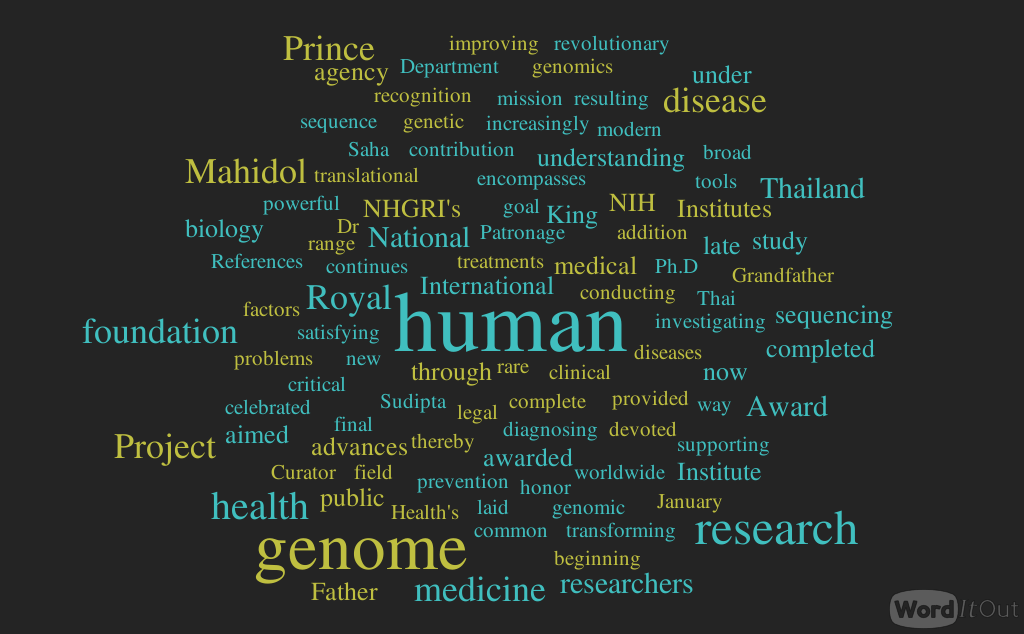
The Thai royal family awarded its annual prizes in Bangkok, Thailand, in late January 2018 in recognition of advances in public health and medicine – through the Prince Mahidol Award Foundation under the Royal Patronage. This foundation was established in 1992 to honor the late Prince Mahidol of Songkla, the Royal Father of His Majesty King Bhumibol Adulyadej of Thailand and the Royal Grandfather of the present King. Prince Mahidol is celebrated worldwide as the father of modern medicine and public health in Thailand.


The Human Genome Project has been awarded the 2017 Prince Mahidol Award for revolutionary advances in the field of medicine. The Human Genome Project was completed in 2003. It was an international, collaborative research program aimed at the complete mapping and sequencing of the human genome. Its final goal was to provide researchers with fundamental information about the human genome and powerful tools for understanding the genetic factors in human disease, paving the way for new strategies for disease diagnosis, treatment and prevention.


The resulting human genome sequence has provided a foundation on which researchers and clinicians now tackle increasingly complex problems, transforming the study of human biology and disease. Particularly it is satisfying that it has given the researchers the ability to begin using genomics to improve approaches for diagnosing and treating human disease thereby beginning the era of genomic medicine.


National Human Genome Research Institute (NHGRI) is devoted to advancing health through genome research. The institute led National Institutes of Health’s (NIH’s) contribution to the Human Genome Project, which was successfully completed in 2003 ahead of schedule and under budget. NIH, is USA’s national medical research agency, includes 27 Institutes and Centers and is a component of the U.S. Department of Health and Human Services. NIH is the primary federal agency conducting and supporting basic, clinical, and translational medical research, and is investigating the causes, treatments, and cures for both common and rare diseases.


Building on the foundation laid by the sequencing of the human genome, NHGRI’s work now encompasses a broad range of research aimed at expanding understanding of human biology and improving human health. In addition, a critical part of NHGRI’s mission continues to be the study of the ethical, legal and social implications of genome research.


References:


https://www.nih.gov/news-events/news-releases/human-genome-project-awarded-thai-2017-prince-mahidol-award-field-medicine


http://www.mfa.go.th/main/en/news3/6886/83875-Announcement-of-the-Prince-Mahidol-Laureates-2017.html


http://www.thaiembassy.org/london/en/news/7519/83884-Announcement-of-the-Prince-Mahidol-Laureates-2017.html


http://englishnews.thaipbs.or.th/us-human-genome-project-influenza-researchers-win-prince-mahidol-award-2017/


http://genomesequencing.com/the-human-genome-project-is-awarded-the-thai-2017-prince-mahidol-award-for-the-field-of-medicine-national-institutes-of-health-press-release/


Read Full Post »

Knowing the genetic vulnerability of bladder cancer for therapeutic intervention, Volume 2 (Volume Two: Latest in Genomics Methodologies for Therapeutics: Gene Editing, NGS and BioInformatics, Simulations and the Genome Ontology), Part 1: Next Generation Sequencing (NGS)

Knowing the genetic vulnerability of bladder cancer for therapeutic intervention

Reporter and Curator: Dr. Sudipta Saha, Ph.D.


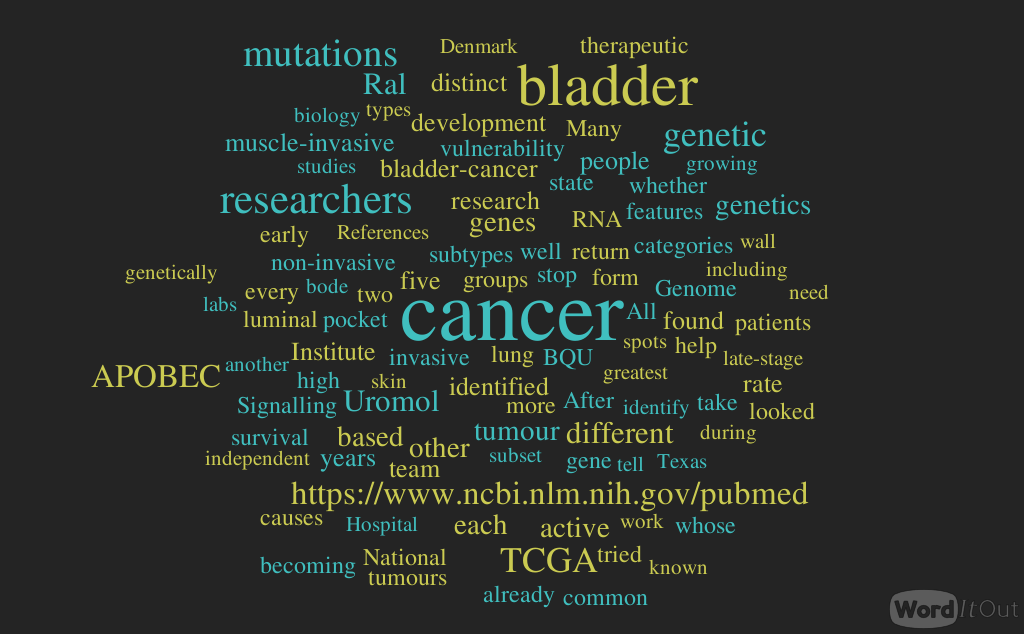
A mutated gene called RAS gives rise to a signalling protein Ral which is involved in tumour growth in the bladder. Many researchers tried and failed to target and stop this wayward gene. Signalling proteins such as Ral usually shift between active and inactive states.


So, researchers next tried to stop Ral to get into active state. In inacvtive state Ral exposes a pocket which gets closed when active. After five years, the researchers found a small molecule dubbed BQU57 that can wedge itself into the pocket to prevent Ral from closing and becoming active. Now, BQU57 has been licensed for further development.


Researchers have a growing genetic data on bladder cancer, some of which threaten to overturn the supposed causes of bladder cancer. Genetics has also allowed bladder cancer to be reclassified from two categories into five distinct subtypes, each with different characteristics and weak spots. All these advances bode well for drug development and for improved diagnosis and prognosis.


Among the groups studying the genetics of bladder cancer are two large international teams: Uromol (named for urology and molecular biology), which is based at Aarhus University Hospital in Denmark, and The Cancer Genome Atlas (TCGA), based at institutions in Texas and Boston. Each team tackled a different type of cancer, based on the traditional classification of whether or not a tumour has grown into the muscle wall of the bladder. Uromol worked on the more common, earlier form, non-muscle-invasive bladder cancer, whereas TCGA is looking at muscle-invasive bladder cancer, which has a lower survival rate.


The Uromol team sought to identify people whose non-invasive tumours might return after treatment, becoming invasive or even metastatic. Bladder cancer has a high risk of recurrence, so people whose non-invasive cancer has been treated need to be monitored for many years, undergoing cystoscopy every few months. They looked for predictive genetic footprints in the transcriptome of the cancer, which contains all of a cell’s RNA and can tell researchers which genes are turned on or off.


They found three subgroups with distinct basal and luminal features, as proposed by other groups, each with different clinical outcomes in early-stage bladder cancer. These features sort bladder cancer into genetic categories that can help predict whether the cancer will return. The researchers also identified mutations that are linked to tumour progression. Mutations in the so-called APOBEC genes, which code for enzymes that modify RNA or DNA molecules. This effect could lead to cancer and cause it to be aggressive.


The second major research group, TCGA, led by the National Cancer Institute and the National Human Genome Research Institute, that involves thousands of researchers across USA. The project has already mapped genomic changes in 33 cancer types, including breast, skin and lung cancers. The TCGA researchers, who study muscle-invasive bladder cancer, have looked at tumours that were already identified as fast-growing and invasive.


The work by Uromol, TCGA and other labs has provided a clearer view of the genetic landscape of early- and late-stage bladder cancer. There are five subtypes for the muscle-invasive form: luminal, luminal–papillary, luminal–infiltrated, basal–squamous, and neuronal, each of which is genetically distinct and might require different therapeutic approaches.


Bladder cancer has the third-highest mutation rate of any cancer, behind only lung cancer and melanoma. The TCGA team has confirmed Uromol research showing that most bladder-cancer mutations occur in the APOBEC genes. It is not yet clear why APOBEC mutations are so common in bladder cancer, but studies of the mutations have yielded one startling implication. The APOBEC enzyme causes mutations early during the development of bladder cancer, and independent of cigarette smoke or other known exposures.


The TCGA researchers found a subset of bladder-cancer patients, those with the greatest number of APOBEC mutations, had an extremely high five-year survival rate of about 75%. Other patients with fewer APOBEC mutations fared less well which is pretty surprising.


This detailed knowledge of bladder-cancer genetics may help to pinpoint the specific vulnerabilities of cancer cells in different people. Over the past decade, Broad Institute researchers have identified more than 760 genes that cancer needs to grow and survive. Their genetic map might take another ten years to finish, but it will list every genetic vulnerability that can be exploited. The goal of cancer precision medicine is to take the patient’s tumour and decode the genetics, so the clinician can make a decision based on that information.


References:


https://www.ncbi.nlm.nih.gov/pubmed/29117162


https://www.ncbi.nlm.nih.gov/pubmed/27321955


https://www.ncbi.nlm.nih.gov/pubmed/28583312


https://www.ncbi.nlm.nih.gov/pubmed/24476821


https://www.ncbi.nlm.nih.gov/pubmed/28988769


https://www.ncbi.nlm.nih.gov/pubmed/28753430


Read Full Post »

SNP-based Study on high BMI exposure confirms CVD and DM Risks – no associations with Stroke, Volume 2 (Volume Two: Latest in Genomics Methodologies for Therapeutics: Gene Editing, NGS and BioInformatics, Simulations and the Genome Ontology), Part 1: Next Generation Sequencing (NGS)

SNP-based Study on high BMI exposure confirms CVD and DM Risks – no associations with Stroke

Reporter: Aviva Lev-Ari, PhD, RN

Genes Affirm: High BMI Carries Weighty Heart, Diabetes Risk – Mendelian randomization study adds to ‘burgeoning evidence’

by Crystal Phend, Senior Associate Editor, MedPage Today, July 05, 2017


The “genetically instrumented” measure of high BMI exposure — calculated based on 93 single-nucleotide polymorphisms associated with BMI in prior genome-wide association studies — was associated with the following risks (odds ratios given per standard deviation higher BMI):

  • Hypertension (OR 1.64, 95% CI 1.48-1.83)
  • Coronary heart disease (CHD; OR 1.35, 95% CI 1.09-1.69)
  • Type 2 diabetes (OR 2.53, 95% CI 2.04-3.13)
  • Systolic blood pressure (β 1.65 mm Hg, 95% CI 0.78-2.52 mm Hg)
  • Diastolic blood pressure (β 1.37 mm Hg, 95% CI 0.88-1.85 mm Hg)

However, there were no associations with stroke, Donald Lyall, PhD, of the University of Glasgow, and colleagues reported online in JAMA Cardiology.

The associations independent of age, sex, Townsend deprivation scores, alcohol intake, and smoking history were found in baseline data from 119,859 participants in the population-based U.K. Biobank who had complete medical, sociodemographic, and genetic data.

“The main advantage of an MR approach is that certain types of study bias can be minimized,” the team noted. “Because DNA is stable and randomly inherited, which helps to mitigate errors from reverse causality and confounding, genetic variation can be used as a proxy for lifetime BMI to overcome limitations such as reverse causality and confounding, a process that hampers observational analyses of obesity and its consequences.”


Other related articles published in this Open Access Online Scientific Journal include the following:

9 results for Kindle Store : “Aviva Lev-Ari”

Sort by 
Relevance
Featured
Price: Low to High
Price: High to Low
Avg. Customer Review
Publication Date
  • Product Details

    Etiologies of Cardiovascular Diseases: Epigenetics, Genetics and Genomics

    Nov 28, 2015 | Kindle eBook

    by Justin D. Pearlman MD ME PhD MA FACC and Stephen J. Williams PhD
    Subscribers read for free.
    Auto-delivered wirelessly
    Sold by: Amazon Digital Services LLC
  • Product Details

    Perspectives on Nitric Oxide in Disease Mechanisms (Biomed e-Books Book 1)

    Jun 20, 2013 | Kindle eBook

    by Margaret Baker PhD and Tilda Barliya PhD
    Subscribers read for free.
    Auto-delivered wirelessly
    Sold by: Amazon Digital Services LLC
  • Product Details

    Cancer Therapies: Metabolic, Genomics, Interventional, Immunotherapy and Nanotechnology in Therapy Delivery (Series C Book 2)

    May 13, 2017 | Kindle eBook

    by Larry H. Bernstein and Demet Sag
    Subscribers read for free.
    Auto-delivered wirelessly
    Sold by: Amazon Digital Services LLC
  • Product Details

    Metabolic Genomics & Pharmaceutics (BioMedicine – Metabolomics, Immunology, Infectious Diseases Book 1)

    Jul 21, 2015 | Kindle eBook

    by Larry H. Bernstein MD FCAP and Prabodah Kandala PhD
    Subscribers read for free.
    Auto-delivered wirelessly
    Sold by: Amazon Digital Services LLC
  • Product Details

    Milestones in Physiology: Discoveries in Medicine, Genomics and Therapeutics (Series E: Patient-Centered Medicine Book 3)

    Dec 26, 2015 | Kindle eBook

    by Larry H. Bernstein MD FACP and Aviva Lev-Ari PhD RN
    Subscribers read for free.
    Auto-delivered wirelessly
    Sold by: Amazon Digital Services LLC
  • Product Details

    Genomics Orientations for Personalized Medicine (Frontiers in Genomics Research Book 1)

    Nov 22, 2015 | Kindle eBook

    by Sudipta Saha PhD and Ritu Saxena PhD
    Subscribers read for free.
    Auto-delivered wirelessly
    Sold by: Amazon Digital Services LLC
  • Product Details

    Cancer Biology and Genomics for Disease Diagnosis (Series C: e-Books on Cancer & Oncology Book 1)

    Aug 10, 2015 | Kindle eBook

    by Larry H Bernstein MD FCAP and Prabodh Kumar Kandala PhD
    Subscribers read for free.
    Auto-delivered wirelessly
    Sold by: Amazon Digital Services LLC
  • Product Details

    Regenerative and Translational Medicine: The Therapeutic Promise for Cardiovascular Diseases

    Dec 26, 2015 | Kindle eBook

    by Justin D. Pearlman MD ME PhD MA FACC and Stephen J. Williams
    Subscribers read for free.
    Auto-delivered wirelessly
    Sold by: Amazon Digital Services LLC
  • Product Details

    Cardiovascular Original Research: Cases in Methodology Design for Content Co-Curation: The Art of Scientific & Medical Curation

    Nov 29, 2015 | Kindle eBook

    by Larry H. Bernstein MD FCAP and Aviva Lev-Ari PhD RN
    Subscribers read for free.
    Auto-delivered wirelessly


Read Full Post »

Genomic Diagnostics: Three Techniques to Perform Single Cell Gene Expression and Genome Sequencing Single Molecule DNA Sequencing

Curator: Aviva Lev-Ari, PhD, RN

4.2.3

4.2.3   Genomic Diagnostics: Three Techniques to Perform Single Cell Gene Expression and Genome Sequencing Single Molecule DNA Sequencing, Volume 2 (Volume Two: Latest in Genomics Methodologies for Therapeutics: Gene Editing, NGS and BioInformatics, Simulations and the Genome Ontology), Part 4: Single Cell Genomics

This article presents Three Techniques to Perform Single Cell Gene Expression and Genome Sequencing Single molecule DNA sequencing

Read Full Post »

Ido Sagi – PhD Student @HUJI, 2017 Kaye Innovation Award winner for leading research that yielded the first successful isolation and maintenance of haploid embryonic stem cells in humans.

Reporter: Aviva Lev-Ari, PhD, RN


Ido Sagi – PhD Student, Silberman Institute of Life Sciences, HUJI, Israel

  • Ido Sagi’s research focuses on studying genetic and epigenetic phenomena in human pluripotent stem cells, and his work has been published in leading scientific journals, including NatureNature Genetics and Cell Stem Cell.
  • Ido Sagi received BSc summa cum laude in Life Sciences from the Hebrew University, and currently pursues a PhD at the laboratory of Prof. Nissim Benvenisty at the university’s Department of Genetics in the Alexander Silberman Institute of Life Sciences.

The Kaye Innovation Awards at the Hebrew University of Jerusalem have been awarded annually since 1994. Isaac Kaye of England, a prominent industrialist in the pharmaceutical industry, established the awards to encourage faculty, staff and students of the Hebrew University to develop innovative methods and inventions with good commercial potential, which will benefit the university and society.

Publications – Ido Sagi

Comparable frequencies of coding mutations and loss of imprinting in human pluripotent cells derived by nuclear transfer and defined factors.
Cell Stem Cell 2014 Nov 6;15(5):634-42. Epub 2014 Nov 6.
The New York Stem Cell Foundation Research Institute, New York, NY 10032, USA; Naomi Berrie Diabetes Center & Department of Pediatrics, College of Physicians and Surgeons, Columbia University, New York, NY 10032, USA. Electronic address:

November 2014


Stem cells: Aspiring to naivety.
Nature 2016 12 30;540(7632):211-212. Epub 2016 Nov 30.
The Azrieli Center for Stem Cells and Genetic Research, Department of Genetics, Silberman Institute of Life Sciences, The Hebrew University of Jerusalem, Jerusalem 91904, Israel.
November 2016

Download Full Paper

SOURCE

Other related articles on Genetic and Epigenetic phenomena in human pluripotent stem cells published by LPBI Group can be found in the following e-Books on Amazon.com

e-Books in Medicine

https://www.amazon.com/s/ref=dp_byline_sr_ebooks_9?ie=UTF8&text=Aviva+Lev-Ari&search-alias=digital-text&field-author=Aviva+Lev-Ari&sort=relevancerank

9 results for Kindle Store : “Aviva Lev-Ari”

  • Product Details

    Etiologies of Cardiovascular Diseases: Epigenetics, Genetics and Genomics

    Nov 28, 2015 | Kindle eBook

    by Justin D. Pearlman MD ME PhD MA FACC and Stephen J. Williams PhD
    Subscribers read for free.
    Auto-delivered wirelessly
    Sold by: Amazon Digital Services LLC
  • Product Details

    Cancer Therapies: Metabolic, Genomics, Interventional, Immunotherapy and Nanotechnology in Therapy Delivery (Series C Book 2)

    May 13, 2017 | Kindle eBook

    by Larry H. Bernstein and Demet Sag
    Subscribers read for free.
    Auto-delivered wirelessly
    Sold by: Amazon Digital Services LLC
  • Product Details

    Perspectives on Nitric Oxide in Disease Mechanisms (Biomed e-Books Book 1)

    Jun 20, 2013 | Kindle eBook

    by Margaret Baker PhD and Aviva Lev-Ari PhD RN
    Subscribers read for free.
    Auto-delivered wirelessly
    Sold by: Amazon Digital Services LLC
  • Product Details

    Cancer Biology and Genomics for Disease Diagnosis (Series C: e-Books on Cancer & Oncology Book 1)

    Aug 10, 2015 | Kindle eBook

    by Larry H Bernstein MD FCAP and Prabodh Kumar Kandala PhD
    Subscribers read for free.
    Auto-delivered wirelessly
    Sold by: Amazon Digital Services LLC
  • Product Details

    Genomics Orientations for Personalized Medicine (Frontiers in Genomics Research Book 1)

    Nov 22, 2015 | Kindle eBook

    by Sudipta Saha PhD and Ritu Saxena PhD
    Subscribers read for free.
    Auto-delivered wirelessly
    Sold by: Amazon Digital Services LLC
  • Product Details

    Metabolic Genomics & Pharmaceutics (BioMedicine – Metabolomics, Immunology, Infectious Diseases Book 1)

    Jul 21, 2015 | Kindle eBook

    by Larry H. Bernstein MD FCAP and Prabodah Kandala PhD
    Subscribers read for free.
    Auto-delivered wirelessly
    Sold by: Amazon Digital Services LLC
  • Product Details

    Milestones in Physiology: Discoveries in Medicine, Genomics and Therapeutics (Series E: Patient-Centered Medicine Book 3)

    Dec 26, 2015 | Kindle eBook

    by Larry H. Bernstein MD FACP and Aviva Lev-Ari PhD RN
    Subscribers read for free.
    Auto-delivered wirelessly
    Sold by: Amazon Digital Services LLC
  • Product Details

    Regenerative and Translational Medicine: The Therapeutic Promise for Cardiovascular Diseases

    Dec 26, 2015 | Kindle eBook

    by Justin D. Pearlman MD ME PhD MA FACC and Ritu Saxena PhD
    Subscribers read for free.
    Auto-delivered wirelessly
    Sold by: Amazon Digital Services LLC
  • Product Details

    Cardiovascular Original Research: Cases in Methodology Design for Content Co-Curation: The Art of Scientific & Medical Curation

    Nov 29, 2015 | Kindle eBook

    by Larry H. Bernstein MD FCAP and Aviva Lev-Ari PhD RN
    Subscribers read for free.
    Auto-delivered wirelessly
    Sold by: Amazon Digital Services LLC


Read Full Post »

Reporter and Curator: Dr. Sudipta Saha, Ph.D.

2.1.5.5

2.1.5.5   Promising research for a male birth control pill, Volume 2 (Volume Two: Latest in Genomics Methodologies for Therapeutics: Gene Editing, NGS and BioInformatics, Simulations and the Genome Ontology), Part 2: CRISPR for Gene Editing and DNA Repair

Scientists think excessive population growth is a cause of scarcity and environmental degradation. A male pill could reduce the number of unintended pregnancies, which accounts for 40 percent of all pregnancies worldwide.

But, big drug companies long ago dropped out of the search for a male contraceptive pill which is able to chemically intercept millions of sperm before they reach a woman’s egg. Right now the chemical burden for contraception relies solely on the female. There’s not much activity in the male contraception field because an effective solution is available on the female side.

Presently, male contraception means a condom or a vasectomy. But researchers from Center for Drug Discovery at Baylor College of Medicine, USA are renewing the search for a better option—an easy-to-take pill that’s safe, fast-acting, and reversible.

The scientists began with lists of genes active in the testes for sperm production and motility and then created knockout mice that lack those genes. Using the gene-editing technology called CRISPR, in collaboration with Japanese scientists, they have so far made more than 75 of these “knockout” mice.

They allowed these mice to mate with normal (wild type) female mice, and if their female partners don’t get pregnant after three to six months, it means the gene might be a target for a contraceptive. Out of 2300 genes that are particularly active in the testes of mice, the researchers have identified 30 genes whose deletion makes the male infertile. Next the scientists are planning a novel screening approach to test whether any of about two billion chemicals can disable these genes in a test tube. Promising chemicals could then be fed to male mice to see if they cause infertility.

Female birth control pills use hormones to inhibit a woman’s ovaries from releasing eggs. But hormones have side effects like weight gain, mood changes, and headaches. A trial of one male contraceptive hormone was stopped early in 2011 after one participant committed suicide and others reported depression. Moreover, some drug candidates have made animals permanently sterile which is not the goal of the research. The challenge is to prevent sperm being made without permanently sterilizing the individual.

As a better way to test drugs, Scientists at University of Georgia, USA are investigating yet another high-tech approach. They are turning human skin cells into stem cells that look and act like the spermatogonial cells in the testes. Testing drugs on such cells might provide more accurate leads than tests on mice.

The male pill would also have to start working quickly, a lot sooner than the female pill, which takes about a week to function. Scientists from University of Dundee, U.K. admitted that there are lots of challenges. Because, a women’s ovary usually release one mature egg each month, while a man makes millions of sperm every day. So, the male pill has to be made 100 percent effective and act instantaneously.

References:

https://www.technologyreview.com/s/603676/the-search-for-a-perfect-male-birth-control-pill/

https://futurism.com/videos/the-perfect-male-birth-control-pill-is-coming-soon/?utm_source=Digest&utm_campaign=c42fc7b9b6-EMAIL_CAMPAIGN_2017_03_20&utm_medium=email&utm_term=0_03cd0a26cd-c42fc7b9b6-246845533

http://www.telegraph.co.uk/women/sex/the-male-pill-is-coming—and-its-going-to-change-everything/

http://www.mensfitness.com/women/sex-tips/male-birth-control-pill-making

http://health.howstuffworks.com/sexual-health/contraception/male-bc-pill.htm

http://europe.newsweek.com/male-contraception-side-effects-study-pill-injection-518237?rm=eu

http://edition.cnn.com/2016/01/07/health/male-birth-control-pill/index.html

http://www.nhs.uk/Conditions/contraception-guide/Pages/male-pill.aspx

Read Full Post »

Translation of whole human genome sequencing to clinical practice: The Joint Initiative for Metrology in Biology (JIMB) is a collaboration between the National Institute of Standards & Technology (NIST) and Stanford University, Volume 2 (Volume Two: Latest in Genomics Methodologies for Therapeutics: Gene Editing, NGS and BioInformatics, Simulations and the Genome Ontology), Part 1: Next Generation Sequencing (NGS)

Translation of whole human genome sequencing to clinical practice: The Joint Initiative for Metrology in Biology (JIMB) is a collaboration between the National Institute of Standards & Technology (NIST) and Stanford University.

Reporter: Aviva Lev-Ari, PhD, RN


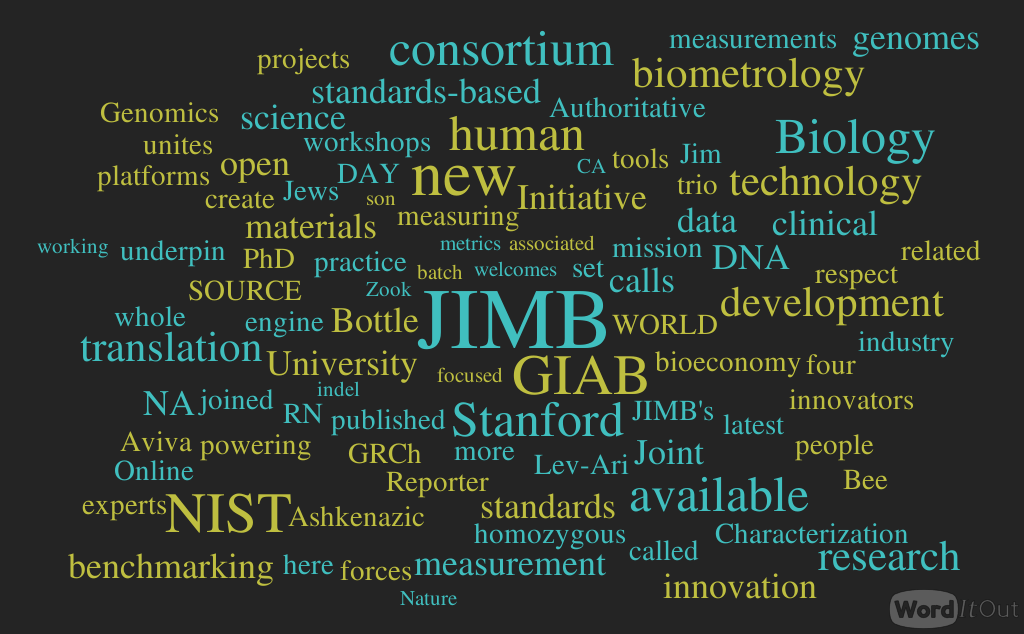
JIMB’s mission is to advance the science of measuring biology (biometrology). JIMB is pursuing fundamental research, standards development, and the translation of products that support confidence in biological measurements and reliable reuse of materials and results. JIMB is particularly focused on measurements and technologies that impact, are related to, or enabled by ongoing advances in and associated with the reading and writing of DNA.

Stanford innovators and industry entrepreneurs have joined forces with the measurement experts from NIST to create a new engine powering the bioeconomy. It’s called JIMB — “Jim Bee” — the Joint Initiative for Metrology in Biology. JIMB unites people, platforms, and projects to underpin standards-based research and innovation in biometrology.

Genome in a Bottle
Authoritative Characterization of
Benchmark Human Genomes


The Genome in a Bottle Consortium is a public-private-academic consortium hosted by NIST to develop the technical infrastructure (reference standards, reference methods, and reference data) to enable translation of whole human genome sequencing to clinical practice. The priority of GIAB is authoritative characterization of human genomes for use in analytical validation and technology development, optimization, and demonstration. In 2015, NIST released the pilot genome Reference Material 8398, which is genomic DNA (NA12878) derived from a large batch of the Coriell cell line GM12878, characterized for high-confidence SNPs, indel, and homozygous reference regions (Zook, et al., Nature Biotechnology 2014).

There are four new GIAB reference materials available.  With the addition of these new reference materials (RMs) to a growing collection of “measuring sticks” for gene sequencing, we can now provide laboratories with even more capability to accurately “map” DNA for genetic testing, medical diagnoses and future customized drug therapies. The new tools feature sequenced genes from individuals in two genetically diverse groups, Asians and Ashkenazic Jews; a father-mother-child trio set from Ashkenazic Jews; and four microbes commonly used in research. For more information click here.  To purchase them, visit:

Data and analyses are publicly available (GIAB GitHub). A description of data generated by GIAB is published here. To standardize best practices for using GIAB genomes for benchmarking, we are working with the Global Alliance for Genomics and Health Benchmarking Team (benchmarking tools).

High-confidence small variant and homozygous reference calls are available for NA12878, the Ashkenazim trio, and the Chinese son with respect to GRCh37.  Preliminary high-confidence calls with respect to GRCh38 are also available for NA12878.   The latest version of these calls is under the latest directory for each genome on the GIAB FTP.

The consortium was initiated in a set of meetings in 2011 and 2012, and the consortium holds open, public workshops in January at Stanford University in Palo Alto, CA and in August/September at NIST in Gaithersburg, MD. Slides from workshops and conferences are available online. The consortium is open and welcomes new participants.

SOURCE

Stanford innovators and industry entrepreneurs have joined forces with the measurement experts from NIST to create a new engine powering the bioeconomy. It’s called JIMB — “Jim Bee” — the Joint Initiative for Metrology in Biology. JIMB unites people, platforms, and projects to underpin standards-based research and innovation in biometrology.

JIMB World Metrology Day Symposium

JIMB’s mission is to motivate standards-based measurement innovation to facilitate translation of basic science and technology development breakthroughs in genomics and synthetic biology.

By advancing biometrology, JIMB will push the boundaries of discovery science, accelerate technology development and dissemination, and generate reusable resources.

 SOURCE

VIEW VIDEO

https://player.vimeo.com/video/184956195?wmode=opaque&api=1″,”url”:”https://vimeo.com/184956195″,”width”:640,”height”:360,”providerName”:”Vimeo”,”thumbnailUrl”:”https://i.vimeocdn.com/video/594555038_640.jpg”,”resolvedBy”:”vimeo”}” data-block-type=”32″>

Other related articles published in this Open Access Online Scientific Journal include the following:

“Genome in a Bottle”: NIST’s new metrics for Clinical Human Genome Sequencing

Reporter: Aviva Lev-Ari, PhD, RN

https://pharmaceuticalintelligence.com/2012/09/06/genome-in-a-bottle-nists-new-metrics-for-clinical-human-genome-sequencing/

Read Full Post »

Squid: Coming to Life—images and video captured the MBL Embryology course between 2007 and 2016. Produced by former course co-director Nipam Patel, UC Berkeley.

Reporter: Aviva lev-Ari, PhD, RN


Read Full Post »

Reporter and Curator: Dr. Sudipta Saha, Ph.D.


MicroRNAs (miRNAs) are a group of small non-coding RNA molecules that play a major role in posttranscriptional regulation of gene expression and are expressed in an organ-specific manner. One miRNA can potentially regulate the expression of several genes, depending on cell type and differentiation stage. They control every cellular process and their altered regulation is involved in human diseases. miRNAs are differentially expressed in the male and female gonads and have an organ-specific reproductive function. Exerting their affect through germ cells and gonadal somatic cells, miRNAs regulate key proteins necessary for gonad development. The role of miRNAs in the testes is only starting to emerge though they have been shown to be required for adequate spermatogenesis. In the ovary, miRNAs play a fundamental role in follicles’ assembly, growth, differentiation, and ovulation.


Deciphering the underlying causes of idiopathic male infertility is one of the main challenges in reproductive medicine. This is especially relevant in infertile patients displaying normal seminal parameters and no urogenital or genetic abnormalities. In these cases, the search for additional sperm biomarkers is of high interest. This study was aimed to determine the implications of the sperm miRNA expression profiles in the reproductive capacity of normozoospermic infertile individuals. The expression levels of 736 miRNAs were evaluated in spermatozoa from normozoospermic infertile males and normozoospermic fertile males analyzed under the same conditions. 57 miRNAs were differentially expressed between populations; 20 of them was regulated by a host gene promoter that in three cases comprised genes involved in fertility. The predicted targets of the differentially expressed miRNAs unveiled a significant enrichment of biological processes related to embryonic morphogenesis and chromatin modification. Normozoospermic infertile individuals exhibit a specific sperm miRNA expression profile clearly differentiated from normozoospermic fertile individuals. This miRNA cargo has potential implications in the individuals’ reproductive competence.


Circulating or “extracellular” miRNAs detected in biological fluids, could be used as potential diagnostic and prognostic biomarkers of several disease, such as cancer, gynecological and pregnancy disorders. However, their contributions in female infertility and in vitro fertilization (IVF) remain unknown. Polycystic ovary syndrome (PCOS) is a frequent endocrine disorder in women. PCOS is associated with altered features of androgen metabolism, increased insulin resistance and impaired fertility. Furthermore, PCOS, being a syndrome diagnosis, is heterogeneous and characterized by polycystic ovaries, chronic anovulation and evidence of hyperandrogenism, as well as being associated with chronic low-grade inflammation and an increased life time risk of type 2 diabetes. Altered miRNA levels have been associated with diabetes, insulin resistance, inflammation and various cancers. Studies have shown that circulating miRNAs are present in whole blood, serum, plasma and the follicular fluid of PCOS patients and that these might serve as potential biomarkers and a new approach for the diagnosis of PCOS. Presence of miRNA in mammalian follicular fluid has been demonstrated to be enclosed within microvesicles and exosomes or they can also be associated to protein complexes. The presence of microvesicles and exosomes carrying microRNAs in follicular fluid could represent an alternative mechanism of autocrine and paracrine communication inside the ovarian follicle. The investigation of the expression profiles of five circulating miRNAs (let-7b, miR-29a, miR-30a, miR-140 and miR-320a) in human follicular fluid from women with normal ovarian reserve and with polycystic ovary syndrome (PCOS) and their ability to predict IVF outcomes showed that these miRNAs could provide new helpful biomarkers to facilitate personalized medical care for oocyte quality in ART (Assisted Reproductive Treatment) and during IVF (In Vitro Fertilization).


References:


http://link.springer.com/chapter/10.1007%2F978-3-319-31973-5_12


http://onlinelibrary.wiley.com/doi/10.1111/andr.12276/abstract;jsessionid=F805A89DCC94BDBD42D6D60C40AD4AB0.f03t03


http://www.sciencedirect.com/science/article/pii/S0009279716302241


http://link.springer.com/article/10.1007%2Fs10815-016-0657-9


http://www.nature.com/articles/srep24976


Read Full Post »

Milestones in Physiology & Discoveries in Medicine and Genomics: Request for Book Review Writing on Amazon.com

physiology-cover-seriese-vol-3individualsaddlebrown-page2

Milestones in Physiology

Discoveries in Medicine, Genomics and Therapeutics

Patient-centric Perspective 

http://www.amazon.com/dp/B019VH97LU 

2015


Author, Curator and Editor

Larry H Bernstein, MD, FCAP

Chief Scientific Officer

Leaders in Pharmaceutical Business Intelligence

Larry.bernstein@gmail.com

Preface

Introduction 

Chapter 1: Evolution of the Foundation for Diagnostics and Pharmaceuticals Industries

1.1  Outline of Medical Discoveries between 1880 and 1980

1.2 The History of Infectious Diseases and Epidemiology in the late 19th and 20th Century

1.3 The Classification of Microbiota

1.4 Selected Contributions to Chemistry from 1880 to 1980

1.5 The Evolution of Clinical Chemistry in the 20th Century

1.6 Milestones in the Evolution of Diagnostics in the US HealthCare System: 1920s to Pre-Genomics


Chapter 2. The search for the evolution of function of proteins, enzymes and metal catalysts in life processes

2.1 The life and work of Allan Wilson
2.2  The  evolution of myoglobin and hemoglobin
2.3  More complexity in proteins evolution
2.4  Life on earth is traced to oxygen binding
2.5  The colors of life function
2.6  The colors of respiration and electron transport
2.7  Highlights of a green evolution


Chapter 3. Evolution of New Relationships in Neuroendocrine States
3.1 Pituitary endocrine axis
3.2 Thyroid function
3.3 Sex hormones
3.4 Adrenal Cortex
3.5 Pancreatic Islets
3.6 Parathyroids
3.7 Gastointestinal hormones
3.8 Endocrine action on midbrain
3.9 Neural activity regulating endocrine response

3.10 Genomic Promise for Neurodegenerative Diseases, Dementias, Autism Spectrum, Schizophrenia, and Serious Depression


Chapter 4.  Problems of the Circulation, Altitude, and Immunity

4.1 Innervation of Heart and Heart Rate
4.2 Action of hormones on the circulation
4.3 Allogeneic Transfusion Reactions
4.4 Graft-versus Host reaction
4.5 Unique problems of perinatal period
4.6. High altitude sickness
4.7 Deep water adaptation
4.8 Heart-Lung-and Kidney
4.9 Acute Lung Injury

4.10 Reconstruction of Life Processes requires both Genomics and Metabolomics to explain Phenotypes and Phylogenetics


Chapter 5. Problems of Diets and Lifestyle Changes

5.1 Anorexia nervosa
5.2 Voluntary and Involuntary S-insufficiency
5.3 Diarrheas – bacterial and nonbacterial
5.4 Gluten-free diets
5.5 Diet and cholesterol
5.6 Diet and Type 2 diabetes mellitus
5.7 Diet and exercise
5.8 Anxiety and quality of Life
5.9 Nutritional Supplements


Chapter 6. Advances in Genomics, Therapeutics and Pharmacogenomics

6.1 Natural Products Chemistry

6.2 The Challenge of Antimicrobial Resistance

6.3 Viruses, Vaccines and immunotherapy

6.4 Genomics and Metabolomics Advances in Cancer

6.5 Proteomics – Protein Interaction

6.6 Pharmacogenomics

6.7 Biomarker Guided Therapy

6.8 The Emergence of a Pharmaceutical Industry in the 20th Century: Diagnostics Industry and Drug Development in the Genomics Era: Mid 80s to Present

6.09 The Union of Biomarkers and Drug Development

6.10 Proteomics and Biomarker Discovery

6.11 Epigenomics and Companion Diagnostics


Chapter  7

Integration of Physiology, Genomics and Pharmacotherapy

7.1 Richard Lifton, MD, PhD of Yale University and Howard Hughes Medical Institute: Recipient of 2014 Breakthrough Prizes Awarded in Life Sciences for the Discovery of Genes and Biochemical Mechanisms that cause Hypertension

7.2 Calcium Cycling (ATPase Pump) in Cardiac Gene Therapy: Inhalable Gene Therapy for Pulmonary Arterial Hypertension and Percutaneous Intra-coronary Artery Infusion for Heart Failure: Contributions by Roger J. Hajjar, MD

7.3 Diagnostics and Biomarkers: Novel Genomics Industry Trends vs Present Market Conditions and Historical Scientific Leaders Memoirs

7.4 Synthetic Biology: On Advanced Genome Interpretation for Gene Variants and Pathways: What is the Genetic Base of Atherosclerosis and Loss of Arterial Elasticity with Aging

7.5 Diagnosing Diseases & Gene Therapy: Precision Genome Editing and Cost-effective microRNA Profiling

7.6 Imaging Biomarker for Arterial Stiffness: Pathways in Pharmacotherapy for Hypertension and Hypercholesterolemia Management

7.7 Neuroprotective Therapies: Pharmacogenomics vs Psychotropic drugs and Cholinesterase Inhibitors

7.8 Metabolite Identification Combining Genetic and Metabolic Information: Genetic association links unknown metabolites to functionally related genes

7.9 Preserved vs Reduced Ejection Fraction: Available and Needed Therapies

7.10 Biosimilars: Intellectual Property Creation and Protection by Pioneer and by

7.11 Demonstrate Biosimilarity: New FDA Biosimilar Guidelines


Chapter 7.  Biopharma Today

8.1 A Great University engaged in Drug Discovery: University of Pittsburgh

8.2 Introduction – The Evolution of Cancer Therapy and Cancer Research: How We Got Here?

8.3 Predicting Tumor Response, Progression, and Time to Recurrence

8.4 Targeting Untargetable Proto-Oncogenes

8.5 Innovation: Drug Discovery, Medical Devices and Digital Health

8.6 Cardiotoxicity and Cardiomyopathy Related to Drugs Adverse Effects

8.7 Nanotechnology and Ocular Drug Delivery: Part I

8.8 Transdermal drug delivery (TDD) system and nanotechnology: Part II

8.9 The Delicate Connection: IDO (Indolamine 2, 3 dehydrogenase) and Cancer Immunology

8.10 Natural Drug Target Discovery and Translational Medicine in Human Microbiome

8.11 From Genomics of Microorganisms to Translational Medicine

8.12 Confined Indolamine 2, 3 dioxygenase (IDO) Controls the Homeostasis of Immune Responses for Good and Bad


Chapter 9. BioPharma – Future Trends

9.1 Artificial Intelligence Versus the Scientist: Who Will Win?

9.2 The Vibrant Philly Biotech Scene: Focus on KannaLife Sciences and the Discipline and Potential of Pharmacognosy

9.3 The Vibrant Philly Biotech Scene: Focus on Computer-Aided Drug Design and Gfree Bio, LLC

9.4 Heroes in Medical Research: The Postdoctoral Fellow

9.5 NIH Considers Guidelines for CAR-T therapy: Report from Recombinant DNA Advisory Committee

9.6 1st Pitch Life Science- Philadelphia- What VCs Really Think of your Pitch

9.7 Multiple Lung Cancer Genomic Projects Suggest New Targets, Research Directions for Non-Small Cell Lung Cancer

9.8 Heroes in Medical Research: Green Fluorescent Protein and the Rough Road in Science

9.9 Issues in Personalized Medicine in Cancer: Intratumor Heterogeneity and Branched Evolution Revealed by Multiregion Sequencing

9.10 The SCID Pig II: Researchers Develop Another SCID Pig, And Another Great Model For Cancer Research

Epilogue

Read Full Post »
« Newer Posts - Older Posts »