Feeds:
Posts
Comments

Archive for the ‘Pharmacogenomics’ Category

Metabolomics, Metabonomics and Functional Nutrition: the next step in nutritional metabolism and biotherapeutics

Metabolomics, Metabonomics and Functional Nutrition: the next step in nutritional metabolism and biotherapeutics

Reviewer and Curator: Larry H. Bernstein, MD, FCAP 


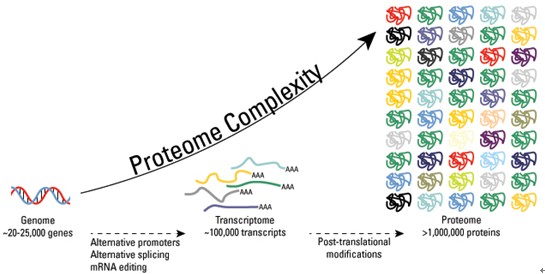
The human genome is estimated to encode over 30,000 genes, and to be responsible for generating more than 100,000 functionally distinct proteins. Understanding the interrelationships among

  1. genes,
  2. gene products, and
  3. dietary habits

is fundamental to identifying those who will benefit most from or be placed at risk by intervention strategies.

Unraveling the multitude of

  • nutrigenomic,
  • proteomic, and
  • metabolomic patterns

that arise from the ingestion of foods or their

  • bioactive food components

will not be simple but is likely to provide insights into a tailored approach to diet and health. The use of new and innovative technologies, such as

  • microarrays,
  • RNA interference, and
  • nanotechnologies,

will provide needed insights into molecular targets for specific bioactive food components and

  • how they harmonize to influence individual phenotypes(1).

Nutrigenetics asks the question how individual genetic disposition, manifesting as

  • single nucleotide polymorphisms,
  • copy-number polymorphisms and
  • epigenetic phenomena,

affects susceptibility to diet.

Nutrigenomics addresses the inverse relationship, that is how diet influences

  • gene transcription,
  • protein expression and
  • metabolism.

A major methodological challenge and first pre-requisite of nutrigenomics is integrating

  • genomics (gene analysis),
  • transcriptomics (gene expression analysis),
  • proteomics (protein expression analysis) and
  • metabonomics (metabolite profiling)

to define a “healthy” phenotype. The long-term deliverable of nutrigenomics is personalised nutrition (2).

Science is beginning to understand how genetic variation and epigenetic events

  • alter requirements for, and responses to, nutrients (nutrigenomics).

At the same time, methods for profiling almost all of the products of metabolism in a single sample of blood or urine are being developed (metabolomics). Relations between

  • diet and nutrigenomic and metabolomic profiles and
  • between those profiles and health

have become important components of research that could change clinical practice in nutrition.

Most nutrition studies assume that all persons have average dietary requirements, and the studies often

  • do not plan for a large subset of subjects who differ in requirements for a nutrient.

Large variances in responses that occur when such a population exists

  • can result in statistical analyses that argue for a null effect.

If nutrition studies could better identify responders and differentiate them from nonresponders on the basis of nutrigenomic or metabolomic profiles,

  • the sensitivity to detect differences between groups could be greatly increased, and
  • the resulting dietary recommendations could be appropriately targeted (3).

In recent years, nutrition research has moved from classical epidemiology and physiology to molecular biology and genetics. Following this trend,

  • Nutrigenomics has emerged as a novel and multidisciplinary research field in nutritional science that
  • aims to elucidate how diet can influence human health.

It is already well known that bioactive food compounds can interact with genes affecting

  • transcription factors,
  • protein expression and
  • metabolite production.

The study of these complex interactions requires the development of

  • advanced analytical approaches combined with bioinformatics.

Thus, to carry out these studies

  • Transcriptomics,
  • Proteomics and
  • Metabolomics

approaches are employed together with an adequate integration of the information that they provide(4).

Metabonomics is a diagnostic tool for metabolic classification of individuals with the asset of quantitative, non-invasive analysis of easily accessible human body fluids such as urine, blood and saliva. This feature also applies to some extent to Proteomics, with the constraint that

  • the latter discipline is more complex in terms of composition and dynamic range of the sample.

Apart from addressing the most complex “Ome”, Proteomics represents

  • the only platform that delivers not only markers for disposition and efficacy
  • but also targets of intervention.

Application of integrated Omic technologies will drive the understanding of

  • interrelated pathways in healthy and pathological conditions and
  • will help to define molecular ‘switchboards’,
  • necessary to develop disease related biomarkers.

This will contribute to the development of new preventive and therapeutic strategies for both pharmacological and nutritional interventions (5).

Human health is affected by many factors. Diet and inherited genes play an important role. Food constituents,

  • including secondary metabolites of fruits and vegetables, may
  • interact directly with DNA via methylation and changes in expression profiles (mRNA, proteins)
  • which results in metabolite content changes.

Many studies have shown that

  • food constituents may affect human health and
  • the exact knowledge of genotypes and food constituent interactions with
  • both genes and proteins may delay or prevent the onset of diseases.

Many high throughput methods have been employed to get some insight into the whole process and several examples of successful research, namely in the field of genomics and transcriptomics, exist. Studies on epigenetics and RNome significance have been launched. Proteomics and metabolomics need to encompass large numbers of experiments and linked data. Due to the nature of the proteins, as well as due to the properties of various metabolites, experimental approaches require the use of

  • comprehensive high throughput methods and a sufficiency of analysed tissue or body fluids (6).

New experimental tools that investigate gene function at the subcellular, cellular, organ, organismal, and ecosystem level need to be developed. New bioinformatics tools to analyze and extract meaning

  • from increasingly systems-based datasets will need to be developed.

These will require, in part, creation of entirely new tools. An important and revolutionary aspect of “The 2010 Project”  is that it implicitly endorses

  • the allocation of resources to attempts to assign function to genes that have no known function.

This represents a significant departure from the common practice of defining and justifying a scientific goal based on the biological phenomena. The rationale for endorsing this radical change is that

  • for the first time it is feasible to envision a whole-systems approach to gene and protein function.

This whole-systems approach promises to be orders of magnitude more efficient than the conventional approach (7).

The Institute of Medicine recently convened a workshop to review the state of the various domains of nutritional genomics research and policy and to provide guidance for further development and translation of this knowledge into nutrition practice and policy (8). Nutritional genomics holds the promise to revolutionize both clinical and public health nutrition practice and facilitate the establishment of

(a) genome-informed nutrient and food-based dietary guidelines for disease prevention and healthful aging,

(b) individualized medical nutrition therapy for disease management, and

(c) better targeted public health nutrition interventions (including micronutrient fortification and supplementation) that

  • maximize benefit and minimize adverse outcomes within genetically diverse human populations.

As the field of nutritional genomics matures, which will include filling fundamental gaps in

  • knowledge of nutrient-genome interactions in health and disease and
  • demonstrating the potential benefits of customizing nutrition prescriptions based on genetics,
  • registered dietitians will be faced with the opportunity of making genetically driven dietary recommendations aimed at improving human health.

The new era of nutrition research translates empirical knowledge to evidence-based molecular science (9). Modern nutrition research focuses on

  • promoting health,
  • preventing or delaying the onset of disease,
  • optimizing performance, and
  • assessing risk.

Personalized nutrition is a conceptual analogue to personalized medicine and means adapting food to individual needs. Nutrigenomics and nutrigenetics

  • build the science foundation for understanding human variability in
  • preferences, requirements, and responses to diet and
  • may become the future tools for consumer assessment

motivated by personalized nutritional counseling for health maintenance and disease prevention.

The primary aim of ―omic‖ technologies is

  • the non-targeted identification of all gene products (transcripts, proteins, and metabolites) present in a specific biological sample.

By their nature, these technologies reveal unexpected properties of biological systems.

A second and more challenging aspect of ―omic‖ technologies is

  • the refined analysis of quantitative dynamics in biological systems (10).

For metabolomics, gas and liquid chromatography coupled to mass spectrometry are well suited for coping with

  • high sample numbers in reliable measurement times with respect to
  • both technical accuracy and the identification and quantitation of small-molecular-weight metabolites.

This potential is a prerequisite for the analysis of dynamic systems. Thus, metabolomics is a key technology for systems biology.

In modern nutrition research, mass spectrometry has developed into a tool

  • to assess health, sensory as well as quality and safety aspects of food.

In this review, we focus on health-related benefits of food components and, accordingly,

  • on biomarkers of exposure (bioavailability) and bioefficacy.

Current nutrition research focuses on unraveling the link between

  • dietary patterns,
  • individual foods or
  • food constituents and

the physiological effects at cellular, tissue and whole body level

  • after acute and chronic uptake.

The bioavailability of bioactive food constituents as well as dose-effect correlations are key information to understand

  • the impact of food on defined health outcomes.

Both strongly depend on appropriate analytical tools

  • to identify and quantify minute amounts of individual compounds in highly complex matrices–food or biological fluids–and
  • to monitor molecular changes in the body in a highly specific and sensitive manner.

Based on these requirements,

  • mass spectrometry has become the analytical method of choice
  • with broad applications throughout all areas of nutrition research (11).

Recent advances in high data-density analytical techniques offer unrivaled promise for improved medical diagnostics in the coming decade. Genomics, proteomics and metabonomics (as well as a whole slew of less well known ―omics‖ technologies) provide a detailed descriptor of each individual. Relating the large quantity of data on many different individuals to their current (and possibly even future) phenotype is a task not well suited to classical multivariate statistics. The datasets generated by ―omics‖ techniques very often violate the requirements for multiple regression. However, another statistical approach exists, which is already well established in areas such as medicinal chemistry and process control, but which is new to medical diagnostics, that can overcome these problems. This approach, called megavariate analysis (MVA),

  • has the potential to revolutionise medical diagnostics in a broad range of diseases.

It opens up the possibility of expert systems that can diagnose the presence of many different diseases simultaneously, and

  • even make exacting predictions about the future diseases an individual is likely to suffer from (12).

Cardiovascular diseases

Cardiovascular diseases are the leading cause of morbidity and mortality in Western countries. Although coronary thrombosis is the final event in acute coronary syndromes,

  • there is increasing evidence that inflammation also plays a role in development of atherosclerosis and its clinical manifestations, such as
  • myocardial infarction, stroke, and peripheral vascular disease.

The beneficial cardiovascular health effects of

  • diets rich in fruits and vegetables are in part mediated by their flavanol content.

This concept is supported by findings from small-scale intervention studies with surrogate endpoints including

  1. endothelium-dependent vasodilation,
  2. blood pressure,
  3. platelet function, and
  4. glucose tolerance.

Mechanistically, short term effects on endothelium-dependent vasodilation

  • following the consumption of flavanol-rich foods, as well as purified flavanols,
  • have been linked to an increased nitric oxide bioactivity.

The critical biological target(s) for flavanols have yet to be identified (13), but we are beginning to see over the horizon.

Nutritional sciences

Nutrition sciences apply

  1. transcriptomics,
  2. proteomics and
  3. metabolomics

to molecularly assess nutritional adaptations.

Transcriptomics can generate a

  • holistic overview on molecular changes to dietary interventions.

Proteomics is most challenging because of the higher complexity of proteomes as compared to transcriptomes and metabolomes. However, it delivers

  • not only markers but also
  • targets of intervention, such as
  • enzymes or transporters, and
  • it is the platform of choice for discovering bioactive food proteins and peptides.

Metabolomics is a tool for metabolic characterization of individuals and

  • can deliver metabolic endpoints possibly related to health or disease.

Omics in nutrition should be deployed in an integrated fashion to elucidate biomarkers

  • for defining an individual’s susceptibility to diet in nutritional interventions and
  • for assessing food ingredient efficacy (14).

The more elaborate tools offered by metabolomics opened the door to exploring an active role played by adipose tissue that is affected by diet, race, sex, and probably age and activity. When the multifactorial is brought into play, and the effect of changes in diet and activities studied we leave the study of metabolomics and enter the world of ―metabonomics‖. Adiponectin and adipokines arrive (15-22). We shall discuss ―adiposity‖ later.

Potential Applications of Metabolomics

Either individually or grouped as a profile, metabolites are detected by either

  • nuclear magnetic resonance spectroscopy or mass spectrometry.

There is potential for a multitude of uses of metabolome research, including

  1. the early detection and diagnosis of cancer and as
  2. both a predictive and pharmacodynamic marker of drug effect.

However, the knowledge regarding metabolomics, its technical challenges, and clinical applications is unappreciated

  • even though when used as a translational research tool,
  • it can provide a link between the laboratory and clinic.

Precise numbers of human metabolites is unknown, with estimates ranging from the thousands to tens of thousands. Metabolomics is a term that encompasses several types of analyses, including

(a) metabolic fingerprinting, which measures a subset of the whole profile with little differentiation or quantitation of metabolites;

(b) metabolic profiling, the quantitative study of a group of metabolites, known or unknown, within or associated with a particular metabolic pathway; and

(c) target isotope-based analysis, which focuses on a particular segment of the metabolome by analyzing

  • only a few selected metabolites that comprise a specific biochemical pathway.


Dynamic Construct of the –Omics

Dynamic Construct of the –Omics


Dynamic Construct of the –Omics


Iron metabolism – Anemia

Hepcidin is a key hormone governing mammalian iron homeostasis and may be directly or indirectly involved in the development of most iron deficiency/overload and inflammation-induced anemia. The anemia of chronic disease (ACD) is characterized by macrophage iron retention induced by cytokines and hepcidin regulation. Hepcidin controls cellular iron efflux on binding to the iron export protein ferroportin. While patients present with both ACD and iron deficiency anemia (ACD/IDA), the latter results from chronic blood loss. Iron retention during inflammation occurs in macrophages and the spleen, but not in the liver. In ACD, serum hepcidin concentrations are elevated, which is related to reduced duodenal and macrophage expression of ferroportin. Individuals with ACD/IDA have significantly lower hepcidin levels than ACD subjects. ACD/IDA patients, in contrast to ACD subjects, were able to absorb dietary iron from the gut and to mobilize iron from macrophages. Hepcidin elevation may affect iron transport in ACD and ACD/IDA and it is more responsive to iron demand with IDA than to inflammation. Hepcidin determination may aid in selecting appropriate therapy for these patients (23).

There is correlation between serum hepcidin, iron and inflammatory indicators associated with anemia of chronic disease (ACD), ACD, ACD concomitant iron-deficiency anemia (ACD/IDA), pure IDA and acute inflammation (AcI) patients. Hepcidin levels in anemia types were statistically different, from high to low: ACD, AcI > ACD/IDA > the control > IDA. Serum ferritin levels were significantly increased in ACD and AcI patients but were decreased significantly in ACD/IDA and IDA. Elevated serum EPO concentrations were found in ACD, ACD/IDA and IDA patients but not in AcI patients and the controls. A positive correlation exists between hepcidin and IL-6 levels only in ACD/IDA, AcI and the control groups. A positive correlation between hepcidin and ferritin was marked in the control group, while a negative correlation between hepcidin and ferritin was noted in IDA. The significant negative correlation between hepcidin expression and reticulocyte count was marked in both ACD/IDA and IDA groups. If the hepcidin role in pathogenesis of ACD, ACD/IDA and IDA, it could be a potential marker for detection and differentiation of these anemias (24).

Cancer

Because cancer cells are known to possess a highly unique metabolic phenotype, development of specific biomarkers in oncology is possible and might be used in identifying fingerprints, profiles, or signatures to detect the presence of cancer, determine prognosis, and/or assess the pharmacodynamic effects of therapy (25).

HDM2, a negative regulator of the tumor suppressor p53, is over-expressed in many cancers that retain wild-type p53. Consequently, the effectiveness of chemotherapies that induce p53 might be limited, and inhibitors of the HDM2–p53 interaction are being sought as tumor-selective drugs. A binding site within HDM2 has been dentified which can be blocked with peptides inducing p53 transcriptional activity. A recent report demonstrates the principle using drug-like small molecules that target HDM2 (26).

Obesity, CRP, interleukins, and chronic inflammatory disease

Elevated CRP levels and clinically raised CRP levels were present in 27.6% and 6.7% of the population, respectively. Both overweight (body mass index [BMI], 25-29.9 kg/m2) and obese (BMI, 30 kg/m2) persons were more likely to have elevated CRP levels than their normal-weight counterparts (BMI, <25 kg/m2). After adjusting for potential confounders, the odds ratio (OR) for elevated CRP was 2.13 for obese men and 6.21 for obese women. In addition, BMI was associated with clinically raised CRP levels in women, with an OR of 4.76 (95% CI, 3.42-6.61) for obese women. Waist-to-hip ratio was positively associated with both elevated and clinically raised CRP levels, independent of BMI. Restricting the analyses to young adults (aged 17-39 years) and excluding smokers, persons with inflammatory disease, cardiovascular disease, or diabetes mellitus and estrogen users did not change the main findings (27).

A study of C-reactive protein and interleukin-6 with measures of obesity and of chronic infection as their putative determinants related levels of C-reactive protein and interleukin-6 to markers of the insulin resistance syndrome and of endothelial dysfunction. Levels of C-reactive protein were significantly related to those of interleukin-6 (r=0.37, P<0.0005) and tumor necrosis factor-a (r=0.46, P<0.0001), and concentrations of C-reactive protein were related to insulin resistance as calculated from the homoeostasis model and to markers of endothelial dysfunction (plasma levels of von Willebrand factor, tissue plasminogen activator, and cellular fibronectin). A mean standard deviation score of levels of acute phase markers correlated closely with a similar score of insulin resistance syndrome variables (r=0.59, P<0.00005) and the data suggested that adipose tissue is an important determinant of a low level, chronic inflammatory state as reflected by levels of interleukin-6, tumor necrosis factor-a, and C-reactive protein (28).

A number of other studies have indicated the inflammatory ties of visceral obesity to adipose tissue metabolic profiles, suggesting a role in ―metabolic syndrome‖. There is now a concept of altered liver metabolism in ―non-alcoholic‖ fatty liver disease (NAFLD) progressing from steatosis to steatohepatitis (NASH) (31,32).

These unifying concepts were incomprehensible 50 years ago. It was only known that insulin is anabolic and that insulin deficiency (or resistance) would have consequences in the point of entry into the citric acid cycle, which generates 16 ATPs. In fat catabolism, triglycerides are hydrolyzed to break them into fatty acids and glycerol. In the liver the glycerol can be converted into glucose via dihydroxyacetone phosphate and glyceraldehyde-3-phosphate by way of gluconeogenesis. In the case of this cycle there is a tie in with both catabolism and anabolism.


TCA_reactions

TCA_reactions

 http://www.newworldencyclopedia.org/entry/Image:TCA_reactions.gif


For bypass of the Pyruvate Kinase reaction of Glycolysis, cleavage of 2 ~P bonds is required. The free energy change associated with cleavage of one ~P bond of ATP is insufficient to drive synthesis of phosphoenolpyruvate (PEP), since PEP has a higher negative G of phosphate hydrolysis than ATP.

The two enzymes that catalyze the reactions for bypass of the Pyruvate Kinase reaction are the following:

(a) Pyruvate Carboxylase (Gluconeogenesis) catalyzes:

pyruvate + HCO3 + ATP — oxaloacetate + ADP + Pi

(b) PEP Carboxykinase (Gluconeogenesis) catalyzes:

oxaloacetate + GTP — phosphoenolpyruvate + GDP + CO2

The concept of anomalies in the pathways with respect to diabetes was sketchy then, and there was much to be filled in. This has been substantially done, and is by no means complete. However, one can see how this comes into play with diabetic ketoacidosis accompanied by gluconeogenesis and in severe injury or sepsis with peripheral proteolysis to provide gluconeogenic precursors. The reprioritization of liver synthetic processes is also brought into play with the conundrum of protein-energy malnutrition.

The picture began to be filled in with the improvements in technology that emerged at the end of the 1980s with the ability to profile tissue and body fluids by NMR and by MS. There was already a good inkling of a relationship of type 2 diabetes to major indicators of CVD (29,30). And a long suspected relationship between obesity and type 2 diabetes was evident. But how did it tie together?

End Stage Renal Disease and Cardiovascular Risk

Mortality is markedly elevated in patients with end-stage renal disease. The leading cause of death is cardiovascular disease.

As renal function declines,

  • the prevalence of both malnutrition and cardiovascular disease increase.

Malnutrition and vascular disease correlate with the levels of

  • markers of inflammation in patients treated with dialysis and in those not yet on dialysis.

The causes of inflammation are likely to be multifactorial. CRP levels are associated with cardio-vascular risk in the general population.

The changes in endothelial cell function,

  • in plasma proteins, and
  • in lpiids in inflammation

are likely to be atherogenic.

That cardiovascular risk is inversely correlated with serum cholesterol in dialysis patients, suggests that

  • hyperlipidemia plays a minor role in the incidence of cardiovascular disease.

Hypoalbuminemia, ascribed to malnutrition, has been one of the most powerful risk factors that predict all-cause and cardiovascular mortality in dialysis patients. The presence of inflammation, as evidenced by increased levels of specific cytokines (interleukin-6 and tumor necrosis factor a) or acute-phase proteins (C-reactive protein and serum amyloid A), however, has been found to be associated with vascular disease in the general population as well as in dialysis patients. Patients have

  • loss of muscle mass and changes in plasma composition—decreases in serum albumin, prealbumin, and transferrin levels, also associated with malnutrition.

Inflammation alters

  • lipoprotein structure and function as well as
  • endothelial structure and function

to favor atherogenesis and increases

  • the concentration of atherogenic proteins in serum.

In addition, proinflammatory compounds, such as

  • advanced glycation end products, accumulate in renal failure, and
  • defense mechanisms against oxidative injury are reduced,

contributing to inflammation and to its effect on the vascular endothelium (33,34).

Endogenous copper can play an important role in postischemic reperfusion injury, a condition associated with endothelial cell activation and increased interleukin 8 (IL-8) production. Excessive endothelial IL-8 secreted during trauma, major surgery, and sepsis may contribute to the development of systemic inflammatory response syndrome (SIRS), adult respiratory distress syndrome (ARDS), and multiple organ failure (MOF). No previous reports have indicated that copper has a direct role in stimulating human endothelial IL-8 secretion. Copper did not stimulate secretion of other cytokines. Cu(II) appeared to be the primary copper ion responsible for the observed increase in IL-8 because a specific high-affinity Cu(II)-binding peptide, d-Asp-d-Ala-d-Hisd-Lys (d-DAHK), completely abolished this effect in a dose-dependent manner. These results suggest that Cu(II) may induce endothelial IL-8 by a mechanism independent of known Cu(I) generation of reactive oxygen species (35).

Blood coagulation plays a key role among numerous mediating systems that are activated in inflammation. Receptors of the PAR family serve as sensors of serine proteinases of the blood clotting system in the target cells involved in inflammation. Activation of PAR_1 by thrombin and of PAR_2 by factor Xa leads to a rapid expression and exposure on the membrane of endothelial cells of both adhesive proteins that mediate an acute inflammatory reaction and of the tissue factor that initiates the blood coagulation cascade. Other receptors that can modulate responses of the cells activated by proteinases through PAR receptors are also involved in the association of coagulation and inflammation together with the receptors of the PAR family. The presence of PAR receptors on mast cells is responsible for their reactivity to thrombin and factor Xa , essential to the inflammation and blood clotting processes (36).

The understanding of regulation of the inflammatory process in chronic inflammatory diseases is advancing.

Evidence consistently indicates that T-cells play a key role in initiating and perpetuating inflammation, not only via the production of soluble mediators but also via cell/cell contact interactions with a variety of cell types through membrane receptors and their ligands. Signalling through CD40 and CD40 ligand is a versatile pathway that is potently involved in all these processes. Many inflammatory genes relevant to atherosclerosis are influenced by the transcriptional regulator nuclear factor κ B (NFκB). In these events T-cells become activated by dendritic cells or inflammatory cytokines, and these T-cells activate, in turn, monocytes / macrophages, endothelial cells, smooth muscle cells and fibroblasts to produce pro-inflammatory cytokines, chemokines, the coagulation cascade in vivo, and finally matrix metalloproteinases, responsible for tissue destruction. Moreover, CD40 ligand at inflammatory sites stimulates fibroblasts and tissue monocyte/macrophage production of VEGF, leading to angiogenesis, which promotes and maintains the chronic inflammatory process.

NFκB plays a pivotal role in co-ordinating the expression of genes involved in the immune and inflammatory response, evoking tumor necrosis factor α (TNFα), chemokines such as monocyte chemoattractant protein-1 (MCP-1) and interleukin (IL)-8, matrix metalloproteinase enzymes (MMP), and genes involved in cell survival. A complex array of mechanisms, including T cell activation, leukocyte extravasation, tissue factor expression, MMP expression and activation, as well induction of cytokines and chemokines, implicated in atherosclerosis, are regulated by NFκB.

Expression of NFκB in the atherosclerotic milieu may have a number of potentially harmful consequences. IL-1 activates NFκB upregulating expression of MMP-1, -3, and -9. Oxidized LDL increases macrophage MMP-9, associated with increased nuclear binding of NFκB and AP-1. Expression of tissue factor, initiating the coagulation cascade, is regulated by NFκB. In atherosclerotic plaque cells, tissue factor antigen and activity were inhibited following over-expression of IκBα and dominant-negative IKK-2, but not by dominant negative IKK-1 or NIK. Tis supports the concept that activation of the ―canonical‖ pathway upregulates pro-thrombotic mediators involved in disease. Many of the cytokines and chemokines which have been detected in human atherosclerotic plaques are also regulated by NFκB. Over-expression of IκBα inhibits release of TNFα, IL-1, IL-6, and IL-8 in macrophages stimulated with LPS and CD40 ligand (CD40L). This report describes how NFκB activation upregulates major pro-inflammatory and pro-thrombotic mediators of atherosclerosis (37-41).

This review is both focused and comprehensive. The details of evolving methods are avoided in order to build the argument that a very rapid expansion of discovery has been evolving depicting disease, disease mechanisms, disease associations, metabolic biomarkers, study of effects of diet and diet modification, and opportunities for targeted drug development. The extent of future success will depend on the duration and strength of the developed interventions, and possibly the avoidance of dead end interventions that are unexpectedly bypassed. I anticipate the prospects for the interplay between genomics, metabolomics, metabonomics, and personalized medicine may be realized for several of the most common conditions worldwide within a few decades (42-44).

References

  1. Trujillo E, Davis C, Milner J. Nutrigenomics, proteomics, metabolomics, and the practice of dietetics. J Am Diet Assoc. 2006;106(3):403-13.
  2. Kussmann M, Raymond F, Affolter M. OMICS-driven biomarker discovery in nutrition and health. J Biotechnol. 2006;124(4):758-87.
  3. (Zeisel SH. Nutrigenomics and metabolomics will change clinical nutrition and public health practice: insights from studies on dietary requirements for choline. Am J Clin Nutr. 2007;86(3):542-8.
  4. García-Cañas V, Simó C, León C, Cifuentes A. Advances in Nutrigenomics research: novel and future analytical approaches to investigate the biological activity of natural compounds and food functions. J Pharm Biomed Anal. 2010;51(2):290-304.
  5. Kussmann M, Blum S. OMICS-derived targets for inflammatory gut disorders: opportunities for the development of nutrition related biomarkers. Endocr Metab Immune Disord Drug Targets. 2007;7(4):271-87.
  6. Ovesná J, Slabý O, Toussaint O, Kodícek M, et al. High throughput ‘omics’ approaches to assess the effects of phytochemicals in human health studies. Br J Nutr. 2008;99 E Suppl 1:ES127-34.
  7. Workshop Report: ―The 2010 Project‖. Chory J, Ecker JR, Briggs S, et al. A Blueprint for Understanding How Plants Are Built and How to Improve Them. Plant Physiology 2000;123:423–425, http://www.plantphysiol.org.
  8. Stover PJ, Caudill MA. Genetic and epigenetic contributions to human nutrition and health: managing genome-diet interactions. J Am Diet Assoc. 2008 Sep;108(9):1480-7.
  9. Kussmann M, Panchaud A, Affolter M.. Proteomics in nutrition: status quo and outlook for biomarkers and bioactives. J Proteome Res. 201;9(10):4876-87.
  10. Wolfram Weckwerth. Metabolomics in Systems Biology. Annual Review of Plant Biology 2003; 54: 669-689.
  11. Kussmann M, Affolter M, Nagy K, Holst B, Fay LB. Mass spectrometry in nutrition: understanding dietary health effects at the molecular level. Mass Spectrom Rev. 2007;26(6):727-50.
  12. Grainger DJ. Megavariate Statistics meets High Data-density Analytical Methods: The Future of Medical Diagnostics? IRTL Reviews 2003;1:1-6.
  13. Heiss; C, Keen CL, Kelm M. Flavanols and Cardiovascular Disease Prevention. European Heart Journal 2010;31(21):2583-2592.
  14. Kussmann M, Rezzi S, Daniel H. Profiling techniques in nutrition and health research. Curr Opin Biotechnol. 2008;19 (2):83-99.
  15. Ohashi N, Ito C, Fujikawa R, Yamamoto H, et al. The impact of visceral adipose tissue and high-molecular weight adiponectin on cardia-ankle vascular index in asymptomatic Japanese subjects. Metabolism 2009; 58:1023-9. [CAVI and VAT and HMW adiponectin levels];
  1. Zha JM, Di WJ, Zhu T, Xie T, et al. Comparison of gene transcription between subcutaneous and visceral adipose tissue in chinese adults. Endocr J 2009;56:934-44. [TLR4 signaling, 11 beta-HSD1 and GR levels in VAT];
  2. Albert L, Girola A, Gilardini L, Conti A, et al. Type 2 diabetes and metabolic syndrome are associated with increased expression of 11 beta-hydroxysteroid dehydrogenase 1 in obese subjects. Int J Obesity (Lond) 2007;31:1826-31;
  3. Fabbrini E, Markos F, Mohammed BS, Pietka T, et al. Intrahepatic fat, not visceral fat, is linked with metabolic complications of obesity. PNAS 2009;106:15430-5;
  4. Tong J, Boyko EJ, Utzschneider KM, McNeely MJ, et al. Intraabdominal fat accumulation predicts the development of the metabolic syndrome in non-diabetic Japanese-Americans. Diabetologia 2007;50:1156-60;
  5. Kim K, Valentine RJ, Shin Y, Gong K. Association of visceral adiposity and exercise participation with C- reactive protein, insulin resistance, and endothelial dysfunction in Korean healthy adults. Metabolism 2008;57:1181-9. [(VAT-EC exhibits a marked angiogenic and proinflammatory state];
  6. Villaret A, Galitzky J, Decaunes P, Exteve D, et al. Adipose tisue endothelial cells from obese human subjects: differences among depots in angiogenic, metabolic, and inflammatory gene expression and cellular senescence. Diabetes 2010;59:2755-63;
  7. van Dijk -, Feskens EJ, Bos MB, Hoelen DW, et al. A saturated fatty acid-rich diet induces an obesity-linked proinflammatory gene expression profile in adipose tissue of subjects at risk of metabolic syndrome. Am J Clin Nutr 2009;90:1656-64.[MUFA in LDL lowering].
  8. Theurl I, Aigner E, Theurl M, Nairz M, et al. Regulation of iron homeostasis in anemia of chronic disease and iron deficiency anemia: diagnostic and therapeutic implications. Blood. 2009;113(21):5277-86
  9. Cheng PP, Jiao XY, Wang XH, Lin JH, Cai YM. Hepcidin expression in anemia of chronic disease and concomitant iron-deficiency anemia. Clin Exp Med. 2010 May 25. [Epub ahead of print].
  10. Spratlin JL, Serkova NJ, and Eckhardt SG. Clinical Applications of Metabolomics in Oncology: A Review. Clin Cancer Res. 2009 ;15; 15(2): 431–440.
  11. Fischer PM, Lane DP. Small molecule inhibitors of thep53 suppressor HDM2: have protein-protein interactions come of age as drug targets? Trends in Pharm Sci 2004;25(7):343-346.
  12. Visser M, Bouter LM, McQuillan GM, Wener HM. Elevated C-Reactive Protein Levels in Overweight and Obese Adults. JAMA. 1999;282:2131-2135.
  13. Yudkin JS, Stehouwer CDA, Emeis JJ, Coppack SW. C-Reactive Protein in Healthy Subjects: Associations With Obesity, Insulin Resistance, and Endothelial Dysfunction : A Potential Role for Cytokines Originating From Adipose Tissue? Arterioscler. Thromb. Vasc. Biol. 1999; 19:972-978.
  14. Visvikis-Siest S, Siest G. The STANISLAS cohort: a 10-year followup of supposed healthy families. Gene-environment interactions, reference values and evaluation of biomarkers in prevention of cardiovascular diseases. Clin Chem Lab Med 2008;46:733-47.
  15. Schmidt MI, Duncan BB. Diabesity: an inflammatory metabolic condition. Clin Chem Lab Med 2003;41:1120-1130.
  16. Fenkci S, Rota S, Sabir N, Akdag B. Ultrasonographic and biochemical evaluation of visceral obesity in obese women with non-alcoholic fatty liver disease. Eur J Med Res 2007;12:68-73. (VAT, HOMA)
  17. Lee JW, Lee HR, Shim JY, Im JA, et al. Viscerally obese women with normal body weight have greater brachial-ankle pulse wave velocity than non viscerally obese women with excessive body weight. Clin Endocrinol (Oxf) 2007;66:572-8. [visceral obesity – high trigly, high baPWV, greater SFA and thigh SFA].
  18. Kaysen GE. The Microinflammatory State in Uremia: Causes and Potential Consequences. J Am Soc Nephrol 2001;12:1549–1557.
  19. Kaysen GE. Role of Inflammation and Its Treatment in ESRD Patients. Blood Purif 2002;20:70–80.
  20. Bar-Or D, Thomas GW, Yukl RL, Rael LT, et al. Copper stimulates the synthesis and release of interleukin-8 in human endothelial cells: a possible early role in systemic inflammatory responses. Shock 2003;20(2):154–158.
  21. Dugina TN, Kiseleva EV, Chistov IV, Umarova BA, and Strukova SM. Receptors of the PAR Family as a Link between Blood Coagulation and Inflammation. Biochemistry (Moscow), 2002; 67(1):65-74. [Translated from Biokhimiya 2002;67(1):77-87].
  22. Monaco C, Andreakos E, Kiriakidis S, Feldmann M, and and Ewa Paleolog. T-Cell-Mediated Signalling in Immune, Inflammatory and Angiogenic Processes: The Cascade of Events Leading to Inflammatory Diseases. Current Drug Targets – Inflammation & Allergy, 2004, 3, 35-42.
  23. Monaco C, Grosjean J, and Paleolog E. The role of the NFκB pathway in atherosclerosis. [E-mail: e.paleolog@imperial.ac.uk]
  24. Libby P, Ridker PM, and Maseri A. Inflammation and atherosclerosis. Circulation 2002;105:1135-43.
  25. Karin M, Yamamoto Y, Wang QM. The IKK NF-kappa B system: a treasure trove for drug development. Nat Rev Drug Discov 2004;3:17-26.
  26. Karin M, Ben-Neriah Y. Phosphorylation meets ubiquitination: the control of NF-[kappa]B activity. Annu Rev Immunol 2000;18:621-63.
  27. Lee DY, Bowen BP, and Northen TR. Mass spectrometry–based metabolomics, analysis of metabolite-protein interactions, and imaging. BioTechniques 2010;49:557-565.
  28. Faca V, Krasnoselsky A, and Hanash S. Innovative proteomic approaches for cancer biomarker discove.
  29. Sharp, P, and MIT faculty. ‘Convergence’ offers potential for revolutionary advance in biomedicine. The Third Revolution: Convergence of the Life Sciences, Physical Sciences and Engineering. White paper. Reported in Biotechnology Jan 5, 2011. [Convergence is a new paradigm that can yield critical advances in a broad array of sectors]


Read Full Post »

Human genome: UK to become world number 1 in DNA testing

Reporter: Aviva Lev-Ari, PhD, RN


£300 million investment that will transform how diseases are diagnosed and treated announced by the Prime Minister today.


The UK is set to become the world leader in ground-breaking genetic research into cancer and rare diseases, which will transform how diseases are diagnosed and treated, thanks to a package of investment worth more than £300 million, the Prime Minister will announce today.

The 4 year project will allow scientists to do pioneering new research to decode 100,000 human genomes – a patient’s personal DNA code. The landmark project is on a scale not seen anywhere else in the world.

It is part of the Prime Minister’s commitment to ensure the NHS as well as the UK’s research and life science sector is at the forefront of global advances in modern medicine.

Sequencing the genome of a person with cancer or someone with a rare disease will help scientists and doctors understand how disease works. The project has the potential to transform the future of health care, with new and better tests, drugs and treatment. It is expected to provide a lifeline to thousands of families affected by rare genetic diseases and cancers.

The Prime Minister has pledged that the UK will map 100,000 human genomes by 2017.

Now, as world leading research organisations join forces, the 100,000 Genomes Project has reached a major milestone in a package of new investment.

The Prime Minister is today unveiling a new partnership between Genomics England and the company Illumina that will deliver infrastructure and expertise to turn the plan into reality. As part of this, Illumina’s services for whole genome sequencing have been secured in a deal worth around £78 million.

In turn, Illumina will invest around £162 million into the work in England over 4 years, creating new knowledge and jobs in the field of genome sequencing. The investment will not only help the life science industry to thrive, but potentially create opportunities for talented UK scientists to lead the world. It will also pave the way for all NHS patients to eventually benefit from this exciting new technology.

This research puts the NHS at the forefront of scientific discovery. This is in line with the Prime Minister’s vision for the NHS to be the first mainstream health service in the world to offer genomic medicine as part of routine care.

Prime Minister David Cameron said:

This agreement will see the UK lead the world in genetic research within years. I am determined to do all I can to support the health and scientific sector to unlock the power of DNA, turning an important scientific breakthrough into something that will help deliver better tests, better drugs and above all better care for patients.

As our plan becomes a reality, I believe we will be able to transform how devastating diseases are diagnosed and treated in the NHS and across the world, while supporting our best scientists and life science businesses to discover the next wonder drug or breakthrough technology.

The Wellcome Trust has invested more than £1 billion in genomic research and has agreed to spend £27 million on a world class sequencing hub at its Genome Campus near Cambridge. This will house Genomics England’s operations alongside those of the internationally respected Sanger Institute.

The agreement will place Genomics England at the heart of one of the world’s most vibrant genomic science and technology clusters, and allow scientists to work with world-class researchers from the Sanger Institute, the European Bioinformatics Institute, and biotechnology companies based on the same site.

The Medical Research Council has also earmarked £24 million to help provide the computing power to make sure that the data of participants will be properly analysed, interpreted and made available to doctors and researchers securely.

NHS England has started the process of selecting the first NHS Genomics Medicine Centres. Successful centres will help to progress this ambitious project by inviting cancer and rare disease patients to take part to have their genome sequenced. NHS England has agreed to underwrite an NHS contribution of up to £20 million over the life of the project.

The cash injection – and new partnerships – will mean excellent progress can be made on the 100,000 Genomes Project. It is expected that around 40,000 NHS patients could benefit directly from the research. Ultimately this work will pave the way for genomics-based medicine to become part of everyday practice throughout the NHS.

Participation in the project will be based on consent, and people’s data will be strictly protected through Genomics England’s secure data services.

Life Sciences Minister George Freeman said:

Genomics England’s ground breaking partnership with Illumina confirms Britain’s position as a world leader in the field of genetic medicine. This project will help us map genomes on an unprecedented scale and bring better treatments to people with cancers and rare diseases for generations to come.

This project is also very important for the economy and the development of life sciences in this country – including creating valuable jobs in Cambridge and beyond.

Sir John Chisholm, Executive Chair of Genomics England said:

This is a real milestone in turning this ambitious project into what we always intended which is a world leading project capable of delivering immense benefit to current and future patients.

Jay Flatley, CEO of Illumina said:

This is a momentous day for the UK to push the boundaries of medical science and create the first comprehensive national program for genomic healthcare.

Illumina is committed to partnering with Genomics England as they look to implement vital changes in the way healthcare is practiced. This project confirms the UK as a leader in the global race to implement genomic technology and create a lasting legacy for patients, the NHS and the UK economy.

Jeremy Farrar, Director of the Wellcome Trust, said:

Understanding humanity’s genetic code is not only going to be fundamental to the medicine of the future. It is an essential part of medicine today. In rare congenital diseases, in cancer and in infections, genomic insights are already transforming diagnosis and treatment.

The Wellcome Trust has invested more than £1 billion in genome research that has built this understanding, including pivotal contributions to the Human Genome Project, the world-leading science of the Sanger Institute, and critical work in global health, medical ethics and public engagement. Genomics England will further exploit this knowledge for medical advances that help patients, within a robust ethical framework that relies on their informed consent, so supporting its efforts is a logical next step. We will be proud to host its sequencing hub alongside Sanger’s at our Hinxton genome campus, and to fund researchers who use its data to investigate disease.

Simon Stevens, NHS England’s Chief Executive said:

The NHS is now set to become one of the world’s ‘go-to’ health services for the development of innovative genomic tests and patient treatments, building on our long track record as the nation that brought humanity antibiotics, vaccines, modern nursing, hip replacements, IVF, CT scanners, and breakthrough discoveries from the circulation of blood to the existence of DNA.

The NHS’ comparative advantage in unlocking patient benefits from the new genomic revolution stems from our unique combination of a large and diverse population, with universal access to care, multi-year data that spans care settings, world-class medicine and science, and an NHS funding system that enables upstream investment in prevention and new ways of working, as demonstrated by this ground-breaking 100,000 Genomes Project.

Genetic disorders and genomics

Rare diseases are uncommon but there are between 5,000 to 8,000 known genetic disorders. Around 3 million people are affected by them, half of these are children.

When the Human Genome Project was undertaken in the early 1990s, it took 13 years and over £2 billion to sequence the first whole human genome. But now with advances in technology, the speed and cost of sequencing a human genome has fallen dramatically.

Our understanding of how to use this information has also increased. We still have a lot to learn, but these advances have opened up the potential use of genomics medicine within mainstream healthcare.

Genomics England is a wholly owned by the Department of Health. It was set up to deliver the 100,000 Genomes Project. This flagship project will sequence 100,000 whole genomes from NHS patients by 2017.

Genomics England has 4 main aims:

  • to bring benefit to patients
  • to create an ethical and transparent programme based on consent
  • to enable new scientific discovery and medical insights
  • to kickstart the development of a UK genomics industry

The project is focusing on patients with rare diseases, and their families, as well as patients with common cancers. The project is currently in its pilot phase and the main project begins in 2015.

SOURCE

https://www.gov.uk/government/news/human-genome-uk-to-become-world-number-1-in-dna-testing


Read Full Post »

Genomics, Proteomics and standards

Larry H. Bernstein, MD, FCAP, Curator

http://pharmaceuticalintelligence/7/6/2014/Genomics, Proteomics and standards

This article is a look at where the biomedical research sciences are in developing standards for development in the near term.


Let’s Not Wait for the FDA: Raising the Standards of Biomarker Development – A New Series

published by Theral Timpson on Tue, 07/01/2014 – 15:03

We talk a lot on this show about the potential of personalized medicine. Never before have we learned at such breakneck speed just how our bodies function. The pace of biological research staggers the mind and hints at a time when we will “crack the code” of the system that is homo sapiens, going from picking the low hanging fruit to a more rational approach. The high tech world has put at the fingertips of biologists just the tools to do it. There is plenty of compute, plenty of storage available to untangle, or decipher the human body. Yet still, we talk of potential.

Chat with anyone heavily involved in the life science industry–be it diagnostics or pharma– and you’ll quickly hear that we must have better biomarkers.

Next week we launch a series, Let’s Not Wait for the FDA: Raising the Standards of Biomarker Development, where we will pursue the “hotspots” that are haunting those in the field.

The National Biomarker Development Alliance (NBDA) is a non profit organization based at Arizona State University and led by the formidable Anna Barker, former deputy director of the NCI. The aim of the NBDA is to identify problem areas in biomarker development–from the biospecimen and sampling issues to experiment design to bioinformatics challenges–and raise the standards in each area. This series of interviews is based on their approach. We will purse each of these topics with a special guest.

The place to start is with samples. The majority of researchers who are working on biomarker assays don’t give much thought to the “story” of their samples. Yet the quality of their research will never exceed the quality of the samples with which they start–a very scary thought according toCarolyn Compton, a former pathologist, now professor of pathology at ASU and Johns Hopkins. Carolyn worked originally as a clinical pathologist and knows first hand the the issues around sample degradation. She left the clinic when she was recruited to the NCI with the mission of bringing more awareness to the issue of bio specimens. She joins us as our first guest in the series.

That Carolyn has straddled the world of the clinic and the world of research is key to her message. And it’s key to this series. As we see an increased push to “translate” research into clinical applications, we find that these two worlds do not work enough together.

Researchers spend a lot of time analyzing data and developing causal relationships from certain biological molecules to a disease. But how often do these researchers consider how the history of a sample might be altering their data?

“Garbage in, garbage out,” says Carolyn, who links low quality samples with the abysmal non-reproducable rate of most published research.

Two of our guests in the series have worked on the adaptive iSpy breast cancer trials. These are innovative clinical trials that have been designed to “adapt” to the specific biology of those in the trial. Using the latest advances in genetics, the iSPY trials aim to match experimental drugs with the molecular makeup of tumors most likely to respond to them. And the trials are testing multiple drugs at once.

Don Berry is known for bringing statistics to clinical trials. He designed the iSpy trials and joins us to explain how these new trials work and of the promise of the adaptive design.

Laura Esserman is the director of the breast cancer center at UCSC and has been heavily involved in the implementation of the iSpy trials. Esserman is concerned that “if we keep doing conventional clinical trials, people are going to give up on doing them.” An MBA as well as an MD, Esserman brings what she learned about innovation in the high-tech industry to treatment for breast cancer.

From there we turn to the topic of “systems biology” where we will chat with George Poste, a tour de force when it comes to considering all of the various aspects of biology. Anyone who has ever been present for one of George’s presentations has no doubt come away scratching your head wondering if we’ll ever really glimpse the whole system that is a human being. If there is one brain that has seen all the rooms and hallways of our complex system, it’s George Poste.

We’ll finish the series by interviewing David Haussler from UCSC of Genome Browser fame. Recently Haussler has worked extensively on an NCI project, The Cancer Genome Atlas, to bring together data sets and connect cancer researchers around the world. What is the promise and pitfalls David sees with the latest bioinformatics tools?

George Poste says that in the literature we have identified 150,000 biomarkers that have causal linkage to disease. Yet only 100 of these have been commercialized and are used in the clinic. Why is the number so low? We hope to come up with some answers in this series.


Why Hasn’t Clinical Genetics Taken Off? (part 2)

published by Sultan Meghji on Fri, 06/20/2014 – 14:49


In my previous post, I made the broad comment that education of the patient and front line doctors was the single largest barrier to entry for clinical genetics. Here I look at the steps in the scientific process and where the biggest opportunities lie:

The Sequencing (still)

PCR is a perfectly reasonable technology for sequencing in the research lab today, but the current configuration of technologies need to change. We need to move away from an expert level skill set and a complicated chemistry process in the lab to a disposable, consumer friendly set of technologies. I’m not convinced PCR is the right technology for that and would love to see nanopore be a serious contender, but lack of funding for a broad spectrum of both physics-only as well as physical-electrical startups have slowed the progress of these technologies. And waiting in the wings, other technologies are spinning up in research labs around the world. Price is no longer a serious problem in the space – reliable, repeatable, easy to use sequencing technologies are. The complexity of the current technology (both in terms of sample preparation and machine operation) is a big hurdle.

The Analysis (compute)

Over the last few years, quite a bit of commentary and effort has been put into making the case that the compute is a significant challenge (including more than a few comments by yours truly in that vein!). Today, it can be said with total confidence that compute is NOT a problem. Compute has been commoditized. Through excellent new software to advanced platforms and new hardware, it is a trivial exercise to do the analysis and costs tiny amounts of money ($<25 per sample on a cloud provider appears to be the going rate for a clinical exome in terms of platform & infrastructure cost). Integration with the sequencer and downstream medical middleware is the biggest opportunity.

The Analysis (value)

The bigger challenge on the analysis is the specific things being analyzed as mapped to the needs of the patient. We are still in a world where the vast majority of the sequencing work is being done in support of a specific patient with a specific disease. There isn’t even broad consensus yet in the scientific community about the basics of the pipeline (see my blog posthere for an attempt at capturing what I’m seeing in the market). A movement away from the recent trend in studying specific indications (esp. cancer) is called for. Broadening the sample population will allow us to pick simpler, clearer and easier pipelines which will then make them more adoptable. It would be a massive benefit to the world if the scientific, medical and regulatory communities would get together and start creating, in a crowdsourced manner, a small number of databases that are specifically useful to healthy people. Targeting things like nutrition, athletics, metabolism, and other normal aspects of daily life. A dataset that could, when any one person’s DNA is references, would find something useful. Including the regulators is key so that we can begin to move away from the old fashioned model of clearances that still permeate the industry.

The Regulators

Beyond the broader issues around education I referenced in my previous post, there is a massive upgrade in the regulation infrastructure that is needed. We still live in a world of fax machines, overnight shipping of paper documents and personal relationships all being more important than the quality of the science you as an innovator are bringing to bear.

Consider the recent massive growth in wearables, fitness trackers and other instrumentation local to the human body. Why must we treat clinical genetics simply as a diagnostic and not, as it should be, as a fundamental set of quantitative data about your body that you can leverage in a myriad of ways. Direct to consumer (DTC) genetics companies, most notably 23andme, have approached this problem poorly – instead of making it valuable to the average consumer, what they’ve done is attempted to straddle the line between medical and not. The Fitbit model has shown very clearly that lifestyle activities can be directly harnessed to build commercial value in scaling health related activities without becoming a regulatory issue. It’s time for genetics to do the same thing.


Development and Role of the Human Reference Sequence in Personal Genomics

Posted by @finchtalk on July 3, 2014

discovery in a digital world


A few weeks back, we published a review about the development and role of the human reference genome. A key point of the reference genome is that it is not a single sequence. Instead it is an assembly of consensus sequences that are designed to deal with variation in the human population and uncertainty in the data. The reference is a map and like a geographical maps evolves though increased understanding over time.

From the Wiley On Line site:

Abstract

Genome maps, like geographical maps, need to be interpreted carefully. Although maps are essential to exploration and navigation they cannot be completely accurate. Humans have been mapping the world for several millennia, but genomes have been mapped and explored for just a single century with the greatest advancements in making a sequence reference map of the human genome possible in the past 30 years. After the deoxyribonucleic acid (DNA) sequence of the human genome was completed in 2003, the reference sequence underwent several improvements and today provides the underlying comparative resource for a multitude genetic assays and biochemical measurements. However, the ability to simplify genetic analysis through a single comprehensive map remains an elusive goal.

Key Concepts:

  • Maps are incomplete and contain errors.
  • DNA sequence data are interpreted through biochemical experiments or comparisons to other DNA sequences.
  • A reference genome sequence is a map that provides the essential coordinate system for annotating the functional regions of the genome and comparing differences between individuals’ genomes.
  • The reference genome sequence is always product of understanding at a set point in time and continues to evolve.
  • DNA sequences evolve through duplication and mutation and, as a result, contain many repeated sequences of different sizes, which complicates data analysis.
  • DNA sequence variation happens on large and small scales with respect to the lengths of the DNA differences to include single base changes, insertions, deletions, duplications and rearrangements.
  • DNA sequences within the human population undergo continual change and vary highly between individuals.
  • The current reference genome sequence is a collection of sequences, an assembly, that include sequences assembled into chromosomes, sequences that are part of structurally complex regions that cannot be assembled, patches (fixes) that cannot be included in the primary sequence, and high variability sequences that are organised into alternate loci.
  • Genetic analysis is error prone and the data require validation because the methods for collecting DNA sequences create artifacts and the reference sequence used for comparative analyses is incomplete.

Keywords:DNA sequencing


Read Full Post »

Larry H. Bernstein, MD, FCAP, Curator

http://pharmaceuticalintelligence.com/6/7/2014/Immune activation, immunity, antibacterial activity

This segment is an update on activation of innate immunity, which has had a great amount of basic science resurgence in the last several decades.  It also addresses the issue of antibiotic resistance, which shall be covered more fully in later segments. Antimicrobial resistance is a growing threat, and a challenge to the pharmaceutical industry.  Moreover, worldwide travel increases the possibility of transfer of strains of virus and microbiota to distant communities.


8-OH-dG: A novel immune activator.

Innate immunity against viral or pathogenic infection involves sensing of non-self-molecules, otherwise known at pathogen-associated molecular patterns (PAMPs).  This same sensing mechanism can be applied to damaged self-molecules, which are called damage-associated molecular patterns (DAMPs).  One type of molecular pattern, for both groups, is cytosolic or extracellular DNA.  However, there is not an extensive amount of research showing specifically what type of DAMP DNA molecule is best at activating this immune sensing response.  A recent study investigated the mechanism behind how oxidized DNA from UV damage activates an immune sensing response.

A group of researchers found that, compared to a variety of types of cellular damage, damage from UV irradiation created a strong immune response (type I IFN response), seen across different types of immune regulatory cells.  This was compared with freeze/thaw, physical damage and nutritional deprivation, each of which did not produce a noticeable immune response. Additionally, this immune response was seen when DNA was exposed to UV-A and UV-B (the type of radiation produced by our sun) and UV-C radiation.

DNA can be damaged by UV light directly, or through reactive oxygen species (ROS) caused by UV light.  A well-known mark of DNA damaged by ROS is the oxidation of guanine to create 8-hydroxyguanine (8-OH-dG).  These researchers saw an increase in 8-OH-dG dependant on the level of UV dose, and this also correlated with an increase in immune response; showing that DNA damage created by UV light in the form of 8-OH-dG is sufficient to activate an immune response. This study shows that 8-OH-dG can be classified at a DAMP.

Next, this group wanted to place a mechanism to these observations. They found that the ability of oxidation-damaged DNA to activate an immune response was dependant on cGAS and STING.  Free DNA in the cytosol binds cGAS, a cGAMP synthase.  This action produces a messenger molecule which proceeds to bind to and activate STING, an endoplasmic reticulum protein.  STING activation will ultimately stimulate a type I IFN response.

When a cell’s own DNA is damaged, the cell’s machinery does all it can to repair it.  This sometimes involves erasing, or degrading, the DNA that has been damaged.  The enzyme, TREX1 exonuclease, has this job in a cell.  However, this group found that when DNA was modified with an 8-OH-dG, it was resistant to this degradation by TREX1.  This implies that the observed increase in immune response due to the presence of 8-OH-dG occurred because of an accumulation of damaged DNA, because it was not being degraded by TREX1 and could therefore sufficiently activate cGAS and STING.

This type of study has important implications for autoimmune diseases like lupus erythematosus (LE), which is characterized by its abnormally high number of autoantibodies against DNA.  It is possible that this uncontrollable immune response is activated by oxidation-damaged DNA.  Studies in this area, therefore, hold great importance.

– See more at: http://www.stressmarq.com/Blog/November-2013/8-OH-dG-A-novel-immune-activator.aspx#sthash.CvSdK0H1.dpuf


Oxidative Damage of DNA Confers Resistance to Cytosolic Nuclease TREX1 Degradation and Potentiates STING-Dependent Immune Sensing

Nadine Gehrke, Christina Mertens, Thomas Zillinger, Jörg Wenzel,…,Winfried Barchet

DOI: http://dx.doi.org/10.1016/j.immuni.2013.08.004

Highlights

  • •UV or ROS damage potentiates immunorecognition of DNA via cGAS and STING
  • •The oxidation product 8-OHG in DNA is sufficient for enhanced immunorecognition
  • •Oxidized self-DNA acts as a DAMP and induces skin lesions in lupus-prone mice
  • •Oxidized DNA is resistant to cytosolic nuclease TREX1-mediated degradation

Summary

Immune sensing of DNA is critical for antiviral immunity but can also trigger autoimmune diseases such as lupus erythematosus (LE). Here we have provided evidence for the involvement of a damage-associated DNA modification in the detection of cytosolic DNA. The oxidized base 8-hydroxyguanosine (8-OHG), a marker of oxidative damage in DNA, potentiated cytosolic immune recognition by decreasing its susceptibility to 3′ repair exonuclease 1 (TREX1)-mediated degradation. Oxidizative modifications arose physiologically in pathogen DNA during lysosomal reactive oxygen species (ROS) exposure, as well as in neutrophil extracellular trap (NET) DNA during the oxidative burst. 8-OHG was also abundant in UV-exposed skin lesions of LE patients and colocalized with type I interferon (IFN). Injection of oxidized DNA in the skin of lupus-prone mice induced lesions that closely matched respective lesions in patients. Thus, oxidized DNA represents a prototypic damage-associated molecular pattern (DAMP) with important implications for infection, sterile inflammation, and autoimmunity.

ribonuclease TREX1 and immunity

ribonuclease TREX1 and immunity


Immunity 19 Sep 2013;39(3), p482–495,

New Weapon in Fight Against ‘Superbugs’

Some harmful bacteria are increasingly resistant to treatment with antibiotics. A discovery might be able to help the antibiotics treat the disease.

By  ANN LUKITS  June 30, 2014 8:47 p.m. ET


Some harmful bacteria are increasingly resistant to treatment with antibiotics. This common fungus found in soil might be able to help the antibiotics combat diseases. Corbis

A soil sample from a national park in eastern Canada has produced a compound that appears to reverse antibiotic resistance in dangerous bacteria.

fungus with antimicrobial activity


Scientists at McMaster University in Ontario discovered that the compound almost instantly turned off a gene in several harmful bacteria that makes them highly resistant to treatment with a class of antibiotics used to fight so-called superbug infections. The compound, called aspergillomarasmine A, or AMA, was extracted from a common fungus found in soil and mold.

Antibiotic resistance is a growing public-health threat. Common germs such asEscherichia coli, or E. coli, are becoming harder to treat because they increasingly don’t respond to antibiotics. Some two million people in the U.S. are infected each year by antibiotic-resistant bacteria and 23,000 die as a result, according to the Centers for Disease Control and Prevention. The World Health Organization has called antibiotic resistance a threat to global public health.

The Canadian team was able to disarm a gene—New Delhi Metallo-beta-Lactamase-1, or NDM-1—that has become “public enemy No. 1” since its discovery in 2009, says Gerard Wright, director of McMaster’s Michael G. DeGroote Institute for Infectious Disease Research and lead researcher on the study. The report appears on the cover of this week’s issue of the journal Nature.

“Discovery of a fungus capable of rendering these multidrug-resistant organisms incapable of further infection is huge,” says Irena Kenneley, a microbiologist and infectious disease specialist at Frances Payne Bolton School of Nursing at Cleveland’s Case Western Reserve University. “The availability of more treatment options will ultimately save many more lives,” says Dr. Kenneley, who wasn’t involved in the McMaster research.

The McMaster team plans further experiments to determine the safety and effective dosage of AMA. It could take as long as a decade to complete clinical trials on people with superbug infections, Dr. Wright says.

The researchers found that AMA, extracted from a strain of Aspergillus versicolor and combined with a carbapenem antibiotic, inactivated the NDM-1 gene in three drug-resistant superbugs—Enterobacteriaceae, a group of bacteria that includes E. coli;Acenitobacter, which can cause pneumonia and blood infections; and Pseudomonas, which often infect patients in hospitals and nursing homes. The NDM-1 gene encodes an enzyme that helps bacteria become resistant to antibiotics and that requires zinc to survive. AMA works by removing zinc from the enzyme, freeing the antibiotic to do its job, Dr. Wright says. Although AMA was only tested on carbapenem-resistant bacteria, he expects the compound would have a similar effect when combined with other antibiotics.

AMA was first identified in the 1960s in connection with leaf wilt in plants and later investigated as a potential drug for treating high blood pressure. The compound turned up in Dr. Wright’s lab a few years ago during a random screening of organisms derived from 10,000 soil samples stored at McMaster. The sample that produced AMA was collected by one of Dr. Wright’s graduate students during a visit to a Nova Scotia park. It was the only sample of 500 tested that inhibited NDM-1 in cell cultures.

“It was a lucky hit,” says Dr. Wright. “It tells us that going back to those environmental organisms, where we got antibiotics in the first place, is a really good idea.”

The McMaster team developed a purified form of AMA for experiments on mice injected with a lethal form of drug-resistant pneumonia. Treatment with either AMA or a carbapenem antibiotic alone proved ineffective. But combining the substances resulted in more than 95% of the mice still being alive after five days. The combination was also tested on 229 cell cultures from human patients infected with resistant superbugs. The treatment resensitized 88% of the samples to carbapenem.

Still, bacteria could someday find a way to outwit AMA. “I can’t imagine anything we could make where resistance would never be an issue,” he says. “At the end of the day, this is evolution and you can’t fight evolution.”

Read Full Post »

Cancer Labs at School of Medicine @ Technion: Janet and David Polak Cancer and Vascular Biology Research Center

Cancer Labs at School of Medicine @ Technion

Reporter: Aviva Lev-Ari, PhD, RN

Article ID #139: Cancer Labs at School of Medicine @ Technion: Janet and David Polak Cancer and Vascular Biology Research Center. Published on 5/28/2014

WordCloud Image Produced by Adam Tubman

Janet and David Polak Cancer and Vascular Biology Research Center. The Rappaport Faculty of Medicine Research Institute and Faculty of Medicine, Technion – Israel Institute of Technology, Haifa, Israel

The center was established in 2003 to promote an in-depth interdisciplinary basic and clinical research on the control of cellular and molecular processes that are involved in cancer initiation and progression. We strongly believe that the understanding of basic biological processes that underlie normal development and their deregulation in cancer, is crucial for our ability to identify molecular targets for early detection, intervention, and cure of the disease. We are interested in a broad view of cancer – from the single malignantly transformed cell and its microenvironment, through the entire tumor in the animal. We focus on targeted ubiquitin-mediated degradation of key regulatory proteins that are involved in malignant transformation [Prof. Aaron Ciechanover (Nobel Prize in Chemistry 2004)], angiogenesis and cancer progression (Prof. Gera Neufeld), metastasis and tumor microenvironment (Prof. Israel Vlodavsky), as well as genetic and genomic dissection of embryonic and cancer transcriptional networks (Dr. Amir Orian). Towards these objectives, we combine molecular, biochemical, cell biological with Drosophila genetic and genomics experimental approaches, as well as employing advanced models of angiogenesis and metastasis.

We believe that scientific excellence and collegiality go together. Therefore, the center has an open and friendly atmosphere, creating a highly stimulating environment. The center is located in the 11th Floor of the Rappaport Faculty of Medicine building. It currently trains 45 graduate students, post-doctoral fellows, clinicians and researchers that are at the heart of our research. Formal and informal collaborations between individuals and laboratories are on-going and encouraged. We are running a series of joint seminars to which we invite researchers from Israel and abroad. The Center has advanced state-of-the-art microscopic and image analysis equipment, as well as other shared pieces of infrastructural equipment . The center is an integral part of the Faculty of Medicine and the Rappaport Research Institute which are home for excellent research groups, and enjoys their advanced Interdepartmental Equipment Unit. It is also adjacent to the Rambam Medical Center – the major hospital in the north of Israel – which provides us with access to rich clinical material and collaboration with clinicians. Many of them spend active research periods in our laboratories and bring the bench closer to the patient bed and vice versa. The Center is in an active phase of growth, and offers excellent research opportunities, space and facilities for students, post-doctoral fellows, and physicians.

Research Groups

The Ubiquitin System and Cellular Protein Turnover and Interactions

Immunity and Host Defense

Cardiovascular Biology

The Central Nervous System in Health and Disease

Developmental Biology and Cancer Research

Genetics

SOURCE 

http://www.rappaport.org.il/Rappaport/Templates/ShowPage.asp?DBID=1&TMID=842&FID=76

The cancer and vascular biology research center was established in 2003 to promote an in-depth interdisciplinary basic and clinical research on the control of cellular and molecular processes that are involved in cancer development and progression. Our goal is to advance knowledge in fundamental biological questions that are highly relevant for cancer.

The cancer and vascular biology research center was established in 2003 to promote an in-depth interdisciplinary basic and clinical research on the control of cellular and molecular processes that are involved in cancer development and progression. Our goal is to advance knowledge in fundamental biological questions that are highly relevant for cancer.

SOURCE

http://www.technioncancer.co.il/index.php

Home  >>  Research Groups

Aaron Ciechanover
Protein Turnover

Intracellular protein degradation and mechanisms of cancer
Israel Vlodavsky
Cancer Biology

Impact of heparanase and the tumor microenvironment on cancer progression: Basic aspects and clinical implications
Gera Neufeld
Tumor Progression & Angiogenesis

Blood vessels and tumor progression: The neuropilin connection
Amir Orian
Genetic Networks

Genetic networks in development and cancer
Home
About the Cancer Centers
Research Groups
Administration / Contact
Join – Us
Seminars and Events
Links
Beyond Science
Friends and supporters

Ms. Sigal Alfasi – Izrael, Center’s coordinator
e-mail: gsigal@tx.technion.ac.il
Tel: +972-4-829-5424
Fax: +972-4-852-3947

SOURCE

http://www.technioncancer.co.il/ResearchGroups.php

Yuval Shaked, PhD

Assistant Professor of Molecular Pharmacology

PhD, 2004 – Hebrew University, Israel

Understanding host – tumor interactions during cancer therapy

Personalized medicine holds promise of better cures with fewer side effects for many diseases. Individualized cancer therapy is sometimes utilized after multiple attempts of standard therapies and is based on several considerations, such as tumor type, acquired resistance to a specific therapy, previous treatment protocols, and other tumor-related factors. We have recently demonstrated that many cancer therapies can induce pro-tumorigenic or metastatic effects that derive not only from the tumor cells themselves, but also from host cells within the tumor microenvironment. The focus of research in my laboratory is to identify, characterize, and seek ways to block such pro-tumorigenic host effects observed after anti-cancer therapy, and thus potentially improve the outcome of current cancer therapies. Our findings may foster a paradigm shift in cancer therapy by minimizing the gap between preclinical findings and the clinical setting, laying the foundation for development of entirely new strategies for improving cancer therapy.

SOURCE

http://www.rappaport.org.il/Rappaport/Templates/ShowPage.asp?DBID=1&TMID=610&FID=77&PID=0&IID=1268


Other Related articled published on this Open Access Online Scientific Journal included the following:

D&D NT’s Solution: Galectin Proteins for Therapy and Diagnosis of Autoimmune Inflammatory and Cancer Diseases, Dr. Itshak Golan, CEO

http://pharmaceuticalintelligence.com/2014/05/28/dd-nts-solution-galectin-proteins-for-therapy-and-diagnosis-of-autoimmune-inflammatory-and-cancer-diseases-dr-itshak-golan-ceo/

MaimoniDex RA:  Monoclonal Antibodies for Therapy and Diagnosis of Cancer and Autoimmune Inflammatory Diseases – Dr. Itshak Golan, CEO

http://pharmaceuticalintelligence.com/2014/05/28/maimonidex-ra-monoclonal-antibodies-for-therapy-and-diagnosis-of-cancer-and-autoimmune-inflammatory-diseases-dr-itshak-golan-ceo/

Read Full Post »

Immunity and Host Defense – A Bibliography of Research @Technion

Reporter: Aviva Lev-Ari, PhD, RN

Article ID #138: Immunity and Host Defense – A Bibliography of Research @Technion. Published on 5/27/2014

WordCloud Image Produced by Adam Tubman


Antigen-Dependent Integration of Opposing Proximal TCR-Signaling Cascades Determines the Functional Fate of T Lymphocytes

2014

Shai Shen-Orr, PhD
Authors : Wolchinsky R, Hod-Marco M, Oved K, Shen-Orr SS, Bendall SC, Nolan GP, Reiter Y.
J Immunol. 2014 Mar 1;192(5):2109-19.
Identification of functionally important conserved trans-membrane residues of bacterial P(IB) -type ATPases

2013

Oded Lewinson, PhD
Authors : Zhitnitsky D, Lewinson O.
Mol Microbiol. 2013 Dec 19. doi: 10.1111/mmi.12495. [Epub ahead of print] PubMed PMID: 24350798.
Variability in the immune system: of vaccine responses and immune states

2013

Shai Shen-Orr, PhD
Authors : Shen-Orr SS, Furman D.
Curr Opin Immunol. 2013 Aug;25(4):542-7.
Computational deconvolution: extracting cell type-specific information from heterogeneous samples.

2013

Shai Shen-Orr, PhD
Authors : Shen-Orr SS, Gaujoux R.
Curr Opin Immunol. 2013 Oct 19. [Epub ahead of print] PubMed PMID: 24148234.
Challenges and promise for the development of human immune monitoring.

2013

Shai Shen-Orr, PhD
Authors : Shen-Orr S.
Rambam Maimonides Med J. 2012 Oct 31;3(4):e0023.
Homeostatic regulation of aging and rejuvenation in the B lineage cells

2013

Doron Melamed, PhD
Authors : Melamed D.
Crit Rev Immunol. 2013;33(1):41-56.
Variability in the immune system: of vaccine responses and immune states

2013

Shai Shen-Orr, PhD
Authors : Shen-Orr S, Furman D.
Curr Opin Immunol. 2013 Aug 13. doi:pii: S0952-7915(13)00113-1.
A single intact ATPase site of the ABC transporter BtuCD drives 5% transport activity yet supports full in-vivo vitamin B12 utilization.

2013

Oded Lewinson, PhD
Authors : Tal N, Ovcharenko E, Lewinson O.
Proc Natl Acad Sci U S A. (March 19 Epub ahead of print)
Apoptosis and other immune biomarkers predict influenza vaccine responsiveness.

2013

Shai Shen-Orr, PhD
Authors : Furman D, Jojic V, Kidd B, Shen-Orr S, Price J, Jarrell J, Tse T, Huang H, Lund P, Maecker HT, Utz PJ, Dekker CL, Koller D, Davis MM.
Molecular Systems Biology. 9, 659
The dual roles of inflammatory cytokines and chemokines in the regulation of autoimmune diseases and their clinical implications.

2013

Nathan Karin, PhD
Authors : Shachar, I., and N. Karin.
J Leukoc Biol 93:51-61.
Two molybdate/tungstate ABC transporters that interact very differently with their substrate binding proteins.

2013

Oded Lewinson, PhD
Authors : Vigonsky, Ovcharenko E, Lewinson O.
Proc Natl Acad Sci U S A. (March 19 Epub ahead of print)
Dissecting the Autocrine and Paracrine Roles of the CCR2-CCL2 Axis in Tumor Survival and Angiogenesis.

2012

Nathan Karin, PhD
Authors : Izhak, L., G. Wildbaum, S. Jung, A. Stein, Y. Shaked, and N. Karin.
PloS one 7:e28305
Dose-related effects of hyperoxia on the lung inflammatory response in septic rats

2012

Nitza Lahat, PhD
Authors : Waisman D, Brod V, Rahat MA, Amit-Cohen BC, Lahat N, Rimar D, Menn-Josephy H, David M, Lavon O, Cavari Y, Bitterman H.
Shock. 2012 Jan;37(1):95-102.
Robust and sensitive analysis of xMap bead arrays using SAxCyB.

2012

Shai Shen-Orr, PhD
Authors : Won JH, Goldberger O, Shen-Orr SS, David MM, Olshen RA.
Proc Natl Acad Sci U S A. 109, 2848-53.
The Entamoeba histolytica methylated LINE-binding protein EhMLBP provides protection against heat shock

2012

Serge Ankri, PhD
Authors : Katz S, Kushnir O, Tovy A, Siman Tov R, Ankri S.
Cell Microbiol. 2012 Jan;14(1):58-70
Hypoxia increases membranal and secreted HLA-DR in endothelial cells, rendering them T-cell activators.

2011

Nitza Lahat, PhD
Authors : Lahat N, Bitterman H, Weiss-Cerem L, Rahat MA.
Transpl Int. 2011 Oct;24(10):1018-26.
The Entamoeba histolytica methylated LINE-binding protein EhMLBP provides protection against heat shock.

2011

Serge Ankri, PhD
Authors : Katz S, Kushnir O, Tovy A, Siman Tov R, Ankri S.
Cell Microbiol. 2011 Sep 8. [Epub ahead of print]
Dose-Related Effects of Hyperoxia on the Lung Inflammatory Response in Septic Rats. Shoc

2011

Nitza Lahat, PhD
Authors : Waisman D, Brod V, Rahat MA, Amit-Cohen BC, Lahat N, Rimar D, Menn-Josephy H, David M, Lavon O, Cavari Y, Bitterman H.
2011 Sep 3. [Epub ahead of print]
Glucose starvation boosts Entamoeba histolytica virulence.

2011

Serge Ankri, PhD
Authors : Tovy A, Hertz R, Siman-Tov R, Syan S, Faust D, Guillen N, Ankri S.
PLoS Negl Trop Dis. 2011 Aug;5(8):e1247.
The binding activity of Mel-18 at the Il17a promoter is regulated by the integrated signals of the TCR and polarizing cytokines.

2011

Eur J Immunol. 2011 Aug;41(8):2424-35.
phosphorylation of SLP-76 at tyrosine 173 is required for activation of T and mast cells.

2011

Deborah Yablonski, PhD
Authors : Sela M, Bogin Y, Beach D, Oellerich T, Lehne J, Smith-Garvin JE, Okumura M, Starosvetsky E, Kosoff R, Libman E, Koretzky G, Kambayashi T, Urlaub H, Wienands J, Chernoff J, Yablonski D. Sequential
EMBO J. 2011 Jul 1;30(15):3160-72.
The binding activity of Mel-18 at the Il17a promoter is regulated by the integrated signals of the TCR and polarizing cytokines.

2011

Orly Avni, PhD
Authors : Hod-Dvorai R, Jacob E, Boyko Y, Avni O.
Eur J Immunol. 2011 Jun 15. [Epub ahead of print]
MMP expression in leaking filtering blebs and tears after glaucoma filtering surgery.

2011

Nitza Lahat, PhD
Authors : Mathalone N, Marmor S, Rahat MA, Lahat N, Oron Y, Geyer O.
Graefes Arch Clin Exp Ophthalmol. 2011 Mar 31. [Epub ahead of print]
B cell depletion reactivates B lymphopoiesis in the BM and rejuvenates the B lineage in aging.

2011

Doron Melamed, PhD
Authors : Keren Z, Naor S, Nussbaum S Golan K, Itkin T, Sasaki Y, Schmidt-Supprian M, Lapidot T, Melamed D.
Blood 117, 3104 – 3112.
Chronic B cell deficiency from birth prevents age-related alterations in the B lineage J.

2011

Doron Melamed, PhD
Authors : Keren Z, Averbuch D, Shahaf G, Zisman-Rozen S, Golan K, Itkin T, Lapidot T, Mehr R, Melamed D.
Immunol 187, 2140 – 2147.
Epigenetics in the unicellular parasite Entamoeba histolytica.

2010

Serge Ankri, PhD
Authors : Tovy A, Ankri S.
Future Microbiol. 2010 Dec;5:1875-84.
The MAPK/ERK and PI3K pathways additively coordinate the transcription of recombination-activating genes in B lineage cells

2010

Orly Avni, PhD
Authors : Novak R, Jacob E, Haimovich J, Avni O, Melamed D.
J Immunol. 2010 Sep 15;185(6):3239-47
A fusion protein encoding the second extracellular domain of CCR5 arrests chemokine-induced cosignaling and effectively suppresses ongoing experimental autoimmune encephalomyelitis

2010

Nathan Karin, PhD
Authors : Sapir Y, Vitenshtein A, Barsheshet Y, Zohar Y, Wildbaum G, Karin N.
J Immunol. 2010 Aug 15;185(4):2589-99.
Antigen-specific CD25- Foxp3- IFN-gamma(high) CD4+ T cells restrain the development of experimental allergic encephalomyelitis by suppressing Th17

2010

Nathan Karin, PhD
Authors : Wildbaum G, Zohar Y, Karin N.
Am J Pathol. 2010 Jun; 176(6):2764-75.
Circulating interleukin-10: association with higher mortality in systolic heart failure patients with elevated tumor necrosis factor-alpha

2010

Nitza Lahat, PhD
Authors : Amir O, Rogowski O, David M, Lahat N, Wolff R, Lewis BS.
Isr Med Assoc J. 2010 Mar;12(3):158-62.
In vitro tRNA Methylation Assay with the Entamoeba histolytica DNA and tRNA Methyltransferase Dnmt2 (Ehmeth) Enzyme

2010

Serge Ankri, PhD
Authors : Tovy A, Hofmann B, Helm M, Ankri S.
J Vis Exp. 2010 Oct 19;(44). pii: 2390. doi: 10.3791/2390.
Circulating interleukin-10: association with higher mortality in systolic heart failure patients with elevated tumor necrosis factor-alpha

2010

Nitza Lahat, PhD
Authors : Amir O, Rogowski O, David M, Lahat N, Wolff R, Lewis BS
Isr Med Assoc J. 2010 Mar;12(3):158-62
A distinct mechanism for the ABC transporter BtuCD-BtuF revealed by the dynamics of complex formation.

2010

Oded Lewinson, PhD
Authors : Lewinson O, Lee AT, Locher KP, Rees DC.
Nat Struct Mol Biol. 17, 332-8.
Extracting Cell-Type-Specific Gene Expression Differences from Complex Tissues.

2010

Shai Shen-Orr, PhD
Authors : Shen-Orr SS*, Tibshirani R*, Khatri P, Bodian DL, Staedtler F, Perry NM, Hastie T, Sarwal MM, Davis MM*, Butte AJ*.
Nature Methods 7, 287-9.
The MAPK/ERK and PI(3)K Pathways Additively Coordinate the Transcription of Recombination-Activating Genes in B Lineage Cells.

2010

Doron Melamed, PhD
Authors : Novak R, Jacob E, Haimovich J, Avni O, Melamed D.
Immunol 185, 3239 – 3247.
Protein denitrosylation: enzymatic mechanisms and cellular functions

2009

Moran Benhar, PhD
Authors : Benhar, M., Forrester, M.T., Stamler, J.S.
Nat. Rev. Mol. Cell Biol. 10:721-32.
Psoriasis patients generate increased serum levels of autoantibodies to tumor necrosis factor-alpha and interferon-alpha

2009

Nathan Karin, PhD
Authors : Bergman R, Ramon M, Wildbaum G, Avitan-Hersh E, Mayer E, Shemer A, Karin N.
J Dermatol Sci. 2009 Oct 1. Epub
The role of macrophage-derived IL-1 in induction and maintenance of angiogenesis

2009

Nitza Lahat, PhD
Authors : Carmi Y, Voronov E, Dotan S, Lahat N, Rahat MA, Fogel M, Huszar M, White MR, Dinarello CA, Apte RN.
J Immunol. 2009 Oct 1;183(7):4705-14.
Insights into the mechanism of DNA recognition by the methylated LINE binding protein EhMLBP of Entamoeba histolytica

2009

Serge Ankri, PhD
Authors : Lavi T, Siman-Tov R, Ankri S.
Mol Biochem Parasitol. 2009 Aug;166(2):117-25. Epub 2009 Mar 20.
A novel recombinant fusion protein encoding a 20-amino acid residue of the third extracellular (E3) domain of CCR2 neutralizes the biological activity of CCL2

2009

Nathan Karin, PhD
Authors : Izhak L, Wildbaum G, Zohar Y, Anunu R, Klapper L, Elkeles A, Seagal J, Yefenof E, Ayalon-Soffer M, Karin N
J Immunol. 2009 Jul 1;183(1):732-9
Selective autoantibody production against CCL3‭ ‬is associated with human type 1‭ ‬diabetes mellitus and serves as a novel biomarker for its diagnosis

2009

Nathan Karin, PhD
Authors : Shehadeh N‭, ‬Pollack S‭, ‬Wildbaum G‭, ‬Zohar Y‭, ‬Shafat I‭, ‬Makhoul R‭, ‬Daod E‭,‬
J Immunol‭. ‬2009‭ ‬Jun 15‭;‬182‭(‬12‭):‬8104-9
The effect of 100% oxygen on intestinal preservation and recovery following ischemia-reperfusion injury in rats

2009

Nitza Lahat, PhD
Authors : Sukhotnik I, Brod V, Lurie M, Rahat MA, Shnizer S, Lahat N, Mogilner JG, Bitterman H.
Crit Care Med. 2009 Mar;37(3):1054-61.
Transcriptional regulation of GATA3 in T helper cells by the integrated activities of transcription factors downstream of the interleukin-4 receptor and T cell receptor

2009

Orly Avni, PhD
Authors : Scheinman EJ, Avni O.
J Biol Chem. 2009 30;284(5):3037-48.
TOLL-like receptor ligands stimulate aberrant class switch recombination in early B cell precursors

2008

Doron Melamed, PhD
Authors : Edry E, Azulay-Debby H, Melamed D.
Int Immunol. 2008 Dec;20(12):1575-85. Epub 2008 Oct 29.
EhMLBP is an essential constituent of the Entamoeba histolytica epigenetic machinery and a potential drug target

2008

Serge Ankri, PhD
Authors : Lavi T, Siman-Tov R, Ankri S.
Mol Microbiol. 2008 Jul;69(1):55-66. Epub 2008 May 12
Hypoxia enhances lysosomal TNF-α degradation in mouse peritoneal macrophages

2008

Nitza Lahat, PhD
Authors : Lahat, N., Rahat, M. A., Kinarty, A., Weiss-Cerem, L., Pinchevski, S., Bitterman, H.
Am J Physiol Cell Physiol 295, C2-12.
What do unicellular organisms teach us about DNA methylation?

2008

Serge Ankri, PhD
Authors : Harony H
Trends Parasitol. 2008 May;24(5):205-9. Epub 2008 Apr 9. PMID: 18403268 [PubMed – in process]
Regulated protein denitrosylation by cytosolic and mitochondrial thioredoxins

2008

Moran Benhar, PhD
Authors : Benhar, M., Forrester, M.T., Hess, D.T., Stamler, J.S.
Science 320:1050-4
Trichostatin A regulates peroxiredoxin expression and virulence of the parasite Entamoeba histolytica.

2008

Serge Ankri, PhD
Authors : Isakov E, Siman-Tov R, Weber C, Guillen N
Mol Biochem Parasitol. 2008 Mar;158(1):82-94.
Progress and prospects of gene inactivation in Entamoeba histolytica.

2008

Serge Ankri, PhD
Authors : Abed M
Exp Parasitol. 2008 Feb;118(2):151-5
Class switch recombination: a friend and a foe.

2007

Doron Melamed, PhD
Authors : Edry E.
Clin Immunol. 2007 Jun;123(3):244-51.
Native and fragmented fibronectin oppositely modulate monocyte secretion of MMP-9

2007

Nitza Lahat, PhD
Authors : Marom, B., Rahat, M. A., Lahat, N., Weiss-Cerem, L., Kinarty, A., Bitterman, H.
J Leukoc Biol 81, 1466-1476.
SLP-76 mediates and maintains activation of the Tec family kinase ITK via the T cell antigen receptor-induced association between SLP-76 and ITK.

2007

Deborah Yablonski, PhD
Authors : Bogin Y, Ainey C, Beach D
Proc Natl Acad Sci U S A. 2007 Apr 17;104(16):6638-43.
Dual role of SLP-76 in mediating T cell receptor-induced activation of phospholipase C-gamma1.

2007

Deborah Yablonski, PhD
Authors : Beach D, Gonen R, Bogin Y, Reischl IG
J Biol Chem. 2007 Feb 2;282(5):2937-46. Epub 2006 Dec 4.
B cell receptor editing in tolerance and autoimmunity.

2007

Doron Melamed, PhD
Authors : Azulay-Debby H.
Front Biosci. 2007 Jan 1;12:2136-47.
Genome-wide analysis of mRNA polysomal profiles with spotted DNA microarrays.

2007

Doron Melamed, PhD
Authors : Arava Y.
Methods Enzymol. 2007;431:177-201
Coadministration of plasmid DNA constructs encoding an encephalitogenic determinant and IL-10 elicits regulatory T cell-mediated protective immunity in the central nervous system.

2006

Nathan Karin, PhD
Authors : Schif-Zuck S, Wildbaum G, Karin N.
J Immunol. 2006 Dec 1;177(11):8241-7.
Sensing DNA methylation in the protozoan parasite Entamoeba histolytica.

2006

Serge Ankri, PhD
Authors : Lavi T, Isakov E, Harony H, Fisher O, Siman-Tov R.
Mol Microbiol. 2006 Dec;62(5):1373-86.
Modulation of matrix metalloproteinase-9 (MMP-9) secretion in B lymphopoiesis.

2006

Doron Melamed, PhD
Authors : Melamed D, Messika O, Glass-Marmor L, Miller A.
Int Immunol. 2006 Sep;18(9):1355-62.
A Pak- and Pix-dependent branch of the SDF-1alpha signalling pathway mediates T cell chemotaxis across restrictive barriers.

2006

Deborah Yablonski, PhD
Authors : Volinsky N, Gantman A, Yablonski D.
Biochem J. 2006 Jul 1;397(1):213-22. PMID: 16515536 [PubMed – in process]
DNA methylation and targeting of LINE retrotransposons in Entamoeba histolytica and Entamoeba invadens.

2006

Serge Ankri, PhD
Authors : Harony H, Bernes S, Siman-Tov R, Ankri S.
Mol Biochem Parasitol. 2006 May;147(1):55-63. Epub 2006 Feb 23. PMID: 16530279 [PubMed � in process]
Pleiotropic phenotype in Entamoeba histolytica overexpressing DNA methyltransferase (Ehmeth).

2006

Serge Ankri, PhD
Authors : Fisher O, Siman-Tov R, Ankri S.
Mol Biochem Parasitol. 2006 May;147(1):48-54. Epub 2006 Feb 9. PMID: 16497397 [PubMed � in process]
Hypoxia reduces the output of matrix metalloproteinase-9 (MMP-9) in monocytes by inhibiting its secretion and elevating membranal association

2006

Nitza Lahat, PhD
Authors : Rahat, M. A., Marom, B., Bitterman, H., Weiss-Cerem, L., Kinarty, A., Lahat, N.
J Leukoc Biol 79, 706-718.
Antisense inhibition of Entamoeba histolytica cysteine proteases inhibits colonic mucus degradation

2006

Serge Ankri, PhD
Authors : Moncada D, Keller K, Ankri S, Mirelman D, Chadee K.
Gastroenterology. 2006 Mar;130(3):721-30. PMID: 16530514 [PubMed � indexed for MEDLINE]
Beneficial autoimmunity participates in the regulation of rheumatoid arthritis.

2006

Nathan Karin, PhD
Authors : Zohar Y, Wildbaum G, Karin N.
Front Biosci. 2006 Jan 1;11:368-79. Review. PMID: 16146738 [PubMed – indexed for MEDLINE]
The RNA polymerase II subunit Rpb4p mediates decay of a specific class of mRNAs.

2005

Doron Melamed, PhD
Authors : Lotan R, Bar-On VG, Harel-Sharvit L, Duek L, Melamed D, Choder M.
Genes Dev. 2005 Dec 15;19(24):3004-16. PMID: 16357218 [PubMed – indexed for MEDLINE]
Single point mutations in the zinc finger motifs of the human immunodeficiency virus type 1 nucleocapsid alter RNA binding specificities of the gag protein and enhance packaging and infectivity.

2005

Doron Melamed, PhD
Authors : Mark-Danieli M, Laham N, Kenan-Eichler M, Castiel A, Melamed D, Landau M, Bouvier NM, Evans MJ, Bacharach E.
J Virol. 2005 Jun;79(12):7756-67. PMID: 15919928 [PubMed – indexed for MEDLINE]
Molecular characterization of Entamoeba histolytica Rnase III and AGO2, two RNA interference hallmark proteins.

2005

Serge Ankri, PhD
Authors : Abed M, Ankri S.
Exp Parasitol. 2005 Jul;110(3):265-9. Epub 2005 Apr 7. PMID: 15955322 [PubMed � indexed for MEDLINE]
Targeted overexpression of IL-18 binding protein at the central nervous system overrides flexibility in functional polarization of antigen-specific Th2 cells.

2005

Nathan Karin, PhD
Authors : Schif-Zuck S, Westermann J, Netzer N, Zohar Y, Meiron M, Wildbaum G, Karin N.
Immunol. 2005 Apr 1;174(7):4307-15. PMID: 15778395 [PubMed – indexed for MEDLINE]
T cell receptor-induced activation of phospholipase C-gamma1 depends on a sequence-independent function of the P-I region of SLP-76.

2005

Deborah Yablonski, PhD
Authors : Gonen R, Beach D, Ainey C, Yablonski D.
J Biol Chem. 2005 Mar 4;280(9):8364-70. Epub 2004 Dec 28. PMID: 15623534 [PubMed – indexed for MEDLINE]
Naive, effector, and memory T lymphocytes efficiently scan dendritic cells in vivo: contact frequency in T cell zones of secondary lymphoid organs does not depend on LFA-1 expression and facilitates

2005

Nathan Karin, PhD
Authors : Westermann J, Bode U, Sahle A, Speck U, Karin N, Bell EB, Kalies K, Gebert A.
J Immunol. 2005 Mar 1;174(5):2517-24. PMID: 15728457 [PubMed – indexed for MEDLINE]
Antigen receptor signaling competence and the determination of B cell fate in B-lymphopoiesis.

2005

Doron Melamed, PhD
Authors : Keren Z, Melamed D.
Histol Histopathol. 2005 Jan;20(1):187-96. Review. PMID: 15578437 [PubMed – indexed for MEDLINE]
CD19 regulates positive selection and maturation in B lymphopoiesis: lack of CD19 imposes developmental arrest of immature B cells and consequential stimulation of receptor editing.

2005

Doron Melamed, PhD
Authors : Diamant E, Keren Z, Melamed D.
Blood ;105:3247-3254.
Entamoeba histolytica DNA methyltransferase (Ehmeth) is a nuclear matrix protein that binds EhMRS2, a DNA that includes a scaffold/matrix attachment region (S/MAR).

2005

Serge Ankri, PhD
Authors : Banerjee S, Fisher O, Lohia A, Ankri S.
Mol Biochem Parasitol. 2005 Jan;139(1):91-7. PMID: 15610823 [PubMed � indexed for MEDLINE]
Epigenetic and classical activation of Entamoeba histolytica heat shock protein 100 (EHsp100) expression.

2005

Serge Ankri, PhD
Authors : Bernes S, Siman-Tov R, Ankri S.
FEBS Lett;579:6395-6402.
T cell receptor-induced activation of phospholipase C-γ1 depends on a sequence-independent function of the P-I region of SLP-76.

2005

Deborah Yablonski, PhD
Authors : Gonen R, Beach D, Ainey C, Yablonski D.
J Biol Chem ;280:8364-8370.
Characterization of cytosine methylated regions and 5-cytosine DNA methyltransferase (Ehmeth) in the protozoan parasite Entamoeba histolytica.

2004

Serge Ankri, PhD
Authors : Fisher O, Siman-Tov R, Ankri S.
Nucleic Acids Res ;1:287-297.
Modification of ligandindependent B cell receptor tonic signals activates receptor editing in immature B lymphocytes.

2004

Doron Melamed, PhD
Authors : Keren Z, Diamant E, Ostrovsky O, Bengal E, Melamed D.
J Biol Chem ;279:13418-13424.
A failsafe mechanism for negative selection of isotype-switched B cell precursors is regulated by the Fas/FasL pathway

2003

Doron Melamed, PhD
Authors : Seagal J, Edry E, Keren Z, Leider N, Benny O, Machluf M, Melamed D.
J Exp Med ;198:1609-1619.
Beneficial autoimmunity to proinflammatory mediators restrains the consequences of self-destructive immunity.

2003

Nathan Karin, PhD
Authors : Wildbaum G, Nahir MA, Karin N.
Immunity;19:679-688.
T(H) cell differentiation is accompanied by dynamic changes in histone acetylation of cytokine genes.

2002

Orly Avni, PhD
Authors : Avni O, Lee D, Macian F, Szabo SJ, Glimcher LH, Rao A.
Nat Immunol ;3:643-651.
Tr1 cell-dependent active tolerance blunts the pathogenic effects of determinant spreading.

2002

Nathan Karin, PhD
Authors : Wildbaum G, Netzer N, Karin N.
J Clin Invest ;110:701-710.
A PAK1-PIX-PKL complex is activated by the T-cell receptor independent of Nck, Slp-76 and LAT.

2001

Deborah Yablonski, PhD
Authors : Ku GM, Yablonski D, Manser E, Lim L, Weiss A.
EMBO Journal ;20:457-465.
Identification of a phospholipase C-γ1 (PLC- γ1) SH3 domain-binding site in SLP-76 required for T-cell receptor-mediated activation of PLC-γ1 and NFAT

2001

Deborah Yablonski, PhD
Authors : Yablonski D, Kadlecek T, Weiss A.
Mol Cell Biol ;21:4208-4218.
C-C chemokineencoding DNA vaccines enhance breakdown of tolerance to their gene products and treat ongoing adjuvant arthritis.

2000

Nathan Karin, PhD
Authors : Youssef S, Maor G, Wildbaum G, Grabie N, Gour-Lavie A, Karin N.
J Clin Invest ;106:361-371.
Cell-type-restricted binding of the transcription factor NFAT to a distal IL-4 enhancer in vivo.

2000

Orly Avni, PhD
Authors : Agarwal S, Avni O, Rao A.
Immunity ;12:643-652.
T cell differentiation: a mechanistic view.

2000

Orly Avni, PhD
Authors : Avni O, Rao A.
Curr Opin Immunol; 12:654-659.
A systemic cytokine response defect stratifies older adults into distinct immune profiles.

1900

Shai Shen-Orr, PhD
Authors : Shen-Orr SS*, Furman D*, Kidd BA, Morgan A, Lovelace P, Rosenberg-Hasson Y, Maecker H, Mackey S, Dekker C, Butte AJ, Davis MM.
Submitted.


Read Full Post »

Bristol-Myers Squibb (BMS): A global BioPharma leader – Tracing the innovative biotech core of $3.7 billion R&D Investment and $16.4 billion in Net Sales

Reporter: Aviva Lev-Ari, PhD, RN


BMS’s  innovative biotech core represents +150 years of American leadership in Life Sciences and Pharmaceutics.

History

Our company has a strong legacy of innovation that began in New York in 1858 when Edward R. Squibb, M.D., founded a pharmaceutical company in Brooklyn, and in 1887 when two friends, William McLaren Bristol and John Ripley Myers purchased a struggling drug manufacturing firm in Clinton. Together, they laid the foundation for our company today — a global BioPharma leader that continues this legacy of innovation.

As a young U.S. Navy doctor, Edward Robinson Squibb (1819-1900) was so unimpressed by the quality of medicines available on ships during the Mexican War that he pitched the unfit drugs overboard. In 1858, he founded his own pharmaceutical laboratory in Brooklyn, New York. E.R. Squibb, M.D. was dedicated to the production of consistently pure medicines.
1858

Squibb became the source of medicines for the Union Army during the Civil War. He invented the Squibb pannier—a compact wooden medicine chest used on the battlefield—filled with some 50 medicines to treat casualties. The chest sold for about $100, and included ether and chloroform for use as an anesthetic during amputations, quinine and whiskey to treat symptoms of malaria, and herbal treatments for dysentery and other diseases that ravaged the unsanitary military camps.
1860

August 2012

Bristol-Myers purchased Clairol, a company founded by the husband-and-wife team of Lawrence Gelb and Joan Clair. Clairol transformed hair coloring from a difficult-to-use specialty item into a highly successful mainstream consumer product.
1959

E.R. Squibb & Sons marketed the world’s first electronic toothbrush in 1961. By 1990 more than 150 other brands of automatic toothbrushes were introduced, most of which essentially imitated the original Squibb model invented by Professor Philippe G. Woog.
1961

1967

Bristol-Myers acquired Mead Johnson & Company, a leader in science-based infant and children’s nutrition. Mead Johnson introduced its first baby formula in 1910 and over the decades expanded into vitamins, pharmaceutical products and prenatal nutrition. The Enfamil® brand grew to be recognized worldwide for its leadership in pediatric nutrition.
1967

Bristol-Myers acquires Mead-Johnson

Squibb delved into cancer research, discovering and developing hydroxyurea for leukemia and advanced ovarian cancer.

Bristol-Myers Squibb discovers and develops the anti-cancer treatment hydroxyurea for leukemia and advanced ovarian cancer

For a time, Bristol-Myers was in show biz. In 1970, the company formed Palomar Pictures, which produced “The Taking of the Pelham One, Two, Three,” starring Walter Matthau and Robert Shaw, and “The Stepford Wives,” starring Katharine Ross and Paula Prentiss. Palomar was terminated in 1974.
1970

Squibb established worldwide headquarters in Princeton, New Jersey. It also expanded facilities for the Squibb Institute in Princeton, New Jersey. This expansion allowed Squibb to make more groundbreaking discoveries and advancements in medical research.
1971

In the 1970s Bristol-Myers introduced several early medicines, beginning in 1973 with BLENOXANE® (bleomycin sulfate) for squamous cell cancers, head and neck cancers, and non-Hodgkins lymphomas; followed in 1974 with MUTAMYCIN® (mitomycin) for bone cancer and stomach and pancreas tumors; in 1976 with CEENU® (lomustine), a chemotherapy product for brain cancer and Hodgkins lymphoma; in 1977 with BICNU (carmustine), for treatment of brain and lymphatic cancers; and in 1978 with anticancer agents PLATINOL and LYSODREN (mitotane).
1973

Bristol-Myers Oncology Medicine

Squibb researchers Miguel A. Ondetti (on left) and David W. Cushman created CAPOTEN (captopril)®; the first in a new class of high blood pressure agents called ACE (angiotensin-converting enzyme) inhibitors. CAPOTEN was an important new medical discovery for the treatment of patients with high blood pressure.
1975

Miguel A. Ondetti

Squibb sold a dental bandage in the 1970s that maintained its stickiness on warm, moist surfaces. At the time, ostomy patients were forced to use irritating substances such as rubber cement and adhesive tape to secure their ostomy pouches to their bodies. Squibb formed ConvaTec as a separate division in 1978 to develop adhesive skin barriers and products that could give people with an ostomy new freedom. Headquartered in Skillman, New Jersey, ConvaTec grew into a global company with 3,000 employees in 100 countries.
1978

ConvaTec

Bristol-Myers marketed VEPESID® (etoposide) for cancer.
1983

Bristol-Myers VEPESID

Bristol-Myers opened a state-of-the-art research complex in Wallingford, Connecticut, designed to house more than 800 scientists and support staff. In 1995, this facility was named the Richard L. Gelb Center for Pharmaceutical Research and Development after the former Bristol-Myers chairman and CEO.
1986

Squibb opens a state-of-the-art research complex in Wallingford, Connecticut

Bristol-Myers merged with Squibb, creating a global leader in the health care industry. The merger created Bristol-Myers Squibb company, which was then the world’s second-largest pharmaceutical enterprise.
1989

Bristol-Myers merges with Squibb

PARAPLATIN® (carboplatin) was approved for the treatment of recurrent ovarian cancer.

PARAPLATIN

The U.S. Food and Drug Administration approved VIDEX® (didanosine).

VIDEX® (didanosine)
Prescribing Information including Boxed WARNINGS
Medication Guide

1991

VIDEX® (didanosine)

Approvals in 1991 included two cardiovascular medicines, PRAVACHOL® (pravastin sodium) and MONOPRIL® (fosinopril sodium).

PRAVACHOL® (pravastatin sodium)
Prescribing Information

Antibiotic-CEFZILl® and cardiovascular-PRAVACHOL® (pravastatin sodium) and MONOPRIL® (fosinopril sodium)

Bristol-Myers Squibb developed a new compound, TAXOL® (paclitaxel). The company invested hundreds of millions of dollars to supply TAXOL for clinical trials, prepare data for regulatory submission and develop alternative sources of TAXOL (which originally derived from the bark of the endangered Pacific Yew tree). TAXOL launched in 1993.

TAXOL® (paclitaxel)

An antibiotic, CEFZIL® (cefprozil) was approved in 1992.
1992

CEFZIL® (cefprozil)

The company completed its acquisition of Union Pharmacologique Scientifique Appliquee (UPSA), a leading manufacturer of pharmaceutical and consumer medicines, based in France. It acquired GLUCOPHAGE® (metformin hydroxchloride), from Lipha Pharmaceuticals, Inc. and received FDA approval of ZERIT® (stavudine).

GLUCOPHAGE® (metformin hydrochloride)
Prescribing Information

ZERIT® (stavudine)
Prescribing Information including Boxed WARNINGS
Medication Guide

1994

GLUCOPHAGE®

The company had more than 60 product lines with $50 million or more in annual sales worldwide. PRAVACHOL® (pravastatin sodium) granted expanded usage from the FDA.

PRAVACHOL® (pravastin sodium)
Prescribing Information including Boxed WARNINGS

1995

PRAVACHOL® (pravastatin sodium)

The company opened a 433-acre research campus in Hopewell, New Jersey. Two important new medicines codeveloped with Sanofi-Sythelabo received approvals: AVAPRO® (irbesartan) and PLAVIX® (clopidogrel bisulfate).PLAVIX® would become the company’s leading product.PLAVIX® (clopidogrel bisulfate)
Prescribing Information including Boxed WARNING Medication Guide
Product Website

1997


The FDA granted clearance to market EXCEDRIN® Migraine for the relief of migraine headache pain and associated symptoms. Excedrin became the first migraine headache medication available to consumers without a prescription.
1998

Excedrin® Migraine

President Bill Clinton awarded the National Medal of Technology to Bristol-Myers Squibb —America’s highest honor for technological innovation—“for extending and enhancing human life through innovative pharmaceutical research and development, and for redefining the science of clinical study through groundbreaking and hugely complex clinical trials that are recognized models in the industry.”

Bristol-Myers Squibb announced SECURE THE FUTURE®, a $100 million commitment to advance HIV/AIDS research and community outreach programs in seven African countries: Botswana, Namibia, Lesotho, Swaziland, Uganda, Burkina Faso and Tanzania.
1999

Bristol-Myers Squibb, together with four other pharmaceutical companies and international agencies, joined the UNAIDS Drug ACCESS Initiative. The ACCESS program aimed to make antiretroviral medicines and therapies more widely available in African countries by reducing prices. The company offered to lower the prices of HIV/AIDS medicines in those countries by 90 percent.
2000

Bristol-Myers Squibb committed $15 million for extending SECURE THE FUTURE® to four Western African countries—Burkina Faso, Côte d’Ivoire, Mali and Senegal.

Bristol-Myers Squibb announced a new strategy that included a sharpened focus on medicines and an aggressive external development program. As part of this new strategy, the company sold its Clairol business.

The company launched GLUCOVANCE® (glyburide and metformin hydrochloride), a single-pill combination of metformin and glyburide. It also launched GLUCOPHAGE XR (metformin hydrochloride), a once-daily formulation of GLUCOPHAGE.

GLUCOVANCE® (glyburide and metformin hydrochloride)
Prescribing Information 

GLUCOPHAGE® (metformin hydrochloride)
Prescribing Information

GLUCOPHAGE® XR EXTENDED RELEASE (metformin hydrochloride)
Prescribing Information

Bristol-Myers Squibb was chosen “America’s Most Admired Pharmaceutical Company” by FORTUNE Magazine.
2001

Bristol-Myers Squibb is chosen “America’s Most Admired Pharmaceutical Company” by FORTUNE Magazine.

The Bristol-Myers Squibb Children’s Hospital opened in March 2001 as part of the Robert Wood Johnson University Hospital in New Brunswick, New Jersey. The first freestanding children’s hospital in the state, the hospital offered care without regard to the family’s ability to pay and offered more than 45 pediatric specialties.

Bristol-Myers Squibb Children's Hospital opens in  2001

The company announced the purchase of DuPont Pharmaceuticals Company for $7.8 billion with the intention to further strengthen Bristol-Myers Squibb’s medicines business. With the DuPont acquisition, Bristol-Myers Squibb added SUSTIVA® (efavirenz) and COUMADIN® (warfarin sodium) to its portfolio. The company also acquired Bristol-Myers Squibb Medical Imaging.

SUSTIVA® (efavirenz)
Prescribing Information 
Product Website

COUMADIN® (warfarin sodium)
Prescribing Information including Boxed WARNING Medication Guide
Product Website

Bristol-Myers Squibb acquires DuPont

The U.S. FDA approved ABILIFY® (aripiprazole) in November. It was jointly marketed in the U.S. by Bristol-Myers Squibb and Otsuka America Pharmaceutical.

ABILIFY® (aripiprazole)
Prescribing Information including Boxed WARNINGS
Medication Guide
Product Website

2002

ABILIFY® (aripiprazole)

The company sponsored the Bristol-Myers Squibb TOUR OF HOPE™, an unprecedented week-long coast-to-coast cycling event. En route, the 26-member team of cancer survivors, caregivers, physicians, nurses and researchers raised awareness of cancer research and the importance of clinical trials in developing new treatments. Building on the success of the 2003 event, Bristol-Myers Squibb again to sponsored the 2004 Tour of Hope coast-to-coast cycling event.
2003

Tour of Hope

In July, REYATAZ® (atazanavir sulfate) was introduced in the U.S.

REYATAZ® (atazanavir sulfate)
Prescribing Information
Product Website

In February, the U.S. FDA approved ERBITUX® (cetuximab), co-developed and co-marketed with ImClone Systems Incorporated.

ERBITUX® (cetuximab)
Prescribing Information including Boxed WARNINGS
Product Website

2004

in March, the U.S. FDA approved BARACLUDE® (entecavir). In late December, the U.S. FDA approved ORENCIA® (abatacept).

BARACLUDE® (entecavir)
Prescribing Information including Boxed WARNINGS
Product Website

ORENCIA® (abatacept)
Prescribing Information 
Product Website

2005

The U.S. FDA approved SPRYCEL®(dasatinib) in June.

SPRYCEL®(dasatinib)
Prescribing Information
Product Website

2006

In July, Bristol-Myers Squibb and Gilead Sciences announced the U.S. FDA approval of ATRIPLA® (efavirenz 600 mg/emtricitabine 200 mg/tenofovir disoproxil fumarate 300 mg).

ATRIPLA® (efavirenz/emtricitabine/tenofovir disoproxil fumarate)
Prescribing Information including Boxed WARNINGS
Product Website

Bristol-Myers Squibb announced a new strategy to transform itself from a midcap pharmaceutical company to a next-generation BioPharma company focused on the discovery and development of innovative medicines to fight serious diseases. To accelerate this transformation, the company introduced the String of Pearlsapproach to complement and enhance its internal capabilities with a suite of innovative alliances, partnerships and acquisitions with small and large companies.
2007

In October, Bristol-Myers Squibb announced U.S. FDA approval of IXEMPRA™(ixabepilone).

IXEMPRA™(ixabepilone)
Prescribing Information including Boxed WARNING
Product Website

Bristol-Myers Squibb acquired Adnexus Therapeutics, developer of a new class of biologics called Adnectins™. The acquisition helped advance Bristol-Myers Squibb’s biologics strategy across multiple therapeutic areas and included a Phase I oncology biologic, CT-322. Adnexus was the first acquisition in the company’s String of Pearls strategy, which aims to accelerate the discovery and development of new therapies with innovative alliances, partnerships and acquisitions.

Underscoring its worldwide commitment to children with HIV/AIDS, Bristol-Myers Squibb opened a new clinical center at the Bristol-Myers Squibb Children’s Hospital at Robert Wood Johnson University Hospital in New Brunswick, New Jersey. Dedicated to the research and treatment of children’s immune system disorders and infectious diseases, the Bristol-Myers Squibb Pediatric Infectious Disease and Immunology Center was made possible by a $5 million gift from the Bristol-Myers Squibb Foundation.

Bristol-Myers Squibb sold its Medical Imaging business to the private equity firm Avista Capital Partners for $525 million, as part of its effort to focus on its core pharmaceutical pipeline. Bristol-Myers Squibb also sold its ConvaTec business unit to Nordic Capital Fund VII and Avista Capital Partners for $4.1 billion. ConvaTec was a world leader in the development and marketing of innovative wound therapeutics and ostomy care products.
2008

Bristol-Myers Squibb announced in April 2008 its plan to sell approximately 10-20 percent of Mead Johnson Nutrition Company stock to the public through an IPO and to retain at least an 80 percent equity interest for the foreseeable future. This announcement, in addition to the Medical Imaging and ConvaTec sales, was part of the BioPharma transformation to better focus Bristol-Myers Squibb on its biopharmaceutical business.

Bristol-Myers Squibb entered into an exclusive agreement with KAI Pharmaceuticals, Inc., a privately held biotechnology company, to globally develop and commercialize a therapy for cardiovascular diseases.

Bristol-Myers Squibb purchased Kosan Biosciences, a cancer therapeutics company based in California, for approximately $190 million. This acquisition enhanced the company’s pipeline with compounds in two important classes of anticancer agents.

Bristol-Myers Squibb entered into an exclusive agreement with PDL BioPharma of Redwood City, California to develop and globally commercialize a therapy for multiple myeloma.

Bristol-Myers Squibb entered into a global collaboration with Exelixis, a biotechnology company based in San Francisco, California, to develop and commercialize two novel therapies: one for medullary thyroid cancer and the other as a treatment for advanced solid tumor malignancies.


Bristol-Myers Squibb entered into a global collaboration with ZymoGenetics of Seattle, Washington to develop and commercialize PEG-Interferon lambda, a new treatment for hepatitis C.
2009

Bristol-Myers Squibb entered into a global collaboration with Nissan Chemical Industries and Teijin Pharma for the development and commercialization of an oral atrial-selective antiarrhythmic medication.

In late July, Bristol-Myers Squibb announced the FDA approval of ONGLYZA™ (saxagliptin).

ONGLYZA™ (saxagliptin)
Prescribing Information
Product Website

Bristol-Myers Squibb acquired Medarex Inc., a biotech company and a partner since 2005. This acquisition was the largest String of Pearls transaction to date, and significantly expanded Bristol-Myers Squibb’s oncology and immunology pipeline, positioned the company for long-term leadership in biologics and allowed it to gain full rights for ipilimumab.

Bristol-Myers Squibb entered into a global collaboration with Alder Biopharmaceuticals Inc. of Bothell, Washington, to develop and commercialize a novel investigational biologic for the treatment of rheumatoid arthritis.

On December 23, the company completed its strategic split-off of its shares of Mead Johnson. The split-off focuses Bristol-Myers Squibb completely on its biopharmaceutical business, and completed the company’s transformation to a BioPharma leader.

Bristol-Myers Squibb and Allergan, Inc. announced a global agreement for the development and commercialization of an oral medication for the treatment of neuropathic pain.
2010

In November, KOMBIGLYZE™ XR (saxagliptin and metformin HCL extended release) approved in the U.S.

KOMBIGLYZE™ XR (saxagliptin and metformin HCL extended release)
Prescribing Information including Boxed WARNINGS

In December, Bristol-Myers Squibb acquired the worldwide rights from Oncolys BioPharma Inc. to manufacture, develop and commercialize festinavir, a once-a-day, orally available nucleoside reverse transcriptase inhibitor.

In March, YERVOY™ (ipilimumab) was approved by the U.S. FDA.

YERVOY™ (ipilimumab)
Prescribing Information including Boxed WARNING
Medication Guide
REMS Materials
Product Website

2011

YERVOY Logo

In June, NULOJIX® (belatacept) was approved by the U.S. FDA.

NULOJIX® (belatacept)
Prescribing Information including Boxed WARNINGS 
Medication Guide
REMS Materials
Product Website

In September, Bristol-Myers Squibb acquired Amira Pharmaceuticals, a small-molecule pharmaceutical company focused on the discovery and early development of new drugs to treat inflammatory and fibrotic diseases.

Amira Logo

In September, Bristol-Myers Squibb and Ono Pharmaceutical Co., Ltd., entered into a strategic agreement to expand Bristol-Myers Squibb’s territorial rights to an investigational cancer immunotherapy, an anti-PD-1 antibody, and for the co-development and co-commercialization of Orencia in Japan.

ORENCIA® (abatacept)
Prescribing Information 
Product Website

Ono Pharmaceuticals Logo

In September, Bristol-Myers Squibb and Ambrx, Inc., announced a collaboration to research, develop and commercialize novel biologics programs in diabetes and heart failure.

Ambrx Logo

In October, Bristol-Myers Squibb and Gilead Sciences, announced licensing agreement for development and commercialization of new fixed-dose combination pill for people living with HIV.

Gilead Sciences Logo

In November, Bristol-Myers Squibb and ASLAN Pharmaceuticals announced an innovative partnership to license and develop an investigational oncology compound.

ASLAN Phramaceuticals Logo

In February 2012, Bristol-Myers Squibb acquired Inhibitex, Inc.
2012
In August 2012, Bristol-Myers Squibb acquired Amylin Pharmaceuticals, a biopharmaceutical company focused on the research, development and commercialization of a franchise of GLP-1 agonists for the treatment of type 2 diabetes.
Amylin Logo
In December, ELIQUIS® (apixaban) was approved by the U.S. FDA.

ELIQUIS® (apixaban)
Prescribing Information including Boxed WARNING
Medication Guide
REMS Materials
Product Website

In February 2014, Bristol-Myers Squibb sold its global diabetes business to AstraZeneca. The transaction includes the rights to Bristol-Myers Squibb’s global diabetes business that was part of its collaboration with AstraZeneca, the former Amylin manufacturing facility in West Chester, Ohio, and also covers the future purchase by AstraZeneca of Bristol-Myers Squibb’s Mount Vernon, Indiana, manufacturing facility approximately 18 months following the close of the deal.
2014

SOURCE


Key Facts

Chief Executive Officer:
Lamberto Andreotti
Headquarters:
New York City
Business:
Biopharmaceuticals
Web Address:
www.bms.com
NYSE Listing:
BMY
Net Sales:
$16.4 billion in 2013
R&D Investment:
$3.7 billion in 2013
2013 Largest-Selling Products:
ABILIFY®, $2.3 billion
SUSTIVA® franchise, $1.6 billion
REYATAZ®, $1.6 billion
BARACLUDE®, $1.5 billion
ORENCIA® $1.4 billion
SPRYCEL® $1.3 billion
YERVOY® $960 million
Selected Key Products:
ABILIFY® (aripiprazole)
ATRIPLA® (efavirenz / emtricitabine / tenofovir disoproxil fumarate)
BARACLUDE® (entecavir)
ELIQUIS® (apixaban)
ERBITUX® (cetuximab)
NULOJIX® (belatacept)
ORENCIA® (abatacept)
REYATAZ® (atazanavir sulfate)
SPRYCEL® (dasatinib)
SUSTIVA® (efavirenz)
YERVOY® (ipilimumab)
Principal Locations:
Worldwide Facilities


Please click on the product links to see the Full Prescribing Information for ABILIFY®, ATRIPLA®,BARACLUDE®, ELIQUIS®, ERBITUX®, NULOJIX®, ORENCIA®, PLAVIX®, REYATAZ®, SPRYCEL®,SUSTIVA®, and YERVOY®, including Boxed WARNINGS for ABILIFY®, ATRIPLA®, BARACLUDE®,ELIQUIS®, NULOJIX®, and Boxed WARNINGS for YERVOY® regarding immune-mediated adverse reaction and Boxed WARNINGS for ERBITUX® regarding infusion reactions and cardiopulmonary arrest.


February, 2014

SOURCE

http://www.bms.com/ourcompany/Pages/keyfacts.aspx

Achievements

What sets Bristol-Myers Squibb apart? It’s our commitment to patients with serious diseases, and our focus on finding innovative medicines to combat those diseases.Over the years, Bristol-Myers Squibb and its employees have received numerous distinguished awards and recognitions, including the National Medal of Technology, the Lasker Award for Medical Research and the Prix Galien Award. Also, we’ve been hailed year after year as one of the best companies for working mothers, a great place to work for scientists and an acknowledged industry leader in environment, health and safety.

Below is a selection of awards and recognitions we have received.

In April 2014, Bristol-Myers Squibb ranked first among health care companies on Corporate Responsibility magazine’s 2014 list of the 100 Best Corporate Citizens. Bristol-Myers Squibb is the only company to achieve the No. 1 ranking three times, including 2009 and 2012, and has ranked among the top 10 each of the last six years.

In September 2013, Bristol-Myers Squibb was recognized as one of the 2013 Working Mother 100 Best Companies – marking the 16th consecutive year that our company has made the list. The company was recognized for its commitment to progressive workplace programs, such as child care, flexibility and paid family leave.

In May, Bristol-Myers Squibb received a 2013 Environmental Tracking (ET) Carbon Ranking Leader Award as a result of being named a top 10 company in the 2013 ET North America 300 Carbon Ranking report, issued by the Environmental Investment Organization. Our company ranked in the top 30 in the 2013 ET Global 800 Carbon Ranking.

In April, Bristol-Myers Squibb was chosen as one of the 2013 Top 50 Companies for Diversity by Diversity Inc. The ranking is based on a company’s answers to a detailed survey divided into four equally weighted areas: CEO Commitment, Human Capital, Corporate and Organizational Communications and Supplier Diversity. This year, 893 companies participated in the survey.

For the eighth year in a row, Bristol-Myers Squibb received the top rating of 100 percent in the Corporate Equality Index. The report, released annually by theHuman Rights Campaign Foundation — the nation’s largest lesbian, gay, bisexual and transgender civil rights organization — provides an in-depth analysis and rating of large U.S. employers and their policies and practices. This year’s index rated 688 businesses.

One of the Best Places to Work for LGBT Equality

In February 2013, the National Association for Female Executives selected Bristol-Myers Squibb as one of the Top 50 Company for Executive Women, for the 11th consecutive year. Companies on this year’s list of 50 companies must have at least two women on the board of directors, a significant number of women in senior ranks and programs and policies that support women’s advancement.

In July 2012, Ethisphere Institute, a leading international think-tank dedicated to the research and promotion of best practices in corporate ethics and compliance, awarded Bristol-Myers Squibb the Compliance Leader Verification Award. The award recognizes companies with best-in-industry ethics and compliance programs — those organizations that have made the decision to proactively invest resources in compliance, sending a clear signal to key stakeholders that compliance and ethics are an absolute organizational priority.

In 2011, Bristol-Myers Squibb received a Prime Company rating for the fourth time in a row from oekom research, a leading European sustainability rating firm. Using social and environmental criteria, Prime Status is awarded to companies that are among the leaders in their industry.

Bristol-Myers Squibb was recognized as 78th among 500 of America’s largest corporations in Newsweek’s 2012 Green Rankings.

In January 2011, Bristol-Myers Squibb was recognized by R&D Directions magazine as having the “Most Innovative Pipeline” within the pharmaceutical industry.

According to a report released by the Roberts Environmental Center at Claremont McKenna College, Bristol-Myers Squibb earned the highest score in the pharmaceutical sector for sustainability reporting. The report compiled Pacific Sustainability Index scores evaluating the environmental and social reporting of the 26 largest pharmaceutical companies worldwide.

Bristol-Myers Squibb was recognized as the 2009 Trailblazer Company of the Yearby PM360 magazine. Among the criteria for selection were civic involvement, patient access, environmental consciousness, employee development and innovation.

Our corporate website was recognized with the Best in Class award for a pharmaceutical company in 2009 by the Interactive Media Awards.

Bristol-Myers Squibb was recognized in the 2009 Dow Jones Sustainability North America Index of leading sustainability-driven companies.

Bristol-Myers Squibb’s Investor Relations department was rated the best in the pharmaceutical business by investors polled by Institutional Investor magazine, a leading international business-to-business publisher focused primarily on international finance.

Bristol-Myers Squibb awarded the Allicense 2009 Breakthrough Alliance Award for collaboration with Exelixis. This is the second year in a row that the company has been presented with this prestigious recognition, which honors the world’s best and most innovative partnerships between biotechnology and pharmaceutical companies.

FORTUNE China named Bristol-Myers Squibb China a Top Ten Green Company for 2009 in recognition of Bristol-Myers Squibb’s hepatitis awareness, prevention and care efforts in Asia. Since 2002, Bristol-Myers Squibb China has partnered with the Bristol-Myers Squibb Foundation and local non-profit organizations on 11 hepatitis prevention and control projects that have directly benefited seven million people.

Barron’s 2009 Most Respected Companies Survey includes Bristol-Myers Squibb as theworld’s 40th most respected company. The survey reflects opinions of money managers for the 100 largest public companies in the world based on stock market capitalization. A variety of attributes contribute to the overall score, including strong management, sound business strategy, ethical practices and financial performance.

Calvert, a leader in socially responsible investing, has created the Calvert Social Index®, a broad-based, rigorously constructed benchmark for measuring the performance of socially responsible companies. Calvert’s Social Research Department analyzes the top 1,000 largest U.S. companies annually. Bristol-Myers Squibb has been on its Social Index of companies since 2003.

The Asian American Legal Defense and Education Fund honored Sandra Leung, senior vice president, general counsel and corporate secretary, as a recipient of its 2009 Justice in Action Award. The award, which recognizes exceptional individuals for their outstanding achievements and contributions in advancing justice and equality, was presented in March in New York.

The Division of Medicinal Chemistry of the American Chemical Society will present John E. Macor, executive director, Neuroscience Discovery Chemistry, Research and Development, with the 2009 Robert M. Scarborough Memorial Award. This prestigious achievement recognizes scientists under the age of 50 who have documented success in the discovery of pharmaceutical compounds and who have made significant research contributions in medicinal chemistry. Macor was cited for the discovery of an anti-migraine medicine as well as a number of other clinical discoveries. The society will bestow the award at its annual meeting later this year.

SOURCE

http://www.bms.com/responsibility/Pages/achievements.aspx

Other related articles published in this Open Access Online Scientific Journal include the following:


Coagulation Therapy: Leading New Drugs – Efficacy Comparison

Curator: Aviva Lev-Ari, PhD, RN

http://pharmaceuticalintelligence.com/2014/05/10/coagulation-therapy-leading-new-drugs-efficacy-comparison/


Apixaban (Eliquis): Mechanism of Action, Drug Comparison and Additional Indications

Curator: Aviva Lev-Ari, PhD, RN

http://pharmaceuticalintelligence.com/2014/05/10/apixaban-eliquis-mechanism-of-action-drug-comparison-and-additional-indications/


Read Full Post »

Pharmocogenomics is a Multidirectional Street


Author and Curator: Demet Sag, PhD

There was a big undertake between CTD-Pfizer collaboration for manual curation of scientific articles text mined for drug-disease has a great partnering between public and private entities.  This effort leads common needs of the environmental health science and pharmaceutical communities. This drug and phenotype interactions as a result of  a collection of 88,629 articles relating over 1,200 pharmaceutical drugs to their potential toxicities in cardiovascular, neurological, kidney and liver .

In one year, CTD biocurators curated 254,173 toxicogenomic interactions

152,173 chemical-disease,

58,572 chemical-gene,

5,345 gene-disease and

38,083 phenotype interactions

Furthermore, drugability and genomics depends on bioinformatics for finding drug targets. In this token the Drug-Gene Interaction database (DGIdb) can be reached at http://dgidb.org/.

This database has an advantage since helps to prioritize drug development based on mutation types and potential druggable genes from existing resources.

Another method is pathway screening to identify the druggable genes that leads to development of an organism or cell or divergence during evolution.

However,  this process is not a straight line there are other factors that needs to be applied for a proper target identification. There are warning signs and cautions needs to be taken.

Identification of these side effects in addition to toxicities is important for the proper development. This is like yin and yen since one side trying to make it correct and the other side is destroying yet the positive affects wins the case.

Anticoagulant therapy has many adverse effects yet the patients prescribed since there is a need to correct the case yet there are expected adverse reactions.

As a  result, predicting the side effects and benchmarking them to understand the real problems in vivo is necessary.

Yet, still there is one more step to combine off target and side effects before making a decision based on the original drug- gene targets.  The applications opens doors from cell modifications specially in stem cells, vaccines, sensors, bioinformatics and wireless technologies as examples of the few.

There are other applications of knowing the gene-drug relations such as development of biosensors, sensors, vaccines, immune responses and redesigning or remodulating  the cells. In 1995  the complete genome of a pathogenic bacterium published . Since then virologist immunologists, vaccineoloist are all lookin for epitope mapping tools to screen vaccine candidates.  This new wave is called  ‘genome to vaccine’.

The examples of bionformatics tools currently, in use are for example, include to search for unique or multi-HLA-restricted T cell epitopes (piMatrix),  to find epitopes that are conserved across variant strains of the same pathogen (Conservatrix), to identify similarity to ‘self’ (BlastiMer) or  to assemble putative epitopes into strings if they overlap (EpiAssembler).

As a result, several solutions are developed to identify novel targets by complementing or combining methods, or following up the clinical trials, subtractive genome analysis are the name of few. In addtion, the combinatorial algorithm for maximizing inclusion drugs but minimize off-targets is necessary.


REFERENCES

http://ctdbase.org/

Targeted journal curation as a method to improve data currency at the Comparative Toxicogenomics Database.

Davis AP1, Johnson RJ, Lennon-Hopkins K, Sciaky D, Rosenstein MC, Wiegers TC, Mattingly CJ.

Database (Oxford). 2012 Dec 6;2012:bas051. doi: 10.1093/database/bas051. Print 2012.

DGIdb: mining the druggable genome.

Nat Methods. 2013 Dec;10(12):1209-10. doi: 10.1038/nmeth.2689. Epub 2013 Oct 13.

Griffith M1, Griffith OL, Coffman AC, Weible JV, McMichael JF, Spies NC, Koval J, Das I, Callaway MB, Eldred JM, Miller CA, Subramanian J, Govindan R, Kumar RD, Bose R, Ding L, Walker JR, Larson DE, Dooling DJ, Smith SM, Ley TJ, Mardis ER, Wilson RK.

A CTD-Pfizer collaboration: manual curation of 88,000 scientific articles text mined for drug-disease and drug-phenotype interactions.

Davis AP1, Wiegers TC, Roberts PM, King BL, Lay JM, Lennon-Hopkins K, Sciaky D, Johnson R, Keating H, Greene N, Hernandez R, McConnell KJ,Enayetallah AE, Mattingly CJ.

Database (Oxford). 2013 Nov 28;2013:bat080. doi: 10.1093/database/bat080. Print 2013.

Text mining effectively scores and ranks the literature for improving chemical-gene-disease curation at the comparative toxicogenomics database.

Davis AP1, Wiegers TC, Johnson RJ, Lay JM, Lennon-Hopkins K, Saraceni-Richards C, Sciaky D, Murphy CG, Mattingly CJ.

PLoS One. 2013 Apr 17;8(4):e58201. doi: 10.1371/journal.pone.0058201. Print 2013.

Systematic identification of proteins that elicit drug side effects.

Kuhn M1, Al Banchaabouchi M, Campillos M, Jensen LJ, Gross C, Gavin AC, Bork P.

Mol Syst Biol. 2013;9:663. doi: 10.1038/msb.2013.10.

Prediction of immunogenicity for therapeutic proteins: state of the art.

De Groot AS1,

Moise L. Curr Opin Drug Discov Devel. 2007 May;10(3):332-40.

De-immunization of therapeutic proteins by T-cell epitope modification.

De Groot AS1, Knopp PM, Martin W.

Dev Biol (Basel). 2005;122:171-94.

From immunome to vaccine: epitope mapping and vaccine design tools.

De Groot AS1, Martin W.

Novartis Found Symp. 2003;254:57-72; discussion 72-6, 98-101, 250-2.

Combinatorial therapy discovery using mixed integer linear programming.

Pang K1, Wan YW, Choi WT, Donehower LA, Sun J, Pant D, Liu Z.

  1.  2014 Feb 21. [Epub ahead of print]

Other articles on Pharmacogenomics published in this Open Access Online Scientific Journal include the following:

Pharmacogenomics for Cardiovascular Diseases

Blood Pressure Response to Antihypertensives: Hypertension Susceptibility Loci Study

Aviva Lev-Ari, PhD, RN

http://pharmaceuticalintelligence.com/2014/01/02/blood-pressure-response-to-antihypertensives-atenolol-and-hydrochlorothiazide-hypertension-susceptibility-loci-study/ 

Statin-Induced Low-Density Lipoprotein Cholesterol Reduction: Genetic Determinants in the Response to Rosuvastatin

Aviva Lev-Ari, PhD, RN

http://pharmaceuticalintelligence.com/2014/01/02/statin-induced-low-density-lipoprotein-cholesterol-reduction-genetic-determinants-in-the-response-to-rosuvastatin/

SNPs in apoE are found to influence statin response significantly. Less frequent variants in PCSK9 and smaller effect sizes in SNPs in HMGCR

Aviva Lev-Ari, PhD, RN

http://pharmaceuticalintelligence.com/2014/01/02/snps-in-apoe-are-found-to-influence-statin-response-significantly-less-frequent-variants-in-pcsk9-and-smaller-effect-sizes-in-snps-in-hmgcr/

Voltage-Gated Calcium Channel and Pharmacogenetic Association with Adverse Cardiovascular Outcomes: Hypertension Treatment with Verapamil SR (CCB) vs Atenolol (BB) or Trandolapril (ACE)

Aviva Lev-Ari, PhD, RN

http://pharmaceuticalintelligence.com/2014/01/02/voltage-gated-calcium-channel-and-pharmacogenetic-association-with-adverse-cardiovascular-outcomes-hypertension-treatment-with-verapamil-sr-ccb-vs-atenolol-bb-or-trandolapril-ace/

Response to Rosuvastatin in Patients With Acute Myocardial Infarction: Hepatic Metabolism and Transporter Gene Variants Effect

Aviva Lev-Ari, PhD, RN

http://pharmaceuticalintelligence.com/2014/01/02/response-to-rosuvastatin-in-patients-with-acute-myocardial-infarction-hepatic-metabolism-and-transporter-gene-variants-effect/

Helping Physicians identify Gene-Drug Interactions for Treatment Decisions: New ‘CLIPMERGE’ program – Personalized Medicine @ The Mount Sinai Medical Center

Aviva Lev-Ari, PhD, RN

http://pharmaceuticalintelligence.com/2013/04/15/helping-physicians-identify-gene-drug-interactions-for-treatment-decisions-new-clipmerge-program-personalized-medicine-the-mount-sinai-medical-center/

Leveraging Mathematical Models to Understand Population Variability in Response to Cardiac Drugs: Eric Sobie, PhD

Aviva Lev-Ari, PhD, RN

http://pharmaceuticalintelligence.com/2013/04/22/leveraging-mathematical-mod

els-to-understand-population-variability-in-response-to-cardiac-drugs-eric-s

obie-phd/ 

Is Pharmacogenetic-based Dosing of Warfarin Superior for Anticoagulation Control?

Aviva Lev-Ari, PhD, RN

http://pharmaceuticalintelligence.com/2014/02/04/is-pharmacogenetic-based-dosing-of-warfarin-superior-for-anticoagulation-control/


Read Full Post »

Acetylation and Deacetylation of non-Histone Proteins

Author and Curator: Larry H Bernstein, MD, FCAP 


Acetylation and Deacetylation of non-histone proteins

MA Glozak, N Sengupta, X Zhang, E Seto
Gene 2005; 363(19): 15-23     http://dx.doi.org/10.1016/j.gene.2005.09.010

Since the first report of p53 as a non-histone target of a histone acetyltransferase (HAT), there has been a rapid proliferation in the description of new non-histone targets of HATs. Of these,

  • transcription factors comprise the largest class of new targets.

The substrates for HATs extend to

  1. cytoskeletal proteins,
  2. molecular chaperones and
  3. nuclear import factors.

Deacetylation of these non-histone proteins by histone deacetylases (HDACs) opens yet another exciting new field of discovery in

  • the role of the dynamic acetylation and deacetylation on cellular function.

This review will focus on these non-histone targets of HATs and HDACs and the consequences of their modification.

Abbreviations:

HAT, histone acetyltransferase; HDAC, histone deacetylase; TSA, trichostatin A; CtBP, C-terminal binding protein; YY1, yin yang 1; HMG, high mobility group; NR, nuclear receptor; AR, androgen receptor; ER α, estrogen receptor α; SHP, short heterodimer partner; EKLF, erythroid Kruppel like factor; Rb, retinoblastoma; GR, glucocorticoid receptor; HDV, hepatitis delta virus; L-HDAg, large delta antigen; S-HDAg, small delta antigen

Keywords  HATs; HDACs; Post-translational modification

Histone deacetylases (EC 3.5.1.98, HDAC) are a class of enzymes that

This is important because DNA is wrapped around histones, and

  • DNA expression is regulated by acetylation and de-acetylation.

Its action is opposite to that of histone acetyltransferase. HDAC proteins are now also called

  • lysine deacetylases (KDAC),
  • to describe their function rather than their target, which also
  • includes non-histone proteins

Histone modification

Histone tails are normally positively charged due to

These positive charges help the histone tails to

  • interact with and bind to the negatively charged phosphate groups on the DNA backbone.

Acetylation, which occurs normally in a cell,

  1. neutralizes the positive charges on the histone by changing amines into amides and
  2. decreases the ability of the histones to bind to DNA.

This decreased binding

Histone deacetylases

  1. remove those acetyl groups,
  2. increasing the positive charge of histone tails and
  3. encouraging high-affinity binding between the histones and DNA backbone.

The increased DNA binding

  1. condenses DNA structure,
  2. preventing transcription.

Histone deacetylase is involved in a series of pathways within the living system. According to the Kyoto Encyclopedia of Genes and Genomes (KEGG), these are:

Histone acetylation plays an important role in the regulation of gene expression.

Hyperacetylated chromatin is

  • transcriptionally active, and

hypoacetylated chromatin

  • is silent.

A study on mice found that a

  • specific subset of mouse genes (7%) was
    • deregulated in the absence of HDAC1.[10]

Their study also found a

  • regulatory crosstalk between HDAC1 and HDAC2 and suggest
    • a novel function for HDAC1 as a transcriptional coactivator.

HDAC1 expression was found to be

  1. increased in the prefrontal cortex of schizophrenia subjects,[11]
  2. negatively correlating with the expression of GAD67 mRNA.

Non-histone effects

It is a mistake to regard HDACs solely in the context of regulating gene transcription by modifying histones and chromatin structure, although

  • that appears to be the predominant function.

The function, activity, and stability of proteins can be controlled by

Protein phosphorylation is perhaps the most widely studied and understood modification in which

  1. certain amino acid residues are phosphorylated by the action of protein kinases or
  2. dephosphorylated by the action of phosphatases.

The acetylation of lysine residues is emerging as an analogous mechanism, in which

    • non-histone proteins are acted on by acetylases and deacetylases.[12]

It is in this context that HDACs are being found to interact with a variety of non-histone proteins—

some of these are transcription factors and co-regulators, some are not. Note the following four examples:

  • HDAC6 is associated with aggresomes.Misfolded protein aggregates are
    • tagged by ubiquitination and removed from the cytoplasm by dynein motors via the microtubule network to an organelle termed the aggresome.
    • HDAC 6 binds polyubiquitinated misfolded proteins and links to dynein motors, thereby
    • allowing the misfolded protein cargo to be physically transported to chaperones and proteasomes for subsequent destruction.[13]
  • PTEN is an important phosphatase involved in cell signaling via phosphoinositols and the AKT/PI3 kinase pathway.
    • PTEN is subject to complex regulatory control via phosphorylation, ubiquitination, oxidation and acetylation.
    • Acetylation of  PTEN by the histone acetyltransferase p300/CBP-associated factor (PCAF) can repress its activity; on the converse,
    • deacetylation of  PTEN by SIRT1 deacetylase and, by HDAC1, can stimulate its activity.[14][15]
  • APE1/Ref-1 (APEX1) is a multifunctional protein possessing both
    • DNA repair activity (on abasic and single-strand break sites) and
    • transcriptional regulatory activity associated with oxidative stress.
    • APE1/Ref-1isacetylatedbyPCAF; on the converse,
      • it is stably associated with and deacetylated by Class I HDACs.
    • The acetylation state of APE1/Ref-1 does not appear to affect its DNA repair activity, but it does
      • regulate its transcriptional activity such as
      • its ability to bind to the PTH promoter and initiate transcription of the parathyroid hormone gene.[16][17]
  • NF-κB is a key transcription factor and
    • effector molecule involved in responses to cell stress, consisting of a p50/p65 heterodimer.
    • The p65 subunit is controlled by acetylation via PCAF and by deacetylation via HDAC3 and HDAC6.[18]

HDAC inhibitors

Main article: Histone deacetylase inhibitor

Histone deacetylase inhibitors (HDIs) have a long history of use in psychiatry and neurology as mood stabilizers and anti-epileptics,

In more recent times, HDIs are being studied as

  1. a mitigator or treatment for neurodegenerative diseases.[19][20]
  2. there has been an effort to develop HDIs for cancer therapy.[21][22]

The exact mechanisms by which the compounds may work are unclear, but

  • epigenetic pathways are proposed.[23] In addition, a clinical trial is studying valproic acid effects on the latent pools of HIV in infected persons.[24]

HDIs are currently being investigated as chemosensitizers for

  • cytotoxic chemotherapy or radiation therapy, or in association with DNA methylation inhibitors based on in vitro synergy.[25]

Recent research has focused on developing isoform selective HDIs which can aid in elucidating role of

  1. individual HDAC isoforms and device strategy for effective treatment of
  2. diseases related to relevant HDAC isoform.[26][27][28]

HDAC inhibitors have effects on non-histone proteins that are related to acetylation. HDIs can

  1. alter the degree of acetylation of these molecules and, therefore,
  2. increase or repress their activity.

For the four examples given above (see Function) on HDACs acting on non-histone proteins, in each of those instances

HDIs have been shown to alter the activity of many transcription factors, including

ACTR, cMyb, E2F1, EKLF, FEN 1, GATA, HNF-4, HSP90, Ku70, NFκB, PCNA, p53, RB, Runx, SF1 Sp3, STAT, TFIIE, TCF, YY1.[29][30]

To carry out gene expression, a cell must control the coiling and uncoiling of DNA around histones. This is accomplished with the assistance of histone acetyl transferases (HAT), which

  1. acetylate the lysine residues in core histones leading to
    • a less compact and more transcriptionally active chromatin, and, on the converse,
  2. the actions of histone deacetylases (HDAC), which
    • remove the acetyl groups from the lysine residues
    • leading to the formation of a condensed and transcriptionally silenced chromatin.

Reversible modification of the terminal tails of core histones constitutes

HDAC inhibitors (HDI) block this action and

  • can result in hyperacetylation of histones, thereby affecting gene expression.[5][6][7]

The histone deacetylase inhibitors are a new class of cytostatic agents that inhibit the proliferation of tumor cells in culture and in vivo

  1. by inducing cell cycle arrest,
  2. differentiation
  3. and/or apoptosis.

Histone deacetylase inhibitors exert their anti-tumour effects via

  1. the induction of expression changes of oncogenes or tumour suppressor, through
  2. modulating that the acetylation/deactylation of histones and/or non-histone proteins such as transcription factors[8].

Histone acetylation and deacetylation play important roles in the modulation of chromatin topology and the regulation of gene transcription.

Histone deacetylase inhibition induces

  • the accumulation of hyperacetylated nucleosome core histones in most regions of chromatin

but affects the expression of only a small subset of genes, leading to transcriptional activation of some genes, but repression of an equal or larger number of other genes.

Non-histone proteins such as transcription factors are also targets for acetylation with varying functional effects. Acetylation

  • enhances the activity of some transcription factors such as the tumor suppressor p53 and
  • the erythroid differentiation factor GATA-1
  • but may repress transcriptional activity of others including T cell factor and the co-activator ACTR.

Recent studies […] have shown that the estrogen receptor alpha (ERalpha) can be hyperacetylated

  1. in response to histone deacetylase inhibition,
  2. suppressing ligand sensitivity and regulating transcriptional activation by histone deacetylase inhibitors.[9]

Conservation of the acetylated ER-alpha motif in other nuclear receptors suggests that

  • acetylation may play an important regulatory role in diverse nuclear receptor signaling functions.

A number of structurally diverse histone deacetylase inhibitors have shown potent antitumor efficacy with little toxicity in vivo in animal models. Several compounds are currently in early phase clinical development as potential treatments for solid and hematological cancers both as monotherapy and in combination with cytotoxics and differentiation agents.”[10]

HDIs MI  ·  Granger, A.; Abdullah, I.; Huebner, F.; Stout, A.; Wang, T.; Huebner, T.; Epstein, J. A.; Gruber, P. J. (2008). “Histone deacetylase inhibition reduces myocardial ischemia-reperfusion injury in mice”. The FASEB Journal 22 (10): 3549–60. http://dx.doi.org/10.1096/fj.08-108548. PMC 2537432. PMID 18606865.


Protein Acetylation: Much More than Histone Acetylation

By Tom Brock, Ph.D.

Just last decade, everyone was excited about the Human Genome Project,  and the gene was king. Today, epigenetics is reminding us that

  • non-genetic factors are important in shaping gene expression and development.

Similarly, where phosphorylation once seemed the primary way to modulate proteins,

  • epigenetics has re-introduced us to acetylation as an important force in defining protein function.

In particular, the acetylation of histones has moved to center stage, even though it was described over 45 years ago. Research on histone acetylation has

  • led to a resurgence in the interest in enzymatically-mediated acetylation of other proteins.

This article examines acetylation as a post-translational modification of proteins that impacts gene expression and plays a role in epigenetics.

The Basics

Acetylation refers to the addition of an acetyl group (CH3CO) to organic compounds. Proteins can be acetylated by both enzymatic and non-enzymatic processes.

One group of acetyltransferases commonly catalyze the transfer of an acetyl group from acetyl-CoA to the terminal amine on the side chain of lysine residues (Figure 1).

These enzymes are commonly called HATs, because their best-known substrates have been histones.

However, the nomenclature is being revised to lysine acetyltransferases (KATs), reflecting their ability to acetylate lysine (denoted ‘K’) on many proteins.

1 The KATs are numerous, with many assigned, based on structural similarities, to either

  1. the GNAT (Gcn5-related N-acetyltransferases) superfamily or
  2. the MYST (MOZ, YBF2/Sas3, Sas2, Tip60) family.

Other important KATs include

  1. p300 (E1A-associated protein 300 kDa),
  2. CBP (cAMP response element binding (CREB)-binding protein), and
  3. TAFII 250 (TATA-binding protein associated factor II 250).

The conversion of the positively charged lysine to acetyl-lysine, like the addition of negative phosphates to uncharged amino acids during phosphorylation,

alters protein structure and interactions with other biomolecules. For example, acetylation of  histones typically

  1. promotes the recruitment of effector proteins,
  2. relaxation of chromatin conformation, and
  3. an increase in transcription.

Like phosphorylation,

  • acetylation is reversible.

Histone deacetylases (HDACs, a.k.a. KDACs) are a smaller group of evolutionarily conserved enzymes.

The human class I HDACs are

  • homologous to the yeast enzyme Rpd3 and include HDAC1, 2, 3, and 8.

Class II HDACs are

  • homologous to yeast HDA1 and are divided into class IIa (HDAC4, 5, 7, 9) and class IIb (HDAC6 and 10) based on structure.
  • The human class III HDACs include the sirtuin family of NAD+-dependent protein deacetylases.
  • The novel HDAC11 has a distinct structure and is a class IV HDAC.

The HDACs often participate in the formation of transcriptional repressor complexes, inducing

  • chromatin compaction through histone deacetylation, and silencing gene expression.

A Diversity of Partners

A great resource for the research scientist is the National Center for Biotechnology Information (NCBI), your tax dollars at work compiling information about everything molecular. This site should be your first stopping point when trying to learn authoritative information about a new protein or gene that you’re studying. Information at this site helps to underscore two points about KATs and deacetylases: they are social enzymes, always interacting with other proteins, and they are promiscuous, binding to an astounding array of partners. Take, for example, the KAT known commonly as p300. At the NCBI gene link, entering ‘human p300’ finds the gene EP300 (KAT3B), with a summary stating that it associates with the adenovirus protein E1A, acetylates histones, binds CREB, and is a co-activator of HIF-1α (hypoxia-inducible factor 1α). Further down, we find that it binds three different proteins produced by the lentivirus human immunodeficiency virus (HIV)-1. Then, impressively, is a list of over two hundred proteins that have been documented to directly interact with p300 (with links to references and other interactome datasets included). Similarly, the deacetylase HDAC1 is summarized as a histone deacetylase that also interacts with retinoblastoma tumor-suppressor to control cell growth and, together with metastasis-associated protein-2, deacetylates the tumor suppressor p53. Like p300, HDAC1 has an amazing list of partners: it interacts with some 300 proteins, with over 125 of these documented as direct binding partners.

The abundance of protein partners, for both KATs and HDACs, suggests that these enzymes tend to form multimeric complexes. In fact, such complexes serve the critical purpose of positioning the (de)acetylases at specific sites to perform their functions. Certainly, KATs can directly acetylate substrates in vitro. However, KAT activity in vivo is regulated, at least in part, by where it is positioned. For example, the classical model for activation of PPARs (peroxisome proliferator-activated receptors) posits that this receptor heterodimerizes at specific response elements with RXR (retinoid X receptor). In the absence of ligand, the unactivated heterodimer binds co-repressor proteins, such as nuclear receptor co-repressors (NCoR), G-protein pathways suppressor 2 (GPS2), and HDACs (Figure 2). The HDACs help prevent expression of PPAR-specific genes by keeping the neighboring histones deacetylated. The appearance of a ligand for PPAR causes dissociation of the co-repressor proteins followed by the recruitment of co-activators, including PPAR co-activator (PGC-1), CREB binding protein (CBP), and p300. Formation of the PPAR activation complex leads to histone acetylation by CBP and p300, giving rise to altered expression of genes involved in fatty acid metabolism, lipid homeostasis, and adipocyte differentiation. In this example, ligand binding to its receptor causes a large scale switch from a cluster of proteins serving various roles in preventing transcription to a different group designed to facilitate gene transcription.

Acetylation Patterns

In its simplest form acetylation is merely another form of post-translational modification of proteins. A good example is the acetylation of tubulin, which can be deacetylated by HDAC6 or SIRT2. Acetylation of this key microtubule component appears to alter its affinity for kinesin-1 and redirect motor-based trafficking of vesicles.2,3 In short, acetylation changes protein function by adjusting protein-protein interactions. The net ‘global’ acetylation, in this case, may be determined by the balance of overall KAT and HDAC activities.

More commonly, acetylation is targeted to specific proteins and, possibly, specific lysine residues on those protein targets. One way that this can be achieved is by the formation of protein complexes containing either KATs or HDACs, as in the PPAR case described above. The assembly of the complex serves to place the KATs/HDACs near histones, transcription factors, or other targets. Histones, assembled as an octamer core surrounded by DNA, have amino termini that are freely exposed (Figure 3). Positively-charged lysine residues on these tails interact electrostatically with negatively-charged phosphate groups along the DNA backbone. Acetylation reduces these interactions and loosens the DNA, facilitating transcription. Bear in mind that, while it is generally true that histone acetylation increases transcriptional activation, there are exceptions. For example, acetylation of estrogen receptor-α suppresses ligand sensitivity and reduces ligand-induced transcriptional activity.4,5

References

1. Glozak, M.A., Sengubpta, N., Zhang, X., et al. Gene 363, 15-23 (2005).

2. Hammond, J.W., Cai, D., and Verhey, K.J. Curr. Opin. Cell Biol. 20, 71-76 (2008).

3. Gao, Y., Hubber, C.C., and Yao, T.P. J. Biol. Chem. epub ahead of print (2010).

4. Wang, C., Fu, M., Angeletti, R.H., et al. J. Biol. Chem. 276, 18375-18383 (2001).

5. Popov, V.M., Wang, C., Shirley, L.A., et al. Steroids 72, 221-230 (2007).

6. Mellert, H.S. and McMahon, S.B. Trends Biochem. Sci. 34, 571-578 (2009).

7. Yang, X.J. and Seto, E. Mol. Cell 31, 49-461 (2008).

8. Wilson, A.J., Byun, D.S., Popova, N., et al. J. Biol. Chem. 281, 13548-13558 (2006).

9. Vincent, A. and Van Seuningen, I. Differentiation 78, 99-107 (2009).

10. Li, Z., Chen, L., Kabra, N., et al. J. Biol. Chem. 284, 10361-10366 (2009).

From Protein Acetylation: Much More than Histone Acetylation by Brock, T.G.

2 Figures saved


PTM modifications

PTM modifications

Basic CMYK


3-d-genome-map

3-d-genome-map


graphs_superdex-both-high-resolution-size-exclusion-gel-filtration-chromatography

graphs_superdex-both-high-resolution-size-exclusion-gel-filtration-chromatography


Read Full Post »

PostTranslational Modification of Proteins


Author and Curator: Larry H Bernstein, MD, FCAP 


Posttranslational modification of proteins: expanding nature’s inventory.

Walsh, Christopher T.
Roberts & Company Publishers   2006
Englewood, Colo.: xxi, 490

For students of protein structure, metabolism, and cellular signaling, Walsh (biological chemistry, molecular pharmacology, Harvard Medical School), a leading enzymologist, examines major classes of posttranslational modifications (PTMs) that account for the diversity of protein structure and function in living cells. He contributes to emerging knowledge,
relevant to pharmaceutical intervention,

of the enzymes involved in generating PTMs, i.e.,

changes that occur after messenger RNA code has been translated into the amino acid sequence code of nascent proteins.

The text contains numerous examples of the role PTMs play in signal transduction and metabolism, and crisp color illustrations.

The Quarterly Review of Biology, Vol. 83, No. 4. (1 December 2008), pp. 403-403,    http://dx.doi.org/10.1086/596250        Key: citeulike:3682226


Peptidylglycine alpha-amidating monooxygenase: A multifunctional protein with catalytic, processing, and routing domains

by Betty A. Eipper, Sharon L. Milgram, E. Jean Husten, Hye-Young Yun, Richard E. Mains

Protein Science 1993; 2(4): pp. 489-497,    http://dx.doi.org10.1002/pro.5560020401

Overview of Post-Translational Modifications (PTMs) Analysis:

PTMs(hereafter): Phosphorylation (pS/T, pY), Methylation, Deamidation, Oxidation, Nitration, N-glycosylation, Amino acid mutation, Unnatural amino acid, Chemical modifications, Palmitoylation, Glycosylation, Ubiquitination, SUMOylation, Dimethylation, Acetylation, Decarboxylation, etc..

Protein post-translational modification (PTM) increases the functional diversity of the proteome by the covalent addition of functional groups or proteins, proteolytic cleavage of regulatory subunits or degradation of entire proteins. These modifications include phosphorylation, glycosylation, ubiquitination, nitrosylation, methylation, acetylation, lipidation and proteolysis and influence almost all aspects of normal cell biology and pathogenesis. Therefore, identifying and understanding PTMs is critical in the study of cell biology and disease treatment and prevention.


1) Significance:

Protein post-translational modifications play a key role in many cellular processes such as cellular differentiation (Grotenbreg and Ploegh, 2007), protein degradation (Geiss-Friedlander and Melchior, 2007), signaling and regulatory processes (Morrison, et al 2002), regulation of gene expression, and protein-protein interactions. These modifications include phosphorylation, glycosylation, ubiquitination, nitrosylation, methylation, acetylation, lipidation and proteolysis and influence almost all aspects of normal cell biology and pathogenesis. Therefore, identifying and understanding PTMs is critical in the study of cell biology and disease treatment and prevention.

PTM modifications

PTM modifications


2) Post-translational modifications are key mechanisms to increase proteomic diversity. 

While the human genome comprises 20-25,000 genes, the proteome is estimated to encompass over 1 million proteins. Changes at the transcriptional and mRNA levels increase the size of the transcriptome relative to the genome, and the myriad of different post-translational modifications exponentially increases the complexity of the proteome relative to both the transcriptome and genome.

a)       Some Modifications (Phosphorylations, etc.) are easier to find than others. We can look for specific modifications or unknown modifications.

b)       As a general rule, any post-translational modification (PTM) could be searched for in your protein as long as we know the mass added by the modification and the potentially modified amino acid (e.g. in the case of phosphorylation: +80 Da on a Serine, Threonine or Tyrosine).

PTM (Post-Translational Modification) Analysis  http://www.creative-proteomics.com/protein-post-translational-modification-analysis.htm#1._Overview_of_Post-Translational_Modifications_%28PTMs%29_Analysis


Jose Eduardo de Salles Roselino:

The easy way to look at protein is to present it as a by-product of DNA. However, protein must be viewed as central macromolecule in biology since; even DNA is made from building blocks by protein activity. DNA are the reservoir of genetic information that establishes amino acid in proteins.
In normal living beings, normality defined by general health parameters whose values are inside an acceptable range of variation. Normal here is a statistical idea, as it must be and not as presented in recent years, as a living being that has a genome that does not have “glitches”, or a genome that would be defined as an ideal or a perfect genome.
In line with this idea, protein receives the information that determines its amino acid sequence from DNA but have its conformation, activity and function derived from its ability to change its conformation in response to changes in its microenvironment and environment. These changes in conformation are in a form adequate to keep those parameters mentioned above inside the range that define the idea of normality in accordance with the condition in which the living being is, both in time (development) as well as in space.
Therefore, post-translational must indicate a clear cut in the domain of DNA influence and not something, which is also derived from this DNA-centric view. This distortion of biochemistry has led to the never-ending genetics of non-genetic diseases. Genetics appears in inborn errors that are not acquired and show its effects in defects of proteins that could be established by a change in the DNA. Normality, or lack of abnormal genetic defect are perceived in all genomes that are able to maintain inside the normality range those parameters that define normal under defined circumstances. When this view is taken into account, DNA is take into account only when genetic diseases are considered. For the majority of the cases the scheme here presented must be made for each kind of cell, in each organ or system and the posttranslational changes thus, presented as function of development and/or a required fast regulatory change necessary to keep a cell and the organisms in general inside the normal range.

Read Full Post »

« Newer Posts - Older Posts »