Feeds:
Posts
Comments

Posts Tagged ‘diagnostics’

 What is the key method to harness Inflammation to close the doors for many complex diseases?


Author and Curator: Larry H Bernstein, MD, FCAP


The main goal is to  have a quality of a healthy life.

When we look at the picture 90% of main fluid of life, blood, carried by cardiovascular system with two main pumping mechanisms, lung with gas exchange and systemic with complex scavenger actions, collection of waste, distribution of nutrition and clean gases etc.  Yet without lymphatic system body can’t make up the 100% fluid.  Therefore, 10% balance is completed by lymphatic system as a counter clockwise direction so that not only the fluid balance but also mass balance is  maintained. Finally, the immune system patches the  remaining mechanism by providing cellular support to protect the body because it contains 99% of white cells to fight against any kinds of invasion, attack, trauma.

These three musketeers, ccardiovascular, lyphatic and immune systems, create the core mechanism of survival during human life.

However, there is a cellular balance between immune and cardiovascular system since blood that made up off 99% red cells and 1% white blood cells that are used to scavenger hunt circulating foreign materials.   These three systems are acting with a harmony not only defend the body but provide basic needs of life.  Thus, controlling angiogenesis and working mechanisms in blood not only helps to develop new diagnostic tools but more importantly establishes long lasting treatments that can harness Immunomodulation.

The word inflammation comes from the Latin “inflammo”, meaning “I set alight, I ignite”.

Medical Dictionary description is:

“A fundamental pathologic process consisting of a dynamic complex of histologically apparent cytologic changes, cellular infiltration, and mediator release that occurs in the affected blood vessels and adjacent tissues in response to an injury or abnormal stimulation caused by a physical, chemical, or biologic agent, including the local reactions and resulting morphologic changes; the destruction or removal of the injurious material; and the responses that lead to repair and healing.”

The five elements makes up the signature of  inflammation:  rubor, redness; calor, heat (or warmth); tumor swelling; and dolor, pain; a fifth sign, functio laesa, inhibited or lost function.   However, these indications may not be present at once.

Please click on to the following link for genetic association of autoimmune diseases (Cho Et al selected major association signals in autoimmune diseases) from Cho JH, Gregersen PK. N Engl J Med 2011;365:1612-1623.

Inflammatory diseases grouped under two classification: the immune system related due to  inflammatory disorders, such as both allergic reactions  and some myopathies, with many immune system disorders.  The examples of inflammatory disorders  include Acne vulgaris, asthma, autoimmune disorders, celiac disease, chronic prostatitis, glomerulonepritis, hypersensitivities, inflammatory bowel diseases, pelvic inflammatory diseases, reperfusion diseases, rheumatoid arthritis, sarcoidosis, transplant rejection, vasculitis, interstitial cyctitis, The second kind of inflammation are related to  non-immune diseases such as cancer, atherosclerosis, and ischaemic heart disease.

This seems simple yet at molecular physiology and gene activation levels this is a complex response as an innate immune response from body.  There can be acute lasting few days after exposure to bacterial pathogens, injured tissues or chronic inflammation continuing few months to years after unresolved acute responses such as non-degradable pathogens, viral infection, antigens or any  foreignmaterials, or autoimmune responses.

As the system responses arise from plasma fluid, blood vessels, blood plasma through vasciular changes, differentiation in plasma cascade systems like coagulation system, fibrinolysis, complement system and kinin system.  Some of the various mediators include bradykinin produced by kinin system, C3, C5, membrane attack system (endothelial cell activation or endothelial coagulation activation mechanism) created by the complement system; factor XII that can activate kinin, fibrinolysys and coagulation systems at the same time produced in liver; plasmin from fibrinolysis system to inactivate factor Xii and C3 formation, and thrombin of coagulation system with a reaction through protein activated receptor 1 (PAR1), which is a seven spanning membrane protein-GPCR.   This system is quite fragile and well regulated.  For example activation of inactive Factor XII by collagen, platelets, trauma such as cut, wound, surgery that results in basement membrane changes since it usually circulate in inactive form in plasma automatically initiates and alerts kinin, fibrinolysis and coagulation systems.

Furthermore, the changes reflected through receptors and create gene activation by cellular mediators to establish system wide unified mechanisms. These factors (such as IFN-gamma, IL-1, IL-8, prostaglandins, leukotrene B4,  nitric oxide, histamines,TNFa) target immune cells and redesign their responses, mast cells, macrophages, granulocytes, leukocytes, B cells, T cells) platelets, some neuron cells and endothelial cells.  Therefore, immune system can react with non-specific or specific mechanisms either for a short or a long term.

As a result, controlling of mechanisms in blood and prevention of angiogenesis answer to cure/treat many diseases  Description of angiogenesis is simply formation of new blood vessels without using or changing pre-existing capillaries.  This involves serial numbers of events play a central role during physiologic and pathologic processes such as normal tissue growth, such as in embryonic development, wound healing, and the menstrual cycle.  However this system requires three main elements:  oxygen, nutrients and getting rid of waste or end products.

Genome Wide Gene Association Studies, Genomics and Metabolomics, on the other hand, development of new technologies for diagnostics and non-invasive technologies provided better targeting systems.

In this token recent genomewide association studies showed a clear view on a disease mechanism, or that suggest a new diagnostic or therapeutic approach particularly these disorders are related to  genes within the major histocompatibility complex (MHC) that predisposes the most significant genetic effect.  Presumably, these genes are reflecting the immunoregulatory effects of the HLA molecules themselves. As a result, the working mechanism of pathological conditions are revisited or created new assumptions to develop new targets for diagnosis and treatments.

Even though B and T cells are reactive to initiate responses there are several level of mechanisms control the cell differentiation for designing rules during health or diseases. These regulators are in check for both T and B cells.  For example, during Type 1 diabetes there are presence of more limited defects in selection against reactivity with self-antigens like insulin, thus, T cell differentiation is in jeopardy.  In addition, B cells have many active checkpoints to modulate the immune responses like  pre-B cells in the bone marrow are highly autoreactive yet they prefer to stay  in naïve-B cell forms in the periphery through tyrosine phosphatase nonreceptor type 22 (PTPN22) along with many genes play a role in autoimmunity.  In a nut shell this is just peeling the first layer of the onion at the level of Mendelian Genetics.

There is a great work to be done but if one can harness the blood and immune responses many complex diseases patients may have a big relief and have a quality of life.  When we look at the picture 90% of main fluid of life, blood, carried by cardiovascular system with two main pumping mechanisms, lung with gas exchange and systemic with complex scavenger actions, collection of waste, distribution of nutrition and clean gases.  Yet, without lymphatic system body can’t make up the 100% fluid.  Therefore, 10% balance is completed by lymphatic system as a counter clockwise direction so that not only the fluid balance but also mass balance is  maintained. Finally, the immune system patches the  remaining mechanism by providing cellular support to protect the body because it contains 99% of white cells to fight against any kinds of invasion, attack, trauma.

FURTHER READINGS AND REFERENCES:

Arap W, Pasqualini R, Ruoslahti E (1998) Cancer treatment by targeted drug delivery to tumor vasculature in a mouse model. Science (Wash DC)279:377380.

 Brouty BD, Zetter BR (1980) Inhibition of cell motility by interferon.Science (Wash DC) 208:516518.

Ferrara N, Alitalo K (1999) Clinical Applications of angiogenic growth factors and their inhibitorsNat Med 5:13591364.


Ferrara N (1999) Role of vascular endothelial growth factor in the regulation of angiogenesisKidney Int 56:794814.


Ferrara N (1995) Leukocyte adhesion: Missing link in angiogenesisNature (Lond) 376:467.


Kohn EC, Alessandro R, Spoonster J, Wersto RP, Liotta LA (1995) Angiogenesis: Role of calcium-mediated signal transduction. Proc Natl Acad Sci U S A 92:13071311

Meijer DKF, Molema G (1995) Targeting of drugs to the liverSemin Liver Dis 15:202256.

Sidky YA, Borden EC (1987) Inhibition of angiogenesis by interferons: Effects on tumor- and lymphocyte-induced vascular responsesCancer Res47:51555161.

Anonymous (1999a) Genentech takes VEGF back to lab. SCRIP 2493:24.

Ziche M, Morbidelli L, Choudhuri R, Zhang HT, Donnini S, Granger HJ,Bicknell R (1997) Nitric oxide synthase lies downstream from vascular endothelial growth factor-induced but not basic fibroblast growth factor-induced angiogenesis. J Clin Invest 99:26252634.


Yoshida S, Ono M, Shono T, Izumi H, Ishibashi T, Suzuki H, Kuwano M(1997) Involvement of interleukin-8, vascular endothelial growth factor, and basic fibroblast growth factor in tumor necrosis factor α-dependent angiogenesis. Mol Cell Biol 17:40154023.


Vittet D, Prandini MH, Berthier R, Schweitzer A, Martin SH, Uzan G,Dejana E (1996) Embryonic stem cells differentiate in vitro to endothelial cells through successive maturation stepsBlood 88:34243431.


Ruegg C, Yilmaz A, Bieler G, Bamat J, Chaubert P, Lejeune FJ (1998) Evidence for the involvement of endothelial cell integrin αvβ3 in the disruption of the tumor vasculature induced by TNF and IFNNat Med4:408414

Patey N, Vazeux R, Canioni D, Potter T, Gallatin WM, Brousse N (1996) Intercellular adhesion molecule-3 on endothelial cells. Expression in tumors but not in inflammatory responses. Am J Pathol 148:465472.

Oliver SJ, Banquerigo ML, Brahn E (1994) Supression of collagen-induced arthritis using an angiogenesis inhibitor AGM-1470 and microtubule stabilizer taxol. Cell Immunol 157:291299

Molema G, Griffioen AW (1998) Rocking the foundations of solid tumor growth by attacking the tumor’s blood supplyImmunol Today 19:392394.


Losordo DW, Vale PR, Symes JF, Dunnington CH, Esakof DD, Maysky M,Ashare AB, Lathi K, Isner JM (1998) Gene therapy for myocardial angiogenesis: Initial clinical results with direct myocardial injection of PhVEGF165 as sole therapy for myocardial ischemiaCirculation98:28002804.

Jain RK, Schlenger K, Hockel M, Yuan F  (1997) Quantitative angiogenesis assays: Progress and problemsNat Med 3:12031208.

Jain RK (1996) 1995 Whitaker Lecture: Delivery of molecules, particles and cells to solid tumors. Ann Biomed Eng 24:457473.


Giraudo E, Primo L, Audero E, Gerber H, Koolwijk P, Soker S,Klagsbrun M, Ferrara N, Bussolino F (1998) Tumor necrosis factor-alpha regulates expression of vascular endothelial growth factor receptor-2 and of its co-receptor neuropilin-1 in human vascular endothelial cells. J Biol Chem273:2212822135.

Inflammation Genomics

Kocarnik JM, Pendergrass SA, Carty CL, Pankow JS, Schumacher FR, Cheng I, Durda P, Ambite JL, Deelman E, Cook NR, Liu S, Wactawski-Wende J, Hutter C, Brown-Gentry K, Wilson S, Best LG, Pankratz N, Hong CP, Cole SA, Voruganti VS, Bůžkova P, Jorgensen NW, Jenny NS, Wilkens LR, Haiman CA, Kolonel LN, Lacroix A, North K, Jackson R, Le Marchand L, Hindorff LA, Crawford DC, Gross M, Peters U. Multi-Ancestral Analysis of Inflammation-Related Genetic Variants and C-Reactive Protein in the Population Architecture using Genomics and Epidemiology (PAGE) Study. Circ Cardiovasc Genet. 2014 Mar 12

Ellis J, Lange EM, Li J, Dupuis J, Baumert J, Walston JD, Keating BJ, Durda P, Fox ER, Palmer CD, Meng YA, Young T, Farlow DN, Schnabel RB, Marzi CS, Larkin E, Martin LW, Bis JC, Auer P, Ramachandran VS, Gabriel SB, Willis MS, Pankow JS, Papanicolaou GJ, Rotter JI, Ballantyne CM, Gross MD, Lettre G, Wilson JG, Peters U, Koenig W, Tracy RP, Redline S, Reiner AP, Benjamin EJ, Lange LA. Large multiethnic Candidate Gene Study for C-reactive protein levels: identification of a novelassociation at CD36 in African Americans. Hum Genet. 2014 Mar 19.

Ricaño-Ponce I, Wijmenga C. Mapping of immune-mediated disease genes. Annu Rev Genomics Hum Genet. 2013;14:325-53. doi: 10.1146/annurev-genom-091212-153450. Epub 2013 Jul 3. Review.

McKillop AM, Flatt PR. Emerging applications of metabolomic and genomic profiling in diabetic clinical medicine. Diabetes Care. 2011 Dec;34(12):2624-30. doi: 10.2337/dc11-0837. Review.

Ricaño-Ponce I, Wijmenga C. Mapping of immune-mediated disease genes. Annu Rev Genomics Hum Genet. 2013;14:325-53. doi: 10.1146/annurev-genom-091212-153450. Epub 2013 Jul 3.Review.

Chen YB, Cutler CS. Biomarkers for acute GVHD: can we predict the unpredictable? Bone Marrow Transplant. 2013 Jun;48(6):755-60. doi: 10.1038/bmt.2012.143. Epub 2012 Aug 6. Review.

Cho JH, Gregersen PK. Genomics and the multifactorial nature of human autoimmune disease. N Engl J Med. 2011 Oct 27;365(17):1612-23. doi: 10.1056/NEJMra1100030. Review.

Shikama N, Nusspaumer G, Hollander GA. Clearing the AIRE: on the pathophysiological basis of the autoimmune polyendocrinopathy syndrome type-1. Endocrinol Metab Clin North Am2009;38:273-288

Concannon P, Rich SS, Nepom GT. Genetics of type 1A diabetes. N Engl J Med 2009;360:1646-1654

Read Full Post »

The Future of Translational Medicine with Smart Diagnostics and Therapies: PharmacoGenomics

Curator: Demet Sag, PhD

Since Human Genome project is completed we saw several projects to understand function and how they relate to personal health.  These advancements hope to improve diagnostics in preventive medicine. The future of medicine may involve a personal wireless unit to detect the vital records with genomics changes and compare the assumed “healthy” state to “unhealthy” to suggest options to treat in a palm of hand.

Pharmacogenomics is the study of how genes affect a person’s response to drugs. This relatively new field combines pharmacology (the science of drugs) and genomics (the study of genes and their functions) to develop effective, safe medications and doses that will be tailored to a person’s genetic makeup.

The American Medical Association and  Critical Path Institute and the Arizona Center for Education and Research on Therapeutics developed a brochure for health care providers on pharmacogenomics. The man purpose is to help physicians to ue this information correctly by case based approach.   View an electronic version of the brochure.

Like always, there are debates and controversies but the positives outweighs the negatives in this case such as some patients with the same gene abnormality may not benefit due to his or her deficiency or polymorphisms in another connected gene so it is a system approach including origin of pathways during development. There is nothing simply white or black but like Goethe said “there are shades of gray”. This shade is light compared to one size fits all drug making.

The main idea is create safer, effective and perfect dose medication to gain health for a quality life with less expense but more beneficial outcomes.

At the same token these developments decreases the cost of making drugs since they are specific to a small population or group so there are less clinical trial time, less time for approval, less adverse affects.

Functional genomics suggests how piece of information utilized in body in a nut shell. However, use of these knowledge to develop new drugs created a new area called Pharmacogenomics. Thus, FDA included the terminology for drug labeling that contain biomarkers along with several other factors containing variation of clinical response to drug exposure, possible side or adverse effects, genotype-specific dosing, drug action mechanism,  polymorphic drug target and disposition genes.

What can be on the label: Age, Sex, Origin/Ethinicity (Asian, Caucasian, African, South Asian), gene of interest, possible SNPs, variation/polymorphisms warnings, dose etc.

Here are the FDA-approved drugs with pharmacogenomic information in their labeling:

Pharmacogenomic Biomarkers in Drug Labeling

Drug Therapeutic Area HUGO Symbol Referenced Subgroup Labeling Sections
Abacavir Infectious Diseases HLA-B HLA-B*5701 allele carriers Boxed Warning, Contraindications, Warnings and Precautions, Patient Counseling Information
Ado-Trastuzumab Emtansine Oncology ERBB2 HER2 protein overexpression or gene amplification positive Indications and Usage, Warnings and Precautions, Adverse Reactions, Clinical Pharmacology, Clinical Studies
Afatinib Oncology EGFR EGFR exon 19 deletion or exon 21 substitution (L858R) mutation positive Indications and Usage, Dosage and Administration, Adverse Reactions, Clinical Pharmacology, Clinical Studies, Patient Counseling Information
Amitriptyline Psychiatry CYP2D6 CYP2D6 poor metabolizers Precautions
Anastrozole Oncology ESR1, PGR Hormone receptor positive Indications and Usage, Clinical Pharmacology, Clinical Studies
Aripiprazole Psychiatry CYP2D6 CYP2D6 poor metabolizers Clinical Pharmacology, Dosage and Administration
Arsenic Trioxide Oncology PML/RARA PML/RARα (t(15;17)) gene expression positive Boxed Warning, Clinical Pharmacology, Indications and Usage, Warnings
Atomoxetine Psychiatry CYP2D6 CYP2D6 poor metabolizers Dosage and Administration, Warnings and Precautions, Drug Interactions, Clinical Pharmacology
Atorvastatin Endocrinology LDLR Homozygous familial hypercholesterolemia Indications and Usage, Dosage and Administration, Warnings and Precautions, Clinical Pharmacology, Clinical Studies
Azathioprine Rheumatology TPMT TPMT intermediate or poor metabolizers Dosage and Administration, Warnings and Precautions, Drug Interactions, Adverse Reactions, Clinical Pharmacology
Belimumab Autoimmune Diseases BAFF/TNFSF13B CD257 positive Clinical Pharmacology, Clinical Studies
Boceprevir Infectious Diseases IFNL3 IL28B rs12979860 T allele carriers Clinical Pharmacology
Bosutinib Oncology BCR/ABL1 Philadelphia chromosome (t(9;22)) positive Indications and Usage, Adverse Reactions, Clinical Studies
Brentuximab Vedotin Oncology TNFRSF8 CD30 positive Indications and Usage, Description, Clinical Pharmacology
Busulfan Oncology Ph Chromosome Ph Chromosome negative Clinical Studies
Capecitabine Oncology DPYD DPD deficient Contraindications, Warnings and Precautions, Patient Information
Carbamazepine (1) Neurology HLA-B HLA-B*1502 allele carriers Boxed Warning, Warnings and Precautions
Carbamazepine (2) Neurology HLA-A HLA-A*3101 allele carriers Boxed Warning, Warnings and Precautions
Carglumic Acid Metabolic Disorders NAGS N-acetylglutamate synthase deficiency Indications and Usage, Warnings and Precautions, Special Populations, Clinical Pharmacology, Clinical Studies
Carisoprodol Rheumatology CYP2C19 CYP2C19 poor metabolizers Clinical Pharmacology, Special Populations
Carvedilol Cardiology CYP2D6 CYP2D6 poor metabolizers Drug Interactions, Clinical Pharmacology
Celecoxib Rheumatology CYP2C9 CYP2C9 poor metabolizers Dosage and Administration, Drug Interactions, Use in Specific Populations, Clinical Pharmacology
Cetuximab (1) Oncology EGFR EGFR protein expression positive Indications and Usage, Warnings and Precautions, Description, Clinical Pharmacology, Clinical Studies
Cetuximab (2) Oncology KRAS KRAS codon 12 and 13 mutation negative Indications and Usage, Dosage and Administration, Warnings and Precautions, Adverse Reactions, Clinical Pharmacology, Clinical Studies
Cevimeline Dermatology CYP2D6 CYP2D6 poor metabolizers Drug Interactions
Chloroquine Infectious Diseases G6PD G6PD deficient Precautions
Chlorpropamide Endocrinology G6PD G6PD deficient Precautions
Cisplatin Oncology TPMT TPMT intermediate or poor metabolizers Clinical Pharmacology, Warnings, Precautions
Citalopram (1) Psychiatry CYP2C19 CYP2C19 poor metabolizers Drug Interactions, Warnings
Citalopram (2) Psychiatry CYP2D6 CYP2D6 poor metabolizers Drug Interactions
Clobazam Neurology CYP2C19 CYP2C19 poor metabolizers Clinical Pharmacology, Dosage and Administration, Use in Specific Populations
Clomipramine Psychiatry CYP2D6 CYP2D6 poor metabolizers Drug Interactions
Clopidogrel Cardiology CYP2C19 CYP2C19 intermediate or poor metabolizers Boxed Warning, Dosage and Administration, Warnings and Precautions, Drug Interactions, Clinical Pharmacology
Clozapine Psychiatry CYP2D6 CYP2D6 poor metabolizers Drug Interactions, Clinical Pharmacology
Codeine Anesthesiology CYP2D6 CYP2D6 poor metabolizers Warnings and Precautions, Use in Specific Populations, Clinical Pharmacology
Crizotinib Oncology ALK ALK gene rearrangement positive Indications and Usage, Dosage and Administration, Drug Interactions, Warnings and Precautions, Adverse Reactions, Clinical Pharmacology, Clinical Studies
Dabrafenib (1) Oncology BRAF BRAF V600E mutation positive Indications and Usage, Dosage and Administration, Warnings and Precautions, Clinical Pharmacology, Clinical Studies, Patient Counseling Information
Dabrafenib (2) Oncology G6PD G6PD deficient Warnings and Precautions, Adverse Reactions, Patient Counseling Information
Dapsone (1) Dermatology G6PD G6PD deficient Indications and Usage, Precautions, Adverse Reactions, Patient Counseling Information
Dapsone (2) Infectious Diseases G6PD G6PD deficient Precautions, Adverse Reactions, Overdosage
Dasatinib Oncology BCR/ABL1 Philadelphia chromosome (t(9;22)) positive; T315I mutation-positive Indications and Usage, Clinical Studies, Patient Counseling Information
Denileukin Diftitox Oncology IL2RA CD25 antigen positive Indications and Usage, Warnings and Precautions, Clinical Studies
Desipramine Psychiatry CYP2D6 CYP2D6 poor metabolizers Drug Interactions
Dexlansoprazole (1) Gastroenterology CYP2C19 CYP2C19 poor metabolizers Clinical Pharmacology, Drug Interactions
Dexlansoprazole (2) Gastroenterology CYP1A2 CYP1A2 genotypes Clinical Pharmacology
Dextromethorphan and Quinidine Neurology CYP2D6 CYP2D6 poor metabolizers Clinical Pharmacology, Warnings and Precautions, Drug Interactions
Diazepam Psychiatry CYP2C19 CYP2C19 poor metabolizers Drug Interactions, Clinical Pharmacology
Doxepin Psychiatry CYP2D6 CYP2D6 poor metabolizers Precautions
Drospirenone and Ethinyl Estradiol Neurology CYP2D6 CYP2D6 poor metabolizers Clinical Pharmacology, Warnings and Precautions, Drug Interactions
Eltrombopag (1) Hematology F5 Factor V Leiden carriers Warnings and Precautions
Eltrombopag (2) Hematology SERPINC1 Antithrombin III deficient Warnings and Precautions
Erlotinib (1) Oncology EGFR EGFR protein expression positive Clinical Pharmacology
Erlotinib (2) Oncology EGFR EGFR exon 19 deletion or exon 21 substitution (L858R) positive Indications and Usage, Dosage and Administration, Clinical Pharmacology, Clinical Studies
Esomeprazole Gastroenterology CYP2C19 CYP2C19 poor metabolizers Drug Interactions, Clinical Pharmacology
Everolimus (1) Oncology ERBB2 HER2 protein overexpression negative Indications and Usage, Boxed Warning, Adverse Reactions, Use in Specific Populations, Clinical Pharmacology, Clinical Studies
Everolimus (2) Oncology ESR1 Estrogen receptor positive Clinical Pharmacology, Clinical Studies
Exemestane Oncology ESR1 Estrogen receptor positive Indications and Usage, Dosage and Administration, Clinical Studies, Clinical Pharmacology
Fluorouracil (1) Dermatology DPYD DPD deficient Contraindications, Warnings, Patient Information
Fluorouracil (2) Oncology DPYD DPD deficient Warnings
Fluoxetine Psychiatry CYP2D6 CYP2D6 poor metabolizers Warnings, Precautions, Clinical Pharmacology
Flurbiprofen Rheumatology CYP2C9 CYP2C9 poor metabolizers Clinical Pharmacology, Special Populations
Fluvoxamine Psychiatry CYP2D6 CYP2D6 poor metabolizers Drug Interactions
Fulvestrant Oncology ESR1 Estrogen receptor positive Indications and Usage, Clinical Pharmacology, Clinical Studies, Patient Counseling Information
Galantamine Neurology CYP2D6 CYP2D6 poor metabolizers Special Populations
Glimepiride Endocrinology G6PD G6PD deficient Warning and Precautions
Glipizide Endocrinology G6PD G6PD deficient Precautions
Glyburide Endocrinology G6PD G6PD deficient Precautions
Ibritumomab Tiuxetan Oncology MS4A1 CD20 positive Indications and Usage, Clinical Pharmacology, Description
Iloperidone Psychiatry CYP2D6 CYP2D6 poor metabolizers Clinical Pharmacology, Dosage and Administration, Drug Interactions, Specific Populations, Warnings and Precautions
Imatinib (1) Oncology KIT c-KIT D816V mutation negative Indications and Usage, Dosage and Administration Clinical Pharmacology, Clinical Studies
Imatinib (2) Oncology BCR/ABL1 Philadelphia chromosome (t(9;22)) positive Indications and Usage, Dosage and Administration, Clinical Pharmacology, Clinical Studies
Imatinib (3) Oncology PDGFRB PDGFR gene rearrangement positive Indications and Usage, Dosage and Administration, Clincal Studies
Imatinib (4) Oncology FIP1L1/PDGFRA FIP1L1/PDGFRα fusion kinase (or CHIC2 deletion) positive Indications and Usage, Dosage and Administration, Clinical Studies
Imipramine Psychiatry CYP2D6 CYP2D6 poor metabolizers Drug Interactions
Indacaterol Pulmonary UGT1A1 UGT1A1 *28 allele homozygotes Clinical Pharmacology
Irinotecan Oncology UGT1A1 UGT1A1*28 allele carriers Dosage and Administration, Warnings, Clinical Pharmacology
Isosorbide and Hydralazine Cardiology NAT1-2 Slow acetylators Clinical Pharmacology
Ivacaftor Pulmonary CFTR CFTR G551D carriers Indications and Usage, Adverse Reactions, Use in Specific Populations, Clinical Pharmacology, Clinical Studies
Lansoprazole Gastroenterology CYP2C19 CYP2C19 poor metabolizer Drug Interactions, Clinical Pharmacology
Lapatinib Oncology ERBB2 HER2 protein overexpression positive Indications and Usage, Clinical Pharmacology, Patient Counseling Information
Lenalidomide Hematology del (5q) Chromosome 5q deletion Boxed Warning, Indications and Usage, Clinical Studies, Patient Counseling
Letrozole Oncology ESR1, PGR Hormone receptor positive Indications and Usage, Adverse Reactions, Clinical Studies, Clinical Pharmacology
Lomitapide Endocrinology LDLR Homozygous familial hypercholesterolemia and LDL receptor mutation deficient Indication and Usage, Adverse Reactions, Clinical Studies
Mafenide Infectious Diseases G6PD G6PD deficient Warnings, Adverse Reactions
Maraviroc Infectious Diseases CCR5 CCR5 positive Indications and Usage, Warnings and Precautions, Clinical Pharmacology, Clinical Studies, Patient Counseling Information
Mercaptopurine Oncology TPMT TPMT intermediate or poor metabolizers Dosage and Administration, Contraindications, Precautions, Adverse Reactions, Clinical Pharmacology
Methylene Blue Hematology G6PD G6PD deficient Precautions
Metoclopramide Gastroentrology CYB5R1-4 NADH cytochrome b5 reductase deficient Precautions
Metoprolol Cardiology CYP2D6 CYP2D6 poor metabolizers Precautions, Clinical Pharmacology
Mipomersen Endocrinology LDLR Homozygous familial hypercholesterolemia and LDL receptor mutation deficient Indication and Usage, Clinical Studies, Use in Specific Populations
Modafinil Psychiatry CYP2D6 CYP2D6 poor metabolizers Drug Interactions
Mycophenolic Acid Transplantation HPRT1 HGPRT deficient Precautions
Nalidixic Acid Infectious Diseases G6PD G6PD deficient Precautions, Adverse Reactions
Nefazodone Psychiatry CYP2D6 CYP2D6 poor metabolizers Drug Interactions
Nilotinib (1) Oncology BCR/ABL1 Philadelphia chromosome (t(9 :22)) positive Indications and Usage, Patient Counseling Information
Nilotinib (2) Oncology UGT1A1 UGT1A1*28 allele homozygotes Warnings and Precautions, Clinical Pharmacology
Nitrofurantoin Infectious Diseases G6PD G6PD deficient Warnings, Adverse Reactions
Nortriptyline Psychiatry CYP2D6 CYP2D6 poor metabolizers Drug Interactions
Ofatumumab Oncology MS4A1 CD20 positive Indications and Usage, Clinical Pharmacology
Omacetaxine Oncology BCR/ABL1 BCR-ABL T315I Clinical Pharmacology
Omeprazole Gastroenterology CYP2C19 CYP2C19 poor metabolizers Dosage and Administration, Warnings and Precautions, Drug Interactions
Panitumumab (1) Oncology EGFR EGFR protein expression positive Indications and Usage, Warnings and Precautions, Clinical Pharmacology, Clinical Studies
Panitumumab (2) Oncology KRAS KRAS codon 12 and 13 mutation negative Indications and Usage, Clinical Pharmacology, Clinical Studies
Pantoprazole Gastroenterology CYP2C19 CYP2C19 poor metabolizers Clinical Pharmacology, Drug Interactions, Special Populations
Paroxetine Psychiatry CYP2D6 CYP2D6 poor metabolizers Clinical Pharmacology, Drug Interactions
Pazopanib Oncology UGT1A1 (TA)7/(TA)7 genotype (UGT1A1*28/*28) Clinical Pharmacology, Warnings and Precautions
PEG-3350, Sodium Sulfate, Sodium Chloride, Potassium Chloride, Sodium Ascorbate, and Ascorbic Acid Gastroenterology G6PD G6PD deficient Warnings and Precautions
Peginterferon alfa-2b Infectious Diseases IFNL3 IL28B rs12979860 T allele carriers Clinical Pharmacology
Pegloticase Rheumatology G6PD G6PD deficient Contraindications, Patient Counseling Information
Perphenazine Psychiatry CYP2D6 CYP2D6 poor metabolizers Clinical Pharmacology, Drug Interactions
Pertuzumab Oncology ERBB2 HER2 protein overexpression positive Indications and Usage, Warnings and Precautions, Adverse Reactions, Clinical Studies, Clinical Pharmacology
Phenytoin Neurology HLA-B HLA-B*1502 allele carriers Warnings
Pimozide Psychiatry CYP2D6 CYP2D6 poor metabolizers Warnings, Precautions, Contraindications, Dosage and Administration
Ponatinib Oncology BCR/ABL1 Philadelphia chromosome (t(9;22)) positive, BCR –ABL T315I mutation Indications and Usage, Warnings and Precautions, Adverse Reactions, Use in Specific Populations, Clinical Pharmacology, Clinical Studies
Prasugrel Cardiology CYP2C19 CYP2C19 poor metabolizers Use in Specific Populations, Clinical Pharmacology, Clinical Studies
Pravastatin Endocrinology LDLR Homozygous familial hypercholesterolemia and LDL receptor deficient Clinical Studies, Use in Specific Populations
Primaquine Infectious Diseases G6PD G6PD deficient Warnings and Precautions, Adverse Reactions
Propafenone Cardiology CYP2D6 CYP2D6 poor metabolizers Clinical Pharmacology
Propranolol Cardiology CYP2D6 CYP2D6 poor metabolizers Precautions, Drug Interactions, Clinical Pharmacology
Protriptyline Psychiatry CYP2D6 CYP2D6 poor metabolizers Precautions
Quinidine Cardiology CYP2D6 CYP2D6 poor metabolizers Precautions
Quinine Sulfate Infectious Diseases G6PD G6PD deficient Contraindications, Patient Counseling Information
Rabeprazole Gastroenterology CYP2C19 CYP2C19 poor metabolizers Drug Interactions, Clinical Pharmacology
Rasburicase Oncology G6PD G6PD deficient Boxed Warning, Contraindications
Rifampin, Isoniazid, and Pyrazinamide Infectious Diseases NAT1-2 Slow inactivators Adverse Reactions, Clinical Pharmacology
Risperidone Psychiatry CYP2D6 CYP2D6 poor metabolizers Drug Interactions, Clinical Pharmacology
Rituximab Oncology MS4A1 CD20 positive Indication and Usage, Clinical Pharmacology, Description, Precautions
Rosuvastatin Endocrinology LDLR Homozygous and Heterozygous familial hypercholesterolemia Indications and Usage, Dosage and Administration, Clinical Pharmacology, Clinical Studies
Sodium Nitrite Antidotal Therapy G6PD G6PD deficient Warnings and Precautions
Succimer Hematology G6PD G6PD deficient Clinical Pharmacology
Sulfamethoxazole and Trimethoprim Infectious Diseases G6PD G6PD deficient Precautions
Tamoxifen (1) Oncology ESR1, PGR Hormone receptor positive Indications and Usage, Precautions, Medication Guide
Tamoxifen (2) Oncology F5 Factor V Leiden carriers Warnings
Tamoxifen (3) Oncology F2 Prothrombin mutation G20210A Warnings
Telaprevir Infectious Diseases IFNL3 IL28B rs12979860 T allele carriers Clinical Pharmacology
Terbinafine Infectious Diseases CYP2D6 CYP2D6 poor metabolizers Drug Interactions
Tetrabenazine Neurology CYP2D6 CYP2D6 poor metabolizers Dosage and Administration, Warnings, Clinical Pharmacology
Thioguanine Oncology TPMT TPMT poor metabolizer Dosage and Administration, Precautions, Warnings
Thioridazine Psychiatry CYP2D6 CYP2D6 poor metabolizers Precautions, Warnings, Contraindications
Ticagrelor Cardiology CYP2C19 CYP2C19 poor metabolizers Clinical Studies
Tolterodine Urology CYP2D6 CYP2D6 poor metabolizers Clinical Pharmacology, Drug Interactions, Warnings and Precautions
Tositumomab Oncology MS4A1 CD20 antigen positive Indications and Usage, Clinical Pharmacology
Tramadol Analgesic CYP2D6 CYP2D6 poor metabolizers Clinical Pharmacology
Trametinib Oncology BRAF BRAF V600E/K mutation positive Indications and Usage, Dosage and Administration, Adverse Reactions, Clinical Pharmacology, Clinical Studies, Patient Counseling Information
Trastuzumab Oncology ERBB2 HER2 protein overexpression positive Indications and Usage, Warnings and Precautions, Clinical Pharmacology, Clinical Studies
Tretinoin Oncology PML/RARA PML/RARα (t(15;17)) gene expression positive Clinical Studies, Indications and Usage, Warnings
Trimipramine Psychiatry CYP2D6 CYP2D6 poor metabolizers Drug Interactions
Valproic Acid (1) Neurology POLG POLG mutation positive Boxed Warning, Contraindications, Warnings and Precautions
Valproic Acid (2) Neurology NAGS, CPS1, ASS1, OTC, ASL, ABL2 Urea cycle enzyme deficient Contraindications, Warnings and Precautions, Adverse Reactions, Medication Guide
Velaglucerase Alfa Metabolic Disorders GBA Lysosomal glucocerebrosidase enzyme Indication and Usage, Description, Clinical Pharmacology, Clinical Studies
Vemurafenib Oncology BRAF BRAF V600E mutation positive Indications and Usage, Warning and Precautions, Clinical Pharmacology, Clinical Studies, Patient Counseling Information
Venlafaxine Psychiatry CYP2D6 CYP2D6 poor metabolizers Drug Interactions
Voriconazole Infectious Diseases CYP2C19 CYP219 intermediate or poor metabolizers Clinical Pharmacology, Drug Interactions
Warfarin (1) Cardiology or Hematology CYP2C9 CYP2C9 intermediate or poor metabolizers Dosage and Administration, Drug Interactions, Clinical Pharmacology
Warfarin (2) Cardiology or Hematology VKORC1 VKORC1 rs9923231 A allele carriers Dosage and Administration, Clinical Pharmacology

References and Further Readings:


There are several practical applications pharmacogenomics in cancer, depression, cardiovascular disease and drug metabolism that is used today.  Some of these included in the following references:

JAMA 2004; 291(23) 2821-2827.

Useful Links:

Read Full Post »

Genomics and Medicine: The Physician’s View

Genomics and Medicine: The Physician’s View

Author and Curator: Larry H. Bernstein, MD, FCAP


Genomics has had a rapid growth of research into variability of human genetics in both healthy populations in the study of population migration, and in the study of genetic sequence alterations that may increase the risk of expressed human disease.  This is the case for cardiology, cancer, inflammtory conditions, and gastrointestinal diseases. For the most part, genomics research in the last decade has shed light on potential therapeutic targets, but the identification of drug toxicities in late phase trials has been associated with a 70 percent failure rate in bringing new drugs to the market.   Despite good technologies for investigative studies, initial work is carried out on animals and then the transferrability of the work from a “model” to man has to be assured.  That is the first issue of concern.

Secondly, there is a well considered reluctance on the part of experienced and well prepared physicians to be “early” adopters to newly introduced drugs, with the apprehension that unidentified clinical problems can be expected to be unmasked.  It is, however, easier to consider when a new drug belongs to an established class of medications, and it has removed known adverse effects.  In this case, the adverse effects are known side effects, but not necessarily serious drug reactions that would preclude use.

A third consideration is the cost of drug development, and the cost of development is passed on to the healthcare organization in the purchasing cost. We can rest assured that the Pharmacy and Therapeutics Review Committee will not cease meeting on a regular schedule anytime soon.  Further, how do the drug failures become embedded in the cost of the pharmaceutical budget passed on to the recipient.  Historically, insurance is an actuarial discipline.  But in the lifetime of an individual, they are bound to see a physician for acute or chronic medical attention.  Only the timing cannot be predicted.  As a result, dealing with the valid introduction of new medications is a big concern for both the public and the private insurer.

How does this compute for the physician provider.  The practice of medicine is not quickly adaptive, as the physician’s primary concern is to do no harm.   Genomics testing is not widely available, and it is for the most part not definitive for diagnostic purposes as things stand today.  It may provide assessment of risk, or of survival expectation.  The physician uses a step by step assessment, using the patient and family history, a focused physical exam, laboratory and radiology, proceeding to other more specialized exams.  Much of the laboratory testing is based on the appearance in the circulation of changes in blood chemistry of the nature of electrolytes, circulating cells in the blood and of the blood forming organ, proteins, urea and uric acid.  They are not exquisitely sensitive, but they might be sufficient for their abnormal concentrations appearing at the time the patient presents with a complaint. What tests are ordered is determioned by a need for relevant information to make a medical decision.

The relevant questions are:

1. acuity of symptoms and signs.
2. actions to be taken.
3. tests that are needed to clarify the examination findings.

once a provisional diagnosis is obtained, referrals, additional testing, and medication orders are provided based on the assessment.

Where does genetic testing fit into this? At this point, it will only be used

  1. to confirm a restricted list of diagnoses that have a high association with the condition, and
  2. only with the participation of a medical geneticist, when
  3. profiling the patient and other members of the family is required.

10d0de1 Vitruvian Man by Leonardo da Vinci

Read Full Post »

Landscape of Cardiac Biomarkers for Improved Clinical Utilization

Curator and Author: Larry H Bernstein, MD, FCAP

Curation

This reviewer has been engaged in the development, the application, and the validation of cardiac biomarkers for over 30 years. There has been a nonlinear introduction of new biomarkers in that period, with an explosion of methods discovery and large studies to validate them in concert with clinical trials. The improvement of interventional methods, imaging methods, and the unraveling of patient characteristics associated with emerging cardiovascular disease is both cause for alarm (technology costs) and for raised expectations for both prevention, risk reduction, and treatment. What is strikingly missing is the kind of data analyses on the population database that could alleviate the burden of physician overload. It is an urgent requirement for the EHR, and it needs to be put in place to facilitate patient care.

Introduction

This is a journey through the current status of biochemical markers in cardiac evaluation. 

In the traditional use of cardiac biomarkers, the is a timed blood sampling from the decubital fossa. This was the case with alanine aminotransferase (AST, then SGOT), creatine kinase (CK) or its isoenzyme MB, and lactic dehydrogenase (or the isoenzyme-1). The time of sampling was based on time to appearance from time of damage, and the release of the biomarker is a stochastic process. The earliest studies of CK-MB appearance, peak height, and disappearance was by Burton Sobel and associates related to measuring the extent of damage, and determined that reperfusion had an effect. A significant reason for using a combination of CK-MB and LD-1 was that a patient who is a late arrival might have a CK-MB on the decline (peak at 18 h) while the LD-1 is rising (peak at 48 h).

The introduction of the troponins was accompanied by a serial 4 h measurement, usually for 4 draws (0, 4, 8, 12 h). The computational power of laboratory information systems was limited until recently, so it is somewhat surprising, given what we have seen – in addition to published work in the 1980’s – that this capability is not in use today, when regression and nonparametric classification algorithms are now so advanced that would enable much improved and effective communication to the physician needing the information.

J Adan, LH Bernstein, J Babb. Can peak CK-MB segregate patients with acute myocardial infarction into different outcome classes? Clin Chem 1985; 31(2):996-997. ICID: 844986.

RA Rudolph, LH Bernstein, J Babb. Information induction for predicting acute myocardial infarction. Clin Chem 1988; 34(10):2031-2038. ICID: 825568.

LH Bernstein, IJ Good, GI Holtzman, ML Deaton, J Babb. Diagnosis of acute myocardial infarction from two measurements of creatine kinase isoenzyme MB with use of nonparametric probability estimation. Clin Chem 1989; 35(3):444-447. ICID: 825570.

L H Bernstein, A Qamar, C McPherson, S Zarich, R Rudolph. Diagnosis of myocardial infarction: integration of serum markers and clinical descriptors using information theory. Clin Chem 1999; 72(1):5-13. ICID: 825618

Vermunt, J.K. & Magidson, J. (2000a). “Latent Class Cluster Analysis”, chapter 3 in J.A. Hagenaars and A.L. McCutcheon (eds.), Advances in Latent Class AnalysisCambridge University Press.

Vermunt, J.K. & Magidson, J. (2000b). Latent GOLD 2.0 User’s Guide. Belmont, MA: Statistical Innovations Inc.

LH Bernstein, A Qamar, C McPherson, S Zarich. Evaluating a new graphical ordinal logit method (GOLDminer) in the diagnosis of myocardial infarction utilizing clinical features and laboratory data. Yale J Biol Med. 1999; 72(4):259-268. ICID: 825617.

L Bernstein, K Bradley, S Zarich. GOLDmineR: improving models for classifying patients with chest pain.
Yale J Biol Med. 2002; 75(4):183-198. ICID: 825624

SA Haq, M Tavakol, LH Bernstein, J Kneifati-Hayek, M Schlefer, et al. The ACC/ESC Recommendation for 99th Percentile of the Reference NormalTroponin I Overestimates the Risk of an Acute Myocardial Infarction: a novel enhancement in the diagnostic performance of troponins. “6th Scientific Forum on Quality of Care and Outcomes Research in Cardiovascular Disease and Stroke.” Circulation 2005; 111(20):e313-313. ICID: 939931.

LH Bernstein, MY Zions, SA Haq, S Zarich, J Rucinski, B Seamonds, …., John F Heitner. Effect of renal function loss on NT-proBNP level variations. Clin Biochem 2009; 42(10-11):1091-1098. ICID: 937529

SA Haq, M Tavakol, S Silber, L Bernstein, J Kneifati-Hayek, et al. Enhancing the diagnostic performance of troponins in the acute care setting. J Emerg Med 2008; ICID: 937619

Gil David, LarryH Bernstein, Ronald Coifman. Generating Evidence Based Interpretation of Hematology Screens via Anomaly Characterization. OCCJ 2011; 4(1):10-16. ICID: 939928

The use and limitations of high-sensitivity cardiac troponin and natriuretic peptide concentrations in at risk populations

Background: High-sensitivity cardiac troponin (hs-cTn) assays are now available that can detect measurable troponin in significantly more individuals in the general population than conventional assays. The clinical use of these hs-cTn assays depends on the development of proper reference values. However, even with a univariate biomarker for risk and/or severity of ischemic heart disease, a single reference value for the cardiac biomarker does not discriminate the probabilities between 2 or 3 different cardiac disorders, or identify any combination of these, such as, heart failure or renal disease > stage 2 and acute coronary syndrome. True, the physician has a knowledge of the history and presentation as a guide. Do we know how adequate the information is in a patient who has an atypical presentation? Again, the same problem arises with the use of the natriuretic peptides, but the value of these tests is improved over the previous generation tests. Let us parse through the components of this diagnostic problem, which is critical for reaching the best decisions under the circumstances.

Issue 1. The use of the clinical information, such as, patient age, gender, past medical history, known medical illness, CHEST PAIN, ECG, medications, are the basis of longstanding clinical practice. These may be sufficient in a patient who presents with acute coronary syndrome and a Q-wave not previously seen, or with ST-elevation, ST-depression, T-wave inversion, or rhythm abnormality. Many patients don’t present that way.

Issue 2. The use of a single ‘decision-value’ for critical situations decribed, leaves us with a yes-no answer. If you use a receiver-operator characteristic curve, all of the patients used to construct the sensitivity/specificity analysis have to be decisively known for identification. Otherwise, one might just take the median of a very large population, and the median represents the best value for a data set that is not normal distribution. However, the ROC method may inform about an acute event, if that is the purpose, but with a single value for a single variable, it can’t identify a likelihood of an event in the next six months.

Issue 3. There are several quantitative biomarkers that are considerably better than were available 15 years prior to this discussion. These can be used alone, but preferably in combination for diagnostic evaluation, for predictiong prognosis, and for therapeutic decision-making. What is now available was unimagined 20 years ago, both in test selection and in treatment selection.

Cardiac troponin assays were recently reviewed in Clin Chem by Fred Apple and Amy Seenger. (The State of Cardiac Troponin Assays: Looking Bright and Moving in the Right Direction).

Cardiac troponin assays have evolved substantially over 20 years, owing to the efforts of manufacturers to make them more precise and sensitive. These enhancements have led to high-sensitivity cardiac troponin assays, which ideally would give measureable values above the limit of detection (LoD) for 100% of healthy individuals and demonstrate an imprecision (CV) of ≤10% at the 99th percentile.

As laboratorians, we wish to comment on the recently published “ACCF 2012 Expert Consensus Document on Practical Clinical Considerations in the Implementation of Troponin Elevations”. Our purpose is to address 8 analytical issues that we believe have the potential to cause confusion and that therefore deserve clarification.

Since the initial publications by the National Academy of Clinical Biochemistry (NACB) in 1999 and by the European Society of Cardiology/American College of Cardiology in 2000, when both organizations endorsed cardiac troponin I (cTnI) or cTnT as the preferred biomarker for the detection of myocardial infaction, numerous other organizations have followed suit and promoted the sole use of cardiac troponin in this clinical application. The American College of Cardiology Foundation (ACCF) 2012 Expert Consensus Document summarizes the recently published 2012 Third Universal Definition of Myocardial Infarction by the Global Task Force, thus providing some practical recommendations on the use and interpretation of cardiac troponin in clinical practice.

This commentator has already expressed the view that there is no ‘silver bullet’, and the potential for confusion is not yet going to be resolved. The potential for greater accuracy in diagnosis is bolstered by currently available imaging.

Current strength of cardiac biomarker opportunities:

A recent study measured hs-tnI in 1716 (93%) of the community-based study cohort and 499 (88%) of the healthy reference cohort. Parameters that significantly contributed to higher hs-cTnI concentrations in the healthy reference cohort included age, male sex, systolic blood pressure, and left ventricular mass. Glomerular filtration rate and body mass index were not independently associated with hs-cTnI in the healthy reference cohort. Individuals with diastolic and systolic dysfunction, hypertension, and coronary artery disease (but not impaired renal function) had significantly higher hs-cTnI values than the healthy reference cohort.

The authors concluded that hs-cTnI assay with the aid of echocardiographic imaging in a large, well-characterized community-based cohort demonstrated hs-cTnI to be remarkably sensitive in the general population, and there are important sex and age differences among healthy reference individuals. Even though the results have important implications for defining hs-cTnI reference values and identifying disease, the reference value is not presented, and the question remains about how many subjects in the 88% (499) healthy reference consort had elevated systolic blood pressure or left ventricular hypertrophy (LVH) measured by imaging. Furthermore, while impaired renal function dropped out as an independent predictor of associated hs-cTnI, one would expect it to have a strong association with LVH.

Defining High-Sensitivity Cardiac Troponin Concentrations in the Community.
PM McKie, DM Heublein, CG. Scott, ML Gantzer, …and AS Jaffe.
Depart Med & Lab Med and Pathology, Mayo Clinic and Foundation, Rochester, MN; Siemens Diagnostics, Newark, DE. Clin Chem 2013.

hsTnI with NSTEMI

Another study looks at the prognostic performance of hs-TnI assay with non-STEMI. High-sensitivity assays for cardiac troponin enable more precise measurement of very low concentrations and improved diagnostic accuracy. However, the prognostic value of these measurements, particularly at low concentrations, is less well defined. (This is the sensitivity vs specificity dilemma raised with regard to the impoved hs-cTn assays.) But the value of low measured values is a matter for prognostic evaluation, based on the hypothesis that any cTnI that is measured in serum is leaked from cardiomyocytes. This assay evaluation used the Abbott ARCHITECT. The data were 4695 patients with non–ST-segment elevation acute coronary syndromes (NSTE-ACS) from the EARLY-ACS (Early Glycoprotein IIb/IIIa Inhibition in NSTE-ACS) and SEPIA-ACS1-TIMI 42 (Otamixaban for the Treatment of Patients with NSTE-ACS–Thrombolysis in Myocardial Infarction 42) trials. The primary endpoint was cardiovascular death or new myocardial infarction (MI) at 30 days. Baseline cardiac troponin was categorized at the 99th percentile reference limit (26 ng/L for hs-cTnI; 10 ng/L for cTnT) and at sex-specific 99th percentiles for hs-cTnI.

All patients at baseline had detectable hs-cTnI compared with 94.5% with detectable cTnT. With adjustment for all other elements of the TIMI risk score, patients with hs-cTnI ≥99th percentile had a 3.7-fold higher adjusted risk of cardiovascular death or MI at 30 days relative to patients with hs-cTnI <99th percentile (9.7% vs 3.0%; odds ratio, 3.7; 95% CI, 2.3–5.7; P < 0.001). Similarly, when stratified by categories of hs-cTnI, very low concentrations demonstrated a graded association with cardiovascular death or MI (P-trend < 0.001). Thus, Application of this hs-cTnI assay identified a clinically relevant higher risk of recurrent events among patients with NSTE-ACS, even at very low troponin concentrations.

Prognostic Performance of a High-Sensitivity Cardiac Troponin I Assay in Patients with Non–ST-Elevation Acute Coronary Syndrome. EA Bohula May, MP Bonaca, P Jarolim, EM Antman, …and DA Morrow. Clin Chem 2013.

Combination test with cTnI and a troponin

The next study looks at the value of a combination of cTnT and N-Terminal pro-B-type-natriuretic-peptide (NT proBNP) to predict heart failure risk. Recall that NT proBNP has been a stabd-alone biomarker for CHF. The study was done with the consideration that heart failure (HF) is projected to have the largest increases in incidence over the coming decades. Therefore, would cardiac troponin T (cTnT) measured with a high-sensitivity assay and N-terminal pro-B–type natriuretic peptide (NT-proBNP), biomarkers strongly associated with incident HF, improve HF risk prediction in the Atherosclerosis Risk in Communities (ARIC) study?

Using sex-specific models, we added cTnT and NT-proBNP to age and race (“laboratory report” model) and to the ARIC HF model (includes age, race, systolic blood pressure, antihypertensive medication use, current/former smoking, diabetes, body mass index, prevalent coronary heart disease, and heart rate) in 9868 participants without prevalent HF; area under the receiver operating characteristic curve (AUC), integrated discrimination improvement, net reclassification improvement (NRI), and model fit were described.

Over a mean follow-up of 10.4 years, 970 participants developed incident HF. Adding cTnT and NT-proBNP to the ARIC HF model significantly improved all statistical parameters (AUCs increased by 0.040 and 0.057; the continuous NRIs were 50.7% and 54.7% in women and men, respectively). Interestingly, the simpler laboratory report model was statistically no different than the ARIC HF model.

Troponin T and N-Terminal Pro-B–Type Natriuretic Peptide: A Biomarker Approach to Predict Heart Failure Risk: The Atherosclerosis Risk in Communities Study. V Nambi, X Liu, LE Chambless, JA de Lemos, SS Virani, et al.
Clin Chem 2013.

BCM Researchers Discover Simpler, Improved Biomarkers to Predict Heart Failure As Accurate As Complex Models     Posted by: Anna Ishibashi Sep 17, 2013

Biomarkers for heart failure Researchers at the Baylor College of Medicine and the Michael E. DeBakey Veterans Affairs hospital discovered two improved biomarkers in the bloodstream that predict who is at higher risk of having heart failure in 10 years. The study was published in the journal Clinical Chemistry.

In the Atherosclerosis Risk in Communities (ARIC) clinical study, researchers measured the blood concentration of troponin T and N-terminal-pro-B-type natriuretic peptide (NT-proBNP) in the models, while also collecting age and race data. The important point taken from the study was that researchers did not find any difference in the accuracy of heart failure risk prediction statistically between this simpler test and the traditional, more complex one, which includes information of age, race, systolic blood pressure, antihypertensive medication use, smoking status, diabetes, body-mass index, prevalent coronary heart disease and heart rate.

Troponin T is an indicator of damaged heart muscle and can be detected in low levels even in individuals with no symptoms through this simpler, improved testing method. Similarly, NT-proBNP is a by-product of brain natriuretic peptide (BNP), which is a small neuropeptide hormone that has been shown to be effective in diagnosing congestive heart failure.

The critical issues that we must now address is what lifestyle and drug therapies can prevent the development of heart failures for individuals who are at high risk – according to Dr. Christie Ballantyne, professor of medicine and section chief of cardiology and cardiovascular research at BCM and the Houston Methodist Center for Cardiovascular Disease Prevention.

Although chest pain is widely considered a key symptom in the diagnosis of myocardial infarction (MI), not all patients with MI present with chest pain. This study was done the frequency with which patients with MI present without chest pain and to examine their subsequent management and outcome. A total of 434,877 patients with confirmed MI enrolled June 1994 to March 1998 in the National Registry of Myocardial Infarction, which includes 1674 hospitals in the United States. Outcome measures were prevalence of presentation without chest pain; clinical characteristics, treatment, and mortality among MI patients without chest pain vs those with chest pain.

Of all patients diagnosed as having MI, 142,445 (33%) did not have chest pain on presentation to the hospital. This group of MI patients was, on average, 7 years older than those with chest pain (74.2 vs 66.9 years), with a higher proportion of women (49.0% vs 38.0%) and patients with diabetes mellitus (32.6% vs 25.4%) or prior heart failure (26.4% vs 12.3%). Also, MI patients without chest pain had a longer delay before hospital presentation (mean, 7.9 vs 5.3 hours), were less likely to be diagnosed as having confirmed MI at the time of admission (22.2% vs 50.3%), and were less likely to receive thrombolysis or primary angioplasty (25.3% vs 74.0%), aspirin (60.4% vs 84.5%), β-blockers (28.0% vs 48.0%), or heparin (53.4% vs 83.2%). Myocardial infarction patients without chest pain had a 23.3% in-hospital mortality rate compared with 9.3% among patients with chest pain (adjusted odds ratio for mortality, 2.21 [95% confidence interval, 2.17-2.26]).

We tested the hypotheses that MI patients without chest pain compared with those with chest pain would present later for medical attention, would be less likely to be diagnosed as having acute MI on initial evaluation, and would receive fewer appropriate medical treatments within the first 24 hours. We also evaluated the association between the presence of atypical presenting symptoms and hospital mortality related to MI.

Our results suggest that patients without chest pain on presentation represent a large segment of the MI population and are at increased risk for delays in seeking medical attention, less aggressive treatments, and in-hospital mortality.

Prevalence, Clinical Characteristics, and Mortality Among Patients With Myocardial Infarction Presenting Without Chest Pain. JG Canto, MG Shlipak, WJ Rogers, JA Malmgren, PD Frederick, et al. JAMA 2013; 283(24):3223-3229. http://dx.doi.org/10.1001/jama.283.24.3223

cTnT degraded forms in circulation

This recent study questions whether degraded cTnT forms circulate in the patient’s blood. Separation of cTnT forms by gel filtration chromatography (GFC) was performed in sera from 13 AMI patients to examine cTnT degradation. The GFC eluates were subjected to Western blot analysis with the original antibodies from the Roche immunoassay used to mimic the clinical cTnT assay. GFC analysis of AMI patients’ sera revealed 2 cTnT peaks with retention volumes of 5 and 21 mL. Western blot analysis identified these peaks as cTnT fragments of 29 and 14–18 kDa, respectively. Furthermore, the performance of direct Western blots on standardized serum samples demonstrated a time-dependent degradation pattern of cTnT, with fragments ranging between 14 and 40 kDa. Intact cTnT (40 kDa) was present in only 3 patients within the first 8 h after hospital admission.

Time-Dependent Degradation Pattern of Cardiac Troponin T Following Myocardial Infarction. EPM Cardinaels, AMA Mingels T van Rooij, PO Collinson, FW Prinzen and MP van Dieijen-Visser. Clin Chem 2013.

Older patients with higher cTNI

One of the problems of interpretation of cTnI is the age relationship to the 99th percentile of the elderly. cTnI was measured using a high-sensitivity assay (Abbott Diagnostics) in 814 community-dwelling individuals at both 70 and 75 years of age. The cTnI 99th percentiles were determined separately using nonparametric methods in the total sample, in men and women, and in individuals with and without CVD.

The cTnI 99th percentile at baseline was 55.2 ng/L for the total cohort. Higher 99th percentiles were noted in men (69.3 ng/L) and individuals with CVD (74.5 ng/L). The cTnI 99th percentile in individuals free from CVD at baseline (n = 498) increased by 51% from 38.4 to 58.0 ng/L during the 5-year observation period. Relative increases ranging from 44% to 83% were noted across all subgroups. Male sex [odds ratio, 5.3 (95% CI, 1.5–18.3)], log-transformed N-terminal pro-B-type natriuretic peptide [odds ratio, 1.9 (95% CI, 1.2–3.0)], and left-ventricular mass index [odds ratio, 1.3 (95% CI, 1.1–1.5)] predicted increases in cTnI concentrations from below the 99th percentile (i.e., 38.4 ng/L) at baseline to concentrations above the 99th percentile at the age of 75 years.

cTnI concentration and its 99th percentile threshold depend strongly on the characteristics of the population being assessed. Among elderly community dwellers, higher concentrations were seen in men and individuals with prevalent CVD. Aging contributes to increasing concentrations, given the pronounced changes seen with increasing age across all subgroups. These findings should be taken into consideration when applying cTnI decision thresholds in clinical settings.

KM Eggers, Lars Lind, Per Venge and Bertil Lindahl. Factors Influencing the 99th Percentile of Cardiac Troponin I Evaluated in Community-Dwelling Individuals at 70 and 75 Years of Age/. Clin Chem 2013.

Background: Atrial natriuretic peptide (ANP) has antihypertrophic and antifibrotic properties that are relevant to AF substrates. The −G664C and rs5065 ANP single nucleotide polymorphisms (SNP) have been described in association with clinical phenotypes, including hypertension and left ventricular hypertrophy. A recent study assessed the association of early AF and rs5065 SNPs in low-risk subjects. In a Caucasian population with moderate-to-high cardiovascular risk profile and structural AF, we conducted a case-control study to assess whether the ANP −G664C and rs5065 SNP associate with nonfamilial structural AF.
Methods: 168 patients with nonfamilial structural AF and 168 age- and sex-matched controls were recruited. The rs5065 and −G664C ANP SNPs were genotyped.
Results: The study population had a moderate-to-high cardiovascular risk profile with 86% having hypertension, 23% diabetes, 26% previous myocardial infarction, and 23% left ventricular systolic dysfunction. Patients with AF had greater left atrial diameter (44 ± 7 vs. 39 ± 5 mm; P , 0.001) and higher plasma NTproANP levels (6240 ± 5317 vs. 3649 ± 2946 pmol/mL; P , 0.01). Odds ratios (ORs) for rs5065 and −G664C gene variants were 1.1 (95% confidence interval [CI], 0.7–1.8; P = 0.71) and 1.2 (95% CI, 0.3–3.2; P = 0.79), respectively, indicating no association with AF. There were no differences in baseline clinical characteristics among carriers and noncarriers of the −664C and rs5065 minor allele variants.
Conclusions: We report lack of association between the rs5065 and −G664C ANP gene SNPs and AF in a Caucasian population of patients with structural AF. Further studies will clarify whether these or other ANP gene variants affect the risk of different subphenotypes of AF driven by distinct pathophysiological mechanisms.

P Francia, A Ricotta, A Frattari, R Stanzione, A Modestino, et al.
Atrial Natriuretic Peptide Single Nucleotide Polymorphisms in Patients with Nonfamilial Structural Atrial Fibrillation.
Clinical Medicine Insights: Cardiology 2013:7 153–159   http://dx.doi.org/10.4137/CMC.S12239  http://www.la-press.com/atrial-natriuretic-peptide-single-nucleotide-polymorphisms-in-patients-article-a3882

Cystatin C and eGFR predict AMI or CVD mortality

BACKGROUND: The estimated glomerular filtration rate (eGFR) independently predicts cardiovascular death or myocardial infarction (MI) and can be estimated by creatinine and cystatin C concentrations. We evaluated 2 different cystatin C assays, alone or combined with creatinine, in patients with acute coronary syndrome.
METHODS: We analyzed plasma cystatin C, measured with assays from Gentian and Roche, and serum creatinine in 16 279 patients from the PLATelet Inhibition and Patient Outcomes (PLATO) trial. We evaluated Pearson correlation and agreement (Bland–Altman) between methods, as well as prognostic value in relation to cardiovascular death or MI during 1 year of follow up by multivariable logistic regression analysis including clinical variables, biomarkers, c-statistics, and relative integrated discrimination improvement (IDI).
RESULTS: Median cystatin C concentrations (interquartile intervals) were 0.83 (0.68–1.01) mg/L (Gentian) and 0.94 (0.80–1.14) mg/L (Roche). Overall correlation was 0.86 (95% CI 0.85–0.86). The level of agreement was within 0.39 mg/L (2 SD) (n = 16 279).
The areas under the curve (AUCs) in the multivariable risk prediction model with cystatin C (Gentian, Roche) or Chronic Kidney Disease Epidemiology Collaboration eGFR (CKD-EPI) added were 0.6914, 0.6913, and 0.6932. Corresponding relative IDI values were 2.96%, 3.86%, and 4.68% (n = 13 050). Addition of eGFR by the combined creatinine–cystatin C equation yielded AUCs of 0.6923 (Gentian) and 0.6924 (Roche) with relative IDI values of 3.54% and 3.24%.
CONCLUSIONS: Despite differences in cystatin C concentrations, overall correlation between the Gentian and Roche assays was good, while agreement was moderate. The combined creatinine–cystatin C equation did not outperform risk prediction by CKD-EPI.
A Åkerblom, L Wallentin, A Larsson, A Siegbahn, et al.
Cystatin C– and Creatinine-Based Estimates of Renal Function and Their Value for Risk Prediction in Patients with Acute Coronary Syndrome: Results from the PLATelet Inhibition and Patient Outcomes (PLATO) Study.
 

T2Dm has many subphenotypes in the prediabetic phase

For decades, glucose, hemoglobin A1c, insulin, and C peptide have been the laboratory tests of choice to detect and monitor diabetes. However, these tests do not identify individuals at risk for developing type 2 diabetes (T2Dm) (so-called prediabetic individuals and the subphenotypes therein), which would be a prerequisite for individualized prevention. Nor are these parameters suitable to identify T2Dm subphenotypes, a prerequisite for individualized therapeutic interventions. The oral glucose tolerance test (oGTT) is still the only means for the early and reliable identification of people in the prediabetic phase with impaired glucose tolerance (IGT). This procedure, however, is very time-consuming and expensive and is unsuitable as a screening method in a doctor′s office. Hence, there is an urgent need for innovative laboratory tests to simplify the early detection of alterations in glucose metabolism.
The search for diabetic risk genes was the first and most intensively pursued approach for individualized diabetes prevention and treatment. Over the last 20 years cohorts of tens of thousands of people have been analyzed, and more than 70 susceptibility loci associated with T2Dm and related metabolic traits have been identified. But despite extensive replication, no susceptibility loci or combinations of loci have proven suitable for diagnostic purposes.
Why did the genomic studies fail? One reason might be that T2Dm is a polygenetic disease, but there is another more important reason. The large diabetes cohorts investigated in these studies were very heterogeneous, consisting of poorly characterized individuals who were usually selected because they had an increase in blood glucose. Subsequently it has become clear that many different subphenotypes already exist in the prediabetic phase.
Metabolomics represents a new potential approach to move the diagnosis of diabetes beyond the application of the classical diabetic laboratory tests.
Rainer Lehmann. Diabetes Subphenotypes and Metabolomics: The Key to Discovering Laboratory Markers for Personalized Medicine?
 

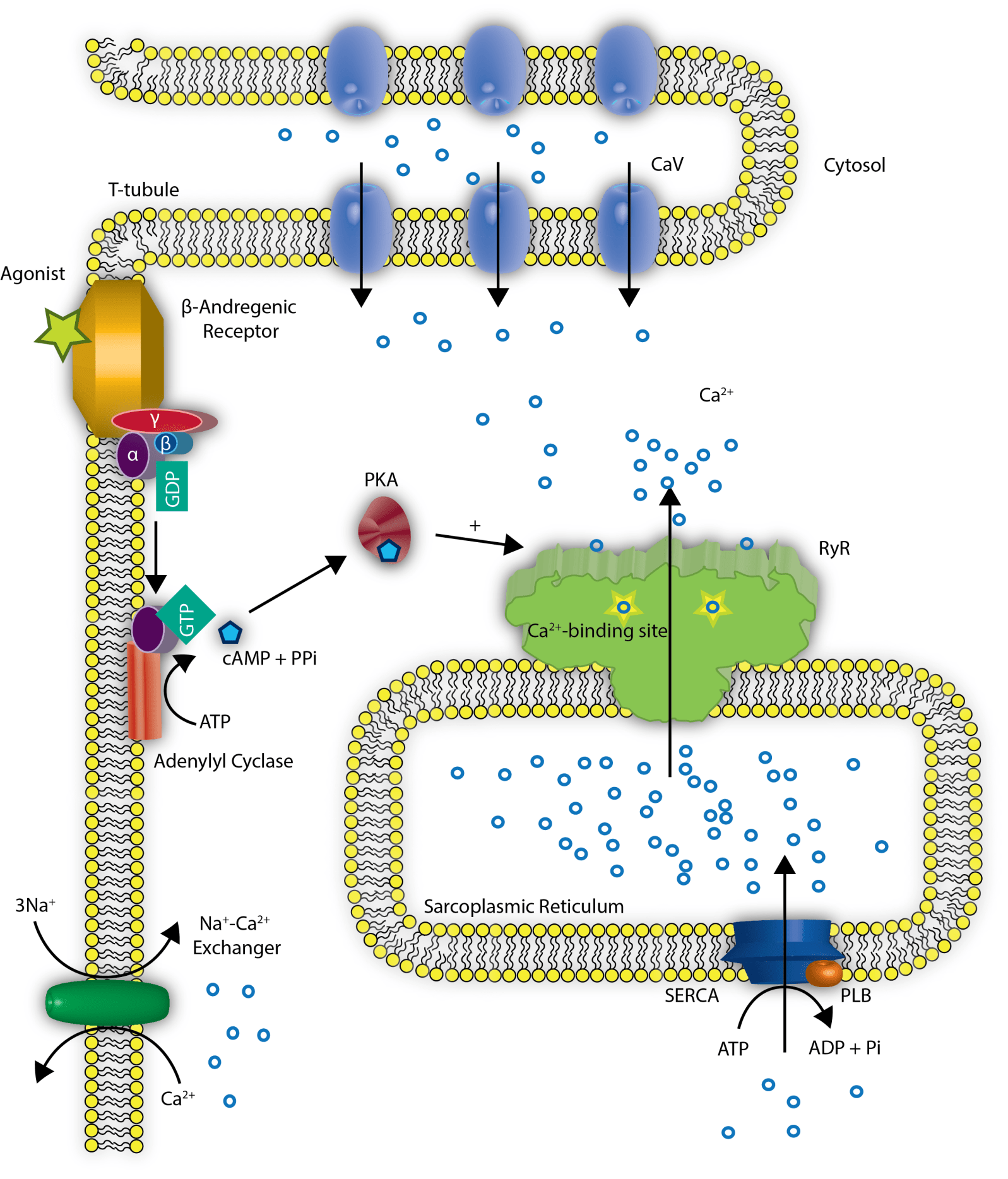
Ca2+/calmodulin-dependent protein kinase II (CaMKII) has recently emerged as a ROS activated proarrhythmic signal

Background—Atrial fibrillation is a growing public health problem without adequate therapies. Angiotensin II (Ang II) and reactive oxygen species (ROS) are validated risk factors for atrial fibrillation (AF) in patients, but the molecular pathway(s) connecting ROS and AF is unknown. The Ca2+/calmodulin-dependent protein kinase II (CaMKII) has recently emerged as a ROS activated proarrhythmic signal, so we hypothesized that oxidized CaMKII􀄯(ox-CaMKII) could contribute to AF.
Methods and Results—We found ox-CaMKII was increased in atria from AF patients compared to patients in sinus rhythm and from mice infused with Ang II compared with saline. Ang II treated mice had increased susceptibility to AF compared to saline treated WT mice, establishing Ang II as a risk factor for AF in mice. Knock in mice lacking critical oxidation sites in CaMKII􀄯 (MM-VV) and mice with myocardial-restricted transgenic over-expression of methionine sulfoxide reductase A (MsrA TG), an enzyme that reduces ox-CaMKII, were resistant to AF induction after Ang II infusion.
 
RyR and Ca+ release from SR
 
ANS-   autonomic innervation of heart
 
 
mongillo_fig1  regulation of cardiac Ca++ cycling by ANS
 
jce561317.fig3    cardiac contraction


serum levels of MAA differentiated stable CAD from MI. For IgM antibodies to MAA, results were consistent with IgGantibodies to MAA


Conclusions—Our studies suggest that CaMKII is a molecular signal that couples increased ROS with AF and that therapeutic strategies to decrease ox-CaMKII may prevent or reduce AF.
Key words: atrial fibrillation, calcium/calmodulin-dependent protein kinase II, angiotensin II, reactive oxygen species, arrhythmia (mechanisms)
A Purohit, AG Rokita, X Guan, B Chen, et al.  Oxidized CaMKII Triggers Atrial Fibrillation.  Circulation. Sep 12, 2013;
 

Microparticles (MP)s give clues about vascular endothelial injury

BACKGROUND: Endothelial dysfunction is an early event in the development and progression of a wide range of cardiovascular diseases. Various human studies have identified that measures of endothelial dysfunction may offer prognostic information with respect to vascular events. Microparticles (MPs) are a heterogeneous population of small membrane fragments shed from various cell types. The endothelium is one of the primary targets of circulating MPs, and MPs isolated from blood have been considered biomarkers of vascular injury and inflammation.
CONTENT: This review summarizes current knowledge of the potential functional role of circulating MPs in promoting endothelial dysfunction. Cells exposed to different stimuli such as shear stress, physiological agonists, proapoptotic stimulation, or damage release MPs, which contribute to endothelial dysfunction and the development of cardiovascular diseases. Numerous studies indicate that MPs may trigger endothelial dysfunction by disrupting production of nitric oxide release from vascular endothelial cells and subsequently modifying vascular tone. Circulating MPs affect both proinflammatory and proatherosclerotic processes in endothelial cells. In addition, MPs can promote coagulation and inflammation or alter angiogenesis and apoptosis in endothelial cells.
SUMMARY: MPs play an important role in promoting endothelial dysfunction and may prove to be true biomarkers of disease state and progression.
Fina Lovren and Subodh Verma.  Evolving Role of Microparticles in the Pathophysiology of Endothelial Dysfunction.
 
Outcomes of STEMI and NSTEMI different predicted by NPs after MI
Patients with increased blood concentrations of natriuretic peptides (NPs) have poor cardiovascular outcomes after myocardial infarction (MI). Data from 41 683 patients with non–ST-segment elevation MI (NSTEMI) and 27 860 patients with ST-segment elevation MI (STEMI) at 309 US hospitals were collected as part of the ACTION Registry®–GWTG™ (Acute Coronary Treatment and Intervention Outcomes Network Registry–Get with the Guidelines) (AR-G) between July 2008 and September 2009.

B-type natriuretic peptide (BNP) or N-terminal pro-BNP (NT-proBNP) was measured in 19 528 (47%) of NSTEMI and 9220 (33%) of STEMI patients. Patients in whom NPs were measured were older and had more comorbidities, including prior heart failure or MI. There was a stepwise increase in the risk of in-hospital mortality with increasing BNP quartiles for both NSTEMI (1.3% vs 3.2% vs 5.8% vs 11.1%) and STEMI (1.9% vs 3.9% vs 8.2% vs 17.9%). The addition of BNP to the AR-G clinical model improved the C statistic from 0.796 to 0.807 (P < 0.001) for NSTEMI and from 0.848 to 0.855 (P = 0.003) for STEMI. The relationship between NPs and mortality was similar in patients without a history of heart failure or cardiogenic shock on presentation and in patients with preserved left ventricular function.

NPs are measured in almost 50% of patients in the US admitted with MI and appear to be used in patients with more comorbidities. Higher NP concentrations were strongly and independently associated with in-hospital mortality in the almost 30 000 patients in whom NPs were assessed, including patients without heart failure.

BM Scirica, MB Kadakia, JA de Lemos, MT Roe, DA Morrow, et al. Association between Natriuretic Peptides and Mortality among Patients Admitted with Myocardial Infarction: A Report from the ACTION Registry®–GWTG™.

Predictive value of processed forms of BNP in circulation

B-type natriuretic peptide (BNP) is secreted in response to pathologic stress from the heart. Its use as a biomarker of heart failure is well known; however, its diagnostic potential in ischemic heart disease is less explored. Recently, it has been reported that processed forms of BNP exist in the circulation. We characterized processed forms of BNP by a newly developed mass spectrometry–based detection method combined with immunocapture using commercial anti-BNP antibodies.

Measurements of processed forms of BNP by this assay were found to be strongly associated with presence of restenosis. Reduced concentrations of the amino-terminal processed peptide BNP(5–32) relative to BNP(3–32) [as the index parameter BNP(5–32)/BNP(3–32) ratio] were seen in patients with restenosis [median (interquartile range) 1.19 (1.11–1.34), n = 22] vs without restenosis [1.43 (1.22–1.61), n = 83; P < 0.001] in a cross-sectional study of 105 patients undergoing follow-up coronary angiography. A sensitivity of 100% to rule out the presence of restenosis was attained at a ratio of 1.52. Processed forms of BNP may serve as viable potential biomarkers to rule out restenosis.

H Fujimoto, T Suzuki, K Aizawa, D Sawaki, J Ishida, et al. Processed B-Type Natriuretic Peptide Is a Biomarker of Postinterventional Restenosis in Ischemic Heart Disease. Clin Chem 2013.

Circulating proteins from patients requiring revascularization

More than a million diagnostic cardiac catheterizations are performed annually in the US for evaluation of coronary artery anatomy and the presence of atherosclerosis. Nearly half of these patients have no significant coronary lesions or do not require mechanical or surgical revascularization. Consequently, the ability to rule out clinically significant coronary artery disease (CAD) using low cost, low risk tests of serum biomarkers in even a small percentage of patients with normal coronary arteries could be highly beneficial. METHODS: Serum from 359 symptomatic subjects referred for catheterization was interrogated for proteins involved in atherogenesis, atherosclerosis, and plaque vulnerability. Coronary angiography classified 150 patients without flow-limiting CAD who did not require percutaneous intervention (PCI) while 209 required coronary revascularization (stents, angioplasty, or coronary artery bypass graft surgery). Continuous variables were compared across the two patient groups for each analyte including calculation of false discovery rate (FDR [less than or equal to]1%) and Q value (P value for statistical significance adjusted to [less than or equal to]0.01).

Significant differences were detected in circulating proteins from patients requiring revascularization including increased apolipoprotein B100 (APO-B100), C-reactive protein (CRP), fibrinogen, vascular cell adhesion molecule 1 (VCAM-1), myeloperoxidase (MPO), resistin, osteopontin, interleukin (IL)-1beta, IL-6, IL-10 and N-terminal fragment protein precursor brain natriuretic peptide (NT-pBNP) and decreased apolipoprotein A1 (APO-A1). Biomarker classification signatures comprising up to 5 analytes were identified using a tunable scoring function trained against 239 samples and validated with 120 additional samples. A total of 14 overlapping signatures classified patients without significant coronary disease (38% to 59% specificity) while maintaining 95% sensitivity for patients requiring revascularization. Osteopontin (14 times) and resistin (10 times) were most frequently represented among these diagnostic signatures. The most efficacious protein signature in validation studies comprised osteopontin (OPN), resistin, matrix metalloproteinase 7 (MMP7) and interferon gamma (IFNgamma) as a four-marker panel while the addition of either CRP or adiponectin (ACRP-30) yielded comparable results in five protein signatures.

Proteins in the serum of CAD patients predominantly reflected

  1. a positive acute phase, inflammatory response and

  2. alterations in lipid metabolism, transport, peroxidation and accumulation.

    There were surprisingly few indicators of growth factor activation or extracellular matrix remodeling in the serum of CAD patients except for elevated OPN. These data suggest that many symptomatic patients without significant CAD could be identified by a targeted multiplex serum protein test without cardiac catheterization thereby eliminating exposure to ionizing radiation and decreasing the economic burden of angiographic testing for these patients.

WA Laframboise, R Dhir, LA Kelly, P Petrosko, JM Krill-Burger, et al. Serum protein profiles predict coronary artery disease in symptomatic patients referred for coronary angiography.
BMC Medicine (impact factor: 6.03). 12/2012; 10(1):157. http://dx.doi.org/10.1186/1741-7015-10-157

miRNAs in CAD

MicroRNAs are small RNAs that control gene expression. Besides their cell intrinsic function, recent studies reported that microRNAs are released by cultured cells and can be detected in the blood. To address the regulation of circulating microRNAs in patients with stable coronary artery disease. To determine the regulation of microRNAs, we performed a microRNA profile using RNA isolated from n=8 healthy volunteers and n=8 patients with stable coronary artery disease that received state-of-the-art pharmacological treatment. Interestingly, most of the highly expressed microRNAs that were lower in the blood of patients with coronary artery disease are known to be expressed in endothelial cells (eg, miR-126 and members of the miR-17 approximately 92 cluster). To prospectively confirm these data, we detected selected microRNAs in plasma of 36 patients with coronary artery disease and 17 healthy volunteers by quantitative PCR. Consistent with the data obtained by the profile, circulating levels of miR-126, miR-17, miR-92a, and the inflammation-associated miR-155 were significantly reduced in patients with coronary artery disease compared with healthy controls. Likewise, the smooth muscle-enriched miR-145 was significantly reduced. In contrast, cardiac muscle-enriched microRNAs (miR-133a, miR-208a) tend to be higher in patients with coronary artery disease. These results were validated in a second cohort of 31 patients with documented coronary artery disease and 14 controls. Circulating levels of vascular and inflammation-associated microRNAs are significantly downregulated in patients with coronary artery disease.

S Fichtlscherer, S De Rosa, H Fox, T Schwietz, A Fischer, et al. Circulating microRNAs in patients with coronary artery disease. Circulation Research 09/2010; 107(5):677-84.

Imaging modalities compared

This review compares the noninvasive anatomical imaging modalities of coronary artery calcium scoring and coronary CT angiography to the functional assessment modality of MPI in the diagnosis and prognostication of significant CAD in symptomatic patients. A large number of studies investigating this subject are analyzed with a critical look on the evidence, underlying the strengths and limitations. Although the overall findings of the presented studies are favoring the use of CT-based anatomical imaging modalities over MPI in the diagnosis and prognosticating of CAD, the lack of a high number of large- scale, multicenter randomized controlled studies limits the generalizability of this early evidence. Further studies comparing the short- and long-term clinical outcomes and cost-effectiveness of these tests are required to determine their optimal role in the management of symptomatic patients with suspected CAD.

Y Hacioglu, M Gupta, Matthew J Budoff. Noninvasive anatomical coronary artery imaging versus myocardial perfusion imaging: which confers superior diagnostic and prognostic information?
Journal of computer assisted tomography 34(5):637-44.

Three Dimensional In-Room Imaging (3DCA) in PCI

Introduction: Coronary angiography is a two-dimensional (2D) imaging modality and thus is limited in its ability to represent complex three-dimensional (3D) vascular anatomy. Lesion length, bifurcation angles/lesions, and tortuosity are often inadequately assessed using 2D angiography due to vessel overlap and foreshortening. 3D Rotational Angiography (3DRA) with subsequent reconstruction generates models of the coronary vasculature from which lesion length measurements and Optimal View Maps (OVM) defining the amount of vessel foreshortening for each gantry angle can be derived. This study sought to determine if 3DRA-assisted percutaneous coronary interventions resulted in improved procedural results by minimizing foreshortening and optimizing stent selection.
 Rotational angiographic acquisitions were performed and a 3D model was generated from two images greater than 30° apart. An optimal view map identifying the least amount of vessel foreshortening and overlap was derived from the 3D model.
The clinical validation of in-room image-processing tools such as 3DCA and optimal view maps is important since FDA approval of these tools does not require the presentation of any data on clinical experience and impact on clinical outcomes. While the technology of 3DRA and optimal view calculations has been well validated by the work of Chen and colleagues, this study is important in demonstrating how clinical care may be impacted [4,5,7]. This study was biased toward minimizing the impact of these tools on clinical decision-making since the study site, cardiologists, and staff have extensive experience in rotational angiography, 3-D modeling and reconstruction, and the impact of foreshortening on the assessment of lesion length and choice of stent size.
3DRA assistance significantly reduced target vessel foreshortening when compared to operator’s choice of working view for PCI (2.99% ± 2.96 vs. 9.48% ± 7.56, p=0.0001). The operators concluded that 3DRA recommended better optimal view selection for PCI in 14 of 26 (54%) total cases. In 9 (35%) of 26 cases 3DRA assistance facilitated stent positioning. 3DRA based imaging prompted stent length changes in 4/26 patients (15%).
MH. Eng, PA Hudson, AJ Klein, SYJ Chen, … , JA Garcia. Impact of Three Dimensional In-Room Imaging (3DCA) in the Facilitation of Percutaneous Coronary Interventions. J Cardio Vasc Med 2013; 1: 1-5.


Related References from PharmaceuticalIntelligence.com:

Genomics & Genetics of Cardiovascular Disease Diagnoses: A Literature Survey of AHA’s Circulation Cardiovascular Genetics, 3/2010 – 3/2013
Curators: Aviva Lev-Ari, PhD, RN and Larry H. Bernstein, MD, FCAP
http://pharmaceuticalintelligence.com/2013/03/07/genomics-genet…cs-32010-32013/
http://wp.me/p2kEDv-2Jp

Prognostic Marker Importance of Troponin I in Acute Decompensated Heart Failure (ADHF)
Larry H Bernstein and  Aviva Lev-Ari
http://pharmaceuticalintelligence.com/2013/06/30/troponin-i-in-…-heart-failure
http://wp.me/p2kEDv-41S

A Changing expectation from cardiac biomarkers.
Larry H Bernstein
http://pharmaceuticalintelligence.com/2012/12/25/assessing-card…ith-biomarkers/
http://wp.me/p2kEDv-1DN

Dealing with the Use of the High Sensitivity Troponin (hs cTn) Assays
Larry H Bernstein and Aviva Lev-Ari
http://pharmaceuticalintelligence.com/2013/05/18/dealing-with-t…-hs-ctn-assays/
http://pharmaceuticalintelligence.com/wp-admin/post.php?post=13255
http://wp.me/p2kEDv-3rN

For Disruption of Calcium Homeostasis in Cardiomyocyte Cells, see

Part VI: Calcium Cycling (ATPase Pump) in Cardiac Gene Therapy: Inhalable Gene Therapy for Pulmonary Arterial Hypertension and Percutaneous Intra-coronary Artery Infusion for Heart Failure: Contributions by Roger J. Hajjar, MD

Aviva Lev-Ari, PhD, RN

http://pharmaceuticalintelligence.com/2013/08/01/calcium-molecule-in-cardiac-gene-therapy-inhalable-gene-therapy-for-pulmonary-arterial-hypertension-and-percutaneous-intra-coronary-artery-infusion-for-heart-failure-contributions-by-roger-j-hajjar/

Part VII: Cardiac Contractility & Myocardium Performance: Ventricular Arrhythmias and Non-ischemic Heart Failure – Therapeutic Implications for Cardiomyocyte Ryanopathy (Calcium Release-related Contractile Dysfunction) and Catecholamine Responses

Justin Pearlman, MD, PhD, FACC, Larry H Bernstein, MD, FCAP and Aviva Lev-Ari, PhD, RN

http://pharmaceuticalintelligence.com/2013/08/28/cardiac-contractility-myocardium-performance-ventricular-arrhythmias-and-non-ischemic-heart-failure-therapeutic-implications-for-cardiomyocyte-ryanopathy-calcium-release-related-contractile/

Part VIII: Disruption of Calcium Homeostasis: Cardiomyocytes and Vascular Smooth Muscle Cells: The Cardiac and Cardiovascular Calcium Signaling Mechanism

Justin Pearlman, MD, PhD, FACC, Larry H Bernstein, MD, FCAP and Aviva Lev-Ari, PhD, RN

http://pharmaceuticalintelligence.com/2013/09/12/disruption-of-calcium-homeostasis-cardiomyocytes-and-vascular-smooth-muscle-cells-the-cardiac-and-cardiovascular-calcium-signaling-mechanism/

Read Full Post »

The Delicate Connection:  IDO (Indolamine 2, 3 dehydrogenase) and Cancer Immunology

Author and Curator: Demet Sag, PhD, CRA, GCP      

Table of Contents:

  1. Abstract
  2. Dual role for IDO
  3. Immune System and IDO
  4. Autoimmune disorders and IDO
  5. Cancer and Ido
  6. Clinical Interventions
  7. Clinical Trials
  8. Future Actions for Molecular Dx and Targeted Therapies:
  9. Conclusion
  10. References

TABLE 1- IDO Clinical Trials

TABLE 2- Kyn induced Genes

TABLE 3 Possible biomarkers and molecular diagnostics targets

TABLE 4: Current Interventions ______________________________________________________________________________________________________________

ABSTRACT:

Overall purpose is to find a method to manipulate IDO for clinical applications, mainly the focus of this review is is cancer prevention and treatment.  The first study proving the connection between IDO and immune response came from, a very natural event, a protection of pregnancy in human. This led to discover that high IDO expression is a common factor in cancer tumors. Thus, attention promoted investigations on IDO’s role in various disease states, immune disorders, transplantation, inflammation, women health, mood disorders.
Many approaches, vaccines and adjuvants are underway to find new immunotherapies by combining the power of DCs in immune response regulation and specific direction of siRNA.  As a result, with this unique qualities of IDO, DCs and siRNA, we orchestrated a novel intervention for immunomodulation of IDO by inhibiting with small interference RNA, called siRNA-IDO-DCvax.  Proven that our DCvax created a delay and regression of tumor growth without changing the natural structure and characterization of DCs in melanoma and breast cancers in vivo. (** The shRNA IDO- DCvax is developed by Regen BioPhrama, San Diego, CA ,  Thomas Ichim, Ph.D, CSO. and David Koos, CEO)

______________________________________________________________________________________________________________

Double-Edged Sword of IDO: The Good and The Bad for Clinical intervention and Developments

IDO almost has a dual role. There is a positive side of high expression of IDO during pregnancy (29; 28; 114), transplants (115; 116; 117; 118; 119), infectious diseases (96) and but this tolerance is negative during autoimmune-disorders (120; 121; 122), tumors of cancer (123; 124; 117; 121; 125; 126; 127) (127), and mood disorders (46). The increased IDO expression has a double-edged sword in human physiology provides a positive role during protection of fetus and grafts after transplantations but becomes a negative factor during autoimmune disorders, cancer, sepsis and mood disorders.

Prevention of allogeneic fetal rejection is possible by tryptophan metabolism (26) rejecting with lack of IDO but allocating if IDO present (29; 28; 114). These studies lead to find “the natural regulation mechanism” for protecting the transplants from graft versus host disease GVHD (128) and getting rid of tumors.

The plasticity of  mammary and uterus during reproduction may hold some more answers to prevent GVHD and tumors of cancer with good understanding of IDO and tryptophan mechanism (129; 130). After allogeneic bone marrow transplants the risk of solid tumor development increased about 80% among 19,229 patients even with a greater risk among patients under 18 years old (117).  The adaptation of tolerance against host mechanism is connected to the IDO expression (131). During implantation and early pregnancy IDO has a role by making CD4+CD25+Foxp3+ regulatory T cells (Tregs) and expressing in DCs and  MQs  (114; 132; 133).

Clonal deletion mechanism prevents mother to react with paternal products since female mice accepted the paternal MHC antigen-expressing tumor graft during pregnancy and rejected three weeks after delivery (134). CTLA-4Ig gene therapy alleviates abortion through regulation of apoptosis and inhibition of spleen lymphocytes (135).  

 Immune System and IDO DCs are the orchestrator of the immune response (56; 57; 58) with list of functions in uptake, processing, and presentation of antigens; activation of effector cells, such as T-cells and NK-cells; and secretion of cytokines and other immune-modulating molecules to direct the immune response. The differential regulation of IDO in distinct DC subsets is widely studied to delineate and correct immune homeostasis during autoimmunity, infection and cancer and the associated immunological outcomes. Genesis of antigen presenting cells (APCs), eventually the immune system, require migration of monocytes (MOs), which is originated in bone marrow. Then, these MOs move from bloodstream to other tissues to become macrophages and DCs (59; 60).

Initiation of immune response requires APCs to link resting helper T-cell with the matching antigen to protect body. DCs are superior to MQs and MOs in their immune action model. When DCs are first described (61) and classified, their role is determined as a highly potent antigen-presenting cell (APC) subset with 100 to 1000-times more effective than macrophages and B-cells in priming T-cells. Both MQs and monocytes phagocytize the pathogen, and their cell structure contains very large nucleus and many internal vesicles. However, there is a nuance between MQ and DCs, since DCs has a wider capacity of stimulation, because MQs activates only memory T cells, yet DCs can activate both naïve and memory T cells.

DCs are potent activators of T cells and they also have well controlled regulatory roles. DC properties determine the regulation regardless of their origin or the subset of the DCs. DCs reacts after identification of the signals or influencers for their inhibitory, stimulatory or regulatory roles, before they express a complex repertoire of positive and negative cytokines, transmembrane proteins and other molecules. Thus, “two signal theory” gains support with a defined rule.  The combination of two signals, their interaction with types of cells and time are critical.

In short, specificity and time are matter for a proper response. When IDO mRNA expression is activated with CTL40 ligand and IFNgamma, IDO results inhibition of T cell production (4).  However, if DCs are inhibited by 1MT, an inhibitor of IDO, the response stop but IgG has no affect (10).  In addition, if the stimulation is started by a tryptophan metabolite, which is downstream of IDO, such as 3-hydroxyantranilic or quinolinic acids, it only inhibits Th1 but not Th2 subset of T cells (62).

Furthermore, inclusion of signal molecules, such as Fas Ligand, cytochrome c, and pathways also differ in the T cell differentiation mechanisms due to combination, time and specificity of two-signals.  The co-culture experiments are great tool to identify specific stimuli in disease specific microenvironment (63; 12; 64) for discovering the mechanism and interactions between molecules in gene regulation, biochemical mechanism and physiological function during cell differentiation.

As a result, the simplest differential cell development from the early development of DCs impact the outcome of the data. For example, collection of MOs from peripheral blood mononuclear cells (PBMCs) with IL4 and GM-CSF leads to immature DCs (iDCs). On next step, treatment of iDCs with tumor necrosis factor (TNF) or other plausible cytokines (TGFb1, IFNgamma, IFNalpha,  IFNbeta, IL6 etc.) based on the desired outcome differentiate iDCs  into mature DCs (mDCs). DCs live only up to a week but MOs and generated MQs can live up to a month in the given tissue. B cells inhibit T cell dependent immune responses in tumors (65).

AutoImmune Disorders:

The Circadian Clock Circuitry and the AHR

The balance of IDO expression becomes necessary to prevent overactive immune response self-destruction, so modulation in tryptophan and NDA metabolisms maybe essential.  When splenic IDO-expressing CD11b (+) DCs from tolerized animals applied, they suppressed the development of arthritis, increased the Treg/Th17 cell ratio, and decreased the production of inflammatory cytokines in the spleen (136).

The role of Nicotinamide prevention on type 1 diabetes and ameliorates multiple sclerosis in animal model presented with activities of  NDAs stimulating GPCR109a to produce prostaglandins to induce IDO expression, then these PGEs and PGDs converted to the anti-inflammatory prostaglandin, 15d-PGJ(2) (137; 138; 139).  Thus, these events promotes endogenous signaling mechanisms involving the GPCRs EP2, EP4, and DP1 along with PPARgamma. (137).

Modulating the immune response at non-canonical at canonocal pathway while keeping the non-canonical Nf-KB intact may help to mend immune disorders. As a result, the targeted blocking in canonical at associated kinase IKKβ and leaving non-canonocal Nf-kB pathway intact, DCs tips the balance towards immune supression. Hence, noncanonical NF-κB pathway for regulatory functions in DCs required effective IDO induction, directly or indirectly by endogenous ligand Kyn and negative regulation of proinflammatory cytokine production. As a result, this may help to treat autoimmune diseases such as rheumatoid arthritis, type 1 diabetes, inflammatory bowel disease, and multiple sclerosis, or allergy or transplant rejection.

While the opposite action needs to be taken during prevention of tumors, that is inhibition of non-canonical pathway.  Inflammation induces not only relaxation of veins and lowering blood pressure but also stimulate coagulopathies that worsen the microenvironment and decrease survival rate of patients after radio or chemotherapies.Cancer Generating tumor vaccines and using adjuvants underway (140).

Clinical correlation and genetic responses also compared in several studies to diagnose and target the system for cancer therapies (127; 141; 131).  The recent surveys on IDO expression and human cancers showed that IDO targeting is a candidate for cancer therapy since IDO expression recruiting Tregs, downregulates MHC class I and creating negative immune microenvironment for protection of development of tumors (125; 27; 142).  Inhibition of IDO expression can make advances in immunotherapy and chemotherapy fields (143; 125; 131; 144).

IDO has a great importance on prevention of cancer development (126). There are many approaches to create the homeostasis of immune response by Immunotherapy.  However, given the complexity of immune regulations, immunomodulation is a better approach to correct and relieve the system from the disease.  Some of the current IDO targeted immunotherapy or immmunomodulations with RNA technology for cancer prevention (145; 146; 147; 148; 149; 150) or applied on human or animals  (75; 151; 12; 115; 152; 9; 125) or chemical, (153; 154) or  radiological (155).  The targeted cell type in immune system generally DCs, monocytes (94)T cells (110; 156)and neutrophils (146; 157). On this paper, we will concentrate on DCvax on cancer treatments.

 T-reg, regulatory T cells; Th, T helper; CTLA-4, cytotoxic T lymphocyte-associated antigen 4; TCR, T cell receptor; IDO, indoleamine 2,3-dioxygenase. (refernece: http://www.pnas.org/content/101/28/10398/suppl/DC)

T-reg, regulatory T cells; Th, T helper; CTLA-4, cytotoxic T lymphocyte-associated antigen 4; TCR, T cell receptor; IDO, indoleamine 2,3-dioxygenase. (refernece: http://www.pnas.org/content/101/28/10398/suppl/DC)

IDO and the downstream enzymes in tryptophan pathway produce a series of immunosuppressive tryptophan metabolites that may lead into Tregs proliferation or increase in T cell apoptosis (62; 16; 27; 158), and some can affect NK cell function (159).

The interesting part of the mechanism is even without presence of IDO itself, downstream enzymes of IDO in the kynurenine tryptophan degradation still show immunosuppressive outcome (160; 73) due to not only Kyn but also TGFbeta stimulated long term responses. DC vaccination with IDO plausible (161) due to its power in immune response changes and longevity in the bloodstream for reversing the system for Th17 production (162).

Clinical Interventions are taking advantage of the DC’s central role and combining with enhancing molecules for induction of immunity may overcome tolerogenic DCs in tumors of cancers (163; 164).

The first successful application of DC vaccine used against advanced melanoma after loading DCs with tumor peptides or autologous cell lysate in presence of adjuvants keyhole limpet hematocyanin (KLH) (165).  Previous animal and clinical studies show use of DCs against tumors created success (165; 166; 167) as well as some problems due to heterogeneity of DC populations in one study supporting tumor growth rather than diminishing (168).

DC vaccination applied onto over four thousand clinical trial but none of them used siRNA-IDO DC vaccination method. Clinical trials evaluating DCs loaded ex vivo with purified TAAs as an anticancer immunotherapeutic interventions also did not include IDO (Table from (169). This table presented the data from 30 clinical trials, 3 of which discontinued, evaluating DCs loaded ex vivo with TAAs as an anticancer immunotherapy for 12 types of cancer [(AML(1), Breast cancer (4), glioblastoma (1), glioma (2), hepatocellular carcinoma (1), hematological malignancies (1), melanoma (6), neuroblastoma sarcoma (2), NSCLC (1), ovarian cancer (3), pancreatic cancer (3), prostate cancer (10)] at phase I, II or I/II.

Tipping the balance between Treg and Th17 ratio has a therapeutic advantage for restoring the health that is also shown in ovarian cancer by DC vaccination with adjuvants (161).  This rebalancing of the immune system towards immunogenicity may restore Treg/Th17 ratio (162; 170) but it is complicated. The stimulation of IL10 and IL12 induce Treg produce less Th17 and inhibiting CTL activation and its function (76; 171; 172) while animals treated with anti-TGFb before vaccination increase the plasma levels of IL-15 for tumor specific T cell survival in vivo (173; 174) ovarian cancer studies after human papilloma virus infection present an increase of IL12 (175).

Opposing signal mechanism downregulates the TGFb to activate CTL and Th1 population with IL12 and IL15 expression (162; 173).  The effects of IL17 on antitumor properties observed by unique subset of CD4+ T cells (176) called also CD8+ T cells secrete even more IL17 (177).

Using cytokines as adjuvants during vaccination may improve the efficacy of vaccination since cancer vaccines unlike infections vaccines applied after the infection or disease started against the established adoptive immune response.  Adjuvants are used to improve the responses of the given therapies commonly in immunotherapy applications as a combination therapy (178).

Enhancing cancer vaccine efficacy via modulation of the microenvironment is a plausible solution if only know who are the players.  Several molecules can be used to initiate and lengthen the activity of intervention to stimulate IDO expression without compromising the mechanism (179).  The system is complicated so generally induction is completed ex-vivo stimulation of DCs in cell lysates, whole tumor lysates, to create the microenvironment and natural stimulatory agents. Introduction of molecules as an adjuvants on genetic regulation on modulation of DCs are critical, because order and time of the signals, specific location/ tissue, and heterogeneity of personal needs (174; 138; 180). These studies demonstrated that IL15 with low TGFb stimulates CTL and Th1, whereas elevated TGFb with IL10 increases Th17 and Tregs in cancer microenvironments.

IDO and signaling gene regulation

For example Ret-peptide antitumor vaccine contains an extracellular fragment of Ret protein and Th1 polarized immunoregulator CpG oligonucleotide (1826), with 1MT, a potent inhibitor of IDO, brought a powerful as well as specific cellular and humoral immune responses in mice (152).

The main idea of choosing Ret to produce vaccine in ret related carcinomas fall in two criterion, first choosing patients self-antigens for cancer therapy with a non-mutated gene, second, there is no evidence of genetic mutations in Ret amino acids 64-269. Demonstration of proliferating hemangiomas, benign endothelial tumors and often referred as hemangiomas of infancy appearing at head or neck, express IDO and slowly regressed as a result of immune mediated process.

After large scale of genomic analysis show insulin like growth factor 2 as the key regulator of hematoma growth (Ritter et al. 2003). We set out to develop new technology with our previous expertise in immunotherapy and immunomodulation (181; 182; 183; 184), correcting Th17/Th1 ratio (185), and siRNA technology (186; 187).  We developed siRNA-IDO-DCvax. Patented two technologies “Immunomodulation using Altered DCs (Patent No: US2006/0165665 A1) and Method of Cancer Treatments using siRNA Silencing (Patent No: US2009/0220582 A1).

In melanoma cancer DCs were preconditioned with whole tumor lysate but in breast cancer model pretreatment completed with tumor cell lysate before siRNA-IDO-DCvax applied. Both of these studies was a success without modifying the autanticity of DCs but decreasing the IDO expression to restore immunegenity by delaying tumor growth in breast cancer (147) and in melanoma (188).  Thus, our DCvax specifically interfere with Ido without disturbing natural structure and content of the DCs in vivo showed that it is possible to carry on this technology to clinical applications.

Furthermore, our method of intervention is more sophisticated since it has a direct interaction mechanism with ex-vivo DC modulation without creating long term metabolism imbalance in Trp/Kyn metabolite mechanisms since the action is corrective and non-invasive.

There were several reasons.

First, prevention of tumor development studies targeting non-enzymatic pathway initiated by pDCs conditioned with TGFbeta is specific to IDO1 (189).

Second, IDO upregulation in antigen presenting cells allowing metastasis show that most human tumors express IDO at high levels (123; 124).

Third, tolerogenic DCs secretes several molecules some of them are transforming growth factor beta (TGFb), interleukin IL10), human leukocyte antigen G (HLA-G), and leukemia inhibitory factor (LIF), and non-secreted program cell death ligand 1 (PD-1 L) and IDO, indolamine 2.3-dioxygenase, which promote tumor tolerance. Thus, we took advantage of DCs properties and Ido specificity to prevent the tolerogenicity with siRNA-IDO DC vaccine in both melanoma and breast cancer.

Fourth, IDO expression in DCs make them even more potent against tumor antigens and create more T cells against tumors. IDOs are expressed at different levels by both in broad range of tumor cells and many subtypes of DCs including monocyte-derived DCs (10), plasmacytoid DCs (142), CD8a+ DCs (190), IDO compotent DCs (17), IFNgamma-activated DCs used in DC vaccination.  These DCs suppress immune responses through several mechanisms for induction of apoptosis towards activated T cells (156) to mediate antigen-specific T cell anergy in vivo (142) and for enhancement of Treg cells production at sites of vaccination with IDO-positive DCs+ in human patients (142; 191; 192; 168; 193; 194). If DCs are preconditioned with tumor lysate with 1MT vaccination they increase DCvax effectiveness unlike DCs originated from “normal”, healthy lysate with 1MT in pancreatic cancer (195).  As a result, we concluded that the immunesupressive effect of IDO can be reversed by siRNA because Treg cells enhances DC vaccine-mediated anti-tumor-immunity in cancer patients.

Gene silencing is a promising technology regardless of advantages simplicity for finding gene interaction mechanisms in vitro and disadvantages of the technology is utilizing the system with specificity in vivo (186; 196).  siRNA technology is one of the newest solution for the treatment of diseases as human genomics is only producing about 25,000 genes by representing 1% of its genome. Thus, utilizing the RNA open the doors for more comprehensive and less invasive effects on interventions. Thus this technology is still improving and using adjuvants. Silencing of K-Ras inhibit the growth of tumors in human pancreatic cancers (197), silencing of beta-catenin in colon cancers causes tumor regression in mouse models (198), silencing of vascular endothelial growth factor (VGEF) decreased angiogenesis and inhibit tumor growth (199).

Combining siRNA IDO and DCvax from adult stem cell is a novel technology for regression of tumors in melanoma and breast cancers in vivo. Our data showed that IDO-siRNA reduced tumor derived T cell apoptosis and tumor derived inhibition of T cell proliferation.  In addition, silencing IDO made DCs more potent against tumors since treated or pretreated animals showed a delay or decreased the tumor growth (188; 147)


Clinical Trials:

First FDA approved DC-based cancer therapies for treatment of hormone-refractory prostate cancer as autologous cellular immunotherapy (163; 164).  However, there are many probabilities to iron out for a predictive outcome in patients.

Table 2 demonstrates the current summary of clinical trials report.  This table shows 38 total studies specifically Ido related function on cancer (16), eye (3), surgery (2), women health (4), obesity (1), Cardiovascular (2), brain (1), kidney (1), bladder (1), sepsis shock (1), transplant (1),  nervous system and behavioral studies (4), HIV (1) (Table 4).  Among these only 22 of which active, recruiting or not yet started to recruit, and 17 completed and one terminated.

Most of these studies concentrated on cancer by the industry, Teva GTC ( Phase I traumatic brain injury) Astra Zeneca (Phase IV on efficacy of CRESTOR 5mg for cardiovascular health concern), Incyte corporation (Phase II ovarian cancer) NewLink Genetics Corporation Phase I breast/lung/melanoma/pancreatic solid tumors that is terminated; Phase II malignant melanoma recruiting, Phase II active, not recruiting metastatic breast cancer, Phase I/II metastatic melanoma, Phase I advanced malignancies) , HIV (Phase IV enrolling by invitation supported by Salix Corp-UC, San Francisco and HIV/AIDS Research Programs).

Many studies based on chemotherapy but there are few that use biological methods completed study with  IDO vaccine peptide vaccination for Stage III-IV non-small-cell lung cancer patients (NCT01219348), observational study on effect of biological therapy on biomarkers in patients with untreated hepatitis C, metastasis melanoma, or Crohn disease by IFNalpha and chemical (ribavirin, ticilimumab (NCT00897312), polymorphisms of patients after 1MT drug application in treating patients with metastatic or unmovable refractory solid tumors by surgery (NCT00758537), IDO expression analysis on MSCs (NCT01668576), and not yet recruiting intervention with adenovirus-p53 transduced dendric cell vaccine , 1MT , radiation, Carbon C 11 aplha-methyltryptophan- (NCT01302821).

Among the registered clinical trials some of them are not interventional but  observational and evaluation studies on Trp/Kyn ratio (NCT01042847), Kyn/Trp ratio (NCT01219348), Kyn levels (NCT00897312, NCT00573300),  RT-PCR analysis for Kyn metabolism (NCT00573300, NCT00684736, NCT00758537), and intrinsic IDO expression of mesenchymal stem cells in lung transplant with percent inhibition of CD4+ and CD8+ T cell proliferation toward donor cells (NCT01668576), determining polymorphisms (NCT00426894). These clinical trials/studies are immensely valuable to understand the mechanism and route of intervention development with the data collected from human populations   

Future Actions for Molecular Dx and Targeted Therapies:

Viable tumor environment. Tumor survival is dependent upon an exquisite interplay between the critical functions of stromal development and angiogenesis, local immune suppression and tumor tolerance, and paradoxical inflammation. TEMs: TIE-2 expressing monocytes; “M2” TAMs: tolerogenic tumor-associated macrophages; MDSCs: myeloid-derived suppressor cells; pDCs: plasmacytoid dendritic cells; co-stim.: co-stimulation; IDO: indoleamine 2,3-dioxygenase; VEGF: vascular endothelial growth factor; EGF: epidermal growth factor; MMP: matrix metaloprotease; IL: interleukin; TGF-β: transforming growth factor-beta; TLRs: toll-like receptors.  (reference: http://www.hindawi.com/journals/cdi/2012/937253/fig1/)

Viable tumor environment. Tumor survival is dependent upon an exquisite interplay between the critical functions of stromal development and angiogenesis, local immune suppression and tumor tolerance, and paradoxical inflammation. TEMs: TIE-2 expressing monocytes; “M2” TAMs: tolerogenic tumor-associated macrophages; MDSCs: myeloid-derived suppressor cells; pDCs: plasmacytoid dendritic cells; co-stim.: co-stimulation; IDO: indoleamine 2,3-dioxygenase; VEGF: vascular endothelial growth factor; EGF: epidermal growth factor; MMP: matrix metaloprotease; IL: interleukin; TGF-β: transforming growth factor-beta; TLRs: toll-like receptors. (reference: http://www.hindawi.com/journals/cdi/2012/937253/fig1/)

Current survival or response rate is around 40 to 50 % range.  By using specific cell type, selected inhibition/activation sequence based on patient’s genomic profile may improve the efficacy of clinical interventions on cancer treatments. Targeted therapies for specific gene regulation through signal transduction is necessary but there are few studies with genomics based approach.

On the other hand, there are surveys, observational or evaluations (listed in clinical trials section) registered with www.clinicaltrials.gov that will provide a valuable short-list of molecules.  Preventing stimulation of Ido1 as well as Tgfb-1gene expression by modulating receptor mediated phosphorylation between TGFb/SMAD either at Mad-Homology 1 (MH1) or Mad-Homology 1 (MH2) domains maybe possible (79; 82; 80). Within Smads are the conserved Mad-Homology 1 (MH1) domain, which is a DNA binding module contains tightly bound Zinc atom.

Smad MH2 domain is well conserved and one the most diverse protein-signal interacting molecule during signal transduction due to two important Serine residues located extreme distal C-termini at Ser-Val-Ser in Smad 2 or at pSer-X-PSer in RSmads (80). Kyn activated orphan G protein–coupled receptor, GPR35 with unknown function with a distinct expression pattern that collides with IDO sites since its expression at high levels of the immune system and the gut (63) (200; 63).  

The first study to connect IDO with cancer shows that group (75).  The directly targeting to regulate IDO expression is another method through modulating ISREs in its promoter with RNA-peptide combination technology. Indirectly, IDO can be regulated through Bin1 gene expression control over IDO since Bin1 is a negative regulator of IDO and prevents IDO expression.  IDO is under negative genetic control of Bin1, BAR adapter–encoding gene Bin1 (also known as Amphiphysin2). Bin1 functions in cancer suppression since attenuation of Bin1 observed in many human malignancies (141; 201; 202; 203; 204; 205; 206) .  Null Bin-/- mice showed that when there is lack of Bin1, upregulation of IDO through STAT1- and NF-kB-dependent expression of IDO makes tumor cells to escape from T cell–dependent antitumor immunity.

This pathway lies in non-enzymatic signal transducer function of IDO after stimulation of DCs by TGFb1.  The detail study on Bin1 gene by alternative spicing also provided that Bin1 is a tumor suppressor.  Its activities also depends on these spliced outcome, such as  Exon 10, in muscle, in turn Exon 13 in mice has importance in role for regulating growth when Bin1 is deleted or mutated C2C12 myoblasts interrupted due to its missing Myc, cyclinD1, or growth factor inhibiting genes like p21WAF1 (207; 208).

On the other hand alternative spliced Exon12A contributing brain cell differentiation (209; 210). Myc as a target at the junction between IDO gene interaction and Trp metabolism.  Bin1 interacts with Myc either early-dependent on Myc or late-independent on Myc, when Myc is not present. This gene regulation also interfered by the long term signaling mechanism related to Kynurenine (Kyn) acting as an endogenous ligand to AHR in Trp metabolite and TGFb1 and/or IFNalpha and IFNbeta up regulation of DCs to induce IDO in noncanonical pathway for NF-kB and myc gene activations (73; 74).  Hence, Trp/Kyn, Kyn/Trp, Th1/Th17 ratios are important to be observed in patients peripheral blood. These direct and indirect gene interactions place Bin1 to function in cell differentiation (211; 212; 205).

Regulatory T-cel generation via reverse and non-canonical signaliing to pDCs

Table 3 contains the microarray analysis for Kyn affect showed that there are 25 genes affected by Kyn, two of which are upregulated and 23 of them downregulated (100). This list of genes and additional knowledge based on studies creating the diagnostics panel with these genes as a biomarker may help to analyze the outcomes of given interventions and therapies. Some of these molecules are great candidate to seek as an adjuvant or co-stimulation agents.  These are myc, NfKB at IKKA, C2CD2, CREB3L2, GPR115, IL2, IL8, IL6, and IL1B, mir-376 RNA, NFKB3, TGFb, RelA, and SH3RF1. In addition, Lip, Fox3P, CTLA-4, Bin1, and IMPACT should be monitored.

In addition, Table 4 presents the other possible mechanisms. The highlights of possible target/biomarkers are specific TLRs, conserved sequences of IDO across its homologous structures, CCR6, CCR5, RORgammat, ISREs of IDO, Jak, STAT, IRFs, MH1 and MH2 domains of Smads. Endothelial cell coagulation activation mechanism and pDC maturation or immigration from lymph nodes to bloodstream should marry to control not only IDO expression but also genesis of preferred DC subsets. Stromal mesenchymal cells are also activated by these modulation at vascular system and interferes with metastasis of cancer. First, thrombin (human factor II) is a well regulated protein in coagulation hemostasis has a role in cell differentiation and angiogenesis.

Protein kinase activated receptors (PARs), type of GPCRs, moderate the actions. Second, during hematopoietic response endothelial cells produce hematopoietic growth factors (213; 214). Third, components of bone marrow stroma cells include monocytes, adipocytes, and mesenchymal stem cells (215). As a result, addressing this issue will prevent occurrence of coagulapathologies, namely DIC, bleeding, thrombosis, so that patients may also improve response rate towards therapies. Personal genomic profiles are powerful tool to improve efficacy in immunotherapies since there is an influence of age (young vs. adult), state of immune system (innate vs. adopted or acquired immunity). Table 5 includes some of the current studies directly with IDO and indirectly effecting its mechanisms via gene therapy, DNA vaccine, gene silencing and adjuvant applications as an intervention method to prevent various cancer types.

CONCLUSION

IDO has a confined function in immune system through complex interactions to maintain hemostasis of immune responses. The genesis of IDO stem from duplication of bacterial IDO-like genes.  Inhibition of microbial infection and invasion by depleting tryptophan limits and kills the invader but during starvation of trp the host may pass the twilight zone since trp required by host’s T cells.  Thus, the host cells in these small pockets adopt to new microenvironment with depleted trp and oxygen poor conditions. Hence, the cell metabolism differentiate to generate new cellular structure like nodules and tumors under the protection of constitutively expressed IDO in tumors, DCs and inhibited T cell proliferation.

On the other hand, having a dichotomy in IDO function can be a potential limiting factor that means is that IDOs impact on biological system could be variable based on several issues such as target cells, IDO’s capacity, pathologic state of the disease and conditions of the microenvironment. Thus, close monitoring is necessary to analyze the outcome to prevent conspiracies since previous studies generated paradoxical results.

Current therapies through chemotherapies, radiotherapies are costly and effectiveness shown that the clinical interventions require immunotherapies as well as coagulation and vascular biology manipulations for a higher efficacy and survival rate in cancer patients. Our siRNA and DC technologies based on stem cell modulation will provide at least prevention of cancer development and hopefully prevention in cancer.

11.       References

1. Biochemistry of tryptophan in health and disease. BenderDA. 1983, Mol Aspects Med , pp. 6:101–197.

2. Molecular insights into substrate recognition and catalysis by indolamine 2,3-dioxygenase. Forouhar, F., Anderson, R., Mowat, C.F, et al. 2006, PNAS, pp. vol. 104, no:2, 473-478.

3. Importance of the Two Interferon-stimulated Response Element. Konan KV, Taylor, MW. 1996, J. Biol. Chem.-, pp. 19140-5.

4. Induction of indolamine 2,3 dioxygenase: A mechanism of the anti-tumor activity of interferon gamma. Ozaki, Y., Edelstein, M.P., Duch, D.S. 1998, PNAS USA., pp. vol:85, 1242-1246.

5. Localization of the human indoleamine 2,3-dioxygenase (IDO) gene to the pericentromeric region of human chromosome . Burkin, D. J., Kimbro, K. S., Barr, B. L., Jones, C., Taylor, M. W., Gupta, S. L. 1993, Genomics , pp. 17: 262-263.

6. Localization of indoleamine 2,3-dioxygenase gene (INDO) to chromosome 8p12-p11 by fluorescent in situ hybridization. Najfeld, V., Menninger, J., Muhleman, D., Comings, D. E., Gupta, S. L. 1993, Cytogenet. Cell Genet. , pp. 64: 231-232.

7. Molecular cloning, sequencing and expression of human interferon-gamma-inducible indoleamine 2,3-dioxygenase cDNA.  Dai, W., Gupta, S. L. 1990, Biochem. Biophys. Res. Commun. , pp. 168: 1-8.

8. Gene structure of human indoleamine 2,3-dioxygenase. Kadoya, A., Tone, S., Maeda, H., Minatogawa, Y., Kido, R. 1992, Biochem. Biophys. Res. Commun. , pp. 189: 530-536.

9. A gene atlas of th emouse and human protein-encoding transcriptomes. Andrew I. Su, Tim Wiltshire, Serge Batalov , Hilmar Lapp , Keith A. Ching , David Block, Jie Zhang , Richard Soden , Mimi Hayakawa , Gabriel Kreiman , Michael P. Cooke , John R. Walker , and John B. Hogenesch. 2004, PNAS, pp. vol. 101, no. 166062-6067 (http://dx.doi.org:/10.1073/pnas.0400782101).

10. Indoleamine 2,3-dioxygenase production by human dendritic cells results in the inhibition of T cell proliferation. Hwu P, Du MX, Lapointe R, Do M, Taylor MW, Young HA. 2000, J. Immunol, pp. 164:3596–3599.

11. Inhibition of T cell proliferation by acrophage tryptophan catabolism. Munn, D.H. et al. 1999, J. Exp. Med., p. 189:1363.

12. HeLa cells cocultured with peripheral blood lymphocytes acquire an immuno-inhibitory phenotype through up-regulation of indoleamine 2,3-dioxygenase activity. Logan, G. J., Smyth, C. M. F., Earl, J. W., Zaikina, I., Rowe, P. B., Smythe, J. A., Alexander, I. E. 2002, Immunology, pp. 105:478-487.

13. Indoleamine 2,3-Dioxygenase – Is It an Immun Suppressor? Soliman H, Mediaville-Varela M, Antonia S. 2010, Cancer J. , pp. 16:354-359.

14. Targeting the immunoregulatory indoleamine 2,3-dioxygenase pathway in immunotherapy. Johnson BA, III, Baban B, Mellor AL. 2009, Immunotherapy. , pp. 645–661.

15. Indoleamine 2,3-dioxygenase and regulation of T cell immunity. AL., Mellor. 2005, Biochem Biophys Res Commun. , pp. 338(1):20–24.

16. Modulation of tryptophan catabolism by regulatory T cells. Fallarino, F., Grohmann, U., Hwang, K. W., Orabona, C., Vacca, C., Bianchi, R., Belladonna, M. L., Fioretti, M. C., Alegre, M.-L., Puccetti, P. 2003, Nature Immun., pp. 4: 1206-1212.

17. CTLA-4-Ig regulates tryptophan catabolism in vivo. Grohmann, U., Orabona, C., Fallarino, F., Vacca, C., Calcinaro, F., Falorni, A., Candeloro, P., Belladonna, M. L., Bianchi, R., Fioretti, M. C., Puccetti, P. 2002, Nature Immun. , pp. 3: 1097-1101.

18. Reverse signaling through GITR ligand enables dexamethasone to activate IDO in allergy. Grohmann, U., Volpi, C., Fallarino, F., Bozza, S., Bianchi, R., Vacca, C., Orabona, C., Belladonna, M. L., Ayroldi, E., Nocentini, G., Boon, L., Bistoni, F., Fioretti, M. C., Romani, L., Riccardi, C., Puccetti, P. 2007, Nature Med., pp. 13:579-586.

19. Cells expressing indoleamine 2,3-dioxygenase inhibit T cell responses. Mellor, A. L., Keskin, D. B., Johnson, T., Chandler, P., Munn, D. H. 2002, J. Immun. , pp. 168: 3771-3776.

20. Chon, SY, Hassanain, HH, Piine, R., and Gupta, SL. 1995, J. Interferon Cytokine Res. , pp. 15, 517-526.

21. Levy, ED, KEsler, DS, Pine, R., Reich, N, and Darnell, JE.Jr et al. 1988, Genes Dev, pp. 2,383-393.

22. Benoist, C. and Manthis, D. 1990, Annu. Rev of Immunol., pp. 8, 681-715.

23. Dorn, A, Durand, B., Marling, C., Meur, M.L., Beoist, C., and Mathis, D. 1987, PNAS USA, pp. 34, 6249-6253.

24. Konan, K.V. Ph.D. Thesis. Transcriptional Regulation of the Indolamine 2,3-oxygenase Gene. s.l. : Indiana University, Bloominigton, 1995.

25. Tryptophan pyrrolase of rabbit intestine: D- and L–tryptophan cleaving enzyme or enzymes. Yamamoto, S., and Hayashi, O. 1967, J Biol Chem, pp. 242: 5260-5266.

26. Prevention of allogeneic fetal rejection by tryptophan catabolism. Munn, DH, Zhou M, Attwood JT, Bondarev I, Conway SJ, Marshall B, Brown C, Mellor AL. 1998, Science, pp. 281:1191–3.

27. Evidence for a tumoral immune resistance mechanismbased on tryptophan degradation by indoleamine 2,3-dioxygenase. Uyttenhove, C. et al. 2003, Nature Med. 9, pp. 1269–1274 .

28. Pregnancy: success and failure within the Th1/Th2/Th3 paradigm. Raghupathy, R. 2001., Seminars in Immunology, pp. Volume 13, Issue 4, Pages 219–227.

29. Why is the fetal allograft not rejected? Davies, C. J. March 2007 , J ANIM SCI , pp. vol. 85 no. 13 suppl E32-E35 .

30. Exploring the mechanism of tryptoophan 2,3-dioxygenase. Thackray, S., Mowat, C.G., Chapman, K. 2008, Biochem. Society Transaction., pp. 36, 1120-1123.

31. The new life of a centenarian: signalling functions of NAD(P). Berger F, Ramírez-Hernández MH, Ziegler M. 2004, Trends Biochem Sci , pp. 29:111–118 .

32. Biochemistry of tryptophan in health and disease. DA, Bender. 1983, Mol Aspects Med, pp. 6:101–197. 33. Poliovirus induces indoleamine-2,3-dioxygenase and quinolinic acid synthesis in macaque brain. Heyes MP, Saito K, Jacobowitz D, Markey SP, Takikawa O, Vickers JH. 1992, FASEB J., pp. 6:2977–2989.

34. Dramatic changes in oxidative tryptophan metabolism along the kynurenine pathway in experimental cerebral and noncerebral malaria. . Sanni LA, Thomas SR, Tattam BN, Moore DE, Chaudhri G, Stocker R, Hunt NH. 1998, Am J Pathol, pp. 152:611–619.

35. Induction of pulmonary indoleamine 2,3-dioxygenase by intraperitoneal injection of bacterial lipopolysaccharide. . Yoshida R, Hayaishi O. 1978, Proc Natl Acad Sci USA , pp. 75:3998–4000.

36. Induction of indoleamine 2,3-dioxygenase in mouse lung during virus infection. Yoshida R, Urade Y, Tokuda M, Hayaishi O. 1979, Proc Natl Acad Sci USA , pp. 76:4084–4086.

37. Induction of pulmonary indoleamine 2,3-dioxygenase by intraperitoneal injection of bacterial lipopolysaccharide. Yoshida R, Hayaishi. 1978, PNAS USA, pp. 3998-4000.

38. Sequence of human 2,3-dioxygenase (TDO2): presence of a glucorticoid response-like element composed of a GTT repeat and intronic CCCCT repeat. Comings DE, Muhleman D, Dietz G, Sherman M, Forest. 1995, Genomics, pp. 29:390-396165.

39. Studies on the biosynthesis of Nicotinamide adenine inucleotide. II.Arole of picolinic carboxylase in the Biosynthesisofnicotinamideadeninedinucleotidefromtryptophan in mammals. Ikeda M, Tsuji H, Nakamura S, Ichiyama A, Nishizuka Y, HayaishiO. 1965, J. Biol. Chem. , pp. 240: 1395-1401.

40. The Secret Life of NAD+: An Old Metabolite Controlling New Metabolic Signaling Pathways. Houtkooper R.H., Carles Cantó C. , Wanders, R.J. and Auwerx, J. 2010, Endocrine Reviews , pp. vol. 31 no. 2 194-223, http://dx.doi.org:/10.1210/er.2009-0026.

41. Stimulation of Nicotinamide adenine dinucleotide biosynthetic pathways delays axonal degeneration after axotomy. Sasaki Y, Araki T, Milbrandt J. 2006, J Neurosci , pp. 26: 8484–8491.

42. European Nicotinamide Diabetes Intervention Trial (ENDIT): a randomised controlled trial of intervention before the onset of type 1 diabetes. Gale EA, Bingley PJ, Emmett CL, CollierT. 2004, Lancet., pp. 363:925–931.

43. Safety of high-dose nicotinamide: a review. Knip M, Douek IF, Moore WP, Gillmor HA, McLean AE, Bingley PJ, Gale EA. 2000, Diabetologia, pp. 43:1337–1345.

44. Large supplements of nicotinic acid and nicotinamide increase tissue NAD and poly(ADP-ribose) levels but do not affect diethylnitrosamine-induced altered hepatic foci in Fischer-344 rats. JacksonTM, Rawling JM, Roebuck BD, Kirkland JB. 1995, J Nutr , p. 125:1455.

45. Characterization and evolution of vertebrate indelamine 2,3-dihydrogenases IDOs from monotremes and marsupials. Yuasa, HJ, Ball, HJ, Ho, YF, Austin, CJ, et al. 2009, Comp. Biochem. Physiol. B. Biochem.. Mol. Biol., pp. 153 (2): 137-144.

46. Novel tryptophan catabolic enzyme IDO2 is the preferred biochemical target of the antitumor indolamine 2,3-dihydrogenase inhibitor compound D-1 methyl-tryptophan. Metz, R., Duhadaway, JB, Kamasani, U, Laury-Kleintop, L., Muller, AJ, Prendergast, GC. 2007, Cancer Res., pp. 67 (15): 7082-7087.

47. Total synthesis of exiguamines A and B inspired by catechollamine chemistry. Sofiyev, V, Lumb, JP, Volgraf, M., Trauner, D. 2012, Chemistry., pp. 18 (16): 4999-5005.

48. Molecular evolution of bacterial indolamine 2,3-dioxygenase. Yuasa, H J, Ushigoe, A, Ball, HJ. 2011, Gene., pp. 484 (1) : 22-31.

49. Infectious tolerance and the long-term acceptance of transplant tissue. Waldman, H., Adams, E., Fairchild, P., and Cobbold, S. 2006, J. Immunol., pp. 212:301-313.

50. Molecular evolution and characterizationof fungal indolamine 2,3-dioxygenases. Yuasa, HJ and Ball, HJ. 2012, J. Mol. Eval., pp. 72 (2): 160-168.

51. convergent evolution. The gene structure of Sulculus 41 kDa myoglobin is homologous with tht of human indolamine dioxygenase. Suzuki, T, Imai, K. 1996, Biochim. Biophys. Acta., pp. 1308(1):41-48.

52. Evolutionof myoglobin. Suzuki, T., Imai, K. 1998, Cell Mol Life Sci, pp. 54(9):979-1004.

53. A myoglobin evolved from indolamine 2,3-dioxygenase, trtptophan-degrading enzyme. Suzuki, T., Kawamichi, H., Imai, K. 1998, Comp Biochem Phisiol. Mol. Biol., pp. 121(2):117-128.

54. Do molluscs possess indolamine 2,3-dioxygenase? Yuasa, HJ and Suzuki, T. 2005, Comp. Biochem. Physiol. B. Biochem. Mol. Biol. , pp. (3) 445-454.

55. Comparison studies of the indolamine dioxygenase-like myoglobin from the abalone Sulculus diversicolor. Suzuki, T., Imai, K. 1997, Comp. Biohem. Phsiol B Biochem Mol Biol, pp. 117 (4)599-604.

56. Orchestration of the immune response by dendritic cells. Buckwalter MR, Albert ML. 2009, Curr Biol., pp. 19(9):355–361.

57. Dendritic cells and the control of immunity. Banchereau J, Steinman RM. 1998, Nature., pp. 245–52.

58. IDO expression by dendritic cells: tolerance and tryptophan catabolism. . Munn DH, Mellor AL. 2004, Nat Rev Immunol. , pp. 762–74.

59. Monocyte and Macrophage. Gordon, S. and Taylor, P.R. 2005, NATURE REVIEWS | IMMUNOLOGY , pp. vol:5, 953-964.

60. Blood monocytes consist of two principal subsets with distinct migratory properties. Geissmann F, Jung S, Littman DR. 2003, Immunity. , pp. 19:71–82.

61. Identification of a novel cell type in peripheral lymphoid organs of mice. I Morphology, quantitation, tissue distribution. . Steinman RM, Cohn ZA. 1973, J Exp Med., pp. 137(5):1142–1162.

62. T cell apoptosis by tryptophan catabolism. Fallarino F, Grohmann U, Vacca C, Bianchi R, Orabona C, Spreca A, Fioretti MC, Puccetti P. 2002, Cell Death Differ , pp. 9:1069–1077.

63. Kynurenine is a novel endothelium derived relaxing factor produced during inflammation. Wang, et al. 2010, Nat. Med., pp. 16(3): 279-285.

64. Activation of the noncanonical NF-kB pathway by HIV controls a Dendritic cell immunoregulatory phenotype. Manches, O. Fernandez, V.M.,, Plumas, J., Chaperot, L., and Bhardwaj, N. 2012, PNAS, pp. vol: 109, 14122-14127.

65. B cells inhibit induction of T cell-dependent tumor immunity. Qin, Z., Richter, G., Schuler, T., Ibe, S., Cao, X, Blakenstein, T. 1998, Nat. Med, p. 4:627.

66. Different partners, Opposite Outcmes: A new perspective of immunobiology of Indolamine 2,3 dioxygenase. Orabona, C., Pallotta, M.T., Grohman, U. 2012, Molecular Medicine., pp. 18:834-842.

67. Indolamine 2,3-dioxygenase: From catalyst to signaling function. Fallarino, F., Grohman, U., and Puccetti, P. 2012, Eurepean J. of Immunol. , pp. 42:1932-1937.

68. IDO: more than an enzyme. Chen, W. 2011, Nature Immonology, pp. 809-811.

69. Indolamine2,3-dehydrogenase in lung dendritic cells promotes Th2 responses and allergic inflammation. Xu, H., Oriss, T.B., Fei, M., Henry, A.C., Melgert, B.N., Chen, L., Mellor, A.L. 2008, PNAS USA, pp. 105: 6690-6695.

70. The immunoregulatory enzyme IDO paradoxically drives B-cellmediated autoimmunity. Scott, G.N., DuHadaway, J., Pigott, E., Ridge, N., Prendergast, G.C., Muller, A.J., Mandik-Nayak, L. 2009, J. Immunol., pp. 182:7509-7517.

71. Tryptophan deprivation sensitizes activated T cells to apoptosis prior to cell division. Lee GK, Park HJ, Macleod M, Chandler P, Munn DH, Mellor AL. 2002, Immunology , pp. 107:452–460.

72. Enzymology of NAD+ homeostasis in man. . Magni G, Amici A, Emanuelli M, Orsomando G, Raffaelli N, Ruggieri S. 2004, Cell Mol Life Sci , pp. 61:19–34.

73. Kynurenine pathway enzymes in dendritic cells initiate tolerogenesis in the absence of functional IDO. . Belladonna ML, Grohmann U, Guidetti P, Volpi C, Bianchi R, Fioretti MC, Schwarcz R, Fallarino F, Puccetti P. 2006, J Immunol. , pp. ;177:130–7.

74. An indogenous tumour promoting ligand of the human aryl hydrocarbon receptor. Opitz, et. al. 2011, pp. http://dx.doi.org:/10.1038/nature10491.

75. Inhibition of indoleamine 2,3-dioxygenase, animmunoregulatorytarget of the cancer suppression gene Bin1, potentiates cancer chemotherapy. Muller, A. J. et al. 2005, Nature Med. , pp. 11, 312–319 .

76. TGF-b; a master of all T cell trades. Li, M.O., Fravell, R.A. 2008, Cell. , pp. 134: 392-404.

77. Palotta, M.T. et al. 2011, Nat. Immunol., pp. 12:870-878. 78. Chen, W. et al. 2003, J. Exp. Immunol., p. 198: 1875.

79. Smads: transcriptional activators of TGF-beta responses. . Derynck R, Zhang Y, Feng XH. 1998, Cell , pp. 95 (6): 737–40.
http://dx.doi.org:/10.1016/S0092-8674(00)81696-7.  PMID 9865691.

80. Smad transcription factors. Massagué J, Seoane J, Wotton D. 2005, Genes Dev, pp. 19 (23): 2783–810.
http://dx.doi.org:/10.1101/gad.1350705. PMID .

81. A structural basis for mutational inactivation of the tumour suppressor Smad4. Shi Y, Hata A, Lo RS, Massagué J, Pavletich NP. 1997, Nature., pp. 388 (6637): 87–93.   http://dx.doi.org:/10.1038/40431. PMID 9214508.

82. Promoting bone morphogenetic protein signaling through negative regulation of inhibitory Smads. Itoh F, Asao H, Sugamura K, Heldin CH, ten Dijke P, Itoh S. 2001, EMBO J., pp. 20 (15): 4132–     http://dx.doi.org:/10.1093/emboj/20.15.4132. PMC 149146. PMID 11483516.

83. SMAD_Signaling_Network. http://www.sabiosciences.com. [Online] 2013. http://www.sabiosciences.com/pathway.php?sn=SMAD_Signaling_Network.

84. Immune inhibitory receptors. Revetch, J.V., and Lanier, L.L. 2000, Science., pp. 290:84-89.

85. Soc3 drives proteasomal degradation of indolamine 2,3-dioxygenase (IDO) and antagonizes IDO-dependent tolerogenesis. Orabona, C., Pallotta, M., Volpi, C., et al. 2008, PNAS USA, pp. 105: 20828-20833.

86. Cutting edge; silencing supressor of cytokine signaling3 expression in dendritic cells turns CD28-Ig from immune adjuvant to supressant. Orabona, C.,, Belladonna, M.L., et all. 2005, J. Immunol., pp. 174: 6582-6586.

87. Molecular signatures of T-cell inhibition in HIV-1 infection. Larsson, M., Shankar. E.M, Che, K.F., Ellegard, R., Barathan, M., Velu, V., and Kamarulzaman, A. 2013, Retrovirology, p. 10:31.

88. TGF-beta and CD4+CD25+ regulatory cells. Huber, S. and Schramn, C. 2006, Front. Bioscie., pp. 11:1014-1023.

89. Immune Escape as a fundemental trait of cancer; focus on IDO. Prendergast, G.C. 2008, Oncogene., pp. 27, 3889-3900.

90. Il-6 inhibits the tolerogenic functionof CD8+ dendritic cells expressing indolamine 2,3-dioxygenase. Grohman, U., Fallarino, F., et al. 2001, J. Immunol., pp. 167:708-714.

91. Avoiding horror autotoxicus: Th eimportance of dentritic cells in peripheral T cell tolerance. Steinman, R.M., and Nussenzweig, M.C. 2002, PNAS, pp. no:1, 351-358.

92. Dendritic-cell function in Toll-like receptor- and MyD88-knockout mice . Kaisho, T., Akira, S. 2001, Trends Immunol , pp. 22,78-83.

93. Innate sensing of self and non-self RNAs by Toll-like receptors. Sioud, M. 2006., Trends Mol Med., pp. 12:67–76.

94. Impaired expression of indoleamine 2, 3-dioxygenase in monocyte-derived dendritic cells in response to Toll-like receptor-7/8 ligands. Furset, G., Fløisand, Y. and Sioud, M. 2008, Immunology., pp. 123(2): 263–271,  http://dx.doi.org:/10.1111/j.1365-2567.2007.02695.x.

95. Toll-;ike receptor 9 mediated induction of the immunorepressor pathway of tryptophan metabolism. Fallarino, F., and Puccetti, P. 2006, Eur. J. of Imm., pp. 36:8-11.

96. Toll-like receptors and host defense against microbial pathogens: bringing specificity to the innate immune system. . Netea MG, der Graaf C, Van der Meer JWM, Kullberg BJ. 2004, J Leukoc Biol. , pp. 75:749–55.

97. Species-specific recognition of single-stranded RNA via toll-like receptor 7 and 8. . Heil F, Hemmi H, Hochrein H, et al. 2004, Science. , pp. 303:1526–9.

98. Innate antiviral responses by means of TLR7-mediated recognition of single-stranded RNA. . Diebold SS, Kaisho T, Hemmi H, Akira S, Reis e Sousa C. 2004., Science. , pp. 303:1529–31.

99. The role of CpG motifs in innate immunity. Krieg, A.M. 2000., Curr Opin Immunol., pp. 12:35–43.

100. Anendogenous tumour-promoting ligand of the human aryl hydrocarbon receptor. Opitz, C.A., Litzenburger, U.M., Sahm, F., Ott,M., Tritschler, I., Trump, S. 2011, Nature, pp. vol 478; 197-203.

101. Impaired impression of Indolamine 2,3-deoxygenase in monocyte derived DCs in response to TLR-7/8. Furset, G., Floisand, Y., Sioud, M. 2007, Immunology, pp. 263-271.

102. Activationof the noncanonical NF-kB pathway by HIV controls a Dendritic cell immunoregulatory phenotype. Manches, O. Fernandez, V.M.,, Plumas, J., Chaperot, L., and Bhardwaj, N. 2012, PNAS, pp. vol: 109, 14122-14127.

103. Regulation of dendritic cell numbers and maturation by lipopolysaccharide in vivo . de Smedt, T., Pajak, B., Muraille, E., Lespagnard, L., Heinen, E., De Baetselier, P., Urbain, J., Leo, O., Moser, M. 1996, J. Exp. Med., pp. 184,1413-1424.

104. Subsets of dendritic cell precursors express different Toll-like receptors and respond to different microbial antigens . Kadowaki, N., Ho, S., Antonenko, S., de Waal Malefyt, R., Kastelein, R. A., Bazan, F., Liu, Y-J. 2001, J. Exp. Med., pp. 194,863-869 .

105. TRAF6 is a critical factor for dendritic cell maturation and development . Kobayashi, T., Walsh, P. T., Walsh, M. C., Speirs, K. M., Chiffoleau, E., King, C. G., Hancock, W. W., Caamano, J. H., Hunter, C. A., Scott, P., Turka, L. A., Choi, Y. 2003, Immunity , pp. 19,353-363 .

106. Activation of interferon regulatory factor-3 via toll-like receptor 3 and immunomodulatory functions detected in A549 lung epithelial cells exposed to misplaced U1-snRNA. Sadik CD, Bachmann M, Pfeilschifter J, Mühl H. 2009, Nucleic Acids Res. , pp. 37(15):5041-56. http://dx.doi.org:/10.1093/nar/gkp525. Epub 2009 Jun 18.

107. Triggering of the dsRNA sensors TLR3, MDA5, and RIG-I induces CD55 expression in synovial fibroblasts. Karpus ON, Heutinck KM, Wijnker PJ, Tak PP, Hamann J. 2012, PLoS One., p. 7(5):e35606.  http://dx.doi.org:/10.1371/journal.pone.0035606. Epub 2012 May 10.

108. The structure of the TLR5-flagellin complex: a new mode of pathogen detection, conserved receptor dimerization for signaling. Lu J, Sun PD. 2012, Sci Signal., p. 5(216):pe11.  http://dx.doi.org:/10.1126/scisignal.2002963.

109. Flagellin/Toll-like receptor 5 response was specifically attenuated by keratan sulfate disaccharide via decreased EGFR phosphorylation in normal human bronchial epithelial cells. Shirato K, Gao C, Ota F, Angata T, Shogomori H, Ohtsubo K, Yoshida K, Lepenies B, Taniguchi N. 2013, Biochem Biophys Res Commun., pp. doi:pii: S0006-291X(13)00779-1. http://dx.doi.org:/10.1016/j.bbrc.2013.05.009. [Epub ahead of print].

110. Differential induction of interleukin-10 and interleukin-12 in dendritic cells by microbial Toll-like receptor activators and skewing of T-cell cytokine profiles Infect. Qi, H., Denning, T. L., Soong, L. 2003, Immun. , pp. 71,3337-3342 .

111. Activation of Toll-like receptor 2 on human dendritic cells triggers induction of IL-12, but not IL-10 . Thoma-Uszynski, S., Kiertscher, S. M., Ochoa, M. T., Bouis, D. A., Norgard, M. V., Miyake, K., Godowski, P. J., Roth, M. D., Modlin, R. L. 2000, J. Immunol. , pp. 165,3804-3810.

112. Toll-like receptor 2 (TLR2) and TLR4 differentially activate human dendritic cells . Re, F., Strominger, J. L. 2001, J. Biol. Chem. , pp. 276,37692-37699.

113. Pasare, C., Medzhitov, R. (2003) Toll pathway-dependent blockade of CD4+CD25+ T cell-mediated suppression by dendritic cells. Pasare, C., Medzhitov, R. 2003, Science , pp. 299,1033-1036 .

114. What is the role of regulatory T cells in the success of implantation and early pregnancy? Saito, S., Shima, T., Nakashima, A., Shiozaki, A., Ito, M., Sasaki, Y. 2007, J Assist Reprod Genet, pp. 24: 379-386.

115. Sleeping Beauty-based gene therapy with indoleamine 2,3-dioxygenase inhibits lung allograft fibrosis. Liu H, Liu L, Fletcher BS, Visner GA. 2006, FASEB J, pp. 20:2384-2386.

116. Indoleamine 2,3-dioxygenase expression in transplanted NOD Islets prolongs graft survival after adoptive transfer of diabetogenic splenocytes. Alexander AM, Crawford M, Bertera S, et al. 2002, Diabetes. , pp. 51(2):356–365.

117. Solid Cancers after Bone Marrow Transplantatioin. Curtis, R.E., Rowlings, P.A., Deeg, J., Schirer, D.A. et al. 1997, The New England Journal of Medicine., pp. 336, No: 13: 897-904.

118. More ADO about IDO; GVHD (commentary). Curti, A., Trabanelli, S., Lemoli, M. 2008, Blood, p. 2950.

119. Jasperson, et al, . 2008, Blood, p. 3257.

120. Tolerance, DCs and tryptophan: much ado about IDO. Grohmann U, Fallarino F, Puccetti P. 2003, Trends Immunol, pp. 24:242-248.

121. Evidence for a tumoral immune resistance mechanism based on tryptophan degradation by indoleamine 2,3-dioxygenase. Uyttenhove C, Pilotte L, Théate I, Stroobant V, Colau D, Parmentier N, et al. 2003, Nat Med , pp. 9:1269–74.

122. Indoleamine 2,3-dioxygenase is a critical regulator of acute graft-versus-host disease lethality. Lisa K. Jasperson, Christoph Bucher, Angela Panoskaltsis-Mortari, Patricia A. Taylor, Andrew L. Mellor, David H. Munn, and Bruce R. Blazar. 2008., Blood., pp. 111:3257-3265.

123. The metabolism of tryptophan. 2. The metabolism of tryptophan in patients suffering from cancer of the bladder. . Boyland, E. & Willliams, D.C. 1956, Biochem. J., pp. 64, 578−582 .

124. Tryptophan metabolism in carcinoma of the breast. . Rose, D. 1967, Lancet , pp. 1, 239−241. 

125. Inhibitors of indoleamine-2,3-dioxygenase for cancer therapy: can we see the wood for the trees? . Löb S, Königsrainer A, Rammensee HG, Opelz G, Terness P. 2009;, Nat Rev Cancer , pp. 9:445–52.  http://dx.doi.org:/10.1158/1078-0432.CCR-11-1331.

126. The hallmarks of cancer. . Hanahan, D. & Weinberg, R.A. 2000., Cell., pp. 100, 57−70.

127. Indoleamine 2,3-Dioxygenase Expression in Human Cancers: Clinical and Immunologic Perspectives. Godin-Ethier, J., Hanafi,L.A., Piccirillo,C.A. and Lapointe, R. 2011, Clin Cancer Res, pp. 17; 6985,  http://dx.doi.org:/10.1158/1078-0432.CCR-11-1331.

128. Dendritic cell modification as a route to inhibiting corneal graft rejection by the indirect pathway of allorecognition. Khan A, Fu H, Tan LA, Harper JE, Beutelspacher SC, Larkin DF, Lombardi G, McClure MO, George AJ. 2013, Eur J Immunol., pp. 43(3):734-46. http://dx.doi.org:/10.1002/eji.201242914. Epub 2013 Jan 18.

129. Possible role of the ‘IDO-AhR axis’ in maternal-foetal tolerance. . Hao K, Zhou Q, Chen W, Jia W, Zheng J, Kang J, Wang K, Duan T. 2013, Cell Biol Int., pp. 37(2):105-8.  http://dx.doi.org:/10.1002/cbin.10023. Epub 2013 Jan 2.

130. Implication of indolamine 2,3 dioxygenase in the tolerance toward fetuses, tumors, and allografts. . Dürr S, Kindler V. 2013, J Leukoc Biol. , pp. 93(5):681-7.
http://dx.doi.org:/10.1189/jlb.0712347. Epub 2013 Jan 16.

131. Evidence for a tumoral immune resistance mechanism based on tryptophan degradation by indoleamine 2,3-dioxygenase. Uyttenhove C, Pilotte L, Théate I, Stroobant V, Colau D, Parmentier N, et al. 2003, Nat Med, pp. 9:1269–74.

132. NAturally arising CD4+ regulatory T cells for immunologic self-tolerance and negative control of immune responses. Sagaguchi, S. 2004, Annu. Rev. of Immunol., pp. 22: 531-562.

133. Regulatory T cells in transplantation tolerance. Wood, K.J., zZSakaguchi, S.,. 2003, Nat. Rev. Immunol., pp. 3; 199-210.

134. The cell awareness of paternal alloantigens during pregnancy. Tafuri, A., Alferink, J., Hammerling, G.J., Arnold, B. 1995, Science, pp. 270; 630-3.

135. Adenovirus mediated CTLA4Ig transgene therapy alleviates abortion by inhibiting spleen lymphocyte proliferation and regulating apoptosis in the feto-placental unit. Li W, Li B, Li S. 2013, J Reprod Immunol. , pp. 97(2):167-74.

136. A distinct tolerogenic subset of splenic IDO(+)CD11b(+) dendritic cells from orally tolerized mice is responsible for induction of systemic immune tolerance and suppression of collagen-induced arthritis. Park MJ, Park KS, Park HS, Cho ML, Hwang SY, Min SY, Park MK, Park SH, Kim HY. 2012, Cell Immunol. , pp. 278(1-2):45-54. http://dx.doi.org:/10.1016/j.cellimm.2012.06.009. Epub 2012 Jul 10.

137. Pharmacological targeting of IDO-mediated tolerance for treating autoimmune disease. Penberthy, W.T. 2007, Curr. Drug Metab., pp. 8:(3):245-266.

138. Indoleamine 2,3-dioxygenase expression in transplanted NOD Islets prolongs graft survival after adoptive transfer of diabetogenic splenocytes. Alexander AM, Crawford M, Bertera S, et al. 2002, Diabetes. , pp. 51(2):356–365.

139. Heme oxygenase-1 plays an important protective role in experimental autoimmune encephalomyelitis. . Liu Y, Zhu B, Luo L, Li P, Paty DW, Cynader MS. 2001., NeuroReport. , pp. 12(9):1841–1845.

140. Tumor vaccines in 2010: need for integration. Koos, D., Josephs, SF, Alexandrescu, DT et al. 2010, Cell Immunol, pp. 263: 138-147.

141. BIN1 is a novel MYC-interacting protein with features of a tumor suppressor. . Sakamuro, D., Elliott, K., Wechsler-Reya, R. & Prendergast, G.C. 1996, Nat. Genet. , pp. 14, 69−77.

142. Expression of Indolamine 2,3-dioxygenase by plasmacytoid dendritic cells in tumor draining nodes. Munn, S.H., Sharma, M.D., Hou, D., Baban, B. et al. 2004, J. Clin. Invest. , pp. 114: 280-290.

143. Indoleamine 2,3-Dioxygenase Expression in Human Cancers: Clinical and Immunologic Perspectives. Jessica Godin-Ethier, Laïla-Aïcha Hanafi, Ciriaco A. Piccirillo, and Réjean Lapointe. 2011 , Clin Cancer Res, pp. 17; 6985, http://dx.doi.org:/10.1158/1078-0432.CCR-11-1331.

144. Potential regulatory function of human dendritic cells expressing indoleamine 2,3-dioxygenase. . Munn, D.H. et al. 2002, Science 297, 1867−1870, pp. 297, 1867−1870 .

145. An HDAC inhibitor enhances cancer therapeutic efficiency of RNA polymerase III promoter-driven IDO shRNA. Yen MC, Weng TY, Chen YL, Lin CC, Chen CY, Wang CY, Chao HL, Chen CS, Lai MD. 2013, Cancer Gene Ther. , p. http://dx.doi.org:/10.1038/cgt.2013.27. [Epub ahead of print].

146. Systemic delivery of Salmonella typhimurium transformed with IDO shRNA enhances intratumoral vector colonization and suppresses tumor growth. Blache CA, Manuel ER, Kaltcheva TI, Wong AN, Ellenhorn JD, Blazar BR, Diamond DJ. 2012, Cancer Res. , pp. 72(24):6447-56.
http://dx.doi.org:/ZZ1158/0008-5472.CAN-12-0193. Epub 2012 Oct 22.

147. Silencing IDO in dendritic cells: a novel approach to enhance cancer immunotherapy in a murine breast cancer model. Zheng X, Koropatnick J, Chen D, Velenosi T, Ling H, Zhang X, Jiang N, Navarro B, Ichim TE, Urquhart B, Min W. 2013, Int J Cancer., pp.132(4):967-77. http://dx.doi.org:/10.1002/ijc.27710. Epub 2012 Jul 20.

148. Immunosuppressive CD14+HLA-DRlow/neg IDO+ myeloid cells in patients following allogeneic hematopoietic stem cell transplantation. Mougiakakos D, Jitschin R, von Bahr L, Poschke I, Gary R, Sundberg B, Gerbitz A, Ljungman P, Le Blanc K. 2013, Leukemia. , pp. 27(2):377-88.
http://dx.doi.org:/10.1038/leu.2012.215. Epub 2012 Jul 25.

149. Upregulated expression of indoleamine 2, 3-dioxygenase in primary breast cancer correlates with increase of infiltrated regulatory T cells in situ and lymph node metastasis. Yu J, Sun J, Wang SE, Li H, Cao S, Cong Y, Liu J, Ren X. 2011, Clin Dev Immunol. , p. 11:469135.
http://dx.doi.org:/10.1155/2011/469135. Epub 2011 Oct 24.

150. Skin delivery of short hairpin RNA of indoleamine 2,3 dioxygenase induces antitumor immunity against orthotopic and metastatic liver cancer. Huang TT, Yen MC, Lin CC, Weng TY, Chen YL, Lin CM, Lai MD. 2011, Cancer Sci. , pp. 102(12):2214-20. http://dx.doi.org:/10.1111/j.1349-7006.2011.02094.x.

151. Indoleamine 2,3-dioxygenase expression in transplanted NOD Islets prolongs graft survival after adoptive transfer of diabetogenic splenocytes. . Alexander AM, Crawford M, Bertera S, et al. 2002, Diabetes. , pp. 51(2):356–365.

152. Prevention of Spontaneous Tumor Development in a ret Transgenic Mouse Model by Ret Peptide Vaccination with Indoleamine 2,3-Dioxygenase Inhibitor 1-Methyl Tryptophan. Zeng, J., Cai, S., Yi, Y., et al. 2009, Cancer Res., pp. 69: 3963-3970,  http://dx.doi.org:/10.1158/0008-5472.CAN-08-2476.

153. Medicinal electronomics bricolage design of hypoxia-targeting antineoplastic drugs and invention of boron tracedrugs as innovative future-architectural drugs. Hori H, Uto Y, Nakata E. 2010, Anticancer Res. , pp. 30(9):3233-42.

154. Synthesis of 4-cyano and 4-nitrophenyl 1,6-dithio-D-manno-, L-ido- and D-glucoseptanosides possessing antithrombotic activity. Bozó E, Gáti T, Demeter A, Kuszmann J. 2002, Carbohydr Res. , pp. 3;337(15):1351-65.

155. Radiopharmaceuticals XXVII. 18F-labeled 2-deoxy-2-fluoro-d-glucose as a radiopharmaceutical for measuring regional myocardial glucose metabolism in vivo: tissue distribution and imaging studies in animals. Gallagher BM, Ansari A, Atkins H, Casella V, Christman DR, Fowler JS, Ido T, MacGregor RR, Som P, Wan CN, Wolf AP, Kuhl DE, Reivich M. 1977, J Nucl Med. , pp. 18(10):990-6.

156. Tryptophan deprivation sensitizes activated T cells to apoptosis prior to cell division. Lee GK, Park HJ, Macleod M, Chandler P, Munn DH, Mellor AL. 2002, Immunology, pp. 107:452–460.

157. Induction of indoleamine 2,3-dioxygenase by uropathogenic bacteria attenuates innate responses to epithelial infection. Loughman JA, Hunstad DA. 2012 , J Infect Dis. , pp. 205(12):1830-9.  http://dx.doi.org:/10.1093/infdis/jis280.

158. Inhibition of allogeneic T cell proliferation by indoleamine 2,3-dioxygenase-expressing dendritic cells: mediation of suppression by tryptophan metabolites. . Terness, P., et al. 2002, J. Exp. Med.196:447–457., pp. 196:447–457.

159. The tryptophan catabolite L-kynurenine inhibits the surface expression of NKp46- and NKG2D-activating receptors and regulates NK-cell function. . Chiesa, M.D., et al. 2006, Blood. , pp. 108:4118–4125.38.

160. Differential effects of the tryptophan metabolite 3-hydroxyanthranilic acid on the proliferation of human CD8+ T cells induced by TCR triggering or homeostatic cytokines. Weber, W.P., et al. 2006, Eur. J. Immunol. , pp. 36:296-304.

161. Dendritic cell vaccination against ovarian cancer–tipping the Treg/TH17 balance to therapeutic advantage? Cannon MJ, Goyne H, Stone PJ, Chiriva-Internati M. 2011, Expert Opin Biol Ther. , pp. 11(4):441-5. http://dx.doi.org:/10.1517/14712598.2011.554812.

162. Phenotype, distribution, generation, and functional and clinical relevance of Th17 cells in the human tumor environments. . Kryczek I, Banerjee M, Cheng P, et al. 2009, Blood., pp. 114:1141–1149.

163. The use of dendritic cells in cancer immunitherapy. Schuler, G., Schuker-Turner, B., Steinman, RM, 2003, Curr. Opin. Immunol., pp. 15: 138-147.

164. Clinical applications of dentritic cell vaccines. Morse, MA, Lyerly, HK. 2000, Curr. Opin. Mol Ther., pp. 2:20-28.

165. Vaccination of melanoma patients with peptide or tumor lysate-pulsed dendritic cells. Nestle, FO, Alijagic, S., Gillet, M. et al. 1998, Nat. Med., pp. 4: 328-332.

166. Dentritic cell based tumor vaccination in prostate and renal cell cancer: a systamatic review. Draube, A., Klein-Gonzales, Matheus, S et al. 2011, Plos One, p. 6:e1881.

167. [Online] http://www.fda.gov/BiologicsBloodVaccines/CellularGeneTherapy-Products/ApprovedProducts/ucm210215.htm.

168. Dendritic cell based antitumor vaccination: impact of functional indolamine 2,3-dioxygenase expression. Wobster, m., Voigt, H., Houben, R. et al. 2007, Cancer Immunol Immunother, pp. 56:1017-1024. 169. [Online] oncoimmunology.2012 October1; 1(17):1111-1134,  http://dx.doi.org:/10.4161/onci.21494.

170. Interleukins 1beta and 6 but not transforming growth factor-beta are essential for the differentiation of interleukin 17-producing human T helper cells. Acosta-Rodriguez EV, Napolitani G, Lanzavecchia A, Sallusto F. 2007 , Nat Immunol. , pp. 8(9):942-9.

171. IFNgamma promotes generationof Il-10 secreting CD4+ T cells that suppress generationof CD8responses in an antigen-experienced host. Liu, X.S., Leerberg, J., MacDonald, K., Leggatt, G.R., Frazer, I.H. 2009, J. Immunol., pp. 183: 51-58.

172. Antigen, in the presence of TGF-beta, induces up-regulationof FoxP3gfp+ in CD4+ TCR transgenic T cells that mediate linked supressionof CD8+ T cell responses. . Kapp, J.A., Honjo, K., Kapp, L.M., Goldsmith, K., Bucy, R.P. 2007, J. Immunol., pp. 179: 2105-2114.

173. Opposing effects of TGF-beta and IL-15 cytokines control the number of short lived effecctor CD8+ T cells. Sanjabi, S, Mosaheb, M.M., Flavell, R.A. 2009, Immunity., pp. 31; 131-144.

174. Synergestic enhancement of CD8+ T cell mediated tumor vaccines efficacy by an anti-tumor forming growth factor-beta monoclonal antibody. . Terabe, M., Ambrosino, E., Takaku, S. et al. 2009, Clin. Cancer Res., pp. 15; 6560-9.

175. IL-12 enhances CTL synapse formationand induces self-reactivity. Markinewicz, MA, Wise, EL, Buchwald, ZS et al. 2009, J. Immunol., pp. 182: 1351-1362.

176. Tumor specific Th17-polarized cells eradicate large established melanoma. Muranski, P., Boni, A., Antony, PA, et al. 2008, Blood, pp. 112; 362-373.

177. Type17 CD8+ T cells dispplay enhanced antitumor immunity. Hinrichs, C.S., Kaiser, A., Paulos, C.M., et al. 2008, Blood., pp. 112:362-373.

178. Marying Immunotherapy with Chemotherapy: Why Say IDO? Muller, AJ, and Prendergrast, GC. 2005, Cancer Research, pp. 65: 8065-8068.

179. Enhancing Cancer Vaccine efficacy via Modulationof the Tumor Environment. Disis, ML. 2009, Clin Cancer Res, pp. 15: 6476-6478.

180. Systemic inhibition of transforming growth factor beta 1 in glioma bearing mice improves the therapeutic efficacy of glioma-associated antigen peptide vaccines. Ueda, R., Fujita, M., Zhu, X., et al. 2009, Clin. Cancer res., pp. 15: 6551-9.

181. Immune modulation by silencing IL-12 productionin dendritic cells using smal interfering RNA. Hill, JA, Ichim, TE, Kusznieruk, KP, et al. 2003, J. Immunol, pp. 171:809-813.

182. Immune modulation and tolerance induction by RelB-silenced dentritic cells through RNA interference. Li, M. Zang, X, Zheng, X, et al. 2007, J. Immunol, pp. 178: 5480-7.

183. RNAi mediated CD40-CD54 interruption promotes tolerance in autoimmune arthritis. . Zheng, X., Suzuki, M., Zhang, X., et al. 2010, Arthritis Res. Ther., p. 12:R13.

184. Dendritic cells genetically engineered to express Fas ligand induce donor-specific hyporesponsiveness and prolong allograft survival. Min, WP. Gorczynki, R., huang, XY et al. 2000, J. Immunol., pp. 164:161-167.

185. LF15-0195 generates tolerogenic dendritic cells by supressionof NF-kappaB signaling through inhibitionof IKK activity. . Yang, J., Bernier, SM, Ichim, TE, et al. 2003, J Leukoc. Biol., pp. 74: 438-447.

186. RNA interfrence: A potent tool for gene specific therapeutics. . Ichim, TE, Li, M., Qian, H., Popov, HI, Rycerz, K., Zheng, X., White, D., Zhong, R., and Min, WP. 2004, Am. J. Transplant, pp. 4:1227-1236.

187. A novel in vivo siRNA delivery system specifically targeting dendritic cells and silencing CD40 genes for immunomodulation. Zheng, X., Vladau, C., Zhang, X. et al. 2009, Blood, pp. 113:2646-2654.

188. Reinstalling Antitumor Immunity by Inhibiting Tumor derived ImmunoSupressive Molecule IDO through RNA interference. Zheng, X et al. 2006, Int. Journal of Immunology., pp. 177:5639-5646.

189. Roles of TGFbeta in metastasis. Padua, D., Massague, J. 2009, Cell Res., pp. 19;89-102.

190. Functional expression of indolamine2,3-dioxygenase by murine CDalpha+dendritic cells. Fallarino, F., Vacca, C, Orabona, C et al. 2002, Int Immunol., pp. 14:65-8.

191. Indolamine2,3-dioxygenase controls conversion of Fox3+ Tregs to TH17-like cells in tumor draining lymph nodes. Sharma, MD, Hou, DY, Liu, Y et al. 2009, Blood, pp.113: 6102-11.

192. IDO upregulates regulatory T cells via tryptoophan catabolite and supresses encephalitogenic T cell responses in experimental autoimmune encephalomyelitis. Yan, Y, Zhang, GX, Gran, B et al. 2010, J Immunol, pp. 185; 5953-61.

193. IDO activates regulatory T cells and blocks their conversion into Th-17-like T cells. Baban, B, Chandler, PR, Sharma, MD et al. 2009, J Immunol, pp. 183; 2475-83.

194. Enhancement of vaccine-mediated antitumor immunity in cancer patients after depletionof regulatory T cells. Dannull, J., Farrand, KJ, Mathews, SA, et al. 2005, J Clin Invest, pp. 115: 3623-33.

195. 1-MT enhances potency of tumor cell lysate pulled dentritic cells against pancreatic adenocarcinoma by downregulating percentage of Tregs. Li, Y, Xu, J, Zhou, H. et al. 2010, J Huazhong Univ Sci Technol Med Sci , pp. 30: 344-8.

196. siRNA mediated antitumorigenesis for drug target validation and therapeutics. Lu, PY, Xie, FY and Woodle, MC. 2003, Curr Opin Mol. Ther., pp. 5:225-234.

197. Stable supression of tumorigenicity by virus-mediated RNA interference. Brumellkamp, TR, Bernards, R, Agami, R. 2002, Cancer Cell, pp. 2; 243-247.

198. Small interferring RNAs directed against beta-catenin inhibit the in vitro and in vivo growth of colon cancer cells. Verma, UN, Surabhi, RM, Schmaltieg, A., Becerra, C., Gaynor, RB. 2003, Clin. Cancer. Res., pp. 9:1291-1300.

199. siRNA mediated inhibition of vascular endothelial growth factor severely limits tumor resistance to antiangiogeneic thromboposdin-1 and slows tumor vascularization and growth. Filleur, S., Courtin, A, Ait-Si-Ali, S., Guglielmi, J., Merel, C., Harel-Bellan, A., CLezardin, P., and Cabon, F. 2003, Cancer Res, pp. 63; 3919-3922.

200. Kynurenic acid as a ligand for orphan G protein-coupled receptor GPR35. . Wang, J., et al. 2006, J. Biol.Chem. , pp. 281:22021–22028. 201. Bin1 functionally interacts with Myc in cells and inhibits cell proliferation by multiple mechanisms. Elliott, K. et al. 1999, Oncogene , pp. 18, 3564−3573 .

202. Mechanism for elimination of a tumor suppressor: aberrant splicing of a brain-specific exon causes loss of function of Bin1 in melanoma. . Ge, K. et al. 1999, Proc. Natl. Acad. Sci. USA, pp. 96, 9689−9694. 

203. Losses of the tumor suppressor Bin1 in breast carcinoma are frequent and reflect deficits in a programmed cell death capacity. Ge, K. et al. 2000, Int. J. Cancer , pp. 85, 376−383.

204. Loss of heterozygosity and tumor suppressor activity of Bin1 in prostate carcinoma. Ge, K. et al. 2000, Int. J. Cancer , pp. 86, 155−161.

205. Expression of a MYCN-interacting isoform of the tumor suppressor BIN1 is reduced in neuroblastomas with unfavorable biological features. . Tajiri, T. et al. 2003, Clin. Cancer Res., pp. 9, 3345−3355.

206. Targeted deletion of the suppressor gene Bin1/Amphiphysin2 enhances the malignant character of transformed cells. Muller, A.J., DuHadaway, J.B., Donover, P.S., Sutanto-Ward, E. & Prendergast, G.C. 2004, Cancer Biol. Ther. , p. 3.

207. Interactions of myogenic factors and the retinoblastoma protein mediates muscle commitment and cell differentiation. Gu, WJ., Scheniider,W., Condrolli,G., Kaushal,, S, Mahdavi,V., Nadal-Gnard, B. 1993, Cell, pp. 72; 309-324.

208. Structural analysis of the human BIN1 gene: evidence of tissue-specific transcriptional regualtion and alternate splicing. Wechsler-Reya, R, Sakamuro, J., Zhang, J., DuHadaway, J., and Predengast. 1998, J of Biol Chem.

209. A role for th ePutative Tuimor Supressor Bin1 in Muscle Differentiation. Wechsler-Reya, R., Elliott, KJ, Prendergast, GC. 1998, Molecular and Cellular Biology, p. 18 (1) :566.

210. The putative tumor repressor BIN1 is a short lived nuclear phosphoprotein whose localization is altered in malignant cells. Wechsler-Reya, R., Elliot, K., Herlyn, M., Prendergast, GC. 1997, Cancer Res, pp. 57: 3258-3263.

211. Transformation selective apoptosis by farnesyltransferase inhibitors requires Bin1. DuHadaway, J.B. et al. 2003, Oncogene, pp. 22, 3578−3588 (2003).

212. The c-Myc-interacting adapter protein Bin1 activates a caspase-independent cell death program. Elliott, K., Ge, K., Du, W. & Prendergast, G.C. 2000., Oncogene , pp. 19, 4669−4684.

213. Growth stimulation of human bone marrow cells in agar culture by vascular cells. Knudtzon, S., and Mortensen, BT. 1975, Blood, pp. 46 (6) 937-943.

214. Exogenous endothelial cells as accelerators of hematopoietic reconstitution. Mizer, C., Ichim, TE, Alexandrescu, DT, DAsanu, CA, Ramos, F., Turner, A., Woods, EJ, Bogon, V., Murphy, MP, Koos, D., and Patel, A. 2013, J. Translational Medicine, p. 10: 231.

215. Dissecting the bone marrow microenvironment . Torok-Storb, B. et al. 1999, Annals of New York Academy of Science, pp. 872: 164-170. 217. Yuasa, XX and Ball YY. 2011.

218. Possible role of the ‘IDO-AhR axis’ in maternal-foetal tolerance. Hao K, Zhou Q, Chen W, Jia W, Zheng J, Kang J, Wang K, Duan T. 2013, Cell Biol Int. , pp. 37(2):105-8. http://dx.doi.org:/10.1002/cbin.10023.

219. Toll pathway-dependent blockade of CD4+CD25+ T cell-mediated suppression by dendritic cells. Pasare, C., Medzhitov, R. 2003, Science , pp. 299,1033-1036 .

220. Activation of Toll-like receptor 2 on human dendritic cells triggers induction of IL-12, but not IL-10. Thoma-Uszynski, S., Kiertscher, S. M., Ochoa, M. T., Bouis, D. A., Norgard, M. V., Miyake, K., Godowski, P. J., Roth, M. D., Modlin, R. L. 2000, J. Immunol. , pp. 165,3804-3810.

Read Full Post »

Reporter: Ritu Saxena, Ph.D.

On December 4, 2012, molecular diagnostic firm Invivoscribe Technologies launched a personalized medicine company. Genection is offering both routine and esoteric genetic tests, exome and whole-genome sequencing, cancer somatic mutation testing, and pharmacogenomics.

Image

Because the Genection model is not payor-driven, it said, it can provide doctors access to genetic tests that are currently unavailable, overlooked, or inaccessible through their patients’ health plans and healthcare institutions.

The privately held company added that it has agreements in place with several CLIA- and CAP-certified laboratories, including ARUP Laboratories, Foundation Medicine, Cypher Genomics, Invivoscribe’s wholly owned subsidiary the Laboratory for Personalized Molecular Medicine and LPMM’s laboratory in Martinsried, Germany. It also has relationships with Illumina and Ambry Genetics and agreements with “a consortium” of genetic counselors.

“In order to make personalized molecular medicine a clinical reality, new platforms need to be developed for the delivery of healthcare. Genection’s mission seeks to accelerate this adoption process,” Genection Chief Medical Officer Bradley Patay said in a statement. “The combination of CLIA-validated genetic testing, whole-exome or whole-genome sequencing, and broad targeted assays, along with critical bioinformatics, analytic tools, and interpretative guidelines will contribute to timely definitive diagnoses for patients with rare, unexplained diseases or complex diseases; in essence, this integration will speed delivery of genomic test results and improve patient care.”

The company profile states that because the cost of genomic sequencing has declined steeply, utilizing deep sequencing of tumors, doctors can now offer targeted treatments to the specific type of cancer for each patient. This personalized approach may offer better treatment options that are tailored for each individual versus conventional approaches.  For example, The Cancer Genome Atlas Research Network found a potential therapeutic target in most squamous cell lung cancers. Genetic testing would also be able to provide insight on drug’s effectiveness and help a physician tailor the dosage and/or select another drug if it’s determined that you have a genetic variant that could affect the drug’s efficacy.

Source:

http://www.genomeweb.com//node/1159221?hq_e=el&hq_m=1425051&hq_l=3&hq_v=e618131fd2

Invivoscribe Technologies: http://www.invivoscribe.com/

Genection: http://www.genection.com/

Read Full Post »

Diagnosing Lung Cancer in Exhaled Breath using Gold Nanoparticles

Reporter-curator: Tilda Barliya PhD

Authors: Gang Peng, Ulrike Tisch, Orna Adams1, Meggie Hakim, Nisrean Shehada, Yoav Y. Broza, Salem Billan, Roxolyana Abdah-Bortnyak, Abraham Kuten & Hossam Haick. (NATURE NANOTECHNOLOGY | VOL 4 | OCTOBER 2009 |)

Abstract:

Conventional diagnostic methods for lung cancer1,2 are unsuitable for widespread screening, because they are expensive and occasionally miss tumours. Gas chromatography/mass spectrometry studies have shown that several volatile organic compounds, which normally appear at levels of 1–20 ppb in healthy human breath, are elevated to levels between 10 and 100 ppb in lung cancer patients. Here we show that an array of sensors based on gold nanoparticles can rapidly distinguish the breath of lung cancer patients from the breath of healthy individuals in an atmosphere of high humidity. In combination with solidphase microextraction, gas chromatography/mass spectrometry was used to identify 42 volatile organic compounds that represent lung cancer biomarkers. Four of these were used to train and optimize the sensors, demonstrating good agreement between patient and simulated breath samples. Our results show that sensors based on gold nanoparticles could form the basis of an inexpensive and non-invasive diagnostic tool for lung cancer. (http://www.nature.com/nnano/journal/v4/n10/abs/nnano.2009.235.html) (lnbd.technion.ac.il/NanoChemistry/SendFile.asp?DBID=1…1…) Nanosensors Detect Cancer Breath

Introduction:

Lung cancer accounts for 28% of cancer-related deaths. Approximately 1.3 million people die worldwide every year. Breath testing is a fast, non-invasive diagnostic method that links specific volatile organic compounds (VOCs) in exhaled breath to medical conditions. Gas chromatography/mass spectrometry (GC-MS), ion flow tube mass spectrometry10, laser absorption spectrometry,infrared spectroscopy, polymer-coated surface acoustic wave sensors and coated quartz crystal microbalance sensors have been used for this purpose. However, these techniques are expensive, slow, require complex instruments and, furthermore, require pre-concentration of the biomarkers (that is, treating the biomarkers by a process to increase the relative concentration of the biomarkers to a level that can be detected by the specific technique) to improve detection.

Here, we report a simple, inexpensive, portable sensing technology to distinguish the breath of lung cancer patients from healthy subjects without the need to pre-treat the exhaled breath in any way (see also refs 14–16 for the diagnosis of lung cancer by sensing technology that is based on arrays of polymer/carbon black sensors). Our study consisted of four phases and included volunteers aged 28–60 years. Samples were collected from 56 healthy controls and 40 lung cancer patients after clinical diagnosis using conventional methods and before chemotherapy or other treatment.

In the first phase, we collected exhaled alveolar breath of lung cancer patients and healthy subjects using an ‘offline’ method. This method was designed to avoid potential errors arising from the failure to distinguish endogenous compounds from exogenous ones in the breath and to exclude nasal entrainment of the gas. Exogenous VOCs can be either directly absorbed through the lung via the inhaled breath or indirectly through the blood or skin. Endogenous VOCs are generated by cellular biochemical processes in the body and may provide insight into the body’s function

In the second phase, we identified the VOCs that can serve as biomarkers for lung cancer in the breath samples and determined their relative compositions, using GC-MS in combination with solidphase microextraction (SPME). GC-MS analysis identified over 300–400 different VOCs per breath sample, with .87% reproducibility for a specific volunteer examined multiple times over a period of six months. Forward stepwise discriminant analysis identified 33 common VOCs that appear in at least 83% of the patients but in fewer than 83% of the healthy subjects

The compounds that were observed in both healthy breath and lung cancer breath were presented not only at different concentrations but also in distinctively different mixture compositions.

Further forward stepwise discriminant analysis revealed nine uncommon VOCs that appear in at least 83% of the patients but not in the majority (83%) of healthy subjects. This additional class of VOCs has not been recognized in earlier GC-MS studies.

In spite of these advances in the GC-MS analysis, these data certainly do not account for all the VOCs present in the exhaled breath samples, because the pre-concentration technique can be thought of as a solid phase that extracts only part of the analytes present in the examined phase and, subsequently, releases only part of the extracted analytes.

So, it is likely that the actual mixture of VOCs to which, for example, an array of gold nanoparticle sensors would be responding  is different from that obtained by GC-MS.

In the third phase of this study we designed an array of nine crossreactive chemiresistors, in which each sensor was widely responsive to a variety of odorants for the detection of lung cancer by means of breath testing. We used chemiresistors based on assemblies of 5-nm gold nanoparticles  with different organic functionalities (dodecanethiol, decanethiol, 1-butanethiol, 2-ethylhexanethiol, hexanethiol, tert-dodecanethiol, 4-methoxy-toluenethiol, 2-mercaptobenzoxazole and 11-mercapto-1-undecanol).Diagnosing lung cancer in exhaled breath

Chemiresistors based on functionalized gold nanoparticles combine the advantages of organic specificity with the robustness and processability of inorganic materials.

The response of the nine-sensor array to both healthy and lung cancer breath samples was analysed using principal component analysis . It can be seen that there is no overlap of the lung cancer and healthy patterns.

The PCA of the healthy control group revealed that the set of gold nanoparticles sensors was not influenced by characteristics such as gender, age or smoking habits, thus strengthening the ability of the sensors to discriminate between healthy and cancerous breath. Experiments with a wider population of volunteers to thoroughly probe the influence of diet, alcohol consumption,metabolic state and genetics are under way and will be published elsewhere.

Summary:

To summarize, we have demonstrated that an array of chemiresistors based on functionalized gold nanoparticles in combination with pattern recognition methods can distinguish between the breath of lung cancer patients and healthy controls, without the need for dehumidification or pre-concentration of the lung cancer biomarkers. Our results show great promise for fast, easy and cost-effective diagnosis and screening of lung cancer. The developed devices are expected to be relatively inexpensive, portable and amenable to use in widespread screening, making them potentially valuable in saving millions of lives every year. Given the impact of the rising incidence of cancer on health budgets worldwide, the proposed technology will be a significant saving for both private and public health expenditures. The potential exists for using the proposed technology to diagnose other conditions and diseases, which could mean additional cost reductions and enhanced opportunities to save lives.

Ref:

1. Gang Peng, Ulrike Tisch, Orna Adams, Meggie Hakim, Nisrean Shehada, Yoav Y. Broza, Salem Billan, Roxolyana Abdah-Bortnyak, Abraham Kuten& Hossam Haick. Diagnosing lung cancer in exhaled breath using gold nanoparticles. Nature Nanotechnology 4, 669 – 673 (2009) http://www.nature.com/nnano/journal/v4/n10/abs/nnano.2009.235.html

2. http://lungcancer.about.com/od/diagnosisoflungcancer/a/diagnosislungca.htm

3. http://metabolomx.com/2011/12/15/metabolomx-test-detects-lung-cancer-from-breath/

4. http://www.chestnet.org/accp/pccsu/medical-applications-exhaled-breath-analysis-and-testing?page=0,3


Read Full Post »

Nanotechnology and MRI imaging

Author: Tilda Barliya PhD

The recent advances of “molecular and medical imaging” as an integrated discipline in academic medical centers has set the stage for an evolutionary leap in diagnostic imaging and therapy. Molecular imaging is not a substitute for the traditional process of image formation and interpretation, but is intended to improve diagnostic accuracy and sensitivity.

Medical imaging technologies allow for the rapid diagnosis and evaluation of a wide range of pathologies. In order to increase their sensitivity and utility, many imaging technologies such as CT and MRI rely on intravenously administered contrast agents. While the current generation of contrast agents has enabled rapid diagnosis, they still suffer from many undesirable drawbacks including a lack of tissue specificity and systemic toxicity issues. Through advances made in nanotechnology and materials science, researchers are now creating a new generation of contrast agents that overcome many of these challenges, and are capable of providing more sensitive and specific information (1)

Magnetic resonance imaging (MRI) contrast enhancement for molecular imaging takes advantage of superb and tunable magnetic properties of engineered magnetic nanoparticles, while a range of surface chemistry offered by nanoparticles provides multifunctional capabilities for image-directed drug delivery. In parallel with the fast growing research in nanotechnology and nanomedicine, the continuous advance of MRI technology and the rapid expansion of MRI applications in the clinical environment further promote the research in this area.

It is well known that magnetic nanoparticles, distributed in a magnetic field, create extremely large microscopic field gradients. These microscopic field gradients cause substantial diphase and shortening of longitudinal relaxation time (T1) and transverse relaxation time (T2 and T2*) of nearby nuclei, e.g., proton in the case of most MRI applications. The magnitudes of MRI contrast enhancement over clinically approved conventional gadolinium chelate contrast agents combined with functionalities of biomarker specific targeting enable the early detection of diseases at the molecular and cellular levels with engineered magnetic nanoparticles. While the effort in developing new engineered magnetic nanoparticles and constructs with new chemistry, synthesis, and functionalization approaches continues to grow, the importance of specific material designs and proper selection of imaging methods have been increasingly recognized (2)

Earlier investigations have shown that the MRI contrast enhancement by magnetic nanoparticles is highly related to their composition, size, surface properties, and the degree of aggregation in the biological environment.

Therefore, understanding the relationships between these intrinsic parameters and relaxivities of nuclei under influence of magnetic nanoparticles can provide critical information for predicting the properties of engineered magnetic nanoparticles and enhancing their performance in the MRI based theranostic applications. On the other hand, new contrast mechanisms and imaging strategies can be applied based on the novel properties of engineered magnetic nanoparticles. The most common MRI sequences, such as the spin echo (SE) or fast spin echo (FSE) imaging and gradient echo (GRE), have been widely used for imaging of magnetic nanoparticles due to their common availabilities on commercial MRI scanners. In order to minimize the artificial effect of contrast agents and provide a promising tool to quantify the amount of imaging probe and drug delivery vehicles in specific sites, some special MRI methods, such as  have been developed recently to take maximum advantage of engineered magnetic NPs

  • off-resonance saturation (ORS) imaging
  • ultrashort echo time (UTE) imaging

Because one of the major limitations of MRI is its relative low sensitivity, the strategies of combining MRI with other highly sensitive, but less anatomically informative imaging modalities such as positron emission tomography (PET) and NIRF imaging, are extensively investigated. The complementary strengths from different imaging methods can be realized by using engineered magnetic nanoparticles via surface modifications and functionalizations. In order to combine optical or nuclear with MR for multimodal imaging, optical dyes and radio-isotope labeled tracer molecules are conjugated onto the moiety of magnetic nanoparticles

Since most functionalities assembled by magnetic nanoparticles are accomplished by the surface modifications, the chemical and physical properties of nanoparticle surface as well as surface coating materials have considerable effects on the function and ability of MRI contrast enhancement of the nanoparticle core.

The longitudinal and transverse relaxivities, Ri (i=1, 2), defined as the relaxation rate per unit concentration (e.g., millimole per liter) of magnetic ions, reflects the efficiency of contrast enhancement by the magnetic nanoparticles as MRI contrast agents. In general, the relaxivities are determined, but not limited, by three key aspects of the magnetic nanoparticles:

  1. Chemical composition,
  2. Size of the particle or construct and the degree of their aggregation
  3. Surface properties that can be manipulated by the modification and functionalization.

(It is also recognized that the shape of the nanoparticles can affect the relaxivities and contrast enhancement. However these shaped particles typically have increased sizes, which may limit their in vivo applications. Nevertheless, these novel magnetic nanomaterials are increasingly attractive and currently under investigation for their applications in MRI and image-directed drug delivery).

Composition Effect: The composition of magnetic nanoparticles can significantly affect the contrast enhancing capability of nanoparticles because it dominates the magnetic moment at the atomic level. For instance, the magnetic moments of the iron oxide nanoparticles, mostly used nanoparticulate T2 weighted MRI contrast agents, can be changed by incorporating other metal ions into the iron oxide.  The composition of magnetic nanoparticles can significantly affect the contrast enhancing capability of nanoparticles because it dominates the magnetic moment at the atomic level. For instance, the magnetic moments of the iron oxide nanoparticles, mostly used nanoparticulate T2 weighted MRI contrast agents, can be changed by incorporating other metal ions into the iron oxide.

Size Effect: The dependence of relaxation rates on the particle size has been widely studied both theoretically and experimentally. Generally the accelerated diphase, often described by the R2* in magnetically inhomogeneous environment induced by magnetic nanoparticles, is predicted into two different regimes. For the relatively small nanoparticles, proton diffusion between particles is much faster than the resonance frequency shift. This resulted in the relative independence of T2 on echo time. The values for R2 and R2*are predicted to be identical. This process is called “motional averaging regime” (MAR). It has been well demonstrated that the saturation magnetization Ms increases with the particle size. A linear relationship is predicted between Ms1/3 and d-1. Therefore, the capability of MRI signal enhancement by nanoparticles correlates directly with the particle size. 

Surface Effect: MRI contrast comes from the signal difference between water molecules residing in different environments that are under the effect of magnetic nanoparticles. Because the interactions between water and the magnetic nanoparticles occur primarily on the surface of the nanoparticles, surface properties of magnetic nanoparticles play important roles in their magnetic properties and the efficiency of MRI contrast enhancement. As most biocompatible magnetic nanoparticles developed for in vivo applications need to be stabilized and functionalized with coating materials, the coating moieties can affect the relaxation of water molecules in various forms, such as diffusion, hydration and hydrogen binding.

The early investigation carried at by Duan et al suggested that hydrophilic surface coating contributes greatly to the resulted MRI contrast effect. Their study examined the proton relaxivities of iron oxide nanocrystals coated by copolymers with different levels of hydrophilicity including: poly(maleic acid) and octadecene (PMO), poly(ethylene glycol) grated polyethylenimine (PEG-g-PEI), and hyperbranched polyethylenimine (PEI). It was found that proton relaxivities of those IONPs depend on the surface hydrophilicity and coating thickness in addition to the coordination chemistry of inner capping ligands and the particle size.

The thickness of surface coating materials also contributed to the relaxivity and contrast effect of the magnetic nanoparticles. Generally, the measured T2 relaxation time increases as molecular weight of PEG increases.

In Summary

Much progress has taken place in the theranostic applications of engineered magnetic nanoparticles, especially in MR imaging technologies and nanomaterials development. As the feasibilities of magnetic nanoparticles for molecular imaging and drug delivery have been demonstrated by a great number of studies in the past decade, MRI guiding and monitoring techniques are desired to improve the disease specific diagnosis and efficacy of therapeutics. Continuous effort and development are expected to be focused on further improvement of the sensitivity and quantifications of magnetic nanoparticles in vivo for theranostics in future.

The new design and preparation of magnetic nanoparticles need to carefully consider the parameters determining the relaxivities of the nanoconstructs. Sensitive and reliable MRI methods have to be established for the quantitative detection of magnetic nanoparticles. The new generations of magnetic nanoparticles will be made not only based on the new chemistry and biological applications, but also with combined knowledge of contrast mechanisms and MRI technologies and capabilities. As new magnetic nanoparticles are available for theranostic applications, it is anticipated that new contrast mechanism and MR imaging strategies can be developed based on the novel properties of engineered magnetic nanoparticles.

References:

1http://www.omicsonline.org/2157-7439/2157-7439-2-115.php

2http://www.clinical-mri.com/pdf/CMRI/8036XXP14Ap454-472.PDF

3http://www.thno.org/v02p0086.htm

4http://www.omicsonline.org/2157-7439/2157-7439-2-115.pdf

5http://www.ncbi.nlm.nih.gov/pmc/articles/PMC3017480/

6http://www.nature.com/nmeth/journal/v7/n12/full/nmeth1210-957.html

7http://endomagnetics.com/wp-content/uploads/2011/01/TargOncol_Review_2009.pdf

8http://www.nature.com/nnano/journal/v2/n5/abs/nnano.2007.105.html

9http://www.azonano.com/article.aspx?ArticleID=2680

Read Full Post »


Demonstration of a diagnostic clinical laboratory neural network agent applied to three laboratory data conditioning problems

Izaak Mayzlin                                                                        Larry Bernstein, MD

Principal Scientist, MayNet                                            Technical Director

Boston, MA                                                                          Methodist Hospital Laboratory, Brooklyn, NY

Our clinical chemistry section services a hospital emergency room seeing 15,000 patients with chest pain annually.  We have used a neural network agent, MayNet, for data conditioning.  Three applications are – troponin, CKMB, EKG for chest pain; B-type natriuretic peptide (BNP), EKG for congestive heart failure (CHF); and red cell count (RBC), mean corpuscular volume (MCV), hemoglobin A2 (Hgb A2) for beta thalassemia.  Three data sets have been extensively validated prior to neural network analysis using receiver-operator curve (ROC analysis), Latent Class Analysis, and a multinomial regression approach.  Optimum decision points for classifying using these data were determined using ROC (SYSTAT, 11.0), LCM (Latent Gold), and ordinal regression (GOLDminer).   The ACS and CHF studies both had over 700 patients, and had a different validation sample than the initial exploratory population.  The MayNet incorporates prior clustering, and sample extraction features in its application.   Maynet results are in agreement with the other methods.

Introduction: A clinical laboratory servicing a hospital with an  emergency room seeing 15,000 patients with chest pain to produce over 2 million quality controlled chemistry accessions annually.  We have used a neural network agent, MayNet, to tackle the quality control of the information product.  The agent combines a statistical tool that first performs clustering of input variables by Euclidean distances in multi-dimensional space. The clusters are trained on output variables by the artificial neural network performing non-linear discrimination on clusters’ averages.  In applying this new agent system to diagnosis of acute myocardial infarction (AMI) we demonstrated that at an optimum clustering distance the number of classes is minimized with efficient training on the neural network. The software agent also performs a random partitioning of the patients’ data into training and testing sets, one time neural network training, and an accuracy estimate on the testing data set. Three examples to illustrate this are – troponin, CKMB, EKG for acute coronary syndrome (ACS); B-type natriuretic peptide (BNP), EKG for the estimation of ejection fraction in congestive heart failure (CHF); and red cell count (RBC), mean corpuscular volume (MCV), hemoglobin A2 (Hgb A2) for identifying beta thalassemia.  We use three data sets that have been extensively validated prior to neural network analysis using receiver-operator curve (ROC analysis), Latent Class Analysis, and a multinomial regression approach.

In previous studies1,2 CK-MB and LD1 sampled at 12 and 18 hours postadmission were near-optimum times used to form a classification by the analysis of information in the data set. The population consisted of 101 patients with and 41 patients without AMI based on review of the medical records, clinical presentation, electrocardiography, serial enzyme and isoenzyme  assays, and other tests. The clinical or EKG data, and other enzymes or sampling times were not used to form a classification but could be handled by the program developed. All diagnoses were established by cardiologist review. An important methodological problem is the assignment of a correct diagnosis by a “gold standard” that is independent of the method being tested so that the method tested can be suitably validated. This solution is not satisfactory in the case of myocardial infarction because of the dependence of diagnosis on a constellation of observations with different sensitivities and specificities. We have argued that the accuracy of diagnosis is  associated with the classes formed by combined features and has greatest uncertainty associated with a single measure.

Methods:  Neural network analysis is by MayNet, developed by one of the authors.  Optimum decision points for classifying using these data were determined using ROC (SYSTAT, 11.0), LCM (Latent Gold)3, and ordinal regression (GOLDminer)4.   Validation of the ACS and CHF study sets both had over 700 patients, and all studies had a different validation sample than the initial exploratory population.  The MayNet incorporates prior clustering, and sample extraction features in its application.   We now report on a new classification method and its application to diagnosis of acute myocardial infarction (AMI).  This method is based on the combination of clustering by Euclidean distances in multi-dimensional space and non-linear discrimination fulfilled by the Artificial Neural Network (ANN) trained on clusters’ averages.   These studies indicate that at an optimum clustering distance the number of classes is minimized with efficient training on the ANN. This novel approach to ANN reduces the number of patterns used for ANN learning and works also as an effective tool for smoothing data, removing singularities,  and increasing the accuracy of classification by the ANN. The studies  conducted involve training and testing on separate clinical data sets, which subsequently achieves a high accuracy of diagnosis (97%).

Unlike classification, which assumes the prior definition of borders between classes5,6, clustering procedure includes establishing these borders as a result of processing statistical information and using a given criteria for difference (distance) between classes.  We perform clustering using the geometrical (Euclidean) distance between two points in n-dimensional space, formed by n variables, including both input and output variables. Since this distance assumes compatibility of different variables, the values of all input variables are linearly transformed (scaled) to the range from 0 to 1.

The ANN technique for readers accustomed to classical statistics can be viewed as an extension of multivariate regression analyses with such new features as non-linearity and ability to process categorical data. Categorical (not continuous) variables represent two or more levels, groups, or classes of correspondent feature, and in our case this concept is used to signify patient condition, for example existence or not of AMI.

The ANN is an acyclic directed graph with input and output nodes corresponding respectively to input and output variables. There are also “intermediate” nodes, comprising so called “hidden” layers.  Each node nj is assigned the value xj that has been evaluated by the node’s “processing” element, as a non-linear function of the weighted sum of values xi of nodes ni, connected with nj by directed edges (ni, nj).

xj = f(wi(1),jxi(1) + wi(2),jxi(2) + … + wi(l),jxi(l)),

where xk is the value in node nk and wk,j is the “weight” of the edge (nk, nj).  In our research we used the standard function f(x), “sigmoid”, defined as f(x)=1/(1+exp(-x)).  This function is suitable for categorical output and allows for using an efficient back-propagation algorithm7 for calculating the optimal values of weights, providing the best fit for learning set of data, and eventually the most accurate classification.

Process description:  We implemented the proposed algorithm for diagnosis of AMI. All the calculations were performed on PC with Pentium 3 Processor applying the authors’ unique Software Agent Maynet. First, using the automatic random extraction procedure, the initial data set (139 patients) was partitioned into two sets — training and testing.  This randomization also determined the size of these sets (96 and 43, respectively) since the program was instructed to assign approximately 70 % of data to the training set.

The main process consists of three successive steps: (1) clustering performed on training data set, (2) neural network’s training on clusters from previous step, and (3) classifier’s accuracy evaluation on testing data.

The classifier in this research will be the ANN, created on step 2, with output in the range [0,1], that provides binary result (1 – AMI, 0 – not AMI), using decision point 0.5.

In this demonstartion we used the data of two previous studies1,2 with three patients, potential outliers, removed (n = 139). The data contains three input variables, CK-MB, LD-1, LD-1/total LD, and one output variable, diagnoses, coded as 1 (for AMI) or 0 (non-AMI).

Results: The application of this software intelligent agent is first demonstrated here using the initial model. Figures 1-2 illustrate the history of training process. One function is the maximum (among training patterns) and lower function shows the average error. The latter defines duration of training process. Training terminates when the average error achieves 5%.

There was slow convergence of back-propagation algorithm applied to the training set of 96 patients. We needed 6800 iterations to achieve the sufficiently small (5%) average error.

Figure 1 shows the process of training on stage 2. It illustrates rapid convergence because we deal only with 9 patterns representing the 9 classes, formed on step 1.

Table 1 illustrates the effect of selection of maximum distance on the number of classes formed and on the production of errors. The number of classes increased with decreasing distance, but accuracy of classification does not decreased.

The rate of learning is inversely related to the number of classes. The use of the back-propagation to train on the entire data set without prior processing is slower than for the training on patterns.

     Figures 2 is a two-dimensional projection of three-dimensional space of input variables CKMB and LD1 with small dots corresponding to the patterns and rectangular as cluster centroids (black – AMI, white – not AMI).

     We carried out a larger study using troponin I (instead of LD1) and CKMB for the diagnosis of myocardial infarction (MI).  The probabilities and odds-ratios for the TnI scaled into intervals near the entropy decision point are shown in Table 2 (N = 782).  The cross-table shows the frequencies for scaled TnI results versus the observed MI, the percent of values within MI, and the predicted probabilities and odds-ratios for MI within TnI intervals.  The optimum decision point is at or near 0.61 mg/L (the probability of MI at 0.46-0.6 mg/L is 3% and the odds ratio is at 13, while the probability of MI at 0.61-0.75 mg/L is 26% at an odds ratio of 174) by regressing the scaled values.

     The RBC, MCV criteria used were applied to a series of 40 patients different than that used in deriving the cutoffs.  A latent class cluster analysis is shown in Table 3.  MayNet is carried out on all 3 data sets for MI, CHF, and for beta thalassemia for comparison and will be shown.

Discussion:  CKMB has been heavily used for a long time to determine heart attacks. It is used in conjunction with a troponin test and the EKG to identify MI but, it isn’t as sensitive as is needed. A joint committee of the AmericanCollege of Cardiology and European Society of Cardiology (ACC/ESC) has established the criteria for acute, recent or evolving AMI predicated on a typical increase in troponin in the clinical setting of myocardial ischemia (1), which includes the 99th percentile of a healthy normal population. The improper selection of a troponin decision value is, however, likely to increase over use of hospital resources.  A study by Zarich8 showed that using an MI cutoff concentration for TnT from a non-acute coronary syndrome (ACS) reference improves risk stratification, but fails to detect a positive TnT in 11.7% of subjects with an ACS syndrome8. The specificity of the test increased from 88.4% to 96.7% with corresponding negative predictive values of 99.7% and 96.2%. Lin et al.9 recently reported that the use of low reference cutoffs suggested by the new guidelines results in markedly increased TnI-positive cases overall. Associated with a positive TnI and a negative CKMB, these cases are most likely false positive for MI. Maynet relieves this and the following problem effectively.

Monitoring BNP levels is a new and highly efficient way of diagnosing CHF as well as excluding non-cardiac causes of shortness of breath. Listening to breath sounds is only accurate when the disease is advanced to the stage in which the pumping function of the heart is impaired. The pumping of the heart is impaired when the circulation pressure increases above the osmotic pressure of the blood proteins that keep fluid in the circulation, causing fluid to pass into the lung’s airspaces.  Our studies combine the BNP with the EKG measurement of QRS duration to predict whether a patient has a high or low ejection fraction, a measure to stage the severity of CHF.

We also had to integrate the information from the hemogram (RBC, MCV) with the hemoglobin A2 quantitation (BioRad Variant II) for the diagnosis of beta thalassemia.  We chose an approach to the data that requires no assumption about the distribution of test values or the variances.   Our detailed analyses validates an approach to thalassemia screening that has been widely used, the Mentzer index10, and in addition uses critical decision values for the tests that are used in the Mentzer index. We also showed that Hgb S has an effect on both Hgb A2 and Hgb F.  This study is adequately powered to assess the usefulness of the Hgb A2 criteria but not adequately powered to assess thalassemias with elevated Hgb F.

References:

1.  Adan J, Bernstein LH, Babb J. Lactate dehydrogenase isoenzyme-1/total ratio: accurate for determining the existence of myocardial infarction. Clin Chem 1986;32:624-8.

2. Rudolph RA, Bernstein LH, Babb J. Information induction for predicting acute myocardial infarction.  Clin Chem 1988;34:2031- 2038.

3. Magidson J. “Maximum Likelihood Assessment of Clinical Trials Based on an Ordered Categorical Response.” Drug Information Journal, Maple Glen, PA: Drug Information Association 1996;309[1]: 143-170.

4. Magidson J and Vermoent J.  Latent Class Cluster Analysis. in J. A. Hagenaars and A. L. McCutcheon (eds.), Applied Latent Class Analysis. Cambridge: CambridgeUniversity Press, 2002, pp. 89-106.

5. Mkhitarian VS, Mayzlin IE, Troshin LI, Borisenko LV. Classification of the base objects upon integral parameters of the attached network. Applied Mathematics and Computers.  Moscow, USSR: Statistika, 1976: 118-24.

6.Mayzlin IE, Mkhitarian VS. Determining the optimal bounds for objects of different classes. In: Dubrow AM, ed. Computational Mathematics and Applications. MoscowUSSR: Economics and Statistics Institute. 1976: 102-105.

7. RumelhartDE, Hinton GE, Williams RJ. Learning internal representations by error propagation. In:

RumelhartDE, Mc Clelland JL, eds. Parallel distributed processing.   Cambridge, Mass: MIT Press, 1986; 1: 318-62.

8. Zarich SW, Bradley K, Mayall ID, Bernstein, LH. Minor Elevations in Troponin T Values Enhance Risk Assessment in Emergency Department Patients with Suspected Myocardial Ischemia: Analysis of Novel Troponin T Cut-off Values.  Clin Chim Acta 2004 (in press).

9. Lin JC, Apple FS, Murakami MM, Luepker RV.  Rates of positive cardiac troponin I and creatine kinase MB mass among patients hospitalized for suspected acute coronary syndromes.  Clin Chem 2004;50:333-338.

10.Makris PE. Utilization of a new index to distinguish heterozygous thalassemic syndromes: comparison of its specificity to five other discriminants.Blood Cells. 1989;15(3):497-506.

Acknowledgements:   Jerard Kneifati-Hayek and Madeleine Schlefer, Midwood High School, Brooklyn, and Salman Haq, Cardiology Fellow, Methodist Hospital.

Table 1. Effect of selection of maximum distance on the number of classes formed and on the accuracy of recognition by ANN

ClusteringDistanceFactor F(D = F * R)  Number ofClasses  Number of Nodes inThe HiddenLayers  Number ofMisrecognizedPatterns inThe TestingSet of 43 Percent ofMisrecognized   
  10.90.80.7  2414135  1, 02, 03, 01, 02, 03, 0

3, 2

3, 2

121121

1

1

2.34.62.32.34.62.3

2.3

2.3

Figure 1.

Figure 2.

Table 2.  Frequency cross-table, probabilities and odds-ratios for scaled TnI versus expected diagnosis

Range Not MI MI N Pct in MI Prob by TnI Odds Ratio
< 0.45 655 2 657 2 0 1
0.46-0.6 7 0 7 0 0.03 13
0.61-0.75 4 0 4 0. 0.26 175
0.76-0.9 13 59 72 57.3 0.82 2307
> 0.9 0 42 42 40.8 0.98 30482
679 103 782 100


Read Full Post »

« Newer Posts