Feeds:
Posts
Comments

Archive for the ‘Scientific Publishing’ Category

CD-4 Therapy for Solid Tumors

Curator: Larry H. Bernstein, MD, FCAP


CD4 T-cell Immunotherapy Shows Activity in Solid Tumors

Alexander M. Castellino, PhD

http://www.medscape.com/viewarticle/862095

For the first time, treatment with genetically engineered T-cells has used CD4 T-cells instead of the CD8 T-cells, which are used in the chimeric antigen receptor (CAR) T-cell approach. Early data suggest that this CD4 T-cell approach has activity against solid tumors, whereas the CAR T-cell approach so far has achieved dramatic success in hematologic malignancies.

In the new approach, CD4 T-cells were genetically engineered to target MAGE-A3, a protein found on many tumor cells. The treatment was found to be safe in patients with metastatic cancers, according to data from a phase 1 clinical study presented here at the American Association for Cancer Research (AACR) 2016 Annual Meeting.

“This is the first trial testing an immunotherapy using genetically engineered CD4 T-cells,” senior author Steven A. Rosenberg, MD, PhD, chief of the Surgery Branch at the National Cancer Institute (NCI), told Medscape Medical News.

Most approaches use CD8 T-cells. Although CD8 T-cells are known be cytotoxic and CD4 T-cells are normally considered helper cells, CD4 T-cells can induce tumor regression, he said.

Louis M. Weiner, MD, director of the Lombardi Comprehensive Cancer Center at Georgetown University, in Washington, DC, indicated that in contrast with CAR T-cells, these CD4 T-cells target proteins on solid tumors. “CAR T-cells are not tumor specific and do not target solid tumors,” he said.

Engineering CD4 Cells

Immunotherapy with engineered CD4 T-cells was personalized for each patient whose tumors had not responded to or had recurred following treatment with least one standard therapy. The immunotherapy was specific for patients in whom a specific human leukocyte antigen (HLA) — HLA-DPB1*0401 — was found to be expressed on their cells and whose tumors expressed MAGE-A3.

MAGE-A3 belongs to a class of proteins expressed during fetal development. The expression is lost in normal adult tissue but is reexpressed on tumor cells, explained presenter Yong-Chen William Lu, PhD, a research fellow in the Surgery Branch of the NCI.

Targeting MAGE-A3 is relevant, because it is frequently expressed in a variety of cancers, such as melanoma and urothelial, esophageal, and cervical cancers, he pointed out.

 Researchers purified CD4 T-cells from the peripheral blood of patients. Next, the CD4 T-cells were genetically engineered with a retrovirus carrying the T-cell receptor (TCR) gene that recognizes MAGE-A3. The modified cells were grown ex vivo and were transferred back into the patient.

Clinical Results

Dr Lu presented data for 14 patients enrolled into the study: eight patients received cell doses from 10 million to 30 billion cells, and six patients received up to 100 billion cells.

This was similar to a phase 1 dose-finding study, except the researchers were seeking to determine the maximum number of genetically engineered CD4 T-cells that a patient could safely receive.

One patient with metastatic cervical cancer, another with metastatic esophageal cancer, and a third with metastatic urothelial cancer experienced partial objective responses. At 15 months, the response is ongoing in the patient with cervical cancer; after 7 months of treatment, the response was durable in the patient with urothelial cancer; and a response lasting 4 months was reported for the patient with esophageal cancer.

Dr Lu said that a phase 2 trial has been initiated to study the clinical responses of this T-cell receptor therapy in different types of metastatic cancers.

In his discussion of the paper, Michel Sadelain, MD, of the Memorial Sloan Kettering Cancer Center, New York City, said, “Although therapy with CD4 cells has been evaluated using endogenous receptor, this is the first study using genetically engineered CD4 T-cells.”

Although the study showed that therapy with genetically engineered T-cells is safe and efficacious at least in three patients, the mechanism of cytotoxicity remains unclear, Dr Sadelain indicated.

Comparison With CAR T-cells

CAR T-cells act in much the same way. CARs are chimeric antigen receptors that have an antigen-recognition domain of an antibody (the V region) and a “business end,” which activates T-cells. In this case, CD8 T-cells from the patients are used to genetically engineer T-cells ex vivo. In the majority of cases, dramatic responses have been seen in hematologic malignancies.

CARs, directed against self-proteins, result in on-target, off-tumor effects, Gregory L. Beatty, MD, PhD, assistant professor of medicine at the University of Pennsylvania, in Philadelphia, indicated when he reported the first success story of CAR T-cells in a solid pancreatic cancer tumor.

Side effects of therapy with CD4 T-cells targeting MAGE-A3 were different and similar to side effects of chemotherapy, because patients received a lymphodepleting regimen of cyclophosphamide and fludabarine. Toxicities included high fever, which was experienced by the majority of patients (12/14). The fever lasted 1 to 2 weeks and was easily manageable.

High levels of the cytokine interleukin-6 (IL-6) were detected in the serum of all patients after treatment. However, the elevation in IL-6 levels was not considered to be a cytokine release syndrome, because no side effects occurred that correlated with the syndrome, Dr Liu indicated.

He also indicated that future studies are planned that will employ genetically engineered CD4 T-cells in combination with programmed cell death protein 1–blocking antibodies.

This study was funded by Intramural Research Program of the National Institutes of Health. The NCI’s research and development of T-cell receptor therapy targeting MAGE-A3 are supported in part under a cooperative research and development agreement between the NCI and Kite Pharma, Inc. Kite has an exclusive, worldwide license with the NIH for intellectual property relating to retrovirally transduced HLA-DPB1*0401 and HLA A1 T-cell receptor therapy targeting MAGE-A3 antigen. Dr Lu and Dr Rosenberg have disclosed no relevant financial relationships.

American Association for Cancer Research (AACR) 2016 Annual Meeting: Abstract CT003, presented April 17, 2016.


Searches Related to immunotherapy using genetically engineered CD4 T-cells


Genetic engineering of T cells for adoptive immunotherapy

To be effective for the treatment of cancer and infectious diseases, T cell adoptive immunotherapy requires large numbers of cells with abundant proliferative reserves and intact effector functions. We are achieving these goals using a gene therapy strategy wherein the desired characteristics are introduced into a starting cell population, primarily by high efficiency lentiviral vector-mediated transduction. Modified cells are then expanded using ex vivo expansion protocols designed to minimally alter the desired cellular phenotype. In this article, we focus on strategies to (1) dissect the signals controlling T cell proliferation; (2) render CD4 T cells resistant to HIV-1 infection; and (3) redirect CD8 T cell antigen specificity.
Adoptive T cell therapy is a form of transfusion therapy involving the infusion of large numbers of T cells with the aim of eliminating, or at least controlling, malignancies or infectious diseases. Successful applications of this technique include the infusion of CMV-or EBVspecific CTLs to protect immunosuppressed patients from these transplantation-associated diseases [1,2]. Furthermore, donor lymphocyte infusions of ex vivo-expanded allogeneic T cells have been used to successfully treat hematological malignancies in patients with relapsed disease following allogeneic hematopoietic stem cell transplant [3]. However, in many other malignancies and chronic viral infections such as HIV-1, adoptive T cell therapy has achieved inconsistent and/or marginal successes. Nevertheless, there are compelling reasons for optimism on this strategy. For example, the existence of HIV-positive elite non-progressors [4], as well as the correlation between the presence of intratumoral T cells and a favorable prognosis in malignancies such as ovarian [5,6] and colon carcinoma [7,8], provides in vivo evidence for the critical role of the immune system in controlling both HIV and cancer.
The key to successful adoptive immunotherapy strategies appears to consist of (1) using the “right” T cell type(s) and (2) obtaining therapeutically effective numbers of these cells without compromising their effector functions or their ability to engraft within the host. This article is focused on strategies employed in our laboratory to generate the “right” cell through genetic engineering approaches, with an emphasis on redirecting the antigen specificity of CD8 T cells, and rendering CD4 T cells resistant to HIV-1 infection. The article by Paulos et al. describes the evolving process of how to best obtain therapeutically effective numbers of the “right” cells by optimizing ex vivo cell expansion strategies.
Our laboratory’s overall strategy and flow plan for development and evaluation of engineered T cells is depicted in Fig. 1. We work almost exclusively with primary human T cells; little or no work is performed with conventional established cell lines. Thus, we benefit substantially from our close association with the UPenn Human Immunology Core. The Core performs leukaphereses on healthy donors 2–3 times a week, and provides purified peripheral blood mononuclear cell subsets, ensuring a constant influx of fresh human T cells into our laboratory. We have extensive experience in developing both bead- and cell-based artificial antigen presenting cells (aAPCs), as described in detail in the article by Paulos et al. The ability to genetically modify T cells at high efficiency is critical for virtually every project within the laboratory. We have adapted the lentiviral vector system described by Dull [15] for most, but not all, of the engineering applications in our laboratory.
CD4 T cells are the primary target of HIV-1, and decreasing CD4 T cell numbers is a hallmark of advancing HIV-1 disease [34]. Thus, strategies that protect CD4 T cells from HIV-1 infection in vivo would conceivably provide sufficient immunological help to control HIV-1 infection. Our early observations that CD3/CD28 costimulation resulted in improved ex vivo expansion of CD4 T cells from both healthy and HIV-infected donors, as well as enhanced resistance to HIV-1 infection [35,36], ultimately led to the first-in-human trial of lentiviral vector-modified CD4 T cells [37]. In this trial, CD4 T cells from HIV-positive subjects who had failed antiretroviral therapy were transduced with a lentiviral vector encoding an antisense RNA that targeted a 937 bp region in the HIV-1 envelope gene. Preclinical studies demonstrated that this antisense region, directed against the HIV-1NL4-3 envelope, provided robust protection from a broad range of both R5-and X4-tropic HIV-1 isolates [38]. One year after administration of a single dose of the gene-modified cells, four of the five enrolled patients had increased peripheral blood CD4 T cell counts, and in one subject, a 1.7 log decrease in viral load was observed. Finally, in two of the five patients, persistence of the gene-modified cells was detected one year post-infusion.
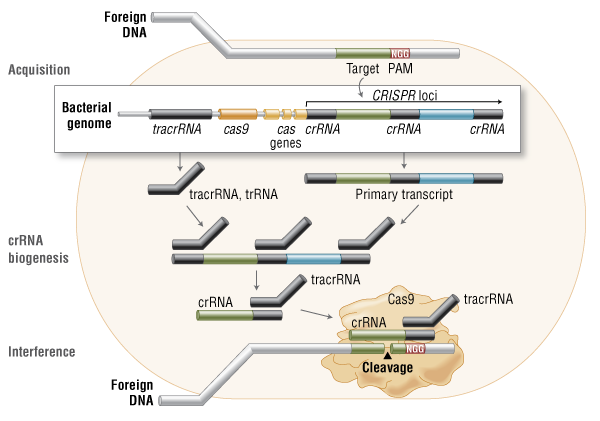
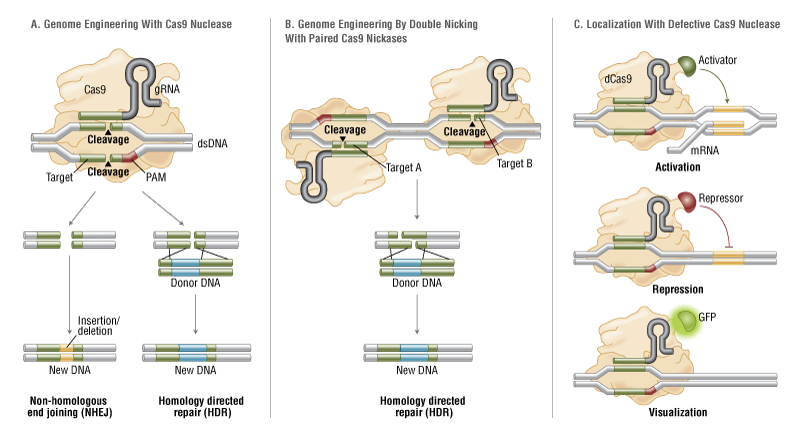
Since its identification as the primary co-receptor involved in HIV transmission, CCR5 has attracted considerable attention as a target for HIV therapy [42,43]. Indeed, “experiments of nature” have shown that individuals with a homozygous CCR5 Δ32 deletion are highly resistant to HIV-1 infection. Thus, we hypothesized that knocking out the CCR5 locus would generate CD4 T cells permanently resistant to infection by R5 isolates of HIV-1. To test this hypothesis we took advantage of zinc-finger nuclease (ZFN) technology [44]. ZFNs introduce sequencespecific double-strand DNA breakage, which is imperfectly repaired by non-homologous endjoining. This results in the permanent disruption of the genomic target, a process termed genome editing (Fig. 3).
Genetic modification of T cells to redirect antigen specificity is an attractive strategy compared to the lengthy process of growing T cell lines or CTL clones for adoptive transfer. Genetically modified, adoptively transferred T cells are capable of long-term persistence in humans [37, 46,47], demonstrating the feasibility of this approach. When compared to the months it can take to generate an infusion dose of antigen-specific CTL lines or clones from a patient, a homogeneous population of redirected antigen-specific cells can be expanded to therapeutically relevant numbers in about two weeks [3]. Several strategies are being explored to bypass the need to expand antigen-specific T cells for adoptive T cell therapy. The approaches currently studied in our laboratory involve the genetic transfer of chimeric antigen receptors and supraphysiologic T cell receptors.
Chimeric antigen receptors (CARs or T-bodies) are artificial T cell receptors that combine the extracellular single-chain variable fragment (scFv) of an antibody with intracellular signaling domains, such as CD3ζ or Fc(ε)RIγ [48–50]. When expressed on T cells, the receptor bypasses the need for antigen presentation on MHC since the scFv binds directly to cell surface antigens. This is an important feature, since many tumors and virus-infected cells downregulate MHCI, rendering them invisible to the adaptive immune system. The high-affinity nature of the scFv domain makes these engineered T cells highly sensitive to low antigen densities. In addition, new chimeric antigen receptors are relatively easy to produce from hybridomas. The key to this approach is the identification of antigens with high surface expression on tumor cells, but reduced or absent expression on normal tissues.  Since one can redirect both CD4 and CD8 T cells, the T-body approach to immunotherapy represents a near universal “off the shelf” method to generate large numbers of antigen-specific helper and cytotoxic T cells.
Many T-bodies targeting diverse tumors have been developed [51], and four have been evaluated clinically [52–55]. Three of the four studies were characterized by poor transgene expression and limited T-body engraftment. However, in a study of metastatic renal cell carcinoma using a T-body directed against carbonic anhydrase IX [55], T-body-expressing cells were detectable in the peripheral blood for nearly 2 months post-administration.
The major goals in the T-body field currently are to optimize their engraftment and maximize their effector functions. Our laboratory is addressing both problems simultaneously through an in-depth study of the requirements for T-body activation. We hypothesize that their limited persistence is due to incomplete cell activation due to the lack of costimulation. While naïve T cells depend on costimulation through CD28 ligation to avoid anergy and undergo full activation in response to antigen, it is recognized that effector cells also require costimulation to properly proliferate and produce cytokines [56]. Previous studies have shown that providing CD28 costimulation is crucial for the antitumoral function of adoptively transferred T cells and T-bodies [57–59]. Unlike conventional T cell activation, which requires two discrete signals, T-bodies can be engineered to provide both costimulation and CD3 signaling through one binding event.
A different approach for redirecting specificity to T cells for adoptive immunotherapy involves the genetic transfer of full-length TCR genes. A T cell’s specificity for its cognate antigen is solely determined by its TCR. Genes encoding the α and β chains of a T cell receptor (TCR) can be isolated from a T cell specific for the antigen of interest and restricted to a defined HLA allele, inserted into a vector, and then introduced into large numbers of T cells of individual patients that share the restricting HLA allele as well as the targeted antigen. In 1999, Clay and colleagues from Rosenberg’s group at the National Cancer Institute were the first to report the transfer of TCR genes via a retroviral vector into human lymphocytes and to show that T cells gained stable reactivity to MART-1 [67]. To date, many others have shown that the same approach can be used to transfer specificity for multiple viral and tumor associated antigens in mice and human systems. These T cells gain effector functions against the transferred TCR’s cognate antigen, as defined by proliferation, cytokine production, lysis of targets presenting the antigen, trafficking to tumor sites in vivo, and clearance of tumors and viral infection.
In 2006, Rosenberg’s group redirected patients’ PBLs with the naturally occurring, MART-1- specific TCR reported in 1999 by Clay. In the first clinical trial to test TCR-transfer immunotherapy, these modified T cells were infused into melanoma patients [68]. While the transduced T cells persisted in vivo, only two of the 17 patients had an objective response to this therapy. One issue revealed by the study was the poor expression of the transgenic TCRs by the transferred T cells. Nonetheless, the results from this trial showed the potential of TCR transfer immunotherapy as a safe form of therapy for cancer and highlighted the need to optimize such therapy to attain maximum potency.
The adoptive immunotherapy field is advancing by a tried-and-true method: learning from disappointments and moving forward. Our ability to fully realize the therapeutic potential of adoptive T cell therapy is tied to a more complete understanding of how human T cells receive signals, kill targets, and modulate effective immune responses. Our goal is to perform labbased experiments that provide insight into how primary T cells function in a manner that will facilitate and enable adoptive T cell therapy clinical trials. Our ability to efficiently modify (and expand) T cells ex vivo provides the opportunity to deliver sufficient immune firepower where it has heretofore been lacking. Sustained transgene expression, coupled with enhanced in vivo engraftment capability, will move adoptive immunotherapy into a realm where longterm therapeutic benefits are the norm rather than the exception.
Genetic Modification of T Lymphocytes for Adoptive Immunotherapy

Claudia Rossig1 and Malcolm K. Brenner2
Molecular Therapy (2004) 10, 5–18;   http://dx.doi.org:/10.1016/j.ymthe.2004.04.014      http://www.nature.com/mt/journal/v10/n1/full/mt20041193a.html

Adoptive transfer of T lymphocytes is a promising therapy for malignancies—particularly of the hemopoietic system—and for otherwise intractable viral diseases. Efforts to broaden the approach have been limited by the physiology of the T cells themselves and by a range of immune evasion mechanisms developed by tumor cells. In this review we show how genetic modification of T cells is being used preclinically and in patients to overcome these limitations, by incorporation of novel receptors, resistance mechanisms, and control genes. We also discuss how the increasing safety and effectiveness of gene transfer technologies will lead to an increase in the use of gene-modified T cells for the treatment of a wider range of disorders.

That gene transfer could be used to improve the effectiveness of T lymphocytes was apparent from the beginning of clinical studies in the field. T cells were the very first targets for genetic modification in human gene transfer experiments. Rosenberg’s group marked tumor-infiltrating lymphocytes ex vivo with a Moloney retroviral vector encoding neomycin phosphotransferase before reinfusing them and attempting to demonstrate selective accumulation at tumor sites. Shortly thereafter, Blaese and Anderson led a group that infused corrected T cells into two children with severe combined immunodeficiency due to ADA deficiency. While neither study was completely successful in terms of outcome, both showed the feasibility of ex vivo gene transfer into human cells and set the stage for many of the studies that followed. More recently, a second wave of interest in adoptive T cell therapies has developed, based on their success in the prevention and treatment of viral infections such as EBV and cytomegalovirus (CMV) and on their apparent ability to eradicate hematologic and perhaps solid malignancies1,2,3,4,5,6. There has been a corresponding increase in studies directed toward enhancing the antineoplastic and antiviral properties of the T cells. In this article we will review how gene transfer may be used to produce the desired improvements focusing on vectors and genes that have had clinical application.

Currently available viral and nonviral vector systems lack a pattern of biodistribution that would favor T cell transduction in vivo—as occurs, for example, with adenovectors and the liver or liposomal vectors and the lung. This lack of favorable biodistribution cannot yet be compensated for by the introduction of specific T-cell-targeting ligands into vectors. Hence, all T cell gene transfer studies conducted to date have used ex vivo transduction followed by adoptive transfer of gene-modified cells. This approach is inherently less attractive for commercial development than directin vivo gene transfer and has probably restricted interest in developing clinical applications using these cells. On the other hand, ex vivo transduction may be more readily controlled, characterized, and standardized than in vivo efforts and may ultimately produce a better defined final product (the transduced cell).

The gene products of suicide and coexpressed resistance genes are highly immunogenic and may induce immune-mediated rejection of the transduced cells. In one study, the persistence of adoptively transferred autologous CD8+ HIV-specific CTL clones modified to express the hygromycin phosphotransferase (Hy) gene and the herpesvirus thymidine kinase gene as a fusion gene was limited by the induction of a potent CD8+ class I MHC-restricted CTL response specific for epitopes derived from the Hy-tk protein126. Less immunogenic suicide and selection marker genes, preferably of human origin, may reduce the immunological inactivation of genetically modified donor lymphocytes. Human-derived prodrug-activating systems include the human folylpolyglutamate synthetase/methotrexate127, the deoxycytidine/cytosine arabinoside128, or the carboxylesterase/irinotecan129 systems. These systems do not activate nontoxic prodrugs but are based on enhancement of already potent chemotherapeutic agents. The administration of methotrexate to treat severe GVHD may not only kill transduced donor lymphocytes but may also have additional inhibitory activity on nontransduced but activated T cells.

Finally, endogenous proapoptotic molecules have been proposed as nonimmunogenic suicide genes. A chimeric protein that contains the FK506-binding protein FKBP12 linked to the intracellular domain of human Fas130 was recently introduced. Addition of the dimerizing prodrug induces Fas crosslinking with subsequent triggering of an apoptotic death signal.

Genetic engineering of T lymphocytes should help deliver on the promise of immunotherapies for cancer, infection, and autoimmune disease. Improvements in transduction, selection, and expansion techniques and the development of new viral vectors incapable of insertional mutagenesis will reduce the risks and further enhance the integration of T cell and gene therapies. Nonetheless, successful application of the proposed modifications to the clinical setting still requires many iterative studies to allow investigators to optimize the individual components of the approach.

Genetically modified T cells in cancer therapy: opportunities and challenges
Michaela Sharpe, Natalie Mount


The feasibility of T-cell adoptive transfer was first reported nearly 20 years ago (Walter et al., 1995) and the field of T-cell therapies is now poised for significant clinical advances. Recent clinical trial successes have been achieved through multiple small advances, improved understanding of immunology and emerging technologies. As the key challenges of T-cell avidity, persistence and ability to exert the desired anti-tumour effects as well as the identification of new target antigens are addressed, a broader clinical application of these therapies could be achieved. As the clinical data emerges, the challenge of making these therapies available to patients shifts to implementing robust, scalable and cost-effective manufacture and to the further evolution of the regulatory requirements to ensure an appropriate but proportionate system that is adapted to the characteristics of these innovative new medicines.


Read Full Post »

A Concise Review of Cardiovascular Biomarkers of Hypertension

Curator: Larry H. Bernstein, MD, FCAP

LPBI

Revised 5/25/2016


Introduction

While a large body of work had been done on cholesterol synthesis, HDL and LDL cholesterol, triglycerides, and lipoproteins for a quarter century, and the concept of metabolic syndrome was emerging, there was neither a unifying concept nor a sufficient multivariable approach to apply the use of laboratory markers to clinical practice.  The mathematical foundation for such an evaluation of the biological markers and the computational tools were maturing at the turn of the 20th century, and the interest in outcomes research for improved healthcare practice was maturing. In addition, there was now heavy investment in health information systems that would support emerging health networks of a rapidly consolidating patient base.  This has become important for the pharmaceutical industry and for allied health sciences to enable a suitable method of measuring the effectiveness of drug and of lifestyle changes to improve the population health.

The importance of finding biomarkers for hypertension is significant as stated above. I refer to observations in a lecture by Teresa Seeman, Ph.D., Professor, UCLA Geffen School of Medicine (1).
The missed cased of hypertension in the U.S. alone has been examined by the NHANES studies. Table  I
shows the poor identification of this serious chronic condition. The next table (Table II)*, also from NHANES  (Seeman study) looks at Allostatic Load for biomarkers using component biomarker measurement criterion cutpoints.  Table III* gives the odds ratios for mortality by Allostatic Load Score.

An explanatory problem for our difficulty with diagnosis of a number of hypertension disease “subsets” is that there is peripheral hypertension that might be idiopathic, or it might be related to coexisting diseases with both inflammatory and vascular structural dynamics nature.  In addition, this may be concurrent with pulmonary hypertension, systemic hypertension, and progressive renal disease.  This discussion is reserved for later.  As stated, the late or missed diagnosis of systemic or essential idiopathic hypertension is illustrated in the three Seeman tables (1).


Table 1

Table 2

Table 3


Table 1*. Missed cases by “self report”

Self-reports

vs undiagnosed

study NHANES 88-94 NHANES 99-2004 NHANES 2005-08
Hypertension %unaware  BP > 140/90 42.7 43.5 39.06
SR-controlled
SR-high

Unaware

  7.45

10

13.88

8.35

10.85

16.12

6.5

10.18

19.98

High cholesterol Chol > 220 g/dl 55.93 49.3 47.05
SR-controlled
SR- high
Unaware
  11.02
8.68
12.12
8.47
8.72
18.5
7.22
8.12
23.46
Diabetes HgA1C > 6.4%      
SR-controlled

SR- high

Unaware

  2.41

3.43

1.64

1.76

5.01

3.09

2.11
5.51
3.09

*modified from Seeman


Table II* USHANES: Allostatic Load – component cutpoints

Biomarker Total N High Risk Percent (%) Cutpoint
DBP (mm Hg) 15,489 1,180   7.62    90
SBP (mm Hg) 15,491 3,461 22.34  140
Pulse Rate 15,117 1,009   6.67    90
HgA1C (%) 15,441 1,482   9.60    6.4
WHR 14,824 6,778 45.72    0.94
HDL Cholesterol (mg/dl) 15,187 3,440 22.65     40
Total Cholesterol

(mg/dl)

15,293 3,196  20.90    240

*From  T. Seaman, UCLA Geffen SOM


Table III*. Odds of mortality by Allostatic Load Score.

ALS Odds Ratio
7-8 5
6 2.6
5 2.3
4 2.1
3 1.8
2 1.5
1 1.4


*From  T. Seaman, UCLA Geffen SOM


I refer to cardiovascular diseases in reference to an aggregate of diseases affecting the heart, the circulatory system from large artery to the capillary, the lungs and kidneys, excluding the lymphatics.
These major disease entities are both separate and interrelated, not necessarily found in the same combinations. However, they account for a growing proportion of illness, apart from cancers, that affect the aging population of western societies. In the discussion that follows, I shall construct a picture of the pathophysiology of cardiovascular diseases, describe the major biomarkers for the assessment of these, point out the relationship of these to hypertension, and try to develop a more targeted approach to the assessment of hypertension and related disorders.

Chronic kidney disease (CKD) is defined as persistent kidney damage accompanied by a reduction in the glomerular filtration rate (GFR) and the presence of albuminuria. The rise in incidence of CKD is attributed to an aging populace and increases in hypertension (HTN), diabetes, and obesity within the U.S. population. CKD is associated with a host of complications including electrolyte imbalances, mineral and bone disorders, anemia, dyslipidemia, and HTN. It is well known that CKD is a risk factor for cardiovascular disease (CVD), and that a reduced GFR and albuminuria are independently associated with an increase in cardiovascular and all-cause mortality.

The relationship between CKD and HTN is cyclic, as CKD can contribute to or cause HTN (3). Elevated BP leads to damage of blood vessels within the kidney, as well as throughout the body. This damage impairs the kidney’s ability to filter fluid and waste from the blood, leading to an increase of fluid volume in the blood—thus causing an increase in BP.


A cursory description of the blood circulation

The full circulation involves the heart as a pump, and the arteries and veins, comprising small and large vessels, and capillaries at the point of delivery of oxygen and capture of carbon dioxide, and of transfer of substrates to tissues.  The brain, liver, pancreas and spleen, and endocrines are not further considered here, except for a consideration on neuro-humoral peptides that have emerged in the regulation of blood pressure and are essential to the stress response. The lung and the liver are both important with respect to the exchange of air and metabolites, and both have secondary circulations, the pulmonary and the portal vascular circulations.  In the case of the lungs, the vena cava flows into the right atrium, which delivers unoxygenated blood to the lungs via the right ventricle and right pulmonary artery, which returns to the left atrium by way of the right pulmonary vein.  The blood from the left atrium that flows into the left ventricle is ejected into the aorta.  The coronary arteries that nourish the heart are at the base of the aorta.  The heart muscle is a syncytium, unlike striated muscle, and it is densely packed with mitochondria, suitable for continuous contraction under vasovagal control. This is the anatomical construct, but the physiology is still being clarified because normal function and disease are both a matter of regulatory control.

In order to understand hypertension, we have to view the heart functioning over a long period of time.
In a still frame picture, we envision the left ventricle contracts emptying the oxygenated blood into the circulation. The ejection of blood into the aorta is called systole, by which the blood is delivered by the force of contraction into the circulation.  The filling pressure is called diastole.  So we have a filling and an emptying, and heard by the stethoscope is a lub-dub, synchronously repeated.   A normal systolic blood pressure is below 120. A systolic blood pressure of 120 to 139 means you have prehypertension, or borderline high blood pressure. Even people with prehypertension are at a higher risk of developing heart disease. A systolic blood pressure number of 140 or higher is considered to be hypertension, or high blood pressure. The diastolic blood pressure number or the bottom number indicates the pressure in the arteries when the heart rests between beats. A normal diastolic blood pressure number is less than 80. A diastolic blood pressure between 80 and 89 indicates prehypertension. A diastolic blood pressure number of 90 or higher is considered to be hypertension or high blood pressure. So now we have identified a systolic and a diastolic high blood pressure. Systolic pressure increases with vigorous activity, and becomes normal when the activity resides.  The systolic blood pressure increases with age. Over time, consistently high blood pressure weakens and damages the blood vessels so affected. Moreover, changes in the body’s normal functions may cause high blood pressure, including changes to kidney fluid and salt balances, the renin-angiotensin-aldosterone system, sympathetic nervous system activity, and blood vessel structure and function.


Starling’s Law of the Heart

Two principal intrinsic mechanisms, namely the Frank-Starling mechanism and rate induced regulation, enable the myocardium to adapt to changes in hemodynamic conditions. The Frank-Starling mechanism (also referred to as Starling’s law of the heart), is invoked in response to changes in the resting length of the myocardial fibers. Rate-induced regulation is invoked in response to changes in the frequency of the heartbeat.  (3-9).

Frank and Starling (3, 4) showed that an increase in diastolic volume caused an increase in systolic performance. The stretch effect persists across a range of myocardial contractile states, but during exercise it plays only a lesser role augmenting ventricular function maximal exercise. This is because in healthy human subjects adrenergic reflex mechanisms modulate myocardial performance, heart rate, vascular impedance and coronary flow during exercise and changes in these variables can overshadow the effect of fiber stretch or even prevent an increase in end-diastolic volume during stress (5). (See you- tube (6).

According to Lakatta muscle length modulates the extent of myofilament calcium ion (Ca2+) activation (7-9).   Similarly, the fiber length during a contraction, which is determined in part by the load encountered during shortening, also determines the extent of myofilament Ca2+ activation. Therefore, the terms preload, afterload and myocardial contractile state lose part of their significance in light of current knowledge.


Biology and High Blood Pressure

Researchers continue to study how various changes in normal body functions cause high blood pressure. The key functions affected in high blood pressure include (10):

Kidney Fluid and Salt Balances

The kidneys normally regulate the body’s salt balance by retaining sodium and water and excreting potassium. Imbalances in this kidney function can expand blood volumes, which can cause high blood pressure.

Renin-Angiotensin-Aldosterone System

The renin-angiotensin-aldosterone system makes angiotensin and aldosterone hormones. Angiotensin narrows or constricts blood vessels, which can lead to an increase in blood pressure. Aldosterone controls how the kidneys balance fluid and salt levels. Increased aldosterone levels or activity may change this kidney function, leading to increased blood volumes and high blood pressure.

Sympathetic Nervous System Activity

The sympathetic nervous system has important functions in blood pressure regulation, including heart rate, blood pressure, and breathing rate. Researchers are investigating whether imbalances in this system cause high blood pressure.

Blood Vessel Structure and Function

Changes in the structure and function of small and large arteries may contribute to high blood pressure. The angiotensin pathway and the immune system may stiffen small and large arteries, which can affect blood pressure.

Two or more types of hypertension

Systemic hypertension

Idiopathic hypertension

Hypertension from chronic renal disease

Pulmonary artery hypertension

Hypertension associated with systemic chronic inflammatory disease (rheumatoid arthritis and other collagen vascular diseases)

Genetic Causes of High Blood Pressure

Much of the understanding of the body systems involved in high blood pressure has come from genetic studies. High blood pressure often runs in families. Years of research have identified many genes and other mutations associated with high blood pressure, some in the renal salt regulatory and renin-angiotensin-aldosterone pathways. However, these known genetic factors only account for 2 to 3 percent of all cases. Emerging research suggests that certain DNA changes during fetal development also may cause the development of high blood pressure later in life.

Environmental Causes of High Blood Pressure

Environmental causes of high blood pressure include unhealthy lifestyle habits, being overweight or obese, and medicines.

Other medical causes of high blood pressure include other medical conditions such as chronic kidney disease, sleep apnea, thyroid problems, or certain tumors.

The common complications of hypertension and their signs and symptoms include:

http://www.nhlbi.nih.gov/health/health-topics/topics/hbp/causes10


Pulse Pressure and Stroke Volume

The  pulse pressure is the difference between systolic (the upper number) and diastolic (the lower number) (11).

Systemic pulse pressure = Psystolic – Pdiastolic

The pulse pressure is 40 mmHg for a typical blood pressure reading of 120/80 mmHg.

Pulse pressure (PP) is proportional to stroke volume (SV), the amount of blood pumped from the heart in one beat, and inversely proportional to the compliance or flexibility of the blood vessels, mainly the aorta.

A low (also called narrow) pulse pressure means that not much blood is being expelled from the heart, and can be caused by a number of factors, including severe blood loss due to trauma, congestive heart failure, shock, a narrowing of the valve leading from the heart to the aorta (stenosis), and fluid accumulating around the heart (tamponade).

High (or wide) pulse pressures occur during exercise, as stroke volume increases and the overall resistance to blood flow decreases. It can also occur for many reasons, such as hardening of the arteries (which can have numerous causes), various deficiencies in the aorta (mainly) or other arteries, including leaksfistulas, and a usually-congenital condition known as AVM, pain/anxiety, fever, anemia, pregnancy, and more. Certain medications for high blood pressure can widen pulse pressure, while others narrow it. A chronic increase in pulse pressure is a risk factor for heart disease, and can lead to the type of arrhythmia called atrial fibrillation or A-Fib.


Hypertension Background and Definition

The prevalence of CKD has steadily increased over the past two decades, and was reported to affect over 13% of the U.S. population in 2004.  In 2009, more than 570,000 people in the United States were classified as having end-stage renal disease (ESRD), including nearly 400,000 dialysis patients and over 17,000 transplant recipients.  A patient is determined to have ESRD when he or she requires replacement therapy, including dialysis or kidney transplantation. A National Health Examination Survey (NHANES) spanning 2005-2006 showed that 29% of US adults 18 years of age and older were hypertensive, and of those with high blood pressure (BP), 78% were aware they were hypertensive, 68% were being treated with antihypertensive agents, and only 64% of treated individuals had controlled hypertension (12, 13). In addition, data from NHANES 1999-2006 estimated that 30% of adults 20 years of age and older have prehypertension, defined as an untreated SBP of 120-139 mm Hg or untreated DBP of 80-89 mmHg (12, 13).

Hypertension is the most important modifiable risk factor for coronary heart disease (the leading cause of death in North America), stroke (the third leading cause), congestive heart failure, end-stage renal disease, and peripheral vascular disease. The 2010 Institute for Clinical Systems Improvement (ICSI) guideline (14) on the diagnosis and treatment of hypertension indicates that systolic blood pressure (SBP) should be the major factor to detect, evaluate, and treat hypertension In adults aged 50 years and older. The 2013 joint European Society of Hypertension (ESH) (15) and the European Society of Cardiology (ESC) (16) guidelines recommend that ambulatory blood-pressure monitoring (ABPM) be incorporated into the assessment of cardiovascular risk factors and hypertension.

The JNC 7 (17) identifies the following as major cardiovascular risk factors:

  • Hypertension: component of metabolic syndrome
  • Tobacco use, particularly cigarettes, including chewing tobacco
  • Elevated LDL cholesterol (or total cholesterol ≥240 mg/dL) or low HDL cholesterol: component of metabolic syndrome
  • Diabetes mellitus: component of metabolic syndrome
  • Obesity (BMI ≥30 kg/m 2): component of metabolic syndrome
  • Age greater than 55 years for men or greater than 65 years for women: increased risk begins at the respective ages; the Adult Treatment Panel III used earlier age cut points to suggest the need for earlier action
  • Estimated glomerular filtration rate less than 60 mL/min
  • Microalbuminuria
  • Family history of premature cardiovascular disease (men < 55 years; women < 65 years)
  • Lack of exercise

The Eighth Report of the JNC (JNC 8), released in December 2013 no longer recommends just thiazide-type diuretics as initial therapy in most patients. In essence, the JNC 8 recommends treating to 150/90 mm Hg in patients over age 60 years; for everybody else, the goal BP is 140/90 (18).

Biomarkers Associated with Hypertension

The biomarkers associated with hypertension are for the most part derived from features that characterize the disordered physiology. We might first consider the measurement of blood pressure. Then it becomes necessary to analyze the physiological elements that largely contribute to blood pressure. Finally, there are several biomarkers that have loomed large as measures are myocardial function or myocardial cell death, and are also not independent of renal function, that are indicators of short term and long term cardiovascular status. Having already indicated the importance of measurement of pulse, diastolic and systolic blood pressure in the routine examination of physical status, which is related to cardiac output we shall pay attention to the pulse pressure and pulse wave velocity.    These were defined in the preceding discussion.  They are critically related to the development of hypertension and in the long term, they emerge significantly earlier than either congestive heart failure, chronic kidney disease, acute coronary syndrome, stroke, or cardio-renal syndrome.

Even though cardiovascular disease (CVD), the leading cause of death in developed countries, is not predicted by classic risk factors, there are elements of the risk factor association that need further exploration and will be dissected, such as activity level, obesity, lipids, diabetes mellitus, family history and stress.  Further analysis will point to endocrine and/or metabolic factors that drive cardiovascular risk.

In taking into account the blood pressure measurements, we consider the pulse pressure (PP) and the pulse wave velocity (PWV).  If we refer back to the stroke volume and the Law of the Heart, the systolic blood pressure (SBP) is increased with increased left ventricular output that raises the left ventricular (LV) afterload. This coincides with a decrease in diastolic pressure (DBP) that accompanies a change in coronary artery perfusion (CAP).  Thus, many studies point to increased SBP as a strong risk factor for stroke and CVD.  However, there are sufficient studies that indicate the brachial artery pulse pressure (PP) is a strong determinant of CVD and stroke, and these two elements, SBP and brachial artery PP, may be an indicator of increased arterial stiffness in hypertensive patients and the general population. Brachial PP is also a determinant of recurrent events after acute coronary syndrome (ACS) or with left ventricular hypertrophy (LVH), or the risk of CHF in the aging population, and of all-cause-mortality in the general population.  In addition, the aortic PWV calculated from the Framingham equations was a suitable predictor of CVD risk. In a classic study of arterial stiffness and of CVD and all-cause mortality in an essential hypertension cohort at the Broussais Hospital between 1980 and 1996 (19), the carotid-femoral PWV was measured as an indicator of aortic stiffness, and it was found to be significantly associated with all-cause and CVD mortality independent of previous CVD, age, and diabetes. They tested the hypothesis that aortic stiffness is a predictor of cardiovascular and all-cause mortality in hypertensive patients based on the consideration that the elastic properties of the aorta and central arteries are the major determinants of systemic arterial impedance, and the PWV measured along the aortic and aorto-iliac pathway is the most clinically relevant. They assessed arterial stiffness by measuring the PWV using  the Moens-Korteweg equation based on the increase of the square root of the elasticity modulus in stiffer arteries (20).

PWV as a Diagnostic Test

To assess the performance of PWV considered as a diagnostic test, with the use of receiver operating characteristic (ROC) curves, they calculated sensitivities, specificities, positive predictive values, and negative predictive values of PWV at different cutoff values, first to detect the presence of AA in the overall population and second to detect patients with high 10-year cardiovascular mortality risk in the subgroup of 462 patients without AA with age range from 30 to 74 years. Optimal cutoff values of PWV were defined as the maximization of the sum of sensitivity and specificity.

The main finding of the study was that PWV was a strong predictor of cardiovascular risks as determined by the Framingham equations in a population of treated or untreated subjects with essential hypertension (21). They measured the PWV from foot-to-foot transit time in the aorta for a noninvasive evaluation of regional aortic stiffness, which allows an estimate of the distance traveled by the pulse. The presence of a PWV > 13 m/s, taken alone, appeared as a strong predictor of cardiovascular mortality with high performance values (21). Their work and other studies (22, 23) established increased pulse pressure, the major hemodynamic consequence of increased aortic PWV, as a strong independent predictor of cardiac mortality, mainly MI, in populations of normotensive and hypertensive subjects.

In addition to the findings above, the PWV was found to be an independent predictor of future increase in SBP and of incident hypertension in the Baltimore study (21). The authors reported that in a subset of 306 subjects who were normotensive at baseline, hypertension developed in 105 (34%) during a median follow-up of 4.3 years (range 2 to 12 years). PWV was also an independent predictor of incident hypertension (hazard ratio 1.10 per 1 m/s increase in PWV, 95% confidence interval 1.00 to 1.30, p = 0.03) in individuals with a follow-up duration greater than the median. The authors (21) concluded that carotid-femoral PWV measured using nondirectional transcutaneous Doppler probes (model 810A, 9 to 10-Mhz probes, Parks Medical Electronics, Inc., Aloha, Oregon) could be done to identify normotensive individuals who should be targeted for the implementation of interventions aimed at preventing or delaying the progression of subclinical arterial stiffening and the onset of hypertension.  They reported that age, BMI, and MAP were independently associated with higher SBP on the last visit (Table IV); in addition, PWV was also independently associated with higher SBP on the last visit, and explained 4% of its variance. As shown in Table V, age, BMI, and MAP (p = 0.09, p = 0.009, p < 0.0001 respectively for the interaction terms with time) were predictors of the longitudinal changes in SBP. In addition, PWV was also an independent predictor of the longitudinal increase in SBP (p = 0.003 for the interaction term with time).

In addition, they report that in the group with follow-up duration greater than the median (in which all subjects remained normotensive for the first 4.3 years), beyond age (hazard ratio [HR] 1.02 per 1 year, 95% confidence interval [CI] 0.99 to 1.04, p = 0.2) and SBP (HR 1.05 per 1 mm Hg, 95% CI 1.01 to 1.09, p = 0.006), both HDL (HR 0.96 per 1 mg/dl, 95% CI 0.93 to 0.99, p = 0.02) and PWV (HR 1.10 per 1 m/s, 95% CI 1.00 to 1.30, p = 0.03) (Fig. 1) were independent predictors of incident HTN.

Their findings in a longitudinal projection indicate that PWV, a marker of central arterial stiffening, is an independent determinant of longitudinal SBP increase in healthy BLSA volunteers, and an independent risk factor for incident hypertension among normotensive subjects followed up for longer than 4 years. The study was accompanied by a commentary in the same journal that states: “Pulse wave velocity (PWV) is a simple measure of the time taken by the pressure wave to travel over a specific distance. By virtue of its intrinsic relation to the mechanical properties of the artery by the Moens–Kortweg formula (PWV=√(Eh/2)Rρ; where E is the Young’s Modulus of the arterial wall, h the wall thickness, R the end- diastolic radius and ρ is the density of blood)(20), and buoyed a number of longitudinal studies that reported on the independent predictive value of PWV measurement for cardiovascular events and mortality in various populations, PWV is now widely accepted as the ‘gold standard’ measure of arterial stiffness.


Table IV Multiple Regression Analysis Evaluating the Predictors of Last Visit SBP 21

Variable Parameter
Estimate
Standard
Error
p Value
Age (yrs) 0.32 0.06 <0.0001
Gender (men) 0.65 1.78 0.71
Race (white) −1.22 2.00 0.54
Smoking (ever) 2.48 1.61 0.12
BMI (kg/m2)* 0.61 0.22 0.006
MAP (mm Hg)* 0.60 0.08 <0.0001
PWV (m/s)* 1.56 0.38 <0.0001
Heart rate (beats/min) 0.08 0.06 0.20
Total cholesterol (mg/dl) −0.005 0.02 0.83
Triglycerides (mg/dl) −0.009 0.01 0.50
HDL cholesterol (mg/dl) −0.001 0.07 0.98
Glucose (mg/dl) −0.02 0.06 0.75


Table V Predictors of Longitudinal SBP Derived From a Linear Mixed-Effects Regression Model 21

Variable Coefficient Standardized

Coefficient

95% Confidence

Interval

p Value
Time (yrs) 3.14 0.14 0.61 to 5.66 0.02
Age (yrs) −0.37 0.25 −0.68 to −0.06 0.02
Age2 (yrs2)* 0.006 0.08 0.002 to 0.008 <0.0001
Gender (men) 0.61 0.03 −1.26 to 2.47 0.52
BMI (kg/m2)* 0.25 0.11 −0.01 to 0.50 0.06
MAP (mmHg)* 1.03 0.47 0.93 to 1.12 <0.0001
PWV (m/s) 0.29 0.12 −0.16 to 0.74 0.21
Time × age* 0.02 0.04 −0.002 to 0.038 0.09
Time × BMI* 0.10 0.06 0.02 to 0.183 0.009
Time × MAP* −0.08 −0.12 −0.11 to −0.05 <0.0001
Time × PWV* 0.22 0.08 0.07 to 0.36 0.003


Figure 1 21

http://content.onlinejacc.org/data/Journals/JAC/23115/10065_gr1.jpeg

Figure 2.21

http://content.onlinejacc.org/data/Journals/JAC/23115/10065_gr2.jpeg

The interest in this physiological measure is illustrated by the increasing number and diversity of research publications in this arena related to human hypertension, relating PWV to pathophysiological processes (for example, homocysteine, inflammation and extracellular matrix turnover and disorders related to hypertension, such as sleep apnea). The epidemiology, genetic associations and prognostic implications of PWV (and arterial stiffness) have also been reported as has the relationship to hemodynamics, cardiac structure and function.” (24) Furthermore, arterial stiffening may be “characterized by an increase in (central) PP and changes in the morphology of the arterial waveform, both of which can now be measured non-invasively using tonometers from commercially available devices. Wave reflection is typically characterized by aortic pressure augmentation (ΔP) and the augmentation index (ΔP/PP) (Figure 3)(24). Higher augmented pressure, as an index of wave reflection, has been linked to adverse clinical outcomes in different populations.

Figure 3.24

Analysis of the pressure waveform. The initial systolic pressure is labelled as P1 and augmented pressure ( P) is typically measured as the difference between peak pressure (P2) and P1. Augmentation index is  P/PP. PP, pulse pressure.    http://www.nature.com/jhh/journal/v22/n10/images/jhh200847f1.gif 24

A review by Payne et al. (25) states that aortic stiffness and arterial pulse wave reflections determine elevated central systolic pressure and are associated with risk of adverse cardiovascular outcomes. This is because an impaired compensatory mechanism through matrix metalloproteinases of remodeling to compensate for changes in wall stress, possibly related to angiotensin II and inhibition of the vascular adhesion protein semicarbazide-sensitive amine oxidase, related to reduced elastin fiber cross-linking. This has implications for pharmacological agents that target age-related advanced glycation end-product cross-links. This also brings into consideration NO playing a considerable role. But they caution that the endogenous NO synthase inhibitors asymmetric dimethylarginine and L-NG-monomethyl arginine associated with clinical atherosclerosis don’t appear to be associated with arterial stiffening. The matter leaves much to be explained.  The mechanisms underlying arterial stiffness could well require insights into inflammation, calcification, vascular growth and remodeling, and endothelial dysfunction. Nevertheless, arterial stiffness is independently associated with cardiovascular outcome in most of the situations where it has been examined.  Given this train of thinking, O’Rourke (26) considers a progressive arterial dilatation with repeated cycles of stress that leads to degeneration of the arterial wall and increases the pressure wave impulse and wave velocity, augmenting the pressure in late systole. Drugs may reduce wave reflection, but have no direct effect on arterial stiffness.  However, reduction in wave reflection decreases aortic systolic pressure augmentation.  DK Arnett (26) depicts the effect of persistently elevated blood pressure in the following diagram (Figure 4).


Figure 4.26  Both transient and sustained stiffening of the artery are likely to be present in hypertension.

An initial elevation in blood pressure may establish a positive feedback in which hypertension biomechanically increases arterial stiffness without any structural change. This elevated blood pressure   might later lead to additional vascular hypertrophy and hyperplasia, collagen deposition, and atherosclerosis, and fixed elevations in arterial stiffness.  As to a genetic factor, she refers to a gene contributing to pulse pressure on chromosome 8 located at 32 cM, which also contains the lipoprotein lipase (LPL) gene which has been associated with hypertension. LPL may be an important candidate gene for pulse pressure.  She specifically identifies a relationship between genetic regions contributing to aortic compliance in African American sibships ascertained for hypertension in Figure 5 (27).  These results suggest there may be influential genetic regions contributing to aortic compliance in African American sibships ascertained for hypertension (27). Collectively, these two studies, the first to our knowledge, indicate the presence of genetic factors influencing hypertension.

Other authors state that PWV has a direct relationship to intrinsic elasticity of the arterial wall, and it is an independent predictor of CVD related morbidity and mortality, but it is not associated with classical risk factors for atherosclerosis (28).  They point out that PWV doesn’t increase during early stages of atherosclerosis, as measured by intima-media thickness and non-calcified atheroma, but it does increase in the presence of aortic calcification that occurs with advanced atherosclerotic plaque. Age-related
PWV measurement. Carotid-to-femoral PWV is calculated by dividing the distance (d) between the two arterial sites by the difference in time of pressure wave arrival between the carotid (t1) and femoral artery (t2) referenced to the R wave of the electrocardiogram.

Figure 5. Linkage of arterial compliance on chromosome 2: HyperGEN27

Widening of the pulse pressure is the major cause of age-related increase in prevalence of hypertension and is related to arterial stiffening. (28)  Commonly used points for measuring the PWV are the carotid and femoral artery because they are superficial and easy to access. Arterial distensibility is measured by the Bramwell and Hill equation (29): PWV = √(V × ΔP/ρ × ΔV), where ρ is blood density. This is shown in Figure 6.


Figure 6 28


View larger version:


Furthermore, these authors (28) report arterial stiffness increases with age by approximately 0.1 m/s/y in East Asian populations with low prevalences of atherosclerosis, but some authors have found accelerated stiffening between 50 and 60 years of age. In contrast, stiffness of peripheral arteries increases less or not at all with increasing age. Again, ageing of the arterial media is associated with increased expression of matrix metalloproteinases (MMP), which are members of the zinc-dependent endopeptidase family and are involved in degradation of vascular elastin and collagen fibers. Several different types of MMP exist in the vascular wall, but in relation to arterial stiffness, much interest has focused on MMP-2 and MMP-9.  This concludes the discussion of PP and PWV in the evolution of hypertension.


Diagnostic Biomarkers of essential hypertension.

Ioannidis and Tzoulaki (30) reviewed the literature on 10 popular ‘‘new’’ biomarkers and found that each one had accrued more than 6000 publications.1 The predictive effects of these popular blood biomarkers for coronary heart disease in the general population are listed in Table VI (31).


Table VI.* Predictive Value of New Biomarkers 30,31

Biomarker Adjusted Relative Risk (95% C.I.)
Triglycerides 0.99 (0.94–1.05)
C-reactive protein 1.39 (1.32–1.47)
Fibrinogen 1.45 (1.34–1.57)
Interleukin 6 1.27 (1.19–1.35)
BNP or NT-proBNP 1.42 (1.24–1.63)
Serum albumin 1.2 (1.1–1.3)
ICAM-1 (0.75–1.64)
Homocysteine 1.05 (1.03–1.07)
Uric acid 1.09 (1.03–1.16)

*Ionnidis and Tzoulaki from Giles
The majority of these biomarkers show small effects, if any, even in combination.  Giles (31) points out that an elevated homocysteine level might be of great importance to a young person with a myocardial infarction and a positive family history of similar occurrences. Emerging biomarkers, eg, asymmetric and symmetric dimethylarginine and galectin-3, are promising more specific biomarkers based on pathophysiologies for cardiovascular disease. Even then, blood pressure remains the biomarker par excellence for hypertension and for many other cardiovascular entities.

The importance of blood pressure was highlighted by the report of the cardiovascular lifetime risk pooling project.(10) Starting at 55 years of age, 61,585 men and women were followed over an average of 14 years, ie, 700,000 person-years. Individuals who maintained or decreased their blood pressure to normal levels had the lowest remaining lifetime risk for cardiovascular disease (22–41%) compared with individuals who had or developed hypertension by 55 years of age (42–69%). The study indicated that efforts should continue to emphasize the importance of lowering blood pressure and avoiding or delaying the incidence of hypertension to reduce the lifetime risk for cardiovascular disease

A small study involving 120 hypertensive patients with or without heart failure tried to establish a multi-biomarker approach to heart failure (HF) in hypertensive patients using N-terminal pro BNP (32). The following biomarkers were included in the study: Collagen III N-terminal propeptide (PIIINP), cystatin C (CysC), lipocalin-2/NGAL, syndecan-4, tumor necrosis factor-α (TNF-α), interleukin 1 receptor type I (IL1R1), galectin-3, cardiotrophin-1 (CT-1), transforming growth factor β (TGF-β) and N-terminal pro-brain natriuretic peptide (NT-proBNP). The highest discriminative value for HF was observed for NT-proBNP (area under the receiver operating characteristic curve (AUC) = 0.873) and TGF-β (AUC = 0.878). On the basis of ROC curve analysis they found that CT-1 > 152 pg/mL, TGF-β < 7.7 ng/mL, syndecan > 2.3 ng/mL, NT-proBNP > 332.5 pg/mL, CysC > 1 mg/L and NGAL > 39.9 ng/mL were significant predictors of overt HF. There was only a small improvement in predictive ability of the multi-biomarker panel including the four biomarkers with the best performance in the detection of HF (NT-proBNP, TGF-β, CT-1, CysC) compared to the panel with NT-proBNP, TGF-β and CT-1 (absent  CysC). The biomarkers with different pathophysiological backgrounds (NT-proBNP, TGF-β, CT-1) give additive prognostic value for incident compared to NT-proBNP alone.

Inflammation has been associated with pathophysiology of hypertension and vascular damage. Resistant hypertensive patients (RHTN) have unfavorable prognosis due to poor blood pressure control and higher prevalence of target organ damage. Endothelial dysfunction and arterial stiffness are involved in such condition. Previous studies showed that RHTN patients have higher arterial stiffness and endothelial dysfunction than controlled hypertensive and normotensive subjects. The relationship between high blood pressure levels and arterial stiffness may be explained in part, by inflammatory pathways. Previous studies also found that hypertensive subjects have higher levels of inflammatory cytokines including TNF-α, IL-10, IL-1β and CRP. Moreover, IL-1β correlates with arterial stiffness and levels of blood pressure, which are particularly high in patients with resistant hypertension. Increased inflammatory cytokines levels might be related to the development of vascular damage and to the higher cardiovascular risk of resistant hypertensive patients. Elevated BP may cause cardiovascular structural and functional alterations leading to organ damage such as left ventricular hypertrophy, arterial and renal dysfunction. TNF-α inhibition reduced systolic BP and endothelial inflammation in SHR [33]. They also found that IL-1β correlates with arterial stiffness and levels of blood pressure, even after adjust for age and glucose [33]. These investigators then demonstrated that isoprostane levels, an oxidative stress marker, were associated with endothelial dysfunction in these patients [33].

Chao et al. carried out studies of kallistatin (34-36). Kallistatin is an endogenous protein in human plasma as a tissue Kallikrein-Binding Protein (KBP). Tissue kallikrein is a serine protease that releases vasodilating kinin peptides from kininogen substrate. The tissue kallikrein-kinin system is involved in mediating beneficial effects in hypertension as well as cardiac, cerebral and renal injury. KBP was later identified as a serine protease inhibitor (serpin) because of its ability to inhibit tissue kallikrein activity, and was subsequently named “kallistatin”. Kallistatin is mainly expressed in the liver, but is also present in the heart, kidney and blood vessel. Kallistatin protein contains two structural elements: an active site and a heparin-binding domain. The active site of kallistatin is crucial for complex formation with tissue kallikrein, and thus tissue kallikrein inhibition.

Kallistatin is expressed in tissues relevant to cardiovascular function, and has consequently been shown to have vasodilating properties.  Kallistatin has pleiotropic effects in vasodilation and inhibition of inflammation, angiogenesis, oxidative stress, fibrosis, and cancer progression. Injection of a neutralizing Kallistatin antibody into hypertensive rats aggravates cardiovascular and renal injury in association with increased inflammation, oxidative stress and tissue remodeling.  Neither the blood pressure-lowering effect nor the vasorelaxation ability of kallistatin is abolished by icatibant (Hoe140, a kinin B2 receptor antagonist), indicating that kallistatin-mediated vasodilation is unrelated to the tissue kallikrein-kinin system.

The findings reported indicate that kallistatin exerts beneficial effects against hypertension and organ damage. Kallistatin levels in circulation, body fluids or tissues were lower in patients with liver disease, septic syndrome, diabetic retinopathy, severe pneumonia, inflammatory bowel disease, and cancer of the colon and prostate. In addition, reduced plasma kallistatin levels are associated with adiposity and metabolic risk in apparently healthy African American youths. Considered a negative acute-phase protein, circulating kallistatin levels as well as hepatic expression are rapidly reduced within 24 hours after Lipopolysaccharide (LPS) induced endotoxemia in mice. Similarly, circulating kallistatin levels are markedly decreased in patients with septic syndrome and liver disease. Taking together, the studies indicate that kallistatin exhibits potent anti-inflammatory activity.

The pathogenesis of hypertension and cardiovascular and renal diseases is tightly linked to increased oxidative stress and reduced NO bioavailability (37-39). Time-dependent elevation of circulating oxygen species are associated with reduced kallistatin levels in animal models of hypertension and cardiovascular and renal injury. Stimulation of NO formation by kallistatin may lead to inhibition of oxidative stress and thus multi-organ damage. On the other hand, endogenous kallistatin depletion by neutralizing antibody increased oxidative stress and aggravated cardiovascular and renal damage.

A human kallistatin gene polymorphism has been shown to correlate with a decreased risk of developing acute kidney injury during septic shock. Kallistatin levels are markedly reduced in both humans and mice with sepsis syndrome. However, kallistatin administration protects against lethality and organ injury in animal models of toxic septic shock. Moreover, kallistatin levels are decreased in patients with liver disease, septic shock, inflammatory bowel disease, severe pneumonia and acute respiratory distress syndrome. Taken together, the results indicate that kallistatin has the potential to be a molecular biomarker for patients with sepsis, cardiovascular and metabolic disorders.

Pulmonary hypertension (PH) is defined as a mean pulmonary artery pressure of .25 mmHg at rest or .30 mmHg with exercise. Right heart catheterization is required for the definitive diagnosis. Subsequent investigations are instituted to further characterize the disease. The 6-min walk test (6MWT), a measure of exercise capacity, and the New York Heart Association (NYHA)/World Health Organization (WHO) functional classification, a measure of severity, are used to follow the clinical course while receiving treatment, and these both correlate with disease severity and prognosis (43).

Pulmonary arterial hypertension (PAH) is a progressive disease of the pulmonary vasculature that leads to exercise limitation, right heart failure, and death. There is a need for biomarkers that can aid in early detection, disease surveillance, and treatment monitoring in PAH. Several potential molecules have been investigated; however, only brain natriuretic peptide is currently recommended at diagnosis and for follow-up of PAH patients.

ANP is released from storage granules in atrial tissue, while BNP is secreted from ventricular tissue in a constitutive fashion. ANP secretion is stimulated by atrial stretch caused by atrial volume overload; BNP is released in response to ventricular stretch. Natriuretic peptides act on the kidney, causing natriuresis and diuresis, and relax vascular smooth muscle, causing arterial and venous dilatation, leading to reduced blood pressure and ventricular preload. ANP and BNP are released as prohormones and then cleaved into the active peptide and an inactive N-terminal fragment (43).

Natriuretic peptide precursors are released in response to atrial and ventricular stretch, cleaved into active molecules and inactive precursors and convert guanosine 59-triphosphate (GTP) to cyclic guanosine monophosphate (cGMP), leading to their various physiological actions.

There are a number of confounding factors in the interpretation of natriuretic peptide levels, including left heart disease, sex, age and renal dysfunction. Since most studies exclude patients with left heart disease and renal dysfunction, it becomes problematic extrapolating these results to an unselected population (43).

Endothelin-1 (ET-1) is a peptide found in abundance in the human lung and, through action of endothelin receptors (ETA and ETB) on vascular smooth muscle cells, is implicated in the pathogenesis of PAH. Endothelin receptor antagonists are approved for the treatment of PAH. Levels of circulating ET-1 and related molecules are logical biomarkers of interest in PAH. ET-1 is elevated in PAH compared to controls, and correlates with pulmonary hemodynamic parameters. In addition, higher ET-1 levels are associated with increased mortality in patients treated for PAH. ET-1’s precursor, big-ET-1, has a longer half-life and hence is more stable than ET-1.

Endothelin-1 ET-1 is a potent endogenous vasoconstrictor and proliferative cytokine. The ET-1 gene is translated to prepro-ET-1 which is then cleaved, by the action of an intracellular endopeptidase, to form the biologically inactive big ET-1. ET-converting enzymes further cleave this to form functional ET-1 . There are two ET receptor isoforms, termed type A (ETA), located predominantly on vascular smooth muscle cells, and type B (ETB), predominantly expressed on vascular endothelial cells but also on arterial smooth muscle. Activation of both receptor subtypes, when located on vascular smooth muscle, results in vasoconstriction and cell proliferation. In addition, the endothelial ETB receptor mediates vasodilatation and clearance of ET-1 (43).

Prepro-ET-1 is cleaved to inactive big ET-1 and then further cleaved to form active ET-1. This acts on vascular smooth muscle via the ETA and ETB receptors, causing vasoconstriction and cell proliferation, and on endothelial cells via ETB receptors, releasing nitric oxide (NO) and prostacyclin (PGI2), causing vasorelaxation.

As a biomarker, ADMA has been evaluated in several different classes of PH (43, 44). In IPAH, plasma levels are significantly higher than in healthy, matched controls. In such patients, plasma ADMA correlates positively with right atrial pressure, and negatively with mixed venous oxygen saturation, stroke volume, cardiac index and survival. On stepwise multiple regression analysis, ADMA is an independent predictor of mortality and, using Kaplan–Meier survival curves, patients with supramedian ADMA levels have significantly worse survival than those with inframedian levels.

Patients with idiopathic PAH, plasma levels of Ang-1 and Ang-2 were higher in PAH patients as compared to healthy controls.  Moreover, higher plasma levels of Ang-2 were associated with lower CI and mixed venous oxygen saturation (SvO2) and higher PVR, and, with therapy initiation, changes in Ang-2 correlated with changes in hemodynamics (45, 46).

Endostatin is an antiangiogenic peptide. It is synthesized by myocardium, is detectable in the peripheral circulation of patients with decompensated heart failure, and predicts mortality.48 In PAH, reduced RV myocardial oxygen delivery is felt to contribute to a transition from RV adaptation to failure (46).

Cyclic guanosine monophosphate (cGMP) is an intracellular second messenger of nitric oxide and an indirect marker of natriuretic peptide production (46).

Human pentraxin 3 (PTX3) is a protein synthesized by vascular cells that regulates angiogenesis, inflammation, and cell proliferation (46).

N-terminal propeptide of procollagen III (PIIINP), carboxy-terminal telopeptide of collagen I (CITP), matrix metalloproteinase-9 (MMP-9), and tissue inhibitor of metalloproteinase I (TIMP-1)(46).

Osteopontin (OPN) is a matricellular protein that mediates cell migration, adhesion, remodeling, and survival of the vascular and inflammatory cells (46).

F2-isoprostane is a marker of lipid peroxidation of arachidonic acid, which stimulates endothelial cell proliferation and ET-1 synthesis and may play a role in the pathogenesis of PAH (46).

Circulating fibrocytes are bone marrow-derived cells (CD45 /collagen I ) that contribute to organ fibrosis and extracellular matrix deposition (46).

Circulating miRs (46)

Despite many other substances being investigated as potential biomarkers in PAH, more research is needed to validate the results of small studies and assess their clinical utility. Widespread clinical use of current investigational biomarkers will require validated clinical laboratory techniques and increased knowledge of levels in the healthy population as well as other disease states.

Here are important tests in clinical practice (47):


6-min walk distance

Cardiac index

WHO FC

PIIINP

Higher tertiles associated with worse disease

worse renal function

higher right atrial pressure (RAP)

CITP – vascular remodeling


Recent guidelines (17, 18) encourage the use of screening examinations, such as an echocardiogram (UCG), in high-risk populations for the early detection of PAH . To detect PAH in patients with connective tissue disease (CTD), the obvious screening tests are an UCG and spirometry, including assessment of the diffusing capacity of the lung for carbon monoxide (DLCO). Previous studies have suggested that B-type natriuretic peptide (BNP) and its N-terminal prohormone (NT-proBNP) are potential biomarkers for PAH. However, neither BNP nor NT-pro BNP are specific biomarkers of the degeneration of the pulmonary artery; rather, they are biomarkers of cardiac burden resulting from right heart failure.

Human pentraxin 3 (PTX3) is a specific biomarker for PAH, reflecting pulmonary vascular proteins. They are divided into short and long pentraxins on the basis of their primary structure.
C-Reactive protein (CRP) and serum amyloid P are the classic short pentraxins that are produced in the liver in response to systemic inflammatory cytokines (48). In contrast, PTX3 is one of the long pentraxins. It is synthesized by local vascular cells, such as smooth muscle cells, endothelial cells and fibroblasts, as well as innate immunity cells at sites of inflammation. PTX3 plays a key role in the regulation of cell proliferation and angiogenesis (49).

Increased plasma PTX3 levels have been reported in patients with acute myocardial injury in the
24 h after admission to hospital, with levels returning to normal after 3 days. Similarly, PTX3 levels are higher in patients with unstable angina pectoris, with the changes in PTX3 levels found to be independent of other coronary risk factors, such as obesity and diabetes mellitus. Finally, high serum PTX3 levels have been reported in patents with vasculitis, such as small-vessel vasculitis  and Takayasu aortitis.

Mean plasma PTX3 concentrations in the CTD-PAH and CTD patients were 5.02+0.69 ng/mL (range 1.82–12.94 ng/mL) and 2.40+0.14 ng/mL (range 0.70–4.29 ng/mL), respectively (Table 2). Log transformation of the data revealed significantly higher PTX3 levels in CTD-PAH than in CTD patients (1.49+0.12 vs. 0.82+0.06 log ng/mL, respectively; P = 0.001).(not shown)(50)

Figure 1. Serum pentraxin 3 (PTX3) concentrations in 50 patients with pulmonary arterial hypertension (PAH) and 100 healthy controls, and their correlation with serum concentrations of other biomarkers. A: Comparison of PTX3 concentrations in PAH patients and healthy controls. Mean plasma PTX3 concentrations were 4.4060.37 and 1.94+0.09 ng/mL in the controls and PAH patients, respectively. B: Distribution of log-transformed PTX3 concentrations in PAH patients and healthy controls. C: Log-transformed PTX3 concentrations were significantly higher in patients with PAH than in healthy controls (1.34+0.07 vs. 0.55+0.05 log ng/mL, respectively; P,0.001). D, E: There was no correlation between plasma concentrations of PTX3 and either B-type natriuretic peptide (BNP; r=0.33, P=0.02) or C-reactive protein (CRP; r=0.21, P=0.14) in PAH patients. (not shown) (50)


Table 2. Clinical characteristics and biomarkers in patients with connective tissue disease, with or without pulmonary arterial hypertension.

CTD-PAH ( n =17)                CTD alone ( n =34)       P -value

Age (years)                                 56.3+4.6                                 56.3+2.7               0.990

No. women (%)                         15 (88)                                      31(91)                  0.745

No. with SSc (%)                       10 (59)                                      20 (59)                    1

No. with heart failure (%)          1 (6)                                         0                            –

No. being treated for PAH (%)   17 (100)                                  0                           –

Serum PTX3 (mg/dL)                   5.02+0.69                          2.40+0.14             0.001

Serum CRP (mg/dL)                   0.24+0.09                            0.22+0.04             0.936

Serum BNP (pg/mL)                 189.3+74.                            4 49.3+12.1            0.014

…..  CTD, connective tissue disease; PAH, pulmonary arterial hypertension; SSc, scleroderma;

Figure 3. Receiver operating characteristic (ROC) curves for pentraxin 3 (PTX3) and other biomarkers in patients with connective tissue disease (CTD). The areas under the ROC curve (AUCROC) for PTX3 was 0.866 (95% confidence interval (CI) 0.757–0.974). The star indicates the threshold concentration of 2.85 ng/mL PTX3 that maximized true-positive and false-negative results (sensitivity 94.1%, specificity 73.5%). The AUCROC for C-reactive protein (CRP) was 0.518 (95% CI 0.333–0.704), whereas that for B-type natriuretic peptide (BNP) was 0.670 (95% CI 0.497–0.842). (50)  http://dx.doi.org:/10.1371/journal.pone.0045834.g003

This study was to determine whether PTX3, the regulation of which is independent of that of the systemic inflammatory marker CRP, is a useful biomarker for diagnosing PAH. The investigators found that PTX3 may be a more sensitive biomarker for PAH than BNP, which is, to date, the most established biomarker for PAH, especially in patients with CTD-PAH. Their findings suggest that PTX3 does not reflect the cardiac burden due to the pulmonary hypertension, but rather the activity of pulmonary vascular degeneration because PTX3 levels were significantly decreased after active treatment specifically for PAH (50). PLoS ONE 7(9): e45834. http://dx.doi.org:/10.1371/journal.pone.0045834.

Pharmacologic treatment for pulmonary arterial hypertension (PAH) remains suboptimal and mortality rates are still high, even with pulmonary vasodilator therapy. In addition, we have only an incomplete understanding of the pathobiology of PAH, which is characterized at the tissue level by fibrosis, hypertrophy and plexiform remodeling of the distal pulmonary arterioles. Novel therapeutic approaches that might target pulmonary vascular remodeling, rather than pulmonary vaso-reactivity, require precise patient phenotyping both in terms of clinical status and disease subtype. However, current risk stratification models are cumbersome and not precise enough for choosing or assessing the results of therapeutic intervention. Biomarkers used in patients with left heart failure, such as troponin-T and N-terminal pro-B-type natriuretic peptide (NT-proBNP) are elevated in PAH patients but tend to simply reflect increased circulating plasma volumes and elevated right heart pressure, rather than conveying information about disease mechanism.

In this issue of Heart, Calvier and colleagues (see page 390) (51)propose galectin-3 as a useful biomarker in PAH. The rationale for this hypothesis is that elevated aldosterone levels induce an increase in serum levels of galectin-3, a β-galactoside-binding lectin expressed by circulating myocytes, endothelial cells and other cardiovascular cell types. Among other effects, activation of the aldosterone/galactin-3 pathway promotes fibrosis (51), suggesting that elevated levels will correlate with the severity of PAH due to increased pulmonary arteriolar remodeling. To test this hypothesis, serum levels were measured in a total of 57 patients – 41 with idiopathic PAH (iPAH) and 16 with PAH associated with a connective tissue disorder (CTD). The magnitude of elevation in serum levels of aldosterone, galectin-3 and NT-proBNP each correlated with the severity of PAH. However, as shown in figure 1, although serum levels of galectin-3 were elevated in both iPAH and PAH-CTD patients, aldosterone was elevated only in those with iPAH.

In addition, elevated vascular cell adhesion molecule 1 (VCAM-1) and proinflammatory, anti-angiogenic interleukin 12 (IL-12) in were elevated only in PAH-CTD patients, not in those in iPAH. These data suggest that aldosterone and galectin-3 can be used as biomarkers “in tandem” that reflect both the severity and cause of PAH (52).

In the accompanying editorial, Maron (see page 335) summarizes the knowledge gaps in PAH and concludes: “Taken together, Calvier and colleagues provide a key contribution to an underdeveloped area of pulmonary vascular medicine and in doing so identify galectin-3/aldosterone as promising biomarker(s) for informing both disease pathobiology and clinical status in PAH. The rationale of this pursuit in PAH was based, in part, on lessons earned from left heart failure in which the importance of systemically circulating vasoactive factors to clinical trajectory is well established. In this regard, the current work not only develops a novel scientific avenue worthy of further investigation, but also adds to the evolving body of evidence implicating a role for neurohumoral activation in the pathophysiology of PAH”.

Rheumatoid arthritis (RA) affects about 1% of the population and is known to be a significant risk factor for cardiovascular disease, with a 3-fold increased risk of myocardial infarction, a 2-fold increased risk of sudden death and a 50% increase in cardiovascular mortality rates. However, outcomes after PCI in RA patients have not been well characterized and there is little data on the possible effects of disease modifying therapy for RA on risk of restenosis after percutaneous coronary intervention (PCI). In a single center retrospective cohort study, Sintek and colleagues (53)(see page 363) compared the primary endpoint of repeat target vessel revascularization (TVR) in 143 RA patients matched to 541 other.

Pathophysiological targets of differing imaging modalities, demonstrate targets for tracers/contrast agents/pharmacotherapy used in SPECT, PET, MRI and echocardiography to assess myocardial viability.  (Not shown. Adapted from Schuster et al., J Am Coll Cardiol 2012; 59:359–70.)

Ischemic cardiomyopathy implies significant left ventricular systolic dysfunction with an underlying pathophysiology that includes myocardial scarring, hibernation and stunning, or a combination of these disease states. The role of imaging in assessment of myocardial viability is emphasized (not shown) (54) with brief summaries of the role of echocardiography, single photon emission computed tomography (SPECT), positron emission tomography (PET), and magnetic resonance imaging (MRI). The effects of revascularization in patients with ischemic cardiomyopathy remain controversial. Instead, the key elements of evidence based therapy for ischemic cardiomyopathy are standard medical therapy for heart failure combined with implantable cardiac defibrillation (ICD) and/or biventricular pacing device therapy in appropriate patients.

The relationship between the heart and the kidney in hypertension and heart failure

Hypertension is undoubtedly a factor in the treatment of chronic kidney disease because of the relationship between kidney function and BP components that have been studied in people with CKD, diabetes, and hypertension.  Cystatin C was used to evaluate the association between kidney function and both SBP and DBP and 24-h creatinine clearance (CrCl) among 906 participants in the Heart and Soul Study.  (56).  The study investigators hypothesized that although both creatinine and cystatin C are freely filtered at the glomerulus, a major difference between them is that creatinine is secreted by renal tubules, whereas cystatin C is metabolized by the proximal tubule and only a small fraction appears in the urine. In addition, Cystatin C has also been shown to be a stronger predictor of adverse outcomes than serum creatinine. Based on the more linear relationship of cystatin C with GFR, they hypothesized that cystatin C would have a stronger association with SBP than conventional measures of kidney function. Their results found that SBP was linearly associated with cystatin C concentrations (1.19 ± 0.55 mm Hg increase per 0.4 mg/L cystatin C, P = .03) across the range of kidney functions, but only in subjects with CrCl <60 mL/min (6.4 ± 2.13 mm Hg increase per 28 mL/min, P = .003), not >60 mL/min. Further, the DBP was not associated with cystatin C or CrCl. However, PP was linearly associated with both cystatin C (1.28 ± 0.55 mm Hg per 0.4 mg/L cystatin, P = .02) and CrCl <60 mL/min (7.27 ± 2.16 mm Hg per 28 mL/min, P = .001). The relationship between SBP and cystatin C by decile is shown in Figure 7 and Table 3.

Figure 7.

Mean systolic blood pressure (SBP) and diastolic blood pressure (DBP) by decile of kidney function measured as cystatin C. http://www.ncbi.nlm.nih.gov/pmc/articles/PMC2771570/bin/nihms-153474-f0001.jpg


Table 3

Linear regression of systolic blood pressure by kidney function (N = 906)

Age-adjusted Multivariable adjusted*
Measure N β coefficient P β coefficient P
Cystatin-C (per 0.4 mg/L [SD] increase) 1.75 ± 0.72 .01 1.19 ± 0.55 .03
    Overall
    >1.0 551 2.23 ± 0.07 .03 1.23 ± 0.03 .04
    <1.0 355 1.59 ± 0.04 .71 0.54 ± 0.01 .87
Spline P value for difference in slopes .85
24-h CrCl (per 28 mL/min [SD] decrease)
    Overall 1.96 ± 0.76 .01 0.91 ± 0.61 .14
    <60 222 11.20 ± 2.74 <.001 6.40 ± 2.13 .003
    >60 684 0.31 ± 0.99 .42 0.36 ± 0.77 .64
    Spline P-value for difference in slopes .01

The results for both Cystatin C and for eGFR are in agreement with incidence rates for heart failure (57)categorized by ejection fraction (EF) and kidney function over 1992−2000 in the Cardiovascular Health Study. Estimated glomerular filtration rate (mL/min per 1.73 m2) is labeled as “eGFR”. (http://www.ncbi.nlm.nih.gov/pmc/articles/PMC2258307/bin/nihms-39968-f0002.jpg).

The association of cystatin C with risk for SHF appeared linear across quartiles of cystatin C (57) and slightly stronger at the highest categories of cystatin C, whereas the lower three quartiles of cystatin C had similar risks for DHF. Participants with an estimated GFR ≥ 60 mL/min per 1.73 m2 had an equal likelihood of developing DHF or SHF, whereas participants with an estimated GFR < 60 mL/min per 1.73 m2 had a greater likelihood of developing SHF.

When an interaction term for HF type (SHF or DHF) was inserted into a fully adjusted standard Cox proportional hazards model with HF with either type of EF as the outcome, the association of continuous cystatin C with SHF was significantly greater than the association of cystatin C with DHF ( P value for interaction < 0.001). The association of estimated GFR and SHF compared with DHF was weaker (P value for interaction = 0.06 for the fully adjusted model).

Ascending quartiles of cystatin C were associated with increasing adjusted risk for the development of “unclassified” HF, defined by the absence of a point-of-care EF measurement. The magnitude of the fully adjusted hazard ratios for the association between cystatin C and risk of unclassified HF were intermediate between those described for DHF and SHF [hazard ratios (95% confidence intervals) for each higher quartile of cystatin C 1.00 (reference), 1.12 (0.80−1.57), 1.84 (1.34−2.51), 2.18 (1.58−3.00)]. The authors state that increased left atrial filling pressures trigger the release of atrial natriuretic peptide and inhibition of vasopressin, which leads to decreased renal sympathetic tone and diuresis early in the pathogenesis of HF (57).  They suggest that even relatively small decrements in k58idney function contribute to the risk of SHF.

Aldosterone plays a key role in homeostatic control and maintenance of blood pressure (BP) by regulation of extracellular volume, vascular tone, and cardiac output. Taking this assumption further, a study unrelated to that above explored the magnitude of the effect of relative aldosterone excess in predicting peripheral as well as aortic blood pressure in a cohort of patients undergoing coronary angiography.  (58) They found that mean peripheral systolic blood pressure (SBP) and diastolic blood pressure (DBP) of the entire cohort were 141 ± 24 mm Hg and 81 ± 11 mm Hg, respectively. Median SBP and aortic SBP increased steadily and significantly from aldosterone/renin ratio (ARR), respectively; p < 0.0001 for both) after multivariate adjustment for parameters potentially influencing BP. ARR emerged as the second most significant independent predictor (after age) of mean SBP and as the most important predictor of mean DBP in this patient cohort.  The authors stress the importance of the ARR in modulating BP over a much wider range than is currently appreciated, as it was already known that the ARR was positively associated with pulse wave velocity in young normotensive healthy adults, indicating that relative aldosterone excess might affect arterial remodeling and precede BP rise as a result of increased vascular stiffness. In this study the ARR was calculated as the PAC/PRC ratio (pg/ml/pg/ml). An ARR >50 pg/ml had a sensitivity and specificity of ARR of 89% and 96%, respectively, for primary aldosteronism. The ARR was modeled as a continuous ratio (with log-transformed values).  The study carried out a multivariate stepwise regression analysis for predictors of BP (not shown). They illustrate (not shown) that marked increases in PRC are a major characteristic of lower ARR categories, and that  across a broad range of ARR values, inappropriately elevated aldosterone levels exert a strong effect on BP values and constitute the most important and second-most important predictor of DBP and SBP, respectively.

Cystatin C may be ordered when a health practitioner is not satisfied with the results of other tests, such as a creatinine or creatinine clearance, or wants to check for early kidney dysfunction, particularly in the elderly, and/or wants to monitor known impairment over time. In diverse populations it has been found to improve the estimate of GFR when combined in an equation with blood creatinine. A high level in the blood corresponds to a decreased glomerular filtration rate (GFR) and hence to kidney dysfunction. Since cystatin C is produced throughout the body at a constant rate and removed and broken down by the kidneys, it should remain at a steady level in the blood if the kidneys are working efficiently and the GFR is normal.

Chronic kidney disease (CKD) is defined as the presence of: persistent and usually progressive reduction in GFR (GFR <60 mL/min/1.73 m2) and/or albuminuria (>30 mg of urinary albumin per gram of urinary creatinine), regardless of GFR. Cystatin C is an index of GFR, especially in patients where serum creatinine may be misleading (eg, very obese, elderly, or malnourished patients); for such patients, use of CKD-EPI cystatin C equation is recommended to estimate GFR. Cystatin C eGFR may have advantages over creatinine eGFR in certain patient groups in whom muscle mass is abnormally high or low (for example quadriplegics, very elderly, or malnourished individuals). Blood levels of cystatin C also equilibrate more quickly than creatinine, and therefore, serum cystatin C may be more accurate than serum creatinine when kidney function is rapidly changing (59) (for example amongst hospitalized individuals).

It is a low molecular weight (13,250 kD) cysteine proteinase inhibitor that is produced by all nucleated cells and found in body fluids, including serum. Since it is formed at a constant rate and freely filtered by the kidneys, its serum concentration is inversely correlated with the glomerular filtration rate (GFR); that is, high values indicate low GFRs while lower values indicate higher GFRs, similar to creatinine. While both cystatin C and creatinine are freely filtered by glomeruli, cystatin C is reabsorbed and metabolized by proximal renal tubules. Thus, under normal conditions, cystatin C does not enter the final excreted urine to any significant degree, and the serum concentration is unaffected by infections, inflammatory or neoplastic states, or by body mass, diet, or drugs.  GFR can be estimated (eGFR) from serum cystatin C utilizing an equation which includes the age and gender of the patient (CKD-EPI cystatin C equation, developed by Inker et al. (59) It demonstrated good correlation with measured iothalamate clearance in patients with all common causes of kidney disease, including kidney transplant recipients.

According to the National Kidney Foundation Kidney Disease Outcome Quality Initiative (K/DOQI) classification, among patients with CKD, irrespective of diagnosis, the stage of disease should be assigned based on the level of kidney function:

Table 4

Stage Description GFR mL/min/BSA
1 Kidney damage with normal or  increased GFR 90
2 Kidney damage with mild decrease in  GFR 60-89
3 Moderate decrease in GFR 30-59
4 Severe decrease in GFR 15-29
5 Kidney failure <15 (or dialysis)

(http://www2.kidney.org/professionals/kdoqi/guidelines_ckd/p4_class_g1.htm)

In a study to evaluate cystatin C as a measure of renal function in comparison to serum creatinine, 500 patients had cystatin C measured by nephelometry and glomerular filtration rate (GFR) measured by nonradiolabeled iothalamate clearance (59). In addition, serum creatinine was measured and the patients’ medical records reviewed. The correlation of 1/cystatin C with GFR (r=0.90) was significantly superior than 1/creatinine (r=0.82, p<0.05) with GFR. The superior correlation of 1/cystatin C with GFR was observed in the various clinical subgroups of patients studied (ie, subjects with no suspected renal disease, renal transplant patients, recipients of some other transplant, patients with glomerular disease, and patients with non-glomerular renal disease). The findings indicated that cystatin C may be superior to serum creatinine for the assessment of GFR in a wide spectrum of patients (59). Others have similarly found that cystatin C correlates better than serum creatinine for assessment of GFR. (60)

Patients were screened for 3 chronic kidney disease (CKD) studies in the United States (n = 2,980) and a clinical population in Paris, France (n = 438)(61).   GFR was measured by using urinary clearance of iodine125-iothalamate in the US studies and chromium51-EDTA in the Paris study. GFR was calculated using the 4 new equations based on serum cystatin C alone, serum cystatin C, serum creatinine, or both with age, sex, and race. New equations were developed by using linear regression with log GFR as the outcome in two thirds of data from US studies. Internal validation was performed in the remaining one third of data from US CKD studies; external validation was performed in the Paris study.

Mean mGFR, serum creatinine, and serum cystatin C values were 48 mL/min/1.73 m2 (5th to 95th percentile, 15 to 95), 2.1 mg/dL, and 1.8 mg/L, respectively. For the new equations, coefficients for age, sex, and race were significant in the equation with serum cystatin C, but 2- to 4-fold smaller than in the equation with serum creatinine (62, 63). Measures of performance in new equations were consistent across the development and internal and external validation data sets. Percentages of estimated GFR within 30% of mGFR for equations based on serum cystatin C alone, serum cystatin C, serum creatinine, or both levels with age, sex, and race were 81%, 83%, 85%, and 89%, respectively. The equation using serum cystatin C level alone yields estimates with small biases in age, sex, and race subgroups, which are improved in equations including these variables. It is concluded that Serum cystatin C level alone provides GFR estimates not linked to muscle mass, and that an equation including serum cystatin C level in combination with serum creatinine level, age, sex, and race provides the most accurate estimates.
The authors report that absence of urinary excretion has made it difficult to rigorously evaluate cystatin C as a filtration marker and to examine its non-GFR determinants. They also point out that a high level of variation in the cystatin C assay (64, 65), and standardization and calibration of clinical laboratories will be important to obtain accurate GFR estimation using cystatin C, as has been shown for creatinine.

The study reported above was followed by a major study by Inker LA, et al. (59). Their findings are summarized as follows. Mean measured GFRs were 68 and 70 ml per minute per 1.73 m2 of body-surface area in the development and validation data sets, respectively. In the validation data set, the creatinine–cystatin C equation performed better than equations that used creatinine or cystatin C alone. Bias was similar among the three equations, with a median difference between measured and estimated GFR of 3.9 ml per minute per 1.73 m2 with the combined equation, as compared with 3.7 and 3.4 ml per minute per 1.73 m2 with the creatinine equation and the cystatin C equation (P=0.07 and P=0.05), respectively. Precision was improved with the combined equation (interquartile range of the difference, 13.4 vs. 15.4 and 16.4 ml per minute per 1.73 m2, respectively [P=0.001 and P<0.001]), and the results were more accurate (percentage of estimates that were >30% of measured GFR, 8.5 vs. 12.8 and 14.1, respectively [P<0.001 for both comparisons]). In participants whose estimated GFR based on creatinine was 45 to 74 ml per minute per 1.73 m2, the combined equation improved the classification of measured GFR as either less than 60 ml per minute per 1.73 m2 or greater than or equal to 60 ml per minute per 1.73 m2 (net reclassification index, 19.4% [P<0.001]) and correctly reclassified 16.9% of those with an estimated GFR of 45 to 59 ml per minute per 1.73 m2 as having a GFR of 60 ml or higher per minute per 1.73 m2.

Other studies have established the importance of cystatin C levels(66, 67) and the factors influencing cystatin C levels on renal function measurement (68), including an implication that cystatin C, an alternative measure of kidney function, was a stronger predictor of the risk of cardiovascular events and death than either creatinine or the estimated GFR (69). This includes the Dallas Heart Study (30) finding that cystatin C was independently associated with a specific cardiac phenotype of concentric hypertrophy, including increased LV mass, concentricity, and wall thickness, but it was not associated with LV systolic function or volume. This association was particularly robust in hypertensives and blacks. The Cystatin C concentrations within stages of CKD are shown in Table 5 (70).

Table 5

      Cystatin C level
Stage a Description GFR range a (ml/min/1.73 m2) Native kidney disease b Transplant recipient c
1 Normal or increased GFR 90 0.80 0.87
2 Mildly decreased GFR 60 to 89 0.80 to 1.09 0.87 to 1.23
3 Moderately decreased GFR 30 to 59 1.10 to 1.86 1.24 to 2.24
4 Severely decreased GFR 15 to 29 1.87 to 3.17 2.25 to 4.10
5 Kidney Failure <15 >3.17 >4.10

a GFR estimates and CKD stage will be inaccurate if there is a calibration difference with the Dade-Behring BN II Nephelometer assay used in this study.

b Using the prediction equation: GFR=66.8 (cystatin C)-1.30.

c Using the prediction equation: GFR=76.6 (cystatin C)-1.16.


Copeptin, a novel marker

Urinary albumin excretion is a powerful predictor of progressive cardiovascular and renal disease. Copeptin is the inactive C-terminal fragment of the vasopressin precursor. It is a reliable marker of vasopressin secretion serves as a useful substitute for circulating vasopressin concentration. This allows  for the indirect measurement of vasopressin in epidemiological studies. Moreover, it has been shown that copeptin is a candidate biomarker for pneumonia 32), a predictor of outcome in heart failure, and is a powerful predictor of renal disease associated with albumin excretion (71).  Figure 8 shows the association between copeptin and 24-hour urinary volume, 24-h urinary osmolality and osmolality (71).


Figure 8


Association between quintiles of copeptin and median 24-h UAE (upper panel) and prevalence of microalbuminuria (lower panel) for males and females. Differences between the quintiles were tested by Kruskal–Wallis test. UAE, urinary albumin excretion.


Table 6 shows the association between copeptin concentration and urinary albumin excretion (UAE) in a log-log plot (71).


Model Corrected for β 95% CI for β P
Males        
 1 − (Crude) 0.25 0.20–0.30 <0.001
 2 As 1+age 0.21 0.16–0.26 <0.001
 3 As 2+MAP, BMI, smoking, glucose, cholesterol, CRP, and eGFR 0.10 0.05–0.16 <0.001
 4 As 3+diuretics and ACEi/ARB. 0.09 0.04–0.15 0.001
         
Females
 1 − (Crude) 0.19 0.15–0.23 <0.001
 2 As 1+age 0.17 0.14–0.22 <0.001
 3 As 2+MAP, BMI, smoking, glucose, cholesterol, CRP, and eGFR 0.16 0.11–0.21 <0.001
 4 As 3+diuretics and ACEi/ARB. 0.17 0.12–0.21 <0.001

ACEi, angiotensin-converting enzyme inhibitor; ARB, angiotensin-II-receptor blocker; BMI, body mass index; CHD, coronary heart disease; CI, confidence interval; CRP, C-reactive protein; eGFR, estimated glomerular filtration rate; MAP, mean arterial pressure.

Log copeptin concentration was entered in the regression analyses as independent and log UAE as the dependent variable. Copeptin was associated with UAE in all age groups, but this association is the strongest when subjects are older. Twenty-four-hour urinary volume and 24-h urinary osmolarity were significantly different, with 24-h urinary volume being higher and 24-h urinary osmolarity being lower in the oldest age group when compared with the youngest age group. In both males and females, high copeptin concentration (a surrogate for vasopressin) is associated with low 24-h urinary volume and high 24-h urinary osmolarity. However, urinary osmolarity was independently associated with UAE, but it was weaker than that between copeptin and UAE.  This might indicate that induction of specific glomerular hyperfiltration or decreased tubular albumin reabsorption are associated with this relationship. In addition, subjects with higher levels of copeptin had lower renal function.  These investigators concluded that copeptin (a reliable substitute for vasopressin) is associated with UAE and microalbuminuria, consistent with the hypothesis that vasopressin induces UAE (72).  Other studies indicated that copeptin levels are increased in patients with pulmonary artery hypertension (73), and
higher serum copeptin levels, a surrogate for arginine vasopressin (AVP) release, are associated not only with systolic and diastolic blood pressure but also with several components of metabolic syndrome (74) including obesity, elevated concentration of triglycerides, albuminuria, and serum uric acid level.


Natriuretic peptides in the evaluation of heart failure

The brain type natriuretic peptide (BNP) and the N-terminal pro B-type natriuretic peptide (NT proBNP), but not yet the atrial natriuretic peptide have gained prominence in the evaluation of patients with CHF, which may be with or without preserved ejection fraction . Richards et al. (75)  make the following points.


  • Threshold values of B-type natriuretic peptide (BNP) and N-terminal prohormone B-type natriuretic peptide (NT-proBNP) validated for diagnosis of undifferentiated acutely decompensated heart failure (ADHF) remain useful in patients with heart failure with preserved ejection fraction (HFPEF), with minor loss of diagnostic performance.


  • BNP and NT-proBNP measured on admission with ADHF are powerfully predictive of in-hospital mortality in both HFPEF and heart failure with reduced EF (HFREF), with similar or greater risk in HFPEF as in HFREF associated with any given level of either peptide.


  • In stable treated heart failure, plasma natriuretic peptide concentrations often fall below cut-point values used for the diagnosis of ADHF in the emergency department; in HFPEF, levels average approximately half those in HFREF.


  • BNP and NT-proBNP are powerful independent prognostic markers in both chronic HFREF and chronic HFPEF, and the risk of important clinical adverse outcomes for a given peptide level is similar regardless of left ventricular ejection fraction.


  • Serial measurement of BNP or NT-proBNP to monitor status and guide treatment in chronic heart failure may be more applicable in HFREF than in HFPEF.


In addition, they point out the following:


BNP and NT-proBNP fall below ADHF thresholds in stable HFREF in approximately 50% and 20% of cases, respectively. Levels in stable HFPEF are even lower, approximately half those in HFREF.


Whereas BNPs have 90% sensitivity for asymptomatic LVEF of less than 40% in the community (a precursor state for HFREF), they offer no clear guide to the presence of early community based HFPEF.


Guidelines recommend BNP and NT-proBNP as adjuncts to the diagnosis of acute and chronic HF and for risk stratification. Refinements for application to HFPEF are needed.


The prognostic power of NPs is similar in HFREF and HFPEF. Defined levels of BNP and NT-proBNP correlate with similar short-term and long-term risks of important clinical adverse outcomes in both HFREF and HFPEF.


They provide a diagnostic algorithm for suspected heart failure (75)(Figure 9).


Figure 9

Diagnostic algorithm for suspected heart failure presenting either acutely or nonacutely


Diagnostic algorithm for suspected heart failure presenting either acutely or nonacutely. a In the acute setting, mid-regional pro–atrial natriuretic peptide may also be used (cutoff point 120 pmol/L; ie, <120 pmol/L 5 heart failure unlikely). b Other causes of elevated natriuretic peptide levels in the acute setting are an acute coronary syndrome, atrial or ventricular arrhythmias, pulmonary embolism, and severe chronic obstructive pulmonary disease with elevated right heart pressures, renal failure, and sepsis. Other causes of an elevated natriuretic level in the nonacute setting are old age (>75 years), atrial arrhythmias, left ventricular hypertrophy, chronic obstructive pulmonary disease, and chronic kidney disease. c Exclusion cutoff points for natriuretic peptides are chosen to minimize the false-negative rate while reducing unnecessary referrals for echocardiography. Treatment may reduce natriuretic peptide concentration, and natriuretic peptide concentrations may not be markedly elevated in patients with heart failure with preserved ejection fraction.


Patients with acute pulmonary symptoms and with acute myocardial infarct present with dyspnea to the Emergency Department.  The evaluation is made particularly difficult in a patient for whom there is no prior history. Maisel et al. (76) presented the utility of the midregion proadrenomedullin (MR-proADM) in all patients presenting with acute shortness of breath.  They found that MR-proADM was superior to BNP or troponin for predicting 90-day all-cause mortality in patients presenting with acute dyspnea (c index = 0.755, p < 0.0001). Furthermore, MR-proADM added significantly to all clinical variables (all adjusted hazard ratios: HR=3.28), and it was also superior to all other biomarkers.


There is a large body of recent work that has enlarged our view of hypertension, kidney disease, cardiovascular disease, including heart failure with (HFpEF) or without preserved ejection fraction. I shall here refer to my review in Leaders in Pharmaceutical Innovation  (78).  The piece contains a study that I published  (79) with collaborators in Brooklyn, Bridgeport and Philadelphia that is no longer available from the publisher.


The natriuretic peptides, B-type natriuretic peptide (BNP) and NT-proBNP that have emerged as tools for diagnosing congestive heart failure (CHF) are affected by age and renal insufficiency (RI).  NTproBNP is used in rejecting CHF and as a marker of risk for patients with acute coronary syndromes. This observational study was undertaken to evaluate the reference value for interpreting NT-proBNP concentrations. The hypothesis is that increasing concentrations of NT-proBNP are associated with the effects of multiple co-morbidities, not merely CHF,

resulting in altered volume status or myocardial filling pressures.


NT-proBNP was measured in a population with normal trans-thoracic echocardiograms
(TTE) and free of anemia or renal impairment. Exclusion conditions were the following
co-morbidities:


  • anemia as defined by WHO,
  • atrial fibrillation (AF),
  • elevated troponin T exceeding 0.070 mg/dl,
  • systolic or diastolic blood pressure exceeding 140 and 90 respectively,
  • ejection fraction less than 45%,
  • left ventricular hypertrophy (LVH),
  • left ventricular wall relaxation impairment, and
  • renal insufficiency (RI) defined by creatinine clearance < 60ml/min using
    the MDRD formula .

Study participants were seen in acute care for symptoms of shortness of breath suspicious for CHF requiring evaluation with cardiac NTproBNP assay. The median NT-proBNP for patients under 50 years is 60.5 pg/ml with an upper limit of 462 pg/ml, and for patients over 50 years the median was 272.8 pg/ml with an upper limit of 998.2 pg/ml.

We suggested that NT-proBNP levels can be more accurately interpreted only after removal of the major co-morbidities that affect an increase in this  peptide in serum. The PRIDE study guidelines (http://www.pridestudy.org/)  should be applied until presence or absence of comorbidities is diagnosed. With no comorbidities, the reference range for normal over 50 years of age remains steady at ~1000 pg/ml. The effect shown in previous papers likely is due to increasing concurrent comorbidity with age.

We observed the following changes with respect to NTproBNP and age:

(i) Sharp increase in NT-proBNP at over age 50

(ii) Increase in NT-proBNP at 7% per decade over 50

(iii) Decrease in eGFR at 4% per decade over 50

(iv) Slope of NT-proBNP increase with age is related to proportion of patients with eGFR less than 90

(v) NT-proBNP increase can be delayed or accelerated based on disease comorbidities

The mean and 95% CI of NTproBNP (CHF removed) by the National Kidney Foundation staging for eGFR interval (eGFR scale: 0, > 120; 1, 90 to 119;2, 60 to 89; 3, 40 to 59; 4, 15 to 39; 5, under 15 ml/min). We created a new variable to minimize the effects of age and eGFR variability by correcting these large effects in the whole sample population.

Adjustment of the NT-proBNP for  both eGFR and for age over 50 differences. We have carried out a normalization to adjust for both eGFR and for age over 50:

(i) Take Log of NT-proBNP and multiply by 1000
(ii) Divide the result by eGFR (using MDRD9 or Cockroft Gault10)
(iii) Compare results for age under 50, 50-70, and over 70 years
(iv) Adjust to age under 50 years by multiplying by 0.66 and 0.56.

Figure 10


NKF staging by GFRe interval and NT-proBNP (CHF removed).


The equation does not require weight because the results are reported normalized

to 1.73 m2 body surface area, which is an accepted average adult surface area.


This is illustrated in Figure 11.

Figure 11


Plot of 1000*log (NT-proBNP)/GFR vs age at  eGFR over 90  and 60 ml/min

Figure 12 compares the reference ranges for NTproBNP before and after adjustment.

  • before adjustment; b) after adjustment. c) the scatterplot for 1000xlog(NT proBNP) versus 1000xlog(NT-proBNP/eGFR). Superimposed scatterplot and regression line with centroid and

confidence interval for 1000*log(NT-proBNP)/eGFR vs age (anemia removed)

at eGFR over 40 and 90 ml/min. (Black: eGFR > 90, Blue:  eGFR > 40)


More recent work is enlightening.  Hijazi et al. (80) studied the incremental value of measuring N-terminal pro–B-type natriuretic peptide (NT-proBNP) levels in addition to established risk factors (including the CHA2DS2VASc [heart failure, hypertension, age 75 years and older, diabetes, and previous stroke or transient ischemic attack, vascular disease, age 65 to 74 years, and sex category) for the prediction of cardiovascular and bleeding events. They concluded that NT-proBNP levels are often elevated in atrial fibrillation (AF) and it is independently associated with an increased risk for stroke and mortality. NT-proBNP improves risk stratification beyond the CHA2DS2VASc score and might be a novel tool for improved stroke prediction in AF. The

efficacy of apixaban compared with warfarin was independent of the NT-proBNP level. Moreover, natriuretic peptides are regulatory hormones associated with cardiac remodeling, namely, left ventricular hypertrophy and systolic/diastolic dysfunction. Another study reported that the risk of death of patients with plasma NT-proBNP 133 pg/mL (third tertile of the distribution) was 3.3 times that of patients with values 50.8 pg/mL (first tertile; hazard ratio: 3.30 [95% CI: 0.90 to 12.29]). This predictive value was independent of, and superior to, that of 2 ECG indexes of left ventricular hypertrophy, the Sokolov-Lyon index and the amplitude of the R wave in lead aVL and it persisted in patients without ECG left ventricular hypertrophy (81).
Many patients presenting with acute dyspnea (including those with ADHF) have multiple coexisting medical disorders that may complicate their diagnosis and management. These patients presenting with acute dyspnea may have longer hospital length of stay and are at high risk for repeat hospitalization or death. In this presentation testing for brain natriuretic peptide (BNP) or NT-proBNP has been shown to be valuable for an accurate and efficient diagnosis and prognostication of HF (82).


The biological activity of BNP, the product of an intracellular peptide (proBNP108) that is converted to NT-proBNP, includes stimulation of natriuresis and vasorelaxation; inhibition of renin, aldosterone, and sympathetic nervous activity; inhibition of fibrosis; and improvement in myocardial relaxation.


Figure 13


Biology of the natriuretic peptide system. BNP indicates brain natriuretic peptide; NT-proBNP, amino-terminal pro-B-type natriuretic peptide; and DPP-IV, dipeptidyl peptidase-4.

The authors remind us that approximately 20% of patients with acute dyspnea have BNP or NT-proBNP levels that are above the cutoff point to exclude HF but too low to definitively identify it (82). Knowledge of the differential diagnosis of non-HF elevation of NP, as well as interpretation of the BNP or NT-proBNP value in the context of a clinical assessment is essential.  Across all stages of HF, elevated BNP or NT-proBNP concentrations are at least comparable prognostic predictors of mortality and cardiovascular events relative to traditional predictors of outcome in this setting, with increasing NP concentrations predicting worse prognosis in a linear fashion. This prognostic value may be used to stratify patients at the highest risk of adverse outcomes (see Figure 2 In this page). Age-adjusted Kaplan-Meier survival curve of mortality at 1 year associated with an elevated amino-terminal pro-B-type natriuretic peptide    (NT-proBNP) concentration at emergency department presentation with dyspnea in those with acutely decompensated heart failure. Reproduced from Januzzi et al22. (82)

The importance of determining diastolic and systolic function and for measurement of pulmonary artery pressure by echocardiography is clear, as NT-proBNP levels may be increased with increase in pulmonary pressure as well as conditions that increase cardiac output. Although Hijazi et al. used the Cockcroft-Gault (CG) equation to determine the glomerular filtration rate (GFR) the CG equation may find higher eGFR in older individuals (80). In addition, elevated NT-proBNP independently predicts all-cause mortality and morbidity of patients with AF. A prominent disease with elevated NT-proBNP is a respiratory system disease, such as chronic obstructive pulmonary disease, pulmonary embolism, and interstitial lung disease, in which B-type natriuretic peptide levels are elevated in response to the pressure of the right side of the heart. The authors conclude that one should keep in mind that NT-proBNP alone may be inadequate.

NT-proBNP level is used for the detection of acute CHF and as a predictor of survival. However, a number of factors, including renal function, may affect the NT-proBNP levels. This study aims to provide a more precise way of interpreting NT-proBNP levels based on GFR, independent of age. This study includes 247 pts in whom CHF and known confounders of elevated NT-proBNP were excluded, to show the relationship of GFR in association with age. The effect of eGFR on NT-proBNP level was adjusted by dividing 1000 x log(NT-proBNP) by eGFR then further adjusting for age in order to determine a normalized NT-proBNP value. The normalized NT-proBNP levels were affected by eGFR independent of the age of the patient. A normalizing function based on eGFR eliminates the need for an age-based reference ranges for NT-proBNP (79).

The routine use of natiuretic peptides in severely dyspneic patients has recently been called into question. We hypothesized that the diagnostic utility of Amino Terminal pro Brain Natiuretic Peptide (NT-proBNP) is diminished in a complex elderly population (83)

We studied 502 consecutive patients in whom NT-proBNP values were obtained to evaluate severe dyspnea in the emergency department (84). The diagnostic utility of NT-proBNP for the diagnosis of congestive heart failure (CHF) was assessed utilizing several published guidelines, as well as the manufacturer’s suggested age dependent cut-off points. The area under the receiver operator curve (AUC) for NT-proBNP was 0.70. Using age-related cut points, the diagnostic accuracy of NT-proBNP for the diagnosis of CHF was below prior reports (70% vs. 83%). Age and estimated creatinine clearance correlated directly with NT-proBNP levels, while hematocrit correlated inversely. Both age > 50 years and to a lesser extent hematocrit < 30% affected the diagnostic accuracy of NT-proBNP, while renal function had no effect. In multivariate analysis, a prior history of CHF was the best predictor of current CHF, odds ratio (OR) = 45; CI: 23-88.

The diagnostic accuracy of NT-proBNP for the evaluation of CHF appears less robust in an elderly population with a high prevalence of prior CHF. Age and hematocrit levels, may adversely affect the diagnostic accuracy off NT-proBNP (85).

Obesity and hypertension.

Obesity is associated with an increased risk of hypertension. In the past 5 years there have been dramatic advances into the genetic and neurobiological mechanisms of obesity with the discovery of leptin and novel neuropeptide pathways regulating appetite and metabolism. In this brief review, we argue that these mounting advances into the neurobiology of obesity have and will continue to provide new insights into the regulation of arterial pressure in obesity. We focus our comments on the sympathetic, vascular, and renal mechanisms of leptin and melanocortin receptor agonists and on the regulation of arterial pressure in rodent models of genetic obesity. Three concepts are proposed (86).

First, the effect of obesity on blood pressure may depend critically on the genetic-neurobiological mechanisms underlying the obesity. Second, obesity is not consistently associated with increased blood pressure, at least in rodent models. Third, the blood pressure response to obesity may be critically influenced by modifying alleles in the genetic background.

Leptin plays an important role in regulation of body weight through regulation of food intake and sympathetically mediated thermogenesis. The hypothalamic melanocortin system, via activation of the melanocortin-4 receptor (MC4-R), decreases appetite and weight, but its effects on sympathetic nerve activity (SNA) are unknown. In addition, it is not known whether sympathoactivation to leptin is mediated by the melanocortin system.

The following study (87) tested the interactions between these systems in regulation of brown adipose tissue (BAT) and renal and lumbar SNA in anesthetized Sprague-Dawley rats. Intracerebroventricular administration of the MC4-R agonist MT-II (200 to 600 pmol) produced a dose-dependent sympathoexcitation affecting BAT and renal and lumbar beds. This response was completely blocked by the MC4-R antagonist SHU9119 (30 pmol ICV). Administration of leptin (1000 m g/kg IV) slowly increased BAT SNA (baseline, 4166 spikes/s; 6 hours, 196628 spikes/s; P50.001) and renal SNA (baseline, 116616 spikes/s; 6 hours, 169626 spikes/s; P50.014).

Intracerebroventricular administration of SHU9119 did not inhibit leptin-induced BAT sympathoexcitation (baseline, 3567 spikes/s; 6 hours, 158634 spikes/s; P50.71 versus leptin alone). However, renal sympathoexcitation to leptin was completely blocked by SHU9119 (baseline, 142617 spikes/s; 6 hours, 146625 spikes/s; P50.007 versus leptin alone). The study (87) demonstrates that the hypothalamic melanocortin system can act to increase sympathetic nerve traffic to thermogenic BAT and other tissues. Our data also suggest that leptin increases renal SNA through activation of hypothalamic melanocortin receptors. In contrast, sympathoactivation to thermogenic BAT by leptin appears to be independent of the melanocortin system.

Troponins

The introduction of the first generation troponins T and I was an important event leading to the declining use of creatine kinase isoenzyme MB because of the short half-life in the circulation of CKMB and the possibility of missing a late presenting ACS. The situation then would call for the measurement of lactate dehydrogenase isoenzyme 1 (H-type), which had a decline in use.  The troponins T and I are proteins associated with the muscle contractile element with high specificity for the cardiomyocyte apparatus, which increased rapidly after ACS and which had estimated diagnostic cutoffs of 0.08 mg/dl and 1 mg/dl respectively.  The choice of marker was largely dependent of the instrument platform.  These biomarkers went through several generations of improvement to improve the diagnostic sensitivity to a cutoff at 2 SD of the lower limit of detection, magnifying confusion in interpretation that had always existed. These cardiospecific markers are elevated in patients with hypertension and specifically, long term CKD. This was clarified by introducing the terms Type 1 and Type 2 myocardial infarct, designating the classic ACS due to plaque rupture as Type 1.  However, the type 2 class might well be non-homogeneous. In any case, these are the best we have in detecting myocardial ischemic damage with biomarker release.


Discussion

This discussion has covered a large body of research involving hypertension, the kidney, and cardiovascular humoral mechanisms of control with a broad brush.  The work that has been done is far more than is cited.  There are several biomarkers that we have considered. They are not only laboratory based measurements.  They are: PWV, cystatin C, eGFR, copeptin, BNP or NT-BNP, Midregional prohormone adrenomedullin (MR-ADM), urinary albumin excretion, and the aldosterone/renin ratio.

The preceding discussion reminds us of the story of the blind men palpating an elephant, set in a poem by John Godfrey Saxe. These blind men were asked to tell of their experiences palpating different parts of an elephant, without seeing the entire animal Figure 1. Each of the blind men was able to palpate one part of the elephant, and thus was able to describe it in terms that were “partly in the right.” However, because none of them was able to encompass the entire elephant in their hands, they were also “in the wrong,” in that they failed to identify the whole elephant (88).
The blind men and the elephant. Poem by John Godfrey Saxe (Cartoon originally copyrighted by the authors (88); G. Renee Guzlas, artist). http://www.nature.com/ki/journal/v62/n5/thumbs/4493262f1bth.gif

These authors advanced the “elephant” as the increased oxidative burden in the uremic milieu of patients with chronic kidney disease. I introduce the concept in the diagnostic dilemma about what biomarkers are diagnostically informative in hypertension and ischemic CVD poses a conundrum. In reviewing the full gamut of biomarkers, we have a replay of the Lone Ranger and the silver bullet.  The problem is that there is no “silver” bullet.  We are accustomed to rely on clinical observations that are themselves weak covariates in actual experience.  The studies that have been done to validate the effectiveness of key biomarkers are well designed and show relevance in the populations studied.  However, they are insufficient by themselves in the emergent care population.
 

Impediments to a solution to the problem

Tests are ordered by physicians based on the findings in a clinical history and physical examination. Test that are ordered are reimbursed by insurance carriers, Medicare and Medicaid based on a provisional diagnosis.  The provisional diagnosis generates an ICD10 code, which has been most recently revised with a weighted input from the insurers that is not in favor of considered clinical evidence.  Moreover, the provider of care is graded based on the number of patients seen and the tests performed on a daily basis over any period.  Given this situation, and in addition, the requirement to interact with an outmoded information system that is more helpful to the insurer and less helpful to the provider, it is not surprising that there is a large burnout of the nursing and physician practitioner workforce.  If the diagnosis is inconclusive at the time of patient examination, then the work is not reimbursable based on ICD10 coding requirements that are disease specific.   This problem breaks down into a workload and a reimbursement inconsistency, neither of which makes sense in terms of the original studies on Diagnosis Related Groups (89) at Yale by Robert Fetter’s group.  The problem is made worse by the design and selection of healthcare information systems.

Many have pointed out the flaws in current EHR design that impede the optimum use of data and hinder workflow. Researchers have suggested that EHRs can be part of a learning health system to better capture and use data to improve clinical practice, create new evidence, educate, and support research efforts. The health care system suffers from both inefficient and ineffective use of data. Data are suboptimally displayed to users, undernetworked, underutilized, and wasted. Errors, inefficiencies, and increased costs occur on the basis of unavailable data in a system that does not coordinate the exchange of information, or adequately support its use (90). Clinicians’ schedules are stretched to the limit and yet the system in which they work exerts little effort to streamline and support carefully engineered care processes. Information for decision-making is difficult to access in the context of hurried real-time workflows(91)


The solution to the problem

The current design of the Electronic Medical Record (EMR) is a linear presentation of portions of the record by services, by diagnostic method, and by date, to cite examples.  This allows perusal through a graphical user interface (GUI) that partitions the information or necessary reports in a workstation entered by keying to icons.  This requires that the medical practitioner finds the history, medications, laboratory reports, cardiac imaging and EKGs, and radiology in different workspaces.  The introduction of a DASHBOARD has allowed a presentation of drug reactions, allergies, primary and secondary diagnoses, and critical information about any patient the care giver needing access to the record.  The advantage of this innovation is obvious.  The startup problem is what information is presented and how it is displayed, which is a source of variability and a key to its success.

Gil David and Larry Bernstein have developed, in consultation with Prof. Ronald Coifman, in the Yale University Applied Mathematics Program, a software system that is the equivalent of an intelligent Electronic Health Records Dashboard (92)( that provides empirical medical reference and suggests quantitative diagnostics options.

The most commonly ordered test used for managing patients worldwide is the hemogram that often incorporates the review of a peripheral smear.  While the hemogram has undergone progressive modification of the measured features over time the subsequent expansion of the panel of tests has provided a window into the cellular changes in the production, release or suppression of the formed elements from the blood-forming organ to the circulation.  In the hemogram one can view data reflecting the characteristics of a broad spectrum of medical conditions.

How we frame our expectations is so important that it determines the data we collect to examine the process.   In the absence of data to support an assumed benefit, there is no proof of validity at whatever cost.   This has meaning for hospital operations, for nonhospital laboratory operations, for companies in the diagnostic business, and for planning of health systems.

In 1983, a vision for creating the EMR was introduced by Lawrence Weed, expressed by McGowan and Winstead-Fry (93)

The data presented has to be comprehended in context with vital signs, key symptoms, and an accurate medical history.  Consequently, the limits of memory and cognition are tested in medical practice on a daily basis.  We deal with problems in the interpretation of data presented to the physician, and how through better design of the software that presents this data the situation could be improved.  The computer architecture that the physician uses to view the results is more often than not presented as the designer would prefer, and not as the end-user would like.

Eugene Rypka contributed greatly to clarifying the extraction of features (94) in a series of articles, which set the groundwork for the methods used today in clinical microbiology.  The method he describes is termed S-clustering, and will have a significant bearing on how we can view hematology data.  He describes S-clustering as extracting features from endogenous data that amplify or maximize structural information to create distinctive classes.  The method classifies by taking the number of features with sufficient variety to map into a theoretic standard. The mapping is done by a truth table, and each variable is scaled to assign values for each: message choice.  The number of messages and the number of choices forms an N-by N table.  He points out that the message choice in an antibody titer would be converted from 0 + ++ +++ to 0 1 2 3.

Bernstein and colleagues had a series of studies using Kullback-Liebler Distance  (effective information) for clustering to examine the latent structure of the elements commonly used for diagnosis of myocardial infarction (95-97)(CK-MB, LD and the isoenzyme-1 of LD),  protein-energy malnutrition (serum albumin, serum transthyretin, condition associated with protein malnutrition (see Jeejeebhoy and subjective global assessment), prolonged period with no oral intake), prediction of respiratory distress syndrome of the newborn (RDS), and prediction of lymph nodal involvement of prostate cancer, among other studies.   The exploration of syndromic classification has made a substantial contribution to the diagnostic literature, but has only been made useful through publication on the web of calculators and nomograms (such as Epocrates and Medcalc) accessible to physicians through an iPhone.  These are not an integral part of the EMR, and the applications require an anticipation of the need for such processing.

Gil David et al. (90, 92) introduced an AUTOMATED processing of the data available to the ordering physician and can anticipate an enormous impact in diagnosis and treatment of perhaps half of the top 20 most common causes of hospital admission that carry a high cost and morbidity.  For example: anemias (iron deficiency, vitamin B12 and folate deficiency, and hemolytic anemia or myelodysplastic syndrome); pneumonia; systemic inflammatory response syndrome (SIRS) with or without bacteremia; multiple organ failure and hemodynamic shock; electrolyte/acid base balance disorders; acute and chronic liver disease; acute and chronic renal disease; diabetes mellitus; protein-energy malnutrition; acute respiratory distress of the newborn; acute coronary syndrome; congestive heart failure; disordered bone mineral metabolism; hemostatic disorders; leukemia and lymphoma; malabsorption syndromes; and cancer(s)[breast, prostate, colorectal, pancreas, stomach, liver, esophagus, thyroid, and parathyroid]. The same approach has also been applied to the problem of hospital malnutrition, but it has not been sufficiently applied to hypertension, cardiovascular diseases, acute coronary syndrome, chronic renal failure.

We have developed (David G, Bernstein L, and Coifman) (92) a software system that is the equivalent of an intelligent Electronic Health Records Dashboard that provides empirical medical reference and suggests quantitative diagnostics options. The primary purpose is to gather medical information, generate metrics, analyze them in realtime and provide a differential diagnosis, meeting the highest standard of accuracy. The system builds its unique characterization and provides a list of other patients that share this unique profile, therefore utilizing the vast aggregated knowledge (diagnosis, analysis, treatment, etc.) of the medical community. The main mathematical breakthroughs are provided by accurate patient profiling and inference methodologies in which anomalous subprofiles are extracted and compared to potentially relevant cases. As the model grows and its knowledge database is extended, the diagnostic and the prognostic become more accurate and precise. We anticipate that the effect of implementing this diagnostic amplifier would result in higher physician productivity at a time of great human resource limitations, safer prescribing practices, rapid identification of unusual patients, better assignment of patients to observation, inpatient beds, intensive care, or referral to clinic, shortened length of patients ICU and bed days.

The main benefit is a real time assessment as well as diagnostic options based on comparable cases, flags for risk and potential problems as illustrated in the following case acquired on 04/21/10. The patient was diagnosed by our system with severe SIRS at a grade of 0.61 .

Method for data organization and classification via characterization metrics.

The database is organized to enable linking a given profile to known profiles. This is achieved by associating a patient to a peer group of patients having an overall similar profile, where the similar profile is obtained through a randomized search for an appropriate weighting of variables. Given the selection of a patients’ peer group, we build a metric that measures the dissimilarity of the patient from its group. This is achieved through a local iterated statistical analysis in the peer group.

This characteristic metric is used to locate other patients with similar unique profiles, for each of whom we repeat the procedure described above. This leads to a network of patients with similar risk condition. Then, the classification of the patient is inferred from the medical known condition of some of the patients in the linked network.

How do we organize the data and linkages provided in the first place?

Predictors: PWV, cystatin C, creatinine, urea, eGFR, copeptin, BNP or NT-BNP, TnI or TnT, Midregional prohormone adrenomedullin (MR-ADM), urinary albumin excretion, and the aldosterone/renin ratio, homocysteine, transthyretin, glucose, albumin, chol/LDL, LD, Na+, K+,  Cl, HCO3, pH.

Conditions: AMI, CRF, ARF, hypertension, HFpEF, HFcEF, ADHF, obesity, PHT, RVHF, pulmonary edema, PEM

Other variables: sex (M,F), age, BMI. …

Conditioning data: take log transform for large ascending values, OR take deciles of variables, if necessary.  This could apply to NT-proBNP, BNP, TnI, TnT, CK and LD.

Arrange predictor variables in columns and patient-sequence in rows.  This is a bidimentional table.  The problem is to assign diagnoses to each patient-in sequence. There can be more than one diagnosis.

In reality the patient-sequence or identifier is not relevant. Only the condition assignment is.  The condition assignments are made in a column adjacent to the patient, and they fall into rows.
The construct appears to be a 2×2, but it is actually an n-dimensional  matrix.  Each patient position has one or more diagnoses.

Multivariate statistical analysis is used to extend this analysis to two or more predictors.   In this case a multiple linear regression or a linear discriminant function would be used to predict a dependent variable from two or more independent variables.   If there is linear association dependency of the variables is assumed and the test of hypotheses requires that the variances of the predictors are normally distributed.  A method using a log-linear model circumvents the problem of the distributional dependency in a method called ordinal regression.    There is also a relationship of analysis of variance, a method of examining differences between the means of  two or more groups.  Then there is linear discriminant analysis, a method by which we examine the linear separation between groups rather than the linear association between groups.  Finally, the neural network is a nonlinear, nonparametric model for classifying data with several variables into distinct classes. In this case we might imagine a curved line drawn around the groups to divide the classes. The focus of this discussion will be the use of linear regression  and explore other methods for classification purposes (98).

The real issue is how a combination of variables falls into a table with meaningful information.  We are concerned with accurate assignment into uniquely variable groups by information in test relationships. One determines the effectiveness of each variable by its contribution to information gain in the system.  The reference or null set is the class having no information.  Uncertainty in assigning to a classification is only relieved by providing sufficient information.  One determines the effectiveness of each variable by its contribution to information gain in the system.  The possibility for realizing a good model for approximating the effects of factors supported by data used for inference owes much to the discovery of Kullback-Liebler distance or “information” (99), and Akaike (100) found a simple relationship between K-L information and Fisher’s maximized log-likelihood function. A solid foundation in this work was elaborated by Eugene Rypka (101).  Of course, this was made far less complicated by the genetic complement that defines its function, which made more accessible the study of biochemical pathways.  In addition, the genetic relationships in plant genetics were accessible to Ronald Fisher for the application of the linear discriminant function.    In the last 60 years the application of entropy comparable to the entropy of physics, information, noise, and signal processing, has been fully developed by Shannon, Kullback, and others,  and has been integrated with modern statistics, as a result of the seminal work of Akaike, Leo Goodman, Magidson and Vermunt, and unrelated work by Coifman. Dr. Magidson writes about Latent Class Model evolution:

The recent increase in interest in latent class models is due to the development of extended algorithms which allow today’s computers to perform LC analyses on data containing more than just a few variables, and the recent realization that the use of such models can yield powerful improvements over traditional approaches to segmentation, as well as to cluster, factor, regression and other kinds of analysis.

Perhaps the application to medical diagnostics had been slowed by limitations of data capture and computer architecture as well as lack of clarity in definition of what are the most distinguishing features needed for diagnostic clarification.  Bernstein and colleagues (102-104) had a series of studies using Kullback-Liebler Distance  (effective information) for clustering to examine the latent structure of the elements commonly used for diagnosis of myocardial infarction (CK-MB, LD and the isoenzyme-1 of LD),  protein-energy malnutrition (serum albumin, serum transthyretin, condition associated with protein malnutrition (see Jeejeebhoy and subjective global assessment), prolonged period with no oral intake), prediction of respiratory distress syndrome of the newborn (RDS), and prediction of lymph nodal involvement of prostate cancer, among other studies.   The exploration of syndromic classification has made a substantial contribution to the diagnostic literature, but has only been made useful through publication on the web of calculators and nomograms (such as Epocrates and Medcalc) accessible to physicians through an iPhone.  These are not an integral part of the EMR, and the applications require an anticipation of the need for such processing.

Gil David et al. introduced an AUTOMATED processing of the data (104) available to the ordering physician and can anticipate an enormous impact in diagnosis and treatment of perhaps half of the top 20 most common causes of hospital admission that carry a high cost and morbidity.  For example: anemias (iron deficiency, vitamin B12 and folate deficiency, and hemolytic anemia or myelodysplastic syndrome); pneumonia; systemic inflammatory response syndrome (SIRS) with or without bacteremia; multiple organ failure and hemodynamic shock; electrolyte/acid base balance disorders; acute and chronic liver disease; acute and chronic renal disease; diabetes mellitus; protein-energy malnutrition; acute respiratory distress of the newborn; acute coronary syndrome; congestive heart failure; disordered bone mineral metabolism; hemostatic disorders; leukemia and lymphoma; malabsorption syndromes; and cancer(s)[breast, prostate, colorectal, pancreas, stomach, liver, esophagus, thyroid, and parathyroid].

Our database organized to enable linking a given profile to known profiles(102-104). This is achieved by associating a patient to a peer group of patients having an overall similar profile, where the similar profile is obtained through a randomized search for an appropriate weighting of variables. Given the selection of a patients’ peer group, we build a metric that measures the dissimilarity of the patient from its group. This is achieved through a local iterated statistical analysis in the peer group.

We then use this characteristic metric to locate other patients with similar unique profiles, for each of whom we repeat the procedure described above. This leads to a network of patients with similar risk condition. Then, the classification of the patient is inferred from the medical known condition of some of the patients in the linked network. Given a set of points (the database) and a newly arrived sample (point), we characterize the behavior of the newly arrived sample, according to the database. Then, we detect other points in the database that match this unique characterization. This collection of detected points defines the characteristic neighborhood of the newly arrived sample. We use the characteristic neighborhood in order to classify the newly arrived sample. This process of differential diagnosis is repeated for every newly arrived point.   The medical colossus we have today has become a system out of control and beset by the elephant in the room – an uncharted complexity.


References

  1. http://www.geronet.ucla.edu/research/researchers/385


  1. Chronic Kidney Disease and Hypertension: A Destructive Combination. Buffet L, Ricchetti C.  http://www.medscape.com/viewarticle/766696


  1. Frank O. Zur Dynamik des Herzmuskels. J Biol. 1895;32:370-447. Translation from German: Chapman CP, Wasserman EB. On the dynamics of cardiac muscle. Am Heart J. 1959; 58:282-317.


  1. Starling EH. Linacre Lecture on the Law of the Heart. London, England: Longmans; 1918.


  1. ftp://www.softchalk.com/Step1softchalksyllabus/starlings%20Law%20.pdf


  1. https://youtu.be/5SO58NndlPI


  1. Lakatta EG. Starling’s Law of the Heart Is Explained by an Intimate Interaction of Muscle Length and Myofilament Calcium Activation. J Am Coll Cardiol 1987; 10:1157-64.


  1. Lakatta EG, DiFrancesco D. J Mol Cell Cardiol. 2009 Aug; 47(2):157-70.
    http://dx.doi.org:/10.1016/j.yjmcc.2009.03.022. What keeps us ticking: a funny current, a calcium clock, or both?


  1. Lakatta EG, Maltsev VA, Vinogradova TM. A coupled SYSTEM of intracellular Ca2+ clocks and surface membrane voltage clocks controls the time keeping mechanism of the heart’s pacemaker. Circ Res.2010 Mar 5; 106(4):659-73. http://dx.doi.org:/10.1161/CIRCRESAHA.109.206078.


  1. NHLBI, NIH, Health. http://www.nhlbi.nih.gov/health/health-topics/topics/hbp/causes
  1. Clark CE and Powell RJ. The differential blood pressure sign in general practice: prevalence and prognostic value. Family Practice 2002; 19:439–441.
  2. Madhur  MS. Medscape. http://emedicine.medscape.com/article/241381-treatment
  3. Roger VL, Go AS, Lloyd-Jones DM, et al. Heart disease and stroke statistics–2012 update: a report from the American Heart Association. Circulation. 2012 Jan 3. 125(1):e2-e220. [Medline].
  4. Institute for Clinical Systems Improvement (ICSI). Hypertension diagnosis and treatment. Bloomington, Minn: Institute for Clinical Systems Improvement (ICSI); 2010.
  5. Whelton PK, Appel LJ, Sacco RL, Anderson CA, Antman EM, Campbell N, et al. Sodium, Blood Pressure, and Cardiovascular Disease: Further Evidence Supporting the American Heart Association Sodium Reduction Recommendations. Circulation. 2012 Nov 2. [Medline].
  6. O’Riordan M. New European Hypertension Guidelines Released: Goal Is Less Than 140 mm Hg for All. Medscape [serial online]. Available at http://www.medscape.com/viewarticle/806367. Accessed: June 24, 2013.
  7. Chobanian AV, Bakris GL, Black HR, Cushman WC, Green LA, Izzo JL Jr, et al. Seventh report of the Joint National Committee on Prevention, Detection, Evaluation, and Treatment of High Blood Pressure. Hypertension. 2003 Dec. 42(6):1206-52. [Medline].
  8. [Guideline] James PA, Oparil S, Carter BL, et al. 2014 Evidence-based guideline for the management of high blood pressure in adults: report from the panel members appointed to the Eighth Joint National Committee (JNC 8). JAMA. 2013 Dec 18. [Medline][Full Text].
  9. Laurent S, Boutouyrie P, Asmar R, et al. Aortic stiffness is an independent predictor of all-cause and cardiovascular mortality in hypertensive patients. Hypertension. 2001 May; 37(5):1236-41.
    http://hyper.ahajournals.org/content/37/5/1236.long  http://dx.doi.org:/10.1161/01.HYP.37.5.1236


  1. Shahmirzadi D, Li RX, Konofagou EE. Pulse-Wave Propagation in Straight-Geometry Vessels

for Stiffness Estimation: Theory, Simulations, Phantoms and In Vitro Findings. J Biomechanical Engineering Oct 26, 2012; 134(114502): 1-7. http://dx.doi.org:/10.1115/1.4007747


  1. Najjar SS, Scuteri A, Shetty V, …, Lakatta EG. Pulse wave velocity is an independent predictor of the longitudinal increase in systolic blood pressure and of incident hypertension in the Baltimore Longitudinal Study of Aging. J Am Coll Cardiol.2008 Apr 8; 51(14):1377-83. http://dx.doi.org:/10.1016/j.jacc.2007.10.065


  1. Lim HS and Lip GYH. Arterial stiffness: beyond pulse wave velocity and its measurement. Journal of Human Hypertension (2008) 22, 656–658; http://dx.doi.org:/10.1038/jhh.2008.4
  2. Payne RA, Wilkinson IB, Webb DJ. Arterial Stiffness and Hypertension – Emerging Concepts. Hypertension.2010; 55: 9-14.   http://dx.doi.org:/10.1161/HYPERTENSIONAHA.107.090464
  3. http://www.nature.com/jhh/journal/v22/n10/images/jhh200847f1.gif
  4. O’Rourke M. Arterial stiffness, systolic blood pressure, and logical treatment of arterial hypertension. Hypertension. 1990 Apr; 15(4):339-47. http://www.fac.org.ar/scvc/llave/hbp/arnett/arnetti.htm
  5. Arnett DK1, Tyroler HA, …., Howard G, Heiss G. Hypertension and subclinical carotid artery atherosclerosis in blacks and whites. The Atherosclerosis Risk in Communities Study. ARIC Investigators. Arch Intern Med. 1996 Sep 23; 156(17):1983-9. http://archinte.jamanetwork.com/article.aspx?articleid=622453
  6. Cecelja M, Chowienczyk P. Role of arterial stiffness in cardiovascular disease. JRSM Cardiovascular Disease July 2012; 1(4):11 http://cvd.sagepub.com/content/1/4/11.full
  7. Peralta CA, Whooley MA, Ix JH, and Shlipak MG .  Kidney Function and Systolic Blood Pressure New Insights from Cystatin C: Data from the Heart and Soul Study. Am J Hypertens. 2006 Sep; 19(9):939–946.   http://dx.doi.org:/10.1016/j.amjhyper.2006.02.007
  8. Asmar R, Benetos A, Topouchian J, Laurent P, Pannier B, Brisac AM , Target R, Levy BI.
    Assessment of Arterial Distensibility by Automatic Pulse Wave Velocity Measurement: Validation and Clinical Application Studies. Hypertension. 1995; 26: 485-490. http://dx.doi.org:/10.1161/01.HYP.26.3.485
  9. Ioannidis JPA, Tzoulaki I. Minimal and null predictive effects for the most popular blood biomarkers of cardiovascular disease. Circ Res. 2012; 110:658–662.
  1. Giles T. Biomarkers, Cardiovascular Disease, and Hypertension. J Clin Hypertension 2013; 15(1)   http://dx.doi.org:/10.1111/jch.12014


  1. Bielecka-Dabrowa A, Gluba-Brzózka A, Michalska-Kasiczak M, Misztal M, Rysz J and Banach M.   The Multi-Biomarker Approach for Heart Failure in Patients with Hypertension. Int. J. Mol. Sci. 2015; 16: 10715-10733;  http://dx.doi.org:/10.3390/ijms160510715


  1. Barbaro N, Moreno H. Inflammatory biomarkers associated with arterial stiffness in resistant hypertension.  Inflamm Cell Signal 2014; 1: e330. http://dx.doi.org:/10.14800/ics.330.


  1. Chao J, Schmaier A, Chen LM, Yang Z, Chao L. Kallistatin, a novel human tissue kallikrein inhibitor: levels in body fluids, blood cells, and tissues in health and disease. J Lab Clin Med. 1996 Jun; 127(6):612-20. http://www.ncbi.nlm.nih.gov/pubmed/8648266


  1. Chao J, Chao L. Functional Analysis of Human Tissue Kallikrein in Transgenic Mouse Models. Hypertension. 1996; 27: 491-494. http://dx.doi.org://10.1161/01.HYP.27.3.491


  1. Chao J, Bledsoe G and Chao L. Kallistatin: A Novel Biomarker for Hypertension, Organ Injury and Cancer. Austin Biomark Diagn. 2015; 2(2): 1019).


  1. Touyz RM , Schiffrin EL. Reactive oxygen species in vascular biology: implications in hypertension. Histochem, Cell Biol Oct 2004; 122(4):339-352.  http://link.springer.com/article/10.1007/s00418-004-0696-7


  1. Nozik-Grayck E1, Stenmark KR. Role of reactive oxygen species in chronic hypoxia-induced pulmonary hypertension and vascular remodeling. Adv Exp Med Biol. 2007; 618:101-12.
    http://www.ncbi.nlm.nih.gov/pubmed/18269191


  1. Paravicin TM and Touyz RM. NADPH Oxidases, Reactive Oxygen Species, and Hypertension. Diabetes Care 2008 Feb; 31(Supplement 2): S170-S180. http://dx.doi.org/10.2337/dc08-s247


  1. Schiffrin EL. Endothelin: role in hypertension. Biol Res. 1998; 31(3):199-208. Review.


  1. Schiffrin EL. Role of endothelin-1 in hypertension and vascular disease. Am J Hypertens. 2001 Jun;14(6 Pt 2):83S-89S. Review.


  1. Schiffrin EL. Endothelin and endothelin antagonists in hypertension. J Hypertens. 1998 Dec; 16(12 Pt 2):1891-5. Review.


  1. Warwick G, Thomas PS and Yates DH. Biomarkers in pulmonary hypertension.
    Eur Respir J 2008; 32: 503–512 http://dx.doi.org:/10.1183/09031936.00160307


  1. Zhang S, Yang T, Xu X, Wang M, Zhong L, et al. Oxidative stress and nitric oxide signaling related biomarkers in patients with pulmonary hypertension: a case control study. BMC Pulm Med. 2015; 15: 50.    http://dx.doi.org:/1186/s12890-015-0045-8


  1. Kierszniewska-Stępień D, Pietras T, Ciebiada M, Górski P, and Stępień H. Concentration of angiopoietins 1 and 2 and their receptor Tie-2 in peripheral blood in patients with chronic obstructive pulmonary disease. Postepy Dermatol Alergol. 2015 Dec; 32(6): 443–448. http://dx.doi.org:/5114/pdia.2014.44008


  1. Circulating Biomarkers in Pulmonary Arterial Hypertension. Al-Zamani M, Trammell AW,  Safdar Z.  Adv Pulm Hypertension 2015; 14(1):21-27.


  1. Safdar et al. Hea rt  Fai lure  JACC 2014; 2(4): 412– 21.


  1. Camozzi M, Zacchigna S, Rusnati M, Coltrini D, et al. Pentraxin 3 Inhibits Fibroblast Growth Factor 2–Dependent Activation of Smooth Muscle Cells In Vitro and Neointima Formation In Vivo. Arterioscler Thromb Vasc Biol. 2005; 25:1837-1842. http://atvb.ahajournals.org/content/25/9/1837.full.pdf


  1. Presta M, Camozzi M, Salvatori G, and Rusnatia M. Role of the soluble pattern recognition receptor PTX3 in vascular biology. J Cell Mol Med. 2007 Jul; 11(4): 723–738.
    http://dx.doi.org:/1111/j.1582-4934.2007.00061.x


  1. Tamura Y, Ono T, Kuwana M, Inoue K, Takei M, Yamamoto T, Kawakami T, et al. Human pentraxin 3 (PTX3) as a novel biomarker for the diagnosis of pulmonary arterial hypertension.
    PLoS One. 2012;7(9):e45834. http://dx.doi.org:/10.1371/journal.pone.0045834.


  1. Calvier L, Legchenko E, Grimm L, Sallmon H, Hatch A, Plouffe BD, Schroeder C, et al. Galectin-3 and aldosterone as potential tandem biomarkers in pulmonary arterial hypertension. Heart. 2016 Mar 1; 102(5):390-6. http://dx.doi.org:/10.1136/heartjnl-2015-308365


  1. Otto CM. Heart 2016; 102:333–334. Heartbeat: Biomarkers and pulmonary artery hypertension. http://dx.doi.org:/10.1136/heartjnl-2015-309220


  1. Sintek MA, Sparrow CT, Mikuls TR, Lindley KJ, Bach RG, et al. Repeat revascularisation outcomes after percutaneous coronary intervention in patients with rheumatoid arthritis. Heart. 2016 Mar 1; 102(5):363-9. http://dx.doi.org:/10.1136/heartjnl-2015-308634.


  1. Camici PG, Wijns W, Borgers M, De Silva R, et al. Pathophysiological Mechanisms of Chronic Reversible Left Ventricular Dysfunction due to Coronary Artery Disease (Hibernating Myocardium). Circulation. 1997; 96: 3205-3214. http://dx.doi.org:/10.1161/01.CIR.96.9.3205


  1. Rahimtoola SH, Dilsizian V, Kramer CM, Marwick TH, and Jean-Louis J. Vanoverschelde.
    Chronic Ischemic Left Ventricular Dysfunction: From Pathophysiology to Imaging and its Integration into Clinical Practice. JACC Cardiovasc Imaging. 2008 Jul 7; 1(4): 536–555.

http://dx.doi.org:/10.1016/j.jcmg.2008.05.009


  1. Peralta CA, Whooley MA, Ix JH, Shlipak MG. Kidney function and systolic blood pressure new insights from cystatin C: data from the Heart and Soul Study. Am J Hypertens. 2006 Sep; 19(9):939-46. http://dx.doi.org:/10.1016/j.amjhyper.2006.02.007


  1. Moran A, Katz R, Nicolas L. Smith NL, Fried LF, Sarnak MJ, …, Shlipak, MG. Cystatin C Concentration as a Predictor of Systolic and Diastolic Heart Failure. J Card Fail. 2008 Feb; 14(1): 19–26. http://dx.doi.org:/10.1016/j.cardfail.2007.09.002


  1. Tomaschitz A, Maerz W, Pilz S, at al. Aldosterone/Renin Ratio Determines Peripheral and Blood Pressure Values Over a Broad Range. J Am Coll Cardiol 2010-5-11; 55(19):2171-2180.
  2. Inker LA, Schmid CH, Tighiouart H, et al: Estimating glomerular filtration rate from serum creatinine and cystatin C. N Engl J Med 2012 Jul; 367(1):20-29.   http://dx.doi.org:/10.1056/NEJMoa1114248
  3. Buehrig CK, Larson TS, Bergert JH, et al: Cystatin C is superior to serum creatinine for the assessment of renal function. J Am Soc Nephrol 2001; 12:194A
  4. Grubb AO: Cystatin C – properties and use as a diagnostic marker. Adv Clin Chem 2000; 35:63-99
  5. Stevens LA, Coresh J, Schmid CH, Feldman H, et al. Estimating GFR using serum cystatin C alone and in combination with serum creatinine: a pooled analysis of 3,418 individuals with CKD.
    Am J Kidney Dis. 2008 Mar; 51(3):395-406. http://dx.doi.org:/10.1053/j.ajkd.2007.11.018
  6. Levey AS, Coresh J, Greene T, et al. Using standardized serum creatinine values in the modification of diet in renal disease study equation for estimating glomerular filtration rate. Ann Intern Med. 2006;145:247–254.
  7. Stevens LA, Coresh J, Greene T, Levey AS. Assessing kidney function – measured and estimated glomerular filtration rate. N Engl J Med. 2006; 354:2473–2483.
  8. Grubb A, Nyman U, Bjork J, et al. Simple cystatin C-based prediction equations for glomerular filtration rate compared with the Modification of Diet in Renal Disease Prediction Equation for adults and the Schwartz and the Counahan-Barratt Prediction Equations for children. Clin Chem. 2005; 51:1420–1431.
  9. Weir MR.  Improving the Estimating Equation for GFR — A Clinical Perspective. N Engl J Med 2012; 367:75-76.    http://dx.doi.org:/10.1056/NEJMe1204489
  10. Shlipak MG, Sarnak MJ, Katz R, Fried LF, et al. Cystatin C and the Risk of Death and Cardiovascular Events among Elderly Persons. http://journal.9med.net/qikan/article.php?id=216331
  11. Knight EL, Verhave JC, Spiegelman D, et al. Factors influencing serum cystatin C levels other than renal function and the impact on renal function measurementKidney International 2004; 65:1416–1421;  http://dx.doi.org:/10.1111/j.1523-1755.2004.00517.x
  12. Parag C. Patel, Colby R. Ayers, Sabina A. Murphy, et al. Association of Cystatin C with Left Ventricular Structure and Function (The Dallas Heart Study). Circulation: Heart Failure. 2009; 2: 98-104.  http://dx.doi.org:/10.1161/CIRCHEARTFAILURE.108.807271.
  13. Rule AD, Bergstralh EJ, Slezak JM, Bergert J, Larson TS. Glomerular filtraton rate estimated by cystatin C among different clinical presentations. Kidney Int. 2006; 69:399–405. http://dx.doi.org:/10.1038/sj.ki.5000073
  14. Muller B, Morgenthaler N, Stolz D, et al. Circulating levels of copeptin, a novel biomarker, in lower respiratory tract infections. Eur J Clin Invest 2007;37, 145–152.
  15. Stoiser B, Mortl D, Hulsmann M, et al. Copeptin, a fragment of the vasopressin precursor, as a novel predictor of outcome in heart failure.  Eur J Clin Invest Nov 2006; 36(11):771–778.
    http://dx.doi.org:/10.1111/j.1365-2362.2006.01724.x
  16. Meijer E, Bakker SJL, Helbesma N, et al. Copeptin, a surrogate marker of vasopressin, is associated with microalbuminuria in a large population cohort.  Kidney Intl 2010; 77:29–36.
    http://dx.doi.org:/10.1038/ki.2009.397
  17. Nickel NP, Lichtinghagen R, Golpon H, et al. Circulating levels of copeptin predict outcome in patients with pulmonary arterial hypertension. Respir Res. Nov 19, 2013; 14:130. http://dx.doi.org:/10.1186/1465-9921-14-130
  18. Tenderenda-Banasiuk E,  Wasilewska A, Filonowicz R, et al. Serum copeptin levels in adolescents with primary hypertension. Pediatr Nephrol. 2014; 29(3): 423–429.    doi:  10.1007/s00467-013-2683-5
  19. Richards M, Januzzi JL, and Troughton RW. Natriuretic Peptides in Heart Failure with Preserved Ejection Fraction.  Heart Failure Clin 2014; 10:453–470. http://dx.doi.org/10.1016/j.hfc.2014.04.006
  20. Maisel A, Mueller C, Nowak M and Peacock WF, et al. Midregion Prohormone Adrenomedullin and Prognosis in Patients Presenting with Acute Dyspnea Results from the BACH (Biomarkers in Acute Heart Failure) Trial. J Am Coll Cardiol 2011; 58(10):1057–67.  http://dx.doi.org:/10.1016/j.jacc.2011.06.006.
  21. Bernstein LH. Heart-Lung-Kidney: Essential Ties. Leaders in Pharmaceutical Innovation. http://pharmaceuticalinnovations.com
  22. Bernstein LH, Zions MY, Alam ME, et al.  What is the best approximation of reference normal for NT-proBNP? Clinical levels for enhanced assessment of NT-proBNP (CLEAN). J Med Lab and Diag 04/2011; 2:16-21. http://www.academicjournals.org/jmld
  23. Hijazi  Z., Wallentin  L., Siegbahn  A., et al; N-terminal pro-B-type natriuretic peptide for risk assessment in patients with atrial fibrillation: insights from the ARISTOTLE trial (Apixaban for the Prevention of Stroke in Subjects With Atrial Fibrillation. J Am Coll Cardiol. 2013; 61:2274-2284
  24. Paget V, Legedz L, Gaudebout N, et al. N-Terminal Pro-Brain Natriuretic Peptide A Powerful Predictor of Mortality in Hypertension. Hypertension. 2011; 57:702-709   http://hyper.ahajournals.org/content/57/4/702.full.pdf]
  25. Kim Han-Naand  Januzzi JL.  Natriuretic Peptide Testing in Heart Failure. Circulation 2011;  123: 2015-2019. http://dx.doi.org:/10.1161/CIRCULATIONAHA.110.979500
  26. Balta S, Demirkol S, Aydogan M, and Celik T. Higher N-Terminal Pro–B-Type Natriuretic Peptide May Be Related to Very Different Conditions.  J Am Coll Cardiol. 2013; 62(17):1634-1635.   http://dx.doi.org:/10.1016/j.jacc.2013.04.093
  27. Bernstein LH1, Zions MY, Haq SA, et al. Effect of renal function loss on NT-proBNP level variations. Clin Biochem. 2009 Jul; 42(10-11): 1091-8. http://dx.doi.org:/10.1016/j.clinbiochem.2009.02.027
  28. Afaq MA, Shoraki A, Oleg I, Bernstein L, and Stuart W. Zarich.  Validity of Amino Terminal pro-Brain Natiuretic Peptide in a Medically Complex Elderly Population. J Clin Med Res. 2011 Aug; 3(4): 156–163.   doi:  10.4021/jocmr606w
  29. Mark AL, Correia M, MorganDA, et al. New Concepts From the Emerging Biology of Obesity. Hypertension. 1999; 33[part II]:537-541.
  30. Himmelfarb J, Stenvinkel P, Ikizler TA and Hakim RM. The elephant in uremia: Oxidant stress as a unifying concept of cardiovascular disease in uremia. Kidney International (2002) 62, 1524–1538; http://dx.doi.org:/10.1046/j.1523-1755.2002.00600.x  http://www.nature.com/ki/journal/v62/n5/full/4493262a.html
  31. The blind men and the elephant. Poem by John Godfrey Saxe (Cartoon originally copyrighted by the authors; G. Renee Guzlas, artist). http://www.nature.com/ki/journal/v62/n5/thumbs/4493262f1bth.gif
  32. Fetter RB. Diagnosis Related Groups: Understanding Hospital Performance. Interfaces Jan. – Feb., 1991; 21(1), Franz Edelman Award Papers: 6-26
  33. Bernstein LH. Inadequacy of EHRs. Pharmaceutical Intelligence. http://pharmaceuticalintelligence.com/2015/11/05/inadequacy-of-ehrs/
  34. Celi LA,  Marshall JD, Lai Y, Stone DJ. Disrupting Electronic Health Records Systems: The Next Generation.  JMIR  Med Inform 2015 (23.10.15);  3(4) :e34
    http://dx.doi.org:/10.2196/medinform.4192
  35. Realtime Clinical Expert Support. Pharmaceutical Intelligence.  http://pharmaceuticalintelligence.com/2015/05/10/realtime-clinical-expert-support/
  36. McGowan JJ and Winstead-Fry P. Problem Knowledge Couplers: reengineering evidence-based medicine through interdisciplinary development, decision support, and research. Bull Med Libr Assoc. 1999 October;  87(4):462–470.)
  37. Rypka EW and Babb R. Automatic construction and use of an identification scheme. In MEDICAL RESEARCH ENGINEERING Apr 19709; (2):9-19. https://www.researchgate.net/publication/17720773_Automatic_construction_and_use_of_an_identification_scheme
  38. Rudolph, R. A., Bernstein, L. H. and Babb, J. Information induction for predicting acute myocardial infarction. Clinical Chemistry 1988; 34: 2031-2038.
  39. Bernstein LH, Qamar A, McPherson C, Zarich S. Evaluating a new graphical ordinal logit method (GOLDminer) in the diagnosis of myocardial infarction utilizing clinical features and laboratory data. Yale J Biol Med 1999; 72:259-268.
  40. Bernstein LH, Good IJ, Holtzman, Deaton ML, Babb J. Diagnosis of acute myocardial infarction from two measurements of creatine kinase isoenzyme MB with use of nonparametric probability estimation. Clin Chem 1989; 35(3):444-447.
  41. Bernstein LH. Regression: A richly textured method for comparison and classification of predictor variables. http://pharmaceuticalintelligence.com/2012/08/14/regression-a-richly-textured-method-for-comparison-and-classification-of-predictor-variables/
  42. Posada D and Buckley TR. Model Selection and Model Averaging in Phylogenetics: Advantages of Akaike Information Criterion and Bayesian Approaches over Likelihood Ratio Tests. Syst. Biol. 200; 53(5):793–808. http://dx.doi.org:/10.1080/10635150490522304
  1. Kullback S. and Leibler R. On Information and Sufficiency. Ann Math Statistics. Mar 1951; 22(1):79-86. http://www.csee.wvu.edu/~xinl/library/papers/math/statistics/Kullback_Leibler_1951.pdf
  2. Bernstein LH, David G, Rucinski J, Coifman RR. Converting Hematology Based Data Into an Inferential Interpretation. In INTECH Open Access Publisher, 2012. https://books.google.com/books/about/Converting_Hematology_Based_Data_Into_an.html
  3. Bernstein LH, David G, Coifman RR. Generating Evidence Based Interpretation of Hematology Screens via Anomaly Characterization. Open Clin Chem J 2011; 4:10-16
  4. Bernstein LH. Automated Inferential Diagnosis of SIRS, sepsis, septic shock. Medical Informatics View. http://pharmaceuticalintelligence.com/2012/08/01/automated-inferential-diagnosis-of-sirs-sepsis-septic-shock/
  5. Bernstein LH, David G, Coifman RR. The Automated Nutritional Assessment. Nutrition  2013; 29: 113-121


Other related articles published in this Open Access Online Scientific Journal include the following: 

Biomarkers and risk factors for cardiovascular events, endothelial dysfunction, and thromboembolic complications

Commentary on Biomarkers for Genetics and Genomics of Cardiovascular Disease: Views by Larry H Bernstein, MD, FCAP

Summary – Volume 4, Part 2: Translational Medicine in Cardiovascular Diseases

Pathophysiological Effects of Diabetes on Ischemic-Cardiovascular Disease and on Chronic Obstructive Pulmonary Disease (COPD)

Assessing Cardiovascular Disease with Biomarkers

Endothelial Function and Cardiovascular Disease

Adenosine Receptor Agonist Increases Plasma Homocysteine

Inadequacy of EHRs

Innervation of Heart and Heart Rate

Biomarker Guided Therapy

Pharmacogenomics

The Union of Biomarkers and Drug Development

Natriuretic Peptides in Evaluating Dyspnea and Congestive Heart Failure

Epilogue: Volume 4 – Translational, Post-Translational and Regenerative Medicine in Cardiology

Atherosclerosis Independence: Genetic Polymorphisms of Ion Channels Role in the Pathogenesis of Coronary Microvascular Dysfunction and Myocardial Ischemia (Coronary Artery Disease (CAD))

Erythropoietin (EPO) and Intravenous Iron (Fe) as Therapeutics for Anemia in Severe and Resistant CHF: The Elevated N-terminal proBNP Biomarker

Biomarkers: Diagnosis and Management, Present and Future

Genetic Analysis of Atrial Fibrillation

Landscape of Cardiac Biomarkers for Improved Clinical Utilization

Fractional Flow Reserve (FFR) & Instantaneous wave-free ratio (iFR): An Evaluation of Catheterization Lab Tools for Ischemic Assessment

Dealing with the Use of the High Sensitivity Troponin (hs cTn) Assays

Cardiotoxicity and Cardiomyopathy Related to Drugs Adverse Effects

Amyloidosis with Cardiomyopathy

Accurate Identification and Treatment of Emergent Cardiac Events

The potential contribution of informatics to healthcare is more than currently estimated

Realtime Clinical Expert Support

Metabolomics is about Metabolic Systems Integration

Automated Inferential Diagnosis of SIRS, sepsis, septic shock

Read Full Post »

Insight into Blood Brain Barrier

Larry H. Bernstein, MD, FCAP, Curator

LPBI


Gateway to The Brain

This image shows the structural model of critical transporter, Mfsd2a. Source: Duke-NUS Medical School
This image shows the structural model of critical transporter, Mfsd2a. Source: Duke-NUS Medical School.  http://www.dddmag.com/sites/dddmag.com/files/rd1604_brain.jpg

Scientists from Duke-NUS Medical School (Duke-NUS) have derived a structural model of a transporter at the blood-brain barrier called Mfsd2a. This is the first molecular model of this critical transporter, and could prove important for the development of therapeutic agents that need to be delivered to the brain — across the blood-brain barrier. In future, this could help treat neurological disorders such as glioblastoma.

Currently, there are limitations to drug delivery to the brain as it is tightly protected by the blood-brain barrier. The blood-brain barrier is a protective barrier that separates the circulating blood from the central nervous system which can prevent the entry of certain toxins and drugs to the brain. This restricts the treatment of many brain diseases. However, as a transporter at the blood-brain barrier, Mfsd2a is a potential conduit for drug delivery directly to the brain, thus bypassing the barrier.

In this study, recently published in the Journal of Biological Chemistry, first author Duke-NUS MD/PhD student Debra Quek and senior author Professor David Silver used molecular modeling and biochemical analyses of altered Mfsd2a transporters to derive a structural model of human Mfsd2a. Importantly, the work identifies new binding features of the transporter, providing insight into the transport mechanism of Mfsd2a.

“Our study provides the first glimpse into what Mfsd2a looks like and how it might transport essential lipids across the blood-brain barrier,” said Ms Quek. “It also facilitates a structure-guided search and design of scaffolds for drug delivery to the brain via Mfsd2a, or of drugs that can be directly transported by Mfsd2a.”

Currently this information is being used by Duke-NUS researchers to design novel therapeutic agents for direct drug delivery across the blood brain barrier for the treatment of neurological diseases. This initiative by the Centre for Technology and Development (CTeD) at Duke-NUS, is one of many collaborative research efforts aimed at translating Duke-NUS’ research findings into tangible commercial and therapeutic applications for patients.

Ms Quek plans to further validate her findings by purifying the Mfsd2a protein in order to further dissect how it functions as a transporter.


J Biol Chem. 2016 Mar 4. pii: jbc.M116.721035. [Epub ahead of print]
Structural insights into the transport mechanism of the human sodium-dependent lysophosphatidylcholine transporter Mfsd2a.

Major Facilitator Superfamily Domain containing 2A (Mfsd2a) was recently characterized as a sodium-dependent lysophosphatidylcholine (LPC) transporter expressed at the blood-brain barrier endothelium. It is the primary route for importation of docosohexaenoic acid and other long-chain fatty acids into foetal and adult brain, and is essential for mouse and human brain growth and function. Remarkably, Mfsd2a is the first identified MFS family member that uniquely transports lipids, implying that Mfsd2a harbours unique structural features and transport mechanism. Here, we present three 3D structural models of human Mfsd2a derived by homology modelling using MelB- and LacY-based crystal structures, and refined by biochemical analysis. All models revealed 12 transmembrane helices and connecting loops, and represented the partially outward-open, outward-partially occluded, and inward-open states of the transport cycle. In addition to a conserved sodium-binding site, three unique structural features were identified: A phosphate headgroup binding site, a hydrophobic cleft to accommodate a hydrophobic hydrocarbon tail, and three sets of ionic locks that stabilize the outward-open conformation. Ligand docking studies and biochemical assays identified Lys436 as a key residue for transport. It is seen forming a salt bridge with the negative charge on the phosphate headgroup. Importantly, Mfsd2a transported structurally related acylcarnitines but not a lysolipid without a negative charge, demonstrating the necessity of a negative charged headgroup interaction with Lys436 for transport. These findings support a novel transport mechanism by which LPCs are flipped within the transporter cavity by pivoting about Lys436 leading to net transport from the outer to the inner leaflet of the plasma membrane.


Brain and eye contain membrane phospholipids that are enriched in the omega-3 fatty acid docosohexaenoic acid (DHA). It is widely accepted that DHA is important for brain and eye function and brain development (1,2), although mechanisms for DHA function in these tissues are not well defined.   The mechanism by which DHA and other conditionally essential and essential fatty acids cross the blood-brain barrier (BBB) has been a long-standing mystery. Recently, we identified Major Facilitator Superfamily Domain containing 2a (Mfsd2a, aka NLS1) as the primary transporter by which the brain obtains DHA. Importantly, Mfsd2a does not transport unesterified DHA, but transports DHA in the chemical form of lysophosphatidylcholine (LPC) that are synthesized by the liver and circulate largely on albumin (3). This is consistent with biochemical evidence that the brain does not transport unesterified fatty acids (4) and that LPC is the preferred carrier of DHA to the brain (5,6).   Mfsd2a is a sodium-dependent transporter that is part of the Major Facilitator Superfamily (MFS) of proteins. Members of this family with elucidated structures have 12 transmembrane domains composed of two evolutionarily duplicated 6 transmembrane units (7). Transporting an LPC is a unique feature of Mfsd2a, since most members of this family transport water-soluble and minimally polar substrates such as sugars (GLUT, MelB, LacY), and amino acids (TAT1). Mfsd2a transport is not limited to LPCs containing DHA, as it can transport LPCs containing a variety of fatty acyl chains, with higher specificity for LPCs with unsaturated fatty acyl chains with a minimum chain length of 14 carbons (6,8). Crystal structures have been solved for more than a dozen members of the MFS family, with more than 19 structures, including that of Melibiose permease (MelB) of S. typhimurium (9), Lactose permease (LacY) of Escherichia coli (10), glycerol-3-phosphate transporter of E. coli (11) and the mammalian glucose transporters 1, 3, and 5 (GLUT1, GLUT3, GLUT5) (12-14). A common transport mechanism has emerged from both biochemical and structural analyses of MFSs, in which they transport via a rocker-switch, alternating access mechanism (7,15). In the rocker-switch model, rigid-body relative motion of the N- and C-termini domains renders the substrate-binding site alternatively accessible from either side of the membrane.

Mfsd2a is highly expressed at the bloodbrain barrier in both mouse and human (6,16). Mfsd2a deficient mice (KO) have significantly reduced brain DHA as a result of a 90% reduction in brain uptake of LPC containing DHA as well as other LPCs. The most prominent phenotype of Mfsd2a KO mice is microcephaly, and KO mice additionally exhibit motor dysfunction, and behavioral disorders including anxiety and memory and learning deficits (6). In line with the mouse KO phenotypes, human patients with partially or completely inactivating mutations in Mfsd2a presented with severe microcephaly, intellectual disability, and motor dysfunction (8,16). Plasma LPCs are significantly elevated in both KO mice and human patients with Mfsd2a mutations, consistent with reduced uptake at the blood-brain barrier. Taken together, these findings demonstrate that LPCs are essential for normal brain development and function in mouse and humans.

The fact that Mfsd2a transports a lysolipid, a non-canonical substrate for an MFS protein, might indicate unique structure features and a novel transport mechanism. However, no structural information or mechanism of transport of Mfsd2a is known. Human Mfsd2a is composed of 530 amino acids, with two glycosylation sites at Asn217 and Asn227. Mfsd2a is evolutionarily conserved from teleost fish to humans. Although not a functional ortholog of bacterial MFS transporters, Mfsd2a shares 25% and 26% amino acid sequence identity with S. typhimurium MelB (9,17), and LacY from E. coli (10), respectively. Given the high conservation of the MFS fold, the use of homology modeling to gain insight into the structure of S. typhimurium MelB, for example, has proven to be highly accurate and largely consistent with subsequent X-ray crystal data (9,18). Here, we take advantage of two recently derived high resolution X-ray crystal structures of S. typhimurium MelB (9), and a high resolution X-ray crystal structure of LacY (10) to generate three predictive structural models of human Mfsd2a. These models reveal three unique regions critical for function – an LPC headgroup binding site, a hydrophobic cleft occupied by the LPC fatty acyl tail, and three sets of ionic locks. These structural features indicate a novel mechanism of transport for LPCs.

Mfsd2a is a sodium-dependent lysophosphatidylcholine transporter essential for human brain growth and function (40). Mfsd2a is the only known MFS member or secondary transporter that transports a lipid. In line with its unique function, the current study has identified three unique structural features based on a combination of homology structural modeling and biochemical analysis – (1) a unique headgroup binding site and (2) a hydrophobic cleft for acyl chain binding, and (4) 3 sets of ionic locks that stabilize the outward open conformation. Drawing together these findings with studies of the mechanism of transport of other MFS family members, we propose the following alternatingaccess mechanism for LPC transport (Fig. 6). In the first steps, LPC inserts itself into the outer leaflet of the membrane and diffuses laterally into the transporter’s hydrophobic cleft. As Mfsd2a undergoes conformational changes from the outward open to the inward open conformation, the zwitterionic headgroup is inverted from the outer membrane leaflet to the inner membrane leaflet along a translocation pathway within the transporter, interacting with specific polar and charged residues lining the path. Since LPCs are hydrophobic phospholipids, it is unlikely that they will partition out of the transporter into the aqueous environment of the cytoplasm. We propose that the “flipped” LPC exits the transporter laterally into the membrane environment of the inner leaflet. This model of LPC flipping requires further biochemical proof. Of particular interest is the visualization of the interaction of the negatively charged phosphate headgroup of LPC with Lys436 that is maintained in both outward and inward open conformations. The sidechain of Lys436 is seen to be pointing in the upward direction in the outward open conformation, but pointing downward into the translocation cleft in the inward open conformation. These findings suggest that the Lys436 acts as a tether to push or pivot the headgroup down into the translocation cavity while the N- and C-termini of Mfsd2a rock and switch from outward to inward open.

Interestingly, Lys436 is orthologous to the residue Lys377 in the melibiose transporter of S. typhimurium. Based on the S. typhimurium MelB crystal structure, Lys377 has been predicted to be involved in binding melibiose, and in forming a hydrogen bond with Tyr120, likely separating the sodium binding site from the central hydrophilic cavity (9). In a recent molecular dynamic simulation of E. coli MelB, Lys377 was noted to interact differently with residues involved in the sodium binding site (Asp55, Asp59, and Asp124) in the presence or absence of a sodium ion, and thought to be critical for the spatial organization of the sodium binding site (41). Similarly, in our refined models of Mfsd2a, Lys436 is localized in close proximity to the sodium-binding site residue, Asp93, and the central translocation pathway where it has been identified by docking studies to interact with the charged headgroup of LPC. We hypothesize that Lys436 may shuttle between the two binding sites, communicating and coordinating the occupancy status of the two sites. Interestingly, there is a distinct mobility shift in Mfsd2a bands on SDS-PAGE between wild-type Mfsd2a and the L-3 mutant (R498E, R499E, R500E, K503E, K504E) (Fig. 5I) that is not seen when each of the residues are mutated individually (Fig. S1). These findings are consistent with a conformational change in the L-3 mutant. Given that the L-3 ionic lock is visualized in the outward partially occluded model, we hypothesize that the loss of the L-3 ionic lock results in Mfsd2a being trapped in an energetically more favorable inward open conformation, resulting in the loss of transport function (Fig. 5H).

Patients with the partially inactivating mutation p.(S399L) exhibited significant increases specifically in plasma LPCs having monounsaturated (18:1 – 92%, p=0.004) and polyunsaturated LPCs (18:2, 20:4, 20:3 – 254%, p=0.002; 117%, p=0.007, and 238%, p=0.002), but not in the most abundant LPCs – saturated LPCs (C16:0, C18:0) (8). This is consistent with a greater specificity of Mfsd2a for LPCs with unsaturated fatty acyl chains (6)…A possible explanation for this acyl chain specificity is related to the mobility of the acyl tail in the membrane. It is known that phospholipids with unsaturated fatty acyl chains disrupt the packing of the bilayer, resulting in greater lateral membrane fluidity (42). Therefore, one possible mechanism for LPC specificity is that LPCs with unsaturated fatty acyl chains have greater lateral mobility in the membrane, increasing the Ka for interacting with the transport cleft of Mfsd2a.

Another important structural feature of the physiological ligand, LPC, is a minimum acyl chain length of 14 carbons is required for transport by Mfsd2a. A possible explanation for this requirement is that the hydrocarbon chain must extend beyond the cleft, protruding into the hydrophobic milieu of the phospholipid bilayer core. This interaction of the fatty acyl tail with the acyl chains of the membrane bilayer may provide a hydrophobic force strong enough to pull the molecule through and out of the transporter as the LPC headgroup partitions into the inner leaflet of the membrane. A similar scenario is seen in the Sec translocon where a hydrophobic transmembrane domain of a protein partitions laterally from the Sec61p complex channel into the lipid bilayer (43,44). This proposal that the omega carbon of the fatty acyl chain sticks out of the Mfsd2a pocket is consistent with the observation that Mfsd2a can transport nitrobenzoxadiazole (NBD) or Topfluor when these moieties are attached to the omega carbon of the LPC fatty acyl tail [1].

Other known transmembrane phospholipid transporters include flippases, floppases, and scramblases. Flippases and floppases utilize ATP to drive the uphill transport of aminophospholipids from the outer to the inner leaflet, and specific substrates from the inner to the outer leaflet, respectively (45-47). Scramblases are less well understood, facilitating transport of substrates in either direction down concentration gradients upon activation. While the substrates are similar, several differences make comparisons between Mfsd2a and phospholipid transporters of limited relevance. First, the shapes of the substrates differ in shape and size – lysophospholipids are smaller and conical while phospholipids are cylindrical. Second, unlike flippases and floppases, Mfsd2a is a secondary transporter, utilizing a sodium electrochemical gradient to drive the transport of lysophospholipids from one leaflet to the other. Third, the overall structure of MFS members is different from P4- ATPases and ABC transporters. Consequently, the mechanism of action between Mfsd2a and flippases such as P4-ATPases and ABC transporters, or floppases is expected to differ.

Being expressed at the blood-brain barrier, Mfsd2a is a potential conduit for drug delivery to the brain. The blood-brain barrier is highly impermeable, protecting the brain from bloodderived molecules, pathogens, and toxins. However, its impermeability poses a challenge for pharmacological treatment of brain diseases. It has been predicted that 98% of small molecule drugs are excluded from the brain by the blood-brain barrier (48). Currently, most drugs used to treat brain diseases are lipid soluble small molecules with a molecular weight of less than 400 Da (49). A small number of drugs traverse the blood-brain barrier by carrier-mediated transport. An example of this is Levodopa, a treatment for Parkinson’s Disease, which is a precursor of the neurotransmitter dopamine. Levodopa is transported across the blood-brain barrier by the large neutral amino acid transporter, LAT1 (50). Our findings here provide a further refinement of understanding of the structure-activity relationship of LPCs to their transport, and educates the search and design of drugs that can be transported by Mfsd2a. Candidates for transport, whether as a drug itself or as a LPC scaffold, must have a zwitterionic headgroup, but not necessarily a phosphate, and a minimal threshold of hydrophobic character. As the binding pocket is several times larger than LPC, it is sterically feasible to attach a small molecule drug onto LPC or LPC-like scaffolds for delivery across the blood-brain barrier.

In summary, these studies represent a first structural model of human Mfsd2a based on homology modeling and biochemical interrogation. We expect that this model will serve as a foundation for the future development of X-ray crystal structures of the protein, which would provide further insight into the structure and function of this physiologically important transporter required for human brain growth and function.

REFERENCES

1. Salem, N., Jr., Litman, B., Kim, H. Y., and Gawrisch, K. (2001) Mechanisms of action of docosahexaenoic acid in the nervous system. Lipids 36, 945-959

2. Bazan, N. G. (2009) Neuroprotectin D1-mediated anti-inflammatory and survival signaling in stroke, retinal degenerations, and Alzheimer’s disease. Journal of lipid research 50 Suppl, S400- 405

3. Baisted, D. J., Robinson, B. S., and Vance, D. E. (1988) Albumin stimulates the release of lysophosphatidylcholine from cultured rat hepatocytes. The Biochemical journal 253, 693-701

4. Edmond, J., Higa, T. A., Korsak, R. A., Bergner, E. A., and Lee, W. N. (1998) Fatty acid transport and utilization for the developing brain. Journal of neurochemistry 70, 1227-1234

5. Lagarde, M., Bernoud, N., Brossard, N., Lemaitre-Delaunay, D., Thies, F., Croset, M., and Lecerf, J. (2001) Lysophosphatidylcholine as a preferred carrier form of docosahexaenoic acid to the brain. Journal of molecular neuroscience : MN 16, 201-204; discussion 215-221

6. Nguyen, L. N., Ma, D., Shui, G., Wong, P., Cazenave-Gassiot, A., Zhang, X., Wenk, M. R., Goh, E. L., and Silver, D. L. (2014) Mfsd2a is a transporter for the essential omega-3 fatty acid docosahexaenoic acid. Nature 509, 503-506

7. Law, C. J., Maloney, P. C., and Wang, D. N. (2008) Ins and outs of major facilitator superfamily antiporters. Annual review of microbiology 62, 289-305

8. Alakbarzade, V., Hameed, A., Quek, D. Q. Y., Chioza, B. A., Baple, E. L., Cazenave-Gassiot, A., Nguyen, L. N., Wenk, M. R., Ahmad, A. Q., Sreekantan-Nair, A., Weedon, M. N., Rich, P., Patton, M. A., Warner, T. T., Silver, D. L., and Crosby, A. H. (2015) A partially inactivating mutation in the sodium-dependent lysophosphatidylcholine transporter MFSD2A causes a non-lethal microcephaly syndrome. Nat Genet 47, 814-817

9. Ethayathulla, A. S., Yousef, M. S., Amin, A., Leblanc, G., Kaback, H. R., and Guan, L. (2014) Structure-based mechanism for Na(+)/melibiose symport by MelB. Nature communications 5, 3009

10. Guan, L., Mirza, O., Verner, G., Iwata, S., and Kaback, H. R. (2007) Structural determination of wild-type lactose permease. Proceedings of the National Academy of Sciences of the United States of America 104, 15294-15298

…. more

Read Full Post »

Chemotherapy Benefit in Early Breast Cancer Patients

Larry H Bernstein, MD, FCAP, Curator

LPBI


Agendia’s MammaPrint® First and Only Genomic Assay to Receive Level 1A Clinical Utility Evidence for Chemotherapy Benefit in Early Breast Cancer Patients

http://www.b3cnewswire.com/201604191373/agendias-mammaprintr-first-and-only-genomic-assay-to-receive-level-1a-clinical-utility-evidence-for-chemotherapy-benefit-in-early-breast-cancer-patients.

  • Clinical high-risk patients with a low-risk MammaPrint® result, including 48 percent node-positive, had five-year distant metastasis-free survival rate in excess of 94 percent, whether randomized to receive adjuvant chemotherapy or not
  • MammaPrint could change clinical practice by substantially de-escalating the use of adjuvant chemotherapy and sparing many patients an aggressive treatment they will not benefit from
  • Forty-six percent overall reduction in chemotherapy prescription among clinically high-risk patients

April 19, 2016 / B3C newswire / Agendia, Inc., together with the European Organisation for Research and Treatment of Cancer (EORTC) and Breast International Group (BIG), announced results from the initial analysis of the primary objective of the Microarray In Node-negative (and 1 to 3 positive lymph node) Disease may Avoid ChemoTherapy (MINDACT) study at the American Association for Cancer Research Annual Meeting 2016 in New Orleans, LA.

Using the company’s MammaPrint® assay, patients with early-stage breast cancer who were considered at high risk for disease recurrence based on clinical and biological criteria had a distant metastasis-free survival at five years in excess of 94 percent.The MammaPrint test—the first and only genomic assay with FDA 510(k) clearance for use in risk assessment for women of all ages with early stage breast cancer—identified a large group of patients for whom five-year distant metastasis–free survival was equally good whether or not they received adjuvant chemotherapy (chemotherapy given post-surgery).

“The MINDACT trial design is the optimal way to prove clinical utility of a genomic assay,” said Prof. Laura van ’t Veer, CRO at Agendia, Leader, Breast Oncology Program, and Director, Applied Genomics at UCSF Helen Diller Family Comprehensive Cancer Center. “It gives the level 1A clinical evidence (prospective, randomized and controlled) that empowers physicians to clearly and confidently know when chemotherapy is part of optimal early-stage breast cancer therapy.  In this trial, MammaPrint (70-gene assay) was compared to the standard of care physicians use today, to decide what is the best treatment option for an early-stage breast cancer patient.”

The MINDACT trial is the first prospective randomized controlled clinical trial of a breast cancer recurrence genomic assay with level 1A clinical evidence and the first prospective translational research study of this magnitude in breast cancer to report the results of its primary objective.

Among the 3,356 patients enrolled in the MINDACT trial, who were categorized as having a high risk of breast cancer recurrence based on common clinical and pathological criteria (C-high), the MammaPrint assay reduced the chemotherapy treatment prescription by 46 percent.Using the 70-gene assay, MammaPrint, 48 percent of lymph-node positive breast cancer patients considered clinically high-risk (Clinical-high) and genomic low-risk (MammaPrint-low) had an excellent distant metastasis-free survival at five years in excess of 94 percent.

“Traditionally, physicians have relied on clinical-pathological factors such as age, tumor size, tumor grade, lymph node involvement, and hormone receptor status to make breast cancer treatment decisions,” said Massimo Cristofanilli, MD, Associate Director of Translational Research and Precision Medicine at the Robert H. Lurie Comprehensive Cancer Center, Northwestern University in Chicago. “These findings provide level 1A clinical utility evidence by demonstrating that the detection of low-risk of distant recurrence reported by the MammaPrint test can be safely used in the management of thousands of women by identifying those who can be spared from a toxic and unnecessary treatment.”

MINDACT is a randomized phase III trial that investigates the clinical utility of MammaPrint, when compared (or – “used in conjunction with”) to the standard clinical pathological criteria, for the selection of patients unlikely to benefit from adjuvant chemotherapy. From 2007 to 2011, 6,693 women who had undergone surgery for early-stage breast cancer enrolled in the trial (111 centers in nine countries). Participants were categorized as low or high risk for tumor recurrence in two ways: first, through analysis of tumor tissue using MammaPrint at a central location in Amsterdam; and second, using Adjuvant! Online, a tool that calculates risk of breast cancer recurrence based on common clinical and biological criteria.

Patients characterized in both clinical and genomic assessments as “low- risk” are spared chemotherapy, while patients characterized as “high- risk” are advised chemotherapy. Those with conflicting results are randomized to use either clinical or genomic risk (MammaPrint) evaluation to decide on chemotherapy treatment.

The MINDACT trial is managed and sponsored by the EORTC as part of an extensive and complex partnership in collaboration with Agendia and BIG, and many other academic and commercial partners, as well as patient advocates.

“These MINDACT trial results are a testament that the science of the MammaPrint test is the most robust in the genomic breast recurrence assay market.  Agendia will continue to collaborate with pharmaceutical companies, leading cancer centers and academic groups on additional clinical research and in the pursuit of bringing more effective, individualized treatments within reach of cancer patients,” said Mark Straley, Chief Executive Officer at Agendia. “We value the partnership with the EORTC and BIG and it’s a great honor to share this critical milestone.”

Breast cancer is the most frequently diagnosed cancer in women worldwide(1). In 2012, there were nearly 1.7 million new breast cancer cases among women worldwide, accounting for 25 percent of all new cancer cases in women(2).

Read Full Post »

Imaging of Cancer Cells, Volume 2 (Volume Two: Latest in Genomics Methodologies for Therapeutics: Gene Editing, NGS and BioInformatics, Simulations and the Genome Ontology), Part 1: Next Generation Sequencing (NGS)

Imaging of Cancer Cells

Larry H. Bernstein, MD, FCAP, Curator

LPBI


Microscope uses nanosecond-speed laser and deep learning to detect cancer cells more efficiently

April 13, 2016

Scientists at the California NanoSystems Institute at UCLA have developed a new technique for identifying cancer cells in blood samples faster and more accurately than the current standard methods.

In one common approach to testing for cancer, doctors add biochemicals to blood samples. Those biochemicals attach biological “labels” to the cancer cells, and those labels enable instruments to detect and identify them. However, the biochemicals can damage the cells and render the samples unusable for future analyses. There are other current techniques that don’t use labeling but can be inaccurate because they identify cancer cells based only on one physical characteristic.

Time-stretch quantitative phase imaging (TS-QPI) and analytics system

The new technique images cells without destroying them and can identify 16 physical characteristics — including size, granularity and biomass — instead of just one.

The new technique combines two components that were invented at UCLA:

A “photonic time stretch” microscope, which is capable of quickly imaging cells in blood samples. Invented by Barham Jalali, professor and Northrop-Grumman Optoelectronics Chair in electrical engineering, it works by taking pictures of flowing blood cells using laser bursts (similar to how a camera uses a flash). Each flash only lasts nanoseconds (billionths of a second) to avoid damage to cells, but that normally means the images are both too weak to be detected and too fast to be digitized by normal instrumentation. The new microscope overcomes those challenges by using specially designed optics that amplify and boost the clarity of the images, and simultaneously slow them down enough to be detected and digitized at a rate of 36 million images per second.

A deep learning computer program, which identifies cancer cells with more than 95 percent accuracy. Deep learning is a form of artificial intelligence that uses complex algorithms to extract patterns and knowledge from rich multidimenstional datasets, with the goal of achieving accurate decision making.

The study was published in the open-access journal Nature Scientific Reports. The researchers write in the paper that the system could lead to data-driven diagnoses by cells’ physical characteristics, which could allow quicker and earlier diagnoses of cancer, for example, and better understanding of the tumor-specific gene expression in cells, which could facilitate new treatments for disease.

The research was supported by NantWorks, LLC.


Abstract of Deep Learning in Label-free Cell Classification

Label-free cell analysis is essential to personalized genomics, cancer diagnostics, and drug development as it avoids adverse effects of staining reagents on cellular viability and cell signaling. However, currently available label-free cell assays mostly rely only on a single feature and lack sufficient differentiation. Also, the sample size analyzed by these assays is limited due to their low throughput. Here, we integrate feature extraction and deep learning with high-throughput quantitative imaging enabled by photonic time stretch, achieving record high accuracy in label-free cell classification. Our system captures quantitative optical phase and intensity images and extracts multiple biophysical features of individual cells. These biophysical measurements form a hyperdimensional feature space in which supervised learning is performed for cell classification. We compare various learning algorithms including artificial neural network, support vector machine, logistic regression, and a novel deep learning pipeline, which adopts global optimization of receiver operating characteristics. As a validation of the enhanced sensitivity and specificity of our system, we show classification of white blood T-cells against colon cancer cells, as well as lipid accumulating algal strains for biofuel production. This system opens up a new path to data-driven phenotypic diagnosis and better understanding of the heterogeneous gene expressions in cells.

references:

Claire Lifan Chen, Ata Mahjoubfar, Li-Chia Tai, Ian K. Blaby, Allen Huang, Kayvan Reza Niazi & Bahram Jalali. Deep Learning in Label-free Cell Classification. Scientific Reports 6, Article number: 21471 (2016); doi:10.1038/srep21471 (open access)

Supplementary Information


Deep Learning in Label-free Cell Classification

Claire Lifan Chen, Ata Mahjoubfar, Li-Chia Tai, Ian K. Blaby, Allen Huang,Kayvan Reza Niazi & Bahram Jalali

Scientific Reports 6, Article number: 21471 (2016)    http://dx.doi.org:/10.1038/srep21471

Deep learning extracts patterns and knowledge from rich multidimenstional datasets. While it is extensively used for image recognition and speech processing, its application to label-free classification of cells has not been exploited. Flow cytometry is a powerful tool for large-scale cell analysis due to its ability to measure anisotropic elastic light scattering of millions of individual cells as well as emission of fluorescent labels conjugated to cells1,2. However, each cell is represented with single values per detection channels (forward scatter, side scatter, and emission bands) and often requires labeling with specific biomarkers for acceptable classification accuracy1,3. Imaging flow cytometry4,5 on the other hand captures images of cells, revealing significantly more information about the cells. For example, it can distinguish clusters and debris that would otherwise result in false positive identification in a conventional flow cytometer based on light scattering6.

In addition to classification accuracy, the throughput is another critical specification of a flow cytometer. Indeed high throughput, typically 100,000 cells per second, is needed to screen a large enough cell population to find rare abnormal cells that are indicative of early stage diseases. However there is a fundamental trade-off between throughput and accuracy in any measurement system7,8. For example, imaging flow cytometers face a throughput limit imposed by the speed of the CCD or the CMOS cameras, a number that is approximately 2000 cells/s for present systems9. Higher flow rates lead to blurred cell images due to the finite camera shutter speed. Many applications of flow analyzers such as cancer diagnostics, drug discovery, biofuel development, and emulsion characterization require classification of large sample sizes with a high-degree of statistical accuracy10. This has fueled research into alternative optical diagnostic techniques for characterization of cells and particles in flow.

Recently, our group has developed a label-free imaging flow-cytometry technique based on coherent optical implementation of the photonic time stretch concept11. This instrument overcomes the trade-off between sensitivity and speed by using Amplified Time-stretch Dispersive Fourier Transform12,13,14,15. In time stretched imaging16, the object’s spatial information is encoded in the spectrum of laser pulses within a pulse duration of sub-nanoseconds (Fig. 1). Each pulse representing one frame of the camera is then stretched in time so that it can be digitized in real-time by an electronic analog-to-digital converter (ADC). The ultra-fast pulse illumination freezes the motion of high-speed cells or particles in flow to achieve blur-free imaging. Detection sensitivity is challenged by the low number of photons collected during the ultra-short shutter time (optical pulse width) and the drop in the peak optical power resulting from the time stretch. These issues are solved in time stretch imaging by implementing a low noise-figure Raman amplifier within the dispersive device that performs time stretching8,11,16. Moreover, warped stretch transform17,18can be used in time stretch imaging to achieve optical image compression and nonuniform spatial resolution over the field-of-view19. In the coherent version of the instrument, the time stretch imaging is combined with spectral interferometry to measure quantitative phase and intensity images in real-time and at high throughput20. Integrated with a microfluidic channel, coherent time stretch imaging system in this work measures both quantitative optical phase shift and loss of individual cells as a high-speed imaging flow cytometer, capturing 36 million images per second in flow rates as high as 10 meters per second, reaching up to 100,000 cells per second throughput.

Figure 1: Time stretch quantitative phase imaging (TS-QPI) and analytics system; A mode-locked laser followed by a nonlinear fiber, an erbium doped fiber amplifier (EDFA), and a wavelength-division multiplexing (WDM) filter generate and shape a train of broadband optical pulses. http://www.nature.com/article-assets/npg/srep/2016/160315/srep21471/images_hires/m685/srep21471-f1.jpg


Box 1: The pulse train is spatially dispersed into a train of rainbow flashes illuminating the target as line scans. The spatial features of the target are encoded into the spectrum of the broadband optical pulses, each representing a one-dimensional frame. The ultra-short optical pulse illumination freezes the motion of cells during high speed flow to achieve blur-free imaging with a throughput of 100,000 cells/s. The phase shift and intensity loss at each location within the field of view are embedded into the spectral interference patterns using a Michelson interferometer. Box 2: The interferogram pulses were then stretched in time so that spatial information could be mapped into time through time-stretch dispersive Fourier transform (TS-DFT), and then captured by a single pixel photodetector and an analog-to-digital converter (ADC). The loss of sensitivity at high shutter speed is compensated by stimulated Raman amplification during time stretch. Box 3: (a) Pulse synchronization; the time-domain signal carrying serially captured rainbow pulses is transformed into a series of one-dimensional spatial maps, which are used for forming line images. (b) The biomass density of a cell leads to a spatially varying optical phase shift. When a rainbow flash passes through the cells, the changes in refractive index at different locations will cause phase walk-off at interrogation wavelengths. Hilbert transformation and phase unwrapping are used to extract the spatial phase shift. (c) Decoding the phase shift in each pulse at each wavelength and remapping it into a pixel reveals the protein concentration distribution within cells. The optical loss induced by the cells, embedded in the pulse intensity variations, is obtained from the amplitude of the slowly varying envelope of the spectral interferograms. Thus, quantitative optical phase shift and intensity loss images are captured simultaneously. Both images are calibrated based on the regions where the cells are absent. Cell features describing morphology, granularity, biomass, etc are extracted from the images. (d) These biophysical features are used in a machine learning algorithm for high-accuracy label-free classification of the cells.

On another note, surface markers used to label cells, such as EpCAM21, are unavailable in some applications; for example, melanoma or pancreatic circulating tumor cells (CTCs) as well as some cancer stem cells are EpCAM-negative and will escape EpCAM-based detection platforms22. Furthermore, large-population cell sorting opens the doors to downstream operations, where the negative impacts of labels on cellular behavior and viability are often unacceptable23. Cell labels may cause activating/inhibitory signal transduction, altering the behavior of the desired cellular subtypes, potentially leading to errors in downstream analysis, such as DNA sequencing and subpopulation regrowth. In this way, quantitative phase imaging (QPI) methods24,25,26,27 that categorize unlabeled living cells with high accuracy are needed. Coherent time stretch imaging is a method that enables quantitative phase imaging at ultrahigh throughput for non-invasive label-free screening of large number of cells.

In this work, the information of quantitative optical loss and phase images are fused into expert designed features, leading to a record label-free classification accuracy when combined with deep learning. Image mining techniques are applied, for the first time, to time stretch quantitative phase imaging to measure biophysical attributes including protein concentration, optical loss, and morphological features of single cells at an ultrahigh flow rate and in a label-free fashion. These attributes differ widely28,29,30,31 among cells and their variations reflect important information of genotypes and physiological stimuli32. The multiplexed biophysical features thus lead to information-rich hyper-dimensional representation of the cells for label-free classification with high statistical precision.

We further improved the accuracy, repeatability, and the balance between sensitivity and specificity of our label-free cell classification by a novel machine learning pipeline, which harnesses the advantages of multivariate supervised learning, as well as unique training by evolutionary global optimization of receiver operating characteristics (ROC). To demonstrate sensitivity, specificity, and accuracy of multi-feature label-free flow cytometry using our technique, we classified (1) OT-IIhybridoma T-lymphocytes and SW-480 colon cancer epithelial cells, and (2) Chlamydomonas reinhardtii algal cells (herein referred to as Chlamydomonas) based on their lipid content, which is related to the yield in biofuel production. Our preliminary results show that compared to classification by individual biophysical parameters, our label-free hyperdimensional technique improves the detection accuracy from 77.8% to 95.5%, or in other words, reduces the classification inaccuracy by about five times.     ……..


Feature Extraction

The decomposed components of sequential line scans form pairs of spatial maps, namely, optical phase and loss images as shown in Fig. 2 (see Section Methods: Image Reconstruction). These images are used to obtain biophysical fingerprints of the cells8,36. With domain expertise, raw images are fused and transformed into a suitable set of biophysical features, listed in Table 1, which the deep learning model further converts into learned features for improved classification.

The new technique combines two components that were invented at UCLA:

A “photonic time stretch” microscope, which is capable of quickly imaging cells in blood samples. Invented by Barham Jalali, professor and Northrop-Grumman Optoelectronics Chair in electrical engineering, it works by taking pictures of flowing blood cells using laser bursts (similar to how a camera uses a flash). Each flash only lasts nanoseconds (billionths of a second) to avoid damage to cells, but that normally means the images are both too weak to be detected and too fast to be digitized by normal instrumentation. The new microscope overcomes those challenges by using specially designed optics that amplify and boost the clarity of the images, and simultaneously slow them down enough to be detected and digitized at a rate of 36 million images per second.

A deep learning computer program, which identifies cancer cells with more than 95 percent accuracy. Deep learning is a form of artificial intelligence that uses complex algorithms to extract patterns and knowledge from rich multidimenstional datasets, with the goal of achieving accurate decision making.

The study was published in the open-access journal Nature Scientific Reports. The researchers write in the paper that the system could lead to data-driven diagnoses by cells’ physical characteristics, which could allow quicker and earlier diagnoses of cancer, for example, and better understanding of the tumor-specific gene expression in cells, which could facilitate new treatments for disease.

The research was supported by NantWorks, LLC.


http://www.nature.com/article-assets/npg/srep/2016/160315/srep21471/images_hires/m685/srep21471-f2.jpg

The optical loss images of the cells are affected by the attenuation of multiplexed wavelength components passing through the cells. The attenuation itself is governed by the absorption of the light in cells as well as the scattering from the surface of the cells and from the internal cell organelles. The optical loss image is derived from the low frequency component of the pulse interferograms. The optical phase image is extracted from the analytic form of the high frequency component of the pulse interferograms using Hilbert Transformation, followed by a phase unwrapping algorithm. Details of these derivations can be found in Section Methods. Also, supplementary Videos 1 and 2 show measurements of cell-induced optical path length difference by TS-QPI at four different points along the rainbow for OT-II and SW-480, respectively.

Table 1: List of extracted features.

Feature Name    Description         Category


Figure 3: Biophysical features formed by image fusion.

(a) Pairwise correlation matrix visualized as a heat map. The map depicts the correlation between all major 16 features extracted from the quantitative images. Diagonal elements of the matrix represent correlation of each parameter with itself, i.e. the autocorrelation. The subsets in box 1, box 2, and box 3 show high correlation because they are mainly related to morphological, optical phase, and optical loss feature categories, respectively. (b) Ranking of biophysical features based on their AUCs in single-feature classification. Blue bars show performance of the morphological parameters, which includes diameter along the interrogation rainbow, diameter along the flow direction, tight cell area, loose cell area, perimeter, circularity, major axis length, orientation, and median radius. As expected, morphology contains most information, but other biophysical features can contribute to improved performance of label-free cell classification. Orange bars show optical phase shift features i.e. optical path length differences and refractive index difference. Green bars show optical loss features representing scattering and absorption by the cell. The best performed feature in these three categories are marked in red.

Figure 4: Machine learning pipeline. Information of quantitative optical phase and loss images are fused to extract multivariate biophysical features of each cell, which are fed into a fully-connected neural network.

The neural network maps input features by a chain of weighted sum and nonlinear activation functions into learned feature space, convenient for classification. This deep neural network is globally trained via area under the curve (AUC) of the receiver operating characteristics (ROC). Each ROC curve corresponds to a set of weights for connections to an output node, generated by scanning the weight of the bias node. The training process maximizes AUC, pushing the ROC curve toward the upper left corner, which means improved sensitivity and specificity in classification.

….   How to cite this article: Chen, C. L. et al. Deep Learning in Label-free Cell Classification.

Sci. Rep. 6, 21471; http://dx.doi.org:/10.1038/srep21471


Computer Algorithm Helps Characterize Cancerous Genomic Variations

http://www.genengnews.com/gen-news-highlights/computer-algorithm-helps-characterize-cancerous-genomic-variations/81252626/

To better characterize the functional context of genomic variations in cancer, researchers developed a new computer algorithm called REVEALER. [UC San Diego Health]

Scientists at the University of California San Diego School of Medicine and the Broad Institute say they have developed a new computer algorithm—REVEALER—to better characterize the functional context of genomic variations in cancer. The tool, described in a paper (“Characterizing Genomic Alterations in Cancer by Complementary Functional Associations”) published in Nature Biotechnology, is designed to help researchers identify groups of genetic variations that together associate with a particular way cancer cells get activated, or how they respond to certain treatments.

REVEALER is available for free to the global scientific community via the bioinformatics software portal GenePattern.org.

“This computational analysis method effectively uncovers the functional context of genomic alterations, such as gene mutations, amplifications, or deletions, that drive tumor formation,” said senior author Pablo Tamayo, Ph.D., professor and co-director of the UC San Diego Moores Cancer Center Genomics and Computational Biology Shared Resource.

Dr. Tamayo and team tested REVEALER using The Cancer Genome Atlas (TCGA), the NIH’s database of genomic information from more than 500 human tumors representing many cancer types. REVEALER revealed gene alterations associated with the activation of several cellular processes known to play a role in tumor development and response to certain drugs. Some of these gene mutations were already known, but others were new.

For example, the researchers discovered new activating genomic abnormalities for beta-catenin, a cancer-promoting protein, and for the oxidative stress response that some cancers hijack to increase their viability.

REVEALER requires as input high-quality genomic data and a significant number of cancer samples, which can be a challenge, according to Dr. Tamayo. But REVEALER is more sensitive at detecting similarities between different types of genomic features and less dependent on simplifying statistical assumptions, compared to other methods, he adds.

“This study demonstrates the potential of combining functional profiling of cells with the characterizations of cancer genomes via next-generation sequencing,” said co-senior author Jill P. Mesirov, Ph.D., professor and associate vice chancellor for computational health sciences at UC San Diego School of Medicine.


Characterizing genomic alterations in cancer by complementary functional associations

Jong Wook Kim, Olga B Botvinnik, Omar Abudayyeh, Chet Birger, et al.

Nature Biotechnology (2016)              http://dx.doi.org:/10.1038/nbt.3527

Systematic efforts to sequence the cancer genome have identified large numbers of mutations and copy number alterations in human cancers. However, elucidating the functional consequences of these variants, and their interactions to drive or maintain oncogenic states, remains a challenge in cancer research. We developed REVEALER, a computational method that identifies combinations of mutually exclusive genomic alterations correlated with functional phenotypes, such as the activation or gene dependency of oncogenic pathways or sensitivity to a drug treatment. We used REVEALER to uncover complementary genomic alterations associated with the transcriptional activation of β-catenin and NRF2, MEK-inhibitor sensitivity, and KRAS dependency. REVEALER successfully identified both known and new associations, demonstrating the power of combining functional profiles with extensive characterization of genomic alterations in cancer genomes


Figure 2: REVEALER results for transcriptional activation of β-catenin in cancer.close

(a) This heatmap illustrates the use of the REVEALER approach to find complementary genomic alterations that match the transcriptional activation of β-catenin in cancer. The target profile is a TCF4 reporter that provides an estimate of…


An imaging-based platform for high-content, quantitative evaluation of therapeutic response in 3D tumour models

Jonathan P. Celli, Imran Rizvi, Adam R. Blanden, Iqbal Massodi, Michael D. Glidden, Brian W. Pogue & Tayyaba Hasan

Scientific Reports 4; 3751  (2014)    http://dx.doi.org:/10.1038/srep03751

While it is increasingly recognized that three-dimensional (3D) cell culture models recapitulate drug responses of human cancers with more fidelity than monolayer cultures, a lack of quantitative analysis methods limit their implementation for reliable and routine assessment of emerging therapies. Here, we introduce an approach based on computational analysis of fluorescence image data to provide high-content readouts of dose-dependent cytotoxicity, growth inhibition, treatment-induced architectural changes and size-dependent response in 3D tumour models. We demonstrate this approach in adherent 3D ovarian and pancreatic multiwell extracellular matrix tumour overlays subjected to a panel of clinically relevant cytotoxic modalities and appropriately designed controls for reliable quantification of fluorescence signal. This streamlined methodology reads out the high density of information embedded in 3D culture systems, while maintaining a level of speed and efficiency traditionally achieved with global colorimetric reporters in order to facilitate broader implementation of 3D tumour models in therapeutic screening.

The attrition rates for preclinical development of oncology therapeutics are particularly dismal due to a complex set of factors which includes 1) the failure of pre-clinical models to recapitulate determinants of in vivo treatment response, and 2) the limited ability of available assays to extract treatment-specific data integral to the complexities of therapeutic responses1,2,3. Three-dimensional (3D) tumour models have been shown to restore crucial stromal interactions which are missing in the more commonly used 2D cell culture and that influence tumour organization and architecture4,5,6,7,8, as well as therapeutic response9,10, multicellular resistance (MCR)11,12, drug penetration13,14, hypoxia15,16, and anti-apoptotic signaling17. However, such sophisticated models can only have an impact on therapeutic guidance if they are accompanied by robust quantitative assays, not only for cell viability but also for providing mechanistic insights related to the outcomes. While numerous assays for drug discovery exist18, they are generally not developed for use in 3D systems and are often inherently unsuitable. For example, colorimetric conversion products have been noted to bind to extracellular matrix (ECM)19 and traditional colorimetric cytotoxicity assays reduce treatment response to a single number reflecting a biochemical event that has been equated to cell viability (e.g. tetrazolium salt conversion20). Such approaches fail to provide insight into the spatial patterns of response within colonies, morphological or structural effects of drug response, or how overall culture viability may be obscuring the status of sub-populations that are resistant or partially responsive. Hence, the full benefit of implementing 3D tumour models in therapeutic development has yet to be realized for lack of analytical methods that describe the very aspects of treatment outcome that these systems restore.

Motivated by these factors, we introduce a new platform for quantitative in situ treatment assessment (qVISTA) in 3D tumour models based on computational analysis of information-dense biological image datasets (bioimage-informatics)21,22. This methodology provides software end-users with multiple levels of complexity in output content, from rapidly-interpreted dose response relationships to higher content quantitative insights into treatment-dependent architectural changes, spatial patterns of cytotoxicity within fields of multicellular structures, and statistical analysis of nodule-by-nodule size-dependent viability. The approach introduced here is cognizant of tradeoffs between optical resolution, data sampling (statistics), depth of field, and widespread usability (instrumentation requirement). Specifically, it is optimized for interpretation of fluorescent signals for disease-specific 3D tumour micronodules that are sufficiently small that thousands can be imaged simultaneously with little or no optical bias from widefield integration of signal along the optical axis of each object. At the core of our methodology is the premise that the copious numerical readouts gleaned from segmentation and interpretation of fluorescence signals in these image datasets can be converted into usable information to classify treatment effects comprehensively, without sacrificing the throughput of traditional screening approaches. It is hoped that this comprehensive treatment-assessment methodology will have significant impact in facilitating more sophisticated implementation of 3D cell culture models in preclinical screening by providing a level of content and biological relevance impossible with existing assays in monolayer cell culture in order to focus therapeutic targets and strategies before costly and tedious testing in animal models.

Using two different cell lines and as depicted in Figure 1, we adopt an ECM overlay method pioneered originally for 3D breast cancer models23, and developed in previous studies by us to model micrometastatic ovarian cancer19,24. This system leads to the formation of adherent multicellular 3D acini in approximately the same focal plane atop a laminin-rich ECM bed, implemented here in glass-bottom multiwell imaging plates for automated microscopy. The 3D nodules resultant from restoration of ECM signaling5,8, are heterogeneous in size24, in contrast to other 3D spheroid methods, such as rotary or hanging drop cultures10, in which cells are driven to aggregate into uniformly sized spheroids due to lack of an appropriate substrate to adhere to. Although the latter processes are also biologically relevant, it is the adherent tumour populations characteristic of advanced metastatic disease that are more likely to be managed with medical oncology, which are the focus of therapeutic evaluation herein. The heterogeneity in 3D structures formed via ECM overlay is validated here by endoscopic imaging ofin vivo tumours in orthotopic xenografts derived from the same cells (OVCAR-5).


Figure 1: A simplified schematic flow chart of imaging-based quantitative in situ treatment assessment (qVISTA) in 3D cell culture.

(This figure was prepared in Adobe Illustrator® software by MD Glidden, JP Celli and I Rizvi). A detailed breakdown of the image processing (Step 4) is provided in Supplemental Figure 1.

A critical component of the imaging-based strategy introduced here is the rational tradeoff of image-acquisition parameters for field of view, depth of field and optical resolution, and the development of image processing routines for appropriate removal of background, scaling of fluorescence signals from more than one channel and reliable segmentation of nodules. In order to obtain depth-resolved 3D structures for each nodule at sub-micron lateral resolution using a laser-scanning confocal system, it would require ~ 40 hours (at approximately 100 fields for each well with a 20× objective, times 1 minute/field for a coarse z-stack, times 24 wells) to image a single plate with the same coverage achieved in this study. Even if the resources were available to devote to such time-intensive image acquisition, not to mention the processing, the optical properties of the fluorophores would change during the required time frame for image acquisition, even with environmental controls to maintain culture viability during such extended imaging. The approach developed here, with a mind toward adaptation into high throughput screening, provides a rational balance of speed, requiring less than 30 minutes/plate, and statistical rigour, providing images of thousands of nodules in this time, as required for the high-content analysis developed in this study. These parameters can be further optimized for specific scenarios. For example, we obtain the same number of images in a 96 well plate as for a 24 well plate by acquiring only a single field from each well, rather than 4 stitched fields. This quadruples the number conditions assayed in a single run, at the expense of the number of nodules per condition, and therefore the ability to obtain statistical data sets for size-dependent response, Dfrac and other segmentation-dependent numerical readouts.


We envision that the system for high-content interrogation of therapeutic response in 3D cell culture could have widespread impact in multiple arenas from basic research to large scale drug development campaigns. As such, the treatment assessment methodology presented here does not require extraordinary optical instrumentation or computational resources, making it widely accessible to any research laboratory with an inverted fluorescence microscope and modestly equipped personal computer. And although we have focused here on cancer models, the methodology is broadly applicable to quantitative evaluation of other tissue models in regenerative medicine and tissue engineering. While this analysis toolbox could have impact in facilitating the implementation of in vitro 3D models in preclinical treatment evaluation in smaller academic laboratories, it could also be adopted as part of the screening pipeline in large pharma settings. With the implementation of appropriate temperature controls to handle basement membranes in current robotic liquid handling systems, our analyses could be used in ultra high-throughput screening. In addition to removing non-efficacious potential candidate drugs earlier in the pipeline, this approach could also yield the additional economic advantage of minimizing the use of costly time-intensive animal models through better estimates of dose range, sequence and schedule for combination regimens.


Microscope Uses AI to Find Cancer Cells More Efficiently

Thu, 04/14/2016 – by Shaun Mason

http://www.mdtmag.com/news/2016/04/microscope-uses-ai-find-cancer-cells-more-efficiently

Scientists at the California NanoSystems Institute at UCLA have developed a new technique for identifying cancer cells in blood samples faster and more accurately than the current standard methods.

In one common approach to testing for cancer, doctors add biochemicals to blood samples. Those biochemicals attach biological “labels” to the cancer cells, and those labels enable instruments to detect and identify them. However, the biochemicals can damage the cells and render the samples unusable for future analyses.

There are other current techniques that don’t use labeling but can be inaccurate because they identify cancer cells based only on one physical characteristic.

The new technique images cells without destroying them and can identify 16 physical characteristics — including size, granularity and biomass — instead of just one. It combines two components that were invented at UCLA: a photonic time stretch microscope, which is capable of quickly imaging cells in blood samples, and a deep learning computer program that identifies cancer cells with over 95 percent accuracy.

Deep learning is a form of artificial intelligence that uses complex algorithms to extract meaning from data with the goal of achieving accurate decision making.

The study, which was published in the journal Nature Scientific Reports, was led by Barham Jalali, professor and Northrop-Grumman Optoelectronics Chair in electrical engineering; Claire Lifan Chen, a UCLA doctoral student; and Ata Mahjoubfar, a UCLA postdoctoral fellow.

Photonic time stretch was invented by Jalali, and he holds a patent for the technology. The new microscope is just one of many possible applications; it works by taking pictures of flowing blood cells using laser bursts in the way that a camera uses a flash. This process happens so quickly — in nanoseconds, or billionths of a second — that the images would be too weak to be detected and too fast to be digitized by normal instrumentation.

The new microscope overcomes those challenges using specially designed optics that boost the clarity of the images and simultaneously slow them enough to be detected and digitized at a rate of 36 million images per second. It then uses deep learning to distinguish cancer cells from healthy white blood cells.

“Each frame is slowed down in time and optically amplified so it can be digitized,” Mahjoubfar said. “This lets us perform fast cell imaging that the artificial intelligence component can distinguish.”

Normally, taking pictures in such minuscule periods of time would require intense illumination, which could destroy live cells. The UCLA approach also eliminates that problem.

“The photonic time stretch technique allows us to identify rogue cells in a short time with low-level illumination,” Chen said.

The researchers write in the paper that the system could lead to data-driven diagnoses by cells’ physical characteristics, which could allow quicker and earlier diagnoses of cancer, for example, and better understanding of the tumor-specific gene expression in cells, which could facilitate new treatments for disease.   …..  see also http://www.nature.com/article-assets/npg/srep/2016/160315/srep21471/images_hires/m685/srep21471-f1.jpg

Chen, C. L. et al. Deep Learning in Label-free Cell Classification.    Sci. Rep. 6, 21471;   http://dx.doi.org:/10.1038/srep21471


Read Full Post »

CRISPR/Cas9, Familial Amyloid Polyneuropathy ( FAP) and Neurodegenerative Disease

CRISPR/Cas9, Familial Amyloid Polyneuropathy (FAP) and Neurodegenerative Disease, Volume 2 (Volume Two: Latest in Genomics Methodologies for Therapeutics: Gene Editing, NGS and BioInformatics, Simulations and the Genome Ontology), Part 2: CRISPR for Gene Editing and DNA Repair

CRISPR/Cas9, Familial Amyloid Polyneuropathy ( FAP) and Neurodegenerative Disease

Curator: Larry H. Bernstein, MD, FCAP


CRISPR/Cas9 and Targeted Genome Editing: A New Era in Molecular Biology

https://www.neb.com/tools-and-resources/feature-articles/crispr-cas9-and-targeted-genome-editing-a-new-era-in-molecular-biology

The development of efficient and reliable ways to make precise, targeted changes to the genome of living cells is a long-standing goal for biomedical researchers. Recently, a new tool based on a bacterial CRISPR-associated protein-9 nuclease (Cas9) from Streptococcus pyogenes has generated considerable excitement (1). This follows several attempts over the years to manipulate gene function, including homologous recombination (2) and RNA interference (RNAi) (3). RNAi, in particular, became a laboratory staple enabling inexpensive and high-throughput interrogation of gene function (4, 5), but it is hampered by providing only temporary inhibition of gene function and unpredictable off-target effects (6). Other recent approaches to targeted genome modification – zinc-finger nucleases [ZFNs, (7)] and transcription-activator like effector nucleases [TALENs (8)]– enable researchers to generate permanent mutations by introducing doublestranded breaks to activate repair pathways. These approaches are costly and time-consuming to engineer, limiting their widespread use, particularly for large scale, high-throughput studies.

The Biology of Cas9

The functions of CRISPR (Clustered Regularly Interspaced Short Palindromic Repeats) and CRISPR-associated (Cas) genes are essential in adaptive immunity in select bacteria and archaea, enabling the organisms to respond to and eliminate invading genetic material. These repeats were initially discovered in the 1980s in E. coli (9), but their function wasn’t confirmed until 2007 by Barrangou and colleagues, who demonstrated that S. thermophilus can acquire resistance against a bacteriophage by integrating a genome fragment of an infectious virus into its CRISPR locus (10).

Three types of CRISPR mechanisms have been identified, of which type II is the most studied. In this case, invading DNA from viruses or plasmids is cut into small fragments and incorporated into a CRISPR locus amidst a series of short repeats (around 20 bps). The loci are transcribed, and transcripts are then processed to generate small RNAs (crRNA – CRISPR RNA), which are used to guide effector endonucleases that target invading DNA based on sequence complementarity (Figure 1) (11).

Figure 1. Cas9 in vivo: Bacterial Adaptive Immunity

https://www.neb.com/~/media/NebUs/Files/Feature%20Articles/Images/FA_Cas9_Fig1_Cas9InVivo.png

In the acquisition phase, foreign DNA is incorporated into the bacterial genome at the CRISPR loci. CRISPR loci is then transcribed and processed into crRNA during crRNA biogenesis. During interference, Cas9 endonuclease complexed with a crRNA and separate tracrRNA cleaves foreign DNA containing a 20-nucleotide crRNA complementary sequence adjacent to the PAM sequence. (Figure not drawn to scale.)

https://www.neb.com/~/media/NebUs/Files/Feature%20Articles/Images/FA_Cas9_GenomeEditingGlossary.png

One Cas protein, Cas9 (also known as Csn1), has been shown, through knockdown and rescue experiments to be a key player in certain CRISPR mechanisms (specifically type II CRISPR systems). The type II CRISPR mechanism is unique compared to other CRISPR systems, as only one Cas protein (Cas9) is required for gene silencing (12). In type II systems, Cas9 participates in the processing of crRNAs (12), and is responsible for the destruction of the target DNA (11). Cas9’s function in both of these steps relies on the presence of two nuclease domains, a RuvC-like nuclease domain located at the amino terminus and a HNH-like nuclease domain that resides in the mid-region of the protein (13).

To achieve site-specific DNA recognition and cleavage, Cas9 must be complexed with both a crRNA and a separate trans-activating crRNA (tracrRNA or trRNA), that is partially complementary to the crRNA (11). The tracrRNA is required for crRNA maturation from a primary transcript encoding multiple pre-crRNAs. This occurs in the presence of RNase III and Cas9 (12).

During the destruction of target DNA, the HNH and RuvC-like nuclease domains cut both DNA strands, generating double-stranded breaks (DSBs) at sites defined by a 20-nucleotide target sequence within an associated crRNA transcript (11, 14). The HNH domain cleaves the complementary strand, while the RuvC domain cleaves the noncomplementary strand.

The double-stranded endonuclease activity of Cas9 also requires that a short conserved sequence, (2–5 nts) known as protospacer-associated motif (PAM), follows immediately 3´- of the crRNA complementary sequence (15). In fact, even fully complementary sequences are ignored by Cas9-RNA in the absence of a PAM sequence (16).

Cas9 and CRISPR as a New Tool in Molecular Biology

The simplicity of the type II CRISPR nuclease, with only three required components (Cas9 along with the crRNA and trRNA) makes this system amenable to adaptation for genome editing. This potential was realized in 2012 by the Doudna and Charpentier labs (11). Based on the type II CRISPR system described previously, the authors developed a simplified two-component system by combining trRNA and crRNA into a single synthetic single guide RNA (sgRNA). sgRNAprogrammed Cas9 was shown to be as effective as Cas9 programmed with separate trRNA and crRNA in guiding targeted gene alterations (Figure 2A).

To date, three different variants of the Cas9 nuclease have been adopted in genome-editing protocols. The first is wild-type Cas9, which can site-specifically cleave double-stranded DNA, resulting in the activation of the doublestrand break (DSB) repair machinery. DSBs can be repaired by the cellular Non-Homologous End Joining (NHEJ) pathway (17), resulting in insertions and/or deletions (indels) which disrupt the targeted locus. Alternatively, if a donor template with homology to the targeted locus is supplied, the DSB may be repaired by the homology-directed repair (HDR) pathway allowing for precise replacement mutations to be made (Figure 2A) (17, 18).

Cong and colleagues (1) took the Cas9 system a step further towards increased precision by developing a mutant form, known as Cas9D10A, with only nickase activity. This means it cleaves only one DNA strand, and does not activate NHEJ. Instead, when provided with a homologous repair template, DNA repairs are conducted via the high-fidelity HDR pathway only, resulting in reduced indel mutations (1, 11, 19). Cas9D10A is even more appealing in terms of target specificity when loci are targeted by paired Cas9 complexes designed to generate adjacent DNA nicks (20) (see further details about “paired nickases” in Figure 2B).

The third variant is a nuclease-deficient Cas9 (dCas9, Figure 2C) (21). Mutations H840A in the HNH domain and D10A in the RuvC domain inactivate cleavage activity, but do not prevent DNA binding (11, 22). Therefore, this variant can be used to sequence-specifically target any region of the genome without cleavage. Instead, by fusing with various effector domains, dCas9 can be used either as a gene silencing or activation tool (21, 23–26). Furthermore, it can be used as a visualization tool. For instance, Chen and colleagues used dCas9 fused to Enhanced Green Fluorescent Protein (EGFP) to visualize repetitive DNA sequences with a single sgRNA or nonrepetitive loci using multiple sgRNAs (27).

Figure 2. CRISPR/Cas9 System Applications

https://www.neb.com/~/media/NebUs/Files/Feature%20Articles/Images/FA_Cas9_Fig2_Cas9forGenomeEditing.png?device=modal

  1. Wild-type Cas9 nuclease site specifically cleaves double-stranded DNA activating double-strand break repair machinery. In the absence of a homologous repair template non-homologous end joining can result in indels disrupting the target sequence. Alternatively, precise mutations and knock-ins can be made by providing a homologous repair template and exploiting the homology directed repair pathway.
    B. Mutated Cas9 makes a site specific single-strand nick. Two sgRNA can be used to introduce a staggered double-stranded break which can then undergo homology directed repair.
    C. Nuclease-deficient Cas9 can be fused with various effector domains allowing specific localization. For example, transcriptional activators, repressors, and fluorescent proteins.

Targeting Efficiency and Off-target Mutations

Targeting efficiency, or the percentage of desired mutation achieved, is one of the most important parameters by which to assess a genome-editing tool. The targeting efficiency of Cas9 compares favorably with more established methods, such as TALENs or ZFNs (8). For example, in human cells, custom-designed ZFNs and TALENs could only achieve efficiencies ranging from 1% to 50% (29–31). In contrast, the Cas9 system has been reported to have efficiencies up to >70% in zebrafish (32) and plants (33), and ranging from 2–5% in induced pluripotent stem cells (34). In addition, Zhou and colleagues were able to improve genome targeting up to 78% in one-cell mouse embryos, and achieved effective germline transmission through the use of dual sgRNAs to simultaneously target an individual gene (35).

A widely used method to identify mutations is the T7 Endonuclease I mutation detection assay (36, 37) (Figure 3). This assay detects heteroduplex DNA that results from the annealing of a DNA strand, including desired mutations, with a wildtype DNA strand (37).

Figure 3. T7 Endonuclease I Targeting Efficiency Assay

https://www.neb.com/~/media/NebUs/Files/Feature%20Articles/Images/FA_Cas9_Fig3_T7Assay_TargetEfficiency.png

Genomic DNA is amplified with primers bracketing the modified locus. PCR products are then denatured and re-annealed yielding 3 possible structures. Duplexes containing a mismatch are digested by T7 Endonuclease I. The DNA is then electrophoretically separated and fragment analysis is used to calculate targeting efficiency.

Another important parameter is the incidence of off-target mutations. Such mutations are likely to appear in sites that have differences of only a few nucleotides compared to the original sequence, as long as they are adjacent to a PAM sequence. This occurs as Cas9 can tolerate up to 5 base mismatches within the protospacer region (36) or a single base difference in the PAM sequence (38). Off-target mutations are generally more difficult to detect, requiring whole-genome sequencing to rule them out completely.

Recent improvements to the CRISPR system for reducing off-target mutations have been made through the use of truncated gRNA (truncated within the crRNA-derived sequence) or by adding two extra guanine (G) nucleotides to the 5´ end (28, 37). Another way researchers have attempted to minimize off-target effects is with the use of “paired nickases” (20). This strategy uses D10A Cas9 and two sgRNAs complementary to the adjacent area on opposite strands of the target site (Figure 2B). While this induces DSBs in the target DNA, it is expected to create only single nicks in off-target locations and, therefore, result in minimal off-target mutations.

By leveraging computation to reduce off-target mutations, several groups have developed webbased tools to facilitate the identification of potential CRISPR target sites and assess their potential for off-target cleavage. Examples include the CRISPR Design Tool (38) and the ZiFiT Targeter, Version 4.2 (39, 40).

Applications as a Genome-editing and Genome Targeting Tool

Following its initial demonstration in 2012 (9), the CRISPR/Cas9 system has been widely adopted. This has already been successfully used to target important genes in many cell lines and organisms, including human (34), bacteria (41), zebrafish (32), C. elegans (42), plants (34), Xenopus tropicalis (43), yeast (44), Drosophila (45), monkeys (46), rabbits (47), pigs (42), rats (48) and mice (49). Several groups have now taken advantage of this method to introduce single point mutations (deletions or insertions) in a particular target gene, via a single gRNA (14, 21, 29). Using a pair of gRNA-directed Cas9 nucleases instead, it is also possible to induce large deletions or genomic rearrangements, such as inversions or translocations (50). A recent exciting development is the use of the dCas9 version of the CRISPR/Cas9 system to target protein domains for transcriptional regulation (26, 51, 52), epigenetic modification (25), and microscopic visualization of specific genome loci (27).

The CRISPR/Cas9 system requires only the redesign of the crRNA to change target specificity. This contrasts with other genome editing tools, including zinc finger and TALENs, where redesign of the protein-DNA interface is required. Furthermore, CRISPR/Cas9 enables rapid genome-wide interrogation of gene function by generating large gRNA libraries (51, 53) for genomic screening.

The Future of CRISPR/Cas9

The rapid progress in developing Cas9 into a set of tools for cell and molecular biology research has been remarkable, likely due to the simplicity, high efficiency and versatility of the system. Of the designer nuclease systems currently available for precision genome engineering, the CRISPR/Cas system is by far the most user friendly. It is now also clear that Cas9’s potential reaches beyond DNA cleavage, and its usefulness for genome locus-specific recruitment of proteins will likely only be limited by our imagination.


Scientists urge caution in using new CRISPR technology to treat human genetic disease

By Robert Sanders, Media relations | MARCH 19, 2015
http://news.berkeley.edu/2015/03/19/scientists-urge-caution-in-using-new-crispr-technology-to-treat-human-genetic-disease/

http://news.berkeley.edu/wp-content/uploads/2015/03/crispr350.jpg

The bacterial enzyme Cas9 is the engine of RNA-programmed genome engineering in human cells. (Graphic by Jennifer Doudna/UC Berkeley)

A group of 18 scientists and ethicists today warned that a revolutionary new tool to cut and splice DNA should be used cautiously when attempting to fix human genetic disease, and strongly discouraged any attempts at making changes to the human genome that could be passed on to offspring.

Among the authors of this warning is Jennifer Doudna, the co-inventor of the technology, called CRISPR-Cas9, which is driving a new interest in gene therapy, or “genome engineering.” She and colleagues co-authored a perspective piece that appears in the March 20 issue of Science, based on discussions at a meeting that took place in Napa on Jan. 24. The same issue of Science features a collection of recent research papers, commentary and news articles on CRISPR and its implications.    …..

A prudent path forward for genomic engineering and germline gene modification

David Baltimore1,  Paul Berg2, …., Jennifer A. Doudna4,10,*, et al.
http://science.sciencemag.org/content/early/2015/03/18/science.aab1028.full
Science  19 Mar 2015.  http://dx.doi.org:/10.1126/science.aab1028


Correcting genetic defects

Scientists today are changing DNA sequences to correct genetic defects in animals as well as cultured tissues generated from stem cells, strategies that could eventually be used to treat human disease. The technology can also be used to engineer animals with genetic diseases mimicking human disease, which could lead to new insights into previously enigmatic disorders.

The CRISPR-Cas9 tool is still being refined to ensure that genetic changes are precisely targeted, Doudna said. Nevertheless, the authors met “… to initiate an informed discussion of the uses of genome engineering technology, and to identify proactively those areas where current action is essential to prepare for future developments. We recommend taking immediate steps toward ensuring that the application of genome engineering technology is performed safely and ethically.”


Amyloid CRISPR Plasmids and si/shRNA Gene Silencers

http://www.scbt.com/crispr/table-amyloid.html

Santa Cruz Biotechnology, Inc. offers a broad range of gene silencers in the form of siRNAs, shRNA Plasmids and shRNA Lentiviral Particles as well as CRISPR/Cas9 Knockout and CRISPR Double Nickase plasmids. Amyloid gene silencers are available as Amyloid siRNA, Amyloid shRNA Plasmid, Amyloid shRNA Lentiviral Particles and Amyloid CRISPR/Cas9 Knockout plasmids. Amyloid CRISPR/dCas9 Activation Plasmids and CRISPR Lenti Activation Systems for gene activation are also available. Gene silencers and activators are useful for gene studies in combination with antibodies used for protein detection.    Amyloid CRISPR Knockout, HDR and Nickase Knockout Plasmids


CRISPR-Cas9-Based Knockout of the Prion Protein and Its Effect on the Proteome


Mehrabian M, Brethour D, MacIsaac S, Kim JK, Gunawardana C.G, Wang H, et al.
PLoS ONE 2014; 9(12): e114594. http://dx.doi.org/10.1371/journal.pone.0114594

The molecular function of the cellular prion protein (PrPC) and the mechanism by which it may contribute to neurotoxicity in prion diseases and Alzheimer’s disease are only partially understood. Mouse neuroblastoma Neuro2a cells and, more recently, C2C12 myocytes and myotubes have emerged as popular models for investigating the cellular biology of PrP. Mouse epithelial NMuMG cells might become attractive models for studying the possible involvement of PrP in a morphogenetic program underlying epithelial-to-mesenchymal transitions. Here we describe the generation of PrP knockout clones from these cell lines using CRISPR-Cas9 knockout technology. More specifically, knockout clones were generated with two separate guide RNAs targeting recognition sites on opposite strands within the first hundred nucleotides of the Prnp coding sequence. Several PrP knockout clones were isolated and genomic insertions and deletions near the CRISPR-target sites were characterized. Subsequently, deep quantitative global proteome analyses that recorded the relative abundance of>3000 proteins (data deposited to ProteomeXchange Consortium) were undertaken to begin to characterize the molecular consequences of PrP deficiency. The levels of ∼120 proteins were shown to reproducibly correlate with the presence or absence of PrP, with most of these proteins belonging to extracellular components, cell junctions or the cytoskeleton.

http://journals.plos.org/plosone/article/figure/image?size=inline&id=info:doi/10.1371/journal.pone.0114594.g001

http://journals.plos.org/plosone/article/figure/image?size=inline&id=info:doi/10.1371/journal.pone.0114594.g003


Development and Applications of CRISPR-Cas9 for Genome Engineering

Patrick D. Hsu,1,2,3 Eric S. Lander,1 and Feng Zhang1,2,*
Cell. 2014 Jun 5; 157(6): 1262–1278.   doi:  10.1016/j.cell.2014.05.010

Recent advances in genome engineering technologies based on the CRISPR-associated RNA-guided endonuclease Cas9 are enabling the systematic interrogation of mammalian genome function. Analogous to the search function in modern word processors, Cas9 can be guided to specific locations within complex genomes by a short RNA search string. Using this system, DNA sequences within the endogenous genome and their functional outputs are now easily edited or modulated in virtually any organism of choice. Cas9-mediated genetic perturbation is simple and scalable, empowering researchers to elucidate the functional organization of the genome at the systems level and establish causal linkages between genetic variations and biological phenotypes. In this Review, we describe the development and applications of Cas9 for a variety of research or translational applications while highlighting challenges as well as future directions. Derived from a remarkable microbial defense system, Cas9 is driving innovative applications from basic biology to biotechnology and medicine.

The development of recombinant DNA technology in the 1970s marked the beginning of a new era for biology. For the first time, molecular biologists gained the ability to manipulate DNA molecules, making it possible to study genes and harness them to develop novel medicine and biotechnology. Recent advances in genome engineering technologies are sparking a new revolution in biological research. Rather than studying DNA taken out of the context of the genome, researchers can now directly edit or modulate the function of DNA sequences in their endogenous context in virtually any organism of choice, enabling them to elucidate the functional organization of the genome at the systems level, as well as identify causal genetic variations.

Broadly speaking, genome engineering refers to the process of making targeted modifications to the genome, its contexts (e.g., epigenetic marks), or its outputs (e.g., transcripts). The ability to do so easily and efficiently in eukaryotic and especially mammalian cells holds immense promise to transform basic science, biotechnology, and medicine (Figure 1).

http://www.ncbi.nlm.nih.gov/pmc/articles/PMC4343198/bin/nihms659174f1.jpg

For life sciences research, technologies that can delete, insert, and modify the DNA sequences of cells or organisms enable dissecting the function of specific genes and regulatory elements. Multiplexed editing could further allow the interrogation of gene or protein networks at a larger scale. Similarly, manipulating transcriptional regulation or chromatin states at particular loci can reveal how genetic material is organized and utilized within a cell, illuminating relationships between the architecture of the genome and its functions. In biotechnology, precise manipulation of genetic building blocks and regulatory machinery also facilitates the reverse engineering or reconstruction of useful biological systems, for example, by enhancing biofuel production pathways in industrially relevant organisms or by creating infection-resistant crops. Additionally, genome engineering is stimulating a new generation of drug development processes and medical therapeutics. Perturbation of multiple genes simultaneously could model the additive effects that underlie complex polygenic disorders, leading to new drug targets, while genome editing could directly correct harmful mutations in the context of human gene therapy (Tebas et al., 2014).

Eukaryotic genomes contain billions of DNA bases and are difficult to manipulate. One of the breakthroughs in genome manipulation has been the development of gene targeting by homologous recombination (HR), which integrates exogenous repair templates that contain sequence homology to the donor site (Figure 2A) (Capecchi, 1989). HR-mediated targeting has facilitated the generation of knockin and knockout animal models via manipulation of germline competent stem cells, dramatically advancing many areas of biological research. However, although HR-mediated gene targeting produces highly precise alterations, the desired recombination events occur extremely infrequently (1 in 106–109 cells) (Capecchi, 1989), presenting enormous challenges for large-scale applications of gene-targeting experiments.

Genome Editing Technologies Exploit Endogenous DNA Repair Machinery

http://www.ncbi.nlm.nih.gov/pmc/articles/PMC4343198/bin/nihms659174f2.gif

To overcome these challenges, a series of programmable nuclease-based genome editing technologies have been developed in recent years, enabling targeted and efficient modification of a variety of eukaryotic and particularly mammalian species. Of the current generation of genome editing technologies, the most rapidly developing is the class of RNA-guided endonucleases known as Cas9 from the microbial adaptive immune system CRISPR (clustered regularly interspaced short palindromic repeats), which can be easily targeted to virtually any genomic location of choice by a short RNA guide. Here, we review the development and applications of the CRISPR-associated endonuclease Cas9 as a platform technology for achieving targeted perturbation of endogenous genomic elements and also discuss challenges and future avenues for innovation.   ……

Figure 4   Natural Mechanisms of Microbial CRISPR Systems in Adaptive Immunity

http://www.ncbi.nlm.nih.gov/pmc/articles/PMC4343198/bin/nihms659174f4.gif

……  A key turning point came in 2005, when systematic analysis of the spacer sequences separating the individual direct repeats suggested their extrachromosomal and phage-associated origins (Mojica et al., 2005Pourcel et al., 2005Bolotin et al., 2005). This insight was tremendously exciting, especially given previous studies showing that CRISPR loci are transcribed (Tang et al., 2002) and that viruses are unable to infect archaeal cells carrying spacers corresponding to their own genomes (Mojica et al., 2005). Together, these findings led to the speculation that CRISPR arrays serve as an immune memory and defense mechanism, and individual spacers facilitate defense against bacteriophage infection by exploiting Watson-Crick base-pairing between nucleic acids (Mojica et al., 2005Pourcel et al., 2005). Despite these compelling realizations that CRISPR loci might be involved in microbial immunity, the specific mechanism of how the spacers act to mediate viral defense remained a challenging puzzle. Several hypotheses were raised, including thoughts that CRISPR spacers act as small RNA guides to degrade viral transcripts in a RNAi-like mechanism (Makarova et al., 2006) or that CRISPR spacers direct Cas enzymes to cleave viral DNA at spacer-matching regions (Bolotin et al., 2005).   …..

As the pace of CRISPR research accelerated, researchers quickly unraveled many details of each type of CRISPR system (Figure 4). Building on an earlier speculation that protospacer adjacent motifs (PAMs) may direct the type II Cas9 nuclease to cleave DNA (Bolotin et al., 2005), Moineau and colleagues highlighted the importance of PAM sequences by demonstrating that PAM mutations in phage genomes circumvented CRISPR interference (Deveau et al., 2008). Additionally, for types I and II, the lack of PAM within the direct repeat sequence within the CRISPR array prevents self-targeting by the CRISPR system. In type III systems, however, mismatches between the 5′ end of the crRNA and the DNA target are required for plasmid interference (Marraffini and Sontheimer, 2010).  …..

In 2013, a pair of studies simultaneously showed how to successfully engineer type II CRISPR systems from Streptococcus thermophilus (Cong et al., 2013) andStreptococcus pyogenes (Cong et al., 2013Mali et al., 2013a) to accomplish genome editing in mammalian cells. Heterologous expression of mature crRNA-tracrRNA hybrids (Cong et al., 2013) as well as sgRNAs (Cong et al., 2013Mali et al., 2013a) directs Cas9 cleavage within the mammalian cellular genome to stimulate NHEJ or HDR-mediated genome editing. Multiple guide RNAs can also be used to target several genes at once. Since these initial studies, Cas9 has been used by thousands of laboratories for genome editing applications in a variety of experimental model systems (Sander and Joung, 2014). ……

The majority of CRISPR-based technology development has focused on the signature Cas9 nuclease from type II CRISPR systems. However, there remains a wide diversity of CRISPR types and functions. Cas RAMP module (Cmr) proteins identified in Pyrococcus furiosus and Sulfolobus solfataricus (Hale et al., 2012) constitute an RNA-targeting CRISPR immune system, forming a complex guided by small CRISPR RNAs that target and cleave complementary RNA instead of DNA. Cmr protein homologs can be found throughout bacteria and archaea, typically relying on a 5 site tag sequence on the target-matching crRNA for Cmr-directed cleavage.

Unlike RNAi, which is targeted largely by a 6 nt seed region and to a lesser extent 13 other bases, Cmr crRNAs contain 30–40 nt of target complementarity. Cmr-CRISPR technologies for RNA targeting are thus a promising target for orthogonal engineering and minimal off-target modification. Although the modularity of Cmr systems for RNA-targeting in mammalian cells remains to be investigated, Cmr complexes native to P. furiosus have already been engineered to target novel RNA substrates (Hale et al., 20092012).   ……

Although Cas9 has already been widely used as a research tool, a particularly exciting future direction is the development of Cas9 as a therapeutic technology for treating genetic disorders. For a monogenic recessive disorder due to loss-of-function mutations (such as cystic fibrosis, sickle-cell anemia, or Duchenne muscular dystrophy), Cas9 may be used to correct the causative mutation. This has many advantages over traditional methods of gene augmentation that deliver functional genetic copies via viral vector-mediated overexpression—particularly that the newly functional gene is expressed in its natural context. For dominant-negative disorders in which the affected gene is haplosufficient (such as transthyretin-related hereditary amyloidosis or dominant forms of retinitis pigmentosum), it may also be possible to use NHEJ to inactivate the mutated allele to achieve therapeutic benefit. For allele-specific targeting, one could design guide RNAs capable of distinguishing between single-nucleotide polymorphism (SNP) variations in the target gene, such as when the SNP falls within the PAM sequence.


CRISPR/Cas9: a powerful genetic engineering tool for establishing large animal models of neurodegenerative diseases

Zhuchi Tu, Weili Yang, Sen Yan, Xiangyu Guo and Xiao-Jiang Li

Molecular Neurodegeneration 2015; 10:35  http://dx.doi.org:/10.1186/s13024-015-0031-x

Animal models are extremely valuable to help us understand the pathogenesis of neurodegenerative disorders and to find treatments for them. Since large animals are more like humans than rodents, they make good models to identify the important pathological events that may be seen in humans but not in small animals; large animals are also very important for validating effective treatments or confirming therapeutic targets. Due to the lack of embryonic stem cell lines from large animals, it has been difficult to use traditional gene targeting technology to establish large animal models of neurodegenerative diseases. Recently, CRISPR/Cas9 was used successfully to genetically modify genomes in various species. Here we discuss the use of CRISPR/Cas9 technology to establish large animal models that can more faithfully mimic human neurodegenerative diseases.

Neurodegenerative diseases — Alzheimer’s disease(AD),Parkinson’s disease(PD), amyotrophic lateral sclerosis (ALS), Huntington’s disease (HD), and frontotemporal dementia (FTD) — are characterized by age-dependent and selective neurodegeneration. As the life expectancy of humans lengthens, there is a greater prevalence of these neurodegenerative diseases; however, the pathogenesis of most of these neurodegenerative diseases remain unclear, and we lack effective treatments for these important brain disorders.

CRISPR/Cas9,  Non-human primates,  Neurodegenerative diseases,  Animal model

There are a number of excellent reviews covering different types of neurodegenerative diseases and their genetic mouse models [812]. Investigations of different mouse models of neurodegenerative diseases have revealed a common pathology shared by these diseases. First, the development of neuropathology and neurological symptoms in genetic mouse models of neurodegenerative diseases is age dependent and progressive. Second, all the mouse models show an accumulation of misfolded or aggregated proteins resulting from the expression of mutant genes. Third, despite the widespread expression of mutant proteins throughout the body and brain, neuronal function appears to be selectively or preferentially affected. All these facts indicate that mouse models of neurodegenerative diseases recapitulate important pathologic features also seen in patients with neurodegenerative diseases.

However, it seems that mouse models can not recapitulate the full range of neuropathology seen in patients with neurodegenerative diseases. Overt neurodegeneration, which is the most important pathological feature in patient brains, is absent in genetic rodent models of AD, PD, and HD. Many rodent models that express transgenic mutant proteins under the control of different promoters do not replicate overt neurodegeneration, which is likely due to their short life spans and the different aging processes of small animals. Also important are the remarkable differences in brain development between rodents and primates. For example, the mouse brain takes 21 days to fully develop, whereas the formation of primate brains requires more than 150 days [13]. The rapid development of the brain in rodents may render neuronal cells resistant to misfolded protein-mediated neurodegeneration. Another difficulty in using rodent models is how to analyze cognitive and emotional abnormalities, which are the early symptoms of most neurodegenerative diseases in humans. Differences in neuronal circuitry, anatomy, and physiology between rodent and primate brains may also account for the behavioral differences between rodent and primate models.


Mitochondrial dynamics–fusion, fission, movement, and mitophagy–in neurodegenerative diseases

Hsiuchen Chen and David C. Chan
Human Molec Gen 2009; 18, Review Issue 2 R169–R176
http://dx.doi.org:/10.1093/hmg/ddp326

Neurons are metabolically active cells with high energy demands at locations distant from the cell body. As a result, these cells are particularly dependent on mitochondrial function, as reflected by the observation that diseases of mitochondrial dysfunction often have a neurodegenerative component. Recent discoveries have highlighted that neurons are reliant particularly on the dynamic properties of mitochondria. Mitochondria are dynamic organelles by several criteria. They engage in repeated cycles of fusion and fission, which serve to intermix the lipids and contents of a population of mitochondria. In addition, mitochondria are actively recruited to subcellular sites, such as the axonal and dendritic processes of neurons. Finally, the quality of a mitochondrial population is maintained through mitophagy, a form of autophagy in which defective mitochondria are selectively degraded. We review the general features of mitochondrial dynamics, incorporating recent findings on mitochondrial fusion, fission, transport and mitophagy. Defects in these key features are associated with neurodegenerative disease. Charcot-Marie-Tooth type 2A, a peripheral neuropathy, and dominant optic atrophy, an inherited optic neuropathy, result from a primary deficiency of mitochondrial fusion. Moreover, several major neurodegenerative diseases—including Parkinson’s, Alzheimer’s and Huntington’s disease—involve disruption of mitochondrial dynamics. Remarkably, in several disease models, the manipulation of mitochondrial fusion or fission can partially rescue disease phenotypes. We review how mitochondrial dynamics is altered in these neurodegenerative diseases and discuss the reciprocal interactions between mitochondrial fusion, fission, transport and mitophagy.


Applications of CRISPR–Cas systems in Neuroscience

Matthias Heidenreich  & Feng Zhang
Nature Rev Neurosci 2016; 17:36–44   http://dx.doi.org:/10.1038/nrn.2015.2

Genome-editing tools, and in particular those based on CRISPR–Cas (clustered regularly interspaced short palindromic repeat (CRISPR)–CRISPR-associated protein) systems, are accelerating the pace of biological research and enabling targeted genetic interrogation in almost any organism and cell type. These tools have opened the door to the development of new model systems for studying the complexity of the nervous system, including animal models and stem cell-derived in vitro models. Precise and efficient gene editing using CRISPR–Cas systems has the potential to advance both basic and translational neuroscience research.
Cellular neuroscience
, DNA recombination, Genetic engineering, Molecular neuroscience

Figure 3: In vitro applications of Cas9 in human iPSCs.close

http://www.nature.com/nrn/journal/v17/n1/carousel/nrn.2015.2-f3.jpg

a | Evaluation of disease candidate genes from large-population genome-wide association studies (GWASs). Human primary cells, such as neurons, are not easily available and are difficult to expand in culture. By contrast, induced pluripo…

  1. Genome-editing Technologies for Gene and Cell Therapy

Molecular Therapy 12 Jan 2016

  1. Systematic quantification of HDR and NHEJ reveals effects of locus, nuclease, and cell type on genome-editing

Scientific Reports 31 Mar 2016

  1. Controlled delivery of β-globin-targeting TALENs and CRISPR/Cas9 into mammalian cells for genome editing using microinjection

Scientific Reports 12 Nov 2015


Alzheimer’s Disease: Medicine’s Greatest Challenge in the 21st Century

https://www.physicsforums.com/insights/can-gene-editing-eliminate-alzheimers-disease/

The development of the CRISPR/Cas9 system has made gene editing a relatively simple task.  While CRISPR and other gene editing technologies stand to revolutionize biomedical research and offers many promising therapeutic avenues (such as in the treatment of HIV), a great deal of debate exists over whether CRISPR should be used to modify human embryos. As I discussed in my previous Insight article, we lack enough fundamental biological knowledge to enhance many traits like height or intelligence, so we are not near a future with genetically-enhanced super babies. However, scientists have identified a few rare genetic variants that protect against disease.  One such protective variant is a mutation in the APP gene that protects against Alzheimer’s disease and cognitive decline in old age. If we can perfect gene editing technologies, is this mutation one that we should be regularly introducing into embryos? In this article, I explore the potential for using gene editing as a way to prevent Alzheimer’s disease in future generations. Alzheimer’s Disease: Medicine’s Greatest Challenge in the 21st Century Can gene editing be the missing piece in the battle against Alzheimer’s? (Source: bostonbiotech.org) I chose to assess the benefit of germline gene editing in the context of Alzheimer’s disease because this disease is one of the biggest challenges medicine faces in the 21st century. Alzheimer’s disease is a chronic neurodegenerative disease responsible for the majority of the cases of dementia in the elderly. The disease symptoms begins with short term memory loss and causes more severe symptoms – problems with language, disorientation, mood swings, behavioral issues – as it progresses, eventually leading to the loss of bodily functions and death. Because of the dementia the disease causes, Alzheimer’s patients require a great deal of care, and the world spends ~1% of its total GDP on caring for those with Alzheimer’s and related disorders. Because the prevalence of the disease increases with age, the situation will worsen as life expectancies around the globe increase: worldwide cases of Alzheimer’s are expected to grow from 35 million today to over 115 million by 2050.

Despite much research, the exact causes of Alzheimer’s disease remains poorly understood. The disease seems to be related to the accumulation of plaques made of amyloid-β peptides that form on the outside of neurons, as well as the formation of tangles of the protein tau inside of neurons. Although many efforts have been made to target amyloid-β or the enzymes involved in its formation, we have so far been unsuccessful at finding any treatment that stops the disease or reverses its progress. Some researchers believe that most attempts at treating Alzheimer’s have failed because, by the time a patient shows symptoms, the disease has already progressed past the point of no return.

While research towards a cure continues, researchers have sought effective ways to prevent Alzheimer’s disease. Although some studies show that mental and physical exercise may lower ones risk of Alzheimer’s disease, approximately 60-80% of the risk for Alzheimer’s disease appears to be genetic. Thus, if we’re serious about prevention, we may have to act at the genetic level. And because the brain is difficult to access surgically for gene therapy in adults, this means using gene editing on embryos.

Reference https://www.physicsforums.com/insights/can-gene-editing-eliminate-alzheimers-disease/


Utilising CRISPR to Generate Predictive Disease Models: a Case Study in Neurodegenerative Disorders


Dr. Bhuvaneish.T. Selvaraj  – Scottish Centre for Regenerative Medicine

http://www.crisprsummit.com/utilising-crispr-to-generate-predictive-disease-models-a-case-study-in-neurodegenerative-disorders

  • Introducing the latest developments in predictive model generation
  • Discover how CRISPR is being used to develop disease models to study and treat neurodegenerative disorders
  • In depth Q&A session to answer your most pressing questions


Turning On Genes, Systematically, with CRISPR/Cas9

http://www.genengnews.com/gen-news-highlights/turning-on-genes-systematically-with-crispr-cas9/81250697/


Scientists based at MIT assert that they can reliably turn on any gene of their choosing in living cells. [Feng Zhang and Steve Dixon]  http://www.genengnews.com/media/images/GENHighlight/Dec12_2014_CRISPRCas9GeneActivationSystem7838101231.jpg

With the latest CRISPR/Cas9 advance, the exhortation “turn on, tune in, drop out” comes to mind. The CRISPR/Cas9 gene-editing system was already a well-known means of “tuning in” (inserting new genes) and “dropping out” (knocking out genes). But when it came to “turning on” genes, CRISPR/Cas9 had little potency. That is, it had demonstrated only limited success as a way to activate specific genes.

A new CRISPR/Cas9 approach, however, appears capable of activating genes more effectively than older approaches. The new approach may allow scientists to more easily determine the function of individual genes, according to Feng Zhang, Ph.D., a researcher at MIT and the Broad Institute. Dr. Zhang and colleagues report that the new approach permits multiplexed gene activation and rapid, large-scale studies of gene function.

The new technique was introduced in the December 10 online edition of Nature, in an article entitled, “Genome-scale transcriptional activation by an engineered CRISPR-Cas9 complex.” The article describes how Dr. Zhang, along with the University of Tokyo’s Osamu Nureki, Ph.D., and Hiroshi Nishimasu, Ph.D., overhauled the CRISPR/Cas9 system. The research team based their work on their analysis (published earlier this year) of the structure formed when Cas9 binds to the guide RNA and its target DNA. Specifically, the team used the structure’s 3D shape to rationally improve the system.

In previous efforts to revamp CRISPR/Cas9 for gene activation purposes, scientists had tried to attach the activation domains to either end of the Cas9 protein, with limited success. From their structural studies, the MIT team realized that two small loops of the RNA guide poke out from the Cas9 complex and could be better points of attachment because they allow the activation domains to have more flexibility in recruiting transcription machinery.

Using their revamped system, the researchers activated about a dozen genes that had proven difficult or impossible to turn on using the previous generation of Cas9 activators. Each gene showed at least a twofold boost in transcription, and for many genes, the researchers found multiple orders of magnitude increase in activation.

After investigating single-guide RNA targeting rules for effective transcriptional activation, demonstrating multiplexed activation of 10 genes simultaneously, and upregulating long intergenic noncoding RNA transcripts, the research team decided to undertake a large-scale screen. This screen was designed to identify genes that confer resistance to a melanoma drug called PLX-4720.

“We … synthesized a library consisting of 70,290 guides targeting all human RefSeq coding isoforms to screen for genes that, upon activation, confer resistance to a BRAF inhibitor,” wrote the authors of the Nature paper. “The top hits included genes previously shown to be able to confer resistance, and novel candidates were validated using individual [single-guide RNA] and complementary DNA overexpression.”

A gene signature based on the top screening hits, the authors added, correlated with a gene expression signature of BRAF inhibitor resistance in cell lines and patient-derived samples. It was also suggested that large-scale screens such as the one demonstrated in the current study could help researchers discover new cancer drugs that prevent tumors from becoming resistant.

More at –  http://www.genengnews.com/gen-news-highlights/turning-on-genes-systematically-with-crispr-cas9/81250697/


Susceptibility and modifier genes in Portuguese transthyretin V30M amyloid polyneuropathy: complexity in a single-gene disease
Miguel L. Soares1,2, Teresa Coelho3,6, Alda Sousa4,5, …, Maria Joa˜o Saraiva2,5 and Joel N. Buxbaum1
Human Molec Gen 2005; 14(4): 543–553   http://dx.doi.org:/10.1093/hmg/ddi051
https://www.researchgate.net/profile/Isabel_Conceicao/publication/8081351_Susceptibility_and_modifier_genes_in_Portuguese_transthyretin_V30M_amyloid_polyneuropathy_complexity_in_a_single-gene_disease/links/53e123d70cf2235f352733b3.pdf

Familial amyloid polyneuropathy type I is an autosomal dominant disorder caused by mutations in the transthyretin (TTR ) gene; however, carriers of the same mutation exhibit variability in penetrance and clinical expression. We analyzed alleles of candidate genes encoding non-fibrillar components of TTR amyloid deposits and a molecule metabolically interacting with TTR [retinol-binding protein (RBP)], for possible associations with age of disease onset and/or susceptibility in a Portuguese population sample with the TTR V30M mutation and unrelated controls. We show that the V30M carriers represent a distinct subset of the Portuguese population. Estimates of genetic distance indicated that the controls and the classical onset group were furthest apart, whereas the late-onset group appeared to differ from both. Importantly, the data also indicate that genetic interactions among the multiple loci evaluated, rather than single-locus effects, are more likely to determine differences in the age of disease onset. Multifactor dimensionality reduction indicated that the best genetic model for classical onset group versus controls involved the APCS gene, whereas for late-onset cases, one APCS variant (APCSv1) and two RBP variants (RBPv1 and RBPv2) are involved. Thus, although the TTR V30M mutation is required for the disease in Portuguese patients, different genetic factors may govern the age of onset, as well as the occurrence of anticipation.

Autosomal dominant disorders may vary in expression even within a given kindred. The basis of this variability is uncertain and can be attributed to epigenetic factors, environment or epistasis. We have studied familial amyloid polyneuropathy (FAP), an autosomal dominant disorder characterized by peripheral sensorimotor and autonomic neuropathy. It exhibits variation in cardiac, renal, gastrointestinal and ocular involvement, as well as age of onset. Over 80 missense mutations in the transthyretin gene (TTR ) result in autosomal dominant disease http://www.ibmc.up.pt/~mjsaraiv/ttrmut.html). The presence of deposits consisting entirely of wild-type TTR molecules in the hearts of 10– 25% of individuals over age 80 reveals its inherent in vivo amyloidogenic potential (1).

FAP was initially described in Portuguese (2) where, until recently, the TTR V30M has been the only pathogenic mutation associated with the disease (3,4). Later reports identified the same mutation in Swedish and Japanese families (5,6). The disorder has since been recognized in other European countries and in North American kindreds in association with V30M, as well as other mutations (7).

TTR V30M produces disease in only 5–10% of Swedish carriers of the allele (8), a much lower degree of penetrance than that seen in Portuguese (80%) (9) or in Japanese with the same mutation. The actual penetrance in Japanese carriers has not been formally established, but appears to resemble that seen in Portuguese. Portuguese and Japanese carriers show considerable variation in the age of clinical onset (10,11). In both populations, the first symptoms had originally been described as typically occurring before age 40 (so-called ‘classical’ or early-onset); however, in recent years, more individuals developing symptoms late in life have been identified (11,12). Hence, present data indicate that the distribution of the age of onset in Portuguese is continuous, but asymmetric with a mean around age 35 and a long tail into the older age group (Fig. 1) (9,13). Further, DNA testing in Portugal has identified asymptomatic carriers over age 70 belonging to a subset of very late-onset kindreds in whose descendants genetic anticipation is frequent. The molecular basis of anticipation in FAP, which is not mediated by trinucleotide repeat expansions in the TTR or any other gene (14), remains elusive.

Variation in penetrance, age of onset and clinical features are hallmarks of many autosomal dominant disorders including the human TTR amyloidoses (7). Some of these clearly reflect specific biological effects of a particular mutation or a class of mutants. However, when such phenotypic variability is seen with a single mutation in the gene encoding the same protein, it suggests an effect of modifying genetic loci and/or environmental factors contributing differentially to the course of disease. We have chosen to examine age of onset as an example of a discrete phenotypic variation in the presence of the particular autosomal dominant disease-associated mutation TTR V30M. Although the role of environmental factors cannot be excluded, the existence of modifier genes involved in TTR amyloidogenesis is an attractive hypothesis to explain the phenotypic variability in FAP. ….

ATTR (TTR amyloid), like all amyloid deposits, contains several molecular components, in addition to the quantitatively dominant fibril-forming amyloid protein, including heparan sulfate proteoglycan 2 (HSPG2 or perlecan), SAP, a plasma glycoprotein of the pentraxin family (encoded by the APCS gene) that undergoes specific calcium-dependent binding to all types of amyloid fibrils, and apolipoprotein E (ApoE), also found in all amyloid deposits (15). The ApoE4 isoform is associated with an increased frequency and earlier onset of Alzheimer’s disease (Ab), the most common form of brain amyloid, whereas the ApoE2 isoform appears to be protective (16). ApoE variants could exert a similar modulatory effect in the onset of FAP, although early studies on a limited number of patients suggested this was not the case (17).

In at least one instance of senile systemic amyloidosis, small amounts of AA-related material were found in TTR deposits (18). These could reflect either a passive co-aggregation or a contributory involvement of protein AA, encoded by the serum amyloid A (SAA ) genes and the main component of secondary (reactive) amyloid fibrils, in the formation of ATTR.

Retinol-binding protein (RBP), the serum carrier of vitamin A, circulates in plasma bound to TTR. Vitamin A-loaded RBP and L-thyroxine, the two natural ligands of TTR, can act alone or synergistically to inhibit the rate and extent of TTR fibrillogenesis in vitro, suggesting that RBP may influence the course of FAP pathology in vivo (19). We have analyzed coding and non-coding sequence polymorphisms in the RBP4 (serum RBP, 10q24), HSPG2 (1p36.1), APCS (1q22), APOE (19q13.2), SAA1 and SAA2 (11p15.1) genes with the goal of identifying chromosomes carrying common and functionally significant variants. At the time these studies were performed, the full human genome sequence was not completed and systematic singlenucleotide polymorphism (SNP) analyses were not available for any of the suspected candidate genes. We identified new SNPs in APCS and RBP4 and utilized polymorphisms in SAA, HSPG2 and APOE that had already been characterized and shown to have potential pathophysiologic significance in other disorders (16,20–22). The genotyping data were analyzed for association with the presence of the V30M amyloidogenic allele (FAP patients versus controls) and with the age of onset (classical- versus late-onset patients). Multilocus analyses were also performed to examine the effects of simultaneous contributions of the six loci for determining the onset of the first symptoms.  …..

The potential for different underlying models for classical and late onset is supported by the MDR analysis, which produces two distinct models when comparing each class with the controls. One could view the two onset classes as unique diseases. If this is the case, then the failure to detect a single predictive genetic model is consistent with two related, but different, diseases. This is exactly what would be expected in such a case of genetic heterogeneity (28). Using this approach, a major gene effect can be viewed as a necessary, but not sufficient, condition to explain the course of the disease. Analyzing the cases but omitting from the analysis of phenotype the necessary allele, in this case TTR V30M, can then reveal a variety of important modifiers that are distinct between the phenotypes.

The significant comparisons obtained in our study cohort indicate that the combined effects mainly result from two and three-locus interactions involving all loci except SAA1 and SAA2 for susceptibility to disease. A considerable number of four-site combinations modulate the age of onset with SAA1 appearing in a majority of significant combinations in late-onset disease, perhaps indicating a greater role of the SAA variants in the age of onset of FAP.

The correlation between genotype and phenotype in socalled simple Mendelian disorders is often incomplete, as only a subset of all mutations can reliably predict specific phenotypes (34). This is because non-allelic genetic variations and/or environmental influences underlie these disorders whose phenotypes behave as complex traits. A few examples include the identification of the role of homozygozity for the SAA1.1 allele in conferring the genetic susceptibility to renal amyloidosis in FMF (20) and the association of an insertion/deletion polymorphism in the ACE gene with disease severity in familial hypertrophic cardiomyopathy (35). In these disorders, the phenotypes arise from mutations in MEFV and b-MHC, but are modulated by independently inherited genetic variation. In this report, we show that interactions among multiple genes, whose products are confirmed or putative constituents of ATTR deposits, or metabolically interact with TTR, modulate the onset of the first symptoms and predispose individuals to disease in the presence of the V30M mutation in TTR. The exact nature of the effects identified here requires further study with potential application in the development of genetic screening with prognostic value pertaining to the onset of disease in the TTR V30M carriers.

If the effects of additional single or interacting genes dictate the heterogeneity of phenotype, as reflected in variability of onset and clinical expression (with the same TTR mutation), the products encoded by alleles at such loci could contribute to the process of wild-type TTR deposition in elderly individuals without a mutation (senile systemic amyloidosis), a phenomenon not readily recognized as having a genetic basis because of the insensitivity of family history in the elderly.


Safety and Efficacy of RNAi Therapy for Transthyretin Amyloidosis

Coelho T, Adams D, Silva A, et al.
N Engl J Med 2013;369:819-29.    http://dx.doi.org:/10.1056/NEJMoa1208760

Transthyretin amyloidosis is caused by the deposition of hepatocyte-derived transthyretin amyloid in peripheral nerves and the heart. A therapeutic approach mediated by RNA interference (RNAi) could reduce the production of transthyretin.

Methods We identified a potent antitransthyretin small interfering RNA, which was encapsulated in two distinct first- and second-generation formulations of lipid nanoparticles, generating ALN-TTR01 and ALN-TTR02, respectively. Each formulation was studied in a single-dose, placebo-controlled phase 1 trial to assess safety and effect on transthyretin levels. We first evaluated ALN-TTR01 (at doses of 0.01 to 1.0 mg per kilogram of body weight) in 32 patients with transthyretin amyloidosis and then evaluated ALN-TTR02 (at doses of 0.01 to 0.5 mg per kilogram) in 17 healthy volunteers.

Results Rapid, dose-dependent, and durable lowering of transthyretin levels was observed in the two trials. At a dose of 1.0 mg per kilogram, ALN-TTR01 suppressed transthyretin, with a mean reduction at day 7 of 38%, as compared with placebo (P=0.01); levels of mutant and nonmutant forms of transthyretin were lowered to a similar extent. For ALN-TTR02, the mean reductions in transthyretin levels at doses of 0.15 to 0.3 mg per kilogram ranged from 82.3 to 86.8%, with reductions of 56.6 to 67.1% at 28 days (P<0.001 for all comparisons). These reductions were shown to be RNAi mediated. Mild-to-moderate infusion-related reactions occurred in 20.8% and 7.7% of participants receiving ALN-TTR01 and ALN-TTR02, respectively.

ALN-TTR01 and ALN-TTR02 suppressed the production of both mutant and nonmutant forms of transthyretin, establishing proof of concept for RNAi therapy targeting messenger RNA transcribed from a disease-causing gene.


Alnylam May Seek Approval for TTR Amyloidosis Rx in 2017 as Other Programs Advance


https://www.genomeweb.com/rnai/alnylam-may-seek-approval-ttr-amyloidosis-rx-2017-other-programs-advance

Officials from Alnylam Pharmaceuticals last week provided updates on the two drug candidates from the company’s flagship transthyretin-mediated amyloidosis program, stating that the intravenously delivered agent patisiran is proceeding toward a possible market approval in three years, while a subcutaneously administered version called ALN-TTRsc is poised to enter Phase III testing before the end of the year.

Meanwhile, Alnylam is set to advance a handful of preclinical therapies into human studies in short order, including ones for complement-mediated diseases, hypercholesterolemia, and porphyria.

The officials made their comments during a conference call held to discuss Alnylam’s second-quarter financial results.

ATTR is caused by a mutation in the TTR gene, which normally produces a protein that acts as a carrier for retinol binding protein and is characterized by the accumulation of amyloid deposits in various tissues. Alnylam’s drugs are designed to silence both the mutant and wild-type forms of TTR.

Patisiran, which is delivered using lipid nanoparticles developed by Tekmira Pharmaceuticals, is currently in a Phase III study in patients with a form of ATTR called familial amyloid polyneuropathy (FAP) affecting the peripheral nervous system. Running at over 20 sites in nine countries, that study is set to enroll up to 200 patients and compare treatment to placebo based on improvements in neuropathy symptoms.

According to Alnylam Chief Medical Officer Akshay Vaishnaw, Alnylam expects to have final data from the study in two to three years, which would put patisiran on track for a new drug application filing in 2017.

Meanwhile, ALN-TTRsc, which is under development for a version of ATTR that affects cardiac tissue called familial amyloidotic cardiomyopathy (FAC) and uses Alnylam’s proprietary GalNAc conjugate delivery technology, is set to enter Phase III by year-end as Alnylam holds “active discussions” with US and European regulators on the design of that study, CEO John Maraganore noted during the call.

In the interim, Alnylam continues to enroll patients in a pilot Phase II study of ALN-TTRsc, which is designed to test the drug’s efficacy for FAC or senile systemic amyloidosis (SSA), a condition caused by the idiopathic accumulation of wild-type TTR protein in the heart.

Based on “encouraging” data thus far, Vaishnaw said that Alnylam has upped the expected enrollment in this study to 25 patients from 15. Available data from the trial is slated for release in November, he noted, stressing that “any clinical endpoint result needs to be considered exploratory given the small sample size and the very limited duration of treatment of only six weeks” in the trial.

Vaishnaw added that an open-label extension (OLE) study for patients in the ALN-TTRsc study will kick off in the coming weeks, allowing the company to gather long-term dosing tolerability and clinical activity data on the drug.

Enrollment in an OLE study of patisiran has been completed with 27 patients, he said, and, “as of today, with up to nine months of therapy … there have been no study drug discontinuations.” Clinical endpoint data from approximately 20 patients in this study will be presented at the American Neurological Association meeting in October.

As part of its ATTR efforts, Alnylam has also been conducting natural history of disease studies in both FAP and FAC patients. Data from the 283-patient FAP study was presented earlier this year and showed a rapid progression in neuropathy impairment scores and a high correlation of this measurement with disease severity.

During last week’s conference call, Vaishnaw said that clinical endpoint and biomarker data on about 400 patients with either FAC or SSA have already been collected in a nature history study on cardiac ATTR. Maraganore said that these findings would likely be released sometime next year.

Alnylam Presents New Phase II, Preclinical Data from TTR Amyloidosis Programs
https://www.genomeweb.com/rnai/alnylam-presents-new-phase-ii-preclinical-data-ttr-amyloidosis-programs


Amyloid disease drug approved

Nature Biotechnology 2012; (3http://dx.doi.org:/10.1038/nbt0212-121b

The first medication for a rare and often fatal protein misfolding disorder has been approved in Europe. On November 16, the E gave a green light to Pfizer’s Vyndaqel (tafamidis) for treating transthyretin amyloidosis in adult patients with stage 1 polyneuropathy symptoms. [Jeffery Kelly, La Jolla]


Safety and Efficacy of RNAi Therapy for Transthyretin …

http://www.nejm.org/…/NEJMoa1208760?&#8230;

The New England Journal of Medicine

Aug 29, 2013 – Transthyretin amyloidosis is caused by the deposition of hepatocyte-derived transthyretin amyloid in peripheral nerves and the heart.


Alnylam’s RNAi therapy targets amyloid disease

Ken Garber
Nature Biotechnology 2015; 33(577)    http://dx.doi.org:/10.1038/nbt0615-577a

RNA interference’s silencing of target genes could result in potent therapeutics.

http://www.nature.com/nbt/journal/v33/n6/images/nbt0615-577a-I1.jpg

The most clinically advanced RNA interference (RNAi) therapeutic achieved a milestone in April when Alnylam Pharmaceuticals in Cambridge, Massachusetts, reported positive results for patisiran, a small interfering RNA (siRNA) oligonucleotide targeting transthyretin for treating familial amyloidotic polyneuropathy (FAP).  …

  1. Analysis of 589,306 genomes identifies individuals resilient to severe Mendelian childhood diseases

Nature Biotechnology 11 April 2016

  1. CRISPR-Cas systems for editing, regulating and targeting genomes

Nature Biotechnology 02 March 2014

  1. Near-optimal probabilistic RNA-seq quantification

Nature Biotechnology 04 April 2016


Translational Neuroscience: Toward New Therapies

https://books.google.com/books?isbn=0262029863

Karoly Nikolich, ‎Steven E. Hyman – 2015 – ‎Medical

Tafamidis for Transthyretin Familial Amyloid Polyneuropathy: A Randomized, Controlled Trial. … Multiplex Genome Engineering Using CRISPR/Cas Systems.


Is CRISPR a Solution to Familial Amyloid Polyneuropathy?

Author and Curator: Larry H. Bernstein, MD, FCAP

Originally published as

https://pharmaceuticalintelligence.com/2016/04/13/is-crispr-a-solution-to-familial-amyloid-polyneuropathy/


http://scholar.aci.info/view/1492518a054469f0388/15411079e5a00014c3d

FAP is characterized by the systemic deposition of amyloidogenic variants of the transthyretin protein, especially in the peripheral nervous system, causing a progressive sensory and motor polyneuropathy.

FAP is caused by a mutation of the TTR gene, located on human chromosome 18q12.1-11.2.[5] A replacement of valine by methionine at position 30 (TTR V30M) is the mutation most commonly found in FAP.[1] The variant TTR is mostly produced by the liver.[citation needed] The transthyretin protein is a tetramer.    ….


Read Full Post »

Biology, Physiology and Pathophysiology of Heat Shock Proteins

Curation: Larry H. Bernstein, MD, FCAP


Heat Shock Proteins (HSP)

  1. Exploring the association of molecular chaperones, heat shock proteins, and the heat shock response in physiological/pathological processes

Hsp70 chaperones: Cellular functions and molecular mechanism

M. P. MayerB. Bukau
Cell and Molec Life Sci  Mar 2005; 62:670  http://dx.doi.org:/10.1007/s00018-004-4464-6

Hsp70 proteins are central components of the cellular network of molecular chaperones and folding catalysts. They assist a large variety of protein folding processes in the cell by transient association of their substrate binding domain with short hydrophobic peptide segments within their substrate proteins. The substrate binding and release cycle is driven by the switching of Hsp70 between the low-affinity ATP bound state and the high-affinity ADP bound state. Thus, ATP binding and hydrolysis are essential in vitro and in vivo for the chaperone activity of Hsp70 proteins. This ATPase cycle is controlled by co-chaperones of the family of J-domain proteins, which target Hsp70s to their substrates, and by nucleotide exchange factors, which determine the lifetime of the Hsp70-substrate complex. Additional co-chaperones fine-tune this chaperone cycle. For specific tasks the Hsp70 cycle is coupled to the action of other chaperones, such as Hsp90 and Hsp100.

70-kDa heat shock proteins (Hsp70s) assist a wide range of folding processes, including the folding and assembly of newly synthesized proteins, refolding of misfolded and aggregated proteins, membrane translocation of organellar and secretory proteins, and control of the activity of regulatory proteins [17]. Hsp70s have thus housekeeping functions in the cell in which they are built-in components of folding and signal transduction pathways, and quality control functions in which they proofread the structure of proteins and repair misfolded conformers. All of these activities appear to be based on the property of Hsp70 to interact with hydrophobic peptide segments of proteins in an ATP-controlled fashion. The broad spectrum of cellular functions of Hsp70 proteins is achieved through

  • the amplification and diversification of hsp70genes in evolution, which has generated specialized Hsp70 chaperones,
  • co-chaperones which are selectively recruited by Hsp70 chaperones to fulfill specific cellular functions and
  • cooperation of Hsp70s with other chaperone systems to broaden their activity spectrum. Hsp70 proteins with their co-chaperones and cooperating chaperones thus constitute a complex network of folding machines.

Protein folding processes assisted by Hsp70

The role of Hsp70s in the folding of non-native proteins can be divided into three related activities: prevention of aggregation, promotion of folding to the native state, and solubilization and refolding of aggregated proteins. In the cellular milieu, Hsp70s exert these activities in the quality control of misfolded proteins and the co- and posttranslational folding of newly synthesized proteins. Mechanistically related but less understood is the role of Hsp70s in the disassembly of protein complexes such as clathrin coats, viral capsids and the nucleoprotein complex, which initiates the replication of bacteriophage λ DNA. A more complex folding situation exists for the Hsp70-dependent control of regulatory proteins since several steps in the folding and activation process of these substrates are assisted by multiple chaperones.

Hsp70 proteins together with their co-chaperones of the J-domain protein (JDP) family prevent the aggregation of non-native proteins through association with hydrophobic patches of substrate molecules, which shields them from intermolecular interactions (‘holder’ activity). Some JDPs such as Escherichia coli DnaJ and Saccharomyces cerevisiae Ydj1 can prevent aggregation by themselves through ATP-independent transient and rapid association with the substrates. Only members of the Hsp70 family with general chaperone functions have such general holder activity.

Hsp70 chaperone systems assist non-native folding intermediates to fold to the native state (‘folder’ activity). The mechanism by which Hsp70-chaperones assist the folding of non-native substrates is still unclear. Hsp70-dependent protein folding in vitro occurs typically on the time scale of minutes or longer. Substrates cycle between chaperone-bound and free states until the ensemble of molecules has reached the native state. There are at least two alternative modes of action. In the first mechanism Hsp70s play a rather passive role. Through repetitive substrate binding and release cycles they keep the free concentration of the substrate sufficiently low to prevent aggregation, while allowing free molecules to fold to the native state (‘kinetic partitioning’). In the second mechanism, the binding and release cycles induce local unfolding in the substrate, e.g. the untangling of a misfolded β-sheet, which helps to overcome kinetic barriers for folding to the native state (‘local unfolding’) [8–11]. The energy of ATP may be used to induce such conformational changes or alternatively to drive the ATPase cycle in the right direction.

Hsp70 in cellular physiology and pathophysiology

Two Hsp70 functions are especially interesting, de novo folding of nascent polypeptides and interaction with signal transduction proteins, and therefore some aspects of these functions shall be discussed below in more detail. Hsp70 chaperones were estimated to assist the de novo folding of 10–20% of all bacterial proteins whereby the dependence on Hsp70 for efficient folding correlated with the size of the protein [12]. Since the average protein size in eukaryotic cells is increased (52 kDa in humans) as compared to bacteria (35 kDa in E. coli) [25], it is to be expected that an even larger percentage of eukaryotic proteins will be in need of Hsp70 during de novo folding. This reliance on Hsp70 chaperones increases even more under stress conditions. Interestingly, mutated proteins [for example mutant p53, cystis fibrosis transmembrane regulator (CFTR) variant ΔF508, mutant superoxid dismutase (SOD) 1] seem to require more attention by the Hsp70 chaperones than the corresponding wild-type protein [2629]. As a consequence of this interaction the function of the mutant protein can be preserved. Thereby Hsp70 functions as a capacitor, buffering destabilizing mutations [30], a function demonstrated earlier for Hsp90 [3132]. Such mutations are only uncovered when the overall need for Hsp70 action exceeds the chaperone capacity of the Hsp70 proteins, for example during stress conditions [30], at certain stages in development or during aging, when the magnitude of stress-induced increase in Hsp70 levels declines [3334]. Alternatively, the mutant protein can be targeted by Hsp70 and its co-chaperones to degradation as shown e.g. for CFTRΔF508 and some of the SOD1 mutant proteins [35,36]. Deleterious mutant proteins may then only accumulate when Hsp70 proteins are overwhelmed by other, stress-denatured proteins. Both mechanisms may contribute to pathological processes such as oncogenesis (mutant p53) and neurodegenerative diseases, including amyotrophic, lateral sclerosis (SOD1 mutations), Parkinsonism (α-synuclein mutations), Huntington’s chorea (huntingtin with polyglutamin expansions) and spinocerebellar ataxias (proteins with polyglutamin expansions).

De novo folding is not necessarily accelerated by Hsp70 chaperones. In some cases folding is delayed for different reasons. First, folding of certain proteins can only proceed productively after synthesis of the polypeptide is completed as shown, e.g. for the reovirus lollipop-shaped protein sigma 1 [37]. Second, proteins destined for posttranslational insertion into organellar membranes are prevented from aggregation and transported to the translocation pore [38]. Third, in the case of the caspase-activated DNase (CAD), the active protein is dangerous for the cell and therefore can only complete folding in the presence of its specific inhibitor (ICAD). Hsp70 binds CAD cotranslationally and mediates folding only to an intermediate state. Folding is completed after addition of ICAD, which is assembled into a complex with CAD in an Hsp70-dependent manner [39]. Similar folding pathways may exist also for other potentially dangerous proteins.

As mentioned above Hsp70 interacts with key regulators of many signal transduction pathways controlling cell homeostasis, proliferation, differentiation and cell death. The interaction of Hsp70 with these regulatory proteins continues in activation cycles that also involve Hsp90 and a number of co-chaperones. The regulatory proteins, called clients, are thereby kept in an inactive state from which they are rapidly activated by the appropriate signals. Hsp70 and Hsp90 thus repress regulators in the absence of the upstream signal and guarantee full activation after the signal transduction pathway is switched on [6]. Hsp70 can be titrated away from these clients by other misfolded proteins that may arise from internal or external stresses. Consequently, through Hsp70 disturbances of the cellular system induced by environmental, developmental or pathological processes act on these signal transduction pathways.

In this way stress response and apoptosis are linked to each other. Hsp70 inhibits apoptosis acting on the caspase-dependent pathway at several steps both upstream and downstream of caspase activation and on the caspase-independent pathway. Overproduction of Hsp70 leads to increased resistance against apoptosis-inducing agents such as tumor necrosis factor-α(TNFα), staurosporin and doxorubicin, while downregulation of Hsp70 levels by antisense technology leads to increased sensitivity towards these agents [1840]. This observation relates to many pathological processes, such as oncogenesis, neurodegeneration and senescence. In many tumor cells increased Hsp70 levels are observed and correlate with increased malignancy and resistance to therapy. Downregulation of the Hsp70 levels in cancer cells induce differentiation and cell death [41]. Neurodegenerative diseases such as Alzheimer’s disease, Parkinson’s disease, Huntington’s corea and spinocerebellar ataxias are characterized by excessive apoptosis. In several different model systems overexpression of Hsp70 or one of its co-chaperones could overcome the neurodegenerative symptoms induced by expression of a disease-related gene (huntingtin, α-synuclein or ataxin) [20,42]. Senescence in cell culture as well as aging in vivo is correlated with a continuous decline in the ability to mount a stress response [3443]. Age-related symptoms and diseases reflect this decreased ability to cope with cellular stresses. Interestingly, centenarians seem to be an exception to the rule, as they show a significant induction of Hsp70 production after heat shock challenge [44].

ATPase domain and ATPase cycle

Substrate binding

The coupling mechanism: nucleotide-controlled opening and closing of the substrate binding cavity

The targeting activity of co-chaperones

J-domain proteins

Bag proteins

Hip, Hop and CHIP

Perspectives

The Hsp70 protein family and their co-chaperones constitute a complex network of folding machines which is utilized by cells in many ways. Despite considerable progress in the elucidation of the mechanistic basis of these folding machines, important aspects remain to be solved. With respect to the Hsp70 proteins it is still unclear whether their activity to assist protein folding relies on the ability to induce conformational changes in the bound substrates, how the coupling mechanism allows ATP to control substrate binding and to what extent sequence variations within the family translate into variations of the mechanism. With respect to the action of co-chaperones we lack a molecular understanding of the coupling function of JDPs and of how co-chaperones target their Hsp70 partner proteins to substrates. Furthermore, it can be expected that more cellular processes will be discovered that depend on the chaperone activity of Hsp70 chaperones.


  1. The biochemistry and ultrastructure of molecular chaperones

Structure and Mechanism of the Hsp90 Molecular Chaperone Machinery

Laurence H. Pearl and Chrisostomos Prodromou
Ann Rev of Biochem July 2006;75:271-294
http://dx.doi.org:/10.1146/annurev.biochem.75.103004.142738

Heat shock protein 90 (Hsp90) is a molecular chaperone essential for activating many signaling proteins in the eukaryotic cell. Biochemical and structural analysis of Hsp90 has revealed a complex mechanism of ATPase-coupled conformational changes and interactions with cochaperone proteins, which facilitate activation of Hsp90’s diverse “clientele.” Despite recent progress, key aspects of the ATPase-coupled mechanism of Hsp90 remain controversial, and the nature of the changes, engendered by Hsp90 in client proteins, is largely unknown. Here, we discuss present knowledge of Hsp90 structure and function gleaned from crystallographic studies of individual domains and recent progress in obtaining a structure for the ATP-bound conformation of the intact dimeric chaperone. Additionally, we describe the roles of the plethora of cochaperones with which Hsp90 cooperates and growing insights into their biochemical mechanisms, which come from crystal structures of Hsp90 cochaperone complexes.


  1. Properties of heat shock proteins (HSPs) and heat shock factor (HSF)

Heat shock factors: integrators of cell stress, development and lifespan

Malin Åkerfelt,*‡ Richard I. Morimoto,§ and Lea Sistonen*‡
Nat Rev Mol Cell Biol. 2010 Aug; 11(8): 545–555.  doi:  10.1038/nrm2938

Heat shock factors (HSFs) are essential for all organisms to survive exposures to acute stress. They are best known as inducible transcriptional regulators of genes encoding molecular chaperones and other stress proteins. Four members of the HSF family are also important for normal development and lifespan-enhancing pathways, and the repertoire of HSF targets has thus expanded well beyond the heat shock genes. These unexpected observations have uncovered complex layers of post-translational regulation of HSFs that integrate the metabolic state of the cell with stress biology, and in doing so control fundamental aspects of the health of the proteome and ageing.

In the early 1960s, Ritossa made the seminal discovery of temperature-induced puffs in polytene chromosomes of Drosophila melanogaster larvae salivary glands1. A decade later, it was shown that the puffing pattern corresponded to a robust activation of genes encoding the heat shock proteins (HSPs), which function as molecular chaperones2. The heat shock response is a highly conserved mechanism in all organisms from yeast to humans that is induced by extreme proteotoxic insults such as heat, oxidative stress, heavy metals, toxins and bacterial infections. The conservation among different eukaryotes suggests that the heat shock response is essential for survival in a stressful environment.

The heat shock response is mediated at the transcriptional level by cis-acting sequences called heat shock elements (HSEs; BOX 1) that are present in multiple copies upstream of the HSP genes3. The first evidence for a specific transcriptional regulator, the heat shock factor (HSF) that can bind to the HSEs and induce HSP gene expression, was obtained through DNA–protein interaction studies on nuclei isolated from D. melanogaster cells4,5. Subsequent studies showed that, in contrast to a single HSF in invertebrates, multiple HSFs are expressed in plants and vertebrates68. The mammalian HSF family consists of four members: HSF1,HSF2, HSF3 and HSF4. Distinct HSFs possess unique and overlapping functions (FIG. 1), exhibit tissue-specific patterns of expression and have multiple post-translational modifications (PTMs) and interacting protein partners7,9,10. Functional crosstalk between HSF family members and PTMs facilitates the fine-tuning of HSF-mediated gene regulation. The identification of many targets has further extended the impact of HSFs beyond the heat shock response. Here, we present the recent discoveries of novel target genes and physiological functions of HSFs, which have changed the view that HSFs act solely in the heat shock response. Based on the current knowledge of small-molecule activators and inhibitors of HSFs, we also highlight the potential for pharmacologic modulation of HSF-mediated gene regulation.

Box 1

The heat shock element

http://www.ncbi.nlm.nih.gov/pmc/articles/PMC3402356/bin/nihms281610u1.jpg

Heat shock factors (HSFs) act through a regulatory upstream promoter element, called the heat shock element (HSE). In the DNA-bound form of a HSF, each DNA-binding domain (DBD) recognizes the HSE in the major groove of the double helix6. The HSE was originally identified using S1 mapping of transcripts of the Drosophila melanogaster heat shock protein (HSP) genes3 (see the figure; part a). Residues –47 to –66 are necessary for heat inducibility. HSEs in HSP gene promoters are highly conserved and consist of inverted repeats of the pentameric sequence nGAAn132. The type of HSEs that can be found in the proximal promoter regions of HSP genes is composed of at least three contiguous inverted repeats: nTTCnnGAAnnTTCn132134. The promoters of HSF target genes can also contain more than one HSE, thereby allowing the simultaneous binding of multiple HSFs. The binding of an HSF to an HSE occurs in a cooperative manner, whereby binding of an HSF trimer facilitates binding of the next one135. More recently, Trinklein and colleagues used chromatin immunoprecipitation to enrich sequences bound by HSF1 in heat-shocked human cells to define the HSE consensus sequence. They confirmed the original finding of Xiao and Lis, who identified guanines as the most conserved nucleotides in HSEs87,133 (see the figure; part b). Moreover, in a pair of inverted repeats, a TTC triplet 5′ of a GAA triplet is separated by a pyrimidine–purine dinucleotide, whereas the two nucleotides separating a GAA triplet 5′ from a TTC triplet is unconstrained87. The discovery of novel HSF target genes that are not involved in the heat shock response has rendered it possible that there may be HSEs in many genes other than the HSP genes. Although there are variations in these HSEs, the spacing and position of the guanines are invariable7. Therefore, both the nucleotides and the exact spacing of the repeated units are considered as key determinants for recognition by HSFs and transcriptional activation. Part b of the figure is modified, with permission, from REF. 87 © (2004) The American Society for Cell Biology.

Figure 1     http://www.ncbi.nlm.nih.gov/pmc/articles/PMC3402356/bin/nihms281610f1.gif

The mammalian HSF machinery

HSFs as stress integrators

A hallmark of stressed cells and organisms is the increased synthesis of HSPs, which function as molecular chaperones to prevent protein misfolding and aggregation to maintain protein homeostasis, also called proteostasis11. The transcriptional activation of HSP genes is mediated by HSFs (FIG. 2a), of which HSF1 is the master regulator in vertebrates. Hsf1-knockout mouse and cell models have revealed that HSF1 is a prerequisite for the transactivation of HSP genes, maintenance of cellular integrity during stress and development of thermotolerance1215. HSF1 is constitutively expressed in most tissues and cell types16, where it is kept inactive in the absence of stress stimuli. Thus, the DNA-binding and transactivation capacity of HSF1 are coordinately regulated through multiple PTMs, protein–protein interactions and subcellular localization. HSF1 also has an intrinsic stress-sensing capacity, as both D. melanogaster and mammalian HSF1 can be converted from a monomer to a homotrimer in vitro in response to thermal or oxidative stress1719.

Figure 2    http://www.ncbi.nlm.nih.gov/pmc/articles/PMC3402356/bin/nihms281610f2.gif

Members of the mammalian HSF family

Functional domains

HSFs, like other transcription factors, are composed of functional domains. These have been most thoroughly characterized for HSF1 and are schematically presented in FIG. 2b. The DNA-binding domain (DBD) is the best preserved domain in evolution and belongs to the family of winged helix-turn-helix DBDs2022. The DBD forms a compact globular structure, except for a flexible wing or loop that is located between β-strands 3 and 4 (REF. 6). This loop generates a protein– protein interface between adjacent subunits of the HSF trimer that enhances high-affinity binding to DNA by cooperativity between different HSFs23. The DBD can also mediate interactions with other factors to modulate the transactivating capacity of HSFs24. Consequently, the DBD is considered as the signature domain of HSFs for target-gene recognition.

The trimerization of HSFs is mediated by arrays of hydrophobic heptad repeats (HR-A and HR-B) that form a coiled coil, which is characteristic for many Leu zippers6,25 (FIG. 2b). The trimeric assembly is unusual, as Leu zippers typically facilitate the formation of homodimers or heterodimers. Suppression of spontaneous HSF trimerization is mediated by yet another hydrophobic repeat, HR-C2628. Human HSF4 lacks the HR-C, which could explain its constitutive trimerization and DNA-binding activity29. Positioned at the extreme carboxyl terminus of HSFs is the transactivation domain, which is shared among all HSFs6except for yeast Hsf, which has transactivation domains in both the amino and C termini, and HSF4A, which completely lacks a transactivation domain2931. In HSF1, the transactivation domain is composed of two modules — AD1 and AD2, which are rich in hydrophobic and acidic residues (FIG. 3a) — that together ensures a rapid and prolonged response to stress32,33. The transactivation domain was originally proposed to provide stress inducibility to HSF1 (REFS 34,35), but it soon became evident that an intact regulatory domain, located between the HR-A and HR-B and the transactivation domain, is essential for the responsiveness to stress stimuli32,33,36,37. Because several amino acids that are known targets for different PTMs reside in the regulatory domain33,3842, the structure and function of this domain are under intensive investigation.

Figure 3    http://www.ncbi.nlm.nih.gov/pmc/articles/PMC3402356/bin/nihms281610f3.gif

HSF1 undergoes multiple PTMs on activation

Regulation of the HSF1 activation–attenuation cycle

The conversion of the inactive monomeric HSF1 to high-affinity DNA-binding trimers is the initial step in the multistep activation process and is a common feature of all eukaryotic HSFs43,44 (FIG. 3b). There is compelling evidence for HSF1 interacting with multiple HSPs at different phases of its activation cycle. For example, monomeric HSF1 interacts weakly with HSP90 and, on stress, HSF1 dissociates from the complex, allowing HSF1 trimerization45,46 (FIG. 3b). Trimeric HSF1 can be kept inactive when its regulatory domain is bound by a multi-chaperone complex of HSP90, co-chaperone p23 (also known as PTGES3) and immunophilin FK506-binding protein 5 (FKBP52; also known as FKBP4)4651. Elevated levels of both HSP90 and HSP70 negatively regulate HSF1 and prevent trimer formation on heat shock52. Activated HSF1 trimers also interact with HSP70 and the co-chaperone HSP40 (also known as DNAJB1), but instead of suppressing the DNA-binding activity of HSF1, this interaction inhibits its transactivation capacity5254. Although the inhibitory mechanism is still unknown, the negative feedback from the end products of HSF1-dependent transcription (the HSPs) provides an important control step in adjusting the duration and intensity of HSF1 activation according to the levels of chaperones and presumably the levels of nascent and misfolded peptides.

A ribonucleoprotein complex containing eukaryotic elongation factor 1A (eEF1A) and a non-coding RNA, heat shock RNA-1 (HSR-1), has been reported to possess a thermosensing capacity. According to the proposed model, HSR-1 undergoes a conformational change in response to heat stress and together with eEF1A facilitates trimerization of HSF1 (REF. 55). How this activation mode relates to the other regulatory mechanisms associated with HSFs remains to be elucidated.

Throughout the activation–attenuation cycle, HSF1 undergoes extensive PTMs, including acetylation, phosphorylation and sumoylation (FIG. 3). HSF1 is also a phosphoprotein under non-stress conditions, and the results from mass spectrometry (MS) analyses combined with phosphopeptide mapping experiments indicate that at least 12 Ser residues are phosphorylated41,5659. Among these sites, stress-inducible phosphorylation of Ser230 and Ser326 in the regulatory domain contributes to the transactivation function of HSF1 (REFS 38,41). Phosphorylation-mediated sumoylation on a single Lys residue in the regulatory domain occurs rapidly and transiently on exposure to heat shock; Ser303 needs to be phosphorylated before a small ubiquitin-related modifier (SUMO) can be conjugated to Lys298 (REF. 39). The extended consensus sequence ΨKxExxSP has been named the phosphorylation-dependent sumoylation motif (PDSM; FIG. 3)40. The PDSM was initially discovered in HSF1 and subsequently found in many other proteins, especially transcriptional regulators such as HSF4, GATA1, myocyte-specific enhancer factor 2A (MEF2A) and SP3, which are substrates for both SUMO conjugation and Pro-directed kinases40,6062.

Recently, Mohideen and colleagues showed that a conserved basic patch on the surface of the SUMO-conjugating enzyme ubiquitin carrier protein 9 (UBC9; also known as UBE2I) discriminates between the phosphorylated and non-phosphorylated PDSM of HSF1 (REF. 63). Future studies will be directed at elucidating the molecular mechanisms for dynamic phosphorylation and UBC9-dependent SUMO conjugation in response to stress stimuli and establishing the roles of kinases, phosphatases and desumoylating enzymes in the heat shock response. The kinetics of phosphorylation-dependent sumoylation of HSF1 correlates inversely with the severity of heat stress, and, as the transactivation capacity of HSF1 is impaired by sumoylation and this PTM is removed when maximal HSF1 activity is required40, sumoylation could modulate HSF1 activity under moderate stress conditions. The mechanisms by which SUMO modification represses the transactivating capacity of HSF1, and the functional relationship of this PTM with other modifications that HSF1 is subjected to, will be investigated with endogenous substrate proteins.

Phosphorylation and sumoylation of HSF1 occur rapidly on heat shock, whereas the kinetics of acetylation are delayed and coincide with the attenuation phase of the HSF1 activation cycle. Stress-inducible acetylation of HSF1 is regulated by the balance of acetylation by p300–CBP (CREB-binding protein) and deacetylation by the NAD+-dependent sirtuin, SIRT1. Increased expression and activity of SIRT1 enhances and prolongs the DNA-binding activity of HSF1 at the human HSP70.1promoter, whereas downregulation of SIRT1 enhances the acetylation of HSF1 and the attenuation of DNA-binding without affecting the formation of HSF1 trimers42. This finding led to the discovery of a novel regulatory mechanism of HSF1 activity, whereby SIRT1 maintains HSF1 in a state that is competent for DNA binding by counteracting acetylation (FIG. 3). In the light of current knowledge, the attenuation phase of the HSF1 cycle is regulated by a dual mechanism: a dependency on the levels of HSPs that feed back directly by weak interactions with HSF1, and a parallel step that involves the SIRT1-dependent control of the DNA-binding activity of HSF1. Because SIRT1 has been implicated in caloric restriction and ageing, the age-dependent loss of SIRT1 and impaired HSF1 activity correlate with an impairment of the heat shock response and proteostasis in senescent cells, connecting the heat shock response to nutrition and ageing (see below).

HSF dynamics on the HSP70 promoter

For decades, the binding of HSF to the HSP70.1 gene has served as a model system for inducible transcription in eukaryotes. In D. melanogaster, HSF is constitutively nuclear and low levels of HSF are associated with the HSP70promoter before heat shock6466. The uninduced HSP70 promoter is primed for transcription by a transcriptionally engaged paused RNA polymerase II (RNAP II)67,68. RNAP II pausing is greatly enhanced by nucleosome formation in vitro, implying that chromatin remodelling is crucial for the release of paused RNAP II69. It has been proposed that distinct hydrophobic residues in the transactivation domain of human HSF1 can stimulate RNAP II release and directly interact withBRG1, the ATPase subunit of the chromatin remodelling complex SWI/SNF70,71. Upon heat shock, RNAP II is released from its paused state, leading to the synthesis of a full-length transcript. Rapid disruption of nucleosomes occurs across the entire HSP70 gene, at a rate that is faster than RNAP II-mediated transcription72. The nucleosome displacement occurs simultaneously with HSF recruitment to the promoter in D. melanogaster. Downregulation of HSF abrogates the loss of nucleosomes, indicating that HSF provides a signal for chromatin rearrangement, which is required for HSP70 nucleosome displacement. Within seconds of heat shock, the amount of HSF at the promoter increases drastically and HSF translocates from the nucleoplasm to several native loci, including HSP genes. Interestingly, the levels of HSF occupying the HSP70 promoter reach saturation soon after just one minute65,73.

HSF recruits the co-activating mediator complex to the heat shock loci, which acts as a bridge to transmit activating signals from transcription factors to the basal transcription machinery. The mediator complex is recruited by a direct interaction with HSF: the transactivation domain of D. melanogaster HSF binds to TRAP80(also known as MED17), a subunit of the mediator complex74. HSF probably has other macromolecular contacts with the preinitiation complex as it binds to TATA-binding protein (TBP) and the general transcription factor TFIIB in vitro75,76. In contrast to the rapid recruitment and elongation of RNAP II on heat shock, activated HSF exchanges very slowly at the HSP70 promoter. HSF stays stably bound to DNA in vivo and no turnover or disassembly of transcription activator is required for successive rounds of HSP70 transcription65,68.

Functional interplay between HSFs

Although HSF1 is the principal regulator of the heat shock response, HSF2 also binds to the promoters of HSP genes. In light of our current knowledge, HSF2 strictly depends on HSF1 for its stress-related functions as it is recruited to HSP gene promoters only in the presence of HSF1 and this cooperation requires an intact HSF1 DBD77. Nevertheless, HSF2 modulates, both positively and negatively, the HSF1-mediated inducible expression of HSP genes, indicating that HSF2 can actively participate in the transcriptional regulation of the heat shock response. Coincident with the stress-induced transcription of HSP genes, HSF1 and HSF2 colocalize and accumulate rapidly on stress into nuclear stress bodies (NSBs; BOX 2), where they bind to a subclass of satellite III repeats, predominantly in the human chromosome 9q12 (REFS 7880). Consequently, large and stable non-coding satellite III transcripts are synthesized in an HSF1-dependent manner in NSBs81,82. The function of these transcripts and their relationship with other HSF1 targets, and the heat shock response in general, remain to be elucidated.


Box 2

Nuclear stress bodies  

http://www.ncbi.nlm.nih.gov/pmc/articles/PMC3402356/bin/nihms281610u2.jpg

The cell nucleus is highly compartmentalized and dynamic. Many nuclear factors are diffusely distributed throughout the nucleoplasm, but they can also accumulate in distinct subnuclear compartments, such as nucleoli, speckles, Cajal bodies and promyelocytic leukaemia (PML) bodies136. Nuclear stress bodies (NSBs) are different from any other known nuclear bodies137,138. Although NSBs were initially thought to contain aggregates of denatured proteins and be markers of heat-shocked cells, their formation can be elicited by various stresses, such as heavy metals and proteasome inhibitors137. NSBs are large structures, 0.3–3 μm in diameter, and are usually located close to the nucleoli or nuclear envelope137,138. NSBs consist of two populations: small, brightly stained bodies and large, clustered and ring-like structures137.

NSBs appear transiently and are the main site of heat shock factor 1 (HSF1) and HSF2 accumulation in stressed human cells80. HSF1 and HSF2 form a physically interacting complex and colocalize into small and barely detectable NSBs after only five minutes of heat shock, but the intensity and size of NSBs increase after hours of continuous heat shock. HSF1 and HSF2 colocalize in HeLa cells that have been exposed to heat shock for one hour at 42°C (see the figure; confocal microscopy image with HSF1–green fluorescent protein in green and endogenous HSF2 in red). NSBs form on specific chromosomal loci, mainly on q12 of human chromosome 9, where HSFs bind to a subclass of satellite III repeats78,79,83. Stress-inducible and HSF1-dependent transcription of satellite III repeats has been shown to produce non-coding RNA molecules, called satellite III transcripts81,82. The 9q12 locus consists of pericentromeric heterochromatin, and the satellite III repeats provide scaffolds for docking components, such as splicing factors and other RNA-processing proteins139143.

HSF2 also modulates the heat shock response through the formation of heterotrimers with HSF1 in the NSBs when bound to the satellite III repeats83 (FIG. 4). Studies on the functional significance of heterotrimerization indicate that HSF1 depletion prevents localization of HSF2 to NSBs and abolishes the stress-induced synthesis of satellite III transcripts. By contrast, increased expression of HSF2 leads to its own activation and the localization of both HSF1 and HSF2 to NSBs, where transcription is spontaneously induced in the absence of stress stimuli. These results suggest that HSF2 can incorporate HSF1 into a transcriptionally competent heterotrimer83. It is possible that the amounts of HSF2 available for heterotrimerization with HSF1 influence stress-inducible transcription, and that HSF1–HSF2 heterotrimers regulate transcription in a temporal manner. During the acute phase of heat shock, HSF1 is activated and HSF1–HSF2 heterotrimers are formed, whereas upon prolonged exposures to heat stress the levels of HSF2 are diminished, thereby limiting heterotrimerization83. Intriguingly, in specific developmental processes such as corticogenesis and spermatogenesis, the expression of HSF2 increases spatiotemporarily, leading to its spontaneous activation. Therefore, it has been proposed that HSF-mediated transactivation can be modulated by the levels of HSF2 to provide a switch that integrates the responses to stress and developmental stimuli83 (FIG. 4). Functional relationships between different HSFs are emerging, and the synergy of DNA-binding activities among HSF family members offers an efficient way to control gene expression in a cell- and stimulus-specific manner to orchestrate the differential upstream signalling and target-gene networks.

Figure 4   http://www.ncbi.nlm.nih.gov/pmc/articles/PMC3402356/bin/nihms281610f4.gif


Interactions between different HSFs provide distinct functional modes in transcriptional regulation

A new member of the mammalian HSF family, mouse HSF3, was recently identified10. Avian HSF3 was shown to be activated at higher temperatures and with different kinetics than HSF1 (REF. 84), whereas in mice, heat shock induces the nuclear translocation of HSF3 and activation of stress-responsive genes other than HSP genes10. Future experiments will determine whether HSF3 is capable of interacting with other HSFs, potentially through heterocomplex formation. HSF4 has not been implicated in the heat shock response, but it competes with HSF1 for common target genes in mouse lens epithelial cells85, which will be discussed below. It is important to elucidate whether the formation of homotrimers or hetero trimers between different family members is a common theme in HSF-mediated transcriptional regulation.


HSFs as developmental regulators

Evidence is accumulating that HSFs are highly versatile transcription factors that, in addition to protecting cells against proteotoxic stress, are vital for many physioogical functions, especially during development. The initial observations using deletion experiments of the D. melanogaster Hsf gene revealed defective oogenesis and larvae development86. These effects were not caused by obvious changes in HSP gene expression patterns, which is consistent with the subsequent studies showing that basal expression of HSP genes during mouse embryogenesis is not affected by the lack of HSF1 (REF. 13). These results are further supported by genome-wide gene expression studies revealing that numerous genes, not classified as HSP genes or molecular chaperones, are under HSF1-dependent control87,88.

Although mice lacking HSF1 can survive to adulthood, they exhibit multiple defects, such as increased prenatal lethality, growth retardation and female infertility13. Fertilized oocytes do not develop past the zygotic stage when HSF1-deficient female mice are mated with wild-type male mice, indicating that HSF1 is a maternal factor that is essential for early post-fertilization development89. Recently, it was shown that HSF1 is abundantly expressed in maturing oocytes, where it regulates specifically Hsp90α transcription90. The HSF1-deficient oocytes are devoid of HSP90α and exhibit a blockage of meiotic maturation, including delayed G2–M transition or germinal vesicle breakdown and defective asymmetrical division90. Moreover, intra-ovarian HSF1-depleted oocytes contain dysfunctional mitochondria and are sensitive to oxidative stress, leading to reduced survival91. The complex phenotype of Hsf1-knockout mice also demonstrates the involvement of HSF1 in placenta formation, placode development and the immune system15,85,92,93, further strengthening the evidence for a protective function of HSF1 in development and survival.

Both HSF1 and HSF2 are key regulators in the developing brain and in maintaining proteostasis in the central nervous system. Disruption of Hsf1 results in enlarged ventricles, accompanied by astrogliosis, neurodegeneration, progressive myelin loss and accumulation of ubiquitylated proteins in specific regions of the postnatal brain under non-stressed conditions94,95. The expression of HSP25 (also known as HSPB1) and α-crystallin B chain (CRYAB), which are known to protect cells against stress-induced protein damage and cell death, is dramatically decreased in brains lacking HSF1 (REF. 13). In contrast to HSF1, HSF2 is already at peak levels during early brain development in mice and is predominantly expressed in the proliferative neuronal progenitors of the ventricular zone and post-mitotic neurons of the cortical plate9699. HSF2-deficient mice have enlarged ventricles and defects in cortical lamination owing to abnormal neuronal migration9799. Incorrect positioning of superficial neurons during cortex formation in HSF2-deficient embryos is caused by decreased expression of the cyclin-dependent kinase 5 (CDK5) activator p35, which is a crucial regulator of the cortical migration signalling pathway100,101. The p35 gene was identified as the first direct target of HSF2 in cortex development99. As correct cortical migration requires the coordination of multiple signalling molecules, it is likely that HSF2, either directly or indirectly, also regulates other components of the same pathway.


Cooperativity of HSFs in development

In adult mice, HSF2 is most abundantly expressed in certain cell types of testes, specifically pachytene spermatocytes and round spermatids102. The cell-specific expression of HSF2 in testes is regulated by a microRNA, miR-18, that directly binds to the 3′ untranslated region (UTR) of HSF2 (J.K. Björk, A. Sandqvist, A.N. Elsing, N. Kotaja and L.S., unpublished observations). Targeting of HSF2 in spermatogenesis reveals the first physiological role for miR-18, which belongs to the oncomir-1 cluster associated mainly with tumour progression103. In accordance with the expression pattern during the maturation of male germ cells, HSF2-null male mice display several abnormal features in spermatogenesis, ranging from smaller testis size and increased apoptosis at the pachytene stage to a reduced amount of sperm and abnormal sperm head shape97,98,104. A genome-wide search for HSF2 target promoters in mouse testis revealed the occupancy of HSF2 on the sex chromosomal multi-copy genes spermiogenesis specific transcript on the Y 2 (Ssty2), Sycp3-like Y-linked (Sly) and Sycp3-like X-linked (Slx), which are important for sperm quality104. Compared with the Hsf2-knockout phenotype, disruption of both Hsf1 and Hsf2 results in a more pronounced phenotype, including larger vacuolar structures, more widely spread apoptosis and a complete lack of mature spermatozoa and male sterility105. The hypo thesis that the activities of HSF1 and HSF2 are intertwined and essential for spermatogenesis is further supported by our results that HSF1 and HSF2 synergistically regulate the sex chromosomal multi-copy genes in post-meiotic round spermatids (M.Å., A. Vihervaara, E.S. Christians, E. Henriksson and L.S., unpublished observations). Given that the sex chromatin mostly remains silent after meiosis, HSF1 and HSF2 are currently the only known transcriptional regulators during post-meiotic repression. These results, together with the earlier findings that HSF2 can also form heterotrimers with HSF1 in testes83, strongly suggest that HSF1 and HSF2 act in a heterocomplex and fine-tune transcription of their common target genes during the maturation of male germ cells.

HSF1 and HSF4 are required for the maintenance of sensory organs, especially when the organs are exposed to environmental stimuli for the first time after birth85,88. During the early postnatal period, Hsf1-knockout mice display severe atrophy of the olfactory epithelium, increased accumulation of mucus and death of olfactory sensory neurons88. Although lens development in HSF4-deficient mouse embryos is normal, severe abnormalities, including inclusion-like structures in lens fibre cells, appear soon after birth and the mice develop cataracts85,106,107. Intriguingly, inherited severe cataracts occurring in Chinese and Danish families have been associated with a mutation in the DBD of HSF4 (REF. 108). In addition to the established target genes, Hsp25Hsp70 and Hsp90, several new targets for HSF1 and HSF4, such as crystallin γF (Crygf), fibroblast growth factor 7 (Fgf7) and leukaemia inhibitory factor (Lif) have been found to be crucial for sensory organs85,88. Furthermore, binding of either HSF1 or HSF4 to the Fgf7 promoter shows opposite effects on gene expression, suggesting competitive functions between the two family members85. In addition to the proximal promoters, HSF1, HSF2 and HSF4 bind to other genomic regions (that is, introns and distal parts of protein-coding genes in mouse lens), and there is also evidence for either synergistic interplay or competition between distinct HSFs occupying the target-gene promoters109. It is possible that the different HSFs are able to compensate for each other to some extent. Thus, the identification of novel functions and target genes for HSFs has been a considerable step forward in understanding their regulatory mechanisms in development.


HSFs and lifespan

The lifespan of an organism is directly linked to the health of its tissues, which is a consequence of the stability of the proteome and functionality of its molecular machineries. During its lifetime, an organism constantly encounters environmental and physiological stress and requires an efficient surveillance of protein quality to prevent the accumulation of protein damage and the disruption of proteostasis. Proteotoxic insults contribute to cellular ageing, and numerous pathophysiological conditions, associated with impaired protein quality control, increase prominently with age11. From studies on the molecular basis of ageing, in which a wide range of different model systems and experimental strategies have been used, the insulin and insulin-like growth factor 1 receptor (IGF1R) signalling pathway, which involves the phosphoinositide 3-kinase (PI3K) and AKT kinases and the Forkhead box protein O (FOXO) transcription factors (such as DAF-16 in Caenorhabditis elegans), has emerged as a key process. The downregulation of HSF reduces the lifespan and accelerates the formation of protein aggregates in C. elegans carrying mutations in different components of the IGF1R-mediated pathway. Conversely, inhibition of IGF1R signalling results in HSF activation and promotes longevity by maintaining proteostasis110,111. These results have prompted many laboratories that use other model organisms to investigate the functional relationship between HSFs and the IGF1R signalling pathway.

The impact of HSFs on the lifespan of whole organisms is further emphasized by a recent study, in which proteome stability was examined during C. elegansageing112. The age-dependent misfolding and downregulation of distinct metastable proteins, which display temperature-sensitive missense mutations, was examined in different tissues. Widespread failure in proteostasis occurred rapidly at an early stage of adulthood, coinciding with the severely impaired heat shock response and unfolded protein response112. The age-dependent collapse of proteostasis could be restored by overexpression of HSF and DAF-16, strengthening the evidence for the unique roles of these stress-responsive transcription factors to prevent global instability of the proteome.

Limited food intake or caloric restriction is another process that is associated with an enhancement of lifespan. In addition to promoting longevity, caloric restriction slows down the progression of age-related diseases such as cancer, cardiovascular diseases and metabolic disorders, stimulates metabolic and motor activities, and increases resistance to environmental stress stimuli113. To this end, the dynamic regulation of HSF1 by the NAD+-dependent protein deacetylase SIRT1, a mammalian orthologue of the yeast transcriptional regulator Sir2, which is activated by caloric restriction and stress, is of particular interest. Indeed, SIRT1 directly deacetylates HSF1 and keeps it in a state that is competent for DNA binding. During ageing, the DNA-binding activity of HSF1 and the amount of SIRT1 are reduced. Consequently, a decrease in SIRT1 levels was shown to inhibit HSF1 DNA-binding activity in a cell-based model of ageing and senescence42. Furthermore, an age-related decrease in the HSF1 DNA-binding activity is reversed in cells exposed to caloric restriction114. These results indicate that HSF1 and SIRT1 function together to protect cells from stress insults, thereby promoting survival and extending lifespan. Impaired proteostasis during ageing may at least partly reflect the compromised HSF1 activity due to lowered SIRT1 expression.


Impact of HSFs in disease

The heat shock response is thought to be initiated by the presence of misfolded and damaged proteins, and is thus a cell-autonomous response. When exposed to heat, cells in culture, unicellular organisms, and cells in a multicellular organism can all trigger a heat shock response autonomously115117. However, it has been proposed that multicellular organisms sense stress differently to isolated cells. For example, the stress response is not properly induced even if damaged proteins are accumulated in neurodegenerative diseases like Huntington’s disease and Parkinson’s disease, suggesting that there is an additional control of the heat shock response at the organismal level118. Uncoordinated activation of the heat shock response in cells in a multicellular organism could cause severe disturbances of interactions between cells and tissues. In C. elegans, a pair of thermosensory neurons called AFDs, which sense and respond to temperature, regulate the heat shock response in somatic tissues by controlling HSF activity119,120. Moreover, the heat shock response in C. elegans is influenced by the metabolic state of the organism and is reduced under conditions that are unfavourable for growth and reproduction121. Neuronal control may therefore allow organisms to coordinate the stress response of individual cells with the varying metabolic requirements in different tissues and developmental stages. These observations are probably relevant to diseases of protein misfolding that are highly tissue-specific despite the often ubiquitous expression of damaged proteins and the heat shock response.

Elevated levels of HSF1 have been detected in several types of human cancer, such as breast cancer and prostate cancer122,123. Mice deficient in HSF1 exhibit a lower incidence of tumours and increased survival than their wild-type counterparts in a classical chemical skin carcinogenesis model and in a genetic model expressing an oncogenic mutation of p53. Similar results have been obtained in human cancer cells lines, in which HSF1 was depleted using an RNA interference strategy124. HSF1 expression is likely to be crucial for non-oncogene addiction and the stress phenotype of cancer cells, which are attributes given to many cancer cells owing to their high intrinsic level of proteotoxic and oxidative stress, frequent spontaneous DNA damage and aneuploidy125. Each of these features may disrupt proteostasis, raising the need for efficient chaperone and proteasome activities. Accordingly, HSF1 would be essential for the survival of cancer cells that experience constant stress and develop non-oncogene addiction.


HSFs as therapeutic targets

Given the unique role of HSF1 in stress biology and proteostasis, enhanced activity of this principal regulator during development and early adulthood is important for the stability of the proteome and the health of the cell. However, HSF1 is a potent modifier of tumorigenesis and, therefore, a potential target for cancer therapeutics125. In addition to modulating the expression of HSF1, the various PTMs of HSF1 that regulate its activity should be considered from a clinical perspective. As many human, age-related pathologies are associated with stress and misfolded proteins, several HSF-based therapeutic strategies have been proposed126. In many academic and industrial laboratories, small molecule regulators of HSF1 are actively being searched for (see Supplementary information S1 (table)). For example, celastrol, which has antioxidant properties and is a natural compound derived from the Celastreace family of plants, activates HSF1 and induces HSP expression with similar kinetics to heat shock, and could therefore be a potential candidate molecule for treating neurodegenerative diseases127,128. In a yeast-based screen, a small-molecule activator of human HSF1 was found and named HSF1A129. HSF1A, which is structurally distinct from the other known activators, activates HSF1 and enhances chaperone expression, thereby counteracting protein misfolding and cell death in polyQ-expressing neuronal precursor cells129. Triptolide, also from the Celastreace family of plants, is a potent inhibitor of the transactivating capacity of HSF1 and has been shown to have beneficial effects in treatments of pancreatic cancer xenografts130,131. These examples of small-molecule regulators of HSF1 are promising candidates for drug discovery and development. However, the existence of multiple mammalian HSFs and their functional interplay should also be taken into consideration when planning future HSF-targeted therapies.


Concluding remarks and future perspectives

HSFs were originally identified as specific heat shock-inducible transcriptional regulators of HSP genes, but now there is unambiguous evidence for a wide variety of HSF target genes that extends beyond the molecular chaperones. The known functions governed by HSFs span from the heat shock response to development, metabolism, lifespan and disease, thereby integrating pathways that were earlier strictly divided into either cellular stress responses or normal physiology.

Although the extensive efforts from many laboratories focusing on HSF biology have provided a richness of understanding of the complex regulatory mechanisms of the HSF family of transcription factors, several key questions remain. For example, what are the initial molecular events (that is, what is the ‘thermometer’) leading to the multistep activation of HSFs? The chromatin-based interaction between HSFs and the basic transcription machinery needs further investigation before the exact interaction partners at the chromatin level can be established. The activation and attenuation mechanisms of HSFs require additional mechanistic insights, and the roles of the multiple signal transduction pathways involved in post-translational regulation of HSFs are only now being discovered and are clearly more complex than anticipated. Although still lacking sufficient evidence, the PTMs probably serve as rheostats to allow distinct forms of HSF-mediated regulation in different tissues during development. Further emphasis should therefore be placed on understanding the PTMs of HSFs during development, ageing and different protein folding diseases. Likewise, the subcellular distribution of HSF molecules, including the mechanism by which HSFs shuttle between the cytoplasm and the nucleus, remains enigmatic, as do the movements of HSF molecules in different nuclear compartments such as NSBs.

Most studies on the impact of HSFs in lifespan and disease have been conducted with model organisms such as D. melanogaster and C. elegans, which express a single HSF. The existence of multiple members of the HSF family in mammals warrants further investigation of their specific and overlapping functions, including their extended repertoire of target genes. The existence of multiple HSFs in higher eukaryotes with different expression patterns suggests that they may have functions that are triggered by distinct stimuli, leading to activation of specific target genes. The impact of the HSF family in the adaptation to diverse biological environments is still poorly understood, and future studies are likely to broaden the prevailing view of HSFs being solely stress-inducible factors. To this end, the crosstalk between distinct HSFs that has only recently been uncovered raises obvious questions about the stoichiometry between the components in different complexes residing in different cellular compartments, and the mechanisms by which the factors interact with each other. Interaction between distinct HSF family members could generate new opportunities in designing therapeutics for protein-folding diseases, metabolic disorders and cancer.


  1. Role in the etiology of cancer

Expression of heat shock proteins and heat shock protein messenger ribonucleic acid in human prostate carcinoma in vitro and in tumors in vivo

Dan Tang,1 Md Abdul Khaleque,2 Ellen L. Jones,1 Jimmy R. Theriault,2 Cheng Li,3 Wing Hung Wong,3 Mary Ann Stevenson,2 and Stuart K. Calderwood1,2,4
Cell Stress Chaperones. 2005 Mar; 10(1): 46–58. doi:  10.1379/CSC-44R.1

Heat shock proteins (HSPs) are thought to play a role in the development of cancer and to modulate tumor response to cytotoxic therapy. In this study, we have examined the expression of hsf and HSP genes in normal human prostate epithelial cells and a range of prostate carcinoma cell lines derived from human tumors. We have observed elevated expressions of HSF1, HSP60, and HSP70 in the aggressively malignant cell lines PC-3, DU-145, and CA-HPV-10. Elevated HSP expression in cancer cell lines appeared to be regulated at the post–messenger ribonucleic acid (mRNA) levels, as indicated by gene chip microarray studies, which indicated little difference in heat shock factor (HSF) or HSP mRNA expression between the normal and malignant prostate cell lines. When we compared the expression patterns of constitutive HSP genes between PC-3 prostate carcinoma cells growing as monolayers in vitro and as tumor xenografts growing in nude mice in vivo, we found a marked reduction in expression of a wide spectrum of the HSPs in PC-3 tumors. This decreased HSP expression pattern in tumors may underlie the increased sensitivity to heat shock of PC-3 tumors. However, the induction by heat shock of HSP genes was not markedly altered by growth in the tumor microenvironment, and HSP40, HSP70, and HSP110 were expressed abundantly after stress in each growth condition. Our experiments indicate therefore that HSF and HSP levels are elevated in the more highly malignant prostate carcinoma cells and also show the dominant nature of the heat shock–induced gene expression, leading to abundant HSP induction in vitro or in vivo.

Heat shock proteins (HSPs) were first discovered as a cohort of proteins that is induced en masse by heat shock and other chemical and physical stresses in a wide range of species (Lindquist and Craig 1988Georgopolis and Welch 1993). The HSPs (Table 1) have been subsequently characterized as molecular chaperones, proteins that have in common the property of modifying the structures and interactions of other proteins (Lindquist and Craig 1988Beckmann et al 1990;Gething and Sambrook 1992Georgopolis and Welch 1993Netzer and Hartl 1998). Molecular chaperone function dictates that the HSP often interact in a stoichiometric, one-on-one manner with their substrates, necessitating high intracellular concentrations of the proteins (Lindquist and Craig 1988Georgopolis and Welch 1993). As molecules that shift the balance from denatured, aggregated protein conformation toward ordered, functional conformation, HSPs are particularly in demand when the protein structure is disrupted by heat shock, oxidative stress, or other protein-damaging events (Lindquist and Craig 1988;Gething and Sambrook 1992Georgopolis and Welch 1993). The HSP27, HSP40,HSP70, and HSP110 genes have therefore evolved a highly efficient mechanism for mass synthesis during stress, with powerful transcriptional activation, efficient messenger ribonucleic acid (mRNA) stabilization, and selective mRNA translation (Voellmy 1994). HSP27, HSP70, HSP90, and HSP110 increase to become the dominantly expressed proteins after stress (Hickey and Weber 1982Landry et al 1982Li and Werb 1982Subjeck et al 1982Henics et al 1999) (Zhao et al 2002). Heat shock factor (HSF) proteins have been shown to interact with the promoters of many HSP genes and ensure prompt transcriptional activation in stress and equally precipitous switch off after recovery (Sorger and Pelham 1988Wu 1995). The hsf gene family includes HSF1 (hsf1), the molecular coordinator of the heat shock response, as well as 2 less well-characterized genes, hsf2 and hsf4(Rabindran et al 1991Schuetz et al 1991) (Nakai et al 1997). In addition to the class of HSPs induced by heat, cells also contain a large number of constitutively expressed HSP homologs, which are also listed in Table 1. The constitutive HSPs are found in a variety of multiprotein complexes containing both HSPs and cofactors (Buchner 1999). These include HSP10-HSP60 complexes that mediate protein folding and HSP70- and HSP90-containing complexes that are involved in both generic protein-folding pathways and in specific association with regulatory proteins within the cell (Netzer and Hartl 1998). HSP90 plays a particularly versatile role in cell regulation, forming complexes with a large number of cellular kinases, transcription factors, and other molecules (Buchner 1999Grammatikakis et al 2002).


Table 1     http://www.ncbi.nlm.nih.gov/pmc/articles/PMC1074571/bin/i1466-1268-10-1-46-t01.jpg


Heat shock protein family genes studied by microchip array analysis

Many tumor types contain high concentrations of HSP of the HSP28, HSP70, and HSP90 families compared with adjacent normal tissues (Ciocca et al 1993Yano et al 1999Cornford et al 2000Strik et al 2000Ricaniadis et al 2001Ciocca and Vargas-Roig 2002). We have concentrated here on HSP gene expression in prostate carcinoma. The progression of prostatic epithelial cells to the fully malignant, metastatic phenotype is a complex process and involves the expression of oncogenes as well as escape from androgen-dependent growth and survival (Cornford et al 2000). There is a molecular link between HSP expression and tumor progression in prostate cancer in that HSP56, HSP70, and HSP90 regulate the function of the androgen receptor (AR) (Froesch et al 1998Grossmann et al 2001). Escape from AR dependence during tumorigenesis may involve altered HSP-AR interactions (Grossmann et al 2001). The role of HSPs in tumor development may also be related to their function in the development of tolerance to stress (Li and Hahn 1981). Thermotolerance is induced in cells preconditioned by mild stress coordinately with the expression of high HSP levels (Landry et al 1982Li and Werb 1982Subjeck et al 1982). Elevated HSP expression appears to be a factor in tumor pathogenesis, and, among other mechanisms, this may involve the ability of individual HSPs to block the pathways of apoptosis and permit malignant cells to arise despite the triggering of apoptotic signals during transformation (Volloch and Sherman 1999). De novo HSP expression may also afford protection of cancer cells from treatments such as chemotherapy and hyperthermia by thwarting the proapoptotic influence of these modalities (Gabai et al 1998Hansen et al 1999Blagosklonny 2001Asea et al 2001Van Molle et al 2002). The mechanisms underlying HSP induction in tumor cells are not known but may reflect the genetic alterations accompanying malignancy or the disordered state of the tumor microenvironment, which would be expected to lead to cellular stress.

Here, we have examined expression of hsf and HSP genes in immortalized normal human prostate epithelial cells and a range of prostate carcinoma cells obtained from human tumors at the mRNA and protein levels. Our aim was to determine whether hsf-HSP expression profiles are conserved in cells that express varying degrees of malignancy, under resting conditions and after heat and ionizing radiation. In addition, we have compared HSP expression profiles of a metastatic human prostate carcinoma cell line growing either in monolayer culture or as a tumor xenograft in nude mice. These studies were prompted by findings in our laboratory that prostate carcinoma cells are considerably more sensitive to heat-induced apoptosis in vivo growing as tumors compared with similar cells growing in tissue culture in vitro. Our studies show that, although the hsf-HSP expression profiles are similar in normal and malignant prostate-derived cells at the mRNA level, expression at the protein level was very different. HSF1 and HSP protein expression was highest in the 3 aggressively metastatic prostate cancer cell lines (PC-3, DU-145, and CA-HPV-10). Although the gene expression patterns of constitutive HSP differ enormously in PC-3 cells in vitro and in xenografts in vivo, stress induction of HSP genes is not markedly altered by exposure to the tumor microenvironment, indicating the hierarchical rank of the stress response that permits it to override other forms of regulation. ……

The experiments described here are largely supportive of the notion that HSP gene expression and HSF activity and expression are increased in more advanced stages of cancer (Fig 4). The most striking finding in the study was the elevation of HSF1 and HSP levels in aggressively malignant prostate carcinoma cell lines (Fig 4). It is significant that these changes in HSF and HSP levels would not have been predicted from microarray studies of HSF (Fig 3) and HSP (Fig 1) mRNA levels. The increased HSF levels observed in the metastatic prostate carcinoma cell lines in particular appear to be due to altered regulation of either mRNA translation or protein turnover (or both) (Figs 3 and ​and4).4). Although we do not at this stage know the mechanisms involved, 1 candidate could be differential activity of the proteosome in the metastatic cell lines: both HSF1 and HSF2 are targets for proteosomal degradation (Mathew et al 1998). Despite these differences in HSP expression between cells of varying degrees of malignancy under growth conditions, stress caused a major shift in HSP gene expression and activation of HSP40-1, HSP70-1A, HSP70-1B, HSP70-6 (HSP70B), DNA-J2–like, and HSP105 in all cells (Fig 2). Even in LnCap cells with minimal HSF1 and HSF2 expression, heat-inducible HSP70 protein expression was observed (Fig 4). Interestingly, we observed minimal induction of the HSP70B gene in LnCap cells: because the HSP70B promoter is known to be almost exclusively induced by stress through the HSE in its promoter, the findings may suggest that a mechanism for HSP70 induction alternative to HSF1 activation may be operative in LnCap cells (Schiller et al 1988). Increased HSP expression in cancer patients has been shown to signal a poor response to treatment by a number of modalities, suggesting that HSP expression is involved with development of resistance to treatment in addition to being involved in the mechanisms of malignant progression (Ciocca et al 1993Cornford et al 2000Yamamoto et al 2001Ciocca and Vargas-Roig 2002;Mese et al 2002). In addition, subpopulations of LnCap-derived cells, selected for enhanced capacity to metastasize, have been shown to express elevated levels of HSF1, HSP70, and HSP27 compared with nonselected controls (Hoang et al 2000). This may be highly significant because our studies indicate minimal levels of HSF1 and HSP in the poorly metastatic parent LnCap cells (Figs 1 and ​and4).4). Previous studies have also indicated that elevated HSP70 expression occurs at an early stage in cellular immortalization from embryonic stem cells (Ravagnan et al 2001). We had to use immortalized prostatic epithelial cells for our normal controls and may have missed a very early change in HSP expression during the immortalization process.

As indicated by the kinetic studies (Figs 5–7), HSPs are activated at a number of regulatory levels by stress in addition to transcriptional activation, and these may include stress-induced mRNA stabilization, differential translation, and protein stabilization (Hickey and Weber 1982Zhao et al 2002). HSF1 activity and HSP expression appear to be subject to differential regulation by a number of pathways at normal temperatures but are largely independent of such regulation when exposed to heat shock, which overrides constitutive regulation and permits prompt induction of this emergency response.

Growth of PC-3 cells in vivo as tumor xenografts was accompanied by a marked decrease in constitutive HSP expression (Figs 8 and ​and11).11). Decreased HSP expression was part of a global switch in gene expression that accompanies the switch of PC-3 cells from growth as monolayers in tissue culture to growth as tumors in vivo (D. Tang and S.K. Calderwood, in preparation). Many reports indicate changes in a wide range of cellular properties as cells grow as tumors, and these properties may reflect the remodeling of gene expression patterns. These changes may reflect adaptation to the chemical nature of the tumor microenvironment and the alterations in cell-cell interaction in growth as a tumor in vivo. Our studies also indicate the remarkable sturdiness of the heat shock response that remains intact in the PC-3 cells growing in vivo despite the global rearrangements in other gene expressions mentioned above (Figs 10 and ​and1111).

The elevation in HSF1 and HSP levels in cancer shown in our studies and in those of others and its association with a poor prognosis and inferior response to therapy suggests the strategy of targeting HSP in cancer therapy. Treatment with HSP70 antisense oligonucleotides, for instance, can cause tumor cell apoptosis on its own and can synergize with heat shock in cell killing (Jones et al 2004). Indeed, it has been shown that antagonizing heat-inducible HSP expression with quercitin, a bioflavonoid drug that inhibits HSF1 activation, or by using antisense oligonucleotides directed against HSP70 mRNA further sensitizes PC-3 cells to heat-induced apoptosis in vitro and leads to tumor regression in vivo (Asea et al 2001Lepchammer et al 2002Jones et al 2004) (A. Asea et al, personal communication). The strategy of targeting HSP expression or function in cancer cells may thus be indicated. Such a strategy might prove particularly effective because constitutive HSP expression is reduced in tumors, and this might be related to increased killing of PC-3 tumor cells by heat (Fig 12).


  1. Molecular chaperones in aging

Aging and molecular chaperones

Csaba So˝ti*, Pe´ter Csermely
Exper Geront 2003; 38:1037–1040  http://195.111.72.71/docs/pcs/03exger.pdf

Chaperone function plays a key role in sequestering damaged proteins and in repairing proteotoxic damage. Chaperones are induced by environmental stress and are called as stress or heat shock proteins. Here, we summarize the current knowledge about protein damage in aged organisms, about changes in proteolytic degradation, chaperone expression and function in the aging process, as well as the involvement of chaperones in longevity and cellular senescence. The role of chaperones in aging diseases, such as in Alzheimer’s disease, Parkinson’s disease, Huntington’s disease and in other neurodegenerative diseases as well as in atherosclerosis and in cancer is discussed. We also describe how the balance between chaperone requirement and availability becomes disturbed in aged organisms, or in other words, how chaperone overload develops. The consequences of chaperone overload are also outlined together with several new research strategies to assess the functional status of chaperones in the aging process.

Molecular chaperones Chaperones are ubiquitous, highly conserved proteins (Hartl, 1996), either assisting in the folding of newly synthesized or damaged proteins in an ATP-dependent active process or working in an ATP-independent passive mode sequestering damaged proteins for future refolding or digestion. Environmental stress leads to proteotoxic damage. Damaged, misfolded proteins bind to chaperones, and liberate the heat shock factor (HSF) from its chaperone complexes. HSF is activated and transcription of chaperone genes takes place (Morimoto, 2002). Most chaperones, therefore, are also called stress or (after the archetype of experimental stress) heat shock proteins (Hsp-s).

Aging proteins—proteins of aging organisms During the life-span of a stable protein, various posttranslational modifications occur including backbone and side chain oxidation, glycation, etc. In aging organisms, the disturbed cellular homeostasis leads to an increased rate of protein modification: in an 80-year old human, half of all proteins may become oxidized (Stadtman and Berlett, 1998). Susceptibility to various proteotoxic damages is mainly increased due to dysfunction of mitochondrial oxidation of starving yeast cells (Aguilaniu et al., 2001). In prokaryotes, translational errors result in folding defects and subsequent protein oxidation (Dukan et al., 2000), which predominantly takes place in growth arrested cells (Ballesteros et al., 2001). Additionally, damaged signalling networks loose their original stringency, and irregular protein phosphorylation occurs (e.g.: the Parkinson disease-related a-synuclein also becomes phosphorylated, leading to misfolding and aggregation; Neumann et al., 2002).

Aging protein degradation Irreversibly damaged proteins are recognized by chaperones, and targeted for degradation. Proteasome level and function decreases with aging, and some oxidized, aggregated proteins exert a direct inhibition on proteasome activity. Chaperones also aid in lysosomal degradation. The proteolytic changes are comprehensively reviewed by Szweda et al. (2002). Due to the degradation defects, damaged proteins accumulate in the cells of aged organisms, and by aggregation may cause a variety of protein folding diseases (reviewed by So˝ti and Csermely, 2002a).

Aging chaperones I: defects in chaperone induction Damaged proteins compete with the HSF in binding to the Hsp90-based cytosolic chaperone complex, which may contribute to the generally observed constitutively elevated chaperone levels in aged organisms (Zou et al., 1998; So˝ti and Csermely, 2002b). On the contrary, the majority of the reports showed that stress-induced synthesis of chaperones is impaired in aged animals. While HSF activation does not change, DNA binding activity may be reduced during aging (Heydari et al., 2000). A number of signaling events use an overlapping network of chaperones not only to establish the activation-competent state of different transcription factors (e.g. steroid receptors), but also as important elements in the attenuation of respective responses. HSF transcriptional activity is also negatively influenced by higher levels of chaperones (Morimoto, 2002). Differential changes of these proteins in various organisms and tissues may lead to different extents of (dys)regulation. More importantly, the cross-talk between different signalling pathways through a shared pool of chaperones may have severe consequences during aging when the cellular conformational homeostasis is deranged (see below).

Aging chaperones II: defects in chaperone function   Direct studies on chaperone function in aged organisms are largely restricted to a-crystallin having a decreased activity in aged human lenses (Cherian and Abraham, 1995; Cherian-Shaw et al., 1999). In a recent study, an initial test of passive chaperone function of whole cytosols was assessed showing a decreased chaperone capacity in aged rats compared to those of young counterparts (Nardai et al., 2002). What can be the mechanism behind these deleterious changes in chaperone function? Chaperones may also be prone to oxidative damage, as GroEL is preferentially oxidized in growth-arrested E. coli (Dukan and Nystro¨m, 1999). Macario and Conway de Macario (2002) raised the idea of ‘sick chaperones’ in aged organisms in a recent review. Indeed, chaperones are interacting with a plethora of other proteins (Csermely, 2001a), which requires rather extensive binding surfaces. These exposed areas may make chaperones a preferential target for proteotoxic damage: chaperones may behave as ‘suicide proteins’ during aging, sacrificing themselves instead of ‘normal’ proteins. The high abundance of chaperones (which may constitute more than 5% of cellular proteins), and their increased constitutive expression in aged organisms makes them a good candidate for this ‘altruistic courtesy.’ It may be especially true for mitochondrial Hsp60, the role of which would deserve extensive studies.

Aging chaperones III: defects in capacity, the chaperone overload Another possible reason of decreased chaperone function is chaperone overload (Csermely, 2001b). In aging organisms, the balance between misfolded proteins and available free chaperones is grossly disturbed: increased protein damage, protein degradation defects increase the amount of misfolded proteins, while chaperone damage, inadequate synthesis of molecular chaperones and irreparable folding defects (due to posttranslational changes) decrease the amount of available free chaperones. Chaperone overload occurs, where the need for chaperones may greatly exceed the available chaperone capacity (Fig. 1). Under these conditions, the competition for available chaperones becomes fierce and the abundance of damaged proteins may disrupt the folding assistance to other chaperone targets, such as: (1) newly synthesized proteins; (2) ‘constantly damaged’ (mutant) proteins; and (3) constituents of the cytoarchitecture (Csermely, 2001a). This may cause defects in signal transduction, protein transport, immune recognition, cellular organization as well as the appearance of previously buffered, hidden mutations in the phenotype of the cell (Csermely, 2001b). Chaperone overload may significantly decrease the robustness of cellular networks, as well as shift their function towards a more stochastic behavior. As a result of this, aging cells become more disorganized, their adaptation is impaired.

Fig. 1. Chaperone overload: a shift in the balance between misfolded proteins and available free chaperones in aging organisms. The accumulation of chaperone substrates along with an impaired chaperone function may exhaust the folding assistance to specific chaperone targets and leads to deterioration in vital processes. Chaperone overload may significantly decrease the robustness of cellular networks, and compromise the adaptative responses. See text for details.

Senescent cells and chaperones The involvement of chaperones in aging at the cellular level is recently reviewed (So˝ti et al., 2003). Non-dividingsenescent-peripheral cells tend to have increased chaperone levels (Verbeke et al., 2001), and cannot preserve the induction of several chaperones (Liu et al., 1989), similarly to cells from aged animals. Activation and binding of HSF to the heat shock element is decreased in aged cells (Choi et al., 1990). Interestingly, cellular senescence seems to unmask a proteasomal activity leading to the degradation of HSF (Bonelli et al., 2001). Chaperone induction per se seems to counteract senescence. Repeated mild heat shock (a kind of hormesis) has been reported to delay fibroblast aging (Verbeke et al., 2001), though it does not seem to extend replicative lifespan. A major chaperone, Hsp90 is required for the correct function of telomerase, an important enzyme to extend the life-span of cells (Holt et al., 1999). Mortalin (mtHsp70/Grp75), a member of the Hsp70 family, produces opposing phenotypic effects related to its localization. In normal cells, it is pancytoplasmically distributed, and its expression causes senescence. Its upregulation and perinuclear distribution, however, is connected to transformation, probably via p53 inactivation. Mortalin also induces life-span extension in human fibroblasts or in C. elegans harboring extra copies of the orthologous gene (Kaul et al., 2002).

Aging organisms and chaperones: age-related diseases Unbalanced chaperone requirement and chaperone capacity in aged organisms helps the accumulation of aggregated proteins, which often cause folding diseases, mostly of the nervous system, due to the very limited proliferation potential of neurons. Over expression of chaperones often delays the onset or diminishes the symptoms of the disease (So˝ti and Csermely, 2002b). Other aging diseases, such as atherosclerosis and cancer are also related to chaperone action. Here space limitation precludes a detailed description of these rapidly developing fields, however, numerous recent reviews were published on these subjects, where the interested readers may find a good summary and several hints for further readings (Ferreira and Carlos, 2002; Neckers, 2002; Sarto et al., 2000; Wick and Xu, 1999).


Chaperones and Longevity

Increased chaperone induction leads to increased longevity (Tatar et al., 1997). Moreover, a close correlation exists between stress resistance and longevity in several long-lived C. elegans and Drosophila mutants (Lithgow and Kirkwood, 1996). As the other side of the same coin, damaged HSF has been found as an important gene to cause accelerated aging in C. elegans (Garigan et al., 2002). Caloric restriction, the only effective experimental manipulation known to retard aging in rodents and primates (Ramsey et al., 2000), restores age-impaired chaperone induction, while reversing the age-induced changes in constitutive Hsp levels (see So˝ti and Csermely, 2002a,b). These examples confirm the hypothesis that a better adaptation capacity to various stresses greatly increases the chances to reach longevity. 10. Conclusions and perspectives Aging can be defined as a multicausal process leading to a gradual decay of self-defensive mechanisms, and an exponential accumulation of damage at the molecular, cellular and organismal level. The protein oxidation, damage, misfolding and aggregation together with the simultaneously impaired function and induction of chaperones in aged organisms disturb the balance between chaperone requirement and availability. There are several important aspects for future investigation of this field: † the measurement of active chaperone function (i.e. chaperone-assisted refolding of damaged proteins) in cellular extracts does not have a well-established method yet; † we have no methods to measure free chaperone levels; † among the consequences of chaperone overload, changes in signal transduction, protein transport, immune recognition and cellular organization have not been systematically measured and/or related to the protein folding homeostasis of aging organisms and cells.


  1. Extracellular HSPs in inflammation and immunity

Cutting Edge: Heat Shock Protein (HSP) 60 Activates the Innate Immune Response: CD14 Is an Essential Receptor for HSP60 Activation of Mononuclear Cells1

Amir Kol,* Andrew H. Lichtman,† Robert W. Finberg,‡ Peter Libby,*† and Evelyn A. Kurt-Jones2‡
J  Immunol 2000; 164: 13–17.  https://www.researchgate.net/profile/Robert_Finberg/publication/12696457_Cutting_Edge_Heat_Shock_Protein_(HSP)_60_Activates_the_Innate_Immune_Response_CD14_Is_an_Essential_Receptor_for_HSP60_Activation_of_Mononuclear_Cells/links/53ee00460cf23733e80b21c0.pdf

Heat shock proteins (HSP), highly conserved across species, are generally viewed as intracellular proteins thought to serve protective functions against infection and cellular stress. Recently, we have reported the surprising finding that human and chlamydial HSP60, both present in human atheroma, can activate vascular cells and macrophages. However, the transmembrane signaling pathways by which extracellular HSP60 may activate cells remains unclear. CD14, the monocyte receptor for LPS, binds numerous microbial products and can mediate activation of monocytes/macrophages and endothelial cells, thus promoting the innate immune response. We show here that human HSP60 activates human PBMC and monocyte-derived macrophages through CD14 signaling and p38 mitogen-activated protein kinase, sharing this pathway with bacterial LPS. These findings provide further insight into the molecular mechanisms by which extracellular HSP may participate in atherosclerosis and other inflammatory disorders by activating the innate immune system.

There is increasing interest in the role of nontraditional mediators of inflammation in atherosclerosis (1). Recent studies from our laboratory have shown that chlamydial and human heat shock protein 60 (HSP60)3 colocalize in human atheroma (2), and either HSP60 induces adhesion molecule and cytokine production by human vascular cells and macrophages, in a pattern similar to that induced by Escherichia coli LPS (3, 4). These results suggested that HSP60 and LPS might share similar signaling mechanisms. CD14 is the major high-affinity receptor for bacterial LPS on the cell membrane of mononuclear cells and macrophages (5, 6). In addition to LPS, CD14 functions as a signaling receptor for other microbial products, including peptidoglycan from Gram-positive bacteria and mycobacterial lipoarabinomann (7, 8). CD14 is considered a pattern recognition receptor for microbial Ags and, with Toll-like receptor (TLR) proteins, an important mediator of innate immune responses to infection (9–14). We have examined the role of CD14 in the response of human monocytes and macrophages to HSP60.  …..

HSP may play a central role in the innate immune response to microbial infections. Because both microbes and stressed or injured host cells produce abundant HSP (36), and dying cells likely release these proteins, it is conceivable that HSP furnish signals that inform the innate immune system of the presence of infection and cell damage. The findings reported here, that human HSP60 induces IL-6 production by mononuclear cells and macrophages via the CD14, supports this hypothesis, suggesting that human HSP60 may act together with LPS or other microbial products to provoke innate immune responses.

Inflammation and immunity can contribute to the pathogenesis and complications of atherosclerosis (37). Moreover, the search for novel risk factors for atherosclerosis has revived the concept that microbial products might substantially contribute to the inflammatory reaction in the atheromatous vessel wall (38, 39). We have shown that chlamydial HSP60 colocalizes with human HSP60 in the macrophages of human atheroma (2). Therefore, bacterial and human HSP60, released from dying or injured cells during atherogenesis (40) or myocardial injury (41), may further promote local inflammation and possibly activate the innate immune system. Previous reports that immunization with mycobacterial HSP65 enhances atheroma formation in rabbits (42), have suggested an important role for HSPs in atherogenesis, particularly because the high degree of homology between HSPs of the same m.w. among different species might stimulate autoimmunity (43).

In conclusion, our findings, that CD14 mediates cellular activation induced by human HSP60 provide further insight into the molecular mechanisms by which HSP may activate the innate immune system and participate in atherogenesis and other inflammatory disorders.

DAMPs, PAMPs and alarmins: all we need to know about danger

Marco E. Bianchi1
J. Leukoc. Biol. 81: 1–5; 2007.   http://aerozon.ru/documents/publications/37_Bianche.pdf

Multicellular animals detect pathogens via a set of receptors that recognize pathogen associated molecular patterns (PAMPs). However, pathogens are not the only causative agents of tissue and cell damage: trauma is another one. Evidence is accumulating that trauma and its associated tissue damage are recognized at the cell level via receptor-mediated detection of intracellular proteins released by the dead cells. The term “alarmin” is proposed to categorize such endogenous molecules that signal tissue and cell damage. Intriguingly, effector cells of innate and adaptive immunity can secrete alarmins via nonclassical pathways and often do so when they are activated by PAMPs or other alarmins. Endogenous alarmins and exogenous PAMPs therefore convey a similar message and elicit similar responses; they can be considered subgroups of a larger set, the damage associated molecular patterns (DAMPs).

Multicellular animals must distinguish whether their cells are alive or dead and detect when microorganisms intrude, and have evolved surveillance/defense/repair mechanisms to this end. How these mechanisms are activated and orchestrated is still incompletely understood, and I will argue that that these themes define a unitary field of investigation, of both basic and medical interest.

A complete system for the detection, containment, and repair of damage caused to cells in the organism requires warning signals, cells to respond to them via receptors and signaling pathways, and outputs in the form of physiological responses. Classically, a subset of this system has been recognized and studied in a coherent form: pathogen-associated molecular patterns (PAMPs) are a diverse set of microbial molecules which share a number of different recognizable biochemical features (entire molecules or, more often, part of molecules or polymeric assemblages) that alert the organism to intruding pathogens [1]. Such exogenous PAMPs are recognized by cells of the innate and acquired immunity system, primarily through toll-like receptors (TLRs), which activate several signaling pathways, among which NF-kB is the most distinctive. As a result, some cells are activated to destroy the pathogen and/or pathogen-infected cells, and an immunological response is triggered in order to produce and select specific T cell receptors and antibodies that are best suited to recognize the pathogen on a future occasion. Most of the responses triggered by PAMPs fall into the general categories of inflammation and immunity.

However, pathogens are not the only causative agents of tissue and cell damage: trauma is another one. Tissues can be ripped, squashed, or wounded by mechanical forces, like falling rocks or simply the impact of one’s own body hitting the ground. Animals can be wounded by predators. In addition, tissues can be damaged by excessive heat (burns), cold, chemical insults (strong acids or bases, or a number of different cytotoxic poisons), radiation, or the withdrawal of oxygen and/or nutrients. Finally, humans can also be damaged by specially designed drugs, such as chemotherapeutics, that are meant to kill their tumor cells with preference over their healthy cells. Very likely, we would not be here to discuss these issues if evolution had not incorporated in our genetic program ways to deal with these damages, which are not caused by pathogens but are nonetheless real and common enough. Tellingly, inflammation is also activated by these types of insults. A frequently quoted reason for the similarity of the responses evoked by pathogens and trauma is that pathogens can easily breach wounds, and infection often follows trauma; thus, it is generally effective to respond to trauma as if pathogens were present. In my opinion, an additional reason is that pathogens and trauma both cause tissue and cell damage and thus trigger similar responses.

None of these considerations is new; however, a new awareness of the close relationship between trauma- and pathogenevoked responses emerged from the EMBO Workshop on Innate Danger Signals and HMGB1, which was held in February 2006 in Milano (Italy); many of the findings presented at the meeting are published in this issue of the Journal of Leukocyte Biology. At the end of the meeting, Joost Oppenheim proposed the term “alarmin” to differentiate the endogenous molecules that signal tissue and cell damage. Together, alarmins and PAMPs therefore constitute the larger family of damage-associated molecular patterns, or DAMPs.

Extranuclear expression of HMGB1 has been involved in a number of pathogenic conditions: sepsis [44], arthritis [45, 46], atherosclerosis [10], systemic lupus erythematosus (SLE) [47], cancer [48] and hepatitis [49, this issue]. Uric acid has been known to be the aethiologic agent for gout since the 19th century. S100s may be involved in arthritis [31, this issue] and psoriasis [50]. However, although it is clear that excessive alarmin expression might lead to acute and chronic diseases, the molecular mechanisms underlying these effects are still largely unexplored.

The short list of alarmins presented above is certainly both provisional and incomplete and serves only as an introduction to the alarmin concept and to the papers published in this issue of JLB. Other molecules may be added to the list, including cathelicidins, defensins and eosinophil-derived neurotoxin (EDN) [51], galectins [52], thymosins [53], nucleolin [54], and annexins [55; and 56, this issue]; more will emerge with time. Eventually, the concept will have to be revised and adjusted to the growing information. Indeed, I have previously argued that any misplaced protein in the cell can signal damage [57], and Polly Matzinger has proposed that any hydrophobic surface (“Hyppo”, or Hydrophobic protein part) might act as a DAMP [58]. As most concepts in biology, the alarmin category serves for our understanding and does not correspond to a blueprint or a plan in the construction of organisms. Biology proceeds via evolution, and evolution is a tinkerer or bricoleur, finding new functions for old molecules. In this, the reuse of cellular components as signals for alerting cells to respond to damage and danger, is a prime example.


  1. Role of heat shock and the heat shock response in immunity and cancer


Heat Shock Proteins: Conditional Mediators of Inflammation in Tumor Immunity

Stuart K. Calderwood,1,* Ayesha Murshid,1 and Jianlin Gong1
Front Immunol. 2012; 3: 75.  doi:  10.3389/fimmu.2012.00075

Heat shock protein (HSP)-based anticancer vaccines have undergone successful preclinical testing and are now entering clinical trial. Questions still remain, however regarding the immunological properties of HSPs. It is now accepted that many of the HSPs participate in tumor immunity, at least in part by chaperoning tumor antigenic peptides, introducing them into antigen presenting cells such as dendritic cells (DC) that display the antigens on MHC class I molecules on the cell surface and stimulate cytotoxic lymphocytes (CTL). However, in order for activated CD8+ T cells to function as effective CTL and kill tumor cells, additional signals must be induced to obtain a sturdy CTL response. These include the expression of co-stimulatory molecules on the DC surface and inflammatory events that can induce immunogenic cytokine cascades. That such events occur is indicated by the ability of Hsp70 vaccines to induce antitumor immunity and overcome tolerance to tumor antigens such as mucin1. Secondary activation of CTL can be induced by inflammatory signaling through Toll-like receptors and/or by interaction of antigen-activated T helper cells with the APC. We will discuss the role of the inflammatory properties of HSPs in tumor immunity and the potential role of HSPs in activating T helper cells and DC licensing.

Heat shock protein, vaccine, inflammation, antigen presentation

Heat shock proteins (HSP) were first discovered as a group of polypeptides whose level of expression increases to dominate the cellular proteome after stress (Lindquist and Craig, 1988). These increases in HSPs synthesis correlate with a marked resistance to potentially toxic stresses such as heat shock (Li and Werb,1982). The finding that such proteins have extracellular immune functions suggested that, as highly abundant intracellular proteins they could be prime candidates as danger signals to the immune response (Srivastava and Amato,2001). There are several human HSP gene families with known immune significance and their classification is reviewed in Kampinga et al. (2009). These include the HSPA (Hsp70) family, which includes the HPA1A and HSPA1B genes encoding the two major stress-inducible Hsp70s, that together are often referred to as Hsp72. When referring to Hsp70 in this chapter, we generally refer to the products of these two genes. The Hsp70 family also includes two other members with immune function – HSPA8 and HSPA5 genes, whose protein products are known as Hsc70 the major constitutive Hsp70 family member and Grp78, a key ER-resident protein. In addition two more Hsp70 related genes have immune significance and these include HSPH2 (Hsp110) and HSPH4 the ER-resident class H protein Grp170. The Hsp90 family also has major functions in tumor immunity and these include HSPC2 and HSPC3, which encode the major cytoplasmic proteins Hsp90a and Hsp90b, and HSPC4 that encodes ER chaperone Grp94. In addition, the product of the HSPD1 gene, the mitochondrial chaperone Hsp60 has some immunological functions. Mice have been shown to encode orthologs of each of these genes (Kampinga et al., 2009).

It has been suggested that many of the HSPs have the property of damage associated molecular patterns (DAMPs), inducers of sterile inflammation and innate immunity (Kono and Rock, 2008). The additional discovery that intracellular HSPs function as molecular chaperones and can bind to a wide spectrum of intracellular polypeptides further indicated that they could play a broad role in the immune response and might mediate both innate immunity due to their status as DAMPs and adaptive immunity by chaperoning antigens.

Heat shock proteins are currently employed as vaccines in cancer immunotherapy (Tamura et al., 1997; Murshid et al., 2011a). The rationale behind the approach is that if HSPs can be extracted from tumor tissue bound to the polypeptides which they chaperone during normal metabolism, they may retain antigenic peptides specific to the tumor (Noessner et al., 2002; Srivastava, 2002; Wang et al., 2003; Enomoto et al., 2006; Gong et al., 2010). Indeed, vaccines based on Hsp70, Hsp90, Grp94, Hsp110, and Grp170 polypeptide complexes have been used successfully to immunize mice to a range of tumor types and Hsp70 and Grp94 vaccines have undergone recent clinical trials (rev: Murshid et al., 2011a). These effects of the HSP vaccines on tumor immunity appear to be mediated largely to the associated, co-isolated tumor polypeptides, although in the case of Grp94 this question is still controversial and tumor regression was observed in mice treated with the chaperone devoid of its peptide binding domain (Udono and Srivastava, 1993; Srivastava, 2002; Nicchitta, 2003; Chandawarkar et al., 2004; Nicchitta et al.,2004). Use of such HSP vaccines is potentially a powerful approach to tumor immunotherapy as the majority of the antigenic repertoire of most individual tumor cells is unknown (Srivastava and Old, 1988; Srivastava, 1996). Individual cancer cells are likely to take a lone path in accumulating a spectrum of random mutations. Although some mutations are functional, permitting cells to become transformed and to progress into a highly malignant state, many such changes are likely to be passenger mutations not required to drive tumor growth (Srivastava and Old, 1988; Srivastava, 1996). Some of these individual mutant sequences will be novel antigenic epitopes and together with the few known shared tumor antigens comprise an “antigenic fingerprint” for each individual tumor (Srivastava,1996). Accumulation of mutations in cancer appears to be related to, and may drive the increases in HSPs observed in many tumors (Kamal et al., 2003; Whitesell and Lindquist, 2005; Trepel et al., 2010). As the mutant conformations of tumor proteins are “locked in” due to the covalent nature of the alterations, cancer cells appear to be under permanent proteotoxic stress and rich in HSP expression (Ciocca and Calderwood, 2005). For tumor immunology these conditions may offer a therapeutic opportunity as individual HSPs, whose expression is expanded in cancer will chaperone a cross-section of the “antigenic fingerprint” of the individual tumors (Murshid et al., 2011a). This approach was first utilized by Srivastava (20002006) and led to the development of immunotherapy using HSP–peptide complexes.

In addition to using HSP–peptide complexes extracted from tumors, in cases where tumor antigens are known, these can be directly loaded onto purified or recombinant HSPs and the complex used as a vaccine. This procedure has been carried out successfully in the case of the “large HSPs,” Hsp110 and Grp170 (Manjili et al., 20022003). A variant of this approach employs the molecular engineering of tumor antigens in order to produce molecular chaperone-fusion genes which encode products in which the HSP is fused covalently to the antigen. The fusion proteins are then employed as vaccines. This approach was pioneered by Young et al. who showed that a fusion between mycobacterial Hsp70 and ovalbumin could induced cytotoxic lymphocytes (CTL) in mice with the capacity to kill Ova-expressing cancer cells (Suzue et al., 1997). The vaccines could be used effectively without adjuvant and adjuvant properties were ascribed to the molecular chaperone component of the fusion protein. Subsequent studies have confirmed the utility of the approach in targeting common tumor antigens such as the melanoma antigen Mage3 (Wang et al., 2009).

HSPs and Immunosurveillance in Cancer

The question next arises as to the role of endogenous HSPs, with or without bound antigens in immunosurveillance of cancer cells. Although the immune system can recognize tumor antigens and generate a CTL response, most cancers evade immune cell killing by a range of strategies (van der Bruggen et al., 1991; Pardoll,2003). These include the down-regulation of surface MHC class I molecules by individual tumor cells and release of immunosuppressive IL-10 by tumors (Moller and Hammerling, 1992; Chouaib et al., 2002). Tumors in vivo also appear to attract a range of hematopoietic cells with immunosuppressive action including regulatory CD4+CD25+FoxP3+ T cells (Treg), M2 macrophages, myeloid-derived suppressor cells (MDSC) and some classes of natural killer cells (Pekarek et al.,1995; Terabe et al., 2005; Mantovani et al., 2008; Marigo et al., 2008). The tumor milieu also contain a small fraction of cells of mesenchymal origin identified by surface fibroblast activation protein-a (FAP cells) that suppress antitumor immune responses (Kraman et al., 2010). Endogenous tumor HSPs may also participate in immune suppression. Although the majority of the HSPs function as intracellular molecular chaperones, a fraction of these proteins can be released from cells even under unstressed conditions and may participate in immune functions (rev: Murshid and Calderwood, 2012). Intracellular Hsp70 can be actively secreted from tumor cells in either free form or packaged into lipid-bounded structures called exosomes (Mambula and Calderwood, 2006b; Chalmin et al., 2010). In addition Hsp70 and Hsp90 can also be found associated with the surfaces of tumor cells where they can function as molecular chaperones or as recognition structures for immune cells (Sidera et al., 2008; Qin et al., 2010; Multhoff and Hightower, 2011). As Hsp70 was shown in a number of earlier studies to be pro-inflammatory due to its interaction with pattern recognition receptors such as Toll-like receptors 2 and 4 (TLR2 and TLR4), these findings might suggest, as mentioned above, that Hsp70 released by tumors could be pro-inflammatory and possess the properties of DAMPs (Asea et al., 20002002; Vabulas et al., 2002). However, subsequent studies indicated that a portion of the TLR4 activation detected in the earlier reports, involving exposure of monocytes, macrophages, or dendritic cells (DC) to HSPs in vitro may be due to trace contamination with bacterial pathogen associated molecular patterns (PAMPs), potent TLR activators (Tsan and Gao,2004). In spite of these drawbacks, an overwhelming amount of evidence now seems to indicate the interaction of Hsp70 and other HSPs with TLRs (particularly TLR4) in vivo – in a wide range of physiological and pathological conditions, leading to acute inflammation in many conditions (Chase et al., 2007; Wheeler et al., 2009; see Appendix for a full list of references). Thus both TLR2 and TLR4 appear to be important components of inflammatory responses to Hsp70 under many pathophysiological conditions. In cancer therapy it has been shown that autoimmunity can be triggered in mice through necrotic killing of melanocytes engineered to overexpress Hsp70; such treatment led to the concomitant immune destruction of B16 melanoma tumors that share patterns of antigen expression with the killed melanocytes (Sanchez-Perez et al., 2006). Hsp70 appears to play an adjuvant role in this form of therapy through its interaction with TLR4 and induction of the cytokine TNF-a (Sanchez-Perez et al., 2006). However, despite these findings it has also been shown that depletion of Hsp70 in cancer cells can, in the absence of other treatments lead to tumor regression by inducing antitumor immunity (Rerole et al., 2011). This effect appears to be due to the secretion by cancer cells of immunosuppressive exosomes containing Hsp70 that activate MDSC and lead to local immunosuppression (Chalmin et al., 2010). Under normal circumstances therefore, release of endogenous Hsp70 into the extracellular microenvironment may be a component of the tumor defenses against immunosurveillance. Extracellular Hsp60 has also been shown be immunomodulatory and can increase levels of FoxP3 Treg in vitro and suppress T cell-mediated immunity (de Kleer et al., 2010; Aalberse et al., 2011).

The pro-inflammatory properties of extracellular HSPs may be more evident underin vivo situations particularly in the context of tissue damage (Sanchez-Perez et al.,2006). For instance when elevated temperatures were used to boost Hsp70 release from Lewis Lung carcinoma cells in vivo, antitumor immunity was activated along with release of chemokines CCL2, CCL5, and CCL10, in a TLR4-dependent manner, leading to attraction of DC and T cells into the tumor (Chen et al., 2009). Thus under resting conditions, the tumor milieu appears to be a specialized immunosuppressive environment, rich in inhibitory cells such as Treg, MDSC, and M2 macrophages and inaccessible to “exhausted” CD8+ T cells that often fail to penetrate the tumor microcirculation. However, under inflammatory conditions involving necrotic cell killing of tumor cells, extracellular HSPs may be able to amplify the anticancer immune response, intracellular HSPs may be released to further increase such a response and CTL may triggered to penetrate the tumor milieu, inducing antigen-specific cancer cell killing (Evans et al., 2001; Mambula and Calderwood, 2006a; Sanchez-Perez et al., 2006; Chen et al., 2009).


HSP-Based Anticancer Vaccines

It is apparent that a number of HSP types, conjugated to peptide complexes (HSP.PC) from cancer cells form effective bases for immunotherapy approaches with unique properties, as mentioned above (Calderwood et al., 2008; Murshid et al., 2011a). The immunogenicity of most HSP.PC appears to involve the ability of the HSPs to sample the tumor “antigenic fingerprint,” deliver the antigens to antigen presenting cells (APC) such as DC and stimulate activation of CTL (Tamura et al., 1997; Singh-Jasuja et al., 2000b; Wang et al., 2003; Murshid et al.,2010). A number of studies show that HSPs can chaperone tumor antigens and deliver them to the appropriate destination – MHC class I molecules on the DC surface (Singh-Jasuja et al., 2000a,b; Srivastava and Amato, 2001; Delneste et al.,2002; Enomoto et al., 2006; Gong et al., 2009). In addition, Hsp70 has been shown to chaperone viral antigenic peptides and increase cross priming of human CTL under ex vivo conditions (Tischer et al., 2011). However, it is still far from clear how the process of HSP-mediated cross priming unfolds. For instance, the CD8+ expressing DC subpopulation in lymph nodes is regarded as the primary cross-presenting APC (Heath and Carbone, 2009). It is not however currently known whether the CD8+ DC subset or other peripheral or lymph-node resident, DC interact with HSP vaccines to induce cross presentation. HSPs appear to be able to enter APC, such as mouse bone marrow derived DC (BMDC) and human DC in a receptor-mediated manner (Basu et al., 2001; Delneste et al., 2002; Gong et al.,2009; Murshid et al., 2010). However, no unique endocytosing HSP receptor has emerged and HSP–antigen complexes appear instead to be taken up by proteins with “scavenger” function such as LOX-1, SRECI, and CD91 that can each take up a wide range of extracellular ligands (Basu et al., 2001; Delneste et al., 2002; Theriault et al., 2006; Murshid et al., 2010). A pathway for Hsp90–peptide (Hsp90.PC) uptake has been characterized in mouse BMDC by scavenger receptor SRECI (Murshid et al., 2010). SRECI is able to mediate the whole process of Hsp90.PC endocytosis, trafficking through the cytoplasm to the sites of antigen processing and presentation of antigens to CD8+ T lymphocytes on MHC class I molecules (Murshid et al., 2010). This process is known as antigen cross presentation (Kurts et al., 2010). It is not currently clear what the relative contribution to antigen cross presentation of the various HSP receptors might be under in vivo conditions. It may be that each receptor class contributes to an individual aspect of CTL activation by HSP peptide complexes although a definitive understanding may await studies in mice deficient in each receptor class.


HSPs and CTL Programming

It is evident that that HSPs can mediate antigen cross presentation and activate CD8+ T lymphocytes. However, presentation of tumor antigens by DC is not sufficient for CTL programming and, in the absence of co-stimulatory molecules and innate immunity, the “helpless” CD8+ cells will cease to proliferate abundantly and will most likely undergo apoptosis (Schurich et al., 2009; Kurts et al., 2010). One mechanism for enhancing CTL programming involves activation of the TLR pathways that lead to synthesis of co-stimulatory molecules (Rudd et al.,2009; Yamamoto and Takeda, 2010). The co-stimulatory molecules, including CD80 and CD86 then become expressed on the DC cell surface and amplify the signals induced by binding of the T cell receptor on CD8+ T cells to MHC class I peptide complexes on the presenting DC (Parra et al., 1995; Rudd et al., 2009). This process is important in pathogen infection in which microbially derived antigens are encountered in the presence of inflammatory PAMPs that can activate innate immune transcriptional networks. Originally it had been thought that HSPs could provide analogous stimulation through their suspected activity as DAMPs and their inbuilt ability to trigger innate immunity through TLR2 and TLR4 on DC (Asea et al., 20002002; Vabulas et al., 2002). (The potential role of HSPs as DAMPs has been the subject of a recent review: van Eden et al., 2012). Subsequent studies on the capacity of HSPs to bind TLRs do not indicate avid binding of Hsp70 to either TLR2 or TLR4 when expressed in cells deficient in HSP receptors in vitro (Theriault et al., 2006). In vivo however, TLR signaling is essential for Hsp70 vaccine-induced tumor cell killing. Studies of tumor-bearing mice treated with an Hsp70 vaccine in vivo indicated that vaccine function is depleted by knockout of the TLR signaling intermediate Myd88 and completely abrogated by double knockout of TLR2 and TLR4 (Gong et al., 2009). These findings were somewhat complicated by the fact that TLR4 is involved in upstream regulation of the expression of Hsp70 receptor SRECI, but do strongly implicate a role for these receptors in amplifying immune signaling by Hsp70 vaccines and Hsp70-based immunotherapy (Sanchez-Perez et al., 2006; Gong et al., 2009). It is still not clear to what degree HSPs are capable of providing a sturdy DC maturing signal through TLR2/TLR4. The potency of HSP anticancer vaccines could potentially be improved by addition of PAMPs such as CpG DNA shown to activate TLR9, or double stranded RNA that can activate TLR3 (Murshid et al., 2011a). As mentioned, one contradictory factor in the earlier studies was that, although TLR2 and TLR4 are required for a sturdy Hsp70 vaccine-mediated immune response, direct binding of Hsp70 to these receptors was not observed (Theriault et al., 2006; Gong et al., 2009; Murshid et al., 2012). A rationale for these findings might be that HSPs can activate TLR signaling indirectly through primary binding to established HSP receptors such as LOX-1 and SRECI which secondarily recruit and activate the TLRs (Murshid et al., 2011b). Both of these scavenger receptors bind to TLR2 upon stimulation and activate TLR2-based signaling (Jeannin et al., 2005; A. Murshid and SK Calderwood, in preparation). In addition, we have found that Hsp90–SRECI complexes move to the lipid raft compartment of the cell, an environment highly enriched in TLR2 and TLR4 (Triantafilou et al., 2002; Murshid et al., 2010).

http://www.ncbi.nlm.nih.gov/pmc/articles/PMC3342006/bin/fimmu-03-00075-g001.jpg

Heat shock protein–peptide complexes extracted from tumor cells interact with endocytosing receptors (HSP-R) such as SRECI or signaling receptors (TLR) such as TLR4 on DC. SREC1 mediates uptake and intracellular processing of antigens and the presentation of resulting peptides on surface MHC class I and MHC class II proteins. MHC class II receptor–peptide complexes then bind to T cell receptors on CD4+ cells. One consequence of binding is interaction of CD40 ligand on the MHC class II cell with CD40 on the DC leading to the licensing interaction that results in enhanced expression of co-stimulatory proteins on the DC cell surface. The licensed DC may then interact with CD8+ T cells through T cell interaction with MHC class I peptide complexes. This effect will be enhanced by simultaneous interaction of CD80 or Cd86 co-stimulatory complexes on the DC with CD28 on the CD8+ cells, leading to effective CD8+ CTL that can lyse tumor cells. T cell programming can also be amplified by signals emanating from activated TLR that can boost levels of CD80 and CD86 as well as inflammatory cytokines (not shown).


Hsp70, Cell Damage, and Inflammation

The question of whether Hsp70 acts as DAMP and could by itself induce an inflammatory response in cancer patients in vivo is still open. However, some recent studies by Vile et al. using a gene therapy approach may shed some light on the inflammatory role of Hsp70 in tumor therapy. In this approach, as mentioned above, normal murine tissues were engineered to express high Hsp70 levels then subjected to treatments that lead to necrotic killing. The aim was to stimulate an autoimmune response that could lead to bystander immune killing of tumor cells that share the antigenic repertoire as the killed normal cells (Sanchez-Perez et al.,2006). In the initial studies, normal melanocytes were preloaded with Hsp70 plasmids and then necrotic cell death was triggered (Daniels et al., 2004). This treatment led to T cell-mediated immune killing of syngeneic B16 melanoma cells transplanted at a distant site in the mouse, presumably in response to antigens shared by the killed normal melanocytes and melanoma cell (Daniels et al., 2004). This effect only occurred when melanocytes were induced to undergo necrosis and Hsp70 levels were elevated, indicating a role for high levels of Hsp70 in the tumor specific immune response. Interestingly, these conditions did not lead to a prolonged autoimmune response, an effect mediated by the induction of a delayed Treg response (Srivastava, 2003; Daniels et al., 2004). It is notable that some early studies of chaperone-based tumor vaccines in animal models demonstrated a primary CTL response to tumors in response to treatment followed by delayed activation of a Treg reaction, and that chaperone levels must be carefully titrated for effective induction of tumor immunity (Udono and Srivastava, 1993; Liu et al.,2009). The role of Hsp70 in autoimmune rejection of tumors was also investigated in prostate cancer (Kottke et al., 2007). Ablation of normal prostate cells by necrotic killing with fusogenic viruses in the absence of Hsp70 elevation led to the induction of the cytokines IL-10 and TGF-b in the mouse prostate and a Treg response. However, when Hsp70 levels were elevated in these cells, IL-10, TGF-b, and IL-6 were induced simultaneously, the IL-6 component leading to further induction of IL-17, a profound Th17 response and tumor rejection (Kottke et al.,2007). Thus elevated levels of Hsp70, presumably released from cells undergoing necrosis can influence the local cytokine patterns and lead to an inflammatory statein vivo. Interestingly, these results seem to be tissue specific as inflammatory killing of pancreatic cells even in the presence of elevated Hsp70 did not provoke IL-6 release, a Th17 response or tumor rejection and the Treg response dominated under these conditions (Kottke et al., 2009). Thus the role of Hsp70 in tissue inflammation and tumor rejection seems to require elevated concentrations of extracellular chaperones, significant levels of necrotic cell killing, and tissue specific cytokine release.

Conclusion

  • Earlier studies investigating HSP vaccines considered such structures to be the “Swiss penknives” of immunology able to deliver antigens directly to APC and confer a maturing signal that could render DC able to effectively program CTL (Srivastava and Amato, 2001; Noessner et al., 2002). It is well established now that Hsp70, Hsp90, Hsp110, and GRP170 can chaperone tumor antigens and activate antigen cross presentation (Murshid et al., 2011a). In addition, HSPs were thought to be DAMPs with ability to strongly activate TLR signaling and innate immunity (Asea et al., 2000). However, although there is compelling evidence to indicate that Hsp70, for instance can interact with TLR4 under a number of pathological situations (see Appendix, Sanchez-Perez et al., 2006), it remains unclear whether free Hsp70 binds directly to the Toll-like receptor and induces innate immunity in the absence of other treatments in vitro(Tsan and Gao, 2004).
  • Elevated levels of extracellular HSPs appear to have the capacity to amplify the effects of inflammatory signals emanating from necrotic cells in vivoin a TLR4-dependent manner (Daniels et al., 2004; Sanchez-Perez et al., 2006; Kottke et al., 2007). In the presence of cell injury and death, elevated levels of Hsp70 appear to increase the production of inflammatory signals that involve cytokines such as IL-6 and IL-17 and lead to a specific T cell-mediated immune response to tumor cells sharing antigens with the dying cells (Kottke et al., 2007). The mechanisms involved in these processes are not clear although one possibility is that HSPs can induce the engulfment of necrotic cells. Hsp70 has been shown to increase bystander engulfment of a variety of structures (Wang et al., 2006a,b). In addition, tumor cells treated with elevated temperatures release inflammatory chemokines in an Hsp70 and TLR4-dependent mechanisms and this effect may be significant in CTL programming and tumor cell killing (Chen et al., 2009). Our studies indicate that CTL induction by Hsp70 vaccines in vivo has an absolute requirement for TLR2 and TLR4 suggesting that at least in vivo HSPs can trigger innate immunity through TLR signaling (Gong et al., 2009).
  • HSPs appear also to be able to direct antigen presentation through the class II pathway in DC and may stimulate T helper cells (Gong et al., 2009). It may thus be possible that HSPs participate in DC licensing and reinforce CTL programming during exposure to HSP vaccines. Future studies will address these questions.
  • A further interesting consideration is whether HSPs released from untreated tumor cells enhance or depress tumor immunity. One initial study shows that Hsp70 released from tumor cells in exosomes can strongly decrease tumor immunity through effects on MDSC (Chalmin et al., 2010). Further studies will be required to make a definitive statement on these questions.


  1. Protein aggregation disorders and HSP expression

Chaperone suppression of aggregation and altered subcellular proteasome localization imply protein misfolding in SCA1

Christopher J. Cummings1,5, Michael A. Mancini3, Barbara Antalffy4, Donald B. DeFranco7, Harry T. Orr8 & Huda Y. Zoghbi1,2,6
Nature Genetics 19, 148 – 154 (1998) http://dx.doi.org:/10.1038/502

Spinocerebellar ataxia type 1 (SCA1) is an autosomal dominant neurodegenerative disorder caused by expansion of a polyglutamine tract in ataxin-1. In affected neurons of SCA1 patients and transgenic mice, mutant ataxin-1 accumulates in a single, ubiquitin-positive nuclear inclusion. In this study, we show that these inclusions stain positively for the 20S proteasome and the molecular chaperone HDJ-2/HSDJ. Similarly, HeLa cells transfected with mutant ataxin-1 develop nuclear aggregates which colocalize with the 20S proteasome and endogenous HDJ-2/HSDJ. Overexpression of wild-type HDJ-2/HSDJ in HeLa cells decreases the frequency of ataxin-1 aggregation. These data suggest that protein misfolding is responsible for the nuclear aggregates seen in SCA1, and that overexpression of a DnaJ chaperone promotes the recognition of a misfolded polyglutamine repeat protein, allowing its refolding and/or ubiquitin-dependent degradation.

Effects of heat shock, heat shock protein 40 (HDJ-2), and proteasome inhibition on protein aggregation in cellular models of Huntington’s disease

Andreas Wyttenbach, Jenny Carmichael, Jina Swartz, Robert A. Furlong, Yolanda Narain, Julia Rankin, and David C. Rubinsztein*
https://www.researchgate.net/profile/David_Rubinsztein/publication/24447892_Effects_of_heat_shock_heat_shock_protein_40_(HDJ2)_and_proteasome_inhibition_on_protein_aggregation_in_cellular_models_of_Huntington’s_disease/links/00b7d528b80aab69bb000000.pdf

Huntington’s disease (HD), spinocerebellar ataxias types 1 and 3 (SCA1, SCA3), and spinobulbar muscular atrophy (SBMA) are caused by CAGypolyglutamine expansion mutations. A feature of these diseases is ubiquitinated intraneuronal inclusions derived from the mutant proteins, which colocalize with heat shock proteins (HSPs) in SCA1 and SBMA and proteasomal components in SCA1, SCA3, and SBMA. Previous studies suggested that HSPs might protect against inclusion formation, because overexpression of HDJ-2yHSDJ (a human HSP40 homologue) reduced ataxin-1 (SCA1) and androgen receptor (SBMA) aggregate formation in HeLa cells. We investigated these phenomena by transiently transfecting part of huntingtin exon 1 in COS-7, PC12, and SH-SY5Y cells. Inclusion formation was not seen with constructs expressing 23 glutamines but was repeat length and time dependent for mutant constructs with 43–74 repeats. HSP70, HSP40, the 20S proteasome and ubiquitin colocalized with inclusions. Treatment with heat shock and lactacystin, a proteasome inhibitor, increased the proportion of mutant huntingtin exon 1-expressing cells with inclusions. Thus, inclusion formation may be enhanced in polyglutamine diseases, if the pathological process results in proteasome inhibition or a heat-shock response. Overexpression of HDJ-2yHSDJ did not modify inclusion formation in PC12 and SH-SY5Y cells but increased inclusion formation in COS-7 cells. To our knowledge, this is the first report of an HSP increasing aggregation of an abnormally folded protein in mammalian cells and expands the current understanding of the roles of HDJ-2yHSDJ in protein folding.


  1. Hsp70 in blood cell differentiation.


Apoptosis Versus Cell Differentiation -Role of Heat Shock Proteins HSP90, HSP70 and HSP27

David Lanneau, Aurelie de Thonel, Sebastien Maurel, Celine Didelot, and Carmen Garrido
Prion. 2007 Jan-Mar; 1(1): 53–60.  http://www.ncbi.nlm.nih.gov/pmc/articles/PMC2633709/

Heat shock proteins HSP27, HSP70 and HSP90 are molecular chaperones whose expression is increased after many different types of stress. They have a protective function helping the cell to cope with lethal conditions. The cytoprotective function of HSPs is largely explained by their anti-apoptotic function. HSPs have been shown to interact with different key apoptotic proteins. As a result, HSPs can block essentially all apoptotic pathways, most of them involving the activation of cystein proteases called caspases. Apoptosis and differentiation are physiological processes that share many common features, for instance, chromatin condensation and the activation of caspases are frequently observed. It is, therefore, not surprising that many recent reports imply HSPs in the differentiation process. This review will comment on the role of HSP90, HSP70 and HSP27 in apoptosis and cell differentiation. HSPs may determine de fate of the cells by orchestrating the decision of apoptosis versus differentiation.

Key Words: apoptosis, differentiation, heat shock proteins, chaperones, cancer cells, anticancer drugs

Go to:

Introduction

Stress or heat shock proteins (HSPs) were first discovered in 19621 as a set of highly conserved proteins whose expression was induced by different kinds of stress. It has subsequently been shown that most HSPs have strong cytoprotective effects and behave as molecular chaperones for other cellular proteins. HSPs are also induced at specific stages of development, differentiation and during oncogenesis.2 Mammalian HSPs have been classified into five families according to their molecular size: HSP100, HSP90, HSP70, HSP60 and the small HSPs. Each family of HSPs is composed of members expressed either constitutively or regulated inducibly, and/or targeted to different sub-cellular compartments. The most studied HSPs are HSP90, the inducible HSP70 (also called HSP72) and the small heat shock protein HSP27.

HSP90 is a constitutively abundant chaperone that makes up 1–2% of cytosolic proteins. It is an ATP-dependent chaperone that accounts for the maturation and functional stability of a plethora of proteins termed HSP90 client proteins. In mammals, HSP90 comprises 2 homologue proteins (HSP90α and HSP90β) encoded by separated but highly conserved genes that arose through duplication during evolution.3 Most studies do not differentiate between the two isoforms because for a long time they have been considered as having the same function in the cells. However, recent data and notably out-of-function experiments indicate that at least some functions of the beta isoform are not overlapped by HSP90α’s functions.4 HSP70, like HSP90, binds ATP and undergoes a conformational change upon ATP binding, needed to facilitate the refolding of denatured proteins. The chaperone function of HSP70 is to assist the folding of newly synthesized polypeptides or misfolded proteins, the assembly of multi-protein complexes and the transport of proteins across cellular membranes.5,6 HSP90 and HSP70 chaperone activity is regulated by co-chaperones like Hip, CHIP or Bag-1 that increase or decrease their affinity for substrates through the stabilization of the ADP or ATP bound state. In contrast to HSP90 and HSP70, HSP27 is an ATP-independent chaperone, its main chaperone function being protection against protein aggregation.7 HSP27 can form oligomers of more than 1000 Kda. The chaperone role of HSP27 seems modulated by its state of oligomerization, the multimer being the chaperone competent state.8 This oligomerization is a very dynamic process modulated by the phosphorylation of the protein that favors the formation of small oligomers. Cell-cell contact and methylglyoxal can also modulate the oligomerization of the protein.9

It is now well accepted that HSPs are important modulators of the apoptotic pathway. Apoptosis, or programmed cell death, is a type of death essential during embryogenesis and, latter on in the organism, to assure cell homeostasis. Apoptosis is also a very frequent type of cell death observed after treatment with cytotoxic drugs.10 Mainly, two pathways of apoptosis can be distinguished, although cross-talk between the two signal transducing cascades exists (Fig. 1). The extrinsic pathway is triggered through plasma membrane proteins of the tumor necrosis factor (TNF) receptor family known as death receptors, and leads to the direct activation of the proteases called caspases, starting with the receptor-proximal caspase-8. The intrinsic pathway involves intracellular stress signals that provoke the permeabilization of the outer mitochondrial membrane, resulting in the release of pro-apoptotic molecules normally confined to the inter-membrane space. Such proteins translocate from mitochondria to the cytosol in a reaction that is controlled by Bcl-2 and Bcl-2-related proteins.11 One of them is the cytochrome c, which interacts with cytosolic apoptosis protease-activating factor-1 (Apaf-1) and pro-caspase-9 to form the apoptosome, the caspase-3 activation complex.12Apoptosis inducing factor (AIF) and the Dnase, EndoG, are other mitochondria intermembrane proteins released upon an apoptotic stimulus. They translocate to the nucleus and trigger caspase-independent nuclear changes.13,14 Two additional released mitochondrial proteins, Smac/Diablo and Htra2/Omi, activate apoptosis by neutralizing the inhibitory activity of the inhibitory apoptotic proteins (IAPs) that associate with and inhibit caspases15 (Fig. 1).

Figure 1     http://www.ncbi.nlm.nih.gov/pmc/articles/PMC2633709/figure/F1/

Modulation of apoptosis and differentiation by HSP90, HSP70 and HSP27. In apoptosis (upper part), HSP90 can inhibit caspase (casp.) activation by its interaction with Apaf1. HSP90 stabilizes proteins from the survival signaling including RIP, Akt and 

Apoptosis and differentiation are two physiological processes that share different features like chromatin condensation or the need of caspase activity.16 It has been demonstrated in many differentiation models that the activation of caspases is preceded by a mitochondrial membrane depolarization and release of mitochondria apoptogenic molecules.17,18 This suggests that the mitochondrial-caspase dependent apoptotic pathway is a common intermediate for conveying apoptosis and differentiation. Timing, intensity and cellular compartmentalization might determine whether a cell is to die or differentiate. HSPs might be essential to orchestrate this decision. This review will describe the role of HSP90, HSP70 and HSP27 in apoptosis and cell differentiation.


HSP27, HSP70 and HSP90 are Anti-Apoptotic Proteins

Overexpression of HSP27, HSP70 or HSP90 prevents apoptosis triggered by various stimuli, including hyperthermia, oxidative stress, staurosporine, ligation of the Fas/Apo-1/CD95 death receptor or anticancer drugs.2,1921 Downregulation or inhibition of HSP27, HSP70 or HSP90 have been shown to be enough to sensitize a cell to apoptosis, proving that endogenous levels of those chaperones seem to be sufficiently high to control apoptosis.2224 It is now known that these chaperones can interact with key proteins of the apoptotic signaling pathways (Fig. 1).


HSP90: A survival protein through its client proteins.

HSP90 client proteins include a number of signaling proteins like ligand-dependent transcription factors and signal transducing kinases that play a role in the apoptotic process. Upon binding and hydrolysis of ATP, the conformation of HSP90 changes and the client protein, which is no longer chaperoned, is ubiquitinated and degraded by the proteasome.25

A function for HSP90 in the serine/threonine protein kinase Akt pathway was first suggested by studies using an HSP90 inhibitor that promoted apoptosis in HEK293T and resulted in suppressed Akt activity.26 A direct interaction between Akt and HSP90 was reported later.27 Binding of HSP90 protects Akt from protein phosphatase 2A (PP2A)-mediated dephosphorylation.26 Phosphorylated Akt can then phosphorylate the Bcl-2 family protein Bad and caspase-9 leading to their inactivation and to cell survival.28,29 But Akt has been also shown to phosphorylate IkB kinase, which results in promotion of NFkB-mediated inhibition of apoptosis.30 When the interaction HSP90/Akt was prevented by HSP90 inhibitors, Akt was dephosphorylated and destabilized and the likelihood of apoptosis increased.27 Additional studies showed that another chaperone participates in the Akt-HSP90 complex, namely Cdc37.26 Together this complex protects Akt from proteasome degradation. In human endothelial cells during high glucose exposure, apoptosis can be prevented by HSP90 through augmentation of the protein interaction between eNOS and HSP90 and recruitment of the activated Akt.31 HSP90 has also been shown to interact with and stabilize the receptor interacting protein (RIP). Upon ligation of TNFR-1, RIP-1 is recruited to the receptor and promotes the activation of NFκB and JNK. Degradation of RIP-1 in the absence of HSP90 precludes activation of NFκB mediated by TNFα and sensitizes cells to apoptosis.32 Another route by which HSP90 can affect NFκB survival activity is via the IKK complex.33 The HSP90 inhibitor geldanamycin prevents TNF-induced activation of IKK, highlighting the role of HSP90 in NFκB activation. Some other HSP90 client proteins through which this chaperone could participate in cell survival are p5334 and the transcription factors Her2 and Hif1α.35,36

But the anti-apoptotic role of HSP90 can also be explained by its effect and interaction with proteins not defined as HSP90 client proteins (i.e., whose stability is not regulated by HSP90). HSP90 overexpression in human leukemic U937 cells can prevent the activation of caspases in cytosolic extracts treated with cytochrome c probably because HSP90 can bind to Apaf-1 and inhibit its oligomerization and further recruitment of procaspase-9.37

Unfortunately, most studies do not differentiate between HSP90α and HSP90β. It has recently been demonstrated in multiple myeloma, in which an over expression of HSP90 is necessary for cell survival, that depletion of HSP90β by siRNA is sufficient to induce apoptosis. This effect is strongly increased when also HSP90α is also depleted,23 suggesting different and cooperating anti-apoptotic properties for HSP90α and HSP90β. Confirming this assumption, in mast cells, HSP90β has been shown to associate with the anti-apoptotic protein Bcl-2. Depletion of HSP90β with a siRNA or inhibion of HSP90 with geldanamycin inhibits HSP90β interaction with Bcl-2 and results in cytochrome c release, caspase activation and apoptosis.38

In conclusion, HSP90 anti-apoptotic functions can largely be explained by its chaperone role assuring the stability of different proteins. Recent studies suggest that the two homologue proteins, HSP90α and HSP90β, might have different survival properties. It would be interesting to determine whether HSP90α and HSP90β bind to different client proteins or bind with different affinity.


HSP70: A quintessential inhibitor of apoptosis.

HSP70 loss-of-function studies demonstrated the important role of HSP70 in apoptosis. Cells lacking hsp70.1 and hsp70.3, the two genes that code for inductive HSP70, are very sensitive to apoptosis induced by a wide range of lethal stimuli.39Further, the testis specific isoform of HSP70 (hsp70.2) when ablated, results in germ cell apoptosis.40 In cancer cells, depletion of HSP70 results in spontaneous apoptosis.41

HSP70 has been shown to inhibit the apoptotic pathways at different levels (Fig. 1). At the pre-mitochondrial level, HSP70 binds to and blocks c-Jun N-terminal Kinase (JNK1) activity.42,43 Confirming this result, HSP70 deficiency induces JNK activation and caspase-3 activation44 in apoptosis induced by hyperosmolarity. HSP70 also has been shown to bind to non-phosphorylated protein kinase C (PKC) and Akt, stabilizing both proteins.45

At the mitochondrial level, HSP70 inhibits Bax translocation and insertion into the outer mitochondrial membrane. As a consequence, HSP70 prevents mitochondrial membrane permeabilization and release of cytochrome c and AIF.46

At the post-mitochondrial level HSP70 has been demonstrated to bind directly to Apaf-1, thereby preventing the recruitment of procaspase-9 to the apoptosome.47However, these results have been contradicted by a study in which the authors demonstrated that HSP70 do not have any direct effect on caspase activation. They explain these contradictory results by showing that it is a high salt concentration and not HSP70 that inhibits caspase activation.48

HSP70 also prevents cell death in conditions in which caspase activation does not occur.49 Indeed, HSP70 binds to AIF, inhibits AIF nuclear translocation and chromatin condensation.39,50,51 The interaction involves a domain of AIF between aminoacids 150 and 228.52 AIF sequestration by HSP70 has been shown to reduce neonatal hypoxic/ischemic brain injury.53 HSP70 has also been shown to associate with EndoG and to prevent DNA fragmentation54 but since EndoG can form complexes with AIF, its association with HSP70 could involve AIF as a molecular bridge.

HSP70 can also rescue cells from a later phase of apoptosis than any known survival protein, downstream caspase-3 activation.55 During the final phases of apoptosis, chromosomal DNA is digested by the DNase CAD (caspase activated DNase), following activation by caspase-3. The enzymatic activity and proper folding of CAD has been reported to be regulated by HSP70.56

At the death receptors level, HSP70 binds to DR4 and DR5, thereby inhibiting TRAIL-induced assembly and activity of death inducing signaling complex (DISC).57 Finally, HSP70 has been shown to inhibit lysosomal membrane permeabilization thereby preventing cathepsines release, proteases also implicated in apoptosis.58,59

In conclusion, HSP70 is a quintessential regulator of apoptosis that can interfere with all main apoptotic pathways. Interestingly, the ATP binding domain of HSP70 is not always required. For instance, while the ATPase function is needed for the Apaf-150 and AIF binding,51 it is dispensable for JNK60 or GATA-161binding/protection. In this way, in erythroblasts, in which HSP70 blocks apoptosis by protecting GATA-1 from caspase-3 cleavage, a HSP70 mutant that lacks the ATP binding domain of HSP70 is as efficient as wild type HSP70 in assuring the protection of erythroblasts.61


HSP27: An inhibitor of caspase activation.

HSP27 depletion reports demonstrate that HSP27 essentially blocks caspase-dependent apoptotic pathways. Small interefence targeting HSP27 induces apoptosis through caspase-3 activation.62,63 This may be consequence of the association of HSP27 with cytochrome c in the cytosol, thereby inhibiting the formation of the caspase-3 activation complex as demonstrated in leukemia and colon cancer cells treated with different apoptotic stimuli.6466 This interaction involves amino-acids 51 and 141 of HSP27 and do not need the phosphorylation of the protein.65 In multiple myeloma cells treated with dexamethasone, HSP27 has also been shown to interact with Smac.67

HSP27 can also interfere with caspase activation upstream of the mitochondria.66This effect seems related to the ability of HSP27 to interact and regulate actin microfilaments dynamics. In L929 murine fibrosarcoma cells exposed to cytochalasin D or staurosporine, overexpressed HSP27 binds to F-actin68preventing the cytoskeletal disruption, Bid intracellular redistribution and cytochrome c release66 (Fig. 1). HSP27 has also important anti-oxidant properties. This is related to its ability to uphold glutathione in its reduced form,69 to decrease reactive oxygen species cell content,19 and to neutralize the toxic effects of oxidized proteins.70 These anti-oxidant properties of HSP27 seem particularly relevant in HSP27 protective effect in neuronal cells.71

HSP27 has been shown to bind to the kinase Akt, an interaction that is necessary for Akt activation in stressed cells. In turn, Akt could phosphorylate HSP27, thus leading to the disruption of HSP27-Akt complexes.72 HSP27 also affects one downstream event elicited by Fas/CD95. The phosphorylated form of HSP27 directly interacts with Daxx.73 In LNCaP tumor cells, HSP27 has been shown to induce cell protection through its interaction with the activators of transcription 3 (Stat3).74 Finally, HSP27 protective effect can also be consequence of its effect favouring the proteasomal degradation of certain proteins under stress conditions. Two of the proteins that HSP27 targets for their ubiquitination/proteasomal degradation are the transcription factor nuclear factor κB (NFκB) inhibitor IκBα and p27kip1. The pronounced degradation of IkBα induced by HSP27 overexpression increases NFκB dependent cell survival75 while that of p27kip1facilitates the passage of cells to the proliferate phases of the cellular cycle. As a consequence HSP27 allows the cells to rapidly resume proliferation after a stress.76

Therefore, HSP27 is able to block apoptosis at different stages because of its interaction with different partners. The capacity of HSP27 to interact with one or another partner seems to be determined by the oligomerization/phosphorylation status of the protein, which, at its turn, might depend on the cellular model/experimental conditions. We have demonstrated in vitro and in vivo that for HSP27 caspase-dependent anti-apoptotic effect, large non-phosphorylated oligomers of HSP27 were the active form of the protein.77 Confirming these results, it has recently been demonstrated that methylglyoxal modification of HSP27 induces large oligomers formation and increases the anti-apoptotic caspase-inhibitory properties of HSP27.78 In contrast, for HSP27 interaction with the F-actin and with Daxx, phosphorylated and small oligomers of HSP27 were necessary73,79 and it is its phosphorylated form that protects against neurotoxicity.80


HSP27, HSP70 and HSP90 and Cell Differentiation

Under the prescribed context of HSPs as powerful inhibitors of apoptosis, it is reasonable to assume that an increase or decrease in their expression might modulate the differentiation program. The first evidence of the role of HSPs in cell differentiation comes from their tightly regulated expression at different stages of development and cell differentiation. For instance during the process of endochondrial bone formation, they are differentially expressed in a stage-specific manner.81 In addition, during post-natal development, time at which extensive differentiation takes place, HSPs expression is regulated in neuronal and non-neuronal tissues.82 In hemin-induced differentiation of human K562 erythroleukemic cells, genes coding for HSPs are induced.83

In leukemic cells HSP27 has been described as a pre-differentiation marker84because its induction occurs early during differentiation.8588 HSP27 expression has also been suggested as a differentiation marker for skin keratinocytes89 and for C2C12 muscle cells.90 This role for HSP27 in cell differentiation might be related to the fact that HSP27 expression increases as cells reach the non proliferative/quiescent phases of the cellular cycle (G0/G1).19,76

Subcellular localization is another mechanism whereby HSPs can determine whether a cell is to die or to differentiate. We, and others, have recently demonstrated the essential function of nuclear HSP70 for erythroid differentiation. During red blood cells’ formation, HSP70 and activated caspase-3 accumulate in the nucleus of the erythroblast.91 HSP70 directly associates with GATA-1 protecting this transcription factor required for erythropoiesis from caspase-3 cleavage. As a result, erythroblats continue their differentiation process instead of dying by apoptosis.61 HSP70, during erythropoiesis in TF-1 cells, have been shown to bind to AIF and thereby to block AIF-induced apoptosis, thus allowing the differentiation of erythroblasts to proceed.18

HSP90 has been required for erythroid differentiation of leukemia K562 cells induced by sodium butyrate92 and for DMSO-differentiated HL-60 cells. Regulation of HSP90 isoforms may be a critical event in the differentiation of human embryonic carcinoma cells and may be involved in differentiation into specific cell lineages.93 This effect of HSP90 in cell differentiation is probably because multiple transduction proteins essential for differentiation are client proteins of HSP90 such as Akt,94 RIP32 or Rb.95 Loss of function studies confirm that HSP90 plays a role in cell differentiation and development. In Drosophila melanogaster, point mutations of HSP83 (the drosophila HSP90 gene) are lethal as homozygotes. Heteterozygous mutant combinations produce viable adults with the same developmental defect: sterility.96 In Caenorhabditis elegans, DAF-21, the homologue of HSP90, is necessary for oocyte development.97 In zebrafish, HSP90 is expressed during normal differentiation of triated muscle fibres. Disruption of the activity of the proteins or the genes give rise to failure in proper somatic muscle development.98 In mice, loss-of-function studies demonstrate that while HSP90α loss-of-function phenotype appears to be normal, HSP90β is lethal. HSP90β is essential for trophoblasts differentiation and thereby for placenta development and this function can not be performed by HSP90α.4

HSP90 inhibitors have also been used to study the role of HSP90 in cell differentiation. These inhibitors such as the benzoquinone ansamycin geldanamycin or its derivative the 17-allylamino-17-demethoxygeldanamycin (17-AAG), bind to the ATP-binding “pocket” of HSP90 with higher affinity than natural nucleotides and thereby HSP90 chaperone activity is impaired and its client proteins are degraded. As could be expected by the reported role of HSP90 in cell differentiation, inhibitors of HSP90 block C2C12 myoblasts differentiation.99 In cancer cells and human leukemic blasts, 17-AAG induces a retinoblastoma-dependent G1 block. These G1 arrested cells do not differentiate but instead die by apoptosis.100

However, some reports describe that inhibitors of HSP90 can induce the differentiation process. In acute myeloid leukemia cells, 17-AAG induced apoptosis or differentiation depending on the dose and time of the treatment.101Opposite effects on cell differentiation and apoptosis are also obtained with the HSP90 inhibitor geldanamycin: in PC12 cells it induced apoptosis while in murin neuroblastoma N2A cells it induced differentiation.102 In breast cancer cells, 17-AAG-induced G1 block is accompanied by differentiation followed by apoptosis.103 The HSP90 inhibitor PU3, a synthetic purine that like 17-AAG binds with high affinity to the ATP “pocket” of HSP90, caused breast cancer cells arrest in G1 phase and differentiation.104

These contradictory reports concerning the inhibitors of HSP90 and cell differentiation could be explained if we consider that these drugs, depending on the experimental conditions, can have some side effects more or less independent of HSP90. Another possibility is that these studies do not differentiate between the amount of HSP90α and HSP90β inhibited. It is presently unknown whether HSP90 inhibitors equally block both isoforms, HSP90α and HSP90β. It not known neither whether post-translational modifications of HSP90 (acetylation, phosphorylation.) can affect their affinity for the inhibitors. HSP90α has been reported to be induced by lethal stimuli while the HSP90β can be induced by growth factors or cell differentiating signals.105 Mouse embryos out-of-function studies clearly show the role of HSP90β in the differentiation process and, at least for HSP90β role in embryo cell differentiation, there is not an overlap with HSP90α functions. Therefore, we can hypothesized that it can be the degree of inhibition of HSP90β by the HSP90 inhibitors that would determine whether or not there is a blockade of the differentiation process. This degree of inhibition of the different HSP90 isoforms might be conditioned by their cellular localization and their post-translational modifications. It should be noted, however, that the relative relevance of HSP90β in the differentiation process might depend on the differentiation model studied.

To summarize, we can hypothesize that the role in the differentiation process of a chaperone will be determined by its transient expression, subcellular redistribution and/or post-translational modifications induced at a given stage by a differ- entiation factor. How can HSPs affect the differentiation process? First by their anti-apoptotic role interfering with caspase activity, we and other authors have shown that caspase activity was generally required for cell differentiation.16,17Therefore, HSPs by interfering with caspase activity at a given moment, in a specific cellular compartment, may orchestrate the decision differentiation versus apoptosis. In this way, we have recently shown that HSP70 was a key protein to orchestrate this decision in erythroblasts.61 Second, HSPs may affect the differentiation process by regulating the nuclear/cytosolic shuttling of proteins that take place during differentiation. For instance, c-IAP1 is translocated from the nucleus to the cytosol during differentiation of hematopoietic and epithelial cells, and we have demonstrated that HSP90 is needed for this c-IAP1 nuclear export.106It has also been shown that, during erythroblast differentiation, HSP70 is needed to inhibit AIF nuclear translocation.18 Third, in the case of HSP90, the role in the differentiation process could be through certain of its client proteins, like RIP or Akt, whose stability is assured by the chaperone.


Repercussions and Concluding Remarks

The ability of HSPs to modulate the fate of the cells might have important repercussions in pathological situations such as cancer. Apoptosis, differentiation and oncogenesis are very related processes. Defaults in differentiation and/or apoptosis are involved in many cancer cells’ aetiology. HSPs are abnormally constitutively high in most cancer cells and, in clinical tumors, they are associated with poor prognosis. In experimental models, HSP27 and HSP70 have been shown to increase cancer cells’ tumorigenicty and their depletion can induce a spontaneous regression of the tumors.24,107 Several components of tumor cell-associated growth and survival pathways are HSP90 client proteins. These qualities have made HSPs targets for anticancer drug development. Today, although many research groups and pharmaceutical companies look for soluble specific inhibitors of HSP70 and HSP27, only specific soluble inhibitors of HSP90 are available for clinical trials. For some of them (17-AAG) phase II clinical trials are almost finished.108 However, considering the new role of HSP90β in cell differentiation, it seems essential to re-evaluate the functional consequences of HSP90 blockade.

Differential expression of heat shock protein 70 (hsp70) in …

by D Lang – ‎2000 Journal of Leukocyte Biology  www.jleukbio.org/content/68/5/729.long


Related articles

Differential expression of heat shock protein 70 (hsp70) in human monocytes … Induction of hsp70 in different cell lines also increases the resistance to … (NO), oxidative stress, chemotherapeutic agents, ceramide, or radiation []. ….. and type-2 cytokines in the regulation of human monocyte apoptosis  Blood 90,1618-1625.

Cell Death and Disease – Do not stress, just differentiate …

Nature Jan 29, 2015 by C Boudesco – ‎2015 – ‎Related articles

– The concept that cell differentiation needs a specific pattern of HSPs was first … shock, suggesting a specific role for HSPs in red blood cell formation. … Conversely, HSP70, the well-described role of which is to assist the … Trinklein ND et al Cell Stress Chaperones 2004; 9: 21–28.

Cell Death and Differentiation – Pharmacological induction …

Nature by ZN Demidenko – ‎2006 – ‎ ‎Related articles

Nov 25, 2005 – Pharmacological induction of Hsp70 protects apoptosis-prone cells from …. GA did not cause cleavage of caspase-9 and PARP in HL60 cells …

HSP90 and HSP70: Implication in Inflammation Processes …

by M Sevin – ‎2015  – ‎Related articles  www.hindawi.com/journals/mi/2015/970242/

Sep 27, 2015 – In Bcr-abl leukaemia cells, the expression of the protein HSP70 is also elevated ….. GATA-1 protein level during erythroid cell differentiation,” Blood, vol. …. Cdc37 and Hsp90,” Molec Cell 2002; 9(2): 401–410


HSF-1 activates the ubiquitin proteasome system to promote non-apoptotic developmental cell death inC. elegans

A new pathway for non-apoptotic cell death

The results presented here allow us to construct a model for the initiation and execution of LCD in C. elegans (Figure 7). The logic of the LCD pathway may be similar to that of developmental apoptotic pathways. In C. elegans and Drosophila, where the control of specific cell deaths has been primarily examined, cell lineage or fate determinants control the expression of specific transcription factors that then impinge on proteins regulating caspase activation (Fuchs and Steller, 2011). Likewise, LCD is initiated by redundant determinants that require a transcription factor to activate protein degradation genes.

Figure 7.

https://elife-publishing-cdn.s3.amazonaws.com/12821/elife-12821-fig7-v3-480w.jpg

Figure 7. Model for linker cell death.

Green, upstream regulators. Orange, HSF-1. Purple, proteolytic components.    DOI: http://dx.doi.org/10.7554/eLife.12821.016


Our data suggest that three partially redundant signals control LCD initiation. The antagonistic Wnt pathways we describe may provide positional information to the linker cell, as the relevant ligands are expressed only near the region where the linker cell dies. The LIN-29 pathway, which controls timing decisions during the L4-adult molt, may ensure that LCD takes place only at the right time. Finally, while the TIR-1/SEK-1 pathway could act constitutively in the linker cell, it may also respond to specific cues from neighboring cells. Indeed, MAPK pathways are often induced by extracellular ligands. We propose that these three pathways, together, trigger activation of HSF-1. Our data support a model in which HSF-1 is present in two forms, HSF-1LC, promoting LCD, and HSF-1HS, protecting cells from stresses, including heat shock. We postulate that the redundant LCD initiation pathways tip the balance in favor of HSF-1LC, allowing this activity to bind to promoters and induce transcription of key LCD effectors, including LET-70/UBE2D2 and other components of the ubiquitin proteasome system (UPS), functioning through E3 ligase complexes consisting of CUL-3, RBX-1, BTBD-2, and SIAH-1.

Importantly, the molecular identification of LCD components and their interactions opens the door to testing the impact of this cell death pathway on vertebrate development. For example, monitoring UBE2D2 expression during development could reveal upregulation in dying cells. Likewise, genetic lesions in pathway components we identified may lead to a block in cell death. Double mutants in apoptotic and LCD genes would allow testing of the combined contributions of these processes.

The proteasome and LCD

As is the case with caspase proteases that mediate apoptosis (Pop and Salvesen, 2009), how the UPS induces LCD is not clear, and remains an exciting area of future work. That loss of BTBD-2, a specific E3 ligase component, causes extensive linker cell survival suggests that a limited set of targets may be required for LCD. Previous work demonstrated that BTBD2, the vertebrate homolog of BTBD-2, interacts with topoisomerase I (Khurana et al., 2010; Xu et al., 2002), raising the possibility that this enzyme may be a relevant target, although other targets may exist.

The UPS has been implicated in a number of cell death processes in which it appears to play a general role in cell dismantling, most notably, perhaps, in intersegmental muscle remodeling during metamorphosis in moths (Haas et al., 1995). However, other studies suggest that the UPS can have specific regulatory functions, as with caspase inhibition by IAP E3 ligases (Ditzel et al., 2008).

During Drosophila sperm development, caspase activity is induced by the UPS to promote sperm individualization, a process that resembles cytoplasm-specific activation of apoptosis (Arama et al., 2007). While C. elegans caspases are dispensible for LCD, it remains possible that they participate in linker cell dismantling or serve as a backup in case the LCD program fails.

Finally, the proteasome contains catalytic domains with target cleavage specificity reminiscent of caspases; however, inactivation of the caspase-like sites does not, alone, result in overt cellular defects (Britton et al., 2009), suggesting that this activity may be needed to degrade only specific substrates. Although the proteasome generally promotes proteolysis to short peptides, site-specific cleavage of proteins by the proteasome has been described (Chen et al., 1999). It is intriguing to speculate, therefore, that caspases and the proteasome may have common, and specific, targets in apoptosis and LCD.

A pro-death developmental function for HSF-1

Our discovery that C. elegans heat-shock factor, HSF-1, promotes cell death is surprising. Heat-shock factors are thought to be protective proteins, orchestrating the response to protein misfolding induced by a variety of stressors, including elevated temperature. Although a role for HSF1 has been proposed in promoting apoptosis of mouse spermatocytes following elevated temperatures (Nakai et al., 2000), it is not clear whether this function is physiological. In this context, HSF1 induces expression of the gene Tdag51 (Hayashida et al., 2006). Both pro- and anti-apoptotic activities have been attributed to Tdag51 (Toyoshima et al., 2004), and which is activated in sperm is not clear. Recently, pathological roles for HSF1 in cancer have been detailed (e.g. Mendillo et al., 2012), but in these capacities HSF1 still supports cell survival.

Developmental functions for HSF1 have been suggested in which HSF1 appears to act through transcriptional targets different from those of the heat-shock response (Jedlicka et al., 1997), although target identity remains obscure. Here, we have shown that HSF-1 has at least partially non-overlapping sets of stress-induced and developmental targets. Indeed, typical stress targets of HSF-1, such as the small heat-shock gene hsp-16.49 as well as genes encoding larger chaperones, likehsp-1, are not expressed during LCD, whereas let-70, a direct transcriptional target for LCD, is not induced by heat shock. Interestingly, the yeast let-70 homologs ubc4 and ubc5 are induced by heat shock (Seufert and Jentsch, 1990), supporting a conserved connection between HSF and UBE2D2-family proteins. However, the distinction between developmental and stress functions is clearly absent in this single-celled organism, raising the possibility that this separation of function may be a metazoan innovation.

What distinguishes the stress-related and developmental forms of HSF-1? One possibility is that whereas the stress response appears to be mediated by HSF-1 trimerization, HSF-1 monomers or dimers might promote LCD roles. Although this model would nicely account for the differential activities in stress responses and LCD of the HSF-1(R145A) transgenic protein, which would be predicted to favor inactivation of a larger proportion of higher order HSF-1 complexes, the identification of conserved tripartite HSEs in the let-70 and rpn-3 regulatory regions argues against this possibility. Alternatively, selective post-translational modification of HSF-1 could account for these differences. In mammals, HSF1 undergoes a variety of modifications including phosphorylation, acetylation, ubiquitination, and sumoylation (Xu et al., 2012), which, depending on the site and modification, stimulate or repress HSF1 activity. In this context, it is of note that p38/MAPK-mediated phosphorylation of HSF1 represses its stress-related activity (Chu et al., 1996), and the LCD regulator SEK-1 encodes a MAPKK. However, no single MAPK has been identified that promotes LCD (E.S.B., M.J.K. unpublished results), suggesting that other mechanisms may be at play.

Our finding that POP-1/TCF does not play a significant role in LCD raises the possibility that Wnt signaling exerts direct control over HSF-1 through interactions with β-catenin. However, we have not been able to demonstrate physical interactions between these proteins to date (M.J.K, unpublished results).

Finally, a recent paper (Labbadia and Morimoto, 2015) demonstrated that in young adult C. elegans, around the time of LCD, global binding of HSF-1 to its stress-induced targets is reduced through changes in chromatin modification. Remarkably, we showed that chromatin regulators play a key role in let-70 induction and LCD (J.A.M., M.J.K and S.S., manuscript in preparation), suggesting, perhaps, that differences in HSF-1 access to different loci may play a role in distinguishing its two functions.

LCD and neurodegeneration

Previous studies from our lab raised the possibility that LCD may be related to degenerative processes that promote vertebrate neuronal death. Nuclear crenellation is evident in dying linker cells and in degenerating cells in polyQ disease (Abraham et al., 2007) and the TIR-1/Sarm adapter protein promotes LCD in C. elegans as well as degeneration of distal axonal segments following axotomy in Drosophila and vertebrates (Osterloh et al., 2012). The studies we present here, implicating the UPS and heat-shock factor in LCD, also support a connection with neurodegeneration. Indeed, protein aggregates found in cells of patients with polyQ diseases are heavily ubiquitylated (Kalchman et al., 1996). Chaperones also colocalize with protein aggregates in brain slices from SCA patients, and HSF1 has been shown to alleviate polyQ aggregation and cellular demise in both polyQ-overexpressing flies and in neuronal precursor cells (Neef et al., 2010). While the failure of proteostatic mechanisms in neurodegenerative diseases is generally thought to be a secondary event in their pathogenesis, it is possible that this failure reflects the involvement of a LCD-like process, in which attempts to engage protective measures instead result in activation of a specific cell death program.

Read Full Post »

Colon cancer and organoids

Larry H. Bernstein, MD, FCAP, Curator

LPBI


Guts and Glory

An open mind and collaborative spirit have taken Hans Clevers on a journey from medicine to developmental biology, gastroenterology, cancer, and stem cells.

By Anna Azvolinsky    http://www.the-scientist.com/?articles.view/articleNo/45580/title/Guts-and-Glory

Ihave had to talk a lot about my science recently and it’s made me think about how science works,” says Hans Clevers. “Scientists are trained to think science is driven by hypotheses, but for [my lab], hypothesis-driven research has never worked. Instead, it has been about trying to be as open-minded as possible—which is not natural for our brains,” adds the Utrecht University molecular genetics professor. “The human mind is such that it tries to prove it’s right, so pursuing a hypothesis can result in disaster. My advice to my own team and others is to not preformulate an answer to a scientific question, but just observe and never be afraid of the unknown. What has worked well for us is to keep an open mind and do the experiments. And find a collaborator if it is outside our niche.”

“One thing I have learned is that hypothesis-driven research tends not to be productive when you are in an unknown territory.”

Clevers entered medical school at Utrecht University in The Netherlands in 1978 while simultaneously pursuing a master’s degree in biology. Drawn to working with people in the clinic, Clevers had a training position in pediatrics lined up after medical school, but then mentors persuaded him to spend an additional year converting the master’s degree to a PhD in immunology. “At the end of that year, looking back, I got more satisfaction from the research than from seeing patients.” Clevers also had an aptitude for benchwork, publishing four papers from his PhD year. “They were all projects I had made up myself. The department didn’t do the kind of research I was doing,” he says. “Now that I look back, it’s surprising that an inexperienced PhD student could come up with a project and publish independently.”

Clevers studied T- and B-cell signaling; he set up assays to visualize calcium ion flux and demonstrated that the ions act as messengers to activate human B cells, signaling through antibodies on the cell surface. “As soon as the experiment worked, I got T cells from the lab next door and did the same experiment. That was my strategy: as soon as something worked, I would apply it elsewhere and didn’t stop just because I was a B-cell biologist and not a T-cell biologist. What I learned then, that I have continued to benefit from, is that a lot of scientists tend to adhere to a niche. They cling to these niches and are not that flexible. You think scientists are, but really most are not.”

Here, Clevers talks about promoting a collaborative spirit in research, the art of doing a pilot experiment, and growing miniature organs in a dish.

Clevers Creates

Re-search? Clevers was born in Eindhoven, in the south of The Netherlands. The town was headquarters to Philips Electronics, where his father worked as a businessman, and his mother took care of Clevers and his three brothers. Clevers did well in school but his passion was sports, especially tennis and field hockey, “a big thing in Holland.” Then in 1975, at age 18, he moved to Utrecht University, where he entered an intensive, biology-focused program. “I knew I wanted to be a biology researcher since I was young. In Dutch, the word for research is ‘onderzoek’ and I knew the English word ‘research’ and had wondered why there was the ‘re’ in the word, because I wanted to search but I didn’t want to do re-search—to find what someone else had already found.”

Opportunity to travel. “I was very disappointed in my biology studies, which were old-fashioned and descriptive,” says Clevers. He thought medicine might be more interesting and enrolled in medical school while still pursuing a master’s degree in biology at Utrecht. For the master’s, Clevers had to do three rotations. He spent a year at the International Laboratory for Research on Animal Diseases (ILRAD) in Nairobi, Kenya, and six months in Bethesda, Maryland, at the National Institutes of Health. “Holland is really small, so everyone travels.” Clevers saw those two rotations more as travel explorations. In Nairobi, he went on safaris and explored the country in Land Rovers borrowed from the institute. While in Maryland in 1980, Clevers—with the consent of his advisor, who thought it was a good idea for him to get a feel for the U.S.—flew to Portland, Oregon, and drove back to Boston with a musician friend along the Canadian border. He met the fiancé of political activist and academic Angela Davis in New York City and even stayed in their empty apartment there.

Life and lab lessons. Back in Holland, Clevers joined Rudolf Eugène Ballieux’s lab at Utrecht University to pursue his PhD, for which he studied immune cell signaling. “I didn’t learn much science from him, but I learned that you always have to create trust and to trust people around you. This became a major theme in my own lab. We don’t distrust journals or reviewers or collaborators. We trust everyone and we share. There will be people who take advantage, but there have only been a few of those. So I learned from Ballieux to give everyone maximum trust and then change this strategy only if they fail that trust. We collaborate easily because we give out everything and we also easily get reagents and tools that we may need. It’s been valuable to me in my career. And it is fun!”

Clevers Concentrates

On a mission. “Once I decided to become a scientist, I knew I needed to train seriously. Up to that point, I was totally self-trained.” From an extensive reading of the immunology literature, Clevers became interested in how T cells recognize antigens, and headed off to spend a postdoc studying the problem in Cox Terhorst’s lab at Dana-Farber Cancer Institute in Boston. “Immunology was young, but it was very exciting and there was a lot to discover. I became a professional scientist there and experienced how tough science is.” In 1988, Clevers cloned and characterized the gene for a component of the T-cell receptor (TCR) called CD3-epsilon, which binds antigen and activates intracellular signaling pathways.

On the fast track in Holland. Clevers returned to Utrecht University in 1989 as a professor of immunology. Within one month of setting up his lab, he had two graduate students and a technician, and the lab had cloned the first T cell–specific transcription factor, which they called TCF-1, in human T cells. When his former thesis advisor retired, Clevers was asked, at age 33, to become head of the immunology department. While the appointment was high-risk for him and for the department, Clevers says, he was chosen because he was good at multitasking and because he got along well with everyone.

Problem-solving strategy. “My strategy in research has always been opportunistic. One thing I have learned is that hypothesis-driven research tends not to be productive when you are in an unknown territory. I think there is an art to doing pilot experiments. So we have always just set up systems in which something happens and then you try and try things until a pattern appears and maybe you formulate a small hypothesis. But as soon as it turns out not to be exactly right, you abandon it. It’s a very open-minded type of research where you question whether what you are seeing is a real phenomenon without spending a year on doing all of the proper controls.”

Trial and error. Clevers’s lab found that while TCF-1 bound to DNA, it did not alter gene expression, despite the researchers’ tinkering with promoter and enhancer assays. “For about five years this was a problem. My first PhD students were leaving and they thought the whole TCF project was a failure,” says Clevers. His lab meanwhile cloned TCF homologs from several model organisms and made many reagents including antibodies against these homologs. To try to figure out the function of TCF-1, the lab performed a two-hybrid screen and identified components of the Wnt signaling pathway as binding partners of TCF-1. “We started to read about Wnt and realized that you study Wnt not in T cells but in frogs and flies, so we rapidly transformed into a developmental biology lab. We showed that we held the key for a major issue in developmental biology, the final protein in the Wnt cascade: TCF-1 binds b-catenin when b-catenin becomes available and activates transcription.” In 1996, Clevers published the mechanism of how the TCF-1 homolog in Xenopus embryos, called XTcf-3, is integrated into the Wnt signaling pathway.

Clevers Catapults

COURTESY OF HANS CLEVERS AND JEROEN HUIJBEN, NYMUS

3DCrypt building and colon cancer.

Clevers next collaborated with Bert Vogelstein’s lab at Johns Hopkins, linking TCF to Wnt signaling in colon cancer. In colon cancer cell lines with mutated forms of the tumor suppressor gene APC, the APC protein can’t rein in b-catenin, which accumulates in the cytoplasm, forms a complex with TCF-4 (later renamed TCF7L2) in the nucleus, and caninitiate colon cancer by changing gene expression. Then, the lab showed that Wnt signaling is necessary for self-renewal of adult stem cells, as mice missing TCF-4 do not have intestinal crypts, the site in the gut where stem cells reside. “This was the first time Wnt was shown to play a role in adults, not just during development, and to be crucial for adult stem cell maintenance,” says Clevers. “Then, when I started thinking about studying the gut, I realized it was by far the best way to study stem cells. And I also realized that almost no one in the world was studying the healthy gut. Almost everyone who researched the gut was studying a disease.” The main advantages of the murine model are rapid cell turnover and the presence of millions of stereotypic crypts throughout the entire intestine.

Against the grain. In 2007, Nick Barker, a senior scientist in the Clevers lab, identified the Wnt target gene Lgr5 as a unique marker of adult stem cells in several epithelial organs, including the intestine, hair follicle, and stomach. In the intestine, the gene codes for a plasma membrane protein on crypt stem cells that enable the intestinal epithelium to self-renew, but can also give rise to adenomas of the gut. Upon making mice with adult stem cell populations tagged with a fluorescent Lgr5-binding marker, the lab helped to overturn assumptions that “stem cells are rare, impossible to find, quiescent, and divide asymmetrically.”

On to organoids. Once the lab could identify adult stem cells within the crypts of the gut, postdoc Toshiro Sato discovered that a single stem cell, in the presence of Matrigel and just three growth factors, could generate a miniature crypt structure—what is now called an organoid. “Toshi is very Japanese and doesn’t always talk much,” says Clevers. “One day I had asked him, while he was at the microscope, if the gut stem cells were growing, and he said, ‘Yes.’ Then I looked under the microscope and saw the beautiful structures and said, ‘Why didn’t you tell me?’ and he said, ‘You didn’t ask.’ For three months he had been growing them!” The lab has since also grown mini-pancreases, -livers, -stomachs, and many other mini-organs.

Tumor Organoids. Clevers showed that organoids can be grown from diseased patients’ samples, a technique that could be used in the future to screen drugs. The lab is also building biobanks of organoidsderived from tumor samples and adjacent normal tissue, which could be especially useful for monitoring responses to chemotherapies. “It’s a similar approach to getting a bacterium cultured to identify which antibiotic to take. The most basic goal is not to give a toxic chemotherapy to a patient who will not respond anyway,” says Clevers. “Tumor organoids grow slower than healthy organoids, which seems counterintuitive, but with cancer cells, often they try to divide and often things go wrong because they don’t have normal numbers of chromosomes and [have] lots of mutations. So, I am not yet convinced that this approach will work for every patient. Sometimes, the tumor organoids may just grow too slowly.”

Selective memory. “When I received the Breakthrough Prize in 2013, I invited everyone who has ever worked with me to Amsterdam, about 100 people, and the lab organized a symposium where many of the researchers gave an account of what they had done in the lab,” says Clevers. “In my experience, my lab has been a straight line from cloning TCF-1 to where we are now. But when you hear them talk it was ‘Hans told me to try this and stop this’ and ‘Half of our knockout mice were never published,’ and I realized that the lab is an endless list of failures,” Clevers recalls. “The one thing we did well is that we would start something and, as soon as it didn’t look very good, we would stop it and try something else. And the few times when we seemed to hit gold, I would regroup my entire lab. We just tried a lot of things, and the 10 percent of what worked, those are the things I remember.”

Greatest Hits

  • Cloned the first T cell–specific transcription factor, TCF-1, and identified homologous genes in model organisms including the fruit fly, frog, and worm
  • Found that transcriptional activation by the abundant β-catenin/TCF-4 [TCF7L2] complex drives cancer initiation in colon cells missing the tumor suppressor protein APC
  • First to extend the role of Wnt signaling from developmental biology to adult stem cells by showing that the two Wnt pathway transcription factors, TCF-1 and TCF-4, are necessary for maintaining the stem cell compartments in the thymus and in the crypt structures of the small intestine, respectively
  • Identified Lgr5 as an adult stem cell marker of many epithelial stem cells including those of the colon, small intestine, hair follicle, and stomach, and found that Lgr5-expressing crypt cells in the small intestine divide constantly and symmetrically, disproving the common belief that stem cell division is asymmetrical and uncommon
  • Established a three-dimensional, stable model, the “organoid,” grown from adult stem cells, to study diseased patients’ tissues from the gut, stomach, liver, and prostate
 Regenerative Medicine Comes of Age   
“Anti-Aging Medicine” Sounds Vaguely Disreputable, So Serious Scientists Prefer to Speak of “Regenerative Medicine”
  • Induced pluripotent stem cells (iPSCs) and genome-editing techniques have facilitated manipulation of living organisms in innumerable ways at the cellular and genetic levels, respectively, and will underpin many aspects of regenerative medicine as it continues to evolve.

    An attitudinal change is also occurring. Experts in regenerative medicine have increasingly begun to embrace the view that comprehensively repairing the damage of aging is a practical and feasible goal.

    A notable proponent of this view is Aubrey de Grey, Ph.D., a biomedical gerontologist who has pioneered an regenerative medicine approach called Strategies for Engineered Negligible Senescence (SENS). He works to “develop, promote, and ensure widespread access to regenerative medicine solutions to the disabilities and diseases of aging” as CSO and co-founder of the SENS Research Foundation. He is also the editor-in-chief of Rejuvenation Research, published by Mary Ann Liebert.

    Dr. de Grey points out that stem cell treatments for age-related conditions such as Parkinson’s are already in clinical trials, and immune therapies to remove molecular waste products in the extracellular space, such as amyloid in Alzheimer’s, have succeeded in such trials. Recently, there has been progress in animal models in removing toxic cells that the body is failing to kill. The most encouraging work is in cancer immunotherapy, which is rapidly advancing after decades in the doldrums.

    Many damage-repair strategies are at an  early stage of research. Although these strategies look promising, they are handicapped by a lack of funding. If that does not change soon, the scientific community is at risk of failing to capitalize on the relevant technological advances.

    Regenerative medicine has moved beyond boutique applications. In degenerative disease, cells lose their function or suffer elimination because they harbor genetic defects. iPSC therapies have the potential to be curative, replacing the defective cells and eliminating symptoms in their entirety. One of the biggest hurdles to commercialization of iPSC therapies is manufacturing.

  • Building Stem Cell Factories

    Cellular Dynamics International (CDI) has been developing clinically compatible induced pluripotent stem cells (iPSCs) and iPSC-derived human retinal pigment epithelial (RPE) cells. CDI’s MyCell Retinal Pigment Epithelial Cells are part of a possible therapy for macular degeneration. They can be grown on bioengineered, nanofibrous scaffolds, and then the RPE cell–enriched scaffolds can be transplanted into patients’ eyes. In this pseudo-colored image, RPE cells are shown growing over the nanofibers. Each cell has thousands of “tongue” and “rod” protrusions that could naturally support rod and cone cells in the eye.

    “Now that an infrastructure is being developed to make unlimited cells for the tools business, new opportunities are being created. These cells can be employed in a therapeutic context, and they can be used to understand the efficacy and safety of drugs,” asserts Chris Parker, executive vice president and CBO, Cellular Dynamics International (CDI). “CDI has the capability to make a lot of cells from a single iPSC line that represents one person (a capability termed scale-up) as well as the capability to do it in parallel for multiple individuals (a capability termed scale-out).”

    Minimally manipulated adult stem cells have progressed relatively quickly to the clinic. In this scenario, cells are taken out of the body, expanded unchanged, then reintroduced. More preclinical rigor applies to potential iPSC therapy. In this case, hematopoietic blood cells are used to make stem cells, which are manufactured into the cell type of interest before reintroduction. Preclinical tests must demonstrate that iPSC-derived cells perform as intended, are safe, and possess little or no off-target activity.

    For example, CDI developed a Parkinsonian model in which iPSC-derived dopaminergic neurons were introduced to primates. The model showed engraftment and enervation, and it appeared to be free of proliferative stem cells.

    • “You will see iPSCs first used in clinical trials as a surrogate to understand efficacy and safety,” notes Mr. Parker. “In an ongoing drug-repurposing trial with GlaxoSmithKline and Harvard University, iPSC-derived motor neurons will be produced from patients with amyotrophic lateral sclerosis and tested in parallel with the drug.” CDI has three cell-therapy programs in their commercialization pipeline focusing on macular degeneration, Parkinson’s disease, and postmyocardial infarction.

    • Keeping an Eye on Aging Eyes

      The California Project to Cure Blindness is evaluating a stem cell–based treatment strategy for age-related macular degeneration. The strategy involves growing retinal pigment epithelium (RPE) cells on a biostable, synthetic scaffold, then implanting the RPE cell–enriched scaffold to replace RPE cells that are dying or dysfunctional. One of the project’s directors, Dennis Clegg, Ph.D., a researcher at the University of California, Santa Barbara, provided this image, which shows stem cell–derived RPE cells. Cell borders are green, and nuclei are red.

      The eye has multiple advantages over other organ systems for regenerative medicine. Advanced surgical methods can access the back of the eye, noninvasive imaging methods can follow the transplanted cells, good outcome parameters exist, and relatively few cells are needed.

      These advantages have attracted many groups to tackle ocular disease, in particular age-related macular degeneration, the leading cause of blindness in the elderly in the United States. Most cases of age-related macular degeneration are thought to be due to the death or dysfunction of cells in the retinal pigment epithelium (RPE). RPE cells are crucial support cells for the rods, cones, and photoreceptors. When RPE cells stop working or die, the photoreceptors die and a vision deficit results.

      A regenerated and restored RPE might prevent the irreversible loss of photoreceptors, possibly via the the transplantation of functionally polarized RPE monolayers derived from human embryonic stem cells. This approach is being explored by the California Project to Cure Blindness, a collaborative effort involving the University of Southern California (USC), the University of California, Santa Barbara (UCSB), the California Institute of Technology, City of Hope, and Regenerative Patch Technologies.

      The project, which is funded by the California Institute of Regenerative Medicine (CIRM), started in 2010, and an IND was filed early 2015. Clinical trial recruitment has begun.

      One of the project’s leaders is Dennis Clegg, Ph.D., Wilcox Family Chair in BioMedicine, UCSB. His laboratory developed the protocol to turn undifferentiated H9 embryonic stem cells into a homogenous population of RPE cells.

      “These are not easy experiments,” remarks Dr. Clegg. “Figuring out the biology and how to make the cell of interest is a challenge that everyone in regenerative medicine faces. About 100,000 RPE cells will be grown as a sheet on a 3 × 5 mm biostable, synthetic scaffold, and then implanted in the patients to replace the cells that are dying or dysfunctional. The idea is to preserve the photoreceptors and to halt disease progression.”

      Moving therapies such as this RPE treatment from concept to clinic is a huge team effort and requires various kinds of expertise. Besides benefitting from Dr. Clegg’s contribution, the RPE project incorporates the work of Mark Humayun, M.D., Ph.D., co-director of the USC Eye Institute and director of the USC Institute for Biomedical Therapeutics and recipient of the National Medal of Technology and Innovation, and David Hinton, Ph.D., a researcher at USC who has studied how actvated RPE cells can alter the local retinal microenvironment.

Read Full Post »

Fat Cells Reprogrammed to Make Insulin

Curator: Larry H. Bernstein, MD, FCAP


A New Use for Love Handles, Insulin-Producing Beta Cells

http://www.genengnews.com/gen-news-highlights/a-new-use-for-love-handles-insulin-producing-beta-cells/81252612/

http://www.genengnews.com/Media/images/GENHighlight/112856_web9772135189.jpg


Scientists at the Swiss Federal Institute of Technology (ETH) in Zurich have found an exciting new use for the cells that reside in the undesirable flabby tissue—creating pancreatic beta cells. The ETH researchers extracted stem cells from a 50-year-old test subject’s fatty tissue and reprogrammed them into mature, insulin-producing beta cells.

The findings from this study were published recently in Nature Communications in an article entitled “A Programmable Synthetic Lineage-Control Network That Differentiates Human IPSCs into Glucose-Sensitive Insulin-Secreting Beta-Like Cells.”

The investigators added a highly complex synthetic network of genes to the stem cells to recreate precisely the key growth factors involved in this maturation process. Central to the process were the growth factors Ngn3, Pdx1, and MafA; the researchers found that concentrations of these factors change during the differentiation process.

For instance, MafA is not present at the start of maturation. Only on day 4, in the final maturation step, does it appear, its concentration rising steeply and then remaining at a high level. The changes in the concentrations of Ngn3 and Pdx1, however, are very complex: while the concentration of Ngn3 rises and then falls again, the level of Pdx1 rises at the beginning and toward the end of maturation.

Senior study author Martin Fussenegger, Ph.D., professor of biotechnology and bioengineering at ETH Zurich’s department of biosystems science and engineering stressed that it was essential to reproduce these natural processes as closely as possible to produce functioning beta cells, stating that “the timing and the quantities of these growth factors are extremely important.”

The ETH researchers believe that their work is a real breakthrough, in that a synthetic gene network has been used successfully to achieve genetic reprogramming that delivers beta cells. Until now, scientists have controlled such stem cell differentiation processes by adding various chemicals and proteins exogenously.

“It’s not only really hard to add just the right quantities of these components at just the right time, but it’s also inefficient and impossible to scale up,” Dr. Fussenegger noted.

While the beta cells not only looked very similar to their natural counterparts—containing dark spots known as granules that store insulin—the artificial beta cells also functioned in a very similar manner. However, the researchers admit that more work needs to be done to increase the insulin output.

“At the present time, the quantities of insulin they secrete are not as great as with natural beta cells,” Dr. Fussenegger stated. Yet, the key point is that the researchers have for the first time succeeded in reproducing the entire natural process chain, from stem cell to differentiated beta cell.

In future, the ETH scientists’ novel technique might make it possible to implant new functional beta cells in diabetes sufferers that are made from their adipose tissue. While beta cells have been transplanted in the past, this has always required subsequent suppression of the recipient’s immune system—as with any transplant of donor organs or tissue.

“With our beta cells, there would likely be no need for this action since we can make them using endogenous cell material taken from the patient’s own body,” Dr. Fussenegger said. “This is why our work is of such interest in the treatment of diabetes.”

A programmable synthetic lineage-control network that differentiates human IPSCs into glucose-sensitive insulin-secreting beta-like cells

Pratik SaxenaBoon Chin HengPeng BaiMarc FolcherHenryk Zulewski & Martin Fussenegger
Nature Communications7,Article number:11247
         doi:10.1038/ncomms11247

Synthetic biology has advanced the design of standardized transcription control devices that programme cellular behaviour. By coupling synthetic signalling cascade- and transcription factor-based gene switches with reverse and differential sensitivity to the licensed food additive vanillic acid, we designed a synthetic lineage-control network combining vanillic acid-triggered mutually exclusive expression switches for the transcription factors Ngn3 (neurogenin 3; OFF-ON-OFF) and Pdx1 (pancreatic and duodenal homeobox 1; ON-OFF-ON) with the concomitant induction of MafA (V-maf musculoaponeurotic fibrosarcoma oncogene homologue A; OFF-ON). This designer network consisting of different network topologies orchestrating the timely control of transgenic and genomic Ngn3, Pdx1 and MafA variants is able to programme human induced pluripotent stem cells (hIPSCs)-derived pancreatic progenitor cells into glucose-sensitive insulin-secreting beta-like cells, whose glucose-stimulated insulin-release dynamics are comparable to human pancreatic islets. Synthetic lineage-control networks may provide the missing link to genetically programme somatic cells into autologous cell phenotypes for regenerative medicine.

Cell-fate decisions during development are regulated by various mechanisms, including morphogen gradients, regulated activation and silencing of key transcription factors, microRNAs, epigenetic modification and lateral inhibition. The latter implies that the decision of one cell to adopt a specific phenotype is associated with the inhibition of neighbouring cells to enter the same developmental path. In mammals, insights into the role of key transcription factors that control development of highly specialized organs like the pancreas were derived from experiments in mice, especially various genetically modified animals1, 2, 3, 4. Normal development of the pancreas requires the activation of pancreatic duodenal homeobox protein (Pdx1) in pre-patterned cells of the endoderm. Inactivating mutations of Pdx1 are associated with pancreas agenesis in mouse and humans5, 6. A similar cell fate decision occurs later with the activation of Ngn3 that is required for the development of all endocrine cells in the pancreas7. Absence of Ngn3 is associated with the loss of pancreatic endocrine cells, whereas the activation of Ngn3 not only allows the differentiation of endocrine cells but also induces lateral inhibition of neighbouring cells—via Delta-Notch pathway—to enter the same pancreatic endocrine cell fate8. This Ngn3-mediated cell-switch occurs at a specific time point and for a short period of time in mice9. Thereafter, it is silenced and becomes almost undetectable in postnatal pancreatic islets. Conversely, Pdx1-positive Ngn3-positive cells reduce Pdx1 expression, as Ngn3-positive cells are Pdx1 negative10. They re-express Pdx1, however, as they go on their path towards glucose-sensitive insulin-secreting cells with parallel induction of MafA that is required for proper differentiation and maturation of pancreatic beta cells11. Data supporting these expression dynamics are derived from mice experiments1, 11, 12. A synthetic gene-switch governing cell fate decision in human induced pluripotent stem cells (hIPSCs) could facilitate the differentiation of glucose-sensitive insulin-secreting cells.

In recent years, synthetic biology has significantly advanced the rational design of synthetic gene networks that can interface with host metabolism, correct physiological disturbances13 and provide treatment strategies for a variety of metabolic disorders, including gouty arthritis14, obesity15 and type-2 diabetes16. Currently, synthetic biology principles may provide the componentry and gene network topologies for the assembly of synthetic lineage-control networks that can programme cell-fate decisions and provide targeted differentiation of stem cells into terminally differentiated somatic cells. Synthetic lineage-control networks may therefore provide the missing link between human pluripotent stem cells17 and their true impact on regenerative medicine18, 19, 20. The use of autologous stem cells in regenerative medicine holds great promise for curing many diseases, including type-1 diabetes mellitus (T1DM), which is characterized by the autoimmune destruction of insulin-producing pancreatic beta cells, thus making patients dependent on exogenous insulin to control their blood glucose21, 22. Although insulin therapy has changed the prospects and survival of T1DM patients, these patients still suffer from diabetic complications arising from the lack of physiological insulin secretion and excessive glucose levels23. The replacement of the pancreatic beta cells either by pancreas transplantation or by transplantation of pancreatic islets has been shown to normalize blood glucose and even improve existing complications of diabetes24. However, insulin independence 5 years after islet transplantation can only be achieved in up to 55% of the patients even when using the latest generation of immune suppression strategies25, 26. Transplantation of human islets or the entire pancreas has allowed T1DM patients to become somewhat insulin independent, which provides a proof-of-concept for beta-cell replacement therapies27, 28. However, because of the shortage of donor pancreases and islets, as well as the significant risk associated with transplantation and life-long immunosuppression, the rational differentiation of stem cells into functional beta-cells remains an attractive alternative29, 30. Nevertheless, a definitive cure for T1DM should address both the beta-cell deficit and the autoimmune response to cells that express insulin. Any beta-cell mimetic should be able to store large amounts of insulin and secrete it on demand, as in response to glucose stimulation29, 31. The most effective protocols for the in vitro generation of bonafide insulin-secreting beta-like cells that are suitable for transplantation have been the result of sophisticated trial-and-error studies elaborating timely addition of complex growth factor and small-molecule compound cocktails to human pancreatic progenitor cells32, 33, 34. The differentiation of pancreatic progenitor cells to beta-like cells is the most challenging part as current protocols provide inconsistent results and limited success in programming pancreatic progenitor cells into glucose-sensitive insulin-secreting beta-like cells35, 36, 37. One of the reasons for these observations could be the heterogeneity in endocrine differentiation and maturation towards a beta cell phenotype. Here we show that a synthetic lineage-control network programming the dynamic expression of the transcription factors Ngn3, Pdx1 and MafA enables the differentiation of hIPSC-derived pancreatic progenitor cells to glucose-sensitive insulin-secreting beta-like cells (Supplementary Fig. 1).


Vanillic acid-programmable positive band-pass filter

The differentiation pathway from pancreatic progenitor cells to glucose-sensitive insulin-secreting pancreatic beta-cells combines the transient mutually exclusive expression switches of Ngn3 (OFF-ON-OFF) and Pdx1 (ON-OFF-ON) with the concomitant induction of MafA (OFF-ON) expression10,11. Since independent control of the pancreatic transcription factors Ngn3, Pdx1 and MafA by different antibiotic transgene control systems responsive to tetracycline, erythromycin and pristinamycin did not result in the desired differential control dynamics (Supplementary Fig. 2), we have designed a vanillic acid-programmable synthetic lineage-control network that programmes hIPSC-derived pancreatic progenitor cells to specifically differentiate into glucose-sensitive insulin-secreting beta-like cells in a seamless and self-sufficient manner. The timely coordination of mutually exclusive Ngn3 and Pdx1 expression with MafA induction requires the trigger-controlled execution of a complex genetic programme that orchestrates two overlapping antagonistic band-pass filter expression profiles (OFF-ON-OFF and ON-OFF-ON), a positive band-pass filter for Ngn3 (OFF-ON-OFF) and a negative band-pass filter, also known as band-stop filter, for Pdx1 (ON-OFF-ON), the ramp-up expression phase of which is linked to a graded induction of MafA (OFF-ON).

The core of the synthetic lineage-control network consists of two transgene control devices that are sensitive to the food component and licensed food additive vanillic acid. These devices are a synthetic vanillic acid-inducible (ON-type) signalling cascade that is gradually induced by increasing the vanillic acid concentration and a vanillic acid-repressible (OFF-type) gene switch that is repressed in a vanillic acid dose-dependent manner (Fig. 1a,b). The designer cascade consists of the vanillic acid-sensitive mammalian olfactory receptor MOR9-1, which sequentially activates the G protein Sα (GSα) and adenylyl cyclase to produce a cyclic AMP (cAMP) second messenger surge38 that is rewired via the cAMP-responsive protein kinase A-mediated phospho-activation of the cAMP-response element-binding protein 1 (CREB1) to the induction of synthetic promoters (PCRE) containing CREB1-specific cAMP response elements (CRE; Fig. 1a). The co-transfection of pCI-MOR9-1 (PhCMV-MOR9-1-pASV40) and pCK53 (PCRE-SEAP-pASV40) into human mesenchymal stem cells (hMSC-TERT) confirmed the vanillic acid-adjustable secreted alkaline phosphatase (SEAP) induction of the designer cascade (>10nM vanillic acid; Fig. 1a). The vanillic acid-repressible gene switch consists of the vanillic acid-dependent transactivator (VanA1), which binds and activates vanillic acid-responsive promoters (for example, P1VanO2) at low and medium vanillic acid levels (<2μM). At high vanillic acid concentrations (>2μM), VanA1 dissociates from P1VanO2, which results in the dose-dependent repression of transgene expression39 (Fig. 1b). The co-transfection of pMG250 (PSV40-VanA1-pASV40) and pMG252 (P1VanO2-SEAP-pASV40) into hMSC-TERT corroborated the fine-tuning of the vanillic acid-repressible SEAP expression (Fig. 1b).

Figure 1: Design of a vanillic acid-responsive positive band-pass filter providing an OFF-ON-OFF expression profile.

Design of a vanillic acid-responsive positive band-pass filter providing an OFF-ON-OFF expression profile.

http://www.nature.com/ncomms/2016/160411/ncomms11247/images_article/ncomms11247-f1.jpg

a) Vanillic acid-inducible transgene expression. The constitutively expressed vanillic acid-sensitive olfactory G protein-coupled receptor MOR9-1 (pCI-MOR9-1; PhCMV-MOR9-1-pA) senses extracellular vanillic acid levels and triggers G protein (Gs)-mediated activation of the membrane-bound adenylyl cyclase (AC) that converts ATP into cyclic AMP (cAMP). The resulting intracellular cAMP surge activates PKA (protein kinase A), whose catalytic subunits translocate into the nucleus to phosphorylate cAMP response element-binding protein 1 (CREB1). Activated CREB1 binds to synthetic promoters (PCRE) containing cAMP-response elements (CRE) and induces PCRE-driven expression of human placental secreted alkaline phosphatase (SEAP; pCK53, PCRE-SEAP-pA). Co-transfection of pCI-MOR9-1 and pCK53 into human mesenchymal stem cells (hMSC-TERT) grown for 48h in the presence of increasing vanillic acid concentrations results in a dose-inducible SEAP expression profile. (b) Vanillic acid-repressible transgene expression. The constitutively expressed, vanillic acid-dependent transactivator VanA1(pMG250, PSV40-VanA1-pA, VanA1, VanR-VP16) binds and activates the chimeric promoter P1VanO2 (pMG252, P1VanO2-SEAP-pA) in the absence of vanillic acid. In the presence of increasing vanillic acid concentrations, VanA1 is released from P1VanO2, and transgene expression is shut down. Co-transfection of pMG250 and pMG252 into hMSC-TERT grown for 48h in the presence of increasing vanillic acid concentrations results in a dose-repressible SEAP expression profile. (c) Positive band-pass expression filter. Serial interconnection of the synthetic vanillic acid-inducible signalling cascade (a) with the vanillic acid-repressible transcription factor-based gene switch (b) by PCRE-mediated expression of VanA1 (pSP1, PCRE-VanA1-pA) results in a two-level feed-forward cascade. Owing to the opposing responsiveness and differential sensitivity to vanillic acid, this synthetic gene network programmes SEAP expression with a positive band-pass filter profile (OFF-ON-OFF) as vanillic acid levels are increased. Medium vanillic acid levels activate MOR9-1, which induces PCRE-driven VanA1 expression. VanA1remains active and triggers P1VanO2-mediated SEAP expression in feed-forward manner, which increases to maximum levels. At high vanillic acid concentrations, MOR9-1 maintains PCRE-driven VanA1 expression, but the transactivator dissociates from P1VanO2, which shuts SEAP expression down. Co-transfection of pCI-MOR9-1, pSP1 and pMG252 into hMSC-TERT grown for 48h in the presence of increasing vanillic acid concentrations programmes SEAP expression with a positive band-pass profile (OFF-ON-OFF). Data are the means±s.d. of triplicate experiments (n=9).

The opposing responsiveness and differential sensitivity of the control devices to vanillic acid are essential to programme band-pass filter expression profiles. Upon daisy-chaining the designer cascade (pCI-MOR9-1; PhCMV-MOR9-1-pASV40; pSP1, PCRE-VanA1-pASV40) and the gene switch (pSP1, PCRE-VanA1-pASV40; pMG252, P1VanO2-SEAP-pASV40) in the same cell, the network executes a band-pass filter SEAP expression profile when exposed to increasing concentrations of vanillic acid (Fig. 1c). Medium vanillic acid levels (10nM to 2μM) activate MOR9-1, which induces PCRE-driven VanA1 expression. VanA1 remains active within this concentration range and, in a feed-forward amplifier manner, triggers P1VanO2-mediated SEAP expression, which gradually increases to maximum levels (Fig. 1c). At high vanillic acid concentrations (2μM to 400μM), MOR9-1 maintains PCRE-driven VanA1 expression, but the transactivator is inactivated and dissociates from P1VanO2, which results in the gradual shutdown of SEAP expression (Fig. 1c).

Vanillic acid-programmable lineage-control network

For the design of the vanillic acid-programmable synthetic lineage-control network, constitutive MOR9-1 expression and PCRE-driven VanA1 expression were combined with pSP12 (pASV40-Ngn3cm←P3VanO2right arrowmFT-miR30Pdx1g-shRNA-pASV40) for endocrine specification and pSP17(PCREm-Pdx1cm-2A-MafAcm-pASV40) for maturation of developing beta-cells (Fig. 2a,b). ThepSP12-encoded expression unit enables the VanA1-controlled induction of the optimized bidirectional vanillic acid-responsive promoter (P3VanO2) that drives expression of a codon-modified Ngn3cm, the nucleic acid sequence of which is distinct from its genomic counterpart (Ngn3g) to allow for quantitative reverse transcription–PCR (qRT–PCR)-based discrimination. In the opposite direction, P3VanO2 transcribes miR30Pdx1g-shRNA, which exclusively targets genomicPdx1 (Pdx1g) transcripts for RNA interference-based destruction and is linked to the production of a blue-to-red medium fluorescent timer40 (mFT) for precise visualization of the unit’s expression dynamics in situ. pSP17 contains a dicistronic expression unit in which the modified high-tightness and lower-sensitivity PCREm promoter (see below) drives co-cistronic expression of Pdx1cm andMafAcm, which are codon-modified versions producing native transcription factors that specifically differ from their genomic counterparts (Pdx1g, MafAg) in their nucleic acid sequence. After individual validation of the vanillic acid-controlled expression and functionality of all network components (Supplementary Figs 2–9), the lineage-control network was ready to be transfected into hIPSC-derived pancreatic progenitor cells. These cells are characterized by high expression of Pdx1g and Nkx6.1 levels and the absence of Ngn3g and MafAg production32, 33, 34 (day 0:Supplementary Figs 10–16).


Figure 2: Synthetic lineage-control network programming differential expression dynamics of pancreatic transcription factors.

Synthetic lineage-control network programming differential expression dynamics of pancreatic transcription factors.


http://www.nature.com/ncomms/2016/160411/ncomms11247/images/ncomms11247-f2.jpg

(a) Schematic of the synthetic lineage-control network. The constitutively expressed, vanillic acid-sensitive olfactory G protein-coupled receptor MOR9-1 (pCI-MOR9-1; PhCMV-MOR9-1-pA) senses extracellular vanillic acid levels and triggers a synthetic signalling cascade, inducing PCRE-driven expression of the transcription factor VanA1 (pSP1, PCRE-VanA1-pA). At medium vanillic acid concentrations (purple arrows), VanA1 binds and activates the bidirectional vanillic acid-responsive promoter P3VanO2 (pSP12, pA-Ngn3cm←P3VanO2right arrowmFT-miR30Pdx1g-shRNA-pA), which drives the induction of codon-modified Neurogenin 3 (Ngn3cm) as well as the coexpression of both the blue-to-red medium fluorescent timer (mFT) for precise visualization of the unit’s expression dynamics and miR30pdx1g-shRNA (a small hairpin RNA programming the exclusive destruction of genomic pancreatic and duodenal homeobox 1 (Pdx1g) transcripts). Consequently, Ngn3cm levels switch from low to high (OFF-to-ON), and Pdx1g levels toggle from high to low (ON-to-OFF). In addition, Ngn3cm triggers the transcription of Ngn3g from its genomic promoter, which initiates a positive-feedback loop. At high vanillic acid levels (orange arrows), VanA1 is inactivated, and both Ngn3cm and miR30pdx1g-shRNA are shut down. At the same time, the MOR9-1-driven signalling cascade induces the modified high-tightness and lower-sensitivity PCREm promoter that drives the co-cistronic expression of the codon-modified variants of Pdx1 (Pdx1cm) and V-maf musculoaponeurotic fibrosarcoma oncogene homologue A (MafAcm; pSP17, PCREm-Pdx1cm-2A-MafAcm-pA). Consequently, Pdx1cm and MafAcm become fully induced. As Pdx1cm expression ramps up, it initiates a positive-feedback loop by inducing the genomic counterparts Pdx1g and MafAg. Importantly, Pdx1cm levels are not affected by miR30Pdx1g-shRNA because the latter is specific for genomic Pdx1g transcripts and because the positive feedback loop-mediated amplification of Pdx1gexpression becomes active only after the shutdown of miR30Pdx1g-shRNA. Overall, the synthetic lineage-control network provides vanillic acid-programmable, transient, mutually exclusive expression switches for Ngn3 (OFF-ON-OFF) and Pdx1 (ON-OFF-ON) as well as the concomitant induction of MafA (OFF-ON) expression, which can be followed in real time (Supplementary Movies 1 and 2). (b) Schematic illustrating the individual differentiation steps from human IPSCs towards beta-like cells. The colours match the cell phenotypes reached during the individual differentiation stages programmed by the lineage-control network shown in a.

Following the co-transfection of pCI-MOR9-1 (PhCMV-MOR9-1-pASV40), pSP1 (PCRE-VanA1-pASV40), pSP12 (pASV40-Ngn3cm←P3VanO2right arrowmFT-miR30Pdx1g-shRNA-pASV40) and pSP17(PCREm-Pdx1cm-2A-MafAcm-pASV40) into hIPSC-derived pancreatic progenitor cells, the synthetic lineage-control network should override random endogenous differentiation activities and execute the pancreatic beta-cell-specific differentiation programme in a vanillic acid remote-controlled manner. To confirm that the lineage-control network operates as programmed, we cultivated network-containing and pEGFP-N1-transfected (negative-control) cells for 4 days at medium (2μM) and then 7 days at high (400μM) vanillic acid concentrations and profiled the differential expression dynamics of all of the network components and their genomic counterparts as well as the interrelated transcription factors and hormones in both whole populations and individual cells at days 0, 4, 11 and 14 (Figs 2 and 3 and Supplementary Figs 11–17).


Figure 3: Dynamics of the lineage-control network.

Dynamics of the lineage-control network.

http://www.nature.com/ncomms/2016/160411/ncomms11247/images/ncomms11247-f3.jpg

(a,b) Quantitative RT–PCR-based expression profiling of the pancreatic transcription factors Ngn3cm/g, Pdx1cm/g and MafAcm/g in hIPSC-derived pancreatic progenitor cells containing the synthetic lineage-control network at days 4 and 11. Data are the means±s.d. of triplicate experiments (n=9). (cg) Immunocytochemistry of pancreatic transcription factors Ngn3cm/g, Pdx1cm/g and MafAcm/g in hIPSC-derived pancreatic progenitor cells containing the synthetic lineage-control network at days 4 and 11. hIPSC-derived pancreatic progenitor cells were co-transfected with the lineage-control vectors pCI-MOR9-1 (PhCMV-MOR9-1-pA), pSP1 (PCRE-VanA1-pA), pSP12 (pA-Ngn3cm←P3VanO2right arrowmFT-miR30Pdx1g-shRNA-pA) and pSP17 (PCREm-Pdx1cm-2A-MafAcm) and immunocytochemically stained for (c) VanA1 and Pdx1 (day 4), (d) VanA1 and Ngn3 (day 4), (e) VanA1 and Pdx1 (day 11), (f) MafA and Pdx1 (day 11) as well as (g) VanA1 and insulin (C-peptide) (day 11). The cells staining positive for VanA1 are containing the lineage-control network. DAPI, 4′,6-diamidino-2-phenylindole. Scale bar, 100μm.

…….

Multicellular organisms, including humans, consist of a highly structured assembly of a multitude of specialized cell phenotypes that originate from the same zygote and have traversed a preprogrammed multifactorial developmental plan that orchestrates sequential differentiation steps with high precision in space and time19, 51. Because of the complexity of terminally differentiated cells, the function of damaged tissues can for most medical indications only be restored via the transplantation of donor material, which is in chronically short supply52.

Despite significant progress in regenerative medicine and the availability of stem cells, the design of protocols that replicate natural differentiation programmes and provide fully functional cell mimetics remains challenging29, 53. For example, efforts to generate beta-cells from human embryonic stem cells (hESCs) have led to reliable protocols involving the sequential administration of growth factors (activin A, bone morphogenetic protein 4 (BMP-4), basic fibroblast growth factor (bFGF), FGF-10, Noggin, vascular endothelial growth factor (VEGF) and Wnt3A) and small-molecule compounds (cyclopamine, forskolin, indolactam V, IDE1, IDE2, nicotinamide, retinoic acid, SB−431542 and γ-secretase inhibitor) that modulate differentiation-specific signalling pathways31, 54, 55. In vitro differentiation of hESC-derived pancreatic progenitor cells into beta-like cells is more challenging and has been achieved recently by a complex media formulation with chemicals and growth factors32, 33, 34.

hIPSCs have become a promising alternative to hESCs; however, their use remains restricted in many countries56. Most hIPSCs used for directed differentiation studies were derived from a juvenescent cell source that is expected to show a higher degree of differentiation potential compared with older donors that typically have a higher need for medical interventions37, 57, 58. We previously succeeded in producing mRNA-reprogrammed hIPSCs from adipose tissue-derived mesenchymal stem cells of a 50-year-old donor, demonstrating that the reprogramming of cells from a donor of advanced age is possible in principle59.

Recent studies applying similar hESC-based differentiation protocols to hIPSCs have produced cells that release insulin in response to high glucose32, 33, 34. This observation suggests that functional beta-like cells can eventually be derived from hIPSCs32, 33. In our hands, the growth-factor/chemical-based technique for differentiating human IPSCs resulted in beta-like cells with poor glucose responsiveness. Recent studies have revealed significant variability in the lineage specification propensity of different hIPSC lines35, 60 and substantial differences in the expression profiles of key transcription factors in hIPSC-derived beta-like cells33. Therefore, the growth-factor/chemical-based protocols may require further optimization and need to be customized for specific hIPSC lines35. Synthetic lineage-control networks providing precise dynamic control of transcription factor expression may overcome the challenges associated with the programming of beta-like cells from different hIPSC lines.

Rather than exposing hIPSCs to a refined compound cocktail that triggers the desired differentiation in a fraction of the stem cell population, we chose to design a synthetic lineage-control network to enable single input-programmable differentiation of hIPSC-derived pancreatic progenitor cells into glucose-sensitive insulin-secreting beta-like cells. In contrast with the use of growth-factor/chemical-based cocktails, synthetic lineage-control networks are expected to (i) be more economical because of in situ production of the required transcription factors, (ii) enable simultaneous control of ectopic and chromosomally encoded transcription factor variants, (iii) tap into endogenous pathways and not be limited to cell-surface input, (iv) display improved reversibility that is not dependent on the removal of exogenous growth factors via culture media replacement, (v) provide lateral inhibition, thereby reducing the random differentiation of neighbouring cells and (vi) enable trigger-programmable and (vii) precise differential transcription factor expression switches.

The synthetic lineage-control network that precisely replicates the endogenous relative expression dynamics of the transcription factors Pdx-1, Ngn3 and MafA required the design of a new network topology that interconnects a synthetic signalling cascade and a gene switch with differential and opposing sensitivity to the food additive vanillic acid. This differentiation device provides different band-pass filter, time-delay and feed-forward amplifier topologies that interface with endogenous positive-feedback loops to orchestrate the timely expression and repression of heterologous and chromosomally encoded Ngn3, Pdx1 and MafA variants. The temporary nature of the engineering intervention, which consists of transient transfection of the genetic lineage-control components in the absence of any selection, is expected to avoid stable modification of host chromosomes and alleviate potential safety concerns. In addition, the resulting beta-cell mass could be encapsulated inside vascularized microcontainers28, a proven containment strategy in prototypic cell-based therapies currently being tested in animal models of prominent human diseases14, 15, 16, 61, 62 as well as in human clinical trials28.

The hIPSC-derived beta-like cells resulting from this trigger-induced synthetic lineage-control network exhibited glucose-stimulated insulin-release dynamics and capacity matching the human physiological range and transcriptional profiling, flow cytometric analysis and electron microscopy corroborated the lineage-controlled stem cells reached a mature beta-cell phenotype. In principle, the combination of hIPSCs derived from the adipose tissue of a 50-year-old donor59 with a synthetic lineage-control network programming glucose-sensitive insulin-secreting beta-like cells closes the design cycle of regenerative medicine63. However, hIPSCs that are derived from T1DM patients, differentiated into beta-like cells and transplanted back into the donor would still be targeted by the immune system, as demonstrated in the transplantation of segmental pancreatic grafts from identical twins64. Therefore, any beta-cell-replacement therapy will require complementary modulation of the immune system either via drugs30, 65, engineering or cell-based approaches66, 67 or packaging inside vascularizing, semi-permeable immunoprotective microcontainers28.

Capitalizing on the design principles of synthetic biology, we have successfully constructed and validated a synthetic lineage-control network that replicates the differential expression dynamics of critical transcription factors and mimicks the native differentiation pathway to programme hIPSC-derived pancreatic progenitor cells into glucose-sensitive insulin-secreting beta-like cells that compare with human pancreatic islets at a high level. The design of input-triggered synthetic lineage-control networks that execute a preprogrammed sequential differentiation agenda coordinating the timely induction and repression of multiple genes could provide a new impetus for the advancement of developmental biology and regenerative medicine.

Other related articles published in this Open Access Online Scientific Journal include the following:

Adipocyte Derived Stroma Cells: Their Usage in Regenerative Medicine and Reprogramming into Pancreatic Beta-Like Cells

Curator: Evelina Cohn, Ph.D.

https://pharmaceuticalintelligence.com/2016/03/03/adipocyte-derived-stroma-cells-their-usage-in-regenerative-medicine-and-reprogramming-into-pancreatic-beta-like-cells/

Read Full Post »

Insight on Cell Senescence

Larry H. Bernstein, MD, FCAP, Curator

LPBI


Granule exocytosis mediates immune surveillance of senescent cells

A Sagiv1 , A Biran1 , M Yon2,3, J Simon2,4, SW Lowe2,4 and V Krizhanovsky1,2
Oncogene (2013) 32, 1971–1977    http://www.nature.com/onc/journal/v32/n15/pdf/onc2012206a.pdf

Senescence is a stable cell cycle arrest program that contributes to tumor suppression, organismal aging and certain wound healing responses. During liver fibrosis, for example, hepatic stellate cells initially proliferate and secrete extracellular matrix components that produce fibrosis; however, these cells eventually senesce and are cleared by immune cells, including natural killer (NK) cells. Here, we examine how NK cells target senescent cells and assess the impact of this process on liver fibrosis. We show that granule exocytosis, but not death-receptor-mediated apoptosis, is required for NK-cell-mediated killing of senescent cells. This pathway bias is due to upregulation of the decoy death receptor, Dcr2, an established senescence marker that attenuates NK-mediated cell death. Accordingly, mice with defects in granule exocytosis accumulate senescent stellate cells and display more liver fibrosis in response to a fibrogenic agent. Our results thus provide new insights into the immune surveillance of senescent cells and reveal how granule exocytosis has a protective role against liver fibrosis. Oncogene (2013) 32, 1971–1977; http://dx.doi.org:/10.1038/onc.2012.206


Senescence is accompanied by phenotypic and transcriptional changes that identify senescent cells in vitro and in vivo. For example, senescent cells display a large and flat morphology in vitro and upregulate a senescence-associated b-galactosidase (SA-b-gal).9 Senescent cells often display global changes in chromatin structure10 that are associated with downregulation of cell cycle genes and components of the extracellular matrix and upregulation of immune modulators and matrix degrading enzymes.4 Comparative analyses of gene expression data have produced some markers that appear specific for senescence,11 including the p15ink4b cyclin-dependent kinase inhibitor and the decoy receptor 2 (Dcr2, formally TNFRSF10D). Although p15ink4b likely contributes to the senescence-associated cell cycle arrest,12 whether decoy receptors or some other senescence markers actively participate in the program remains unknown.

Senescence acts through a coordinated program involving cell autonomous and cell nonautonomous components.13 In a cell autonomous manner, the Rb and p53 tumor suppressor pathways act to produce the stable cell cycle arrest that is the hallmark of senescence.1 These proteins are activated by, or activate, cyclindependent kinase inhibitors, such as p15ink4b, p16ink4a and p21, which lead to stable suppression of E2F target genes.10,14 Secreted proteins, regulated at least partially by NF-kB, enhance cell cycle arrest and are largely responsible for mediating the impact of senescent cells on tissue biology.15–17 These factors can attract immune cells, including natural killer (NK) cells, triggering the recognition and ultimate clearance of the senescent cells from tumors or tissue.4,18 Such mechanisms may be necessary to prevent the long-term damage that might be produced by senescent cells, and to facilitate tissue repair and homeostasis.

The mechanisms whereby NK cells eliminate senescent cells from tissues are not known. NK cells rely on two independent mechanisms to eliminate a variety of external and internal threats, including tumor cells.19,20 The ligands on the surface of NK cells, TRAIL and FAS ligand (FasL) bind corresponding receptors on target cells leading to caspase activation and cell death—a process that can be exquisitely controlled though the expression of various positive and negative regulators.21,22 NK cells can also eliminate target cells through granule exocytosis, a process involving the production of perforin and granzyme (A, B) containing granules, which are secreted from the NK cell upon interaction with the target cell.21,23 Perforin is responsible for perforating the cell membrane and thus enabling granzyme release into the target cells where it can induce cell death by both caspase-dependent and independent pathways.24 B

Here, we set out to understand how NK cells eliminate senescent cells from tissues and the implications of such mechanisms on liver fibrosis. Our results indicate that the granule exocytosis, and not death-receptor-mediated apoptosis, is essential for the NK-mediated surveillance of the senescent cells and that disruption of this pathway leads to the accumulation of senescent cells in damaged livers and increased fibrosis. Our study thus provides the key biological and mechanistic insights into the immune surveillance of senescent cells.

Figure 1. NK cells preferentially recognize senescent cells in a wide range of target:effector cell ratios. Senescent or growing IMR-90 fibroblasts were co-incubated with YT cells for 12 h at the indicated ratios and cytotoxicity was determined. The graphs represent the average and the s.e. of triplicate measurements from at least three independent experiments. *Po0.005.

Figure 2. Caspases are dispensable for NK-mediated cell killing of senescent cells. Senescent or growing IMR-90 fibroblasts were incubated for 12 h with either 2 or 10 nM FasL (a). Caspase inhibitors Z-VAD-FMK or Z-IEDT-FMK were added at the concentration of 10 mM as indicated. Cytotoxicity was determined at the end of the coincubation period. Senescent or growing IMR-90 fibroblasts were coincubated with YT cells for 12 h in the presence of 10 mM of caspase inhibitors Z-VAD-FMK or Z-IEDT-FMK and then the cytotoxicity was determined (b). The graphs represent the average and the s.e. of triplicate measurements from at least three independent experiments. *Po0.05, ***Po0.001.

Figure 3. Granule exocytosis pathway is required for NK-cell-mediated killing of senescent cells. Senescent and growing IMR-90 fibroblasts (a, c) or HSCs (b) were co-incubated with YT cells for 12 h (a, b) or with primary NK cells for 2 h (c). Cytotoxicity assays were performed either in the presence of 100 nM granule exocytosis inhibitor, CMA or following pre-incubation of the YT or primary NK cells with 25 mM Granzyme B inhibitor 3,4-DCI. The graphs represent the average and the the s.e. of triplicate measurements from at least three independent experiments. *Po0.01, **Po0.001, ***Po0.0001.

Figure 4. Dcr2 attenuates killing of senescent cells through the death receptor pathway. Dcr2 expression level in senescent and growing IMR- 90 fibroblasts (a, b) and human HSCs (c, d) were evaluated by quantitative RT–PCR analysis (a, c) and immunoblotting (b, d). Dcr2-deficient senescent IMR-90 cells were incubated with either 10 or 100 ng/ml TRAIL and cytotoxicity was determined (e), and Dcr2 knockdown confirmed (f). Senescent IMR-90 cells with siDcr2 or siControl were incubated with YT cells for 12 h and cytotoxicity was determined (g). In the parallel approach IMR-90 cells were infected with short hairpin RNA (shRNA) targeting Dcr2 (shDcr2) or control shRNA targeting luciferase (shLuci) and induced to senescence by etoposide treatment. Dcr2 protein level was assessed by immunoblot (h). The cells were co-incubated for 12 h with YT cells and cytotoxicity was determined (i). The graphs represent the average and the s.e. of triplicate measurements from at least four independent experiments *Po0.05, **Po0.001, ***Po0.0001.

Figure 5. Perforin promotes senescent cell clearance and limits liver fibrosis. Perforin knockout (Prf / ) and wt mice were treated with CCl4 to induce fibrosis. H&E and Sirius red staining show liver morphology and accumulation of fibrotic scar following the treatment (a). Morphometric analysis of Sirius red stained, entire liver sections (b). Expression of markers of activated HSCs, aSMA and Colagen1a, and senescence marker p15ink4b were tested by immunoblotting of whole-liver extracts (c). Four mice of each genotype are shown. SA-b-gal staining identified accumulation of senescent cells along the fibrotic scar areas in the livers (d). The presence of SA-b-gal-positive cells was quantified in the entire liver sections (e). At least five mice of each genotype were used for the analysis in B and E; **Po0.001, ***Po0.0001.

…..

NK-cell-mediated clearance of senescent cells is one component of the coordinated process whereby cellular senescence limits the extent of liver fibrosis and facilitates wound repair.4,18 Recent studies also suggest that senescent cell clearance by immune cells promotes tumor regression in established tumors.18 Our results demonstrate that the granule exocytosis pathway, but not the death receptor pathway, is necessary for the specific killing of senescent fibroblasts and stellate cells by NK cells and participates in the clearance of senescent activated HSCs to limit liver fibrosis. Therefore, NK-cell-mediated cytotoxicity through granule exocytosis contributes to immune surveillance of senescent cells in vitro and in vivo.

In addition to the granule exocytosis pathway, most cytotoxic lymphocytes engage the death receptor pathway to eliminate target cells. This pathway is widely used by NK cells in the liver.21 NK cell express high levels of the death receptor ligand TRAIL upon activation with IL-2,26 are suggested to participate in the surveillance of the HSCs,35 and protect against tumor development following chemical carcinogenesis.36 Given this, we were surprised that death-receptor-mediated cytotoxicity was dispensable for the immune surveillance of senescent cells. Consistent with these findings, an anti-TRAIL antibody failed to inhibit immune system-mediated tumor clearance following p53 restoration in a liver carcinoma model18 (W Xue and SWL, unpublished data). Of course, we cannot rule out the possibility that death receptor pathways contribute to senescent cell clearance in other settings.

Why does granule exocytosis, and not the death-receptor signaling, mediate NK-cell surveillance of senescent cells? Mechanistically, this appears partly because of the accumulation of Dcr2 during senescence, which occurs in fibroblasts, certain epithelial cells11,18 and, as shown here, also senescent activated HSCs. Dcr2 can bind death-receptor ligands, with higher affinity to TRAIL, but as it lacks the activation domain it prevents downstream signaling through the death receptor pathway31,37 and, therefore, can protect senescent cells from death-receptorligand-mediated killing. Another decoy receptor, Dcr3, has higher affinity to FASL.38 However, in contrast to Dcr2, Dcr3 is a secreted receptor and is much less likely to have a role in direct interaction between senescent and NK cells. Although previously considered merely a senescence marker, our results establish a functional role for Dcr2 in protecting senescent cells from cytotoxicity through the death receptor pathway induced by NK cells and possibly other cells as well. The biological rationale for this regulation remains unclear, but may serve to prevent autoimmunity following short-term tissue damage.

In addition to blocking the death receptor pathway, senescent cells may also stimulate NK cells to induce the perforin-mediated killing. Senescent cells upregulate expression of several ligands of NK-cell receptor NKG2D4,39 and ICAM-1, the ligand of NK-cell receptor LFA-1.40 Studies suggest that activation of the NKG2D receptor induces granule exocytosis to eliminate cancer cells, a process that might be reinforced by signaling from LFA-1.41 In this manner, ligands upregulated in senescent cells might activate multiple NK-cell receptors to trigger granule exocytosis.

The role of granule exocytosis in the surveillance of senescent cells has important ramifications for understanding and treating wound healing and cancer. Indeed, we show that the immune clearance of senescent activated HSCs has a significant impact on the pathophysiology of liver fibrosis in which the granule exocytosis pathway has been previously implicated.42,43 Beyond the liver, immune surveillance of senescent cells might have a significant role in other fibrosis-related pathological conditions.

Still, the most prevalent conditions where senescence has been studied to date involve cancer and aging.3,9 Senescent cells accumulate with age and contribute to functional decline of multiple tissues7,9 while perforin-mediated granule exocytosis diminishes at that time.47,48 Separate studies suggest that the integrity of the granule exocytosis pathway can modulate a variety of cancer phenotypes.49,50 Though definitive proof will require further testing, we speculate that the granule exocytosis pathway contributes to immune surveillance of senescent cells in each of these conditions. In principle, pharmacological modulation of this pathway, as has been recently described using IL21,51 might increase the clearance of senescent cells from premalignant, damaged or aged tissues to limit carcinogenesis and the decline in tissue function accompanying the accumulation of senescent cells.

REFERENCES 1 Serrano M, Lin AW, McCurrach ME, Beach D, Lowe SW. Oncogenic ras provokes premature cell senescence associated with accumulation of p53 and p16INK4a. Cell 1997; 88: 593–602.

2 Schmitt CA, Fridman JS, Yang M, Lee S, Baranov E, Hoffman RM et al. A senescence program controlled by p53 and p16INK4a contributes to the outcome of cancer therapy. Cell 2002; 109: 335–346.

3 Narita M, Lowe SW. Senescence comes of age. Nat Med 2005; 11: 920–922.

4 Krizhanovsky V, Yon M, Dickins RA, Hearn S, Simon J, Miething C et al. Senescence of activated stellate cells limits liver fibrosis. Cell 2008; 134: 657–667.

5 Jun JI, Lau LF. The matricellular protein CCN1 induces fibroblast senescence and restricts fibrosis in cutaneous wound healing. Nat Cell Biol 2010; 12: 676–685.

6 Pitiyage GN, Slijepcevic P, Gabrani A, Chianea YG, Lim KP, Prime SS et al. Senescent mesenchymal cells accumulate in human fibrosis by a telomereindependent mechanism and ameliorate fibrosis through matrix metalloproteinases. J Pathol 2011; 223: 604–617.

7 Baker DJ, Wijshake T, Tchkonia T, LeBrasseur NK, Childs BG, van de Sluis B et al. Clearance of p16Ink4a-positive senescent cells delays ageing-associated disorders. Nature 2011; 479: 232–236.

8 Kang TW, Yevsa T, Woller N, Hoenicke L, Wuestefeld T, Dauch D et al. Senescence surveillance of pre-malignant hepatocytes limits liver cancer development. Nature 2011; 479: 547–551.

9 Dimri GP, Lee X, Basile G, Acosta M, Scott G, Roskelley C et al. A biomarker that identifies senescent human cells in culture and in aging skin in vivo. Proc Natl Acad Sci USA. 1995; 92: 9363–9367.

10 Narita M, Nunez S, Heard E, Narita M, Lin AW, Hearn SA et al. Rb-mediated heterochromatin formation and silencing of E2F target genes during cellular senescence. Cell 2003; 113: 703–716

Read Full Post »

« Newer Posts - Older Posts »