Feeds:
Posts
Comments

Archive for the ‘RNA Biology, Cancer and Therapeutics’ Category

Global RNA Based Therapeutics Market (Technology, Application, End Users and Geography) – Size, Share, Global Trends, Company Profiles, Demand, Insights, Analysis, Research, Report, Opportunities, Segmentation and Forecast, 2013 – 2020

Reporter: Aviva Lev-Ari, PhD, RN


SOURCE

http://www.alliedmarketresearch.com/RNA-based-therapeutics-market

CHAPTER 1 INTRODUCTION

1.1 Report Description
1.2 Reason for doing the study
1.3 Key Benefits
1.4 Key Market Segments
1.5 Key Audiences
1.6 Research Methodology

1.6.1 Secondary Research
1.6.2 Primary Research
1.6.3 Analyst tools and models

CHAPTER 2 EXECUTIVE SUMMARY

2.1 CXO perspective
2.2 Market beyond what to expect by 2025

2.2.1 Moderate growth scenario
2.2.2 Rapid growth scenario
2.2.3 Diminishing growth scenario

CHAPTER 3 MARKET OVERVIEW

3.1 Market Definition and Scope
3.2 Historical perspective and current market trends
3.3 SMaRT RNA Technology- A promising Tool To Target Disease Causing RNAs
3.4 Conventional Vs RNA-based therapeutics
3.5 Addressable Market Analysis

3.5.1 DNA based therapeutics
3.5.2 RNA based thearpeutics

3.6 Key Findings

3.6.1 Top Factors Impacting on RNA based therapeutics market
3.6.2 Top Investment Pockets of RNA based therapeutics market
3.6.3 Top winning strategies of RNA based therapeutics market

3.7 Government Regulations

3.7.1 USFDA Perspective
3.7.2 European Union Perspective

3.8 Porter five force model

3.8.1 Bargaining power of buyers (Low)
3.8.2 Bargaining power of suppliers(High)
3.8.3 Threat of new entrants (High)
3.8.4 Threat of substitute products (Moderate)
3.8.5 Intensity of competitive rivalry (Strong)

3.9 Value chain analysis

3.9.1 Primary activities
3.9.2 Support Activities

3.10 Pipeline Review
3.11 Patent Analysis

3.11.1 Patent analysis by geographies(2010-2014)

3.12 Clinical Trials For RNA Based Therapeutics
3.13 Market Dynamics

3.13.1 Drivers

3.13.1.1 Target specificty and selectivity of treatment
3.13.1.2 Strategic Alliances and Funding
3.13.1.3 More intense product focus against platform technology
3.13.1.4 Promising technologies driving the RNA based therapeutics
3.13.1.5 Adoption of virtual drug development models

3.13.2 Restraints

3.13.2.1 Hurdles in drug delivery
3.13.2.2 High cost of research and threat of failure

3.13.3 Opportunities

3.13.3.1 Early commercialization of pipeline therapeutics assists to gain competitive advantage
3.13.3.2 Multifactorial disease targeting

CHAPTER 4 GLOBAL RNA BASED THERAPEUTICS  MARKET BY TECHNOLOGIES, 2013-2020, $MILLION

4.1 Enabling technologies

4.1.1 Microarrays
4.1.2 Labelling
4.1.3 Purification
4.1.4 Linear amplification
4.1.5 qRT-PCR
4.1.6 Inhibition

4.2 Enabled technologies

4.2.1 RNA Interference (RNAi) technologies

4.2.1.1 Market Dynamics

4.2.1.1.1 DRIVERS
4.2.1.1.2 RESTRAINTS
4.2.1.1.3 OPPORTUNITIES

4.2.1.2 Competitive scenario
4.2.1.3 Small interfering RNA (siRNA)
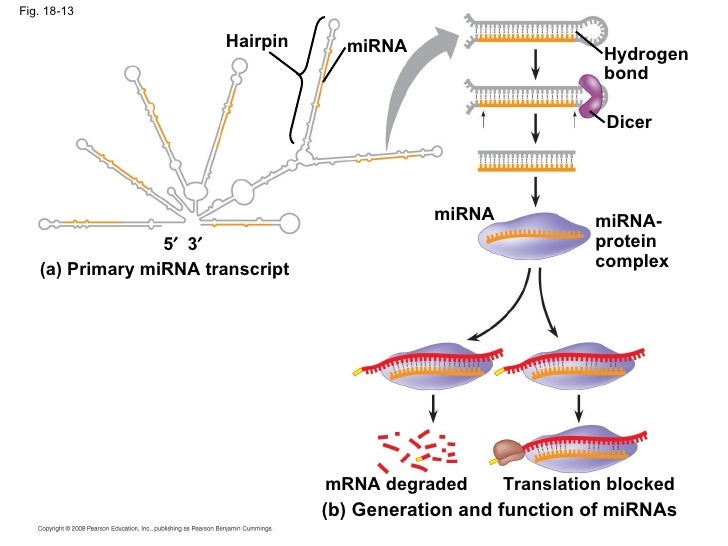
4.2.1.4 MicroRNA (miRNA)
4.2.1.5 Market size & forecast

4.2.2 RNA antisense technologies

4.2.2.1 Market Dynamics

4.2.2.1.1 DRIVERS
4.2.2.1.2 RESTRAINTS
4.2.2.1.3 OPPORTUNITIES

4.2.2.2 Competitive scenario
4.2.2.3 Market size & forecast

CHAPTER 5 GLOBAL RNA BASED THERAPEUTICS MARKET BY APPLICATIONS, 2013-2020, $MILLION

5.1 Cardiovascular

5.1.1 Global Cardiac Disease Incidences

5.1.1.1 Facts for cardiac diseases

5.1.2 Adoption Drivers
5.1.3 Market Size and Forecast

5.2 Kidney Diseases

5.2.1 Global Renal Disease Incidences
5.2.2 Adoption Drivers
5.2.3 Market Size and Forecast

5.3 Oncology

5.3.1 Global Cancer Incidences
5.3.2 Adoption Drivers
5.3.3 Market Size and Forecast

5.4 Infectious diseases

5.4.1 Global Infectious Disease Incidences

5.4.1.1 Tuberculosis
5.4.1.2 HIV and AIDS

5.4.2 Adoption Drivers
5.4.3 Market Size and Forecast

5.5 Metabolic disorders

5.5.1 Global Metabolic Disorders by Type

5.5.1.1 Obesity
5.5.1.2 Diabetes

5.5.2 Adoption Drivers
5.5.3 Market Size and Forecast

5.6 Others
CHAPTER 6 GLOBAL RNA BASED THERAPEUTICS MARKET BY END USERS, 2013-2020, $MILLION

6.1 Research
6.2 Therapeutics
6.3 Diagnosis

CHAPTER 7 GLOBAL RNA BASED THERAPEUTICS MARKET BY GEOGRAPHY, 2013-2020, $MILLION

7.1 North America

7.1.1 United States

7.1.1.1 Pipeline Review
7.1.1.2 Market Trends
7.1.1.3 Competitive scenario
7.1.1.4 Key growth factors and opportunities

7.1.2 Canada

7.1.2.1 Pipeline Review
7.1.2.2 Key market trends
7.1.2.3 Competitive scenario
7.1.2.4 Key growth factors and opportunities

7.2 Europe

7.2.1 Germany

7.2.1.1 Pipeline Review
7.2.1.2 Key market trends
7.2.1.3 Competitive scenario
7.2.1.4 Key growth factors and opportunities

7.2.2 United Kingdom

7.2.2.1 Pipeline Review
7.2.2.2 Key market trends
7.2.2.3 Competitive scenario
7.2.2.4 Key growth factors and opportunities

7.2.3 France
7.2.4 Others

7.3 Asia-Pacific

7.3.1 Pipeline Review
7.3.2 Key market trends
7.3.3 Competitive scenario
7.3.4 Key growth factors and opportunities
7.3.5 Market size and forecast

7.4 LAMEA

7.4.1 Pipeline Review
7.4.2 Key market trends
7.4.3 Competitive scenario
7.4.4 Key growth factors and opportunities
7.4.5 Market size and forecast

CHAPTER 8 COMPANY PROFILES

8.1 Quark Pharmaceuticals, Inc. (USA)

8.1.1 Company overview
8.1.2 Company snapshots
8.1.3 Strategic moves and developments

8.1.3.1 Principal Strategy
8.1.3.2 Secondary Strategy

8.1.4 SWOT Analysis

8.2 Alnylam Pharmaceuticals, Inc. (USA)

8.2.1 Company overview
8.2.2 Company snapshots
8.2.3 Business Performance
8.2.4 Strategic moves and developments

8.2.4.1 Principal Strategy
8.2.4.2 Secondary Strategy

8.2.5 SWOT Analysis

8.3 Dicerna Pharmaceuticals, Inc. (USA)

8.3.1 Company overview
8.3.2 Company snapshots
8.3.3 Business Performance
8.3.4 Strategic moves and developments
8.3.5 SWOT Analysis

8.4 Tekmira Pharmaceuticals Corp. (Canada)

8.4.1 Company overview
8.4.2 Company snapshots
8.4.3 Business Performance
8.4.4 Strategic moves and developments

8.4.4.1 Principal Strategy
8.4.4.2 Secondary Strategy

8.4.5 SWOT Analysis

8.5 Benitec Biopharma Limited (Australia)

8.5.1 Company overview
8.5.2 Company snapshots
8.5.3 Strategic moves and developments

8.5.3.1 Principal Strategy
8.5.3.2 Secondary Strategy

8.5.4 SWOT Analysis

8.6 Cenix BioScience GmbH (Germany)

8.6.1 Company overview
8.6.2 Company snapshots
8.6.3 Strategic moves and developments

8.6.3.1 Principal Strategy
8.6.3.2 Secondary Strategy

8.6.4 SWOT Analysis

8.7 Genzyme Corporation (USA) (A Sanofi Company)

8.7.1 Company overview
8.7.2 Company snapshots
8.7.3 Business performance
8.7.4 SWOT Analysis

8.8 Silence Therapeutics PLC (UK)

8.8.1 Company overview
8.8.2 Company snapshots
8.8.3 Business performance
8.8.4 Strategic moves and developments

8.8.4.1 Principal Strategy
8.8.4.2 Secondary Strategy

8.8.5 SWOT Analysis

8.9 Sirnaomics, Inc. (USA)

8.9.1 Company overview
8.9.2 Company snapshots
8.9.3 Strategic moves and developments

8.9.3.1 Principal Strategy
8.9.3.2 Secondary Strategy

8.9.4 SWOT Analysis

List of Figures

FIG. 1  TOP FACTORS IMPACTING RNA BASED THERAPEUTICS MARKET (2014-2020)
FIG. 2  TOP WINING STRATEGIES FOR RNA BASED THERAPEUTICS MARKET (2011-2013)
FIG. 3  TOP WINING STRATEGIES BY SUBTYPE OF DEVELOPMENT
FIG. 4  PORTER’S FIVE FORCE ANALYSIS OF RNA BASED THERAPEUTICS MARKET
FIG. 5  VALUE CHAIN ANALYSIS OF RNA BASED THERAPEUTICS MARKET
FIG. 6  PIPELINE REVIEW OF RNA BASED THERAPEUTICS
FIG. 7  PATENT ANALYSIS BY GEOGRAPHIES (2011-2014)
FIG. 8  PATENT ANALYSIS BY GEOGRAPHIES BASED ON TECHNOLOGY(2011-2014)
FIG. 9  CLINICAL PHASE STATUS: RNAI THERAPIES
FIG. 10  CLINICAL PHASE STATUS: ANTISENSE THERAPIES
FIG. 11  GLOBAL RENAL DISEASES INCIDENCES: GLOBAL VIEW OF DIALYSIS PATIENTS (2012)
FIG. 12  GLOBAL CANCER INCIDENCES BASED ON COMMON CANCER TYPES (2012)
FIG. 13  NUMBER OF NEW INFECTIOUS DISEASE CASES IN UNITED STATES (2011)
FIG. 14  WHO ESTIMATES OF TUBERCULOSIS INCIDENCE BY WHO REGION (THOUSANDS) (2012)
FIG. 15  PREVALENCE OF OBESITY (2013); AGE 20 YEARS AND OLDER (%)
FIG. 16  TOP TEN COUNTRIES FOR NUMBER OF PEOPLE WITH DIABETES AGED BETWEEN 20-79 YEARS (2013, MILLION)
FIG. 17  SWOT ANALYSIS OF QUARK  PHARMACEUTICALS, INC.
FIG. 18  ALNYLAM’S NET REVENUE FROM RESEARCH COLLABORATORS (2012)
FIG. 19  SWOT ANALYSIS OF ALNYLAM PHARMACEUTICALS, INC.
FIG. 20  OPERATING EXPENSES OF DICERNA PHARMACEUTICALS INC. (2013)
FIG. 21  SWOT ANALYSIS OF DICERNA PHARMACEUTICALS, INC.
FIG. 22  TEKMIRA’S NET REVENUE FROM COLLABORATIONS AND CONTRACTS (2013)
FIG. 23  SWOT ANALYSIS OF TEKMIRA PHARMACEUTICALS CORPORATION
FIG. 24  SWOT ANALYSIS OF BENITEC BIOPHARMA LIMITED
FIG. 25  SWOT ANALYSIS OF CENIX BIOSCIENCE GMBH
FIG. 26  BUSINESS PERFORMANCE SANOFI S.A.  BY GEOGRAPHIES (2013)
FIG. 27  BUSINESS PERFORMANCE OF SANOFI S.A. BY BUSINESS SEGMENTS (2013)
FIG. 28  SWOT ANALYSIS OF SANOFI S.A.
FIG. 29  BUSINESS PERFORMANCE SANOFI S.A.  BY GEOGRAPHIES (2013)
FIG. 30  SWOT ANALYSIS OF SILENCE THERAPEUTICS PLC
FIG. 31  SWOT ANALYSIS OF SIRNAOMICS, INC.

List of Tables

TABLE 1  CONVENTIONAL VS RNA-BASED THERAPEUTICS
TABLE 2  TOP INVESTMENT POCKETS OF RNA BASED THERAPEUTICS MARKET (2013)
TABLE 3  LIST OF EMA DOCUMENTS AND GUIDELINES
TABLE 4  PATENT ANALYSIS BY GEOGRAPHIES(2010-2014)
TABLE 5  CLINICAL TRIALS FOR RNA BASED THERAPEUTICS
TABLE 6  PIPELINE RNA THERAPEUTICS AND THEIR SPECIFIC TARGET
TABLE 7  LIST OF STRATEGIC ALLIANCES FOR THE DEVELOPMENT OF RNA-BASED THERAPEUTICS
TABLE 8  LIST OF COMPANIES USING DIFFERENT RNA TECHNOLOGIES
TABLE 9  GLOBAL RNA BASED THERAPEUTICS MARKET BY TECHNOLOGIES, 2013 – 2020 ($MILLION)
TABLE 10  PRICES OF RNA PURIFICATION KITS
TABLE 11  PRICES OF LINEAR AMPLIFICATION KIT
TABLE 12  PIPELINE RESEARCH STATUS: RNAI THERAPIES
TABLE 13  PRICE CHART FOR SIRNA
TABLE 14  COMPANIES AND THEIR MIRNA TECHNOLOGIES
TABLE 15  PRICE CHART FOR MIRNA
TABLE 16  GLOBAL RNA INTERFERENCE (RNAI) TECHNOLOGY MARKET BY GEOGRAPHY, 2013 – 2020 ($MILLION)
TABLE 17  GLOBAL RNA ANTISENSE TECHNOLOGY MARKET BY GEOGRAPHY, 2013 – 2020 ($MILLION)
TABLE 18  GLOBAL RNA BASED THERAPEUTICS MARKET BY APPLICATION, 2013 – 2020 ($MILLION)
TABLE 19  GLOBAL RNA BASED THERAPEUTICS CARDIOVASCULAR APPLICATIONS MARKET, BY GEOGRA PHY, 2013 – 2020 ($MILLION)
TABLE 20  GLOBAL RNA BASED THERAPEUTICS KIDNEY DISEASES APPLICATIONS MARKET, BY GEOGRAPHY, 2013 – 2020 ($MILLION)
TABLE 21  GLOBAL CANCER INCIDENCE, MORTALITY AND PREVALENCE (2012)
TABLE 22  GLOBAL RNA BASED THERAPEUTICS ONCOLOGY APPLICATIONS MARKET, BY GEOGRAPHY, 2013 – 2020 ($MILLION)
TABLE 23  REGIONAL STATISTICS FOR HIV AND AIDS (2011)
TABLE 24  GLOBAL RNA BASED THERAPEUTICS INFECTIOUS DISEASES APPLICATIONS MARKET, BY GEOGRAPHY, 2013 – 2020 ($MILLION)
TABLE 25  GLOBAL RNA BASED THERAPEUTICS METABOLIC DISORDERS APPLICATIONS MARKET, BY GEOGRAPHY, 2013 – 2020 ($MILLION)
TABLE 26  GLOBAL RNA BASED THERAPEUTICS OTHER  APPLICATIONS MARKET, BY GEOGRAPHY, 2013 – 2020 ($MILLION)
TABLE 27  GLOBAL RNA BASED THERAPEUTICS MARKET REVENUE, BY END USERS, 2013 – 2020 ($MILLION)
TABLE 28  RESEARCH COLLABORATIONS FOR RNA-BASED THERAPEUTICS
TABLE 29  REGION/COUNTRIES AND THEIR RESPECTIVE FUNDING AGENCIES
TABLE 30  GLOBAL RESEARCH MARKET REVENUE, BY GEOGRAPHY, 2013 – 2020 ($MILLION)
TABLE 31  LIST OF RNA BASED THERAPEUTICS : APPROVED AND PHASE IIB & PHASE III CLINICAL TRIALS
TABLE 32  GLOBAL THERAPEUTICS MARKET REVENUE, BY GEOGRAPHY, 2013 – 2020 ($MILLION)
TABLE 33  RNA DIAGNOSTIC COMPANIES AND THEIR CORE PRODUCTS
TABLE 34  GLOBAL DIAGNOSIS MARKET REVENUE, BY GEOGRAPHY, 2013 – 2020 ($MILLION)
TABLE 35  GLOBAL RNA BASED THERAPEUTICS MARKET BY GEOGRAPHY, 2013 – 2020 ($MILLION)
TABLE 36  NORTH AMERICA RNA BASED THERAPEUTICS MARKET BY APPLICATION, 2013 – 2020 ($MILLION)
TABLE 37  UNITED STATES: PIPELINE REVIEW
TABLE 38  EUROPE RNA BASED THERAPEUTICS MARKET BY APPLICATION, 2013 – 2020 ($MILLION)
TABLE 39  ASIA- PACIFIC RNA BASED THERAPEUTICS MARKET BY APPLICATION, 2013 – 2020 ($MILLION)
TABLE 40  LAMEA  RNA BASED THERAPEUTICS MARKET BY APPLICATION, 2013 – 2020 ($MILLION)
TABLE 41  QUARK PHARMACEUTICALS, INC.
TABLE 42  ALNYLAM PHARMACEUTICALS SNAPSHOT
TABLE 43  DICERNA PHARMACEUTICALS, INC.SNAP SHOT
TABLE 44  TEKMIRA PHARMACEUTICALS CORPORATION SNAP SHOT
TABLE 45  BENITEC BIOPHARMA SNAPSHOT
TABLE 46  CENIX BIOSCIENCE SNAPSHOT
TABLE 47  GENZYME CORPORATION SNAPSHOT
TABLE 48  SILENCE THERAPEUTICS PLC SNAPSHOT
TABLE 49  SIRNAOMICS, INC SNAPSHOT


Read Full Post »

Manipulate Signaling Pathways

Writer and Curator: Larry H Bernstein, MD, FCAP 


7.6  Manipulate Signaling Pathways

7.6.1 The Dynamics of Signaling as a Pharmacological Target

7.6.2 A Protein-Tagging System for Signal Amplification in Gene Expression and Fluorescence Imaging

7.6.3 IQGAPs choreograph cellular signaling from the membrane to the nucleus

7.6.4 Signaling cell death from the endoplasmic reticulum stress response

7.6.5 An Enzyme that Regulates Ether Lipid Signaling Pathways in Cancer Annotated by Multidimensional Profiling

7.6.6 Peroxisomes – A Nexus for Lipid Metabolism and Cellular Signaling

7.6.7 A nexus for cellular homeostasis- the interplay between metabolic and signal transduction pathways

7.6.8 Mechanisms-of-intercellular-signaling

7.6.9 Cathepsin B promotes colorectal tumorigenesis, cell invasion, and metastasis


7.6.1 The Dynamics of Signaling as a Pharmacological Target

Marcelo Behar, Derren Barken, Shannon L. Werner, Alexander Hoffmann
Cell  10 Oct 2013; 155(2):448–461
http://dx.doi.org/10.1016/j.cell.2013.09.018

Highlights

  • Drugs targeting signaling hubs may block specific dynamic features of the signal
  • Specific inhibition of dynamic features may introduce pathway selectivity
  • Phase space analysis reveals principles for drug targeting signaling dynamics
  • Based on these principles, NFκB dynamics can be manipulated with specificity

Summary

Highly networked signaling hubs are often associated with disease, but targeting them pharmacologically has largely been unsuccessful in the clinic because of their functional pleiotropy. Motivated by the hypothesis that a dynamic signaling code confers functional specificity, we investigated whether dynamic features may be targeted pharmacologically to achieve therapeutic specificity. With a virtual screen, we identified combinations of signaling hub topologies and dynamic signal profiles that are amenable to selective inhibition. Mathematical analysis revealed principles that may guide stimulus-specific inhibition of signaling hubs, even in the absence of detailed mathematical models. Using the NFκB signaling module as a test bed, we identified perturbations that selectively affect the response to cytokines or pathogen components. Together, our results demonstrate that the dynamics of signaling may serve as a pharmacological target, and we reveal principles that delineate the opportunities and constraints of developing stimulus-specific therapeutic agents aimed at pleiotropic signaling hubs.

http://www.cell.com/cms/attachment/2021777732/2041663648/fx1.jpg

Intracellular signals link the cell’s genome to the environment. Misregulation of such signals often cause or exacerbate disease (Lin and Karin, 2007 and Weinberg, 2007) (so-called “signaling diseases”), and their rectification has been a major focus of biomedical and pharmaceutical research (Cohen, 2002Frelin et al., 2005 and Ghoreschi et al., 2009). For the identification of therapeutic targets, the concept of discrete signaling pathways that transmit intracellular signals to connect cellular sensor/receptors with cellular core machineries has been influential. In this framework, molecular specificity of therapeutic agents correlates well with their functional or phenotypic specificity. However, in practice, clinical outcomes for many drugs with high molecular specificity has been disappointing (e.g., inhibitors of IKK, MAPK, and JNK; Berger and Iyengar, 2011DiDonato et al., 2012Röring and Brummer, 2012 and Seki et al., 2012).

Many prominent signaling mediators are functionally pleiotropic, playing roles in multiple physiological functions (Chavali et al., 2010 and Gandhi et al., 2006). Indeed, signals triggered by different stimuli often travel through shared network segments that operate as hubs before reaching the effectors of the cellular response (Bitterman and Polunovsky, 2012 and Gao and Chen, 2010). Hubs’ inherent pleiotropy means that their inhibition may have broad and likely undesired effects (Karin, 2008Berger and Iyengar, 2011,Force et al., 2007Oda and Kitano, 2006 and Zhang et al., 2008); this is a major obstacle for the efficacy of drugs targeting prominent signaling hubs such as p53, MAPK, or IKK.

Recent studies have begun to address how signaling networks generate stimulus-specific responses (Bardwell, 2006Haney et al., 2010Hao et al., 2008 and Zalatan et al., 2012). For example, the activity of some pleiotropic kinases may be steered to particular targets by scaffold proteins (Park et al., 2003,Schröfelbauer et al., 2012 and Zalatan et al., 2012). Alternatively, or in addition, some signaling hubs may rely on stimulus-specific signal dynamics to activate selective downstream branches in a stimulus-specific manner in a process known as temporal or dynamic coding or multiplexing (Behar and Hoffmann, 2010,Chalmers et al., 2007Hoffmann et al., 2002Kubota et al., 2012Marshall, 1995 and Purvis et al., 2012;Purvis and Lahav, 2013Schneider et al., 2012 and Werner et al., 2005).

Although the importance of signaling scaffolds and their pharmacological promise is widely appreciated (Klussmann et al., 2008 and Zalatan et al., 2012) and isolated studies have altered the stimulus-responsive signal dynamics (Purvis et al., 2012Park et al., 2003Sung et al., 2008 and Sung and Simon, 2004), the capacity for modulating signal dynamics for pharmacological gain has not been addressed in a systematic manner. In this work, we demonstrate by theoretical means that, when signal dynamics are targeted, pharmacological perturbations can produce stimulus-selective results. Specifically, we identify combinations of signaling hub topology and input-signal dynamics that allow for pharmacological perturbations with dynamic feature-specific or input-specific effects. Then, we investigate stimulus-specific drug targeting in the IKK-NFκB signaling hub both in silico and in vivo. Together, our work begins to define the opportunities for pharmacological targeting of signaling dynamics to achieve therapeutic specificity.

Dynamic Signaling Hubs May Be Manipulated to Mute Specific Signals

Previous work has shown how stimulus-specific signal dynamics may allow a signaling hub to selectively route effector functions to different downstream branches (Behar et al., 2007). Here, we investigated the capacity of simple perturbations to kinetic parameters (caused for example by drug treatments) to produce stimulus-specific effects. For this, we examined a simple model of an idealized signaling hub (Figure 1A), reminiscent of the NFκB p53 or of MAPK signaling modules. The hub X reacts with strong but transient activity to stimulus S1 and sustained, slowly rising activity to stimulus S2. These stimulus-specific signaling dynamics are decoded by two effector modules, regulating transcription factors TF1 and TF2. TF1, regulated by a strongly adaptive negative feedback, is sensitive only to fast-changing signals, whereas TF2, regulated by a slowly activating two-state switch, requires sustained signals for activation (Figure 1B). We found it useful to characterize the X, TF1, and TF2 responses in terms of two dynamic features, namely the maximum early amplitude (“E,” time < 15′) and the average late amplitude (“L,” 15′ < t < 6 hr). These features, calculated using a mathematical model of the network (see Experimental Procedures) show good fidelity and specificity (Komarova et al., 2005) (Figure 1C), as S1 causes strong activation of TF1 with minimal crosstalk to TF2, and vice versa for S2.

http://ars.els-cdn.com/content/image/1-s2.0-S0092867413011550-gr1.jpg

Figure 1. Pharmacologic Perturbations with Stimulus-Specific Effects

(A) A negative-feedback module transduces input signals S1 and S2, producing outputs that are decoded by downstream effectors circuits that may distinguish between different dynamics.

(B) Unperturbed dynamics of X, TF1, and TF2 in response to S1 (red) and S2 (blue). Definition of early (E) and late (L) parts of the signal is indicated.

(C) Specificity and fidelity of E and L for TF1 and TF2, as defined in Komarova et al., 2005).

(D) Partial inhibition of X activation (A) abolishes the response to S1, but not S2, whereas a perturbation targeting the feedback regulator (FBR) suppresses the response to S2, but not S1.

(E) Perturbation phenotypes defined as difference between unperturbed and perturbed values of the indicated quantities (arbitrary scales for X, TF1, and TF2). Perturbation A inhibits E and TF1, but not TF2; perturbation FBR inhibits L and TF2, but not TF1.

(F) Virtual screening pipeline showing the experimental design and the two analysis branches for characterizing feature- and input-specific effects.

See also in Experimental Procedures and Table S1.

Seeking simple (affecting a single reaction) perturbations that selectively inhibit signaling by S1 or S2, we found that perturbation A, partially inhibiting the activation of X, was capable of suppressing hub activity in response to a range of S1 amplitudes while still allowing for activity in response to S2 (Figure 1D). Consequently, this perturbation significantly reduced TF1 activity in response to S1 but had little effect on TF2 activity elicited by S2. We also found that the most effective way to inhibit S2 signaling was by targeting the deactivation of negative feedback regulator Y (FBR). This perturbation caused almost complete abrogation of late X activity yet allows for significant levels of early activity. As a result, TF2 was nearly completely abrogated in response to S2, but stimulus S1 still produced a solid TF1 response. The early (E) and late (L) amplitudes could be used to quantify the input-signal-specific effects of these perturbations (Figure 1E).

This numerical experiment showed that it is possible to selectively suppress transient or sustained dynamic signals transduced through a common negative-feedback-containing signaling hub. Moreover, the dynamic features E and L could be independently inhibited. To study how prevalent such opportunities for selective inhibition are, we established a computational pipeline for screening reaction perturbations within multiple network topologies and in response to multiple dynamic input signals; the simulation results were analyzed to identify cases of either “input-signal-specific” inhibition or “dynamic feature-specific” inhibition (Figure 1F).

A Computational Screen to Identify Opportunities for Input-Signal-Specific Inhibition

The computational screen involved small libraries of one- and two-component regulatory modules and temporal profiles of input signals (Figure 2A), both commonly found in intracellular signaling networks. All modules (M1–M7, column on left) contained a species X that, upon stimulation by an input signal, is converted into an active form X (the output) that propagates the signal to downstream effectors. One-component modules included a reversible two-state switch (M1) and a three-state cycle with a refractory state (M2). Two-component modules contained a species Y that, upon activation via a feedback (M3 and M5) or feedforward (M4 and M6) loop, either deactivates X (M3 and M4) or inhibits (M5 and M6) its activation. We also included the afore-described topology that mimics the IκB-NFκB or the Mdm2-p53 modules (M7). Mathematical descriptions may be found in the Experimental Procedures. Although many biological signaling networks may conform to one of these simple topologies, others may be abstracted to one that recapitulates the physiologically relevant emergent properties

Figure 2. A Virtual Screen for Stimulus Specificity in Pharmacologic Perturbations

(A) Signaling modules (left) and input library (top) used in the screen. Dotted lines indicate enzymatic reactions (perturbation names indicated in letter code). Time courses of hub activity for each module/input combination for the unperturbed (black) and perturbed cases (blue indicates a decrease, red an increase in parameter value).

(B) Relative sensitivity of the stimulus response to the indicated perturbation (defined as the perturbation’s effect on the area under the curve), normalized per row.

See also Experimental ProceduresFigure S1, and Tables S2 and S3.

The library of stimuli (S1–S10; Figure 2A, top row) comprises ten input functions with different combinations of “fast” and “slow” initiation and decay phases (see Experimental Procedures). The virtual screen was performed by varying the kinetic parameter for each reaction over a range of values, thereby modeling simple perturbations of different strengths and recording the temporal profile of X abundance. To quantify stimulus-specific inhibition, we measured the area under the normalized dose-response curves (time average of X versus perturbation dose) for each module-input combination (Experimental ProceduresFigure 2B, and Figure S1 available online).

Phase Space Analysis Reveals Underlying Regulatory Principles

To understand the origin of dynamic feature-specific inhibition, we investigated the perturbation effects analytically on each module’s phase space, i.e., the space defined by X∗ and Y∗ quasi-equilibrium surfaces (Figures 4 and S4). These surfaces (“q.e. surfaces”) represent the dose response of X∗ as a function of Y∗ and a stationary input signal S (“X surface”) and the dose response of Y∗ as a function of X∗ and S (“Y surface”) (Figure 4A). The points at which the surfaces intersect correspond to the concentrations of X∗ and Y∗ in equilibrium for a given value of S. In the basal state, when S is low, the system is resting at an equilibrium point close to the origin of coordinates. When S increases, the concentrations of X∗ and Y∗ adjust until the signal settles at some stationary value (Figure 4A). Gradually, changing input signals cause the concentrations to follow trajectories close to the q.e. surfaces (quasi-equilibrium dynamics), following the line defined by the intersection of the surfaces (“q.e. line”) in the extreme of infinitely slow inputs. Fast-changing stimuli drive the system out of equilibrium, causing the trajectories to deviate markedly from the q.e. surfaces.

Two main principles emerged: (1) perturbations that primarily affect the shape of a q.e. surface tend to affect steady-state levels or responses that evolve close to quasi-equilibrium, and (2) perturbations that primarily affect the balance of timescales (X, Y activation, and S) tend to affect transient out-of-equilibrium parts of the response. These principles reflect the fact that out-of-equilibrium parts of a signal are largely insensitive to the precise shape of the underlying dose-response surfaces (they may still be bounded by them) but depend on the balance between the timescales of the biochemical processes involved. Perturbation of these balances affects how a system approaches steady state (thus affecting out-of-equilibrium and quasi-equilibrium dynamics), but not steady-state levels. To illustrate these principles, we present selected results for modules M3 and M4 and discuss additional cases in the supplement (Figure S3).

Detailed Analysis of Modules M3 and M4, Related to Figure 4

Time courses and projections of the phase space for modules M3 and M4. Color coding similar to Figure 4.

In the feedback-based modules (M3 and M5), the early peak of activity in response to rapidly changing signals is an out-of-equilibrium feature that occurs when the timescale of Y activation is significantly slower than that of X. Under these conditions, the concentration of X increases rapidly (out of equilibrium) before decaying along the X surface (in quasi-equilibrium) as more Y gets activated (Figure 4A, parameters modified to better illustrate the effects being discussed; see Table S2). For input signals that settle at some stationary level of S, Y activation eventually catches up and the concentration of X settles at the equilibrium point where the X and Y curves intersect. Gradually changing signals allow X and Yactivation to continuously adapt, and the system evolves closer to the q.e. line.

In such modules, perturbation A (X activation) changes both the shape of the q.e. surface for X and the kinetics of activation. When in the unperturbed system Y saturates, perturbation A primarily reduces Xsteady-state level (Figures 4B and 4C, left and center). When Y does not saturate in the unperturbed system, the primary effect is the reduced activation kinetics. Thus the perturbation affects the out-of-equilibrium peak (Figures 4B and 4C, center and right), with only minor reduction of steady-state levels (especially when Y’s dose response respect to X is steep). The transition from saturated to not-saturated feedback (as well as the perturbation strength) underlies the dose-dependent switch from L to E observed in the screen. In both saturated and unsaturated regimes, the shift in the shape of the surfaces does change the q.e. line and thus affects responses occurring in quasi-equilibrium. In contrast, perturbation of the feedback recovery (FBR) shifts the Y surface vertically (Figure 4D), specifically affecting the steady-state levels and late signaling; the effect on Y kinetics is limited because the reaction is relatively slow. Perturbation FBA also shifts the Y surface, but the net effect is less specific because the associated increase in the rate of Y activation tends to equalize X and Y kinetics affecting also the out-of-equilibrium peak.

In resting cells, NFκB is held inactive through its association with inhibitors IκBα, β, and ε. Upon stimulation, these proteins are phosphorylated by the kinase IKK triggering their degradation. Free nuclear NFκB activates the expression of target genes, including IκB-encoding genes, which thereby provide negative feedback (Figure 5A). The IκB-NFκB-signaling module is a complex dynamic system; however, by abstracting the control mechanism to its essentials, we show below that the above-described principles can be applied profitably.

IκB-NFκB signaling module

IκB-NFκB signaling module

http://ars.els-cdn.com/content/image/1-s2.0-S0092867413011550-gr5.jpg

Figure 5. Modulating NFκB Signaling Dynamics

(A) The IκB-NFκB signaling module.

(B) Equilibrium dose-response relationship for NFκB versus IKK.

(C) Three IKK curves representative of three stimulation regimes; TNFc (red), TNFp (green), and LPS (blue) function as inputs into the model, which computes the corresponding NFκB activity dynamics (bottom). The quasi-equilibrium line (black) was obtained by transforming the IKK temporal profiles by the dose response in (B). Deviation from the quasi-equilibrium line for the TNF response indicates out-of-equilibrium dynamics.

(D) Coarse-grained model of the IκB-NFκB module and predicted effects of perturbations.

(E) Selected perturbations with specific effects on out-of-equilibrium (top three) or steady state (bottom two). (Left to right) Feature maps in the E-L space (E: t < 60 ′, L: 120′ < t < 300′), tangent angle at the unperturbed point (θ > 0 indicates L is more suppressed than E and vice versa), and time courses (green, TNF chronic; red, TNF pulse; blue, LPS). Only inhibitory perturbations are shown. Additional perturbations are shown in Figure S4.

See also Experimental Procedures and Table S7.

Here, we delineate the potential of achieving stimulus-specific inhibition when targeting molecular reactions within pleiotropic signaling hubs. We found that it is theoretically possible to design perturbations that (1) selectively attenuate signaling in response to one stimulus but not another, (2) selectively attenuate undesirable features of dynamic signals or enhance desirable ones, or (3) remodulate output signals to fit a dynamic profile normally associated with a different stimulus.

These opportunities—not all of them possible for every signaling module topology or biological scenario—are governed by two general principles based on timescale and dose-response relationships between upstream signal dynamics and intramodule reaction kinetics (Figure 4 and Table S4). In short, a steady-state or quasi-equilibrium part of a response may be selectively affected by perturbations that introduce changes in the relevant dose-response surfaces. Out-of-equilibrium responses that are not sensitive to the precise shape of a dose-response curve may be selectively attenuated by perturbations that modify the relative timescales. Dose responses and timescales cannot, in general, be modified independently by simple perturbations (combination treatments are required), but as we show, in some cases, one effect dominates resulting in feature or stimulus specificity.

The degree to which specific dynamic features of a signaling profile or the dynamic responses to specific stimuli can be selectively inhibited depends on how distinctly they rely on quasi-equilibrium and out-of-equilibrium control. Signals that contain both features may be partially inhibited by both types of perturbation, limiting the specific inhibition achievable by simple perturbations. In practice, this limited the degree to which NFκB signaling could be inhibited in a stimulus-specific manner (Figure 5) and the associated therapeutic dose window (Figure 6). The most selective stimulus-specific effects can be introduced when a signal is heavily dependent on a particular dynamic feature; for example, suppression of out-of-equilibrium transients will abrogate the response to stimuli that produce such transients. For a selected group of target genes, this specificity at the signal level translated directly to expression patterns (Figure 6B, middle). More generally, selective inhibition of early or late phases of a signal may allow for specific control of early and late response genes (Figure 6C), a concept that remains to be studied at genomic scales. Though the principles are general, how they apply to specific signaling pathways depends not only on the regulatory topology, but also on the dynamic regime determined by the parameters. As demonstrated with the IκB-NFκB module, analysis of a coarse-grained topology in terms of the principles may allow the prediction of perturbations with a desired specificity.


7.6.2 A Protein-Tagging System for Signal Amplification in Gene Expression and Fluorescence Imaging

Marvin E. Tanenbaum, Luke A. Gilbert, Lei S. Qi, Jonathan S. Weissman, Ronald D. Vale
Cell 23 Oct 2014; 159(3): 635–646
http://dx.doi.org/10.1016/j.cell.2014.09.039

Highlights

  • SunTag allows controlled protein multimerization on a protein scaffold
  • SunTag enables long-term single-molecule imaging in living cells
  • SunTag greatly improves CRISPR-based activation of gene expression

Summary

Signals in many biological processes can be amplified by recruiting multiple copies of regulatory proteins to a site of action. Harnessing this principle, we have developed a protein scaffold, a repeating peptide array termed SunTag, which can recruit multiple copies of an antibody-fusion protein. We show that the SunTag can recruit up to 24 copies of GFP, thereby enabling long-term imaging of single protein molecules in living cells. We also use the SunTag to create a potent synthetic transcription factor by recruiting multiple copies of a transcriptional activation domain to a nuclease-deficient CRISPR/Cas9 protein and demonstrate strong activation of endogenous gene expression and re-engineered cell behavior with this system. Thus, the SunTag provides a versatile platform for multimerizing proteins on a target protein scaffold and is likely to have many applications in imaging and controlling biological outputs.

http://ars.els-cdn.com/content/image/1-s2.0-S0092867414012276-fx1.jpg

SunTag, which can recruit multiple copies of an antibody-fusion protein
Development of the SunTag, a System for Recruiting Multiple Protein Copies to a Polypeptide Scaffold Protein multimerization on a single RNA or DNA template is made possible by identifying protein domains that bind with high affinity to a relatively short nucleic acid motif. We therefore sought a protein-based system with similar properties, specifically a protein that can bind tightly to a short peptide sequence (Figures 1A and1B).Antibodies arecapable ofbindingto short,unstructured peptide sequences with high affinity and specificity, and, importantly, peptide epitopes can be designed that differ from naturally occurring sequences in the genome. Furthermore, whereas antibodies generally do not fold properly in the cytoplasm, single-chain variable fragment (scFv) antibodies, in which the epitope-binding regions of the light and heavy chains of the antibody are fused to forma single polypeptide, have been successfully expressed in soluble form in cells (Colby et al., 2004; Lecerf et al., 2001; Wo ¨rn et al., 2000).
We expressed three previously developed single-chain antibodies (Colby et al., 2004; Lecerf et al., 2001; Wo ¨rn et al., 2000) fused to EGFP in U2OS cells and coexpressed their cognate peptides (multimerized in four tandem copies) fused to the cytoplasmic side of the mitochondrial protein mitoNEET (Colca et al., 2004) (referred to here as Mito, Figure S1A). We then assayed whether the antibody-GFP fusion proteins would be recruited to the mitochondria by fluorescence microscopy, which would indicate binding between antibody and peptide (Figure 1B). Of the three antibody-peptide pairs tested, only the GCN4 antibody-peptide pair showed robust and specific binding while not disrupting normal mitochondrial morphology (Figures 1C and S1B). Thus, we focused our further efforts on the GCN4 antibody-peptide pair. The GCN4 antibody was optimized to allow intracellular expression in yeast (Wo ¨rn et al., 2000). In human cells, however, we still observed some protein aggregates of scFv-GCN4-GFP at high expression levels (Figure S2A). To improve scFv-GCN4 stability, we added a variety of N- and C-terminal fusion proteins known to enhance protein solubility and found that fusion of superfolder-GFP (sfGFP) alone
(Pe’delacq et al., 2006) or along with the small solubility tag GB1 (Gronenborn et al., 1991) to the C terminus of the GCN4 antibody almost completely eliminated protein aggregation, even at high expression levels (Figure S2A). Thus, we performed all further experiments with scFv-GCN4-sfGFP-GB1 (hereafter referred to as scFvGCN4-GFP). Very tight binding of the antibody-peptide pair in vivo is critical fortheformation ofmultimersonaproteinscaffoldbackbone.To determine the dissociation rate of the GCN4 antibody-peptide interaction, we performed fluorescence recovery after photobleaching (FRAP) experiments on scFv-GCN4-GFP bound to the mitochondrial-localized mito-mCherry-4xGCN4pep. After photobleaching, very slow GFP recovery was observed (halflife of 5–10 min [Figures 2A and 2B]), indicating that the antibody bound very tightly to the peptide. It is also important to optimize the spacing of the scFv-GCN4 binding sites within the protein scaffold so that they could be saturated by scFvGCN4 because steric hindrance of neighboring peptide binding sites is a concern. We varied the spacing between neighboring GCN4 peptides and quantified the antibody occupancy on the peptide array.

Figure 1. Identification of an Antibody-Peptide Pair that Binds Tightly In Vivo (A) Schematic of the antibody-peptide labeling strategy. (B) Schematic of the experiment described in (C) in which the mitochondrial targeting domain of mitoNEET (yellow box, mito) fused to mCherry and four tandem copies of a peptide recruits a GFP-tagged intracellular antibody to mitochondria. (C) ScFv-GCN4-GFP was coexpressed with either mito-mCherry-4xGCN4peptide (bottom) or mito-mCherry-FKBP as a control (top) in U2OS cells, and cells were imaged using spinning-disk confocal microscopy. Scale bars, 10 mm. See also Figure S1.

Figure 2. Characterization of the Off Rate and Stoichiometry of the Binding Interaction between the scFv-GCN4 Antibody and the GCN4 Peptide Array In Vivo (A) Mito-mCherry-24xGCN4pep was cotransfected with scFv-GCN4-GFP in HEK293 cells, and their colocalization on mitochondria in a single cell is shown (10 s). At 0 s, the mitochondria-localized GFP signal was photobleached in a single z plane using a 472 nm laser, and fluorescence recovery was followed by time-lapse microscopy. Scale bar, 5 mm. (B) The FRAP was quantified for 20 cells. (C–E) Indicated constructs were transfected in HEK293 cells, and images were acquired 24 hr after transfection with identical image acquisition settings. Representative images are shown in (C). Note that the GFP signal intensity in the mito-mCherry-24xGCN4pep + scFv-GCN4-GFP is highly saturated when the same scaling is used as in the other panels. Bottom row shows a zoom of a region of interest: dynamic scaling was different for the GFP and mCherry signals, so that both could be observed. Scale bars, 10 mm. (D and E) Quantifications of the GFP:mCherry fluorescence intensity ratio on mitochondria after normalization. Eachdot represents a single cell, and dashed lines indicates the average value. See also Figure S2.

Figure 3. The SunTag Allows Long-Term Single-Molecule Fluorescence Imaging in the Cytoplasm (A–H) U2OS cells were transfected with indicated SunTag24x constructs together with the scFv-GCN4-GFP-NLS and were imaged by spinning-disk confocal microscopy 24 hr after transfection. (A) A representative image of SunTag24x-CAAX-GFP is shown (left), as well as the fluorescence intensities quantification of the foci (right, blue bars). As a control, U2OS were transfected with sfGFP-CAAX and fluorescence intensities of single sfGFP-CAAX molecules were also quantified (red bars). The average fluorescence intensity of the single sfGFP-CAAX was set to 1. Dotted line marks the outline of the cell (left). Scale bar, 10 mm. (B) Cells expressing K560-SunTag24x-GFP were imaged by spinning disk confocal microscopy (image acquisition every 200 ms). Movement is revealed by a maximum intensity projection of 50 time points (left) and a kymograph (right). Scale bar, 10 mm. (C and D) Cells expressing both EB3-tdTomato and K560-SunTag24x-GFP were imaged, and moving particles were tracked manually. Red and blue tracks (bottom) indicate movement toward the cell interior and periphery, respectively (C). The duration of the movie was 20 s. Scale bar, 5 mm. Dots in (D) represent individual cells with between 5 and 20 moving particles scored per cell. The mean and SD are indicated. (E and F) Cells expressing Kif18b-SunTag24x-GFP were imaged with a 250 ms time interval. Images in (E) show a maximum intensity projection (50 time- points, left) and a kymograph (right). Speeds of moving molecules were quantified from ten different cells (F). Scale bar, 10 mm. (G and H) Cells expressing both mCherry-a-tubulin and K560rig-SunTag24x-GFP were imaged with a 600 ms time interval.The entire cell is shown in (G), whereas H shows zoomed-instills of atime series from the same cell. Open circlestrack two foci on the same microtubule,which is indicated bythe dashed line. Asterisks indicate stationary foci. Scale bars, 10 and 2 mm (G and H), respectively. See also Figure S3 and Movies S1, S2, S3, S4, S5, and S6.
The GCN4 peptide contains many hydrophobic residues (Figure 4B) and is largely unstructured in solution (Berger et al., 1999); thus, the poor expression of the peptide array could be due to its unstructured and hydrophobic nature. To test this idea, we designed several modified peptide sequence that were predicted to increase a-helical propensity and reduce hydrophobicity. One of these optimized peptides (v4, Figure 4B) was expressed moderately well as a 243 peptide array, and even higher expression was achieved with a 103 peptide array (Figure 4C). Importantly, fluorescence imaging revealed that thescFv-GCN4antibody robustlyboundto theGCN4v4peptide array in vivo and FRAP analysis suggests that the scFv-GCN4 antibody dissociates with a similar slow off rate from the GCN4
v4 peptide array as the original peptide (Figures 4D and 4E). Furthermore, K560 motility could be observed when it was tagged with the optimized v4 243 peptide array, indicating that the optimized v4 peptide array did not interfere with protein function (Movie S7). Together, these results identify a second version of the peptide array that can be used for applications requiring higher expression.
Activation of Gene Transcription Using Cas9-SunTag Because the SunTag system could be used for amplification of a fluorescence signal, we tested whether it also could be used to amplify regulatory signals involved in gene expression. Transcription of a gene is strongly enhanced by recruiting multiple copies of transcriptional activators to endogenous or artificial gene promoters (Anderson and Freytag, 1991; Chen et al., 1992; Pettersson and Schaffner, 1990). Thus, we thought that robust, artificial activation of gene transcription might also be achieved by recruiting multiple copies of a synthetic transcriptional activator to a gene using the SunTag.

Figure 4. An Optimized Peptide Array for High Expression (A) Indicated constructs were transfected in HEK293 cells and imaged 24 hr after transfection using wide-field microscopy. All images were acquired using identical acquisition parameters. Representative images are shown (left), and fluorescence intensities were quantified (n = 3) (right). (B) Sequence of the first and second generation GCN4 peptide (modified or added residues are colored blue, hydrophobic residues are red, and linker residues are yellow). (C–E) Indicated constructs were transfected in HEK293 cells and imaged 24 hr after transfection using wide-field (C) or spinning-disk confocal (D and E) microscopy. (C) Representative images are shown (left), and fluorescence intensities were quantified (n = 3) (right). (D and E) GFP signal on mitochondria was photobleached, and fluorescence recovery was determined over time. The graph (E) represents an average of six cells per condition. (E) shows an image of a representative cell before photobleaching. Scale bars in (A) and (C), 50 mm; scale bars in (D) and (E), 10 mm. Error bars in (A) and (C) represent SDs. See also Movie S7.

Figure 5. dCas9-SunTag Allows Genetic Rewiring of Cells through Activation of Endogenous Genes (A) Schematic of gene activation by dCas9-VP64 and dCas9-SunTag-VP64. dCas9 binds to a gene promoter through its sequence-specific sgRNA (red line). Direct fusion of VP64 to dCas9 (top) results in a single VP64 domain at the promoter, which poorly activates transcription of the downstream gene. In contrast, recruitment of many VP64 domains using the SunTag potently activates transcription of the gene (bottom). (B–D) K562 cells stably expressing dCas9-VP64 or dCas9-SunTag-VP64 were infected with lentiviral particles encoding indicated sgRNAs, as well as BFP and a puromycin resistance gene and selected with 0.7 mg/ml puromycin for 3 days to kill uninfected cells. (B and C) Cells were stained for CXCR4 using adirectlylabeleda-CXCR4 antibody, and fluorescence was analyzed by FACS. (D) Trans-well migration assays (see Experimental Procedures) were performed with indicated sgRNAs. Results are displayed as the fold change in directional migrating cells over control cell migration. (E) dCas9-VP64 or dCas9-SunTag-VP64 induced transcription of CDKN1B with several sgRNAs. mRNA levels were quantified by qPCR. (F) Doubling timeofcontrolcells orcells expressing indicated sgRNAs was determined (see Experimental Procedures section). Graphs in (C), (D), and (F) are averages of three independent experiments. Graph in (E) is average of two biological replicates, each with two or three technical replicates. All error bars indicate SEM. See also Figure S4


7.6.3 IQGAPs choreograph cellular signaling from the membrane to the nucleus

Jessica M. Smith, Andrew C. Hedman, David B. Sacks
Trends Cell Biol Mar 2015; 25(3): 171–184
http://dx.doi.org/10.1016/j.tcb.2014.12.005

Highlights

  • IQGAP proteins scaffold diverse signaling molecules.
  • IQGAPs mediate crosstalk between signaling pathways.
  • IQGAP1 regulates nuclear processes, including transcription.

Since its discovery in 1994, recognized cellular functions for the scaffold protein IQGAP1 have expanded immensely. Over 100 unique IQGAP1-interacting proteins have been identified, implicating IQGAP1 as a critical integrator of cellular signaling pathways. Initial research established functions for IQGAP1 in cell–cell adhesion, cell migration, and cell signaling. Recent studies have revealed additional IQGAP1 binding partners, expanding the biological roles of IQGAP1. These include crosstalk between signaling cascades, regulation of nuclear function, and Wnt pathway potentiation. Investigation of the IQGAP2 and IQGAP3 homologs demonstrates unique functions, some of which differ from those of IQGAP1. Summarized here are recent observations that enhance our understanding of IQGAP proteins in the integration of diverse signaling pathways.

http://ars.els-cdn.com/content/image/1-s2.0-S0962892414002153-gr2.sml


7.6.4 Signaling cell death from the endoplasmic reticulum stress response

Shore GC1, Papa FR, Oakes SA
Curr Opin Cell Biol. 2011 Apr; 23(2):143-9
http://dx.doi.org/10.1016%2Fj.ceb.2010.11.003

Inability to meet protein folding demands within the endoplasmic reticulum (ER) activates the unfolded protein response (UPR), a signaling pathway with both adaptive and apoptotic outputs. While some secretory cell types have a remarkable ability to increase protein folding capacity, their upper limits can be reached when pathological conditions overwhelm the fidelity and/or output of the secretory pathway.

The lumen of the ER is a unique cellular environment optimized to carry out the three primary tasks of this organelle:

  1. calcium storage and release,
  2. protein folding and secretion, and
  3. lipid biogenesis [1].

A range of cellular disturbances lead to accumulation of misfolded proteins in the ER, including

  • point mutations in secreted proteins that disrupt their proper folding,
  • sustained secretory demands on endocrine cells,
  • viral infection with ER overload of virus-encoding protein, and
  • loss of calcium homeostasis with detrimental effects on ER-resident calcium-dependent chaperones [24].


The tripartite UPR consists of three ER transmembrane proteins (IRE1α, PERK, ATF6) that

  • alert the cell to the presence of misfolded proteins in the ER and
  • attempt to restore homeostasis in this organelle through increasing ER biogenesis,
  1. decreasing the influx of new proteins into the ER,
  2. promoting the transport of damaged proteins from the ER to the cytosol for degradation, and
  3. upregulating protein folding chaperones [5].

The adaptive responses of the UPR can markedly expand the protein folding capacity of the cell and restore ER homeostasis [6]. However, if these adaptive outputs fail to compensate because ER stress is excessive or prolonged, the UPR induces cell death.

The cell death pathways collectively triggered by the UPR include both caspase-dependent apoptosis and caspase-independent necrosis. While many details remain unknown, we are beginning to understand how cells determine when ER stress is beyond repair and communicate this information to the cell death machinery. For the purposes of this review, we focus on the apoptotic outputs triggered by the UPR under irremediable ER stress.

Connections from the UPR to the Mitochondrial Apoptotic Pathway

Connections from the UPR to the Mitochondrial Apoptotic Pathway

http://www.ncbi.nlm.nih.gov/pmc/articles/PMC3078187/bin/nihms256554f1.jpg

Figure 1 Connections from the UPR to the Mitochondrial Apoptotic Pathway

Under excessive ER stress, the ER transmembrane sensors IRE1α and PERK send signals through the BCL-2 family of proteins to activate the mitochondrial apoptotic pathway. In response to unfolded proteins, IRE1α oligomerizes and induces endonucleolytic decay of hundreds of ER-localized mRNAs, depleting ER protein folding components and leading to worsening ER stress. Phosphorylated IRE1α also recruits TNF receptor-associated factor 2 (TRAF2) and activates apoptosis signaling kinase 1 (ASK1) and its downstream target c-Jun NH2-terminal kinase (JNK). JNK then activates pro-apoptotic BIM and inhibits anti-apoptotic BCL-2. These conditions result in dimerization of PERK and activation of its kinase domain to phosphorylate eukaryotic translation initiation factor 2α (eIF2α), which causes selective translation of activating transcription factor-4 (ATF4). ATF4 upregulates expression of the CHOP/GADD153 transcription factor, which inhibits the gene encoding anti-apoptotic BCL-2 while inducing expression of pro-apoptotic BIM. ER stress also promotes p53-dependent transcriptional upregulation of Noxa and Puma, two additional pro-apoptotic BH3-only proteins. Furthermore, high levels of UPR signaling induce initiator caspase-2 to proteolytically cleave and activate pro-apoptotic BID upstream of the mitochondrion. In addition to antagonizing pro-survival BCL-2 members, cleaved BID, BIM and PUMA activate Bax and/or Bak. Hence, in response to excessive UPR signaling, the balance of BCL-2 family proteins shifts in the direction of apoptosis and leads to the oligomerization of BAX and BAK, two multi-domain pro-apoptotic BCL-2 family proteins that then drive the permeabilization of the outer mitochondrial membrane, apoptosome formation and activation of executioner caspases such as Caspase-3. Figure adapted with permission from the Journal of Cell Science [58].

The proximal unfolded protein response sensors

UPR signaling is initiated by three ER transmembrane proteins:

  1. IRE1α,
  2. PERK, and

The most ancient ER stress sensor, IRE1α, contains

  1. an ER lumenal domain,
  2. a cytosolic kinase domain and
  3. a cytosolic RNase domain [9,10].

In the presence of unfolded proteins, IRE1α’s ER lumenal domains homo-oligomerize, leading

  • first to kinase trans-autophosphorylation and
  • subsequent RNase activation.

Dissociation of the ER chaperone BiP from IRE1α’s lumenal domain in order to engage unfolded proteins may facilitate IRE1α oligomerization [11]; alternatively, the lumenal domain may bind unfolded proteins directly [12]. PERK’s ER lumenal domain is thought to be activated similarly [13,14]. The ATF6 activation mechanism is less clear. Under ER stress, ATF6 translocates to the Golgi and is cleaved by Site-1 and Site-2 proteases to generate the ATF6(N) transcription factor [15].

All three UPR sensors have outputs that attempt to tilt protein folding demand and capacity back into homeostasis. PERK contains a cytosolic kinase that phosphorylates eukaryotic translation initiation factor 2α (eIF2α), which impedes translation initiation to reduce the protein load on the ER [16]. IRE1α splices XBP1mRNA, to produce the homeostatic transcription factor XBP1s [17,18]. Together with ATF6(N), XBP1s increases transcription of genes that augment ER size and function[19]. When eIF2α is phosphorylated, the translation of the activating transcription factor-4 (ATF4) is actively promoted and leads to the transcription of many pro-survival genes [20]. Together, these transcriptional events act as homeostatic feedback loops to reduce ER stress. If successful in reducing the amount of unfolded proteins, the UPR attenuates.

However, when these adaptive responses prove insufficient, the UPR switches into an alternate mode that promotes apoptosis. Under irremediable ER stress, PERK signaling can induce ATF-4-dependent upregulation of the CHOP/GADD153 transcription factor, which inhibits expression of the gene encoding anti-apoptotic BCL-2 while upregulating the expression of oxidase ERO1α to induce damaging ER oxidation [21,22]. Sustained IRE1α oligomerization leads to activation of apoptosis signal-regulating kinase 1 (ASK1) and its downstream target c-Jun NH2-terminal kinase (JNK) [23,24]. Phosphorylation by JNK has been reported to both activate pro-apoptotic BIM and inhibit anti-apoptotic BCL-2 (see below). Small molecule modulators of ASK1 have been shown to protect cultured cells against ER stress-induced apoptosis, emphasizing the importance of the IRE1α-ASK1-JNK output as a death signal in this pathway [25]. In response to sustained oligomerization, the IRE1α RNase also causes endonucleolytic decay of hundreds of ER-localized mRNAs [26]. By depleting ER cargo and protein folding components, IRE1α-mediated mRNA decay may worsen ER stress, and could be a key aspect of IRE1α’s pro-apoptotic program [27]. Recently, inhibitors of IRE1α’s kinase pocket have been shown to conformationally activate its adjacent RNase domain in a manner that enforces homeostatic XBP1s without causing destructive mRNA decay [27], a potentially exciting strategy for preventing ER stress-induced cell loss.

The BCL-2 family and the Mitochondrial Apoptotic Pathway

A wealth of genetic and biochemical data argues that the intrinsic (mitochondrial) apoptotic pathway is the major cell death pathway induced by the UPR, at least in most cell types. This apoptotic pathway is set in motion when several toxic proteins (e.g., cytochrome c, Smac/Diablo) are released from mitochondria into the cytosol where they lead to activation of downstream effector caspases (e.g., Caspase-3) [30]. The BCL-2 family, a large class of both pro- and anti- survival proteins, tightly regulates the intrinsic apoptotic pathway by controlling the integrity of the outer mitochondrial membrane [31]. This pathway is set in motion when cell injury leads to the transcriptional and/or post-translational activation of one or more BH3-only proteins that share sequence similarity in a short alpha helix (~9–12 a.a.) known as the Bcl-2 homology 3 (BH3) domain [32]. Once activated, BH3-only proteins lead to loss of mitochondrial integrity by disabling mitochondrial protecting proteins that drive the permeabilization of the outer mitochondrial membrane.

ER stress has been reported to activate at least four distinct BH3-only proteins (BID, BIM, NOXA, PUMA) that then signal the mitochondrial apoptotic machinery (i.e., BAX/BAK) [3335]. Each of these BH3-only proteins is activated by ER stress in a unique way. Cells individually deficient in any of these BH3-only proteins are modestly protected against ER stress-inducing agents, but not nearly as resistant as cells null for their common downstream targets BAX and BAK [36]—the essential gatekeepers to the mitochondrial apoptotic pathway. Moreover, cells genetically deficient in both Bim andPuma are more protected against ER stress-induced apoptosis than Bim or Puma single knockout cells [37].

The ER stress sensor that signals these BH3-only proteins is known in a few cases (i.e., BIM is downstream of PERK); however, we do not yet understand how the UPR communicates with most of the BH3-only proteins. Moreover, it is not known if all of the above BH3-only proteins are simultaneously set in motion by all forms of ER stress or if a subset is activated under specific pathological stimuli that injure this organelle. Understanding the molecular details of how ER damage is communicated to the mitochondrial apoptotic machinery is critical if we want to target disease specific apoptotic signals sent from the ER.

Initiator and Executor Caspases

Caspases, or cysteine-dependent aspartate-directed proteases, play essential roles in both initiating apoptotic signaling (initiator caspases- 2, 4, 8, 12) and executing the final stages of cell demise (executioner caspases- 3, 7, 9) [38]. It is not surprising that the executioner caspases (casp-3,7,9) are critical for cell death resulting from damage to this organelle. Caspase 12 was the first caspase reported to localize to the ER downstream of BAX/BAK-dependent mitochondrial permeabilization becomes activated by UPR signaling in murine cells [39],but humans fail to express a functional Caspase 12 [41. Genetic knockdown or pharmacological inhibition of caspase-2 confers resistance to ER stress-induced apoptosis [42]. How the UPR activates caspase-2 and whether other initiator caspasesare also involved remains to be determined.

Calcium and Cell Death

Although an extreme depletion of ER luminal Ca2+ concentrations is a well-documented initiator of the UPR and ER stress-induced apoptosis or necrosis, it represents a relatively non-physiological stimulus. Ca2+ signaling from the ER is likely coupled to most pathways leading to apoptosis. UPR-induced activation of ERO1-α via CHOP in macrophages results in stimulation of inositol 1,4,5-triphosphate receptor (IP3R) [43]. All three sub-groups of the Bcl-2 family at the ER regulate IP3R activity. A significant fraction of IP3R is a constituent of highly specialized tethers that physically attach ER cisternae to mitochondria (mitochondrial-associated membrane) and regulate local Ca2+ dynamics at the ER-mitochondrion interface [4546]. This results in propagation of privileged IP3R-mediated Ca2+ oscillations into mitochondria. In an extreme scenario, massive transmission of Ca2+ into mitochondria results in Ca2+ overload and cell death by caspase-dependent and –independent means [46,47]. More refined transmission regulated by the Bcl-2 axis at the ER can influence cristae junctions and the availability of cytochrome c for its release across the outer mitochondrial membrane [48]. Finally, such regulated Ca2+transmission to mitochondria is a key determinant of mitochondrial bioenergetics [49].

ER Stress-Induced Cell Loss and Disease

Mounting evidence suggests that ER stress-induced apoptosis contributes to a range of human diseases of cell loss, including diabetes, neurodegeneration, stroke, and heart disease, to name a few (reviewed in REF [50]). The cause of ER stress in these distinct diseases varies depending on the cell type affected and the intracellular and/or extracellular conditions that disrupt proteostasis. Both mutant SOD1 and mutant huntingtin proteins aggregate, exhaust proteasome activity, and result in secondary accumulations of misfolded proteins in the ER [5152].

In the case of IRE1α, it may be possible to use kinase inhibitors to activate its cytoprotective signaling and shut down its apoptotic outputs [27]. Whether similar strategies will work for PERK and/or ATF6 remains to be seen. Alternatively, blocking the specific apoptotic signals that emerge from the UPR is perhaps a more straightforward strategy to prevent ER stress-induced cell loss. To this end, small molecular inhibitors of ASK and JNK are currently being tested in a variety preclinical models of ER stress [5253,5657]. This is just the beginning, and much work needs to be done to validate the best drugs targets in the ER stress pathway.

Conclusions

The UPR is a highly complex signaling pathway activated by ER stress that sends out both adaptive and apoptotic signals. All three transmembrane ER stress sensors (IRE1α, PERK, AFT6) have outputs that initially decrease the load and increase capacity of the ER secretory pathway in an effort to restore ER homeostasis. However, under extreme ER stress, continuous engagement of IRE1α and PERK results in events that simultaneously exacerbate protein misfolding and signal death, the latter involving caspase-dependent apoptosis and caspase-independent necrosis. Advances in our molecular understanding of how these stress sensors switch from life to death signaling will hopefully lead to new strategies to prevent diseases caused by ER stress-induced cell loss.

7.6.5 An Enzyme that Regulates Ether Lipid Signaling Pathways in Cancer Annotated by Multidimensional Profiling

Chiang KP, Niessen S, Saghatelian A, Cravatt BF.
Chem Biol. 2006 Oct; 13(10):1041-50.
http://dx.doi.org/10.1016/j.chembiol.2006.08.008

Hundreds, if not thousands, of uncharacterized enzymes currently populate the human proteome. Assembly of these proteins into the metabolic and signaling pathways that govern cell physiology and pathology constitutes a grand experimental challenge. Here, we address this problem by using a multidimensional profiling strategy that combines activity-based proteomics and metabolomics. This approach determined that KIAA1363, an uncharacterized enzyme highly elevated in aggressive cancer cells, serves as a central node in an ether lipid signaling network that bridges platelet-activating factor and lysophosphatidic acid. Biochemical studies confirmed that KIAA1363 regulates this pathway by hydrolyzing the metabolic intermediate 2-acetyl monoalkylglycerol. Inactivation of KIAA1363 disrupted ether lipid metabolism in cancer cells and impaired cell migration and tumor growth in vivo. The integrated molecular profiling method described herein should facilitate the functional annotation of metabolic enzymes in any living system.

Elucidation of the metabolic and signaling networks that regulate health and disease stands as a principal goal of postgenomic research. The remarkable complexity of these molecular pathways has inspired the advancement of “systems biology” methods for their characterization [1]. Toward this end, global profiling technologies, such as DNA microarrays 2 and 3 and mass spectrometry (MS)-based proteomics 4 and 5, have succeeded in generating gene and protein signatures that depict key features of many human diseases. However, extricating from these associative relationships the roles that specific biomolecules play in cell physiology and pathology remains problematic, especially for proteins of unknown biochemical or cellular function.

The functions of certain proteins, such as adaptor or scaffolding proteins, can be gleaned from large-scale protein-interaction maps generated by technologies like yeast two-hybrid 6 and 7, protein microarrays [8], and MS analysis of immunoprecipitated protein complexes 9 and 10. In contrast, enzymes contribute to biological processes principally through catalysis. Thus, elucidation of the activities of the many thousands of enzymes encoded by eukaryotic and prokaryotic genomes requires knowledge of their endogenous substrates and products. The functional annotation of enzymes in prokaryotic systems has been facilitated by the clever analysis of gene clusters or operons 11 and 12, which correspond to sets of genes adjacently located in the genome that encode for enzymes participating in the same metabolic cascade. The assembly of eukaryotic enzymes into metabolic pathways is more problematic, however, as their corresponding genes are not, in general, physically organized into operons, but rather are scattered randomly throughout the genome.

We hypothesized that the determination of endogenous catalytic activities for uncharacterized enzymes could be accomplished directly in living systems by the integrated application of global profiling technologies that survey both the enzymatic proteome and its primary biochemical output (i.e., the metabolome). Here, we have tested this premise by utilizing multidimensional profiling to characterize an integral membrane enzyme of unknown function that is highly elevated in human cancer.

Development of a Selective Inhibitor for the Uncharacterized Enzyme KIAA1363

Previous studies using the chemical proteomic technology activity-based protein profiling (ABPP) 15, 16 and 17 have identified enzyme activity signatures that distinguish human cancer cells based on their biological properties, including tumor of origin and state of invasiveness [18]. A primary component of these signatures was the protein KIAA1363, an uncharacterized integral membrane hydrolase found to be upregulated in aggressive cancer cells from multiple tissues of origin. To investigate the role that KIAA1363 plays in cancer cell metabolism and signaling, a selective inhibitor of this enzyme was generated by competitive ABPP 20 and 21.

Previous competitive ABPP screens that target the serine hydrolase superfamily identified a set of trifluoromethyl ketone (TFMK) inhibitors that showed activity in mouse brain extracts [20]. These TFMK inhibitors showed only limited activity in living human cells (data not shown). We postulated that the activity of KIAA1363 inhibitors could be enhanced by replacing the TFMK group with a carbamate, which inactivates serine hydrolases via a covalent mechanism (Figure S1; see the Supplemental Data available with this article online). Carbamate AS115 (Figure 1A) was synthesized and tested for its effects on the invasive ovarian cancer cell line SKOV-3 by competitive ABPP (Figure 1B). AS115 was found to potently and selectively inactivate KIAA1363, displaying an IC50 value of 150 nM, while other serine hydrolase activities were not affected by this agent (IC50 values > 10 μM) (Figures 1B and 1C). AS115 also selectively inhibited KIAA1363 in other aggressive cancer cell lines that possess high levels of this enzyme, including the melanoma lines C8161 and MUM-2B (Figure S2B).

Figure 1. Characterization of AS115, a Selective Inhibitor of the Cancer-Related Enzyme KIAA1363

Profiling the Metabolic Effects of KIAA1363 Inactivation in Cancer Cells

We next compared the global metabolite profiles of SKOV-3 cells treated with AS115 to identify endogenous small molecules regulated by KIAA1363, using a recently described, untargeted liquid chromatography-mass spectrometry (LC-MS) platform for comparative metabolomics [22]. AS115 (10 μM, 4 hr) was found to cause a dramatic reduction in the levels of a specific set of lipophilic metabolites (m/z 317, 343, and 345) in SKOV-3 cells ( Figure 2A). These metabolites did not correspond to any of the typical lipid species found in cells, none of which were significantly altered by AS115 treatment ( Table S1). High-resolution MS of the m/z 317 metabolite provided a molecular formula of C19H40O3 ( Figure 2B), which suggests that this compound might represent a monoalkylglycerol ether bearing a C16:0 alkyl chain (C16:0 MAGE).  This structure assignment was corroborated by tandem MS and LC analysis, in which the endogenous m/z 317 product and synthetic C16:0 MAGE displayed equivalent fragmentation and migration patterns, respectively ( Figure S3). By extension, the m/z 343 and 345 metabolites were interpreted to represent the C18:1 and C18:0 MAGEs, respectively. A control carbamate inhibitor, URB597, which targets other hydrolytic enzymes [23], but not KIAA1363, did not affect MAGE levels in cancer cells ( Figure S4).

Pharmacological Inhibition of KIAA1363 Reduces Monoalkylglycerol Ether, MAGE, Levels in Human Cancer Cells

Pharmacological Inhibition of KIAA1363 Reduces Monoalkylglycerol Ether, MAGE, Levels in Human Cancer Cells

http://ars.els-cdn.com/content/image/1-s2.0-S1074552106003000-gr2.jpg

Figure 2. Pharmacological Inhibition of KIAA1363 Reduces Monoalkylglycerol Ether, MAGE, Levels in Human Cancer Cells

(A) Global metabolite profiling of AS115-treated SKOV-3 cells (10 μM AS115, 4 hr) with untargeted LC-MS methods [22]revealed a specific reduction in a set of structurally related metabolites with m/z values of 317, 343, and 345 (p < 0.001 for AS115- versus DMSO-treated SKOV-3 cells). Results represent the average fold change for three independent experiments. See Table S1for a more complete list of metabolite levels.

(B) High-resolution MS analysis of the sodium adduct of the purified m/z 317 metabolite provided a molecular formula of C19H40O3, which, in combination with tandem MS and LC analysis ( Figure S3), led to the determination of the structure of this small molecule as C16:0 monoalkylglycerol ether (C16:0 MAGE).

Biochemical Characterization of KIAA1363 as a 2-Acetyl MAGE Hydrolase

The correlation between KIAA1363 inactivation and reduced MAGE levels suggests that these lipids are products of a KIAA1363-catalyzed reaction. A primary route for the biosynthesis of MAGEs has been proposed to occur via the enzymatic hydrolysis of their 2-acetyl precursors 24 and 25. This 2-acetyl MAGE hydrolysis activity was first detected in cancer cell extracts over a decade ago [25], but, to date, it has eluded molecular characterization. To test whether KIAA1363 functions as a 2-acetyl MAGE hydrolase, this enzyme was transiently transfected into COS7 cells. KIAA1363-transfected cells possessed significantly higher 2-acetyl MAGE hydrolase activity compared to mock-transfected cells, and this elevated activity was blocked by treatment with AS115 (Figure 3A). In contrast, KIAA1363- and mock-transfected cells showed no differences in their respective hydrolytic activity for 2-oleoyl MAGE, monoacylglycerols, or phospholipids (e.g., platelet-activating factor [PAF], phosphatidylcholine) (Figure S5A). These data indicate that KIAA1363 selectively catalyzes the hydrolysis of 2-acetyl MAGEs to MAGEs.

KIAA1363 Regulates an Ether Lipid Signaling Network that Bridges Platelet-Activating Factor and the Lysophospholipids

Examination of the Kyoto Encyclopedia of Genes and Genomes (KEGG) database [26] suggests that the KIAA1363-MAGE pathway might serve as a unique metabolic node linking the PAF [27] and lysophospholipid [28] signaling systems in cancer cells (Figure 4A). Consistent with a direct pathway leading from MAGEs to these lysophospholipids, addition of 13C-MAGE to SKOV-3 cells resulted in the formation of 13C-labeled alkyl-LPC and alkyl-LPA (Figure 4C).
Conversely, the levels of 2-acetyl MAGE in SKOV-3 cells, as judged by metabolic labeling experiments, were significantly stabilized by treatment with AS115, which, in turn, led to an accumulation of PAF (Figure 4D).  A comparison of the metabolite profiles of SKOV-3 and OVCAR-3 cells revealed significantly higher levels of MAGE, alkyl-LPC, and alkyl-LPA in the former line (Figure 4E). These data indicate that the lysophospholipid branch of the MAGE network is elevated in aggressive cancer cells, and that this metabolic shift is regulated by KIAA1363.

Figure 4. KIAA1363 Serves as a Key Enzymatic Node in a Metabolic Network that Connects the PAF and Lysophospholipid Families of Signaling Lipids

Stable Knockdown of KIAA1363 Impairs Tumor Growth In Vivo

Figure 6. KIAA1363 Contributes to Ovarian Tumor Growth and Cancer Cell Migration

The decrease in tumorigenic potential of shKIAA1363 cells was not associated with a change in proliferation potential in vitro (Figure S8). shKIAA1363 cells were, however, impaired in their in vitro migration capacity compared to control cells (Figure 6B). Neither MAGE nor alkyl-LPC impacted cancer cell migration at concentrations up to 1 μM (Figure 6B). In contrast, alkyl-LPA (10 nM) completely rescued the reduced migratory activity of shKIAA1363 cells. Collectively, these results indicate that KIAA1363 contributes to the pathogenic properties of cancer cells in vitro and in vivo, possibly through regulating the levels of the bioactive lipid LPA.

We have determined by integrated enzyme and small-molecule profiling that KIAA1363, a protein of previously unknown function, is a 2-acetyl MAGE hydrolase that serves as a key regulator of a lipid signaling network that contributes to cancer pathogenesis. Although we cannot yet conclude which of the specific metabolites regulated by KIAA1363 supports tumor growth in vivo, the rescue of the reduced migratory phenotype of shKIAA1363 cancer cells by LPA is consistent with previous reports showing that this lipid signals through a family of G protein-coupled receptors to promote cancer cell migration and invasion 2829 and 30. LPA is also an established biomarker in ovarian cancer, and the levels of this metabolite are elevated nearly 10-fold in ascites fluid and plasma of patients with ovarian cancer [31]. Our results suggest that additional components in the KIAA1363-ether lipid network, including MAGE, alkyl LPC, and KIAA1363 itself, might also merit consideration as potential diagnostic markers for ovarian cancer. Consistent with this premise, our preliminary analyses have revealed highly elevated levels of KIAA1363 in primary human ovarian tumors compared to normal ovarian tissues (data not shown). The heightened expression of KIAA1363 in several other cancers, including breast 18 and 32, melanoma [18], and pancreatic cancer [33], indicates that alterations in the KIAA1363-ether lipid network may be a conserved feature of tumorigenesis. Considering further that reductions in KIAA1363 activity were found to impair tumor growth of both ovarian and breast cancer cells, it is possible that inhibitors of this enzyme may prove to be of value for the treatment of multiple types of cancer.


7.6.6 Peroxisomes – A Nexus for Lipid Metabolism and Cellular Signaling

Lodhi IJ, Semenkovich CF
Cell Metab. 2014 Mar 4; 19(3):380-92
http://dx.doi.org/10.1016%2Fj.cmet.2014.01.002

Peroxisomes are often dismissed as the cellular hoi polloi, relegated to cleaning up reactive oxygen chemical debris discarded by other organelles. However, their functions extend far beyond hydrogen peroxide metabolism. Peroxisomes are intimately associated with lipid droplets and mitochondria, and their ability to carry out fatty acid oxidation and lipid synthesis, especially the production of ether lipids, may be critical for generating cellular signals required for normal physiology. Here we review the biology of peroxisomes and their potential relevance to human disorders including cancer, obesity-related diabetes, and degenerative neurologic disease.

Peroxisomes are multifunctional organelles present in virtually all eukaryotic cells. In addition to being ubiquitous, they are also highly plastic, responding rapidly to cellular or environmental cues by modifying their size, number, morphology, and function (Schrader et al., 2013). Early ultrastructural studies of kidney and liver cells revealed cytoplasmic particles enclosed by a single membrane containing granular matrix and a crystalline core (Rhodin, 1958). These particles were linked with the term “peroxisome” by Christian de Duve, who first identified the organelle in mammalian cells when enzymes such as oxidases and catalases involved in hydrogen peroxide metabolism co-sedimented in equilibrium density gradients (De Duve and Baudhuin, 1966). Based on these studies, it was originally thought that the primary function of these organelles was the metabolism of hydrogen peroxide. Novikoff and colleagues observed a large number of peroxisomes in tissues active in lipid metabolism such as liver, brain, intestinal mucosa, and adipose tissue (Novikoff and Novikoff, 1982;Novikoff et al., 1980). Peroxisomes in different tissues vary greatly in shape and size, ranging from 0.1-0.5 μM in diameter. In adipocytes, peroxisomes tend to be small in size and localized in the vicinity of lipid droplets. Notably, a striking increase in the number of peroxisomes was observed during differentiation of adipogenic cells in culture (Novikoff and Novikoff, 1982). These findings suggest that peroxisomes may be involved in lipid metabolism.

Lazarow and de Duve hypothesized that peroxisomes in animal cells were capable of carrying out fatty acid oxidation. This was confirmed when they showed that purified rat liver peroxisomes contained fatty acid oxidation activity that was robustly increased by treatment of animals with clofibrate (Lazarow and De Duve, 1976). In a series of experiments, Hajra and colleagues discovered that peroxisomes were also capable of lipid synthesis (Hajra and Das, 1996). Over the past three decades, multiple lines of evidence have solidified the concept that peroxisomes play fundamentally important roles in lipid metabolism. In addition to removal of reactive oxygen species, metabolic functions of peroxisomes in mammalian cells include β-oxidation of very long chain fatty acids, α-oxidation of branched chain fatty acids, and synthesis of ether-linked phospholipids as well as bile acids (Figure 1). β-oxidation also occurs in mitochondria, but peroxisomal β-oxidation involves distinctive substrates and complements mitochondrial function; the processes of α-oxidation and ether lipid synthesis are unique to peroxisomes and important for metabolic homeostasis.

Structure and functions of peroxisomes

Structure and functions of peroxisomes

http://www.ncbi.nlm.nih.gov/pmc/articles/PMC3951609/bin/nihms-555068-f0001.jpg

Figure 1 Structure and functions of peroxisomes

The peroxisome is a single membrane-enclosed organelle that plays an important role in metabolism. The main metabolic functions of peroxisomes in mammalian cells include β-oxidation of very long chain fatty acids, α-oxidation of branched chain fatty acids, synthesis of bile acids and ether-linked phospholipids and removal of reactive oxygen species. Peroxisomes in many, but not all, cell types contain a dense crystalline core of oxidative enzymes.

Here we highlight the established role of peroxisomes in lipid metabolism and their emerging role in cellular signaling relevant to metabolism. We describe the origin of peroxisomes and factors involved in their assembly, division, and function. We address the interaction of peroxisomes with lipid droplets and implications of this interaction for lipid metabolism. We consider fatty acid oxidation and lipid synthesis in peroxisomes and their importance in brown and white adipose tissue (sites relevant to lipid oxidation and synthesis) and disease pathogenesis.

peroxisomal biogenesis and protein import

peroxisomal biogenesis and protein import

http://www.ncbi.nlm.nih.gov/pmc/articles/PMC3951609/bin/nihms-555068-f0002.jpg

Potential pathways to peroxisomal biogenesis. Peroxisomes are generated autonomously through division of pre-existing organelles (top) or through a de novo process involving budding from the ER followed by import of matrix proteins (bottom). B. Peroxisomal membrane protein import. Peroxisomal membrane proteins (PMPs) are imported post-translationally to the peroxisomal membrane. Pex19 is a soluble chaperone that binds to PMPs and transports them to the peroxisomal membrane, where it docks with a complex containing Pex16 and Pex3. Following insertion of the PMP, Pex19 is recycled back to the cytosol.

Regardless of their origin, peroxisomes require a group of proteins called peroxins for their assembly, division, and inheritance. Over 30 peroxins, encoded by Pex genes, have been identified in yeast (Dimitrov et al., 2013). At least a dozen of these proteins are conserved in mammals, where they regulate various aspects of peroxisomal biogenesis, including factors that control assembly of the peroxisomal membrane, factors that interact with peroxisomal targeting sequences allowing proteins to be shuttled to peroxisomes, and factors that act as docking receptors for peroxisomal proteins.

At least three peroxins (Pex3, Pex16 and Pex19) appear to be critical for assembly of the peroxisomal membrane and import of peroxisomal membrane proteins (PMPs) (Figure 2B). Pex19 is a soluble chaperone and import receptor for newly synthesized PMPs (Jones et al., 2004). Pex3 buds from the ER in a pre-peroxisomal vesicle and functions as a docking receptor for Pex19 (Fang et al., 2004). Pex16 acts as a docking site on the peroxisomal membrane for recruitment of Pex3 (Matsuzaki and Fujiki, 2008). Peroxisomal matrix proteins are translated on free ribosomes in the cytoplasm prior to their import. These proteins have specific peroxisomal targeting sequences (PTS) located either at the carboxyl (PTS1) or amino (PTS2) terminus (Gould et al., 1987Swinkels et al., 1991).


7.6.7 A nexus for cellular homeostasis- the interplay between metabolic and signal transduction pathways

Ana P Gomes, John Blenis
Current Opinion in Biotechnology Aug 2015; 34:110–117
http://dx.doi.org/10.1016/j.copbio.2014.12.007

Highlights

  • Signaling networks sense intracellular and extracellular cues to maintain homeostasis.
  • PI3K/AKT and Ras/ERK signaling induces anabolic reprogramming.
  • mTORC1 is a master node of signaling integration that promotes anabolism.
  • AMPK and SIRT1 fine tune signaling networks in response to energetic status.

In multicellular organisms, individual cells have evolved to sense external and internal cues in order to maintain cellular homeostasis and survive under different environmental conditions. Cells efficiently adjust their metabolism to reflect the abundance of nutrients, energy and growth factors. The ability to rewire cellular metabolism between anabolic and catabolic processes is crucial for cells to thrive. Thus, cells have developed, through evolution, metabolic networks that are highly plastic and tightly regulated to meet the requirements necessary to maintain cellular homeostasis. The plasticity of these cellular systems is tightly regulated by complex signaling networks that integrate the intracellular and extracellular information. The coordination of signal transduction and metabolic pathways is essential in maintaining a healthy and rapidly responsive cellular state.

AMPK and SIRT1 fine tune signaling networks in response to energetic status

AMPK and SIRT1 fine tune signaling networks in response to energetic status


http://ars.els-cdn.com/content/image/1-s2.0-S0958166914002225-fx1.jpg

AMPK and SIRT1 fine tune signaling networks in response to energetic status


http://ars.els-cdn.com/content/image/1-s2.0-S0958166914002225-gr1.sml

mTORC1 is a master node of signaling integration that promotes anabolism.


http://ars.els-cdn.com/content/image/1-s2.0-S0958166914002225-gr2.sml

Fine-tuning signaling networks

 PI3K/Akt signaling-induced anabolic reprogramming

Growth factors and other ligands activate PI3K signaling upon binding and consequent activation of their cell surface receptors, such as receptor tyrosine kinases (RTKs) and G protein-coupled
receptors (GPCRs). This leads to the phosphorylation of membrane phosphatidylinositiol lipids and the recruitment and activation of several protein kinases, which perpetuate the extracellular
signals to modulate intracellular processes [3,4]. One of the most crucial signal propagators regulated by PI3K signaling is protein kinase B/Akt [3,4]. Indeed, Akt rewires metabolism in response
to environmental cues by three distinct means;
(i) by the direct phosphorylation and regulation of metabolic enzymes,
(ii) by activating/inactivating metabolism altering transcriptional factors, and
(iii) by modulating other kinases that themselves regulate metabolism [5].
Akt regulates glucose metabolism, inducing both glucose uptake and glycolytic flux by increasing the expression of the glucose transporter genes and regulating the activity of glycolytic enzymes,
respectively [6–8]. Moreover, the ability of Akt to induce glycolysis is also mediated by the regulation of Hexokinase (HK). HK performs the first step of glycolysis.

Figure 1 Anabolic rewiring induced by PI3K/Akt, Ras/ERK and mTORC1 signaling.
Extracellular signals activate two major signaling cascades controlled by the activation of PI3K and Ras. PI3K and Ras regulate Akt and ERK, which in turn induce changes in intermediate metabolism
to promote anabolic processes. In addition, they also induce the activation of  mTORC1, thus further supporting the rewiring of cellular metabolism towards anabolic processes. Through various mechanisms
Akt, ERK and mTORC1 stimulate mRNA translation, aerobic glycolysis, glutamine anaplerosis, lipid synthesis, the pentose phosphate and pyrimidine synthesis, thus producing the major components
necessary for cell growth and proliferation.

Figure 2. Regulation of intermediate metabolism by nutrient and energy sensors.
Nutrient and energy-responsive pathways fine-tune the output of signaling cascades, allowing for the correct balance between the availability of nutrients and the cellular capacity to use them effectively.
AMPK and SIRT1 respond to the energy status of the cells through sensing of AMP and NAD+ levels respectively. When energy is scarce, these sensors are activated inducing a rewiring of intermediate
metabolism to catabolic processes in order to produce energy and restore homeostasis. When nutrients (such as glucose and amino acids) and energy are available, AMPK, SIRT1, SIRT3 and SIRT6 are
repressed and mTORC1 is active, thus promoting a shift towards anabolic processes and energy production. These networks of signaling cascades, their interconnection and regulation allow the cells
to maintain energetic balance and allow for the physiological adaptation to the ever-changing environment.


7.6.8 Mechanisms-of-intercellular-signaling

7.6.8.1 Activation and signaling of the p38 MAP kinase pathway

Tyler Zarubin1 and Jiahuai Han
Cell Research (2005) 15, 11–18
http://dx.doi.org:/10.1038/sj.cr.7290257

The family members of the mitogen-activated protein (MAP) kinases mediate a wide variety of cellular behaviors in response to extracellular stimuli. One of the four main sub-groups, the p38 group of MAP kinases, serve as a nexus for signal transduction and play a vital role in numerous biological processes. In this review, we highlight the known characteristics and components of the p38 pathway along with the mechanism and consequences of p38 activation. We focus on the role of p38 as a signal transduction mediator and examine the evidence linking p38 to inflammation, cell cycle, cell death, development, cell differentiation, senescence and tumorigenesis in specific cell types. Upstream and downstream components of p38 are described and questions remaining to be answered are posed. Finally, we propose several directions for future research on p38.

Cellular behavior in response to extracellular stimuli is mediated through intracellular signaling pathways such as the mitogen-activated protein (MAP) kinase pathways 1. MAP kinases are members of discrete signaling cascades and serve as focal points in response to a variety of extracellular stimuli. Four distinct subgroups within the MAP kinase family have been described:

  • extracellular signal-regulated kinases (ERKs),
  • c-jun N-terminal or stress-activated protein kinases (JNK/SAPK),
  • ERK/big MAP kinase 1 (BMK1), and
  • the p38 group of protein kinases.

The focus of this review will be to highlight the characteristics of

  • the p38 kinases,
  • components of this kinase cascade,
  • activation of this pathway, and
  • the biological consequences of its activation.

p38 (p38) was first isolated as a 38-kDa protein rapidly tyrosine phosphorylated in response to LPS stimulation 23. p38 cDNA was also cloned as a molecule that binds puridinyl imidazole derivatives which are known to inhibit biosynthesis of inflammatory cytokines such as interleukin-1 (IL-1) and tumor-necrosis factor (TNF) in LPS stimulated monocytes 4. To date, four splice variants of the p38 family have been identified: p38, p38 5, p38 (ERK6, SAPK3) 67, and p38(SAPK4) 89. Of these, p38 and p38 are ubiquitously expressed while p38 and p38 are differentially expressed depending on tissue type. All p38 kinases can be categorized by a Thr-Gly-Tyr (TGY) dual phosphorylation motif 10. Sequence comparisons have revealed that each p38 isoform shares 60% identity within the p38 group but only 40–45% to the other three MAP kinase family members.

Mammalian p38s activation has been shown to occur in response to extracellular stimuli such as UV light, heat, osmotic shock, inflammatory cytokines (TNF- & IL-1), and growth factors (CSF-1) 13151617,18192021. This plethora of activators conveys the complexity of the p38 pathway and this matter is further complicated by the observation that activation of p38 is not only dependent on stimulus, but on cell type as well. For example, insulin can stimulate p38 in 3T3-L1 adipocytes 22, but downregulates p38 activity in chick forebrain neuron cells 23. The activation of p38 isoforms can be specifically controlled through different regulators and coactivated by various combinations of upstream regulators 2426.

Like all MAP kinases, p38 kinases are activated by dual kinases termed the MAP kinase kinases (MKKs). However, despite conserved dual phosphorylation sites among p38 isoforms, selective activation by distinct MKKs has been observed. There are two main MAPKKs that are known to activate p38, MKK3 and MKK6. It is proposed that upstream kinases can differentially regulate p38 isoforms as evidenced by the inability of MKK3 to effectively activate p38 while MKK6 is a potent activator despite 80% homology between these two MKKs 27. Also, it has been shown that MKK4, an upstream kinase of JNK, can aid in the activation of p38 and p38 in specific cell types 8. This data suggests then, that activation of p38 isoforms can be specifically controlled through different regulators and coactivated by various combinations of upstream regulators. Furthermore, substrate selectivity may be a reason why each MKK has a distinct function. In addition to the activation by upstream kinases, there is a MAPKK-independent mechanism of p38 MAPK activation involving TAB1 (transforming growth factor–activated protein kinase 1 (TAK1)-binding protein) 28. The activation of p38 in this pathway is achieved by the autophosphorylation of p38 after interaction with TAB1.

The activation of p38 in response to the wide range of extracellular stimuli can be seen in part by the diverse range of MKK kinases (MAP3K) that participate in p38 activation. These include TAK1 33, ASK1/MAPKKK5 34, DLK/MUK/ZPK 3536, and MEKK4 353738. Overexpression of these MAP3Ks leads to activation of both p38 and JNK pathways which is possibly one reason why these two pathways are often co-activated. Also contributing to p38 activation upstream of MAPK kinases are low molecular weight GTP-binding proteins in the Rho family such as Rac1 and Cdc42 4041. Rac1 can bind to MEKK1 or MLK1 while Cdc42 can only bind to MLK1 and both result in activation of p38 via MAP3Ks 3542.

Dephosphorylation, would seem to play a major role in the downregulation of MAP kinase activity. Many dual-specificity phosphatases have been identified that act upon various members of the MAP kinase pathway and are grouped as the MAP kinase phosphatase (MKP) family 45. Several members can efficiently dephosphorylate p38 and p38 4647; however, p38 and p38 are resistant to all known MKP family members.

The first p38 substrate identified was the MAP kinase-activated protein kinase 2 (MAPKAPK2 or MK2) 11552. This substrate, along with its closely related family member MK3 (3pk), were both shown to activate various substrates including small heat shock protein 27 (HSP27) 53, lymphocyte-specific protein 1 (LSP1) 54, cAMP response element-binding protein (CREB) 55, transcription factor ATF1 55, SRF 56, and tyrosine hydroxylase 57. p38 regulated/activated kinase (PRAK) is a p38 and/or p38activated kinase that shares 20-30% sequence identity to MK2 and is thought to regulate heat shock protein 27 (HSP27) 61. Mitogen- and stress-activated protein kinase-1 (MSK1) can be directly activated by p38 and ERK, and may mediate activation of CREB 626364.

Another group of substrates that are activated by p38 comprise transcription factors. Many transcription factors encompassing a broad range of action have been shown to be phosphorylated and subsequently activated by p38. Examples include activating transcription factor 1, 2 & 6 (ATF-1/2/6), SRF accessory protein (Sap1), CHOP (growth arrest and DNA damage inducible gene 153, or GADD153), p53, C/EBP, myocyte enhance factor 2C (MEF2C), MEF2A, MITF1, DDIT3, ELK1, NFAT, and high mobility group-box protein 1 (HBP1) 175566676869707172,73747576. An important cis-element, AP-1 appears to be influenced by p38 through several different mechanisms.  Taken together, all the data suggest that the p38 pathway has a wide variety of functions.

Abundant evidence for p38 involvement in apoptosis exists to date and is based on concomitant activation of p38 and apoptosis induced by a variety of agents such as NGF withdrawal and Fas ligation 959697. Cysteine proteases (caspases) are central to the apoptotic pathway and are expressed as inactive zymogens 98,99. Caspase inhibitors then can block p38 activation through Fas cross-linking, suggesting p38 functions downstream of caspase activation 97100. However, overexpression of dominant active MKK6b can also induce caspase activity and cell death thus implying that p38 may function both upstream and downstream of caspases in apoptosis 101102. It must be mentioned that the role of p38 in apoptosis is cell type and stimulus dependent. While p38 signaling has been shown to promote cell death in some cell lines, in different cell lines p38 has been shown to enhance survival, cell growth, and differentiation.

p38 now seems to have a role in tumorigenesis and sensescence. There have been reports that activation of MKK6 and MKK3 led to a senescent phenotype dependent upon p38 MAPK activity. Also, p38 MAPK activity was shown responsible for senescence in response to telomere shortening, H2O2 exposure, and chronic RAS oncogene signaling 117118119. A common feature of tumor cells is a loss of senescence and p38 may be linked to tumorigenesis in certain cells. It has been reported that p38 activation may be reduced in tumors and that loss of components of the p38 pathway such as MKK3 and MKK6 resulted in increased proliferation and likelihood of tumorigenic conversion regardless of the cell line or the tumor induction agent used in these studies 29.

Although all research done on the p38 pathway cannot be reviewed here, certain conclusions can still be made regarding the operation of p38 as a signal transduction mediator. The p38 family (,,,) is activated by both stress and mitogenic stimuli in a cell dependent manner and certain isoforms can either directly or indirectly target proteins to control pre/post transcription. p38 MAPKs also have the ability to activate other kinases and consequently regulate numerous cellular responses. Because p38 signaling has been implicated in cellular responses including inflammation, cell cycle, cell death, development, cell differentiation, senescence, and tumorigenesis, emphasis must be placed on p38 function with respect to specific cell types.

Regulation of the p38 pathway is not an isolated cascade and many different upstream signals can lead to p38 activation. These signals may be p38 specific (MKK3/6), general MAPKKs (MKK4), or MAPKK independent signals (TAB1). Downstream signaling pathways of p38 are quite divergent and each component may interact with other cellular components, both upstream and downstream, to coordinate cellular processes such as feedback mechanisms. Furthermore, in vivo p38 is not an isolated event and exists in the presence of other MAP kinases and a plethora of other signaling pathways. The subcellular location of p38 activation may also play a critical role determining the resulting effect and may add yet another order of complexity to the investigation of p38 function.


7.6.8.2 Mitogen-Activated Protein Kinase Pathways Mediated by ERK, JNK, and p38 Protein Kinases

Gary L. Johnson and Razvan Lapadat
Science 6 Dec 2002; 298: 1911-1912.

Multicellular organisms have three well-characterized subfamilies of mitogen activated protein kinases (MAPKs) that control a vast array of physiological processes. These enzymes are regulated by a characteristic phosphorelay system in which a series of three protein kinases phosphorylate and activate one another. The extracellular signal–regulated kinases (ERKs) function in the control of cell division, and inhibitors of these enzymes are being explored as anticancer agents. The c-Jun amino-terminal kinases ( JNKs) are critical regulators of transcription, and JNK inhibitors may be effective in control of rheumatoid arthritis. The p38 MAPKs are activated by inflammatory cytokines and environmental stresses.

Protein kinases are enzymes that covalently attach phosphate to the side chain of either serine, threonine, or tyrosine of specific proteins inside cells. Such phosphorylation of proteins can control their enzymatic activity, their interaction with other proteins and molecules, their location in the cell, and their propensity for degradation by proteases. Mitogen-activated protein kinases (MAPKs) compose a family of protein kinases whose function and regulation have been conserved during evolution from unicellular organisms such as brewers’ yeast to complex organisms including humans (1). MAPKs phosphorylate specific serines and threonines of target protein substrates and regulate cellular activities ranging from gene expression, mitosis, movement, metabolism, and programmed death. Because of the many important cellular functions controlled by MAPKs, they have been studied extensively to define their roles in physiology and human disease. MAPK-catalyzed phosphorylation of substrate proteins functions as a switch to turn on or off the activity of the substrate protein.

MAPKs are part of a phosphorelay system composed of three sequentially activated kinases, and, like their substrates, MAPKs are regulated by phosphorylation (Fig. 1) (2). MKK-catalyzed phosphorylation activates the MAPK and increases its activity in catalyzing the phosphorylation of its own substrates. MAPK phosphatases reverse the phosphorylation and return the MAPK to an inactive state. MKKs are highly selective in phosphorylating specific MAPKs. MAPK kinase kinases (MKKKs) are the third component of the phosphorelay system. MKKKs phosphorylate and activate specific MKKs. MKKKs have distinct motifs in their sequences that selectively confer their activation in response to different stimuli.

Fig. 1. MAPK phosphorelay systems.

The modules shown are representative of pathway connections for the respective MAPK phosphorelay systems.There are multiple component MKKKs, MKKs, and MAPKs for each system.For example, there are three Raf proteins (c-Raf1, B-Raf, A-Raf), two MKKs (MKK1 and MKK2), and two ERKs (ERK1 and ERK2) that can compose MAPK phosphorelay systems responsive to growth factors.The ERK, JNK, and p39 pathways in the STKE Connections Map demonstrate the potential complexity of these systems.

ERKs 1 and 2 are both components of a three-kinase phosphorelay module that includes the MKKK c-Raf1, B-Raf, or A-Raf, which can be activated by the proto-oncogene Ras. Mutations that convert Ras to an activated oncogene are common oncogenic mutations in many human tumors. Oncogenic Ras persistently activates the ERK1 and ERK2 pathways, which contributes to the increased proliferative rate of tumor cells. For this reason, inhibitors of the ERK pathways are entering clinical trials as potential anticancer agents.

Regulation of the JNK pathway is extremely complex and is influenced by many MKKKs. As depicted in the STKE JNK Pathway Connections Map, there are 13 MKKKs that regulate the JNKs. This diversity of MKKKs allows a wide range of stimuli to activate this MAPK pathway. JNKs are important in controlling programmed cell death or apoptosis (9). The inhibition of JNKs enhances chemotherapy-induced inhibition of tumor cell growth, suggesting that JNKs may provide a molecular target for the treatment of cancer. The pharmaceutical industry is bringing JNK inhibitors into clinical trials.

Recently, a major paradigm shift for MAPK regulation was developed for p38. The p38 enzyme is activated by the protein TAB1 (12), but TAB1 is not a MKK. Rather, TAB1 appears to be an adaptor or scaffolding protein and has no known catalytic activity. This is the first demonstration that another mechanism exists for the regulation of MAPKs in addition to the MKKK-MKKMAPK regulatory module.

The importance of MAPKs in controlling cellular responses to the environment and in regulating gene expression, cell growth, and apoptosis has made them a priority for research related to many human diseases. The ERK, JNK, and p38 pathways are all molecular targets for drug development, and inhibitors of MAPKs will undoubtedly be one of the next group of drugs developed for the treatment of human disease (13).

7.6.9 Cathepsin B promotes colorectal tumorigenesis, cell invasion, and metastasis

B Bian, S Mongrain, S Cagnol, Marie-Josée Langlois, J Boulanger, et al.
Molec Carcinogen 25 Mar 2015; 54(5). http://dx.doi.org:/10.1002/mc.22312

Cathepsin B is a cysteine proteinase that primarily functions as an endopeptidase within endolysosomal compartments in normal cells. However, during tumoral expansion, the regulation of cathepsin B can be altered at multiple levels, thereby resulting in its overexpression and export outside of the cell. This may suggest a possible role of cathepsin B in alterations leading to cancer progression. The aim of this study was to determine the contribution of intracellular and extracellular cathepsin B in growth, tumorigenesis, and invasion of colorectal cancer (CRC) cells. Results show that mRNA and activated levels of cathepsin B were both increased in human adenomas and in CRCs of all stages. Treatment of CRC cells with the highly selective and non-permeant cathepsin B inhibitor Ca074 revealed that extracellular cathepsin B actively contributed to the invasiveness of human CRC cells while not essential for their growth in soft agar. Cathepsin B silencing by RNAi in human CRC cells inhibited their growth in soft agar, as well as their invasion capacity, tumoral expansion, and metastatic spread in immunodeficient mice. Higher levels of the cell cycle inhibitor p27Kip1 were observed in cathepsin B-deficient tumors as well as an increase in cyclin B1. Finally, cathepsin B colocalized with p27Kip1 within the lysosomes and efficiently degraded the inhibitor. In conclusion, the present data demonstrate that cathepsin B is a significant factor in colorectal tumor development, invasion, and metastatic spreading and may, therefore, represent a potential pharmacological target for colorectal tumor therapy

Colorectal cancer (CRC),a major malignancy worldwide and the second leading cause of cancer death in North America, develops through multiple steps. The ability of cancers to invade and metastasize depends on the action of proteases actively taking center stage in extracellular proteolysis [2]. Of all the proteases, the cysteine protease cathepsin B is of significant importance [3]. Cathepsin B primarily functions as an endopeptidase within endolysosomal compartments in normal cells. However, during malignant transformation cathepsin B can be upregulated [3, 4]. Cathepsin B in tumors can either be secreted, bound to the cell membrane or released by shedding vesicles [4]. Expression and redistribution of active cathepsin B to the basal plasma membrane occurs in late colon adenomas [5, 6] coincident with the activation of KRAS [1]. In line with these results, Cavallo-Medved et al. [7] have demonstrated that trafficking of cathepsin B to caveolae and its secretion are regulated by active KRAS in CRC cells in culture. Accordingly, secretion of cathepsin B, increased in the extracellular environment of CRC [8, 9], is suspected to play an essential role in disrupting extracellular matrix barriers, facilitating invasion and metastasis [10-12]. These data are consistent with the link between cathepsin B protein expression in colorectal carcinomas and shortened patient survival [6].

In a recent prospective cohort study of 558 men and women with colonic tumors [13] 82% of patients had tumors that expressed cathepsin B, irrespective of stage, while the remaining 18% had tumors that did not express cathepsin B. Other studies have suggested that cathepsin B expression or activity may actually peak during early stage cancer and subsequently decline with advanced disease [14, 15]. This points to a possible role of cathepsin B in both early and late alterations leading to colonic cancer.

This study used two strategies to specifically counteract the action of cathepsin B. The first involved the use of RNA interference (RNAi) to inhibit the expression of cathepsin B protein into CRC cells while the second approach employed the highly selective cathepsin inhibitor Ca074 to block extracellular cathepsin B activity. Results suggest that extracellular cathepsin B is involved in cell invasion whereas intracellular cathepsin B controls malignant properties of CRC cells. Further, biochemical analysis suggests that intracellular cathepsin B regulates tumorigenesis by degrading the p27Kip1 cell cycle inhibitor.

mRNA and Activated Levels of Cathepsin B Are Increased in Adenomas and in Colorectal Tumors of All Stages

Cathepsin B expression was analyzed at both the mRNA and protein levels in a series of human paired specimens at various tumor stages. As shown in Figure 1A, increased transcript levels of cathepsin B were observed in colorectal tumors, regardless of tumor stage, including in adenomas. Of note, increased cathepsin B expression was more prominent in tumors exhibiting APC mutations. By contrast, there did not appear to be a significant difference relative to KRAS mutations (Figure 1B). To establish whether these increased mRNA levels could be correlated with increased cathepsin B protein levels and more importantly with increased activity, expression of the active processed forms of the protease (25 and 30 kDa) was analyzed by Western blot. Both pro-cathepsin B and active cathepsin B were also increased in colorectal tumors compared to normal tissues (Figure 1C and D). These data hence suggest that increased transcription contributes to a greater expression of active cathepsin B in CRC.

Extracellular Cathepsin B Contributes to Invasiveness of Human CRC Cells but is Dispensable for Their Growth in Soft Agar

Cathepsin B protein levels were next examined in lysates obtained from various human CRC cell lines. As shown in Figure 2A, the proactive and catalytically active processed forms of cathepsin B were detected at various levels in CRC cell lines. Selected cathepsin B presence was also confirmed in conditioned culture medium of CRC cells, again at various levels (Figure 2A, lower panel). However, while the pro-form of cathepsin B was readily observed in conditioned culture medium of all CRC cells, the catalytically-active processed forms of cathepsin B were not detected in Western blot analyses. Additionally, using a fluorescence-based enzymatic assay, no cathepsin B enzyme activity was detected in conditioned medium. Since the pro-protease form might be activated under acidic pH conditions (peri- or extracellular) and by extracellular components of the extracellular matrix, the impact of extracellular inhibition of cathepsin B activation on CRC cell invasion was verified using Biocoat Matrigel chambers. HT-29, DLD1, and SW480 CRC cell lines secreting different levels of pro-cathepsin B (Figure 2A) were tested. Experiments were performed using the highly selective and non-permeant inhibitor Ca074 to reduce extracellular cathepsin B activity. At 10 μM, Ca074 produced a >99% inhibition of recombinant cathepsin B levels while barely reducing intracellular cathepsin B, that is, 5–8%, even upon 12 h exposure to the inhibitor (data not shown). Of note, treatment with 10 μM Ca074 significantly inhibited Matrigel invasion by approximately 45–60% in HT29, DLD1, and SW480 CRC cell lines (Figure 2B). By contrast, treatment with Ca074 had no significant effect on their capacity to form colonies in soft agarose (Figure 2C).

Cathepsin B Silencing in Human CRC Cells Inhibits Tumorigenicity and Metastasis in Immunodeficient Mice

Suppression of cathepsin B expression was found to significantly attenuate the metastatic potential of CRC cells in vivo in experimental metastasis assays. Indeed, immunodeficient mice injected with control CRC cells into the tail vein showed extensive lung metastasis within 28 d, whereas cells expressing shRNA against cathepsin B exhibited reduced lung colonization (Figure 4A). Cathepsin B silencing also altered the capacity of CRC cells to form tumors in mice as assessed by subcutaneous xenograft assays. HT29 cells induced palpable tumors with a short latency period of 9 d after their injection while downregulation of cathepsin B expression in these cells severely impaired their capacity to grow as tumors (Figure 4B).

Cathepsin B Silencing in Human CRC Cells Inhibits Growth in Soft Agar and Invasion Capacity

Recombinant lentiviruses encoding anti-cathepsin B short hairpin RNA (shRNA) were developed in order to stably suppress cathepsin B expression in CRC cells. As shown in Figure 3A, intracellular cathepsin B mRNA and protein levels were decreased in HT29 and DLD1 cells in comparison to a control shRNA which had no effect. Reduction of cathepsin B expression modestly slowed the proliferation rate of HT29 and DLD1 populations in 2D cell culture (Figure 3B). Conversely, cathepsin B silencing significantly reduced the ability of HT29 and DLD1 cells to form colonies in soft agarose (Figure 3C). This indicates that intracellular cathepsin B controls anchorage-independent growth of CRC cells given the absence of Ca074 effect (Figure 2C). Moreover, cathepsin B silencing also reduced the number of invading HT29 and DLD1 cells to a similar extent as Ca074 treatment (Figure 3D vs. Figure 2B).

Cathepsin B Silencing in Human CRC Cells Inhibits Tumorigenicity and Metastasis in Immunodeficient Mice

Suppression of cathepsin B expression was found to significantly attenuate the metastatic potential of CRC cells in vivo in experimental metastasis assays. Indeed, immunodeficient mice injected with control CRC cells into the tail vein showed extensive lung metastasis within 28 d, whereas cells expressing shRNA against cathepsin B exhibited reduced lung colonization (Figure 4A). Cathepsin B silencing also altered the capacity of CRC cells to form tumors in mice as assessed by subcutaneous xenograft assays. HT29 cells induced palpable tumors with a short latency period of 9 d after their injection while downregulation of cathepsin B expression in these cells severely impaired their capacity to grow as tumors (Figure 4B).

Cathepsin B Cleaves the Cell Cycle Inhibitor p27Kip1

In order to verify whether p27Kip1 is in fact a substrate for cathepsin B, both proteins were first overexpressed in 293 T cells and cells subsequently lysed 2 d later for Western blot analysis of their respective expression. As shown in Figure 5A, forced expression of cathepsin B in 293 T cells dose-dependently reduced p27Kip1 protein levels. Next, to determine whether p27Kip1 could be degraded by cathepsin B in vitro, lysates from 293 T cells overexpressing HA-tagged p27Kip1 were incubated with purified cathepsin B and analyzed by Western blot. Figure 5B and C shows that cathepsin B degraded p27Kip1 in a time-dependent manner as visualized by the accumulation of three lower molecular mass species (26, 20, and 12 kDa) in addition to the full-length p27Kip1 protein (see arrows versus arrowhead).

Cathepsin B is capable of endopeptidase, peptidyl-dipeptidase, and carboxydipeptidase activities [18-20]. Cathepsin B also possesses a basic amino acid in the catalytic subsite in position S2 enabling the protease to preferentially split its substrates after Arg–Arg or Lys–Arg or Arg–Lys sequences. At least five of these sequences can be found within the human p27Kip1 sequence (Figure 5D). Therefore, the first amino acid of these doublets was mutated into alanine to test whether it would affect the degradation by cathepsin B. Mutation of arginine 58 (Figure 5E) and lysine 189 (Figure 5F) did not alter the cleavage profile of p27Kip1 by cathepsin B. Mutation of lysine 165 and arginine 194 also had no altering effect (not shown). On the other hand, mutation of arginine 152 into alanine markedly reduced the detection of the 20-kDa fragment (Figure 5E).

The protein stability of wild-type p27Kip1 was then compared to that of the p27Kip1 R152A/Δ189–198 mutant, which is more resistant to cathepsin B cleavage. 293T cells were transiently transfected with either wild-type p27Kip1 or p27Kip1 mutant and subsequently treated with cycloheximide to inhibit protein neosynthesis. Thereafter, cells were lysed at different time intervals in order to analyze protein expression levels of p27Kip1 forms. As shown in Figure 6A, following cycloheximide treatment, protein levels of the p27Kip1 mutant decreased much more slowly than that of wild-type protein. Specifically, 10 h after cycloheximide addition, expression of p27Kip1 protein was clearly decreased while expression of the p27Kip1 mutant remained at control (time 0) levels. Of note, forced expression of cathepsin B in 293 T cells dose-dependently reduced the wild-type form of p27Kip1 protein levels while expression of p27Kip1 R152A/Δ189–198 mutant was only very slightly affected (Figure 6B).

Colocalization of Endogenous p27Kip1 With Cathepsin B Into Lysosomes

As shown in Figure 7A, the anti-cathepsin B antibody confirmed the colocalization of cathepsin B (in green) with the lysosomal acidotropic probe LysoTracker (in red). As expected, most of p27Kip1 staining (in green) was observed in the cell nucleus (Figure 7B). However, certain areas of colocalization were observed between endogenous p27Kip1 (in green) and cathepsin B (in red) (Figure 7B, asterisks). Moreover, Western blot analyses revealed the presence of p27Kip1 protein in lysosome-enriched fractions obtained from differential centrifugation of Caco-2/15 and SW480 cell lysates (Figure 7C and D). These lysosomal fractions were enriched in lysosome-associated membrane protein 1 (LAMP1) and exhibited very low or undetectable levels of the nuclear lamin B protein.

The most extensive literature to date regarding cathepsin B highlights a key role of this protease in the invasiveness and metastasis of various carcinoma cells [3, 8, 10-12]. The present findings demonstrate that cathepsin B has not only a role in facilitating CRC invasion and metastasis, but also in mediating early premalignant processes. Results herein show that cathepsin B promotes anchorage-independent CRC cell growth, which translates in vivo to enhanced tumor growth. In addition, cathepsin B was identified as a new protease capable of proteolytic cleavage of the cell cycle inhibitor p27Kip1. This is especially relevant since the loss of p27Kip1 expression has been strongly associated with aggressive tumor behavior and poor clinical outcome in CRC [22, 23].

These data are reminiscent of the immunohistochemistry data reported by Chan et al. [13] showing that cathepsin B protein was expressed in the vast majority of colon cancers analyzed (558 tumors), which was also independent of tumor stage. The present data also revealed that increased transcription of cathepsin B was associated with the presence of mutations in APC but not in KRAS, thus emphasizing the fact that cathepsin B gene expression is already deregulated in early stages of colorectal carcinoma. Indeed, most CRCs acquire loss-of-function mutations in both copies of the APC gene, resulting in inefficient breakdown of intracellular β-catenin and enhanced nuclear signaling [27]. Given the importance of the Wnt/APC/β-catenin pathway in human tumorigenesis initiation, the present data showing an association between cathepsin B expression and APC mutations are particularly noteworthy.


Read Full Post »

Upregulate Tumor Suppressor Pathways

Writer and Curator: Larry H Bernstein, MD, FCAP


7.5  Upregulate Tumor Suppressor Pathways

7.5.1 NR4A nuclear receptors are orphans but not lonesome

7.5.2 The interplay of NR4A receptors and the oncogene–tumor suppressor networks in cancer

7.5.3 NLRX1 acts as tumor suppressor by regulating TNF-α induced apoptosis

7.5.4 The Mre11 Complex Suppresses Oncogene-Driven Breast Tumorigenesis and Metastasis

7.5.5 Expression of Stromal Cell-derived Factor 1 and CXCR4 Ligand Receptor System in Pancreatic Cancer

7.5.6 DLC1- a significant GAP in the cancer genome

7.5.7 DLC1 is a chromosome 8p tumor suppressor whose loss promotes hepatocellular carcinoma.

7.5.8 Smad7 regulates compensatory hepatocyte proliferation in damaged mouse liver and positively relates to better clinical outcome in human hepatocellular carcinoma


7.5.1 NR4A nuclear receptors are orphans but not lonesome

Kurakula K, Koenis DS, van Tiel CM, de Vries CJ.
Biochim Biophys Acta. 2014 Nov; 1843(11):2543-2555
http://dx.doi.org/10.1016/j.bbamcr.2014.06.010

Highlights

  • Nuclear receptors Nur77, Nurr1 and NOR-1 are ‘orphan’ receptors of the NR4A subfamily.
  • The NR4A receptors have no ligands.
  • The known protein–protein interactions of all three NR4A receptors are summarized.
  • Interacting proteins are transcription factors, coregulators or protein kinases.
  • Protein–protein interactions modulate NR4A receptor activity and function.


The NR4A subfamily of nuclear receptors consists of three mammalian members: Nur77, Nurr1, and NOR-1. The NR4A receptors are involved in essential physiological processes such as adaptive and innate immune cell differentiation, metabolism and brain function. They act as transcription factors that directly modulate gene expression, but can also form trans-repressive complexes with other transcription factors. In contrast to steroid hormone nuclear receptors such as the estrogen receptor or the glucocorticoid receptor, no ligands have been described for the NR4A receptors. This lack of known ligands might be explained by the structure of the ligand-binding domain of NR4A receptors, which shows an active conformation and a ligand-binding pocket that is filled with bulky amino acid side-chains. Other mechanisms, such as transcriptional control, post-translational modifications and protein–protein interactions therefore seem to be more important in regulating the activity of the NR4A receptors. For Nur77, over 80 interacting proteins (the interactome) have been identified so far, and roughly half of these interactions has been studied in more detail. Although the NR4As show some overlap in interacting proteins, less information is available on the interactome of Nurr1 and NOR-1. Therefore, the present review will describe the current knowledge on the interactomes of all three NR4A nuclear receptors with emphasis on Nur77.
Nur77 in the regulation of endocrine signals and steroid hormone synthesis

Nur77 is expressed in endocrine tissues and in organs that are crucial for steroid hormone synthesis such as the adrenal glands, the pituitary gland and the testes. The first functional NurRE was identified in the promoter of the pro-opiomelanocortin (POMC) gene of pituitary derived AtT-20 cells [2]. Nur77 can bind this NurRE either as a homodimer or as a heterodimer with either one of the other two NR4A receptors Nurr1 and NOR-1. Interestingly, it was shown that these heterodimers enhance POMC gene transcription more potently than homodimers of Nur77 do, suggesting that there is interdependency between the NR4A receptors in activating their target genes [3]. The NurRE sequence in the POMC promoter also partially overlaps with a STAT1-3 response element. Philips et al. showed that Nur77 and STAT1-3 bind simultaneously to this so called NurRE-STAT composite site and synergistically enhance transcription of the POMC gene. However, Nur77 and STAT1-3 do not interact directly, which suggests that oneor more facilitatingfactors are involved in NurRE-STAT driven transcription. Mynard et al. showed that this third factor is cAMP response element binding protein (CREB), which binds both STAT1-3 and Nur77 and indirectly enhances transcription of the POMC gene by facilitating the synergistic activation of the NurRE-STAT composite site by STAT1-3 and Nur77 [4]. Nur77also plays animportant role in the steroidogenic acute regulatory protein (StAR)-mediated testosterone production by Leydig cells. StAR is required for the transport of cholesterol through the mitochondrial membrane to initiate steroid hormone synthesis. Nur77 binds to an NBRE in the StAR promoter, which is in close proximity to an AP-1 response element. In response to cAMP stimulation c-Jun and Nur77 synergistically increase StAR gene expression [5], presumably through a direct interaction between c-Jun and the LBD of Nur77 [6]. On the other hand, c-Jun has also been shown to suppress expression of the hydroxylase P450 c17 gene by blocking the DNA-binding activity o fNur77 in response to stimulation of Leydig cells with reactive oxygen species [7].The effect of c-Jun on the transcriptional activity of Nur77 therefore seems to depend on other factors as well. One of these factors could be the atypical nuclear receptor DAX1 (NR0B1), which lacks a DBD and associates with multiple coregulatory proteins. DAX1 binds Nur77 directly and represses its ability to enhance transcription of the previously mentioned P450 c17 gene.

Fig.1.Schematic representation of the domain structure of nuclear receptors. Nuclear receptors are composed of an N-terminal domain (N-term), a central DNA-binding domain (DBD) and a ligand-binding domain (LBD). The amino acid similarity between the individual domains of Nur77 with Nurr1 and NOR-1 is given in percentages below the domains.

http://ars.els-cdn.com/content/image/1-s2.0-S0167488914002134-fx1.jpg

The interactome of NOR-1

NOR-1 is less well studied than Nur77 and Nurr1 and most of the data on interacting proteins of NOR-1 are presented in studies that are mainly focused on its homologues. As a consequence, NOR-1 protein– protein interactions are described with limited detail, for example the HATp300/CBPacetylatesNOR-1similarlyasNur77,however,theeffect on NOR-1 activity has not been described [79]. Likewise, NOR-1 interacts with the co-regulator TIF1β resulting in enhanced NOR-1 activity, but the domain involved in the interaction is unknown [48]. Similar to Nur77, PKC and RSK1/2 were shown to induce NOR-1 mitochondrial translocation [73,79] and DNA-PK binds the DBD of NOR-1. Even though Nurr1 and Nur77 are both essential for optimal DSB repair the function of NOR-1 in this process remains to be studied [68]. Both FHL2 and the peptidyl-prolyl isomerase Pin1 bind the N-terminal domain and DBD of NOR-1, resulting in reduced or enhanced transcriptional activity of NOR-1, respectively [59,64]. Muscat and co-workers performed detailed studies to identify coregulatorsofNOR-1andwerethefirsttorevealtheabsenceofaconventional ligand-binding pocket in the LBD of NOR-1, through molecular modeling and hydrophobicity analysis of the LBD [104]. Based on these analyses, the relative importance of the N-terminal domain of NOR-1 in regulation of the transcriptional activity of NOR-1 became apparent and direct interaction of a number of crucial co-regulators to this domain was shown;SRC-2 (GRIP-1), SRC-1, SRC-3, p300, DRIP250/ TRAP220 and PCAF [104]. The interaction between the N-terminal domain of NOR-1 and TRAP220 is independent of PKA- and PKC phosphorylation sites in TRAP220. Most interestingly, the purine derivative 6-mercaptopurine, which enhances the activity of NR4As without directly binding these nuclear receptors promotes the interaction between NOR-1 and TRAP220 [105]. Both Nur77 and NOR-1 are involved in T-cell receptor mediated apoptosis of developing T cells [106]. During activation of T cells the expressionofNOR-1isinducedandproteinkinaseC(PKC)becomesactive.NOR-1is aPKCsubstratethat isphosphorylatedand subsequently translocatesfromthenucleustothemitochondriawhereitbindsBcl-2. Most interestingly, as already indicated above the interaction between NOR-1/Nur77 and Bcl-2 causes a conformational change in Bcl-2 allowing its BH3 domain to be exposed, resulting in the conversion of Bcl-2 from an anti-apoptotic into a pro-apoptotic protein. For Nur77 it is exactly known which amino acids are involved to provoke the functional switchin Bcl-2, whichis not thecasefor NOR-1 [57,79]. Initially, the homeobox domain containing protein Six3 was identified in a yeast-two-hybrid study as a protein that interacts uniquely withtheDBDandLBDofNOR-1withoutbindingorinhibitingtheactivity of Nur77 or Nurr1. Of interest, NOR-1 and Six3 show overlap in expression in the rat fetal forebrain on embryonic day 18 [107]. In a later study this specificity of Six3 forNOR-1 was not found, rather interaction with all three NR4As was observed [108]. NOR-1 is part of the EWS/NOR-1 fusion protein that is expressed in human extraskeletal myxoid chondrosarcoma tumors. Six3 enhances the activity of NOR-1 (and Nur77 and Nurr1), whereas the activity of EWS/NOR-1 is inhibited and the interaction only requires the DBD of NOR-1. The opposing data in these two studies may be explained by the use of different cell types for the activity assays, as well as the use of Gal4-fusion proteins in the latter study. PARP-1 specifically and effectively interacts with theDBD of NOR-1 independent of the enzymatic activity of PARP-1 [69]. Nurr1 interacts with lower affinity, whereas EWS/NOR-1 and Nur77 do not bind PARP-1, unless the N-terminal domain of Nur77 is deleted. The latter experiment nicely illustrates that the N-terminal domains of Nur77 and EWS/NOR-1 disturb PARP-1 interaction with the DBD. This may be the underlying mechanism of differential function of NOR-1 and the EWS/NOR-1 fusion protein. In line with the binding characteristics, PARP-1 only inhibits the activity of NOR-1 effectively, again independently of the ribose polymerase activity of PARP-1.

Table 5 NOR-1 interacting proteins.

Fig.2. Nur77 and its interacting proteins. Schematic overview of the protein–protein interactions with Nur77 for which the domains of interaction have been elucidated. Details are described in the text and in Tables 1–3, which also contain the full names of the indicated proteins. N-term, N-terminal domain; DBD, DNA-binding domain; LBD, ligand-binding domain.

http://ars.els-cdn.com/content/image/1-s2.0-S0167488914002134-gr2.sml

Fig.3. Nur77 and kinases modulating its activity and localization. A, Overview of the amino-acid sequence of Nur77 with known phosphorylation sites and associated kinases indicated (T= threonine,S= serine). B,Schematic illustration of effects of different kinases on Nur77 transcriptional activity and subcellular localization. See Table3 for definitions of the abbreviations of the kinases shown.

http://ars.els-cdn.com/content/image/1-s2.0-S0167488914002134-gr3.sml


Discussion and concluding remarks
This review summarizes the currently available knowledge on the protein–protein interactions of the NR4A nuclear receptor family and their downstream effects. When looking at the information gathered in this review three main observations can be made. First, there are a large number of protein–protein interactions that regulate the activity of Nur77 and there is a large variation in the effects of these interactions on the ‘target’ protein, be it Nur77 or the interacting protein itself. These effects include modulation of transcriptional activity, protein stability, post-translational modification and cellular localization: all processes that are tightly regulated by ligand binding in other nuclear receptors. In light of the many interactions it undergoes with other proteins, Nur77 could also be considered to be a molecular ‘chameleon’: a protein that selectively adopts the responsiveness of other proteins by directly interacting with them. Secondly, the protein–protein interactions with Nur77 described in this review have been studied in a wide range of cell types, such as immune cells (T-cells, thymocytes, monocytes and macrophages); somatic cells(neurons,smooth muscle cells,endothelial
cells and hepatocytes) and cancer cells from diverse origins.We reason that a stimulus- and cell type-specific expression pattern of interacting proteins may be decisive in determining both the interactions of NR4 As with other proteins and their activity in general.The well-studied interaction between Nur77 and RXRα, which has unique outcomes depending on both the cell type studied and the stimulus used, is one such interaction that is modulated by stimulus- or cell type- specific auxiliary proteins. Lastly, there is a large amount of overlap in interacting proteins between the three NR4A nuclear receptors. All three domains of the NR4As are involved in interactions with other proteins (Tables 1–5, Fig. 2), and we think that the unstructured N-terminal domains are of special interest as they have the lowest overall amino acid similarity (Fig. 1). Based on this dissimilarity, it could be hypothesized that the N-terminal domain of each NR4A receptor interacts with a unique set of proteins that specifically regulates each of their activities, if it were not for the fact that this review has shown that the interacting partners of the NR4As strongly overlap. However, a closer look at the N-terminal domains of Nur77, Nurr1 and NOR-1 reveals small stretches of relatively high similarity within the amino acid sequences (Fig. 4). The possible importance of these small stretches of high similarity is most readily apparent when looking at phosphorylation sites of the NR4As.

Fig. 4. Amino-acid sequence similarity between the N-terminal domains of the NR4A receptors. The amino-acid sequence of the N-terminal domains of Nur77, Nurr1 and NOR-1 was aligned and the extent of sequence similarity is indicated with colors; e.g. blue indicates the regions where the sequence of the three NR4As is identical. In the Nur77 sequence, the CHEK2 target Thr88, the JNK1 target Ser95, the ERK2 target Thr143, the CK2 target Ser152, and the DNA-PK target Ser164 are indicated with arrows. In the Nurr1 sequence, the ERK2 targets Ser126 and Thr132, and the ERK5 targets Thr168 and Ser177 are indicated with arrows.


7.5.2 The interplay of NR4A receptors and the oncogene–tumor suppressor networks in cancer

Beard JA, Tenga A, Chen T
Cell Signal. 2015 Feb; 27(2):257-66
http://dx.doi.org/10.1016/j.cellsig.2014.11.009

Highlights

  • The expression and function of NR4As are dysregulated in multiple cancer types.
  • NR4As are positively regulated by oncogenic signaling pathways.
  • NR4As are capable of inhibiting tumor suppressor signaling.
  • The connectedness of NR4As with these pathways mediate their functions in cancer.
  • NR4A agonists and antagonists offer therapeutic strategies for cancer treatment.

Abstract

Nuclear receptor (NR) subfamily 4 group A (NR4A) is a family of three highly homologous orphan nuclear receptors that have multiple physiological and pathological roles, including some in cancer. These NRs are reportedly dysregulated in multiple cancer types, with many studies demonstrating pro-oncogenic roles for NR4A1 (Nur77) and NR4A2 (Nurr1). Additionally, NR4A1 and NR4A3 (Nor-1) are described as tumor suppressors in leukemia. The dysregulation and functions of the NR4A members are due to many factors, including transcriptional regulation, protein-protein interactions, and post-translational modifications. These various levels of intracellular regulation result from the signaling cross-talk of the NR4A members with various signaling pathways, many of which are relevant to cancer and likely explain the family members’ functions in oncogenesis and tumor suppression. In this review, we discuss the multiple functions of the NR4A receptors in cancer and summarize a growing body of scientific literature that describes the interconnectedness of the NR4A receptors with various oncogene and tumor suppressor pathways.

NR4As are positively regulated by oncogenic signaling pathways

NR4A subfamily of nuclear receptors

NR4A subfamily of nuclear receptors

http://ars.els-cdn.com/content/image/1-s2.0-S0898656814003556-gr1.sml

intracellular regulation result from the signaling cross-talk of the NR4A members

http://ars.els-cdn.com/content/image/1-s2.0-S0898656814003556-gr2.sml


7.5.3 NLRX1 acts as tumor suppressor by regulating TNF-α induced apoptosis

Singh K, Poteryakhina A, Zheltukhin A, …Chumakov PM, Singh R.
Biochim Biophys Acta. 2015 May; 1853(5):1073-86
http://dx.doi.org/10.1016/j.bbamcr.2015.01.016

Highlights

  • NLRX1 sensitizes cancer cells to TNF induced cell death by regulating Caspase-8.
  • NLRX1 localizes to mitochondria (mt) and regulates TNF induced mt-ROS generation.
  • Mitochondrial association of Caspase-8 with NLRX1 may regulate mt-ETC function.
  • NLRX1 expression in cancer cells suppresses tumorigenicity in nude mice.

Chronic inflammation in tumor microenvironment plays an important role at different stages of tumor development. The specific mechanisms of the association and its role in providing a survival advantage to the tumor cells are not well understood. Mitochondria are emerging as a central platform for the assembly of signaling complexes regulating inflammatory pathways, including the activation of type-I IFN and NF-κB. These complexes in turn may affect metabolic functions of mitochondria and promote tumorigenesis. NLRX1, a mitochondrial NOD-like receptor protein, regulate inflammatory pathways, however its role in regulation of cross talk of cell death and metabolism and its implication in tumorigenesis is not well understood. Here we demonstrate that NLRX1 sensitizes cells to TNF-α induced cell death by activating Caspase-8. In the presence of TNF-α, NLRX1 and active subunits of Caspase-8 are preferentially localized to mitochondria and regulate the mitochondrial ROS generation. NLRX1 regulates mitochondrial Complex I and Complex III activities to maintain ATP levels in the presence of TNF-α. The expression of NLRX1 compromises clonogenicity, anchorage-independent growth, migration of cancer cells in vitro and suppresses tumorigenicity in vivo in nude mice. We conclude that NLRX1 acts as a potential tumor suppressor by regulating the TNF-α induced cell death and metabolism.


7.5.4 The Mre11 Complex Suppresses Oncogene-Driven Breast Tumorigenesis and Metastasis

Gupta GPVanness KBarlas AManova-Todorova KOWen YHPetrini JH
Mol Cell. 2013 Nov 7;52(3):353-65
http://dx.doi.org/10.1016%2Fj.molcel.2013.09.001

The DNA damage response (DDR) is activated by oncogenic stress, but the mechanisms by which this occurs, and the particular DDR functions that constitute barriers to tumorigenesis, remain unclear. We established a mouse model of sporadic onco-gene-driven breast tumorigenesis in a series of mutant mouse strains with specific DDR deficiencies to reveal a role for the Mre11 complex in the response to oncogene activation. We demonstrate that an Mre11-mediated DDR restrains mammary hyperplasia by effecting an oncogene-induced G2 arrest. Impairment of Mre11 complex functions promotes the progression of mammary hyperplasias into invasive and metastatic breast cancers, which are often associated with secondary inactivation of the Ink4a-Arf (CDKN2a) locus. These findings provide insight into the mechanism of DDR engagement by activated oncogenes and highlight genetic interactions between the DDR and Ink4a-Arf pathways in suppression of oncogene-driven tumorigenesis and metastasis.

The DNA damage response (DDR) network comprises DNA repair, DNA damage signaling, apoptosis, and cell-cycle checkpoint functions (Ciccia and Elledge, 2010). Two lines of evidence support the view that the DDR is a barrier to tumorigenesis. Mutations affecting components of the DDR are frequently associated with predisposition to cancer (Ciccia and Elledge, 2010). Also, indices of DDR activation are evident in preneoplastic lesions or in cultured cells harboring activated oncogenes (Bart-kova et al., 2005Gorgoulis et al., 2005). Despite supportive genetic data from in vitro and tumor inoculation studies (Bartkova et al., 2006;Di Micco et al., 2006), causal demonstration that the oncogene-induced DDR suppresses tumorigenesis within a tissue context remains limited (Gorrini et al., 2007Squatrito et al., 2010Takacova et al., 2012). In certain contexts, the role for ataxia telangiectasia mutated (ATM) in suppressing onco-gene-driven tumorigenesis was relatively minor, although these mouse models were limited by the fact that ATM−/− mice are prone to early spontaneous lymphomagenesis (Efeyan et al., 2009).

The mechanism for DDR activation in response to oncogene expression remains incompletely understood, but the prevailing view posits that oncogene activation leads to replication stress in the form of stalled, and subsequently collapsed, DNA replication forks (Halazonetis et al., 2008). Analysis of the ATRSeckel mouse has indicated that ATR may be required for cell viability upon oncogene activation, suggesting that DNA replication stress may indeed underlie these effects of oncogene activation (López-Contreras et al., 2012;Murga et al., 2011Schoppy et al., 2012). However, since ATR promotes viability, rather than elimination of the oncogene-expressing cells, this outcome is not consistent with a barrier function for that component of the DDR. The purpose of this study was to delineate the particular aspects of the DDR network that constitute barriers to oncogenesis using a mouse model of sporadic, oncogene-driven breast cancer.

The Mre11 complex is a sensor of DNA double-strand breaks (Stracker and Petrini, 2011). Hypomorphic mutations in this complex, modeled in the mouse after alleles inherited in ataxiatelangiectasia-like disorder (A-TLD) and Nijmegen breakage syndrome (NBS), have facilitated the elucidation of the Mre11 complex’s role in the ATM-dependent DDR. Here, we utilize these and other mutant mouse strains, individually and in combination, to define the tumor-suppressive functions of the DDR in mammary epithelium.

A Mouse Model of Sporadic, Oncogene-Induced Mammary Neoplasia

Expression of activated NeuT (Bargmann and Weinberg, 1988), the rodent ortholog of the ERBB2/HER2oncogene, in the mammary epithelium of adult mice via the RCAS/MMTVTVA system (Du et al., 2006) results in early DDR activation, and oligoclonal tumors with an average latency of 5 months (Reddy et al., 2010). To delineate the aspects of the DDR primarily relevant for tumor suppression in the face of oncogene activation, we interbred MMTV-TVA mice with a variety of mutant mouse strains with established DDR deficiencies. Age-matched cohorts of female animals (12–18 weeks old) were injected with either RCAS-HA-NeuT or control virus via mammary intraductal injection. The genotypes analyzed wereMre11ATLD1/ATLD1Nbs1ΔBBChk2−/−Nbs1ΔCChk2−/−p53515C/515Cp53−/−, and 53BP1−/−, each of which exhibits defects in DNA-damage-induced cell-cycle checkpoint activation, apoptosis, and/or DNA repair (Figures S1A and S1B available online; Liu et al., 2004Shibata et al., 2010Stracker et al., 20072008Stracker and Petrini, 2011Theunissen et al., 2003Williams et al., 2002). These mouse strains did not exhibit any histopathological deficits in mammary gland development (data not shown), circumventing the potential problem of differences in mammary tissue among the various genetic backgrounds confounding the analyses.

We performed digital quantification of glandular structures relative to total cellular content in the oncogene-expressing mammary glands and normalized this value to the glandular content observed in the matched control mammary glands (Figure 1C). These variations in mammary ductal enlargement, luminal filling, cellular turnover, and glandular density across the different genotypes are summarized in Figure 1D.

NeuT expression in Chk2−/− and Nbs1ΔCChk2−/− mammary epithelium produced hyperplasias that were only modestly dissimilar from WT (Figures 1B–1D; data not shown), suggesting that apoptosis and the intra-S phase checkpoint—diminished in both mutants (Stracker et al., 2008)—do not mediate the early response to oncogene activation. Consistent with that interpretation, p53515C/515C mutants, in which p53-dependent apoptosis is lost (Liu et al., 2004), also exhibited relatively modest hyper-plasia, although some morphological changes were noted (Figures 1B–1D). In contrast, p53−/− mammary glands resembled p53515C/515C morphologically, but exhibited more extensive NeuT-induced hyperplasia (Figures 1B–1D), consistent with additional deficiencies of the null mutant—including, but not limited to, induction of the G1/S checkpoint and senescence pathways.

In contrast to the aforementioned genotypes, oncogene-induced hyperplasia was markedly distinct in Mre11ATLD1/ATLD1 and Nbs1ΔBB mammary glands relative to WT mammary glands (Figures 1B–1D). The Mre11 complex mutant genotypes exhibited florid hyperplasia in response to oncogene expression that frequently filled the lumen of the enlarged mammary ducts. Quantification of hyperplasia across the entire mammary gland revealed that Mre11ATLD1/ATLD1 was associated with the most significant degree of oncogene-induced proliferative change (Figure 1C).

We examined oncogene-dependent activation of the DDR in WT and Mre11ATLD1/ATLD1 mammary hyperplasias. Consistent with prior reports (Reddy et al., 2010), we observed the formation of γH2AX foci and accumulation of 53BP1 nuclear staining in WT hyperplasias after the introduction of NeuT (Figures 2A and 2B). We observed a highly significant, >2-fold reduction in both NeuT-induced γH2AX foci formation and 53BP1 accumulation within Mre11ATLD1/ATLD1 lesions relative to WT (p < 0.0001; Figures 2A and 2B). In contrast to the effects of Mre11 complex hypomorphism, oncogene-dependent DDR activation was unperturbed in p53−/− mammary glands (Figure 2A; data not shown). These data demonstrate that the Mre11 complex is required for DDR activation upon NeuT expression.

The oncogene-driven, Mre11 complex-dependent DDR exhibited dissimilarities from that induced by ionizing radiation (IR). First, oncogene expression in the WT mammary gland resulted in finely punctate 53BP1 staining and did not induce the large foci that develop after irradiation of the mammary gland (Figure S4). In addition, phosphorylation of the ATM target KAP1 at Ser824 was not observed in the oncogene-expressing mammary gland, but was readily detected in IR-treated mammary tissue (Figure 2C). Similarly, we observed significantly less p53 stabilization in mammary epithelial cells after oncogene expression in comparison to irradiated tissue (Figure S4). Hence, the Mre11 complex-mediated response to oncogene activation appears to be qualitatively distinct from the response to clastogen-induced DNA damage.

We examined apoptosis and growth arrest—functional outcomes of DDR activation—in hyperplastic lesions. While NeuT expression was associated with increased proliferation and apoptosis rates relative to control mammary glands, we did not observe a statistically significant difference in TUNEL or Ki67 positivity between WT and Mre11ATLD1/ATLD1 oncogene-induced hyperplasias (Figures 3A and 3B). We observed a 4-fold increase in pHH3-S10 staining in WT versus Mre11ATLD1/ATLD1 hyperplasias (p < 0.001; Figure 3C), which was unexpected given the significantly increased cellularity of Mre11ATLD1/ATLD1 hyperplasias. The pHH3-S10 staining pattern that we observed was punctate, and pHH3-S10-positive nuclei did not exhibit morphological features of mitosis (Figure 3C, inset), suggesting that the pHH3-S10 signal represented pericentromeric staining characteristic of late G2 cells rather than mitotic cells.

Centriole duplication was evident in 84% of pHH3-S10-positive cells, compared to only 16% of pHH3-S10-negative cells (p < 0.0001; Figure 4B), indicating a cell-cycle state that is beyond the G1/S transition. These observations collectively suggest that NeuT expression in mammary epithelium activates a Mre11 complex-dependent G2 arrest or accumulation. Notably, this G2 arrest is distinct from the canonical IR-induced G2/M checkpoint, which is also Mre11 dependent (Theunissen et al., 2003). In that context, pHH3-S10 is not induced, suggesting that the heterochromatin-associated accumulation of this marker is oncogene specific.

The variable and prolonged latency of tumor onset in Mre11ATLD1/ATLD1 animals suggests that additional genetic alterations may be required for NeuT-mediated transformation of mammary epithelial cells. We examined p19Arf expression—a well-established oncogene-induced tumor-suppressive pathway (Sherr, 2001)—in the 3-week-old NeuT-expressing mammary hyperplasias from WT and Mre11ATLD1/ATLD1animals. We observed >10-fold induction of p19Arf after oncogene expression in Mre11ATLD1/ATLD1relative to control-injected mammary glands (Figure 6A). The extent of p19Arf induction in NeuT-expressingWT mammary glands was <50% of that observed in Mre11ATLD1/ATLD1 (p < 0.007, Figure 6A). Notably, there was no difference in HA-NeuT expression levels between the WT and Mre11ATLD1/ATLD1 mice that could account for the elevated levels of p19Arf (Figure S6A). As expected, p53 levels were modestly elevated in Mre11ATLD1/ATLD1 hyperplasias relative to WT (Figure S6B).

Collectively, the findings presented here indicate that the Mre11 complex constitutes an inducible barrier to oncogene-driven neoplasia. In response to oncogene activation, the Mre11 complex mediates a G2 arrest that appears to be qualitatively distinct from that revealed in previous analyses of Mre11 complex-dependent DDR functions (Figure 7EStracker et al., 2004). The arrest is associated with heterochromatin changes, including the appearance of macroH2A and histone H3 (Ser10) phosphorylation. Histone H3 phosphorylation at pericentric heterochromatin begins early in G2 phase and expands as cells enter mitosis (Crosio et al., 2002). That fact, along with the finding that H3 phosphorylation arises in cells that have undergone centriole duplication, indicates that cells in oncogene-expressing hyperplasias accumulate in G2. We cannot exclude the possibility that other NeuT-expressing cells also arrest in G1 without the observed heterochromatic changes. In Mre11ATLD1/ATLD1 mammary epithelium, the NeuT-induced arrest is lost, and macroH2A and histone H3 phosphorylation are not detected in hyperplastic tissue, demonstrating that the G2 accumulation depends on the Mre11 complex.

The Mre11 complex-dependent G2 arrest does not appear permanent, as WT cells are capable at low frequency of progressing to tumors. When the arrest is attenuated, as in Mre11ATLD1/ATLD1, we observe more extensive oncogene-induced mammary hyperplasia, and a significantly greater likelihood of progression to invasive breast cancer. Although previous studies show that the Mre11 complex suppresses genome instability, and thus the risk of spontaneous DNA-damage-associated tumorigenesis (Stracker et al., 2008Theunissen et al., 2003), this study demonstrates that the Mre11 complex also suppresses oncogene-driven neoplasia and tumorigenesis.

An important question concerns the underlying basis of the response to oncogene activation. Given the importance of the Mre11 complex in sensing DNA double-strand breaks and initiating an ATM-dependent DDR, a parsimonious interpretation is that oncogene activation results in DNA damage. Indeed, there are compelling genetic data supporting the induction of DNA replication stress upon oncogene activation (Bartkova et al., 2006Campaner and Amati, 2012Di Micco et al., 2006Dominguez-Sola et al., 2007;López-Contreras and Fernandez-Capetillo, 2010). DNA replication stress is a common precursor of frank DNA damage when forks collapse (Allen et al., 2011), which would readily account for the induction of DNA damage upon oncogene induction.

Potential crosstalk between the oncogene-induced DDR and the Arf tumor suppressor pathways has recently been described (Evangelou et al., 2013Monasor et al., 2013Velimezi et al., 2013). Our data provide direct evidence for a genetic interaction between these pathways during oncogene-driven tumorigenesis. We demonstrate that when Mre11 complex function is impaired, oncogene expression induces Arf expression, and Ink4a-Arf inactivation is commonly observed in the mammary tumors that ensue. The mechanism for how Mre11 hypomorphism promotes oncogene-induced Arf expression remains unclear.  We observe that 40% of the NeuT-induced mammary tumors that developed in Mre11ATLD1/ATLD1 mice had genetic inactivation of the Ink4a-Arf locus, and the remaining tumors exhibited reduced p19Arf expression, suggesting alternative modes of pathway suppression. These findings provide compelling genetic evidence for the cooperative roles of the Mre11 complex and Ink4a-Arf pathways in the suppression of oncogene-driven tumorigenesis and metastasis.

The behavior of the emergent tumors in Mre11ATLD1/ATLD1mice suggests a link between increased chromosomal instability and an elevated rate of metastatic dissemination from the primary tumor. The observation that all of the Ink4a-Arf mutated mammary tumors were lung metastatic also raises the possibility that Arf loss promotes metastatic progression in the context of Mre11 complex impairment.

Our genetic data suggest that functional hypomorphism of this pathway may be a driver of breast tumorigenesis, genomic instability, and metastasis. Given the profound DDR defects associated with Mre11 complex hypomorphism (Stracker and Petrini, 2011), this subset of human breast cancer may exhibit exquisite DNA damage sensitivities that could be therapeutically exploited to improve clinical outcomes.


7.5.5 Expression of Stromal Cell-derived Factor 1 and CXCR4 Ligand Receptor System in Pancreatic Cancer

Koshiba T, Hosotani R, Miyamoto Y, Ida J, …, Fujii N, Imamura M
Clin Cancer Res Sep; 6(9):3530-5
NR4A subfamily of nuclear receptors
http://clincancerres.aacrjournals.org/content/6/9/3530.long

To examine the expression of the stromal cell-derived factor 1 (SDF-1)/CXCR4 receptor ligand system in pancreatic cancer cells and endothelial cells, we performed immunohistochemical analysis for 52 pancreatic cancer tissue samples with anti-CXCR4 antibody and reverse transcription-PCR analysis for CXCR4 and SDF-1 in five pancreatic cancer cell lines (AsPC-1, BxPC-3, CFPAC-1, HPAC, and PANC-1), an endothelial cell line (HUVEC), and eight pancreatic cancer tissues. We then performed cell migration assay on AsPC-1 cells, HUVECs, and CFPAC-1 cells in the presence of SDF-1 or MRC-9 fibroblast cells. Immunoreactive CXCR4 was found mainly in pancreatic cancer cells and endothelial cells of relatively large vessels around a tumorous lesion. The immunopositive ratio in the pancreatic cancer was 71.2%. There was no statistically significant correlation with clinicopathological features. SDF-1 mRNA expressions were detected in all pancreatic cancer tissues but not in pancreatic cancer cell lines and HUVECs; meanwhile, CXCR4 mRNA was detected in all pancreatic cancer tissues, cancer cell lines, and HUVECs. The results indicate that the paracrine mechanism is involved in the SDF-1/CXCR4 receptor ligand system in pancreatic cancer. In vitro studies demonstrated that SDF-1 significantly increased the migration ability of AsPC-1 and HUVECs, and these effects were inhibited by CXCR4 antagonist T22, and that the coculture system with MRC-9 also increased the migration ability of CFPAC-1 cells, and this effect was significantly inhibited by T22. Our results suggested that the SDF-1/CXCR4 receptor ligand system may have a possible role in the pancreatic cancer progression through tumor cell migration and angiogenesis.

Chemokines belong to the small molecule chemoattractive cytokine family and are grouped into CXC chemokines and CC chemokines, on the basis of the characteristic presence of four conserved cysteine residues (123) . Chemokines mediate the chemical effect on target cells through G-protein-coupled receptors, which are characterized structurally by seven transmembrane spanning domains and are involved in the attraction and activation of mononuclear and polymorphonuclear leukocytes. The effects of CXC chemokines on cancer cells have been investigated in the case of IL3 -8. Several studies have demonstrated the presence of IL-8 and its receptor in tumor tissues, which were involved in vascular endothelial cell proliferation and tumor neovascularization ,(4567) . It was also reported that IL-8 inhibited non-small cell lung cancer proliferation via the autocrine and paracrine pathway (8) . IL-8 produced by malignant melanoma was found to induce cell proliferation via the autocrine pathway in vitro (9) . These studies indicate that IL-8 is involved in the regulation of tumor progression through tumor angiogenesis and/or direct cancer cell growth.

SDF-1 was initially cloned by Tashiro et al. (10) and later identified as a growth factor for B cell progenitors, a chemotactic factor for T cells and monocytes, and in B-cell lymphopoiesis and bone marrow myelopoiesis (111213) . SDF-1 is a member of the CXC subfamily of chemokines, and its chemotactic effect is mediated by the chemokine receptor CXCR4 (12 , 14) . Most of the chemokine receptors interact with pleural ligands, and vice versa, but the SDF-1/CXCR4 receptor ligand system has been shown to involve a one-on-one interaction (15 , 16) . Furthermore, CXCR4 has been shown to function as a coreceptor for T lymphocytotrophic HIV-1 isolates (17) . Recent studies have demonstrated that endothelial cells express CXCR4 and are strongly chemoattracted by SDF-1 (1819,20) . Tachibana et al. (15) reported that in the embryo of CXCR4 or SDF-1 knockout mice larger branches of the superior mesenteric artery were missing and that the resultant abnormal circulatory system led to gastrointestinal hemorrhage and intestinal obstruction. These findings suggest that SDF-1 and CXCR4 are involved in organ vascularization, as well as in the immune and hematopoietic system.

To clarify the role of the SDF-1/CXCR4 receptor ligand system in pancreatic cancer, we have investigated the expression of CXCR4 and SDF-1 with the aid of immunohistochemical analysis and RT-PCR in pancreatic cancer tissue and experimental chemotactic activity of SDF-1 in pancreatic cancer cells and vascular endothelial cells in vitro.

The distribution of CXCR4 protein expression in pancreatic cancer tissue was examined by means of immunohistochemical analysis of pancreatic cancer tissue samples obtained at surgical operation. Fig. 1<$REFLINK> shows representative immunostainings of cancerous and noncancerous regions in pancreatic cancer tissues. Staining of the CXCR4 protein was identified in the cytoplasm and/or cell membrane of cancer cells, but was not detected in the normal acinar cells and ductal cells of noncancerous region in pancreatic cancer tissue. Negative or weak staining for the CXCR4 protein was observed in a majority of the infiltrating inflammatory cells in the specimens. The immunopositive ratio of cancer cells in the pancreatic cancer tissue specimens was 71.2% (37 of 52). Table 1<$REFLINK>summarizes the relationship between CXCR4 expression and clinicopathological features of 52 pancreatic cancers. There was no significant correlation between the expression of CXCR4 protein and the clinicopathological variables examined (i.e., tumor extension, lymph node metastasis, liver metastasis, and Union International Contre Cancer stage). CXCR4 immunoreactivities were observed in endothelial cells of relatively large vessels around the tumorous lesions, but were scarcely found in the endothelial cells of microvessels inside tumorous lesions (Fig. 2, A and B)<$REFLINK> .

We performed RT-PCR using specific primers, as described in“ Materials and Methods,” to confirm CXCR4 and SDF-1 mRNA expression in pancreatic cancer cells, endothelial cells (HUVECs), and pancreatic cancer tissues. CXCR4 mRNA expressions were clearly detected in five pancreatic cancer cell lines, HUVECs, and eight pancreatic cancer tissue samples (Fig. 3a)<$REFLINK> . On the other hand, SDF-1 mRNA expression was not detected in five pancreatic cancer cell lines and HUVECs, but was identified in eight pancreatic cancer tissue samples (Fig. 3b)<$REFLINK> .

Transwell migration assays were performed to examine the effects of SDF-1 on motility of pancreatic cancer cells (AsPC-1) and endothelial cells (HUVEC). At a concentration of 100 ng/ml, SDF-1 induced chemotaxis of AsPC-1 cells, which was approximately double that of the control. One micromolar of T22 (CXCR4 antagonist) and 10 μg/ml of IVR7 (neutralizing CXCR4 antibody) completely blocked the chemotaxis of AsPC-1 induced by 100 ng/ml SDF-1 (Fig. 4a)<$REFLINK> . At a concentration of 100 g/ml SDF-1 induced an approximately quadruple chemotaxis of HUVECs. One micromolar of T22 caused a 33% reduction of the chemotaxis of HUVECs in the presence of containing 100 ng/ml SDF-1 (Fig. 4b)<$REFLINK> .

SDF-1 belongs to the CXC chemokine family and is a ligand for CXCR4. The role of the SDF-1/CXCR4 receptor ligand system has been investigated mainly in the field of immunology, especially in the mechanism of infection of T lymphocytotrophic HIV-1 and for the prevention of HIV-1 infection. Investigators have also paid attention to the role of the SDF-1/CXCR4 receptor ligand system in cancer tissues.

In this study, we first used immunohistochemical methods to examine CXCR4 expression in pancreatic cancer tissues. Immunoreactive CXCR4 was found in the cytoplasm and/or cell membrane of pancreatic cancer cells. Although CXCR4 staining in pancreatic cancer tissue was heterogeneous and showed differences between specimens, it was found mainly in cancer cells: the immunopositive ratio for the pancreatic cancer tissue specimens was 71.2% (37 of 52). There was a tendency for the immunopositive ratio of CXCR4 in tumors with lymph node metastasis or liver metastasis to be higher than in tumors without these features, but no statistically significant correlation with clinicopathological features were found. There is a diversity of views on the role of the SDF-1/CXCR4 receptor ligand system in malignant tissues. In the current study, SDF-1 mRNA expressions were detected in all pancreatic cancer tissues (eight of eight) but were not detected in pancreatic cancer cell lines (zero of five), whereas CXCR4 mRNA was detected in both pancreatic cancer tissues (eight of eight) and cancer cell lines (five of five). The results indicate that the paracrine mechanism may be involved in the SDF-1/CXCR4 receptor ligand system in pancreatic cancer.

Our results suggest that the SDF-1/CXCR4 receptor ligand system may have a possible role in the pancreatic cancer progression through tumor cell migration and angiogenesis. Because T22 suppressed the migration of both pancreatic cancer cells and endothelial cells in vitro, additional in vivo studies are warranted to examine whether T22 suppresses the tumor spread and tumor angiogenesis to clarify the role of the SDF-1/CXCR4 receptor ligand system in pancreatic cancer.


7.5.6 DLC1- a significant GAP in the cancer genome

Aurelia Lahoz and Alan Hall
Genes Dev. 2008 Jul 1; 22(13): 1724–1730
http://dx.doi.org/10.1101.2Fgad.1691408

Rho GTPases are believed to make important contributions to the development and progression of human cancer, but direct evidence in the form of somatic mutations analogous to those affecting Ras has been lacking. A recent study in Genes & Development by Xue and colleagues (1439–1444) now provides in vivo evidence that DLC1, a negative regulator of Rho, is a tumor suppressor gene deleted almost as frequently as p53 in common cancers such as breast, colon, and lung.

Cancer is a complex set of diseases arising from combinations of genetic and epigenetic events, including base mutations, chromosomal rearrangements, DNA methylation, and chromatin modification. Genetic changes were first seen cytologically and revealed gross chromosomal abnormalities, such as translocations, deletions, amplifications (of entire chromosomes or parts of chromosomes), and inversions. Subsequently, DNA sequencing of candidate genes and then whole genomes has uncovered large numbers of more subtle genetic alterations. The recent and continuing successes of sequencing and other nonfunctional based genomic approaches have raised new problems in how to determine which changes have significance for tumor development. This is not a trivial problem and will require combinations of cell-based assays, in vivo animal models, and ultimately clinical intervention.

The identification of the Ras oncogene was the first major triumph of the early application of molecular biology to the cancer problem (Malumbres and Barbacid 2003). Although originally identified as a viral oncogene in a rodent sarcoma-inducing retrovirus, it was the seminal work of the Weinberg and Cooper laboratories in 1981 (Krontiris and Cooper 1981Shih et al. 1981), using DNA transfection assays of human tumor DNA into immortalized mouse fibroblasts, that led to the identification of Ras as a true human oncogene. Several groups went on to show that any one of the three Ras genes (HRASKRAS, and NRAS) could be converted into a human oncogene by a single base mutation leading to a single amino acid substitution in the encoded Ras protein. Ras mutations are found in ∼30% of most, though not all, cancer types and it remains the most frequently mutated dominant oncogene so far identified (Bos 1989). We now know much about the consequences of those amino acid substitutions and the cellular and physiological importance of Ras in controlling proliferation and differentiation. Ras is an example of a regulatory GTPase that cycles between active (GTP-bound) and inactive (GDP-bound) conformations to control biochemical pathways and processes. These molecular switches are activated by guanine nucleotide exchange factors (GEFs), which catalyze exchange of GDP for GTP, and are inactivated by GTPase-activating proteins (GAPs), which promote the otherwise slow, intrinsic GTPase activity of the proteins (Fig. 1). The amino acid substitutions identified in Ras in human cancers are found at codons 12, 61, and to a lesser extent 13, and the common consequence of these changes is to prevent GAP-mediated stimulation of GTP hydrolysis leading to permanent activation of the switch (Trahey and McCormick 1987). Inspection of Figure 1 suggests possible alternative ways in which this molecular switch could be inappropriately activated. For example, activating mutations in one of the nine RasGEF genes or inactivation of one of the eight RasGAP genes could lead to hyperactivation of the switch. To date, no such mutations have been reported in GEF genes in human cancers, but one of the GAPs, neurofibromin, is encoded by the NF1 tumor suppressor gene. Patients with neurofibromatosis type I inherit only one functional NF1 gene and are then predisposed to cancer through complete loss of NF1. In addition, mutational activation of components of downstream signaling pathways (Fig. 1) could bypass the need for Ras and this is clearly the case with somatic mutations in BRAF (which encodes a Ras effector), found most frequently in malignant melanomas (>50%), but also in thyroid, colorectal, and ovarian cancer (Davies et al. 2002Wellbrock et al. 2004).

The Ras GTP.GDP cycle

The Ras GTP.GDP cycle

http://www.ncbi.nlm.nih.gov/pmc/articles/PMC2732422/bin/1724fig1.jpg

Figure 1. The Ras GTP/GDP cycle. Ras GTPases are molecular switches and the GDP/GTP cycle is controlled by GEFs and GAPs. The output of the switch is through the interaction of Ras.GTP with effector proteins.

Rho GTPases can trigger numerous downstream signaling pathways by interacting with distinct effectors—to date, ∼20 such target proteins have been reported that specifically interact with Rho (Etienne-Manneville and Hall 2002). One of the best-characterized is Rho kinase (ROCK), which regulates myosin II and actin filament contractility, through its ability to phosphorylate and inactivate myosin light chain phosphatase (Fukata et al. 2001). Rho kinase is involved in many aspects of normal cell biology, such as cell cycle, morphogenesis, and migration, and in addition has been shown to participate in the proliferation, invasion, and metastasis of cancer cells (Etienne-Manneville and Hall 2002Sahai and Marshall 2002Narumiya and Yasuda 2006). In the final part of their study, Xue et al. (2008) show that two small molecule Rho kinase inhibitors, Y-27632 and to a lesser extent Fasudil, inhibit in vitro colony formation of p53−/− liver progenitor cells expressing c-Myc and DCL1 shRNA. It should be noted, however, that both Y-27632 and Fasudil inhibit PRK/PKN and citron kinase, two other kinases activated by Rho, so the result is not entirely conclusive (Ishizaki et al. 2000).

Embryonic fibroblasts can be obtained from DLC1−/− mice and these display alterations in the organization of actin filaments and focal adhesion (Durkin et al. 2005). Confusingly, however, these knockout cells have fewer stress fibers and focal adhesions—the opposite of what would have been predicted for the loss of a GAP that regulates Rho. In fact the cytoskeletal and adhesion complex changes seen in DLC−/− fibroblasts appear to be more in keeping with Rac activation. Unfortunately the authors did not examine the levels of either Rho.GTP or Rac.GTP in these cells, which might have provided some insight into this unexpected result. In the absence of tissue-specific mouse knockouts, we must look to work in Drosophila on RhoGAP88C, the fly ortholog of DCL1, to provide some in vivo physiological data. Mutations in RhoGAP88C were first identified as crossveinless-c and result in defects in tissue morphogenesis during development (Denholm et al. 2005). Closer examination suggests that this GAP regulates tubulogenesis and convergent extension, two processes driven by reorganization of the actin cytoskeleton. An additional and provocative observation to emerge from this study is that RhoGAP88C acts through Rho in some tissues, but it acts through Rac and not Rho in others. The in vitro biochemical activity of this GAP has not been determined and so it is possible that it shows a different specificity from its mammalian counterpart. Otherwise, tissue-specific modification of its catalytic activity would need to be invoked, rendering the in vitro assays essentially useless for predicting specificity. Two subsequent studies have concluded that RhoGAP88C is localized basolaterally in epithelial cells and serves to restrict Rho activity to the apical surface and thereby generate morphogenetic tissue remodeling through polarized activation of myosin II (Brodu and Casanova 2006Simoes et al. 2006).

Taken together, a picture emerges of spatially localized DLC1 acting to control Rho activity so as to promote changes in the actin cytoskeleton during cell morphogenesis. The disruption of this pathway might be expected to lead to tissue disorganization during differentiation programs, which could promote inappropriate cell proliferation (Fig. 2).

DLC1 is a tumor suppressor.

DLC1 is a tumor suppressor.

http://www.ncbi.nlm.nih.gov/pmc/articles/PMC2732422/bin/1724fig2.jpg

Figure 2.  DLC1 is a tumor suppressor. Loss of DLC1 leads to deregulated and/or delocalized activation of Rho. This may disrupt tissue morphogenesis leading to inappropriate proliferation. (PM) Plasma membrane.

Directed therapeutic intervention depends on a deep understanding of the relevant signaling pathways through which DLC1 loss is manifest. It is a sobering thought that the signaling pathways downstream from Ras responsible for human cancer are still debated some 25 years after its discovery as a human oncogene and it would be optimistic to believe that identifying Rho pathways will be any easier. Inhibiting the GTPase itself, whether Ras or Rho, is challenging. One of the most promising potential targets for Ras inactivation has been farnesyltransferase (FT), the enzyme required for carboxy-terminal, post-translational modification by a farnesyl lipid (Wright and Philips 2006). FT inhibitors are currently in clinical trials, though the data reported so far are not encouraging. Inhibiting Rho using a similar strategy seems less attractive, since it uses a geranylgeranyltransferase to add a geranylgeranyl group; a much more widespread modification than farnesyl addition. Two other processing enzymes that act on both Ras and Rho, a carboxyl-protease and an isoprenylcysteine carboxyl methyltransferase, are being considered as Ras targets, but in tissue culture at least these seem not to be essential for Rho function (Michaelson et al. 2005). Another possibility that is distinctive to DLC1 might be to attack the epigenetic mechanisms that appear to be commonly used to silence this gene in human cancers. Inhibitors of DNA methyltransferase and histone deacetylase (HDAC) have already been shown to induce the restoration of DLC1 expression in cancer cells, making Zebularine, a new and highly effective DNA demethylating agent, as well as HDAC inhibitors attractive therapeutic approaches (Guan et al. 2006Neureiter et al. 2007Seng et al. 2007Xu et al. 2007). Finally, if it turns out that Rho kinase mediates the key signaling pathway downstream from DLC1 loss, then there is already a huge effort underway to develop small molecule inhibitors of this protein. Rho kinase has been implicated in various forms of cardiovascular disease—such as pulmonary hypertension, myocardial hypertrophy, and atherosclerosis—and in fact one compound, Fasudil, is already being used clinically in Japan for cerebral ischemia (Rikitake and Liao 2005Tawara and Shimokawa 2007). With over a dozen pharmaceutical companies reportedly working on this problem, and if the work from Xue et al. (2008) implicating Rho kinase downstream from DLC1 turns out to be correct, those companies may end up with a blockbuster!


7.5.7 DLC1 is a chromosome 8p tumor suppressor whose loss promotes hepatocellular carcinoma.

Xue W, Krasnitz A, Lucito R, Sordella R, … , Zender L, Lowe SW.
Genes Dev. 2008 Jun 1;22(11):1439-44
http://dx.doi.org/10.1101.2Fgad.1672608

Deletions on chromosome 8p are common in human tumors, suggesting that one or more tumor suppressor genes reside in this region. Deleted in Liver Cancer 1 (DLC1) encodes a Rho-GTPase activating protein and is a candidate 8p tumor suppressor. We show that DLC1 knockdown cooperates with Myc to promote hepatocellular carcinoma in mice, and that reintroduction of wild-type DLC1 into hepatoma cells with low DLC1 levels suppresses tumor growth in situ. Cells with reduced DLC1 protein contain increased GTP-bound RhoA, and enforced expression a constitutively activated RhoA allele mimics DLC1 loss in promoting hepatocellular carcinogenesis. Conversely, down-regulation of RhoA selectively inhibits tumor growth of hepatoma cells with disabled DLC1. Our data validate DLC1 as a potent tumor suppressor gene and suggest that its loss creates a dependence on the RhoA pathway that may be targeted therapeutically.

Tumor suppressor genes act in signaling networks that protect against tumor initiation and progression, and can be inactivated by deletions, point mutations, or promoter hypermethylation. Although tumor suppressors are rarely considered direct drug targets, they can negatively regulate pro-oncogenic signaling proteins that are amenable to small molecule inhibition. For instance, NF1 inhibits the Ras signaling pathway, which is deregulated in many cancers and has been pursued for its therapeutic potential (Downward 2003). Similarly, PTEN inhibits the PI3–kinase pathway, and inhibitors of PI3K pathway components such as PI3K, AKT, and mTORs have entered clinic trials (Luo et al. 2003).

Recurrent chromosomal deletions found in sporadic cancers often contain tumor suppressor genes. For example, PTEN loss on chromosome 10q23 frequently occurs in various cancers and promotes tumorigenesis by deregulating the PI3 kinase pathway (Maser et al. 2007). Similarly, heterozygous deletions on chromosome 8p22 in many hepatocellular carcinomas (HCC) (Jou et al. 2004) and other cancer types, including carcinomas of the breast, prostate, colon, and lung (Matsuyama et al. 2001Durkin et al. 2007). Several genes, including DLC1MTUS1FGL1 and TUSC3, have been identified as candidate tumor suppressors in this region (Yan et al. 2004). Deleted in Liver Cancer 1 (DLC1) is a particularly attractive candidate owing to its genomic deletion, promoter methylation, and underexpressed mRNA in cancer (Yuan et al. 19982003aNg et al. 2000Wong et al. 2003Guan et al. 2006Seng et al. 2007Ying et al. 2007;Zhang et al. 2007Pike et al. 2008; for review, see Durkin et al. 2007).

Despite its potential importance, functional data implicating DLC1 loss in tumorigenesis are lacking. DLC1encodes a RhoGAP protein that catalyzes the conversion of active GTP-bound RhoGTPase (Rho) to the inactive GDP-bound form and thus suppresses Rho activity (Yuan et al. 1998). DLC1 has potent GAP activity for RhoA and limited activity for CDC42 (Wong et al. 2003Healy et al. 2008). When overexpressed, DLC1 inhibits the growth of tumor cells and xenografts (Yuan et al. 2003b2004Zhou et al. 2004Wong et al. 2005Kim et al. 2007), but whether this requires its Rho-GAP activity or other functions remains unresolved (Qian et al. 2007Liao et al. 2007). Most functional studies to date have relied on DLC1 overexpression and, as yet, none have documented that loss of DLC1 promotes transformation in vitro or tumorigenesis in vivo. Indeed, homozygous dlc1 knockout mice die around embryonic day 10.5 (E10.5), and there is no overt phenotype in dlc1 heterozygous mice (Durkin et al. 2005).

Our laboratory recently developed a “mosaic” mouse model whereby liver carcinomas can be rapidly produced with different genetic alterations by manipulation of cultured embryonic liver progenitor cells (hepatoblasts) followed by transplantation into the livers of recipient mice (Zender et al. 20052006). We previously used this model to identify new oncogenes in HCC, which could be characterized in an appropriate biological and genetic context (Zender et al. 2006). Furthermore, using this system, we showed that shRNAs capable of suppressing gene function by RNAi could recapitulate the consequences of tumor suppressor gene loss on liver carcinogenesis (Zender et al. 2005Xue et al. 2007). Here we combine this mosaic model and RNAi to validate DLC1 as a potent tumor suppressor gene and study its action in vivo.

Studies using low-resolution genome scanning methods have identified chromosome 8p deletions as common lesions in liver carcinoma and other tumor types. To confirm and extend these observations, we examined a series of data sets of copy number alterations in HCC obtained using representational oligonucleotide microarray analysis (ROMA), a variation of array-based CGH that enables genome scanning at high resolution (Lucito et al. 2003). In a panel of 86 liver cancers, heterozygous deletions encompassing theDLC1 were observed in 59 tumors (Fig. 1A,B; data not shown). Consistent with previous reports, these deletions were large (>5 Mb), encompassing >20 annotated genes but invariably included the DLC1 locus. Indeed, heterozygous deletions of DLC1 occurred more frequently than those observed for the well-established tumor suppressors such as INK4a/ARFPTEN, and TP53 (Fig. 1C). Furthermore, DLC1deletions were nearly as common as those for TP53 in other major tumor types such as lung, colon, and breast (Fig. 1C). Again, most 8p deletions were large, although in breast cancer DLC1 resided at a local deletion epicenter reminiscent of that surrounding the INK4a/ARF locus on chromosome 9p21 (Fig. 1D,E). Although we did not examine the status of the remaining allele in this tumor cohort, studies suggest that it can be silenced by promoter methylation (Yuan et al. 2003a; for review, see Durkin et al. 2007). Together, these data suggest that DLC1 loss plays an important role in human cancer but, in the absence of functional validation, are not conclusive.

Genetically modified liver progenitors were seeded into the livers of syngeneic recipients to assess their ability to form tumors in situ. In contrast to the modest impact of DLC1 loss in vitro, DLC1 shRNAs significantly accelerated tumor onset in vivo (P value < 0.0001 for shDLC1-1 and P < 0.0005 for shDLC1-2) (Fig. 2D,E). In fact, at 57 d post-transplantation, GFP-positive tumor nodules were observed in the livers of most animals receiving cells harboring DLC1 shRNAs, whereas the control animals showed no macroscopically detectable tumor burden (Fig. 2E). Furthermore, the pathology of tumors derived from DLC1 knockdown resembled aggressive human HCC and displayed a high proliferative index as assessed by Ki67 immunohistochemistry (Fig. 2F). Tumors also expressed the HCC markers α-fetoprotein (AFP) and albumin (Supplemental Fig. S3B). These data demonstrate that loss of DLC1 can efficiently promote the development of HCC.

We also ectopically expressed the murine dlc1 gene in mouse hepatoma cells and tested their ability to form tumors orthotopically. To this end, we cloned a Myc-tagged murine dlc1 cDNA and confirmed its ability to produce a protein of the correct molecular weight (Fig. 3A). A mouse hepatoma cell line harboring a luciferase reporter and expressing oncogenic Ras and undetectable DLC1 (see Fig. 1F, lane 8) was infected with the DLC1-expressing retrovirus or an empty vector. Consistent with the literature (Ng et al. 2000), reintroduction of DLC1 produced a modest effect on proliferation in colony formation assays (Supplemental Fig. S4A,B).

Although RhoA has been identified as a DLC1 effector, overexpression studies suggest that other DLC1 functions can contribute to its anti-proliferative activities (Liao et al. 2007Qian et al. 2007). To determine whether RhoA is required for maintaining tumorigenesis stimulated by DLC1 loss, we tested whether suppression of RhoA in DLC1-suppressed hepatoma lines would impact their expansion as subcutaneous tumors in immunocompromised mice. shRNAs capable of down-regulating RhoA to varying degrees (Fig. 5A) decreased the in vivo growth of two independent murine hepatoma lines with undetectable DLC1 (Fig. 5B, cell lines 1,2; Supplemental Fig. S6A,B). Of note, none of the shRNAs completely suppressed RhoA expression, and their ability to limit tumor expansion was proportional to their knockdown efficiency (Supplemental Fig. S6A). The impact of these shRNAs was less pronounced in hepatoma cell lines with higher DLC1 levels (Fig. 5B, cell lines 3,4; Supplemental Fig. S6C,D). Although complete inhibition of RhoA activity might be generally cytostatic (see Piekny et al. 2005), these data suggest that RhoA is required for maintaining the growth of tumors with attenuated DLC1 activity.

In this study, we combined in vivo RNAi and a mosaic mouse model of HCC to study the impact of DLC1 loss on liver carcinogenesis in mice, which to date has not been possible owing to the embryonic lethality of DLC1 knockout animals. We show that DLC1 loss, when combined with other oncogenic lesions, promotes HCC in vivo and that RhoA activation is both necessary and sufficient for its effects. In our survey of copy number alterations in human tumors, 8p22 deletions encompassing DLC1 occurred in >60% of heptocellular carcinomas as well as a large portion of human lung, breast, and colon carcinomas (see also Durkin et al. 2007). Similarly, RhoA is up-regulated in HCC and many other tumor types (Sahai and Marshall 2002;Fukui et al. 2006). Although other tumor suppressor genes may also reside in the 8p region, our results demonstrate that DLC1 is functionally important and highlight the potential importance of the RhoA signaling network in epithelial cancers.

Molecularly targeted therapies have been devised for inhibiting several oncogenic pathways, including those affected by BCR-ABL, activated Ras and PI3kinase (Downward 2003Luo et al. 2003). Although tumor suppressors are generally not amenable to direct therapeutic targeting, their mutation may confer a cellular dependency on downstream oncogenic proteins that can be inhibited with small molecule drugs. In this regard, the impact of DLC1 loss may parallel that produced by loss of PTEN, which deregulates the PI3K pathway and can sensitize cells to pharmacological inhibitors of downstream effectors such as mTOR (Maser et al. 2007). Our data indicate that RhoA is required for maintaining at least some tumors driven by DLC1 loss, and that cells with disabled DLC1 are particularly sensitive to inhibitors that target at least one RhoA effector. Clearly, more studies will be required to confirm and extend these observations; nevertheless, the high frequency of DLC1 loss in human cancer implies that pharmacologic intervention of the signaling pathways modulated by DLC1 may have broad therapeutic utility.


7.5.8 Smad7 regulates compensatory hepatocyte proliferation in damaged mouse liver and positively relates to better clinical outcome in human hepatocellular carcinoma

Feng T, Dzieran J, Gu X, Marhenke S, Vogel A, …, Dooley S, Meindl-Beinker NM.
Clin Sci (Lond). 2015 Jun 1; 128(11):761-74
http://dx.doi.org:/10.1042/CS20140606

Transforming growth factor β (TGF-β) is cytostatic towards damage-induced compensatory hepatocyte proliferation. This function is frequently lost during hepatocarcinogenesis, thereby switching the TGF-β role from tumour suppressor to tumour promoter. In the present study, we investigate Smad7 overexpression as a pathophysiological mechanism for cytostatic TGF-β inhibition in liver damage and hepatocellular carcinoma (HCC). Transgenic hepatocyte-specific Smad7 overexpression in damaged liver of fumarylacetoacetate hydrolase (FAH)-deficient mice increased compensatory proliferation of hepatocytes. Similarly, modulation of Smad7 expression changed the sensitivity of Huh7, FLC-4, HLE and HLF HCC cell lines for cytostatic TGF-β effects. In our cohort of 140 HCC patients, Smad7 transcripts were elevated in 41.4% of HCC samples as compared with adjacent tissue, with significant positive correlation to tumour size, whereas low Smad7 expression levels were significantly associated with worse clinical outcome. Univariate and multivariate analyses indicate Smad7 levels as an independent predictor for overall (P<0.001) and disease-free survival (P=0.0123). Delineating a mechanism for Smad7 transcriptional regulation in HCC, we identified cold-shock Y-box protein-1 (YB-1), a multifunctional transcription factor. YB-1 RNAi reduced TGF-β-induced and endogenous Smad7 expression in Huh7 and FLC-4 cells respectively. YB-1 and Smad7 mRNA expression levels correlated positively (P<0.0001). Furthermore, nuclear co-localization of Smad7 and YB-1 proteins was present in cancer cells of those patients. In summary, the present study provides a YB-1/Smad7-mediated mechanism that interferes with anti-proliferative/tumour-suppressive TGF-β actions in a subgroup of HCC cells that may facilitate aspects of tumour progression.

Read Full Post »

CRISPR/Cas9: Contributions on Endoribonuclease Structure and Function, Role in Immunity and Applications in Genome Engineering

Writer and Curator:Larry H Bernstein, MD, FCAP 

2.2.25

2.2.25   CRISPR/Cas9: Contributions on Endoribonuclease Structure and Function, Role in Immunity and Applications in Genome Engineering, Volume 2 (Volume Two: Latest in Genomics Methodologies for Therapeutics: Gene Editing, NGS and BioInformatics, Simulations and the Genome Ontology), Part 2: CRISPR for Gene Editing and DNA Repair

This is the fourth contribution to a series on transcriptional control and cellular remodeling. The previous dealt with RNAs – mRNA, miRNA, RNAi, siRNA, shRNA, small RNAs, lncRNAs, DICER, SLICER, RISC, recombination, and related processes.  It is clear that the classical model was limited, is history, and could not predict a large universe encompassing DNA, RNA, transcription, translation, signaling, proteins, protein conformation, mRNA-miRNA interactions, protein-protein interactions, inter- and intracellular interactions, and cellular remodeling.

Cutting it close: CRISPR-associated endoribonuclease structure and function
Hochstrasser ML and Doudna JA
Trends in Biochemical Sciences, Jan 2015; 40(1):58-66
http://dx.doi.org/10.1016/j.tibs.2014.10.007

RNAi pathways in eukaryotes, as in archaea, possess an adaptive immune system consisting of repetitive genetic elements known as clustered regularly clustered interspersed short palindromic repeats (CRISPERS) and CRISPR-associated (cas) proteins. CRISPR-cas systems require small RNAs for sequence-specific detection and degradation of complex nucleic acids. Cas 5 and cas 6 enzymes have evolved to specifically recognize and process CRISPR-derived transcripts to function as small RNAs used as guides by interference complexes.

Figure 1. Overview of CRISPR RNA (crRNA) processing and comparison between CRISPR–Cas interference systems. There are three main pathways of CRISPR adaptive immunity (Types I–III) and several subtypes, each typified by a different set of Cas proteins. The first stage of the CRISPR–Cas system is acquisition, in which a foreign DNA sequence is incorporated into the host CRISPR locus. Next, the entire repeat-spacer array is transcribed into a long precursor crRNA (pre-crRNA). A single cleavage within each repeat sequence generates shorter, mature crRNAs. Some crRNAs undergo an additional trimming step. The enzymes responsible for catalysis and exact mode of crRNA processing differ in each system. The crRNA is loaded into an interference complex where it serves as a guide for targeting invasive DNA, or in Type III-B systems, RNA.

Figure 2. Fundamental structural features of CRISPR endoRNases. (A) Topology diagram of a typical Cas6 C-terminal RRM fold with key structural features labeled. (B) Two views of Thermus thermophilus Cas6e (PDB: 2Y8W) colored as in (A). For clarity, the N-terminal RRM fold has been omitted in the left panel. (C) Comparison of structures of Cas6 and Cas5c enzymes associated with different CRISPR subtypes (in parentheses), highlighting shared structural elements, colored as in (A) and (B), with the Cas5 ‘thumb’ in black (PDB: 4ILL, 2XLK, 3UFC, 4F3M). Note that no active site residues are shown for Pyrococcus furiosus Cas6-3nc because this protein is non-catalytic.

Figure 3. Structure and sequence-specific RNA binding by Cas6 enzymes. (A) First two images: Thermus thermophilus Cas6A in the apo form and bound to its product CRISPR RNA (crRNA) (PDB: apo – 4C97, product-bound – 4C8Z). Second two images: electrostatic surface potential rendering of the same enzyme in two views with the first eight nucleotides of the Pyrococcus furiosus crRNA 30 handle (PDB: 3PKM) modeled onto the structure based on alignment of the two proteins, as in Niewoehner et al. [30]. For simplicity, only one subunit of the non-crystallographic dimer is shown. (B) Pseudomonas aeruginosa Cas6f bound to its cognate RNA (PDB: 2XLK). Close-up views highlight the active site and sequence-specific interactions by the groove-binding element. (C) Sulfolobus solfataricus Cas6-1A bound to its pre-crRNA substrate (PDB: 4ILL). The active site and sequence-specific contacts made by the glycine-rich loop are shown in detail. For simplicity, only one subunit of the SsoCas6-1A dimer is shown.

CRISPRs (clustered regularly interspaced short palindromic repeats) are DNA loci containing short repetitions of base sequences. Each repetition is followed by short segments of “spacer DNA” from previous exposures to a virus.[2]

CRISPRs are found in approximately 40% of sequenced bacteria genomes and 90% of sequenced archaea.[3][4]

CRISPRs are often associated with cas genes that code for proteins related to CRISPRs. The CRISPR/Cas system is a prokaryotic immune system that confers resistance to foreign genetic elements such as plasmids and phages[5][6] and provides a form of acquired immunity. CRISPR spacers recognize and cut these exogenous genetic elements in a manner analogous to RNAi in eukaryotic organisms.[2]

Since 2013, the CRISPR/Cas system has been used for gene editing (adding, disrupting or changing the sequence of specific genes) and gene regulation in species throughout the tree of life.[7] By delivering the Cas9 protein and appropriate guide RNAs into a cell, the organism’s genome can be cut at any desired location.

It may be possible to use CRISPR to build RNA-guided gene drives capable of altering the genomes of entire populations.

Gene-editing predecessors

In the early 2000s, researchers developed zinc finger nucleases, synthetic proteins whose DNA-binding domains enable them to cut DNA at specific spots. Later, synthetic nucleases called TALENs provided an easier way to target specific DNA and were predicted to surpass zinc fingers. They both depend on making custom proteins for each DNA target, a more cumbersome procedure than guide RNAs. CRISPRs are more efficient and can target more genes than these earlier techniques.

Repeats and spacers

CRISPR loci range in size from 24 to 48 base pairs. They usually show some dyad symmetry, implying the formation of a secondary structure such as a hairpin, but are not truly palindromic. Repeats are separated by spacers of similar length. Some CRISPR spacer sequences exactly match sequences from plasmids and phages, although some spacers match the prokaryote’s genome (self-targeting spacers). New spacers can be added rapidly in response to phage infection.

http://en.wikipedia.org/wiki/CRISPR

http://upload.wikimedia.org/wikipedia/commons/thumb/5/5f/Crispr.png/1024px-Crispr.png

http://www.frontiersin.org/files/Articles/58953/fgene-04-00193-r2/image_m/fgene-04-00193-g001.jpg

http://2013.igem.org/wiki/images/thumb/c/c0/CRISPR_Cooperativity_2.png/720px-CRISPR_Cooperativity_2.png

http://img.scoop.it/2Y0f1M2hXSr35d9-xn4WVTl72eJkfbmt4t8yenImKBVvK0kTmF0xjctABnaLJIm9

A CRISPR CASe for high-throughput silencing

A CRISPR CASe for high-throughput silencing

dual gRNA vector

dual gRNA vector

Genome editing with RNA-guided Cas9 nuclease in Zebrafish embryos

Genome editing with RNA-guided Cas9 nuclease in Zebrafish embryos

The role of CRISPR–Cas systems in adaptive immunity and beyond

Barrangue R
Current Opinion in Immunology 2015; 32:36–41
http://dx.doi.org/10.1016/j.coi.2014.12.008

CRISPR–Cas immune systems. CRISPR-encoded immunization and interference. In the adaptation stage, exogenous DNA is sampled and a novel spacer is integrated into the CRISPR locus; in the expression stage, the CRISPR array is transcribed and processed into small interfering CRISPR RNAs (crRNAs) that guide Cas endonucleases towards target complementary DNA in the interference stage.

Cas-mediated DNA targeting and cleavage. The Cas9 endonuclease forms a ribonucleoprotein complex in combination with the dual guide RNA (crRNA and tracrRNA), and the target dsDNA. First, the Cas9:guide RNA complex binds to proto-spacer adjacent motif (PAM) and drives the formation of an R-loop in the target DNA for genesis of a double stranded break using the RuvC and HNH nickase domains. The former primarily involves the recognition (REC) Cas9 lobe (top), and the latter is primarily driven by the nuclease (NUC) lobe (bottom). Cas-mediated targeting can aim at phage DNA for antiviral resistance (cleaved viral DNA cannot replicate), plasmid DNA to preclude the uptake and dissemination of plasmids (cleaved plasmid DNA cannot replicate), and chromosomal DNA for genome editing (insertion of mutations using endogenous DNA repair systems at the site of cleavage) or transcriptional control (dCas9 binding blocks RNA polymerase).

CRISPR-Cas9 Knockin Mice for Genome Editing and Cancer Modeling
Cell Oct 9, 2014; 159:440–455
http://dx.doi.org/10.1016/j.cell.2014.09.014

Figure2. Ex Vivo Genome Editing of Primary Immune Cells Derived from Constitutive Cas9-Expressing Mice (A) Schematic of ex vivo genome editing experimental flow. (B)Flow cytometry histogram of bone marrow cells from constitutive Cas9-expressing (green) and wild-type (blue) mice, showing Cas9-P2A-EGFP expressiononlyinCas9mice.Dataareplottedasa percentage of the total number of cells. (C) sgRNA design for targeting the mouse Myd88 locus. (D) sgRNA design for targeting the mouse A20 locus. (E) Myd88 indel analysis of constitutive Cas9expressing DCs transduced with either a Myd88targeting sgRNA (sgMyd88-1 and sgMyd88-2) or controls (CTR, average of four control sgRNAs), showing indel formation only in Myd88-targeted cells. Data are plotted as the percent of Illumina sequencing reads containing indels at the target site. Mutations are categorized as frameshift (fs, yellow bar) or non-frameshift (nfs, orange bar). (F) A20 indel analysis of constitutive Cas9-expressing DCs transduced with either an A20-targeting sgRNA (sgA20-1) or controls (CTR, average of four control sgRNAs), showing indel formation only in A20-targeted cells. Data are plotted as the percent of Illumina sequencing reads containing indels at the target site. Mutations are categorized as frameshift (fs, yellow bar) or non-frameshift (nfs, orange bar). (G) Myd88 mRNA quantification of constitutive Cas9-expressing DCs transduced with either Myd88-targeting sgRNA (sgMyd88-1 or sgMyd882) or controls (CTR, average of six control sgRNAs), showing reduced expression only in Myd88-targeted cells. Data are plotted as Myd88 mRNA levels from Nanostring nCounter analysis. (H) Immunoblot of constitutive Cas9-expressing DCs transduced with either Myd88-targeting sgRNA (sgMyd88-1 or sgMyd88-2) or controls (four control sgRNAs), showing depletion of MyD88 protein only in Myd88-targeted cells. b-actin was used as a loading control. (*) Overexposed, repeated-measurement. (I) Nanostring nCounter analysis of constitutive Cas9-expressing DCs transduced with either Myd88-targeting sgRNA (sgMyd88-1 or sgMyd882) or shRNA (shMyd88), A20-targeting sgRNA (sgA20-1 or sgA20-2), or shRNA (shA20), showing analtered LPS response.(Inset)Theclustershowing the highest difference between Myd88- and A20 targeting sgRNAs, including key inflammatory genes(IL1a,IL1b,Cxcl1,Tnf,etc.).(Red)High;(blue) low; (white) unchanged; based on fold change relative to measurements with six control sgRNAs. See also Figure S2.

Figure 5. In Vivo Tumor Formation in AAV9-KPL-Injected Mice (A) Lung mCT images of Cre-dependent Cas9 mice injected with either AAV9-KPL or AAV9-sgLacZ 2 months posttransduction, showing tumor formation (indicated by the arrowhead) only in AAV9-KPL injected mice. (B)LungmCT3DrenderingofCre-dependent Cas9 mice injected with AAV9-KPL 2 months posttransduction, showing tumor formation (indicated by a yellow oval). (C) Major tumor burden quantification of Cre-dependent Cas9 mice injected with either AAV9-KPL or AAV9-sgLacZ, showing significant tumor burden in AAV9KPL-injected mice. Data are plotted as mean ± SEM. **p < 0.005. (D) Representative lung H&E images of Cre-dependent Cas9 mice injected with either AAV9-KPL or AAV9-sgLacZ 9 weeks posttransduction, showing heterogeneous tumor formation in AAV9-KPL-injected mice. Arrowheads highlight a representative subset of tumors within the lungs of AAV9-KPL injected mice.

Development and Applications of CRISPR-Cas9 for Genome Engineering
Zhu PD, Lander ES, Zhang F
Cell Jun 5, 2014; 157:1262-1278
http://dx.doi.org/10.1016/j.cell.2014.05.010

Figure 1. Applications of Genome Engineering Genetic and epigenetic control of cells with genome engineering technologies is enabling a broad range of applications from basic biology to biotechnology and medicine. (Clockwise from top) Causal genetic mutations or epigenetic variants associated with altered biological function or disease phenotypes can nowberapidlyandefficientlyrecapitulated inanimalorcellularmodels (Animal models, Genetic variation). Manipulating biological circuits couldalso facilitate the generation of useful synthetic materials, such as algae-derived, silicabased diatoms for oral drug delivery (Materials). Additionally, precise genetic engineering of important agricultural crops could confer resistance to environmental deprivation or pathogenic infection, improving food security while avoiding the introduction of foreign DNA (Food). Sustainable and cost-effective biofuels are attractive sources for renewable energy, which could be achieved by creating efficient metabolic pathways for ethanol production in algae or corn (Fuel). Direct in vivo correction of genetic or epigenetic defects in somatic tissue would be permanent genetic solutions that address the root cause of genetically encoded disorders (Gene surgery). Finally, engineering cells to optimize high yield generation of drug precursors in bacterial factories could significantly reduce the cost and accessibility of useful therapeutics (Drug development).

Figure 2. Genome Editing Technologies Exploit Endogenous DNA Repair Machinery (A) DNA double-strand breaks (DSBs) are typically repaired by nonhomologous end-joining (NHEJ) or homology-directed repair (HDR). In the errorprone NHEJ pathway, Ku heterodimers bind to DSB ends and serve as a molecular scaffold for associated repair proteins. Indels are introduced when the complementary strands undergo end resection and misaligned repair due to microhomology, eventually leading to frameshift mutations and gene knockout. Alternatively, Rad51 proteins may bind DSB ends during the initial phase of HDR, recruiting accessory factors that direct genomic recombination with homology arms on an exogenous repair template. Bypassing the matching sister chromatid facilitates the introduction of precise gene modifications. (B) Zinc finger (ZF) proteins and transcription activator-like effectors (TALEs) are naturally occurring DNA-binding domains that can be modularly assembled to target specific sequences. ZF and TALE domains each recognize 3 and 1 bp of DNA, respectively. Such DNA-binding proteins can be fused to the FokI endonuclease to generate programmable site-specific nucleases. (C) The Cas9 nuclease from the microbial CRISPR adaptive immune system is localized to specific DNA sequences via the guide sequence on its guide RNA (red), directly base-pairing with the DNA target. Binding of a protospacer-adjacent motif (PAM, blue) downstream of the target locus helps to direct Cas9-mediated DSBs.

Figure 3. Key Studies Characterizing and Engineering CRISPR Systems Cas9 has also been referred to as Cas5, Csx12, and Csn1 in literature prior to 2012. For clarity, we exclusively adopt the Cas9 nomenclature throughout this Review. CRISPR, clustered regularly interspaced short palindromic repeats; Cas, CRISPR-associated; crRNA, CRISPR RNA; DSB, double-strand break; tracrRNA, trans-activating CRISPR RNA.

Figure 4. Natural Mechanisms of Microbial CRISPR Systems in Adaptive Immunity Following invasion of the cell by foreign genetic elements from bacteriophages or plasmids (step 1: phage infection), certain CRISPR-associated (Cas) enzymes acquire spacers from the exogenous protospacer sequences and install them into the CRISPR locus within the prokaryotic genome (step 2: spacer acquisition). These spacers are segregated between direct repeats that allow the CRISPR system to mediate self and nonself recognition. The CRISPR array is a noncoding RNA transcript that is enzymatically maturated through distinct pathways that are unique to each type of CRISPR system (step 3: crRNA biogenesis and processing). In types I and III CRISPR, the pre-crRNA transcript is cleaved within the repeats by CRISPR-associated ribonucleases, releasing multiple small crRNAs. Type III crRNA intermediates are further processed at the 30 end by yet-to-be-identified RNases to produce the fully mature transcript. In type II CRISPR, an associated trans-activating CRISPR RNA (tracrRNA) hybridizes with the direct repeats, forming an RNA duplex that is cleaved and processed by endogenous RNase III and other unknown nucleases. Maturated crRNAs from type I and III CRISPR systems are then loaded onto effector protein complexes for target recognition and degradation. In type II systems, crRNA-tracrRNA hybrids complex with Cas9 to mediate interference. Both type I and III CRISPR systems use multiprotein interference modules to facilitate target recognition. In type I CRISPR, the Cascade complex is loaded with a crRNA molecule, constituting a catalytically inert surveillance complex that recognizes target DNA. The Cas3 nuclease is then recruited to the Cascade-bound R loop, mediating target degradation. In type III CRISPR, crRNAs associate either with Csm or Cmr complexes that bind and cleave DNA and RNA substrates, respectively. In contrast, the type II system requires only the Cas9 nuclease to degrade DNA matching its dual guide RNA consisting of a crRNA-tracrRNA hybrid.

Figure 5. Structural and Metagenomic Diversity of Cas9 Orthologs (A) Crystal structure of Streptococcus pyogenes Cas9 in complex with guide RNA and target DNA. (B) Canonical CRISPR locus organization from type II CRISPR systems, which can be classified into IIA-IIC based on their cas gene clusters. Whereas type IIC CRISPR loci contain the minimal set of cas9, cas1, and cas2, IIA and IIB retain their signature csn2 and cas4 genes, respectively. (C) Histogram displaying length distribution of known Cas9 orthologs as described in UniProt, HAMAP protein family profile MF_01480. (D) Phylogenetic tree displaying the microbial origin of Cas9 nucleases from the type II CRISPR immune system. Taxonomic information was derived from greengenes 16S rRNA gene sequence alignment, and the tree was visualized using the Interactive Tree of Life tool (iTol). (E) Four Cas9 orthologs from families IIA, IIB, and IIC were aligned by ClustalW (BLOSUM). Domain alignment is based on the Streptococcus pyogenes Cas9, whereas residues highlighted in red indicate highly conserved catalytic residues within the RuvC I and HNH nuclease domains.

Figure 6. Applications ofCas9 as aGenome Engineering Platform (A) The Cas9 nuclease cleaves DNA via its RuvC and HNHnucleasedomains,eachofwhichnicks a DNA strand to generate blunt-end DSBs. Either catalytic domain can be inactivated to generate nickase mutants that cause single-strand DNA breaks. (B) Two Cas9 nickase complexes with appropriatelyspacedtargetsitescanmimictargetedDSBs viacooperative nicks, doubling thelengthof target recognition without sacrificing cleavage efficiency. (C) Expression plasmids encoding the Cas9 gene and a short sgRNA cassette driven by the U6 RNA polymerase III promoter can be directly transfected into cell lines of interest. (D) Purified Cas9 protein and in vitro transcribed sgRNA can be microinjected into fertilized zygotes for rapid generation of transgenic animal models. (E) For somatic genetic modification, high-titer viral vectors encoding CRISPR reagents can be transduced into tissues or cells of interest. (F) Genome-scale functional screening can be facilitated by mass synthesis and delivery of guide RNA libraries. (G) Catalytically dead Cas9 (dCas9) can be converted into a general DNA-binding domain and fused to functional effectors such as transcriptional activators or epigenetic enzymes. The modularity of targeting and flexible choice of functional domains enable rapid expansion of the Cas9 toolbox. (H) Cas9 coupled to fluorescent reporters facilitates live imaging of DNA loci for illuminating the dynamics of genome architecture. (I) Reconstituting split fragments of Cas9 via chemical or optical induction of heterodimer domains, such as the cib1/cry2 system from Arabidopsis, confers temporal control of dynamic cellular processes.

Characterization and Optimization of the CRISPR/Cas System for Applications in Genome Engineering
http://nrs.harvard.edu/urn-3:HUL.InstRepos:12407619

Two important advances in the last several decades have propelled our understanding of molecular processes far beyond descriptions of biology at macroscopic levels and fundamentally altered the way that we comprehend organisms, tissues, and cells. First, growing hand in hand with the exponential expansion of computing power, the development of genome sequencing technology, enabling high resolution mapping of DNA sequences, has allowed us to define, down to the nucleotide level, differences between multiple species, members of a species, and within an individual, between classes of cells, as well as diseased and malignant cells. At this point, our ability to make sense of this wealth of genomic information is only limited by our ability to make ever-more precise cellular and genomic alterations to which we may ascribe a phenotypic change. To achieve this, we have concurrently created tools that have allowed us to query the functions of genes and genetic variations from scales large to small by means of first random and then targeted mutagenesis, followed by increasingly refined means of manipulating either the genome directly or the activity of the genes themselves at the level of RNA or protein.

The ability to precisely manipulate the genome in a targeted manner is fundamental to driving both basic science research and development of medical therapeutics. Until recently, this has been primarily achieved through coupling of a nuclease domain with customizable protein modules that recognize DNA in a sequence-specific manner such as zinc finger or transcription activator-like effector domains. Though these approaches have allowed unprecedented precision in manipulating the genome, in practice they have been limited by the reproducibility, predictability, and specificity of targeted cleavage, all of which are partially attributable to the nature of protein-mediated DNA sequence recognition. It has been recently shown that the microbial CRISPR-Cas system can be adapted for eukaryotic genome editing. Cas9, an RNA guided DNA endonuclease, is directed by a 20-nt guide sequence via Watson-Crick base-pairing to its genomic target. Cas9 subsequently induces a double-stranded DNA break that results in targeted gene disruption through non-homologous end-joining repair or gene replacement via homologous recombination. Finally, the RNA guide and protein nuclease dual component system allows simultaneous delivery of multiple guide RNAs (sgRNA) to achieve multiplex genome editing with ease and efficiency.

The potential effects of off-target genomic modification represent a significant caveat to genome editing approaches in both research and therapeutic applications. Prior work from our lab and others has shown that Cas9 can tolerate some degree of mismatch with the guide RNA to target DNA base pairing. To increase substrate specificity, we devised a technique that uses a Cas9 nickase mutant with appropriately paired guide RNAs to efficiently inducing double-stranded breaks via simultaneous nicks on both strands of target DNA. As single-stranded nicks are repaired with high fidelity, targeted genome modification only occurs when the two opposite-strand nicks are closely spaced. This double nickase approach allows for marked reduction of off-target genome modification while maintaining robust on-target cleavage efficiency, making a significant step towards addressing one of the primary concerns regarding the use of genome editing technologies.

The ability to multiplex genome engineering by simply co-delivering multiple sgRNAs is a versatile property unique to the CRISPR-Cas system. While co-transfection of multiple guides is readily feasible in tissue culture, many in vivo and therapeutic applications would benefit from a compact, single vector system that would allow robust and reproducible multiplex editing. To achieve this, we first generated and functionally validated alternate sgRNA architectures to characterize the structure-function relationship of the Cas9 protein with the sgRNA in DNA recognition and cleavage. We then applied this knowledge towards the development and optimization of a tandem synthetic guide RNA (tsgRNA) scaffold that allows for a single promoter to drive expression of a single RNA transcript encoding two sgRNAs, which are subsequently processed into individual active sgRNAs.

A programmable genome editing tool fundamentally consists of two key elements: a DNA recognition domain conferring target specificity and a nuclease domain, ideally without any sequence specificity on its own. A key breakthrough came with the observation that the restriction enzyme FokI has molecularly distinct binding and cleavage domains, and that swapping of recognition domains could alter FokI targeting specificity. Prior to this realization, zinc fingers were discovered as a class of protein motifs in X. laevi, and found to be frequently occurring in mammalian cells as transcription factors where bind DNA in a modular, sequence specific manner. Each individual module of a Cys2-His2 zinc finger domain, the most commonly used ZF-type domain in genome engineering applications, contains approximately 30 amino acids that fold to interact with 3-bp of DNA.

With the creation of custom zinc-finger arrays capable of targeting any DNA sequence, either through stringing together of pre-defined modules with known, predicted 3bp-binding affinity or selection-based protocols with randomized ZF array libraries to account and optimize for inter-modular interactions, the pairing of the DNA-targeting ZF and FokI nuclease components created a new class of zinc finger nucleases (ZFNs) that quickly proved to be an adaptable and efficient method for targeting specific genomic loci in a variety of model organisms. While zinc finger technology can in theory target any specific genomic sequence, the difficulty of accurately predicting protein conformational folding and DNA-protein interactions prior to array assembly can make ZFN construction a somewhat tedious and costly process involving a substantial validation phase prior to practical use.

More recently, an analogous, simpler alternative was developed following the deciphering of the DNA recognition patterns of another class of proteins: the transcription activator-like effector proteins (TALEs). First observed in the rice pathogen Xanthomonas, these proteins consisted of naturally occurring modular arrays of 33-35 amino acid domains, each interacting with a single base pair. Although the single base discrimination of TALE modules compared to 3bp recognition in ZF domains provides greater ease and flexibility in designing TALE arrays to genomic targets, the inherently repetitive nature of TALE repeats posed a technical challenge that required the development of new assembly methodologies. Even so, given the modular separation of DNA recognition activity from nuclease or other effector domains, TALE-derived proteins have been able to quickly co-opt existing technology generated by the studies involving ZF proteins to similarly demonstrate effective genome editing capabilities in a wide variety of model organisms and systems.

One of the major limitations of the aforementioned genome-engineering technologies is their intrinsic dependence on protein-DNA interactions to drive specificity. As such, even after following rational design or thorough in vitro selection processes, it is necessary to perform extensive in vitro validation as protein activity and affinity may vary depending on the specific context in unpredictable ways. Practically, these factors necessitate the construction of multiple sets of TALENs or ZFNs for each locus targeted and, as a consequence, make high-throughput screening applications less tractable.

Although not directly manipulating the genome, the use of small-interfering RNAs (siRNA) to modulate gene expression represents a powerful alternative technology that is not bound by many of the short-comings of these existing genome editing technologies and revolutionized our ability to functionally interrogate the genome. The foundational observation was first made in C. elegans, that the introduction of double-stranded RNA into a cell results in potent post- transcriptional silencing of gene or genes carrying sequences complementary to the exogenous sequence. There are a number of key features that made the RNAi approach particularly tractable and drove its widespread and rapid adoption in basic science research.

  1. RNAi is an extremely efficient method of gene silencing. It is not uncommon to achieve greater than 85% gene knockdown, which, while not complete, is often more than sufficient for inducing a phenotype by which to assess gene function.
  2. siRNA targeting is mediated by predictable Watson-Crick base-pairing. This has allowed the elucidation of design parameters to both maximize on-target silencing and minimize off-target effects. Additionally, the relative ease of designing and creating siRNA constructs allows for rapid prototyping and validation of new targets.
  3. the mechanism of siRNA action takes advantage of a highly-conserved endogenous pathway for processing small RNAs, which minimizes the amount of material that needs to be delivered for adequate effect.

This has had a number of key impacts including but not limited to the possibility of multiplexed delivery to silence more than a single gene at a time or to target a single gene with multiple siRNAs to maximize knock-down, as well as the generation of large siRNA libraries allowing the development of high-throughput screening methodologies for rapid phenotyping in different contexts. The efficacy, predictability, and generalizability of RNAi technologies provided it with enough compelling qualities to become a truly disruptive technology in the field of genome engineering.

Re-purposing the bacterial CRISPR/Cas system for genome editing

The RNA-guided CRISPR (clustered regularly interspaced short palindromic repeats) endonuclease system was first observed in E. coli in 1987 by its striking eponymous genomic structure evolved as an adaptive immune system, bacteria and archaea use a set of CRISPR- associated (Cas) genes to incorporate exogenous material into the CRISPR locus, and subsequently transcribe them as RNA templates for targeted destruction of the mobile elements at either DNA or RNA level.

Three types of CRISPR systems have been identified to date, differing in their targets as well as mechanisms of action. Type I and III CRISPR systems employ an ensemble of Cas gene to carryout RNA processing, recognition of target, and cleavage33,34. By contrast, the type II CRISPRCas system makes use of a single endonuclease, Cas9, to locate and cleave target DNA. Cas9 is guided by a pair non-coding RNAs, a guide-bearing and variable crRNA and a required auxiliary transactivating crRNA (tracrRNA). The crRNA contains a 20-nt guide sequence, also known as a spacer, that determines target specificity by via Watson-Crick base-pairing with target DNA, followed by the invariant “direct repeat” portion that base-pairs with the “antirepeat” portion of the tracrRNA to form an RNA duplex. In the native bacterial system, multiple crRNAs are co-transcribed as a pre-crRNA array before being processed down to individual units for directing Cas9 against various targets. In the CRISPR-Cas system derived from Streptococcus pyogenes, the target DNA sequence always precedes a 5’-NGG protospacer adjacent motif (PAM), which can differ depending on the CRISPR system.

The S. pyogenes CRISPR-Cas system was the first to be reconstituted in mammalian cells through the heterologous expression of human codon-optimized Cas9 and the two RNA components. By altering the the 20-nt guide sequence within the sgRNA, Cas9 can be redirected toward any target bearing an appropriate PAM. Furthermore, elements from the crRNA and tracrRNA can be artificially linked to create a chimeric, single guide RNA (sgRNA), further simplifying the system for eukaryotic gene targeting.

At an overall structural level, Cas9 contains two nuclease domains, HNH and RuvC, each of which cleaves one strand of the target DNA. A mutation in either one of its catalytic domains converts Cas9 nuclease into a nickase, which has shown to induce single-stranded breaks for high-fidelity HDR applications, potentially ameliorating unwanted indel mutations from off target DSBs. Finally, a catalytically inactive or dead Cas9 (dCas9) with mutations in both DNA-cleaving catalytic residues can serve as an RNA-guided DNA-binding scaffold for localizing target effector domains that gene expression at the transcriptional level.

Engineering synthetic TALE and CRISPR-Cas9 transcription factors for regulating gene expression
Methods 2014; 69:188-197
http://dx.doi.org/10.1016/j.ymeth.2014.06.014

Fig.1. TheTAL effectorDNA-binding domain.(A) Through a DNA–protein interaction, each TALE repeatbinds one bp of DNA.TheTALE repeat is shown in blue, and the repeat variable di residue (RVD) at the 12th and 13th position are shown in green and red, respectively. (B) TALEs can be linked in tandem to recognize virtually any DNA sequence. The desired string of TALEs is then fused to an effector domain to induce a specific action at a predetermined DNA sequence. Crystal structure adapted from [60].

Fig. 2. The CRISPR/Cas9 DNA-binding domain. The Cas9 protein forms a complex with the gRNA, which recognizes a specific 20 bp DNA target sequence, known as the protospacer. A short sequence directly downstream from the protospacer, the protospacer adjacent motif (PAM),is requiredfor Cas9-mediated cleavage. ThePAM sequence is highly variable between different organisms (Table 2). With only two amino acid substitutions (D10A and H840A), Cas9 endonuclease activity can been eliminated while maintaining its RNA-guided DNA-binding activity. This deactivated Cas9 (dCas9) functions as a modular DNA-binding domain, similar to TALEs. RNA-guided transcriptional activators and repressors have been created by fusing dCas9 with different effector domains.

Fig.3. Golden gate assembly ofTALEs.Golden Gate assembly makesuse of type IIS restriction enzymes, including BsaI, BsmBI,and Esp3I, that cleave outside their recognition sequence to create unique overhangs. Therefore it is possible to digest and ligate multiple inserts into a destination plasmid with a single restriction enzyme in a single reaction. In step 1, single RVDs are excised from module plasmids and ligated into the desired array plasmid (sample overhangs are shown). This platform allows for construction ofup to 10RVDsinto each array plasmid. Importantly,the array plasmids confer spectinomycin resistance (SpecR) rather than tetracycline resistance (TetR). This ensures that only successfully assembled array plasmids are propagated. In step 2, the array plasmids and the last repeat (LR) plasmid are assembled in a second Golden Gate reaction to obtain the final desired TALE construct. Similar to step 1, in step 2 the final backbone vector confers ampicillin resistance (AmpR), rather than spectinomycin or tetracycline resistance, to ensure that only successfully assembled vectors are propagated. Replacement of the b-galactosidase expression cassette (LacZ) in the final step allows for blue-white screening of successful ligations. Figure adapted from [37].

Fig. 4. Custom gRNA cloning. The most common gRNA cloning methods make use of the BbsI type IIS restriction enzyme that cleaves outside its recognition sequence to create unique overhangs. Single stranded oligonucleotides containing each protospacer are annealed to create overhangs that are compatible with the BbsI sites in the destination vector. Upon ligation, the protospacer is inserted directly following the human U6 promoter and in front of the remainder of the chimeric gRNA sequence. The underlined G indicates the transcriptional start site.

The CRISPR/Cas9 gRNA Targeting System

The recent discovery of the CRISPR/Cas9 sysem has provided researchers an invaluable tool to target and modify any genomic sequence with high levels of efficacy and specificity. The system, consisting of a nuclease (Cas9) and a DNA-directed guide RNA (gRNA), allows for sequence-specific cleavage of target sequence containing a protospacer adaptor motif “NGG”. By changing the gRNA target sequence, virtually any gene sequence upstream of a PAM motif can be targeted by the CRISPR/Cas9 system, enabling the possibility of systematic targeting of sequences on a genomic scale. The most successful gene targeting using the CRISPR/Cas9 system is through expression of multiple gRNAs to guide the enzyme complex to several locations within the target gene to be cut or nicked.

The scalability of the Multiplex gRNA Cloning Kit allows for simultaneous cloning of two or more gRNAs at once into a single vector. This enables researchers to perform more advanced CRISPR/Cas9 techniques such as tandem double-nicking (4 gRNAs total) to remove defined genomic segments using Cas9 Nickase with significantly decreased chances for off-target effects.

The cloning of four gRNAs will require the researcher to perform three separate PCR reactions with separate primer pairs and blocks. Once the correct size amplicons are generated and gel-purified, they can be mixed at equimolar ratios (1:1:1) based on their concentrations and used as inserts in the subsequent fusion reaction with a suitable linearized destination vector.

https://www.systembio.com/downloads/Multiplex-gRNA-Cas9-system_ver5.pdf

https://www.systembio.com/images/How-quad-plex-cloning-works.jpg

https://www.addgene.org/static/data/easy-thumbnails/filer_public/cms/filer_public/7a/b2/7ab294b8-7f7a-4c30-8650-dbb520e2beb4/grna-and-cas9_1.jpg__600x277_q85_subsampling-2_upscale.png

Generation and utility of genetically humanized mouse models
Scheer N, Snaith M, Wolf CR, and Seibler J
Drug Discov Today 2013; 18(23/24):1200-1210
http://dx.doi.org/10.1016/j.drudis.2013.07.007

Applications of genetically humanized mouse models
Type of humanized mouse model Applications
Proteins involved in drug metabolismand disposition Drug–drug interaction studies
Identification and safety assessmentof human metabolites

Assessment of drug bioavailability

and clearance
PKPD modelling

Proteins of the immune and hematopoietic system Studying infectious diseases
Vaccine development and testingStudying autoimmune disorders, ..

involving the immune system

Discovery and testing of antibodies

for therapeutic use

Supported engraftment of human

cells in mice

Proteins involved in pathogeninfection Studying human infectiousdiseases
Aneuploidies or chromosomalre-arrangements Studying human hereditarydiseases
Drug targets Efficacy testing
Human regulatory elements Studying human gene expressionand regulation
Human proto-oncogenes ortumor suppressor genes Cancerogenicity testing

Components of the major pathway for drug metabolism and disposition.

Ligand-dependent activation of the xenobiotic receptors PXR, CAR, PPARa and AHR leads to a translocation to the nucleus and, together with their respective heterodimerization partners retinoic X receptor (RXR) and aryl hydrocarbon receptor nuclear translocator (ARNT), to binding of corresponding response elements and an induction of target genes.

Identifying Drug-Target Selectivity of Small-Molecule CRM1/XPO1 Inhibitors by CRISPR-Cas9 Genome Editing
JE Neggers, et al.
Chemistry & Biology , Jan 22, 2015; 22:107–116
http://dx.doi.org/10.1016/j.chembiol.2014.11.015

Figure 1. Generation of a Mutant XPO1C528S Cell Line Using CRISPR/Cas9 Genome Editing and Homologous Recombination (A) A schematic presentation of the two SINE compounds KPT-185 and KPT-330. (B) Schematic overview of the CRISPR/Cas9induced homologous recombination of human XPO1. Exons are represented by open thick arrows. The blue arrow indicates the sgRNA target site, and small arrowheads beneath the exons indicate forward and reverse PCR A or sequencing primersB.Thesiteofrecombinationis enlarged, and the location of the double strand break (scissors and arrow) is shown. Both the WT XPO1 and donor mutant template sequences are shown at the bottom (magenta, PAM motif; bold, cysteine 528 codon; red, template mutations; underlined, sgRNA sequence). (C) Sequencing chromatogram of genomic DNA of the XPO1 region around the targeted cysteine codon (in bold) from XPO1C528S cells (clone 6).See also Figure S1 and Table S1. (D) Partial protein sequence of XPO1 in WT and mutant XPO1C528S cells (clone 6). Residue 528 of XPO1 is shown in bold. (E) Sequencing chromatogram of the mRNA from XPO1C528S cells (clone 6) in the XPO1 region around the targeted cysteine codon. (F) Visualization of XPO1 protein expression in WT and mutant XPO1C528S cells (clone 6) by immunoblot with b-tubulin as loading control. (G) Relative comparison of XPO1 mRNA expression levels quantified with a probe specific to exon 2 of XPO1 (unpaired student’s t test p value, <0.0001). GAPDH and b-actin were used as internal controls. (H) Relative comparison of mean XPO1 protein expression in WT and XPO1C528S cells (clone 6) as measured by immunofluorescence staining and quantified by confocal fluorescence microscopy (unpaired student’s t test p value, <0.0001). Error bars indicate the 95% confidence interval.

Repurposing CRISPR as an RNA-Guided platform for sequence-specific control of gene expression
LS Qi. MH Larson, LA Gilbert, JA Duoda, et al.
Cell Feb 28, 2013; 152:1173–1183
http://dx.doi.org/10.1016/j.cell.2013.02.022

Figure 1. Design of the CRISPR Interference System (A)Theminimalinterferencesystemconsistsofasingleproteinandadesigned sgRNA chimera. The sgRNA chimera consists of three domains (boxed region): a 20 nt complementary region for specific DNA binding, a 42 nt hairpin for Cas9 binding (Cas9 handle), and a 40 nt transcription terminator derived from S. pyogenes. The wild-type Cas9 protein contains the nuclease activity. The dCas9 protein is defective in nuclease activity. (B) The wild-type Cas9 protein binds to the sgRNA and forms a protein-RNA complex. The complex binds to specific DNA targets by Watson-Crick base pairing between the sgRNA and the DNA target. In the case of wild-type Cas9, the DNA will be cleaved due to the nuclease activity of the Cas9 protein. We hypothesize that the dCas9 is still able to form a complex with the sgRNA and bind to specific DNA target. When the targeting occurs on the protein-coding region, it could block RNA polymerase and transcript elongation. See also Figure S1

Figure 2. CRISPRi Effectively Silences Transcription Elongation and Initiation (A) The CRISPRi system consists of an inducible Cas9 protein and a designed sgRNA chimera. The dCas9 contains mutations of the RuvC1 and HNH nuclease domains. The sgRNA chimera contains three functional domains, as described in Figure 1. (B) Sequence of designed sgRNA (NT1) and the DNA target. NT1 targets the nontemplate DNA strand of the mRFP-coding region. Only the region surrounding the base-pairing motif (20 nt) is shown. Base-pairing nucleotides are shown in orange, and the dCas9-binding hairpin is in blue. The PAM sequence is shown in red. (C) CRISPRi blocks transcription elongation in a strand-specific manner. A synthetic fluorescence-based reporter system containing an mRFP-coding gene is inserted into the E.coli MG1655 genome (then sfA locus). Six sgRNAs that bind to either the template DNA strand or the nontemplate DNA strand are coexpressed with the dCas9 protein, with their effects on the target mRFP measured by in vivo fluorescence assay. Only sgRNAs that bind to the nontemplate DNA strand showed silencing (10- to 300-fold). The control shows fluorescence of the cells with dCas9 protein but without the sgRNA. (D) CRISPRi blocks transcription initiation. Five sgRNAs are designed to bind to different regions around an E.coli promoter (J23119). The transcription start site is labeled as +1. The dotted oval shows the initial RNAP complex that covers a 75 bp region from 55 to +20. Only sgRNAs targeting regions inside of the initial RNAP complex show repression (P1–P4). Unlike transcription elongation block, silencing is independent of the targeted DNA strand. (E) CRISPRi regulation is reversible. Both dCas9 and sgRNA (NT1) are under the control of an aTc-inducible promoter. Cell culture was maintained during exponential phase. At timeT=0, 1mM of a Tc was supplemented to cells with OD=0.001. Repression of target mRFP starts within 10min.The fluorescence signal decays in a way that is consistent with cell growth, suggesting that the decay is due to cell division. In 240 min, the fluorescence reaches the fully repressed level. At T= 370 min, a T cis washed away from the growth media, and cells are diluted back to OD = 0.001. Fluorescence starts to increase after 50 min and takes about 300 min to rise to the same level as the positive control. Positive control: always without the inducer; negative control: always with 1 mM aTc inducer. Fluorescence results in (C)–(E) represent average and SEM of at least three biological replicates. See also Figures S2 and S3.

Figure 3. CRISPRi Functions by Blocking Transcription Elongation (A) FLAG-tagged RNAP molecules were immunoprecipitated, and the associated nascent mRNA transcripts were sequenced. (Top) Sequencing results of the nascent
mRFP transcript in cells without sgRNA. (Bottom) Results in cells with sgRNA. In the presence of sgRNA, a strong transcriptional pause is observed 19 bp upstream of the target site, after which the number of sequencing reads drops precipitously. (B) A proposed CRISPRi mechanism based on physical collision between RNAP and dCas9-sgRNA. The distance from the center of RNAP to its front edge is ~19 bp, which matches well with our measured distance between the transcription pause site and 30 of sgRNA base-pairing region. The paused RNAP aborts transcription elongation upon encountering the dCas9-sgRNA roadblock.

Figure 4. Targeting Specificity of the CRISPRi System (A) Genome-scale mRNA sequencing (RNA-seq) confirms that CRISPRi targeting has no off-target effects. The sgRNA NT1 that bindsto the mRFP coding region is used. The dCas9, mRFP, and sfGFP genes are highlighted. (B)Multiple sgRNAs can independently silence two fluorescent protein reporters in the same cell. Each sgRNA specifically represses its cognate gene,but not the other gene. When both sgRNAs are present, both genes are silenced. Error bars represent SEM from at least three biological replicates. (C) Microscopic images for using two sgRNAs to control two fluorescent proteins. (Top) Bright-field images of the E. coli cells; (middle) RFP channel; (bottom) GFP channel. Coexpression of one sgRNA and dCas9 only silences the cognate fluorescent protein, but not the other. The knockdown effect is strong, as almost no fluorescence is observed from cells with certain fluorescent protein silenced. Scale bar, 10 mm. Control shows cells without any fluorescent protein reporters.

In vitro and in vivo growth suppression of human papillomavirus 16-positive cervical cancer cells by CRISPR-Cas9
S Zhen, L Hua, et al.
BBRC 2014; 450:1422-1426
http://dx.doi.org/10.1016/j.bbrc.2014.07.014

Fig. 4. Suppression of in vivo growth of SiHa cells in BALB/c nude mice by CRISPR/ Cas9. (A) In vivo tumor growth curves of CRISPR/Cas9 systems-treated SiHa cells. The mean tumor volumes ± SD (bars) are shown at the times that tumor measurements were made (n = 6). (B) Tumor weight 10 weeks after inoculation. All tumors were excised and weighted.

One-Step Generation of Mice Carrying Mutations in Multiple Genes by CRISPR-Cas-mediated genome engineering
Wang H, Yang H, et al.
Cell  2013; 153:910-918
http://dx.doi.org/10.1016/j.cell.2013.04.025

Figure 2. Single- and Double-Gene Targeting In Vivo by Injection into Fertilized Eggs (A) Genotyping of Tet1 single-targeted mice. (B) Upper: genotyping of Tet2 single-targeted mice. RFLP analysis; lower: Southern blot analysis. (C) The sequence of both alleles of targeted gene in Tet1 biallelic mutant mouse 2 and Tet2 biallelic mutant mouse 4. (D) Genotyping of Tet1/Tet2 double-mutant mice. Analysis of mice 1 to 12 is shown. Upper: RFLP analysis; lower: southern blot analysis. The Tet1 locus is displayed on the left and the Tet2 locus on the right. (E) The sequence of four mutant alleles from double-mutant mouse 9 and 10. PAM sequences are labeled in red. (F) Three-week-old double-mutant mice. All RFLP and Southern digestions and probes are the same as those used in Figure 1. See also Figures S2 and S3.

The impact of CRISPR–Cas9 on target identification and validation
JD Moore
Drug Discov Develop 2015
http://dx.doi.org/10.1016/j.drudis.2014.12.016

Gene editing with Cas9. (a) Knock-out generation via Cas9 and a single synthetic guide (sg)RNA. sgRNAs form Watson–Crick base pairs with target sequences recruiting the wild-type Cas9 nuclease. Cas9 generates double stranded breaks that are typically repaired by the imprecise NHEJ mechanism resulting in small insertions or deletions, most of which generate frameshift mutations. Transient expression of sgRNA plus Cas9 leads to editing of 2–25% of alleles. Derivative clones are analysed to find examples where Gene editing with Cas9. (a) Knock-out generation via Cas9 and a single synthetic guide (sg)RNA. sgRNAs form Watson–Crick base pairs with target sequences recruiting the wild-type Cas9 nuclease. Cas9 generates double stranded breaks that are typically repaired by the imprecise NHEJ mechanism resulting in small insertions or deletions, most of which generate frameshift mutations. Transient expression of sgRNA plus Cas9 leads to editing of 2–25% of alleles. Derivative clones are analysed to find examples where both alleles have been repaired with frame shift mutations. (b) Knock-out generation via Cas9 and a pair of sgRNAs. When wild-type Cas9 is expressed with a pair of sgRNAs targeting sites in the same region of a gene, simultaneous dual double-stranded breaks will be introduced in a fraction of cells. Repair via NHEJ will tend to delete the intervening sequence. (c) Knock-in generation using sgRNAs, donor DNA and either wild-type Cas9 or the Cas9-D10A nickase mutant. Wild-type Cas9 generates double stranded breaks that can be repaired by NHEJ generating indels or by homology-directed repair (HDR) leading to knock-in of mutations present on homology templates. The Cas9-D10A nickase mutant only generates single stranded breaks, which are not a substrate for the NHEJ pathway. However, these can be processed by HDR leading to the introduction of knock-in mutations. (d) Using the Cas9D10A nickase mutant to enhance the specificity of gene editing. The sgRNA shown in red also recruits Cas9 to partially mismatched off-target sites where wild-type Cas9 can efficiently introduce double stranded breaks leading to editing of an off-target exon.  More…

Repurposing CRISPR-Cas9 for in situ functional assays
Malina A, Mills JR, …, Pelletier J.
Genes & Development 2015; 27:2602–2614
http://www.genesdev.org/cgi/doi/10.1101/gad.227132.113

Figure 1. Genome editing of a TLR locus in 293Tcells using an engineered all-in-one type II CRISPR system. (A) Schematic diagram of LeGO-based lentivirus (pLC) constructs driving expression of Cas9 and sgRNAs. (B) Predicted secondary structure (http://rna.tbi. univie.ac.at/cgi-bin/RNAfold.cgi) of sgRNA showing alignment of trigger sequence with target and PAM. The first nucleotide of the trigger sequence is forcibly a G, since the sgRNA is expressed from the murine U6 promoter. (C) Schematic of TLR with the position and nucleotide sequence of the TLR trigger, PAM, and stop codon shown. (D) A genomically integrated TLR is efficiently targeted by pLC-TLR. Quantitation of 293T TLR cells transfected with the indicated Cas9/sgRNA expression constructs and, where indicated, in combination with D20 eGFP. (E) Immunoblot showing expression and subcellular localization of Cas9 from the experiment presented in D. (C) Cytoplasmic fraction; (M) membrane fraction; (N) nuclear fraction. Blots were probed with the antibodies indicated below each panel. (F) Lentiviral-mediated NHEJ and HDR in 293T TLR cells. Cells were infected with lentivirus expressing Cas9 and the corresponding sgRNA and analyzed by flow cytometry 6 d later. The D20 eGFP donor plasmid was introduced by transfection 1 d prior to transduction with the Cas9/sgRNA lentiviral construct.

Figure 2. Cas9-mediated editing of Trp53 in Arf[1]/[1] MEFs leads to Nutlin-3a resistance. (A) Schematic diagram of the pQ-based retroviral constructs driving expression of Cas9, GFP, and sgRNAs (pQCiG). (B) Flow cytometric analysis of Arf[1]/[1] and p53[1]/[1] MEFs transduced with QCiG-Rosa, QCiG-p53, or MLP-p53.1224 retroviruses, cultured 3 d later in the presence of vehicle or 10 mM Nutlin-3a for 24 h, and then allowed to recover for 4 d. (C) Colony formation assay of infected Arf[1]/[1] and p53[1]/[1] MEFs with QCiG-Rosa, QCiGp53, or MLP-p53.1224. Five-thousand cells were seeded, exposed to 10 mM Nutlin-3a for 24 h, and allowed to recover for 12 d in the absence of drug, at which point they were stained with crystal violet. (D) SURVEYOR assay of DNA isolated from QCiG-p53- and QCiG-Rosa-infected Arf[1]/[1] MEFs exposed to 10 mM Nutlin-3a for 24 h and allowed to recover for 4 d. The arrowhead denotes the expected SURVEYOR cleavage products. (E) Immunoblot documenting Cas9 and p53 expression in QCiG- and MLP-infected MEFs. The asterisk denotes the position of a prominent p53 truncated product

Figure 3. Cas9-mediated editing of Trp53 in Arf[1]/[1]Em-myc lymphomas is positively selected for following DXR treatment in vivo. (A) Schematic diagram of in vivo fitness assay. (B) Kaplan-Meier analysis of tumor-free survival of mice injected with Rosa26 or Trp53 Cas9 targeted Arf[1]/[1]Em-myc and p53[1]/[1]Em-myc lymphomas following treatment with DXR. (C) Detection of GFP in tumors arising from QCiG-p53-infected Arf[1]/[1]Em-myc lymphomas following exposure to DXR and analyzed 3 d later. White arrows denote GFP fluorescence in lymph nodes originating from the presence of QCiG-p53 in the resulting tumors. (D) FACS analysis of the indicated Cas9 targeted Em-myc lymphomas analyzed before injection into mice (input), from tumors arising in vivo (pre-DXR), and from tumors for which the host had received DXR treatment (post-DXR). (E) SURVEYOR assay of DNA from QCiG-p53- and QCiG-Rosa-infected Arf-/-Em-myc lymphomas isolated from mice prior to DXR treatment. (F) Immunoblot showing long-term Cas9, p53, and GFP expression in QCiG-Rosa and QCiG-p53 Arf-/-Em-Myc lymphomas in vivo. Samples are from three separate tumors isolated prior to (pre-DXR) or following (post-DXR) DXR treatment. In the case of post-DXR samples for QCiG-Rosa Arf-/-Em-myc lymphomas, tumors were harvested after relapse (~10 d after post-DXR treatment). The asterisk highlights a truncated p53 protein arising in the Cas9 edited samples.

Figure 4. Analysis of indels at the Trp53 locus and at predicted off-target sites in Arf-/-MEFs and Arf-/-Em-myc tumors edited with Rosa26 and Trp53 sgRNAs. (A) Total count and location of insertions and deletions in exon 7 of Trp53 in Arf-/-Em-myc cells prior to injection, post-implantation, and post-DXR treatment, respectively. The vertical dashed line represents the predicted Cas9 cleavage site. (B) Frequency of mutant reads obtained following sequencing of Trp53 exon 7 from the indicated cells and tumors. T-1, T-2, and T-3 represent three independent tumors. (C, top panel) Sequence alignment of the trigger site in the Trp53 and Trp53 pseudogene. Differences are highlighted in green. (Bottom panel) Pie charts illustrating the proportion of mutated sequence reads at Trp53 (left) and the Trp53 pseudogene (right) relative to wild-type sequences (wt; blue). DNA was isolated from samples of Arf-/-Em-myc lymphoma cells infected with QCiG-Rosa-infected (top), QCiG-p53-infected (middle), or QCiG-p53-infected cells that were exposed to 10 mM Nutlin-3a for 3 d followed by a 10-d recovery period (bottom). (D) Prediction of genomic sequences showing sequences complementary to the first 13 perfectly matched nucleotides 59 to the PAM of the Trp53 trigger sequence with all possible combinations of PAM. The trigger sequence is shown in blue, PAM is in red, and flanking nucleotides are in black. The genomic location is shown at the right. (E) Percent mutant reads at the indicated genomic locus in Rosa26- and Trp53-modified Arf-/- MEFs. The total read count for each amplified region ranged from ;11,000 to 15,000 (sample #8), ;18,000 to 23,000 (sample #7), and ;20,000 to 53,000 (all others). Read counts for locus #2 are absent, since the barcode that had been used in the preparation of that sample could not be deciphered from the output of reads.

TALE nucleases- tailored genome engineering made easy
Mussolino C, Cathomen T
Current Opinion in Biotechnology 2012; 23:644–650
http://dx.doi.10.1016/j.copbio.2012.01.013

Generation of customized TALENs by ‘Golden Gate’ cloning. Dependent on the user-defined target sequence, the respective repeat units with desired specificities can be assembled using a two-step ‘Golden Gate’ cloning protocol. A TALEN monomer is generated by incorporating the TALE designer array in a TALEN backbone, which contains an N-terminal NLS, the ‘0 repeat’ binding to the 50-T nucleotide, the 17.5 ‘half-repeat’, and the terminal FokI cleavage domain (N).

TALEN or Cas9 – Rapid, efficient and specific choices for genome modifications
Wei C, Liu J, et al.
J Genetics and Genomics 40 (2013) 281e289
http://dx.doi.org/10.1016/j.jgg.2013.03.013

Fig. 1. Schematic principles of TALEN- and CRISPR/Cas9-mediated genomic modifications. A: a single TALEN consists of an N-terminal domain including a nuclear localization signal (NLS, blue); a central domain typically composed of tandem TALE repeats (green) for the recognition of a specific DNA sequence; and a C-terminal domain of the functional endonuclease Fok I (black). Each TALE repeat comprises of a 34-amino-acid unit that differs at the position of 12th and 13th amino acids: NG (recognizing T), NI (recognizing A), HD (recognizing C), or NN (recognizing G) (color boxes). B: double-strand breaks (DSBs) that are resulted from the cut by dimeric Fok I can be repaired either by non-homologous end joining (NHEJ) to yield indels or by homologous recombination (HR) with available homologous donor templates. The red star indicates where indels occur. C: the CRISPR/Cas9 system consists of a group of CRISPR-associated (Cas) genes (arrows with the direction to the right) and a CRISPR locus that contains an array of repeats (dark diamonds) e spacer (color boxes) sequences. All repeats are the same in sequence and all spacers are different and complementary to their target DNA sequences. The tracrRNA (trans-activating crRNA, arrow on the most left) can help to produce the crRNA (CRISPR RNA). D: the Cas9 protein (blue) binds to crRNA (orange) and tracrRNA (purple) to form a ribonucleoprotein complex. The crRNA sequence guides this complex to a complementary sequence in the target DNA (black). Then the HNH and RuvC domains of Cas9 nick the complementary and non-complementary strands, respectively, making a DSB. PAM: protospacer adjacent motif NGG (yellow box). gRNA: guiding RNA. NCC is a complementary motif of the PAM motif (NGG).

Table 1 Comparison of TALEN- and CRISPR/Cas9-mediated genomic modifications e principles and applications

TALEN CRIPR/Cas9
Target-binding principle Protein-DNA specific recognition Watson Crick complementary rule
Working mode TALE specifically recognizes the target DNA and dimeric Fok I makes the DSB, which is repaired by NHEJ or HR Guide RNA specifically recognizes the target DNA and Cas9 makes the DSB, which is repaired by NHEJ or HR
Essential components TALE-Fok I fusion protein Guide RNA and Cas9
Off-target effects Minor effects Not determined
Efficiency High but variable High but variable
Target site availability No restriction PAM (NGG) motif restriction
Work in pair/dimmer Yes No
Inheritability in animals Yes Not determined
3D structure Yes Yes
Time to construct 5-7 d 1-3 d
Origin discovery Plant pathogen E. coli

Genome-Scale CRISPR-Mediated Control of Gene Repression and Activation
Gilbert LA, et al.
Cell, Oct 23, 2014; 159: 647–661
http://dx.doi.org/10.1016/j.cell.2014.09.029

Figure 1. A Tiling sgRNA Screen Defines Rules for CRISPRi Activity at Endogenous Genes in Human Cells (A) Massively parallel determination of growth or toxin-resistance phenotypes caused by sgRNAs in mammalian cells expressing dCas9 or dCas9 fusion constructs. (B) UCSC genome browser tracks showing the genomic organization, GC content, and repetitive elements around the TSS of a representative gene, VPS54, across a 10 kb window targeted by the tiling sgRNA library. sgRNA ricin-resistance phenotypes (as Z scores, see Figure S1 and Experimental Procedures) in dCas9 and dCas9-KRAB expressing K562 cells are depicted in black on the top and bottom, respectively. See also Figure S2A for more examples. (C) Sliding-window analysis of all 49 genes targeted in a tiling sgRNA library. Green line: median sgRNA activity in a defined window for all genes. Orange region: observed average window of maximum CRISPRi activity. Data displayed as a phenotype signed Z score, excluding all guides longer than 22 bp. (D) CRISPRi activity for all 49 genes in defined windows relative to the TSS of each gene. (E) Ricin-resistance phenotypes, comparing CRISPRi sgRNAs selected by our rules to RNAi, for genes previously established to cause ricin-resistance phenotypes when knocked down by RNAi. Mean ± SD phenotype-signed Z score of 100 sets of 10 randomly subsampled sgRNAs or shRNAs. See also Figure S2F

Figure 2. CRISPRi Activity is Highly Sensitive to Mismatches Between the sgRNA and DNA sequence On- and off-target activity of dCas9, dCas9-KRAB and Cas9 for sgRNAs with a varying number and position of mismatches. Off-target activity of sgRNAs with mismatches is displayed as percent of the on-target activity for the corresponding sgRNA without mismatches. Asterisk indicates sgRNAs with three, four, or five mismatches randomly distributed across region 3 of the sgRNA sequence. Data are displayed for each mismatch position as the mean of all sgRNAs with that mismatch; see Figure S3 for individual sgRNA activities. sgRNAs were included in the analysis only if the fully matched guide was highly active (phenotype-signed Z score R 4); n = 5 for dCas9, n = 11 for dCas9-KRAB, and n = 10 for Cas9.

Figure 3. A Tiling sgRNA Screen Defines Rules for CRISPRa Activity at Endogenous Genes in Human Cells (A) A schematic of the dCas9-SunTag + scFV-VP64 + sgRNA system for CRISPRa. (B)ActivityofsgRNAsinK562cellsstablyexpressingeachcomponentofCRISPRa,asafunctionofthedistanceofthesgRNAsitetotheTSSofthetargetedgene (Phenotype-signed Z scores; therefore, negative values represent opposite results than from knockdown). Top, sgRNAs targeting VPS54; Bottom, slidingwindow analysis of all 49 genes targeted by our tiling library in green. Green line, median activity; orange, window of maximal activity. Guides longer than 22 bp were excluded. See also Figure S4. (C)CRISPRaphenotypesandCRISPRi(dCas9-KRAB)phenotypesareanticorrelated forselect genes.Foreachgene,aMann-Whitneypvalueiscalculatedusing CRISPRi/a sgRNA activity relative to a negative control distribution for 24 subsampled sgRNAs. Mean ± SD p value of 100 randomly subsampled sets is displayed. (D) CRISPRi knockdown and CRISPRa activation of the same gene can have opposing effects on ricin resistance in both primary screens and single sgRNA validation experiments (mean ± SD of 3 replicates). (E) Modulation of expression levels for 3 genes by CRISPRi and CRISPRa as quantified by qPCR plotted against the ricin-resistance phenotype (mean ± SD of 3 replicates) measured for each sgRNA.

Figure 4. Genome-Scale CRISPRi and CRISPRa Screens Reveal Genes Controlling Cell Growth (A) sgRNA phenotypes from a genome-scale CRISPRi screen for growth in human K562 cells (black). Three classes of negative control sgRNAs are color-coded: nontargeting sgRNAs (gray), sgRNAs targeting Y-chromosomal genes (green) and sgRNAs targeting olfactory genes (orange). (B) Coexpression of sgRNAs and dCas9-KRAB or dCas9-SunTag + scFV-VP64 is not toxic in K562 cell lines over 16 days. (C) Gene set enrichment analysis (GSEA) for hits from the CRISPRi screen. A histogram of gene distribution is shown under the GSEA curve. (D) CRISPRi versus CRISPRa gene phenotypes for genome-scale growth screens (black). For the 50 genes in the CRISPRa screen with the most negative growth phenotype, each gene was annotated and labeled based on evidence of activity as a tumor suppressor (orange), developmental transcription factor (green), or in regulation of the centrosome (purple). Two additional CRISPRi hit genes that are discussed in the text are labeled in red. See Table S4 for annotations and references. (E) GSEA for hits from the CRISPRa growth screen. A histogram of gene distribution is shown under the GSEA curve.

Figure 5. CRISPRi Gene Silencing Is Inducible, Reversible, and Nontoxic (A) Expression construct encoding an inducible KRAB-dCas9 fusion protein. (B) Western blot analysis of inducible KRAB-dCas9 in the absence, presence, and after washout of doxycycline. (C) Relative RAB1A expression levels (as quantified by qPCR) in inducible CRISPRi K562 cells transduced with RAB1A-targeting sgRNAs in the absence, presence, and after washout of doxycycline. Mean ± standard error of technical replicates (n = 2) normalized to control cells (assayed in the presence of doxycycline) from the day 2 time point. (D) Competitive growth assays performed with inducible CRISPRi K562 cells transduced with the indicated sgRNAs in the presence and absence of doxycycline. Data are represented as the mean ± SD of replicates (n = 3). See also Figure S5G. (E) A CRISPRi sublibrary screen for effects on cell growth was performed with inducible CRISPRi K562 cells in the presence and absence of doxycycline. (F) Cumulative growth curves from the sublibrary screen represented in (E) show no bulk changes to growth caused by induction of KRAB-dCas9. Mean ± SD of replicate infections each screened in duplicate.

Figure 6. Genome-Scale CRISPRi and CRISPRa Screens Reveal Known and New Pathways and Complexes Governing the Response to a Cholera-Diphtheria Fusion Toxin (A) Model for CTx-DTA binding, retrograde trafficking, retrotranslocation, and cellular toxicity. (B) Overview of top hit genes detected by the CTx-DTA screen. Dark red and blue circles: Top 50 sensitizing and protective hits, respectively. Light red and blue circles: further hits that fall into the same protein complexes or pathways as top 50 hits. Circle area is proportional to phenotype strength. White stars denote genes identified in a previous haploid mutagenesis screen (Guimaraes et al., 2011). See also Figure S6 for hit gene names. (C) CRISPRi and CRISPRa hits in sphingolipid metabolism. Display as in (B), except that the left and right sides of each circle represent the phenotypes in the CRISPRi and CRISPRa screens, respectively.

Figure 7. CRISPRi Strongly Represses Gene Expression of Both Protein-Coding and Noncoding Genes, Resulting in Reproducible Phenotypes (A–C) Cells expressing a negative control sgRNA or an sgRNA targeting SEL1L or B4GALNT1 were incubated with cholera toxin and fractionated to quantify cholera toxin present in the cytosolic and membrane fractions by western blot. B4GALNT1 repression blocks toxin uptake, whereas SEL1L repression prevents toxin retrotranslocation from the membrane fraction to the cytosol. (D) Validation of CTx-DTA screen phenotypes with single sgRNA retest experiments. Data are represented as the mean ± SD of replicates (n = 3). (E) CRISPRi knockdown of 13 hit genes (28 sgRNAs; sgRNAs correspond to 7D) identified in the CTx-DTA screen was quantified by qPCR. The gray shaded region denotes sgRNAs showing at least 90% knockdown for each gene. Data are normalized to a negative control sgRNA (NC). (F) CRISPRi knockdown of 6 lncRNA genes was quantified by qPCR. Two to three sgRNAs computationally predicted to target each gene were cloned and transduced into K562 cells expressing dCas9-KRAB. Data are normalized to a negative control sgRNA (NC). (G) K562 cells expressing dCas9-KRAB were transduced with either a nontargeting sgRNA or an sgRNA targeting the XIST locus (sgXIST-1). The cells were then stained with DAPI and an RNA FISH probe for the XIST transcript. Two hundred nonapoptotic interphase cells in each condition were scored for XIST RNA coating. XIST is undetectable in cells transduced with sgXIST-1. Scale bar, 5 mm

Other related articles published on this topic in this Open Access Online Scientific Journal include the following:

Advances in Gene Editing Technology: New Gene Therapy Options in Personalized Medicine

Curators: Stephen J Williams, PhD and Aviva Lev-Ari, PhD, RN

http://pharmaceuticalintelligence.com/2015/03/16/advances-in-gene-editing-technology-new-gene-therapy-options-in-personalized-medicine/

Read Full Post »

RNAi – On Transcription and Metabolic Control

Writer and Curator: Larry H Bernstein, MD, FCAP


RNAi

This is the third contribution to a series on transcription and metabolic control. It reveals the enormous complexity in this emerging research.


mRNA, small RNAs, long RNAs, RNAi and DicAR

Aberrant mRNA translation in cancer pathogenesis
Pier Paolo Pandolfi
Oncogene (2004) 23, 3134–3137
http://dx.doi.org:/10.1038/sj.onc.1207618

As the molecular processes that control mRNA translation and ribosome biogenesis in the eukaryotic cell are extremely complex and multilayered, their deregulation can in principle occur at multiple levels, leading to both disease and cancer pathogenesis. For a long time, it was speculated that disruption of these processes may participate in tumorigenesis, but this notion was, until recently, solely supported by correlative studies. Strong genetic support is now being accrued, while new molecular links between tumor-suppressive and oncogenic pathways and the control of protein synthetic machinery are being unraveled. The importance of aberrant protein synthesis in tumorigenesis is further underscored by the discovery that compounds such as Rapamycin, known to modulate signaling pathways regulatory of this process, are effective anticancer drugs. A number of fundamental questions remain to be addressed and a number of novel ones emerge as this exciting field evolves.


mRNA Translation and Energy Metabolism in Cancer
I. Topisirovic and N. Sonenberg
Cold Spring Harbor Symposia on Quantitative Biology, Volume LXXVI
http://dx.doi.org:/10.1101/sqb.2011.76.010785

A prominent feature of cancer cells is the use of aerobic glycolysis under conditions in which oxygen levels are sufficient to support energy production in the mitochondria (Jones and Thompson 2009; Cairns et al. 2010). This phenomenon, named the “Warburg effect,” after its discoverer Otto Warburg, is thought to fuel the biosynthetic requirements of the neoplastic growth (Warburg 1956; Koppenol et al. 2011) and has recently been acknowledged as one of the hallmarks of cancer (Hanahan and Weinberg 2011). mRNA translation is the most energy-demanding process in the cell (Buttgereit and Brand 1995).In mammalian cells it consumes >20% of cellular ATP, not considering the energy that is required for the biosynthesis of the components of the translational machinery (e.g., ribosome biogenesis; Buttgereit and Brand 1995). Control of mRNA translation plays a pivotal role in the regulation of gene expression (Sonenberg and Hinnebusch 2009). In fact, a recent study demonstrated that mammalian proteome is mostly governed at the mRNA translation level (Schwanhausser et al. 2011). Malfunction of mRNA translation critically contributes to human disease, including diabetes, heart disease, blood disorders, and, most notably, cancer (Fig. 1; Crozier et al. 2006; Narla and Ebert 2010; Silvera et al. 2010; Spriggs et al. 2010). The first account of changes in the translational apparatus in cancer dates back to 1896, showing enlarged and irregularly shaped nucleoli that are the site of ribosome biogenesis (Pianese 1896). Rapidly proliferating cancer cells have more ribosomes than normal cells.

Figure 1. Dysregulated mRNA translation plays a pivotal role in cancer. Malignant cells are characterized by enlarged nucleoli and a larger number of ribosomes than their normal counterparts. Mutations and/or altered expression of ribosomal proteins (e.g., RPS19, RPS 24), rRNA-modifying enzymes (e.g., dyskerin), translation initiation factors (e.g., eIF4E), or the initiator tRNA (tRNAiMet) result in malignant transformation. Signaling pathways whose dysfunction is frequent in cancer (e.g., MAPK, PI3K/AKT) affect mRNA translation. Perturbations in the translatome result in aberrant cellular growth, proliferation, and survival characteristic of tumorigenesis.


In stark contrast to normal cells, in cancer cells ribosomal biogenesis is uncoupled from cell proliferation (Stanners et al. 1979). Accordingly, cancer cells exhibit abnormally high rates of protein synthesis (Silvera et al. 2010). That ribosomal dysfunction plays a central role in cancer is further corroborated by the findings that genetic alterations, which encompass the components of the ribosome machinery (i.e., “ribosomopathies”), are characterized by elevated cancer risk (Narla and Ebert 2010).

mRNA translation is the most energy-consuming process in the cell and strongly correlates with cellular metabolic activity. Translation and energy metabolism play important roles in homeostatic cell growth and proliferation, and when dysregulated lead to cancer. eIF4E is a key regulator of translation, which promotes oncogenesis by selectively enhancing translation of a subset of tumor-promoting mRNAs (e.g., cyclins and c-myc). PI3K/AKT and mitogen-activated protein kinase (MAPK) pathways, which are strongly implicated in cancer etiology, exert a number of their biological effects by modulating translation. The PI3K/AKT pathway regulates eIF4E function by inactivating the inhibitory 4E-BPs via mTORC1, whereas MAPKs activate MAP kinase signal-integrating kinases 1 and 2, which phosphorylate eIF4E. In addition, AMP-activated protein kinase, which is a central sensor of the cellular energy balance, impairs translation by inhibiting mTORC1. Thus, eIF4E plays a major role in mediating the effects of PI3K/AKT, MAPK, and cellular energetics on mRNA translation.Figure 2. eIF4E is regulated by multiple mechanisms. The expression of eIF4E is regulated by several transcription factors (e.g., c-myc, hnRNPK, p53) and adenine-uracil-rich element binding proteins (i.e., HuR and AUF1). eIF4E is suppressed by 4E-BPs, which are regulated by mTORC1. MAP kinase signal integrating kinases 1 and 2 (MNKs) phosphorylate eIF4E.


Figure 3. Ras/MAPK and PI3K/AKT/mTORC1 regulate the activity of eIF4E. Various stimuli activate phosphoinositide-3-kinase (PI3K) through the receptor tyrosine kinases (RTKs). Upon activation, PI3K converts phosphatidylinositol 4,5-bisphosphate (PIP2) into phosphatidylinositol-3,4,5-triphosphate (PIP3). This reaction is reversed by PTEN. Phosphoinositide-dependent protein kinase 1 (PDK1) and AKT bind to PIP3 via their pleckstrin homology domains, which allows for the phosphorylation and activation of AKT by PDK1. In addition, the mammalian target of rapamycin complex 2 (mTORC2) modulates the activity of AKT by phosphorylating its hydrophobic motif. AKT phosphorylates tuberous sclerosis complex 2 (TSC2) at multiple sites, which results in its inhibition and consequent activation of Ras homolog enriched in brain (Rheb), which is a small GTPase that activates mTORC1. mTORC1 phosphorylates 4E-BPs leading to their dissociation from eIF4E. In addition to the PI3K/AKT pathway, the activity of mTORC1 is regulated by the serine/threonine kinase 11/LKB1/AMP-kinase (LKB1/AMPK) pathway, regulated in development and DNA damage response 1 (REDD1) and Rag GTPases in response to the changes in cellular energy balance, oxygen and amino acid availability, respectively. Ras and the MAPK pathways are activated by various stimuli through receptor tyrosine kinases (RTKs). In addition the MAPK pathway isactivatedthrough theGprotein–coupled receptors(GPCRs) and byproteinkinaseC (PKC;notshown).TheMAPK pathways encompass an initial GTPase-regulated kinase (MAPKKK), which activates an effector kinase (MAPK) via an intermediate kinase (MAPKK). In response to stimuli such as growth factors, hormones, and phorbol-esters, Ras GTPase stimulates Raf kinase (MAPKKK), which activates extracellular signal-regulated kinases 1 and 2 (ERK 1 and 2) via extracellular signal-regulated kinase activator kinases MEK1 and 2 (MAPKK). Cellular stresses, including osmotic shock, inflammatory cytokines, and UV light, activate p38 MAPKs via multiple mechanisms including Rac kinase (MAPKKK) and MKK3 and 6 (MAPKK). p38 MAPK and ERK activate the MAPK signal–integrating kinases 1 and 2 (MNK1/2), which phosphorylate eIF4E. Additional abbreviations are provided in the text.


Cancer Exosomes Perform Cell-Independent MicroRNA Biogenesis and Promote Tumorigenesis
Cancer Cell Nov, 2014; 26: 707–721.
http://dx.doi.org/10.1016/j.ccell.2014.09.005

Breast cancer cells secrete exosomes with specific capacity for cell-independent miRNA biogenesis, while normal cellderivedexosomes lack thisability. Exosomes derivedfrom cancer cellsand serum frompatients withbreast cancer contain the RISC loading complex proteins, Dicer, TRBP, and AGO2, which process pre-miRNAs into mature miRNAs. Cancer exosomes alter the transcriptome of target cells in a Dicer-dependent manner, which stimulate nontumorigenic epithelial cells to form tumors.This study identifies a mechanism whereby cancer cells impart an oncogenic field effect by manipulating the surrounding cells via exosomes. Presence of Dicer in exosomes may serve as biomarker for detection of cancer.


Dicers at RISC. The Mechanism of RNAi

Marcel Tijsterman and Ronald H.A. Plasterk
Cell, Apr 2014; 117:1–4

Figure 1. Model for RNA Silencing in Drosophila In an ordered biochemical pathway, miRNAs (left panel) and siRNAs (right panel) are processed from double-stranded precursor molecules by Dcr-1and Dcr-2, respectively, and stay attached to Dicer-containing complexes, which assemble into RISC. The degree of complementarity between the RNA silencing molecule (in red) and its cognate target determines the fate of the mRNA: blocked translation or immediate destruction.

Argonaute2 Cleaves the Anti-Guide Strand of siRNA during RISC Activation
Cell 2005; 123:621-629
http://www.cell.com/cgi/content/full/123/4/621/DC1/
Dicing and slicing- The core machinery of the RNA interference pathway
Scott C Hammond
FEBS Letters 579 (2005) 5822–5829
http://dx.doi.org:/10.1016/j.febslet.2005.08.079

Fig. 1. Domain organization of RNaseIII gene family. Three classes of RNaseIII genes are shown. The PAZ domain in Dm-Dicer-2 contains mutations in several residues required for RNA binding and may not be functional.

Fig. 2. Model for Dicer catalysis. The PAZ domain binds the 2 nt 30 overhang of a dsRNA terminus. The RNaseIII domains form a pseudo-dimer. Each domain hydrolyzes one strand of the substrate. The binding site of the dsRBD is not defined. The function of the helicase domain is not known.

Fig. 3. Biogenesis pathway of microRNAs. MicroRNA genes are transcribed by RNA polymerase II. The primary transcript is referred to as ‘‘primicroRNA’’. Drosha processing occurs in the nucleus. The resulting precursor, ‘‘pre-microRNA’’, is exported to the cytoplasm for Dicer processing. In a coordinated manner, the mature microRNA is transferred to RISC and unwound by a helicase. mRNA targets that duplex in the Slicer scissile site are cleaved and degraded, if the microRNA is loaded into an Ago2 RISC. Mismatched targets are translationally suppressed. All Ago family members are believed to function in translational suppression.

Fig. 4. Model for Slicer catalysis. The siRNA guide strand is bound at the 50 end by the PIWI domain and at the 30 end by the PAZ domain. The 50 phosphate is coordinated by conserved basic residues. mRNA targets are initially bound by the seed region of the siRNA and pairing is extended to the 30 end. The RNaseH fold hydrolyzes the target in a cation dependent manner. Slicer cleavage is measured from the 50 end of the siRNA. Product is released by an unknown mechanism and the enzyme recycles.


RNA interference (RNAi) is a biological process in which RNA molecules inhibit gene expression, typically by causing the destruction of specific mRNA molecules. Historically, it was known by other names, including co-suppression, post transcriptional gene silencing (PTGS), and quelling. Only after these apparently unrelated processes were fully understood did it become clear that they all described the RNAi phenomenon. Andrew Fire and Craig C. Mello shared the 2006 Nobel Prize in Physiology or Medicine for their work on RNA interference in the nematode worm Caenorhabditis elegans, which they published in 1998.


Two types of small ribonucleic acid (RNA) molecules – microRNA (miRNA) and small interfering RNA (siRNA) – are central to RNA interference. RNAs are the direct products of genes, and these small RNAs can bind to other specific messenger RNA (mRNA) molecules and either increase or decrease their activity, for example by preventing an mRNA from producing a protein. RNA interference has an important role in defending cells against parasitic nucleotide sequences – viruses and transposons. It also influences development.


The RNAi pathway is found in many eukaryotes, including animals, and is initiated by the enzyme Dicer, which cleaves long double-stranded RNA (dsRNA) molecules into short double stranded fragments of ~20 nucleotide siRNAs. Each siRNA is unwound into two single-stranded RNAs (ssRNAs), the passenger strand and the guide strand. The passenger strand is degraded and the guide strand is incorporated into the RNA-induced silencing complex (RISC). The most well-studied outcome is post-transcriptional gene silencing, which occurs when the guide strand pairs with a complementary sequence in a messenger RNA molecule and induces cleavage by Argonaute, the catalytic component of the RISC complex. In some organisms, this process spreads systemically, despite the initially limited molar concentrations of siRNA.
http://en.wikipedia.org/wiki/RNA_interference


http://upload.wikimedia.org/wikipedia/commons/thumb/e/e4/ShRNA_Lentivirus.svg/481px-ShRNA_Lentivirus.svg.png


http://www.frontiersin.org/files/Articles/66078/fnmol-06-00040-HTML/image_m/fnmol-06-00040-g001.jpg
http://dx.doi.org:/10.3389/fnmol.2013.00040

The enzyme dicer trims double stranded RNA, to form small interfering RNA or microRNA. These processed RNAs are incorporated into the RNA-induced silencing.
MiRNA biogenesis and function. (A) The canonical miRNA biogenesis pathway is Drosha- and Dicer-dependent. It begins with RNA Pol II-mediated transcription..


Dicer Promotes Transcription Termination

Dicer Promotes Transcription Termination

Dicer Promotes Transcription Termination at Sites of Replication Stress to Maintain Genome Stability
Cell Oct 2014; 159(3): 572–583
http://dx.doi.org/10.1016/j.cell.2014.09.031

http://www.cell.com/cms/attachment/2019646604/2039684570/fx1.jpg


18-13 miRNA- protein complex ap-chap-18-pp-42-728

18-13 miRNA- protein complex ap-chap-18-pp-42-728

18-13 miRNA- protein complex (a) Primary miRNA transcript Translation blocked Hydrogen bond (b) Generation and function of miRNAs Hairpin miRNA miRNA Dicer …

http://image.slidesharecdn.com/ap-chap-18-pp-1229097198123780-1/95/ap-chap-18-pp-42-728.jpg?cb=1229090143


Identification and characterization of small RNAs involved in RNA silencing
FEBS Letters 579 (2005) 5830–5840
http://dx.doi.org:/10.1016/j.febslet.2005.08.009

Fig. 1. Small RNA cloning procedure. Outline of the small RNA cloning procedure. RNA is dephosphorylated (step 1) for joining the 30 adapter by T4 RNA ligase 1 in the presence of ATP (step 2). The use of a chemically adenylated adapter and truncated form of T4 RNA ligase 2 (Rnl2) allows eliminating the dephosphorylation step (step 4). If the RNA was dephosphorylated, it is re-phosphorylated (step 3) prior to 50 adapter ligation with T4 RNA ligase 1 and ATP (step 5). After 50 adapter ligation, a standard reverse transcription is performed (step 6). Alternatively, after 30 adapter ligation, the RNA is used directly for reverse transcription simultaneously with 50 adaptor joining (step 7). In this case, the property of reverse transcriptase to add non-templated cytidine residues at the 50 end of synthesized DNA is used to facilitate template switch of the reverse transcriptase to the 30 guanosine residues of the 50 adapter (SMART technology, Invitrogen). Abbreviations: P and OH indicate phosphate and hydroxyl ends of the RNA; App indicates 50 chemically adenylated adapter; L, 30 blocking group; CIP, calf alkaline phosphatase and PNK, polynucleotide kinase.


Transcriptional regulatory functions of nuclear long noncoding RNAs
Trends in Genetics, Aug 2014; 30(8):348-356
http://dx.doi.org/10.1016/j.tig.2014.06.001

Cis-acting lncRNAEnhancer-associated lncRNAIntergenic lncRNA

lncRNA

Promoter-associated lncRNA

Proximity transfer

Trans-acting lncRNA


Functional interactions among microRNAs and long noncoding RNAs
Sem Cell Dev Biol 2014; 34:9-14
http://dx.doi.org/10.1016/j.semcdb.2014.05.015
Genome-wide application of RNAi to the discovery of potential drug targets
FEBS Letters 579 (2005) 5988–599
http://dx.doi.org://10.1016/j.febslet.2005.08.015

Fig. 1. Schematic representation of gene silencing by an shRNA-expression vector. The shRNA is processed by Dicer. The processed siRNA enters the RNA-induced silencing complex (RISC), where it targets mRNA for degradation.

Fig. 2. Schematic representation of a transcription system for production of siRNA

Fig. 3. (A) Schematic representation of the proposed siRNA-expression system. Three or four C to U or A to G mutations are introduced into the sense strand. (B) Schematic representation of the discovery of a novel gene using an siRNA library.


Imperfect centered miRNA binding sites are common and can mediate repression of target mRNAs
Martin et al. Genome Biology 2014, 15:R51 http://genomebiology.com/2014/15/3/R51


Table 1 Number of inferred targets for each miRNA tested

miRNA Probes Transcripts Genes
miR-10a 2,206 5,963 1,887
miR-10a-iso 1,648 1,468 4,211
miR-10b 1,588 3,940 1,365
miR-10b-iso 963 2,235 889
miR-17-5p 1,223 2,862 1,137
miR-17-5p-iso 1,656 3,731 1,461
miR-182 2,261 6,423 2,008
miR-182-iso 1,569 4,316 1,444
miR-23b 2,248 5,383 1,990
miR-27a 2,334 5,310 2,069

Probes: number of probes significantly enriched in pull-downs compared to controls (5% FDR). Transcripts: number of transcripts to which those probes map exactly. Genes: number of genes from which those transcripts originate

Figure 2 Biotin pull-downs identify bone fide miRNA targets. (A) Volcano plot showing the significance of the difference in expression between the miR-17-5p pull-down and the mock-transfected control, for all transcripts expressed in HEK293T cells. Both targets predicted by TargetScan or validated previously via luciferase assay were significantly enriched in the pull-down compared to the controls. (B) Results from luciferase assays on previously untested targets predicted using TargetScan and uncovered using the biotin pull-down. The plot indicates mean luciferase activity from either the empty plasmid or from pMIR containing a miRNA binding site in the 3′ UTR, relative to a negative control. Asterisks indicate a significant reduction in luciferase activity (one-sided t-test; P<0.05) and error bars the standard error of the mean over three replicates. (C-E) Targets identified through PAR-CLIP or through miRNA over-expression studies show greater enrichment in the pull-down. Cumulative distribution of log fold-change in the pull-down for transcripts identified as targets by the indicated miRNA over-expression study or not. Red, canonical transcripts found to be miR-17-5p targets in the indicated study (Table S5 in Additional file 1); black, all other canonical transcripts; p, one-sided P-value from Kolmogorov-Smirnov test for a difference in distributions. (F) To confirm that our results were dependent on RISC association, cells were transfected with either single or double-stranded synthetic miRNAs, then subjected to AGO2 immunoprecipitation. The biotin pull-down was performed in the AGO2-enriched and AGO2-depleted fractions. (G-H) Quantitative RT-PCR revealed that, with double-stranded (ds) miRNA (G), four out of five known targets were enriched relative to input mRNA (*P≤0.05, **P<0.01, ***P<0.001) in the AGO2-enriched but not in the AGO2-depleted fractions, but this enrichment was not seen for the cells transfected with a single-stranded (ss) miRNA (H). The numbers on the x-axis correspond to those in Figure 2F. Error bars represent the standard error of mean (sem).

Figure 5 IsomiRs and canonical miRNAs target many of the same transcripts.

Hammerhead ribozymes in therapeutic target discovery and validation
Drug Disc Today 2009; 14(15/16): 776-783
http://dx.doi.org/10.1016/j.drudis.2009.05.003

Figure 1. Features of hammerhead ribozymes. A generic diagram of a hammerhead ribozyme bound to its target substrate: NUH is the cleavage triplet on target sequence, stems I and III are sites of the specific interactions between ribozyme and target, stem II is the structural element connecting separate parts of the catalytic core. Arrows represent the cleavage site, numbering system according to Hertel et al. [60].

hammerhead ribozyme

hammerhead ribozyme

https://www-ssrl.slac.stanford.edu/research/highlights_archive/ribozyme_fig1.jpg


Figure 1  Schematic (A) and ribbon (B) diagrams depicting the crystal structure of the full-length hammerhead ribozyme. The sequence and secondary structure


TABLE 1 Typical examples of successful applications of hammerhead ribozymes. Most of the data are derived from [10] and [11], the others are expressly specified.

  • Growth factors, receptors, transduction elements
  • Oncogenes, protoncogenes, fusion genes
  • Apoptosis, survival factors, drug resistance
  • Transcription factors
  • Extracellular matrix, matrix modulating factors
  • Circulating factors
  • Viral genome, viral genes

Figure 2.Target–ribozyme interactions. (a) As cheme of ribozyme binding to full substrate. The calculated energy of this binding ensures the formation of a stable complex. At the denaturating temperature, Tm, will allow this complex to survive to biological conditions. Conversely, after cleavage, binding energies calculated on single, (b) and (c), ribozyme arms are very low and no longer stable. These properties will ensure both the efficient release of cleavage fragments and the prevention of binding to unrelated targets. RNAs complementary to one binding arm only will not be bound or cleaved by the hammerhead catalytic sequence.

Figure 3. ‘Chemical omics’ approach. According to this target discovery strategy: (1) a first round of ‘omic’ study (proteomic, genomic, metabolomic, …) will enable the discovery of a set of (2) putative markers. A series of hammerhead ribozymes will then be prepared in order to target each marker. (4) A second ‘omic’ study round will be performed on (3) knocked down samples obtained after ribozymes administration. (5) A new series of markers will then be produced. An expanding analytical process of this type may be further repeated. Finally, a robust bioinformatic algorithm will make it possible to connect the different markers and draw new hypothetical links and pathways.


miRNA

ADAR Enzyme and miRNA Story
Sara Tomaselli, Barbara Bonamassa, Anna Alisi, et al.
Int. J. Mol. Sci. 2013, 14, 22796-22816;
http://dx.doi.org:/10.3390/ijms141122796

Adenosine deaminase acting on RNA (ADAR) enzymes convert adenosine (A) to inosine (I) in double-stranded (ds) RNAs. Since Inosine is read as Guanosine, the biological consequence of ADAR enzyme activity is an A/G conversion within RNA molecules. A-to-I editing events can occur on both coding and non-coding RNAs, including microRNAs (miRNAs), which are small regulatory RNAs of ~20–23 nucleotides that regulate several cell processes by annealing to target mRNAs and inhibiting their translation. Both miRNA precursors and mature miRNAs undergo A-to-I RNA editing, affecting the miRNA maturation process and activity. ADARs can also edit 3′ UTR of mRNAs, further increasing the interplay between mRNA targets and miRNAs. In this review, we provide a general overview of the ADAR enzymes and their mechanisms of action as well as miRNA processing and function. We then review the more recent findings about the impact of ADAR-mediated activity on the miRNA pathway in terms of biogenesis, target recognition, and gene expression regulation.

Figure 1. Structure of ADAR family proteins: ADAR1, ADAR2, and ADAR3. The ADAR enzymes contain a C-terminal conserved catalytic deaminase domain (DM), two or three dsRBDs in the N-terminal portion. ADAR1 full-length protein also contains a N-terminal Zα domain with a nuclear export signal (NES) and a Zβ domain, while ADAR3 has a  R-domain. A nuclear localization signal is also indicated.


Comprehensive modeling of microRNA targets predicts functional non-conserved and non-canonical sites
Doron Betel, Anjali Koppal, Phaedra Agius, Chris Sander, Christina Leslie
Genome Biology 2010, 11:R90 http://genomebiology.com/2010/11/8/R90

microRNAs are a class of small regulatory RNAs that are involved in post-transcriptional gene silencing. These small (approximately 22 nucleotide) single-strand RNAs guide a gene silencing complex to an mRNA by complementary base pairing, mostly at the 3′ untranslated region (3′ UTR). The association of the RNAinduced silencing complex (RISC) to the conjugate mRNA results in silencing the gene either by translational repression or by degradation of the mRNA. Reliable microRNA target prediction is an important and still unsolved computational challenge, hampered both by insufficient knowledge of microRNA biology as well as the limited number of experimentally validated targets.

mirSVR is a new machine learning method for ranking microRNA target sites by a down-regulation score. The algorithm trains a regression model on sequence and contextual features extracted from miRanda-predicted target sites. In a large-scale evaluation, miRanda-mirSVR is competitive with other target prediction methods in identifying target genes and predicting the extent of their downregulation at the mRNA or protein levels. Importantly, the method identifies a significant number of experimentally determined non-canonical and non-conserved sites.
Human RISC – MicroRNA Biogenesis and Posttranscriptional Gene Silencing
Cell 2005; 123:631-640
http://dx.doi.org:/10.1016/j.cell.2005.10.022
Development of microRNA therapeutics
Eva van Rooij & Sakari Kauppinen
EMBO Mol Med (2014) 6: 851–864
http://dx.doi.org:/10.15252/emmm.20110089

MicroRNAs (miRNAs) play key regulatory roles in diverse biological processes and are frequently dysregulated in human diseases. Thus, miRNAs have emerged as a class of promising targets for therapeutic intervention. Here, we describe the current strategies for therapeutic modulation of miRNAs and provide an update on the development of miRNA-based therapeutics for the treatment of cancer, cardiovascular disease and hepatitis C virus (HCV) infection.

Figure 1. miRNA biogenesis and modulation of miRNA activity by miRNA mimics and antimiR oligonucleotides. MiRNA genes are transcribed by RNA polymerase II from intergenic, intronic or polycistronic loci to long primary miRNA transcripts (pri-miRNAs) and processed in the nucleus by the Drosha–DGCR8 complex to approximately 70 nt pre-miRNA hairpin structures. The most common alternative miRNA biogenesis pathway involves short intronic hairpins, termed mirtrons, that are spliced and debranched to form pre-miRNA hairpins. Pre-miRNAs are exported into the cytoplasm and then cleaved by the Dicer–TRBP complex to imperfect miRNA: miRNA* duplexes about 22 nucleotides in length. In the cytoplasm, miRNA duplexes are incorporated into Argonaute-containing miRNA induced silencing complex (miRISC), followed by unwinding of the duplex and retention of the mature miRNA strand in miRISC, while the complementary strand is released and degraded. The mature miRNA functions as a guide molecule for miRISC by directing it to partially complementary sites in the target mRNAs, resulting in translational repression and/or mRNA degradation. Currently, two strategies are employed to modulate miRNA activity: restoring the function of a miRNA using double-stranded miRNA mimics, and inhibition of miRNA function using single-stranded anti-miR oligonucleotides.

Figure 2. Design of chemically modified miRNA modulators. (A) Structures of chemical modifications used in miRNA modulators. A number of different sugar modifications are used to increase the duplex melting temperature (Tm) of anti-miR oligonucleotides. The20-O-methyl(20-O-Me), 20-O-methoxyethyl(20-MOE )and 20-fluoro(20-F) nucleotides are modified at the 20 position of the sugar moiety, whereas locked nucleic acid (LNA) is a bicyclic RNA analogue in which the ribose is locked in a C30-endo conformation by introduction of a 20-O,40-C methylene bridge. To increase nuclease resistance and enhance the pharmacokinetic properties, most anti-miR oligonucleotides harbor phosphorothioate (PS) backbone linkages, in which sulfur replaces one of the non-bridging oxygen atoms in the phosphate group. In morpholino oligomers, a six-membered morpholine ring replaces the sugar moiety. Morpholinos are uncharged and exhibit a slight increase in binding affinity to their cognate miRNAs. PNA oligomers are uncharged oligonucleotide analogues, in which the sugar–phosphate backbone has been replaced by a peptide-like backbone consisting of N-(2-aminoethyl)-glycine units. (B) An example of a synthetic double-stranded miRNA mimic described in this review. One way to therapeutically mimic a miRNA is by using synthetic RNA duplexes that harbor chemical modifications for improved stability and cellular uptake. In such constructs, the antisense (guide) strand is identical to the miRNA of interest, while the sense (passenger) strand is modified and can be linked to a molecule, such as cholesterol, for enhanced cellular uptake. The sense strand contains chemical modifications to prevent mi-RISC loading. Several mismatches can be introduced to prevent this strand from functioning as an anti-miR, while it is further left unmodified to ensure rapid degradation.The20-F modification helps to protect the antisense strand against exonucleases, hence making the guide strand more stable, while it does not interfere with mi-RISC loading. (C) Design of chemically modified anti-miR oligonucleotides described in this review. Antagomirs are30 cholesterol-conjugated,20-O-Me oligonucleotides fully complementary to the mature miRNA sequence with several PS moieties to increase their in vivo stability. The use of unconjugated 20-F/MOE-, 20-MOE- or LNA-modified anti-miR oligonucleotides harboring a complete PS backbone represents another approach for inhibition of miRNA function in vivo. The high duplex melting temperature of LNA-modified oligonucleotides allows efficient miRNA inhibition using truncated, high-affinity 15–16-nucleotide LNA/DNA anti-miR oligonucleotides targeting the 50 region of the mature miRNA. Furthermore, the high binding affinity of fully LNA-modified 8-mer PS oligonucleotides, designated as tiny LNAs, facilitates simultaneous inhibition of entire miRNA seed families by targeting the shared seed sequence.

Human MicroRNA Targets
Bino John, Anton J. Enright, Alexei Aravin, Thomas Tuschl,.., Debora S. Mark
PLoS Biol 2004; 2(11): e363  http://www.plosbiology.org

More than ten years after the discovery of the first miRNA gene, lin-4 (Chalfie et al. 1981; Lee et al. 1993), we know that miRNA genes constitute about 1%–2% of the known genes in eukaryotes. Investigation of miRNA expression combined with genetic and molecular studies in Caenorhabditis elegans, Drosophila melanogaster, and Arabidopsis thaliana have identified the biological functions of several miRNAs (recent review, Bartel 2004). In C. elegans, lin-4 and let-7 were first discovered as key regulators of developmental timing in early larval developmental transitions (Ambros 2000; Abrahante et al. 2003; Lin et al. 2003; Vella et al. 2004). More recently lsy-6 was shown to determine the left–right asymmetry of chemoreceptor expression (Johnston and Hobert 2003). In D. melanogaster, miR-14 has a role in apoptosis and fat metabolism (Xu et al. 2003) and the bantam miRNA targets the gene hid involved in apoptosis and growth control (Brennecke et al. 2003).

MicroRNAs (miRNAs) interact with target mRNAs at specific sites to induce cleavage of the message or inhibit translation. The specific function of most mammalian miRNAs is unknown. We have predicted target sites on the 39 untranslated regions of human gene transcripts for all currently known 218 mammalian miRNAs to facilitate focused experiments. We report about 2,000 human genes with miRNA target sites conserved in mammals and about 250 human genes conserved as targets between mammals and fish. The prediction algorithm optimizes sequence complementarity using position-specific rules and relies on strict requirements of interspecies conservation. Experimental support for the validity of the method comes from known targets and from strong enrichment of predicted targets in mRNAs associated with the fragile X mental retardation protein in mammals. This is consistent with the hypothesis that miRNAs act as sequence-specific adaptors in the interaction of ribonuclear particles with translationally regulated messages. Overrepresented groups of targets include mRNAs coding for transcription factors, components of the miRNA machinery, and other proteins involved in translational regulation, as well as components of the ubiquitin machinery, representing novel feedback loops in gene regulation. Detailed information about target genes, target processes, and open-source software for target prediction (miRanda) is available at http://www.microrna.org. Our analysis suggests that miRNA genes, which are about 1% of all human genes, regulate protein production for 10% or more of all human genes.

Figure 1. Target Prediction Pipeline for miRNA Targets in Vertebrates The mammalian (human, mouse, and rat) and fish (zebra and fugu) 39 UTRs were first scanned for miRNA target sites using position specific rules of sequence complementarity. Next, aligned UTRs of orthologous genes were used to check for conservation of miRNA– target relationships (‘‘target conservation’’) between mammalian genomes and, separately, between fish genomes. The main results (bottom) are the conserved mammalian and conserved fish targets, for each miRNA,as well as a smaller set of super-conserved vertebrate targets.   http://dx.doi.org:/10.1371/journal.pbio.0020363.g00
Figure 2. Distribution of Transcripts with Cooperativity of Target Sites and Estimated Number of False Positives Each bar reflects the number of human transcripts with a given number of target sites on their UTR. Estimated rate of false positives(e.g., 39%for2 targets) is given by the number of target sites predicted using shuffled miRNAs processed in a way identical to real miRNAs, including the use of interspecies conservation filter. http://dx.doi.org:/10.1371/journal.pbio.0020363.g002

Conserved Seed Pairing, Often improved an-Flanked by Adenosines, Indicates Thousands of Human Genes are MicroRNA Targets
Cell, Jan 2005; 120: 15–20
http://dx.doi.org:/10.1016/j.cell.2004.12.035

Integrated analysis of microRNA and mRNA expression. adding biological significance to microRNA target predictions.
Maarten van Iterson, Sander Bervoets, Emile J. de Meijer, et al.
Nucleic Acids Research, 2013; 41(15), e146
http://dx.doi.org:/10.1093/nar/gkt525

Current microRNA target predictions are based on sequence information and empirically derived rules but do not make use of the expression of microRNAs and their targets. This study aimed to improve microRNA target predictions in a given biological context, using in silico predictions, microRNA and mRNA expression. We used target prediction tools to produce lists of predicted targets and used a gene set test designed to detect consistent effects of microRNAs on the joint expression of multiple targets. In a single test, association between microRNA expression and target gene set expression as well as the contribution of the individual target genes on the association are determined. The strongest negatively associated mRNAs as measured by the test were prioritized. We applied our integration method to a well-defined muscle differentiation model. Validation of our predictions in C2C12 cells confirmed predicted targets of known as well as novel muscle-related microRNAs. We further studied associations between microRNA–mRNA pairs in human prostate cancer, finding some pairs that have been recently experimentally validated by others. Using the same study, we showed the advantages of the global test over Pearson correlation and lasso. We conclude that our integrated approach successfully identifies regulated microRNAs and their targets.

Long non-coding RNA and microRNAs might act in regulating the expression of BARD1 mRNAs
Int J Biol & Cell Biol 2014; 54:356-367
http://dx.doi.org/10.1016/j.biocel.2014.06.018


Passenger-Strand Cleavage Facilitates Assembly of siRNA into Ago2-Containing RNAi Enzyme Complexes
Cell 2006; 123:607-620
http://dx.doi.org:/10.1016/j.cell.2006.08.044


RNAi- RISC Gets Loaded
Cell 2005; 123:543-553
http://dx.doi.org:/10.1016/j.cell.2005.11.006
RNAi- The Nuts and Bolts of the RISC Machine
Cell 2005; 122:17-20
http://dx.doi.org:/10.1016/j.cell.2005.06.023
Structural domains in RNAi
FEBS Letters 579 (2005) 5841–5849
http://dx.doi.org:/10.1016/j.febslet.2005.07.072

Fig. 1. A ‘‘Domain-centric’’ view of RNAi. (A) The conserved pathways of RNA silencing. The domain structure of each protein in (hypothetical) interaction with its RNA is shown. For clarity, the second column lists domains in order N- to C-terminal. Figures are not to scale. In brief, Drosha, an RNase III enzyme, and its obligate binding partner, Pasha recognize pri-mRNA loops, and cut these into 70 nt hairpin pre-miRNAs. Dicer utilizes a PAZ domain to sense the 30 2-nt overhang created, and further processes these, and dsRNAs into miRNAs and siRNAs. Argonaute binds the 50 end of guide RNAs via its PIWI domain, and the 30 end via a PAZ domain, yielding RISCs that effect RNA silencing through several mechanisms. A Viral protein, VP19 can suppress RNA silencing by sequestering siRNAs. (B) A summary of known siRNA structural biology. Listed by domain are solved structures, their protein/organism of origin, and ligands, where applicable. Also shown are PDB codes.

Fig. 2. Novel modes of RNA recognition. (A) A typical dsRBD: Xenopus binding protein A (1DI2). A RNA helix is modeled pink, and the protein is rendered in transparent electrostatic contours (blue is basic, red acidic). Note the interaction of helices along the major groove, and the position of helix 1. A second dsRBD protein is visible, in the lower right. (B) A dsRBD, Saccharomyces Rnt1P (1T4L), recognizes hairpin loops. A novel third helix (top) pushes helix one into the loop of a hairpin RNA. (C) 30-OH recognition by PAZ. Human Eif2c1 (1SI3) bound to RNA (pink) is shown. PAZ is green, with transparent electrostatic surface plot. The OB-fold (nucleotide binding fold) and the insertion domain are labeled. Note the glove-and-thumb like cleft they form, that the 30-OH is inserted into. A basic groove (blue) the RNA binds along outside the cleft is visible. (D) A close-up view of PAZ, as in C (surface not-transparent, slightly rotated). See white arrows for orientation, and location of 30-OH binding site. RNA is shown red in sticks. The terminal –OH is barely visible, buried in a cleft. It and the carbon it bonds have been colored yellow for clarity. (E) The PIWI domain (2BGG). Note the insertion of the 50P red (labeled) into the binding site. Its complimentary strand (pink) is not annealed to it, and the 30 overhang and first complimentary bases sit on the protein surface. (F) An enlarged view of (E), with protein in slate and RNA modeled as red sticks. The coordinated magnesium is a grey sphere, which is coordinated by the terminal carboxylate of the protein, protein side chains, and RNA phosphate oxygens. The 50 base stacks against a conserved Tyr. Several other sidechain contacts are shown.

Fig. 3. Argonaute/RISC. (A) P. furiosus Argonaute (PDB 1Z26). A color-guided key to the domains is presented. PAZ sits over the PIWI/N/MID bowl and active site. The liganding atoms for the catalytic metal are depicted as yellow balls for clarity. The tungstate binding site (50P surrogate) is shown as tan spheres. (B) A guide strand channel. Looking down from the PAZ domain towards the active site, Z-sections are clipped off. Colors of domains are as in the key in (A). Wrapping down along a basic cleft from the PAZ 30OH binding site (approximate position labeled), a RNA binding groove passes the active site (yellow), and runs down to the 50P binding site (tan balls). A second cleft running perpendicular to this one at its entry may accommodate target strand RNA. For more detail, and models of siRNA placed into the grooves, see [27,29].

Fig. 4. VP19 sequestration of siRNA. (A) CIRV VP19 (1RPU, RNA removed). Two monomers (blue and cyan) form an 8 strand, concave b-sheet with bracketing helices at the ends. (B) Tombus viral VP19 bound to siRNA (1 monomer shown). RNA strands are modeled as sticks, with one strand pink and one red. The bracketing helix places two tryptophans in position to stack over the terminal RNA bases. On the b-sheet surface, and Arg and a Lys interact with the phosphate backbone, and at the center of the RNA binding surface, a number of Ser and Thr mediate an extensive hydrogen bond network. Both the Trp brackets and RNA binding by an extended b-sheet are unique.


Small RNA asymmetry in RNAi- Function in RISC assembly and gene regulation
FEBS Letters 579 (2005) 5850–5857
http://dx.doi.org:/10.1016/j.febslet.2005.08.071


The role of the oncofetal IGF2 mRNA-binding protein 3 (IGF2BP3) in cancer
Seminars in Cancer Biol 2014; 29:3-12
http://dx.doi.org/10.1016/j.semcancer.2014.07.006

Table 1 – Target mRNAs of IGF2BP3.

Target cis-Element Regulation
CD44 3’ -utr Control of mRNA stability
IGF2 5’ -utr Translational control
H19 ncRNA Unknown
ACTB 3’ -utr Unknown
MYC CRD Unknown
CD164 Unknown Control of mRNA stability
MMP9 Unknown Control of mRNA stability
ABCG2 Unknown Unknown
PDPN 3’ -utr Control of mRNA stability
HMGA2 3’ -utr Protection from miR directed degradation
CCND1 3’ -utr translational control
CCND3 3’ -utr translational control
CCNG1 3’ -utr translationalcontrol


Targeting glucose uptake with siRNA-based nanomedicine for cancer therapy
Biomaterials 2015; 51:1-11
http://dx.doi.org/10.1016/j.biomaterials.2015.01.068
The therapeutic potential of RNA interference
FEBS Letters 579 (2005) 5996–6007
http://dx.doi.og:/10.1016/j.febslet.2005.08.004

Table 1 Companies developing RNAi therapeutics that includes cancer

Company name Primary areas of interest
Atugen AG Metabolic disease; cancer ocular disease; skin disease
Benitec Australia Limited Hepatitis C virus; HIV/AIDS; cancer; diabetes/obesity
Calando Pharmaceuticals Nanoparticle technology
Genta Incorporated Cancer
Intradigm Corporation Cancer; SARS; arthritis
Sirna Therapeutics, Inc. AMD; Hepatitis C virus; asthma; diabetes; cancer; Huntington s disease; hearing loss


The Noncoding RNA Revolution—Trashing Old Rules to Forge New Ones
Cell 2014; 157:77-94
http://dx.doi.org/10.1016/j.cell.2014.03.008

Figure 1. Noncoding RNAs Function in Diverse Contexts Noncoding RNAs function in all domains of life, regulating gene expression from transcription to splicing to translation and contributing to genome organization and stability. Self-splicing RNAs, ribosomes, and riboswitches function in both eukaryotes and bacteria. Archaea (not shown) also utilize ncRNA systems including ribosomes, riboswitches, snoRNPs, and CRISPR. Orange strands, ncRNA performing the action indicated; red strands, the RNA acted upon by the ncRNA. Blue strands, DNA. Triangle, small-molecule metabolite bound by a riboswitch. Ovals indicate protein components of an RNP, such as the spliceosome (white oval), ribosome (two purple subunits), or other RNPs (yellow ovals). Because of the importance of RNA structure in these ncRNAs, some structures are shown but they are not meant to be realistic.


miRNAs and cancer targeting

Table 1 of targets

miRNA Cancer type reference
NA GI cancer Current status of miRNA-targeting therapeutics and preclinical studies against gastroenterological carcinoma
NA Renal cell Differential expression profiling of microRNAs and their potential involvement in renal cell carcinoma pathogenesis
NA urothelial
cancer
A microRNA expression ratio defining the invasive phenotype in bladder tumors
miR-31 breast A Pleiotropically Acting MicroRNA, miR-31, inhibits breast cancer growth
miR-512-3p NSCLC Inhibition of RAC1-GEF DOCK3 by miR-512-3p contributes to suppression of metastasis in non-small cell lung cancer
miR-495 gastric Methylation-associated silencing of miR-495 inhibit the migration and invasion of human gastric cancer cells
microRNA-218 prostate microRNA-218 inhibits prostate cancer cell growth and promotes apoptosis by repressing TPD52 expression
MicroRNA-373 cervical cancer MicroRNA-373 functions as an oncogene and targets YOD1 gene in cervical cancer
miR-25 NSCLC miR-25 modulates NSCLC cell radio-sensitivity – inhibiting BTG2 expression
miR-92a cervical cancer miR-92a. upregulated in cervical cancer & promotes cell proliferation and invasion by targeting FBXW7
MiR-153 NSCLC MiR-153 inhibits migration and invasion of human non-small-cell lung cancer by targeting ADAM19
miR-203 melanoma miR-203 inhibits melanoma invasive and proliferative abilities by targeting the polycomb group gene BMI1
miR-204-5p Papillary thyroid miR-204-5p suppresses cell proliferation by inhibiting IGFBP5 in papillary thyroid carcinoma
miR-342-3p Hepato-cellular miR-342-3p affects hepatocellular carcinoma cell proliferation via regulating NF-κB pathway
miR-1271 NSCLC miR-1271 promotes non-small-cell lung cancer cell proliferation and invasion via targeting HOXA5
miR-203 pancreas Pancreatic cancer derived exosomes regulate the expression of TLR4 in dendritic cells via miR-203
miR-203 metastatic SCC Rewiring of an Epithelial Differentiation Factor, miR-203, to Inhibit Human SCC Metastasis
miR-204 RCC TRPM3 and miR-204 Establish a Regulatory Circuit that Controls Oncogenic Autophagy in Clear Cell Renal Cell Carcinoma
NA urologic MicroRNAs and cancer. Current and future perspectives in urologic oncology
NA RCC MicroRNAs and their target gene networks in renal cell carcinoma
NA osteoSA MicroRNAs in osteosarcoma
NA urologic MicroRNA in Prostate, Bladder, and Kidney Cancer
NA urologic Micro-RNA profiling in kidney and bladder cancers


Current status of miRNA-targeting therapeutics and preclinical studies against gastroenterological carcinoma
Shibata et al. Molecular and Cellular Therapies 2013, 1:5 http://www.molcelltherapies.com/content/1/1/5

Differential expression profiling of microRNAs and their potential involvement in renal cell carcinoma pathogenesis
Clinical Biochemistry 43 (2010) 150–158
http://dx.doi.org:/10.1016/j.clinbiochem.2009.07.020

A microRNA expression ratio defining the invasive phenotype in bladder tumors
Urologic Oncology: Seminars and Original Investigations 28 (2010) 39–48
http://dx.doi.org:/10.1016/j.urolonc.2008.06.006

A Pleiotropically Acting MicroRNA, miR-31, inhibits breast cancer growth
Cell 137, 1032–1046, June 12, 2009
http://dx.doi.org:/10.1016/j.cell.2009.03.047

Inhibition of RAC1-GEF DOCK3 by miR-512-3p contributes to suppression of metastasis in non-small cell lung cancer
Intl JBiochem & Cell Biol 2015; 61:103-114
http://dx.doi.org/10.1016/j.biocel.2015.02.005

Methylation-associated silencing of miR-495 inhibit the migration and invasion of human gastric cancer cells by directly targeting PRL-3
Biochem Biochem Res Commun 2014; 456:344-350
http://dx.doi.org/10.1016/j.bbrc.2014.11.083

microRNA-218 inhibits prostate cancer cell growth and promotes apoptosis by repressing TPD52 expression
Biochem Biophys Res Commun 2015; 456:804-809
http://dx.doi.org/10.1016/j.bbrc.2014.12.026

MicroRNA-373 functions as an oncogene and targets YOD1 gene in cervical cancer
BBRC 2015; xx:1-6
http://dx.doi.org/10.1016/j.bbrc.2015.02.138

miR-25 modulates NSCLC cell radio-sensitivity – inhibiting BTG2 expression
BBRC 2015; 457:235-241
http://dx.doi.org/10.1016/j.bbrc.2014.12.094

miR-92a. upregulated in cervical cancer & promotes cell proliferation and invasion by targeting FBXW7
BBRC 2015; 458:63-69
http://dx.doi.org/10.1016/j.bbrc.2015.01.066

MiR-153 inhibits migration and invasion of human non-small-cell lung cancer by targeting ADAM19
BBRC 2015; 456:381-385
http://dx.doi.org/10.1016/j.bbrc.2014.11.093

miR-203 inhibits melanoma invasive and proliferative abilities by targeting the polycomb group gene BMI1
BBMC 2015; 456: 361-366
http://dx.doi.org/10.1016/j.bbrc.2014.11.087

miR-204-5p suppresses cell proliferation by inhibiting IGFBP5 in papillary thyroid carcinoma
BBRC 2015; 457:621-627
http://dx.doi.org/10.1016/j.bbrc.2015.01.037

miR-342-3p affects hepatocellular carcinoma cell proliferation via regulating NF-κB pathway
BBRC 2015; 457:370-377
http://dx.doi.org/10.1016/j.bbrc.2014.12.119

miR-1271 promotes non-small-cell lung cancer cell proliferation and invasion via targeting HOXA5
BBRC 2015; 458:714-719
http://dx.doi.org/10.1016/j.bbrc.2015.02.033

Pancreatic cancer derived exosomes regulate the expression of TLR4 in dendritic cells via miR-203
Cell Immunol 2014; 292:65-69
http://dx.doi.org/10.1016/j.cellimm.2014.09.004

Rewiring of an Epithelial Differentiation Factor, miR-203, to Inhibit Human Squamous Cell Carcinoma Metastasis
Cell Reports 2014; 9:104-117
http://dx.doi.org/10.1016/j.celrep.2014.08.062

TRPM3 and miR-204 Establish a Regulatory Circuit that Controls Oncogenic Autophagy in Clear Cell Renal Cell Carcinoma
Cancer Cell Nov 10, 2014; 26: 738–753
http://dx.doi.org/10.1016/j.ccell.2014.09.015

MicroRNA in Prostate, Bladder, and Kidney Cancer
Eur Urol 2011; 59:671-681
http://dx.doi.org/10.1016/j.eururo.2011.01.044

Micro-RNA profiling in kidney and bladder cancers
Urologic Oncology: Seminars and Original Investigations 2007; 25:387–392
http://dx.doi.org:/10.1016/j.urolonc.2007.01.019

MicroRNAs and cancer. Current and future perspectives in urologic oncology
Urologic Oncology: Seminars and Original Investigations 2010; 28:4–13
http://dx.doi.org:/10.1016/j.urolonc.2008.10.021

MicroRNAs and their target gene networks in renal cell carcinoma
BBRC 2011; 405:153-156
http://dx.doi.org/10.1016/j.bbrc.2011.01.019

MicroRNAs in osteosarcoma
Clin Chim Acta 2015; 444:9-17
http://dx.doi.org/10.1016/j.cca.2015.01.025


Table 2. miRNA cancer therapeutics


  • miRNA and mRNA cancer signatures determined by analysis of expression levels in large cohorts of patients
    | PNAS | Nov 19, 2013; 110(47): 19160–19165
    http://www.pnas.org/cgi/doi/10.1073/pnas.1316991110The study of mRNA and microRNA (miRNA) expression profiles of cells and tissue has become a major tool for therapeutic development. The results of such experiments are expected to change the methods used in the diagnosis and prognosis of disease. We introduce surprisal analysis, an information-theoretic approach grounded in thermodynamics, to compactly transform the information acquired from microarray studies into applicable knowledge about the cancer phenotypic state. The analysis of mRNA and miRNA expression data from ovarian serous carcinoma, prostate adenocarcinoma, breast invasive carcinoma, and lung adenocarcinoma cancer patients and organ specific control patients identifies cancer-specific signatures. We experimentally examine these signatures and their respective networks as possible therapeutic targets for cancer in single cell experiments.


RNA editing is vital to provide the RNA and protein complexity to regulate the gene expression. Correct RNA editing maintains the cell function and organism development. Imbalance of the RNA editing machinery may lead to diseases and cancers. Recently,RNA editing has been recognized as a target for drug discovery although few studies targeting RNA editing for disease and cancer therapy were reported in the field of natural products. Therefore, RNA  editing may be a potential target for therapeutic natural products


Aberrant microRNA (miRNA) expression is implicated in tumorigenesis. The underlying mechanisms are unclear because the regulations of each miRNA on potentially hundreds of mRNAs are sample specific.


We describe a novel approach to infer Probabilistic Mi RNA–mRNA  Interaction Signature (‘ProMISe’) from a single pair of miRNA–mRNA expression profile. Our model considers mRNA and miRNA competition as a probabilistic function of the expressed seeds (matches). To demonstrate ProMISe, we extensively exploited The Cancer Genome Atlas data. As a target predictor, ProMISe identifies more confidence/validated targets than other methods. Importantly, ProMISe confers higher cancer diagnostic power than using expression profiles alone.

Gene set enrichment analysis on averaged ProMISe uniquely revealed respective target enrichments of oncomirs miR-21 and 145 in glioblastoma and ovarian cancers. Moreover, comparing matched breast (BRCA) and thyroid (THCA) tumor/normal samples uncovered thousands of tumor-related interactions. For example, ProMISe– BRCA network involves miR-155/183/21, which exhibits higher ProMISe coupled with coherently higher miRNA expression and lower target expression; oncomirs miR-221/222 in the ProMISe–THCA network engage with many downregulated target genes. Together, our probabilistic approach of integrating expression and sequence scores establishes a functional link between the aberrant miRNA and mRNA expression, which was previously under-appreciated due to the methodological differences.


Read Full Post »

AGENDA for microRNA Conference by CHI, March 16-17, 2015, Cambridge, MA

Reporter: Aviva Lev-Ari, PhD, RN


BIDMC’s Distinguished RNA Scientist, Dr. Frank Slack, to Deliver Presentation at Cambridge Healthtech Institute’s eleventh annual microRNA Conference. 

Dr. Slack, Director of Beth Israel Deaconess Medical Center’s new Institute for RNA Medicine, has led his team of molecular biologists in pioneering various aspects of the microRNA field and continues to make important contributions to this aspect of post-transcriptional control of gene regulation in stem cell development, cancer and aging.

Recent research has shown microRNAs to have tremendous potential as non-invasive biomarkers for the diagnosis and prognosis of disease, monitoring of treatment, and patient stratification. Cambridge Healthtech Institute’s Eleventh Annual microRNA as Biomarkers and Diagnostics will cover the latest developments in the use of microRNA in the early detection of disease for more effective treatment, monitoring tumor growth and disease progression, issues associated with microRNA measurement, and the potential for personalized medicine based on microRNA profile.

————————————————————————

Exosomal RNA/DNA in Cancer

  • The Biology and Functional Contribution of Exosomes in Cancer Progression and Metastasis

Raghu Kalluri, M.D., Ph.D., Professor and Chair, Cancer Biology, University of Texas MD Anderson Cancer Center

  • Exosomic microRNAs Affect the Biology of the Tumor Microenvironment

Muller Fabbri, M.D., Ph.D., Assistant Professor, Pediatrics and Molecular Microbiology & Immunology, University of Southern California Keck School of Medicine, Children’s Hospital Los Angeles

microRNA Biomarkers in Drug Development 

  • Identification of Urinary microRNA Biomarkers of Glomerular Injury

Rounak Nassirpour, Ph.D., Principal Scientist, Investigative Pathology Laboratory, Drug Safety R&D, Pfizer

  • MiRNAs as Circulating Biomarkers for Neurodegenerative Disorders

Pavan Kumar, Ph.D., Senior Scientist, Biomarkers and Personalized Medicine, Eisai

  • MicroRNAs as Biomarkers in Clinical Fluids

Martin Beaulieu, Ph.D., Director, MicroMarkers™, Regulus Therapeutics

  • MiRNAs as Biomarkers for Cancer Development and Drug Resistance

Bing-Hua Jiang, Ph.D., Professor, Pathology, Anatomy and Cell Biology, Thomas Jefferson University

  • Universal Screening Test Based on Analysis of Circulating Organ-Enriched microRNAs

Kira Sheinerman, Ph.D., CEO, DiamiR Biosciences Corp.

microRNAs in Personalized Medicine 

  • MiRNAs in Personalized Medicine: Hurdles and Possibilities

Omar Laterza, Ph.D., Director, Clinical Development Laboratory, Merck

  • Circulating miRNAs in Autoimmune Disorders – Opportunities as Biomarkers for Patient Stratification and Challenges

Hungyun Lin, Ph.D., Principal Scientist, Drug Safety R&D, Pfizer

  • MiRNA Biomarkers for Colorectal Cancers

Ajay Goel, Ph.D., Director, Epigenetics and Cancer Prevention, Baylor Research Institute

microRNA in Disease Diagnostics 

  • Circulating miRNA Markers for Disease Diagnosis

Xuemei Zhao, Ph.D., Principal Scientist, Molecular Biomarkers and Diagnostics Laboratory, Merck

  • MicroRNA Biofluid Profiles as Diagnostic Biomarkers in Epilepsy

David Henshall, Ph.D., Professor, Physiology & Medical Physics, Royal College of Surgeons in Ireland, Dublin, Ireland

  • Circulating microRNAs Show Promising Clinical Implications for Type 2 Diabetes

Elena Flowers, Ph.D., Assistant Professor, Physiological Nursing, University of California, San Francisco

Roundtable Discussions

  • Topic 1: microRNA Normalization Strategy

Moderator: Christos Argyropoulos, M.D., Ph.D., University of New Mexico School of Medicine

  • Topic 2: Quantitation Issues

Moderator: John Chevillet, Ph.D., Institute for Systems Biology

  • Topic 3: Biomarker Biology: Delineating between Biomarkers that are the Drivers vs. Passengers in Disease Initiation, Progression and Maintenance

Moderator: Andrea Kasinski, Ph.D., Purdue University

microRNA as Predictive Cancer Biomarkers

Talk Title to be Announced

Frank J. Slack, Ph.D., Director, Institute for RNA Medicine, Beth Israel Deaconess Medical Center, Harvard Medical School

  • Tumor-Associated Circulating microRNAs as Biomarkers of Pancreatic Cancer

Subrata Sen, Ph.D., Professor and Deputy Chair, Translational Molecular Pathology, University of Texas MD Anderson Cancer Center

  • MiRNAs as Predictors of Recurrence and Death in Melanoma

Iman Osman, M.D., Associate Director, NYU Cancer Institute & Professor, Oncology, and Director, NYU Interdisciplinary, Melanoma Coop Group, New York University Langone Medical Center

  • MicroRNAs that Control the PI3K Survival Pathway

Andrei Thomas-Tikhonenko, Ph.D., Professor, Pathology and Laboratory Medicine, University of Pennsylvania

microRNAs in Cancer Pathways 

  • Epigenetic Regulation of miRNAs in a Human T Cell Leukemia

Sundararajan Jayaraman, Ph.D., Clinical Associate Professor, Surgery, University of Illinois at Chicago

  • A Combinatorial microRNA Therapeutics Approach to Eradicating Non-Small Cell Lung Cancer

Andrea Kasinski, Ph.D., Assistant Professor, Biological Sciences, Purdue University

  • MicroRNA as Therapy – MRX34, a First-in-Human, First-in-Class microRNA Therapy in Advanced Cancer and Heme Malignancies

David S. Hong, M.D., Associate Professor and Chair, Investigational Cancer Therapeutics, University of Texas MD Anderson Cancer Center

Sponsored presentation opportunities are available.  For details, contact Carolyn Benton


CONFERENCE TRACKS


MARCH 16-17

Systems Biology, Evidence Synthesis and in silico Discovery Approaches to microRNA Biomarkers 

Executive ThinkTank: Development of Exosome-Based Diagnostics 


MARCH 17-18

RNA-Seq: A Fundamental Guide to the Field 

Circulating Nucleic Acid Biomarkers for Development of Non-Invasive Prenatal Tests

Separate registration is required.

SOURCE

From: microRNA as Biomarkers & Diagnostics <jaimeh@healthtech.com>

Date: Mon, 10 Nov 2014 10:30:00 -0500
To: <avivalev-ari@alum.berkeley.edu>
Subject: BIDMC’s Dr. Frank Slack to Deliver microRNA Research Updates

Read Full Post »

Summary of Transcription, Translation ond Transcription Factors

Author and Curator:  Larry H. Bernstein, MD, FCAP  

Article ID #158: Summary of Transcription, Translation and Transcription Factors. Published on 11/5/2014

WordCloud Image Produced by Adam Tubman


Proteins are integral to the composition of the cytoskeleton, and also to the extracellular matrix.  Many proteins are actually enzymes, carrying out the transformation of some substrate, a derivative of the food we ingest.  They have a catalytic site, and they function with a cofactor – either a multivalent metal or a nucleotide. Proteins also are critically involved in the regulation of cell metabolism, and they are involved in translation of the DNA code, as they make up transcription factors (TFs). There are 20 essential amino acids that go into protein synthesis that are derived from animal or plant protein.   Protein synthesis is carried out by the transport of mRNA out of the nucleus to the ribosome, where tRNA is paired with a matching amino acid, and the primary sequence of a protein is constructed as a linear string of amino acids.

This is illustrated in the following three pictures:

protein synthesis

protein synthesis

mcell-transcription-translation

mcell-transcription-translation

transcription_translation

transcription_translation

Proteins synthesized at distal locations frequently contain intrinsically disordered segments. These regions are generally rich in assembly-promoting modules and are often regulated by post-translational modifications. Such proteins are tightly regulated but display distinct temporal dynamics upon stimulation with growth factors. Thus, proteins synthesized on-site may rapidly alter proteome composition and act as dynamically regulated scaffolds to promote the formation of reversible cellular assemblies.
RJ Weatheritt, et al. Nature Structural & Molecular Biology 24 Aug, 2014; 21: 833–839 http://dx.do.orgi:/10.1038/nsmb.2876

An overview of the potential advantages conferred by distal-site protein synthesis

An overview of the potential advantages conferred by distal-site protein synthesis

Turquoise and red filled circle represents off-target and correct interaction partners, respectively. Wavy lines represent a disordered region within a distal site synthesis protein. Grey and red line in graphs represents profiles of t…  http://www.nature.com/nsmb/journal/v21/n9/carousel/nsmb.2876-F5.jpg

In the the transcription process an RNA sequence is read.  This is essential for protein synthesis through the ordering of the amino acids in the primary structure. However, there are microRNAs and noncoding RNAs, and there are transcription factors.  The transcription factors bind to chromatin, and the RNAs also have some role in regulating the transcription process. (see picture above)

Transcription factors (TFs) interact dynamically in vivo with chromatin binding sites. Four different techniques are currently used to measure their kinetics in live cells,

  1. fluorescence recovery after photobleaching (FRAP),
  2. fluorescence correlation spectroscopy (FCS),
  3. single molecule tracking (SMT) and
  4. competition ChIP (CC).

A comparison of data from each of these techniques raises an important question:

  • do measured transcription kinetics reflect biologically functional interactions at specific sites (i.e. working TFs) or
  • do they reflect non-specific interactions (i.e. playing TFs)?

There are five key unresolved biological questions related to

  • the functionality of transient and prolonged binding events at both
  • specific promoter response elements as well as non-specific sites.

In support of functionality,

  • there are data suggesting that TF residence times are tightly regulated, and
  • that this regulation modulates transcriptional output at single genes.

In addition to this site-specific regulatory role, TF residence times

  • also determine the fraction of promoter targets occupied within a cell
  • thereby impacting the functional status of cellular gene networks.
  • TF residence times, then, are key parameters that could influence transcription in multiple ways.

Quantifying transcription factor kinetics: At work or at play? Mueller F., et al.  http://dx.doi.org:/10.3109/10409238.2013.833891

Dr. Virginie Mattot works in the team “Angiogenesis, endothelium activation and Cancer” directed by Dr. Fabrice Soncin at the Institut de Biologie de Lille in France where she studies the roles played by microRNAs in endothelial cells during physiological and pathological processes such as angiogenesis or endothelium activation. She has been using Target Site Blockers to investigate the role of microRNAs on putative targets.

A few years ago, the team identified

  • an endothelial cell-specific gene which
  • harbors a microRNA in its intronic sequence.

They have since been working on understanding the functions of

  • both this new gene and its intronic microRNA in endothelial cells.

While they were searching for the functions of the intronic microRNA,

  • theye identified an unknown gene as a putative target.

The aim of my project was to investigate if this unknown gene was actually a genuine target and

  • if regulation of this gene by the microRNA was involved in endothelial cell function.

They had already shown the endothelial cell phenotype is associated with the inhibition of the intronic microRNA.
They then used miRCURY LNA™ Target Site Blockers to demonstrate

  • the expression of this unknown gene is actually controlled by this microRNA.
  • the microRNA regulates specific endothelial cell properties through regulation of this unknown gene.

MicroRNA function in endothelial cells – Solving the mystery of an unknown target gene using Target Site Blockers to investigate the role of microRNAs on putative targets

We first verified that this TSB was functional by analyzing

  • the expression of the miRNA target against which the TSB was directed
  • we then showed the TSB induced similar phenotypes as those when we inhibited the microRNA in the same cells.

Target Site Blockers were shown to be efficient tools to demonstrate the specific involvement of

  • putative microRNA targets
  • in the function played by this microRNA.

Some genes are known to have several different alternatively spliced protein variants, but the Scripps Research Institute’s Paul Schimmel and his colleagues have uncovered almost 250 protein splice variants of an essential, evolutionarily conserved family of human genes. The results were published July 17 in Science.

Focusing on the 20-gene family of aminoacyl tRNA synthetases (AARSs),

  • the team captured AARS transcripts from human tissues—some fetal, some adult—and showed that
  • many of these messenger RNAs (mRNAs) were translated into proteins.

Previous studies have identified several splice variants of these enzymes that have novel functions, but uncovering so many more variants was unexpected, Schimmel said. Most of these new protein products

  • lack the catalytic domain but retain other AARS non-catalytic functional domains.

This study fundamentally effects how we view protein-synthesis, according to  Michael Ibba (who was not involved in the work), The Scientist reported. “The unexpected and potentially vast expanded functional networks that emerge from this study have the potential to influence virtually any aspect of cell growth.”

The team—comprehensively captured and sequenced the AARS mRNAs from six human tissue types using high-throughput deep sequencing. They next showed that a proportion of these transcripts, including those missing the catalytic domain, indeed resulted in stable protein products:

  • 48 of these splice variants associated with polysomes.

In vitro translation assays and the expression of more than 100 of these variants in cells confirmed that

  • many of these variants could be made into stable protein products.

The AARS enzymes—of which there’s one for each of the 20 amino acids—bring together an amino acid with its appropriate transfer RNA (tRNA) molecule. This reaction allows a ribosome to add the amino acid to a growing peptide chain during protein translation. AARS enzymes can be found in all living organisms and are thought to be among the first proteins to have originated on Earth.

One goal of human genetics is to understand how the information for precise and dynamic gene expression programs is encoded in the genome. The interactions of transcription factors (TFs) with DNA regulatory elements clearly

  • play an important role in determining gene expression outputs, yet
  • the regulatory logic underlying functional transcription factor binding is poorly understood.

An important question in genomics is to understand how a class of proteins called ‘‘transcription factors’’ controls the expression level of other genes in the genome in a cell type-specific manner – a process that is essential to human development. One major approach to this problem is to study where these transcription factors bind in the genome, but this does not tell us about the effect of that binding on gene expression levels and

  • it is generally accepted that much of the binding does not strongly influence gene expression.

DA Cusanovich et al. PLoS Genet 2014;10(3):e1004226.  http://dx.doi.org:/10.1371/journal.pgen.1004226

We knocked down 59 TFs and chromatin modifiers in one HapMap lymphoblastoid cell line

  • to evaluate the context of functional TF binding.

We then identified genes whose expression was affected by the knockdowns

  • by intersecting the gene expression data with transcription factor binding data
    (based on ChIP-seq and DNase-seq)
  • within 10 kb of the transcription start sites of expressed genes.

This combination of data allowed us to infer functional TF binding.
Only a small subset of genes bound by a factor were

  • differentially expressed following the knockdown of that factor,
  • suggesting that most interactions between TF and chromatin
  • do not result in measurable changes in gene expression levels
  • of putative target genes.

We found that functional TF binding is enriched

  • in regulatory elements that harbor a large number of TF binding sites,
  • at sites with predicted higher binding affinity, and
  • at sites that are enriched in genomic regions annotated as ‘‘active enhancers.’’

We aim to be able to predict the expression pattern of a gene based on its regulatory
sequence alone.

Combining a TF knockdown approach with TF binding data can help us to

  • distinguish functional binding from non-functional binding

This approach has previously been applied to the study of human TFs, although for the most part studies have only focused on

  • the regulatory relationship of a single factor with its downstream targets.

The FANTOM consortium knocked down 52 different transcription factors in

  • the THP-1 cell line, an acute monocytic leukemia-derived cell line, and
  • used a subset of these to validate certain regulatory predictions based on binding motif enrichments.

We and others previously studied the regulatory architecture of gene expression in

  • the model system of HapMap lymphoblastoid cell lines (LCLs) using both
  • binding map strategies and QTL mapping strategies.

We now sought to use knockdown experiments targeting transcription factors in a HapMap LCL

  • to refine our understanding of the gene regulatory circuitry of the human genome.

Therefore, We integrated the results of the knockdown experiments with previous data on TF binding to

  • better characterize the regulatory targets of 59 different factors and
  • to learn when a disruption in transcription factor binding
  • is most likely to be associated with variation in the expression level of a nearby gene.

Gene expression levels following the knockdown were compared to

  • expression data collected from six samples that were transfected with negative control siRNA.

Depending on the factor targeted, the knockdowns resulted in

  • between 39 and 3,892 differentially expressed genes at an FDR of 5%
    (Figure 1B; see Table S3 for a summary of the results).

The knockdown efficiency for the 59 factors ranged

  • from 50% to 90% (based on qPCR; Table S1).

The qPCR measurements of the knockdown level were significantly

  • correlated with estimates of the TF expression levels
  • based on the microarray data (P =0.001; Figure 1C).


Did the factors tended to have a consistent effect (either up- or down-regulation)

  • on the expression levels of genes they purportedly regulated?

All factors we tested are associated with both up- and down-regulation of downstream targets (Figure 6).

While there is compelling evidence for our inferences, the current chromatin functional annotations

  • do not fully explain the regulatory effects of the knockdown experiments.

For example, the enrichments for binding in ‘‘strong enhancer’’ regions of the genome range from 7.2% to 50.1% (median = 19.2%),

  • much beyond what is expected by chance alone, but far from accounting for all functional binding.

A slight majority of downstream target genes were expressed at higher levels

  • following the knockdown for 15 of the 29 factors for which we had binding information (Figure 6B).

The factor that is associated with the largest fraction (68.8%) of up-regulated target genes following the knockdown is EZH2,

  • the enzymatic component of the Polycomb group complex.

On the other end of the spectrum was JUND, a member of the AP-1 complex, for which

  • 66.7% of differentially expressed targets were down-regulated following the knockdown.

Our results, combined with the previous work from our group and others make for a complicated view

  • of the role of transcription factors in gene regulation as
  • it seems difficult to reconcile the inference from previous work that
  • many transcription factors should primarily act as activators with the results presented here.

One somewhat complicated hypothesis, which nevertheless can resolve the apparent discrepancy, is that

  • the ‘‘repressive’’ effects we observe for known activators may be
  • at sites in which the activator is acting as a weak enhancer of transcription and
  • that reducing the cellular concentration of the factor
  • releases the regulatory region to binding by an alternative, stronger activator.

Integrative study of Arabidopsis thaliana metabolomic and transcriptomic data
with the interactiveMarVis-Graph software

M Landesfeind, A Kaever, K Feussner, C Thurow, C Gatz, I Feussner and P Meinicke
PeerJ 2:e239;   http://dx.doi.org /10.7717/peerj.239

High-throughput technologies notoriously generate large datasets often including data from different omics platforms. Each dataset contains data for several thousand experimental markers, e.g., mass-to-charge ratios in mass spectrometry or spots in DNA microarray analysis. An experimental marker is associated with an intensity profile which may include several measurements according to different experimental conditions (Dettmer, Aronov & Hammock, 2007).

The combined analysis and visualization of data from different high-throughput technologies remains a key challenge in bioinformatics.We present here theMarVis-Graph software for integrative analysis of metabolic and transcriptomic data. All experimental data is investigated in terms of the full metabolic network obtained from a reference database. The reactions of the network are scored based on the associated data, and

  • sub-networks, according to connected high-scoring reactions, are identified.

Finally, MarVis-Graph scores the detected sub-networks,

  • evaluates them by means of a random permutation test and
  • presents them as a ranked list.

Furthermore, MarVis-Graph features an interactive network visualization that provides researchers with a convenient view on the results.

The key advantage ofMarVis-Graph is the analysis of reactions detached from their pathways so that

  • it is possible to identify new pathways or
  • to connect known pathways by previously unrelated reactions.

TheMarVis-Graph software is freely available for academic use and can be downloaded at: http://marvis.gobics.de/marvis-graph.

Significant differences or clusters may be explained by associated annotations, e.g., in terms of metabolic pathways or biological functions. During recent years, numerous specialized tools have been developed to aid biological researchers in automating all these steps (e.g., Medina et al., 2010; Kaever et al., 2009; Waegele et al., 2012). Comprehensive studies can be performed by combining technologies from different omics fields. The combination of transcriptomic and proteomic data sets revealed a strong
correlation between both kinds of data (Nie et al., 2007) and supported the detection of complex interactions, e.g., in RNA silencing (Haq et al., 2010). Moreover, correlations
were detected between RNA expression levels and metabolite abundances (Gibon et al., 2006). Therefore, tools that integrate, analyze and visualize experimental markers from different platforms are needed. To cope with the complexity of genome-wide studies, pathway models are utilized extensively as a simple abstraction of the underlying complex mechanisms. Set Enrichment Analysis (Subramanian et al., 2005) and Over-Representation Analysis (Huang, Sherman & Lempicki, 2009) have become state-of-the-art tools for analyzing large-scale datasets: both methods evaluate predefined sets of entities, e.g., the accumulation of differentially expressed genes in a pathway.

While manually curated pathways are convenient and easy to interpret, experimental studies have shown that all metabolic and signaling pathways are heavily interconnected (Kunkel & Brooks, 2002; Laule et al., 2003). Data from biomolecular databases support these studies: the metabolic network of Arabidopsis thaliana in the KEGG database (Kanehisa et al., 2012; Kanehisa & Goto, 2000) contains 1606 reactions from which 1464 are connected in a single sub-network (>91%), i.e., they
share a metabolite as product or substrate. In the AraCyc 10.0 database (Mueller, Zhang & Rhee, 2003; Rhee et al., 2006), more than 89% of the reactions are counted in a single sub-network. In both databases, most other reactions are completely disconnected. Additionally, Set Enrichment Analyses can not identify links between the predefined sets easily. This becomes even more important when analyzing smaller pathways as provided by the MetaCyc (Caspi et al., 2008; Caspi et al., 2012) database. Moreover, methods that utilize pathways as predefined sets ignore reactions and related biomolecular entities (e.g., metabolites, genes) which are not associated with a single pathway. For example, this affects 4000 reactions in MetaCyc and 2500 in KEGG, respectively (Altman et al., 2013). Therefore, it is desirable to develop additional methods

  • that do not require predefined sets but may detect enriched sub-networks in the full metabolic network.

While several tools support the statistical analysis of experimental markers from one or more omics technologies and then utilize variants of Set Enrichment Analysis (Xia et al., 2012; Chen et al., 2013; Howe et al., 2011),

  • no tool is able to explicitly search for connected reactions that include
  • most of the metabolites, genes, and enyzmes with experimental evidence.

However, the automatic identification of sub-networks has been proven useful in other contexts, e.g., in the analysis of protein–protein-interaction networks (Alcaraz et al., 2012; Baumbach et al., 2012; Maeyer et al., 2013).

MarVis-Graph imports experimental markers from different high-throughput experiments and

  • analyses them in the context of reaction-chains in full metabolic networks.

Then, MarVis-Graph scores the reactions in the metabolic network

  • according to the number of associated experimental markers and
  • identifies sub-networks consisting of subsequent, high-scoring reactions.

The resulting sub-networks are

  • ranked according to a scoring method and visualized interactively.

Hereby, sub-networks consisting of reactions from different pathways may be identified to be important

  • whereas the single pathways may not be found to be significantly enriched.

MarVis-Graph may also connect reactions without an assigned pathway

  • to reactions within a particular pathway.

TheMarVis-Graph tool was applied in a case-study investigating the wound response in Arabidopsis thaliana to analyze combined metabolomic and transcriptomic high-throughput data.

Figure 1 Schema of the metabolic network representation in MarVis-Graph. Metabolite markers are shown in gray, metabolites in red, reactions in blue, enzymes in green, genes in yellow, transcript markers in pink, and pathways in turquoise color. The edges are shown in black with labels that comply with the biological meaning. The orange arrows depict the flow of score for the initial scoring (described in section “Initial Scoring”). (not shown)

In MarVis-Graph, metabolite markers obtained from mass-spectrometry experiments additionally contain the experimental mass. The experimental mass has to be
calculated based on the mass-to-charge ratio (m/z-value) and specific isotope- or adduct-corrections (Draper et al., 2009) by means of specialized tools, e.g.,MarVis-Filter
(Kaever et al., 2012).

For each transcript marker the corresponding annotation has to be given. In DNA microarray experiments, each spot (transcript marker) is specific for a gene and can
therefore be used for annotation. For other technologies an annotation has to be provided by external tools.

In MarVis-Graph, each reaction is scored initially based on the associated experimental data (see “Initial scoring”). This initial scoring is refined (see “Refining the scoring”) and afterwards reactions with a score below a user-defined threshold are removed. The network is

  • decomposed into subsequent high-scoring reactions that constitute the sub-networks.

The weight of each experimental marker (see “Experimental markers”) is equally distributed over all metabolites and genes associated with the metabolite marker or
transcript marker, respectively. For all vertices, this is repeated as illustrated in Fig. 1 until the weights are accumulated by the reactions.

The initial reaction scores are used as input scoring for the random walk algorithm. The algorithm is performed as described by Glaab et al. (2012) with a user-defined
restart-probability r (default value 0.8). After convergence of the algorithm, reactions with a score lower than the user-defined threshold t (default value t = 1−r) are removed from the reaction network. During the removal process,

  • the network is decomposed into pairwise disconnected sub-networks containing only high-scoring reactions.

In the following, a resulting sub-network is denoted by a prime: G′ = (V′,L′) with V′ = M′ ∪C′ ∪R′ ∪E′ ∪G′ ∪T′ ∪P′.

The scores of the identified sub-networks can be assessed using a random permutation test, evaluating the marker annotations under the null hypothesis of being connected
randomly. Here, the assignments

  • from metabolite markers to metabolites and from transcript markers to genes are randomized.

For each association between a metabolite marker and a metabolite,

  • this connection is replaced by a connection between a randomly chosen metabolite marker and a randomly chosen metabolite.

The random metabolite marker is chosen from the pool of formerly connected metabolite markers. Each connected transcript marker

  • is associated with a randomly chosen gene.

Choosing from the list of already connected experimental markers ensures that

  • the sum of weights from the original and the permuted network are equal.

This method differs from the commonly utilized XSwap permutation (Hanhij¨arvi, Garriga & Puolam¨aki, 2009) that is based on swapping endpoints of two random edges. The main difference of our permutation method is that it results in a network with different topological structure, i.e., different degree of the metabolite and gene nodes.

Finally, the sub-networks are detected and scored with the same parameters applied for the original network. Based on the scores of the networks identified in the random
permutations, the family-wise-error-rate (FWER) and false-discovery-rate (FDR) are calculated for each originally identified sub-network.

MarVis-Graph was applied in a case study investigating the A. thaliana wound response. Data from a metabolite fingerprinting (Meinicke et al., 2008) and a DNA microarray
experiment (Yan et al., 2007) were imported into a metabolic network specific for A. thaliana created from the AraCyc 10.0 database (Lamesch et al., 2011). The metabolome
and transcriptome have been measured before wounding as control and at specific time points after wounding in wild-type and in the allene oxide synthase (AOS) knock-out
mutant dde-2-2 (Park et al., 2002) of A. thaliana Columbia (see Table 1). The AOS mutant was chosen, because AOS catalyzes the first specific step in the biosynthesis of the hormone jasmonic acid, which is the key regulator in wound response of plants (Wasternack & Hause, 2013).

Both datasets have been preprocessed with theMarVis-Filter tool (Kaever et al., 2012) utilizing the Kruskal–Wallis p-value calculation on the intensity profiles. Based on the ranking of ascending p-values,

  • the first 25% of the metabolite markers and 10% of the transcript markers have been selected for further investigation (Data S2).

The filtered metabolite and transcript markers were imported into the metabolic network. For metabolite markers, metabolites were associated

  • if the metabolite marker’s detected mass differs from the metabolites monoisotopic mass by a maximum of 0.005u.

Transcript markers were linked to the genes whose ID equaled the ID given in the CATMA database (Sclep et al., 2007) for that transcript marker.

Table 2 Vertices in the A. thaliana specific metabolic network after import of experimental markers. Number of objects in the metabolic network
in absolute counts and relative abundances. For experimental markers, the with annotation column gives the number of metabolite markers and
transcript markers that were annotated with a metabolite or gene, respectively. The direct evidence column contains the number of metabolites
and genes, that are associated with a metabolite marker or transcript marker. For enzymes, this is the number of enzymes encoded by a gene with
direct evidence. The number of vertices with an association to a reaction is given in the with reaction column. In the last column, this is given for
associations to metabolic pathways. (not shown)

MarVis-Graph detected a total of 133 sub-networks. The sub-networks were ranked according to size Ss, diameter Sd, and sum-of-weights Ssow
scores (Table S4). Interestingly, the different rankings show a high correlation with all pairwise correlations higher than 0.75 (Pearson correlation
coefficient) and 0.6 (Spearman rank correlation).

Allene-oxide cyclase sub-network
In all rankings, the sub-network allene-oxide cyclase (named after the reaction with the highest score in this sub-network) appeared as top candidate.

This sub-network is constituted of reactions from different pathways related to fatty acids. Figure 2 shows a visualization of the sub-network.
Jasmonic acid biosynthesis. The main part of the sub-network is formed by reactions from the “jasmonic acid biosynthesis” (PlantMetabolic Network, 2013)
resulting in jasmonic acid (jasmonate). The presence of this pathway is very well established because of its central role in mediating the plants wound response
(Reymond & Farmer, 1998; Creelman, Tierney & Mullet, 1992). Additionally, metabolites and transcripts from this pathway were expected to show prominent
expression profiles because AOS, a key enzyme in this pathway, is knocked-out in themutant plant. Jasmonic acid derivatives and hormones.

Jasmonic acid derivatives and hormones. Jasmonate is a precursor for a broad variety of plant hormones (Wasternack & Hause, 2013), e.g., the derivative (-)-
jasmonic acid methyl ester (also Methyl Jasmonic Acid; MeJA) is a volatile, airborne signal mediating wound response between plants (Farmer&Ryan, 1990).
Reactions from the jasmonoyl-amino acid conjugates biosynthesis I (PMN, 2013a) pathway connect jasmonate to different amino acids, including L-valine,
L-leucine, and L-isoleucine. Via these amino acids, this sub-network is connected to the indole-3-acetylamino acid biosynthesis (PMN, 2013b) (IAA biosynthesis).
Again, this pathway produces a well known plant hormone: Auxine (Woodward & Bartel, 2005). Even though, jasmonate and auxin are both plant hormones, their
connection in this subnetwork is of minor relevance because amino acid conjugates are often utilized as active or storage forms of signaling molecules.While
jasmonoyl-amino acid conjugates represent the active signaling form of jasmonates, IAA amino acid conjugates are the storage form of this hormone (Staswick et al.,
2005).

polyhydroxy fatty acids synthesis

polyhydroxy fatty acids synthesis


Figure 2 Schema of the allene-oxide cyclase sub-network. Metabolites are shown in red, reactions in blue, and enzymes in green color. Metabolites and reactions without direct experimental evidence are marked by a dashed outline and a brighter color while enzymes without experimental evidence are hidden. The metabolic pathways described in section “Resulting sub-networks” are highlighted with different colors. The orange and green parts indicate the reaction chains required to build jasmonate and its amino acid conjugates. The coloring of pathways was done manually after export from MarVis-Graph.

The ω-3-fatty acid desaturase should catalyze a reaction from linoleate to α-linolenate. Metabolite markers that match the mass of crepenynic acid do also match α-linolenate
because both molecules have the same sum-formula and monoisotopic mass. As mentioned above, MarVis-Graph compiled the metabolic network for this study
from the AraCyc database version 10.0. On June 4th, a curator changed the database to remove theΔ12-fatty acid dehydrogenase prior to the release of AraCyc version 11.0.

The presented new software tool MarVis-Graph supports the investigation and visualization of omics data from different fields of study. The introduced algorithm for
identification of sub-networks is able to identify reaction-chains across different pathways and includes reactions that are not associated with a single pathway. The application of MarVis-Graph in the case study on A. thaliana wound response resulted in a convenient graphical representation of high-throughput data which allows the analysis of the complex dynamics in a metabolic network.


Read Full Post »

Introduction to Signaling

Curator: Larry H. Bernstein, MD, FCAP


We have laid down a basic structure and foundation for the remaining presentations.  It was essential to begin with the genome, which changed the course of teaching of biology and medicine in the 20th century, and introduced a central dogma of translation by transcription.  Nevertheless, there were significant inconsistencies and unanswered questions entering the twenty first century, accompanied by vast improvements in technical advances to clarify these issues. We have covered carbohydrate, protein, and lipid metabolism, which function in concert with the development of cellular structure, organ system development, and physiology.  To be sure, the progress in the study of the microscopic and particulate can’t be divorced from the observation of the whole.  We were left in the not so distant past with the impression of the Sufi story of the elephant and the three blind men, who one at a time held the tail, the trunk, and the ear, each proclaiming that it was the elephant.

I introduce here a story from the Brazilian biochemist, Jose

Eduardo des Salles Rosalino, on a formativr experience he had with the Nobelist, Luis Leloir.

Just at the beginning, when phosphorylation of proteins is presented, I assume you must mention that some proteins are activated by phosphorylation. This is fundamental in order to present self –organization reflex upon fast regulatory mechanisms. Even from an historical point of view. The first observation arrived from a sample due to be studied on the following day of glycogen synthetase. It was unintended left overnight out of the refrigerator. The result was it has changed from active form of the previous day to a non-active form. The story could have being finished here, if the researcher did not decide to spent this day increasing substrate levels (it could be a simple case of denaturation of proteins that changes its conformation despite the same order of amino acids). He kept on trying and found restoration of maximal activity. This assay was repeated with glycogen phosphorylase and the result was the opposite – it increases its activity. This led to the discovery

  • of cAMP activated protein kinase and
  • the assembly of a very complex system in the glycogen granule
  • that is not a simple carbohydrate polymer.

Instead, it has several proteins assembled and

  • preserves the capacity to receive from a single event (rise in cAMP)
  • two opposing signals with maximal efficiency,
  • stops glycogen synthesis,
  • as long as levels of glucose 6 phosphate are low
  • and increases glycogen phosphorylation as long as AMP levels are high).

I did everything I was able to do by the end of 1970 in order to repeat the assays with PK I, PKII and PKIII of M. Rouxii and using the Sutherland route to cAMP failed in this case. I then asked Leloir to suggest to my chief (SP) the idea of AA, AB, BB subunits as was observed in lactic dehydrogenase (tetramer) indicating this as his idea. The reason was my “chief”(SP) more than once, had said to me: “Leave these great ideas for the Houssay, Leloir etc…We must do our career with small things.” However, as she also had a faulty ability for recollection she also used to arrive some time later, with the very same idea but in that case, as her idea.
Leloir, said to me: I will not offer your interpretation to her as mine. I think it is not phosphorylation, however I think it is glycosylation that explains the changes in the isoenzymes with the same molecular weight preserved. This dialogue explains why during the reading and discussing “What is life” with him he asked me if as a biochemist in exile, talking to another biochemist, I expressed myself fully. I had considered that Schrödinger would not have confronted Darlington & Haldane because he was in U.K. in exile. This might explain why Leloir could have answered a bad telephone call from P. Boyer, Editor of The Enzymes, in a way that suggested that the pattern could be of covalent changes over a protein. Our FEBS and Eur J. Biochemistry papers on pyruvate kinase of M. Rouxii is wrongly quoted in this way on his review about pyruvate kinase of that year (1971).


Another aspect I think you must call attention to the following. Show in detail with different colors what carbons belongs to CoA, a huge molecule in comparison with the single two carbons of acetate that will produce the enormous jump in energy yield

  • in comparison with anaerobic glycolysis.

The idea is

  • how much must have been spent in DNA sequences to build that molecule in order to use only two atoms of carbon.

Very limited aspects of biology could be explained in this way. In case we follow an alternative way of thinking, it becomes clearer that proteins were made more stable by interaction with other molecules (great and small). Afterwards, it’s rather easy to understand how the stability of protein-RNA complexes where transmitted to RNA (vibrational +solvational reactivity stability pair of conformational energy).

Millions of years later, or as soon as, the information of interaction leading to activity and regulation could be found in RNA, proteins like reverse transcriptase move this information to a more stable form (DNA). In this way it is easier to understand the use of CoA to make two carbon molecules more reactive.

The discussions that follow are concerned with protein interactions and signaling.

Read Full Post »

LIVE – Now –>> CRISPR-Cas9 Discovery and Development of Programmable Genome Engineering – Gabbay Award Lectures in Biotechnology and Medicine – Hosted by Rosenstiel Basic Medical Sciences Research Center, 10/27/14 3:30PM Brandeis University, Gerstenzang 121

Reporter: Aviva Lev-Ari, PhD, RN

Article ID #157: Article ID #159: CRISPR-Cas9 Discovery and Development of Programmable Genome Engineering – Gabbay Award Lectures in Biotechnology and Medicine – Hosted by Rosenstiel Basic Medical Sciences Research Center, 10/27/14 3:30PM Brandeis University, Gerstenzang 121. Published on 10/26/2014

WordCloud Image Produced by Adam Tubman

REAL TIME Conference Coverage by Dr. Aviva Lev-Ari, PhD, RN

For more Biotech Conferences Covered in Real Time by Dr. Aviva Lev-Ari, PhD, RN for Leaders in Pharmaceutical Business Intelligence using Social Media and Open Access Online Scientific Journal http://pharmaceuticalintelligence.com

click on

http://pharmaceuticalintelligence.com/press-coverage/

For articles on CRISPR-Cas9 in Open Access Online Scientific Journal http://pharmaceuticalintelligence.com

click on

http://pharmaceuticalintelligence.com/?s=CRISPR-Cas9


LIVE CONTENT from 

Gabbay Award Lecture in Biotechnology and Medicine @Brandeis

is been added 0n 10/27 @3;30PM

InVivo Target Search Mechanism – Fast Cas9 Diffusion in Live Cells

First Speaker

Emmanuelle Charpentier (Dept. of Molecular Biology. Umea University; Dept. of Regulation in Infection Biology, Helmholtz Centre for Infection Research)

CRISPR-Cas9: How a Bacterial Immune System Revolutionizes Life Sciences and Medicine

application in dairy industry basilicum, bacteria

Second Speaker

Jennifer Doudna (Dept. of Biochemistry, Biophysics and Structural Biology, UC Berkeley)CRISPR-Cas9 Discovery and Development of Programmable Genome Engineering

Bacterial/archaeal chromosome

a single gene CAs9m- enzyme single-guide RNAs (sgRNAs)

crRNA

A Programmable Dual-RNA- Genome editing begins with dsDNA cleavange

ZFHs, TALENs, HEs, Cas9:sgRNA

protein DNA recognition

Genome targeting technologies: ZFN & TALEN

/Cas9/targeting RNA bound by a nuclease

2012-RNA-guided DNA endonuclease

1/2013 Church, Zhang

Re-Writing the Genome:

DNA structu

restriction enzymes

PCR

Specific genome editing in cell and in organizmism

robust transcriptional control with ccatalyrtic

In the Lab @Berkeley

Hoe Cas9 find DNA targets with high specificity

Mechanism of DNA interrogation

  • high affinity product binding, no substrate turnover
  • binding first occur at PAM motifs
  • PAM binding triggers Cas9 catalytic activity

CRISPR: Clusters of Regulary

three steps to acquire immunity in bacteria

1. adaptation

2. crRNA biogenesis

3. Interference

CRISPR in Structural Biology

  • RNA-induced conversion of Cas9 into an active confrontation – crystal structure morphology

Models for DNA interrogation by Cas9:RNA

Programmed RNA cleavage using Cas9:gRNA in O’Connell at al. (2014) Nature


  • Therapeutic Applications

1. Delivery of antibiotic small molecule

2. Animal models live cell (catalitic inactive version vs active version)


Third Speaker

Feng Zhang (McGovern Inst. for Brain Research, MIT)
Development and Applications of CRISPR-Cas9 for Genome Editing

Brain Research – Applications for CRISPER

  • Genetics & epigenetics
  • signals – optogenetics Neuromodulation
  • optogenetics — fibers — cells

The CRISPR/Cas bacterial

Crispr RNA maturation

E.coli – immunity for using Crispr

Streptococcus thermophilus – CRISPr editing applied

Development of a Technology Platform

  • expand modes of Genomic Pertubation

develop efficient co-transduction of primary neurons

multiplex knockout un the denate

  • demonstrate uses in biological therapeutic context

CRISPR — Reagents development, protocol developed, discussion forums

targeting of MeCP2 gyrus leads to robust protein depletion and behavior change

toxicity potential researched

Cre-dedendent CAs9 MOUSE FOR CANCER MODELING – mouth lung

  • develop an open source for the community

Genome-scale CRISPR knockout (GeCKO) Screen – generate library pool of cell – mutation identification – melanoma treated by BRAF inhibitor – targets for menanoma resistence

Comparison of shRNA vs GeCKO – CRISPR more robust and statisticaly significant, However, GeCKO provides higher sensitivity than shRNA

  •  foundational technology development

Crystal structure of Cas9 in complex wiht guided RNA and target DNA

Cre-dependent Cas9 Mouse


For Twitter.com

#Cas9
#CRISPR
#molecularbiology
#biotechnology
#GeneEditing
#genetic#engineering (sometimes these two # are put together like this)
#Boston

@BrandeisU
@MIT
@UCBerkeley
@CRISPRpapers
@UmeaUniversity
@mcgovernmit (this is for Feng Zhang)
@pharma_BI


CRISPR Service / Cas9

Commercialization by

 http://www.appliedstemcell.com/services/cell-line-models/cell-line-modification/

The CRISPR/Cas9 system uses the Cas9 nuclease to facilitate RNA-guided site-specific DNA cleavage. The system consists of two components:

(1) Mammalian codon-optimized version of the Cas9 protein carrying a nuclear localization signal to ensure nuclear compartmentalization in mammalian cells

(2) Guide RNAs (gRNAs) to direct Cas9 protein to sequence-specifically cleave the targeted DNA

The advantage of CRISPR/Cas9 over ZFNs or TALENs is its scalability and multiplexibility in that multiple sites within the mammalian genome can be simultaneously modified, providing a robust, high-throughput approach for gene editing in mammalian cells.

CRISPR Service (Point mutation, Deletion, Small DNA insertion)

crispr

We are experts in CRISPR Service! Applied StemCell is in Nature Biotechnology as one of the select companies for CRISPR-Cas9 tools! Monya Baker, “Gene Editing at CRISPR Speed,” Nature Biotechnology, 32: 309-312, April 2014.

Since Applied Stem Cell started out as a company focused on induced pluripotent stem cells (iPSCs), we have excellent capabilities of correcting mutations in disease-model iPSCs using CRISPR/ Cas9.


Read Full Post »

Geneticist George Church: A Future Without Limits

Reporter: Aviva Lev-Ari, PhD, RN

Article ID #155: Geneticist George Church: A Future Without Limits. Published on 10/24/2014

WordCloud Image Produced by Adam Tubman

UPDATED 12/05/2020


In the future, George Church believes, almost everything will be better because of genetics. If you have a medical problem, your doctor will be able to customize a treatment based on your specific DNA pattern. When you fill up your car, you won’t be draining the world’s dwindling supply of crude oil, because the fuel will come from microbes that have been genetically altered to produce biofuel. When you visit the zoo, you’ll be able to take your children to the woolly mammoth or passenger pigeon exhibits, because these animals will no longer be extinct. You’ll be able to do these things, that is, if the future turns out the way Church envisions it—and he’s doing everything he can to see that it does.

UPDATED 12/05/2020

George Church backs a startup solution to the massive gene therapy manufacturing bottleneck

Source: https://endpts.com/george-church-backs-a-startup-solution-to-the-massive-gene-therapy-manufacturing-bottleneck/
Jason Mast: Associate Editor
George Church and his graduate students have spent the last decade seeding startups on the razor’s edge between biology and science fiction: gene therapy to prevent aging, CRISPRed pigs that can be used to harvest organs for transplant, and home kits to test your poop for healthy or unhealthy bacteria. (OK, maybe they’re not all on that razor’s edge.)

But now a new spinout from the Department of Genetics’ second floor is tackling a far humbler problem — one that major company after major company has stumbled over as they tried to get cures for rare diseases and other gene therapies into the clinic and past regulators: How the hell do you build these?

CEO Lex Vovner of 64x Bio

“There’s a lot happening for new therapies but not enough attention around this problem,” Lex Rovner, who was a post-doc at Church’s lab from 2015 to 2018, told Endpoints News. “And if we don’t figure out how to fix this, many of these therapies won’t even reach patients.”

This week, with Church and a couple other prominent scientists as co-founders, Rovner launched 64x Bio to tackle one key part of the manufacturing bottleneck. They won’t be looking to retrofit plants or build gene therapy factories, as Big Pharma and big biotech are now spending billions to do. Instead, with $4.5 million in seed cash, they will try to engineer the individual cells that churn out a critical component of the therapies.

George Church
The goal is to build cells that are fine-tuned to do nothing but spit out the viral vectors that researchers and drug developers use to shuttle gene therapies into the body. Different vectors have different demands; 64x Bio will look to make efficient cellular factories for each.

“While a few general ways to increase vector production may exist, each unique vector serotype and payload poses a specific challenge,” Church said in an emailed statement. “Our platform enables us to fine tune custom solutions for these distinct combinations that are particularly hard to overcome.”

Before joining Church’s lab, Rovner did her graduate work at Yale, where she studied how to engineer bacteria to produce new kinds of protein for drugs or other purposes. And after leaving Church’s lab in 2018, she initially set out to build a manufacturing startup with a broad focus.

Yet as she spoke with hundreds of biotech executives on LinkedIn and in coffee shops around Cambridge, the same issue kept popping up: They liked their gene therapy technology in the lab but they didn’t know how to scale it up.

“Everyone kept saying the same thing,” Rovner said. “We basically realized there’s this huge problem.”

The issue would soon make headlines in industry publications: bluebird delaying the launch of Zynteglo, Novartis delaying the launch of Zolgensma in the EU, Axovant delaying the start of their Parkinson’s trial.

Part of the problem, Rovner said, is that gene therapies are delivered on viral vectors. You can build these vectors in mammalian cell lines by feeding them a small circular strand of DNA called a plasmid. The problem is that mammalian cells have, over billions of years, evolved tools and defenses precisely to avoid making viruses. (Lest the mammal they live in die of infection).

There are genetic mutations that can turn off some of the internal defenses and unleash a cell’s ability to produce virus, but they’re rare and hard to find. Other platforms, Rovner said, try to find these mutations by using CRISPR to knock out genes in different cells and then screening each of them individually, a process that can require hundreds of thousands of different 100-well plates, with each well containing a different group of mutant cells.

“It’s just not practical, and so these platforms never find the cells,” Rovner said.

64x Bio will try to find them by building a library of millions of mutant mammalian cells and then using a molecular “barcoding” technique to screen those cells in a single pool. The technique, Rovner said, lets them trace how much vector any given cell produces, allowing researchers to quickly identify super-producing cells and their mutations.

The technology was developed partially in-house but draws from IP at Harvard and the Wyss Institute. Harvard’s Pam Silver and Wyss’s Jeffrey Way are co-founders.

The company is now based in SoMa in San Francisco. With the seed cash from Fifty Years, Refactor and First Round Capital, Rovner is recruiting and looking to raise a Series A soon. They’re in talks with pharma and biotech partners, while they try to validate the first preclinical and clinical applications.

Gene therapy is one focus, but Rovner said the platform works for anything that involves viral vector, including vaccines and oncolytic viruses. You just have to find the right mutation.

“It’s the rare cell you’re looking for,” she said.

AUTHOR
Jason Mast
Associate Editor
jason@endpointsnews.com
@JasonMMast
Jason Mas

In 2005 he launched the Personal Genome Project, with the goal of sequencing and sharing the DNA of 100,000 volunteers. With an open-source database of that size, he believes, researchers everywhere will be able to meaningfully pursue the critical task of correlating genetic patterns with physical traits, illnesses, and exposure to environmental factors to find new cures for diseases and to gain basic insights into what makes each of us the way we are. Church, tagged as subject hu43860C, was first in line for testing. Since then, more than 13,000 people in the U.S., Canada, and the U.K. have volunteered to join him, helping to establish what he playfully calls the Facebook of DNA.

Church has made a career of defying the impossible. Propelled by the dizzying speed of technological advancement since then, the Personal Genome Project is just one of Church’s many attempts to overcome obstacles standing between him and the future.

“It’s not for everyone,” he says. “But I see a trend here. Openness has changed since many of us were young. People didn’t use to talk about sexuality or cancer in polite society. This is the Facebook generation.” If individuals were told which diseases or medical conditions they were genetically predisposed to, they could adjust their behavior accordingly, he reasoned. Although universal testing still isn’t practical today, the cost of sequencing an individual genome has dropped dramatically in recent years, from about $7 million in 2007 to as little as $1,000 today.

“It’s all too easy to dismiss the future,” he says. “People confuse what’s impossible today with what’s impossible tomorrow.”, especially through the emerging discipline of “synthetic” biology. The basic idea behind synthetic biology, he explained, was that natural organisms could be reprogrammed to do things they wouldn’t normally do, things that might be useful to people. In pursuit of this, researchers had learned not only how to read the genetic code of organisms but also how to write new code and insert it into organisms. Besides making plastic, microbes altered in this way had produced carpet fibers, treated wastewater, generated electricity, manufactured jet fuel, created hemoglobin, and fabricated new drugs. But this was only the tip of the iceberg, Church wrote. The same technique could also be used on people.

“Every cell in our body, whether it’s a bacterial cell or a human cell, has a genome,” he says. “You can extract that genome—it’s kind of like a linear tape—and you can read it by a variety of methods. Similarly, like a string of letters that you can read, you can also change it. You can write, you can edit it, and then you can put it back in the cell.”

This April, the Broad Institute, where Church holds a faculty appointment, was awarded a patent for a new method of genome editing called CRISPR (clustered regularly interspersed short palindromic repeats), which Church says is one of the most effective tools ever developed for synthetic biology. By studying the way that certain bacteria defend themselves against viruses, researchers figured out how to precisely cut DNA at any location on the genome and insert new material there to alter its function. Last month, researchers at MIT announced they had used CRISPR to cure mice of a rare liver disease that also afflicts humans. At the same time, researchers at Virginia Tech said they were experimenting on plants with CRISPR to control salt tolerance, improve crop yield, and create resistance to pathogens.

The possibilities for CRISPR technology seem almost limitless, Church says. If researchers have stored a genetic sequence in a computer, they can order a robot to produce a piece of DNA from the data. That piece can then be put into a cell to change the genome. Church believes that CRISPR is so promising that last year he co-founded a genome-editing company, Editas, to develop drugs for currently incurable diseases.

Source: news.nationalgeographic.com

See on Scoop.itCardiovascular and vascular imaging

Read Full Post »

« Newer Posts - Older Posts »