Feeds:
Posts
Comments

Posts Tagged ‘genome’

Introduction – The Evolution of Cancer Therapy and Cancer Research: How We Got Here?

Introduction – The Evolution of Cancer Therapy and Cancer Research: How We Got Here?

Author and Curator: Larry H Bernstein, MD, FCAP

The evolution of progress we have achieved in cancer research, diagnosis, and therapeutics has  originated from an emergence of scientific disciplines and the focus on cancer has been recent. We can imagine this from a historical perspective with respect to two observations. The first is that the oldest concepts of medicine lie with the anatomic dissection of animals and the repeated recurrence of war, pestilence, and plague throughout the middle ages, and including the renaissance.  In the awakening, architecture, arts, music, math, architecture and science that accompanied the invention of printing blossomed, a unique collaboration of individuals working in disparate disciplines occurred, and those who were privileged received an education, which led to exploration, and with it, colonialism.  This also led to the need to increasingly, if not without reprisal, questioning long-held church doctrines.

It was in Vienna that Rokitansky developed the discipline of pathology, and his student Semelweis identified an association between then unknown infection and childbirth fever. The extraordinary accomplishments of John Hunter in anatomy and surgery came during the twelve years war, and his student, Edward Jenner, observed the association between cowpox and smallpox resistance. The development of a nursing profession is associated with the work of Florence Nightengale during the Crimean War (at the same time as Leo Tolstoy). These events preceded the work of Pasteur, Metchnikoff, and Koch in developing a germ theory, although Semelweis had committed suicide by infecting himself with syphilis. The first decade of the Nobel Prize was dominated by discoveries in infectious disease and public health (Ronald Ross, Walter Reed) and we know that the Civil War in America saw an epidemic of Yellow Fever, and the Armed Services Medical Museum was endowed with a large repository of osteomyelitis specimens. We also recall that the Russian physician and playwriter, Anton Checkov, wrote about the conditions in prison camps.

But the pharmacopeia was about to open with the discoveries of insulin, antibiotics, vitamins, thyroid action (Mayo brothers pioneered thyroid surgery in the thyroid iodine-deficient midwest), and pitutitary and sex hormones (isolatation, crystal structure, and synthesis years later), and Karl Landsteiner’s discovery of red cell antigenic groups (but he also pioneered in discoveries in meningitis and poliomyelitis, and conceived of the term hapten) with the introduction of transfusion therapy that would lead to transplantation medicine.  The next phase would be heralded by the discovery of cancer, which was highlighted by the identification of leukemia by Rudolph Virchow, who cautioned about the limitations of microscopy. This period is highlighted by the classic work – “Microbe Hunters”.

John Hunter

John Hunter

Walter Reed

Walter Reed

Robert Koch

Robert Koch

goldberger 1916 Pellagra

goldberger 1916 Pellagra

Louis Pasteur

Louis Pasteur

A multidisciplinary approach has led us to a unique multidisciplinary or systems view of cancer, with different fields of study offering their unique expertise, contributions, and viewpoints on the etiology of cancer.  Diverse fields in immunology, biology, biochemistry, toxicology, molecular biology, virology, mathematics, social activism and policy, and engineering have made such important contributions to our understanding of cancer, that without cooperation among these diverse fields our knowledge of cancer would never had evolved as it has. In a series of posts “Heroes in Medical Research:” the work of researchers are highlighted as examples of how disparate scientific disciplines converged to produce seminal discoveries which propelled the cancer field, although, at the time, they seemed like serendipitous findings.  In the post Heroes in Medical Research: Barnett Rosenberg and the Discovery of Cisplatin (Translating Basic Research to the Clinic) discusses the seminal yet serendipitous discoveries by bacteriologist Dr. Barnett Rosenberg, which eventually led to the development of cisplatin, a staple of many chemotherapeutic regimens. Molecular biologist Dr. Robert Ting, working with soon-to-be Nobel Laureate virologist Dr. James Gallo on AIDS research and the associated Karposi’s sarcoma identified one of the first retroviral oncogenes, revolutionizing previous held misconceptions of the origins of cancer (described in Heroes in Medical Research: Dr. Robert Ting, Ph.D. and Retrovirus in AIDS and Cancer).   Located here will be a MONTAGE of PHOTOS of PEOPLE who made seminal discoveries and contributions in every field to cancer   Each of these paths of discovery in cancer research have led to the unique strategies of cancer therapeutics and detection for the purpose of reducing the burden of human cancer.  However, we must recall that this work has come at great cost, while it is indeed cause for celebration. The current failure rate of clinical trials at over 70 percent, has been a cause for disappointment, and has led to serious reconsideration of how we can proceed with greater success. The result of the evolution of the cancer field is evident in the many parts and chapters of this ebook.  Volume 4 contains chapters that are in a predetermined order:

  1. The concepts of neoplasm, malignancy, carcinogenesis,  and metastatic potential, which encompass:

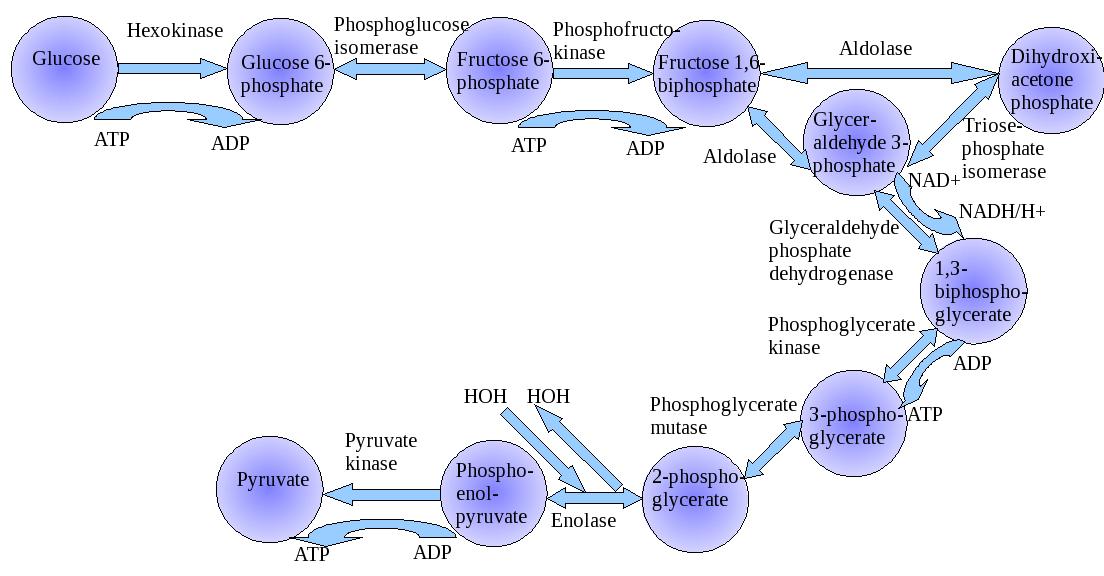
(a)     How cancer cells bathed in an oxygen rich environment rely on anaerobic glycolysis for energy, and the secondary consequences of cachexia and sarcopenia associated with progression

invasion

invasion

ARTS protein and cancer

ARTS protein and cancer

Glycolysis

Glycolysis

Krebs cycle

Krebs cycle

Metabolic control analysis of respiration in human cancer tissue

Metabolic control analysis of respiration in human cancer tissue

akip1-expression-modulates-mitochondrial-function

akip1-expression-modulates-mitochondrial-function

(b)     How advances in genetic analysis, molecular and cellular biology, metabolomics have expanded our basic knowledge of the mechanisms which are involved in cellular transformation to the cancerous state.

nucleotides

nucleotides

Methylation of adenine

Methylation of adenine

ampk-and-ampk-related-kinase-ark-family-

ampk-and-ampk-related-kinase-ark-family-

ubiquitylation

ubiquitylation

(c)  How molecular techniques continue to advance our understanding  of how genetics, epigenetics, and alterations in cellular metabolism contribute to cancer and afford new pathways for therapeutic intervention.

 genomic effects

genomic effects

LKB1AMPK pathway

LKB1AMPK pathway

mutation-frequencies-across-12-cancer-types

mutation-frequencies-across-12-cancer-types

AMPK-activating drugs metformin or phenformin might provide protection against cancer

AMPK-activating drugs metformin or phenformin might provide protection against cancer

pim2-phosphorylates-pkm2-and-promotes-glycolysis-in-cancer-cells

pim2-phosphorylates-pkm2-and-promotes-glycolysis-in-cancer-cells

pim2-phosphorylates-pkm2-and-promotes-glycolysis-in-cancer-cells

pim2-phosphorylates-pkm2-and-promotes-glycolysis-in-cancer-cells

2. The distinct features of cancers of specific tissue sites of origin

3.  The diagnosis of cancer by

(a)     Clinical presentation

(b)     Age of onset and stage of life

(c)     Biomarker features

hairy cell leukemia

hairy cell leukemia

lymphoma leukemia

lymphoma leukemia

(d)     Radiological and ultrasound imaging

  1. Treatments
  2. Prognostic differences within and between cancer types

We have introduced the emergence of a disease of great complexity that has been clouded in more questions than answers until the emergence of molecular biology in the mid 20th century, and then had to await further discoveries going into the 21st century.  What gave the research impetus was the revelation of

1     the mechanism of transcription of the DNA into amino acid sequences

Proteins in Disease

Proteins in Disease

2     the identification of stresses imposed on cellular function

NO beneficial effects

NO beneficial effects

3     the elucidation of the substructure of the cell – cell membrane, mitochondria, ribosomes, lysosomes – and their functions, respectively

pone.0080815.g006  AKIP1 Expression Modulates Mitochondrial Function

AKIP1 Expression Modulates Mitochondrial Function

4     the elucidation of oligonucleotide sequences

nucleotides

nucleotides

dna-replication-unwinding

dna-replication-unwinding

dna-replication-ligation

dna-replication-ligation

dna-replication-primer-removal

dna-replication-primer-removal

dna-replication-leading-strand

dna-replication-leading-strand

dna-replication-lagging-strand

dna-replication-lagging-strand

dna-replication-primer-synthesis

dna-replication-primer-synthesis

dna-replication-termination

dna-replication-termination

5     the further elucidation of functionally relevant noncoding lncDNA

lncRNA-s   A summary of the various functions described for lncRNA

6     the technology to synthesis mRNA and siRNA sequences

RNAi_Q4 Primary research objectives

Figure. RNAi and gene silencing

7     the repeated discovery of isoforms of critical enzymes and their pleiotropic properties

8.     the regulatory pathways involved in signaling

signaling pathjways map

Figure. Signaling Pathways Map

This is a brief outline of the modern progression of advances in our understanding of cancer.  Let us go back to the beginning and check out a sequence of  Nobel Prizes awarded and related discoveries that have a historical relationship to what we know.  The first discovery was the finding by Louis Pasteur that fungi that grew in an oxygen poor environment did not put down filaments.  They did not utilize oxygen and they produced used energy by fermentation.  This was the basis for Otto Warburg sixty years later to make the comparison to cancer cells that grew in the presence of oxygen, but relied on anaerobic glycolysis. He used a manometer to measure respiration in tissue one cell layer thick to measure CO2 production in an adiabatic system.

video width=”1280″ height=”720″ caption=”1741-7007-11-65-s1 Macromolecular juggling by ubiquitylation enzymes.” mp4=”http://pharmaceuticalintelligence.com/wp-content/uploads/2014/04/1741-7007-11-65-s1-macromolecular-juggling-by-ubiquitylation-enzymes.mp4“][/video]

An Introduction to the Warburg Apparatus

http://www.youtube.com/watch?v=M-HYbZwN43o

Lavoisier Antoine-Laurent and Laplace Pierre-Simon (1783) Memoir on heat. Mémoirs de l’Académie des sciences. Translated by Guerlac H, Neale Watson Academic Publications, New York, 1982.

Instrumental background 200 years later:   Gnaiger E (1983) The twin-flow microrespirometer and simultaneous calorimetry. In Gnaiger E, Forstner H, eds. Polarographic Oxygen Sensors. Springer, Heidelberg, Berlin, New York: 134-166.

otto_heinrich_warburg

otto_heinrich_warburg

Warburg apparatus

The Warburg apparatus is a manometric respirometer which was used for decades in biochemistry for measuring oxygen consumption of tissue homogenates or tissue slices.

The Warburg apparatus has its name from the German biochemist Otto Heinrich Warburg (1883-1970) who was awarded the Nobel Prize in physiology or medicine in 1931 for his “discovery of the nature and mode of action of the respiratory enzyme” [1].

The aqueous phase is vigorously shaken to equilibrate with a gas phase, from which oxygen is consumed while the evolved carbon dioxide is trapped, such that the pressure in the constant-volume gas phase drops proportional to oxygen consumption. The Warburg apparatus was introduced to study cell respiration, i.e. the uptake of molecular oxygen and the production of carbon dioxide by cells or tissues. Its applications were extended to the study of fermentation, when gas exchange takes place in the absence of oxygen. Thus the Warburg apparatus became established as an instrument for both aerobic and anaerobic biochemical studies [2, 3].

The respiration chamber was a detachable glass flask (F) equipped with one or more sidearms (S) for additions of chemicals and an open connection to a manometer (M; pressure gauge). A constant temperature was provided by immersion of the Warburg chamber in a constant temperature water bath. At thermal mass transfer equilibrium, an initial reading is obtained on the manometer, and the volume of gas produced or absorbed is determined at specific time intervals. A limited number of ‘titrations’ can be performed by adding the liquid contained in a side arm into the main reaction chamber. A Warburg apparatus may be equipped with more than 10 respiration chambers shaking in a common water bath.   Since temperature has to be controlled very precisely in a manometric approach, the early studies on mammalian tissue respiration were generally carried out at a physiological temperature of 37 °C.

The Warburg apparatus has been replaced by polarographic instruments introduced by Britton Chance in the 1950s. Since Chance and Williams (1955) measured respiration of isolated mitochondria simultaneously with the spectrophotometric determination of cytochrome redox states, a water chacket could not be used, and measurements were carried out at room temperature (or 25 °C). Thus most later studies on isolated mitochondria were shifted to the artifical temperature of 25 °C.

Today, the importance of investigating mitochondrial performance at in vivo temperatures is recognized again in mitochondrial physiology.  Incubation times of 1 hour were typical in experiments with the Warburg apparatus, but were reduced to a few or up to 20 min, following Chance and Williams, due to rapid oxygen depletion in closed, aqueous phase oxygraphs with high sample concentrations.  Today, incubation times of 1 hour are typical again in high-resolution respirometry, with low sample concentrations and the option of reoxygenations.

“The Nobel Prize in Physiology or Medicine 1931”. Nobelprize.org. 27 Dec 2011 www.nobelprize.org/nobel_prizes/medicine/laureates/1931/

  1. Oesper P (1964) The history of the Warburg apparatus: Some reminiscences on its use. J Chem Educ 41: 294.
  2. Koppenol WH, Bounds PL, Dang CV (2011) Otto Warburg’s contributions to current concepts of cancer metabolism. Nature Reviews Cancer 11: 325-337.
  3. Gnaiger E, Kemp RB (1990) Anaerobic metabolism in aerobic mammalian cells: information from the ratio of calorimetric heat flux and respirometric oxygen flux. Biochim Biophys Acta 1016: 328-332. – “At high fructose concen­trations, respiration is inhibited while glycolytic end products accumulate, a phenomenon known as the Crabtree effect. It is commonly believed that this effect is restric­ted to microbial and tumour cells with uniquely high glycolytic capaci­ties (Sussman et al, 1980). How­ever, inhibition of respiration and increase of lactate production are observed under aerobic condi­tions in beating rat heart cell cultures (Frelin et al, 1974) and in isolated rat lung cells (Ayuso-Parrilla et al, 1978). Thus, the same general mechanisms respon­sible for the integra­tion of respiration and glycolysis in tumour cells (Sussman et al, 1980) appear to be operating to some extent in several isolated mammalian cells.”

Mitochondria are sometimes described as “cellular power plants” because they generate most of the cell’s supply of adenosine triphosphate (ATP), used as a source of chemical energy.[2] In addition to supplying cellular energy, mitochondria are involved in other tasks such as signalingcellular differentiationcell death, as well as the control of the cell cycle and cell growth.[3]   The organelle is composed of compartments that carry out specialized functions. These compartments or regions include the outer membrane, the intermembrane space, the inner membrane, and the cristae and matrix. Mitochondrial proteins vary depending on the tissue and the species. In humans, 615 distinct types of proteins have been identified from cardiac mitochondria,[9   Leonor Michaelis discovered that Janus green can be used as a supravital stain for mitochondria in 1900.  Benjamin F. Kingsbury, in 1912, first related them with cell respiration, but almost exclusively based on morphological observations.[13] In 1913 particles from extracts of guinea-pig liver were linked to respiration by Otto Heinrich Warburg, which he called “grana”. Warburg and Heinrich Otto Wieland, who had also postulated a similar particle mechanism, disagreed on the chemical nature of the respiration. It was not until 1925 when David Keilin discovered cytochromes that the respiratory chain was described.[13]    

The Clark Oxygen Sensor

Dr. Leland Clark – inventor of the “Clark Oxygen Sensor” (1954); the Clark type polarographic oxygen sensor remains the gold standard for measuring dissolved oxygen in biomedical, environmental and industrial applications .   ‘The convenience and simplicity of the polarographic ‘oxygen electrode’ technique for measuring rapid changes in the rate of oxygen utilization by cellular and subcellular systems is now leading to its more general application in many laboratories. The types and design of oxygen electrodes vary, depending on the investigator’s ingenuity and specific requirements of the system under investigation.’Estabrook R (1967) Mitochondrial respiratory control and the polarographic measurement of ADP:O ratios. Methods Enzymol. 10: 41-47.   “one approach that is underutilized in whole-cell bioenergetics, and that is accessible as long as cells can be obtained in suspension, is the oxygen electrode, which can obtain more precise information on the bioenergetic status of the in situ mitochondria than more ‘high-tech’ approaches such as fluorescent monitoring of Δψm.” Nicholls DG, Ferguson S (2002) Bioenergetics 3. Academic Press, London.

Great Figures in Cancer

Dr. Elizabeth Blackburn,

Dr. Elizabeth Blackburn,

j_michael_bishop onogene

j_michael_bishop onogene

Harold Varmus

Harold Varmus

Potts and Habener (PTH mRNA, Harvard MIT)  JCI

Potts and Habener (PTH mRNA, Harvard MIT) JCI

JCI Fuller Albright and hPTH AA sequence

JCI Fuller Albright and hPTH AA sequence

Dr. E. Donnall Thomas  Bone Marrow Transplants

Dr. E. Donnall Thomas Bone Marrow Transplants

Dr Haraldzur Hausen  EBV HPV

Dr Haraldzur Hausen EBV HPV

Dr. Craig Mello

Dr. Craig Mello

Dorothy Hodgkin  protein crystallography

Lee Hartwell - Hutchinson Cancer Res Center

Lee Hartwell – Hutchinson Cancer Res Center

Judah Folkman, MD

Judah Folkman, MD

Gertrude B. Elien (1918-1999)

Gertrude B. Elien (1918-1999)

The Nobel Prize in Physiology or Medicine 1922   

Archibald V. Hill, Otto Meyerhof

AV Hill –

“the production of heat in the muscle” Hill started his research work in 1909. It was due to J.N. Langley, Head of the Department of Physiology at that time that Hill took up the study on the nature of muscular contraction. Langley drew his attention to the important (later to become classic) work carried out by Fletcher and Hopkins on the problem of lactic acid in muscle, particularly in relation to the effect of oxygen upon its removal in recovery. In 1919 he took up again his study of the physiology of muscle, and came into close contact with Meyerhof of Kiel who, approaching the problem differently, arrived at results closely analogous to his study. In 1919 Hill’s friend W. Hartree, mathematician and engineer, joined in the myothermic investigations – a cooperation which had rewarding results.

Otto Meyerhof

otto-fritz-meyerhof

otto-fritz-meyerhof

lactic acid production in muscle contraction Under the influence of Otto Warburg, then at Heidelberg, Meyerhof became more and more interested in cell physiology.  In 1923 he was offered a Professorship of Biochemistry in the United States, but Germany was unwilling to lose him.  In 1929 he was he was placed in charge of the newly founded Kaiser Wilhelm Institute for Medical Research at Heidelberg.  From 1938 to 1940 he was Director of Research at the Institut de Biologie physico-chimique at Paris, but in 1940 he moved to the United States, where the post of Research Professor of Physiological Chemistry had been created for him by the University of Pennsylvania and the Rockefeller Foundation.  Meyerhof’s own account states that he was occupied chiefly with oxidation mechanisms in cells and with extending methods of gas analysis through the calorimetric measurement of heat production, and especially the respiratory processes of nitrifying bacteria. The physico-chemical analogy between oxygen respiration and alcoholic fermentation caused him to study both these processes in the same subject, namely, yeast extract. By this work he discovered a co-enzyme of respiration, which could be found in all the cells and tissues up till then investigated. At the same time he also found a co-enzyme of alcoholic fermentation. He also discovered the capacity of the SH-group to transfer oxygen; after Hopkins had isolated from cells the SH bodies concerned, Meyerhof showed that the unsaturated fatty acids in the cell are oxidized with the help of the sulfhydryl group. After studying closer the respiration of muscle, Meyerhof investigated the energy changes in muscle. Considerable progress had been achieved by the English scientists Fletcher and Hopkins by their recognition of the fact that lactic acid formation in the muscle is closely connected with the contraction process. These investigations were the first to throw light upon the highly paradoxical fact, already established by the physiologist Hermann, that the muscle can perform a considerable part of its external function in the complete absence of oxygen.

But it was indisputable that in the last resort the energy for muscle activity comes from oxidation, so the connection between activity and combustion must be an indirect one, and observed that in the absence of oxygen in the muscle, lactic acid appears, slowly in the relaxed state and rapidly in the active state, disappearing in the presence of oxygen. Obviously, then, oxygen is involved when muscle is in the relaxed state. http://upload.wikimedia.org/wikipedia/commons/e/e1/Glycolysis.jpg

The Nobel Prize committee had been receiving nominations intermittently for the previous 14 years (for Eijkman, Funk, Goldberger, Grijns, Hopkins and Suzuki but, strangely, not for McCollum in this period). Tthe Committee for the 1929 awards apparently agreed that it was high time to honor the discoverer(s) of vitamins; but who were they? There was a clear case for Grijns, but he had not been re-nominated for that particular year, and it could be said that he was just taking the relatively obvious next steps along the new trail that had been laid down by Eijkman, who was also now an old man in poor health, but there was no doubt that he had taken the first steps in the use of an animal model to investigate the nutritional basis of a clinical disorder affecting millions. Goldberger had been another important contributor, but his recent death put him out of consideration. The clearest evidence for lack of an unknown “something” in a mammalian diet was presented by Gowland Hopkins in 1912. This Cambridge biochemist was already well known for having isolated the amino acid tryptophan from a protein and demonstrated its essential nature. He fed young rats on an experimental diet, half of them receiving a daily milk supplement, and only those receiving milk grew well, Hopkins suggested that this was analogous to human diseases related to diet, as he had suggested already in a lecture published in 1906. Hopkins, the leader of the “dynamic biochemistry” school in Britain and an influential advocate for the importance of vitamins, was awarded the prize jointly with Eijkman. A door was opened. Recognition of work on the fat-soluble vitamins begun by McCollum. The next award related to vitamins was given in 1934 to George WhippleGeorge Minot and William Murphy “for their discoveries concerning liver therapy in cases of [then incurable pernicious] anemia,” The essential liver factor (cobalamin, or vitamin B12) was isolated in 1948, and Vitamin B12  was absent from plant foods. But William Castle in 1928 had demonstrated that the stomachs of pernicious anemia patients were abnormal in failing to secrete an “intrinsic factor”.

1937   Albert von Szent-Györgyi Nagyrápolt

” the biological combustion processes, with special reference to vitamin C and the catalysis of fumaric acid”

http://www.biocheminfo.org/klotho/html/fumarate.html

structure of fumarate

Szent-Györgyi was a Hungarian biochemist who had worked with Otto Warburg and had a special interest in oxidation-reduction mechanisms. He was invited to Cambridge in England in 1927 after detecting an antioxidant compound in the adrenal cortex, and there, he isolated a compound that he named hexuronic acid. Charles Glen King of the University of Pittsburgh reported success In isolating the anti-scorbutic factor in 1932, and added that his crystals had all the properties reported by Szent-Györgyi for hexuronic acid. But his work on oxidation reactions was also important. Fumarate is an intermediate in the citric acid cycle used by cells to produce energy in the form of adenosine triphosphate (ATP) from food. It is formed by the oxidation of succinate by the enzyme succinate dehydrogenase. Fumarate is then converted by the enzyme fumarase to malate. An enzyme adds water to the fumarate molecule to form malate. The malate is created by adding one hydrogen atom to a carbon atom and then adding a hydroxyl group to a carbon next to a terminal carbonyl group.

In the same year, Norman Haworth from the University of Birmingham in England received a Nobel prize from the Chemistry Committee for having advanced carbohydrate chemistry and, specifically, for having worked out the structure of Szent-Györgyi’s crystals, and then been able to synthesize the vitamin. This was a considerable achievement. The Nobel Prize in Chemistry was shared with the Swiss organic chemist Paul Karrer, cited for his work on the structures of riboflavin and vitamins A and E as well as other biologically interesting compounds. This was followed in 1938 by a further Chemistry award to the German biochemist Richard Kuhn, who had also worked on carotenoids and B-vitamins, including riboflavin and pyridoxine. But Karrer was not permitted to leave Germany at that time by the Nazi regime. However, the American work with radioisotopes at Lawrence Livermore Laboratory, UC Berkeley, was already ushering in a new era of biochemistry that would enrich our studies of metabolic pathways. The importance of work involving vitamins was acknowledged in at least ten awards in the 20th century.

1.   Carpenter, K.J., Beriberi, White Rice and Vitamin B, University of California Press, Berkeley (2000).

2.  Weatherall, M.W. and Kamminga, H., The making of a biochemist: the construction of Frederick Gowland Hopkins’ reputation. Medical History vol.40, pp. 415-436 (1996).

3.  Becker, S.L., Will milk make them grow? An episode in the discovery of the vitamins. In Chemistry and Modern Society (J. Parascandela, editor) pp. 61-83, American Chemical Society,

Washington, D.C. (1983).

4.  Carpenter, K.J., The History of Scurvy and Vitamin C, Cambridge University Press, New York (1986).

Transport and metabolism of exogenous fumarate and 3-phosphoglycerate in vascular smooth muscle.

D R FinderC D Hardin

Molecular and Cellular Biochemistry (Impact Factor: 2.33). 05/1999; 195(1-2):113-21.  http://dx.doi.org/10.1023/A:1006976432578

The keto (linear) form of exogenous fructose 1,6-bisphosphate, a highly charged glycolytic intermediate, may utilize a dicarboxylate transporter to cross the cell membrane, support glycolysis, and produce ATP anaerobically. We tested the hypothesis that fumarate, a dicarboxylate, and 3-phosphoglycerate (3-PG), an intermediate structurally similar to a dicarboxylate, can support contraction in vascular smooth muscle during hypoxia. 3-PG improved maintenance of force (p < 0.05) during the 30-80 min period of hypoxia. Fumarate decreased peak isometric force development by 9.5% (p = 0.008) but modestly improved maintenance of force (p < 0.05) throughout the first 80 min of hypoxia. 13C-NMR on tissue extracts and superfusates revealed 1,2,3,4-(13)C-fumarate (5 mM) metabolism to 1,2,3,4-(13)C-malate under oxygenated and hypoxic conditions suggesting uptake and metabolism of fumarate. In conclusion, exogenous fumarate and 3-PG readily enter vascular smooth muscle cells, presumably by a dicarboxylate transporter, and support energetically important pathways.

Comparison of endogenous and exogenous sources of ATP in fueling Ca2+ uptake in smooth muscle plasma membrane vesicles.

C D HardinL RaeymaekersR J Paul

The Journal of General Physiology (Impact Factor: 4.73). 12/1991; 99(1):21-40.   http://dx.doi.org:/10.1085/jgp.99.1.21

A smooth muscle plasma membrane vesicular fraction (PMV) purified for the (Ca2+/Mg2+)-ATPase has endogenous glycolytic enzyme activity. In the presence of glycolytic substrate (fructose 1,6-diphosphate) and cofactors, PMV produced ATP and lactate and supported calcium uptake. The endogenous glycolytic cascade supports calcium uptake independent of bath [ATP]. A 10-fold dilution of PMV, with the resultant 10-fold dilution of glycolytically produced bath [ATP] did not change glycolytically fueled calcium uptake (nanomoles per milligram protein). Furthermore, the calcium uptake fueled by the endogenous glycolytic cascade persisted in the presence of a hexokinase-based ATP trap which eliminated calcium uptake fueled by exogenously added ATP. Thus, it appears that the endogenous glycolytic cascade fuels calcium uptake in PMV via a membrane-associated pool of ATP and not via an exchange of ATP with the bulk solution. To determine whether ATP produced endogenously was utilized preferentially by the calcium pump, the ATP production rates of the endogenous creatine kinase and pyruvate kinase were matched to that of glycolysis and the calcium uptake fueled by the endogenous sources was compared with that fueled by exogenous ATP added at the same rate. The rate of calcium uptake fueled by endogenous sources of ATP was approximately twice that supported by exogenously added ATP, indicating that the calcium pump preferentially utilizes ATP produced by membrane-bound enzymes.

Evidence for succinate production by reduction of fumarate during hypoxia in isolated adult rat heart cells.

C HohlR OestreichP RösenR WiesnerM Grieshaber

Archives of Biochemistry and Biophysics (Impact Factor: 3.37). 01/1988; 259(2):527-35. http://dx.doi.org:/10.1016/0003-9861(87)90519-4   It has been demonstrated that perfusion of myocardium with glutamic acid or tricarboxylic acid cycle intermediates during hypoxia or ischemia, improves cardiac function, increases ATP levels, and stimulates succinate production. In this study isolated adult rat heart cells were used to investigate the mechanism of anaerobic succinate formation and examine beneficial effects attributed to ATP generated by this pathway. Myocytes incubated for 60 min under hypoxic conditions showed a slight loss of ATP from an initial value of 21 +/- 1 nmol/mg protein, a decline of CP from 42 to 17 nmol/mg protein and a fourfold increase in lactic acid production to 1.8 +/- 0.2 mumol/mg protein/h. These metabolite contents were not altered by the addition of malate and 2-oxoglutarate to the incubation medium nor were differences in cell viability observed; however, succinate release was substantially accelerated to 241 +/- 53 nmol/mg protein. Incubation of cells with [U-14C]malate or [2-U-14C]oxoglutarate indicates that succinate is formed directly from malate but not from 2-oxoglutarate. Moreover, anaerobic succinate formation was rotenone sensitive.

We conclude that malate reduction to succinate occurs via the reverse action of succinate dehydrogenase in a coupled reaction where NADH is oxidized (and FAD reduced) and ADP is phosphorylated. Furthermore, by transaminating with aspartate to produce oxaloacetate, 2-oxoglutarate stimulates cytosolic malic dehydrogenase activity, whereby malate is formed and NADH is oxidized.

In the form of malate, reducing equivalents and substrate are transported into the mitochondria where they are utilized for succinate synthesis.

1953 Hans Adolf Krebs –

 ” discovery of the citric acid cycle” and In the course of the 1920’s and 1930’s great progress was made in the study of the intermediary reactions by which sugar is anaerobically fermented to lactic acid or to ethanol and carbon dioxide. The success was mainly due to the joint efforts of the schools of Meyerhof, Embden, Parnas, von Euler, Warburg and the Coris, who built on the pioneer work of Harden and of Neuberg. This work brought to light the main intermediary steps of anaerobic fermentations.

In contrast, very little was known in the earlier 1930’s about the intermediary stages through which sugar is oxidized in living cells. When, in 1930, I left the laboratory of Otto Warburg (under whose guidance I had worked since 1926 and from whom I have learnt more than from any other single teacher), I was confronted with the question of selecting a major field of study and I felt greatly attracted by the problem of the intermediary pathway of oxidations.

These reactions represent the main energy source in higher organisms, and in view of the importance of energy production to living organisms (whose activities all depend on a continuous supply of energy) the problem seemed well worthwhile studying.   http://www.johnkyrk.com/krebs.html

Interactive Krebs cycle

There are different points where metabolites enter the Krebs’ cycle. Most of the products of protein, carbohydrates and fat metabolism are reduced to the molecule acetyl coenzyme A that enters the Krebs’ cycle. Glucose, the primary fuel in the body, is first metabolized into pyruvic acid and then into acetyl coenzyme A. The breakdown of the glucose molecule forms two molecules of ATP for energy in the Embden Meyerhof pathway process of glycolysis.

On the other hand, amino acids and some chained fatty acids can be metabolized into Krebs intermediates and enter the cycle at several points. When oxygen is unavailable or the Krebs’ cycle is inhibited, the body shifts its energy production from the Krebs’ cycle to the Embden Meyerhof pathway of glycolysis, a very inefficient way of making energy.  

Fritz Albert Lipmann –

 “discovery of co-enzyme A and its importance for intermediary metabolism”.

In my development, the recognition of facts and the rationalization of these facts into a unified picture, have interplayed continuously. After my apprenticeship with Otto Meyerhof, a first interest on my own became the phenomenon we call the Pasteur effect, this peculiar depression of the wasteful fermentation in the respiring cell. By looking for a chemical explanation of this economy measure on the cellular level, I was prompted into a study of the mechanism of pyruvic acid oxidation, since it is at the pyruvic stage where respiration branches off from fermentation.

For this study I chose as a promising system a relatively simple looking pyruvic acid oxidation enzyme in a certain strain of Lactobacillus delbrueckii1.   In 1939, experiments using minced muscle cells demonstrated that one oxygen atom can form two adenosine triphosphate molecules, and, in 1941, the concept of phosphate bonds being a form of energy in cellular metabolism was developed by Fritz Albert Lipmann.

In the following years, the mechanism behind cellular respiration was further elaborated, although its link to the mitochondria was not known.[13]The introduction of tissue fractionation by Albert Claude allowed mitochondria to be isolated from other cell fractions and biochemical analysis to be conducted on them alone. In 1946, he concluded that cytochrome oxidase and other enzymes responsible for the respiratory chain were isolated to the mitchondria. Over time, the fractionation method was tweaked, improving the quality of the mitochondria isolated, and other elements of cell respiration were determined to occur in the mitochondria.[13]

The most important event during this whole period, I now feel, was the accidental observation that in the L. delbrueckii system, pyruvic acid oxidation was completely dependent on the presence of inorganic phosphate. This observation was made in the course of attempts to replace oxygen by methylene blue. To measure the methylene blue reduction manometrically, I had to switch to a bicarbonate buffer instead of the otherwise routinely used phosphate. In bicarbonate, pyruvate oxidation was very slow, but the addition of a little phosphate caused a remarkable increase in rate. The phosphate effect was removed by washing with a phosphate free acetate buffer. Then it appeared that the reaction was really fully dependent on phosphate.

A coupling of this pyruvate oxidation with adenylic acid phosphorylation was attempted. Addition of adenylic acid to the pyruvic oxidation system brought out a net disappearance of inorganic phosphate, accounted for as adenosine triphosphate.   The acetic acid subunit of acetyl CoA is combined with oxaloacetate to form a molecule of citrate. Acetyl coenzyme A acts only as a transporter of acetic acid from one enzyme to another. After Step 1, the coenzyme is released by hydrolysis to combine with another acetic acid molecule and begin the Krebs’ Cycle again.

Hugo Theorell

the nature and effects of oxidation enzymes”

From 1933 until 1935 Theorell held a Rockefeller Fellowship and worked with Otto Warburg at Berlin-Dahlem, and here he became interested in oxidation enzymes. At Berlin-Dahlem he produced, for the first time, the oxidation enzyme called «the yellow ferment» and he succeeded in splitting it reversibly into a coenzyme part, which was found to be flavin mononucleotide, and a colourless protein part. On return to Sweden, he was appointed Head of the newly established Biochemical Department of the Nobel Medical Institute, which was opened in 1937.

Succinate is oxidized by a molecule of FAD (Flavin Adenine Dinucleotide). The FAD removes two hydrogen atoms from the succinate and forms a double bond between the two carbon atoms to create fumarate.

1953

double-stranded-dna

double-stranded-dna

crick-watson-with-their-dna-model.

crick-watson-with-their-dna-model.

Watson & Crick double helix model 

A landmark in this journey

They followed the path that became clear from intense collaborative work in California by George Beadle, by Avery and McCarthy, Max Delbruck, TH Morgan, Max Delbruck and by Chargaff that indicated that genetics would be important.

1965

François Jacob, André Lwoff and Jacques Monod  –

” genetic control of enzyme and virus synthesis”.

In 1958 the remarkable analogy revealed by genetic analysis of lysogeny and that of the induced biosynthesis of ß-galactosidase led François Jacob, with Jacques Monod, to study the mechanisms responsible for the transfer of genetic information as well as the regulatory pathways which, in the bacterial cell, adjust the activity and synthesis of macromolecules. Following this analysis, Jacob and Monod proposed a series of new concepts, those of messenger RNA, regulator genes, operons and allosteric proteins.

Francois Jacob

Having determined the constants of growth in the presence of different carbohydrates, it occurred to me that it would be interesting to determine the same constants in paired mixtures of carbohydrates. From the first experiment on, I noticed that, whereas the growth was kinetically normal in the presence of certain mixtures (that is, it exhibited a single exponential phase), two complete growth cycles could be observed in other carbohydrate mixtures, these cycles consisting of two exponential phases separated by a-complete cessation of growth.

Lwoff, after considering this strange result for a moment, said to me, “That could have something to do with enzyme adaptation.”

“Enzyme adaptation? Never heard of it!” I said.

Lwoff’s only reply was to give me a copy of the then recent work of Marjorie Stephenson, in which a chapter summarized with great insight the still few studies concerning this phenomenon, which had been discovered by Duclaux at the end of the last century.  Studied by Dienert and by Went as early as 1901 and then by Euler and Josephson, it was more or less rediscovered by Karström, who should be credited with giving it a name and attracting attention to its existence.

Lwoff’s intuition was correct. The phenomenon of “diauxy” that I had discovered was indeed closely related to enzyme adaptation, as my experiments, included in the second part of my doctoral dissertation, soon convinced me. It was actually a case of the “glucose effect” discovered by Dienert as early as 1900.   That agents that uncouple oxidative phosphorylation, such as 2,4-dinitrophenol, completely inhibit adaptation to lactose or other carbohydrates suggested that “adaptation” implied an expenditure of chemical potential and therefore probably involved the true synthesis of an enzyme.

With Alice Audureau, I sought to discover the still quite obscure relations between this phenomenon and the one Massini, Lewis, and others had discovered: the appearance and selection of “spontaneous” mutants.   We showed that an apparently spontaneous mutation was allowing these originally “lactose-negative” bacteria to become “lactose-positive”. However, we proved that the original strain (Lac-) and the mutant strain (Lac+) did not differ from each other by the presence of a specific enzyme system, but rather by the ability to produce this system in the presence of lactose.  This mutation involved the selective control of an enzyme by a gene, and the conditions necessary for its expression seemed directly linked to the chemical activity of the system.

1974

Albert Claude, Christian de Duve and George E. Palade –

” the structural and functional organization of the cell”.

I returned to Louvain in March 1947 after a period of working with Theorell in Sweden, the Cori’s, and E Southerland in St. Louis, fortunate in the choice of my mentors, all sticklers for technical excellence and intellectual rigor, those prerequisites of good scientific work. Insulin, together with glucagon which I had helped rediscover, was still my main focus of interest, and our first investigations were accordingly directed on certain enzymatic aspects of carbohydrate metabolism in liver, which were expected to throw light on the broader problem of insulin action. But I became distracted by an accidental finding related to acid phosphatase, drawing most of my collaborators along with me. The studies led to the discovery of the lysosome, and later of the peroxisome.

In 1962, I was appointed a professor at the Rockefeller Institute in New York, now the Rockefeller University, the institution where Albert Claude had made his pioneering studies between 1929 and 1949, and where George Palade had been working since 1946.  In New York, I was able to develop a second flourishing group, which follows the same general lines of research as the Belgian group, but with a program of its own.

1968

Robert W. Holley, Har Gobind Khorana and Marshall W. Nirenberg –

“interpretation of the genetic code and its function in protein synthesis”.

1969

Max Delbrück, Alfred D. Hershey and Salvador E. Luria –

” the replication mechanism and the genetic structure of viruses”.

1975 David Baltimore, Renato Dulbecco and Howard Martin Temin –

” the interaction between tumor viruses and the genetic material of the cell”.

1976

Baruch S. Blumberg and D. Carleton Gajdusek –

” new mechanisms for the origin and dissemination of infectious diseases” The editors of the Nobelprize.org website of the Nobel Foundation have asked me to provide a supplement to the autobiography that I wrote in 1976 and to recount the events that happened after the award. Much of what I will have to say relates to the scientific developments since the last essay. These are described in greater detail in a scientific memoir first published in 2002 (Blumberg, B. S., Hepatitis B. The Hunt for a Killer Virus, Princeton University Press, 2002, 2004).

1980

Baruj Benacerraf, Jean Dausset and George D. Snell 

” genetically determined structures on the cell surface that regulate immunological reactions”.

1992

Edmond H. Fischer and Edwin G. Krebs 

“for their discoveries concerning reversible protein phosphorylation as a biological regulatory mechanism”

1994

Alfred G. Gilman and Martin Rodbell –

“G-proteins and the role of these proteins in signal transduction in cells”

2011

Bruce A. Beutler and Jules A. Hoffmann –

the activation of innate immunity and the other half to Ralph M. Steinman – “the dendritic cell and its role in adaptive immunity”.

Renato L. Baserga, M.D.

Kimmel Cancer Center and Keck School of Medicine

Dr. Baserga’s research focuses on the multiple roles of the type 1 insulin-like growth factor receptor (IGF-IR) in the proliferation of mammalian cells. The IGF-IR activated by its ligands is mitogenic, is required for the establishment and the maintenance of the transformed phenotype, and protects tumor cells from apoptosis. It, therefore, serves as an excellent target for therapeutic interventions aimed at inhibiting abnormal growth. In basic investigations, this group is presently studying the effects that the number of IGF-IRs and specific mutations in the receptor itself have on its ability to protect cells from apoptosis.

This investigation is strictly correlated with IGF-IR signaling, and part of this work tries to elucidate the pathways originating from the IGF-IR that are important for its functional effects. Baserga’s group has recently discovered a new signaling pathway used by the IGF-IR to protect cells from apoptosis, a unique pathway that is not used by other growth factor receptors. This pathway depends on the integrity of serines 1280-1283 in the C-terminus of the receptor, which bind 14.3.3 and cause the mitochondrial translocation of Raf-1.

Another recent discovery of this group has been the identification of a mechanism by which the IGF-IR can actually induce differentiation in certain types of cells. When cells have IRS-1 (a major substrate of the IGF-IR), the IGF-IR sends a proliferative signal; in the absence of IRS-1, the receptor induces cell differentiation. The extinction of IRS-1 expression is usually achieved by DNA methylation.

Janardan Reddy, MD

Northwestern University

The central effort of our research has been on a detailed analysis at the cellular and molecular levels of the pleiotropic responses in liver induced by structurally diverse classes of chemicals that include fibrate class of hypolipidemic drugs, and phthalate ester plasticizers, which we designated hepatic peroxisome proliferators. Our work has been central to the establishment of several principles, namely that hepatic peroxisome proliferation is associated with increases in fatty acid oxidation systems in liver, and that peroxisome proliferators, as a class, are novel nongenotoxic hepatocarcinogens.

We introduced the concept that sustained generation of reactive oxygen species leads to oxidative stress and serves as the basis for peroxisome proliferator-induced liver cancer development. Furthermore, based on the tissue/cell specificity of pleiotropic responses and the coordinated transcriptional regulation of fatty acid oxidation system genes, we postulated that peroxisome proliferators exert their action by a receptor-mediated mechanism. This receptor concept laid the foundation for the discovery of

  • a three member peroxisome proliferator-activated receptor (PPARalpha-, ß-, and gamma) subfamily of nuclear receptors.
  •  PPARalpha is responsible for peroxisome proliferator-induced pleiotropic responses, including
    • hepatocarcinogenesis and energy combustion as it serves as a fatty acid sensor and regulates fatty acid oxidation.

Our current work focuses on the molecular mechanisms responsible for PPAR action and generation of fatty acid oxidation deficient mouse knockout models. Transcription of specific genes by nuclear receptors is a complex process involving the participation of multiprotein complexes composed of transcription coactivators.  

Jose Delgado de Salles Roselino, Ph.D.

Leloir Institute, Brazil

Warburg effect, in reality “Pasteur-effect” was the first example of metabolic regulation described. A decrease in the carbon flux originated at the sugar molecule towards the end metabolic products, ethanol and carbon dioxide that was observed when yeast cells were transferred from anaerobic environmental condition to an aerobic one. In Pasteur´s works, sugar metabolism was measured mainly by the decrease of sugar concentration in the yeast growth media observed after a measured period of time. The decrease of the sugar concentration in the media occurs at great speed in yeast grown in anaerobiosis condition and its speed was greatly reduced by the transfer of the yeast culture to an aerobic condition. This finding was very important for the wine industry of France in Pasteur time, since most of the undesirable outcomes in the industrial use of yeast were perceived when yeasts cells took very long time to create a rather selective anaerobic condition. This selective culture media was led by the carbon dioxide higher levels produced by fast growing yeast cells and by a great alcohol content in the yeast culture media. This finding was required to understand Lavoisier’s results indicating that chemical and biological oxidation of sugars produced the same calorimetric results. This observation requires a control mechanism (metabolic regulation) to avoid burning living cells by fast heat released by the sugar biological oxidative processes (metabolism). In addition, Lavoisier´s results were the first indications that both processes happened inside similar thermodynamics limits.

In much resumed form, these observations indicates the major reasons that led Warburg to test failure in control mechanisms in cancer cells in comparison with the ones observed in normal cells. Biology inside classical thermo dynamics poses some challenges to scientists. For instance, all classical thermodynamics must be measured in reversible thermodynamic conditions. In an isolated system, increase in P (pressure) leads to decrease in V (volume) all this in a condition in which infinitesimal changes in one affects in the same way the other, a continuum response. Not even a quantic amount of energy will stand beyond those parameters. In a reversible system, a decrease in V, under same condition, will led to an increase in P.

In biochemistry, reversible usually indicates a reaction that easily goes from A to B or B to A. This observation confirms the important contribution of E Schrodinger in his What´s Life: “This little book arose from a course of public lectures, delivered by a theoretical physicist to an audience of about four hundred which did not substantially dwindle, though warned at the outset that the subject-matter was a difficult one and that the lectures could not be termed popular, even though the physicist’s most dreaded weapon, mathematical deduction, would hardly be utilized. The reason for this was not that the subject was simple enough to be explained without mathematics, but rather that it was much too involved to be fully accessible to mathematics.”

Hans Krebs describes the cyclic nature of the citrate metabolism. Two major research lines search to understand the mechanism of energy transfer that explains how ADP is converted into ATP. One followed the organic chemistry line of reasoning and therefore, searched how the breakdown of carbon-carbon link could have its energy transferred to ATP synthesis. A major leader of this research line was B. Chance who tried to account for two carbon atoms of acetyl released as carbon dioxide in the series of Krebs cycle reactions. The intermediary could store in a phosphorylated amino acid the energy of carbon-carbon bond breakdown. This activated amino acid could transfer its phosphate group to ADP producing ATP. Alternatively, under the possible influence of the excellent results of Hodgkin and Huxley a second line of research appears.

The work of Hodgkin & Huxley indicated the storage of electrical potential energy in transmembrane ionic asymmetries and presented the explanation for the change from resting to action potential in excitable cells. This second line of research, under the leadership of P Mitchell postulated a mechanism for the transfer of oxide/reductive power of organic molecules oxidation through electron transfer as the key for energetic transfer mechanism required for ATP synthesis. Paul Boyer could present how the energy was transduced by a molecular machine that changes in conformation in a series of 3 steps while rotating in one direction in order to produce ATP and in opposite direction in order to produce ADP plus Pi from ATP (reversibility). Nonetheless, a victorious Peter Mitchell obtained the correct result in the conceptual dispute, over the B. Chance point of view, after he used E. Coli mutants to show H gradients in membrane and its use as energy source.

However, this should not detract from the important work of Chance. B. Chance got the simple and rapid polarographic assay method of oxidative phosphorylation and the idea of control of energy metabolism that bring us back to Pasteur. This second result seems to have been neglected in searching for a single molecular mechanism required for the understanding of the buildup of chemical reserve in our body. In respiring mitochondria the rate of electron transport, and thus the rate of ATP production, is determined primarily by the relative concentrations of ADP, ATP and phosphate in the external media (cytosol) and not by the concentration of respiratory substrate as pyruvate. Therefore, when the yield of ATP is high as is in aerobiosis and the cellular use of ATP is not changed, the oxidation of pyruvate and therefore of glycolysis is quickly (without change in gene expression), throttled down to the resting state. The dependence of respiratory rate on ADP concentration is also seen in intact cells. A muscle at rest and using no ATP has very low respiratory rate.

I have had an ongoing discussion with Jose Eduardo de Salles Roselino, inBrazil. He has made important points that need to be noted.

  1. The constancy of composition which animals maintain in the environment surrounding their cells is one of the dominant features of their physiology. Although this phenomenon, homeostasis, has held the interest of biologists over a long period of time, the elucidation of the molecular basis for complex processes such as temperature control and the maintenance of various substances at constant levels in the blood has not yet been achieved. By comparison, metabolic regulation in microorganisms is much better understood, in part because the microbial physiologist has focused his attention on enzyme-catalyzed reactions and their control, as these are among the few activities of microorganisms amenable to quantitative study. Furthermore, bacteria are characterized by their ability to make rapid and efficient adjustments to extensive variations in most parameters of their environment; therefore, they exhibit a surprising lack of rigid requirements for their environment, and appears to influence it only as an incidental result of their metabolism. Animal cells on the other hand have only a limited capacity for adjustment and therefore require a constant milieu. Maintenance of such constancy appears to be a major goal in their physiology (Regulation of Biosynthetic Pathways H.S. Moyed and H EUmbarger Phys Rev,42 444 (1962)).
  2. A living cell consists in a large part of a concentrated mixture of hundreds of different enzymes, each a highly effective catalyst for one or more chemical reactions involving other components of the cell. The paradox of intense and highly diverse chemical activity on the one hand and strongly poised chemical stability (biological homeostasis) on the other is one of the most challenging problems of biology (Biological feedback Control at the molecular Level D.E. Atkinson Science vol. 150: 851, 1965). Almost nothing is known concerning the actual molecular basis for modulation of an enzyme`s kinetic behavior by interaction with a small molecule. (Biological feedback Control at the molecular Level D.E. Atkinson Science vol. 150: 851, 1965). In the same article, since the core of Atkinson´s thinking seems to be strongly linked with Adenylates as regulatory effectors, the previous phrases seems to indicate a first step towards the conversion of homeostasis to an intracellular phenomenon and therefore, one that contrary to Umbarger´s consideration could be also studied in microorganisms.
  3.  Most biochemical studies using bacteria, were made before the end of the third upper part of log growth phase. Therefore, they could be considered as time-independent as S Luria presented biochemistry in Life an Unfinished Experiment. The sole ingredient on the missing side of the events that led us into the molecular biology construction was to consider that proteins, a macromolecule, would never be affected by small molecules translational kinetic energy. This, despite the fact that in a catalytic environment and its biological implications S Grisolia incorporated A K Balls observation indicating that the word proteins could be related to Proteus an old sea god that changed its form whenever he was subjected to inquiry (Phys Rev v 4,657 (1964).
  1. In D.E. Atkinson´s work (Science vol 150 p 851, 1965), changes in protein synthesis acting together with factors that interfere with enzyme activity will lead to “fine-tuned” regulation better than enzymatic activity regulation alone. Comparison of glycemic regulation in granivorous and carnivorous birds indicate that when no important nutritional source of glucose is available, glycemic levels can be kept constant in fasted and fed birds. The same was found in rats and cats fed on high protein diets. Gluconeogenesis is controlled by pyruvate kinase inhibition. Therefore, the fact that it can discriminate between fasting alone and fasting plus exercise (carbachol) requirement of gluconeogenic activity (correspondent level of pyruvate kinase inhibition) the control of enzyme activity can be made fast and efficient without need for changes in genetic expression (20 minute after stimulus) ( Migliorini,R.H. et al Am J. Physiol.257 (Endocrinol. Met. 20): E486, 1989). Regrettably, this was not discussed in the quoted work. So, when the control is not affected by the absorption of nutritional glucose it can be very fast, less energy intensive and very sensitive mechanism of control despite its action being made in the extracellular medium (homeostasis).

Read Full Post »

Genome Jigsaws

Genome Jigsaws (Photo credit: dullhunk)

Screen Shot 2021-07-19 at 6.31.37 PM

Word Cloud By Danielle Smolyar

Sequencing became the household name.  In 2000s, it was thought to be the key of the Pandora’s box for cure.  Then, after completion of Human Genome Projects showed that there are less number of genes than expected.  This outcome induce to originate yet another set of sequencing programs and collaborations around the world, such as Human Protein Project, Human Microorganisms Projects, ENCODE, Transcriptome Sequencing and Consortiums etc.

It is in humankind to believe in magic and illusion.  The strength of biological diversity and complex mechanism of expression may chalanges the set up of a simple but informative specific essay.  Thus, there is a new developing field to mash rules of biology with mathematical formulas to develop the best bioinformatics or also called computational biology.  Predicting transcription start or termination sites, exon boundaries, possible binding sites of transcription regulators for chromatin modification activities, like histone acetylates and enhancer- and insulator-associated factors based on the human genome sequence.  Deep in mind, this assumption supports that the sequence contains signatures for chromatin modifications essential for gene regulation and development.

There are three primary colors, red, yellow and blue, however, an artist can create many shades. Recently, scientists combining and organizing more data to make sense of our blueprint of life to transfer info generation to generation with the hope to cure diseases of human kind.

Analyzing genome and transcriptome open the door.  These studies suggested that all eukaryotic cells has a rich portfolio of RNAs. Among these long non-coding RNAs has impact on protein coding gene expression, regulating multiple processes even including epigenetic gene expression.

Epigenetics, stemness and non-coding RNAs  play a great role to manipulate and correct the gene expression not only at a proper cell type but also location and time within genome without disturbing the host.

Main concern is differentiation of embryonic stem cells under these epigenetics and influencers.  The best known post-transcriptional modifications, which include methylation, acetylation, ubiquination, and SUMOylation of lysine residues, methylation of arginine residues, and phosphorylation of serines, occur on histone tails. “Epi” means “top” or
“above” so this mechanism give a new direction to the genetic pathways as long as the organism live sometime and may lead into evolutions.  It is critical to show the complexity of
mechanism and relativity of a gene role with a single example for each. 

For example,  DNA methylation occurs mostly on cytosine residues on the CpG islands usually located on promoter regions that are associated with tissue-specific gene expression.  However, there are many other forms of DNA methylations, such as  monoallelic methylation in gene imprinting and inactivation of the X chromosome,  in repetitive elements, like transposons.  There are two main mechanisms but this is not our main topic.  Yet, Myc and hypoxia-inducible factor-1α versus certain methyl-CpG-binding proteins, such as MBD1,MBD2, MBD4, MeCP2, and Kaiso works differently.

Stemness is an important factor for an intervention to correct a pathological condition. In terms of epigenetics, regulation and non-coding RNA Vascular endothelial growth factor A (VEGF-A) is an interesting example for differentiation of endothelial cells and morphogenesis of the vascular system during development with several reasons, epigenetics, gene interactions, time and space.  Everything has to be just right, because neither less nor too much can fulfill the destiny to become a complete adult cell or an organism.   For example, both having only one VEGF-A allele and having two-fold excess of VEGF-A results in death during early embryogenesis, since mice can’t develop proper vascular network.  However, explaining diverse mechanisms and functions of VEGF-A is require more information with specific details.  VEGF-A plays many roles in many pathological cases, such as cancer, inflammation, retinopathies, and arthritis because VEGF-A has also function in epigenetic reprogramming of the promoter regions of Rex1 and Oct4 genes, that are critical for a stem cell. Preferred mechanism is anti-angiogeneic state but tumor cells prefer hypermethylation to induce pro-angiogeneic state, thus VEGF-A stimulates PIGF in tumour cells among many other factors.

Now, let’s turn around to observe development of a cell with Polycomb repressive complexes (PRCs) because they are important chromatin regulators of embryonic stem (ES) cell function.  Originally, RYBP shown to function  as transcriptional repressor in reporter assays from both in tissue culture cells and in fruit fly (Drosophila melanogaster ) and as a direct interactor with Ring1A during embryogenesis through methylation. In addition, RYBP in epigenetic resetting during preimplantation development through repression of germ line genes and PcG targets before formation of pluripotent epiblast cells.  However, I do believe that the most important element is efficient repression of endogenous retroviruses (murine endogenous retrovirus called MuERV class),  preimplantation containing zygotic genome activation stage and germ line specific genes. The selective repressor activity of  RYBP  is in the ES cell state. When RYBP−/− ES cells were analyzed by measuring gene expression during differentiation as embryo bodies formed from mutant and wild-type cells, the result presented that  expression of pluripotency genes Oct4 and Nanog was usually downregulated. However, RYBP is able to bind genomic regions independently of H3K27me3 and there is no relation between altered RYBP binding in Dnmt1-mutant cells to DNA methylation status. In sum, RYBP has a large value in undifferentiated ES cells and may affect or even reset epigenetic landscape during early developmental stages. These are the gaps filled by long non coding RNAs.

We learn more compelling information by comparing and contrasting what is normal and what is abnormal. As a result, pathology is a key learning canvas for basic mechanisms in molecular genetics. Then peppered with functional genomics completes the story for an edible outcome.  We generally refer this as a Translational Research.  For example, recent foundlings suggest that H19 contributes to cancer, including hepatocellular carcinoma (HCC) after reviewing Oncomine resource.  According to these observations, in most HCC cases there is a lower expression of  H19 level is compared to the liver. Thus, in vitro and in vivo studies were undertaken with classical genetic analyzes based on loss- and gain-of-function on H19 to characterize two outcomes depend on H19, that are the effects on gene expression and on HCC metastasis. First, the expression of H19 showed gene expression variation since H19 expression was low in tumor cells than peripheral tumor cells.  Second, the metastasis of cancer based on alteration of miR-200 pathway contributing mesenchymal-to-epithelial transition by H19. Therefore, H19 and miR-200 are targets to be utilized during molecular diagnostics development and establishing targeted therapies in cancer.

Long story short, there is a circle of life where everything is connected even though they look different.  As a result, when we see a sunflower or a baby we remember to smile, because life is still an act to puzzle human.

References and Further Readings:

Non-coding RNAs as regulators of gene expression and epigenetics” Cardiovascular Res 1 June 2011: 430-440.

Epigenetic regulation of key vascular genes and growth factors” Cardiovasc Res 1 June 2011: 441-446.

Epigenetic Regulation by Long Noncoding RNAs” Science 14 December 2012: 1435-1439.

Epigenetic control of embryonic stem cell fate” JEM 25 October 2010: 2287-2295.

Transcribed dark matter: meaning or myth?” Hum Mol Genet 15 October 2010: R162-R168.

Epigenetic activation of the MiR-200 family contributes to H19-mediated metastasis suppression in hepatocellular carcinoma” Carcinogenesis 1 March 2013: 577-586.

Vernalization-Mediated Epigenetic Silencing by a Long Intronic Noncoding RNA” Science 7 January 2011: 76-79.

Predicting the probability of H3K4me3 occupation at a base pair from the genome sequence context” Bioinformatics 1 May 2013: 1199-1205.

Further Readings specific to Embryonic Stem Cell Differentiation and Development :

“BMP Induces Cochlin Expression to Facilitate Self-renewal and Suppress Neural Differentiation of Mouse Embryonic Stem Cells” J. Biol. Chem. 2013 288:8053-8060

Abstract

“Regulation of DNA Methylation in Rheumatoid Arthritis Synoviocytes”  J. Immunol. 2013 190:1297-1303

Abstract

“DNA methylome signature in rheumatoid arthritis” Ann Rheum Dis 2013 72:110-117

Abstract

“The histone demethylase Kdm3a is essential to progression through differentiation” Nucleic Acids Res 2012 40:7219-7232

Abstract

“Targeted silencing of the oncogenic transcription factor SOX2 in breast cancer” Nucleic Acids Res 2012 40:6725-6740

Abstract

“Yin Yang 1 extends the Myc-related transcription factors network in embryonic stem cells” Nucleic Acids Res 2012 40:3403-3418

Abstract

“RYBP Represses Endogenous Retroviruses and Preimplantation- and Germ Line-Specific Genes in Mouse Embryonic Stem Cells” Mol. Cell. Biol. 2012 32:1139-1149

Abstract

“Polycomb Repressor Complex-2 Is a Novel Target for Mesothelioma Therapy” Clin. Cancer Res. 2012 18:77-90

Abstract

“OCT4 establishes and maintains nucleosome-depleted regions that provide additional layers of epigenetic regulation of its target genes” Proc. Natl. Acad. Sci. USA 2011 108:14497-14502

Abstract

“Genome-wide promoter DNA methylation dynamics of human hematopoietic progenitor cells during differentiation and aging” Blood 2011 117:e182-e189

Abstract

“The CHD3 Chromatin Remodeler PICKLE and Polycomb Group Proteins Antagonistically Regulate Meristem Activity in the Arabidopsis” RootPlant Cell 2011 23:1047-1060

Abstract

“Chromatin structure of pluripotent stem cells and induced pluripotent stem cells” Briefings in Functional Genomics 2011 10:37-49

Abstract

Abbreviations used:

DNMT       DNA methyl transferase

ES             embryonic stem

JmjC         Jumonji C

lincRNA     long ncRNA

ncRNA       noncoding RNA

PcG          Polycomb group

PRC          Polycomb repressive complex

PRE          Polycomb repressive element

Previous Posts on Stem Cells:

…  Aviva Lev-Ari, PhD, RN New Life – The Healing Promise of Stem Cells View … p://www.technioniit.com/2012/09/new-life-healing-promise-of-stem-cells.html       Diseases and conditions where stem cell treatment is promising or emerging. Source: Wikipedia Since the …

…  Aviva Lev-Ari, PhD, RN Stem cells create new heart cells in baby mice, but not in adults, study …  picture on the left shows green c-kit+ precursor stem cells within an infarct (lower right) in a

14 January 2013  by Dr. Sudipta Saha on Pharmaceutical Intelligence
…  and Curator: Dr. Sudipta Saha, Ph.D. Germline stem cells that produce oocytes in vitro and fertilization-competent eggs in …  from adult mouse ovaries. A fluorescence-activated cell sorting-based protocol has been standardized that can be used with adult …  compared to the ESC-derived or induced pluripotent stem cell-derived germline cells that are currently used as models for human …

…  PhD, RN The two leading therapy classes are: Cell-based Therapies for angiogenesis and myocardial …  Research Projects Stem Cell biology Embryonic stem cells in cardiovascular repairEarly differentiation of human endothelial …

…  Stem Cells with Unread Genome: microRNAs Author, Demet Sag, PhD Life is …  a coherent outcome. Thus, providing an engineered whole cell as a system of correction for “Stem Cell Therapy” may resolve unmet health problems.  Only 1% of the genome …

…  are not yet known. Some studies suggest a high rate of stem cell activity with differentiation of progenitors to cardiomyocytes. Other …

…  T-cells, said Dr. Margaret Goodell, director of the Stem Cells and Regenerative Medicine Center of Baylor College of Medicine. …  of pediatrics at BCM and a member of the Center for Cell and Gene Therapy at BCM, Texas Children¹s Hospital and The Methodist …  found that mice lacking the gene for this factor had a T-cell deficiency and in particular, too few of these early progenitor …

28 March 2013  by ritusaxena on Pharmaceutical Intelligence
…  and Curator: Ritu Saxena, Ph.D Although cancer stem cells constitute only a small percentage of the tumor burden, their …  after therapeutic target in cancer. The post on cancer stem cells published on the 22nd of March, 2013, describes the identity of CSCs, their functional characteristics, possible cell of origin and biomarkers. This post focuses on the therapeutic potential …

…  programs in the fields of personalized medicine, cell biology, cytogenetics, genotyping, and biobanking drive our …  by playing an important role in induced pluripotent stem (iPS) cell research. Induced pluripotent stem cells are powerful cells which can be made from skin or blood cells, and …

30 November 2012  by sjwilliamspa on Pharmaceutical Intelligence
…  seen in hematologic malignancies such as cutaneous T-cell lymphoma and peripheral T-cell lymphoma and little or no positive outcome …  resistance to chemotherapeutics, and similarity to cancer stem cells(6-10). Figure 1. HDACis led to the induction of EMT phemotype. (A …

Read Full Post »

Reporter: Aviva Lev-Ari, PhD, RN

Genome.gov National Human Genome Research Institute National Institutes of Health

Online Research Resources

Contents

From NHGRI
Online Research Resources Developed at NHGRI
NHGRI Reports and Publications
The NHGRI Genome Sequencing Program (GSP)
Beyond NHGRI
The Completed Human Sequence
Other Federal Agencies Involved in Genomics
Human Genome Sequence Assemblies and Other Genomic Data Resources
Underlying Map Information
Sequencing Centers of the International Human Genome Sequencing Consortium
Model Organism Genome Projects
Archaea and Bacteria
Eukaryotes
Databases
National Center for Biotechnology Information (NCBI) Databases and Tools
Nucleotide Sequence Databases
Trace Archives (Raw Sequence Data Repositories)
Single Nucleotide Polymorphisms (SNPs)
cDNAs and Expressed Sequence Tags (ESTs)
Model Organism Databases
Additional Sequence, Gene and Protein Databases
Ethical, Legal and Social Implications (ELSI) Information
Funding Agencies
Additional Genome Resources
Biology Resources
Selected Journals

From NHGRI

Online Research Resources Developed at NHGRI
Software, databases and research project Web sites from NHGRI’s Division of Intramural Research (DIR).

NHGRI Reports and Publications

The NHGRI Genome Sequencing Program (GSP) 
Genome sequencing projects currently in production and funded by NHGRI.

Beyond NHGRI

The Completed Human Sequence:
Other Federal Agencies Involved in Genomics
Human Genome Sequence Assemblies and Other Genomic Data Resources


Underlying Map Information
Sequencing Centers of the International Human Genome Sequencing Consortium

(Listed in order of total sequence contributed to the draft human sequence published February 15, 2001, Nature, 409:860-921)

Model Organism Genome Projects

Archaea and Bacteria

Eukaryotes

Databases

National Center for Biotechnology Information (NCBI) Databases and Tools

Nucleotide Sequence Databases

Trace Archives (Raw Sequence Data Repositories)

Single Nucleotide Polymorphisms (SNPs)

cDNAs and Expressed Sequence Tags (ESTs)

Model Organism Databases

Additional Sequence, Gene and Protein Databases

  • InterPro protein sequence analysis & classification [ebi.ac.uk]
    An integrated database of predictive protein signatures used for the classification and automatic annotation of proteins and genomes.
  • Eukaryotic Promoter Database [epd.isb-sib.ch]
  • PROSITE [expasy.org]
    A database of protein families and domains.
  • SWISS-PROT [web.expasy.org]
    A protein knowledgebase.
  • BioMagResBank [bmrb.wisc.edu]
    NMR spectroscopy data on proteins, peptides, and nucleic acids.
  • Protein Data Bank (PDB) [rcsb.org]
    The repository for 3-D biological macromolecular structure data.
  • DSSP [swift.cmbi.ru.nl]
    A database of secondary structure protein assignments.
  • FSSP [biocenter.helsinki.fi]
    A database of fold classifications based on structure-structure alignment of proteins.
  • HSSP [cmbi.kun.nl]
    A database of homology-derived secondary structure of proteins.
  • Nucleic Acid Database Project (NDB) [ndbserver.rutgers.edu]
    Structural information about nucleic acids.
  • The I.M.A.G.E. Consortium [image.hudsonalpha.org]
    A public collection of genes.
Ethical, Legal and Social Implications (ELSI) Research Program
Funding Agencies
Additional Genome Resources
Biology Resources
Selected Journals

Last Updated: October 16, 2012

SOURCE:

http://www.genome.gov/10000375

Read Full Post »

Ethical Concerns in Personalized Medicine: BRCA1/2 Testing in Minors and Communication of Breast Cancer Risk

Reporter/Curator: Stephen J. Williams, Ph.D.

ethicspersonalizedmedicine-page1

Dealing with the unexpected: consumer responses to direct-access BRCA mutation testing[1]

Direct-to-consumer (DTC) genetic testing and genetic health information in 2007 with the advent of personalized testing services by companies who offered microarray-based genotyping of single-nucleotide-polymorphisms (SNP) which had strong correlations to disease risk.  Three companies started to offer such services directly to the consumer:

A common test which is offered analyzes the consumers BRCA1/2 mutation status.  Three mutations in the BRCA gene are known to predispose women to hereditary breast and ovarian cancer: BRCA1 185delAG, BRCA1 538insC, and BRCA2 617delT.  These BRCA1 mutation confer a 60% breast cancer risk and a 40% risk of ovarian cancer while the BRCA2 mutation confers a breast cancer risk of 50% and 20% risk of ovarian cancer.

However, the commercial availability of this genetic disease-risk associated testing has led to certain ethical issues concerning communication and responses of risk information by:

  1. Consumers who request BRCA1/2 testing (focus of the Francke article
  2. BRCA1/1 testing and communication of results to minors and relatives (Bradbury: see below)

There has been much opinion, either as commentary in literature, meeting proceedings, or communiques from professional societies warning that this type of “high-impact” genetic information should not be given directly to the consumer as consumers will not fully understand the information presented to them, be unable to make proper risk-based decisions, results could cause panic and inappropriate action such as prophylactic oophorectomy or unwarranted risk-reduction mastectomy, or false reassurance in case of negative result and reduced future cancer screening measures taken by the consumer.  However, there have been few studies to investigate these concerns.

A report by Dr. Uta Francke in the open access journal PeerJ, assesses and quantifies the emotional and behavioral reactions of consumers to their 23andMe Personal Genome Service® report of the three BRCA mutations known to be associated with high risk for breast/ovarian cancer.  One hundred thirty six (136) individuals, who tested positive for BRCA1 and/or BRCA2 mutations as well as 160 users of the service, who tested mutation-free were invited to participate in phone interviews addressing personal and family history of cancer, decision and timing of viewing the BRCA report, recollection of results, emotional responses, perception of personal cancer risk, information sharing, and actions taken.  Thirty two (32) mutation carriers (16 female and 16 male) and 31 non-carriers responded to the phone questionnaire.

Questions were based on the following themes:

  1. When you purchased the 23andME Personal Genome Service® were you aware that it included testing for mutations that predispose to breast and ovarian cancer?
  2. Were you aware that having Ashkenazi Jewish ancestry influences your risk of carrying one of the three mutations?
  3. Have you or a first or second degree relative been diagnosed with breast, ovarian or any other cancer?
  4. What did you learn from your results?
  5. Were you surprised by the result?
  6. How did you feel about this information (extremely, moderately, somewhat upset or extremely relieved)?

Results:  Eleven women and 14 men had received an unexpected result that they are carriers of one of the three mutations however none of them reported extreme anxiety and only four reported moderate anxiety which did not last long.  Participants were at least 8 years of age. Five women and six men described their reaction as neutral.  Most carrier women sought medical advice and four underwent risk-reducing procedures. Some to the male carriers felt burdened to share their test results with their female relatives, which led to additional screenings of relatives.  Almost all of the mutation-positive customers appreciated learning their BRCA mutational status.

Other highlights of the results include:

  • More women got tested if they had a first or second degree relative previously diagnosed with breast/ovarian cancer
  • Ten mutation-positive individuals who were surprised at the test results cited the lack of family history of breast/ovarian cancer as the reason for their surprise.  The rest who were surprised at their positive test results believed that the frequency of these mutations were low in the general population so they shouldn’t have been affected.
  • For the mutation-positive group, none of the 32 reported as being “extremely upset”.
  • Interestingly, on male who learned, for the first time, he was a positive carrier for BRCA mutation, reported feeling “relieved” because his daughter who was also tested by 23andMe had not acquired his mutation.

A brief interview with Dr. Francke follows:

Q:     In your results you had noted that none of the mutation carriers showed extreme anxiety about their reports however there were many of Ashkenazi descent who was well aware of the increased risk to breast cancer.  In another study by Dr. Angela Bradbury, anxieties and communication to their children depended on mutation status and education status.  Do you feel that most women in your study were initially aware they could be in a high risk category for cancer, whether breast, ovarian, or other?

Dr. Francke:   As we show in Table 1, 6 of 16 women and 6 of 16 men who found out that they were BRCA mutation carriers had not been aware that being of Ashkenazi descent confers an increased risk of breast/ovarian cancer.  In Table S1, we show that 6 of these 32 people did not self-identify as Ashkenazi.
Q:     The reporting and communication of test results to offspring and genetic testing of offspring as a result of positive tests has been under much debate.  I had noticed that there was a high proportion of relatives who went for screening after learning of a family members BRCA testing, whether it showed a mutation or not.  Some studies have shown that offspring of carriers may misinterpret genetic testing results and take inappropriate action, such as considering having early testing  before age 25.  It appears some anxiety may be due to misinformation and lack of genetic counseling.  Should these test results be considered in guidelines for oncologist such as NCCN guidelines with respect to informing family members using genetic counselors as an intermediary?

Dr. Francke:    The “high proportion of relatives who went for screening after learning of a family member’s BRCA testing”, were only those related to a BRCA-positive person. Most of the BRCA testing of relatives was done through health care providers at Myriad as these people were eligible for insurance coverage of the test. In our interviews we found no evidence for inappropriate action of carriers or non-carriers. With one exception, we found no evidence for misinterpretation or “anxiety due to lack of genetic counseling”.  In our online reports we recommend genetic counseling for all customers who have questions about their results.

Q:     I was also particularly interested the male carrier felt a heightened burden to tell their offspring.  This has been suggested in other studies.  I would assume the mothers and not the fathers would feet more pressure to tell their children.  Is there a reason for this?
Dr. Francke:     The heightened burden reported by the male carriers was mostly about the realization of the risk for their daughters, not so much about to telling their offspring.  Female carriers were primarily concerned about their own health risk and management, and decision-making about preventive measures – therefore, the risk for offspring appeared to be of secondary concern for them.

However, the availability of this type of predictive genetic testing for hereditary cancer has raised some ethical issues regarding the communication of risk and genetic results to family members and especially offspring, specifically whether informing minors would incur unnecessary testing, anxiety among minors of parents who tested positive for genetic risk-factors, or even premature risk-reduction surgeries or medical interventions.

The aforementioned ethical issues concerning communicating results of BRCA mutational testing to offspring was addressed by two large studies conducted by Dr. Angela Bradbury M.D. and colleagues at Fox Chase Cancer Center Family Risk Assessment Program (now she is at University of Pennsylvania) and University of Chicago Cancer Risk Clinic.  These studies evaluated the parental opinions regarding BRCA1/2 testing of minors, and how parents communicate BRCA1/2 genetic testing with their children.

In the JCO article (Parent Opinions Regarding the Genetic Testing of Minors for BRCA1/2)[2], Bradbury and colleagues used semistructured interviews (yes/no questions and open-ended questions) of 246 parents at Fox Chase and University of Chicago, who underwent BRCA1/2 whether they supported testing of minors in general and testing of their own offspring.  Parents were asked, “If you were deciding, do you think children under 18 years old should be given the opportunity to be tested” and followed by the open-ended question: “Why do (don’t) you support the genetic testing of minors for BRCA1/2?”.

Results:  In response to the first question (Would you support testing in minors) 37% of parents supported testing of minors in the general population.  The follow-up open-ended question revealed that 4% support testing minors in some or all circumstances.  This decision was independent of parent sex or race.  44% of parents would test their own offspring.  Parents who opposed testing in minors thought testing would cause fear and anxiety for their children but those who supported unconditional testing (regardless of whether they were positive for the BRCA mutation or not) mentioned that the medical information would foster better health behaviors in their offspring.  21% of parents who opposed testing minors, in general, actually supported testing of their own children.  Interestingly parents who tested positive for the BRCA1 overwhelmingly (64%) opposed testing of minors, in general.  In addition, statistical analysis of the open-ended questions revealed that parents who did not have a college degree, had a negative test result, and were non white favored testing of their own children.  The authors had suggested larger studies before any guidelines were given as to whether testing in minors of BRCA mutation carriers should be standard.

In a recent publication by Dr. Bradbury and colleagues (Knowledge and perceptions of familial and genetic risks for breast cancer risk in adolescent girls)[3],  studied how adolescent girls understood and responded to breast cancer risk by interviewing 11-19 year-old girls at high-risk and population-risk for breast cancer. Although most girls said they were aware of increased risk because either a family member had or was predisposed to breast cancer (66 %) only 17 % of girls were aware of BRCA1/2 genes. Mother was the most frequently reported source of information for breast cancer among both high-risk (97 %) and population-risk (89 %) girls.  The study also showed that most girls who believe they are at high-risk could alter their lifestyles or change dietary habits to lower their risk.

In an adjacent study in the journal Cancer[4], Bradbury and colleagues at Fox Chase Cancer Center had gauged the frequency with which parents had told their children of their BRCA1/2 teat results and how their children felt about the results.

When parents disclose BRCA1/2 test results: Their communication and perceptions of offspring response[4]

Semi-structured interviews were conducted with parents who had BRCA1/2 testing and at least 1 child <25 YO.  A total of 253 parents completed interviews (61% response rate), reporting on 505 offspring. Twenty-nine percent of parents were BRCA1/2 mutation carriers. Three hundred thirty-four (66%) offspring learned of their parent’s test result. Older offspring age (P ≤ .01), offspring gender (female, P = .05), parents’ negative test result (P = .03), and parents’ education (high school only, P = .02) were associated with communication to offspring. The most frequently reported initial offspring responses were neutral (41%) or relief (28%). Thirteen percent of offspring were reported to experience concern or distress (11%) in response to parental communication of their test results. Distress was more frequently perceived among offspring learning of their parent’s BRCA1/2 positive or variant of uncertain significance result.

CONCLUSIONS:

Many parents communicate their BRCA1/2 test results to young offspring. Parents’ perceptions of offspring responses appear to vary by offspring age and parent test result. A better understanding of how young offspring respond to information about hereditary risk for adult cancer could provide opportunities to optimize adaptive psychosocial responses to risk information and performance of health behaviors, in adolescence and throughout an at-risk life span.

Below is an excellent article by Steven Reinberg from HealthDay interviewing Dr. Angela Bradbury concerning their JCO study: (reported for ABC News at http://abcnews.go.com/Health/Healthday/story?id=4508346&page=1#.UVNJUVef2RM)

Many Parents Share Genetic Test Findings With Kids

By Steven Reinberg
HealthDay Reporter

Mar. 23

FRIDAY, Aug. 17 (HealthDay News) — As genetic testing for diseases becomes more commonplace, the impact of those findings on family members may be underestimated, researchers say.

For instance, some women who discover they have the BRCA gene mutation, which puts them at higher risk for breast cancer, choose to tell their children about it before the children are old enough to understand the significance or deal with it, a new study found.

“Parents with the BRCA mutation are discussing their genetic test results with their offspring often many years before the offspring would need to do anything,” said study author Dr. Angela Bradbury, director of the Fox Chase Cancer Center’s Family Risk Assessment Program, in Philadelphia.

According to Bradbury, more than half of parents she surveyed told their children about genetic test results. Some parents reported that their children didn’t seem to understand the significance of the information, and some had initial negative reactions to the news.

“A lot of genetic information is being shared within families and there hasn’t been a lot of guidance from health-care professionals,” Bradbury said. “While this genetic risk may be shared accurately, there is risk of inaccurate sharing.”

In the study, Bradbury’s team interviewed 42 women who had the BRCA mutation. The researchers found that 55 percent of parents discussed the finding and the risk of breast cancer with at least one of their children who was under 25.

Also, most of the women didn’t avail themselves of the services of a doctor or genetic counselor in helping to tell their children, Bradbury’s group found.

Bradbury is concerned that sharing genetic information with young children can create anxiety. “The children could be overly concerned about their own risk at a time when there is nothing that they need to do,” she said.

But, she added, “it may be possible that sharing may be good for children in adapting to this information.”

The findings are published in the Aug. 20 issue of the Journal of Clinical Oncology.

The lack of definitive data on when — or if — to discuss genetic test results with children is a real problem, Bradbury said.

“As we move genetic testing forward for cancer or other illnesses, we have to consider the context of the whole family and focus our counseling to the whole family, and not just the person who comes in for testing,” Bradbury said. “We should learn more about how and when we should talk to children about this, so that we can promote healthy behaviors without causing too much anxiety for the offspring.”

Barbara Brenner, executive director of Breast Cancer Action, agreed that the psychological component of genetic testing needs more attention.

“This is the tip of a very scary iceberg,” Brenner said. “We don’t know the psychological consequences [of BRCA testing], not only to the person who has the test, but to her family members.”

Brenner thinks guidelines to help parents deal with this information are needed. So is help from doctors and genetic counselors in counseling family members, especially children, she added.

LEGACY (Lessons in Epidemiology and Genetics of Adult Cancer from Youth), supported by the National Institutes of Health. This study will follow the girls prospectively in order to evaluate epidemiologic and epigenetic pathways of childhood exposures in relation to pubertal development, age at menarche, breast tissue characteristics, biomarkers of exposure, genomic DNA methylation, and the psychosocial impact of increased breast cancer susceptibility in 6-13 YO girls. http://legacygirlsstudy.org/


1.         Francke U, Difamco C, Kiefer AK, Eriksson N, Moiseff B, Tung JY, Mountain JL: Dealing with the unexpected: consumer responses to direct-access BRCA mutation testing. PeerJ 2013:1-21.

2.         Bradbury AR, Patrick-Miller L, Egleston B, Sands CB, Li T, Schmidheiser H, Feigon M, Ibe CN, Hlubocky FJ, Hope K et al: Parent opinions regarding the genetic testing of minors for BRCA1/2. Journal of clinical oncology : official journal of the American Society of Clinical Oncology 2010, 28(21):3498-3505.

3.         Bradbury AR, Patrick-Miller L, Egleston BL, Schwartz LA, Sands CB, Shorter R, Moore CW, Tuchman L, Rauch P, Malhotra S et al: Knowledge and perceptions of familial and genetic risks for breast cancer risk in adolescent girls. Breast cancer research and treatment 2012, 136(3):749-757.

4.         Bradbury AR, Patrick-Miller L, Egleston BL, Olopade OI, Daly MB, Moore CW, Sands CB, Schmidheiser H, Kondamudi PK, Feigon M et al: When parents disclose BRCA1/2 test results: their communication and perceptions of offspring response. Cancer 2012, 118(13):3417-3425.

Sources:

http://abcnews.go.com/Health/Healthday/story?id=4508346&page=1#.UVNJUVef2RM

Other article on Ethics and Personalized Medicine on the site include:

Genomics in Medicine- Tomorrow’s Promise

Attitudes of Patients about Personalized Medicine

Genomics & Ethics: DNA Fragments are Products of Nature or Patentable Genes?

Volume One: Genomics Orientations for Individualized Medicine

Directions for Genomics in Personalized Medicine

The Way With Personalized Medicine: Reporters’ Voice at the 8th Annual Personalized Medicine Conference,11/28-29, 2012, Harvard Medical School, Boston, MA

Highlights from 8th Annual Personalized Medicine Conference, November 28-29, 2012, Harvard Medical School, Boston, MA

Clinical Genetics, Personalized Medicine, Molecular Diagnostics, Consumer-targeted DNA – Consumer Genetics Conference (CGC) – October 3-5, 2012, Seaport Hotel, Boston, MA

Genetic basis of Complex Human Diseases: Dan Koboldt’s Advice to Next-Generation Sequencing Neophytes

2013 Genomics: The Era Beyond the Sequencing of the Human Genome: Francis Collins, Craig Venter, Eric Lander, et al.

Improving Mammography-based imaging for better treatment planning

Read Full Post »

Malaria Genomes


Curator: Larry H Bernstein, MD, FCAP


 Five Malaria Genomes Sequenced

Zimmerman et al.
Whole Genome Sequencing of Field Isolates Provides Robust Characterization of Genetic Diversity in Plasmodium vivax.
Scientists have sequenced the entire genomes of five Plasmodium vivax strains taken from the blood of patients on different continents, providing
  • a wealth of new data to help in the future mapping of malarial parasite traits such as
  • drug resistance, and
determine how different strains are geographically distributed.
  • identified over 80,000 SNPs that can form the basis of association studies and
  • population surveys to study the diversity of P. vivax in a single region.

Malaria.

Malaria. (Photo credit: maestro garabito/escuela potosina)

Malaria distribution map. Most countries with ...

Malaria distribution map. Most countries with a high distribution of malaria also have a high distribution of parasitic worm infections. (Photo credit: Wikipedia)

English: This thin film Giemsa stained microgr...

English: This thin film Giemsa stained micrograph reveals a mature Plasmodium vivax trophozoite. P. vivax trophozoites show amoeboid cytoplasm, large chromatin dots, and fine, yellowish-brown pigment. RBCs are enlarged 1 1/2 – 2X, and may be distorted. If visible, Schüffner’s dots may appear finer than those seen in P. vivax. (Photo credit: Wikipedia)

Read Full Post »

DNA Sequencing Technology

Reporter: Larry H Bernstein, MD, FCAP

Focus on DNA Sequencing Technology
Nature Biotechnology  feb 2013; 31: 2.

 Editorial
Knocking on the clinic door  Nature Biotechnology 2012; 1009  http://dx.doi.org/10.1038/nbt.2428
The New York Genome Center – pp1021 – 1022  http://dx.doi.org/10.1038/nbt.2429
Direct-to-consumer genomics reinvents itself – pp1027 – 1029
Malorye Allison  By putting its foot in the door at the FDA, can 23andMe reinvigorate direct-to-consumer genomics?

Genomic DNA is fragmented into random pieces a...

Genomic DNA is fragmented into random pieces and cloned as a bacterial library. DNA from individual bacterial clones is sequenced and the sequence is assembled by using overlapping DNA regions.(click to expand) (Photo credit: Wikipedia)

Science Fellows

Science Fellows (Photo credit: AlphachimpStudio)

English: Created by Abizar Lakdawalla.

English: Created by Abizar Lakdawalla. (Photo credit: Wikipedia)

Related articles


Read Full Post »

Gene Sequencing – to the Bedside

Reporter: Larry H Bernstein, MD, FCAP

Gene sequencing leaves the laboratory

Maturing technology speeds medical diagnoses.
Erika Check Hayden  19 February 2013
The steep fall in the cost of sequencing a genome has, for the moment, slowed. Yet researchers attending this year’s Advances in Genome Biology and Technology (AGBT) meeting in Marco Island, Florida, on 20–23 February are not complaining. At a cost as low as US$5,000–10,000 per human genome, sequencing has become cheap and reliable enough that researchers are not waiting for the next sequencing machine to perfect new applications in medicine.
Single-cell genomics is allowing fertility clinics to screen embryos for abnormalities more cheaply.

Human genome to genes

Human genome to genes (Photo credit: Wikipedia)

Read Full Post »

Genome Sequencing of the Healthy

Curators: Larry H. Bernstein, MD, FCAP and Aviva Lev-Ari, PhD, RN


Key Issues in Genome Sequencing of Healthy Individuals
Eric Topol, MD, Genomic Medicine

I briefly review 3 important articles that recently appeared, each touching on important controversies in the use of whole genome sequencing
http://www.linkedin.com/…/Key-Issues-in-Genome-Sequencing-218

http://boards.medscape.com/.2a38676f!comment=1

I briefly review 3 important articles that recently appeared, each touching on important controversies in the use of whole genome sequencing:
1. Should Healthy People Have Their Genomes Sequenced At This Time? Wall Street Journal, February 15, 2013.
2. A Genetic Code for Genius? Wall Street Journal, February 15, 2013.
3. Francke U, Djamco C, Kiefer AK, et al. Dealing with the unexpected: consumer responses to direct-access BRCA mutation testing. PeerJ. 2012;1:e8. DOI 10.7717/peerj.8
Welcome to another segment on genomic medicine. Today, I want to get into 3 different articles: 2 from the Wall Street (“Medical”) Journal and the other from a new open access journal, PeerJ. All of them are related to the issues of genome sequencing.
First, there was a debate about whether all healthy people should have their genomes sequenced. It was a debate between Atul Butte from Stanford and Robert Green from Harvard. In this debate, they made a number of really good points, and I have linked you to that article if you’re interested.
Basically, is it too early to get sequencing because we need millions of people to have whole genome sequencing who are healthy in order for that information to be truly informative. The price continues to drop. So even though the sequencing that is done today would still be valid if it’s done accurately, the problem we have, of course, is a lack of enough people who are phenotyped with a particular condition to extract all the best information that is truly informative from whole genome sequencing.
 it’s unlikely that even 2000 individuals with high IQ will be particularly informative but also, of course, what this could do from a bioethical standpoint. I’ll leave that to your imagination and thoughts as to where this could go – that is, trying to understand, even with limited power, the genomics of intelligence.
The third article, which is also very interesting, comes from this new journal called PeerJ. I’m on the editorial board of that journal, and I think it’s terrific to see open access, high-quality biomedical articles.
This one comes from the company 23andMe. From a very large number of individuals – now over 200,000 and rapidly approaching 1 million – who have had genome scans, a large number of women had information about the BRCA gene and whether they had a significant mutation. From these women who volunteered to participate in this study, we learned that they had no serious psychological repercussions from knowledge of this highly actionable BRCA pathogenic mutation.
This goes along with the previous study that we had done at Scripps led by my colleague Cinnamon Bloss in the New England Journal of Medicine, where, in thousands of individuals who had genome scans and had such data as ApoE4 status known to them for the first time, there were no significant negative psychological repercussions.

Should Healthy People Have Their Genomes Sequenced At This Time?

‘Patients in Waiting’

Injecting so much uncertain genetic information into the doctor-patient relationship could create legions of “patients in waiting” leading to unnecessary tests, harmful outcomes and lifelong anxiety. As private software companies compete to provide more genomic “findings” to a medical culture that is trained to search for diagnostic fire when they smell the smoke of disease risk, there are potential benefits. But there is also a real possibility that medical resources will be squandered and patients could be harmed.

Perhaps we all underestimated how complicated it would be to move genomic knowledge into the practice of medicine and public health. Now is the time to make sure we get this right through rigorous basic and clinical studies that define which mutations are dangerous, and distinguish useful from unnecessary interventions. Soon, genomic insights will give us early warnings about life-threatening illnesses that we may be able to prevent. Soon, standards will be available to guide doctors about which findings are meaningful and which are not.

Soon, there may be evidence to support the benefits of screening healthy individuals. But not today.

SOURCE:

Table 1. Performance values for genome sequenc...

Table 1. Performance values for genome sequencing technologies including Sanger methods and Massively Parallel Seqeuncing methods. Sinville, R. and Soper, S. A. High resolution DNA separations using microchip electrophoresis. J. Sep. Sci. 2007, 30, 1714 – 1728 Morozova,O. and Marra, M. A. Applications of next-generation sequencing technologies in functional genomics. Genomics. 92 (2008) 255–264 (Photo credit: Wikipedia)


Read Full Post »

Unraveling Retrograde Signaling Pathways

Reporter: Larry H. Bernstein, MD, FCAP

Unraveling Retrograde Signaling

Image Source: Created by Noam Steiner Tomer 8/10/2020

Unraveling retrograde signaling pathways: finding candidate signaling molecules via metabolomics and systems biology driven approaches
C Caldana, AR Fernie, L Willmitzer and D Steinhauser
Front. Plant Sci. 2012; 3:267.                    http://dx.doi.org/10.3389/fpls.2012.00267

http://fpls.com/Unraveling retrograde signaling pathways: finding candidate signaling molecules via
metabolomics and systems biology driven approaches

signals can be generated within organelles, such as chloroplasts and mitochondria,

  • modulating the nuclear gene expression in a process called
    • retrograde signaling.

Recently, integrative genomics approaches, in which correlation analysis has been applied on transcript and metabolite profiling data
of Arabidopsis thaliana, revealed the identification of metabolites which are

  • putatively acting as mediators of nuclear gene expression.

http://fpls.com/unraveling_retrograde_signaling_pathways:_finding_candidate_signaling_molecules_
via_metabolomics_and_systems_biology_driven_approaches

English: Plant Pathology in Arabidopsis thaliana

English: Plant Pathology in Arabidopsis thaliana (Photo credit: Wikipedia)

B0004313 Gene expression in normal and cancer ...

B0004313 Gene expression in normal and cancer cells (Photo credit: wellcome images)

Related articles

Read Full Post »

Curator: Ritu Saxena, Ph.D.

Melanoma

Melanoma represents approximately 4% of human skin cancers, yet accounts for approximately 80% of deaths from cutaneous neoplasms. It remains one of the most common types of cancer among young adults. Melanoma is recognized as the most common fatal skin cancer with its incidence rising to 15 fold in the past 40 years in the United States. Melanoma develops from the malignant transformation of melanocytes, the pigment-producing cells that reside in the basal epidermal layer in human skin. (Greenlee RT, et al, Cancer J Clin. Jan-Feb 2001;51(1):15-36 ; Weinstock MA, et al, Med Health R I. Jul 2001;84(7):234-6).  Classic clinical signs of melanoma include change in color, recent enlargement, nodularity, irregular borders, and bleeding. Cardinal signs of melanoma are sometimes referred to by the mnemonic ABCDEs (asymmetry, border irregularity, color, diameter, elevation) (Chudnovsky Y, et al. J Clin Invest, 1 April 2005; 115(4): 813–824).

Clinical characteristics

Melanoma primarily affects fair-haired and fair-skinned individuals, and those who burn easily or have a history of severe sunburn are at higher risk than their darkly pigmented, age-matched controls. The exact mechanism and wavelengths of UV light that are the most critical remain controversial, but both UV-A (wavelength 320–400 nm) and UV-B (290–320 nm) have been implicated (Jhappan C, et al, Oncogene, 19 May 2003;22(20):3099-112). Case-control studies have identified several risk factors in populations susceptible to developing melanoma. MacKie RM et al (1989) stated that the relative risk of cutaneous melanoma is estimated from the four strongest risk factors identified by conditional logistic regression. These factors are

  • total number of benign pigmented naevi above 2 mm diameter;
  • freckling tendency;
  • number of clinically atypical naevi (over 5 mm diameter and having an irregular edge, irregular pigmentation, or inflammation); and
  • a history of severe sunburn at any time in life.

Use of this risk-factor chart should enable preventive advice for and surveillance of those at greatest risk (MacKie RM, et al, Lancet 26 Aug1989;2(8661):487-90).

Cutaneous melanoma can be subdivided into several subtypes, primarily based on anatomic location and patterns of growth (Table 1).

Image

Table 1: Clinical Classification of Melanoma (Chudnovsky Y, et al, 2005)

The genetics of melanoma

As in many cancers, both genetic predisposition and exposure to environmental agents are risk factors for melanoma development. Many studies conducted over several decades on benign and malignant melanocytic lesions as well as melanoma cell lines have implicated numerous genes in melanoma development and progression.

Image

Table 2: Genes involved in Melanoma (Chudnovsky Y, et al, 2005)

Apart from the risk factors such as skin pigmentation, freckling, and so on, another significant risk factor is ‘strong family history of melanoma’. Older case-control studies of patients with familial atypical mole-melanoma (FAMM) syndrome suggested an elevated risk of ∼434-to 1000-fold over the general population (Greene MH, et al, Ann Intern Med, Apr 1985;102(4):458-65). A more recent meta-analysis of family history found that the presence of at least one first-degree relative with melanoma increases the risk by 2.24-fold (Gandini S, et al, Eur J Cancer, Sep 2005;41(14):2040-59). Genetic studies of melanoma-prone families have given important clues regarding melanoma susceptibility loci.

CDKN2A, the familial melanoma locus

CDKN2A is located at chromosome 9p21 and is composed of 4 exons (E) – 1α, 1β, 2, and 3. LOH or mutations at this locus cosegregated with melanoma susceptibility in familial melanoma kindred and 9p21 mutations have been observed in different cancer cell lines. The locus encodes two tumor suppressors via alternate reading frames, INK4 (p16INK4a) and ARF (p14ARF). INK4A and ARF encode alternative first exons, 1α and 1β respectively and different promoters. INK4A is translated from the splice product of E1α, E2, and E3, while ARF is translated from the splice product of E1β, E2, and E3. Second exons of the two proteins are shared and two translated proteins share no amino acid homology.

INK4A is the founding member of the INK4 (Inhibitor of cyclin-dependent kinase 4) family of proteins and inhibits the G1 cyclin-dependent kinases (CDKs) 4/6, which phosphorylate and inactivate the retinoblastoma protein (RB), thereby allowing for S-phase entry. Thus, loss of INK4K function promotes RB inactivation through hyperphosphorylation, resulting in unconstrained cell cycle progression.

ARF (Alternative Reading Frame) protein of the locus inhibits HDM2-mediated ubiquitination and subsequent degradation of p53. Thus, loss of ARF inactivates another tumor suppressor, p53. The loss of p53 impairs mechanisms that normally target genetically damaged cells for cell cycle arrest and/or apoptosis, which leads to proliferation of damaged cells. Loss of CDKN2A therefore contributes to tumorigenesis by disruption of both the pRB and p53 pathways.

figure 1

Figure 1:  Genetic encoding and mechanism of action of INK4A and ARF.

(Chudnovsky Y, et al, 2005)

RAF and RAS pathways

A genetic hallmark of melanoma is the presence of activating mutations in the oncogenes BRAF and NRAS, which are present in 70% and 15% of melanomas, respectively, and lead to constitutive activation of mitogen-activated protein kinase (MAPK) pathway signaling. However, molecules that inhibit MAPK pathway–associated kinases, like BRAF and MEK, have shown only limited efficacy in the treatment of metastatic melanoma. Thus, a deeper understanding of the cross talk between signaling networks and the complexity of melanoma progression should lead to more effective therapy.

NRAS mutations activate both effector pathways, Raf-MEK-ERK and PI3K-Akt in melanoma. The Raf-MEK-ERK pathway may also be activated via mutations in the BRAF gene. In a subset of melanomas, the ERK kinases have been shown to be constitutively active even in the absence of NRAS or BRAF mutations. The PI3K-Akt pathway may be activated through loss or mutation of the tumor suppressor gene PTEN, occurring in 30–50% of melanomas, or through gene amplification of the AKT3 isoform. Activation of ERK and/or Akt3 promotes the development of melanoma by various mechanisms, including stimulation of cell proliferation and enhanced resistance to apoptosis.

JCI0524808.f3

Figure 2: Schematic of the canonical Ras effector pathways Raf-MEK-ERK and PI3K-Akt in melanoma.

Curtin et al (2005) compared genome-wide alterations in the number of copies of DNA and mutational status of BRAF and NRAS in 126 melanomas from four groups in which the degree of exposure to ultraviolet light differs: 30 melanomas from skin with chronic sun-induced damage and 40 melanomas from skin without such damage; 36 melanomas from palms, soles, and subungual (acral) sites; and 20 mucosal melanomas. Significant differences were observed in number of copies of DNA and mutation frequencies in BRAF among the four groups of melanomas. Eighty-one percent of the melanomas on skin without sun-induced damaged had mutations in BRAF or NRAS. Melanomas with wild-type BRAF or NRAS frequently had increases in the number of copies of the genes for cyclin-dependent kinase 4 (CDK4) and cyclin D1 (CCND1), downstream components of the RAS-BRAF pathway. Thus, the genetic alterations identified in melanomas at different sites and with different levels of sun exposure indicate that there are distinct genetic pathways in the development of melanoma and implicate CDK4 and CCND1 as independent oncogenes in melanomas without mutations in BRAF or NRAS. (Curtin JA, et al, N Engl J Med, 17 Nov 2005;353(20):2135-47).

Genetic Heterogeneity of Melanoma

Melanoma exhibits molecular heterogeneity with markedly distinct biological and clinical behaviors. Lentigo maligna melanomas, for example, are indolent tumors that develop over decades on chronically sun-exposed area such as the face. Acral lentigenous melanoma, or the other hand, develops on sun-protected regions, tend to be more aggressive. Also, transcription profiling has provided distinct molecular subclasses of melanoma. It is also speculated that alterations at the DNA and RNA and the non-random nature of chromosomal aberrations may segregate melanoma tumors into subtypes with distinct clinical behaviors.

The melanoma gene atlas

Whole-genome screening technologies such as spectral karyotype analysis and array-CGH have identified many recurrent nonrandom chromosomal structural alterations, particularly in chromosomes 1, 6, 7, 9, 10, and 11 (Curtin JA, et al, N Engl J Med, 17 Nov 2005;353(20):2135-47); however, in most cases, no known or validated targets have been linked to these alterations.

In A systematic high-resolution genomic analysis of melanocytic genomes, array-CGH profiles of 120 melanocytic lesions, including 32 melanoma cell lines, 10 benign melanocytic nevi, and 78 melanomas (primary and metastatic) by Chin et al (2006) revealed a level of genomic complexity not previously appreciated. In total, 435 distinct copy number aberrations (CNAs) were defined among the metastatic lesions, including 163 recurrent, high-amplitude events. These include all previously described large and focal events (e.g., 1q gain, 6p gain/6q loss, 7 gain, 9p loss, and 10 loss). Genomic complexity observed in primary and benign nevi melanoma is significantly less than that observed in metastatic melanoma (Figure 3)  (Chin L, et al, Genes Dev. 15 Aug 2006;20 (16):2149-2182).

Genetic heterogeneity Melanoma

Figure 3: Genome comparisons of melanocyte lesions (Chin L, et al, 2006)

Thus, genomic profiling of various melanoma progression types could reveal important information regarding genetic events those likely drive as metastasis and possibly, reveal provide cues regarding therapy targeted against melanoma.

Reference:

  1. Greenlee RT, et al, Cancer J Clin. Jan-Feb 2001;51(1):15-36
  2. Weinstock MA, et al, Med Health R I. Jul 2001;84(7):234-6
  3. Chudnovsky Y, et al. J Clin Invest, 1 April 2005; 115(4): 813–824
  4. Jhappan C, et al, Oncogene, 19 May 2003;22(20):3099-112
  5. MacKie RM, et al, Lancet 26 Aug1989;2(8661):487-90)
  6. Gandini S, et al, Eur J Cancer, Sep 2005;41(14):2040-59)
  7. Curtin JA, et al, N Engl J Med, 17 Nov 2005;353(20):2135-47
  8. Chin L, et al, Genes Dev. 15 Aug 2006;20 (16):2149-2182

Related articles on Melanoma on this Open Access Online Scientific Journal, include the following: 

Thymosin alpha1 and melanoma Author/Editor- Tilda Barliya, Ph.D.

A New Therapy for Melanoma Reporter- Larry H Bernstein, M.D.

Melanoma: Molecule in Immune System Could Help Treat Dangerous Skin Cancer Reporter: Prabodh Kandala, Ph.D.

Why Braf inhibitors fail to treat melanoma. Reporter: Prabodh Kandala, Ph.D.

Read Full Post »

« Newer Posts - Older Posts »