When Google[x] embarked on a project in 2012 to put computing inside a contact lens — an immensely challenging technical problem with an important application to health — we could not have imagined where it would lead us. As a life sciences team within Google[x], we were able to combine the best of our technology heritage with expertise from across many fields. Now, as an independent company, Verily is focused on using technology to better understand health, as well as prevent, detect, and manage disease.
Archive for the ‘International Global Work in Pharmaceutical’ Category
Protected: PathBreaking in Biotech Investment and Venture Growth: The Franchising of Intellectual Property as a Business Model
Posted in Intellectual Property, Innovations, Commercialization, Investment in technological breakthrough, International Global Work in Pharmaceutical, IP Development by LPBI Group Team & Other Organizations, LPBI Group, e-Scientific Media, DFP, R&D-M3DP, R&D-Drug Discovery, US Patents: SOPs and Team Management, tagged Biotech Investment and Venture Growth: The Franchising of Intellectual Property as a Business Model on March 11, 2016|
TSUNAMI in HealthCare under the New Name Verily.com
Posted in Big Data, BioIT: BioInformatics, BioIT: BioInformatics, NGS, Clinical & Translational, Pharmaceutical R&D Informatics, Clinical Genomics, Cancer Informatics, Biological Networks, Biological Networks, Gene Regulation and Evolution, Biomarkers & Medical Diagnostics, Biomedical Measurement Science, BioTechnology - Venture Creation, BioTechnology - Venture Creation, Venture Capital, Cancer and Current Therapeutics, CANCER BIOLOGY & Innovations in Cancer Therapy, Cancer Informatics, Cancer Prevention: Research & Programs, Cancer Screening, Frontiers in Cardiology and Cardiovascular Disorders, Gene Regulation, Genetics & Innovations in Treatment, Genetics & Pharmaceutical, Genome Biology, Genomic Testing: Methodology for Diagnosis, Global Partnering & Biotech Investment, HealthCare IT, Immuno-Oncology & Genomics, Innovation in Immunology Diagnostics, Intellectual Property, Innovations, Commercialization, Investment in technological breakthrough, International Global Work in Pharmaceutical, Investment in Technological Breakthrough, IP Development by LPBI Group Team, IP Development by LPBI Group Team & Other Organizations, Joint Venture - SBH & M3DP: SOP and Arrangements, LPBI Group, e-Scientific Media, DFP, R&D-M3DP, R&D-Drug Discovery, US Patents: SOPs and Team Management on December 14, 2015| Leave a Comment »

TSUNAMI in HealthCare under the New Name Verily.com
Curator: Aviva Lev-Ari, PhD, RN
UPDATED on 6/8/2016
The Tricorder project was announced only 3 months after Google entered the life sciences field, according to the report, and came from the same incubator which rolled out the company’s self-driving car and recently cancelled Google Glass.
Verily CEO Andrew Conrad said the scientific basis for the device was proven upon unveiling in 2014, but experts have presented conflicting views on the reality of such a device, STAT Newsreports.
“What (Verily is) really good at is physical measurements — things like temperature, pulse rate, activity level. They are not particularly good at … the chemical and the biological stuff,” Walt toldSTAT news.
Four former Verily employees said the Tricorder “has been seen internally more as a way to generate buzz than as a viable project,” according to the report.
SOURCE
UPDATED on 4/16/2016
SOURCE
http://recode.net/2016/04/13/verily-alphabet-profitable/
Verily, Alphabet’s medical business, is profitable, Sergey Brin tells Googlers

Verily | YouTube
SCIENCE
Publicly, Alphabet has said very little about its assortment of companies not named Google.
But internally, Alphabet is a little more forthcoming.
As we reported earlier, Nest CEO Tony Fadell appeared before Google’s all-hands meeting two weeks ago to address recent criticism of his company. During that meeting, Google co-founder and Alphabet exec Sergey Brin also defended another company under the holding conglomerate: Verily, the medical tech unit previously called Google Life Sciences.
Lumped together, Alphabet’s moonshots aren’t making money yet — but Verily is, Brin said.
Verily was the target of a scathing article — in Stat, a medical publication from the Boston Globe — scrutinizing its CEO, Andy Conrad. Several former employees told Stat that Verily suffered a talent exodus due to “derisive and impulsive” leadership by Conrad.
Here’s what Brin said in response at Google’s TGIF meeting:
I have seen a smattering of articles. And, you know, it’s actually sad to see sometimes where it appeared that … former employees or soon-to-be former employees talked to the press. But, anyhow, I can tell you what’s going on with these companies, fortunately. So in Verily’s case, despite a handful of examples, their attrition rate is below Google’s and Alphabet’s as a whole. And also, there are articles that have generally said we are blowing a lot of money and so forth. It’s true that, you know, as whole our Other Bets are not yet profitable, but some of them are, including Verily on a cash basis and increasingly so. So we’re pretty excited about these efforts.
Verily makes money through
- partnerships with pharmaceutical companies — such as Novartis, which is licensing and planning to sell Verily’s smart contact lens — and
- medical institutions.
It is one of three units contributing to the Other Bets total revenue ($448 million) in 2015, along with
- Google Fiber and
- Nest.
As we reported earlier, Nest likely brought in around $340 million of that and Fiber pulled close to $100 million, meaning that Verily’s sales were somewhere around $10 million. During the year, all the moonshot units combined reported operating losses of $3.6 billion.
RELATED
Note Brin’s stipulation that Verily’s profit comes on a “cash basis.” That probably means that it’s not making profit on the normal basis, meaning when you take into account total sales minus total costs. But “cash positive” suggests they’re booking sales faster than they’re spending money, which is a positive sign. Companies normally report financials accounting for all costs. And that’s how Alphabet will next week, when it shares first-quarter results for Google and the Other Bets — although we almost certainly won’t see figures on Verily’s profitability.
We reached out to Alphabet and Verily reps for more clarity, but didn’t get any.
SOURCE
http://recode.net/2016/04/13/verily-alphabet-profitable/
Original Curation dated 12/14/2015
- Part 1: Verily in Action
- Part II: Innovations at a Different Scale: GDE Enterprises – A Case in Point of Healthcare in Focus – Work-in-Progress
12/31/2015 – All time
- Following this Journal by e-mail subscription: along with X other amazing people
- views
- comments
- Top Post and Pages
- Click Summaries
- Posts
- Categories
- Tags
- Top Authors Views
Part 1: Verily in Action
They write @ https://verily.com/
Andy Conrad, Ph.D.
Chief Executive OfficerFormerly the chief scientific officer of LabCorp, Andy is a cell biologist with a doctorate from UCLA. He has always been passionate about early detection and prevention of disease: Andy co-founded the National Genetics Institute, which developed the first cost-effective test to screen for HIV in blood supply.
Brian Otis, Ph.D.
Chief Technical OfficerBrian’s team focuses on end-to-end innovation ranging from integrated circuits to biocompatible materials to sensors. He joined Google[x] as founder of the smart contact lens project and now leads our efforts across all hardware and device projects, including wearables, implanted devices, and technology like Liftware.
Jessica Mega, M.D., MPH
Chief Medical OfficerJessica leads the clinical strategy and research team at Verily. She is a board-certified cardiologist who trained and practiced at Massachusetts General Hospital and Brigham and Women’s Hospital. As a faculty member at Harvard Medical School and a senior investigator with the TIMI Study Group, Jessica directed large, international trials evaluating novel cardiovascular therapies.
Linus Upson
Head of EngineeringA long-time Google software engineer, Linus has been a team lead in developing products that now help billions of people worldwide find the information they need on the Internet, including Chrome and Chrome OS. He now oversees our engineering teams.
Tom Stanis
Head of SoftwareTom spent nine years working on core Google products before joining Google[x] in 2014 to work on the Baseline Study. He now leads all our Software projects, including the development of machine learning algorithms for applications ranging from robotic-assisted surgery to diabetes management.
Vikram (Vik) Bajaj, Ph.D.
Chief Scientific OfficerVik’s broad research interests in industry and as a former academic principal investigator have included structural and systems biology, molecular imaging, nanoscience, and bioinformatics. Vik now leads the Science team in research directions related to our mission.
What are the Dimensions of the Tsumani in Healthcare?
- prevention,
- detection,
- management of disease
Hardware
- contact lens with an embedded glucose sensor for measuring the glucose in human tears.
Software
- multiple sclerosis, for example, combines wearable sensors with traditional clinical tests
- signals that could lead to new knowledge about the disease and why it progresses differently among individuals.
Clinical
- Constituencies industry, hospitals, government, academic centers, medical societies, and patient advocacy groups
- The Baseline Study is one of these dedicated efforts, a multi-year initiative that aims to identify the traits of a healthy human by closely observing the transition to disease.
Science
- Understand processes that lead to conditions like cancer, heart disease, and diabetes
- computational systems biology platforms and life sciences tools
- bio-molecular nanotechnology for precision diagnostics and therapeutic delivery
- advanced imaging methods for applications ranging from early diagnosis to surgical robotics.
FOLLOW the LEADER of Parish in the Tsunami
Google[x] searches for ways to boost cancer immunotherapy | Science/AAAS | News
http://news.sciencemag.org/math/2015/01/googlex-searches-ways-boost-cancer-immunotherapy
Google Life Sciences and American Heart Association commit $50M to study heart disease | VentureBeat
Google Life Sciences Division Is Now Called… Verily?
http://gizmodo.com/google-life-sciences-division-is-now-called-verily-1746729894
WIRED: Google’s Verily Is Spinning Off ‘Verb,’ a Secretive Robot-Surgery Startup
Alphabet’s Verily, née Google Life Sciences, has announced its first spinoff, a brand new robot-assisted surgery company.
http://www.wired.com/2015/12/googles-verily-is-spinning-off-verb-a-secretive-robot-surgery-startup/
Google Life Sciences Rebrands as Verily under Alphabet – Fortune
Vik Bajaj, CSO
http://fortune.com/2015/12/08/google-alphabet-verily/
Verily, I Swear, Google Life Sciences debuts a New Name
http://www.statnews.com/2015/12/07/verily-google-life-sciences-name/
Erika Check Hayden 21 October 2015
http://www.nature.com/news/why-biomedical-superstars-are-signing-on-with-google-1.18600
GOOGLE LIFE SCIENCES MAKES DIABETES ITS FIRST BIG TARGET
http://www.wired.com/2015/08/google-life-sciences-makes-diabetes-first-big-target/
GOOGLE WON THE INTERNET. NOW IT WANTS TO CURE DISEASES
http://www.wired.com/2015/08/google-won-internet-now-wants-cure-diseases/
Google Reveals Health-Tracking Wristband
Caroline Chen and Brian Womack
Google Moves to the Operating Room in Robotics Deal With J&J
ALISTAIR BARR and JOSEPH WALKER
http://blogs.wsj.com/digits/2015/03/27/google-moves-to-the-operating-room-in-robotics-deal-with-jj/
Google, Biogen Seek Reasons for Advance of Multiple Sclerosis
January 27, 2015 — 9:00 AM EST
Google’s Newest Search: Cancer Cells
Google X Team Hopes to Develop Nanoparticles to Provide Early Detection of Cancer, Other Diseases
Updated Oct. 29, 2014 11:17 a.m. ET
A Spoon That Shakes To Counteract Hand Tremors
Updated May 14, 201411:43 AM ET
Google’s New Moonshot Project: the Human Body
Baseline Study to Try to Create Picture From the Project’s Findings
Updated July 27, 2014 7:24 p.m. ET
http://www.wsj.com/articles/google-to-collect-data-to-define-healthy-human-1406246214
Novartis Joins With Google to Develop Contact Lens That Monitors Blood Sugar
Google[x] searches for ways to boost cancer immunotherapy
http://news.sciencemag.org/math/2015/01/googlex-searches-ways-boost-cancer-immunotherapy
SOURCE
Part II: Innovations at a Different Scale: GDE Enterprises
A Case in Point of Healthcare in Focus –
Work-in-Progress
targeting of GSK-3α and GSK-3β
Posted in Apoptosis, Biochemical pathways, Cancer and Current Therapeutics, DNA repair, Innovations, Intellectual Property, Innovations, Commercialization, Investment in technological breakthrough, International Global Work in Pharmaceutical, Lasers and photonics, Metabolism, Pharmaceutical Analytics, Pharmaceutical Discovery, tagged Acute myeloid leukemia, glucose synthase3 kinase (GSK) isoforms, GSK targeting on November 17, 2015| Leave a Comment »
targeting of GSK-3α and GSK-3β
Larry H. Bernstein, MD, FCAP, Curator
LPBI
4′-((5-(2,3-Dihydrobenzo[b][1,4]dioxin-6-yl)-1,3,4-oxadiazol-2-yl-thio)-methyl)-4-fluorobiphenyl-2-carboxamide |

Cas 1820758-44-8
C24 H18 F N3 O4 S
4′-((5-(2,3-Dihydrobenzo[b][1,4]dioxin-6-yl)-1,3,4-oxadiazol-2-yl-thio)-methyl)-4-fluorobiphenyl-2-carboxamide
https://pharmaceuticalintelligence.com/wp-admin/post-new.php
Glycogen synthase kinase-3 (GSK-3) is a constitutively active, ubiquitous serine/threonine kinase that takes part in a number of physiological processes ranging from glycogen metabolism to apoptosis. GSK-3 is a key mediator of various signaling pathways, such as the Wnt and the insulin/AKT signaling pathways.
Therefore, dysregulation of GSK-3 has been linked to various human diseases, such as cancer, diabetes, and neurodegenerative diseases.Two related isoforms of GSK-3 exist in mammals, GSK-3α and -β, which share a sequence identity within their catalytic domains of 98%.
Beyond the catalytic domains they show significant differences. Although these isoforms are structurally related, they are not functionally equivalent, and one cannot compensate for loss of the other.
The debate on the respective contributions of the isoforms GSK-3α and GSK-3β on the pathogenesis of different diseases is ongoing.
Various studies indicate that the therapies of certain diseases benefit from specific targeting of GSK-3α and GSK-3β. GSK-3α was recently identified as a differentiation target in acute myeloid leukemia (AML). AML is a hematopoietic malignancy defined by uncontrolled proliferation and disrupted myeloid differentiation. AML is the second most common form of leukemia in adults.
The current treatment of AML with conventional chemotherapy is very aggressive yet ineffective for the majority of patients with the disease.Thus, alternative targeted treatment approaches for AML are highly desirable. GSK-3α recently emerged as a potential target in this disease.

The challenge for glycogen synthase kinase-3 (GSK-3) inhibitor design lies in achieving high selectivity for one isoform over the other. The therapy of certain diseases, such as acute myeloid leukemia (AML), may require α-isoform specific targeting. The scorpion shaped GSK-3 inhibitors developed by our group achieved the highest GSK-3α selectivity reported so far but suffered from insufficient aqueous solubility. This work presents the solubility-driven optimization of our isoform-selective inhibitors using a scorpion shaped lead. Among 15 novel compounds, compound 27 showed high activity against GSK-3α/β with the highest GSK-3α selectivity reported to date. Compound 27was profiled for bioavailability and toxicity in a zebrafish embryo phenotype assay. Selective GSK-3α targeting in AML cell lines was achieved with compound 27, resulting in a strong differentiation phenotype and colony formation impairment, confirming the potential of GSK-3α inhibition in AML therapy.
Evaluation of Improved Glycogen Synthase Kinase-3α Inhibitors in Models of Acute Myeloid Leukemia
† Clemens Schöpf Institute of Organic Chemistry and Biochemistry, Technische Universität Darmstadt, 64287 Darmstadt, Germany
‡ Department of Pediatric Oncology, Dana-Farber Cancer Institute, Harvard Medical School, Boston, Massachusetts 02215, United States
J. Med. Chem., Article ASAP
Publication Date (Web): October 23, 2015 Copyright © 2015 American Chemical Society
http://pubs.acs.org/doi/abs/10.1021/acs.jmedchem.5b01200
http://pubs.acs.org/doi/suppl/10.1021/acs.jmedchem.5b01200/suppl_file/jm5b01200_si_001.pdf
compound 27 as a colorless solid. HPLC: 96%, tR = 6.93 min.
1H NMR (DMSO-d6, 500 MHz, 300 K): δ (ppm) = 4.32 (td, J = 5.2 Hz, J = 3.7 Hz, 4H), 4.60 (s, 2H), 7.05 (d, J = 8.4 Hz, 1H), 7.25 (dd, J = 9.1 Hz, J = 2.7 Hz, 1H), 7.31 (td, J = 8.6 Hz, J = 2.8 Hz, 1H), 7.38 (m, 3H), 7.41 (d, J = 2.0 Hz, 1H), 7.45 (dd, J = 8.4 Hz, J = 2.1 Hz, 1H), 7.49 (d, J = 8.2 Hz, 2H), 7.73 (s, 1H).
13C NMR (DMSO, 125 MHz, 300 K): δ (ppm) = 35.6, 64.1, 64.4, 114.3 (d, JC–F = 21 Hz), 115.0, 115.9 (d, JC–F = 21 Hz), 115.9, 118.1, 120.0, 128.6 (2C), 128.8 (2C), 132.0 (d, JC–F = 8 Hz), 134.8, 135.5, 138.9, 139.0 (d, JC–F = 7 Hz), 143.8, 146.7, 160.9 (d, JC–F = 247 Hz), 162.7, 164.9, 169.5.
EI-MS: m/z = 463 (100, [M+]), 464 (26, [M+ + H]), 465 (7, [M+ + 2H].
Diabetic Retinopathy
Posted in Auditory and vision, Blindness, Clinical & Translational, Curation, Diabetes Mellitus, Disease Biology, Disease Biology, Small Molecules in Development of Therapeutic Drugs, Endocrine Diseases, Immunology, Immunotherapy, Innovations, International Global Work in Pharmaceutical, Monoclonal antibody therapy, tagged Blindness, diabetic retinopathy, monoclonal antibody, Pharmaceutical, ranibizumab (Lucentis) on November 16, 2015| Leave a Comment »
Diabetic Retinopathy
Larry H. Bernstein, MD, FCAP, Curator
LPBI
Lucentis effective for proliferative diabetic retinopathy
NIH-funded clinical trial marks first major advance in therapy in 40 years.
http://www.nih.gov/news-events/news-releases/lucentis-effective-proliferative-diabetic-retinopathy

Abnormal blood vessels bleeding into the center of the eye due to proliferative diabetic retinopathy.
A clinical trial funded by the National Institutes of Health has found that the drug ranibizumab (Lucentis) is highly effective in treating proliferative diabetic retinopathy. The trial, conducted by the Diabetic Retinopathy Clinical Research Network (DRCR.net) compared Lucentis with a type of laser therapy called panretinal or scatter photocoagulation, which has remained the gold standard for proliferative diabetic retinopathy since the mid-1970s. The findings demonstrate the first major therapy advance in nearly 40 years.
“These latest results from the DRCR Network provide crucial evidence for a safe and effective alternative to laser therapy against proliferative diabetic retinopathy,” said Paul A. Sieving, M.D., Ph.D., director of NIH’s National Eye Institute (NEI), which funded the trial. The results were published online today in the Journal of the American Medical Association.
Treating abnormal retinal blood vessels with laser therapy became the standard treatment for proliferative diabetic retinopathy after the NEI announced results of the Diabetic Retinopathy Study in 1976. Although laser therapy effectively preserves central vision, it can damage night and side vision; so, researchers have sought therapies that work as well or better than laser but without such side effects.
A complication of diabetes, diabetic retinopathy can damage blood vessels in the light-sensitive retina in the back of the eye. As the disease worsens, blood vessels may swell, become distorted and lose their ability to function properly. Diabetic retinopathy becomes proliferative when lack of blood flow in the retina increases production of a substance called vascular endothelial growth factor, which can stimulate the growth of new, abnormal blood vessels. These new vessels are prone to bleeding into the center of the eye, often requiring a surgical procedure called a vitrectomy to clear the blood. The abnormal blood vessels can also cause scarring and retinal detachment. Lucentis is among several drugs that block the effects of vascular endothelial growth factor.
About 7.7 million U.S. residents have diabetic retinopathy, a leading cause of blindness among working-age Americans. Among these, about 1.5 percent have PDR.
The DRCR.net enrolled 305 participants (394 eyes) with proliferative diabetic retinopathy in one or both eyes at 55 clinical sites across the country. Eyes were assigned randomly to treatment with Lucentis or laser. For participants who enrolled both eyes in the study, one eye was assigned to the laser group and the other was assigned to the Lucentis group. About half of the eyes assigned to the laser group required more than one round of laser treatment. In the other group, Lucentis (0.5 mg/0.05 ml) was given via injections into the eye once per month for three consecutive months, and then as needed until the disease resolved or stabilized.
Because Lucentis is commonly used to treat diabetic macular edema—the build-up of fluid in the central area of the retina—the study permitted the use of Lucentis for diabetic macular edema in the laser group, if necessary. Slightly more than half (53 percent) of eyes in the laser group received Lucentis injections to treat diabetic macular edema. About 6 percent of eyes in the Lucentis group received laser therapy, mostly to treat retinal detachment or bleeding.
At two years, vision in the Lucentis group improved by about half a line on an eye chart compared with virtually no change in the laser group. There was little change in side vision with injection (average worsening of 23 decibels) but a substantial loss of side vision with laser (average worsening of 422 decibels). The vitrectomy rate was lower in the Lucentis group (8 of 191 eyes) than in the laser group (30 of 203 eyes).
Rates of serious systemic adverse events, including cardiac arrest and stroke, were similar between the two groups. One patient in the Lucentis group developed endophthalmitis, an infection in the eye. Other side effects were low, with little difference between treatment groups.
“Lucentis should be considered a viable treatment option for people with proliferative diabetic retinopathy, especially for individuals needing anti-vascular endothelial growth factor for diabetic macular edema,” said Jeffrey G. Gross, M.D., of the Carolina Retina Center in Columbia, South Carolina, who chaired the study. Dr. Gross presented results November 13, 2015, at the annual meeting of the American Academy of Ophthalmology in Las Vegas.
In addition to treating proliferative diabetic retinopathy, the report suggests Lucentis may even help prevent diabetic macular edema from occurring. Among people without diabetic macular edema at the start of the study, only 9 percent of Lucentis-treated eyes developed diabetic macular edema during the study, compared with 28 percent in the laser group. The DRCR.net will continue to follow patients in this study for a total of five years.
The DRCR.net is dedicated to facilitating multicenter clinical research of diabetic eye disease. The network formed in 2002 and comprises more than 350 physicians practicing at more than 140 clinical sites across the country. For more information, visit the DRCR.net website at http://drcrnet.jaeb.org/(link is external).
The study was funded by NEI grants EY14231, EY23207, EY18817.
Lucentis was provided by Genentech. Additional research funding for this study was provided by the National Institute of Diabetes and Digestive and Kidney Diseases, also a part of the NIH.
The study is registered as NCT01489189 at ClinicalTrials.gov(link is external).
The NEI provides information about diabetic eye disease at http://www.nei.nih.gov/health/diabetic/.
Information about diabetes is available through the National Diabetes Education Program, www.ndep.nih.gov/.
View an NEI video about the study at https://youtu.be/jPoCIa0_1po(link is external).
Novartis – Type 2 Diabetes Mellitus
Posted in Curation, Diabetes Mellitus, FDA Regulatory Affairs, Intellectual Property, Innovations, Commercialization, Investment in technological breakthrough, International Global Work in Pharmaceutical, Pharmaceutical Analytics, Pharmaceutical Drug Discovery, Pharmaceutical Industry Competitive Intelligence, tagged SGLT, T2DM on November 16, 2015| Leave a Comment »
Novartis – Type 2 Diabetes Mellitus
Larry H. Bernstein, MD, FCAP, Curator
LPBI
LIK 066, NOVARTIS, for the treatment of type 2 diabetes
by DR ANTHONY MELVIN CRASTO Ph.D

LIK-066
C23 H28 O7 . 2 C6 H11 N O, 642.7795
(1S)-1,5-Anhydro-1-[3-(2,3-dihydro-1,4-benzodioxin-6-ylmethyl)-4-ethylphenyl]-D-glucitol bis[1-[(2S)-pyrrolidin-2-yl]ethanone]
(2S,3R,4R,5S,6R)-2-[3-(2,3-Dihydro-benzo[1,4]dioxin-6-ylmethyl)-4- ethyl-phenyl]-6-hydroxymethyl-tetrahydro-pyran-3,4,5-triol
Sodium glucose transporter-2 inhibitor
SGLT 1/2 inhibitor
Novartis Ag innovator
LIK-066 is in phase II clinical studies at Novartis for the treatment of type 2 diabetes.
In June 2014, the EMA’s PDCO adopted a positive opinion on a pediatric investigation plan (PIP) for LIK-066 for type 2 diabetes
Diabetes mellitus is a metabolic disorder characterized by recurrent or persistent hyperglycemia (high blood glucose) and other signs, as distinct from a single disease or condition. Glucose level abnormalities can result in serious long-term complications, which include cardiovascular disease, chronic renal failure, retinal damage, nerve damage (of several kinds), microvascular damage and obesity.
Type 1 diabetes, also known as Insulin Dependent Diabetes Mellitus (IDDM), is characterized by loss of the insulin-producing β-cells of the islets of Langerhans of the pancreas leading to a deficiency of insulin. Type-2 diabetes previously known as adult- onset diabetes, maturity-onset diabetes, or Non-Insulin Dependent Diabetes Mellitus (NIDDM) – is due to a combination of increased hepatic glucose output, defective insulin secretion, and insulin resistance or reduced insulin sensitivity (defective responsiveness of tissues to insulin). Chronic hyperglycemia can also lead to onset or progression of glucose toxicity characterized by decrease in insulin secretion from β-cell, insulin sensitivity; as a result diabetes mellitus is self-exacerbated [Diabetes Care, 1990, 13, 610].
Chronic elevation of blood glucose level also leads to damage of blood vessels. In diabetes, the resultant problems are grouped under “microvascular disease” (due to damage of small blood vessels) and “macro vascular disease” (due to damage of the arteries). Examples of microvascular disease include diabetic retinopathy, neuropathy and nephropathy, while examples of macrovascular disease include coronary artery disease, stroke, peripheral vascular disease, and diabetic myonecrosis.
Diabetic retinopathy, characterized by the growth of weakened blood vessels in the retina as well as macular edema (swelling of the macula), can lead to severe vision loss or blindness. Retinal damage (from microangiopathy) makes it the most common cause of blindness among non-elderly adults in the US. Diabetic neuropathy is characterized by compromised nerve function in the lower extremities. When combined with damaged blood vessels, diabetic neuropathy can lead to diabetic foot. Other forms of diabetic neuropathy may present as mononeuritis or autonomic neuropathy. Diabetic nephropathy is characterized by damage to the kidney, which can lead to chronic renal failure, eventually requiring dialysis. Diabetes mellitus is the most common cause of l adult kidney failure worldwide. A high glycemic diet (i.e., a diet that consists of meals that give high postprandial blood sugar) is known to be one of the causative factors contributing to the development of obesity.
Type 2 diabetes is characterized by insulin resistance and/or inadequate insulin secretion in response to elevated glucose level. Therapies for type 2 diabetes are targeted towards increasing insulin sensitivity (such as TZDs), hepatic glucose utilization (such as biguanides), directly modifying insulin levels (such as insulin, insulin analogs, and insulin secretagogues), increasing increttn hormone action (such as exenatide and sitagliptin), or inhibiting glucose absorption from the diet (such as alpha glucosidase inhibitors) [Nature 2001 , 414, 821-827],
Glucose is unable to diffuse across the cell membrane and requires transport proteins. The transport of glucose into epithelial cells is mediated by a secondary active cotransport system, the sodium-D-glucose co-transporter (SGLT), driven by a sodium- gradient generated by the Na+/K+-ATPase. Glucose accumulated in the epithelial cell is further transported into the blood across the membrane by facilitated diffusion through GLUT transporters [Kidney International 2007, 72, S27-S35].
SGLT belongs to the sodium/glucose co-transporter family SLCA5. Two different SGLT isoforms, SGLT1 and SGLT2, have been identified to mediate renal tubular glucose reabsorption in humans [Curr. Opinon in Investigational Drugs (2007): 8(4), 285-292 and references cited herein]. Both of them are characterized by their different substrate affinity. Although both of them show 59% homology in their amino acid sequence, they are functionally different. SGLT1 transports glucose as well as galactose, and is expressed both in the kidney and in the intestine, while SGLT2 is found exclusively in the S1 and S2 segments of the renal proximal tubule. As a consequence, glucose filtered in the glomerulus is reabsorbed into the renal proximal tubular epithelial cells by SGLT2, a low-affinity/high-capacity system, residing on the surface of epithelial cell lining in S1 and S2 tubular segments. Much smaller amounts of glucose are recovered by SGLT1 , as a high-affinity/low-capacity system, on the more distal segment of the proximal tubule. In healthy human, more than 99% of plasma glucose that is filtered in the kidney glomerulus is reabsorbed, resulting in less than 1 % of the total filtered glucose being excreted in urine. It is estimated that 90% of total renal glucose absorption is facilitated by SGLT2; remaining 10 % is likely mediated by SGLT1 [J. Parenter. Enteral Nutr. 2004, 28, 364-371]. SGLT2 was cloned as a candidate sodium glucose co-transporter, and its tissue distribution, substrate specificity, and affinities are reportedly very similar to those of the low-affinity sodium glucose co-transporter in the renal proximal tubule. A drug with a mode of action of SGLT2 inhibition will be a novel and complementary approach to existing classes of medication for diabetes and its associated diseases to meet the patient’s needs for both blood glucose control, while preserving insulin secretion. In addition, SGLT2 inhibitors which lead to loss of excess glucose (and thereby excess calories) may have additional potential for the treatment of obesity.
Indeed small molecule SGLT2 inhibitors have been discovered and the anti-diabetic therapeutic potential of such molecules has been reported in literature [T-1095 (Diabetes, 1999, 48, 1794-1800, Dapagliflozin (Diabetes, 2008, 57, 1723-1729)].
PATENT WO 2011048112
https://www.google.com/patents/WO2011048112A1
H NMR (400 MHz, CD3OD): δ 1.07 (t, J = 7.6 Hz, 3H), 2.57 (q, J = 7.6 Hz, 2H), 3.34- 3.50 (m, 4H), 3.68 (dd, J = 12.0, 5.6 Hz, 1 H), 3.85-3.91 (m, 3H), 4.08 (d, J = 9.6 Hz, 1 H), 4.17 (s, 4H), 6.53-6.58 (m, 2H), 6.68 (d, J – 8.4 Hz, 1 H), 7.15-7.25 (m, 3H).
MS (ES) m z 434.2 (M+18).
REF
Pediatric investigation plan (PIP) decision: (S)-Pyrrolidine-2-carboxylic acid compound with (2S,3R,4R,5S,6R)-2-(3-((2,3-dihydrobenzo[b][1,4]dioxin-6-yl)methyl)-4-ethylphenyl)-6-(hydroxymethyl)tetrahydro-2H-pyran-3,4,5-triol (2:1) ( LIK066) (EMEA-001527-PIP01-13)
European Medicines Agency (EMA) Web Site 2014, July 24
Safety, tolerability, pharmacokinetics (PK) and pharmacodynamics (PD) assessment of LIK066 in healthy subjects and in patients with type 2 diabetes mellitus (T2DM) (NCT01407003)
ClinicalTrials.gov Web Site 2011, August 07
Biomarker Development
Posted in Artificial Intelligence - Breakthroughs in Theories and Technologies, Big Data, Biochemical pathways, BioIT: BioInformatics, BioIT: BioInformatics, NGS, Clinical & Translational, Pharmaceutical R&D Informatics, Clinical Genomics, Cancer Informatics, Biomarkers & Medical Diagnostics, Cancer Informatics, Clinical & Translational, Clinical Diagnostics, Clinical Genomics, Computational Biology/Systems and Bioinformatics, Curation, Diagnostics and Lab Tests, Digital HealthCare – biotech & internet joint ventures, Disease Biology, Small Molecules in Development of Therapeutic Drugs, Electronic Health Record, Enzymes and isoenzymes, Epigenetics and Cardiovascular Risks, Genetics & Innovations in Treatment, Genetics & Pharmaceutical, Genome Biology, Genomic Testing: Methodology for Diagnosis, Image Processing/Computing, Innovations, Intellectual Property, Innovations, Commercialization, Investment in technological breakthrough, Intelligent Information Systems, International Global Work in Pharmaceutical, Medical and Population Genetics, Metabolism, Microbiologial genetics, Microbiology, Micronutrients, Molecular Genetics & Pharmaceutical, Nutrigenomics, Nutrition and Phytochemistry, Personal Health Applications: Tech Innovations serves HealhCare, Personalized and Precision Medicine & Genomic Research, Pharmaceutical Analytics, Pharmaceutical Discovery, tagged biomarkers, Institute of Medicine, NBDA, Personalized medicine on November 16, 2015| Leave a Comment »

Biomarker Development
Curator: Larry H. Bernstein, MD, FCAP
NBDA’s Biomarker R&D Modules
“collaboratively creating the NBDA Standards* required for end-to-end, evidence – based biomarker development to advance precision (personalized) medicine”
http://nbdabiomarkers.org/sites/all/themes/nbda/images/nbda_logo.jpg
http://nbdabiomarkers.org/about/what-we-do/pipeline-overview/assay-development
Successful biomarkers should move systematically and seamlessly through specific R&D “modules” – from early discovery to clinical validation. NBDA’s end-to-end systems approach is based on working with experts from all affected multi-sector stakeholder communities to build an in-depth understanding of the existing barriers in each of these “modules” to support decision making at each juncture. Following extensive “due diligence” the NBDA works with all stakeholders to assemble and/or create the enabling standards (guidelines, best practices, SOPs) needed to support clinically relevant and robust biomarker development.
Mission: Collaboratively creating the NBDA Standards* required for end-to-end, evidence – based biomarker development to advance precision (personalized) medicine.
NBDA Standards include but are not limited to: “official existing standards”, guidelines, principles, standard operating procedures (SOP), and best practices.
“The NBDA’s vision is not to just relegate the current biomarker development processes to history, but also to serve as a working example of what convergence of purpose, scientific knowledge and collaboration can accomplish.”
NBDA Workshop VII – “COLLABORATIVELY BUILDING A FOUNDATION FOR FDA BIOMARKER QUALIFICATION”
NBDA Workshop VII December 14-15, 2015 Washington Court Hotel, Washington, DC
The upcoming meeting was preceded by an NBDA workshop held on December 1-2, 2014, “The Promising but Elusive Surrogate Endpoint: What Will It Take?” where we explored in-depth with FDA leadership and experts in the field the current status and future vison for achieving success in surrogate endpoint development. Through panels and workgroups, the attendees extended their efforts to pursue the FDA’s biomarker qualification pathway through the creation of sequential contexts of use models to support qualification of drug development tools – and ultimately surrogate endpoints.
Although the biomarker (drug development tools) qualification pathway (http://www.fda.gov/Drugs/DevelopmentApprovalProcess/DrugDevelopmentTools…) represents an opportunity to increase the value of predictive biomarkers, animal models, and clinical outcomes across the drug (and biologics) development continuum, there are myriad challenges. In that regard, the lack of evidentiary standards to support contexts of use-specific biomarkers emerged from the prior NBDA workshop as the major barrier to achieving the promise of biomarker qualification. It also became clear that overall, the communities do not understand the biomarker qualification process; nor do they fully appreciate that it is up to the stakeholders in the field (academia, non-profit foundations, pharmaceutical and biotechnology companies, and patient advocate organizations) to develop these evidentiary standards.
This NBDA workshop will feature a unique approach to address these problems. Over the past two years, the NBDA has worked with experts in selected disease areas to develop specific case studies that feature a systematic approach to identifying the evidentiary standards needed for sequential contexts of use for specific biomarkers to drive biomarker qualification. These constructs, and accompanying whitepapers are now the focus of collaborative discussions with FDA experts.
The upcoming meeting will feature in-depth panel discussions of 3-4 of these cases, including the case leader, additional technical contributors, and a number of FDA experts. Each of the panels will analyze their respective case for strengths and weaknesses – including suggestions for making the biomarker qualification path for the specific biomarker more transparent and efficient. In addition, the discussions will highlight the problem of poor reproducibility of biomarker discovery results, and its impact on the qualification process.
Health Care in the Digital Age
Mobile, big data, the Internet of Things and social media are leading a revolution that is transforming opportunities in health care and research. Extraordinary advancements in mobile technology and connectivity have provided the foundation needed to dramatically change the way health care is practiced today and research is done tomorrow. While we are still in the early innings of using mobile technology in the delivery of health care, evidence supporting its potential to impact the delivery of better health care, lower costs and improve patient outcomes is apparent. Mobile technology for health care, or mHealth, can empower doctors to more effectively engage their patients and provide secure information on demand, anytime and anywhere. Patients demand safety, speed and security from their providers. What are the technologies that are allowing this transformation to take place?
https://youtu.be/WeXEa2cL3oA Monday, April 27, 2015 Milken Institute
Moderator
Michael Milken, Chairman, Milken Institute
Speakers
Anna Barker, Fellow, FasterCures, a Center of the Milken Institute; Professor and Director, Transformative Healthcare Networks, and Co-Director, Complex Adaptive Systems Network, Arizona State University
Atul Butte, Director, Institute of Computational Health Sciences, University of California, San Francisco
John Chen, Executive Chairman and CEO, BlackBerry
Victor Dzau, President, Institute of Medicine, National Academy of Sciences; Chancellor Emeritus, Duke University
Patrick Soon-Shiong, Chairman and CEO, NantWorks, LLC
Mobile, big data, the Internet of Things and social media are leading a revolution that is transforming opportunities in health care and research. Extraordinary advancements in mobile technology and connectivity have provided the foundation needed to dramatically change the way health care is practiced today and research is done tomorrow. While we are still in the early innings of using mobile technology in the delivery of health care, evidence supporting its potential to impact the delivery of better health care, lower costs and improve patient outcomes is apparent. Mobile technology for health care, or mHealth, can empower doctors to more effectively engage their patients and provide secure information on demand, anytime and anywhere. Patients demand safety, speed and security from their providers. What are the technologies that are allowing this transformation to take place?
blocking copper transport in cancer cells
Posted in Cancer and Current Therapeutics, CANCER BIOLOGY & Innovations in Cancer Therapy, Chemical Biology and its relations to Metabolic Disease, Clinical & Translational, Curation, Disease Biology, Small Molecules in Development of Therapeutic Drugs, FDA, Gastroenterology, Gene Regulation, Innovations, Intellectual Property, Innovations, Commercialization, Investment in technological breakthrough, International Global Work in Pharmaceutical, Investment in Technological Breakthrough, Liver & Digestive Diseases Research, Metabolism, Metabolomics, Patents, Pharmaceutical Drug Discovery, Pharmaceutical Industry Competitive Intelligence, tagged anticancer agent, binding to chaperone, copper transport, liver on November 11, 2015| Leave a Comment »
blocking copper transport in cancer cells
Larry H. Bernstein, MD, FCAP, Curator
LPBI
DC_AC50, selective way of blocking copper transport in cancer cells
Dr. Melvin Crasto, World Drug Tracker
Jing Chen of Emory University School of Medicine, Hualiang Jiang of the Shanghai Institute of Materia Medica of the Chinese Academy of Sciences, Chuan He of the University of Chicago, and coworkers have now developed a selective way of blocking copper transport in cancer cells (Nat. Chem. 2015, DOI: 10.1038/nchem.2381). By screening a database of 200,000 druglike small molecules, the researchers discovered a promising compound, DC_AC50, for cancer treatment. They zeroed in on the compound by testing how well database hits inhibited a protein-protein interaction leading to copper transport and reduced proliferation of cancer cells.

DC_AC50
3-amino-N-(2-bromo-4,6-difluorophenyl)-6,7-dihydro-5H- cyclopenta [b] thieno [3,2-e] pyridine-2-carboxamide
licensed DC_AC50 to Suring Therapeutics, in Suzhou, China
INNOVATORS Jing Chen of Emory University School of Medicine, Hualiang Jiang of the Shanghai Institute of Materia Medica of the Chinese Academy of Sciences, Chuan He of the University of Chicago, and coworkers

http://www.nature.com/nchem/journal/vaop/ncurrent/images/nchem.2381-f1.jpg
COPPER TRANSPORT
Chaperone proteins (green) transfer copper ions to copper-dependent proteins (lilac) via ligand exchange between two cysteines (-SH groups) on each protein. DC_AC50 binds the chaperone and inhibits this interaction.
Credit: Nat. Chem.
Jing Wang, Cheng Luo, Changliang Shan, Qiancheng You, Junyan Lu, Shannon Elf, Yu Zhou, Yi Wen, Jan L. Vinkenborg, Jun Fan, et al.
Nature Chemistry, (2015) http://dx.doi.org:/10.1038/nchem.2381
Jing Chen of Emory University School of Medicine, Hualiang Jiang of the Shanghai Institute of Materia Medica of the Chinese Academy of Sciences,Chuan He of the University of Chicago, and coworkers have now developed a selective way of blocking copper transport in cancer cells (Nat. Chem. 2015, DOI: 10.1038/nchem.2381). By screening a database of 200,000 druglike small molecules, the researchers discovered a promising compound, DC_AC50, for cancer treatment. They zeroed in on the compound by testing how well database hits inhibited a protein-protein interaction leading to copper transport and reduced proliferation of cancer cells.

Scientists had already found a molecule, tetrathiomolybdate, that interferes with copper trafficking and have tested it in clinical trials against cancer. But tetrathiomolybdate is a copper chelator: It inhibits copper transport in cells by nonselectively sequestering copper ions. Sometimes, the chelator snags too much copper, inhibiting essential copper-based processes in normal cells and causing side effects.
In contrast, DC_AC50 works by inhibiting interactions between proteins in the copper-trafficking pathway: It prevents chaperone proteins, called Atox1 and CCS, from passing copper ions to enzymes that use them to run vital cellular processes. Cancer cells are heavy users of Atox1 and CCS, so DC_AC50 affects cancer cells selectively.
The team has licensed DC_AC50 to Suring Therapeutics, in Suzhou, China, for developing anticancer therapies. The group also plans to further tweak DC_AC50 to develop more-potent versions.
Thomas O’Halloran of Northwestern University, who has studied tetrathiomolybdate, comments that “the challenge in drug design is hitting one of these copper-dependent processes without messing with housekeeping functions that normal cells depend upon. DC_AC50 appears to block the function of copper metallochaperone proteins without interacting directly with their cargo, copper ions. As the first member of a new class of inhibitors, it provides a new way to interrogate the physiology of copper trafficking disorders and possibly intervene.”
PATENT
http://www.google.com/patents/WO2014116859A1?cl=en

COMPD IS LC-1 COMPD 50
NMR and mass spectral data: LC-1 (Compound 50)- 3-amino-N-(2-bromo-4,6-difluorophenyl)-6,7-dihydro-5H- cyclopenta [b] thieno [3,2-e] pyridine-2-carboxamide

1H NMR (CDCI3, 400 MHz) δ 9.15 (s, 1H), 7.61 (s, 1H), 7.13(m, 1H), 6.60 (m, 1H), 6.27 (s, 2H), 3.20 (t, 2H), 2.98 (t, 2H), 2.39 (m, 2H); ESI-MS (EI) m/z 422 (M+)
ZYDPLA 1, New Antidiabetic in Gliptin Class
Posted in Curation, Diabetes Mellitus, Epigenetics and Cardiovascular Risks, FDA, International Global Work in Pharmaceutical, Metabolism, Metabolomics, Origins of Cardiovascular Disease, Pharmaceutical Drug Discovery, Pharmaceutical Industry Competitive Intelligence, Pharmaceutical R&D Investment, Population Health Management, Genetics & Pharmaceutical, tagged Gliptin class of antidiabetic agents, T2DM on November 10, 2015| Leave a Comment »
ZYDPLA 1, New Antidiabetic in Gliptin Class
Larry H. Bernstein, MD, FCAP, Curator
LPBI
ZYDPLA 1 From ZYDUS CADILA, a new NCE in Gliptin class of antidiabetic agents.
| by DR ANTHONY MELVIN CRASTO Ph.D |
Probable structure –

https://newdrugapprovals.files.wordpress.com/2015/11/zydk-1.jpg
ZYDPLA1 is a novel compound in the Gliptin class of antidiabetic agents. It works by blocking the enzyme Dipeptidyl Peptidase-4 (DPP-4), which inactivates the Incretin hormone GLP-1. By increasing the GLP-1 levels, ZYDPLA1 glucose-dependently increases insulin secretion and lowers glucagon secretion.
Zydus announces data presentations on ZYDPLA1 “A once-weekly small molecule DPP-IV inhibitor for treating diabetes”, at the ENDO conference in Chicago, Illinois, USA. Ahmedabad, India June 9, 2014 The Zydus group will be presenting data on its molecule ZYDPLA1 a novel compound in the Gliptin class of anti-diabetic agents during the joint meeting of the International Society of Endocrinology and the Endocrine Society: ICE/ENDO 2014 to be held from June 21-24, 2014 in Chicago, Illinois.
ZYDPLA1, currently in Phase I clinical evaluation in USA, is an orally active, small molecule NCE, discovered and developed by the Zydus Research Centre. ZYDPLA1 works by blocking the enzyme Dipeptidyl Peptidase-4 (DPP-4), which inactivates the Incretin hormone GLP-1. By increasing the GLP- 1 levels, ZYDPLA1 glucose-dependently increases insulin secretion. This results in an overall improvement in the glucose homoeostasis, including reduction in HbA1c and blood sugar levels.
The Chairman & Managing Director of Zydus, Mr. Pankaj R. Patel said, “Currently, all available DPP-4 inhibitors are dosed once-daily. ZYDPLA1 with a once-a-week dosing regimen would provide diabetic patients with a more convenient treatment alternative. ZYDPLA1 will offer sustained action, which will result in an improved efficacy profile.”
The abstract of Poster Number: LB-PP02-4 can also be viewed on the ENDO web program at https://endo.confex.com/endo/2014endo/webprogram/authora.html. The Poster Preview is scheduled on Sunday, June 22, 2014 at McCormick Place West.
The number of diabetics in the world is estimated to be over 360 million. In 2025 nearly half of the world’s diabetic population will be from India, China, Brazil, Russia and Turkey. The sales of the DPP IV inhibitors is expected to peak at almost $14 billion by 2022. Research in the field of anti-diabetic therapy seeks to address the problems of hypoglycemia, GI side effects, lactic acidosis, weight gain, CV risks, edema, potential immunogenicity etc., which pose a major challenge in the treatment of diabetes.
About Zydus
Headquartered in Ahmedabad, India, Zydus Cadila is an innovative, global pharmaceutical company that discovers, manufactures and markets a broad range of healthcare therapies. The group employs over 16,000 people worldwide including over 1100 scientists engaged in R & D and is dedicated to creating healthier communities globally. As a leading healthcare provider, it aims to become a global researchbased pharmaceutical company by 2020. The group has a strong research pipeline of NCEs, biologics and vaccines which are in various stages of clinical trials including late stage.
About Zydus Research Centre
The Zydus Research Centre has over 20 discovery programmes in the areas of cardio-metabolic disorders, pain, inflammation and oncology. Zydus has in-house capabilities to conduct discovery research from concept to IND-enabling pre-clinical development and human proof-of-concept clinical trials. The Zydus Research group had identified and developed Lipaglyn™ (Saroglitazar) which has now become India’s first NCE to reach the market. Lipaglyn™ is a breakthrough therapy in the treatment of diabetic dyslipidemia and Hypertriglyceridemia. The company recently announced the commencement of Phase III trials of LipaglynTM (Saroglitazar) in patients suffering from Lipodystrophy.
PATENT
http://www.google.com/patents/WO2011013141A2?cl=en
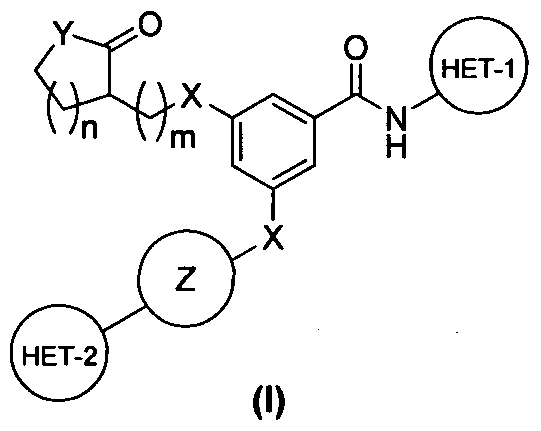
Rajendra Kharul, Mukul R. Jain, Pankaj R. Patel Substituted benzamide derivatives as glucokinase (gk) activators.
Zydus announces US FDA approval for initiating Phase I clinical trials of ‘ZYDPLA1’ – a novel next generation orally active, small molecule DPP-4 inhibitor to treat Type 2 Diabetes Ahmedabad, October 23, 2013
• Zydus strengthens its cardiometabolic pipeline with the addition of ZYDPLA1
• Novel next generation New Chemical Entity (NCE) would offer once-a-week oral treatment option, a significant benefit to Type-2 diabetic patients Close on the heels of launching Lipaglyn, the breakthrough therapy to treat diabetic dyslipidemia and India’s first NCE to reach the market, the Zydus group announced the Phase I clinical trial approval from the USFDA for ZYDPLA1 – a Next Generation, long-acting DPP-4 Inhibitor.
ZYDPLA1 is an orally active, small molecule NCE, discovered and developed by the Zydus Research Centre, the NCE research wing of Zydus. ZYDPLA1 is a novel compound in the Gliptin class of antidiabetic agents. It works by blocking the enzyme Dipeptidyl Peptidase-4 (DPP-4), which inactivates the Incretin hormone GLP-1. By increasing the GLP-1 levels, ZYDPLA1 glucose-dependently increases insulin secretion and lowers glucagon secretion. This results in an overall improvement in the glucose homoeostasis, including reduction in HbA1c and blood sugar levels.
Currently, all available DPP-4 inhibitors are dosed once-daily. ZYDPLA1 with a once-a-week dosing regimen, would provide diabetic patients with a more convenient treatment alternative. ZYDPLA1 will offer sustained action, which will result in an improved efficacy profile.
Speaking on the new development, Mr. Pankaj R. Patel, Chairman and Managing Director, Zydus Group, said, “After a promising start with Lipaglyn, we take another big leap forward in the area of diabetic research and long term management of Type 2 diabetes. The IND approval by USFDA is another major regulatory milestone for us. We believe that ZYDPLA1 holds promise and would take us closer to our mission of reducing the burden of chronic diseases and addressing unmet medical needs in the treatment of diabetes.”
The number of diabetics in the world is estimated to be over 360 million. In 2025 nearly half of the world’s diabetic population will be from India, China, Brazil, Russia and Turkey. The sales of the DPPIV inhibitors is expected to peak at almost $14 billion by 2022. Research in the field of anti-diabetic therapy seeks to address the problems of hypoglycemia, GI side effects, lactic acidosis, weight gain, CV risks, edema, potential immunogenicity etc., which pose a major challenge in the treatment of diabetes.
Zydus is the only Indian pharma company to launch its own patented NCE – Lipaglyn™, the world’s first drug to be approved for the treatment of diabetic dyslipidemia. It aims to be a leading global healthcare provider with a robust product pipeline, achieve sales of over $3 billion by 2015 and be a research-based pharmaceutical company by 2020.
The Zydus Research Centre has over 20 discovery programmes ongoing with several candidates in the pre-clinical development stage focused on metabolic, cardiovascular, pain, inflammation and oncology therapeutic areas. With over 400 research professionals spearheading its research programme, Zydus has inhouse capabilities to conduct discovery research from concept to IND-enabling pre-clinical development and human proof-of-concept clinical trials. ZYDPLA1 is the latest addition to the group’s strong research pipeline of 6 NCEs which are in various stages of clinical trials. For more information, please visit: http://www.zyduscadila.com
REFERENCES
http://zyduscadila.com/wp-content/uploads/2015/09/ZYDPLA1-a-Novel-LongActing-DPP-4-Inhibitor.pdf
Phase I/II Hepato-specific Glucokinase Activator
Posted in Cell Biology, Chemical Biology and its relations to Metabolic Disease, Clinical & Translational, Curation, Diabetes Mellitus, Diagnostics and Lab Tests, Disease Biology, Endocrine Diseases, Enzymes and isoenzymes, Epigenetics and Cardiovascular Risks, FDA, Gastroenterology, Gene Regulation, Genomic Testing: Methodology for Diagnosis, Innovations, Intellectual Property, International Global Work in Pharmaceutical, Kinase, Metabolism, Metabolomics, Nutrition, Origins of Cardiovascular Disease, Patents, Personal Health Applications: Tech Innovations serves HealhCare, Pharmaceutical Analytics, Pharmaceutical Drug Discovery, Pharmaceutical Industry Competitive Intelligence, Pharmaceutical R&D Investment, tagged glucokinase activator, glucokinase inhibitor, liver specificity, pharmaceutical innovation, T2DM on November 10, 2015| Leave a Comment »
Phase I/II Hepato-specific Glucokinase Activator
Larry H. Bernstein, MD, FCAP, Curator
LPBI
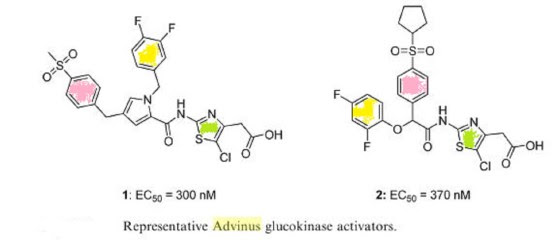
Advinus Therapeutics announced that it has successfully completed a 14-day POC study in 60 Type II diabetic patients on its lead molecule, GKM-001, a glucokinase activator. The results of the trial show effective glucose lowering across all doses tested without any incidence of hypoglycemia or any other clinically relevant adverse events.
GKM-001 is differentiated from most other GK molecules that are in development, or have been discontinued, due to its novel liver selective mechanism of action.
GKM-001 belongs to a novel class of molecules for treatment of type II diabetes. It is an activator of Glucokinase (GK), a glucose-sensing enzyme found mainly in the liver and pancreas. Being liver selective, GKM-001 mostly activates GK in the liver and not in pancreas, which is its key differentiation from most competitor molecules that activate GK in pancreas as well.
GKM 001 in pipeline for Diabetes by Advinus |
GKM 001
Advinus Therapeutics Private L,
A glucokinase activator for treatment of type II diabetes, currently in PI. Advinus is actively exploring partnership options to expedite further development and WW marketing of GKM-001.
| Company | Advinus Therapeutics Ltd. |
| Description | Activator of glucokinase (GCK; GK) |
| Molecular Target | Glucokinase (GCK) (GK) |
| Mechanism of Action | Glucokinase activator |
| Therapeutic Modality | Small molecule |
| Latest Stage of Development | Phase I/II |
| Standard Indication | Diabetes |
| Indication Details | Treat Type II diabetes |
PATENT
https://www.google.co.in/patents/WO2009047798A2?cl=en
Example Cl : (-)-{5-ChIoro-2-[2-(4-cyclopropanesulfonylphenyI)-2-(2,4- difluorophenoxy)acetylamino]thiazol-4-yl}-acetic acid, ethyl ester
1H NMR(400 MHz, CDCl3): δ 1.06-1.08 (m, 2H), 1.30 (t, J=7.2 Hz, 3H), 1.33-1.38 (m, 2H), 2.42-2.50 (m, IH), 3.73 (d, J=2 Hz, 2H), 4.22 (q, J=7.2 Hz ,2H), 5.75 (s, IH), 6.76- 6.77 (m, IH), 6.83-6.86 (m, IH), 6.90-6.98 (m, IH), 7.73 (d, J=8.4 Hz, 2H), 7.96 (d, J=8.4 Hz, 2H), 9.96 (bs, IH). MS (EI) m/z: 571.1 and 573.1 (M+ 1; for 35Cl and 37Cl respectively).
Examples C2 and C3 were prepared in analogues manner of example (Cl) from the appropriate chiral intermediate:

Example Dl : (+)-{5-Chloro-2-[2-(4-cyclopropanesulfonylphenyl)-2-(2,4- difluorophenoxy)acetylamino]thiazol-4-yl}acetic acid, ethyl ester
Advinus’ GK-activator Achieves Early POC for Diabetes
November 29 2011
Partnership Dialog Actively Underway
Advinus Therapeutics, a research-based pharmaceutical company founded by globally experienced industry executives and promoted by the TATA Group, announced that it has successfully completed a 14-day POC study in 60 Type II diabetic patients on its lead molecule, GKM-001, a glucokinase activator. The results of the trial show effective glucose lowering across all doses tested without any incidence of hypoglycemia or any other clinically relevant adverse events.
The clinical trials on GKM-001 validate the company’s pre-clinical hypothesis that a liver selective Glucokinase activator would not cause hypoglycemia (very low blood sugar), while showing robust efficacy.
“GKM-001 is differentiated from most other GK molecules that are in development, or have been discontinued, due to its novel liver selective mechanism of action. GKM-001 has a prolonged pharmacological effect and a half-life that should support a once a day dosing as both mono and combination therapy.” said Dr. Rashmi Barbhaiya, MD & CEO, Advinus Therapeutics. He added that Advinus is actively exploring partnership options to expedite further development and global marketing of GKM-001.
GKM-001 belongs to a novel class of molecules for treatment of type II diabetes. It is an activator of Glucokinase (GK), a glucose-sensing enzyme found mainly in the liver and pancreas. Being liver selective, GKM-001 mostly activates GK in the liver and not in pancreas, which is its key differentiation from most competitor molecules that activate GK in pancreas as well. The resulting increase in insulin secretion creates a potential for hypoglycemia-a risk GKM-001 is designed to avoid. Advinus has the composition of matter patent on GKM-001 for all major markets globally. Both the Single Ascending Dose data, in healthy and type II diabetics, and the Multiple Ascending Dose Study in Type II diabetics has shown that the molecule shows effective glucose lowering in a dose dependent manner and has excellent safety and tolerability profile over a 40-fold dose range. The pharmacokinetic properties of the molecule support once a day dosing. GKM-001 has the potential to be “First-in-Class” drug to address this large, growing and yet poorly addressed market.
Advinus also has identified a clinical candidate as a back-up to GKM-001, which is structurally different. In its portfolio, the company has a growing pipeline for COPD, sickle cell disease, inflammatory bowel disease, type 2 diabetes, acute and chronic pain and rheumatoid arthritis in various stages of late discovery and pre-clinical development.
Advinus Therapeutics team discovers novel molecule for treatment of diabetes
- The first glucokinase modulator discovered and developed in India
- A new concept for the management of diabetes for patients, globally
- 100 per cent ‘made in India’ molecule for the treatment of diabetes
- IND approved by DGCI, Phase I clinical trial shows excellent safety and tolerance profiles with efficacy
Bangalore: Advinus Therapeutics (Advinus), the research-based pharmaceutical company founded by leading global pharmaceutical executives and promoted by the Tata group, today, announced the discovery of a novel molecule for the treatment of type II diabetes — GKM-001.The molecule is an activator of glucokinase; an enzyme that regulates glucose balance and insulin secretion in the body.
GKM-001 is a completely indigenously developed molecule and the initial clinical trials have shown excellent results for both safety and efficacy.
“Considering past failures of other companies on this target, our discovery programme primarily focused on identifying a molecule that would be efficacious without causing hypoglycaemia; a side effect associated with most compounds developed for this target.
“Recently completed Phase I data indicate that Advinus’ GKM–001 is a liver selective molecule that has overcome the biggest clinical challenge of hypoglycaemia. GKM-001 is differentiated from most other GK molecules in development due to this novel mechanism of action,” said Dr Rashmi Barbhaiya, MD and CEO, Advinus Therapeutics.
He further added, “We are very proud that GKM-001 is 100 per cent Indian. Advinus’s discovery team in Pune discovered the molecule and entire preclinical development was carried out at our centre in Bangalore. The Investigational New Drug (IND) application was filed with the DGCI for approval to initiate clinical trials in India within 34 months of initiation of the discovery programme. Subsequent to the approval of the IND, we have completed the Phase I Single Ascending Dose study in India within two months.”
GKM-001 is a novel molecule for the treatment of type II diabetes. It is the first glucokinase modulator discovered and developed in India and has potential to be both first or best in class. The success in discovering GKM-001 is attributed to the science-driven efforts in Advinus laboratories and ‘breaking the conventional mold’ for selection of a drug candidate. Advinus has ‘composition of matter’ patent on the molecule for all major markets globally. Glucokinase as a class of target is considered to be novel as currently there is no product in the market or in late clinical trials. The strategy for early clinical development revolved around assessing safety (particularly hypoglycaemia) and early assessment of therapeutic activity (glucose lowering and other biomarkers) in type II diabetics. The Phase I data, in both healthy and type II diabetics, shows excellent safety and tolerability over a 40-fold dose range and desirable pharmacokinetic properties consistent with ‘once a day’ dosing. The next wave of clinical studies planned continues on this strategy of early testing in type II diabetics.
Right behind the lead candidate GKM-001, Advinus has a rich pipeline of back up compounds on the same target. These include several structurally different compounds with diverse potency, unique pharmacology and tissue selectivity. Having discovered the molecule with early indication of wide safety margins, desired efficacy and pharmacokinetic profiles, the company now seeks to out-licence GKM-001 and its discovery portfolio.
Kasim A. Mookhtiar, , Debnath Bhuniya, Siddhartha De, Anita Chugh, Jayasagar
Gundu, Venkata Palle, Dhananjay Umrani, Nimish Vachharajani, Vikram
Ramanathan and Rashmi H. Barbhaiya
Advinus Therapeutics Ltd, Hinjewadi, Pune – 411057, and Peenya Industrial Area,
Bangalore – 560058, India
REFERENCES
patent
wo 2008104994
wo 2008 149382
wo 2009047798
| WO2008104994A2* | 25 Feb 2008 | 4 Sep 2008 | Advinus Therapeutics Private L | 2,2,2-tri-substituted acetamide derivatives as glucokinase activators, their process and pharmaceutical application |
///////GKM 001, pipeline, Diabetes, Advinus, type II diabetes, glucokinase modulator, Rashmi Barbhaiya
DR ANTHONY MELVIN CRASTO Ph.D | November 10, 2015 at 12:55 pm | Tags: Advinus,DIABETES, GKM 001, glucokinase modulator, pipeline, Rashmi Barbhaiya, type II diabetes | Categories: Uncategorized | URL: http://wp.me/p38LX5-44G
| Comment | See all comments | Like |
Follow Blog via Email
Join 2,038 other subscribers-
Recent Posts
- Novartis and Bristol Myers Squibb halt CAR-T trial for autoimmune diseases over patient deaths: a potential issue with cell-based manufacturing September 15, 2026
- FDA Contemplates Changes in Trial Design, Drug Development, and Use of AI in Clinical Trials September 15, 2026
- FDA Moves Forward With Its Guidance Framework for Rare Disease Trials: 2026 August 3, 2026
- Artificial Intelligence TRANSFORMS Medicine, Biotech and Healthcare, How? August 3, 2026
- In Memoriam: Nobel Laureate J. Michael Bishop for discovery of Retroviral Oncogenes July 31, 2026
- Companies Actively Engaging Artificial Intellegence for Drug Design: 2026 July 31, 2026
- AI-Native Drug Discovery Landscape 2026 – How LPBI Group Differentiates in the New Era of Foundation Models July 19, 2026
- In Memoriam: In Remembrance of Cancer Researchers who passed in 2026 July 13, 2026
- Urgent Request for Action on Proposed Rule Affecting Federal Funding Grant Review July 7, 2026
- 2026 Tang Prize in Biopharmaceutical Science Awarded to Three Pioneers of Cellular Immunotherapy Revolutionizing Treatments for Blood Cancers and Solid Tumors July 5, 2026
Archives
Categories
Meta
 2012pharmaceutical
 sjwilliamspa