Feeds:
Posts
Comments

Archive for the ‘Etiology’ Category

More Complexity in Protein Evolution

Author and Curator: Larry H. Bernstein, MD, FCAP 

Lactate dehydrogenase like crystallin: a potentially protective shield for Indian spiny-tailed lizard (Uromastix ltardwickit) lens against environmental stress?
A Atta, A Ilyas, Z Hashim, A Ahmed and S Zarina
The Protein Journal 2014; 33(2), p. 128-34.
http://dx.doi.org/10.1007/s10930-014-9543-4

Taxon specific lens crystallins in ve1iebrates are either similar or identical with various metabolic enzymes. These bifunctional crystallins serve as structural protein in lens along with their catalytic role. In the present study, we have partially purified and characterized lens crystallin from Indian spiny-tailed lizard (Uroma stix hardwickii). We have found lactate dehydrogenase (LDH) activity in lens indicating presence of an enzyme crystallin with dual functions. Taxon specific lens crystallins are product of gene sharing or gene duplication phenomenon where a pre-existing enzyme is recruited as lens crystallin in addition to structural role. In lens, same gene adopts refractive role in lens without modification or loss of pre-existing function during gene sharing phenomenon. Apart from conventional role of structural protein, LDH activity containing crystallin in Uromastix hardwickii lens is likely to have adaptive characteristics to offer protection against toxic effects of oxidative stress and ultraviolet light, hence justifying its recruitment. Taxon specific crystallins may serve as good models to understand structure-function relationship of these proteins.

αB-Crystallin and 27-kd Heat Shock Protein Are Regulated by Stress Conditions in the Central Nervous System and Accumulate in Rosenthal Fibers
T Iwaki, A Iwaki, J Tateishi, Y Sakaki, and JE Goldmant
Ameri J Pathol  1993; 143(2):487-495.

To understand the significance of the accumulation of αB-crystallin in Rosenthal fibers within astrocytes, the expression and metabolism of αB-crystallin in glioma cell lines were examined under the conditions of heat and oxidative stress. αB-crystallin mRNA was increased after both stresses, and αB-crystallin protein moved from a detergent-soluble to a detergent-insoluble form. In addition, Western blotting of Alexander’s  disease brain homogenates revealed that the 27-kd heat shock protein (HSP27), which is related to αB-crystallin, accumulates along with αB-crystallin. The presence of HSP27 in Rosenthal fibers was directly demonstrated by immunohistochemistry. Our results suggest that astrocytes in Alexander’s disease may be involved in an as yet unknown kind of stress reaction that causes the accumulation of αB-ccystallin and HSP27 and results in Rosenthal fiber formation.

α-Crystallin can function as a molecular chaperone
Joseph Horwitz
Proc. Nadl. Acad. Sci. USA Nov 1992; 89: 10449-10453. Biochemistry

The α-crystallins (αA and αB) are major lens structural proteins of the vertebrate eye that are related to the small heat shock protein family. In addition, crystallins (especially αB) are found in many cells organs outside the lens, and aα is overexpressed in several neurological disorders and in cell lines under stress conditions. Here I show that α-crystallin can function as a molecular chaperone. Stoichiometric amounts of αA and αB suppress thermally induced aggregation of various enzymes. In particular, α-crystalln is very efficient in suppressing the thermally induced aggregation of β- and y-crystallins, the two other major mammalian stuctural lens proteins. α-Crystallin was also effective in preventing aggregation and in refolding guanidine hydrochloride-denatured y-crystallin, as judged by circular dichroism spectroscopy. My results thus indicate that α-crystallin refracts light and protects proteins from aggregation in the transparent eye lens and that in nonlens cells α-crystallin may have other functions in addition to its capacity to suppress aggregation of proteins.

Gene sharing by δ-crystallin and argininosuccinate Iyase
J Piatigorsky, WE O’Brient, BL Norman, K Kalumuckt, GJ Wistow, T Borras, et al.
Proc. Natl. Acad. Sci. USA  May 1988; 85: 3479-3483. Evolution.

The lens structural protein δ-crystallin and the metabolic enzyme argininosuccinate lyase (ASL; Largininosuccinate argine-lyase, EC 4.3.2.1) have striking sequence similarity. We have demonstrated that duck δ-crystallin has enormously high ASL activity, while chicken δ-crystallin has lower but significant activity. The lenses of these birds had much greater ASL activity than other tissues, suggesting that ASL is being expressed at unusually high levels as a structural component. In Southern blots of human genomic DNA, chicken δ1-crystallin cDNA hybridized only to the human ASL gene; moreover, the two chicken δ-crystallin genes accounted for all the sequences in the chicken genome able to cross-hybridize with a human ASL cDNA, with preferential hybridization to the δ2 gene. Correlations of enzymatic activity and recent data on mRNA levels in the chicken lens suggest that ASL activity depends on expression of the δ2-crystallin gene. The data indicate that the same gene, at least in ducks, encodes two different functions, an enzyme (ASL) and a structural protein (δ-crystallin), although in chickens specialization and separation of functions may have occurred.

Gecko i-crystallin: How cellular retinol-binding protein became an eye lens ultraviolet filter
PJ L Werten, Beate Roll, DMF van Aalten, and WW de Jong
PNAS Mar 2000; 97(7): 3282–3287 http://pnas.org/cgi/doi/10.1073ypnas.050500597

Eye lenses of various diurnal geckos contain up to 12% i-crystallin. This protein is related to cellular retinol-binding protein type I (CRBP I) but has 3,4-didehydroretinol, rather than retinol, as a ligand. The 3,4-didehydroretinol gives the lens a yellow color, thus protecting the retina by absorbing short-wave radiation. i-Crystallin could be either the gecko’s housekeeping CRBP I, recruited for an additional function in the lens, or the specialized product of a duplicated CRBP I gene. The finding of the same CRBP I-like sequence in lens and liver cDNA of the gecko Lygodactylus picturatus now supports the former option. Comparison with i-crystallin of a distantly related gecko, Gonatodes vittatus, and with mammalian CRBP I, suggests that acquiring the additional lens function is associated with increased amino acid changes. Compared with the rat CRBP I structure, the i-crystallin model shows reduced negative surface charge, which might facilitate the required tight protein packing in the lens. Other changes may provide increased stability, advantageous for a long-living lens protein, without frustrating its role as retinol transporter outside the lens. Despite a number of replacements in the ligand pocket, recombinant i-crystallin binds 3,4-didehydroretinol and retinol with similar and high affinity (1.6 nM). Availability of ligand thus determines whether it binds 3,4-didehydroretinol, as in the lens, or retinol, in other tissues. i-Crystallin presents a striking example of exploiting the potential of an existing gene without prior duplication.

Expression of βA3/A1-crystallin in the developing and adult rat eye
G Parthasarathy, Bo Ma, C Zhang, C Gongora, JS Zigler, MK Duncan, D Sinha
J Molec Histol 2011; 42(1): 59-69. http://dx.doi.org:/10.1007/s10735-010-9307-1

Crystallins are very abundant structural proteins of the lens and are also expressed in other tissues. We have previously reported a spontaneous mutation in the rat βA3/A1-crystallin gene, termed Nuc1, which has a novel, complex, ocular phenotype. The current study was undertaken to compare the expression pattern of this gene during eye development in wild type and Nuc1 rats by in situ hybridization (ISH) and immunohistochemistry (IHC).
βA3/A1-crystallin expression was first detected in the eyes of both wild type and Nuc1 rats at embryonic (E) day 12.5 in the posterior portion of the lens vesicle, and remained limited to the lens fibers throughout fetal life.
After birth, βA3/A1-crystallin expression was also detected in the neural retina (specifically in the astrocytes and ganglion cells) and in the retinal pigmented epithelium (RPE).
This suggested that βA3/A1-crystallin is not only a structural protein of the lens, but has cellular function(s) in other ocular tissues.
In summary, expression of βA3/A1-crystallin is controlled differentially in various eye tissues with lens being the site of greatest expression.
Similar staining patterns, detected by ISH and IHC, in wild type and Nuc1 animals suggest that functional differences in the protein, rather than changes in mRNA/protein level of expression likely account for developmental abnormalities in Nuc1.

βA3/A1Crystallin controls anoikis-mediated cell death in astrocytes by modulating PI3K/AKT/mTOR and ERK survival pathways through the PKD/Bit1-signaling axis
B Ma, T Sen, L Asnaghi, M Valapala, F Yang, S Hose, D S McLeod, Y Lu, et la.
Cell Death and Disease 2011; 2(10). http://dx.doi.org:/10.1038/cddis.2011.100

During eye development, apoptosis is vital to the maturation of highly specialized structures such as the lens and retina. Several forms of apoptosis have been described, including anoikis, a form of apoptosis triggered by inadequate or inappropriate cell–matrix contacts. The anoikis regulators, Bit1 (Bcl-2 inhibitor of transcription-1) and protein kinase-D (PKD), are expressed in developing lens when the organelles are present in lens fibers, but are downregulated as active denucleation is initiated.
We have previously shown that in rats with a spontaneous mutation in the Cryba1 gene, coding for βA3/A1-crystallin, normal denucleation of lens fibers is inhibited. In rats with this mutation (Nuc1), both Bit1 and PKD remain abnormally high in lens fiber cells. To determine whether βA3/A1-crystallin has a role in anoikis, we induced anoikis in vitro and conducted mechanistic studies on astrocytes, cells known to express βA3/A1-crystallin.
The expression pattern of Bit1 in retina correlates temporally with the development of astrocytes. Our data also indicate that loss of βA3/A1-crystallin in astrocytes results in a failure of Bit1 to be trafficked to the Golgi, thereby suppressing anoikis. This loss of βA3/A1-crystallin also induces insulin-like growth factor-II, which increases cell survival and growth by modulating the phosphatidylinositol-3-kinase (PI3K)/AKT/mTOR and extracellular signal-regulated kinase pathways. We propose that βA3/A1-crystallin is a novel regulator of both life and death decisions in ocular astrocytes.

βA3/A1-crystallin in astroglial cells regulates retinal vascular remodeling during development
D Sinha, A Klise, Y Sergeev, S Hose, IA Bhutto, L Hackler Jr., T Malpic-llanos, et al.
Molec Cell Neurosci 2008; 37(1): 85-95.

http://dx.doi.org:/10.1016/j.mcn.2007.08.016

Vascular remodeling is a complex process critical to development of the mature vascular system. Astrocytes are known to be indispensable for initial formation of the retinal vasculature; our studies with the Nuc1 rat provide novel evidence that these cells are also essential in the retinal vascular remodeling process.
Nuc1 is a spontaneous mutation in the Sprague–Dawley rat originally characterized by nuclear cataracts in the heterozygote and microphthalmia in the homozygote. We report here that the Nuc1 allele results from mutation of the βA3/A1-crystallin gene, which in the neural retina is expressed only in astrocytes. We demonstrate striking structural abnormalities in Nuc1 astrocytes with profound effects on the organization of intermediate filaments. While vessels form in the Nuc1 retina, the subsequent remodeling process required to provide a mature vascular network is deficient. Our data implicate βA3/A1-crystallin as an important regulatory factor mediating vascular patterning and remodeling in the retina.

A developmental defect in astrocytes inhibits programmed regression of the hyaloid vasculature in the mammalian eye
C Zhang, L Asnaghi, C Gongora, B Patek, S Hose, Bo Ma, MA Fard, L Brako, et al.
Eur J Cell Biol 2011; 90(5): 440-448.
http://dx.doi.org:/10.1016/j.ejcb.2011.01.003

Previously we reported the novel observation that astrocytes ensheath the persistent hyaloid artery, both in the Nuc1 spontaneous mutant rat, and in human PFV (persistent fetal vasculature) disease (Developmental Dynamics 234:36–47, 2005). We now show that astrocytes isolated from both the optic nerve and retina of Nuc1 rats migrate faster than wild type astrocytes. Aquaporin 4 (AQP4), the major water channel in astrocytes, has been shown to be important in astrocyte migration. We demonstrate that AQP4 expression is elevated in the astrocytes in PFV conditions, and we hypothesize that this causes the cells to migrate abnormally into the vitreous where they ensheath the hyaloid artery. This abnormal association of astrocytes with the hyaloid artery may impede the normal macrophage-mediated remodeling and regression of the hyaloid system.

βA3/A1-crystallin is required for proper astrocyte template formation and vascular remodeling in the retina.
D Sinha; WJ Stark; M Valapala; IA Bhutto; M Cano; S Hose; GA Lutty; et al.  Transgenic research 2012; 21(5):1033-42.

Nuc1 is a spontaneous rat mutant resulting from a mutation in the Cryba1 gene, coding for βA3/A1-crystallin. Our earlier studies with Nuc1 provided novel evidence that astrocytes, which express βA3/A1-crystallin, have a pivotal role in retinal remodeling. The role of astrocytes in the retina is only beginning to be explored. One of the limitations in the field is the lack of appropriate animal models to better investigate the function of astrocytes in retinal health and disease. We have now established transgenic mice that overexpress the Nuc1 mutant form of Cryba1, specifically in astrocytes. Astrocytes in wild type mice show normal compact stellate structure, producing a honeycomb-like network. In contrast, in transgenics over-expressing the mutant (Nuc1) Cryba1 in astrocytes, bundle-like structures with abnormal patterns and morphology were observed. In the nerve fiber layer of the transgenic mice, an additional layer of astrocytes adjacent to the vitreous is evident. This abnormal organization of astrocytes affects both the superficial and deep retinal vascular density and remodeling. Fluorescein angiography showed increased venous dilation and tortuosity of branches in the transgenic retina, as compared to wild type. Moreover, there appear to be fewer interactions between astrocytes and endothelial cells in the transgenic retina than in normal mouse retina. Further, astrocytes overexpressing the mutant βA3/A1-crystallin migrate into the vitreous, and ensheath the hyaloid artery, in a manner similar to that seen in the Nuc1 rat. Together, these data demonstrate that developmental abnormalities of astrocytes can affect the normal remodeling process of both fetal and retinal vessels of the eye and that βA3/A1-crystallin is essential for normal astrocyte function in the retina.

Ontogeny of oxytocin and vasopressin receptor binding in the lateral septum in prairie and montane voles
Z. Wang, L.J. Young
Developmental Brain Research 1997; 104:191–195.

Adult prairie (Microtus ochrogaster). and montane voles (M. montanus). differ in the distribution of oxytocin OT. and vasopressin AVP receptor binding in the brain. The present study examined the ontogenetic pattern of these receptor bindings in the lateral septum in both species to determine whether adult differences in the receptor binding are derived from a common pattern in development. In both species, OT and AVP receptor binding in the lateral septum were detected neonatally, increased during development, and reached the adult level at weaning third week. The progression of OT and AVP receptor differed, as OT receptor binding increased continually until weaning while AVP receptor binding did not change in the first week, increased rapidly in the second week, and was sustained thereafter. For both receptors, the binding increased more rapidly in montane than in prairie voles, resulting in species differences in receptor binding at weaning and in adulthood. Together, these data indicate that OT and AVP could affect the brain during development in a peptide- and species-specific manner in voles.

Evolution of the vasopressin/oxytocin superfamily: Characterization of a cDNA encoding a vasopressin-related precursor, preproconopressin, from the mollusc Lymnaea stagnalis
RE Van Kesteren, AB Smit, RW Dirksi, ND De With, WPM Geraerts, and J Joosse
Proc. Nadl. Acad. Sci. USA May 1992; 89: 4593-4597. Neurobiology

Although the nonapeptide hormones vasopressin, oxytocin, and related peptides from vertebrates and some nonapeptides from invertebrates share similarities in amino acid sequence, their evolutionary relationships are not dear. To investigate this issue, we doned a cDNA encoding a vasopressin-related peptide, Lys-conopressin, produced in the central nervous system of the gastropod mollusc Lymnaea stagnalis. The predicted preproconopressin has the overall architecture of vertebrate preprovasopressins, with a signal peptide, Lys-conopressin, that is flanked at the C terminus by an amidation signal and a pair of basic residues, followed by a neurophysin domain. The Lymnaea neurophysin and the vertebrate neurophysins share high sequence identity, which includes the conservation of all 14 cysteine residues. In addition, the Lymnaea neurophysin possesses unique structural characteristics. It contains a putative N-linked glycosylation site at a position in the vertebrate neurophysins where a strictly conserved tyrosine residue, which plays an essential role in binding of the nonapptide hormones, is found. The C-terminal copeptin homologous extension of the Lymnaea neurophysin has low sequence identity with the vertebrate counterparts and is probably not cleaved from the prohormone, as are the mammalin copeptins. The conopressin gene is expressed in only a few neurons in both pedal ganglia of the central nervous system. The conopressin transcript is present in two sizes, due to alternative use of polyadenylylation signals. The data presented here demonstrate that the typical organization of the prohormones of the vasopressin/oxytocin superfamily must have been present in the common ancestors of vertebrates and invertebrates.

A common allele in the oxytocin receptor gene (OXTR) impacts prosocial temperament and human hypothalamic-limbic structure and function
H Tosta, B Kolachanaa, S Hakimia, H Lemaitrea, BA Verchinskia, et al.
PNAS Aug 3, 2010; 107(31): 13936–13941
http://pnas.org/cgi/doi/10.1073/pnas.1003296107

The evolutionarily highly conserved neuropeptide oxytocin is a key mediator of social and emotional behavior in mammals, including humans. A common variant (rs53576) in the oxytocin receptor gene (OXTR) has been implicated in social-behavioral phenotypes, such as maternal sensitivity and empathy, and with neuropsychiatric disorders associated with social impairment, but the intermediate neural mechanisms are unknown. Here, we used multimodal neuroimaging in a large sample of healthy human subjects to identify structural and functional alterations in OXTR risk allele carriers and their link to temperament. Activation and interregional coupling of the amygdala during the processing of emotionally salient social cues was significantly affected by genotype. In addition, evidence for structural alterations in key oxytocinergic regions emerged, particularly in the hypothalamus. These neural characteristics predicted lower levels of reward dependence, specifically in male risk allele carriers. Our findings identify sex-dependent mechanisms impacting the structure and function of hypothalamic-limbic circuits that are of potential clinical and translational significance.
Test of Association Between 10 SNPs in the Oxytocin Receptor Gene and Conduct Disorder
JT Sakai, TJ Crowley, MC Stallings, M McQueen, JK Hewitt, C Hopfer, et al.
Psychiatr Genet. 2012 Apr; 22(2): 99–102. http://dx.doi.org:/10.1097/YPG.0b013e32834c0cb2

Animal and human studies have implicated oxytocin (OXT) in affiliative and prosocial behaviors. We tested whether genetic variation in the OXT receptor (OXTR) gene is associated with conduct disorder (CD).
Utilizing a family-based sample of adolescent probands recruited from an adolescent substance abuse treatment program, control probands and their families (total sample n=1,750), we conducted three tests of association with CD and 10 SNPs (single nucleotide polymorphisms) in the OXTR gene: (1) family-based comparison utilizing the entire sample; (2) within-Whites, case control comparison of adolescent patients with CD and controls without CD; and (3) within-Whites case-control comparison of parents of patients and parents of controls.
Family-based association tests failed to show significant results (no results p<0.05). While strictly correcting for the number of tests (α=0.002), adolescent patients with CD did not differ significantly from adolescent controls in genotype frequency for the OXTR SNPs tested; similarly, comparison of OXTR genotype frequencies for parents failed to differentiate patient and control family type, except a trend association for rs237889 (p=0.004). In this sample, 10 SNPs in the OXTR gene were not significantly associated with CD.

Leu55Pro transthyretin accelerates subunit exchange and leads to rapid formation of hybrid tetramers
CA Keetch, EHC Bromley, MG McCammon, N Wang, J Christodoulou, CV Robinson
JBC  Oct 11, 2005 M508753200. http://jbc.org/cgi/doi/10.1074/jbc.M508753200

Transthyretin is a tetrameric protein associated with the commonest form of

systemic amyloid disease. Using isotopically labeled proteins and mass spectrometry we compared subunit exchange in wild-type transthyretin with that of the variant associated with the most aggressive form of the disease, Leu55Pro. Wild-type subunit exchange occurs via both monomers and dimers , while exchange via dimers is the dominant mechanism for the Leu55Pro variant. Since patients with the Leu55Pro mutation are heterozygous, expressing both proteins simultaneously, we also analyzed the subunit exchange reaction between wild-type and Leu55Pro tetramers . We found that hybrid tetramers containing two or three Leu55Pro subunits dominate in the early stages of the reaction. Surprisingly we also found that in the presence of Leu55Pro transthyretin, the rate of dissociation of wild-type transthyretin is increased. This implies interactions between the two proteins that accelerate the formation of hybrid tetramers, a result with important implications for transthyretin amyloidos is.

Beyond Genetic Factors in Familial Amyloidotic Polyneuropathy: Protein Glycation and the Loss of Fibrinogen’s Chaperone Activity
G da Costa, RA Gomes, A Guerreiro, E Mateus, E Monteiro, et al.
PLoS ONE 2011; 6(10): e24850. http://dx.doi.org:/10.1371/journal.pone.0024850

Familial amyloidotic polyneuropathy (FAP) is a systemic conformational disease characterized by extracellular amyloid fibril formation from plasma transthyretin (TTR). This is a crippling, fatal disease for which liver transplantation is the only effective therapy. More than 80 TTR point mutations are associated with amyloidotic diseases and the most widely accepted disease model relates TTR tetramer instability with TTR point mutations. However, this model fails to explain two observations. First, native TTR also forms amyloid in systemic senile amyloidosis, a geriatric disease. Second, age at disease onset varies by decades for patients bearing the same mutation and some mutation carrier individuals are asymptomatic throughout their lives. Hence, mutations only accelerate the process and non-genetic factors must play a key role in the molecular mechanisms of disease. One of these factors is protein glycation, previously associated with conformational diseases like Alzheimer’s and Parkinson’s. The glycation hypothesis in FAP is supported by our previous discovery of methylglyoxal-derived glycation of amyloid fibrils in FAP patients. Here we show that plasma proteins are differentially glycated by methylglyoxal in FAP patients and that fibrinogen is the main glycation target. Moreover, we also found that fibrinogen interacts with TTR in plasma. Fibrinogen has chaperone activity which is compromised upon glycation by methylglyoxal. Hence, we propose that methylglyoxal glycation hampers the chaperone activity of fibrinogen, rendering TTR more prone to aggregation, amyloid formation and ultimately, disease.

Aromatic Sulfonyl Fluorides Covalently Kinetically Stabilize Transthyretin to Prevent Amyloidogenesis while Affording a Fluorescent Conjugate
NP Grimster, S Connelly, A Baranczak, J Dong, …, JW Kelly
J Am Chem Soc. 2013 Apr 17; 135(15): 5656–5668. http://dx.doi.org:/10.1021/ja311729d

Molecules that bind selectively to a given protein and then undergo a rapid chemoselective reaction to form a covalent conjugate have utility in drug development. Herein a library of 1,3,4-oxadiazoles substituted at the 2 position with an aryl sulfonyl fluoride and at the 5 position with a substituted aryl known to have high affinity for the inner thyroxine binding subsite of transthyretin (TTR) were conceived of by structure-based design principles and were chemically synthesized. When bound in the thyroxine binding site, most of the aryl sulfonyl fluorides react rapidly and chemoselectively with the pKa-perturbed K15 residue, kinetically stabilizing TTR and thus preventing amyloid fibril formation, known to cause polyneuropathy. Conjugation t50s range from 1 to 4 min, ~ 1400 times faster than the hydrolysis reaction outside the thyroxine binding site. Xray crystallography confirms the anticipated binding orientation and sheds light on the sulfonyl fluoride activation leading to the sulfonamide linkage to TTR. A few of the aryl sulfonyl fluorides efficiently form conjugates with TTR in plasma. A few of the TTR covalent kinetic stabilizers synthesized exhibit fluorescence upon conjugation and therefore could have imaging applications as a consequence of the environment sensitive fluorescence of the chromophore.

Identification of S-sulfonation and S-thiolation of a novel transthyretin Phe33Cys variant from a patient diagnosed with familial transthyretin amyloidosis
A Lim, T Prokaeva, ME Mccomb, LH Connors, M Skinner, and CE Costello
Protein Science 2003; 12:1775–1786.
http://proteinscience.org/cgi/doi/10.1110/ps.0349703.

Familial transthyretin amyloidosis (ATTR) is an autosomal dominant disorder associated with a variant form of the plasma carrier protein transthyretin (TTR). Amyloid fibrils consisting of variant TTR, wild-type TTR, and TTR fragments deposit in tissues and organs. The diagnosis of ATTR relies on the identification of pathologic TTR variants in plasma of symptomatic individuals who have biopsy proven amyloid disease. Previously, we have developed a mass spectrometry-based approach, in combination with direct DNA sequence analysis, to fully identify TTR variants. Our methodology uses immunoprecipitation to isolate TTR from serum, and electrospray ionization and matrix-assisted laser desorption/ionization mass spectrometry (MS) peptide mapping to identify TTR variants and posttranslational modifications. Unambiguous identification of the amino acid substitution is performed using tandem MS (MS/MS) analysis and confirmed by direct DNA sequence analysis. The MS and MS/MS analyses also yield information about posttranslational modifications. Using this approach, we have recently identified a novel pathologic TTR variant. This variant has an amino acid substitution (Phe — Cys) at position 33. In addition, like the Cys10 present in the wild type and in this variant, the Cys33 residue was both S-sulfonated and S-thiolated (conjugated to cysteine, cysteinylglycine, and glutathione). These adducts may play a role in the TTR fibrillogenesis.

Evolutionary relationships of lactate dehydrogenases (LDHs) from mammals, birds, an amphibian, fish, barley, and bacteria: LDH cDNA sequences from Xenopus, pig, and rat
S Tsuji, MA Qureshi, EW Hou, WM Fitch, and S S.-L. Li
Proc. Natl. Acad. Sci. USA Sep 1994; 91: 9392-9396. Evolution

The nucleotide sequences of the cDNAs encoding LDH (EC 1.1.1.27) subunits LDH-A (muscle), LDH-B (liver), and LDH-C (oocyte) from Xenopus laevis, LDH-A (muscle) and LDH-B (heart) from pig, and LDH-B (heart) and LDH-C (testis) from rat were determined. These seven newly deduced amino acid sequences and 22 other published LDH sequences, and three unpublished fish LDH-A sequences kindly provided by G. N. Somero and D. A. Powers, were used to construct the most parsimonious phylogenetic tree of these 32 LDH subunits from mammals, birds, an amphibian, fish, barley, and bacteria. There have been at least six LDH gene duplications among the vertebrates. The Xenopus LDH-A, LDH-B, and LDH-C subunits are most closely related to each other and then are more closely related to vertebrate LDH-B than LDH-A. Three fish LDH-As, as well as a single LDH of lamprey, also seem to be more related to vertebrate LDH-B than to land vertebrate LDH-A. The mammalian LDH-C (testis) subunit appears to have diverged very early, prior to the divergence of vertebrate LDH-A and LDH-B subunits, as reported previously.

Evidence for neutral and selective processes in the recruitment of enzyme-crystallins in avian lenses
Graeme Wistow, Andrea Anderson, and Joram Piatigorsky
Proc. Natl. Acad. Sci. USA Aug 1990; 87: 6277-6280, Evolution

In apparent contrast to most other tissues, the ocular lenses in vertebrates show striking differences in protein composition between taxa, most notably in the recruitment of different enzymes as major structural proteins. This variability appears to be the result of at least partially neutral evolutionary processes, although there is also evidence for selective modification in molecular structure. Here we describe a bird, the chimney swift (Chaetura pelagica), that lacks δ-crystallin/ argininosuccinate lyase, usually the major crystallin of avian lenses. Clearly, δ-crystallin is not specifically required for a functionally effective avian lens. Furthermore the lens composition of the swift is more similar to that of the related hummingbirds than to that of the barn swallow (Hirundo rustica), suggesting that phylogeny is more important than environmental selection in the recruitment of crystallins. However differences in ε-crystallin/lactate dehydrogenase-B sequence between swift and hummingbird and other avian and reptilian species suggest that selective pressures may also be working at the molecular level. These differences also confirm the close relationship between swifts and hummingbirds.

Enzyme/crystallins and extremely high pyridine nucleotide levels in the eye lens.
Zigler, J. S., Jr.; Rao, P. V.
FASEB J. 1991; 3: 223-225.

Taxon-specific crystallins are proteins present in high abundance in the lens of phylogenetically restricted groups of animals. Recently it has been found that these proteins are actually enzymes which the lens has apparently adopted to serve as structural proteins. Most of these proteins have been shown to be identical to, or related to, oxidoreductases. In guinea pig lens, which contains zeta-crystallin, a protein with an NADPH dependent oxidoreductase activity, the levels of both NADPH and NADP* are extremely high and correlate with the concentration of zeta-crystallin. We report here nucleotide assays on lenses from vertebrates containing other enzyme/crystallins. In each case where the enzyme/crystallin is a pyridine nucleotide-binding protein the level of that particular nucleotide is extremely high in the lens. The presence of an enzyme/crystallin does not affect the lenticular concentrations of those nucleotides which are not specifically bound. The possibility that nucleotide binding may be a factor in the selection of some enzymes to serve as enzyme/crystallins is considered.

Comparison of stability properties of lactate dehydrogenase B4/ε-crystallin from different species
CEM Voorter, LTM Wintjes, PWH Heinstra, H Bloemendal and WW De Jong
Eur. J. Biochem. 1993; 211: 643-648

ε-Crystallin occurs as an abundant lens protein in many birds and in crocodiles and has been identified as heart-type lactate dehydrogenase (LDH-B4). Lens proteins have, due to their longevity and environmental conditions, extraordinary requirements for structural stability. To study lens protein stability, we compared various parameters of LDH-B4/ε-crystallin from lens and/or heart of duck, which has abundant amounts of this enzyme in its lenses, and of chicken and pig, which have no λ-crystallin. Measuring the thermostability of LDH-B4 from the different sources, the t50 values (temperature at which 50% of the enzyme activity remains after a 20-min period) for LDH-B4 from duck heart, duck lens and chicken heart were all found to be around 76°C whereas pig heart LDHB4 was less thermostable, having a t50 value of 625°C. A similar tendency was found with urea inactivation studies. Plotting the first-order rate constants obtained from inactivation kinetic plots against urea concentration, it was clear that LDH-B4 from pig heart was less stable in urea than the homologous enzymes from duck heart, chicken heart and duck lens. The duck and chicken enzymes were also much more resistant against proteolysis than the porcine enzyme. Therefore, it is concluded that avian LDH-B4 is structurally more stable than the homologous enzyme in mammals. This greater stability might make it suitable to function as a ε-crystallin, as in duck, but is not necessarily associated with high lens expression, as in chicken.

Duck lens ε-crystallin and lactate dehydrogenase B4 are identical: A single-copy gene product with two distinct functions
W Hendriks, JWM Mulders, MA Bibby, C Slingsby, H Bloemendal, and WW De Jong
Proc. Natl. Acad. Sci. USA Oct 1988; 85: 7114-7118. Biochemistry

To investigate whether or not duck lens ε-crystaliin and duck heart lactate dehydrogenase (LDH) B4 are the product of the same gene, we have isolated and sequenced cDNA clones of duck ε-crystallin. By using these clones we demonstrate that there is a single-copy Ldh-B gene in duck and in chicken. In the duck lens this gene is overexpressed, and its product is subject to posttranslational modification. Reconstruction of the evolutionary history of the LDH protein family reveals that the mammalian Ldh-C gene most probably originated from an ancestral Ldh-A gene and that the amino acid replacement rate in LDH-C is approximately 4 times the rate in LDH-A. Molecular modeling of LDH-B sequences shows that the increased thermostability of the avian tetramer might be explained by mutations that increase the number of ion pairs. Furthermore, the replacement of bulky side chains by glycines on the corners of the duck protein suggests an adaptation to facilitate close packing in the lens.

Lactate Dehydrogenase A as a Highly Abundant Eye Lens Protein in Platypus (Ornithorhynchus anatinus): Upsilon (υ)-Crystallin
T van Rheede,  R Amons, N Stewart, and WW de Jong
Mol. Biol. Evol. 2003; 20(06):994–998. http://dx.doi.org:/10.1093/molbev/msg116

Vertebrate eye lenses mostly contain two abundant types of proteins, the α-crystallins and the β/λ-crystallins. In addition, certain housekeeping enzymes are highly expressed as crystallins in various taxa. We now observed an unusual approximately 41-kd protein that makes up 16% to 18% of the total protein in the platypus eye lens. Its cDNA sequence was determined, which identified the protein as muscle-type lactate dehydrogenase A (LDH-A). It is the first observation of LDH-A as a crystallin, and we designate it upsilon (υ)-crystallin. Interestingly, the related heart-type LDH-B occurs as an abundant lens protein, known as ε-crystallin, in many birds and crocodiles. Thus, two members of the ldh gene family have independently been recruited as crystallins in different higher vertebrate lineages, suggesting that they are particularly suited for this purpose in terms of gene regulatory or protein structural properties. To establish whether platypus LDH-A/υ-crystallin has been under different selective constraints as compared with other vertebrate LDH-A sequences, we reconstructed the vertebrate Ldh-A gene phylogeny. No conspicuous rate deviations or amino acid replacements were observed.

Isozymes, moonlighting proteins and promiscous enzymes
M Nath Gupta, M Kapoor, AB Majumder and V Singh
Current Science Apr 2011; 100(8): 1152-1162.

The structures of isoenzymes differ and yet these catalyse the same type of reaction. These structures evolved to suit the physiological needs and are located in different parts of cells or tissues. Moonlighting proteins represent the same structure performing very different biological functions. Biological promiscuity reveals that the same active sites can catalyse different types of reactions. These three different phenomena, all illustrate similar evolutionary strategies. Viewed together, it emerges that biologists need to take a hard look at the ‘structure–function’ paradigm as well as the notions of biological specificity. Meanwhile, biotechnologists  continue to exploit the opportunities which ‘nonspecificity’ offers.

Read Full Post »

The Vibrant Philly Biotech Scene: Focus on Vaccines and Philimmune, LLC

Curator: Stephen J. Williams, Ph.D

Article ID #163: The Vibrant Philly Biotech Scene: Focus on Vaccines and Philimmune, LLC. Published on 12/10/2014

WordCloud Image Produced by Adam Tubman

I am intending to do a series of posts highlighting interviews with Philadelphia area biotech startup CEO’s and show how a vibrant biotech startup scene is evolving in the city as well as the Delaware Valley area. Philadelphia has been home to some of the nation’s oldest biotechs including Cephalon, Centocor, hundreds of spinouts from a multitude of universities as well as home of the first cloned animal (a frog), the first transgenic mouse, and Nobel laureates in the field of molecular biology and genetics. Although some recent disheartening news about the fall in rankings of Philadelphia as a biotech hub and recent remarks by CEO’s of former area companies has dominated the news, biotech incubators like the University City Science Center and Bucks County Biotechnology Center as well as a reinvigorated investment community (like PCCI and MABA) are bringing Philadelphia back. And although much work is needed to bring the Philadelphia area back to its former glory days (including political will at the state level) there are many bright spots such as the innovative young companies as outlined in these posts.

First up I got to talk with Florian Schodel, M.D., Ph.D., CEO of Philimmune, which provides expertise in medicine, clinical and regulatory development and analytical sciences to support successful development and registration of vaccines and biologics. Before founding Philimmune, Dr. Schodel was VP in Vaccines Clinical Research of Merck Research Laboratories and has led EU vaccine clinical trials and the clinical development of rotavirus, measles, mumps, hepatitis B, and rubella vaccines. In addition Dr. Schodel and Philimmune consult on several vaccine development efforts at numerous biotech companies including:


\His specialties and services include: vaccines and biologics development strategy, clinical development, clinical operations, strategic planning and alliances, international collaborations, analytical and assay development, project and portfolio integration and leadership.

Successful development of vaccines and biologics poses some unique challenges: including sterile manufacturing and substantial early capital investment before initiated clinical trials, assay development for clinical trial support, and unique trail design. Therefore vaccines and biologics development is a highly collaborative process between several disciplines.

The Philadelphia area has a rich history in vaccine development including the discovery and development of the rubella, cytomegaolovirus, a rabies, and the oral polio vaccine at the Wistar Institute. Dr. Schodel answered a few questions on the state of vaccine development and current efforts in the Philadelphia area, including recent efforts by companies such as GSK’s efforts and Inovio’s efforts developing an Ebola vaccine.

In his opinion, Dr. Schodel believes our biggest hurdle in vaccine development in a societal issue, not a preclinic development issue. Great advances have been made to speed the discovery process and enhance quality assurance of manufacture capabilities like

however there has not been a great history or support for developing vaccines for the plethora of infectious diseases seen in the developing world. As Dr. Schodel pointed out, there are relatively few players in the field, and tough to get those few players excited for investing in new targets.


However, some companies are rapidly expanding their vaccine portfolios including


Why haven’t 3rd world countries developed their own vaccine programs?


  1. Hard to find partners willing to invest and support development
  2. Developing nations don’t have the money or infrastructure to support health programs
  3. Doctors in these countries need to be educated on how to conduct trials, conduct vaccine programs like Gates Foundation does. For more information see Nature paper on obstacles to vaccine introduction in third world countries.


Lastly, Dr. Schodel touched on a growing area, cancer vaccine development. Recent advances in bladder cancer vaccine, cervical, and promising results in an early phase metastatic breast cancer vaccine trial and phase I oral cancer vaccine trial have reinvigorated this field of cancer vaccinology.


Historic Timeline of Vaccine Development

vaccine development timeline

Graphic from http://en.pedaily.cn/Item.aspx?id=194125


Other posts on this site related to Biotech Startups in Philadelphia and some additional posts on infectious disease include:


RAbD Biotech Presents at 1st Pitch Life Sciences-Philadelphia

LytPhage Presents at 1st Pitch Life Sciences-Philadelphia

Hastke Inc. Presents at 1st Pitch Life Sciences-Philadelphia

1st Pitch Life Science- Philadelphia- What VCs Really Think of your Pitch

The History of Infectious Diseases and Epidemiology in the late 19th and 20th Century


Read Full Post »

Complex Models of Signaling: Therapeutic Implications

Complex Models of Signaling: Therapeutic Implications

Curator: Larry H. Bernstein, MD, FCAP

Updated 6/24/2019

Fishy Business: Effect of Omega-3 Fatty Acids on Zinc Transporters and Free Zinc Availability in Human Neuronal Cells

Damitha De Mel and Cenk Suphioglu *

NeuroAllergy Research Laboratory (NARL), School of Life and Environmental Sciences, Faculty of Science, Engineering and Built Environment, Waurn Ponds, Victoria, Australia.

Nutrients 2014, 6, 3245-3258; http://dx.doi.org:/10.3390/nu6083245

Omega-3 (ω-3) fatty acids are one of the two main families of long chain polyunsaturated fatty acids (PUFA). The main omega-3 fatty acids in the mammalian body are

  • α-linolenic acid (ALA), docosahexaenoic acid (DHA) and eicosapentaenoic acid (EPA).

Central nervous tissues of vertebrates are characterized by a high concentration of omega-3 fatty acids. Moreover, in the human brain,

  • DHA is considered as the main structural omega-3 fatty acid, which comprises about 40% of the PUFAs in total.

DHA deficiency may be the cause of many disorders such as depression, inability to concentrate, excessive mood swings, anxiety, cardiovascular disease, type 2 diabetes, dry skin and so on.

On the other hand,

  • zinc is the most abundant trace metal in the human brain.

There are many scientific studies linking zinc, especially

  • excess amounts of free zinc, to cellular death.

Neurodegenerative diseases, such as Alzheimer’s disease, are characterized by altered zinc metabolism. Both animal model studies and human cell culture studies have shown a possible link between

  • omega-3 fatty acids, zinc transporter levels and
  • free zinc availability at cellular levels.

Many other studies have also suggested a possible

  • omega-3 and zinc effect on neurodegeneration and cellular death.

Therefore, in this review, we will examine

  • the effect of omega-3 fatty acids on zinc transporters and
  • the importance of free zinc for human neuronal cells.

Moreover, we will evaluate the collective understanding of

  • mechanism(s) for the interaction of these elements in neuronal research and their
  • significance for the diagnosis and treatment of neurodegeneration.

Epidemiological studies have linked high intake of fish and shellfish as part of the daily diet to

  • reduction of the incidence and/or severity of Alzheimer’s disease (AD) and senile mental decline in

Omega-3 fatty acids are one of the two main families of a broader group of fatty acids referred to as polyunsaturated fatty acids (PUFAs). The other main family of PUFAs encompasses the omega-6 fatty acids. In general, PUFAs are essential in many biochemical events, especially in early post-natal development processes such as

  • cellular differentiation,
  • photoreceptor membrane biogenesis and
  • active synaptogenesis.

Despite the significance of these

two families, mammals cannot synthesize PUFA de novo, so they must be ingested from dietary sources. Though belonging to the same family, both

  • omega-3 and omega-6 fatty acids are metabolically and functionally distinct and have
  • opposing physiological effects. In the human body,
  • high concentrations of omega-6 fatty acids are known to increase the formation of prostaglandins and
  • thereby increase inflammatory processes [10].

the reverse process can be seen with increased omega-3 fatty acids in the body.

Many other factors, such as

  1. thromboxane A2 (TXA2),
  2. leukotriene
  3. B4 (LTB4),
  4. IL-1,
  5. IL-6,
  6. tumor necrosis factor (TNF) and
  7. C-reactive protein,

which are implicated in various health conditions, have been shown to be increased with high omega-6 fatty acids but decreased with omega-3 fatty acids in the human body.

Dietary fatty acids have been identified as protective factors in coronary heart disease, and PUFA levels are known to play a critical role in

  • immune responses,
  • gene expression and
  • intercellular communications.

omega-3 fatty acids are known to be vital in

  • the prevention of fatal ventricular arrhythmias, and
  • are also known to reduce thrombus formation propensity by decreasing platelet aggregation, blood viscosity and fibrinogen levels

.Since omega-3 fatty acids are prevalent in the nervous system, it seems logical that a deficiency may result in neuronal problems, and this is indeed what has been identified and reported.

The main omega-3 fatty acids in the mammalian body are

  1. α-linolenic acid (ALA),
  2. docosahexenoic acid (DHA) and
  3. eicosapentaenoic acid (EPA).

In general, seafood is rich in omega-3 fatty acids, more specifically DHA and EPA (Table 1). Thus far, there are nine separate epidemiological studies that suggest a possible link between

  • increased fish consumption and reduced risk of AD
  • and eight out of ten studies have reported a link between higher blood omega-3 levels

Table 1. Total percentage of omega-3 fatty acids in common foods and supplements.

Food/Supplement EPA DHA ALA Total %
Fish
SalmonSardine

Anchovy

Halibut

Herring

Mackerel

Tuna

Fresh Bluefin

XX

X

X

X

X

X

X

XX

X

X

X

X

X

X

>50%>50%

>50%

>50%

>50%

>50%

>50%

>50%

Oils/Supplements
Fish oil capsulesCod liver oils

Salmon oil

Sardine oil

XX

X

X

XX

X

X

>50%>50%

>50%

>50%

Black currant oilCanola oil Mustard seed oils

Soybean oil

Walnut oil

Wheat germ oil

XX

X

X

X

X

10%–50%10%–50%

10%–50%

10%–50%

10%–50%

10%–50%

Seeds and other foods
Flaxseeds/LinseedsSpinach

Wheat germ Human milk

Peanut butter

Soybeans

Olive oil

Walnuts

XX

X

X

X

X

X

X

>50%>50%

10%–50%

10%–50%

<10%

<10%

<10%

<10%


Table adopted from Maclean C.H. et al. [18].

In another study conducted with individuals of 65 years of age or older (n = 6158), it was found that

  • only high fish consumption, but
  • not dietary omega-3 acid intake,
  • had a protective effect on cognitive decline

In 2005, based on a meta-analysis of the available epidemiology and preclinical studies, clinical trials were conducted to assess the effects of omega-3 fatty acids on cognitive protection. Four of the trials completed have shown

a protective effect of omega-3 fatty acids only among those with mild cognitive impairment conditions.

A  trial of subjects with mild memory complaints demonstrated

  • an improvement with 900 mg of DHA.

We review key findings on

  • the effect of the omega-3 fatty acid DHA on zinc transporters and the
  • importance of free zinc to human neuronal cells.

DHA is the most abundant fatty acid in neural membranes, imparting appropriate

  • fluidity and other properties,

and is thus considered as the most important fatty acid in neuronal studies. DHA is well conserved throughout the mammalian species despite their dietary differences. It is mainly concentrated

  • in membrane phospholipids at synapses and
  • in retinal photoreceptors and
  • also in the testis and sperm.

In adult rats’ brain, DHA comprises approximately

  • 17% of the total fatty acid weight, and
  • in the retina it is as high as 33%.

DHA is believed to have played a major role in the evolution of the modern human –

  • in particular the well-developed brain.

Premature babies fed on DHA-rich formula show improvements in vocabulary and motor performance.

Analysis of human cadaver brains have shown that

  • people with AD have less DHA in their frontal lobe
  • and hippocampus compared with unaffected individuals

Furthermore, studies in mice have increased support for the

  • protective role of omega-3 fatty acids.

Mice administrated with a dietary intake of DHA showed

  • an increase in DHA levels in the hippocampus.

Errors in memory were decreased in these mice and they demonstrated

  • reduced peroxide and free radical levels,
  • suggesting a role in antioxidant defense.

Another study conducted with a Tg2576 mouse model of AD demonstrated that dietary

  • DHA supplementation had a protective effect against reduction in
  • drebrin (actin associated protein), elevated oxidation, and to some extent, apoptosis via
  • decreased caspase activity.


Zinc

Zinc is a trace element, which is indispensable for life, and it is the second most abundant trace element in the body. It is known to be related to

  • growth,
  • development,
  • differentiation,
  • immune response,
  • receptor activity,
  • DNA synthesis,
  • gene expression,
  • neuro-transmission,
  • enzymatic catalysis,
  • hormonal storage and release,
  • tissue repair,
  • memory,
  • the visual process

and many other cellular functions. Moreover, the indispensability of zinc to the body can be discussed in many other aspects,  as

  • a component of over 300 different enzymes
  • an integral component of a metallothioneins
  • a gene regulatory protein.

Approximately 3% of all proteins contain

  • zinc binding motifs .

The broad biological functionality of zinc is thought to be due to its stable chemical and physical properties. Zinc is considered to have three different functions in enzymes;

  1. catalytic,
  2. coactive and

Indeed, it is the only metal found in all six different subclasses

of enzymes. The essential nature of zinc to the human body can be clearly displayed by studying the wide range of pathological effects of zinc deficiency. Anorexia, embryonic and post-natal growth retardation, alopecia, skin lesions, difficulties in wound healing, increased hemorrhage tendency and severe reproductive abnormalities, emotional instability, irritability and depression are just some of the detrimental effects of zinc deficiency.

Proper development and function of the central nervous system (CNS) is highly dependent on zinc levels. In the mammalian organs, zinc is mainly concentrated in the brain at around 150 μm. However, free zinc in the mammalian brain is calculated to be around 10 to 20 nm and the rest exists in either protein-, enzyme- or nucleotide bound form. The brain and zinc relationship is thought to be mediated

  • through glutamate receptors, and
  • it inhibits excitatory and inhibitory receptors.

Vesicular localization of zinc in pre-synaptic terminals is a characteristic feature of brain-localized zinc, and

  • its release is dependent on neural activity.

Retardation of the growth and development of CNS tissues have been linked to low zinc levels. Peripheral neuropathy, spina bifida, hydrocephalus, anencephalus, epilepsy and Pick’s disease have been linked to zinc deficiency. However, the body cannot tolerate excessive amounts of zinc.

The relationship between zinc and neurodegeneration, specifically AD, has been interpreted in several ways. One study has proposed that β-amyloid has a greater propensity to

  • form insoluble amyloid in the presence of
  • high physiological levels of zinc.

Insoluble amyloid is thought to

  • aggregate to form plaques,

which is a main pathological feature of AD. Further studies have shown that

  • chelation of zinc ions can deform and disaggregate plaques.

In AD, the most prominent injuries are found in

  • hippocampal pyramidal neurons, acetylcholine-containing neurons in the basal forebrain, and in
  • somatostatin-containing neurons in the forebrain.

All of these neurons are known to favor

  • rapid and direct entry of zinc in high concentration
  • leaving neurons frequently exposed to high dosages of zinc.

This is thought to promote neuronal cell damage through oxidative stress and mitochondrial dysfunction. Excessive levels of zinc are also capable of

  • inhibiting Ca2+ and Na+ voltage gated channels
  • and up-regulating the cellular levels of reactive oxygen species (ROS).

High levels of zinc are found in Alzheimer’s brains indicating a possible zinc related neurodegeneration. A study conducted with mouse neuronal cells has shown that even a 24-h exposure to high levels of zinc (40 μm) is sufficient to degenerate cells.

If the human diet is deficient in zinc, the body

  • efficiently conserves zinc at the tissue level by compensating other cellular mechanisms

to delay the dietary deficiency effects of zinc. These include reduction of cellular growth rate and zinc excretion levels, and

  • redistribution of available zinc to more zinc dependent cells or organs.

A novel method of measuring metallothionein (MT) levels was introduced as a biomarker for the

  • assessment of the zinc status of individuals and populations.

In humans, erythrocyte metallothionein (E-MT) levels may be considered as an indicator of zinc depletion and repletion, as E-MT levels are sensitive to dietary zinc intake. It should be noted here that MT plays an important role in zinc homeostasis by acting

  • as a target for zinc ion binding and thus
  • assisting in the trafficking of zinc ions through the cell,
  • which may be similar to that of zinc transporters

Zinc Transporters

Deficient or excess amounts of zinc in the body can be catastrophic to the integrity of cellular biochemical and biological systems. The gastrointestinal system controls the absorption, excretion and the distribution of zinc, although the hydrophilic and high-charge molecular characteristics of zinc are not favorable for passive diffusion across the cell membranes. Zinc movement is known to occur

  • via intermembrane proteins and zinc transporter (ZnT) proteins

These transporters are mainly categorized under two metal transporter families; Zip (ZRT, IRT like proteins) and CDF/ZnT (Cation Diffusion Facilitator), also known as SLC (Solute Linked Carrier) gene families: Zip (SLC-39) and ZnT (SLC-30). More than 20 zinc transporters have been identified and characterized over the last two decades (14 Zips and 8 ZnTs).

Members of the SLC39 family have been identified as the putative facilitators of zinc influx into the cytosol, either from the extracellular environment or from intracellular compartments (Figure 1).

The identification of this transporter family was a result of gene sequencing of known Zip1 protein transporters in plants, yeast and human cells. In contrast to the SLC39 family, the SLC30 family facilitates the opposite process, namely zinc efflux from the cytosol to the extracellular environment or into luminal compartments such as secretory granules, endosomes and synaptic vesicles; thus decreasing intracellular zinc availability (Figure 1). ZnT3 is the most important in the brain where

  • it is responsible for the transport of zinc into the synaptic vesicles of
  • glutamatergic neurons in the hippocampus and neocortex,


Figure 1. Putative cellular localization of some of the different human zinc transporters (i.e., Zip1- Zip4 and ZnT1- ZnT7). Arrows indicate the direction of zinc passage by the appropriate putative zinc transporters in a generalized human cell. Although there are fourteen Zips and eight ZnTs known so far, only the main zinc transporters are illustrated in this figure for clarity and brevity.

Figure 1: Subcellular localization and direction of transport of the zinc transporter families, ZnT and ZIP. Arrows show the direction of zinc mobilization for the ZnT (green) and ZIP (red) proteins. A net gain in cytosolic zinc is achieved by the transportation of zinc from the extracellular region and organelles such as the endoplasmic reticulum (ER) and Golgi apparatus by the ZIP transporters. Cytosolic zinc is mobilized into early secretory compartments such as the ER and Golgi apparatus by the ZnT transporters. Figures were produced using Servier Medical Art, http://www.servier.com/.   http://www.hindawi.com/journals/jnme/2012/173712.fig.001.jpg

zinc transporters

zinc transporters


Early zinc signaling (EZS) and late zinc signaling (LZS)

Early zinc signaling (EZS) and late zinc signaling (LZS)

http://www.hindawi.com/journals/jnme/2012/floats/173712/thumbnails/173712.fig.002_th.jpg


Figure 2: Early zinc signaling (EZS) and late zinc signaling (LZS). EZS involves transcription-independent mechanisms where an extracellular stimulus directly induces an increase in zinc levels within several minutes by releasing zinc from intracellular stores (e.g., endoplasmic reticulum). LSZ is induced several hours after an external stimulus and is dependent on transcriptional changes in zinc transporter expression. Components of this figure were produced using Servier Medical Art, http://www.servier.com/ and adapted from Fukada et al. [30].


DHA and Zinc Homeostasis

Many studies have identified possible associations between DHA levels, zinc homeostasis, neuroprotection and neurodegeneration. Dietary DHA deficiency resulted in

  • increased zinc levels in the hippocampus and
  • elevated expression of the putative zinc transporter, ZnT3, in the rat brain.

Altered zinc metabolism in neuronal cells has been linked to neurodegenerative conditions such as AD. A study conducted with transgenic mice has shown a significant link between ZnT3 transporter levels and cerebral amyloid plaque pathology. When the ZnT3 transporter was silenced in transgenic mice expressing cerebral amyloid plaque pathology,

  • a significant reduction in plaque load
  • and the presence of insoluble amyloid were observed.

In addition to the decrease in plaque load, ZnT3 silenced mice also exhibited a significant

  • reduction in free zinc availability in the hippocampus
  • and cerebral cortex.

Collectively, the findings from this study are very interesting and indicate a clear connection between

  • zinc availability and amyloid plaque formation,

thus indicating a possible link to AD.

DHA supplementation has also been reported to limit the following:

  1. amyloid presence,
  2. synaptic marker loss,
  3. hyper-phosphorylation of Tau,
  4. oxidative damage and
  5. cognitive deficits in transgenic mouse model of AD.

In addition, studies by Stoltenberg, Flinn and colleagues report on the modulation of zinc and the effect in transgenic mouse models of AD. Given that all of these are classic pathological features of AD, and considering the limiting nature of DHA in these processes, it can be argued that DHA is a key candidate in preventing or even curing this debilitating disease.

In order to better understand the possible links and pathways of zinc and DHA with neurodegeneration, we designed a study that incorporates all three of these aspects, to study their effects at the cellular level. In this study, we were able to demonstrate a possible link between omega-3 fatty acid (DHA) concentration, zinc availability and zinc transporter expression levels in cultured human neuronal cells.

When treated with DHA over 48 h, ZnT3 levels were markedly reduced in the human neuroblastoma M17 cell line. Moreover, in the same study, we were able to propose a possible

  • neuroprotective mechanism of DHA,

which we believe is exerted through

  • a reduction in cellular zinc levels (through altering zinc transporter expression levels)
  • that in turn inhibits apoptosis.

DHA supplemented M17 cells also showed a marked depletion of zinc uptake (up to 30%), and

  • free zinc levels in the cytosol were significantly low compared to the control

This reduction in free zinc availability was specific to DHA; cells treated with EPA had no significant change in free zinc levels (unpublished data). Moreover, DHA-repleted cells had

  • low levels of active caspase-3 and
  • high Bcl-2 levels compared to the control treatment.

These findings are consistent with previous published data and further strengthen the possible

  • correlation between zinc, DHA and neurodegeneration.

On the other hand, recent studies using ZnT3 knockout (ZnT3KO) mice have shown the importance of

  • ZnT3 in memory and AD pathology.

For example, Sindreu and colleagues have used ZnT3KO mice to establish the important role of

  • ZnT3 in zinc homeostasis that modulates presynaptic MAPK signaling
  • required for hippocampus-dependent memory

Results from these studies indicate a possible zinc-transporter-expression-level-dependent mechanism for DHA neuroprotection.

Collectively from these studies, the following possible mechanism can be proposed (Figure 2).

possible benefits of DHA in neuroprotection through reduction of ZnT3 transporter

possible benefits of DHA in neuroprotection through reduction of ZnT3 transporter


Figure 2. Proposed neuroprotection mechanism of docosahexaenoic acid (DHA) in reference to synaptic zinc. Schematic diagram showing possible benefits of DHA in neuroprotection through reduction of ZnT3 transporter expression levels in human neuronal cells, which results in a reduction of zinc flux and thus lowering zinc concentrations in neuronal synaptic vesicles, and therefore contributing to a lower incidence of neurodegenerative diseases (ND), such as Alzheimer’s disease (AD).

More recent data from our research group have also shown a link between the expression levels of histone H3 and H4 proteins in human neuronal cells in relation to DHA and zinc. Following DHA treatment, both H3 and H4 levels were up-regulated. In contrast, zinc treatment resulted in a down-regulation of histone levels. Both zinc and DHA have shown opposing effects on histone post-translational modifications, indicating a possible distinctive epigenetic pattern. Upon treatment with zinc, M17 cells displayed an increase in histone deacetylase (HDACs) and a reduction in histone acetylation. Conversely, with DHA treatment, HDAC levels were significantly reduced and the acetylation of histones was up-regulated. These findings also support a possible interaction between DHA and zinc availability.

Conclusions

It is possible to safely claim that there is more than one potential pathway by which DHA and zinc interact at a cellular level, at least in cultured human neuronal cells. Significance and importance of both DHA and zinc in neuronal survival is attested by the presence of these multiple mechanisms.
Most of these reported studies were conducted using human neuroblastoma cells, or similar cell types, due to the lack of live mature human neuronal cells. Thus, the results may differ from results achieved under actual human physiological conditions due to the structural and functional differences between these cells and mature human neurons. Therefore, an alternative approach that can mimic the human neuronal cells more effectively would be advantageous.

Sphingosine-1-phosphate signaling as a therapeutic target          

E Giannoudaki, DJ Swan, JA Kirby, S Ali

Applied Immunobiology and Transplantation Research Group, Institute of Cellular Medicine, Faculty of Medical Sciences, Newcastle University, Newcastle upon Tyne, UK

Cell Health and Cytoskeleton 2012; 4: 63–72

S1P is a 379Da member of the lysophospholipid family. It is the direct metabolite of sphingosine through the action of two sphingosine kinases, SphK1 and SphK2. The main metabolic pathway starts with the hydrolysis of sphingomyelin, a membrane sphingolipid, into ceramide by the enzyme sphingomyelinase and the subsequent production of sphingosine by ceramidase (Figure 1). Ceramide can also be produced de novo in the endoplasmic reticulum (ER) from serine and palmitoyl coenzyme A through multiple intermediates. S1P production is regulated by various S1P-specific and general lipid phosphatases, as well as S1P lyase, which irreversibly degrades S1P into phosphoethanolamine and hexadecanal. The balance between intracellular S1P and its metabolite ceramide can determine cellular fate. Ceramide promotes apoptosis, while S1P suppresses cell death and promotes cell survival. This creates an S1P ceramide “rheostat” inside the cells. S1P lyase expression in tissue is higher than it is in erythrocytes and platelets, the main “suppliers” of S1P in blood. This causes a tissue–blood gradient of S1P, which is important in many S1P-mediated responses, like the lymphocyte egress from lymphoid organs.

S1P signaling overview

S1P is produced inside cells; however, it can also be found extracellularly, in a variety of different tissues. It is abundant in the blood, at concentrations of 0.4–1.5 μM, where it is mainly secreted by erythrocytes and platelets. Blood S1P can be found separately, but mainly it exists in complexes with high-density lipoprotein (HDL) (∼60%).  Many of the cardioprotective effects of HDL are hypothesized to involve S1P. Before 1996, S1P was thought to act mainly intracellularly as a second messenger. However, the identification of several GPCRs that bind S1P led to the initiation of many studies on

  • extracellular S1P signaling through those receptors.

There are five receptors that have been identified currently. These can be coupled with different G-proteins. Assuming that each receptor coupling with a G protein has a slightly different function, one can recognize the complexity of S1P receptor signaling.

S1P as a second messenger

S1P is involved in many cellular processes through its GPCR signaling; studies demonstrate that S1P also acts at an intracellular level. Intracellular S1P plays a role in maintaining the balance of cell survival signal toward apoptotic signals, creating a

  • cell “rheostat” between S1P and its precursor ceramide.

Important evidence that S1P can act intracellularly as a second messenger came from yeast (Saccharomyces cerevisiae) and plant (Arabidopsis thaliana) cells. Yeast cells do not express any S1P receptors, although they can be affected by S1P during heat-shock responses. Similarly, Arabidopsis has only one GPCR-like protein, termed “GCR1,” which does not bind S1P, although S1P regulates stomata closure during drought.

Sphingosine-1-phosphate

Sphingosine-1-phosphate

In mammals, the sphingosine kinases have been found to localize in different cell compartments, being responsible for the accumulation of S1P in those compartments to give intracellular signals. In mitochondria, for instance,

  • S1P was recently found to interact with prohibitin 2,

a conserved protein that maintains mitochondria assembly and function. According to the same study,

SphK2 is the major producer of S1P in mitochondria and the knockout of its gene can cause

  • disruption of mitochondrial respiration and cytochrome c oxidase function.

SphK2 is also present in the nucleus of many cells and has been implicated to cause cell cycle arrest, and it causes S1P accumulation in the nucleus. It seems that nuclear S1P is affiliated with the histone deacetylases HDAC1 and HDAC2,

  • inhibiting their activity, thus having an indirect effect in epigenetic regulation of gene expression.

In the ER, SphK2 has been identified to translocate during stress, and promote apoptosis. It seems that S1P has specific targets in the ER that cause apoptosis, probably through calcium mobilization signals.

Sphingosine 1-phosphate (S1P) is a small bioactive lipid molecule that is involved in several processes both intracellularly and extracellularly. It acts intracellularly

  • to promote the survival and growth of the cell,

through its interaction with molecules in different compartments of the cell.

It can also exist at high concentrations extracellularly, in the blood plasma and lymph. This causes an S1P gradient important for cell migration. S1P signals through five G protein-coupled receptors, S1PR1–S1PR5, whose expression varies in different types of cells and tissue. S1P signaling can be involved in physiological and pathophysiological conditions of the cardiovascular, nervous, and immune systems and diseases such as ischemia/reperfusion injury, autoimmunity, and cancer. In this review, we discuss how it can be used to discover novel therapeutic targets.

The involvement of S1P signaling in disease

In a mouse model of myocardial ischemia-reperfusion injury (IRI), S1P and its carrier, HDL, can help protect myocardial tissue and decrease the infarct size. It seems they reduce cardiomyocyte apoptosis and neutrophil recruitment to the ischemic tissue and may decrease leukocyte adhesion to the endothelium. This effect appears to be S1PR3 mediated, since in S1PR3 knockout mice it is alleviated.

Ischemia activates SphK1, which is then translocated to the plasma membrane. This leads to an increase of intracellular S1P, helping to promote cardiomyocyte survival against apoptosis, induced by ceramide. SphK1 knockout mice cannot be preconditioned against IRI, whereas SphK1 gene induction in the heart protects it from IRI. Interestingly, a recent study shows SphK2 may also play a role, since its knockout reduces the cardioprotective effects of preconditioning. Further, administration of S1P or sphingosine during reperfusion results in better recovery and attenuation of damage to cardiomyocytes. As with preconditioning, SphK1 deficiency also affects post-conditioning of mouse hearts after ischemia reperfusion (IR).

S1P does not only protect the heart from IRI. During intestinal IR, multiple organs can be damaged, including the lungs. S1P treatment of mice during intestinal IR seems to have a protective effect on lung injury, probably due to suppression of iNOS-induced nitric oxide generation. In renal IRI, SphK1 seems to be important, since its deficiency increased the damage in kidney tissue, whereas the lentiviral overexpression of the SphK1 gene protected from injury. Another study suggests that, after IRI, apoptotic renal cells release S1P, which recruits macrophages through S1PR3 activation and might contribute to kidney regeneration and restoration of renal epithelium. However, SphK2 is negatively implicated in hepatic IRI, its inhibition helping protect hepatocytes and restoring mitochondrial function.

Further studies are implicating S1P signaling or sphingosine kinases in several kinds of cancer as well as autoimmune diseases.

Figure 2 FTY720-P causes retention of T cells in the lymph nodes.

Notes: C57BL/6 mice were injected with BALB/c splenocytes in the footpad to create an allogenic response then treated with FTY720-P or vehicle every day on days 2 to 5. On day 6, the popliteal lymph nodes were removed. Popliteal node-derived cells were mixed with BALB/c splenocytes in interferon gamma (IFN-γ) cultured enzyme-linked immunosorbent spot reactions. Bars represent the mean number of IFN-γ spot-forming cells per 1000 popliteal node-derived cells, from six mice treated with vehicle and seven with FTY720-P. **P , 0.01.  (not shown)

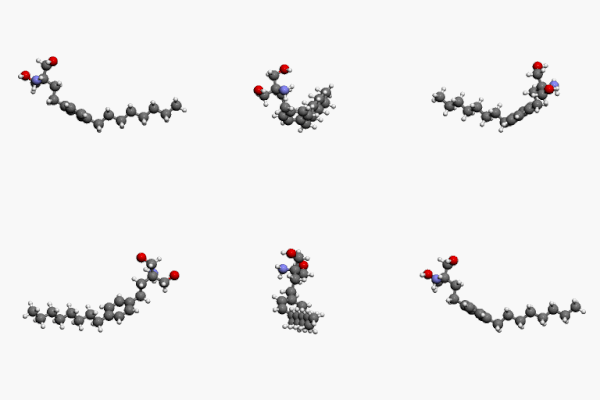
Fingolimod (INN, trade name Gilenya, Novartis) is an immunomodulating drug, approved for treating multiple sclerosis. It has reduced the rate of relapses in relapsing-remitting multiple sclerosis by over half. Fingolimod is a sphingosine-1-phosphate receptor modulator, which sequesters lymphocytes in lymph nodes, preventing them from contributing to an autoimmune reaction.

Fingolimod3Dan

Fingolimod3Dan


http://upload.wikimedia.org/wikipedia/commons/thumb/4/48/Fingolimod3Dan.gif/200px-Fingolimod3Dan.gif

The S1P antagonist FTY720 has been approved by the US Food and Drug Administration to be used as a drug against multiple sclerosis (MS). FTY720 is in fact a prodrug, since it is phosphorylated in vivo by SphK2 into FTY720-P, an S1P structural analog, which can activate S1PR1, 3, 4, and 5. FTY720-P binding to S1PR1 causes internalization of the receptor, as does S1P – but instead of recycling it back to the cell surface, it promotes its ubiquitination and degradation at the proteasome. This has a direct effect on lymphocyte trafficking through the lymph nodes, since it relies on S1PR1 signaling and S1P gradient (Figure 2). In MS, it stops migrating lymphocytes into the brain, but it may also have direct effects on the CNS through neuroprotection. FTY720 can pass the blood–brain barrier and it could be phosphorylated by local sphingosine kinases to act through S1PR1 and S1PR3 receptors that are mainly expressed in the CNS. In MS lesions, astrocytes upregulate those two receptors and it has been shown that FTY720-P treatment in vitro inhibits astrocyte production of inflammatory cytokines. A recent study confirms the importance of S1PR3 signaling on activated astrocytes, as well as SphK1, that are upregulated and promote the secretion of the potentially neuroprotective cytokine CXCL-1.

There are several studies implicating the intracellular S1P ceramide rheostat to cancer cell survival or apoptosis and resistance to chemotherapy or irradiation in vitro. Studies with SphK1 inhibition in pancreatic, prostate cancers, and leukemia, show increased ceramide/S1P ratio and induction of apoptosis. However, S1P receptor signaling plays conflicting roles in cancer cell migration and metastasis.

Modulation of S1P signaling: therapeutic potential

S1P signaling can be involved in many pathophysiological conditions. This means that we could look for therapeutic targets in all the molecules taking part in S1P signaling and production, most importantly the S1P receptors and the sphingosine kinases. S1P agonists and antagonists could also be used to modulate S1P signaling during pathological conditions.

S1P can have direct effects on the cardiovascular system. During IRI, intracellular S1P can protect the cardiomyocytes and promote their survival. Pre- or post-conditioning of the heart with S1P could be used as a treatment, but upregulation of sphingosine kinases could also increase intracellular S1P bioavailability. S1P could also have effects on endothelial cells and neutrophil trafficking. Vascular endothelial cells mainly express S1PR1 and S1PR3; only a few types express S1PR2. S1PR1 and S1PR3 activation on these cells has been shown to enhance their chemotactic migration, probably through direct phosphorylation of S1PR1 by Akt, in a phosphatidylinositol 3-kinase and Rac1-dependent signaling pathway. Moreover, it stimulates endothelial cell proliferation through an ERK pathway. S1PR2 activation, however, inhibits endothelial cell migration, morphogenesis, and angiogenesis, most likely through Rho-dependent inhibition of Rac signaling pathway, as Inoki et al showed in mouse cells with the use of S1PR1 and S1PR3 specific antagonists.

Regarding permeability of the vascular endothelium and endothelial barrier integrity, S1P receptors can have different effects. S1PR1 activation enhances endothelial barrier integrity by stimulation of cellular adhesion and upregulation of adhesion molecules. However, S1PR2 and S1PR3 have been shown to have barrier-disrupting effects in vitro, and vascular permeability increasing effects in vivo. All the effects S1P can have on vascular endothelium and smooth muscle cells suggest that activation of S1PR2, not S1PR1 and S1PR3, signaling, perhaps with the use of S1PR2 specific agonists, could be used therapeutically to inhibit angiogenesis and disrupt vasculature, suppressing tumor growth and progression.

An important aspect of S1P signaling that is being already therapeutically targeted, but could be further investigated, is immune cell trafficking. Attempts have already been made to regulate lymphocyte cell migration with the use of the drug FTY720, whose phosphorylated form can inhibit the cells S1PR1-dependent egress from the lymph nodes, causing lymphopenia. FTY720 is used as an immunosuppressant for MS but is also being investigated for other autoimmune conditions and for transplantation. Unfortunately, Phase II and III clinical trials for the prevention of kidney graft rejection have not shown an advantage over standard therapies. Moreover, FTY720 can have some adverse cardiac effects, such as bradycardia. However, there are other S1PR1 antagonists that could be considered instead, including KRP-203, AUY954, and SEW2871. KRP-203 in particular has been shown to prolong rat skin and heart allograft survival and attenuate chronic rejection without causing bradycardia, especially when combined with other immunomodulators.

There are studies that argue S1P pretreatment has a negative effect on neutrophil chemotaxis toward the chemokine CXCL-8 (interleukin-8) or the potent chemoattractant formyl-methionyl-leucyl-phenylalanine. S1P pretreatment might also inhibit trans-endothelial migration of neutrophils, without affecting their adhesion to the endothelium. S1P effects on neutrophil migration toward CXCL-8 might be the result of S1PRs cross-linking with the CXCL-8 receptors in neutrophils, CXCR-1 and CXCR-2. Indeed, there is evidence suggesting S1PR4 and S1PR3 form heterodimers with CXCR-1 in neutrophils. Another indication that S1P plays a role in neutrophil trafficking is a recent paper on S1P lyase deficiency, a deficiency that impairs neutrophil migration from blood to tissue in knockout mice.

S1P lyase and S1PRs in neutrophils may be new therapeutic targets against IRI and inflammatory conditions in general. Consistent with these results, another study has shown that inhibition of S1P lyase can have a protective effect on the heart after IRI and this effect is alleviated when pretreated with an S1PR1 and S1PR3 antagonist. Inhibition was achieved with a US Food and Drug Administration-approved food additive, 2-acetyl-4-tetrahydroxybutylimidazole, providing a possible new drug perspective. Another S1P lyase inhibitor, LX2931, a synthetic analog of 2-acetyl-4-tetrahydroxybutylimidazole, has been shown to cause peripheral lymphopenia when administered in mice, providing a potential treatment for autoimmune diseases and prevention of graft rejection in transplantation. This molecule is currently under Phase II clinical trials in rheumatoid arthritis patients.

S1P signaling research has the potential to discover novel therapeutic targets. S1P signaling is involved in many physiological and pathological processes. However, the complexity of S1P signaling makes it necessary to consider every possible pathway, either through its GPCRs, or intracellularly, with S1P as a second messenger. Where the activation of one S1P receptor may lead to the desired outcome, the simultaneous activation of another S1P receptor may lead to the opposite outcome. Thus, if we are to target a specific signaling pathway, we might need specific agonists for S1P receptors to activate one S1P receptor pathway, while, at the same time, we might need to inhibit another through S1P receptor antagonists.

Evidence of sphingolipid signaling in cancer

Biologically active lipids are important cellular signaling molecules and play a role in cell communication and cancer cell proliferation, and cancer stem cell biology.  A recent study in ovarian cancer cell lines shows that exogenous sphingosine 1 phosphate (SIP1) or overexpression of the sphingosine kinase (SPHK1) increases ovarian cancer cell proliferation, invasion and contributes to cancer stem cell like phenotype.  The diabetes drug metformin was shown to be an inhibitor of SPHK1 and reduce ovarian cancer tumor growth.

 2019 Apr;17(4):870-881. doi: 10.1158/1541-7786.MCR-18-0409. Epub 2019 Jan 17.

SPHK1 Is a Novel Target of Metformin in Ovarian Cancer.

Abstract

The role of phospholipid signaling in ovarian cancer is poorly understood. Sphingosine-1-phosphate (S1P) is a bioactive metabolite of sphingosine that has been associated with tumor progression through enhanced cell proliferation and motility. Similarly, sphingosine kinases (SPHK), which catalyze the formation of S1P and thus regulate the sphingolipid rheostat, have been reported to promote tumor growth in a variety of cancers. The findings reported here show that exogenous S1P or overexpression of SPHK1 increased proliferation, migration, invasion, and stem-like phenotypes in ovarian cancer cell lines. Likewise, overexpression of SPHK1 markedly enhanced tumor growth in a xenograft model of ovarian cancer, which was associated with elevation of key markers of proliferation and stemness. The diabetes drug, metformin, has been shown to have anticancer effects. Here, we found that ovarian cancer patients taking metformin had significantly reduced serum S1P levels, a finding that was recapitulated when ovarian cancer cells were treated with metformin and analyzed by lipidomics. These findings suggested that in cancer the sphingolipid rheostat may be a novel metabolic target of metformin. In support of this, metformin blocked hypoxia-induced SPHK1, which was associated with inhibited nuclear translocation and transcriptional activity of hypoxia-inducible factors (HIF1α and HIF2α). Further, ovarian cancer cells with high SPHK1 were found to be highly sensitive to the cytotoxic effects of metformin, whereas ovarian cancer cells with low SPHK1 were resistant. Together, the findings reported here show that hypoxia-induced SPHK1 expression and downstream S1P signaling promote ovarian cancer progression and that tumors with high expression of SPHK1 or S1P levels might have increased sensitivity to the cytotoxic effects of metformin. IMPLICATIONS: Metformin targets sphingolipid metabolism through inhibiting SPHK1, thereby impeding ovarian cancer cell migration, proliferation, and self-renewal.

Nrf2:INrf2(Keap1) Signaling in Oxidative Stress

James W. Kaspar, Suresh K. Niture, and Anil K. Jaiswal*

Department of Pharmacology, University of Maryland School of Medicine, Baltimore, MD

Free Radic Biol Med. 2009 Nov 1; 47(9): 1304–1309. http://dx.doi.org:/10.1016/j.freeradbiomed.2009.07.035

Nrf2:INrf2(Keap1) are cellular sensors of chemical and radiation induced oxidative and electrophilic stress. Nrf2 is a nuclear transcription factor that

  • controls the expression and coordinated induction of a battery of defensive genes encoding detoxifying enzymes and antioxidant proteins.

This is a mechanism of critical importance for cellular protection and cell survival. Nrf2 is retained in the cytoplasm by an inhibitor INrf2. INrf2 functions as an adapter for

  • Cul3/Rbx1 mediated degradation of Nrf2.
  • In response to oxidative/electrophilic stress,
  • Nrf2 is switched on and then off by distinct

early and delayed mechanisms.

Oxidative/electrophilic modification of INrf2cysteine151 and/or PKC phosphorylation of Nrf2serine40 results in the escape or release of Nrf2 from INrf2. Nrf2 is stabilized and translocates to the nucleus, forms heterodimers with unknown proteins, and binds antioxidant response element (ARE) that leads to coordinated activation of gene expression. It takes less than fifteen minutes from the time of exposure

  • to switch on nuclear import of Nrf2.

This is followed by activation of a delayed mechanism that controls

  • switching off of Nrf2 activation of gene expression.

GSK3β phosphorylates Fyn at unknown threonine residue(s) leading to

  • nuclear localization of Fyn.

Fyn phosphorylates Nrf2tyrosine568 resulting in

  • nuclear export of Nrf2,
  • binding with INrf2 and
  • degradation of Nrf2.

The switching on and off of Nrf2 protects cells against free radical damage, prevents apoptosis and promotes cell survival.

NPRA-mediated suppression of AngII-induced ROS production contributes to the antiproliferative effects of B-type natriuretic peptide in VSMC

Pan Gao, De-Hui Qian, Wei Li,  Lan Huang
Mol Cell Biochem (2009) 324:165–172

http://dx.doi.org/10.1007/s11010-008-9995-y

Excessive proliferation of vascular smooth cells (VSMCs) plays a critical role in the pathogenesis of diverse vascular disorders, and inhibition of VSMCs proliferation has been proved to be beneficial to these diseases.

In this study, we investigated the antiproliferative effect of

  • B-type natriuretic peptide (BNP), a natriuretic peptide with potent antioxidant capacity,

on rat aortic VSMCs, and the possible mechanisms involved. The results indicate that

  • BNP potently inhibited Angiotensin II (AngII)-induced VSMCs proliferation,

as evaluated by [3H]-thymidine incorporation assay. Consistently, BNP significantly decreased

  • AngII-induced intracellular reactive oxygen species (ROS)
  • and NAD(P)H oxidase activity.

8-Br-cGMP, a cGMP analog,

  • mimicked these effects.

To confirm its mechanism, siRNA of natriuretic peptide receptor-A(NRPA) strategy technology was used

  • to block cGMP production in VSMCs, and
  • siNPRA attenuated the inhibitory effects of BNP in VSMCs.

Taken together, these results indicate that

  • BNP was capable of inhibiting VSMCs proliferation by
  • NPRA/cGMP pathway,

which might be associated with

  • the suppression of ROS production.

These results might be related, at least partly, to the anti-oxidant property of BNP.

Cellular prion protein is required for neuritogenesis: fine-tuning of multiple signaling pathways involved in focal adhesions and actin cytoskeleton dynamics

A Alleaume-Butaux, C Dakowski, M Pietri, S Mouillet-Richard, Jean-Marie Launay, O Kellermann, B Schneider

1INSERM, UMR-S 747, 2Paris Descartes University, Sorbonne Paris, 3Public Hospital of Paris, Department of Biochemistry, Paris, France; 4Pharma Research Department, Hoffmann La Roche Ltd, Basel, Switzerland

Cell Health and Cytoskeleton 2013; 5: 1–12

Neuritogenesis is a complex morphological phenomena accompanying neuronal differentiation. Neuritogenesis relies on the initial breakage of the rather spherical symmetry of neuroblasts and the formation of buds emerging from the postmitotic neuronal soma. Buds then evolve into neurites, which later convert into an axon or dendrites. At the distal tip of neurites, the growth cone integrates extracellular signals and guides the neurite to its target. The acquisition of neuronal polarity depends on deep modifications of the neuroblast cytoskeleton characterized by the remodeling and activation of focal adhesions (FAs) and localized destabilization of the actin network in the neuronal sphere.Actin instability in unpolarized neurons allows neurite sprouting, ie, the protrusion of microtubules, and subsequent neurite outgrowth. Once the neurite is formed, actin microfilaments recover their stability and exert a sheathed action on neurites, a dynamic process necessary for the maintenance and integrity of neurites.

A combination of extrinsic and intrinsic cues pilots the architectural and functional changes in FAs and the actin network along neuritogenesis. This process includes neurotrophic factors (nerve growth factor, brain derived neurotrophic factor, neurotrophin, ciliary neurotrophic factor, glial derived neurotrophic factor) and their receptors, protein components of the extracellular matrix (ECM) (laminin, vitronectin, fibronectin), plasma membrane integrins and neural cell adhesion molecules (NCAM), and intracellular molecular protagonists such as small G proteins (RhoA, Rac, Cdc42) and their downstream targets.

Neuritogenesis is a dynamic phenomenon associated with neuronal differentiation that allows a rather spherical neuronal stem cell to develop dendrites and axon, a prerequisite for the integration and transmission of signals. The acquisition of neuronal polarity occurs in three steps:

(1) neurite sprouting, which consists of the formation of buds emerging from the postmitotic neuronal soma;

(2) neurite outgrowth, which represents the conversion of buds into neurites, their elongation and evolution into axon or dendrites; and

(3) the stability and plasticity of neuronal polarity.

In neuronal stem cells, remodeling and activation of focal adhesions (FAs) associated with deep modifications of the actin cytoskeleton is a prerequisite for neurite sprouting and subsequent neurite outgrowth. A multiple set of growth factors and interactors located in the extracellular matrix and the plasma membrane orchestrate neuritogenesis

  • by acting on intracellular signaling effectors,
  • notably small G proteins such as RhoA, Rac, and Cdc42,
  • which are involved in actin turnover and the dynamics of FAs.

The cellular prion protein (PrPC), a glycosylphosphatidylinositol

  • (GPI)-anchored membrane protein

mainly known for its role in a group of fatal

  • neurodegenerative diseases,

has emerged as a central player in neuritogenesis.

Here, we review the contribution of PrPC to neuronal polarization and detail the current knowledge on the

  • signaling pathways fine-tuned by PrPC
  • to promote neurite sprouting, outgrowth, and maintenance.

We emphasize that PrPC-dependent neurite sprouting is a process in which PrPC

  • governs the dynamics of FAs and the actin cytoskeleton
  • via β1 integrin signaling.

The presence of PrPC is necessary to render neuronal stem cells

  • competent to respond to neuronal inducers and
  • to develop neurites.

In differentiating neurons, PrPC exerts

  • a facilitator role towards neurite elongation.

This function relies on the interaction of PrPC with a set of diverse partners such as

  1. elements of the extracellular matrix,
  2. plasma membrane receptors,
  3. adhesion molecules, and
  4. soluble factors that control actin cytoskeleton turnover through Rho-GTPase signaling.

Once neurons have reached their terminal stage of differentiation and acquired their polarized morphology, PrPC also

  • takes part in the maintenance of neurites.

By acting on tissue nonspecific alkaline phosphatase, or

  • matrix metalloproteinase type 9,

PrPC stabilizes interactions between

  • neurites and the extracellular matrix.

Keywords: prion, neuronal differentiation

Read Full Post »

Diabetes Mellitus

Author & Curator: Larry H. Bernstein, MD, FCAP


Diabetes mellitus (DM) is a group of metabolic diseases defined by high blood glucose levels, which, depending on the fasting blood glucose, may be pre-diabetes or overt diabetes (110 mg/dl. 124 mg/dl). This blood glucose level reflects a disorder of control of glucose metabolism, which is mediated through the pituitary growth hormone acting on the liver, which produces insulin growth factor 1 (IGF1).  Diabetes is due to either the pancreas not producing enough insulin, or the cells of the body not responding properly to the insulin produced. That said, there is much to be understood about the long term systemic effects of this disorder, a multisystem disease. The presence of pre-diabetes glucose levels is sufficient to proactively take measures to reduce the circulating glucose.

Globally, as of 2013, an estimated 382 million people have diabetes worldwide, with type 2 diabetes making up about 90% of the cases. This is equal to 8.3% of the adults population, with equal rates in both women and men. Worldwide in 2012 and 2013 diabetes resulted in 1.5 to 5.1 million deaths per year, making it the 8th leading cause of death. Diabetes overall at least doubles the risk of death. The number of people with diabetes is expected to rise to 592 million by 2035. The economic costs of diabetes globally was estimated in 2013 at $548 billion and in the United States in 2012 $245 billion.

The observation of symptoms of frequent urination, increased thirst, and increased hunger is symptomatic of overt DM, and is seen with diabetic ketoacidosis, with very high hyperglycemia and glucosuria, particularly in Type 1 DM. Untreated, diabetes leads to serious complications. Acute complications include diabetic ketoacidosis. Serious long-term complications include heart disease, stroke, kidney failure, foot ulcers and damage to the eyes.

There are three main types of diabetes mellitus:

  • Type 1 DM results from the body’s failure to produce enough insulin. This form was previously referred to as “insulin-dependent diabetes mellitus” (IDDM) or “juvenile diabetes”. The cause is unknown.
  • Type 2 DM begins with insulin resistance, a condition in which cells fail to respond to insulin properly. As the disease progresses a lack of insulin may also develop. This form was previously referred to as “non insulin-dependent diabetes mellitus” (NIDDM) or “adult-onset diabetes”. The primary cause is excessive body weight and not enough exercise.
  • Gestational diabetes, the third, occurs when pregnant women without a previous history of diabetes develop a high blood glucose level.

Type 1 DM, which presents suddenly in children or young adults, is possibly an as yet unidentified post-translational or epigenetic form, unrelated to Type 2, which is becoming more common in children.  It results in the destruction of islet beta cells that then have no capacity to produce insulin.  A family history of the disease would be a signal to raise a child with great care to not stress the pancreas.  Even though I raised the possibility of an epigenetic factor, it is important to keep in mind that the regulation of glucose is responsive to a number of stresses, even in a healthy person.  These are:

  • Corticosteroids
  • Glucagon
  • Growth hormone
  • Catecholamines
  • Proinflammatory cytokines
  • Anxiety disorder
  • Eating disorder

Gestational diabetes is perhaps Type 2 diabetes in a pregnant woman initiated by the condition of pregnancy. Whether these women were not diabetic, with a glucose level between 100-110 prior to pregnancy, is an open question. However, the pregnant state is accompanied by large effects by hormone levels.

Type 2 diabetes has been increasing worldwide, not only in western nations.  However, in non-western countries that have large populations of underserved, there is still a major problem with protein energy malnutrition (PEM). Globally, as of 2013, an estimated 382 million people have diabetes worldwide, with type 2 diabetes making up about 90% of the cases. This is equal to 8.3% of the adults population, with equal rates in both women and men. Worldwide in 2012 and 2013 diabetes resulted in 1.5 to 5.1 million deaths per year, making it the 8th leading cause of death. Diabetes overall at least doubles the risk of death. The number of people with diabetes is expected to rise to 592 million by 2035. The economic costs of diabetes globally was estimated in 2013 at $548 billion and in the United States in 2012 $245 billion.

The major long-term complications relate to damage to blood vessels. Diabetes doubles the risk of cardiovascular disease and about 75% of deaths in diabetics are due to coronary artery disease. Other “macrovascular” diseases are stroke, and peripheral vascular disease. The primary microvascular complications of diabetes include damage to the eyes, kidneys, and nerves. Damage to the eyes, known as diabetic retinopathy, is caused by damage to the blood vessels in the retina of the eye, and can result in gradual vision loss and potentially blindness. Damage to the kidneys, known as diabetic nephropathy, can lead to tissue scarring, urine protein loss, and eventually chronic kidney disease, sometimes requiring dialysis or kidney transplant. Damage to the nerves of the body, known as diabetic neuropathy, is the most common complication of diabetes.

Prevention and treatment involves a healthy diet, physical exercise, not using tobacco and being a normal body weight. Blood pressure control and proper foot care are also important for people with the disease. Type 1 diabetes must be managed with insulin injections. Type 2 diabetes may be treated with medications with or without insulin. Insulin and some oral medications can cause low blood sugar. Weight loss surgery in those with obesity is an effective measure in those with type 2 DM. Gestational diabetes usually resolves after the birth of the baby.

A number of articles in http://pharmaceuticalintelligence,com (this journal) have presented the relationship of DM to heart and vascular disease. The complexity of the disease is not to be underestimated, and there havr been serious controversies with adverse consequences over the use of the class of drugs that includes rosiglitazone and piaglitazone, which has opened serious issues about how clinical trials are conducted, and how the data obtained in studies may be compromised.

Pharmaceutical Insights

Management of Diabetes Mellitus: Could Simultaneous Targeting of Hyperglycemia and Oxidative Stress Be a Better Panacea?

Omotayo O. Erejuwa
Int. J. Mol. Sci. 2012, 13, 2965-2972; http://www.mdpi.com/journal/ijms http://dx.doi.org:/10.3390/ijms13032965

The primary aim of the current management of diabetes mellitus is to achieve and/or maintain a glycated hemoglobin level of ≤6.5%. However, recent evidence indicates that intensive treatment of hyperglycemia is characterized by increased weight gain, severe hypoglycemia and higher mortality. Besides, evidence suggests that it is difficult to achieve and/or maintain optimal glycemic control in many diabetic patients; and that the benefits of intensively-treated hyperglycemia are restricted to microvascular complications only. Evidence also indicates that multiple drugs are required to achieve optimal glycemic target in many diabetic patients. In fact, in many diabetic patients in whom optimal glycemic goal is achieved, glycemic control deteriorates even with optimal drug therapy. It does suggest that with the current hypoglycemic or antidiabetic drugs, it is difficult to achieve and/or maintain tight glycemic control in diabetic patients. In many developing countries, the vast majority of diabetic patients have limited or lack access to quality healthcare providers and good therapeutic monitoring.

While increased weight gain could be due to some component drugs (such as sulphonylureas or insulin) of the intensive therapy regimens, hypoglycemia could be drug-induced or comorbidity-induced. Considering the evidence that associates hypoglycemia with increased mortality, higher incidence of mortality in intensive therapy group could be due to hypoglycemia or too low levels of glycosylated hemoglobin. However, it is difficult to contend that increased mortality was entirely due to hypoglycemia. The possibility of drug-induced or drug-associated toxicities could not be ruled out. For instance, rosiglitazone, which has been prohibited and withdrawn from the market in Europe, was one of the hypoglycemic drugs used to achieve intensive therapy of hyperglycemia in Action to Control Cardiovascular Risk in Diabetes (ACCORD). If these findings are anything to go by, does it not suggest that targeting hyperglycemia as the only therapeutic goal in the management of diabetes mellitus could be detrimental to diabetic patients? In addition, the current hypoglycemic drugs are characterized by limitations and adverse effects. Together with the limitations of intensive glycemic treatment (only beneficial in reducing the risk of microvascular complications, but not macrovascular disease complications), does it not imply that targeting hyperglycemia alone is not only deleterious but also limited and ineffective?

The latest figures predict that the global incidence of diabetes mellitus, which was estimated to be 366 million in 2011, will rise to 522 million by 2030. In view of these frightening statistics on the prevalence of diabetes mellitus and on the lack of adequate healthcare, together with the associated diabetic complications, morbidity and mortality, does it not suggest that there is an urgent need for a better therapeutic management of this disorder? Taken together, with these findings and statistics, it can be contended that it is high time alternative and/or complementary therapies to the currently available hypoglycemic agents (which target primarily hyperglycemia only) were sought.

All these may contribute to the unabated increase in global prevalence of diabetes mellitus and its complications In view of these adverse effects and limitations of intensive treatment of hyperglycemia in preventing diabetic complications, which is linked to oxidative stress,

  • this commentary proposes a hypothesis that “simultaneous targeting of hyperglycemia and oxidative stress” could be more effective than “intensive treatment of hyperglycemia” in the management of diabetes mellitus.

Oxidative stress is defined as

  • an “imbalance between oxidants and antioxidants in favor of the oxidants, potentially leading to damage”.

It is implicated in the pathogenesis and complications of diabetes mellitus. The role of oxidative stress is more definite in the pathogenesis of type 2 diabetes mellitus than in type 1 diabetes mellitus. In regard to diabetic complications, there is compelling evidence in support of the role of oxidative stress in both types of diabetes mellitus. Evidence suggests that elevated reactive oxygen species (ROS), which causes factor of increased ROS production, causes tissue damage or diabetic complications have been identified. These include:

  • hyperglycemia-enhanced polyol pathway;
  • hyperglycemia-enhanced formation of advanced glycation endproducts (AGEs);
  • hyperglycemia-activated protein kinase C (PKC) pathway;
  • hyperglycemia-enhanced hexosamine pathway; and
  • hyperglycemia-activated Poly-ADP ribose polymerase (PARP) pathway.

These pathways are activated or enhanced by hyperglycemia-driven mitochondrial superoxide overproduction.

Even though oxidative stress plays an important role in its pathogenesis and complications,

  • unlike other diseases characterized by oxidative stress, diabetes mellitus is unique.

Its cure (restoration of euglycemia, e.g., via pancreas transplants) does not prevent oxidative stress and diabetic complications. This is very important because hyperglycemia exacerbates oxidative stress which is linked to diabetic complications. Theoretically, restoration of euglycemia should prevent oxidative stress and diabetic complications. However, this is not the case. At present, it remains unclear why restoration of euglycemia does not automatically prevent oxidative stress and diabetic complications. The development of diabetes-related complications (both microvascular and macrovascular) may occur in diabetic patients after normoglycemia has been restored. It is a phenomenon whereby previous hyperglycemic milieu is remembered in many target organs such as heart, eyes, kidneys and nerves. This phenomenon is also documented in diabetic animals. Compelling evidence implicates the role of oxidative stress as an important mechanism by which glycemic memory causes tissue damage and diabetic complications. In view of higher incidence of diabetic complications (of which oxidative stress plays an important role) in conventionally-treated diabetic patients, targeting oxidative stress in these patients might be beneficial. In other words, it is possible that the combination of a conventional therapy of hyperglycemia and antioxidant therapy might be more effective and beneficial than intensive therapy of hyperglycemia alone, which is the gold standard at the moment.

Loss of ACE 2 Exaggerates High-Calorie Diet-Induced Insulin Resistance by Reduction of GLUT4 in Mice

M Takeda, K Yamamoto, Y Takemura, H Takeshita, K Hongyo, et al.  Diabetes 61:1–11, 2012

ACE type 2 (ACE2) functions as

  • a negative regulator of the renin angiotensin system
  • by cleaving angiotensin II (AII) into angiotensin 1–7 (A1–7).

This study assessed the role of

  • endogenous ACE2 in maintaining insulin sensitivity.

Twelve-week-old male ACE2 knockout (ACE2KO) mice had normal insulin sensitivities when fed a standard diet. AII infusion or a high-fat high-sucrose (HFHS) diet impaired glucose tolerance and insulin sensitivity more severely

  • in ACE2KO mice than in their wild-type (WT) littermates.

The strain difference in glucose tolerance

  • was not eliminated by an AII receptor type 1 (AT1) blocker
  • but was eradicated by A1–7 or an AT1 blocker combined with the A1–7 inhibitor (A779).

The expression of GLUT4 and a transcriptional factor, myocyte enhancer factor (MEF) 2A,

  • was dramatically reduced in the skeletal muscles of the standard diet–fed ACE2KO mice.

The expression of GLUT4 and MEF2A was increased

  • by A1–7 in ACE2KO mice and
  • decreased by A779 in WT mice.

A1–7 enhanced upregulation of MEF2A and GLUT4 during differentiation of myoblast cells. In conclusion,

  • ACE2 protects against high calorie diet-induced insulin resistance in mice.

This mechanism may involve the transcriptional regulation of GLUT4 via an A1–7-dependent pathway.
Modulation of the action of insulin by angiotensin-(1–7)
FP. Dominici, V Burghi, MC. Munoz, JF. Giani

Clinical Science (2014) 126, 613–630 http://dx.doi.org:/10.1042/CS20130333

The prevalence of Type 2 diabetes mellitus is predicted to increase dramatically over the coming years and the clinical implications and healthcare costs from this disease are overwhelming. In many cases, this pathological condition is linked to a cluster of metabolic disorders, such as

  1. obesity,
  2. systemic hypertension and
  3. dyslipidaemia,
  • defined as the metabolic syndrome.

Insulin resistance has been proposed as the key mediator of all of these features and contributes to the associated high cardiovascular morbidity and mortality. Although the molecular mechanisms behind insulin resistance are not completely understood, a negative cross-talk between

  • AngII (angiotensin II) and the insulin signalling pathway

has been the focus of great interest in the last decade. Indeed,

substantial evidence has shown that

  • anti-hypertensive drugs that block the RAS (renin–angiotensin system) may also act to prevent diabetes.

Despite its long history, new components within the RAS continue to be discovered.

Among them, Ang-(1–7) [angiotensin-(1–7)] has gained special attention as a counter-regulatory hormone

  • opposing many of the AngII-related deleterious effects.

Specifically, we and others have demonstrated that Ang-(1–7) improves the action of insulin and opposes the negative effect that AngII exerts at this level. In the present review, we provide evidence showing that

  • insulin and Ang-(1–7) share a common intracellular signalling pathway.

We also address the molecular mechanisms behind the beneficial effects of Ang-(1–7) on

  • AngII-mediated insulin resistance.

Finally, we discuss potential therapeutic approaches leading to modulation of the

  • ACE2 (angiotensin-converting enzyme 2)/Ang-(1–7)/Mas receptor axis

as a very attractive strategy in the therapy of the metabolic syndrome and diabetes-associated diseases.

Increased Skeletal Muscle Capillarization After Aerobic Exercise Training and Weight Loss Improves Insulin Sensitivity in Adults With IGT

Prior, JB. Blumenthal, LI. Katzel, AP. Goldberg, AS. Ryan. Diabetes Care 2014;37:1469–1475
http://dx.doi.org:/10.2337/dc13-2358

Transcapillary transport of insulin is one determinant of glucose uptake by skeletal muscle; thus,

  • a reduction in capillary density (CD) may worsen insulin sensitivity.

Skeletal muscle CD is lower in older adults with impaired glucose tolerance (IGT) compared with those with normal glucose tolerance and

  • may be modifiable through aerobic exercise training and weight loss (AEX+WL).

Insulin sensitivity (M) and 120-min postprandial glucose (G120) correlated with CD at baseline (r = 0.58 and r = 20.60, respectively, P < 0.05).

AEX+WL increased maximal oxygen consumption (VO2max) 18%(P = 0.02) and reduced weight and fat mass 8% (P < 0.02).

Regression analyses showed that the AEX+WL-induced increase in CD

  • independently predicted the increase in M (r = 0.74, P < 0.01)
  • as well as the decrease in G120 (r = 20.55, P < 0.05).

AEX+WL increases skeletal muscle CD in older adults with IGT. This represents one mechanism by which AEX+WL improves insulin sensitivity in older adults with IGT.

Glycaemic durability with dipeptidyl peptidase-4 inhibitors in type 2 diabetes: a systematic review and meta-analysis of long-term randomised controlled trials.

K Esposito, P Chiodini, MI Maiorino, G Bellastella, A Capuano, D Giugliano. BMJ Open 2014;4:e005442.
http://dx.doi.org:/10.1136/bmjopen-2014-005442

A systematic review and meta-analysis of longterm randomised trials of DPP-4 inhibitors (sitagliptin, vildagliptin, saxagliptin, linagliptin and alogliptin). on haemoglobin A1c (HbA1c) was conducted. The difference between final and intermediate HbA1c assessment was the primary outcome. All trials were of 76 weeks duration at least. The difference in HbA1c changes between final and intermediate points averaged 0.22% (95% CI 0.15% to 0.29%), with high heterogeneity (I2=91%, p<0.0001). Estimates
of differences were not affected by the analysis of six extension trials (0.24%, 0.02 to 0.46), or five trials in which a DPP-4 inhibitor was added to metformin (0.24%, 0.16 to 0.32).

  • The effect of DPP-4 inhibitors on HbA1c in type 2 diabetes significantly declines during the second year of treatment.

Overcoming Diabetes Mellitus & Borderline Diabetes
By Max Stanley Chartrand, Ph.D. (Behavioral Medicine)

The over-arching biomarker that has more to do with the ability to restore normal metabolic processes is in achieving a cellular pH 7.45 (via the Kreb’s Cycle). To say the least, getting one’s cellular pH to 7.45 and A1C score below 6.0 can be a daunting task!

SIRCLE®: Naturally Achieved Targets

 Cellular pH 7.35-7.45

 Oxygen 99-100% @55-65 bpm

 Resting Blood Pressure: 110-135/ 65-80

mmHg (differs male vs female)

 Fasting blood sugar consistently <70-99

mg/dL or 3.5-5.5 mmol/L

 HgA1C score: .04-5.8

 HDL: 40-60 mg/dL; LDL: 100 -140 mg/dL;

triglycerides: <85 mg/dL

 C-Reactive Protein (CRP) Score <.5

 Galectin-3 Assay <17.8 ng/mL

Antidiabetic Activity of Hydroalcoholic Extracts of Nardostachys jatamansi in Alloxan-induced Diabetic Rats

M.A. Aleem, B.S. Asad, T Mohammed, R.A. Khan, M.F. Ahmed, A. Anjum, M. Ibrahim. Brit J Med & Medical Res 4(28): 4665-4673, 2014. http://www.sciencedomain.org/review-history.php?iid=579&id=12&aid=5024

The antidiabetic study was carried out to estimate the anti hyperglycemic potential of Nardostachys Jatamansi rhizome’s hydroalcoholic extracts in alloxan induced diabetic rats over a period of two weeks. The hydroalcoholic extract HAE1 at a dose (500mg/kg) exhibited significantly greater antihyperglycemic activity than extract HAE2 at a dose (500mg/kg) in diabetic rats. The hydroalcoholic extracts showed improvement in different parameters associated with diabetes, like body weight, lipid
profile and biochemical parameters. Extracts also showed improvement in

  • regeneration of β-cells of pancreas in diabetic rats.

Histopathological studies support the healing of pancreas by hydro alcoholic extracts (HAE1& HAE2) of Nardostachys Jatamansi, as a probable mechanism of their antidiabetic activity.

Antidiabetic and Antihyperlipidemic Effect of Parmelia Perlata. Ach. in Alloxan Induced Diabetic Rats.
Jothi G and Brindha P
Internat J of Pharmacy and Pharmaceut Sciences 2014; 6(suppl 1)

The aqueous extract of the selected plant was administered at dose levels of 200mg and 400mg/kg body weight for 60 days. After the experimental period the blood and tissue samples were collected and subjected to various biochemical and enzymic parameters. There were profound alteration in

  • fasting blood glucose,
  • serum insulin,
  • glycosylated hemoglobin (HbA1C) and
  • liver glycogen levels in alloxanized rats.
  1. Glucose-6-phosphatase,
  2. glucokinase, and
  3. fructose 1-6 bisphosphatase activity
  • were also altered in diabetic rats.

Administration of plant extract significantly (P<0.05)

  • reduced the fasting blood glucose and HbA1C level and increased the level of plasma insulin.

The activities of glucose metabolizing enzymes were also resumed to normal. There was a profound improvement in serum lipid profiles by

  • reducing serum triglyceride, cholesterol, LDL, VLDL, free fatty acids, phospholipids and increasing the HDL level in a dose dependent manner.

The effects of leaf extract were compared with standard drug glibenclamide (600μg/Kg bw). The results indicate that Parmelia perlata. Ach., Linn. could be a good natural source for developing an antidiabetic drug that can effectively maintained the blood glucose levels and lipid profile to near normal values.

Pathophysiological Insights
Diabetic glomerulosclerosis

Reviewers: Nikhil Sangle, M.D.
Revised: 21 February 2014,
Copyright: (c) 2003-2012, PathologyOutlines.com, Inc.

General

==================================================

  • Diffuse capillary basement membrane thickening, diffuse and nodular glomerulosclerosis
  • Causes glomerular disease, arteriolar sclerosis, pyelonephritis, papillary necrosis; similar between type I and II patients
  • Accounts for 30% of long term dialysis patients in US; causes 20% of deaths in patients with diabetes < age 40
  • Changes may be related to nephronectin, which functions in the assembly of extracellular matrix (Nephrol Dial Transplant 2012;27:1889)

Clinical features

==================================================

  • Proteinuria occurs in 50%, usually 12-22 years after onset of diabetes
  • End stage renal disease occurs in 30% of type I patients
  • Early increased GFR and microalbuminemia (30-300 mg/day) are predictive of future diabetic nephropathy
  • Renal disease reduced by tight diabetic control; may recur with renal allografts; ACE inhibitors may reduce progression

Micro description

==================================================

  • Basement membrane thickening and increased mesangial matrix in ALL patients
  • Diffuse glomerulosclerosis: increase in mesangial matrix associated with PAS+ basement membrane thickening, eventually obliterates mesangial cells
  • Nodular glomerulosclerosis: also called intercapillary glomerulosclerosis or Kimmelstiel-Wilson disease; ovoid, spherical, laminated hyaline masses in peripheral of glomerulus, PAS+, eventually obliterates glomerular tuft; specific for diabetes and membranoproliferative glomerulonephritis, light-chain disease and amyloidosis (Hum Pathol 1993;24:77 (pathogenesis of Kimmelstiel-Wilson nodule))
  • Profound hyalinization of afferent arterioles (insudative lesion-intramural): specific for diabetes in afferent arterioles, but non-specific if in periphery of glomerular loop, Bowman’s capsule or mesangium; insudative material composed of proteins, lipids and mucopolysaccharides
  • Organizing fibroepithelial crescents: associated with aggressive clinical course
  • Diffuse thickening of tubular basement membrane, tubular atrophy and interstitial fibrosis
  • Isolated thickened glomerular basement membrane and proteinuria may be an early predictor of diabetic disease (Mod Pathol 2004;17:1506)

Nodular glomerulosclerosis, Kidney

 Glomeruli:

  1.     Acellular, homogeneous, eosinophilic, globular nodules in the mesangial orintercapillary region of a glomerular tuft with capillary displaced to the periphery.
  2.     Diffuse intercapillary glomerulosclerosis: increasing eosinophilic mesangial matrix materials.
  3.     Capsular drop: eosinophilic small nodules on Bowman’s capsule.
  4.     Fibrin cap: eosinophilic, waxy, fatty structure within the lumen of one or more capillary loops of glomerular tufts.
nodular glomeruloschlerosis

nodular glomeruloschlerosis

http://www.kidneypathology.com/Imagenes/Diabetes/Imagen.Hial.jul.w.jpg

Islet amyloid polypeptide, islet amyloid, and diabetes mellitus.

Westermark P1, Andersson A, Westermark GT.
Physiol Rev. 2011 Jul;91(3):795-826.
http://dx.doi.org:/10.1152/physrev.00042.2009.

Islet amyloid polypeptide (IAPP), or amylin, was named for its tendency to

  • aggregate into insoluble amyloid fibrils, features typical of islets of most individuals with type 2 diabetes.

This pathological characteristic is most probably of

  • great importance for the development of the β-cell failure in this disease,
  • but the molecule also has regulatory properties in normal physiology.

In addition, it possibly contributes to the diabetic condition. This review deals with both these facets of IAPP.

Islet amyloid polypeptide (IAPP, or amylin) is one of the major secretory products of β-cells of the pancreatic islets of Langerhans. It is

  • a regulatory peptide with putative function
  • both locally in the islets, where it inhibits insulin and glucagon secretion, and at distant targets.

It has binding sites in the brain, possibly contributing also to satiety regulation and inhibits gastric emptying. Effects on several other organs have also been described.

IAPP was discovered through its ability to

  • aggregate into pancreatic islet amyloid deposits,

which are seen particularly in association with type 2 diabetes in humans and with diabetes in a few other mammalian species, especially monkeys and cats.

Aggregated IAPP has cytotoxic properties and is believed to be

  • of critical importance for the loss of β-cells in type 2 diabetes

and also in pancreatic islets transplanted into individuals with type 1 diabetes. This review deals both with physiological aspects of IAPP and with the

  • pathophysiological role of aggregated forms of IAPP,
  • including mechanisms whereby human IAPP forms toxic aggregates and amyloid fibrils.

Islet amyloid, initially named “islet hyalinization,” was described in 1901 by two researchers independently and for a long time was considered an enigma. It was found to occur in association with diabetes mellitus, particularly in elderly individuals, but its possible pathogenetic importance was often denied. The similarity of the hyaline substance to amyloid was noted at an early date, and some researchers reported staining reactions typical of amyloid. It had been shown in 1959 that

  • amyloid of several types has a characteristic ultrastructure,
  • and islet deposits were found to share this appearance.

When biochemical analyses of amyloid fibrils from systemic primary and secondary amyloidoses showed that

  • these consisted of distinctive proteins,
  • it was suspected that the islet deposits might also be a polymerized protein.

The chemical composition of islet amyloid did not attract much attention even after the characteristics of other amyloid fibrils had been elucidated. The finding that the amyloid in C cell-derived medullary thyroid carcinoma is of polypeptide hormonal origin was an important indication that amyloid in other endocrine tissues also comes from the local secretory products, and it was believed that

  • insulin, or proinsulin, or split products thereof constitute the islet amyloid fibrils.

Immunological trials to characterize the amyloid yielded equivocal results. Only when concentrated formic acid was used on amyloid,

  • extracted from an amyloid-rich insulinoma, was it possible to purify the major fibril protein
  • and characterize it by NH2-terminal amino acid sequence analysis,

which very unexpectedly revealed a novel peptide,

  • not resembling any part of proinsulin
  • but with partial identity to the neuropeptide calcitonin gene-related peptide (CGRP).

Further characterization of the peptide purified from an insulinoma and from islet amyloid of human and feline origin proved it to be a 37-amino acid (aa) residue peptide. The peptide was initially named “insulinoma amyloid peptide” , later diabetes-associated peptide (DAP), and finally islet amyloid polypeptide (IAPP), or “amylin”.

IAPP is a 37-aa residue long peptide, but by the application of molecular biological methods it was quickly shown that IAPP is expressed initially as

  • part of an 89-aa residue preproprotein containing a 22-aa signal peptide and
  • two short flanking peptides, the latter cleaved off at double basic aa residues similar to proinsulin.

IAPP is expressed by one single-copy gene on the short arm of chromosome 12,

  • in contrast to insulin and the other members of the calcitonin family, including
  • CGRP,
  • adrenomedullin, and
  • calcitonin,

all of which are encoded by genes on the evolutionary related chromosome 11.

The preproIAPP gene contains three exons, of which

  • the last two encode the full prepromolecule.

The signal peptide is cleaved

  • off in the endoplasmic reticulum (ER), and
  • conversion of proIAPP to IAPP takes place in the secretory vesicles.

ProIAPP and proinsulin are both processed by the two endoproteases

  • prohormone convertase 2 (PC2) and
  • prohormone convertase 1/3 (PC1/3) and
  • by carboxypeptidase E (CPE) (Figure 1).
amylin

amylin

A: the amino acid sequence of human pro-islet amyloid polypeptide (proIAPP) with the cleavage site for PC2 at the NH2 terminus and the cleavage site for PC1/3 at the COOH terminus, indicated by arrows. The KR residues (blue) that remain at the COOH terminus after PC1/3 processing are removed by carboxypeptidase E. This event exposes the glycine residue that is used for COOH-terminal amidation.
Below is a cartoon of IAPP in blue with the intramolecular S-S bond between residues 2–7 and the amidated COOH terminus.

B: the amino acid sequence of human proinsulin with the basic residues at the B-chain/C-peptide junction and the A-chain/C-peptide/junction indicated in blue and the processing sites indicated by arrows. PC1/3 does almost exclusively process proinsulin at the B-chain/C-peptide junction while PC2 preferentially processes proinsulin at the A-chain/C-peptide junction. The basic residues (RR) (position 31, 32) that remain at the COOH terminus of the B-chain is removed by the carboxypeptidase CPE. Below is a cartoon of insulin A-chain and B-chain in red with intermolecular SS bonds between cystein residues 7 in the A and B chains, between cystein residues at position 19 in the B-chain and 20 in the A-chain and the intermolecular SS bond between cystein residues at position 6 and 11 of the A-chain.

http://physrev.physiology.org/content/physrev/91/3/795/F1.large.jpg

  1. IAPP and insulin genes contain similar promoter elements,
  2. and the transcription factor PDX1 regulates the effects of glucose on both genes.
  3. Glucose stimulated β-cells respond with a parallel expression pattern of IAPP and insulin in the rat.

However, this parallel secretion of IAPP and insulin is altered in experimental diabetes models in rodents. Perfused rat pancreas secreted relatively

  • more IAPP than insulin when exposed to dexamethasone, whereas
  • high doses of streptozotocin or alloxan reduced insulin secretion more than that of IAPP.

Oleat and palmitate increased the expression of IAPP but not of insulin in MIN6 cells. In mice fed a diet high in fat for 6 mo, plasma IAPP increased 4.5 times more than insulin compared with mice fed standard food containing 4% fat.

In human recipients who had become insulin-independent by intrahepatically transplanted islets, there was disproportionately

  • more IAPP than normal secreted during hyperglycemia.

These examples show that the strictly parallel expression of IAPP and insulin may be disturbed under certain conditions.

The crystalline structure of insulin in granules is well characterized.

  • Hexameric insulin, together with zinc, constitutes the core of the mature granules, while
  • IAPP, together with a large number of additional components, including the C peptide, is found in the halo region.

The highly fibrillogenic human IAPP has to be protected in some way from aggregation, which otherwise would take place spontaneously. The fact that very fibril-prone proteins can be kept in solution at high concentrations is known from studies of arthropod silk. The composition of the β-cell granule is extremely complex, and it has many components in addition to insulin and C peptide, in micromolar concentrations.

It is probable that IAPP is protected from aggregation by interaction with other components. Plausible candidates are

  • proinsulin, insulin, or their processing intermediates.

Insulin has been found to be

  • a strong inhibitor of IAPP fibril formation.

This finding has been verified in a number of subsequent studies, which have also shown the potency of the inhibition. The inhibition seems to depend

  • solely on the B-chain,
  • which binds specifically to a short segment of IAPP.

An insulin-to-IAPP ratio of between 1:5 and 1:100 had a strong inhibitory effect. The molar ratio between IAPP and insulin in the granule as a whole is ∼1–2:50.

Type 2 Diabetes, APOE Gene, and the Risk for Dementia and Related Pathologies. The Honolulu-Asia Aging Study

Rita Peila, Beatriz L. Rodriguez and Lenore J. Launer
Diabetes Apr 2002; 51(4): 1256-1262
http://dx.doi.org:/10.2337/diabetes.51.4.1256

Type 2 diabetes may be a risk factor for dementia, but the associated pathological mechanisms remains unclear. We evaluated the association of diabetes

  • alone or combined with the apolipoprotein E (APOE) gene
  • with incident dementia and neuropathological outcomes

in a population-based cohort of 2,574 Japanese-American men enrolled in the Honolulu-Asia Aging Study, including 216 subjects who underwent autopsy. Type 2 diabetes was ascertained by interview and direct glucose testing. Dementia was assessed in 1991 and 1994 by clinical examination and magnetic resonance imaging and was diagnosed according to international guidelines. Logistic regression was used to assess the RR of developing dementia, and log-linear regression was used to estimate the incident rate ratio (IRR) of neuropathological outcomes.

Diabetes was associated with

  1. total dementia (RR 1.5 [95% CI 1.01–2.2]),
  2. Alzheimer’s disease (AD; 1.8 [1.1–2.9]), and
  3. vascular dementia (VsD; 2.3 [1.1–5.0]).

Individuals with both type 2 diabetes and the APOE ε4 allele

  • had an RR of 5.5 (CI 2.2–13.7) for AD compared with those with neither risk factor.

Participants with type 2 diabetes and the ε4 allele had

  • a higher number of hippocampal neuritic plaques (IRR 3.0 [CI 1.2–7.3]) and
  • neurofibrillary tangles in the cortex (IRR 3.5 [1.6–7.5]) and hippocampus (IRR 2.5 [1.5–3.7]), and
  • they had a higher risk of cerebral amyloid angiopathy (RR 6.6, 1.5–29.6).

Type 2 diabetes is a risk factor for AD and VsD. The association between diabetes and AD is particularly strong among carriers of the APOE ε4 allele. The neuropathological data are consistent with the clinical results.

Role of insulin signaling impairment, adiponectin and dyslipidemia in peripheral and central neuropathy in mice

  1. Anderson, MR. King, L Delbruck, CG. Jolivalt
    Dis. Model. Mech. June 2014; 7(6): 625-633
    http://dx.doi.org:/10.1242/dmm.015750

One of the tissues or organs affected by diabetes is the nervous system,

  • predominantly the peripheral system (peripheral polyneuropathy and/or painful peripheral neuropathy)
  • but also the central system with impaired learning, memory and mental flexibility.

The aim of this study was to test the hypothesis that the pre-diabetic or diabetic condition caused by a high-fat diet (HFD) can damage both the peripheral and central nervous systems. Groups of C57BL6 and Swiss Webster mice were fed a diet containing 60% fat for 8 months and compared to control and streptozotocin (STZ)-induced diabetic groups that were fed a standard diet containing 10% fat. Aspects of peripheral nerve function (conduction velocity, thermal sensitivity) and central nervous system function (learning ability, memory) were measured at assorted times during the study. Both strains of mice on HFD developed impaired glucose tolerance, indicative of insulin resistance, but

  • only the C57BL6 mice showed statistically significant hyperglycemia.

STZ-diabetic C57BL6 mice

  • developed learning deficits in the Barnes maze after 8 weeks of diabetes, whereas
  • neither C57BL6 nor Swiss Webster mice fed a HFD showed signs of defects at that time point.

By 6 months on HFD, Swiss Webster mice developed

  • learning and memory deficits in the Barnes maze test,
  • whereas their peripheral nervous system remained normal.

In contrast, C57BL6 mice fed the HFD developed peripheral nerve dysfunction,

  • as indicated by nerve conduction slowing and thermal hyperalgesia,
  • but showed normal learning and memory functions.

Our data indicate that STZ-induced diabetes or a HFD can damage

  • both peripheral and central nervous systems,
  • but learning deficits develop more rapidly in insulin-deficient than in insulin-resistant conditions
  • and only in Swiss Webster mice.

In addition to insulin impairment, dyslipidemia or adiponectinemia might determine the neuropathy phenotype.

Neuroinflammation and neurologic deficits in diabetes linked to brain accumulation of amylin

S Srodulski, S Sharma, AB Bachstetter, JM Brelsfoard, et al.
Molecular Neurodegeneration  2014; 9(30):
http://dx.doi.org:/10.1186/1750-1326-9-30

Background: We recently found that brain tissue from patients with type-2 diabetes (T2D) and cognitive impairment

  • contains deposits of amylin, an amyloidogenic hormone synthesized and co-secreted with insulin by pancreatic β-cells.

Amylin deposition is promoted by

  • chronic hypersecretion of amylin (hyperamylinemia), which is common in humans with obesity or pre-diabetic insulin resistance.

Human amylin oligomerizes quickly when oversecreted, which is toxic,

  • induces inflammation in pancreatic islets and
  • contributes to the development of T2D.

Here, we tested the hypothesis that accumulation of oligomerized amylin affects brain function.

Methods: In contrast to amylin from humans,

  • rodent amylin is neither amyloidogenic nor cytotoxic.

We exploited this fact by comparing

  • rats overexpressing human amylin in the pancreas (HIP rats) with their littermate rats

which express only wild-type (WT) non-amyloidogenic rodent amylin. Cage activity, rotarod and novel object recognition tests were performed on animals nine months of age or older. Amylin deposition in the brain was documented by immunohistochemistry, and western blot. We also measured neuroinflammation by immunohistochemistry, quantitative real-time PCR and cytokine protein levels.

Results: Compared to WT rats, HIP rats show

i) reduced exploratory drive,
ii) impaired recognition memory and
iii) no ability to improve the performance on the rotarod.

The development of neurological deficits is

  • associated with amylin accumulation in the brain.

The level of oligomerized amylin in supernatant fractions and pellets from brain homogenates

  • is almost double in HIP rats compared with WT littermates (P < 0.05).

Large amylin deposits (>50 μm diameter) were also occasionally seen in HIP rat brains. Accumulation of oligomerized amylin

  • alters the brain structure at the molecular level.

Immunohistochemistry analysis with an ED1 antibody indicates possible activated microglia/macrophages which

  • are clustering in areas positive for amylin infiltration.

Multiple inflammatory markers are expressed in HIP rat brains as opposed to WT rats, confirming that

  • amylin deposition in the brain induces a neuroinflammatory response.

Conclusions:

  1. Hyperamylinemia promotes accumulation of oligomerized amylin in the brain
  2. leading to neurological deficits through an oligomerized amylin-mediated inflammatory response.

Additional studies are needed to determine

  • whether brain amylin accumulation may predispose to diabetic brain injury and cognitive decline.

Keywords: Diabetes, Alzheimer’s Disease, Amylin, Pre-diabetes, Insulin Resistance, Inflammation, Behavior

Read Full Post »

Important and timely

Read Full Post »

Six Johns Hopkins Alzheimer’s Experts Discuss The Latest Discoveries

Reporter: Aviva Lev-Ari, PhD, RN

Johns Hopkins Health Alerts

Contact Us

Special Offer from Johns Hopkins Health Alerts


Six Alzheimer’s Experts Discuss The Latest Discoveries

AlzheimersOutlook 2012

Alzheimer’s Outlook 2014

Six leading experts provide the latest thinking on new and emerging approaches to the prevention, diagnosis and treatment of Alzheimer’s disease and other dementias

* * * * * * * * * * * * * * *

If you or a loved one has been diagnosed with Alzheimer’s disease or another memory disorder…

Or if you are caring for someone with Alzheimer’s and are wondering if there’s a new drug or therapy in the pipeline that might help…

Then it’s vitally important to stay on top of developments in the field — so you can ask your doctor the key questions — and discuss the critical issues that affect the management of the disease.

To help you, we have just published Alzheimer’s Outlook 2014 — a valuable new resource that allows you to sit down with a group of preeminent physicians and listen in as they share their insights and ideas about the future course of Alzheimer’s disease — and provide a clear sense of what caregivers and patients can hope for.

Alzheimer’s Outlook 2014 is part of a series of annual research reports written for concerned lay readers. It gives you special access to information you won’t find anywhere else on the future of Alzheimer’s research.

What’s in the Alzheimer’s pipeline?

In the past few years, researchers have made meaningful strides in the understanding of dementia prevention, diagnosis and treatment. Many important breakthroughs have come from the talented physicians and scientists working here at Johns Hopkins Medicine.

In the pages of Alzheimer’s Outlook 2014 you’ll gain unprecedented access to the insights of Hopkins experts, as well as from colleagues at other renowned research centers.

And there’s so much exciting information to report!

Although we don’t yet have a drug to stop the disease progression, new techniques in molecular biology and genetics are providing remarkable insights into how and why Alzheimer’s begins, how it progresses and how it produces symptoms.

Great progress has also been made in brain imaging and other biomarkers that might allow us to diagnose Alzheimer’s when no or minimal symptoms are present. Thanks to two new radiologic compounds researchers can now see the abnormal proteins in the brain and track the disease from one part of the brain to the next.

Here’s a sample of other key highlights in Alzheimer’s Outlook 2014:

  • Investigating Causes and Risks by Peter V. Rabins, M.D., M.P.H., Professor of Psychiatry at Johns Hopkins and Medical Editor of the Johns Hopkins Memory Disorders Bulletin. Dr. Rabins takes a close look at the amyloid cascade hypothesis, which predominates Alzheimer’s research and drug development.  He also discusses promising new brain tracers, apolipoprotein E as a risk factor for late-onset Alzheimer’s and progress on understanding the genetics of Alzheimer’s.
  • New Research Efforts to Prevent or Slow Dementia by Peter V. Rabins, M.D., M.P.H. Do vitamin E supplements have any effect on cognitive impairment or Alzheimer’s disease?  In his second chapter, Dr. Rabins reviews recent research on this question.  He also reports on the role of statins in  Alzheimer’s, research on cocoa and enhanced brain health and the status of funding for dementia research.
  • The Ongoing Search for Drugs That Will Affect Alzheimer’s Disease by Paul Rosenberg, M.D., Associate Director of the Memory and Alzheimer’s Treatment Center at the Johns Hopkins Bayview Medical Center. Researchers now believe that to have any significant benefit, a treatment has to stop the disease long before symptoms of Alzheimer’s appear and before damage to the brain becomes widespread.  Dr. Rosenberg describes efforts at early diagnosis, including the A4 trial, the DIAN study, the API study and the SNIFF study.
  • Noninvasive Brain Stimulation for Aphasia by Argyle Hillis, M.D., Professor of Neurology at the Johns Hopkins University School of Medicine. Primary progressive aphasia causes degeneration of nerve cells in the brain’s left hemisphere, which controls speech and language. It can also be an early symptom of Alzheimer’s. Dr. Hillis describes her work with transcranial direct current stimulation to help aphasia patients recover.
  • Reducing Risks for Alzheimer’s by Marilyn Albert, Ph.D., Director of the Johns Hopkins Alzheimer’s Disease Research Center. Aerobic exercise promotes better mental functioning by improving cerebral blood flow. But can exercise improve the outlook for Alzheimer’s patients? Dr. Alpert looks at research on exercise and dementia and also reports good news on increased federal funding for dementia research.
  • Assessing Cognitive Impairment Online by Jason Brandt, Ph.D., Professor of Neurology at the Johns Hopkins University School of Medicine. Low-tech cognitive screening tests offer a quick, inexpensive assessment of a person’s cognitive health.  Dr. Brandt has been working on an online assessment tool called the “Dementia Risk Assessment,” which will help patients decide if they should pursue in-person evaluation from a doctor.
  • Brain Training: The ACTIVE Study by George W. Rebok, Ph.D., Professor of Mental Health at the Johns Hopkins Bloomberg School of Public Health. Dr. Rebok is a principal investigator in the ACTIVE (Advanced Cognitive Training for Independent and Vital Elderly) trial which looks at ways to improve cognitive performance in older adults.  In this section, Dr. Rebok explains what he discovered.

* * * * * * * * * * * * * * *

As we mentioned, Alzheimer’s Outlook 2014 is part of a series of annual research updates on Alzheimer’s and related dementias. As a buyer of this year’s edition, you’ll be among the first to be notified when the 2015 edition is published next year.

This is information so critical to being an informed patient that we want you to have it right away. We’ve created Alzheimer’s Outlook 2014 as an instant PDF download to ensure that you can start reading this material today. You can be sure your copy will contain up-to-the minute information to help stay on top of the latest developments.

The information in Alzheimer’s Outlook 2014 is so crucial that we are making it available to you as a digital PDF download and a print version. You can be sure your copy will contain up-to-the minute information to help stay on top of the latest developments. Just click one of the order buttons below!

Still not sure you’ll benefit from this Special Report? No problem.
Our No-Strings, Can’t Lose, Must-Be-Satisfied Offer!

Alzheimer’s Outlook 2014 comes with a risk-free offer of satisfaction: if you’re not satisfied for any reason, simply contact Customer Service within 30 days for a prompt refund of your full purchase price of $29.95 So you risk nothing.

Order the Digital edition
as an instant .PDF download
Order the Print edition

avivalev-ari@alum.berkeley.edu are receiving this email as part of your free subscription to Johns Hopkins Health Alerts. Should you wish to unsubscribe, please follow the instructions below. Help us be sure this email Health Alert isn’t filtered as spam. Adding our return address to your address book may “whitelist” us with your filter, helping future Health Alerts get to your inbox.

Click here to be removed from all announcements concerning our publications.
Click here to be removed from all Johns Hopkins Health Alert mailings.

Need to contact us? Click here: http://www.johnshopkinshealthalerts.com/contact_us/

Johns Hopkins Health Alerts
750 Third Avenue
6th Floor
New York, NY 10017
Attn: Web Team

We value your privacy and will not give your email address to anyone. Click here to view our privacy policy.

This information is not intended to substitute for the advice of a physician. Click here for additional information.

Copyright © 2014 Remedy Health Media, LLC. 750 Third Avenue, 6th Floor, New York, NY 10017. All rights reserved.

SOURCE

http://links.remedyhealthmedia.mkt6207.com/servlet/MailView?ms=Njg2MTEyMwS2&r=NTAyMjIxMzg4MzkS1&j=NTAwMzY3NDUyS0&mt=1&rt=0

Read Full Post »

Dementia does not cause Depression, Depression is independent of Demensia Biomarkers

Reporter: Aviva Lev-Ari, PhD, RN


If the two Mental health conditions are independent, due to distinct etiologies —

What implications these research findings could have on Treatment of each of the diseases?


Depression in Elderly Not Related to Dementia Markers


Published: Jul 30, 2014


 SOURCE


A New Risk Factor For Dementia: Depression Symptoms Linked To More Rapid Decline In Memory


Clinical-pathologic study of depressive symptoms and cognitive decline in old age

  1. Robert S. Wilson, PhD,
  2. Ana W. Capuano, PhD,
  3. Patricia A. Boyle, PhD,
  4. George M. Hoganson, MD,
  5. Loren P. Hizel, BA,
  6. Raj C. Shah, MD,
  7. Sukriti Nag, MD,
  8. Julie A. Schneider, MD,
  9. Steven E. Arnold, MD and
  10. David A. Bennett, MD

+SHOW AFFILIATIONS

+ SHOW FULL DISCLOSURES

  1. Correspondence to Dr. Wilson: rwilson@rush.edu
  1. Neurology 10.1212/WNL.0000000000000715


  1. Also available:
  2. Data Supplement


ABSTRACT

Objective: To clarify the relationship between depressive symptoms and the clinical and neuropathologic manifestations of dementia.

Methods: In a clinical-pathologic cohort study, 1,764 older persons without cognitive impairment at enrollment completed annual clinical evaluations for a mean of 7.8 years. The evaluations included assessment of depressive symptoms (10-item Center for Epidemiological Studies Depression Scale) and cognitive function (battery of 17 performance tests). A total of 582 individuals died during follow-up and underwent a uniform neuropathologic examination to quantify β-amyloid plaques and tau tangle density in multiple brain regions and identify neocortical Lewy bodies, hippocampal sclerosis, and gross and microscopic cerebral infarcts.

Results: Level of depressive symptoms slightly increased during follow-up. Incident mild cognitive impairment (52.2%) was associated with higher level of depressive symptoms before the diagnosis but not with change in symptoms after the diagnosis; incident dementia (17.9%) was associated with higher symptom level before dementia onset and with more rapid decline in symptoms after dementia onset. None of the neuropathologic markers was related to level of depressive symptoms or change in symptoms over time. In a mixed-effects model adjusted for the neuropathologic markers, higher level of depressive symptoms averaged over evaluations was associated with more rapid global cognitive decline, accounting for 4.4% of the variability in decline not attributable to the neuropathologic markers. Depressive symptoms did not modify the association of the neuropathologic markers with cognitive decline.

Conclusion: In old age, depressive symptoms have an association with cognitive decline that is independent of the neuropathologic hallmarks of dementia.


  • Received February 6, 2014.
  • Accepted in final form May 17, 2014.


SOURCE

http://www.neurology.org/content/early/2014/07/30/WNL.0000000000000715.short

Read Full Post »

Diagnostic Approach to Neurodegenerative Disorders: Biomarkers Overview


Reporter: Aviva Lev-Ari, PhD, RN

ANNOUNCEMENT by Cambridge Healthtech Institute


Lisa Scimemi, MBE, MSM

Publisher

Insight Pharma Reports

lscimemi@healthtech.com

Web: http://www.InsightPharmaReports.com


Click here for more information on this research report, or to access your copy today.

Visit us online  for more information on this report, or over 1000 of other reports available through

Insight Pharma Reports.


Cambridge Healthtech Institute | 250 First Avenue, Suite 300 | Needham, MA 02494

Phone: 781.972.5400 or toll free 800.856.2556 | Fax: 781.972.5425 | http://www.healthtech.com


Biomarkers: Discovery and Development for a Diagnostic Approach to Neurodegenerative Disorders – Overview

Available Mid-July! 

Biomarkers: Discovery and Development for a Diagnostic Approach to Neurodegenerative Disorders has a focus in biomarkers for neurodegenerative diseases and diagnostic applications in development. Biomarkers have been a heavily studied topic of interest, and recently on the rise is the interest in neurodegenerative disorders. Although there are many techniques used to track neurodegenerative disease progression, this report will primarily focus on blood-based and cerebrospinal fluid-based biomarkers. In addition to covering background information, this report will highlight several technologies that have been developed for employing the use of biomarkers for neurodegenerative disease detection, analysis and therapeutic development. Including substantial background information, illustrated with graphics and figures, this report captures market growth of biomarkers, advantages, disadvantages, and validation techniques.

Three neurodegenerative disorders that are heavily focused on in this report include: Alzheimer’s Disease/Mild Cognitive Impairment, Parkinson’s Disease, and Amyotrophic Lateral Sclerosis. Part II of the report will include all three of these disorders, highlighting specifics including background, history, and development of the disease. Deeper into the chapters, the report will unfold biomarkers under investigation, genetic targets, and an analysis of multiple studies investigating these elements.

Experts interviewed in these chapters include:

  • Dr. Jens Wendland, Head of Neuroscience Genetics, Precision Medicine, PharmaTherapeutics, Pfizer Worldwide R&D
  • Dr. Howard J. Federoff, Executive Vice President for Health Sciences, Georgetown University
  • Dr. Andrew West, Associate Professor of Neurology and Neurobiology and Co-Director, Center for Neurodegeneration and Experimental Therapeutics
  • Dr. Merit Ester Cudkowicz, Chief of Neurology at Massachusetts General Hospital

Part III of the report makes a shift from neurobiomarkers to neurodiagnostics. This section highlights several diagnostics in play and in the making from a number of companies, identifying company strategies, research underway, hypotheses, and institution goals. Elite researchers and companies highlighted in this part include:

  • Dr. Xuemei Huang, Professor and Vice Chair, Department of Neurology; Professor of Neurosurgery, Radiology,  Pharmacology, and Kinesiology Director; Hershey Brain Analysis Research Laboratory for Neurodegenerative Disorders, Penn State University-Milton, S. Hershey Medical Center Department of Neurology
  • Dr. Andreas Jeromin, CSO and President of Atlantic Biomarkers
  • Julien Bradley, Senior Director, Sales & Marketing, Quanterix
  • Dr. Scott Marshall, Head of Bioanalytics, and Dr. Jared Kohler, Head of Biomarker Statistics, BioStat Solutions, Inc.

Further analysis appears in Part IV. This section includes a survey exclusively conducted for this report. With over 30 figures and graphics and an in depth analysis, this part features insight into targets under investigation, challenges, advantages, and desired features of future diagnostic applications. Furthermore, the survey covers more than just the featured neurodegenerative disorders in this report, expanding to Multiple Sclerosis and Huntington’s Disease.

Furthermore, Insight Pharma Reports also put together a generous amount of data compiling clinical trial information and pipeline data related to Alzheimer’s Disease, Parkinson’s Disease and Amyotrophic Lateral Sclerosis. This is the fifth and final part of this report and it contains the most current information in the aforementioned disease areas. Such information was provided by CenterWatch and Biotechgate Global Database.

SOURCE

http://www.insightpharmareports.com/neurobiomarkers-and-diagnostics-report

From: Lisa Scimemi <lisas@healthtech.com>
Reply-To: Lisa Scimemi <lisas@healthtech.com>
Date: Wed, 16 Jul 2014 15:20:07 -0400
To: Aviva <avivalev-ari@alum.berkeley.edu>
Subject: Biomarkers and Neurodegenerative Disorders


Read Full Post »

MIND AND MEMORY: BIOLOGICAL AND DIGITAL – 2014 Dan David Prize Symposium

Reporter: Aviva Lev-Ari, PhD, RN

Article ID #145: MIND AND MEMORY: BIOLOGICAL AND DIGITAL – 2014 Dan David Prize Symposium. Published on 6/18/2014

WordCloud Image Produced by Adam Tubman


View VIDEO for this Symposium, link provided following the Symposium Agenda

Mind and Memory: Biological and Digital

with the 2014 Dan David Prize Laureates in the Present and Future Time Dimensions


Prof. John A. Hardy, Prof. Peter St. George-Hyslop,

Prof. Brenda Milner and

Prof. Marvin Minsky

The symposium will take place on Tuesday, May 20, 2014 at 8:30 a.m.

The Miriam and Adolfo Smolarz Auditorium, Tel Aviv University


Moderators:

Prof. Uri Ashery

Sagol School of Neuroscience

Tel Aviv University

Prof. Nachum Dershowitz

The Blavatnik School of Computer Science

Tel Aviv University

8:30 Gathering

9:00 Greetings

Prof. Yoav Henis

Vice President, Research and Development

Tel Aviv University

HE Mr. Matthew Gould

The British Ambassador to Israel

9:15 Prof. John A. Hardy

University College London, UK

“Whole Genome Analysis and the Pathogenesis of Alzheimer’s Disease”

9:55 Prof. Peter St. George-Hyslop

University of Toronto, Canada

University of Cambridge, UK

“Biochemical Genetics of Alzheimer’s Disease”

10:35 Prof. Danny Michaelson

Sagol School of Neuroscience

and Department of Neurobiology

Tel Aviv University

“Translational Alzheimer’s Disease Research at Tel Aviv University”

10:50 Coffee Break

11:30 Prof. Brenda Milner

McGill University, Canada

“Temporal Lobes and Memory: Looking Back and Looking Forward”

12:10 Dr. Segev Barak

The School of Psychological Sciences

and Sagol School of Neuroscience

Tel Aviv University

“Preventing Relapse in Alcoholism by Memory Erasure:

Neurobiological Mechanisms of Memory Plasticity”

12:25 Lunch Break and Poster Viewing

14:15 Prof. Yael Hanein

School of Electrical Engineering

and Sagol School of Neuroscience

Tel Aviv University

“How Many Neurons Does It Take to Change a Light Bulb?”

14:30 Prof. Lior Wolf

The Blavatnik School of Computer Science

Tel Aviv University

“DeepFace: Closing the Gap to Human-Level Performance in Face Verification”

14:45 Prof. Nathan Intrator

The Blavatnik School of Computer Science

and Sagol School of Neuroscience

Tel Aviv University

“Brain Inspired Computation in the 21st Century”

15:00 Prof. Marvin Minsky

Massachusetts Institute of Technology, USA

“Future Theories of Mind”

15:40 Concluding Remarks


VIEW VIDEO

http://dandavidprize.org/media-events/symposia/2014/694-mind-and-memory-biological-and-digital

Read Full Post »

Prof. Illana Gozes discovered Novel Protein Fragments that have proven Protective Properties for Cognitive Functioning

Reporter: Aviva Lev-Ari PhD, RN

Novel Protein Fragments May Protect Against Alzheimer’s – DIscovery @ Tel Aviv School of Medicine

Tue, 13 May 2014
TAU RESEARCHER’S DISCOVERY CAN LEAD TO NEW DRUG CANDIDATES TO TREAT THE NEURODEGENERATIVE DISEASE

The devastating loss of memory and consciousness in Alzheimer’s disease is caused by plaque accumulations and tangles in neurons, which kill brain cells. Alzheimer’s research has centered on trying to understand the pathology as well as the potential protective or regenerative properties of brain cells as an avenue for treating the widespread disease.

Now Prof. Illana Gozes, the incumbent of the Lily and Avraham Gildor Chair for the Investigation of Growth Factors and director of the Adams Super Center for Brain Studies at the Sackler Faculty of Medicine and a member of Tel Aviv University‘s Sagol School of Neuroscience, has discovered novel protein fragments that have proven protective properties for cognitive functioning.

In a study published in the Journal of Alzheimer’s Disease, Prof. Gozes examined the protective effects of two newly discovered protein fragments in mice afflicted with Alzheimer’s disease-like symptoms. Her findings have the potential to serve as a pipeline for new drug candidates to treat the disease.

NAP time for Alzheimer’s

“Several years ago we discovered that NAP, a snippet of a p

rotein essential for brain formation, which later showed efficacy in Phase 2 clinical trials in mild cognitive impairment patients, a precursor to Alzheimer’s,” said Prof. Gozes. “Now, we’re investigating whether there are other novel NAP-like sequences in other proteins. This is the question that led us to our discovery.”

Prof. Gozes’ research focused on the microtubule network, a crucial part of cells in our bodies. Microtubules act as a transportation system within nerve cells, carrying essential proteins and enabling cell-to-cell communications. But in neurodegenerative diseases like Alzheimer’s, ALS, and Parkinson’s, this network breaks down, hindering motor abilities and cognitive function.

“NAP operates through the stabilization of microtubules — tubes within the cell which maintain cellular shape. They serve as ‘train tracks’ for movement of biological material,” said Prof. Gozes. “This is very important to nerve cells, because they have long processes and would otherwise collapse. In Alzheimer’s disease, these microtubules break down. The newly discovered protein fragments, just like NAP before them, work to protect microtubules, thereby protecting the cell.”

Down the tubes

In her new study, Prof. Gozes and her team looked at the subunit of the microtubule — the tubulin — and the protein TAU (tubulin-associated unit), important for assembly and maintenance of the microtubule. Abnormal TAU proteins form the tangles that contribute to Alzheimer’s; increased tangle accumulation is indicative of cognitive deterioration. Prof. Gozes decided to test both the tubulin and the TAU proteins for NAP-like sequences. After confirming NAP-like sequences in both tubulin subunits and in TAU, she tested the fragments in tissue cultures for nerve-cell protecting properties against amyloid peptides, the cause of plaque build up in Alzheimer patients’ brains.

“From the tissue culture, we moved to a 10-month-old transgenic mouse model with frontotemporal dementia-like characteristics, which exhibits TAU pathology and cognitive decline,” said Prof. Gozes. “We tested one compound — a tubulin fragment — and saw that it protected against cognitive deficits. When we looked at the ‘dementia’-afflicted brain, there was a reduction in the NAP parent protein, but upon treatment with the tubulin fragment, the protein was restored to normal levels.”

Prof. Gozes and her team also measured the brain-to-body mass ratio, an indicator of brain degeneration, and saw a significant decrease in the mouse model compared to normal mice. Following the introduction of the tubulin fragments, however, the mouse’s brain to body ratio returned to normal. “We clearly see here the protective effect of the treatment,” said Prof. Gozes. “We witnessed the restorative and protective effects of totally new protein fragments, derived from proteins critical to cell function, in tissue cultures and on animal models.”


SOURCE

http://www.aftau.org/newsroom?7d56804a-22df-4c4b-a09d-d1cacd9b1135

Read Full Post »

« Newer Posts - Older Posts »