Feeds:
Posts
Comments

Posts Tagged ‘FDA’

Some Recent Challenging News from Gene Therapy Companies: Sarepta’s Gene Therapy Halted by FDA, Spark Therapeutics Program Gets a Realignment and  Review from Roche


Curator: Stephen J.Williams,  Ph.D.


Sarepta Therapeutics has received a order from the FDA to halt clinical trials on its Duchenne Muscular Dystrophy gene therapy Elevidys on July 18, 2025 following three deaths.


From FDA: https://www.fda.gov/news-events/press-announcements/fda-requests-sarepta-therapeutics-suspend-distribution-elevidys-and-places-clinical-trials-hold 


FDA Requests Sarepta Therapeutics Suspend Distribution of Elevidys and Places Clinical Trials on Hold for Multiple Gene Therapy Products Following 3 Deaths


For Immediate Release:

July 18, 2025

The U.S. Food and Drug Administration today announced it has placed Sarepta Therapeutics investigational gene therapy clinical trials for limb girdle muscular dystrophy on clinical hold following three deaths potentially related to these products and new safety concerns that the study participants are or would be exposed to an unreasonable and significant risk of illness or injury. The FDA has also revoked Sarepta’s platform technology designation.

The FDA leadership also met with Sarepta Therapeutics and requested it voluntarily stop all shipments of Elevidys today. The company refused to do so.  

“Today, we’ve shown that this FDA takes swift action when patient safety is at risk.” said FDA Commissioner Marty Makary, M.D., M.P.H. “We believe in access to drugs for unmet medical needs but are not afraid to take immediate action when a serious safety signal emerges.”

The three deaths appear to have been a result of acute liver failure in individuals treated with Elevidys or investigational gene therapy using the same AAVrh74 serotype that is used in Elevidys. One of the fatalities occurred during a clinical trial conducted under an investigational new drug application for the treatment of Limb Girdle Muscular Dystrophy.

“Protecting patient safety is our highest priority, and the FDA will not allow products whose harms are greater than benefits. The FDA will halt any clinical trial of an investigational product if clinical trial participants would be exposed to an unreasonable and significant risk of illness or injury,” said Director of the FDA’s Center for Biologics Evaluation and Research Vinay Prasad, M.D., M.P.H.

Elevidys is an adeno-associated virus vector-based gene therapy using Sarepta Therapeutics, Inc.’s AAVrh74 Platform Technology for the treatment of Duchenne muscular dystrophy (DMD). It is designed to deliver into the body a gene that leads to production of Elevidys micro-dystrophin, a shortened protein (138 kDa, compared to the 427 kDa dystrophin protein of normal muscle cells) that contains selected domains of the dystrophin protein present in normal muscle cells. The product is administered as a single intravenous dose.

Duchenne muscular dystrophy is a rare and serious genetic condition which worsens over time, leading to weakness and wasting away of the body’s muscles. The disease occurs due to a defective gene that results in abnormalities in, or absence of, dystrophin, a protein that helps keep the body’s muscle cells intact.

Further, today, the FDA revoked the platform technology designation for Sarepta’s AAVrh74 Platform Technology because, among other things, given the new safety information, the preliminary evidence is insufficient to demonstrate that AAVrh74 Platform Technology has the potential to be incorporated in, or utilized by, more than one drug without an adverse effect on safety.

Elevidys received traditional approval for use in ambulatory DMD patients 4 years of age and older with a confirmed mutation in the DMD gene on June 20, 2024. It was approved for non-ambulatory patients on June 22, 2023 under the accelerated approval pathway. This pathway can allow earlier approval based on an effect on a surrogate endpoint or intermediate clinical endpoint that is reasonably likely to predict clinical benefit, while the company conducts confirmatory studies to verify the predicted clinical benefit. Continued approval for non-ambulatory patients is contingent upon verification and description of clinical benefit in a confirmatory trial. Given the new safety information, The FDA has notified the company that the indication should be restricted to use in ambulatory patients. The FDA is committed to further investigating the safety of the product in ambulatory patients and will take additional steps to protect patients as needed.


On July 18 Sarepta appeared to be disregarding the FDA release (according to the New York Times)


Source: https://www.nytimes.com/2025/07/18/health/fda-sarepta-elevidys-duchenne.html 


Published July 18, 2025 


In a remarkable public dispute between drugmaker and regulator, the biotech company Sarepta Therapeutics is defying the Food and Drug Administration’s request that it halt distribution of its treatment for a deadly muscle-wasting disease.

In a news release on Friday evening, the agency said that it requested that the company voluntarily stop all shipments of the therapy, known as Elevidys, citing the deaths of three patients from liver failure who had taken the product or a similar therapy.

In its own news release later on Friday evening, Sarepta, which is based in Cambridge, Mass., said that it would continue to ship the treatment for patients who do not use wheelchairs. The company said its analysis showed no new safety problems in those patients and that it was committed to patient safety.

Dr. Marty Makary, the F.D.A. commissioner, said in the agency’s statement that its request to Sarepta demonstrated that the F.D.A. “takes swift action when patient safety is at risk.”

“We believe in access to drugs for unmet medical needs but are not afraid to take immediate action when a serious safety signal emerges,” he said.

In the past, the F.D.A. has sometimes asked companies to pause distribution of a drug until a new problem is better understood and mitigated. However, it can also press its case, and begin a process to revoke the drug’s license, which would begin with a formal notification and opportunity to respond and participate in a public hearing.


On July 21, 2025 Sarepta announces on their website in press release


Sarepta Therapeutics Announces Voluntary Pause of ELEVIDYS Shipments in the U.S.

07/21/25 7:40 PM EDT

CAMBRIDGE, Mass.–(BUSINESS WIRE)–Jul. 21, 2025– Sarepta Therapeutics, Inc. (NASDAQ:SRPT), the leader in precision genetic medicine for rare diseases, today issued the following statement:

Today, Sarepta Therapeutics notified the U.S. Food and Drug Administration (FDA) of its decision to voluntarily and temporarily pause all shipments of ELEVIDYS (delandistrogene moxeparvovec) for Duchenne muscular dystrophy in the United States, effective close of business Tuesday, July 22, 2025.

This proactive step will allow Sarepta the necessary time to respond to any requests for information and allow Sarepta and FDA to complete the ELEVIDYS safety labeling supplement process. The Company looks forward to a collaborative, science-driven review process and dialogue with the FDA.

“As a patient-centric organization, the decision to voluntarily and temporarily pause shipments of ELEVIDYS was a painful one, as individuals with Duchenne are losing muscle daily and in need of disease-modifying options,” said Doug Ingram, chief executive officer, Sarepta. “It is important for the patients we serve that Sarepta maintains a productive and positive working relationship with FDA, and it became obvious that maintaining that productive working relationship required this temporary suspension while we address any questions that FDA may have and complete the ELEVIDYS label supplement process.”

Sarepta remains committed to transparency and patient safety and will continue to provide timely updates to patients, families, healthcare providers, and the broader Duchenne community as additional information becomes available.

About ELEVIDYS (delandistrogene moxeparvovec-rokl)
ELEVIDYS (delandistrogene moxeparvovec-rokl) is a single-dose, adeno-associated virus (AAV)-based gene transfer therapy for intravenous infusion designed to address the underlying genetic cause of Duchenne muscular dystrophy – mutations or changes in the DMD gene that result in the lack of dystrophin protein – through the delivery of a transgene that codes for the targeted production of ELEVIDYS micro-dystrophin in skeletal muscle.

ELEVIDYS is indicated for the treatment of Duchenne muscular dystrophy (DMD) in individuals at least 4 years of age.

  • For patients who are ambulatory and have a confirmed mutation in the DMD gene
  • For patients who are non-ambulatory and have a confirmed mutation in the DMD gene.

However this is not the first time Sarepta has been in the hot seat… 


Read this interesting article from Derrick  Lowe of Science.  I will put it in its entirety as Derick Lowe really writes some great articles in his blog.


Source: https://www.science.org/content/blog-post/sarepta-why 


Sarepta. Why? 21 Jun 2024


I really, really wish that I were not writing about Sarepta again. But here we are. Perhaps a quick review will explain my reluctance.

Back in 2013, the company was trying to get approval for an unusual “exon skipping” molecule (eteplirsen) as a therapy for Duchenne muscular dystropy. Nothing wrong with that – in fact, there’s a lot that’s right with that, since Duchenne is a perfect “unmet medical need” situation, and the exon-skipping idea was an innovative approach ten years ago (and it’s still not exactly a standard-issue therapy). Attacking very hard-to-treat diseases with new mechanisms of action is just what we’re supposed to be doing in this business.

The approval, though, was having trouble for some very good reasons. Sarepta’s trial was very, very small and the FDA later found that their trial design was very, very flawed. But in 2016 eteplirsen was suddenly approved, to the surprise of many observers (including me). A few years later, a follow-up drug (golodirsen) from the company (golodirsen) was also rejected by the FDA (with a Complete Response Letter) but then was later suddenly approved, although no new data had been presented. That was particularly mystifying since the eventually-published CRL detailed a number of real problems with eteplirsen since its approval, problems that looked to be possibly even greater with the follow-up drug. To the best of my knowledge, the confirmatory Phase III trial that was required at the time of golodirsen’s approval is still going on and is expected to read out next year. In 2021, another Sarepta exon-skipping drug (different exon this time) was approved (casimirsen) on the basis of biomarker levels that were expected to show eventual clinical benefit, and I believe that its confirmatory trial is part of the golodirsen one. That one at least did not go through the first-rejected-then-approved pathway.

More recently the company has been working on an outright gene therapy (elevidys) for Duchenne, and the initial results were quite promising. The company got accelerated FDA approval for that one last June for 4- and 5-year-old patients, even though actual clinical benefit had not yet been established. But gene therapy is a winding road, and last October the Phase III results for Elevidys were a complete miss in the primary endpoint. Arguing commenced, with the company saying that the results in the secondary endpoints showed that the drug was “modifying the trajectory” of the disease, and the CEO called the results a “massive win” and said that the company would use them to ask for a much wider label approval from the FDA. Apparently during the conference call, when he was asked about why he was so confident, he said that the FDA’s CBER head Peter Marks was “very supportive”. (It should be noted that since then another Duchenne gene therapy effort, this one from Pfizer, also failed its Phase III, so it’s not like this is a straightforward area).

Boy, was that the truth. The agency has just granted that use expansion, and it turns out that it was all due to Peter Marks, who completely overruled three review teams and two of his highest-level staffers (all of whom said that Sarepta had not proven its case). Honestly, I’m starting to wonder why any of us go to all this trouble. It appears that all you need is a friend high up in the agency and your clinical failures just aren’t an issue any more. Review committees aren’t convinced? Statisticians don’t buy your arguments? Who cares! Peter Marks is here to deliver hot, steaming takeout containers full of Hope.

Back in 2016, when eteplirsen first came up for its advisory committee vote, I wrote that there was a matrix of possible votes and interpretations, which I summed up this way:

(1) A negative vote, which is a rejection of the potential of the drug, the suffering of DMD patients, and their right to try a therapy which apparently does no harm, for a disease that has no other options.

(2) A negative vote, which is the only possible one, considering that the company’s trial data are far too sparse and unconvincing to allow a recommendation to approve the drug. If this gets recommended, what doesn’t? Why do we require new drugs to show efficacy at all?


(3) A positive vote, which is a victory for patient advocates everywhere, and in particular for the extremely ill boys who suffer from this disease, or. . .


(4) A positive vote, which marks an undeserved and potentially hazardous victory of emotional rhetoric and relentless patient advocacy over the scientific and medical evidence.

As I’ve said many times since, including just a few days ago, I believe that the FDA is tilting very, very noticeably towards #4 while proclaiming the wonderful new world of #3. And while I realize that this may make me sound like a heartless SOB, I think this is a huge mistake that we will be paying for for a long time.


Note that there has been reported deaths in 2024.


The following was from some data published in Nature in 2025 from Clinical Trial ClinicalTrials.gov: NCT05096221.

Mendell JR, Muntoni F, McDonald CM, Mercuri EM, Ciafaloni E, Komaki H, Leon-Astudillo C, Nascimento A, Proud C, Schara-Schmidt U, Veerapandiyan A, Zaidman CM, Guridi M, Murphy AP, Reid C, Wandel C, Asher DR, Darton E, Mason S, Potter RA, Singh T, Zhang W, Fontoura P, Elkins JS, Rodino-Klapac LR. AAV gene therapy for Duchenne muscular dystrophy: the EMBARK phase 3 randomized trial. Nat Med. 2025 Jan;31(1):332-341. doi: 10.1038/s41591-024-03304-z


Abstract

Duchenne muscular dystrophy (DMD) is a rare, X-linked neuromuscular disease caused by pathogenic variants in the DMD gene that result in the absence of functional dystrophin, beginning at birth and leading to progressive impaired motor function, loss of ambulation and life-threatening cardiorespiratory complications. Delandistrogene moxeparvovec, an adeno-associated rh74-viral vector-based gene therapy, addresses absent functional dystrophin in DMD. Here the phase 3 EMBARK study aimed to assess the efficacy and safety of delandistrogene moxeparvovec in patients with DMD. Ambulatory males with DMD, ≥4 years to <8 years of age, were randomized and stratified by age group and North Star Ambulatory Assessment (NSAA) score to single-administration intravenous delandistrogene moxeparvovec (1.33 × 10¹⁴ vector genomes per kilogram; n = 63) or placebo (n = 62). At week 52, the primary endpoint, change from baseline in NSAA score, was not met (least squares mean 2.57 (delandistrogene moxeparvovec) versus 1.92 (placebo) points; between-group difference, 0.65; 95% confidence interval (CI), -0.45, 1.74; P = 0.2441). Secondary efficacy endpoints included mean micro-dystrophin expression at week 12: 34.29% (treated) versus 0.00% (placebo). Other secondary efficacy endpoints at week 52 (between-group differences (95% CI)) included: Time to Rise (-0.64 (-1.06, -0.23)), 10-meter Walk/Run (-0.42 (-0.71, -0.13)), stride velocity 95th centile (0.10 (0.00, 0.19)), 100-meter Walk/Run (-3.29 (-8.28, 1.70)), time to ascend 4 steps (-0.36 (-0.71, -0.01)), PROMIS Mobility and Upper Extremity (0.05 (-0.08, 0.19); -0.04 (-0.24, 0.17)) and number of NSAA skills gained/improved (0.19 (-0.67, 1.06)). In total, 674 adverse events were recorded with delandistrogene moxeparvovec and 514 with placebo. There were no deaths, discontinuations or clinically significant complement-mediated adverse events; 7 patients (11.1%) experienced 10 treatment-related serious adverse events. Delandistrogene moxeparvovec did not lead to a significant improvement in NSAA score at week 52. Some of the secondary endpoints numerically favored treatment, although no statistical significance can be claimed. Safety was manageable and consistent with previous delandistrogene moxeparvovec trials.

As noted in the adobe abstract everything seemed to fine as reported in  this trial.

However there was a report of an immunoloically related death in 2023:


For the first time, in June 2023, delandistrogene moxeparvovec (SRP-9001), a gene replacement therapy based on an adeno-associated virus (AAV) vector, was approved in the USA for children aged 4-5 years with DMD. Other promising gene therapies are in preclinical development or clinical trials, including CRISPR/Cas9-mediated strategies to restore dystrophin expression. Two deaths following DMD gene therapy with high-dose AAV vectors were attributed to AAV-mediated immune responses. The pre-existing disease underlying the therapy is most likely involved in the fatal AAV toxicity.


Now this may have been dose related as the patient was given a high dose.


DMD gene therapy death exposes risks of treating older patients

By Nick Paul Taylor  May 19, 2023 9:35am

Duchenne muscular dystrophy (DMD) Cell & Gene Therapy gene therapy viral vectors

Cure Rare Disease plans to continue its programs with alternative vectors. (iStock / Getty Images Plus)

Cure Rare Disease has shared a deep dive into the death of the only participant in a gene therapy trial. The nonprofit and its collaborators tied the death of a patient with Duchenne muscular dystrophy (DMD) to an immune reaction to the viral vector, raising concerns about dosing older, more advanced people. 

Commercial development of DMD gene therapies has focused on younger patients, with Sarepta Therapeutics limiting enrollment in its phase 3 trial to children aged 4 to 8 years old. The restrictive recruitment criteria have stopped many DMD patients from accessing gene therapies in clinical trials run by Sarepta and its rivals. The patient dosed in the Cure Rare Disease clinical trial was 27 years of age, and the therapy had been designed for him. 

Last year, the nonprofit reported that the patient, who was the brother of its CEO, died after receiving the therapy. The death led to an investigation into what happened after the patient received the therapy, which was designed to use CRISPR transactivation to upregulate an alternate form of a key DMD protein.

Writing in preprint journal medRxiv (PDF), Cure Rare Disease described the findings of the investigation. A post-mortem showed injuries to the patient’s lungs, likely caused by a strong immune reaction to the high dose of the adeno-associated virus (AAV) vector that was given to try to ensure sufficient expression to achieve a therapeutic effect. There was minimal expression of the transgene in the liver. 

At 1×10¹⁴ vg/kg, the studied dose was similar to that tested in other clinical trials but resulted in a higher vector genome load, a finding the researchers attributed to the patient’s lower lean muscle mass, 45%. The analysis suggests the patient had “a more severe innate immune reaction than others receiving similar or slightly higher doses of rAAV in microdystrophin gene therapy trials.” 

Based on the finding, the researchers identified a need for more data on the characteristics that may predispose people to severe innate immune reactions and concluded “dose determination will remain a challenge for custom-designed AAV-mediated therapies, as by definition the precise therapeutic dose will not have been established.”

As for the application of CRISPR, the researchers said the toxicity and eventual death of the patient meant that an assessment of the safety and efficacy of the treatment was not possible.  

AAV related clinical trials have been  halted for drug-induced liver injury, predominantly due to severe immune reaction.  In many cases it appears when high dose AAV therapy is used.


Duan D. Lethal immunotoxicity in high-dose systemic AAV therapy. Mol Ther. 2023 Nov 1;31(11):3123-3126. Doi: 10.1016/j.ymthe.2023.10.015

.10.015. Epub 2023 Oct 10. PMID: 37822079; PMCID: PMC10638066.

Abstract

High-dose systemic gene therapy with adeno-associated virus (AAV) is in clinical trials to treat various inherited diseases. Despite remarkable success in spinal muscular atrophy and promising results in other diseases, fatality has been observed due to liver, kidney, heart, or lung failure. Innate and adaptive immune responses to the vector play a critical role in the toxicity. Host factors also contribute to patient death. This mini-review summarizes clinical findings and calls for concerted efforts from all stakeholders to better understand the mechanisms underlying lethality in AAV gene therapy and to develop effective strategies to prevent/treat high-dose systemic AAV-gene-therapy-induced immunotoxicity.

Table 1.

Fatality cases following high-dose systemic AAV delivery

Drug name AAV Clinical profile Reference
Serotype Dose (vg/kg) Promoter Transgene Disease Patient age Time of death Cause of death Immunotoxicity Clinical trial ID
Acute death PF-06939926 AAV9 2 × 10¹⁴ miniMCK μDys gene DMD 16 years 6 days post-dosing heart failure innate response NCT03362502 Lek et al.,8 Philippidis9, and Lek et al.10
CRD-TMH-001 AAV9 1 × 10¹⁴ CK8e dCas9-VP64 and gRNA DMD 27 years 8 days post-dosing lung failure innate response (cytokine-mediated) NCT05514249 Lek et al.10
Subacute death Zolgensma AAV9 1.1 × 10¹⁴ CBA SMN gene SMA ≤2 years (4 patients) 5–6 weeks post-dosing liver failure adaptive response post-marketing Philippidis, Whiteley, and Kishimoto and Samulski6,19,20
Zolgensma AAV9 1.1 × 10¹⁴ CBA SMN gene SMA 6 months 8 weeks post-dosing kidney failure innate response (complement mediated) post-marketing Guillou et al.7
AT132 AAV8 1.3–3 × 10¹⁴ DES MTM1 gene XLMTM ≤5 years (4 patients) 20–40 weeks post-dosing liver fa


Table from Duan D. Lethal immunotoxicity in high-dose systemic AAV therapy. Mol Ther. 2023 Nov 1;31(11):3123-3126. source: https://pmc.ncbi.nlm.nih.gov/articles/PMC10638066/ 


Roche Decides to Stop backing Sparks Therapeutics Hemophilia A Gene Therapy Program


     In 2019, Roche acquired Children’s Hospital of Pennsylvania (CHOP) spinout Spark Therapeutics for $4.8 billion, one of the largest pharma acquisitions up to that time.  It was reported on this site here


Spark Therapeutics’ $4.8Billion deal Confirmed as Biggest VC-backed Exit in Philadelphia


https://pharmaceuticalintelligence.com/2019/03/01/spark-therapeutics-4-8billion-deal-confirmed-as-biggest-vc-backed-exit-in-philadelphia/ 

However as reported by Fierce Biotech (and updated above link) at https://www.fiercepharma.com/pharma/roche-overhauls-spark-gene-therapy-unit-recording-24b-full-impairment  Roche will reorganize the company and deal, bringing in Spark into the corporate fold.  However this meant massive layoffs and possibly either end of the gene therapy program in order to integrate it with Roche’s current programs.  The Spark gene therapy has met with success so it will be interesting to see how Roche continues this program in the future.

However it has been a rough year for many gene therapies.

Other Articles in this Open Access Scientific Journol of Gene Therapy 

Tailored Hope: Personalized Gene Therapy Makes History

Lessons on the Frontier of Gene & Cell Therapy – The Disruptive Dozen 12 #GCT Breakthroughs that are revolutionizing Healthcare

Novartis uses a ‘dimmer switch’ medication to fine-tune gene therapy candidates

Top Industrialization Challenges of Gene Therapy Manufacturing

Read Full Post »

Coverage Afternoon Session on Precision Oncology: Advancing Precision Medicine Annual Conference, Philadelphia PA November 1 2024

Reporter: Stephen J. Williams, Ph.D.

Unlocking the Next Quantum Leap in Precision Medicine – A Town Hall Discussion (CME Eligible)

Co-Chairs

Amanda Paulovich, Professor, Aven Foundation Endowed Chair
Fred Hutchinson Cancer Center

Susan Monarezm Deputy Director ARPA-H

Henry Rodriguez, NCI/NIH

Eric Schadt, Pathos

Ezra Cohen, Tempus

Jennifer Leib, Innovation Policy Solutions

Nick Seddon, Optum Genomics

Giselle Sholler, Penn State Hershey Children’s Hospital

Janet Woodcock, formerly FDA

Amanda Paulovich: Frustrated by the variability in cancer therapy results.  Decided to help improve cancer diagnostics

  •  We have plateaued on relying on single gene single protein companion diagnostics
  • She considers that regulatory, economic, and cultural factors are hindering the innovation and resulting in the science way ahead of the clinical aspect of diagnostics
  • Diagnostic research is not as well funded as drug discovery
  • Biomarkers, the foundation for the new personalized medicine, should be at forefront Read the Tipping Point by Malcolm Gladwell
  • FDA is constrained by statutory mandates 


Eric Schadt

Pathos


  • Multiple companies trying to chase different components of precision medicine strategy including all the one involved in AI
  • He is helping companies creating those mindmaps, knowledge graphs, and create more predictive systems
  • Population screening into population groups will be using high dimensional genomic data to determine risk in various population groups however 60% of genomic data has no reported ancestry
  • He founded Sema4 but many of these companies are losing $$ on these genomic diagnostics
  • So the market is not monetizing properly
  • Barriers to progress: arbitrary evidence thresholds for payers, big variation across health care system, regulatory framework


Beat Childhood Cancer Consortium Giselle


  • Consortium of university doctors in pediatrics
  • They had a molecular tumor board to look at the omics data
  • Showed example of choroid plexus tumor success with multi precision meds vs std chemo
  • Challenges: understanding differences in genomics test (WES, NGS, transcriptome etc.
  • Precision medicine needs to be incorporated in med education.. Fellowships.. Residency
  • She spends hours with the insurance companies providing more and more evidence to justify reimbursements
  • She says getting that evidence is a challenged;  biomedical information needs to be better CURATED


Dr. Ezra Cohen, Tempest


  • HPV head and neck cancer, good prognosis, can use cituximab and radiation
  • $2 billion investment at Templest of AI driven algorithm to integrate all omics; used LLM models too

Dr. Janet Woodcock


  • Our theoretical problem with precision and personalized medicine is that we are trained to think of the average patient
  • ISPAT II trial a baysian trial; COVID was a platform trial
  • She said there should there be NIH sponsored trials on adaptive biomarker platform trials

This event will be covered by the LPBI Group on Twitter.  Follow on

@Pharma_BI

@StephenJWillia2

@Aviva1950

@AdvancingPM

using the following meeting hashtags

#AdvancingPM #precisionmedicine

Read Full Post »

Overview of Alzheimer’s Disease and Novel Treatments Targeting Beta-Amyloid Deposits

Reporter: Sharada Kittur, Research Assistant 1, Synthetic Biology in Drug Discovery


Alzheimer’s disease (AD) is a common type of dementia. People diagnosed with this disease suffer memory loss. Severe forms of the condition prevent the patients from responding to the environment. Alzheimer’s disease patients may also experience difficulty completing basic tasks, decreased or poor judgement as their executive function competence declines. Frequent changes in mood, personality, or behavior. AD is the 7th leading cause of death in the United States, and the 5th leading cause of death for adults aged 65 and over. Unlike cancer and heart disease, whose death rates are declining, the number of people struggling with Alzheimer’s disease is projected to increase in the coming years.  

Currently, there are no cures for the disease. Many of the drugs on the market target only symptoms of the disease. The key mechanism of action (MOA) of AD drugs is inhibiting acetylcholinesterase. Acetylcholinesterase (AChE) is an enzyme that breaks down a neurotransmitter called acetylcholine (Ach), which is an important factor for memory functions. On average, Alzheimer’s disease patients have lower concentrations of acetylcholine. In order to treat this biomarker, scientists found molecules that can inhibit AChE, and reduce the breakdown of acetylcholine, thus improving the memory of patients with Alzheimer’s disease by enabling average levels of Ach. Some examples of AChE inhibitors currently on the market are

  • donepezil,
  • rivastigmine, and
  • galantamine. 

One of the main causes of Alzheimer’s disease is believed to be the buildup of beta-amyloid plaques in the brain. Beta-amyloid is a toxic protein that is normally produced in small amounts in the brain. Then microglia, a type of macrophages in the nervous system, clear out the beta-amyloid deposits. In patients with Alzheimer’s disease, the microglia can’t clear away the beta-amyloid, and this obstructs neural function and attacks neurons. The cause of the microglia’s malfunction is still unknown, but it could be due to a gene called TREM2, that tells the microglia to clear the beta-amyloid proteins. When TREM2 doesn’t function properly, the microglia collects all of the beta-amyloid, but isn’t able to dispose of it. It then releases inflammatory chemicals, which increase the production of the amyloid precursor protein (APP). This also increases the production of β-secretase and γ-secretase, enzymes that form beta-amyloid by breaking down APP. This further exacerbates the problem. 

On July 06, 2023, the Food and Drug Administration (FDA) fully approved Leqembi (lecanemab-irmb) to treat Alzheimer’s disease. Leqembi is a monoclonal antibody that specifically targets beta-amyloid proteins in the brain. It binds to the beta-amyloid proteins and clears them. This is very promising as in placebo-controlled clinical trials, it significantly decreased the beta-amyloid deposits in 18 months, and delayed cognitive decline by 5.3 months. It’s the first beta-amyloid targeting drug that was approved by the FDA as a Traditional Approval. 

Leqembi is not a cure, however. It significantly slows down the mental function deterioration of the patients, but hasn’t been shown to fully maintain it at the current level over time. In addition, Leqembi has many side effects, such as headaches, and presents amyloid-related imaging abnormalities (ARIAs). ARIAs can cause swelling and bleeding in parts of the brain, but they should be temporary for most patients. Severe ARIAs only occur in a very small percentage of patients. 

As researchers make progress in understanding the complex causes of Alzheimer’s disease, new treatments that are developed can help improve the lives of millions of people worldwide. 

SOURCES:

“Alzheimer’s Association Welcomes U.S. FDA Traditional Approval of Leqembi: Full Details.” Alzheimer’s Disease and Dementia, Alzheimer’s Association, 6 July 2023, www.alz.org/news/2023/lecanemab-leqembi-traditional-fda-approval-full#:~:text=CHICAGO%2C%20July%206%2C%202023%20%E2%80%94,confirmation%20of%20elevated%20amyloid%20beta.

Smith, Tyler. “How Well Does Leqembi Work to Fight Alzheimer’s? First FDA-Approved Alzheimer’s Drug Offers Both Promise and Challenges.” UCHealth Today, 11 Aug. 2023, www.uchealth.org/today/how-well-does-leqembi-fight-alzheimers-first-fda-approved-alzheimers-drug/

Wang, Shaoxun, et al. “Is Beta-Amyloid Accumulation a Cause or Consequence of Alzheimer’s Disease?” Journal of Alzheimer’s Parkinsonism & Dementia, U.S. National Library of Medicine, 17 Nov. 2016, www.ncbi.nlm.nih.gov/pmc/articles/PMC5555607/

“What Happens to the Brain in Alzheimer’s Disease?” National Institute on Aging, U.S. Department of Health and Human Services, 16 May 2017, www.nia.nih.gov/health/what-happens-brain-alzheimers-disease#:~:text=In%20a%20person%20with%20Alzheimer’s,beta%2Damyloid%20and%20tau%20proteins.

“What Is Alzheimer’s Disease?” Centers for Disease Control and Prevention, Centers for Disease Control and Prevention, 26 Oct. 2020, www.cdc.gov/aging/aginginfo/alzheimers.htm#:~:text=Alzheimer’s%20disease%20is%20the%20most,thought%2C%20memory%2C%20and%20language.


Other related articles published in this Open Access Online Scientific Journal include the following:

Alzheimer’s Disease: Novel Therapeutical Approaches — Articles of Note @PharmaceuticalIntelligence.com

Curators: Larry H. Bernstein, MD, FCAP and Aviva Lev-Ari, PhD, RN

https://pharmaceuticalintelligence.com/2016/04/05/alzheimers-disease-novel-therapeutical-approaches-articles-of-note-pharmaceuticalintelligence-com/

Role of infectious agent in Alzheimer’s Disease?

Alzheimer’s disease, snake venome, amyloid and transthyretin

Alzheimer’s Disease – tau art thou, or amyloid

Breakthrough Prize for Alzheimer’s Disease 2016

Tau and IGF1 in Alzheimer’s Disease

Amyloid and Alzheimer’s Disease

Important Lead in Alzheimer’s Disease Model

BWH Researchers: Genetic Variations can Influence Immune Cell Function: Risk Factors for Alzheimer’s Disease,DM, and MS later in life

BACE1 Inhibition role played in the underlying Pathology of Alzheimer’s Disease

Late Onset of Alzheimer’s Disease and One-carbon Metabolism

Alzheimer’s Disease Conundrum – Are We Near the End of the Puzzle?

Ustekinumab New Drug Therapy for Cognitive Decline resulting from Neuroinflammatory Cytokine Signaling and Alzheimer’s Disease

New Alzheimer’s Protein – AICD

Developer of Alzheimer’s drug Exelon at Hebrew University’s School of Pharmacy: Israel Prize in Medicine awarded to Prof. Marta Weinstock-Rosin

TyrNovo’s Novel and Unique Compound, named NT219, selectively Inhibits the process of Aging and Neurodegenerative Diseases, without affecting Lifespan

@NIH – Discovery of Causal Gene Mutation Responsible for two Dissimilar Neurological diseases: Amyotrophic Lateral Sclerosis (ALS) and Frontotemporal Dementia (FTD)

Introduction to Nanotechnology and Alzheimer disease

Genomic Promise for Neurodegenerative Diseases, Dementias, Autism Spectrum, Schizophrenia, and Serious Depression

New ADNI Project to Perform Whole-genome Sequencing of Alzheimer’s Patients,

Brain Biobank

Removing Alzheimer plaques

Tracking protein expression

Schizophrenia genomics

Breakup of amyloid plaques

Mindful Discoveries

Beyond tau and amyloid

Serum Folate and Homocysteine, Mood Disorders, and Aging

Long Term Memory and Prions

Retromer in neurological disorders

Neurovascular pathways to neurodegeneration

Studying Alzheimer’s biomarkers in Down syndrome

Amyloid-Targeting Immunotherapy Targeting Neuropathologies with GSK33 Inhibitor

Brain Science

Sleep quality, amyloid and cognitive decline

microglia and brain maintenance

Notable Papers in Neurosciences

New Molecules to reduce Alzheimer’s and Dementia risk in Diabetic patients

The Alzheimer Scene around the Web

MRI Cortical Thickness Biomarker Predicts AD-like CSF and Cognitive Decline in Normal Adults


Keywords:

  • Alzheimer’s disease
  • microglia
  • gliosis
  • neurodegeneration
  • inflammation


Read Full Post »

#TUBiol5227: Biomarkers & Biotargets: Genetic Testing and Bioethics

Curator: Stephen J. Williams, Ph.D.

The advent of direct to consumer (DTC) genetic testing and the resultant rapid increase in its popularity as well as companies offering such services has created some urgent and unique bioethical challenges surrounding this niche in the marketplace. At first, most DTC companies like 23andMe and Ancestry.com offered non-clinical or non-FDA approved genetic testing as a way for consumers to draw casual inferences from their DNA sequence and existence of known genes that are linked to disease risk, or to get a glimpse of their familial background. However, many issues arose, including legal, privacy, medical, and bioethical issues. Below are some articles which will explain and discuss many of these problems associated with the DTC genetic testing market as well as some alternatives which may exist.

‘Direct-to-Consumer (DTC) Genetic Testing Market to hit USD 2.5 Bn by 2024’ by Global Market Insights

This post has the following link to the market analysis of the DTC market (https://www.gminsights.com/pressrelease/direct-to-consumer-dtc-genetic-testing-market). Below is the highlights of the report.

As you can see,this market segment appears to want to expand into the nutritional consulting business as well as targeted biomarkers for specific diseases.

Rising incidence of genetic disorders across the globe will augment the market growth

Increasing prevalence of genetic disorders will propel the demand for direct-to-consumer genetic testing and will augment industry growth over the projected timeline. Increasing cases of genetic diseases such as breast cancer, achondroplasia, colorectal cancer and other diseases have elevated the need for cost-effective and efficient genetic testing avenues in the healthcare market.
 

For instance, according to the World Cancer Research Fund (WCRF), in 2018, over 2 million new cases of cancer were diagnosed across the globe. Also, breast cancer is stated as the second most commonly occurring cancer. Availability of superior quality and advanced direct-to-consumer genetic testing has drastically reduced the mortality rates in people suffering from cancer by providing vigilant surveillance data even before the onset of the disease. Hence, the aforementioned factors will propel the direct-to-consumer genetic testing market overt the forecast timeline.
 

DTC Genetic Testing Market By Technology

Get more details on this report – Request Free Sample PDF
 

Nutrigenomic Testing will provide robust market growth

The nutrigenomic testing segment was valued over USD 220 million market value in 2019 and its market will witness a tremendous growth over 2020-2028. The growth of the market segment is attributed to increasing research activities related to nutritional aspects. Moreover, obesity is another major factor that will boost the demand for direct-to-consumer genetic testing market.
 

Nutrigenomics testing enables professionals to recommend nutritional guidance and personalized diet to obese people and help them to keep their weight under control while maintaining a healthy lifestyle. Hence, above mentioned factors are anticipated to augment the demand and adoption rate of direct-to-consumer genetic testing through 2028.
 

Browse key industry insights spread across 161 pages with 126 market data tables & 10 figures & charts from the report, “Direct-To-Consumer Genetic Testing Market Size By Test Type (Carrier Testing, Predictive Testing, Ancestry & Relationship Testing, Nutrigenomics Testing), By Distribution Channel (Online Platforms, Over-the-Counter), By Technology (Targeted Analysis, Single Nucleotide Polymorphism (SNP) Chips, Whole Genome Sequencing (WGS)), Industry Analysis Report, Regional Outlook, Application Potential, Price Trends, Competitive Market Share & Forecast, 2020 – 2028” in detail along with the table of contents:
https://www.gminsights.com/industry-analysis/direct-to-consumer-dtc-genetic-testing-market
 

Targeted analysis techniques will drive the market growth over the foreseeable future

Based on technology, the DTC genetic testing market is segmented into whole genome sequencing (WGS), targeted analysis, and single nucleotide polymorphism (SNP) chips. The targeted analysis market segment is projected to witness around 12% CAGR over the forecast period. The segmental growth is attributed to the recent advancements in genetic testing methods that has revolutionized the detection and characterization of genetic codes.
 

Targeted analysis is mainly utilized to determine any defects in genes that are responsible for a disorder or a disease. Also, growing demand for personalized medicine amongst the population suffering from genetic diseases will boost the demand for targeted analysis technology. As the technology is relatively cheaper, it is highly preferred method used in direct-to-consumer genetic testing procedures. These advantages of targeted analysis are expected to enhance the market growth over the foreseeable future.
 

Over-the-counter segment will experience a notable growth over the forecast period

The over-the-counter distribution channel is projected to witness around 11% CAGR through 2028. The segmental growth is attributed to the ease in purchasing a test kit for the consumers living in rural areas of developing countries. Consumers prefer over-the-counter distribution channel as they are directly examined by regulatory agencies making it safer to use, thereby driving the market growth over the forecast timeline.
 

Favorable regulations provide lucrative growth opportunities for direct-to-consumer genetic testing

Europe direct-to-consumer genetic testing market held around 26% share in 2019 and was valued at around USD 290 million. The regional growth is due to elevated government spending on healthcare to provide easy access to genetic testing avenues. Furthermore, European regulatory bodies are working on improving the regulations set on the direct-to-consumer genetic testing methods. Hence, the above-mentioned factors will play significant role in the market growth.
 

Focus of market players on introducing innovative direct-to-consumer genetic testing devices will offer several growth opportunities

Few of the eminent players operating in direct-to-consumer genetic testing market share include Ancestry, Color Genomics, Living DNA, Mapmygenome, Easy DNA, FamilytreeDNA (Gene By Gene), Full Genome Corporation, Helix OpCo LLC, Identigene, Karmagenes, MyHeritage, Pathway genomics, Genesis Healthcare, and 23andMe. These market players have undertaken various business strategies to enhance their financial stability and help them evolve as leading companies in the direct-to-consumer genetic testing industry.
 

For example, in November 2018, Helix launched a new genetic testing product, DNA discovery kit, that allows customer to delve into their ancestry. This development expanded the firm’s product portfolio, thereby propelling industry growth in the market.

The following posts discuss bioethical issues related to genetic testing and personalized medicine from a clinicians and scientisit’s perspective

Question: Each of these articles discusses certain bioethical issues although focuses on personalized medicine and treatment. Given your understanding of the robust process involved in validating clinical biomarkers and the current state of the DTC market, how could DTC testing results misinform patients and create mistrust in the physician-patient relationship?

Personalized Medicine, Omics, and Health Disparities in Cancer:  Can Personalized Medicine Help Reduce the Disparity Problem?

Diversity and Health Disparity Issues Need to be Addressed for GWAS and Precision Medicine Studies

Genomics & Ethics: DNA Fragments are Products of Nature or Patentable Genes?

The following posts discuss the bioethical concerns of genetic testing from a patient’s perspective:

Ethics Behind Genetic Testing in Breast Cancer: A Webinar by Laura Carfang of survivingbreastcancer.org

Ethical Concerns in Personalized Medicine: BRCA1/2 Testing in Minors and Communication of Breast Cancer Risk

23andMe Product can be obtained for Free from a new app called Genes for Good: UMich’s Facebook-based Genomics Project

Question: If you are developing a targeted treatment with a companion diagnostic, what bioethical concerns would you address during the drug development process to ensure fair, equitable and ethical treatment of all patients, in trials as well as post market?

Articles on Genetic Testing, Companion Diagnostics and Regulatory Mechanisms

Centers for Medicare & Medicaid Services announced that the federal healthcare program will cover the costs of cancer gene tests that have been approved by the Food and Drug Administration

Real Time Coverage @BIOConvention #BIO2019: Genome Editing and Regulatory Harmonization: Progress and Challenges

New York Times vs. Personalized Medicine? PMC President: Times’ Critique of Streamlined Regulatory Approval for Personalized Treatments ‘Ignores Promising Implications’ of Field

Live Conference Coverage @Medcitynews Converge 2018 Philadelphia: Early Diagnosis Through Predictive Biomarkers, NonInvasive Testing

Protecting Your Biotech IP and Market Strategy: Notes from Life Sciences Collaborative 2015 Meeting

Question: What type of regulatory concerns should one have during the drug development process in regards to use of biomarker testing? From the last article on Protecting Your IP how important is it, as a drug developer, to involve all payers during the drug development process?

Read Full Post »

NCCN Shares Latest Expert Recommendations for Prostate Cancer in Spanish and Portuguese

Reporter: Stephen J. Williams, Ph.D.

Currently many biomedical texts and US government agency guidelines are only offered in English or only offered in different languages upon request. However Spanish is spoken in a majority of countries worldwide and medical text in that language would serve as an under-served need. In addition, Portuguese is the main language in the largest country in South America, Brazil.

The LPBI Group and others have noticed this need for medical translation to other languages. Currently LPBI Group is translating their medical e-book offerings into Spanish (for more details see https://pharmaceuticalintelligence.com/vision/)

Below is an article on The National Comprehensive Cancer Network’s decision to offer their cancer treatment guidelines in Spanish and Portuguese.

Source: https://www.nccn.org/home/news/newsdetails?NewsId=2871

PLYMOUTH MEETING, PA [8 September, 2021] — The National Comprehensive Cancer Network® (NCCN®)—a nonprofit alliance of leading cancer centers in the United States—announces recently-updated versions of evidence- and expert consensus-based guidelines for treating prostate cancer, translated into Spanish and Portuguese. NCCN Clinical Practice Guidelines in Oncology (NCCN Guidelines®) feature frequently updated cancer treatment recommendations from multidisciplinary panels of experts across NCCN Member Institutions. Independent studies have repeatedly found that following these recommendations correlates with better outcomes and longer survival.

“Everyone with prostate cancer should have access to care that is based on current and reliable evidence,” said Robert W. Carlson, MD, Chief Executive Officer, NCCN. “These updated translations—along with all of our other translated and adapted resources—help us to define and advance high-quality, high-value, patient-centered cancer care globally, so patients everywhere can live better lives.”

Prostate cancer is the second most commonly occurring cancer in men, impacting more than a million people worldwide every year.[1] In 2020, the NCCN Guidelines® for Prostate Cancer were downloaded more than 200,000 times by people outside of the United States. Approximately 47 percent of registered users for NCCN.org are located outside the U.S., with Brazil, Spain, and Mexico among the top ten countries represented.

“NCCN Guidelines are incredibly helpful resources in the work we do to ensure cancer care across Latin America meets the highest standards,” said Diogo Bastos, MD, and Andrey Soares, MD, Chair and Scientific Director of the Genitourinary Group of The Latin American Cooperative Oncology Group (LACOG). The organization has worked with NCCN in the past to develop Latin American editions of the NCCN Guidelines for Breast Cancer, Colon Cancer, Non-Small Cell Lung Cancer, Prostate Cancer, Multiple Myeloma, and Rectal Cancer, and co-hosted a webinar on “Management of Prostate Cancer for Latin America” earlier this year. “We appreciate all of NCCN’s efforts to make sure these gold-standard recommendations are accessible to non-English speakers and applicable for varying circumstances.”

NCCN also publishes NCCN Guidelines for Patients®, containing the same treatment information in non-medical terms, intended for patients and caregivers. The NCCN Guidelines for Patients: Prostate Cancer were found to be among the most trustworthy sources of information online according to a recent international study. These patient guidelines have been divided into two books, covering early and advanced prostate cancer; both have been translated into Spanish and Portuguese as well.

NCCN collaborates with organizations across the globe on resources based on the NCCN Guidelines that account for local accessibility, consideration of metabolic differences in populations, and regional regulatory variation. They can be downloaded free-of-charge for non-commercial use at NCCN.org/global or via the Virtual Library of NCCN Guidelines App. Learn more and join the conversation with the hashtag #NCCNGlobal.


[1] Bray F, Ferlay J, Soerjomataram I, Siegel RL, Torre LA, Jemal A. Global Cancer Statistics 2018: GLOBOCAN estimates of incidence and mortality worldwide for 36 cancers in 185 countries. CA Cancer J Clin, in press. The online GLOBOCAN 2018 database is accessible at http://gco.iarc.fr/, as part of IARC’s Global Cancer Observatory.

About the National Comprehensive Cancer Network

The National Comprehensive Cancer Network® (NCCN®) is a not-for-profit alliance of leading cancer centers devoted to patient care, research, and education. NCCN is dedicated to improving and facilitating quality, effective, efficient, and accessible cancer care so patients can live better lives. The NCCN Clinical Practice Guidelines in Oncology (NCCN Guidelines®) provide transparent, evidence-based, expert consensus recommendations for cancer treatment, prevention, and supportive services; they are the recognized standard for clinical direction and policy in cancer management and the most thorough and frequently-updated clinical practice guidelines available in any area of medicine. The NCCN Guidelines for Patients® provide expert cancer treatment information to inform and empower patients and caregivers, through support from the NCCN Foundation®. NCCN also advances continuing educationglobal initiativespolicy, and research collaboration and publication in oncology. Visit NCCN.org for more information and follow NCCN on Facebook @NCCNorg, Instagram @NCCNorg, and Twitter @NCCN.

Please see LPBI Group’s efforts in medical text translation and Natural Language Processing of Medical Text at

Read Full Post »

Science Policy Forum: Should we trust healthcare explanations from AI predictive systems?

Some in industry voice their concerns

Curator: Stephen J. Williams, PhD

Post on AI healthcare and explainable AI

   In a Policy Forum article in ScienceBeware explanations from AI in health care”, Boris Babic, Sara Gerke, Theodoros Evgeniou, and Glenn Cohen discuss the caveats on relying on explainable versus interpretable artificial intelligence (AI) and Machine Learning (ML) algorithms to make complex health decisions.  The FDA has already approved some AI/ML algorithms for analysis of medical images for diagnostic purposes.  These have been discussed in prior posts on this site, as well as issues arising from multi-center trials.  The authors of this perspective article argue that choice of type of algorithm (explainable versus interpretable) algorithms may have far reaching consequences in health care.

Summary

Artificial intelligence and machine learning (AI/ML) algorithms are increasingly developed in health care for diagnosis and treatment of a variety of medical conditions (1). However, despite the technical prowess of such systems, their adoption has been challenging, and whether and how much they will actually improve health care remains to be seen. A central reason for this is that the effectiveness of AI/ML-based medical devices depends largely on the behavioral characteristics of its users, who, for example, are often vulnerable to well-documented biases or algorithmic aversion (2). Many stakeholders increasingly identify the so-called black-box nature of predictive algorithms as the core source of users’ skepticism, lack of trust, and slow uptake (3, 4). As a result, lawmakers have been moving in the direction of requiring the availability of explanations for black-box algorithmic decisions (5). Indeed, a near-consensus is emerging in favor of explainable AI/ML among academics, governments, and civil society groups. Many are drawn to this approach to harness the accuracy benefits of noninterpretable AI/ML such as deep learning or neural nets while also supporting transparency, trust, and adoption. We argue that this consensus, at least as applied to health care, both overstates the benefits and undercounts the drawbacks of requiring black-box algorithms to be explainable.

Source: https://science.sciencemag.org/content/373/6552/284?_ga=2.166262518.995809660.1627762475-1953442883.1627762475

Types of AI/ML Algorithms: Explainable and Interpretable algorithms

  1.  Interpretable AI: A typical AI/ML task requires constructing algorithms from vector inputs and generating an output related to an outcome (like diagnosing a cardiac event from an image).  Generally the algorithm has to be trained on past data with known parameters.  When an algorithm is called interpretable, this means that the algorithm uses a transparent or “white box” function which is easily understandable. Such example might be a linear function to determine relationships where parameters are simple and not complex.  Although they may not be as accurate as the more complex explainable AI/ML algorithms, they are open, transparent, and easily understood by the operators.
  2. Explainable AI/ML:  This type of algorithm depends upon multiple complex parameters and takes a first round of predictions from a “black box” model then uses a second algorithm from an interpretable function to better approximate outputs of the first model.  The first algorithm is trained not with original data but based on predictions resembling multiple iterations of computing.  Therefore this method is more accurate or deemed more reliable in prediction however is very complex and is not easily understandable.  Many medical devices that use an AI/ML algorithm use this type.  An example is deep learning and neural networks.

The purpose of both these methodologies is to deal with problems of opacity, or that AI predictions based from a black box undermines trust in the AI.

For a deeper understanding of these two types of algorithms see here:

https://www.kdnuggets.com/2018/12/machine-learning-explainability-interpretability-ai.html

or https://www.bmc.com/blogs/machine-learning-interpretability-vs-explainability/

(a longer read but great explanation)

From the above blog post of Jonathan Johnson

  • How interpretability is different from explainability
  • Why a model might need to be interpretable and/or explainable
  • Who is working to solve the black box problem—and how

What is interpretability?

Does Chipotle make your stomach hurt? Does loud noise accelerate hearing loss? Are women less aggressive than men? If a machine learning model can create a definition around these relationships, it is interpretable.

All models must start with a hypothesis. Human curiosity propels a being to intuit that one thing relates to another. “Hmm…multiple black people shot by policemen…seemingly out of proportion to other races…something might be systemic?” Explore.

People create internal models to interpret their surroundings. In the field of machine learning, these models can be tested and verified as either accurate or inaccurate representations of the world.

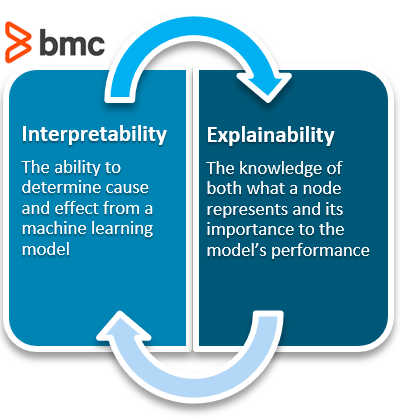
Interpretability means that the cause and effect can be determined.

What is explainability?

ML models are often called black-box models because they allow a pre-set number of empty parameters, or nodes, to be assigned values by the machine learning algorithm. Specifically, the back-propagation step is responsible for updating the weights based on its error function.

To predict when a person might die—the fun gamble one might play when calculating a life insurance premium, and the strange bet a person makes against their own life when purchasing a life insurance package—a model will take in its inputs, and output a percent chance the given person has at living to age 80.

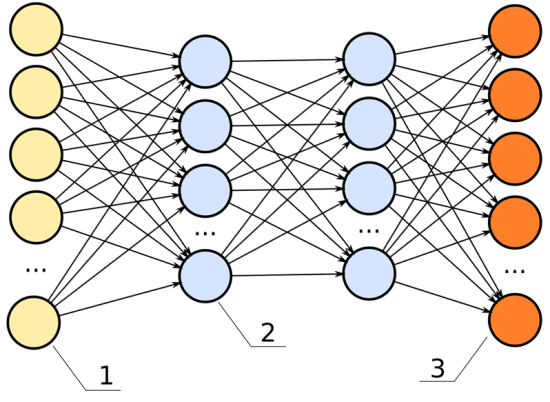
Below is an image of a neural network. The inputs are the yellow; the outputs are the orange. Like a rubric to an overall grade, explainability shows how significant each of the parameters, all the blue nodes, contribute to the final decision.

In this neural network, the hidden layers (the two columns of blue dots) would be the black box.

For example, we have these data inputs:

  • Age
  • BMI score
  • Number of years spent smoking
  • Career category

If this model had high explainability, we’d be able to say, for instance:

  • The career category is about 40% important
  • The number of years spent smoking weighs in at 35% important
  • The age is 15% important
  • The BMI score is 10% important

Explainability: important, not always necessary

Explainability becomes significant in the field of machine learning because, often, it is not apparent. Explainability is often unnecessary. A machine learning engineer can build a model without ever having considered the model’s explainability. It is an extra step in the building process—like wearing a seat belt while driving a car. It is unnecessary for the car to perform, but offers insurance when things crash.

The benefit a deep neural net offers to engineers is it creates a black box of parameters, like fake additional data points, that allow a model to base its decisions against. These fake data points go unknown to the engineer. The black box, or hidden layers, allow a model to make associations among the given data points to predict better results. For example, if we are deciding how long someone might have to live, and we use career data as an input, it is possible the model sorts the careers into high- and low-risk career options all on its own.

Perhaps we inspect a node and see it relates oil rig workers, underwater welders, and boat cooks to each other. It is possible the neural net makes connections between the lifespan of these individuals and puts a placeholder in the deep net to associate these. If we were to examine the individual nodes in the black box, we could note this clustering interprets water careers to be a high-risk job.

In the previous chart, each one of the lines connecting from the yellow dot to the blue dot can represent a signal, weighing the importance of that node in determining the overall score of the output.

  • If that signal is high, that node is significant to the model’s overall performance.
  • If that signal is low, the node is insignificant.

With this understanding, we can define explainability as:

Knowledge of what one node represents and how important it is to the model’s performance.

So how does choice of these two different algorithms make a difference with respect to health care and medical decision making?

The authors argue: 

“Regulators like the FDA should focus on those aspects of the AI/ML system that directly bear on its safety and effectiveness – in particular, how does it perform in the hands of its intended users?”

A suggestion for

  • Enhanced more involved clinical trials
  • Provide individuals added flexibility when interacting with a model, for example inputting their own test data
  • More interaction between user and model generators
  • Determining in which situations call for interpretable AI versus explainable (for instance predicting which patients will require dialysis after kidney damage)

Other articles on AI/ML in medicine and healthcare on this Open Access Journal include

Applying AI to Improve Interpretation of Medical Imaging

Real Time Coverage @BIOConvention #BIO2019: Machine Learning and Artificial Intelligence #AI: Realizing Precision Medicine One Patient at a Time

LIVE Day Three – World Medical Innovation Forum ARTIFICIAL INTELLIGENCE, Boston, MA USA, Monday, April 10, 2019

Cardiac MRI Imaging Breakthrough: The First AI-assisted Cardiac MRI Scan Solution, HeartVista Receives FDA 510(k) Clearance for One Click™ Cardiac MRI Package


Read Full Post »

Did FDA Reverse Course on Convalescent Plasma Therapy for COVID-19?

Reporter: Stephen J. Williams, PhD


Starting with a timeline of recent announcements by the FDA on convalescent plasma therapy

April 16, 2020

FDA STATEMENT

Coronavirus (COVID-19) Update: FDA Encourages Recovered Patients to Donate Plasma for Development of Blood-Related Therapies


As part of the all-of-America approach to fighting the COVID-19 pandemic, the U.S. Food and Drug Administration has been working with partners across the U.S. government, academia and industry to expedite the development and availability of critical medical products to treat this novel virus. Today, we are providing an update on one potential treatment called convalescent plasma and encouraging those who have recovered from COVID-19 to donate plasma to help others fight this disease.

Convalescent plasma is an antibody-rich product made from blood donated by people who have recovered from the disease caused by the virus. Prior experience with respiratory viruses and limited data that have emerged from China suggest that convalescent plasma has the potential to lessen the severity or shorten the length of illness caused by COVID-19. It is important that we evaluate this potential therapy in the context of clinical trials, through expanded access, as well as facilitate emergency access for individual patients, as appropriate.

The response to the agency’s recently announced national efforts to facilitate the development of and access to convalescent plasma has been tremendous. More than 1,040 sites and 950 physician investigators nationwide have signed on to participate in the Mayo Clinic-led expanded access protocol. A number of clinical trials are also taking place to evaluate the safety and efficacy of convalescent plasma and the FDA has granted numerous single patient emergency investigational new drug (eIND) applications as well.

Source: https://www.fda.gov/news-events/press-announcements/coronavirus-covid-19-update-fda-encourages-recovered-patients-donate-plasma-development-blood

August 23, 2020


Recommendations for Investigational COVID-19 Convalescent Plasma


  • FDA issues guidelines on clinical trials and obtaining emergency enrollment concerning convalescent plasma

FDA has issued guidance to provide recommendations to health care providers and investigators on the administration and study of investigational convalescent plasma collected from individuals who have recovered from COVID-19 (COVID-19 convalescent plasma) during the public health emergency.

The guidance provides recommendations on the following:

Because COVID-19 convalescent plasma has not yet been approved for use by FDA, it is regulated as an investigational product.  A health care provider must participate in one of the pathways described below.  FDA does not collect COVID-19 convalescent plasma or provide COVID-19 convalescent plasma.  Health care providers or acute care facilities should instead obtain COVID-19 convalescent plasma from an FDA-registered blood establishment.

Excerpts from the guidance document are provided below.

Background

The Food and Drug Administration (FDA or Agency) plays a critical role in protecting the United States (U.S.) from threats including emerging infectious diseases, such as the Coronavirus Disease 2019 (COVID-19) pandemic.  FDA is committed to providing timely guidance to support response efforts to this pandemic.

One investigational treatment being explored for COVID-19 is the use of convalescent plasma collected from individuals who have recovered from COVID-19.  Convalescent plasma that contains antibodies to severe acute respiratory syndrome coronavirus 2 or SARS-CoV-2 (the virus that causes COVID-19) is being studied for administration to patients with COVID-19. Use of convalescent plasma has been studied in outbreaks of other respiratory infections, including the 2003 SARS-CoV-1 epidemic, the 2009-2010 H1N1 influenza virus pandemic, and the 2012 MERS-CoV epidemic.

Although promising, convalescent plasma has not yet been shown to be safe and effective as a treatment for COVID-19. Therefore, it is important to study the safety and efficacy of COVID-19 convalescent plasma in clinical trials.

Pathways for Use of Investigational COVID-19 Convalescent Plasma

The following pathways are available for administering or studying the use of COVID-19 convalescent plasma:

  1. Clinical Trials

Investigators wishing to study the use of convalescent plasma in a clinical trial should submit requests to FDA for investigational use under the traditional IND regulatory pathway (21 CFR Part 312). CBER’s Office of Blood Research and Review is committed to engaging with sponsors and reviewing such requests expeditiously. During the COVID-19 pandemic, INDs may be submitted via email to CBERDCC_eMailSub@fda.hhs.gov.

  1. Expanded Access

An IND application for expanded access is an alternative for use of COVID-19 convalescent plasma for patients with serious or immediately life-threatening COVID-19 disease who are not eligible or who are unable to participate in randomized clinical trials (21 CFR 312.305). FDA has worked with multiple federal partners and academia to open an expanded access protocol to facilitate access to COVID-19 convalescent plasma across the nation. Access to this investigational product may be available through participation of acute care facilities in an investigational expanded access protocol under an IND that is already in place.

Currently, the following protocol is in place: National Expanded Access Treatment Protocol

  1. Single Patient Emergency IND

Although participation in clinical trials or an expanded access program are ways for patients to obtain access to convalescent plasma, for various reasons these may not be readily available to all patients in potential need. Therefore, given the public health emergency that the COVID-19 pandemic presents, and while clinical trials are being conducted and a national expanded access protocol is available, FDA also is facilitating access to COVID-19 convalescent plasma for use in patients with serious or immediately life-threatening COVID-19 infections through the process of the patient’s physician requesting a single patient emergency IND (eIND) for the individual patient under 21 CFR 312.310. This process allows the use of an investigational drug for the treatment of an individual patient by a licensed physician upon FDA authorization, if the applicable regulatory criteria are met.  Note, in such case, a licensed physician seeking to administer COVID-19 convalescent plasma to an individual patient must request the eIND (see 21 CFR 312.310(b)).

To Obtain a Single Patient Emergency IND  

The requesting physician may contact FDA by completing Form FDA 3926 (https://www.fda.gov/media/98616/download) and submitting the form by email to CBER_eIND_Covid-19@FDA.HHS.gov.

FACT SHEET FOR PATIENTS AND PARENTS/CAREGIVERS EMERGENCY USE AUTHORIZATION (EUA) OF COVID-19 CONVALESCENT PLASMA FOR TREATMENT OF COVID-19 IN HOSPITALIZED PATIENTS

  • FDA issues fact sheet for patients on donating plasma

August 23, 2020


FDA Issues Emergency Use Authorization for Convalescent Plasma as Potential Promising COVID–19 Treatment, Another Achievement in Administration’s Fight Against Pandemic


Today, the U.S. Food and Drug Administration issued an emergency use authorization (EUA) for investigational convalescent plasma for the treatment of COVID-19 in hospitalized patients as part of the agency’s ongoing efforts to fight COVID-19. Based on scientific evidence available, the FDA concluded, as outlined in its decision memorandum, this product may be effective in treating COVID-19 and that the known and potential benefits of the product outweigh the known and potential risks of the product.

Today’s action follows the FDA’s extensive review of the science and data generated over the past several months stemming from efforts to facilitate emergency access to convalescent plasma for patients as clinical trials to definitively demonstrate safety and efficacy remain ongoing.

The EUA authorizes the distribution of COVID-19 convalescent plasma in the U.S. and its administration by health care providers, as appropriate, to treat suspected or laboratory-confirmed COVID-19 in hospitalized patients with COVID-19.

Alex Azar, Health and Human Services Secretary:
“The FDA’s emergency authorization for convalescent plasma is a milestone achievement in President Trump’s efforts to save lives from COVID-19,” said Secretary Azar. “The Trump Administration recognized the potential of convalescent plasma early on. Months ago, the FDA, BARDA, and private partners began work on making this product available across the country while continuing to evaluate data through clinical trials. Our work on convalescent plasma has delivered broader access to the product than is available in any other country and reached more than 70,000 American patients so far. We are deeply grateful to Americans who have already donated and encourage individuals who have recovered from COVID-19 to consider donating convalescent plasma.”

Stephen M. Hahn, M.D., FDA Commissioner:
“I am committed to releasing safe and potentially helpful treatments for COVID-19 as quickly as possible in order to save lives. We’re encouraged by the early promising data that we’ve seen about convalescent plasma. The data from studies conducted this year shows that plasma from patients who’ve recovered from COVID-19 has the potential to help treat those who are suffering from the effects of getting this terrible virus,” said Dr. Hahn. “At the same time, we will continue to work with researchers to continue randomized clinical trials to study the safety and effectiveness of convalescent plasma in treating patients infected with the novel coronavirus.”

Scientific Evidence on Convalescent Plasma

Based on an evaluation of the EUA criteria and the totality of the available scientific evidence, the FDA’s Center for Biologics Evaluation and Research determined that the statutory criteria for issuing an EUA criteria were met.

The FDA determined that it is reasonable to believe that COVID-19 convalescent plasma may be effective in lessening the severity or shortening the length of COVID-19 illness in some hospitalized patients. The agency also determined that the known and potential benefits of the product, when used to treat COVID-19, outweigh the known and potential risks of the product and that that there are no adequate, approved, and available alternative treatments.


August 24, 2020

Donate COVID-19 Plasma


  • FDA posts video and blog about how to donate plasms if you had been infected with COVID


https://youtu.be/PlX15rWdBbY


Please go to https://www.fda.gov/emergency-preparedness-and-response/coronavirus-disease-2019-covid-19/donate-covid-19-plasma

to read more from FDA


August 25, 2020


CLINICAL MEMORANDUM From: , OBRR/DBCD/CRS To: , OBRR Through: , OBRR/DBCD , OBRR/DBCD , OBRR/DBCD/CRS Re: EUA 26382: Emergency Use Authorization (EUA) Request (original request 8/12/20; amended request 8/23/20) Product: COVID-19 Convalescent Plasma Items reviewed: EUA request Fact Sheet for Health Care Providers Fact Sheet for Recipients Sponsor: Robert Kadlec, M.D. Assistant Secretary for Preparedness and Response (ASPR) Office of Assistant Secretary for Preparedness and Response (ASPR) U.S. Department of Health and Human Services (HHS) EXECUTIVE SUMMARY COVID-19 Convalescent Plasma (CCP), an unapproved biological product, is proposed for use under an Emergency Use Authorization (EUA) under section 564 of the Federal Food, Drug, and Cosmetic Act (the Act),(21 USC 360bbb-3) as a passive immune therapy for the treatment of hospitalized patients with COVID-19, a serious or life-threatening disease. There currently is no adequate, approved, and available alternative to CCP for treating COVID-19. The sponsor has pointed to four lines of evidence to support that CCP may be effective in the treatment of hospitalized patients with COVID-19: 1) History of convalescent plasma for respiratory coronaviruses; 2) Evidence of preclinical safety and efficacy in animal models; 3) Published studies of the safety and efficacy of CCP; and 4) Data on safety and efficacy from the National Expanded Access Treatment Protocol (EAP) sponsored by the Mayo Clinic. Considering the totality of the scientific evidence presented in the EUA, I conclude that current data for the use of CCP in adult hospitalized patients with COVID-19 supports the conclusion that CCP meets the “may be effective” criterion for issuance of an EUA from section 564(c)(2)(A) of the Act. It is reasonable to conclude that the known and potential benefits of CCP outweigh the known and potential risks of CCP for the proposed EUA. Current data suggest the largest clinical benefit is associated with high-titer units of CCP administered early course of the disease.

Source: https://www.fda.gov/media/141480/download


And Today August 26, 2020

  • A letter, from Senator Warren, to Commissioner Hahn from Senate Committee asking for documentation for any communication between FDA and White House

August 25, 2020 Dr. Stephen M. Hahn, M.D. Commissioner of Food and Drugs U.S. Food and Drug Administration 10903 New Hampshire Avenue Silver Spring, MD 20993 Dear Commissioner Hahn: We write regarding the U.S. Food and Drug Administration’s (FDA) troubling decision earlier this week to issue an Emergency Use Authorization (EUA) for convalescent plasma as a treatment for coronavirus disease 2019 (COVID-19).1 Reports suggests that the FDA granted the EUA amid intense political pressure from President Trump and other Administration officials, despite limited evidence of convalescent plasma’s effectiveness as a COVID-19 treatment.2 To help us better understand whether the issuance of the blood plasma EUA was motivated by politics, we request copies of any and all communications between FDA and White House officials regarding the blood plasma EUA.

Source: https://www.warren.senate.gov/imo/media/doc/2020.08.25%20Letter%20to%20FDA%20re%20Blood%20Plasma%20EUA.pdf

…….. which may have been a response to this article

FDA chief walks back comments on effectiveness of coronavirus plasma treatment


From CNBC: https://www.cnbc.com/2020/08/25/fda-chief-walks-back-comments-on-effectiveness-of-coronavirus-plasma-treatment.html

PUBLISHED TUE, AUG 25 202010:45 AM EDTUPDATED TUE, AUG 25 20204:12 PM EDT

Berkeley Lovelace Jr.@BERKELEYJR

Will Feuer@WILLFOIA

KEY POINTS

  • The authorization will allow health-care providers in the U.S. to use the plasma to treat hospitalized patients with Covid-19.
  • The FDA’s emergency use authorization came a day after President Trump accused the agency of delaying enrollment in clinical trials for vaccines or therapeutics.
  • The criticism from Trump and action from the FDA led some scientists to believe the authorization, which came on the eve of the GOP national convention, was politically motivated.

FDA Commissioner Dr. Stephen Hahn is walking back comments on the benefits of convalescent plasma, saying he could have done a better job of explaining the data on its effectiveness against the coronavirus after authorizing it for emergency use over the weekend.

Commisioners responses over Twitter

https://twitter.com/SteveFDA/status/1298071603675373569?s=20

https://twitter.com/SteveFDA/status/1298071619236245504?s=20

August 26, 2020

In an interview with Bloomberg’s , FDA Commissioner Hahn reiterates that his decision was based on hard evidence and scientific fact, not political pressure.  The whole interview is at the link below:

https://www.bloomberg.com/news/articles/2020-08-25/fda-s-hahn-vows-to-stick-to-the-science-amid-vaccine-pressure?sref=yLCixKPR

Some key points:

  • Dr. Hahn corrected his initial statement about 35% of people would be cured by convalescent plasma. In the interview he stated:

I was trying to do what I do with patients, because patients often understand things in absolute terms versus relative terms. And I should’ve been more careful, there’s no question about it. What I was trying to get to is that if you look at a hundred patients who receive high titre, and a hundred patients who received low titre, the difference between those two particular subset of patients who had these specific criteria was a 35% reduction in mortality. So I frankly did not do a good job of explaining that.

  • FDA colleagues had frank discussion after the statement was made.  He is not asking for other people in HHS to retract their statements, only is concerned that FDA has correct information for physicians and patients
  • Hahn is worried that people will not enroll due to chance they may be given placebo
  • He gave no opinion when asked if FDA should be an independent agency


For more articles on COVID19 please go to our Coronavirus Portal at

https://pharmaceuticalintelligence.com/coronavirus-portal/


Read Full Post »

Multiple Barriers Identified Which May Hamper Use of Artificial Intelligence in the Clinical Setting

Reporter: Stephen J. Williams, PhD.

From the Journal Science:Science  21 Jun 2019: Vol. 364, Issue 6446, pp. 1119-1120

By Jennifer Couzin-Frankel

3.3.21

3.3.21   Multiple Barriers Identified Which May Hamper Use of Artificial Intelligence in the Clinical Setting, Volume 2 (Volume Two: Latest in Genomics Methodologies for Therapeutics: Gene Editing, NGS and BioInformatics, Simulations and the Genome Ontology), Part 2: CRISPR for Gene Editing and DNA Repair

In a commentary article from Jennifer Couzin-Frankel entitled “Medicine contends with how to use artificial intelligence  the barriers to the efficient and reliable adoption of artificial intelligence and machine learning in the hospital setting are discussed.   In summary these barriers result from lack of reproducibility across hospitals. For instance, a major concern among radiologists is the AI software being developed to read images in order to magnify small changes, such as with cardiac images, is developed within one hospital and may not reflect the equipment or standard practices used in other hospital systems.  To address this issue, lust recently, US scientists and government regulators issued guidance describing how to convert research-based AI into improved medical images and published these guidance in the Journal of the American College of Radiology.  The group suggested greater collaboration among relevant parties in developing of AI practices, including software engineers, scientists, clinicians, radiologists etc. 

As thousands of images are fed into AI algorithms, according to neurosurgeon Eric Oermann at Mount Sinai Hospital, the signals they recognize can have less to do with disease than with other patient characteristics, the brand of MRI machine, or even how a scanner is angled.  For example Oermann and Mount Sinai developed an AI algorithm to detect spots on a lung scan indicative of pneumonia and when tested in a group of new patients the algorithm could detect pneumonia with 93% accuracy.  

However when the group from Sinai tested their algorithm from tens of thousands of scans from other hospitals including NIH success rate fell to 73-80%, indicative of bias within the training set: in other words there was something unique about the way Mt. Sinai does their scans relative to other hospitals.  Indeed, many of the patients Mt. Sinai sees are too sick to get out of bed and radiologists would use portable scanners, which generate different images than stand alone scanners.  

The results were published in Plos Medicine as seen below:

PLoS Med. 2018 Nov 6;15(11):e1002683. doi: 10.1371/journal.pmed.1002683. eCollection 2018 Nov.

Variable generalization performance of a deep learning model to detect pneumonia in chest radiographs: A cross-sectional study.

Zech JR1, Badgeley MA2, Liu M2, Costa AB3, Titano JJ4, Oermann EK3.

Abstract

BACKGROUND:

There is interest in using convolutional neural networks (CNNs) to analyze medical imaging to provide computer-aided diagnosis (CAD). Recent work has suggested that image classification CNNs may not generalize to new data as well as previously believed. We assessed how well CNNs generalized across three hospital systems for a simulated pneumonia screening task.

METHODS AND FINDINGS:

A cross-sectional design with multiple model training cohorts was used to evaluate model generalizability to external sites using split-sample validation. A total of 158,323 chest radiographs were drawn from three institutions: National Institutes of Health Clinical Center (NIH; 112,120 from 30,805 patients), Mount Sinai Hospital (MSH; 42,396 from 12,904 patients), and Indiana University Network for Patient Care (IU; 3,807 from 3,683 patients). These patient populations had an age mean (SD) of 46.9 years (16.6), 63.2 years (16.5), and 49.6 years (17) with a female percentage of 43.5%, 44.8%, and 57.3%, respectively. We assessed individual models using the area under the receiver operating characteristic curve (AUC) for radiographic findings consistent with pneumonia and compared performance on different test sets with DeLong’s test. The prevalence of pneumonia was high enough at MSH (34.2%) relative to NIH and IU (1.2% and 1.0%) that merely sorting by hospital system achieved an AUC of 0.861 (95% CI 0.855-0.866) on the joint MSH-NIH dataset. Models trained on data from either NIH or MSH had equivalent performance on IU (P values 0.580 and 0.273, respectively) and inferior performance on data from each other relative to an internal test set (i.e., new data from within the hospital system used for training data; P values both <0.001). The highest internal performance was achieved by combining training and test data from MSH and NIH (AUC 0.931, 95% CI 0.927-0.936), but this model demonstrated significantly lower external performance at IU (AUC 0.815, 95% CI 0.745-0.885, P = 0.001). To test the effect of pooling data from sites with disparate pneumonia prevalence, we used stratified subsampling to generate MSH-NIH cohorts that only differed in disease prevalence between training data sites. When both training data sites had the same pneumonia prevalence, the model performed consistently on external IU data (P = 0.88). When a 10-fold difference in pneumonia rate was introduced between sites, internal test performance improved compared to the balanced model (10× MSH risk P < 0.001; 10× NIH P = 0.002), but this outperformance failed to generalize to IU (MSH 10× P < 0.001; NIH 10× P = 0.027). CNNs were able to directly detect hospital system of a radiograph for 99.95% NIH (22,050/22,062) and 99.98% MSH (8,386/8,388) radiographs. The primary limitation of our approach and the available public data is that we cannot fully assess what other factors might be contributing to hospital system-specific biases.

CONCLUSION:

Pneumonia-screening CNNs achieved better internal than external performance in 3 out of 5 natural comparisons. When models were trained on pooled data from sites with different pneumonia prevalence, they performed better on new pooled data from these sites but not on external data. CNNs robustly identified hospital system and department within a hospital, which can have large differences in disease burden and may confound predictions.

PMID: 30399157 PMCID: PMC6219764 DOI: 10.1371/journal.pmed.1002683

[Indexed for MEDLINE] Free PMC Article

Images from this publication.See all images (3)Free text


Surprisingly, not many researchers have begun to use data obtained from different hospitals.  The FDA has issued some guidance in the matter but considers “locked” AI software or unchanging software as a medical device.  However they just announced development of a framework for regulating more cutting edge software that continues to learn over time.

Still the key point is that collaboration over multiple health systems in various countries may be necessary for development of AI software which is used in multiple clinical settings.  Otherwise each hospital will need to develop their own software only used on their own system and would provide a regulatory headache for the FDA.

Other articles on Artificial Intelligence in Clinical Medicine on this Open Access Journal include:

Top 12 Artificial Intelligence Innovations Disrupting Healthcare by 2020

The launch of SCAI – Interview with Gérard Biau, director of the Sorbonne Center for Artificial Intelligence (SCAI).

Real Time Coverage @BIOConvention #BIO2019: Machine Learning and Artificial Intelligence #AI: Realizing Precision Medicine One Patient at a Time

50 Contemporary Artificial Intelligence Leading Experts and Researchers

Read Full Post »

New Neuromodulation Device to Treat Migraines

Reporter: Irina Robu, PhD

Theranica, Israeli startup is developing a non-invasive medical device that treats migraine pain through smartphone-controlled electric pulses unlike existing pharmaceutical solutions like triptans and ergotamine. The company recently received FDA De-novo clearance on Nerivio Migra, a class II medical device to treat acute migraine pain.

The non-invasive medical device, Nerivio Migra contains a bioelectric patch which is placed on the upper arm and a linked smartphone app which controls the electrical impulses and records data. The device’s electric pulses excite C-fiber nerves, generating an analgesic mechanism in the brain that lightens migraine pain.

In order to diminish the overuse of painkillers, the company developed the non-invasive device and tested it among acute migraine patients both two and 48 hours after treatment. Side effects from the device were mild and resolved within 24 hours.

Theranica’s product is lower in price than the existing alternatives and it is using existing smartphone technology. Their initial focus is on marketing to headache clinics as a start. And hoping to expand the indications for its device to the pediatric migraine population and finally use its platform to treat other idiopathic pain conditions like cluster headaches.

SOURCE

Israeli startup gets FDA nod for neuromodulation device to treat migraines

Read Full Post »

Real Time Coverage @BIOConvention #BIO2019: Genome Editing and Regulatory Harmonization: Progress and Challenges

Reporter: Stephen J Williams, PhD @StephenJWillia2


Genome editing offers the potential of new and effective treatments for genetic diseases. As companies work to develop these treatments, regulators are focused on ensuring that any such products meet applicable safety and efficacy requirements. This panel will discuss how European Union and United States regulators are approaching therapeutic use of genome editing, issues in harmonization between these two – and other – jurisdictions, challenges faced by industry as regulatory positions evolve, and steps that organizations and companies can take to facilitate approval and continued efforts at harmonization.


CBER:  because of the nature of these gene therapies, which are mainly orphan, there is expedited review.  Since they started this division in 2015, they have received over 1500 applications.

Spark: Most of the issues were issues with the primary disease not the gene therapy so they had to make new endpoint tests so had talks with FDA before they entered phase III.   There has been great collaboration with FDA,  now they partnered with Novartis to get approval outside US.  You should be willing to partner with EU pharmas to expedite the regulatory process outside US.  In China the process is new and Brazil is behind on their gene therapy guidance.  However there is the new issue of repeat testing of your manufacturing process, as manufacturing of gene therapies had been small scale before. However he notes that problems with expedited review is tough because you don’t have alot of time to get data together.  They were lucky that they had already done a randomized trial.

Sidley Austin:  EU regulatory you make application with advance therapy you don’t have a national option, the regulation body assesses a committee to see if has applicability. Then it goes to a safety committee.  EU has been quicker to approve these advance therapies. Twenty five percent of their applications are gene therapies.  Companies having issues with manufacturing.  There can be issues when the final application is formalized after discussions as problems may arise between discussions, preliminary applications, and final applications.

Sarepta: They have a robust gene therapy program.  Their lead is a therapy for DMD (Duchenne’s Muscular Dystrophy) where affected males die by 25. Japan and EU have different regulatory applications and although they are similar and data can be transferred there is more paperwork required by EU.  The US uses an IND for application. Global feedback is very challenging, they have had multiple meetings around the world and takes a long time preparing a briefing package….. putting a strain on the small biotechs.  No company wants to be either just EU centric or US centric they just want to get out to market as fast as possible.


Please follow LIVE on TWITTER using the following @ handles and # hashtags:

@Handles

@pharma_BI

@AVIVA1950

@BIOConvention

# Hashtags

#BIO2019 (official meeting hashtag)


Read Full Post »

Older Posts »