Erythropoietin (EPO) and Intravenous Iron (Fe) as Therapeutics for Anemia in Severe and Resistant CHF: The Elevated N-terminal proBNP Biomarker
Co-Author of the FIRST Article: Larry H. Bernstein, MD, FCAP
Reviewer and Curator of the SECOND and of the THIRD Articles: Larry H. Bernstein, MD, FCAP
and
Article Architecture Curator: Aviva Lev-Ari, PhD, RN
This article presents Advances in the Treatment using Subcutaneous Erythropoietin (EPO) and Intravenous Iron (Fe) for IMPROVEMENT of Severe and Resistant Congestive Heart Failure and its resultant Anemia. The Leading Biomarker for Congestive Heart Failure is an Independent Predictor identified as an Elevated N-terminal proBNP.

FIRST ARTICLE
Anemia as an Independent Predictor of Elevated N-terminal proBNP
Salman A. Haq, MD1, Mohammad E. Alam2, Larry Bernstein, MD, FCAP3, LB Banko 1, Leonard Y. Lee, MD, FACS4, Barry I. Saul, MD, FACC5, Terrence J. Sacchi, MD, FACC6, John F. Heitner, MD, FACC7
1Cardiology Fellow, 2 Clinical Chemistry Laboratories, 3 Program Director, Cardiothoracic Surgery, 4 Division of Cardiology, Department of Medicine, New York Methodist Hospital-Weill Cornell, Brooklyn, NY
(Unpublished manuscript) Poster Presentation
SECOND ARTICLE
The effect of correction of mild anemia in severe, resistant congestive heart failure using subcutaneous erythropoietin and intravenous iron: a randomized controlled study
Donald S Silverberg, MDa; Dov Wexler, MDa; David Sheps, MDa; Miriam Blum, MDa; Gad Keren, MDa; Ron Baruch, MDa; Doron Schwartz, MDa; Tatyana Yachnin, MDa; Shoshana Steinbruch, RNa; Itzhak Shapira, MDa; Shlomo Laniado, MDa; Adrian Iaina, MDa
J Am Coll Cardiol. 2001;37(7):1775-1780. doi:10.1016/S0735-1097(01)01248-7
http://content.onlinejacc.org/article.aspx?articleid=1127229
THIRD ARTICLE
The use of subcutaneous erythropoietin and intravenous iron for the treatment of the anemia of severe, resistant congestive heart failure improves cardiac and renal function and functional cardiac class, and markedly reduces hospitalizations
Donald S Silverberg, MDa; Dov Wexler, MDa; Miriam Blum, MDa; Gad Keren, MDa; David Sheps, MDa; Eyal Leibovitch, MDa; David Brosh, MDa; Shlomo Laniado, MDa; Doron Schwartz, MDa; Tatyana Yachnin, MDa; Itzhak Shapira, MDa; Dov Gavish, MDa; Ron Baruch, MDa; Bella Koifman, MDa; Carl Kaplan, MDa; Shoshana Steinbruch, RNa; Adrian Iaina, MDa
J Am Coll Cardiol. 2000;35(7):1737-1744. doi:10.1016/S0735-1097(00)00613-6
http://content.onlinejacc.org/article.aspx?articleid=1126474
Perspective
This THREE article sequence is related by investigations occurring by me, a very skilled cardiologist and his resident, and my premedical student at New York Methodist Hospital-Weill Cornell, in Brooklyn, NY, while a study had earlier been done applying the concordant discovery, which the team in Israel had though was knowledge neglected. There certainly was no interest in the problem of the effect of anemia on the patient with severe congestive heart failure, even though erythropoietin was used widely in patients with end-stage renal disease requiring dialysis, and also for patients with myelofibrosis. The high cost of EPO was only one factor, the other being a guideline to maintain the Hb concentration at or near 11 g/dl – not higher. In the first article, the authors sought to determine whether the amino terminal pro– brain type natriuretic peptide (NT-pro BNP) is affected by anemia, and to determine that they excluded all patients who had renal insufficiency and/or CHF, since these were associated with elevated NT-proBNP. It was already well established that this pro-peptide is secreted by the heart with the action as a urinary sodium retention hormone on the kidney nephron, the result being an increase in blood volume. Perhaps the adaptation would lead to increased stroke volume from increased venous return, but that is not conjectured. However, at equilibrium, one would expect there to be increased red cell production to maintain the cell to plasma volume ratio, thereby, resulting in adequate oxygen exchange to the tissues. Whether that is always possible is uncertain because any reduction in the number of functioning nephrons would make the kidney not fully responsive at the Na+ exchange level, and the NT-pro BNP would rise. This introduces complexity into the investigation, requiring a removal of confounders to establish the effect of anemia.
The other two articles are related studies by the same group in Israel. They surmised that there was evidence that was being ignored as to the effect of anemia, and the treatment of anemia was essential in addition to other treatments. They carried out a randomized trial to determine just that, a benefit to treating the anemia. But they also conjectured that an anemia with a Hb concentration below 12 g/dl has an deleterious effect on the targeted population. Treatment by intermittent transfusions could potentially provide the added oxygen-carrying capacity, but the fractionation of blood, the potential for transfusion-transmitted disease and transfusion-reactions, combined with the need for the blood for traumatic blood loss made EPO a more favorable alternative to packed RBCs. The proof-of-concept is told below. Patients randomized to receive EPO at a lower than standard dose + iron did better.
Introduction
In this article, Erythropoietin (EPO) and Intravenous Iron (Fe) as Therapeutics for Anemia in Severe and Resistant CHF: The Elevated N-terminal proBNP Biomarker we provides a summary of three articles on the topic and we shading new light on the role that Anemia Hb < 12 g% plays as a Biomarker for CHF and for
- prediction of elevated BNP, known as an indicator for the following Clinical Uses:
| Clinical Use |
- Rule out congestive heart failure (CHF) in symptomatic individuals
- Determine prognosis in individuals with CHF or other cardiac disease
- Maximize therapy in individuals with heart failure by the use of Subcutaneous Erythropoietin (EPO) and Intravenous Iron (Fe)
|
| Evaluation of BNP and NT-proBNP Clinical Performance |
| Study |
Sensitivity(%) |
Specificity(%) |
PPV(%) |
NPV(%) |
| Diagnose impaired LVEF3 |
|
|
|
|
| BNP |
73 |
77 |
70 |
79 |
| NT-proBNP |
70 |
73 |
61 |
80 |
| Diagnose LV systolic dysfunction after MI2 |
|
|
|
|
| BNP |
68 |
69 |
56 |
79 |
| NT-proBNP |
71 |
69 |
56 |
80 |
| Diagnose LV systolic dysfunction after MI12 |
|
|
|
|
| BNP |
94 |
40 |
NG |
96 |
| NT-proBNP |
94 |
37 |
NG |
96 |
| Prognosis in newly diagnosed heart failure patients: prediction of mortality/survival1 |
|
|
|
|
| BNP |
98 |
22 |
42 |
94 |
| NT-proBNP |
95 |
37 |
47 |
93 |
| Prognosis post myocardial infarction: prediction of mortality2 |
|
|
|
|
| BNP |
86 |
72 |
39 |
96 |
| NT-proBNP |
91 |
72 |
39 |
97 |
| Prognosis post myocardial infarction: prediction of heart failure2 |
|
|
|
|
| BNP |
85 |
73 |
54 |
93 |
| NT-proBNP |
82 |
69 |
50 |
91 |
| PPV, positive predictive value; NPV, negative predictive value; LVEF, left ventricular ejection fraction; NG, not given. |
| Reference Range |
| BNP: |
< 100 pg/mL13 |
| proBNP, N-terminal: |
≤ 300 pg/mL |
|
| The NT-proBNP reference range is based on EDTA plasma. Other sample types will produce higher values. |
| Interpretive Information |
| Symptomatic patients who present with a BNP or NT-proBNP level within the normal reference range are highly unlikely to have CHF. Conversely, an elevated baseline level indicates the need for further cardiac assessment and indicates the patient is at increased risk for future heart failure and mortality.BNP levels increase with age in the general population, with the highest concentrations seen in those greater than 75 years of age.14 Heart failure is unlikely in individuals with a BNP level <100 pg/mL and proBNP level ≤300 pg/mL. Heart failure is very likely in individuals with a BNP level >500 pg/mL and proBNP level ≥450 pg/mL who are <50 years of age, or ≥900 pg/mL for patients ≥50 years of age. Patients in between are either hypertensive or have mild ischemic or valvular disease and should be observed closely.15BNP is increased in CHF, left ventricular hypertrophy, acute myocardial infarction, atrial fibrillation, cardiac amyloidosis, and essential hypertension. Elevations are also observed in right ventricular dysfunction, pulmonary hypertension, acute lung injury, subarachnoid hemorrhage, hypervolemic states, chronic renal failure, and cirrhosis.NT-proBNP levels are increased in CHF, left ventricular dysfunction, myocardial infarction, valvular disease, hypertensive pregnancy, and renal failure, even after hemodialysis.Although levels of BNP and NT-proBNP are similar in normal individuals, NT-proBNP levels are substantially greater than BNP levels in patients with cardiac disease due to increased stability (half-life) of NT-proBNP in circulation. Thus, results from the two tests are not interchangeable. |
| References |
- Cowie MR and Mendez GF. BNP and congestive heart failure. Prog Cardiovasc Dis. 2002;44:293-321.
- Richards AM, Nicholls MG, Yandle TG, et al. Plasma N-terminal pro-brain natriuretic peptide and adrenomedullin. New neurohormonal predictors of left ventricular function and prognosis after myocardial infarction. Circulation. 1998:97:1921-1929.
- Hammerer-Lercher A, Neubauer E, Muller S, et al. Head-to-head comparison of N-terminal pro-brain natriuretic peptide, brain natriuretic peptide and N-terminal pro-atrial natriuretic peptide in diagnosing left ventricular dysfunction. Clin Chim Acta. 2001;310:193-197.
- McDonagh TA, Robb SD, Murdoch DR, et al. Biochemical detection of left-ventricular systolic dysfunction. Lancet. 1998;351:9-13.
- Mukoyama Y, Nakao K, Hosoda K, et al. Brain natriuretic peptide as a novel cardiac hormone in humans: Evidence for an exquisite dual natriuretic peptide system, ANP and BNP. J Clin Invest. 1991;87:1402-1412.
- Hunt PJ, Richards AM, Nicholls MG, et al. Immunoreactive amino-terminal pro-brain natriuretic peptide (NT-PROBNP): a new marker of cardiac impairment. Clin Endocrinol. 1997;47:287-296.
- Davis M, Espiner E, Richards G, et al. Plasma brain natriuretic peptide in assessment of acute dyspnoea. Lancet. 1994;343:440-444.
- Kohno M, Horio T, Yokokawa K, et al. Brain natriuretic peptide as a cardiac hormone in essential hypertension. Am J Med. 1992;92:29-34.
- Bettencourt P, Ferreira A, Pardal-Oliveira N, et al. Clinical significance of brain natriuretic peptide in patients with postmyocardial infarction. Clin Cardiol. 2000;23:921-927.
- Jernberg T, Stridsberg M, Venge P, et al. N-terminal pro brain natriuretic peptide on admission for early risk stratification of patients with chest pain and no ST-segment elevation. J Am Coll Cardiol. 2002;40:437-445.
- Richards AM, Troughton RW. Use of natriuretic peptides to guide and monitor heart failure therapy. Clin Chem. 2012;58:62-71.
- Pfister R, Scholz M, Wielckens K, et al. The value of natriuretic peptides NT-pro-BNP and BNP for the assessment of left-ventricular volume and function. A prospective study of 150 patients.Dtsch Med Wochenschr. 2002;127:2605-2609.
- Siemens ADVIA Centaur® BNP directional insert; 2003.
- Redfield MM, Rodeheffer RJ, Jacobsen SJ, et al. Plasma brain natriuretic peptide concentration: impact of age and gender. J Am Coll Cardiol. 2002;40:976-982.
- Weber M, Hamm C. Role of B-type natriuretic peptid (BNP) and NT-proBNP in clinical routine.Heart. 2006;92:843-849.
|
SOURCE
B-type Natriuretic Peptide and proBNP, N-terminal
http://www.questdiagnostics.com/testcenter/testguide.action?dc=TS_BNP_proBNP
FIRST ARTICLE
Anemia as an Independent Predictor of Elevated N-terminal proBNP
Salman A. Haq, MD1, Mohammad E. Alam2, Larry Bernstein, MD, FCAP3, LB Banko 1, Leonard Y. Lee, MD, FACS4, Barry I. Saul, MD, FACC5, Terrence J. Sacchi, MD, FACC6, John F. Heitner, MD, FACC7
1Cardiology Fellow, 2 Clinical Chemistry Laboratories, 3 Program Director, Cardiothoracic Surgery, 4 Division of Cardiology, Department of Medicine, New York Methodist Hospital-Weill Cornell, Brooklyn, NY
(Unpublished manuscript) Poster Presentation:
Anemia as an Independent Predictor of Elevated N-Terminal proBNP Levels in
Patients without Evidence of Heart Failure and Normal Renal Function.
Haq SA, Alam ME, Bernstein L, Banko LB, Saul BI, Lee LY, Sacchi TJ, Heitner JF.
Table 1. Patient Characteristics
| Variable |
No Anemia(n=138) |
Anemia(n=80) |
| Median Age (years) |
63 |
76 |
| Men (%) |
35 |
33 |
| Creatinine (mg/dl) |
0.96 |
1.04 |
| Hemoglobin (g/dl) |
13.7 |
10.2 |
| LVEF (%) |
67 |
63 |
| Median NT-proBNP (pg/ml) |
321.6 |
1896.0 |

A series of slide showing the determination of the representation of normal NT-proBNP range
after removal of patient confounders.


ABSTRACT
Introduction
N-terminal proBNP (NT-proBNP) has emerged as a primary tool for diagnosing congestive heart failure (CHF). Studies have shown that the level of
- NT-proBNP is affected by renal insufficiency (RI) and age, independent of the diagnosis of CHF.
There is some suggestion from recent studies that
- anemia may also independently affect NT-proBNP levels.
Objective
To assess the affect of anemia on NT-proBNP independent of CHF, RI, and age.
Methods
We evaluated 746 consecutive patients presenting to the Emergency Department (ED) with shortness of breath and underwent evaluation with serum NT-proBNP.
All patients underwent a trans-thoracic echocardiogram (TTE) and clinical evaluation for CHF. Patients were included in this study if they had a normal TTE (normal systolic function, mitral inflow pattern and left ventricular (LV) wall thickness) and no evidence of CHF based on clinical evaluation. Patients were excluded if they had RI (creatinine > 2 mg/dl) or a diagnosis of sepsis. Anemia was defined using the World Health Organization (W.H.O.) definition of
- hemoglobin (hgb) < 13 g/dl for males and hgb < 12 g/dl for females.
Results
Of the 746 consecutive patients, 218 patients (138 anemia, 80 no anemia) met the inclusion criteria. There was a markedly significant difference between
- NT- proBNP levels based on the W.H.O. diagnosis of anemia.
Patients with anemia had a
- mean NT- proBNP of 4,735 pg/ml compared to 1,230 pg/ml in patients without anemia (p=0.0001).
There was a markedly
- significant difference in patients who had a hgb > 12 (median 295 pg/ml) when compared to
- both patients with an hgb of 10.0 to 11.9 (median 2,102 pg/ml; p = 0.0001) and
- those with a hgb < 10 (median 2,131 pg/ml; p = 0.001).
Linear regression analysis comparing hgb with log NT-proBNP was statistically significant (r = 0.395; p = 0.0001). MANOVA demonstrated that
- elevated NT- proBNP levels in patients with anemia was independent of age.
Conclusion
This study shows that NT-proBNP is associated with anemia independent of CHF, renal insufficiency, sepsis or age.
INTRODUCTION
B-type natriuretic peptide (BNP) is secreted from the myocardium in response to myocyte stretch. 1-2 BNP is released from the myocytes as a 76 aminoacid N-terminal fragment (NT-proBNP) and a 32-amino acid active hormone (BNP). 3 These peptides have emerged as a primary non-invasive modality for the diagnosis of congestive heart failure (CHF). 4- 7 In addition, these peptides have demonstrated prognostic significance in patients with invasive modality for the diagnosis of
- congestive heart failure (CHF). 4- 7
- heart failure 8-9,
- stable coronary artery disease 10, and
- in patients with acute coronary syndromes. 11-14
Studies have shown that the level of NT- proBNP is affected by
- age and renal insufficiency (RI) independent of the diagnosis of CHF. 15,16
There is some suggestion from the literature that
- anemia may also independently affect NT-proBNP levels. 17-20
Willis et al. demonstrated in a cohort of 209 patients without heart failure that anemia was associated with an elevated NT- proBNP. 17 Similarly, in 217 patients undergoing cardiac catheterization, blood samples were drawn from the descending aorta prior to contrast ventriculography for BNP measurements and
- anemia was found to be an independent predictor of plasma BNP levels. 18
The objective of this study is to assess the effect of anemia on NT-proBNP independent of CHF, sepsis, age or renal insufficiency.
METHODS
Patient population
The study population consisted of 746 consecutive patients presenting to the emergency room who underwent NT-proBNP evaluation for the evaluation of dyspnea. Transthoracic echocardiogram (TTE) was available on 595 patients. Patients were included in this study if they had a normal TTE, which was defined as normal systolic function (left ventricular ejection fraction [LVEF] > 45%), normal mitral inflow pattern and normal LV wall thickness. CHF was excluded based on thorough clinical evaluation by the emergency department attending and the attending medical physician. Patients with disease states that may affect the NT- proBNP levels were also excluded:
- left ventricular systolic dysfunction (LVEF < 45%),
- renal insufficiency defined as a creatinine > 2 mg/dl and
- sepsis (defined as positive blood cultures with two or more of the following systemic inflammatory response syndrome (SIRS) criteria: heart rate > 90 beats per minute;
- body temperature < 36 (96.8 °F) or > 38 °C (100.4 °F);
- hyperventilation (high respiratory rate) > 20 breaths per minute or, on blood gas, a PaCO2 less than 32 mm Hg;
- white blood cell count < 4000 cells/mm3 or > 12000 cells/mm³ (< 4 x 10⁹ or > 12 x 109 cells/L), or greater than 10% band forms (immature white blood cells). 21
The study population was then divided into two groups, anemic and non- anemic. Anemia was defined using the world health organization (W.H.O.) definition of hemoglobin (hgb) < 13 g/dl for males and < 12 g/dl for females.The data was also analyzed by dividing the patients into three groups based on hgb levels i.e. hgb > 12, hgb 10 to 11.9 and hgb < 10.
Baseline patient data
Patient’s baseline data including age, gender, ethnicity, hemoglobin (hgb), hematocrit (hct), creatinine, NT- proBNP were recorded from the electronic medical record system in our institution. Chemistry results were performed on the Roche Modular System (Indianapolis, IN), with the NT- proBNP done by chemiluminescence assay. The hemogram was performed on the Beckman Coulter GenS. All TTE’s were performed on Sonos 5500 machine. TTE data collected included LVEF, mitral inflow pattern and LV wall thickness assessment.
Statistical analysis
The results are reported in the means with p < 0.05 as the measure of significance for difference between means. Independent Student’s t-tests were done comparing NT proBNP and anemia. Univariate ANOVAs and multivariate ANOVA (MANOVA) with post hoc tests using the Bonferroni method were used to compare NT- proBNP levels with varying ranges of hgb and age using SPSS 13.0 (SPSS, Chicago, IL). A linear regression analysis was performed using SYSTAT. Calculations included Wilks’Lamda, Pillai trace and Hotelling-Lawley trace. A GOLDMineR® plot was constructed to estimate the effects of age and anemia on NT- proBNP levels. The GOLDMineR® effects plot displays the odds-ratios for predicted NT-proBNP elevation versus the predictor values. Unlike the logistic regression, the ordinal regression, which the plot is derived from, can have polychotomous as well as dichotomous values, as is the case for NT-proBNP.
RESULTS
Of the 746 consecutive patients, 218 patients met the inclusion criteria (fig 1). Baseline characteristics of patients are listed in table 1. The median age for anemic patients was 76 years and 63 years for patients without anemia. One third of patients in both groups were men. The mean hemoglobin for
- anemic patients was 10.2 g/dl as compared to 13.7 g/dl for non-anemic patients.
- The mean LVEF of patients with anemia was 64% as compared to 67% for non-anemic patients.
Based on the WHO definition of anemia, 138 patients were determined to be anemic while 80 patients were diagnosed as non-anemic. There was a markedly significant difference between NT-proBNP levels based on the WHO diagnosis of anemia.
Patients with anemia had a
- mean NT-proBNP of 4,735 pg/ml compared to 1,230 pg/ml in patients without anemia (p = 0.0001).
Of the 218 patients in the study, 55 patients had a hgb of < 10 g/dl. Analysis using
- hgb < 10 g/dl for anemia demonstrated a statistically significant difference in the NT-proBNP values.
Patients with a hgb < 10 g/dl had a mean NT- proBNP of 5,130 pg/ml
- compared to 2,882 pg/ml in patients with a hgb of > 10 g/dl (p = 0.01)
The groups were also divided into three separate categories of hgb for subset analysis:
- hgb > 12 g/dl,
- hgb 10 to 11.9 g/dl and
- hgb < 10 g/dl.
There was a markedly significant difference in
- the NT- ProBNP levels of patients who had a hgb > 12 g/dl (median 295 pg/ml) when
- compared to those with a hgb range of 10.0 g/dl to 11.9 g/dl (median 2,102 pg/ml) (p = 0.0001),
and also a significant difference in
- NT- proBNP levels of patients with a hgb > 12 g/dl (median 295 pg/ml) when
- compared to a hgb of < 10 g/dl (median 2,131 pg/ml) (p = 0.001).
However, there was no statistically significant difference in NT-proBNP levels of patients with hgb 10 g/dl to 11.9 g/dl
- when compared to those with a hgb of < 10 g/dl (p = 1.0).
A scatter plot comparing hgb with log NT-proBNP and fitting of a line to the data by ordinary least squares regression was significant (p = 0.0001) and demonstrated
- a correlation between anemia and NT-proBNP levels (r = 0.395) (fig. 2).
MANOVA demonstrated that elevated NT- proBNP levels in patients with anemia was independent of age (Wilks’ Lambda [p = 0.0001]). In addition, using GOLDMineR® plots (figure 3a and 3b) with a combination of age and hb scaled as predictors of elevated NT-proBNP,
- both age and hgb were required as independent predictors.
What about the effect of anemia? The GOLDminer analysis of ordinal regression was carried out in a database from which renal insufficiency and CHF were removed. The anemia would appear to have an independent effect on renal insufficiency. Figure 4 is a boxplot comparison of NT – proBNP, the age normalized function NKLog (NT- proBNP)/eGFR formed from taking 1000*Log(NT- proBNP) divided by the MDRD at eGFR exceeding 60 ml/min/m2 and exceeding 30 ml/min/m2. The transformed variable substantially makes the test independent of age and renal function. The boxplot shows the medians, 97.5, 75, 25 and 2.5 percentiles. There appears to be no significance in the NKLog(NT pro-BNP)/MDRD plot. Table II compares the NT-proBNP by WHO criteria at eGFR 45, 60 and 75 ml/mln/m2 using the t-test with unequal variance assumed, and the Kolmogorov-Smirnov test for nonparametric measures of significance. The significance at 60 ml/min/m2 is marginal and nonexistent at 75 ml/min/m2. This suggests that the contribution from renal function at above 60 ml/min2 can be ignored. This is consistent with the findings using the smaller, trimmed database, but there is an interaction between
- anemia, and
- eGFR at levels below 60 ml/min/m2
DISCUSSION
The findings in this study indicate that
- anemia was associated with elevated NT-proBNP levels independent of CHF, renal insufficiency, sepsis or age.
These findings have been demonstrated with NT-proBNP in only one previous study. Wallis et al. demonstrated that after adjusting for age, sex, BMI, GFR, LVH and valvular disease;
- only age,
- valvular disease and
- low hemoglobin
were significantly associated with increased NT-proBNP. 18.
In our study, CHF was excluded based on both a normal TTE and a thorough clinical evaluation. In the only other study directly looking at NT- proBNP levels in anemic patients without heart failure
- only 25% of patients had TTEs, with one patient having an LVEF of 40%. 17
BNP, the active molecule released after cleavage along with NT- proBNP, has also been studied in relation to blood hemoglobin levels. 18 In 263 patients undergoing cardiac catheterization blood samples were drawn from the descending aorta prior to contrast ventriculography to determine the value of BNP. Anemia was present in 217 patients. Multivariate linear regression model adjusting for
- age,
- gender,
- body mass index,
- history of myocardial infarction,
- estimated creatinine clearance, and
- LVEF
- found hgb to be an independent predictor of BNP levels.
In our study, patients with anemia were slightly older than those without anemia. However, both MANOVA and GOLDMineR® plot demonstrated that
- elevated NT-proBNP levels in patients with anemia was independent of age.
Other studies have found that BNP is dependent on renal insufficiency and age. Raymond et al. randomly selected patients to complete questionnaires regarding CHF and
- then underwent pulse and blood pressure measurements,
- electrocardiogram (ECG),
- echocardiography and
- blood sampling. 15
A total of 672 subjects were screened and 130 were determined to be normal, defined as
- no CHF or ischemic heart disease,
- normal LVEF,
- no hypertension,
- diabetes mellitus,
- lung disease, and
- not on any cardiovascular drugs.
They found
- older age,
- increasing dyspnea,
- high plasma creatinine and a
- LVEF < 45%
to be independently associated with an elevated NT-proBNP plasma level by multiple linear regression analysis. In another study, McCullough et al. evaluated the patients from the Breathing Not Properly Multinational Study
- looking at the relationship between BNP and renal function in CHF. 16
Patients were excluded if they were on hemodialysis or had a estimated glomerular filteration rate (eGFR) of < 15 ml/min. They found that the BNP levels correlated significantly with the eGFR, especially in patients without CHF, suggesting
- chronic increased blood volume and
- increased left ventricular wall tension as a possible cause. 16
Our study was designed to exclude patients with known diseases such as CHF and renal insufficiency in order to demonstrate
- the independent effect of anemia on elevated NT-proBNP levels.
The mechanism for elevated NT-proBNP levels in patients with anemia is unknown. Some possible mechanisms that have been reported in the literature include
- hemodilution secondary to fluid retention in patients with CHF 18,
- decreased oxygen carrying capacity with accompanying tissue hypoxia which
- stimulates the cardio-renal compensatory mechanism leading to increased release of NT-proBNP. 17
The findings from our study suggest that
- NT-proBNP values should not be interpreted in isolation of hemoglobin levels and
- should be integrated with other important clinical findings for the diagnosis of CHF.
Further studies are warranted
- to assess the relationship between anemia and plasma natriuretic peptides, and
- possibly modify the NT-proBNP cutoff points for diagnosing acutely decompensated CHF in patients with anemia.
CONCLUSION
This study shows that elevated NT-proBNP levels are associated with anemia independent of
- CHF,
- renal insufficiency,
- sepsis and
- age.
NT-proBNP levels should be interpreted with caution in patients who have anemia.
REFERENCES
1. Brunea BG, Piazza LA, de Bold AJ. BNP gene expression is specifically modulated by stretch and ET-1 in a new model of isolated rat atria.Am J Physiol 1997; 273:H2678-86.
2. Wiese S, Breyer T, Dragu A, et al. Gene expression of brain natriuretic peptide in isolated atrial and ventricular human myocardium: influence of angiotensin II and diastolic fiber length. Circ 2000; 102:3074-79.
3. de Lemos JA, McGuire DK, Drazner MH. B-type natriuretic peptide in cardiovascular disease. Lancet 2003; 362:316-22.
4. Dao Q, Krishnaswamy P, Kazanegra R, et al. Utility of B-type natriuretic peptide in the diagnosis of congestive heart failure in an urgent care setting. J Am Coll Cardiol 2001; 37:379-85.
5. Morrison LK, Harrison A, Krishnaswamy P, Kazanegra R, Clopton P, Maisel A. Utility of rapid natriuretic peptide assay in differentiating congestive heart failure from lung disease in patients presenting with dyspnea.
J Am Coll Cardiol 2003; 39:202-09.
6. Maisel AS, Krishnaswamy P, Nowak RM, et al. Rapid measurement of B-type natriuretic peptide in the emergency diagnosis of heart failure. N Engl J Med 2002; 347:161-67.
7. Januzzi JL, Camargo CA, Anwaruddin S, et al. The N-terminal Pro-BNP investigation of dyspnea in the emergency department (PRIDE) study. Am J Cardiol 2005; 95:948-954.
8. Tsutamoto T, Wada A, Meada K, et al. Attenuation of compensation of endogenous cardiac natriuretic peptide system in chronic heart failure: prognostic role of plasma brain natriuretic peptide concentration in patients with chronic symptomatic left ventricular dysfunction.
Circulation 1997; 96(2): 509-16.
9. Anand IS, Fisher LD, Chiang YT, et al. Changes in brain natriuretic peptide and norepinephrine over time and mortality and morbidity in the Valsartan Heart Failure Trial (Val-HEFT). Circulation 2003; 107:1278-1283.
10. Omland T, Richards AM, Wergeland R and Vik-Mo H. B-type natriuretic peptide and long term survival in patients with stable coronary artery disease.
Am J Cardiol 2005; 95:24-28.
11. Omland T, Aakvaag A, Bonarjee VV. et al. Plasma brain natriuretic peptide as an indicator of left ventricular systolic dysfunction and long term prognosis after acute myocardial infarction. Comparison with plasma atrial natriuretic peptide and N-terminal proatrial natriuretic peptide.
Circulation 1996; 93:1963-1969.
12. de Lemos JA, Morrow DA, Bently JH, et al. The prognostic value of B-type natriuretic peptide in patients with acute coronary syndromes. N Engl J Med 2001; 345:1014-1021.
13. Richards AM, Nicholls MG, Espiner EA, et al. B-type natriuretic peptides and ejection fraction for prognosis after myocardial infarction. Circulation 2003; 107:2786-2792.
14. Sabatine MS, Morrow DA, de Lemos JA, et al. Multimarker approach to risk stratification in non-ST elevation acute coronary syndromes: simultaneous assessment of troponin I, C-reactive protein and B-type natriuretic peptide.
Circulation 2002; 105:1760-1763.
15. Raymond I, Groenning BA, Hildebrandt PR, Nilsson JC, Baumann M, Trawinski J, Pedersen F. The influence of age, sex andother variables on the plasma level of N-terminal pro brain natriureticpeptide in a large sample of the general population. Heart 2003; 89:745-751.
16. McCollough PA, Duc P, Omland T, McCord J, Nowak RM, Hollander JE, et al. B-type natriuretic peptide and renal function in the diagnosis of heartfailure: an analysis from the Breathing Not Properly Multinational Study.
Am J Kidney Dis 2003; 41:571-579.
17. Willis MS, Lee ES, Grenache DG. Effect of anemia on plasma concentrations of NT-proBNP.
Clinica Chim Acta 2005; 358:175-181.
18. Wold Knudsen C, Vik-Mo H, Omland T. Blood hemoglobin is an independent predictor of B-type natriuretic peptide.
Clin Sci 2005; 109:69-74.
19. Tsuji H, Nishino N, Kimura Y, Yamada K, Nukui M, et al. Haemoglobin level influences plasma brain natriuretic peptide concentration. Acta Cardiol 2004;59:527-31.
20. Wu AH, Omland T, Wold KC, McCord J, Nowak RM, et al. Relationship of B-type natriuretic peptide and anemia in patients withand without heart failure: A substudy from the Breathing Not Properly(BNP) Multinational Study.
Am J Hematol 2005; 80:174-80.
22. Bone RC, Balk RA, Cerra FB, Dellinger RP, Fein AM, et al. Definitions for sepsis and organ failure and guidelines for theuse of innovative therapies in sepsis. The ACCP/SCCM Consensus Conference Committee. Chest. 1992;101(6):1644-55.
Table Legends
Table I. Clinical characteristics of the study population
Table II. Comparison of NT- proBNP means under WHO criteria at different GFR
Table I
| Variable |
No Anemia(n=80) |
Anemia(n=138) |
| Median age (years) |
63 |
76 |
| Gender |
|
|
| Men (%) |
27 (34) |
47 (34) |
| Women (%) |
53 (66) |
91 (66) |
| Weight (kg) |
82.9 |
80.1 |
| Chest Pain |
21 (26) |
3 (2) |
|
|
|
| Hemoglobin (g/dl) |
13.7 |
10.2 |
| Hematocrit (%) |
40.5 |
30.5 |
| Mean Corpuscular Volume |
97 |
87 |
| Creatinine (mg/dl) |
0.99 |
1.07 |
| Median NT-proBNP (pg/ml) |
321 |
1896 |
|
|
|
| Medical History |
|
|
| HTN (%) |
12 (15) |
51 (37) |
| Prior MI (%) |
11 (14) |
5 (4) |
| ACS (%) |
16 (20) |
3 (2) |
| CAD (%) |
2 (1) |
3 (2) |
| DM (%) |
18 (22) |
11 (8) |
|
|
|
| Medication |
|
|
| Clopidogrel |
58 (72) |
15 (11) |
| Beta Blockers |
68 (85) |
27 (20) |
| Ace Inhibitors |
45 (56) |
18 (13) |
| Statins |
57 (71) |
17 (12) |
| Calcium Channel Blocker |
17 (21) |
8 (6) |
|
|
|
| LVEF (%) |
67 |
64 |
HTN: Hypertension CAD: Coronary Artery Disease
MI: Myocardial Infarction DM: Diabetes Mellitus
ACS: Acute Coronary Syndrome LVEF: Left Ventricular Ejection Fraction
Table II
| GFR |
WHO |
Mean |
P (F) |
N |
NPar |
| > 45 |
0 |
3267 |
0.022 (4.33) |
661 |
|
|
1 |
4681 |
|
|
|
| > 60* |
0 |
2593 |
0.031 (5.11) |
456 |
0.018 |
|
1 |
4145 |
|
|
|
| > 60r |
0 |
786 |
0.203 (3.63) |
303 |
0.08 |
|
1 |
3880 |
|
|
|
| > 75 |
0 |
2773 |
> 0.80 |
320 |
0.043 |
|
1 |
3048 |
|
|
|
*AF, valve disease and elevated troponin T included
r AF, valve disease and elevated troponin T removed
FIGURE LEGENDS
FIGURE 1. Study population flow chart. (see poster)
FIGURE 2. Relationship between proBNP and hemoglobin. (see above)
FIGURE 3. NT-proBNP levels in relation to anemia (see above)
Supplementary Material
Table based on LatentGOLD Statistical Innovations, Inc., Belmont, MA., 2000: Jeroen Vermunt & Jay Magidson)
4-Cluster Model
Number of cases 408
Number of parameters (Npar) 24
Chi-squared Statistics
Degrees of freedom (df) 71 p-value
L-squared (L²) 80.2033 0.21
X-squared 80.8313 0.20
Cressie-Read 76.6761 0.30
BIC (based on L²) -346.5966
AIC3 (based on L²) -132.7967
CAIC (based on L²) -417.5966
Model for Clusters
Intercept Cluster1 Cluster2 Cluster3 Cluster4 Wald p-value
————– 0.1544 0.1434 0.0115 -0.3093 1.1981 0.75
Cluster Size 0.2870 0.2838 0.2487 0.1805
(across)
LogNTpr
< 1.5 0.0843 0.2457 0.0006 0.0084
1.6-2.5 0.6179 0.6458 0.0709 0.2809
2.5-3.5 0.2848 0.1067 0.5319 0.5883
> 3.5 0.0130 0.0018 0.3966 0.1224
MDRD
> 90 0.1341 0.7919 0.0063 0.6106
61-90 0.6019 0.2040 0.1633 0.3713
41-60 0.2099 0.0041 0.3317 0.0175
< 41 0.0542 0.0001 0.4987 0.0006
age
under 51 0.0668 0.5646 0.0568 0.0954
51-70 0.3462 0.3602 0.3271 0.3880
over 70 0.5870 0.0752 0.6161 0.5166
WHO
No anemia 0.7518 0.6556 0.2041 0.0998
Anemia 0.2482 0.3444 0.7959 0.9002
——— Cluster1 Cluster2 Cluster3 Cluster4
Overall 0.2870 0.2838 0.2487 0.1805
(down)
LogNTpro
< 1.5 0.2492 0.7379 0.0013 0.0116
1.6-2.5 0.4163 0.4243 0.0427 0.1167
2.6-3.5 0.2296 0.0887 0.3723 0.3095
> 3.5 0.0328 0.0023 0.7982 0.1666
MDRD
> 90 0.1001 0.5998 0.0043 0.2958
61-90 0.5198 0.1716 0.1136 0.1950
41-60 0.3860 0.0055 0.5847 0.0238
< 41 0.1205 0.0002 0.8785 0.0008
age
< 51 0.0720 0.7458 0.0910 0.0912
51-70 0.3036 0.3084 0.2013 0.1867
over 70 0.3773 0.0409 0.3633 0.2186
WHO
No anemia 0.4589 0.3957 0.1076 0.0378
Anemia 0.1342 0.1844 0.3742 0.3073

SECOND ARTICLE
The effect of correction of mild anemia in severe, resistant congestive heart failure using subcutaneous erythropoietin and intravenous iron: a randomized controlled study
Donald S Silverberg, MDa; Dov Wexler, MDa; David Sheps, MDa; Miriam Blum, MDa; Gad Keren, MDa; Ron Baruch, MDa; Doron Schwartz, MDa; Tatyana Yachnin, MDa; Shoshana Steinbruch, RNa; Itzhak Shapira, MDa; Shlomo Laniado, MDa; Adrian Iaina, MDa
J Am Coll Cardiol. 2001;37(7):1775-1780. doi:10.1016/S0735-1097(01)01248-7
http://content.onlinejacc.org/article.aspx?articleid=1127229
OBJECTIVES
This is a randomized controlled study of anemic patients with severe congestive heart failure (CHF) to assess the effect of correction of the anemia on cardiac and renal function and hospitalization.
BACKGROUND
Although mild anemia occurs frequently in patients with CHF, there is very little information about the effect of correcting it with erythropoietin (EPO) and intravenous iron.
METHODS
Thirty-two patients with moderate to severe CHF (New York Heart Association [NYHA] class III to IV)
who had a left ventricular ejection fraction (LVEF) of 40% despite maximally tolerated doses of CHF medications and
- whose hemoglobin (Hb) levels were persistently between 10.0 and 11.5 g% were randomized into two groups.
Group A (16 patients) received subcutaneous EPO and IV iron to increase the level of Hb to at least 12.5 g%. In Group B (16 patients) the anemia was not treated. The doses of all the CHF medications were maintained at the maximally tolerated levels except for oral and intravenous (IV) furosemide, whose doses were increased or decreased according to the clinical need.
RESULTS
Over a mean of 8.2 +/- 2.6 months,
- four patients in Group B and none in Group A died of CHF-related illnesses.
- The mean NYHA class improved by 42.1% in A and worsened by 11.4% in B.
- The LVEF increased by 5.5% in A and decreased by 5.4% in B.
- The serum creatinine did not change in A and increased by 28.6% in B.
- The need for oral and IV furosemide decreased by 51.3% and 91.3% respectively in A and increased by 28.5% and 28.0% respectively in B.
- The number of days spent in hospital compared with the same period of time before entering the study decreased by 79.0% in A and increased by 57.6% in B.
CONCLUSIONS
When anemia in CHF is treated with EPO and IV iron, a marked improvement in cardiac and patient function is seen,
- associated with less hospitalization and renal impairment and less need for diuretics. (J Am Coll Cardiol 2001;37:1775– 80)
Anemia of any cause is known to be capable of causing congestive heart failure (CHF) (1). In patients hospitalized with CHF the
- mean hemoglobin (Hb) is about 12 g% (2,3),
which is considered the lower limit of normal in adults (4). Thus, anemia appears to be
common in CHF. Recently, in 142 patients in our special CHF outpatient clinic, we found that
- as the CHF worsened, the mean Hb concentration decreased, from 13.7 g% in mild CHF (New York Heart Association [NYHA] class I) to 10.9 g% in severe CHF (NYHA 4), and
- the prevalence of a Hb 12 g% increased from 9.1% in patients with NYHA 1 to 79.1% in those with NYHA 4 (5).
The Framingham Study has shown that anemia is an
- independent risk factor for the production of CHF (6).
Despite this association of CHF with anemia,
- its role is not mentioned in the 1999 U.S. guidelines for the diagnosis and treatment of CHF (7), and
- many studies consider anemia to be only a rare contributing cause of hospitalization for CHF (8,9).
Recently, we performed a study in which the anemia of severe CHF that was resistant to maximally tolerated doses of standard medications
- was corrected with a combination of subcutaneous (sc) erythropoietin (EPO) and intravenous iron (IV Fe) (5).
We have found this combination to be safe, effective and additive
- in the correction of the anemia of chronic renal failure (CRF) in both
- the predialysis period (10) and the dialysis period (11).
The IV Fe appears to be more effective than oral iron (12,13). In our previous study of CHF patients (5), the treatment resulted in
- improved cardiac function,
- improved NYHA functional class,
- increased glomerular filtration rate,
- a marked reduction in the need for diuretics and
- a 92% reduction in the hospitalization rate
compared with a similar time period before the intervention. In the light of these positive results, a prospective randomized study was undertaken
- to determine the effects of the correction of anemia in severe symptomatic CHF resistant to maximally tolerated CHF medication.
Abbreviations and Acronyms
| CABG |
coronary artery bypass graft |
| CHF |
congestive heart failure |
| CRF |
chronic renal failure |
| EPO |
erythropoietin |
| %Fe Sat |
percent iron saturation |
| GFR |
glomerular filtration rate |
| Hb |
hemoglobin |
| Hct |
hematocrit |
| IU |
international units |
| IV |
intravenous |
| LVEF |
left ventricular ejection fraction |
| NYHA |
New York Heart Association |
| PA |
pulmonary artery |
| sc |
subcutaneous |
| SOLVD |
Studies Of Left Ventricular Dysfunction |
MATERIALS AND METHODS
Patients.Thirty-two patients with CHF were studied. Before the study, the patients were treated for least six months in the CHF clinic with
- maximally tolerated doses of angiotensin-converting enzyme inhibitors, the beta-blockers bisoprolol or carvedilol, aldospirone, long-acting nitrates, digoxin and oral and intravenous (IV) furosemide.
In some patients these agents could not be given because of contraindications and in others they had to be stopped because of side effects. Despite this maximal treatment
- the patients still had severe CHF (NYHA classIII), with fatigue and/or shortness of breath on even mild exertion or at rest. All had levels of
- Hb in the range of 10 to 11.5 g% on at least three consecutive visits over a three-week period.
- All had a LVEF of 40%.
Secondary causes of anemia including hypothyroidism, and folic acid and vitamin B12 deficiency were ruled out and
- there was no clinical evidence of gastrointestinal bleeding.
The patients were randomized consecutively into two groups:
- Group A, 16 patients, was treated with sc EPO and IV Fe to achieve a target Hb of at least 12.5 g%.
- Group B, 16 patients, did not receive the EPO and IV Fe.
Treatment protocol for correction of anemia.
All patients in Group A received the combination of sc EPO and IV Fe. The EPO was given once a week at a starting dose of 4,000 international units (IU) per week and
the dose was increased to two or three times a week or decreased to once every few weeks as necessary
- to achieve and maintain a target Hb of 12.5 g%.
The IV Fe (Venofer-Vifor International, Switzerland), a ferric sucrose product, was given in a dose of 200 mg IV in 150 ml saline over 60 min every two weeks
- until the serum ferritin reached 400 g/l or
- the %Fe saturation (%Fe Sat is serum iron/total iron binding capacity 100) reached 40% or
- the Hb reached 12.5g%.
The IV Fe was then given at longer intervals as needed to maintain these levels.
Investigations.
Visits to the clinic were at two- to three week intervals depending on the patient’s status. This was the same frequency of visits to the CHF clinic as before then,
- potassium and ferritin and %Fe Sat were performed on every visit.
- blood pressure was measured by an electronic device on every visit.
- LVEF was measured initially and at four- to six-month intervals by MUGA radioisotope ventriculography.
This technique measures
- the amount of blood in the ventricle at the end of systole and at the end of diastole, thus giving
- a very accurate assessment of the ejection fraction.
It has been shown to be an accurate and reproducible method of measuring the ejection fraction (14). Hospital records were reviewed at the end of the intervention period to compare
- the number of days hospitalized during the study with
- the number of days hospitalized during a similar period
- when the patients were treated in the CHF clinic before the initial randomization and entry into the study.
Clinic records were reviewed to evaluate the types and doses of CHF medications used before and during the study. The mean follow-up for patients was 8.2 +/- 2.7 months (range 5 to 12 months). The study was done with the approval of the local ethics committee.Statistical analysis.
An analysis of variance with repeated measures (over time) was performed to compare the two study groups (control vs. treatment) and
- to assess time trend and the interactions between the two factors.
- A separate analysis was carried out for each of the outcome parameters.
- The Mann-Whitney test was used to compare the change in NYHA class between two groups.
All the statistical analysis was performed by SPSS (version 10).
RESULTS
The mean age in Group A (EPO and Fe) was 75.3 +/- 14.6 years and in group B was 72.2 +/- 9.9 years. There were 11 and 12 men in Groups A and B, respectively.
Before the study the two groups were similar in
- cardiac function,
- comorbidities,
- laboratory investigations and
- medications
- (Tables 1, 2 and 3), except for IV furosemide (Table 3),
which was higher in the treatment group. The mean NYHA class of Group A before the study was 3.8 0.4 and was 3.5 0.5 in Group B. The contributing factors to CHF in Groups A and B, respectively, are seen in Table 1 and were similar.
Table 1. Medical Conditions and Contributing Factors to Congestive Heart Failure in the 16 Patients Treated for the Anemia and in the 16 Controls

Table 2. The Effect of Correction of Anemia by Intravenous Iron and Erythropoietin Therapy on Various Parameters in 16 Patients in the Treatment (A) and 16 in the Control (B) Group

p values are given for analysis of variance with repeated measures and for independent t tests for comparison of baseline levels between the two groups.
BP blood pressure; Fe Sat iron saturation; Hb hemoglobin; IV intravenous; NS not stated; Std Dev. standard deviation.
The main contributing factors to CHF were considered to be
- ischemic heart disease (IHD) in 11 and 10 patients respectively,
- hypertension in two and two patients,
- valvular heart disease in twoand two patients, and
- idiopathic cardiomyopathy in one and two patients, respectively.
A significant change after treatment was observed in the two groups in the following parameters:
- IV furosemide,
- days in hospital,
- Hb,
- ejection fraction,
- serum creatinine and
- serum ferritin.
In addition, the interaction between the study group and time trend was significant in all measurements except for blood pressure and %Fe Sat. This interaction indicates that
- the change over time was significantly different in the two groups.
Table 3. The Effect of Correction of Anemia by Intravenous Iron and Erythropoietin Therapy on Various Parameters in 16 Patients in the Treatment (A) and 16 in the Control (B) Group

p values are given for analysis of variance with repeated measures and for independent t tests for comparison of baseline levels between the two groups.
BP blood pressure; Fe Sat iron saturation; Hb hemoglobin; IV intravenous; NS not stated; Std Dev. standard deviation.
We find in the comparisons of Tables 2 and 3:
- before treatment the level of oral furosemide was higher in the control group (136.2 mg/day) compared with the treatment group (132.2 mg/day).
- after treatment, while the dose of oral furosemide of the treated patients was reduced to 64.4 mg/day
- the dose of the nontreated patients was increased to 175 mg/day.
The same results of improvement in the treated group and deterioration in the control group are expressed in the following parameters:
- IV furosemide, days in hospital,
- Hb,
- ejection fraction and
- serum creatinine.
The NYHA class was
- 3.8 +/- 0.4 before treatment and 2.2 +/- 0.7 after treatment in Group A (delta mean = – 1.6) and
- 3.5 +/- 0.7 before treatment and 3.9 +/- 0.3 after treatment in Group B. (delta mean = 0.4)
The improvement in NYHA class was significantly higher (p < 0.0001) in the treatment group compared with the control group (Table 4).
Table 4. Changes from Baseline to Final New York Heart Association (NYHA) Class
Initial minus final

The improvement in NYHA class was statistically higher (p < 0.0001) in the treatment group compared with control.
There were no deaths in Group A and four deaths in Group B.
Case 1: A 71-year-old woman with severe mitral insufficiency and severe pulmonary hypertension (a pulmonary artery [PA] pressure of 75 mm Hg) had persistent NYHA 4 CHF and died during mitral valve surgery seven months after onset of the study. She was hospitalized for 21 days in the seven months before randomization and for 28 days during the seven months after randomization.
Case 2:
A 62-year-old man with a longstanding history of hypertension complicated by IHD, coronary artery bypass graft (CABG) and atrial fibrillation had persistent NYHA 4 CHF and a PA pressure of 35 mm Hg, and died from pneumonia and septic shock eight months after onset of the study. He was hospitalized for seven days in the eight months before randomization and for 21 days during the eight months after
randomization.
Case 3:
A 74-year old man with IHD, CABG, chronic obstructive pulmonary disease, a history of heavy smoking and diabetes had persistent NYHA 4 CHF and a PA pressure of 28 mm Hg, and died of pulmonary edema and cardiogenic shock nine months after onset of the study. He was hospitalized for 14 days in the nine months before randomization and for 41 days during the nine months after randomization.
Case 4:
A 74-year-old man with a history of IHD, CABG, diabetes, dyslipidemia, hypertension and atrial fibrillation, had persistent NYHA 4 CHF and a PA pressure of 30 mm Hg, and died of pneumonia and septic shock six months after onset of the study. He was hospitalized for five days in the six months before randomization and for 16 days during the nine months after randomization.
DISCUSSION
Main findings.
The main finding of the present study is that the correction of
- even mild anemia in patients with symptoms of very severe CHF despite being on maximally tolerated drug therapy
- resulted in a significant improvement in their cardiac function and NYHA functional class.
There was also a large
- reduction in the number of days of hospitalization compared with a similar period before the intervention.
- all this was achieved despite a marked reduction in the dose of oral and IV furosemide.
In the group in whom the anemia was not treated, four patients died during the study. In all four cases
- the CHF was unremitting and contributed to the deaths.
In addition, for the group as a whole,
- the LVEF, the NYHA class and the renal function worsened.
There was also need for
- increased oral and IV furosemide as well as increased hospitalization.
Study limitations.
The major limitations of this study are
- the smallness of the sample size and
- the fact that randomization and treatment were not done in a blinded fashion.
Nevertheless, the two groups were almost identical in
- cardiac, renal and anemia status;
- in the types and doses of medication they were taking before and during the intervention and
- in the number of hospitalization days before the intervention.
Although the results of this study, like those of our previous uncontrolled study (5), suggest that
- anemia may play an important role in the mortality and morbidity of CHF,
- a far larger double-blinded controlled study should be carried out to verify our findings.
Anemia as a risk factor for hospitalization and death in CHF.
Our results are consistent with a recent analysis of 91,316 patients hospitalized with CHF (15). Anemia was found to be a stronger predictor of
- the need for early rehospitalization than was hypertension, IHD or the presence of a previous CABG.
A recent analysis of the Studies Of Left Ventricular Dysfunction (SOLVD) (16) showed that
- the level of hematocrit (Hct) was an independent risk factor for mortality.
During a mean follow-up of 33 months the mortality was
- 22%, 27% and 34% for those with a Hct of 40, 35 to 40 and 35 respectively.
The striking response of our patients to
- correction of mild anemia suggests that the failing heart may be very susceptible to anemia.
It has, in fact, been found in both animal (17) and human studies (17–19) that
- the damaged heart is more vulnerable to anemia and/or ischemia than is the normal heart.
These stimuli may result in a more marked reduction in cardiac function than occurs in the normal heart and may explain why, in our study,
- the patients were so resistant to high doses of CHF medications and
- responded so well when the anemia was treated.
Our findings about the importance of anemia in CHF are not surprising when one considers that, in dialysis patients,
- anemia has been shown to be associated with an increased prevalence and incidence of CHF (20) and that
- correction of anemia in these patients is associated with improved
- cardiac function (21,22),
- less mortality (23,24) and
- fewer hospitalizations (23,25).
Effect of improvement of CHF on CRF.
Congestive heart failure can cause progressive renal failure (26,27). Renal ischemia is found very early on
- in patients with cardiac dysfunction (28,29), and
- chronic ischemia may cause progression of renal failure (30). Indeed, the development of
- CHF in patients with essential hypertension has been found to be one of the most powerful predictors of
- the eventual development of end-stage renal disease (31).
Patients who develop CHF after a myocardial infarction experience a
- fall in the glomerular filtration rate (GFR) of about 1 ml/min/month if the CHF is not treated (32).
In another recent analysis of the SOLVD study, treating the CHF with
- both angiotensin-converting enzyme inhibitors and beta-blockers resulted in better preservation of the renal function than did
- angiotensin-converting enzyme inhibitors alone (26),
suggesting that the more aggressive the treatment of the CHF, the better the renal function is preserved. In the present study, as in our previous one (5), we found that the deterioration of GFR was prevented with
- successful treatment of the CHF, including correction of the anemia, whereas
- the renal function worsened when the CHF remained severe.
All these findings suggest that early detection and treatment of CHF and systolic and/or diastolic dysfunction from whatever cause could prevent
- the deterioration not only of the cardiac function
- but of the renal function as well.
This finding has very broad implications in the prevention of CRF, because most patients with advanced CRF have
- either clinical evidence of CHF or at least some degree of systolic dysfunction (33).
Systolic and/or diastolic dysfunction can occur early on in many conditions, such as
- essential hypertension (34),
- renal disease of any cause (35,36) or
- IHD, especially after a myocardial infarction (37).
The early detection and adequate treatment of this cardiac dysfunction, including correction of the anemia, could prevent this cardiorenal insufficiency. To detect cardiac dysfunction early on, one would need at least an echocardiogram and MUGA radio-nucleotide ventriculography. These tests should probably be done not only in patients with signs and symptoms of CHF, but in all patients where CHF or systolic and/or diastolic dysfunction are suspected, such as those with a history of heart disease or suggestive changes of ischemia or hypertrophy on the electrocardiogram, or in patients with hypertension or renal disease.
Other positive cardiovascular effects of EPO treatment.
Another possible explanation for the improved cardiac function in this study may be the direct effect that EPO itself has on improving cardiac muscle function (38,39) and myocardial cell growth (39,40) unrelated to its effect of the anemia. In fact EPO may be crucial in the formation of the heart muscle in utero (40). It may also improve endothelial function (41). Erythropoietin may be superior to blood transfusions not only because adverse reactions to EPO are infrequent, but also because
- EPO causes the production and release of young cells from the bone marrow into the blood.
These cells have an oxygen dissociation curve that is shifted to the right of the normal curve, causing the release of
- much greater amounts of oxygen into the tissues than occurs normally (42).
On the other hand, transfused blood consists of older red cells with an oxygen dissociation curve that is
- shifted to the left, causing the release of much less oxygen into the tissues than occurs normally (42).
The combination of IV Fe and EPO. The use of IV Fe along with EPO has been found to have an additive effect,
- increasing the Hb even more than would occur with EPO alone while at the same time
- allowing the dose of EPO to be reduced (10 –13).
- The lower dose of EPO will be cost-saving and also reduce the chances of hypertension developing (43).
We used iron sucrose (Venofer) as our IV Fe medication because, in our experience, it is extremely well tolerated (10,11) and
- has not been associated with any serious side effects in more than 1,200 patients over six years.
Implications of treatment of anemia in CHF. The correction of anemia is not a substitute for the well-documented effective therapy of CHF but seems to be an important, if not vital, addition to the therapy. It is surprising, therefore, that judging from the literature on CHF,
- such an obvious treatment for improving CHF is so rarely considered.
We believe that correction of the anemia will have an important role to play in
- the amelioration of cardiorenal insufficiency, and that this improvement will have
- significant economic implications as well.
Acknowledgments
The authors thank Rina Issaky, Miriam Epstein, Hava Ehrenfeld and Hava Rapaport for their secretarial assistance.
Reprint requests and correspondence: Dr. D. S. Silverberg, Department of Nephrology, Tel Aviv Medical Center, Weizman 6, Tel Aviv, 64239, Israel.
THIRD ARTICLE
The use of subcutaneous erythropoietin and intravenous iron for the treatment of the anemia of severe, resistant congestive heart failure improves cardiac and renal function and functional cardiac class, and markedly reduces hospitalizations
Donald S Silverberg, MDa; Dov Wexler, MDa; Miriam Blum, MDa; Gad Keren, MDa; David Sheps, MDa; Eyal Leibovitch, MDa; David Brosh, MDa; Shlomo Laniado, MDa; Doron Schwartz, MDa; Tatyana Yachnin, MDa; Itzhak Shapira, MDa; Dov Gavish, MDa; Ron Baruch, MDa; Bella Koifman, MDa; Carl Kaplan, MDa; Shoshana Steinbruch, RNa; Adrian Iaina, MDa
J Am Coll Cardiol. 2000;35(7):1737-1744. doi:10.1016/S0735-1097(00)00613-6
http://content.onlinejacc.org/article.aspx?articleid=1126474
OBJECTIVES
This study evaluated the prevalence and severity of anemia in patients with congestive heart failure (CHF) and
- the effect of its correction on cardiac and renal function and hospitalization.
BACKGROUND
The prevalence and significance of mild anemia in patients with CHF is uncertain, and the role of erythropoietin with intravenous iron supplementation in treating this anemia is unknown.
METHODS
In a retrospective study, the records of the 142 patients in our CHF clinic were reviewed to find
- the prevalence and severity of anemia (hemoglobin [Hb]12 g).
In an intervention study, 26 of these patients, despite maximally tolerated therapy of CHF for at least six months, still had had severe CHF and were also anemic. They were treated with
- subcutaneous erythropoietin and intravenous iron sufficient to increase the Hb to 12 g%.
The doses of the CHF medications, except for diuretics, were not changed during the intervention period.
RESULTS
The prevalence of anemia in the 142 patients increased with the severity of CHF,
- reaching 79.1% in those with New York Heart Association class IV.
In the intervention study, the anemia of the 26 patients was treated for a mean of 7.2 5.5 months.
- The mean Hb level and mean left ventricular ejection fraction increased significantly.
- The mean number of hospitalizations fell by 91.9% compared with a similar period before the study.
- The New York Heart Association class fell significantly,
- as did the doses of oral and intravenous furosemide.
- The rate of fall of the glomerular filtration rate slowed with the treatment.
CONCLUSIONS
Anemia is very common in CHF and its successful treatment is associated with a significant improvement in
- cardiac function,
- functional class,
- renal function and
- in a marked fall in the need for diuretics and hospitalization.
Abbreviations and Acronyms
| ACE |
Angiotensin-converting enzyme |
| CHF |
congestive heart failure |
| COPD |
chronic obstructive pulmonary disease |
| CRF |
chronic renal failure |
| CVA |
cerebrovascular accident |
| EPO |
erythropoietin |
| Fe |
iron |
| g% |
grams Hb /100 ml blood |
| GFR |
glomerular filtration rate |
| Hb |
hemoglobin |
| Hct |
hematocrit |
| IV |
intravenous |
| LVEF |
left ventricular ejection fraction |
| LVH |
left ventriculr hypertrophy |
| NYHA |
New York Heart Association |
| %Fe Sat |
percent iron saturation |
| sc |
subcutaneous |
| TNF |
tumor becrosis factor |
The mean hemoglobin (Hb) in patients with congestive heart failure (CHF) is about 12 g Hb per 100 ml blood (g%) (1–3), which is considered to be the lower limit of normal in adult men and postmenopausal women (4). Thus, many patients with CHF are anemic, and
- this anemia has been shown to worsen as the severity of the CHF progresses (5,6).
Severe anemia of any cause can produce CHF, and treatment of the anemia can improve it (7). In patients with chronic renal failure (CRF) who are anemic,
- treatment of the anemia with erythropoietin (EPO) has improved many of the abnormalities seen in CHF,
- reducing left ventricular hypertrophy (LVH) (8 –10),
- preventing left ventricular dilation (11) and,
- in those with reduced cardiac function, increasing the left ventricular ejection fraction (LVEF)(8 –10),
- the stroke volume (12) and
- the cardiac output (12).
In view of the high prevalence of anemia in CHF, it is surprising that we could find no studies in which EPO was used in the treatment of the anemia of CHF, and the use of EPO is not included in U.S. Public Health Service guide-lines of treatment of the anemia of CHF (13). In fact, anemia has been considered
- only a rare contributing factor to the worsening of CHF, estimated as contributing to
- no more than 0% to 1.5% of all cases (14 –16).
Perhaps for this reason, recent guidelines for the prevention and treatment of CHF do not mention treatment of anemia at all (17). If successful treatment of anemia could improve cardiac function and patient function in CHF,
- this would have profound implications, because,
- despite all the advances made in the treatment of CHF, it is still a major and steadily increasing cause of hospitalizations, morbidity and mortality (18 –20).
The purpose of this study is to examine
- the prevalence of anemia (Hb 12 g%) in patients with different levels of severity of CHF and
- to assess the effect of correction of this anemia in severe CHF patients
- resistant to maximally tolerated doses of CHF medication.
A combination of subcutaneous (SC) EPO and intravenous (IV) iron (Fe) was used. We have found this combination to be additive in improving the anemia of CRF (21,22).
METHODS
Patients.
The medical records of the 142 CHF patients being treated in our special outpatient clinic devoted to CHF were reviewed to determine the prevalence and severity of anemia and CRF in these patients. These patients were referred to the clinic either from general practice or from the various wards in the hospital.
Intervention study.
Despite at least six months of treatment in the CHF clinic,
- 26 of the above patients had persistent, severe CHF (New York Heart Association [NYHA] class III),
- had a Hb level of 12 g% and were on
- angiotensin-converting enzyme [ACE] inhibitors, the
- alpha-beta-blocker carvedilol,
- long-acting nitrates,
- digoxin,
- aldactone and
- oral and IV furosemide.
These 26 patients participated in an intervention study. The mean age was 71.76 8.12 years. There were 21 men and 5 women. They all had a
In 18 of the 26 patients, the CHF was associated with ischemic heart disease either
- alone in four patients, or
- with hypertension in six,
- diabetes in four,
- the two together in three, or with
- valvular heart disease in one.
Of the remaining eight patients,
- four had valvular heart disease alone and
- four had essential hypertension alone.
Secondary causes of anemia including
- gastrointestinal blood loss (as assessed by history and by three negative stool occult blood examinations),
- folic acid and vitamin B12 deficiency and
- hypothyroidism were ruled out.
Routine gastrointestinal endoscopy was not carried out. The study passed an ethics committee.
Table 1. Initial Characteristics of the 142 Patients With CHF Seen in the CHF Clinic
| Age, yearsMale/female, %Associated conditionsDiabetesHypertensionDyslipidemiaSmoking
Main cardiac diagnosis
Ischemic heart disease
Dilated CMP
Valvular heart disease
Hypertension
LVEF, %
Left atrial area (n 15 cm2)
Pulmonary artery pressure (15 mm Hg)
Previous hospitalizations/year
Serum Na, mEq/liter
Serum creatinine, mg%
Hemoglobin, g% |
70.1 +/- 11.1
79/21
28%
64%
72%
40%
74%
15%
6%
5%
32.5 +/- 12.2
31.3 +/- 10.3
43.1 +/-14.9
3.2 +/- 1.5
139.8 +/- 4.0
1.6 +/- 1.1
11.9 +/- 1.5
|
CMP cardiomyopathy; LVEF left ventricular ejection fraction; NYHA New York Heart Association class.
Correction of the anemia.
All patients received the combination of SC EPO and IV Fe. The EPO was given once a week at a starting dose of 2,000 IU per week subcutaneously, and the dose was increased or decreased as necessary to achieve and maintain a target Hb of 12 g%. The IV Fe (Venofer-Vifor International, St. Gallen, Switzerland), a ferric sucrose product, was given in a dose of 200 mg IV in 150 ml saline over 60 min every week until the serum ferritin reached 400 g/liter or the percent Fe saturation (%Fe Sat: serum iron/total iron binding capacity 100) reached 40% or until the Hb reached 12 g%. The IV Fe was then given at longer intervals as needed to maintain these levels.
Medication dose.
Except for oral and IV furosemide therapy, the doses of all the other CHF medications, which were used in the maximum tolerated doses before the intervention, were kept unchanged during the intervention period.
Duration of the study.
The study lasted for a mean of 7.2 5.5 months (range four to 15 months).
Investigations.
Visits were at weekly intervals initially and then at two- to three-week intervals depending on the patient’s status. This was the same frequency of visits to the CHF clinic as before the intervention study.
- A complete blood count, serum creatinine, serum ferritin and % Fe Sat were performed on every visit.
- An electronic device measured the blood pressure on every visit.
- The LVEF was measured by a multiple gated ventricular angiography heart scan initially and at four- to six-month intervals.
Hospital records were reviewed to compare the number of hospitalizations during the time the patients were treated for the anemia with the number of hospitalizations
Clinic records were reviewed to evaluate the types and doses of CHF medications used
before and during the study.
Period of time that they were treated in the CHF clinic before the anemia was treated.
Clinic records were reviewed to evaluate the types and doses of CHF medications used before and during the study. The glomerular filtration rate (GFR) was calculated from the serum creatinine by the formula: 1/serum creatinine in mg% x 100 GFR in ml/min. The rate of change of the GFR before and during the intervention period was calculated by comparing the change in GFR per month in the year before the intervention with that during the intervention.
Statistical analysis.
Mean standard deviation was calculated. One-way analysis of variance (ANOVA) was performed to compare parameter levels between the four NYHA groups. Hochberg’s method of multiple comparisons (23) was used for pair-wise comparison between two groups. A p value of less than 0.05 was considered statistically significant. In the intervention study, the significance of the difference between the initial values and those at the end of the study for the individual parameters in the 26 treated patients was assessed by paired student’s t test; p < 0.05 was considered statistically significant. All the statistical analysis was performed by the SPSS program (Version 9, Chicago, Illinois).
RESULTS
CHF: the whole study group.
The clinical, biochemical and hematological characteristics of the 142 patients seen in the clinic are shown in Tables 1 and 2.
- Sixty-seven patients (47%) had severe CHF as judged by a NYHA class of IV (Table 2).
- Seventy- nine of the 142 patients (55.6%) were anemic (Hb 12 g%).
The mean Hb level fell progressively from 13.73 +/- 0.83 g% in class I NYHA to 10.90 +/- 1.70 g% in class IV NYHA (p 0.01). The percentage of patients with Hb 12 g% increased from 9.1% in class I to 79.1% in class IV.
Fifty eight patients (40.8%) had CRF as defined as a serum creatinine 1.5 mg%. The mean serum creatinine increased from 1.18 +/_ 0.38 mg% in class I NYHA, to 2.0 +/- 1.89 mg% in class IV NYHA, p 0.001. The percentage of patients with an elevated serum creatinine ( 1.5 mg%) increased from 18.2% in class I to 58.2% in class IV.
The mean ejection fraction fell from 37.67 +/- 15.74% in class I to 27.72 +/- 9.68% (p 0.005) in class IV.
Table 2. LVEF and Biochemical and Hematological Parameters by NYHA Class in 142 Patients With CHF
NYHA Class I II III IV Significantly Different Pairs*
|
*p 0.05 at least between the two groups by pair-wise comparison between groups.
†p 0.05 at least between the groups by ANOVA.
|
No. of patients
|
11
|
26
|
38
|
67
|
|
|
(total 142) (%)
|
(7.7) |
(18.3) |
(26.8) |
(47.2) |
|
|
Hb, g%†
|
13.73 (0.83)
|
13.38 (1.26)
|
11.95 (1.48)
|
10.90 (1.70)
|
1–3, 1–4, 2–3, 2–4
|
|
Serum creatinine,
|
1.18
|
1.22
|
1.32
|
2.00
|
1–2, 1–3, 1–4
|
|
mg%†
|
(0.38) |
(0.29) |
(0.38) |
(1.89) |
|
|
LVEF, %†
|
37.67 (15.74)
|
32.88 (12.41)
|
32.02 (10.99)
|
27.72 (9.68)
|
1–4, 2–4
|
|
Hb 12 g%, (%)
|
1
(9.1)
|
5 (19.2)
|
20 (52.6)
|
53 (79.1)
|
|
|
Serum creatinine
|
2 |
5 |
12 |
39 |
|
|
1.5 mg%, (%)
|
(18.2)
|
(19.2)
|
(31.6)
|
(58.2)
|
|
|
|
|
|
|
|
The intervention study: medications.
The percentage of patients receiving each CHF medication before and after the intervention period and the reasons for not receiving them are seen in Table 3.
Table 3. Number (%) of the 26 Patients Taking Each Type of Medication Before and During the Intervention Period and the Reason Why the Medication Was Not Used
Medication No. of Patients (%) Reason for Not Receiving the Medications (No. of Patients)
BP blood pressure; CRF chronic renal failure; IV intravenous.
The main reason for not receiving:
- 1) ACE inhibitors was the presence of reduced renal function;
- 2) carvedilol was the presence of chronic obstructive pulmonary disease (COPD);
- 3) nitrates was low blood pressure and aortic stenosis and
- 4) aldactone was hyperkalemia.
Table 4. Mean Dose of Each Medication Initially and at the End of the Intervention Period in the 26 Patients
No. of Patients Initial Dose ^ Final Dose^
Carvedilol (mg/day) 20 26.9 15.5 28.8 14.5
Captopril (mg/day) 7 69.6 40.0 70.7 40.4
Enalapril (mg/day) 13 25.7 12.5 26.9 12.6
Digoxin (mg/day) 25 0.10 0.07 0.10 0.07
Aldactone (mg/day) 19 61.2 49.2 59.9 47.1
Long-acting nitrates 23 53.2 13.2 54.1 14.4
Oral furosemide (mg/day) 26 200.9 120.4 78.3 41.3*
IV furosemide (mg/month) 26 164.7 178.9 19.8 47.0*
*p 0.05 at least vs. before by paired Student’s t test.
^ +/-
The mean doses of the medications are shown in Table 4.
The mean dose of oral furosemide was 200.9 +/- 120.4 mg/day before and 78.3 +/- 41.3 mg/day after the intervention (p 0.05). The dose of IV furosemide was 164.7 +/- 19.8, 178.9 mg/month before and 7.0 mg/month after the intervention (p 0.05).
The doses of the other CHF medications were almost identical in the two periods.
Clinical results.
DEATHS.
There were three deaths during the intervention period. An 83-year-old man died after eight months of respiratory failure after many years of COPD, a 65-year-old man at eight months of a CVA with subsequent pneumonia and septic shock and a 70-year-old man at four months of septicemia related to an empyema that developed after aortic valve replacement.
HEMODIALYSIS.
Three patients, a 76-year-old man, an 85-year-old woman and a 72-year-old man, required chronic hemodialysis after six, 16 and 18 months, respectively. The serum creatinines of these three patients at onset of the anemia treatment were 4.2, 3.5 and 3.6 mg%, respectively. All three had improvement in their NYHA status but
- their uremia worsened as the renal function deteriorated, demanding the initiation of dialysis.
In no cases, however, was pulmonary congestion an indication for starting dialysis.
Functional results (Table 5).
During the treatment period, the NYHA class fell from a mean of 3.66 +/- 0.47 to 2.66 +/- 0.70 (p 0.05), and
- 24 had some improvement in their functional class.
The mean LVEF increased from 27.7 +/- 4.8 to 35.4 +/- 7.6% (p 0.001), an increase of 27.8%.
Compared with a similar period of time before the onset of the anemia treatment, the mean number of hospitalizations fell from 2.72 +/- 1.21 to 0.22 +/- 0.65 per patient (p 0.05), a decrease of 91.9%.
No significant changes were found in the mean systolic/diastolic blood pressure.
Hematological results (Table 5).
- The mean hematocrit (Hct) increased from 30.14 +/- 3.12%) to 35.9 +/- 4.22% (p < 0.001).
- The mean Hb increased from 10.16 +/- 0.95 g%) to 12.10 +/- 1.21 g% (p < 0.001).
- The mean serum ferritin increased from 177.07 +/- 113.80 g/liter to 346.73 +/- 207.40 g/liter (p 0.005).
- The mean serum Fe increased from 60.4 +/- 19.0 g% to 74 +/- .80 20.7 g% (p 0.005).
- The mean %Fe Sat increased from 20.05 6.04% to 26.14 =/- 5.23% (p 0.005).
- The mean dose of EPO used throughout the treatment period was 5,227 +/- 455 IU per week, and
- the mean dose of IV Fe used was 185.1 +/- 57.1 mg per month.
In four of the patients, the target Hb of 12 g% was maintained despite stopping the EPO for at least four months.
Renal results (Table 5).
The changes in serum creatinine were not significant. The estimated creatinine clearance fell at a rate of 0.95 + 1.31 ml/min/month before the onset of treatment of the anemia and increased at a rate of 0.85 + 2.77 ml/min/month during the treatment period.
Table 5. The Hematological and Clinical Data of the 26 CHF Patients at Onset and at the End of the Intervention Period
————– Initial ^ Final^
Hematocrit, vol% 30.14 3.12 35.90 4.22*
Hemoglobin, g% 10.16 0.95 2.10 1.21*
Serum ferritin, g/liter 177.07 113.80 346.73 207.40*
Serum iron, g% 60.4 19.0 74.8 20.7*
% iron saturation 20.5 6.04 26.14 5.23*
Serum creatinine, mg% 2.59 0.77 2.73 1.55
LVEF, % 27.7 4.8 35.4 7.6*
No. hospitalizations/patient 2.72 1.21 0.22 0.65*
Systolic BP, mm Hg 127.1 19.4 128.9 26.4
Diastolic BP, mm Hg 73.9 9.9 74.0 12.7
NYHA (0–4) 3.66 0.47 2.66 0.70*
*p 0.05 at least vs before by paired Student’s t test. ^ +/-
BP blood pressure; LVEF left ventricular ejection fraction; NYHA New York Heart Association.
DISCUSSION
The main findings in the present study are that anemia is common in CHF patients and becomes progressively more prevalent and severe as CHF progresses. In addition, for patients with resistant CHF, the treatment of the associated anemia causes a marked improvement in their
- functional status,
- ejection fraction and
- GFR.
- All these changes were associated with a markedly
- reduced need for hospitalization and
- for oral and IV furosemide.
The effect of anemia on the ischemic myocardium.
We used the IV Fe together with EPO to avoid the Fe deficiency caused by the use of EPO alone (38,39).
The Fe deficiency will cause
- a resistance to EPO therapy and
- increase the need for higher and higher doses to maintain the Hb level (39,40).
These high doses will not only be expensive but may increase the blood pressure excessively (41). The IV Fe reduces the dose of EPO needed to correct the anemia, because
- the combination of SC EPO and IV Fe has been shown to have an additive effect on correction of the anemia of CRF (21,22,39,42).
Oral Fe, however, has no such additive effect (39,42). The relatively low dose of EPO needed to control the anemia in our study may explain why
- the blood pressure did not increase significantly in any patient.
We used Venofer, an Fe sucrose product, as our IV Fe supplement because, in our experience (21,22,43), it has very few side effects and, indeed, no side effects with its use were encountered in this study.
The Effect of Anemia Correction on Renal Function.
Congestive heart failure is often associated with some degree of CRF (1–3,27–29), and
- this is most likely due to renal vasoconstriction and ischemia (28,29).
When the anemia is treated and the cardiac function improves,
- an increase in renal blood flow and glomerular filtration is seen (7,28).
In the present study, renal function decreased as the CHF functional class worsened (Table 2). The rate of deterioration of renal function was slower during the intervention period. Treatment of anemia in CRF has been associated with
- a rate of progression of the CRF that is either unchanged (30) or is slowed (31–33).
It is possible, therefore, that adequate treatment of the anemia in CHF may, in the long term, help slow down the progression of CRF.
Possible Adverse Effects of Correction of the Anemia.
There has been concern, in view of the recent Amgen study (34), that correction of the Hct to a mean 42% in hemodialysis patients might increase cardiovascular events in those receiving EPO compared with those maintained at a Hct of 30%. Although there is much uncertainty about how to interpret this study (35), there is a substantial body of evidence that shows
- correction of the anemia up to a Hb of 12 g% (Hct 36%) in CRF on dialysis is safe and desirable (35–38), and
- results in a reduction in mortality, morbidity and in the number and length of hospitalizations.
The same likely holds true for the anemia of CHF with or without associated CRF. Certainly, our patients’ symptoms were strikingly improved, as was their cardiac function (LVEF) and need for hospitalization and diuretics. It remains to be established
- if correction of the anemia up to a normal Hb level of 14 g% might be necessary in order to further improve the patient’s clinical state.
The Role of Fe Deficiency and its Treatment in the Anemia of CHF.
We used the IV Fe together with EPO to avoid the Fe deficiency caused by the use of EPO alone (38,39). The Fe deficiency will cause
- a resistance to EPO therapy and increase the need for higher and higher doses to maintain the Hb level (39,40).
These high doses will not only be expensive but may
- increase the blood pressure excessively (41).
The IV Fe reduces the dose of EPO needed to correct the anemia, because the combination of SC EPO and IV Fe has been shown to have an additive effect on correction of the anemia of CRF (21,22,39,42). Oral Fe, however, has no such additive effect (39,42). The relatively low dose of EPO needed to control the anemia in our study may explain
- why the blood pressure did not increase significantly in any patient.
We used Venofer, an Fe sucrose product, as our IV Fe supplement because, in our experience (21,22,43), it has very few side effects and, indeed, no side effects with its use were encountered in this study.
Read Full Post »


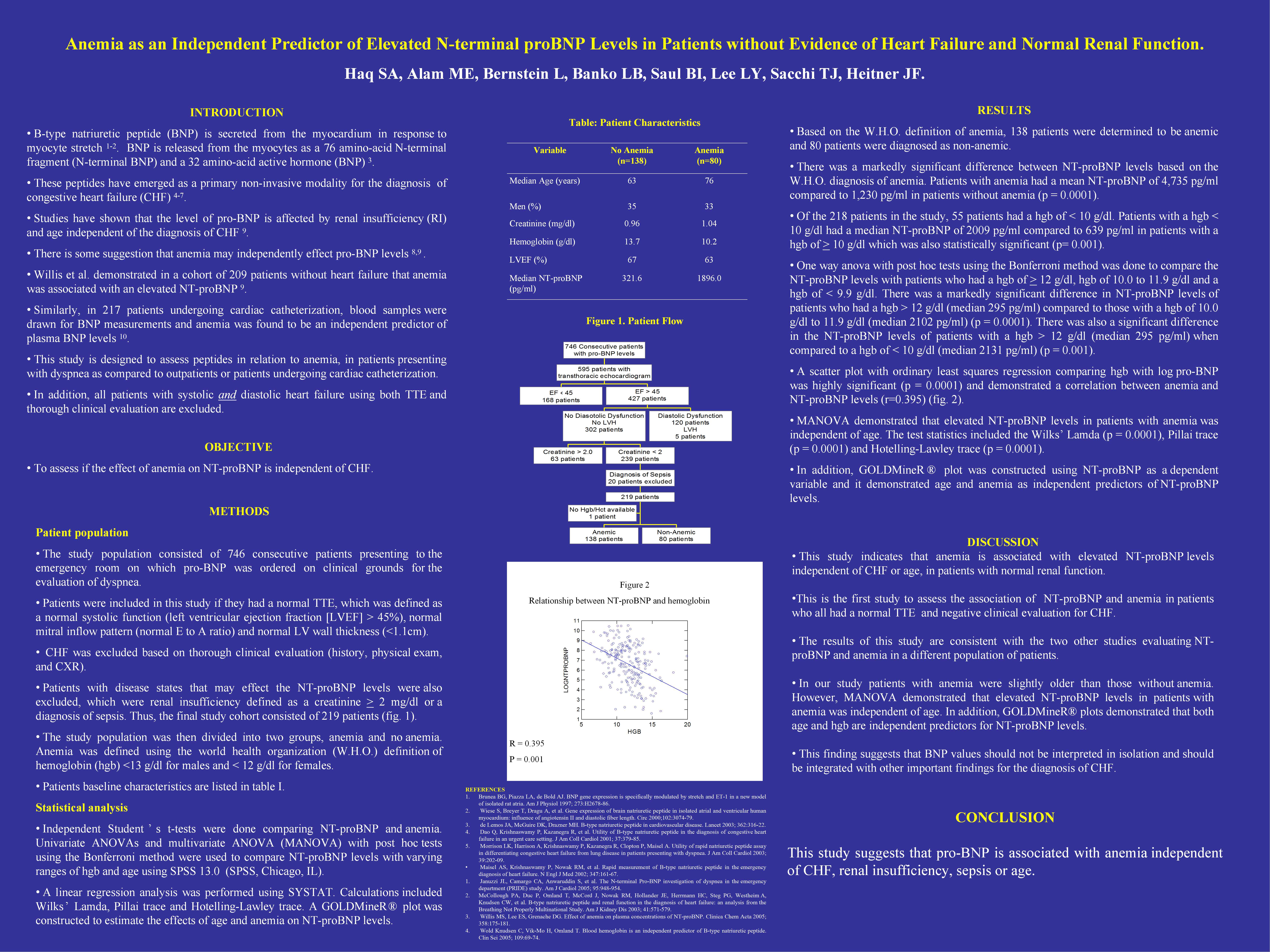


 2012pharmaceutical
 sjwilliamspa