Healthcare analytics, AI solutions for biological big data, providing an AI platform for the biotech, life sciences, medical and pharmaceutical industries, as well as for related technological approaches, i.e., curation and text analysis with machine learning and other activities related to AI applications to these industries.
Acinetobacter baumannii bacteria that are resistant to important antibiotics called carbapenems. Acinetobacter baumannii are highly-drug resistant bacteria that can cause a range of infections for hospitalized patients, including pneumonia, wound, or blood infections.
Pseudomonas aeruginosa, which are resistant to carbapenems. Pseudomonas aeruginosa can cause skin rashes and ear infectious in healthy people but also severe blood infections and pneumonia when contracted by sick people in the hospital.
Enterobacteriaceae — a family of bacteria that live in the human gut — that are resistant to both carbepenems and another class of antibiotics, cephalosporins.
It has been designated critical need for development of antibiotics to these pathogens. Now researchers at Mcmaster University and others in the US had used artificial intelligence (AI) to screen libraries of over 7,000 chemicals to find a drug that could be repurposed to kill off the pathogen.
Liu et. Al. (1) published their results of an AI screen to narrow down potential chemicals that could work against Acinetobacter baumanii in Nature Chemical Biology recently.
Abstract
Acinetobacter baumannii is a nosocomial Gram-negative pathogen that often displays multidrug resistance. Discovering new antibiotics against A. baumannii has proven challenging through conventional screening approaches. Fortunately, machine learning methods allow for the rapid exploration of chemical space, increasing the probability of discovering new antibacterial molecules. Here we screened ~7,500 molecules for those that inhibited the growth of A. baumannii in vitro. We trained a neural network with this growth inhibition dataset and performed in silico predictions for structurally new molecules with activity against A. baumannii. Through this approach, we discovered abaucin, an antibacterial compound with narrow-spectrum activity against A. baumannii. Further investigations revealed that abaucin perturbs lipoprotein trafficking through a mechanism involving LolE. Moreover, abaucin could control an A. baumannii infection in a mouse wound model. This work highlights the utility of machine learning in antibiotic discovery and describes a promising lead with targeted activity against a challenging Gram-negative pathogen.
Schematic workflow for incorporation of AI for antibiotic drug discovery for A. baumannii from 1. Liu, G., Catacutan, D.B., Rathod, K. et al. Deep learning-guided discovery of an antibiotic targeting Acinetobacter baumannii. Nat Chem Biol (2023). https://doi.org/10.1038/s41589-023-01349-8
Antibiotics kill bacteria. However, there has been a lack of new drugs for decades and bacteria are becoming harder to treat, as they evolve resistance to the ones we have.
More than a million people a year are estimated to die from infections that resist treatment with antibiotics.The researchers focused on one of the most problematic species of bacteria – Acinetobacter baumannii, which can infect wounds and cause pneumonia.
You may not have heard of it, but it is one of the three superbugs the World Health Organization has identified as a “critical” threat.
It is often able to shrug off multiple antibiotics and is a problem in hospitals and care homes, where it can survive on surfaces and medical equipment.
Dr Jonathan Stokes, from McMaster University, describes the bug as “public enemy number one” as it’s “really common” to find cases where it is “resistant to nearly every antibiotic”.
Artificial intelligence
To find a new antibiotic, the researchers first had to train the AI. They took thousands of drugs where the precise chemical structure was known, and manually tested them on Acinetobacter baumannii to see which could slow it down or kill it.
This information was fed into the AI so it could learn the chemical features of drugs that could attack the problematic bacterium.
The AI was then unleashed on a list of 6,680 compounds whose effectiveness was unknown. The results – published in Nature Chemical Biology – showed it took the AI an hour and a half to produce a shortlist.
The researchers tested 240 in the laboratory, and found nine potential antibiotics. One of them was the incredibly potent antibiotic abaucin.
Laboratory experiments showed it could treat infected wounds in mice and was able to kill A. baumannii samples from patients.
However, Dr Stokes told me: “This is when the work starts.”
The next step is to perfect the drug in the laboratory and then perform clinical trials. He expects the first AI antibiotics could take until 2030 until they are available to be prescribed.
Curiously, this experimental antibiotic had no effect on other species of bacteria, and works only on A. baumannii.
Many antibiotics kill bacteria indiscriminately. The researchers believe the precision of abaucin will make it harder for drug-resistance to emerge, and could lead to fewer side-effects.
In principle, the AI could screen tens of millions of potential compounds – something that would be impractical to do manually.
“AI enhances the rate, and in a perfect world decreases the cost, with which we can discover these new classes of antibiotic that we desperately need,” Dr Stokes told me.
The researchers tested the principles of AI-aided antibiotic discovery in E. coli in 2020, but have now used that knowledge to focus on the big nasties. They plan to look at Staphylococcus aureus and Pseudomonas aeruginosa next.
“This finding further supports the premise that AI can significantly accelerate and expand our search for novel antibiotics,” said Prof James Collins, from the Massachusetts Institute of Technology.
He added: “I’m excited that this work shows that we can use AI to help combat problematic pathogens such as A. baumannii.”
Prof Dame Sally Davies, the former chief medical officer for England and government envoy on anti-microbial resistance, told Radio 4’s The World Tonight: “We’re onto a winner.”
She said the idea of using AI was “a big game-changer, I’m thrilled to see the work he (Dr Stokes) is doing, it will save lives”.
Other related articles and books published in this Online Scientific Journal include the following:
Series D: e-Books on BioMedicine – Metabolomics, Immunology, Infectious Diseases, Reproductive Genomic Endocrinology
The Vibrant Philly Biotech Scene: Recent Happenings & Deals
Curator: Stephen J. Williams, Ph.D.
UPDATED: 07/06/2026
This update is a review on the current biotech funding situation as of Q1 of 2026. The situation in Philadelphia biotech has turned a bit dire, as CRE that went on massive construction projects are finding vacancy rates up in certain neighborhoods and hubs in the Philadelphia area. Presented here are some of the observations from CRE, the investment community, and some recent issues in biotech buildouts that have reshaped the Philly landscape.
The following is a post form Technical.ly in Philadelphia on the issues in finding Venture Capital to stay and grow in the Philadelphia Area. As noted, the dearth of venture capitalist firms in the city or commited to the cities’ biotech initiative is a major reason for some of the recent setbacks to Philly Biotech.
Philly’s life sciences scene saw wins this year, but there’s still a big problem: Money
Partnerships with giants like Eli Lilly and Thermo Fisher Scientific put biotech in the spotlight again, though founders still struggle to find investments in their hometown.
HiveBio Accelerator 2025 cohort at its Investor Showcase (Courtesy HiveBio)
2025 pulled into focus the cracks in Philly’s life sciences ecosystem.
Philly has the talent, research institutions and collaboration to build a strong life sciences community. That’s helped the region build a reputation in the sector, but stakeholders say there’s not enough local funding to keep companies growing here.
With exciting partnerships started this year and more opportunities coming in 2026, capital is needed if Philadelphia wants the sector to reach its full potential.
“The fact that we’ve got excellent research capabilities and spin-off capabilities in Philadelphia speaks to the intellectual horsepower,” Ira Spector, CEO of SFA Therapeutics, told Technical.ly, “but Philadelphia does not have a very well-developed venture capital infrastructure.”
This year, Philly attracted major outside interest. Most recently, global pharmaceutical company Eli Lilly announced plans to open a new Lilly Gateway Labs in Center City, an incubator for early-stage biotech companies.
“Access to capital is a critical factor in moving forward, and that’s been a frustrating thing for us.”
New local resources sprouted, catering directly to startups’ VC needs. The HiveBio accelerator, which supports minority founders in the life sciences space, launched this year. After wrapping up its pilot this month, the program reported successful fundraising efforts for most of its cohort companies.
For life sciences — and the entire startup ecosystem — venture capital has also become harder to come by as the market fluctuated throughout 2025.
Developing a drug or therapy and bringing it to market is extremely expensive work. Oftentimes, investors don’t want to give money to companies that are still high risk, but it takes money to support development to derisk the product, Spector said.
“Philly is finally starting to step on the map,” Rakesh Shah, founder of Newtown-based medical device company DRS.LINQ, said. “We have so much talent in the biomedical engineering and med tech space. It’s just we need to harness that energy, bring it all together.”
A well-connected community, but few investors to maintain it
Founders are already looking for major investments outside of Philly, as it’s often their only option, according to Jean Cho, CEO of Trevarx Biomedical.
Jenkintown-based biotech company SFA Therapeutics is experiencing this firsthand. As it raises its next funding round, the majority of the money is coming from investors outside the region, CEO Spector said.
The company is tied to Philly because of its affiliation with Temple University and investments from Ben Franklin Technology Partners. It’s also integrated with Pennsylvania’s life sciences ecosystem, attending programming hosted by orgs like Life Sciences PA, although there aren’t usually a ton of investors at those events, Spector said.
The lack of local funding has caused Spector to consider what the company’s future would look like in other parts of the country. In Boston, for example, the VC ecosystem is very well developed, he said, and the company has raised money from investors there.
A bright spot: Millions raised by just one accelerator
Despite the lack of a strong local investor network, Philly isn’t alone in having a VC slowdown.
In general, the life sciences sector has been struggling this year, especially for early-stage companies. Since the IPO market for biotech companies has slowed down, investors aren’t making their money back and are focusing instead on existing later-stage firms.
But there are some programs in the city helping founders to secure much-needed investments.
The HiveBio accelerator exceeded its first-year goal, helping eight out of 10 companies raise a total of $3.6 million during the nine-month program, Tia Lyles-Williams, founder and CIO of HiveBio, told Technical.ly. Plus, a lot of that money came from local investors like Ben Franklin Technology Partners and Robin Hood Ventures, she said.
The key, she said, was giving founders as many opportunities as possible to have face time with investors.
“They had the opportunity, behind closed doors, with these mentors to be totally transparent about what they know, what they didn’t know, and what they needed,” she said. “These mentors and these experts in our local investment community delivered on that, they received it, implemented it, and that’s how these checks got written.”
“This is an industry that runs on capital,” Spector said. “It requires capital to prove that a drug or a therapeutic or a diagnostic or device works, and that means that access to capital is a critical factor in moving forward, and that’s been a frustrating thing for us.”
This story is made possible thanks to support from Ben Franklin Technology Partners of Southeastern Pennsylvania, a nonprofit that leads the Philadelphia region’s equitable economic growth by nurturing and investing in innovative, early-stage companies, and through purposeful involvement in regional and national initiatives. All stories are independently reported, with no partner review.
This is an analysis of the risk associated to bond tranches in the Philly Biotech niche
When looking at the riskiest secured bond tranches for the biotechnology sector in the Greater Philadelphia area, the risk is completely split between two totally different financial assets: commercial real estate debt backing empty lab spaces and corporate first-lien loans issued by struggling drug-development firms.
While “secured” bonds are theoretically lower risk because they are backed by physical or intellectual property collateral, specific sub-sectors in Philadelphia are facing unprecedented headwinds. [1, 2, 3, 4]
1. The Real Estate Angle: Speculative Lab Building Bonds
The absolute highest concentration of risk for secured debt sits with senior secured credit facilities, CMBS tranches, and construction bank bonds backing recently completed, unleased life sciences real estate. From 2019 to 2021, developers rushed to build or retrofit lab spaces, creating a massive oversupply just as venture capital funding slowed down. [1, 5, 6]
University City Speculative Developments: University City is the epicenter of Philly’s biotech boom, but the submarket currently faces a staggering 39.1% to 40% vacancy rate. Secured bonds or construction debt tranches tied directly to newly built, unleased towers in this zone (such as Brandywine’s mostly empty 3151 Market St. lab facility) are highly vulnerable. Without tenant cash flows to service the debt, these properties face imminent refinancing or modification risks. [1, 5, 7, 8, 9]
Suburban “Mega-Lab” Tranches: Out in the suburbs, massive suburban lab conversions are driving negative absorption. A prime example is the The Discover Labs in King of Prussia, where huge blocks of lab space became vacant. Tranches of commercial mortgage-backed securities (CMBS) or private credit heavily exposed to these massive suburban footprints carry elevated risk as local tenants shrink their physical boundaries. [10, 11]
2. The Corporate Angle: Asset-Backed Pre-Revenue Biotech Debt
For actual biotechnology companies (as opposed to their landlords), public bond issuance is rare. Instead, their secured debt takes the form of First-Lien Term Loans or Senior Secured Notes. [12]
Because biotech venture capital funding in Philadelphia dropped sharply—falling from $1.2 billion in 2021 to roughly $600 million—companies are facing a severe cash crunch. The riskiest secured corporate debt tranches share distinct characteristics: [13, 14, 15]
Maturity Term Loans: The riskiest tranches are senior secured facility loans facing upcoming refinancing walls. Lenders hold first-lien rights over the company’s patent portfolio, drug pipelines, and lab equipment. If a clinical trial fails, the “secured” collateral (intellectual property) loses almost all market value overnight. [16]
Sidecar & PIK (Payment-in-Kind) Tranches: To avoid outright defaults, distressed Philly biotechs are increasingly utilizing structured “sidecar facilities” or paying interest using more debt (PIK). These specific tranches are highly speculative because they delay the cash crunch rather than fixing the underlying capital structure. [8, 17]
Summary of Risk Profile
Tranche Type [1, 5, 10, 11, 13, 18, 19]
Location/Focus
Current Risk Driver
Collateral Value
University City Lab CMBS/Construction Bonds
Downtown Hub
~40% vacancy; tenants pivoting back to office use.
High (Prime real estate).
Suburban Life Science Mortgages
King of Prussia
Heavy negative absorption and tenant consolidation.
Medium (Harder to repurpose).
First-Lien Corporate Biotech Loans
Regional Startups
50% drop in local VC funding over recent years.
Low/Binary (Dependent on FDA approval).
Are you looking to evaluate specific real estate debt instruments (like CMBS or commercial mortgages) tied to Philly’s University City developments, or are you assessing the corporate high-yield loan market for localized clinical-stage drug developers? Let me know how you would like to filter the data. [5, 19, 20]
It has been surprising how fast the landscape in Philadelphia has changed. A few years ago, Philadelphia was being touted as “Cellicon Valley” due to the development of the CAR-T therapies and immuno and cell based therapy startups being spun-out from local universities. I have posted on this tranformation on this journal HERE.
In fact a huge campus in the Philadelphia suburbs including the Discovery Labs site (a former GSK site) was being buildout to be a major cGMP biomanufacturing facility which would handle University of Pennsylvania’s cell and gene therapy manufacturing needs as well as a contract manufacturing facility for pharma and biotech for cell and gene therapies.
A summary of the issues and refinancing problems of Discovery Labs can be seen below:
Current site issues and problems at the former pharmaceutical property include:
Contractor Payment Delays: The site, owned by MLP Ventures (CEO Brian O’Neill), was hit with roughly $100 million in mechanics’ liens for unpaid contracting work. [1]
Legal Battles with Key Tenants: In late 2025, MLP Ventures filed a civil lawsuit against its largest tenant, the Center for Breakthrough Medicines (CBM), and its majority stakeholder, South Korea’s SK Inc.. This involved a landlord/tenant dispute seeking more than $50,000 in damages. [1]
Massive Data Center Pivot & Protests: To offset debts, MLP Ventures proposed a sprawling 4.6 million-square-foot data center project across the Swedeland and Conshohocken areas. This has triggered massive pushback from local Upper Merion Township residents, who have cited heavy concerns over noise, pollution, and health risks. [1]
Financial Restructuring: The owner has sought extensive refinancing to manage the site’s debts and attempt to compensate the unpaid contractors, though progress has been slow. [1, 2]
Original Article
As the office and retail commercial real estate market has been drying up since the COVID pandemic, commercial real estate developers in the Philadelphia area have been turning to the health science industry to suit their lab space needs. This includes refurbishing old office space as well as new construction.
Gattuso secures $290M construction loan for life sciences building on Drexel campus
By Ryan Mulligan – Reporter, Philadelphia Business Journal
Dec 19, 2022
Gattuso Development Partners and Vigilant Holdings of New York have secured a $290 million construction loan for a major life sciences building set to be developed on Drexel University’s campus.
The funding comes from Houston-based Corebridge Financial, with an additional equity commitment from Boston-based Baupost Group, which is also a partner on the project. JLL’s Capital Markets group arranged the loan.
Plans for the University City project at 3201 Cuthbert St. carry a price tag of $400 million. The 11-story building will total some 520,000 square feet, making it the largest life sciences research and lab space in the city when it comes online.
The building at 3201 Cuthbert will rise on what had served as a recreation field used by Drexel and is located next to the Armory. Gattuso Development, which will lease the parcel from Drexel, expects to to complete the project by fall 2024. Robert A.M. Stern Architects designed the building.
A rendering of a $400 million lab and research facility Drexel University and Gattuso Development Partners plan to build at 3201 Cuthbert St. in Philadelphia.
The building is 45% leased by Drexel and SmartLabs, an operator of life sciences labs. Drexel plans to occupy about 60,000 square feet, while SmartLabs will lease two floors totaling 117,000 square feet.
“We believe the project validates Philadelphia’s emergence as a global hub for life sciences research, and we are excited to begin construction,” said John Gattuso, the co-founder and president of Philadelphia-based Gattuso Development.
Ryan Ade, Brett Segal and Christopher Peck of JLL arranged the financing.
Tmunity CEO Usman Azam departing to lead ‘stealth’ NYC biotech firm
By John George – Senior Reporter, Philadelphia Business Journal
Feb 7, 2022
The CEO of one of Philadelphia’s oldest cell therapy companies is departing to take a new job in the New York City area.
Usman “Oz” Azam, who has been CEO of Tmunity Therapeutics since 2016, will lead an unnamed biotechnology company currently operating in stealth mode.
In a posting on his LinkedIn page, Azam said, “After a decade immersed in cell therapies and immuno-oncology, I am now turning my attention to a new opportunity, and will be going back to where I started my life sciences career in neurosciences.”
Tmunity, a University of Pennsylvania spinout, is looking to apply CAR T-cell therapy, which has proved to be successful in treating liquid cancers, for the treatment of solid tumors.
Last summer, Tmunity suspended clinical testing of its lead cell therapy candidate targeting prostate cancer after two patients in the study died. Azam, in an interview with the Business Journal in June, said the company, which had grown to about 50 employees since its launch in 2015, laid off an undisclosed number of employees as a result of the setback.
Azam said on LinkedIn he is still a big believer in CAR T-cell therapy, noting Tmunity co-founder Dr. Carl June and his colleagues at Penn just published in Nature the 10-year landmark clinical outcomes study with the first CD19 CAR-T patients and programs.
“It’s just the beginning,” he stated. “I’m excited about the prospect of so many new cell- and gene-based therapies emerging in the next five to 10 years to tackle many solid and liquid tumors, and I hope we all continue to see the remarkable impact this makes on patients and families around the world.”
Azam could not be reached for comment Monday. Tmunity has engaged a search firm to identify his successor.
Tmunity, which is based in Philadelphia, has its own manufacturing operations in East Norriton. Tmunity’s founders include June and fellow Penn cell therapy pioneer Bruce Levine, who led the development of a CAR T-cell therapy now marketed by Novartis as Kymriah, a treatment for certain types of blood cancers.
In therapy using CAR-T cells, a patient’s T cells — part of their immune system — are removed and genetically modified in the laboratory. After they are re-injected into a patient, the T cells are better able to attack and destroy tumors. CAR is an acronym for chimeric antigen receptor. Chimeric antigen receptors are receptor proteins that have been engineered to give T cells their improved ability to target tumors.
Jodie Harris is a Philadelphia native who has spent the last 15 years in the U.S. Department of Treasury.
By Ryan Mulligan – Reporter, Philadelphia Business Journal
The Philadelphia Industrial Development Corp. has tapped U.S. Department of Treasury veteran Jodie Harris to be its next president.
Harris succeeds Anne Bovaird Nevins, who spent 15 years in the organization and took over as president in January 2020 before stepping down at the end of last year. Executive Vice President Sam Rhoads has been interim president.
Harris, a Philadelphia native who currently serves as director of the Community Development Financial Institutions Fund for the Department of Treasury, was picked after a regional and national search and will begin her tenure as president on June 1. She becomes the 12th head of PIDC and the first African-American woman to lead the organization.
PIDC is a public-private economic development corporation founded by the city and the Chamber of Commerce for Greater Philadelphia in 1958. It mainly uses industrial and commercial real estate projects to attract jobs, foster business opportunities and spur overall community growth. The organization has spurred over $18.5 billion in financing across its 65 years.
In a statement, Harris said that it is “a critical time for Philadelphia’s economy.”
“I’m especially excited for the opportunity to lead such an important and impactful organization in my hometown of Philadelphia,” Harris said. “As head of the CDFI Fund, I know first-hand what it takes to drive meaningful, sustainable, and equitable economic growth, especially in historically underserved communities.”
Harris is a graduate of the University of Maryland and received an MBA and master of public administration from New York University. In the Treasury Department, Harris’ most recent work aligns with PIDC’s economic development mission. At the Community Development Financial Institutions Fund, she oversaw a $331 million budget, mainly comprised of grant and administrative funding for various economic programs. Under Harris’ watch, the fund distributed over $3 billion in pandemic recovery funding, its highest level of appropriated grants ever.
Harris has been a part of the Treasury Department for 15 years, including as director of community and economic development policy.
In addition to government work, Harris has previously spent time in the private, academia and nonprofit sectors. In the beginning of her career, Harris worked at Meridian Bank and Accenture before turning to become a social and education policy researcher at New York University. She also spent two years as president of the Urban Business Assistance Corporation in New York.
Mayor Jim Kenney said that Philadelphia is “poised for long-term growth” and Harris will help drive it.
Real estate company SkyREM plans to spend $250 million converting the historic Quartermaster site in South Philadelphia to a life sciences campus with restaurants and a hotel.
The redevelopment would feature wet and dry lab space for research, development and bio-manufacturing.
The renamed Quartermaster Science + Technology Park is near the southwest corner of Oregon Avenue and South 20th Street in the city’s Girard Estates neighborhood. It’s east of the Quartermaster Plaza retail center, which sold last year for $100 million.
The 24-acre campus is planned to have six acres of green space, an Aldi grocery store opening by March and already is the headquarters for Indego, the bicycle share program in Philadelphia.
Six buildings totaling 1 million square feet of space would be used for research and development labs. There’s 500,000 square feet of vacant space available for life sciences and high technology companies with availabilities as small as 1,000 square feet up to 250,000 square feet contiguous. There’s also 150,000 square feet of retail space available.
The office park has 200,000 square feet already occupied by tenants. The Philadelphia Job Corps Center and Delaware Valley Intelligence Center are tenants at the site.
A rendering shows part of the Quartermaster Science + Technology Park as a redeveloped mixed-use life science campus.
QUARTERMASTER / PROVIDED BY FIFTEEN
The campus was previously used by the military as a place to produce clothing, footwear and personal equipment during World War I and II. The clothing factory closed in 1994. The Philadelphia Quartermaster Depot was listed on the National Register of Historic Places in 2010.
“We had a vision to preserve the legacy of this built-to-last historic Philadelphia landmark and transform it to create a vibrant space where the best and brightest want to innovate, collaborate, and work,” SkyREM CEO and Founder Alex Dembitzer said in a statement.
SkyREM, a real estate investor and developer, has corporate offices in New York and Philadelphia. The company acquired the site in 2001.
Vered Nohi, SkyREM’s regional executive director of new business development, called the redevelopment “transformational” for Philadelphia.
SkyREM announced the redevelopment of the Quartermaster campus in South Philadelphia into a life sciences campus with restaurants and a hotel. This rendering looks across Oregon Avenue toward the southwest corner of Oregon and 21st Street.
QUARTERMASTER / PROVIDED BY FIFTEEN
Quartermaster would join a wave of new life sciences projects being developed in the surrounding area and across the region.
The site is near both interstates 76 and 95 and is about 2 miles north of the Philadelphia Navy Yard, which has undergone a similar transformation from a military hub to a major life sciences and mixed-use redevelopment project. The Philadelphia Industrial Development Corp. is also in the process of selecting a developer to create a massive cell and gene therapy manufacturing complex across two sites totaling about 40 acres on Southwest Philadelphia’s Lower Schuylkill riverfront.
A rendering shows part of the future Quartermaster Science and Technology Park in South Philadelphia. The 24-acre campus is planned to have six buildings with 1 million square feet of life science space.
QUARTERMASTER / PROVIDED BY FIFTEEN
SkyREM is working with Maryland real estate firm Scheer Partners to lease the science and technology space. Philadelphia’s MPN Realty will handle leasing of the retail space. Architecture firm Fifteen is working on the project’s design.
Scheer Partners Senior Vice President Tim Conrey said the Quartermaster conversion will help companies solve for “speed to market” as demand for life science space in the region has been strong.
Brandywine Realty Trust originally planned to redevelop a Radnor medical office into lab and office space, split 50-50 between the two uses.
After changes in demand for lab and office space, Brandywine (NYSE: BDN) recently completed the 168,000-square-foot, four-story building at 250 King of Prussia Road in Radnor fully for life sciences.
“The pipeline is now 100% life sciences, which, while requiring more capital, is also generating longer term leases at a higher return on cost,” Brandywine CEO Jerry Sweeney of the project said during the company’s fourth-quarter earnings call on Thursday.
At the same time, Brandywine is holding off on developing new office buildings unless it has a tenant lined up in advance.
The shift reflects how Philadelphia-based Brandywine continues to lean into — and bet big — on life sciences.
Brandywine is the city’s largest owner of trophy office buildings and has several major development projects in the works. The company is planning to eventually develop 3 million square feet of life sciences space. For now, 800,000 square feet of life sciences space is under development, including a 12-story, 417,000-square-foot life sciences building at 3151 Market St. and a 29-story building with 200,000 square feet of life sciences space at 3025 John F. Kennedy Blvd. Both are part of the multi-phase Schuylkill Yards project underway near 30th Street Station in University City.
Once its existing projects are completed, Brandywine would have 800,000 square feet of life sciences space, making up 8% of its portfolio.Sweeney said the company wants to grow that figure to 21%.
Brandywine is developing a 145,000-square-foot, build-to-suit office building at 155 King of Prussia Road in Radnor for Arkema, a France-based global supplier of specialty materials. The building will be Arkema’s North American headquarters. Construction began in January and is scheduled to be completed in late 2024.
Brandywine reported that since November it raised over $705 million through fourth-quarter asset sales, an unsecured bond transaction and a secured loan. The company has “complete availability” on its $600 million unsecured line of credit, Sweeney said.
Brandywine sold a 95% leased, 86,000-square-foot office building at 200 Barr Harbor Drive in West Conshohocken for $30.5 million. The company also sold its 50% ownership interest in the 1919 Market joint venture for $83.2 million to an undisclosed buyer. 1919 Market St. is a 29-story building with apartments, office and commercial space. Brandywine co-developed the property with LCOR and the California State Teacher’s Retirement System.
Brandywine declined to comment and LCOR could not be reached.
Brandywine’s core portfolio is 91% leased.
The project at 250 King of Prussia Road cost $103.7 million and was recently completed. The renovation included 12-foot high floor-to-ceiling glass on the second floor, a new roof, lobby, elevator core, common area with a skylight and an added structured parking deck.
Located in the Radnor Life Science Center, a new campus with nearly 1 million square feet of lab, research and office space, Sweeney said it’s a “magnet” for biotech companies. Avantor, a global manufacturer and distributor of life sciences products, is headquartered in the complex.
Sweeney said Brandywine is “very confident” demand will stay strong for life sciences in Radnor. The building at 250 King of Prussia Road is projected to be fully leased by early 2024.
“Larger users we’re talking to, they just tend to take a little bit more time than we would like as they go through technical requirements and space planning requirements,” Sweeney said.
While Brandywine is aiming to increase its life sciences footprint, the company is being selective about what it builds next. The company may steer away from developments other than life sciences. The Schuylkill Yards project, for example, features a significant life sciences portion in University City.
“Other than fully leased build-to-suit opportunities, our future development starts are on hold,” Sweeney said, “pending more leasing on the existing joint venture pipeline and more clarity on the cost of debt capital and cap rates.”
Brandywine said about 70% to 75%of suburban tenants have returned to offices while that number has been around 50% in Philadelphia. At this point, though, it hasn’t yet affected demand when leasing space. Some tenants, for example, have moved out of the city while others have moved in.
In the fourth quarter, Brandywine had $55.7 million funds from operations, or 32 cents per share. That’s down from $60.4 million, or 35 cents per share, in the fourth quarter of 2021. Brandywine generated $129 million in revenue in the fourth quarter, up slightly from $125.5 in the year-ago period.
Brandywine stock is up 6.4% since the start of the year to $6.70 per share on Monday afternoon.
Many of Brandywine’s properties are in desirable locations, which have seen demand remain strong despite challenges facing offices, on par with industry trends.
Brandywine’s 12-story, 417,000-square-foot building at 3151 Market St. is on budget for $308 million and on schedule to be completed in the second quarter of 2024. Sweeney said Brandywine anticipates entering a construction loan in the second half of 2023, which would help complete the project. The building, being developed along with a global institutional investor,would be used for life sciences, innovation and office space as part of the larger Schuylkill Yards development in University City.
The company’s 29-story building at 3025 John F. Kennedy Blvd. with 200,000 square feet of life sciences space and 326 luxury apartments, is also on budget, costing $287.3 million, and on time, eyeing completion in the third quarter of this year.
Bacterial multidrug resistance problem solved by a broad-spectrum synthetic antibiotic
Reporter and Curator: Dr. Sudipta Saha, Ph.D.
There is an increasing demand for new antibiotics that effectively treat patients with refractory bacteremia, do not evoke bacterial resistance, and can be readily modified to address current and anticipated patient needs. Recently scientists described a promising compound of COE (conjugated oligo electrolytes) family, COE2-2hexyl, that exhibited broad-spectrum antibacterial activity. COE2-2hexyl effectively-treated mice infected with bacteria derived from sepsis patients with refractory bacteremia, including a CRE K. pneumoniae strain resistant to nearly all clinical antibiotics tested. Notably, this lead compound did not evoke drug resistance in several pathogens tested. COE2-2hexyl has specific effects on multiple membrane-associated functions (e.g., septation, motility, ATP synthesis, respiration, membrane permeability to small molecules) that may act together to abrogate bacterial cell viability and the evolution of drug-resistance. Impeding these bacterial properties may occur through alteration of vital protein–protein or protein-lipid membrane interfaces – a mechanism of action distinct from many membrane disrupting antimicrobials or detergents that destabilize membranes to induce bacterial cell lysis. The diversity and ease of COE design and chemical synthesis have the potential to establish a new standard for drug design and personalized antibiotic treatment.
Recent studies have shown that small molecules can preferentially target bacterial membranes due to significant differences in lipid composition, presence of a cell wall, and the absence of cholesterol. The inner membranes of Gram-negative bacteria are generally more negatively charged at their surface because they contain more anionic lipids such as cardiolipin and phosphatidylglycerol within their outer leaflet compared to mammalian membranes. In contrast, membranes of mammalian cells are largely composed of more-neutral phospholipids, sphingomyelins, as well as cholesterol, which affords membrane rigidity and ability to withstand mechanical stresses; and may stabilize the membrane against structural damage to membrane-disrupting agents such as COEs. Consistent with these studies, COE2-2hexyl was well tolerated in mice, suggesting that COEs are not intrinsically toxic in vivo, which is often a primary concern with membrane-targeting antibiotics. The COE refinement workflow potentially accelerates lead compound optimization by more rapid screening of novel compounds for the iterative directed-design process. It also reduces the time and cost of subsequent biophysical characterization, medicinal chemistry and bioassays, ultimately facilitating the discovery of novel compounds with improved pharmacological properties.
Additionally, COEs provide an approach to gain new insights into microbial physiology, including membrane structure/function and mechanism of drug action/resistance, while also generating a suite of tools that enable the modulation of bacterial and mammalian membranes for scientific or manufacturing uses. Notably, further COE safety and efficacy studies are required to be conducted on a larger scale to ensure adequate understanding of the clinical benefits and risks to assure clinical efficacy and toxicity before COEs can be added to the therapeutic armamentarium. Despite these limitations, the ease of molecular design, synthesis and modular nature of COEs offer many advantages over conventional antimicrobials, making synthesis simple, scalable and affordable. It enables the construction of a spectrum of compounds with the potential for development as a new versatile therapy for the emergence and rapid global spread of pathogens that are resistant to all, or nearly all, existing antimicrobial medicines.
2022 FDA Drug Approval List, 2022 Biological Approvals and Approved Cellular and Gene Therapy Products
Reporter: Aviva Lev-Ari, PhD, RN
SOURCE
Tal Bahar’s post on LinkedIn on 1/17/2023
Novel Drug Approvals for 2022
FDA’s Center for Drug Evaluation and Research (CDER)
New Molecular Entities (“NMEs”)
Some of these products have never been used in clinical practice. Below is a listing of new molecular entities and new therapeutic biological products that CDER approved in 2022. This listing does not contain vaccines, allergenic products, blood and blood products, plasma derivatives, cellular and gene therapy products, or other products that the Center for Biologics Evaluation and Research approved in 2022.
Others are the same as, or related to, previously approved products, and they will compete with those products in the marketplace. See Drugs@FDA for information about all of CDER’s approved drugs and biological products.
Certain drugs are classified as new molecular entities (“NMEs”) for purposes of FDA review. Many of these products contain active moieties that FDA had not previously approved, either as a single ingredient drug or as part of a combination product. These products frequently provide important new therapies for patients. Some drugs are characterized as NMEs for administrative purposes, but nonetheless contain active moieties that are closely related to active moieties in products that FDA has previously approved. FDA’s classification of a drug as an “NME” for review purposes is distinct from FDA’s determination of whether a drug product is a “new chemical entity” or “NCE” within the meaning of the Federal Food, Drug, and Cosmetic Act.
To treat adults with HIV whose HIV infections cannot be successfully treated with other available treatments due to resistance, intolerance, or safety considerations Press Release
To decrease the incidence of infection in patients with non-myeloid malignancies receiving myelosuppressive anti-cancer drugs associated with clinically significant incidence of febrile neutropenia
The Center for Biologics Evaluation and Research (CBER) regulates products under a variety of regulatory authorities. See the Development & Approval Process page for a description of what products are approved as Biologics License Applications (BLAs), Premarket Approvals (PMAs), New Drug Applications (NDAs) or 510Ks.
Biologics License Applications and Supplements
New BLAs (except those for blood banking), and BLA supplements that are expected to significantly enhance the public health (e.g., for new/expanded indications, new routes of administration, new dosage formulations and improved safety).
Other Applications Approved or Cleared by the Center for Biologics Evaluation and Research (CBER)
Medical devices involved in the collection, processing, testing, manufacture and administration of licensed blood, blood components and cellular products.
There are five FDA-approved CAR-T treatments for blood cancers and two gene therapies to treat rare diseases now on the market in the U.S. The late-stage pipeline could produce several more cancer CAR-Ts and gene therapies to treat a range of diseases.
One of the biggest races to watch in the cell therapy space will be that between Gilead Sciences’ Yescarta and Bristol Myers Squibb’s Breyanzi, both of which are gunning to move their CAR-Ts into earlier lines of treatment in large B-cell lymphoma (LBCL). At ASH, both companies rolled out impressive data from their trials in the second-line setting, but Gilead could have the upper hand by virtue of its three-year head start in the market, analysts said. Gilead expects to hear from the FDA on a label expansion in the second-line setting in April.
Proteolysis-targeting chimeras (PROTACs) are a promising new class of drugs that selectively degrade cellular proteins of interest. PROTACs that target oncogene products are avidly being explored for cancer therapies, and several are currently in clinical trials. Drug resistance is a substantial challenge in clinical oncology, and resistance to PROTACs has been reported in several cancer cell models. Here, using proteomic analysis, we found intrinsic and acquired resistance mechanisms to PROTACs in cancer cell lines mediated by greater abundance or production of the drug efflux pump MDR1. PROTAC-resistant cells were resensitized to PROTACs by genetic ablation of ABCB1 (which encodes MDR1) or by coadministration of MDR1 inhibitors. In MDR1-overexpressing colorectal cancer cells, degraders targeting either the kinases MEK1/2 or the oncogenic mutant GTPase KRASG12C synergized with the dual epidermal growth factor receptor (EGFR/ErbB)/MDR1 inhibitor lapatinib. Moreover, compared with single-agent therapies, combining MEK1/2 degraders with lapatinib improved growth inhibition of MDR1-overexpressing KRAS-mutant colorectal cancer xenografts in mice. Together, our findings suggest that concurrent blockade of MDR1 will likely be required with PROTACs to achieve durable protein degradation and therapeutic response in cancer.
INTRODUCTION
Proteolysis-targeting chimeras (PROTACs) have emerged as a revolutionary new class of drugs that use cancer cells’ own protein destruction machinery to selectively degrade essential tumor drivers (1). PROTACs are small molecules with two functional ends, wherein one end binds to the protein of interest, whereas the other binds to an E3 ubiquitin ligase (2, 3), bringing the ubiquitin ligase to the target protein, leading to its ubiquitination and subsequent degradation by the proteasome. PROTACs have enabled the development of drugs against previously “undruggable” targets and require neither catalytic activity nor high-affinity target binding to achieve target degradation (4). In addition, low doses of PROTACs can be highly effective at inducing degradation, which can reduce off-target toxicity associated with high dosing of traditional inhibitors (3). PROTACs have been developed for a variety of cancer targets, including oncogenic kinases (5), epigenetic proteins (6), and, recently, KRASG12C proteins (7). PROTACs targeting the androgen receptor or estrogen receptor are avidly being evaluated in clinical trials for prostate cancer (NCT03888612) or breast cancer (NCT04072952), respectively.
However, PROTACs may not escape the overwhelming challenge of drug resistance that befalls so many cancer therapies (8). Resistance to PROTACs in cultured cells has been shown to involve genomic alterations in their E3 ligase targets, such as decreased expression of Cereblon (CRBN), Von Hippel Lindau (VHL), or Cullin2 (CUL2) (9–11). Up-regulation of the drug efflux pump encoded by ABCB1—MDR1 (multidrug resistance 1), a member of the superfamily of adenosine 5′-triphosphate (ATP)–binding cassette (ABC) transporters—has been shown to convey drug resistance to many anticancer drugs, including chemotherapy agents, kinase inhibitors, and other targeted agents (12). Recently, PROTACs were shown to be substrates for MDR1 (10, 13), suggesting that drug efflux represents a potential limitation for degrader therapies. Here, using degraders (PROTACs) against bromodomain and extraterminal (BET) bromodomain (BBD) proteins and cyclin-dependent kinase 9 (CDK9) as a proof of concept, we applied proteomics to define acquired resistance mechanisms to PROTAC therapies in cancer cells after chronic exposure. Our study reveals a role for the drug efflux pump MDR1 in both acquired and intrinsic resistance to protein degraders in cancer cells and supports combination therapies involving PROTACs and MDR1 inhibitors to achieve durable protein degradation and therapeutic responses.
Fig. 1. Proteomic characterization of degrader-resistant cancer cell lines. (A) Workflow for identifying protein targets up-regulated in degrader-resistant cancer cells. Single-run proteome analysis was performed, and changes in protein levels among parent and resistant cells were determined by LFQ. m/z, mass/charge ratio. (B and C) Cell viability assessed by CellTiter-Glo in parental and dBET6- or Thal SNS 032–resistant A1847 cells treated with increasing doses of dBET6 (B) or Thal SNS 032 (C) for 5 days. Data were analyzed as % of DMSO control, presented as means ± SD of three independent assays. Growth inhibitory 50% (GI50) values were determined using Prism software. (D to G) Immunoblotting for degrader targets and downstream signaling in parental A1847 cells and their derivative dBET6-R or Thal-R cells treated with increasing doses of dBET6 or Thal SNS 032 for 4 hours. The dBET6-R and Thal-R cells were continuously cultured in 500 nM PROTAC. Blots are representative, and densitometric analyses are means ± SD from three blots, each normalized to the loading control, GAPDH. DC50 values, quantitating either (E) the dose of dBET6 that reduces BRD2, BRD3, or BRD4 or (G) the dose of Thal SNS 032 that reduces CDK9 protein levels 50% of the DMSO control treatment, were determined with Prism software. Pol II, polymerase II. (H to K) Volcano plot of proteins with increased or reduced abundance in dBET6-R (H) or Thal-R (I) A1847 cells relative to parental cells. Differences in protein log2 LFQ intensities among degrader-resistant and parental cells were determined by paired t test permutation-based adjusted P values at FDR of <0.05 using Perseus software. The top 10 up-regulated proteins in each are shown in (J) and (K), respectively. FC, fold change. (L and M) ABCB1 log2 LFQ values in dBET6-R cells from (H) and Thal-R cells from (I) compared with those in parental A1847 cells. Data are presented as means ± SD from three independent assays. By paired t test permutation-based adjusted P values at FDR of <0.05 using Perseus software, ***P ≤ 0.001. (N) Cell viability assessed by CellTiter-Glo in parental and MZ1-resistant SUM159 cells treated with increasing doses of MZ1 for 5 days. Data were analyzed as % of DMSO control, presented as means of three independent assays. GI50 values were determined using Prism software. (O and P) Immunoblotting for degrader targets and downstream signaling in parental or MZ1-R SUM159 cells treated with increasing doses of MZ1 for 24 hours. The MZ1-R cells were continuously cultured in 500 nM MZ1. Blots are representative, and densitometric analyses are means ± SD from three blots, each normalized to the loading control, GAPDH. DC50 values were determined in Prism software. (Q and R) Top 10 up-regulated proteins (Q) and ABCB1 log2 LFQ values (R) in MZ1-R cells relative to parental SUM159 cells
Fig. 2. Chronic exposure to degraders induces MDR1 expression and drug efflux activity. (A) ABCB1 mRNA levels in parental and degrader-resistant cell lines as determined by qRT-PCR. Data are means ± SD of three independent experiments. ***P ≤ 0.001 by Student’s t test. (B) Immunoblot analysis of MDR1 protein levels in parental and degrader-resistant cell lines. Blots are representative of three independent experiments. (C to E) Immunofluorescence (“IF”) microscopy of MDR1 protein levels in A1847 dBET6-R (C), SUM159 MZ1-R (D), and Thal-R A1847 cells (E) relative to parental cells. Nuclear staining by DAPI. Images are representative of three independent experiments. Scale bars, 100 μm. (F) Drug efflux activity in A1847 dBET6-R, SUM159 MZ1-R, and Thal-R A1847 cells relative to parental cells (Par.) using rhodamine 123 efflux assays. Bars are means ± SD of three independent experiments. ***P ≤ 0.001 by Student’s t test. (G) Intracellular dBET6 levels in parental or dBET-R A1847 cells transfected with a CRBN sensor and treated with increasing concentrations of dBET6. Intracellular dBET6 levels measured using the CRBN NanoBRET target engagement assay. Data were analyzed as % of DMSO control, presented as means ± SD of three independent assays. *P ≤ 0.05, **P ≤ 0.01, and ***P ≤ 0.001 by Student’s t test. (H and I) FISH analysis of representative drug-sensitive parental and drug-resistant A1847 (H) and SUM159 (I) cells using ABCB1 and control XCE 7 centromere probes. Images of interphase nuclei were captured with a Metasystems Metafer microscope workstation, and the raw images were extracted and processed to depict ABCB1 signals in magenta, centromere 7 signals in cyan, and DAPI-stained nuclei in blue. (J and K) CpG methylation status of the ABCB1 downstream promoter (coordinates: chr7.87,600,166-87,601,336) by bisulfite amplicon sequencing in parent and degrader-resistant A1847 (J) and SUM159 (K) cells. Images depict the averaged percentage of methylation for each region of the promoter, where methylation status is depicted by color as follows: red, methylated; blue, unmethylated. Schematic of the ABCB1 gene with the location of individual CpG sites is shown. Graphs are representative of three independent experiments. (L and M) Immunoblot analysis of MDR1 protein levels after short-term exposure [for hours (h) or days (d) as indicated] to BET protein degraders dBET6 or MZ1 (100 nM) in A1847 (L) and SUM159 (M) cells, respectively. Blots are representative of three independent experiments. (N to P) Immunoblot analysis of MDR1 protein levels in A1847 and SUM159 cells after long-term exposure (7 to 30 days) to BET protein degraders dBET6 (N), Thal SNS 032 (O), or MZ1 (P), each at 500 nM. Blots are representative of three independent experiments. (Q and R) Immunoblot analysis of MDR1 protein levels in degrader-resistant A1847 (Q) and SUM159 (R) cells after PROTAC removal for 2 or 7 days. Blots are representative of three independent experiments.
Fig. 3. Blockade of MDR1 activity resensitizes degrader-resistant cells to PROTACs. (A and B) Cell viability by CellTiter-Glo assay in parental and degrader-resistant A1847 (A) and SUM159 (B) cells transfected with control siRNA or siRNAs targeting ABCB1 and cultured for 120 hours. Data were analyzed as % of control, presented as means ± SD of three independent assays. ***P ≤ 0.001 by Student’s t test. (C and D) Immunoblot analysis of degrader targets after ABCB1 knockdown in parental and degrader-resistant A1847 (C) and SUM159 (D) cells. Blots are representative, and densitometric analyses using ImageJ are means ± SD of three blots, each normalized to the loading control, GAPDH. (E) Drug efflux activity, using the rhodamine 123 efflux assay, in degrader-resistant cells after MDR1 inhibition by tariquidar (0.1 μM). Data are means ± SD of three independent experiments. ***P ≤ 0.001 by Student’s t test. (F to H) Cell viability by CellTiter-Glo assay in parental and dBET6-R (F) or Thal-R (G) A1847 cells or MZ1-R SUM159 cells (H) treated with increasing concentrations of tariquidar. Data are % of DMSO control, presented as means ± SD of three independent assays. GI50 value determined with Prism software. (I to K) Immunoblot analysis of degrader targets after MDR1 inhibition (tariquidar, 0.1 μM for 24 hours) in parental and degrader-resistant A1847 cells (I and J) and SUM159 cells (K). Blots are representative, and densitometric analyses are means ± SD from three blots, each normalized to the loading control, GAPDH. (L and M) A 14-day colony formation assessed by crystal violet staining of (L) A1847 cells or (M) SUM159 cells treated with degrader (0.1 μM; dBET6 or MZ1, respectively) and MDR1 inhibitor tariquidar (0.1 μM). Images are representative of three biological replicates. (N) Immunoblotting for MDR1 in SUM159 cells stably expressing FLAG-MDR1 after selection with hygromycin. (O) Long-term 14-day colony formation assay of SUM159 cells expressing FLAG-MDR1 that were treated with DMSO, MZ1 (0.1 μM), or MZ1 and tariquidar (0.1 μM) for 14 days, assessed by crystal violet staining. Representative images of three biological replicates are shown. (P and Q) RT-PCR (P) and immunoblot (Q) analysis of ABCB1 mRNA and MDR1 protein levels, respectively, in parental or MZ1-R HCT116, OVCAR3, and MOLT4 cells.
Fig. 4. Overexpression of MDR1 conveys intrinsic resistance to degrader therapies in cancer cells. (A) Frequency of ABCB1 mRNA overexpression in a panel of cancer cell lines, obtained from cBioPortal for Cancer Genomics using Z-score values of >1.2 for ABCB1 mRNA levels (30). (B) Immunoblot for MDR1 protein levels in a panel of 10 cancer cell lines. Blots are representative of three independent experiments. (C) Cell viability by CellTiter-Glo assay in cancer cell lines expressing high or low MDR1 protein levels and treated with Thal SNS 032 for 5 days. Data were analyzed as % of DMSO control, presented as means ± SD of three independent assays. GI50 values were determined with Prism software. (D to F) Immunoblot analysis of CDK9 in MDR1-low (D) or MDR1-high (E) cell lines after Thal SNS 032 treatment for 4 hours. Blots are representative, and densitometric analyses using ImageJ are means ± SD from three blots, each normalized to the loading control, GAPDH. DC50 value determined with Prism. (G and H) Immunoblotting of control and MDR1-knockdown DLD-1 cells treated for 4 hours with increasing concentrations of Thal SNS 032 [indicated in (H)]. Blots are representative, and densitometric analysis data are means ± SD from three blots, each normalized to the loading control, GAPDH. DC50 value determined with Prism. (I) Drug efflux activity using rhodamine 123 efflux assays in DLD-1 cells treated with DMSO or 0.1 μM tariquidar. Data are means ± SD of three independent experiments. ***P ≤ 0.001 by Student’s t test. (J) Intracellular Thal SNS 032 levels, using the CRBN NanoBRET target engagement assay, in MDR1-overexpressing DLD-1 cells treated with DMSO or 0.1 μM tariquidar and increasing doses of Thal SNS 032. Data are % of DMSO control, presented as means ± SD of three independent assays. **P ≤ 0.01 and ***P ≤ 0.001 by Student’s t test. (K to N) Immunoblotting in DLD-1 cells treated with increasing doses of Thal SNS 032 (K and L) or dBET6 (M and N) alone or with tariquidar (0.1 μM) for 4 hours. Blots are representative, and densitometric analyses are means ± SD from three blots, each normalized to the loading control, GAPDH. DC50 value of Thal SNS 032 for CDK9 reduction (L) or of dBET6 for BRD4 reduction (N) determined with Prism. (O to T) Bliss synergy scores based on cell viability by CellTiter-Glo assay, colony formation, and immunoblotting in DLD-1 cells treated with the indicated doses of Thal SNS 032 (O to Q) or dBET6 (R to T) alone or with tariquidar. Cells were treated for 14 days for colony formation assays and 24 hours for immunoblotting.
Fig. 5. Repurposing dual kinase/MDR1 inhibitors to overcome degrader resistance in cancer cells. (A and B) Drug efflux activity by rhodamine 123 efflux assays in degrader-resistant [dBET-R (A) or Thal-R (B)] A1847 cells after treatment with tariquidar, RAD001, or lapatinib (each 2 μM). Data are means ± SD of three independent experiments. *P ≤ 0.05 by Student’s t test. (C and D) CellTiter-Glo assay for the cell viability of parental, dBET6-R, or Thal-R A1847 cells treated with increasing concentrations of RAD001 (C) or lapatinib (D). Data were analyzed as % of DMSO control, presented as means ± SD of three independent assays. GI50 values were determined with Prism software. (E to I) Immunoblot analysis of degrader targets in parental (E), dBET6-R (F and G), and Thal-R (H and I) A1847 cells treated with increasing concentrations of RAD001 or lapatinib for 4 hours. Blots are representative, and densitometric analyses are means ± SD from three blots, each normalized to the loading control, GAPDH. DC50 value of dBET6 for BRD4 reduction (G) or of Thal SNS 032 for CDK9 reduction (I) determined with Prism. (J) Immunoblotting for cleaved PARP in dBET6-R or Thal-R A1847 cells treated with RAD001, lapatinib, or tariquidar (each 2 μM) for 24 hours. Blots are representative of three independent blots. (K to N) Immunoblotting for BRD4 in DLD-1 cells treated with increasing doses of dBET6 alone or in combination with either RAD001 or lapatinib [each 2 μM (K and L)] or KU-0063794 or afatinib [each 2 μM (M and N)] for 4 hours. Blots are representative of three independent experiments and, in (L), are means ± SD from three blots, each normalized to the loading control, GAPDH. DC50 value for BRD4 reduction (L) determined in Prism. (O) Colony formation by DLD-1 cells treated with DMSO, dBET6 (0.1 μM), lapatinib (2 μM), afatinib (2 μM), RAD001 (2 μM), KU-0063794 (2 μM), or the combination of inhibitor and dBET6 for 14 days. Images representative of three independent assays. (P and Q) Immunoblotting for CDK9 in DLD-1 cells treated with increasing doses of Thal SNS 032 and/or RAD001 (2 μM) or lapatinib (2 μM) for 4 hours. Blots are representative, and densitometric analyses are means ± SD from three blots, each normalized to the loading control, GAPDH. DC50 value for CDK9 reduction determined with Prism (Q). (R) Colony formation in DLD-1 cells treated with DMSO, Thal SNS 032 (0.5 μM), lapatinib (2 μM), and/or RAD001 (2 μM) as indicated for 14 days.
Fig. 6. Combining MEK1/2 degraders with lapatinib synergistically kills MDR1-overexpressing KRAS-mutant CRC cells and tumors. (A and B) ABCB1 expression in KRAS-mutant CRC cell lines from cBioPortal (30) (A) and MDR1 abundance in select KRAS-mutant CRC cell lines (B). (C) Cell viability assessed by CellTiter-Glo in CRC cells treated with increasing doses of MS432 for 5 days, analyzed as % of DMSO control. GI50 value determined with Prism software. (D) Colony formation by CRC cells 14 days after treatment with 1 μM MS432. (E) MEK1/2 protein levels assessed by immunoblot in CRC lines SKCO1 (low MDR1) or LS513 (high MDR1) treated with increasing doses of MS432 for 4 hours. (F) Rhodamine 123 efflux in LS513 cells treated with DMSO, 2 μM tariquidar, or 2 μM lapatinib. (G and H) Immunoblotting analysis in LS513 cells treated with increasing doses of MS432 alone or in combination with tariquidar (0.1 μM) or lapatinib (5 μM) for 24 hours. DC50 value for MEK1 levels determined with Prism. (I) Immunoblotting in LS513 cells treated with DMSO, PD0325901 (0.01 μM), lapatinib (5 μM), or the combination for 48 hours. (J and K) Immunoblotting in LS513 cells treated either with DMSO, MS432 (1 μM), tariquidar (0.1 μM) (J), or lapatinib (5 μM) (K), alone or in combination. (L) Bliss synergy scores determined from cell viability assays (CellTiter-Glo) in LS513 cells treated with increasing concentrations of MS432, lapatinib, or the combination. (M and N) Colony formation by LS513 cells (M) and others (N) treated with DMSO, lapatinib (2 μM), MS432 (1 μM), or the combination for 14 days. (O and P) Immunoblotting in LS513 cells treated with increasing doses of MS934 alone (O) or combined with lapatinib (5 μM) (P) for 24 hours. (Q and R) Tumor volume of LS513 xenografts (Q) and the body weights of the tumor-bearing nude mice (R) treated with vehicle, MS934 (50 mg/kg), lapatinib (100 mg/kg), or the combination. n = 5 mice per treatment group. In (A) to (R), blots and images are representative of three independent experiments, and quantified data are means ± SD [SEM in (Q) and (R)] of three independent experiments; ***P ≤ 0.001 by Student’s t test.
Fig. 7. Lapatinib treatment improves KRASG12C degrader therapies in MDR1-overexpressing CRC cell lines. (A and B) Colony formation by SW1463 (A) or SW837 (B) cells treated with DMSO, LC-2 (1 μM), or MRTX849 (1 μM) for 14 days. Images representative of three independent assays. (C to E) Immunoblotting in SW1463 cells (C and D) and SW837 cells (E) treated with DMSO, LC-2 (1 μM), tariquidar (0.1 μM) (C), or lapatinib (5 μM) (D and E) alone or in combination for 48 hours. Blots are representative of three independent experiments. (F and G) Bliss synergy scores based on CellTiter-Glo assay for the cell viability of SW1463 (F) or SW837 (G) cells treated with increasing concentrations of LC-2, lapatinib, or the combination. Data are means of three experiments ± SD. (H and I) Colony formation of SW1463 (H) or SW837 (I) cells treated as indicated (−, DMSO; LC-2, 1 μM; lapatinib, 2 μM; tariquidar, 0.1 μM) for 14 days. Images representative of three independent assays. (J) Rationale for combining lapatinib with MEK1/2 or KRASG12C degraders in MDR1-overexpressing CRC cell lines. Simultaneous blockade of MDR1 and ErbB receptor signaling overcomes degrader resistance and ErbB receptor kinome reprogramming, resulting in sustained inhibition of KRAS effector signaling.
AI enabled Drug Discovery and Development: The Challenges and the Promise
Reporter:Aviva Lev-Ari, PhD, RN
Early Development
Caroline Kovac (the first IBM GM of Life Sciences) is the one who started in silico development of drugs in 2000 using a big db of substances and computer power. She transformed an idea into $2b business. Most of the money was from big pharma. She was asking what is are the new drugs they are planning to develop and provided the four most probable combinations of substances, based on in Silicon work.
Carol Kovac
General Manager, Healthcare and Life Sciences, IBM
from speaker at conference on 2005
Carol Kovac is General Manager of IBM Healthcare and Life Sciences responsible for the strategic direction of IBM′s global healthcare and life sciences business. Kovac leads her team in developing the latest information technology solutions and services, establishing partnerships and overseeing IBM investment within the healthcare, pharmaceutical and life sciences markets. Starting with only two employees as an emerging business unit in the year 2000, Kovac has successfully grown the life sciences business unit into a multi-billion dollar business and one of IBM′s most successful ventures to date with more than 1500 employees worldwide. Kovac′s prior positions include general manager of IBM Life Sciences, vice president of Technical Strategy and Division Operations, and vice president of Services and Solutions. In the latter role, she was instrumental in launching the Computational Biology Center at IBM Research. Kovac sits on the Board of Directors of Research!America and Africa Harvest. She was inducted into the Women in Technology International Hall of Fame in 2002, and in 2004, Fortune magazine named her one of the 50 most powerful women in business. Kovac earned her Ph.D. in chemistry at the University of Southern California.
The use of artificial intelligence in drug discovery, when coupled with new genetic insights and the increase of patient medical data of the last decade, has the potential to bring novel medicines to patients more efficiently and more predictably.
Jack Fuchs, MBA ’91, an adjunct lecturer who teaches “Principled Entrepreneurial Decisions” at Stanford School of Engineering, moderated and explored how clearly articulated principles can guide the direction of technological advancements like AI-enabled drug discovery.
Kim Branson, Global head of AI and machine learning at GSK.
Russ Altman, the Kenneth Fong Professor of Bioengineering, of genetics, of medicine (general medical discipline), of biomedical data science and, by courtesy, of computer science.
Synthetic Biology Software applied to development of Galectins Inhibitors at LPBI Group
Using Structural Computation Models to Predict Productive PROTAC Ternary Complexes
Ternary complex formation is necessary but not sufficient for target protein degradation. In this research, Bai et al. have addressed questions to better understand the rate-limiting steps between ternary complex formation and target protein degradation. They have developed a structure-based computer model approach to predict the efficiency and sites of target protein ubiquitination by CRNB-binding PROTACs. Such models will allow a more complete understanding of PROTAC-directed degradation and allow crafting of increasingly effective and specific PROTACs for therapeutic applications.
Another major feature of this research is that it a result of collaboration between research groups at Amgen, Inc. and Promega Corporation. In the past commercial research laboratories have shied away from collaboration, but the last several years have found researchers more open to collaborative work. This increased collaboration allows scientists to bring their different expertise to a problem or question and speed up discovery. According to Dr. Kristin Riching, Senior Research Scientist at Promega Corporation, “Targeted protein degraders have broken many of the rules that have guided traditional drug development, but it is exciting to see how the collective learnings we gain from their study can aid the advancement of this new class of molecules to the clinic as effective therapeutics.”
A laboratory for the use of AI for drug development has been launched in collaboration with Pfizer, Teva, AstraZeneca, Mark and Amazon
Reporter: Aviva Lev-Ari, PhD, RN
AION Labs unites pharma, technology and funds companies including IBF to invest in startups to integrate developments in cloud computing and artificial intelligence to improve drug development capabilities. An alliance of four leading pharmaceutical companies – AION Labs , the first innovation lab of its kind in the world and a pioneer in the process of adopting cloud technologies, artificial intelligence and computer science to solve the R&D challenges of the pharma industry, today announces its launch. AstraZeneca , Mark , Pfizer and Teva – and two leading companies in the field of high-tech and biotech investments, respectively – AWS ( Amazon Web Services Inc ) and the Israeli investment fund IBF ( Israel Biotech Fund ) – which joined together to establish groundbreaking ventures Through artificial intelligence and computer science to change the way new therapies are discovered and developed. “We are excited to launch the new innovation lab in favor of discoveries of drugs and medical devices using groundbreaking computational tools,” said Matti Gil, CEO of AION Labs. We are prepared and ready to make a difference in the process of therapeutic discoveries and their development. With a strong pool of talent from Israel and the world, cloud technology and artificial intelligence at the heart of our activities and a significant commitment by the State of Israel, we are ready to contribute to the health and well-being of the human race and promote industry in Israel. I thank the partners for the trust, and it is an honor for me to lead such a significant initiative. ” In addition, AION Labs has announced a strategic partnership with X BioMed , an independent biomedical research institute operating in Heidelberg, Germany. BioMed X has a proven track record in advancing research innovations in the field of biomedicine at the interface between academic research and the pharmaceutical industry. BioMed X’s innovation model, based on global mass sourcing and incubators to cultivate the most brilliant talent and ideas, will serve as the R & D engine to drive AION Labs’ enterprise model.
Ending a global pandemic demands a global response. I am thrilled that a novel vaccine adjuvant developed in the United States with NIAID support is now included in an effective COVID-19 vaccine that is available to individuals in India.”
Adjuvants are components that are created as part of a vaccine to improve immune responses and increase the efficiency of the vaccine. COVAXIN was developed and is manufactured in India, which is currently experiencing a terrible health catastrophe as a result of COVID-19. An adjuvant designed with NIH funding has contributed to the success of the extremely effective COVAXIN-COVID-19 vaccine, which has been administered to about 25 million individuals in India and internationally.
Alhydroxiquim-II is the adjuvant utilized in COVAXIN, was discovered and validated in the laboratory by the biotech company ViroVax LLCof Lawrence, Kansas, with funding provided solely by the NIAID Adjuvant Development Program. The adjuvant is formed of a small molecule that is uniquely bonded to Alhydrogel, often known as alum and the most regularly used adjuvant in human vaccines. Alhydroxiquim-II enters lymph nodes, where it detaches from alum and triggers two cellular receptors. TLR7 and TLR8 receptors are essential in the immunological response to viruses. Alhydroxiquim-II is the first adjuvant to activate TLR7 and TLR8 in an approved vaccine against an infectious disease. Additionally, the alum in Alhydroxiquim-II activates the immune system to look for an infiltrating pathogen.
Although molecules that activate TLR receptors strongly stimulate the immune system, the adverse effects of Alhydroxiquim-II are modest. This is due to the fact that after COVAXIN is injected, the adjuvant travels directly to adjacent lymph nodes, which contain white blood cells that are crucial in recognizing pathogens and combating infections. As a result, just a minimal amount of Alhydroxiquim-II is required in each vaccination dosage, and the adjuvant does not circulate throughout the body, avoiding more widespread inflammation and unwanted side effects.
This scanning electron microscope image shows SARS-CoV-2 (round gold particles) emerging from the surface of a cell cultured in the lab. SARS-CoV-2, also known as 2019-nCoV, is the virus that causes COVID-19. Image Source: NIAID
COVAXIN is made up of a crippled version of SARS-CoV-2 that cannot replicate but yet encourages the immune system to produce antibodies against the virus. The NIH stated that COVAXIN is “safe and well tolerated,” citing the results of a phase 2 clinical investigation. COVAXIN safety results from a Phase 3 trial with 25,800 participants in India will be released later this year. Meanwhile, unpublished interim data from the Phase 3 trial show that the vaccine is 78% effective against symptomatic sickness, 100% effective against severe COVID-19, including hospitalization, and 70% effective against asymptomatic infection with SARS-CoV-2, the virus that causes COVID-19. Two tests of blood serum from persons who had received COVAXIN suggest that the vaccine creates antibodies that efficiently neutralize the SARS-CoV-2 B.1.1.7 (Alpha) and B.1.617 (Delta) variants (1) and (2), which were originally identified in the United Kingdom and India, respectively.
Since 2009, the NIAID Adjuvant Program has supported the research of ViroVax’s founder and CEO,Sunil David, M.D., Ph.D. His research has focused on the emergence of new compounds that activate innate immune receptors and their application as vaccination adjuvants.
Dr. David’s engagement with Bharat Biotech International Ltd. of Hyderabad, which manufactures COVAXIN, began during a 2019 meeting in India organized by the NIAID Office of Global Research under the auspices of the NIAID’s Indo-US Vaccine Action Program. Five NIAID-funded adjuvant investigators, including Dr. David, two representatives of the NIAID Division of Allergy, Immunology, and Transplantation, and the NIAID India representative, visited 4 top biotechnology companies to learn about their work and discuss future collaborations. The delegation also attended a consultation in New Delhi, which was co-organized by the NIAID and India’s Department of Biotechnology and hosted by the National Institute of Immunology.
Among the scientific collaborations spawned by these endeavors was a licensing deal between Bharat Biotech and Dr. David to use Alhydroxiquim-II in their candidate vaccines. During the COVID-19 outbreak, this license was expanded to cover COVAXIN, which has Emergency Use Authorization in India and more than a dozen additional countries. COVAXIN was developed by Bharat Biotech in partnership with the Indian Council of Medical Research’sNational Institute of Virology. The company conducted thorough safety research on Alhydroxiquim-II and undertook the arduous process of scaling up production of the adjuvant in accordance with Good Manufacturing Practice standards. Bharat Biotech aims to generate 700 million doses of COVAXIN by the end of 2021.
NIAID conducts and supports research at the National Institutes of Health, across the United States, and across the world to better understand the causes of infectious and immune-mediated diseases and to develop better methods of preventing, detecting, and treating these illnesses. The NIAID website contains news releases, info sheets, and other NIAID-related materials.
Other Related Articles published in this Open Access Online Scientific Journal include the following:
Comparing COVID-19 Vaccine Schedule Combinations, or “Com-COV” – First-of-its-Kind Study will explore the Impact of using eight different Combinations of Doses and Dosing Intervals for Different COVID-19 Vaccines
Despite heated discussion over whether it works, the FDA has approved Aduhelm, bringing a new ray of hope to the Alzheimer’s patients.
Curator and Reporter: Dr. Premalata Pati, Ph.D., Postdoc
Despite heated discussion over whether it works, the FDA has approved Aduhelm, bringing a new ray of hope to the Alzheimer’s patients.
On Monday, 7th June 2021, a controversial new Alzheimer’sDisease treatment was licensed in the United States for the first time in nearly 20 years, sparking calls for it to be made available worldwide despite conflicting evidence about its usefulness. The drug was designed for people with mild cognitive impairment, not severe dementia, and it was designed to delay the progression of Alzheimer’s disease rather than only alleviate symptoms.
The route to FDA clearance for Aducanumab has been bumpy – and contentious.
Though doctors, patients, and the organizations that assist them are in desperate need of therapies that can delay mental decline, scientists question the efficacy of the new medicine, Aducanumab or Aduhelm. In March 2019, two trials were halted because the medications looked to be ineffective. “The futility analysis revealed that the studies were most likely to fail,” said Isaacson of Weill Cornell Medicine and NewYork-Presbyterian. Biogen, the drug’s manufacturer revealed several months later that a fresh analysis with more participants found that individuals who got high doses of Aducanumab exhibited a reduction in clinical decline in one experiment. Patients treated with high-dose Aducanumab had 22% reduced clinical impairment in their cognitive health at 18 months, indicating that the advancement of their early Alzheimer’s disease was halted, according to FDA briefing documents from last year.
When the FDA’s members were split on the merits of the application in November, it was rejected. Three of its advisers went public, claiming that there was insufficient evidence that it worked in a scientific journal. They were concerned that if the medicine was approved, it might reduce the threshold for future approvals, owing to the scarcity of Alzheimer’s treatments.
Dr. Caleb Alexander, a drug safety and effectiveness expert at the Johns Hopkins Bloomberg School of Public Health, was one of the FDA advisers who was concerned that the data presented to the agency was a reanalysis after the experiment was stopped. It was “like the Texas sharpshooter fallacy,” he told the New York Times, “where the sharpshooter blows up a barn and then goes and paints a bullseye around the cluster of holes he loves.”
Some organizations, such as the non-profit Public Citizen’s Health Research Group, claimed that the FDA should not approve Aducanumab for the treatment of Alzheimer’s disease because there is insufficient proof of its efficacy.
The drug is a monoclonal antibody that inhibits the formation of amyloid protein plaques in the brain, which are thought to be the cause of Alzheimer’s disease. The majority of Alzheimer’s medications have attempted to erase these plaques.
Aducanumab appears to do this in some patients, but only when the disease is in its early stages. This means that people must be checked to see if they have the disease. Many persons with memory loss are hesitant to undergo testing because there is now no treatment available.
The few Alzheimer’s medications available appear to have limited effectiveness. When Aricept, also known as Donepezil, was approved more than 20 years ago, there was a major battle to get it. It was heralded as a breakthrough at the time – partly due to the lack of anything else. It has become obvious that it slows mental decline for a few months but makes little effect in the long run.
The findings of another trial for some patients backed up those conclusions.
Biogen submitted a Biologics License Application to the FDA in July 2020, requesting approval of the medicine.
The FDA’s decision has been awaited by Alzheimer’s disease researchers, clinicians, and patients since then.
Support for approval of the drug
Other groups, such as the Alzheimer’s Association, have supported the drug’s approval.
The Alzheimer’s Association‘s website stated on Friday, “This is a critical time, regardless of the FDA’s final judgment. We’ve never been this close to approving an Alzheimer’s drug that could affect the disease’s development rather than just the symptoms. We can keep working together to achieve our goal of a world free of Alzheimer’s disease and other dementias.”
The drug has gotten so much attention that the Knight Alzheimer Disease Research Center at Washington University in St. Louis issued a statement on Friday stating that even if it is approved, “it will still likely take several months for the medication to pass other regulatory steps and become available to patients.”
Biogen officials told KGO-TV on Monday that the medicine will be ready to ship in about two weeks and that they have identified more than 900 facilities across the United States that they feel will be medically and commercially suitable.
Officials stated the corporation will also provide financial support to qualifying patients so that their out-of-pocket payments are as low as possible. Biogen has also pledged not to raise the price for at least the next four years.
Most Medicare customers with supplemental plans, according to the firm, will have a limited or capped co-pay.
Case studies connected to the Drug Approval
Case 1
Ann Lange, one of several Chicago-area clinical trial volunteers who received the breakthrough Alzheimer’s treatment, said,
It really offers us so much hope for a long, healthy life.
Lange, 60, has Alzheimer’s disease, which she was diagnosed with five years ago. Her memory has improved as a result of the monthly infusions, she claims.
She said,
I’d forget what I’d done in the shower, so I’d scribble ‘shampoo, conditioner, face, body’ on the door. Otherwise, I’d lose track of what I’m doing “Lange remarked. “I’m not required to do that any longer.
Case 2
Jenny Knap, 69, has been receiving infusions of the Aducanumab medication for about a year as part of two six-month research trials. She told CNN that she had been receiving treatment for roughly six months before the trial was halted in 2019, and that she had recently resumed treatment.
Knap said,
I can’t say I noticed it on a daily basis, but I do think I’m doing a lot better in terms of checking for where my glasses are and stuff like that.
When Knap was diagnosed with mild cognitive impairment, a clinical precursor to Alzheimer’s disease, in 2015, the symptoms were slight but there.
Her glasses were frequently misplaced, and she would repeat herself, forgetting previous talks, according to her husband, Joe Knap.
Joe added,
We were aware that things were starting to fall between the cracks as these instances got more often
Jenny went to the Lou Ruvo Center for Brain Health at the Cleveland Clinic in Ohio for testing and obtained her diagnosis. Jenny found she was qualified to join in clinical trials for the Biogen medicine Aducanumab at the Cleveland Clinic a few years later, in early 2017. She volunteered and has been a part of the trial ever since.
It turns out that Jenny was in the placebo category for the first year and a half, Joe explained, meaning she didn’t get the treatment.
They didn’t realize she was in the placebo group until lately because the trial was blind. Joe stated she was given the medicine around August 2018 and continued until February 2019 as the trial progressed. The trial was halted by Biogen in March 2019, but it was restarted last October, when Jenny resumed getting infusions.
Jenny now receives Aducanumab infusions every four weeks at the Cleveland Clinic, which is roughly a half-hour drive from their house, with Joe by her side. Jenny added that, despite the fact that she has only recently begun therapy, she believes it is benefiting her, combined with a balanced diet and regular exercise (she runs four miles).
The hope of Aducanumab is to halt the progression of the disease rather than to improve cognition. We didn’t appreciate any significant reduction in her condition, Jenny’s doctor, Dr. Babak Tousi, who headed Aducanumab clinical studies at the Cleveland Clinic, wrote to CNN in an email.
This treatment is unlike anything we’ve ever received before. There has never been a drug that has slowed the growth of Alzheimer’s disease, he stated, Right now, existing medications like donepezil and memantine aid with symptoms but do not slow the disease’s progression.
Jenny claims that the medicine has had no significant negative effects on her.
There was signs of some very minor bleeding in the brain at one point, which was quite some time ago. It was at very low levels, in fact, Joe expressed concern about Jenny, but added that the physicians were unconcerned.
According to Tousi, with repeated therapy, “blood vessels may become leaky, allowing fluid and red blood cells to flow out to the surrounding area,” and “micro hemorrhages have been documented in 19.1% of trial participants who got” the maximal dose of therapy”.
Jenny and Joe’s attitude on the future has improved as a result of the infusions and keeping a healthy lifestyle, according to Joe. They were also delighted to take part in the trial, which they saw as an opportunity to make a positive influence in other people’s lives.
There was this apprehension of what was ahead before we went into the clinical trial, Joe recalled. “The medical aspect of the infusion gives us reason to be optimistic. However, doing the activity on a daily basis provides us with immediate benefits.”
The drug’s final commercialization announcement
Aducanumab, which will be marketed as Aduhelm, is a monthly intravenous infusion that is designed to halt cognitive decline in patients with mild memory and thinking issues. It is the first FDA-approved medication for Alzheimer’s disease that targets the disease process rather than just the symptoms.
The manufacturer, Biogen, stated Monday afternoon that the annual list price will be $56,000. In addition, diagnostic tests and brain imaging will very certainly cost tens of thousands of dollars.
The FDA approved approval for the medicine to be used but ordered Biogen to conduct a new clinical trial, recognizing that prior trials of the medicine had offered insufficient evidence to indicate effectiveness.
Biogen Inc said on Tuesday that it expects to start shipping Aduhelm, a newly licensed Alzheimer’s medicine, in approximately two weeks and that it has prepared over 900 healthcare facilities for the intravenous infusion treatment.
Other Relevant Articles
Gene Therapy could be a Boon to Alzheimer’s disease (AD): A first-in-human clinical trial proposed
Alnylam Announces First-Ever FDA Approval of an RNAi Therapeutic, ONPATTRO™ (patisiran) for the Treatment of the Polyneuropathy of Hereditary Transthyretin-Mediated Amyloidosis in Adults
Thriving Vaccines and Research: Weizmann Institute Coronavirus Research Development
Reporter:Amandeep Kaur, B.Sc., M.Sc.
In early February, Prof. Eran Segal updated in one of his tweets and mentioned that “We say with caution, the magic has started.”
The article reported that this statement by Prof. Segal was due to decreasing cases of COVID-19, severe infection cases and hospitalization of patients by rapid vaccination process throughout Israel. Prof. Segal emphasizes in another tweet to remain cautious over the country and informed that there is a long way to cover and searching for scientific solutions.
A daylong webinar entitled “COVID-19: The epidemic that rattles the world” was a great initiative by Weizmann Institute to share their scientific knowledge about the infection among the Israeli institutions and scientists. Prof. Gideon Schreiber and Dr. Ron Diskin organized the event with the support of the Weizmann Coronavirus Response Fund and Israel Society for Biochemistry and Molecular Biology. The speakers were invited from the Hebrew University of Jerusalem, Tel-Aviv University, the Israel Institute for Biological Research (IIBR), and Kaplan Medical Center who addressed the molecular structure and infection biology of the virus, treatments and medications for COVID-19, and the positive and negative effect of the pandemic.
The article reported that with the emergence of pandemic, the scientists at Weizmann started more than 60 projects to explore the virus from different range of perspectives. With the help of funds raised by communities worldwide for the Weizmann Coronavirus Response Fund supported scientists and investigators to elucidate the chemistry, physics and biology behind SARS-CoV-2 infection.
Prof. Avi Levy, the coordinator of the Weizmann Institute’s coronavirus research efforts, mentioned “The vaccines are here, and they will drastically reduce infection rates. But the coronavirus can mutate, and there are many similar infectious diseases out there to be dealt with. All of this research is critical to understanding all sorts of viruses and to preempting any future pandemics.”
The following are few important projects with recent updates reported in the article.
Mapping a hijacker’s methods
Dr. Noam Stern-Ginossar studied the virus invading strategies into the healthy cells and hijack the cell’s systems to divide and reproduce. The article reported that viruses take over the genetic translation system and mainly the ribosomes to produce viral proteins. Dr. Noam used a novel approach known as ‘ribosome profiling’ as her research objective and create a map to locate the translational events taking place inside the viral genome, which further maps the full repertoire of viral proteins produced inside the host.
She and her team members grouped together with the Weizmann’s de Botton Institute and researchers at IIBR for Protein Profiling and understanding the hijacking instructions of coronavirus and developing tools for treatment and therapies. Scientists generated a high-resolution map of the coding regions in the SARS-CoV-2 genome using ribosome-profiling techniques, which allowed researchers to quantify the expression of vital zones along the virus genome that regulates the translation of viral proteins. The study published in Nature in January, explains the hijacking process and reported that virus produces more instruction in the form of viral mRNA than the host and thus dominates the translation process of the host cell. Researchers also clarified that it is the misconception that virus forced the host cell to translate its viral mRNA more efficiently than the host’s own translation, rather high level of viral translation instructions causes hijacking. This study provides valuable insights for the development of effective vaccines and drugs against the COVID-19 infection.
Like chutzpah, some things don’t translate
Prof. Igor Ulitsky and his team worked on untranslated region of viral genome. The article reported that “Not all the parts of viral transcript is translated into protein- rather play some important role in protein production and infection which is unknown.” This region may affect the molecular environment of the translated zones. The Ulitsky group researched to characterize that how the genetic sequence of regions that do not translate into proteins directly or indirectly affect the stability and efficiency of the translating sequences.
Initially, scientists created the library of about 6,000 regions of untranslated sequences to further study their functions. In collaboration with Dr. Noam Stern-Ginossar’s lab, the researchers of Ulitsky’s team worked on Nsp1 protein and focused on the mechanism that how such regions affect the Nsp1 protein production which in turn enhances the virulence. The researchers generated a new alternative and more authentic protocol after solving some technical difficulties which included infecting cells with variants from initial library. Within few months, the researchers are expecting to obtain a more detailed map of how the stability of Nsp1 protein production is getting affected by specific sequences of the untranslated regions.
The landscape of elimination
The article reported that the body’s immune system consists of two main factors- HLA (Human Leukocyte antigen) molecules and T cells for identifying and fighting infections. HLA molecules are protein molecules present on the cell surface and bring fragments of peptide to the surface from inside the infected cell. These peptide fragments are recognized and destroyed by the T cells of the immune system. Samuels’ group tried to find out the answer to the question that how does the body’s surveillance system recognizes the appropriate peptide derived from virus and destroy it. They isolated and analyzed the ‘HLA peptidome’- the complete set of peptides bound to the HLA proteins from inside the SARS-CoV-2 infected cells.
After the analysis of infected cells, they found 26 class-I and 36 class-II HLA peptides, which are present in 99% of the population around the world. Two peptides from HLA class-I were commonly present on the cell surface and two other peptides were derived from coronavirus rare proteins- which mean that these specific coronavirus peptides were marked for easy detection. Among the identified peptides, two peptides were novel discoveries and seven others were shown to induce an immune response earlier. These results from the study will help to develop new vaccines against new coronavirus mutation variants.
Gearing up ‘chain terminators’ to battle the coronavirus
Prof. Rotem Sorek and his lab discovered a family of enzymes within bacteria that produce novel antiviral molecules. These small molecules manufactured by bacteria act as ‘chain terminators’ to fight against the virus invading the bacteria. The study published in Nature in January which reported that these molecules cause a chemical reaction that halts the virus’s replication ability. These new molecules are modified derivates of nucleotide which integrates at the molecular level in the virus and obstruct the works.
Prof. Sorek and his group hypothesize that these new particles could serve as a potential antiviral drug based on the mechanism of chain termination utilized in antiviral drugs used recently in the clinical treatments. Yeda Research and Development has certified these small novel molecules to a company for testing its antiviral mechanism against SARS-CoV-2 infection. Such novel discoveries provide evidences that bacterial immune system is a potential repository of many natural antiviral particles.
Resolving borderline diagnoses
Currently, Real-time Polymerase chain reaction (RT-PCR) is the only choice and extensively used for diagnosis of COVID-19 patients around the globe. Beside its benefits, there are problems associated with RT-PCR, false negative and false positive results and its limitation in detecting new mutations in the virus and emerging variants in the population worldwide. Prof. Eran Elinavs’ lab and Prof. Ido Amits’ lab are working collaboratively to develop a massively parallel, next-generation sequencing technique that tests more effectively and precisely as compared to RT-PCR. This technique can characterize the emerging mutations in SARS-CoV-2, co-occurring viral, bacterial and fungal infections and response patterns in human.
The scientists identified viral variants and distinctive host signatures that help to differentiate infected individuals from non-infected individuals and patients with mild symptoms and severe symptoms.
In Hadassah-Hebrew University Medical Center, Profs. Elinav and Amit are performing trails of the pipeline to test the accuracy in borderline cases, where RT-PCR shows ambiguous or incorrect results. For proper diagnosis and patient stratification, researchers calibrated their severity-prediction matrix. Collectively, scientists are putting efforts to develop a reliable system that resolves borderline cases of RT-PCR and identify new virus variants with known and new mutations, and uses data from human host to classify patients who are needed of close observation and extensive treatment from those who have mild complications and can be managed conservatively.
Moon shot consortium refining drug options
The ‘Moon shot’ consortium was launched almost a year ago with an initiative to develop a novel antiviral drug against SARS-CoV-2 and was led by Dr. Nir London of the Department of Chemical and Structural Biology at Weizmann, Prof. Frank von Delft of Oxford University and the UK’s Diamond Light Source synchroton facility.
To advance the series of novel molecules from conception to evidence of antiviral activity, the scientists have gathered support, guidance, expertise and resources from researchers around the world within a year. The article reported that researchers have built an alternative template for drug-discovery, full transparency process, which avoids the hindrance of intellectual property and red tape.
The new molecules discovered by scientists inhibit a protease, a SARS-CoV-2 protein playing important role in virus replication. The team collaborated with the Israel Institute of Biological Research and other several labs across the globe to demonstrate the efficacy of molecules not only in-vitro as well as in analysis against live virus.
Further research is performed including assaying of safety and efficacy of these potential drugs in living models. The first trial on mice has been started in March. Beside this, additional drugs are optimized and nominated for preclinical testing as candidate drug.








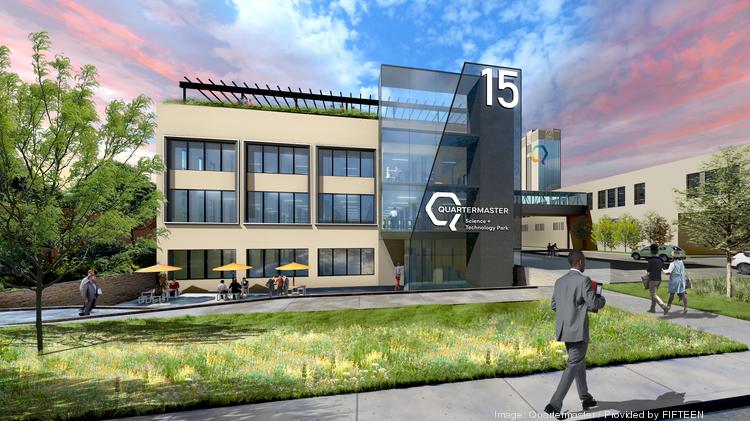
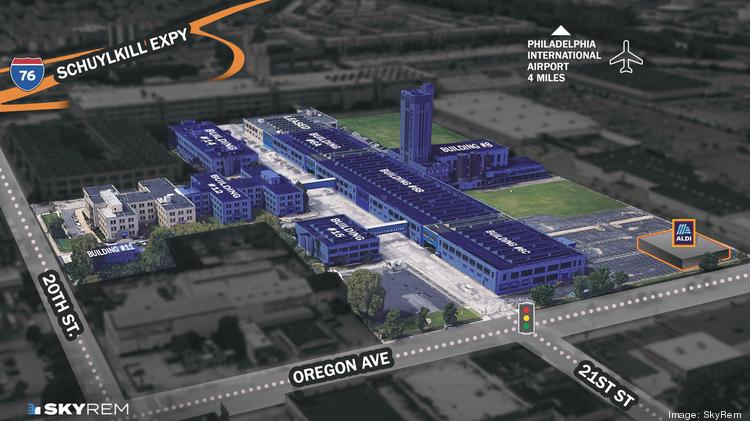
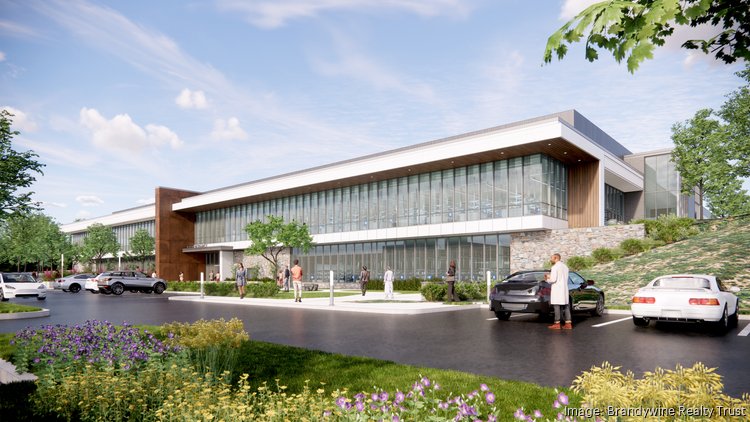



 2012pharmaceutical
 sjwilliamspa