Feeds:
Posts
Comments

Archive for the ‘Patents’ Category

Top Seven big Pharma in Thomson Reuters 2015 Top 100 Global Innovators

Reporter: Aviva Lev-Ari, PhD, RN


NAME COUNTRY PREVIOUS WINNER PREVIOUS WINNER PREVIOUS WINNER
Abbott USA

2014

2013
Bayer GERMANY

2011

Boehringer

Ingelheim

GERMANY
Brinstol-Myers Squibb USA

2011

J&J USA

2014

2013

Novartis Switzerland

2014

Roche Switzerland

2014

2013

2012, 2011

SOURCE

http://images.info.science.thomsonreuters.biz/Web/ThomsonReutersScience/%7Beb621c66-e238-4994-b1b5-9f5f9f897a75%7D_Thomson_Reuters_Top100_Global_Innovators_final.pdf

Introducing the Thomson Reuters 2015 Top 100 Global Innovators Organization Country Industry Previous Winners

New in 2015:

Top Bay Area Innovators For the first time, Thomson Reuters analysts studied Silicon Valley, known as the technology and innovation corridor in the US, to see which companies are leading there. Following a methodology similar to that of the Top 100 Global Innovators, except for the Volume criteria, all companies headquartered or with a major subsidiary in that region were investigated. The Top Bay Area Innovators list can be found on page 19. There are 11 companies that overlap with the Top 100 Global Innovators; meaning 31 percent of the leading US innovators and 11 percent of the world’s top innovators are located in the Bay Area.

Absentees:

The United Kingdom is absent from the list yet again this year. Innovation incentives introduced in the UK, such as Patent Box legislation, do not have enough legacy yet to have had an impact. Additionally, the UK spends much less on R&D as a percentage of Gross Domestic Product (GERD) than the Top 100 Global Innovator countries do. The UK’s GERDis 1.63 percent, whereas, for example, Japan’s is 3.47 percent.5 The region’s underuse of its patent system and lack of significant commercialization keep the UK from making the list once again.

China is also absent from the 2015 list. It joined the innovation-leader ranks in 2014, for the first time, via Huawei, however wasn’t able to replicate that performance to join again in 2015. A big factor contributing to China’s shortcoming is the fact that most of its innovation is domestic and therefore is not realized outside of its borders. In fact, only about six percent of China’s innovation activity is protected, and commercialized, outside of China. In order for China to see more organizations join this prestigious group, it will need to think more internationally and look to bring its inventions to market around the world. There are 27 companies that dropped from the prior year (see Table 1 on page 12), including AT&T, IBM, Siemens and Xerox. While these companies are still innovating at noteworthy levels, their respective scores across all of the metrics did not advance them to the Top 100. It’s expected that we will see them again in the future.

Patent Reform

There’s been some influential intellectual property legislation that is shaping how companies innovate, where they seek protection and when. Some of these initiatives include the America Invents Act and the Patent Trial & Appeal Board; the European unitary patent and unified patent court; the UK’s Patent Box legislation; and impactful court rulings, such as Alice 101 in the US. The landscape is ripe with reform as patent offices and filers grapple with how best to implement these changes given their goals and needs. Despite these changes, one thing remains certain: the patent system is vital to protecting innovation and to the economic wellbeing of organizations, nations and our world. OECD statistics confirm that nations with higher GDPs have similarly high patent filing rates (aka strong patent infrastructures), whereas the converse holds equally true. One way for developing nations to propel their economies forward is to invest in innovation and building a reliable intellectual property infrastructure.

Methodology

The Thomson Reuters Top 100 Global Innovator methodology analyzes patent and citation data across four main criteria:

  • volume,
  • success,
  • globalization and
  • influence

using Thomson Reuters solutions including Derwent World Patents Index (DWPI), Thomson Innovation and Derwent Patent Citations Index (PCI).

Volume

Volume is the first criteria. An organization must have at least 100 unique inventions protected by a granted patent over the most recent five year period to advance for further analysis. A unique invention is defined as one instance of a published application or granted patent for an idea for which protection is sought. In DWPI, these are called “basic” patents. DWPI provides access to 50 patentissuing authorities. Subsequent filings for the same invention are recorded as equivalents and collated into patent families which, for this analysis, were not included. Once an organization passes the volume stage gate, it is measured across the next three criteria: success, globalization and influence.

Success

The success metric covers the ratio of inventions described in published applications (those patents which are filed and publicly published by the patent office but not yet granted) to inventions protected with granted patents over the most recent five years. Not all patent applications pass through the examination process and are granted.

Globalization

Globalization has to do with the value an organization places on an invention by protecting it across the major world markets. The premise being that inventions protected in all four of the Thomson Reuters Quadrilateral Patent Index authorities: the Chinese Patent Office, the European Patent Office, the Japanese Patent Office and the United States Patent & Trademark Office, are deemed to be of significant value to the organization. A ratio is created of the inventions protected across the Quadrilateral Patent Index authorities versus the total volume for that period. Influence Finally,

Influence

influence is the downstream impact of an invention, measured by how often it is cited by other organizations. Via the Derwent Patent Citation Index, citations to an organization’s patents are counted over the most recent five years, excluding self citations. Scores for each of these areas are tallied and combined to produce the Top 100 Global Innovator list.

Top 100 Global Innovator list

3M Company USA Chemical 2011, 2012, 2013, 2014

Abbott Laboratories USA Pharmaceutical 2013, 2014

Advanced Micro Devices USA Semiconductor & Electronic Components 2011, 2012, 2013, 2014

Air Products USA Chemical 2013

Aisin Seiki Japan Automotive 2014

Alcatel-Lucent France Telecommunication & Equipment 2011, 2012, 2013, 2014

Alstom France Electrical Power

Amazon USA Media Internet Search & Navigation Systems

Analog Devices USA Semiconductor & Electronic Components 2011, 2012, 2013

Apple USA Telecommunication & Equipment 2011, 2012, 2013, 2014

Arkema France Chemical 2011, 2012, 2013, 2014

Avago Technologies (previously LSI) USA Semiconductor & Electronic Components 2011,2012, 2013, 2014

BASF Germany Chemical 2011, 2014

Bayer Germany Pharmaceutical 2011

Becton Dickinson USA Medical Devices

Blackberry Canada Telecommunication & Equipment 2013, 2014

Boehringer Ingelheim Germany Pharmaceutical

Boeing USA Aerospace 2011, 2012, 2013, 2014

Bridgestone Japan Automotive

Bristol-Myers Squibb USA Pharmaceutical 2011

Canon Japan Imaging 2011, 2012, 2013, 2014

Casio Computer Japan Computer Hardware 2014

Chevron USA Oil & Gas 2011, 2012, 2013

CNRS, The French National Center for Scientific Research France Scientific Research 2011, 2012, 2013, 2014

CEA–The French Alternative Energies and Atomic Energy Commission France Scientific Research 2011, 2012, 2013, 2014

Daikin Industries Japan Industrial 2011, 2014

Dow Chemical Company USA Chemical 2011, 2012, 2013, 2014

DuPont USA Chemical 2011, 2012, 2013, 2014

Emerson Electric USA Electrical Products 2012, 2013, 2014

Ericsson Sweden Telecommunication & Equipment 2011, 2012, 2013, 2014

Exxon Mobil USA Oil & Gas 2011, 2012, 2013

Fraunhofer Germany Scientific Research 2013, 2014

Freescale Semiconductor USA Semiconductor & Electronic Components 2013, 2014

Fujifilm Japan Imaging 2012, 2013, 2014

Fujitsu Japan Computer Hardware 2011, 2012, 2013, 2014

Furukawa Electric Japan Electrical Products 2014

General Electric USA Consumer Products 2011, 2012, 2013, 2014

Google (now Alphabet Inc.) USA Media Internet Search & Navigation Systems 2012, 2013, 2014

Hitachi Japan Computer Hardware 2011, 2012, 2013, 2014

Honda Motor Japan Automotive 2011, 2012, 2013, 2014

Honeywell International USA Electrical Products 2011, 2012, 2013, 2014

Idemitsu Kosan Japan Oil & Gas

IFP Energies Nouvelles France Scientific Research 2011, 2012, 2013, 2014

Intel USA Semiconductor & Electronic Components 2011, 2012, 2013, 2014

InterDigital USA Telecommunication & Equipment

Japan Science and Technology Agency (JST) Japan Scientific Research

Johnson & Johnson USA Pharmaceutical 2013, 2014

Johnson Controls USA Automotive

JTEKT Japan Automotive Kawasaki Heavy Industries Japan Industrial

Kobe Steel Japan Primary Metals 2014

Komatsu Japan Industrial 2014

Kyocera Japan Electrical Products 2014

LG Electronics S Korea Consumer Products 2011, 2012, 2013, 2014

Lockheed Martin USA Transportation Equipment 2012, 2013, 2014

LSIS S Korea Electrical Power 2011, 2012, 2013, 2014

Makita Corporation Japan Machinery

Marvell USA Semiconductor & Electronic Components 2012, 2013, 2014

MediaTek Taiwan Semiconductor & Electronic Components 2014

Medtronic USA Medical Devices 2014

Micron USA Semiconductor & Electronic Components 2012, 2013, 2014

Microsoft USA Computer Software 2011, 2012, 2013, 2014

Mitsubishi Electric Japan Electrical Products 2011, 2012, 2013, 2014

Mitsubishi Heavy Industries Japan Machinery 2012, 2013, 2014

Mitsui Chemicals Japan Chemical NEC Japan Computer Hardware 2011, 2012, 2013, 2014

Nike USA Consumer Products 2012, 2013, 2014

Nippon Steel & Sumitomo Metal Japan Primary Metals 2012, 2013, 2014

Nissan Motor Japan Automotive 2013, 2014

Nitto Denko Japan Chemical 2011, 2012, 2013, 2014

Novartis Switzerland Pharmaceutical 2014 2015

NTT Japan Telecommunication & Equipment 2011, 2012, 2013, 2014

Olympus Japan Healthcare Products 2011, 2012, 2013, 2014

Oracle USA Computer Software 2013, 2014

Panasonic Japan Consumer Products 2011, 2012, 2013, 2014

Philips Netherlands Electrical Products 2011, 2013, 2014

Qualcomm USA Semiconductor & Electronic Components 2011, 2012, 2013, 2014

Roche Switzerland Pharmaceutical 2011,2012,2013, 2014

Safran France Transportation Equipment 2013, 2014

Saint-Gobain France Industrial 2011, 2012, 2013, 2014

Samsung Electronics S Korea Semiconductor & Electronic Components 2011, 2012, 2013, 2014

Seagate USA Computer Hardware 2012, 2013, 2014

Seiko Epson Japan Imaging 2011, 2012, 2013, 2014

Shin-Etsu Chemical Japan Chemical 2011, 2012, 2013, 2014

Showa Denko Japan Chemical

Solvay Belgium Chemical 2012

Sony Japan Consumer Products 2011, 2012, 2013, 2014

Sumitomo Electric Japan Industrial 2011, 2013, 2014

Symantec USA Computer Software 2011, 2012, 2013, 2014

TE Connectivity Switzerland Semiconductor & Electronic Components 2011, 2012, 2013, 2014

Thales France Transportation Equipment 2012, 2013

Toray Japan Chemical

Toshiba Japan Computer Hardware 2011, 2012, 2013, 2014

Toyota Motor Japan Automotive 2011, 2012, 2013, 2014

Valeo France Automotive 2012, 2013

Xilinx USA Semiconductor & Electronic Components 2012, 2013, 2014

Yamaha Japan Consumer Products 2011, 2014

Yamaha Motor Japan Automotive

Yaskawa Electric Japan Industrial

Yazaki Japan Automotive


SOURCE

http://images.info.science.thomsonreuters.biz/Web/ThomsonReutersScience/%7Beb621c66-e238-4994-b1b5-9f5f9f897a75%7D_Thomson_Reuters_Top100_Global_Innovators_final.pdf


Read Full Post »

P13K delta-gamma anticancer agent

Larry H. Bernstein, MD, FCAP, Curator

LPBI


RP 6350, Rhizen Pharmaceuticals S.A. and Novartis tieup for Rhizen’s inhaled dual Pl3K-delta gamma inhibitor

by DR ANTHONY MELVIN CRASTO Ph.D


(A)           and                         (Al)                  and                (A2)

(S)-2-(l-(9H-purin-6-ylamino)propyl)-3-(3-fluorophenyl)-4H-chromen-4-one (Compound A1 is RP 6350).


str1


RP 6350, RP6350, RP-6350

(S)-2-(l-(9H-purin-6-ylamino)propyl)-3-(3-fluorophenyl)-4H-chromen-4-one

mw 415

Rhizen Pharmaceuticals is developing RP-6530, a PI3K delta and gamma dual inhibitor, for the potential oral treatment of cancer and inflammation  In November 2013, a phase I trial in patients with hematologic malignancies was initiated in Italy ]\. In September 2015, a phase I/Ib study was initiated in the US, in patients with relapsed and refractory T-cell lymphoma. At that time, the study was expected to complete in December 2016

PATENTS……..WO 11/055215 ,  WO 12/151525.

  • Antineoplastics; Small molecules
  • Mechanism of Action Phosphatidylinositol 3 kinase delta inhibitors; Phosphatidylinositol 3 kinase gamma inhibitors
  • Phase I Haematological malignancies
  • Preclinical Multiple myeloma


Swaroop K. V. S. Vakkalanka,
COMPANY Rhizen Pharmaceuticals Sa

https://clinicaltrials.gov/ct2/show/NCT02017613


PI3K delta/gamma inhibitor RP6530 An orally active, highly selective, small molecule inhibitor of the delta and gamma isoforms of phosphoinositide-3 kinase (PI3K) with potential immunomodulating and antineoplastic activities. Upon administration, PI3K delta/gamma inhibitor RP6530 inhibits the PI3K delta and gamma isoforms and prevents the activation of the PI3K/AKT-mediated signaling pathway. This may lead to a reduction in cellular proliferation in PI3K delta/gamma-expressing tumor cells. In addition, this agent modulates inflammatory responses through various mechanisms, including the inhibition of both the release of reactive oxygen species (ROS) from neutrophils and tumor necrosis factor (TNF)-alpha activity. Unlike other isoforms of PI3K, the delta and gamma isoforms are overexpressed primarily in hematologic malignancies and in inflammatory and autoimmune diseases. By selectively targeting these isoforms, PI3K signaling in normal, non-neoplastic cells is minimally impacted or not affected at all, which minimizes the side effect profile for this agent. Check for active clinical trials using this agent. (NCI Thesaurus)

Company Rhizen Pharmaceuticals S.A.
Description Dual phosphoinositide 3-kinase (PI3K) delta and gamma inhibitor
Molecular Target Phosphoinositide 3-kinase (PI3K) delta ; Phosphoinositide 3-kinase (PI3K) gamma
Mechanism of Action Phosphoinositide 3-kinase (PI3K) delta inhibitor; Phosphoinositide 3-kinase (PI3K) gamma inhibitor
Therapeutic Modality Small molecule


Dual PI3Kδ/γ Inhibition By RP6530 Induces Apoptosis and Cytotoxicity In B-Lymphoma Cells
 Swaroop Vakkalanka, PhD*,1, Srikant Viswanadha, Ph.D.*,2, Eugenio Gaudio, PhD*,3, Emanuele Zucca, MD4, Francesco Bertoni, MD5, Elena Bernasconi, B.Sc.*,3, Davide Rossi, MD, Ph.D.*,6, and Anastasios Stathis, MD*,7
 1Rhizen Pharmaceuticals S A, La Chaux-de-Fonds, Switzerland, 2Incozen Therapeutics Pvt. Ltd., Hyderabad, India, 3Lymphoma & Genomics Research Program, IOR-Institute of Oncology Research, Bellinzona, Switzerland, 4IOSI Oncology Institute of Southern Switzerland, Bellinzona, Switzerland, 5Lymphoma Unit, IOSI-Oncology Institute of Southern Switzerland, Bellinzona, Switzerland, 6Italian Multiple Myeloma Network, GIMEMA, Italy, 7Oncology Institute of Southern Switzerland, Bellinzona, Switzerland

RP6530 is a potent and selective dual PI3Kδ/γ inhibitor that inhibited growth of B-cell lymphoma cell lines with a concomitant reduction in the downstream biomarker, pAKT. Additionally, the compound showed cytotoxicity in a panel of lymphoma primary cells. Findings provide a rationale for future clinical trials in B-cell malignancies.

POSTER SESSIONS
Blood 2013 122:4411; published ahead of print December 6, 2013
Swaroop Vakkalanka, Srikant Viswanadha, Eugenio Gaudio, Emanuele Zucca, Francesco Bertoni, Elena Bernasconi, Davide Rossi, Anastasios Stathis
  • Dual PI3K delta/gamma Inhibition By RP6530 Induces Apoptosis and Cytotoxicity
  • RP6530, a novel, small molecule PI3K delta/gamma
  • Activity and selectivity of RP6530 for PI3K delta and gamma isoforms

Introduction Activation of the PI3K pathway triggers multiple events including cell growth, cell cycle entry, cell survival and motility. While α and β isoforms are ubiquitous in their distribution, expression of δ and γ is restricted to cells of the hematopoietic system. Because these isoforms contribute to the development, maintenance, transformation, and proliferation of immune cells, dual targeting of PI3Kδ and γ represents a promising approach in the treatment of lymphomas. The objective of the experiments was to explore the therapeutic potential of RP6530, a novel, small molecule PI3Kδ/γ inhibitor, in B-cell lymphomas.

Methods Activity and selectivity of RP6530 for PI3Kδ and γ isoforms and subsequent downstream activity was determined in enzyme and cell-based assays. Additionally, RP6530 was tested for potency in viability, apoptosis, and Akt phosphorylation assays using a range of immortalized B-cell lymphoma cell lines (Raji, TOLEDO, KG-1, JEKO, OCI-LY-1, OCI-LY-10, MAVER, and REC-1). Viability was assessed using the colorimetric MTT reagent after incubation of cells for 72 h. Inhibition of pAKT was estimated by Western Blotting and bands were quantified using ImageJ after normalization with Actin. Primary cells from lymphoid tumors [1 chronic lymphocytic leukemia (CLL), 2 diffuse large B-cell lymphomas (DLBCL), 2 mantle cell lymphoma (MCL), 1 splenic marginal zone lymphoma (SMZL), and 1 extranodal MZL (EMZL)] were isolated, incubated with 4 µM RP6530, and analyzed for apoptosis or cytotoxicity by Annexin V/PI staining.

Results RP6530 demonstrated high potency against PI3Kδ (IC50=24.5 nM) and γ (IC50=33.2 nM) enzymes with selectivity over α (>300-fold) and β (>100-fold) isoforms. Cellular potency was confirmed in target-specific assays, namely anti-FcεR1-(EC50=37.8 nM) or fMLP (EC50=39.0 nM) induced CD63 expression in human whole blood basophils, LPS induced CD19+ cell proliferation in human whole blood (EC50=250 nM), and LPS induced CD45R+ cell proliferation in mouse whole blood (EC50=101 nM). RP6530 caused a dose-dependent inhibition (>50% @ 2-7 μM) in growth of immortalized (Raji, TOLEDO, KG-1, JEKO, REC-1) B-cell lymphoma cells. Effect was more pronounced in the DLBCL cell lines, OCI-LY-1 and OCI-LY-10 (>50% inhibition @ 0.1-0.7 μM), and the reduction in viability was accompanied by corresponding inhibition of pAKT with EC50 of 6 & 70 nM respectively. Treatment of patient-derived primary cells with 4 µM RP6530 caused an increase in cell death. Fold-increase in cytotoxicity as evident from PI+ staining was 1.6 for CLL, 1.1 for DLBCL, 1.2 for MCL, 2.2 for SMZL, and 2.3 for EMZL. Cells in early apotosis (Annexin V+/PI-) were not different between the DMSO blank and RP6530 samples.

Conclusions RP6530 is a potent and selective dual PI3Kδ/γ inhibitor that inhibited growth of B-cell lymphoma cell lines with a concomitant reduction in the downstream biomarker, pAKT. Additionally, the compound showed cytotoxicity in a panel of lymphoma primary cells. Findings provide a rationale for future clinical trials in B-cell malignancies.

Disclosures:Vakkalanka:Rhizen Pharmaceuticals, S.A.: Employment, Equity Ownership; Incozen Therapeutics Pvt. Ltd.: Employment, Equity Ownership.Viswanadha:Incozen Therapeutics Pvt. Ltd.: Employment. Bertoni:Rhizen Pharmaceuticals SA: Research Funding.


PI3K Dual Inhibitor (RP-6530)


Therapeutic Area Respiratory , Oncology – Liquid Tumors , Rheumatology Molecule Type Small Molecule
Indication Peripheral T-cell lymphoma (PTCL) , Non-Hodgkins Lymphoma , Asthma , Chronic Obstructive Pulmonary Disease (COPD) , Rheumatoid Arthritis
Development Phase Phase I Rt. of Administration Oral

Description

Rhizen is developing dual PI3K gamma/delta inhibitors for liquid tumors and inflammatory conditions.

Situation Overview

Dual Pl3K inhibition is strongly implicated as an intervention treatment in allergic and non-allergic inflammation of the airways and autoimmune diseases manifested by a reduction in neutrophilia and TNF in response to LPS. Scientific evidence for PI3-kinase involvement in various cellular processes underlying asthma and COPD stems from inhibitor studies and gene-targeting approaches, which makes it a potential target for treatment of respiratory disease. Resistance to conventional therapies such as corticosteroids in several patients has been attributed to an up-regulation of the PI3K pathway; thus, disruption of PI3K signaling provides a novel strategy aimed at counteracting the immuno-inflammatory response. Given the established criticality of these isoforms in immune surveillance, inhibitors specifically targeting the ? and ? isoforms would be expected to attenuate the progression of immune response encountered in most variations of airway inflammation and arthritis.

Mechanism of Action

While alpha and beta isoforms are ubiquitous in their distribution, expression of delta and gamma is restricted to circulating hematogenous cells and endothelial cells. Unlike PI3K-alpha or beta, mice lacking expression of gamma or delta do not show any adverse phenotype indicating that targeting of these specific isoforms would not result in overt toxicity. Dual delta/gamma inhibition is strongly implicated as an intervention strategy in allergic and non-allergic inflammation of the airways and other autoimmune diseases. Scientific evidence for PI3K-delta and gamma involvement in various cellular processes underlying asthma and COPD stems from inhibitor studies and gene-targeting approaches. Also, resistance to conventional therapies such as corticosteroids in several COPD patients has been attributed to an up-regulation of the PI3K delta/gamma pathway. Disruption of PI3K-delta/gamma signalling therefore provides a novel strategy aimed at counteracting the immuno-inflammatory response. Due to the pivotal role played by PI3K-delta and gamma in mediating inflammatory cell functionality such as leukocyte migration and activation, and mast cell degranulation, blocking these isoforms may also be an effective strategy for the treatment of rheumatoid arthritis as well.

Given the established criticality of these isoforms in immune surveillance, inhibitors specifically targeting the delta and gamma isoforms would be expected to attenuate the progression of immune response encountered in airway inflammation and rheumatoid arthritis.


http://www.rhizen.com/images/backgrounds/pi3k%20delta%20gamma%20ii.png

http://www.rhizen.com/images/backgrounds/pi3k%20delta%20gamma%20ii.pngtps:/

Clinical Trials

Rhizen has identified an orally active Lead Molecule, RP-6530, that has an excellent pre-clinical profile. RP-6530 is currently in non-GLP Tox studies and is expected to enter Clinical Development in H2 2013.

In December 2013, Rhizen announced the start of a Phase I clinical trial. The study entitled A Phase-I, Dose Escalation Study to Evaluate Safety and Efficacy of RP6530, a dual PI3K delta /gamma inhibitor, in patients with Relapsed or Refractory Hematologic Malignancies is designed primarily to establish the safety and tolerability of RP6530. Secondary objectives include clinical efficacy assessment and biomarker response to allow dose determination and potential patient stratification in subsequent expansion studies.


Partners by Region

Rhizen’s pipeline consists of internally discovered (with 100% IP ownership) novel small molecule programs aimed at high value markets of Oncology, Immuno-inflammtion and Metabolic Disorders. Rhizen has been successful in securing critical IP space in these areas and efforts are on for further expansion in to several indications. Rhizen seeks partnerships to unlock the potential of these valuable assets for further development from global pharmaceutical partners. At present global rights on all programs are available and Rhizen is flexible to consider suitable business models for licensing/collaboration.

In 2012, Rhizen announced a joint venture collaboration with TG Therapeutics for global development and commercialization of Rhizen’s Novel Selective PI3K Kinase Inhibitors. The selected lead RP5264 (hereafter, to be developed as TGR-1202) is an orally available, small molecule, PI3K specific inhibitor currently being positioned for the treatment of hematological malignancies.

PATENT
WO2014195888, DUAL SELECTIVE PI3 DELTA AND GAMMA KINASE INHIBITORS

This scheme provides a synthetic route for the preparation of compound of formula wherein all the variables are as described herein in above

Figure imgf000094_0001

15 14 10 12 12a

REFERENCES
April 2015, preclinical data were presented at the 106th AACR Meeting in Philadelphia, PA. RP-6530 had GI50 values of 17,028 and 22,014 nM, respectively
December 2014, data were presented at the 56th ASH Meeting in San Francisco, CA.
December 2013, preclinical data were presented at the 55th ASH Meeting in New Orleans, LA.
June 2013, preclinical data were presented at the 18th Annual EHA Congress in Stockholm, Sweden. RP-6530 inhibited PI3K delta and gamma isoforms with IC50 values of 24.5 and 33.2 nM, respectively.
  • 01 Sep 2015 Phase-I clinical trials in Hematological malignancies (Second-line therapy or greater) in USA (PO) (NCT02567656)
  • 18 Nov 2014 Preclinical trials in Multiple myeloma in Switzerland (PO) prior to November 2014
  • 18 Nov 2014 Early research in Multiple myeloma in Switzerland (PO) prior to November 2014


WO2011055215A2 Nov 3, 2010 May 12, 2011 Incozen Therapeutics Pvt. Ltd. Novel kinase modulators
WO2012151525A1 May 4, 2012 Nov 8, 2012 Rhizen Pharmaceuticals Sa Novel compounds as modulators of protein kinases
WO2013164801A1 May 3, 2013 Nov 7, 2013 Rhizen Pharmaceuticals Sa Process for preparation of optically pure and optionally substituted 2- (1 -hydroxy- alkyl) – chromen – 4 – one derivatives and their use in preparing pharmaceuticals
US20110118257 May 19, 2011 Rhizen Pharmaceuticals Sa Novel kinase modulators
US20120289496 May 4, 2012 Nov 15, 2012 Rhizen Pharmaceuticals Sa Novel compounds as modulators of protein kinases
WO 2011055215


Read Full Post »

New antibacterials against resistant strains

Larry H. Bernstein, MD, FCAP, Curator

LPBI


WCK ? , WCK Series by Wockhardt for treating the bacterial infection

by DR ANTHONY MELVIN CRASTO Ph.D

Sulfuric acid, mono[(1R,​2S,​5R)​-​7-​oxo-​2-​[[[(2S)​-​2-​pyrrolidinylmethoxy]​amino]​carbonyl]​-​1,​6-​diazabicyclo[3.2.1]​oct-​6-​yl] ester

364.37

C12 H20 N4 O7 S

CAS 1452459-04-9

PATENTS, WO 2015079329, WO 2015079389 , WO 2015063714, US 20130225554

Emergence of bacterial resistance to known antibacterial agents is becoming a major challenge in treating bacterial infections. One way forward to treat bacterial infections, and especially those caused by resistant bacteria, is to develop newer antibacterial agents that can overcome the bacterial resistant. Coates et al. (Br. J. Pharmacol. 2007; 152(8), 1147-1154.) have reviewed novel approaches to developing new antibiotics. However, the development of new antibacterial agents is a challenging task. For example, Gwynn et al. (Annals of the New York Academy of Sciences, 2010, 1213: 5-19) have reviewed the challenges in discovery of antibacterial agents.

Several compounds have been described in the prior art for use in treatment of bacterial infections (for example, see Patent Application Nos. PCT/IB2012/054296, PCT/IB2012/054290, US20130225554, PCT/US2010/060923, PCT/EP2010/067647, PCT/US2010/052109, PCT/US2010/048109, PCT/GB2009/050609, PCT/EP2009/056178, PCT/US2009/041200, PCT/US2013/034562, PCT/US2013/034589, PCT/IB2013/053092 and PCT/IB2012054706). However, there remains a need for potent antibacterial agents for preventing and/or treating bacterial infections, including those caused by bacteria that are resistant to known antibacterial agents.


PATENT

WO 2015079329

https://encrypted.google.com/patents/WO2015079329A2?cl=en


Read Full Post »
Glucokinase target for type 2 diabetes

Larry H. Bernstein, MD, FCAP, Curator

LPBI


Pfizer’s PF 04991532 a Hepatoselective Glucokinase Activator Clinical Candidate for Treating Type 2 Diabetes Mellitus
DR ANTHONY MELVIN CRASTO, WORLD DRUG TRACKER
http://newdrugapprovals.org/2015/11/27/pfizers-pf-04991532-a-hepatoselective-glucokinase-activator-clinical-candidate-for-treating-type-2-diabetes-mellitus/


PF 04991532

GKA PF-04991532

(S)-6-{3-cyclopentyl-2-[4-(trifluoromethyl)-1H-imidazol-1-yl]propanamido}nicotinic acid

(S)-6-(3-Cyclopentyl-2-(4-(trifluoromethyl)-1H-imidazol-1-yl)propanamido)nicotinic Acid

(S)-6-(3-cyclopentyl-2-(4-(trifluoromethyl)-1H-imidazol-1-yl)propanamido)nicotinic acid

MW 396.36, MF C18 H19 F3 N4 O3

CAS 1215197-37-7

3-​Pyridinecarboxylic acid, 6-​[[(2S)​-​3-​cyclopentyl-​1-​oxo-​2-​[4-​(trifluoromethyl)​-​1H-​imidazol-​1-​yl]​propyl]​amino]​-

http://www.biochemj.org/content/441/3/881


Type 2 diabetes mellitus (T2DM) is a rapidly expanding public epidemic affecting over 300 million people worldwide. This disease is characterized by elevated fasting plasma glucose (FPG), insulin resistance, abnormally elevated hepatic glucose production (HGP), and reduced glucose-stimulated insulin secretion (GSIS). Moreover, long-term lack of glycemic control increases risk of complications from neuropathic, microvascular, and macrovascular diseases.

The standard of care for T2DM is metformin followed by sulfonylureas, dipeptidyl peptidase-4 (DPP-IV) inhibitors, and thiazolidinediones (TZD) as second line oral therapies. As disease progression continues, patients typically require injectable agents such as glucagon-like peptide-1 (GLP-1) analogues and, ultimately, insulin to help maintain glycemic control. Despite these current therapies, many patients still remain unable to safely achieve and maintain tight glycemic control, placing them at risk of diabetic complications and highlighting the need for novel therapeutic options.


Glucokinase (hexokinase IV) continues to be a compelling target for the treatment of type 2 diabetes given the wealth of supporting human genetics data and numerous reports of robust clinical glucose lowering in patients treated with small molecule allosteric activators. Recent work has demonstrated the ability of hepatoselective activators to deliver glucose lowering efficacy with minimal risk of hypoglycemia.

While orally administered agents require a considerable degree of passive permeability to promote suitable exposures, there is no such restriction on intravenously delivered drugs. Therefore, minimization of membrane diffusion in the context of an intravenously agent should ensure optimal hepatic targeting and therapeutic index.


Diabetes is a major public health concern because of its increasing prevalence and associated health risks. The disease is characterized by metabolic defects in the production and utilization of carbohydrates which result in the failure to maintain appropriate blood glucose levels. Two major forms of diabetes are recognized. Type I diabetes, or insulin-dependent diabetes mellitus (IDDM), is the result of an absolute deficiency of insulin. Type II diabetes, or non-insulin dependent diabetes mellitus (NIDDM), often occurs with normal, or even elevated levels of insulin and appears to be the result of the inability of tissues and cells to respond appropriately to insulin. Aggressive control of NIDDM with medication is essential; otherwise it can progress into IDDM.

As blood glucose increases, it is transported into pancreatic beta cells via a glucose transporter. Intracellular mammalian glucokinase (GK) senses the rise in glucose and activates cellular glycolysis, i.e. the conversion of glucose to glucose-6-phosphate, and subsequent insulin release. Glucokinase is found principally in pancreatic β-cells and liver parenchymal cells. Because transfer of glucose from the blood into muscle and fatty tissue is insulin dependent, diabetics lack the ability to utilize glucose adequately which leads to undesired accumulation of blood glucose (hyperglycemia). Chronic hyperglycemia leads to decreases in insulin secretion and contributes to increased insulin resistance. Glucokinase also acts as a sensor in hepatic parenchymal cells which induces glycogen synthesis, thus preventing the release of glucose into the blood. The GK processes are thus critical for the maintenance of whole body glucose homeostasis.

It is expected that an agent that activates cellular GK will facilitate glucose-dependent secretion from pancreatic beta cells, correct postprandial hyperglycemia, increase hepatic glucose utilization and potentially inhibit hepatic glucose release. Consequently, a GK activator may provide therapeutic treatment for NIDDM and associated complications, inter alia, hyperglycemia, dyslipidemia, insulin resistance syndrome, hyperinsulinemia, hypertension, and obesity.

Several drugs in five major categories, each acting by different mechanisms, are available for treating hyperglycemia and subsequently, NIDDM (Moller, D. E., “New drug targets for Type II diabetes and the metabolic syndrome” Nature414; 821-827, (2001)): (A) Insulin secretogogues, including sulphonyl-ureas (e.g., glipizide, glimepiride, glyburide) and meglitinides (e.g., nateglidine and repaglinide) enhance secretion of insulin by acting on the pancreatic beta-cells. While this therapy can decrease blood glucose level, it has limited efficacy and tolerability, causes weight gain and often induces hypoglycemia. (B) Biguanides (e.g., metformin) are thought to act primarily by decreasing hepatic glucose production. Biguanides often cause gastrointestinal disturbances and lactic acidosis, further limiting their use. (C) Inhibitors of alpha-glucosidase (e.g., acarbose) decrease intestinal glucose absorption. These agents often cause gastrointestinal disturbances. (D) Thiazolidinediones (e.g., pioglitazone, rosiglitazone) act on a specific receptor (peroxisome proliferator-activated receptor-gamma) in the liver, muscle and fat tissues. They regulate lipid metabolism subsequently enhancing the response of these tissues to the actions of insulin. Frequent use of these drugs may lead to weight gain and may induce edema and anemia. (E) Insulin is used in more severe cases, either alone or in combination with the above agents.

Ideally, an effective new treatment for NIDDM would meet the following criteria: (a) it would not have significant side effects including induction of hypoglycemia; (b) it would not cause weight gain; (c) it would at least partially replace insulin by acting via mechanism(s) that are independent from the actions of insulin; (d) it would desirably be metabolically stable to allow less frequent usage; and (e) it would be usable in combination with tolerable amounts of any of the categories of drugs listed herein.

Substituted heteroaryls, particularly pyridones, have been implicated in mediating GK and may play a significant role in the treatment of NIDDM. For example, U.S. Patent publication No. 2006/0058353 and PCT publication Nos. WO2007/043638, WO2007/043638, and WO2007/117995 recite certain heterocyclic derivatives with utility for the treatment of diabetes. Although investigations are on-going, there still exists a need for a more effective and safe therapeutic treatment for diabetes, particularly NIDDM.


s1

s1


s1


PATENT

US 20100063063

http://www.google.com/patents/US20100063063

SYNTHESIS CONSTRUCTION

6-aminonicotinic acid


BENZYL BROMIDE


Figure US20100063063A1-20100311-C00076

FIRST KEY INTERMEDIATE


SECOND SERIES FOR NEXT INTERMEDIATE

CONDENSED WITH

4-Trifluoromethyl-1H-imidazole

TO  GIVE PRODUCT SHOWN BELOW


Figure US20100063063A1-20100311-C00025

(S)-methyl 3-cyclopentyl-2-(4-(trifluoromethyl)-1H-imidazol-1-yl)propanoate (I-8a)


CONVERTED TO ACID CHLORIDE, (S)-3-cyclopentyl-2-(4-(trifluoromethyl)-1H-imidazol-1-yl)propanoyl chloride (I-8c)

AND CONDENSED WITH

Figure US20100063063A1-20100311-C00076

WILL GIVE BENZYL DERIVATIVE

THEN DEBENZYLATION TO FINAL PRODUCT


1H NMR (400 MHz, DMSO-d6) δ 13.10-13.25 (1H), 11.44 (1H), 8.83 (1H), 8.23-8.26 (1H), 8.09-8.12 (1H), 7.94-7.95 (2H), 5.22-5.26 (1H), 2.06-2.17 (2H), 1.29-1.64 (8H), 1.04-1.07 (1H); m/z 397.3 (M+H)+.


Organic Process Research & Development (2012), 16(10), 1635-1645

http://pubs.acs.org/doi/abs/10.1021/op300194c

Abstract Image

This work describes the process development and manufacture of early-stage clinical supplies of a hepatoselective glucokinase activator, a potential therapy for type 2 diabetes mellitus. Critical issues centered on challenges associated with the synthesis of intermediates and API bearing a particularly racemization-prone α-aryl carboxylate functionality. In particular, a T3P-mediated amidation process was optimized for the coupling of a racemization-prone acid substrate and a relatively non-nucleophilic amine. Furthermore, an unusually hydrolytically-labile amide in the API also complicated the synthesis and isolation of drug substance. The evolution of the process over multiple campaigns is presented, resulting in the preparation of over 110 kg of glucokinase activator.

(S)-6-(3-Cyclopentyl-2-(4-(trifluoromethyl)-1H-imidazol-1-yl)propanamido)nicotinic Acid (1)


Journal of Medicinal Chemistry (2012), 55(3), 1318-1333

http://pubs.acs.org/doi/abs/10.1021/jm2014887

Abstract Image

Glucokinase is a key regulator of glucose homeostasis, and small molecule allosteric activators of this enzyme represent a promising opportunity for the treatment of type 2 diabetes. Systemically acting glucokinase activators (liver and pancreas) have been reported to be efficacious but in many cases present hypoglycaemia risk due to activation of the enzyme at low glucose levels in the pancreas, leading to inappropriately excessive insulin secretion. It was therefore postulated that a liver selective activator may offer effective glycemic control with reduced hypoglycemia risk. Herein, we report structure–activity studies on a carboxylic acid containing series of glucokinase activators with preferential activity in hepatocytes versus pancreatic β-cells. These activators were designed to have low passive permeability thereby minimizing distribution into extrahepatic tissues; concurrently, they were also optimized as substrates for active liver uptake via members of the organic anion transporting polypeptide (OATP) family. These studies lead to the identification of 19 as a potent glucokinase activator with a greater than 50-fold liver-to-pancreas ratio of tissue distribution in rodent and non-rodent species. In preclinical diabetic animals, 19 was found to robustly lower fasting and postprandial glucose with no hypoglycemia, leading to its selection as a clinical development candidate for treating type 2 diabetes.

Bioorganic & Medicinal Chemistry Letters (2013), 23(24), 6588-6592

http://www.sciencedirect.com/science/article/pii/S0960894X13012638

Image for unlabelled figure


Structure of Hepatoselective GKA PF-04991532 (1).

Figure 1.

Structure of Hepatoselective GKA PF-04991532 (1).


Pfizer’s PF 04937319 glucokinase activators for the treatment of Type 2 diabetes
DR ANTHONY MELVIN CRASTO, WORLD DRUG TRACKER
http://newdrugapprovals.org/2015/11/27/pfizers-pf-04937319-glucokinase-activators-for-the-treatment-of-type-2-diabetes/

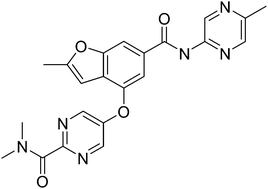
Graphical abstract: Designing glucokinase activators with reduced hypoglycemia risk: discovery of N,N-dimethyl-5-(2-methyl-6-((5-methylpyrazin-2-yl)-carbamoyl)benzofuran-4-yloxy)pyrimidine-2-carboxamide as a clinical candidate for the treatment of type 2 diabetes mellitus

PF 04937319

N,N-dimethyl-5-(2-methyl-6-((5-methylpyrazin-2-yl)-carbamoyl)benzofuran-4-yloxy)pyrimidine-2-carboxamide

MW 432.43

MF C22 H20 N6 O4
CAS 1245603-92-2
2-​Pyrimidinecarboxamid​e, N,​N-​dimethyl-​5-​[[2-​methyl-​6-​[[(5-​methyl-​2-​pyrazinyl)​amino]​carbonyl]​-​4-​benzofuranyl]​oxy]​-
N,N-Dimethyl-5-(2-methyl-6-((5-methylpyrazin-2-yl)carbamoyl)-benzofuran-4- yloxy)pyrimidine-2-carboxamide
Pfizer Inc. clinical candidate currently in Phase 2 development.
CLINICAL TRIALS

A trial to assess the safety, tolerability, pharmacokinetics, and pharmacodynamics of single doses of PF-04937319 in subjects with type 2 diabetes mellitus (NCT01044537)

Multiple dose study of PF-04937319 in patients with type 2 diabetes (NCT01272804)
Phase 2 study to evaluate safety and efficacy of investigational drug – PF04937319 in patients with type 2 diabetes (NCT01475461)


SYNTHESIS

PF 319 SYN

Glucokinase is a key regulator of glucose homeostasis and small molecule activators of this enzyme represent a promising opportunity for the treatment of Type 2 diabetes. Several glucokinase activators have advanced to clinical studies and demonstrated promising efficacy; however, many of these early candidates also revealed hypoglycemia as a key risk. In an effort to mitigate this hypoglycemia risk while maintaining the promising efficacy of this mechanism, we have investigated a series of substituted 2-methylbenzofurans as “partial activators” of the glucokinase enzyme leading to the identification ofN,N-dimethyl-5-(2-methyl-6-((5-methylpyrazin-2-yl)-carbamoyl)benzofuran-4-yloxy)pyrimidine-2-carboxamide as an early development candidate.


It is expected that an agent that activates cellular GK will facilitate glucose-dependent secretion from pancreatic beta cells, correct postprandial hyperglycemia, increase hepatic glucose utilization and potentially inhibit hepatic glucose release. Consequently, a GK activator may provide therapeutic treatment for NIDDM and associated complications, inter alia, hyperglycemia, dyslipidemia, insulin resistance syndrome, hyperinsulinemia, hypertension, and obesity. Several drugs in five major categories, each acting by different mechanisms, are available for treating hyperglycemia and subsequently, NIDDM (Moller, D. E., “New drug targets for Type 2 diabetes and the metabolic syndrome” Nature 414; 821 -827, (2001 )): (A) Insulin secretogogues, including sulphonyl-ureas (e.g., glipizide, glimepiride, glyburide) and meglitinides (e.g., nateglidine and repaglinide) enhance secretion of insulin by acting on the pancreatic beta-cells. While this therapy can decrease blood glucose level, it has limited efficacy and tolerability, causes weight gain and often induces hypoglycemia. (B) Biguanides (e.g., metformin) are thought to act primarily by decreasing hepatic glucose production. Biguanides often cause gastrointestinal disturbances and lactic acidosis, further limiting their use. (C) Inhibitors of alpha-glucosidase (e.g., acarbose) decrease intestinal glucose absorption. These agents often cause gastrointestinal disturbances. (D) Thiazolidinediones (e.g., pioglitazone, rosiglitazone) act on a specific receptor (peroxisome proliferator-activated receptor-gamma) in the liver, muscle and fat tissues. They regulate lipid metabolism subsequently enhancing the response of these tissues to the actions of insulin. Frequent use of these drugs may lead to weight gain and may induce edema and anemia. (E) Insulin is used in more severe cases, either alone or in combination with the above agents. Ideally, an effective new treatment for NIDDM would meet the following criteria: (a) it would not have significant side effects including induction of hypoglycemia; (b) it would not cause weight gain; (c) it would at least partially replace insulin by acting via mechanism(s) that are independent from the actions of insulin; (d) it would desirably be metabolically stable to allow less frequent usage; and (e) it would be usable in combination with tolerable amounts of any of the categories of drugs listed herein.

Substituted heteroaryls, particularly pyridones, have been implicated in mediating GK and may play a significant role in the treatment of NIDDM. For example, U.S. Patent publication No. 2006/0058353 and PCT publication No’s. WO2007/043638, WO2007/043638, and WO2007/117995 recite certain heterocyclic derivatives with utility for the treatment of diabetes. Although investigations are on-going, there still exists a need for a more effective and safe therapeutic treatment for diabetes, particularly NIDDM.


Designing glucokinase activators with reduced hypoglycemia risk: discovery of N,N-dimethyl-5-(2-methyl-6-((5-methylpyrazin-2-yl)-carbamoyl)benzofuran-4-yloxy)pyrimidine-2-carboxamide as a clinical candidate for the treatment of type 2 diabetes mellitus

*Corresponding authors
aPfizer Worldwide Research & Development, Eastern Point Road, Groton
E-mail: jeffrey.a.pfefferkorn@pfizer.com
Tel: +860 686 3421
Med. Chem. Commun., 2011,2, 828-839

DOI: 10.1039/C1MD00116G

http://pubs.rsc.org/en/content/articlelanding/2011/md/c1md00116g/unauth#!divAbstract

http://www.rsc.org/suppdata/md/c1/c1md00116g/c1md00116g.pdf

Glucokinase is a key regulator of glucose homeostasis and small molecule activators of this enzyme represent a promising opportunity for the treatment of Type 2 diabetes. Several glucokinase activators have advanced to clinical studies and demonstrated promising efficacy; however, many of these early candidates also revealed hypoglycemia as a key risk. In an effort to mitigate this hypoglycemia risk while maintaining the promising efficacy of this mechanism, we have investigated a series of substituted 2-methylbenzofurans as “partial activators” of the glucokinase enzyme leading to the identification ofN,N-dimethyl-5-(2-methyl-6-((5-methylpyrazin-2-yl)-carbamoyl)benzofuran-4-yloxy)pyrimidine-2-carboxamide as an early development candidate.

Graphical abstract: Designing glucokinase activators with reduced hypoglycemia risk: discovery of N,N-dimethyl-5-(2-methyl-6-((5-methylpyrazin-2-yl)-carbamoyl)benzofuran-4-yloxy)pyrimidine-2-carboxamide as a clinical candidate for the treatment of type 2 diabetes mellitus

N,N-Dimethyl-5-(2-methyl-6-((5-methylpyrazin-2-yl)carbamoyl)-benzofuran-4- yloxy)pyrimidine-2-carboxamide (28).


PAPER


http://pubs.rsc.org/en/content/articlelanding/2013/md/c2md20317k#!divAbstract


PAPER

Bioorganic & Medicinal Chemistry Letters (2013), 23(16), 4571-4578

http://www.sciencedirect.com/science/article/pii/S0960894X13007452

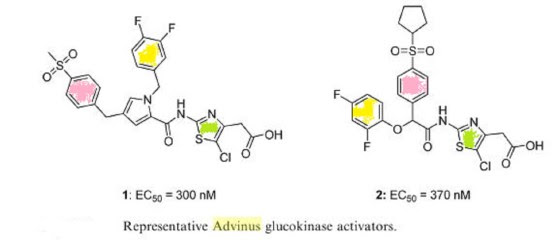
Glucokinase activators 1 and 2.

Figure 1.

Glucokinase activators 1 and 2.


PATENT

Pfizer Inc.

WO 2010103437

https://www.google.co.in/patents/WO2010103437A1?cl=en

Scheme I outlines the general procedures one could use to provide compounds of the present invention having Formula (I).

Figure imgf000011_0001
PF 319 SYN

Preparations of Starting Materials and Key Intermediates


Beebe, D.A.; Ross, T.T.; Rolph, T.P.; Pfefferkorn, J.A.; Esler, W.P.
The glucokinase activator PF-04937319 improves glycemic control in combination with exercise without causing hypoglycemia in diabetic rats
74th Annu Meet Sci Sess Am Diabetes Assoc (ADA) (June 13-17, San Francisco) 2014, Abst 1113-P


Amin, N.B.; Aggarwal, N.; Pall, D.; Paragh, G.; Denney, W.S.; Le, V.; Riggs, M.; Calle, R.A.
Two dose-ranging studies with PF-04937319, a systemic partial activator of glucokinase, as add-on therapy to metformin in adults with type 2 diabetes
Diabetes Obes Metab 2015, 17(8): 751


Study to compare single dose of three modified release formulations of PF-04937319 with immediate release material-sparing-tablet (IR MST) formulation previously studied in adults with type 2 diabetes mellitus (NCT02206607)

Read Full Post »

LIK 066, Novartis, for the treatment of type 2 diabetes

Curator: Larry H. Bernstein, MD, FCAP


LIK 066, Novartis, for the treatment of type 2 diabetes
Dr. Anthony Crasto

imgf000135_0001

lik 066


LIK-066, a new flozin on the horizon


Sodium glucose transporter-2 inhibitor
SGLT 1/2 inhibitor
Novartis Ag innovator
Clinical trial……..https://clinicaltrials.gov/ct2/show/NCT01915849
https://clinicaltrials.gov/ct2/show/NCT02470403


  • 10 Jun 2015 Novartis initiates enrolment in a phase II trial for Type 2 diabetes mellitus in USA (NCT02470403)
  • 02 Apr 2014 Novartis terminates a phase II trial in Type-2 diabetes mellitus in USA, Poland, Argentina, Hungary, Puerto Rico and South Africa (NCT01824264)
  • 01 Jan 2014 Novartis completes a phase II trial in Type 2 diabetes mellitus in USA (NCT01915849)

LIK-066 is in phase II clinical studies at Novartis for the treatment of type 2 diabetes.
In June 2014, the EMA’s PDCO adopted a positive opinion on a pediatric investigation plan (PIP) for LIK-066 for type 2 diabetes.
Diabetes mellitus is a metabolic disorder characterized by recurrent or persistent hyperglycemia (high blood glucose) and other signs, as distinct from a single disease or condition. Glucose level abnormalities can result in serious long-term complications, which include cardiovascular disease, chronic renal failure, retinal damage, nerve damage (of several kinds), microvascular damage and obesity.


Type 1 diabetes, also known as Insulin Dependent Diabetes Mellitus (IDDM), is characterized by loss of the insulin-producing β-cells of the islets of Langerhans of the pancreas leading to a deficiency of insulin. Type-2 diabetes previously known as adult- onset diabetes, maturity-onset diabetes, or Non-Insulin Dependent Diabetes Mellitus (NIDDM) – is due to a combination of increased hepatic glucose output, defective insulin secretion, and insulin resistance or reduced insulin sensitivity (defective responsiveness of tissues to insulin). Chronic hyperglycemia can also lead to onset or progression of glucose toxicity characterized by decrease in insulin secretion from β-cell, insulin sensitivity; as a result diabetes mellitus is self-exacerbated [Diabetes Care, 1990, 13, 610].
Chronic elevation of blood glucose level also leads to damage of blood vessels. In diabetes, the resultant problems are grouped under “microvascular disease” (due to damage of small blood vessels) and “macro vascular disease” (due to damage of the arteries). Examples of microvascular disease include diabetic retinopathy, neuropathy and nephropathy, while examples of macrovascular disease include coronary artery disease, stroke, peripheral vascular disease, and diabetic myonecrosis.
Diabetic retinopathy, characterized by the growth of weakened blood vessels in the retina as well as macular edema (swelling of the macula), can lead to severe vision loss or blindness. Retinal damage (from microangiopathy) makes it the most common cause of blindness among non-elderly adults in the US. Diabetic neuropathy is characterized by compromised nerve function in the lower extremities. When combined with damaged blood vessels, diabetic neuropathy can lead to diabetic foot. Other forms of diabetic neuropathy may present as mononeuritis or autonomic neuropathy. Diabetic nephropathy is characterized by damage to the kidney, which can lead to chronic renal failure, eventually requiring dialysis. Diabetes mellitus is the most common cause of l adult kidney failure worldwide. A high glycemic diet (i.e., a diet that consists of meals that give high postprandial blood sugar) is known to be one of the causative factors contributing to the development of obesity.
Type 2 diabetes is characterized by insulin resistance and/or inadequate insulin secretion in response to elevated glucose level. Therapies for type 2 diabetes are targeted towards increasing insulin sensitivity (such as TZDs), hepatic glucose utilization (such as biguanides), directly modifying insulin levels (such as insulin, insulin analogs, and insulin secretagogues), increasing increttn hormone action (such as exenatide and sitagliptin), or inhibiting glucose absorption from the diet (such as alpha glucosidase inhibitors) [Nature 2001 , 414, 821-827], glucose is unable to diffuse across the cell membrane and requires transport proteins. The transport of glucose into epithelial cells is mediated by a secondary active cotransport system, the sodium-D-glucose co-transporter (SGLT), driven by a sodium- gradient generated by the Na+/K+-ATPase. Glucose accumulated in the epithelial cell is further transported into the blood across the membrane by facilitated diffusion through GLUT transporters [Kidney International 2007, 72, S27-S35].
SGLT belongs to the sodium/glucose co-transporter family SLCA5. Two different SGLT isoforms, SGLT1 and SGLT2, have been identified to mediate renal tubular glucose reabsorption in humans [Curr. Opinon in Investigational Drugs (2007): 8(4), 285-292 and references cited herein]. Both of them are characterized by their different substrate affinity. Although both of them show 59% homology in their amino acid sequence, they are functionally different. SGLT1 transports glucose as well as galactose, and is expressed both in the kidney and in the intestine, while SGLT2 is found exclusively in the S1 and S2 segments of the renal proximal tubule.
As a consequence, glucose filtered in the glomerulus is reabsorbed into the renal proximal tubular epithelial cells by SGLT2, a low-affinity/high-capacity system, residing on the surface of epithelial cell lining in S1 and S2 tubular segments. Much smaller amounts of glucose are recovered by SGLT1 , as a high-affinity/low-capacity system, on the more distal segment of the proximal tubule. In healthy human, more than 99% of plasma glucose that is filtered in the kidney glomerulus is reabsorbed, resulting in less than 1 % of the total filtered glucose being excreted in urine. It is estimated that 90% of total renal glucose absorption is facilitated by SGLT2; remaining 10 % is likely mediated by SGLT1 [J. Parenter. Enteral Nutr. 2004, 28, 364-371].
SGLT2 was cloned as a candidate sodium glucose co-transporter, and its tissue distribution, substrate specificity, and affinities are reportedly very similar to those of the low-affinity sodium glucose co-transporter in the renal proximal tubule. A drug with a mode of action of SGLT2 inhibition will be a novel and complementary approach to existing classes of medication for diabetes and its associated diseases to meet the patient’s needs for both blood glucose control, while preserving insulin secretion. In addition, SGLT2 inhibitors which lead to loss of excess glucose (and thereby excess calories) may have additional potential for the treatment of obesity.
Indeed small molecule SGLT2 inhibitors have been discovered and the anti-diabetic therapeutic potential of such molecules has been reported in literature [T-1095 (Diabetes, 1999, 48, 1794-1800, Dapagliflozin (Diabetes, 2008, 57, 1723-1729)].


PATENT

WO 2011048112
https://www.google.com/patents/WO2011048112A1?cl=en
Gregory Raymond Bebernitz, Mark G. Bock, Dumbala Srinivas Reddy, Atul Kashinath Hajare, Vinod Vyavahare, Sandeep Bhausaheb Bhosale, Suresh Eknath Kurhade, Videsh Salunkhe, Nadim S. Shaikh, Debnath Bhuniya, P. Venkata Palle, Lili Feng, Jessica Liang,
Patentscope, Espacenet


PATENT

SEE  INDIAN PATENT
IN 2009DE02173
Glycoside derivatives and uses thereof

REFERENCES

Pediatric investigation plan (PIP) decision: (S)-Pyrrolidine-2-carboxylic acid compound with (2S,3R,4R,5S,6R)-2-(3-((2,3-dihydrobenzo[b][1,4]dioxin-6-yl)methyl)-4-ethylphenyl)-6-(hydroxymethyl)tetrahydro-2H-pyran-3,4,5-triol (2:1) ( LIK066) (EMEA-001527-PIP01-13)
European Medicines Agency (EMA) Web Site 2014, July 24
Safety, tolerability, pharmacokinetics (PK) and pharmacodynamics (PD) assessment of LIK066 in healthy subjects and in patients with type 2 diabetes mellitus (T2DM) (NCT01407003)
ClinicalTrials.gov Web Site 2011, August 07
WO2012140597
WO2011048112
IN 2009DE02173


Read Full Post »

Targeting Neuropathologies with GSK33 Inhibitor

Larry H. Bernstein, MD, FCAP,  Curator

LPBI


New 5-​Substituted-​N-​(piperidin-​4-​ylmethyl)​-​1H-​indazole-​3-​carboxamides: Potent Glycogen Synthase Kinase-​3 (GSK-​3) Inhibitors in Model of Mood Disorders

by DR ANTHONY MELVIN CRASTO Ph.D

str1


CAS 1452582-16-9, 428.47, C23 H26 F2 N4 O2

1H-​Indazole-​3-​carboxamide, 5-​(2,​3-​difluorophenyl)​-​N-​[[1-​(2-​methoxyethyl)​-​4-​piperidinyl]​methyl]​-

Aziende Chimiche Riunite Angelini Francesco A.C.R.A.F. S.P.A.


1 H-indazole-3-carboxamide compounds acting as glycogen synthase kinase 3 beta (GSK-33) inhibitors and to their use in the treatment of GSK-33-related disorders such as (i) insulin-resistance disorders; (ii) neurodegenerative diseases; (iii) mood disorders; (iv) schizophrenic disorders; (v) cancerous disorders; (vi) inflammation, (vii) substance abuse disorders; (viii) epilepsies; and (ix) neuropathic pain.

Protein kinases constitute a large family of structurally related enzymes, which transfer phosphate groups from high-energy donor molecules (such as adenosine triphosphate, ATP) to specific substrates, usually proteins. After phosphorylation, the substrate undergoes to a functional change, by which kinases can modulate various biological functions.

In general, protein kinases can be divided in several groups, according to the substrate that is phosphorylated. For example, serine/threonine kinase phosphorylates the hydroxyl group on the side chain of serine or threonine aminoacid.

Glycogen synthase kinases 3 (GSK-3) are constitutively active multifunctional enzymes, quite recently discovered, belonging to the serine/threonine kinases group.

Human GSK-3 are encoded by two different and independent genes, which leads to GSK-3a and GSK-33 proteins, with molecular weights of about 51 and 47 kDa, respectively. The two isoforms share nearly identical sequences in their kinase domains, while outside of the kinase domain, their sequences differ substantially (Benedetti et al., Neuroscience Letters, 2004, 368, 123-126). GSK-3a is a multifunctional protein serine kinase and GSK-33 is a serine-threonine kinase.

It has been found that GSK-33 is widely expressed in all tissues, with widespread expression in the adult brain, suggesting a fundamental role in neuronal signaling pathways (Grimes and Jope, Progress in Neurobiology, 2001, 65, 391-426). Interest in glycogen synthase kinases 3 arises from its role in various physiological pathways, such as, for example, metabolism, cell cycle, gene expression, embryonic development oncogenesis and neuroprotection (Geetha et al., British Journal Pharmacology, 2009, 156, 885-898).

GSK-33 was originally identified for its role in the regulation of glycogen synthase for the conversion of glucose to glycogen (Embi et al., Eur J Biochem, 1980, 107, 519-527). GSK-33 showed a high degree of specificity for glycogen synthase.

Type 2 diabetes was the first disease condition implicated with GSK- 3β, due to its negative regulation of several aspects of insulin signaling pathway. In this pathway 3-phosphoinositide-dependent protein kinase 1 (PDK-1 ) activates PKB, which in turn inactivates GSK-33. This inactivation of GSK-33 leads to the dephosphorylation and activation of glycogen synthase, which helps glycogen synthesis (Cohen et al., FEBS Lett, 1997, 410, 3-10). Moreover, selective inhibitors of GSK-33 are expected to enhances insulin signaling in prediabetic insulin- resistant rat skeletal muscle, thus making GSK-33 an attractive target for the treatment of skeletal muscle insulin resistance in the pre-diabetic state (Dokken et al., Am J. Physiol. Endocrinol. Metab., 2005, 288, E1 188-E1 194).

GSK-33 was also found to be a potential drug target in others pathological conditions due to insulin-resistance disorders, such as syndrome X, obesity and polycystic ovary syndrome (Ring DB et al., Diabetes, 2003, 52: 588-595).

It has been found that GSK-33 is involved in the abnormal phosphorylation of pathological tau in Alzheimer’s disease (Hanger et al., Neurosci. Lett, 1992, 147, 58-62; Mazanetz and Fischer, Nat Rev Drug Discov., 2007, 6, 464-479; Hong and Lee, J. Biol. Chem., 1997, 272, 19547- 19553). Moreover, it was proved that early activation of GSK-33, induced by apolipoprotein ApoE4 and β-amyloid, could lead to apoptosis and tau hyperphosphorylation (Cedazo-Minguez et al., Journal of Neurochemistry, 2003, 87, 1 152- 1 164). Among other aspect of Alzheimer’s disease, it was also reported the relevance of activation of GSK-33 at molecular level (Hernandez and Avila, FEBS Letters, 2008, 582, 3848-3854).

Moreover, it was demonstrated that GSK-33 is involved in the genesis and maintenance of neurodegenerative changes associated with Parkinson’s disease (Duka T. et al., The FASEB Journal, 2009; 23, 2820- 2830).

Accordingly to these experimental observations, inhibitors of GSK-33 may find applications in the treatment of the neuropathological consequences and the cognitive and attention deficits associated with tauopathies; Alzheimer’s disease; Parkinson’s disease; Huntington’s disease (the involvement of GSK-33 in such deficits and diseases is disclosed in Meijer L. et al., TRENDS Pharm Sci, 2004; 25, 471 -480); dementia, such as, but not limited to, vascular dementia, post-traumatic dementia, dementia caused by meningitis and the like; acute stroke; traumatic injuries; cerebrovascular accidents; brain and spinal cord trauma; peripheral neuropathies; retinopathies and glaucoma (the involvement of GSK-33 in such conditions is disclosed in WO 2010/109005).

The treatment of spinal neurodegenerative disorders, like amyotrophic lateral sclerosis, multiple sclerosis, spinal muscular atrophy and neurodegeneration due to spinal cord injury has been also suggested in several studies related to GSK-33 inhibition, such as, for example in Caldero J. et al., “Lithium prevents excitotoxic cell death of motoneurons in organotypic slice cultures of spinal cord”, Neuroscience. 2010 Feb 17;165(4):1353-69, Leger B. et al., “Atrogin-1 , MuRF1 , and FoXO, as well as phosphorylated GSK-3beta and 4E-BP1 are reduced in skeletal muscle of chronic spinal cord-injured patients”, Muscle Nerve, 2009 Jul; 40(1 ):69-78, and Galimberti D. et al., “GSK33 genetic variability in patients with Multiple Sclerosis”, Neurosci Lett. 201 1 Jun 1 5;497(1 ):46- 8. Furthermore, GSK-33 has been linked to the mood disorders, such as bipolar disorders, depression, and schizophrenia.

Inhibition of GSK-33 may be an important therapeutic target of mood stabilizers, and regulation of GSK-33 may be involved in the therapeutic effects of other drugs used in psychiatry. Dysregulated GSK-33 in mood disorder, bipolar disorder, depression and schizophrenia could have multiple effects that could impair neural plasticity, such as modulation of neuronal architecture, neurogenesis, gene expression and the ability of neurons to respond to stressful, potentially lethal conditions (Jope and Ron, Curr. Drug Targets, 2006, 7, 1421- 1434).

The role of GSK-33 in mood disorder was highlighted by the study of lithium and valproate (Chen et al., J. Neurochem., 1999, 72, 1327- 1330; Klein and Melton, Proc. Natl. Acad. Sci. USA, 1996, 93, 8455-8459), both of which are GSK-33 inhibitors and are used to treat mood disorders. There are also existing reports from the genetic perspective supporting the role of GSK-33 in the disease physiology of bipolar disorder (Gould, Expert. Opin. Ther. Targets, 2006, 10, 377-392).

It was reported a decrease in AKT1 protein levels and its phosphorylation of GSK-33 at Serine-9 in the peripheral lymphocytes and brains of individuals with schizophrenia. Accordingly, this finding supports the proposal that alterations in AKT1 -GSK-33 signaling contribute to schizophrenia pathogenesis (Emamian et al., Nat Genet, 2004, 36, 131- 137).

Additionally, the role of GSK-33 in cancer is a well-accepted phenomenon.

The potential of small molecules that inhibit GSK-33 has been evidenced for some specific cancer treatments (Jia Luo, Cancer Letters, 2009, 273, 194-200). GSK-33 expression and activation are associated with prostate cancer progression (Rinnab et al., Neoplasia, 2008, 10, 624-633) and the inhibition of GSK3b was also proposed as specific target for pancreatic cancer (Garcea et al., Current Cancer Drug Targets, 2007, 7, 209-215) and ovarian cancer (Qi Cao et al., Cell Research, 2006, 16 671 -677). Acute inhibition of GSK-33 in colon-rectal cancer cells activates p53-dependent apoptosis and antagonizes tumor growth (Ghosh et al., Clin Cancer Res 2005, 1 1 , 4580-4588).

The identification of a functional role for GSK-33 in MLL-associated leukaemia suggests that GSK-33 inhibition may be a promising therapy that is selective for transformed cells that are dependent on HOX overexpression (Birch et al., Cancer Cell, 2010, 1 7, 529-531 ).

GSK-33 is involved in numerous inflammatory signalling pathways, for example, among others GSK-33 inhibition has been shown to induce secretion of the anti-inflammatory cytokine IL-1 0. According to this finding, GSK-33 inhibitors could be useful to regulate suppression of inflammation (G. Klamer et al., Current Medicinal Chemistry, 2010, 17(26), 2873-2281, Wang et al., Cytokine, 2010, 53, 130-140).

GSK-33 inhibition has been also shown to attenuate cocaine-induced behaviors in mice. The administration of cocaine in mice pretreated with a GSK-33 inhibitor demonstrated that pharmacological inhibition of GSK3 reduced both the acute behavioral responses to cocaine and the long- term neuroadaptations produced by repeated cocaine (Cocaine-induced hyperactivity and sensitization are dependent on GSK3, Miller JS et al. Neuropharmacology. 2009 Jun; 56(8):1 1 16-23, Epub 2009 Mar 27).

The role of GSK-33 in the development of several forms of epilepsies has been demonstrated in several studies, which suggest that inhibition of GSK-33 could be a pathway for the treatment of epilepsy (Novel glycogen synthase kinase 3 and ubiquitination pathways in progressive myoclonus epilepsy, Lohi H et al., Hum Mol Genet. 2005 Sep 15;14(18):2727-36 and Hyperphosphorylation and aggregation of Tau in laforin-deficient mice, an animal model for Lafora disease, Purl R et al., J Biol Chem. 2009 Aug 21 ;284(34) 22657-63). The relationship between GSK-33 inhibition and treatment of neuropathic pain has been demonstrated in Mazzardo-Martins L. et al., “Glycogen synthase kinase 3-specific inhibitor AR-A014418 decreases neuropathic pain in mice: evidence for the mechanisms of action”, Neuroscience. 2012 Dec 13;226, and Xiaoping Gu et al., “The Role of Akt/GSK33 Signaling Pathway in Neuropathic Pain in Mice”, Poster A525, Anesthesiology 2012 October 13-17, 2012 Washington.

A review on GSK-33, its function, its therapeutic potential and its possible inhibitors is given in “GSK-33: role in therapeutic landscape and development of modulators” (S. Phukan et al., British Journal of Pharmacology (2010), 160, 1- 19).

WO 2004/014864 discloses 1 H-indazole-3-carboxamide compounds as selective cyclin-dependant kinases (CDK) inhibitors. Such compounds are assumed to be useful in the treatment of cancer, through a mechanism mediated by CDK2, and neurodegenerative diseases, in particular Alzheimer’s disease, through a mechanism mediated by CDK5, and as anti-viral and anti-fungine, through a mechanism mediated by CDK7, CDK8 and CDK9.

Cyclin-dependant kinases (CDKs) are serine/threonine kinases, first discovered for their role in regulating the cell cycle. CDKs are also involved in regulating transcription, mRNA processing, and the differentiation of nerve cells. Such kinases activate only after their interaction and binding with regulatory subunits, namely cyclins.

Moreover, 1 H-indazole-3-carboxamide compounds were also described as analgesics in the treatment of chronic and neuropathic pain (see, for example, WO 2004/074275 and WO 2004/101 548) and as 5-HT4 receptor antagonists, useful in the treatment of gastrointestinal disorders, central nervous system disorders and cardiovascular disorders (see, for example, WO 1994/101 74).

Read Full Post »

blocking copper transport in cancer cells

Larry H. Bernstein, MD, FCAP, Curator

LPBI


DC_AC50, selective way of blocking copper transport in cancer cells

http://newdrugapprovals.org/2015/11/11/dc_ac50-selective-way-of-blocking-copper-transport-in-cancer-cells/

Dr. Melvin Crasto, World Drug Tracker

Jing Chen of Emory University School of Medicine, Hualiang Jiang of the Shanghai Institute of Materia Medica of the Chinese Academy of Sciences, Chuan He of the University of Chicago, and coworkers have now developed a selective way of blocking copper transport in cancer cells (Nat. Chem. 2015, DOI: 10.1038/nchem.2381). By screening a database of 200,000 druglike small molecules, the researchers discovered a promising compound, DC_AC50, for cancer treatment. They zeroed in on the compound by testing how well database hits inhibited a protein-protein interaction leading to copper transport and reduced proliferation of cancer cells.


Figure imgf000094_0001

DC_AC50

3-amino-N-(2-bromo-4,6-difluorophenyl)-6,7-dihydro-5H- cyclopenta [b] thieno [3,2-e] pyridine-2-carboxamide

licensed DC_AC50 to Suring Therapeutics, in Suzhou, China

INNOVATORS  Jing Chen of Emory University School of Medicine, Hualiang Jiang of the Shanghai Institute of Materia Medica of the Chinese Academy of Sciences, Chuan He of the University of Chicago, and coworkers


Developing small molecules that specifically inhibit human copper-trafficking proteins and an overview of the screening process.

http://www.nature.com/nchem/journal/vaop/ncurrent/images/nchem.2381-f1.jpg


COPPER TRANSPORT
Chaperone proteins (green) transfer copper ions to copper-dependent proteins (lilac) via ligand exchange between two cysteines (-SH groups) on each protein. DC_AC50 binds the chaperone and inhibits this interaction.
Credit: Nat. Chem.

Jing Chen of Emory University School of Medicine, Hualiang Jiang of the Shanghai Institute of Materia Medica of the Chinese Academy of Sciences,Chuan He of the University of Chicago, and coworkers have now developed a selective way of blocking copper transport in cancer cells (Nat. Chem. 2015, DOI: 10.1038/nchem.2381). By screening a database of 200,000 druglike small molecules, the researchers discovered a promising compound, DC_AC50, for cancer treatment. They zeroed in on the compound by testing how well database hits inhibited a protein-protein interaction leading to copper transport and reduced proliferation of cancer cells.

20151109lnp1-dca

http://cen.acs.org/content/cen/articles/93/web/2015/11/Agent-Fight-Cancer-Inhibiting-Copper/_jcr_content/articlebody/subpar/articlemedia_0.img.jpg/1447092911801.jpg


Scientists had already found a molecule, tetrathiomolybdate, that interferes with copper trafficking and have tested it in clinical trials against cancer. But tetrathiomolybdate is a copper chelator: It inhibits copper transport in cells by nonselectively sequestering copper ions. Sometimes, the chelator snags too much copper, inhibiting essential copper-based processes in normal cells and causing side effects.

In contrast, DC_AC50 works by inhibiting interactions between proteins in the copper-trafficking pathway: It prevents chaperone proteins, called Atox1 and CCS, from passing copper ions to enzymes that use them to run vital cellular processes. Cancer cells are heavy users of Atox1 and CCS, so DC_AC50 affects cancer cells selectively.

The team has licensed DC_AC50 to Suring Therapeutics, in Suzhou, China, for developing anticancer therapies. The group also plans to further tweak DC_AC50 to develop more-potent versions.

Thomas O’Halloran of Northwestern University, who has studied tetrathiomolybdate, comments that “the challenge in drug design is hitting one of these copper-dependent processes without messing with housekeeping functions that normal cells depend upon. DC_AC50 appears to block the function of copper metallochaperone proteins without interacting directly with their cargo, copper ions. As the first member of a new class of inhibitors, it provides a new way to interrogate the physiology of copper trafficking disorders and possibly intervene.”

PATENT

http://www.google.com/patents/WO2014116859A1?cl=en


Figure imgf000053_0003

COMPD IS LC-1 COMPD 50


NMR and mass spectral data: LC-1 (Compound 50)- 3-amino-N-(2-bromo-4,6-difluorophenyl)-6,7-dihydro-5H- cyclopenta [b] thieno [3,2-e] pyridine-2-carboxamide

Figure imgf000075_0001

1H NMR (CDCI3, 400 MHz) δ 9.15 (s, 1H), 7.61 (s, 1H), 7.13(m, 1H), 6.60 (m, 1H), 6.27 (s, 2H), 3.20 (t, 2H), 2.98 (t, 2H), 2.39 (m, 2H); ESI-MS (EI) m/z 422 (M+)


Read Full Post »

Phase I/II Hepato-specific Glucokinase Activator

Larry H. Bernstein, MD, FCAP, Curator

LPBI

Advinus Therapeutics announced that it has successfully completed a 14-day POC study in 60 Type II diabetic patients on its lead molecule, GKM-001, a glucokinase activator. The results of the trial show effective glucose lowering across all doses tested without any incidence of hypoglycemia or any other clinically relevant adverse events.

GKM-001 is differentiated from most other GK molecules that are in development, or have been discontinued, due to its novel liver selective mechanism of action.

GKM-001 belongs to a novel class of molecules for treatment of type II diabetes. It is an activator of Glucokinase (GK), a glucose-sensing enzyme found mainly in the liver and pancreas. Being liver selective, GKM-001 mostly activates GK in the liver and not in pancreas, which is its key differentiation from most competitor molecules that activate GK in pancreas as well.

GKM 001 in pipeline for Diabetes by Advinus

by DR ANTHONY MELVIN CRASTO Ph.D

ad 1
GKM 001

Advinus Therapeutics Private L,

A glucokinase activator for treatment of type II diabetes, currently in PI. Advinus is actively exploring partnership options to expedite further development and WW marketing of GKM-001.

Company Advinus Therapeutics Ltd.
Description Activator of glucokinase (GCK; GK)
Molecular Target Glucokinase (GCK) (GK)
Mechanism of Action Glucokinase activator
Therapeutic Modality Small molecule
Latest Stage of Development Phase I/II
Standard Indication Diabetes
Indication Details Treat Type II diabetes

PATENT

https://www.google.co.in/patents/WO2009047798A2?cl=en

Example Cl : (-)-{5-ChIoro-2-[2-(4-cyclopropanesulfonylphenyI)-2-(2,4- difluorophenoxy)acetylamino]thiazol-4-yl}-acetic acid, ethyl ester
1H NMR(400 MHz, CDCl3): δ 1.06-1.08 (m, 2H), 1.30 (t, J=7.2 Hz, 3H), 1.33-1.38 (m, 2H), 2.42-2.50 (m, IH), 3.73 (d, J=2 Hz, 2H), 4.22 (q, J=7.2 Hz ,2H), 5.75 (s, IH), 6.76- 6.77 (m, IH), 6.83-6.86 (m, IH), 6.90-6.98 (m, IH), 7.73 (d, J=8.4 Hz, 2H), 7.96 (d, J=8.4 Hz, 2H), 9.96 (bs, IH). MS (EI) m/z: 571.1 and 573.1 (M+ 1; for 35Cl and 37Cl respectively).

Examples C2 and C3 were prepared in analogues manner of example (Cl) from the appropriate chiral intermediate:

Figure imgf000044_0002

Example Dl : (+)-{5-Chloro-2-[2-(4-cyclopropanesulfonylphenyl)-2-(2,4- difluorophenoxy)acetylamino]thiazol-4-yl}acetic acid, ethyl ester

Advinus’ GK-activator Achieves Early POC for Diabetes

November 29 2011

Partnership Dialog Actively Underway

Advinus Therapeutics, a research-based pharmaceutical company founded by globally experienced industry executives and promoted by the TATA Group, announced that it has successfully completed a 14-day POC study in 60 Type II diabetic patients on its lead molecule, GKM-001, a glucokinase activator. The results of the trial show effective glucose lowering across all doses tested without any incidence of hypoglycemia or any other clinically relevant adverse events.

The clinical trials on GKM-001 validate the company’s pre-clinical hypothesis that a liver selective Glucokinase activator would not cause hypoglycemia (very low blood sugar), while showing robust efficacy.

“GKM-001 is differentiated from most other GK molecules that are in development, or have been discontinued, due to its novel liver selective mechanism of action. GKM-001 has a prolonged pharmacological effect and a half-life that should support a once a day dosing as both mono and combination therapy.” said Dr. Rashmi Barbhaiya, MD & CEO, Advinus Therapeutics. He added that Advinus is actively exploring partnership options to expedite further development and global marketing of GKM-001.

GKM-001 belongs to a novel class of molecules for treatment of type II diabetes. It is an activator of Glucokinase (GK), a glucose-sensing enzyme found mainly in the liver and pancreas. Being liver selective, GKM-001 mostly activates GK in the liver and not in pancreas, which is its key differentiation from most competitor molecules that activate GK in pancreas as well. The resulting increase in insulin secretion creates a potential for hypoglycemia-a risk GKM-001 is designed to avoid. Advinus has the composition of matter patent on GKM-001 for all major markets globally. Both the Single Ascending Dose data, in healthy and type II diabetics, and the Multiple Ascending Dose Study in Type II diabetics has shown that the molecule shows effective glucose lowering in a dose dependent manner and has excellent safety and tolerability profile over a 40-fold dose range. The pharmacokinetic properties of the molecule support once a day dosing. GKM-001 has the potential to be “First-in-Class” drug to address this large, growing and yet poorly addressed market.

Advinus also has identified a clinical candidate as a back-up to GKM-001, which is structurally different. In its portfolio, the company has a growing pipeline for COPD, sickle cell disease, inflammatory bowel disease, type 2 diabetes, acute and chronic pain and rheumatoid arthritis in various stages of late discovery and pre-clinical development.

Advinus Therapeutics team discovers novel molecule for treatment of diabetes

  • The first glucokinase modulator discovered and developed in India 
  • A new concept for the management of diabetes for patients, globally 
  • 100 per cent ‘made in India’ molecule for the treatment of diabetes 
  • IND approved by DGCI, Phase I clinical trial shows excellent safety and tolerance profiles with efficacy

Bangalore: Advinus Therapeutics (Advinus), the research-based pharmaceutical company founded by leading global pharmaceutical executives and promoted by the Tata group, today, announced the discovery of a novel molecule for the treatment of type II diabetes — GKM-001.The molecule is an activator of glucokinase; an enzyme that regulates glucose balance and insulin secretion in the body.

GKM-001 is a completely indigenously developed molecule and the initial clinical trials have shown excellent results for both safety and efficacy.

“Considering past failures of other companies on this target, our discovery programme primarily focused on identifying a molecule that would be efficacious without causing hypoglycaemia; a side effect associated with most compounds developed for this target.

“Recently completed Phase I data indicate that Advinus’ GKM–001 is a liver selective molecule that has overcome the biggest clinical challenge of hypoglycaemia. GKM-001 is differentiated from most other GK molecules in development due to this novel mechanism of action,” said Dr Rashmi Barbhaiya, MD and CEO, Advinus Therapeutics.

He further added, “We are very proud that GKM-001 is 100 per cent Indian. Advinus’s discovery team in Pune discovered the molecule and entire preclinical development was carried out at our centre in Bangalore. The Investigational New Drug (IND) application was filed with the DGCI for approval to initiate clinical trials in India within 34 months of initiation of the discovery programme. Subsequent to the approval of the IND, we have completed the Phase I Single Ascending Dose study in India within two months.”

GKM-001 is a novel molecule for the treatment of type II diabetes. It is the first glucokinase modulator discovered and developed in India and has potential to be both first or best in class. The success in discovering GKM-001 is attributed to the science-driven efforts in Advinus laboratories and ‘breaking the conventional mold’ for selection of a drug candidate. Advinus has ‘composition of matter’ patent on the molecule for all major markets globally. Glucokinase as a class of target is considered to be novel as currently there is no product in the market or in late clinical trials. The strategy for early clinical development revolved around assessing safety (particularly hypoglycaemia) and early assessment of therapeutic activity (glucose lowering and other biomarkers) in type II diabetics. The Phase I data, in both healthy and type II diabetics, shows excellent safety and tolerability over a 40-fold dose range and desirable pharmacokinetic properties consistent with ‘once a day’ dosing. The next wave of clinical studies planned continues on this strategy of early testing in type II diabetics.

Right behind the lead candidate GKM-001, Advinus has a rich pipeline of back up compounds on the same target. These include several structurally different compounds with diverse potency, unique pharmacology and tissue selectivity. Having discovered the molecule with early indication of wide safety margins, desired efficacy and pharmacokinetic profiles, the company now seeks to out-licence GKM-001 and its discovery portfolio.

Kasim A. Mookhtiar, , Debnath Bhuniya, Siddhartha De, Anita Chugh, Jayasagar
Gundu, Venkata Palle, Dhananjay Umrani, Nimish Vachharajani, Vikram
Ramanathan and Rashmi H. Barbhaiya
Advinus Therapeutics Ltd, Hinjewadi, Pune – 411057, and Peenya Industrial Area,
Bangalore – 560058, India
REFERENCES

patent

wo 2008104994

wo 2008 149382

wo 2009047798
WO2008104994A2* 25 Feb 2008 4 Sep 2008 Advinus Therapeutics Private L 2,2,2-tri-substituted acetamide derivatives as glucokinase activators, their process and pharmaceutical application

///////GKM 001, pipeline, Diabetes, Advinus, type II diabetes, glucokinase modulator, Rashmi Barbhaiya

Comment    See all comments    Like

Read Full Post »

pathway and network analysis of complex ‘omics data

Larry H. Bernstein, MD, FCAP, Curator

LPBI


While blood tests can be used to detect some cancers, the FDA said a San Diego company has no proof its blood test works in patients who have not already been diagnosed with some form of the disease.

WASHINGTON, Sept. 25 (UPI) — A San Diego company selling an early cancer detection test was notified by the U.S. Food and Drug Administration it can find no evidence the test actually works, and is concerned it could prove to be harmful for some people.

Pathway Genomics debuted its CancerIntercept test in early September with claims it can detect cancer cell DNA in the blood, picking up mutations linked to as many as 10 different cancers. The goal is to catch cancer early in people who are “otherwise healthy” and not showing symptoms of the disease.

“Based on our review of your promotional materials and the research publication cited above, we believe you are offering a high risk test that has not received adequate clinical validation and may harm the public health,” said FDA Deputy Director James L. Woods in a letter to the company.

CancerIntercept is billed by the company as a blood test looking for DNA fragments in the bloodstream and testing them for 96 genomic markers it says are found in several specific tumor types.

The direct-to-consumer test can be purchased through the Pathway Genomics website, with programs ranging from a one-time test to a quarterly “subscription” for people who want regular testing.

The company states, in several sections of its website, “the presence of one or more of these genomic markers in a patient’s bloodstream may indicate that the patient has a previously undetected cancer. However, the test is not diagnostic, and thus, follow-up screening and clinical testing would be required to confirm the presence or absence of a specific cancer in the patient.”

The FDA is concerned that people may seek treatment for tumors that do not require medical attention, or spend money and possibly seek out treatment they do not need at all — in either case, unnecessary treatment for cancer is potentially harmful to people, the agency said.

CancerIntercept has not been approved by the FDA for use as a medical device, nor has it been subjected to peer review as most tests of its type would be. The company published a white paper on its website which outlines how the test works, supporting its efficacy with references to several clinical trials on detection of mutated DNA in the bloodstream.

Glenn Braunstein, Chief Medical Officer at Pathway Genomics, told The VergePathway had validated its tests with “hundreds” of patients, though those patients had well-defined, often advanced cancers.

In the letter from the FDA, Woods requests the company provide a timeline for meeting with the agency to review plans for future longitudinal studies on the product and specific details on studies that have been conducted before it was made available to consumers.

http://www.upi.com/Health_News/2015/09/25/FDA-Start-ups-cancer-blood-test-may-be-harmful/4191443181676/

The clinical laboratory is an essential player in the treatment of cancer providing a diagnostic, potentially a prognostic, and follow-up treatment armamentarium.  The laboratory diagnostics industry has grown over the last half century into  a highly accurate, well regulated industry with highly automated and point of care technologies.  Prior to introduction, the tests that are put on the market have to be validated prior to introduction.

How are they validated?

The most common approach is for the test to be used concomitantly with treatment in a clinical trial. Measurements may be made prior to surgical biopsy and treatment, and at a month or 6 months to a year later.  The pharmaceutical and diagnostics industries are independent, even though a large company may have both pharmaceutical and diagnostic divisions.  Consequently, the integration of diagnostics and therapeutics occurs on the front lines of patient care.

How this discrepancy between the FDA and the manufacturer could occur is not clear because prior to introduction, the test would have to be rigorously reviewed by the American Association for Clinical Chemistry, the largest and most competent organization to cover the scientific work, having industry-based committees.  The only problem is that the companies may have products that are patented and have competing claims or interests. This is perhaps most likely to be problematic in the competitive environment of  genomics testing.

The company here reported on is Pathway Genomics, that offers Ingenuity for pathway and variant analysis.  There is no concern about the analysis methods, that are well studied.  The concern is the validation of such method for screening of patients without prior diagnosis.

Model, analyze, and understand the complex biological and chemical systems at the core of life science research with IPA

QIAGEN’S Ingenuity Pathway Analysis (IPA) has been broadly adopted by the life science research community and is cited in thousands of peer-reviewed journal articles.

https://youtu.be/_HDkjuxYRcY

https://youtu.be/_HDkjuxYRcY?t=25

For the analysis and interpretation of ’omics data
Market Leading Pathway Analysis
Unlock the insights buried in experimental data by quickly identifying relationships, mechanisms, functions, and pathways of relevance.
Predictive Causal Analytics
Powerful causal analytics at your fingertips help you to build a more complete regulatory picture and a better understanding of the biology underlying a given gene expression study.
NGS/RNA-Seq Data Analysis
Get a better understanding of the isoform-specific biology resulting from RNA-Seq experiments.
Identify causal variants from human sequencing data
Ingenuity IPA Interpret Biological Meaning Graphic

http://www.ingenuity.com/wp-content/uploads/2014/01/variant-analyisis-interpretation.png

Rapidly Identify and Prioritize Variants

Ingenuity Variant Analysis combines analytical tools and integrated content to help you rapidly identify and prioritize variants by drilling down to a small, targeted subset of compelling variants based both upon published biological evidence and your own knowledge of disease biology. With Variant Analysis, you can interrogate your variants from multiple biological perspectives, explore different biological hypotheses, and identify the most promising variants for follow-up.

Variant Analysis used in NCI-60 Interpretation of Genomic Variants

The NCI-60 Data Set offers tremendous promise in the development and prescription of cancer drugs

97% of surveyed researchers are satisfied with the ease of use of Ingenuity Variant Analysis and we are honored that they chose to share the data through our Publish tool.

See the research verified by TechValidate

“Being a bioinformatician, I appreciated the speed and the complexity of analysis. Without Variant Analysis, I couldn’t have completed the analysis of 700 exomes in such a short time …. I found Variant Analysis very intuitive and easy to use.”

Francesco Lescai, Senior Research Associate in Genome Analysis, University College of London.

This appears to be the new rocky road to verification for validity in diagnostic and treatment application.

Read Full Post »

Humanized Mice May Revolutionize Cancer Drug Discovery

Curator: Stephen J. Williams, Ph.D.

Humanized Mice May Revolutionize Cancer Drug Discovery

Word Cloud by Zach Day

Decades ago cancer research and the process of oncology drug discovery was revolutionized by the development of mice deficient in their immune system, allowing for the successful implantation of human-derived tumors. The ability to implant human tumors without rejection allowed researchers to study how the kinetics of human tumor growth in its three-dimensional environment, evaluate potential human oncogenes and drivers of oncogenesis, and evaluate potential chemotherapeutic therapies. Indeed, the standard preclinical test for antitumor activity has involved the subcutaneous xenograft model in immunocompromised (SCID or nude athymic) mice. More detail is given in the follow posts in which I describe some early pioneers in this work as well as the development of large animal SCID models:

Heroes in Medical Research: Developing Models for Cancer Research

The SCID Pig: How Pigs are becoming a Great Alternate Model for Cancer Research

The SCID Pig II: Researchers Develop Another SCID Pig, And Another Great Model For Cancer Research

This strategy (putting human tumor cells into immunocompromised mice and testing therapeutic genes and /or compounds) has worked extremely well for most cytotoxic chemotherapeutics (those chemotherapeutic drugs with mechanisms of action related to cell kill, vital cell functions, and cell cycle). For example the NCI 60 panel of human tumor cell lines has proved predictive for the chemosensitivity of a wide range of compounds.

Even though the immunocompromised model has contributed greatly to the chemotherapeutic drug discovery process. using these models to develop the new line of immuno-oncology products has been met with challenges three which I highlight below with curated database of references and examples.

From a practical standpoint development of a mouse which can act as a recipient for human tumors yet have a humanized immune system allows for the preclinical evaluation of antitumoral effect of therapeutic antibodies without the need to use neutralizing antibodies to the comparable mouse epitope,   thereby reducing the complexity of the study and preventing complications related to pharmacokinetics.

Champions Oncology Files Patents for Use of PDX Platform in Immune-Oncology

Hackensack, NJ – August 17, 2015 – Champions Oncology, Inc. (OTC: CSBR), engaged in the development of advanced technology solutions and services to personalize the development and use of oncology drugs, today announced that it has filed two patent applications with the United States Patent and Trademark Office (USPTO) relating to the development and use of mice with humanized immune systems to test immune-oncology drugs and therapeutic cancer vaccines.

Dr. David Sidransky, the founder and Chairman of Champions Oncology commented, “Drug development ‎in the immune-oncology space is fundamentally changing our approach to cancer treatment. These patents represent potentially invaluable tools for developing and personalizing immune therapy based on cutting edge sequence analysis, bioinformatics and our unique in vivo models.”

Joel Ackerman, Chief Executive Officer of Champions Oncology stated, “Developing intellectual property related to our Champions TumorGraft® platform has been an important component of strategy. The filing of these patents is an important milestone in leveraging our research and development investment to expand our platform and create proprietary tools for use by our pharmaceutical partners. We continue to look for additional revenue streams to supplement our fee-for-service business and we believe these patents will help us capture more of the value we create for our customers in the future.”

The first patent filing covers the methodology used by the Company to create a mouse model, containing a humanized immune system and a human tumor xenograft, which is capable of testing the efficacy of immune-oncology agents, both as single agents and in combination with anti-neoplastic drugs. The second patent filing relates to the detection of neoantigens and their role in the development of anti-cancer vaccines.

Keren Pez, Chief Scientific Officer, explained, “In the last few years, there has been a significant increase in cancer research that focuses on exploring the power of the human immune system to attack tumors. However, it’s challenging to test immune-oncology agents in traditional animal models due to the major differences between human and murine immune systems. The Champions ImmunoGraft™ platform has the unique ability of mimicking a human adaptive immune response in the mice, which allows us to specifically evaluate a variety of cancer therapeutics that modulate human immunity.

“Therapeutic vaccines that trigger the immune system to mount a response against a growing tumor are another area of intense interest. The development of an effective vaccine remains challenging but has an outstanding curative potential. Tumors harbor mutations in DNA that result in the translation of aberrant proteins. While these proteins have the potential to provoke an immune response that destructs early-stage cancer development, often the immune response becomes insufficient. Vaccines can trigger it by proactively challenging the system with these specific mutated peptides. Nevertheless, developing anti-cancer vaccines that effectively inhibit tumor growth has been complicated, partially due to challenges in finding the critical mutations, among others difficulties. With the more recent advances in genome sequencing, it’s now possible to identify tumor-specific antigens, or neoantigens, that naturally develop as an individual’s tumor grows and mutates,” she continued.

Traumatic spinal cord injury in mice with human immune systems.

Carpenter RS, Kigerl KA, Marbourg JM, Gaudet AD, Huey D, Niewiesk S, Popovich PG.

Exp Neurol. 2015 Jul 17;271:432-444. doi: 10.1016/j.expneurol.2015.07.011. [Epub ahead of print]

Inflamm Bowel Dis. 2015 Jul;21(7):1652-73. doi: 10.1097/MIB.0000000000000446.

Use of Humanized Mice to Study the Pathogenesis of Autoimmune and Inflammatory Diseases.

Koboziev I1, Jones-Hall Y, Valentine JF, Webb CR, Furr KL, Grisham MB.

Author information

Abstract

Animal models of disease have been used extensively by the research community for the past several decades to better understand the pathogenesis of different diseases and assess the efficacy and toxicity of different therapeutic agents. Retrospective analyses of numerous preclinical intervention studies using mouse models of acute and chronic inflammatory diseases reveal a generalized failure to translate promising interventions or therapeutics into clinically effective treatments in patients. Although several possible reasons have been suggested to account for this generalized failure to translate therapeutic efficacy from the laboratory bench to the patient’s bedside, it is becoming increasingly apparent that the mouse immune system is substantially different from the human. Indeed, it is well known that >80 major differences exist between mouse and human immunology; all of which contribute to significant differences in immune system development, activation, and responses to challenges in innate and adaptive immunity. This inconvenient reality has prompted investigators to attempt to humanize the mouse immune system to address important human-specific questions that are impossible to study in patients. The successful long-term engraftment of human hematolymphoid cells in mice would provide investigators with a relatively inexpensive small animal model to study clinically relevant mechanisms and facilitate the evaluation of human-specific therapies in vivo. The discovery that targeted mutation of the IL-2 receptor common gamma chain in lymphopenic mice allows for the long-term engraftment of functional human immune cells has advanced greatly our ability to humanize the mouse immune system. The objective of this review is to present a brief overview of the recent advances that have been made in the development and use of humanized mice with special emphasis on autoimmune and chronic inflammatory diseases. In addition, we discuss the use of these unique mouse models to define the human-specific immunopathological mechanisms responsible for the induction and perpetuation of chronic gut inflammation.

J Immunother Cancer. 2015 Apr 21;3:12. doi: 10.1186/s40425-015-0056-2. eCollection 2015.

Human tumor infiltrating lymphocytes cooperatively regulate prostate tumor growth in a humanized mouse model.

Roth MD1, Harui A1.

Author information

Abstract

BACKGROUND:

The complex interactions that occur between human tumors, tumor infiltrating lymphocytes (TIL) and the systemic immune system are likely to define critical factors in the host response to cancer. While conventional animal models have identified an array of potential anti-tumor therapies, mouse models often fail to translate into effective human treatments. Our goal is to establish a humanized tumor model as a more effective pre-clinical platform for understanding and manipulating TIL.

METHODS:

The immune system in NOD/SCID/IL-2Rγnull (NSG) mice was reconstituted by the co-administration of human peripheral blood lymphocytes (PBL) or subsets (CD4+ or CD8+) and autologous human dendritic cells (DC), and animals simultaneously challenged by implanting human prostate cancer cells (PC3 line). Tumor growth was evaluated over time and the phenotype of recovered splenocytes and TIL characterized by flow cytometry and immunohistochemistry (IHC). Serum levels of circulating cytokines and chemokines were also assessed.

RESULTS:

A tumor-bearing huPBL-NSG model was established in which human leukocytes reconstituted secondary lymphoid organs and promoted the accumulation of TIL. These TIL exhibited a unique phenotype when compared to splenocytes with a predominance of CD8+ T cells that exhibited increased expression of CD69, CD56, and an effector memory phenotype. TIL from huPBL-NSG animals closely matched the features of TIL recovered from primary human prostate cancers. Human cytokines were readily detectible in the serum and exhibited a different profile in animals implanted with PBL alone, tumor alone, and those reconstituted with both. Immune reconstitution slowed but could not eliminate tumor growth and this effect required the presence of CD4+ T cell help.

CONCLUSIONS:

Simultaneous implantation of human PBL, DC and tumor results in a huPBL-NSG model that recapitulates the development of human TIL and allows an assessment of tumor and immune system interaction that cannot be carried out in humans. Furthermore, the capacity to manipulate individual features and cell populations provides an opportunity for hypothesis testing and outcome monitoring in a humanized system that may be more relevant than conventional mouse models.

Methods Mol Biol. 2014;1213:379-88. doi: 10.1007/978-1-4939-1453-1_31.

A chimeric mouse model to study immunopathogenesis of HCV infection.

Bility MT1, Curtis A, Su L.

Author information

Abstract

Several human hepatotropic pathogens including chronic hepatitis C virus (HCV) have narrow species restriction, thus hindering research and therapeutics development against these pathogens. Developing a rodent model that accurately recapitulates hepatotropic pathogens infection, human immune response, chronic hepatitis, and associated immunopathogenesis is essential for research and therapeutics development. Here, we describe the recently developed AFC8 humanized liver- and immune system-mouse model for studying chronic hepatitis C virus and associated human immune response, chronic hepatitis, and liver fibrosis.

PMID:

25173399

[PubMed – indexed for MEDLINE]

PMCID:

PMC4329723

Free PMC Article

Immune humanization of immunodeficient mice using diagnostic bone marrow aspirates from carcinoma patients.

Werner-Klein M, Proske J, Werno C, Schneider K, Hofmann HS, Rack B, Buchholz S, Ganzer R, Blana A, Seelbach-Göbel B, Nitsche U, Männel DN, Klein CA.

PLoS One. 2014 May 15;9(5):e97860. doi: 10.1371/journal.pone.0097860. eCollection 2014.

From 2015 AACR National Meeting in Philadelphia

LB-050: Patient-derived tumor xenografts in humanized NSG mice: a model to study immune responses in cancer therapy
Sunday, Apr 19, 2015, 3:20 PM – 3:35 PM
Minan Wang1, James G. Keck1, Mingshan Cheng1, Danying Cai1, Leonard Shultz2, Karolina Palucka2, Jacques Banchereau2, Carol Bult2, Rick Huntress2. 1The Jackson Laboratory, Sacramento, CA; 2The Jackson Laboratory, Bar Harbor, ME

References

  1. Paull KD, Shoemaker RH, Hodes L, Monks A, Scudiero DA, Rubinstein L, Plowman J, Boyd MR. J Natl Cancer Inst. 1989;81:1088–1092. [PubMed]
  2. Shi LM, Fan Y, Lee JK, Waltham M, Andrews DT, Scherf U, Paull KD, Weinstein JN. J Chem Inf Comput Sci. 2000;40:367–379. [PubMed]
  3. Monks A, Scudiero D, Skehan P, Shoemaker R, Paull K, Vistica D, Hose C, Langley J, Cronise P, Vaigro-Wolff A, et al. J Natl Cancer Inst. 1991;83:757–766. [PubMed]
  4. Potti A, Dressman HK, Bild A, et al. Genomic signatures to guide the use of chemotherapeutics. Nat Med. 2006;12:1294–1300. [PubMed]
  5. Baggerly KA, Coombes KR. Deriving chemosensitivity from cell lines: forensic bioinformatics and reproducible research in high-throughput biology. Ann Appl Stat. 2009;3:1309–1334.
  6. Carlson, B. Putting Oncology Patients at Risk Biotechnol Healthc. 2012 Fall; 9(3): 17–21.
  7. Salter KH, Acharya CR, Walters KS, et al. An Integrated Approach to the Prediction of Chemotherapeutic Response in Patients with Breast Cancer. Ouchi T, ed. PLoS ONE. 2008;3(4):e1908. NOTE RETRACTED PAPER

Other posts on this site on Animal Models, Disease and Cancer Include:

Heroes in Medical Research: Developing Models for Cancer Research

Guidelines for the welfare and use of animals in cancer research

Model mimicking clinical profile of patients with ovarian cancer @ Yale School of Medicine

Vaccines, Small Peptides, aptamers and Immunotherapy [9]

Immunotherapy in Cancer: A Series of Twelve Articles in the Frontier of Oncology by Larry H Bernstein, MD, FCAP

Mouse With ‘Humanized Version’ Of Human Language Gene Provides Clues To Language Development

The SCID Pig: How Pigs are becoming a Great Alternate Model for Cancer Research

The SCID Pig II: Researchers Develop Another SCID Pig, And Another Great Model For Cancer Research

Read Full Post »

« Newer Posts - Older Posts »