Healthcare analytics, AI solutions for biological big data, providing an AI platform for the biotech, life sciences, medical and pharmaceutical industries, as well as for related technological approaches, i.e., curation and text analysis with machine learning and other activities related to AI applications to these industries.
Systems Biology analysis of Transcription Networks, Artificial Intelligence, and High-End Computing Coming to Fruition in Personalized Oncology
Curator: Stephen J. Williams, Ph.D.
In the June 2020 issue of the journal Science, writer Roxanne Khamsi has an interesting article “Computing Cancer’s Weak Spots; An algorithm to unmask tumors’ molecular linchpins is tested in patients”[1], describing some early successes in the incorporation of cancer genome sequencing in conjunction with artificial intelligence algorithms toward a personalized clinical treatment decision for various tumor types. In 2016, oncologists Amy Tiersten collaborated with systems biologist Andrea Califano and cell biologist Jose Silva at Mount Sinai Hospital to develop a systems biology approach to determine that the drug ruxolitinib, a STAT3 inhibitor, would be effective for one of her patient’s aggressively recurring, Herceptin-resistant breast tumor. Dr. Califano, instead of defining networks of driver mutations, focused on identifying a few transcription factors that act as ‘linchpins’ or master controllers of transcriptional networks withing tumor cells, and in doing so hoping to, in essence, ‘bottleneck’ the transcriptional machinery of potential oncogenic products. As Dr. Castilano states
“targeting those master regulators and you will stop cancer in its tracks, no matter what mutation initially caused it.”
It is important to note that this approach also relies on the ability to sequence tumors by RNA-seq to determine the underlying mutations which alter which master regulators are pertinent in any one tumor. And given the wide tumor heterogeneity in tumor samples, this sequencing effort may have to involve multiple biopsies (as discussed in earlier posts on tumor heterogeneity in renal cancer).
As stated in the article, Califano co-founded a company called Darwin-Health in 2015 to guide doctors by identifying the key transcription factors in a patient’s tumor and suggesting personalized therapeutics to those identified molecular targets (OncoTarget™). He had collaborated with the Jackson Laboratory and most recently Columbia University to conduct a $15 million 3000 patient clinical trial. This was a bit of a stretch from his initial training as a physicist and, in 1986, IBM hired him for some artificial intelligence projects. He then landed in 2003 at Columbia and has been working on identifying these transcriptional nodes that govern cancer survival and tumorigenicity. Dr. Califano had figured that the number of genetic mutations which potentially could be drivers were too vast:
A 2018 study which analyzed more than 9000 tumor samples reported over 1.5 million mutations[2]
and impossible to develop therapeutics against. He reasoned that you would just have to identify the common connections between these pathways or transcriptional nodes and termed them master regulators.
A Pan-Cancer Analysis of Enhancer Expression in Nearly 9000 Patient Samples
Chen H, Li C, Peng X, et al. Cell. 2018;173(2):386-399.e12.
Abstract
The role of enhancers, a key class of non-coding regulatory DNA elements, in cancer development has increasingly been appreciated. Here, we present the detection and characterization of a large number of expressed enhancers in a genome-wide analysis of 8928 tumor samples across 33 cancer types using TCGA RNA-seq data. Compared with matched normal tissues, global enhancer activation was observed in most cancers. Across cancer types, global enhancer activity was positively associated with aneuploidy, but not mutation load, suggesting a hypothesis centered on “chromatin-state” to explain their interplay. Integrating eQTL, mRNA co-expression, and Hi-C data analysis, we developed a computational method to infer causal enhancer-gene interactions, revealing enhancers of clinically actionable genes. Having identified an enhancer ∼140 kb downstream of PD-L1, a major immunotherapy target, we validated it experimentally. This study provides a systematic view of enhancer activity in diverse tumor contexts and suggests the clinical implications of enhancers.
A diagram of how concentrating on these transcriptional linchpins or nodes may be more therapeutically advantageous as only one pharmacologic agent is needed versus multiple agents to inhibit the various upstream pathways:
VIPER Algorithm (Virtual Inference of Protein activity by Enriched Regulon Analysis)
The algorithm that Califano and DarwinHealth developed is a systems biology approach using a tumor’s RNASeq data to determine controlling nodes of transcription. They have recently used the VIPER algorithm to look at RNA-Seq data from more than 10,000 tumor samples from TCGA and identified 407 transcription factor genes that acted as these linchpins across all tumor types. Only 20 to 25 of them were implicated in just one tumor type so these potential nodes are common in many forms of cancer.
Other institutions like the Cold Spring Harbor Laboratories have been using VIPER in their patient tumor analysis. Linchpins for other tumor types have been found. For instance, VIPER identified transcription factors IKZF1 and IKF3 as linchpins in multiple myeloma. But currently approved therapeutics are hard to come by for targets with are transcription factors, as most pharma has concentrated on inhibiting an easier target like kinases and their associated activity. In general, developing transcription factor inhibitors in more difficult an undertaking for multiple reasons.
Identifying the multiple dysregulated oncoproteins that contribute to tumorigenesis in a given patient is crucial for developing personalized treatment plans. However, accurate inference of aberrant protein activity in biological samples is still challenging as genetic alterations are only partially predictive and direct measurements of protein activity are generally not feasible. To address this problem we introduce and experimentally validate a new algorithm, VIPER (Virtual Inference of Protein-activity by Enriched Regulon analysis), for the accurate assessment of protein activity from gene expression data. We use VIPER to evaluate the functional relevance of genetic alterations in regulatory proteins across all TCGA samples. In addition to accurately inferring aberrant protein activity induced by established mutations, we also identify a significant fraction of tumors with aberrant activity of druggable oncoproteins—despite a lack of mutations, and vice-versa. In vitro assays confirmed that VIPER-inferred protein activity outperforms mutational analysis in predicting sensitivity to targeted inhibitors.
Schematic overview of the VIPER algorithm From: Alvarez MJ, Shen Y, Giorgi FM, Lachmann A, Ding BB, Ye BH, Califano A: Functional characterization of somatic mutations in cancer using network-based inference of protein activity. Nature genetics 2016, 48(8):838-847.
(a) Molecular layers profiled by different technologies. Transcriptomics measures steady-state mRNA levels; Proteomics quantifies protein levels, including some defined post-translational isoforms; VIPER infers protein activity based on the protein’s regulon, reflecting the abundance of the active protein isoform, including post-translational modifications, proper subcellular localization and interaction with co-factors. (b) Representation of VIPER workflow. A regulatory model is generated from ARACNe-inferred context-specific interactome and Mode of Regulation computed from the correlation between regulator and target genes. Single-sample gene expression signatures are computed from genome-wide expression data, and transformed into regulatory protein activity profiles by the aREA algorithm. (c) Three possible scenarios for the aREA analysis, including increased, decreased or no change in protein activity. The gene expression signature and its absolute value (|GES|) are indicated by color scale bars, induced and repressed target genes according to the regulatory model are indicated by blue and red vertical lines. (d) Pleiotropy Correction is performed by evaluating whether the enrichment of a given regulon (R4) is driven by genes co-regulated by a second regulator (R4∩R1). (e) Benchmark results for VIPER analysis based on multiple-samples gene expression signatures (msVIPER) and single-sample gene expression signatures (VIPER). Boxplots show the accuracy (relative rank for the silenced protein), and the specificity (fraction of proteins inferred as differentially active at p < 0.05) for the 6 benchmark experiments (see Table 2). Different colors indicate different implementations of the aREA algorithm, including 2-tail (2T) and 3-tail (3T), Interaction Confidence (IC) and Pleiotropy Correction (PC).
Other articles from Andrea Califano on VIPER algorithm in cancer include:
Echeverria GV, Ge Z, Seth S, Zhang X, Jeter-Jones S, Zhou X, Cai S, Tu Y, McCoy A, Peoples M, Sun Y, Qiu H, Chang Q, Bristow C, Carugo A, Shao J, Ma X, Harris A, Mundi P, Lau R, Ramamoorthy V, Wu Y, Alvarez MJ, Califano A, Moulder SL, Symmans WF, Marszalek JR, Heffernan TP, Chang JT, Piwnica-Worms H.Sci Transl Med. 2019 Apr 17;11(488):eaav0936. doi: 10.1126/scitranslmed.aav0936.PMID: 30996079
Chen H, Li C, Peng X, Zhou Z, Weinstein JN, Liang H: A Pan-Cancer Analysis of Enhancer Expression in Nearly 9000 Patient Samples. Cell 2018, 173(2):386-399 e312.
Alvarez MJ, Shen Y, Giorgi FM, Lachmann A, Ding BB, Ye BH, Califano A: Functional characterization of somatic mutations in cancer using network-based inference of protein activity. Nature genetics 2016, 48(8):838-847.
Other articles of Note on this Open Access Online Journal Include:
June 22-24: Free Registration for AACR Members, the Cancer Community, and the Public
This virtual meeting will feature more than 120 sessions and 4,000 e-posters, including sessions on cancer health disparities and the impact of COVID-19 on clinical trials
This Virtual Meeting is Part II of the AACR Annual Meeting. Part I was held online in April and was centered only on clinical findings. This Part II of the virtual meeting will contain all the Sessions and Abstracts pertaining to basic and translational cancer research as well as clinical trial findings.
Chemicals known to cause cancer are used and released to the environment in large volumes, exposing people where they live, work, play, and go to school. The science establishing an important role for such exposures in the development of cancers continues to strengthen, yet cancer prevention researchers are largely unfamiliar with the data drawn upon in identifying carcinogens and making decisions about their use. Characterizing and reducing harmful exposures and accelerating the devel
Julia Brody, Kathryn Z. Guyton, Polly J. Hoppin, Bill Walsh, Mary H. Ward
During carcinoma progression, initially benign epithelial cells acquire the ability to invade locally and disseminate to distant tissues by activating epithelial-mesenchymal transition (EMT). EMT is a cellular process during which epithelial cells lose their epithelial features and acquire mesenchymal phenotypes and behavior. Growing evidence supports the notion that EMT programs during tumor progression are usually activated to various extents and often partial and reversible, thus pr
Jean-Paul Thiery, Heide L Ford, Jing Yang, Geert Berx
Cellular senescence is a stable cell growth arrest that is broadly recognized to act as a barrier against tumorigenesis. Senescent cells acquire a senescence-associated secretory phenotype (SASP), a transcriptional response involving the secretion of inflammatory cytokines, immune modulators, and proteases that can shape the tumor microenvironment. The SASP can initially stimulate tumor immune surveillance and reinforce growth arrest. However, if senescent cells are not removed by the
The focus of this educational session will be on recent developments in cell-free DNA (cfDNA) analysis that have the potential to impact the care of cancer patients. Tumors continually shed DNA into the circulation, where it can be detected as circulating tumor DNA (ctDNA). Analysis of ctDNA has become a routine part of care for a subset of patients with advanced malignancies. However, there are a number of exciting potential applications that have promising preliminary data but that h
Michael R Speicher, Maximilian Diehn, Aparna Parikh
This session will describe how advances in understanding cancer genomes and in genetic testing technologies are being translated to the clinic. The speakers will illustrate the clinical impact of genomic discoveries for diagnostics and treatment of common tumor types in adults and in children. Cutting-edge technologies for characterization of patient and tumor genomes will be described. New insights into the importance of patient factors for cancer risk and outcome, including predispos
Heather L. Hampel, Gordana Raca, Jaclyn Biegel, Jeffrey M Trent
The U.S. Food and Drug Administration relies on data from clinical trials to determine whether medical products are safe and effective. Ideally, patients enrolled in those trials are representative of the population in which the product will be used if approved, including people of different ages, races, ethnic groups, and genders. Unfortunately, with few patients enrolling in clinical trials, many groups are not well-represented in clinical trials. This session will explore challenges
Ajay K. Nooka, Nicole J. Gormley, Kenneth C Anderson, Ruben A. Mesa, Daniel J. George, Yelak Biru, RADM Richardae Araojo, Lola A. Fashoyin-Aje
This educational session will cover the exciting emerging field of targeted protein degradation. Key learning topics will include: 1. an introduction to the technology and its relevance to oncology; 2. PROTACS, degraders, and CELMoDs; 3. enzymology and protein-protein interactions in targeted protein degraders; 4. examples of differentiated biology due to degradation vs. inhibition; 5. how to address questions of specificity; and 6. how the field is approaching challenges in optimizing therapies
George Burslem, Mary Matyskiela, Lyn H. Jones, Stewart L Fisher, Andrew J Phillips
Bioinformatics and Systems Biology, Experimental and Molecular Therapeutics, Drug Development, Molecular and Cellular Biology/Genetics
Obstacles and opportunities for protein degradation drug discovery
Lyn H. Jones
PROTACs ubiquitin mediated by E3 ligases; first discovered by DeShaies and targeted to specific proteins
PROTACs used in drug discovery against a host of types of targets including kinases and membrane receptors
PROTACs can be modular but lack molecular structural activity relationships
can use chemical probes for target validation
four requirements: candidate exposure at site of action (for example lipophilicity for candidates needed to cross membranes and accumulate in lysosomes), target engagement (ternary occupancy as measured by FRET), functional pharmacology, relevant phenotype
PROTACs hijack the proteosomal degradation system
Proteolysis-targeting chimeras as therapeutics and tools for biological discovery
George Burslem
first PROTAC developed to coopt the VHL ubiquitin ligase system which degrades HIF1alpha but now modified for EREalpha
in screen for potential PROTACS there were compounds which bound high affinity but no degradation so phenotypic screening very important
when look at molecular dynamics can see where PROTAC can add additional protein protein interaction, verifed by site directed mutagenesis
able to target bcr-Abl
he says this is a rapidly expanding field because of all the new E3 ligase targets being discovered
Expanding the horizons of cereblon modulators
Mary Matyskiela
Translating cellular targeted protein degradation to in vivo models using an enzymology framework
Stewart L Fisher
new targeting compounds have an E3 ligase binding domain, a target binding domain and a linker domain
in vivo these compounds are very effective; BRD4 degraders good invitro and in vivo with little effect on body weight
degraders are essential activators of E3 ligases as these degraders bring targets in close proximity so activates a catalytic cycle of a multistep process (has now high turnover number)
in enzymatic pathway the degraders make a productive complex so instead of a kcat think of measuring a kprod or productivity of degraders linked up an E3 ligase
the degraders are also affecting the rebound protein synthesis; so Emax never to zero and see a small rebound of protein synthesis
Drug combinations remain the gold standard for treating cancer, as they significantly outperform single agents. However, due to the enormous size of drug combination space, it is virtually impossible to interrogate all possible combinations. This session will discuss approaches to identify novel combinations using both experimental and computational approaches. Speakers will discuss i) approaches to drug screening in cell lines, the impact of the microenvironment, and attempts to more
Bence Szalai, James E Korkola, Lisa Tucker-Kellogg, Jeffrey W Tyner
Cancer stem cells are a subpopulation of cells with a high capacity for self-renewal, differentiation and resistance to therapy. In this session, we will define cancer stem cells, discuss cellular plasticity, interactions between cancer stem cells and the tumor microenvironment, and mechanisms that contribute to therapeutic resistance.
Robert S Kerbel, Dolores Hambardzumyan, Jennifer S. Yu
This session will cover the fundamentals as well as the major advances made in the field of molecular imaging. Topics covered will include the basics for optical, nuclear, and ultrasound imaging; the pros and cons of each modality; and the recent translational advancements. Learning objectives include the fundamentals of each imaging modality, recent advances in the technology, the processes involved to translate an imaging agent from bench to bedside, and how molecular imaging can gui
Julie Sutcliffe, Summer L Gibbs, Mark D Pagel, Katherine W Ferrara
Tumor-associated endothelium is a gatekeeper that coordinates the entry and egress of innate and adaptive immune cells within the tumor microenvironment. This is achieved, in part, via the coordinated expression of chemokines and cell adhesion molecules on the endothelial cell surface that attract and retain circulating leukocytes. Crosstalk between adaptive immune cells and the tumor endothelium is therefore essential for tumor immune surveillance and the success of immune-based thera
Dai Fukumura, Maria M Steele, Wen Jiang, Andrew C Dudley
T-cell immunotherapy in the form of immune checkpoint blockade or cellular T-cell therapies has been tremendously successful in some types of cancer. This success has opened the door to consider what other modalities or types of immune cells can be harnessed for exert antitumor functions. In this session, experts in their respective fields will discuss topics including novel approaches in immunotherapy, including NK cells, macrophage, and viral oncotherapies.
Evanthia Galanis, Kerry S Campbell, Milan G Chheda, Jennifer L Guerriero
Carcinomas develop metastases and resistance to therapy as a result of interaction with tumor microenvironment, composed of various nonmalignant cell types. Understanding the complexity and origins of tumor stromal cells is a prerequisite for development of effective treatments. The link between obesity and cancer progression has revealed the engagement of adipose stromal cells (ASC) and adipocytes from adjacent fat tissue. However, the molecular mechanisms through which they stimulate
Guojun Wu, Matteo Ligorio, Mikhail Kolonin, Maria T Diaz-Meco
The term “cancer” encompasses hundreds of distinct disease entities involving almost every possible site in the human body. Effectively interrogating cancer, either in animals models or human specimens, requires a deep understanding of the involved organ. This includes both the normal cellular constituents of the affected tissue as well as unique aspects of tissue-specific tumorigenesis. It is critical to “Know Thy Organ” when studying cancer. This session will focus on two of the most
Trudy G Oliver, Hossein Borghaei, Laura Delong Wood, Howard C Crawford
Good clinical trial design has always had to balance the competing interests of effectively and convincingly answering the question with the limitations imposed by scarce resources, complex logistics, and risks and potential benefits to participants. New targeted therapies, immuno-oncology, and novel combination treatments add new challenges on top of the old ones. This session will introduce these concerns and 1) suggest ways to consider what outcomes are relevant, 2) how we can best
Mary W. Redman, Nolan A. Wages, Susan G Hilsenbeck, Karyn A. Goodman
The sequencing of human cancers now provides a landscape of the genetic alterations that occur in human cancer, and increasingly knowledge of somatic genetic alterations is becoming part of the evaluation of cancer patients. In some cases, this information leads directly to the selection of particular therapeutic approaches; however, we still lack the ability to decipher the significance of genetic alterations in many cancers. This session will focus on recent developments that permit the identification of molecular targets in specific cancers. This information, coupled with genomic characterization of cancer, will facilitate the development of new therapeutic agents and provide a path to implement precision cancer medicine to all patients.
William C Hahn, Mark A Dawson, Mariella Filbin, Michael Bassik
Genome-scale CRISPR screens in 3D spheroids identify cancer vulnerabilities
Michael Bassik
Utilizing single-cell RNAseq and CRISPR screens to target cancer stem cells in pediatric brain tumors
Mariella Filbin
many gliomas are defined by discreet mutational spectra that also discriminates based on age and site as well (for example many cortical tumors have mainly V600E Braf mutations while thalamus will be FGFR1
they did single cell RNAseq on needle biopsy from 7 gliomas which gave about 3500 high quality single cells; obtained full length RNA
tumors clustered mainly where the patient it came from but had stromal cell contamination probably so did a deconvolution? Copy number variation showed which were tumor cells and did principle component analysis
it seems they used a human glioma model as training set
identified a stem cell like glioma cell so concentrated on the genes altered in these for translational studies
developed multiple PDX models from patients
PDX transcriptome closest to patient transcriptome but organoid grown in serum free very close while organoids grown in serum very distinct transcriptome
developed a CRISPR barcoded library to determine genes for survival genes
pulled out BMI1 and EZH2 (polycomb complex proteins) as good targets
Virtual Methods Workshop
Prevention Research, Survivorship, Clinical Research Excluding Trials, Epidemiology
Through this Education Session we will use examples from ongoing research to provide an overview of implementation science approaches to cancer prevention and control research. We draw on examples to highlight study design approaches, research methods, and real-world solutions when applying implementation science to achieve health equity. Approaches to defining change in the care setting and measuring sustained changes are also emphasized. Using real examples of patient navigation prog
Graham A Colditz, Sanja Percac-Lima, Nathalie Huguet
This session will consider the use of real-world evidence in the context of oncology clinical trials affected by the COVID-19 pandemic. Key aspects of the FDA’s recent “Guidance on Conduct of Clinical Trials of Medical Products of Medical Products during COVID-19 Public Health Emergency” will be discussed, including telemedicine, accounting for missing data, obtaining laboratory tests and images locally, using remote informed consent procedures, and additional considerations for contin
Wendy Rubinstein, Paul G. Kluetz, Amy P. Abernethy, Jonathan Hirsch, C.K. Wang
RNA from the SARS-CoV-2 virus taking over the cells it infects: Virulence – Pathogen’s ability to infect a Resistant Host: The Imbalance between Controlling Virus Replication versus Activation of the Adaptive Immune Response
Curator: Aviva Lev-Ari, PhD, RN – I added colors and bold face
UPDATED on 9/8/2020
What bats can teach us about developing immunity to Covid-19 | Free to read
Another duality and paradox in the Treatment of COVID-19 Patients in ICUs was expressed by Mike Yoffe, MD, PhD, David H. Koch Professor of Biology and Biological Engineering, Massachusetts Institute of Technology. Dr. Yaffe has a joint appointment in Acute Care Surgery, Trauma, and Surgical Critical Care, and in Surgical Oncology @BIDMC
on 6/29 at SOLUTIONS with/in/sight at Koch Institute @MIT
How Are Cancer Researchers Fighting COVID-19? (Part II)”Jun 29, 2020 11:30 AM EST
In COVID-19 patients: two life threatening conditions are seen in ICUs:
Blood Clotting – Hypercoagulability or Thrombophilia
Cytokine Storm – immuno-inflammatory response
The coexistence of 1 and 2 – HINDERS the ability to use effectively tPA as an anti-clotting agent while the cytokine storm is present.
Mike Yoffe’s related domain of expertise:
Signaling pathways and networks that control cytokine responses and inflammation
Misregulation of cytokine feedback loops, along with inappropriate activation of the blood clotting cascade causes dysregulation of cell signaling pathways in innate immune cells (neutrophils and macrophages), resulting in tissue damage and multiple organ failure following trauma or sepsis. Our research is focused on understanding the role of the p38-MK2 pathway in cytokine control and innate immune function, and on cross-talk between cytokines, clotting factors, and neutrophil NADPH oxidase-derived ROS in tissue damage, coagulopathy, and inflammation, using biochemistry, cell biology, and mouse knock-out/knock-in models. We recently discovered a particularly important link between abnormal blood clotting and the complement pathway cytokine C5a which causes excessive production of extracellular ROS and organ damage by neutrophils after traumatic injury.
SARS-CoV-2 infection induces low IFN-I and -III levels with a moderate ISG response
Strong chemokine expression is consistent across in vitro, ex vivo, and in vivo models
Low innate antiviral defenses and high pro-inflammatory cues contribute to COVID-19
Summary
Viral pandemics, such as the one caused by SARS-CoV-2, pose an imminent threat to humanity. Because of its recent emergence, there is a paucity of information regarding viral behavior and host response following SARS-CoV-2 infection. Here we offer an in-depth analysis of the transcriptional response to SARS-CoV-2 compared with other respiratory viruses. Cell and animal models of SARS-CoV-2 infection, in addition to transcriptional and serum profiling of COVID-19 patients, consistently revealed a unique and inappropriate inflammatory response. This response is defined by low levels of type I and III interferons juxtaposed to elevated chemokines and high expression of IL-6. We propose that reduced innate antiviral defenses coupled with exuberant inflammatory cytokine production are the defining and driving features of COVID-19.
Defining the Transcriptional Response to SARS-CoV-2 Relative to Other Respiratory Viruses
To compare the transcriptional response of SARS-CoV-2 with other respiratory viruses, including MERS-CoV, SARS-CoV-1, human parainfluenza virus 3 (HPIV3), respiratory syncytial virus (RSV), and IAV, we first chose to focus on infection in a variety of respiratory cell lines (Figure 1). To this end, we collected poly(A) RNA from infected cells and performed RNA sequencing (RNA-seq) to estimate viral load. These data show that virus infection levels ranged from 0.1% to more than 50% of total RNA reads (Figure 1A).
Discussion
In the present study, we focus on defining the host response to SARS-CoV-2 and other human respiratory viruses in cell lines, primary cell cultures, ferrets, and COVID-19 patients. In general, our data show that the overall transcriptional footprint of SARS-CoV-2 infection was distinct in comparison with other highly pathogenic coronaviruses and common respiratory viruses such as IAV, HPIV3, and RSV. It is noteworthy that, despite a reduced IFN-I and -III response to SARS-CoV-2, we observed a consistent chemokine signature. One exception to this observation is the response to high-MOI infection in A549-ACE2 and Calu-3 cells, where replication was robust and an IFN-I and -III signature could be observed. In both of these examples, cells were infected at a rate to theoretically deliver two functional virions per cell in addition to any defective interfering particles within the virus stock that were not accounted for by plaque assays. Under these conditions, the threshold for PAMP may be achieved prior to the ability of the virus to evade detection through production of a viral antagonist. Alternatively, addition of multiple genomes to a single cell may disrupt the stoichiometry of viral components, which, in turn, may itself generate PAMPs that would not form otherwise. These ideas are supported by the fact that, at a low-MOI infection in A549-ACE2 cells, high levels of replication could also be achieved, but in the absence of IFN-I and -III induction. Taken together, these data suggest that, at low MOIs, the virus is not a strong inducer of the IFN-I and -III system, as opposed to conditions where the MOI is high.
Taken together, the data presented here suggest that the response to SARS-CoV-2 is imbalanced with regard to controlling virus replication versus activation of the adaptive immune response. Given this dynamic, treatments for COVID-19 have less to do with the IFN response and more to do with controlling inflammation. Because our data suggest that numerous chemokines and ILs are elevated in COVID-19 patients, future efforts should focus on U.S. Food and Drug Administration (FDA)-approved drugs that can be rapidly deployed and have immunomodulating properties.
One of the features distinguishing SARS-CoV-2 from its more pathogenic counterpart SARS-CoV is the presence of premature stop codons in its ORF3b gene. Here, we show that SARS-CoV-2 ORF3b is a potent interferon antagonist, suppressing the induction of type I interferon more efficiently than its SARS-CoV ortholog. Phylogenetic analyses and functional assays revealed that SARS-CoV-2-related viruses from bats and pangolins also encode truncated ORF3b gene products with strong anti-interferon activity. Furthermore, analyses of more than 15,000 SARS-CoV-2 sequences identified a natural variant, in which a longer ORF3b reading frame was reconstituted. This variant was isolated from two patients with severe disease and further increased theability of ORF3b to suppress interferon induction. Thus, our findings not only help to explain the poor interferon response in COVID-19 patients, but also describe a possibility of the emergence of natural SARS-CoV-2 quasi-species with extended ORF3b that may exacerbate COVID-19 symptoms.
Highlights
ORF3b of SARS-CoV-2 and related bat and pangolin viruses is a potent IFN antagonist
SARS-CoV-2 ORF3b suppresses IFN induction more efficiently than SARS-CoV ortholog
The anti-IFN activity of ORF3b depends on the length of its C-terminus
An ORF3b with increased IFN antagonism was isolated from two severe COVID-19 cases
RNA (in green) from the SARS-CoV-2 virus is shown taking over the cells it infects.ICAHN SCHOOL OF MEDICINE AT MOUNT SINAI
A deep dive into how the new coronavirus infects cells has found that it orchestrates a hostile takeover of their genes unlike any other known viruses do, producing what one leading scientist calls “unique” and “aberrant” changes.Recent studies show that in seizing control of genes in the human cells it invades, the virus changes how segments of DNA are read, doing so in a way that might explain why the elderly are more likely to die of Covid-19 and why antiviral drugs might not only save sick patients’ lives but also prevent severe disease if taken before infection.“It’s something I have never seen in my 20 years of” studying viruses, said virologist Benjamin tenOever of the Icahn School of Medicine at Mount Sinai, referring to how SARS-CoV-2, the virus that causes Covid-19, hijacks cells’ genomes.The “something” he and his colleagues saw is how SARS-CoV-2 blocks one virus-fighting set of genes but allows another set to launch, a pattern never seen with other viruses. Influenza and the original SARS virus (in the early 2000s), for instance, interfere with both arms of the body’s immune response — what tenOever dubs “call to arms” genes and “call for reinforcement” genes.The first group of genes produces interferons. These proteins, which infected cells release, are biological semaphores, signaling to neighboring cells to activate some 500 of their own genes that will slow down the virus’ ability to make millions of copies of itself if it invades them. This lasts seven to 10 days, tenOever said, controlling virus replication and thereby buying time for the second group of genes to act.This second set of genes produce their own secreted proteins, called chemokines, that emit a biochemical “come here!” alarm. When far-flung antibody-making B cells and virus-killing T cells sense the alarm, they race to its source. If all goes well, the first set of genes holds the virus at bay long enough for the lethal professional killers to arrive and start eradicating viruses.
“Most other viruses interfere with some aspect of both the call to arms and the call for reinforcements,” tenOever said. “If they didn’t, no one would ever get a viral illness”: The one-two punch would pummel any incipient infection into submission.
SARS-CoV-2, however, uniquely blocks one cellular defense but activates the other, he and his colleagues reported in a study published last week in Cell. They studied healthy human lung cells growing in lab dishes, ferrets (which the virus infects easily), and lung cells from Covid-19 patients. In all three, they found that within three days of infection, the virus induces cells’ call-for-reinforcement genes to produce cytokines. But it blocks their call-to-arms genes — the interferons that dampen the virus’ replication.
The result is essentially no brakes on the virus’s replication, but a storm of inflammatory molecules in the lungs, which is what tenOever calls an “unique” and “aberrant” consequence of how SARS-CoV-2 manipulates the genome of its target.
In another new study, scientists in Japan last week identified how SARS-CoV-2 accomplishes that genetic manipulation. Its ORF3b gene produces a protein called a transcription factor that has “strong anti-interferon activity,” Kei Sato of the University of Tokyo and colleagues found — stronger than the original SARS virus or influenza viruses. The protein basically blocks the cell from recognizing that a virus is present, in a way that prevents interferon genes from being expressed.
In fact, the Icahn School team found no interferons in the lung cells of Covid-19 patients. Without interferons, tenOever said, “there is nothing to stop the virus from replicating and festering in the lungs forever.”
That causes lung cells to emit even more “call-for-reinforcement” genes, summoning more and more immune cells. Now the lungs have macrophages and neutrophils and other immune cells “everywhere,” tenOever said, causing such runaway inflammation “that you start having inflammation that induces more inflammation.”
At the same time, unchecked viral replication kills lung cells involved in oxygen exchange. “And suddenly you’re in the hospital in severe respiratory distress,” he said.
In elderly people, as well as those with diabetes, heart disease, and other underlying conditions, the call-to-arms part of the immune system is weaker than in younger, healthier people, even before the coronavirus arrives. That reduces even further the cells’ ability to knock down virus replication with interferons, and imbalances the immune system toward the dangerous inflammatory response.
The discovery that SARS-CoV-2 strongly suppresses infected cells’ production of interferons has raised an intriguing possibility: that taking interferons might prevent severe Covid-19 or even prevent it in the first place, said Vineet Menachery of the University of Texas Medical Branch.
In a study of human cells growing in lab dishes, described in a preprint (not peer-reviewed or published in a journal yet), he and his colleagues also found that SARS-CoV-2 “prevents the vast amount” of interferon genes from turning on. But when cells growing in lab dishes received the interferon IFN-1 before exposure to the coronavirus, “the virus has a difficult time replicating.”
After a few days, the amount of virus in infected but interferon-treated cells was 1,000- to 10,000-fold lower than in infected cells not pre-treated with interferon. (The original SARS virus, in contrast, is insensitive to interferon.)
Ending the pandemic and preventing its return is assumed to require an effective vaccine to prevent infectionand antiviral drugs such as remdesivir to treat the very sick, but the genetic studies suggest a third strategy: preventive drugs.
It’s possible that treatment with so-called type-1 interferon “could stop the virus before it could get established,” Menachery said.
Giving drugs to healthy people is always a dicey proposition, since all drugs have side effects — something considered less acceptable than when a drug is used to treat an illness. “Interferon treatment is rife with complications,” Menachery warned. The various interferons, which are prescribed for hepatitis, cancers, and many other diseases, can cause flu-like symptoms.
But the risk-benefit equation might shift, both for individuals and for society, if interferons or antivirals or other medications are shown to reduce the risk of developing serious Covid-19 or even make any infection nearly asymptomatic.
Interferon “would be warning the cells the virus is coming,” Menachery said, so such pretreatment might “allow treated cells to fend off the virus better and limit its spread.” Determining that will of course require clinical trials, which are underway.
Other related articles in this Open Access Online Scientific Journal include the following:
Structure-guided Drug Discovery: (1) The Coronavirus 3CL hydrolase (Mpro) enzyme (main protease) essential for proteolytic maturation of the virus and (2) viral protease, the RNA polymerase, the viral spike protein, a viral RNA as promising two targets for discovery of cleavage inhibitors of the viral spike polyprotein preventing the Coronavirus Virion the spread of infection
Predicting the Protein Structure of Coronavirus: Inhibition of Nsp15 can slow viral replication and Cryo-EM – Spike protein structure (experimentally verified) vs AI-predicted protein structures (not experimentally verified) of DeepMind (Parent: Google) aka AlphaFold
Curators: Stephen J. Williams, PhD and Aviva Lev-Ari, PhD, RN
Glycobiology vs Proteomics: Glycobiologists Prespective in the effort to explain the origin, etiology and potential therapeutics for the Coronavirus Pandemic (COVID-19).
Actemra, immunosuppressive which was designed to treat rheumatoid arthritis but also approved in 2017 to treat cytokine storms in cancer patients SAVED the sickest of all COVID-19 patients
The Accelerating COVID-19 Therapeutic Interventions and Vaccines (ACTIV) Partnership on May 18, 2020: Leadership of AbbVie, Amgen, AstraZeneca, Bristol Myers Squibb, Eisai, Eli Lilly, Evotec, Gilead, GlaxoSmithKline, Johnson & Johnson, KSQ Therapeutics, Merck, Novartis, Pfizer, Roche, Sanofi, Takeda, and Vir. We also thank multiple NIH institutes (especially NIAID), the FDA, BARDA, CDC, the European Medicines Agency, the Department of Defense, the VA, and the Foundation for NIH
Tweets & Retweets 2020 World Medical Innovation Forum – COVID-19, AI and the Future of Medicine, Featuring Harvard and Industry Leader Insights – MGH & BWH, Virtual Event: Monday, May 11, 8:15 a.m. – 5:15 p.m. ET
Targeting chromatin remodeling-associated genetic vulnerabilities in cancer: PBRM1 defects are synthetic lethal with PARP and ATR inhibitors
Presenter/AuthorsRoman Merial Chabanon, Daphné Morel, Léo Colmet-Daage, Thomas Eychenne, Nicolas Dorvault, Ilirjana Bajrami, Marlène Garrido, Suzanna Hopkins, Cornelia Meisenberg, Andrew Lamb, Theo Roumeliotis, Samuel Jouny, Clémence Astier, Asha Konde, Geneviève Almouzni, Jyoti Choudhary, Jean-Charles Soria, Jessica Downs, Christopher J. Lord, Sophie Postel-Vinay. Gustave Roussy, Villejuif, France, The Francis Crick Institute, London, United Kingdom, Institute of Cancer Research, London, United Kingdom, Sage Bionetworks, Seattle, WA, Institute of Cancer Research, London, United Kingdom, Institute of Cancer Research, London, United Kingdom, Institut Curie, Paris, France, Université Paris-Sud/Université Paris-Saclay, Le Kremlin-Bicêtre, France, Gustave Roussy Cancer Campus and U981 INSERM, ATIP-Avenir group, Villejuif, FranceDisclosures R.M. Chabanon: None. D. Morel: None. L. Colmet-Daage: None. T. Eychenne: None. N. Dorvault: None. I. Bajrami: None. M. Garrido: None. S. Hopkins: ; Fishawack Group of Companies. C. Meisenberg: None. A. Lamb: None. T. Roumeliotis: None. S. Jouny: None. C. Astier: None. A. Konde: None. G. Almouzni: None. J. Choudhary: None. J. Soria: ; Medimmune/AstraZeneca. ; Astex. ; Gritstone. ; Clovis. ; GSK. ; GamaMabs. ; Lilly. ; MSD. ; Mission Therapeutics. ; Merus. ; Pfizer. ; PharmaMar. ; Pierre Fabre. ; Roche/Genentech. ; Sanofi. ; Servier. ; Symphogen. ; Takeda. J. Downs: None. C.J. Lord: ; AstraZeneca. ; Merck KGaA. ; Artios. ; Tango. ; Sun Pharma. ; GLG. ; Vertex. ; Ono Pharma. ; Third Rock Ventures. S. Postel-Vinay: ; Merck KGaA. ; Principal investigator of clinical trials for Gustave Roussy.; Boehringer Ingelheim. ; Principal investigator of clinical trials for Gustave Roussy.; Roche. ; Principal investigator of clinical trials for Gustave Roussy. Benefited from reimbursement for attending symposia.; AstraZeneca. ; Principal investigator of clinical trials for Gustave Roussy.; Clovis. ; Principal investigator of clinical trials for Gustave Roussy.; Bristol-Myers Squibb. ; Principal investigator of clinical trials for Gustave Roussy.; Agios. ; Principal investigator of clinical trials for Gustave Roussy.; GSK.AbstractAim: Polybromo-1 (PBRM1), a specific subunit of the pBAF chromatin remodeling complex, is frequently inactivated in cancer. For example, 40% of clear cell Renal Cell Carcinoma (ccRCC) and 15% of cholangiocarcinoma present deleterious PBRM1 mutations. There is currently no precision medicine-based therapeutic approach that targets PBRM1 defects. To identify novel, targeted therapeutic strategies for PBRM1-defective cancers, we carried out high-throughput functional genomics and drug screenings followed by in vitro and in vivo validation studies.
Methods: High-throughput siRNA-drug sensitization and drug sensitivity screens evaluating > 150 cancer-relevant small molecules in dose-response were performed in Pbrm1 siRNA-transfected mouse embryonic stem cells (mES) and isogenic PBRM1-KO or -WT HAP1 cells, respectively. After identification of PBRM1-selective small molecules, revalidation was carried out in a series of in-house-generated isogenic models of PBRM1 deficiency – including 786-O (ccRCC), A498 (ccRCC), U2OS (osteosarcoma) and H1299 (non-small cell lung cancer) human cancer cell lines – and non-isogenic ccRCC models, using multiple clinical compounds. Mechanistic dissection was performed using immunofluorescence, RT-qPCR, western blotting, DNA fiber assay, transcriptomics, proteomics and DRIP-sequencing to evaluate markers of DNA damage response (DDR), replication stress and cell-autonomous innate immune signaling. Preclinical data were integrated with TCGA tumor data.
Results: Parallel high-throughput drug screens independently identified PARP inhibitors (PARPi) as being synthetic lethal with PBRM1 defects – a cell type-independent effect which was exacerbated by ATR inhibitors (ATRi) and which we revalidated in vitro in isogenic and non-isogenic systems and in vivo in a xenograft model. PBRM1 defects were associated with increased replication fork stress (higher γH2AX and RPA foci levels, decreased replication fork speed and increased ATM checkpoint activation), R-loop accumulation and enhanced genomic instability in vitro; these effects were exacerbated upon PARPi exposure. In patient tumor samples, we also found that PBRM1-mutant cancers possessed a higher mutational load. Finally, we found that ATRi selectively activated the cGAS/STING cytosolic DNA sensing pathway in PBRM1-deficient cells, resulting in increased expression of type I interferon genes.
Conclusion: PBRM1-defective cancer cells present increased replication fork stress, R-loop formation, genome instability and are selectively sensitive to PARPi and ATRi through a synthetic lethal mechanism that is cell type-independent. Our data provide the pre-clinical rationale for assessing PARPi as a monotherapy or in combination with ATRi or immune-modulating agents in molecularly-selected patients with PBRM1-defective cancers.
1057 – Targeting MTHFD2 using first-in-class inhibitors kills haematological and solid cancer through thymineless-induced replication stress
Presenter/AuthorsThomas Helleday. University of Sheffield, Sheffield, United KingdomDisclosures T. Helleday: None.AbstractSummary
Thymidine synthesis pathways are upregulated pathways in cancer. Since the 1940s, targeting nucleotide and folate metabolism to induce thymineless death has remained first-line anti-cancer treatment. Recent discoveries that showing cancer cells have rewired networks and exploit unique enzymes for proliferation, have renewed interest in metabolic pathways. The cancer-specific expression of MTHFD2 has gained wide-spread attention and here we describe an emerging role for MTHFD2 in the DNA damage response (DDR). The folate metabolism enzyme MTHFD2 is one of the most consistently overexpressed metabolic enzymes in cancer and an emerging anticancer target. We show a novel role for MTHFD2 being essential for DNA replication and genomic stability in cancer cells. We describe first-in-class nanomolar MTHFD2 inhibitors (MTHFD2i), with protein co-crystal structures demonstrating binding in the active site of MTHFD2 and engaging with the target in cells and tumours. We show MTHFD2i reduce replication fork speed and induce replication stress, followed by S phase arrest, apoptosis and killing of a range of haematological and solid cancer cells in vitro and in vivo, with a therapeutic window spanning up to four orders of magnitude compared to non-transformed cells. Mechanistically, MTHFD2i prevent thymidine production leading to mis-incorporation of uracil into DNA and replication stress. As MTHFD2 expression is cancer specific there is a potential of MTHFD2i to synergize with other treatments. Here, we show MTHFD2i synergize with dUTPase inhibitors as well as other DDR inhibitors and demonstrate the mechanism of action. These results demonstrate a new link between MTHFD2-dependent cancer metabolism and replication stress that can be exploited therapeutically.
Keywords
MTHFD2, one-carbon metabolism, folate metabolism, DNA replication, replication stress, synthetic lethal, thymineless death, small-molecule inhibitor, DNA damage response
1060 – Genetic and pharmacologic inhibition of Skp2, an E3 ubiquitin ligase and RB1-target, has antitumor activity in RB1-deficient human and mouse small cell lung cancer (SCLC)
Presenter/Authors
Hongling Zhao, Vineeth Sukrithan, Niloy Iqbal, Cari Nicholas, Yingjiao Xue, Joseph Locker, Juntao Zou, Liang Zhu, Edward L. Schwartz. Albert Einstein College of Medicine, Bronx, NY, Albert Einstein College of Medicine, Bronx, NY, Albert Einstein College of Medicine, Bronx, NY, University of Pittsburgh Medical Center, Pittsburgh, PA, Albert Einstein College of Medicine, Bronx, NY
Disclosures
H. Zhao: None. V. Sukrithan: None. N. Iqbal: None. C. Nicholas: None. Y. Xue: None. J. Locker: None. J. Zou: None. L. Zhu: None. E.L. Schwartz: None.
Abstract
The identification of driver mutations and their corresponding targeted drugs has led to significant improvements in the treatment of non-small cell lung cancer (NSCLC) and other solid tumors; however, similar advances have not been made in the treatment of small cell lung cancer (SCLC). Due to their aggressive growth, frequent metastases, and resistance to chemotherapy, the five-year overall survival of SCLC is less than 5%. While SCLC tumors can be sensitive to first-line therapy of cisplatin and etoposide, most patients relapse, often in less than 3 months after initial therapy. Dozens of drugs have been tested clinically in SCLC, including more than 40 agents that have failed in phase III trials.
The near uniform bi-allelic inactivation of the tumor suppressor gene RB1 is a defining feature of SCLC. RB1 is mutated in highly aggressive tumors, including SCLC, where its functional loss, along with that of TP53, is both required and sufficient for tumorigenesis. While it is known that RB1 mutant cells fail to arrest at G1/S in response to checkpoint signals, this information has not led to effective strategies to treat RB1-deficient tumors, and it has been challenging to develop targeted drugs for tumors that are driven by the loss of gene function.
Our group previously identified Skp2, a substrate recruiting subunit of the SCF-Skp2 E3 ubiquitin ligase, as an early repression target of pRb whose knockout blocked tumorigenesis in Rb1-deficient prostate and pituitary tumors. Here we used genetic mouse models to demonstrate that deletion of Skp2 completely blocked the formation of SCLC in Rb1/p53-knockout mice (RP mice). Skp2 KO caused an increased accumulation of the Skp2-degradation target p27, a cyclin-dependent kinase inhibitor, and we confirmed this was the mechanism of protection in the RP-Skp2 KO mice by using the knock-in of a mutant p27 that was unable to bind to Skp2. Building on the observed synthetic lethality between Rb1 and Skp2, we found that small molecules that bind to and/or inhibit Skp2 induced apoptosis and inhibited SCLC cell growth. In a panel of SCLC cell lines, growth inhibition by a Skp2 inhibitor was not correlated with sensitivity/resistance to etoposide. Targeting Skp2 also had in vivo antitumor activity in mouse tumors and human patient-derived xenograft models of SCLC. Using the genetic and pharmacologic approaches, antitumor activity was seen in vivo in established SCLC primary lung tumors, in liver metastases, and in chemotherapy-resistant tumors. The identification and validation of an actionable target downstream of RB1 could have a broad impact on treatment of SCLC and other advanced tumors with mutant RB1, for which there are currently no targeted therapies available.
SESSION VMS.MCB01.01 – Emerging Signaling Vulnerabilities in Cancer
April 27, 2020, 11:45 AM – 1:30 PM
Virtual Meeting: All Session Times Are U.S. EDT
DESCRIPTION
All session times are U.S. Eastern Daylight Time (EDT). Access to AACR Virtual Annual Meeting I sessions are free with registration. Register now at http://www.aacr.org/virtualam2020
Session Type
Virtual Minisymposium
Track(s)
Molecular and Cellular Biology/Genetics
16 Presentations
11:45 AM – 1:30 PM
– Chairperson
J. Silvio Gutkind. UCSD Moores Cancer Center, La Jolla, CA
11:45 AM – 1:30 PM
– Chairperson
in 80’s and 90’s signaling focused on defects and also oncogene addiction. Now the field is switching to finding vulnerabilities in signaling cascades in cancer
Adrienne D. Cox. University of North Carolina at Chapel Hill, Chapel Hill, NC
11:45 AM – 11:55 AM
– Introduction
J. Silvio Gutkind. UCSD Moores Cancer Center, La Jolla, CA
11:55 AM – 12:05 PM
1085 – Interrogating the RAS interactome identifies EFR3A as a novel enhancer of RAS oncogenesis
Hema Adhikari, Walaa Kattan, John F. Hancock, Christopher M. Counter. Duke University, Durham, NC, University of Texas MD Anderson Cancer Center, Houston, TX
Abstract: Activating mutations in one of the three RAS genes (HRAS, NRAS, and KRAS) are detected in as much as a third of all human cancers. As oncogenic RAS mediates it tumorigenic signaling through protein-protein interactions primarily at the plasma membrane, we sought to document the protein networks engaged by each RAS isoform to identify new vulnerabilities for future therapeutic development. To this end, we determined interactomes of oncogenic HRAS, NRAS, and KRAS by BirA-mediated proximity labeling. This analysis identified roughly ** proteins shared among multiple interactomes, as well as a smaller subset unique to a single RAS oncoprotein. To identify those interactome components promoting RAS oncogenesis, we created and screened sgRNA library targeting the interactomes for genes modifying oncogenic HRAS-, NRAS-, or KRAS-mediated transformation. This analysis identified the protein EFR3A as not only a common component of all three RAS interactomes, but when inactivated, uniformly reduced the growth of cells transformed by any of the three RAS isoforms. EFR3A recruits a complex containing the druggable phosphatidylinositol (Ptdlns) 4 kinase alpha (PI4KA) to the plasma membrane to generate the Ptdlns species PI4P. We show that EFR3A sgRNA reduced multiple RAS effector signaling pathways, suggesting that EFR3A acts at the level of the oncoprotein itself. As lipids play a critical role in the membrane localization of RAS, we tested and found that EFR3A sgRNA reduced not only the occupancy of RAS at the plasma membrane, but also the nanoclustering necessary for signaling. Furthermore, the loss of oncogenic RAS signaling induced by EFR3A sgRNA was rescued by targeting PI4K to the plasma membrane. Taken together, these data support a model whereby EFR3A recruits PI4K to oncogenic RAS to promote plasma membrane localization and nonclustering, and in turn, signaling and transformation. To investigate the therapeutic potential of this new RAS enhancer, we show that EFR3A sgRNA reduced oncogenic KRAS signaling and transformed growth in a panel of pancreatic ductal adenocarcinoma (PDAC) cell lines. Encouraged by these results we are exploring whether genetically inactivating the kinase activity of PI4KA inhibits oncogenic signaling and transformation in PDAC cell lines. If true, pharmacologically targeting PI4K may hold promise as a way to enhance the anti-neoplastic activity of drugs targeting oncogenic RAS or its effectors.
different isoforms of ras mutations exist differentially in various tumor types e.g. nras vs kras
the C terminal end serve as hotspots of mutations and probably isoform specific functions
they determined the interactomes of nras and kras and determined how many candidates are ras specific
they overlayed results from proteomic and CRSPR screen; EFR3a was a potential target that stuck out
using TCGA patients with higher EFR3a had poorer prognosis
EFR3a promotes Ras signaling; and required for RAS driven tumor growth (in RAS addicted tumors?)
EGFR3a promotes clustering of oncogenic RAS at plasma membrane
12:05 PM – 12:10 PM
– Discussion
12:10 PM – 12:20 PM
1086 – Downstream kinase signaling is dictated by specific KRAS mutations; Konstantin Budagyan, Jonathan Chernoff. Drexel University College of Medicine, Philadelphia, PA, Fox Chase Cancer Center, Philadelphia, PA @FoxChaseCancer
Abstract: Oncogenic KRAS mutations are common in colorectal cancer (CRC), found in ~50% of tumors, and are associated with poor prognosis and resistance to therapy. There is substantial diversity of KRAS alleles observed in CRC. Importantly, emerging clinical and experimental analysis of relatively common KRAS mutations at amino acids G12, G13, A146, and Q61 suggest that each mutation differently influences the clinical properties of a disease and response to therapy. For example, KRAS G12 mutations confer resistance to EGFR-targeted therapy, while G13D mutations do not. Although there is clinical evidence to suggest biological differences between mutant KRAS alleles, it is not yet known what drives these differences and whether they can be exploited for allele-specific therapy. We hypothesized that different KRAS mutants elicit variable alterations in downstream signaling pathways. To investigate this hypothesis, we created a novel system by which we can model KRAS mutants in isogenic mouse colon epithelial cell lines. To generate the cell lines, we developed an assay using fluorescent co-selection for CRISPR-driven genome editing. This assay involves simultaneous introduction of single-guide RNAs (sgRNAs) to two different endogenous loci resulting in double-editing events. We first introduced Cas9 and blue fluorescent protein (BFP) into mouse colon epithelial cell line containing heterozygous KRAS G12D mutation. We then used sgRNAs targeting BFP and the mutant G12D KRAS allele along with homology-directed repair (HDR) templates for a GFP gene and a KRAS mutant allele of our choice. Cells that successfully undergo HDR are GFP-positive and contain the desired KRAS mutation. Therefore, selection for GFP-positive cells allows us to identify those with phenotypically silent KRAS edits. Ultimately, this method allows us to toggle between different mutant alleles while preserving the wild-type allele, all in an isogenic background. Using this method, we have generated cell lines with endogenous heterozygous KRAS mutations commonly seen in CRC (G12D, G12V, G12C, G12R, G13D). In order to elucidate cellular signaling pathway differences between the KRAS mutants, we screened the mutated cell lines using a small-molecule library of ~160 protein kinase inhibitors. We found that there are mutation-specific differences in drug sensitivity profiles. These observations suggest that KRAS mutants drive specific cellular signaling pathways, and that further exploration of these pathways may prove to be valuable for identification of novel therapeutic opportunities in CRC.
Flourescent coselection of KRAS edits by CRSPR screen in a colorectal cancer line; a cell that is competent to undergo HR can undergo combination multiple KRAS
target only mutant allele while leaving wild type intact;
it was KRAS editing event in APC +/- mouse cell line
this enabled a screen for kinase inhibitors that decreased tumor growth in isogenic cell lines; PKC alpha and beta 1 inhibitors, also CDK4 inhibitors inhibited cell growth
questions about heterogeneity in KRAS clones; they looked at off target guides and looked at effects in screens; then they used top two clones that did not have off target; questions about 3D culture- they have not done that; Question ? dependency on AKT activity? perhaps the G12E has different downstream effectors
12:20 PM – 12:25 PM
– Discussion
12:25 PM – 12:35 PM
1087 – NF1 regulates the RAS-related GTPases, RRAS and RRAS2, independent of RAS activity; Jillian M. Silva, Lizzeth Canche, Frank McCormick. University of California, San Francisco, San Francisco, CA @UCSFMedicine
Abstract: Neurofibromin, which is encoded by the neurofibromatosis type 1 (NF1) gene, is a tumor suppressor that acts as a RAS-GTPase activating protein (RAS-GAP) to stimulate the intrinsic GTPase activity of RAS as well as the closely related RAS subfamily members, RRAS, RRAS2, and MRAS. This results in the conversion of the active GTP-bound form of RAS into the inactive GDP-bound state leading to the downregulation of several RAS downstream effector pathways, most notably MAPK signaling. While the region of NF1 that regulates RAS activity represents only a small fraction of the entire protein, a large extent of the NF1 structural domains and their corresponding mechanistic functions remain uncharacterized despite the fact there is a high frequency of NF1 mutations in several different types of cancer. Thus, we wanted to elucidate the underlying biochemical and signaling functions of NF1 that are unrelated to the regulation of RAS and how loss of these functions contributes to the pathogenesis of cancer. To accomplish this objective, we used CRISPR-Cas9 methods to knockout NF1 in an isogenic “RASless” MEF model system, which is devoid of the major oncogenic RAS isoforms (HRAS, KRAS, and NRAS) and reconstituted with the KRAS4b wild-type or mutant KRASG12C or KRASG12D isoform. Loss of NF1 led to elevated RAS-GTP levels, however, this increase was not as profound as the levels in KRAS-mutated cells or provided a proliferative advantage. Although ablation of NF1 resulted in sustained activation of MAPK signaling, it also unexpectedly, resulted in a robust increase in AKT phosphorylation compared to KRAS-mutated cells. Surprisingly, loss of NF1 in KRAS4b wild-type and KRAS-mutated cells potently suppressed the RAS-related GTPases, RRAS and RRAS2, with modest effects on MRAS, at both the transcript and protein levels. A Clariom™D transcriptome microarray analysis revealed a significant downregulation in the NF-κB target genes, insulin-like growth factor binding protein 2 (IGFBP2), argininosuccinate synthetase 1 (ASS1), and DUSP1, in both the NF1 knockout KRAS4b wild-type and KRAS-mutated cells. Moreover, NF1Null melanoma cells also displayed a potent suppression of RRAS and RRAS2 as well as these NF-κB transcription factors. Since RRAS and RRAS2 both contain the same NF-κB transcription factor binding sites, we hypothesize that IGFBP2, ASS1, and/or DUSP1 may contribute to the NF1-mediated regulation of these RAS-related GTPases. More importantly, this study provides the first evidence of at least one novel RAS-independent function of NF1 to regulate the RAS-related subfamily members, RRAS and RRAS2, in a manner exclusive of its RAS-GTPase activity and this may provide insight into new potential biomarkers and molecular targets for treating patients with mutations in NF1.
NF1 and SPRED work together to signal from RTK cKIT through RAS
NF1 knockout cells had higher KRAS and had increased cell proliferation
NF1 -/- or SPRED loss had increased ERK phosphorylation and some increase in AKT activity compared to parental cells
they used isogenic cell lines devoid of all RAS isoforms and then reconstituted with specific RAS WT or mutants
NF1 and SPRED KO both reduce RRAS expression; in an AKT independent mannner
NF1 SPRED KO cells have almost no IGFBP2 protein expression and SNAIL so maybe affecting EMT?
this effect is independent of its RAS GTPAse activity (noncanonical)
12:35 PM – 12:40 PM
– Discussion
12:40 PM – 12:50 PM
1088 – Elucidating the regulation of delayed-early gene targets of sustained MAPK signaling; Kali J. Dale, Martin McMahon. University of Utah, Salt Lake City, UT, Huntsman Cancer Institute, Salt Lake City, UT
Abstract:RAS and its downstream effector, BRAF, are commonly mutated proto-oncogenes in many types of human cancer. Mutationally activated RAS or BRAF signal through the MEK→ERK MAP kinase (MAPK) pathway to regulate key cancer cell hallmarks such as cell division cycle progression, reduced programmed cell death, and enhanced cell motility. Amongst the list of RAS/RAF-regulated genes are those encoding integrins, alpha-beta heterodimeric transmembrane proteins that regulate cell adhesion to the extracellular matrix. Altered integrin expression has been linked to the acquisition of more aggressive behavior by melanoma, lung, and breast cancer cells leading to diminished survival of cancer patients. We have previously documented the ability of the RAS-activated MAPK pathway to induce the expression of ITGB3 encoding integrin β3 in several different cell types. RAS/RAF-mediated induction of ITGB3 mRNA requires sustained, high-level activation of RAF→MEK→ERK signaling mediated by oncogene activation and is classified as “delayed-early”, in that it is sensitive to the protein synthesis inhibitor cycloheximide. However, to date, the regulatory mechanisms that allow for induced ITGB3 downstream of sustained, high-level activation of MAPK signaling remains obscure. We have identified over 300 DEGs, including those expressing additional cell surface proteins, that display similar regulatory characteristics as ITGB3. We use integrin β3 as a model to test our hypothesis that there is a different mechanism of regulation for delayed-early genes (DEG) compared to the canonical regulation of Immediate-Early genes. There are three regions in the chromatin upstream of the ITGB3 that become more accessible during RAF activation. We are relating the chromatin changes seen during RAF activation to active enhancer histone marks. To elucidate the essential genes of this regulation process, we are employing the use of a genome-wide CRISPR knockout screen. The work presented from this abstract will help elucidate the regulatory properties of oncogenic progression in BRAF mutated cancers that could lead to the identification of biomarkers.
12:50 PM – 12:55 PM
– Discussion
12:55 PM – 1:05 PM
1090 – Regulation of PTEN translation by PI3K signaling maintains pathway homeostasis
Radha Mukherjee, Kiran Gireesan Vanaja, Jacob A. Boyer, Juan Qiu, Xiaoping Chen, Elisa De Stanchina, Sarat Chandarlapaty, Andre Levchenko, Neal Rosen. Memorial Sloan Kettering Cancer Center, New York, NY, Yale University, West Haven, CT, Memorial Sloan Kettering Cancer Center, New York, NY, Memorial Sloan Kettering Cancer Center, New York, NY @sloan_kettering
Abstract: The PI3K pathway is a key regulator of metabolism, cell proliferation and migration and some of its components (e.g. PIK3CA and PTEN) are frequently altered in cancer by genetic events that deregulate its output. However, PI3K signaling is not usually the primary driver of these tumors and inhibitors of components of the pathway have only modest antitumor effects. We now show that both physiologic and oncogenic activation of the PI3K signaling by growth factors and an activating hotspot PIK3CA mutation respectively, cause an increase in the expression of the lipid phosphatase PTEN, thus limiting the duration of the signal and the output of the pathway in tumors. Pharmacologic and physiologic inhibition of the pathway by HER2/PI3K/AKT/mTOR inhibitors and nutrient starvation respectively reduce PTEN, thus buffering the effects of inhibition and contributing to the rebound in pathway activity that occurs in tumors. This regulation is found to be a feature of multiple types of cancer, non-cancer cell line and PDX models thereby highlighting its role as a key conserved feedback loop within the PI3K signaling network, both in vitro and in vivo. Regulation of expression is due to mTOR/4EBP1 dependent control of PTEN translation and is lost when 4EBP1 is knocked out. Translational regulation of PTEN is therefore a major homeostatic regulator of physiologic PI3K signaling and plays a role in reducing the output of oncogenic mutants that deregulate the pathway and the antitumor activity of PI3K pathway inhibitors.
mTOR can be a potent regulator of PTEN and therefore a major issue when developing PI3K inhibitors
1:05 PM – 1:10 PM
– Discussion
1:10 PM – 1:20 PM
1091 – BI-3406 and BI 1701963: Potent and selective SOS1::KRAS inhibitors induce regressions in combination with MEK inhibitors or irinotecan
Daniel Gerlach, Michael Gmachl, Juergen Ramharter, Jessica Teh, Szu-Chin Fu, Francesca Trapani, Dirk Kessler, Klaus Rumpel, Dana-Adriana Botesteanu, Peter Ettmayer, Heribert Arnhof, Thomas Gerstberger, Christiane Kofink, Tobias Wunberg, Christopher P. Vellano, Timothy P. Heffernan, Joseph R. Marszalek, Mark Pearson, Darryl B. McConnell, Norbert Kraut, Marco H. Hofmann. Boehringer Ingelheim RCV GmbH & Co KG, Vienna, Austria, The University of Texas MD Anderson Cancer Center, Houston, TX, The University of Texas MD Anderson Cancer Center, Houston, TX, Boehringer Ingelheim RCV GmbH & Co KG, Vienna, Austria
there is rational for developing an SOS1 inhibitor (GEF); BI3406 shows better PK and PD as a candidate
most sensitive cell lines to inhibitor carry KRAS mutation; NRAS or BRAF mutations are not sensititve
KRAS mutation defines sensitivity so they created KRAS mut isogenic cell lines
found best to co inhibit SOS and MEK as observed plasticity with only SOS
dual combination in lung NSCLC pancreatic showed enhanced efficacy compared to monotherapy
SOS1 inhibition plus irinotecan enhances DNA double strand breaks; no increased DNA damage in normal stroma but preferentially in tumor cells
these SOS1 had broad activity against KRAS mutant models;
Lesson 7 of Cell Signaling 7 Motility: Tubulin and Tutorial Quizes for #TUBiol3373
Author: Stephen J. Williams, Ph.D.
This lesson (lesson 7) will discuss the last type of cytoskeletal structure: microtubules and tubulin. In addition I want to go over the last quiz answers and also introduce some new poll quizes.
I had given the lecture 7 over Canvas and each of you can download and go over the lecture but I will highlight a few slides in the lecture.
Let’s first review:
Remember that microtubules are the largest of the three cytoskeletal structures:
This is very important to understand as the microtubules, as shown later, shuttle organelles and cellular structures like synaptic vesicles, as well as forming the centrisome and spindle fibers of mitosis.
Now remember the quiz question from last time
Remember that actin monomers (the G actin binds ATP) while tubulin, the protein which makes up the microtubules binds GTP {although it is a little more complex than that as the following diagram shows}
See how the growth at the plus end is dependent on tubulin heterodimer GTP while when GDP is only bound to tubulin (both forms) you get a destabilization of the plus end and removal of tubulin dimers (catastrophe) if there is no source of tubulin GTP dimers (alpha tubulin GTP with beta tubulin GTP).
Also remember that like actin microfilaments you can have treadmilling (the plus end continues growing while minus end undergoes catasrophe). The VIDEO below describes these processes:
Certain SNPs and mutants of tubulin are found and can result in drastic phenotypic changes in microtubule stability and structure. Below is an article where a mutation in tubulin can result in microtubule catastrophe or destabilization of microtubule structures.
From: A mutation uncouples the tubulin conformational and GTPase cycles, revealing allosteric control of microtubuledynamics;, E.A. Geyer et al..; elife 2015;4:e10113
Abstract
Microtubule dynamic instability depends on the GTPase activity of the polymerizing αβ-tubulin subunits, which cycle through at least three distinct conformations as they move into and out of microtubules. How this conformational cycle contributes to microtubule growing, shrinking, and switching remains unknown. Here, we report that a buried mutation in αβ-tubulin yields microtubules with dramatically reduced shrinking rate and catastrophe frequency. The mutation causes these effects by suppressing a conformational change that normally occurs in response to GTP hydrolysis in the lattice, without detectably changing the conformation of unpolymerized αβ-tubulin. Thus, the mutation weakens the coupling between the conformational and GTPase cycles of αβ-tubulin. By showing that the mutation predominantly affects post-GTPase conformational and dynamic properties of microtubules, our data reveal that the strength of the allosteric response to GDP in the lattice dictates the frequency of catastrophe and the severity of rapid shrinking.
Remember the term allosterism: change in the affinity for binding of a ligand or substrate that is caused by the binding of another ligand away from the active site (for example like 2,3 DPG effect on oxygen binding to hemoglobin
Cellular transport of organelles and vesicles: a function of microtubules
Now the above figure (figure 9 in your Powerpoint) shows the movement of organelles and vesicles in two different types of cells along microtubules.
Note the magenta arrow which goes from the nucleus toward the plus end of the microtubule (at cell membrane) is referred to as anterograde transport and is movement away from center of cell to the periphery. Retrograde transport is movement of organelles and vesicles from periphery of cell to the center of the cell.
Note that kinesin is involved in anterograde transport while dyenin is involved in retrograde transport
Also refer to the Wiki page which shows a nice cartoon of this walking down a microtubule on the right hand side of the page
Defective cilia can lead to a host of diseases and conditions in the human body, from rare, inherited bone malformations to blindness, male infertility, kidney disease and obesity. It is known that these tiny cell organelles become deformed and cause these diseases because of a problem related to their assembly, which requires the translocation of vast quantities of the vital cell protein tubulin. What they didn’t know was how tubulin and another cell organelle known as flagella fit into the process.
Now, a new study from University of Georgia shows the mechanism behind tubulin transport and its assembly into cilia, including the first video imagery of the process. The study was published in the Journal of Cell Biology.
Cilia are found throughout the body, so defects in cilia formation affect cells that line airways, brain ventricles or the reproductive track. One of the main causes of male infertility is the cilia won’t function properly.
The team used total internal reflection fluorescence microscopy to analyze moving protein particles inside the cilia of Chlamydomonas reinhardtii, a green alga widely used as a model for cilia analysis.
The team exploited the natural behaviour of the organism, which is to attach by its cilia to a smooth surface, such as a microscope glass cover. This positions the cilia within the 200-nanometer reach of the total internal reflection fluorescence microscope allowing for the imaging of individual proteins as they move inside the cilia. A video explaining the process was published along with the study.
Tubulin is transported by this process called intraflagellar transport, or IFT. Though it has long been suspected in the field and there was indirect evidence to support the theory, this is the first time it has been shown directly, through live imaging, that IFT does function as a tubulin pump. The team observed that about 400,000 tubulin dimers need to be transported within 60 minutes to assemble a single cilium. Being able to see tubulin moving into cilia allowed for first insights into how this transport is regulated to make sure cilia will have the correct size.
The new findings are expected to have wide implications for a variety of diseases and conditions related to cilia defects in the body. The team state that they are on the very basic side of this research. But because more and more diseases are being connected to cilia-related conditions, including obesity and even diabetes, the number of people working on cilia has greatly expanded over the last few years.
So here are the answer to last weeks polls
Actin filaments are the SMALLEST of the cytoskeletal structures. As shown in this lecture it is tubulin that binds GTP. Actin binds ATP.
ARP2/3 or actin related proteins 2 and 3 are nucleating proteins that assist in initiating growth of branched chain micofiliment networks. Formins are associated with unbranched actin formations.
The answer is GAPs or GTPase activating proteins. Remember RAS in active state when GTP is bound and when you hydrolyze the GTP to GDP Ras is inactive state
4. Okay so I did a type here but the best answer was acetylcholinesterase (AchE) degrading acetylcholine. Acetylcholinesterase degrades the neurotransmitter acetylcholine into choline and acetate not as I accidentally put into acetylCoA. The freed choline can then be taken back up into the presynaptic neuron and then, with a new acetyl group (with Coenzyme A) will form acetylcholine.
Synthesis of the neurotransmitter acetylcholine
The neuromuscular junction
Thanks to all who took the quiz. Remember it is for your benefit.
In this lesson we will go over the biochemical makeup and formation of various actin containing cellular structures involved in cellular motility, structure, as well as the dynamics of muscular contraction. The lesson had been put on your Canvas and I am emailing you the Google Docs version. If you are having problems downloading you can download here (I believe maybe the Canvas version had problems with embedding videos properly so that is why I am sending you also by email)
After opening the powerpoint (or Google Doc) please review with the following notes which highlight some concepts as well as some reviews and reminders of past lectures. It may be handy to also have lecture 5 handy if you need to refer to it. In between some sections there will be polls (really multiple choice quizzes DON’T WORRY you will not be graded on them but they are for your benefit. There will also be a section under Comments all the way at the end and at the last quiz where you can also ask questions.
In addition you can also leave comments at the very bottom which can be answered.
Slide 2 of lesson 6 is a refresher of the end of our last lecture, talking about Actin Binding Regulatory Proteins.
The picture above shows a brief review of some of the structures and actin binding proteins involved in helping to form these actin filament structures (like filamin in cross linked structures, profilin which binds the actin monomers [G-actin] and helps with addition of these monomers to the leading plus end.
*** Remember G-actin (Globular Actin) is the monomer and F-actin (filamentious actin) is the polymerized actin strand [filament]
Also remember from the last lecture that G-Actin as monomer has affinity for ATP {Adenosine triphosphate} and these G-Actin-ATP will be able to polymerize to form the F-Actin form. Also F-actin can then hydrolyze the ATP to ADP and inorganic phosphate. At this point the actin-ADP unit looses affinity for the remaining F-Actin chain and depolymerization can occur
An event referred to as TREADMILLING or when the G actin units are removed from minus end and added to the plus (or growing barbed) end
Also remember that there is a critical concentration of G-Actin-ATP needed for bypassing the lag phase of nucleation before the elongation phase and the rate of addition to the plus end is faster than addition to minus end and greater than the rate of depolymerization at the minus end
Cell Structures That Involve Actin (see links for more information)
Nucleating proteins Arp (actin related protein and Formins
Arp ====> formation of lamellipodia
Formins ====> formation of stress fibers
Process involving formins starts with a signaling event by activation of a G-protein, the GTP binding protein Rho
Rho is a subfamily member of the Ras superfamily. The Rho family consists of cdc42, rac1, and RhoA (we will discuss at a later date). Rho acts like G proteins, as a molecular switch.
Note that just like the Ras member of G-proteins and the Ras GTP/GDP cycle, the Rho activation, deactivation cycle also depends on GEFs [Guanine nucleotide exchange factors] and GAPs [GTPase activating proteins] and also GDIs [guanine nucleotide dissociation inhibitors which we will discuss later but involved in preventing Rho diffusion in the cell, acting as a tether].
Myosin and Motor (muscle) Function; Neuromuscular junctions, the sarcoplasmic reticulum and Ohhh the plethora of signaling events
In this section, from slides 29 to 54, we talk about myosin and the interactions between myosin and actin in formation of the contractile unit of the muscle (skeletal).
We also talk about some familiar signaling events, in particular the neuromuscular junction.
At this junction is a special type of acetylcholine receptor
Remember we talked about two types of acetylcholine receptors:
muscarinic receptors – typical GPCRs that tranduce the signal via Gi or Gq depending on the muscarinic subtype
nicotinic receptors – these are ligand {receptor} operated channels and when activated opens a Na+ channel which leads to depolarization
Now the depolarization activates another set of channels, the voltage operated calcium channels so we have two types of ion channels: Receptor {ligand} operated channels and Voltage operated channels. These are sometimes abbreviated as ROCs and VOCs.
The unit of the myofibril on the contactile unit of the skeletal muscle is the sarcomere and upon the calcium transient, the sarcomere shortens with the two z-disks moving closer to each other as shown in the video in the lecture.
Also briefly review the introduction part on microtubules. We will finish that next week. Note that the microtubule is comprised of the protein tubulin, which is another GTP binding protein.
For other articles and more information please see
Parkinson’s Disease (PD), characterized by both motor and non-motor system pathology, is a common neurodegenerative disorder affecting about 1% of the population over age 60. Its prevalence presents an increasing social burden as the population ages. Since its introduction in the 1960’s, dopamine (DA)-replacement therapy (e.g., L-DOPA) has remained the gold standard treatment. While improving PD patients’ quality of life, the effects of treatment fade with disease progression and prolonged usage of these medications often (>80%) results in side effects including dyskinesias and motor fluctuations. Since the selective degeneration of A9 mDA neurons (mDANs) in the substantia nigra (SN) is a key pathological feature of the disease and is directly associated with the cardinal motor symptoms, dopaminergic cell transplantation has been proposed as a therapeutic strategy.
Researchers showed that mammalian fibroblasts can be converted into embryonic stem cell (ESC)-like induced pluripotent stem cells (iPSCs) by introducing four transcription factors i.e., Oct4, Sox2, Klf4, and c-Myc. This was then accomplished with human somatic cells, reprogramming them into human iPSCs (hiPSCs), offering the possibility of generating patient-specific stem cells. There are several major barriers to implementation of hiPSC-based cell therapy for PD. First, probably due to the limited understanding of the reprogramming process, wide variability exists between the differentiation potential of individual hiPSC lines. Second, the safety of hiPSC-based cell therapy has yet to be fully established. In particular, since any hiPSCs that remain undifferentiated or bear sub-clonal tumorigenic mutations have neoplastic potential, it is critical to eliminate completely such cells from a therapeutic product.
In the present study the researchers established human induced pluripotent stem cell (hiPSC)-based autologous cell therapy. Researchers reported a platform of core techniques for the production of mDA progenitors as a safe and effective therapeutic product. First, by combining metabolism-regulating microRNAs with reprogramming factors, a method was developed to more efficiently generate clinical grade iPSCs, as evidenced by genomic integrity and unbiased pluripotent potential. Second, a “spotting”-based in vitro differentiation methodology was established to generate functional and healthy mDA cells in a scalable manner. Third, a chemical method was developed that safely eliminates undifferentiated cells from the final product. Dopaminergic cells thus produced can express high levels of characteristic mDA markers, produce and secrete dopamine, and exhibit electrophysiological features typical of mDA cells. Transplantation of these cells into rodent models of PD robustly restored motor dysfunction and reinnervated host brain, while showing no evidence of tumor formation or redistribution of the implanted cells.
Together these results supported the promise of these techniques to provide clinically applicable personalized autologous cell therapy for PD. It was recognized by researchers that this methodology is likely to be more costly in dollars and manpower than techniques using off-the-shelf methods and allogenic cell lines. Nevertheless, the cost for autologous cell therapy may be expected to decrease steadily with technological refinement and automation. Given the significant advantages inherent in a cell source free of ethical concerns and with the potential to obviate the need for immunosuppression, with its attendant costs and dangers, it was proposed that this platform is suitable for the successful implementation of human personalized autologous cell therapy for PD.
Effective humoral immune responses to infection and immunization are defined by high-affinity antibodies generated as a result of B cell differentiation and selection that occurs within germinal centers (GC). Within the GC, B cells undergo affinity maturation, an iterative and competitive process wherein B cells mutate their immunoglobulin genes (somatic hypermutation) and undergo clonal selection by competing for T cell help. Balancing the decision to remain within the GC and continue participating in affinity maturation or to exit the GC as a plasma cell (PC) or memory B cell (MBC) is critical for achieving optimal antibody avidity, antibody quantity, and establishing immunological memory in response to immunization or infection. Humoral immune responses during chronic infections are often dysregulated and characterized by hypergammaglobulinemia, decreased affinity maturation, and delayed development of neutralizing antibodies. Previous studies have suggested that poor antibody quality is in part due to deletion of B cells prior to establishment of the GC response.
In fact the impact of chronic infections on B cell fate decisions in the GC remains poorly understood. To address this question, researchers used single-cell transcriptional profiling of virus-specific GC B cells to test the hypothesis that chronic viral infection disrupted GC B cell fate decisions leading to suboptimal humoral immunity. These studies revealed a critical GC differentiation checkpoint that is disrupted by chronic infection, specifically at the point of dark zone re-entry. During chronic viral infection, virus-specific GC B cells were shunted towards terminal plasma cell (PC) or memory B cell (MBC) fates at the expense of continued participation in the GC. Early GC exit was associated with decreased B cell mutational burden and antibody quality. Persisting antigen and inflammation independently drove facets of dysregulation, with a key role for inflammation in directing premature terminal GC B cell differentiation and GC exit. Thus, the present research defines GC defects during chronic viral infection and identify a critical GC checkpoint that is short-circuited, preventing optimal maturation of humoral immunity.
Together, these studies identify a key GC B cell differentiation checkpoint that is dysregulated during chronic infection. Further, it was found that the chronic inflammatory environment, rather than persistent antigen, is sufficient to drive altered GC B cell differentiation during chronic infection even against unrelated antigens. However, the data also indicate that inflammatory circuits are likely linked to perception of antigen stimulation. Nevertheless, this study reveals a B cell-intrinsic program of transcriptional skewing in chronic viral infection that results in shunting out of the cyclic GC B cell process and early GC exit with consequences for antibody quality and hypergammaglobulinemia. These findings have implications for vaccination in individuals with pre-existing chronic infections where antibody responses are often ineffective and suggest that modulation of inflammatory pathways may be therapeutically useful to overcome impaired humoral immunity and foster affinity maturation during chronic viral infections.
New Mutant KRAS Inhibitors Are Showing Promise in Cancer Clinical Trials: Hope For the Once ‘Undruggable’ Target, Volume 2 (Volume Two: Latest in Genomics Methodologies for Therapeutics: Gene Editing, NGS and BioInformatics, Simulations and the Genome Ontology), Part 1: Next Generation Sequencing (NGS)
New Mutant KRAS Inhibitors Are Showing Promise in Cancer Clinical Trials: Hope For the Once ‘Undruggable’ Target
Press release from FDA: FDA approves RAS inhibitor for metastatic pancreatic cancer, a cancer subtype with few successful therapies. Initial clinical results were very positive.
FDA Approves First in Class Targeted Therapy for Metastatic Pancreatic Cancer
For Immediate Release:
The U.S. Food and Drug Administration today approved Rasonque (daraxonrasib), a RAS inhibitor for the most common form of pancreatic cancer—delivering a new treatment option to patients with advanced pancreatic cancer months ahead of schedule.
This action demonstrates the agency’s commitment to moving with urgency, reducing unnecessary delays and advancing innovative treatments that can make a meaningful difference in the lives of American patients and their families.
Rasonque, a tablet taken once daily, targets multiple forms of a protein called RAS, a key driver of tumor growth in most patients with pancreatic adenocarcinoma, which arises from cells lining the ducts of the pancreas.
“Today’s approval provides a critical new option for patients facing an extraordinarily difficult and historically hard-to-treat cancer. It is our fundamental duty to deliver more cures and meaningful treatments to patients as quickly as possible,” said Acting FDA Commissioner Kyle Diamantas, J.D. “I am immensely proud of the dedicated FDA scientists whose fast, thorough review and relentless commitment made this groundbreaking milestone a reality.”
The approval is for the treatment of adults with metastatic pancreatic adenocarcinoma who have received at least one prior systemic therapy or are not candidates for multiagent systemic therapy.
Approximately 90% to 95% of the 67,000 new cases of pancreatic cancer diagnosed in the United States each year are pancreatic adenocarcinoma, according to the National Cancer Institute. Despite representing roughly 3.2% of all cancer diagnoses, pancreatic adenocarcinoma accounts for a disproportionately high share of cancer deaths, owing to its typically late detection, aggressive disease course, and historically limited treatment options.
In a randomized, open-label, multicenter clinical trial involving 500 adults with previously treated metastatic pancreatic adenocarcinoma, Rasonque improved median overall survival to 13.2 months compared to 6.7 months for standard chemotherapy.
“This drug showed unprecedented results in an area of high unmet need,” said Angelo de Claro, M.D., director of the FDA’s Oncology Center of Excellence. “The approval was granted 6.5 months before the user fee deadline, demonstrating the FDA’s commitment to accelerating the approval of new cancer treatments for patients with serious and life-threatening conditions.”
🔵 The Phase 3 Krascendo-1 trial enrolled patients with previously treated KRAS G12C-mutated non-small cell lung cancer (NSCLC).
🔵 Roche reported no new safety findings of concern, with most treatment-related side effects described as manageable and reversible.
🔵 Detailed efficacy data have not yet been released and will be presented at a future medical meeting.
The KRAS G12C market has evolved rapidly since the first approval in 2021.
Until now, Amgen and Bristol Myers Squibb have defined this treatment landscape.
Roche’s positive head-to-head Phase 3 results suggest the competitive landscape may be expanding.
The next question isn’t simply whether divarasib works.
💡 It is how much better it performs once the full clinical dataset is presented, and what that could mean for physician adoption, future treatment guidelines, and competition in targeted lung cancer.
Roche KRAS drug succeeds in head-to-head lung cancer study
The Phase 3 trial compared Roche’s divarasib with treatments sold by Amgen and Bristol Myers in patients with non-small cell lung cancer.
Published July 2, 2026
By Kristin Jensen
Exterior view of the building housing the headquarters of Roche France, French subsidiary of the Swiss pharmaceutical group F. Hoffmann-La Roche, Jan 15, 2024. The upped its customer analytics game by reengineering its data strategy. Getty Images
Dive Brief:
Roche’s experimental medicine divarasib helped patients with a certain type of lung cancer live longer than two approved treatments in a new study.
The Phase 3 trial compared divarasib with Amgen’s Lumakra and Bristol Myers Squibb’s Krazati in patients with KRAS G12C non-small cell lung cancer who had already received previous treatment. Researchers found significant improvements in both overall survival and progression-free survival for the group taking divarasib, Roche said Thursday.
Roche did not release detailed data, saying the results would be presented at an upcoming medical meeting. There were no new safety findings of concern and most treatment-related side effects were “manageable and reversible,” the company said.
Dive Insight:
Roche is trying to break into a relatively new market for medicines targeting a genetic mutation known as KRAS G12C that occurs in about 14% of non-small cell lung cancer cases. When working properly, the KRAS gene helps regulate cell growth, acting as an on-and-off switch. The G12C mutation locks the switch to “on,” leading to continuous cell growth that drives tumors.
Amgen won the first approval for a KRAS-targeting medicine in 2021. The Food and Drug Administration cleared Krazati for sale the next year. The promise of the medications caught the eye of Bristol Myers Squibb, which announced its $4.8 billion acquisition of Krazati’s developer, Mirati Therapeutics, in 2023.
Now, Roche wants to carve out part of the market for itself. The company’s head-to-head study, titled Krascendo-1, “should establish divarasib as a new standard of care for previously treated lung cancer patients with this genetically defined tumor subtype,” Roche’s chief medical officer, Levi Garraway, said in the company’s statement.
The second-line treatment study is a boost for Roche, but the bigger market opportunity is in patients who have not yet received therapy, Jefferies analyst Michael Leuchten wrote in a note to clients. Roche is testing those patients in the “Krascendo-2” trial, which compares a regimen of divarasib plus Merck & Co.’s blockbuster cancer drug Keytruda against Keytruda plus chemotherapy.
UPDATED 10/2/2021
A Newly Identified Mutant RAS G12C GTPase Activating Protein (GAP) may lead to discovery of new class of RAS inhibitors
From the journal Science in Filling in the GAPs in understanding RAS: A newly identified regulator increases the efficacy of a new class of targeted anti-RAS drugs.
According to canonical thinking, mutationally activated RAS (constitutive activation) is insensitive to GTPase-activating proteins (GAPs). GAPs accelerated the conversion of GTP bound to RAS to GDP, a critical step in the inactivation of RAS signaling cycle. However a small molecule has just been FDA approved, sotorasib, in cancer cells by binding only the GDP bound KRAS G12C mutant. A few non small cell lung cancers (NSCLC) are resistant to another such inhibitor, adagrasib. In the same Science issue, another paper by Li et. al. explains the potential that a GAP, RGS3, may play in this conundrum and demonstrates that certain other inhibitors of the RAS cycle, mainly the GEF (guanine exchange factor) SOS1, in combination with MEK inhibitors may circumvent this resistance.
Inhibitors of mutant KRAS
The KRASG12C (Gly12→Cys) mutant is refractory to canonical GAPs, p120 RASGAP and neurofibromin, but not RGS3, which promotes GTP hydrolysis. The resulting GDP-bound KRASG12C is an anticancer drug target. Combination with inhibitors of SOS1 or with inhibitors of downstream signaling may further improve efficacy.
There is now considerable and increasing evidence for a causal role of aberrant activity of the Ras superfamily of small GTPases in human cancers. These GTPases act as GDP-GTP-regulated binary switches that control many fundamental cellular processes. A common mechanism of GTPase deregulation in cancer is the deregulated expression and/or activity of their regulatory proteins, guanine nucleotide exchange factors (GEFs) that promote formation of the active GTP-bound state and GTPase activating proteins (GAPs) that return the GTPase to its GDP-bound inactive state. We assess the association of GEFs and GAPs with cancer and their druggability for cancer therapeutics.
Box 1
Ras superfamily of small GTPases
The human Ras superfamily comprised of over 150 members which is divided into five major branches on the basis of sequence and functional similarities1, 2. In addition to the three Ras isoforms, other members of the Ras family with important roles in cancer include Rheb and Ral proteins. The ~20 kDa core G domain (corresponding to Ras residues 4–166) is conserved among all Ras superfamily proteins and is involved in GTP binding and hydrolysis148. This domain is comprised of five conserved guanine nucleotide consensus sequence elements (Ras residue numbering) involved in binding phosphate/Mg2+ (PM) or the guanine base (G). The switch I (Ras residues 30–38) and II (59–76) regions change in conformation during GDP-GTP cycling and contribute to preferential effector binding to the GTP-bound state and the core effector domain (E; Ras residues 32–40). Ras and Rho family proteins have additional C-terminal hypervariable (HV) sequences that commonly terminate with a CAAX motif that signals for farnesyl or geranylgeranyl isoprenoid addition to the cysteine residue, proteolytic removal of the AAX residues and carboxylmethylation of the prenylated cysteine. Some are modified additionally by a palmitate fatty acid to cysteine residues in the HV sequence that contributes to membrane association. Rab proteins also contain a C-terminal HV region that terminates with cysteine-containing motifs that are modified by addition of geranylgeranyl lipids, with some undergoing carboxylmethylation. Arf family proteins are characterized by an N-terminal extension involved in membrane interaction, with some cotranslationally modified by addition of a myristate fatty acid. Ran is not lipid modified but contains a C-terminal extension that is essential for function. Rho proteins are characterized by an up to 13 amino acid “Rho insert” sequence positioned between Ras residues 122 and 123 involved in effector regulation.
The GDP-GTP cycle
Ras superfamily proteins possess intrinsic guanine nucleotide exchange and GTP hydrolysis activities. However, these activities are too low to allow efficient and rapid cycling between their active GTP-bound and inactive GDP-bound states. GEFs and GAPs accelerate and regulate these intrinsic activities. Members of the different branches of the superfamily are regulated by GEFs and GAPs with structurally distinct catalytic domains3, 4, 149–152. Here we have utilized the Rho family as an example to illustrate the complexity of this process, where multiple GEFs and GAPs may regulate one specific GTPase. For the 20 human Rho GTPases there are 83 GEFs and 67 GAPs and a subset of Rho GTPases are not likely regulated by GEFs and GAPs (e.g., Rnd3/RhoE). Rho GTPases are activated by distinct RhoGEF families. Dbl family RhoGEFs (68) possesses a tandem Dbl homology (DH) catalytic and pleckstrin homology (PH) regulatory domain topology. DOCK family RhoGEFs (11) are characterized by two regions of high sequence conservation that are designated Dock-homology region regulatory DHR-1 and catalytic DHR-2 domains. Two other RhoGEFs have been described (SWAP70 and SLAT) contain a PH but no DH domain (2) and smgGDS (1) is an unusual GEF in that it functions as a GEF for some Rho as well as non-Rho family GTPases. At least 24 Dbl RhoGEFs have been reported to activate RhoA151. Rho (and Rab) GTPases are also controlled by a third class of regulatory proteins, Rho dissociation inhibitors (RhoGDI) (of which there are 3) whose main function involves regulation of Rho GTPase membrane association by masking the isoprenoid group.
So GEFs like SOS 1,2,3 are responsible for activation of the G Protien RAS upon Receptor Tyrosine Kinase (RTK) activation by a multitude of growth factors. The GAPs are responsible for termination of the activated RAS cycle and now RAS, in its normal unmuted version, can now be activated again. The G12C mutant keeps RAS in its activated state as GAPs cannot fascilitate the hydroylsis of GTP.
Li et al. (in this issue) theorized that there must be cellular factors that stimulate formation of GDP-bound KRAS G12C, enabling its vulnerability to KRAS G12C inhibitors, and discovered a regulator of G protein signaling 3 (RGS3), which had GAP activity previously for heterotrimeric G proteins GαI and Gαq with unexpected GAP activity for the KRAS G12C mutant. They also found the fully activated GTP bound KRAS G12C is dependent on RTK-mediated activation of SOS1. This suggested that SOS1 inhibitors with MEK inhibitors could be effective against mutant KRAS.
The paper by Li is summarized below:
The G protein signaling regulator RGS3 enhances the GTPase activity of KRAS
Recently reported to be effective in patients with lung cancer, KRASG12C inhibitors bind to the inactive, or guanosine diphosphate (GDP)–bound, state of the oncoprotein and require guanosine triphosphate (GTP) hydrolysis for inhibition. However, KRAS mutations prevent the catalytic arginine of GTPase-activating proteins (GAPs) from enhancing an otherwise slow hydrolysis rate. If KRAS mutants are indeed insensitive to GAPs, it is unclear how KRASG12C hydrolyzes sufficient GTP to allow inactive state–selective inhibition. Here, we show that RGS3, a GAP previously known for regulating G protein–coupled receptors, can also enhance the GTPase activity of mutant and wild-type KRAS proteins. Our study reveals an unexpected mechanism that inactivates KRAS and explains the vulnerability to emerging clinically effective therapeutics.
UPDATED 09/26/2021
The KRAS G12C Inhibitor MRTX849 Provides Insight toward Therapeutic Susceptibility of KRAS-Mutant Cancers in Mouse Models and Patients
Source: Hallin J, Engstrom LD, Hargis L, Calinisan A, Aranda R, Briere DM, Sudhakar N, Bowcut V, Baer BR, Ballard JA, Burkard MR, Fell JB, Fischer JP, Vigers GP, Xue Y, Gatto S, Fernandez-Banet J, Pavlicek A, Velastagui K, Chao RC, Barton J, Pierobon M, Baldelli E, Patricoin EF 3rd, Cassidy DP, Marx MA, Rybkin II, Johnson ML, Ou SI, Lito P, Papadopoulos KP, Jänne PA, Olson P, Christensen JG. The KRASG12C Inhibitor MRTX849 Provides Insight toward Therapeutic Susceptibility of KRAS-Mutant Cancers in Mouse Models and Patients. Cancer Discov. 2020 Jan;10(1):54-71. doi: 10.1158/2159-8290.CD-19-1167. Epub 2019 Oct 28. PMID: 31658955; PMCID: PMC6954325.
Abstract
Despite decades of research, efforts to directly target KRAS have been challenging. MRTX849 was identified as a potent, selective, and covalent KRASG12C inhibitor that exhibits favorable drug-like properties, selectively modifies mutant cysteine 12 in GDP-bound KRASG12C, and inhibits KRAS-dependent signaling. MRTX849 demonstrated pronounced tumor regression in 17 of 26 (65%) KRASG12C-positive cell line- and patient-derived xenograft models from multiple tumor types, and objective responses have been observed in patients with KRASG12C-positive lung and colon adenocarcinomas. Comprehensive pharmacodynamic and pharmacogenomic profiling in sensitive and partially resistant nonclinical models identified mechanisms implicated in limiting antitumor activity including KRAS nucleotide cycling and pathways that induce feedback reactivation and/or bypass KRAS dependence. These factors included activation of receptor tyrosine kinases (RTK), bypass of KRAS dependence, and genetic dysregulation of cell cycle. Combinations of MRTX849 with agents that target RTKs, mTOR, or cell cycle demonstrated enhanced response and marked tumor regression in several tumor models, including MRTX849-refractory models. SIGNIFICANCE: The discovery of MRTX849 provides a long-awaited opportunity to selectively target KRASG12C in patients. The in-depth characterization of MRTX849 activity, elucidation of response and resistance mechanisms, and identification of effective combinations provide new insight toward KRAS dependence and the rational development of this class of agents.
Introduction
KRAS is one of the most frequently mutated oncogenes in cancer; however, efforts to directly target KRAS have been largely unsuccessful due to its high affinity for GTP/GDP and the lack of a clear binding pocket (1–4). More recently, compounds were identified that covalently bind to KRASG12C at the cysteine 12 residue, lock the protein in its inactive GDP-bound conformation, inhibit KRAS-dependent signaling, and elicit antitumor responses in tumor models (5–7). Advances on early findings demonstrated that the binding pocket under the switch II region was exploitable for drug discovery, culminating in the identification of more potent KRASG12C inhibitors with improved physiochemical properties that are now entering clinical trials. The identification of KRASG12C inhibitors provides a renewed opportunity to develop a more comprehensive understanding of the role of KRAS as a driver oncogene and to explore the clinical utility of direct KRAS inhibition.
KRASG12C mutations are present in lung and colon adenocarcinomas as well as smaller fractions of other cancers. The genetic context of KRASG12C alteration can vary significantly among tumors and is predicted to affect response to KRAS inhibition. KRAS mutations are often enriched in tumors due to amplification of mutant or loss of wild-type allele (8, 9). In addition, KRAS mutations often co-occur with other key genetic alterations including TP53 and CDKN2A in multiple cancers, KEAP1 and/or STK11 in lung adenocarcinoma, or APC and PIK3CA in colon cancer (3, 8–12). Whether differences in KRAS-mutant allele fraction or co-occurrence with other mutations influence response to KRAS blockade is not yet well understood. In addition, due to the critical importance of the RAS pathway in normal cellular function, there is extensive pathway isoform redundancy and a comprehensive regulatory network in normal cells to ensure tight control of temporal pathway signaling. RAS pathway negative feedback signaling is mediated by ERK1/2 and receptor tyrosine kinases (RTK) as well as by ERK pathway target genes including dual-specificity phosphatases (DUSP) and Sprouty (SPRY) proteins (13–17). One important clinically relevant example is provided by the reactivation of ERK signaling observed following treatment of BRAFV600E-mutant cancers with selective BRAF inhibitors (18–20). The observed intertumoral heterogeneity and extensive feedback signaling network in KRAS-mutant cancers may necessitate strategies to more comprehensively block oncogenic signal transduction and deepen the antitumor response in concert with KRAS blockade (15, 21, 22).
Potential strategies to augment the response to KRASG12C inhibitor treatment are evident at multiple nodes of the signaling pathway regulatory machinery. RAS proteins are small GTPases that normally cycle between an active, GTP-bound state and an inactive, GDP-bound state. RAS proteins are loaded with GTP through guanine nucleotide exchange factors (e.g., SOS1) which are activated by upstream RTKs, triggering subsequent interaction with effector proteins that activate RAS-dependent signaling. RAS proteins hydrolyze GTP to GDP through their intrinsic GTPase activity, which is dramatically enhanced by GTPase-activating proteins (GAP). Mutations at codons 12 and 13 in RAS proteins impair GAP-stimulated GTP hydrolysis, leaving RAS predominantly in the GTP-bound, active state.
Potent covalent KRASG12C inhibitors described to date bind only GDP-bound KRAS (5–7). Although codon 12 and 13 mutations decrease the fraction of GDP-bound KRAS, recent biochemical analyses revealed that KRASG12C exhibits the highest intrinsic GTP hydrolysis rate and highest nucleotide exchange rate among KRAS mutants (23). Furthermore, the nucleotide-bound state of KRASG12C can be shifted toward the GDP-bound state by pharmacologically modulating upstream signaling with RTK inhibitors that increase the activity of KRASG12C inhibitors (7, 22, 24). Likewise, SHP2 is a phosphatase that positively transduces RTK signaling to KRAS. Accordingly, SHP2 inhibitors are active in cancers driven by KRAS mutations that are dependent on nucleotide cycling, including KRASG12C (25–27).
MRTX849 is among the first KRASG12C inhibitors to advance to clinical trials. The comprehensive and durable inhibition of KRASG12C by MRTX849 provides a unique opportunity to understand the extent to which KRAS functions as an oncogenic driver. In addition, the observation that the response to blockade of KRAS is markedly different in vitro and in vivo indicates that evaluation of the consequences of KRAS blockade in in vivo model systems is critical to understand the role of KRAS-driven tumor progression. The demonstration of partial responses in patients with lung and colon adenocarcinomas treated with MRTX849 in clinical trials indicates that results observed in tumor models extend to KRASG12C-positive human cancers. Our comprehensive molecular characterization of multiple tumor models at baseline and during response to KRAS inhibition has provided further insight toward the contextual role of KRAS mutation in the setting of genetic and tumoral heterogeneity. Finally, further interrogation of these genetic alterations and signaling pathways utilizing functional genomics strategies including CRISPR and combination approaches uncovered regulatory nodes that sensitize tumors to KRAS inhibition when cotargeted.
Introduction
KRAS is one of the most frequently mutated oncogenes in cancer; however, efforts to directly target KRAS have been largely unsuccessful due to its high affinity for GTP/GDP and the lack of a clear binding pocket (1–4). More recently, compounds were identified that covalently bind to KRASG12C at the cysteine 12 residue, lock the protein in its inactive GDP-bound conformation, inhibit KRAS-dependent signaling, and elicit antitumor responses in tumor models (5–7). Advances on early findings demonstrated that the binding pocket under the switch II region was exploitable for drug discovery, culminating in the identification of more potent KRASG12C inhibitors with improved physiochemical properties that are now entering clinical trials. The identification of KRASG12C inhibitors provides a renewed opportunity to develop a more comprehensive understanding of the role of KRAS as a driver oncogene and to explore the clinical utility of direct KRAS inhibition.
KRASG12C mutations are present in lung and colon adenocarcinomas as well as smaller fractions of other cancers. The genetic context of KRASG12C alteration can vary significantly among tumors and is predicted to affect response to KRAS inhibition. KRAS mutations are often enriched in tumors due to amplification of mutant or loss of wild-type allele (8, 9). In addition, KRAS mutations often co-occur with other key genetic alterations including TP53 and CDKN2A in multiple cancers, KEAP1 and/or STK11 in lung adenocarcinoma, or APC and PIK3CA in colon cancer (3, 8–12). Whether differences in KRAS-mutant allele fraction or co-occurrence with other mutations influence response to KRAS blockade is not yet well understood. In addition, due to the critical importance of the RAS pathway in normal cellular function, there is extensive pathway isoform redundancy and a comprehensive regulatory network in normal cells to ensure tight control of temporal pathway signaling. RAS pathway negative feedback signaling is mediated by ERK1/2 and receptor tyrosine kinases (RTK) as well as by ERK pathway target genes including dual-specificity phosphatases (DUSP) and Sprouty (SPRY) proteins (13–17). One important clinically relevant example is provided by the reactivation of ERK signaling observed following treatment of BRAFV600E-mutant cancers with selective BRAF inhibitors (18–20). The observed intertumoral heterogeneity and extensive feedback signaling network in KRAS-mutant cancers may necessitate strategies to more comprehensively block oncogenic signal transduction and deepen the antitumor response in concert with KRAS blockade (15, 21, 22).
Potential strategies to augment the response to KRASG12C inhibitor treatment are evident at multiple nodes of the signaling pathway regulatory machinery. RAS proteins are small GTPases that normally cycle between an active, GTP-bound state and an inactive, GDP-bound state. RAS proteins are loaded with GTP through guanine nucleotide exchange factors (e.g., SOS1) which are activated by upstream RTKs, triggering subsequent interaction with effector proteins that activate RAS-dependent signaling. RAS proteins hydrolyze GTP to GDP through their intrinsic GTPase activity, which is dramatically enhanced by GTPase-activating proteins (GAP). Mutations at codons 12 and 13 in RAS proteins impair GAP-stimulated GTP hydrolysis, leaving RAS predominantly in the GTP-bound, active state.
Potent covalent KRASG12C inhibitors described to date bind only GDP-bound KRAS (5–7). Although codon 12 and 13 mutations decrease the fraction of GDP-bound KRAS, recent biochemical analyses revealed that KRASG12C exhibits the highest intrinsic GTP hydrolysis rate and highest nucleotide exchange rate among KRAS mutants (23). Furthermore, the nucleotide-bound state of KRASG12C can be shifted toward the GDP-bound state by pharmacologically modulating upstream signaling with RTK inhibitors that increase the activity of KRASG12C inhibitors (7, 22, 24). Likewise, SHP2 is a phosphatase that positively transduces RTK signaling to KRAS. Accordingly, SHP2 inhibitors are active in cancers driven by KRAS mutations that are dependent on nucleotide cycling, including KRASG12C (25–27).
MRTX849 is among the first KRASG12C inhibitors to advance to clinical trials. The comprehensive and durable inhibition of KRASG12C by MRTX849 provides a unique opportunity to understand the extent to which KRAS functions as an oncogenic driver. In addition, the observation that the response to blockade of KRAS is markedly different in vitro and in vivo indicates that evaluation of the consequences of KRAS blockade in in vivo model systems is critical to understand the role of KRAS-driven tumor progression. The demonstration of partial responses in patients with lung and colon adenocarcinomas treated with MRTX849 in clinical trials indicates that results observed in tumor models extend to KRASG12C-positive human cancers. Our comprehensive molecular characterization of multiple tumor models at baseline and during response to KRAS inhibition has provided further insight toward the contextual role of KRAS mutation in the setting of genetic and tumoral heterogeneity. Finally, further interrogation of these genetic alterations and signaling pathways utilizing functional genomics strategies including CRISPR and combination approaches uncovered regulatory nodes that sensitize tumors to KRAS inhibition when cotargeted.
Results
MRTX849 Is a Potent and Selective Inhibitor of KRASG12C, KRAS-Dependent Signal Transduction, and Cell Viability In Vitro
A structure-based drug design approach, including optimization for favorable drug-like properties, led to the discovery of MRTX849 as a potent, covalent KRASG12C inhibitor (Fig. 1A; Supplementary Table S1). An LC/MS-based KRASG12C protein modification assay revealed that MRTX849 demonstrated much greater modification of KRASG12C when preloaded with GDP compared with GTP (Supplementary Table S2), supporting that MRTX849 binds to and stabilizes the inactive GDP-bound form of KRASG12C. Indeed, introducing a comutation that impairs the GTPase activity of KRASG12C (24) attenuated the inhibitory activity of MRTX1257, a close analogue of MRTX849 (Supplementary Fig. S1A). Secondary mutations that modulate the nucleotide exchange function of KRASG12C also affected inhibition by MRTX1257, supporting that the MRTX compound series is dependent on KRASG12C nucleotide cycling.
MRTX849 is a potent, covalent KRASG12C inhibitor in vitro. A, Structure of MRTX849. B, Immunoblot protein Western blot analyses of KRAS pathway targets in MIA PaCa-2 cells treated from 1 hours to 72 hours with MRTX849 at 100 nmol/L. C, Immunoblot protein Western blot analyses of KRAS pathway targets in MIA PaCa-2 cells treated for 24 hours with MRTX849 over a 13-point dose response. D, Left y-axis shows active RAS ELISA assay to determine the reduction in RAS-GTP abundance following MRTX849 treatment in MIA PaCa-2 cells for 24 hours. The vehicle value was normalized to 1 by dividing all average values by the vehicle value. Right y-axis shows quantitation of KRAS band shift by MRTX849 treatment in MIA PaCa-2 cells for 24 hours as assessed by Western blot and densitometry. E, In-cell Western blot assay to evaluate modulation of pERK in MIA PaCa-2 cells grown in standard tissue-culture conditions treated with MRTX849 over a time course. F, CellTiter-Glo assay to evaluate cell viability performed on seven KRASG12C-mutant cell lines and three non–KRASG12C-mutant cell lines grown in 2-D tissue-culture conditions in a 3-day assay (left plot) or 3-D conditions using 96-well, ULA plates in a 12-day assay (right plot).
We next determined the cellular activity of MRTX849 utilizing the KRASG12C-mutant H358 lung and MIA PaCa-2 pancreatic cancer cell lines. In both models, MRTX849 demonstrated an upward electrophoretic mobility shift of KRASG12C protein band migration by immunoblot, indicative of covalent modification of KRASG12C. A maximal mobility shift was observed by 1 hour, was maintained through 72 hours (Fig 1B; Supplementary Fig. S1B), and was evident at concentrations as low as 2 nmol/L with near-maximal modification observed at 15.6 nmol/L (Fig. 1C; Supplementary Fig. S1C). Comparable inhibition of active RAS was observed as determined by a RAF RAS-binding domain capture ELISA assay (Fig. 1D; 1D). MRTX849 also inhibited KRAS-dependent signaling targets including ERK1/2 phosphorylation (pERK; Thr202/Tyr204 ERK1), S6 phosphorylation (pS6; RSK-dependent Ser235/236), and expression of the ERK-regulated DUSP6, each with IC50 values in the single-digit nanomolar range in both cell lines (Fig. 1B and C; Supplementary Fig. S1B and S1C). The evaluation of pERK over a time course of 48 hours indicated maximal inhibition was observed at 24 hours (Fig. 1E; Supplementary Fig. S1E). Treatment with the des-acrylamide version of MRTX849, which is unable to covalently bind to KRASG12C, did not demonstrate significant inhibition of ERK phosphorylation (Supplementary Fig. S1F). The H358 cell line was selected for determination of MRTX849 cysteine selectivity utilizing an LC/MS-based proteomics approach able to detect approximately 6,000 cysteine-containing peptides. After treatment for 3 hours, decreased KRASG12C Cys12-free peptide was detected with treated-to-control ratios of 0.029 and 0.008 determined at 1 and 10 μmol/L, respectively, indicating near-complete engagement of the intended target (Supplementary Table S3). In contrast, the only other peptides identified were from lysine-tRNA ligase (KARS) at Cys209 near the detection limit, indicating a high degree of selectivity toward KRASCYS12.
To evaluate the breadth of MRTX849 activity, its effect on cell viability was determined across a panel of 17 KRASG12C-mutant and 3 non–KRASG12C-mutant cancer cell lines using 2-D (3-day, adherent cells) and 3-D (12-day, spheroids) cell-growth conditions. MRTX849 potently inhibited cell growth in the vast majority of KRASG12C-mutant cell lines with IC50 values ranging between 10 and 973 nmol/L in the 2-D format and between 0.2 and 1,042 nmol/L in the 3-D format (Supplementary Table S4; Fig. 1F). In agreement with prior KRASG12C inhibitor studies (5), MRTX849 demonstrated improved potency in the 3-D assay format, as all but one KRASG12C-mutant cell line exhibited an IC50 value below 100 nmol/L. Although MRTX849 was broadly effective in inhibiting viability of KRASG12C-mutant cell lines, IC50 values varied across the cell panel by 100-fold, suggesting a differential degree of sensitivity to treatment. All three non–KRASG12C-mutant cell lines tested demonstrated IC50 values greater than 1 μmol/L in 2-D conditions and greater than 3 μmol/L in 3-D conditions, suggesting the effect of MRTX849 on cell viability was dependent on the presence of KRASG12C.
To determine whether the difference in sensitivity across the cell panel correlated with the ability of MRTX849 to bind to KRAS or inhibit KRAS-dependent signal transduction, seven KRASG12C-mutant cancer cell lines were selected from the panel for further evaluation. In each cell line, MRTX849 demonstrated a very similar concentration-dependent electrophoretic mobility shift (IC50) for KRASG12C protein migration, suggesting that the ability to bind to and modify KRASG12C does not readily account for differences in response in viability studies (Fig. 1B and C; Supplementary Figs. S1B and S1C and S2A and S2B). The effect of MRTX849 on selected phosphoproteins implicated in mediating KRAS-dependent signaling was also evaluated across the cell panel by immunoblot and/or reverse-phase protein array (RPPA) following treatment for 6 or 24 hours. Notably, the concentration–response relationship and maximal effect of MRTX849 on inhibition of ERK and S6S235/236 phosphorylation varied across the cell panel (Supplementary Fig. S2A and S2C; Supplementary Table S7). MRTX849 demonstrated only partial inhibition of pERK in KYSE-410 and SW1573 cells and a minimal effect on pS6S235/236 in SW1573, H2030, and KYSE-410 cells (Supplementary Fig. S2A and S2C). Each of these cell lines were among those that exhibited a submaximal response to MRTX849 in both 2-D and 3-D viability assays (Fig. 1F). Although KRAS is implicated in mediating signal transduction through the PI3K and mTOR pathways, there was minimal evidence of a significant and/or durable effect of MRTX849 on AKT (S473, T308) or 4E-BP1 (T37/T46, S65, T70) phosphorylation at any time point in any cell lines evaluated (Supplementary Fig. S2D). However, MRTX849 demonstrated concentration-dependent partial inhibition of the mTOR-dependent signaling targets p70 S6 kinase (T412) and/or pS6 (S240/44) in the H358, MIA PaCa-2,H2122, and H1373 cell lines, each of which exhibited a maximal response to treatment. Together, these data suggest that maximizing inhibition of KRAS-dependent ERK and S6 signaling may be required to elicit a robust response in tumor-cell viability assays.
MRTX849 Treatment In Vivo Leads to Dose-Dependent KRASG12C Modification, KRAS Pathway Inhibition, and Antitumor Efficacy
Studies were conducted to evaluate MRTX849 antitumor activity along with its pharmacokinetic and pharmacodynamic properties in vivo, both to understand the clinical utility of this agent and to provide insight toward response to treatment. MRTX849 demonstrated moderate plasma clearance and prolonged half-life following oral administration (Supplementary Table S1; Supplementary Fig. S3). To evaluate the pharmacodynamic response to MRTX849 and to correlate drug exposure with target inhibition, MRTX849 was administered via oral gavage over a range of dose levels to H358 xenograft–bearing mice, and plasma and tumors were collected at defined time points. The fraction of covalently modified KRASG12C protein was proportional to the plasma concentration of MRTX849 (Fig. 2A). When evaluated over time after a single oral dose at 30 mg/kg, the modified fraction of KRASG12C was 74% at 6 hours after dose and gradually decreased to 47% by 72 hours (Fig. 2B). This extended pharmacodynamic effect, despite declining levels of MRTX849 in plasma, was consistent with the irreversible inhibition of KRASG12C by MRTX849 and the relatively long half-life for the KRASG12C protein (∼24–48 hours; Supplementary Table S5). The modification of KRASG12C was maximized after repeated daily dosing for 3 days at 30 mg/kg (Fig. 2B), and higher dose levels did not demonstrate additional KRASG12C modification in multiple tumor models (data not shown). The maximum level of modification of approximately 80%, despite increasing dose and plasma levels of MRTX849, suggests that accurate measurement of complete inhibition of KRASG12C utilizing LC/MS may not be attainable, potentially due to a pool of active, noncycling, or unfolded KRASG12C protein in tumors. Together, these studies demonstrated a dose-dependent increase in covalent modification of KRASG12C by MRTX849 and that the majority of targetable KRAS was covalently modified by MRTX849 over a repeated administration schedule at dose levels at or exceeding 30 mg/kg.
MRTX849 modifies KRASG12C and inhibits KRAS signaling and tumor growth in vivo. A, MRTX849 was administered orally as a single dose to mice bearing established H358 xenografts (average tumor volume ∼350 mm3) at 10, 30, and 100 mg/kg. KRAS modification and MRTX849 plasma concentration data from n = 3 mice are shown as mean ± SD. KRASG12C modification was statistically significant versus vehicle control using the two-tailed Student t test. **, P < 0.01. B, MRTX849 was administered orally as a single dose or daily (QD) for 3 days to mice bearing established H358 xenografts (average tumor volume ∼350 mm3) at 30 mg/kg. Plasma was collected at 0.5, 2, 6, 24, 48, and 72 hours after administration of the last dose, and tumors were collected at 6, 24, 48, and 72 hours after dose. KRASG12C modification and MRTX849 plasma concentration data are shown from n = 3 mice as mean ± SD. Induction of modified KRASG12C protein at all time points was determined to be statistically significant versus vehicle control using two-way ANOVA. In addition, induction of modified KRASG12C protein at 72 hours in day 1 samples and 48 and 72 hours in day 3 samples was statistically significant versus the 6-hour time point. Brackets indicate P < 0.05 as compared with left-most sample. C, MRTX849 was administered as in A. Tumors were collected 6 hours after dose, and total and phosphorylated ERK1/2 and total and phosphorylated S6 were analyzed by immunoblot and quantified by densitometric analysis. Relative fluorescence intensity of pERK1/2 and pS6 was normalized by dividing pERK1/2 and pS6 by total ERK1/2 and total S6, respectively. Vehicle-treated tumors were normalized to 1 by dividing all average values by the vehicle value. Average pERK1/2 and pS6 values were divided by the average value in vehicle-treated tumors. Data shown represent the average of 2 to 3 tumors per treatment group plus SD. Reduction of pS6 relative fluorescence intensity was determined to be statistically significant versus vehicle control using the two-tailed Student t test. Brackets indicate P < 0.05 compared with left-most sample. D, MRTX849 was administered as in B. Tumors were collected at 6, 24, 48, or 72 hours after administration of the last dose, and total and phosphorylated ERK1/2 and total and phosphorylated S6 were analyzed as in C. Data shown represent the average of 3 to 4 tumors per treatment group plus SD. Reduction of pS6 relative fluorescence intensity on day 3 was determined to be statistically significant versus vehicle control using two-way ANOVA. Brackets indicate P < 0.05 compared with left-most sample. E, MRTX849 was administered via daily oral gavage at the doses indicated to mice bearing established MIA PaCa-2 xenografts. Dosing was initiated when tumors were approximately 350 to 400 mm3.MRTX849 was administered to mice daily until day 16. Data are shown as mean tumor volume ± SEM. Tumor volumes at day 16 were determined to be statistically significant versus vehicle control via two-tailed Student t test. **, P < 0.01; *, P < 0.05.
To evaluate the effect of MRTX849 on KRAS-dependent signal transduction in vivo, a single dose of MRTX849 at 10, 30, or 100 mg/kg was administered to H358 tumor–bearing mice. Dose-dependent inhibition of ERK1/2 and pS6S235/36 phosphorylation was observed at 6 hours after dose based on immunoblot and densitometric analysis (Fig. 2C). MRTX849 also demonstrated marked inhibition of ERK1/2 and S6S235/36 phosphorylation after one or three daily doses at 6 or 24 hours, and levels gradually recovered by 72 hours after the final dose (Fig. 2D). pERK1/2 and pS6S235/36 were further evaluated in formalin-fixed, paraffin-embedded sections from vehicle-treated and MRTX849-treated xenografts in four tumor models utilizing IHC methods coupled with image analysis algorithms. These studies demonstrated increased pERK1/2 and pS6 in nontumor/stromal cells following MRTX849 administration, indicating that immunoblotting studies with bulk tumor lysate likely underrepresent the degree of pathway inhibition in tumor cells, whereas IHC-based evaluation may more accurately reflect both the degree and spatial impact of pathway inhibition. Maximal inhibition was observed for both ERK and S6S235/36 phosphorylation after a single dose at the 6-hour time point, with a rebound in signaling evident 24 hours after single dose in each model (Supplementary Fig. S4). Marked inhibition of ERK phosphorylation was observed at 6 hours after administration, with 89%, 94%, and 94% inhibition observed compared with vehicle controls in MIA PaCa-2, H1373, and H2122 tumors, respectively (H358 pERK not quantifiable). This indicates that dose levels at or exceeding 30 mg/kg dose maximized inhibition of ERK phosphorylation in multiple models (Supplementary Fig. S4A and S4B). Inhibition of S6 phosphorylation at 6 hours was more variable, with percent inhibition values of 76%, 50%, 86%, and 56% observed in MIA PaCa-2, H1373, H358, and H2122 tumors, respectively (Supplementary Fig. S4B). Together, these data indicate that consistent acute (6 hours) inhibition of KRAS-dependent ERK phosphorylation was maximized in all evaluated models, whereas inhibition of S6S235/36 was more variable, presumably due to varying degrees of KRAS-independent activation of this pathway in different tumor models.
MIA PaCa-2 and H358 were selected as MRTX849-responsive tumor models, thereby enabling a high-resolution understanding of dose–response relationships. Significant, dose-dependent, antitumor activity was observed at the 3, 10, 30, and 100 mg/kg dose levels in the MIA PaCa-2 model (Fig. 2E). Evidence of rapid tumor regression was observed at the earliest post-treatment tumor measurement, and animals in the 30 and 100 mg/kg cohorts exhibited evidence of a complete response at study day 15. Dosing was stopped at study day 16, and all 4 mice in the 100 mg/kg cohort and 2 of 7 mice in the 30 mg/kg cohort remained tumor-free through study day 70 (Supplementary Fig. S5A). In a second MIA PaCa-2 study, dose-dependent antitumor efficacy was observed at the 5, 10, and 20 mg/kg dose levels, and 2 of 5 mice at the 20 mg/kg dose level exhibited complete tumor regression (Supplementary Fig. S5B). Significant dose-dependent antitumor efficacy was also observed in the H358 model, including 61% and 79% tumor regression at the 30 and 100 mg/kg dose levels, respectively, at day 22 (Supplementary Fig. S5C). MRTX849 was well tolerated, and no effect on body weight was observed at all dose levels evaluated (Supplementary Fig. S5D). These studies indicated that MRTX849 demonstrated dose-dependent antitumor efficacy over a well-tolerated dose range and that the maximally efficacious dose of MRTX849 is between 30 and 100 mg/kg/day.
MRTX849 Demonstrates Broad-Spectrum Tumor Regression in KRASG12C Cell Line and Patient-Derived Xenograft Models
To evaluate the breadth of antitumor activity across genetically and histologically heterogeneous KRASG12C-mutant cancer models, MRTX849 was evaluated at a fixed dose of 100 mg/kg/day (a dose projected to demonstrate near-maximal target inhibition in most models) in a panel of human KRASG12C-mutant cell line–derived xenograft (CDX) and patient-derived xenograft (PDX) models. MRTX849 demonstrated tumor regression exceeding 30% volume reduction from baseline in 17 of 26 models (65%) at approximately 3 weeks of treatment (Fig. 3A; Supplementary Table S6). By comparison, MRTX849 did not exhibit significant antitumor activity at 100 mg/kg in three non–KRASG12C-mutant models (Fig. 3A; Supplementary Table S6). Together, these results indicate that KRASG12C-mutant tumors are broadly dependent upon mutant KRAS for tumor-cell growth and survival and that MRTX849 elicits antitumor activity through a KRASG12C-dependent mechanism.
Antitumor activity of MRTX849 in KRASG12C-mutant and non–KRASG12C-mutant human tumor xenograft models. A, MRTX849 was administered via oral gavage at 100 mg/kg every day to mice bearing the CDX or PDX model indicated. Dosing was initiated when tumors were, on average, approximately 250 to 400 mm3. MRTX849 was formulated as a free base and resuspended as a solution in 10% Captisol and 50 mmol/L citrate buffer, pH 5.0. The percent change from baseline control was calculated at days 19 to 22 for most models. Statistical significance was determined for each model and is shown in Supplementary Table S6. Status of mutations and alterations in key genes is shown below each model. MAF (%), percent KRASG12C-mutant allele fraction by RNA-seq; CNV, copy-number variation; * denotes very high CDK4 expression by RNA-seq and possible amplification. HER family status was determined by averaging EGFR, ERBB2, and ERBB3 RNA-seq expression for CDX (CCLE) or PDX (Crown huBase) models. Positive HER family calls denote greater than the median expression of the models tested. CDX and PDX model HER family calls were determined independently. B, Tumor-growth inhibition plots from representative xenograft models that were categorized as sensitive, partially sensitive, or treatment refractory.
Although MRTX849 exhibited marked antitumor responses in the majority of models tested, a response pattern ranging from delayed tumor growth to complete regression was observed across the xenograft panel. The response to treatment was categorized as sensitive, partially sensitive, or treatment refractory (Fig. 3B). Rank order and Pearson statistical analyses were performed to evaluate the correlation between in vitro potency (IC50 in 2-D or 3-D viability assays) and antitumor response in vivo (% regression or progression on day 22), and a significant correlation between response in cell lines compared with tumor models was not observed (Supplementary Fig. S6A and S6B). Thus, we focused on a comprehensive analysis of correlates with MRTX849 tumor response in vivo, including tumor histology, co-occurring genetic alterations, as well as baseline or drug-induced changes in expression of KRAS-related genes [RNA sequencing (RNA-seq)] and/or protein signaling networks (RPPA in 18 models, ref. 28; Supplementary Fig. S7). No individual genetic alteration, including but not limited to KRAS-mutant allele frequency, TP53, STK11, or CDKN2A, predicted the antitumor activity of MRTX849. Interestingly, baseline gene and/or protein expression of selected members of the HER family of RTKs and of regulators of early cell-cycle transition did exhibit a trend with the degree of antitumor response, suggesting these pathways may influence the response to KRAS inhibitors (Supplementary Fig. S7A). Together, these data indicate that there are no individual binary biomarkers that clearly predict therapeutic response and that the molecular complexity and heterogeneity present in distinct KRAS-mutated tumors may contribute to the response to target blockade.
MRTX849 Antitumor Activity Translates to RECIST Responses in Patients with Cancer
A 45-year-old female former smoker diagnosed with stage IV lung adenocarcinoma and refractory to multiple lines of therapy including carboplatin/pemetrexed/pembrolizumab, docetaxel, and investigational treatment with binimetinib and palbociclib was enrolled onto the MRTX849-001 phase Ib clinical trial with two bilateral lung lesions and mediastinal lymph node as target lesions. Targeted next-generation sequencing (NGS) demonstrated a KRASG12C mutation (c.34G>T). In addition, loss-of-function KEAP1 (K97M) and STK11 (E223*) mutations were detected and are predicted to be deleterious to their respective proteins. The patient was administered MRTX849 (600 mg twice a day) and had marked clinical improvement within 2 weeks, including complete resolution of baseline cough and oxygen dependency. A RECIST-defined partial response of 33% reduction of target lesions was observed at cycle 3 day 1 (45 days), and the patient continues on study (Fig. 4A).
Activity of MRTX849 in patients with lung and colon cancers. A, Pretreatment and 6-week scans of a heavily pretreated patient with a KRASG12C mutation–positive lung adenocarcinoma indicating 33% reduction of target lesions. Patient continues on study. The top plots show a coronal view, and bottom plots an axial view of CT chest images prior to MRTX849 treatment (left) and after two cycles of MRTX849 treatment (right). B, Baseline, 6-week (Cycle 2), and 12-week (Cycle 4) scans of a patient with a KRASG12C mutation–positive colon adenocarcinoma. Partial response (PR) was confirmed at Cycle 4, and patient continues on study. Four lesions (TL1–4) are shown with axial views of CT images prior to MRTX849 treatment (top), after two cycles of MRTX849 treatment (center), and after four cycles of MRTX849 treatment (bottom).
A 47-year-old female never-smoker with metastatic adenocarcinoma of the left colon who exhibited progressive disease after receiving multiple lines of systemic therapy, including FOLFOX plus bevacizumab, single-agent capecitabine, FOLFIRI plus bevacizumab, and an investigational antibody–drug conjugate, was enrolled into the MRTX849-001 phase Ib clinical trial. This patient had extensive metastases involving the liver, peritoneum, ovaries, and lymph nodes. Targeted NGS identified a KRASG12C mutation. The patient was administered MRTX849 (600 mg twice a day) and demonstrated marked clinical improvement within 3 weeks and a visible decrease in size of her umbilical Sister Mary Joseph nodule. Her carcinoembryonic antigen levels decreased from 77 ng/mLat baseline to 11 ng/mL at cycle 2 day 1 and 3 ng/mL by cycle 3 day 1 (normal range, 0–5 ng/mL). A RECIST-defined partial response with a 37% reduction of target lesions and complete response of a nontarget lesion was observed at cycle 3 day 1(day 42). Confirmatory CT scans were conducted at cycle 5, day 1 (day 84) and indicated a confirmed RECIST partial response with further reduction of target lesions at −47% from baseline (Fig. 4B). The patient remains on treatment through Cycle 6.
Temporal Effects of MRTX849 on KRAS-Dependent Signaling and Feedback Pathways and Relationship to Antitumor Activity Following Repeat Dosing in Xenograft Models
A comprehensive analysis was conducted to evaluate MRTX849-induced temporal molecular changes to further interrogate mechanisms of drug response across sensitive and partially sensitive models. To evaluate temporal changes in global gene expression, xenograft-bearing mice were administered vehicle or 100 mg/kg MRTX849, and RNA-seq was performed on tumors at 6 and 24 hours after treatment. Gene expression was evaluated at day 1 and day 5 for the sensitive models MIA PaCa-2 and H1373 to ensure sufficient tissue availability from regressing tumors, or at day 7 in the partially sensitive models H358, H2122, and H2030 to coordinate with tumor stasis plateau. The top differentially expressed gene set enrichment analysis (GSEA) hallmark gene sets, regardless of tumor response, in all five models were several KRAS-annotated gene sets confirming MRTX849 selectively inhibits multiple genes directly related to KRAS signaling. MYC, mTOR, cell cycle, and apoptosis/BCL2 pathway gene sets were also strongly differentially expressed, confirming MRTX849 broadly affected multiple well-established, KRAS-regulated pathways, several of which have proved difficult to directly inhibit with previous targeted therapies (Fig. 5A and B; Supplementary Fig. S8A—S8D). The marked impact of MRTX849 on a large number of genes that regulate cell cycle and apoptosis provides further insight into molecular mechanisms which mediate its antitumor activity.
MRTX849 treatment in vivo regulates KRAS-dependent oncogenic signaling and feedback-inhibitory pathways. A, Volcano plots displaying differentially expressed genes in xenograft tumors 24 hours after oral administration of vehicle or 100 mg/kg MRTX849 in a representative MRTX849-sensitive (H1373) and MRTX849-partially sensitive (H358) model. Significance denoted in the legend (Padj < 0.01). B, GSEA heat maps depicting hallmark signature pathways differentially regulated in at least one model 24 hours following oral administration of a single 100 mg/kg MRTX849 dose compared with vehicle. Normalized enrichment score shown in all models 6 or 24 hours after a single dose (QD × 1) or 5 (QD × 5) or 7 (QD × 7) days dosing. C, Genes that feedback-inhibit MAP kinase signaling are downregulated following MRTX849 treatment in all five cell line xenografts assessed by RNA-seq. TPM, Transcripts Per Kilobase Million.
Targeted RNA-seq analysis was performed on genes implicated in the temporal regulation of external signaling inputs and feedback pathways which collectively temper signaling flux through the RAS–RAF–MEK–ERK MAP kinase (MAPK) pathway including DUSP, SPRY, and PHLDA family genes (13, 18). These MAPK pathway–negative regulators were each ranked among the most strongly decreased genes following MRTX849 treatment, providing evidence that ERK-dependent transcriptional output is blocked and that pathways involved in reactivation of RTK- and ERK-dependent signaling were activated (Fig. 5C; Supplementary Fig. S4A).
On the basis of the observation of dynamic changes in transcriptional programs linked to KRAS pathway reactivation, IHC plus quantitative imaging of tumor cell–specific pERK and pS6 was evaluated over a range of time points. In the sensitive MIA PaCa-2 and H1373 tumor models, treatment with MRTX849 (100 mg/kg) demonstrated ≥90% inhibition of ERK phosphorylation at 6 and 24 hours on both days 1 and 5 (Supplementary Fig. S4). In contrast, in the partially sensitive H358 and H2122 models, robust inhibition of ERK phosphorylation was observed at 6 hours after a single dose; however, marked recovery of ERK phosphorylation was observed at 24 hours after single dose and at both 6 and 24 hours following 7 days of repeat-dose administration. Because DUSP, SPRY, and ETV family transcripts remain downregulated through 5 to 7 days in all models, it is evident that other independent factors contribute to temporal reactivation of ERK (Fig. 5C). Similar to what was observed with single-dose administration, the effect of MRTX849 on pS6 was variable over time and did not track with the antitumor activity of MRTX849. Together, these results suggest that the extent and duration of inhibition of pERK may track with the magnitude of antitumor efficacy of KRASG12C inhibitors and that further evaluation of the role of S6 is required to understand if it plays a role in drug sensitivity.
The effect of MRTX849 on cell proliferation and apoptosis was characterized by IHC analysis of Ki-67 or cleaved caspase-3 after a single dose or repeat administration. The fraction of Ki-67–positive cells was significantly reduced in tumors after repeat administration in all four models tested, further supporting a broadly operative antiproliferative mechanism, independent of the magnitude of MRTX849 antitumor response (Supplementary Fig. S4). Induction of apoptosis as determined by cleaved caspase-3 immunostaining was also evident on day 1 of treatment (6 and/or 24 hours after treatment) in the sensitive H358, MIA PaCa-2, and H1373 models (79%–100% maximal regression) but not in the partially sensitive H2122 model (Supplementary Fig. S4). An expanded RPPA-based pathway analysis of several models also indicated a correlation between antitumor activity of MRTX849 and decreased survivin (statistically significant at days 5/7 in 7 models evaluated; Supplementary Fig. S7B) and a trend toward increased cleaved caspase-3 induction (day 1, P = 0.08, 16 models), supporting the induction of apoptosis as a key mediator of a cytoreductive antitumor response (Supplementary Fig. S7C). Interestingly, the magnitude of reduction of MYC and cyclin B1 protein levels at days 5/7 also closely correlated with MRTX849 antitumor activity, consistent with their roles as critical regulators of KRAS-mediated cell growth and survival pathways (Supplementary Fig. S7B). Collectively, these data support that durable inhibition of ERK activity and maximal inhibition of ERK-regulated outputs including MYC and E2F-mediated transcription are associated with induction of apoptosis and maximal response to MRTX849 treatment.
CRISPR/Cas9 Screen Identifies Vulnerabilities and Modifiers of Response to MRTX849 in KRASG12C-Mutant Cancer Cell Lines In Vitro and In Vivo
The correlative analysis of genomic or proteomic markers with response to MRTX849 in the defined panel of models provided only limited insight toward mechanism of therapeutic response or resistance. Therefore, we directly interrogated the role of selected genes in mediating therapeutic response utilizing a focused CRISPR/Cas9 knockout screen targeting approximately 400 genes including many genes involved in KRAS signaling. This was conducted in H358 and H2122 cells in vitro and in H2122 xenografts in vivo in the presence and absence of MRTX849 treatment (Supplementary Fig. S9A–S9F). In MRTX849-anchored screens in vitro, single guide RNAs (sgRNA) that target RAS signaling pathway genes including MYC, SHP2 (H2122), mTOR pathway (MTOR and RPS6), and cell-cycle genes (CDK1, CDK2, CDK4/6, and RB1) were identified to affect cell fitness. sgRNAs that target KEAP1 and CBL were enriched in the H2122 model, demonstrating cell-specific genetic routes toward improved fitness through loss of classic tumor-suppressor genes, including in the context of MRTX849 treatment. KRAS sgRNA dropout was less pronounced in the MRTX849-treated cells compared with DMSO control–treated cells, as would be expected with redundant depletion of the drug target (Supplementary Fig. S9C and S9D). To evaluate whether a distinct KRAS dependence or modulation of MRTX849 therapeutic response was observed in vitro versus in vivo, xenograft-bearing mice bearing H2122 cells (∼250 mm3) transduced with the sgRNA library were orally administered vehicle or MRTX849 for 2 weeks (Supplementary Fig. S9A, S9E, and S9F). In MRTX849-treated xenografts, sgRNAs targeting cell cycle, SHP2, MYC, and mTOR pathway genes remained among the top depleted sgRNAs, demonstrating that inhibition of these targets in vivo, in the context of KRAS inhibition, leads to further tumor-growth inhibition over and above the effects of KRAS inhibition alone (Supplementary Fig. S9E and S9F). sgRNAs targeting the tumor suppressor KEAP1 were enriched in MRTX849-treated xenografts, suggesting loss of KEAP1 may represent a mechanism of intrinsic or acquired resistance. Interestingly, NRAS was one of the top enriched genes in the vehicle-treated xenografts, suggesting NRAS functions as a tumor suppressor in this context; however, enrichment was not as pronounced in the MRTX849-treated xenografts, suggesting NRAS may compensate for KRAS in the context of KRAS inhibition (Supplementary Fig. S9F). Collectively, these data demonstrate the importance of selected proteins that regulate RTK- and RAS-dependent signaling and cell-cycle transition in mediating the oncogenic effects of mutant KRAS, and also provide a catalog of potentially druggable vulnerabilities that complement KRAS blockade.
Cancer Therapeutic Combination Screen to Identify Rational and Clinically Tractable Strategies to Address Feedback and Resistance Pathways
To further interrogate pathways that mediate the antitumor response to MRTX849 and to identify combinations capable of enhancing response to MRTX849, a combination screen was conducted in vitro using a focused library of small-molecule inhibitors across a panel of cell lines (Supplementary Fig. S10A and S10B; Supplementary Table S8). Approximately 70 compounds targeting relevant pathways (RTKs, MAPK/ERK, PI3K, mTOR, cell cycle) were tested in a 3- or 7-day viability assay, and synergistic combinations were identified and ranked. Multiple hits from this screen were then identified for additional evaluation in combination studies with MRTX849, including the HER family inhibitor afatinib, the CDK4/6 inhibitor palbociclib, the SHP2 inhibitor RMC-4550, and mTOR pathway inhibitors.
Combination Strategies That Target Upstream Signaling Pathways Implicated in Extrinsic Regulation of KRAS Nucleotide Cycling and Feedback/Bypass Pathways
MRTX849 in combination with HER family inhibitors synergistically inhibited tumor-cell viability in the majority of cell lines evaluated and were the top hit in the combination screen in vitro (Supplementary Fig. S10). Cell lines with the highest (top 50th percentile) average composite baseline RNA expression values of selected HER family members exhibited the highest synergy scores to these combinations (Supplementary Fig. S11A). Afatinib was selected as a prototype HER family inhibitor based on its broad in vitro combination activity. Combination studies were conducted with MRTX849 and afatinib in five tumor models that were partially sensitive or treatment refractory to single-agent MRTX849. The MRTX849 and afatinib combination demonstrated significantly greater antitumor efficacy compared with either single agent in all five models evaluated, including multiple models exhibiting complete or near-complete responses to the combination (Fig. 6A; Supplementary Fig. S11B).
HER family and SHP2 inhibitor combinations further inhibit KRAS signaling and exhibit increased antitumor responses. A, MRTX849 at 100 mg/kg, afatinib at 12.5 mg/kg, or the combination was administered daily via oral gavage to mice bearing the H2122 or KYSE-410 cell line xenografts (n = 5). Combination treatment led to a statistically significant decrease in tumor growth compared with either single-agent treatment. *, Padj < 0.01. B, Quantification of KRAS mobility shift and pERK in H2122 cells treated for 24 hours with MRTX849 (0.1–73 nmol/L), afatinib (200 nmol/L), or the combination assessed by Western blot densitometry. C, MRTX849 at 100 mg/kg, afatinib at 12.5 mg/kg, or the combination was administered once or daily for 7 days via oral gavage to mice bearing H2122 cell line xenografts (n = 3/group). Tumors were harvested at 6 and 24 hours following the final dose. Tumor sections were stained for pERK and pS6 via IHC methods. Quantitation of images shown by H-score in tumor tissue. Reduction of pERK or pS6 staining intensity was determined to be statistically significant relative to vehicle or either single agent using one-way ANOVA. Brackets indicate P < 0.05 compared with left-most sample. D, Quantitation of KRAS band shift and pERK after 24-hour treatment with MRTX849 (0.1–73 nmol/L), RMC-4550 (1 μmol/L), or the combination in H358 cells assessed by Western blot densitometry. E, MRTX849 at 100 mg/kg, RMC-4550 at 30 mg/kg, or the combination was administered daily via oral gavage to mice bearing the KYSE-410 or H358 cell line xenografts (n = 5/group). Combination treatment led to a statistically significant reduction in tumor growth compared with either single agent on the last day of dosing. *, Padj < 0.05. F, MRTX849 at 100 mg/kg, RMC-4550 at 30 mg/kg, or the combination was administered via oral gavage to mice bearing KYSE-410 cell line xenografts (n = 3/group), and tumors were harvested at 6 and 24 hours post-dose. Tumor sections were stained with pERK or pS6 via IHC methods. Quantitation of images shown by H-score in tumor tissue. Reduction of pERK staining intensity was determined to be statistically significant relative to RMC-4550 alone using one-way ANOVA. Brackets indicate P < 0.05 compared with left-most sample.
To evaluate whether afatinib affected covalent modification of KRASG12C by MRTX849, partially sensitive H2122 cells were treated with increasing concentrations of MRTX849 alone or in the presence of afatinib (200 nmol/L, IC90), and the mobility shift in KRAS protein was densitometrically determined from immunoblots. A clear shift in the concentration response to MRTX849 was apparent in the presence of afatinib, indicating that the combination increased the fraction of modified KRASG12C consistent with the putative role of HER family receptors in extrinsic regulation of KRASG12C GTP loading (Fig. 6B). The concentration–response relationship for inhibition of ERK phosphorylation was also clearly shifted in the presence of afatinib. To further evaluate the effect of the combination on KRAS-dependent signaling, four cell lines (H2030, H2122, H358, and KYSE-410) were treated with a range of MRTX849 concentrations in the presence or absence of afatinib for 6 or 24 hours, and key signaling molecules were evaluated by RPPA. Afatinib demonstrated clear inhibition of EGFR (pY1068) and HER2 (pY1248) activity and partial inhibition of ERK, AKT (S473), and p70S6K phosphorylation at both time points (Supplementary Fig. S11C). The effect of afatinib on S6 (S235/236, S240/244) and p90 RSK (S380) phosphorylation was variable and exhibited only minimal inhibition in most of the cell lines evaluated. The combination of afatinib and MRTX849 demonstrated markedly enhanced concentration-dependent inhibition and/or a greater magnitude of effect on ERK, RSK, p70 S6K, and S6 (S235/236) phosphorylation compared with MRTX849 alone at both 6 and 24 hours. Of note, neither afatinib nor MRTX849 alone inhibited S6 phosphorylation at the S240/244 site regulated by mTOR/S6K, whereas the combination demonstrated marked inhibition at 24 hours.
In vivo, the combination also exhibited a trend toward increased pERK and pS6 (S235/236) inhibition in the partially sensitive H2122 model in combination groups as determined by quantitation of immunostaining after 1- or 7-day administration (Fig. 6C). Similar results were observed in the MRTX849-refractory KYSE-410 model, and the combination also increased the number of apoptotic cells in this model (Supplementary Fig. S12A–S12C). Collectively, these data indicate that upstream baseline HER family activation may limit the ability of MRTX849 to achieve robust inhibition of the ERK and mTOR–S6 signaling pathways. Accordingly, the combination of afatinib and MRTX849 can limit feedback reactivation of ERK and demonstrate complementary inhibition of AKT–mTOR–S6 signaling, resulting in significantly improved antitumor activity.
SHP2 inhibition has been shown to inhibit the growth of cells that harbor KRASG12C mutations, and this effect is likely mediated, in part, by decreasing KRAS GTP loading (25–27). To evaluate whether SHP2 inhibition enhanced covalent modification of KRASG12C by MRTX849, H358 and H2122 cells were incubated with increasing MRTX849 concentrations with or without the SHP2 inhibitor RMC-4550. In both cell lines, cotreatment with RMC-4550 (1 μmol/L, IC90) demonstrated a MRTX849 concentration-dependent increase in KRASG12C protein modification and a concomitant decrease in ERK phosphorylation compared with MRTX849 alone (Fig. 6D; Supplementary Fig. S13A). RPPA analysis of KRAS-dependent signaling was conducted at 6 or 24 hours after treatment in three cell lines (H358, H2030, H2122) over a range of MRTX849 concentrations in the presence or absence of RMC-4550. RMC-4550 demonstrated robust inhibition of ERK phosphorylation and partial inhibition of p90 RSK (S380) and p70 S6K (T412) at both time points (Supplementary Fig. S13B). The combination of RMC-4550 and MRTX849 demonstrated incrementally increased concentration-dependent inhibition of ERK and RSK phosphorylation in all cell lines at both 6 and 24 hours and markedly improved inhibition of S6 (S235/236) phosphorylation compared with MRTX849 alone in H2122 and H358 cells at 24 hours. In addition, the combination demonstrated near-complete inactivation of KRAS in MRTX849-refractory KYSE-410 xenografts as determined using an active RAS ELISA assay, and this was significant compared with single agents (Supplementary Fig. S13C). On the basis of these findings, combination studies were conducted with MRTX849 and RMC-4550 in six KRASG12C-mutated tumor models in vivo, and the combination demonstrated significantly greater antitumor efficacy compared with either single agent in 4 of 6 models evaluated (Fig. 6E; Supplementary Fig. S13D). Consistent with the in vitro data, the combination also demonstrated a significant decrease in ERK phosphorylation compared with either single agent in the KYSE-410 model as determined by quantitation of tumor-cell immunostaining on day 1 at 6 and 24 hours and day 7 at 6 hours after dose (Fig. 6F). Together, these data indicate that EGFR family and SHP2 blockade can augment the antitumor activity of KRASG12C inhibitors through enhancing covalent target modification and establishing a more comprehensive blockade of KRAS-dependent signaling.
Combinations That Inhibit Bypass Pathways Downstream of KRAS and Exhibit Increased Antitumor Activity in Xenograft Models
KRAS is implicated in regulation of the oncogenic S6 protein translation pathway through both ERK-dependent activation of RSK, which phosphorylates S6 at Ser235/236, and cross-talk with the PI3K and mTOR pathway that additionally phosphorylates S6 at Ser240/244 (29). However, the S6 pathway can also be activated independently of mutated KRAS in tumor cells through hyperactivated RTK signaling, PI3K activation, or STK11 mutations, each of which converge on mTOR-mediated activation of S6. In the in vitro combination screen, mTOR inhibitors demonstrated synergy in a subset of evaluated cell lines (Supplementary Fig. S14A). To further evaluate the effect of the combination on KRAS and mTOR pathway–dependent signaling, four cell lines were treated with MRTX849 in the presence or absence of the selective ATP-competitive mTOR inhibitor vistusertib (1 μmol/L), for 6 or 24 hours, and several signaling molecules were evaluated by RPPA. Vistusertib demonstrated clear and robust inhibition of several components of the PI3K–mTOR signaling pathway including AKT (S473), p70 S6K (T412), S6 (pS235/236, S240/244), and 4E-BP1 (S65, T70) phosphorylation in each cell line at both time points consistent with its mechanism of action (Supplementary Fig. S14B). MRTX849 alone did not affect 4E-BP1 or S6 (S240/244) activity, and it exhibited a variable and cell line–dependent effect on p70 S6K and S6 (pS235/236) phosphorylation in these cell lines. Vistusertib also demonstrated marked induction of ERK phosphorylation, often several-fold over vehicle control, at both time points in all four cell lines, consistent with prior reports (30). The combination of vistusertib and MRTX849 demonstrated a comparable level of inhibition of ERK phosphorylation compared with single-agent MRTX849, indicating that the activation of ERK signaling by vistusertib was impeded by the combination of the two agents. In addition, MRTX849 combined with vistusertib further inhibited p70 S6K and AKT S473 phosphorylation compared with either single agent. Near-complete inhibition of S6 (S235/236, S240/244) phosphorylation at limit of detection was observed for the combination in each cell line at evaluated time points.
Consequently, a cohort of tumor models was identified, and the combination of MRTX849 with the selective mTOR inhibitor vistusertib demonstrated marked tumor regression and significantly improved antitumor activity compared with either single agent in all six models evaluated (Fig. 7A; Supplementary Fig. S14C). MRTX849 in combination with a second, differentiated mTOR inhibitor, everolimus, which inhibits TORC1 but not TORC2, in the H2030 xenograft model also demonstrated a striking combination effect (Supplementary Fig. S14D). In the KRASG12C, STK11-mutant H2030 model, MRTX849 demonstrated marked inhibition of ERK phosphorylation through 24 hours, but exhibited only partial inhibition of pS6235/36 at 6 hours after dose, on days 1 and 7 (Fig. 7B and C). Vistusertib demonstrated marked inhibition of pS6235/36 at 6 hours after treatment with evidence of recovery by 24 hours. The combination of vistusertib and MRTX849 did not have a further effect on ERK phosphorylation but demonstrated a significant reduction in pS6235/36 on day 1 at 24 hours compared with vistusertib alone and a trend toward reduced pS6235/36 on both day 1 and day 7 at 6 hours compared with either single agent (Fig. 7B; Supplementary Fig. S14E). Together, these data indicate that MRTX849 and mTOR inhibitor combination demonstrates complementary inhibition of the ERK and mTOR–S6 signaling pathways, resulting in broad antitumor activity in KRASG12C-mutant tumor models.
CDK4/6 and mTOR combinations suppress independently hyperactivated downstream pathways and exhibit increased antitumor responses. A, MRTX849 at 100 mg/kg, vistusertib at 15 mg/kg, or the combination was administered daily via oral gavage to mice bearing the H2122 or H2030 cell line xenografts (n = 5/group). Combination treatment led to a statistically significant decrease in tumor growth compared with either single-agent treatment. *, Padj < 0.05. B, MRTX849 at 100 mg/kg, vistusertib at 15 mg/kg, or the combination was administered once or daily for 7 days via oral gavage to mice bearing H2030 cell line xenografts (n = 3/group). Tumors were harvested at 6 and 24 hours following the final dose. Tumor sections were stained with pERK and pS6 via IHC methods. Quantitation of images shown by H-score in tumor tissue. Reduction of pERK or pS6 staining intensity was determined to be statistically significant relative to vehicle or either single agent using one-way ANOVA. Brackets indicate P < 0.05 compared with left-most sample. C, Protein Western blot analysis of KRAS pathway targets in H2030 xenografts treated with MRTX849 (100 mg/kg), vistusertib (15 mg/kg), or the combination, 6 or 24 hours after a single dose. D, Protein Western blot analysis of KRAS pathway and cell-cycle targets in H2122 cells treated for 24 hours with MRTX849, palbociclib, or the combination. E, Normalized RNA-seq gene-expression data on E2F targets in H2122 xenografts treated with MRTX849, palbociclib, or the combination, 6 and 24 hours after a single daily dose or seven daily doses. F, MRTX849 at 100 mg/kg, palbociclib at 130 mg/kg, or the combination was administered daily via oral gavage to mice bearing the H2122 or SW1573 cell line xenografts (n = 5). Combination treatment led to a statistically significant decrease in tumor growth compared with either single-agent treatment. *, Padj < 0.05.
Signaling through KRAS is known to mediate cell proliferation, at least in part, through the regulation of the cyclin D family and triggering RB/E2F-dependent entry of cells into cell cycle. Loss-of-function mutations and homozygous deletions in the cell-cycle tumor suppressor CDKN2A (p16) are coincident in a subset of KRAS-mutant non–small cell lung cancer (NSCLC) and hyperactivate CDK4/6-dependent RB phosphorylation and cell-cycle transition. In the CDKN2A-null H2122 and SW1573 cell lines in vitro, MRTX849 demonstrated concentration-dependent partial inhibition of RB phosphorylation (pRB pS807/811) and concurrent increase in p27 in H2122 cells, but not SW1573 cells, at 24 hours (Fig. 7D; Supplementary Fig. S15A). MRTX849 in combination with the CDK4/6 inhibitor palbociclib (1 μmol/L) demonstrated near-complete inhibition of pRB in both H2122 and SW1573 cells and further induced p27 in H2122 cells. Interestingly, pS6 (S235/236) was also much more effectively suppressed by the combination in both H2122 and SW1573 cells, which is consistent with a recent report (31). RNA expression of target genes and RPPA analysis of target protein signaling events were also used as a readout of cell-cycle inhibition in the H2122 tumor model in vivo, and the combination of MRTX849 and palbociclib significantly inhibited E2F1 and selected E2F family target genes, induced p27 protein expression to a greater degree compared with either single agent, and further reduced the number of Ki-67–positive cells after 7 days of administration (Fig. 7E; Supplementary Fig. S15B and S15C). In addition, the combination demonstrated a significant decrease in pRB (S780) compared with either single agent after 7 days of administration in SW1573 tumors in vivo (Supplementary Fig. S15D). This combination also induced tumor regression in five tumor xenograft models that was significant compared with either single-agent control (Fig. 7F; Supplementary Fig. S15E). Although not significant, a trend was noted in which models with CDKN2A homozygous deletion exhibited an increased antitumor response to the combination of MRTX849 and CDK4/6 inhibition compared with models lacking evidence of genetic dysregulation of key cell-cycle genes (Supplementary Fig. S15F and S15G).
Discussion
The identification of MRTX849 as a highly selective KRASG12C inhibitor capable of near-complete inhibition of KRAS in vivo provides a renewed opportunity to better understand the role of this mutation as an oncogenic driver in various cancers and to guide rational clinical trial design. The lack of a significant correlation between sensitivity to MRTX849 antitumor activity in in vitro versus in vivo model systems made it necessary to further study KRAS oncogene dependence in tumor models in vivo, a more clinically relevant setting. The demonstration that MRTX849 exhibited significant antitumor efficacy in all evaluated KRASG12C-mutated cancer models and demonstrated marked regression in the majority (65%) confirms that this mutation is a broadly operative oncogenic driver and that MRTX849 represents a compelling therapeutic opportunity. This evidence of activity extended to patients, as demonstrated by RECIST partial responses in 2 patients enrolled in a phase I clinical trial of MRTX849. Collectively however, these data also illustrate that the degree of dependence of cancer cells on the presence of a KRASG12C mutation for growth and survival can vary across tumors and that co-occurring genetic alterations observed in KRAS-mutated cancers may influence response to direct targeted therapy. The further observation that KRAS mutations occur across different cancers and that no single co-occurring genetic alteration predicted response to treatment illustrates the genetic heterogeneity of KRAS-driven cancers. Findings in the present studies are consistent with other functional genomics or therapeutic strategies to block KRAS function across panels of cell lines or models which demonstrated a highly significant response of KRAS-mutant cells to target knockdown, a heterogeneous magnitude of response, and no clear co-occurring aberrations that predict resistance to target blockade (5, 32, 33). Interestingly, despite the implication that certain mutations that co-occur with KRAS including TP53, STK11, and KEAP1 may limit therapeutic response in KRASG12C-positive lung cancers, none of these mutations correlated with response or resistance in the cell-line panel. In addition, the partial response we reported in the patient with lung adenocarcinoma was observed in a patient harboring deleterious comutations in both STK11 and KEAP1. Together, these data further illustrate the heterogeneity and complexity of KRAS-mutated cancers and suggest that no binary co-occurring genetic event may be predictive of therapeutic response.
Temporal and dose–response analysis indicated maximal modification of KRASG12C and durable inhibition of KRAS-dependent signaling was important in maximizing therapeutic response. The recovery of ERK signaling and the inability to inhibit mTOR–S6 signaling despite continued treatment were each associated with transient or submaximal response to MRTX849. ERK1/2 is implicated in direct phosphorylation and negative feedback regulation of EGFR (T669), FGFR1 (S777), and SOS1, and each of these targets may facilitate KRASG12C-independent resetting of ERK signaling flux (34–36). The rapid and remarkable suppression of ERK pathway–regulated transcripts such as DUSP and SPRY/SPRED family members by MRTX849 in all models evaluated is consistent with that observed for RAF inhibitors and is implicated in reactivation of ERK and RTK signaling (18, 19). The dual-specificity phosphatases DUSP4 and 6 were strongly suppressed by MRTX849 and are implicated in dephosphorylating and inactivating ERK1/2 (14, 18, 37), whereas SPRY family members are implicated in the negative regulation of RTKs and adaptor proteins (e.g., GRB2), and may participate in modifying RAS family nucleotide exchange and effector binding (e.g., RAF1; ref. 38). Although suppression of DUSP and SPRY/SPRED was broadly observed in all models, the magnitude of signaling reactivation and response to MRTX849 varied across models. This suggests some tumor models harbor additional factors that bypass KRAS dependence or affect RAS pathway signaling flux, such as expression or activation of selected RTKs (e.g., ERBB2 amplification in the KYSE-410 model) or STK11 loss-of-function mutations, and may be primed for feedback reactivation of RAS-dependent signaling and/or limit the degree of signaling inhibition by MRTX849. This phenomenon was observed for BRAFV600E-mutant colon cancer (but not melanoma) which exhibits high baseline EGFR expression, is primed for rapid feedback activation of this RTK, and is resistant to single-agent inhibition but highly responsive to cotargeting BRAF (and/or MEK) and EGFR (20). In addition, blockade of BRAF or MEK1/2 resulted in feedback-mediated activation of the PI3K–mTOR signaling pathway in concert with the coactivation of upstream RTKs (e.g., EGFR), resulting in bypass of ERK pathway dependence and therapeutic resistance (17, 20, 39). The observations that baseline expression of HER family RTKs trended with MRTX849 antitumor activity and that CRISPR-based drug-anchored screens implicated EGFR, SHP2, and mTOR–S6 pathways as cotargetable vulnerabilities both support the hypothesis that these targets act as conditional response modifiers.
Activation of RTK signaling in the context of KRASG12C-mutant cancer was predicted to limit MRTX849 therapeutic response both by enhancing extrinsic regulation of GTPase activity and initiating KRAS-independent ERK and mTOR–S6 pathway activation. Therefore, HER family and SHP2 inhibition were employed as strategies to either block the critical RTK family in KRAS-mutant cells or block collective RTK signaling downstream, respectively. As MRTX849 binds only GDP-KRASG12C, both HER family and SHP2 inhibition each enhanced KRASG12C modification by MRTX849 and significantly improved antitumor activity. This observation is consistent with the putative role of activated RTKs in the engagement of SHP2 to mediate SOS1-dependent RAS GTP loading and to diminish RAS GAP activity, each of which converge on enhanced RAS activation state (40). The afatinib combination demonstrated a clear and marked inhibition of both the ERK–RSK and AKT–mTOR–S6 signaling pathways, whereas the SHP2 inhibitor combination demonstrated a clear impact on ERK–RSK signaling and a relatively less prominent impact on mTOR–S6 signaling. Although afatinib may more effectively address mTOR–S6 bypass signaling, SHP2 inhibition should be an effective combinatorial strategy to combat other RTKs outside of the HER family, such as FGFRs or MET, that could affect KRAS dependence. To further address bypass signaling mediated by RTK activation or STK11 mutations, each of which activate the mTOR–S6 signaling pathway independently of KRAS, mTOR inhibition in combination with MRTX849 was also evaluated. MRTX849 in combination with vistusertib, in fact, demonstrated significantly improved antitumor activity in vivo compared with either single agent in all six tumor models evaluated, regardless of STK11 mutational status. Consistent with the mechanism of action of vistusertib, comprehensive inhibition of AKT–mTOR–S6 signaling was observed for vistusertib alone and near-complete inhibition of pS6S235–36 and pS6240–44 was observed in combination. In addition, the marked feedback reactivation of ERK by vistusertib was relieved by the combination. The induction of ERK activity has been observed in tumor cells following mTORC1 inhibition by rapalogs or ATP-competitive inhibitors and has been implicated in limiting antitumor activity of this class of agents (30, 41, 42), supporting the suppression of ERK signaling by MRTX849 as a key mechanism of response to the combination. Notably, all three combination strategies converge on more comprehensive inhibition of KRAS-dependent signaling, converging on ERK and S6 activity. In addition, although the inhibition of the AKT–mTOR–S6 pathway did not correlate with model response to MRTX849 (potentially due to tumor heterogeneity), the observations that both MTOR and RPS6 drop out in drug-anchored CRISPR screens and that effective combination strategies more comprehensively block this pathway illustrate its likely importance in maximizing therapeutic response in KRAS-mutated cancers.
Cell-cycle dysregulation due to genetic alterations in cell-cycle regulators identified additional factors that could modify the therapeutic response to MRTX849. In addition, CDKN2A, RB1, CDK4, and CDK6 were all identified as gene targets that affected cell fitness in CRISPR screens. Genetic alterations including homozygous deletion of CDKN2A or amplification of CDK4 or CCND1 comprise up to 20% of KRAS-mutated NSCLC (43). Combination studies with MRTX849 and palbociclib in vivo demonstrated more comprehensive inhibition of RB and E2F family target genes and increased antitumor activity compared with either single agent in NSCLC models. In addition, these studies indicated that the combination resulted in more effective inhibition of S6 (S235/236) phosphorylation, establishing a previously unappreciated connection between cell-cycle blockade and protein translation pathways. Notably, this combination was especially effective in CDKN2A-deleted models, suggesting that this combination strategy may be primarily beneficial in a molecularly defined subset of patients characterized by decoupling of cell-cycle regulation from KRAS.
Collectively, models exhibiting a cytoreductive response to single-agent MRTX849 demonstrated a more comprehensive and durable inhibition of KRAS-dependent signaling and induction of an apoptotic response. These data suggest that maintaining durable inhibition of KRAS-dependent signaling below a defined threshold is required to elicit tumor regression. The elucidation of mechanisms that limit the therapeutic response to single-agent KRAS inhibition has provided insight toward strategies to enhance therapeutic activity in KRAS-mutant tumors. Of the 35% of models (9/26) that did not exhibit durable regression with single-agent MRTX849 treatment, five models (KYSE410, SW1573, H2122, H2030, and LU6405) were selected for rational combination studies, and at least one combination demonstrated significant improvement in antitumor efficacy and elicited a >50% tumor regression in all five models evaluated. These results suggest that essentially all KRASG12C-mutated cancers can derive clinical benefit from direct KRAS inhibitor–directed therapy either alone or in combination. Furthermore, rational pathway-centric combination regimens directed at hallmark signaling nodes may be directed to genetically defined patient subsets. For example, KRAS-mutated NSCLC exhibits mutually exclusive, co-occurring genetic alterations in STK11 and CDKN2A (43). The present data suggest that KRASG12C/STK11-mutated NSCLC could be readily addressed by combining a KRASG12C inhibitor with an RTK or mTOR inhibitor, whereas KRASG12C/CDKN2A-mutated NSCLC could be more effectively addressed by combination with a CDK4/6 inhibitor. Collectively, the present studies support the broad utility of covalent KRASG12C inhibitors in treating KRASG12C-mutated cancers and provide defining strategies to identify patients likely to benefit from single-agent therapy or rationally directed combinations.
UPDATED 02/07/2021
The November 1st issue of Science highlights a series of findings which give cancer researchers some hope in finally winning a thirty year war with the discovery of drugs that target KRAS, one of the most commonly mutated oncogenes (25% of cancers), and thought to be a major driver of tumorigenesis. Once considered an undruggable target, mainly because of the smooth surface with no obvious pockets to fit a drug in, as well as the plethora of failed attempts to develop such an inhibitor, new findings with recently developed candidates, highlighted in this article and other curated within, are finally giving hope to researchers and oncologists who have been hoping for a clinically successful inhibitor of this once considered elusive target.
Figure 1Mechanism of Action of ARS853 showing that the inhibitors may not need bind to the active conformation of KRAS for efficacy
Abstract: Two recent studies evaluated a small molecule that specifically binds to and inactivates the KRAS G12C mutant. The new findings argue that the perception that mutant KRAS is persistently frozen in its active GTP-bound form may not be accurate.
Although the development of the KRASG12C-specific inhibitor, compound 12 (Ostrem et al., 2013), was groundbreaking, subsequent studies found that the potency of compound 12 in cellular assays was limited (Lito et al., 2016, Patricelli et al., 2016). A search for more-effective analogs led to the development of ARS853 (Patricelli et al., 2016), which exhibited a 600-fold increase of its reaction rate in vitro over compound 12 and cellular activities in the low micromolar range.
A Summary and more in-depth curation of the Science article is given below:
Cancer researchers are making progress toward a goal that has eluded them for more than 30 years: shrinking tumors by shutting off a protein called KRAS that drives growth in many cancer types. A new type of drug aimed at KRAS made tumors disappear in mice and shrank tumors in lung cancer patients, two companies report in papers published this week. It’s not yet clear whether the drugs will extend patients’ lives, but the results are generating a wave of excitement. And one company, Amgen, reports an unexpected bonus: Its drug also appears to stimulate the immune system to attack tumors, suggesting it could be even more powerful if paired with widely available immunotherapy treatments.
In 2013, Dr. Kevan Shokat’s lab at UCSF discovered a small molecule that could fit in the groove of the KRAS mutant G12C. The G12C as well as the G12D is a common mutation found in KRAS in cancers. KRAS p.G12C mutations predominate in NSCLC comprising 11%–16% of lung adenocarcinomas (45%–50% of mutant KRAS is p.G12C) (Campbell et al., 2016; Jordan et al., 2017), as well as 1%–4% of pancreatic and colorectal adenocarcinomas, respectively (Bailey et al., 2016; Giannakis et al., 2016). This inhibitor was effective in shrinking, in mouse studies conducted by Wellspring Biosciences, implanted tumors containing this mutant KRAS.
Amgen press release on AMG510 Clinical Trial at ASCO 2019
THOUSAND OAKS, Calif., June 3, 2019 /PRNewswire/ — Amgen (NASDAQ: AMGN) today announced the first clinical results from a Phase 1 study evaluating investigational AMG 510, the first KRASG12C inhibitor to reach the clinical stage. In the trial, there were no dose-limiting toxicities at tested dose levels. AMG 510 showed anti-tumor activity when administered as a monotherapy in patients with locally-advanced or metastatic KRASG12C mutant solid tumors. These data are being presented during an oral session at the 55th Annual Meeting of the American Society of Clinical Oncology (ASCO) in Chicago.
“KRAS has been a target of active exploration in cancer research since it was identified as one of the first oncogenes more than 30 years ago, but it remained undruggable due to a lack of traditional small molecule binding pockets on the protein. AMG 510 seeks to crack the KRAS code by exploiting a previously hidden groove on the protein surface,” said David M. Reese, M.D., executive vice president of Research and Development at Amgen. “By irreversibly binding to cysteine 12 on the mutated KRAS protein, AMG 510 is designed to lock it into an inactive state. With high selectivity for KRASG12C, we believe investigational AMG 510 has high potential as both a monotherapy and in combination with other targeted and immune therapies.”
The Phase 1, first-in-human, open-label multicenter study enrolled 35 patients with various tumor types (14 non-small cell lung cancer [NSCLC], 19 colorectal cancer [CRC] and two other). Eligible patients were heavily pretreated with at least two or more prior lines of treatment, consistent with their tumor type and stage of disease.
Canon, J., Rex, K., Saiki, A.Y. et al. The clinical KRAS(G12C) inhibitor AMG 510 drives anti-tumour immunity. Nature 575, 217–223 (2019) doi:10.1038/s41586-019-1694-1
Besides blocking tumor growth, AMG510 appears to stimulate T cells to attack the tumor, thus potentially supplying a two pronged attack to the tumor, inhibiting oncogenic RAS and stimulating anti-tumor immunity.
Nearly four decades have passed since researchers first identified the RAS gene family, which includes HRAS, NRAS and KRAS. RAS is the most frequently mutated family of oncogenes – or potentially cancerous genes – in human cancers.1,2 While research efforts have been able to identify and develop treatments for other driver gene mutations that contribute to cancer growth, success with treating KRAS, the most frequently mutated variant of the RAS family, has remained elusive.2 But now there is hope.
Amgen, a leading biotechnology company, has taken on one of the toughest challenges of the last 40 years in cancer research.3 Chemical biologist Kevan Shokat’s lab at the University of California, San Francisco, identified a small molecule that could slip into a groove on a KRAS mutation called G12C in 2013.4 Building on their own research strategies and this new insight, scientists at Amgen used structural biology and medicinal chemistry to identify an adjacent groove, and by November 2017, made the initial decision to advance the molecule that would become investigational sotorasib.5
KRAS G12C is the most common KRAS mutation in NSCLC.6,7 In the U.S., about 13% of patients with NSCLC harbor the KRAS G12C mutation.8 There is a high unmet need and poor outcomes in the second-line treatment of KRAS G12C-driven non-small cell lung cancer (NSCLC) and, currently, there are no KRASG12C targeted therapies approved.2
According to Amgen’s head of research and development David Reese, “the company’s scientists had an idea some time ago that the future of oncology would be led by the marriage of immuno-oncology and precision therapy. We wanted to go after high value targets, and RAS proteins are one of them.”
At the same time that scientists discovered investigational sotorasib, the team was undertaking a project to map out every step it takes to progress a potential new treatment from an idea in a lab to being made available for patients. The goal was to shrink timelines and eliminate gaps to develop drugs more rapidly in order to reach patients with serious illnesses like NSCLC as quickly as possible.
Because of this effort to rapidly accelerate the speed of innovation, sotorasib entered clinical trials in humans less than 12 months.5 Sotorasib was the first investigational KRASG12C inhibitor to enter the clinic, and is now being studied in the broadest clinical program exploring 10 combinations with global investigational sites spanning five continents.9 In a little more than two years, the sotorasib clinical program has established a clinical data set of more than 700 patients studied across 13 tumor types.9
The investigational treatment was recently submitted to the FDA for review and was granted Breakthrough Therapy designation, a distinction designed to expedite the development and review of drugs.5 It was also accepted into the FDA’s Real-Time Oncology Review pilot program, which aims to explore a more efficient review process.5
To learn more about Amgen and how the speed of innovation is bringing new oncology treatments to patients with high unmet needs, visit Amgen.com/KnowKRAS.
______________________
1 Ryan MB, et al. Nat Rev Clin Oncol. 2018;15:709-720.
2 Cox AD, et al. Nat Rev Drug Discov. 2014;13:828-851.
3 Kim D, et al. Cell. 2020. doi:10.1016/j.cell.2020.09.044.
Campbell, J.D., Alexandrov, A., Kim, J., Wala, J., Berger, A.H., Pedamallu, C.S., Shukla, S.A., Guo, G., Brooks, A.N., Murray, B.A., et al.; Cancer Genome Atlas Research Network (2016). Distinct patterns of somatic genome alterations in lung adenocarcinomas and squamous cell carcinomas. Nat. Genet.48, 607–616
Jordan, E.J., Kim, H.R., Arcila, M.E., Barron, D., Chakravarty, D., Gao, J., Chang, M.T., Ni, A., Kundra, R., Jonsson, P., et al. (2017). Prospective comprehensive molecular characterization of lung adenocarcinomas for efficient patient matching to approved and emerging therapies. Cancer Discov. 7, 596–609.
Bailey, P., Chang, D.K., Nones, K., Johns, A.L., Patch, A.M., Gingras, M.C., Miller, D.K., Christ, A.N., Bruxner, T.J., Quinn, M.C., et al.; Australian Pancreatic Cancer Genome Initiative (2016). Genomic analyses identify molecular subtypes of pancreatic cancer. Nature 531, 47–52.
Giannakis, M., Mu, X.J., Shukla, S.A., Qian, Z.R., Cohen, O., Nishihara, R., Bahl, S., Cao, Y., Amin-Mansour, A., Yamauchi, M., et al. (2016). Genomic correlates of immune-cell infiltrates in colorectal carcinoma. Cell Rep. 15, 857–865.

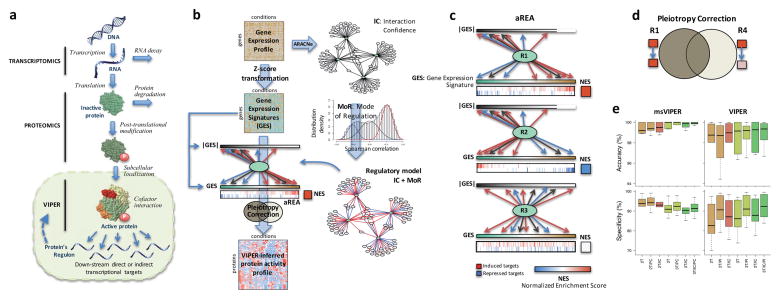




 2012pharmaceutical
 sjwilliamspa
30489-X&id=fx1.jpg)


