Feeds:
Posts
Comments

Reporter: Aviva Lev-Ari, PhD, RN

VIEW VIDEO

Former FDA Chief on Modernizing Drug and Device Approvals

Introduction

John C. Reed, MD, PhD: Hello, and welcome to Medscape One-on-One. I’m Dr. John Reed, Professor and CEO of Sanford-Burnham Medical Research Institute. Joining me today at the Celebration of Science Conference at the National Institutes of Health (NIH) is Andrew C. von Eschenbach, President of Samaritan Health Initiatives, former Commissioner of the US Food and Drug Administration (FDA), and former Director of the National Cancer Institute (NCI). Welcome.

Andrew C. von Eschenbach, MD: Great to be with you.

The Collaboration of Government, Industry, and Academia

Dr. Reed: At this conference, you spoke about the interaction of government, industry, and academic centers. The relationship among these 3 entities is often challenging, but also crucial to the advancement of science. Can you give us a couple of examples how these partnerships are working well, and also some ideas of how we can improve collaboration among these groups?

Dr. von Eschenbach: I think we both appreciate that caring for patients, solving their problems, and curing their diseases is a team sport. We all have a part and a role to play in this. Government, academia, industry — we need to come together to figure out how to create these comprehensive systematic solutions to problems.

It starts with discovery. Academic centers and researchers like you are really revealing the mysteries of the underlying mechanisms of these diseases, and are making it possible for industry to start creating and developing solutions and interventions that can target those mechanisms and alter the outcome of those diseases — whether it’s eliminating suffering and death due to cancer or solving the problem of Alzheimer disease.

Government has to play a critical role in catalyzing and fostering that collaboration. A great example of where I saw this occurred was when I was at the NCI. When I looked at the government’s investment following the National Cancer Act in 1971, which enabled the NCI to create cancer centers, I could see 65 cancer centers all over this country. But what I also saw was that around these centers, there were these clusters of state-of-the-art care. There were these clusters of emerging biotechnology and the pharmaceutical industry coming together and creating an ecosystem that would be able to go from discovery and development to delivery.

Another great example is the state of Georgia, which did not have a cancer center at that time. But the state took money from the tobacco settlement, put it into a private endowment, and went about the business of creating the Winship Cancer Institute at Emory University in Atlanta. That attracted a united effort, including government funding from our cancer nanotechnology initiative. It brought in other academic institutions, such as Georgia Tech, and even private philanthropy from such institutions as Home Depot, for example.

We can make this work. We can bring the parts and pieces together as a team to use the brilliance of the science that you, Dr. Reed, have been doing, and others here at NIH and in academic institutions all around the world have been doing, and recognize that science is the means. The end is that we solve people’s problems, and we do it together.

Translating Life-Science Advancements Into Disease Cures and Prevention

Dr. Reed: That’s a great example of the catalytic role that government funding can play in economic development as well as advancing healthcare. You gave the example of Georgia. We’ve seen the same thing happen in the state of Florida, where tobacco settlement monies were used to create a seed investment. That spawned additional development of hospitals, and a government investment that turned a couple hundred jobs into tens of thousands of jobs for the state.

Let me change subjects. You were previously involved in laboratory and clinical research. Can you talk about how advancements in the field of life sciences are paving the way for possible cures and preventions for such diseases as prostate cancer? You used to be an urologist, and prostate cancer is a disease you worked on a lot. There are also neurodegenerative diseases, such as Alzheimer’s disease, which we’re all worried about. What are you excited about in these areas?

Dr. von Eschenbach: If I get a chance to talk to students and they ask what they should do in life, I tell them this is the most exciting time to go into medicine. And we are in the midst of the most profound transformation to ever occur in history in medicine going all the way back to Hippocrates. Throughout the history of medicine, physicians such as myself have been practicing a model based on our observations of the manifestations of disease.

I feel a lump in a woman’s breast. I see a shadow on a chest x-ray. I’m seeing the manifestations of an underlying disease, but it tells me nothing about what to do about it. All of our therapies and all of the things that we do about those observations have been empiric. Today we’re going from observing manifestations to actually understanding the mechanisms of the disease. We’re beginning to recognize the genes, the molecules, and the cellular processes that are responsible for and driving those disease processes. Once we have that knowledge of an underlying mechanism, it intuitively leads us to what the right solution is, to intervene in that mechanism and alter the outcome of that process.

Cancer, for example, is a disease process. It begins with our susceptibility, and that process ends with unfortunate suffering and death. But there are all these steps in between, and you have contributed personally to understanding some of those fundamental mechanisms.

Now physicians can be strategic. We can intervene in that process in a strategic way. Call it “personalized medicine” if you will. Get the right intervention for the right reason to the right patient at the right time, and you can prevent that process from happening. You can detect disease very early. You can eliminate it, or you can modulate and change its behavior and its outcome. You can alter the slope of the curve and allow patients to live the rest of their life never threatened by it.

This is the new frontier for medicine and for physicians. We will enter into this frontier with tools that we never had before. We can visualize biology with new imaging. We now have new therapies that are becoming available to us that will alter and change disease in radical ways. No longer is it just for cancer, surgery, chemotherapy, and radiation. The future for physicians is the most exciting, and yet it is a future that we have to grasp.

Dr. Reed: As a former director of the NCI, do you see a day where cancer patients will be treated not on the basis of whether their cancer arose in the lung or the colon, or the prostate, but on the basis of the underlying genetics of the cancer? By matching the mutations to the medicine — is that how you think it will look in the future?

Dr. von Eschenbach: Absolutely. We’ve been immersed in categorizing diseases on the basis of what we could observe, what we could see. We call something “breast cancer” because we feel a lump in a woman’s breast, or we call something “lung cancer” because it’s in the lung.

But now, as we’re looking at these underlying mechanisms, guess what? We’re finding out that some subsets of lung cancer look exactly like another kind of cancer. And therefore, from that point of view, they have the same treatment. You can use a drug for chronic myelogenous leukemia and it works exceedingly well in gastrointestinal stroma, tumors of the stomach, as well. Even more important, we understand a mechanism for cancer based on angiogenesis in the abnormal growth of blood vessels. We develop a drug for that to retard or slow down the cancer, and it turns out it’s one of the most effective drugs for macular degeneration of the eye.

For physicians and for those of us who are practicing medicine, we’re going to see disease through a different prism. When we see it through that different prism, we’re going to be able to see new ways of conquering many diseases. Cancer is just the lead here. But we’re going to be seeing the same kinds of dramatic changes and breakthroughs in neurocognitive diseases, diabetes, and cardiovascular disease along the way.

We’re also seeing it disseminate very rapidly. It’s no longer centers and then community practice. We’re seeing the opportunity now with new technologies even outside of medicine. We now have information technologies that will help us see a full continuum for every patient. It will mean absolutely state-of-the-art care by every physician, regardless of where you’re located.

Speeding Drug and Device Approvals

Dr. Reed: For these exciting new therapies to come to reality, they have to be approved by the FDA. You are a former commission of the FDA. Some clinicians are frustrated with the time it takes to get new medical devices and drugs approved by the FDA. You’ve been more sympathetic to the agency and the lack of resources it has to help it through a mighty tough job.

What do you think we should be doing — either the American people or the federal government — to better support the FDA and its efforts to get much needed treatments to patients more quickly?

Dr. von Eschenbach: The importance of the FDA can’t be overemphasized. It’s absolutely critical to this entire process of progress that I’ve been talking about. Let’s go back to our model of discovery, development, and delivery enterprise in medicine. It’s no longer linear — from the bench to the bedside. It’s actually circular.

What we’re seeing in terms of physicians delivering care is that there are tools that are now available to help us better understand the human biology of disease. When we treat disease or intervene in a human being, through functional imaging or whatever, it is actually a discovery platform making this process circular.

The success of the process of discovery, development, and delivery is going to be based on speed. How quickly can we do that? How quickly can we keep cycling that revolution of knowledge and intervention? At the hub of that wheel is the FDA. It can be the brake, or it can be the accelerator. It clearly is critical to how rapidly we’re going to be able to move from your brilliant discovery in the laboratory to the point where we’ve actually made a difference in a patient’s life.

Regulation has to be modernized. It’s a matter of making sure that the agency has the capacity and the capability. Funding resources are critically important. But what’s more important is we need a new way of doing business. We can no longer use a regulatory process and framework that served us well in the 20th century, but is woefully inadequate for this new reality in the 21st century.

For physicians, especially physicians out in the community, a simple piece of that equation is that we will play a critically important role in the perspective of clinical trials. The way we approve drugs now in phase 1, phase 2, and phase 3 of clinical trials is not commensurate with the mechanistic view of disease. So we’re going to change the FDA. And in doing so, we’re going to fulfill the promise for people.

Dr. Reed: We’re excited to hear that. At the Celebration of Science Conference, we heard a representative from the FDA, Janet Woodcock, talking about that very issue of having more adaptable clinical trial designs. That is an opportunity for us to increase the speed of learning and turnover with real-time feedback from imaging and biomarkers, which allows us to see whether the medicine is working.

Dr. von Eschenbach: The FDA has to practice regulation in the way that physicians practice medicine. Every patient, first of all, wants personalized medicine. They all want to know what’s right and what’s best for me. Doctor, what should I do? We now have the tools to become much more precise about that.

But every patient, also in a way, becomes their own experiment. We apply a therapy, and a rational physician makes a very sophisticated educated guess but never knows whether it’s actually going to work in that one patient. We monitor, and when we observe outcomes, we change. We alter the treatment until we get to that desired outcome.

Why don’t we approve drugs that way? Why don’t we use adaptive trial designs so that we learn as we go, and do that routinely rather than using this stepwise fashion that we’ve been locked into? We have to be open to change.

Promising New Methods of Treating Disease

Dr. Reed: You were once a practicing urologist, and you went on to become director of the NCI. In recent years, you’ve been active in a number of organizations dedicated to researching and developing new methods of treating a variety of diseases. Tell us one of the things that you’re most looking forward to.

Dr. von Eschenbach: Cancer had the opportunity to be at the forefront and the vanguard of this radical transformation. In 1970, cancer was a disease that was devastating us with regard to the human toll of suffering and death, and the economic consequences. At that time, the science of cancer was just beginning to become apparent in a way that we could begin to understand the cancer cell and the living normal cell at its very fundamental genetic and molecular level. That created this enormous cascade of progress.

What we’re seeing now is that the lessons learned and the progress made in cancer can now be disseminated to all the other diseases. For example, Alzheimer disease and neurocognitive and neurologic disorders are probably today where cancer was in 1970. Those diseases have a huge, devastating impact on human life and will bankrupt us in terms of the overall cost of healthcare and the cost of caring for patients affected by these diseases. But science is now emerging to help us better understand these diseases.

It’s a privilege to have lived the life of a cancer physician and researcher, and now I can transpose that experience to ask how we can do that for all diseases. That’s my passion today; it’s not just about cancer. It’s no longer cancer-centric, but it is cancer-led. Everyone will profit from the tremendous progress that researchers are making in the science that we will translate into cures for people.

Dr. Reed: Dr. von Eschenbach, thank you for joining us today. For Medscape One-on-One, I’m John Reed.

http://www.medscape.com/viewarticle/771952?src=ptalk

Curator and Reporter: Aviral Vatsa PhD, MBBS

Based on: A review by Wink et al., 2011

This is the first part of a two part post

Nitric oxide (NO), reactive nitrogen species (RNS) and reactive oxygen species (ROS) perform dual roles as immunotoxins and immunomodulators. An incoming immune signal initiates NO and ROS production both for tackling the pathogens and modulating the downstream immune response via complex signaling pathways. The complexity of these interactions is a reflection of involvement of redox chemistry in biological setting (fig. 1)

Fig 1. Image credit: (Wink et al., 2011)

Previous studies have highlighted the role of NO in immunity. It was shown that macrophages released a substance that had antitumor and antipathogen activity and required arginine for its production (Hibbs et al., 1987, 1988). Hibbs and coworkers further strengthened the connection between immunity and NO by demonstrating that IL2 mediated immune activation increased NO levels in patients and promoted tumor eradication in mice (Hibbs et al., 1992; Yim et al., 1995).

In 1980s a number of authors showed the direct evidence that macrophages made nitrite, nitrates and nitrosamines. It was also shown that NO generated by macrophages could kill leukemia cells (Stuehr and Nathan, 1989). Collectively these studies along with others demonstrated the important role NO plays in immunity and lay the path for further research in understanding the role of redox molecules in immunity.

NO is produced by different forms of nitric oxide synthase (NOS) enzymes such as eNOS (endothelial), iNOS (inducible) and nNOS (neuronal). The constitutive forms of eNOS generally produce NO in short bursts and in calcium dependent manner. The inducible form produces NO for longer durations and is calcium independent. In immunity, iNOS plays a vital role. NO production by iNOS can occur over a wide range of concentrations from as little as nM to as much as µM. This wide range of NO concentrations provide iNOS with a unique flexibility to be functionally effective in various conditions and micro-environements and thus provide different temporal and concentration profiles of NO, that can be highly efficient in dealing with immune challenges.

Redox reactions in immune responses

NO/RNS and ROS are two categories of molecules that bring about immune regulation and ‘killing’ of pathogens. These molecules can perform independently or in combination with each other. NO reacts directly with transition metals in heme or cobalamine, with non-heme iron, or with reactive radicals (Wink and Mitchell, 1998). The last reactivity also imparts it a powerful antioxidant capability. NO can thus act directly as a powerful antioxidant and prevent injury initiated by ROS (Wink et al., 1999). On the other hand, NO does not react directly with thiols or other nucleophiles but requires activation with superoxide to generate RNS. The RNS species then cause nitrosative and oxidative stress (Wink and Mitchell, 1998).

The variety of functions achieved by NO can be understood if one looks at certain chemical concepts. NO and NO2 are lipophilic and thus can migrate through cells, thus widening potential target profiles. ONOO-, a RNS, reacts rapidly with CO2 that shortens its half life to <10 ms. The anionic form and short half life limits its mobility across membranes. When NO levels are higher than superoxide levels, the CO2-OONOintermediate is converted to NO2 and N2O3 and changes the redox profile from an oxidative to a nitrosative microenvironment. The interaction of NO and ROS determines the bioavailability of NO and proximity of RNS generation to superoxide source, thus defining a reaction profile. The ROS also consumes NO to generate NO2 and N2O3 as well as nitrite in certain locations. The combination of these reactions in different micro-environments provides a vast repertoire of reaction profiles for NO/RNS and ROS entities.

The Phagosome ‘cauldron’

The phagosome provides an ‘isolated’ environment for the cell to carry out foreign body ‘destruction’. ROS, NO and RNS interact to bring about redox reactions. The concentration of NO in a phagosome can depend on the kind of NOS in the vicinity and its activity and other localised cellular factors. NO and is metabolites such as nitrites and nitrates along with ROS combine forces to kill pathogens in the acidic environment of the phagosome as depicted in the figure 2 below.

Fig 2. The NO chemistry of the phagosome. (image credit: (Wink et al., 2011)

This diagram depicts the different nitrogen oxide and ROS chemistry that can occur within the phagosome to fight pathogens. The presence of NOX2 in the phagosomes serves two purposes: one is to focus the nitrite accumulation through scavenging mechanisms, and the second provides peroxide as a source of ROS or FA generation. The nitrite (NO2−) formed in the acidic environment provides nitrosative stress with NO/NO2/N2O3. The combined acidic nature and the ability to form multiple RNS and ROS within the acidic environment of the phagosome provide the immune response with multiple chemical options with which it can combat bacteria.

Bacteria

There are various ways in which NO combines forces with other molecules to bring about bacterial killing. Here are few examples

E.coli: It appears to be resistant to individual action of NO/RNS and H2O2 /ROS. However, when combined together, H2O2 plus NO mediate a dramatic, three-log increase in cytotoxicity, as opposed to 50% killing by NO alone or H2O2 alone. This indicates that these bacteria are highly susceptible to their synergistic action.

Staphylococcus: The combined presence of NO and peroxide in staphylococcal infections imparts protective effect. However, when these bacteria are first exposed to peroxide and then to NO there is increased toxicity. Hence a sequential exposure to superoxide/ROS and then NO is a potent tool in eradicating staphylococcal bacteria.

Mycobacterium tuberculosis: These bacterium are sensitive to NO and RNS, but in this case, NO2 is the toxic species. A phagosome microenvironment consisting of ROS combined with acidic nitrite generates NO2/N2O3/NO, which is essential for pathogen eradication by the alveolar macrophage. Overall, NO has a dual function; it participates directly in killing an organism, and/or it disarms a pathway used by that organism to elude other immune responses.

Parasites

Many human parasites have demonstrated the initiation of the immune response via the induction of iNOS, that then leads to expulsion of the parasite. The parasites include Plasmodia(malaria), Leishmania(leishmaniasis), and Toxoplasma(toxoplasmosis). Severe cases of malaria have been related with increased production of NO. High levels of NO production are however protective in these cases as NO was shown to kill the parasites (Rockett et al., 1991; Gyan et al., 1994). Leishmania is an intracellualr parasite that resides in the mamalian macrophages. NO upregulation via iNOS induction is the primary pathway involved in containing its infestation. A critical aspect of NO metabolism is that NOHA inhibits AG activity, thereby limiting the growth of parasites and bacteria including Leishmania, Trypanosoma, Schistosoma, HelicobacterMycobacterium, and Salmonella, and is distinct from the effects of RNS. Toxoplasma gondii is also an intracellular parasite that elicits NO mediated response. INOS knockout mice have shown more severe inflammatory lesions in the CNS that their wild type counterparts, in response to toxoplasma exposure. This indicates the CNS preventative role of iNOS in toxoplasmosis (Silva et al., 2009).

Virus

Viral replication can be checked by increased production of NO by induction of iNOS (HIV-1, coxsackievirus, influenza A and B, rhino virus, CMV, vaccinia virus, ectromelia virus, human herpesvirus-1, and human parainfluenza virus type 3) (Xu et al., 2006). NO can reduce viral load, reduce latency and reduce viral replication. One of the main mechanisms as to how NO participates in viral eradication involves the nitrosation of critical cysteines within key proteins required for viral infection, transcription, and maturation stages. For example, viral proteases or even the host caspases that contain cysteines in their active site are involved in the maturation of the virus. The nitrosative stress environment produced by iNOS may serve to protect against some viruses by inhibiting viral infectivity, replication, and maturation.

To be continued in part 2 …

Bibliography

Gyan, B., Troye-Blomberg, M., Perlmann, P., Björkman, A., 1994. Human monocytes cultured with and without interferon-gamma inhibit Plasmodium falciparum parasite growth in vitro via secretion of reactive nitrogen intermediates. Parasite Immunol. 16, 371–3

Hibbs, J.B., Jr, Taintor, R.R., Vavrin, Z., 1987. Macrophage cytotoxicity: role for L-arginine deiminase and imino nitrogen oxidation to nitrite. Science 235, 473–476.

Hibbs, J.B., Jr, Taintor, R.R., Vavrin, Z., Rachlin, E.M., 1988. Nitric oxide: a cytotoxic activated macrophage effector molecule. Biochem. Biophys. Res. Commun. 157, 87–94.

Hibbs, J.B., Jr, Westenfelder, C., Taintor, R., Vavrin, Z., Kablitz, C., Baranowski, R.L., Ward, J.H., Menlove, R.L., McMurry, M.P., Kushner, J.P., 1992. Evidence for cytokine-inducible nitric oxide synthesis from L-arginine in patients receiving interleu

Rockett, K.A., Awburn, M.M., Cowden, W.B., Clark, I.A., 1991. Killing of Plasmodium falciparum in vitro by nitric oxide derivatives. Infect Immun 59, 3280–3283.

Stuehr, D.J., Nathan, C.F., 1989. Nitric oxide. A macrophage product responsible for cytostasis and respiratory inhibition in tumor target cells. J. Exp. Med. 169, 1543–1555.

Wink, D.A., Hines, H.B., Cheng, R.Y.S., Switzer, C.H., Flores-Santana, W., Vitek, M.P., Ridnour, L.A., Colton, C.A., 2011. Nitric oxide and redox mechanisms in the immune response. J Leukoc Biol 89, 873–891.

Wink, D.A., Mitchell, J.B., 1998. Chemical biology of nitric oxide: Insights into regulatory, cytotoxic, and cytoprotective mechanisms of nitric oxide. Free Radic. Biol. Med. 25, 434–456.

Wink, D.A., Vodovotz, Y., Grisham, M.B., DeGraff, W., Cook, J.C., Pacelli, R., Krishna, M., Mitchell, J.B., 1999. Antioxidant effects of nitric oxide. Meth. Enzymol. 301, 413–424.

Xu, W., Zheng, S., Dweik, R.A., Erzurum, S.C., 2006. Role of epithelial nitric oxide in airway viral infection. Free Radic. Biol. Med. 41, 19–28.

Yim, C.Y., McGregor, J.R., Kwon, O.D., Bastian, N.R., Rees, M., Mori, M., Hibbs, J.B., Jr, Samlowski, W.E., 1995. Nitric oxide synthesis contributes to IL-2-induced antitumor responses against intraperitoneal Meth A tumor. J. Immunol. 155, 4382–4390.

Further reading on NO:

Nitric Oxide in bone metabolism July 16, 2012

Author: Aviral Vatsa PhD, MBBS

http://pharmaceuticalintelligence.com/2012/07/16/nitric-oxide-in-bone-metabolism/?goback=%2Egde_4346921_member_134751669

Nitric Oxide production in Systemic sclerosis July 25, 2012

Curator: Aviral Vatsa, PhD, MBBS

http://pharmaceuticalintelligence.com/2012/07/25/nitric-oxide-production-in-systemic-sclerosis/?goback=%2Egde_4346921_member_138370383

Nitric Oxide Signalling Pathways August 22, 2012 by

Curator/ Author: Aviral Vatsa, PhD, MBBS

http://pharmaceuticalintelligence.com/2012/08/22/nitric-oxide-signalling-pathways/?goback=%2Egde_4346921_member_151245569

Nitric Oxide: a short historic perspective August 5, 2012

Author/Curator: Aviral Vatsa PhD, MBBS

http://pharmaceuticalintelligence.com/2012/08/05/nitric-oxide-a-short-historic-perspective-7/

Nitric Oxide: Chemistry and function August 10, 2012

Curator/Author: Aviral Vatsa PhD, MBBS

http://pharmaceuticalintelligence.com/2012/08/10/nitric-oxide-chemistry-and-function/?goback=%2Egde_4346921_member_145137865

Nitric Oxide and Platelet Aggregation August 16, 2012 by

Author: Dr. Venkat S. Karra, Ph.D.

http://pharmaceuticalintelligence.com/2012/08/16/no-and-platelet-aggregation/?goback=%2Egde_4346921_member_147475405

The rationale and use of inhaled NO in Pulmonary Artery Hypertension and Right Sided Heart Failure August 20, 2012

Author: Larry Bernstein, MD

http://pharmaceuticalintelligence.com/2012/08/20/the-rationale-and-use-of-inhaled-no-in-pulmonary-artery-hypertension-and-right-sided-heart-failure/

Nitric Oxide: The Nobel Prize in Physiology or Medicine 1998 Robert F. Furchgott, Louis J. Ignarro, Ferid Murad August 16, 2012

Reporter: Aviva Lev-Ari, PhD, RN

http://pharmaceuticalintelligence.com/2012/08/16/nitric-oxide-the-nobel-prize-in-physiology-or-medicine-1998-robert-f-furchgott-louis-j-ignarro-ferid-murad/

Coronary Artery Disease – Medical Devices Solutions: From First-In-Man Stent Implantation, via Medical Ethical Dilemmas to Drug Eluting Stents August 13, 2012

Author: Aviva Lev-Ari, PhD, RN

http://pharmaceuticalintelligence.com/2012/08/13/coronary-artery-disease-medical-devices-solutions-from-first-in-man-stent-implantation-via-medical-ethical-dilemmas-to-drug-eluting-stents/

Nano-particles as Synthetic Platelets to Stop Internal Bleeding Resulting from Trauma

August 22, 2012

Reported by: Dr. V. S. Karra, Ph.D.

http://pharmaceuticalintelligence.com/2012/08/22/nano-particles-as-synthetic-platelets-to-stop-internal-bleeding-resulting-from-trauma/

Cardiovascular Disease (CVD) and the Role of agent alternatives in endothelial Nitric Oxide Synthase (eNOS) Activation and Nitric Oxide Production July 19, 2012

Curator and Research Study Originator: Aviva Lev-Ari, PhD, RN

http://pharmaceuticalintelligence.com/2012/07/19/cardiovascular-disease-cvd-and-the-role-of-agent-alternatives-in-endothelial-nitric-oxide-synthase-enos-activation-and-nitric-oxide-production/

Macrovascular Disease – Therapeutic Potential of cEPCs: Reduction Methods for CV Risk

July 2, 2012

An Investigation of the Potential of circulating Endothelial Progenitor Cells (cEPCs) as a Therapeutic Target for Pharmacological Therapy Design for Cardiovascular Risk Reduction: A New Multimarker Biomarker Discovery

Curator: Aviva Lev-Ari, PhD, RN

http://pharmaceuticalintelligence.com/2012/07/02/macrovascular-disease-therapeutic-potential-of-cepcs-reduction-methods-for-cv-risk/

Bone remodelling in a nutshell June 22, 2012

Author: Aviral Vatsa, Ph.D., MBBS

http://pharmaceuticalintelligence.com/2012/06/22/bone-remodelling-in-a-nutshell/

Targeted delivery of therapeutics to bone and connective tissues: current status and challenges- Part, September  

Author: Aviral Vatsa, PhD, September 23, 2012

http://pharmaceuticalintelligence.com/2012/09/23/targeted-delivery-of-therapeutics-to-bone-and-connective-tissues-current-status-and-challenges-part-i/

Calcium dependent NOS induction by sex hormones: Estrogen

Curator: S. Saha, PhD, October 3, 2012

http://pharmaceuticalintelligence.com/2012/10/03/calcium-dependent-nos-induction-by-sex-hormones/

Nitric Oxide and Platelet Aggregation,

Author V. Karra, PhD, August 16, 2012

http://pharmaceuticalintelligence.com/2012/08/16/no-and-platelet-aggregation/

Bystolic’s generic Nebivolol – positive effect on circulating Endothelial Progenitor Cells endogenous augmentation

Curator: Aviva Lev-Ari, PhD, July 16, 2012

http://pharmaceuticalintelligence.com/?s=Nebivolol

Endothelin Receptors in Cardiovascular Diseases: The Role of eNOS Stimulation

Author: Aviva Lev-Ari, PhD, 10/4/2012

http://pharmaceuticalintelligence.com/2012/10/04/endothelin-receptors-in-cardiovascular-diseases-the-role-of-enos-stimulation/

Inhibition of ET-1, ETA and ETA-ETB, Induction of NO production, stimulation of eNOS and Treatment Regime with PPAR-gamma agonists (TZD): cEPCs Endogenous Augmentation for Cardiovascular Risk Reduction – A Bibliography

Curator: Aviva Lev-Ari, 10/4/2012.

http://pharmaceuticalintelligence.com/2012/10/04/inhibition-of-et-1-eta-and-eta-etb-induction-of-no-production-and-stimulation-of-enos-and-treatment-regime-with-ppar-gamma-agonists-tzd-cepcs-endogenous-augmentation-for-cardiovascular-risk-reduc/

Nitric Oxide Nutritional remedies for hypertension and atherosclerosis. It’s 12 am: do you know where your electrons are?

Author and Reporter: Meg Baker, 10/7/2012.

http://pharmaceuticalintelligence.com/2012/10/07/no-nutritional-remedies-for-hypertension-and-atherosclerosis-its-12-am-do-you-know-where-your-electrons-are/


Reporter: Aviva Lev-Ari, PhD, RN

Public release date: 18-Oct-2012
Contact: Lauren Woods
law2014@med.cornell.edu
212-821-0560
New York- Presbyterian Hospital/Weill Cornell Medical Center/Weill Cornell Medical College


New study shows reprogrammed amniotic fluid cells could treat vascular diseases

Weill Cornell Researchers discover a new effective approach for converting amniotic fluid-derived cells into endothelial cells to repair damaged blood vessels in heart disease, stroke, diabetes and trauma

NEW YORK (Oct. 18, 2012) — A research team at Weill Cornell Medical College has discovered a way to utilize diagnostic prenatal amniocentesis cells, reprogramming them into abundant and stable endothelial cells capable of regenerating damaged blood vessels and repairing injured organs.

Their study, published online today in Cell, paints a picture of a future therapy where amniotic fluid collected from thousands of amniocentesis procedures yearly, during mid-pregnancy to examine fetal chromosomes, would be collected with the permission of women undergoing the test. These cells, which are not embryonic, would then be treated with a trio of genes that reprogram them quickly into billions of endothelial cells — the cells that line the entire circulatory system. The new endothelial cells could be frozen and banked the same way blood is, and patients in need of blood vessel repair would be able to receive the cells through a simple injection.

If proven in future studies, this novel therapy could dramatically improve treatment for disorders linked to a damaged vascular system, including heart disease, stroke, lung diseases such as emphysema, diabetes, and trauma, says the study’s senior investigator, Dr. Shahin Rafii, the Arthur B. Belfer Professor in Genetic Medicine at Weill Cornell Medical College and co-director of its Ansary Stem Cell Institute.

“Currently, there is no curative treatment available for patients with vascular diseases, and the common denominator to all these disorders is dysfunction of blood vessels, specifically endothelial cells that are the building blocks of the vessels,” says Dr. Rafii, who is also a Howard Hughes Medical Institute investigator.

But these cells do much more than just provide the plumbing to move blood. Dr. Rafii has recently led a series of transformative studies that show endothelial cells in blood vessels produce growth factors that actively participate in organ maintenance, repair and regeneration. So while damaged vessels cannot repair the organs they nurture with blood, he says an infusion of new endothelial cells could.

“Replacement of the dysfunctional endothelial cells with transplantation of normal, properly engineered cultured endothelial cells could potentially provide for a novel therapy for many patients,” says study co-author Dr. Sina Rabbany, adjunct associate professor of bioengineering in genetic medicine at Weill Cornell. “In order to engineer tissues with clinically relevant dimensions, endothelial cells can be assembled into porous three-dimensional scaffolds that, once introduced into a patient’s injured organ, could form true blood vessels.”

Dr. Rafii says that this study will potentially create a new field of translational vascular medicine. He estimates that as few as four years are needed for the preclinical work to seek FDA approval to start human clinical trials to advance the potential of reprogrammed endothelial cells for treatment of vascular disorders.

As part of their study, the research team proved, in mice, that endothelial cells reprogrammed from human amniotic cells could engraft into an injured liver to form stable, normal and functional blood vessels. “We have shown that these engrafted endothelial cells have the capacity to produce unique growth factors to promote regeneration of the liver cells,” says the study’s lead investigator, Dr. Michael Ginsberg, a senior postdoctoral associate in Dr. Rafii’s laboratory.

“The novelty of this technique is that, from 100,000 amniotic cells — a small amount — we grew more than six billion new authentic endothelial cells within a matter of weeks,” Dr. Ginsberg says. “And when we injected these cells into mice, a substantial amount of them engrafted into regenerating vessels. It was remarkable to see that these cells went right to work building new blood vessels in the liver as well as producing the right growth factors that could potentially regenerate and repair injured organs.”

The Goldilocks of Cellular Reprogramming

To date, there have been many failed attempts to clinically produce endothelial cells that can be used to treat patients. Isolation of endothelial cells from adult organs so they can be grown in the laboratory is not efficient, according to Dr. Daylon James, study co-author and an assistant professor of stem cell biology in reproductive medicine at Weill Cornell Medical College. Attempts to produce the cells from the body’s master pluripotent stem cells have also not worked out. Experiments have shown that prototypical pluripotent stem cells, such as embryonic stem cells, which have the potential to become any cell in the body, produce endothelial cells but often grow poorly, and if not fully differentiated could potentially cause cancer. “Coaxing adult cells to revert to a stem-like state so they can then be pushed to form endothelial cells is, at this point, not clinically feasible, and ongoing studies in my lab are focused on achieving this goal,” says Dr.

James, who is also assistant professor of stem cell biology in obstetrics and gynecology and genetic medicine at Weill Cornell. Therefore, Dr. Rafii’s team searched for a new source of cells that they could turn into a vast supply of stable endothelial cells. They probed human amniotic fluid-derived cells, which some studies had suggested have the potential to become differentiated cell types, if stimulated in the right way — which no one had yet identified.

In their first experiments with these cells three years ago, Dr. Ginsberg used cells taken from an amniocentesis given at 16 weeks of gestation. Researchers found that amniotic cells are the “Goldilocks” of cellular programming. “They are not as plastic and unstable as endothelial cells derived from embryonic cells or as stubborn as those produced from reprogramming differentiated adult cells,” Dr. Ginsberg says. Instead, he says amniotic cells provide conditions that are just right — the so-called “Goldilocks Principle” — for producing endothelial cells.

But in order to make that discovery, the researchers had to know how to reprogram the amniotic cells. To this end, they looked for the genes that embryonic stem cells use to differentiate into endothelial cells. Dr. Rafii’s group identified three genes that are expressed during vascular development, all of which are members of the E-twenty six (ETS) family of transcription factors known to regulate cellular differentiation, especially blood vessel formation.

Next, they used gene transfer technology to insert the three genes into mature amniotic cells, and then shut one of them off after a brief and critical period of activity by using a special molecular inhibitor. Remarkably, 20 percent of the amniotic cells could efficiently be reprogrammed into endothelial cells. “This is quite an achievement since current strategies to reprogram adult cells result less than one percent of the time in successful reprogramming into endothelial cells,” says Dr. Rafii.

“These transcription factors do not cause cancer, and the endothelial cells reprogrammed from human amniotic cells are not tumorigenic and could in the future be infused into patients with a large margin of safety,” Dr. Ginsberg says.

The findings suggest that other transcription factors could be used to reprogram the amniotic cells into many other tissue-specific cells, such as those that make up muscles, the brain, pancreatic islet cells and other parts of the body.

“While our work focused primarily on the reprogramming of amniotic cells into endothelial cells, we surmise that through the use of other transcription factors and growth conditions, our group and others will be able to reprogram mouse and human amniotic cells virtually into every organ cell type, such as hepatocytes in the liver, cardiomyocytes in heart muscle, neurons in the brain and even chondrocytes in cartilage, just to name a few,” Dr. Ginsberg says.

“Obviously, the implications of these findings would be enormous in the field of translational regenerative medicine,” emphasizes study co-author Dr. Zev Rosenwaks, the Revlon Distinguished Professor of Reproductive Medicine in Obstetrics and Gynecology at Weill Cornell Medical College and director and physician-in-chief of the Ronald O. Perelman and Claudia Cohen Center for Reproductive Medicine at NewYork-Presbyterian Hospital/Weill Cornell Medical Center. “The greatest obstacle to overcome in the pursuit to regenerate specific tissues and organs is the requirement for substantial levels of cells — in the billions — that are stable, safe and durable. Our approach will bring us closer to this milestone.”

“Most importantly, these endothelial cells could be reprogrammed from amniotic cells from genetically diverse individuals,” says co-author Dr. Venkat R. Pulijaal, director of the Cytogenetic Laboratory, associate professor of clinical pathology and laboratory medicine at Weill Cornell. What endothelial cells a patient receives would depend on their human leukocyte antigen (HLA) type, which is a set of self-recognition molecules that enable doctors to match a patient with potential donors of blood or tissue.

“Selecting the proper immunologically matched endothelial cells for each patient would be akin to blood typing. There are only so many varieties, which are well represented across the amniotic fluid cells that could be obtained, frozen and banked from wide variety of ethnic groups around the world,” Dr. Rafii says.

A patent has been filed on the discovery.


Other study co-authors from Weill Cornell Medical College include: Dr. Bi-Sen Ding, Dr. Daniel Nolan, Dr. Fuqiang Geng, Dr. Jason M. Butler, Dr. William Schachterle, Dr. Susan Mathew, Dr. Stephen T. Chasen, Dr. Jenny Xiang, Dr. Koji Shido and Dr. Olivier Elemento.

Dr. Rafii’s research is funded by the Howard Hughes Medical Institute, the National Heart, Lung, and Blood Institute, the Ansary Stem Cell Institute at Weill Cornell Medical College, the Empire State Stem Cell Board and New York State Department of Health grants, and the Qatar National Priorities Research Foundation.

Weill Cornell Medical College

Weill Cornell Medical College, Cornell University’s medical school located in New York City, is committed to excellence in research, teaching, patient care and the advancement of the art and science of medicine, locally, nationally and globally. Physicians and scientists of Weill Cornell Medical College are engaged in cutting-edge research from bench to bedside, aimed at unlocking mysteries of the human body in health and sickness and toward developing new treatments and prevention strategies. In its commitment to global health and education, Weill Cornell has a strong presence in places such as Qatar, Tanzania, Haiti, Brazil, Austria and Turkey. Through the historic Weill Cornell Medical College in Qatar, the Medical College is the first in the U.S. to offer its M.D. degree overseas. Weill Cornell is the birthplace of many medical advances — including the development of the Pap test for cervical cancer, the synthesis of penicillin, the first successful embryo-biopsy pregnancy and birth in the U.S., the first clinical trial of gene therapy for Parkinson’s disease, and most recently, the world’s first successful use of deep brain stimulation to treat a minimally conscious brain-injured patient. Weill Cornell Medical College is affiliated with NewYork-Presbyterian Hospital, where its faculty provides comprehensive patient care at NewYork-Presbyterian Hospital/Weill Cornell Medical Center. The Medical College is also affiliated with the Methodist Hospital in Houston. For more information, visit weill.cornell.edu.

Source:


Reporter: Aviva Lev-Ari, PhD, RN

Reform, Regulation, and Pharmaceuticals — The Kefauver–Harris Amendments at 50

Jeremy A. Greene, M.D., Ph.D., and Scott H. Podolsky, M.D.

N Engl J Med 2012; 367:1481-1483 October 18, 2012DOI: 10.1056/NEJMp1210007


Fifty years ago this month, President John F. Kennedy signed into law the Kefauver–Harris Amendments to the Federal Food, Drug, and Cosmetic Act (see photoPresident John F. Kennedy Signing the 1962 Kefauver–Harris Amendments.). With the stroke of a pen, a threadbare Food and Drug Administration (FDA) was given the authority to require proof of efficacy (rather than just safety) before approving a new drug — a move that laid the groundwork for the phased system of clinical trials that has since served as the infrastructure for the production of knowledge about therapeutics in this country. We often remember the Kefauver–Harris Amendments for the thalidomide scandal that drove their passage in 1962. But there is much we have collectively forgotten about Senator Estes Kefauver (D-TN) and his hearings on administered prices in the drug industry. Many parts of the bill left on Congress’s cutting-room floor in 1962 — and left out of our memories since — have not disappeared but continue to confront those who would ensure access to innovative, safe, efficacious, and affordable therapeutics.

By the time Kefauver began his investigation into the pharmaceutical industry in the late 1950s, the escalating expense of lifesaving prescription drugs was illustrating that the free-market approach to medical innovation had costs as well as benefits. From the development of insulin in the 1920s, through the “wonder drug” revolutions of sulfa drugs, steroids, antibiotics, tranquilizers, antipsychotics, and cardiovascular drugs in the ensuing decades, the American pharmaceutical industry had come to play a dominant role in the public understanding of medical science, the economics of patient care, and the rising politics of consumerism. For Kefauver, the “captivity” of the prescription-drug consumer in the face of price gouging and dubious claims of efficacy under-scored the need for the state to ensure that innovative industries worked to the benefit of the average American.

After 17 months of hearings, in which pharmaceutical executives were openly berated for profiteering and doctors were portrayed as dupes of pharmaceutical companies’ marketing departments, Kefauver presented his bill, S.1552. Perhaps its least controversial components were its calls for ensuring that the FDA review claims of efficacy before drug approval, monitor pharmaceutical advertising, and ensure that all drugs had readable generic names. More radically, Kefauver proposed completely overhauling the relationship between patents and therapeutic innovation. First, he proposed a compulsory licensing provision so that all important new drugs would generate competitive markets after 3 years. Second, and more controversial still, Kefauver wanted to eliminate “me-too drugs” and “molecular modifications” by insisting that a new drug be granted a patent only if it produced a therapeutic effect “significantly greater than that of the drug before modification.”1 Proving that a drug worked, according to Kefauver, was not enough: he wanted proof that a drug worked better than its predecessors. In contemporary terms, he wanted to know its comparative effectiveness.

Kefauver’s bill met strong resistance as it made its way through the Subcommittee on Antitrust and Monopoly.2 The American Medical Association firmly opposed the regulation of efficacy by a government agency, arguing that “the only possible final determination as to the efficacy and ultimate use of a drug is the extensive clinical use of that drug by large numbers of the medical profession over a long period of time.”3 The editors of the Journal, on the other hand, supported the efficacy provision and the expansion of generic drug names but opposed the patent provisions (considering them an “arbitrary discrimination” against the pharmaceutical industry) and the comparative effectiveness provisions (considering “proof of superiority” necessary only if superiority was actually being “claimed by the manufacturer”).4 The pharmaceutical industry amplified such concerns about comparative effectiveness, arguing that any a priori determination of which medicines were “me-too” and which were true innovations would be arbitrary. Efficacy was hard enough to prove, they suggested; proving comparative efficacy would be “completely impracticable.”3

Kefauver initially stuck to his guns on issues of compulsory licensing and patents, but his persistence ultimately cost him control of his own bill. In June of 1962, officials from the Kennedy administration and the pharmaceutical industry presented the subcommittee with an alternate bill — with no regulatory language about patents included. Kefauver cried foul, the Kennedy administration eased off its support, and S.1552 seemed to all observers to be a dead letter. It was only by chance timing that the summer of 1962 also produced a highly visible tragedy (thalidomide), a hero (Frances Kelsey), and enough ensuing public outcry to persuade Kefauver and Kennedy to embrace the gutted bill.

The amendments granted the FDA the power to demand proof of efficacy — in the form of “adequate and well-controlled investigations” — before approving a new drug for the U.S. market. They also led to a retrospective review of all drugs approved between 1938 and 1962 (the Drug Efficacy Study Implementation program), which by the early 1970s had categorized approximately 600 medicines as “ineffective” and forced their removal from the market. These market-making and unmaking powers were also tied to a new structure of knowledge generation: the orderly sequence of phase 1, phase 2, and phase 3 trials now seen as a natural part of any pharmaceutical life cycle.

However, a well-circulated grievance pointed to one unanticipated consequence of the amendments: the new burden of proof appeared to make the process of drug development both more expensive and much longer, leading to increasing drug prices and a “drug lag” in which innovative compounds reached markets in Europe long before they reached the U.S. market. Industry agitation surrounding the “drug lag” finally led to modification of the drug patenting system in the Drug Price Competition and Patent Term Restoration Act of 1984 — through further extension of drug patents. Indirectly, then, Kefauver’s amendments ultimately affected both pharmaceutical pricing and patenting — in a manner diametrically opposed to the one he intended.

Another unintended consequence of the amendments was that the new structures of proof changed not only the behavior of the pharmaceutical industry but also the conceptual categories used by biomedical researchers around the world.5 Pharmaceutical research came to be overwhelmingly organized around the placebo-controlled, randomized, controlled trial. Although this system has greatly helped researchers gauge the efficacy of an individual drug, it has also rendered data on comparative efficacy much more difficult — and much more expensive — to find or produce.

Renewed attention to comparative effectiveness research in the 21st century illustrates the consequences of sidelining Kefauver’s initial demand for comparative data for evaluating the promotion of novel therapeutics. By 2000, pharmaceutical expenditures had become one of the fastest-growing parts of the budget of many U.S. states and third-party insurers. But the kind of knowledge required for entry into the U.S. drug market offers consumers and payers little information relevant to choosing between subtly different “me-too” drugs within the same therapeutic class — whose therapeutic effect may or may not be the same. Only in the past decade, through the action of the Reforming States Group, the Drug Effectiveness Review Project, and most recently funding of comparative effectiveness research through the American Recovery and Reinvestment Act, the Affordable Care Act, and now the Patient-Centered Outcomes Research Institute, have we begun to catch up on the vital project of comparing therapeutics so that American consumers and their physicians can make meaningful treatment decisions — the project that motivated Kefauver’s original investigations a half century ago.

Disclosure forms provided by the authors are available with the full text of this article at NEJM.org.

SOURCE INFORMATION

From the Departments of Medicine and the History of Medicine, Johns Hopkins University School of Medicine, Baltimore (J.A.G.); and the Department of Global Health and Social Medicine, Harvard Medical School, and the Center for the History of Medicine, Francis Countway Library of Medicine — both in Boston (S.H.P.).

REFERENCES

  1. 1

    Congressional Record. Washington, DC: United States Senate, 1961;107:5639.

  2. 2

    Tobbell D. Pills, power, and policy: the struggle for drug reform in Cold War America and its consequences. Berkeley: University of California Press, 2012.

  3. 3

    Drug Industry Antitrust Act. 87th Congress, Session 1, 1961.

  4. 4

    Ethical drugs — reflections on the inquiry. N Engl J Med 1961;265:1015-1016
    Full Text | Web of Science

  5. 5

    Carpenter D. Reputation and power: organizational image and pharmaceutical regulation at the FDA. Princeton, NJ: Princeton University Press, 2010.


Reporter and Curator: Dr. Sudipta Saha, Ph.D.

With the completion of the mapping of the human genome, we now have access to all the DNA sequence information responsible for human biology. Together with microarray technology, we are ushering in a new era in reproductive medicine—the era of Reproductive Genomics.

Whole genome microarray analysis of the testis and ovary suggests that a substantial part of the genome is expressed in reproductive tissues and many of them are likely to be important for normal reproduction. Yet adequate expression and functional information is only available for less than 10% of them. Hence, one of the important questions in reproductive studies now is ‘how do we associate function with the genes expressed in reproductive tissues?’ The establishment of mutations in animal models such as the mouse represents one powerful approach to address this question.

Animal models have played critical roles in improving our understanding of mechanisms and pathogenesis of diseases. Mouse knockout models have often provided highly needed functional validation of genes implicated in human diseases. The rapid advance of human genetics in areas such as

  • single nucleotide polymorphisms (SNP) and
  • haplotyping technology

now allows the identification of disease-associated single nucleotide variation at a much faster pace. Functional examination of those candidate genes is needed to determine if those genes or variants are indeed involved in reproductive disease. Generating mutations in murine homologs of candidate genes represents a direct way to determine their roles, and mouse models will further allow the dissection of genetic pathways underlying the disease condition and provide models to test possible drug treatments. Thus, how to generate mouse models efficiently becomes a priority issue in the Genomics era of Reproductive Medicine.

It is known that generating a mouse knockout is no small endeavor, even for a mouse research lab, often requiring specialized expertise and experience in

  • molecular biology,
  • embryonic stem (ES) biology and
  • mouse husbandry.

Therefore, it could be intimidating for people who have little experience in mouse research. Fortunately, there are some technological developments in the mouse community that make the task of generating mouse mutations less intimidating to people unfamiliar with mouse genetics. One of these developments is the effort led by the International Gene Trap Consortium (IGTC) to generate a library of mouse mutant ES cells covering most of the genes in the mouse genome. This method saves researchers the tedious and sometimes challenging tasks of making knockout vectors and screening ES cell colonies and directly provides researchers an ES cell clone carrying the mutation of the gene of interest.

Because gene trapping involves the use of different mechanisms in generating mutations from the traditional knockout method, and its efficacy in targeting reproductive genes which often are expressed in later development or adult has not been fully established, it is necessary to examine the benefits and limitations of this technology, especially in the perspective of reproductive medicine so that reproductive researchers and physicians who are interested in mouse models could become familiar with this technology.

With this in mind, we provide an overview of the gene trapping mutagenesis method and its possible application to Reproductive Medicine. We evaluate gene trapping as a method in terms of its efficiency in comparison with traditional knockout methods and use an in-house software program to screen the IGTC database for existing cell lines with possible mutations in genes expressed in various reproductive tissues. Among over seven thousand genes highly expressed in human ovaries, almost half of them have existing gene trap lines.

Additionally, from 900 human seminal fluid proteins, 43% of them have gene trap hits in their mouse homologs. Our analysis suggests gene trapping is an effective mutagenesis method for identifying the genetic basis of reproductive diseases and many mutations for important reproductive genes are already present in the database. Given the rapid growth of the number of gene trap lines, the continuing evolution of gene trap vectors, and its easy accessibility to scientific communities, gene trapping could provide a fast and efficient way of generating mouse mutation(s) for any one particular gene of interest or multiple genes involved in a pathway at the same time. Consequently, we recommend gene trapping to be considered in the planning of mouse modeling of human reproductive disease and the IGTC be the first stop for people interested in searching for and generating mouse mutations of genes of interest.

Gene trapping is a high-throughput approach of generating mutations in murine ES cells through vectors that simultaneously disrupt and report the expression of the endogenous gene at the point of insertion. First-generation vectors trapped genes that were actively transcribed in undifferentiated ES cells. Depending on the areas in which they integrate, these vectors can be roughly divided into two classes:

  • promoter trap vectors and
  • gene trap vectors.

Promoter trap vectors contain promoterless reporter regions, usually bgeo (a fusion of neomycin phosphotransferase and b-galactosidase), and thus have to be integrated into an exon of a transcriptionally active locus in order for the cell to be selected for neomycin resistance or by LacZ staining. Gene trap vectors demonstrate more utility by their added ability to integrate into an intron. These vectors contain a splice acceptor (SA) site positioned at the 50-end of the reporter gene, allowing the vector to be spliced to the endogenous gene to form a fusion transcript. Later improvements include an internal ribosomal re-entry site (IRES) between the SA site and the reporter gene sequence; as a result, the reporter gene can be translated even when it is not fused to the trapped gene. Second-generation vectors have sought to trap genes that are transcriptionally silent in ES cells. Although these vectors still contain a promoterless reporter gene with a 50 SA sequence, the antibiotic resistance gene is under the control of a constitutive promoter. Consequently, antibiotic selection is independent from the expression of the trapped gene, whereas the expression of the reporter gene is still regulated by the endogenous promoter.

A disadvantage of these vectors is that all integration events give rise to resistant ES cells regardless of whether or not the vector has integrated into a gene locus. To increase trapping efficiency, a new class of polyA gene trap vectors was developed where the polyadenylation signal of the neo gene was replaced by a splice donor sequence, thereby requiring the vector to trap an endogenous polyA signal for expression of neo. These vectors were recently shown to have a bias toward insertion near the 30-end of a gene due to nonsense-mediated mRNA decay of the fusion transcript. An improved polyA trap vector, UPATrap, was developed to overcome this bias using an IRES sequence placed downstream of a marker containing a termination codon. Gene trap vectors are usually introduced by retroviral infection or electroporation of plasmid DNA, with each approach having its own advantages and disadvantages.

While relatively difficult to manipulate, retroviral gene traps display a preference toward insertion at the 50-end of genes, which is advantageous for generating null alleles. Moreover, the multiplicity of infection with retroviruses can be tightly controlled to a single trap event or simultaneous disruption in many genes. However, there may be a possible bias integration toward certain ‘hotspots’ of the genome.

In contrast, plasmid-based gene trap vectors integrate more randomly into the genome. This can, however, potentially result in a functional partial protein and a hypomorphic phenotype. Additionally, plasmid vectors usually result in multiple integrations in 20–50% of cell lines. The most common approach for identifying the gene trap integration site is to use 50 or 30 rapid amplification of cDNA ends (RACE) to amplify the fusion transcript. The sequence provides a DNA tag for the identification of the disrupted gene and can be used for genotypic screens. Mutagenesis screens can also be performed on the basis of gene function or expression, and data from an expression sequence combined with sequence tag information can elucidate novel expression patterns of known genes or to suggest gene function.

Gene trapping has proven to be an efficacious technique in mutagenesis compared with other methods such as

  • spontaneous mutations,
  • fortuitous transgene integration and
  • N-ethyl-N-nitrosurea (ENU) mutagenesis

We have been able to use our SpiderGene program to identify genes in reproductive tissues that are present in the IGTC database and moreover to narrow down those with restricted expression in the testis and ovary. Gene trapping possesses an enormous potential for researchers in the reproductive field seeking to create mouse models for a gene mutation. The improving versatility of gene trap vectors has enabled groups to trap an increasing number of genes in various organisms, including Arabidopsis, Zebra fish and Drosophila.

The gene trap effort has perhaps been the most extensive in the murine genome, with over 57000 cell lines representing more than 40% of the known genome. These large-scale screens will likely achieve the trapping of the entire mouse genome in the coming years, but the power of gene trapping will only be fully demonstrated by its usefulness in investigator-driven focused functional analyses.

In our laboratory, future work will focus on generating knockout mice in order to investigate gene function and to identify gene products that might have therapeutic value in reproduction. As screening efforts continue, gene trapping will continue to be a valuable tool in mouse genomics and will undoubtedly yield new discoveries in Reproductive Physiology and Pathology.

Source References:

http://www.ncbi.nlm.nih.gov/pubmed?term=Gene%20trap%20mutagenesis%3A%20a%20functional%20genomics%20approach%20towards%20reproductive%20research


Reporter: Aviva Lev-Ari, PhD, RN

Screen Shot 2021-07-19 at 7.01.57 PM
Word Cloud By Danielle Smolyar
GASTRIC CANCER

Methylation Subtypes and Large-Scale Epigenetic Alterations in Gastric Cancer

  1. Hermioni Zouridis1,*,,
  2. Niantao Deng1,2,*,
  3. Tatiana Ivanova1,
  4. Yansong Zhu1,
  5. Bernice Wong3,
  6. Dan Huang4,
  7. Yong Hui Wu1,5,
  8. Yingting Wu6,7,
  9. Iain Beehuat Tan2,8,
  10. Natalia Liem9,
  11. Veena Gopalakrishnan1,
  12. Qin Luo1,
  13. Jeanie Wu5,
  14. Minghui Lee5,
  15. Wei Peng Yong9,10,
  16. Liang Kee Goh1,
  17. Bin Tean Teh1,3,4,
  18. Steve Rozen6,11 and
  19. Patrick Tan1,5,9,12,

+Author Affiliations


  1. 1Cancer and Stem Cell Biology Program, Duke-NUS Graduate Medical School, 8 College Road, Singapore 169857, Singapore.

  2. 2NUS Graduate School for Integrative Sciences and Engineering, National University of Singapore, 5 Lower Kent Ridge Road, Singapore 119074, Singapore.

  3. 3National Cancer Centre Singapore–Van Andel Research Institute Translational Research Laboratory, Department of Medical Sciences, National Cancer Centre, 11 Hospital Drive, Singapore 169610, Singapore.

  4. 4Laboratory of Cancer Genetics, Van Andel Research Institute, Grand Rapids, MI 49503, USA.

  5. 5Cellular and Molecular Research, National Cancer Centre, Singapore 169610, Singapore.

  6. 6Neuroscience and Behavioural Disorders, Duke-NUS Graduate Medical School, Singapore 169857, Singapore.

  7. 7Singapore-MIT Alliance, National University of Singapore, Singapore 119074, Singapore.

  8. 8Division of Medical Oncology, National Cancer Centre, Singapore 169610, Singapore.

  9. 9Cancer Science Institute of Singapore, National University of Singapore, Singapore 119074, Singapore.

  10. 10National Cancer Institute Singapore, National University Hospital, Singapore 119228, Singapore.

  11. 11Department of Psychiatry and Behavioral Sciences, Duke University Medical Center, Durham, NC 27710, USA.

  12. 12Genome Institute of Singapore, 60 Biopolis Street, Genome 02-01, Singapore 138672, Singapore.

+Author Notes

  • * These authors contributed equally to this work.

  • † Present address: LabConnect, LLC, 2910 First Avenue South, Suite 200, Seattle, WA 98134, USA.

  1. ‡To whom correspondence should be addressed. E-mail: gmstanp@duke-nus.edu.sg

ABSTRACT

Epigenetic alterations are fundamental hallmarks of cancer genomes. We surveyed the landscape of DNA methylation alterations in gastric cancer by analyzing genome-wide CG dinucleotide (CpG) methylation profiles of 240 gastric cancers (203 tumors and 37 cell lines) and 94 matched normal gastric tissues. Cancer-specific epigenetic alterations were observed in 44% of CpGs, comprising both tumor hyper- and hypomethylation. Twenty-five percent of the methylation alterations were significantly associated with changes in tumor gene expression. Whereas most methylation-expression correlations were negative, several positively correlated methylation-expression interactions were also observed, associated with CpG sites exhibiting atypical transcription start site distances and gene body localization. Methylation clustering of the tumors revealed a CpG island methylator phenotype (CIMP) subgroup associated with widespread hypermethylation, young patient age, and adverse patient outcome in a disease stage–independent manner. CIMP cell lines displayed sensitivity to 5-aza-2′-deoxycytidine, a clinically approved demethylating drug. We also identified long-range regions of epigenetic silencing (LRESs) in CIMP tumors. Combined analysis of the methylation, gene expression, and drug treatment data suggests that certain LRESs may silence specific genes within the region, rather than all genes. Finally, we discovered regions of long-range tumor hypomethylation, associated with increased chromosomal instability. Our results provide insights into the epigenetic impact of environmental and biological agents on gastric epithelial cells, which may contribute to cancer.

Sci Transl Med 17 October 2012: 
Vol. 4, Issue 156, p. 156ra140 
Sci. Transl. Med. DOI: 10.1126/scitranslmed.3004504
 

Methylation-based Stomach Cancer Subtypes

October 17, 2012

NEW YORK (GenomeWeb News) – A new study in Science Translational Medicine is highlighting the epigenetic subtypes that exist within stomach cancer.

“Our results strongly demonstrate that gastric cancer is not one disease but a conglomerate of multiple diseases, each with a different underlying biology and hallmark features,” senior author Patrick Tan, a cancer researcher with the Duke-National University of Singapore Graduate Medical School, said in a statement.

“If gastric cancer is the result of multiple interacting factors, including both environmental factors and host genetic factors, we need better ways to diagnosis and treat it,” added Tan, who is also affiliated with Singapore’s National Cancer Centre and the Genome Institute of Singapore.

Tan and colleagues based in Singapore and the US did array-based DNA methylation analyses on more than 200 gastric tumors and dozens of gastric cancer lines. Their subsequent analyses of these methylation profiles indicated that stomach cancers have many stretches of sequence with higher or lower levels of methylation compared with nearly 100 matched normal stomach samples.

Within the tumor and cell lines, the analysis revealed subsets of gastric cancer with distinct methylation profiles that appear to be prognostically important.

In particular, a group of tumors known as CIMP (CpG island methylator phenotype) tumors, which show excess methylation at some cytosine and guanine-rich regions of the genome, tended to turn up in younger gastric cancer patients and those with poor outcomes.

On the other hand, results of the study also hint that the pronounced methylation shifts in these CIMP gastric cancers could also render them more vulnerable to demethylating compounds.

“Gastric cancer is a heterogenous disease with individual patients often displaying markedly different responses to the same treatment,” Tan said. “Improving gastric cancer clinical outcomes will require molecular approaches capable of subdividing patients into biologically similar subgroups, and designing subtype-specific therapies for each group.”

Previous genomic studies have started to unravel the range of somatic mutations and other genetic alterations that can contribute to gastric adenocarcinoma, the researchers noted. Less is known about the epigenetic features of the often deadly disease, which is especially common in some Asian populations, though some studies have identified specific genes with unusual epigenetic profiles in gastric cancer.

In an effort to more fully understand the epigenetic features of stomach cancer, Tan and his colleagues used Illumina Infinium arrays to profile cytosine methylation patterns in tumor samples from 203 individuals with gastric cancer, along with matched normal stomach tissue samples for 94 of the patients.

Using a similar strategy, the group also measured genome-wide methylation patterns in 37 stomach cancer cell lines.

When they compared methylation profiles across the samples, the researchers saw that some 44 percent of the CpG sites tested had higher- or lower-than-usual cytosine methylation levels that were specific to the stomach cancer. Around a quarter of these seemed to coincide with either jumps or — more frequently — dips in gene expression in the tumors, they reported.

A subset of the tumors had especially high levels of CpG island methylation, the team found. Follow-up analyses indicated that these tumors — which comprise an apparent CIMP sub-group of the stomach cancer — were more commonly found in young patients and/or those with poor survival outcomes.

Over-represented amongst the genes in highly methylated regions of CIMP tumors were genes implicated in stem cell-related processes, researchers noted, as were sites recognized by the histone regulating Polycomb repressive complex.

“Taken collectively,” they wrote, “these results suggest that CIMP tumors may represent a clinically and biologically distinct sub-group of gastric cancers.”

Moreover, in one of its follow-up experiments the team found that it was possible to curb the proliferation of seven gastric cancer-derived cell lines in the CIMP sub-group using a demethylating drug called 5-aza-2′-deoxycytidine, or 5-Aza-dC — an effect they did not see in 10 non-CIMP cell lines treated with the drug.

Based on findings from their methylation and gene expression profiling in gastric cancer so far, the study authors argued that an improved appreciation of the methylome-based sub-types present in the disease might aid future efforts to improve stomach cancer diagnosis and treatment options.

“[A]dditional work will focus on developing simple diagnostic tests to detect gastric cancer at earlier stages, plus drugs and drug targets that might exhibit high potency against different molecular subtypes of disease,” Tan said in a statement.

Is the Warburg Effect the Cause or the Effect of Cancer: A 21st Century View?

Author: Larry H. Bernstein, MD, FCAP  

Screen Shot 2021-07-10 at 5.57.24 PM

word cloud by Danielle Smolyar

A Critical Review

What is the Warburg effect?

“Warburg Effect” describes the preference of glycolysis and lactate fermentation rather than oxidative phosphorylation for energy production in cancer cells. Mitochondrial metabolism is an important and necessary component in the functioning and maintenance of the organelle, and accumulating evidence suggests that dysfunction of mitochondrial metabolism plays a role in cancer. Progress has demonstrated the mechanisms of the mitochondrial metabolism-to-glycolysis switch in cancer development and how to target this metabolic switch.
In vertebrates, food is digested and supplied to cells mainly in the form of glucose. Glucose is broken down further to make Adenosine Triphosphate (ATP) by two pathways. One is via anaerobic metabolism occurring in the cytoplasm, also known as glycolysis. The major physiological significance of glycolysis lies in making ATP quickly, but in a minuscule amount. The breakdown process continues in the mitochondria via the Krebs’s cycle coupled with oxidative phosphorylation, which is more efficient for ATP production. Cancer cells seem to be well-adjust to glycolysis. In the 1920s, Otto Warburg first proposed that cancer cells show increased levels of glucose consumption and lactate fermentation even in the presence of ample oxygen (known as “Warburg Effect”). Based on this theory, oxidative phosphorylation switches to glycolysis which promotes the proliferation of cancer cells. Many studies have demonstrated glycolysis as the main metabolic pathway in cancer cells.
Why cancer cells prefer glycolysis, an inefficient metabolic pathway?

It is now accepted that glycolysis provides cancer cells with the most abundant extracellular nutrient, glucose, to make ample ATP metabolic intermediates, such as ribose sugars, glycerol and citrate, nonessential amino acids, and the oxidative pentose phosphate pathway, which serve as building blocks for cancer cells.
Since, cancer cells have increased rates of aerobic glycolysis, investigators argue over the function of mitochondria in cancer cells. Mitochondrion, a one of the smaller organelles, produces most of the energy in the form of ATP to supply the body. In Warburg’s theory, the function of cellular mitochondrial respiration is dampened and mitochondria are not fully functional. There are many studies backing this theory. A recent review on hypoxia nicely summarizes some current studies and speculates that the “Warburg Effect” provides a benefit to the tumor not by increasing glycolysis but by decreasing mitochondrial activity.
Glycolysis
Glycolysis is enhanced and beneficial to cancer cells. The mammalian target of rapamycin (mTOR) has been well discussed in its role to promote glycolysis; recent literature has revealed some new mechanisms of how glycolysis is promoted during skin cancer development.
On the other hand, Akt is not only involved in the regulation of mitochondrial metabolism in skin cancer but also of glycolysis. Activation of Akt has been found to phosphorylate FoxO3a, a downstream transcription factor of Akt, which promotes glycolysis by inhibiting apoptosis in melanoma. In addition, activated Akt is also associated with stabilized c-Myc and activation of mTOR, which both increase glycolysis for cancer cells.
Nevertheless, ras mutational activation prevails in skin cancer. Oncogenic ras induces glycolysis. In human squamous cell carcinoma, the c-Jun NH(2)-terminal Kinase (JNK) is activated as a mediator of ras signaling, and is essential for ras-induced glycolysis, since pharmacological inhibitors if JNK suppress glycolysis. CD147/basigin, a member of the immunoglobulin superfamily, is high expressed in melanoma and other cancers.
Glyoxalase I (GLO1) is a ubiquitous cellular defense enzyme involved in the detoxification of methylglyoxal, a cytotoxic byproduct of glycolysis. In human melanoma tissue, GLO1 is upregulated at both the mRNA and protein levels.
Knockdown of GLO1 sensitizes A375 and G361 human metastatic melanoma cells to apoptosis.
The transcription factor HIF-1 upregulates a number of genes in low oxygen conditions including glycolytic enzymes, which promotes ATP synthesis in an oxygen independent manner. Studies have demonstrated that hypoxia induces HIF-1 overexpression and its transcriptional activity increases in parallel with the progression of many tumor types. A recent study demonstrated that in malignant melanoma cells, HIF-1 is upregulated, leading to elevated expression of Pyruvate Dehydrogenase Kinase 1 (PDK1), and downregulated mitochondrial oxygen consumption.
The M2 isoform of Pyruvate Kinase (PKM2), which is required for catalyzing the final step of aerobic glycolysis, is highly expressed in cancer cells; whereas the M1 isoform (PKM1) is expressed in normal cells. Studies using the skin cell promotion model (JB6 cells) demonstrated that PKM2 is activated whereas PKM1 is inactivated upon tumor promoter treatment. Acute increases in ROS inhibited PKM2 through oxidation of Cys358 in human lung cancer cells. The levels of ROS and stage of tumor development may be pivotal for the role of PKM2.

Mitochondrial metabolism and glycolysis targeting for cancer drug delivery
In cancer cells including skin cancer cells, the metabolic shift is composed of increased glycolysis, activation of anabolic pathways including amino acid and pentose phosphate production, and increased fatty acid biosynthesis. More and more studies have converged on particular glycolytic and mitochondrial metabolic targets for cancer drug discovery.
A marker for increased glycolysis in melanoma is the elevated levels of Lactate Dehydrogenase (LDH) in the blood of patients with melanoma, which has proven to be an accurate predictor of prognosis and response to treatments. LDH converts pyruvate, the final product of glycolysis, to lactate when oxygen is absent. High concentrations of lactate, in turn, negatively regulate LDH. Therefore, targeting acid excretion may provide a feasible and effective therapeutic approach for melanoma. For instance, JugloSne, a main active component in walnut, has been used in traditional medicines. Studies have shown that Juglone causes cell membrane damage and increased LDH levels in a concentration-dependent manner in cultured melanoma cells. As one of the rate-limiting enzyme of glycolysis, 6-phosphofructo-2-kinase/fructose-2,6-bisphosphatase isozyme 3 (PFKFB3) is activated in neoplastic cells. Studies have confirmed that an inhibitor of PFKFB3, 3-(3-pyridinyl)-1-(4-pyridinyl)-2-propen-1-one (3PO), suppresses glycolysis in neoplastic cells. In melanoma cell lines, the concentrations of Fru-2, 6-BP, lactate, ATP, NAD+, and NADH are diminished by 3PO. Therefore, targeting PFKFB3 using 3PO and other PFKFB3 specific inhibitors could be effective in melanoma chemotherapy.
A new NO (nitric oxide) donating compound [(S,R)-3-phenyl-4,5-dihydro-5-isoxazole acetic acid–nitric oxide (GIT-27NO)] has been tested in treating melanoma cells. The results suggest that GIT-27/NO causes a dose-dependent reduction of mitochondrial respiration in treated A375 human melanoma cells.

At least two mitochondrial enzymes are affected by angiostatin which include malate dehydrogenase, a member of the Kreb’s cycle enzymes; and adenosine triphosphate synthase. Both are identified potential angiostatin-binding partners. Treated with angiostatin, the ATP concentrations of A2058 cells were decreased. Meanwhile, using siRNA of these two enzymes also inhibited the ATP production. PKM2 is up regulated in the early stage of skin carcinogenesis, therefore, targeting PKM2 could serve as a new approach for skin cancer prevention and therapy.
The signaling pathways critical for this glycolytic activation could serve as preventive and therapeutic targets for human skin cancer.

The Historical Challenge posed by the Warburg Hypothesis.

Impaired cellular energy metabolism is the defining characteristic of nearly all cancers regardless of cellular or tissue origin. In contrast to normal cells, which derive most of their usable energy from oxidative phosphorylation, most cancer cells become heavily dependent on substrate level phosphorylation to meet energy demands. Evidence is reviewed supporting a general hypothesis that genomic instability and essentially all hallmarks of cancer, including aerobic glycolysis (Warburg effect), can be linked to impaired mitochondrial function and energy metabolism.
In a landmark review, six essential alterations in cell physiology could underlie malignant cell growth. These six alterations were described as the hallmarks of nearly all cancers and included,

  • self-sufficiency in growth signals,
  • insensitivity to growth inhibitory (antigrowth) signals,
  • evasion of programmed cell death (apoptosis),
  • limitless replicative potential,
  • sustained vascularity (angiogenesis), and
  • tissue invasion and metastasis.

Genome instability, leading to increased mutability, was considered the essential enabling characteristic for manifesting the six hallmarks. The loss of genomic “caretakers” or “guardians”, involved in sensing and repairing DNA damage, was proposed to explain the increased mutability of tumor cells. The loss of these caretaker systems would allow genomic instability thus enabling pre-malignant cells to reach the six essential hallmarks of cancer.
In addition to the six recognized hallmarks of cancer, aerobic glycolysis or the Warburg effect is also a robust metabolic hallmark of most tumors. Aerobic glycolysis in cancer cells involves elevated glucose uptake with lactic acid production in the presence of oxygen. This metabolic phenotype is the basis for tumor imaging using labeled glucose analogues and has become an important diagnostic tool for cancer detection and management. Genes for glycolysis are overexpressed in the majority of cancers examined.
Although aerobic glycolysis and anaerobic glycolysis are similar in that lactic acid is produced under both situations, aerobic glycolysis can arise in tumor cells from damaged respiration whereas anaerobic glycolysis arises from the absence of oxygen. As oxygen will reduce anaerobic glycolysis and lactic acid production in most normal cells (Pasteur effect), the continued production of lactic acid in the presence of oxygen can represent an abnormal Pasteur effect. This is the situation in most tumor cells.
Warburg proposed with considerable certainty and insight that irreversible damage to respiration was the prime cause of cancer. Warburg’s biographer, Hans Krebs, mentioned that Warburg’s idea on the primary cause of cancer, i.e., the replacement of respiration by fermentation (glycolysis), was only a symptom of cancer and not the cause. While there is renewed interest in the energy metabolism of cancer cells, it is widely thought that the Warburg effect and the metabolic defects expressed in cancer cells arise primarily from genomic mutability selected during tumor progression. Emerging evidence, however, questions the genetic origin of cancer and suggests that cancer is primarily a metabolic disease.
Genomic mutability and essentially all hallmarks of cancer, including the Warburg effect, can be linked to impaired respiration and energy metabolism. In brief, damage to cellular respiration precedes and underlies the genome instability that accompanies tumor development. Once established, genome instability contributes to further respiratory impairment, genome mutability, and tumor progression. In other words, effects become causes. This hypothesis is based on evidence that nuclear genome integrity is largely dependent on mitochondrial energy homeostasis and that all cells require a constant level of useable energy to maintain viability. While Warburg recognized the centrality of impaired respiration in the origin of cancer, he did not link this phenomenon to what are now recognize as the hallmarks of cancer.
Abnormal metabolism of tumors, a selective advantage
The initial observation of Warburg 1916 on tumor glycolysis with lactate production is still a crucial observation. Two fundamental findings complete the metabolic picture:

  • the discovery of the M2 pyruvate kinase (PK) typical of tumors
  • and the implication of tyrosine kinase signals and subsequent phosphorylations in the M2 PK blockade.

A typical feature of tumor cells is a glycolysis associated to an inhibition of apoptosis. Tumors overexpress the high affinity hexokinase 2, which strongly interacts with the mitochondrial ANT-VDAC-PTP complex. In this position, close to the ATP/ADP exchanger (ANT), the hexokinase receives efficiently its ATP substrate. As long as hexokinase occupies this mitochondria site, glycolysis is efficient. However, this has another consequence, hexokinase pushes away from the mitochondria site the permeability transition pore (PTP), which inhibits the release of cytochrome C, the apoptotic trigger. The site also contains a voltage dependent anion channel (VDAC) and other proteins. The repulsion of PTP by hexokinase would reduce the pore size and the release of cytochrome C. Thus, the apoptosome-caspase proteolytic structure does not assemble in the cytoplasm. The liver hexokinase or glucokinase, is different it has less interaction with the site, has a lower affinity for glucose; because of this difference, glucose goes preferentially to the brain.
Further, phosphofructokinase gives fructose 1-6 bisphosphate; glycolysis is stimulated if an allosteric analogue, fructose 2-6 bis phosphate increases in response to a decrease of cAMP. The activation of insulin receptors in tumors has multiple effects, among them; a decrease of cAMP, which will stimulate glycolysis. Another control point is glyceraldehyde P dehydrogenase that requires NAD+ in the glycolytic direction. If the oxygen supply is normal, the mitochondria malate/aspartate (MAL/ASP) shuttle forms the required NAD+ in the cytosol and NADH in the mitochondria. In hypoxic conditions, the NAD+ will essentially come via lactate dehydrogenase converting pyruvate into lactate. This reaction is prominent in tumor cells; it is the first discovery of Warburg on cancer.
At the last step of glycolysis, pyruvate kinase (PK) converts phospho-enolpyruvate (PEP) into pyruvate, which enters in the mitochondria as acetyl- CoA, starting the citric acid cycle and oxidative metabolism. To explain the PK situation in tumors we must recall that PK only works in the glycolytic direction, from PEP to pyruvate, which implies that gluconeogenesis uses other enzymes for converting pyruvate into PEP. In starvation, when cells need glucose, one switches from glycolysis to gluconeogenesis and ketogenesis; PK and pyruvate dehydrogenase (PDH) are off, in a phosphorylated form, presumably following a cAMP-glucagon-adrenergic signal. In parallel, pyruvate carboxylase (Pcarb) becomes active.
Moreover, in starvation, much alanine comes from muscle protein proteolysis, and is transaminated into pyruvate. Pyruvate carboxylase first converts pyruvate to OAA and then, PEP carboxykinase converts OAA to PEP etc…, until glucose. The inhibition of PK is necessary, if not one would go back to pyruvate. Phosphorylation of PK, and alanine, inhibit the enzyme.
PK and a PDH of tumors are inhibited by phosphorylation and alanine, like for gluconeogenesis, in spite of an increased glycolysis! Moreover, in tumors, one finds a particular PK, the M2 embryonic enzyme [2,9,10] the dimeric, phosphorylated form is inactive, leading to a “bottleneck “. The M2 PK has to be activated by fructose 1-6 bis P its allosteric activator, whereas the M1 adult enzyme is a constitutive active form. The M2 PK bottleneck between glycolysis and the citric acid cycle is a typical feature of tumor cell glycolysis.
Above the bottleneck, the massive entry of glucose accumulates PEP, which converts to OAA via mitochondria PEP carboxykinase, an enzyme requiring biotine-CO2-GDP. This source of OAA is abnormal, since Pcarb, another biotin-requiring enzyme, should have provided OAA. Tumors may indeed contain “morule inclusions” of biotin-enzyme suggesting an inhibition of Pcarb, presumably a consequence of the maintained citrate synthase activity, and decrease of ketone bodies that normally stimulate Pcarb. The OAA coming via PEP carboxykinase and OAA coming from aspartate transamination or via malate dehydrogenase condenses with acetyl CoA, feeding the elevated tumoral citric acid condensation starting the Krebs cycle.
Thus, tumors have to find large amounts of acetyl CoA for their condensation reaction; it comes essentially from lipolysis and β oxidation of fatty acids, and enters in the mitochondria via the carnitine transporter. This is the major source of acetyl CoA. It is as if the mechanism switching from gluconeogenesis to glycolysis was jammed in tumors, PK and PDH are at rest, like for gluconeogenesis, but citrate synthase is on. Thus, citric acid condensation pulls the glucose flux in the glycolytic direction, which needs NAD+; it will come from the pyruvate to lactate conversion by lactate dehydrogenase (LDH) no longer in competition with a quiescent Pcarb.
Since the citrate condensation consumes acetyl CoA, ketone bodies do not form; while citrate will support the synthesis of triglycerides via ATP citrate lyase and fatty acid synthesis… The cytosolic OAA drives the transaminases in a direction consuming amino acid. The result of these metabolic changes is that tumors burn glucose while consuming muscle protein and lipid stores of the organism. In a normal physiological situation, one mobilizes stores for making glucose or ketone bodies, but not while burning glucose!
The 21st Century Genomic Challenge?
According to the modern understanding of cancer, it is a disease caused by genetic and epigenetic alterations. Although this is now widely accepted, perhaps more emphasis has been given to the fact that cancer is a genetic disease. Numerous studies, including our earlier works, have supported the notion that carcinogenesis involves the activation of tumor-promoting oncogenes and the inactivation of growth-inhibiting tumor suppressor genes. It should be noted that in the post-genome sequencing project period of the 21st century, an in depth investigation of the factors associated with tumorigenesis is required for achieving it. Extensive research is warranted in two areas, namely, tumor bioenergetics and the cancer stem cell (CSC) hypothesis, neither of which received the required attention after the success of the genome sequencing project. An investigation of these two concepts would give rise to a new era in the study of cancer biology. Indeed, recent studies have indicated that the two apparently distinct fields might be related to each other and can converge more rapidly than previously recognized.
Warburg Effect Revisited
Cancer cells rarely depend on mitochondria for respiration and obtain almost half of their ATP by directly metabolizing glucose to lactic acid, even in the presence of oxygen. However, with the discovery that tumors do not show any shift to glycolysis, Warburg’s cancer theory (high lactate production and low mitochondrial respiration in tumor under normal oxygen pressure) was gradually discredited. Otto Warburg won a Nobel Prize in 1931 for the discovery of tumor bioenergetics, which is now commonly used as the basis of positron emission tomography (PET), a highly sensitive noninvasive technique used in cancer diagnosis. The increasing number of recent reports on the Warburg effect has reestablished the significance of this effect in tumorigenesis, indicating that bioenergetics may play a critical role in malignant transformation. Furthermore, it has been reported that TP53, which is one of the most commonly mutated genes in cancer, can trigger the Warburg effect. Glycolytic conversion is initiated in the early stages in cells that are genetically engineered to become cancerous, and the conversion was enhanced as the cells became more malignant. Therefore, the Warburg effect might directly contribute to the initiation of cancer formation not only by enhanced glycolysis but also via decreased respiration in the presence of oxygen, which suppresses apoptosis. This effect may also produce a metabolic shift to enhanced glycolysis and play a role in the early stages of multistep tumorigenesis in vivo.

Cancer Stem Cells (CSC) and Embryonic Stem Cells (ESC)
The importance of the cancer stem cell (CSC) hypothesis in therapy-related resistance and metastasis has been recognized during the past 2 decades. Accumulating evidence suggests that tumor bioenergetics plays a critical role in CSC regulation; this finding has opened up a new era of cancer medicine, which goes beyond cancer genomics.

Embryonic stem (ES) cells and immortalized primary and cancerous cells show a common concerted metabolic shift, including:

  • enhanced glycolysis,
  • decreased apoptosis, and
  • reduced mitochondrial respiration.

This finding reinforces the use of somatic stem cells or metastatic tumor cells in hypoxic niches. Hypoxia appears to regulate the functions of hematopoietic stem cells in the bone marrow and metastatic tumor cells by preserving important stem cell functions, such as:

  • cell cycle control,
  • survival,
  • metabolism, and
  • protection against oxidative stress.

Several companies and laboratories are now attempting to evaluate the bioenergetics associated with tumorigenesis by testing and challenging the available anticancer drugs.

A small population of cancer-initiating cells plays a very important role in current investigations. These CSCs may cause resistance to chemotherapy or radiation therapy or lead to post-therapy recurrence even when most of the cancer cells appear to be dead. In addition to their genetic alterations, CSCs are believed to mimic normal adult stem cells with regard to properties like self-renewal and undifferentiated status, which eventually leads to the formation of differentiated cells. Unlike well-differentiated daughter cells, small populations of CSCs are believed to be more resistant to toxic injuries and chemoradiotherapy. Indeed, the conventional cancer therapies have always been targeted toward proliferating cells. The control of CSCs, which is often exercised in the dormant phase of the cell cycle, can now be applied to achieve complete tumor regression.
Identification of cancer-specific markers
Due to their potential use in clinical applications, the surface markers of CSCs have been studied and identified. Adult stem cells and their malignant counterparts share similar intrinsic and extrinsic factors that regulate the

  • self renewal,
  • differentiation, and
  • proliferation pathways.

The following are the examples of candidate markers: musashi-1 (Msi-1), hairy and enhancer of split homolog-1 (Hes-1), CD133 (prominin-1, Prom1), epithelial cellular adhesion molecule (EpCam), claudin-7,29 CD44 variant isoforms, Lgr5,30Hedgehog (Hh), bone morphogenic protein (Bmp), Notch, and Wnt.
Is cancer a metabolic disease and genomic instability a secondary effect?
Bioenergetics of Cancer Stem Cells
The bioenergetics associated with the adaptation of CSCs to their micro-environment still requires extensive research. Although numerous studied suggested the association between Warburg effect and reduced oxidative stress in cancer, the relevant molecular mechanism was not known until very recently when Ruckenstuhl, et al. reported their findings in a yeast model.

How cancer cells achieve one of the most common phenotypes, namely, the “Warburg effect,” i.e., elevated glycolysis in the presence of oxygen, is still a topic of hypothesis, unless the involvement of glycolysis genes is considered.
The Warburg effect has been observed in differentiating cancer cells (e.g., cells that undergo epithelial-to-mesenchymal and mesenchymal-to-amoeboid transition), cells resistant to anoikis, and cells which interact with the stromal components of the metastatic niche. The epithelial-to-mesenchymal transition is involved in the resistance to chemotherapy in gastrointestinal cancer cells.

Cancer metastasis can be regarded as an integrated “escape program” triggered by redox changes. These alterations might be associated with avoiding oxidative stress in the niche of the tumor cells, or presumably with the response to treatments aimed at genetic targets, such as chemotherapy and radiation.
The introduction of induced pluripotent stem (iPS) cell genes was necessary for inducing the expression of immature status-related proteins in gastrointestinal cancer cells, and that the induced pluripotent cancer (iPC) cells were distinct from natural cancer cells with regard to their sensitivity to differentiation inducing treatment. For the complete eradication of cancer, however, future efforts should be directed toward improving translational research.
Cancer metabolism.
Glycolysis is elevated in tumors, but a pyruvate kinase (PK) “bottleneck” interrupts phosphoenol pyruvate (PEP) to pyruvate conversion. Thus, alanine following muscle proteolysis transaminates to pyruvate, feeding lactate dehydrogenase, converting pyruvate to lactate, (Warburg effect) and NAD+ required for glycolysis. Cytosolic malate dehydrogenase also provides NAD+ (in OAA to MAL direction). Malate moves through the shuttle giving back OAA in the mitochondria. Below the PK-bottleneck, pyruvate dehydrogenase (PDH) is phosphorylated (second bottleneck). However, citrate condensation increases: acetyl-CoA, will thus come from fatty acids b-oxydation and lipolysis, while OAA sources are via PEP carboxy kinase, and malate dehydrogenase, (pyruvate carboxylase is inactive). Citrate quits the mitochondria, (note interrupted Krebs cycle). In the cytosol, ATP citrate lyase cleaves citrate into acetyl CoA and OAA.
Acetyl CoA will make fatty acids-triglycerides. Above all, OAA pushes transaminases in a direction usually associated to gluconeogenesis! This consumes protein stores, providing alanine (ALA); like glutamine, it is essential for tumors. The transaminases output is aspartate (ASP) it joins with ASP from the shuttle and feeds ASP transcarbamylase, starting pyrimidine synthesis. ASP in not processed by argininosuccinate synthetase, which is blocked, interrupting the urea cycle.
Arginine gives ornithine via arginase, ornithine is decarboxylated into putrescine by ornithine decarboxylase. Putrescine and SAM form polyamines (spermine spermidine) via SAM decarboxylase. The other product 5-methylthioadenosine provides adenine. Arginine deprivation should affect tumors. The SAM destruction impairs methylations, particularly of PP2A, removing the “signaling kinase brake”, PP2A also fails to dephosphorylate PK and PDH, forming the “bottlenecks”.

Insulin or IGF actions boost the cellular influx of glucose and glycolysis. However, if the signaling pathway gets out of control, the tyrosine kinase phosphorylations may lead to a parallel PK blockade explaining the tumor bottleneck at the end of glycolysis. Since an activation of enyme kinases may indeed block essential enzymes (PK, PDH and others); in principle, the inactivation of phosphatases may also keep these enzymes in a phosphorylated form and lead to a similar bottleneck and we do know that oncogenes bind and affect PP2A phosphatase. In sum, a perturbed MAP kinase pathway, elicits metabolic features that would give to tumor cells their metabolic advantage.

Warburg effect and the prognostic value of stromal caveolin-1 as a marker of a lethal tumor microenvironment
Cancer cells show a broad spectrum of bioenergetic states, with some cells using aerobic glycolysis while others rely on oxidative phosphorylation as their main source of energy. In addition, there is mounting evidence that metabolic coupling occurs in aggressive tumors, between epithelial cancer cells and the stromal compartment, and between well-oxygenated and hypoxic compartments. We recently showed that oxidative stress in the tumor stroma, due to aerobic glycolysis and mitochondrial dysfunction, is important for cancer cell mutagenesis and tumor progression. More specifically, increased autophagy/mitophagy in the tumor stroma drives a form of parasitic epithelial-stromal metabolic coupling. These findings explain why it is effective to treat tumors with either inducers or inhibitors of autophagy, as both would disrupt this energetic coupling. We also discuss evidence that glutamine addiction in cancer cells produces ammonia via oxidative mitochondrial metabolism.

Ammonia production in cancer cells, in turn, could then help maintain autophagy in the tumor stromal compartment. In this vicious cycle, the initial glutamine provided to cancer cells would be produced by autophagy in the tumor stroma. Thus, we believe that parasitic epithelial-stromal metabolic coupling has important implications for cancer diagnosis and therapy, for example, in designing novel metabolic imaging techniques and establishing new targeted therapies. In direct support of this notion, we identified a loss of stromal caveolin-1 as a marker of oxidative stress, hypoxia, and autophagy in the tumor microenvironment, explaining its powerful predictive value. Loss of stromal caveolin-1 in breast cancers is associated with early tumor recurrence, metastasis, and drug resistance, leading to poor clinical outcome.
The conventional ‘Warburg effect’ versus oxidative mitochondrial metabolism
Warburg’s original work indicated that while glucose uptake and lactate production are greatly elevated, a cancer cell’s rate of mitochondrial respiration is similar to that of normal cells. He, however, described it as a ‘respiratory impairment’ due to the fact that, in cancer cells, mitochondrial respiration is smaller, relative to their glycolytic power, but not smaller relative to normal cells. He recognized that oxygen consumption is not diminished in tumor cells, but that respiration is disturbed because glycolysis persists in the presence of oxygen. Unfortunately, the perception of his original findings was simplified over the years, and most subsequent papers validated that cancer cells undergo aerobic glycolysis and produce lactate, but did not measure mitochondrial respiration, and just presumed decreased tricarboxylic acid (TCA) cycle activity and reduced oxidative phosphorylation [1,2]. It is indeed well documented that, as a consequence of intra-tumoral hypoxia, the hypoxia-inducible factor (HIF)1α pathway is activated in many tumors cells, resulting in the direct up-regulation of lactate dehydrogenase (LDH) and increased glucose consumption.
It is now clear that cancer cells utilize both glycolysis and oxidative phosphorylation to satisfy their metabolic needs. Experimental assessments of ATP production in cancer cells have demonstrated that oxidative pathways play a signifi cant role in energy generation, and may be responsible for about 50 to 80% of the ATP generated. several studies now clearly indicate that mitochondrial activity and oxidative phosphorylation support tumor growth. Loss-of-function mutations in the TCA cycle gene IDH1 (isocitrate dehydrogenase 1) are found in about 70% of gliomas, but, interestingly, correlate with a better prognosis and improved survival, suggesting that severely decreased activity in one of the TCA cycle enzymes does not favor tumor aggressiveness. The mitochondrial protein p32 was shown to maintain high levels of oxidative phosphorylation in human cancer cells and to sustain tumorigenicity in vivo. In addition, STAT3 is known to enhance tumor growth and to predict poor prognosis in human cancers. Interestingly, a pool of STAT3 localizes to the mitochondria, to sustain high levels of mitochondrial respiration and to augment transformation by oncogenic Ras. Similarly, the mitochondrial transcription factor A (TFAM), which is required for mitochondrial DNA replication and oxidative phosphorylation, is also required for K-Ras induced lung tumorigenesis.
There is also evidence that pro-oncogenic molecules regulate mitochondrial function. Cyclin D1 inhibits mitochondrial function in breast cancer cells. Overexpression of cyclin D1 is observed in about 50% of invasive breast cancers and is associated with a good clinical outcome, indicating that inhibition of mitochondrial activity correlates with favorable prognosis. Importantly, it was shown that the oncogene c-Myc stimulates mitochondrial biogenesis, and enhances glutamine metabolism by regulating the expression of mitochondrial glutaminase, the first enzyme in the glutamine utilization pathway. Glutamine is an essential metabolic fuel that is converted to alpha-ketoglutarate and serves as a substrate for the TCA cycle or for glutathione synthesis, to promote energy production and cellular biosynthesis, and to protect against oxidative stress. Interestingly, pharmacological targeting of mitochondrial glutaminase inhibits cancer cell transforming activity, suggesting that glutamine metabolism and its role in fueling and replenishing the TCA cycle are required for neoplastic transformation.
Reverse Warburg Effect.
It is increasingly apparent that the tumor microenvironment regulates neoplastic growth and progression. Activation of the stroma is a critical step required for tumor formation. Among the stromal players, cancer associated fi broblasts (CAFs) have recently taken center stage [25]. CAFs are activated, contractile        fibroblasts that display features of myo-fibroblasts, express muscle specific actin, and show an increased ability to secrete and remodel the extracellular matrix. They are not just neutral spectators, but actively support malignant transformation and metastasis, as compared to normal resting fibroblasts.

Importantly, the tumor stroma dictates clinical outcome and constitutes a source of potential biomarkers. Expression profiling has identified a cancer-associated stromal signature that predicts good and poor clinical prognosis in breast cancer patients, independently of other factors.

A loss of caveolin-1 (Cav-1) in the stromal compartment is a novel biomarker for predicting poor clinical outcome in all of the most common subtypes of human breast cancer, including the more lethal triple negative subtype. A loss of stromal Cav-1 predicts early tumor recurrence, lymph node metastasis, tamoxifen-resistance, and poor survival.

Overall, breast cancer patients with a loss of stromal Cav-1show a 20% 5-year survival rate, compared to the 80% 5-year survival of patients with high stromal Cav-1 expression. In triple negative patients, the 5-year survival rate is 75.5% for high stromal Cav-1 versus 9.4% for absent stromal Cav-1. A loss of stromal Cav-1 also predicts progression to invasive disease in ductal carcinoma in situ patients, suggesting that a loss of Cav-1 regulates tumor progression. Similarly, a loss of stromal Cav-1 is associated with advanced disease and metastasis, as well as a high Gleason score, in prostate cancer patients.

The autophagic tumor stroma model of cancer metabolism.
Cancer cells induce oxidative stress in adjacent cancer-associated fibroblasts (CAFs). This activates reactive oxygen species (ROS) production and autophagy. ROS production in CAFs, via the bystander eff ect, serves to induce random mutagenesis in epithelial cancer cells, leading to double-strand DNA breaks and aneuploidy. Cancer cells mount an anti-oxidant defense and upregulate molecules that protect them against ROS and autophagy, preventing them from undergoing apoptosis. So, stromal fibroblasts conveniently feed and mutagenize cancer cells, while protecting them against death. See the text for more details. A+, autophagy positive; A-, autophagy negative; AR, autophagy resistant.

1. Recycled Nutrients
2. Random Mutagenesis
3. Protection Against Apoptosis
The clinical use of PET is well established in Hodgkin’s lymphomas which are composed of less than 10% tumor cells, the rest being stromal and inflammatory cells. Yet, Hodgkin’s lymphomas are very PET avid tumors, suggesting that 2-deoxy-glucose uptake may be associated with the tumor stroma. That the fibrotic component may be glucose avid is further supported by the notion that PET is clinically used to assess the therapeutic response in gastrointestinal stromal tumors (GIST), which are a subset of tumors of mesenchymal origin.
The reverse Warburg effect can be described as ‘metabolic coupling’ between supporting glycolytic stromal cells and oxidative tumor cells. Metabolic cooperativity between adjacent cell-compartments is observed in several normal physiological settings.
The reverse Warburg effect.
Via oxidative stress, cancer cells activate two major transcription factors in adjacent stromal fibroblasts (hypoxia-inducible factor (HIF)1α and NFκB).
This leads to the onset of both autophagy and mitophagy, as well as aerobic glycolysis, which then produces recycled nutrients (such as lactate, ketones, and glutamine).
These high-energy chemical building blocks can then be transferred and used as fuel in the tricarboxylic acid cycle (TCA) in adjacent cancer cells.
The outcome is high ATP production in cancer cells, and protection against cell death. ROS, reactive oxygen species.
The methylation hypothesis and the role of PP2A phosphatase
Diethanolamine decreased choline derivatives and methyl donors in the liver, like seen in a choline deficient diet. Such conditions trigger tumors in mice, particularly in the B6C3F1 strain. Again, the historical perspective recalled by Newberne’s comment brings us back to insulin. Indeed, after the discovery of insulin in 1922, Banting and Best were able to keep alive for several months depancreatized dogs, treated with pure insulin. However, these dogs developed a fatty liver and died. Unlike pure insulin, the total pancreatic extract contained a substance that prevented fatty liver: a lipotropic substance identified later as being choline. Like other lipotropes, (methionine, folate, B12) choline supports transmethylation reactions, of a variety of substrates, that would change their cellular fate, or action, after methylation. In the particular case concerned here, the removal of triglycerides from the liver, as very low-density lipoprotein particles (VLDL), requires the synthesis of lecithin, which might decrease if choline and S-adenosyl methionine (SAM) are missing. Hence, a choline deficient diet decreases the removal of triglycerides from the liver; a fatty liver and tumors may then form. In sum, we have seen that pathways exemplified by the insulin-tyrosine kinase signaling pathway, which control anabolic processes, mitosis, growth and cell death, are at each step targets for oncogenes; we now find that insulin may also provoke fatty liver and cancer, when choline is not associated to insulin.

We know that after the tyrosine kinase reaction, serine-threonine kinases take over along the signaling route. It is thus highly probable that serine-threonine phosphatases will counteract the kinases and limit the intensity of the insulin or insulin like signals. One of the phosphatases involved is PP2A, itself the target of DNA viral oncogenes (Polyoma or SV40 antigens react with PP2A subunits and cause tumors). We found a possible link between the PP2A phosphatase brake and choline. the catalytic C subunit of PP2A is associated to a structural subunit A. When C receives a methyl, the dimer recruits a regulatory subunit B. The trimer then targets specific proteins that are dephosphorylated. choline, via SAM, methylates PP2A, which is targeted toward the serine-threonine kinases that are counteracted along the insulin-signaling pathway.

The choline dependent methylation of PP2A is the brake, the “antidote”, which limits “the poison” resulting from an excess of insulin signaling. Moreover, it seems that choline deficiency is involved in the L to M2 transition of PK isoenzymes. The negative regulation of Ras/MAP kinase signals mediated by PP2A phosphatase seems to be complex. The serine-threonine phosphatase does more than simply counteracting kinases; it binds to the intermediate Shc protein on the signaling cascade, which is inhibited. The targeting of PP2A towards proteins of the signaling pathway depends of the assembly of the different holoenzymes.

The relative decrease of methylated PP2A in the cytosol, not only cancels the brake over the signaling kinases, but also favors the inactivation of PK and PDH, which remain phosphorylated, contributing to the metabolic anomaly of tumor cells. In order to prevent tumors, one should then favor the methylation route rather than the phosphorylation route for choline metabolism. This would decrease triglycerides, promote the methylation of PP2A and keep it in the cytosol, reestablishing the brake over signaling kinases. Moreover, PK, and PDH would become active after the phosphatase action. One would also gain to inhibit their kinases as recently done with dichloroacetate for PDH kinase. The nuclear or cytosolic targeting of PP2A isoforms is a hypothesis also inspired by several works.
Hypoxic adaptations in the presence of oxygen
Through different biochemical and biophysical pathways, which are characteristic to cancer cells, tumor cells adopt this phenotype, i.e., high glycolysis and decreased respiration, in the presence of oxygen. It has been shown that although the induction of hypoxia and cellular proliferation engage entirely different cellular pathways, they often coexist during tumor growth. The ability of cells to grow during hypoxia results, in part, from the crosstalk between hypoxia-inducible factors (Hifs) and the proto-oncogene c-Myc. These genes partially regulate the development of complex adaptations of tumor cells growing in low O2, and contribute to fine tuning the adaptive responses of cells to hypoxic environments.

Hypoxic conditions seem to trigger back the expression of the fetal gene packet via HIF1-Von-Hippel signals. The mechanism would depend of a double switch since not all fetal genes become active after hypoxia. First, the histones have to be in an acetylated form, opening the way to transcription factors, this depends either of histone eacetylase (HDAC) inhibition or of histone acetyltransferase (HAT) activation, and represents the main switch

Growth hormone-IGF actions, the control of asymmetrical mitosis
When IGF – Growth hormone operate, the fatty acid source of acetyl CoA takes over. Indeed, GH stimulates a triglyceride lipase in adipocytes, increasing the release of fatty acids and their b oxidation. In parallel, GH would close the glycolytic source of acetyl CoA, perhaps inhibiting the hexokinase interaction with the mitochondrial ANT site. This effect, which renders apoptosis possible, does not occur in tumor cells. GH mobilizes the fatty acid source of acetyl CoA from adipocytes, which should help the formation of ketone bodies. Since citrate synthase activity is elevated in tumors, ketone bodies do not form. This result silences several genes like PETEN, P53, or methylase inhibitory genes. It is probable that the IGFBP gene gets silent as well.

Uncoupling Proteins in Cancer
Uncoupling proteins (UCPs) are a family of inner mitochondrial membrane proteins whose function is to allow the re-entry of protons to the mitochondrial matrix, by dissipating the proton gradient and, subsequently, decreasing membrane potential and production of reactive oxygen species (ROS). Due to their pivotal role in the intersection between energy efficiency and oxidative stress, UCPs are being investigated for a potential role in cancer.

Mitochondria have been shown to be key players in numerous cellular events tightly related with the biology of cancer. Although energy production relies on the glycolytic pathway in cancer cells, these organelles also participate in many other processes essential for cell survival and proliferation such as ROS production, apoptotic and necrotic cell death, modulation of oxygen concentration, calcium and iron homeostasis, and certain metabolic and biosynthetic pathways. Many of these mitochondrial-dependent processes are altered in cancer cells, leading to a phenotype characterized, among others, by higher oxidative stress, inhibition of apoptosis, enhanced cell proliferation, chemoresistance, induction of angiogenic genes and aggressive fatty acid oxidation. Uncoupling proteins, a family of inner mitochondrial membrane proteins specialized in energy-dissipation, has aroused enormous interest in cancer due to their relevant impact on such processes and their potential for the development of novel therapeutic strategies.
Briefly, oxidation of reduced nutrient molecules, such as carbohydrates, lipids, and proteins, through cellular metabolism yields electrons in the form of reduced hydrogen carriers NADH+ and FADH2. These reduced cofactors donate electrons to a series of protein complexes embedded in the inner mitochondrial membrane known as the electron transport chain (ETC). These complexes use the energy released from electron transport for active pumping of protons across the inner membrane, generating an electrochemical gradient. Mitochondria orchestrate conversions between different forms of energy, coupling aerobic respiration to phosphorylation.
Conversion of metabolic fuel into ATP is not a fully efficient process. Some of the energy of the electrochemical gradient is not coupled to ATP production due to a phenomenon known as proton leak, which consists of the return of protons to the mitochondrial matrix through alternative pathways that bypass ATP synthase. Although this apparently futile cycle of protons is physiologically important, accounting for 20-25% of basal metabolic rate, its function is still a subject of debate. Several different functions have been suggested for proton leak, including thermogenesis, regulation of energy metabolism, and control of body weight and attenuation of reactive oxygen species (ROS) production. Although a part of the proton leak may be attributed to biophysical properties of the inner membrane, such as protein/lipid interfaces, the bulk of the proton conductance is linked to the action of a family of mitochondrial proteins termed uncoupling proteins.

Mitochondria are the major sources of reactive oxygen species (ROS). Aerobic respiration involves the complete reduction of oxygen to water, which is catalysed by complex IV (or cytochrome c oxidase). Nevertheless, during the transfer of electrons along the electron transport complexes, single electrons sometimes escape and result in a single electron reduction of molecular oxygen to form a superoxide anion, which, in turn is the precursor of other ROS.

One of the most interesting functions attributed to UCPs is their ability to decrease the formation of mitochondrial ROS. Mitochondria are the main source of ROS in cells. Superoxide formation is strongly activated under resting (state 4) conditions when the membrane potential is high and the rate of electron transport is limited by lack of ADP and Pi. Thus, there is a well established strong positive correlation between membrane potential and ROS production.
A small increase in membrane potential gives rise to a large stimulation of ROS production, whereas a small decrease in membrane potential (10 mV) is able to inhibit ROS production by 70% . Therefore, mild uncoupling, i.e., a small decrease in membrane potential, has been suggested to have a natural antioxidant effect.

Consistent with such a proposal, the inhibition of UCPs by GDP in mitochondria has been shown to increase membrane potential and mitochondrial ROS production. The loss of UCP2 or UCP3 in knockouts yielded increased ROS production concurrent with elevated membrane potential specifically in those tissues normally expressing the missing protein.
The hypothesis of UCPs as an antioxidant defense has been strongly supported by the fact that these proteins have been shown to be activated by ROS or by-products of lipid peroxidation, showing that UCPs would form part of a negative feed-back mechanism aimed to mitigate excessive ROS production and oxidative damage.
ROS and Cancer
ROS are thought to play multiple roles in tumor initiation, progression and maintenance, eliciting cellular responses that range from proliferation to cell death. In normal cells, ROS play crucial roles in several biological mechanisms including phagocytosis, proliferation, apoptosis, detoxification and other biochemical reactions. Low levels of ROS regulate cellular signaling and play an important role in normal cell proliferation. During initiation of cancer, ROS may cause DNA damage and mutagenesis, while ROS acting as second messengers stimulate proliferation and inhibit apoptosis, conferring growth advantage to established cancer cells. Cancer cells have been found to have increased ROS levels.

One of the functional roles of these elevated ROS levels during tumor progression is constant activation of transcription factors such as NF-kappaB and AP-1 which induce genes that promote proliferation and inhibit apoptosis. In addition, oxidative stress can induce DNA damage which leads to genomic instability and the acquisition of new mutations, which may contribute to cancer progression.

Role of ROS in control of proliferation and apoptosis
ROS are also essential mediators of apoptosis which eliminates cancer and other cells that threaten our health [81–86]. Many chemotherapeutic drugs and radiotherapy are aimed at increasing ROS levels to promote apoptosis by stimulating pro-apoptotic singaling molecules such as ASK1, JNK and p38. Because of the pivotal role of ROS in triggering apoptosis, antioxidants can inhibit this protective mechanism by depleting ROS. Thus, antioxidant mechanisms are thought to interfere with the therapeutic activity of anticancer drugs that kill advanced stage cancer cells by apoptosis.

Effect of uncoupling proteins on proliferation and apoptosis in relation to ROS levels

Uncoupling-to-survive hypothesis (proposed by Brand)

  • the ability of UCP2 to increase lifespan is mediated by decreased ROS production and oxidative stress.
  • the ability of mild uncoupling to avoid ROS formation, gives a reasonable argument to hypothesize about a role for UCPs in cancer prevention

Consistently, Derdák et al. showed that Ucp2−/− mice treated with the carcinogen azoxymethane were found to develop more aberrant crypt foci and colon tumours than Ucp2+/+ in relation with increased oxidative stress and enhanced NF-kappaB activation.

Roles of UCPs in Cancer Progression
The growth of a tumor from a single genetically altered cell is a stepwise progression requiring the alterations of several genes which contribute to the acquisition of a malignant phenotype. Such genetic alterations are positively selected when in the tumor, they confer a proliferative, survival or treatment resistance advantage for the host cell. In addition, several mutations, such as those silencing tumour suppressor genes, trigger the probability of accumulating new mutations, so the process of malignant transformation is progressively self-accelerated.

Considering the ability of UCPs to modulate mutagenic ROS, as well as mitochondrial bioenergetics and membrane potential, both involved in regulation of cell survival, an interesting question is whether UCPs can be involved in the progression of cancer.

Increased uncoupled respiration may be a mechanism to lower cellular oxygen concentration and, thus, alter molecular pathways of oxygen sensing such as those regulated by hypoxia-inducible factor (HIF). In normoxia, the alpha subunit of HIF-1 is a target for prolyl hydroxylase, which makes HIF-1alpha a target for degradation by the proteasome. During hypoxia, prolyl hydroxylase is inhibited since it requires oxygen as a cosubstrate. Thus, hypoxia allows HIF to accumulate and translocate into the nucleus for induction of target genes regulating glycolysis, angiogenesis and hematopoiesis. By this mechanism, UCPs activity may contribute to increase the expression of genes related to the formation of blood vessels, and thus promote tumor growth.

Roles of UCPs in Cancer Energy Metabolism
Lynen and colleagues proposed that the root of the Warburg effect is not in the inability of mitochondria to carry out respiration, but rather would rely on their incapacity to synthesize ATP in response to membrane potential.

The ability of UCPs to uncouple ATP synthesis from respiration and the fact that UCP2 is overexpressed in several chemoresistant cancer cell lines and primary human colon cancers have lead to speculate about the existence of a link between UCPs and the Warburg effect. As mentioned above, uncoupling induced by overexpression of UCP2 has been shown to prevent ROS formation, and, in turn, increase apoptotic threshold in cancer cells, providing a pro-survival advantage and a resistance mechanism to cope with ROS-inducing chemo-therapeutic agents.

Mitochondrial Krebs cycle is one of the sources for these anabolic precursors. The export of these metabolites to cytoplasm for anabolic purposes involves the replenishment of the cycle intermediates by anaplerotic substrates such as pyruvate and glutamate. Thus, glycolysis-derived pyruvate, as well as alpha-ketoglutarate derived from glutaminolysis, may be necessary to sustain anaplerotic reactions. At the same time, to keep Krebs cycle functional, the reduced cofactors NADH and FADH2 would have to be re-oxidized, a function which relies on the mitochondrial respiratory chain. Once again, uncoupling may be crucial for cancer cell mitochondrial metabolism, allowing Krebs cycle to be kept functional to meet the vigorous biosynthetic demand of cancer cells.

Several cancer cells resistant to chemotherapeutics and radiation often exhibit higher rates of fatty acid oxidation and it has been observed that inhibition of fatty acid oxidation potentiates apoptotic death induced by chemotherapeutic agents. These findings are in agreement with the proposed need of fatty acid for the activity of UCPs, suggesting that the lack of these potential substrates or activators would decrease uncoupling activity, subsequently increasing membrane potential, ROS production and therefore lowering apoptotic threshold.

Roles of UCPs in Cancer Cachexia
Cachexia is a wasting syndrome characterized by weakness, weight and fat loss, and muscle atrophy which is often seen in patients with advanced cancer or AIDS. Cachexia has been suggested to be responsible for at least 20 % of cancer deaths and also plays an important part in the compromised immunity leading to death from infection. The imbalance between energy intake and energy expenditure underlying cachexia cannot be reversed nutritionally.

Alterations leading to high energy expenditure, such as excessive proton leak or mitochondrial uncoupling, are likely mechanisms underlying cachexia. In fact, increased expression of UCP1 in BAT and UCP2 and UCP3 in skeletal muscle have been shown in several murine models of cancer cachexia

Roles of UCPs in Chemoresistance

Cancer cells acquire drug resistance as a result of selection pressure dictated by unfavorable microenvironments. Although mild uncoupling may clearly be useful under normal conditions or under severe or chronic metabolic stress such as hypoxia or anoxia, it may be a mechanism to elude oxidative stress-induced apoptosis in advanced cancer cells. Several anti-cancer treatments are based on promotion of ROS formation, to induce cell growth arrest and apoptosis. Thus, increased UCP levels in cancer cells, rather than a marker of oxidative stress, may be a mechanisms conferring anti-apoptotic advantages to the malignant cell, increasing their ability to survive in adverse microenvironments, radiotherapy and chemotherapy. UCPs appear to play a permissive role in tumor cell survival and growth.

Expression of UCPs promote bioenergetics adaptation and cell survival. UCPs appear to be critical to determine the sensitivity of cancer cells to several chemotherapeutic agents and radiotherapy, interfering with the activation of mitochondria driven apoptosis.

From a therapeutic viewpoint, inhibition of glycolysis in UCP2 expressing tumours or specific inhibition of UCP2 are, respectively, attractive strategies to target the specific metabolic signature of cancer cells.

Hypoxia-inducible factor-1 in tumour angiogenesis
HIF-b subunits, is a heterodimeric transcriptional activator. In response to
hypoxia,

  • stimulation of growth factors, and
  • activation of oncogenes as well as carcinogens,

HIF-1a is overexpressed and/or activated and targets those genes which are required for angiogenesis, metabolic adaptation to low oxygen and promotes survival.

Several dozens of putative direct HIF-1 target genes have been identified on the basis of one or more cis-acting hypoxia-response elements that contain an HIF-1 binding site. Activation of HIF-1 in combination with activated signaling pathways and regulators is implicated in tumour progression and prognosis.
In order for a macroscopic tumour to grow, adequate oxygen delivery must be effected via tumor angiogenesis that results from an increased synthesis of angiogenic factors and a decreased synthesis of anti-angiogenic factors. The metabolic adaptation of tumor cells to reduced oxygen availability by increasing glucose transport and glycolysis to promote survival are important consequences in response to hypoxia.

Hypoxia and HIF-1
Hypoxia is one of the major drivers to tumour progression as hypoxic areas form in human tumours when the growth of tumour cells in a given area outstrips local neovascularization, thereby creating areas of inadequate perfusion. Although several transcriptional factors have been reported to be involved
in the response to hypoxic stress such as AP-1, NF-kB and HIF-1, HIF-1 is the most potent inducer of the expression of genes such as those encoding for glycolytic enzymes, VEGF and erythropoietin.

HIF-a subunit exists as at least three isoforms, HIF-1a, HIF-2a and HIF-3a. HIF-1a and HIF-2a can form heterodimers with HIF-b. Although HIF-b subunits are constitutive nuclear proteins, both HIF-1a andHIF-2a subunits are strongly induced by hypoxia in a similar manner. HIF-1a is up-regulated in hypoxic tumour cells and activates the transcription of target genes by binding to cis-acting enhancers, hypoxic responsive element (HRE) close to the promoters of these genes with a result of tumour cellular adaptation to hypoxia and tumour angiogenesis, and promotion of further growth of the primary tumour. Studies have shown HIF-1a to be over-expressed by both tumour cells and such stromal cells as macrophages in many forms of human malignancy.

Regulation of HIF-1
The first regulator of HIF-1 is oxygen. HIF-1α appears to be the HIF-1 subunit regulated by hypoxia. The oxygen sensors in the HIF-1α pathway are two kinds of oxygen dependent hydroxylases. One is prolyl hydroxylase which could hydroxylize the proline residues 402 and 564 at the oxygen dependent domain (ODD) of HIF-1 in the presence of oxygen and iron with a result of HIF-α degradation. The other is hydroxylation of Asn803 at the C-terminal transactivation domain (TAD-C) by FIH-1, which could inhibit the interaction of HIF-1α with co-activator p300 with a subsequent inhibition of HIF-1α transactivity. The hydroxylation of proline 564 at ODD of HIF-1α under normoxia was shown using a novel hydroxylation-specific antibody to detect hydroxylized HIF-1α.

Oncogene comes as the second regulator. Many oncogenes have effects on HIF-1α. Among them, some function in regulation of HIF-1α protein stability or degradation, others play roles in several activated signaling pathways. Tumor suppressor genes as p53 and von Hippel-Lindau (VHL) influence the levels and functions of HIF-1. The wild type (wt) form of p53 protein was involved in inhibiting HIF-1 activity by targeting the HIF-1a subunit for Mdm2-mediated ubiquitination and proteasomal degradation, and in inducing inhibitors of angiogenesis such as thrombospondin-1, while loss of wt p53 (by gene deletion or mutation) could enhance HIF-1α accumulation in hypoxia.

The third regulator is a battery of growth factors and cytokines from stromal and parenchymal cells such as

  • EGF,
  • transforming growth factor-α,
  • insulin-like growth factors 1 and 2,
  • heregulin, and interleukin-1b

via autocrine and paracrine pathways. These regulators not only induce the expression of HIF-1α protein, HIF-1 DNA binding activity and transactivity, but also make HIF-1 target gene expression under normoxia or hypoxia.
The fourth one is a group of reactive oxygen species (ROS) resulting from carcinogens such as Vanadate and Cr (VI) or stimulation of cytokines such as angiotensin and TNFa. However, it seems controversial when it comes to the production of ROS under hypoxia and their individual role in regulation of HIF-1a. It is well known that ROS plays an important role in carcinogenesis induced by a variety of carcinogens.

Signaling Pathways Involved in Regulation of HIF-1α
HIF-1 is a phosphorylated protein and its phosphorylation is involved in HIF-1a subunit expression and/or stabilization as well as in the regulation of HIF-1 transcriptional activity. Three signaling pathways involved in the regulation of HIF-1α have been reported to date.

  • The PI-3k pathway has been mainly and frequently implicated in regulation of HIF-1α protein expression and stability.
  • Akt is also activated by hypoxia. Activated Akt initiates two different pathways in regulation of HIF-1α. The function of these two pathways appears to show consistent impact on HIF-1α activation.
  • Signal transduction pathway in HIF-1α regulation.Oncogenes, growth factors and hypoxia have been documented to regulate HIF-1α protein and increase its transactivity. GSK and mTOR were two target events of Akt and could contribute to decreasing HIF-1α degradation and increasing HIF-1α protein synthesis. Activated ERK1/2 could mainly up-regulate.

HIF-1a, Angiogenesis and Tumour Prognosis
Hypoxia, oncogenes and a variety of growth factors and cytokines increase HIF-1α stability and/or synthesis and transactivation to initiate tumour angiogenesis, metabolic adaptation to hypoxic situation and promote cell survival or anti-apoptosis resulting from a consequence of more than sixty putative direct HIF-1 target gene expressions.

The crucial role of HIF-1 in tumour angiogenesis has sparked scientists and clinical researchers to try their best to understand the whole diagram of HIF-1 so as to find out novel approaches to inhibit HIF-1 overexpression. Indeed, the combination of anti-angiogenic agent and inhibitor of HIF-1 might be particularly efficacious, as the angiogenesis inhibitor would cut off the tumour’s blood supply and HIF-1 inhibitor would reduce the ability of tumour adaptation to hypoxia and suppress the proliferation and promote apoptosis. Screens for small-molecule inhibitors of HIF-1 are underway and several agents that inhibit HIF-1, angiogenesis and xenograft growth have been identified.

Hypoxia, autophagy, and mitophagy in the tumor stroma
Metabolomic profiling reveals that Cav-1(-/-) null mammary fat pads display a highly catabolic metabolism, with the increased release of several metabolites, such as amino acids, ribose and nucleotides, and a shift towards gluconeogenesis, as well as mitochondrial dysfunction. These changes are consistent with increased autophagy, mitophagy and aerobic glycolysis, all processes that are induced by oxidative stress. Autophagy or ‘self-eating’ is the process by which cells degrade their own cellular components to survive during starvation or to eliminate damaged organelles after oxidative stress. Mitophagy, or mitochondrial-autophagy, is particularly important to remove damaged ROS-generating mitochondria.

An autophagy/mitophagy program is also triggered by hypoxia. Hypoxia is a common feature of solid tumors, and promotes cancer progression, invasion and metastasis. Interestingly, via induction of autophagy, hypoxia is sufficient to induce a dramatic loss of Cav-1 in fibroblasts. The hypoxia-induced loss of Cav-1 can be inhibited by the autophagy inhibitor chloroquine, or by pharmacological inhibition of HIF1α. Conversely, small interfering RNA-mediated Cav-1 knock-down is sufficient to induce pseudo-hypoxia, with HIF1α and NFκB activation, and to promote autophagy/mitophagy, as well as a loss of mitochondrial membrane potential in stromal cells. These results indicate that a loss of stromal Cav-1 is a marker of hypoxia and oxidative stress.

In a co-culture model, autophagy in cancer-associated fibroblasts was shown to promote tumor cell survival via the induction of the pro-autophagic HIF1α and NFκB pathways in the tumor stromal microenvironment. Finally, the mitophagy marker Bnip3L is selectively upregulated in the stroma of human breast cancers lacking Cav-1, but is notably absent from the adjacent breast cancer epithelial cells.

Metabolome profiling of several types of human cancer tissues versus corresponding normal tissues have consistently shown that cancer tissues are highly catabolic, with the significant accumulation of many amino acids and TCA cycle metabolites. The levels of reduced glutathione were decreased in primary and metastatic prostate cancers compared to benign adjacent prostate tissue, suggesting that aggressive disease is associated with increased oxidative stress. Also, these data show that the tumor microenvironment has increased oxidative-stress-induced autophagy and increased catabolism.

Taken together, all these findings suggest an integrated model whereby
A loss of stromal Cav-1 induces autophagy/mitophagy in the tumor stroma, via oxidative stress.

This creates a catabolic micro-environment with the local accumulation of chemical building blocks and recycled nutrients (such as amino acids and nucleotides), directly feeding cancer cells to sustain their survival and growth.
This novel idea is termed the ‘autophagic tumor stroma model of cancer’ .
This new paradigm may explain the ‘autophagy paradox’, which is based on the fact that both the systemic inhibition and systemic stimulation of autophagy prevent tumor formation.

What is presented suggests that vectorial energy transfer from the tumor stroma to cancer cells directly sustains tumor growth, and that interruption of such metabolic coupling will block tumor growth. Autophagy inhibitors (such as chloroquine) functionally block the catabolic transfer of metabolites from the stroma to the tumor, inducing cancer cell starvation and death. Conversely, autophagy inducers (such as rapamycin) promote autophagy in tumor cells and induce cell death. Thus, both inhibitors and inducers of autophagy will have a similar effect by severing the metabolic coupling of the stroma and tumor cells, resulting in tumor growth inhibition (cutting ‘off ’ the fuel supply).

This model may also explain why enthusiasm for antiangiogenic therapy has been dampened. In most cases, the clinical benefits are short term, and more importantly, new data suggest an unexpected link between anti-angiogenic treatments and metastasis. In pre-clinical models, anti-vascular endothelial growth factor (anti-VEGF) drugs (sunitinib and anti-VEGFR2 blocking antibodies) were shown to inhibit localized tumor formation, but potently induced relapse and metastasis. Thus, by inducing hypoxia in the tumor microenvironment, antiangiogenic drugs may create a more favorable metastatic niche.
Glutamine, glutaminolysis.
In direct support that cancer cells use mitochondrial oxidative metabolism, many investigators have shown that cancer cells are ‘addicted’ to glutamine. Glutamine is a non-essential amino acid that is metabolized to glutamate and enters the TCA cycle as α-ketoglutarate, resulting in high ATP generation via oxidative phosphorylation. Recent studies also show that ammonia is a by-product of glutaminolysis. In addition, ammonia can act as a diffusible inducer of autophagy. Given these observations, glutamine addiction in cancer cells provides another mechanism for driving and maintaining autophagy in the tumor micro-environment .

In support of this idea, a loss of Cav-1 in the stroma is sufficient to drive autophagy, resulting in increased glutamine production in the tumor micro-environment. Thus, this concept defines a new vicious cycle in which autophagy in the tumor stroma transfers glutamine to cancer cells, and the by-product of this metabolism, ammonia, maintains autophagic glutamine production. This model fits well with the ‘autophagic tumor stroma model of cancer metabolism’, in which energy rich recycled nutrients (lactate, ketones, and glutamine) fuel oxidative mitochondrial metabolism in cancer cells.

Glutamine utilization in cancer cells and the tumor stroma. Oxidative mitochondrial metabolism of glutamine in cancer cells produces ammonia. Ammonia production is sufficient to induce autophagy. Thus, autophagy in cancer-associated fibroblasts provides cancer cells with an abundant source of glutamine. In turn, the ammonia produced maintains the autophagic phenotype of the adjacent stromal fibroblasts.

Lessons from other paradigms

an infectious parasitic cancer cell that metastasizes and captures mitochondrial DNA from host cells
Cancer cells behave like ‘parasites’, by inducing oxidative stress in normal host fibroblasts, resulting in the production of recycled nutrients via autophagy.

This is exactly the same mechanism by which infectious parasites (such as malaria) obtain nutrients and are propagated by inducing oxidative stress and autophagy in host cells. In this regard, malaria is an ‘intracellular’ parasite, while cancer cells may be thought of as ‘extracellular’ parasites. This explains why chloroquine is both an effective antimalarial drug and an effective anti-tumor agent, as it functions as an autophagy inhibitor, cutting off the ‘fuel supply’ in both disease states.

Human cancer cells can ‘steal’ live mitochondria or mitochondrial DNA from adjacent mesenchymal stem cells in culture, which then rescues aerobic glycolysis in these cancer cells. This is known as mitochondrial transfer. Interestingly, metastatic breast cancer cells show the up-regulation of numerous mitochondrial proteins, specifically associated with oxidative phosphorylation, as seen by unbiased proteomic analysis.

Thus, increased mitochondrial oxidative metabolism may be a key driver of tumor cell metastasis. In further support of this argument, treatment of MCF7 cancer cells with lactate is indeed sufficient to induce mitochondrial biogenesis in these cells.

To determine if these findings may be clinically relevant, a lactate-induced gene signature was recently generated using MCF7 cells. This gene signature shows that lactate induces ‘stemness’ in cancer cells, and this lactate induced gene signature predicts poor clinical outcome (including tumor recurrence and metastasis) in breast cancer patients.

REFERENCES

Li W and Zhao Y. “Warburg Effect” and Mitochondrial Metabolism in Skin Cancer. Epidermal Pigmentation, Nucleotide Excision Repair and Risk of Skin Cancer. J Carcinogene Mutagene 2012; S4:002 doi:10.4172/2157-2518.
Seyfried TN, Shelton LM. Cancer as a metabolic disease. Nutrition & Metabolism 2010; 7:7(22 pg). doi:10.1186/1743-7075-7-7
Israël M, Schwartz L. The metabolic advantage of tumor cells. Molecular Cancer 2011, 10:70-82. http://www.molecular-cancer.com/content/10/1/70
Valle A, Oliver J, Roca P. Role of Uncoupling Proteins in Cancer. Cancers 2010, 2, 567-591; doi:10.3390/cancers2020567
Ishii H, Doki Y, Mori M. Perspective beyond Cancer Genomics: Bioenergetics of Cancer Stem Cells. Yonsei Med J 2010; 51(5):617-621. DOI 10.3349/ymj. 2010.51.5.617 pISSN: 0513-5796, eISSN: 1976-2437
Sotgia F, Martinez-Outschoorn, Pavlides S,Howell A . Understanding the Warburg effect and the prognostic value of stromal caveolin-1 as a marker of a lethal tumor microenvironment. Breast Cancer Research 2011, 13:213-26. http://breast-cancer-research.com/content/13/4/213
Yong-Hong Shi, Wei-Gang Fang. Hypoxia-inducible factor-1 in tumour angiogenesis. World J Gastroenterol 2004; 10(8): 1082-1087. http:// wjgnet.com /1007-9327/10/1082.asp
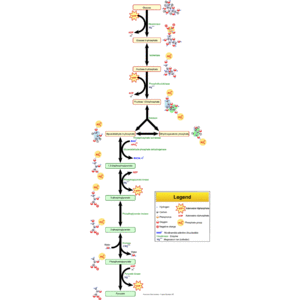
English: Glycolysis pathway overview.

English: Glycolysis pathway overview. (Photo credit: Wikipedia)
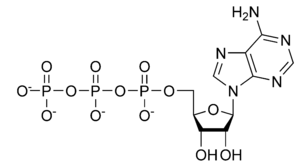
Adenosine triphosphate


Normal
0

false
false
false

EN-US
X-NONE
X-NONE

/* Style Definitions */
table.MsoNormalTable
{mso-style-name:”Table Normal”;
mso-tstyle-rowband-size:0;
mso-tstyle-colband-size:0;
mso-style-noshow:yes;
mso-style-priority:99;
mso-style-parent:””;
mso-padding-alt:0in 5.4pt 0in 5.4pt;
mso-para-margin-top:0in;
mso-para-margin-right:0in;
mso-para-margin-bottom:10.0pt;
mso-para-margin-left:0in;
line-height:115%;
mso-pagination:widow-orphan;
font-size:11.0pt;
font-family:”Calibri”,”sans-serif”;
mso-ascii-font-family:Calibri;
mso-ascii-theme-font:minor-latin;
mso-hansi-font-family:Calibri;
mso-hansi-theme-font:minor-latin;}

Warburg Effect, glycolysis, pyruvate kinase, PKM2, PIM2, mtDNA, complex I, NSCLC

Ribeirão Preto Area, Brazil|Government Relations
Current- University, USP-FMRP Physiology – Biochemistry
Previous- Imperial Cancer Research Fund Lab, Instituto de Investigaciones Bioquimicas, Luta armada e CIA
Education – FMRP-USP
While exile interrupted ny graduation in Medicine, started a port grade at Leloir´s Instituto Investigaciones bioquímicas Buenos Aires Argentina Jan 1970 – jan 1972. PhD from 1972- jan 1976 FMRP-USP . Post Doc ICRF London England 1979 -1980

“Those…..whose acquitance with scientific research is derived chiefly from its practical results easily develop a completely false notion of the { scientific } mentality.”

My goal and previous experience besides laboratory work was dedicated to solve this apparent conflict.

When Pasteur did his work studying the chemistry outside yeast-cells, he was able to perceive that in anaerobiosis yeast cells were able to convert sugar at a great velocity to its end products. While the same yeast cells, therefore with the same genome did it at a very slow speed in aerobiosis. Warburg tested tumor cells for the same and found that while normal cells from the organ in which he has found tumors presented a similar metabolic regulatory response to anaerobic/aerobic transition tumor cells did not. Tumos cells continued to display strong acidification (producing great amounts of lactate in the culture media) in aerobiosis.

Tumor cells displayed a failure in this regulatory mechanism that, he O. Warburg, named Pasteur effect. He also noticed that this defect continues from old cancer cells to newer ones. Therefore, for him, it is a genetic defect. Furthermore, as mitochondria generates newer mitochondria in the cells, the genetic component is in the mitochondria that were the site of core metabolism in aerobiosis.

Larry Bernstein
Part of what you describe is in Warburg biography by Hans Krebs (out of print). He also refers to a Meyerhof Quotient to express the degree of metabolic anaerobiosis. I don’t recall a reference to a mitochondrial “genetic” defect. That is farsighted. He did conclude that once the cancer cells were truly anaplastic, metastatic behavior was irreversible. It was only later that another Nobelist who described fatty acid synthesis, I think, concluded that the synthetic process tied up the same aerobic pathway so that anaerobic glycolysis became essential for the cells energetics. You can correct me if I’m in error. Where does the substrate come from? Lean body mass breaks down to provide gluconeogenic precursors. Points of concern are – deamination of branch chain AAs, the splitting of a 6 carbon sugar into 2 3-carbon chains, and the conversion of pyruvate to lactate with the reverse reaction blocked. There is also evidence that there is an impairment in the TCA cycle at the point of fumarase. Then there is never any consideration of the flow of substrates back and forth across the mitochondrial membrane (malate, aspartate), and the redox potentials.

Jose: For reasons independent of my will, the copy of Science,123(3191):309-14,1956 translation of O Warburg original article is not in my hands. Some that do not find any alternative form to respond to my critics concerning molecular biology distortion of biochemistry left on purpose, almost all of my older reprints on the rain. Anyway, O. Warburg refers to mitochondria using the expression of “grana” or “grains” if my recollections are correct. The original work of O Warburg is one of 1924 – Biochemisch ZeiTschrift.,152:51-60.1924. “Weberssert method zur messing der atmung un glycolyse, drese zeitschr.” Other aspects of your interesting comment I will try to comment latter.

By Jose Eduardo de Salles Roselino
Larry Bernstein, not as a correction but , following my line of reasoning about carbono fluxes…It is almost impossible to figure out what was really inside the mind-set of a scientific researcher at the time he has performed his work. Anyway, by the knowledge available at his time, we may conjecture about, even when we acknowledge that, what he may have had in mind at the start could be quite different from what he have latter published from his results.
In case, we try to present the ideas behind Warburg´s works we may take into account the following pre-existing knowledge: Lavoisier (done by 1779-1784) measured very carefully the amount of heat released by respiration and chemical oxidative processes. Reached the conclusion that respiration was slower but essentially similar to carbon combustion by chemical oxidative processes. By early XIX caloric values for gram of sugar, lipids and proteins where made clear. T Schwann recognized that yeast cells convert sugar in ethanol plus a volatile acid (carbon dioxide). Pasteur-effect was seen just as a change in the velocity of product production from a same sugar and/or a decrease in sugar concentration in the growth medium. This is a change in carbon flux velocity in the oxidative process calorimetrically measured by Lavoisier.
In Germany, however, the preponderance of organic chemical point of view has great scientists as Berzelius, Liebig etc. to consider that yeast where similar to inorganic catalysts. The oxidative process was caused by oxygen only. You may amuse yourself reading, how they attack T. Schwann proposal in Annalen, 29: 100 (1839). When O Warburg paid tribute to L. Pasteur, we can see clearly on which side he was. Furthermore, his apparatus, in which I was introduced to this line of research, a rather modern version at that time (1960s) that look like a very futuristic robotic version of the original with a pair of blinking red and green round lights as two eyes on a metallic head, offers a very important clue about the change in carbon flow.
Inside a Warburg glass flask, kept at very finely controlled temperature to avoid changes in pressure derived from changes in the temperature, you would certainly find a central well in which the volatile acid must be trapped in order to determine a pressure reduction only due to the decrease in oxygen pressure. Inside this central well, you could determine one product (carbon dioxide) and in the outside of it where tissues or cells where in the media you could also determine the other end product of the oxidative combustion of sugar (lactate). This has provide him with the result that indicate not only a change in the velocity as originally found by Pasteur in yeast cells but in the organic flow of sugar carbons.

comment –  E-mail: vbungau11@yahoo.com

-About carcinogenesis- Electronegativity is a nucleus of an atom’s ability to attract and maintain a cloud of electrons. Copper atom electronegativity is higher than the Iron atom electronegativity. Atom with lower electronegativity (Iron),remove the atom with higher electronegativity (Copper) of combinations. This means that,in conditions of acidosis, we have cytochrome oxidase with iron (red, neoplastic), instead of cytochrome oxidase with copper (green, normal).I think this is the key to carcinogenesis. Siincerely, Dr. Viorel Bungau

Nanotechnology and MRI imaging

Author: Tilda Barliya PhD

The recent advances of “molecular and medical imaging” as an integrated discipline in academic medical centers has set the stage for an evolutionary leap in diagnostic imaging and therapy. Molecular imaging is not a substitute for the traditional process of image formation and interpretation, but is intended to improve diagnostic accuracy and sensitivity.

Medical imaging technologies allow for the rapid diagnosis and evaluation of a wide range of pathologies. In order to increase their sensitivity and utility, many imaging technologies such as CT and MRI rely on intravenously administered contrast agents. While the current generation of contrast agents has enabled rapid diagnosis, they still suffer from many undesirable drawbacks including a lack of tissue specificity and systemic toxicity issues. Through advances made in nanotechnology and materials science, researchers are now creating a new generation of contrast agents that overcome many of these challenges, and are capable of providing more sensitive and specific information (1)

Magnetic resonance imaging (MRI) contrast enhancement for molecular imaging takes advantage of superb and tunable magnetic properties of engineered magnetic nanoparticles, while a range of surface chemistry offered by nanoparticles provides multifunctional capabilities for image-directed drug delivery. In parallel with the fast growing research in nanotechnology and nanomedicine, the continuous advance of MRI technology and the rapid expansion of MRI applications in the clinical environment further promote the research in this area.

It is well known that magnetic nanoparticles, distributed in a magnetic field, create extremely large microscopic field gradients. These microscopic field gradients cause substantial diphase and shortening of longitudinal relaxation time (T1) and transverse relaxation time (T2 and T2*) of nearby nuclei, e.g., proton in the case of most MRI applications. The magnitudes of MRI contrast enhancement over clinically approved conventional gadolinium chelate contrast agents combined with functionalities of biomarker specific targeting enable the early detection of diseases at the molecular and cellular levels with engineered magnetic nanoparticles. While the effort in developing new engineered magnetic nanoparticles and constructs with new chemistry, synthesis, and functionalization approaches continues to grow, the importance of specific material designs and proper selection of imaging methods have been increasingly recognized (2)

Earlier investigations have shown that the MRI contrast enhancement by magnetic nanoparticles is highly related to their composition, size, surface properties, and the degree of aggregation in the biological environment.

Therefore, understanding the relationships between these intrinsic parameters and relaxivities of nuclei under influence of magnetic nanoparticles can provide critical information for predicting the properties of engineered magnetic nanoparticles and enhancing their performance in the MRI based theranostic applications. On the other hand, new contrast mechanisms and imaging strategies can be applied based on the novel properties of engineered magnetic nanoparticles. The most common MRI sequences, such as the spin echo (SE) or fast spin echo (FSE) imaging and gradient echo (GRE), have been widely used for imaging of magnetic nanoparticles due to their common availabilities on commercial MRI scanners. In order to minimize the artificial effect of contrast agents and provide a promising tool to quantify the amount of imaging probe and drug delivery vehicles in specific sites, some special MRI methods, such as  have been developed recently to take maximum advantage of engineered magnetic NPs

  • off-resonance saturation (ORS) imaging
  • ultrashort echo time (UTE) imaging

Because one of the major limitations of MRI is its relative low sensitivity, the strategies of combining MRI with other highly sensitive, but less anatomically informative imaging modalities such as positron emission tomography (PET) and NIRF imaging, are extensively investigated. The complementary strengths from different imaging methods can be realized by using engineered magnetic nanoparticles via surface modifications and functionalizations. In order to combine optical or nuclear with MR for multimodal imaging, optical dyes and radio-isotope labeled tracer molecules are conjugated onto the moiety of magnetic nanoparticles

Since most functionalities assembled by magnetic nanoparticles are accomplished by the surface modifications, the chemical and physical properties of nanoparticle surface as well as surface coating materials have considerable effects on the function and ability of MRI contrast enhancement of the nanoparticle core.

The longitudinal and transverse relaxivities, Ri (i=1, 2), defined as the relaxation rate per unit concentration (e.g., millimole per liter) of magnetic ions, reflects the efficiency of contrast enhancement by the magnetic nanoparticles as MRI contrast agents. In general, the relaxivities are determined, but not limited, by three key aspects of the magnetic nanoparticles:

  1. Chemical composition,
  2. Size of the particle or construct and the degree of their aggregation
  3. Surface properties that can be manipulated by the modification and functionalization.

(It is also recognized that the shape of the nanoparticles can affect the relaxivities and contrast enhancement. However these shaped particles typically have increased sizes, which may limit their in vivo applications. Nevertheless, these novel magnetic nanomaterials are increasingly attractive and currently under investigation for their applications in MRI and image-directed drug delivery).

Composition Effect: The composition of magnetic nanoparticles can significantly affect the contrast enhancing capability of nanoparticles because it dominates the magnetic moment at the atomic level. For instance, the magnetic moments of the iron oxide nanoparticles, mostly used nanoparticulate T2 weighted MRI contrast agents, can be changed by incorporating other metal ions into the iron oxide.  The composition of magnetic nanoparticles can significantly affect the contrast enhancing capability of nanoparticles because it dominates the magnetic moment at the atomic level. For instance, the magnetic moments of the iron oxide nanoparticles, mostly used nanoparticulate T2 weighted MRI contrast agents, can be changed by incorporating other metal ions into the iron oxide.

Size Effect: The dependence of relaxation rates on the particle size has been widely studied both theoretically and experimentally. Generally the accelerated diphase, often described by the R2* in magnetically inhomogeneous environment induced by magnetic nanoparticles, is predicted into two different regimes. For the relatively small nanoparticles, proton diffusion between particles is much faster than the resonance frequency shift. This resulted in the relative independence of T2 on echo time. The values for R2 and R2*are predicted to be identical. This process is called “motional averaging regime” (MAR). It has been well demonstrated that the saturation magnetization Ms increases with the particle size. A linear relationship is predicted between Ms1/3 and d-1. Therefore, the capability of MRI signal enhancement by nanoparticles correlates directly with the particle size. 

Surface Effect: MRI contrast comes from the signal difference between water molecules residing in different environments that are under the effect of magnetic nanoparticles. Because the interactions between water and the magnetic nanoparticles occur primarily on the surface of the nanoparticles, surface properties of magnetic nanoparticles play important roles in their magnetic properties and the efficiency of MRI contrast enhancement. As most biocompatible magnetic nanoparticles developed for in vivo applications need to be stabilized and functionalized with coating materials, the coating moieties can affect the relaxation of water molecules in various forms, such as diffusion, hydration and hydrogen binding.

The early investigation carried at by Duan et al suggested that hydrophilic surface coating contributes greatly to the resulted MRI contrast effect. Their study examined the proton relaxivities of iron oxide nanocrystals coated by copolymers with different levels of hydrophilicity including: poly(maleic acid) and octadecene (PMO), poly(ethylene glycol) grated polyethylenimine (PEG-g-PEI), and hyperbranched polyethylenimine (PEI). It was found that proton relaxivities of those IONPs depend on the surface hydrophilicity and coating thickness in addition to the coordination chemistry of inner capping ligands and the particle size.

The thickness of surface coating materials also contributed to the relaxivity and contrast effect of the magnetic nanoparticles. Generally, the measured T2 relaxation time increases as molecular weight of PEG increases.

In Summary

Much progress has taken place in the theranostic applications of engineered magnetic nanoparticles, especially in MR imaging technologies and nanomaterials development. As the feasibilities of magnetic nanoparticles for molecular imaging and drug delivery have been demonstrated by a great number of studies in the past decade, MRI guiding and monitoring techniques are desired to improve the disease specific diagnosis and efficacy of therapeutics. Continuous effort and development are expected to be focused on further improvement of the sensitivity and quantifications of magnetic nanoparticles in vivo for theranostics in future.

The new design and preparation of magnetic nanoparticles need to carefully consider the parameters determining the relaxivities of the nanoconstructs. Sensitive and reliable MRI methods have to be established for the quantitative detection of magnetic nanoparticles. The new generations of magnetic nanoparticles will be made not only based on the new chemistry and biological applications, but also with combined knowledge of contrast mechanisms and MRI technologies and capabilities. As new magnetic nanoparticles are available for theranostic applications, it is anticipated that new contrast mechanism and MR imaging strategies can be developed based on the novel properties of engineered magnetic nanoparticles.

References:

1http://www.omicsonline.org/2157-7439/2157-7439-2-115.php

2http://www.clinical-mri.com/pdf/CMRI/8036XXP14Ap454-472.PDF

3http://www.thno.org/v02p0086.htm

4http://www.omicsonline.org/2157-7439/2157-7439-2-115.pdf

5http://www.ncbi.nlm.nih.gov/pmc/articles/PMC3017480/

6http://www.nature.com/nmeth/journal/v7/n12/full/nmeth1210-957.html

7http://endomagnetics.com/wp-content/uploads/2011/01/TargOncol_Review_2009.pdf

8http://www.nature.com/nnano/journal/v2/n5/abs/nnano.2007.105.html

9http://www.azonano.com/article.aspx?ArticleID=2680

Reporter: Aviva Lev-Ari, PhD, RN

Combinatorial Pharmacogenetic Interactions of Bucindolol and β1, α2C Adrenergic Receptor Polymorphisms


UPDATED ON 9/4/2019

Beta-Blockers Increase Survival for HF Patients With Renal Impairment

Call for use of the agents in those with heart failure with reduced ejection fraction


Christopher M. O’Connor1*, Mona Fiuzat1, Peter E. Carson2, Inder S. Anand3, Jonathan F. Plehn4, Stephen S. Gottlieb5, Marc A. Silver6, JoAnn Lindenfeld7, Alan B. Miller8, Michel White9, Ryan Walsh7, Penny Nelson7, Allen Medway7, Gordon Davis10, Alastair D. Robertson7, J. David Port7,10, James Carr10, Guinevere A. Murphy10,Laura C. Lazzeroni11, William T. Abraham12, Stephen B. Liggett13, Michael R. Bristow7,10

1 Division of Cardiology, Duke University Medical Center/Duke Clinical Research Institute, Durham, North Carolina, United States of America,2 Division of Cardiology, Department of Veterans Affairs, Washington, District of Columbia, United States of America, 3 Division of Cardiology, Department of Veterans Affairs, Minneapolis, Minnesota, United States of America, 4 National Heart, Lung, and Blood Institute, National Institutes of Health, Washington, District of Columbia, United States of America, 5 Department of Medicine, University of Maryland, Baltimore, Maryland, United States of America, 6 Heart and Vascular Institute, Advocate Christ Medical Center, Oak Lawn, Illinois, United States of America, 7 Division of Cardiology/Cardiovascular Institute, University of Colorado School of Medicine, Aurora, Colorado, United States of America, 8 Division of Cardiology, University of Florida Health Sciences Center, Jacksonville, Florida, United States of America, 9 Research Center, Montreal Heart Institute, Montreal, Quebec, Canada, 10 ARCA biopharma, Broomfield, Colorado, United States of America, 11 Department of Psychiatry and Behavioral United States of America, Sciences and of Pediatrics, Stanford University, Stanford, California, United States of America, 12 Ohio State University, Columbus, Ohio, United States of America, 13 Center for Personalized Medicine and Genomics, University of South Florida, Morsani College of Medicine, Tampa, Florida, United States of America

Competing interests: Drs Bristow, Carr, Murphy, and Port and Mr Davis are employees of and own stock or stock options in ARCA biopharma, Inc., which owns the rights to bucindolol. Drs Fiuzat, Liggett, Lindenfeld, and Robertson are consultants of ARCA biopharma. Also, Drs Fiuzat and Liggett own stock or stock options in ARCA biopharma. Drs O’Connor, Carson, Anand, Plehn, Gottlieb, Silver, Miller, White, Lazzeroni, and Abraham and Mr Walsh, Ms Nelson, and Mr Medway have no conflicts to report. This does not alter the authors’ adherence to all the PLOS ONE policies on sharing data and materials.* E-mail: christophe.oconnor@duke.edu

Background

Pharmacogenetics involves complex interactions of gene products affecting pharmacodynamics and pharmacokinetics, but there is little information on the interaction of multiple genetic modifiers of drug response. Bucindolol is a β-blocker/sympatholytic agent whose efficacy is modulated by polymorphisms in the primary target (β1 adrenergic receptor [AR] Arg389 Gly on cardiac myocytes) and a secondary target modifier (α2C AR Ins [wild-type (Wt)] 322–325 deletion [Del] on cardiac adrenergic neurons). The major allele homozygotes and minor allele carriers of each polymorphism are respectively associated with efficacy enhancement and loss, creating the possibility for genotype combination interactions that can be measured by clinical trial methodology.

Methodology

In a 1,040 patient substudy of a bucindolol vs. placebo heart failure clinical trial, we tested the hypothesis that combinations of β1389 and α2C322–325 polymorphisms are additive for both efficacy enhancement and loss. Additionally, norepinephrine (NE) affinity for β1389 AR variants was measured in human explanted left ventricles.

Principal Findings

The combination of β1389 Arg+α2C322–325 Wt major allele homozygotes (47% of the trial population) was non-additive for efficacy enhancement across six clinical endpoints, with an average efficacy increase of 1.70-fold vs. 2.32-fold in β1389 Arg homozygotes+α2C322–325 Del minor allele carriers. In contrast, the minor allele carrier combination (13% subset) exhibited additive efficacy loss. These disparate effects are likely due to the higher proportion (42% vs. 8.7%, P = 0.009) of high-affinity NE binding sites in β1389 Arg vs. Gly ARs, which converts α2CDel minor allele-associated NE lowering from a therapeutic liability to a benefit.

Conclusions

On combination, the two sets of AR polymorphisms

1) influenced bucindolol efficacy seemingly unpredictably but consistent with their pharmacologic interactions, and

2) identified subpopulations with enhanced (β1389 Arg homozygotes), intermediate (β1389 Gly carriers+α2C322–325 Wt homozygotes), and no (β1389 Gly carriers+α2C322–325 Del carriers) efficacy.

thumbnail

Figure 1:

http://www.plosone.org/article/info%3Adoi%2F10.1371%2Fjournal.pone.0044324

Limitations

There are some limitations to this study. First, although the substudy was prospectively designed and hypothesis-driven, the pharmacogenetic data were generated and analyzed after the trial’s main results were analyzed and published [5]. However, the investigators generating the pharmacogenetic data remained blinded to the treatment code and to clinical outcomes throughout. Second, approximately two-thirds of the patients were enrolled into the DNA substudy after being randomized into the parent trial. This “late entry” phenomenon has been extensively analyzed, by both L-truncation [12] and, most recently, propensity score statistical methods (unpublished observations). The effect of late entry into the DNA substudy is only to lower event rates for all clinical endpoints, without affecting genotype-specific treatment effects.

Conclusions

The combinatorial interaction of two sets of AR polymorphisms that influence bucindolol’s drug action resulted in unanticipated effects on HF clinical responses, non-additivity in efficacy enhancement for the major allele homozygotes, and additive effects for minor allele carrier-associated efficacy loss. An explanation for these disparate results was provided by the effects of the α2C322–325 minor (Del) allele on facilitating bucindolol’s NE-lowering properties, where excessive NE lowering abolished efficacy when the β1389 Gly minor allele and low NE affinity AR were present but did not alter or even enhance efficacy in the presence of the major allele homozygous β1389 Arg genotype, which encodes ARs with a NE affinity of ~100-fold more than 389 Gly ARs.

Combinatorial genotyping led to improvement in pharmacogenetic differentiation of drug response compared with monotype genotyping. The use of β1389 Arg/Gly and α2C322–325 Wt/Del genotype combinations accomplishes the goal of pharmacogenetics to identify response outliers from both ends of the therapeutic spectrum. Compared with the use of β1389 Arg/Gly or α2C322–325 Wt/Del monotypes, the differential efficacy gained by the use of genotype combinations was increased by respective amounts of 54% and 94%. The new identification of a completely unresponsive genotype, supported by biologic plausibility and bolstered by data consistency across multiple clinical endpoints, is especially important inasmuch as a major goal of pharmacogenetics is to identify patients with no likelihood of benefit who can then be spared drug side effects [21]. Other β-blockers that have been used to treat HF do not have these pharmacogenetic interactions [22][23], but rather exhibit response heterogeneity through other, unknown mechanisms[8]. Thus, the ability to predict drug response through pre-treatment pharmacogenetic testing should improve therapeutic response to this drug class but will need to be confirmed by prospective studies.

Finally, the unexpected results of this study, (i.e., the additive loss of efficacy by minor allele combinations in the absence of additive gain of efficacy by major allele homozygotes) emphasizes that combinations of response-altering polymorphisms may behave in unpredictable ways and in-silico predictions of combinatorial genetic effects will need to be supported by empirical data.

References

  1. [No authors listed] (1999) The Cardiac Insufficiency Bisoprolol Study II (CIBIS-II): a randomised trial. Lancet 353: 9–13. FIND THIS ARTICLE ONLINE
  2. Flather MD, Shibata MC, Coats AJ, Van Veldhuisen DJ, Parkhomenko A, et al. (2005) Randomized trial to determine the effect of nebivolol on mortality and cardiovascular hospital admission in elderly patients with heart failure (SENIORS). Eur Heart J 26: 215–225. FIND THIS ARTICLE ONLINE
  3. [No authors listed] (1999) Effect of metoprolol CR/XL in chronic heart failure: Metoprolol CR/XL Randomised Intervention Trial in Congestive Heart Failure (MERIT-HF). Lancet 353: 2001–2007.FIND THIS ARTICLE ONLINE
  4. Packer M, Coats AJ, Fowler MB, Katus HA, Krum H, et al. (2001) Effect of carvedilol on survival in severe chronic heart failure. N Engl J Med 344: 1651–1658. FIND THIS ARTICLE ONLINE
  5. The Beta Blocker Evaluation of Survival Trial Investigators (2001) A trial of the beta-blocker bucindolol in patients with advanced chronic heart failure. N Engl J Med 344: 1659–1667. FIND THIS ARTICLE ONLINE
  6. Domanski MJ, Krause-Steinrauf H, Massie BM, Deedwania P, Follmann D, et al. (2003) A comparative analysis of the results from 4 trials of beta-blocker therapy for heart failure: BEST, CIBIS-II, MERIT-HF, and COPERNICUS. J Card Fail 9: 354–363. FIND THIS ARTICLE ONLINE
  7. O’Connor CM, Fiuzat M, Caron MF, Deedwania P, Follmann D, et al. (2011) Influence of global region on outcomes in large heart failure β-blocker trials. J Am Coll Cardiol 58: 915–922. FIND THIS ARTICLE ONLINE
  8. Metra M, Bristow MR (2010) Beta-blocker therapy in chronic heart failure. In: Mann DL, ed. Heart Failure: A companion to Braunwald’s Heart Disease.
  9. Small KM, Wagoner LE, Levin AM, Kardia SL, Liggett SB (2002) Synergistic polymorphisms of beta1- and alpha2C-adrenergic receptors and the risk of congestive heart failure. N Engl J Med 347: 1135–1142. FIND THIS ARTICLE ONLINE
  10. Mialet Perez J, Rathz DA, Petrashevskaya NN, Hahn HS, Wagoner LE, et al. (2003) Beta 1-adrenergic receptor polymorphisms confer differential function and predisposition to heart failure. Nat Med 9: 1300–1305. FIND THIS ARTICLE ONLINE
  11. Liggett SB, Mialet-Perez J, Thaneemit-Chen S, Weber SA, Greene SM, et al. (2006) A polymorphism within a conserved beta(1)-adrenergic receptor motif alters cardiac function and beta-blocker response in human heart failure. Proc Natl Acad Sci U S A 103: 11288–11293. FIND THIS ARTICLE ONLINE
  12. Bristow MR, Murphy GA, Krause-Steinrauf H, Anderson JL, Carlquist JF, et al. (2010) An α2C-adrenergic receptor polymorphism alters the norepinephrine lowering effects and therapeutic response of the beta blocker bucindolol in chronic heart failure. Circ Heart Fail 3: 21–28. FIND THIS ARTICLE ONLINE
  13. Mason DA, Moore JD, Green SA, Liggett SB (1999) A gain-of-function polymorphism in a G-protein coupling domain of the human beta1-adrenergic receptor. J Biol Chem 274: 12670–12674. FIND THIS ARTICLE ONLINE
  14. Sandilands AJ, O’Shaughnessy KM, Brown MJ (2003) Greater inotropic and cyclic AMP responses evoked by noradrenaline through Arg389 β1-adrenoceptors versus Gly389 β1-adrenoceptors in isolated human atrial myocardium. Br J Pharmacol 138: 386–392. FIND THIS ARTICLE ONLINE
  15. Hein L, Altman JD, Kobilka BK (1999) Two functionally distinct alpha2-adrenergic receptors regulate sympathetic neurotransmission. Nature 402: 181–184. FIND THIS ARTICLE ONLINE
  16. Small KM, Forbes SL, Rahman FF, Bridges KM, Liggett SB (2000) A four amino acid deletion polymorphism in the third intracellular loop of the human alpha 2C-adrenergic receptor confers impaired coupling to multiple effectors. J Biol Chem 275: 23059–23064. FIND THIS ARTICLE ONLINE
  17. Evans WE, Relling MV (2004) Moving towards individualized medicine with pharmacogenomics. Nature 429: 464–468. FIND THIS ARTICLE ONLINE
  18. Sadee W, Dai Z (2005) Pharmacogenetics/genomics and personalized medicine. Hum Mol Genet 14 (Spec No.2) R207–R214. FIND THIS ARTICLE ONLINE
  19. Hershberger RE, Wynn JR, Sundberg L, Bristow MR (1990) Mechanism of action of bucindolol in human ventricular myocardium. J Cardiovasc Pharm 15: 959–967. doi: 10.1097/00005344-199006000-00014FIND THIS ARTICLE ONLINE
  20. Bristow MR, Krause-Steinrauf H, Nuzzo R, Liang CS, Lindenfeld J, et al. (2004) Effect of baseline or changes in adrenergic activity on clinical outcomes in the beta-blocker evaluation of survival trial (BEST). Circulation 110: 1437–1442. FIND THIS ARTICLE ONLINE
  21. Woodcock J, Lesko LJ (2009) Pharmacogenetics–tailoring treatment for the outliers. N Engl J Med 360: 811–813. FIND THIS ARTICLE ONLINE
  22. White HL, de Boer RA, Maqbool A, Greenwood D, van Veldhuisen DJ, et al. (2003) An evaluation of the beta-1 adrenergic receptor Arg389Gly polymorphism in individuals with heart failure: a MERIT-HF sub-study. Eur J Heart Fail 5: 463–468. FIND THIS ARTICLE ONLINE
  23. Sehnert AJ, Daniels SE, Elashoff M, Wingrove JA, Burrow CR, et al. (2008) Lack of association between beta adrenergic receptor genotype and survival in heart failure patients treated with carvedilol or metoprolol. J Am Coll Cardiol 52: 644–651. FIND THIS ARTICLE ONLINE
Source:

BROOMFIELD, Colo. (TheStreet) — Wacky, inexplicable things sometimes happen to biotech stocks. Like Friday, when ARCA Biopharma (ABIO) shares more than tripled after the small drug company was granted a new U.S. patent for its experimental heart failure drug.

Arca shares rose an astonishing $5.57, or 210%, to close Friday at $8.22. Calculated another way, one U.S. patent for Arca added $40 million in market value.

Not bad, especially considering Friday’s announcement wasn’t particularly new. Arca issued a press release in January announcing the U.S. Patent and Trademark Office had informed the company that the patent was coming. Friday’s press release simply confirmed that the patent had been issued.

In case you’re wondering, Arca shares rose just 17 cents as a result of the January press release.

So, what’s made Arca rocket Friday when it barely budged in January on the same patent news?

Like I said, some things in biotech defy logic. Fundamentals had nothing to do it, clearly. Instead, Friday’s move was more likely a function of momentum traders finding an easy plaything in Arca, which sports a tiny float of just 4.4 million shares.

More than 49 million Arca shares traded hands Friday, or seven times the number of shares outstanding.

It was little noticed Friday, but Arca actually disclosed some bad news regarding the development of its heart failure drug bucindolol. Arca and the U.S. Food and Drug Administration have still not come to agreement on a Special Protocol Assessment for a proposed phase III study of bucindolol. Arca said Friday it had to submit revisions to the design of the study, which will now enroll 3,200 heart failure patients, up from 3,000 patients previously.

Arca needs FDA sign off on the bucindolol trial design, after which the company needs to raise money to conduct the trial. Arca says it can likely start the pivotal bucindolol study one year after both those things happen. The company expects the study to take two years to complete once fully enrolled.

As of December 31, Arca had $7.8 million in its coffers.

http://www.thestreet.com/story/10712682/1/arca-biopharma-patent-deja-vu-biobuzz.html

In a study sponsored by ARCA Biopharma ($ABIO) and carried out by a number of U.S. universities, a pharmacogenetic test predicted which patients would respond to the company’s beta blocker and vasodilator bucindolol (Gencaro), in development for the treatment of chronic heart failure. The level of clinical activity of this oral drug depends on two changes in two genes.

The researchers screened more than a thousand of the patients with congestive heart failure who took part in the Beta-Blocker Evaluation of Survival Trial (BEST) and were given either bucindolol or dummy pills. Based on the patients’ clinical results and genetic profile, the team created a “genetic scorecard.” The results were published in PLoS ONE.

A biomarker for bucindolol will not only speed it through development but could also be used to point out those patients who will (and won’t) respond to which drug, sparing those patients who won’t respond the risk of potential side effects.

According to Stephen B. Liggett of the University of South Florida and founder of ARCA Biopharma, the researchers were able to use the two-gene test to “identify individuals with heart failure who will not respond to bucindolol and those who have an especially favorable treatment response. We also identified those who will have an intermediate level of response. The results showed that the choice of the best drug for a given patient, made the first time without a trial-and-error period, can be accomplished using this two-gene test.”

Bucindolol has been designated as a fast track development program for the reduction of cardiovascular mortality and cardiovascular hospitalizations in a genotype-defined heart failure population.

http://www.fiercebiomarkers.com/press-releases/two-gene-test-predicts-which-patients-heart-failure-respond-best-beta-block?utm_medium=nl&utm_source=internal

October 17, 2012

Two-gene test predicts which patients with heart failure respond best to beta-blocker drug, study finds
Personalized medicine research at University of South Florida strikes early for heart genes

Tampa, FL – A landmark paper identifying genetic signatures that predict which patients will respond to a life-saving drug for treating congestive heart failure has been published by a research team co-led by Stephen B. Liggett, MD, of the University of South Florida.

The study, drawing upon a randomized placebo-controlled trial for the beta blocker bucindolol, appears this month in the  international online journal PLoS ONE.  In addition to Dr. Liggett, whose laboratory discovered and characterized the two genetic variations, Christopher O’Connor, MD, of Duke University Medical Center, and Michael Bristow, MD, PhD, of ARCA biopharma and the University of Colorado Anschutz Medical Campus, were leading members of the research team.
The analysis led to a “genetic scorecard” for patients with congestive heart failure, a serious condition in which the heart can’t pump enough blood to meet the body’s needs, said Dr. Liggett, the study’s co-principal investigator and the new vice dean for research and vice dean for personalized medicine and genomics at the USF Morsani College of Medicine.
“We have been studying the molecular basis of heart failure in the laboratory with a goal of finding genetic variations in a patient’s DNA that alter how drugs work,” Dr. Liggett said.  “We took this knowledge from the lab to patients and found that we can indeed, using a two-gene test, identify individuals with heart failure who will not respond to bucindolol and those who have an especially favorable treatment response. We also identified those who will have an intermediate level of response.” The research has implications for clinical practice, because the genetic test could theoretically be used to target the beta blocker to patients the drug is likely to help. Equally important, its use could be avoided in patients with no likelihood of benefit, who could then be spared potential drug side effects.  Prospective studies are needed to confirm that bucindolol would be a better treatment than other classes of beta blockers for a subset of patients with health failure.

Dr. Liggett collaborated with medical centers across the United States, including the NASDAq-listed biotech company ARCA biopharma, which he co-founded in Denver, CO.   This genetic sub-study involved 1,040 patients who participated in the Beta-Blocker Evaluation of Survival Trial (BEST).  The researchers analyzed mortality, hospital admissions for heart failure exacerbations and other clinical outcome indicators of drug performance.

“The results showed that the choice of the best drug for a given patient, made the first time without a trial-and-error period, can be accomplished using this two-gene test,” Dr. Liggett said.

The genetic test discovered by the Liggett team requires less than 1/100th of a teaspoon of blood drawn from a patient, from which DNA is isolated.  DNA is highly stable when frozen, so a single blood draw will suffice for many decades, Dr. Liggett said. And since a patient’s DNA does not change over their lifetime, as new discoveries are made and other tests need to be run, it would not be necessary to give another blood sample, he added.

This is part of the strategy for the USF Center for Personalized Medicine and Genomics. The discovery of genetic variations in diseases can be targeted to predict three new types of information: who will get a disease, how the disease will progress, and the best drug to use for treatment.

“In the not too distant future, such tests will become routine, and patient outcomes, and the efficiency and cost of medical care will be impacted in positive ways.  We also will move toward an era where we embrace the fact that one drug does not fit all,” Dr. Liggett said.  “If we can identify by straightforward tests which drug is best for which patient, drugs that work with certain smaller populations can be brought to the market, filling a somewhat empty pipeline of new drugs.”

This approach is applicable to most diseases, Dr. Liggett said, but the USF Center has initially concentrated on heart disease, because it is a leading cause of deaths, hospitalizations and lost productivity in the Tampa Bay region and Florida.  Dr. Liggett is a recent recruit to the USF Health Morsani College of Medicine, coming from the University of Maryland School of Medicine.  His work at USF has been supported by several National Institutes of Health grants and $2 million in funding from Hillsborough County.

Heart failure is characterized by an inability of the heart muscle to pump blood, resulting in dysfunction of multiple organs caused by poor blood and oxygen flow throughout the body.  An estimated 6 million Americans are living with heart failure, and more than half a million new cases are diagnosed each year.  About 50 percent of patients diagnosed with heart failure die within five years.  The economic burden of heart failure in the United States is estimated at $40 billion a year.

Article citation:
Christopher M. O’Connor, Mona Fiuzat, Peter E. Carson, Inder S. Anand, Jonathan F. Plehn, Stephen S. Gottlieb, Marc A. Silver, JoAnn Lindenfeld, Alan B. Miller, Michel White, Ryan Walsh, Penny Nelson, Allen Medway, Gordon Davis, Alastair D. Robertson, J. David Port, James Carr, Guinevere A. Murphy, Laura C. Lazzeroni, William T. Abraham, Stephen B. Liggett and Michael Bristow, “Combinatorial Pharmacogenetic Interactions of Bucindolol and β1, α2C Adrenergic Receptor Polymorphisms,” PLoS ONE   7(10): e44324. doi:10.1371/journal.pone.0044324

-USF Health-

USF Health’s mission is to envision and implement the future of health. It is the partnership of the USF Health Morsani College of Medicine, the College of Nursing, the College of Public Health, the College of Pharmacy, the School of Biomedical Sciences and the School of Physical Therapy and Rehabilitation Sciences; and the USF Physician’s Group. The University of South Florida is a global research university ranked 50th in the nation by the National Science Foundation for both federal and total research expenditures among all U.S. universities.

Media contact:
Anne DeLotto Baier, USF Health Communications
(813) 974-3303 or abaier@health.usf.edu

Read more: Two-gene test predicts which patients with heart failure respond best to beta-blocker drug, study finds – FierceBiomarkers http://www.fiercebiomarkers.com/press-releases/two-gene-test-predicts-which-patients-heart-failure-respond-best-beta-block#ixzz29ZLX92k6
http://www.fiercebiomarkers.com/signup?sourceform=Viral-Tynt-FierceBiomarkers-FierceBiomarkers

Author and Curator: Ritu Saxena, Ph.D.

Screen Shot 2021-07-19 at 7.09.49 PM

Word Cloud By Danielle Smolyar

Introduction

Nitric oxide (NO) is a lipophilic, highly diffusible and short-lived molecule that acts as a physiological messenger and has been known to regulate a variety of important physiological responses including vasodilation, respiration, cell migration, immune response and apoptosis. Jordi Muntané et al

NO is synthesized by the Nitric Oxide synthase (NOS) enzyme and the enzyme is encoded in three different forms in mammals: neuronal NOS (nNOS or NOS-1), inducible NOS (iNOS or NOS-2), and endothelial NOS (eNOS or NOS-3). The three isoforms, although similar in structure and catalytic function, differ in the way their activity and synthesis in controlled inside a cell. NOS-2, for example is induced in response to inflammatory stimuli, while NOS-1 and NOS-3 are constitutively expressed.

Regulation by Nitric oxide

NO is a versatile signaling molecule and the net effect of NO on gene regulation is variable and ranges from activation to inhibition of transcription.

The intracellular localization is relevant for the activity of NOS. Infact, NOSs are subject to specific targeting to subcellular compartments (plasma membrane, Golgi, cytosol, nucleus and mitochondria) and that this trafficking is crucial for NO production and specific post-translational modifications of target proteins.

Role of Nitric oxide in Cancer

One in four cases of cancer worldwide are a result of chronic inflammation. An inflammatory response causes high levels of activated macrophages. Macrophage activation, in turn, leads to the induction of iNOS gene that results in the generation of large amount of NO. The expression of iNOS induced by inflammatory stimuli coupled with the constitutive expression of nNOS and eNOS may contribute to increased cancer risk. NO can have varied roles in the tumor environment influencing DNA repair, cell cycle, and apoptosis. It can result in antagonistic actions including DNA damage and protection from cytotoxicity, inhibiting and stimulation cell proliferation, and being both anti-apoptotic and pro-apoptotic. Genotoxicity due to high levels of NO could be through direct modification of DNA (nitrosative deamination of nucleic acid bases, transition and/or transversion of nucleic acids, alkylation and DNA strand breakage) and inhibition of DNA repair enzymes (such as alkyltransferase and DNA ligase) through direct or indirect mechanisms. The Multiple actions of NO are probably the result of its chemical (post-translational modifications) and biological heterogeneity (cellular production, consumption and responses). Post-translational modifications of proteins by nitration, nitrosation, phosphorylation, acetylation or polyADP-ribosylation could lead to an increase in the cancer risk. This process can drive carcinogenesis by altering targets and pathways that are crucial for cancer progression much faster than would otherwise occur in healthy tissue.

NO can have several effects even within the tumor microenvironment where it could originate from several cell types including cancer cells, host cells, tumor endothelial cells. Tumor-derived NO could have several functional roles. It can affect cancer progression by augmenting cancer cell proliferation and invasiveness. Infact, it has been proposed that NO promotes tumor growth by regulating blood flow and maintaining the vasodilated tumor microenvironment. NO can stimulate angiogenesis and can also promote metastasis by increasing vascular permeability and upregulating matrix metalloproteinases (MMPs). MMPs have been associated with several functions including cell proliferation, migration, adhesion, differentiation, angiogenesis and so on. Recently, it was reported that metastatic tumor-released NO might impair the immune system, which enables them to escape the immunosurveillance mechanism of cells. Molecular regulation of tumour angiogenesis by nitric oxide.

S-nitrosylation and Cancer

The most prominent and recognized NO reaction with thiols groups of cysteine residues is called S-nitrosylation or S-nitrosation, which leads to the formation of more stable nitrosothiols. High concentrations of intracellular NO can result in high concentrations of S-nitrosylated proteins and dysregulated S-nitrosylation has been implicated in cancer. Oxidative and nitrosative stress is sensed and closely associated with transcriptional regulation of multiple target genes.

Following are a few proteins that are modified via NO and modification of these proteins, in turn, has been known to play direct or indirect roles in cancer.

NO mediated aberrant proteins in Cancer

Bcl2

Bcl-2 is an important anti-apoptotic protein. It works by inhibiting mitochondrial Cytochrome C that is released in response to apoptotic stimuli. In a variety of tumors, Bcl-2 has been shown to be upregulated, and it has additionally been implicated with cancer chemo-resistance through dysregulation of apoptosis. NO exposure causes S-nitrosylation at the two cysteine residues – Cys158 and Cys229 that prevents ubiquitin-proteasomal pathway mediated degradation of the protein. Once prevented from degradation, the protein attenuates its anti-apoptotic effects in cancer progression. The S-nitrosylation based modification of Bcl-2 has been observed to be relevant in drug treatment studies (for eg. Cisplatin). Thus, the impairment of S-nitrosylated Bcl-2 proteins might serve as an effective therapeutic target to decrease cancer-drug resistance.

p53

p53 has been well documented as a tumor suppressor protein and acts as a major player in response to DNA damage and other genomic alterations within the cell. The activation of p53 can lead to cell cycle arrest and DNA repair, however, in case of irrepairable DNA damage, p53 can lead to apoptosis. Nuclear p53 accumulation has been related to NO-mediated anti-tumoral properties. High concentration of NO has been found to cause conformational changes in p53 resulting in biological dysfunction.. In RAW264.7, a murine macrophage cell line, NO donors induce p53 accumulation and apoptosis through JNK-1/2.

HIF-1a

Hypoxia-inducible factor 1 (HIF1) is a heterodimeric transcription factor that is predominantly active under hypoxic conditions because the HIF-1a subunit is rapidly degraded in normoxic conditions by proteasomal degradation. It regulates the transciption of several genes including those involved in angiogenesis, cell cycle, cell metabolism, and apoptosis. Hypoxic conditions within the tumor can lead to overexpression of HIF-1a. Similar to hypoxia-mediated stress, nitrosative stress can stabilize HIF-1a. NO derivatives have also been shown to participate in hypoxia signaling. Resistance to radiotherapy has been traced back to NO-mediated HIF-1a in solid tumors in some cases.

PTEN

Phosphatase and tensin homolog deleted on chromosome ten (PTEN), is again a tumor suppressor protein. It is a phosphatase and has been implicated in many human cancers. PTEN is a crucial negative regulator of PI3K/Akt signaling pathway. Over-activation of PI3K/Akt mediated signaling pathway is known to play a major role in tumorigenesis and angiogenesis. S-nitrosylation of PTEN, that could be a result of NO stress, inhibits PTEN. Inhibition of PTEN phosphatase activity, in turn, leads to promotion of angiogenesis.

C-Src

C-src belongs to the Src family of protein tyrosine kinases and has been implicated in the promotion of cancer cell invasion and metastasis. It was demonstrated that S-nitrosylation of c-Src at cysteine 498 enhanced its kinase activity, thus, resulting in the enhancement of cancer cell invasion and metastasis.

Reference:

Muntané J and la Mata MD. Nitric oxide and cancer. World J Hepatol. 2010 Sep 27;2(9):337-44. http://www.ncbi.nlm.nih.gov/pubmed/21161018

Wang Z. Protein S-nitrosylation and cancer. Cancer Lett. 2012 Jul 28;320(2):123-9. http://www.ncbi.nlm.nih.gov/pubmed/22425962

Ziche M and Morbidelli L. Molecular regulation of tumour angiogenesis by nitric oxide. Eur Cytokine Netw. 2009 Dec;20(4):164-70.http://www.ncbi.nlm.nih.gov/pubmed/20167555

Jaiswal M, et al. Nitric oxide in gastrointestinal epithelial cell carcinogenesis: linking inflammation to oncogenesis. Am J Physiol Gastrointest Liver Physiol. 2001 Sep;281(3):G626-34. http://www.ncbi.nlm.nih.gov/pubmed/11518674