Feeds:
Posts
Comments

Archive for the ‘Alzheimer’s Disease’ Category

Future of PET: Philips Customer Symposium at SNMMI, Hilton St. Louis, MO, Sunday, June 8th, 2014, 6pm-9pm

Reporter: Aviva Lev-Ari, PhD, RN

Philips Customer Symposium at SNMMI

Sunday, June 8th, 2014, 6pm-9pm
Image 560x280
Hilton St. Louis at the Ballpark
1 South Broadway, St. Louis, MO 63102

A remarkable story of breakthrough innovation will unfold in the Philips booth at SNMMI 2014. Please join us at the Philips Customer Symposium for an evening of discovery. We are pleased to host presentations from the following thought leaders:

The Latest Trends in Molecular Neuroimaging of Dementia – Amyloid and Beyond
Christopher Rowe, MD, FRACP 
Director, Department of Nuclear Medicine and Centre for PET, Austin Health 

New Trends in PET Imaging in Oncology
Ignasi Carrió, MD, FEBNM, FESC, FRCP
Professor of Nuclear Medicine, Autonomous University of Barcelona
Director, Nuclear Medicine Department, Hospital Sant Pau, Barcelona

Digital PET/CT – The New Frontier
Peter F. Faulhaber, MD 
Professor of Radiology, Case Western Reserve University
Director, Clinical PET, University Hospital Case Medical Center

Opening Remarks by Gene Saragnese, EVP and CEO Philips Imaging Systems

SOURCE

http://www.auntminnie.com/index.aspx?sec=eba&sub=eml&pag=dis&itemId=107535&wf=5977

Read Full Post »

Endothelial Cell Dysfunction plays a role in the Pathogenesis of Alzheimer’s Disease, Atherosclerosis, Diabetes, and Pulmonary Hypertension: New Research @Cleveland Clinic

Reporter: Aviva Lev-Ari, PhD, RN

Cleveland Clinic: Improving Endothelial Cell Recovery
TAGS:
Cleveland Clinic, Life Sciences, Nature, Theoretical-IP Transfer
STATUS: Awarded  |  ACTIVE SOLVERS: 174  |  POSTED: 11/05/13


Endothelial cell dysfunction plays a role in the pathogenesis of Alzheimer’s disease, atherosclerosis, diabetes, and pulmonary hypertension. Research in these areas hinges upon successful isolation and growth of endothelial progenitor cells (EPC). These cells may be obtained directly from diseased tissue or isolated from peripheral blood samples. To maintain maximum viability, EPC must be processed and plated within two hours of a blood draw. The challenge is to identify a method that preserves EPC and allows processing to take place the next day while maintaining the yield and viability of the cells.

This Challenge requires only a written proposal.


Source: InnoCentive      Challenge ID: 9933159
Challenge Overview

Pulmonary arterial hypertension (PAH) is a chronic and currently incurable disease that affects the walls of the arteries that carry blood to the lungs. In PAH, these arteries constrict abnormally leading to increased blood pressure and extra strain on the heart. Some forms of PAH are hereditary and research at the Cleveland Clinic focuses on characterizing signaling defects resulting from genetic mutations. Experiments require endothelial progenitor cells (EPC) isolated from peripheral blood samples. The EPC are exquisitely sensitive and must be processed and cultured within two hours of a blood draw, thereby limiting the available patient pool. Cleveland Clinic is searching for a new method to preserve EPC in blood, so that samples can be shipped overnight for processing the next day.

Dr. Micheala Aldred of the Cleveland Clinic Genomic Medicine Institute is a translational genetics researcher with a specific interest in pulmonary arterial hypertension. Cleveland Clinic strives to make scientific advances that will benefit patient care and support outside relationships that promise public benefit.

This is a Theoretical Challenge that requires only a written proposal to be submitted.  The Challenge award will be contingent upon theoretical evaluation of the proposal by the Seeker.

To receive an award, the Solvers must transfer to the Seeker their exclusive Intellectual Property (IP) rights to the solution.  However, the Seeker may be willing to consider a licensing agreement for a partial award if exclusive IP cannot be transferred by the Solver.

SOURCE


Read Full Post »

BWH Researchers: Genetic Variations can Influence Immune Cell Function: Risk Factors for Alzheimer’s Disease,DM, and MS later in life


Reporter: Aviva Lev-Ari, PhD, RN


Polarization of the Effects of Autoimmune and Neurodegenerative Risk Alleles in Leukocytes

  1. Towfique Raj1,2,3,4,
  2. Katie Rothamel5,
  3. Sara Mostafavi6,
  4. Chun Ye4,
  5. Mark N. Lee3,4,
  6. Joseph M. Replogle1,4,
  7. Ting Feng5,
  8. Michelle Lee1,
  9. Natasha Asinovski5,
  10. Irene Frohlich1,
  11. Selina Imboywa1,
  12. Alina Von Korff1,
  13. Yukinori Okada2,3,4,7,8,
  14. Nikolaos A. Patsopoulos1,2,3,4,
  15. Scott Davis5,
  16. Cristin McCabe1,4,
  17. Hyun-il Paik5,
  18. Gyan P. Srivastava1,2,3,4,
  19. Soumya Raychaudhuri2,3,4,9,
  20. David A. Hafler4,10,
  21. Daphne Koller6,
  22. Aviv Regev4,11,
  23. Nir Hacohen4,12,
  24. Diane Mathis5,
  25. Christophe Benoist5,*,
  26. Barbara E. Stranger13,14,*,
  27. Philip L. De Jager1,2,3,4,*

+Author Affiliations


  1. 1Program in Translational NeuroPsychiatric Genomics, Institute for the Neurosciences, Departments of Neurology and Psychiatry, Brigham and Women’s Hospital, Boston, MA 02115, USA.

  2. 2Division of Genetics, Department of Medicine, Brigham and Women’s Hospital, Boston, MA 02115, USA.

  3. 3Harvard Medical School, Boston, MA 02115, USA.

  4. 4The Broad Institute of MIT and Harvard, Cambridge, MA 02142, USA.

  5. 5Department of Microbiology and Immunobiology, Division of Immunology, Harvard Medical School, Boston, MA 02115, USA.

  6. 6Department of Computer Science, Stanford University, Stanford, CA 94305, USA.

  7. 7Department of Human Genetics and Disease Diversity, Graduate School of Medical and Dental Sciences, Tokyo Medical and Dental University, Tokyo, Japan.

  8. 8Laboratory for Statistical Analysis, RIKEN Center for Integrative Medical Sciences, Yokohama, Japan.

  9. 9Division of Rheumatology, Immunology and Allergy, Department of Medicine, Brigham and Women’s Hospital, Boston, MA 02115, USA.

  10. 10Departments of Neurology and Immunobiology, Yale School of Medicine, New Haven, CT 06520, USA.

  11. 11Department of Biology, Massachusetts Institute of Technology, and Howard Hughes Medical Institute, Cambridge, MA 02139, USA.

  12. 12Center for Immunology and Inflammatory Diseases, Massachusetts General Hospital, Charlestown, MA 02129, USA.

  13. 13Section of Genetic Medicine, Department of Medicine, University of Chicago, IL 60637, USA.

  14. 14Institute for Genomics and Systems Biology, University of Chicago, Chicago, IL 60637, USA.
  1. *Corresponding author. E-mail: christophe_benoist@hms.harvard.edu (C.B.);bstranger@medicine.bsd.uchicago.edu (B.E.S.); pdejager@partners.org (P.L.D.J.)


Immunogenetic Variation

Many genetic variants have been implicated in disease but their effects in function across tissues and cell-types remain to be resolved. Raj et al. (p. 519) present an analysis of expression quantative trait loci (eQTL) measuring messenger RNA levels and examined correlations between genotypes and gene expression in purified monocytes and T cells in healthy individuals of European, African, and Asian descent. Most, but not all, of the eQTLs and their effects on expression were shared between the populations, as well as a substantial proportion between the cell types. Links were found with disease-associated variants and loci that previous genome-wide analyses have implicated in neurodegenerative and autoimmune diseases.

ABSTRACT

To extend our understanding of the genetic basis of human immune function and dysfunction, we performed an expression quantitative trait locus (eQTL) study of purified CD4+ T cells and monocytes, representing adaptive and innate immunity, in a multi-ethnic cohort of 461 healthy individuals. Context-specific cis- and trans-eQTLs were identified, and cross-population mapping allowed, in some cases, putative functional assignment of candidate causal regulatory variants for disease-associated loci. We note an over-representation of T cell–specific eQTLs among susceptibility alleles for autoimmune diseases and of monocyte-specific eQTLs among Alzheimer’s and Parkinson’s disease variants. This polarization implicates specific immune cell types in these diseases and points to the need to identify the cell-autonomous effects of disease susceptibility variants.

SOURCE

http://www.sciencemag.org/content/344/6183/519.abstract?elq=3d8c1a6f41594f318278412bc0df79a2&elqCampaignId=14


Read Full Post »

Summary of Translational Medicine – e-Series A: Cardiovascular Diseases, Volume Four – Part 1

Summary of Translational Medicine – e-Series A: Cardiovascular Diseases, Volume Four – Part 1

Author and Curator: Larry H Bernstein, MD, FCAP

and

Curator: Aviva Lev-Ari, PhD, RN

Article ID #135: Summary of Translational Medicine – e-Series A: Cardiovascular Diseases, Volume Four – Part 1. Published on 4/28/2014

WordCloud Image Produced by Adam Tubman


Part 1 of Volume 4 in the e-series A: Cardiovascular Diseases and Translational Medicine, provides a foundation for grasping a rapidly developing surging scientific endeavor that is transcending laboratory hypothesis testing and providing guidelines to:

  • Target genomes and multiple nucleotide sequences involved in either coding or in regulation that might have an impact on complex diseases, not necessarily genetic in nature.
  • Target signaling pathways that are demonstrably maladjusted, activated or suppressed in many common and complex diseases, or in their progression.
  • Enable a reduction in failure due to toxicities in the later stages of clinical drug trials as a result of this science-based understanding.
  • Enable a reduction in complications from the improvement of machanical devices that have already had an impact on the practice of interventional procedures in cardiology, cardiac surgery, and radiological imaging, as well as improving laboratory diagnostics at the molecular level.
  • Enable the discovery of new drugs in the continuing emergence of drug resistance.
  • Enable the construction of critical pathways and better guidelines for patient management based on population outcomes data, that will be critically dependent on computational methods and large data-bases.

What has been presented can be essentially viewed in the following Table:


Summary Table for TM - Part 1

Summary Table for TM – Part 1


There are some developments that deserve additional development:

1. The importance of mitochondrial function in the activity state of the mitochondria in cellular work (combustion) is understood, and impairments of function are identified in diseases of muscle, cardiac contraction, nerve conduction, ion transport, water balance, and the cytoskeleton – beyond the disordered metabolism in cancer.  A more detailed explanation of the energetics that was elucidated based on the electron transport chain might also be in order.

2. The processes that are enabling a more full application of technology to a host of problems in the environment we live in and in disease modification is growing rapidly, and will change the face of medicine and its allied health sciences.


Electron Transport and Bioenergetics

Deferred for metabolomics topic

Synthetic Biology

Introduction to Synthetic Biology and Metabolic Engineering

Kristala L. J. Prather: Part-1    <iBiology > iBioSeminars > Biophysics & Chemical Biology >

http://www.ibiology.org Lecturers generously donate their time to prepare these lectures. The project is funded by NSF and NIGMS, and is supported by the ASCB and HHMI.
Dr. Prather explains that synthetic biology involves applying engineering principles to biological systems to build “biological machines”.

Dr. Prather has received numerous awards both for her innovative research and for excellence in teaching.  Learn more about how Kris became a scientist at
Prather 1: Synthetic Biology and Metabolic Engineering  2/6/14IntroductionLecture Overview In the first part of her lecture, Dr. Prather explains that synthetic biology involves applying engineering principles to biological systems to build “biological machines”. The key material in building these machines is synthetic DNA. Synthetic DNA can be added in different combinations to biological hosts, such as bacteria, turning them into chemical factories that can produce small molecules of choice. In Part 2, Prather describes how her lab used design principles to engineer E. coli that produce glucaric acid from glucose. Glucaric acid is not naturally produced in bacteria, so Prather and her colleagues “bioprospected” enzymes from other organisms and expressed them in E. coli to build the needed enzymatic pathway. Prather walks us through the many steps of optimizing the timing, localization and levels of enzyme expression to produce the greatest yield. Speaker Bio: Kristala Jones Prather received her S.B. degree from the Massachusetts Institute of Technology and her PhD at the University of California, Berkeley both in chemical engineering. Upon graduation, Prather joined the Merck Research Labs for 4 years before returning to academia. Prather is now an Associate Professor of Chemical Engineering at MIT and an investigator with the multi-university Synthetic Biology Engineering Reseach Center (SynBERC). Her lab designs and constructs novel synthetic pathways in microorganisms converting them into tiny factories for the production of small molecules. Dr. Prather has received numerous awards both for her innovative research and for excellence in teaching.

VIEW VIDEOS

https://www.youtube.com/watch?feature=player_embedded&v=ndThuqVumAk#t=0

https://www.youtube.com/watch?feature=player_embedded&v=ndThuqVumAk#t=12

https://www.youtube.com/watch?feature=player_embedded&v=ndThuqVumAk#t=74

https://www.youtube.com/watch?feature=player_embedded&v=ndThuqVumAk#t=129

https://www.youtube.com/watch?feature=player_embedded&v=ndThuqVumAk#t=168

https://www.youtube.com/watch?feature=player_embedded&v=ndThuqVumAk


II. Regulatory Effects of Mammalian microRNAs

Calcium Cycling in Synthetic and Contractile Phasic or Tonic Vascular Smooth Muscle Cells

in INTECH
Current Basic and Pathological Approaches to
the Function of Muscle Cells and Tissues – From Molecules to HumansLarissa Lipskaia, Isabelle Limon, Regis Bobe and Roger Hajjar
Additional information is available at the end of the chapter
http://dx.doi.org/10.5772/48240
1. Introduction
Calcium ions (Ca ) are present in low concentrations in the cytosol (~100 nM) and in high concentrations (in mM range) in both the extracellular medium and intracellular stores (mainly sarco/endo/plasmic reticulum, SR). This differential allows the calcium ion messenger that carries information
as diverse as contraction, metabolism, apoptosis, proliferation and/or hypertrophic growth. The mechanisms responsible for generating a Ca signal greatly differ from one cell type to another.
In the different types of vascular smooth muscle cells (VSMC), enormous variations do exist with regard to the mechanisms responsible for generating Ca signal. In each VSMC phenotype (synthetic/proliferating and contractile [1], tonic or phasic), the Ca signaling system is adapted to its particular function and is due to the specific patterns of expression and regulation of Ca.
For instance, in contractile VSMCs, the initiation of contractile events is driven by mem- brane depolarization; and the principal entry-point for extracellular Ca is the voltage-operated L-type calcium channel (LTCC). In contrast, in synthetic/proliferating VSMCs, the principal way-in for extracellular Ca is the store-operated calcium (SOC) channel.
Whatever the cell type, the calcium signal consists of  limited elevations of cytosolic free calcium ions in time and space. The calcium pump, sarco/endoplasmic reticulum Ca ATPase (SERCA), has a critical role in determining the frequency of SR Ca release by upload into the sarcoplasmic
sensitivity of  SR calcium channels, Ryanodin Receptor, RyR and Inositol tri-Phosphate Receptor, IP3R.
Synthetic VSMCs have a fibroblast appearance, proliferate readily, and synthesize increased levels of various extracellular matrix components, particularly fibronectin, collagen types I and III, and tropoelastin [1].
Contractile VSMCs have a muscle-like or spindle-shaped appearance and well-developed contractile apparatus resulting from the expression and intracellular accumulation of thick and thin muscle filaments [1].
Schematic representation of Calcium Cycling in Contractile and Proliferating VSMCs

Schematic representation of Calcium Cycling in Contractile and Proliferating VSMCs


Figure 1. Schematic representation of Calcium Cycling in Contractile and Proliferating VSMCs.

Left panel: schematic representation of calcium cycling in quiescent /contractile VSMCs. Contractile re-sponse is initiated by extracellular Ca influx due to activation of Receptor Operated Ca (through phosphoinositol-coupled receptor) or to activation of L-Type Calcium channels (through an increase in luminal pressure). Small increase of cytosolic due IP3 binding to IP3R (puff) or RyR activation by LTCC or ROC-dependent Ca influx leads to large SR Ca IP3R or RyR clusters (“Ca -induced Ca SR calcium pumps (both SERCA2a and SERCA2b are expressed in quiescent VSMCs), maintaining high concentration of cytosolic Ca and setting the sensitivity of RyR or IP3R for the next spike.
Contraction of VSMCs occurs during oscillatory Ca transient.
Middle panel: schematic representa tion of atherosclerotic vessel wall. Contractile VSMC are located in the media layer, synthetic VSMC are located in sub-endothelial intima.
Right panel: schematic representation of calcium cycling in quiescent /contractile VSMCs. Agonist binding to phosphoinositol-coupled receptor leads to the activation of IP3R resulting in large increase in cytosolic Ca calcium pumps (only SERCA2b, having low turnover and low affinity to Ca depletion leads to translocation of SR Ca sensor STIM1 towards PM, resulting in extracellular Ca influx though opening of Store Operated Channel (CRAC). Resulted steady state Ca transient is critical for activation of proliferation-related transcription factors ‘NFAT).
Abbreviations: PLC – phospholipase C; PM – plasma membrane; PP2B – Ca /calmodulin-activated protein phosphatase 2B (calcineurin); ROC- receptor activated channel; IP3 – inositol-1,4,5-trisphosphate, IP3R – inositol-1,4,5- trisphosphate receptor; RyR – ryanodine receptor; NFAT – nuclear factor of activated T-lymphocytes; VSMC – vascular smooth muscle cells; SERCA – sarco(endo)plasmic reticulum Ca sarcoplasmic reticulum.


Time for New DNA Synthesis and Sequencing Cost Curves

By Rob Carlson

I’ll start with the productivity plot, as this one isn’t new. For a discussion of the substantial performance increase in sequencing compared to Moore’s Law, as well as the difficulty of finding this data, please see this post. If nothing else, keep two features of the plot in mind: 1) the consistency of the pace of Moore’s Law and 2) the inconsistency and pace of sequencing productivity. Illumina appears to be the primary driver, and beneficiary, of improvements in productivity at the moment, especially if you are looking at share prices. It looks like the recently announced NextSeq and Hiseq instruments will provide substantially higher productivities (hand waving, I would say the next datum will come in another order of magnitude higher), but I think I need a bit more data before officially putting another point on the plot.


cost-of-oligo-and-gene-synthesis

cost-of-oligo-and-gene-synthesis

Illumina’s instruments are now responsible for such a high percentage of sequencing output that the company is effectively setting prices for the entire industry. Illumina is being pushed by competition to increase performance, but this does not necessarily translate into lower prices. It doesn’t behoove Illumina to drop prices at this point, and we won’t see any substantial decrease until a serious competitor shows up and starts threatening Illumina’s market share. The absence of real competition is the primary reason sequencing prices have flattened out over the last couple of data points.

Note that the oligo prices above are for column-based synthesis, and that oligos synthesized on arrays are much less expensive. However, array synthesis comes with the usual caveat that the quality is generally lower, unless you are getting your DNA from Agilent, which probably means you are getting your dsDNA from Gen9.

Note also that the distinction between the price of oligos and the price of double-stranded sDNA is becoming less useful. Whether you are ordering from Life/Thermo or from your local academic facility, the cost of producing oligos is now, in most cases, independent of their length. That’s because the cost of capital (including rent, insurance, labor, etc) is now more significant than the cost of goods. Consequently, the price reflects the cost of capital rather than the cost of goods. Moreover, the cost of the columns, reagents, and shipping tubes is certainly more than the cost of the atoms in the sDNA you are ostensibly paying for. Once you get into longer oligos (substantially larger than 50-mers) this relationship breaks down and the sDNA is more expensive. But, at this point in time, most people aren’t going to use longer oligos to assemble genes unless they have a tricky job that doesn’t work using short oligos.

Looking forward, I suspect oligos aren’t going to get much cheaper unless someone sorts out how to either 1) replace the requisite human labor and thereby reduce the cost of capital, or 2) finally replace the phosphoramidite chemistry that the industry relies upon.

IDT’s gBlocks come at prices that are constant across quite substantial ranges in length. Moreover, part of the decrease in price for these products is embedded in the fact that you are buying smaller chunks of DNA that you then must assemble and integrate into your organism of choice.

Someone who has purchased and assembled an absolutely enormous amount of sDNA over the last decade, suggested that if prices fell by another order of magnitude, he could switch completely to outsourced assembly. This is a potentially interesting “tipping point”. However, what this person really needs is sDNA integrated in a particular way into a particular genome operating in a particular host. The integration and testing of the new genome in the host organism is where most of the cost is. Given the wide variety of emerging applications, and the growing array of hosts/chassis, it isn’t clear that any given technology or firm will be able to provide arbitrary synthetic sequences incorporated into arbitrary hosts.

 TrackBack URL: http://www.synthesis.cc/cgi-bin/mt/mt-t.cgi/397


Startup to Strengthen Synthetic Biology and Regenerative Medicine Industries with Cutting Edge Cell Products

28 Nov 2013 | PR Web

Dr. Jon Rowley and Dr. Uplaksh Kumar, Co-Founders of RoosterBio, Inc., a newly formed biotech startup located in Frederick, are paving the way for even more innovation in the rapidly growing fields of Synthetic Biology and Regenerative Medicine. Synthetic Biology combines engineering principles with basic science to build biological products, including regenerative medicines and cellular therapies. Regenerative medicine is a broad definition for innovative medical therapies that will enable the body to repair, replace, restore and regenerate damaged or diseased cells, tissues and organs. Regenerative therapies that are in clinical trials today may enable repair of damaged heart muscle following heart attack, replacement of skin for burn victims, restoration of movement after spinal cord injury, regeneration of pancreatic tissue for insulin production in diabetics and provide new treatments for Parkinson’s and Alzheimer’s diseases, to name just a few applications.

While the potential of the field is promising, the pace of development has been slow. One main reason for this is that the living cells required for these therapies are cost-prohibitive and not supplied at volumes that support many research and product development efforts. RoosterBio will manufacture large quantities of standardized primary cells at high quality and low cost, which will quicken the pace of scientific discovery and translation to the clinic. “Our goal is to accelerate the development of products that incorporate living cells by providing abundant, affordable and high quality materials to researchers that are developing and commercializing these regenerative technologies” says Dr. Rowley


Life at the Speed of Light

http://kcpw.org/?powerpress_pinw=92027-podcast

NHMU Lecture featuring – J. Craig Venter, Ph.D.
Founder, Chairman, and CEO – J. Craig Venter Institute; Co-Founder and CEO, Synthetic Genomics Inc.

J. Craig Venter, Ph.D., is Founder, Chairman, and CEO of the J. Craig Venter Institute (JVCI), a not-for-profit, research organization dedicated to human, microbial, plant, synthetic and environmental research. He is also Co-Founder and CEO of Synthetic Genomics Inc. (SGI), a privately-held company dedicated to commercializing genomic-driven solutions to address global needs.

In 1998, Dr. Venter founded Celera Genomics to sequence the human genome using new tools and techniques he and his team developed.  This research culminated with the February 2001 publication of the human genome in the journal, Science. Dr. Venter and his team at JVCI continue to blaze new trails in genomics.  They have sequenced and a created a bacterial cell constructed with synthetic DNA,  putting humankind at the threshold of a new phase of biological research.  Whereas, we could  previously read the genetic code (sequencing genomes), we can now write the genetic code for designing new species.

The science of synthetic genomics will have a profound impact on society, including new methods for chemical and energy production, human health and medical advances, clean water, and new food and nutritional products. One of the most prolific scientists of the 21st century for his numerous pioneering advances in genomics,  he  guides us through this emerging field, detailing its origins, current challenges, and the potential positive advances.

His work on synthetic biology truly embodies the theme of “pushing the boundaries of life.”  Essentially, Venter is seeking to “write the software of life” to create microbes designed by humans rather than only through evolution. The potential benefits and risks of this new technology are enormous. It also requires us to examine, both scientifically and philosophically, the question of “What is life?”

J Craig Venter wants to digitize DNA and transmit the signal to teleport organisms

http://pharmaceuticalintelligence.com/2013/11/01/j-craig-venter-wants-to-digitize-dna-and-transmit-the-signal-to-teleport-organisms/

2013 Genomics: The Era Beyond the Sequencing of the Human Genome: Francis Collins, Craig Venter, Eric Lander, et al.

http://pharmaceuticalintelligence.com/2013/02/11/2013-genomics-the-era-beyond-the-sequencing-human-genome-francis-collins-craig-venter-eric-lander-et-al/

Human Longevity Inc (HLI) – $70M in Financing of Venter’s New Integrative Omics and Clinical Bioinformatics

http://pharmaceuticalintelligence.com/2014/03/05/human-longevity-inc-hli-70m-in-financing-of-venters-new-integrative-omics-and-clinical-bioinformatics/


Where Will the Century of Biology Lead Us?

By Randall Mayes

A technology trend analyst offers an overview of synthetic biology, its potential applications, obstacles to its development, and prospects for public approval.

  • In addition to boosting the economy, synthetic biology projects currently in development could have profound implications for the future of manufacturing, sustainability, and medicine.
  • Before society can fully reap the benefits of synthetic biology, however, the field requires development and faces a series of hurdles in the process. Do researchers have the scientific know-how and technical capabilities to develop the field?

Biology + Engineering = Synthetic Biology

Bioengineers aim to build synthetic biological systems using compatible standardized parts that behave predictably. Bioengineers synthesize DNA parts—oligonucleotides composed of 50–100 base pairs—which make specialized components that ultimately make a biological system. As biology becomes a true engineering discipline, bioengineers will create genomes using mass-produced modular units similar to the microelectronics and computer industries.

Currently, bioengineering projects cost millions of dollars and take years to develop products. For synthetic biology to become a Schumpeterian revolution, smaller companies will need to be able to afford to use bioengineering concepts for industrial applications. This will require standardized and automated processes.

A major challenge to developing synthetic biology is the complexity of biological systems. When bioengineers assemble synthetic parts, they must prevent cross talk between signals in other biological pathways. Until researchers better understand these undesired interactions that nature has already worked out, applications such as gene therapy will have unwanted side effects. Scientists do not fully understand the effects of environmental and developmental interaction on gene expression. Currently, bioengineers must repeatedly use trial and error to create predictable systems.

Similar to physics, synthetic biology requires the ability to model systems and quantify relationships between variables in biological systems at the molecular level.

The second major challenge to ensuring the success of synthetic biology is the development of enabling technologies. With genomes having billions of nucleotides, this requires fast, powerful, and cost-efficient computers. Moore’s law, named for Intel co-founder Gordon Moore, posits that computing power progresses at a predictable rate and that the number of components in integrated circuits doubles each year until its limits are reached. Since Moore’s prediction, computer power has increased at an exponential rate while pricing has declined.

DNA sequencers and synthesizers are necessary to identify genes and make synthetic DNA sequences. Bioengineer Robert Carlson calculated that the capabilities of DNA sequencers and synthesizers have followed a pattern similar to computing. This pattern, referred to as the Carlson Curve, projects that scientists are approaching the ability to sequence a human genome for $1,000, perhaps in 2020. Carlson calculated that the costs of reading and writing new genes and genomes are falling by a factor of two every 18–24 months. (see recent Carlson comment on requirement to read and write for a variety of limiting  conditions).

Startup to Strengthen Synthetic Biology and Regenerative Medicine Industries with Cutting Edge Cell Products

http://pharmaceuticalintelligence.com/2013/11/28/startup-to-strengthen-synthetic-biology-and-regenerative-medicine-industries-with-cutting-edge-cell-products/

Synthetic Biology: On Advanced Genome Interpretation for Gene Variants and Pathways: What is the Genetic Base of Atherosclerosis and Loss of Arterial Elasticity with Aging

http://pharmaceuticalintelligence.com/2013/05/17/synthetic-biology-on-advanced-genome-interpretation-for-gene-variants-and-pathways-what-is-the-genetic-base-of-atherosclerosis-and-loss-of-arterial-elasticity-with-aging/

Synthesizing Synthetic Biology: PLOS Collections

http://pharmaceuticalintelligence.com/2012/08/17/synthesizing-synthetic-biology-plos-collections/

Capturing ten-color ultrasharp images of synthetic DNA structures resembling numerals 0 to 9

http://pharmaceuticalintelligence.com/2014/02/05/capturing-ten-color-ultrasharp-images-of-synthetic-dna-structures-resembling-numerals-0-to-9/

Silencing Cancers with Synthetic siRNAs

http://pharmaceuticalintelligence.com/2013/12/09/silencing-cancers-with-synthetic-sirnas/

Genomics Now—and Beyond the Bubble

Futurists have touted the twenty-first century as the century of biology based primarily on the promise of genomics. Medical researchers aim to use variations within genes as biomarkers for diseases, personalized treatments, and drug responses. Currently, we are experiencing a genomics bubble, but with advances in understanding biological complexity and the development of enabling technologies, synthetic biology is reviving optimism in many fields, particularly medicine.

BY MICHAEL BROOKS    17 APR, 2014     http://www.newstatesman.com/

Michael Brooks holds a PhD in quantum physics. He writes a weekly science column for the New Statesman, and his most recent book is The Secret Anarchy of Science.

The basic idea is that we take an organism – a bacterium, say – and re-engineer its genome so that it does something different. You might, for instance, make it ingest carbon dioxide from the atmosphere, process it and excrete crude oil.

That project is still under construction, but others, such as using synthesised DNA for data storage, have already been achieved. As evolution has proved, DNA is an extraordinarily stable medium that can preserve information for millions of years. In 2012, the Harvard geneticist George Church proved its potential by taking a book he had written, encoding it in a synthesised strand of DNA, and then making DNA sequencing machines read it back to him.

When we first started achieving such things it was costly and time-consuming and demanded extraordinary resources, such as those available to the millionaire biologist Craig Venter. Venter’s team spent most of the past two decades and tens of millions of dollars creating the first artificial organism, nicknamed “Synthia”. Using computer programs and robots that process the necessary chemicals, the team rebuilt the genome of the bacterium Mycoplasma mycoides from scratch. They also inserted a few watermarks and puzzles into the DNA sequence, partly as an identifying measure for safety’s sake, but mostly as a publicity stunt.

What they didn’t do was redesign the genome to do anything interesting. When the synthetic genome was inserted into an eviscerated bacterial cell, the new organism behaved exactly the same as its natural counterpart. Nevertheless, that Synthia, as Venter put it at the press conference to announce the research in 2010, was “the first self-replicating species we’ve had on the planet whose parent is a computer” made it a standout achievement.

Today, however, we have entered another era in synthetic biology and Venter faces stiff competition. The Steve Jobs to Venter’s Bill Gates is Jef Boeke, who researches yeast genetics at New York University.

Boeke wanted to redesign the yeast genome so that he could strip out various parts to see what they did. Because it took a private company a year to complete just a small part of the task, at a cost of $50,000, he realised he should go open-source. By teaching an undergraduate course on how to build a genome and teaming up with institutions all over the world, he has assembled a skilled workforce that, tinkering together, has made a synthetic chromosome for baker’s yeast.


Stepping into DIYbio and Synthetic Biology at ScienceHack

Posted April 22, 2014 by Heather McGaw and Kyrie Vala-Webb

We got a crash course on genetics and protein pathways, and then set out to design and build our own pathways using both the “Genomikon: Violacein Factory” kit and Synbiota platform. With Synbiota’s software, we dragged and dropped the enzymes to create the sequence that we were then going to build out. After a process of sketching ideas, mocking up pathways, and writing hypotheses, we were ready to start building!

The night stretched long, and at midnight we were forced to vacate the school. Not quite finished, we loaded our delicate bacteria, incubator, and boxes of gloves onto the bus and headed back to complete our bacterial transformation in one of our hotel rooms. Jammed in between the beds and the mini-fridge, we heat-shocked our bacteria in the hotel ice bucket. It was a surreal moment.

While waiting for our bacteria, we held an “unconference” where we explored bioethics, security and risk related to synthetic biology, 3D printing on Mars, patterns in juggling (with live demonstration!), and even did a Google Hangout with Rob Carlson. Every few hours, we would excitedly check in on our bacteria, looking for bacterial colonies and the purple hue characteristic of violacein.

Most impressive was the wildly successful and seamless integration of a diverse set of people: in a matter of hours, we were transformed from individual experts and practitioners in assorted fields into cohesive and passionate teams of DIY biologists and science hackers. The ability of everyone to connect and learn was a powerful experience, and over the course of just one weekend we were able to challenge each other and grow.

Returning to work on Monday, we were hungry for more. We wanted to find a way to bring the excitement and energy from the weekend into the studio and into the projects we’re working on. It struck us that there are strong parallels between design and DIYbio, and we knew there was an opportunity to bring some of the scientific approaches and curiosity into our studio.


Read Full Post »

Pharmocogenomics is a Multidirectional Street


Author and Curator: Demet Sag, PhD

There was a big undertake between CTD-Pfizer collaboration for manual curation of scientific articles text mined for drug-disease has a great partnering between public and private entities.  This effort leads common needs of the environmental health science and pharmaceutical communities. This drug and phenotype interactions as a result of  a collection of 88,629 articles relating over 1,200 pharmaceutical drugs to their potential toxicities in cardiovascular, neurological, kidney and liver .

In one year, CTD biocurators curated 254,173 toxicogenomic interactions

152,173 chemical-disease,

58,572 chemical-gene,

5,345 gene-disease and

38,083 phenotype interactions

Furthermore, drugability and genomics depends on bioinformatics for finding drug targets. In this token the Drug-Gene Interaction database (DGIdb) can be reached at http://dgidb.org/.

This database has an advantage since helps to prioritize drug development based on mutation types and potential druggable genes from existing resources.

Another method is pathway screening to identify the druggable genes that leads to development of an organism or cell or divergence during evolution.

However,  this process is not a straight line there are other factors that needs to be applied for a proper target identification. There are warning signs and cautions needs to be taken.

Identification of these side effects in addition to toxicities is important for the proper development. This is like yin and yen since one side trying to make it correct and the other side is destroying yet the positive affects wins the case.

Anticoagulant therapy has many adverse effects yet the patients prescribed since there is a need to correct the case yet there are expected adverse reactions.

As a  result, predicting the side effects and benchmarking them to understand the real problems in vivo is necessary.

Yet, still there is one more step to combine off target and side effects before making a decision based on the original drug- gene targets.  The applications opens doors from cell modifications specially in stem cells, vaccines, sensors, bioinformatics and wireless technologies as examples of the few.

There are other applications of knowing the gene-drug relations such as development of biosensors, sensors, vaccines, immune responses and redesigning or remodulating  the cells. In 1995  the complete genome of a pathogenic bacterium published . Since then virologist immunologists, vaccineoloist are all lookin for epitope mapping tools to screen vaccine candidates.  This new wave is called  ‘genome to vaccine’.

The examples of bionformatics tools currently, in use are for example, include to search for unique or multi-HLA-restricted T cell epitopes (piMatrix),  to find epitopes that are conserved across variant strains of the same pathogen (Conservatrix), to identify similarity to ‘self’ (BlastiMer) or  to assemble putative epitopes into strings if they overlap (EpiAssembler).

As a result, several solutions are developed to identify novel targets by complementing or combining methods, or following up the clinical trials, subtractive genome analysis are the name of few. In addtion, the combinatorial algorithm for maximizing inclusion drugs but minimize off-targets is necessary.


REFERENCES

http://ctdbase.org/

Targeted journal curation as a method to improve data currency at the Comparative Toxicogenomics Database.

Davis AP1Johnson RJLennon-Hopkins KSciaky DRosenstein MCWiegers TCMattingly CJ.

Database (Oxford). 2012 Dec 6;2012:bas051. doi: 10.1093/database/bas051. Print 2012.

DGIdb: mining the druggable genome.

Nat Methods. 2013 Dec;10(12):1209-10. doi: 10.1038/nmeth.2689. Epub 2013 Oct 13.

Griffith M1Griffith OLCoffman ACWeible JVMcMichael JFSpies NCKoval JDas ICallaway MBEldred JMMiller CASubramanian JGovindan RKumar RDBose RDing LWalker JRLarson DEDooling DJSmith SMLey TJMardis ERWilson RK.

A CTD-Pfizer collaboration: manual curation of 88,000 scientific articles text mined for drug-disease and drug-phenotype interactions.

Davis AP1Wiegers TCRoberts PMKing BLLay JMLennon-Hopkins KSciaky DJohnson RKeating HGreene NHernandez RMcConnell KJ,Enayetallah AEMattingly CJ.

Database (Oxford). 2013 Nov 28;2013:bat080. doi: 10.1093/database/bat080. Print 2013.

Text mining effectively scores and ranks the literature for improving chemical-gene-disease curation at the comparative toxicogenomics database.

Davis AP1Wiegers TCJohnson RJLay JMLennon-Hopkins KSaraceni-Richards CSciaky DMurphy CGMattingly CJ.

PLoS One. 2013 Apr 17;8(4):e58201. doi: 10.1371/journal.pone.0058201. Print 2013.

Systematic identification of proteins that elicit drug side effects.

Kuhn M1Al Banchaabouchi MCampillos MJensen LJGross CGavin ACBork P.

Mol Syst Biol. 2013;9:663. doi: 10.1038/msb.2013.10.

Prediction of immunogenicity for therapeutic proteins: state of the art.

De Groot AS1,

Moise L. Curr Opin Drug Discov Devel. 2007 May;10(3):332-40.

De-immunization of therapeutic proteins by T-cell epitope modification.

De Groot AS1Knopp PMMartin W.

Dev Biol (Basel). 2005;122:171-94.

From immunome to vaccine: epitope mapping and vaccine design tools.

De Groot AS1Martin W.

Novartis Found Symp. 2003;254:57-72; discussion 72-6, 98-101, 250-2.

Combinatorial therapy discovery using mixed integer linear programming.

Pang K1Wan YWChoi WTDonehower LASun JPant DLiu Z.

  1.  2014 Feb 21. [Epub ahead of print]

Other articles on Pharmacogenomics published in this Open Access Online Scientific Journal include the following:

Pharmacogenomics for Cardiovascular Diseases

Blood Pressure Response to Antihypertensives: Hypertension Susceptibility Loci Study

Aviva Lev-Ari, PhD, RN

http://pharmaceuticalintelligence.com/2014/01/02/blood-pressure-response-to-antihypertensives-atenolol-and-hydrochlorothiazide-hypertension-susceptibility-loci-study/ 

Statin-Induced Low-Density Lipoprotein Cholesterol Reduction: Genetic Determinants in the Response to Rosuvastatin

Aviva Lev-Ari, PhD, RN

http://pharmaceuticalintelligence.com/2014/01/02/statin-induced-low-density-lipoprotein-cholesterol-reduction-genetic-determinants-in-the-response-to-rosuvastatin/

SNPs in apoE are found to influence statin response significantly. Less frequent variants in PCSK9 and smaller effect sizes in SNPs in HMGCR

Aviva Lev-Ari, PhD, RN

http://pharmaceuticalintelligence.com/2014/01/02/snps-in-apoe-are-found-to-influence-statin-response-significantly-less-frequent-variants-in-pcsk9-and-smaller-effect-sizes-in-snps-in-hmgcr/

Voltage-Gated Calcium Channel and Pharmacogenetic Association with Adverse Cardiovascular Outcomes: Hypertension Treatment with Verapamil SR (CCB) vs Atenolol (BB) or Trandolapril (ACE)

Aviva Lev-Ari, PhD, RN

http://pharmaceuticalintelligence.com/2014/01/02/voltage-gated-calcium-channel-and-pharmacogenetic-association-with-adverse-cardiovascular-outcomes-hypertension-treatment-with-verapamil-sr-ccb-vs-atenolol-bb-or-trandolapril-ace/

Response to Rosuvastatin in Patients With Acute Myocardial Infarction: Hepatic Metabolism and Transporter Gene Variants Effect

Aviva Lev-Ari, PhD, RN

http://pharmaceuticalintelligence.com/2014/01/02/response-to-rosuvastatin-in-patients-with-acute-myocardial-infarction-hepatic-metabolism-and-transporter-gene-variants-effect/

Helping Physicians identify Gene-Drug Interactions for Treatment Decisions: New ‘CLIPMERGE’ program – Personalized Medicine @ The Mount Sinai Medical Center

Aviva Lev-Ari, PhD, RN

http://pharmaceuticalintelligence.com/2013/04/15/helping-physicians-identify-gene-drug-interactions-for-treatment-decisions-new-clipmerge-program-personalized-medicine-the-mount-sinai-medical-center/

Leveraging Mathematical Models to Understand Population Variability in Response to Cardiac Drugs: Eric Sobie, PhD

Aviva Lev-Ari, PhD, RN

http://pharmaceuticalintelligence.com/2013/04/22/leveraging-mathematical-mod

els-to-understand-population-variability-in-response-to-cardiac-drugs-eric-s

obie-phd/ 

Is Pharmacogenetic-based Dosing of Warfarin Superior for Anticoagulation Control?

Aviva Lev-Ari, PhD, RN

http://pharmaceuticalintelligence.com/2014/02/04/is-pharmacogenetic-based-dosing-of-warfarin-superior-for-anticoagulation-control/


Read Full Post »

Developer of Alzheimer’s drug Exelon at Hebrew University’s School of Pharmacy: Israel Prize in Medicine awarded to Prof. Marta Weinstock-Rosin

Reporter: Aviva Lev-Ari, PhD, RN

Israel Prize in Medicine awarded to Prof. Marta Weinstock-Rosin, developer of Alzheimer’s drug

March 2, 2014


Developed blockbuster drug Exelon at Hebrew University’s School of Pharmacy

Jerusalem — Israel’s Minister of Education Shai Piron has announced that the Israel Prize for Medicine will be awarded to The Hebrew University of Jerusalem’s Professor Marta Weinstock-Rosin. A professor emeritus at The Hebrew University’s School of Pharmacy-Institute for Drug Research in the Faculty of Medicine, Prof. Weinstock-Rosin is best known for developing Exelon, a blockbuster drug for the treatment of confusion and dementia related to Alzheimer’s and Parkinson’s disease.

Prof. Weinstock-Rosin is married with four children and 20 grandchildren. She became Professor Marta Weinstock-Rosina professor at The Hebrew University in 1981 and head of its School of Pharmacy in 1983. Her current research is focused on drugs that improve brain function and memory in patients with degenerative diseases of the central nervous system.
Exelon been shown to be an effective medicine for treating the symptoms of mild to moderate Alzheimer’s disease. It is manufactured by the drug company Novartis, which acquired it from The Hebrew University’s technology transfer company, Yissum. Prof. Weinstock-Rosin is also the co-developer, with Prof. Moussa Youdim of the Technion Israel Institute of Technology, of Ladostigil.  During its development Prof. Weinstock-Rosin discovered that at low doses Ladostigil prevents brain degeneration and memory impairment in aged rats. The drug is now undergoing Phase II clinical trials in Israel and Europe for the prevention of Alzheimer’s disease.

Born in Vienna in 1935, Prof. Weinstock-Rosin obtained her B.Pharm and a M.Sc. in pharmacology at the University of London, followed by a Ph.D. in pharmacology at St. Mary’s Hospital Medical School. She became a lecturer in pharmacology at the University of London, and in 1969 moved to Israel with her husband and children and joined Tel Aviv University’s medical faculty. From 1976-77 she took a research sabbatical at the US National Institutes of Health and received a grant from the NIH’s National Institute on Drug Abuse for her research on the mechanism of action of opiates.


SOURCE

http://www.afhu.org/israel-prize-medicine-awarded-prof-marta-weinstock-rosin-developer-alzheimers-drug

Read Full Post »

Predictions on Biotech Sector’s Two-year Boom

Curator: Aviva Lev-Ari, PhD, RN


This article has the following FOUR parts:

  • New Trends in Organization of Pharmaceutical & Genomics R&D
  • The Top 5 Dividend-Paying Pharmaceutical Stocks
  • How 2014 Business Climate will Impact Biotech Companies?
  • New Trends in BioTechnology & Medicine


In Forbes, 3/27/2014, Matthew Herper concluded: “investors should avoid thinking that the drug business has undergone a fundamental change in the past few years. It hasn’t.”

http://www.forbes.com/sites/matthewherper/2014/03/27/three-misplaced-assumptions-that-could-end-the-biotech-boom/

New Trends in Organization of Pharmaceutical & Genomics R&D


At Sachs Associates Conference in NYC on 3/19, these very changes were discussed as the following article presents the EXCHANGE among Biotech CEOs, Venture Capitalists, Big Pharma, Private and Public Universities, Govermental Agencies, For Profit Foundations and Not for Profit Foundations. 

REAL TIME Cancer Conference Coverage: A Novel Methodology for Authentic Reporting on Presentations and Discussions launched via Twitter.com @ The 2nd ANNUAL Sachs Cancer Bio Partnering & Investment Forum in Drug Development, 19th March 2014 • New York Academy of Sciences • USA

The Business Climate change is occurring as Big Pharma companies realize that it is a MUST to collaborate on R&D with agents of innovations representing “Not-invented-Here-Technologies.”  

In the coming years the further emerging changes in the landscape of Big Pharma and Biotech R&D, Translational Medicine and Commercialization of innovation aka Transfer of technologies will intensity and will involve multiple agencies, such as the emergence of a SEAMLESS lab development reality and new types of scientific interactions cross institutional and among multiple contributing independent entities i.e., Big Pharma, Private and Public Universities, Govermental Agencies, For Profit Foundations and Not for Profit Foundations. 

The Top 5 Dividend-Paying Pharmaceutical Stocks


For decades, buying shares of such franchise players as Coca-Cola, Johnson & Johnson, Altria and General Electric have been great dividend-paying stock plays.

In the current market, I like pharmaceutical stocks because the largest have become virtual cash machines. The dividends offer a protection against dramatic drops in share price. In addition to Pfizer…

  • Johnson & Johnson (NYSE: JNJ) yields 2.6%
  • Novartis (NYSE: NVS) yields 2.6%
  • Glaxosmithkline (NYSE: GSK) yields 4.4%
  • And Eli Lilly (NYSE: LLY) yields 4.0%.

All these are outstanding yields for growing firms. Pfizer grew revenue 9.4% last quarter. JNJ grew 8.7%, Novartis grew 14.7%, Glaxo grew 3.5% and Lilly grew 11.20% in the last quarter.

While a number of these drug firms have been under pressure from market perceptions of slow growth, shallow pipelines of new drugs and patent expirations, these negatives are already priced into the shares.

SOURCE

http://www.investmentu.com/article/detail/3099/dividend-paying-stocks-2#.UzRrbBy7Rwg

How 2014 Business Climate will Impact Biotech Companies?


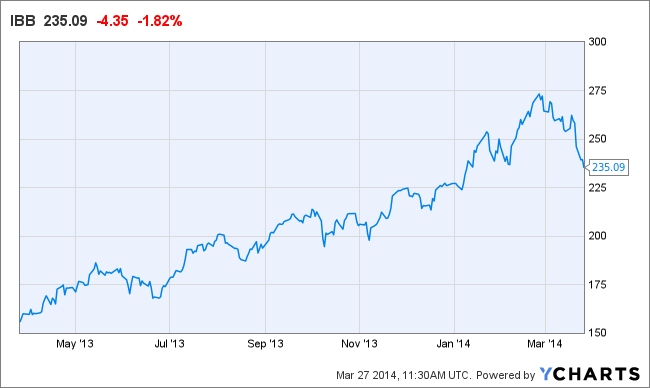
This week’s 10% drop in the Nasdaq iShares’ Biotechnology Index — not to mention the fact that biotech stocks, after a torrid two years, are up less than 4% year-to-date — has investors worrying that the sector’s two-year boom is over.

Investors should avoid thinking that the drug business has undergone a fundamental change in the past few years. It hasn’t, said Matthew Herper, below.

BioTech Sector

The Nasdaq iShares Biotechnology Index, by YCharts

Matthew Herper in his Forbes article Biotech Stocks: Seeing Rainbows, Missing The Rain  presents

a critical view regarding the Optimism expressed about the Biotech Sector in the follwoing Three points:

1. We have not reversed the decline in R&D productivity. We probably haven’t even slowed it.

Celgene’s success has come through drugs derived from its original success, repurposing thalidomide as a treatment for multiple myeloma and from Abraxane, an improved version of the 1990s cancer drug Taxol. Biogen’s big hit, Tecfidera for multiple sclerosis, is a new formulation of a drug that had been used to treat psoriasis in Germany. 

Porges points out that Celgene is now betting on a new first-in-class molecule, sotatercept. And Biogen’s big event this year will be data for its anti-LINGO program, which is a brand new way to treat multiple sclerosis. He says Alexion and Vertex are likely facing longer odds than they have in the past. Drug research: it’s really, really hard.

2. The FDA is not fundamentally friendlier to companies than it was in the past.

Novo Nordisk found itself years behind competitors because the FDA insists on a heart safety study of its new insulin. Amarin and Omthera, both makers of fish oil pills, both told investors the FDA said it would allow them to market their products to a broader population if they started big studies to prove the pills prevent heart attacks and strokes; then the FDA apparently changed its mind.FDA’s goal was to “avoid accountability for its role in the Avandia tragedy.” – Avandia got back on the Market.

3. Pricing Power May Not Last Forever

Matthew Herper writes: “Fears surrounding Congressional noise about the high price of Gilead’s Sovaldi for hepatitis C seem to have started the current drop in stock prices.”

Cystic Fibrosis drug Kalydeco, saying it won’t pay the full price of $307,000 per patient per year.

Joseph Jimenez, the CEO of Novartis,foresees governments become much tougher negotiators, forcing drug companies to become much more focused of providing services along with their medicines.

http://www.forbes.com/sites/matthewherper/2014/03/27/three-misplaced-assumptions-that-could-end-the-biotech-boom/

The Well Positioned Biotech Companies

Regeneron and partner Sanofi have several potential blockbusters in their shared pipeline, including not only their PCSK9 cholesterol drug but medicines for rheumatoid arthritis and asthma.

Gilead’s Sovaldi has a medicine that seems likely to have some of the best annual sales ever,  has got to be worth something

Vertex’s combination therapy for cystic fibrosis could show positive results later this year.

New Trends in BioTechnology & Medicine

1. Genomics Research

Lev-Ari, A. 3/25/2014. Evaluate your Cas9 Gene Editing Vectors: CRISPR/Cas Mediated Genome Engineering – Is your CRISPR gRNA optimized for your cell lines?

http://pharmaceuticalintelligence.com/2014/03/25/evaluate-your-cas9-gene-editing-vectors-crisprcas-mediated-genome-engineering-is-your-crispr-grna-optimized-for-your-cell-lines/

Genomics Orientations for Individualized Medicine. Volume One in Series B: Frontiers in Genomics Research

http://pharmaceuticalintelligence.com/biomed-e-books/genomics-orientations-for-personalized-medicine/

2. Cancer Research

Cancer Biology and Genomics for Disease Diagnosis. Volume One in Series C: e-Books on Cancer & Oncology

http://pharmaceuticalintelligence.com/biomed-e-books/series-c-e-books-on-cancer-oncology/cancer-biology-and-genomics-for-disease-diagnosis/

Bernstein, H Larry, 3/26/2014. A Synthesis of the Beauty and Complexity of How We View Cancer

http://pharmaceuticalintelligence.com/2014/03/26/a-synthesis-of-the-beauty-and-complexity-of-how-we-view-cancer/

3. Alzheimers’ Disease

2014 Seven Laureates of Dan David Prize – 1Million US$ each for Outstanding Scientific, Technological, Cultural, or Social Achievements Having an Impact on Our World

http://pharmaceuticalintelligence.com/2014/03/26/2014-seven-laureates-of-dan-david-prize-1million-us-each-for-outstanding-scientific-technological-cultural-or-social-achievements-having-an-impact-on-our-world/

3. Cardiovascular

Etiologies of Cardiovascular Diseases: Epigenetics, Genetics and Genomics. Volume Three in Series A: e-Books on Cardiovascular Diseases

http://pharmaceuticalintelligence.com/biomed-e-books/series-a-e-books-on-cardiovascular-diseases/volume-three-etiologies-of-cardiovascular-diseases-epigenetics-genetics-genomics/

4. Biologicals

Lev-Ari, A. 4/3/2013 Fight against Atherosclerotic Cardiovascular Disease: A Biologics not a Small Molecule – Recombinant Human lecithin-cholesterol acyltransferase (rhLCAT) attracted AstraZeneca to acquire AlphaCore

http://pharmaceuticalintelligence.com/2013/04/03/fight-against-atherosclerotic-cardiovascular-disease-a-biologics-not-a-small-molecule-recombinant-human-lecithin-cholesterol-acyltransferase-rhlcat-attracted-astrazeneca-to-acquire-alphacore/

Lev-Ari, A. 7/30/2012 Biosimilars: Intellectual Property Creation and Protection by Pioneer and by Biosimilar Manufacturers

http://pharmaceuticalintelligence.com/2012/07/30/biosimilars-intellectual-property-creation-and-protection-by-pioneer-and-by-biosimilar-manufacturers/

Lev-Ari, A. 7/29/2012 Biosimilars: Financials 2012 vs. 2008

http://pharmaceuticalintelligence.com/2012/07/30/biosimilars-financials-2012-vs-2008/

Lev-Ari, A. 7/29/2012 Biosimilars: CMC Issues and Regulatory Requirements

http://pharmaceuticalintelligence.com/2012/07/29/biosimilars-cmc-issues-and-regulatory-requirements/


Read Full Post »

New Molecules to reduce Alzheimer’s and Dementia risk in Diabetic patients

Reporter: Aviva Lev-Ari, PhD, RN

New molecule protects the brain from detrimental effects associated with diabetes and high blood sugar

January 28, 2014
Potential to lower diabetic patients’ higher risk of developing dementia or Alzheimer’s disease

Jerusalem— Researchers at The Hebrew university of Jerusalem have created a molecule that could potentially lower diabetic patients’ higher risk of developing dementia or Alzheimer’s disease.

Recent studies indicate that high levels of sugar in the blood in diabetics and non-diabetics are a risk factor for the development of dementia, impaired cognition, and a decline of brain function. Diabetics have also been found to have twice the risk of developing Alzheimer’s disease compared to non-diabetics. Now, researchers from The Hebrew University of Jerusalem have found a potential neuro-inflammatory pathway that could be responsible for the increases of diabetics’ risk of Alzheimer’s and dementia. They also reveal a potential treatment to reverse this process.
The research group led by Professor. Daphne Atlas of the Department of Biological Chemistry in the Alexander Silberman Institute of Life Sciences at The Hebrew University, experimented with diabetic rats to examine the mechanism of action that may be responsible for changes in the brain due to high sugar levels. The researchers found that diabetic rats displayed high activity of enzymes called MAPK kinases, which are involved in facilitating cellular responses to a variety of stimuli, leading to inflammatory activity in brain cells and the early death of cells.


Professor Daphne Atlas


Hebrew University of Jerusalem scientist Prof. Daphne Atlas is developing molecules to reduce Alzheimer’s and dementia risk in diabetic patients.
(Photo courtesy of Prof. Atlas)

The study shows that the diabetic rats given a daily injection of the sugar-lowering drug rosiglitazone for a month enjoyed a significant decrease in MAPK enzyme activity accompanied by a decrease in the inflammatory processes in the brain.  According to the authors, this finding represents the first unequivocal evidence of a functional link between high blood sugar and the activation of this specific inflammatory pathway in the brain.

Using the diabetic rat model, they explored a novel approach that would lower the activation of these enzymes in the brain, and decrease neuronal cell death.  In the last few years, Prof. Atlas developed a series of molecules that mimic the action of thioredoxin called thioredoxin-mimetic peptides (TXM), whose role is to protect the cells from early death through activating inflammatory pathways. The TXM peptides were effective in different animal models and were able to prevent the activation of the damaging MAPK kinases.  Applied to the diabetic Zucker rats, one of the molecules, TXM-CB3, significantly reduced the activity of these enzymes, and lowered the accelerated brain cell death. These results indicate that the molecule managed to cross the blood-brain barrier and improve the condition of the brain cells, through lowering the inflammatory processes in the rats’ brains, despite the high glucose levels afflicting the rats.

The Hebrew University’s Professor Atlas said: “This study paves the way for preventive treatment of damages caused by high sugar levels, and for reducing the risk of dementia and Alzheimer’s disease in diabetics or people with elevated blood sugar levels. Following the successful animal testing of the molecule we developed, we hope to explore its potential benefit for treating cognitive and memory impairments caused by diabetes on humans.”

The molecule is protected by a patent registered by Yissum Research Development Company, the technology transfer arm of the Hebrew University.

The study, “Thioredoxin-Mimetic peptide CB3 Lowers MAPKinsase activity in the Zucker Rat Brain,” appeared in the journal Redox Biology, an official Journal of the Society for Free Radical Biology and Medicine and the Society for Free Radical Research-Europe.

The research was funded in part by funded by the H.L. Lauterbach Fund, the Haya and Shlomo Margalit Fund, and a NOFAR program (issued by MAGNET directorate in the Israeli Ministry of Industry, Trade & Labor). Researchers included Dr. Michael Trus; Ph.D. student Moshe Cohen-Kutner; MSc student Lena Khomsky; and Hila Ben-Yehuda.

SOURCE

http://www.afhu.org/new-molecule-protects-brain-detrimental-effects-associated-diabetes-and-high-blood-sugar

Read Full Post »

Diagnostics involvement: NIH, Industry Launch $230M Translational Drugs

Reporter: Aviva Lev-Ari, PhD, RN


NIH, Industry Launch $230M Translational Drugs, Diagnostics Push

February 04, 2014

NEW YORK (GenomeWeb News) – The National Institutes of Health said today it plans to spend nearly $230 million in a partnership with 10 pharmaceutical firms and several non-profit groups to jumpstart efforts to find targets for new drugs and diagnostics.

NIH created the Accelerating Medicines Partnership (AMP) as a new model for spurring development of drugs toward US Food and Drug Administration approval, a process which has a failure rate of 95 percent and which can take a decade and cost more than $1 billion

Creating, sharing, and exploring genomic, functional genetic, epigenetic, and clinical data sets will be core activities for the program partners.

In the first five years of the program, NIH and its AMP partners will invest the $229.5 million through the Foundation for the NIH to fund projects that seek targets that are most likely to respond to new therapies and develop new biomarkers. NIH’s private and non-profit partners plan to share costs, footing the bill for roughly half of the overall program, as well as expertise and resources through an integrated governance structure, NIH said.

The first phase of the partnership will focus on

  • Alzheimer’s disease,
  • type 2 diabetes, and the
  • autoimmune disorders rheumatoid arthritis and systemic lupus erythematosis,

but after that the program could widen to include other diseases and disorders.

All of the data and analyses these projects generate will be opened up for use by the biomedical research community, NIH said.

“Currently, we are investing a great deal of money and time in avenues with high failure rates, while patients and their families wait. All sectors of the biomedical enterprise agree that new approaches are sorely needed,” NIH Director Francis Collins said in a statement.

Although basic scientific advances are opening “new windows” of opportunity for new therapeutics, moving them toward clinical applications and FDA clearance will require NIH and drug companies to work together, he said. “We believe this partnership is an important first step and represents the most sweeping effort to date to tackle this vital issue.”

The partnership was developed through a two-year process that involved “intense interactions” between private and non-profit partners and FNIH, and strategic development support from the Boston Consulting Group.

To fund all of the AMP projects, NIH will provide $118.9 million and industry partners will provide $110.6 million.

The Alzheimer’s disease program will receive $129.5 million over five years. The goal of this program will be to identify biomarkers to predict clinical outcomes by incorporating an expanded group of markers into four major NIH-funded clinical trials.

The program also will involve large-scale systems biology analyses of brain tissue samples, with the aim of validating targets that are involved in disease progression, and will expand knowledge about the molecular networks involved in the disease and seek out new drug targets.

The type 2 diabetes program will use $58.4 million to create a knowledge portal of DNA sequence, and functional genomic, epigenomic, and clinical data information from studies involving 100,000 to 150,000 individuals. NIH expects that this portal will enable researchers to identify promising therapeutic targets for diabetes. The program also will home in on DNA regions that might be involved in the development of type 2 diabetes, and seek out variations in targeted populations that could predict the efficacy of drugs aimed at these targets.

The program focused on rheumatoid arthritis and lupus will receive $41.6 million. The partners will collect and analyze tissue samples from people with these disorders for activities at the single cell level that would enable comparisons across diseases. They also will seek to identify patients who respond to current therapies and those who do not, and seek to provide a “systems-level understanding” of the mechanisms involved in these diseases.

The AMP partners include

  • AbbVie;
  • Biogen Idec;
  • Bristol-Myers Squibb;
  • GlaxoSmithKline;
  • Johnson and Johnson;
  • Lilly;
  • Merck;
  • Pfizer;
  • Sanofi;
  • Takeda;
  • the Alzheimer’s Association;
  • the American Diabetes Association;
  • the Lupus Foundation of America;
  • the Geoffrey Beene Foundation;
  • PhRMA; the Rheumatology Research Foundation; and
  • USAgainstAlzheimer’s.


Read Full Post »

Physiologist, Professor Lichtstein, Chair in Heart Studies at The Hebrew University elected Dean of the Faculty of Medicine at The Hebrew University of Jerusalem

Reporter: Aviva Lev-Ari, PhD, RN

Professor David Lichtstein Elected Dean of Hebrew University’s Faculty of Medicine

December 2, 2013

Jerusalem — Professor David Lichtstein has been elected dean of the Faculty of Medicine at The Hebrew University of Jerusalem. Professor Lichtstein is the Walter & Greta Stiel Chair in Heart Studies at The Hebrew University. He replaces Professor Eran Leitersdorf, who recently completed his four-year term as dean.

According to Professor Lichtstein, “The Hebrew University’s Faculty of Medicine is devoted to creating innovative teaching, research and patient care programs that will meet the demands of 21st century health care. As global health care moves towaProfessor David Lichtsteinrd prevention, wellness and cost effectiveness, we are adapting how we train the next generation of physicians, nurses, pharmacists and biomedical researchers. Through fruitful collaborations between preclinical and clinical faculty, we are also translating basic biomedical insights into clinical treatments. Thus, the Faculty of Medicine is well-positioned to maintain its leading role in the scientific community of Israel and the world.”

Professor Lichtstein was born in Lodz, Poland, and immigrated to Israel with his family in 1957. As a student at The Hebrew University, he completed a Bachelor’s degree in Physiology and Zoology in 1970, followed by a Master’s degree in Physiology in 1972 and a Ph.D. in Physiology in 1977. He joined the Department of Physiology of The Hebrew University-Hadassah Medical School in 1980 as a lecturer, and received full professorship in 1994. Prof. Lichtstein has held many roles at The Hebrew University and its Faculty of Medicine, including Chairman of the Neurobiology Teaching Division, Chairman of the Department of Physiology, Chairman of the Institute for Medical Sciences and, until recently, Chairman of the Faculty of Medicine. From 2007 to 2011, Professor Lichtstein was the Jacob Gitlin Chair in Physiology at The Hebrew University. In 2011 he was named the Walter & Greta Stiel Chair in Heart Studies at The Hebrew University. He also served as the President of the Israel Society for Physiology and Pharmacology from 1996 to 1999.

From 1977-1979 Professor Lichtstein was a Postdoctoral Fellow at the Roche Institute of Molecular Biology in New Jersey. He was a visiting scientist at the National Institute of Child Health and Human Development (1985-1986) and the Eye Institute (1997-1998) at the National Institutes of Health in Maryland, and a visiting professor at the Toledo School of Medicine in Ohio (2007).

Professor. Lichtstein’s main research focus is the regulation of ion transport across the plasma membrane of eukaryotic cells. His work led to the discovery that specific steroids that were known to be present in plants and amphibians are actually normal constituents of the human body and have crucial roles, such as the regulation of cell viability, heart contractility, blood pressure and brain function. His research has implications for the fundamental understanding of body functions, as well as for several pathological states such as heart failure, hypertension and neurological and psychiatric diseases.

SOURCE

http://www.afhu.org/professor-david-lichtstein-elected-dean-hebrew-universitys-faculty-medicine

Field of Study

Regulation of ion transport across the plasma membrane:
The primary focus of the research in my laboratory is the regulation of ion transport across the plasma membrane of eukaryotic cells. In particular, we study the main transport system for sodium and potassium, the sodium-potassium-ATPase, and its regulation by cardiac steroids.
Specific areas of interest:
Identification of endogenous cardiac steroids in mammalian tissue; The biological consequences of the interaction of cardiac steroids with the sodium-potassium-ATPase; Biosynthesis of the cardiac steroids in the adrenal gland; Effects of endogenous sodium-potassium-ATPase inhibitors on cell differentiation; Determination of the levels of endogenous sodium-potassium-ATPase inhibitors in pathological states, including hypertension, preeclampsia; malignancies (cancer) and manic depressive illnesses; Involvement of the sodium-potassium–ATPase/cardiac steroids system in depressive disorders; Involvement of the sodium-potassium-ATPase/cardiac steroids system in cardiac function; Involvement of intestinal signals in the regulation of phosphate homeostasis; Volume regulation and its involvement in the mitogenic response.
Cardiac Steroids and the Na+, K+-ATPase and Cardiac Steroids
Cardiac steroids, such as ouabain, digoxin and bufalin are hormones synthesized by and released from the adrenal gland and the hypothalamus. These compounds, the structure of which resembles that of plant and amphibian and butterfly steroids, interact only with the plasma membrane Na+, K+-ATPase (Figure 1). This interaction elicits numerous specific biological responses affecting the function of cells and organs.
Topics Currently under investigation include
Cardiac Steroids
  • Ouabain
  • Bufalin
  • Dogoxin
Involvement of the sodium-potassium–ATPase/cardiac steroids system in depressive disorders
Depressive disorders, including major depression, dysthymia and bipolar disorder, are a serious and devastating group of diseases that have a major impact on the patients’ quality of life, and pose a significant concern for public health. The etiology of depressive disorders remains unclear. The Monoaminergic Hypothesis, suggesting that alterations in monoamine metabolism in the brain are responsible for the etiology of depressive disorders, is now recognized as insufficient to explain by itself the complex etiology of these diseases. Data from our and other laboratories has provided initial evidence that endogenous cardiac steroids and their only established receptor, the Na+, K+-ATPase, are involved in the mechanism underlining depressive disorders, and BD in particular. Our study (Biol. Psychiatry. 60:491-499, 2006) has proven that Na+, K+-ATPase and DLC are involved in depressive disorders particularly in manic-depression. We have also shown that specific genetic alterations in the Na+, K+-ATPase α isoforms are associated with bipolar disorders (Biol. Psychiatry, 65:985-991, 2009). Our recent study in this project (Eur. Neuropsychopharmacol. 22:72-729, 2012) showed that drugs affecting the Na+, K+-ATPase/cardiac steroids system are beneficial for the treatment of depression. Hence our work is in accordance to the proposition that mal functioning of the Na+, K+-ATPase/cardiac steroids system may be involved in manifestation of depressive disorders and identify new compounds as potential drug for the treatment of these maladies.
Involvement of the sodium-potassium-ATPase/cardiac steroids system in cardiac function
The classical and best documented effect of cardiac steroids, as their name implies, is to increase the force of contraction of heart muscle. Indeed, cardiac steroids were widely used in Western and Eastern clinical practices for the treatment of heart failure and atrial fibrillation. Despite extensive research, the mechanism underlying cardiac steroids actions have not been fully elucidated. The dogmatic explanation for cardiac steroids-induced increase in heart contractility is that the inhibition of Na+, K+-ATPase by the steroids causes an increase in intracellular Na+ which, in turn, attenuates the Na+/Ca++ exchange, resulting in an increased intracellular Ca++ concentration, and hence greater contractility. However, recent observations led to the hypothesis that the ability of cardiac steroids to modulate a number of intracellular signaling processes may be responsible for both short- and long-term changes in CS action on cardiac function. We are addressing this hypothesis using the zebrafish model and our ability to quantify heart function in-vivo. Heart contractility measurements were performed using a series of software tools for the analysis of high-speed video microscopic images, allowing the determination of ventricular heart diameter and perimeter during both diastole and systole. The ejection fraction (EF) and fractional area changes (FAC) were calculated from these measurements, providing two independent parameters of heart contractility (see attached movie bellow). We are currently testing the effect of cardiac steroids in the presence and absence of intracellular signaling pathways (MAP, AKT, IP3R) inhibitors. Reduction in the steroids ability to increase the force of contraction will serve as the first evidence, in-vivo, for the participation of the signaling processes in the molecular mechanisms responsible for the action of cardiac steroids on heart muscle.
Laboratory Techniques
We employ a broad range of preparations and techniques. These include isolated organs (arterial rings, smooth and cardiac muscle strips) and isolated nerve endings, as well as primary and established tissue-cultured cells. Our studies involve the application of biochemical and immunological techniques (transport and enzymatic activity measurements, RIA, ELISA), molecular biological techniques (e.g., Western and Northern blotting, and PCR), protein purification (HPLC), cellular techniques muscle contractility, cell proliferation and differentiation’ in-vivo measurements of heart contractility and blood flow in Zebrafish and behavior measurements in rodents.

Biography

Education
1970
B.Sc. in Physiology and Zoology, The Hebrew University, Jerusalem, Israel
1970-1972 M.Sc. in Physiology, Department of Physiology, The Hebrew University, Hadassah Medical School, Jerusalem, Israel.
1973-1977
Ph.D., Department of Physiology, Hebrew University Hadassah Medical School, Jerusalem, Israel. (Thesis: “Increased Production of Gamma Aminobutyryl choline in Cerebral Cortex Caused by Afferent Electrical Stimulation” (Thesis Advisors: Prof. J. Dobkin and Prof. J. Magnes).
1977-1979
Postdoctoral Fellow, Department of Physiological Chemistry and Pharmacology, Roche Institute of Molecular Biology, Nutley, New Jersey, U.S.A.
Positions held

1970-1972
Teaching and Research Assistant, Department of Physiology, The Hebrew University, Hadassah Medical School, Jerusalem, Israel
1972-1974 Assistant Instructor, Department of Physiology, The Hebrew University, Hadassah Medical School, Jerusalem, Israel
1975-1977 Instructor, Department of Physiology, The Hebrew University, Hadassah Medical School, Jerusalem, Israel
1977-1979
Postdoctoral Fellow, Department of Physiological Chemistry and Pharmacology, Roche Institute of Molecular Biology, Nutley, New Jersey, U.S.A.
1979-1983
Lecturer, (REVSON fellowship) Department of Physiology, The Hebrew University, Hadassah Medical School, Jerusalem, Israel
1981 (summer)
Visiting Scientist, Department of Physiological Chemistry and Pharmacology, Roche Institute of Molecular Biology, Nutley, New Jersey, USA
1983-1987 Senior Lecturer, Department of Physiology, The Hebrew University Hadassah Medical School, Jerusalem, Israel.
1985-1986
Visiting Scientist, Laboratory of Theoretical and Physical Biology, NICHD, National Institutes of Health, Bethesda, Maryland, USA
1988-1994 Associate Professor, Department of Physiology, The Hebrew University Hadassah Medical School, Jerusalem, Israel
1994-present Professor of Physiology, Department of Physiology, The Hebrew University Hadassah Medical School, Jerusalem, Israel
1997-1998 Visiting Scientist, Laboratory of Mechanisms of Ocular Diseases, NEI, National Institutes of Health, Bethesda, Maryland, USA
2007 (summer)
Visiting Professor, Department of Physiology, Pharmacology, Metabolism and cardiovascular Sciences, Medical Center University of Toledo, Toledo, Ohio, USA
2007-2011 Jacob Gitlin Chair in Physiology, The Hebrew University, Jerusalem, Israel
2011-present ​Walter & Greta Stiel Chair in Heart Studies, The Hebrew University, Jerusalem
Professional Membership
1979-present International Society of Neurochemistry
1979-present Israel Society for Physiological and Pharmacological
1980-present Society of Neurosciences (Europe)
1986-present The American Society of Hypertension
1992-present Israeli Society for Neurosciences
1999-present The American Physiological Society
Editorial Tasks
Serving as a Reviewer for the scientific journals:
American Journal of Hypertension Journal of Neural Transmission
American Journal of Physiology Journal of Neurochemistry
Apoptosis Journal of Pharmacology and Experimental Therapeutics
Biochemical and Biophysical Research Communications Life Sciences
Basic Journal of Physiology and Pharmacology NANO
Brain Research Neurochemistry International
Bioconjugate Chemistry Neuroscience
Cell Calcium Neurotoxicity Research
Clinical Science Pathophysiology
Endocrinology Physiology and Behavior
European Neuropsychopharmacology PNAS
General and Comparative Endocrinology Psychiatry Research
Hypertension Translational Research
Journal of Cell Sciences
University and Other Activities
1982-1985 Chairman of the Neurobiology Teaching Division, The Hebrew University, Jerusalem
1988-1994 Elected representative of the Senior Lecturers and Associate Professors for the University Senate
1989-1997 Member of the admission committee of the Medical School, The Hebrew University, Jerusalem
1990-1996 Member of the Committee for cellular biology of the graduate studies, The Hebrew University, Jerusalem
1992-1996 Member of the Teaching Committee, Faculty of Medicine, The Hebrew University, Jerusalem
1992-1996
Chairman, Department of Physiology, The Hebrew University, Hadassah Medical School, Jerusalem
1994-1997 Member of the Committee for graduate studies, The Hebrew University, Jerusalem
1992-2002
Member of the Management Committee of The Institute for Medical Sciences, Faculty of Medicine, The Hebrew University, Jerusalem
1996-1999
President of the Israel Society for Physiology and Pharmacology
1998- 2002 Chairman, Institute of Medical Sciences, The Hebrew University, Hadassah Medical School, Jerusalem
1999-2002 Member of the Planning and Development Committee of the Faculty of Medicine, The Hebrew University, Jerusalem
2007–Present Elected representative of the Professors for the executive University Senate
2008-2012 Member of the Planning and Development Committee of the Faculty of Medicine, The Hebrew University, Jerusalem
2008-2012 Chairman, Institute for Medical Research Israel-Canada, The Hebrew University, Hadassah Medical School, Jerusalem
2009 – Present Elected member of the Senate to the Executive Committee of the Hebrew University

PUBLICATIONS 2006 – 2012

Search By:  Author Abeles, M Abramovitch, R Allweis, C Altuvia, S Amedi, A Amster-Choder, O Anglister, L Aqeilan, RI Aronovitch, Y Bachrach, U Baniyash, M Barak, V Barenholz, Y Bar-Shalita, T Bar-Shavit, R Bar-Shavit, Z Bar-Tana, J Becker, Y Behar, O Ben-Ishay, Z Benita, S Ben-Neriah, Y Benny, O Ben-Or, S Ben-porath, I Ben-Sasson, S Ben-Sasson, SZ Ben-Shaul, Y Ben-Yehuda, S Bercovier, H Berger, M Bergman, H Bergman, Y Berry, E Bialer, M Binshtok, AM Blum, G Brandes, R Brautbar, C Breuer, E Cedar, H Chevion, M Chinitz, D Citri, N Cohen, A Cohen, E Deutsch, J Dikstein, S Domb, A Dor, Y Dror, OE Dzikowski, R Elkin, M Engelberg-Kulka, H Even-Ram, S Eyal, S Fainsod, A Feintuch, U Friedlander, y Friedman, M Gallily, R Gatt, S Gerlitz, O Gertz, SD Gibson, D Glaser, G Goelman, G Goldberg, I Goldberg, JA Goldblum, A Golenser, J Golomb, G Golos, A Gordon, A Gorinstein, S Gorodetsky, R Granot, Z Greenblatt, CL Greenwald, T Gross, E Grover, N Gutman, Y Hahn-Markowitz, J Hamburger, J Hanani, M Hanski, E Hartman-Maeir, A Hellman, A Hochner, H Hoffman, A Honigman, A Horowitz, M Ilani, A Inbal, A Jaffe, CL Jarrous, N Kaempfer, R Kalcheim, C Kanner, BI Kapitulnik, J Karni, R Katz, E Katzav, S Katz-Brull, R Katzhendler, J Kedar, E Keren, N Keshet, E Klar, A Kohen, R Konijn, A Kotler, M Langer, D Laskov, R Lazarovici, P Levi-Schaffer, F Lev-Tov, A Lichtstein, D Liebergall, M Lorberboum-Galski, H Magen, H Mandelboim, O Manor, O Margalit, H Matok, I Mechoulam, R Meiri, H Melloul, D Meyuhas, O Minke, B Mishani, E Mitrani-Rosenbaum, S Mumcuoglu, K Naor, D Naveh-Many, T Neumark, Y Nussinovitch, I Oppenheim, A Ornoy, A Panet, A Paroush, Z Parush, S Peled, A Pikarsky, E Pines, O Priel, A Prut, Y Rachmilewitz, J Rahamimoff, H Ravid, S Razin, A Razin, E Razin, S Reich, R Reshef, L Richter, E Ringel, I Rokem, JS Rom, M Ron, A Rosen, H Rosenshine, I Rotenberg-Shpigelman, S Rotshenker, S Rottem, S Rubinstein, A Samueloff, S Samuni, A Sasson, S Schlein, Y Schlesinger, M Schueler-Furman, O Sharon, D Sharon, R Shaulian, E Shlomai, J Shmueli, A Shohami, E Shtarkshall, R Shurki, A Simon, I Smith, P Sohmer, H Sperling, D Steinitz, M Stern-Bach, Y Tal, M Taraboulos, A Ta-Shma, R Tirosh, B Touitou, E Trachtenberg, S Traub, R Treinin, M Tsvelikhovsky, D Vaadia, E Warburg, A Weinstock, M  Weintraub, N Weiss, D Weiss, R Wiener, R Wormser, U Yaari, Y Yagen, B Yaka, R yanai, J Yavin, E Yedgar, S Yefenof, E Yisraeli, JK Yochman, A Yogev, D Yosselson-Superstine, S Zajicek, G Zakay-Rones, Z  Sort By:  Year Descending Year Ascending  Text:
Dvela, M., Rosen, H., Ben-Ami, H. C., Lichtstein, D.
American journal of physiology. Cell physiology, 302(2), C442-52, 2012
Goldstein, I., Lax, E., Gispan-Herman, I., Ovadia, H., Rosen, H., Yadid, G., Lichtstein, D.
European neuropsychopharmacology : the journal of the European College of Neuropsychopharmacology, 22(1), 72-9, 2012
Nesher, M., Shpolansky, U., Viola, N., Dvela, M., Buzaglo, N., Cohen Ben-Ami, H., Rosen, H., Lichtstein, D.
British journal of pharmacology, 160(2), 346-54, 2010
Guttmann-Rubinstein, L., Lichtstein, D., Ilani, A., Gal-Moscovici, A., Scherzer, P., Rubinger, D.
Hormone and metabolic research = Hormon- und Stoffwechselforschung = Hormones et metabolisme, 42(4), 230-6, 2010
Jaiswal, M. K., Dvela, M., Lichtstein, D., Mallick, B. N.
Journal of sleep research, 19(1 Pt 2), 183-91, 2010
Nesher, M., Dvela, M., Igbokwe, V. U., Rosen, H., Lichtstein, D.
American journal of physiology. Heart and circulatory physiology, 297(6), H2026-34, 2009
Goldstein, I., Lerer, E., Laiba, E., Mallet, J., Mujaheed, M., Laurent, C., Rosen, H., Ebstein, R. P., Lichtstein, D.
Biological psychiatry, 65(11), 985-91, 2009
Nesher, M., Vachutinsky, Y., Fridkin, G., Schwarz, Y., Sasson, K., Fridkin, M., Shechter, Y., Lichtstein, D.
Bioconjugate chemistry, 19(1), 342-8, 2008
Dvela, M., Rosen, H., Feldmann, T., Nesher, M., Lichtstein, D.
Pathophysiology : the official journal of the International Society for Pathophysiology / ISP, 14(3-4), 159-66, 2007
Feldmann, T., Glukmann, V., Medvenev, E., Shpolansky, U., Galili, D., Lichtstein, D., Rosen, H.
American journal of physiology. Cell physiology, 293(3), C885-96, 2007
Chirinos, J. A., Corrales-Medina, V. F., Garcia, S., Lichtstein, D. M., Bisno, A. L., Chakko, S.
Clinical rheumatology, 26(4), 590-5, 2007
Lichtstein, D. M., Arteaga, R. B.
The American journal of the medical sciences, 332(2), 103-5, 2006
Morla, D., Alazemi, S., Lichtstein, D.
Journal of general internal medicine, 21(7), C11-3, 2006
Chirinos, J. A., Corrales, V. F., Lichtstein, D. M.
Clinical rheumatology, 25(1), 111-2, 2006
Deutsch, J., Jang, H. G., Mansur, N., Ilovich, O., Shpolansky, U., Galili, D., Feldman, T., Rosen, H., Lichtstein, D.
Journal of medicinal chemistry, 49(2), 600-6, 2006
Goldstein, I., Levy, T., Galili, D., Ovadia, H., Yirmiya, R., Rosen, H., Lichtstein, D.
Biological psychiatry, 60(5), 491-9, 2006
Chirinos, J. A., Garcia, J., Alcaide, M. L., Toledo, G., Baracco, G. J., Lichtstein, D. M.
American journal of cardiovascular drugs : drugs, devices, and other interventions, 6(1), 9-14, 2006
Rosen, H., Glukmann, V., Feldmann, T., Fridman, E., Lichtstein, D.
Cellular and molecular biology (Noisy-le-Grand, France), 52(8), 78-86, 2006

SOURCE

https://medicine.ekmd.huji.ac.il/En/Publications/publications/Pages/default.aspx?aut=Lichtstein,%20D


Read Full Post »

« Newer Posts - Older Posts »