Feeds:
Posts
Comments

Archive for the ‘Personalized and Precision Medicine & Genomic Research’ Category

Immunity and Host Defense – A Bibliography of Research @Technion

Reporter: Aviva Lev-Ari, PhD, RN

Article ID #138: Immunity and Host Defense – A Bibliography of Research @Technion. Published on 5/27/2014

WordCloud Image Produced by Adam Tubman


Antigen-Dependent Integration of Opposing Proximal TCR-Signaling Cascades Determines the Functional Fate of T Lymphocytes

2014

Shai Shen-Orr, PhD
Authors : Wolchinsky R, Hod-Marco M, Oved K, Shen-Orr SS, Bendall SC, Nolan GP, Reiter Y.
J Immunol. 2014 Mar 1;192(5):2109-19.
Identification of functionally important conserved trans-membrane residues of bacterial P(IB) -type ATPases

2013

Oded Lewinson, PhD
Authors : Zhitnitsky D, Lewinson O.
Mol Microbiol. 2013 Dec 19. doi: 10.1111/mmi.12495. [Epub ahead of print] PubMed PMID: 24350798.
Variability in the immune system: of vaccine responses and immune states

2013

Shai Shen-Orr, PhD
Authors : Shen-Orr SS, Furman D.
Curr Opin Immunol. 2013 Aug;25(4):542-7.
Computational deconvolution: extracting cell type-specific information from heterogeneous samples.

2013

Shai Shen-Orr, PhD
Authors : Shen-Orr SS, Gaujoux R.
Curr Opin Immunol. 2013 Oct 19. [Epub ahead of print] PubMed PMID: 24148234.
Challenges and promise for the development of human immune monitoring.

2013

Shai Shen-Orr, PhD
Authors : Shen-Orr S.
Rambam Maimonides Med J. 2012 Oct 31;3(4):e0023.
Homeostatic regulation of aging and rejuvenation in the B lineage cells

2013

Doron Melamed, PhD
Authors : Melamed D.
Crit Rev Immunol. 2013;33(1):41-56.
Variability in the immune system: of vaccine responses and immune states

2013

Shai Shen-Orr, PhD
Authors : Shen-Orr S, Furman D.
Curr Opin Immunol. 2013 Aug 13. doi:pii: S0952-7915(13)00113-1.
A single intact ATPase site of the ABC transporter BtuCD drives 5% transport activity yet supports full in-vivo vitamin B12 utilization.

2013

Oded Lewinson, PhD
Authors : Tal N, Ovcharenko E, Lewinson O.
Proc Natl Acad Sci U S A. (March 19 Epub ahead of print)
Apoptosis and other immune biomarkers predict influenza vaccine responsiveness.

2013

Shai Shen-Orr, PhD
Authors : Furman D, Jojic V, Kidd B, Shen-Orr S, Price J, Jarrell J, Tse T, Huang H, Lund P, Maecker HT, Utz PJ, Dekker CL, Koller D, Davis MM.
Molecular Systems Biology. 9, 659
The dual roles of inflammatory cytokines and chemokines in the regulation of autoimmune diseases and their clinical implications.

2013

Nathan Karin, PhD
Authors : Shachar, I., and N. Karin.
J Leukoc Biol 93:51-61.
Two molybdate/tungstate ABC transporters that interact very differently with their substrate binding proteins.

2013

Oded Lewinson, PhD
Authors : Vigonsky, Ovcharenko E, Lewinson O.
Proc Natl Acad Sci U S A. (March 19 Epub ahead of print)
Dissecting the Autocrine and Paracrine Roles of the CCR2-CCL2 Axis in Tumor Survival and Angiogenesis.

2012

Nathan Karin, PhD
Authors : Izhak, L., G. Wildbaum, S. Jung, A. Stein, Y. Shaked, and N. Karin.
PloS one 7:e28305
Dose-related effects of hyperoxia on the lung inflammatory response in septic rats

2012

Nitza Lahat, PhD
Authors : Waisman D, Brod V, Rahat MA, Amit-Cohen BC, Lahat N, Rimar D, Menn-Josephy H, David M, Lavon O, Cavari Y, Bitterman H.
Shock. 2012 Jan;37(1):95-102.
Robust and sensitive analysis of xMap bead arrays using SAxCyB.

2012

Shai Shen-Orr, PhD
Authors : Won JH, Goldberger O, Shen-Orr SS, David MM, Olshen RA.
Proc Natl Acad Sci U S A. 109, 2848-53.
The Entamoeba histolytica methylated LINE-binding protein EhMLBP provides protection against heat shock

2012

Serge Ankri, PhD
Authors : Katz S, Kushnir O, Tovy A, Siman Tov R, Ankri S.
Cell Microbiol. 2012 Jan;14(1):58-70
Hypoxia increases membranal and secreted HLA-DR in endothelial cells, rendering them T-cell activators.

2011

Nitza Lahat, PhD
Authors : Lahat N, Bitterman H, Weiss-Cerem L, Rahat MA.
Transpl Int. 2011 Oct;24(10):1018-26.
The Entamoeba histolytica methylated LINE-binding protein EhMLBP provides protection against heat shock.

2011

Serge Ankri, PhD
Authors : Katz S, Kushnir O, Tovy A, Siman Tov R, Ankri S.
Cell Microbiol. 2011 Sep 8. [Epub ahead of print]
Dose-Related Effects of Hyperoxia on the Lung Inflammatory Response in Septic Rats. Shoc

2011

Nitza Lahat, PhD
Authors : Waisman D, Brod V, Rahat MA, Amit-Cohen BC, Lahat N, Rimar D, Menn-Josephy H, David M, Lavon O, Cavari Y, Bitterman H.
2011 Sep 3. [Epub ahead of print]
Glucose starvation boosts Entamoeba histolytica virulence.

2011

Serge Ankri, PhD
Authors : Tovy A, Hertz R, Siman-Tov R, Syan S, Faust D, Guillen N, Ankri S.
PLoS Negl Trop Dis. 2011 Aug;5(8):e1247.
The binding activity of Mel-18 at the Il17a promoter is regulated by the integrated signals of the TCR and polarizing cytokines.

2011

Eur J Immunol. 2011 Aug;41(8):2424-35.
phosphorylation of SLP-76 at tyrosine 173 is required for activation of T and mast cells.

2011

Deborah Yablonski, PhD
Authors : Sela M, Bogin Y, Beach D, Oellerich T, Lehne J, Smith-Garvin JE, Okumura M, Starosvetsky E, Kosoff R, Libman E, Koretzky G, Kambayashi T, Urlaub H, Wienands J, Chernoff J, Yablonski D. Sequential
EMBO J. 2011 Jul 1;30(15):3160-72.
The binding activity of Mel-18 at the Il17a promoter is regulated by the integrated signals of the TCR and polarizing cytokines.

2011

Orly Avni, PhD
Authors : Hod-Dvorai R, Jacob E, Boyko Y, Avni O.
Eur J Immunol. 2011 Jun 15. [Epub ahead of print]
MMP expression in leaking filtering blebs and tears after glaucoma filtering surgery.

2011

Nitza Lahat, PhD
Authors : Mathalone N, Marmor S, Rahat MA, Lahat N, Oron Y, Geyer O.
Graefes Arch Clin Exp Ophthalmol. 2011 Mar 31. [Epub ahead of print]
B cell depletion reactivates B lymphopoiesis in the BM and rejuvenates the B lineage in aging.

2011

Doron Melamed, PhD
Authors : Keren Z, Naor S, Nussbaum S Golan K, Itkin T, Sasaki Y, Schmidt-Supprian M, Lapidot T, Melamed D.
Blood 117, 3104 – 3112.
Chronic B cell deficiency from birth prevents age-related alterations in the B lineage J.

2011

Doron Melamed, PhD
Authors : Keren Z, Averbuch D, Shahaf G, Zisman-Rozen S, Golan K, Itkin T, Lapidot T, Mehr R, Melamed D.
Immunol 187, 2140 – 2147.
Epigenetics in the unicellular parasite Entamoeba histolytica.

2010

Serge Ankri, PhD
Authors : Tovy A, Ankri S.
Future Microbiol. 2010 Dec;5:1875-84.
The MAPK/ERK and PI3K pathways additively coordinate the transcription of recombination-activating genes in B lineage cells

2010

Orly Avni, PhD
Authors : Novak R, Jacob E, Haimovich J, Avni O, Melamed D.
J Immunol. 2010 Sep 15;185(6):3239-47
A fusion protein encoding the second extracellular domain of CCR5 arrests chemokine-induced cosignaling and effectively suppresses ongoing experimental autoimmune encephalomyelitis

2010

Nathan Karin, PhD
Authors : Sapir Y, Vitenshtein A, Barsheshet Y, Zohar Y, Wildbaum G, Karin N.
J Immunol. 2010 Aug 15;185(4):2589-99.
Antigen-specific CD25- Foxp3- IFN-gamma(high) CD4+ T cells restrain the development of experimental allergic encephalomyelitis by suppressing Th17

2010

Nathan Karin, PhD
Authors : Wildbaum G, Zohar Y, Karin N.
Am J Pathol. 2010 Jun; 176(6):2764-75.
Circulating interleukin-10: association with higher mortality in systolic heart failure patients with elevated tumor necrosis factor-alpha

2010

Nitza Lahat, PhD
Authors : Amir O, Rogowski O, David M, Lahat N, Wolff R, Lewis BS.
Isr Med Assoc J. 2010 Mar;12(3):158-62.
In vitro tRNA Methylation Assay with the Entamoeba histolytica DNA and tRNA Methyltransferase Dnmt2 (Ehmeth) Enzyme

2010

Serge Ankri, PhD
Authors : Tovy A, Hofmann B, Helm M, Ankri S.
J Vis Exp. 2010 Oct 19;(44). pii: 2390. doi: 10.3791/2390.
Circulating interleukin-10: association with higher mortality in systolic heart failure patients with elevated tumor necrosis factor-alpha

2010

Nitza Lahat, PhD
Authors : Amir O, Rogowski O, David M, Lahat N, Wolff R, Lewis BS
Isr Med Assoc J. 2010 Mar;12(3):158-62
A distinct mechanism for the ABC transporter BtuCD-BtuF revealed by the dynamics of complex formation.

2010

Oded Lewinson, PhD
Authors : Lewinson O, Lee AT, Locher KP, Rees DC.
Nat Struct Mol Biol. 17, 332-8.
Extracting Cell-Type-Specific Gene Expression Differences from Complex Tissues.

2010

Shai Shen-Orr, PhD
Authors : Shen-Orr SS*, Tibshirani R*, Khatri P, Bodian DL, Staedtler F, Perry NM, Hastie T, Sarwal MM, Davis MM*, Butte AJ*.
Nature Methods 7, 287-9.
The MAPK/ERK and PI(3)K Pathways Additively Coordinate the Transcription of Recombination-Activating Genes in B Lineage Cells.

2010

Doron Melamed, PhD
Authors : Novak R, Jacob E, Haimovich J, Avni O, Melamed D.
Immunol 185, 3239 – 3247.
Protein denitrosylation: enzymatic mechanisms and cellular functions

2009

Moran Benhar, PhD
Authors : Benhar, M., Forrester, M.T., Stamler, J.S.
Nat. Rev. Mol. Cell Biol. 10:721-32.
Psoriasis patients generate increased serum levels of autoantibodies to tumor necrosis factor-alpha and interferon-alpha

2009

Nathan Karin, PhD
Authors : Bergman R, Ramon M, Wildbaum G, Avitan-Hersh E, Mayer E, Shemer A, Karin N.
J Dermatol Sci. 2009 Oct 1. Epub
The role of macrophage-derived IL-1 in induction and maintenance of angiogenesis

2009

Nitza Lahat, PhD
Authors : Carmi Y, Voronov E, Dotan S, Lahat N, Rahat MA, Fogel M, Huszar M, White MR, Dinarello CA, Apte RN.
J Immunol. 2009 Oct 1;183(7):4705-14.
Insights into the mechanism of DNA recognition by the methylated LINE binding protein EhMLBP of Entamoeba histolytica

2009

Serge Ankri, PhD
Authors : Lavi T, Siman-Tov R, Ankri S.
Mol Biochem Parasitol. 2009 Aug;166(2):117-25. Epub 2009 Mar 20.
A novel recombinant fusion protein encoding a 20-amino acid residue of the third extracellular (E3) domain of CCR2 neutralizes the biological activity of CCL2

2009

Nathan Karin, PhD
Authors : Izhak L, Wildbaum G, Zohar Y, Anunu R, Klapper L, Elkeles A, Seagal J, Yefenof E, Ayalon-Soffer M, Karin N
J Immunol. 2009 Jul 1;183(1):732-9
Selective autoantibody production against CCL3‭ ‬is associated with human type 1‭ ‬diabetes mellitus and serves as a novel biomarker for its diagnosis

2009

Nathan Karin, PhD
Authors : Shehadeh N‭, ‬Pollack S‭, ‬Wildbaum G‭, ‬Zohar Y‭, ‬Shafat I‭, ‬Makhoul R‭, ‬Daod E‭,‬
J Immunol‭. ‬2009‭ ‬Jun 15‭;‬182‭(‬12‭):‬8104-9
The effect of 100% oxygen on intestinal preservation and recovery following ischemia-reperfusion injury in rats

2009

Nitza Lahat, PhD
Authors : Sukhotnik I, Brod V, Lurie M, Rahat MA, Shnizer S, Lahat N, Mogilner JG, Bitterman H.
Crit Care Med. 2009 Mar;37(3):1054-61.
Transcriptional regulation of GATA3 in T helper cells by the integrated activities of transcription factors downstream of the interleukin-4 receptor and T cell receptor

2009

Orly Avni, PhD
Authors : Scheinman EJ, Avni O.
J Biol Chem. 2009 30;284(5):3037-48.
TOLL-like receptor ligands stimulate aberrant class switch recombination in early B cell precursors

2008

Doron Melamed, PhD
Authors : Edry E, Azulay-Debby H, Melamed D.
Int Immunol. 2008 Dec;20(12):1575-85. Epub 2008 Oct 29.
EhMLBP is an essential constituent of the Entamoeba histolytica epigenetic machinery and a potential drug target

2008

Serge Ankri, PhD
Authors : Lavi T, Siman-Tov R, Ankri S.
Mol Microbiol. 2008 Jul;69(1):55-66. Epub 2008 May 12
Hypoxia enhances lysosomal TNF-α degradation in mouse peritoneal macrophages

2008

Nitza Lahat, PhD
Authors : Lahat, N., Rahat, M. A., Kinarty, A., Weiss-Cerem, L., Pinchevski, S., Bitterman, H.
Am J Physiol Cell Physiol 295, C2-12.
What do unicellular organisms teach us about DNA methylation?

2008

Serge Ankri, PhD
Authors : Harony H
Trends Parasitol. 2008 May;24(5):205-9. Epub 2008 Apr 9. PMID: 18403268 [PubMed – in process]
Regulated protein denitrosylation by cytosolic and mitochondrial thioredoxins

2008

Moran Benhar, PhD
Authors : Benhar, M., Forrester, M.T., Hess, D.T., Stamler, J.S.
Science 320:1050-4
Trichostatin A regulates peroxiredoxin expression and virulence of the parasite Entamoeba histolytica.

2008

Serge Ankri, PhD
Authors : Isakov E, Siman-Tov R, Weber C, Guillen N
Mol Biochem Parasitol. 2008 Mar;158(1):82-94.
Progress and prospects of gene inactivation in Entamoeba histolytica.

2008

Serge Ankri, PhD
Authors : Abed M
Exp Parasitol. 2008 Feb;118(2):151-5
Class switch recombination: a friend and a foe.

2007

Doron Melamed, PhD
Authors : Edry E.
Clin Immunol. 2007 Jun;123(3):244-51.
Native and fragmented fibronectin oppositely modulate monocyte secretion of MMP-9

2007

Nitza Lahat, PhD
Authors : Marom, B., Rahat, M. A., Lahat, N., Weiss-Cerem, L., Kinarty, A., Bitterman, H.
J Leukoc Biol 81, 1466-1476.
SLP-76 mediates and maintains activation of the Tec family kinase ITK via the T cell antigen receptor-induced association between SLP-76 and ITK.

2007

Deborah Yablonski, PhD
Authors : Bogin Y, Ainey C, Beach D
Proc Natl Acad Sci U S A. 2007 Apr 17;104(16):6638-43.
Dual role of SLP-76 in mediating T cell receptor-induced activation of phospholipase C-gamma1.

2007

Deborah Yablonski, PhD
Authors : Beach D, Gonen R, Bogin Y, Reischl IG
J Biol Chem. 2007 Feb 2;282(5):2937-46. Epub 2006 Dec 4.
B cell receptor editing in tolerance and autoimmunity.

2007

Doron Melamed, PhD
Authors : Azulay-Debby H.
Front Biosci. 2007 Jan 1;12:2136-47.
Genome-wide analysis of mRNA polysomal profiles with spotted DNA microarrays.

2007

Doron Melamed, PhD
Authors : Arava Y.
Methods Enzymol. 2007;431:177-201
Coadministration of plasmid DNA constructs encoding an encephalitogenic determinant and IL-10 elicits regulatory T cell-mediated protective immunity in the central nervous system.

2006

Nathan Karin, PhD
Authors : Schif-Zuck S, Wildbaum G, Karin N.
J Immunol. 2006 Dec 1;177(11):8241-7.
Sensing DNA methylation in the protozoan parasite Entamoeba histolytica.

2006

Serge Ankri, PhD
Authors : Lavi T, Isakov E, Harony H, Fisher O, Siman-Tov R.
Mol Microbiol. 2006 Dec;62(5):1373-86.
Modulation of matrix metalloproteinase-9 (MMP-9) secretion in B lymphopoiesis.

2006

Doron Melamed, PhD
Authors : Melamed D, Messika O, Glass-Marmor L, Miller A.
Int Immunol. 2006 Sep;18(9):1355-62.
A Pak- and Pix-dependent branch of the SDF-1alpha signalling pathway mediates T cell chemotaxis across restrictive barriers.

2006

Deborah Yablonski, PhD
Authors : Volinsky N, Gantman A, Yablonski D.
Biochem J. 2006 Jul 1;397(1):213-22. PMID: 16515536 [PubMed – in process]
DNA methylation and targeting of LINE retrotransposons in Entamoeba histolytica and Entamoeba invadens.

2006

Serge Ankri, PhD
Authors : Harony H, Bernes S, Siman-Tov R, Ankri S.
Mol Biochem Parasitol. 2006 May;147(1):55-63. Epub 2006 Feb 23. PMID: 16530279 [PubMed � in process]
Pleiotropic phenotype in Entamoeba histolytica overexpressing DNA methyltransferase (Ehmeth).

2006

Serge Ankri, PhD
Authors : Fisher O, Siman-Tov R, Ankri S.
Mol Biochem Parasitol. 2006 May;147(1):48-54. Epub 2006 Feb 9. PMID: 16497397 [PubMed � in process]
Hypoxia reduces the output of matrix metalloproteinase-9 (MMP-9) in monocytes by inhibiting its secretion and elevating membranal association

2006

Nitza Lahat, PhD
Authors : Rahat, M. A., Marom, B., Bitterman, H., Weiss-Cerem, L., Kinarty, A., Lahat, N.
J Leukoc Biol 79, 706-718.
Antisense inhibition of Entamoeba histolytica cysteine proteases inhibits colonic mucus degradation

2006

Serge Ankri, PhD
Authors : Moncada D, Keller K, Ankri S, Mirelman D, Chadee K.
Gastroenterology. 2006 Mar;130(3):721-30. PMID: 16530514 [PubMed � indexed for MEDLINE]
Beneficial autoimmunity participates in the regulation of rheumatoid arthritis.

2006

Nathan Karin, PhD
Authors : Zohar Y, Wildbaum G, Karin N.
Front Biosci. 2006 Jan 1;11:368-79. Review. PMID: 16146738 [PubMed – indexed for MEDLINE]
The RNA polymerase II subunit Rpb4p mediates decay of a specific class of mRNAs.

2005

Doron Melamed, PhD
Authors : Lotan R, Bar-On VG, Harel-Sharvit L, Duek L, Melamed D, Choder M.
Genes Dev. 2005 Dec 15;19(24):3004-16. PMID: 16357218 [PubMed – indexed for MEDLINE]
Single point mutations in the zinc finger motifs of the human immunodeficiency virus type 1 nucleocapsid alter RNA binding specificities of the gag protein and enhance packaging and infectivity.

2005

Doron Melamed, PhD
Authors : Mark-Danieli M, Laham N, Kenan-Eichler M, Castiel A, Melamed D, Landau M, Bouvier NM, Evans MJ, Bacharach E.
J Virol. 2005 Jun;79(12):7756-67. PMID: 15919928 [PubMed – indexed for MEDLINE]
Molecular characterization of Entamoeba histolytica Rnase III and AGO2, two RNA interference hallmark proteins.

2005

Serge Ankri, PhD
Authors : Abed M, Ankri S.
Exp Parasitol. 2005 Jul;110(3):265-9. Epub 2005 Apr 7. PMID: 15955322 [PubMed � indexed for MEDLINE]
Targeted overexpression of IL-18 binding protein at the central nervous system overrides flexibility in functional polarization of antigen-specific Th2 cells.

2005

Nathan Karin, PhD
Authors : Schif-Zuck S, Westermann J, Netzer N, Zohar Y, Meiron M, Wildbaum G, Karin N.
Immunol. 2005 Apr 1;174(7):4307-15. PMID: 15778395 [PubMed – indexed for MEDLINE]
T cell receptor-induced activation of phospholipase C-gamma1 depends on a sequence-independent function of the P-I region of SLP-76.

2005

Deborah Yablonski, PhD
Authors : Gonen R, Beach D, Ainey C, Yablonski D.
J Biol Chem. 2005 Mar 4;280(9):8364-70. Epub 2004 Dec 28. PMID: 15623534 [PubMed – indexed for MEDLINE]
Naive, effector, and memory T lymphocytes efficiently scan dendritic cells in vivo: contact frequency in T cell zones of secondary lymphoid organs does not depend on LFA-1 expression and facilitates

2005

Nathan Karin, PhD
Authors : Westermann J, Bode U, Sahle A, Speck U, Karin N, Bell EB, Kalies K, Gebert A.
J Immunol. 2005 Mar 1;174(5):2517-24. PMID: 15728457 [PubMed – indexed for MEDLINE]
Antigen receptor signaling competence and the determination of B cell fate in B-lymphopoiesis.

2005

Doron Melamed, PhD
Authors : Keren Z, Melamed D.
Histol Histopathol. 2005 Jan;20(1):187-96. Review. PMID: 15578437 [PubMed – indexed for MEDLINE]
CD19 regulates positive selection and maturation in B lymphopoiesis: lack of CD19 imposes developmental arrest of immature B cells and consequential stimulation of receptor editing.

2005

Doron Melamed, PhD
Authors : Diamant E, Keren Z, Melamed D.
Blood ;105:3247-3254.
Entamoeba histolytica DNA methyltransferase (Ehmeth) is a nuclear matrix protein that binds EhMRS2, a DNA that includes a scaffold/matrix attachment region (S/MAR).

2005

Serge Ankri, PhD
Authors : Banerjee S, Fisher O, Lohia A, Ankri S.
Mol Biochem Parasitol. 2005 Jan;139(1):91-7. PMID: 15610823 [PubMed � indexed for MEDLINE]
Epigenetic and classical activation of Entamoeba histolytica heat shock protein 100 (EHsp100) expression.

2005

Serge Ankri, PhD
Authors : Bernes S, Siman-Tov R, Ankri S.
FEBS Lett;579:6395-6402.
T cell receptor-induced activation of phospholipase C-γ1 depends on a sequence-independent function of the P-I region of SLP-76.

2005

Deborah Yablonski, PhD
Authors : Gonen R, Beach D, Ainey C, Yablonski D.
J Biol Chem ;280:8364-8370.
Characterization of cytosine methylated regions and 5-cytosine DNA methyltransferase (Ehmeth) in the protozoan parasite Entamoeba histolytica.

2004

Serge Ankri, PhD
Authors : Fisher O, Siman-Tov R, Ankri S.
Nucleic Acids Res ;1:287-297.
Modification of ligandindependent B cell receptor tonic signals activates receptor editing in immature B lymphocytes.

2004

Doron Melamed, PhD
Authors : Keren Z, Diamant E, Ostrovsky O, Bengal E, Melamed D.
J Biol Chem ;279:13418-13424.
A failsafe mechanism for negative selection of isotype-switched B cell precursors is regulated by the Fas/FasL pathway

2003

Doron Melamed, PhD
Authors : Seagal J, Edry E, Keren Z, Leider N, Benny O, Machluf M, Melamed D.
J Exp Med ;198:1609-1619.
Beneficial autoimmunity to proinflammatory mediators restrains the consequences of self-destructive immunity.

2003

Nathan Karin, PhD
Authors : Wildbaum G, Nahir MA, Karin N.
Immunity;19:679-688.
T(H) cell differentiation is accompanied by dynamic changes in histone acetylation of cytokine genes.

2002

Orly Avni, PhD
Authors : Avni O, Lee D, Macian F, Szabo SJ, Glimcher LH, Rao A.
Nat Immunol ;3:643-651.
Tr1 cell-dependent active tolerance blunts the pathogenic effects of determinant spreading.

2002

Nathan Karin, PhD
Authors : Wildbaum G, Netzer N, Karin N.
J Clin Invest ;110:701-710.
A PAK1-PIX-PKL complex is activated by the T-cell receptor independent of Nck, Slp-76 and LAT.

2001

Deborah Yablonski, PhD
Authors : Ku GM, Yablonski D, Manser E, Lim L, Weiss A.
EMBO Journal ;20:457-465.
Identification of a phospholipase C-γ1 (PLC- γ1) SH3 domain-binding site in SLP-76 required for T-cell receptor-mediated activation of PLC-γ1 and NFAT

2001

Deborah Yablonski, PhD
Authors : Yablonski D, Kadlecek T, Weiss A.
Mol Cell Biol ;21:4208-4218.
C-C chemokineencoding DNA vaccines enhance breakdown of tolerance to their gene products and treat ongoing adjuvant arthritis.

2000

Nathan Karin, PhD
Authors : Youssef S, Maor G, Wildbaum G, Grabie N, Gour-Lavie A, Karin N.
J Clin Invest ;106:361-371.
Cell-type-restricted binding of the transcription factor NFAT to a distal IL-4 enhancer in vivo.

2000

Orly Avni, PhD
Authors : Agarwal S, Avni O, Rao A.
Immunity ;12:643-652.
T cell differentiation: a mechanistic view.

2000

Orly Avni, PhD
Authors : Avni O, Rao A.
Curr Opin Immunol; 12:654-659.
A systemic cytokine response defect stratifies older adults into distinct immune profiles.

1900

Shai Shen-Orr, PhD
Authors : Shen-Orr SS*, Furman D*, Kidd BA, Morgan A, Lovelace P, Rosenberg-Hasson Y, Maecker H, Mackey S, Dekker C, Butte AJ, Davis MM.
Submitted.


Read Full Post »

Reprogramming Adult Patient Cells into Stem Cells: the Promise of Personalized Genetic Therapy

Reporter: Aviva Lev-Ari, PhD, RN


Major breakthrough in understanding a parental imprinting disorder is achieved by researchers at the Hebrew University

Modeling Prader-Willi syndrome in stem cells published in Nature Genetics
12/05/2014

Scientists at the Hebrew University of Jerusalem have reported a major breakthrough in understanding the molecular basis for Prader-Willi syndrome (PWS), perhaps the most studied among the class of diseases that involves defects in parental imprinting.

The work, described in the latest online edition of the prestigious journal Nature Genetics, was led by Prof. Nissim Benvenisty, the Herbert Cohn Professor of Cancer Research and director of the Stem Cell Unit at the Alexander Silberman Institute of Life Sciences at the Hebrew University; and his PhD student Yonatan Stelzer. Also assisting in the research were graduate student Ido Sagi and Dr. Ofra Yanuka and Dr. Rachel Eiges.

Parental imprinting is a mode of inheritance that results in a small subset of genes to be expressed exclusively from either the mother or father. Prader-Willi syndrome is perhaps the best characterized disease of this sort. It is a multisystem disorder characterized by learning disabilities, excessive weight gain and defective sexual development, and is known to result from aberrations in paternal genes in what is known as the Prader-Willi genomic region of chromosome 15.

“What characterizes this chromosomal region is that paternal genes are active, while the maternal genes are inactive. And while most people would have one normal working and one silenced set of these genes, people with Prader-Willi syndrome have only a defective set (the paternal one) and a silenced (maternal) set,” explains Stelzer.

In order to achieve a greater understanding of this process, the Hebrew University investigators created a model for the Prader-Willi syndrome by reprogramming skin cells from PWS patients into embryonic-like cells. Utilizing this system, the investigators have shown that the genes expressed from the father are actually affecting and silencing the genes that are expressed from the mother. These findings have significance in the way that we view parental imprinting and in particular the molecular basis of Prader-Willi syndrome, the scientists say.

Future research should allow further characterization of the contribution of this novel genetic region to the origin of this disease, and perhaps pave the way for identification of possible treatment and characterization of PWS patients. Furthermore, the identification of functional, genomic cross-talk in regions containing parental imprinted genes may significantly change our overall understanding of the evolution of this phenomenon in placental mammals, say the researchers.

The research study, “The noncoding RNA IPW regulates the imprintedDLK1DIO3 locus in an induced pluripotent stem cell model of Prader-Willi syndrome,” was partially funded by the Israel Science Foundation–Morasha Foundation and by the Israel Ministry of Science and Technology Infrastructure.

SOURCE

http://new.huji.ac.il/en/article/21168

Affiliations

  1. Stem Cell Unit, Department of Genetics, Institute of Life Sciences, The Hebrew University, Jerusalem, Israel.

    • Yonatan Stelzer,
    • Ido Sagi,
    • Ofra Yanuka &
    • Nissim Benvenisty
  2. Stem Cell Research Laboratory, Shaare Zedek Medical Center, The Hebrew University, Jerusalem, Israel.

    • Rachel Eiges

Contributions

Y.S. contributed to the conception and design of the study, the collection and assembly of data, data analysis and interpretation, and manuscript writing. I.S. contributed to the collection and assembly of data and graphic design. O.Y. and R.E. contributed to the collection and assembly of data. N.B. contributed to the conception and design of the study, financial support, data analysis and interpretation, and manuscript writing.

Competing financial interests

The authors declare no competing financial interests.

Corresponding author

Correspondence to:

Received05 December 2013 
Accepted 03 April 2014 
Published online 11 May 2014

Parental imprinting is a form of epigenetic regulation that results in parent-of-origin differential gene expression. To study Prader-Willi syndrome (PWS), a developmental imprinting disorder, we generated case-derived induced pluripotent stem cells (iPSCs) harboring distinct aberrations in the affected region on chromosome 15. In studying PWS-iPSCs and human parthenogenetic iPSCs, we unexpectedly found substantial upregulation of virtually all maternally expressed genes (MEGs) in the imprinted DLK1DIO3 locus on chromosome 14. Subsequently, we determined that IPW, a long noncoding RNA in the critical region of the PWS locus, is a regulator of the DLK1DIO3 region, as its overexpression in PWS and parthenogenetic iPSCs resulted in downregulation of MEGs in this locus. We further show that gene expression changes in the DLK1DIO3 region coincide with chromatin modifications rather than DNA methylation levels. Our results suggest that a subset of PWS phenotypes may arise from dysregulation of an imprinted locus distinct from the PWS region.


  • reprogram adult patient cells into stem cells


    The capacity to reprogram adult patient cells into pluripotent, embryonic-like, stem cells by nuclear transfer has been reported as a breakthrough by scientists from the US and The Hebrew University of Jerusalem.

    The work, described in the journal Nature, was accomplished by researchers from the New York Stem Cell Foundation Research Institute and Columbia University and by Nissim Benvenisty, the Herbert Cohn Professor of Cancer Research and Director of the Stem Cell Unit at the Institute of Life Sciences at The Hebrew University of Jerusalem, and his graduate student Ido Sagi. The latter assisted in the characterization of the pluripotent nature of these cells.

    Pluripotency means the ability of stem cells to develop into all the cells of our body, including those in the brain, heart, liver and blood. In 2012, the Nobel Prize in Physiology or Medicine was awarded for two discoveries showing that mature (differentiated) cells can be converted into pluripotent, embryonic-like cells, either by forced expression of genetic factors or by transfer of cell nuclei into female eggs, in a process called “reprogramming.”

    However, the actual ability to reprogram cells from humans by nuclear transfer had only been accomplished until now by using fetal cells for this purpose, until this latest work involving reprogramming of adult patient cells demonstrated by the researchers from the US and The Hebrew University, as described in the new Nature article.

    Future research should allow further characterization of these novel, pluripotent cell types and their comparison to other stem cells. “Human pluripotent stem cells generated from adult cells may change the face of medicine,” says Professor Benvenisty, leading to totally new, personalized genetic therapy involving the reprograming of a patient’s own cells to achieve cell replacement and healing.

    SOURCE
    REFERENCES
    1. Ferguson-Smith, A.C. Genomic imprinting: the emergence of an epigenetic paradigmNat. Rev. Genet. 12565575 (2011).
    2. Cassidy, S.B.Schwartz, S.Miller, J.L. & Driscoll, D.J. Prader-Willi syndromeGenet. Med.141026 (2012).
    3. Kishore, S. & Stamm, S. The snoRNA HBII-52 regulates alternative splicing of the serotonin receptor 2CScience 311230232 (2006).
    4. Yin, Q.F. et alLong noncoding RNAs with snoRNA endsMol. Cell 48219230 (2012).
    5. Pick, M. et alClone- and gene-specific aberrations of parental imprinting in human induced pluripotent stem cellsStem Cells 2726862690 (2009).
    6. Takahashi, K. et alInduction of pluripotent stem cells from adult human fibroblasts by defined factorsCell 131861872 (2007).
    7. Stelzer, Y.Yanuka, O. & Benvenisty, N. Global analysis of parental imprinting in human parthenogenetic induced pluripotent stem cellsNat. Struct. Mol. Biol. 18735741 (2011).
    8. Stelzer, Y. et alIdentification of novel imprinted differentially methylated regions by global analysis of human-parthenogenetic-induced pluripotent stem cellsStem Cell Reports 1,7989 (2013).
    9. Urbach, A.Bar-Nur, O.Daley, G.Q. & Benvenisty, N. Differential modeling of fragile X syndrome by human embryonic stem cells and induced pluripotent stem cellsCell Stem Cell6407411 (2010).
    10. Stelzer, Y.Sagi, I. & Benvenisty, N. Involvement of parental imprinting in the antisense regulation of onco-miR-372-373Nat. Commun. 42724 (2013).
    11. Seitz, H. et alImprinted microRNA genes transcribed antisense to a reciprocally imprinted retrotransposon-like geneNat. Genet. 34261262 (2003).
    12. Vassena, R. et alAccumulation of instability in serial differentiation and reprogramming of parthenogenetic human cellsHum. Mol. Genet. 2133663373 (2012).
    13. de Smith, A.J. et alA deletion of the HBII-85 class of small nucleolar RNAs (snoRNAs) is associated with hyperphagia, obesity and hypogonadismHum. Mol. Genet. 1832573265(2009).
    14. Duker, A.L. et alPaternally inherited microdeletion at 15q11.2 confirms a significant role for the SNORD116 C/D box snoRNA cluster in Prader-Willi syndromeEur. J. Hum. Genet. 18,11961201 (2010).
    15. Sahoo, T. et alPrader-Willi phenotype caused by paternal deficiency for the HBII-85 C/D box small nucleolar RNA clusterNat. Genet. 40719721 (2008).
    16. Wevrick, R.Kerns, J.A. & Francke, U. Identification of a novel paternally expressed gene in the Prader-Willi syndrome regionHum. Mol. Genet. 318771882 (1994).
    17. Guttman, M. et alChromatin signature reveals over a thousand highly conserved large non-coding RNAs in mammalsNature 458223227 (2009).
    18. Guttman, M. et allincRNAs act in the circuitry controlling pluripotency and differentiation.Nature 477295300 (2011).
    19. Rinn, J.L. et alFunctional demarcation of active and silent chromatin domains in humanHOX loci by noncoding RNAsCell 12913111323 (2007).
    20. Khalil, A.M. et alMany human large intergenic noncoding RNAs associate with chromatin-modifying complexes and affect gene expressionProc. Natl. Acad. Sci. USA 106,1166711672 (2009).
    21. Li, X. et alA maternal-zygotic effect gene, Zfp57, maintains both maternal and paternal imprintsDev. Cell 15547557 (2008).
    22. Collins, R.E. et alIn vitro and in vivo analyses of a Phe/Tyr switch controlling product specificity of histone lysine methyltransferasesJ. Biol. Chem. 28055635570 (2005).
    23. Nishikawa, S.Goldstein, R.A. & Nierras, C.R. The promise of human induced pluripotent stem cells for research and therapyNat. Rev. Mol. Cell Biol. 9725729 (2008).
    24. Soldner, F. & Jaenisch, R. Medicine. iPSC disease modelingScience 33811551156(2012).
    25. Chamberlain, S.J. et alInduced pluripotent stem cell models of the genomic imprinting disorders Angelman and Prader-Willi syndromesProc. Natl. Acad. Sci. USA 107,1766817673 (2010).
    26. Yang, J. et alInduced pluripotent stem cells can be used to model the genomic imprinting disorder Prader-Willi syndromeJ. Biol. Chem. 2854030340311 (2010).
    27. Cabili, M.N. et alIntegrative annotation of human large intergenic noncoding RNAs reveals global properties and specific subclassesGenes Dev. 2519151927 (2011).
    28. Mann, M.R. & Bartolomei, M.S. Towards a molecular understanding of Prader-Willi and Angelman syndromesHum. Mol. Genet. 818671873 (1999).
    29. Falk, M.J.Curtis, C.A.Bass, N.E.Zinn, A.B. & Schwartz, S. Maternal uniparental disomy chromosome 14: case report and literature reviewPediatr. Neurol. 32116120 (2005).
    30. Hordijk, R. et alMaternal uniparental disomy for chromosome 14 in a boy with a normal karyotypeJ. Med. Genet. 36782785 (1999).
    31. Hosoki, K. et alMaternal uniparental disomy 14 syndrome demonstrates Prader-Willi syndrome–like phenotypeJ. Pediatr. 155900903 (2009).
    32. Reik, W. & Walter, J. Evolution of imprinting mechanisms: the battle of the sexes begins in the zygoteNat. Genet. 27255256 (2001).
    33. Gupta, R.A. et alLong non-coding RNA HOTAIR reprograms chromatin state to promote cancer metastasisNature 46410711076 (2010).
    34. Epsztejn-Litman, S. et alDe novo DNA methylation promoted by G9a prevents reprogramming of embryonically silenced genesNat. Struct. Mol. Biol. 1511761183(2008).


Read Full Post »

Summary of Translational Medicine – e-Series A: Cardiovascular Diseases, Volume Four – Part 1

Summary of Translational Medicine – e-Series A: Cardiovascular Diseases, Volume Four – Part 1

Author and Curator: Larry H Bernstein, MD, FCAP

and

Curator: Aviva Lev-Ari, PhD, RN

Article ID #135: Summary of Translational Medicine – e-Series A: Cardiovascular Diseases, Volume Four – Part 1. Published on 4/28/2014

WordCloud Image Produced by Adam Tubman


Part 1 of Volume 4 in the e-series A: Cardiovascular Diseases and Translational Medicine, provides a foundation for grasping a rapidly developing surging scientific endeavor that is transcending laboratory hypothesis testing and providing guidelines to:

  • Target genomes and multiple nucleotide sequences involved in either coding or in regulation that might have an impact on complex diseases, not necessarily genetic in nature.
  • Target signaling pathways that are demonstrably maladjusted, activated or suppressed in many common and complex diseases, or in their progression.
  • Enable a reduction in failure due to toxicities in the later stages of clinical drug trials as a result of this science-based understanding.
  • Enable a reduction in complications from the improvement of machanical devices that have already had an impact on the practice of interventional procedures in cardiology, cardiac surgery, and radiological imaging, as well as improving laboratory diagnostics at the molecular level.
  • Enable the discovery of new drugs in the continuing emergence of drug resistance.
  • Enable the construction of critical pathways and better guidelines for patient management based on population outcomes data, that will be critically dependent on computational methods and large data-bases.

What has been presented can be essentially viewed in the following Table:


Summary Table for TM - Part 1

Summary Table for TM – Part 1


There are some developments that deserve additional development:

1. The importance of mitochondrial function in the activity state of the mitochondria in cellular work (combustion) is understood, and impairments of function are identified in diseases of muscle, cardiac contraction, nerve conduction, ion transport, water balance, and the cytoskeleton – beyond the disordered metabolism in cancer.  A more detailed explanation of the energetics that was elucidated based on the electron transport chain might also be in order.

2. The processes that are enabling a more full application of technology to a host of problems in the environment we live in and in disease modification is growing rapidly, and will change the face of medicine and its allied health sciences.


Electron Transport and Bioenergetics

Deferred for metabolomics topic

Synthetic Biology

Introduction to Synthetic Biology and Metabolic Engineering

Kristala L. J. Prather: Part-1    <iBiology > iBioSeminars > Biophysics & Chemical Biology >

http://www.ibiology.org Lecturers generously donate their time to prepare these lectures. The project is funded by NSF and NIGMS, and is supported by the ASCB and HHMI.
Dr. Prather explains that synthetic biology involves applying engineering principles to biological systems to build “biological machines”.

Dr. Prather has received numerous awards both for her innovative research and for excellence in teaching.  Learn more about how Kris became a scientist at
Prather 1: Synthetic Biology and Metabolic Engineering  2/6/14IntroductionLecture Overview In the first part of her lecture, Dr. Prather explains that synthetic biology involves applying engineering principles to biological systems to build “biological machines”. The key material in building these machines is synthetic DNA. Synthetic DNA can be added in different combinations to biological hosts, such as bacteria, turning them into chemical factories that can produce small molecules of choice. In Part 2, Prather describes how her lab used design principles to engineer E. coli that produce glucaric acid from glucose. Glucaric acid is not naturally produced in bacteria, so Prather and her colleagues “bioprospected” enzymes from other organisms and expressed them in E. coli to build the needed enzymatic pathway. Prather walks us through the many steps of optimizing the timing, localization and levels of enzyme expression to produce the greatest yield. Speaker Bio: Kristala Jones Prather received her S.B. degree from the Massachusetts Institute of Technology and her PhD at the University of California, Berkeley both in chemical engineering. Upon graduation, Prather joined the Merck Research Labs for 4 years before returning to academia. Prather is now an Associate Professor of Chemical Engineering at MIT and an investigator with the multi-university Synthetic Biology Engineering Reseach Center (SynBERC). Her lab designs and constructs novel synthetic pathways in microorganisms converting them into tiny factories for the production of small molecules. Dr. Prather has received numerous awards both for her innovative research and for excellence in teaching.

VIEW VIDEOS

https://www.youtube.com/watch?feature=player_embedded&v=ndThuqVumAk#t=0

https://www.youtube.com/watch?feature=player_embedded&v=ndThuqVumAk#t=12

https://www.youtube.com/watch?feature=player_embedded&v=ndThuqVumAk#t=74

https://www.youtube.com/watch?feature=player_embedded&v=ndThuqVumAk#t=129

https://www.youtube.com/watch?feature=player_embedded&v=ndThuqVumAk#t=168

https://www.youtube.com/watch?feature=player_embedded&v=ndThuqVumAk


II. Regulatory Effects of Mammalian microRNAs

Calcium Cycling in Synthetic and Contractile Phasic or Tonic Vascular Smooth Muscle Cells

in INTECH
Current Basic and Pathological Approaches to
the Function of Muscle Cells and Tissues – From Molecules to HumansLarissa Lipskaia, Isabelle Limon, Regis Bobe and Roger Hajjar
Additional information is available at the end of the chapter
http://dx.doi.org/10.5772/48240
1. Introduction
Calcium ions (Ca ) are present in low concentrations in the cytosol (~100 nM) and in high concentrations (in mM range) in both the extracellular medium and intracellular stores (mainly sarco/endo/plasmic reticulum, SR). This differential allows the calcium ion messenger that carries information
as diverse as contraction, metabolism, apoptosis, proliferation and/or hypertrophic growth. The mechanisms responsible for generating a Ca signal greatly differ from one cell type to another.
In the different types of vascular smooth muscle cells (VSMC), enormous variations do exist with regard to the mechanisms responsible for generating Ca signal. In each VSMC phenotype (synthetic/proliferating and contractile [1], tonic or phasic), the Ca signaling system is adapted to its particular function and is due to the specific patterns of expression and regulation of Ca.
For instance, in contractile VSMCs, the initiation of contractile events is driven by mem- brane depolarization; and the principal entry-point for extracellular Ca is the voltage-operated L-type calcium channel (LTCC). In contrast, in synthetic/proliferating VSMCs, the principal way-in for extracellular Ca is the store-operated calcium (SOC) channel.
Whatever the cell type, the calcium signal consists of  limited elevations of cytosolic free calcium ions in time and space. The calcium pump, sarco/endoplasmic reticulum Ca ATPase (SERCA), has a critical role in determining the frequency of SR Ca release by upload into the sarcoplasmic
sensitivity of  SR calcium channels, Ryanodin Receptor, RyR and Inositol tri-Phosphate Receptor, IP3R.
Synthetic VSMCs have a fibroblast appearance, proliferate readily, and synthesize increased levels of various extracellular matrix components, particularly fibronectin, collagen types I and III, and tropoelastin [1].
Contractile VSMCs have a muscle-like or spindle-shaped appearance and well-developed contractile apparatus resulting from the expression and intracellular accumulation of thick and thin muscle filaments [1].
Schematic representation of Calcium Cycling in Contractile and Proliferating VSMCs

Schematic representation of Calcium Cycling in Contractile and Proliferating VSMCs


Figure 1. Schematic representation of Calcium Cycling in Contractile and Proliferating VSMCs.

Left panel: schematic representation of calcium cycling in quiescent /contractile VSMCs. Contractile re-sponse is initiated by extracellular Ca influx due to activation of Receptor Operated Ca (through phosphoinositol-coupled receptor) or to activation of L-Type Calcium channels (through an increase in luminal pressure). Small increase of cytosolic due IP3 binding to IP3R (puff) or RyR activation by LTCC or ROC-dependent Ca influx leads to large SR Ca IP3R or RyR clusters (“Ca -induced Ca SR calcium pumps (both SERCA2a and SERCA2b are expressed in quiescent VSMCs), maintaining high concentration of cytosolic Ca and setting the sensitivity of RyR or IP3R for the next spike.
Contraction of VSMCs occurs during oscillatory Ca transient.
Middle panel: schematic representa tion of atherosclerotic vessel wall. Contractile VSMC are located in the media layer, synthetic VSMC are located in sub-endothelial intima.
Right panel: schematic representation of calcium cycling in quiescent /contractile VSMCs. Agonist binding to phosphoinositol-coupled receptor leads to the activation of IP3R resulting in large increase in cytosolic Ca calcium pumps (only SERCA2b, having low turnover and low affinity to Ca depletion leads to translocation of SR Ca sensor STIM1 towards PM, resulting in extracellular Ca influx though opening of Store Operated Channel (CRAC). Resulted steady state Ca transient is critical for activation of proliferation-related transcription factors ‘NFAT).
Abbreviations: PLC – phospholipase C; PM – plasma membrane; PP2B – Ca /calmodulin-activated protein phosphatase 2B (calcineurin); ROC- receptor activated channel; IP3 – inositol-1,4,5-trisphosphate, IP3R – inositol-1,4,5- trisphosphate receptor; RyR – ryanodine receptor; NFAT – nuclear factor of activated T-lymphocytes; VSMC – vascular smooth muscle cells; SERCA – sarco(endo)plasmic reticulum Ca sarcoplasmic reticulum.


Time for New DNA Synthesis and Sequencing Cost Curves

By Rob Carlson

I’ll start with the productivity plot, as this one isn’t new. For a discussion of the substantial performance increase in sequencing compared to Moore’s Law, as well as the difficulty of finding this data, please see this post. If nothing else, keep two features of the plot in mind: 1) the consistency of the pace of Moore’s Law and 2) the inconsistency and pace of sequencing productivity. Illumina appears to be the primary driver, and beneficiary, of improvements in productivity at the moment, especially if you are looking at share prices. It looks like the recently announced NextSeq and Hiseq instruments will provide substantially higher productivities (hand waving, I would say the next datum will come in another order of magnitude higher), but I think I need a bit more data before officially putting another point on the plot.


cost-of-oligo-and-gene-synthesis

cost-of-oligo-and-gene-synthesis

Illumina’s instruments are now responsible for such a high percentage of sequencing output that the company is effectively setting prices for the entire industry. Illumina is being pushed by competition to increase performance, but this does not necessarily translate into lower prices. It doesn’t behoove Illumina to drop prices at this point, and we won’t see any substantial decrease until a serious competitor shows up and starts threatening Illumina’s market share. The absence of real competition is the primary reason sequencing prices have flattened out over the last couple of data points.

Note that the oligo prices above are for column-based synthesis, and that oligos synthesized on arrays are much less expensive. However, array synthesis comes with the usual caveat that the quality is generally lower, unless you are getting your DNA from Agilent, which probably means you are getting your dsDNA from Gen9.

Note also that the distinction between the price of oligos and the price of double-stranded sDNA is becoming less useful. Whether you are ordering from Life/Thermo or from your local academic facility, the cost of producing oligos is now, in most cases, independent of their length. That’s because the cost of capital (including rent, insurance, labor, etc) is now more significant than the cost of goods. Consequently, the price reflects the cost of capital rather than the cost of goods. Moreover, the cost of the columns, reagents, and shipping tubes is certainly more than the cost of the atoms in the sDNA you are ostensibly paying for. Once you get into longer oligos (substantially larger than 50-mers) this relationship breaks down and the sDNA is more expensive. But, at this point in time, most people aren’t going to use longer oligos to assemble genes unless they have a tricky job that doesn’t work using short oligos.

Looking forward, I suspect oligos aren’t going to get much cheaper unless someone sorts out how to either 1) replace the requisite human labor and thereby reduce the cost of capital, or 2) finally replace the phosphoramidite chemistry that the industry relies upon.

IDT’s gBlocks come at prices that are constant across quite substantial ranges in length. Moreover, part of the decrease in price for these products is embedded in the fact that you are buying smaller chunks of DNA that you then must assemble and integrate into your organism of choice.

Someone who has purchased and assembled an absolutely enormous amount of sDNA over the last decade, suggested that if prices fell by another order of magnitude, he could switch completely to outsourced assembly. This is a potentially interesting “tipping point”. However, what this person really needs is sDNA integrated in a particular way into a particular genome operating in a particular host. The integration and testing of the new genome in the host organism is where most of the cost is. Given the wide variety of emerging applications, and the growing array of hosts/chassis, it isn’t clear that any given technology or firm will be able to provide arbitrary synthetic sequences incorporated into arbitrary hosts.

 TrackBack URL: http://www.synthesis.cc/cgi-bin/mt/mt-t.cgi/397


Startup to Strengthen Synthetic Biology and Regenerative Medicine Industries with Cutting Edge Cell Products

28 Nov 2013 | PR Web

Dr. Jon Rowley and Dr. Uplaksh Kumar, Co-Founders of RoosterBio, Inc., a newly formed biotech startup located in Frederick, are paving the way for even more innovation in the rapidly growing fields of Synthetic Biology and Regenerative Medicine. Synthetic Biology combines engineering principles with basic science to build biological products, including regenerative medicines and cellular therapies. Regenerative medicine is a broad definition for innovative medical therapies that will enable the body to repair, replace, restore and regenerate damaged or diseased cells, tissues and organs. Regenerative therapies that are in clinical trials today may enable repair of damaged heart muscle following heart attack, replacement of skin for burn victims, restoration of movement after spinal cord injury, regeneration of pancreatic tissue for insulin production in diabetics and provide new treatments for Parkinson’s and Alzheimer’s diseases, to name just a few applications.

While the potential of the field is promising, the pace of development has been slow. One main reason for this is that the living cells required for these therapies are cost-prohibitive and not supplied at volumes that support many research and product development efforts. RoosterBio will manufacture large quantities of standardized primary cells at high quality and low cost, which will quicken the pace of scientific discovery and translation to the clinic. “Our goal is to accelerate the development of products that incorporate living cells by providing abundant, affordable and high quality materials to researchers that are developing and commercializing these regenerative technologies” says Dr. Rowley


Life at the Speed of Light

http://kcpw.org/?powerpress_pinw=92027-podcast

NHMU Lecture featuring – J. Craig Venter, Ph.D.
Founder, Chairman, and CEO – J. Craig Venter Institute; Co-Founder and CEO, Synthetic Genomics Inc.

J. Craig Venter, Ph.D., is Founder, Chairman, and CEO of the J. Craig Venter Institute (JVCI), a not-for-profit, research organization dedicated to human, microbial, plant, synthetic and environmental research. He is also Co-Founder and CEO of Synthetic Genomics Inc. (SGI), a privately-held company dedicated to commercializing genomic-driven solutions to address global needs.

In 1998, Dr. Venter founded Celera Genomics to sequence the human genome using new tools and techniques he and his team developed.  This research culminated with the February 2001 publication of the human genome in the journal, Science. Dr. Venter and his team at JVCI continue to blaze new trails in genomics.  They have sequenced and a created a bacterial cell constructed with synthetic DNA,  putting humankind at the threshold of a new phase of biological research.  Whereas, we could  previously read the genetic code (sequencing genomes), we can now write the genetic code for designing new species.

The science of synthetic genomics will have a profound impact on society, including new methods for chemical and energy production, human health and medical advances, clean water, and new food and nutritional products. One of the most prolific scientists of the 21st century for his numerous pioneering advances in genomics,  he  guides us through this emerging field, detailing its origins, current challenges, and the potential positive advances.

His work on synthetic biology truly embodies the theme of “pushing the boundaries of life.”  Essentially, Venter is seeking to “write the software of life” to create microbes designed by humans rather than only through evolution. The potential benefits and risks of this new technology are enormous. It also requires us to examine, both scientifically and philosophically, the question of “What is life?”

J Craig Venter wants to digitize DNA and transmit the signal to teleport organisms

http://pharmaceuticalintelligence.com/2013/11/01/j-craig-venter-wants-to-digitize-dna-and-transmit-the-signal-to-teleport-organisms/

2013 Genomics: The Era Beyond the Sequencing of the Human Genome: Francis Collins, Craig Venter, Eric Lander, et al.

http://pharmaceuticalintelligence.com/2013/02/11/2013-genomics-the-era-beyond-the-sequencing-human-genome-francis-collins-craig-venter-eric-lander-et-al/

Human Longevity Inc (HLI) – $70M in Financing of Venter’s New Integrative Omics and Clinical Bioinformatics

http://pharmaceuticalintelligence.com/2014/03/05/human-longevity-inc-hli-70m-in-financing-of-venters-new-integrative-omics-and-clinical-bioinformatics/


Where Will the Century of Biology Lead Us?

By Randall Mayes

A technology trend analyst offers an overview of synthetic biology, its potential applications, obstacles to its development, and prospects for public approval.

  • In addition to boosting the economy, synthetic biology projects currently in development could have profound implications for the future of manufacturing, sustainability, and medicine.
  • Before society can fully reap the benefits of synthetic biology, however, the field requires development and faces a series of hurdles in the process. Do researchers have the scientific know-how and technical capabilities to develop the field?

Biology + Engineering = Synthetic Biology

Bioengineers aim to build synthetic biological systems using compatible standardized parts that behave predictably. Bioengineers synthesize DNA parts—oligonucleotides composed of 50–100 base pairs—which make specialized components that ultimately make a biological system. As biology becomes a true engineering discipline, bioengineers will create genomes using mass-produced modular units similar to the microelectronics and computer industries.

Currently, bioengineering projects cost millions of dollars and take years to develop products. For synthetic biology to become a Schumpeterian revolution, smaller companies will need to be able to afford to use bioengineering concepts for industrial applications. This will require standardized and automated processes.

A major challenge to developing synthetic biology is the complexity of biological systems. When bioengineers assemble synthetic parts, they must prevent cross talk between signals in other biological pathways. Until researchers better understand these undesired interactions that nature has already worked out, applications such as gene therapy will have unwanted side effects. Scientists do not fully understand the effects of environmental and developmental interaction on gene expression. Currently, bioengineers must repeatedly use trial and error to create predictable systems.

Similar to physics, synthetic biology requires the ability to model systems and quantify relationships between variables in biological systems at the molecular level.

The second major challenge to ensuring the success of synthetic biology is the development of enabling technologies. With genomes having billions of nucleotides, this requires fast, powerful, and cost-efficient computers. Moore’s law, named for Intel co-founder Gordon Moore, posits that computing power progresses at a predictable rate and that the number of components in integrated circuits doubles each year until its limits are reached. Since Moore’s prediction, computer power has increased at an exponential rate while pricing has declined.

DNA sequencers and synthesizers are necessary to identify genes and make synthetic DNA sequences. Bioengineer Robert Carlson calculated that the capabilities of DNA sequencers and synthesizers have followed a pattern similar to computing. This pattern, referred to as the Carlson Curve, projects that scientists are approaching the ability to sequence a human genome for $1,000, perhaps in 2020. Carlson calculated that the costs of reading and writing new genes and genomes are falling by a factor of two every 18–24 months. (see recent Carlson comment on requirement to read and write for a variety of limiting  conditions).

Startup to Strengthen Synthetic Biology and Regenerative Medicine Industries with Cutting Edge Cell Products

http://pharmaceuticalintelligence.com/2013/11/28/startup-to-strengthen-synthetic-biology-and-regenerative-medicine-industries-with-cutting-edge-cell-products/

Synthetic Biology: On Advanced Genome Interpretation for Gene Variants and Pathways: What is the Genetic Base of Atherosclerosis and Loss of Arterial Elasticity with Aging

http://pharmaceuticalintelligence.com/2013/05/17/synthetic-biology-on-advanced-genome-interpretation-for-gene-variants-and-pathways-what-is-the-genetic-base-of-atherosclerosis-and-loss-of-arterial-elasticity-with-aging/

Synthesizing Synthetic Biology: PLOS Collections

http://pharmaceuticalintelligence.com/2012/08/17/synthesizing-synthetic-biology-plos-collections/

Capturing ten-color ultrasharp images of synthetic DNA structures resembling numerals 0 to 9

http://pharmaceuticalintelligence.com/2014/02/05/capturing-ten-color-ultrasharp-images-of-synthetic-dna-structures-resembling-numerals-0-to-9/

Silencing Cancers with Synthetic siRNAs

http://pharmaceuticalintelligence.com/2013/12/09/silencing-cancers-with-synthetic-sirnas/

Genomics Now—and Beyond the Bubble

Futurists have touted the twenty-first century as the century of biology based primarily on the promise of genomics. Medical researchers aim to use variations within genes as biomarkers for diseases, personalized treatments, and drug responses. Currently, we are experiencing a genomics bubble, but with advances in understanding biological complexity and the development of enabling technologies, synthetic biology is reviving optimism in many fields, particularly medicine.

BY MICHAEL BROOKS    17 APR, 2014     http://www.newstatesman.com/

Michael Brooks holds a PhD in quantum physics. He writes a weekly science column for the New Statesman, and his most recent book is The Secret Anarchy of Science.

The basic idea is that we take an organism – a bacterium, say – and re-engineer its genome so that it does something different. You might, for instance, make it ingest carbon dioxide from the atmosphere, process it and excrete crude oil.

That project is still under construction, but others, such as using synthesised DNA for data storage, have already been achieved. As evolution has proved, DNA is an extraordinarily stable medium that can preserve information for millions of years. In 2012, the Harvard geneticist George Church proved its potential by taking a book he had written, encoding it in a synthesised strand of DNA, and then making DNA sequencing machines read it back to him.

When we first started achieving such things it was costly and time-consuming and demanded extraordinary resources, such as those available to the millionaire biologist Craig Venter. Venter’s team spent most of the past two decades and tens of millions of dollars creating the first artificial organism, nicknamed “Synthia”. Using computer programs and robots that process the necessary chemicals, the team rebuilt the genome of the bacterium Mycoplasma mycoides from scratch. They also inserted a few watermarks and puzzles into the DNA sequence, partly as an identifying measure for safety’s sake, but mostly as a publicity stunt.

What they didn’t do was redesign the genome to do anything interesting. When the synthetic genome was inserted into an eviscerated bacterial cell, the new organism behaved exactly the same as its natural counterpart. Nevertheless, that Synthia, as Venter put it at the press conference to announce the research in 2010, was “the first self-replicating species we’ve had on the planet whose parent is a computer” made it a standout achievement.

Today, however, we have entered another era in synthetic biology and Venter faces stiff competition. The Steve Jobs to Venter’s Bill Gates is Jef Boeke, who researches yeast genetics at New York University.

Boeke wanted to redesign the yeast genome so that he could strip out various parts to see what they did. Because it took a private company a year to complete just a small part of the task, at a cost of $50,000, he realised he should go open-source. By teaching an undergraduate course on how to build a genome and teaming up with institutions all over the world, he has assembled a skilled workforce that, tinkering together, has made a synthetic chromosome for baker’s yeast.


Stepping into DIYbio and Synthetic Biology at ScienceHack

Posted April 22, 2014 by Heather McGaw and Kyrie Vala-Webb

We got a crash course on genetics and protein pathways, and then set out to design and build our own pathways using both the “Genomikon: Violacein Factory” kit and Synbiota platform. With Synbiota’s software, we dragged and dropped the enzymes to create the sequence that we were then going to build out. After a process of sketching ideas, mocking up pathways, and writing hypotheses, we were ready to start building!

The night stretched long, and at midnight we were forced to vacate the school. Not quite finished, we loaded our delicate bacteria, incubator, and boxes of gloves onto the bus and headed back to complete our bacterial transformation in one of our hotel rooms. Jammed in between the beds and the mini-fridge, we heat-shocked our bacteria in the hotel ice bucket. It was a surreal moment.

While waiting for our bacteria, we held an “unconference” where we explored bioethics, security and risk related to synthetic biology, 3D printing on Mars, patterns in juggling (with live demonstration!), and even did a Google Hangout with Rob Carlson. Every few hours, we would excitedly check in on our bacteria, looking for bacterial colonies and the purple hue characteristic of violacein.

Most impressive was the wildly successful and seamless integration of a diverse set of people: in a matter of hours, we were transformed from individual experts and practitioners in assorted fields into cohesive and passionate teams of DIY biologists and science hackers. The ability of everyone to connect and learn was a powerful experience, and over the course of just one weekend we were able to challenge each other and grow.

Returning to work on Monday, we were hungry for more. We wanted to find a way to bring the excitement and energy from the weekend into the studio and into the projects we’re working on. It struck us that there are strong parallels between design and DIYbio, and we knew there was an opportunity to bring some of the scientific approaches and curiosity into our studio.


Read Full Post »

Introduction to e-Series A: Cardiovascular Diseases, Volume Four Part 2: Regenerative Medicine

Introduction to e-Series A: Cardiovascular Diseases, Volume Four Part 2: Regenerative Medicine

Author and Curator: Larry H Bernstein, MD, FCAP

and

Curator: Aviva Lev-Ari, PhD, RN

This document is entirely devoted to medical and surgical therapies that have made huge strides in

  • simplification of interventional procedures,
  • reduced complexity, resulting in procedures previously requiring surgery are now done, circumstances permitting, by medical intervention.

This revolution in cardiovascular interventional therapy is regenerative medicine.  It is regenerative because it is largely driven by

  • the introduction into the impaired vasculature of an induced pleuripotent cell, called a stem cell, although
  • the level of differentiation may not be a most primitive cell line.

There is also a very closely aligned development in cell biology that extends beyond and including vascular regeneration that is called synthetic biology.  These developments have occurred at an accelerated rate in the last 15 years. The methods of interventional cardiology were already well developed in the mid 1980s.  This was at the peak of cardiothoracic bypass surgery.

Research on the endothelial cell,

  • endothelial cell proliferation,
  • shear flow in small arteries, especially at branch points, and
  • endothelial-platelet interactions

led to insights about plaque formation and vessel thrombosis.

Much was learned in biomechanics about the shear flow stresses on the luminal surface of the vasculature, and there was also

  • the concomitant discovery of nitric oxide,
  • oxidative stress, and
  • the isoenzymes of nitric oxide synthase (eNOS, iNOS, and nNOS).

It became a fundamental tenet of vascular biology that

  • atherogenesis is a maladjustment to oxidative stress not only through genetic, but also
  • non-genetic nutritional factors that could be related to the balance of omega (ω)-3 and omega (ω)-6 fatty acids,
  • a pro-inflammatory state that elicits inflammatory cytokines, such as, interleukin-6 (IL6) and c-reactive protein(CRP),
  • insulin resistance with excess carbohydrate associated with type 2 diabetes and beta (β) cell stress,
  • excess trans- and saturated fats, and perhaps
  • the now plausible colonic microbial population of the gastrointestinal tract (GIT).

There is also an association of abdominal adiposity,

  • including the visceral peritoneum, with both T2DM and with arteriosclerotic vessel disease,
  • which is presenting at a young age, and has ties to
  • the effects of an adipokine, adiponectin.

Much important work has already been discussed in the domain of cardiac catheterization and research done to

  • prevent atheroembolization.and beyond that,
  • research done to implant an endothelial growth matrix.

Even then, dramatic work had already been done on

  • the platelet structure and metabolism, and
  • this has transformed our knowledge of platelet biology.

The coagulation process has been discussed in detailed in a previous document.  The result was the development of a

  • new class of platelet aggregation inhibitors designed to block the activation of protein on the platelet surface that
  • is critical in the coagulation cascade.

In addition, the term long used to describe atherosclerosis, atheroma notwithstanding, is “hardening of the arteries”.  This is particularly notable with respect to mid-size arteries and arterioles that feed the heart and kidneys. Whether it is preceded by or develops concurrently with chronic renal insufficiency and lowered glomerular filtration rate is perhaps arguable.  However, there is now a body of evidence that points to

  • a change in the vascular muscularis and vessel stiffness, in addition to the endothelial features already mentioned.

This has provided a basis for

  • targeted pharmaceutical intervention, and
  • reduction in salt intake.

So we have a  group of metabolic disorders, which may alone or in combination,

  • lead to and be associated with the long term effects of cardiovascular disease, including
  • congestive heart failure.

This has been classically broken down into forward and backward failure,

  • depending on decrease outflow through the aorta (ejection fraction), or
  • decreased venous return through the vena cava,

which involves increased pulmonary vascular resistance and decreased return into the left atrium.

This also has ties to several causes, which may be cardiac or vascular. This document, as the previous, has four pats.  They are broadly:

  1. Stem Cells in Cardiovascular Diseases
  2. Regenerative Cell and Molecular Biology
  3. Therapeutics Levels In Molecular Cardiology
  4. Research Proposals for Endogenous Augmentation of circulating Endothelial Progenitor Cells (cEPCs)

As in the previous section, we start with the biology of the stem cell and the degeneration in cardiovascular diseases, then proceed to regeneration, then therapeutics, and finally – proposals for augmenting therapy with circulating endogenous endothelial progenitor cells (cEPCs).


context

stem cells


theme

regeneration


theme

Therapeutics


theme

augmentation


Key pathways involving NO

Key pathways involving NO


stem cell lin28

stem cellLlin28

1479-5876-10-175-1-l  translational research with feedback loops

Tranlational Research -Lab to Bedside


Read Full Post »

Introduction to Translational Medicine (TM) – Part 1: Translational Medicine

Introduction to Translational Medicine (TM) – Part 1: Translational Medicine

Author and Curator: Larry H Bernstein, MD, FCAP

and

Curator: Aviva Lev-Ari, PhD, RN 

Article ID #134: Introduction to Translational Medicine (TM) – Part 1: Translational Medicine. Published on 4/25/2014

WordCloud Image Produced by Adam Tubman


This document in the Series A: Cardiovascular Diseases e-Series Volume 4: Translational and Regenerative Medicine,  is a measure of the postgenomic and proteomic advances in the laboratory to the practice of clinical medicine.  The Chapters are preceded by several videos by prominent figures in the emergence of this transformative change.  When I was a medical student, a large body of the current language and technology that has extended the practice of medicine did not exist, but a new foundation, predicated on the principles of modern medical education set forth by Abraham Flexner, was sprouting.  The highlights of this evolution were:

  • Requirement for premedical education in biology, organic chemistry, physics, and genetics.
  • Medical education included two years of basic science education in anatomy, physiology, pharmacology, and pathology prior to introduction into the clinical course sequence of the last two years.
  • Post medical graduate education was an internship year followed by residency in pediatrics, OBGyn, internal medicine, general surgery, psychiatry, neurology, neurosurgery, pathology, radiology, and anesthesiology, emergency medicine.
  • Academic teaching centers were developing subspecialty centers in ophthalmology, ENT and head and neck surgery, cardiology and cardiothoracic surgery, and hematology, hematology/oncology, and neurology.
  • The expansion of postgraduate medical programs included significant postgraduate funding for programs by the National Institutes of Health, and the NIH had faculty development support in a system of peer-reviewed research grant programs in medical and allied sciences.

The period after the late 1980s saw a rapid expansion of research in genomics and drug development to treat emerging threats of infectious diseases as US had a large worldwide involvement after the end of the Vietnam War, and drug resistance was increasingly encountered (malaria, tick borne diseases, salmonellosis, pseudomonas aeruginosa, staphylococcus aureus, etc.).

Moreover, the post-millenium found a large, dwindling population of veterans who had served in WWII and Vietnam, and cardiovascular, musculoskeletal,  dementias, and cancer were now more common.  The Human Genome Project was undertaken to realign the existing knowledge of gene structure and genetic regulation with the needs for drug development, which was languishing in development failures due to unexpected toxicities.

A substantial disconnect existed between diagnostics and pharmaceutical development, which had been over-reliant on modification of known organic structures to increase potency and reduce toxicity.  This was about to change with changes in medical curricula, changes in residency programs and physicians cross-training in disciplines, and the emergence of bio-pharma, based on the emerging knowledge of the cell function, and at the same time, the medical profession was developing an evidence-base for therapeutics, and more pressure was placed on informed decision-making.

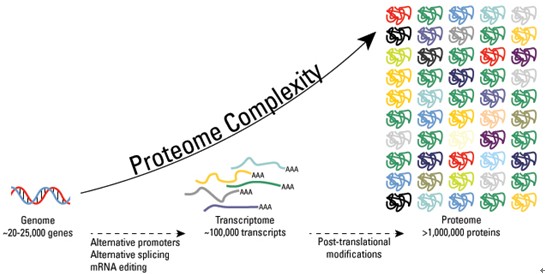
The great improvement in proteomics came from GCLC/MS-MS and is described in the video interview with Dr. Gyorgy Marko-Varga, Sweden, in video 1 of 3 (Advancing Translational Medicine).  This is a discussion that is focused on functional proteomics role in future diagnostics and therapy, involving a greater degree of accuracy in mass spectrometry (MS) than can be obtained by antibody-ligand binding, and is illustrated below, the last emphasizing the importance of information technology and predictive analytics

Thermo ScientificImmunoassays and LC–MS/MS have emerged as the two main approaches for quantifying peptides and proteins in biological samples. ELISA kits are available for quantification, but inherently lack the discriminative power to resolve isoforms and PTMs.

To address this issue we have developed and applied a mass spectrometry immunoassay–selected reaction monitoring (Thermo Scientific™ MSIA™ SRM technology) research method to quantify PCSK9 (and PTMs), a key player in the regulation of circulating low density lipoprotein cholesterol (LDL-C).

A Day in the (Future) Life of a Predictive Analytics Scientist


By Lars Rinnan, CEO, NextBridge   April 22, 2014

A look into a normal day in the near future, where predictive analytics is everywhere, incorporated in everything from household appliances to wearable computing devices.

During the test drive (of an automobile), the extreme acceleration makes your heart beat so fast that your personal health data sensor triggers an alarm. The health data sensor is integrated into the strap of your wrist watch. This data is transferred to your health insurance company, so you say a prayer that their data scientists are clever enough to exclude these abnormal values from your otherwise impressive health data. Based on such data, your health insurance company’s consulting unit regularly gives you advice about diet, exercise, and sleep. You have followed their advice in the past, and your performance has increased, which automatically reduced your insurance premiums. Win-win, you think to yourself, as you park the car, and decide to buy it.

In the clinical presentation at Harlan Krumholtz’ Yale Symposium, Prof. Robert Califf, Director of the Duke University Translational medicine Clinical Research Institute, defines translational medicine as effective translation of science to clinical medicine in two segments:

  1. Adherence to current standards
  2. Improving the enterprise by translating knowledge

He says that discrepancies between outcomes and medical science will bridge a gap in translation by traversing two parallel systems.

  1. Physician-health organization
  2. Personalized medicine

He emphasizes that the new basis for physician standards will be legitimized in the following:

  1. Comparative effectiveness (Krumholtz)
  2. Accountability

Some of these points are repeated below:

WATCH VIDEOS ON YOUTUBE

https://www.youtube.com/watch?v=JFdJRh9ZPps#t=678  Harlan Krumholtz

https://www.youtube.com/watch?v=JFdJRh9ZPps#t=678  complexity

https://www.youtube.com/watch?v=JFdJRh9ZPps#t=678  integration map

https://www.youtube.com/watch?v=JFdJRh9ZPps#t=678  progression

https://www.youtube.com/watch?v=JFdJRh9ZPps#t=678  informatics

An interesting sidebar to the scientific medical advances is the huge shift in pressure on an insurance system that has coexisted with a public system in Medicare and Medicaid, initially introduced by the health insurance industry for worker benefits (Kaiser, IBM, Rockefeller), and we are undertaking a formidable change in the ACA.

The current reality is that actuarially, the twin system that has existed was unsustainable in the long term because it is necessary to have a very large pool of the population to spread the costs, and in addition, the cost of pharmaceutical development has driven consolidation in the industry, and has relied on the successes from public and privately funded research.

https://www.youtube.com/watch?v=X6J_7PvWoMw#t=57  Corbett Report Nov 2013

(1979 ER Brown)  UCPress  Rockefeller Medicine Men

https://www.youtube.com/watch?v=X6J_7PvWoMw#t=57   Liz Fowler VP of Wellpoint (designed ACA)

I shall digress for a moment and insert a video history of DNA, that hits the high points very well, and is quite explanatory of the genomic revolution in medical science, biology, infectious disease and microbial antibiotic resistance, virology, stem cell biology, and the undeniability of evolution.

DNA History

https://www.youtube.com/watch?v=UUDzN4w8mKI&list=UUoHRSQ0ahscV14hlmPabkVQ

As I have noted above, genomics is necessary, but not sufficient.  The story began as replication of the genetic code, which accounted for variation, but the accounting for regulation of the cell and for metabolic processes was, and remains in the domain of an essential library of proteins. Moreover, the functional activity of proteins, at least but not only if they are catalytic, shows structural variants that is characterized by small differences in some amino acids that allow for separation by net charge and have an effect on protein-protein and other interactions.

Protein chemistry is so different from DNA chemistry that it is quite safe to consider that DNA in the nucleotide sequence does no more than establish the order of amino acids in proteins. On the other hand, proteins that we know so little about their function and regulation, do everything that matters including to set what and when to read something in the DNA.

Jose Eduardo de Salles Roselino

Chapters 2, 3, and 4 sequentially examine:

  • The causes and etiologies of cardiovascular diseases
  • The diagnosis, prognosis and risks determined by – biomarkers in serum, circulating cells, and solid tissue by contrast radiography
  • Treatment of cardiovascular diseases by translation of science from bench to bedside, including interventional cardiology and surgical repair

These are systematically examined within a framework of:

  • Genomics
  • Proteomics
  • Cardiac and Vascular Signaling
  • Platelet and Endothelial Signaling
  • Cell-protein interactions
  • Protein-protein interactions
  • Post-Translational Modifications (PTMs)
  • Epigenetics
  • Noncoding RNAs and regulatory considerations
  • Metabolomics (the metabolome)
  • Mitochondria and oxidative stress


Read Full Post »

Acetylation and Deacetylation of non-Histone Proteins

Author and Curator: Larry H Bernstein, MD, FCAP 


Acetylation and Deacetylation of non-histone proteins

MA Glozak, N Sengupta, X Zhang, E Seto
Gene 2005; 363(19): 15-23     http://dx.doi.org/10.1016/j.gene.2005.09.010

Since the first report of p53 as a non-histone target of a histone acetyltransferase (HAT), there has been a rapid proliferation in the description of new non-histone targets of HATs. Of these,

  • transcription factors comprise the largest class of new targets.

The substrates for HATs extend to

  1. cytoskeletal proteins,
  2. molecular chaperones and
  3. nuclear import factors.

Deacetylation of these non-histone proteins by histone deacetylases (HDACs) opens yet another exciting new field of discovery in

  • the role of the dynamic acetylation and deacetylation on cellular function.

This review will focus on these non-histone targets of HATs and HDACs and the consequences of their modification.

Abbreviations:

HAT, histone acetyltransferase; HDAC, histone deacetylase; TSA, trichostatin A; CtBP, C-terminal binding protein; YY1, yin yang 1; HMG, high mobility group; NR, nuclear receptor; AR, androgen receptor; ER α, estrogen receptor α; SHP, short heterodimer partner; EKLF, erythroid Kruppel like factor; Rb, retinoblastoma; GR, glucocorticoid receptor; HDV, hepatitis delta virus; L-HDAg, large delta antigen; S-HDAg, small delta antigen

Keywords  HATs; HDACs; Post-translational modification

Histone deacetylases (EC 3.5.1.98, HDAC) are a class of enzymes that

This is important because DNA is wrapped around histones, and

  • DNA expression is regulated by acetylation and de-acetylation.

Its action is opposite to that of histone acetyltransferase. HDAC proteins are now also called

  • lysine deacetylases (KDAC),
  • to describe their function rather than their target, which also
  • includes non-histone proteins

Histone modification

Histone tails are normally positively charged due to

These positive charges help the histone tails to

  • interact with and bind to the negatively charged phosphate groups on the DNA backbone.

Acetylation, which occurs normally in a cell,

  1. neutralizes the positive charges on the histone by changing amines into amides and
  2. decreases the ability of the histones to bind to DNA.

This decreased binding

Histone deacetylases

  1. remove those acetyl groups,
  2. increasing the positive charge of histone tails and
  3. encouraging high-affinity binding between the histones and DNA backbone.

The increased DNA binding

  1. condenses DNA structure,
  2. preventing transcription.

Histone deacetylase is involved in a series of pathways within the living system. According to the Kyoto Encyclopedia of Genes and Genomes (KEGG), these are:

Histone acetylation plays an important role in the regulation of gene expression.

Hyperacetylated chromatin is

  • transcriptionally active, and

hypoacetylated chromatin

  • is silent.

A study on mice found that a

  • specific subset of mouse genes (7%) was
    • deregulated in the absence of HDAC1.[10]

Their study also found a

  • regulatory crosstalk between HDAC1 and HDAC2 and suggest
    • a novel function for HDAC1 as a transcriptional coactivator.

HDAC1 expression was found to be

  1. increased in the prefrontal cortex of schizophrenia subjects,[11]
  2. negatively correlating with the expression of GAD67 mRNA.

Non-histone effects

It is a mistake to regard HDACs solely in the context of regulating gene transcription by modifying histones and chromatin structure, although

  • that appears to be the predominant function.

The function, activity, and stability of proteins can be controlled by

Protein phosphorylation is perhaps the most widely studied and understood modification in which

  1. certain amino acid residues are phosphorylated by the action of protein kinases or
  2. dephosphorylated by the action of phosphatases.

The acetylation of lysine residues is emerging as an analogous mechanism, in which

    • non-histone proteins are acted on by acetylases and deacetylases.[12]

It is in this context that HDACs are being found to interact with a variety of non-histone proteins

some of these are transcription factors and co-regulators, some are not. Note the following four examples:

  • HDAC6 is associated with aggresomes.Misfolded protein aggregates are
    • tagged by ubiquitination and removed from the cytoplasm by dynein motors via the microtubule network to an organelle termed the aggresome.
    • HDAC 6 binds polyubiquitinated misfolded proteins and links to dynein motors, thereby
    • allowing the misfolded protein cargo to be physically transported to chaperones and proteasomes for subsequent destruction.[13]
  • PTEN is an important phosphatase involved in cell signaling via phosphoinositols and the AKT/PI3 kinase pathway.
    • PTEN is subject to complex regulatory control via phosphorylation, ubiquitination, oxidation and acetylation.
    • Acetylation of  PTEN by the histone acetyltransferase p300/CBP-associated factor (PCAF) can repress its activity; on the converse,
    • deacetylation of  PTEN by SIRT1 deacetylase and, by HDAC1, can stimulate its activity.[14][15]
  • APE1/Ref-1 (APEX1) is a multifunctional protein possessing both
    • DNA repair activity (on abasic and single-strand break sites) and
    • transcriptional regulatory activity associated with oxidative stress.
    • APE1/Ref-1isacetylatedbyPCAF; on the converse,
      • it is stably associated with and deacetylated by Class I HDACs.
    • The acetylation state of APE1/Ref-1 does not appear to affect its DNA repair activity, but it does
      • regulate its transcriptional activity such as
      • its ability to bind to the PTH promoter and initiate transcription of the parathyroid hormone gene.[16][17]
  • NF-κB is a key transcription factor and
    • effector molecule involved in responses to cell stress, consisting of a p50/p65 heterodimer.
    • The p65 subunit is controlled by acetylation via PCAF and by deacetylation via HDAC3 and HDAC6.[18]

HDAC inhibitors

Main article: Histone deacetylase inhibitor

Histone deacetylase inhibitors (HDIs) have a long history of use in psychiatry and neurology as mood stabilizers and anti-epileptics,

In more recent times, HDIs are being studied as

  1. a mitigator or treatment for neurodegenerative diseases.[19][20]
  2. there has been an effort to develop HDIs for cancer therapy.[21][22]

The exact mechanisms by which the compounds may work are unclear, but

  • epigenetic pathways are proposed.[23] In addition, a clinical trial is studying valproic acid effects on the latent pools of HIV in infected persons.[24]

HDIs are currently being investigated as chemosensitizers for

  • cytotoxic chemotherapy or radiation therapy, or in association with DNA methylation inhibitors based on in vitro synergy.[25]

Recent research has focused on developing isoform selective HDIs which can aid in elucidating role of

  1. individual HDAC isoforms and device strategy for effective treatment of
  2. diseases related to relevant HDAC isoform.[26][27][28]

HDAC inhibitors have effects on non-histone proteins that are related to acetylation. HDIs can

  1. alter the degree of acetylation of these molecules and, therefore,
  2. increase or repress their activity.

For the four examples given above (see Function) on HDACs acting on non-histone proteins, in each of those instances

HDIs have been shown to alter the activity of many transcription factors, including

ACTR, cMyb, E2F1, EKLF, FEN 1, GATA, HNF-4, HSP90, Ku70, NFκB, PCNA, p53, RB, Runx, SF1 Sp3, STAT, TFIIE, TCF, YY1.[29][30]

To carry out gene expression, a cell must control the coiling and uncoiling of DNA around histones. This is accomplished with the assistance of histone acetyl transferases (HAT), which

  1. acetylate the lysine residues in core histones leading to
    • a less compact and more transcriptionally active chromatin, and, on the converse,
  2. the actions of histone deacetylases (HDAC), which
    • remove the acetyl groups from the lysine residues
    • leading to the formation of a condensed and transcriptionally silenced chromatin.

Reversible modification of the terminal tails of core histones constitutes

HDAC inhibitors (HDI) block this action and

  • can result in hyperacetylation of histones, thereby affecting gene expression.[5][6][7]

The histone deacetylase inhibitors are a new class of cytostatic agents that inhibit the proliferation of tumor cells in culture and in vivo

  1. by inducing cell cycle arrest,
  2. differentiation
  3. and/or apoptosis.

Histone deacetylase inhibitors exert their anti-tumour effects via

  1. the induction of expression changes of oncogenes or tumour suppressor, through
  2. modulating that the acetylation/deactylation of histones and/or non-histone proteins such as transcription factors[8].

Histone acetylation and deacetylation play important roles in the modulation of chromatin topology and the regulation of gene transcription.

Histone deacetylase inhibition induces

  • the accumulation of hyperacetylated nucleosome core histones in most regions of chromatin

but affects the expression of only a small subset of genes, leading to transcriptional activation of some genes, but repression of an equal or larger number of other genes.

Non-histone proteins such as transcription factors are also targets for acetylation with varying functional effects. Acetylation

  • enhances the activity of some transcription factors such as the tumor suppressor p53 and
  • the erythroid differentiation factor GATA-1
  • but may repress transcriptional activity of others including T cell factor and the co-activator ACTR.

Recent studies […] have shown that the estrogen receptor alpha (ERalpha) can be hyperacetylated

  1. in response to histone deacetylase inhibition,
  2. suppressing ligand sensitivity and regulating transcriptional activation by histone deacetylase inhibitors.[9]

Conservation of the acetylated ER-alpha motif in other nuclear receptors suggests that

  • acetylation may play an important regulatory role in diverse nuclear receptor signaling functions.

A number of structurally diverse histone deacetylase inhibitors have shown potent antitumor efficacy with little toxicity in vivo in animal models. Several compounds are currently in early phase clinical development as potential treatments for solid and hematological cancers both as monotherapy and in combination with cytotoxics and differentiation agents.”[10]

HDIs MI  ·  Granger, A.; Abdullah, I.; Huebner, F.; Stout, A.; Wang, T.; Huebner, T.; Epstein, J. A.; Gruber, P. J. (2008). “Histone deacetylase inhibition reduces myocardial ischemia-reperfusion injury in mice”. The FASEB Journal 22 (10): 3549–60. http://dx.doi.org/10.1096/fj.08-108548. PMC 2537432. PMID 18606865.


Protein Acetylation: Much More than Histone Acetylation

By Tom Brock, Ph.D.

Just last decade, everyone was excited about the Human Genome Project,  and the gene was king. Today, epigenetics is reminding us that

  • non-genetic factors are important in shaping gene expression and development.

Similarly, where phosphorylation once seemed the primary way to modulate proteins,

  • epigenetics has re-introduced us to acetylation as an important force in defining protein function.

In particular, the acetylation of histones has moved to center stage, even though it was described over 45 years ago. Research on histone acetylation has

  • led to a resurgence in the interest in enzymatically-mediated acetylation of other proteins.

This article examines acetylation as a post-translational modification of proteins that impacts gene expression and plays a role in epigenetics.

The Basics

Acetylation refers to the addition of an acetyl group (CH3CO) to organic compounds. Proteins can be acetylated by both enzymatic and non-enzymatic processes.

One group of acetyltransferases commonly catalyze the transfer of an acetyl group from acetyl-CoA to the terminal amine on the side chain of lysine residues (Figure 1).

These enzymes are commonly called HATs, because their best-known substrates have been histones.

However, the nomenclature is being revised to lysine acetyltransferases (KATs), reflecting their ability to acetylate lysine (denoted ‘K’) on many proteins.

1 The KATs are numerous, with many assigned, based on structural similarities, to either

  1. the GNAT (Gcn5-related N-acetyltransferases) superfamily or
  2. the MYST (MOZ, YBF2/Sas3, Sas2, Tip60) family.

Other important KATs include

  1. p300 (E1A-associated protein 300 kDa),
  2. CBP (cAMP response element binding (CREB)-binding protein), and
  3. TAFII 250 (TATA-binding protein associated factor II 250).

The conversion of the positively charged lysine to acetyl-lysine, like the addition of negative phosphates to uncharged amino acids during phosphorylation,

alters protein structure and interactions with other biomolecules. For example, acetylation of  histones typically

  1. promotes the recruitment of effector proteins,
  2. relaxation of chromatin conformation, and
  3. an increase in transcription.

Like phosphorylation,

  • acetylation is reversible.

Histone deacetylases (HDACs, a.k.a. KDACs) are a smaller group of evolutionarily conserved enzymes.

The human class I HDACs are

  • homologous to the yeast enzyme Rpd3 and include HDAC1, 2, 3, and 8.

Class II HDACs are

  • homologous to yeast HDA1 and are divided into class IIa (HDAC4, 5, 7, 9) and class IIb (HDAC6 and 10) based on structure.
  • The human class III HDACs include the sirtuin family of NAD+-dependent protein deacetylases.
  • The novel HDAC11 has a distinct structure and is a class IV HDAC.

The HDACs often participate in the formation of transcriptional repressor complexes, inducing

  • chromatin compaction through histone deacetylation, and silencing gene expression.

A Diversity of Partners

A great resource for the research scientist is the National Center for Biotechnology Information (NCBI), your tax dollars at work compiling information about everything molecular. This site should be your first stopping point when trying to learn authoritative information about a new protein or gene that you’re studying. Information at this site helps to underscore two points about KATs and deacetylases: they are social enzymes, always interacting with other proteins, and they are promiscuous, binding to an astounding array of partners. Take, for example, the KAT known commonly as p300. At the NCBI gene link, entering ‘human p300’ finds the gene EP300 (KAT3B), with a summary stating that it associates with the adenovirus protein E1A, acetylates histones, binds CREB, and is a co-activator of HIF-1α (hypoxia-inducible factor 1α). Further down, we find that it binds three different proteins produced by the lentivirus human immunodeficiency virus (HIV)-1. Then, impressively, is a list of over two hundred proteins that have been documented to directly interact with p300 (with links to references and other interactome datasets included). Similarly, the deacetylase HDAC1 is summarized as a histone deacetylase that also interacts with retinoblastoma tumor-suppressor to control cell growth and, together with metastasis-associated protein-2, deacetylates the tumor suppressor p53. Like p300, HDAC1 has an amazing list of partners: it interacts with some 300 proteins, with over 125 of these documented as direct binding partners.

The abundance of protein partners, for both KATs and HDACs, suggests that these enzymes tend to form multimeric complexes. In fact, such complexes serve the critical purpose of positioning the (de)acetylases at specific sites to perform their functions. Certainly, KATs can directly acetylate substrates in vitro. However, KAT activity in vivo is regulated, at least in part, by where it is positioned. For example, the classical model for activation of PPARs (peroxisome proliferator-activated receptors) posits that this receptor heterodimerizes at specific response elements with RXR (retinoid X receptor). In the absence of ligand, the unactivated heterodimer binds co-repressor proteins, such as nuclear receptor co-repressors (NCoR), G-protein pathways suppressor 2 (GPS2), and HDACs (Figure 2). The HDACs help prevent expression of PPAR-specific genes by keeping the neighboring histones deacetylated. The appearance of a ligand for PPAR causes dissociation of the co-repressor proteins followed by the recruitment of co-activators, including PPAR co-activator (PGC-1), CREB binding protein (CBP), and p300. Formation of the PPAR activation complex leads to histone acetylation by CBP and p300, giving rise to altered expression of genes involved in fatty acid metabolism, lipid homeostasis, and adipocyte differentiation. In this example, ligand binding to its receptor causes a large scale switch from a cluster of proteins serving various roles in preventing transcription to a different group designed to facilitate gene transcription.

Acetylation Patterns

In its simplest form acetylation is merely another form of post-translational modification of proteins. A good example is the acetylation of tubulin, which can be deacetylated by HDAC6 or SIRT2. Acetylation of this key microtubule component appears to alter its affinity for kinesin-1 and redirect motor-based trafficking of vesicles.2,3 In short, acetylation changes protein function by adjusting protein-protein interactions. The net ‘global’ acetylation, in this case, may be determined by the balance of overall KAT and HDAC activities.

More commonly, acetylation is targeted to specific proteins and, possibly, specific lysine residues on those protein targets. One way that this can be achieved is by the formation of protein complexes containing either KATs or HDACs, as in the PPAR case described above. The assembly of the complex serves to place the KATs/HDACs near histones, transcription factors, or other targets. Histones, assembled as an octamer core surrounded by DNA, have amino termini that are freely exposed (Figure 3). Positively-charged lysine residues on these tails interact electrostatically with negatively-charged phosphate groups along the DNA backbone. Acetylation reduces these interactions and loosens the DNA, facilitating transcription. Bear in mind that, while it is generally true that histone acetylation increases transcriptional activation, there are exceptions. For example, acetylation of estrogen receptor-α suppresses ligand sensitivity and reduces ligand-induced transcriptional activity.4,5

References

1. Glozak, M.A., Sengubpta, N., Zhang, X., et al. Gene 363, 15-23 (2005).

2. Hammond, J.W., Cai, D., and Verhey, K.J. Curr. Opin. Cell Biol. 20, 71-76 (2008).

3. Gao, Y., Hubber, C.C., and Yao, T.P. J. Biol. Chem. epub ahead of print (2010).

4. Wang, C., Fu, M., Angeletti, R.H., et al. J. Biol. Chem. 276, 18375-18383 (2001).

5. Popov, V.M., Wang, C., Shirley, L.A., et al. Steroids 72, 221-230 (2007).

6. Mellert, H.S. and McMahon, S.B. Trends Biochem. Sci. 34, 571-578 (2009).

7. Yang, X.J. and Seto, E. Mol. Cell 31, 49-461 (2008).

8. Wilson, A.J., Byun, D.S., Popova, N., et al. J. Biol. Chem. 281, 13548-13558 (2006).

9. Vincent, A. and Van Seuningen, I. Differentiation 78, 99-107 (2009).

10. Li, Z., Chen, L., Kabra, N., et al. J. Biol. Chem. 284, 10361-10366 (2009).

From Protein Acetylation: Much More than Histone Acetylation by Brock, T.G.

2 Figures saved


PTM modifications

PTM modifications

Basic CMYK


3-d-genome-map

3-d-genome-map


graphs_superdex-both-high-resolution-size-exclusion-gel-filtration-chromatography

graphs_superdex-both-high-resolution-size-exclusion-gel-filtration-chromatography


Read Full Post »

PostTranslational Modification of Proteins


Author and Curator: Larry H Bernstein, MD, FCAP 


Posttranslational modification of proteins: expanding nature’s inventory.

Walsh, Christopher T.
Roberts & Company Publishers   2006
Englewood, Colo.: xxi, 490

For students of protein structure, metabolism, and cellular signaling, Walsh (biological chemistry, molecular pharmacology, Harvard Medical School), a leading enzymologist, examines major classes of posttranslational modifications (PTMs) that account for the diversity of protein structure and function in living cells. He contributes to emerging knowledge,
relevant to pharmaceutical intervention,

of the enzymes involved in generating PTMs, i.e.,

changes that occur after messenger RNA code has been translated into the amino acid sequence code of nascent proteins.

The text contains numerous examples of the role PTMs play in signal transduction and metabolism, and crisp color illustrations.

The Quarterly Review of Biology, Vol. 83, No. 4. (1 December 2008), pp. 403-403,    http://dx.doi.org/10.1086/596250        Key: citeulike:3682226


Peptidylglycine alpha-amidating monooxygenase: A multifunctional protein with catalytic, processing, and routing domains

by Betty A. Eipper, Sharon L. Milgram, E. Jean Husten, Hye-Young Yun, Richard E. Mains

Protein Science 1993; 2(4): pp. 489-497,    http://dx.doi.org10.1002/pro.5560020401

Overview of Post-Translational Modifications (PTMs) Analysis:

PTMs(hereafter): Phosphorylation (pS/T, pY), Methylation, Deamidation, Oxidation, Nitration, N-glycosylation, Amino acid mutation, Unnatural amino acid, Chemical modifications, Palmitoylation, Glycosylation, Ubiquitination, SUMOylation, Dimethylation, Acetylation, Decarboxylation, etc..

Protein post-translational modification (PTM) increases the functional diversity of the proteome by the covalent addition of functional groups or proteins, proteolytic cleavage of regulatory subunits or degradation of entire proteins. These modifications include phosphorylation, glycosylation, ubiquitination, nitrosylation, methylation, acetylation, lipidation and proteolysis and influence almost all aspects of normal cell biology and pathogenesis. Therefore, identifying and understanding PTMs is critical in the study of cell biology and disease treatment and prevention.


1) Significance:

Protein post-translational modifications play a key role in many cellular processes such as cellular differentiation (Grotenbreg and Ploegh, 2007), protein degradation (Geiss-Friedlander and Melchior, 2007), signaling and regulatory processes (Morrison, et al 2002), regulation of gene expression, and protein-protein interactions. These modifications include phosphorylation, glycosylation, ubiquitination, nitrosylation, methylation, acetylation, lipidation and proteolysis and influence almost all aspects of normal cell biology and pathogenesis. Therefore, identifying and understanding PTMs is critical in the study of cell biology and disease treatment and prevention.

PTM modifications

PTM modifications


2) Post-translational modifications are key mechanisms to increase proteomic diversity

While the human genome comprises 20-25,000 genes, the proteome is estimated to encompass over 1 million proteins. Changes at the transcriptional and mRNA levels increase the size of the transcriptome relative to the genome, and the myriad of different post-translational modifications exponentially increases the complexity of the proteome relative to both the transcriptome and genome.

a)       Some Modifications (Phosphorylations, etc.) are easier to find than others. We can look for specific modifications or unknown modifications.

b)       As a general rule, any post-translational modification (PTM) could be searched for in your protein as long as we know the mass added by the modification and the potentially modified amino acid (e.g. in the case of phosphorylation: +80 Da on a Serine, Threonine or Tyrosine).

PTM (Post-Translational Modification) Analysis  http://www.creative-proteomics.com/protein-post-translational-modification-analysis.htm#1._Overview_of_Post-Translational_Modifications_%28PTMs%29_Analysis


Jose Eduardo de Salles Roselino:

The easy way to look at protein is to present it as a by-product of DNA. However, protein must be viewed as central macromolecule in biology since; even DNA is made from building blocks by protein activity. DNA are the reservoir of genetic information that establishes amino acid in proteins.
In normal living beings, normality defined by general health parameters whose values are inside an acceptable range of variation. Normal here is a statistical idea, as it must be and not as presented in recent years, as a living being that has a genome that does not have “glitches”, or a genome that would be defined as an ideal or a perfect genome.
In line with this idea, protein receives the information that determines its amino acid sequence from DNA but have its conformation, activity and function derived from its ability to change its conformation in response to changes in its microenvironment and environment. These changes in conformation are in a form adequate to keep those parameters mentioned above inside the range that define the idea of normality in accordance with the condition in which the living being is, both in time (development) as well as in space.
Therefore, post-translational must indicate a clear cut in the domain of DNA influence and not something, which is also derived from this DNA-centric view. This distortion of biochemistry has led to the never-ending genetics of non-genetic diseases. Genetics appears in inborn errors that are not acquired and show its effects in defects of proteins that could be established by a change in the DNA. Normality, or lack of abnormal genetic defect are perceived in all genomes that are able to maintain inside the normality range those parameters that define normal under defined circumstances. When this view is taken into account, DNA is take into account only when genetic diseases are considered. For the majority of the cases the scheme here presented must be made for each kind of cell, in each organ or system and the posttranslational changes thus, presented as function of development and/or a required fast regulatory change necessary to keep a cell and the organisms in general inside the normal range.

Read Full Post »

CRISPR @MIT

Curator & Reporter: Aviva Lev-Ari, PhD, RN


FIRST, there was Jennifer A. Doudna @ Berkeley


Along with colleagues at UC Berkeley and in Sweden, Doudna, in 2012, discovered a gene-editing technique called CRISPR (Clustered Regularly Interspaced Short Palindromic Repeats). The technology “gives researchers the equivalent of a molecular surgery kit for routinely disabling, activating or changing genes,” wrote Science magazine in a Dec. 2013 article naming CRISPR one of its runners-up for breakthrough of the year. CRISPR “has become red hot in the past year,” the journal article said.

http://www.fnih.org/press/releases/foundation-nih-award-lurie-prize-biomedical-sciences-jennifer-doudna-uc-berkeley

New DNA-editing technology spawns bold UC initiative

BERKELEY —The University of California, Berkeley, and UC San Francisco are launching the Innovative Genomics Initiative (IGI) to lead a revolution in genetic engineering based on a new technology already generating novel strategies for gene therapy and the genetic study of disease.The Li Ka Shing Foundation has provided a $10 million gift to support the initiative, establishing the Li Ka Shing Center for Genomic Engineering and an affiliated faculty chair at UC Berkeley. The two universities also will provide $2 million in start-up funds.Jennifer DoudnaAt the core of the initiative is a revolutionary technology discovered two years ago at UC Berkeley by Jennifer A. Doudna, executive director of the initiative and the new faculty chair. The technology, precision “DNA scissors” referred to as CRISPR/Cas9, has exploded in popularity since it was first published in June 2012 and is at the heart of at least three start-ups and several heavily-attended international meetings. Scientists have referred to it as the “holy grail” of genetic engineering and a “jaw-dropping” breakthrough in the fight against genetic disease. In honor of her discovery and earlier work on RNA, Doudna received last month the Lurie Prize of the Foundation for the National Institutes of Health.


“Professor Doudna’s breakthrough discovery in genomic editing is leading us into a new era of possibilities that we could have never before imagined,” said Li Ka-shing, chairman of the Li Ka Shing Foundation. “It is a great privilege for my foundation to engage with two world-class public institutions to launch the Innovative Genomics Initiative in this quest for the holy grail to fight genetic diseases.”


Ribozymes and RNA Machines – Work of Jennifer A. Doudna

http://pharmaceuticalintelligence.com/2013/04/15/ribozymes-and-rna-machines-work-of-jennifer-a-doudna/

Gene Therapy and the Genetic Study of Disease: @Berkeley and @UCSF – New DNA-editing technology spawns bold UC initiative as Crispr Goes Global

http://pharmaceuticalintelligence.com/2014/03/27/gene-therapy-and-the-genetic-study-of-disease-berkeley-and-ucsf-new-dna-editing-technology-spawns-bold-uc-initiative-as-crispr-goes-global/

Evaluate your Cas9 Gene Editing Vectors: CRISPR/Cas Mediated Genome Engineering – Is your CRISPR gRNA optimized for your cell lines?

http://pharmaceuticalintelligence.com/2014/03/25/evaluate-your-cas9-gene-editing-vectors-crisprcas-mediated-genome-engineering-is-your-crispr-grna-optimized-for-your-cell-lines/

CRISPR-Cas: A powerful new tool for precise genetic engineering

http://pharmaceuticalintelligence.com/2013/11/29/crispr-cas-a-powerful-new-tool-for-precise-genetic-engineering/


THEN, there was development of CRISPR Applications @MIT using a precise way to delete and edit specific bits of DNA—even by changing a single base pair. This means they can rewrite the human genome at will.

Genome Surgery

Over the last decade, as DNA-sequencing technology has grown ever faster and cheaper, our understanding of the human genome has increased accordingly. Yet scientists have until recently remained largely ham-fisted when they’ve tried to directly modify genes in a living cell. Take sickle-cell anemia, for example. A debilitating and often deadly disease, it is caused by a mutation in just one of a patient’s three billion DNA base pairs. Even though this genetic error is simple and well studied, researchers are helpless to correct it and halt its devastating effects.

Now there is hope in the form of new genome-engineering tools, particularly one called CRISPR. This technology could allow researchers to perform microsurgery on genes, precisely and easily changing a DNA sequence at exact locations on a chromosome. Along with a technique called TALENs, invented several years ago, and a slightly older predecessor based on molecules called zinc finger nucleases, CRISPR could make gene therapies more broadly applicable, providing remedies for simple genetic disorders like sickle-cell anemia and eventually even leading to cures for more complex diseases involving multiple genes. Most conventional gene therapies crudely place new genetic material at a random location in the cell and can only add a gene. In contrast, CRISPR and the other new tools also give scientists a precise way to delete and edit specific bits of DNA—even by changing a single base pair. This means they can rewrite the human genome at will.

original article in Technology Review

http://www.technologyreview.com/review/524451/genome-surgery/

COMMENTS

daniella.terry.52 Mar 17, 2014
My name is Daniella Terry, from Mexico, i had HIV AIDS for three years, i also gave birth to my first with HIV, i was in deep sorrow and in search for help on how to treat myself, one day i came across a blog where a testimony was given by woman Named SARA who was treated from HIV AIDS by the help of spell caster, so i made a contact to the email address dr.marnish@yahoo.com i got from the blog, i never really believed but i just decided to give it a try, this spell caster Dr Marnish told me everything i needed to know and what to do to get cured, so i made an arrangement for the treatment i applied the medicine and after 5 days, i was feeling good and healthy at once, my strength was regained i went for check up in the hospital and my doctor told me i am cured, this is the greatest miracle that has happened to me in my whole life, and that is why i am sharing my testimony to the world, i never expected this was possible,  if you have any health issue call +15036626930 or email him for help
 
 
fatherspledge Feb 12, 2014


This is of course fascinating. Every time I read an article about such work, I hope that it’s an early sign of life-changing breakthroughs at the clinical level for people like my developmentally disabled son.

Unfortunately, as the years pass I continue to find an enormous gulf between reports of what might be coming and what is actually available. I’ve contacted researchers only to learn that their research is hurting for money and going nowhere fast. I’ve gone to prominent practitioners and found it impossible even to get a blood draw.

It’s wonderful that people are pursuing this research, but somehow progress, if it occurs, needs to find expression out in the world. http://www.fatherspledge.com/seeking-resolution.php

 
wilhelm woess Feb 13, 2014


@fatherspledge Thank you for your comment – very moving even I do not know you. The problem with such a disrupting research is, that it is further away than “optimists” think it is and that is much nearer than “pesimists” belive it is. I personally think this is a throughbrough I have never read about in the last 15 years or so and estimate that it will take a decade or two before it is broadly available – sorry – but that is my estimate only and could be wrong in both dimensions but I am in the optimistic camp and think this is a real game changer – appologies for not finding better expressions.


mclaugh2004 Feb 12, 2014

I’m on the edge of my seat reading this. Absolutely fantastic article. It’s a great time to be alive.


sgillila777 Feb 12, 2014

The advances in our genomic understanding and tools over the proceeding decade have been incredible and I am always excited to read articles such as this one.  I hope that the field maintains its momentum and continues to see modest increases in velocity.  Keeping in mind that with great power comes great responsibility, I hope that the discussion is already occurring on how to utilize these tools to minimize the threats of improper use, but I trust the benefits will greatly outweigh any dangers.  Great article!


Read Full Post »

Cancer Research: Curations and Reporting: Aviva Lev-Ari, PhD, RN

Curator: Aviva Lev-Ari, PhD, RN

General


Lev-Ari, A. 7/5/2013, “2013 Perspective on “War on Cancer” on December 23, 1971

http://pharmaceuticalintelligence.com/2013/07/05/2013-perspective-on-war-on-cancer-on-december-23-1971/

Lev-Ari, A. 3/24/2013, New Ecosystem of Cancer Research: Cross Institutional Team Science

http://pharmaceuticalintelligence.com/2013/03/24/new-ecosystem-of-cancer-research-cross-institutional-team-science/

Lev-Ari, A. 7/25/2013, Family History of Cancer may increase the Risk of Close Relatives developing the Same Type of Cancer as well as Different Types

http://pharmaceuticalintelligence.com/2013/07/25/family-history-of-cancer-may-increase-the-risk-of-close-relatives-developing-the-same-type-of-cancer-as-well-as-different-types/

Lev-Ari, A. 4/12/2013, 2013 American Cancer Research Association Award for Outstanding Achievement in Chemistry in Cancer Research: Professor Alexander Levitzki

http://pharmaceuticalintelligence.com/2013/04/12/2013-american-cancer-research-association-award-for-outstanding-achievement-in-chemistry-in-cancer-research-professor-alexander-levitzki-chosen/

Lev-Ari, A. 6/12/2013, Bioenergetic Mechanism: The Inverse Association of Cancer and Alzheimer’s

http://pharmaceuticalintelligence.com/2013/06/12/bioenergetic-mechanism-the-inverse-association-of-cancer-and-alzheimers/

Lev-Ari, A. 1/12/2013, “Harnessing Personalized Medicine for Cancer Management, Prospects of Prevention and Cure: Opinions of Cancer Scientific Leaders @ http://pharmaceuticalintelligence.com

http://pharmaceuticalintelligence.com/2013/01/12/harnessing-personalized-medicine-for-cancer-management-prospects-of-prevention-and-cure-opinions-of-cancer-scientific-leaders-httppharmaceuticalintelligence-com/

Lev-Ari, A. 12/1/2012, Personalized Medicine: Cancer Cell Biology and Minimally Invasive Surgery (MIS)

http://pharmaceuticalintelligence.com/2012/12/01/personalized-medicine-cancer-cell-biology-and-minimally-invasive-surgery-mis/

Lev-Ari, A. 4/8/2013, Amiodarone Linked to Cancer Risk in Men

http://pharmaceuticalintelligence.com/2013/04/08/amiodarone-linked-to-cancer-risk-in-men/


Reporting

New Biomarker for Esophageal Cancer Reported in the Journal “Cancer Research”

http://pharmaceuticalintelligence.com/2014/01/22/new-biomarker-for-esophageal-cancer-reported-in-the-journal-cancer-research/

Artificial Pancreas: A UK Biotech Invention – Potential for Replacement to Insulin Injections

http://pharmaceuticalintelligence.com/2014/01/27/artificial-pancreas-a-uk-biotech-invention-potential-for-replacement-to-insulin-injections/

Positron Emission Tomography (PET) and Near-Infrared Fluorescence Imaging:  Noninvasive Imaging of Cancer Stem Cells (CSCs)  monitoring of AC133+ glioblastoma in subcutaneous and intracerebral xenograft tumors

http://pharmaceuticalintelligence.com/2014/01/29/positron-emission-tomography-pet-and-near-infrared-fluorescence-imaging-noninvasive-imaging-of-cancer-stem-cells-cscs-monitoring-of-ac133-glioblastoma-in-subcutaneous-and-intracerebral-xenogra/

Efficacy of Ovariectomy in Presence of BRCA1 vs BRCA2 and the Risk for Ovarian Cancer

http://pharmaceuticalintelligence.com/2014/02/25/efficacy-of-ovariectomy-in-presence-of-brca1-vs-brca2-and-the-risk-for-ovarian-cancer/

Oncologists ordered 3,752 FoundationOne clinical test: 200 cancer-related genes analysis — Revenues Climb 87% in Q4 2013

http://pharmaceuticalintelligence.com/2014/02/26/oncologists-ordered-3752-foundationone-clinical-test-200-cancer-related-genes-analysis-revenues-climb-87-in-q4-2013/

Alternative to Imaging (potentially): Urine Test developed by MIT – A Paper Diagnostics amplifies Signals from Growing Tumors to detect Cancer

http://pharmaceuticalintelligence.com/2014/03/03/alternative-to-imaging-potentially-urine-test-developed-by-mit-a-paper-diagnostics-amplifies-signals-from-growing-tumors-to-detect-cancer/

Gene Therapy and the Genetic Study of Disease: @Berkeley and @UCSF – New DNA-editing technology spawns bold UC initiative as Crispr Goes Global

http://pharmaceuticalintelligence.com/2014/03/27/gene-therapy-and-the-genetic-study-of-disease-berkeley-and-ucsf-new-dna-editing-technology-spawns-bold-uc-initiative-as-crispr-goes-global/

Alterations in the ACVR1 Gene can contribute to a Rare, typically Fatal Form of Childhood Brainstem Cancer called Diffuse Intrinsic Pontine Glioma (DIPG).

http://pharmaceuticalintelligence.com/2014/04/10/alterations-in-the-acvr1-gene-can-contribute-to-a-rare-typically-fatal-form-of-childhood-brainstem-cancer-called-diffuse-intrinsic-pontine-glioma-dipg/

Novel Therapies for Cancer

Lev-Ari, A. 5/16/2013, AT13148 – A Novel Oral Multi-AGC Kinase Inhibitor Has Potent Antitumor Activity

http://pharmaceuticalintelligence.com/2013/05/16/at13148-a-novel-oral-multi-agc-kinase-inhibitor-has-potent-antitumor-activity/

Lev-Ari, A. 4/22/2013, “System Pharmacology: Using CellMiner and the NCI-60 Cancerous Cell Lines: William Reinhold, PhD”

http://pharmaceuticalintelligence.com/2013/04/22/system-pharmacology-using-cellminer-and-the-nci-60-cancerous-cell-lines-william-reinhold-phd/

Lev-Ari, A. 2/10/2013, Global Burden of Cancer Treatment & Women Health: Market Access & Cost Concerns

http://pharmaceuticalintelligence.com/2013/02/10/global-burden-of-cancer-treatment-women-health-market-access-cost-concerns/

Lev-Ari, A. 11/21/2012, Response to Multiple Cancer Drugs through Regulation of TGF- Receptor Signaling: a MED12 Control

http://pharmaceuticalintelligence.com/2012/11/21/response-to-multiple-cancer-drugs-through-regulation-of-tgf-%CE%B2-receptor-signaling-a-med12-control/

Lev-Ari, A. 10/1/2012, “Increased risks of obesity and cancer, Decreased risk of type 2 diabetes: The role of Tumor-suppressor phosphatase and tensin homologue (PTEN)”

http://pharmaceuticalintelligence.com/2012/10/01/increased-risks-of-obesity-and-cancer-decreased-risk-of-type-2-diabetes-the-role-of-tumor-suppressor-phosphatase-and-tensin-homologue-pten/

Lev-Ari, A. 12/8/2012, Aspirin a Day Tied to Lower Cancer Mortality

http://pharmaceuticalintelligence.com/2012/08/11/1796/

Lev-Ari, A. 2/5/2013, Winning Over Cancer Progression: New Oncology Drugs to Suppress Passengers Mutations vs. Driver Mutations

http://pharmaceuticalintelligence.com/2013/02/05/winning-over-cancer-progression-new-oncology-drugs-to-suppress-driver-mutations-vs-passengers-mutations/

Lev-Ari, A. 4/22/2013, “Molecular Profiling in Cancer Immunotherapy: Debraj Guha Thakurta, PhD”

http://pharmaceuticalintelligence.com/2013/04/22/molecular-profiling-in-cancer-immunotherapy/

Lev-Ari, A. 5/16/2013, “Immunomodulatory Therapeutic Antibodies for Cancer, August 13-15, 2013 – Boston, MA – Final Agenda”

http://pharmaceuticalintelligence.com/2013/05/16/immunomodulatory-therapeutic-antibodies-for-cancer-august-13-15-2013-boston-ma-final-agenda/

Lev-Ari, A. 11/14/2012, GSK for Personalized Medicine using Cancer Drugs needs Alacris systems biology model to determine the in silico effect of the inhibitor in its “virtual clinical trial”

http://pharmaceuticalintelligence.com/2012/11/14/gsk-for-personalized-medicine-using-cancer-drugs-needs-alacris-systems-biology-model-to-determine-the-in-silico-effect-of-the-inhibitor-in-its-virtual-clinical-trial/

Lev-Ari, A. 10/16/2012, Personalized Pancreatic Cancer Treatment Option

http://pharmaceuticalintelligence.com/2012/10/16/personalized-pancreatic-cancer-treatment-option/

Lev-Ari, A. 7/10/12, Pfizer’s Kidney Cancer Drug Sutent Effectively caused REMISSION to Adult Acute Lymphoblastic Leukemia (ALL)

http://pharmaceuticalintelligence.com/2012/07/10/pfizers-kidney-cancer-drug-sutent-effectively-caused-remission-to-adult-acute-lymphoblastic-leukemia-all/

Lev-Ari, A. 7/9/2012, Sunitinib brings Adult Acute Lymphoblastic Leukemia (ALL) to Remission – RNA Sequencing – FLT3 Receptor Blockade

http://pharmaceuticalintelligence.com/2012/07/09/sunitinib-brings-adult-all-to-remission-rna-sequencing/

Lev-Ari, A. 7/10/2012, REMISSION to Adult Acute Lymphoblastic Leukemia (ALL): Pfizer’s Sutent blocks FLT3 Gene Receptors

http://pharmaceuticalintelligence.com/2012/07/10/remission-to-adult-acute-lymphoblastic-leukemia-all-pfizers-sutent-blocks-flt3-gene-receptors/

Genomics and Cancer

Lev-Ari, A. 9/18/2012, Head and Neck Cancer Studies Suggest Alternative Markers More Prognostically Useful than HPV DNA Testing

http://pharmaceuticalintelligence.com/2012/09/18/head-and-neck-cancer-studies-suggest-alternative-markers-more-prognostically-useful-than-hpv-dna-testing/

Lev-Ari, A. 10/24/2012, Pancreatic cancer genomes: Axon guidance pathway genes – aberrations revealed

http://pharmaceuticalintelligence.com/2012/10/24/pancreatic-cancer-genomes-axon-guidance-pathway-genes-aberrations-revealed/

Lev-Ari, A. 10/24/2012, Biomarker tool development for Early Diagnosis of Pancreatic Cancer: Van Andel Institute and Emory University

http://pharmaceuticalintelligence.com/2012/10/24/biomarker-tool-development-for-early-diagnosis-of-pancreatic-cancer-van-andel-institute-and-emory-university/

Lev-Ari, A. 4/22/2013, “DNA Methultransferases – Implications to Epigenetic Regulation and Cancer Therapy Targeting: James Shen, PhD”

http://pharmaceuticalintelligence.com/2013/04/22/dna-methultransferases-implications-to-epigenetic-regulation-and-cancer-therapy-targeting-james-shen-phd/

Lev-Ari, A. 4/22/2013, “Genotype-based Analysis for Cancer Therapy using Large-scale Data Modeling: Nayoung Kim, PhD(c)”

http://pharmaceuticalintelligence.com/2013/04/22/genotype-based-analysis-for-cancer-therapy-using-large-scale-data-modeling-nayoung-kim-phdc/

Lev-Ari, A. 4/21/2013, Cancer Genomic Precision Therapy: Digitized Tumor’s Genome (WGSA) Compared with Genome-native Germ Line: Flash-frozen specimen and Formalin-fixed paraffin-embedded Specimen Needed

http://pharmaceuticalintelligence.com/2013/04/21/cancer-genomic-precision-therapy-digitized-tumors-genome-wgsa-compared-with-genome-native-germ-line-flash-frozen-specimen-and-formalin-fixed-paraffin-embedded-specimen-needed/

Lev-Ari, A. 1/13/2013, LEADERS in Genome Sequencing of Genetic Mutations for Therapeutic Drug Selection in Cancer Personalized Treatment: Part 2

http://pharmaceuticalintelligence.com/2013/01/13/leaders-in-genome-sequencing-of-genetic-mutations-for-therapeutic-drug-selection-in-cancer-personalized-treatment-part-2/

Lev-Ari, A. 1/10/2013, Inspiration From Dr. Maureen Cronin’s Achievements in Applying Genomic Sequencing to Cancer Diagnostics

http://pharmaceuticalintelligence.com/2013/01/10/inspiration-from-dr-maureen-cronins-achievements-in-applying-genomic-sequencing-to-cancer-diagnostics/

Lev-Ari, A. 11/1/2012, arrayMap: Genomic Feature Mining of Cancer Entities of Copy Number Abnormalities (CNAs) Data

http://pharmaceuticalintelligence.com/2012/11/01/arraymap-genomic-feature-mining-of-cancer-entities-of-copy-number-abnormalities-cnas-data/

Lev-Ari, A. 10/29/2012, Cancer Genomics – Leading the Way by Cancer Genomics Program at UC Santa Cruz

http://pharmaceuticalintelligence.com/2012/10/29/cancer-genomics-leading-the-way-by-cancer-genomics-program-at-uc-santa-cruz/

Lev-Ari, A. 9/10/2012, Comprehensive Genomic Characterization of Squamous Cell Lung Cancers

http://pharmaceuticalintelligence.com/2012/09/10/comprehensive-genomic-characterization-of-squamous-cell-lung-cancers/

Lev-Ari, A. 5/21/2013, “Prostate Cancer Molecular Diagnostic Market – the Players are: SRI Int’l, Genomic Health w/Cleveland Clinic, Myriad Genetics w/UCSF, GenomeDx and BioTheranostics”

http://pharmaceuticalintelligence.com/2013/05/21/prostate-cancer-molecular-diagnostic-market-the-players-are-sri-intl-genomic-health-wcleveland-clinic-myriad-genetics-wucsf-genomedx-and-biotheranostics/

Lev-Ari, A. 5/16/2013, “A Blood Test to Identify Aggressive Prostate Cancer: a Discovery @ SRI International, Menlo Park, CA”

http://pharmaceuticalintelligence.com/2013/05/16/a-blood-test-to-identify-aggressive-prostate-cancer-a-discovery-sri-international-menlo-park-ca/

Lev-Ari, A. 5/20/2013, Salivary Gland Cancer – Adenoid Cystic Carcinoma: Mutation Patterns: Exome- and Genome-Sequencing @ Memorial Sloan-Kettering Cancer Center

http://pharmaceuticalintelligence.com/2013/05/20/salivary-gland-cancer-adenoid-cystic-carcinoma-mutation-patterns-exome-and-genome-sequencing-memorial-sloan-kettering-cancer-center/


Cancer Research by Cancer Type


Breast

Lev-Ari, A. 7/3/2013, MIT Scientists Identified Gene that Controls Aggressiveness in Breast Cancer Cells

http://pharmaceuticalintelligence.com/2013/07/03/mit-scientists-identified-gene-that-controls-aggressiveness-in-breast-cancer-cells/

Lev-Ari, A. 4/23/2013, Tamoxifen’s Effectiveness: Decrease in Tissue Density by Mammography – 50% Lower Risk of Dying from Breast Cancer

http://pharmaceuticalintelligence.com/2013/04/23/tamoxifens-effectiveness-decrease-in-tissue-density-by-mammography-50-lower-risk-of-dying-from-breast-cancer/

Lev-Ari, A. 1/17/2013, Mechanism involved in Breast Cancer Cell Growth: Function in Early Detection & Treatment

http://pharmaceuticalintelligence.com/2013/01/17/mechanism-involved-in-breast-cancer-cell-growth-function-in-early-detection-treatment/

Lev-Ari, A. 8/14/2012, Missing Gene may drive more than a quarter of Breast Cancers

http://pharmaceuticalintelligence.com/2012/08/14/missing-gene-may-drive-more-than-a-quarter-of-breast-cancers/

Breast/Ovarian

Lev-Ari, A. 5/20/2013, “Testing for Multiple Genetic Mutations via NGS for Patients: Very Strong Family History of Breast & Ovarian Cancer, Diagnosed at Young Ages, & Negative on BRCA Test”           

http://pharmaceuticalintelligence.com/2013/05/20/testing-for-multiple-genetic-mutations-via-ngs-for-patients-very-strong-family-history-of-breast-ovarian-cancer-diagnosed-at-young-ages-negative-on-brca-test/

Breast/Personalized Medicine

Lev-Ari, A. 12/24/2014, Breast Cancer: Genomic profiling to predict Survival: Combination of Histopathology and Gene Expression Analysis

http://pharmaceuticalintelligence.com/2012/12/24/breast-cancer-genomic-profiling-to-predict-survival-combination-of-histopathology-and-gene-expression-analysis/

Colon

Lev-Ari, A. 11/28/2012, PIK3CA mutation in Colorectal Cancer may serve as a Predictive Molecular Biomarker for adjuvant Aspirin therapy

http://pharmaceuticalintelligence.com/2012/11/28/pik3ca-mutation-in-colorectal-cancer-may-serve-as-a-predictive-molecular-biomarker-for-adjuvant-aspirin-therapy/

Epigenetics

Lev-Ari, A. 4/12/2013, Critical Gene in Calcium Reabsorption: Variants in the KCNJ and SLC12A1 genes – Calcium Intake and Cancer Protection

http://pharmaceuticalintelligence.com/2013/04/12/critical-gene-in-calcium-reabsorption-variants-in-the-kcnj-and-slc12a1-genes-calcium-intake-and-cancer-protection/

Gastric

Lev-Ari, A. 10/17/2012, Stomach Cancer Subtypes Methylation-based identified by Singapore-Led Team           

http://pharmaceuticalintelligence.com/2012/10/17/stomach-cancer-subtypes-methylation-based-identified-by-singapore-led-team/

Gastric/Personalized Medicine

Lev-Ari, A. 12/24/2012, Gastric Cancer: Whole-genome reconstruction and mutational signatures

http://pharmaceuticalintelligence.com/2012/12/24/gastric-cancer-whole-genome-reconstruction-and-mutational-signatures-2/

Skin Cancer

Lev-Ari, A. 4/24/2013, Association between Non-melanoma Skin Cancer and subsequent Primary Cancers in White Population

http://pharmaceuticalintelligence.com/2013/04/24/association-between-non-melanoma-skin-cancer-and-subsequent-primary-cancers-in-white-population/

Prostate Cancer

Lev-Ari, A. 2/14/13, Prostate Cancer: Androgen-driven “Pathomechanism” in Early-onset Forms of the Disease

http://pharmaceuticalintelligence.com/2013/02/14/prostate-cancer-androgen-driven-pathomechanism-in-early-onset-forms-of-the-disease/

Lev-Ari, A. 7/31/2012, “Prostate Cancers Plunged After USPSTF Guidance, Will It Happen Again?”

http://pharmaceuticalintelligence.com/2012/07/31/prostate-cancers-plunged-after-uspstf-guidance-will-it-happen-again/

Head & Neck

Lev-Ari, A. 1030/2012, Acoustic Neuroma, Neurinoma or Vestibular Schwannoma: Treatment Options

http://pharmaceuticalintelligence.com/2012/10/30/acoustic-neuroma-neurinoma-or-vestibular-schwannoma-treatment-options/

Lev-Ari, A. 10/30/2012, Clinical Trials on Schwannoma & Benign Intracranial Tumors Radiosurgery Treatment

http://pharmaceuticalintelligence.com/2012/10/30/clinical-trials-on-schwannoma-benign-intracranial-tumors-radiosurgery-treatment/

Lev-Ari, A. 10/15/2012, Facial Nerve, Intracanalicular Meningiomas, Vestibular Schwannomas: Surgical Planning

http://pharmaceuticalintelligence.com/2012/10/15/facial-nerve-intracanalicular-meningiomas-vestibular-schwannomas-surgical-planning/


Cancer and the Human Heart – Correlation between Cancer and Cardiovascular Diseases


o     Causes

Lev-Ari, A. 1/8/2014, Reuben Shaw, Ph.D., a geneticist and researcher at the Salk Institute: Metabolism Influences Cancer

http://pharmaceuticalintelligence.com/2014/01/08/reuben-shaw-ph-d-a-geneticist-and-researcher-at-the-salk-institute-metabolism-influences-cancer/

Lev-Ari, A. 1/8/2014, Heart Tumors: Etiology and Classification

http://pharmaceuticalintelligence.com/2014/01/08/heart-tumors-etiology-and-classification/


o     Biomarkrs

Lev-Ari, A. 1/15/2014, Cancer Symptom Science: On the Mechanisms underlying the Expression of Cancer-related Symptoms

http://pharmaceuticalintelligence.com/2014/01/15/cancer-symptom-science-on-the-mechanisms-underlying-the-expression-of-cancer-related-symptoms/

o     Therapies

Lev-Ari, A. 1/8/2014, Cardio-oncology and Onco-Cardiology Programs: Treatments for Cancer Patients with a History of Cardiovascular Disease

http://pharmaceuticalintelligence.com/2014/01/08/cardio-oncology-and-onco-cardiology-programs-treatments-for-cancer-patients-with-a-history-of-cardiovascular-disease/

Lev-Ari, A. 1/8/2014, Radiation and Chemotherapy Therapy: The Pharmacological Risk for Developing Cardiovascular Disease

http://pharmaceuticalintelligence.com/2014/01/08/20316/

Lev-Ari, A. 1/8/2014, 3rd Annual Canadian Cardiac Oncology Network Conference, June 20 – 21, 2013, Ottawa Convention Centre

http://pharmaceuticalintelligence.com/2014/01/08/3rd-annual-canadian-cardiac-oncology-network-conference-june-20-21-2013-ottawa-convention-centre/


Read Full Post »

Boston Heart Diagnostics (BHD) offers Statin Induced Myopathy (SLCO1B1) Genotype test and genetic tests targeting ApoE, Factor V Leiden, prothrombin (Factor II), and CYP2C19

Reporter: Aviva Lev-Ari, PhD, RN

Boston Heart Dx Completes New York’s Clinical Lab Permitting Process

NEW YORK (GenomeWeb News) – Boston Heart Diagnostics today announced it successfully completed the New York State Department of Health clinical laboratory permitting process.

As a result, the company can administer its tests to patients in all 50 states in the US.

Among the tests offered by BHD is the

  • Boston Heart Statin Induced Myopathy (SLCO1B1) Genotype test, which identifies patients at higher risk of developing statin-induced myopathy due to a variation on their SLCO1B1 gene. By identifying such patients, doctors can better evaluate which drugs to prescribe at appropriate doses, BHD said on its website. It added that the test is the only one in the US that is commercially available under license for SLCO1B1 genotyping.

The company also offers

  • genetic tests targeting ApoE,
  • Factor V Leiden,
  • prothrombin (Factor II), and
  • CYP2C19.

Citing statistics from NYSDOH, BHD said that in 2011 more than 50,000 New Yorkers died from heart disease and stroke.

Requirements for a permit from the state include certification of a director and/or assistant directors for each test category; an on-site inspection to ensure that premises, laboratory practices, equipment, personnel, and record keeping meet state requirements; the successful performance of proficiency testing or alternate requirements for each test category; and a review and approval of in-house developed or non-FDA approved methods “to assure the accuracy, validity, and clinical utility of the test,” BHD said.


SOURCE

http://www.genomeweb.com//node/1377381?utm_source=SilverpopMailing&utm_medium=email&utm_campaign=EU%20Funding%20for%20Medicines%20Initiative;%20Methylation%20Through%20the%20Ages;%20$3M%20Gift%20to%20UConn%20Health;%20More%20%20-%2004/17/2014%2004:10:00%20PM

Read Full Post »

« Newer Posts - Older Posts »