Feeds:
Posts
Comments

Posts Tagged ‘Warburg Effect’

Natural Drug Target Discovery and Translational Medicine in Human Microbiome

Author and Curator: Demet Sag, PhD


Remember Ecology 101, simple description of ecosystem includes both living, biotic, and non-living, abiotic, that response to differentiation based on external and internal factors.  Hence, biodiversity changes since living systems are open systems and always try to reach stability. Both soil and human body are rich in microbial life against ever changing conditions. Previously, discovery of marine microorganisms for treatment of complex diseases especially cancer and drug discovery for pharmaceutical applications was discussed. (http://pharmaceuticalintelligence.com/2014/03/20/without-the-past-no-future-but-learn-and-move-genomics-of-microorganisms-to-translational-medicine/)

Here, the focus will be given to clinical drug discovery based on how lactose intolerance and human microbiome related to treat cancer patients or other diseases. In sum, creating clinical relevance with human microbiome require knowledge of both of the worlds to make best of it to solve complex diseases naturally.

The huge undertake as a roadmap to biomedical research originated by NIH under The Human Microbiome Project (HMP) (http://nihroadmap.nih.gov) with 250 healthy individuals as a starting point.  Recent developments opened the doors to pursue us to understand how human microbiome reflects on metabolism, drug interactions and numerous diseases.  Finally, association between clinical states and microbiome are improving with advanced algorithms, bioinformatics and genomics. In classical reading tests questions finding the simile between two groups of words can well relate how microbiome- human and soil-earth relates.  Both are rich in microbial life with quite changing characters to survive through commensal living.

Thus, it is also good to talk about how we can synthesize existing info on interactions between soil microorganisms and decomposers for human diseases and human microbiome. Epidemiology of living organisms is diverse but they all share common interest. In soil, for example, radioactively contaminated soil can’t support plant growth well so Nitrosomonas may support to bring the life to soil through supplying nitrogen. And others can be added to bring a favorable enriched soil.

In human microbiome nutrition-diseases interacts in such a harmony with genetic make up (the information received at time of birth germline- or acquired later in life due to mutations by various reasons). For example, the simplest example is lactose intolerance and the other is development of diabetes.  Generally, it is described as If person is missing a gene to metabolize lactose (sugar) this person become Lactose intolerant yet this can be gained before birth or after. The fix is easy since avoiding certain food groups i.e. milk products.

Yet, this is not that simple!

In human microbiome, the rich gastrointestinal (GI) tract contains many organisms and one of the most important ones is Enterococci that are often simply described as lactic-acid–producing bacteria—by under- appreciation of their power of microbial physiology and outcomes as well as their ubiquitous nature of enterococci.  Schleifer & Kilpper-Bälz, 1984 also reported that the Group D streptococci, such as Streptococcus faecalis and Streptococcus faecium, were included in the new genus called Enterococcus.

The importance of this genius, consists of 37 species, coming from their spectrum of  habitats that include the gastrointestinal microbiota of nearly every animal phylum and flexibility with ability to widely colonize, intrinsic resistance to many inhabitable conditions even though they don’t have spores but they can survive against desiccation and can persist for months on dried surfaces.  Furthermore, they can tolerate extreme conditions such as pH changes, ionizing radiation, osmotic and oxidative stresses, high heavy metal concentrations, and antibiotics.

There is a double sword application as these organisms used as probiotics to improve immune system of the host.  If it is human to prevent contaminated food related diseases or in animals prevent transmitting them to the consumers. Thus, E. faecium and E. faecalis strains are used as probiotics and are ingested in high numbers, generally in the form of pharmaceutical preparations to treat diarrhea, antibiotic-associated diarrhea or irritable bowel syndrome, to lower cholesterol levels or to improve host immunity.

When it comes to human body within each system specific organs may create distinct values.  For example the pH values of GI tract vary and during diseases since pH levels are not at at correct levels.  As a result, due to mal-absorption of nutrients and elements such as food, vitamins and minerals body can’t heal itself. This changing microbial genomics on the surface of GI reflects on general health.  Entrococcus family among the other GI’s natural flora has the microbial physiology adopt these various pH conditions well. 


Our body has its own standards to function, such as  pH, temperature, oxygen etc these are basics so that enzymatic reactions may happen to metabolize,synthesizing (making) or catalyzing (breaking) what we eat.  The pH is the measure of hydrogen-ion concentration  in solution.  For example, human blood has a narrow pH (7.35 – 7.45 ) and below or above this range means symptoms and disease yet if blood pH moves to much below 6.8 or above 7.8, cells stop functioning and the patient dies since the ideal pH for blood is 7.4.  This value is unified.  On the other hand, the pH in the human digestive tract or GI changes tremendously to adopt and carry on its function, the pH of saliva (6.5 – 7.5), upper portion of the stomach (4.0 – 6.5) where “predigestion” occurs, the lower portion of the stomach is secreting hydrochloric acid (HCI) and pepsin until it reaches a pH between 1.5 – 4.0; duodenum, small intestine, (7.0 – 8.5) where 90% of the absorption of nutrients is taken in by the body while the waste products are passed out through the colon (pH 4.0 – 7.0).


Why is pH important and how related to anything?

Development and presence of cancer always require an acid pH and lack of oxygen.  Thus, prevention of these two factors may be the key for treatment of cancer as it progress the acidity increases such that the level raises even up to 1000 more than normal levels.

Mainly, due to Warburg effect body opt to get its energy from fermentation of glucose and produce lactic acid that decreases the body pH from 7.3 down to 7 then to 6.5 in advanced stages of cancer.  Furthermore, during metastases this level even reaches to 6.0 and even 5.7 where body can’t fight back with the disease. (Warburg effect is well explained previously by Dr. Larry Berstein (www.linkedin.com/pub/larry-bernstein/38/94b/3aa).

How to bypass the lack of oxygen naturally?

One of the many solution can be a natural solution. The nature made the hemoglobin carrying bacteria, Vitreoscilla hemoglobin (VHb), which is first described by Dale Webster in 1966. The gram negative and obligate aerobic bacterium, Vitreoscilla synthesizes elevated quantities of a homodimeric hemoglobin (VHb) under hypoxic growth conditions.   The main role is likely the binding of oxygen at low concentrations and its direct delivery to the terminal respiratory oxidase(s) such as cytochrome o.  Then, after 1986 with detailed description of the molecule other hemoglobins and flavohemoglobins were identified in a variety of microbes, indicating the widespread occurrence of Hb-like proteins.   Currently, it is the most studied bacterial hemoglobin with application potentials in biotechnology.

It is a plausible solution to integrate Vitroscilla and Enterobacter powers for cancer detection and treatment naturally with body’s own microbiome.

However, there are many microbial organisms and differ person to person based on gender, age, background, genetic make-up, food intake, habits, location etc.  The huge undertake as a roadmap to biomedical research originated by NIH under The Human Microbiome Project (HMP) (http://nihroadmap.nih.gov) with 250 healthy individuals as a starting point.

There were three goals in the agenda of The Human Microbiome Project (HMP) simply:

 1. Utilize advanced high throughput technology,

2. Identify any association between microbiome and disease/health stages,

3. Initiate scientific studies to collect more data.

In sum, creating clinical relevance with human microbiome require knowledge of both of the worlds to make best of it to solve complex diseases naturally.

Previously  Discussed:

AMPK Is a Negative Regulator of the Warburg Effect and Suppresses Tumor Growth In Vivo
Reporter-Curator: Stephen J. Williams, Ph.D.
http://pharmaceuticalintelligence.com/2013/03/12/ampk-is-a-negative-regulator-of-the-warburg-effect-and-suppresses-tumor-growth-in-vivo/

Is the Warburg Effect the Cause or the Effect of Cancer: A 21st Century View?
Author: Larry H. Bernstein, MD, FCAP
http://pharmaceuticalintelligence.com/2012/10/17/is-the-warburg-effect-the-cause-or-the-effect-of-cancer-a-21st-century-view/

Otto Warburg, A Giant of Modern Cellular Biology
Reporter: Larry H Bernstein, MD, FCAP
http://pharmaceuticalintelligence.com/2012/11/02/otto-warburg-a-giant-of-modern-cellular-biology/

Targeting Mitochondrial-bound Hexokinase for Cancer Therapy
Author: Ziv Raviv, PhD
http://pharmaceuticalintelligence.com/2013/04/06/targeting-mito…cancer-therapy

Nitric Oxide has a ubiquitous role in the regulation of glycolysis -with a concomitant influence on mitochondrial function
Curator, Larry H. Bernstein, MD, FCAP
http://pharmaceuticalintelligence.com/2012/09/16/nitric-oxide-has-a-ubiquitous-role-in-the-regulation-of-glycolysis-with-a-concomitant-influence-on-mitochondrial-function/

Potential Drug Target: Glucolysis Regulation – Oxidative stress-responsive microRNA-320
Reporter: Aviva Lev-Ari, PhD, RN
http://pharmaceuticalintelligence.com/2012/07/25/potential-drug-target-glucolysis-regulation-oxidative-stress-responsive-microrna-320/

Differentiation Therapy – Epigenetics Tackles Solid Tumors
Author-Writer: Stephen J. Williams, Ph.D.
http://pharmaceuticalintelligence.com/2013/01/03/differentiation-therapy-epigenetics-tackles-solid-tumors/

Prostate Cancer Cells: Histone Deacetylase Inhibitors Induce Epithelial-to-Mesenchymal Transition
Reporter-Curator: Stephen J. Williams, Ph.D.
http://pharmaceuticalintelligence.com/2012/11/30/histone-deacetylase-inhibitors-induce-epithelial-to-mesenchymal-transition-in-prostate-cancer-cells/

Mitochondrial Damage and Repair under Oxidative Stress
Curator: Larry H Bernstein, MD, FCAP
http://pharmaceuticalintelligence.com/2012/10/28/mitochondrial-damage-and-repair-under-oxidative-stress/

Mitochondria: Origin from oxygen free environment, role in aerobic glycolysis, metabolic adaptation
Curator: Larry H Bernsatein, MD, FCAP
http://pharmaceuticalintelligence.com/2012/09/26/mitochondria-origin-from-oxygen-free-environment-role-in-aerobic-glycolysis-metabolic-adaptation/

Expanding the Genetic Alphabet and Linking the Genome to the Metabolome
Reporter& Curator: Larry Bernstein, MD, FCAP
http://pharmaceuticalintelligence.com/2012/09/24/expanding-the-genetic-alphabet-and-linking-the-genome-to-the-metabolome/

What can we expect of tumor therapeutic response?
Author: Larry H. Bernstein, MD, FCAP
http://pharmaceuticalintelligence.com/2012/12/05/what-can-we-expect-of-tumor-therapeutic-response/

A Second Look at the Transthyretin Nutrition Inflammatory Conundrum
Larry H. Bernstein, MD, FACP
http://pharmaceuticalintelligence.com/2012/12/03/a-second-look-at-the-transthyretin-nutrition-inflammatory-conundrum/


Further  Readings and References:

Palmer KL, van Schaik W, Willems RJL, Gilmore MS. “Enterococcal Genomics Enterococci: From Commensals to Leading Causes of Drug Resistant Infection.” 2014-.2014 Feb 8

Franz CM, Holzapfel WH, Stiles ME. Enterococci at the crossroads of food safety?

Int J Food Microbiol.” 1999 Mar 1; 47(1-2):1-24.

Franz CM, Huch M, Abriouel H, Holzapfel W, Gálvez A.Int J Food Microbiol. “Enterococci as probiotics and their implications in food safety.” 2011 Dec 2; 151(2):125-40. Epub 2011 Sep 8.

Kayser FH.”Safety aspects of enterococci from the medical point of view.” Int J Food Microbiol. 2003 Dec 1; 88(2-3):255-62.

Webster DA, Hackett DP (1966). “The purification and properties of cytochrome o fromVitreoscilla“. J Biol Chem 241 (14): 3308–3315

Stark BC, Dikshit KL, Pagilla KR (2011). “Recent advances in understanding the structure, function, and biotechnological usefulness of the hemoglobin from the bacterium Vitreoscilla“. Biotechnol Lett 33 (9): 1705–1714

Stark BC, Dikshit KL, Pagilla KR (2012). “The Biochemistry  of Vitreoscillahemoglobin“. Computational and Structural Biotechnology Journal 3 (4): e201210002.

Brenner K, You L, Arnold F. (2008). “Engineering microbial consortia: A new frontier in synthetic biology.” Trends in Biotechnology 26: 483489.

Dunbar J, White S, Forney L. (1997). “Genetic diversity through the looking glass: Effect of enrichment bias.Applied and Environmental Microbiology 63: 13261331.

Foster J. (2001). “Evolutionary computation Nature Reviews Genetics 2: 428436.

Dinsdale EA, et al. 2008. “Functional metagenomic profiling of nine biomes.” Nature452: 629632.

Gudelj I, Beardmore RE, Arkin SS, MacLean RC. (2007). “Constraints on microbial metabolism drive evolutionary diversification in homogeneous environments.” Journal of Evolutionary Biology 20: 1882–1889.

Haack SK, Garchow H, Klug MJ, Forney L. (1995). “Analysis of factors affecting the accuracy, reproducibility, and interpretation of microbial community carbon source utilization patterns.” Applied and Environmental Microbiology 61: 14581468.

Lozupone C, Knight R. (2007). “Global patterns in bacterial diversity.” Proceedings of the National Academy of Sciences 104: 1143611440.

Thurnheer T, Gmr R, Guggenheim B,  (2004). “Multiplex FISH analysis of a six-species bacterial biofilm. “Journal of Microbiological Methods 56: 3747.

VijayKumar M, Aitken JD, Carvalho FA, Cullender TC, Mwangi S, Srinivasan S,Sitaraman S, Knight R, Ley RE, Gewirtz AT. (2010). “Metabolic syndrome and altered gut microbiota in mice lacking Toll-like receptor 5.” Science 328: 228231

Williams HTP, Lenton TM. (2007). “Artificial selection of simulated microbial ecosystems.” Proceedings of the National Academy of Sciences 104: 89188923.


Read Full Post »

Warburg Effect Revisited

Reporter: Larry H. Bernstein, MD, FCAP

We have previously covered the Warburg Effect, and there has been a number of comments about the chicken or the egg!  There is an underlying factor that makes it difficult to comprehend that the initiation of cancer is mutation driven, although we are clear that smoking and a number of environmental factors are instigators of the change.  The main problem that I have referred to is the chemical, thermodynamic, and evolutionary state of our existence.  I strongly refer to the work of Ilya Prigogene.  There is a progressive series of changes over time, and it is not possible to determine the initial state.  Consequently, a progressive series of adaptations progresses, involving gene expression, non-genetic changes, and metabolic equilibrium that is maintained, but becomes non-adaptive.

Previous discussions at LPI are:

AMPK Is a Negative Regulator of the Warburg Effect and Suppresses Tumor Growth In Vivo
Reporter-Curator: Stephen J. Williams, Ph.D.
http://pharmaceuticalintelligence.com/2013/03/12/ampk-is-a-negative-regulator-of-the-warburg-effect-and-suppresses-tumor-growth-in-vivo/

Is the Warburg Effect the Cause or the Effect of Cancer: A 21st Century View?
Author: Larry H. Bernstein, MD, FCAP
http://pharmaceuticalintelligence.com/2012/10/17/is-the-warburg-effect-the-cause-or-the-effect-of-cancer-a-21st-century-view/

Otto Warburg, A Giant of Modern Cellular Biology
Reporter: Larry H Bernstein, MD, FCAP
http://pharmaceuticalintelligence.com/2012/11/02/otto-warburg-a-giant-of-modern-cellular-biology/

Targeting Mitochondrial-bound Hexokinase for Cancer Therapy
Author: Ziv Raviv, PhD
http://pharmaceuticalintelligence.com/2013/04/06/targeting-mito…cancer-therapy

Portrait of a great scientist and mentor: Nathan Oram Kaplan
Writer and Curator, Larry H Bernstein, MD, FCAP
http://pharmaceuticalintelligence.com/2013/01/26/portrait-of-a-great-scientist-and-mentor-nathan-oram-kaplan/

Quantum Biology And Computational Medicine
Author and Curator, Larry H Bernstein, MD, FCAP
http://pharmaceuticalintelligence.com/2013/04/03/quantum-biology-and-computational-medicine/

Ubiquitin-Proteosome pathway, Autophagy, the Mitochondrion, Proteolysis and Cell Apoptosis: Part III
Curator: Larry H Bernstein, MD, FCAP
http://pharmaceuticalintelligence.com/2013/02/14/ubiquinin-proteosome-pathway-autophagy-the-mitochondrion-proteolysis-and-cell-apoptosis-reconsidered/

Differentiation Therapy – Epigenetics Tackles Solid Tumors
Author-Writer: Stephen J. Williams, Ph.D.
http://pharmaceuticalintelligence.com/2013/01/03/differentiation-therapy-epigenetics-tackles-solid-tumors/

Prostate Cancer Cells: Histone Deacetylase Inhibitors Induce Epithelial-to-Mesenchymal Transition
Reporter-Curator: Stephen J. Williams, Ph.D.
http://pharmaceuticalintelligence.com/2012/11/30/histone-deacetylase-inhibitors-induce-epithelial-to-mesenchymal-transition-in-prostate-cancer-cells/

Mitochondrial Damage and Repair under Oxidative Stress
Curator: Larry H Bernstein, MD, FCAP
http://pharmaceuticalintelligence.com/2012/10/28/mitochondrial-damage-and-repair-under-oxidative-stress/

Mitochondria: Origin from oxygen free environment, role in aerobic glycolysis, metabolic adaptation
Curator: Larry H Bernsatein, MD, FCAP
http://pharmaceuticalintelligence.com/2012/09/26/mitochondria-origin-from-oxygen-free-environment-role-in-aerobic-glycolysis-metabolic-adaptation/

Nitric Oxide has a ubiquitous role in the regulation of glycolysis -with a concomitant influence on mitochondrial function
Curator, Larry H. Bernstein, MD, FCAP
http://pharmaceuticalintelligence.com/2012/09/16/nitric-oxide-has-a-ubiquitous-role-in-the-regulation-of-glycolysis-with-a-concomitant-influence-on-mitochondrial-function/

Potential Drug Target: Glucolysis Regulation – Oxidative stress-responsive microRNA-320
Reporter: Aviva Lev-Ari, PhD, RN
http://pharmaceuticalintelligence.com/2012/07/25/potential-drug-target-glucolysis-regulation-oxidative-stress-responsive-microrna-320/

Expanding the Genetic Alphabet and Linking the Genome to the Metabolome
Reporter& Curator: Larry Bernstein, MD, FCAP
http://pharmaceuticalintelligence.com/2012/09/24/expanding-the-genetic-alphabet-and-linking-the-genome-to-the-metabolome/

What can we expect of tumor therapeutic response?
Author: Larry H. Bernstein, MD, FCAP
http://pharmaceuticalintelligence.com/2012/12/05/what-can-we-expect-of-tumor-therapeutic-response/

A Second Look at the Transthyretin Nutrition Inflammatory Conundrum
Larry H. Bernstein, MD, FACP
http://pharmaceuticalintelligence.com/2012/12/03/a-second-look-at-the-transthyretin-nutrition-inflammatory-conundrum/

Radoslav Bozov
Date: 3/26/2013
Subject: RE: comment
The process of genomic evolution cannot be revealed throughout comparative genomics as structural data representation does not illuminate either the integral path of particles-light interference, as Richard Feynman suggests, in stable forms of matter such as interference/entanglement of the nature of particles/strings/waves to first approximation as I have claimed. Towards the compressibility principle realization, I have claimed that DNA would be entropic- favorable stable state going towards absolute ZERO temp in the space defined itself. In other words themodynamics measurement in subnano discrete space would go negative towards negativity. DNA is sort of like a cold melting/growing crystal, quite stable as it appears not due to hydrogen bonding , but due to interference of C-N-O. That force is contradicted via proteins onto which we now know large amount of negative quantum redox state carbon attaches. Chemistry is just a language as it is math following certain rules based on observation. Most stable states are most observed ones. The more locally one attempts to observe, the more hidden variables would emerge as a consequence of discrete energy spaces opposing continuity of matter/time. Still, stability emerges out of non stability states. And if life was in absolute stability, there will be neither feelings nor freedom. What is feelings and freedom is a far reaching philosophical question with sets of implications, to one may be a driving car, to another riding a horse or a bicycle etc cetera or simply seeing the unobservable …No wonder genome size differs among organisms and even tissue types as an outcome of carbon capacity.

 PIM2 phosphorylates PKM2 and promotes Glycolysis in Cancer Cells

Yu Z, Huang L, Zhang T, Yang F, Xie L, Liu J, Song S, Miao P, Zhao L, Zhao X, Huang G.
Shanghai Jiao Tong University, China;
J Biol Chem. 2013 Oct 18. [Epub ahead of print]

  • Pyruvate kinase M2 (PKM2) is a key player in the Warburg effect of cancer cells.
  •  the mechanisms of regulating PKM2 are not fully elucidated.
  •  we identified the serine/threonine protein kinase PIM2, a known oncogene,
    • as a novel binding partner of PKM2.

The interaction between PIM2 and PKM2 was confirmed by multiple biochemical approaches in vitro and in cultured cells. Importantly, we found that

  • PIM2 could directly phosphorylate PKM2 on the Thr454 residue, resulting in
    • an increase of PKM2 protein levels.

Compared to wild-type, PKM2 with the phosphorylation-defective mutation

  • displayed a reduced effect on glycolysis, co-activating HIF-1α and β-catenin, and cell proliferation,
  • while enhanced mitochondria respiration and chemotherapeutic sensitivity of cancer cells.

These findings demonstrate that PIM2-dependent phosphorylation of PKM2 is critical for regulating the Warburg effect in cancer,

    • highlighting PIM2 as a potential therapeutic target.

KEYWORDS: Cancer, Cell proliferation, Glycolysis, Pyruvate kinase, phosphorylation
PMID: 24142698

Different mtDNA mutations modify tumor progression in dependence of the degree of respiratory complex I impairment.

Iommarini L, Kurelac I, Capristo M, Calvaruso MA, Giorgio V, Bergamini C, Ghelli A, et al.
Dipartimento di Farmacia e Biotecnologie (FABIT).
Hum Mol Genet. 2013 Nov 11. [Epub ahead of print]

Mitochondrial DNA mutations are currently investigated as modifying factors impinging on tumor growth and aggressiveness,

  • having been found in virtually all cancer types and
  • most commonly affecting genes encoding mitochondrial complex I (CI) subunits.

It is still unclear whether they exert a pro- or anti-tumorigenic effect.

We here analyzed the impact of three homoplasmic mtDNA mutations (m.3460G>A/MT-ND1, m.3571insC/MT-ND1 and m.3243A>G/MT-TL1) on osteosarcoma progression,

  • chosen since they induce different degrees of oxidative phosphorylation impairment.

In fact, the m.3460G>A/MT-ND1 mutation caused only a reduction in CI activity, whereas

  • the m.3571insC/MT-ND1 and the m.3243A>G/MT-TL1 mutations induced a severe structural and functional CI alteration.

As a consequence, this severe CI dysfunction determined an energetic defect associated with a compensatory increase in glycolytic metabolism and AMP-activated protein kinase activation.

Osteosarcoma cells carrying such marked CI impairment

  • displayed a reduced tumorigenic potential both in vitro and in vivo, when compared with cells with mild CI dysfunction, suggesting that
  • mtDNA mutations may display diverse impact on tumorigenic potential depending on
  • the type and severity of the resulting oxidative phosphorylation dysfunction.

The modulation of tumor growth was independent from reactive oxygen species production but correlated with

  • hypoxia-inducible factor 1α stabilization, indicating that
  • structural and functional integrity of CI and oxidative phosphorylation are required for hypoxic adaptation and tumor progression.

PMID: 24163135 [PubMed – as supplied by publisher]

 Systematic Identification of Molecular Subtype-Selective Vulnerabilities in Non-Small-Cell Lung Cancer

Hyun Seok Kim, Saurabh Mendiratta, Jiyeon Kim, Chad Victor Pecot, Jill E. Larsen, et al.
Cell, 24 Oct 2013; 155 (3): 552-566, doi:10.1016/j.cell.2013.09.041
Systematic isolation of context-dependent vulnerabilities in NSCLC

Highlights

  1. NLRP3 mutations drive addiction to FLIP expression
  2. Lysosome maturation is a metabolic bottleneck for KRAS/LKB1 tumors
  3. Selective sensitivity to an indolotriazine discriminates a NSCLC expression subtype

NSCLC expression subtype

Read Full Post »

Reporter: Aviva Lev-Ari, PhD, RN

J R Soc Interface. 2013 Feb 20;10(82):20130006. doi: 10.1098/rsif.2013.0006. Print 2013 May 6.

The inverse association of cancer and Alzheimer’s: a bioenergetic mechanism.

Demetrius LASimon DK.

Source

Department of Organismic and Evolutionary Biology, Harvard University, Cambridge, MA 02138, USA. ldemetr@oeb.harvard.edu

Screen Shot 2021-07-19 at 7.09.12 PM

Word Cloud By Danielle Smolyar

Abstract

The sporadic forms of cancer and Alzheimer’s disease (AD) are both age-related metabolic disorders. However, the molecular mechanisms underlying the two diseases are distinct: cancer is described by essentially limitless replicative potential, whereas neuronal death is a key feature of AD. Studies of the origin of both diseases indicate that their sporadic forms are the result of metabolic dysregulation, and a compensatory increase in energy transduction that is inversely related. In cancer, the compensatory metabolic effect is the upregulation of glycolysis-the Warburg effect; in AD, a bioenergetic model based on the interaction between astrocytes and neurons indicates that the compensatory metabolic alteration is the upregulation of oxidative phosphorylation-an inverse Warburg effect. These two modes of metabolic alteration could contribute to an inverse relation between the incidence of the two diseases. We invoke this bioenergetic mechanism to furnish a molecular basis for an epidemiological observation, namely the incidence of sporadic forms of cancer and AD is inversely related. We furthermore exploit the molecular mechanisms underlying the diseases to propose common therapeutic strategies for cancer and AD based on metabolic intervention.

PMID: 23427097
PMCID: PMC3627084
 [Available on 2014/5/6]
http://www.ncbi.nlm.nih.gov/pubmed/23427097?goback=%2Egde_2171620_member_248103990

Read Full Post »

Curator: Aviva Lev-Ari, PhD, RN

First post published on 4/30/2012

We went pretty far:

On 4/30/2013 – Great News to Share

News from the National Academy of Sciences

Date: April 30, 2013

FOR IMMEDIATE RELEASE

National Academy of Sciences Members and Foreign Associates Elected

The National Academy of Sciences announced today the election of 84 new members and 21 foreign associates from 14 countries in recognition of their distinguished and continuing achievements in original research.

Those elected today bring the total number of active members to 2,179 and the total number of foreign associates to 437. Foreign associates are nonvoting members of the Academy, with citizenship outside the United States.

Newly elected members and their affiliations at the time of election are:

We congratulate OUR BOARD MEMBER for being elected 

Feldman, Marcus W.

Director, Morrison Institute for Population and Resource Studies, and Burnet C. and Mildred Finley Wohlford Professor of Biological Sciences, department of biological sciences, Stanford University, Stanford, Calif.

http://www.nasonline.org/news-and-multimedia/news/2013_04_30_NAS_Election.html

Our Site Statistics Shines:

Discussions

URL

Clicks

ncbi.nlm.nih.gov 1,121
nature.com 587
genomeweb.com 220
sciencedirect.com 192
medicregister.com 179
pnas.org 150
nejm.org 137

Contributing Authors:

All Time

Author Views
2012pharmaceutical – Aviva Lev-Ari 56,648
larryhbern 22,368
Dr. Sudipta Saha 8,638
tildabarliya 8,146
ritusaxena 6,272
Dror Nir 4,726
sjwilliamspa 4,371
aviralvatsa 3,481
anamikasarkar 1,776
pkandala 1,637
Alan F. Kaul, PharmD., MS, MBA, FCCP 1,101
megbaker58 858
zraviv06 618
zs22 506
Aashir Awan, Phd 461
Demet Sag, Ph.D., CRA, GCP 347
howarddonohue 309
jdpmdphd 193
Ed Kislauskis 171
anayou1 144
jukkakarjalainen 139
Dr.Sreedhar Tirunagari 99
S. Chakrabarti, Ph.D. 65
apreconasia 57

OUR BioMed e-BOOKS Series

Forthcoming on e-Book List of Amazon-KINDLE

Larry Bernstein, MD FCAP and Aviral Vatsa, MBBS, PhD, Editors

Target Market: CARDIOLOGISTS

Justin D. Pearlman MD ME PhD MA FACC, Editor (9/2013)

Target Market: CARDIOLOGISTS


Larry Bernstein, MD FACP, Sr. Editor, SJ Williams, PhD and Aviva Lev-Ari, PhD, RN, Editors  
(7/2013)

Target Market: Life Scientists and BIG PARMA, Academia and the Public

Larry Bernstein, MD, FCAP & Ritu Saxena, PhD, Editors


Target Market: GI MDs, Nutritionists, Food Industry, Academia and the Public


SJ. Williams, PhD, Sr. Editor,  Tilda Barliya, PhD and Ritu Saxena, PhD, Editors


Target Market: ONCOLOGISTS

Dr. Tilda Barliya, Editor


Target Market: BIG PHARMA & Academics

– Editor TBA

– Editor TBA

List of ADDITIONAL TITLES for 2014 e-Books

– Editor TBA

– Editor TBA

– Editor TBA

Read Full Post »

AMPK Is a Negative Regulator of the Warburg Effect and Suppresses Tumor Growth In Vivo

Reporter-Curator: Stephen J. Williams, Ph.D.

AMPK Is a Negative Regulator of the Warburg Effect and Suppresses Tumor Growth In Vivo

Word Cloud by Daniel Menzin

There has been a causal link between alterations in cellular metabolism and the cancer phenotype.  Reorganization of cellular metabolism, marked by a shift from oxidative phosphorylation to aerobic glycolysis for cellular energy requirements (Warburg effect), is considered a hallmark of the transformed cell.  In addition, if tumors are to survive and grow, cancer cells need to adapt to environments high in metabolic stress and to avoid programmed cell death (apoptosis). Recently, a link between cancer growth and metabolism has been supported by the discovery that the LKB1/AMPK signaling pathway as a tumor suppressor axis[1].

LKB1/AMPK/mTOR Signaling Pathway

The Liver Kinase B1 (LKB1)/AMPK  AMP-activated protein kinase/mammalian Target of Rapamycin Complex 1 (mTORC1) signaling pathway links cellular metabolism and energy status to pathways involved in cell growth, proliferation, adaption to energy stress, and autophagy.  LKB1 is a master control for 14 other kinases including AMPK, a serine-threonine kinase which senses cellular AMP/ATP ratios.  In response to cellular starvation, AMPK is allosterically activated by AMP, leading to activation of ATP-generating pathways like fatty acid oxidation and blocking anabolic pathways, like lipid and cholesterol synthesis (which consume ATP).  In addition, AMPK regulates cell growth, proliferation, and autophagy by regulating the mTOR pathway.  AMPK activates the tuberous sclerosis complex 1/2, which ultimately inhibits mTORC1 activity and inhibits protein translation.  This mTOR activity is dis-regulated in many cancers.

LKB1AMPK pathway

LKB1/AMPK in Cancer

  • Somatic mutations of the STK11 gene encoding LKB1 are detected in lung and cervical cancers
  • Therefore LKB1 may be a strong tumor suppressor
  • Pharmacologic activation of LKB1/AMPK with metformin can suppress cancer cell growth

In a recent Cell Metabolism paper[2], Brandon Faubert and colleagues describe how AMPK activity reduces aerobic glycolysis and tumor proliferation while loss of AMPK activity promotes tumor proliferation by shifting cells to aerobic glycolysis and increasing anabolic pathways in a HIF1-dependent manner.

The paper’s major findings were as follows:

  • Loss of AMPKα1 cooperates with the Myc oncogene to accelerate lymphomagenesis
  • AMPKα dysfunction enhances aerobic glycolysis (Warburg effect)
  • Inhibiting HIF-1α reverses the metabolic effects of AMPKα loss
  • HIF-1α mediates the growth advantage of tumors with reduced AMPK signaling

Summary

AMPK is a metabolic sensor that helps maintain cellular energy homeostasis. Despite evidence linking AMPK with tumor suppressor functions, the role of AMPK in tumorigenesis and tumor metabolism is unknown. Here we show that AMPK negatively regulates aerobic glycolysis (the Warburg effect) in cancer cells and suppresses tumor growth in vivo. Genetic ablation of the α1 catalytic subunit of AMPK accelerates Myc-induced lymphomagenesis. Inactivation of AMPKα in both transformed and nontransformed cells promotes a metabolic shift to aerobic glycolysis, increased allocation of glucose carbon into lipids, and biomass accumulation. These metabolic effects require normoxic stabilization of the hypoxia-inducible factor-1α (HIF-1α), as silencing HIF-1α reverses the shift to aerobic glycolysis and the biosynthetic and proliferative advantages conferred by reduced AMPKα signaling. Together our findings suggest that AMPK activity opposes tumor development and that its loss fosters tumor progression in part by regulating cellular metabolic pathways that support cell growth and proliferation.

Below is the graphical abstract of this paper.

Graphical Abstract FINAL.pptx

(Photo credit reference(2; Faubert et. al) permission from Elsevier)

However, this regulation of tumor promotion by AMPK may be more complicated and dependent on the cellular environment.

Nissam Hay from the University of Illinois College of Medicine, Chicago, Illinois, USA and his co-workers Sang-Min Jeon and Navdeep Chandel were investigating the mechanism through which LKB1/AMPK regulate the balance between cancer cell growth and apoptosis under energy stress[3]. In their system, the loss of function of either of these proteins makes cells more sensitive to apoptosis in low glucose environments, and cells deficient in either AMPK or LKB1 were shown to be resistant to oncogenic transformation.  Whereas previous studies showed (as above) AMPK opposes tumor proliferation in a HIF1-dependent manner, their results showed AMPK could promote tumor cell survival during periods of low glucose or altered redox status.

The researchers incubated LKB1-deficient cancer cells in the presence of either glucose or one of the non-metabolizable glucose analogues 2-deoxyglucose (2DG) and 5-thioglucose (5TG), and found that 2DG, but not 5TG, induced the activation of AMPK and protected the cells from apoptosis, even in cells that were deficient in LKB1.

The authors demonstrated that glucose deprivation depleted NADPH levels, increased H2O2 levels and increased cell death, and that this was accelerated in cells deficient in the enzyme glucose-6-phosphate dehydrogenase. Anti-oxidants were also found to inhibit cell death in cells deficient in either AMPK or LKB1.

Knockdown or knockout of either LKB1 or AMPK in cancer cells significantly increased levels of H2O2 but not of peroxide (O2) during glucose depletion. The glucose analogue 2DG was able to activate AMPK and maintain high levels of NADPH and low levels of H2O2 in these cells.

The nucleotide coenzyme NADPH is generated in the pentose phosphate pathway and mitochondrial metabolism, and consumed in H2O2 elimination and fatty acid synthesis. If glucose is limited mitochondrial metabolism becomes the major source of NADPH, supported by fatty acid oxidation. AMPK is known to be a regulator of fatty acid metabolism through inhibition of two acetyl-CoA carboxylases, ACC1 and ACC2.

Short interfering RNAs (siRNAs) to knock down levels of both ACC1 and ACC2 in A549 cancer cells and found that only ACC2 knockdown significantly increased peroxide accumulation and apoptosis, while over-expression of mutant ACC1 and ACC2 in LKB1-proficient cells increased H2O2 and apoptosis.

Therefore, it was concluded AMPK acts to promote early tumor growth and prevent apoptosis in conditions of energy stress through inhibiting acetyl-CoA carboxylase activity, thus maintaining NADPH levels and preventing the build-up of peroxide in glucose-deficient conditions.

This may appear to be conflicting with the previous report in this post however, it is possible that these reports reflect differences in the way cells respond to various cellular stresses, be it hypoxia, glucose deprivation, or changes in redox status.  Therefore a complex situation may arise:

  • AMPK promotes tumor progression under glucose starvation
  • AMPK can oppose tumor proliferation under a normoxic, HIF1-dependent manner
  • Could AMPK regulation be different in cancer stem cells vs. non-stem cell?

References:

1.            Green AS, Chapuis N, Lacombe C, Mayeux P, Bouscary D, Tamburini J: LKB1/AMPK/mTOR signaling pathway in hematological malignancies: from metabolism to cancer cell biology. Cell Cycle 2011, 10(13):2115-2120.

2.            Faubert B, Boily G, Izreig S, Griss T, Samborska B, Dong Z, Dupuy F, Chambers C, Fuerth BJ, Viollet B et al: AMPK is a negative regulator of the Warburg effect and suppresses tumor growth in vivo. Cell metabolism 2013, 17(1):113-124.

3.            Jeon SM, Chandel NS, Hay N: AMPK regulates NADPH homeostasis to promote tumour cell survival during energy stress. Nature 2012, 485(7400):661-665.

 Other posts on this site related to Warburg Effect and Cancer include:

Read Full Post »

Is the Warburg Effect the Cause or the Effect of Cancer: A 21st Century View?

Author: Larry H. Bernstein, MD, FCAP  

Screen Shot 2021-07-10 at 5.57.24 PM

word cloud by Danielle Smolyar

A Critical Review

What is the Warburg effect?

“Warburg Effect” describes the preference of glycolysis and lactate fermentation rather than oxidative phosphorylation for energy production in cancer cells. Mitochondrial metabolism is an important and necessary component in the functioning and maintenance of the organelle, and accumulating evidence suggests that dysfunction of mitochondrial metabolism plays a role in cancer. Progress has demonstrated the mechanisms of the mitochondrial metabolism-to-glycolysis switch in cancer development and how to target this metabolic switch.
In vertebrates, food is digested and supplied to cells mainly in the form of glucose. Glucose is broken down further to make Adenosine Triphosphate (ATP) by two pathways. One is via anaerobic metabolism occurring in the cytoplasm, also known as glycolysis. The major physiological significance of glycolysis lies in making ATP quickly, but in a minuscule amount. The breakdown process continues in the mitochondria via the Krebs’s cycle coupled with oxidative phosphorylation, which is more efficient for ATP production. Cancer cells seem to be well-adjust to glycolysis. In the 1920s, Otto Warburg first proposed that cancer cells show increased levels of glucose consumption and lactate fermentation even in the presence of ample oxygen (known as “Warburg Effect”). Based on this theory, oxidative phosphorylation switches to glycolysis which promotes the proliferation of cancer cells. Many studies have demonstrated glycolysis as the main metabolic pathway in cancer cells.
Why cancer cells prefer glycolysis, an inefficient metabolic pathway?

It is now accepted that glycolysis provides cancer cells with the most abundant extracellular nutrient, glucose, to make ample ATP metabolic intermediates, such as ribose sugars, glycerol and citrate, nonessential amino acids, and the oxidative pentose phosphate pathway, which serve as building blocks for cancer cells.
Since, cancer cells have increased rates of aerobic glycolysis, investigators argue over the function of mitochondria in cancer cells. Mitochondrion, a one of the smaller organelles, produces most of the energy in the form of ATP to supply the body. In Warburg’s theory, the function of cellular mitochondrial respiration is dampened and mitochondria are not fully functional. There are many studies backing this theory. A recent review on hypoxia nicely summarizes some current studies and speculates that the “Warburg Effect” provides a benefit to the tumor not by increasing glycolysis but by decreasing mitochondrial activity.
Glycolysis
Glycolysis is enhanced and beneficial to cancer cells. The mammalian target of rapamycin (mTOR) has been well discussed in its role to promote glycolysis; recent literature has revealed some new mechanisms of how glycolysis is promoted during skin cancer development.
On the other hand, Akt is not only involved in the regulation of mitochondrial metabolism in skin cancer but also of glycolysis. Activation of Akt has been found to phosphorylate FoxO3a, a downstream transcription factor of Akt, which promotes glycolysis by inhibiting apoptosis in melanoma. In addition, activated Akt is also associated with stabilized c-Myc and activation of mTOR, which both increase glycolysis for cancer cells.
Nevertheless, ras mutational activation prevails in skin cancer. Oncogenic ras induces glycolysis. In human squamous cell carcinoma, the c-Jun NH(2)-terminal Kinase (JNK) is activated as a mediator of ras signaling, and is essential for ras-induced glycolysis, since pharmacological inhibitors if JNK suppress glycolysis. CD147/basigin, a member of the immunoglobulin superfamily, is high expressed in melanoma and other cancers.
Glyoxalase I (GLO1) is a ubiquitous cellular defense enzyme involved in the detoxification of methylglyoxal, a cytotoxic byproduct of glycolysis. In human melanoma tissue, GLO1 is upregulated at both the mRNA and protein levels.
Knockdown of GLO1 sensitizes A375 and G361 human metastatic melanoma cells to apoptosis.
The transcription factor HIF-1 upregulates a number of genes in low oxygen conditions including glycolytic enzymes, which promotes ATP synthesis in an oxygen independent manner. Studies have demonstrated that hypoxia induces HIF-1 overexpression and its transcriptional activity increases in parallel with the progression of many tumor types. A recent study demonstrated that in malignant melanoma cells, HIF-1 is upregulated, leading to elevated expression of Pyruvate Dehydrogenase Kinase 1 (PDK1), and downregulated mitochondrial oxygen consumption.
The M2 isoform of Pyruvate Kinase (PKM2), which is required for catalyzing the final step of aerobic glycolysis, is highly expressed in cancer cells; whereas the M1 isoform (PKM1) is expressed in normal cells. Studies using the skin cell promotion model (JB6 cells) demonstrated that PKM2 is activated whereas PKM1 is inactivated upon tumor promoter treatment. Acute increases in ROS inhibited PKM2 through oxidation of Cys358 in human lung cancer cells. The levels of ROS and stage of tumor development may be pivotal for the role of PKM2.

Mitochondrial metabolism and glycolysis targeting for cancer drug delivery
In cancer cells including skin cancer cells, the metabolic shift is composed of increased glycolysis, activation of anabolic pathways including amino acid and pentose phosphate production, and increased fatty acid biosynthesis. More and more studies have converged on particular glycolytic and mitochondrial metabolic targets for cancer drug discovery.
A marker for increased glycolysis in melanoma is the elevated levels of Lactate Dehydrogenase (LDH) in the blood of patients with melanoma, which has proven to be an accurate predictor of prognosis and response to treatments. LDH converts pyruvate, the final product of glycolysis, to lactate when oxygen is absent. High concentrations of lactate, in turn, negatively regulate LDH. Therefore, targeting acid excretion may provide a feasible and effective therapeutic approach for melanoma. For instance, JugloSne, a main active component in walnut, has been used in traditional medicines. Studies have shown that Juglone causes cell membrane damage and increased LDH levels in a concentration-dependent manner in cultured melanoma cells. As one of the rate-limiting enzyme of glycolysis, 6-phosphofructo-2-kinase/fructose-2,6-bisphosphatase isozyme 3 (PFKFB3) is activated in neoplastic cells. Studies have confirmed that an inhibitor of PFKFB3, 3-(3-pyridinyl)-1-(4-pyridinyl)-2-propen-1-one (3PO), suppresses glycolysis in neoplastic cells. In melanoma cell lines, the concentrations of Fru-2, 6-BP, lactate, ATP, NAD+, and NADH are diminished by 3PO. Therefore, targeting PFKFB3 using 3PO and other PFKFB3 specific inhibitors could be effective in melanoma chemotherapy.
A new NO (nitric oxide) donating compound [(S,R)-3-phenyl-4,5-dihydro-5-isoxazole acetic acid–nitric oxide (GIT-27NO)] has been tested in treating melanoma cells. The results suggest that GIT-27/NO causes a dose-dependent reduction of mitochondrial respiration in treated A375 human melanoma cells.

At least two mitochondrial enzymes are affected by angiostatin which include malate dehydrogenase, a member of the Kreb’s cycle enzymes; and adenosine triphosphate synthase. Both are identified potential angiostatin-binding partners. Treated with angiostatin, the ATP concentrations of A2058 cells were decreased. Meanwhile, using siRNA of these two enzymes also inhibited the ATP production. PKM2 is up regulated in the early stage of skin carcinogenesis, therefore, targeting PKM2 could serve as a new approach for skin cancer prevention and therapy.
The signaling pathways critical for this glycolytic activation could serve as preventive and therapeutic targets for human skin cancer.

The Historical Challenge posed by the Warburg Hypothesis.

Impaired cellular energy metabolism is the defining characteristic of nearly all cancers regardless of cellular or tissue origin. In contrast to normal cells, which derive most of their usable energy from oxidative phosphorylation, most cancer cells become heavily dependent on substrate level phosphorylation to meet energy demands. Evidence is reviewed supporting a general hypothesis that genomic instability and essentially all hallmarks of cancer, including aerobic glycolysis (Warburg effect), can be linked to impaired mitochondrial function and energy metabolism.
In a landmark review, six essential alterations in cell physiology could underlie malignant cell growth. These six alterations were described as the hallmarks of nearly all cancers and included,

  • self-sufficiency in growth signals,
  • insensitivity to growth inhibitory (antigrowth) signals,
  • evasion of programmed cell death (apoptosis),
  • limitless replicative potential,
  • sustained vascularity (angiogenesis), and
  • tissue invasion and metastasis.

Genome instability, leading to increased mutability, was considered the essential enabling characteristic for manifesting the six hallmarks. The loss of genomic “caretakers” or “guardians”, involved in sensing and repairing DNA damage, was proposed to explain the increased mutability of tumor cells. The loss of these caretaker systems would allow genomic instability thus enabling pre-malignant cells to reach the six essential hallmarks of cancer.
In addition to the six recognized hallmarks of cancer, aerobic glycolysis or the Warburg effect is also a robust metabolic hallmark of most tumors. Aerobic glycolysis in cancer cells involves elevated glucose uptake with lactic acid production in the presence of oxygen. This metabolic phenotype is the basis for tumor imaging using labeled glucose analogues and has become an important diagnostic tool for cancer detection and management. Genes for glycolysis are overexpressed in the majority of cancers examined.
Although aerobic glycolysis and anaerobic glycolysis are similar in that lactic acid is produced under both situations, aerobic glycolysis can arise in tumor cells from damaged respiration whereas anaerobic glycolysis arises from the absence of oxygen. As oxygen will reduce anaerobic glycolysis and lactic acid production in most normal cells (Pasteur effect), the continued production of lactic acid in the presence of oxygen can represent an abnormal Pasteur effect. This is the situation in most tumor cells.
Warburg proposed with considerable certainty and insight that irreversible damage to respiration was the prime cause of cancer. Warburg’s biographer, Hans Krebs, mentioned that Warburg’s idea on the primary cause of cancer, i.e., the replacement of respiration by fermentation (glycolysis), was only a symptom of cancer and not the cause. While there is renewed interest in the energy metabolism of cancer cells, it is widely thought that the Warburg effect and the metabolic defects expressed in cancer cells arise primarily from genomic mutability selected during tumor progression. Emerging evidence, however, questions the genetic origin of cancer and suggests that cancer is primarily a metabolic disease.
Genomic mutability and essentially all hallmarks of cancer, including the Warburg effect, can be linked to impaired respiration and energy metabolism. In brief, damage to cellular respiration precedes and underlies the genome instability that accompanies tumor development. Once established, genome instability contributes to further respiratory impairment, genome mutability, and tumor progression. In other words, effects become causes. This hypothesis is based on evidence that nuclear genome integrity is largely dependent on mitochondrial energy homeostasis and that all cells require a constant level of useable energy to maintain viability. While Warburg recognized the centrality of impaired respiration in the origin of cancer, he did not link this phenomenon to what are now recognize as the hallmarks of cancer.
Abnormal metabolism of tumors, a selective advantage
The initial observation of Warburg 1916 on tumor glycolysis with lactate production is still a crucial observation. Two fundamental findings complete the metabolic picture:

  • the discovery of the M2 pyruvate kinase (PK) typical of tumors
  • and the implication of tyrosine kinase signals and subsequent phosphorylations in the M2 PK blockade.

A typical feature of tumor cells is a glycolysis associated to an inhibition of apoptosis. Tumors overexpress the high affinity hexokinase 2, which strongly interacts with the mitochondrial ANT-VDAC-PTP complex. In this position, close to the ATP/ADP exchanger (ANT), the hexokinase receives efficiently its ATP substrate. As long as hexokinase occupies this mitochondria site, glycolysis is efficient. However, this has another consequence, hexokinase pushes away from the mitochondria site the permeability transition pore (PTP), which inhibits the release of cytochrome C, the apoptotic trigger. The site also contains a voltage dependent anion channel (VDAC) and other proteins. The repulsion of PTP by hexokinase would reduce the pore size and the release of cytochrome C. Thus, the apoptosome-caspase proteolytic structure does not assemble in the cytoplasm. The liver hexokinase or glucokinase, is different it has less interaction with the site, has a lower affinity for glucose; because of this difference, glucose goes preferentially to the brain.
Further, phosphofructokinase gives fructose 1-6 bisphosphate; glycolysis is stimulated if an allosteric analogue, fructose 2-6 bis phosphate increases in response to a decrease of cAMP. The activation of insulin receptors in tumors has multiple effects, among them; a decrease of cAMP, which will stimulate glycolysis. Another control point is glyceraldehyde P dehydrogenase that requires NAD+ in the glycolytic direction. If the oxygen supply is normal, the mitochondria malate/aspartate (MAL/ASP) shuttle forms the required NAD+ in the cytosol and NADH in the mitochondria. In hypoxic conditions, the NAD+ will essentially come via lactate dehydrogenase converting pyruvate into lactate. This reaction is prominent in tumor cells; it is the first discovery of Warburg on cancer.
At the last step of glycolysis, pyruvate kinase (PK) converts phospho-enolpyruvate (PEP) into pyruvate, which enters in the mitochondria as acetyl- CoA, starting the citric acid cycle and oxidative metabolism. To explain the PK situation in tumors we must recall that PK only works in the glycolytic direction, from PEP to pyruvate, which implies that gluconeogenesis uses other enzymes for converting pyruvate into PEP. In starvation, when cells need glucose, one switches from glycolysis to gluconeogenesis and ketogenesis; PK and pyruvate dehydrogenase (PDH) are off, in a phosphorylated form, presumably following a cAMP-glucagon-adrenergic signal. In parallel, pyruvate carboxylase (Pcarb) becomes active.
Moreover, in starvation, much alanine comes from muscle protein proteolysis, and is transaminated into pyruvate. Pyruvate carboxylase first converts pyruvate to OAA and then, PEP carboxykinase converts OAA to PEP etc…, until glucose. The inhibition of PK is necessary, if not one would go back to pyruvate. Phosphorylation of PK, and alanine, inhibit the enzyme.
PK and a PDH of tumors are inhibited by phosphorylation and alanine, like for gluconeogenesis, in spite of an increased glycolysis! Moreover, in tumors, one finds a particular PK, the M2 embryonic enzyme [2,9,10] the dimeric, phosphorylated form is inactive, leading to a “bottleneck “. The M2 PK has to be activated by fructose 1-6 bis P its allosteric activator, whereas the M1 adult enzyme is a constitutive active form. The M2 PK bottleneck between glycolysis and the citric acid cycle is a typical feature of tumor cell glycolysis.
Above the bottleneck, the massive entry of glucose accumulates PEP, which converts to OAA via mitochondria PEP carboxykinase, an enzyme requiring biotine-CO2-GDP. This source of OAA is abnormal, since Pcarb, another biotin-requiring enzyme, should have provided OAA. Tumors may indeed contain “morule inclusions” of biotin-enzyme suggesting an inhibition of Pcarb, presumably a consequence of the maintained citrate synthase activity, and decrease of ketone bodies that normally stimulate Pcarb. The OAA coming via PEP carboxykinase and OAA coming from aspartate transamination or via malate dehydrogenase condenses with acetyl CoA, feeding the elevated tumoral citric acid condensation starting the Krebs cycle.
Thus, tumors have to find large amounts of acetyl CoA for their condensation reaction; it comes essentially from lipolysis and β oxidation of fatty acids, and enters in the mitochondria via the carnitine transporter. This is the major source of acetyl CoA. It is as if the mechanism switching from gluconeogenesis to glycolysis was jammed in tumors, PK and PDH are at rest, like for gluconeogenesis, but citrate synthase is on. Thus, citric acid condensation pulls the glucose flux in the glycolytic direction, which needs NAD+; it will come from the pyruvate to lactate conversion by lactate dehydrogenase (LDH) no longer in competition with a quiescent Pcarb.
Since the citrate condensation consumes acetyl CoA, ketone bodies do not form; while citrate will support the synthesis of triglycerides via ATP citrate lyase and fatty acid synthesis… The cytosolic OAA drives the transaminases in a direction consuming amino acid. The result of these metabolic changes is that tumors burn glucose while consuming muscle protein and lipid stores of the organism. In a normal physiological situation, one mobilizes stores for making glucose or ketone bodies, but not while burning glucose!
The 21st Century Genomic Challenge?
According to the modern understanding of cancer, it is a disease caused by genetic and epigenetic alterations. Although this is now widely accepted, perhaps more emphasis has been given to the fact that cancer is a genetic disease. Numerous studies, including our earlier works, have supported the notion that carcinogenesis involves the activation of tumor-promoting oncogenes and the inactivation of growth-inhibiting tumor suppressor genes. It should be noted that in the post-genome sequencing project period of the 21st century, an in depth investigation of the factors associated with tumorigenesis is required for achieving it. Extensive research is warranted in two areas, namely, tumor bioenergetics and the cancer stem cell (CSC) hypothesis, neither of which received the required attention after the success of the genome sequencing project. An investigation of these two concepts would give rise to a new era in the study of cancer biology. Indeed, recent studies have indicated that the two apparently distinct fields might be related to each other and can converge more rapidly than previously recognized.
Warburg Effect Revisited
Cancer cells rarely depend on mitochondria for respiration and obtain almost half of their ATP by directly metabolizing glucose to lactic acid, even in the presence of oxygen. However, with the discovery that tumors do not show any shift to glycolysis, Warburg’s cancer theory (high lactate production and low mitochondrial respiration in tumor under normal oxygen pressure) was gradually discredited. Otto Warburg won a Nobel Prize in 1931 for the discovery of tumor bioenergetics, which is now commonly used as the basis of positron emission tomography (PET), a highly sensitive noninvasive technique used in cancer diagnosis. The increasing number of recent reports on the Warburg effect has reestablished the significance of this effect in tumorigenesis, indicating that bioenergetics may play a critical role in malignant transformation. Furthermore, it has been reported that TP53, which is one of the most commonly mutated genes in cancer, can trigger the Warburg effect. Glycolytic conversion is initiated in the early stages in cells that are genetically engineered to become cancerous, and the conversion was enhanced as the cells became more malignant. Therefore, the Warburg effect might directly contribute to the initiation of cancer formation not only by enhanced glycolysis but also via decreased respiration in the presence of oxygen, which suppresses apoptosis. This effect may also produce a metabolic shift to enhanced glycolysis and play a role in the early stages of multistep tumorigenesis in vivo.

Cancer Stem Cells (CSC) and Embryonic Stem Cells (ESC)
The importance of the cancer stem cell (CSC) hypothesis in therapy-related resistance and metastasis has been recognized during the past 2 decades. Accumulating evidence suggests that tumor bioenergetics plays a critical role in CSC regulation; this finding has opened up a new era of cancer medicine, which goes beyond cancer genomics.

Embryonic stem (ES) cells and immortalized primary and cancerous cells show a common concerted metabolic shift, including:

  • enhanced glycolysis,
  • decreased apoptosis, and
  • reduced mitochondrial respiration.

This finding reinforces the use of somatic stem cells or metastatic tumor cells in hypoxic niches. Hypoxia appears to regulate the functions of hematopoietic stem cells in the bone marrow and metastatic tumor cells by preserving important stem cell functions, such as:

  • cell cycle control,
  • survival,
  • metabolism, and
  • protection against oxidative stress.

Several companies and laboratories are now attempting to evaluate the bioenergetics associated with tumorigenesis by testing and challenging the available anticancer drugs.

A small population of cancer-initiating cells plays a very important role in current investigations. These CSCs may cause resistance to chemotherapy or radiation therapy or lead to post-therapy recurrence even when most of the cancer cells appear to be dead. In addition to their genetic alterations, CSCs are believed to mimic normal adult stem cells with regard to properties like self-renewal and undifferentiated status, which eventually leads to the formation of differentiated cells. Unlike well-differentiated daughter cells, small populations of CSCs are believed to be more resistant to toxic injuries and chemoradiotherapy. Indeed, the conventional cancer therapies have always been targeted toward proliferating cells. The control of CSCs, which is often exercised in the dormant phase of the cell cycle, can now be applied to achieve complete tumor regression.
Identification of cancer-specific markers
Due to their potential use in clinical applications, the surface markers of CSCs have been studied and identified. Adult stem cells and their malignant counterparts share similar intrinsic and extrinsic factors that regulate the

  • self renewal,
  • differentiation, and
  • proliferation pathways.

The following are the examples of candidate markers: musashi-1 (Msi-1), hairy and enhancer of split homolog-1 (Hes-1), CD133 (prominin-1, Prom1), epithelial cellular adhesion molecule (EpCam), claudin-7,29 CD44 variant isoforms, Lgr5,30Hedgehog (Hh), bone morphogenic protein (Bmp), Notch, and Wnt.
Is cancer a metabolic disease and genomic instability a secondary effect?
Bioenergetics of Cancer Stem Cells
The bioenergetics associated with the adaptation of CSCs to their micro-environment still requires extensive research. Although numerous studied suggested the association between Warburg effect and reduced oxidative stress in cancer, the relevant molecular mechanism was not known until very recently when Ruckenstuhl, et al. reported their findings in a yeast model.

How cancer cells achieve one of the most common phenotypes, namely, the “Warburg effect,” i.e., elevated glycolysis in the presence of oxygen, is still a topic of hypothesis, unless the involvement of glycolysis genes is considered.
The Warburg effect has been observed in differentiating cancer cells (e.g., cells that undergo epithelial-to-mesenchymal and mesenchymal-to-amoeboid transition), cells resistant to anoikis, and cells which interact with the stromal components of the metastatic niche. The epithelial-to-mesenchymal transition is involved in the resistance to chemotherapy in gastrointestinal cancer cells.

Cancer metastasis can be regarded as an integrated “escape program” triggered by redox changes. These alterations might be associated with avoiding oxidative stress in the niche of the tumor cells, or presumably with the response to treatments aimed at genetic targets, such as chemotherapy and radiation.
The introduction of induced pluripotent stem (iPS) cell genes was necessary for inducing the expression of immature status-related proteins in gastrointestinal cancer cells, and that the induced pluripotent cancer (iPC) cells were distinct from natural cancer cells with regard to their sensitivity to differentiation inducing treatment. For the complete eradication of cancer, however, future efforts should be directed toward improving translational research.
Cancer metabolism.
Glycolysis is elevated in tumors, but a pyruvate kinase (PK) “bottleneck” interrupts phosphoenol pyruvate (PEP) to pyruvate conversion. Thus, alanine following muscle proteolysis transaminates to pyruvate, feeding lactate dehydrogenase, converting pyruvate to lactate, (Warburg effect) and NAD+ required for glycolysis. Cytosolic malate dehydrogenase also provides NAD+ (in OAA to MAL direction). Malate moves through the shuttle giving back OAA in the mitochondria. Below the PK-bottleneck, pyruvate dehydrogenase (PDH) is phosphorylated (second bottleneck). However, citrate condensation increases: acetyl-CoA, will thus come from fatty acids b-oxydation and lipolysis, while OAA sources are via PEP carboxy kinase, and malate dehydrogenase, (pyruvate carboxylase is inactive). Citrate quits the mitochondria, (note interrupted Krebs cycle). In the cytosol, ATP citrate lyase cleaves citrate into acetyl CoA and OAA.
Acetyl CoA will make fatty acids-triglycerides. Above all, OAA pushes transaminases in a direction usually associated to gluconeogenesis! This consumes protein stores, providing alanine (ALA); like glutamine, it is essential for tumors. The transaminases output is aspartate (ASP) it joins with ASP from the shuttle and feeds ASP transcarbamylase, starting pyrimidine synthesis. ASP in not processed by argininosuccinate synthetase, which is blocked, interrupting the urea cycle.
Arginine gives ornithine via arginase, ornithine is decarboxylated into putrescine by ornithine decarboxylase. Putrescine and SAM form polyamines (spermine spermidine) via SAM decarboxylase. The other product 5-methylthioadenosine provides adenine. Arginine deprivation should affect tumors. The SAM destruction impairs methylations, particularly of PP2A, removing the “signaling kinase brake”, PP2A also fails to dephosphorylate PK and PDH, forming the “bottlenecks”.

Insulin or IGF actions boost the cellular influx of glucose and glycolysis. However, if the signaling pathway gets out of control, the tyrosine kinase phosphorylations may lead to a parallel PK blockade explaining the tumor bottleneck at the end of glycolysis. Since an activation of enyme kinases may indeed block essential enzymes (PK, PDH and others); in principle, the inactivation of phosphatases may also keep these enzymes in a phosphorylated form and lead to a similar bottleneck and we do know that oncogenes bind and affect PP2A phosphatase. In sum, a perturbed MAP kinase pathway, elicits metabolic features that would give to tumor cells their metabolic advantage.

Warburg effect and the prognostic value of stromal caveolin-1 as a marker of a lethal tumor microenvironment
Cancer cells show a broad spectrum of bioenergetic states, with some cells using aerobic glycolysis while others rely on oxidative phosphorylation as their main source of energy. In addition, there is mounting evidence that metabolic coupling occurs in aggressive tumors, between epithelial cancer cells and the stromal compartment, and between well-oxygenated and hypoxic compartments. We recently showed that oxidative stress in the tumor stroma, due to aerobic glycolysis and mitochondrial dysfunction, is important for cancer cell mutagenesis and tumor progression. More specifically, increased autophagy/mitophagy in the tumor stroma drives a form of parasitic epithelial-stromal metabolic coupling. These findings explain why it is effective to treat tumors with either inducers or inhibitors of autophagy, as both would disrupt this energetic coupling. We also discuss evidence that glutamine addiction in cancer cells produces ammonia via oxidative mitochondrial metabolism.

Ammonia production in cancer cells, in turn, could then help maintain autophagy in the tumor stromal compartment. In this vicious cycle, the initial glutamine provided to cancer cells would be produced by autophagy in the tumor stroma. Thus, we believe that parasitic epithelial-stromal metabolic coupling has important implications for cancer diagnosis and therapy, for example, in designing novel metabolic imaging techniques and establishing new targeted therapies. In direct support of this notion, we identified a loss of stromal caveolin-1 as a marker of oxidative stress, hypoxia, and autophagy in the tumor microenvironment, explaining its powerful predictive value. Loss of stromal caveolin-1 in breast cancers is associated with early tumor recurrence, metastasis, and drug resistance, leading to poor clinical outcome.
The conventional ‘Warburg effect’ versus oxidative mitochondrial metabolism
Warburg’s original work indicated that while glucose uptake and lactate production are greatly elevated, a cancer cell’s rate of mitochondrial respiration is similar to that of normal cells. He, however, described it as a ‘respiratory impairment’ due to the fact that, in cancer cells, mitochondrial respiration is smaller, relative to their glycolytic power, but not smaller relative to normal cells. He recognized that oxygen consumption is not diminished in tumor cells, but that respiration is disturbed because glycolysis persists in the presence of oxygen. Unfortunately, the perception of his original findings was simplified over the years, and most subsequent papers validated that cancer cells undergo aerobic glycolysis and produce lactate, but did not measure mitochondrial respiration, and just presumed decreased tricarboxylic acid (TCA) cycle activity and reduced oxidative phosphorylation [1,2]. It is indeed well documented that, as a consequence of intra-tumoral hypoxia, the hypoxia-inducible factor (HIF)1α pathway is activated in many tumors cells, resulting in the direct up-regulation of lactate dehydrogenase (LDH) and increased glucose consumption.
It is now clear that cancer cells utilize both glycolysis and oxidative phosphorylation to satisfy their metabolic needs. Experimental assessments of ATP production in cancer cells have demonstrated that oxidative pathways play a signifi cant role in energy generation, and may be responsible for about 50 to 80% of the ATP generated. several studies now clearly indicate that mitochondrial activity and oxidative phosphorylation support tumor growth. Loss-of-function mutations in the TCA cycle gene IDH1 (isocitrate dehydrogenase 1) are found in about 70% of gliomas, but, interestingly, correlate with a better prognosis and improved survival, suggesting that severely decreased activity in one of the TCA cycle enzymes does not favor tumor aggressiveness. The mitochondrial protein p32 was shown to maintain high levels of oxidative phosphorylation in human cancer cells and to sustain tumorigenicity in vivo. In addition, STAT3 is known to enhance tumor growth and to predict poor prognosis in human cancers. Interestingly, a pool of STAT3 localizes to the mitochondria, to sustain high levels of mitochondrial respiration and to augment transformation by oncogenic Ras. Similarly, the mitochondrial transcription factor A (TFAM), which is required for mitochondrial DNA replication and oxidative phosphorylation, is also required for K-Ras induced lung tumorigenesis.
There is also evidence that pro-oncogenic molecules regulate mitochondrial function. Cyclin D1 inhibits mitochondrial function in breast cancer cells. Overexpression of cyclin D1 is observed in about 50% of invasive breast cancers and is associated with a good clinical outcome, indicating that inhibition of mitochondrial activity correlates with favorable prognosis. Importantly, it was shown that the oncogene c-Myc stimulates mitochondrial biogenesis, and enhances glutamine metabolism by regulating the expression of mitochondrial glutaminase, the first enzyme in the glutamine utilization pathway. Glutamine is an essential metabolic fuel that is converted to alpha-ketoglutarate and serves as a substrate for the TCA cycle or for glutathione synthesis, to promote energy production and cellular biosynthesis, and to protect against oxidative stress. Interestingly, pharmacological targeting of mitochondrial glutaminase inhibits cancer cell transforming activity, suggesting that glutamine metabolism and its role in fueling and replenishing the TCA cycle are required for neoplastic transformation.
Reverse Warburg Effect.
It is increasingly apparent that the tumor microenvironment regulates neoplastic growth and progression. Activation of the stroma is a critical step required for tumor formation. Among the stromal players, cancer associated fi broblasts (CAFs) have recently taken center stage [25]. CAFs are activated, contractile        fibroblasts that display features of myo-fibroblasts, express muscle specific actin, and show an increased ability to secrete and remodel the extracellular matrix. They are not just neutral spectators, but actively support malignant transformation and metastasis, as compared to normal resting fibroblasts.

Importantly, the tumor stroma dictates clinical outcome and constitutes a source of potential biomarkers. Expression profiling has identified a cancer-associated stromal signature that predicts good and poor clinical prognosis in breast cancer patients, independently of other factors.

A loss of caveolin-1 (Cav-1) in the stromal compartment is a novel biomarker for predicting poor clinical outcome in all of the most common subtypes of human breast cancer, including the more lethal triple negative subtype. A loss of stromal Cav-1 predicts early tumor recurrence, lymph node metastasis, tamoxifen-resistance, and poor survival.

Overall, breast cancer patients with a loss of stromal Cav-1show a 20% 5-year survival rate, compared to the 80% 5-year survival of patients with high stromal Cav-1 expression. In triple negative patients, the 5-year survival rate is 75.5% for high stromal Cav-1 versus 9.4% for absent stromal Cav-1. A loss of stromal Cav-1 also predicts progression to invasive disease in ductal carcinoma in situ patients, suggesting that a loss of Cav-1 regulates tumor progression. Similarly, a loss of stromal Cav-1 is associated with advanced disease and metastasis, as well as a high Gleason score, in prostate cancer patients.

The autophagic tumor stroma model of cancer metabolism.
Cancer cells induce oxidative stress in adjacent cancer-associated fibroblasts (CAFs). This activates reactive oxygen species (ROS) production and autophagy. ROS production in CAFs, via the bystander eff ect, serves to induce random mutagenesis in epithelial cancer cells, leading to double-strand DNA breaks and aneuploidy. Cancer cells mount an anti-oxidant defense and upregulate molecules that protect them against ROS and autophagy, preventing them from undergoing apoptosis. So, stromal fibroblasts conveniently feed and mutagenize cancer cells, while protecting them against death. See the text for more details. A+, autophagy positive; A-, autophagy negative; AR, autophagy resistant.

1. Recycled Nutrients
2. Random Mutagenesis
3. Protection Against Apoptosis
The clinical use of PET is well established in Hodgkin’s lymphomas which are composed of less than 10% tumor cells, the rest being stromal and inflammatory cells. Yet, Hodgkin’s lymphomas are very PET avid tumors, suggesting that 2-deoxy-glucose uptake may be associated with the tumor stroma. That the fibrotic component may be glucose avid is further supported by the notion that PET is clinically used to assess the therapeutic response in gastrointestinal stromal tumors (GIST), which are a subset of tumors of mesenchymal origin.
The reverse Warburg effect can be described as ‘metabolic coupling’ between supporting glycolytic stromal cells and oxidative tumor cells. Metabolic cooperativity between adjacent cell-compartments is observed in several normal physiological settings.
The reverse Warburg effect.
Via oxidative stress, cancer cells activate two major transcription factors in adjacent stromal fibroblasts (hypoxia-inducible factor (HIF)1α and NFκB).
This leads to the onset of both autophagy and mitophagy, as well as aerobic glycolysis, which then produces recycled nutrients (such as lactate, ketones, and glutamine).
These high-energy chemical building blocks can then be transferred and used as fuel in the tricarboxylic acid cycle (TCA) in adjacent cancer cells.
The outcome is high ATP production in cancer cells, and protection against cell death. ROS, reactive oxygen species.
The methylation hypothesis and the role of PP2A phosphatase
Diethanolamine decreased choline derivatives and methyl donors in the liver, like seen in a choline deficient diet. Such conditions trigger tumors in mice, particularly in the B6C3F1 strain. Again, the historical perspective recalled by Newberne’s comment brings us back to insulin. Indeed, after the discovery of insulin in 1922, Banting and Best were able to keep alive for several months depancreatized dogs, treated with pure insulin. However, these dogs developed a fatty liver and died. Unlike pure insulin, the total pancreatic extract contained a substance that prevented fatty liver: a lipotropic substance identified later as being choline. Like other lipotropes, (methionine, folate, B12) choline supports transmethylation reactions, of a variety of substrates, that would change their cellular fate, or action, after methylation. In the particular case concerned here, the removal of triglycerides from the liver, as very low-density lipoprotein particles (VLDL), requires the synthesis of lecithin, which might decrease if choline and S-adenosyl methionine (SAM) are missing. Hence, a choline deficient diet decreases the removal of triglycerides from the liver; a fatty liver and tumors may then form. In sum, we have seen that pathways exemplified by the insulin-tyrosine kinase signaling pathway, which control anabolic processes, mitosis, growth and cell death, are at each step targets for oncogenes; we now find that insulin may also provoke fatty liver and cancer, when choline is not associated to insulin.

We know that after the tyrosine kinase reaction, serine-threonine kinases take over along the signaling route. It is thus highly probable that serine-threonine phosphatases will counteract the kinases and limit the intensity of the insulin or insulin like signals. One of the phosphatases involved is PP2A, itself the target of DNA viral oncogenes (Polyoma or SV40 antigens react with PP2A subunits and cause tumors). We found a possible link between the PP2A phosphatase brake and choline. the catalytic C subunit of PP2A is associated to a structural subunit A. When C receives a methyl, the dimer recruits a regulatory subunit B. The trimer then targets specific proteins that are dephosphorylated. choline, via SAM, methylates PP2A, which is targeted toward the serine-threonine kinases that are counteracted along the insulin-signaling pathway.

The choline dependent methylation of PP2A is the brake, the “antidote”, which limits “the poison” resulting from an excess of insulin signaling. Moreover, it seems that choline deficiency is involved in the L to M2 transition of PK isoenzymes. The negative regulation of Ras/MAP kinase signals mediated by PP2A phosphatase seems to be complex. The serine-threonine phosphatase does more than simply counteracting kinases; it binds to the intermediate Shc protein on the signaling cascade, which is inhibited. The targeting of PP2A towards proteins of the signaling pathway depends of the assembly of the different holoenzymes.

The relative decrease of methylated PP2A in the cytosol, not only cancels the brake over the signaling kinases, but also favors the inactivation of PK and PDH, which remain phosphorylated, contributing to the metabolic anomaly of tumor cells. In order to prevent tumors, one should then favor the methylation route rather than the phosphorylation route for choline metabolism. This would decrease triglycerides, promote the methylation of PP2A and keep it in the cytosol, reestablishing the brake over signaling kinases. Moreover, PK, and PDH would become active after the phosphatase action. One would also gain to inhibit their kinases as recently done with dichloroacetate for PDH kinase. The nuclear or cytosolic targeting of PP2A isoforms is a hypothesis also inspired by several works.
Hypoxic adaptations in the presence of oxygen
Through different biochemical and biophysical pathways, which are characteristic to cancer cells, tumor cells adopt this phenotype, i.e., high glycolysis and decreased respiration, in the presence of oxygen. It has been shown that although the induction of hypoxia and cellular proliferation engage entirely different cellular pathways, they often coexist during tumor growth. The ability of cells to grow during hypoxia results, in part, from the crosstalk between hypoxia-inducible factors (Hifs) and the proto-oncogene c-Myc. These genes partially regulate the development of complex adaptations of tumor cells growing in low O2, and contribute to fine tuning the adaptive responses of cells to hypoxic environments.

Hypoxic conditions seem to trigger back the expression of the fetal gene packet via HIF1-Von-Hippel signals. The mechanism would depend of a double switch since not all fetal genes become active after hypoxia. First, the histones have to be in an acetylated form, opening the way to transcription factors, this depends either of histone eacetylase (HDAC) inhibition or of histone acetyltransferase (HAT) activation, and represents the main switch

Growth hormone-IGF actions, the control of asymmetrical mitosis
When IGF – Growth hormone operate, the fatty acid source of acetyl CoA takes over. Indeed, GH stimulates a triglyceride lipase in adipocytes, increasing the release of fatty acids and their b oxidation. In parallel, GH would close the glycolytic source of acetyl CoA, perhaps inhibiting the hexokinase interaction with the mitochondrial ANT site. This effect, which renders apoptosis possible, does not occur in tumor cells. GH mobilizes the fatty acid source of acetyl CoA from adipocytes, which should help the formation of ketone bodies. Since citrate synthase activity is elevated in tumors, ketone bodies do not form. This result silences several genes like PETEN, P53, or methylase inhibitory genes. It is probable that the IGFBP gene gets silent as well.

Uncoupling Proteins in Cancer
Uncoupling proteins (UCPs) are a family of inner mitochondrial membrane proteins whose function is to allow the re-entry of protons to the mitochondrial matrix, by dissipating the proton gradient and, subsequently, decreasing membrane potential and production of reactive oxygen species (ROS). Due to their pivotal role in the intersection between energy efficiency and oxidative stress, UCPs are being investigated for a potential role in cancer.

Mitochondria have been shown to be key players in numerous cellular events tightly related with the biology of cancer. Although energy production relies on the glycolytic pathway in cancer cells, these organelles also participate in many other processes essential for cell survival and proliferation such as ROS production, apoptotic and necrotic cell death, modulation of oxygen concentration, calcium and iron homeostasis, and certain metabolic and biosynthetic pathways. Many of these mitochondrial-dependent processes are altered in cancer cells, leading to a phenotype characterized, among others, by higher oxidative stress, inhibition of apoptosis, enhanced cell proliferation, chemoresistance, induction of angiogenic genes and aggressive fatty acid oxidation. Uncoupling proteins, a family of inner mitochondrial membrane proteins specialized in energy-dissipation, has aroused enormous interest in cancer due to their relevant impact on such processes and their potential for the development of novel therapeutic strategies.
Briefly, oxidation of reduced nutrient molecules, such as carbohydrates, lipids, and proteins, through cellular metabolism yields electrons in the form of reduced hydrogen carriers NADH+ and FADH2. These reduced cofactors donate electrons to a series of protein complexes embedded in the inner mitochondrial membrane known as the electron transport chain (ETC). These complexes use the energy released from electron transport for active pumping of protons across the inner membrane, generating an electrochemical gradient. Mitochondria orchestrate conversions between different forms of energy, coupling aerobic respiration to phosphorylation.
Conversion of metabolic fuel into ATP is not a fully efficient process. Some of the energy of the electrochemical gradient is not coupled to ATP production due to a phenomenon known as proton leak, which consists of the return of protons to the mitochondrial matrix through alternative pathways that bypass ATP synthase. Although this apparently futile cycle of protons is physiologically important, accounting for 20-25% of basal metabolic rate, its function is still a subject of debate. Several different functions have been suggested for proton leak, including thermogenesis, regulation of energy metabolism, and control of body weight and attenuation of reactive oxygen species (ROS) production. Although a part of the proton leak may be attributed to biophysical properties of the inner membrane, such as protein/lipid interfaces, the bulk of the proton conductance is linked to the action of a family of mitochondrial proteins termed uncoupling proteins.

Mitochondria are the major sources of reactive oxygen species (ROS). Aerobic respiration involves the complete reduction of oxygen to water, which is catalysed by complex IV (or cytochrome c oxidase). Nevertheless, during the transfer of electrons along the electron transport complexes, single electrons sometimes escape and result in a single electron reduction of molecular oxygen to form a superoxide anion, which, in turn is the precursor of other ROS.

One of the most interesting functions attributed to UCPs is their ability to decrease the formation of mitochondrial ROS. Mitochondria are the main source of ROS in cells. Superoxide formation is strongly activated under resting (state 4) conditions when the membrane potential is high and the rate of electron transport is limited by lack of ADP and Pi. Thus, there is a well established strong positive correlation between membrane potential and ROS production.
A small increase in membrane potential gives rise to a large stimulation of ROS production, whereas a small decrease in membrane potential (10 mV) is able to inhibit ROS production by 70% . Therefore, mild uncoupling, i.e., a small decrease in membrane potential, has been suggested to have a natural antioxidant effect.

Consistent with such a proposal, the inhibition of UCPs by GDP in mitochondria has been shown to increase membrane potential and mitochondrial ROS production. The loss of UCP2 or UCP3 in knockouts yielded increased ROS production concurrent with elevated membrane potential specifically in those tissues normally expressing the missing protein.
The hypothesis of UCPs as an antioxidant defense has been strongly supported by the fact that these proteins have been shown to be activated by ROS or by-products of lipid peroxidation, showing that UCPs would form part of a negative feed-back mechanism aimed to mitigate excessive ROS production and oxidative damage.
ROS and Cancer
ROS are thought to play multiple roles in tumor initiation, progression and maintenance, eliciting cellular responses that range from proliferation to cell death. In normal cells, ROS play crucial roles in several biological mechanisms including phagocytosis, proliferation, apoptosis, detoxification and other biochemical reactions. Low levels of ROS regulate cellular signaling and play an important role in normal cell proliferation. During initiation of cancer, ROS may cause DNA damage and mutagenesis, while ROS acting as second messengers stimulate proliferation and inhibit apoptosis, conferring growth advantage to established cancer cells. Cancer cells have been found to have increased ROS levels.

One of the functional roles of these elevated ROS levels during tumor progression is constant activation of transcription factors such as NF-kappaB and AP-1 which induce genes that promote proliferation and inhibit apoptosis. In addition, oxidative stress can induce DNA damage which leads to genomic instability and the acquisition of new mutations, which may contribute to cancer progression.

Role of ROS in control of proliferation and apoptosis
ROS are also essential mediators of apoptosis which eliminates cancer and other cells that threaten our health [81–86]. Many chemotherapeutic drugs and radiotherapy are aimed at increasing ROS levels to promote apoptosis by stimulating pro-apoptotic singaling molecules such as ASK1, JNK and p38. Because of the pivotal role of ROS in triggering apoptosis, antioxidants can inhibit this protective mechanism by depleting ROS. Thus, antioxidant mechanisms are thought to interfere with the therapeutic activity of anticancer drugs that kill advanced stage cancer cells by apoptosis.

Effect of uncoupling proteins on proliferation and apoptosis in relation to ROS levels

Uncoupling-to-survive hypothesis (proposed by Brand)

  • the ability of UCP2 to increase lifespan is mediated by decreased ROS production and oxidative stress.
  • the ability of mild uncoupling to avoid ROS formation, gives a reasonable argument to hypothesize about a role for UCPs in cancer prevention

Consistently, Derdák et al. showed that Ucp2−/− mice treated with the carcinogen azoxymethane were found to develop more aberrant crypt foci and colon tumours than Ucp2+/+ in relation with increased oxidative stress and enhanced NF-kappaB activation.

Roles of UCPs in Cancer Progression
The growth of a tumor from a single genetically altered cell is a stepwise progression requiring the alterations of several genes which contribute to the acquisition of a malignant phenotype. Such genetic alterations are positively selected when in the tumor, they confer a proliferative, survival or treatment resistance advantage for the host cell. In addition, several mutations, such as those silencing tumour suppressor genes, trigger the probability of accumulating new mutations, so the process of malignant transformation is progressively self-accelerated.

Considering the ability of UCPs to modulate mutagenic ROS, as well as mitochondrial bioenergetics and membrane potential, both involved in regulation of cell survival, an interesting question is whether UCPs can be involved in the progression of cancer.

Increased uncoupled respiration may be a mechanism to lower cellular oxygen concentration and, thus, alter molecular pathways of oxygen sensing such as those regulated by hypoxia-inducible factor (HIF). In normoxia, the alpha subunit of HIF-1 is a target for prolyl hydroxylase, which makes HIF-1alpha a target for degradation by the proteasome. During hypoxia, prolyl hydroxylase is inhibited since it requires oxygen as a cosubstrate. Thus, hypoxia allows HIF to accumulate and translocate into the nucleus for induction of target genes regulating glycolysis, angiogenesis and hematopoiesis. By this mechanism, UCPs activity may contribute to increase the expression of genes related to the formation of blood vessels, and thus promote tumor growth.

Roles of UCPs in Cancer Energy Metabolism
Lynen and colleagues proposed that the root of the Warburg effect is not in the inability of mitochondria to carry out respiration, but rather would rely on their incapacity to synthesize ATP in response to membrane potential.

The ability of UCPs to uncouple ATP synthesis from respiration and the fact that UCP2 is overexpressed in several chemoresistant cancer cell lines and primary human colon cancers have lead to speculate about the existence of a link between UCPs and the Warburg effect. As mentioned above, uncoupling induced by overexpression of UCP2 has been shown to prevent ROS formation, and, in turn, increase apoptotic threshold in cancer cells, providing a pro-survival advantage and a resistance mechanism to cope with ROS-inducing chemo-therapeutic agents.

Mitochondrial Krebs cycle is one of the sources for these anabolic precursors. The export of these metabolites to cytoplasm for anabolic purposes involves the replenishment of the cycle intermediates by anaplerotic substrates such as pyruvate and glutamate. Thus, glycolysis-derived pyruvate, as well as alpha-ketoglutarate derived from glutaminolysis, may be necessary to sustain anaplerotic reactions. At the same time, to keep Krebs cycle functional, the reduced cofactors NADH and FADH2 would have to be re-oxidized, a function which relies on the mitochondrial respiratory chain. Once again, uncoupling may be crucial for cancer cell mitochondrial metabolism, allowing Krebs cycle to be kept functional to meet the vigorous biosynthetic demand of cancer cells.

Several cancer cells resistant to chemotherapeutics and radiation often exhibit higher rates of fatty acid oxidation and it has been observed that inhibition of fatty acid oxidation potentiates apoptotic death induced by chemotherapeutic agents. These findings are in agreement with the proposed need of fatty acid for the activity of UCPs, suggesting that the lack of these potential substrates or activators would decrease uncoupling activity, subsequently increasing membrane potential, ROS production and therefore lowering apoptotic threshold.

Roles of UCPs in Cancer Cachexia
Cachexia is a wasting syndrome characterized by weakness, weight and fat loss, and muscle atrophy which is often seen in patients with advanced cancer or AIDS. Cachexia has been suggested to be responsible for at least 20 % of cancer deaths and also plays an important part in the compromised immunity leading to death from infection. The imbalance between energy intake and energy expenditure underlying cachexia cannot be reversed nutritionally.

Alterations leading to high energy expenditure, such as excessive proton leak or mitochondrial uncoupling, are likely mechanisms underlying cachexia. In fact, increased expression of UCP1 in BAT and UCP2 and UCP3 in skeletal muscle have been shown in several murine models of cancer cachexia

Roles of UCPs in Chemoresistance

Cancer cells acquire drug resistance as a result of selection pressure dictated by unfavorable microenvironments. Although mild uncoupling may clearly be useful under normal conditions or under severe or chronic metabolic stress such as hypoxia or anoxia, it may be a mechanism to elude oxidative stress-induced apoptosis in advanced cancer cells. Several anti-cancer treatments are based on promotion of ROS formation, to induce cell growth arrest and apoptosis. Thus, increased UCP levels in cancer cells, rather than a marker of oxidative stress, may be a mechanisms conferring anti-apoptotic advantages to the malignant cell, increasing their ability to survive in adverse microenvironments, radiotherapy and chemotherapy. UCPs appear to play a permissive role in tumor cell survival and growth.

Expression of UCPs promote bioenergetics adaptation and cell survival. UCPs appear to be critical to determine the sensitivity of cancer cells to several chemotherapeutic agents and radiotherapy, interfering with the activation of mitochondria driven apoptosis.

From a therapeutic viewpoint, inhibition of glycolysis in UCP2 expressing tumours or specific inhibition of UCP2 are, respectively, attractive strategies to target the specific metabolic signature of cancer cells.

Hypoxia-inducible factor-1 in tumour angiogenesis
HIF-b subunits, is a heterodimeric transcriptional activator. In response to
hypoxia,

  • stimulation of growth factors, and
  • activation of oncogenes as well as carcinogens,

HIF-1a is overexpressed and/or activated and targets those genes which are required for angiogenesis, metabolic adaptation to low oxygen and promotes survival.

Several dozens of putative direct HIF-1 target genes have been identified on the basis of one or more cis-acting hypoxia-response elements that contain an HIF-1 binding site. Activation of HIF-1 in combination with activated signaling pathways and regulators is implicated in tumour progression and prognosis.
In order for a macroscopic tumour to grow, adequate oxygen delivery must be effected via tumor angiogenesis that results from an increased synthesis of angiogenic factors and a decreased synthesis of anti-angiogenic factors. The metabolic adaptation of tumor cells to reduced oxygen availability by increasing glucose transport and glycolysis to promote survival are important consequences in response to hypoxia.

Hypoxia and HIF-1
Hypoxia is one of the major drivers to tumour progression as hypoxic areas form in human tumours when the growth of tumour cells in a given area outstrips local neovascularization, thereby creating areas of inadequate perfusion. Although several transcriptional factors have been reported to be involved
in the response to hypoxic stress such as AP-1, NF-kB and HIF-1, HIF-1 is the most potent inducer of the expression of genes such as those encoding for glycolytic enzymes, VEGF and erythropoietin.

HIF-a subunit exists as at least three isoforms, HIF-1a, HIF-2a and HIF-3a. HIF-1a and HIF-2a can form heterodimers with HIF-b. Although HIF-b subunits are constitutive nuclear proteins, both HIF-1a andHIF-2a subunits are strongly induced by hypoxia in a similar manner. HIF-1a is up-regulated in hypoxic tumour cells and activates the transcription of target genes by binding to cis-acting enhancers, hypoxic responsive element (HRE) close to the promoters of these genes with a result of tumour cellular adaptation to hypoxia and tumour angiogenesis, and promotion of further growth of the primary tumour. Studies have shown HIF-1a to be over-expressed by both tumour cells and such stromal cells as macrophages in many forms of human malignancy.

Regulation of HIF-1
The first regulator of HIF-1 is oxygen. HIF-1α appears to be the HIF-1 subunit regulated by hypoxia. The oxygen sensors in the HIF-1α pathway are two kinds of oxygen dependent hydroxylases. One is prolyl hydroxylase which could hydroxylize the proline residues 402 and 564 at the oxygen dependent domain (ODD) of HIF-1 in the presence of oxygen and iron with a result of HIF-α degradation. The other is hydroxylation of Asn803 at the C-terminal transactivation domain (TAD-C) by FIH-1, which could inhibit the interaction of HIF-1α with co-activator p300 with a subsequent inhibition of HIF-1α transactivity. The hydroxylation of proline 564 at ODD of HIF-1α under normoxia was shown using a novel hydroxylation-specific antibody to detect hydroxylized HIF-1α.

Oncogene comes as the second regulator. Many oncogenes have effects on HIF-1α. Among them, some function in regulation of HIF-1α protein stability or degradation, others play roles in several activated signaling pathways. Tumor suppressor genes as p53 and von Hippel-Lindau (VHL) influence the levels and functions of HIF-1. The wild type (wt) form of p53 protein was involved in inhibiting HIF-1 activity by targeting the HIF-1a subunit for Mdm2-mediated ubiquitination and proteasomal degradation, and in inducing inhibitors of angiogenesis such as thrombospondin-1, while loss of wt p53 (by gene deletion or mutation) could enhance HIF-1α accumulation in hypoxia.

The third regulator is a battery of growth factors and cytokines from stromal and parenchymal cells such as

  • EGF,
  • transforming growth factor-α,
  • insulin-like growth factors 1 and 2,
  • heregulin, and interleukin-1b

via autocrine and paracrine pathways. These regulators not only induce the expression of HIF-1α protein, HIF-1 DNA binding activity and transactivity, but also make HIF-1 target gene expression under normoxia or hypoxia.
The fourth one is a group of reactive oxygen species (ROS) resulting from carcinogens such as Vanadate and Cr (VI) or stimulation of cytokines such as angiotensin and TNFa. However, it seems controversial when it comes to the production of ROS under hypoxia and their individual role in regulation of HIF-1a. It is well known that ROS plays an important role in carcinogenesis induced by a variety of carcinogens.

Signaling Pathways Involved in Regulation of HIF-1α
HIF-1 is a phosphorylated protein and its phosphorylation is involved in HIF-1a subunit expression and/or stabilization as well as in the regulation of HIF-1 transcriptional activity. Three signaling pathways involved in the regulation of HIF-1α have been reported to date.

  • The PI-3k pathway has been mainly and frequently implicated in regulation of HIF-1α protein expression and stability.
  • Akt is also activated by hypoxia. Activated Akt initiates two different pathways in regulation of HIF-1α. The function of these two pathways appears to show consistent impact on HIF-1α activation.
  • Signal transduction pathway in HIF-1α regulation.Oncogenes, growth factors and hypoxia have been documented to regulate HIF-1α protein and increase its transactivity. GSK and mTOR were two target events of Akt and could contribute to decreasing HIF-1α degradation and increasing HIF-1α protein synthesis. Activated ERK1/2 could mainly up-regulate.

HIF-1a, Angiogenesis and Tumour Prognosis
Hypoxia, oncogenes and a variety of growth factors and cytokines increase HIF-1α stability and/or synthesis and transactivation to initiate tumour angiogenesis, metabolic adaptation to hypoxic situation and promote cell survival or anti-apoptosis resulting from a consequence of more than sixty putative direct HIF-1 target gene expressions.

The crucial role of HIF-1 in tumour angiogenesis has sparked scientists and clinical researchers to try their best to understand the whole diagram of HIF-1 so as to find out novel approaches to inhibit HIF-1 overexpression. Indeed, the combination of anti-angiogenic agent and inhibitor of HIF-1 might be particularly efficacious, as the angiogenesis inhibitor would cut off the tumour’s blood supply and HIF-1 inhibitor would reduce the ability of tumour adaptation to hypoxia and suppress the proliferation and promote apoptosis. Screens for small-molecule inhibitors of HIF-1 are underway and several agents that inhibit HIF-1, angiogenesis and xenograft growth have been identified.

Hypoxia, autophagy, and mitophagy in the tumor stroma
Metabolomic profiling reveals that Cav-1(-/-) null mammary fat pads display a highly catabolic metabolism, with the increased release of several metabolites, such as amino acids, ribose and nucleotides, and a shift towards gluconeogenesis, as well as mitochondrial dysfunction. These changes are consistent with increased autophagy, mitophagy and aerobic glycolysis, all processes that are induced by oxidative stress. Autophagy or ‘self-eating’ is the process by which cells degrade their own cellular components to survive during starvation or to eliminate damaged organelles after oxidative stress. Mitophagy, or mitochondrial-autophagy, is particularly important to remove damaged ROS-generating mitochondria.

An autophagy/mitophagy program is also triggered by hypoxia. Hypoxia is a common feature of solid tumors, and promotes cancer progression, invasion and metastasis. Interestingly, via induction of autophagy, hypoxia is sufficient to induce a dramatic loss of Cav-1 in fibroblasts. The hypoxia-induced loss of Cav-1 can be inhibited by the autophagy inhibitor chloroquine, or by pharmacological inhibition of HIF1α. Conversely, small interfering RNA-mediated Cav-1 knock-down is sufficient to induce pseudo-hypoxia, with HIF1α and NFκB activation, and to promote autophagy/mitophagy, as well as a loss of mitochondrial membrane potential in stromal cells. These results indicate that a loss of stromal Cav-1 is a marker of hypoxia and oxidative stress.

In a co-culture model, autophagy in cancer-associated fibroblasts was shown to promote tumor cell survival via the induction of the pro-autophagic HIF1α and NFκB pathways in the tumor stromal microenvironment. Finally, the mitophagy marker Bnip3L is selectively upregulated in the stroma of human breast cancers lacking Cav-1, but is notably absent from the adjacent breast cancer epithelial cells.

Metabolome profiling of several types of human cancer tissues versus corresponding normal tissues have consistently shown that cancer tissues are highly catabolic, with the significant accumulation of many amino acids and TCA cycle metabolites. The levels of reduced glutathione were decreased in primary and metastatic prostate cancers compared to benign adjacent prostate tissue, suggesting that aggressive disease is associated with increased oxidative stress. Also, these data show that the tumor microenvironment has increased oxidative-stress-induced autophagy and increased catabolism.

Taken together, all these findings suggest an integrated model whereby
A loss of stromal Cav-1 induces autophagy/mitophagy in the tumor stroma, via oxidative stress.

This creates a catabolic micro-environment with the local accumulation of chemical building blocks and recycled nutrients (such as amino acids and nucleotides), directly feeding cancer cells to sustain their survival and growth.
This novel idea is termed the ‘autophagic tumor stroma model of cancer’ .
This new paradigm may explain the ‘autophagy paradox’, which is based on the fact that both the systemic inhibition and systemic stimulation of autophagy prevent tumor formation.

What is presented suggests that vectorial energy transfer from the tumor stroma to cancer cells directly sustains tumor growth, and that interruption of such metabolic coupling will block tumor growth. Autophagy inhibitors (such as chloroquine) functionally block the catabolic transfer of metabolites from the stroma to the tumor, inducing cancer cell starvation and death. Conversely, autophagy inducers (such as rapamycin) promote autophagy in tumor cells and induce cell death. Thus, both inhibitors and inducers of autophagy will have a similar effect by severing the metabolic coupling of the stroma and tumor cells, resulting in tumor growth inhibition (cutting ‘off ’ the fuel supply).

This model may also explain why enthusiasm for antiangiogenic therapy has been dampened. In most cases, the clinical benefits are short term, and more importantly, new data suggest an unexpected link between anti-angiogenic treatments and metastasis. In pre-clinical models, anti-vascular endothelial growth factor (anti-VEGF) drugs (sunitinib and anti-VEGFR2 blocking antibodies) were shown to inhibit localized tumor formation, but potently induced relapse and metastasis. Thus, by inducing hypoxia in the tumor microenvironment, antiangiogenic drugs may create a more favorable metastatic niche.
Glutamine, glutaminolysis.
In direct support that cancer cells use mitochondrial oxidative metabolism, many investigators have shown that cancer cells are ‘addicted’ to glutamine. Glutamine is a non-essential amino acid that is metabolized to glutamate and enters the TCA cycle as α-ketoglutarate, resulting in high ATP generation via oxidative phosphorylation. Recent studies also show that ammonia is a by-product of glutaminolysis. In addition, ammonia can act as a diffusible inducer of autophagy. Given these observations, glutamine addiction in cancer cells provides another mechanism for driving and maintaining autophagy in the tumor micro-environment .

In support of this idea, a loss of Cav-1 in the stroma is sufficient to drive autophagy, resulting in increased glutamine production in the tumor micro-environment. Thus, this concept defines a new vicious cycle in which autophagy in the tumor stroma transfers glutamine to cancer cells, and the by-product of this metabolism, ammonia, maintains autophagic glutamine production. This model fits well with the ‘autophagic tumor stroma model of cancer metabolism’, in which energy rich recycled nutrients (lactate, ketones, and glutamine) fuel oxidative mitochondrial metabolism in cancer cells.

Glutamine utilization in cancer cells and the tumor stroma. Oxidative mitochondrial metabolism of glutamine in cancer cells produces ammonia. Ammonia production is sufficient to induce autophagy. Thus, autophagy in cancer-associated fibroblasts provides cancer cells with an abundant source of glutamine. In turn, the ammonia produced maintains the autophagic phenotype of the adjacent stromal fibroblasts.

Lessons from other paradigms

an infectious parasitic cancer cell that metastasizes and captures mitochondrial DNA from host cells
Cancer cells behave like ‘parasites’, by inducing oxidative stress in normal host fibroblasts, resulting in the production of recycled nutrients via autophagy.

This is exactly the same mechanism by which infectious parasites (such as malaria) obtain nutrients and are propagated by inducing oxidative stress and autophagy in host cells. In this regard, malaria is an ‘intracellular’ parasite, while cancer cells may be thought of as ‘extracellular’ parasites. This explains why chloroquine is both an effective antimalarial drug and an effective anti-tumor agent, as it functions as an autophagy inhibitor, cutting off the ‘fuel supply’ in both disease states.

Human cancer cells can ‘steal’ live mitochondria or mitochondrial DNA from adjacent mesenchymal stem cells in culture, which then rescues aerobic glycolysis in these cancer cells. This is known as mitochondrial transfer. Interestingly, metastatic breast cancer cells show the up-regulation of numerous mitochondrial proteins, specifically associated with oxidative phosphorylation, as seen by unbiased proteomic analysis.

Thus, increased mitochondrial oxidative metabolism may be a key driver of tumor cell metastasis. In further support of this argument, treatment of MCF7 cancer cells with lactate is indeed sufficient to induce mitochondrial biogenesis in these cells.

To determine if these findings may be clinically relevant, a lactate-induced gene signature was recently generated using MCF7 cells. This gene signature shows that lactate induces ‘stemness’ in cancer cells, and this lactate induced gene signature predicts poor clinical outcome (including tumor recurrence and metastasis) in breast cancer patients.

REFERENCES

Li W and Zhao Y. “Warburg Effect” and Mitochondrial Metabolism in Skin Cancer. Epidermal Pigmentation, Nucleotide Excision Repair and Risk of Skin Cancer. J Carcinogene Mutagene 2012; S4:002 doi:10.4172/2157-2518.
Seyfried TN, Shelton LM. Cancer as a metabolic disease. Nutrition & Metabolism 2010; 7:7(22 pg). doi:10.1186/1743-7075-7-7
Israël M, Schwartz L. The metabolic advantage of tumor cells. Molecular Cancer 2011, 10:70-82. http://www.molecular-cancer.com/content/10/1/70
Valle A, Oliver J, Roca P. Role of Uncoupling Proteins in Cancer. Cancers 2010, 2, 567-591; doi:10.3390/cancers2020567
Ishii H, Doki Y, Mori M. Perspective beyond Cancer Genomics: Bioenergetics of Cancer Stem Cells. Yonsei Med J 2010; 51(5):617-621. DOI 10.3349/ymj. 2010.51.5.617 pISSN: 0513-5796, eISSN: 1976-2437
Sotgia F, Martinez-Outschoorn, Pavlides S,Howell A . Understanding the Warburg effect and the prognostic value of stromal caveolin-1 as a marker of a lethal tumor microenvironment. Breast Cancer Research 2011, 13:213-26. http://breast-cancer-research.com/content/13/4/213
Yong-Hong Shi, Wei-Gang Fang. Hypoxia-inducible factor-1 in tumour angiogenesis. World J Gastroenterol 2004; 10(8): 1082-1087. http:// wjgnet.com /1007-9327/10/1082.asp
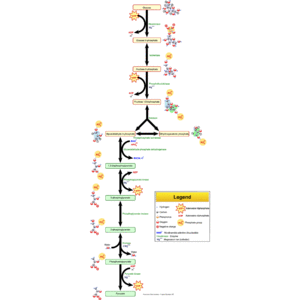
English: Glycolysis pathway overview.

English: Glycolysis pathway overview. (Photo credit: Wikipedia)
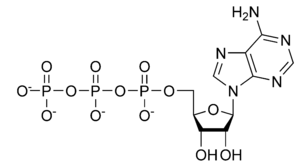
Adenosine triphosphate


Normal
0

false
false
false

EN-US
X-NONE
X-NONE

/* Style Definitions */
table.MsoNormalTable
{mso-style-name:”Table Normal”;
mso-tstyle-rowband-size:0;
mso-tstyle-colband-size:0;
mso-style-noshow:yes;
mso-style-priority:99;
mso-style-parent:””;
mso-padding-alt:0in 5.4pt 0in 5.4pt;
mso-para-margin-top:0in;
mso-para-margin-right:0in;
mso-para-margin-bottom:10.0pt;
mso-para-margin-left:0in;
line-height:115%;
mso-pagination:widow-orphan;
font-size:11.0pt;
font-family:”Calibri”,”sans-serif”;
mso-ascii-font-family:Calibri;
mso-ascii-theme-font:minor-latin;
mso-hansi-font-family:Calibri;
mso-hansi-theme-font:minor-latin;}

Warburg Effect, glycolysis, pyruvate kinase, PKM2, PIM2, mtDNA, complex I, NSCLC

Ribeirão Preto Area, Brazil|Government Relations
Current- University, USP-FMRP Physiology – Biochemistry
Previous- Imperial Cancer Research Fund Lab, Instituto de Investigaciones Bioquimicas, Luta armada e CIA
Education – FMRP-USP
While exile interrupted ny graduation in Medicine, started a port grade at Leloir´s Instituto Investigaciones bioquímicas Buenos Aires Argentina Jan 1970 – jan 1972. PhD from 1972- jan 1976 FMRP-USP . Post Doc ICRF London England 1979 -1980

“Those…..whose acquitance with scientific research is derived chiefly from its practical results easily develop a completely false notion of the { scientific } mentality.”

My goal and previous experience besides laboratory work was dedicated to solve this apparent conflict.

When Pasteur did his work studying the chemistry outside yeast-cells, he was able to perceive that in anaerobiosis yeast cells were able to convert sugar at a great velocity to its end products. While the same yeast cells, therefore with the same genome did it at a very slow speed in aerobiosis. Warburg tested tumor cells for the same and found that while normal cells from the organ in which he has found tumors presented a similar metabolic regulatory response to anaerobic/aerobic transition tumor cells did not. Tumos cells continued to display strong acidification (producing great amounts of lactate in the culture media) in aerobiosis.

Tumor cells displayed a failure in this regulatory mechanism that, he O. Warburg, named Pasteur effect. He also noticed that this defect continues from old cancer cells to newer ones. Therefore, for him, it is a genetic defect. Furthermore, as mitochondria generates newer mitochondria in the cells, the genetic component is in the mitochondria that were the site of core metabolism in aerobiosis.

Larry Bernstein
Part of what you describe is in Warburg biography by Hans Krebs (out of print). He also refers to a Meyerhof Quotient to express the degree of metabolic anaerobiosis. I don’t recall a reference to a mitochondrial “genetic” defect. That is farsighted. He did conclude that once the cancer cells were truly anaplastic, metastatic behavior was irreversible. It was only later that another Nobelist who described fatty acid synthesis, I think, concluded that the synthetic process tied up the same aerobic pathway so that anaerobic glycolysis became essential for the cells energetics. You can correct me if I’m in error. Where does the substrate come from? Lean body mass breaks down to provide gluconeogenic precursors. Points of concern are – deamination of branch chain AAs, the splitting of a 6 carbon sugar into 2 3-carbon chains, and the conversion of pyruvate to lactate with the reverse reaction blocked. There is also evidence that there is an impairment in the TCA cycle at the point of fumarase. Then there is never any consideration of the flow of substrates back and forth across the mitochondrial membrane (malate, aspartate), and the redox potentials.

Jose: For reasons independent of my will, the copy of Science,123(3191):309-14,1956 translation of O Warburg original article is not in my hands. Some that do not find any alternative form to respond to my critics concerning molecular biology distortion of biochemistry left on purpose, almost all of my older reprints on the rain. Anyway, O. Warburg refers to mitochondria using the expression of “grana” or “grains” if my recollections are correct. The original work of O Warburg is one of 1924 – Biochemisch ZeiTschrift.,152:51-60.1924. “Weberssert method zur messing der atmung un glycolyse, drese zeitschr.” Other aspects of your interesting comment I will try to comment latter.

By Jose Eduardo de Salles Roselino
Larry Bernstein, not as a correction but , following my line of reasoning about carbono fluxes…It is almost impossible to figure out what was really inside the mind-set of a scientific researcher at the time he has performed his work. Anyway, by the knowledge available at his time, we may conjecture about, even when we acknowledge that, what he may have had in mind at the start could be quite different from what he have latter published from his results.
In case, we try to present the ideas behind Warburg´s works we may take into account the following pre-existing knowledge: Lavoisier (done by 1779-1784) measured very carefully the amount of heat released by respiration and chemical oxidative processes. Reached the conclusion that respiration was slower but essentially similar to carbon combustion by chemical oxidative processes. By early XIX caloric values for gram of sugar, lipids and proteins where made clear. T Schwann recognized that yeast cells convert sugar in ethanol plus a volatile acid (carbon dioxide). Pasteur-effect was seen just as a change in the velocity of product production from a same sugar and/or a decrease in sugar concentration in the growth medium. This is a change in carbon flux velocity in the oxidative process calorimetrically measured by Lavoisier.
In Germany, however, the preponderance of organic chemical point of view has great scientists as Berzelius, Liebig etc. to consider that yeast where similar to inorganic catalysts. The oxidative process was caused by oxygen only. You may amuse yourself reading, how they attack T. Schwann proposal in Annalen, 29: 100 (1839). When O Warburg paid tribute to L. Pasteur, we can see clearly on which side he was. Furthermore, his apparatus, in which I was introduced to this line of research, a rather modern version at that time (1960s) that look like a very futuristic robotic version of the original with a pair of blinking red and green round lights as two eyes on a metallic head, offers a very important clue about the change in carbon flow.
Inside a Warburg glass flask, kept at very finely controlled temperature to avoid changes in pressure derived from changes in the temperature, you would certainly find a central well in which the volatile acid must be trapped in order to determine a pressure reduction only due to the decrease in oxygen pressure. Inside this central well, you could determine one product (carbon dioxide) and in the outside of it where tissues or cells where in the media you could also determine the other end product of the oxidative combustion of sugar (lactate). This has provide him with the result that indicate not only a change in the velocity as originally found by Pasteur in yeast cells but in the organic flow of sugar carbons.

comment –  E-mail: vbungau11@yahoo.com

-About carcinogenesis- Electronegativity is a nucleus of an atom’s ability to attract and maintain a cloud of electrons. Copper atom electronegativity is higher than the Iron atom electronegativity. Atom with lower electronegativity (Iron),remove the atom with higher electronegativity (Copper) of combinations. This means that,in conditions of acidosis, we have cytochrome oxidase with iron (red, neoplastic), instead of cytochrome oxidase with copper (green, normal).I think this is the key to carcinogenesis. Siincerely, Dr. Viorel Bungau

Read Full Post »

Mitochondria: Origin from oxygen free environment, role in aerobic glycolysis, metabolic adaptation


English: A diagram of cellular respiration inc...

English: A diagram of cellular respiration including glycolysis, Krebs cycle, citric acid cycle, and the electron transport chain (Photo credit: Wikipedia)

English: Figure from Journal publication of sc...

English: Diagram showing regulation of the enz...

Reporter and Curator: Larry H Bernstein, MD, FACP

Introduction

Mitochondria are essential for life, and are critical for the generation of ATP. Otto Warburg won the Nobel Prize in 1918 for his studies of respiration and he described a situation of impaired respiration in cancer cells causing them to produce lactic acid, like bacteria. This has been termed facultative anaerobic glycolysis. The metabolic explanation for mitochondrial respiration had to await the Nobel discoveries of the Krebs cycle and high energy ~P in acetyl CoA by Fritz Lippman. The Krebs cycle generates 16 ATPs I respiration compared to 2 ATPs through glycolysis. The discovery of the genetic code with the “Watson-Crick” model and the identification of DNA polymerase opened a window for contuing discovery leading to the human genome project at 20th century end that has now been followed by “ENCODE” in the 21st century. This review opens a rediscovery of the metabolic function of mitochondria and adaptive functions with respect to cancer and other diseases.

Function in aerobic and anaerobic metabolism

Two-carbon compounds – the TCA, the pentose phosphate pathway, together with gluconeogenesis and the glyoxylate cycle are essential for the provision of anabolic precursors. Yeast environmental diversity mostly leads to a vast metabolic complexity driven by carbon and the energy available in environmental habitats. This resulted in much early research on analysis of yeast metabolism associated with glucose catabolism in Saccharomyces cerevisiae, under both aerobic and anaerobic environments. Yeasts may be physiologically classified with respect to the type of energy-generating process involved in sugar metabolism, namely non-, facultative- or obligate fermentative. The nonfermentative yeasts have exclusively a respiratory metabolism and are not capable of alcoholic fermentation from glucose, while the obligate-fermentative yeasts – “natural respiratory mutants” – are only capable of metabolizing glucose through alcoholic fermentation. Most of the yeasts identified are facultative-fermentative ones, and depending on the growth conditions, the type and concentration of sugars and/or oxygen availability, may display either a fully respiratory or a fermentative metabolism or even both in a mixed respiratory-fermentative metabolism (e.g., S. cerevisiae). The sugar composition of the media and oxygen availability are the two main environmental conditions that have a strong impact on yeast metabolic physiology, and three frequently observed effects associated with the type of energy-generating processes involved in sugar metabolism and/or oxygen availability are Pasteur, Crabtree and Custer. In modern terms the Pasteur effect refers to an activation of anaerobic glycolysis in order to meet cellular ATP demands owing to the lower efficiency of ATP production by fermentation compared with respiration. In 1861 Pasteur observed that S. cerevisiae consume much more glucose in the absence of oxygen than in its presence. S. cerevisiae only shows a Pasteur at low growth rates and at resting-cell conditions, where a high contribution of respiration to sugar catabolism occurs owing to the loss of fermentative capacity. The Crabtree effect is defined as the occurrence of alcoholic fermentation under aerobic conditions, explained by a theory involving “limited respiratory capacities” in the branching point of pyruvate metabolism. The Custer effect is known as the inhibition of alcoholic fermentation by the absence of oxygen. It is thought that the Custer effect is caused by reductive stress.

Glycolysis

Once inside the cell, glucose is phosphorylated by kinases to glucose 6-phosphate and then isomerized to fructose 6-phosphate, by phosphoglucose isomerase. The next enzyme is phospho-fructokinase, which is subject to regulation by several metabolites, and further phosphorylates fructose 6-phosphate to fructose 1,6-bisphosphate. These steps of glycolysis require energy in the form of ATP. Glycolysis leads to pyruvate formation associated with a net production of energy and reducing equivalents. Approximately 50% of glucose 6-phosphate is metabolized via glycolysis and 30% via the pentose phosphate pathway in Crabtree negative yeasts. However, about 90% of the carbon going through the pentose phosphate pathway reentered glycolysis at the level of fructose 6-phosphate or glyceraldehyde 3-phosphate. The pentose phosphate pathway in Crabtree positive yeasts (S. cerevisiae) is predominantly used for NADPH production but not for biomass production or catabolic reactions.
Pyruvate branch point. At the pyruvate (the end product of glycolysis) branching point, pyruvate can follow three different metabolic fates depending on the yeast species and the environmental conditions. On the other hand, the carbon flux may be distributed between the respiratory and fermentative pathways. Pyruvate might be directly converted to acetyl–cofactor A (CoA) by the mitochondrial multienzyme complex pyruvate dehydrogenase (PDH) after its transport into the mitochondria by the mitochondrial pyruvate carrier. Alternatively, pyruvate can also be converted to acetyl–CoA in the cytosol via acetaldehyde and to acetate by the so-called PDH-bypass pathway. Compared with cytosolic pyruvate decarboxylase, the mitochondrial PDH complex has a higher affinity for pyruvate and therefore most of the pyruvate will flow through the PDH complex at low glycolytic rates. However, at increasing glucose concentrations, the glycolytic rate will increase and more pyruvate is formed, saturating the PDH bypass and shifting the carbon flux through ethanol production. In the yeast S. cerevisiae, the external glucose level controls the switch between respiration and fermentation.

Rodrigues F, Ludovico P and Leão C. Sugar Metabolism in Yeasts: an Overview of Aerobic and Anaerobic Glucose Catabolism. In Molecular and Structural Biology. Chapter 6. qxd 07/23/05 P117
Eriksson P, Andre L, Ansell R, Blomberg A, Adler L (1995) Cloning and characterization of GPD2, a second gene encoding sn-glycerol 3-phosphate dehydrogenase (NAD+) in Saccharomyces cerevisiae, and its comparison with GPD1. Mol Microbiol 17:95–107.
Flikweert MT, van der Zanden L, Janssen WM, Steensma HY, van Dijken JP, Pronk JT (1996)Pyruvate decarboxylase: an indispensable enzyme for growth of Saccharomyces cerevisiae on glucose. Yeast 12:247–257.

Biogenesis of mitochondrial structures from aerobically grown S. cerevisiae

Under aerobic conditions S. cerevisiae forms mitochondria which are classical in their properties,
but the number, morphology, and enzyme activity of these mitochondria are also affected by catabolite repression, but it cannot respire under anaerobic conditions and lacks cytochromes. These structures were isolated from anaerobically grown yeast cells and contain malate and succinate dehydrogenases, ATPase, and DNA characteristic of yeast mitochondria. These lipid-complete structures consist predominantly of double-membrane vesicles enclosing a dense matrix which contains a folded inner membrane system bordering electron-transparent regions similar to the cristae of mitochondria.

  • The morphology of the structures is critically dependent on their lipid composition
  • Their unsaturated fatty acid content is similar to that of mitochondria from aerobically grown cells
  • The structures from cells grown without lipid supplements have simpler morphology – a dense granular matrix surrounded by a double membrane but have no obvious folded inner membrane system within the matrix
  • The lipid-depleted structures are only isolated in intact form from protoplasts
  • The synthesis of ergosterol and unsaturated fatty acids is oxygen-dependent and anaerobically grown cells may be depleted of these lipid components
  • The cytology of anaerobically grown yeast cells is profoundly affected by both lipid-depletion and catabolite repression
  • Lipid-depleted anaerobic cells, membranous mitochondrial profiles were not demonstrable
  • The structures from the aerobically and anaerobically grown cells are markedly different in morphology and fatty acid composition, but both contain mitochondrial DNA and a number of mitochondrial enzymes

The phospholipid composition of various strains of Saccharomyces cerevisiae, wild type and petite (cytoplasmic respiratory deficient) yeasts and derived mitochondrial mutants grown under conditions designed to induce variations in the complement of mitochondrial were fractionated into various subcellular fractions and analyzed for cytochrome oxidase (in wild type) and phospholipid composition . 90% or more of the phospholipid, cardiolipin was found in the mitochondrial membranes of wild type and petite yeast . Cardiolipin content differed markedly under various growth conditions .

  • Stationary yeast grown in glucose had better developed mitochondria and more cardiolipin than repressed log phase yeast .
  • Aerobic yeast contained more cardiolipin than anaerobic yeast .
  • Respiration-deficient cytoplasmic mitochondrial mutants, both suppressive and neutral, contained less cardiolipin than corresponding wild types .
  • A chromosomal mutant lacking respiratory function had normal cardiolipin content .
  • Log phase cells grown in galactose and lactate, which do not readily repress the development of mitochondrial membranes, contained as much cardiolipin as stationary phase cells grown in glucose .
  • Cytoplasmic mitochondrial mutants respond to changes in the glucose concentration of the growth medium by variations in their cardiolipin content in the same way as wild type yeast does under similar growth conditions.
  • It is of interest that the chromosomal petite, which as far as can be ascertained has qualitatively normal mitochondrial DNA and a normal cardiolipin content when grown under maximally derepressed conditions .

Thus, the genetic defect in this case probably does not diminish the mass of inner mitochondrial membrane under appropriate conditions . This suggests the cardiolipin content of yeast is a good indicator of the state of development of mitochondrial membrane.
Jakovcic S, Getz Gs, Rabinowitz M, Jakob H, Swift H. Cardiolipin Content Of Wild Type and Mutant Yeasts in Relation to Mitochondrial Function and Development. JCB 1971. jcb.rupress.org
Jakovcic S, Haddock J, Getz GS, Rabinowitz M, Swift H. Biochem J. 1971; 121 :341 .
EPHRUSSI, B . 1953 . Nucleocytoplasmic Relations in Microorganisms . Clarendon Press, Oxford.

Mitochondria, hydrogenosomes and mitosomes

Before and after the publication of an unnoticed article in 1905 by Mereschkowsky there were many publications dealing with plant “chimera’s” and cytoplasmic inheritance in plants, which should have favoured the interpretation of plastids as “semi-autonomous” symbiotic entities in the cytoplasm of the eukaryotic plant cell. Twenty years after Mereschkowsky’s plea for an endosymbiotic origin of plastids, Wallin (1925, 1927) postulated the “bacterial nature of mitochondria”. And so it is one of the mysteries of the 20th century that an endosymbiotic origin of plastids had not been generally accepted before the 1970s, primarily because one cannot experience the consequences of mutations in the mitochondrial genome by naked eye.

  • Mitochondrial DNA is usually present in multiple copies in one and the same mitochondrion and those in the hundreds to thousands of mitochondria in a single cell are not necessarily identical.
  • The random partitioning of the mitochondria in mitosis (and meiosis) frequently results in a more or less biased distribution of the diverent mitochondria in the daughter cells, eventually causing diverent phenotypes in different tissues obscuring the maternal inheritance
  • It was not until the 1990s that certain diseases—which had been interpreted as being X-chromosomal with incomplete penetrance—eventually turned out to be

Lastly, the vast majority of mitochondrial proteins are encoded in the nucleus and, consequently, mutations in the corresponding genes exhibit a Mendelian, and not a cytoplasmic, maternal inheritance
In the 1970s and 1980s the unequivocal demonstration of mitochondrial DNA occurred
and mitochondrial mutations at the DNA level provided the final proof for the role of such mutations in a wealth of hereditary diseases in man.

  • The genomics era provided the tools to prove the endosymbiont-hypothesis for the origin of the eukaryotic cell

Since DNA does not arise de novo, the genomes of organisms and organelles provide a historical record for the evolution of the eukaryotic cell and its organelles. The DNA sequences of two to three genomes of the eukaryotic cell turned out to be a record of the evolution of the eukaryotic life on earth. The analysis of organelle genomes unequivocally revealed a cyanobacterial origin for plastids and an -proteobacterial origin for mitochondria. Both plastids and mitochondria appear to be monophyletic, i.e. plastids derived from one and the same cyanobacterial ancestor, and mitochondria from one and the same -proteobacterial ancestor.
The evolution of the eukaryotic cell appears to have involved one (in the case of animals) or two (in the case of plants) events that took place 1.5 to 2 billion years ago. However, it appears that symbioses involving one or the other eubacterium arose repeatedly during the billions of years available. For example, photosynthetic algae by phagotrophic eukaryotes, negating the hypothesis of a single eukaryotic event, rather than stringent selection shaping the diversity of present-day life. Recent hypotheses for the origin of the nucleus have postulated that introns, which could be acquired by the uptake of the -proteobacterial endosymbiont, forced the nucleus-cytosol compartmentalization. Lateral gene transfer among eukaryotes is more frequent than was assumed earlier, and “mitochondrial genes” in the nuclear genomes of amitochondrial organisms are not necessarily the consequence of a transient presence of a DNA-containing mitochondrial-like organelle.
To cope with the obvious ubiquity of “mitochondrial” genes and the chimerism of the DNA of present day eukaryotes, the hydrogen hypothesis postulates that an archaeal host took up a eubacterial symbiont that became the ancestor of mitochondria and hydrogenosomes. The hydrogen hypothesis has the potential to explain both the monophyly of the mitochondria, and the existence of “anaerobic” and “aerobic” variants of one and the same original organelle. Based on these observations we have only the terms “mitochondrion”, “hydrogenosome” and “mitosome” to classify the various variants of the mitochondrial family.
Hackstein JHP, Joachim Tjaden J , Huynen M. Mitochondria, hydrogenosomes and mitosomes: products of evolutionary tinkering! Curr Genet (2006) 50:225–245. DOI 10.1007/s00294-006-0088-8.

Lineages

A look at the phylogenetic distribution of characterized anaerobic mitochondria among animal lineages shows that these are not clustered but spread across metazoan phylogeny. The biochemistry and the enzyme equipment used in the facultatively anaerobic mitochondria of metazoans is nearly identical across lineages, strongly indicating a common origin from an archaic metazoan ancestor. The organelles look like hydrogenosomes – anaerobic forms of mitochondria that generate H2 and adenosine triphosphate (ATP) from pyruvateoxidation and which were previously found only in unicellular eukaryotes. The animals harbor structures resembling prokaryotic endosymbionts, reminiscent of the methanogenic endosymbionts found in some hydrogenosome-bearing protists; fluorescence of F420, a typical methanogen cofactor, or lack thereof, will bring more insights as to what these structures are. If we follow the anaerobic lifestyle further back into evolutionary history, beyond the origin of the metazoans, we see that the phylogenetic distribution of eukaryotes with facultative anaerobic mitochondria, eukaryotes with hydrogenosomes and eukaryotes that possess mitosomes (reduced forms of mitochondria with no direct role in ATP synthesis) the picture is similar to that seen for animals. In all six of the major lineages (or supergroups) of eukaryotes that are currently recognized, forms with anaerobic mitochondria have been found. The newest additions to the growing collection of anaerobic mitochondrial metabolisms are the denitrifying foraminiferans. A handful of about a dozen enzymes make the difference between a ‘normal’ O2-respiring mitochondrion found in mammals, and the energy metabolism of eukaryotes with anaerobic mitochondria, hydrogenosomes or mitosomes. Notably, the full complement of those enzymes, once thought to be specific to eukaryotic anaerobes, surprisingly turned up in the green alga Chlamydomonas reinhardtii , which produces O2 in the light, has typical O2-respiring mitochondria but, within about 30 min of exposure to heterotrophic, anoxic and dark conditions, expresses its anaerobic biochemistry to make H2 in the same way as trichomonads, the group in which hydrogenosomes were discovered. Chlamydomonas provides evidence which indicates that the ability to inhabit oxygen-harbouring, as well as anoxic environments, is an ancestral feature of eukaryotes and their mitochondria. The prokaryote inhabitants have existed for well over a billion years, and have reached this new habitat by dispersal, not by adaptive evolution de novo and in situ. Indeed, geochemical evidence has shown that methanogenesis and sulphate reduction, and the niches in which they occur, are truly ancient.
Mentel and Martin. Anaerobic mitochondria: more common all the time. BMC Biology 2010; 8:32. BioMed Central Ltd. http://www.biomedcentral.com/1741-7007/8/32.

Anaerobic mitochondrial enzymes

Mitochondria from the muscle of the parasitic nematode Ascaris lumbricoides var. suum function anaerobically in electron transport-associated phosphorylations under physiological conditions. These helminth organelles have been fractionated into inner and outer membrane, matrix, and inter-membrane space fractions. The distributions of enzyme systems were determined and compared with corresponding distributions reported in mammalian mitochondria. Succinate and pyruvate dehydrogenases as well as NADH oxidase, Mg++-dependent ATPase, adenylate kinase, citrate synthase, and cytochrome c reductases were determined to be distributed as in mammalian mitochondria. In contrast with the mammalian systems, fumarase and NAD-linked “malic” enzyme were isolated primarily from the intermembrane space fraction of the worm mitochondria. These enzymes are required for the anaerobic energy-generating system in Ascaris and would be expected to give rise to NADH in the intermembrane space.
Pyruvate kinase activity is barely detectable in Ascaris muscle. Therefore, rather than giving rise to cytoplasmic pyruvate, CO2 is fixed into phosphoenolpyruvate, resulting in the formation of oxalacetate which, in turn, is reduced by NADH to form malate regenerating glycolytic NAD . Ascaris muscle mitochondria utilize malate anaerobically as their major substrate by means of a dismutation reaction. The “malic” enzyme in the mitochondrion catalyzes theoxidation of malate to form pyruvate, CO2, and NADH. This reaction serves to generate intramitochondrial reducing power in the form of NADH. Concomitantly, fumarase catalyzes thedehydration of an equivalent amount of malate to form fumarate which, in turn, is reduced by an NADH-linked fumarate reductase to succinate. The flavin-linked fumarate reductase reaction results in a site I electron transport-associated phosphorylation of ADP, giving rise to ATP. This identifies a proton translocation system to obtain energy generation.
Rew RS, Saz HJ. Enzyme Localization in the Anaerobic Mitochondria Of Ascaris Lumbricoides. The Journal Of Cell Biology 1974; 63: 125-135. jcb.rupress.org

Mitochondrial redox status

Tumor cells are characterized by accelerated growth usually accompanied by up-regulated pathways that ultimately increase the rate of ATP production. These cells can suffer metabolic reprogramming, resulting in distinct bioenergetic phenotypes, generally enhancing glycolysis channeled to lactate production. These investigators showed metabolic reprogramming by means of inhibitors of histone deacetylase (HDACis), sodium butyrate and trichostatin. This treatment was able to shift energy metabolism by activating mitochondrial systems such as the respiratory chain and oxidative phosphorylation that were largely repressed in the untreated controls.
Amoêdo ND, Rodrigues MF, Pezzuto P, Galina A, et al. Energy Metabolism in H460 Lung Cancer Cells: Effects of Histone Deacetylase Inhibitors. PLoS ONE 2011; 6(7): e22264. doi:10.1371/ journal.pone.0022264
Antioxidant pathways that rely on NADPH are needed for the reduction of glutathione and maintenance of proper redox status. The mitochondrial matrix protein isocitrate dehydrogenase 2 (IDH2) is a major source of NADPH. NAD+-dependent deacetylase SIRT3 is essential for the prevention of age related hearing loss of caloric restricted mice. Oxidative stress resistance by SIRT3 was mediated through IDH2. Inserting SIRT3 Nε-acetyl-lysine into position 413 of IDH2 and has an activity loss by as much as 44-fold. Deacetylation by SIRT3 fully restored maximum IDH2 activity. The ability of SIRT3 to protect cells from oxidative stress was dependent on IDH2, and the deacetylated mimic, IDH2K413R variant was able to protect Sirt3-/- MEFs from oxidative stress through increased reduced glutathione levels. The increased SIRT3 expression protects cells from oxidative stress through IDH2 activation. Together these results uncover a previously unknown mechanism by which SIRT3 regulates IDH2 under dietary restriction. Recent findings demonstrate that IDH2 activities are a major factor in cancer, and as such, these results implicate SIRT3 as a potential regulator of IDH2-dependent functions in cancer cell metabolism.
Wei Yu, Dittenhafer-Reed KE and JM Denu. SIRT3 Deacetylates Isocitrate Dehydrogenase 2 (IDH2) and Regulates Mitochondrial Redox Status. JBC Papers in Press. Published on March 13, 2012 as Manuscript M112.355206. http://www.jbc.org
Computationally designed drug small molecules targeted for metabolic processes: a bridge from the genome to repair of dysmetabolism
New druglike small molecules with possible anticancer applications were computationally designed. The molecules formed stable complexes with antiapoptotic BCL-2, BCL-W, and BFL-1 proteins. These findings are novel because, to the best of the author’s knowledge, molecules that bind all three of these proteins are not known. A drug based on them should be more economical and better tolerated by patients than a combination of drugs, each targeting a single protein. The calculated drug-related properties of the molecules were similar to those found in most commercial drugs. The molecules were designed and evaluated following a simple, yet effective procedure. The procedure can be used efficiently in the early phases of drug discovery to evaluate promising lead compounds in time- and cost-effective ways.
Keywords: small molecule mimetics, antiapoptotic proteins, computational drug design.

Tardigrades

Tardigrades have unique stress-adaptations that allow them to survive extremes of cold, heat, radiation and vacuum. To study this, encoded protein clusters and pathways from an ongoing transcriptome study on the tardigrade Milnesium tardigradum were analyzed using bioinformatics tools and compared to expressed sequence tags (ESTs) from Hypsibius dujardini, revealing major pathways involved in resistance against extreme environmental conditions. ESTs are available on the Tardigrade Workbench along with software and databank updates. Our analysis reveals that RNA stability motifs for M. tardigradum are different from typical motifs known from higher animals. M. tardigradum and H. dujardini protein clusters and conserved domains imply metabolic storage pathways for glycogen, glycolipids and specific secondary metabolism as well as stress response pathways (including heat shock proteins, bmh2, and specific repair pathways). Redox-, DNA-, stress- and protein protection pathways complement specific repair capabilities to achieve the strong robustness of M. tardigradum. These pathways are partly conserved in other animals and their manipulation could boost stress adaptation even in human cells. However, the unique combination of resistance and repair pathways make tardigrades and M. tardigradum in particular so highly stress resistant.
Keywords: RNA, expressed sequence tag, cluster, protein family, adaptation, tardigrada, transcriptome

Epicrisis

This discussion has disparate pieces that are tied together by dysfunctional changes that are

  • adaptations from metabolic process in the channeling of energy dependent of mitochondrial enzymes in interaction with three to 6 carbon carbohydrates, high energy phosphate, oxygen and membrane lipid structures, as well as
  • proteins rich or poor in sulfur linked with genome specific targets, and semisynthetic modifications, oxidative stress
  • leading to a new approach to pharmaceutical targeted drug design.

Related articles


Read Full Post »

Expanding the Genetic Alphabet and Linking the Genome to the Metabolome

English: The citric acid cycle, also known as ...

English: The citric acid cycle, also known as the tricarboxylic acid cycle (TCA cycle) or the Krebs cycle. Produced at WikiPathways. (Photo credit: Wikipedia)

Expanding the Genetic Alphabet and Linking the Genome to the Metabolome


Reporter& Curator:  Larry Bernstein, MD, FCAP


Unlocking the diversity of genomic expression within tumorigenesis and “tailoring” of therapeutic options

1. Reshaping the DNA landscape between diseases and within diseases by the linking of DNA to treatments

In the NEW York Times of 9/24,2012 Gina Kolata reports on four types of breast cancer and the reshaping of breast cancer DNA treatment based on the findings of the genetically distinct types, which each have common “cluster” features that are driving many cancers.  The discoveries were published online in the journal Nature on Sunday (9/23).  The study is considered the first comprehensive genetic analysis of breast cancer and called a roadmap to future breast cancer treatments.  I consider that if this is a landmark study in cancer genomics leading to personalized drug management of patients, it is also a fitting of the treatment to measurable “combinatorial feature sets” that tie into population biodiversity with respect to known conditions.   The researchers caution that it will take years to establish transformative treatments, and this is clearly because in the genetic types, there are subsets that have a bearing on treatment “tailoring”.   In addition, there is growing evidence that the Watson-Crick model of the gene is itself being modified by an expansion of the alphabet used to construct the DNA library, which itself will open opportunities to explain some of what has been considered junk DNA, and which may carry essential information with respect to metabolic pathways and pathway regulation.  The breast cancer study is tied to the  “Cancer Genome Atlas” Project, already reported.  It is expected that this work will tie into building maps of genetic changes in common cancers, such as, breast, colon, and lung.  What is not explicit I presume is a closely related concept, that the translational challenge is closely related to the suppression of key proteomic processes tied into manipulating the metabolome.

Saha S. Impact of evolutionary selection on functional regions: The imprint of evolutionary selection on ENCODE regulatory elements is manifested between species and within human populations. 9/12/2012. PharmaceuticalIntelligence.Wordpress.com

Hawrylycz MJ, Lein ES, Guillozet-Bongaarts AL, Shen EH, Ng L, et al. An anatomically comprehensive atlas of the adult human brain transcriptome. Nature  Sept 14-20, 2012

Sarkar A. Prediction of Nucleosome Positioning and Occupancy Using a Statistical Mechanics Model. 9/12/2012. PharmaceuticalIntelligence.WordPress.com

Heijden et al.   Connecting nucleosome positions with free energy landscapes. (Proc Natl Acad Sci U S A. 2012, Aug 20 [Epub ahead of print]).  http://www.ncbi.nlm.nih.gov/pubmed/22908247

2. Fiddling with an expanded genetic alphabet – greater flexibility in design of treatment (pharmaneogenesis?)

Diagram of DNA polymerase extending a DNA stra...

Diagram of DNA polymerase extending a DNA strand and proof-reading. (Photo credit: Wikipedia)

A clear indication of this emerging remodeling of the genetic alphabet is a new
study led by scientists at The Scripps Research Institute appeared in the
June 3, 2012 issue of Nature Chemical Biology that indicates the genetic code as
we know it may be expanded to include synthetic and unnatural sequence pairing (Study Suggests Expanding the Genetic Alphabet May Be Easier than Previously Thought, Genome). They infer that the genetic instructions for living organisms
that is composed of four bases (C, G, A and T)— is open to unnatural letters. An expanded “DNA alphabet” could carry more information than natural DNA, potentially coding for a much wider range of molecules and enabling a variety of powerful applications. The implications of the application of this would further expand the translation of portions of DNA to new transciptional proteins that are heretofore unknown, but have metabolic relavence and therapeutic potential. The existence of such pairing in nature has been studied in Eukariotes for at least a decade, and may have a role in biodiversity. The investigators show how a previously identified pair of artificial DNA bases can go through the DNA replication process almost as efficiently as the four natural bases.  This could as well be translated into human diversity, and human diseases.

The Romesberg laboratory collaborated on the new study and his lab have been trying to find a way to extend the DNA alphabet since the late 1990s. In 2008, they developed the efficiently replicating bases NaM and 5SICS, which come together as a complementary base pair within the DNA helix, much as, in normal DNA, the base adenine (A) pairs with thymine (T), and cytosine (C) pairs with guanine (G). It had been clear that their chemical structures lack the ability to form the hydrogen bonds that join natural base pairs in DNA. Such bonds had been thought to be an absolute requirement for successful DNA replication, but that is not the case because other bonds can be in play.

The data strongly suggested that NaM and 5SICS do not even approximate the edge-to-edge geometry of natural base pairs—termed the Watson-Crick geometry, after the co-discoverers of the DNA double-helix. Instead, they join in a looser, overlapping, “intercalated” fashion that resembles a ‘mispair.’ In test after test, the NaM-5SICS pair was efficiently replicable even though it appeared that the DNA polymerase didn’t recognize it. Their structural data showed that the NaM-5SICS pair maintain an abnormal, intercalated structure within double-helix DNA—but remarkably adopt the normal, edge-to-edge, “Watson-Crick” positioning when gripped by the polymerase during the crucial moments of DNA replication. NaM and 5SICS, lacking hydrogen bonds, are held together in the DNA double-helix by “hydrophobic” forces, which cause certain molecular structures (like those found in oil) to be repelled by water molecules, and thus to cling together in a watery medium.

The finding suggests that NaM-5SICS and potentially other, hydrophobically bound base pairs could be used to extend the DNA alphabet and that Evolution’s choice of the existing four-letter DNA alphabet—on this planet—may have been developed allowing for life based on other genetic systems.

3.  Studies that consider a DNA triplet model that includes one or more NATURAL nucleosides and looks closely allied to the formation of the disulfide bond and oxidation reduction reaction.

This independent work is being conducted based on a similar concep. John Berger, founder of Triplex DNA has commented on this. He emphasizes Sulfur as the most important element for understanding evolution of metabolic pathways in the human transcriptome. It is a combination of sulfur 34 and sulphur 32 ATMU. S34 is element 16 + flourine, while S32 is element 16 + phosphorous. The cysteine-cystine bond is the bridge and controller between inorganic chemistry (flourine) and organic chemistry (phosphorous). He uses a dual spelling, using  sulfphur to combine the two referring to the master catalyst of oxidation-reduction reactions. Various isotopic alleles (please note the duality principle which is natures most important pattern). Sulfphur is Methionine, S adenosylmethionine, cysteine, cystine, taurine, gluthionine, acetyl Coenzyme A, Biotin, Linoic acid, H2S, H2SO4, HSO3-, cytochromes, thioredoxin, ferredoxins, purple sulfphur anerobic bacteria prokaroytes, hydrocarbons, green sulfphur bacteria, garlic, penicillin and many antibiotics; hundreds of CSN drugs for parasites and fungi antagonists. These are but a few names which come to mind. It is at the heart of the Krebs cycle of oxidative phosphorylation, i.e. ATP. It is also a second pathway to purine metabolism and nucleic acids. It literally is the key enzymes between RNA and DNA, ie, SH thiol bond oxidized to SS (dna) cysteine through thioredoxins, ferredoxins, and nitrogenase. The immune system is founded upon sulfphur compounds and processes. Photosynthesis Fe4S4 to Fe2S3 absorbs the entire electromagnetic spectrum which is filtered by the Allen belt some 75 miles above earth. Look up chromatium vinosum or allochromatium species.  There is reasonable evidence it is the first symbiotic species of sulfphur anerobic bacteria (Fe4S4) with high potential mvolts which drives photosynthesis while making glucose with H2S.
He envisions a sulfphur control map to automate human metabolism with exact timing sequences, at specific three dimensional coordinates on Bravais crystalline lattices. He proposes adding the inosine-xanthosine family to the current 5 nucleotide genetic code. Finally, he adds, the expanded genetic code is populated with “synthetic nucleosides and nucleotides” with all kinds of customized functional side groups, which often reshape nature’s allosteric and physiochemical properties. The inosine family is nature’s natural evolutionary partner with the adenosine and guanosine families in purine synthesis de novo, salvage, and catabolic degradation. Inosine has three major enzymes (IMPDH1,2&3 for purine ring closure, HPGRT for purine salvage, and xanthine oxidase and xanthine dehydrogenase.

English: DNA replication or DNA synthesis is t...

English: DNA replication or DNA synthesis is the process of copying a double-stranded DNA molecule. This process is paramount to all life as we know it. (Photo credit: Wikipedia)

3. Nutritional regulation of gene expression,  an essential role of sulfur, and metabolic control 

Finally, the research carried out for decades by Yves Ingenbleek and the late Vernon Young warrants mention. According to their work, sulfur is again tagged as essential for health. Sulfur (S) is the seventh most abundant element measurable in human tissues and its provision is mainly insured by the intake of methionine (Met) found in plant and animal proteins. Met is endowed with unique functional properties as it controls the ribosomal initiation of protein syntheses, governs a myriad of major metabolic and catalytic activities and may be subjected to reversible redox processes contributing to safeguard protein integrity.

Consuming diets with inadequate amounts of methionine (Met) are characterized by overt or subclinical protein malnutrition, and it has serious morbid consequences. The result is reduction in size of their lean body mass (LBM), best identified by the serial measurement of plasma transthyretin (TTR), which is seen with unachieved replenishment (chronic malnutrition, strict veganism) or excessive losses (trauma, burns, inflammatory diseases).  This status is accompanied by a rise in homocysteine, and a concomitant fall in methionine.  The ratio of S to N is quite invariant, but dependent on source.  The S:N ratio is typical 1:20 for plant sources and 1:14.5 for animal protein sources.  The key enzyme involved with the control of Met in man is the enzyme cystathionine-b-synthase, which declines with inadequate dietary provision of S, and the loss is not compensated by cobalamine for CH3- transfer.

As a result of the disordered metabolic state from inadequate sulfur intake (the S:N ratio is lower in plants than in animals), the transsulfuration pathway is depressed at cystathionine-β-synthase (CβS) level triggering the upstream sequestration of homocysteine (Hcy) in biological fluids and promoting its conversion to Met. They both stimulate comparable remethylation reactions from homocysteine (Hcy), indicating that Met homeostasis benefits from high metabolic priority. Maintenance of beneficial Met homeostasis is counterpoised by the drop of cysteine (Cys) and glutathione (GSH) values downstream to CβS causing reducing molecules implicated in the regulation of the 3 desulfuration pathways

4. The effect on accretion of LBM of protein malnutrition and/or the inflammatory state: in closer focus

Hepatic synthesis is influenced by nutritional and inflammatory circumstances working concomitantly and liver production of  TTR integrates the dietary and stressful components of any disease spectrum. Thus we have a depletion of visceral transport proteins made by the liver and fat-free weight loss secondary to protein catabolism. This is most accurately reflected by TTR, which is a rapid turnover protein, but it is involved in transport and is essential for thyroid function (thyroxine-binding prealbumin) and tied to retinol-binding protein. Furthermore, protein accretion is dependent on a sulfonation reaction with 2 ATP.  Consequently, Kwashiorkor is associated with thyroid goiter, as the pituitary-thyroid axis is a major sulfonation target. With this in mind, it is not surprising why TTR is the sole plasma protein whose evolutionary patterns closely follow the shape outlined by LBM fluctuations. Serial measurement of TTR therefore provides unequaled information on the alterations affecting overall protein nutritional status. Recent advances in TTR physiopathology emphasize the detecting power and preventive role played by the protein in hyper-homocysteinemic states.

Individuals submitted to N-restricted regimens are basically able to maintain N homeostasis until very late in the starvation processes. But the N balance study only provides an overall estimate of N gains and losses but fails to identify the tissue sites and specific interorgan fluxes involved. Using vastly improved methods the LBM has been measured in its components. The LBM of the reference man contains 98% of total body potassium (TBK) and the bulk of total body sulfur (TBS). TBK and TBS reach equal intracellular amounts (140 g each) and share distribution patterns (half in SM and half in the rest of cell mass). The body content of K and S largely exceeds that of magnesium (19 g), iron (4.2 g) and zinc (2.3 g).

TBN and TBK are highly correlated in healthy subjects and both parameters manifest an age-dependent curvilinear decline with an accelerated decrease after 65 years. Sulfur Methylation (SM) undergoes a 15% reduction in size per decade, an involutive process. The trend toward sarcopenia is more marked and rapid in elderly men than in elderly women decreasing strength and functional capacity. The downward SM slope may be somewhat prevented by physical training or accelerated by supranormal cytokine status as reported in apparently healthy aged persons suffering low-grade inflammation or in critically ill patients whose muscle mass undergoes proteolysis.

5.  The results of the events described are:

  • Declining generation of hydrogen sulfide (H2S) from enzymatic sources and in the non-enzymatic reduction of elemental S to H2S.
  • The biogenesis of H2S via non-enzymatic reduction is further inhibited in areas where earth’s crust is depleted in elemental sulfur (S8) and sulfate oxyanions.
  • Elemental S operates as co-factor of several (apo)enzymes critically involved in the control of oxidative processes.

Combination of protein and sulfur dietary deficiencies constitute a novel clinical entity threatening plant-eating population groups. They have a defective production of Cys, GSH and H2S reductants, explaining persistence of an oxidative burden.

6. The clinical entity increases the risk of developing:

  • cardiovascular diseases (CVD) and
  • stroke

in plant-eating populations regardless of Framingham criteria and vitamin-B status.
Met molecules supplied by dietary proteins are submitted to transmethylation processes resulting in the release of Hcy which:

  • either undergoes Hcy — Met RM pathways or
  • is committed to transsulfuration decay.

Impairment of CβS activity, as described in protein malnutrition, entails supranormal accumulation of Hcy in body fluids, stimulation of activity and maintenance of Met homeostasis. The data show that combined protein- and S-deficiencies work in concert to deplete Cys, GSH and H2S from their body reserves, hence impeding these reducing molecules to properly face the oxidative stress imposed by hyperhomocysteinemia.

Although unrecognized up to now, the nutritional disorder is one of the commonest worldwide, reaching top prevalence in populated regions of Southeastern Asia. Increased risk of hyperhomocysteinemia and oxidative stress may also affect individuals suffering from intestinal malabsorption or westernized communities having adopted vegan dietary lifestyles.

Ingenbleek Y. Hyperhomocysteinemia is a biomarker of sulfur-deficiency in human morbidities. Open Clin. Chem. J. 2009 ; 2 : 49-60.

7. The dysfunctional metabolism in transitional cell transformation

A third development is also important and possibly related. The transition a cell goes through in becoming cancerous tends to be driven by changes to the cell’s DNA. But that is not the whole story. Large-scale techniques to the study of metabolic processes going on in cancer cells is being carried out at Oxford, UK in collaboration with Japanese workers. This thread will extend our insight into the metabolome. Otto Warburg, the pioneer in respiration studies, pointed out in the early 1900s that most cancer cells get the energy they need predominantly through a high utilization of glucose with lower respiration (the metabolic process that breaks down glucose to release energy). It helps the cancer cells deal with the low oxygen levels that tend to be present in a tumor. The tissue reverts to a metabolic profile of anaerobiosis.  Studies of the genetic basis of cancer and dysfunctional metabolism in cancer cells are complementary. Tomoyoshi Soga’s large lab in Japan has been at the forefront of developing the technology for metabolomics research over the past couple of decades (metabolomics being the ugly-sounding term used to describe research that studies all metabolic processes at once, like genomics is the study of the entire genome).

Their results have led to the idea that some metabolic compounds, or metabolites, when they accumulate in cells, can cause changes to metabolic processes and set cells off on a path towards cancer. The collaborators have published a perspective article in the journal Frontiers in Molecular and Cellular Oncology that proposes fumarate as such an ‘oncometabolite’. Fumarate is a standard compound involved in cellular metabolism. The researchers summarize that shows how accumulation of fumarate when an enzyme goes wrong affects various biological pathways in the cell. It shifts the balance of metabolic processes and disrupts the cell in ways that could favor development of cancer.  This is of particular interest because “fumarate” is the intermediate in the TCA cycle that is converted to malate.

Animation of the structure of a section of DNA...

Animation of the structure of a section of DNA. The bases lie horizontally between the two spiraling strands. (Photo credit: Wikipedia)

The Keio group is able to label glucose or glutamine, basic biological sources of fuel for cells, and track the pathways cells use to burn up the fuel.  As these studies proceed, they could profile the metabolites in a cohort of tumor samples and matched normal tissue. This would produce a dataset of the concentrations of hundreds of different metabolites in each group. Statistical approaches could suggest which metabolic pathways were abnormal. These would then be the subject of experiments targeting the pathways to confirm the relationship between changed metabolism and uncontrolled growth of the cancer cells.

Related articles

Read Full Post »

Stanford Study Finds miRNA-320a a Broad Regulator of Glycolysis, Potential Drug Target

 Reporter: Aviva Lev-Ari, PhD, RN

A study by Stanford researchers has found that microRNA-320a appears to regulate glycolysis in response to oxidative stress in several biological systems, including lung cancer and wasting of disused muscle.

The Stanford team was initially interested in better understanding the wasting of diaphragm muscles due to mechanical ventilation, but expanded its study to look at lung cancer and an experimental in vitro model of oxidative stress, as well as the similarity of pathogenic glycolytic pathways across these biological systems.

The group profiled miRNA and protein expression in samples from human diaphragm muscles under mechanical ventilation to identify miRNAs associated with the glycolytic rate-limiting enzyme phosphofructokinase, or PFKm, without which glycolysis is reduced.

The group initially identified 28 miRNAs that were significantly downregulated and three that were upregulated in the ventilated human diaphragm samples. Using predictive software, the group pinpointed miR-320a as being potentially involved in the regulation PFKm.

To validate miR-320a, the researchers looked at all three experimental systems — samples of diaphragm tissue, lung cancer, and an in vitro cell model under oxidative stress. In all three, miR-320a was down-regulated in the samples versus the control.

The group also confirmed that miR-320a influences PFKm in each system, and further demonstrated that miR-320a knockdown increased lactate levels in vitro; and thathigher miR-320a levels reduced lactate levels in in vivo mouse experiments.

The group wrote that the study shows for the first time that glycolytic activity “is increased in diaphragm tissue that is noncontractile as a result of full mechanical ventilator support.” The results also confirmed that glycolysis up-regulation, or the Warburg effect, is present in lung adenocarcinoma, and that both otherwise divergent disorders are in fact linked by the influence of miR-320a.

The finding has implications for cancer treatment, as well as more effective treatment for dysfunctional diaphragm muscles following breathing support using a ventilator, according to the team, which published the study online in the FASEB Journal earlier this month.

Glycolysis is the process of converting sugar into energy, and is implicated in the growth of some cancers through a process called the Warburg effect. To the Stanford team, the Warburg effect seen in lung adenocarcinoma “appears to closely mimic” that of dysfunctional human diaphragm tissue after mechanical ventilation therapy, a condition called ventilator-induced diaphragm dysfunction, or VIDD.

The Stanford researchers claim that their study shows that these very divergent biological systems share the same glycolysis regulatory apparatus involving miR-320a, which the authors believe they are the first to identify.

Additionally, “miR-320 regulation of glycolysis may represent a general mechanism underlying other clinical diseases that are associated with changes in energy supply,” the researchers wrote, such as cardiac ischemia, to insulin resistance.

In cancer specifically, down-regulation of miR-320a has been previously reported in a number of malignancies, the group reported. Coupled with the fact that the Warburg effect is thought to be important in many cancers, and the results of the group’s study in adenocarcinoma, this suggests that miR-320a “may be directly related” to the development of cancer, and that the associated glycolysis may be a potential drug target.

FASEB J. 2012 Jul 5. [Epub ahead of print]

Oxidative stress-responsive microRNA-320 regulates glycolysis in diverse biological systems.

Tang HLee MSharpe OSalamone LNoonan EJHoang CDLevine SRobinson WHShrager JB.

Source

*Division of Thoracic Surgery, Department of Cardiothoracic Surgery.

Abstract

Glycolysis is the initial step of glucose catabolism and is up-regulated in cancer cells (the Warburg Effect). Such shifts toward a glycolytic phenotype have not been explored widely in other biological systems, and the molecular mechanisms underlying the shifts remain unknown. With proteomics, we observed increased glycolysis in disused human diaphragm muscle. In disused muscle, lung cancer, and H(2)O(2)-treated myotubes, we show up-regulation of the rate-limiting glycolytic enzyme muscle-type phosphofructokinase (PFKm, >2 fold, P<0.05) and accumulation of lactate (>150%, P<0.05). Using microRNA profiling, we identify miR-320a as a regulator of PFKm expression. Reduced miR-320a levels (to ∼50% of control, P<0.05) are associated with the increased PFKm in each of these diverse systems. Manipulation of miR-320a levels both in vitro and in vivo alters PFKm and lactate levels in the expected directions. Further, miR-320a appears to regulate oxidative stress-induced PFKm expression, and reduced miR-320a allows greater induction of glycolysis in response to H(2)O(2) treatment. We show that this microRNA-mediated regulation occurs through PFKm’s 3′ untranslated region and that Ets proteins are involved in the regulation of PFKm via miR-320a. These findings suggest that oxidative stress-responsive microRNA-320a may regulate glycolysis broadly within nature.-Tang, H., Lee, M., Sharpe, O., Salamone, L., Noonan, E. J., Hoang, C. D., Levine, S., Robinson, W. H., Shrager, J. B. Oxidative stress-responsive microRNA-320 regulates glycolysis in diverse biological systems.

Read Full Post »

« Newer Posts