Feeds:
Posts
Comments

Posts Tagged ‘surgery’

aprotinin-sequence.Par.0001.Image.260

aprotinin-sequence.Par.0001.Image.260 (Photo credit: redondoself)

English: Protein folding: amino-acid sequence ...

Protein folding: amino-acid sequence of bovine BPTI (basic pancreatic trypsin inhibitor) in one-letter code, with its folded 3D structure represented by a stick model of the mainchain and sidechains (in gray), and the backbone and secondary structure by a ribbon colored blue to red from N- to C-terminus. 3D structure from PDB file 1BPI, visualized in Mage and rendered in Raster3D. (Photo credit: Wikipedia)

The Effects of Aprotinin on Endothelial Cell Coagulant Biology

Author: Demet Sag, PhD


The Effects of Aprotinin on Endothelial Cell Coagulant Biology

Demet Sag, PhD*†, Kamran Baig, MBBS, MRCS; James Jaggers, MD, Jeffrey H. Lawson, MD, PhD

Departments of Surgery and Pathology (J.H.L.) Duke University Medical Center Durham, NC  27710

Correspondence and Reprints:

                             Jeffrey H. Lawson, M.D., Ph.D.

                              Departments of Surgery & Pathology

                              DUMC Box 2622

                              Durham, NC  27710

                              (919) 681-6432 – voice

                              (919) 681-1094 – fax

                              lawso006@mc.duke.edu

*Current Address: Demet SAG, PhD

                          3830 Valley Centre Drive Suite 705-223, San Diego, CA 92130

Support:

Word Count: 4101 Journal Subject Heads:  CV surgery, endothelial cell activationAprotinin, Protease activated receptors,

Potential Conflict of Interest:         None

Abstract

Introduction:  Cardiopulmonary bypass is associated with a systemic inflammatory response syndrome, which is responsible for excessive bleeding and multisystem dysfunction. Endothelial cell activation is a key pathophysiological process that underlies this response. Aprotinin, a serine protease inhibitor has been shown to be anti-inflammatory and also have significant hemostatic effects in patients undergoing CPB. We sought to investigate the effects of aprotinin at the endothelial cell level in terms of cytokine release (IL-6), tPA release, tissue factor expression, PAR1 + PAR2 expression and calcium mobilization. Methods:  Cultured Human Umbilical Vein Endothelial Cells (HUVECS) were stimulated with TNFa for 24 hours and treated with and without aprotinin (200KIU/ml + 1600KIU/ml). IL-6 and tPA production was measured using ELISA. Cellular expression of Tissue Factor, PAR1 and PAR2 was measured using flow cytometry. Intracellular calcium mobilization following stimulation with PAR specific peptides and agonists (trypsin, thrombin, Human Factor VIIa, factor Xa) was measured using fluorometry with Fluo-3AM. Results: Aprotinin at the high dose (1600kIU/mL), 183.95 ± 13.06mg/mL but not low dose (200kIU/mL) significantly reduced IL-6 production from TNFa stimulated HUVECS (p=0.043). Aprotinin treatment of TNFa activated endothelial cells significantly reduce the amount of tPA released in a dose dependent manner (A200 p=0.0018, A1600 p=0.033). Aprotinin resulted in a significant downregulation of TF expression to baseline levels. At 24 hours, we found that aprotinin treatment of TNFa stimulated cells resulted in a significant downregulation of PAR-1 expression. Aprotinin significantly inhibited the effects of the protease thrombin upon PAR1 mediated calcium release. The effects of PAR2 stimulatory proteases such as human factor Xa, human factor VIIa and trypsin on calcium release was also inhibited by aprotinin. Conclusion:  We have shown that aprotinin has direct anti-inflammatory effects on endothelial cell activation and these effects may be mediated through inhibition of proteolytic activation of PAR1 and PAR2. Abstract word count: 297

INTRODUCTION   Each year it is estimated that 350,000 patients in the United States, and 650,000 worldwide undergo cardiopulmonary bypass (CPB). Despite advances in surgical techniques and perioperative management the morbidity and mortality of cardiac surgery related to the systemic inflammatory response syndrome(SIRS), especially in neonates is devastatingly significant. Cardiopulmonary bypass exerts an extreme challenge upon the haemostatic system as part of the systemic inflammatory syndrome predisposing to excessive bleeding as well as other multisystem dysfunction (1). Over the past decade major strides have been made in the understanding of the pathophysiology of the inflammatory response following CPB and the role of the vascular endothelium has emerged as critical in maintaining cardiovascular homeostasis (2).

CPB results in endothelial cell activation and initiation of coagulation via the Tissue Factor dependent pathway and consumption of important clotting factors. The major stimulus for thrombin generation during CPB has been shown to be through the tissue factor dependent pathway. As well as its effects on the fibrin and platelets thrombin has been found to play a role in a host of inflammatory responses in the vascular endothelium. The recent discovery of the Protease-Activated Receptors (PAR), one of which through which thrombin acts (PAR-1) has stimulated interest that they may provide a vital link between inflammation and coagulation (3).

Aprotinin is a nonspecific serine protease inhibitor that has been used for its ability to reduce blood loss and preserve platelet function during cardiac surgery procedures requiring cardiopulmonary bypass and thus the need for subsequent blood and blood product transfusions. However there have been concerns that aprotinin may be pro-thrombotic, especially in the context of coronary artery bypass grafting, which has limited its clinical use. These reservations are underlined by the fact that the mechanism of action of aprotinin has not been fully understood. Recently aprotinin has been shown to exert anti-thrombotic effects mediated by blocking the PAR-1 (4). Much less is known about its effects on endothelial cell activation, especially in terms of Tissue Factor but it has been proposed that aprotinin may also exert protective effects at the endothelial level via protease-activated receptors (PAR1 and PAR2). In this study we simulated in vitro the effects of endothelial cell activation during CPB by stimulating Human Umbilical Vein Endothelial Cells (HUVECs) with a proinflammatory cytokine released during CPB, Tumor Necrosis Factor (TNF-a) and characterize the effects of aprotinin treatment on TF expression, PAR1 and PAR2 expression, cytokine release IL-6 and tPA secretion.  In order to investigate the mechanism of action of aprotinin we studied its effects on PAR activation by various agonists and ligands.

These experiments provide insight into the effects of aprotinin on endothelial related coagulation mechanisms in terms of Tissue Factor expression and indicate it effects are mediated through Protease-Activated Receptors (PAR), which are seven membrane spanning proteins called G-protein coupled receptors (GPCR), that link coagulant and inflammatory pathways. Therefore, in this study we examine the effects of aprotinin on the human endothelial cell coagulation biology by different-dose aprotinin, 200 and 1600units.  The data demonstrates that aprotinin appears to directly alter endothelial expression of inflammatory cytokines, tPA and PAR receptor expression following treatment with TNF.  The direct mechanism of action is unknown but may act via local protease inhibition directly on endothelial cells.  It is hoped that with improved understanding of the mechanisms of action of aprotinin, especially an antithrombotic effect at the endothelial level the fears of prothrombotic tendency may be lessened and its use will become more routine.  

METHODS Human Umbilical Vein Endothelial Cells (HUVECS) used as our model to study the effects of endothelial cell activation on coagulant biology. In order to simulate the effects of cardiopulmonary bypass at the endothelial cell interface we stimulated the cells with the proinflammatory cytokine TNFa. In the study group the HUVECs were pretreated with low (200kIU/mL) and high (1600kIU/mL) dosages of aprotinin prior to stimulation with TNFa and complement activation fragments. The effects of TNFa stimulation upon endothelial Tissue Factor expression, PAR1 and PAR2 expression, and tPA and IL6 secretion were determined and compared between control and aprotinin treated cells. In order to delineate whether aprotinin blocks PAR activation via its protease inhibition properties we directly activated PAR1 and PAR2 using specific agonist ligands such thrombin (PAR1), trypsin, Factor VIIa, Factor Xa (PAR2) in the absence and presence of aprotinin.

Endothelial Cell Culture HUVECs were supplied from Clonetics. The cells were grown in EBM-2 containing 2MV bullet kit, including 5% FBS, 100-IU/ml penicillin, 0.1mg/mL streptomycin, 2mmol/L L-glutamine, 10 U/ml heparin, 30µg/mL EC growth supplement (ECGS). Before the stimulation cells were starved in 0.1%BSA depleted with FBS and growth factors for 24 hours. Cells were sedimented at 210g for 10 minutes at 4C and then resuspended in culture media. The HUVECs to be used will be between 3 and 5 passages.

Assay of IL-6 and tPA production Levels of IL-6 were measured with an ELISA based kit (RDI, MN) according to the manufacturers instructions. tPA was measured using a similar kit (American Diagnostica).

  Flow Cytometry The expression of transmembrane proteins PAR1, PAR2 and tissue factor were measured by single color assay as FITC labeling agent. Prepared suspension of cells disassociated trypsin free cell disassociation solution (Gibco) to be labeled. First well washed, and resuspended into “labeling buffer”, phosphate buffered saline (PBS) containing 0.5% BSA plus 0.1% NaN3, and 5% fetal bovine serum to block Fc and non-specific Ig binding sites. Followed by addition of 5mcl of antibody to approx. 1 million cells in 100µl labeling buffer and incubate at 4C for 1 hour. After washing the cells with 200µl with wash buffer, PBS + 0.1% BSA + 0.1% NaN3, the cells were pelletted at 1000rpm for 2 mins. Since the PAR1 and PAR2 were directly labeled with FITC these cells were fixed for later analysis by flow cytometry in 500µl PBS containing 1%BSA + 0.1% NaN3, then add equal volume of 4% formalin in PBS. For tissue factor raised in mouse as monoclonal primary antibody, the pellet resuspended and washed twice more as before, and incubated at 4C for 1 hour addition of 5µl donkey anti-mouse conjugated with FITC secondary antibody directly to the cell pellets at appropriate dilution in labeling buffer. After the final wash three times, the cell pellets were resuspended thoroughly in fixing solution. These fixed and labeled cells were then stored in the dark at 4C until there were analyzed. On analysis, scatter gating was used to avoid collecting data from debris and any dead cells. Logarithmic amplifiers for the fluorescence signal were used as this minimizes the effects of different sensitivities between machines for this type of data collection.  

Intracellular Calcium Measurement

Measured the intracellular calcium mobilization by Fluo-3AM. HUVECs were grown in calcium and phenol free EBM basal media containing 2MV bullet kit. Then the cell cultures were starved with the same media by 0.1% BSA without FBS for 24 hour with or without TNFa stimulation presence or absence of aprotinin (200 and 1600KIU/ml). Next the cells were loaded with Fluo-3AM 5µg/ml containing agonists, PAR1 specific peptide SFLLRN-PAR1 inhibitor, PAR2 specific peptide SLIGKV-PAR2 inhibitor, human alpha thrombin, trypsin, factor VIIa, factor Xa for an hour at 37C in the incubation chamber. Finally the media was replaced by Flou-3AM free media and incubated for another 30 minutes in the incubation chamber. The readings were taken at fluoromatic bioplate reader. For comparison purposes readings were taken before and during Fluo-3AM loading as well.  

RESULTS Aprotinin reduces IL-6 production from activated/stimulated HUVECS The effects of aprotinin analyzed on HUVEC for the anti-inflammatory effects of aprotinin at cultured HUVECS with high and low doses.  Figure 1 shows that TNF-a stimulated a considerable increase in IL-6 production, 370.95 ± 109.9 mg/mL.   If the drug is used alone the decrease of IL-6 at the low dose is 50% that is 183.95 ng/ml and with the high dose of 20% that is 338.92 from 370.95ng/ml being compared value.  TNFa-aprotinin results in reduction of the IL-6 expression from 370.95ng/ml to 58.6 (6.4fold) fro A200 and 75.85 (4.9 fold) ng/ml, for A1600.  After the treatment the cells reach to the below baseline limit of IL-6 expression. Aprotinin at the high dose (1600kIU/mL), 183.95 ± 13.06mg/mL but not low dose (200kIU/mL) significantly reduced IL-6 production from TNF-a stimulated HUVECS (p=0.043).  Therefore, the aprotinin prevents inflammation as well as loss of blood.  

Aprotinin reduces tPA production from stimulated HUVECS Whether aprotinin exerted part of its fibrinolytic effects through inhibition of tPA mediated plasmin generation examined by the effects on TNFa stimulated HUVECS. Figure 2 also demonstrates that the amount of tPA released from HUVECS under resting, non-stimulated conditions incubated with aprotinin are significantly different. Figure 2 represents that the resting level of tPA released from non-stimulated cells significantly, by 100%, increase following TNF-a stimulation for 24 hours.  After application of aprotinin alone at two doses the tPA level goes down 25% of TNFa stimulated cells.  However, aprotinin treatment of TNF-a activated endothelial cells significantly lower the amount of tPA release in a dose dependent manner that is low dose decreased 25 but high dose causes 50% decrease of tPA expression (A200 p=0.0018, A1600 p=0.033) This finding suggests that aprotinin exerts a direct inhibitory effect on endothelial cell tPA production.

Aprotinin and receptor expression on activated HUVECS

TF is expressed when the cell in under stress such as TNFa treatments. The stimulated HUVECs with TNF-a tested for the expression of PAR1, PAR2, and tissue factor by single color flow cytometry through FITC labeled detection antibodies at 1, 3, and 24hs.


Tissue Factor expression is reduced:

Figure 3 demonstrates that there is a fluctuation of TF expression from 1 h to 24h that the TF decreases at first hour after aprotinin application 50% and 25%, A1600 and A200 respectively.  Then at 3 h the expression come back up 50% more than the baseline.  Finally, at 24h the expression of TF becomes almost as same as baseline.  Moreover, TNFa stimulated cells remains 45% higher than baseline after at 3h as well as at 24h.

PAR1 decreased:
Figure 4 demonstrates that aprotinin reduces the PAR1 expression 80% at 24h but there is no affect at 1 and 3 h intervals for both doses.

During the treatment with aprotinin only high dose at 1 hour time interval decreases the PAR1 expression on the cells. This data explains that ECCB is affected due to the expression of PAR1 is lowered by the high dose of aprotinin.

PAR2 is decreased by aprotinin:

  Figure 5 shows the high dose of aprotinin reduces the PAR2 expression close to 25% at 1h, 50% at 3h and none at 24h.  This pattern is exact opposite of PAR1 expression.  Figure 5 demonstrates the 50% decrease at 3h interval only.  Does that mean aprotinin affecting the inflammation first and then coagulation?

This suggests that aprotinin may affect the PAR2 expression at early and switched to PAR1 reduction later time intervals.  This fluctuation can be normal because aprotinin is not a specific inhibitor for proteases.  This approach make the aprotinin work better the control bleeding and preventing the inflammation causing cytokine such as IL-6.

Aprotinin inhibits Calcium fluxes induced by PAR1/2 specific agonists

  The specificity of aprotinin’s actions upon PAR studied the effects of the agent on calcium release following proteolytic and non-proteolytic stimulation of PAR1 and PAR2. Figure 6A (Figure 6) shows the stimulation of the cells with the PAR1 specific peptide (SFLLRN) results in release of calcium from the cells. Pretreatment of the cells with aprotinin has no significant effect on PAR1 peptide stimulated calcium release. This suggests that aprotinin has no effect upon the non-proteolytic direct activation of the PAR 1 receptor. Yet, Figure 6B (Figure 6) demonstrates human alpha thrombin does interact with the drug as a result the calcium release drops below base line after high dose (A1600) aprotinin used to zero but low dose does not show significant effect on calcium influx. Figure 7 demonstrates the direct PAR2 and indirect PAR2 stimulation by hFVIIa, hFXa, and trypsin of cells.  Similarly, at Figure 7A aprotinin has no effect upon PAR2 peptide stimulated calcium release, however, at figures 7B, C, and D shows that PAR2 stimulatory proteases Human Factor Xa, Human Factor VIIa and Trypsin decreases calcium release. These findings indicate that aprotinin’s mechanism of action is directed towards inhibiting proteolytic cleavage and hence subsequent activation of the PAR1 and PAR2 receptor complexes.  The binding site of the aprotinin on thrombin possibly is not the peptide sequence interacting with receptors.

Measurement of calcium concentration is essential to understand the mechanism of aprotinin on endothelial cell coagulation and inflammation because these mechanisms are tightly controlled by presence of calcium.  For example, activation of PAR receptors cause activation of G protein q subunit that leads to phosphoinositol to secrete calcium from endoplasmic reticulum into cytoplasm or activation of DAG to affect Phospho Lipase C (PLC). In turn, certain calcium concentration will start the serial formation of chain reaction for coagulation.  Therefore, treatment of the cells with specific factors, thrombin receptor activating peptides (TRAPs), human alpha thrombin, trypsin, human factor VIIa, and human factor Xa, would shed light into the effect of aprotinin on the formation of complexes for pro-coagulant activity.    DISCUSSION   There are two fold of outcomes to be overcome during cardiopulmonary bypass (CPB):  mechanical stress and the contact of blood with artificial surfaces results in the activation of pro- and anticoagulant systems as well as the immune response leading to inflammation and systemic organ failure.  This phenomenon causes the “postperfusion-syndrome”, with leukocytosis, increased capillary permeability, accumulation of interstitial fluid, and organ dysfunction.  CPB is also associated with a significant inflammatory reaction, which has been related to complement activation, and release of various inflammatory mediators and proteolytic enzymes. CPB induces an inflammatory state characterized by tumor necrosis factor-alpha release. Aprotinin, a low molecular-weight peptide inhibitor of trypsin, kallikrein and plasmin has been proposed to influence whole body inflammatory response inhibiting kallikrein formation, complement activation and neutrophil activation (5, 6). But shown that aprotinin has no significant influence on the inflammatory reaction to CPB in men.  Understanding the endothelial cell responses to injury is therefore central to appreciating the role that dysfunction plays in the preoperative, operative, and postoperative course of nearly all cardiovascular surgery patients.  Whether aprotinin increases the risk of thrombotic complications remains controversial.   The anti-inflammatory properties of aprotinin in attenuating the clinical manifestations of the systemic inflammatory response following cardiopulmonary bypass are well known(15) 16)  However its mechanisms and targets of action are not fully understood. In this study we have investigated the actions of aprotinin at the endothelial cell level. Our experiments showed that aprotinin reduced TNF-a induced IL-6 release from cultured HUVECS. Thrombin mediates its effects through PAR-1 receptor and we found that aprotinin reduced the expression of PAR-1 on the surface of HUVECS after 24 hours incubation. We then demonstrated that aprotinin inhibited endothelial cell PAR proteolytic activation by thrombin (PAR-1), trypsin, factor VII and factor X (PAR-2) in terms of less release of Ca preventing the activation of coagulation.  So aprotinin made cells produce less receptor, PAR1, PAR2, and TF as a result there would be less Ca++ release.    Our findings provide evidence for anti-inflammatory as well as anti-coagulant properties of aprotinin at the endothelial cell level, which may be mediated through its inhibitory effects on proteolytic activation of PARs.   IL6   Elevated levels of IL-6 have been shown to correlate with adverse outcomes following cardiac surgery in terms of cardiac dysfunction and impaired lung function(Hennein et al 1992). Cardiopulmonary bypass is associated with the release of the pro-inflammatory cytokines IL-6, IL-8 and TNF-a.  IL-6 is produced by T-cells, endothelial cells as a result monocytes and plasma levels of this cytokine tend to increase during CPB (21, 22). In some studies aprotinin has been shown to reduce levels of IL-6 post CPB(23) Hill(5). Others have failed to demonstrate an inhibitory effect of aprotinin upon pro-inflammatory cytokines following CPB(24) (25).  Our experiments showed that aprotinin significantly reduced the release of IL-6 from TNF-a stimulated endothelial cells, which may represent an important target of its anti-inflammatory properties. Its has been shown recently that activation of HUVEC by PAR-1 and PAR-2 agonists stimulates the production of IL-6(26). Hence it is possible that the effects of aprotinin in reducing IL-6 may be through targeting activation of such receptors.   TPA   Tissue Plasminogen activator is stored, ready made, in endothelial cells and it is released at its highest levels just after commencing CPB and again after protamine administration. The increased fibrinolytic activity associated with the release of tPA can be correlated to the excessive bleeding postoperatively. Thrombin is thought to be the major stimulus for release of t-PA from endothelial cells. Aprotinin’s haemostatic properties are due to direct inhibition of plasmin, thereby reducing fibrinolytic activity as well as inhibiting fibrin degradation.  Aprotinin has not been shown to have any significant effect upon t-PA levels in patients post CPB(27), which would suggest that aprotinin reduced fibrinolytic effects are not the result of inhibition of t-PA mediated plasmin generation. Our study, however demonstrates that aprotinin inhibits the release of t-PA from activated endothelial cells, which may represent a further haemostatic mechanism at the endothelial cell level.   TF   Resting endothelial cells do not normally express tissue factor on their cell surface. Inflammatory mediators released during CPB such as complement (C5a), lipopolysaccharide, IL-6, IL-1, TNF-a, mitogens, adhesion molecules and hypoxia may induce the expression of tissue factor on endothelial cells and monocytes. The expression of TF on activated endothelial cells activates the extrinsic pathway of coagulation, ultimately resulting in the generation of thrombin and fibrin. Aprotinin has been shown to reduce the expression of TF on monocytes in a simulated cardiopulmonary bypass circuit (28).

We found that treatment of activated endothelial cells with aprotinin significantly reduced the expression of TF after 24 hours. This would be expected to result in reduced thrombin generation and represent an additional possible anticoagulant effect of aprotinin. In a previous study from our laboratory we demonstrated that there were two peaks of inducible TF activity on endothelial cells, one immediately post CPB and the second at 24 hours (29). The latter peak is thought to be responsible for a shift from the initial fibrinolytic state into a procoagulant state.  In addition to its established early haemostatic and coagulant effect, aprotinin may also have a delayed anti-coagulant effect through its inhibition of TF mediated coagulation pathway. Hence its effects may counterbalance the haemostatic derangements, i.e. first bleeding then thrombosis caused by CPB. The anti-inflammatory effects of aprotinin may also be related to inhibition of TF and thrombin generation. PARs  

It has been suggested that aprotinin may target PAR on other cells types, especially endothelial cells. We investigated the role of PARs in endothelial cell activation and whether they can be the targets for aprotinin.  In recent study by Day group(30) demonstrated that endothelial cell activation by thrombin and downstream inflammatory responses can be inhibited by aprotinin in vitro through blockade of protease-activated receptor 1. Our results provide a new molecular basis to help explain the anti-inflammatory properties of aprotinin reported clinically.    The finding that PAR-2 can also be activated by the coagulation enzymes factor VII and factor X indicates that PAR may represent the link between inflammation and coagulation.  PAR-2 is believed to play an important role in inflammatory response. PAR-2 are widely expressed in the gastrointestinal tract, pancreas, kidney, liver, airway, prostrate, ovary, eye of endothelial, epithelial, smooth muscle cells, T-cells and neutrophils. Activation of PAR-2 in vivo has been shown to be involved in early inflammatory processes of leucocyte recruitment, rolling, and adherence, possibly through a mechanism involving platelet-activating factor (PAF)   We investigated the effects of TNFa stimulation on PAR-1 and PAR-2 expression on endothelial cells. Through functional analysis of PAR-1 and PAR-2 by measuring intracellular calcium influx we have demonstrated that aprotinin blocks proteolytic cleavage of PAR-1 by thrombin and activation of PAR-2 by the proteases trypsin, factor VII and factor X.  This confirms the previous findings on platelets of an endothelial anti-thrombotic effect through inhibition of proteolysis of PAR-1. In addition, part of aprotinin’s anti-inflammatory effects may be mediated by the inhibition of serine proteases that activate PAR-2. There have been conflicting reports regarding the regulation of PAR-1 expression by inflammatory mediators in cultured human endothelial cells. Poullis et al first showed that thrombin induced platelet aggregation was mediated by via the PAR-1(4) and demonstrated that aprotinin inhibited the serine protease thrombin and trypsin induced platelet aggregation. Aprotinin did not block PAR-1 activation by the non-proteolytic agonist peptide, SFLLRN indicating that the mechanism of action was directed towards inhibiting proteolytic cleavage of the receptor. Nysted et al showed that TNF did not affect mRNA and cell surface protein expression of PAR-1 (35), whereas Yan et al showed downregulation of PAR-1 mRNA levels (36). Once activated PAR1 and PAR2 are rapidly internalized and then transferred to lysosomes for degradation.

Endothelial cells contain large intracellular pools of preformed receptors that can replace the cleaved receptors over a period of approximately 2 hours, thus restoring the capacity of the cells to respond to thrombin. In this study we found that after 1-hour stimulation with TNF there was a significant upregulation in PAR-1 expression. However after 3 hours and 24 hours there was no significant change in PAR-1 expression suggesting that cleaved receptors had been internalized and replenished. Aprotinin was interestingly shown to downregulate PAR-1 expression on endothelial cells at 1 hour and increasingly more so after 24 hours TNF stimulation. These findings may suggest an effect of aprotinin on inhibiting intracellular cycling and synthesis of PAR-1.    

Conclusions   Our study has identified the anti-inflammatory and coagulant effects of aprotinin at the endothelial cell level. All together aprotinin affects the ECCB by reducing the t-PA, IL-6, PAR1, PAR 2, TF expressions. Our data correlates with the previous foundlings in production of tPA (7, (8) 9) 10), and  decreased IL-6 levels (11) during coronary artery bypass graft surgery (12-14). We have importantly demonstrated that aprotinin may target proteolytic activation of endothelial cell associated PAR-1 to exert a possible anti-inflammatory effect. This evidence should lessen the concerns of a possible prothrombotic effect and increased incidence of graft occlusion in coronary artery bypass patients treated with aprotinin. Aprotinin may also inhibit PAR-2 proteolytic activation, which may represent a key mechanism for attenuating the inflammatory response at the critical endothelial cell level. Although aprotinin has always been known as a non-specific protease inhibitor we would suggest that there is growing evidence for a PAR-ticular mechanism of action.  

REFERENCES

1.         Levy, J. H., and Tanaka, K. A. Inflammatory response to cardiopulmonary bypass. Ann Thorac Surg. 75: S715-720, 2003.

2.         Verrier, E. D., and Morgan, E. N. Endothelial response to cardiopulmonary bypass surgery. Ann Thorac Surg. 66: S17-19; discussion S25-18, 1998.

3.         Cirino, G., Napoli, C., Bucci, M., and Cicala, C. Inflammation-coagulation network: are serine protease receptors the knot? Trends Pharmacol Sci. 21: 170-172, 2000. 4.         Poullis, M., Manning, R., Laffan, M., Haskard, D. O., Taylor, K. M., and Landis, R. C. The antithrombotic effect of aprotinin: actions mediated via the proteaseactivated receptor 1. J Thorac Cardiovasc Surg. 120: 370-378, 2000.

5.         Hill, G. E., Alonso, A., Spurzem, J. R., Stammers, A. H., and Robbins, R. A. Aprotinin and methylprednisolone equally blunt cardiopulmonary bypass-induced inflammation in humans. J Thorac Cardiovasc Surg. 110: 1658-1662, 1995.

6.         Hill, G. E., Pohorecki, R., Alonso, A., Rennard, S. I., and Robbins, R. A. Aprotinin reduces interleukin-8 production and lung neutrophil accumulation after cardiopulmonary bypass. Anesth Analg. 83: 696-700, 1996. 7.         Lu, H., Du Buit, C., Soria, J., Touchot, B., Chollet, B., Commin, P. L., Conseiller, C., Echter, E., and Soria, C. Postoperative hemostasis and fibrinolysis in patients undergoing cardiopulmonary bypass with or without aprotinin therapy. Thromb Haemost. 72: 438-443, 1994.

8.         de Haan, J., and van Oeveren, W. Platelets and soluble fibrin promote plasminogen activation causing downregulation of platelet glycoprotein Ib/IX complexes: protection by aprotinin. Thromb Res. 92: 171-179, 1998.

9.         Erhardtsen, E., Bregengaard, C., Hedner, U., Diness, V., Halkjaer, E., and Petersen, L. C. The effect of recombinant aprotinin on t-PA-induced bleeding in rats. Blood Coagul Fibrinolysis. 5: 707-712, 1994.

10.       Orchard, M. A., Goodchild, C. S., Prentice, C. R., Davies, J. A., Benoit, S. E., Creighton-Kemsford, L. J., Gaffney, P. J., and Michelson, A. D. Aprotinin reduces cardiopulmonary bypass-induced blood loss and inhibits fibrinolysis without influencing platelets. Br J Haematol. 85: 533-541, 1993.

11.       Tassani, P., Augustin, N., Barankay, A., Braun, S. L., Zaccaria, F., and Richter, J. A. High-dose aprotinin modulates the balance between proinflammatory and anti-inflammatory responses during coronary artery bypass graft surgery. J Cardiothorac Vasc Anesth.14: 682-686, 2000.

12.       Asehnoune, K., Dehoux, M., Lecon-Malas, V., Toueg, M. L., Gonieaux, M. H., Omnes, L., Desmonts, J. M., Durand, G., and Philip, I. Differential effects of aprotinin and tranexamic acid on endotoxin desensitization of blood cells induced by circulation through an isolated extracorporeal circuit. J Cardiothorac Vasc Anesth. 16: 447-451, 2002.

13.       Dehoux, M. S., Hernot, S., Asehnoune, K., Boutten, A., Paquin, S., Lecon-Malas, V., Toueg, M. L., Desmonts, J. M., Durand, G., and Philip, I. Cardiopulmonary bypass decreases cytokine production in lipopolysaccharide-stimulated whole blood cells: roles of interleukin-10 and the extracorporeal circuit. Crit Care Med. 28: 1721-1727, 2000.

14.       Greilich, P. E., Brouse, C. F., Rinder, C. S., Smith, B. R., Sandoval, B. A., Rinder, H. M., Eberhart, R. C., and Jessen, M. E. Effects of epsilon-aminocaproic acid and aprotinin on leukocyte-platelet adhesion in patients undergoing cardiac surgery. Anesthesiology. 100: 225-233, 2004.

15.       Mojcik, C. F., and Levy, J. H. Aprotinin and the systemic inflammatory response after cardiopulmonary bypass. Ann Thorac Surg. 71: 745-754, 2001.

16.       Landis, R. C., Asimakopoulos, G., Poullis, M., Haskard, D. O., and Taylor, K. M. The antithrombotic and antiinflammatory mechanisms of action of aprotinin. Ann Thorac Surg. 72: 2169-2175, 2001.

17.       Asimakopoulos, G., Kohn, A., Stefanou, D. C., Haskard, D. O., Landis, R. C., and Taylor, K. M. Leukocyte integrin expression in patients undergoing cardiopulmonary bypass. Ann Thorac Surg. 69: 1192-1197, 2000.

18.       Landis, R. C., Asimakopoulos, G., Poullis, M., Thompson, R., Nourshargh, S., Haskard, D. O., and Taylor, K. M. Effect of aprotinin (trasylol) on the inflammatory and thrombotic complications of conventional cardiopulmonary bypass surgery. Heart Surg Forum. 4 Suppl 1: S35-39, 2001.

19.       Asimakopoulos, G., Thompson, R., Nourshargh, S., Lidington, E. A., Mason, J. C., Ratnatunga, C. P., Haskard, D. O., Taylor, K. M., and Landis, R. C. An anti-inflammatory property of aprotinin detected at the level of leukocyte extravasation. J Thorac Cardiovasc Surg. 120: 361-369, 2000.

20.       Asimakopoulos, G., Lidington, E. A., Mason, J., Haskard, D. O., Taylor, K. M., and Landis, R. C. Effect of aprotinin on endothelial cell activation. J Thorac Cardiovasc Surg. 122: 123-128, 2001.

21.       Butler, J., Chong, G. L., Baigrie, R. J., Pillai, R., Westaby, S., and Rocker, G. M. Cytokine responses to cardiopulmonary bypass with membrane and bubble oxygenation. Ann Thorac Surg. 53: 833-838, 1992.

22.       Hennein, H. A., Ebba, H., Rodriguez, J. L., Merrick, S. H., Keith, F. M., Bronstein, M. H., Leung, J. M., Mangano, D. T., Greenfield, L. J., and Rankin, J. S. Relationship of the proinflammatory cytokines to myocardial ischemia and dysfunction after uncomplicated coronary revascularization. J Thorac Cardiovasc Surg. 108: 626-635, 1994.

23.       Diego, R. P., Mihalakakos, P. J., Hexum, T. D., and Hill, G. E. Methylprednisolone and full-dose aprotinin reduce reperfusion injury after cardiopulmonary bypass. J Cardiothorac Vasc Anesth. 11: 29-31, 1997.

24.       Ashraf, S., Tian, Y., Cowan, D., Nair, U., Chatrath, R., Saunders, N. R., Watterson, K. G., and Martin, P. G. “Low-dose” aprotinin modifies hemostasis but not proinflammatory cytokine release. Ann Thorac Surg. 63: 68-73, 1997.

25.       Schmartz, D., Tabardel, Y., Preiser, J. C., Barvais, L., d’Hollander, A., Duchateau, J., and Vincent, J. L. Does aprotinin influence the inflammatory response to cardiopulmonary bypass in patients? J Thorac Cardiovasc Surg. 125: 184-190, 2003.

26.       Chi, L., Li, Y., Stehno-Bittel, L., Gao, J., Morrison, D. C., Stechschulte, D. J., and Dileepan, K. N. Interleukin-6 production by endothelial cells via stimulation of protease-activated receptors is amplified by endotoxin and tumor necrosis factor-alpha. J Interferon Cytokine Res. 21: 231-240, 2001.

27.       Ray, M. J., and Marsh, N. A. Aprotinin reduces blood loss after cardiopulmonary bypass by direct inhibition of plasmin. Thromb Haemost. 78: 1021-1026, 1997.

28.       Khan, M. M., Gikakis, N., Miyamoto, S., Rao, A. K., Cooper, S. L., Edmunds, L. H., Jr., and Colman, R. W. Aprotinin inhibits thrombin formation and monocyte tissue factor in simulated cardiopulmonary bypass. Ann Thorac Surg. 68: 473-478, 1999.

29.       Jaggers, J. J., Neal, M. C., Smith, P. K., Ungerleider, R. M., and Lawson, J. H. Infant cardiopulmonary bypass: a procoagulant state. Ann Thorac Surg. 68: 513-520, 1999.

30.       Day, J. R., Taylor, K. M., Lidington, E. A., Mason, J. C., Haskard, D. O., Randi, A. M., and Landis, R. C. Aprotinin inhibits proinflammatory activation of endothelial cells by thrombin through the protease-activated receptor 1. J Thorac Cardiovasc Surg. 131: 21-27, 2006.

31.       Vergnolle, N. Proteinase-activated receptor-2-activating peptides induce leukocyte rolling, adhesion, and extravasation in vivo. J Immunol. 163: 5064-5069, 1999.

32.       Vergnolle, N., Hollenberg, M. D., Sharkey, K. A., and Wallace, J. L. Characterization of the inflammatory response to proteinase-activated receptor-2 (PAR2)-activating peptides in the rat paw. Br J Pharmacol. 127: 1083-1090, 1999.

33.       McLean, P. G., Aston, D., Sarkar, D., and Ahluwalia, A. Protease-activated receptor-2 activation causes EDHF-like coronary vasodilation: selective preservation in ischemia/reperfusion injury: involvement of lipoxygenase products, VR1 receptors, and C-fibers. Circ Res. 90: 465-472, 2002.

34.       Maree, A., and Fitzgerald, D. PAR2 is partout and now in the heart. Circ Res. 90: 366-368, 2002.

35.       Nystedt, S., Ramakrishnan, V., and Sundelin, J. The proteinase-activated receptor 2 is induced by inflammatory mediators in human endothelial cells. Comparison with the thrombin receptor. J Biol Chem. 271: 14910-14915, 1996.

36.       Yan, W., Tiruppathi, C., Lum, H., Qiao, R., and Malik, A. B. Protein kinase C beta regulates heterologous desensitization of thrombin receptor (PAR-1) in endothelial cells. Am J Physiol. 274: C387-395, 1998.

37.       Shinohara, T., Suzuki, K., Takada, K., Okada, M., and Ohsuzu, F. Regulation of proteinase-activated receptor 1 by inflammatory mediators in human vascular endothelial cells. Cytokine. 19: 66-75, 2002.

FIGURES

Figure 1: IL-6 production following TNF-a stimulation Figure 1

Figure 2:  tPA production following TNF-a stimulation Figure 2

Figure 3:  Tissue Factor Expression on TNF-a stimulated HUVECS Figure 3

Figure 4:  PAR-1 Expression on TNF-a stimulated HUVECS Figure 4

Figure 5:  PAR-2 Expression on TNF-a stimulated HUVECS Figure 5

Figure 6:  Calcium Fluxes following PAR1 Activation Figure 6

Figure 7:  Calcium Fluxes following PAR2 Activation Figure 7


Read Full Post »

3D Cardiovascular Theater – Hybrid Cath Lab/OR Suite, Hybrid Surgery, Complications Post PCI and Repeat Sternotomy

Curator: Aviva Lev-Ari, PhD, RN

Article ID #70: Cardiovascular Original Research: Cases in Methodology Design for Content Curation and Co-Curation. Published on 7/19/2013

WordCloud Image Produced by Adam Tubman

This article has THREE Parts: 

Part One:  Hybrid Cath Lab/OR Suite for Hybrid Surgery

Part Two: Cardiac Surgery 

Part Three: Invasive Interventions with Complications

1. Repeat Sternotomy Post CABG and/or Aortic Valve Replacement

2. Complications Post PCI – Pump Catheter in Use

The voice of Series A Content Consultant, Justin D Pearlman, MD, PhD, FACC

The leading cause of death and disability from any cause is cardiovascular disease, principally, heart attacks and strokes. Both the heart and brain typically allow only 10 minutes or so of inadequate blood supply before starting a committed course of permanent tissue injury, progressing in severity as time goes by without successful interruption of the disease process. Thus there is great time urgency to get patients to a definitive treatment that can stop the injury and restore adequate nutrient blood supply. Many patients can benefit from a catheterization to identify blockages and insert a small balloon within the blockage to expand the narrow channel, often followed by placement of a stent (wire cage) to maintain the expanded vessel diameter. Chemicals released over time from drug-eluting stents can prevent tissue in growth that may obstruct stents. These emergeny interventions are not always successful. There may be complications from the attempt to access an entry artery, and the blockages may not be amenable to a balloon. When such limitations are encountered, the next chance to help is surgical, with continued time pressure.

The fastest way to make the transition from a diagnostic catheterization to a timely intervention is a hybrid intervention suite that offers non-invasive imaging, catheterization and surgery all in one location. The following articles present the current state of hybrid “do it all” intervention suites. Additional articles address the risks of bad outcomes from such interventions.

Part One 

Hybrid Cath Lab/OR Suite for Hybrid Surgery

In ACC.10 and i2 Summit, 59th Annual Scientific Session, 3/14-3/16, 2010, Alfred A. Bove, M.D., Ph.D., F.A.C.C., ACC President addressed the conference attendees:

Welcome to the all-new Hybrid Cath Lab/OR and 3D CV Theater. Recent developments in cardiac surgery and interventional cardiology have led to the creation of integrated, hybrid cath lab/operating rooms (OR), which provide significant advantages in the diagnosis and treatment of patients requiring cardiac procedures—helping to facilitate a rapid-response approach. These multimodality rooms are designed to support a variety of integrated surgical and endovascular procedures. We are excited to provide you with this opportunity to get a first-hand look—and feel—of the latest technologies. We hope you take the time to explore this interactive, multivendor venue. Learning is at the core of the ACC Annual Scientific Session and we invite you to expand your educational experience in this dynamic learning environment.

In the Hybrid Cath Lab/OR Suite, you’ll discover how integrating cutting edge angiographic and surgical equipment and technologies can facilitate a broad range of procedures within one location. Additionally, you will learn how hybrid suites are providing solutions that enable interventionalists and surgeons to work collaboratively to provide the best treatment options for patients. The adjoining 3D CV Theater features presentations by physicians currently performing intravascular and surgical procedures in hybrid suites. Each live presentation pairs a cardiologist with a surgeon, allowing you to hear perspectives from both sides on a variety of hybrid suite procedures and cases. In addition, the Theater offers video presentations of cases from around the world.

The ACC thanks the supporters of the Hybrid Suite for providing us with the opportunity to share this unique learning destination with you.

http://www.expo.acc.org/acc12/CUSTOM/images/ACC12/ACC.10%20Hybrid%20Suite%20Directory.pdf

Hybrid Cath Lab/OR Suite for Hybrid Surgery

Procedures Performed in a Hybrid Suite

The treatment of cardiovascular diseases has undergone a paradigm shift within the last few years, from

  • open surgery to minimally invasive surgical procedures and from
  • limited percutaneous catheter-based interventions to hybrid interventions for the entire cardiovascular tree.

The Hybrid Suite

are perfect examples of procedures that could, and should, be carried out in a hybrid OR. High-risk patients who require less invasive interventions are the best candidates for treatment in a hybrid suite.

As cardiac surgery becomes less invasive, incisions are becoming smaller and smaller, and even totally endoscopic heart surgery is now possible. Cardiac surgeons have started to perform procedures that include catheter-based skills, such as transapical valve replacement. For these operations, surgeons need more sophisticated imaging techniques, fluoroscopy and contrast injections. The hybrid OR offers all these facilities. Perhaps the most obvious and easiest procedure that can be performed in a hybrid OR is coronary revascularization combining coronary artery bypass grafting with on-table intra-operative completion angiography for quality control. If the surgeon detects a problem during the procedure, he or she can revise the graft immediately and thereby prevent potential perioperative and long-term complications. Currently, cardiologists and cardiovascular surgeons have shown special interest in so-called hybrid coronary interventions, which are combinations of minimally invasive coronary artery bypass grafting and percutaneous coronary interventions. In these procedures, cardiovascular surgeons place a left-internal mammary artery bypass graft to the left-anterior descending artery through small incisions (MIDCAB) or completely endoscopically (TECAB), while any remaining obstructed coronary arteries are treated with stents by an interventional cardiologist. This procedure is an attractive alternative to multivessel open coronary artery bypass grafting. Transcatheter heart-valve replacement and repair are especially suited to a hybrid suite because percutaneous transfemoral and transapical aortic valve repairs include risks that can only be treated successfully by immediate surgical intervention, such as coronary artery obstruction, aortic dissection and aortic perforations.

In addition, endovascular aortic stent grafting for the repair of abdominal aortic aneurysms is a suitable procedure for a hybrid operating room. Endovascular aneurysm repair has become an established alternative to open repair and is increasingly used for thoracic aorta repair as well. Some

  • emergency procedures for traumatic lesions of the thoracic aorta and
  • fulminant pulmonary embolism may also be performed in a hybrid OR. Several
  • pediatric interventions can be carried out in a hybrid suite as well, such as implantation of closure devices for atrial and ventricular septal defects in small children and
  • treatments for hypoplastic left-heart syndrome.

http://www.expo.acc.org/acc12/CUSTOM/images/ACC12/ACC.10%20Hybrid%20Suite%20Directory.pdf

In a recent article we reported on the Change in Requirement for Surgical Support by Cath Labs for performance of Nonemergent PCI without Surgical Backup, that increases the autonomy of Interventional Cardiologists. In the Hybrid OR that change is irrelevant since the presence of a Cardiac Surgeon is a fact of the division of labor between the two types of specialties. Cardiac Surgeons are involved with  percutaneous transfemoral and transapical aortic valve repairs and intervention for endoscopic aorta, AAA and Thoracic AA grafting.

AHA, ACC Change in Requirement for Surgical Support:  Class IIb -> Class III, Level of Evidence A: Supports Nonemergent PCI without Surgical Backup (Change of class IIb, level of Evidence B).

What is a Cardiovascular Hybrid Suite?

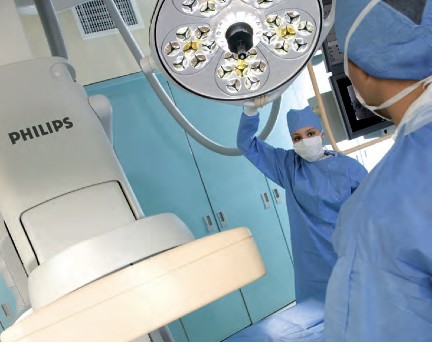
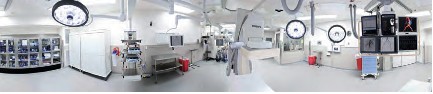
Cardiovascular hybrid suite is a state-of-the-art operating room equipped with a fully functional catheterization laboratory, thus allowing surgical procedures and catheter-based interventions to be carried out in the same room. Hybrid suites provide a place where treatments traditionally available only in a cath lab and procedures only available in an operating room can be performed together to provide patients with the best available combination of therapies for cardiovascular disease. These multidisciplinary, integrated cardiovascular procedural suites bring the best of two worlds together by combining all the advantages of a modern cath lab with an up-to-date cardiovascular surgery operating room (OR).

Hybrid suites began to evolve in the mid to late 1990s, when some groups of interventional cardiologists started sharing operating rooms with cardiovascular surgeons. The appeal of the hybrid suite concept has grown as have catheter based devices (stents, coils, balloons and lasers) have been developed that enable interventional cardiologists to advance the invasiveness and effectiveness and applications of percutaneous transcatheter interventions. The interest in these suites has also increased as cardiovascular surgeons have developed a variety of techniques for

  • Minimally invasive procedures, such as minimally invasive direct coronary artery bypass grafting (MIDCAB) or
  • Totally endoscopic coronary artery bypass grafting (TECAB).

With the advent of more tools, interventional cardiologists are becoming more like surgeons, and with less invasive tools, cardiovascular surgeons are becoming more like interventionalists. Rather than separating surgical procedures from interventional procedures performed in traditional operating rooms and cath labs, hybrid suites provide a high-tech environment that allows cardiologists and surgeons to work together to offer patients complex, minimally invasive therapies.

Some experts believe that hybrid suites represent the wave of the future in cardiovascular care and that most heart centers will eventually install hybrid suites to offer patients the latest cardiovascular procedures safely and effectively with minimal surgical trauma. The rooms can be costly to build and equip, but if a medical center is considering building a new operating room or cath lab, setting up a hybrid suite makes sense. Medical centers that have a hybrid suite available can clearly differentiate themselves in a positive way from centers that do not have such capabilities.

The Benefits of a Hybrid Suite for Medical Centers

While building a hybrid suite is more expensive than building a traditional operating room or cath lab, a hybrid suite can potentially be used for all types of cardiovascular procedures, including

  • traditional cardiac and vascular surgery,
  • interventional coronary procedures,
  • endovascular aortic procedures and
  • electrophysiology procedures.

Hybrid suites reinforce the trend in cardiovascular care toward less invasive, comprehensive hybrid procedures. Once a hybrid suite is in place, the demand for its use will likely grow due to increasing indications and referrals for these innovative treatments, many of which are increasingly covered by third-party payers.

http://www.expo.acc.org/acc12/CUSTOM/images/ACC12/ACC.10%20Hybrid%20Suite%20Directory.pdf

What Equipment is Needed?

Interventional cath labs usually have excellent imaging capabilities but lack the sterile facilities and staff needed for a formal OR, while operating rooms frequently lack high-level imaging equipment. Some of the essential equipment for a hybrid suite includes:

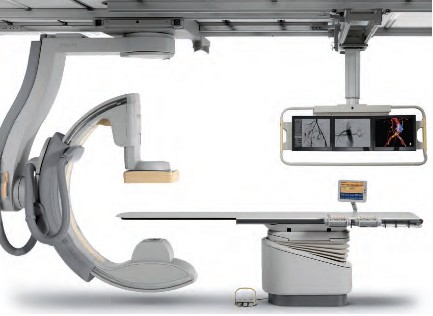
• A state-of-the-art imaging system capable of performing 3D rotational angiography, CT scanning, and ultrasound is advantageous. Floor-mounted and ceiling-mounted systems are available, but many hospitals use ceiling-mounted systems because access to the patient is slightly easier. Some ceiling-mounted systems provide 3D imaging from the surgeon’s position perpendicular to the patient. However, some hospitals prefer floor-mounted systems because having mechanical parts running above the operative field may cause dust to fall, resulting in infections. An important aspect is that the C-arm can be parked away when it is not used. This especially enhances access of the anesthesia team to the patient.

• An operating table that meets the needs of both surgeons and interventionalists by electronically integrating the table with the imaging system is also essential. These tables should have retractable rails for retractors and other surgical tools. To perform 3D imaging on the operating table, the C-arm of the imaging system should allow fast and precise rotation around the patient.

• A variety of other surgical and interventional systems and equipment may also be needed, including a robotic surgical system, a heart-lung machine, an image integration system, an endoscopic imaging system, a radiology display system, an audiovisual system to move images to different monitors and an anesthesia monitoring system, including transesophageal echocardiography. Some equipment like the integrated OR table and the angiography unit need to be fixed parts of the hybrid OR. Some equipment will be mobile in order to maintain some flexibility in workflow.

Hybrid1

Hybrid2

Hybrid3

Hybrid4

Hybrid5

Who are the Equipment Vendors?

Philips Healthcare

Phone: 800-934-7372

Email: healthcare@philips.com

Web: http://www.philips.com/healthcare

Philips is one of the world’s leading technology companies, with a long history of practical innovation and visionary design. In healthcare, we are committed to understanding the human and technological needs of patients and caregivers. We believe this understanding will help us deliver solutions that not only enable more confident diagnoses and more efficient delivery of care, but also improve the overall experience of care. We offer equipment, software and services for imaging, patient monitoring, resuscitation and much more.  A Hybrid OR can help make life simpler for the interdisciplinary teams who operate in this environment every day. As a world leader in cardiovascular X-ray, Philips has the experience and expertise to deliver the first class technology you need to perform minimally invasive procedures with speed, accuracy and confidence. A long history of innovation has enabled Philips to develop pioneering imaging solutions that really make a difference.

For example, Philips Allura Xper cardiovascular X-ray systems are designed to deliver enhanced imaging with superb performance for all cardiac projections, and our iE33 ultrasound system with Live 3D TEE and QLAB can assist interventional procedures and provide comprehensive quantitative information to support critical decisions. Our cardiology informatics solutions help you manage patient information throughout the cardiovascular care continuum. Philips solutions allow minimally invasive and catheter-based procedures to take place in the same suite as conventional cardiac surgery.

Phillips EchoNavigator – X-Ray and 3-D Ultrasound is described in:

Minimally Invasive Structural CVD Repairs: FDA grants 510(k) Clearance to Philips’ EchoNavigator – X-ray and 3-D Ultrasound Image Fused.

Intuitive Surgical, Inc. 

da Vinci.Surgery by Intuitive Surgical, Inc. 

Phone: 800-876-1310

Email: info@intusurg.com

Web: http://www.intuitivesurgical.com

Intuitive Surgical, Inc. is the global technology leader in robotic-assisted, minimally invasive surgery. The company’s da Vinci® Surgical System offers breakthrough capabilities that enable cardiac surgeons to use a minimally invasive approach and avoid median sternotomy.

Content of FDA Warning Letter, following  FDA Inspection on dates 04/01/2013 – 05/30/2013 – it discussed in

Hybrid Cath Lab/OR Suite’s da Vinci Surgical Robot of Intuitive Surgical gets FDA Warning Letter on Robot Track Record


MAVIG GmbH 

Phone: 631-266-2229,

585-247-1212 ext. 60

Email: info@mavig.com

Web: http://www.mavig.com

MAVIG’s specialty is ceiling/boom suspension systems for lighting (exam, surgical and LED), monitor-suspension systems—single, multibank (one to eight) systems and widescreen, overhead radiation shielding and contrast injector adapters. MAVIG also manufactures radiation protection products such as aprons, gloves, table-attachable lower body shields, adjustable- and fixed-height mobile and modular barriers.

Toshiba America Medical Systems, Inc.

Phone: 714-730-5000

Email: mktgcomm@tams.com

Web: http://www.medical.toshiba.com

Creating a hybrid lab may be complicated, but having an experienced partner that listens makes all the difference. Toshiba’s unique blend of hybrid experience and industry recognized Infinix™-i imaging systems for the Cath Lab.

Hybrid Cath Lab/OR Suite in Leading Hospitals in the US

  • The  Hybrid Cath Lab/OR Suite at New York Presbyterian Hospital/Columbia University Medical Center, New York, NY is presented in

Becoming a Cardiothoracic Surgeon: An Emerging Profile in the Surgery Theater and through Scientific Publications

  • The  Hybrid Cath Lab/OR Suite at Cleveland Clinic, Cleveland, Ohio is presented in

Heart Transplant (HT) Indication for Heart Failure (HF): Procedure Outcomes and Research on HF, HT @ Two Nation’s Leading HF & HT Centers

Speakers at 3D CV Theater, 2010 are working in Hospitals where Hybrid Cath Lab/OR Suite are in operations at the present time. The list include the following Hospitals with a Hybrid Cath Lab/OR Suite:

  • Vanderbilt Medical Center, Nashville, TN
  • University of Maryland Heart Center, Baltimore, MD
  • The Heart Center at Nationwide Children’s Hospital, Columbus, Ohio
  • The Robotic Surgical Center, East Carolina University Department of Surgery, Greenville, N.C.
  • University of Washington Medicine Regional Heart Center, Seattle, WA
  • Brigham and Women’s Hospital, Boston, MA
  • Saint Joseph’s Hospital and Peachtree Cardiovascular and Thoracic Surgery, Atlanta, GA
  • Emory University Hospital, Atlanta, GA
  • Beth Israel Deaconess Medical Center, Boston, MA
  • Boston Medical Center, Boston, MA
  • Mayo Graduate School of Medicine, Mayo Clinic, Rochester, MN
  • Lankenau Hospital, Lancaster, PA
  • Cardiac Non-Invasive Laboratory at Cedars-Sinai Medical Center, Los Angeles, CA
  • Robotic Surgery at St. Joseph’s Hospital, Atlanta, GA

Speakers at 3D CV Theater, 2010, included the following Cardiovascular Interventionists leading the adoption process of Hybrid Surgery in Hybrid Cath Lab/OR Suite into care modalities for cardiovascular disease:

Johannes O. Bonatti, M.D., is professor of surgery and director of coronary surgery and advanced coronary interventions at the University of Maryland Heart Center, Baltimore. He received his training in general surgery and cardiac surgery at the department of surgery at Innsbruck Medical University in Austria. Prior to his arrival at the University of Maryland, he worked at this institution as an attending surgeon and associate professor. Dr. Bonatti’s main interest is the development of minimally invasive, totally endoscopic coronary artery bypass grafting (TECAB) procedures using robotic technology.

As one of the international leaders in this field, he performed the largest series of robotic TECAB on the arrested heart, including single-, double- and triple-vessel TECAB. He has published significantly on procedure development and the implementation process of completely endoscopic coronary surgery using the da Vinci robotic system. Together with colleagues from interventional cardiology, Dr. Bonatti is working on integrated concepts for treatment of coronary artery disease. He was the first to perform a simultaneous hybrid coronary intervention using TECAB and placement of a coronary stent. He is organizing international meetings on hybrid interventions in cardiovascular medicine (http://www.icrworkshop.com). He has trained heart surgeons from around the world in the use of the da Vinci robot for heart surgery and he has introduced TECAB procedures in Austria, the Czech Republic, Greece, Turkey, India and Australia.

John G. Byrne, M.D., is the William S. Stoney Professor of Cardiac Surgery at Vanderbilt University School of Medicine and chair of the department of cardiac surgery at Vanderbilt Medical Center, Nashville, TN.

Before moving to Vanderbilt, he was associate chief and residency program director in the division of cardiac surgery at Brigham and Women’s Hospital, and associate professor of surgery at Harvard Medical School, Cambridge, MA. A graduate of the University of California, Davis, he received his medical degree in 1987 from Boston University. His postdoctoral training was completed at the University of Illinois affiliated hospitals and Brigham and Women’s Hospital in Boston.

Dr. Byrne is the author of more than 100 scientific articles on cardiac surgery and related areas. His patient care emphasis is

  • aortic root surgery,
  • coronary artery disease and
  • valve surgery

He is board-certified in general surgery and thoracic surgery.

John P. Cheatham, M.D., is director of cardiac catheterization and interventional therapy and codirector of The Heart Center at Nationwide Children’s Hospital, Columbus, Ohio. He is also the George H. Dunlap Endowed Chair in Interventional Cardiology and professor of pediatrics and internal medicine at The Ohio State University College of Medicine. Dr. Cheatham’s area of expertise is transcatheter intervention and hybrid therapy of newborns, children and adults with complex congenital heart disease. He has pioneered several new techniques and devices in non-surgical intervention and is a leader in developing hybrid therapies. He has been a principal investigator in numerous FDA-sponsored clinical trials evaluating non-surgical closure devices and stent therapy over the past two decades. Additionally, Dr. Cheatham designed the first hybrid cardiac catheterization suites and advanced imaging equipment at Nationwide Children’s Hospital. He serves as a consultant to various medical companies and proctors new transcatheter techniques and devices to other physicians around the world. Dr. Cheatham has implemented a formal physician exchange program with two of the leading medical institutions in China. In cooperation with China Red Cross, he is also the foreign director of the International Training Center for treatment of congenital heart disease in poor children. Dr. Cheatham has written more than 120 manuscripts, 16 book chapters, 300 national and international presentations and is co-editor of the book, Complications in Percutaneous Interventions for Congenital and Structural Heart Disease. After graduating from the University of Oklahoma College of Medicine, he completed his residency at Boston Children’s Hospital, followed by a fellowship in Pediatric Cardiology at Texas Children’s Hospital in Houston.

W. Randolph Chitwood, Jr., M.D., is senior associate vice chancellor for health sciences and chief of cardiovascular services at East Carolina University Department of Surgery, Greenville, N.C. Dr. Chitwood is a leading international pioneer in minimally invasive and robotic heart surgery. The Robotic Surgical Center at East Carolina University has trained more than 350 surgeons. His research activities relate to myocardial preservation, simulation in surgery and endoscopic/robotic cardiac surgery. He was the principal investigator of the FDA robotic mitral valve trials that led to approval for use in the U.S. He is the son and grandson of “southwestern Virginia mountain doctors” who set the guidelines for his professional life. He graduated from Hampden-Sydney College and received his medical degree from the University of Virginia. After medical school, he completed the surgical residency at Duke University Medical Center under David C. Sabiston, M.D., an influential surgical educator of the era. At Duke he spent 10 years training in general and cardiothoracic surgery, as well as basic science research.

After his chief residency at Duke in 1984, he was selected to begin and head the new cardiac surgery program at the East Carolina University School of Medicine. Because of his prolific publication record as a resident and clinical acumen, his initial appointment was as a full professor of surgery. Except for a two-year hiatus as the chief of cardiothoracic surgery at the University of Kentucky, he has spent his entire career at East Carolina University, where he also served as chairman of the department of surgery. In 2003, he was named to be in charge of the development of the East Carolina Heart Institute, which now includes an integrated department of cardiovascular sciences as well as a $200 million heart hospital, outpatient, research and education center.

Larry S. Dean, M.D., is director of the University of Washington Medicine Regional Heart Center and is professor of medicine and of surgery at the University of Washington School of Medicine, Seattle. In addition to general cardiology, he is an expert in cardiac catheterization and interventional cardiology. He also conducts research on stents to keep blocked heart arteries open and on ways to prevent restenosis after stents are inserted. He is currently involved in the evaluation of percutaneous aortic valve replacement. Dr. Dean earned his M.D. from the University of Alabama School of Medicine, Birmingham, and served his internship and residency at the University of Washington. He then returned to the University of Alabama Hospital for fellowships in cardiovascular disease and in angioplasty. After nearly 15 years as a faculty member at the University of Alabama, he returned to the University of Washington to direct the Regional Heart Center. He is a fellow of the American College of Cardiology and is board-certified in internal medicine, cardiovascular disease and interventional cardiology. He is also a fellow of the American Heart Association and president-elect of the Society of Cardiovascular Angiography and Interventions.

Andrew Craig Eisenhauer, M.D., is director of the interventional cardiovascular medicine service at Brigham and Women’s Hospital and assistant professor of medicine at Harvard Medical School. His specialties are

  • interventional cardiology,
  • vascular medicine and
  • congenital and inherited diseases.

He earned his medical degree at New York University School of Medicine and served a residency at Peter Bent Brigham Hospital and a fellowship at Massachusetts General Hospital. He is certified in internal medicine, cardiovascular disease and interventional cardiology. His clinical interests are

  • endovascular therapy,
  • complex coronary disease,
  • peripheral vascular disease,
  • cerebrovascular disease,
  • congenital heart disease and structural heart disease

Douglas A. Murphy, M.D., is chief of cardiothoracic surgery at Saint Joseph’s Hospital and a cardiothoracic surgeon at Peachtree Cardiovascular and Thoracic Surgery, Atlanta. His areas of interest are robotically assisted heart surgery with an emphasis on repairing the mitral valve rather than replacing it. A graduate of the University of Pennsylvania Medical School, Philadelphia, he served an internship and residency at Massachusetts General Hospital, Boston, and at Emory University, Atlanta.

Khusrow Niazi, M.D., is an assistant professor at Emory University School of Medicine and director of peripheral and carotid intervention at Emory University Hospital Midtown, Atlanta. He earned his medical degree at King Edward Medical College, Lahore, Pakistan, and served an internship at Kettering Medical Center, Dayton, Ohio, and a fellowship at William Beaumont Hospital, Royal Oak, MI. He has published papers on stenting following rotational atherectomy, small vessel stenting for coronary arteries, imaging of lower extremities and treatment of peripheral arterial disease.

Jeffrey J. Popma, M.D., is director of innovations in interventional cardiology, a senior attending physician at Beth Israel Deaconess Medical Center and an associate professor of medicine at Harvard Medical School in Boston. Dr. Popma received his bachelor’s degree in economics from Stanford University, and his M.D. from Indiana University School of Medicine. He completed his internship, residency, chief residency and fellowship at University of Texas Southwestern Medical Center. He also completed an interventional cardiology fellowship at the University of Michigan. Dr. Popma is the past president of the Society for Cardiac Angiography and Intervention and is the co-chair of the ACC Interventional Council. He sits on the editorial boards of several publications, and reviews for several cardiology periodicals. Dr. Popma has more than 300 published peer-reviewed manuscripts.

Dr. Popma also directs the BIDMC Angiographic Core Laboratory and is principal investigator for more than 65 ongoing multicenter device studies within the research laboratory. Over the past 15 years, these trials have included a broad array of new technology, including bare-metal stents, drug-eluting stents, distal-protection devices, total-occlusion devices and carotid and peripheral revascularization procedures. His primary clinical interest currently is the use of percutaneous aortic valve replacement for patients with high-risk aortic stenosis.

Robert S. Poston, M.D., is chief of cardiac surgery at Boston Medical Center and associate professor of cardiothoracic surgery at Boston University School of Medicine. He has a strong background in minimally invasive cardiac bypass surgery and is a pioneer in using robotics, specifically the da Vinci Surgical System, to treat coronary artery disease. A graduate of the Johns Hopkins School of Medicine, Baltimore, Dr. Poston completed a residency in general surgery at the University of California, San Francisco, and continued his training with a research fellowship in cardiothoracic surgery at Stanford University School of Medicine, Palo Alto, CA, and a cardiothoracic residency at the University of Pittsburgh Medical Center.

Charanjit S. Rihal, M.D., is professor of medicine and director of the cardiac catheterization laboratory at Mayo Graduate School of Medicine, Mayo Clinic, Rochester, MN. A graduate of the University of Winnipeg, Dr. Rihal did his residency and fellowship at the Mayo Graduate School of Medicine and also earned an MBA at the Carlson School of Management, University of Minnesota. His medical interests are interventional cardiology, structural heart disease interventions and the management of quality and costs in healthcare.

Timothy A. Shapiro, M.D., is director of the Interventional Cardiology Fellowship Program and campus chief, interventional cardiology, at Lankenau Hospital, Lancaster, PA. A graduate of Yale University School of Medicine, he served his residency and a fellowship at the Hospital of the University of Pennsylvania.

Robert J. Siegel, M.D., is director of the Cardiac Non-Invasive Laboratory at Cedars-Sinai Medical Center, cardiology director of the Cedars-Sinai Marfan Center, and Rexford S. Kennamer, M.D., chair in cardiac ultrasound at Cedars-Sinai Medical Center, Los Angeles. Dr. Siegel is also professor of medicine in residence at the David Geffen School of Medicine at University of California, Los Angeles. He previously served as senior staff fellow in cardiac pathology at the Heart, Lung and Blood Institute of the National Institutes of Health, Bethesda, MD. Internationally recognized as one of the leading experts in the field of cardiovascular ultrasound, Dr. Siegel specializes in cardiovascular ultrasound, including transthoracic, transesophageal and intravascular methodologies. His research interests include

  • valvular heart disease,
  • therapeutic applications of ultrasound energy,
  • transesophageal and intraoperative echocardiography, and the
  • development and use of hand-held portable echocardiographic systems for clinical innovations.

In addition, he is involved with clinical research studies related to the diagnosis, assessment and management of patients with

  • Marfan syndrome,
  • hypertrophic cardiomyopathy and
  • pericardial and valvular heart disease.

Dr. Siegel is a fellow, and has previously served as the president of the California Chapter of the American College of Cardiology and president of the Los Angeles Society of Echocardiography. He has been active in numerous cardiovascular societies, including the American Heart Association, the American College of Cardiology and the American Society of Echocardiography. Dr. Siegel received his medical degree at Baylor College of Medicine, Houston, where he developed an interest in cardiology. He completed his medical residency at Emory University and at Los Angeles County + USC Medical Center. He completed his cardiology fellowship at Harbor-UCLA Medical Center.

Over the last two years Dr. Siegel has worked extensively with live 3D transesophageal echo in the cardiac intervention center and the operating room. He and his echocardiologist colleagues, doctors Shiota, Biner, Tolstrup and Gurudevan, have worked closely at Cedars-Sinai Medical Center in Los Angeles with the interventional cardiologists, doctors Kar and Makkar, as well as with the cardiac surgeons, doctors Trento and Fontana. They use live 3D TEE extensively for the assessment of structural heart disease. In addition, it is used on a regular basis for the guidance of percutaneous procedures for mitral valve e-clip repair, mitral balloon valvuloplasty, aortic and pulmonic valve replacement, left atrial appendage exclusion by the Watchman device as well as for ASD closure.

Sudhir P. Srivastava, M.D., president of the International College of Robotic Surgery at St. Joseph’s Hospital, Atlanta, is a pioneer in performing beating heart totally endoscopic coronary artery bypass surgeries. Previously, he was assistant professor of surgery and director of robotic and minimally invasive cardiac surgery at the University of Chicago Medical Center. Dr. Srivastava specializes in robotically assisted totally endoscopic coronary artery bypass surgery. He has performed approximately 1,000 robotic cardiothoracic surgical procedures, of which 450  have been single- and multivessel beating heart totally endoscopic coronary bypass (BH TECAB) procedures. He has keen interest in hybrid coronary revascularization in TECAB patients to achieve complete revascularization.

Dr. Srivastava has helped launch robotic revascularization programs throughout the world. He has performed numerous live BH TECAB demonstrations both in the U.S. and abroad, and continues to be a presenter and invited speaker at numerous national and international scientific meetings. He earned his medical degree at the Jawahar Lal Nehru Medical College in Ajmer, India and immigrated to the U.S. in 1972. He completed his cardiothoracic surgery residency at the hospitals associated with the University of British Columbia, Vancouver, Canada.

Francis P. Sutter, D.O., F.A.C.S., is clinical professor of surgery at Thomas Jefferson University-Jefferson Medical College, Philadelphia, and chief of cardiothoracic surgery at Lankenau Hospital, Main Line Health System, Wynnewood, PA. A graduate of Philadelphia College of Osteopathic Medicine, his surgical residency and a cardiothoracic fellowship were completed at Thomas Jefferson University Hospital.

Mark R. Vesely, M.D., is an assistant professor of medicine at the University of Maryland School of Medicine. He completed medical school at the George Washington University and postgraduate training—an internal medicine residency and fellowships in cardiovascular disease and interventional cardiology—at the University of Maryland. He is board-certified in internal medicine, cardiovascular disease, nuclear cardiology and interventional cardiology. Dr. Vesely is the associate program director of the Interventional Cardiology fellowship at University of Maryland. His special interests include the partnered approach (interventional cardiologists and cardiac surgeons) for hybrid coronary revascularization and structural heart disease interventions. Additional research interests include investigation of techniques to minimize acute myocardial infarction injury with ventricular-assist devices and adult stem cell therapies.

David X. M. Zhao, M.D., Ph.D., is an associate professor of medicine and cardiac surgery, Harry and Shelley Page Chair in Interventional Cardiology, director of the Cardiac Catheterization Laboratories and interventional cardiology director of the Interventional Cardiology Fellowship Training Program, Vanderbilt University School of Medicine, Nashville, TN. He earned his medical degree at Shanghai Medical University, Shanghai, P.R. China, and his Ph.D. in immunology at Queensland University, Brisbane, Australia. His postdoctoral training was at Zhongshan Hospital, Shanghai Medical University, Shanghai, P.R. China, The Prince Charles Hospital, Brisbane, Australia, and Brigham and Women’s Hospital, Boston.

http://www.expo.acc.org/acc12/CUSTOM/images/ACC12/ACC.10%20Hybrid%20Suite%20Directory.pdf

Part Two

Cardiac Surgery


Cardiac Surgery @ Cleveland Clinic: Traditional OR & Hybrid Cath Lab/OR Suite

Nation #1 for 19 consecutive years – The Heart Center: Miller Family Heart & Vascular Institute @ Cleveland Clinic

The Sydell and Arnold Miller Family Heart & Vascular Institute is one of the largest, most experienced cardiovascular specialty groups in the world. Our physicians are committed to providing the most advanced diagnostic and treatment options, better outcomes and improved quality of life. U.S.News & World Reporthas ranked Cleveland Clinic as the No.1 heart program in America every year since 1995.

Departments & Centers:

Below we present two articles on Cardiac Surgery @ Mayo Clinic 

Cardiac Surgery @ Mayo Clinic: Traditional OR & Hybrid Cath Lab/OR Suite 

Coronary Reperfusion Therapies: CABG vs PCI – Mayo Clinic preprocedure Risk Score (MCRS) for Prediction of in-Hospital Mortality after CABG or PCI

Larry H. Bernstein, MD, FCAP and Aviva Lev-Ari, PhD, RN

Comparison of the 10-year and 15-year survivals after CABG demonstrated benefit from a change in graft sources used at the Mayo Clinic and widely adapted by others: vascular grafts from the left internal mammary artery (LIMA) instead of just leg veins, for multiple grafts (up to 3), LIMA-to-LAD plus grafts using LIMA or radial artery vs LIMA/saphenous vein (SV).

CABG Survival in Multivessel Disease Patients: Comparison of Arterial Bypass Grafts vs Saphenous Venous Grafts

Larry H. Bernstein, MD, FCAP and Aviva Lev-Ari, PhD, RN

Part Three 

Invasive Interventions with Complications

In the following article we covered multiple etiologies for cardiovascular complications related to invasive interventions: cardiovascular and peripheral arterial or peri- and post- cardiac surgery of the open heart type.

Cardiovascular Complications: Death from Reoperative Sternotomy after prior CABG, MVR, AVR, or Radiation; Complications of PCI; Sepsis from Cardiovascular Interventions

Justin D Pearlman, MD, PhD, FACC and Aviva Lev-Ari, PhD, RN

http://pharmaceuticalintelligence.com/2013/07/23/cardiovascular-complications-of-multiple-etiologies-repeat-sternotomy-post-cabg-or-avr-post-pci-pad-endoscopy-andor-resultant-of-systemic-sepsis/

This article covers types of Cardiovascular Complications derived from the following THREE types of assault on the Human body, two related to cardiac invasive interventions, the last due to its systemic nature is taking a fatal Cardiac toll: the Sepsis condition causing cardiac failure.

Three types of Cardiovascular Complications:

I. Risk of Injury During Repeat Sternotomy – following CABG orAortic Valve Replacement, both done in Open Heart Surgery

II. Complications After Percutaneous Coronary intervention (PCI) and endovascular surgery for Peripheral Artery Disease (PAD)

  • (a) Post PCI, and
  • (b) PAD Endovascular Interventions: Carotid Artery Endarterectomy

III. Cardiac Failure During Systemic Sepsis

This article does NOT cover the following two types of Cardiovascular Complications:

1. Trauma Injury causing cardiac arrest, lung collapse or cardiogenic shock

2. Surgical Complication of Non-cardiac surgery type causing cardiac arrest, i.e, Surgery of Joint Replacement causing sepsis causing death or death caused by complications of surgery i.e., blood loss, viral infection, emboli, thrombus, stroke, or cardiogenic shock not related to Cardiovascular and Cardiac invasive interventions

The e-Reader is advised to consider the following expansion on the subject matter carrying the discussion to additional related clinical issues:

Larry H Bernstein, Advanced Topics in Sepsis and the Cardiovascular System at its End Stage

http://pharmaceuticalintelligence.com/2013/08/18/advanced-topics-in-sepsis-and-the-cardiovascular-system-at-its-end-stage/

Bernstein, HL, Pearlman, JD and A. Lev-Ari  Alternative Designs for the Human Artificial Heart: The Patients in Heart Failure – Outcomes of Transplant (donor)/Implantation (artificial) and Monitoring Technologies for the Transplant/Implant Patient in the Community

http://pharmaceuticalintelligence.com/2013/08/05/alternative-designs-for-the-human-artificial-heart-the-patients-in-heart-failure-outcomes-of-transplant-donorimplantation-artificial-and-monitoring-technologies-for-the-transplantimplant-pat/

Pearlman, JD and A. Lev-Ari Cardiac Resynchronization Therapy (CRT) to Arrhythmias: Pacemaker/Implantable Cardioverter Defibrillator (ICD) Insertion

http://pharmaceuticalintelligence.com/2013/07/22/cardiac-resynchronization-therapy-crt-to-arrhythmias-pacemakerimplantable-cardioverter-defibrillator-icd-insertion/

Read Full Post »

AHA, ACC Change in Requirement for Surgical Support for PCI Performance: Class IIb -> Class III, Level of Evidence A: Support Nonemergent PCI without Surgical Backup (Change of class IIb, Level of evidence B).

AHA, ACC Change in Requirement for Surgical Support:  Class IIb -> Class III, Level of Evidence A: Supports Nonemergent PCI without Surgical Backup (Change of class IIb, Level of Evidence B).

Larry H Bernstein, MD, FCAP, Author, Curator, Volumes 1,2,3,4,5,6 Co-Editor and Author, Volume Two & Five, Co-Editor and Justin Pearlman, MD, PhD, FACC, Content Consultant to Six-Volume e-SERIES A: Cardiovascular Diseases

Article ID #68: AHA, ACC Change in Requirement for Surgical Support for PCI Performance: Class IIb -> Class III, Level of Evidence A: Support Nonemergent PCI without Surgical Backup (Change of class IIb, Level of evidence B). Published on 7/17/2013

WordCloud Image Produced by Adam Tubman


Voice of content consultant: Justin Pearlman, MD, PhD, FACC

The American Heart Association (AHA) and the American College of Cardiology (ACC) have convened teams of experts to summarize evidence and opinion regarding a wide range of decisions relevant to cardiovascular disease. The system accounts for some of the short comings of “evidence based medicine” by allowing for expert opinion in areas where evidence is not sufficient. The main argument for evidence-based medicine is the existence of surprises, where a plausible decision does not actually appear to work as desired when it is tested. A major problem with adhesion to evidence based medicine is that it can impede adaptation to individual needs (we are all genetically and socially/environmentally unique) and impede innovation. Large studies carry statistical weight but do not necessary consider all relevant factors. Commonly, the AFFIRM trial is interpreted as support that rate control suffices for most atrial fibrillation (AFIB), but half of those randomized to rhythm control were taken off anticoagulation without teaching patients to check their pulse daily for recurrence of AFIB. Thus the endorsed “evidence” may have more to do with the benefits of anticoagulation for both persisting and recurring AFIB and rhythm control may yet prove better than rate control. However, with wide acceptance of a particular conclusion, randomizing to another treatment may be deemed unethical, or may simply not get a large trial due to lack of economic incentive, leaving only the large trial products as the endorsed options. A medication without patent protection, such as bismuth salts for H Pylori infection, lacks financial backing for large trials.

The American Heart Association Evidence-Based Scoring System
Classification of Recommendations

● Class I: Conditions for which there is evidence, general

agreement, or both that a given procedure or treatment is

useful and effective.

● Class II: Conditions for which there is conflicting evidence,

a divergence of opinion, or both about the usefulness/

efficacy of a procedure or treatment.

● Class IIa: Weight of evidence/opinion is in favor of

usefulness/efficacy.

● Class IIb: Usefulness/efficacy is less well established by

evidence/opinion.

● Class III: Conditions for which there is evidence, general

agreement, or both that the procedure/treatment is not useful/

effective and in some cases may be harmful.

Level of Evidence

● Level of Evidence A: Data derived from multiple randomized

clinical trials

● Level of Evidence B: Data derived from a single randomized

trial or nonrandomized studies

● Level of Evidence C: Consensus opinion of experts

Circulation 2006 114: 1761 – 1791.

Assessment of Coronary Artery Disease by Cardiac Computed Tomography

A Scientific Statement From the American Heart Association Committee on Cardiovascular Imaging and Intervention, Council on Cardiovascular Radiology and Intervention, and Committee on Cardiac Imaging, Council on Clinical Cardiology

Reported by Chris Kaiser, Cardiology Editor, MedPage  7/2013  


Action Points

  1. Patients with indications for nonemergency PCI who presented at hospitals without on-site cardiac surgery, were randomly assigned to undergo PCI at a hospital without on-site cardiac surgery or at a hospital with on-site cardiac surgery.
  2. The rates of death, myocardial infarction, repeat revascularization, and stroke did not differ significantly between the groups.
  3. Community hospitals without surgical services can safely perform percutaneous coronary intervention (PCI) in low-risk patients — and not refuse higher-risk patients either, the MASS COMM trial found.

Summary

  • The co-primary endpoint of major adverse cardiac events (MACE) at 30 days occurred at a rate of 9.5% in the 10 hospitals without surgical backup versus 9.4% in the seven hospitals with onsite surgery (P<0.001 for noninferiority), Alice K. Jacobs, MD, of Boston University School of Medicine, and colleagues found.
  • The other co-primary endpoint of MACE at 12 months was also significant, occurring in 17.3% of patients in hospitals without backup versus 17.8% in centers with surgical services (P<0.001 for non-inferiority), they reported in the study published online by the New England Journal of Medicine. The findings were also reported at the American College of Cardiology meeting.

Study Characteristics and Results

Primary Endpoints

  1. death
  2. myocardial infarction
  3. repeat revascularization
  4. stroke
no significant differences between the two groups at 30 days and at 12 months.

Rate of stent thrombosis at 30 days

similar in both groups (0.6% versus 0.8%) and at 12 months (1.1% versus 2.1%).
Jacobs and colleagues noted that the 2011 PCI guidelines lacked evidence to fully support nonemergent PCI without surgical backup (class IIb, level of evidence B).

CPORT – E trial

Even though those guidelines came out before the results of the CPORT-E trial were published, CPORT-E trial showed similar non-inferiority at 9 months between centers that perform PCI with or without surgical backup in a cohort of nearly 19,000 non-emergent patients. The CPORT-E results were published in the March 2012 issue of the New England Journal of Medicine, and in May three cardiology organizations published an update to cath lab standards allowing for PCI without surgical.

 MASS COMM study

To further the evidence, Jacobs and colleagues in 2006  had designed and carried out the Randomized Trial to Compare Percutaneous Coronary Intervention between Massachusetts Hospitals with Cardiac Surgery On-Site and Community Hospitals without Cardiac Surgery On-Site (MASS COMM) in collaboration with the Massachusetts Department of Public Health who collaborated to obtain “evidence on which to base regulatory policy decisions about performing non-emergent PCI in hospitals without on-site cardiac surgery.”

  • Hospitals without backup surgery were required to perform at least 300 diagnostic catheterizations per year, and operators were mandated to have performed a minimum of 75 PCI procedures per year.
  • The researchers randomized 3,691 patients to each arm in a 3:1 ratio (without/with backup). The median follow-up was about 1 year.
  • The median age of patients was 64, one-third were women, and 92% were white. Both groups had similar median ejection fractions at baseline (55%).
  • The mean number of vessels treated was 1.17 and most patients (84%) had one vessel treated. The mean number of lesions treated was 1.45 and most patients (67%) had one lesion treated.

The indications for PCI were:

1. ST-segment elevated MI (>72 hours before PCI of infarct-related or non–infarct-related artery — 19% and 17%
2. Unstable angina — 45% and 47%
3. Stable angina — 27% and 28%
4. Silent ischemia — 5% and 6%
5. Other — 2.5% and 2.8%
Regarding secondary endpoints, both groups had similar rates of emergency CABG and urgent or emergent PCI at 30 days. Results at 30 days and 12 months were similar for rates of ischemia-driven target-vessel revascularization and target-lesion revascularization. Other endpoints as well were similar at both time points, including
  • all-cause death
  • repeat revascularization
  • stroke
  • definite or probable stent thrombosis
  • major vascular complications
Researchers adjusted for a 1.3 greater chance of MACE occurring at a randomly selected hospital compared with another randomly selected hospital and found
  • the relative risks at 30 days and 12 months “were consistent with those of the primary results” (RR 1.02 and 0.98, respectively).

However, they cautioned that new sites perhaps should be monitored as they gain experience.

A prespecified angiographic review of 376 patients who were in the PCI-without-backup arm and 87 in the other arm showed no differences in
  1. rates of procedural success,
  2. proportion with complete revascularization, or
  3. the proportion of guideline-indicated appropriate lesions for PCI.
Such results show consistent practice patterns between the groups, they noted.
The study had several limitations including the
  • loss of data for 13% of patients, the
  • exclusion of some patients for certain clinical and anatomical features, and
  • not having the power to detect non-inferiority in the separate components of the primary endpoint, researchers wrote.

Cardio Notes: Score Predicts PCI Readmission

Published: Jul 15, 2013

By Chris Kaiser, Cardiology Editor, MedPage Today
  

A simple calculation of patient variables before PCI may help stem the tide of readmission within the first month. Also this week, two blood pressure drugs that benefit diabetics and imaging cardiac sympathetic innervation.

Pre-PCI Factors Predict Return Trip

A new 30-day readmission risk prediction model for patients undergoing percutaneous coronary intervention (PCI) showed it’s possible to predict risk using only variables known before PCI, according to a study published online in Circulation: Cardiovascular Quality and Outcomes.

After multivariable adjustment, the 10 pre-PCI variables that predicted 30-day readmission were older age (mean age 68 in this study), female sex, insurance type (Medicare, state, or unknown), GFR category (less than 30 and 30-60 mL/min per 1.73m2), current or history of heart failure, chronic lung disease, peripheral vascular disease, cardiogenic shock at presentation, admit source (acute and non-acute care facility or emergency department), and previous coronary artery bypass graft surgery.

Additional significant variables post-discharge that predicted 30-day readmission were beta-blocker prescribed at discharge, post-PCI vascular or bleeding complications, discharge location, African American race, diabetes status and modality of treatment, any drug-eluting stent during the index procedure, and extended length of stay.

A risk score calculator using the pre-PCI variables will be available online soon, according to Robert W. Yeh, MD, MSc, of Massachusetts General Hospital in Boston, and colleagues.

RELATED ARTICLES
English: Patient Positioning for a Left Anteri...

English: Patient Positioning for a Left Anterior Thoracotomy (Photo credit: Wikipedia)

A coronary angiogram that shows the LMCA, LAD ...

A coronary angiogram that shows the LMCA, LAD and LCX. (Photo credit: Wikipedia)

Read Full Post »

Becoming a Cardiothoracic Surgeon: An Emerging Profile in the Surgery Theater and through Scientific Publications 

Author and Curator: Aviva Lev-Ari, PhD, RN

Article ID #65: Becoming a Cardiothoracic Surgeon: An Emerging Profile in the Surgery Theater and through Scientific Publications. Published on 7/8/2013

WordCloud Image Produced by Adam Tubman

Two components of an Emerging Profile of a Young Cardiothoracic Surgeon were researched by the Author for the case of  Dr. Isaac George, Assistant Professor of Surgery, Division of Cardiothoracic Surgery, Department of Surgery, New York Presbyterian Hospital/Columbia University Medical Center , New York, NY.

The two components being:

1. the Cardiothoracic Surgery Theater

2. the Scientific Publications

I noted with interest Dr. George’s second publication, to be about a very well known surgeon in the US and Europe, John Benjamin Murphy. written by Dr. George and two other colleagues,  George I, Hardy MA, Widmann WD. published in Curr Surg. 2004 Sep-Oct;61(5):439-41.

Dr. Murphy, is best remembered for the eponymous clinical sign that is used in evaluating patients with acute cholecystitis. His career spanned general surgery, orthopedicsneurosurgery, and cardiothoracic surgery, which helped him to gain international prominence in the surgical profession. Mayo Clinic co-founder William James Mayo called him “the surgical genius of our generation.”

http://en.wikipedia.org/wiki/John_Benjamin_Murphy 

[Musana, Kenneth and Steven H. Yale (May 2005). “John Benjamin Murphy (1857–1916)”. Clinical Medicine & Research. Retrieved 2008-05-16.]

I assume that Dr. Murphy’s contributions to Thoracic surgery were of interest to Dr. George to inspire him to write on the subject and elect that Specialty in Surgery.

Murphy was first in the U.S. to induce (1898) artificial immobilization and collapse of the lung in treatment of pulmonary tuberculosis. He was a pioneer in the use of bone grafting and made contributions to the understanding and management of ankylosis as well as independently proposing artificial pneumothorax to manage unilateral lung disease in tuberculosis.

      • «It is the purpose of every man’s life to do something worthy of the recognition and appreciation of his fellow men. . . . By their superior intellectual qualifications, their fidelity to purpose and above all their indefatigable labour the few become leaders.»

Journal of the American Medical Association, Chicago, 1911, 57: 1.

SOURCE Whonamedit? A dictionary of medical eponyms, John Benjamin Murphy

I came across Dr. Isaac George’s name while researching clinical indications for Inhaled Nitric Oxide in June 2013, upon the recent publication of Leaders in Pharmaceutical Business Intelligence FIRST e-Book on  Amazon (Biomed e-Books) [Kindle  Edition]

Perspectives on Nitric Oxide in  Disease  Mechanisms
http://www.amazon.com/dp/B00DINFFYC

Dr. George’s article on Outcomes After Inhaled Nitric Oxide Therapy was particularly useful in my own research on the topic,

Clinical Indications for Use of Inhaled Nitric Oxide (iNO) in the Adult Patient Market: Clinical Outcomes after Use of iNO in the Institutional Market,  Therapy Demand and Cost of Care vs. Existing Supply Solutions

Being myself in Analytics and quantitative model design, 1976-2004, I found of particular interest the range of quantitative methodologies used in the following article by Isaac George, assuming that his days at MIT, came very handy in 2006:

George, Isaac, Xydas, Steve, Topkara, Veli K., Ferdinando, Corrina, Barnwell, Eileen C., Gableman, Larissa, Sladen, Robert N., Naka, Yoshifumi, Oz, Mehmet C.
Clinical Indication for Use and Outcomes After Inhaled Nitric Oxide Therapy
Ann Thorac Surg 2006 82: 2161-2169

As a result of studying this article, I became aware that it has impacted  favorably my 6/2013, Editorial decision, for  a forthcoming book on Cardiovascular Disease in 2013. The Editorial decision regarding the selection and representation of  prominent Cardiothoracic Surgery Theater in the US, and my personal decision to select a Young Cardiothoracic Surgeon

Dr. Isaac George, Assistant Professor of Surgery, Division of Cardiothoracic Surgery, Department of Surgery, New York Presbyterian Hospital/Columbia University Medical Center, New York, NY

Education Profile and Medical Training of a Cardiac Surgeon


Isaac George, MD

Positions and Appointments

2012-present Attending Surgeon, Heart Valve Center
NewYork-Presbyterian Hospital/Columbia University Medical Center, New York, NY
2012-present Assistant Professor of Surgery
Division of Cardiothoracic Surgery, Department of Surgery, New York Presbyterian Hospital/Columbia University Medical Center , New York, NY

Clinical Specialties

Adult aortic and mitral valve surgery
Transcatheter aortic and mitral valve implantation
Hybrid coronary artery bypass surgery
Complex aortic surgery
Complex valvular surgery
Heart failure and transplant surgery
Reoperative cardiac surgery
Thoracic aortic endograft implantation

Research Interests

Director, Cardiac Surgery Research Lab

1. Regulation of myostatin signaling in human cardiomyopathy

2. TGFB regulation in non-syndromic aortic aneurysm formation

3. Valve interstitial cell activation mechanisms after surgical and transcatheter valve replacement

4. Clinical outcomes after valve and hybrid surgery

Education and Training

2011-2012 Interventional Cardiology/Hybrid Cardiac Surgery Fellowship
New York Presbyterian Hospital – Columbia University Medical Center, New York, NY
2011 Ventricular Assist Device/Cardiac Transplant Fellowship, Minimally Invasive, Cardiac Surgery
New York Presbyterian Hospital – Columbia University Medical Center, New York, NY
2009-2011 Fellow, Cardiothoracic Surgery
New York Presbyterian Hospital – Columbia University Medical Center, New York, NY
2008-2009 Post-Doctoral Clinical Fellow, Cardiothoracic Surgery
New York Presbyterian Hospital – Columbia University Medical Center, New York, NY
2006-2008 Resident, General Surgery
New York Presbyterian Hospital – Columbia University Medical Center, New York, NY
2004-2006 Research Fellow, Cardiothoracic Surgery
New York Presbyterian Hospital – Columbia University Medical Center, New York, NY
2002-2004 Resident, General Surgery
New York Presbyterian Hospital – Columbia University Medical Center, New York, NY
2001-2002 Internship, General Surgery
New York Presbyterian Hospital – Columbia University Medical Center, New York, NY
1997-2001 MD, Medicine
Duke University School of Medicine, Durham, NC
1993-1997 BS, Mechanical Engineering
Massachusetts Institute of Technology, Cambridge, MA

Board Certifications

American Board of Thoracic Surgery, 2012-
American Board of Surgery, 2008-
Certification, Pediatric Advanced Life Support, 2008-
Certification, Advanced Trauma Life Support, 2006-
MD, State of New York, 2005-
Certification, Advanced Cardiac Life Support/Basic Life Support, 2001-
United States Medical Licensing Examination Step 3, 2004
United States Medical Licensing Examination Step 2, 2001
United States Medical Licensing Examination Step 1, 2000

Professional Honors

2008 Blakemore Prize – Best Resident Research Award, Columbia University College of Physicians and Surgeons

2007 Blakemore Award – Best Resident Research Award, Columbia University College of Physicians and Surgeons

2006 Blakemore Award – Best Resident Research Award, Columbia University College of Physicians and Surgeons

2004 New Era Cardiac Surgery Conference Scholarship

1995 Pi Tau Sigma, Mechanical Engineering Honor Society

1993 Duke University Comprehensive Cancer Center Fellowship

Professional Societies and Committees

2011 Faculty, Transcatheter Cardiovascular Therapeutics (TCT) Annual Symposium

2010- Candidate Member, Society of Thoracic Surgeons

2010- Fellow-in-Training, American College of Cardiology, Surgeons Council

2005-06 American Society of Artificial Internal Organs

2004- Member, American Heart Association

1997-01 Member, American Medical Association

SOURCE http://asp.cpmc.columbia.edu/facdb/profile_list.asp?uni=ig2006&DepAffil=Surgery

The decision to focus on Cardiothoracic Surgery @Presbeterian as described in Dr. Isaac George’s research had yielded one Sub-Chapter (4.1) in Chapter 4

Cardiac Surgery, Cardiothoracic Surgical Procedures and Percutaneous Coronary Intervention (PCI)/Coronary Angioplasty  – Heart and Cardiovascular Medical Devices in Use in Operating Rooms and in Catheterization Labs in the US

in Volume Three in a forthcoming three volume Series of e-Books on Cardiovascular Diseases

Cardiovascular Diseases: Causes, Risks and Management

This very Sub-Chapter represents milestones in Dr. Isaac George – Becoming a Cardiothoracic Surgeon: An Emerging Profile through Scientific Publications, This profile is now in: 


Volume Three

Management of Cardiovascular Diseases

Justin D. Pearlman MD ME PhD MA FACC, Editor

Leaders in Pharmaceutical Business Intelligence, Los Angeles

Aviva Lev-Ari, PhD, RN

Editor-in-Chief BioMed E-Book Series

Leaders in Pharmaceutical Business Intelligence, Boston

avivalev-ari@alum.berkeley.edu

Chapter 5

Invasive Procedures by Surgery versus Catheterization


5.1 Cardiothoracic Surgery 

5.1.1 Becoming a Cardiothoracic Surgeon: An Emerging Profile in the Surgery Theater and through Scientific Publications

Aviva Lev-Ari, PhD, RN

5.2: Catheter Interventions

5.2.2 Survivals Comparison of Coronary Artery Bypass Graft (CABG) and Percutaneous Coronary Intervention (PCI) / Coronary Angioplasty

Larry H Bernstein, MD, FCAP and Aviva Lev-Ari, PhD, RN

5.3: Transcatheter (Percutaneous) Valves

5.3.1 Transcatheter Aortic Valve Replacement (TAVR): Postdilatation to Reduce Paravalvular Regurgitation During TAVR with a Balloon-expandable Valve

Larry H Bernstein, MD, FCAP and Aviva Lev-Ari, PhD, RN

5.3.2 Trans-apical Transcatheter Aortic Valve Replacement in a Patient with Severe and Complex Left Main Coronary Artery Disease (LMCAD)

Larry H Bernstein, MD, FCAP and Aviva Lev-Ari, PhD, RN

Larry H Bernstein, MD, FCAP and Aviva Lev-Ari, PhD, RN

5.4: Transcatheter (Percutaneous) Pumps

5.4.1  Ventricular Assist Device (VAD): Recommended Approach to the Treatment of Intractable Cardiogentic Shock

Larry H Bernstein, MD, FCAP and Aviva Lev-Ari, PhD, RN

5.4.2 Phrenic Nerve Stimulation in Patients with Cheyne-Stokes Respiration and Congestive Heart Failure

Larry H Bernstein, MD, FCAP and Aviva Lev-Ari, PhD, RN

Content Analysis of  Surgeon Isaac George, MD – Publications on PubMed

SOURCE

Original classification by Aviva Lev-Ari, PhD, RN, 7/8/2013

Title

Journal

Year

CABG
Stent

Valves
Bio

material
TAVR MVR

End stage

HF

AMI

shock

Congen
Genet

Animal

Model

Heart &
Heart-Lung
Transpl

Stent exteriorization

CCI

13

X

Left Main Coronary

CCI

13

X

TAVR-MVR

JACC

13

X

Paravalvular

CVI

13

X

Cardiogenic Shock

Heart-Lung

12

X

Cheyne-Stokes

Chest

12

X

Myostatin

PlusOne

11

X

Aortic Root & RV

ATS

11

X

Beta-Adrenergic

CV Research

11

X

Erythropoietin

LV  Systolic

J CV

Pharmacol

10

X

Myostatin & HF

Eur J

Heart Failure

10

X

Stentless in valve conduit

ATS

09

X

BNP peptide-

infusion-post MI

Am J Physiol-

Heart Circ

Physiology

09

X

Marginal donor heart

ATS

09

X

Device-surface & Immunogenic

J Thoracic

CV Surg

08

X

Myocardial

electromagnetic

J Cell Physiol

08

X

Clenbuterol-

muscle-mass

J Heart- Lung Transplant

08

X

Bradycardic LV

J Pharmacol Exper Therap

07

X

Ischemia- post

Heart Transplant

J Thoracic

CV Surgery

07

X

Octogen CABG

ATS

07

X

Ventricular synchrony

Eup J Cardio-thoracic Surg

07

X

Inhaled NO

ATS

06

X

X

Adult heart-donor-

to-pediatric

J Thoracic

CV Surg

06

X

Clenbuterol

on LVAD

J Heart-Lung Transplant

06

X

LV-CA stent

Heart Surg

Forum

06

X

LVAD myocarditis

J Thoracic

CV Surg

06

X

MI-Ischemia

Am J Physiol-

Ht-Circ Physiol

06

X

It is the unique combination of Animal Model Research, Biomaterial, Surgical Procedures and Molecular Cardiology, N=33.

Cardiothoracic Surgeon: An Emerging Profile in the Surgery Theater

Isaac George, MD – Clinical Specialties 

  • Adult aortic and mitral valve surgery
  • Transcatheter aortic and mitral valve implantation
  • Hybrid coronary artery bypass surgery
  • Complex aortic surgery
  • Complex valvular surgery
  • Heart failure and transplant surgery
  • Reoperative cardiac surgery
  • Thoracic aortic endograft implantation


VIDEOS on CardioThoracic Surgery @ Department of Cardiothoracic Surgery at NewYork-Presbyterian Hospital/Weill Cornell Medical Center in New York City

VIEW VIDEO on the new Heart Center @ Presbyterian Hospital

http://videos.nyp.org/videos/introduction-to-the-vivian-and-seymour-milstein-family-heart-center

VIEW VIDEO on the two Hybrid OR with Siemens Artis Zeego Technology

http://videos.nyp.org/videos/tour-a-hybrid-or-with-siemens-artis-zeego-technology

VIEW VIDEO on Mininally Invesive and Conventional Therapy for Aortic Dissection and Aneurysms – Hybrid Surgery Case

http://videos.nyp.org/videos/thoracic-innovations-in-minimally-invasive-and-conventional-therapy-for-aortic-dissection-and-aneurysms

VIEW VIDEO on Mitral Valve Repair and Replacement – Dr. Karl H. Krieger

Dr. Karl H. Krieger, the Vice Chairman of the Department of Cardiothoracic Surgery at NewYork-Presbyterian Hospital/Weill Cornell Medical Center in New York City, discusses treatment for Mitral Valve Disease. Specifically, Dr. Krieger compares the options of Mitral Valve Repair with Mitral Valve Replacement.

This video with Dr. Krieger is from a web cast at the Ronald O. Perelman Heart Institute at NewYork-Presbyterian.

VIEW VIDEO on Left Ventricular Assist Devices (LVADs) – Dr. Jonathan Chen

Dr. Jonathan Chen, the Site Chief for Pediatric Cardiac Surgery at NewYork-Presbyterian Hospital/Weill Cornell Medical Center in New York City, explains how Left Ventricular Assist Devices (LVADs) work and how they can benefit patients with heart failure.

LVADs are implantable devices that help the heart pump blood. They can be used as a temporary therapy, allowing patients’ hearts to rest while they recover from cardiac events such as heart attacks, or while they wait for hearts to become available for transplants. For some patients whose hearts are unlikely to recover and are not candidates for heart transplants, the devices may be used as a permanent therapy. Heart failure, especially in severe forms, can force patients to lead restricted lives because often even very limited physical activity, such as walking from one room to another, will leave them breathless.

Dr. Chen is a pediatric cardiothoracic surgeon, yet the information in the video is applicable to adult patients as well.

VIEW VIDEO on Transcatheter Aortic Valve Implantation @ Presbyterian Hospital

http://videos.nyp.org/videos/chapter-3-transcatheter-aortic-valve-implantation

Heart, Heart-Lung Transplantation @ Presbyterian Hospital

Organ transplantation that prolongs and dramatically improves quality of life is nearly a daily occurrence at Columbia University Medical Center.

The success of solid organ transplantation – with improved surgical techniques, replacement organ procurement, and medical management – is advancing each year. Many of these advances have resulted from scientific and clinical research conducted at Columbia University Medical Center.

A Brief History of Transplantation at Columbia

Transplantation: Where we’ve been, where we’re going

Transplantation: Where we've been, where we're going
Eric A. Rose, MD, former chairman of the department of surgery, left center, performing the first successful pediatric heart transplant in 1984. Transplant pioneer Keith Reemtsma, MD, who is overseeing the operating field (top of photo).

When he transplanted a chimpanzee kidney into a human patient in the late 1960’s, the late Keith Reemtsma, MD, then Department of Surgery Chairman at Tulane University, revolutionized treatment of end-stage organ failure and initiated an era of unprecedented exploration into organ transplantation that would affect the lives of patients around the world.

Transferring to Columbia-Presbyterian Medical Center in 1971, Dr. Reemtsma recruited Mark A. Hardy, MD, who laid another cornerstone of organ transplant medicine by founding the program for dialysis and kidney transplantation. Dr. Hardy based the new program on the principle of collaborative clinical care between surgeons and nephrologists. During a time when renal transplant programs were managed by one or the other discipline but never by both simultaneously, the medical community regarded the concept as folly. Yet the program grew steadily, as did the program’s immune tolerance research initiatives to induce the transplant recipient’s body to accept a donor organ. This multidisciplinary cooperation also led to major contributions in immunogenetics, immunosuppression, and treatment of autoimmune diseases and lymphoma — and it ultimately became the overarching principle for all the NewYork-Presbyterian Hospital transplant services.

Mark A. Hardy, MD

Mark Hardy
Eric Rose
Eric A. Rose, MD
Lloyd Ratner
Lloyd E. Ratner, MD

Colleagues universally give credit to Eric A. Rose, MD, who co-founded the heart transplantation program with Dr. Reemtsma, for his successful transformation of the program into the outstanding center it is today. A parade of achievements marks the history of the heart transplant program, including the first mechanical bridge-totransplantation using intra-aortic balloon pumps in the 1970’s, and the first successful pediatric heart transplant, performed by Dr. Rose in 1984. Under the guidance of Dr. Rose and his successors, the program has pioneered research in immunosuppressant medications, mechanical assist devices, and minimally invasive surgical procedures. It currently performs over 100 heart transplants yearly, with among the highest success rates in the nation.

Also in 2004, Lloyd E. Ratner, MD, succeeded Dr. Hardy as director of the renal and pancreas transplant program. One of the first to perform laparoscopic donor operations, Dr. Ratner has found creative solutions to overcome immune barriers to kidney transplantation. The program now routinely uses extended-criteria donor organs, performs transplants among incompatible donors, and is a leader in coordinating “donor swaps” to maximize availability of compatible donor organs. Since Dr. Ratner’s arrival, Columbia has been designated one of ten regional islet resource centers in the U.S. that isolate and transplant pancreatic cells to treat type 1 diabetes as part of a limited protocol controlled by the FDA. Recent progress in visualization of pancreatic islets using PET technology, under the guidance of Paul Harris, PhD, has been recognized by the scientific community as a milestone in this developing field.

NYPH/Columbia received UNOS approval for pancreatic transplantation in January 2008. Our premier kidney transplant program is facilitating rapid growth of the new pancreatic transplantation program, which overlaps both in its patient population and its surgical and medical expertise. The northeast region of the U.S. has been consistently underserved as far as access to pancreatic transplantation, with relatively few centers serving a disproportionately large metropolitan population. The expanding program at NewYork-Presbyterian now provides much-needed access to patients with end-stage pancreatic disease in New York state, particularly those with the most complex medical and surgical challenges.

Transplantation of cells, rather than organs, is emerging as a therapy with enormous potential. Transplantation of either a patient’s own or a foreign donor’s bone marrow cells, for example, offers hope of regenerating the heart so that patients with heart failure may be able to avoid heart transplantation.

In introducing the transplantation programs, it would be remiss to neglect mention of the yet another dimension in which they excel — education. Physician training is a top priority, and NYPH/Columbia has trained many of the greatest transplant surgeons over the last 20 years, including many of the leaders of transplant programs throughout the U.S.

http://columbiasurgery.org/transplant/history.html

Transplant Initiative

At NewYork-Presbyterian Hospital/Columbia University Medical Center, the Transplant Initiative (TI) has been launched to drive the growth of both clinical and research aspects of transplantation. This multi-year undertaking will involve Departments of Medicine, Pathology, Pediatrics, and Surgery and all of the solid organ transplantation programs, both adult and pediatrics. It is led by its Executive Director, Jean C. Emond, MD.

Although NYP/Columbia is already a national leader in clinical transplantation with respect to volume and patient outcomes, this initiative will further leverage the diverse expertise of its transplant scientists and clinicians.

Heart Transplantation

Approximately 2,200 heart transplants are now performed each year in more than 150 heart transplant centers in the United States. The surgeons and cardiologists of Columbia University Medical Center of NYPH have a long and distinguished history of advancing “standards of care” and the survival rates of our patients by using innovative surgical techniques, by applying our basic scientific research in immunosuppression to the clinical setting, and by inventing and perfecting life-sustaining cardiac assist devices that prolong life while waiting for organ availability.

Lung and Heart-Lung Transplantation

Columbia University Medical Center’s lung and heart-lung transplantation program, which began in 1985, is fast approaching its 200th transplant. Performing more than 30 transplants each year, the lung and heart-lung transplant teams have earned a national reputation for excellence. Our world-renowned transplantation researchers have helped lead the way to improvements in care that, nationwide, have increased the long-term survival rate for lung transplantation by 50% over the past seven years. Among those improvements are new immunosuppressive agents, new antibiotics, refined surgical techniques, and a more comprehensive understanding of follow-up care.

http://columbiasurgery.org/transplant/

It is the combination of basic research at the molecular cardiology level, biomaterial, surgical procedures and PUBLICATION of Cases and research results that found me in Dr. George’s territory as a renewed inspiration.

For Author’s training & experience @ MGH – Cardiac Floor – Ellison 11, BWH – CCU, Tower 3 – 12Fl, BIDMC – Acute Surgery, Farr 9, and Texas Heart Institute, Perfusion, Faulkner Hospital – ICU

http://pharmaceuticalintelligence.com/founder/scientific-and-medical-affairs-chronological-cv/

and in Part II, Section IV in

http://pharmaceuticalintelligence.com/2013/07/14/vascular-surgery-position-statement-in-2013-and-contributions-of-a-vascular-surgeon-at-peak-career-richard-paul-cambria-md-chief-division-of-vascular-and-endovascular-surgery-co-director-thoracic/

Surgeon Isaac George, MD – Training in the OR @ Presbyterian Hospital

2011-2012 Interventional Cardiology/Hybrid Cardiac Surgery Fellowship
New York Presbyterian Hospital – Columbia University Medical Center, New York, NY
2011 Ventricular Assist Device/Cardiac Transplant Fellowship, Minimally Invasive, Cardiac Surgery
New York Presbyterian Hospital – Columbia University Medical Center, New York, NY
2009-2011 Fellow, Cardiothoracic Surgery
New York Presbyterian Hospital – Columbia University Medical Center, New York, NY
2008-2009 Post-Doctoral Clinical Fellow, Cardiothoracic Surgery
New York Presbyterian Hospital – Columbia University Medical Center, New York, NY
2006-2008 Resident, General Surgery
New York Presbyterian Hospital – Columbia University Medical Center, New York, NY
2004-2006 Research Fellow, Cardiothoracic Surgery
New York Presbyterian Hospital – Columbia University Medical Center, New York, NY
2002-2004 Resident, General Surgery
New York Presbyterian Hospital – Columbia University Medical Center, New York, NY
2001-2002 Internship, General Surgery
New York Presbyterian Hospital – Columbia University Medical Center, New York, NY

SOURCE

http://asp.cpmc.columbia.edu/facdb/profile_list.asp?uni=ig2006&DepAffil=Surgery

Surgeon Isaac George, MD – Publications on PubMed

http://www.ncbi.nlm.nih.gov/pubmed

Select item 234757651.

Stent exteriorization facilitates surgical repair for large-bore sheath complications.

George I, Shrikhande G, Williams MR.

Catheter Cardiovasc Interv. 2013 Mar 8. doi: 10.1002/ccd.24918. [Epub ahead of print]

PMID:

23475765

[PubMed – as supplied by publisher]

Related citations

Select item 234131722.

Management of significant left main coronary disease before and after trans-apical transcatheter aortic valve replacement in a patient with severe and complex arterial disease.

Paradis JM, George I, Kodali S.

Catheter Cardiovasc Interv. 2013 Feb 14. doi: 10.1002/ccd.24865. [Epub ahead of print]

PMID:

23413172

[PubMed – as supplied by publisher]

Related citations

Select item 233478683.

Concomitant transcatheter aortic and mitral valve-in-valve replacements using transfemoral devices via the transapical approach: first case in United States.

Paradis JM, Kodali SK, Hahn RT, George I, Daneault B, Koss E, Nazif TM, Leon MB, Williams MR.

JACC Cardiovasc Interv. 2013 Jan;6(1):94-6. doi: 10.1016/j.jcin.2012.07.018. No abstract available.

PMID:

23347868

[PubMed – in process]

Related citations

Select item 233398414.

Efficacy and safety of postdilatation to reduce paravalvular regurgitation during balloon-expandable transcatheter aortic valve replacement.

Daneault B, Koss E, Hahn RT, Kodali S, Williams MR, Généreux P, Paradis JM, George I, Reiss GR, Moses JW, Smith CR, Leon MB.

Circ Cardiovasc Interv. 2013 Feb;6(1):85-91. doi: 10.1161/CIRCINTERVENTIONS.112.971614. Epub 2013 Jan 22.

PMID:

23339841

[PubMed – in process]

Related citations

Select item 226080345.

A stepwise progression in the treatment of cardiogenic shock.

Pollack A, Uriel N, George I, Kodali S, Takayama H, Naka Y, Jorde U.

Heart Lung. 2012 Sep-Oct;41(5):500-4. doi: 10.1016/j.hrtlng.2012.03.007. Epub 2012 May 16.

PMID:

22608034

[PubMed – indexed for MEDLINE]

Related citations

Select item 223022996.

Transvenous phrenic nerve stimulation in patients with Cheyne-Stokes respiration and congestive heart failure: a safety and proof-of-concept study.

Zhang XL, Ding N, Wang H, Augostini R, Yang B, Xu D, Ju W, Hou X, Li X, Ni B, Cao K, George I, Wang J, Zhang SJ.

Chest. 2012 Oct;142(4):927-34.

PMID:

22302299

[PubMed – in process]

Related citations

Select item 219316167.

Myostatin is elevated in congenital heart disease and after mechanical unloading.

Bish LT, George I, Maybaum S, Yang J, Chen JM, Sweeney HL.

PLoS One. 2011;6(9):e23818. doi: 10.1371/journal.pone.0023818. Epub 2011 Sep 13.

PMID:

21931616

[PubMed – indexed for MEDLINE]

Free PMC Article

Related citations

Select item 216199558.

Aortic root and right ventricular outflow tract reconstruction using composite biological valved conduits after failed Ross procedure.

Russo MJ, Easterwood R, Williams MR, George I, Stewart AS.

Ann Thorac Surg. 2011 Jun;91(6):e87-9. doi: 10.1016/j.athoracsur.2011.01.035.

PMID:

21619955

[PubMed – indexed for MEDLINE]

Related citations

Select item 214937019.

β-adrenergic receptor blockade reduces endoplasmic reticulum stress and normalizes calcium handling in a coronary embolization model of heart failure in canines.

George I, Sabbah HN, Xu K, Wang N, Wang J.

Cardiovasc Res. 2011 Aug 1;91(3):447-55. doi: 10.1093/cvr/cvr106. Epub 2011 Apr 14.

PMID:

21493701

[PubMed – indexed for MEDLINE]

Free Article

Related citations

Select item 2088161410.

Erythropoietin derivate improves left ventricular systolic performance and attenuates left ventricular remodeling in rats with myocardial infarct-induced heart failure.

Xu K, George I, Klotz S, Hay I, Xydas S, Zhang G, Cerami A, Wang J.

J Cardiovasc Pharmacol. 2010 Nov;56(5):506-12. doi: 10.1097/FJC.0b013e3181f4f05a.

PMID:

20881614

[PubMed – indexed for MEDLINE]

Related citations

Select item 2034855011.

Myostatin activation in patients with advanced heart failure and after mechanical unloading.

George I, Bish LT, Kamalakkannan G, Petrilli CM, Oz MC, Naka Y, Sweeney HL, Maybaum S.

Eur J Heart Fail. 2010 May;12(5):444-53. doi: 10.1093/eurjhf/hfq039. Epub 2010 Mar 27.

PMID:

20348550

[PubMed – indexed for MEDLINE]

Free PMC Article

Related citations

Select item 1993228712.

Stentless bioprosthesis in a valved conduit: implications for pulmonary reconstruction.

George I, Shah JN, Bacchetta M, Stewart A.

Ann Thorac Surg. 2009 Dec;88(6):2022-4. doi: 10.1016/j.athoracsur.2009.04.145.

PMID:

19932287

[PubMed – indexed for MEDLINE]

Related citations

Select item 1985873513.

Long-term effects of B-type natriuretic peptide infusion after acute myocardial infarction in a rat model.

George I, Xydas S, Klotz S, Hay I, Ng C, Chang J, Xu K, Li Z, Protter AA, Wu EX, Oz MC, Wang J.

J Cardiovasc Pharmacol. 2010 Jan;55(1):14-20. doi: 10.1097/FJC.0b013e3181c5e743.

PMID:

19858735

[PubMed – indexed for MEDLINE]

Free PMC Article

Related citations

Select item 1952537314.

Prolonged effects of B-type natriuretic peptide infusion on cardiac remodeling after sustained myocardial injury.

George I, Morrow B, Xu K, Yi GH, Holmes J, Wu EX, Li Z, Protter AA, Oz MC, Wang J.

Am J Physiol Heart Circ Physiol. 2009 Aug;297(2):H708-17. doi: 10.1152/ajpheart.00661.2008. Epub 2009 Jun 12.

PMID:

19525373

[PubMed – indexed for MEDLINE]

Free PMC Article

Related citations

Select item 1932412915.

Matching high-risk recipients with marginal donor hearts is a clinically effective strategy.

Russo MJ, Davies RR, Hong KN, Chen JM, Argenziano M, Moskowitz A, Ascheim DD, George I, Stewart AS, Williams M, Gelijns A, Naka Y.

Ann Thorac Surg. 2009 Apr;87(4):1066-70; discussion 1071. doi: 10.1016/j.athoracsur.2008.12.020.

PMID:

19324129

[PubMed – indexed for MEDLINE]

Free PMC Article

Related citations

Select item 1854438916.

Association of device surface and biomaterials with immunologic sensitization after mechanical support.

George I, Colley P, Russo MJ, Martens TP, Burke E, Oz MC, Deng MC, Mancini DM, Naka Y.

J Thorac Cardiovasc Surg. 2008 Jun;135(6):1372-9. doi: 10.1016/j.jtcvs.2007.11.049.

PMID:

18544389

[PubMed – indexed for MEDLINE]

Related citations

Select item 1844681617.

Myocardial function improved by electromagnetic field induction of stress protein hsp70.

George I, Geddis MS, Lill Z, Lin H, Gomez T, Blank M, Oz MC, Goodman R.

J Cell Physiol. 2008 Sep;216(3):816-23. doi: 10.1002/jcp.21461.

PMID:

18446816

[PubMed – indexed for MEDLINE]

Free PMC Article

Related citations

Select item 1837488418.

Clenbuterol increases lean muscle mass but not endurance in patients with chronic heart failure.

Kamalakkannan G, Petrilli CM, George I, LaManca J, McLaughlin BT, Shane E, Mancini DM, Maybaum S.

J Heart Lung Transplant. 2008 Apr;27(4):457-61. doi: 10.1016/j.healun.2008.01.013.

PMID:

18374884

[PubMed – indexed for MEDLINE]

Related citations

Select item 1727719619.

Bradycardic therapy improves left ventricular function and remodeling in dogs with coronary embolization-induced chronic heart failure.

Cheng Y, George I, Yi GH, Reiken S, Gu A, Tao YK, Muraskin J, Qin S, He KL, Hay I, Yu K, Oz MC, Burkhoff D, Holmes J, Wang J.

J Pharmacol Exp Ther. 2007 May;321(2):469-76. Epub 2007 Feb 2.

PMID:

17277196

[PubMed – indexed for MEDLINE]

Free Article

Related citations

Select item 1725859920.

The effect of ischemic time on survival after heart transplantation varies by donor age: an analysis of the United Network for Organ Sharing database.

Russo MJ, Chen JM, Sorabella RA, Martens TP, Garrido M, Davies RR, George I, Cheema FH, Mosca RS, Mital S, Ascheim DD, Argenziano M, Stewart AS, Oz MC, Naka Y.

J Thorac Cardiovasc Surg. 2007 Feb;133(2):554-9.

PMID:

17258599

[PubMed – indexed for MEDLINE]

Related citations

Discharge to home rates are significantly lower for octogenarians undergoing coronary artery bypass graft surgery.

Bardakci H, Cheema FH, Topkara VK, Dang NC, Martens TP, Mercando ML, Forster CS, Benson AA, George I, Russo MJ, Oz MC, Esrig BC.

Ann Thorac Surg. 2007 Feb;83(2):483-9.

PMID:

17257973

[PubMed – indexed for MEDLINE]

Related citations

Select item 1712612922.

Clinical indication for use and outcomes after inhaled nitric oxide therapy.

George I, Xydas S, Topkara VK, Ferdinando C, Barnwell EC, Gableman L, Sladen RN, Naka Y, Oz MC.

Ann Thorac Surg. 2006 Dec;82(6):2161-9.

PMID:

17126129

[PubMed – indexed for MEDLINE]

Related citations

Select item 1708176423.

Effect of passive cardiac containment on ventricular synchrony and cardiac function in awake dogs.

George I, Cheng Y, Yi GH, He KL, Li X, Oz MC, Holmes J, Wang J.

Eur J Cardiothorac Surg. 2007 Jan;31(1):55-64. Epub 2006 Nov 1.

PMID:

17081764

[PubMed – indexed for MEDLINE]

Related citations

Select item 1706858824.

Ray optics model for triangular hollow silicon waveguides.

Isaac G, Khalil D.

Appl Opt. 2006 Oct 10;45(29):7567-78.

PMID:

17068588

[PubMed]

Related citations

Select item 1705994525.

Adult-age donors offer acceptable long-term survival to pediatric heart transplant recipients: an analysis of the United Network of Organ Sharing database.

Russo MJ, Davies RR, Sorabella RA, Martens TP, George I, Cheema FH, Mital S, Mosca RS, Chen JM.

J Thorac Cardiovasc Surg. 2006 Nov;132(5):1208-12.

PMID:

17059945

[PubMed – indexed for MEDLINE]

Related citations

Select item 1696247026.

Effect of clenbuterol on cardiac and skeletal muscle function during left ventricular assist device support.

George I, Xydas S, Mancini DM, Lamanca J, DiTullio M, Marboe CC, Shane E, Schulman AR, Colley PM, Petrilli CM, Naka Y, Oz MC, Maybaum S.

J Heart Lung Transplant. 2006 Sep;25(9):1084-90.

PMID:

16962470

[PubMed – indexed for MEDLINE]

Related citations

Select item 2097582827.

Delusional Misidentification Syndromes: Separate Disorders or Unusual Presentations of Existing DSM-IV Categories?

Atta K, Forlenza N, Gujski M, Hashmi S, Isaac G.

Psychiatry (Edgmont). 2006 Sep;3(9):56-61.

PMID:

20975828

[PubMed]

Free PMC Article

Related citations

Select item 1680912728.

Direct left ventricle-to-coronary artery stent restores perfusion to chronic ischemic swine myocardium.

Yi GH, George I, He KL, Lee MJ, Cahalan P, Zhang G, Gu A, Klotz S, Burkhoff D, Wang J.

Heart Surg Forum. 2006;9(5):E744-9.

PMID:

16809127

[PubMed – indexed for MEDLINE]

Related citations

Select item 1667861929.

Ventricular assist device use for the treatment of acute viral myocarditis.

Topkara VK, Dang NC, Barili F, Martens TP, George I, Cheema FH, Bardakci H, Ozcan AV, Naka Y.

J Thorac Cardiovasc Surg. 2006 May;131(5):1190-1. No abstract available.

PMID:

16678619

[PubMed – indexed for MEDLINE]

Related citations

Select item 1661713930.

A polymerized bovine hemoglobin oxygen carrier preserves regional myocardial function and reduces infarct size after acute myocardial ischemia.

George I, Yi GH, Schulman AR, Morrow BT, Cheng Y, Gu A, Zhang G, Oz MC, Burkhoff D, Wang J.

Am J Physiol Heart Circ Physiol. 2006 Sep;291(3):H1126-37. Epub 2006 Apr 14.

PMID:

16617139

[PubMed – indexed for MEDLINE]

Free Article

Related citations

Select item 1656396931.

Predictors and outcomes of continuous veno-venous hemodialysis use after implantation of a left ventricular assist device.

Topkara VK, Dang NC, Barili F, Cheema FH, Martens TP, George I, Bardakci H, Oz MC, Naka Y.

J Heart Lung Transplant. 2006 Apr;25(4):404-8. Epub 2006 Feb 28.

PMID:

16563969

[PubMed – indexed for MEDLINE]

Related citations

Select item 1547509032.

John Benjamin Murphy.

George I, Hardy MA, Widmann WD.

Curr Surg. 2004 Sep-Oct;61(5):439-41. No abstract available.

PMID:

15475090

[PubMed – indexed for MEDLINE]

Related citations

Select item 1239618033.

Multiple-scattering lidar retrieval method: tests on Monte Carlo simulations and comparisons with in situ measurements.

Bissonnette LR, Roy G, Poutier L, Cober SG, Isaac GA.

Appl Opt. 2002 Oct 20;41(30):6307-24.

PMID:

12396180

[PubMed]

Related citations

Discharge to home rates are significantly lower for octogenarians undergoing coronary artery bypass graft surgery.

Bardakci H, Cheema FH, Topkara VK, Dang NC, Martens TP, Mercando ML, Forster CS, Benson AA, George I, Russo MJ, Oz MC, Esrig BC.

Ann Thorac Surg. 2007 Feb;83(2):483-9.

PMID:

17257973

[PubMed – indexed for MEDLINE]

Related citations

Select item 1712612922.

Clinical indication for use and outcomes after inhaled nitric oxide therapy.

George I, Xydas S, Topkara VK, Ferdinando C, Barnwell EC, Gableman L, Sladen RN, Naka Y, Oz MC.

Ann Thorac Surg. 2006 Dec;82(6):2161-9.

PMID:

17126129

[PubMed – indexed for MEDLINE]

Related citations

Select item 1708176423.

Effect of passive cardiac containment on ventricular synchrony and cardiac function in awake dogs.

George I, Cheng Y, Yi GH, He KL, Li X, Oz MC, Holmes J, Wang J.

Eur J Cardiothorac Surg. 2007 Jan;31(1):55-64. Epub 2006 Nov 1.

PMID:

17081764

[PubMed – indexed for MEDLINE]

Related citations

Select item 1706858824.

Ray optics model for triangular hollow silicon waveguides.

Isaac G, Khalil D.

Appl Opt. 2006 Oct 10;45(29):7567-78.

PMID:

17068588

[PubMed]

Related citations

Select item 1705994525.

Adult-age donors offer acceptable long-term survival to pediatric heart transplant recipients: an analysis of the United Network of Organ Sharing database.

Russo MJ, Davies RR, Sorabella RA, Martens TP, George I, Cheema FH, Mital S, Mosca RS, Chen JM.

J Thorac Cardiovasc Surg. 2006 Nov;132(5):1208-12.

PMID:

17059945

[PubMed – indexed for MEDLINE]

Related citations

Select item 1696247026.

Effect of clenbuterol on cardiac and skeletal muscle function during left ventricular assist device support.

George I, Xydas S, Mancini DM, Lamanca J, DiTullio M, Marboe CC, Shane E, Schulman AR, Colley PM, Petrilli CM, Naka Y, Oz MC, Maybaum S.

J Heart Lung Transplant. 2006 Sep;25(9):1084-90.

PMID:

16962470

[PubMed – indexed for MEDLINE]

Related citations

Select item 2097582827.

Delusional Misidentification Syndromes: Separate Disorders or Unusual Presentations of Existing DSM-IV Categories?

Atta K, Forlenza N, Gujski M, Hashmi S, Isaac G.

Psychiatry (Edgmont). 2006 Sep;3(9):56-61.

PMID:

20975828

[PubMed]

Free PMC Article

Related citations

Select item 1680912728.

Direct left ventricle-to-coronary artery stent restores perfusion to chronic ischemic swine myocardium.

Yi GH, George I, He KL, Lee MJ, Cahalan P, Zhang G, Gu A, Klotz S, Burkhoff D, Wang J.

Heart Surg Forum. 2006;9(5):E744-9.

PMID:

16809127

[PubMed – indexed for MEDLINE]

Related citations

Select item 1667861929.

Ventricular assist device use for the treatment of acute viral myocarditis.

Topkara VK, Dang NC, Barili F, Martens TP, George I, Cheema FH, Bardakci H, Ozcan AV, Naka Y.

J Thorac Cardiovasc Surg. 2006 May;131(5):1190-1. No abstract available.

PMID:

16678619

[PubMed – indexed for MEDLINE]

Related citations

Select item 1661713930.

A polymerized bovine hemoglobin oxygen carrier preserves regional myocardial function and reduces infarct size after acute myocardial ischemia.

George I, Yi GH, Schulman AR, Morrow BT, Cheng Y, Gu A, Zhang G, Oz MC, Burkhoff D, Wang J.

Am J Physiol Heart Circ Physiol. 2006 Sep;291(3):H1126-37. Epub 2006 Apr 14.

PMID:

16617139

[PubMed – indexed for MEDLINE]

Free Article

Related citations

Select item 1656396931.

Predictors and outcomes of continuous veno-venous hemodialysis use after implantation of a left ventricular assist device.

Topkara VK, Dang NC, Barili F, Cheema FH, Martens TP, George I, Bardakci H, Oz MC, Naka Y.

J Heart Lung Transplant. 2006 Apr;25(4):404-8. Epub 2006 Feb 28.

PMID:

16563969

[PubMed – indexed for MEDLINE]

Related citations

Select item 1547509032.

John Benjamin Murphy.

George I, Hardy MA, Widmann WD.

Curr Surg. 2004 Sep-Oct;61(5):439-41. No abstract available.

PMID:

15475090

[PubMed – indexed for MEDLINE]

Related citations

Select item 1239618033.

Multiple-scattering lidar retrieval method: tests on Monte Carlo simulations and comparisons with in situ measurements.

Bissonnette LR, Roy G, Poutier L, Cober SG, Isaac GA.

Appl Opt. 2002 Oct 20;41(30):6307-24.

PMID:

12396180

[PubMed]

Related citations


Read Full Post »

Pre-operative Risk Factors and Clinical Outcomes Associated with Vasoplegia in Recipients of Orthotopic Heart Transplantation in the Contemporary Era.

Writer and Curator: Larry H. Bernstein, MD, FCAP

and

Curator: Aviva Lev-Ari, PhD, RN 


 Patarroyo M, Simbaqueba C, Shrestha K, Starling RC, Smedira N, Tang WH, Taylor DO.
 
BACKGROUND:  Patients who underwent orthotopic heart transplant (OHT) can develop vasoplegia, which is
  • associated with high mortality and morbidity.
Herein we examine the per-operative risk in OHT recipients at Cleveland Clinic.  Vasoplegic syndrome is
  • low systemic vascular resistance ( SVR index <1,600 dyn∙seg/cm5/m2 ) and
  • high cardiac output ( cardiac index >2.5 l/min/m2 )
  • within the first 4 postoperative hours.
VPS occurs more frequently after on pump CABG surgery versus off pump CABG surgery.

Methylene blue and vasoplegia: who, when, and how?

Stawicki SP, Sims C, Sarani B, Grossman MD, Gracias VH.
Department of Surgery, Division of Surgical Critical Care, University of Pennsylvania School of Medicine
Mini Rev Med Chem. 2008 May;8(5):472-90.  http://www.ncbi.nlm.nih.gov/pubmed/18473936
Vasoplegia or vasoplegic syndrome (VS) is thought to be due to
  • dysregulation of endothelial homeostasis and subsequent endothelial dysfunction
  • secondary to direct and indirect effects of multiple inflammatory mediators.
Vasoplegia has been observed in all age groups and in various clinical settings, such as anaphylaxis (including protamine reaction), sepsis, hemorrhagic shock, hemodialysis, and cardiac surgery. Among mechanisms thought to be contributory to VS, the nitric oxide (NO)/cyclic guanosine monophosphate (cGMP) pathway appears to play a prominent role.
Methylene blue (MB),
  • an inhibitor of nitric oxide synthase (NOS) and guanylate cyclase (GC),
has been found to improve
  • the refractory hypotension associated with endothelial dysfunction of VS.
METHODS:  We reviewed peri-operative data from 311 consecutive adult patients who underwent OHT between January 2003 and June 2008.
Vasoplegia was defined as
  1. persistent low systemic vascular resistance,
  2. despite multiple intravenous pressor drugs at high dose,
  3. between 6 and 48 hours after surgery.
RESULTS:  In our cohort of 311 patients, 35 (11%) patients developed vasoplegia syndrome; these patients were more likely to be UNOS Status 1A, with
  • a higher body surface area (1.8 ± 0.25 vs 1.63 ± 0.36, p = 0.0007),
  • greater history of thyroid disease (38.2% vs 18.5%, p = 0.0075) and
  • a higher rate of previous cardiothoracic surgery (79% vs 48%, p = 0.0006).
Pre-operatively,
  • they were more frequently treated with aspirin (73% vs 48%, p = 0.005) and
  • mechanical assist devices (ventricular assist devices [VADs]: 45% vs 17%, p < 0.0001;
  • total artificial hearts: 8.6% vs 0%, p < 0.0001), and
  • less treated with milrinone (14.7% vs 45.8%, p = 0.0005).
Bypass time (118 ± 37 vs 142 ± 39 minutes, p = 0.0002) and
donor heart ischemic time (191 ± 46 vs 219 ± 51 minutes, p = 0.002) were longer, with
  • higher mortality (3.2% vs 17.1%, p = 0.0003) and morbidity in the first 30 days after transplant.
In the multivariate analysis, history of thyroid disease (odds ratio [OR] = 2.7, 95% CI 1.0 to 7.0, p = 0.04) and VAD prior to transplant (OR = 2.8, 95% CI 1.07 to 7.4, p = 0.03)
  • were independent risk factors for development of vasoplegia syndrome.
CONCLUSIONS:
  1. High body mass index,
  2. long cardiopulmonary bypass time,
  3. prior cardiothoracic surgery,
  4. mechanical support,
  5. use of aspirin, and
  6. thyroid disease
are risk factors associated with development of vasoplegia syndrome.

Other related articles fpublished on thie Open Access Online Sceintific Journal include the following:

Phrenic Nerve Stimulation in Patients with Cheyne-Stokes Respiration and Congestive Heart Failure (larryhbern)

http://pharmaceuticalintelligence.com/2013/06/20/phrenic-nerve-stimulation-in-patients-with-cheyne-stokes-respiration-and-congestive-heart-failure/
First drug to improve heart failure mortality in over a decade – HealthCanal.com (Aviva Lev-Ari)
http://pharmaceuticalintelligence.com/2013/06/03/first-drug-to-improve-heart-failure-mortality-in-over-a-decade-healthcanal-com/
Meta-analysis: Heart Failure Worsens Short-term Prognosis of NSTE-ACS Patients – TCTMD
(Aviva Lev-Ari)
http://pharmaceuticalintelligence.com/2013/06/06/meta-analysis-heart-failure-worsens-short-term-prognosis-of-nste-acs-patients-tctmd/

Scientists prevent heart failure in mice (Aviva Lev-Ari)
http://pharmaceuticalintelligence.com/2013/05/29/scientists-prevent-heart-failure-in-mice/
Economic Toll of Heart Failure in the US: Forecasting the Impact of Heart Failure in the United States – A Policy Statement From the American Heart Association (Aviva Lev-Ari)
http://pharmaceuticalintelligence.com/2013/04/25/economic-toll-of-heart-failure-in-the-us-forecasting-the-impact-of-heart-failure-in-the-united-states-a-policy-statement-from-the-american-heart-association/
Stenosis, ischemia and heart failure (Aviva Lev-Ari)
http://pharmaceuticalintelligence.com/2013/05/16/stenosis-ischemia-and-heart-failure/
Congestive Heart Failure & Personalized Medicine: Two-gene Test predicts response to Beta Blocker Bucindolol (Aviva Lev-Ari)
http://pharmaceuticalintelligence.com/2012/10/17/chronic-heart-failure-personalized-medicine-two-gene-test-predicts-response-to-beta-blocker-bucindolol/

Gene Therapy Into Healthy Heart Muscle: Reprogramming Scar Tissue In Damaged Hearts
(Aviva Lev-Ari)

http://pharmaceuticalintelligence.com/2013/01/09/gene-therapy-into-healthy-heart-muscle-reprogramming-scar-tissue-in-damaged-hearts/

Heart Renewal by pre-existing Cardiomyocytes: Source of New Heart Cell Growth Discovered
Aviva Lev-Ari)
http://pharmaceuticalintelligence.com/2012/12/23/heart-renewal-by-pre-existing-cardiomyocytes-source-of-new-heart-cell-growth-discovered/

Heart Remodeling by Design – Implantable Synchronized Cardiac Assist Device: Abiomed’s Symphony (Aviva lev-Ari)

http://pharmaceuticalintelligence.com/2012/07/23/heart-remodeling-by-design-implantable-synchronized-cardiac-assist-device-abiomeds-symphony/

Survivals Comparison of Coronary Artery Bypass Graft (CABG) and Percutaneous Coronary Intervention (PCI) / Coronary Angioplasty (larryhbern)
http://pharmaceuticalintelligence.com/2013/06/23/comparison-of-cardiothoracic-bypass-and-percutaneous-interventional-catheterization-survivals/
First case in the US: Valve-in-Valve (Aortic and Mitral) Replacements with Transapical Transcatheter Implants – The Use of Transfemoral Devices (larryhbern)
http://pharmaceuticalintelligence.com/2013/06/23/valve-in-valve-replacements-with-transapical-transcatheter-implants/
Ventricular Assist Device (VAD): A Recommended Approach to the Treatment of Intractable Cardiogenic Shock (larryhbern)
http://pharmaceuticalintelligence.com/2013/06/18/a-recommended-approach-to-the-treatmnt-of-intractable-cardiogenic-shock/
Trans-apical Transcatheter Aortic Valve Replacement in a Patient with Severe and Complex Left Main Coronary Artery Disease (LMCAD) (larryhbern)
http://pharmaceuticalintelligence.com/2013/06/17/management-of-difficult-trans-apical-transcatheter-aortic-valve-replacement-in-a-patient-with-severe-and-complex-arterial-disease/
Clinical Indications for Use of Inhaled Nitric Oxide (iNO) in the Adult Patient Market: Clinical Outcomes after Use, Therapy Demand and Cost of Care (Aviva Lev-Ari)
http://pharmaceuticalintelligence.com/2013/06/03/clinical-indications-for-use-of-inhaled-nitric-oxide-ino-in-the-adult-patient-market-clinical-outcomes-after-use-therapy-demand-and-cost-of-care/

Space-filling model of the cyclic guanosine mo...

Space-filling model of the cyclic guanosine monophosphate molecule, also known as cGMP, a nucleotide. This image shows the anionic (negatively charged) form. Colour code (click to show) : Black: Carbon, C : White: Hydrogen, H : Red: Oxygen, O : Blue: Nitrogen, N : Orange: Phosphorus, P (Photo credit: Wikipedia)

Ball-and-stick model of the cyclic guanosine m...

Ball-and-stick model of the cyclic guanosine monophosphate molecule, also known as cGMP, a nucleotide. This image shows the anionic (negatively charged) form. Colour code (click to show) : Black: Carbon, C : White: Hydrogen, H : Red: Oxygen, O : Blue: Nitrogen, N : Orange: Phosphorus, P (Photo credit: Wikipedia)

English: Drawing showing targets of cGMP in cells

English: Drawing showing targets of cGMP in cells (Photo credit: Wikipedia)

Read Full Post »

After Cardiac Transplantation: Sirolimus acts as immunosuppressant Attenuates Allograft Vasculopathy

Writer and Curator: Larry H Bernstein, MD, FCAP

and

Curator: Aviva Lev-Ari, PhD, RN 


Sirolimus as primary immunosuppression attenuates allograft vasculopathy with improved late survival and decreased cardiac events after cardiac transplantation

Topilsky Y, Hasin T, Raichlin E, Boilson BA, Schirger JA, et al.
Circulation. 2012 Feb 7;125(5):708-20.    http://dx.doi.org/10.1161/CIRCULATIONAHA.111.040360. Epub 2011 Dec 29

BACKGROUND: We retrospectively analyzed the potential of sirolimus as a primary immunosuppressant

  1. in the long-term attenuation of cardiac allograft vasculopathy progression and
  2. the effects on cardiac-related morbidity and mortality.
METHODS:  Forty-five cardiac transplant recipients were converted to sirolimus 1.2 years (0.2, 4.0) after transplantation with complete calcineurin inhibitor withdrawal. Fifty-eight control subjects 2.0 years (0.2, 6.5 years) from transplantation were maintained on calcineurin inhibitors.
  • Age,
  • sex,
  • ejection fraction, and
  • time from transplantation to baseline intravascular ultrasound study were not different (P>0.2 for all) between the groups;
  • neither were secondary immunosuppressants and
  • use of steroids.

Three-dimensional intravascular ultrasound studies were performed at baseline and 3.1 years (1.3, 4.6 years) later.

RESULTS:  Plaque index progression (plaque volume/vessel volume) was attenuated in the sirolimus group (0.7±10.5% versus 9.3±10.8%; P=0.0003) owing to
  1. reduced plaque volume in patients converted to sirolimus early (<2 years) after transplantation (P=0.05) and
  2. improved positive vascular remodeling (P=0.01) in patients analyzed late (>2 years) after transplantation.
Outcome analysis in 160 consecutive patients maintained on 1 therapy was performed regardless of performance of intravascular ultrasound examinations.
  1. Five-year survival was improved with sirolimus (97.4±1.8% versus 81.8±4.9%; P=0.006),
  2. There was freedom from cardiac-related events (93.6±3.2% versus 76.9±5.5%; P=0.002).
CONCLUSIONS:  Substituting calcineurin inhibitor with sirolimus as primary immunosuppressant
  1. attenuates long-term cardiac allograft vasculopathy progression and
  2. may improve long-term allograft survival owing to favorable coronary remodeling.
Because of the lack of randomization and retrospective nature of our analysis, the differences in outcome should be interpreted cautiously, and prospective clinical trials are required.

Related articles

Other related articles published on this Open Access Online Scientific Journal include the following:

Svelte Drug-Eluting Stent Utilizing New Class of Bioabsorbable Drug Coating Attains 0% Clinically-Driven Events Through 12-Months in First-In-Man Study
Aviva Lev-Ari, PhD, RN
Biomaterials Technology: Models of Tissue Engineering for Reperfusion and Implantable Devices for Revascularization
Larry h Benstein, MD, FCAP
Vascular Repair: Stents and Biologically Active Implants
Larry h Benstein, MD, FCAP
New Drug-Eluting Stent Works Well in STEMI
Aviva Lev-Ari, PhD, RN
Coronary Artery DiseaseMedical Devices Solutions: From First-In-Man Stent Implantation, via Medical Ethical Dilemmas to Drug Eluting Stents
Aviva Lev-Ari, PhD, RN
Table 1 Illustration

Table 1 Illustration (Photo credit: Libertas Academica)

Photograph of the Taxus drug-eluting stent, fr...

Photograph of the Taxus drug-eluting stent, from the web site of the U.S. Food and Drug Administration. (Photo credit: Wikipedia)

Read Full Post »

CABG Survival in Multivessel Disease Patients: Comparison of Arterial Bypass Grafts vs Saphenous Venous Grafts

Writer and Curator: Larry H. Bernstein, MD, FCAP

and

Curator: Aviva Lev-Ari, PhD, RN 


This article examines 10-year to 15-year survivals from arterial bypass grafts using arterial vs saphenous venous grafts.

Locker C, Schaff HV, Dearani JA, Joyce LD, Park SJ, et al.
Division of Cardiovascular Surgery, Mayo Clinic, 200 First St SW, Rochester, MN 55905, USA. lekerlocker.chaim@mayo.edu
Circulation. 2012 Aug 28;126(9):1023-30.   PMID: 22811577 http://dx.doi.org/10.1161/CIRCULATIONAHA.111.084624. Epub 2012 Jul 18. Review.
Coronary artery bypass surgery (CABG) , is performed to relieve angina and reduce the risk of death from coronary artery disease. Arteries or veins from elsewhere in the patient’s body are grafted to the coronary arteries to bypass atherosclerotic narrowings and improve the blood supply to the coronary circulation supplying the myocardium. This surgery is usually performed with the heart stopped, necessitating the usage of cardiopulmonary bypass; techniques are available to perform CABG on a beating heart, so-called “off-pump” surgery.
Russian cardiac surgeon, Dr. Vasilii Kolesov, performed the first successful internal mammary artery–coronary artery anastomosis in 1964. Using a standard suture technique in 1964, and over the next five years he performed 33 sutured and mechanically stapled anastomoses in St. Petersburg, Russia.
Dr. René Favaloro, an Argentine surgeon, achieved a physiologic approach in the surgical management of coronary artery disease—the bypass grafting procedure—at the Cleveland Clinic in May 1967. His new technique used a saphenous vein autograft to replace a stenotic segment of the right coronary artery, and he later successfully used the saphenous vein as a bypassing channel, which has become the typical bypass graft technique we know today; in the U.S., this vessel is typically harvested endoscopically, using a technique known as endoscopic vessel harvesting (EVH). Soon Dr. Dudley Johnson extended the bypass to include left coronary arterial systems. In 1968, Doctors Charles Bailey, Teruo Hirose and George Green used the internal mammary artery instead of the saphenous vein for the grafting.
A person with a large amount of coronary artery disease (CAD) may receive fewer bypass grafts owing to the lack of suitable “target” vessels. A coronary artery may be unsuitable for bypass grafting if
  • it is small (< 1 mm or < 1.5 mm depending on surgeon preference),
  • heavily calcified (meaning the artery does not have a section free of CAD) or
  • intramyocardial (the coronary artery is located within the heart muscle rather than on the surface of the heart).
Similarly, a person with a single stenosis (“narrowing”) of the left main coronary artery requires only two bypasses (to the LAD and the LCX). However, a left main lesion places a person at the highest risk for death from a cardiac cause.
  • Both PCI and CABG are more effective than medical management at relieving symptoms, (e.g. angina, dyspnea, fatigue).
  • CABG is superior to PCI for some patients with multivessel CAD.
The Surgery or Stent (SoS) trial was a randomized controlled trial that compared CABG to PCI with bare-metal stents. The SoS trial demonstrated CABG is superior to PCI in multivessel coronary disease.
The SYNTAX trial was a randomized controlled trial of 1800 patients with multivessel coronary disease, comparing CABG versus PCI using drug-eluting stents (DES). The study found that
  • rates of major adverse cardiac or cerebrovascular events at 12 months were significantly higher in the DES group (17.8% versus 12.4% for CABG; P=0.002).
This was primarily driven by
  • higher need for repeat revascularization procedures in the PCI group with no difference in repeat infarctions or survival.
  • Higher rates of strokes were seen in the CABG group.

http://upload.wikimedia.org/wikipedia/commons/thumb/c/c3/Coronary_artery_bypass_surgery_Image_657C-PH.jpg/230px-Coronary_artery_bypass_surgery_Image_657C-PH.jpg

http://upload.wikimedia.org/wikipedia/commons/thumb/3/30/Heart_saphenous_coronary_grafts.jpg/220px-Heart_saphenous_coronary_grafts.jpg

220px-Heart_saphenous_coronary_grafts

Left Internal Mammary Artery Usage in Coronary Artery Bypass Grafting: A Measure of Quality Control

S Karthik and BM Fabri
Ann R Coll Surg Engl 2008; 85(4):367-69.

Over the last two decades, many studies have shown better long-term patency rates and survival in patients undergoing coronary artery bypass grafting (CABG) with left internal mammary artery (LIMA) to the left anterior descending artery (LAD).
Although the current focus in the UK is on mortality rates, we believe that it will not be long before this will also include the incidence of major morbidity after CABG such as stroke, myocardial infarction (MI), renal failure and sternal wound problems. We also believe that we should now consider LIMA usage as a marker of quality control in CABG. http://www.ncbi.nlm.nih.gov/pmc/articles/PMC1964611/

This study very clearly demonstrated that:

  1. Approximately 4% of all patients undergoing first-time CABG do not need a graft to the LAD.
  2. Of the rest, about 92% receive LIMA to LAD.

Six sub-groups of patients in whom LIMA usage was significantly less were:

(i) the elderly (> 70 years of age);

(ii) females;

(iii) diabetics;

(iv) patients having emergency CABG;

(v) poor left ventricular (LV) function (ejection fraction [EF] < 30%); and

(vi) respiratory disease.

LIMA usage was also reduced in patients undergoing combined CABG and valve procedures.

Multiple arterial grafts improve late survival of patients undergoing CABG

BACKGROUND: Use of the left internal mammary artery (LIMA) in multivessel coronary artery disease improves survival after coronary artery bypass graft surgery; however, the survival benefit of multiple arterial (MultArt) grafts is debated. (Perhaps not without reason. One problem is the small size of the left circumflex artery, and where does the right coronary artery have a place?)
METHODS : We reviewed 8622 Mayo Clinic patients who had isolated primary coronary artery bypass graft surgery for multivessel coronary artery disease from 1993 to 2009. Patients were stratified by number of arterial grafts into the LIMA plus saphenous veins (LIMA/SV) group (n=7435) or the MultArt group (n=1187). Propensity score analysis matched 1153 patients.
RESULTS: Operative mortality was 0.8% (n=10) in the MultArt and 2.1% (n=154) in the LIMA/SV (P=0.005) group.This result was not statistically different (P=0.996) in multivariate analysis or the propensity-matched analysis (P=0.818).
Late survival was greater for MultArt versus LIMA/SV (10- and 15-year survival rates were 84% and 71% versus 61% and 36%, respectively [P<0.001], in unmatched groups and 83% and 70% versus 80% and 60%, respectively [P=0.0025], in matched groups). The large difference between the MultiArt versus the LIMA/SV appears to be the 61% and 36% in unmatched and 80% and 60% in matched, evident at 15-years, favorable for the MultiArt group.
MultArt subgroups with bilateral internal mammary artery/SV (n=589) and

  • bilateral internal mammary artery only (n=271) had improved 15-year survival (86% and 76%; 82% and 75% at 10 and 15 years [P<0.001]), and
  • bilateral internal mammary artery/radial artery (n=147) and LIMA/radial artery (n=169) had greater 10-year survival (84% and 78%; P<0.001) versus LIMA/SV.

In multivariate analysis, MultArt grafts remained a strong independent predictor of survival (hazard ratio, 0.79; 95% confidence interval, 0.66-0.94; P=0.007).

CONCLUSIONS:

In patients undergoing isolated coronary artery bypass graft surgery with LIMA to left anterior descending artery,

  • arterial grafting of the non-left anterior descending vessels conferred a survival advantage at 15 years compared with Saphenous Venous (SV) grafting.

It is still unproven whether these results apply to higher-risk subgroups of patients.

Other related articles published on this Open Access Online Scientific Journal, include the following:

Competition in the Ecosystem of Medical Devices in Cardiac and Vascular Repair: Heart Valves, Stents, Catheterization Tools and Kits for Open Heart and Minimally Invasive Surgery (MIS) (Aviva Lev-Ari)
http://pharmaceuticalintelligence.com/2012/06/22/competition-in-the-ecosystem-of-medical-devices-in-cardiac-and-vascular-repair-heart-valves-stents-catheterization-tools-and-kits-for-open-heart-and-minimally-invasive-surgery-mis/
Bioabsorbable Drug Coating Scaffolds, Stents and Dual Antiplatelet Therapy (Aviva Lev-Ari)
http://pharmaceuticalintelligence.com/2013/05/29/bioabsorbable-drug-coating-scaffolds-stents-and-dual-antiplatelet-therapy/

Vascular Repair: Stents and Biologically Active Implants (larryhbern)
http://pharmaceuticalintelligence.com/2013/05/04/stents-biologically-active-implants-and-vascular-repair/

Drug Eluting Stents: On MIT’s Edelman Lab’s Contributions to Vascular Biology and its Pioneering Research on DES (larryhbern)
http://pharmaceuticalintelligence.com/2013/04/25/contributions-to-vascular-biology/

Coronary Artery Disease – Medical Devices Solutions: From First-In-Man Stent Implantation, via Medical Ethical Dilemmas to Drug Eluting Stents (Aviva Lev-Ari)
http://pharmaceuticalintelligence.com/2012/08/13/coronary-artery-disease-medical-devices-solutions-from-first-in-man-stent-implantation-via-medical-ethical-dilemmas-to-drug-eluting-stents/

Survivals Comparison of Coronary Artery Bypass Graft (CABG) and Percutaneous Coronary Intervention (PCI) / Coronary Angioplasty (larryhbern)
http://pharmaceuticalintelligence.com/2013/06/23/comparison-of-cardiothoracic-bypass-and-percutaneous-interventional-catheterization-survivals

Svelte Medical Systems’ Drug-Eluting Stent: 0% Clinically-Driven Events Through 12-Months in First-In-Man Study (Aviva Lev-Ari
http://pharmaceuticalintelligence.com/2013/05/28/svelte-medical-systems-drug-eluting-stent-0-clinically-driven-events-through-12-months-in-first-in-man-study/

Acute and Chronic Myocardial Infarction: Quantification of Myocardial Perfusion Viability – FDG-PET/MRI vs. MRI or PET alone (Justin Pearlman, Aviva Lev-Ari)
http://pharmaceuticalintelligence.com/2013/05/22/acute-and-chronic-myocardial-infarction-quantification-of-myocardial-viability-fdg-petmri-vs-mri-or-pet-alone/

Biomaterials Technology: Models of Tissue Engineering for Reperfusion and Implantable Devices for Revascularization (larryhbern)
http://pharmaceuticalintelligence.com/2013/05/05/bioengineering-of-vascular-and-tissue-models/

Revascularization: PCI, Prior History of PCI vs CABG (A Lev-Ari)
http://pharmaceuticalintelligence.com/2013/04/25/revascularization-pci-prior-history-of-pci-vs-cabg/

Accurate Identification and Treatment of Emergent Cardiac Events (larryhbern)
http://pharmaceuticalintelligence.com/2013/03/15/accurate-identification-and-treatment-of-emergent-cardiac-events/

FDA Pending 510(k) for The Latest Cardiovascular Imaging Technology (A Lev-Ari)
http://pharmaceuticalintelligence.com/2013/01/28/fda-pending-510k-for-the-latest-cardiovascular-imaging-technology/

The ACUITY-PCI score: Will it Replace Four Established Risk Scores — TIMI, GRACE, SYNTAX, and Clinical SYNTAX (A Lev-Ari)
http://pharmaceuticalintelligence.com/2013/01/03/the-acuity-pci-score-will-it-replace-four-established-risk-scores-timi-grace-syntax-and-clinical-syntax/

CABG or PCI: Patients with Diabetes – CABG Rein Supreme (A Lev-Ari)
http://pharmaceuticalintelligence.com/2012/11/05/cabg-or-pci-patients-with-diabetes-cabg-rein-supreme/

To Stent or Not? A Critical Decision (A Lev-Ari)
http://pharmaceuticalintelligence.com/2012/10/23/to-stent-or-not-a-critical-decision/

The internal mammary artery and its branches.

The internal mammary artery and its branches. (Photo credit: Wikipedia)

Coronary artery bypass surgery, the usage of c...

Coronary artery bypass surgery, the usage of cardiopulmonary bypass Русский: Коронарное шунтирование (Photo credit: Wikipedia)

A coronary angiogram that shows the LMCA, LAD ...

A coronary angiogram that shows the LMCA, LAD and LCX. (Photo credit: Wikipedia)

Micrograph of an artery that supplies the hear...

Micrograph of an artery that supplies the heart with significant atherosclerosis and marked luminal narrowing. Tissue has been stained using Masson’s trichrome. (Photo credit: Wikipedia)

Read Full Post »

Treatment for Endocrine Tumors and Side Effects

Reporter and Curator: Dr. Sudipta Saha, Ph.D.

Surgery

The purpose of surgery is typically to remove the entire tumor, along with some of the healthy tissue around it, called the margin. If the tumor cannot be removed entirely, “debulking” surgery may be performed. Debulking surgery is a procedure in which the goal is to remove as much of the tumor as possible. Side effects of surgery include weakness, fatigue, and pain for the first few days following the procedure.

Chemotherapy

Chemotherapy is the use of drugs to kill tumor cells, usually by stopping the cells’ ability to grow and divide. Systemic chemotherapy is delivered through the bloodstream to reach tumor cells throughout the body. A chemotherapy regimen (schedule) usually consists of a specific number of cycles given over a set period of time. A patient may receive one drug at a time or combinations of different drugs at the same time. The side effects of chemotherapy depend on the individual and the dose used, but they can include fatigue, risk of infection, nausea and vomiting, loss of appetite, and diarrhea. These side effects usually go away once treatment is finished.

Radiation therapy

Radiation therapy is the use of high-energy x-rays or other particles to kill tumor cells. The most common type of radiation treatment is called external-beam radiation therapy, which is radiation given from a machine outside the body. When radiation treatment is given using implants, it is called internal radiation therapy or brachytherapy. A radiation therapy regimen usually consists of a specific number of treatments given over a set period of time. Side effects from radiation therapy may include fatigue, mild skin reactions, upset stomach, and loose bowel movements. Most side effects go away soon after treatment is finished.

Hormone therapy

The goal of hormone therapy is often to lower the levels of hormones in the body. Hormone therapy may be given to help stop the tumor from growing or to relieve symptoms caused by the tumor. In addition, for thyroid cancer, hormone therapy will be given if the thyroid gland has been removed, to replace the hormone that is needed by the body to function properly.

Immunotherapy

Immunotherapy (also called biologic therapy) is designed to boost the body’s natural defenses to fight the tumor. It uses materials made either by the body or in a laboratory to bolster, target, or restore immune system function. Examples of immunotherapy include cancer vaccines, monoclonal antibodies, and interferons. Alpha interferon is a form of biologic therapy given as an injection under the skin. This is sometimes used to help relieve symptoms caused by the tumor, but it can have severe side effects including fatigue, depression, and flu-like symptoms.

Targeted therapy

Targeted therapy is a treatment that targets the tumor’s specific genes, proteins, or the tissue environment that contributes to cancer growth and survival. This type of treatment blocks the growth and spread of tumor cells while limiting damage to normal cells, usually leading to fewer side effects than other cancer medications.

Recent studies show that not all tumors have the same targets. To find the most effective treatment, the doctor may run tests to identify the genes, proteins, and other factors in the tumor. As a result, doctors can better match each patient with the most effective treatment whenever possible.

Depending on the type of endocrine tumor, targeted therapy may be a possible treatment option. For instance, targeted therapies, such as sunitinib (Sutent) and everolimus (Afinitor), have been approved for treating advanced islet cell tumors. Early results of clinical trials (research studies) with targeted therapy drugs for other types of endocrine tumors are promising, but more research is needed to prove they are effective.

Recurrent endocrine tumor

Once the treatment is complete and there is a remission (absence of symptoms; also called “no evidence of disease” or NED). Many survivors feel worried or anxious that the tumor will come back. If the tumor does return after the original treatment, it is called a recurrent tumor. It may come back in the same place (called a local recurrence), nearby (regional recurrence), or in another place (distant recurrence). When this occurs, a cycle of testing will begin again to learn as much as possible about the recurrence. Often the treatment plan will include the therapies described above (such as surgery, chemotherapy, and radiation therapy) but may be used in a different combination or given at a different pace. People with a recurrent tumor often experience emotions such as disbelief or fear. Patients are encouraged to talk with their health care team about these feelings and ask about support services to help them cope.

Metastatic endocrine tumor

If a cancerous tumor has spread to another location in the body, it is called metastatic cancer. A treatment plan that includes a combination of surgery, chemotherapy, radiation therapy, hormone therapy, immunotherapy, or targeted therapy may be recommended if required.

In addition to treatment to slow, stop, or eliminate the cancer (also called disease-directed treatment), an important part of cancer care is relieving a person’s symptoms and side effects. It includes supporting the patient with his or her physical, emotional, and social needs, an approach called palliative or supportive care. People often receive disease-directed therapy and treatment to ease symptoms at the same time.

Source References:

http://www.cancer.net/cancer-types/endocrine-tumor/treatment


http://www.macmillan.org.uk/Cancerinformation/Cancertypes/Endocrine/Endocrinetumours.aspx


http://cancer.osu.edu/patientsandvisitors/cancerinfo/cancertypes/endocrine/Pages/index.aspx


http://cancer.northwestern.edu/cancertypes/cancer_type.cfm?category=8


http://www.cancervic.org.au/about-cancer/cancer_types/endocrine_cancer


http://www.oncolink.org/types/types1.cfm?c=4

Read Full Post »

Trans-apical Transcatheter Aortic Valve Replacement in a Patient with Severe and Complex Left Main Coronary Artery Disease (LMCAD)

Writer: Larry H Bernstein, MD, FCAP

and

Curator: Aviva Lev-Ari, PhD, RN

Significant, defined as a greater than 50 percent narrowing, left main coronary artery disease (LMCAD) is found in 4 to 6 percent of all patients who undergo coronary arteriography [1]. When present, it is associated with multivessel coronary artery disease (MVCAD) about 70 percent of the time [2,3].

Most patients are symptomatic and at high risk of cardiovascular events, since occlusion of this vessel compromises flow to at least 75 percent of the left ventricle, unless it is protected by collateral flow or a patent bypass graft to either the left anterior descending or circumflex artery. Studies performed before revascularization with coronary artery bypass graft surgery (CABG) became the standard of care revealed a poor prognosis for these patients, with three-year survival as low as 37 percent [4]. CABG, when directly compared to medical therapy, is associated with significantly better cardiovascular outcomes, including mortality [5].

Percutaneous coronary intervention (PCI) with stenting has generally been restricted to such patients considered inoperable or at high risk for CABG, or with prior CABG and at least one patent graft to the left anterior descending or circumflex artery (so-called “protected” left main disease). Graft patency is important in this setting in the event of acute or late closure after PCI. However, evidence is increasing to support the use of PCI with stenting in some cases. (See ‘PCI versus CABG’ below.)

Asymptomatic patients with left main lesions felt to not be hemodynamically significant should be managed with preventative therapies. Patients with anginal symptoms attributable to lesions elsewhere should be managed with therapies similar to those used in other patients with coronary artery disease. (See “Overview of the care of patients with stable ischemic heart disease”.)

This topic will discuss most aspects of the management of patients with LMCAD. The approach to patients with multivessel coronary artery disease without LMCAD is discussed elsewhere. (See “Bypass surgery versus percutaneous intervention in the management of stable angina pectoris: Recommendations”.)

http://www.uptodate.com/contents/management-of-left-main-coronary-artery-disease


Management of significant left main coronary disease before and after trans-apical transcatheter aortic valve replacement in a patient with severe and complex arterial disease.

Source

Columbia University Medical Center, New York, New York; Cardiovascular Research Foundation, New York, New York.

Abstract

We report the case of an 81-year-old woman with symptomatic severe aortic stenosis, extremely significant peripheral arterial disease, and obstructive coronary artery disease who underwent percutaneous coronary intervention via a transaxillary conduit immediately before a trans-apical transcatheter aortic valve replacement performed with a transfemoral device. After deployment of the transcatheter heart valve, there was a left main coronary obstruction and the patient required an emergent PCI. This multifaceted case clearly underlines the importance of a well functioning heart team including the interventional cardiologist, the cardiovascular surgeon, and the echocardiographer. © 2013 Wiley Periodicals, Inc.

Copyright © 2013 Wiley Periodicals, Inc.

This is an interesting surgical case presented by the Columbia University Cardiovascular Surgery team, illustrating the importance of combined team skills in the most difficult of cases.  It is part of a series on cardiovascular surgery.

Management of significant left main coronary disease before and after trans-apical transcatheter aortic valve replacement in a patient with severe and complex arterial disease.

Paradis JM, George I, and Kodali S
Catheterization and Cardiovascular Interventions  (2013)

Introduction

Transcatheter aortic valve replacement (TAVR) with the Edwards SAPIEN transcatheter heart valve (THV) (Edwards Lifesciences, Irvin, CA) has been shown to reduce mortality when compared to medical therapy alone for patients with symptomatic severe aortic stenosis deemed unsuitable for surgical aortic valve replacement due to multiple co-morbidities. The Edwards SAPIEN THV, sizes 23 and 26 mm, and the RetroFlex 3 transfemoral delivery system, have been recently approved by the US Food and Drug Administration (FDA) for commercial use outside of the PARTNER clinical trial for patients considered inoperable.  However, an alternative site needs to be selected for patients with peripheral arteries inadequate for transfemoral TAVR.  Although not fully validated, the transapical approach or the transaortic route using a balloon expandable THV,  appears to be appropriate for this specific purpose.  Significant coronary artery disease (CAD) is often found in patients with severe aortic stenosis. in > 50% of patients with aortic stenosis over 70 years of age and in > 65% of patients who are  over 80 years of age. There is no established guideline for managing significant CAD in the context of TAVR, including the appropriate revascularization strategy as well as the timing of interventions.

Case Report

An 81-year-old woman  presented with symptomatic severe aortic stenosis, extremely significant peripheral arterial disease, and obstructive coronary artery disease. She had a six-month history prior to admission of progressive exertional shortness of breath and fatigue, and a long history fo hypertension, hyperlipidemia, obesity, and severe peripheral vascular disease.  In 2003, she underwent a coronary artery bypass graft (CABG) surgery, with grafting of the left internal mammary artery (LIMA) to the left anterior descending (LAD) artery, a saphenous vein graft (SVG) to the first obtuse marginal (OM) branch, and a SVG to the right coronary artery (RCA). Due to associated severe mitral regurgitation, a mitral valve ring annuloplasty was also performed. A transthoracic echocardiogram (TTE) revealed severe aortic stenosis with a peak gradient across the aortic valve of 63 mm Hg, a mean gradient of 39 mm Hg, and an aortic valve area of 0.8 cm2.  The left ventricular ejection fraction (LVEF) was 64% while the pulmonary artery systolic pressure was measured at 28 mm Hg.  Extreme calcification and tortuosity precluded the advancement of any wire, catheter, or sheath, contributing to two attempts at cardiac catheterization prior to transfer with a total occlusion of the distal abdominal aorta, at the level of the aorto-iliac bifurcation, and the left main, proximal LAD, proximal left circumflex, and the proximal RCA all had greater than 70% coronary lesions. In addition, ostial total occlusions were seen in both SVGs.
left main coronary artery
After transfer, a cardiac catheterization through the right radial artery was attempted without success due to calcification and tortuosity in the arterial bed.  An 80% distal left main lesion was clearly identified with a Judkins left 3.5 guiding catheter.  There was non-flow limiting coronary disease in the left circumflex and competitive retrograde flow seen in the LIMA graft, but they still were unable to cannulate the RCA and the SVGs. It was determined that the patient was inoperable, on grounds of her significant frailty, reoperative status and overall comorbid state (Society of Thoracic Surgeons (STS) risk score of 11%). Furthermore, due to the occlusion of the distal aorta, the patient was unsuitable for a TAVR via the transfemoral approach.
They chose to approach her PCI via a conduit on the right axillary artery and perform a concomitant TAVR from a trans-apical approach due to the serious limiting condition of the patient.  She underwent percutaneous coronary intervention via a transaxillary conduit immediately before a trans-apical transcatheter aortic valve replacement performed with a transfemoral device.  Excellent flow from the conduit was noted. A 7 French (Fr) sheath was connected to the end of the conduit, which was kept long to allow better maneuverability (Fig. 1). A Rosen wire was passed with some difficulty to the aortic root, and was switched to a stiff wire in an attempt to straighten the vessel.
PowerPoint Presentation
Fig. 1. Transaxillary conduit used during the procedure. A 7 French sheath was connected to an 8 mm dacron graft, which was previously sewn to the axillary artery.
After deployment of the transcatheter heart valve, there was a left main coronary obstruction and the patient required an emergent PCI.  This multifaceted case clearly underlines the importance of a well functioning heart team including the interventional cardiologist, the cardiovascular surgeon, and the echocardiographer. A Xience
V everolimus eluting stent 3.5 mm  18 mm was implanted starting 2 mm distal to the ostium of the left main, extending in the proximal portion of the left circumflex artery. After one post-dilatation with a non-compliant balloon, the final angiographic result was excellent.
They used a Retroflex 3 transfemoral delivery sheath to perform the trans-apical TAVR. They estimated the size and length of the ventricular cavity, and then placed markers on the delivery sheath (prior to insertion) indicating the appropriate length of sheath to remain outside the heart (Fig. 2).
PowerPoint Presentation
Fig. 2. Marker placed on the RetroFlex 3 transfemoral sheath to safely guide its insertion inside the left ventricular cavity during the trans-apical transcatheter aortic valve replacement.
A 23 mm Edwards SAPIEN valve was selected and deployed under fluoroscopic and transesophageal echocardiographic guidance. Immediately after deployment, turbulent flow was noted within the left main with the color Doppler on TEE, indicating a new obstruction of the left main, which a left coronary angiogram showed to be a severe proximal lesion.  Through the trans-axillary conduit, a  guiding catheter was laboriously brought in the ascending aorta and cannulated the left main artery which permitted a predilation and a stent insertion in the ostial portion of the left main.  She was discharged to a rehabilitation facility 7 days after the procedure.
On follow-up TTE, the LVEF was 55% without any significant wall motion abnormality. There was no aortic regurgitation, and the peak and mean gradients were 14.9 mm Hg and 8.0 mm Hg, respectively. The patient is still doing well more than 6 months after the procedure. She is now in NYHA class 2 and has not had any recurrent hospitalization for congestive heart failure.
Discussion
This report is a case of a complex percutaneous coronary intervention of the left main coronary artery via a right axillary conduit followed immediately by an off label commercial transapical TAVR using the Retro-Flex 3 trans-femoral introducer sheath, complicated finally by a new left main coronary obstruction mandating another PCI. It is the first description of a TAVR procedure preceded and followed by a left main trans-axillary PCI. The role of TEE (color Doppler) in the diagnosis of a very rare TAVR complication is also noteworthy. In a recent meta-analysis of 3,519 patients from 16 studies using the Valve Academic Research Consortium (VARC) definitions, the pooled estimate rate of coronary
obstruction following TAVR was only 0.7%. Obviously, the early recognition and treatment of this hazard is imperative.
The surgical management of this patient also warrants discussion. The hybrid surgical approach of accessing the axillary artery via a conduit provides numerous advantages:
(1) the ascending aorta, coronaries, and aortic valve are easily accessible;
(2) transition to cardiopulmonary bypass or extra-corporeal membrane oxygenation, if needed, is quick; and
(3) long-term morbidity is minimal for the patient when compared to aorto-iliac, aortic, or femoral conduits.
Finally, the heart team approach not only allowed the realization of a difficult coronary
stent implantation through an unusual transaxillary graft followed by a transapical TAVR in a patient with significant peripheral arterial disease, but also permitted the early  recognition and management of a potentially fatal left main obstruction. Considerations such as team-based care, close communication between the different specialties
involved and careful planning for outlining management of potential complications are therefore essential for the success of a TAVR program.

REFERENCES

 1. Leon MB, Smith CR, Mack M, Miller DC, Moses JW, Svensson LG, et al. Transcatheter aortic-valve implantation for aortic stenosis in patients who cannot undergo surgery. N Engl J Med 2010;363:1597–1607.
2. Iung B. Interface between valve disease and ischaemic heart disease. Heart 2000;84:347–352.
3. Wenaweser P, Pilgrim T, Guerios E, Stortecky S, Huber C, Khattab AA, et al. Impact of coronary artery disease and percutaneous coronary intervention on outcomes in patients with severe aortic stenosis undergoing transcatheter aortic valve implantation.
EuroIntervention 2011;7:541–548.
4. Genereux P, Head SJ, Van Mieghem NM, Kodali S, Kirtane AJ, Xu K, et al. Clinical outcomes after transcatheter aortic valve replacement using valve academic research consortium definitions: A weighted meta-analysis of 3,519 patients from 16 studies.
J Am Coll Cardiol 2012;59:2317–2326.
Three coronary artery bypass grafts, a LIMA to...

Three coronary artery bypass grafts, a LIMA to LAD and two saphenous vein grafts – one to the right coronary artery (RCA) system and one to the obtuse marginal (OM) system. (Photo credit: Wikipedia)

heart with coronary arteries

heart with coronary arteries (Photo credit: Wikipedia)

Micrograph of an artery that supplies the hear...

Micrograph of an artery that supplies the heart with significant atherosclerosis and marked luminal narrowing. Tissue has been stained using Masson’s trichrome. (Photo credit: Wikipedia)

Other Related articles on this topic published on this Open Access Online Scientific Journal, include the following:

Investigational Devices: Edwards Sapien Transcatheter Aortic Valve Transapical Deployment

Aviva Lev-Ari, PhD, RN 6/6/2012

http://pharmaceuticalintelligence.com/2012/06/04/investigational-devices-edwards-sapien-transcatheter-heart-valve/

Lev-Ari, A. 2/12/2013 Clinical Trials on transcatheter aortic valve replacement (TAVR) to be conducted by American College of Cardiology and the Society of Thoracic Surgeons

http://pharmaceuticalintelligence.com/2013/02/12/american-college-of-cardiologys-and-the-society-of-thoracic-surgeons-entrance-into-clinical-trials-is-noteworthy-read-more-two-medical-societies-jump-into-clinical-trial-effort-for-tavr-tech-f/

Lev-Ari, A. 8/13/2012 Coronary Artery Disease – Medical Devices Solutions: From First-In-Man Stent Implantation, via Medical Ethical Dilemmas to Drug Eluting Stents http://pharmaceuticalintelligence.com/2012/08/13/coronary-artery-disease-medical-devices-solutions-from-first-in-man-stent-implantation-via-medical-ethical-dilemmas-to-drug-eluting-stents/

Lev-Ari, A. 7/18/2012 Percutaneous Endocardial Ablation of Scar-Related Ventricular Tachycardia

http://pharmaceuticalintelligence.com/2012/07/18/percutaneous-endocardial-ablation-of-scar-related-ventricular-tachycardia/

Lev-Ari, A. 6/22/2012 Competition in the Ecosystem of Medical Devices in Cardiac and Vascular Repair: Heart Valves, Stents, Catheterization Tools and Kits for Open Heart and Minimally Invasive Surgery (MIS)

http://pharmaceuticalintelligence.com/2012/06/22/competition-in-the-ecosystem-of-medical-devices-in-cardiac-and-vascular-repair-heart-valves-stents-catheterization-tools-and-kits-for-open-heart-and-minimally-invasive-surgery-mis/

Lev-Ari, A. 6/19/2012 Executive Compensation and Comparator Group Definition in the Cardiac and Vascular Medical Devices Sector: A Bright Future for Edwards Lifesciences Corporation in the Transcatheter Heart Valve Replacement Market

http://pharmaceuticalintelligence.com/2012/06/19/executive-compensation-and-comparator-group-definition-in-the-cardiac-and-vascular-medical-devices-sector-a-bright-future-for-edwards-lifesciences-corporation-in-the-transcatheter-heart-valve-replace/

Lev-Ari, A. 6/22/2012 Global Supplier Strategy for Market Penetration & Partnership Options (Niche Suppliers vs. National Leaders) in the Massachusetts Cardiology & Vascular Surgery Tools and Devices Market for Cardiac Operating Rooms and Angioplasty Suites

http://pharmaceuticalintelligence.com/2012/06/22/global-supplier-strategy-for-market-penetration-partnership-options-niche-suppliers-vs-national-leaders-in-the-massachusetts-cardiology-vascular-surgery-tools-and-devices-market-for-car/

 We reported on the following Medical Devices News:

Lev-Ari A. 4/6/2012.  Investigational-devices-edwards-sapien-transcatheter-heart-valve. 

http://pharmaceuticalintelligence.com/2012/06/04/investigational-devices-edwards-sapien-transcatheter-heart-valve/

Cardiac Surgery Theatre in China vs. in the US: Cardiac Repair Procedures, Medical Devices in Use, Technology in Hospitals, Surgeons’ Training and Cardiac Disease Severity”    http://pharmaceuticalintelligence.com/2013/01/08/cardiac-surgery-theatre-in-china-vs-in-the-us-cardiac-repair-procedures-medical-devices-in-use-technology-in-hospitals-surgeons-training-and-cardiac-disease-severity/

Acute Chest Pain/ER Admission: Three Emerging Alternatives to Angiography and PCI    http://pharmaceuticalintelligence.com/2013/03/10/acute-chest-painer-admission-three-emerging-alternatives-to-angiography-and-pci/

FDA Pending 510(k) for The Latest Cardiovascular Imaging Technology
http://pharmaceuticalintelligence.com/2013/01/28/fda-pending-510k-for-the-latest-cardiovascular-imaging-technology/

PCI Outcomes, Increased Ischemic Risk associated with Elevated Plasma Fibrinogen not Platelet Reactivity
http://pharmaceuticalintelligence.com/2013/01/10/pci-outcomes-increased-ischemic-risk-associated-with-elevated-plasma-fibrinogen-not-platelet-reactivity/

The ACUITY-PCI score: Will it Replace Four Established Risk Scores — TIMI, GRACE, SYNTAX, and Clinical SYNTAX
http://pharmaceuticalintelligence.com/2013/01/03/the-acuity-pci-score-will-it-replace-four-established-risk-scores-timi-grace-syntax-and-clinical-syntax/

Coronary artery disease in symptomatic patients referred for coronary angiography: Predicted by Serum Protein Profiles
http://pharmaceuticalintelligence.com/2012/12/29/coronary-artery-disease-in-symptomatic-patients-referred-for-coronary-angiography-predicted-by-serum-protein-profiles/

Ablation Devices Market to 2016 – Global Market Forecast and Trends Analysis by Technology, Devices & Applications
http://pharmaceuticalintelligence.com/2012/12/23/ablation-devices-market-to-2016-global-market-forecast-and-trends-analysis-by-technology-devices-applications/

Heart Renewal by pre-existing Cardiomyocytes: Source of New Heart Cell Growth Discovered
http://pharmaceuticalintelligence.com/2012/12/23/heart-renewal-by-pre-existing-cardiomyocytes-source-of-new-heart-cell-growth-discovered/

To Stent or Not? A Critical Decision
http://pharmaceuticalintelligence.com/2012/10/23/to-stent-or-not-a-critical-decision/

Transcatheter Aortic-Valve Replacement for Inoperable Severe Aortic Stenosis

http://pharmaceuticalintelligence.com/2012/09/03/transcatheter-aortic-valve-replacement-for-inoperable-severe-aortic-stenosis/

New Definition of MI Unveiled, Fractional Flow Reserve (FFR)CT for Tagging Ischemia

http://pharmaceuticalintelligence.com/2012/08/27/new-definition-of-mi-unveiled-fractional-flow-reserve-ffrct-for-tagging-ischemia/

New Drug-Eluting Stent Works Well in STEMI
http://pharmaceuticalintelligence.com/2012/08/22/new-drug-eluting-stent-works-well-in-stemi/

Expected New Trends in Cardiology and Cardiovascular Medical Devices
http://pharmaceuticalintelligence.com/2012/08/17/expected-new-trends-in-cardiology-and-cardiovascular-medical-devices/

Read Full Post »

Transcatheter Aortic Valve Replacement (TAVR): Postdilatation to Reduce Paravalvular Regurgitation During TAVR with a Balloon-expandable Valve

Reviewer: Larry H Bernstein, MD, FCAP

and

Curator: Aviva Lev-Ari, PhD, RN

This report is one in a series on advances in cardiovascular surgery.  This report particularly focuses on the safety and efficacy of transcatheter aortic valve replacement (TAVR), a major study carried out at Columbia University Medical Center, involving reduction of paravalvular regurgitation post TAVI.

Circ Cardiovasc Interv. 2013 Feb;6(1):85-91. doi: 10.1161/CIRCINTERVENTIONS.112.971614. Epub 2013 Jan 22.

Efficacy and safety of postdilatation to reduce paravalvular regurgitation during balloon-expandable transcatheter aortic valve replacement.

Daneault BKoss EHahn RTKodali SWilliams MRGénéreux PParadis JMGeorge IReiss GRMoses JWSmith CRLeon MB.

Source

Columbia University Medical Center/New York-Presbyterian Hospital and the Cardiovascular Research Foundation, New York, NY 10032, USA.

Abstract

BACKGROUND:

Paravalvular regurgitation (PVR) is common after transcatheter aortic valve replacement (TAVR) and may be associated with adverse outcomes. Postdilatation (PD) has been proposed to treat PVR without being formally studied. We performed a study to evaluate the safety and efficacy of PD after balloon expandable TAVR.

METHODS AND RESULTS:

Consecutive cases of TAVR were reviewed for clinical outcomes. Procedural transesophageal echocardiography imaging was reviewed for a subgroup of consecutive patients. PVR areas seen on a short-axis view were measured immediately after deployment, after PD, and at the completion of the study. Stent dimensions measured using angiography and the Paieon’s C-THV system pre- and post-PD were compared. Between May 2007 and November 2011, 259 patients underwent TAVR at our institution. PD was performed in 106 patients (41%). These patients had larger annulus, lower cover-index; more often had transfemoral access and implantation of a 26 mm valve. There was a nonsignificant greater rate of cerebrovascular events in PD patients. There was no significant difference in major aortic injury and permanent pacemaker implantation rates between groups. TTE studies were reviewed in 58 patients (35 with PD and 23 without PD). PD patients had larger PVR areas immediately after deployment (40.3±17.1 versus 15.4±14.2 mm(2); P<0.0001). There was significant reduction in PVR area attributable to PD (21.7±9.3 mm(2); P<0.0001). Spontaneous regression of PVR was seen in both groups. PD increased stent dimensions.

CONCLUSIONS:

This study demonstrates the efficacy of PD at reducing PVR in patients with greater than mild PVR after balloon-expandable TAVR.

PMID: 23339841

Efficacy and Safety of Postdilatation to Reduce Paravalvular Regurgitation During Balloon-Expandable Transcatheter Aortic Valve Replacement

Daneault R, Koss E, Hahn RT, Kodali S, Williams MR, et al.
Circ Cardiovasc Interv. 2013;6:85-91. http://dx.doi.org/10.1161/circinterventions.112.971614

Transcatheter aortic valve replacement (TAVR) has emerged as a new alternative treatment for patients with severe aortic stenosis, who are at high risk or deemed inadequate candidates for conventional surgical aortic valve replacement. Paravalvular regurgitation (PVR) is common after transcatheter aortic valve replacement (TAVR) reported in 80% to 96% of TAVR cases Moreover, moderate and severe degrees of regurgitation are associated with worse clinical outcomes While the risk factors are known and include: smaller cover index, annulus eccentricity, and the degree and distribution of leaflet calcifications, postdilatation (PD) of balloon expandable valves after implantation, including transcatheter heart valve (THV) traumatic aorta injury, cerebrovascular embolus, and conduction block may outweigh the potential benefits from reduction in aortic regurgitation. Therefore, these investigators performed a study to evaluate the safety and efficacy of PD after balloon expandable TAVR.

What Is Known

• Significant paravalvular regurgitation after transcatheter aortic valve replacement is associatedwith increased mortality.
• Calcifications, undersized prosthesis, and malposition are causes of paravalvular regurgitation.

Study Design

Procedural and in-hospital outcomes for all consecutive patients treated between May 2007 and November 2011 with Edwards SAPIEN THV (Edwards Lifescience, Irvine, CA) as part of the PARTNER and PARTNER 2 trials were reviewed both prospectively and retrospectively. Information on PD was collected retrospectively from chart and imaging review for the period between 2007 and August 2010, and prospectively after August 2010. PD was performed in cases where PVR was qualitatively more than mild, by transesophageal echocardiography (TEE), immediately after THV implantation. There were 259 patients who underwent TAVR. PD was performed in 106 patients (41%). Procedural transesophageal echocardiography imaging was reviewed for a subgroup of consecutive patients. PVR areas seen on a short-axis view were measured immediately after deployment, after PD, and at the completion of the study. Stent dimensions measured using angiography and the Paieon’s C-THV system pre- and post-PD were compared, and TTE studies were reviewed in 58 patients (35 with PD and 23 without PD).

Endpoints

Neurological events were defined using valve academic research consortium definitions.14 Cover-index is defined as: 100×([THV diameter–TEE annulus diameter]/THV diameter).3 Clinical end points for the current analysis included 30-day mortality, in-hospital stroke or transient ischemic attack, procedural related major aortic injury (aortic dissection, aortic wall hematoma, or annulus/aortic rupture) and need for new permanent pacemaker during the index hospitalization. Echocardiographic end points included spontaneous reduction of PVR [difference between PVR1 and PVR3 in the non-PD group (PD−) and difference between PVR2 and PVR3 in the PD group (PD+)], and reduction of PVR attributable to PD
(PVR1−PVR2) in the PD+. Angiographic end points included additional expansion of IF, OF, and minimal diameters of stents after PD.

Results and Clinical Outcomes

No valve embolization occurred during PD. No patient required implantation of a second THV after PD. Multiple PD was performed in 4 cases. There was no statistically significant
difference between the 2 groups in the incidence of neurological events, although they were more frequent in patients with PD. Permanent pacemaker implantation during the index hospitalization was not significantly different between the 2 groups. Major aortic injuries were rare and occurred at a similar rate between both groups with no aortic annulus rupture in either group.

These (PD) patients had larger annulus, lower cover-index; more often had transfemoral access and implantation of a 26 mm valve. There was a nonsignificant greater rate of cerebrovascular events in PD patients. There was no significant difference in major aortic injury and permanent pacemaker implantation rates between groups.
PD patients had larger PVR areas immediately after deployment (40.3±17.1 versus 15.4±14.2 mm2; P<0.0001). There was significant reduction in PVR area attributable to PD (21.7±9.3 mm2; P<0.0001). Spontaneous regression of PVR was seen in both groups.
PD increased stent dimensions. There was a significant increase in the OF, IF, and minimal diameters after PD of 26 mm valves. The changes were not statistically significant for the 23 mm valves. There was a greater expansion in the IF and OF diameters compared with the minimal diameter.

Discussion

This study is the second that demonstrates the efficacy of PD at reducing postdeployment PVR in patients with greater than mild PVR after balloon-expandable TAVR. Moreover, judicious use of PD for greater than mild PVR is not associated with excess morbidity or mortality, although some concerns regarding cerebral embolism deserve comment. When it occurs, PVR is a significant cause of nonstructural prosthetic valve dysfunction. The anatomic positioning and resultant physiology of THV, however, are different from surgical valves. After surgical aortic valve replacement, most commonly PVR is attributable to infection, suture dehiscence, or fibrosis and calcification of the native annulus, resulting in inadequate contact or gaps between the sewing ring and annulus. Because THVs do not have a sewing ring traditional dehiscence cannot occur. For balloon-expandable THV, significant PVR most commonly results from incomplete prosthesis apposition to the native annulus.

What the Study Adds

• Additional postdilatation can reduce the magnitude of paravalvular regurgitation.
• Spontaneous regression of paravalvular regurgitation occurs within minutes after transcatheter aortic valve replacement.
• Postdilatation may be associated with increased risk of cerebrovascular events.

Other TAVR related articles published on this Open Access Online Scientific Journal include the following:

Lev-Ari, A. 2/12/2013 Clinical Trials on transcatheter aortic valve replacement (TAVR) to be conducted by American College of Cardiology and the Society of Thoracic Surgeons

http://pharmaceuticalintelligence.com/2013/02/12/american-college-of-cardiologys-and-the-society-of-thoracic-surgeons-entrance-into-clinical-trials-is-noteworthy-read-more-two-medical-societies-jump-into-clinical-trial-effort-for-tavr-tech-f/


Lev-Ari, A. 8/13/2012 Coronary Artery Disease – Medical Devices Solutions: From First-In-Man Stent Implantation, via Medical Ethical Dilemmas to Drug Eluting Stents http://pharmaceuticalintelligence.com/2012/08/13/coronary-artery-disease-medical-devices-solutions-from-first-in-man-stent-implantation-via-medical-ethical-dilemmas-to-drug-eluting-stents/


Lev-Ari, A. 7/18/2012 Percutaneous Endocardial Ablation of Scar-Related Ventricular Tachycardia

http://pharmaceuticalintelligence.com/2012/07/18/percutaneous-endocardial-ablation-of-scar-related-ventricular-tachycardia/


Lev-Ari, A. 6/22/2012 Competition in the Ecosystem of Medical Devices in Cardiac and Vascular Repair: Heart Valves, Stents, Catheterization Tools and Kits for Open Heart and Minimally Invasive Surgery (MIS)

http://pharmaceuticalintelligence.com/2012/06/22/competition-in-the-ecosystem-of-medical-devices-in-cardiac-and-vascular-repair-heart-valves-stents-catheterization-tools-and-kits-for-open-heart-and-minimally-invasive-surgery-mis/

Lev-Ari, A. 6/19/2012 Executive Compensation and Comparator Group Definition in the Cardiac and Vascular Medical Devices Sector: A Bright Future for Edwards Lifesciences Corporation in the Transcatheter Heart Valve Replacement Market

http://pharmaceuticalintelligence.com/2012/06/19/executive-compensation-and-comparator-group-definition-in-the-cardiac-and-vascular-medical-devices-sector-a-bright-future-for-edwards-lifesciences-corporation-in-the-transcatheter-heart-valve-replace/


Lev-Ari, A. 6/22/2012 Global Supplier Strategy for Market Penetration & Partnership Options (Niche Suppliers vs. National Leaders) in the Massachusetts Cardiology & Vascular Surgery Tools and Devices Market for Cardiac Operating Rooms and Angioplasty Suites

http://pharmaceuticalintelligence.com/2012/06/22/global-supplier-strategy-for-market-penetration-partnership-options-niche-suppliers-vs-national-leaders-in-the-massachusetts-cardiology-vascular-surgery-tools-and-devices-market-for-car/

 We reported on the following Medical Devices News:

Cardiac Surgery Theatre in China vs. in the US: Cardiac Repair Procedures, Medical Devices in Use, Technology in Hospitals, Surgeons’ Training and Cardiac Disease Severity”    http://pharmaceuticalintelligence.com/2013/01/08/cardiac-surgery-theatre-in-china-vs-in-the-us-cardiac-repair-procedures-medical-devices-in-use-technology-in-hospitals-surgeons-training-and-cardiac-disease-severity/

Acute Chest Pain/ER Admission: Three Emerging Alternatives to Angiography and PCI    http://pharmaceuticalintelligence.com/2013/03/10/acute-chest-painer-admission-three-emerging-alternatives-to-angiography-and-pci/

FDA Pending 510(k) for The Latest Cardiovascular Imaging Technology
http://pharmaceuticalintelligence.com/2013/01/28/fda-pending-510k-for-the-latest-cardiovascular-imaging-technology/

PCI Outcomes, Increased Ischemic Risk associated with Elevated Plasma Fibrinogen not Platelet Reactivity
http://pharmaceuticalintelligence.com/2013/01/10/pci-outcomes-increased-ischemic-risk-associated-with-elevated-plasma-fibrinogen-not-platelet-reactivity/

The ACUITY-PCI score: Will it Replace Four Established Risk Scores — TIMI, GRACE, SYNTAX, and Clinical SYNTAX
http://pharmaceuticalintelligence.com/2013/01/03/the-acuity-pci-score-will-it-replace-four-established-risk-scores-timi-grace-syntax-and-clinical-syntax/

Coronary artery disease in symptomatic patients referred for coronary angiography: Predicted by Serum Protein Profiles
http://pharmaceuticalintelligence.com/2012/12/29/coronary-artery-disease-in-symptomatic-patients-referred-for-coronary-angiography-predicted-by-serum-protein-profiles/

Ablation Devices Market to 2016 – Global Market Forecast and Trends Analysis by Technology, Devices & Applications
http://pharmaceuticalintelligence.com/2012/12/23/ablation-devices-market-to-2016-global-market-forecast-and-trends-analysis-by-technology-devices-applications/

Heart Renewal by pre-existing Cardiomyocytes: Source of New Heart Cell Growth Discovered
http://pharmaceuticalintelligence.com/2012/12/23/heart-renewal-by-pre-existing-cardiomyocytes-source-of-new-heart-cell-growth-discovered/

To Stent or Not? A Critical Decision
http://pharmaceuticalintelligence.com/2012/10/23/to-stent-or-not-a-critical-decision/

Transcatheter Aortic-Valve Replacement for Inoperable Severe Aortic Stenosis

http://pharmaceuticalintelligence.com/2012/09/03/transcatheter-aortic-valve-replacement-for-inoperable-severe-aortic-stenosis/

New Definition of MI Unveiled, Fractional Flow Reserve (FFR)CT for Tagging Ischemia

http://pharmaceuticalintelligence.com/2012/08/27/new-definition-of-mi-unveiled-fractional-flow-reserve-ffrct-for-tagging-ischemia/

New Drug-Eluting Stent Works Well in STEMI
http://pharmaceuticalintelligence.com/2012/08/22/new-drug-eluting-stent-works-well-in-stemi/

Expected New Trends in Cardiology and Cardiovascular Medical Devices
http://pharmaceuticalintelligence.com/2012/08/17/expected-new-trends-in-cardiology-and-cardiovascular-medical-devices/

English: This is a video clip from a living, b...

English: This is a video clip from a living, beating pig heart that was prepared in the laboratory as a working Langendorf preparation. The heart was arrested, connected to the perfusion system and restarted. The working fluid was oxygenated balanced saline solution. (Photo credit: Wikipedia)

English: Phonocardiograms from normal and abno...

English: Phonocardiograms from normal and abnormal heart sounds (Photo credit: Wikipedia)

Read Full Post »

« Newer Posts - Older Posts »