Feeds:
Posts
Comments

Archive for the ‘Population Health Management, Genetics & Pharmaceutical’ Category

Reporter: Aviva Lev-Ari, PhD, RN

Track 6: Systems Pharmacology

Track 6 focuses on how compounds (drugs) work in the body. How are they influenced by various ‘omics’? How do they vary by tissue? The practical implications of such a compound-centric approach are exciting: new targets, new screens, new markers, new understanding of drug failure mechanisms. The systems computational tool sets including multi-scale modeling, simulation, web-based platforms, etc. will be emphasized.

Final Agenda

Download Brochure | Pre-Conference Workshops

TUESDAY, APRIL 9

7:00 am Workshop Registration and Morning Coffee

8:00 Pre-Conference Workshops*

*Separate Registration Required

2:00 – 7:00 pm Main Conference Registration

4:00 Event Chairperson’s Opening Remarks

Cindy Crowninshield, RD, LDN, Conference Director, Cambridge Healthtech Institute

4:05 Keynote Introduction

Kevin Brode, Senior Director, Health & Life Sciences, Americas Hitachi Data Systems

» 4:15 PLENARY KEYNOTE

Do Network Pharmacologists Need Robot Chemists?

Andrew HopkinsAndrew L. Hopkins, DPhil, FRSC, FSB, Division of Biological Chemistry and Drug Design, College of Life Sciences, University of Dundee

Cycle Computing logo
OKTA5:00 Welcome Reception in the Exhibit Hall with Poster Viewing
Welcome Reception Introduction, Sponsored by Okta

Drop off a business card at the CHI Sales booth for a chance to win 1 of 2 iPads® or 1 of 2 Kindle Fires®!*

*Apple ® and Amazon are not sponsors or participants in this program

WEDNESDAY, APRIL 10

7:00 am Registration and Morning Coffee

8:00 Chairperson’s Opening Remarks

Phillips Kuhl, Co-Founder and President, Cambridge Healthtech Institute

8:05 Keynote Introduction

Sanjay Joshi, CTO, Life Sciences, EMC Isilon

» 8:15 PLENARY KEYNOTE

Atul ButteAtul Butte, M.D., Ph.D., Division Chief and Associate Professor, Stanford University School of Medicine; Director, Center for Pediatric Bioinformatics, Lucile Packard Children’s Hospital; Co-founder, Personalis and Numedii

8:55 Benjamin Franklin Award & Laureate Presentation

9:15 Best Practices Award Program

9:45 Coffee Break in the Exhibit Hall with Poster Viewing

PHARMACODYNAMIC MODELS

10:50 Chairperson’s Remarks

Hugo Geerts, Ph.D., CSO, Computational Neuropharmacology, In Silico Biosciences

» Featured Speaker

11:00 Systems Pharmacology in a Post-Genomic Era

Peter Sorger, Ph.D., Professor, Systems Biology, Harvard Medical School; Co-Chair, Harvard Initiative in Systems Pharmacology

I will describe the emergence of “systems pharmacology” as a means to guide the creation of new molecular matter, study cellular networks and their perturbation by drugs, understand pharmaco-kinetics and pharmaco-dynamics in mouse and man and design and analyze clinical trial data. The approach combines mathematical modeling with empirical measurement as a means to tackle basic and clinical problems in pharmacology. Ultimately we aim for models that describe drug responses at multiple temporal and physical scales from molecular mechanism to whole-organism physiology.

11:30 Using Quantitative Systems Pharmacology for De-Risking Projects in CNS R&D

Hugo Geerts, Ph.D., CSO, Computational Neuropharmacology, In Silico Biosciences

Quantitative Systems Pharmacology is a computer based mechanistic modeling approach combining physiology, the functional imaging of genetics with the pharmacology of drug-receptor interaction and parameterized with clinical data and is a possible powerful tool for improving the success rate of CNS R&D projects. The presentation will include failure analyses of unsuccessful clinical trials, correct prospective identification of clinical problems that halted clinical development and estimation of genotype effects on the pharmacodynamics of candidate drugs.

Thomson Reuters logo12:00 pm Systems Pharmacology Approaches to Drug Repositioning

Svetlana Bureeva, Ph.D., Director, Professional Services, Thomson Reuters, IP & Science

Drug repositioning requires advanced computational approaches and comprehensive knowledgebase information to reach success. Thomson Reuters will present on recent advances in drug repositioning approaches, their validation and performance, best practices in using systems biology content, and successful case studies.

12:30 Luncheon Presentation (Sponsorship Opportunity Available) or Lunch on Your Own

HIGH CONTENT ANALYSIS: CANCER CELL LINES

1:40 Chairperson’s Remarks

William Reinhold, Manager, Genomics and Bioinformatics Group, Laboratory of Molecular Pharmacology (LMP), National Cancer Institute (NCI)

1:45 Systems Pharmacology Using CellMiner and the NCI-60 Cancerous Cell Lines

William Reinhold, Manager, Genomics and Bioinformatics Group, Laboratory of Molecular Pharmacology (LMP), National Cancer Institute (NCI)

CellMiner is a web-based application that allows rapid access to and comparison between 20,503 compound activities and the expression levels of 26,065 genes and 360 microRNAs. Included are 102 FDA-approved drugs as well as 53 in clinical trials. The tool is designed for the non-informatisist, and allows the user wide latitude in defining the question of interest. This opens the door to systems pharmacological studies for physicians, molecular biologists and others without bioinformatics expertise.

2:15 Oncology Drug Combinations at Novartis

Joseph Lehár, Ph.D., Associate Director, Bioinformatics, Oncology Translational Research, Novartis; Adjunct Assistant Professor, Bioinformatics, Boston University

Novartis is undertaking a large-scale effort to comprehensively describe cancer through the lens of cell cultures and tissue samples.  In collaboration with academic and industrial partners, we have generated mutation status, gene copy number, and gene expression data for a library of 1,000 cancer cell lines, representing most cancer lineages and common genetic backgrounds.  Most of these cell lines have been tested for chemosensitivity against ~1,200 cancer-relevant compounds, and we are systematically exploring drug combinations for synergy against ~100 prioritized CCLE lines.  We expect this large-scale campaign to enable efficient patient selection for clinical trials on existing cancer drugs, reveal many therapeutically promising drug synergies or anti-resistance combinations, and provide unprecedented detail on functional interactions between cancer signaling pathways.   I will discuss early highlights of this work and describe our plans to make use of this resource.

2:45 Sponsored Presentations (Opportunities Available)

3:15 Refreshment Break in the Exhibit Hall with Poster Viewing

PHARMACODYNAMIC MODELS FOR ONCOLOGY

3:45 Systems Biology in Cancer Immunotherapy: Applications in the Understanding of Mechanism of Action and Therapeutic Response

Debraj Guha Thakurta, Ph.D., Senior Scientist II & Group Leader, Systems Biology, Dendreon Corporation

We are using high-content platforms (DNA and protein microarrays, RNA-seq) in various stages of the development of cellular immunotherapies for cancer. We will provide examples of genomic applications that can aid in the mechanistic understanding and the discovery of molecular markers associated with the efficacy of a cancer immunotherapy..

4:15 Use of Systems Pharmacology to Aid Cancer Clinical Development

Anna Georgieva Kondic, Ph.D., MBA, Senior Principal Scientist, Modeling and Simulation, Merck Research Labs

The last few years have seen an increased use of physiologically-based pharmacokinetics and pharmacodynamics models in Oncology drug development. This is partially due to an improved mechanistic understanding of disease drivers and the collection of better patient-level quantitative data that lends itself to modeling. In this talk, a suite of studies where systems modeling was successfully used to inform either preclinical to clinical transition or clinical study design will be presented. The talk will complete with a potential systems pharmacology framework that can be used systematically in drug development.

4:45 Two-Edged Sword Role of the Mammalian DNA Methyltransferases: New Implication to Cancer Therapy Targeting the Epigenetic Pathway

Che-Kun James Shen, Ph.D., Distinguished Research Fellow, Institute of Molecular Biology, Academia Sinica

Methylation at the 5-position of cytosine (C) to generate 5-methylcytosine (5-mC) on the vertebrate genomes is an essential epigenetic modification that regulates different biological processes including carcinogenesis. This modification has been known to be accomplished by the combined catalytic actions of three DNA methyltransferases (DNMTs), the de novo enzymes DNMT3A/ DNMT3B and the maintenance enzyme DNMT1. This property of DNMTs and the imbalance of CpG methylation in cancer cells have led to the development of cancer therapeutic drugs/ chemicals targeting the DNA methylation activities of DNMTs. However, we have recently discovered that the mammalian DNMTs could also act as active DNA 5-mC demethylases in a Ca++ion-and redox state-dependent manner. This suggests new directions for re-investigation of the structures of DNMTs and their functions in the genome wide and/or local DNA methylation in the mammalian cells. In particular, the concept and strategies for drug therapy targeting the DNMTs may need to be re-evaluated.

5:15 Best of Show Awards Reception in the Exhibit Hall

6:15 Exhibit Hall Closes

Thursday, April 11

7:00 am Breakfast Presentation (Sponsorship Opportunity Available) or Morning Coffee

MODELING AND MINING TARGETS

8:45 Chairperson’s Opening Remarks

I-Ming Wang, Ph.D., Associate Scientific Director, Research Solutions and Bioinformatics, Informatics and Analysis, Merck Research Laboratory

8:50 Systems Biology Approach for Identification of New Targets and Biomarkers

I-Ming Wang, Ph.D., Associate Scientific Director, Research Solutions and Bioinformatics, Informatics and Analysis, Merck Research Laboratory

A representative gene signature was identified by an integrated analysis of expression data in twelve rodent inflammatory models/tissues. This “inflammatome” signature is highly enriched in known drug target genes and is significantly overlapped with macrophage-enriched metabolic networks (MEMN) reported previously. A large proportion of genes in this signature are tightly connected in several tissue-specific Bayesian networks built from multiple mouse F2 crosses and human tissue cohorts; furthermore, these tissue networks are very significantly overlapped. This indicates that variable expression in this set of co-regulated genes is the main driver of many disease states. Disease-specific gene sets with the potential of being utilized as biomarkers were also identified with the approach we applied. The identification of this “inflammatome” gene signature extends the coverage of MEMN beyond adipose and liver in the metabolic disease to multiple diseases involving various affected tissues.

9:20 Optimizing Therapeutic Index (TI) by Exploring Co-Dependencies of Target and Therapeutic Properties

Madhu Natarajan, Ph.D., Associate Director, Computational Biology, Discovery Research, Shire HGT

Conventional drug-discovery informatics workflows employ combinations of mechanistic/probabilistic in-silico methods to rank lists of targets; therapeutics are then developed for “optimal” targets. I describe a systems pharmacology approach that instead integrates systematic in-silico therapeutic perturbation with models of target/disease biology to identify conditions for optimal TI; non-intuitively optimal TI is sometimes achieved by pairing sub-optimal targets with therapeutics having appropriate properties.

9:50 Leveraging Mathematical Models to Understand Population Variability in Response to Cardiac Drugs

Eric Sobie, Ph.D., Associate Professor, Pharmacology & Systems Therapeutics, Icahn School of Medicine, Mount Sinai School of Medicine

Mathematical models of heart cells and tissues are sufficiently advanced that the models can predict mechanisms underlying pro-arrhythmic or anti-arrhythmic effects of drugs. At present, however, these models are not adequate for understanding variability across a population, i.e., why a drug may be effective in one patient but ineffective in another patient. I will describe novel computational approaches my laboratory has developed to quantify and predict differences between individuals in response to cardiac drugs.

10:20 Coffee Break in the Exhibit Hall and Poster Competition Winners Announced

10:45 Plenary Keynote Panel Chairperson’s Remarks

Kevin Davies, Ph.D., Editor-in-Chief, Bio-IT World

10:50 Plenary Keynote Panel Introduction

Yury Rozenman, Head of BT for Life Sciences, BT Global Services

» PLENARY KEYNOTE PANEL

11:05 The Life Sciences CIO Panel

Panelists:
Remy Evard, CIO, Novartis Institutes for BioMedical Research
Martin Leach, Ph.D., Vice President, R&D IT, Biogen Idec
Andrea T. Norris, Director, Center for Information Technology (CIT) and Chief Information Officer, NIH
Gunaretnam (Guna) Rajagopal, Ph.D., VP & CIO – R&D IT, Research, Bioinformatics & External Innovation, Janssen Pharmaceuticals
Cris Ross, Chief Information Officer, Mayo Clinic

12:15 pm Luncheon in the Exhibit Hall with Poster Viewing

MODELING MOLECULAR AND PATHOPHYSIOLOGICAL DATA

1:55 Chairperson’s Remarks

Jake Chen, Ph.D., Associate Professor, Indiana University School of Informatics & Purdue University Department of Computer Science; Director, Indiana Center for Systems Biology and Personalized Medicine

2:00 Predicting Adverse Side Effects of Drugs Using Systems Pharmacology

Jake Chen, Ph.D., Associate Professor, Indiana University School of Informatics & Purdue University Department of Computer Science; Director, Indiana Center for Systems Biology and Personalized Medicine

A new way of studying drug toxicity is to incorporate biomolecular annotation and network data with clinical observations of drug targets upon drug perturbations. I will describe the development of a novel computational modeling framework, with which we demonstrated the highest drug toxicity prediction accuracies ever reported by far. Adoption of this framework may have profound practical drug discovery implications.

2:30 Holistic Integration of Molecular and Physiological Data and Its Application in Personalized Healthcare

David de Graaf, Ph.D. President and CEO, Selventa

There are multiple industry-wide challenges in aggregating molecular and pathophysiological data for systems pharmacology to transform the process of drug discovery and development. One of the ways to address these challenges is to utilize a common computable biological expression language (BEL) that can provide a comprehensive knowledge network for new discoveries. An application of BEL and its use in identifying clinically relevant predictive biomarkers for patient stratification will be presented.

3:00 The Role of Informatics in ADME Pharmacogenetics

Boyd SteereBoyd Steere, Ph.D., Senior Research Scientist, Lilly Research Laboraories, IT Research Informatics, Eli Lilly

The leveraging of pharmacogenetics to support decisions in early-phase clinical trial design requires informatics methods to integrate, visualize, and analyze heterogeneous data sets from many different discovery platforms.  This presentation describes challenges and solutions in making sense of diverse sets of genetic, protein, and metabolic data in support of ADME pharmacology projects.

3:30 A Systems Pharmacology Approach to Understand and Optimize Functional Selectivity for Non-Selective Drugs

Joshua Apgar, Principal Scientist, Systems Biology, Dept. of Immunology & Inflammation, Boehringer Ingelheim Pharmaceuticals, Inc.

Most commonly the selectivity of a compound is defined in an in vitro or cellular assay, and it is thought of as principally a function of the binding energy of the drug to its on-target and off-target proteins; however, in vivo functional selectivity is much more complicated, and is affected by systems level effects such as multiple feedback processes within and between the various on- and off-target pathways. These systems level processes are often impossible to reconstruct in vitro as they involve many cell types, tissues, and organs systems throughout the body. We show here that through mathematical modeling we were able to identify, in silico, molecular properties that are critical to driving functional selectivity. The models, although simple, capture the key systems pharmacology needed to understand the on- an off- target effects. Surprisingly, in this case, the key driver of functional selectivity is not the affinity of the drugs but rather the pharmacokinetics, with drugs having a short half-life predicted to be the most functionally selective.

4:00 Conference Adjourns


CONCURRENT TRACKS
Track 1: IT Infrastructure – Hardware
Big Data Solutions and End-User Perspectives
Track 7: eClinical Trials Solutions
Innovative Management in Clinical Trials
Track 2: Software Development
Technologies and Applications for Managing and Sharing Data
NEW THIS YEAR!
Track 8: Data Visualization and Exploration Tools
From Discovery to the Clinic
Track 3: Cloud Computing
Riding the Cloud to Next-Generation Computing
Track 9: Drug Discovery Informatics
Thinking of Drugs Outside of the Box
Track 4: Bioinformatics
Understanding Massive Quantities of -omic Information across Research Initiatives
NEW THIS YEAR!
Track 10: Clinical OmicsTools for Integrating and Interrogating Multiple ‘Omic Data Sets 
Track 5: Next-Generation Sequencing Informatics
NGS, Genome-Scale Screening and HTP Proteomics
Track 11: Collaborations and Open Access Innovations
Collaborative and Open Access Models for Advancing Research, Discovery and Personalized Medicine
Track 6: Systems Pharmacology
Pathways to Patient Response
Track 12: Cancer Informatics
Applying Computational Biology to Cancer Research/Care

WORKSHOPS – VIEW DETAILS
Morning Workshops
  • Integrated Research Data Management
  • Quality Practices for R&D Informatics
  • Beyond the Cloud
  • IT & Informatics in Support of Collaboration and Externalization
  • The Repurposing Challenge
Afternoon Workshops
  • Avoiding Intellectual Property Problems in Research Collaborations Using Information Technology
  • Avoiding Cloud Gotchas
  • Advancing the Use of EHR/EMR for Clinical Research and Drug Development
  • Cloud Computing in Hospital Data Management and Integration
  • Data Visualization in Biology: From the Basics to Big Data
  • Software for Clinical Genomics
  • IT Project Planning and Implementation

SPONSOR & EXHIBITOR INFORMATION

2013 Sponsor Info2013 Prospectus is now available.

Reserve your space early and SAVE!

EVENT FEATURES
  • Access All 12 Tracks for One Price
  • Network with 2,500+ Global Attendees
  • Hear 150+ Technology and Scientific Presentations
  • Attend Bio-IT World’s Best Practices Awards
  • Connect with Attendees Using CHI’s Intro-Net
  • Participate in the Poster Competition
  • Choose from 16 Pre-Conference Workshops
  • See the Winners of the following 2013 Awards:
    Benjamin Franklin
    Best of Show
    Best Practices
  • View Novel Technologies and Solutions in the Expansive Exhibit Hall
  • And Much More!
KEYNOTE PRESENTERS:

Atul ButteAtul Butte, M.D., Ph.D., Division Chief and Associate Professor, Stanford University School of Medicine; Director, Center for Pediatric Bioinformatics, Lucile Packard Children’s Hospital; Co-founder, Personalis and Numedii

Andrew HopkinsAndrew L. Hopkins, D.Phil, FRSC, FSB, Division of Biological Chemistry and Drug Design, College of Life Sciences, University of Dundee

PLENARY SESSION:

The Life Sciences CIO Panel

From managing big data and cloud computing capabilities to building virtual communities and optimizing drug development, the life sciences CIO has to be a firefighter, evangelist, visionary. In this special plenary roundtable, Bio-IT World invites a select group of CIOs from big pharma, academia and government to discuss the major issues facing today’s biosciences organization and the prospects for future growth and organizational success.

Special guests:
Remy Evard – CIO, Novartis Institutes for BioMedical Research
Martin Leach, Ph.D., Vice President, R&D IT, Biogen Idec
Andrea T. Norris – Director, Center for Information Technology (CIT) and CIO, NIH
Gunaretnam (Guna) Rajagopal, Ph.D., VP & CIO – R&D IT, Research, Bioinformatics & External Innovation, Janssen Pharmaceuticals
Cris Ross – CIO, Mayo Clinic

FEATURED SESSIONS:

Managing Big Data: The Genome Center Perspective

Panelists Include: Matthew Trunnell (Broad Institute)
Alexander (Sasha) Wait Zaranek, (Harvard Medical School/Clinical Future, Inc.)
Guy Coates (The Wellcome Trust Sanger Institute)

Building the IT Architecture of the New York Genome Center

Chris Dwan, Acting Senior Vice President, Information Technology and Research Computing, New York Genome Center
Kevin Shianna, Senior Vice President, Sequencing Operations, New York Genome Center
Jim Harding, CTO, Sabey Corporation
Sanjay Joshi, CTO, Life Sciences, EMC Isilon Storage Division

Robert B. Darnell, M.D., Ph.D., President & Scientific Director, New York Genome Center

Additional Speakers to be Announced


3/4
VIDEO CHANNEL
Cancer Trends Plenary Session (part II) – Bio-IT World Expo 2012
Bio-IT World Expo 2012 – 10th Anniversary Celebration
ClearTrial wins Best of Show 2012
CERF wins Best of Show 2012
OpsCode wins Best of Show 2012
Cambridge Semantics wins Best of Show 2012
Stephen Wolfram, Ph.D., part 1 – Keynote Presentation
BlueArc at 2011 Bio-IT World Conference & Expo
Roche innovative multi-touch environment for scientific decision
Praxeon DocumentLens
Yury Rozenman – Bio-IT World Expo 2011 Keynote Panel
Mark Boguski – Bio-IT World Expo 2011 Keynote Panel
Ken Buetow – Bio-IT World Expo 2011 Keynote Panel
Benjamin Heywood – Bio-IT World Expo 2011 Keynote Panel
Debora Goldfarb – Bio-IT World Expo 2011 Keynote Panel
Martin Leach – Bio-IT World Expo 2011 Keynote Panel
Jonathan Eisen – Ben Franklin Award 2011
Bryn Roberts part 1- Keynote Presentation

Read Full Post »

Curators: Aviva Lev-Ari, PhD, RN and Larry Bernstein, MD, FACP

The essence of the message is summarized by Larry Bernstein, MD, FACP, as follows:

[1] we employ a massively parallel reporter assay (MPRA) to measure the transcriptional levels induced by 145bp DNA segments centered on evolutionarily-conserved regulatory motif instances and found in enhancer chromatin states
[2] We find statistically robust evidence that (1) scrambling, removing, or disrupting the predicted activator motifs abolishes enhancer function, while silent or motif-improving changes maintain enhancer activity; (2) evolutionary conservation, nucleosome exclusion, binding of other factors, and strength of the motif match are all associated with wild-type enhancer activity; (3) scrambling repressor motifs leads to aberrant reporter expression in cell lines where the enhancers are usually not active.
[3] Our results suggest a general strategy for deciphering cis-regulatory elements by systematic large-scale experimental manipulation, and provide quantitative enhancer activity measurements across thousands of constructs that can be mined to generate and test predictive models of gene expression.

Manolis Kellis and co-authors from the Massachusetts Institute of Technology and the Broad Institute describe a massively parallel reporter assay that they used to systematically study regulatory motifs falling within thousands of predicted enhancer sequences in the human genome. Using this assay, they examined 2,104 potential enhancers in two human cell lines, along with another 3,314 engineered enhancer variants. “Our results suggest a general strategy for deciphering cis-regulatory elements by systematic large-scale experimental manipulation,” they write, “and provide quantitative enhancer activity measurements across thousands of constructs that can be mined to generate and test predictive models of gene expression.”

SOURCE:

http://www.genomeweb.com//node/1206571?hq_e=el&hq_m=1536519&hq_l=4&hq_v=e1df6f3681

Systematic dissection of regulatory motifs in 2,000 predicted human enhancers using a massively parallel reporter assay

  1. Pouya Kheradpour1,
  2. Jason Ernst1,
  3. Alexandre Melnikov2,
  4. Peter Rogov2,
  5. Li Wang2,
  6. Xiaolan Zhang2,
  7. Jessica Alston2,
  8. Tarjei S Mikkelsen2 and
  9. Manolis Kellis1,3

+Author Affiliations


  1. 1 MIT;

  2. 2 Broad Institute
  1. * Corresponding author; email: manoli@mit.edu

Abstract

Genome-wide chromatin maps have permitted the systematic mapping of putative regulatory elements across multiple human cell types, revealing tens of thousands of candidate distal enhancer regions. However, until recently, their experimental dissection by directed regulatory motif disruption has remained unfeasible at the genome scale, due to the technological lag in large-scale DNA synthesis. Here, we employ a massively parallel reporter assay (MPRA) to measure the transcriptional levels induced by 145bp DNA segments centered on evolutionarily-conserved regulatory motif instances and found in enhancer chromatin states. We select five predicted activators (HNF1, HNF4, FOXA, GATA, NFE2L2) and two predicted repressors (GFI1, ZFP161) and measure reporter expression in erythroleukemia (K562) and liver carcinoma (HepG2) cell lines. We test 2,104 wild-type sequences and an additional 3,314 engineered enhancer variants containing targeted motif disruptions, each using 10 barcode tags in two cell lines and 2 replicates. The resulting data strongly confirm the enhancer activity and cell type specificity of enhancer chromatin states, the ability of 145bp segments to recapitulate both, the necessary role of regulatory motifs in enhancer function, and the complementary roles of activator and repressor motifs. We find statistically robust evidence that (1) scrambling, removing, or disrupting the predicted activator motifs abolishes enhancer function, while silent or motif-improving changes maintain enhancer activity; (2) evolutionary conservation, nucleosome exclusion, binding of other factors, and strength of the motif match are all associated with wild-type enhancer activity; (3) scrambling repressor motifs leads to aberrant reporter expression in cell lines where the enhancers are usually not active. Our results suggest a general strategy for deciphering cis-regulatory elements by systematic large-scale experimental manipulation, and provide quantitative enhancer activity measurements across thousands of constructs that can be mined to generate and test predictive models of gene expression.

  • Received June 26, 2012.
  • Accepted March 14, 2013.

This manuscript is Open Access.

This article is distributed exclusively by Cold Spring Harbor Laboratory Press for the first six months after the full-issue publication date (see http://genome.cshlp.org/site/misc/terms.xhtml). After six months, it is available under a Creative Commons License (Attribution-NonCommercial 3.0 Unported License), as described at http://creativecommons.org/licenses/by-nc/3.0/.

SOURCE:

http://genome.cshlp.org/content/early/2013/03/19/gr.144899.112.abstract

Read Full Post »

Reporter: Aviva Lev-Ari, PhD, RN

GWAS Explores Role of Inherited Variants in Childhood ALL

March 20, 2013

NEW YORK (GenomeWeb News) – Inherited genetic variants — including some found at variable frequencies in different human populations — can significantly bump up an individual’s risk of developing acute lymphoblastic leukemia, according to a multi-population genome-wide association study out last night in the Journal of the National Cancer Institute.

“These findings indicate strong associations between inherited genetic variation and ALL susceptibility in children,” senior author Jun Yang, a pharmaceutical sciences researcher with St. Jude Children’s Research Hospital, and colleagues wrote, “and shed new light on ALL molecular etiology in diverse ancestry.”

Through GWAS analyses involving nearly 2,500 children with ALL and almost 11,000 unaffected individuals, Yang and colleagues from St. Jude and elsewhere tracked down ALL-associated loci falling in four genes previously implicated in the disease and in one new chromosome 10 locus.

For those carrying mostly risk versions of the top ALL-associated SNPs in four genes, they found, ALL incidence was far higher than it was in those with no risk alleles or just one risk allele.

Moreover, the team saw examples of risk alleles that occur more often in the Hispanic population than in European or African-American populations — a pattern that study authors said may partly explain the elevated ALL rates described in Hispanic populations in the past.

Previous GWAS support the notion that ALL risk is at least partly inherited, Yang and colleagues explained. But so far variants in just a few genes have been linked to the disease through studies of individuals with European ancestry.

“Although accumulating evidence indicates inherited predisposition to ALL, the genetic basis of ALL susceptibility in diverse ancestry has not been comprehensively examined,” Yang and his co-authors noted.

To begin exploring such questions in individuals from a variety of backgrounds, the group did a GWAS involving cases and controls from diverse ethnic populations, along with analyses focused on individuals with European, African-American, or Hispanic ancestry.

For the discovery stage of the study, the researchers used Affymetrix arrays to genotype 1,605 children from the Children’s Oncology Group study who had been diagnosed with B-cell ALL. Genetic patterns in these patients were compared with those found in 6,661 unaffected control individuals enrolled through the Multi-Ethnic Study of Atherosclerosis.

The analysis uncovered candidate variants that seemed to coincide with ALL risk at one new locus on chromosome 10, along with four loci linked to ALL in the past.

The latter sites are located in and around the ARID5B, IKZF1, CEBPE, and CDKN2A/2B genes, authors of the study explained, while the newly associated locus fell in the vicinity of the BMI1 and PIP4K2A genes.

Following a series of validation studies in another 845 cases and 4,316 controls analyzed by ancestry, the team confirmed that the top SNPs in most of the genes shared ties with ALL regardless of ethnicity. But there was an exception: so far the top SNP in the vicinity of the CEBPE gene seems to have an ALL association that’s specific to Europeans.

In addition, at least some of the ALL-associated variants — particularly those in the ARID5B and PIP4K2A genes — seem to turn up more or less often depending on the population considered.

For instance, the higher risk version of an ALL-linked SNP in PIP4K2A appears to occur with higher-than-usual frequency in the Hispanic population, researchers reported. In contrast, this variant was somewhat less common in the African-American population and intermediate in Europeans.

Such differences may be important, particularly since results of the study suggest that individuals who have inherited predominantly risk alleles at the top SNPs in the ARID5B, IKZF1, CEBPE, and PIP4K2A genes are some nine times more likely to develop ALL than those carrying one or no risk alleles.

“The genetic basis of ALL is most likely to be polygenic,” Yang and colleagues explained. “However, it should be noted that carrying risk variants at merely four SNPs (ARID5B, IKZF1, CEBPE, and PIP4K2A) conferred a nine-fold increase in disease susceptibility.”

Several of these genes, including ARID5B, IKZF1, and CEBPE, have been implicated in processes such as hematopoietic differentiation and development, study authors noted, which are processes that might be expected to be altered in leukemia.

“With these ALL susceptibility genes now on hand (ARID5B, IKZF1, CDKN2A/2B, CEBPE, PIP4K2A), we are armed with novel knowledge of which certain children develop ALL in the first place,” Yang told GenomeWeb Daily News in an email message. “The fact that alterations in these genes lead to ALL raises the question of what would happen if we restore these pathways in ALL and also make them possible exciting therapeutic targets as well.”

Nevertheless, those involved in the study explained that additional work will be needed, both to fine-map causal variants within the ALL-associated regions found already and to uncover additional genetic contributors to ALL risk within and across many different populations.

“The discoveries … are an important step forward in terms of understanding why children develop ALL in the first place, particularly for those with African or Hispanic ethnicity,” Yang said in a statement. “However, this is probably still just a small part of the complete picture.”


Related Stories

Read Full Post »

Reproductive Genetic Testing

Reporter and Curator: Sudipta Saha, Ph.D.

Reproductive genetics, a field of medical genetics integrated with reproductive medicine, assisted reproduction, and developmental genetics, involves a wide array of genetic tests that are conducted with the intent of informing individuals about the possible outcomes of current or future pregnancies. The tests themselves can include the analysis of chromosomes, DNA, RNA, genes, and/or gene products to determine whether an alteration is present that is causing or is likely to cause a specific disease or condition.

Types of Tests

In general, reproductive genetic testing involves the following categories of tests:

Carrier testing is performed to determine whether an individual carries one copy of an altered gene for a particular recessive disease. The term recessive refers to diseases that will occur only if both copies of a gene that an individual receives have a disease-associated mutation; thus, each child born to two carriers of a mutation in the same gene has a 25 percent risk of being affected with the disorder. Examples of carrier tests include those for

Couples are likely to have carrier tests if they are at higher risk of having a child with a specific disorder because of their racial or ethnic heritage or family history. Carrier testing is often done in the context of family planning and reproductive health.

Preimplantation diagnosis is used following in vitro fertilization to diagnose a genetic disease or condition in a preimplantation embryo. Preimplantation genetic diagnosis is essentially an alternative to prenatal diagnosis, as it allows prenatal testing to occur months earlier than conventional tests such as amniocentesis on week 18th of pregnancy, even before a pregnancy begins. Doctors can test a single cell from an eight-cell embryo that is just days old to determine, among other things, whether it is a male or female. This can provide crucial information for genetic diseases that afflict just one sex. Preimplantation genetic diagnosis has been applied to patients carrying chromosomal rearrangements, such as translocations, in which it has been proven to decrease the number of spontaneous abortions and prevent the birth of children affected with chromosome imbalances. Preimplantation genetic diagnosis techniques have also been applied to

  • increase implantation rates,
  • reduce the incidence of spontaneous abortion, and
  • prevent trisomic offspring in women of advanced maternal age undergoing fertility treatment.

A third group of patients receiving preimplantation genetic diagnosis are those at risk of transmitting a single gene disorder to their offspring. The number of monogenic disorders that have been diagnosed in preimplantation embryos has increased each year. So far, at least 700 healthy babies have been born worldwide after undergoing the procedure, and the number is growing rapidly.

Prenatal diagnosis is used to diagnose a genetic disease or condition in a developing fetus.

The techniques currently in use or under investigation for prenatal diagnosis include

  • (1) fetal tissue sampling through amniocentesis, chorionic villi sampling (CVS), percutaneous umbilical blood sampling, percutaneous skin biopsy, and other organ biopsies, including muscle and liver biopsy;
  • (2) fetal visualization through ultrasound, fetal echocardiography, embryoscopy, fetoscopy, magnetic resonance imaging, and radiography;
  • (3) screening for neural tube defects by measuring maternal serum alpha-fetoprotein (MSAFP);
  • (4) screening for fetal Down Syndrome by measuring MSAFP, unconjugated estriol, and human chorionic gonadotropin;
  • (5) separation of fetal cells from the mother’s blood; and
  • (6) preimplantation biopsy of blastocysts obtained by in vitro fertilization.

The more common techniques are amniocentesis, performed at the 14th to 20th week of gestation, and CVS, performed between the 9th and 13th week of gestation. If the fetus is found to be affected with a disorder, the couple can plan for the birth of an affected child or opt for elective abortion.

Newborn screening is performed in newborns on a public health basis by the states to detect certain genetic diseases for which early diagnosis and treatment are available. Newborn screening is one of the largest public health activities in the United States. It is aimed at the early identification of infants who are affected by certain genetic, metabolic or infectious conditions, reaching approximately 4 million children born each year. According to the Centers for Disease Control and Prevention (CDC), approximately 3,000 babies each year in the United States are found to have severe disorders detected through screening. States test blood spots collected from newborns for 2 to over 30 metabolic and genetic diseases, such as

  • phenylketonuria,
  • hypothyroidism,
  • galactosemia,
  • sickle cell disease, and
  • medium chain acyl CoA dehyrogenase deficiency.

The goal of this screening is to identify affected newborns quickly in order to provide treatment that can prevent mental retardation, severe illness or death.

It is possible that somatic cell nuclear transfer (cloning) techniques could eventually be employed for the purposes of reproductive genetic testing. In addition, germline gene transfer is a technique that could be used to test and then alter the genetic makeup of the embryo. To date, however, these techniques have not been used in human studies.

Ethical Issues

Any procedure that provides information that could lead to a decision to terminate a pregnancy is not without controversy. Although prenatal diagnosis has been routine for nearly 20 years, some ethicists remain concerned that the ability to eliminate potential offspring with genetic defects contributes to making society overall less tolerant of disability. Others have argued that prenatal diagnosis is sometimes driven by economic concerns because as a society we have chosen not to provide affordable and accessible health care to everyone. Thus, prenatal diagnosis can save money by preventing the birth of defective and costly children. For reproductive genetic procedures that involve greater risk to the fetus, e.g., preimplantation diagnosis, concerns remain about whether the diseases being averted warrant the risks involved in the procedures themselves. These concerns are likely to escalate should

  • cloning or
  • germline gene transfer

be undertaken as a way to genetically test and select healthy offspring.

SOURCE:

http://www.genome.gov/10004766

Read Full Post »


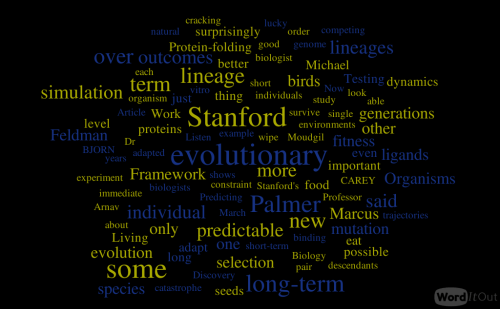
Protein-folding Simulation: Stanford’s Framework for Testing and Predicting Evolutionary Outcomes in Living Organisms – Work by Marcus Feldman

Reporter: Aviva Lev-Ari, PhD, RN

This image has an empty alt attribute; its file name is ArticleID-30.png

WordCloud Image Produced by Adam Tubman

UPDATED 9/16/2013

VIDEO CLIPS
Enzymes That Are Not Proteins: The Discovery of Ribozymes
Listen to past HHMI President Dr. Thomas Cech discussing his Nobel Prize-winning discovery of RNA’s catalytic properties.

http://www.hhmi.org/biointeractive/enzymes-are-not-proteins-discovery-ribozymes

Stanford Report, March 15, 2013

Long-term evolution is ‘surprisingly predictable,’ Stanford experiment shows

A protein-folding simulation shows that the debated theory of long-term evolution is not only possible, but that the outcomes are predictable. The Stanford experiment provides a framework for testing evolutionary outcomes in living organisms.

BY BJORN CAREY

L.A. CiceroVisiting scholar Mike Palmer left, and Professor Marcus FeldmanDr. Michael Palmer, left, and Professor Marcus Feldman, with co-author Arnav Moudgil (not pictured), found that the long-term evolutionary dynamics were surprisingly predictable in a model of protein folding and binding.

Two birds are vying for food. One bird’s beak is shaped, by virtue of a random mutation, such that it’s slightly more adept at cracking seeds. This sets the bird on the road toward acquiring more food, a better chance of scoring a mate and, most important, passing on its genetic endowment.

This individual’s success is an example of short-term evolution, the widely accepted Darwinian process of natural selection by which individual organisms that have better adapted to their surroundings prevail.

In recent years, however, some scientists have argued that natural selection occurs not just at the individual organism level, but also between lineages over the course of many generations. In a new study, Stanford biologists have demonstrated that not only is this long-term evolution possible, but that long-term evolutionary outcomes can be surprisingly predictable.

The group set up a computer simulation in which 128 lineages of proteins continuously folded into new shapes, competing to bind with other molecules, called ligands, in each new configuration. The better each protein could attach itself to the ligands, the more ligands it would scoop up, and the higher its fitness – that is, its average number of “offspring” – would be. The simulation was run for 10,000 generations.

Although the chaos of 128 lineages – a total of more than 16,000 individual proteins – mutating over thousands of generations might seem unpredictable, and that it would be nearly impossible for the same thing to happen twice, it’s actually the opposite.

“Even though things look complicated, the possible evolutionary trajectories are quite constrained,” said lead author Michael Palmer, a computational biologist at Stanford. “There are only a few viable mutations at any point, which makes the dynamics predictable and repeatable, even over the long term.”

The study, co-authored by Marcus Feldman, a biology professor at Stanford, and Stanford research biologist Arnav Moudgil, was recently published in the Journal of the Royal Society Interface.

In some experiments, the lineages that consistently came out on top in the long term were not initially the best adapted at binding to ligands. “The immediate fitness is not the only important thing,” Palmer said. “Yes, a lineage does have to survive in the short term. But just as important is how it is able to adapt to new and potentially variable environments over the longer term.”

A good example of this scenario is Darwin’s famous finches. It’s thought that individuals – perhaps just a single pair of birds – from a South American species ended up on the Galápagos Islands about 1 million years ago. Today their descendants have diversified into about 15 modern species. Some eat seeds, some eat insects, or flowers. Some eat ticks, or even drink the blood of other birds.

“If there was some catastrophe that removed one of those food sources, it might wipe out one or more of the 15 species, but the rest of the lineage – the descendants of that initial pair of birds – would persist,” Palmer said. “Now say there was a competing lineage that was great at cracking seeds, but unable to evolve to other diets due to some prior genetic constraint. The same catastrophe could wipe it out.”

The finding, and others like it, could represent a significant shift in viewpoint for biologists. For one thing, it means that in certain situations, scientists should look beyond the details at the level of the individual organism, as the evolutionary dynamics can be accurately understood as lineage selection.

It also has implications on a species’ genomic architecture, or how a genome is organized on the lineage level. While a lineage’s genome might primarily select for a particular set of traits in order for individuals to survive in the short term, in order to out-compete other lineages, it must also be able to adapt to new conditions over the long term.

“An individual can have a lucky mutation that produces an immediate adaptation,” said Palmer. “Or a lineage can have a lucky mutation that happens to position it to adapt to the range of environments it will experience over the next thousand generations. A single mutation can have a distinct short-term and long-term fitness.”

The authors believe that the work can be replicated in microorganisms, and are now hoping that microbiologists will apply the new metrics of selection in vitro.

“There is already some evidence in vitro that there is a lot of constraint on evolutionary trajectories,” Palmer said, “and we think we’ve come up with a good framework to quantify evolutionary predictability and long-term fitness.”

Media Contact

Michael Palmer, Biology: (415) 867-3653, mepalmer@charles.stanford.edu

Bjorn Carey, Stanford News Service: (650) 725-1944, bccarey@stanford.edu

SOURCE:

http://news.stanford.edu/news/2013/march/long-term-evolution-031513.html

Read Full Post »

Accurate Identification and Treatment of Emergent Cardiac Events

Accurate Identification and Treatment of Emergent Cardiac Events

Author: Larry H Bernstein, MD, FCAP
In the immediately preceding article, I discussed the difficulties in predicting long-term safety for developing drugs, and the cost of failure in early identification.

It is not the same scale of issue as for the patient emergently presenting to the ED. Despite enormous efforts to reduce the development of and the complications of acute ischemia related cardiac events, the accurate diagnosis of the patient presenting to the emergency room is still, as always, reliant on clinical history, physical examination, effective use of the laboratory, and increasingly helpful imaging technology. The main issue that we have a consensus agreement that PLAQUE RUPTURE is not the only basis for a cardiac ischemic event. The introduction of  high sensitivity troponin tests has made it no less difficult after throwing out the receiver-operator characteristic curve (ROC) and assuming that any amount of cardiac troponin released from the heart is pathognomonic of an acute ischemic event.  This has resulted in a consensus agreement that

  • ctn measurement at a coefficient of variant (CV) measurement in excess of 2 Std dev of the upper limit of normal is a “red flag”
  • signaling AMI? or other cardiomyopathic disorder

This is the catch.  The ROC curve established AMI in ctn(s) that were accurate for NSTEMI – (and probably not needed with STEMI or new Q-wave, not previously seen) –

  1. ST-depression
  2. T-wave inversion
    • in the presence of other findings
    • suspicious for AMI

Wouldn’t it be nice if it was like seeing a robin on your lawn after a harsh winter?  Life isn’t like that.  When acute illness hits the patient may well present with ambiguous findings.   We are accustomed to relying on

  1. clinical history
  2. family history
  3. co-morbidities, eg., diabetes, obesity, limited activity?, diet?
    1. stroke and/or peripheral vascular disease
    2. hypertension and/or renal vascular disease
    3. aortic atherosclerosis or valvular heart disease
      • these are evidence, and they make up syndromic classes
  4. Electrocardiogram – 12 lead EKG (as above)
  5. Laboratory tests
    1. isoenzyme MB of creatine kinase (CK)… which declines after 12-18 hours
    2. isoenzyme-1 of LD if the time of appearance is > day-1 after initial symptoms (no longer used)
    3. cardiac troponin cTnI or cTnT
      • genome testing
      • advanced analysis of EKG

This may result in more consults for cardiologists, but it lays the ground for better evaluation of the patient, in the long run.  When you look at the amount of information that has to be presented to the physician, there is serious need for improvement in the electronic medical record to benefit the patient and the caregivers.  Recently, we have a publication on a new test that has been evaluated, closely related to the C-reactive protein (CRP), a test that has generated much discussion over the effect of treatment for patients who have elevated CRP in the absence of increased LDL cholesterol, diabetes, or obvious atherosclerotic comorbidities.  The serum pentraxin 3 test is related to cell mediated immunity, and an evaluation has been published in the Journal of Investigative Medicine.

Journal of Investigative Medicine Feb 2013; 61 (2): 278–285.
http://dx.doi.org/10.231/JIM.0b013e31827c2971

Serum Pentraxin 3 Levels Are Associated With the Complexity and Severity of Coronary Artery Disease in Patients With Stable Angina Pectoris
Karakas, Mehmet Fatih MD*; Buyukkaya, Eyup MD*; Kurt, Mustafa MD*; et al.
From the Departments of Cardiology and,Clinical Biochemistry, Mustafa Kemal University, Tayfur Ata Sokmen Medical School, Hatay, Turkey.
Reprints: Mehmet Fatih Karakas, MD, Antakya 31005, Turkey. E-mail: mfkarakas@hotmail.com.

Abstract
Background: Atherosclerosis is a complex inflammatory process. Although pentraxin 3 (PTX-3), a newly identified inflammatory marker, was associated with adverse outcomes in stable angina pectoris,

  • an association between PTX-3 and the complexity of coronary artery disease (CAD) has not been reported.

The aim of the present study is to assess

  • the association between the level of PTX-3 and
  • the complexity and severity of CAD assessed with
  • SYNTAX and Gensini scores in patients with stable angina pectoris.

Methods: The study population is 2 groups:

  • 161 patients with anginal symptoms and evidence of ischemia
    • who underwent coronary angiography and
  • 50 age- and sex- matched control subjects without evidence of ischemia .

Patients were grouped into 3 groups according to the complexity and severity of coronary lesions

  • assessed by the SYNTAX score (30 patients with a SYNTAX score of 0 were excluded).

Serum PTX-3 and high-sensitivity C-reactive protein (hs-CRP) levels were measured in both groups.

Results: The PTX-3 levels demonstrated

  • an increase from low to high SYNTAX groups (r = 0.72, P < 0.001).

Whereas the low SYNTAX group had statistically significantly higher PTX-3 levels when compared with the control group (0.50 ± 0.01 vs 0.24 ± 0.01 ng/mL, P < 0.001),

  • the hs-CRP levels were not different (0.81 ± 0.42 vs 0.86 ± 0.53 mg/dL, P = 0.96).
  • but  the intermediate SYNTAX group had higher hs-CRP levels compared with the low SYNTAX group (1.3 ± 0.66 vs 0.86 ± 0.53 mg/dL, P = 0.002).

Serum PTX-3 levels and hs-CRP levels were both correlated with the SYNTAX scores and Gensini scores (for SYNTAX: r = 0.87 [P < 0.001] and r = 0.36 [P = 0.01]; for Gensini: r = 0.75 [P < 0.001] and r = 0.27 [P = 0.002], respectively), and

  • according to the results of univariate and multivariate analyses, for “intermediate and high” SYNTAX scores, age, diabetes mellitus, low-density lipoprotein cholesterol, hs-CRP, and PTX-3
  • were found to be independent predictors, whereas
  • for the presence of “high” SYNTAX score only PTX-3 was found to be an independent predictor.
  • The receiver operating characteristic curve analysis further revealed that the PTX-3 level was
    • a strong indicator of high SYNTAX score with an area under the curve of 0.91 (95% confidence interval, 0.86–0.96).

Conclusions: Pentraxin 3, a novel inflammatory marker, was more tightly associated with the complexity and severity of CAD than hs-CRP and

    • it was found to be an independent predictor for high SYNTAX score.

The association between atherosclerosis and inflammation has been more understood during recent years. Currently, atherosclerosis is considered as a complex inflammatory process in which

    • leukocytes and inflammatory markers are involved.1

Several inflammatory markers

  1.  high-sensitivity C-reactive protein (hs-CRP),
  2. fibrinogen, and
  3. complement C3…. are associated with cardiovascular events.1–5

Pentraxin 3 (PTX-3), that resembles CRP both in structure and function,1 is produced both by

  • hematopoietic cells such as macrophages, dendritic cells, neutrophils, and by
  • nonhematopoietic cells such as fibroblasts and vascular endothelial cells.2

Plasma PTX-3 levels may be elevated in patients with

  1. vasculitis,6
  2. acute myocardial infarction,7,8 and
  3. systemic inflammation or sepsis,9
  4. psoriasis,
  5. unstable angina pectoris, and
  6. heart failure.10–13

Dubin et al14 reported that PTX-3 levels are associated with with adverse outcomes in stable angina pectoris (SAP). Despite reports about the association of PTX-3 and coronary artery disease (CAD),

an association between the level of PTX-3 and the complexity and severity of CAD is not established.15,16 Thus, the aim of this study was

  • to assess the association between the level of PTX-3 and the complexity and severity of CAD assessed with SYNTAX and Gensini scores in SAP patients.

MATERIALS AND METHODS

Of 211 patients were prospectively recruited,  161 SAP patients with evidence of ischemia (positive treadmill or myocardial perfusion scan) underwent coronary angiography for suspected CAD, and 50 age- and sex- matched outpatient subjects with a negative treadmill or myocardial perfusion scan test were taken as the control group. Patients were excluded if they had

  •  acute coronary syndrome
  • history of previous myocardial infarction;
  • coronary artery bypass grafting or percutaneous coronary intervention;
  • secondary hypertension (HT);
  • renal failure;
  • hepatic failure;
  • chronic obstructive lung disease and/or
  • manifest heart disease, such as
    • cardiac failure (left ventricular ejection fraction <50%),
    • atrial fibrillation, and
    • moderate to severe cardiac valve disease; and
    • SYNTAX score of zero

Similarly, patients were excluded with

  • infection,
  • acute stress, or chronic systemic inflammatory disease and
  • those who had been receiving medications affecting the number of leukocytes .

Thirty patients were excluded from the study because the coronary angiograms revealed normal coronary arteries (SYNTAX score of 0). All the participants included in the study were informed about the study, and they voluntarily consented to participate. The Serum PTX-3 level was measured on blood samples collected after 12-hour fast just prior to coronary angiography and kept at −80°C until the assays were performed. PTX3 was measured by enzyme immunoassay (EIA) using quantitative kit (human PTX-3/TSG-14 immunoassay, DPTX30; R&D Systems, Inc, Minneapolis, MN). The intra-assay and interassay coefficients of variation ranged from 3.8% to 4.4% and 4.1% to 6.1%, respectively (minimum detectable concentration, 0.025 ng/mL). High-sensitivity CRP was measured in serum by EIA (Immage hs-CRP EIA Kit; Beckman Coulter Inc, Brea, CA). Transthoracic echocardiography was performed, and biplane Simpson’s ejection fraction (%) was calculated before coronary angiography. Hypertension was defined as having at least 2 blood pressure measurements greater than 140/90 mm Hg or using antihypertensive drugs, whereas diabetes mellitus (DM) was defined as having at least 2 fasting blood sugar measurements greater than 126 mg/dL or using antidiabetic drugs. Smoking was categorized into current smokers and nonsmokers. Nonsmokers included ex-smokers who had quit smoking for at least 6 months before the study. Body mass index (BMI) values were calculated based on the height and weight of each patient. Medications used before the coronary angiography were noted. The study was approved by the local ethics committee.
SYNTAX and Gensini Scores
To grade the complexity of CAD, the SYNTAX score was used. Each coronary lesion with a stenosis diameter of 50% or greater in vessels of 1.5 mm or greater was scored. Parameters used in the SYNTAX scoring are shown in Table 1. The latest online updated version (2.11) was used in the calculation of the SYNTAX scores (www.syntaxscore.com).17 The SYNTAX score was classified as follows:

  1. low SYNTAX score (≤22),
  2. intermediate SYNTAX score (23–32)
  3. high SYNTAX score (≥33).

Table 1   http://images.journals.lww.com/jinvestigativemed/LargeThumb.00042871-201302000-00007.TT1.jpeg

The severity of CAD was determined by the Gensini score, which

  • measures the extent of coronary stenosis according to degree and location.18

In the Gensini scoring system,

  • larger segments are more heavily weighted ranging from 0.5 to 5.0
    • left main coronary artery × 5;
    • proximal segment of the left anterior descending coronary artery [LAD] × 2.5;
    • proximal segment of the circumflex artery × 2.5;
    • midsegment of the LAD × 1.5;
    • right coronary artery distal segment of the LAD,
    • posterolateral artery, and obtuse marginal artery × 1;
    • and others × 0.5.

The narrowing of the coronary artery lumen is rated

  1. 2 for 0% to 25% stenosis,
  2. 4 for 26% to 50%,
  3. 8 for 51% to 75%,
  4. 16 for 76% to 90%,
  5. 32 for 91% to 99%,
  6. 64 for 100%.

The Gensini index is the sum of the total weights for each segment. All angiographic variables of the SYNTAX and Gensini score were computed by

  • 2 experienced cardiologists who were blinded to the procedural data and clinical outcomes.

The final decision was reached by consensus when a conflict occurred.The number of diseased vessels with

  • greater than 50% luminal stenosis was scored from 1 to 3 (namely, 1-, 2-, or 3-vessel disease), and
  • a lesion greater than 50% in the left main coronary artery was regarded as a 2-vessel disease.

Statistical Analyses

Statistical analyses were conducted with SPSS 17 (SPSS Inc, Chicago, IL) software package program.
Continuous variables were expressed as mean ± SD or median ± interquartile range values, whereas categorical variables were presented as percentages.
The differences between normally distributed numeric variables were evaluated by Student t test or 1-way analysis of variance, whereas

  • non–normally distributed variables were analyzed by Mann-Whitney U test or Kruskal-Wallis variance analysis as appropriate.

χ2 Test was used for the comparison of categorical variables. Pearson test was used for correlation analysis.
To determine the independent predictors of “intermediate and high” SYNTAX scores and only “high” SYNTAX scores,

  • 2 different sets of univariate and multivariate analyses were performed
    • (in the first model SYNTAX cutoff was 22, whereas
    • in the second model SYNTAX cutoff was 33).

The standardized parameters that were found to have a significance (P < 0.10) in the univariate analysis were evaluated by stepwise logistic regression analysis.
Ninety-five percent confidence interval (CI) and odds ratio (OR) per SD increase were presented together. Interobserver and intraobserver variability for SYNTAX scores

  • was done by Bland-Altman analysis.

An exploratory evaluation of additional cut points was performed using the receiver operating characteristic (ROC) curve analysis.
All the P values were 2-sided, and a P < 0.05 was considered as statistically significant.
RESULTS
Baseline Characteristics
In total, 181 patients (50.2 ± 6.5 years, 52.5% were composed of males) were included in the study. Baseline clinical, angiographic, and laboratory characteristics of the patients
relative to SYNTAX score groups are shown in Table 2. Age, sex, HT, DM, BMI, and medication were not different between the groups. Baseline clinical and laboratory characteristics
of patients according to PTX-3 quartiles are shown in Table 3. The Bland-Altman analysis revealed that the degrees of intraobserver and interobserver variability for SYNTAX score
and Gensini score readings were 5% and 6% for SYNTAX and 8% and 9% for Gensini,
respectively.
Table 2   http://images.journals.lww.com/jinvestigativemed/Original.00042871-201302000-00007.TT2.jpeg
Table 3   http://images.journals.lww.com/jinvestigativemed/Original.00042871-201302000-00007.TT3.jpeg

The PTX-3 levels demonstrated an increase from the low SYNTAX group to the high SYNTAX group (r = 0.87, P < 0.001).
The low SYNTAX group had statistically significantly higher PTX-3 levels when compared with the control group (0.50 ± 0.01 vs 0.24 ± 0.01 ng/mL, P < 0.001); similarly,
the PTX-3 levels were higher in the high SYNTAX group than in both

  • the intermediate SYNTAX group (0.84 ± 0.08 vs 0.55 ± 0.01 ng/mL, P < 0.001) and
  • the low SYNTAX group (0.84 ± 0.08 vs 0.50 ± 0.01 ng/mL, P < 0.001).
  • there was no difference in levels of PTX-3 between the low and the intermediate SYNTAX group (0.50 ± 0.01 vs 0.55 ± 0.01 ng/mL, P = 0.09).

On the other hand, there was no difference in levels of hs-CRP between the control and the low SYNTAX group (0.81 ± 0.42 vs 0.86 ± 0.53 mg/dL, P = 0.96).
The intermediate SYNTAX group had statistically significantly higher hs-CRP levels

  • compared with the low SYNTAX group (1.3 ± 0.66 vs 0.86 ± 0.53 mg/dL, P = 0.002);
  • the hs-CRP levels were not different between the high SYNTAX group
    • and the intermediate SYNTAX group. (1.3 ± 0.66 vs 1.3 ± 0.43 mg/dL, P = 0.99).

Univariate correlation analysis revealed a positive correlation between serum PTX-3 levels and hs-CRP levels with

  • the SYNTAX and Gensini scores
    • for SYNTAX: r = 0.87 [P < 0.001] and r = 0.36 [P = 0.01];
    • for Gensini: r = 0.75 [P < 0.001] and r = 0.27 [P = 0.002],  (Fig. 1).

In addition to that, the Gensini and SYNTAX scores are found to be well correlated with each other (r = 0.80, P < 0.001).
When the SYNTAX score was taken as continuous variable, multivariate linear regression analysis revealed that

  • the SYNTAX score was correlated with PTX-3 and hs-CRP (for PTX-3: β = 0.84 [P < 0.001]; hs-CRP: β =0.08 [P = 0.032]).

Figure 1   http://images.journals.lww.com/jinvestigativemed/Original.00042871-201302000-00007.FF1.jpeg

For determining the predictors of intermediate and high SYNTAX scores and only-high SYNTAX scores,

  • 2 different sets of univariate and multivariate analyses were performed among the patients who underwent coronary angiography.

For predicting the intermediate and high SYNTAX scores, the SYNTAX score was dichotomized into

  • high (score ≥22) and
  • low (<22) groups,

whereas for predicting the only-high SYNTAX scores, the SYNTAX score was dichotomized into

  • 2 groups with a score of 33 or greater and a score of less than 33.

In the first multivariate analysis (where SYNTAX cutoff was 22), the parameters showing significance in the univariate analysis

  • age,
  • sex,
  • HT,
  • DM,
  • low-density lipoprotein cholesterol [LDL-C],
  • hs-CRP,
  • PTX-3

were evaluated by multivariate analysis to determine the

  • independent predictors of intermediate and high SYNTAX scores.

In the univariate analysis, higher values of

  • age (OR, 1.5 [95% CI, 1.1–2.0]; P = 0.01),
  • LDL-C (OR, 1.3 [95% CI, 0.98–1.8]; P = 0.068),
  • hs-CRP (OR, 2.6 [95% CI, 1.8–3.8]; P < 0.001), and
  • PTX-3 (OR, 13.6 [95% CI, 6.4–28.9]; P < 0.001)
    • were associated with higher SYNTAX scores,
  • HT (OR, 0.44 [95% CI, 0.24–0.80]; P = 0.008) and
  • DM (OR, 0.48 [95% CI, 0.25–0.91]; P = 0.02)
    • were associated with lower SYNTAX scores.

In the multivariate analysis – age, DM, LDL-C, hs-CRP, and PTX-3 – were found to be

  • independent predictors of “intermediate to high” SYNTAX score (Table 4).

Increased

  • age (OR, 2.5 [95% CI, 1.3–4.8]; P = 0.007),
  • LDL-C (OR, 2.8 [95% CI, 1.5–5.2]; P = 0.001),
  • hs-CRP (OR, 3.3 [95% CI, 1.8–6.1]; P < 0.001), and
  • PTX-3 (OR, 35.4 [95% CI, 10.1–123.6]; P < 0.001)
    • were associated with increased SYNTAX scores,

whereas DM (OR, 0.08 [95% CI, 0.02–0.33]; P < 0.001) was associated with lower SYNTAX score (Table 4).

In the second univariate and multivariate analyses (where SYNTAX cutoff was 33),

  • the parameters that showed significance in the univariate analysis were age, LDL-C, glucose, hs-CRP, and PTX-3.
  • In the univariate analysis, increased
    • age (OR, 1.5 [95% CI, 1.0–2.3]; P = 0.05),
    • LDL-C (OR, 1.5 [95% CI, 0.97–2.2]; P = 0.07),
    • hs-CRP (OR, 1.4 [95% CI, 0.97–2.1]; P = 0.072), and
    • PTX-3 (OR, 18.5 [95% CI, 6.6–51.8]; P < 0.001)
      • were found to be associated with increased SYNTAX scores.

When these parameters were evaluated with multivariate analysis, only PTX-3 (OR, 18.4 [95% CI, 6.2–54.2]; P < 0.001)

    • was found to be an independent predictor for high SYNTAX score (Table 4).

Table 4   http://images.journals.lww.com/jinvestigativemed/Original.00042871-201302000-00007.TT4.jpeg

The ROC curve analysis further revealed that the PTX-3 level was a strong indicator of high SYNTAX score with

  • an area under the curve (AUC) of 0.91 (95% CI, 0.86–0.96) (Fig. 2).

The optimal cutoff of PTX-3 for the high SYNTAX score was 0.75 ng/mL.
Sensitivity, specificity, positive predictive value, and negative predictive value to identify high SYNTAX score for the PTX-3 level

  • were 90%, 84%, 97%, and 60%, respectively.
  • the ROC curve analysis of PTX-3 for intermediate-high SYNTAX score revealed that the AUC value was 0.82 (95% CI, 0.75–0.89).

The optimal threshold of PTX-3 level that

  • maximized the combined specificity and sensitivity to predict
    • intermediate to high SYNTAX score was 0.73 ng/mL.

For the cutoff value of 0.73 ng/mL, sensitivity, specificity, positive predictive value, and negative predictive value

  • to identify intermediate-high SYNTAX score were 56%, 98%, 97%, and 56%, respectively.

Figure 2   http://images.journals.lww.com/jinvestigativemed/Original.00042871-201302000-00007.FF2.jpeg

In the ROC analysis of hs-CRP for high SYNTAX scores, the AUC value was found to be 0.68 (95% CI, 0.59–0.77; P < 0.001).
The optimal threshold of hs-CRP that maximized the combined specificity and sensitivity to predict for high SYNTAX scores was 0.89 mg/dL.
Similarly, the ROC analysis of hs-CRP for the intermediate-high SYNTAX scores revealed an AUC of 0.74 (95% CI, 0.65–0.83; P = 0.001).
The cutoff value of hs-CRP to predict the intermediate-high SYNTAX scores with a maximized sensitivity and specificity was 0.66 mg/dL.
DISCUSSION
In this particular study, we investigated the relationship between the serum PTX-3 level and the severity of CAD

  • assessed by SYNTAX and Gensini scores in patients with SAP.

The PTX-3, was significantly higher than control group in the patients with CAD, and the serum PTX-3 levels

  • were associated with the SYNTAX and Gensini scores.

When compared with the hs-CRP, the PTX-3 was found to be more tightly associated with the complexity and severity of CAD in the patients with SAP.
Pentraxin 3, an acute-phase reactant that is functionally and structurally similar to CRP,1 is produced both by different kinds of cells such as

  • macrophages, dendritic cells, neutrophils, fibroblasts, and vascular endothelial cells.2
  • Pentraxin 3 is released following the inflammatory stimuli19; therefore, it may reflect the local inflammatory status in tissues.20

Serum PTX-3 levels were shown to be elevated in patients with

  • vasculitis,6 acute myocardial infarction,7,8 and systemic inflammation or sepsis,9 psoriasis, unstable angina pectoris, and heart failure.10–13

Higher PTX3 levels were reported to be associated with worse cardiovascular outcomes

  1. after acute coronary syndromes,8,21
  2. in the elderly people without known cardiovascular disease22 and
  3. associated with overall mortality in patients with stable coronary disease,
  4. independent of systemic inflammation.14

There are 2 reports investigating the association of PTX-3 level and the atherosclerotic burden.15,16 In one of these reports,

  • Knoflach et al.15 took B-mode ultrasonography as the atherosclerosis index.

They did not provide any information about coronary anatomy, and in the other report, Soeki et al.16 evaluated 40 patients who

  • underwent coronary angiography and measured their Gensini scores.

However, in none of the studies were the SYNTAX score and Gensini score used together to assess the degree of coronary atherosclerotic burden.
To our knowledge, this is the first report that showed the association of PTX-3 levels with the complexity and severity of CAD assessed by

  • SYNTAX and Gensini scores in patients with stable coronary disease.

Chronic low-grade inflammation has been thought to play a major role in the pathogenesis of atherosclerosis.23,24 Previous studies have reported that

  • levels of inflammatory markers such as hs-CRP, interleukin 6, and so on were increased in atherosclerosis.25

In the present study, both the SYNTAX and the Gensini scores were found to be correlated with serum PTX-3 and hs-CRP levels,

  • which in turn might reflect the degree of inflammation.

The SYNTAX score is an important tool in the classification of complex CAD26 and can give predictive information about short- and long-term outcomes

  • in patients with stable CAD who undergo percutaneous coronary intervention.27–30

Although the SYNTAX score is currently used for assessing the angiographic complexity of CAD rather than the severity of coronary atherosclerotic burden,

  • because more complex lesions tend to have more atherosclerotic burden,
  • the SYNTAX scores may also reflect the severity of coronary atherosclerotic burden.

The Gensini score, a well-known and widely used scoring system to evaluate the severity of CAD,18 was measured and

  • found to be well correlated with the SYNTAX score,
    • which supports the idea that angiographically more complex lesions tend to have more atherosclerotic burden.

When compared with the hs-CRP,

  • the PTX-3 seems to be more tightly associated with coronary disease burden (r = 0.36 vs r = 0.87).

We found out that the serum PTX-3 levels were higher than those in the control group, even in the low SYNTAX group.
On the other side, the serum hs-CRP levels were not different in the control and the low SYNTAX groups.
It was reported that the leukocytes mainly found in the coronary artery lumen are the neutrophils.31
It is also known that PTX-3 is stored in specific granules of neutrophils and released in response to inflammatory signals.32
The reason why serum PTX-3 levels seem more tightly associated with the coronary disease burden

  • when compared with serum hs-CRP levels may be the association of the
  • on-site presence of neutrophils and local inflammatory signal–triggered release of  PTX-3.

On the other hand, some human studies revealed that PTX-3 was produced more in areas of atherosclerosis and may contribute to its pathogenesis.31
Some other studies suggested that PTX-3 may be part of a protective mechanism in

  • vascular repair via inhibiting fibroblast growth factor 2 or some other growth factors responsible for smooth muscle proliferation.33,34

But still, the exact role of PTX-3 in the pathophysiology of atherosclerosis seems to be obscure for the time being. It is well established that atherosclerosis
has an inflammatory background in most of the cases. In addition to that, high blood CRP level is known as an indicator of future cardiovascular disease risk
even in healthy individuals.35 According to the results of univariate and multivariate analyses, for intermediate and high SYNTAX scores,

  1. age, DM, LDL-C, hs-CRP, and PTX-3 were found to be independent predictors, whereas for the presence of
  2. high SYNTAX score, only PTX-3 was found to be an independent predictor.

Because of the tighter association with atherosclerotic burden and the on-site vascular presence,

    • PTX-3 may be a promising candidate marker for vascular inflammation and future cardiovascular events.

LIMITATIONS
The major limitation of the current study is the number of patients included. It would be better to include more patients to increase the statistical power.

Besides, the SYNTAX and Gensini scores give us an idea about the complexity and severity of coronary atherosclerosis; however,
with coronary angiography alone, it is not possible to understand the extent of coronary plaque. In addition to that, the coronary anatomy of the
control group was not known, which was another limitation. Our selected population was free of other confounders of systemic inflammation, and
we did not have data about inflammatory markers other than hs-CRP, such as interleukin 6, tumor necrosis factor α, and so on, which may be accepted
as a limitation. Another limitation of the current study is that because there was no long-term follow-up of the patients, it did not provide any prognostic
data in terms of future cardiovascular events.
CONCLUSIONS
Pentraxin 3, a novel inflammatory marker, is associated with the complexity and severity of the CAD assessed by the SYNTAX and the Gensini scores in patients with SAP and seems to be more tightly associated with coronary atherosclerotic burden than hs-CRP.

REFERENCES

1. Hansson GK. Inflammation, atherosclerosis, and coronary artery disease. N Engl J Med. 2005; 352: 1685–1695.
2. Brown DW, Giles WH, Croft JB. White blood cell count: an independent predictor of coronary heart disease mortality among a national cohort. J Clin Epidemiol. 2001; 54: 316–322.
3. Kannel WB, Anderson K, Wilson PW. White blood cell count and cardiovascular disease. Insights from the Framingham Study. JAMA. 1992; 267: 1253–1256.
4. Muscari A, Bozzoli C, Puddu GM, et al.. Association of serum C3 levels with the risk of myocardial infarction. Am J Med. 1995; 98: 357–364.
5. Ridker PM, Cushman M, Stampfer MJ, et al.. Inflammation, aspirin, and the risk of cardiovascular disease in apparently healthy men. N Engl J Med. 1997; 336: 973–979.
6. Fazzini F, Peri G, Doni A, et al.. PTX3 in small-vessel vasculitides: an independent indicator of disease activity produced at sites of inflammation. Arthritis Rheum. 2001; 44: 2841–2850.
7. Peri G, Introna M, Corradi D, et al.. PTX3, A prototypical long pentraxin, is an early indicator of acute myocardial infarction in humans. Circulation. 2000; 102: 636–641.
8. Latini R, Maggioni AP, Peri G, et al.. Prognostic significance of the long pentraxin PTX3 in acute myocardial infarction. Circulation. 2004; 110: 2349–2354.
9. Muller B, Peri G, Doni A, et al.. Circulating levels of the long pentraxin PTX3 correlate with severity of infection in critically ill patients. Crit Care Med. 2001; 29: 1404–1407.
10. Bevelacqua V, Libra M, Mazzarino MC, et al.. Long pentraxin 3: a marker of inflammation in untreated psoriatic patients. Int J Mol Med. 2006; 18: 415–423.
11. Inoue K, Sugiyama A, Reid PC, et al.. Establishment of a high sensitivity plasma assay for human pentraxin3 as a marker for unstable angina pectoris. Arterioscler Thromb Vasc Biol. 2007; 27: 161–167.
12. Suzuki S, Takeishi Y, Niizeki T, et al.. Pentraxin 3, a new marker for vascular inflammation, predicts adverse clinical outcomes in patients with heart failure. Am Heart J. 2008; 155: 75–81.
13. Matsubara J, Sugiyama S, Nozaki T, et al.. Pentraxin 3 is a new inflammatory marker correlated with left ventricular diastolic dysfunction and heart failure with normal ejection fraction. J Am Coll Cardiol. 2011; 57: 861–869.
14. Dubin R, Li Y, Ix JH, et al.. Associations of pentraxin-3 with cardiovascular events, incident heart failure, and mortality among persons with coronary heart disease: data from the Heart and Soul Study. Am Heart J. 2012; 163: 274–279.
16. Soeki T, Niki T, Kusunose K, et al.. Elevated concentrations of pentraxin 3 are associated with coronary plaque vulnerability. J Cardiol. 2011; 58: 151–157.
17. SYNTAX working group. SYNTAX score calculator. Available at http://www.syntaxscore.com. Accessed May 20, 2012.
18. Gensini GG. A more meaningful scoring system for determining the severity of coronary heart disease. Am J Cardiol. 1983; 51: 606.
20. Mantovani A, Garlanda C, Bottazzi B, et al.. The long pentraxin PTX3 in vascular pathology. Vascul Pharmacol. 2006; 45: 326–330.
21. Matsui S, Ishii J, Kitagawa F, et al.. Pentraxin 3 in unstable angina and non-ST-segment elevation myocardial infarction. Atherosclerosis. 2010; 210: 220–225.
22. Jenny NS, Arnold AM, Kuller LH, et al.. Associations of pentraxin 3 with cardiovascular disease and all-cause death: the Cardiovascular Health Study. Arterioscler Thromb Vasc Biol. 2009; 29: 594–599.
26. Serruys PW, Morice MC, Kappetein AP, et al.. Percutaneous coronary intervention versus coronary-artery bypass grafting for severe coronary artery disease. N Engl J Med. 2009; 360: 961–972.
27. van Gaal WJ, Ponnuthurai FA, Selvanayagam J, et al.. The SYNTAX score predicts peri-procedural myocardial necrosis during percutaneous coronary intervention. Int J Cardiol. 2009; 135: 60–65.
28. Lemesle G, Bonello L, de Labriolle A, et al.. Prognostic value of the SYNTAX score in patients undergoing coronary artery bypass grafting for three-vessel coronary artery disease. Catheter Cardiovasc Interv. 2009; 73: 612–617.
29. Capodanno D, Di Salvo ME, Cincotta G, et al.. Usefulness of the SYNTAX score for predicting clinical outcome after percutaneous coronary intervention of unprotected left main coronary artery disease. Circ Cardiovasc Interv. 2009; 2: 302–308.
30. Kim YH, Park DW, Kim WJ, et al.. Validation of SYNTAX (Synergy between PCI with Taxus and Cardiac Surgery) score for prediction of outcomes after unprotected left main coronary revascularization. JACC Cardiovasc Interv. 2010; 3: 612–623.
32. Jaillon S, Peri G, Delneste Y, et al.. The humoral pattern recognition receptor PTX3 is stored in neutrophil granules and localizes in extracellular traps. J Exp Med. 2007; 204: 793–804.
33. Inforzato A, Baldock C, Jowitt TA, et al.. The angiogenic inhibitor long pentraxin PTX3 forms an asymmetric octamer with two binding sites for FGF2. J Biol Chem. 2010; 285: 17681–17692.
34. Camozzi M, Zacchigna S, Rusnati M, et al.. Pentraxin 3 inhibits fibroblast growth factor 2–dependent activation of smooth muscle cells in vitro and neointima formation in vivo. Arterioscler Thromb Vasc Biol. 2005; 25: 1837–1842.
35. Koenig W, Sund M, Frohlich M, et al.. C-Reactive protein, a sensitive marker of inflammation, predicts future risk of coronary heart disease in initially healthy middle-aged men: results from the MONICA (Monitoring Trends and Determinants in Cardiovascular Disease) Augsburg Cohort Study, 1984 to 1992. Circulation. 1999; 99: 237–242.
Keywords:  pentraxin 3; coronary artery disease; SYNTAX score; hs-CRP; inflammation

This is not the only recent finding that adds to the ability to evaluate these patients.  An as yet unpublished paper, expected to be published soon reports on

QRS fragmentation as a Prognostic test in Acute Coronary Syndrome,  and this reviewer expects the work to have a high impact.  The authors state that
QRS complex fragmentation is a promising bed-side test for assessment of prognosis in those patients.  Presence of fragmented QRS in surface ECG during ACS

  • represents myocardial scar or fibrosis and reflect severity of coronary lesions and a correlation between fQRS and depression of Lv function is established.

There are still other indicators that need to be considered, such as the mean arterial blood pressure.

There has been review and revisions of the guidelines for treatment of UA/NSTEMI within the last year, with differences being resolved among the Europeans and US.

Guidelines Updated for Unstable Angina/Non-ST Elevation Myocardial Infarction
According to the current study by Jneid and colleagues, new evidence is available on the management of unstable angina. This report replaces the 2007 American College of Cardiology Foundation/American Heart Association (ACC/AHA) Guidelines for the Management of Patients With Unstable Angina/Non–ST-Elevation Myocardial Infarction (UA/NSTEMI) that were updated by the 2011 guidelines.

This guideline was reviewed by

  • 2 official reviewers each nominated by the ACCF and the AHA, as well as
  • 1 or 2 reviewers each from the American College of Emergency Physicians; the Society for Cardiovascular Angiography and Interventions; and the Society of Thoracic Surgeons; and
  • 29 individual content reviewers, including members of the ACCF Interventional Scientific Council.

The recommendations in this focused update are considered current

  • until they are superseded in another focused update or the full-text guideline is revised, and are official policy of both the ACCF and the AHA.

STUDY SYNOPSIS AND PERSPECTIVE
American cardiology societies have caught up with the European Society of Cardiology by

  • issuing their second update to the UA/NSTEMI guidelines in 18 months,
  • with the 2012 focused update replacing the 2011 guidelines [1].

The new recommendations include ticagrelor (Brilinta) as one of the options for antiplatelet therapy alongside prasugrel (Effient) and clopidogrel, bringing them in line with European.
The European guidance, however, gave precedence to the new antiplatelets over clopidogrel, whereas the American update “places ticagrelor on an equal footing with the other two antiplatelets available
this is the main reason for the update,” lead author Dr Hani Jneid (Baylor College of Medicine, Houston, TX), told heartwire . “Doctors now have a choice for second-line therapy after aspirin, depending on

  • the patient’s clinical scenario,
  • physician preference, and cost,”
    • now that clopidogrel is available generically.

The US decision to recommend

  • first prasugrel–in its 2011 update to the UA/NSTEMI guidelines–and
  • now ticagrelor as equivalent antiplatelet therapy choices to clopidogrel after aspirin
    • puts it somewhat at odds with the Europeans,
    • who reserve clopidogrel use for those who cannot take the newer agents.

The reason for the Americans differing stance is that because while they are faster acting and more potent–

  • the cost-effectiveness of the new agents is not known.
  • it isn’t clear how the efficacy observed in pivotal clinical trials of these agents is going to translate into real-world benefit,
  • and issues such as bleeding with prasugrel and compliance with a twice-daily drug such as ticagrelor remain concerns.

Bulk of 2012 Update on How to Use Ticagrelor
The 2012 ACCF/AHA focused update for the management of UA/NSTEMI stresses that

  • all patients at medium/high risk should receive dual antiplatelet therapy on admission,
  • with aspirin being first-line, indefinite therapy.

The bulk of the update centers on how to use ticagrelor which–

  • like prasugrel or clopidogrel–
  • can be added to aspirin for up to 12 months (or longer, at the discretion of the treating clinician).

Jneid notes it’s important to remember that prasugrel can only be used in the cath lab

  • in patients undergoing percutaneous coronary intervention (PCI),
  • whereas ticagrelor, like clopidogrel, can be used in medically managed or PCI patients.

And he emphasizes that, in line with the FDA’s black-box warning on ticagrelor,

The 81-mg aspirin dose is also considered a reasonable option in preference to a higher maintenance dose of 325 mg in

  • any acute coronary syndrome (ACS) patient following PCI, he adds, as
  • this strategy is believed to result in equal efficacy and lower bleeding risk.

With regard to how long antiplatelet therapy should be stopped before planned cardiac surgery, the recommendation is

  • five days for ticagrelor–the same as that advised for clopidogrel.
  • and seven days prior to surgery for prasugrel.

Jneid also highlights other important recommendations from the 2011 focused update carried over to 2012:

It is “reasonable” to proceed with cardiac catheterization and revascularization within

  • 12–24 hours of admission in initially stable, very high-risk patients with ACS.

An invasive strategy is “reasonable” in patients with

  • mild and moderate chronic kidney disease.

In those with diabetes hospitalized with ACS, insulin use should target glucose levels <180 mg/dL,

  • a less-intensive reduction than previously recommended.

Platelet function or genotype testing for clopidogrel resistance are both considered “reasonable”

  • if clinicians think the results will alter management,
  • but Jneid acknowledged that “there is not much evidence to support these assays” .

Committee Encourages Participation in Registries
Jneid observes that unstable angina and NSTEMI are “very common” conditions that carry a high risk of death and recurrent heart attacks,

  • which is why “the AHA and ACCF constantly update their guidelines so that physicians can provide patients with
  • the most appropriate, aggressive therapy with the goal of improving health and survival.”

To this end, he notes that the writing panel encourages

  • clinicians and hospitals to participate in quality-of-care registries designed
  • to track and measure outcomes, complications, and
  • adherence to evidence-based medicines.

Conflicts of interest for the writing committee are listed in the paper.

References

Jneid H, Anderson JL, Wright SR, et al. 2012 ACCF/AHA focused update on the guideline for the management of patients with unstable angina/non-ST elevation myocardial infarction (Updating the 2007 guideline and replacing the 2011 focused update): A report of the ACCF/AHA.
Circulation 2012;      Available at: http://circ.ahajournals.org/  http://dx.doi.org/10.1161/CIR0b013e3182566fleo
source   http://www.medscape.org

Related articles
Obstructive Coronary Artery Disease diagnosed by RNA levels of 23 genes – CardioDx, a Pioneer in the Field of Cardiovascular Genomic Diagnostics
FDA Pending 510(k) for The Latest Cardiovascular Imaging Technology
New Definition of MI Unveiled, Fractional Flow Reserve (FFR)CT for Tagging Ischemia
Assessing Cardiovascular Disease with Biomarkers
Coronary CT Angiography versus Standard Evaluation in Acute Chest Pain
Dilated Cardiomyopathy: Decisions on implantable cardioverter-defibrillators (ICDs) using left ventricular ejection fraction (LVEF) and Midwall Fibrosis: Decisions on Replacement using late gadolinium enhancement cardiovascular MR (LGE-CMR)
The potential contribution of informatics to healthcare is more than currently estimated
PCI Outcomes, Increased Ischemic Risk associated with Elevated Plasma Fibrinogen not Platelet Reactivity
Amplifying Information Using S-Clustering and Relationship to Kullback-Liebler Distance: An Application to Myocardial Infarction
Percutaneous Endocardial Ablation of Scar-Related Ventricular Tachycardia
Vascular Medicine and Biology: CLASSIFICATION OF FAST ACTING THERAPY FOR PATIENTS AT HIGH RISK FOR MACROVASCULAR EVENTS Macrovascular Disease – Therapeutic Potential of cEPCs
Ablation Devices Market to 2016 – Global Market Forecast and Trends Analysis by Technology, Devices & Applications
Endothelial Dysfunction, Diminished Availability of cEPCs, Increasing CVD Risk for Macrovascular Disease – Therapeutic Potential of cEPCs
Positioning a Therapeutic Concept for Endogenous Augmentation of cEPCs — Therapeutic Indications for Macrovascular Disease: Coronary, Cerebrovascular and Peripheral
Cardiovascular Outcomes: Function of circulating Endothelial Progenitor Cells (cEPCs): Exploring Pharmaco-therapy targeted at Endogenous Augmentation of cEPCs
Competition in the Ecosystem of Medical Devices in Cardiac and Vascular Repair: Heart Valves, Stents, Catheterization Tools and Kits for Open Heart and Minimally Invasive Surgery (MIS)
Age-standardised disability-adjusted life year...

Age-standardised disability-adjusted life year (DALY) rates from Cardiovascular diseases by country (per 100,000 inhabitants). (Photo credit: Wikipedia)

English: Cardiovascular disease: PAD therapy w...

English: Cardiovascular disease: PAD therapy with stenting Deutsch: PAVK Therapie: Kathetertherapie mit stenting (Photo credit: Wikipedia)
Micrograph of an artery that supplies the hear...

Micrograph of an artery that supplies the heart with significant atherosclerosis and marked luminal narrowing. Tissue has been stained using Masson’s trichrome. (Photo credit: Wikipedia)

Read Full Post »

Predicting Drug Toxicity for Acute Cardiac Events

Reporter: Larry H Bernstein, MD, FACP

http://pharmaceuticalintelligence.com/?p=10679/Predicting Drug Toxicity for Acute Cardiac Events

Pharmaceuticals Dilemma

The pharmaceutical industry has, as the clinical diagnostics industry, consolidated, and seen new entries that are at some time merged into an established giant, needing resources to grow.  In the past, it was considered essential for a scientific commercial entity to invest at least 8 percent of budget to R&D.   However, the cost of manufacturing has gone down, but a large part of the budget outside of manufacture has to be taken up with, maybe a few exceptions, development, validation in clinical trials, and marketing.  This leaves the situation precarious without a basic research base, and has lead to consortia between academic centers, the federal governmant, and the industries.  I can’t venture into the role of Wall Street Investment and Venture Capital in the process of innovation, proprietary rights to discoveries, and viability.  A large problem they encounter really comes down to complexity of the biomedical reality, that keeps peeling off layers like an onion, exposing new problems to deal with.  As a result, we have seen repeated recalls of drugs that were blockbusters, over the last 2 decades.  To date, every “miracle” drug to manage sepsis and the several cardiac related drugs have  resulted in unexpected toxicities.
One of the leading causes of drug attrition during development is cardiac toxicity, which has a serious impact on cost and can impact getting new drugs to patients. Detecting cardiovascular safety issues earlier in the drug development program

  • would produce significant benefits for pharmaceutical companies and, ultimately, public health, but
    • the reduction of therapeutic toxicities will not be easy and depends on the
    • emergence of genomic-based personalized medicine.

Comprehensive cardiovascular and electrophysiology assessments are routinely conducted in vivo and in vitro early in the preclinical or lead optimization phases of drug development. For example,

  • the isolated perfused guinea pig heart preparation (classically called the Langendorff preparation)
  • can be used to screen a series of related new chemical entities (NCE)

in the lead optimization phase for preliminary information on the relative effects on contractility and rhythm.
Additionally, intact animal non-GLP studies—generally conducted in anesthetized, non-recovery models—are designed to assess

  • effects of NCEs on a range of acute hemodynamic and cardiac parameters such as
    • heart rate,
    • blood pressure,
    • electrocardiogram (ECG),
    • ventricular contractility,
    • vascular resistance,
    • cardiac output, etc.

These studies employ small numbers of animals, but may allow termination of research into NCEs with obvious cardiovascular side effects. These preparations also provide information on the involvement of the

  • autonomic nervous system in the cardiovascular responses of the NCE.

Such effects can be important determinants in the total cardiovascular response to an NCE, and this information cannot be obtained with any known in vitro method.
But what if there are dangers that are not predictable in the short term because of the time span under which the effects can be viewed? The effects themselves are a result of interactions between

  • the drug,
  • endothelial cell receptors,
  • and/or imbalance in oxidative stress promoters and suppressors,
  • and involve signaling pathways.

That is a difficult challenge that may only be realized

  • by rapidly advancing knowledge at the molecular cell level.

The ICH S7A and ICH S7B guidelines provide

  • guidance on important physiological systems and
  • assessment of pharmaceuticals on
    • ventricular repolarization and
    • proarrhythmic risk.

The guidelines were designed to protect patients from potential adverse effects of pharmaceuticals. Since these guidelines were issued in 2000 and 2005, respectively,

  • cardiac safety study designs have been realigned
  • to identify potential concerns prior to administering the first dose to humans.

It is now routine for all NCEs to be evaluated using an

  • in vitro Ikr assay such as the hERG voltage patch clamp assay to assess for
    • the potential for QT interval prolongation.

Systems have evolved to screen large numbers of compounds

  • using automated high-throughput patch clamp systems early in the lead
  • optimization/drug discovery phase.

This is a cost effective method for determining an initial go/no-go gate. Once a compound has progressed to

  • the development phase, it can once again be assessed with the hERG assay
  • utilizing the gold standard manual patch clamp assay.

If the NCE under investigation is a cardiovascular therapy, then

  • pharmacological characterization should occur
  • early in the lead development process.

In addition to the techniques just discussed,

  • a variety of “disease models” are available to help determine
    • whether the NCE will be efficacious in a clinical setting.

However sound the in vitro data used in screening and selection process (e.g., receptor-binding studies),

  • NCEs that have been shown to be active in at least one in vivo model (e.g,. salt-sensitive Dahl rat model)
  • have a higher likelihood of clinical success.

Once a lead is identified, it should still go through the generalized safety characterization discussed earlier.
The in vivo study designs for NCEs reaching the development phase to support the Investigational New Drug (IND) application (just prior to the first human dose) require acquisition of

  1. heart rate,
  2. blood pressure, and
  3. ECG data
    • using an appropriate species
    • at and above clinically relevant doses.

The trend in the industry for these regulatory-driven studies has been to

  • utilize animals surgically instrumented with telemetry devices that
  • can acquire the required parameters.

The advantage of using instrumented animals over anesthetized animals is that

  • data can be acquired from freely moving animals over greater periods of time
  • without anesthetic in the test system,
    • which has the potential to confound and perturb results interpretation.

Appropriate dose selection relative to those used in the clinic provides valuable information about

  • potential acute cardiac events and
  • how they may impact trial participants.

The obvious limitation here is that the method of observation is essentially

  • the same or less than that which is used in clinical practice,
  • relying mainly on classical physiology to detect
    • inherently deep seated processes.

But it is not the same scale of issue as for the patient emergently presenting to the ED. Despite enormous efforts to reduce the development of and the complications of acute ischemia related cardiac events,

the accurate diagnosis of the patient presenting to the emergency room is still, as always, reliant on

  • clinical history,
  • physical examination,
  • effective use of the laboratory, and
  • increasingly helpful imaging technology.

and age, sex, diet, and ability to carry out the activities of daily living before treatment and 6 months to a year after discharge are relevant.

The main issue that we have a consensus agreement that PLAQUE RUPTURE is not the only basis for a cardiac ischemic event. There will be more to say about this.
Animal studies
Telemetry-instrumented animals can be used as screening tools earlier in the drug selection phase. Colonies of animals that can be reused, following a suitable wash-out period,
provide an excellent resource for screening compounds to detect unwanted side effects. The use of these animals

  • coupled with
  • recent advances in software-analysis systems allow for rapid data turnaround,
    • enables scientists to quickly determine if there are any potentially unwanted signals.

If any effects are detected on, for example, blood pressure or QT interval, then the decision to

  • either shelve the drug or
  • conduct additional studies

can be made before advancing any further in the developmental phase.   While this is very good for observing large effects, is it really sufficient for avoidance of late phase failure?

Interestingly, the experience that has been acquired since the approval of the ICH guidelines

  • has allowed pharmaceutical companies to temper their response to finding a potentially unwanted signal.
  • Rather than permanently shelve libraries of compounds that, for example, were
  • found to be positive in the hERG assay—common practice when the 2005 guidelines came into being—
    • companies can now determine a risk potential based on knowledge gained with the intact animal studies.

Similarly, if changes in hemodynamic parameters are detected, there are follow-up experiments employing anesthetized or telemetry models that include additional measurements like

left ventricular pressure.
These experiments can be utilized to further assess their potential clinical impact
by examining effects on
myocardial contractility,
relaxation, and
conduction velocity.
These techniques primarily address acute effects: those following a single exposure.
Chronic effects—those seen with long-term administration of the NCE to an intact organism—are difficult to obtain in early development, but are routinely monitored during safety studies,
are conducted non-clinically during Phase 1 and 2 of the development process.

  • ECGs typically are collected to evaluate the chronic cardiac effects in non-rodent species during these studies. It is recommended that
    • JET (jacketed external telemetry) techniques, which permit the recording of ECG’s—
    • but not blood pressure—

be applied in freely moving animals. If chronic effects are discovered,

  • follow-up experiments can be conducted with any of the techniques mentioned in this article.

As the focus on cardiac safety has matured over the last 10 years, the Safety Pharmacology Society has led efforts to establish an approach

  • to determine best practices for conducting key preclinical cardiovascular assessments in drug development.
  •  to provide sensitive preclinical assays that can detect high-probability safety concerns.

Parallel efforts have been made to more accurately assess the translation of preclinical cardiovascular data into

  • clinical outcomes and
  • to encourage collaborations
    • between preclinical and clinical scientists involved in cardiac safety assessment.

This has been conducted under the umbrella of the International Life Science Institute–Health and Environmental Services Institute (ILSI-HESI) consortium, which has bought together

  • industrial,
  • academic, and
  • government scientists
    • to discuss and determine what steps are necessary
    • to establish an integrated cardiovascular safety assessment program.

The goal is to provide better ways of predicting potential adverse events, allowing for earlier detection of cardiovascular safety issues and reducing the number of clinical trial failures.
http://www.dddmag.com/articles/2012/08/predicting-potential-cardiac-events?et_cid=2816494&et_rid=45527476&linkid=http%3a%2f%2fwww.dddmag.com%2farticles%2f2012%2f08%2fpredicting-potential-cardiac-events.

A recent poster presentation I think makes a good statement of advances that should move us forward:

http://www.biotechniques.com/multimedia/archive/00178/BTN_0311-March_Post_178205a.pdf

Another possibility is genetic testing to determine the likelihood of stroke, for example Corus CAD is

  • a shoebox-size kit that uses a simple blood draw to measure the RNA levels of 23 genes.
  •  it creates an algorrhytm-based score that determines the likelihood that a patient has obstructive coronary artery disease.

http://pharmaceuticalintelligence.com/2012/08/14/obstructive-coronary-artery-disease-diagnosed-by-rna-levels-of-23-genes-cardiodx-heart-disease-test-wins-medicare-coverage/
“By providing Medicare beneficiaries access to Corus CAD, this coverage decision enables patients to avoid unnecessary procedures and risks associated with cardiac imaging and elective invasive angiography, while helping payers address an area of significant healthcare spending,” CardioDx President and CEO David Levison said in a press release.
This discussion will be followed with a discussion of the evaluation of the patient acutely presenting with symptoms and signs that are suggestive of either acute pulmonary or cardiac disease, or both, that may be suggestive of a non ST elevation AMI. It becomes more difficult if ST depression or T-wave inversion is not detected.
Related articles
Obstructive Coronary Artery Disease diagnosed by RNA levels of 23 genes – CardioDx, a Pioneer in the Field of Cardiovascular Genomic Diagnostics
http://pharmaceuticalintelligence.com/2012/08/14/obstructive-coronary-artery-disease-diagnosed-by-rna-levels-of-23-genes-cardiodx-heart-disease-test-wins-medicare-coverage/

English: QT interval corrected by heart rate.

English: QT interval corrected by heart rate. (Photo credit: Wikipedia)

Schematic diagram of normal sinus rhythm for a...

Schematic diagram of normal sinus rhythm for a human heart as seen on ECG (with English labels). (Photo credit: Wikipedia)

Read Full Post »

Reporter and Curator: Dr. Sudipta Saha, Ph.D.

Use of sexed semen in conjunction with in vitro embryo production is a potentially efficient means of obtaining offspring of predetermined sex. Sperm sorting is a means of choosing what type of sperm cell is to fertilize the egg cell. It can be used to sort out sperm that are most healthy, as well as determination of more specific traits, such as sex selection in which spermatozoa are separated into X- (female) and Y- (male) chromosome bearing populations based on their difference in DNA content. The resultant ‘sex-sorted’ spermatozoa are then able to be used in conjunction with other assisted reproductive technologies such as artificial insemination or in-vitro fertilization (IVF) to produce offspring of the desired sex. DNA damage in sperm cells may be detected by using Raman spectroscopy.  It is not specific enough to detect individual traits, however. The sperm cells having least DNA damage may subsequently be injected into the egg cell by intracytoplasmic sperm injection (ICSI).

Sperm sorting utilizes the technique of flow cytometry to analyze and ‘sort’ spermatozoa. During the early to mid 1980s, Dr. Glenn Spaulding was the first to sort viable whole human and animal spermatozoa using a flow cytometer, and utilized the sorted motile rabbit sperm for artificial insemination. Subsequently, the first patent application disclosing the method to sort “two viable subpopulations enriched for x- or y- sperm” was filed in April 1987 and the patent included the discovery of haploid expression (sex-associated membrane proteins, or SAM proteins) and the development of monoclonal antibodies to those proteins. Additional applications and methods were added, including antibodies, from 1987 through 1997. At the time of the patent filing, both Lawrence Livermore National Laboratories and the USDA were only sorting fixed sperm nuclei, after the patent filing a new technique was utilized by the USDA where “sperm were briefly sonicated to remove tails”. USDA in conjunction with Lawrence Livermore National Laboratories, ‘Beltsfield Sperm Sexing Technology’ relies on the DNA difference between the X- and Y- chromosomes.

Prior to flow cytometric sorting, semen is labeled with a fluorescent dye called Hoechst 33342 which binds to the DNA of each spermatozoon. As the X chromosome is larger (i.e. has more DNA) than the Y chromosome, the “female” (X-chromosome bearing) spermatozoa will absorb a greater amount of dye than its male (Y-chromosome bearing) counterpart. As a consequence, when exposed to UV light during flow cytometry, X spermatozoa fluoresce brighter than Y- spermatozoa. As the spermatozoa pass through the flow cytometer in single file, each spermatozoon is encased by a single droplet of fluid and assigned an electric charge corresponding to its chromosome status (e.g. X-positive charge, Y-negative charge). The stream of X- and Y- droplets is then separated by means of electrostatic deflection and collected into separate collection tubes for subsequent processing.

While highly accurate, sperm sorting by flow cytometry will not produce two completely separate populations. That is to say, there will always be some “male” sperm among the “female” sperm and vice versa. The exact percentage purity of each population is dependent on the species being sorted and the ‘gates’ which the operator places around the total population visible to the machine. In general, the larger the DNA difference between the X and Y chromosome of a species, the easier it is to produce a highly pure population. In sheep and cattle, purities for each sex will usually remain above 90% depending on ‘gating’, while for humans these may be reduced to 90% and 70% for “female” and “male” spermatozoa, respectively. Some approaches to in vitro fertilization involve mixing sperm and egg in a test tube and letting nature take its course. But in about half of all infertility cases, a problem with the man’s sperm may require a more direct method. In these cases, a different process, called intracytoplasmic sperm injection (ICSI), in which a single sperm cell is injected directly into an egg, is sometimes used. With this one-shot opportunity, it’s important to choose a sperm cell with the best potential for success. A team at the University of Edinburgh, Scotland, has now announced a new technique to ensure that the best sperm win: analyzing their DNA for potential damage beforehand, and choosing those that are structurally sound.

To optimize success rates of IVF, selection of the most viable embryo(s) for transfer has always been essential, as embryos that are cryopreserved are thought to have a reduced chance of implanting after thawing. Recent developments challenge this concept. Evidence is accumulating that all embryos can now be cryopreserved and transferred in subsequent cycles without impairing pregnancy rates or maybe even with an improvement in pregnancy rates. In such a scenario no selection method will ever lead to improved live birth rates, as, by definition, the live birth rate per stimulated IVF cycle can never be improved when all embryos are serially transferred. In fact, selection could then only lower the live birth rate after IVF. The only parameter that could possibly be improved by embryo selection would be time to pregnancy, if embryos with the highest implantation potential are transferred first.

In the majority of human IVF cycles multiple embryos are created after ovarian hyperstimulation. The viability of these embryos, and as a consequence the chance for an embryo to successfully implant, is subject to biological variation. To achieve the best possible live birth rates after IVF while minimizing the risk for multiple pregnancy, one or two embryos that are considered to have the best chance of implanting are selected for transfer. Subsequently, supernumerary embryos with a good chance of implanting are selected for cryopreservation and possible transfer in the future while remaining embryos are discarded.

The best available method for embryo selection is morphological evaluation. On the basis of multiple morphological characteristics at one or several stages of preimplantation development, embryos are selected for transfer. However, with embryo selection based on morphological evaluation implantation rates in general do not exceed 35%, although varying results have been reported. This has resulted in a strong drive for finding alternative selection methods.

The best studied alternative selection method is preimplantation genetic screening (PGS). The classical form of PGS involves the biopsy at Day 3 of embryo development of a single cell of each of the embryos available in an IVF cycle and analysis of this cell by fluorescence in-situhybridization (FISH) for aneuploidies, for a limited number of chromosomes. Only embryos for which the analyzed blastomere is euploid for the chromosomes tested are transferred. Although this method of PGS has been increasingly used in the last decade, recent trials show that it actually decreases ongoing pregnancy rates compared with standard IVF with morphological selection of embryos.

In an effort to overcome some of the drawbacks of PGS using cleavage stage biopsy and FISH, new methods to determine the ploidy status of a single cell are developed, such as comparative genomic hybridization arrays or single nucleotide polymorphism arrays. Furthermore, in an attempt to avoid the confounding effects of chromosomal mosaicism, embryos are now biopsied at either the zygote or blastocyst stage. In addition, increasing time and money are invested in the development of high-tech, non-invasive methods to select the best embryo for transfer in IVF.

This Include metabolomic profiling, amino acid profiling, respiration-rate measurement and birefringence imaging.

  • In metabolomic profiling, spectrophotometric tests are used to measure metabolomic changes in the culture medium of embryos;
  • in proteomic profiling, proteins produced by the embryo and released into the culture medium are identified;
  • in amino acid profiling, amino acid depletion and production by the embryo is assessed using the culture medium;
  • in respiration-rate measurement, the respiration rate of embryos is assessed; and
  • in birefringence imaging, polarization light microscopy is used to assess the meiotic spindle or the zona pellucida.

Embryo donation (also known as embryo adoption) is the compassionate gifting of residual cryopreserved embryos by consenting parents to infertile recipients. At present, only a limited number of such transactions occur. In 2010, the last year for which U.S. data were available, fewer than 1000 embryo donations were recorded. These acts of giving, unencumbered by federal law, are being guided by a limited number of state laws. Moreover, the practice is sanctioned by professional societies, such as the American Society for Reproductive Medicine, subject to the provision that “the selling of embryos per se is ethically unacceptable.” As such, the not-for-profit donation of existing embryos by consenting parents comports with a triad of commonly held ethical attributes. First, donated embryos are not sold for profit. Second, donated embryos are (by original intent) generated for self-use. Third, donated embryos are the product of an unambiguous parental unit and as such are transferable. All told, embryo donation constitutes an established if limited component of present-day assisted reproduction.

Source References:

http://en.wikipedia.org/wiki/Sperm_sorting

http://www.technologyreview.com/news/411706/best-sperm-for-the-job/

http://humrep.oxfordjournals.org/content/26/5/964.long

http://www.nejm.org/doi/full/10.1056/NEJMsb1215894?query=genetics

Read Full Post »

Liver Endoplasmic Reticulum Stress and Hepatosteatosis

Larry H Bernstein, MD, FCAP


1. Absence of adipose triglyceride lipase protects from hepatic endoplasmic reticulum stress in mice.

Fuchs CD, Claudel T, Kumari P, Haemmerle G, et al.
LabExpMol Hepatology, Medical Univ of Graz, Austria.
Hepatology. 2012 Jul;56(1):270-80.   http://dx.doi.org/10.1002/hep.25601. Epub 2012 May 29.

Nonalcoholic fatty liver disease (NAFLD) is characterized by

  • triglyceride (TG) accumulation and
  • endoplasmic reticulum (ER) stress.

Fatty acids (FAs) may trigger ER stress, therefore,

  •  the absence of adipose triglyceride lipase (ATGL/PNPLA2)-
    • the main enzyme for intracellular lipolysis,
  • releasing FAs, and
  • closest homolog to adiponutrin (PNPLA3)

recently implicated in the pathogenesis of NAFLD-

  • could protect against hepatic ER stress.

Wild-type (WT) and ATGL knockout (KO) mice

  •  were challenged with tunicamycin (TM) to induce ER stress.

Markers of hepatic

  •  lipid metabolism,
  • ER stress, and
  • inflammation were explored
    • for gene expression by
    •  serum biochemistry,
    • hepatic TG and FA profiles,
    • liver histology,
    • cell-culture experiments were performed in Hepa1.6 cells
  • after the knockdown of ATGL before FA and TM treatment.

TM increased hepatic TG accumulation in ATGL KO, but not in WT mice. Lipogenesis and β-oxidation
were repressed at the gene-expression level
(sterol regulatory element-binding transcription factor 1c,
fatty acid synthase, acetyl coenzyme A carboxylase 2, and carnitine palmitoyltransferase 1 alpha) in
both WT and ATGL KO mice. Genes for very-low-density lipoprotein (VLDL) synthesis (microsomal
triglyceride transfer protein and apolipoprotein B)

  •  were down-regulated by TM in WT
  • and even more in ATGL KO mice,
  • which displayed strongly reduced serum VLDL cholesterol levels.

ER stress markers were induced exclusively in TM-treated WT, but not ATGL KO, mice:

  •  glucose-regulated protein,
  • C/EBP homolog protein,
  • spliced X-box-binding protein,
  • endoplasmic-reticulum-localized DnaJ homolog 4, and
  • inflammatory markers Tnfα and iNos.

Total hepatic FA profiling revealed a higher palmitic acid/oleic acid (PA/OA) ratio in WT mice.
Phosphoinositide-3-kinase inhibitor-

  • known to be involved in FA-derived ER stress and
  • blocked by OA-
  • was increased in TM-treated WT mice only.

In line with this, in vitro OA protected hepatocytes from TM-induced ER stress. Lack of ATGL may protect from
hepatic ER stress through alterations in FA composition. ATGL could constitute a new therapeutic strategy
to target ER stress in NAFLD.
PMID: 22271167 Diabetes Obes Metab. 2010 Oct;12 Suppl 2:83-92.
http://dx.doi.org/10.1111/j.1463-1326.2010.01275.x.

2. Hepatic steatosis: a role for de novo lipogenesis and the transcription factor SREBP-1c.
Ferré P, Foufelle F. INSERM, and Université Pierre et Marie Curie-Paris, Paris, France.    PMID: 21029304

Excessive availability of plasma fatty acids and lipid synthesis from glucose (lipogenesis) are important determinants of steatosis.
Lipogenesis is an insulin- and glucose-dependent process that is under the control of specific transcription factors,

Insulin induces the maturation of SREBP-1c in the endoplasmic reticulum (ER).

  • SREBP-1c in turn activates glycolytic gene expression,
    • allowing glucose metabolism, and
    • lipogenic genes in conjunction with ChREBP.

Lipogenesis activation in the liver of obese markedly insulin-resistant steatotic rodents is then paradoxical.
It appears the activation of SREBP-1c and thus of lipogenesis is

  •  secondary in the steatotic liver to an ER stress.

The ER stress activates the

  •  cleavage of SREBP-1c independent of insulin,
  • explaining the paradoxical stimulation of lipogenesis
  • in an insulin-resistant liver.

Inhibition of the ER stress in obese rodents

  •  decreases SREBP-1c activation and lipogenesis and
  • improves markedly hepatic steatosis and insulin sensitivity.
  • ER is thus worth considering as a potential therapeutic target for steatosis and metabolic syndrome.

3. SREBP-1c transcription factor and lipid homeostasis: clinical perspective
Ferré P, Foufelle F
Inserm, Centre de Recherches Biomédicales des Cordeliers, Paris, France.
Horm Res. 2007;68(2):72-82. Epub 2007 Mar 5. PMID:17344645

Insulin has long-term effects on glucose and lipid metabolism through its control on the expression of specific genes.
In insulin sensitive tissues and particularly in the liver,

  •  the transcription factor sterol regulatory element binding protein-1c (SREBP-1c) transduces the insulin signal, which is
  • synthetized as a precursor in the membranes of the endoplasmic reticulum
  • which requires post-translational modification to yield its transcriptionally active nuclear form.

Insulin activates the transcription and the proteolytic maturation of SREBP-1c, which induces the

  •  expression of a family of genes
  • involved in glucose utilization and fatty acid synthesis and
  • can be considered as a thrifty gene.

Since a high lipid availability is

  •  deleterious for insulin sensitivity and secretion,
  • a role for SREBP-1c in dyslipidaemia and type 2 diabetes
  • has been considered in genetic studies.

SREBP-1c could also participate in

  •  hepatic steatosis observed in humans
  • related to alcohol consumption and
  • hyperhomocysteinemia
  • concomitant with a ER-stress and
  • insulin-independent SREBP-1c activation.

4. Hepatic steatosis: a role for de novo lipogenesis and the transcription factor SREBP-1c
Ferré P, Foufelle F
INSERM, Centre de Recherches des Cordeliers and Université Pierre et Marie Curie-Paris, Paris, France.
Diabetes Obes Metab. 2010 Oct;12 Suppl 2:83-92. PMID: 21029304
http://dx.doiorg/10.1111/j.1463-1326.2010.01275.x.

Lipogenesis in liver steatosis is

  •  an insulin- and glucose-dependent process
  • under the control of specific transcription factors,
  • sterol regulatory element binding protein 1c (SREBP-1c),
  • activated by insulin and carbohydrate response element binding protein (ChREBP)

Insulin induces the maturation of SREBP-1c in the endoplasmic reticulum (ER).
SREBP-1c in turn activates glycolytic gene expression, allowing –

  •  glucose metabolism in conjunction with ChREBP.

activation of SREBP-1c and lipogenesis is secondary in the steatotic liver to ER stress, which

  •  activates the cleavage of SREBP-1c independent of insulin,
  • explaining the stimulation of lipogenesis in an insulin-resistant liver.
  • Inhibition of the ER stress in obese rodents decreases SREBP-1c activation and improves
  • hepatic steatosis and insulin sensitivity.

ER is thus a new partner in steatosis and metabolic syndrome

5. Pharmacologic ER stress induces non-alcoholic steatohepatitis in an animal model
Jin-Sook Leea, Ze Zhenga, R Mendeza, Seung-Wook Hac, et al.
Wayne State University SOM, Detroit, MI
Toxicology Letters 20 May 2012; 211(1):29–38      http://dx.doi.org/10.1016/j.toxlet.2012.02.017

Endoplasmic reticulum (ER) stress refers to a condition of

  •  accumulation of unfolded or misfolded proteins in the ER lumen, which is known to
  • activate an intracellular stress signaling termed
  • Unfolded Protein Response (UPR).

A number of pharmacologic reagents or pathophysiologic stimuli

  •  can induce ER stress and activation of the UPR signaling,
  • leading to alteration of cell physiology that is
  • associated with the initiation and progression of a variety of diseases.

Non-alcoholic steatohepatitis (NASH), characterized by hepatic steatosis and inflammation, has been considered the
precursor or the hepatic manifestation of metabolic disease. In this study, we delineated the

  • toxic effect and molecular basis
  • by which pharmacologic ER stress,
  • induced by a bacterial nucleoside antibiotic tunicamycin (TM),
  • promotes NASH in an animal model.

Mice of C57BL/6J strain background were challenged with pharmacologic ER stress by intraperitoneal injection of TM. Upon TM injection,

  •  mice exhibited a quick NASH state characterized by
  • hepatic steatosis and inflammation.

TM-treated mice exhibited an increase in –

  •  hepatic triglycerides (TG) and a –
  • decrease in plasma lipids, including
  • plasma TG,
  • plasma cholesterol,
  • high-density lipoprotein (HDL), and
  • low-density lipoprotein (LDL),

In response to TM challenge,

  •  cleavage of sterol responsive binding protein (SREBP)-1a and SREBP-1c,
  •  the key trans-activators for lipid and sterol biosynthesis,
  • was dramatically increased in the liver.

Consistent with the hepatic steatosis phenotype, expression of

  •  some key regulators and enzymes in de novo lipogenesis and lipid droplet formation was up-regulated,
  • while expression of those involved in lipolysis and fatty acid oxidation was down-regulated
  • in the liver of mice challenged with TM.

TM treatment also increased phosphorylation of NF-κB inhibitors (IκB),

  •  leading to the activation of NF-κB-mediated inflammatory pathway in the liver.

Our study not only confirmed that pharmacologic ER stress is a strong “hit” that triggers NASH, but also demonstrated

  •  crucial molecular links between ER stress,
  • lipid metabolism, and
  • inflammation in the liver in vivo.

Highlights
► Pharmacologic ER stress induced by tunicamycin (TM) induces a quick NASH state in vivo.
► TM leads to dramatic increase in cleavage of sterol regulatory element-binding protein in the liver.
► TM up-regulates lipogenic genes, but down-regulates the genes in lipolysis and FA oxidation.
► TM activates NF-κB and expression of genes encoding pro-inflammatory cytokines in the liver.
Abbreviations
ER, endoplasmic reticulum; TM, tunicamycin; NASH, non-alcoholic steatohepatitis; NAFLD,
non-alcoholic fatty liver disease; TG, triglycerides; SREBP, sterol responsive binding protein;
NF-κB, activation of nuclear factor-kappa B; IκB, NF-κB inhibitor
Keywords: ER stress; Non-alcoholic steatohepatitis; Tunicamycin; Lipid metabolism; Hepatic inflammation
Figures and tables from this article:

Fig. 1. TM challenge alters lipid profiles and causes hepatic steatosis in mice. (A) Quantitative real-time RT-PCR analysis of liver mRNA isolated from mice challenged with TM or vehicle control. Total liver mRNA was isolated at 8 h or 30 h after injection with vehicle or TM (2 μg/g body weight) for real-time RT-PCR analysis. Expression values were normalized to β-actin mRNA levels. Fold changes of mRNA are shown by comparing to one of the control mice. Each bar denotes the mean ± SEM (n = 4 mice per group); **P < 0.01. Edem1, ER degradation enhancing, mannosidase alpha-like 1. (B) Oil-red O staining of lipid droplets in the livers of the mice challenged with TM or vehicle control (magnification: 200×). (C) Levels of TG in the liver tissues of the mice challenged with TM or vehicle control. (D) Levels of plasma lipids in the mice challenged with TM or vehicle control. TG, triglycerides; TC, total plasma cholesterol; HDL, high-density lipoproteins; VLDL/LDL, very low and low density lipoproteins. For C and D, each bar denotes mean ± SEM (n = 4 mice per group); *P < 0.05; **P < 0.01.

 Fhttp://ars.els-cdn.com/content/image/1-s2.0-S0378427412000732-gr1.jpgigure options

Fig. 2. TM challenge leads to a quick NASH state in mice. (A) Histological examination of liver tissue sections of the mice challenged with TM (2 μg/g body weight) or vehicle control. Upper panel, hematoxylin–eosin (H&E) staining of liver tissue sections; the lower panel, Sirius staining of collagen deposition of liver tissue sections (magnification: 200×). (B) Histological scoring for NASH activities in the livers of the mice treated with TM or vehicle control. The grade scores were calculated based on the scores of steatosis, hepatocyte ballooning, lobular and portal inflammation, and Mallory bodies. The stage scores were based on the liver fibrosis. Number of mice examined is given in parentheses. Mean ± SEM values are shown. P-values were calculated by Mann–Whitney U-test.

 http://ars.els-cdn.com/content/image/1-s2.0-S0378427412000732-gr2.jpg

Fig. 3. TM challenge significantly increases levels of cleaved/activated forms of SREBP1a and SREBP1c in the liver. Western blot analysis of protein levels of SREBP1a (A) and SREBP1c (B) in the liver tissues from the mice challenged with TM (2 μg/g body weight) or vehicle control. Levels of GAPDH were included as internal controls. For A and B, the values below the gels represent the ratios of mature/cleaved SREBP signal intensities to that of SREBP precursors. The graph beside the images showed the ratios of mature/cleaved SREBP to precursor SREBP in the liver of mice challenged with TM or vehicle. The protein signal intensities shown by Western blot analysis were quantified by NIH imageJ software. Each bar represents the mean ± SEM (n = 3 mice per group); **P < 0.01. SREBP-p, SREBP precursor; SREBP-m, mature/cleaved SREBP.

 http://ars.els-cdn.com/content/image/1-s2.0-S0378427412000732-gr3.jpg

Fig. 4. TM challenge up-regulates expression of genes involved in lipogenesis but down-regulates expression of genes involved in lipolysis and FA oxidation. Quantitative real-time RT-PCR analysis of liver mRNAs isolated from the mice challenged with TM (2 μg/g body weight) or vehicle control, which encode regulators or enzymes in: (A) de novo lipogenesis: PGC1α, PGC1β, DGAT1 and DGAT2; (B) lipid droplet production: ADRP, FIT2, and FSP27; (C) lipolysis: ApoC2, Acox1, and LSR; and (D) FA oxidation: PPARα. Expression values were normalized to β-actin mRNA levels. Fold changes of mRNA are shown by comparing to one of the control mice. Each bar denotes the mean ± SEM (n = 4 mice per group); **P < 0.01. (E and F) Isotope tracing analysis of hepatic de novo lipogenesis. Huh7 cells were incubated with [1-14C] acetic acid for 6 h (E) or 12 h (F) in the presence or absence of TM (20 μg/ml). The rates of de novo lipogenesis were quantified by determining the amounts of [1-14C]-labeled acetic acid incorporated into total cellular lipids after normalization to cell numbers.

 http://ars.els-cdn.com/content/image/1-s2.0-S0378427412000732-gr4.jpg

Fig. 5. TM activates the inflammatory pathway through NF-κB, but not JNK, in the liver. Western blot analysis of phosphorylated Iκ-B, total Iκ-B, phosphorylated JNK, and total JNK in the liver tissues from the mice challenged with TM (2 μg/g body weight) or vehicle control. Levels of GAPDH were included as internal controls. The values below the gels represent the ratios of phosphorylated protein signal intensities to that of total proteins.

 http://ars.els-cdn.com/content/image/1-s2.0-S0378427412000732-gr5.jpg

Fig. 6. TM induces expression of pro-inflammatory cytokines and acute-phase responsive proteins in the liver. Quantitative real-time RT-PCR analyses of liver mRNAs isolated from the mice challenged with TM (2 μg/g body weight) or vehicle control, which encode: (A) pro-inflammatory cytokine TNFα and IL6; and (B) acute-phase protein SAP and SAA3. Expression values were normalized to β-actin mRNA levels. Fold changes of mRNA are shown by comparing to one of the control mice. (C–E) ELISA analyses of serum levels of TNFα, IL6, and SAP in the mice challenged with TM or vehicle control for 8 h ELISA. Each bar denotes the mean ± SEM (n = 4 mice per group); *P < 0.05, **P < 0.01.

http://ars.els-cdn.com/content/image/1-s2.0-S0378427412000732-gr6.jpg

Corresponding author at: Center for Molecular Medicine and Genetics, Wayne State University School of Medicine, 540 E. Canfield Avenue, Detroit, MI 48201, USA. Tel.: +1 313 577 2669; fax: +1 313 577 5218.

The SREBP regulatory pathway. Brown MS, Goldst...

The SREBP regulatory pathway. Brown MS, Goldstein JL (1997). “The SREBP pathway: regulation of cholesterol metabolism by proteolysis of a membrane-bound transcription factor”. Cell 89 (3) : 331–340. doi:10.1016/S0092-8674(00)80213-5. PMID 9150132. (Photo credit: Wikipedia)

English: Structure of the SREBF1 protein. Base...

English: Structure of the SREBF1 protein. Based on PyMOL rendering of PDB 1am9. (Photo credit: Wikipedia)

The SREBP regulatory pathway

The SREBP regulatory pathway (Photo credit: Wikipedia)

English: Diagram of rough endoplasmic reticulu...

English: Diagram of rough endoplasmic reticulum by Ruth Lawson, Otago Polytechnic. (Photo credit: Wikipedia)

Micrograph demonstrating marked (macrovesicula...

Micrograph demonstrating marked (macrovesicular) steatosis in non-alcoholic fatty liver disease. Masson’s trichrome stain. (Photo credit: Wikipedia)


Read Full Post »

Imaging-biomarkers is Imaging-based tissue characterization

Author – Writer: Dror Nir, PhD

For everyone who is skeptical about the future role of imaging-based tissue chracterisation in the management of cancer, the following “Statement paper” ESR statement on the stepwise development of imaging biomarkers published online: 9 February 2013, by the European Society of Radiology (ESR), should provide substantial reassurance that this kind of technology will become a must! In support of this claim I quote the following information:

The European Society of Radiology and its related European Institute for Biomedical Imaging Research (EIBIR) should have a relevant role in coordinating future developments of biomarkers and in the assessment and validation of imaging biomarkers as surrogate end points.

Acknowledgements

This paper was kindly prepared by the ESR Subcommittee on Imaging Biomarkers (Chairperson: Bernard Van Beers. Research Committee Chairperson: Luis Martí-Bonmatí. Members: Marco Essig, Thomas Helbich, Celso Matos, Wiro Niessen, Anwar Padhani, Harriet C. Thoeny, Siegfried Trattnig, Jean-Paul Vallée. Co-opted members: Peter Brader, Nicolas Grenier) on behalf of the European Society of Radiology (ESR) and with the help of Sabrina Doblas, INSERM U773, Paris, France.

It was approved by the ESR Executive Council in December 2012..

According to ESR: “There is increasing interest in developing the quantitative imaging of biomarkers in personalised medicine”. In this perspective, “Biomarkers” are tissue properties that can be quantitatively and reproducibly measured by imaging devices. One example for a major unmet need, which I found to be most interesting is the imaging-based detection of tumor invasiveness.

Quoting from the paper: ” Biomarkers are defined as “characteristics that are objectively measured and evaluated as indicators of normal biological processes, pathological processes, or pharmaceutical responses to a therapeutic intervention” [1]. Broadly, biomarkers fall into two categories: bio-specimen biomarkers, including molecular biomarkers and genetic biomarkers, and bio-signal biomarkers or imaging biomarkers. Bio-specimen biomarkers are obtained by removing a sample from a patient. Examples of these molecular biomarkers are genes and proteins detected from fluids or tissue samples. Bio-signal biomarkers remove no material from the patient, but rather detect and analyse an electromagnetic, photonic or acoustic signal emitted by the patient [2]. These imaging biomarkers have the advantage of being non-invasive, spatially resolved and repeatable [3]. They are of particular interest if they can overcome the limitations of the established histological “gold standards”. Indeed, invasive reference examinations, such as biopsy, can be inconclusive, are non-representative of the whole tissue (which is a tremendous limitation when assessing malignant tumours, which are known to be heterogeneous) and possess non-negligible levels of mortality and morbidity.

Genetic biomarkers indicate whether a disease may occur, but they are usually inefficient to assess the presence and stage of a disease. Similar to molecular biomarkers, imaging biomarkers can be used for early detection of diseases, staging and grading, and predicting or assessing the response to treatment [3]. Accordingly, because of their relative lower cost compared with imaging, molecular biomarkers may be more appropriate for disease screening and early detection than imaging biomarkers. With their high sensitivity, molecular biomarkers could also detect subclinical stages of disease before any morphological or functional change is detectable on imaging. In contrast, imaging biomarkers are often more useful than molecular biomarkers for disease staging, and also grading and for assessing tumour response, because localised information is crucial.

The main messages ESR wishes to deliver in this paper are that:

• Using imaging-biomarkers to streamline drug discovery and disease progression will drive a huge advancement in healthcare.

• The clinical qualification and validation of imaging biomarkers technology pose challenges, mainly in establishing the accuracy and reproducibility of such techniques. In that respect, agreements on standards and evaluation methods (e.g. clinical studies design) is imperative.

• There should be high motivation to pursue the development of imaging-biomarkers as the “clinical value of new biomarkers is of the highest priority in terms of patient management, assessing risk factors and disease prognosis.”

The paper deals to a great extent with the requirements on accuracy, reproducibility, standardization and quality control from the process of developing imaging-biomarkers:

Accuracy: Before being routinely used in the clinic, imaging biomarkers must be validated. Determining the accuracy implies calculating the sensitivity and specificity of the biomarker when compared with a biological process, such as tumour necrosis, which can be assessed at histopathological examination… [69]  [10, 11]

Reproducibility: Repeatability (measurements at short intervals on the same subjects using the same equipment in the same centres) and reproducibility (measurements at short intervals on the same subjects using different facilities in the same and different centres) studies must be conducted for image acquisition and image analysis…. Reproducibility studies are now very often included in scientific papers, as advised by the “standards for reporting of diagnostic accuracy” (STARD) criteria and should ideally include Bland-Altman plots and results of coefficients of repeatability [1617].

Standardisation: Standardisation relates to the establishment of norms or requirements about technical aspects. In the development of imaging biomarkers, two main aspects should be considered: Standardisation of image acquisition and Standardisation of image analysis…  [18] [1921]  [22] [27, 28] [3133]

Quality control: Adequate phantoms could be used to validate, on a day-to-day basis, that the biomarker stays robust and to avoid any drift in the machine, acquisition or processing protocol….  [34] [3035] [36] [37] [23].

The proposed development workflow:

“Similar to new drugs, the development of biomarkers has to pass along a pipeline going from discovery, through verification in different laboratories, validation and qualification before they can be used in clinical routine. Validation includes the determination of the accuracy and the precision (reproducibility) of the biomarker and standardisation concerns both acquisition and analysis. Qualification, defined as a “graded, fit-for-purpose evidentiary process linking a biomarker with biological processes and clinical end-points”, is a validation process in large cohorts of patients involving multiple centres, similar to phase III clinical trials, to obtain regulatory approval as surrogate endpoints [4]. A more extensive path to biomarker development has been reported [5]. The first step is the proof of concept, which defines any specific change relevant to the disease that can be studied using the available imaging and computational techniques. The relationship between this change and the presence, grading and response to treatment of the disease constitutes the proof of mechanism. The images needed to extract the biomarker must be appropriate (in terms of resolution, signal and contrast behaviour). Preparation of images relates to improving the data before the analysis (such as segmentation, filtering, interpolation or registration). The analysis and modelling of the signal by computational numerical adjustment of a mathematical model allow extracting the needed information (such as structural, physical, chemical, biological and functional properties). After this voxel-by-voxel computation, the spatial distribution of the biomarker can be depicted by parametric images, defined as derived secondary images which pixels represent the distribution values of a given parameter. Multivariate parametric images obtained by statistical modelling of the relevant parameters allow the reduction of data and a clear definition of the defined disease target. The abnormal values should be defined and measured through histogram analysis. A pilot test on a small sample of subjects, with and without the disease, has to be performed to validate the process—also called proof of principle—and to evaluate the influence of potential variations related to age, sex or any other source of biases. Finally, proofs of efficacy and effectiveness on larger and well-defined series of patients will show the ability of a biomarker to measure the clinical endpoint (Fig. 1).

Steps for the development of imaging biomarkers (adapted from [5])

Steps for the development of imaging biomarkers (adapted from [5])

The authors admit that the requirement posed on development of imaging-biomarkers represents a huge challenge and they try to offer ideas, mainly taken from the “MRI experience” to overcome certain hurdles. There is one important point on which they do not discuss: the definition of appropriate reference test. It is my own experience, based on many study protocols I developed in the past decade, that without reaching an agreement on that point, the development of imaging-biomarkers will just move in circles. Note, that today’s most “acceptable” reference test is histopathology, which everyone admits (as well mentioned in this paper); suffers many limitations. When it comes to validating imaging-biomarkers, the need to accurately match imaging products with histopathology is an additional major hurdle.

This is why, I see as a necessary step, to develop “real-time” imaging based tissue characterization combined with in-situ imaging-based histology.


References

1.

Biomarkers Definitions Working Group (2001) Biomarkers and surrogate endpoints: preferred definitions and conceptual framework. Clin Pharmacol Ther 69(3):89–95CrossRef

2.

Waterton JC, Pylkkanen L (2012) Qualification of imaging biomarkers for oncology drug development. Eur J Cancer 48(4):409–415PubMedCrossRef

3.

European Society of Radiology (2010) White paper on imaging biomarkers. Insights Imaging 1(2):42–45CrossRef

4.

Wagner JA, Williams SA, Webster CJ (2007) Biomarkers and surrogate end points for fit-for-purpose development and regulatory evaluation of new drugs. Clin Pharmacol Ther 81(1):104–107PubMedCrossRef

5.

Marti Bonmati L, Alberich-Bayarri A, Garcia-Marti G, Sanz Requena R, Pérez Castillo C, Carot Sierra JM, Herrera M (2012) Imaging biomarkers, quantitative imaging, and bioengineering. Radiol 54(3):269–278CrossRef

6.

Lewin M, Poujol-Robert A, Boelle PY et al (2007) Diffusion-weighted magnetic resonance imaging for the assessment of fibrosis in chronic hepatitis C. Hepatology 46(3):658–665PubMedCrossRef

7.

Luciani A, Vignaud A, Cavet M et al (2008) Liver cirrhosis: intravoxel incoherent motion MR imaging–pilot study. Radiology 249(3):891–899PubMedCrossRef

8.

Bonekamp S, Torbenson MS, Kamel IR (2011) Diffusion-weighted magnetic resonance imaging for the staging of liver fibrosis. J Clin Gastroenterol 45(10):885–892PubMedCrossRef

9.

Leitao HS, Doblas S, d’Assignies G, Garteiser P, Daire JL, Paradis V, Geraldes CF, Vilgrain V, Van Beers BE (2012) Fat deposition decreases diffusion parameters at MRI: a study in phantoms and patients with liver steatosis. Eur Radiol 23(2):461-467

10.

Le Bihan D, Urayama S, Aso T, Hanakawa T, Fukuyama H (2006) Direct and fast detection of neuronal activation in the human brain with diffusion MRI. PNAS 103(21):8263–8268PubMedCrossRef

11.

Xu J, Does MD, Gore JC (2011) Dependence of temporal diffusion spectra on microstructural properties of biological tissues. Magn Reson Imaging 29(3):380–390PubMedCrossRef

12.

Sinkus R, Van Beers BE, Vilgrain V, DeSouza N, Waterton JC (2012) Apparent diffusion coefficient from magnetic resonance imaging as a biomarker in oncology drug development. Eur J Cancer 48(4):425–431PubMedCrossRef

13.

Yablonskiy DA, Sukstanskii AL (2010) Theoretical models of the diffusion weighted MR signal. NMR Biomed 23(7):661–681PubMedCrossRef

14.

Eisenhauer EA, Therasse P, Bogaerts J et al (2009) New response evaluation criteria in solid tumours: revised RECIST guideline (version 1.1). Eur J Cancer 45(2):228–247PubMedCrossRef

15.

Padhani AR, Khan AA (2010) Diffusion-weighted (DW) and dynamic contrast-enhanced (DCE) magnetic resonance imaging (MRI) for monitoring anticancer therapy. Target Oncol 5(1):39–52PubMedCrossRef

16.

Bossuyt PM, Reitsma JB, Bruns DE et al (2003) Towards complete and accurate reporting of studies of diagnostic accuracy: the STARD initiative. Radiology 226(1):24–28PubMedCrossRef

17.

Barnhart HX, Barboriak DP (2009) Applications of the repeatability of quantitative imaging biomarkers: a review of statistical analysis of repeat data sets. Transl Oncol 2(4):231–235PubMed

18.

Padhani AR, Liu G, Koh DM et al (2009) Diffusion-weighted magnetic resonance imaging as a cancer biomarker: consensus and recommendations. Neoplasia 11(2):102–125PubMed

19.

Taouli B, Koh DM (2010) Diffusion-weighted MR imaging of the liver. Radiology 254(1):47–66PubMedCrossRef

20.

Kwee TC, Takahara T, Koh DM, Nievelstein RA, Luijten PR (2008) Comparison and reproducibility of ADC measurements in breathhold, respiratory triggered, and free-breathing diffusion-weighted MR imaging of the liver. J Magn Reson Imaging 28(5):1141–1148PubMedCrossRef

21.

Ivancevic MK, Kwee TC, Takahara T et al (2009) Diffusion-weighted MR imaging of the liver at 3.0 Tesla using tracking only navigator echo (TRON): a feasibility study. J Magn Reson Imaging 30(5):1027–1033PubMedCrossRef

22.

Zussman B, Jabbour P, Talekar K, Gorniak R, Flanders AE (2011) Sources of variability in computed tomography perfusion: implications for acute stroke management. Neurosurg Focus 30(6):E8PubMedCrossRef

23.

Rajaraman S, Rodriguez JJ, Graff C et al (2011) Automated registration of sequential breath-hold dynamic contrast-enhanced MR images: a comparison of three techniques. Magn Reson Imaging 29(5):668–682PubMedCrossRef

24.

Wagner M, Doblas S, Daire JL, Paradis V, Haddad N, Leitao H, Garteiser P, Vilgrain V, Sinkus R, Van Beers BE (2012) Diffusion-weighted MR imaging for the regional characterization of liver tumors. Radiology 264(2):464–472PubMedCrossRef

25.

Moffat BA, Chenevert TL, Lawrence TS et al (2005) Functional diffusion map: a noninvasive MRI biomarker for early stratification of clinical brain tumor response. PNAS 102(15):5524–5529PubMedCrossRef

26.

Yang X, Knopp MV (2011) Quantifying tumor vascular heterogeneity with dynamic contrast-enhanced magnetic resonance imaging: a review. J Biomed Biotechnol 732848:1–12

27.

Buckley DL (2002) Uncertainty in the analysis of tracer kinetics using dynamic contrast-enhanced T1-weighted MRI. Magn Reson Med 47(3):601–606PubMedCrossRef

28.

Michoux N, Huwart L, Abarca-Quinones J et al (2008) Transvascular and interstitial transport in rat hepatocellular carcinomas: dynamic contrast-enhanced MRI assessment with low- and high-molecular weight agents. J Magn Reson Imaging 28(4):906–914PubMedCrossRef

29.

Leach MO, Brindle KM, Evelhoch JL et al (2005) The assessment of antiangiogenic and antivascular therapies in early-stage clinical trials using magnetic resonance imaging: issues and recommendations. Br J Cancer 92(9):1599–1610PubMedCrossRef

30.

Buckler AJ, Schwartz LH, Petrick N et al (2010) Data sets for the qualification of volumetric CT as a quantitative imaging biomarker in lung cancer. Opt Express 18(14):15267–15282PubMedCrossRef

31.

Huwart L, Sempoux C, Vicaut E et al (2008) Magnetic resonance elastography for the noninvasive staging of liver fibrosis. Gastroenterology 135(1):32–40PubMedCrossRef

32.

Friedrich-Rust M, Nierhoff J, Lupsor M et al (2012) Performance of Acoustic Radiation Force Impulse imaging for the staging of liver fibrosis: a pooled meta-analysis. J Viral Hepat 19(2):e212–e219PubMedCrossRef

33.

Degos F, Perez P, Roche B et al (2010) Diagnostic accuracy of FibroScan and comparison to liver fibrosis biomarkers in chronic viral hepatitis: a multicenter prospective study (the FIBROSTIC study). J Hepatol 53(6):1013–1021PubMedCrossRef

34.

Chenevert TL, Galban CJ, Ivancevic MK et al (2011) Diffusion coefficient measurement using a temperature-controlled fluid for quality control in multicenter studies. J Magn Reson Imaging 34(4):983–987PubMedCrossRef

35.

Lee YC, Fullerton GD, Baiu C, Lescrenier MG, Goins BA (2011) Preclinical multimodality phantom design for quality assurance of tumor size measurement. BMC Med Phys 11:1PubMedCrossRef

36.

Szegedi M, Rassiah-Szegedi P, Fullerton G, Wang B, Salter B (2010) A proto-type design of a real-tissue phantom for the validation of deformation algorithms and 4D dose calculations. Phys Med Biol 55(13):3685–3699PubMedCrossRef

37.

Wilhjelm JE, Jespersen SK, Falk E, Sillesen H (2006) The challenges in creating reference maps for verification of ultrasound images. Ultrasonics 4(Suppl 1):e141–e146CrossRef

38.

Wang TJ (2011) Assessing the role of circulating, genetic, and imaging biomarkers in cardiovascular risk prediction. Circulation 123(5):551–565PubMedCrossRef

39.

Polonsky TS, McClelland RL, Jorgensen NW et al (2010) Coronary artery calcium score and risk classification for coronary heart disease prediction. JAMA 303(16):1610–1616PubMedCrossRef

40.

Wahl RL, Jacene H, Kasamon Y, Lodge MA (2009) From RECIST to PERCIST: Evolving Considerations for PET response criteria in solid tumors. J Nucl Med 50(Suppl 1):122S–150SPubMedCrossRef

41.

Cummings J, Ward TH, Dive C (2010) Fit-for-purpose biomarker method validation in anticancer drug development. Drug Discov Today 15(19–20):816–825PubMedCrossRef

42.

Richter WS (2006) Imaging biomarkers as surrogate endpoints for drug development. Eur J Nucl Med Mol Imaging 33(Suppl 1):6–10PubMedCrossRef

43.

Woodcock J, Woosley R (2008) The FDA critical path initiative and its influence on new drug development. Annu Rev Med 59:1–12PubMedCrossRef

44.

Hanahan D, Weinberg RA (2011) Hallmarks of cancer: the next generation. Cell 144(5):646–674PubMedCrossRef

45.

Soloviev D, Lewis D, Honess D, Aboagye E (2012) [(18)F]FLT: an imaging biomarker of tumour proliferation for assessment of tumour response to treatment. Eur J Cancer 48(4):416–424PubMedCrossRef

46.

Nguyen QD, Challapalli A, Smith G, Fortt R, Aboagye EO (2012) Imaging apoptosis with positron emission tomography: ‘bench to bedside’ development of the caspase-3/7 specific radiotracer [(18)F]ICMT-11. Eur J Cancer 48(4):432–440


Read Full Post »

« Newer Posts - Older Posts »