Feeds:
Posts
Comments

Archive for the ‘Artificial Intelligence Applications in Health Care’ Category

Yet another Success Story: Machine Learning to predict immunotherapy response

Curator and Reporter: Dr. Premalata Pati, Ph.D., Postdoc

Immune-checkpoint blockers (ICBs) immunotherapy appears promising for various cancer types, offering a durable therapeutic advantage. Only a number of cases with cancer respond to this therapy. Biomarkers are required to adequately predict the responses of patients. This article evaluates this issue utilizing a system method to characterize the immune response of the anti-tumor based on the entire tumor environment. Researchers build mechanical biomarkers and cancer-specific response models using interpretable machine learning that predict the response of patients to ICB.

The lymphatic and immunological systems help the body defend itself by combating. The immune system functions as the body’s own personal police force, hunting down and eliminating pathogenic baddies.

According to Federica Eduati, Department of Biomedical Engineering at TU/e, “The immune system of the body is quite adept at detecting abnormally behaving cells. Cells that potentially grow into tumors or cancer in the future are included in this category. Once identified, the immune system attacks and destroys the cells.”

Immunotherapy and machine learning are combining to assist the immune system solve one of its most vexing problems: detecting hidden tumorous cells in the human body.

It is the fundamental responsibility of our immune system to identify and remove alien invaders like bacteria or viruses, but also to identify risks within the body, such as cancer. However, cancer cells have sophisticated ways of escaping death by shutting off immune cells. Immunotherapy can reverse the process, but not for all patients and types of cancer. To unravel the mystery, Eindhoven University of Technology researchers used machine learning. They developed a model to predict whether immunotherapy will be effective for a patient using a simple trick. Even better, the model outperforms conventional clinical approaches.

The outcomes of this research are published on 30th June, 2021 in the journal Patterns in an article entitled “Interpretable systems biomarkers predict response to immune-checkpoint inhibitors”.

The Study

  • Characterization of the tumor microenvironment from RNAseq and prior knowledge
  • Multi-task machine-learning models for predicting antitumor immune responses
  • Identification of cancer-type-specific, interpretable biomarkers of immune responses
  • EaSIeR is a tool to predict biomarker-based immunotherapy response from RNA-seq

“Tumor also contains multiple types of immune and fibroblast cells which can play a role in favor of or anti-tumor, and communicates among themselves,” said Oscar Lapuente-Santana, a researcher doctoral student in the computational biology group. “We had to learn how complicated regulatory mechanisms in the micro-environment of the tumor affect the ICB response. We have used RNA sequencing datasets to depict numerous components of the Tumor Microenvironment (TME) in a high-level illustration.”

Using computational algorithms and datasets from previous clinical patient care, the researchers investigated the TME.

Eduati explained

While RNA-sequencing databases are publically available, information on which patients responded to ICB therapy is only available for a limited group of patients and cancer types. So, to tackle the data problem, we used a trick.

All 100 models learned in the randomized cross-validation were included in the EaSIeR tool. For each validation dataset, we used the corresponding cancer-type-specific model: SKCM for the melanoma Gide, Auslander, Riaz, and Liu cohorts; STAD for the gastric cancer Kim cohort; BLCA for the bladder cancer Mariathasan cohort; and GBM for the glioblastoma Cloughesy cohort. To make predictions for each job, the average of the 100 cancer-type-specific models was employed. The predictions of each dataset’s cancer-type-specific models were also compared to models generated for the remaining 17 cancer types.

From the same datasets, the researchers selected several surrogate immunological responses to be used as a measure of ICB effectiveness.

Lapuente-Santana stated

One of the most difficult aspects of our job was properly training the machine learning models. We were able to fix this by looking at alternative immune responses during the training process.

Some of the researchers employed the machine learning approach given in the paper to participate in the “Anti-PD1 Response Prediction DREAM Challenge.”

DREAM is an organization that carries out crowd-based tasks with biomedical algorithms. “We were the first to compete in one of the sub-challenges under the name cSysImmunoOnco team,” Eduati remarks.

The researchers noted,

We applied machine learning to seek for connections between the obtained system-based attributes and the immune response, estimated using 14 predictors (proxies) derived from previous publications. We treated these proxies as individual tasks to be predicted by our machine learning models, and we employed multi-task learning algorithms to jointly learn all tasks.

The researchers discovered that their machine learning model surpasses biomarkers that are already utilized in clinical settings to evaluate ICB therapies.

But why are Eduati, Lapuente-Santana, and their colleagues using mathematical models to tackle a medical treatment problem? Is this going to take the place of the doctor?

Eduati explains

Mathematical models can provide an overview of the interconnection between individual molecules and cells and at the same time predicting a particular patient’s tumor behavior. This implies that immunotherapy with ICB can be personalized in a patient’s clinical setting. The models can aid physicians with their decisions about optimum therapy, it is vital to note that they will not replace them.

Furthermore, the model aids in determining which biological mechanisms are relevant for the biological response.

The researchers noted

Another advantage of our concept is that it does not need a dataset with known patient responses to immunotherapy for model training.

Further testing is required before these findings may be implemented in clinical settings.

Main Source:

Lapuente-Santana, Ó., van Genderen, M., Hilbers, P. A., Finotello, F., & Eduati, F. (2021). Interpretable systems biomarkers predict response to immune-checkpoint inhibitorsPatterns, 100293. https://www.cell.com/patterns/pdfExtended/S2666-3899(21)00126-4

Other Related Articles published in this Open Access Online Scientific Journal include the following:

Inhibitory CD161 receptor recognized as a potential immunotherapy target in glioma-infiltrating T cells by single-cell analysis

Reporter: Dr. Premalata Pati, Ph.D., Postdoc

https://pharmaceuticalintelligence.com/2021/02/20/inhibitory-cd161-receptor-identified-in-glioma-infiltrating-t-cells-by-single-cell-analysis-2/

Immunotherapy may help in glioblastoma survival

Reporter and Curator: Dr. Sudipta Saha, Ph.D.

https://pharmaceuticalintelligence.com/2019/03/16/immunotherapy-may-help-in-glioblastoma-survival/

Deep Learning for In-silico Drug Discovery and Drug Repurposing: Artificial Intelligence to search for molecules boosting response rates in Cancer Immunotherapy: Insilico Medicine @John Hopkins University

Reporter: Aviva Lev-Ari, PhD, RN

https://pharmaceuticalintelligence.com/2016/07/17/deep-learning-for-in-silico-drug-discovery-and-drug-repurposing-artificial-intelligence-to-search-for-molecules-boosting-response-rates-in-cancer-immunotherapy-insilico-medicine-john-hopkins-univer/

Machine Learning (ML) in cancer prognosis prediction helps the researcher to identify multiple known as well as candidate cancer diver genes

Curator and Reporter: Dr. Premalata Pati, Ph.D., Postdoc

https://pharmaceuticalintelligence.com/2021/05/04/machine-learning-ml-in-cancer-prognosis-prediction-helps-the-researcher-to-identify-multiple-known-as-well-as-candidate-cancer-diver-genes/

AI System Used to Detect Lung Cancer

Reporter: Irina Robu, PhD

https://pharmaceuticalintelligence.com/2019/06/28/ai-system-used-to-detect-lung-cancer/

Cancer detection and therapeutics

Curator: Larry H. Bernstein, MD, FCAP

https://pharmaceuticalintelligence.com/2016/05/02/cancer-detection-and-therapeutics/

Read Full Post »

The Future of Speech-Based Human-Computer Interaction

Reporter: Ethan Coomber, Research Assistant III

2021 LPBI Summer Internship in Data Science and Podcast Library Development
This article reports on a research conducted by the Tokyo Institute of Technology, published on 9 June 2021.

As technology continues to advance, the human-computer relationship develops alongside with it. As researchers and developers find new ways to improve a computer’s ability to recognize the distinct pitches that compose a human’s voice, the potential of technology begins to push back what people previously thought was possible. This constant improvement in technology has allowed us to identify new potential challenges in voice-based technological interaction.

When humans interact with one another, we do not convey our message with only our voices. There are a multitude of complexities to our emotional states and personality that cannot be obtained simply through the sound coming out of our mouths. Aspects of our communication such as rhythm, tone, and pitch are essential in our understanding of one another. This presents a challenge to artificial intelligence as technology is not able to pick up on these cues.

https://www.eurekalert.org/pub_releases/2021-06/tiot-tro060121.php

In the modern day, our interactions with voice-based devices and services continue to increase. In this light, researchers at Tokyo Institute of Technology and RIKEN, Japan, have performed a meta-synthesis to understand how we perceive and interact with the voice (and the body) of various machines. Their findings have generated insights into human preferences, and can be used by engineers and designers to develop future vocal technologies.

– Kate Seaborn

While it will always be difficult for technology to perfectly replicate a human interaction, the inclusion of filler terms such as “I mean…”, “um” and “like…” have been shown to improve human’s interaction and comfort when communicating with technology. Humans prefer communicating with agents that match their personality and overall communication style. The illusion of making the artificial intelligence appear human has a dramatic affect on the overall comfort of the person interacting with the technology. Several factors that have been proven to improve communication are when the artificial intelligence comes across as happy or empathetic with a higher pitched voice.

Using machine learning, computers are able to recognize patterns within human speech rather than requiring programming for specific patterns. This allows for the technology to adapt to human tendencies as they continue to see them. Over time, humans develop nuances in the way they speak and communicate which frequently results in a tendency to shorten certain words. One of the more common examples is the expression “I don’t know”. This expression is frequently reduced to the phrase “dunno”. Using machine learning, computers would be able to recognize this pattern and realize what the human’s intention is.

With advances in technology and the development of voice assistance in our lives, we are expanding our interactions to include computer interfaces and environments. While there are still many advances that need to be made in order to achieve the desirable level of communication, developers have identified the necessary steps to achieve the desirable human-computer interaction.

Sources:

Tokyo Institute of Technology. “The role of computer voice in the future of speech-based human-computer interaction.” ScienceDaily. ScienceDaily, 9 June 2021.

Rev. “Speech Recognition Trends to Watch in 2021 and Beyond: Responsible AI.” Rev, 2 June 2021, http://www.rev.com/blog/artificial-intelligence-machine-learning-speech-recognition.

“The Role of Computer Voice in the Future of Speech-Based Human-Computer Interaction.” EurekAlert!, 1 June 2021, http://www.eurekalert.org/pub_releases/2021-06/tiot-tro060121.php.

Other related articles published in this Open Access Online Scientific Journal include the Following:

Deep Medicine: How Artificial Intelligence Can Make Health Care Human Again
Reporter: Aviva Lev-Ari, PhD, RN
https://pharmaceuticalintelligence.com/2020/11/11/deep-medicine-how-artificial-intelligence-can-make-health-care-human-again/

Supporting the elderly: A caring robot with ‘emotions’ and memory
Reporter: Aviva Lev-Ari, PhD, RN
https://pharmaceuticalintelligence.com/2015/02/10/supporting-the-elderly-a-caring-robot-with-emotions-and-memory/

Developing Deep Learning Models (DL) for Classifying Emotions through Brainwaves
Reporter: Abhisar Anand, Research Assistant I
https://pharmaceuticalintelligence.com/2021/06/22/developing-deep-learning-models-dl-for-classifying-emotions-through-brainwaves/

Evolution of the Human Cell Genome Biology Field of Gene Expression, Gene Regulation, Gene Regulatory Networks and Application of Machine Learning Algorithms in Large-Scale Biological Data Analysis
Reporter: Aviva Lev-Ari, PhD, RN
https://pharmaceuticalintelligence.com/2019/12/08/evolution-of-the-human-cell-genome-biology-field-of-gene-expression-gene-regulation-gene-regulatory-networks-and-application-of-machine-learning-algorithms-in-large-scale-biological-data-analysis/

The Human Genome Project
Reporter: Larry H Bernstein, MD, FCAP, Curator
https://pharmaceuticalintelligence.com/2015/09/09/the-human-genome-project/

Read Full Post »

Developing Deep Learning Models (DL) for Classifying Emotions through Brainwaves

Reporter: Abhisar Anand, Research Assistant I
Research Team: Abhisar Anand, Srinivas Sriram

2021 LPBI Summer Internship in Data Science and Website construction.
This article reports on a research study conducted till December 2020.
Research completed before the 2021 LPBI Summer Internship began in 6/15/2021.

As the field of Artificial Intelligence progresses, various algorithms have been implemented by researchers to classify emotions from EEG signals. Few researchers from China and Singapore released a paper (“An Investigation of Deep Learning Models from EEG-Based Emotion Recognition”) analyzing different types of DL model architectures such as deep neural networks (DNN), convolutional neural networks (CNN), long short-term memory (LSTM), and a hybrid of CNN and LSTM (CNN-LSTM). The dataset used in this investigation was the DEAP Dataset which consisted of EEG signals of patients that watched 40 one-minute long music videos and then rated them in terms of the levels of arousal, valence, like/dislike, dominance and familiarity. The result of the investigation presented that CNN (90.12%) and CNN-LSTM (94.7%) models had the highest performance out of the batch of DL models. On the other hand, the DNN model had a very fast training speed but was not able to perform as accurately as other other models. The LSTM model was also not able to perform accurately and the training speed was much slower as it was difficult to achieve convergence.

This research in the various model architectures provides a sense of what the future of Emotion Classification with AI holds. These Deep Learning models can be implemented in a variety of different scenarios across the world, all to help with detecting emotions in scenarios where it may be difficult to do so. However, there needs to be more research implemented in the model training aspect to ensure the accuracy of the classification is top-notch. Along with that, newer and more reliable hardware can be implemented in society to provide an easy-to-access and portable EEG collection device that can be used in any different scenario across the world. Overall, although future improvements need to be implemented, the future of making sure that emotions are accurately detected in all people is starting to look a lot brighter thanks to the innovation of AI in the neuroscience field.

Emotions are a key factor in any person’s day to day life. Most of the time, we as humans can detect these emotions through physical cues such as movements, facial expressions, and tone of voice. However, in certain individuals, it can be hard to identify their emotions through their visible physical cues. Recent studies in the Machine Learning and AI field provide a particular development in the ability to detect emotions through brainwaves, more specifically EEG brainwaves. These researchers from across the world utilize the same concept of EEG implemented in AI to help predict the state an individual is in at any given moment.

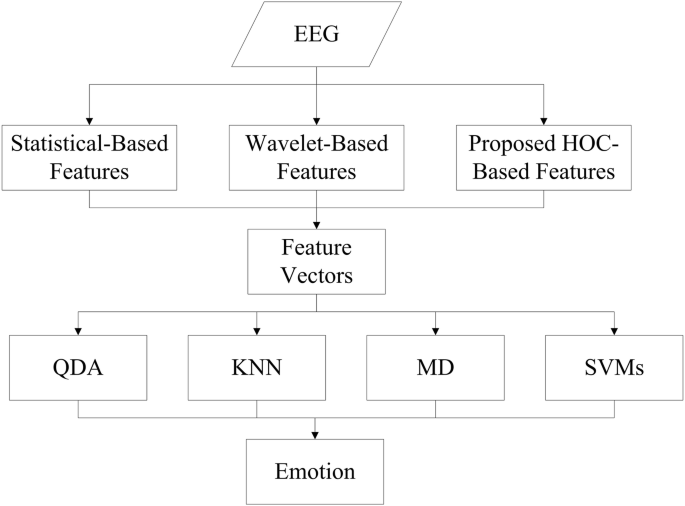
Emotion classification based on brain wave: a survey (Figure 4)

Image Source: https://hcis-journal.springeropen.com/articles/10.1186/s13673-019-0201-x

EEGs can detect and compile normal and abnormal brain wave activity and indicate brain activity or inactivity that correlates with physical, emotional, and intellectual activities. EEG signals are classified mainly by brain wave frequencies. The most commonly studied are delta, theta, alpha, sigma, and beta waves. Alpha waves, 8 to 12 hertz, are the key wave that occurs in normal awake people. They are the defining factor for the everyday function of the adult brain. Beta waves, 13 to 30 hertz, are the most common type of wave in both children and adults. They are found in the frontal and central areas of the brain and occur at a certain frequency which, if slowed, is likely to cause dysfunction. Theta waves, 4 to 7 hertz, are also found in the front of the brain, but they slowly move backward as drowsiness increases and the brain enters the early stages of sleep. Theta waves are known as active during focal seizures. Delta waves, 0.5 to 4 hertz, are found in the frontal areas of the brain during deep sleep. Sigma waves, 12-16 hertz, are very slow frequency waves that occur during sleep. These EEG signals can help for the detection of emotions based on the frequencies that the signals happen in and the activity of the signals (whether they are active or relatively calm). 

Sources:

Zhang, Yaqing, et al. “An Investigation of Deep Learning Models for EEG-Based Emotion Recognition.” Frontiers in Neuroscience, vol. 14, 2020. Crossref, doi:10.3389/fnins.2020.622759.

Nayak, Anilkumar, Chetan, Arayamparambil. “EEG Normal Waveforms.” National Center for Biotechnology Information, StatPearls Publishing LLC., 4 May 2021, http://www.ncbi.nlm.nih.gov/books/NBK539805.

Other related articles published in this Open Access Online Scientific Journal include the Following:

Supporting the elderly: A caring robot with ‘emotions’ and memory
Reporter: Aviva Lev-Ari, PhD, RN
https://pharmaceuticalintelligence.com/2015/02/10/supporting-the-elderly-a-caring-robot-with-emotions-and-memory/

Developing Deep Learning Models (DL) for the Instant Prediction of Patients with Epilepsy
Reporter: Srinivas Sriram, Research Assistant I
https://pharmaceuticalintelligence.com/2021/06/22/developing-deep-learning-models-dl-for-the-instant-prediction-of-patients-with-epilepsy/

Prediction of Cardiovascular Risk by Machine Learning (ML) Algorithm: Best performing algorithm by predictive capacity had area under the ROC curve (AUC) scores: 1st, quadratic discriminant analysis; 2nd, NaiveBayes and 3rd, neural networks, far exceeding the conventional risk-scaling methods in Clinical Use
Curator: Aviva Lev-Ari, PhD, RN
https://pharmaceuticalintelligence.com/2019/07/04/prediction-of-cardiovascular-risk-by-machine-learning-ml-algorithm-best-performing-algorithm-by-predictive-capacity-had-area-under-the-roc-curve-auc-scores-1st-quadratic-discriminant-analysis/

Developing Machine Learning Models for Prediction of Onset of Type-2 Diabetes
Reporter: Amandeep Kaur, B.Sc., M.Sc.
https://pharmaceuticalintelligence.com/2021/05/29/developing-machine-learning-models-for-prediction-of-onset-of-type-2-diabetes/

Deep Learning-Assisted Diagnosis of Cerebral Aneurysms
Reporter: Dror Nir, PhD
https://pharmaceuticalintelligence.com/2019/06/09/deep-learning-assisted-diagnosis-of-cerebral-aneurysms/

Mutations in a Sodium-gated Potassium Channel Subunit Gene related to a subset of severe Nocturnal Frontal Lobe Epilepsy
Reporter: Aviva Lev-Ari, PhD, RN
https://pharmaceuticalintelligence.com/2012/10/22/mutations-in-a-sodium-gated-potassium-channel-subunit-gene-to-a-subset-of-severe-nocturnal-frontal-lobe-epilepsy/

A new treatment for depression and epilepsy – Approval of external Trigeminal Nerve Stimulation (eTNS) in Europe
Reporter: Howard Donohue, PhD (EAW)
https://pharmaceuticalintelligence.com/2012/10/07/a-new-treatment-for-depression-and-epilepsy-approval-of-external-trigeminal-nerve-stimulation-etns-in-europe/

Read Full Post »

Developing Deep Learning Models (DL) for the Instant Prediction of Patients with Epilepsy

Reporter: Srinivas Sriram, Research Assistant I
Research Team: Srinivas Sriram, Abhisar Anand

2021 LPBI Summer Intern in Data Science and Website Construction
This article reports on a research study conducted from January 2021 to May 2021.
This Research was completed before the 2021 LPBI Summer Internship that began on 6/15/2021.

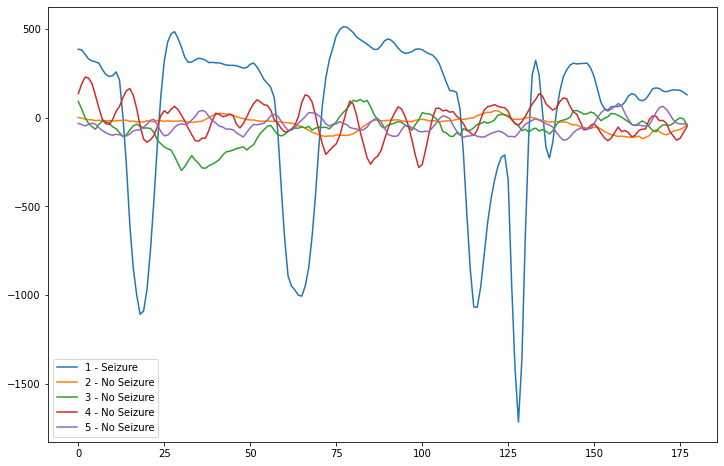
The main criterion of this study was to utilize the dataset (shown above) to develop a DL network that could accurately predict new seizures based on incoming data. To begin the study, our research group did some exploratory data analysis on the dataset and we recognized the key defining pattern of the data that allowed for the development of the DL model. This pattern of the data can be represented in the graph above, where the lines representing seizure data had major spikes in extreme hertz values, while the lines representing normal patient data remained stable without any spikes. We utilized this pattern as a baseline for our model. 

Conclusions and Future Improvements:

Through our system, we were able to create a prototype solution that would predict when seizures happened in a potential patient using an accurate LSTM network and a reliable hardware system. This research can be implemented in hospitals with patients suffering from epilepsy in order to help them as soon as they experience a seizure to prevent damage. However, future improvements need to be made to this solution to allow it to be even more viable in the Healthcare Industry, which is listed below.

  • Needs to be implemented on a more reliable EEG headset (covers all neurons of the brain, less prone to electric disruptions shown in the prototype). 
  • Needs to be tested on live patients to deem whether the solution is viable and provides a potential solution to the problem. 
  • The network can always be fine-tuned to maximize performance. 
  • A better alert system can be implemented to provide as much help as possible. 

These improvements, when implemented, can help provide a real solution to one of the most common diseases faced in the world. 

Background Information:

Epilepsy is described as a brain disorder diagnostic category for multiple occurrences of seizures that happen within recurrent and/or a brief timespan. According to the World Health Organization, seizure disorders, including epilepsy, are among the most common neurological diseases. Those who suffer seizures have a 3 times higher risk of premature death. Epilepsy is often treatable, especially when physicians can provide necessary treatment quickly. When untreated, however, seizures can cause physical, psychological, and emotional, including isolation from others. Quick diagnosis and treatment prevent suffering and save lives. The importance of a quick diagnosis of epilepsy has led to our research team developing Deep Learning (DL) algorithms for the sole purpose of detecting epileptic seizures as soon as they occur. 

Throughout the years, one common means of detecting Epilepsy has emerged in the form of an electroencephalogram (EEG). EEGs can detect and compile “normal” and “abnormal “brain wave activity” and “indicate brain activity or inactivity that correlates with physical, emotional, and intellectual activities”. EEG waves are classified mainly by brain wave frequencies (EEG, 2020). The most commonly studied are delta, theta, alpha, sigma, and beta waves. Alpha waves, 8 to 12 hertz, are the key wave that occurs in normal awake people. They are the defining factor for the everyday function of the adult brain. Beta waves, 13 to 30 hertz, are the most common type of wave in both children and adults. They are found in the frontal and central areas of the brain and occur at a certain frequency which, if slow, is likely to cause dysfunction. Theta waves, 4 to 7 hertz, are also found in the front of the brain, but they slowly move backward as drowsiness increases and the brain enters the early stages of sleep. Theta waves are known as active during focal seizures. Delta waves, 0.5 to 4 hertz, are found in the frontal areas of the brain during deep sleep. Sigma waves, 12-16 hertz, are very slow frequency waves that occur during sleep. EEG detection of electrical brain wave frequencies can be used to detect and diagnose seizures based on their deviation from usual brain wave patterns.

In this particular research project, our research group hoped to develop a DL algorithm that when implemented on a live, portable EEG brain wave capturing device, could accurately predict when a particular patient was suffering from Epilepsy as soon as it occurred. This would be accomplished by creating a network that could detect when the brain frequencies deviated from the normal frequency ranges. 

The Study:

Line Graph representing EEG Brain Waves from a Seizure versus EEG Brain Waves from a normal individual. 

Source Dataset: https://archive.ics.uci.edu/ml/datasets/Epileptic+Seizure+Recognition

To expand more on the dataset, it is an EEG data set compiled by Qiuyi Wu and Ernest Fokoue (2021) from the work of medical researchers R.Andrzejak, M.D. et al. (2001) which had been made public domain through the UCI Machine Learning Repository We also confirmed fair use permission with UCI. The dataset had been gathered by Andrzejak during examinations of 500 patients with a chronic seizure disorder. R.G.Andrzejak, et al. (2001) recorded each entry in the EEG dataset used for this project within 23.6 seconds in a time-series data structure. Each row in the dataset represented a patient recorded. The continuous variables in the dataset were single EEG data points at that specific point in time during the measuring period. At the end of the dataset, was a y-variable that indicated whether or not the patient had a seizure during the period the data was recorded. The continuous variables, or the EEG data, for each patient, varied widely based on whether the patient was experiencing a seizure at that time. The Wu & Fokoue Dataset (2021) consists of one file of 11,500 rows, each with 178 sequential data points concatenated from the original dataset of 5 data folders, each including 100 files of EEG recordings of 23.6 seconds and containing 4097 data points. Each folder contained a single, original subset. Subset A contained EEG data gathering during epileptic seizure…. Subset B contained EEG data from brain tumor sites. Subset 3, from a healthy site where tumors had been located. Subsets 4 and 5 from non-seizure patients at rest with eyes open and closed, respectively. 

Based on the described data, our team recognized that a Recurrent Neural Network (RNN) was needed to input the sequential data and return an output of whether the sequential data was a seizure or not. However, we realized that RNN models are known to get substantially large over time, reducing computation speeds. To help provide a solution to this issue, our group decided to implement a long-short-term memory (LSTM) model. After deciding our model’s architecture, we proceeded to train our model in two different DL frameworks inside Python, TensorFlow, and PyTorch. Through various rounds of retesting and redesigning, we were able to train and develop two accurate models in each of the models that not only performed well while learning the data while training, but also could accurately predict new data in the testing set (98 percent accuracy on the unseen data). These LSTM networks could classify normal EEG data when the brain waves are normal, and then immediately predict the seizure data based on if a dramatic spike occurred in the data. 

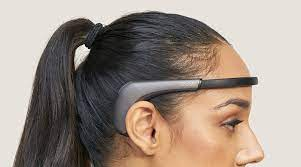
After training our model, we had to implement our model in a real-life prototype scenario in which we utilized a Single Board Computer (SBC) in the Raspberry Pi 4 and a live capturing EEG headset in the Muse 2 Headband. The two hardware components would sync up through Bluetooth and the headband would return EEG data to the Raspberry Pi, which would process the data. Through the Muselsl API in Python, we were able to retrieve this EEG data in a format similar to the manner implemented during training. This new input data would be fed into our LSTM network (TensorFlow was chosen for the prototype due to its better performance than the PyTorch network), which would then output the result of the live captured EEG data in small intervals. This constant cycle would be able to accurately predict a seizure as soon as it occurs through batches of EEG data being fed into the LSTM network. Part of the reason why our research group chose the Muse Headband, in particular, was not only due to its compatibility with Python but also due to the fact that it was able to represent seizure data. Because none of our members had epilepsy, we had to find a reliable way of testing our model to make sure it worked on the new data. Through electrical disruptions in the wearable Muse Headband, we were able to simulate these seizures that worked with our network’s predictions. In our program, we implemented an alert system that would email the patient’s doctor as soon as a seizure was detected.

Individual wearing the Muse 2 Headband

Image Source: https://www.techguide.com.au/reviews/gadgets-reviews/muse-2-review-device-help-achieve-calm-meditation/

Sources Cited:

Wu, Q. & Fokoue, E. (2021).  Epileptic seizure recognition data set: Data folder & Data set description. UCI Machine Learning Repository: Epileptic Seizure Recognition. Jan. 30. Center for Machine Learning and Intelligent Systems, University of California Irvine.

Nayak, C. S. (2020). EEG normal waveforms.” StatPearls [Internet]. U.S. National Library of Medicine, 31 Jul. 2020, www.ncbi.nlm.nih.gov/books/NBK539805/#.

Epilepsy. (2019). World Health Organization Fact Sheet. Jun. https://www.who.int/ news-room/fact-sheet s/detail/epilepsy

Other Related Articles published in this Open Access Online Scientific Journal include the following:

Developing Deep Learning Models (DL) for Classifying Emotions through Brainwaves

Reporter: Abhisar Anand, Research Assistant I

https://pharmaceuticalintelligence.com/2021/06/22/developing-deep-learning-models-dl-for-classifying-emotions-through-brainwaves/

Machine Learning (ML) in cancer prognosis prediction helps the researcher to identify multiple known as well as candidate cancer diver genes

Curator and Reporter: Dr. Premalata Pati, Ph.D., Postdoc

https://pharmaceuticalintelligence.com/2021/05/04/machine-learning-ml-in-cancer-prognosis-prediction-helps-the-researcher-to-identify-multiple-known-as-well-as-candidate-cancer-diver-genes/

Deep Learning-Assisted Diagnosis of Cerebral Aneurysms

Reporter: Dror Nir, PhD

https://pharmaceuticalintelligence.com/2019/06/09/deep-learning-assisted-diagnosis-of-cerebral-aneurysms/

Developing Machine Learning Models for Prediction of Onset of Type-2 Diabetes

Reporter: Amandeep Kaur, B.Sc., M.Sc.

https://pharmaceuticalintelligence.com/2021/05/29/developing-machine-learning-models-for-prediction-of-onset-of-type-2-diabetes/

Deep Learning extracts Histopathological Patterns and accurately discriminates 28 Cancer and 14 Normal Tissue Types: Pan-cancer Computational Histopathology Analysis

Reporter: Aviva Lev-Ari, PhD, RN

https://pharmaceuticalintelligence.com/2019/10/28/deep-learning-extracts-histopathological-patterns-and-accurately-discriminates-28-cancer-and-14-normal-tissue-types-pan-cancer-computational-histopathology-analysis/

A new treatment for depression and epilepsy – Approval of external Trigeminal Nerve Stimulation (eTNS) in Europe

Reporter: Howard Donohue, PhD (EAW)

https://pharmaceuticalintelligence.com/2012/10/07/a-new-treatment-for-depression-and-epilepsy-approval-of-external-trigeminal-nerve-stimulation-etns-in-europe/

Mutations in a Sodium-gated Potassium Channel Subunit Gene related to a subset of severe Nocturnal Frontal Lobe Epilepsy

Reporter: Aviva Lev-Ari, PhD, RN

https://pharmaceuticalintelligence.com/2012/10/22/mutations-in-a-sodium-gated-potassium-channel-subunit-gene-to-a-subset-of-severe-nocturnal-frontal-lobe-epilepsy/

Read Full Post »

Developing Machine Learning Models for Prediction of Onset of Type-2 Diabetes

Reporter: Amandeep Kaur, B.Sc., M.Sc.

A recent study reports the development of an advanced AI algorithm which predicts up to five years in advance the starting of type 2 diabetes by utilizing regularly collected medical data. Researchers described their AI model as notable and distinctive based on the specific design which perform assessments at the population level.

The first author Mathieu Ravaut, M.Sc. of the University of Toronto and other team members stated that “The main purpose of our model was to inform population health planning and management for the prevention of diabetes that incorporates health equity. It was not our goal for this model to be applied in the context of individual patient care.”

Research group collected data from 2006 to 2016 of approximately 2.1 million patients treated at the same healthcare system in Ontario, Canada. Even though the patients were belonged to the same area, the authors highlighted that Ontario encompasses a diverse and large population.

The newly developed algorithm was instructed with data of approximately 1.6 million patients, validated with data of about 243,000 patients and evaluated with more than 236,000 patient’s data. The data used to improve the algorithm included the medical history of each patient from previous two years- prescriptions, medications, lab tests and demographic information.

When predicting the onset of type 2 diabetes within five years, the algorithm model reached a test area under the ROC curve of 80.26.

The authors reported that “Our model showed consistent calibration across sex, immigration status, racial/ethnic and material deprivation, and a low to moderate number of events in the health care history of the patient. The cohort was representative of the whole population of Ontario, which is itself among the most diverse in the world. The model was well calibrated, and its discrimination, although with a slightly different end goal, was competitive with results reported in the literature for other machine learning–based studies that used more granular clinical data from electronic medical records without any modifications to the original test set distribution.”

This model could potentially improve the healthcare system of countries equipped with thorough administrative databases and aim towards specific cohorts that may encounter the faulty outcomes.

Research group stated that “Because our machine learning model included social determinants of health that are known to contribute to diabetes risk, our population-wide approach to risk assessment may represent a tool for addressing health disparities.”

Sources:

https://www.cardiovascularbusiness.com/topics/prevention-risk-reduction/new-ai-model-healthcare-data-predict-type-2-diabetes?utm_source=newsletter

Reference:

Ravaut M, Harish V, Sadeghi H, et al. Development and Validation of a Machine Learning Model Using Administrative Health Data to Predict Onset of Type 2 Diabetes. JAMA Netw Open. 2021;4(5):e2111315. doi:10.1001/jamanetworkopen.2021.11315 https://jamanetwork.com/journals/jamanetworkopen/fullarticle/2780137

Other related articles were published in this Open Access Online Scientific Journal, including the following:

AI in Drug Discovery: Data Science and Core Biology @Merck &Co, Inc., @GNS Healthcare, @QuartzBio, @Benevolent AI and Nuritas

Reporters: Aviva Lev-Ari, PhD, RN and Irina Robu, PhD

https://pharmaceuticalintelligence.com/2020/08/27/ai-in-drug-discovery-data-science-and-core-biology-merck-co-inc-gns-healthcare-quartzbio-benevolent-ai-and-nuritas/

Can Blockchain Technology and Artificial Intelligence Cure What Ails Biomedical Research and Healthcare

Curator: Stephen J. Williams, Ph.D.

https://pharmaceuticalintelligence.com/2018/12/10/can-blockchain-technology-and-artificial-intelligence-cure-what-ails-biomedical-research-and-healthcare/

HealthCare focused AI Startups from the 100 Companies Leading the Way in A.I. Globally

Reporter: Aviva Lev-Ari, PhD, RN

https://pharmaceuticalintelligence.com/2018/01/18/healthcare-focused-ai-startups-from-the-100-companies-leading-the-way-in-a-i-globally/

AI in Psychiatric Treatment – Using Machine Learning to Increase Treatment Efficacy in Mental Health

Reporter: Aviva Lev- Ari, PhD, RN

https://pharmaceuticalintelligence.com/2019/06/04/ai-in-psychiatric-treatment-using-machine-learning-to-increase-treatment-efficacy-in-mental-health/

Vyasa Analytics Demos Deep Learning Software for Life Sciences at Bio-IT World 2018 – Vyasa’s booth (#632)

Reporter: Aviva Lev-Ari, PhD, RN

https://pharmaceuticalintelligence.com/2018/05/10/vyasa-analytics-demos-deep-learning-software-for-life-sciences-at-bio-it-world-2018-vyasas-booth-632/

New Diabetes Treatment Using Smart Artificial Beta Cells

Reporter: Irina Robu, PhD

https://pharmaceuticalintelligence.com/2017/11/08/new-diabetes-treatment-using-smart-artificial-beta-cells/

Read Full Post »

Renal tumor macrophages linked to recurrence are identified using single-cell protein activity analysis

Curator and Reporter: Dr. Premalata Pati, Ph.D., Postdoc

When malignancy returns after a period of remission, it is called a cancer recurrence. After the initial or primary cancer has been treated, this can happen weeks, months, or even years later. The possibility of recurrence is determined by the type of primary cancer. Because small patches of cancer cells might stay in the body after treatment, cancer might reoccur. These cells may multiply and develop large enough to cause symptoms or cause cancer over time. The type of cancer determines when and where cancer recurs. Some malignancies have a predictable recurrence pattern.

Even if primary cancer recurs in a different place of the body, recurrent cancer is designated for the area where it first appeared. If breast cancer recurs distantly in the liver, for example, it is still referred to as breast cancer rather than liver cancer. It’s referred to as metastatic breast cancer by doctors. Despite treatment, many people with kidney cancer eventually develop cancer recurrence and incurable metastatic illness.

The most frequent type of kidney cancer is Renal Cell Carcinoma (RCC). RCC is responsible for over 90% of all kidney malignancies. The appearance of cancer cells when viewed under a microscope helps to recognize the various forms of RCC. Knowing the RCC subtype can help the doctor assess if the cancer is caused by an inherited genetic condition and help to choose the best treatment option. The three most prevalent RCC subtypes are as follows:

  • Clear cell RCC
  • Papillary RCC
  • Chromophobe RCC

Clear Cell RCC (ccRCC) is the most prevalent subtype of RCC. The cells are clear or pale in appearance and are referred to as the clear cell or conventional RCC. Around 70% of people with renal cell cancer have ccRCC. The rate of growth of these cells might be sluggish or rapid. According to the American Society of Clinical Oncology (ASCO), clear cell RCC responds favorably to treatments like immunotherapy and treatments that target specific proteins or genes.

Researchers at Columbia University’s Vagelos College of Physicians and Surgeons have developed a novel method for identifying which patients are most likely to have cancer relapse following surgery.

The study

Their findings are detailed in a study published in the journal Cell entitled, “Single-Cell Protein Activity Analysis Identifies Recurrence-Associated Renal Tumor Macrophages.” The researchers show that the presence of a previously unknown type of immune cell in kidney tumors can predict who will have cancer recurrence.

According to co-senior author Charles Drake, MD, PhD, adjunct professor of medicine at Columbia University Vagelos College of Physicians and Surgeons and the Herbert Irving Comprehensive Cancer Center,

the findings imply that the existence of these cells could be used to identify individuals at high risk of disease recurrence following surgery who may be candidates for more aggressive therapy.

As Aleksandar Obradovic, an MD/PhD student at Columbia University Vagelos College of Physicians and Surgeons and the study’s co-first author, put it,

it’s like looking down over Manhattan and seeing that enormous numbers of people from all over travel into the city every morning. We need deeper details to understand how these different commuters engage with Manhattan residents: who are they, what do they enjoy, where do they go, and what are they doing?

To learn more about the immune cells that invade kidney cancers, the researchers employed single-cell RNA sequencing. Obradovic remarked,

In many investigations, single-cell RNA sequencing misses up to 90% of gene activity, a phenomenon known as gene dropout.

The researchers next tackled gene dropout by designing a prediction algorithm that can identify which genes are active based on the expression of other genes in the same family. “Even when a lot of data is absent owing to dropout, we have enough evidence to estimate the activity of the upstream regulator gene,” Obradovic explained. “It’s like when playing ‘Wheel of Fortune,’ because I can generally figure out what’s on the board even if most of the letters are missing.”

The meta-VIPER algorithm is based on the VIPER algorithm, which was developed in Andrea Califano’s group. Califano is the head of Herbert Irving Comprehensive Cancer Center’s JP Sulzberger Columbia Genome Center and the Clyde and Helen Wu professor of chemistry and systems biology. The researchers believe that by including meta-VIPER, they will be able to reliably detect the activity of 70% to 80% of all regulatory genes in each cell, eliminating cell-to-cell dropout.

Using these two methods, the researchers were able to examine 200,000 tumor cells and normal cells in surrounding tissues from eleven patients with ccRCC who underwent surgery at Columbia’s urology department.

The researchers discovered a unique subpopulation of immune cells that can only be found in tumors and is linked to disease relapse after initial treatment. The top genes that control the activity of these immune cells were discovered through the VIPER analysis. This “signature” was validated in the second set of patient data obtained through a collaboration with Vanderbilt University researchers; in this second set of over 150 patients, the signature strongly predicted recurrence.

These findings raise the intriguing possibility that these macrophages are not only markers of more risky disease, but may also be responsible for the disease’s recurrence and progression,” Obradovic said, adding that targeting these cells could improve clinical outcomes

Drake said,

Our research shows that when the two techniques are combined, they are extremely effective at characterizing cells within a tumor and in surrounding tissues, and they should have a wide range of applications, even beyond cancer research.

Main Source

Single-cell protein activity analysis identifies recurrence-associated renal tumor macrophages

https://www.cell.com/cell/fulltext/S0092-8674(21)00573-0

Other Related Articles published in this Open Access Online Scientific Journal include the following:

Machine Learning (ML) in cancer prognosis prediction helps the researcher to identify multiple known as well as candidate cancer diver genes

Curator and Reporter: Dr. Premalata Pati, Ph.D., Postdoc

https://pharmaceuticalintelligence.com/2021/05/04/machine-learning-ml-in-cancer-prognosis-prediction-helps-the-researcher-to-identify-multiple-known-as-well-as-candidate-cancer-diver-genes/

Renal (Kidney) Cancer: Connections in Metabolism at Krebs cycle  and Histone Modulation

Curator: Demet Sag, PhD, CRA, GCP

https://pharmaceuticalintelligence.com/2015/10/14/renal-kidney-cancer-connections-in-metabolism-at-krebs-cycle-through-histone-modulation/

Artificial Intelligence: Genomics & Cancer

https://pharmaceuticalintelligence.com/ai-in-genomics-cancer/

Bioinformatic Tools for Cancer Mutational Analysis: COSMIC and Beyond

Curator: Stephen J. Williams, Ph.D.

https://pharmaceuticalintelligence.com/2015/12/02/bioinformatic-tools-for-cancer-mutational-analysis-cosmic-and-beyond-2/

Deep-learning AI algorithm shines new light on mutations in once obscure areas of the genome

Reporter: Aviva Lev-Ari, PhD, RN

https://pharmaceuticalintelligence.com/2014/12/24/deep-learning-ai-algorithm-shines-new-light-on-mutations-in-once-obscure-areas-of-the-genome/

Premalata Pati, PhD, PostDoc in Biological Sciences, Medical Text Analysis with Machine Learning

https://pharmaceuticalintelligence.com/2021-medical-text-analysis-nlp/premalata-pati-phd-postdoc-in-pharmaceutical-sciences-medical-text-analysis-with-machine-learning/

Read Full Post »

Machine Learning (ML) in cancer prognosis prediction helps the researcher to identify multiple known as well as candidate cancer diver genes

Curator and Reporter: Dr. Premalata Pati, Ph.D., Postdoc

This image has an empty alt attribute; its file name is morethanthes.jpg
Seeing “through” the cancer with the power of data analysis — possible with the help of artificial intelligence. Credit: MPI f. Molecular Genetics/ Ella Maru Studio
Image Source: https://medicalxpress.com/news/2021-04-sum-mutations-cancer-genes-machine.html

Cancer has been characterized as a heterogeneous disease consisting of many different subtypes. The early diagnosis and prognosis of a cancer type have become a necessity in cancer research, as it can facilitate the subsequent clinical management of patients. The importance of classifying cancer patients into high or low-risk groups has led many research teams, from the biomedical and the bioinformatics field, to study the application of machine learning (ML) and Artificial Intelligence (AI) methods. Therefore, these techniques have been utilized as an aim to model the progression and treatment of cancerous conditions by predicting new algorithms.

In the majority of human cancers, heritable loss of gene function through cell division may be mediated as often by epigenetic as by genetic abnormalities. Epigenetic modification occurs through a process of interrelated changes in CpG island methylation and histone modifications. Candidate gene approaches of cell cycle, growth regulatory and apoptotic genes have shown epigenetic modification associated with loss of cognate proteins in sporadic pituitary tumors.

On 11th November 2020, researchers from the University of California, Irvine, has established the understanding of epigenetic mechanisms in tumorigenesis and publicized a previously undetected repertoire of cancer driver genes. The study was published in “Science Advances

Researchers were able to identify novel tumor suppressor genes (TSGs) and oncogenes (OGs), particularly those with rare mutations by using a new prediction algorithm, called DORGE (Discovery of Oncogenes and tumor suppressor genes using Genetic and Epigenetic features) by integrating the most comprehensive collection of genetic and epigenetic data.

The senior author Wei Li, Ph.D., the Grace B. Bell chair and professor of bioinformatics in the Department of Biological Chemistry at the UCI School of Medicine said

Existing bioinformatics algorithms do not sufficiently leverage epigenetic features to predict cancer driver genes, even though epigenetic alterations are known to be associated with cancer driver genes.

The Study

This study demonstrated how cancer driver genes, predicted by DORGE, included both known cancer driver genes and novel driver genes not reported in current literature. In addition, researchers found that the novel dual-functional genes, which DORGE predicted as both TSGs and OGs, are highly enriched at hubs in protein-protein interaction (PPI) and drug/compound-gene networks.

Prof. Li explained that the DORGE algorithm, successfully leveraged public data to discover the genetic and epigenetic alterations that play significant roles in cancer driver gene dysregulation and could be instrumental in improving cancer prevention, diagnosis and treatment efforts in the future.

Another new algorithmic prediction for the identification of cancer genes by Machine Learning has been carried out by a team of researchers at the Max Planck Institute for Molecular Genetics (MPIMG) in Berlin and the Institute of Computational Biology of Helmholtz Zentrum München combining a wide variety of data analyzed it with “Artificial Intelligence” and identified numerous cancer genes. They termed the algorithm as EMOGI (Explainable Multi-Omics Graph Integration). EMOGI can predict which genes cause cancer, even if their DNA sequence is not changed. This opens up new perspectives for targeted cancer therapy in personalized medicine and the development of biomarkers. The research was published in Nature Machine Intelligence on 12th April 2021.

In cancer, cells get out of control. They proliferate and push their way into tissues, destroying organs and thereby impairing essential vital functions. This unrestricted growth is usually induced by an accumulation of DNA changes in cancer genes—i.e. mutations in these genes that govern the development of the cell. But some cancers have only very few mutated genes, which means that other causes lead to the disease in these cases.

The Study

Overlap of EMOGI’s positive predictions with known cancer genes (KCGs) and candidate cancer genes
Image Source: https://static-content.springer.com/esm/art%3A10.1038%2Fs42256-021-00325-y/MediaObjects/42256_2021_325_MOESM1_ESM.pdf

The aim of the study has been represented in 4 main headings

  • Additional targets for personalized medicine
  • Better results by combination
  • In search of hints for further studies
  • Suitable for other types of diseases as well

The team was headed by Annalisa Marsico. The team used the algorithm to identify 165 previously unknown cancer genes. The sequences of these genes are not necessarily altered-apparently, already a dysregulation of these genes can lead to cancer. All of the newly identified genes interact closely with well-known cancer genes and be essential for the survival of tumor cells in cell culture experiments. The EMOGI can also explain the relationships in the cell’s machinery that make a gene a cancer gene. The software integrates tens of thousands of data sets generated from patient samples. These contain information about DNA methylations, the activity of individual genes and the interactions of proteins within cellular pathways in addition to sequence data with mutations. In these data, a deep-learning algorithm detects the patterns and molecular principles that lead to the development of cancer.

Marsico says

Ideally, we obtain a complete picture of all cancer genes at some point, which can have a different impact on cancer progression for different patients

Unlike traditional cancer treatments such as chemotherapy, personalized treatments are tailored to the exact type of tumor. “The goal is to choose the best treatment for each patient, the most effective treatment with the fewest side effects. In addition, molecular properties can be used to identify cancers that are already in the early stages.

Roman Schulte-Sasse, a doctoral student on Marsico’s team and the first author of the publication says

To date, most studies have focused on pathogenic changes in sequence, or cell blueprints, at the same time, it has recently become clear that epigenetic perturbation or dysregulation gene activity can also lead to cancer.

This is the reason, researchers merged sequence data that reflects blueprint failures with information that represents events in cells. Initially, scientists confirmed that mutations, or proliferation of genomic segments, were the leading cause of cancer. Then, in the second step, they identified gene candidates that are not very directly related to the genes that cause cancer.

Clues for future directions

The researcher’s new program adds a considerable number of new entries to the list of suspected cancer genes, which has grown to between 700 and 1,000 in recent years. It was only through a combination of bioinformatics analysis and the newest Artificial Intelligence (AI) methods that the researchers were able to track down the hidden genes.

Schulte-Sasse says “The interactions of proteins and genes can be mapped as a mathematical network, known as a graph.” He explained by giving an example of a railroad network; each station corresponds to a protein or gene, and each interaction among them is the train connection. With the help of deep learning—the very algorithms that have helped artificial intelligence make a breakthrough in recent years – the researchers were able to discover even those train connections that had previously gone unnoticed. Schulte-Sasse had the computer analyze tens of thousands of different network maps from 16 different cancer types, each containing between 12,000 and 19,000 data points.

Many more interesting details are hidden in the data. Patterns that are dependent on particular cancer and tissue were seen. The researchers were also observed this as evidence that tumors are triggered by different molecular mechanisms in different organs.

Marsico explains

The EMOGI program is not limited to cancer, the researchers emphasize. In theory, it can be used to integrate diverse sets of biological data and find patterns there. It could be useful to apply our algorithm for similarly complex diseases for which multifaceted data are collected and where genes play an important role. An example might be complex metabolic diseases such as diabetes.

Main Source

New prediction algorithm identifies previously undetected cancer driver genes

https://advances.sciencemag.org/content/6/46/eaba6784  

Integration of multiomics data with graph convolutional networks to identify new cancer genes and their associated molecular mechanisms

https://www.nature.com/articles/s42256-021-00325-y#citeas

Other Related Articles published in this Open Access Online Scientific Journal include the following:

AI System Used to Detect Lung Cancer

Reporter: Irina Robu, PhD

https://pharmaceuticalintelligence.com/2019/06/28/ai-system-used-to-detect-lung-cancer/

Deep Learning extracts Histopathological Patterns and accurately discriminates 28 Cancer and 14 Normal Tissue Types: Pan-cancer Computational Histopathology Analysis

Reporter: Aviva Lev-Ari, PhD, RN

https://pharmaceuticalintelligence.com/2019/10/28/deep-learning-extracts-histopathological-patterns-and-accurately-discriminates-28-cancer-and-14-normal-tissue-types-pan-cancer-computational-histopathology-analysis/

Evolution of the Human Cell Genome Biology Field of Gene Expression, Gene Regulation, Gene Regulatory Networks and Application of Machine Learning Algorithms in Large-Scale Biological Data Analysis

Curator & Reporter: Aviva Lev-Ari, PhD, RN

https://pharmaceuticalintelligence.com/2019/12/08/evolution-of-the-human-cell-genome-biology-field-of-gene-expression-gene-regulation-gene-regulatory-networks-and-application-of-machine-learning-algorithms-in-large-scale-biological-data-analysis/

Cancer detection and therapeutics

Curator: Larry H. Bernstein, MD, FCAP

https://pharmaceuticalintelligence.com/2016/05/02/cancer-detection-and-therapeutics/
Free Bio-IT World Webinar: Machine Learning to Detect Cancer Variants

Reporter: Stephen J. Williams, PhD

https://pharmaceuticalintelligence.com/2016/05/04/free-bio-it-world-webinar-machine-learning-to-detect-cancer-variants/

Artificial Intelligence: Genomics & Cancer

https://pharmaceuticalintelligence.com/ai-in-genomics-cancer/

Premalata Pati, PhD, PostDoc in Biological Sciences, Medical Text Analysis with Machine Learning

https://pharmaceuticalintelligence.com/2021-medical-text-analysis-nlp/premalata-pati-phd-postdoc-in-pharmaceutical-sciences-medical-text-analysis-with-machine-learning/

Read Full Post »

Fighting Chaos with care, community trust, engagement must be cornerstones of pandemic response

Reporter: Amandeep Kaur, BSc, MSc (Exp. 6/2021)

According to the Global Health Security Index released by Johns Hopkins University in October 2019 in collaboration with Nuclear Threat Initiative (NTI) and The Economist Intelligence Unit (EIU), the United States was announced to be the best developed country in the world to tackle any pandemic or health emergency in future.

The table turned within in one year of outbreak of the novel coronavirus COVID-19. By the end of March 2021, the country with highest COVID-19 cases and deaths in the world was United States. According to the latest numbers provided by World Health Organization (WHO), there were more than 540,000 deaths and more than 30 million confirmed cases in the United States.

Joia Mukherjee, associate professor of global health and social medicine in the Blavatnik Institute at Harvard Medical School said,

“When we think about how to balance control of an epidemic over chaos, we have to double down on care and concern for the people and communities who are hardest hit”.

She also added that U.S. possess all the necessary building blocks required for a health system to work, but it lacks trust, leadership, engagement and care to assemble it into a working system.

Mukherjee mentioned about the issues with the Index that it undervalued the organized and integrated system which is necessary to help public meet their needs for clinical care. Another necessary element for real health safety which was underestimated was conveying clear message and social support to make effective and sustainable efforts for preventive public health measures.

Mukherjee is a chief medical officer at Partners In Health, an organization focused on strengthening community-based health care delivery. She is also a core member of HMS community members who play important role in constructing a more comprehensive response to the pandemic in all over the U.S. With years of experience, they are training global health care workers, analyzing the results and constructing an integrated health system to fight against the widespread health emergency caused by coronavirus all around the world.

Mukherjee encouraged to strengthen the consensus among the community to constrain this infectious disease epidemic. She suggested that validation of the following steps are crucial such as testing of the people with symptoms of infection with coronavirus, isolation of infected individuals by providing them with necessary resources and providing clinical treatment and care to those people who are in need. Mukherjee said, that community engagement and material support are not just idealistic goal rather these are essential components for functioning of health care system during an outburst of coronavirus.

Continued alertness such as social distancing and personal contact with infected individual is important because it is not possible to rapidly replace the old-school public health approaches with new advanced technologies like smart phone applications or biomedical improvements.

Public health specialists emphasized that the infection limitation is the only and most vital strategy for controlling the outbreak in near future, even if the population is getting vaccinated. It is crucial to slowdown the spread of disease for restricting the natural modification of more dangerous variants as that could potentially escape the immune protection mechanism developed by recently generated vaccines as well as natural immune defense systems.

Making Crucial connections

The treatment is more expensive and complicated in areas with less health facilities, said Paul Farmer, the Kolokotrones University Professor at Harvard and chair of the HMS Department of Global Health and Social Medicine. He called this situation as treatment nihilism. Due to shortage of resources, the maximum energy is focused in public health care and prevention efforts. U.S. has resources to cope up with the increasing demand of hospital space and is developing vaccines, but there is a form of containment nihilism- which means prevention and infection containment are unattainable- said by many experts.

Farmer said, integration of necessary elements such as clinical care, therapies, vaccines, preventive measures and social support into a single comprehensive plan is the best approach for a better response to COVID-19 disease. He understands the importance of community trust and integrated health care system for fighting against this pandemic, as being one of the founders of Partners In Health and have years of experience along with his colleagues from HMS and PIH in fighting epidemics of HIV, Ebola, cholera, tuberculosis, other infectious and non-infectious diseases.

PIH launched the Massachusetts Community Tracing Collaborative (CTC), which is an initiative of contact tracing statewide in partnership with several other state bodies, local boards of Health system and PIH. The CTC was setup in April 2020 in U.S. by Governor Charlie Baker, with leadership from HMS faculty, to build a unified response to COVID-19 and create a foundation for a long-term movement towards a more integrated community-based health care system.

The contact tracing involves reaching out to individuals who are COVID-19 positive, then further detect people who came in close contact with infected individuals and screen out people with coronavirus symptoms and encourage them to seek testing and take necessary precautions to break the chain of infection into the community.

In the initial phase of outbreak, the CTC group comprises of contact tracers and health care coordinators who spoke 23 different languages, including social workers, public health practitioners, nurses and staff members from local board health agencies with deep links to the communities they are helping. The CTC worked with 339 out of 351 state municipalities with local public health agencies relied completely on CTC whereas some cities and towns depend occasionally on CTC backup. According to a report, CTC members reached up to 80 percent of contact tracking in hard-hit and resource deprived communities such as New Bedford.

Putting COVID-19 in context

Based on generations of experience helping people surviving some of the deadliest epidemic and endemic outbreaks in places like Haiti, Mexico, Rwanda and Peru, the staff was alert that people with bad social and economic condition have less space to get quarantined and follow other public health safety measures and are most vulnerable people at high risk in the pandemic situation.

Infected individuals or individuals at risk of getting infected by SARS-CoV-2 had many questions regarding when to seek doctor’s help and where to get tested, reported by contact tracers. People were worried about being evicted from work for two weeks and some immigrants worried about basic supplies as they were away from their family and friends.

The CTC team received more than 7,000 requests for social support assistance in the initial three months. The staff members and contact tracers were actively connecting the resourceful individuals with the needy people and filling up the gap when there was shortage in their own resources.

Farmer said, “COVID is a misery-seeking missile that has targeted the most vulnerable.”

The reality that infected individuals concerned about lacking primary household items, food items and access to childcare, emphasizes the urgency of rudimentary social care and community support in fighting against the pandemic. Farmer said, to break the chain of infection and resume society it is mandatory to meet all the elementary needs of people.

“What kinds of help are people asking for?” Farmer said and added “it’s important to listen to what your patients are telling you.”

An outbreak of care

The launch of Massachusetts CTC with the support from PIH, started receiving requests from all around the country to assist initiating contact tracing procedures. In May, 2020 the organization announced the launch of a U.S. public health accompaniment to cope up with the asked need.

The unit has included team members in nearly 24 states and municipal health departments in the country and work in collaboration with local organizations. The technical support on things like choosing and implementing the tools and software for contact tracing was provided by PIH. To create awareness and provide new understanding more rapidly, a learning collaboration was established with more than 200 team members from more than 100 different organizations. The team worked to meet the needs of population at higher risk of infection by advocating them for a stronger and more reliable public health response.

The PIH public health team helped to train contact trackers in the Navajo nation and operate to strengthen the coordination between SARS-CoV-2 testing, efforts for precaution, clinical health care delivery and social support in vulnerable communities around the U.S.

“For us to reopen our schools, our churches, our workplaces,” Mukherjee said, “we have to know where the virus is spreading so that we don’t just continue on this path.”

SOURCE:

https://hms.harvard.edu/news/fighting-chaos-care?utm_source=Silverpop&utm_medium=email&utm_term=field_news_item_1&utm_content=HMNews04052021

Other related articles were published in this Open Access Online Scientific Journal, including the following:

T cells recognize recent SARS-CoV-2 variants

Reporter: Aviva Lev-Ari, PhD, RN

https://pharmaceuticalintelligence.com/2021/03/30/t-cells-recognize-recent-sars-cov-2-variants/

The WHO team is expected to soon publish a 300-page final report on its investigation, after scrapping plans for an interim report on the origins of SARS-CoV-2 — the new coronavirus responsible for killing 2.7 million people globally

Reporter: Aviva Lev-Ari, PhD, RN

https://pharmaceuticalintelligence.com/2021/03/27/the-who-team-is-expected-to-soon-publish-a-300-page-final-report-on-its-investigation-after-scrapping-plans-for-an-interim-report-on-the-origins-of-sars-cov-2-the-new-coronavirus-responsibl/

Need for Global Response to SARS-CoV-2 Viral Variants

Reporter: Aviva Lev-Ari, PhD, RN

https://pharmaceuticalintelligence.com/2021/02/12/need-for-global-response-to-sars-cov-2-viral-variants/

Mechanistic link between SARS-CoV-2 infection and increased risk of stroke using 3D printed models and human endothelial cells

Reporter: Adina Hazan, PhD

https://pharmaceuticalintelligence.com/2020/12/28/mechanistic-link-between-sars-cov-2-infection-and-increased-risk-of-stroke-using-3d-printed-models-and-human-endothelial-cells/

Artificial intelligence predicts the immunogenic landscape of SARS-CoV-2

Reporter: Irina Robu, PhD

https://pharmaceuticalintelligence.com/2021/02/04/artificial-intelligence-predicts-the-immunogenic-landscape-of-sars-cov-2/

Read Full Post »

Artificial intelligence predicts the immunogenic landscape of SARS-CoV-2

Reporter: Irina Robu, PhD

Artificial intelligence makes it imaginable for machines to learn from experience, adjust to new inputs and perform human-like tasks. Using the technologies, computer can be trained to achieve specific tasks by processing large amount of data and recognizing patterns. Scientists from NEC OncoImmunity use artificial intelligence to forecast designs for designing universal vaccines for COVID 19, that contain a broad spectrum of T-cell epitopes capable of providing coverage and protection across the global population. To help test their hypothesis, they profiled the entire SARS COV2 proteome across the most frequent 100 HLA-A, HLA-B and HLA-DR alleles in the human population using host infected cell surface antigen and immunogenicity predictors from NEC Immune Profiler suite of tools, and generated comprehensive epitope maps. They use the epitope maps as a starting point for Monte Carlo simulation intended to identify the most significant epitope hotspot in the virus. Then they analyzed the antigen arrangement and immunogenic landscape to recognize a trend where SARS-COV-2 mutations are expected to have minimized potential to be accessible by host-infected cells, and subsequently noticed by the host immune system. A sequence conservation analysis then removed epitope hotspots that occurred in less-conserved regions of the viral proteome.

By merging the antigen arrangement to the infected-host cell surface and immunogenicity estimates of the NEC Immune Profiler with a Monte Carlo and digital twin simulation, the researchers have outlined the entire SARS-CoV-2 proteome and recognized a subset of epitope hotspots that could be used  in a vaccine formulation to provide a wide-ranging coverage across the global population.

By using the database of HLA haplotypes of approximately 22,000 individuals to design  a “digital twin” type simulation to model how efficient various  combinations of hotspots would work in a varied human population. 

SOURCE

https://www.nature.com/articles/s41598-020-78758-5?utm_content=buffer4ebb7

Read Full Post »

Google Cloud launches Vaccine Management Tools using ML & AI for Vaccine Distribution Efforts

Reporter: Aviva Lev-Ari, PhD, RN


Google Cloud announced Monday new artificial intelligence and machine learning tools to help with vaccine rollout efforts from vaccine information and scheduling, to distribution and analytics, to forecasting and modeling COVID-19 cases.

https://www.fiercehealthcare.com/tech/google-cloud-rolls-out-tools-for-vaccine-logistics-as-tech-giants-jump-into-distribution?utm_medium=nl&utm_source=internal&mrkid=993697&mkt_tok=eyJpIjoiWldZMVlXVmlNelprWXpNMyIsInQiOiJEQ3BsYnRMQTBPQU1HNDBqVFVhQnpKV3BlRUdIbXRBMWgwWFFEYktjWnc3XC9xWm9tNUNJcnNNR3M5cjNuZEhoYlFRQzZFTXAxU1NFUnFQc2o4Q09HYjBFMFRhejBMaWhuN1FLalU1U2xQQWV3bm1iZEtJQkk1aWRGVkVSOFVcL2tIIn0%3D

Read Full Post »

« Newer Posts - Older Posts »